How Trump’s Immigration Policies Can Leave Doctors Feeling Powerless
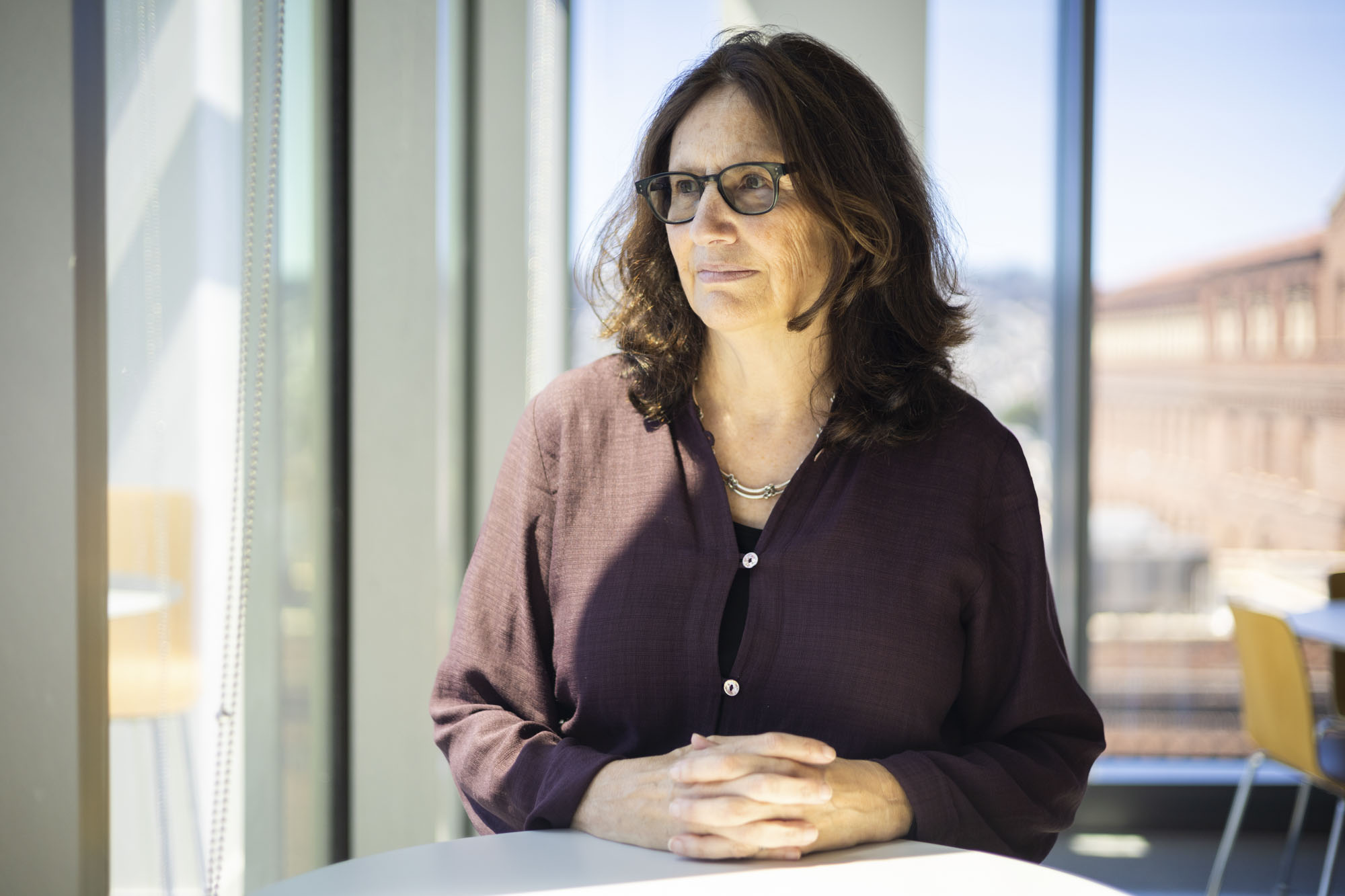
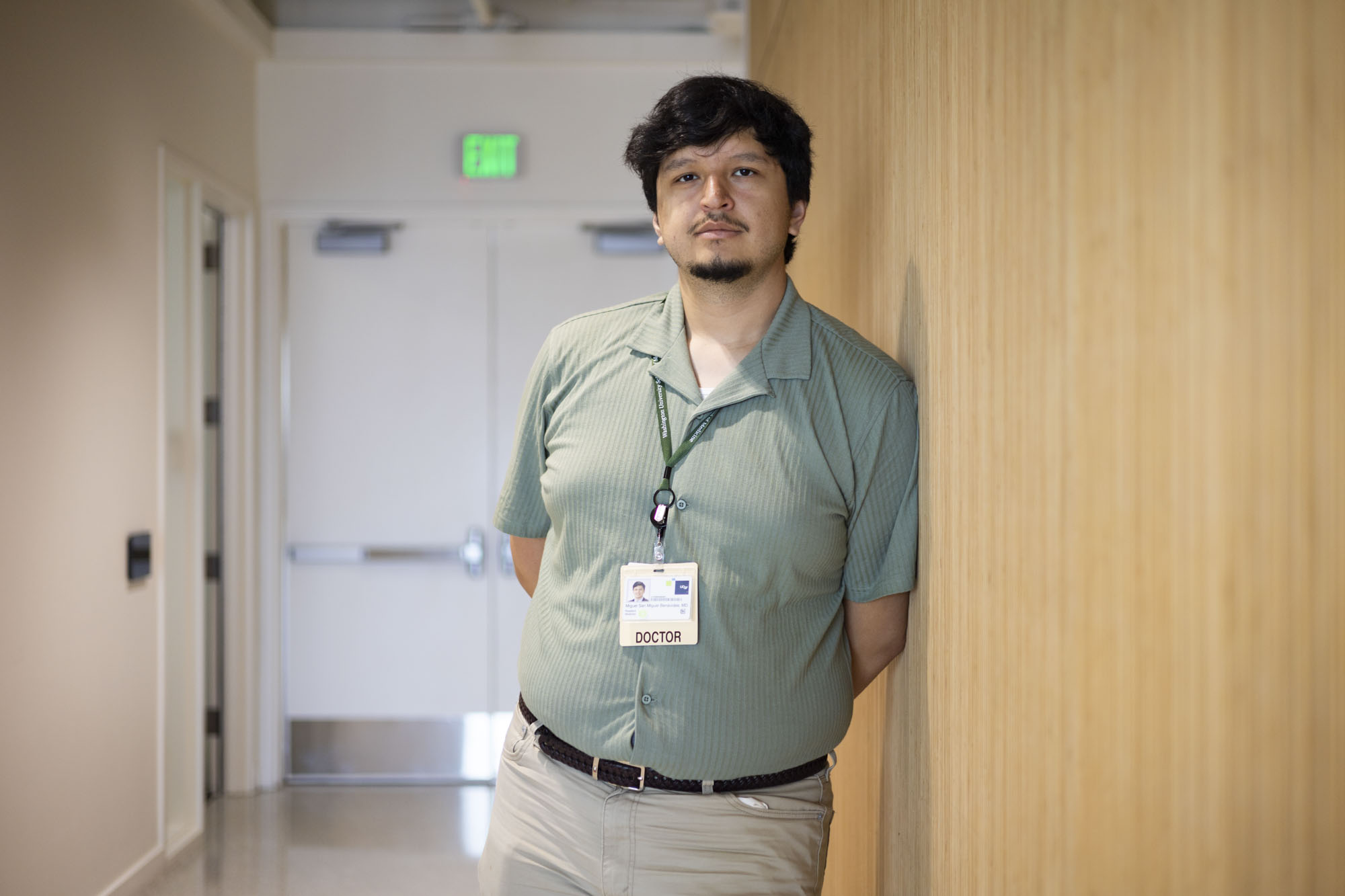
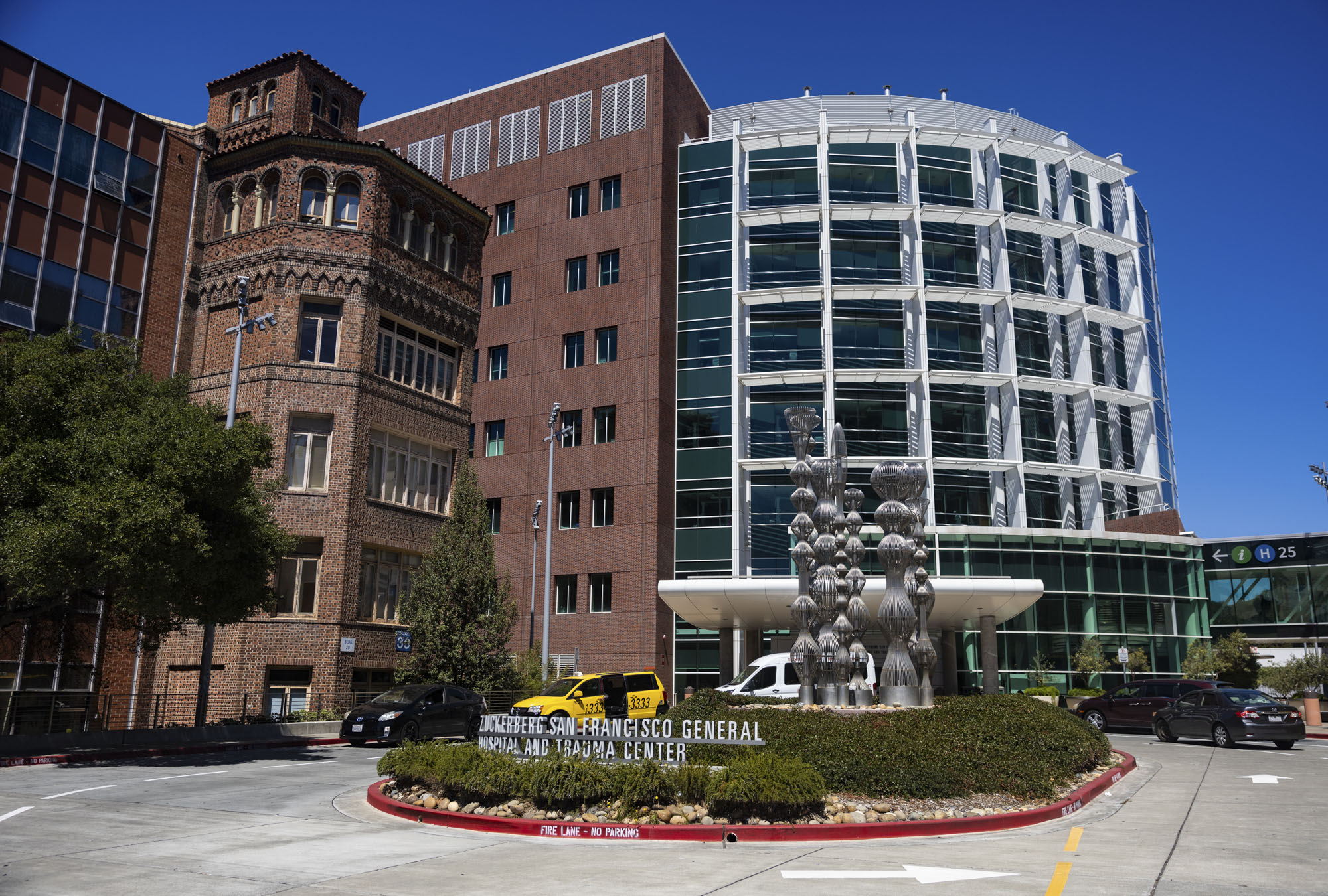
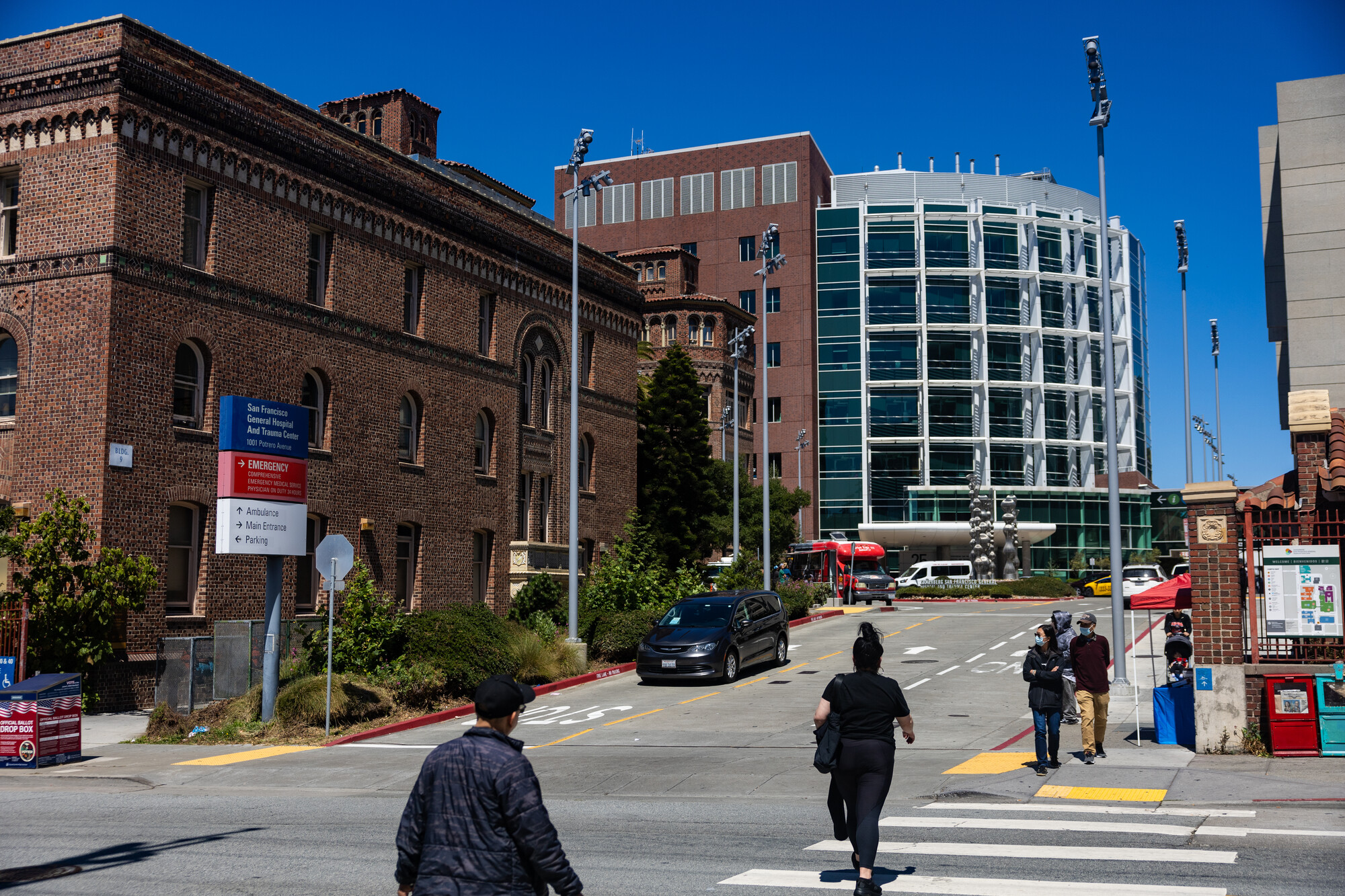
When a patient comes into Dr. Miguel San Miguel Benavides’ exam room at San Francisco General Hospital with a cough, a rash, diabetes or high blood pressure, he knows where to start.
But over the past year, people have been bringing him a problem he feels less equipped to tackle as a primary care physician: their fear over immigration enforcement.
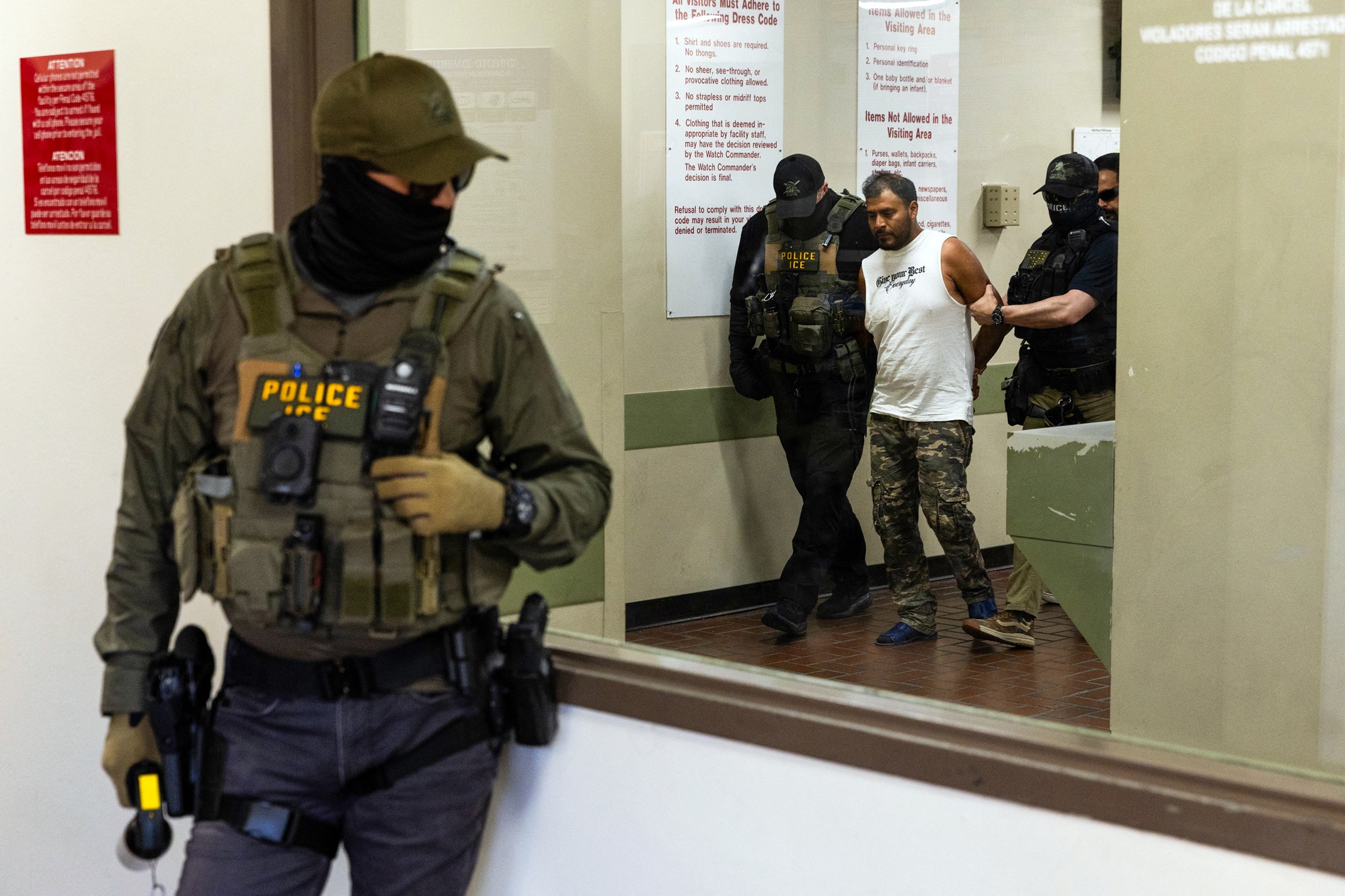
Among other actions, the Trump administration has rolled back protections keeping immigration agents away from healthcare facilities and sought to give ICE access to Medicaid data. Since then, San Miguel and colleagues at SF General who work with immigrant patients say they’ve watched with a sense of powerlessness as people avoid or delay treatment, and as mounting stress exacerbates their underlying conditions.
A 2025 survey of healthcare workers who serve immigrants echoes that experience: Among hundreds of respondents across 30 states, 84% said patient visits were down substantially; many said their ability to provide preventive care and manage chronic conditions suffered.
Now, a small study from UCSF suggests that immigration policies can force some doctors to practice in a way that’s at odds with their sense of moral or professional duty, taking a toll on them.
The experience has become routine for San Miguel as he finishes his residency.
“This is the type of care that I always wanted to give,” he said of working with patients who, like him, immigrated to this country. “But I think part of that has become realizing that the amount of support we can give isn’t necessarily enough.”
Researchers call that kind of ethical conflict “moral injury,” a term coined by a Department of Veterans Affairs psychiatrist working with Vietnam War veterans.

Dr. Marlene Martín, a UCSF clinical medicine professor, was inspired to do the study last summer, around the time ICE was conducting widespread raids in Los Angeles. A colleague who works with immigrant patients told her no one had shown up to their appointment that day at SF General. If that was happening in San Francisco, where there was relatively little high-profile ICE activity at the time, Martín wondered what doctors elsewhere were seeing.
So she and her colleagues interviewed 38 primary care doctors in 13 states about their experiences caring for immigrant patients in this climate. They recently published their findings in JAMA Internal Medicine.
The interviews confirmed that doctors across the country were seeing patients miss appointments, with some suffering more from chronic diseases as their treatment lapsed. For instance, Martín said, one interviewee described a patient whose diabetes had spiraled out of control because his son, who’d been driving him to his appointments, had been arrested by ICE.
“You can’t fix that,” she said. “You can’t address that in a clinical visit.”
Some doctors told the researchers they were afraid to even ask their patients how they were doing, “because it would open this whole topic that they didn’t know how to answer. They didn’t know how to make it better,” Martín said. “In medicine we’re used to being able to address things that patients are talking about and to help them get better.”
One doctor described to researchers the kind of dilemmas they face, given fears about encountering immigration agents in hospitals: “Would I rather have [my patient] be at home while they’re having substernal, crushing chest pain vs. what are the costs and benefits of going [to the hospital]?”
In some cases, the interviewees reported their clinics had stopped accepting undocumented patients altogether, for fear of losing federal funding.
Those experiences, day after day, are what can lead to moral injury.
What surprised study co-author Dr. Alicia Fernandez was how much doctors changed the way they practiced in response to immigration policy changes. “What we saw was many physicians and practices, entire practices, altering their patterns of care,” the UCSF professor and SF General primary care doctor said.
Some transitioned to telehealth appointments. Others switched medications so patients didn’t have to go into the clinic or pharmacy as often.
But Fernandez said the changes can come at a cost — both for the patients and the doctors who care for them.
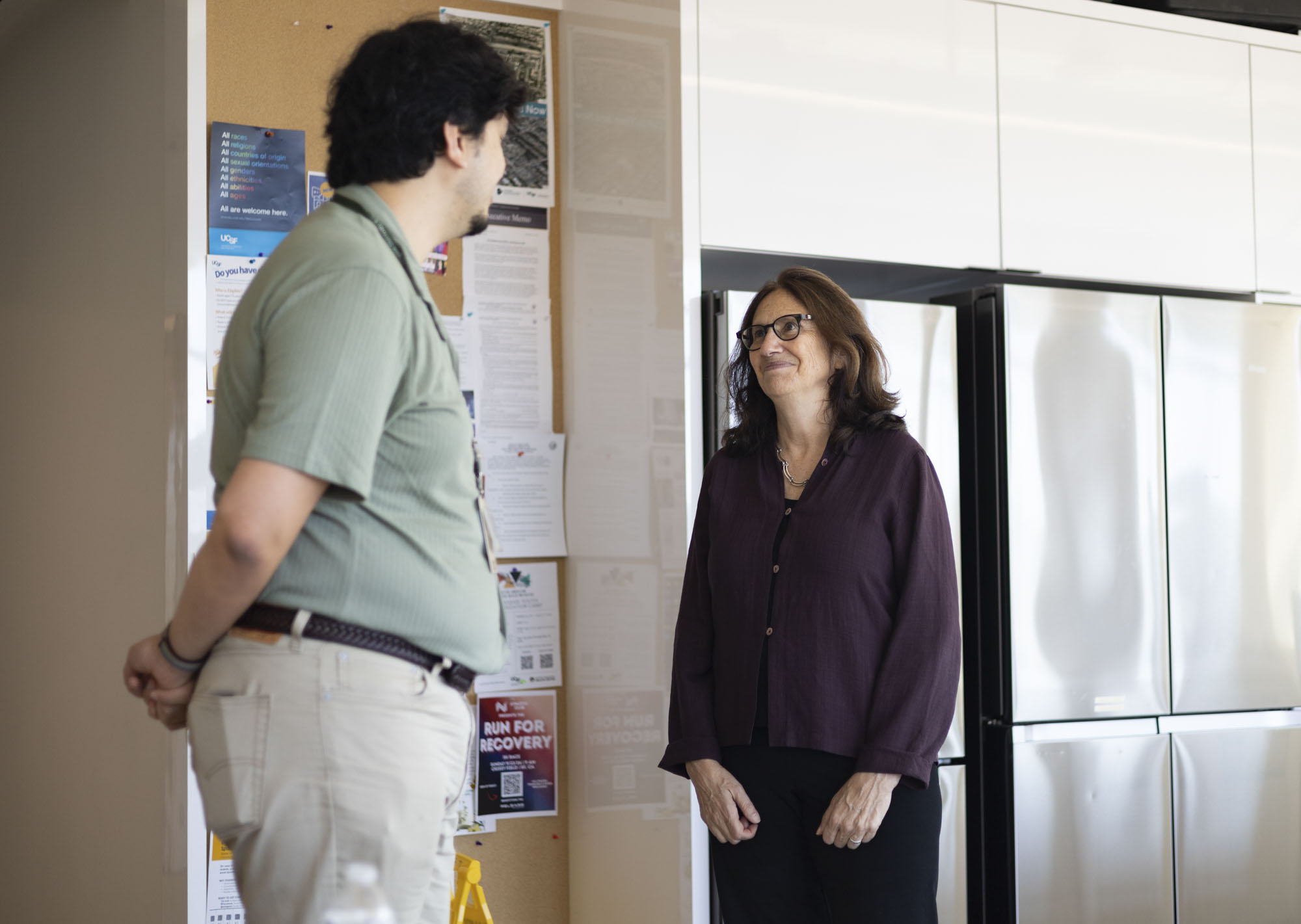
“We definitely feel that our patients are getting worse, and we feel that the care that we are giving is an inferior form of care, and that’s why it’s associated with moral distress,” Fernandez said.
She points to a recent experience with an undocumented patient who’d avoided being seen out of fear. “He came in already having damage from his diabetes,” she said. “That’s a terrible feeling.”
This kind of distress isn’t just bad for individual doctors.
“Moral injury can contribute to burnout,” said Dr. Robert Pearl, a physician and Stanford professor who served as CEO of the Permanente Medical Group for nearly two decades. And data show burnout affects doctors’ quality of care.
“If the patient before you required all this extra work, has had this added fear, had all these challenges,” he said, referencing the study, “when the clinician sees you, he or she may not be as good and sharp as you would like them to be.”
Burnout and moral injury can also lead doctors and other healthcare workers to leave their professions, he said, with particularly dire effects in primary care.
“We already have a shortage,” he said, so “when you need a primary care doctor, that individual might not be there. And we’re certainly seeing that in many communities across the United States, where it’s almost impossible to find a primary care physician with an open panel.”
For doctors in the study who were themselves immigrants, the distress was compounded. That has broad implications given that almost half of the country’s internal medicine doctors are foreign-born, according to a study released last month.
While the UCSF study on moral injury is small and qualitative, it points to ways healthcare institutions can support staff in an increasingly difficult environment. Doctors whose clinics protected patients’ immigration-related information and expanded telehealth, for example, described ways those changes helped them care for patients.
A sense of powerlessness contributed to the moral distress doctors in the study felt. Carolyn Dewa, a psychiatry and behavioral medicine professor at the UC Davis School of Medicine, said social support can protect against that.
“If you feel supported by colleagues and peers, or you feel supported by supervisors,” she said, “if people are not isolated from one another but feel that they’re part of a group, it also is protective.”
The doctors interviewed for the study also described the importance of having a sense of agency. “This paper pointed out that feeling like you could take an active role does help mitigate some of the distress,” said Dr. Anne Rosenthal, who runs the adult primary care clinic at SF General, where Fernandez and San Miguel work.
Her clinic has tried to do that in part by training staff on what to do if immigration enforcement shows up and proactively educating patients about what they need to do to keep Medi-Cal coverage as state enrollment rules change.
The UC Berkeley Labor Center projects half of undocumented residents in California under age 65 could be uninsured by 2030, double the rate now.
“We live in fear of losing our patients, because we know that their physical health will suffer, the health of their kids will suffer, and the health of the community will suffer,” she said.