window.__IS_SSR__=true
window.__INITIAL_STATE__={
"attachmentsReducer": {
"audio_0": {
"type": "attachments",
"id": "audio_0",
"imgSizes": {
"kqedFullSize": {
"file": "https://ww2.kqed.org/news/wp-content/themes/KQED-unified/img/audio_bgs/background0.jpg"
}
}
},
"audio_1": {
"type": "attachments",
"id": "audio_1",
"imgSizes": {
"kqedFullSize": {
"file": "https://ww2.kqed.org/news/wp-content/themes/KQED-unified/img/audio_bgs/background1.jpg"
}
}
},
"audio_2": {
"type": "attachments",
"id": "audio_2",
"imgSizes": {
"kqedFullSize": {
"file": "https://ww2.kqed.org/news/wp-content/themes/KQED-unified/img/audio_bgs/background2.jpg"
}
}
},
"audio_3": {
"type": "attachments",
"id": "audio_3",
"imgSizes": {
"kqedFullSize": {
"file": "https://ww2.kqed.org/news/wp-content/themes/KQED-unified/img/audio_bgs/background3.jpg"
}
}
},
"audio_4": {
"type": "attachments",
"id": "audio_4",
"imgSizes": {
"kqedFullSize": {
"file": "https://ww2.kqed.org/news/wp-content/themes/KQED-unified/img/audio_bgs/background4.jpg"
}
}
},
"placeholder": {
"type": "attachments",
"id": "placeholder",
"imgSizes": {
"thumbnail": {
"file": "https://cdn.kqed.org/wp-content/uploads/2024/12/KQED-Default-Image-816638274-2000x1333-1-160x107.jpg",
"width": 160,
"height": 107,
"mimeType": "image/jpeg"
},
"medium": {
"file": "https://cdn.kqed.org/wp-content/uploads/2024/12/KQED-Default-Image-816638274-2000x1333-1-800x533.jpg",
"width": 800,
"height": 533,
"mimeType": "image/jpeg"
},
"medium_large": {
"file": "https://cdn.kqed.org/wp-content/uploads/2024/12/KQED-Default-Image-816638274-2000x1333-1-768x512.jpg",
"width": 768,
"height": 512,
"mimeType": "image/jpeg"
},
"large": {
"file": "https://cdn.kqed.org/wp-content/uploads/2024/12/KQED-Default-Image-816638274-2000x1333-1-1020x680.jpg",
"width": 1020,
"height": 680,
"mimeType": "image/jpeg"
},
"1536x1536": {
"file": "https://cdn.kqed.org/wp-content/uploads/2024/12/KQED-Default-Image-816638274-2000x1333-1-1536x1024.jpg",
"width": 1536,
"height": 1024,
"mimeType": "image/jpeg"
},
"fd-lrg": {
"file": "https://cdn.kqed.org/wp-content/uploads/2024/12/KQED-Default-Image-816638274-2000x1333-1-1536x1024.jpg",
"width": 1536,
"height": 1024,
"mimeType": "image/jpeg"
},
"fd-med": {
"file": "https://cdn.kqed.org/wp-content/uploads/2024/12/KQED-Default-Image-816638274-2000x1333-1-1020x680.jpg",
"width": 1020,
"height": 680,
"mimeType": "image/jpeg"
},
"fd-sm": {
"file": "https://cdn.kqed.org/wp-content/uploads/2024/12/KQED-Default-Image-816638274-2000x1333-1-800x533.jpg",
"width": 800,
"height": 533,
"mimeType": "image/jpeg"
},
"post-thumbnail": {
"file": "https://cdn.kqed.org/wp-content/uploads/2024/12/KQED-Default-Image-816638274-2000x1333-1-672x372.jpg",
"width": 672,
"height": 372,
"mimeType": "image/jpeg"
},
"twentyfourteen-full-width": {
"file": "https://cdn.kqed.org/wp-content/uploads/2024/12/KQED-Default-Image-816638274-2000x1333-1-1038x576.jpg",
"width": 1038,
"height": 576,
"mimeType": "image/jpeg"
},
"xxsmall": {
"file": "https://cdn.kqed.org/wp-content/uploads/2024/12/KQED-Default-Image-816638274-2000x1333-1-160x107.jpg",
"width": 160,
"height": 107,
"mimeType": "image/jpeg"
},
"xsmall": {
"file": "https://cdn.kqed.org/wp-content/uploads/2024/12/KQED-Default-Image-816638274-2000x1333-1-672x372.jpg",
"width": 672,
"height": 372,
"mimeType": "image/jpeg"
},
"small": {
"file": "https://cdn.kqed.org/wp-content/uploads/2024/12/KQED-Default-Image-816638274-2000x1333-1-672x372.jpg",
"width": 672,
"height": 372,
"mimeType": "image/jpeg"
},
"xlarge": {
"file": "https://cdn.kqed.org/wp-content/uploads/2024/12/KQED-Default-Image-816638274-2000x1333-1-1020x680.jpg",
"width": 1020,
"height": 680,
"mimeType": "image/jpeg"
},
"full-width": {
"file": "https://cdn.kqed.org/wp-content/uploads/2024/12/KQED-Default-Image-816638274-2000x1333-1-1920x1280.jpg",
"width": 1920,
"height": 1280,
"mimeType": "image/jpeg"
},
"guest-author-32": {
"file": "https://cdn.kqed.org/wp-content/uploads/2025/01/KQED-Default-Image-816638274-1333x1333-1-160x160.jpg",
"width": 32,
"height": 32,
"mimeType": "image/jpeg"
},
"guest-author-50": {
"file": "https://cdn.kqed.org/wp-content/uploads/2025/01/KQED-Default-Image-816638274-1333x1333-1-160x160.jpg",
"width": 50,
"height": 50,
"mimeType": "image/jpeg"
},
"guest-author-64": {
"file": "https://cdn.kqed.org/wp-content/uploads/2025/01/KQED-Default-Image-816638274-1333x1333-1-160x160.jpg",
"width": 64,
"height": 64,
"mimeType": "image/jpeg"
},
"guest-author-96": {
"file": "https://cdn.kqed.org/wp-content/uploads/2025/01/KQED-Default-Image-816638274-1333x1333-1-160x160.jpg",
"width": 96,
"height": 96,
"mimeType": "image/jpeg"
},
"guest-author-128": {
"file": "https://cdn.kqed.org/wp-content/uploads/2025/01/KQED-Default-Image-816638274-1333x1333-1-160x160.jpg",
"width": 128,
"height": 128,
"mimeType": "image/jpeg"
},
"detail": {
"file": "https://cdn.kqed.org/wp-content/uploads/2025/01/KQED-Default-Image-816638274-1333x1333-1-160x160.jpg",
"width": 160,
"height": 160,
"mimeType": "image/jpeg"
},
"kqedFullSize": {
"file": "https://cdn.kqed.org/wp-content/uploads/2024/12/KQED-Default-Image-816638274-2000x1333-1.jpg",
"width": 2000,
"height": 1333
}
}
},
"news_12093262": {
"type": "attachments",
"id": "news_12093262",
"meta": {
"index": "attachments_1716263798",
"site": "news",
"id": "12093262",
"found": true
},
"title": "A southbound Caltrain emerges from a tunnel in San Francisco, Calif. on Friday, Jan. 13, 2017",
"publishDate": 1785436277,
"status": "inherit",
"parent": 12093243,
"modified": 1785436312,
"caption": "A southbound Caltrain emerges from a tunnel in San Francisco, California, on Jan. 13, 2017. San Francisco Animal Care and Control officers lead Roo out of a Caltrain tunnel near 16th and Mississippi streets, where he had spent close to two days.",
"credit": "Paul Chinn/The San Francisco Chronicle via Getty Images",
"altTag": null,
"description": null,
"imgSizes": {
"thumbnail": {
"file": "https://cdn.kqed.org/wp-content/uploads/sites/10/2026/07/Caltrain-160x101.jpg",
"width": 160,
"height": 101,
"mimeType": "image/jpeg"
},
"1536x1536": {
"file": "https://cdn.kqed.org/wp-content/uploads/sites/10/2026/07/Caltrain-1536x972.jpg",
"width": 1536,
"height": 972,
"mimeType": "image/jpeg"
},
"post-thumbnail": {
"file": "https://cdn.kqed.org/wp-content/uploads/sites/10/2026/07/Caltrain-672x372.jpg",
"width": 672,
"height": 372,
"mimeType": "image/jpeg"
},
"twentyfourteen-full-width": {
"file": "https://cdn.kqed.org/wp-content/uploads/sites/10/2026/07/Caltrain-1038x576.jpg",
"width": 1038,
"height": 576,
"mimeType": "image/jpeg"
},
"npr-cds-wide": {
"file": "https://cdn.kqed.org/wp-content/uploads/sites/10/2026/07/Caltrain-1200x675.jpg",
"width": 1200,
"height": 675,
"mimeType": "image/jpeg"
},
"npr-cds-square": {
"file": "https://cdn.kqed.org/wp-content/uploads/sites/10/2026/07/Caltrain-600x600.jpg",
"width": 600,
"height": 600,
"mimeType": "image/jpeg"
},
"kqedFullSize": {
"file": "https://cdn.kqed.org/wp-content/uploads/sites/10/2026/07/Caltrain.jpg",
"width": 2000,
"height": 1266
}
},
"isLoading": false,
"fetchFailed": false
},
"news_12093014": {
"type": "attachments",
"id": "news_12093014",
"meta": {
"index": "attachments_1716263798",
"site": "news",
"id": "12093014",
"found": true
},
"title": "TOPSHOT-US-CALIFORNIA-CLIMATE-WEATHER",
"publishDate": 1785342332,
"status": "inherit",
"parent": 12093013,
"modified": 1785342376,
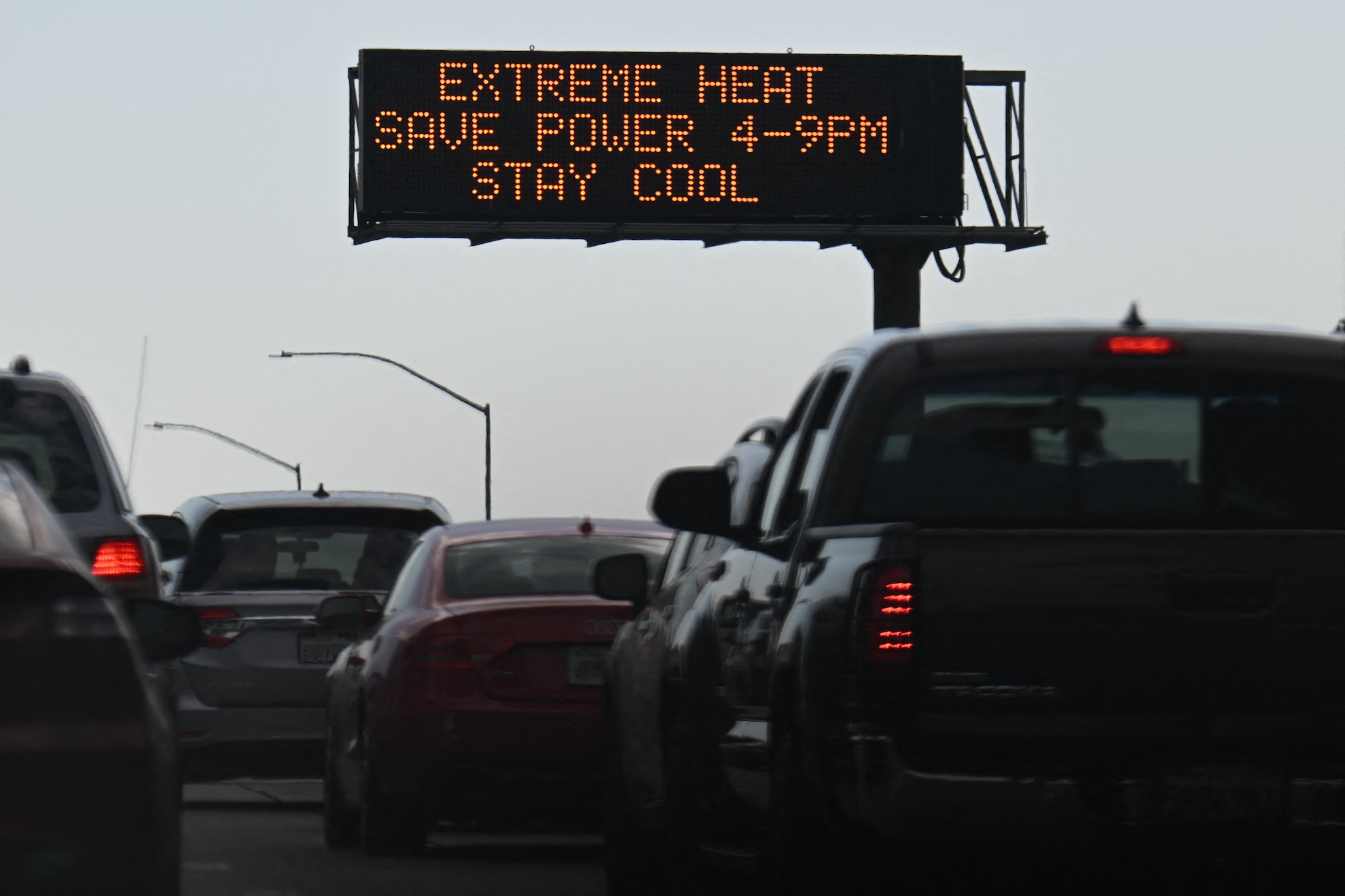
"caption": "Vehicles drive past a sign on the 110 Freeway warning of extreme heat and urging energy conservation during a heat wave in downtown Los Angeles, California on Sept. 2, 2022. ",
"credit": "Patrick T. Fallon/AFP via Getty Images",
"altTag": null,
"description": null,
"imgSizes": {
"thumbnail": {
"file": "https://cdn.kqed.org/wp-content/uploads/sites/10/2026/07/GettyImages-1242895722-160x107.jpg",
"width": 160,
"height": 107,
"mimeType": "image/jpeg"
},
"1536x1536": {
"file": "https://cdn.kqed.org/wp-content/uploads/sites/10/2026/07/GettyImages-1242895722-1536x1023.jpg",
"width": 1536,
"height": 1023,
"mimeType": "image/jpeg"
},
"post-thumbnail": {
"file": "https://cdn.kqed.org/wp-content/uploads/sites/10/2026/07/GettyImages-1242895722-672x372.jpg",
"width": 672,
"height": 372,
"mimeType": "image/jpeg"
},
"twentyfourteen-full-width": {
"file": "https://cdn.kqed.org/wp-content/uploads/sites/10/2026/07/GettyImages-1242895722-1038x576.jpg",
"width": 1038,
"height": 576,
"mimeType": "image/jpeg"
},
"npr-cds-wide": {
"file": "https://cdn.kqed.org/wp-content/uploads/sites/10/2026/07/GettyImages-1242895722-1200x675.jpg",
"width": 1200,
"height": 675,
"mimeType": "image/jpeg"
},
"npr-cds-square": {
"file": "https://cdn.kqed.org/wp-content/uploads/sites/10/2026/07/GettyImages-1242895722-600x600.jpg",
"width": 600,
"height": 600,
"mimeType": "image/jpeg"
},
"kqedFullSize": {
"file": "https://cdn.kqed.org/wp-content/uploads/sites/10/2026/07/GettyImages-1242895722.jpg",
"width": 1980,
"height": 1319
}
},
"isLoading": false,
"fetchFailed": false
},
"news_12093112": {
"type": "attachments",
"id": "news_12093112",
"meta": {
"index": "attachments_1716263798",
"site": "news",
"id": "12093112",
"found": true
},
"title": "260724-PlacesTimeTravel-03-BL",
"publishDate": 1785357488,
"status": "inherit",
"parent": 0,
"modified": 1785357505,
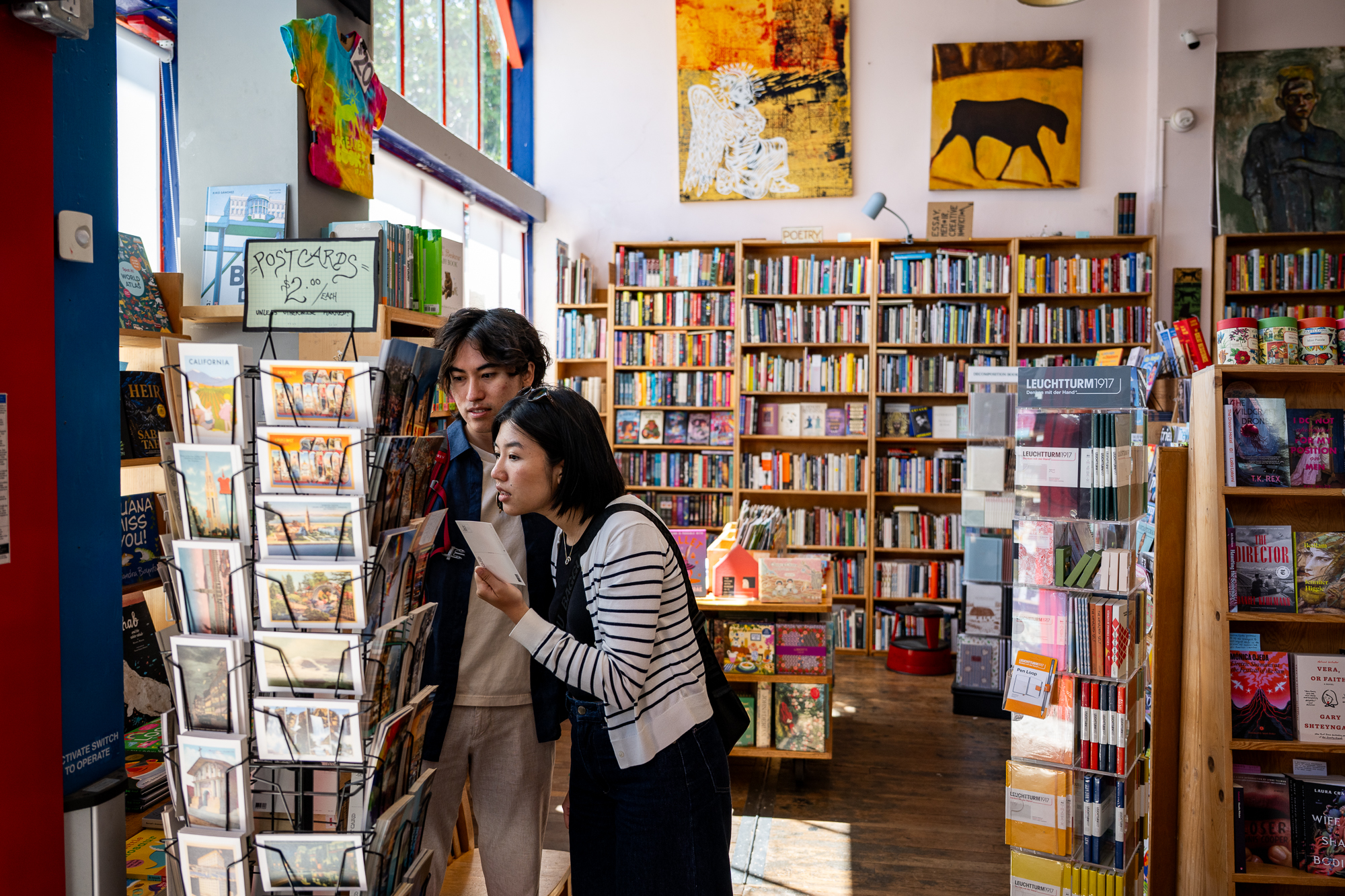
"caption": "Customers shop at Dog Eared Books on Valencia Street in San Francisco on July 24, 2026.",
"credit": "Beth LaBerge/KQED",
"altTag": null,
"description": null,
"imgSizes": {
"thumbnail": {
"file": "https://cdn.kqed.org/wp-content/uploads/sites/10/2026/07/260724-PlacesTimeTravel-03-BL-160x107.jpg",
"width": 160,
"height": 107,
"mimeType": "image/jpeg"
},
"1536x1536": {
"file": "https://cdn.kqed.org/wp-content/uploads/sites/10/2026/07/260724-PlacesTimeTravel-03-BL-1536x1024.jpg",
"width": 1536,
"height": 1024,
"mimeType": "image/jpeg"
},
"post-thumbnail": {
"file": "https://cdn.kqed.org/wp-content/uploads/sites/10/2026/07/260724-PlacesTimeTravel-03-BL-672x372.jpg",
"width": 672,
"height": 372,
"mimeType": "image/jpeg"
},
"twentyfourteen-full-width": {
"file": "https://cdn.kqed.org/wp-content/uploads/sites/10/2026/07/260724-PlacesTimeTravel-03-BL-1038x576.jpg",
"width": 1038,
"height": 576,
"mimeType": "image/jpeg"
},
"npr-cds-wide": {
"file": "https://cdn.kqed.org/wp-content/uploads/sites/10/2026/07/260724-PlacesTimeTravel-03-BL-1200x675.jpg",
"width": 1200,
"height": 675,
"mimeType": "image/jpeg"
},
"npr-cds-square": {
"file": "https://cdn.kqed.org/wp-content/uploads/sites/10/2026/07/260724-PlacesTimeTravel-03-BL-600x600.jpg",
"width": 600,
"height": 600,
"mimeType": "image/jpeg"
},
"kqedFullSize": {
"file": "https://cdn.kqed.org/wp-content/uploads/sites/10/2026/07/260724-PlacesTimeTravel-03-BL.jpg",
"width": 2000,
"height": 1333
}
},
"isLoading": false,
"fetchFailed": false
},
"news_12093041": {
"type": "attachments",
"id": "news_12093041",
"meta": {
"index": "attachments_1716263798",
"site": "news",
"id": "12093041",
"found": true
},
"title": "260728-STANYANHOUSING-NG-114-KQED",
"publishDate": 1785344689,
"status": "inherit",
"parent": 0,
"modified": 1785381255,
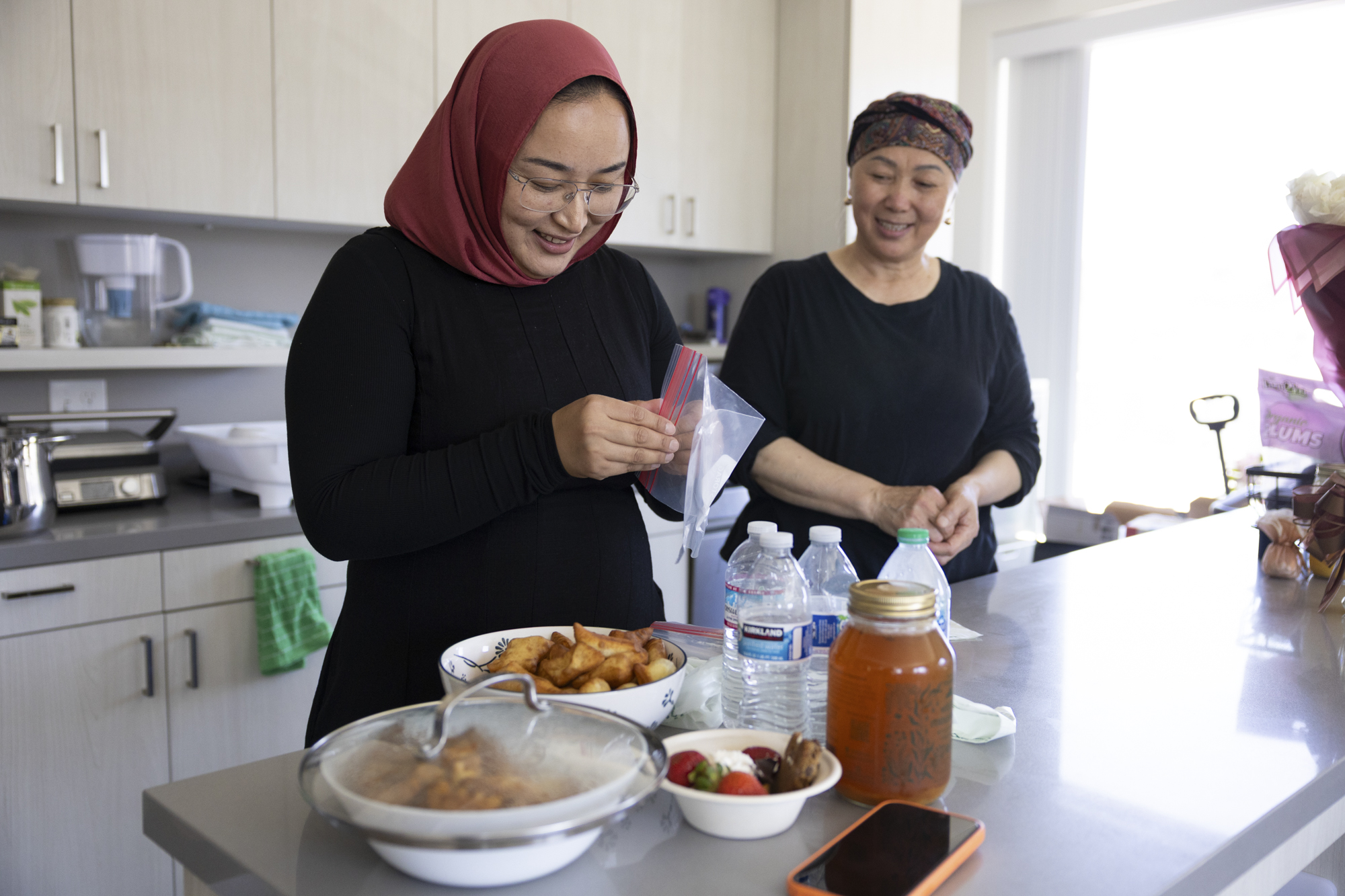
"caption": "Gulnaz Gaparova (left) and her mother, Tony Gaparova, residents at 730 Stanyan, put a traditional pastry into bags in their apartment to share at the grand opening of the new affordable housing development in the Haight-Ashbury neighborhood of San Francisco on July 28, 2026.",
"credit": "Nina Glick/KQED",
"altTag": null,
"description": null,
"imgSizes": {
"thumbnail": {
"file": "https://cdn.kqed.org/wp-content/uploads/sites/10/2026/07/260728-STANYANHOUSING-NG-114-KQED-160x107.jpg",
"width": 160,
"height": 107,
"mimeType": "image/jpeg"
},
"1536x1536": {
"file": "https://cdn.kqed.org/wp-content/uploads/sites/10/2026/07/260728-STANYANHOUSING-NG-114-KQED-1536x1024.jpg",
"width": 1536,
"height": 1024,
"mimeType": "image/jpeg"
},
"post-thumbnail": {
"file": "https://cdn.kqed.org/wp-content/uploads/sites/10/2026/07/260728-STANYANHOUSING-NG-114-KQED-672x372.jpg",
"width": 672,
"height": 372,
"mimeType": "image/jpeg"
},
"twentyfourteen-full-width": {
"file": "https://cdn.kqed.org/wp-content/uploads/sites/10/2026/07/260728-STANYANHOUSING-NG-114-KQED-1038x576.jpg",
"width": 1038,
"height": 576,
"mimeType": "image/jpeg"
},
"npr-cds-wide": {
"file": "https://cdn.kqed.org/wp-content/uploads/sites/10/2026/07/260728-STANYANHOUSING-NG-114-KQED-1200x675.jpg",
"width": 1200,
"height": 675,
"mimeType": "image/jpeg"
},
"npr-cds-square": {
"file": "https://cdn.kqed.org/wp-content/uploads/sites/10/2026/07/260728-STANYANHOUSING-NG-114-KQED-600x600.jpg",
"width": 600,
"height": 600,
"mimeType": "image/jpeg"
},
"kqedFullSize": {
"file": "https://cdn.kqed.org/wp-content/uploads/sites/10/2026/07/260728-STANYANHOUSING-NG-114-KQED.jpg",
"width": 2000,
"height": 1333
}
},
"isLoading": false,
"fetchFailed": false
},
"news_12093064": {
"type": "attachments",
"id": "news_12093064",
"meta": {
"index": "attachments_1716263798",
"site": "news",
"id": "12093064",
"found": true
},
"title": "072826-PALESTINEACTIVISTMEMORIAL-15-MC-KQED_1",
"publishDate": 1785350010,
"status": "inherit",
"parent": 0,
"modified": 1785350250,
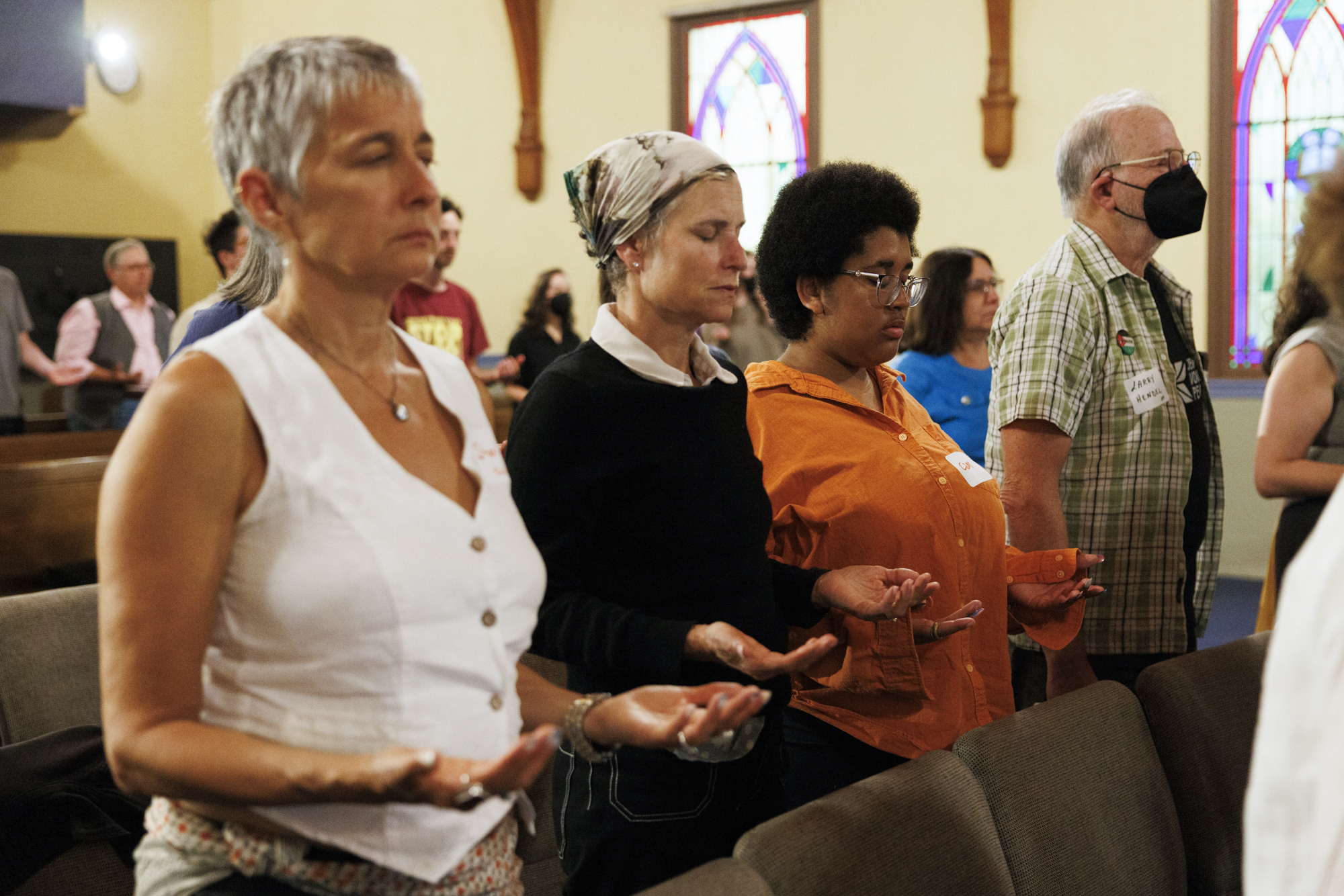
"caption": "Mourners are guided in prayer during a memorial for Palestinian activist, Awdah Hathaleen, at Kehilla Community Synagogue on July 28, 2026, in Piedmont.",
"credit": "Miles Cull/KQED",
"altTag": null,
"description": null,
"imgSizes": {
"thumbnail": {
"file": "https://cdn.kqed.org/wp-content/uploads/sites/10/2026/07/072826-PALESTINEACTIVISTMEMORIAL-15-MC-KQED_1-160x107.jpg",
"width": 160,
"height": 107,
"mimeType": "image/jpeg"
},
"1536x1536": {
"file": "https://cdn.kqed.org/wp-content/uploads/sites/10/2026/07/072826-PALESTINEACTIVISTMEMORIAL-15-MC-KQED_1-1536x1025.jpg",
"width": 1536,
"height": 1025,
"mimeType": "image/jpeg"
},
"post-thumbnail": {
"file": "https://cdn.kqed.org/wp-content/uploads/sites/10/2026/07/072826-PALESTINEACTIVISTMEMORIAL-15-MC-KQED_1-672x372.jpg",
"width": 672,
"height": 372,
"mimeType": "image/jpeg"
},
"twentyfourteen-full-width": {
"file": "https://cdn.kqed.org/wp-content/uploads/sites/10/2026/07/072826-PALESTINEACTIVISTMEMORIAL-15-MC-KQED_1-1038x576.jpg",
"width": 1038,
"height": 576,
"mimeType": "image/jpeg"
},
"npr-cds-wide": {
"file": "https://cdn.kqed.org/wp-content/uploads/sites/10/2026/07/072826-PALESTINEACTIVISTMEMORIAL-15-MC-KQED_1-1200x675.jpg",
"width": 1200,
"height": 675,
"mimeType": "image/jpeg"
},
"npr-cds-square": {
"file": "https://cdn.kqed.org/wp-content/uploads/sites/10/2026/07/072826-PALESTINEACTIVISTMEMORIAL-15-MC-KQED_1-600x600.jpg",
"width": 600,
"height": 600,
"mimeType": "image/jpeg"
},
"kqedFullSize": {
"file": "https://cdn.kqed.org/wp-content/uploads/sites/10/2026/07/072826-PALESTINEACTIVISTMEMORIAL-15-MC-KQED_1.jpg",
"width": 2000,
"height": 1334
}
},
"isLoading": false,
"fetchFailed": false
},
"news_12014523": {
"type": "attachments",
"id": "news_12014523",
"meta": {
"index": "attachments_1716263798",
"site": "news",
"id": "12014523",
"found": true
},
"title": "240903-OverdoseResponse-44-BL_qed",
"publishDate": 1731628013,
"status": "inherit",
"parent": 12014459,
"modified": 1785342588,
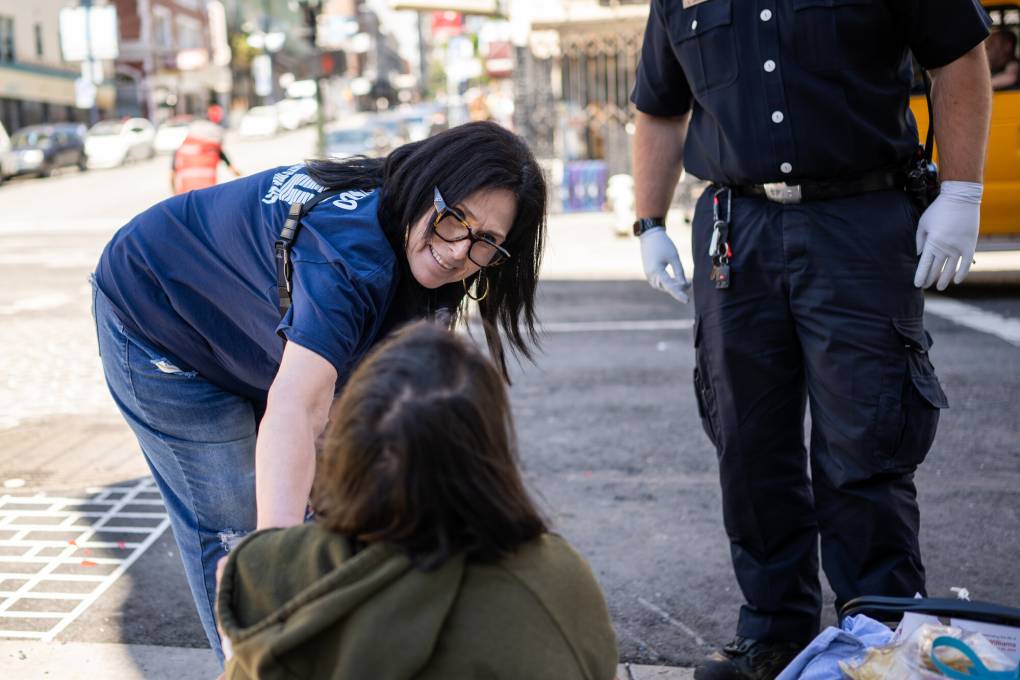
"caption": "Counselor Chantel Hernandez-Coleman (left) and paramedic Isaac James, members of the Street Overdose Response Team, speak with a woman sitting in the Tenderloin in San Francisco on Sept. 3, 2024.",
"credit": "Beth LaBerge/KQED",
"altTag": null,
"description": null,
"imgSizes": {
"medium": {
"file": "https://cdn.kqed.org/wp-content/uploads/sites/10/2024/11/240903-OverdoseResponse-44-BL_qed-800x533.jpg",
"width": 800,
"height": 533,
"mimeType": "image/jpeg"
},
"large": {
"file": "https://cdn.kqed.org/wp-content/uploads/sites/10/2024/11/240903-OverdoseResponse-44-BL_qed-1020x680.jpg",
"width": 1020,
"height": 680,
"mimeType": "image/jpeg"
},
"thumbnail": {
"file": "https://cdn.kqed.org/wp-content/uploads/sites/10/2024/11/240903-OverdoseResponse-44-BL_qed-160x107.jpg",
"width": 160,
"height": 107,
"mimeType": "image/jpeg"
},
"1536x1536": {
"file": "https://cdn.kqed.org/wp-content/uploads/sites/10/2024/11/240903-OverdoseResponse-44-BL_qed-1536x1024.jpg",
"width": 1536,
"height": 1024,
"mimeType": "image/jpeg"
},
"post-thumbnail": {
"file": "https://cdn.kqed.org/wp-content/uploads/sites/10/2024/11/240903-OverdoseResponse-44-BL_qed-672x372.jpg",
"width": 672,
"height": 372,
"mimeType": "image/jpeg"
},
"twentyfourteen-full-width": {
"file": "https://cdn.kqed.org/wp-content/uploads/sites/10/2024/11/240903-OverdoseResponse-44-BL_qed-1038x576.jpg",
"width": 1038,
"height": 576,
"mimeType": "image/jpeg"
},
"full-width": {
"file": "https://cdn.kqed.org/wp-content/uploads/sites/10/2024/11/240903-OverdoseResponse-44-BL_qed-1920x1280.jpg",
"width": 1920,
"height": 1280,
"mimeType": "image/jpeg"
},
"kqedFullSize": {
"file": "https://cdn.kqed.org/wp-content/uploads/sites/10/2024/11/240903-OverdoseResponse-44-BL_qed.jpg",
"width": 2000,
"height": 1333
}
},
"isLoading": false,
"fetchFailed": false
},
"news_12092926": {
"type": "attachments",
"id": "news_12092926",
"meta": {
"index": "attachments_1716263798",
"site": "news",
"id": "12092926",
"found": true
},
"title": "Autonomous Waymo Vehicles Navigate San Francisco",
"publishDate": 1785273287,
"status": "inherit",
"parent": 12092864,
"modified": 1785273345,
"caption": "A line of Waymo robotaxis drive through North Beach on July 7, 2026, in San Francisco, California. Several Waymo vehicles were towed after the company said their batteries died while they were stuck in heavy traffic during Fourth of July celebrations in San Francisco. ",
"credit": "Heather Diehl/Getty Images",
"altTag": null,
"description": null,
"imgSizes": {
"thumbnail": {
"file": "https://cdn.kqed.org/wp-content/uploads/sites/10/2026/07/WaymoGetty-160x107.jpg",
"width": 160,
"height": 107,
"mimeType": "image/jpeg"
},
"1536x1536": {
"file": "https://cdn.kqed.org/wp-content/uploads/sites/10/2026/07/WaymoGetty-1536x1024.jpg",
"width": 1536,
"height": 1024,
"mimeType": "image/jpeg"
},
"post-thumbnail": {
"file": "https://cdn.kqed.org/wp-content/uploads/sites/10/2026/07/WaymoGetty-672x372.jpg",
"width": 672,
"height": 372,
"mimeType": "image/jpeg"
},
"twentyfourteen-full-width": {
"file": "https://cdn.kqed.org/wp-content/uploads/sites/10/2026/07/WaymoGetty-1038x576.jpg",
"width": 1038,
"height": 576,
"mimeType": "image/jpeg"
},
"npr-cds-wide": {
"file": "https://cdn.kqed.org/wp-content/uploads/sites/10/2026/07/WaymoGetty-1200x675.jpg",
"width": 1200,
"height": 675,
"mimeType": "image/jpeg"
},
"npr-cds-square": {
"file": "https://cdn.kqed.org/wp-content/uploads/sites/10/2026/07/WaymoGetty-600x600.jpg",
"width": 600,
"height": 600,
"mimeType": "image/jpeg"
},
"kqedFullSize": {
"file": "https://cdn.kqed.org/wp-content/uploads/sites/10/2026/07/WaymoGetty.jpg",
"width": 2000,
"height": 1333
}
},
"isLoading": false,
"fetchFailed": false
},
"news_12067757": {
"type": "attachments",
"id": "news_12067757",
"meta": {
"index": "attachments_1716263798",
"site": "news",
"id": "12067757",
"found": true
},
"title": "251210-SFOEating-24-BL_qed",
"publishDate": 1766083502,
"status": "inherit",
"parent": 12065518,
"modified": 1766083510,
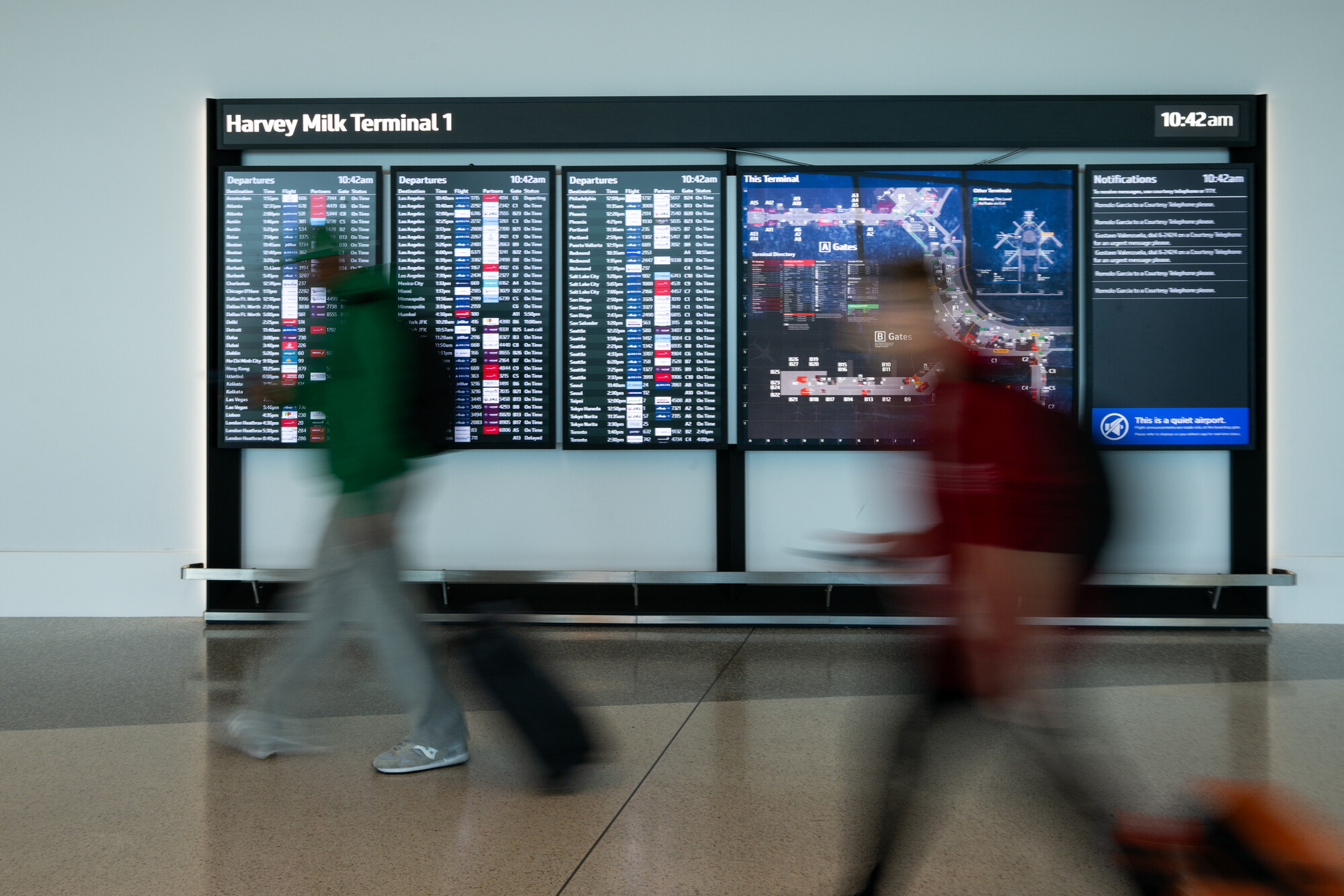
"caption": "Passengers walk past a flight board in Harvey Milk Terminal 1 at San Francisco International Airport on Dec. 10, 2025.",
"credit": "Beth LaBerge/KQED",
"altTag": null,
"description": null,
"imgSizes": {
"thumbnail": {
"file": "https://cdn.kqed.org/wp-content/uploads/sites/10/2025/11/251210-SFOEating-24-BL_qed-160x107.jpg",
"width": 160,
"height": 107,
"mimeType": "image/jpeg"
},
"1536x1536": {
"file": "https://cdn.kqed.org/wp-content/uploads/sites/10/2025/11/251210-SFOEating-24-BL_qed-1536x1024.jpg",
"width": 1536,
"height": 1024,
"mimeType": "image/jpeg"
},
"post-thumbnail": {
"file": "https://cdn.kqed.org/wp-content/uploads/sites/10/2025/11/251210-SFOEating-24-BL_qed-672x372.jpg",
"width": 672,
"height": 372,
"mimeType": "image/jpeg"
},
"twentyfourteen-full-width": {
"file": "https://cdn.kqed.org/wp-content/uploads/sites/10/2025/11/251210-SFOEating-24-BL_qed-1038x576.jpg",
"width": 1038,
"height": 576,
"mimeType": "image/jpeg"
},
"npr-cds-wide": {
"file": "https://cdn.kqed.org/wp-content/uploads/sites/10/2025/11/251210-SFOEating-24-BL_qed-1200x675.jpg",
"width": 1200,
"height": 675,
"mimeType": "image/jpeg"
},
"kqedFullSize": {
"file": "https://cdn.kqed.org/wp-content/uploads/sites/10/2025/11/251210-SFOEating-24-BL_qed.jpg",
"width": 1999,
"height": 1333
}
},
"isLoading": false,
"fetchFailed": false
},
"news_12084172": {
"type": "attachments",
"id": "news_12084172",
"meta": {
"index": "attachments_1716263798",
"site": "news",
"id": "12084172",
"found": true
},
"title": "250210-SurferSewage-05-BL_qed",
"publishDate": 1779146469,
"status": "inherit",
"parent": 12084476,
"modified": 1779301569,
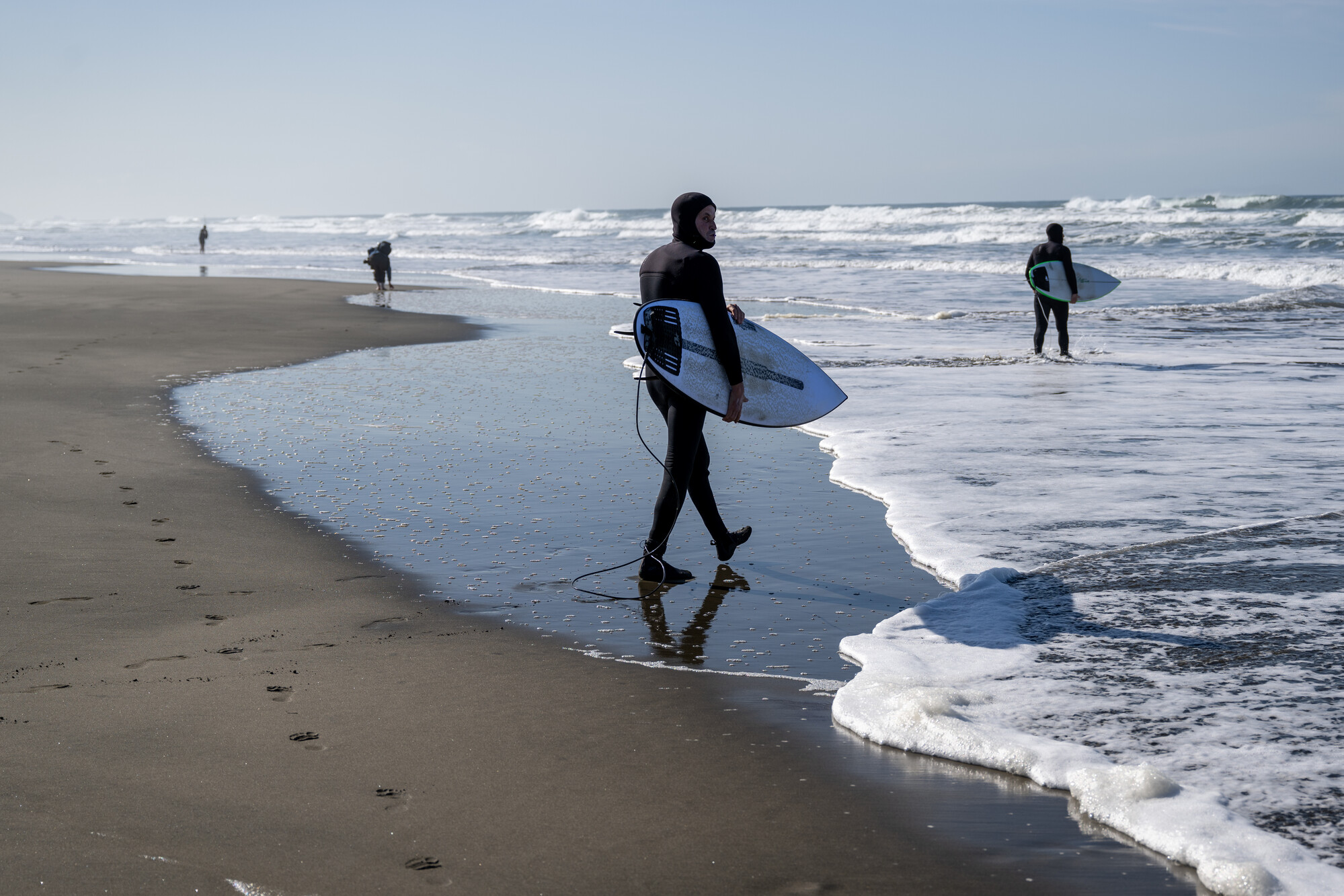
"caption": "A surfer walks in the water to surf at Ocean Beach in San Francisco on Feb. 10, 2025.",
"credit": "Beth LaBerge/KQED",
"altTag": null,
"description": null,
"imgSizes": {
"thumbnail": {
"file": "https://cdn.kqed.org/wp-content/uploads/sites/10/2026/05/250210-SurferSewage-05-BL_qed-160x107.jpg",
"width": 160,
"height": 107,
"mimeType": "image/jpeg"
},
"1536x1536": {
"file": "https://cdn.kqed.org/wp-content/uploads/sites/10/2026/05/250210-SurferSewage-05-BL_qed-1536x1024.jpg",
"width": 1536,
"height": 1024,
"mimeType": "image/jpeg"
},
"post-thumbnail": {
"file": "https://cdn.kqed.org/wp-content/uploads/sites/10/2026/05/250210-SurferSewage-05-BL_qed-672x372.jpg",
"width": 672,
"height": 372,
"mimeType": "image/jpeg"
},
"twentyfourteen-full-width": {
"file": "https://cdn.kqed.org/wp-content/uploads/sites/10/2026/05/250210-SurferSewage-05-BL_qed-1038x576.jpg",
"width": 1038,
"height": 576,
"mimeType": "image/jpeg"
},
"npr-cds-wide": {
"file": "https://cdn.kqed.org/wp-content/uploads/sites/10/2026/05/250210-SurferSewage-05-BL_qed-1200x675.jpg",
"width": 1200,
"height": 675,
"mimeType": "image/jpeg"
},
"npr-cds-square": {
"file": "https://cdn.kqed.org/wp-content/uploads/sites/10/2026/05/250210-SurferSewage-05-BL_qed-600x600.jpg",
"width": 600,
"height": 600,
"mimeType": "image/jpeg"
},
"kqedFullSize": {
"file": "https://cdn.kqed.org/wp-content/uploads/sites/10/2026/05/250210-SurferSewage-05-BL_qed.jpg",
"width": 1999,
"height": 1333
}
},
"isLoading": false,
"fetchFailed": false
},
"news_12092374": {
"type": "attachments",
"id": "news_12092374",
"meta": {
"index": "attachments_1716263798",
"site": "news",
"id": "12092374",
"found": true
},
"title": "260723-marinasafeway-ng-15-KQED",
"publishDate": 1784836652,
"status": "inherit",
"parent": 0,
"modified": 1784836686,
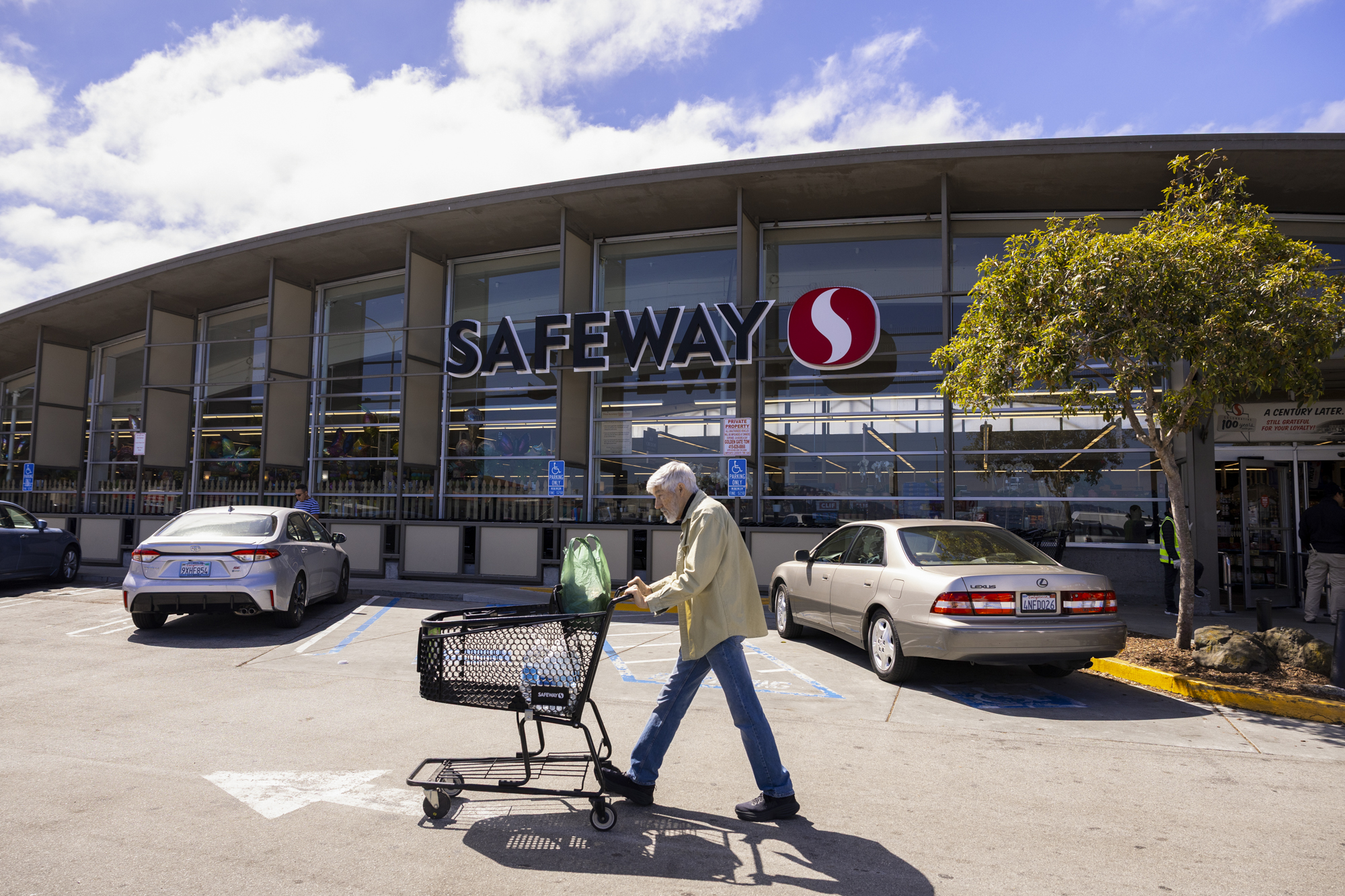
"caption": "A customer walks out of the Safeway location in San Francisco’s Marina District on July 23, 2026.",
"credit": "Nina Glick/KQED",
"altTag": null,
"description": null,
"imgSizes": {
"thumbnail": {
"file": "https://cdn.kqed.org/wp-content/uploads/sites/10/2026/07/260723-marinasafeway-ng-15-KQED-160x107.jpg",
"width": 160,
"height": 107,
"mimeType": "image/jpeg"
},
"1536x1536": {
"file": "https://cdn.kqed.org/wp-content/uploads/sites/10/2026/07/260723-marinasafeway-ng-15-KQED-1536x1024.jpg",
"width": 1536,
"height": 1024,
"mimeType": "image/jpeg"
},
"post-thumbnail": {
"file": "https://cdn.kqed.org/wp-content/uploads/sites/10/2026/07/260723-marinasafeway-ng-15-KQED-672x372.jpg",
"width": 672,
"height": 372,
"mimeType": "image/jpeg"
},
"twentyfourteen-full-width": {
"file": "https://cdn.kqed.org/wp-content/uploads/sites/10/2026/07/260723-marinasafeway-ng-15-KQED-1038x576.jpg",
"width": 1038,
"height": 576,
"mimeType": "image/jpeg"
},
"npr-cds-wide": {
"file": "https://cdn.kqed.org/wp-content/uploads/sites/10/2026/07/260723-marinasafeway-ng-15-KQED-1200x675.jpg",
"width": 1200,
"height": 675,
"mimeType": "image/jpeg"
},
"npr-cds-square": {
"file": "https://cdn.kqed.org/wp-content/uploads/sites/10/2026/07/260723-marinasafeway-ng-15-KQED-600x600.jpg",
"width": 600,
"height": 600,
"mimeType": "image/jpeg"
},
"kqedFullSize": {
"file": "https://cdn.kqed.org/wp-content/uploads/sites/10/2026/07/260723-marinasafeway-ng-15-KQED.jpg",
"width": 2000,
"height": 1333
}
},
"isLoading": false,
"fetchFailed": false
},
"news_12092618": {
"type": "attachments",
"id": "news_12092618",
"meta": {
"index": "attachments_1716263798",
"site": "news",
"id": "12092618",
"found": true
},
"title": "260724-SFO ICE-01-KQED",
"publishDate": 1784930874,
"status": "inherit",
"parent": 0,
"modified": 1784933063,
"caption": "Iryna Gorb, 38, lived in the United States for 16 years before she was detained by immigration officials at SFO this week. ",
"credit": "Courtesy of Andy Eblin",
"altTag": null,
"description": null,
"imgSizes": {
"thumbnail": {
"file": "https://cdn.kqed.org/wp-content/uploads/sites/10/2026/07/260724-SFO-ICE-01-KQED-160x107.jpeg",
"width": 160,
"height": 107,
"mimeType": "image/jpeg"
},
"1536x1536": {
"file": "https://cdn.kqed.org/wp-content/uploads/sites/10/2026/07/260724-SFO-ICE-01-KQED-1536x1025.jpeg",
"width": 1536,
"height": 1025,
"mimeType": "image/jpeg"
},
"post-thumbnail": {
"file": "https://cdn.kqed.org/wp-content/uploads/sites/10/2026/07/260724-SFO-ICE-01-KQED-672x372.jpeg",
"width": 672,
"height": 372,
"mimeType": "image/jpeg"
},
"twentyfourteen-full-width": {
"file": "https://cdn.kqed.org/wp-content/uploads/sites/10/2026/07/260724-SFO-ICE-01-KQED-1038x576.jpeg",
"width": 1038,
"height": 576,
"mimeType": "image/jpeg"
},
"npr-cds-wide": {
"file": "https://cdn.kqed.org/wp-content/uploads/sites/10/2026/07/260724-SFO-ICE-01-KQED-1200x675.jpeg",
"width": 1200,
"height": 675,
"mimeType": "image/jpeg"
},
"npr-cds-square": {
"file": "https://cdn.kqed.org/wp-content/uploads/sites/10/2026/07/260724-SFO-ICE-01-KQED-600x600.jpeg",
"width": 600,
"height": 600,
"mimeType": "image/jpeg"
},
"kqedFullSize": {
"file": "https://cdn.kqed.org/wp-content/uploads/sites/10/2026/07/260724-SFO-ICE-01-KQED.jpeg",
"width": 2000,
"height": 1334
}
},
"isLoading": false,
"fetchFailed": false
},
"news_12079378": {
"type": "attachments",
"id": "news_12079378",
"meta": {
"index": "attachments_1716263798",
"site": "news",
"id": "12079378",
"found": true
},
"title": "260409-SunsetDunesAnniversary-17-BL_qed",
"publishDate": 1775778750,
"status": "inherit",
"parent": 12079238,
"modified": 1775842092,
"caption": "A visitor jogs through Sunset Dunes, a park on the former Great Highway roadway, in San Francisco’s Sunset neighborhood on April 9, 2026.",
"credit": "Beth LaBerge/KQED",
"altTag": null,
"description": null,
"imgSizes": {
"thumbnail": {
"file": "https://cdn.kqed.org/wp-content/uploads/sites/10/2026/04/260409-SunsetDunesAnniversary-17-BL_qed-160x107.jpg",
"width": 160,
"height": 107,
"mimeType": "image/jpeg"
},
"1536x1536": {
"file": "https://cdn.kqed.org/wp-content/uploads/sites/10/2026/04/260409-SunsetDunesAnniversary-17-BL_qed-1536x1024.jpg",
"width": 1536,
"height": 1024,
"mimeType": "image/jpeg"
},
"post-thumbnail": {
"file": "https://cdn.kqed.org/wp-content/uploads/sites/10/2026/04/260409-SunsetDunesAnniversary-17-BL_qed-672x372.jpg",
"width": 672,
"height": 372,
"mimeType": "image/jpeg"
},
"twentyfourteen-full-width": {
"file": "https://cdn.kqed.org/wp-content/uploads/sites/10/2026/04/260409-SunsetDunesAnniversary-17-BL_qed-1038x576.jpg",
"width": 1038,
"height": 576,
"mimeType": "image/jpeg"
},
"npr-cds-wide": {
"file": "https://cdn.kqed.org/wp-content/uploads/sites/10/2026/04/260409-SunsetDunesAnniversary-17-BL_qed-1200x675.jpg",
"width": 1200,
"height": 675,
"mimeType": "image/jpeg"
},
"npr-cds-square": {
"file": "https://cdn.kqed.org/wp-content/uploads/sites/10/2026/04/260409-SunsetDunesAnniversary-17-BL_qed-600x600.jpg",
"width": 600,
"height": 600,
"mimeType": "image/jpeg"
},
"kqedFullSize": {
"file": "https://cdn.kqed.org/wp-content/uploads/sites/10/2026/04/260409-SunsetDunesAnniversary-17-BL_qed.jpg",
"width": 1999,
"height": 1333
}
},
"isLoading": false,
"fetchFailed": false
}
},
"audioPlayerReducer": {
"postId": "stream_live",
"isPaused": true,
"isPlaying": false,
"pfsActive": false,
"pledgeModalIsOpen": true,
"playerDrawerIsOpen": false,
"liveAudioPlayStartedAt": 0,
"liveAudioPlayContext": ""
},
"authorsReducer": {
"eromero": {
"type": "authors",
"id": "11746",
"meta": {
"index": "authors_1716337520",
"id": "11746",
"found": true
},
"name": "Ezra David Romero",
"firstName": "Ezra David",
"lastName": "Romero",
"slug": "eromero",
"email": "eromero@kqed.org",
"display_author_email": true,
"staff_mastheads": [
"news",
"science"
],
"title": "Climate Reporter",
"bio": "Ezra David Romero is a climate reporter for KQED News. He covers the absence and excess of water in the Bay Area — think sea level rise, flooding and drought. For nearly a decade he’s covered how warming temperatures are altering the lives of Californians. He’s reported on farmers worried their pistachio trees aren’t getting enough sleep, families desperate for water, scientists studying dying giant sequoias, and alongside firefighters containing wildfires. His work has appeared on local stations across California and nationally on public radio shows like Morning Edition, Here and Now, All Things Considered and Science Friday. ",
"avatar": "https://secure.gravatar.com/avatar/c76404d287c10ed40224227551ac36e24352c7306f106632caf6fead76f8801f?s=600&d=blank&r=g",
"twitter": "ezraromero",
"bluesky": null,
"facebook": null,
"instagram": null,
"linkedin": null,
"sites": [
{
"site": "arts",
"roles": [
"editor"
]
},
{
"site": "news",
"roles": [
"editor"
]
},
{
"site": "science",
"roles": [
"editor"
]
},
{
"site": "liveblog",
"roles": [
"author"
]
}
],
"headData": {
"title": "Ezra David Romero | KQED",
"description": "Climate Reporter",
"ogImgSrc": "https://secure.gravatar.com/avatar/c76404d287c10ed40224227551ac36e24352c7306f106632caf6fead76f8801f?s=600&d=blank&r=g",
"twImgSrc": "https://secure.gravatar.com/avatar/c76404d287c10ed40224227551ac36e24352c7306f106632caf6fead76f8801f?s=600&d=blank&r=g"
},
"isLoading": false,
"link": "/author/eromero"
},
"sjohnson": {
"type": "authors",
"id": "11840",
"meta": {
"index": "authors_1716337520",
"id": "11840",
"found": true
},
"name": "Sydney Johnson",
"firstName": "Sydney",
"lastName": "Johnson",
"slug": "sjohnson",
"email": "sjohnson@kqed.org",
"display_author_email": false,
"staff_mastheads": [
"news"
],
"title": "KQED Reporter",
"bio": "Sydney Johnson is a general assignment reporter at KQED. She previously reported on public health and city government at the San Francisco Examiner, and before that, she covered statewide education policy for EdSource. Her reporting has won multiple local, state and national awards. Sydney is a graduate of the University of California, Berkeley and lives in San Francisco.",
"avatar": "https://secure.gravatar.com/avatar/97855f2719b72ad6190b7c535fe642c8?s=600&d=blank&r=g",
"twitter": "sydneyfjohnson",
"facebook": null,
"instagram": null,
"linkedin": null,
"sites": [
{
"site": "news",
"roles": [
"editor"
]
}
],
"headData": {
"title": "Sydney Johnson | KQED",
"description": "KQED Reporter",
"ogImgSrc": "https://secure.gravatar.com/avatar/97855f2719b72ad6190b7c535fe642c8?s=600&d=blank&r=g",
"twImgSrc": "https://secure.gravatar.com/avatar/97855f2719b72ad6190b7c535fe642c8?s=600&d=blank&r=g"
},
"isLoading": false,
"link": "/author/sjohnson"
},
"nkhan": {
"type": "authors",
"id": "11867",
"meta": {
"index": "authors_1716337520",
"id": "11867",
"found": true
},
"name": "Nisa Khan",
"firstName": "Nisa",
"lastName": "Khan",
"slug": "nkhan",
"email": "nkhan@kqed.org",
"display_author_email": false,
"staff_mastheads": [],
"title": "KQED Contributor",
"bio": "Nisa Khan is a reporter for KQED's Audience News Desk. She was formerly a data reporter at Michigan Radio. She earned a Bachelor of Science in Information from the University of Michigan and a Master of Arts in Communication from Stanford University.",
"avatar": "https://secure.gravatar.com/avatar/8720459eef081ff64582b3506b124d58523e80e120704a0cbd9892533c914991?s=600&d=blank&r=g",
"twitter": "mnisakhan",
"bluesky": null,
"facebook": null,
"instagram": null,
"linkedin": null,
"sites": [
{
"site": "arts",
"roles": [
"editor"
]
},
{
"site": "news",
"roles": [
"editor"
]
},
{
"site": "science",
"roles": [
"editor",
"author"
]
},
{
"site": "forum",
"roles": [
"editor"
]
},
{
"site": "liveblog",
"roles": [
"contributor"
]
}
],
"headData": {
"title": "Nisa Khan | KQED",
"description": "KQED Contributor",
"ogImgSrc": "https://secure.gravatar.com/avatar/8720459eef081ff64582b3506b124d58523e80e120704a0cbd9892533c914991?s=600&d=blank&r=g",
"twImgSrc": "https://secure.gravatar.com/avatar/8720459eef081ff64582b3506b124d58523e80e120704a0cbd9892533c914991?s=600&d=blank&r=g"
},
"isLoading": false,
"link": "/author/nkhan"
},
"wcruz": {
"type": "authors",
"id": "11877",
"meta": {
"index": "authors_1716337520",
"id": "11877",
"found": true
},
"name": "Billy Cruz",
"firstName": "Billy",
"lastName": "Cruz",
"slug": "wcruz",
"email": "wcruz@KQED.org",
"display_author_email": false,
"staff_mastheads": [
"news"
],
"title": null,
"bio": null,
"avatar": "https://secure.gravatar.com/avatar/f19b14c4121ba9ba1e03e99eec83488517a34ef9e0f144abe8f5212c35f37684?s=600&d=blank&r=g",
"twitter": null,
"bluesky": null,
"facebook": null,
"instagram": null,
"linkedin": null,
"sites": [
{
"site": "news",
"roles": [
"editor"
]
}
],
"headData": {
"title": "Billy Cruz | KQED",
"description": null,
"ogImgSrc": "https://secure.gravatar.com/avatar/f19b14c4121ba9ba1e03e99eec83488517a34ef9e0f144abe8f5212c35f37684?s=600&d=blank&r=g",
"twImgSrc": "https://secure.gravatar.com/avatar/f19b14c4121ba9ba1e03e99eec83488517a34ef9e0f144abe8f5212c35f37684?s=600&d=blank&r=g"
},
"isLoading": false,
"link": "/author/wcruz"
},
"kdebenedetti": {
"type": "authors",
"id": "11913",
"meta": {
"index": "authors_1716337520",
"id": "11913",
"found": true
},
"name": "Katie DeBenedetti",
"firstName": "Katie",
"lastName": "DeBenedetti",
"slug": "kdebenedetti",
"email": "kdebenedetti@kqed.org",
"display_author_email": false,
"staff_mastheads": [
"news",
"science"
],
"title": "KQED Contributor",
"bio": "Katie DeBenedetti is a digital reporter covering daily news for the Express Desk. Prior to joining KQED as a culture reporting intern in January 2024, she covered education and city government for the Napa Valley Register.",
"avatar": "https://secure.gravatar.com/avatar/6e31073cb8f7e4214ab03f42771d0f45?s=600&d=blank&r=g",
"twitter": null,
"facebook": null,
"instagram": null,
"linkedin": null,
"sites": [
{
"site": "news",
"roles": [
"author"
]
},
{
"site": "science",
"roles": [
"author"
]
},
{
"site": "liveblog",
"roles": [
"author"
]
}
],
"headData": {
"title": "Katie DeBenedetti | KQED",
"description": "KQED Contributor",
"ogImgSrc": "https://secure.gravatar.com/avatar/6e31073cb8f7e4214ab03f42771d0f45?s=600&d=blank&r=g",
"twImgSrc": "https://secure.gravatar.com/avatar/6e31073cb8f7e4214ab03f42771d0f45?s=600&d=blank&r=g"
},
"isLoading": false,
"link": "/author/kdebenedetti"
},
"aaliahmad": {
"type": "authors",
"id": "11986",
"meta": {
"index": "authors_1716337520",
"id": "11986",
"found": true
},
"name": "Ayah Ali-Ahmad",
"firstName": "Ayah",
"lastName": "Ali-Ahmad",
"slug": "aaliahmad",
"email": "aaliahmad@KQED.org",
"display_author_email": false,
"staff_mastheads": [],
"title": "KQED Contributor",
"bio": null,
"avatar": "https://secure.gravatar.com/avatar/1cf54f187a5e1064b2cfef3f3d2f1e4f93e453395d56912aca6382a6071ec3ed?s=600&d=blank&r=g",
"twitter": "ayahaliahmad",
"bluesky": null,
"facebook": null,
"instagram": null,
"linkedin": null,
"sites": [
{
"site": "news",
"roles": [
"subscriber"
]
}
],
"headData": {
"title": "Ayah Ali-Ahmad | KQED",
"description": "KQED Contributor",
"ogImgSrc": "https://secure.gravatar.com/avatar/1cf54f187a5e1064b2cfef3f3d2f1e4f93e453395d56912aca6382a6071ec3ed?s=600&d=blank&r=g",
"twImgSrc": "https://secure.gravatar.com/avatar/1cf54f187a5e1064b2cfef3f3d2f1e4f93e453395d56912aca6382a6071ec3ed?s=600&d=blank&r=g"
},
"isLoading": false,
"link": "/author/aaliahmad"
},
"ejackson": {
"type": "authors",
"id": "12003",
"meta": {
"index": "authors_1716337520",
"id": "12003",
"found": true
},
"name": "Ella Jackson",
"firstName": "Ella",
"lastName": "Jackson",
"slug": "ejackson",
"email": "ejackson@kqed.org",
"display_author_email": false,
"staff_mastheads": [],
"title": "KQED Contributor",
"bio": null,
"avatar": "https://secure.gravatar.com/avatar/3c688edc62aec1dcae096e1475956d245f72bde99cff316455871c9b22a7205b?s=600&d=blank&r=g",
"twitter": null,
"bluesky": null,
"facebook": null,
"instagram": null,
"linkedin": null,
"sites": [
{
"site": "news",
"roles": [
"author"
]
},
{
"site": "science",
"roles": [
"author"
]
}
],
"headData": {
"title": "Ella Jackson | KQED",
"description": "KQED Contributor",
"ogImgSrc": "https://secure.gravatar.com/avatar/3c688edc62aec1dcae096e1475956d245f72bde99cff316455871c9b22a7205b?s=600&d=blank&r=g",
"twImgSrc": "https://secure.gravatar.com/avatar/3c688edc62aec1dcae096e1475956d245f72bde99cff316455871c9b22a7205b?s=600&d=blank&r=g"
},
"isLoading": false,
"link": "/author/ejackson"
}
},
"pagesReducer": {
"news_tag_san-francisco": {
"type": "terms",
"id": "news_38",
"meta": {
"index": "terms_1716263798",
"site": "news",
"id": "38",
"score": 6.7229023
},
"featImg": null,
"name": "San Francisco",
"description": null,
"taxonomy": "tag",
"headData": {
"twImgId": null,
"twTitle": null,
"ogTitle": null,
"ogImgId": null,
"twDescription": null,
"description": null,
"title": "San Francisco Archives | KQED News",
"ogDescription": null
},
"ttid": 58,
"slug": "san-francisco",
"isLoading": false,
"title": "San Francisco",
"pageMeta": {
"site": "news",
"WpPageTemplate": "page-topic-editorial",
"currentPage": 7
},
"blocks": [
{
"blockName": "kqed/post-list",
"attrs": {
"layout": "cardArticle2",
"query": "posts/news?tag=san-francisco",
"seeMore": false,
"paginated": true,
"page": 7
}
},
{
"blockName": "kqed/ad"
}
]
}
},
"pfsSessionReducer": {},
"postsReducer": {
"stream_live": {
"type": "live",
"id": "stream_live",
"audioUrl": "https://streams.kqed.org/kqedradio",
"title": "Live Stream",
"excerpt": "Live Stream information currently unavailable.",
"link": "/radio",
"featImg": "",
"label": {
"name": "KQED Live",
"link": "/"
}
},
"stream_kqedNewscast": {
"type": "posts",
"id": "stream_kqedNewscast",
"audioUrl": "https://www.kqed.org/.stream/anon/radio/RDnews/newscast.mp3?_=1",
"title": "KQED Newscast",
"featImg": "",
"label": {
"name": "88.5 FM",
"link": "/"
}
},
"news_12093243": {
"type": "posts",
"id": "news_12093243",
"meta": {
"index": "posts_1716263798",
"site": "news",
"id": "12093243",
"score": null,
"sort": [
1785437699000
]
},
"guestAuthors": [],
"slug": "san-francisco-dog-rescued-in-caltrain-tunnel-has-new-leash-on-life",
"title": "San Francisco Dog Rescued in Caltrain Tunnel Has New Leash on Life",
"publishDate": 1785437699,
"format": "standard",
"headTitle": "San Francisco Dog Rescued in Caltrain Tunnel Has New Leash on Life | KQED",
"labelTerm": {
"site": "news"
},
"content": "\u003cp>A runaway dog is back home safe after spending two days in a \u003ca href=\"https://www.kqed.org/news/tag/san-francisco\">San Francisco\u003c/a> Caltrain tunnel.\u003c/p>\n\n\n\n\u003cp>Caltrain crews who spotted a dog inside a rail tunnel near 16th and Mississippi streets assumed he was dead until one of them saw the dog lift his head, said Deb Campbell, a spokesperson for San Francisco Animal Care and Control. That sent two of the agency’s officers into the tunnel with the flashlights on their phones. \u003c/p>\n\n\n\n\u003cp>Animal Control Officers Bri Borg and Stephanie Pone found the dog, Roo, huddled against a wall. He had been there close to two days, Campbell said, as trains passed by him. \u003c/p>\n\n\n\n\u003cp>“First, he was terrified to see them,” she said. “Then, he was absolutely thrilled and happy.” \u003c/p>\n\n\n\n\u003cp>The agency had already been looking for him. Roo’s owner, who had adopted him recently, called before anyone reported seeing anything in the tunnel and said the dog had been spooked and taken off running. \u003c/p>\n\n\n\n\u003cfigure class=\"wp-block-embed is-type-video is-provider-youtube wp-block-embed-youtube wp-embed-aspect-16-9 wp-has-aspect-ratio\">\u003cdiv class=\"wp-block-embed__wrapper\">\nhttps://www.youtube.com/watch?v=JGTvSp0yix0\n\u003c/div>\u003c/figure>\n\n\n\n\u003cp>“Not many people think to look in the Caltrain tunnel for their dog,” Campbell said. \u003c/p>\n\n\n\n\u003cp>[ad fullwidth]\u003c/p>\n\u003cp>Roo was unsteady on his feet and had gone without food or water, so the officers drove him to SAGE Veterinary Centers, a 24-hour clinic that contracts with the agency. He was not seriously dehydrated and was cleared the same day. \u003c/p>\n\n\n\n\u003cp>The dog was microchipped. Campbell said the agency scans every animal it brings in, and that plenty of the chips it finds were never linked to an owner, which turns a phone call into days of tracing. \u003c/p>\n\n\n\n\u003cp>“We get a lot of animals that have microchips, but nobody has gone and registered them,” she said, adding that registering one takes a few minutes. \u003c/p>\n\n\n\n\u003cp>Tunnel rescues are not unusual for the agency, which has pulled animals out of BART and Muni tunnels before, and has had trains stopped for dogs that hunkered down and would not move. \u003c/p>\n\n\n\n\u003cp>What made Roo’s case different was how long he was in the tunnel. \u003c/p>\n\n\n\n\u003cp>\u003c/p>\n\u003cp>“Thankfully, the Caltrain people were very alert and on it and noticed this,” Campbell said.\u003c/p>\n\n",
"blocks": [
{
"blockName": "core/paragraph",
"attrs": [],
"innerHTML": "\n\u003cp>A runaway dog is back home safe after spending two days in a \u003ca href=\"https://www.kqed.org/news/tag/san-francisco\">San Francisco\u003c/a> Caltrain tunnel.\u003c/p>\n",
"innerContent": [
"\n\u003cp>A runaway dog is back home safe after spending two days in a \u003ca href=\"https://www.kqed.org/news/tag/san-francisco\">San Francisco\u003c/a> Caltrain tunnel.\u003c/p>\n"
],
"innerBlocks": []
},
{
"blockName": "core/paragraph",
"attrs": [],
"innerHTML": "\n\u003cp>Caltrain crews who spotted a dog inside a rail tunnel near 16th and Mississippi streets assumed he was dead until one of them saw the dog lift his head, said Deb Campbell, a spokesperson for San Francisco Animal Care and Control. That sent two of the agency’s officers into the tunnel with the flashlights on their phones. \u003c/p>\n",
"innerContent": [
"\n\u003cp>Caltrain crews who spotted a dog inside a rail tunnel near 16th and Mississippi streets assumed he was dead until one of them saw the dog lift his head, said Deb Campbell, a spokesperson for San Francisco Animal Care and Control. That sent two of the agency’s officers into the tunnel with the flashlights on their phones. \u003c/p>\n"
],
"innerBlocks": []
},
{
"blockName": "core/paragraph",
"attrs": [],
"innerHTML": "\n\u003cp>Animal Control Officers Bri Borg and Stephanie Pone found the dog, Roo, huddled against a wall. He had been there close to two days, Campbell said, as trains passed by him. \u003c/p>\n",
"innerContent": [
"\n\u003cp>Animal Control Officers Bri Borg and Stephanie Pone found the dog, Roo, huddled against a wall. He had been there close to two days, Campbell said, as trains passed by him. \u003c/p>\n"
],
"innerBlocks": []
},
{
"blockName": "core/paragraph",
"attrs": [],
"innerHTML": "\n\u003cp>“First, he was terrified to see them,” she said. “Then, he was absolutely thrilled and happy.” \u003c/p>\n",
"innerContent": [
"\n\u003cp>“First, he was terrified to see them,” she said. “Then, he was absolutely thrilled and happy.” \u003c/p>\n"
],
"innerBlocks": []
},
{
"blockName": "core/paragraph",
"attrs": [],
"innerHTML": "\n\u003cp>The agency had already been looking for him. Roo’s owner, who had adopted him recently, called before anyone reported seeing anything in the tunnel and said the dog had been spooked and taken off running. \u003c/p>\n",
"innerContent": [
"\n\u003cp>The agency had already been looking for him. Roo’s owner, who had adopted him recently, called before anyone reported seeing anything in the tunnel and said the dog had been spooked and taken off running. \u003c/p>\n"
],
"innerBlocks": []
},
{
"blockName": "core/embed",
"attrs": {
"url": "https://www.youtube.com/watch?v=JGTvSp0yix0",
"type": "video",
"providerNameSlug": "youtube",
"responsive": true,
"className": "wp-embed-aspect-16-9 wp-has-aspect-ratio"
},
"innerHTML": "\n\u003cfigure class=\"wp-block-embed is-type-video is-provider-youtube wp-block-embed-youtube wp-embed-aspect-16-9 wp-has-aspect-ratio\">\u003cdiv class=\"wp-block-embed__wrapper\">\nhttps://www.youtube.com/watch?v=JGTvSp0yix0\n\u003c/div>\u003c/figure>\n",
"innerContent": [
"\n\u003cfigure class=\"wp-block-embed is-type-video is-provider-youtube wp-block-embed-youtube wp-embed-aspect-16-9 wp-has-aspect-ratio\">\u003cdiv class=\"wp-block-embed__wrapper\">\nhttps://www.youtube.com/watch?v=JGTvSp0yix0\n\u003c/div>\u003c/figure>\n"
],
"innerBlocks": []
},
{
"blockName": "core/paragraph",
"attrs": [],
"innerHTML": "\n\u003cp>“Not many people think to look in the Caltrain tunnel for their dog,” Campbell said. \u003c/p>\n",
"innerContent": [
"\n\u003cp>“Not many people think to look in the Caltrain tunnel for their dog,” Campbell said. \u003c/p>\n"
],
"innerBlocks": []
},
{
"blockName": "kqed/ad",
"attrs": {
"format": "fullwidth"
},
"innerBlocks": [],
"innerHTML": "",
"innerContent": []
},
{
"blockName": "core/paragraph",
"attrs": [],
"innerHTML": "\n\u003cp>Roo was unsteady on his feet and had gone without food or water, so the officers drove him to SAGE Veterinary Centers, a 24-hour clinic that contracts with the agency. He was not seriously dehydrated and was cleared the same day. \u003c/p>\n",
"innerContent": [
"\n\u003cp>Roo was unsteady on his feet and had gone without food or water, so the officers drove him to SAGE Veterinary Centers, a 24-hour clinic that contracts with the agency. He was not seriously dehydrated and was cleared the same day. \u003c/p>\n"
],
"innerBlocks": []
},
{
"blockName": "core/paragraph",
"attrs": [],
"innerHTML": "\n\u003cp>The dog was microchipped. Campbell said the agency scans every animal it brings in, and that plenty of the chips it finds were never linked to an owner, which turns a phone call into days of tracing. \u003c/p>\n",
"innerContent": [
"\n\u003cp>The dog was microchipped. Campbell said the agency scans every animal it brings in, and that plenty of the chips it finds were never linked to an owner, which turns a phone call into days of tracing. \u003c/p>\n"
],
"innerBlocks": []
},
{
"blockName": "core/paragraph",
"attrs": [],
"innerHTML": "\n\u003cp>“We get a lot of animals that have microchips, but nobody has gone and registered them,” she said, adding that registering one takes a few minutes. \u003c/p>\n",
"innerContent": [
"\n\u003cp>“We get a lot of animals that have microchips, but nobody has gone and registered them,” she said, adding that registering one takes a few minutes. \u003c/p>\n"
],
"innerBlocks": []
},
{
"blockName": "core/paragraph",
"attrs": [],
"innerHTML": "\n\u003cp>Tunnel rescues are not unusual for the agency, which has pulled animals out of BART and Muni tunnels before, and has had trains stopped for dogs that hunkered down and would not move. \u003c/p>\n",
"innerContent": [
"\n\u003cp>Tunnel rescues are not unusual for the agency, which has pulled animals out of BART and Muni tunnels before, and has had trains stopped for dogs that hunkered down and would not move. \u003c/p>\n"
],
"innerBlocks": []
},
{
"blockName": "core/paragraph",
"attrs": [],
"innerHTML": "\n\u003cp>What made Roo’s case different was how long he was in the tunnel. \u003c/p>\n",
"innerContent": [
"\n\u003cp>What made Roo’s case different was how long he was in the tunnel. \u003c/p>\n"
],
"innerBlocks": []
},
{
"blockName": "core/paragraph",
"attrs": [],
"innerHTML": "\n\u003cp>“Thankfully, the Caltrain people were very alert and on it and noticed this,” Campbell said.\u003c/p>\n",
"innerContent": [
"\n\u003cp>“Thankfully, the Caltrain people were very alert and on it and noticed this,” Campbell said.\u003c/p>\n"
],
"innerBlocks": []
}
],
"excerpt": "Transit crews spotted Roo, the dog, in a tunnel near 16th and Mississippi streets and were able to return him to his owner.",
"status": "publish",
"parent": 0,
"modified": 1785453985,
"stats": {
"hasAudio": false,
"hasVideo": false,
"hasChartOrMap": false,
"iframeSrcs": [],
"hasGoogleForm": false,
"hasGallery": false,
"hasHearkenModule": false,
"hasPolis": false,
"paragraphCount": 14,
"wordCount": 371
},
"headData": {
"title": "San Francisco Dog Rescued in Caltrain Tunnel Has New Leash on Life | KQED",
"description": "Transit crews spotted Roo, the dog, in a tunnel near 16th and Mississippi streets and were able to return him to his owner.",
"ogTitle": "",
"ogDescription": "",
"ogImgId": "",
"twTitle": "",
"twDescription": "",
"twImgId": "",
"schema": {
"@context": "https://schema.org",
"@type": "NewsArticle",
"headline": "San Francisco Dog Rescued in Caltrain Tunnel Has New Leash on Life",
"datePublished": "2026-07-30T11:54:59-07:00",
"dateModified": "2026-07-30T16:26:25-07:00",
"image": "https://cdn.kqed.org/wp-content/uploads/2020/02/KQED-OG-Image@1x.png",
"isAccessibleForFree": "True",
"publisher": {
"@type": "NewsMediaOrganization",
"@id": "https://www.kqed.org/#organization",
"name": "KQED",
"logo": "https://cdn.kqed.org/wp-content/uploads/2020/02/KQED-OG-Image@1x.png",
"url": "https://www.kqed.org",
"sameAs": [
"https://www.facebook.com/KQED",
"https://twitter.com/KQED",
"https://www.instagram.com/kqed/",
"https://www.tiktok.com/@kqedofficial",
"https://www.linkedin.com/company/kqed",
"https://www.youtube.com/channel/UCeC0IOo7i1P_61zVUWbJ4nw"
]
}
}
},
"primaryCategory": {
"termId": 28250,
"slug": "local",
"name": "Local"
},
"sticky": false,
"nprStoryId": "kqed-12093243",
"templateType": "standard",
"featuredImageType": "standard",
"excludeFromSiteSearch": "Include",
"articleAge": "0",
"path": "/news/12093243/san-francisco-dog-rescued-in-caltrain-tunnel-has-new-leash-on-life",
"audioTrackLength": null,
"parsedContent": [
{
"type": "contentString",
"content": "\u003cdiv class=\"post-body\">\u003cp>\u003cp>A runaway dog is back home safe after spending two days in a \u003ca href=\"https://www.kqed.org/news/tag/san-francisco\">San Francisco\u003c/a> Caltrain tunnel.\u003c/p>\n\n\n\n\u003cp>Caltrain crews who spotted a dog inside a rail tunnel near 16th and Mississippi streets assumed he was dead until one of them saw the dog lift his head, said Deb Campbell, a spokesperson for San Francisco Animal Care and Control. That sent two of the agency’s officers into the tunnel with the flashlights on their phones. \u003c/p>\n\n\n\n\u003cp>Animal Control Officers Bri Borg and Stephanie Pone found the dog, Roo, huddled against a wall. He had been there close to two days, Campbell said, as trains passed by him. \u003c/p>\n\n\n\n\u003cp>“First, he was terrified to see them,” she said. “Then, he was absolutely thrilled and happy.” \u003c/p>\n\n\n\n\u003cp>The agency had already been looking for him. Roo’s owner, who had adopted him recently, called before anyone reported seeing anything in the tunnel and said the dog had been spooked and taken off running. \u003c/p>\n\n\n\n\u003cfigure class=\"wp-block-embed is-type-video is-provider-youtube wp-block-embed-youtube wp-embed-aspect-16-9 wp-has-aspect-ratio\">\u003cdiv class=\"wp-block-embed__wrapper\">\u003c/p>\u003cp>\u003cspan class='utils-parseShortcode-shortcodes-__youtubeShortcode__embedYoutube'>\n \u003cspan class='utils-parseShortcode-shortcodes-__youtubeShortcode__embedYoutubeInside'>\n \u003ciframe\n loading='lazy'\n class='utils-parseShortcode-shortcodes-__youtubeShortcode__youtubePlayer'\n type='text/html'\n src='//www.youtube.com/embed/JGTvSp0yix0'\n title='//www.youtube.com/embed/JGTvSp0yix0'\n allowfullscreen='true'\n style='border:0;'>\u003c/iframe>\n \u003c/span>\n \u003c/span>\u003c/p>\u003cp>\u003c/div>\u003c/figure>\n\n\n\n\u003cp>“Not many people think to look in the Caltrain tunnel for their dog,” Campbell said. \u003c/p>\n\n\n\n\u003cp>\u003c/p>\u003c/div>",
"attributes": {
"named": {},
"numeric": []
}
},
{
"type": "component",
"content": "",
"name": "ad",
"attributes": {
"named": {
"label": "fullwidth"
},
"numeric": [
"fullwidth"
]
}
},
{
"type": "contentString",
"content": "\u003cdiv class=\"post-body\">\u003cp>\u003c/p>\n\u003cp>Roo was unsteady on his feet and had gone without food or water, so the officers drove him to SAGE Veterinary Centers, a 24-hour clinic that contracts with the agency. He was not seriously dehydrated and was cleared the same day. \u003c/p>\n\n\n\n\u003cp>The dog was microchipped. Campbell said the agency scans every animal it brings in, and that plenty of the chips it finds were never linked to an owner, which turns a phone call into days of tracing. \u003c/p>\n\n\n\n\u003cp>“We get a lot of animals that have microchips, but nobody has gone and registered them,” she said, adding that registering one takes a few minutes. \u003c/p>\n\n\n\n\u003cp>Tunnel rescues are not unusual for the agency, which has pulled animals out of BART and Muni tunnels before, and has had trains stopped for dogs that hunkered down and would not move. \u003c/p>\n\n\n\n\u003cp>What made Roo’s case different was how long he was in the tunnel. \u003c/p>\n\n\n\n\u003cp>\u003c/p>\n\u003cp>“Thankfully, the Caltrain people were very alert and on it and noticed this,” Campbell said.\u003c/p>\n\n\u003c/div>\u003c/p>",
"attributes": {
"named": {},
"numeric": []
}
}
],
"link": "/news/12093243/san-francisco-dog-rescued-in-caltrain-tunnel-has-new-leash-on-life",
"authors": [
"11986"
],
"categories": [
"news_28250",
"news_8"
],
"tags": [
"news_37115",
"news_18132",
"news_510",
"news_19201",
"news_38"
],
"featImg": "news_12093262",
"label": "news"
},
"news_12093013": {
"type": "posts",
"id": "news_12093013",
"meta": {
"index": "posts_1716263798",
"site": "news",
"id": "12093013",
"score": null,
"sort": [
1785420000000
]
},
"guestAuthors": [],
"slug": "cool-coast-hot-inland-bay-area-heat-this-weekend-will-depend-on-where-you-live",
"title": "Cool Coast, Hot Inland. Bay Area Heat This Weekend Will Depend on Where You Live",
"publishDate": 1785420000,
"format": "standard",
"headTitle": "Cool Coast, Hot Inland. Bay Area Heat This Weekend Will Depend on Where You Live | KQED",
"labelTerm": {
"site": "news"
},
"content": "\u003cp>California is gearing up to bake in a heat wave, but forecasters expect the Bay Area to largely escape the \u003ca href=\"https://www.kqed.org/news/12092689/a-bay-area-heat-wave-is-coming-along-with-beach-hazards-and-wildfires\">soaring temperatures\u003c/a>, with parts of the North Bay, East Bay and South Bay possibly touching triple digits this weekend.\u003c/p>\n\n\n\n\u003cp>A \u003ca href=\"https://weatherwest.com/archives/43959\">major ridge\u003c/a> of high pressure to the east is building towards the coast and will “be centered mainly in Southern California and Arizona,” according to Daniel Swain, a climate scientist with UC Agriculture and Natural Resources, who presented during a \u003ca href=\"https://www.youtube.com/watch?v=OKcwKkPZLI0\">Wednesday\u003c/a> YouTube office hours. \u003c/p>\n\n\n\n\u003cp>By Friday, San Francisco, Oakland and San José could peak in the high 70s and 80s. Inland areas — Santa Rosa, Cloverdale, Concord, Morgan Hill, Gilroy and Livermore — could reach into the upper 90s and may even teeter into triple-digit territory.\u003c/p>\n\n\n\n\u003cp>National Weather Service meteorologist Dial Hoang said San Francisco and Oakland could reach about 5 degrees above average, and inland areas up to 10 degrees above average.\u003c/p>\n\n\n\n\n\n\u003cp>As of now, this bout of warm temperatures across the region isn’t a heat wave, according to the NWS Bay Area office. Coastal areas will stick close to 60 degrees, thanks to “Karl,” the lingering marine layer, which Hoang said is “holding strong.” But this determination could change as temperatures spike again next week.\u003c/p>\n\n\n\n\u003cp>[ad fullwidth]\u003c/p>\n\u003cp>Hoang said beachgoers should also take caution along the coast because of the increased risk of \u003ca href=\"https://www.kqed.org/news/12088673/what-is-a-sneaker-wave-how-to-avoid-bay-area-beaches-hidden-deadly-hazards\">sneaker waves\u003c/a> and rip currents throughout the weekend. \u003c/p>\n\n\n\n\u003cp>“We encourage them to stay away from the water’s edge, stay off of piers and rocks along the shoreline,” Hoang said. “Never turn your back to the water.”\u003c/p>\n\n\n\n\u003cp>Temperatures are expected to dip early next week before the ridge likely rebuilds by Tuesday, which will prompt them to bump back up again, meteorologists said in their daily forecast discussion. They note: “Another round of even hotter temps will be possible around Aug. 5 through Aug. 8.” \u003c/p>\n\n\n\n\u003cp>Swain said the second wave of heat may be centered further north and “affect northern California more severely than the first one,” but added that there is “some uncertainty” in how extreme it might be. \u003c/p>\n\n\n\n\u003cp>“It could be pretty intense,” Swain said. \u003c/p>\n\n\n\n\u003cp>Swain said to expect a significant uptick in fire activity or danger across the state, especially Southern California, during the bout of heat, but the risk is lower in the coastal Bay Area. \u003c/p>\n\n\n\n\u003cp>\u003c/p>\n\u003cp>This week, NWS expects elevated fire weather threats across the North and East Bay as well as the Diablo and Santa Lucia ranges. \u003c/p>\n\n",
"blocks": [
{
"blockName": "core/paragraph",
"attrs": [],
"innerHTML": "\n\u003cp>California is gearing up to bake in a heat wave, but forecasters expect the Bay Area to largely escape the \u003ca href=\"https://www.kqed.org/news/12092689/a-bay-area-heat-wave-is-coming-along-with-beach-hazards-and-wildfires\">soaring temperatures\u003c/a>, with parts of the North Bay, East Bay and South Bay possibly touching triple digits this weekend.\u003c/p>\n",
"innerContent": [
"\n\u003cp>California is gearing up to bake in a heat wave, but forecasters expect the Bay Area to largely escape the \u003ca href=\"https://www.kqed.org/news/12092689/a-bay-area-heat-wave-is-coming-along-with-beach-hazards-and-wildfires\">soaring temperatures\u003c/a>, with parts of the North Bay, East Bay and South Bay possibly touching triple digits this weekend.\u003c/p>\n"
],
"innerBlocks": []
},
{
"blockName": "core/paragraph",
"attrs": [],
"innerHTML": "\n\u003cp>A \u003ca href=\"https://weatherwest.com/archives/43959\">major ridge\u003c/a> of high pressure to the east is building towards the coast and will “be centered mainly in Southern California and Arizona,” according to Daniel Swain, a climate scientist with UC Agriculture and Natural Resources, who presented during a \u003ca href=\"https://www.youtube.com/watch?v=OKcwKkPZLI0\">Wednesday\u003c/a> YouTube office hours. \u003c/p>\n",
"innerContent": [
"\n\u003cp>A \u003ca href=\"https://weatherwest.com/archives/43959\">major ridge\u003c/a> of high pressure to the east is building towards the coast and will “be centered mainly in Southern California and Arizona,” according to Daniel Swain, a climate scientist with UC Agriculture and Natural Resources, who presented during a \u003ca href=\"https://www.youtube.com/watch?v=OKcwKkPZLI0\">Wednesday\u003c/a> YouTube office hours. \u003c/p>\n"
],
"innerBlocks": []
},
{
"blockName": "core/paragraph",
"attrs": [],
"innerHTML": "\n\u003cp>By Friday, San Francisco, Oakland and San José could peak in the high 70s and 80s. Inland areas — Santa Rosa, Cloverdale, Concord, Morgan Hill, Gilroy and Livermore — could reach into the upper 90s and may even teeter into triple-digit territory.\u003c/p>\n",
"innerContent": [
"\n\u003cp>By Friday, San Francisco, Oakland and San José could peak in the high 70s and 80s. Inland areas — Santa Rosa, Cloverdale, Concord, Morgan Hill, Gilroy and Livermore — could reach into the upper 90s and may even teeter into triple-digit territory.\u003c/p>\n"
],
"innerBlocks": []
},
{
"blockName": "core/paragraph",
"attrs": [],
"innerHTML": "\n\u003cp>National Weather Service meteorologist Dial Hoang said San Francisco and Oakland could reach about 5 degrees above average, and inland areas up to 10 degrees above average.\u003c/p>\n",
"innerContent": [
"\n\u003cp>National Weather Service meteorologist Dial Hoang said San Francisco and Oakland could reach about 5 degrees above average, and inland areas up to 10 degrees above average.\u003c/p>\n"
],
"innerBlocks": []
},
{
"blockName": "kqed-v2/related-articles",
"attrs": {
"postIds": [
"science_2001431"
],
"label": "Related Articles",
"maxPosts": 1,
"showImages": false,
"heroImage": "https://cdn.kqed.org/wp-content/uploads/sites/35/2026/06/2026_06_11_HEAT_PUMP_00005-KQED.jpg"
},
"innerHTML": "",
"innerContent": [],
"innerBlocks": []
},
{
"blockName": "core/paragraph",
"attrs": [],
"innerHTML": "\n\u003cp>As of now, this bout of warm temperatures across the region isn’t a heat wave, according to the NWS Bay Area office. Coastal areas will stick close to 60 degrees, thanks to “Karl,” the lingering marine layer, which Hoang said is “holding strong.” But this determination could change as temperatures spike again next week.\u003c/p>\n",
"innerContent": [
"\n\u003cp>As of now, this bout of warm temperatures across the region isn’t a heat wave, according to the NWS Bay Area office. Coastal areas will stick close to 60 degrees, thanks to “Karl,” the lingering marine layer, which Hoang said is “holding strong.” But this determination could change as temperatures spike again next week.\u003c/p>\n"
],
"innerBlocks": []
},
{
"blockName": "kqed/ad",
"attrs": {
"format": "fullwidth"
},
"innerBlocks": [],
"innerHTML": "",
"innerContent": []
},
{
"blockName": "core/paragraph",
"attrs": [],
"innerHTML": "\n\u003cp>Hoang said beachgoers should also take caution along the coast because of the increased risk of \u003ca href=\"https://www.kqed.org/news/12088673/what-is-a-sneaker-wave-how-to-avoid-bay-area-beaches-hidden-deadly-hazards\">sneaker waves\u003c/a> and rip currents throughout the weekend. \u003c/p>\n",
"innerContent": [
"\n\u003cp>Hoang said beachgoers should also take caution along the coast because of the increased risk of \u003ca href=\"https://www.kqed.org/news/12088673/what-is-a-sneaker-wave-how-to-avoid-bay-area-beaches-hidden-deadly-hazards\">sneaker waves\u003c/a> and rip currents throughout the weekend. \u003c/p>\n"
],
"innerBlocks": []
},
{
"blockName": "core/paragraph",
"attrs": [],
"innerHTML": "\n\u003cp>“We encourage them to stay away from the water’s edge, stay off of piers and rocks along the shoreline,” Hoang said. “Never turn your back to the water.”\u003c/p>\n",
"innerContent": [
"\n\u003cp>“We encourage them to stay away from the water’s edge, stay off of piers and rocks along the shoreline,” Hoang said. “Never turn your back to the water.”\u003c/p>\n"
],
"innerBlocks": []
},
{
"blockName": "core/paragraph",
"attrs": [],
"innerHTML": "\n\u003cp>Temperatures are expected to dip early next week before the ridge likely rebuilds by Tuesday, which will prompt them to bump back up again, meteorologists said in their daily forecast discussion. They note: “Another round of even hotter temps will be possible around Aug. 5 through Aug. 8.” \u003c/p>\n",
"innerContent": [
"\n\u003cp>Temperatures are expected to dip early next week before the ridge likely rebuilds by Tuesday, which will prompt them to bump back up again, meteorologists said in their daily forecast discussion. They note: “Another round of even hotter temps will be possible around Aug. 5 through Aug. 8.” \u003c/p>\n"
],
"innerBlocks": []
},
{
"blockName": "core/paragraph",
"attrs": [],
"innerHTML": "\n\u003cp>Swain said the second wave of heat may be centered further north and “affect northern California more severely than the first one,” but added that there is “some uncertainty” in how extreme it might be. \u003c/p>\n",
"innerContent": [
"\n\u003cp>Swain said the second wave of heat may be centered further north and “affect northern California more severely than the first one,” but added that there is “some uncertainty” in how extreme it might be. \u003c/p>\n"
],
"innerBlocks": []
},
{
"blockName": "core/paragraph",
"attrs": [],
"innerHTML": "\n\u003cp>“It could be pretty intense,” Swain said. \u003c/p>\n",
"innerContent": [
"\n\u003cp>“It could be pretty intense,” Swain said. \u003c/p>\n"
],
"innerBlocks": []
},
{
"blockName": "core/paragraph",
"attrs": [],
"innerHTML": "\n\u003cp>Swain said to expect a significant uptick in fire activity or danger across the state, especially Southern California, during the bout of heat, but the risk is lower in the coastal Bay Area. \u003c/p>\n",
"innerContent": [
"\n\u003cp>Swain said to expect a significant uptick in fire activity or danger across the state, especially Southern California, during the bout of heat, but the risk is lower in the coastal Bay Area. \u003c/p>\n"
],
"innerBlocks": []
},
{
"blockName": "core/paragraph",
"attrs": [],
"innerHTML": "\n\u003cp>This week, NWS expects elevated fire weather threats across the North and East Bay as well as the Diablo and Santa Lucia ranges. \u003c/p>\n",
"innerContent": [
"\n\u003cp>This week, NWS expects elevated fire weather threats across the North and East Bay as well as the Diablo and Santa Lucia ranges. \u003c/p>\n"
],
"innerBlocks": []
}
],
"excerpt": "Triple-digit heat could bake inland Bay Area cities this weekend, while the coast stays cool under the marine layer. ",
"status": "publish",
"parent": 0,
"modified": 1785367963,
"stats": {
"hasAudio": false,
"hasVideo": false,
"hasChartOrMap": false,
"iframeSrcs": [],
"hasGoogleForm": false,
"hasGallery": false,
"hasHearkenModule": false,
"hasPolis": false,
"paragraphCount": 14,
"wordCount": 438
},
"headData": {
"title": "Cool Coast, Hot Inland. Bay Area Heat This Weekend Will Depend on Where You Live | KQED",
"description": "Triple-digit heat could bake inland Bay Area cities this weekend, while the coast stays cool under the marine layer. ",
"ogTitle": "",
"ogDescription": "",
"ogImgId": "",
"twTitle": "",
"twDescription": "",
"twImgId": "",
"schema": {
"@context": "https://schema.org",
"@type": "NewsArticle",
"headline": "Cool Coast, Hot Inland. Bay Area Heat This Weekend Will Depend on Where You Live",
"datePublished": "2026-07-30T07:00:00-07:00",
"dateModified": "2026-07-29T16:32:43-07:00",
"image": "https://cdn.kqed.org/wp-content/uploads/2020/02/KQED-OG-Image@1x.png",
"isAccessibleForFree": "True",
"publisher": {
"@type": "NewsMediaOrganization",
"@id": "https://www.kqed.org/#organization",
"name": "KQED",
"logo": "https://cdn.kqed.org/wp-content/uploads/2020/02/KQED-OG-Image@1x.png",
"url": "https://www.kqed.org",
"sameAs": [
"https://www.facebook.com/KQED",
"https://twitter.com/KQED",
"https://www.instagram.com/kqed/",
"https://www.tiktok.com/@kqedofficial",
"https://www.linkedin.com/company/kqed",
"https://www.youtube.com/channel/UCeC0IOo7i1P_61zVUWbJ4nw"
]
}
}
},
"primaryCategory": {
"termId": 34165,
"slug": "climate",
"name": "Climate"
},
"sticky": false,
"templateType": "standard",
"featuredImageType": "standard",
"excludeFromSiteSearch": "Include",
"articleAge": "0",
"path": "/news/12093013/cool-coast-hot-inland-bay-area-heat-this-weekend-will-depend-on-where-you-live",
"audioTrackLength": null,
"parsedContent": [
{
"type": "contentString",
"content": "\u003cdiv class=\"post-body\">\u003cp>\u003cp>California is gearing up to bake in a heat wave, but forecasters expect the Bay Area to largely escape the \u003ca href=\"https://www.kqed.org/news/12092689/a-bay-area-heat-wave-is-coming-along-with-beach-hazards-and-wildfires\">soaring temperatures\u003c/a>, with parts of the North Bay, East Bay and South Bay possibly touching triple digits this weekend.\u003c/p>\n\n\n\n\u003cp>A \u003ca href=\"https://weatherwest.com/archives/43959\">major ridge\u003c/a> of high pressure to the east is building towards the coast and will “be centered mainly in Southern California and Arizona,” according to Daniel Swain, a climate scientist with UC Agriculture and Natural Resources, who presented during a \u003ca href=\"https://www.youtube.com/watch?v=OKcwKkPZLI0\">Wednesday\u003c/a> YouTube office hours. \u003c/p>\n\n\n\n\u003cp>By Friday, San Francisco, Oakland and San José could peak in the high 70s and 80s. Inland areas — Santa Rosa, Cloverdale, Concord, Morgan Hill, Gilroy and Livermore — could reach into the upper 90s and may even teeter into triple-digit territory.\u003c/p>\n\n\n\n\u003cp>National Weather Service meteorologist Dial Hoang said San Francisco and Oakland could reach about 5 degrees above average, and inland areas up to 10 degrees above average.\u003c/p>\n\n\n\n\n\n\u003cp>As of now, this bout of warm temperatures across the region isn’t a heat wave, according to the NWS Bay Area office. Coastal areas will stick close to 60 degrees, thanks to “Karl,” the lingering marine layer, which Hoang said is “holding strong.” But this determination could change as temperatures spike again next week.\u003c/p>\n\n\n\n\u003cp>\u003c/p>\u003c/div>",
"attributes": {
"named": {},
"numeric": []
}
},
{
"type": "component",
"content": "",
"name": "ad",
"attributes": {
"named": {
"label": "fullwidth"
},
"numeric": [
"fullwidth"
]
}
},
{
"type": "contentString",
"content": "\u003cdiv class=\"post-body\">\u003cp>\u003c/p>\n\u003cp>Hoang said beachgoers should also take caution along the coast because of the increased risk of \u003ca href=\"https://www.kqed.org/news/12088673/what-is-a-sneaker-wave-how-to-avoid-bay-area-beaches-hidden-deadly-hazards\">sneaker waves\u003c/a> and rip currents throughout the weekend. \u003c/p>\n\n\n\n\u003cp>“We encourage them to stay away from the water’s edge, stay off of piers and rocks along the shoreline,” Hoang said. “Never turn your back to the water.”\u003c/p>\n\n\n\n\u003cp>Temperatures are expected to dip early next week before the ridge likely rebuilds by Tuesday, which will prompt them to bump back up again, meteorologists said in their daily forecast discussion. They note: “Another round of even hotter temps will be possible around Aug. 5 through Aug. 8.” \u003c/p>\n\n\n\n\u003cp>Swain said the second wave of heat may be centered further north and “affect northern California more severely than the first one,” but added that there is “some uncertainty” in how extreme it might be. \u003c/p>\n\n\n\n\u003cp>“It could be pretty intense,” Swain said. \u003c/p>\n\n\n\n\u003cp>Swain said to expect a significant uptick in fire activity or danger across the state, especially Southern California, during the bout of heat, but the risk is lower in the coastal Bay Area. \u003c/p>\n\n\n\n\u003cp>\u003c/p>\n\u003cp>This week, NWS expects elevated fire weather threats across the North and East Bay as well as the Diablo and Santa Lucia ranges. \u003c/p>\n\n\u003c/div>\u003c/p>",
"attributes": {
"named": {},
"numeric": []
}
}
],
"link": "/news/12093013/cool-coast-hot-inland-bay-area-heat-this-weekend-will-depend-on-where-you-live",
"authors": [
"11746"
],
"categories": [
"news_31795",
"news_34165",
"news_8",
"news_356"
],
"tags": [
"news_1386",
"news_18538",
"news_19204",
"news_27626",
"news_28199",
"news_18578",
"news_5525",
"news_38",
"news_3187",
"news_3"
],
"featImg": "news_12093014",
"label": "news"
},
"news_12092325": {
"type": "posts",
"id": "news_12092325",
"meta": {
"index": "posts_1716263798",
"site": "news",
"id": "12092325",
"score": null,
"sort": [
1785409200000
]
},
"guestAuthors": [],
"slug": "time-travel-to-san-franciscos-past-at-these-local-haunts",
"title": "‘Time Travel’ to San Francisco’s Past at These Local Haunts",
"publishDate": 1785409200,
"format": "standard",
"headTitle": "‘Time Travel’ to San Francisco’s Past at These Local Haunts | KQED",
"labelTerm": {
"site": "news"
},
"content": "\u003cp>There aren’t many places that make you feel like you’ve stepped into ’90s \u003ca href=\"https://www.kqed.org/news/tag/san-francisco\">San Francisco\u003c/a>. But, luckily, Dog Eared Books on Valencia Street \u003cem>is \u003c/em>one of them. \u003c/p>\n\n\n\n\u003cp>“If somebody wants a taste of what the Mission District felt like in 1995, they can walk into here, and it feels like that,” bookseller Scott Soriano told \u003ca href=\"https://www.kqed.org/news/12080674/want-to-spring-clean-your-bookshelf-where-to-sell-or-donate-used-books-in-the-bay-area\">this reporter in May\u003c/a>. “A little bit of the San Francisco that used to be.”\u003c/p>\n\n\n\n\u003cp>Not exactly, of course. Many things have evolved since its inception as a used bookstore around 30 years ago. But with the maze of shelves, posters and art covering every inch of the wall and a welcoming attitude that lets you stand around and just \u003cem>read \u003c/em>for a while, “Dog Eared feels like a long-lost home,” he said. \u003c/p>\n\n\n\n\u003cfigure class=\"wp-block-image size-full\">\u003cimg loading=\"lazy\" decoding=\"async\" width=\"2000\" height=\"1333\" src=\"https://cdn.kqed.org/wp-content/uploads/sites/10/2026/07/260724-PlacesTimeTravel-08-BL.jpg\" alt=\"\" class=\"wp-image-12093114\" srcset=\"https://cdn.kqed.org/wp-content/uploads/sites/10/2026/07/260724-PlacesTimeTravel-08-BL.jpg 2000w, https://cdn.kqed.org/wp-content/uploads/sites/10/2026/07/260724-PlacesTimeTravel-08-BL-160x107.jpg 160w, https://cdn.kqed.org/wp-content/uploads/sites/10/2026/07/260724-PlacesTimeTravel-08-BL-1536x1024.jpg 1536w\" sizes=\"auto, (max-width: 2000px) 100vw, 2000px\">\u003cfigcaption class=\"wp-element-caption\">Customers shop at Dog Eared Books on Valencia Street in San Francisco on July 24, 2026. (Beth LaBerge/KQED)\u003c/figcaption>\u003c/figure>\n\n\n\n\u003cp>“This hasn’t always been a conscious effort,” Soriano said. “At some point — probably when every new store seemed to be a white box — we recognized that our aesthetic is an asset.”\u003c/p>\n\n\n\n\u003cp>LisaRuth Elliott, a historian, agreed. And she would know — she co-directs Shaping San Francisco, a community history project that hosts talks and walking tours throughout the city’s neighborhoods and corridors, including Valencia Street.\u003c/p>\n\n\n\n\u003cp>[ad fullwidth]\u003c/p>\n\u003cp>Being home to storefronts like Dog Eared was just one of Valencia Street’s many uses over time. Valencia also used to be: the major transportation route for Irish funeral homes moving the deceased to Colma, the center of women’s and lesbian culture in the ‘80s and ‘90s, and the hub for South Asian anti-imperialist activism. \u003c/p>\n\n\n\n\u003cp>“It’s really fun to look at the different ways that spaces have been used,” she said. \u003c/p>\n\n\n\n\u003ch2 class=\"wp-block-heading\">Off the beaten path\u003c/h2>\n\n\n\n\u003cp>Elliott’s audience is largely curious San Franciscans or Bay Area residents who want to learn more about the city they have lived in or near almost their entire lives.\u003c/p>\n\n\n\n\u003cp>“The kind of feedback we got is, ‘I’ve lived here my whole life. I didn’t know about that pathway. I didn’t know you could get there from here and you showed me some new ways to get around my neighborhood.’” Elliott said. In her tours, people want to know, “How do I get off my own beaten path of moving through the city?”\u003c/p>\n\n\n\n\u003cfigure class=\"wp-block-image size-full\">\u003cimg loading=\"lazy\" decoding=\"async\" width=\"2000\" height=\"1333\" src=\"https://cdn.kqed.org/wp-content/uploads/sites/10/2026/07/260727-PlacesTimeTravel-07-BL.jpg\" alt=\"\" class=\"wp-image-12093107\" srcset=\"https://cdn.kqed.org/wp-content/uploads/sites/10/2026/07/260727-PlacesTimeTravel-07-BL.jpg 2000w, https://cdn.kqed.org/wp-content/uploads/sites/10/2026/07/260727-PlacesTimeTravel-07-BL-160x107.jpg 160w, https://cdn.kqed.org/wp-content/uploads/sites/10/2026/07/260727-PlacesTimeTravel-07-BL-1536x1024.jpg 1536w\" sizes=\"auto, (max-width: 2000px) 100vw, 2000px\">\u003cfigcaption class=\"wp-element-caption\">Visitors look at Laffing Sal at the Musée Mécanique in Fisherman’s Wharf in San Francisco on July 27, 2026, a museum filled with coin-operated, antique arcade games and mechanically operated musical instruments. (Beth LaBerge/KQED)\u003c/figcaption>\u003c/figure>\n\n\n\n\u003cfigure class=\"wp-block-gallery has-nested-images columns-default is-cropped wp-block-gallery-7 is-layout-flex wp-block-gallery-is-layout-flex\">\n\u003cfigure class=\"wp-block-image size-large\">\u003cimg loading=\"lazy\" decoding=\"async\" width=\"2000\" height=\"1333\" data-id=\"12093109\" src=\"https://cdn.kqed.org/wp-content/uploads/sites/10/2026/07/260727-PlacesTimeTravel-02-BL.jpg\" alt=\"\" class=\"wp-image-12093109\" srcset=\"https://cdn.kqed.org/wp-content/uploads/sites/10/2026/07/260727-PlacesTimeTravel-02-BL.jpg 2000w, https://cdn.kqed.org/wp-content/uploads/sites/10/2026/07/260727-PlacesTimeTravel-02-BL-160x107.jpg 160w, https://cdn.kqed.org/wp-content/uploads/sites/10/2026/07/260727-PlacesTimeTravel-02-BL-1536x1024.jpg 1536w\" sizes=\"auto, (max-width: 2000px) 100vw, 2000px\">\u003cfigcaption class=\"wp-element-caption\">The Musée Mécanique in Fisherman’s Wharf in San Francisco on July 27, 2026, a museum filled with coin-operated, antique arcade games and mechanically operated musical instruments. (Beth LaBerge/KQED)\u003c/figcaption>\u003c/figure>\n\n\n\n\u003cfigure class=\"wp-block-image size-large\">\u003cimg loading=\"lazy\" decoding=\"async\" width=\"2000\" height=\"1333\" data-id=\"12093108\" src=\"https://cdn.kqed.org/wp-content/uploads/sites/10/2026/07/260727-PlacesTimeTravel-11-BL.jpg\" alt=\"\" class=\"wp-image-12093108\" srcset=\"https://cdn.kqed.org/wp-content/uploads/sites/10/2026/07/260727-PlacesTimeTravel-11-BL.jpg 2000w, https://cdn.kqed.org/wp-content/uploads/sites/10/2026/07/260727-PlacesTimeTravel-11-BL-160x107.jpg 160w, https://cdn.kqed.org/wp-content/uploads/sites/10/2026/07/260727-PlacesTimeTravel-11-BL-1536x1024.jpg 1536w\" sizes=\"auto, (max-width: 2000px) 100vw, 2000px\">\u003cfigcaption class=\"wp-element-caption\">The Musée Mécanique in Fisherman’s Wharf in San Francisco on July 27, 2026, a museum filled with coin-operated, antique arcade games and mechanically operated musical instruments. (Beth LaBerge/KQED)\u003c/figcaption>\u003c/figure>\n\u003c/figure>\n\n\n\n\u003cp>There can be many reasons these residents — old and new — want to step into past decades. \u003c/p>\n\n\n\n\u003cp>“I think it has a lot to do with the gravitation toward the technology industry, which is something that doesn’t hold tangible concrete things of the past in high estimation,” Elliott said. \u003c/p>\n\n\n\n\u003cp>“People are yearning for that sense of connection. We talk about it all the time, right? This disconnectedness, the … dropping out of social interactions,” she said. “The pandemic did not help.\u003c/p>\n\n\n\n\u003cp>“Connection is a really strong motivator,” she said.\u003c/p>\n\n\n\n\u003cp>In the spirit of being a tourist in your own home, KQED compiled some key places that make you feel like you have “time traveled” to San Francisco’s storied past. Or, at least, close to it. This includes historical and preserved landmarks, legacy businesses and local spots that have curated themselves as throwbacks to an earlier time. \u003c/p>\n\n\n\n\u003ch2 class=\"wp-block-heading\">Head outdoors\u003c/h2>\n\n\n\n\u003cp>First off, some general tips from a historian:\u003c/p>\n\n\n\n\u003cp>San Francisco landscapes have been drastically reengineered over time. Consider one of the biggest examples: Mission Bay, which is no longer a bay, Elliott said. \u003c/p>\n\n\n\n\u003cp>“I look to our natural areas, our open spaces, as places that have not been preserved in time, necessarily, but where you can experience, even if the skyline has changed, a sort of sense of the city as it may have been,” Elliott said.\u003c/p>\n\n\n\n\u003cfigure class=\"wp-block-image size-full\">\u003cimg loading=\"lazy\" decoding=\"async\" width=\"1763\" height=\"1175\" src=\"https://cdn.kqed.org/wp-content/uploads/sites/10/2026/07/250224-Presidio-22-BL_qed-1.jpg\" alt=\"\" class=\"wp-image-12093121\" srcset=\"https://cdn.kqed.org/wp-content/uploads/sites/10/2026/07/250224-Presidio-22-BL_qed-1.jpg 1763w, https://cdn.kqed.org/wp-content/uploads/sites/10/2026/07/250224-Presidio-22-BL_qed-1-160x107.jpg 160w, https://cdn.kqed.org/wp-content/uploads/sites/10/2026/07/250224-Presidio-22-BL_qed-1-1536x1024.jpg 1536w\" sizes=\"auto, (max-width: 1763px) 100vw, 1763px\">\u003cfigcaption class=\"wp-element-caption\">A tour bus stops to view Crissy Field in the Presidio, a park and former military outpost, and the city skyline of San Francisco on Feb. 25, 2025. (Beth LaBerge/KQED)\u003c/figcaption>\u003c/figure>\n\n\n\n\u003cp>Places, she said, like the Presidio, \u003ca href=\"https://www.foundsf.org/Bayview_Hill\">Bayview Hill\u003c/a> and Fort Funston.\u003c/p>\n\n\n\n\u003cp>“You still have so many spaces within the Presidio that give you a sense of \u003ca href=\"https://presidio.gov/explore/attractions/presidio-nursery\">what the plants were\u003c/a>, even before the Spanish came,” she said. “A lot of work has been done to do that recognition of those plants.” \u003c/p>\n\n\n\n\u003cp>(The Presidio even has \u003ca href=\"https://presidio.gov/explore/attractions/presidio-pet-cemetery\">a pet cemetery from the 1950s\u003c/a>, which is open to the public.)\u003c/p>\n\n\n\n\u003ch2 class=\"wp-block-heading\">Visit preserved buildings\u003c/h2>\n\n\n\n\u003cp>There are also historical buildings, like San Francisco’s famous Coit Tower. \u003c/p>\n\n\n\n\u003cp>“If you go into Coit Tower and you’re looking at the murals, you can feel like you’re there at the same time that the muralists were painting in the 1930s, which is very rare,” Elliott said. “Museums change. But Coit has this quality of transportation back in time, especially if you get a chance to walk up through the second floor.” \u003c/p>\n\n\n\n\u003cfigure class=\"wp-block-gallery has-nested-images columns-default is-cropped wp-block-gallery-8 is-layout-flex wp-block-gallery-is-layout-flex\">\n\u003cfigure class=\"wp-block-image size-large\">\u003cimg loading=\"lazy\" decoding=\"async\" width=\"2000\" height=\"1333\" data-id=\"12093134\" src=\"https://cdn.kqed.org/wp-content/uploads/sites/10/2026/07/260727-PlacesTimeTravel-26-BL.jpg\" alt=\"\" class=\"wp-image-12093134\" srcset=\"https://cdn.kqed.org/wp-content/uploads/sites/10/2026/07/260727-PlacesTimeTravel-26-BL.jpg 2000w, https://cdn.kqed.org/wp-content/uploads/sites/10/2026/07/260727-PlacesTimeTravel-26-BL-160x107.jpg 160w, https://cdn.kqed.org/wp-content/uploads/sites/10/2026/07/260727-PlacesTimeTravel-26-BL-1536x1024.jpg 1536w\" sizes=\"auto, (max-width: 2000px) 100vw, 2000px\">\u003cfigcaption class=\"wp-element-caption\">Visitors look at murals inside of Coit Tower in San Francisco on July 27, 2026. The tower on top of Telegraph Hill was completed in 1933 and is filled with murals depicting life during the Depression in California. (Beth LaBerge/KQED)\u003c/figcaption>\u003c/figure>\n\n\n\n\u003cfigure class=\"wp-block-image size-large\">\u003cimg loading=\"lazy\" decoding=\"async\" width=\"2000\" height=\"1333\" data-id=\"12093128\" src=\"https://cdn.kqed.org/wp-content/uploads/sites/10/2026/07/260727-PlacesTimeTravel-25-BL.jpg\" alt=\"\" class=\"wp-image-12093128\" srcset=\"https://cdn.kqed.org/wp-content/uploads/sites/10/2026/07/260727-PlacesTimeTravel-25-BL.jpg 2000w, https://cdn.kqed.org/wp-content/uploads/sites/10/2026/07/260727-PlacesTimeTravel-25-BL-160x107.jpg 160w, https://cdn.kqed.org/wp-content/uploads/sites/10/2026/07/260727-PlacesTimeTravel-25-BL-1536x1024.jpg 1536w\" sizes=\"auto, (max-width: 2000px) 100vw, 2000px\">\u003cfigcaption class=\"wp-element-caption\">Views from the top of Coit Tower in San Francisco on July 27, 2026. The tower on top of Telegraph Hill was completed in 1933 and is filled with murals depicting life during the Depression in California. (Beth LaBerge/KQED)\u003c/figcaption>\u003c/figure>\n\u003c/figure>\n\n\n\n\u003cp>She also suggested The Old Mint downtown, which was built during the Gold Rush and operated from the 1860s to the 1980s. \u003c/p>\n\n\n\n\u003cp>You can also find a list of \u003ca href=\"https://sfplanning.org/project/sf-places-landmark-designation#designated-landmarks\">officially designated landmarks in the city\u003c/a> on the SF Planning website. The state also has its own round-up of \u003ca href=\"https://ohp.parks.ca.gov/?page_id=21482\">historically designated spots\u003c/a>.\u003c/p>\n\n\n\n\u003ch2 class=\"wp-block-heading\">Explore neighborhoods\u003c/h2>\n\n\n\n\u003cp>Elliott said that with the mission of visiting San Francisco’s past, the western neighborhoods are a great bet — especially some of the businesses and restaurants in the beautiful Inner Sunset and Inner Richmond. \u003c/p>\n\n\n\n\u003cp>“Maybe it has the advantage of being farther in distance from the downtown economic centers, but time does seem to stop in some of those places — in a good way,” she said. “I think that’s really great that those neighborhoods have retained their character.”\u003c/p>\n\n\n\n\u003cp>Another key neighborhood is North Beach, San Francisco’s Italian American neighborhood with beatnik corners — also right next to bustling Chinatown, which is a treat at night.\u003c/p>\n\n\n\n\u003cfigure class=\"wp-block-gallery has-nested-images columns-default is-cropped wp-block-gallery-9 is-layout-flex wp-block-gallery-is-layout-flex\">\n\u003cfigure class=\"wp-block-image size-large\">\u003cimg loading=\"lazy\" decoding=\"async\" width=\"2000\" height=\"1333\" data-id=\"12093126\" src=\"https://cdn.kqed.org/wp-content/uploads/sites/10/2026/07/260727-PlacesTimeTravel-16-BL.jpg\" alt=\"\" class=\"wp-image-12093126\" srcset=\"https://cdn.kqed.org/wp-content/uploads/sites/10/2026/07/260727-PlacesTimeTravel-16-BL.jpg 2000w, https://cdn.kqed.org/wp-content/uploads/sites/10/2026/07/260727-PlacesTimeTravel-16-BL-160x107.jpg 160w, https://cdn.kqed.org/wp-content/uploads/sites/10/2026/07/260727-PlacesTimeTravel-16-BL-1536x1024.jpg 1536w\" sizes=\"auto, (max-width: 2000px) 100vw, 2000px\">\u003cfigcaption class=\"wp-element-caption\">Eastern Bakery in San Francisco’s Chinatown neighborhood on July 27, 2026, the oldest Chinese bakery in Chinatown. (Beth LaBerge/KQED)\u003c/figcaption>\u003c/figure>\n\n\n\n\u003cfigure class=\"wp-block-image size-large\">\u003cimg loading=\"lazy\" decoding=\"async\" width=\"2000\" height=\"1333\" data-id=\"12093110\" src=\"https://cdn.kqed.org/wp-content/uploads/sites/10/2026/07/260727-PlacesTimeTravel-31-BL.jpg\" alt=\"\" class=\"wp-image-12093110\" srcset=\"https://cdn.kqed.org/wp-content/uploads/sites/10/2026/07/260727-PlacesTimeTravel-31-BL.jpg 2000w, https://cdn.kqed.org/wp-content/uploads/sites/10/2026/07/260727-PlacesTimeTravel-31-BL-160x107.jpg 160w, https://cdn.kqed.org/wp-content/uploads/sites/10/2026/07/260727-PlacesTimeTravel-31-BL-1536x1024.jpg 1536w\" sizes=\"auto, (max-width: 2000px) 100vw, 2000px\">\u003cfigcaption class=\"wp-element-caption\">A bartender walks through Specs’ Twelve Adler Museum Cafe in San Francisco’s North Beach neighborhood on July 27, 2026. (Beth LaBerge/KQED)\u003c/figcaption>\u003c/figure>\n\u003c/figure>\n\n\n\n\u003cp>And this reporter would be remiss not to mention the Haight-Ashbury, which preserved, restored or recreated some of San Francisco’s best ‘60s imagery.\u003c/p>\n\n\n\n\u003cp>But \u003cem>where\u003c/em> in these neighborhoods should you check out, specifically? Conveniently enough, the City of San Francisco has a Legacy Business Program, which keeps track of spots that have operated in the city for 30 years or more and \u003ca href=\"https://www.sf.gov/step-by-step--apply-join-legacy-business-registry\">“contributed to San Francisco’s history or identity.”\u003c/a> \u003c/p>\n\n\n\n\u003cp>You can find a map of over 400 of these businesses on \u003ca href=\"https://sfgov.maps.arcgis.com/apps/dashboards/471cc5798f8c486fb0f8e9ac8badaf03\">San Francisco’s city website\u003c/a>.\u003c/p>\n\n\n\n\u003cp>KQED staffers also have recommendations for favorite places to visit when they are feeling the need to escape 2026. (Keep in mind, if you are interested in heading out to these spots, be sure to check if they are open or require an appointment!)\u003c/p>\n\n\n\n\u003cp>\u003cstrong>1700s\u003c/strong>\u003c/p>\n\n\n\n\u003cul class=\"wp-block-list\">\n\u003cli>\u003ca href=\"https://www.missiondolores.org/\">Mission Dolores Basilica\u003c/a> on 16th Street — especially its outdoor patio area.\u003c/li>\n\u003c/ul>\n\n\n\n\u003cp>\u003cstrong>1800s\u003c/strong>\u003c/p>\n\n\n\n\u003cul class=\"wp-block-list\">\n\u003cli>\u003ca href=\"https://www.haas-lilienthalhouse.org/\">Haas-Lilienthal House\u003c/a> on Franklin Street\u003c/li>\n\n\n\n\u003cli>\u003ca href=\"https://www.atlasobscura.com/places/bourn-mansion\">The Bourn Mansion\u003c/a> on Webster Street\u003c/li>\n\n\n\n\u003cli>\u003ca href=\"https://theoldclamhouse.com/\">The Old Clam House\u003c/a>, a seafood restaurant in Bayshore\u003c/li>\n\n\n\n\u003cli>\u003ca href=\"https://www.sfpalace.com/\">The Palace Hotel\u003c/a> in downtown San Francisco\u003c/li>\n\n\n\n\u003cli>\u003ca href=\"https://www.milibrary.org/our-historic-building/work-spaces/\">The Mechanics’ Institute\u003c/a> in downtown San Francisco\u003c/li>\n\u003c/ul>\n\n\n\n\u003cp>\u003cstrong>Early 1900s\u003c/strong>\u003c/p>\n\n\n\n\u003cul class=\"wp-block-list\">\n\u003cli>\u003ca href=\"https://www.thehouseofshields.com/\">The House of Shields\u003c/a>, one of the city’s oldest bars, on New Montgomery Street\u003c/li>\n\n\n\n\u003cli>\u003ca href=\"https://www.balboacafesf.com/\">Balboa Cafe\u003c/a> on Fillmore Street\u003c/li>\n\n\n\n\u003cli>\u003ca href=\"https://www.easternbakery.com/\">Eastern Bakery\u003c/a> — the \u003ca href=\"https://www.spotlightchinatown.com/eastern-bakery\">oldest Chinese bakery in the city\u003c/a> — on Grant Avenue in Chinatown\u003c/li>\n\n\n\n\u003cli>\u003ca href=\"https://www.nps.gov/goga/learn/historyculture/cliff-house.htm\">Cliff House\u003c/a> — a space where notable figures and artists gathered together — in San Francisco’s Lands End. It is slated to reopen \u003ca href=\"https://sfist.com/2025/11/07/the-cliff-house-will-still-be-called-cliff-house-when-it-reopens-but-probably-wont-reopen-until-late-2026/\">near the end of 2026\u003c/a> after an extended closure. \u003c/li>\n\n\n\n\u003cli>\u003ca href=\"https://www.thewarfieldtheatre.com/\">The Warfield Theater\u003c/a> on Market Street\u003c/li>\n\u003c/ul>\n\n\n\n\u003cp>\u003cstrong>1930s\u003c/strong>\u003c/p>\n\n\n\n\u003cul class=\"wp-block-list\">\n\u003cli>\u003ca href=\"https://museemecanique.com/\">Musée Mécanique\u003c/a>, a treasure of vintage coin-operated machines and arcade games, in Fisherman’s Wharf \u003c/li>\n\n\n\n\u003cli>\u003ca href=\"https://bimbos365club.com/history/\">Bimbo’s\u003c/a>, a jazz club and venue, on Columbus Avenue\u003c/li>\n\n\n\n\u003cli>\u003ca href=\"https://www.sfheritage.org/news/the-excelsiors-royal-baking-company-building-is-now-a-city-landmark/\">Royal Baking Company Building\u003c/a> in Excelsior\u003c/li>\n\u003c/ul>\n\n\n\n\u003cp>\u003cstrong>1940s\u003c/strong>\u003c/p>\n\n\n\n\u003cul class=\"wp-block-list\">\n\u003cli>\u003ca href=\"https://www.houseofprimerib.net/\">House of Prime Rib\u003c/a> on Van Ness Avenue\u003c/li>\n\n\n\n\u003cli>\u003ca href=\"https://grayarea.org/\">Gray Area\u003c/a>, a venue currently dedicated to artistic technology, but its past as a theater is still apparent, in the Mission\u003c/li>\n\n\n\n\u003cli>\u003ca href=\"https://swensensofsf.com/\">Swensen’s\u003c/a> local ice cream shop on Hyde Street\u003c/li>\n\u003c/ul>\n\n\n\n\u003cp>\u003cstrong>1950s\u003c/strong>\u003c/p>\n\n\n\n\u003cul class=\"wp-block-list\">\n\u003cli>\u003ca href=\"https://www.instagram.com/hamburgerhavensf/\">Hamburger Haven\u003c/a>, built in the ‘90s but styled like the ‘50s, in Inner Richmond\u003c/li>\n\n\n\n\u003cli>\u003ca href=\"https://www.lyonmartinhouse.org/\">Lyon-Martin House\u003c/a>, a cornerstone of LGBTQ+ culture in the ‘50s, on Market Street \u003c/li>\n\n\n\n\u003cli>\u003ca href=\"https://www.thebuenavista.com/home/home.html\">The Buena Vista\u003c/a> on Hyde Street\u003c/li>\n\n\n\n\u003cli>\u003ca href=\"https://www.harasf.com/\">The Ha-Ra Club\u003c/a> in the Tenderloin\u003c/li>\n\u003c/ul>\n\n\n\n\u003cp>\u003cstrong>1960s\u003c/strong>\u003c/p>\n\n\n\n\u003cul class=\"wp-block-list\">\n\u003cli>\u003ca href=\"https://www.comptonscafeteriariot.com/\">Compton Cafeteria Riot Play\u003c/a>, an interactive exhibit at the Tenderloin Museum\u003c/li>\n\n\n\n\u003cli>\u003ca href=\"https://vesuvio.com/\">Vesuvio’s Cafe\u003c/a> (combined with a visit to \u003ca href=\"https://citylights.com/\">City Lights Bookstore\u003c/a> next door) in North Beach\u003c/li>\n\n\n\n\u003cli>\u003ca href=\"https://www.specsbarsf.com/about\">Specs’ Twelve Adler Museum Cafe\u003c/a>, also in North Beach\u003c/li>\n\n\n\n\u003cli>\u003ca href=\"https://www.gregangelomuseum.com/\">The Gregangelo Museum\u003c/a> — which invokes LGBTQ+ and Counterculture art from several eras, including the ‘60s, ‘70s and ‘80s — on San Leandro Way\u003c/li>\n\n\n\n\u003cli>\u003ca href=\"https://www.bobsdonutssf.com/about\">Bob’s Donuts\u003c/a> on Polk Street\u003c/li>\n\n\n\n\u003cli>\u003ca href=\"https://www.audium.org/history/\">The Audium\u003c/a>, an immersive sound space, on Bush Street\u003c/li>\n\u003c/ul>\n\n\n\n\u003cp>\u003cstrong>1970s\u003c/strong>\u003c/p>\n\n\n\n\u003cul class=\"wp-block-list\">\n\u003cli>\u003ca href=\"https://www.sfgayhistory.com/neighborhoods/castro/castro-gay-bars/twin-peaks-tavern/\">Twin Peaks Tavern\u003c/a>, a historic gay bar that was actually \u003ca href=\"https://default.sfplanning.org/Preservation/landmarks_designation/Adopted_TwinPeaksLM_Report.pdf\">built in the 1800s\u003c/a> as a saloon, in the Castro\u003c/li>\n\u003c/ul>\n\n\n\n\u003cp>\u003cstrong>1980s\u003c/strong>\u003c/p>\n\n\n\n\u003cul class=\"wp-block-list\">\n\u003cli>\u003ca href=\"https://www.harrysbarsf.com/\">Harry’s Bar\u003c/a> in Pacific Heights\u003c/li>\n\n\n\n\u003cli>\u003ca href=\"https://www.kqed.org/arts/13961997/brazen-head-late-night-san-francisco-marina-cow-hollow\">Brazen Head\u003c/a> in Cow Hollow\u003c/li>\n\u003c/ul>\n\n\n\n\u003cp>\u003cstrong>1990s\u003c/strong>\u003c/p>\n\n\n\n\u003cul class=\"wp-block-list\">\n\u003cli>\u003ca href=\"https://www.instagram.com/amoebasf/?hl=en\">Amoeba Records\u003c/a> in Haight-Ashbury\u003c/li>\n\n\n\n\u003cli>\u003ca href=\"https://www.dogearedbooks.com/\">Dog Eared Books\u003c/a> on Valencia Street in the Mission\u003c/li>\n\n\n\n\u003cli>\u003ca href=\"http://www.makeoutroom.com/\">The Make-Out Room\u003c/a> – one of \u003ca href=\"https://missionlocal.org/2026/06/san-francisco-make-out-room-legacy/\">this reporter’s favorite spots\u003c/a>, which might be closing soon — in the Mission\u003c/li>\n\n\n\n\u003cli>\u003ca href=\"https://www.radiohabanasocialclub.com/\">Radio Habana Social Club\u003c/a> in the Mission\u003c/li>\n\u003c/ul>\n\n\n\n\u003cp>\u003cstrong>2000s\u003c/strong>\u003c/p>\n\n\n\n\u003cul class=\"wp-block-list\">\n\u003cli>\u003ca href=\"https://www.theinfatuation.com/san-francisco/reviews/horsies-market-saloon\">Horsies Market & Saloon\u003c/a> in the Mission\u003c/li>\n\n\n\n\u003cli>\u003ca href=\"https://www.instagram.com/theroyalcuckooorganlounge/?hl=en\">The Royal Cuckoo\u003c/a> in the Mission\u003c/li>\n\n\n\n\u003cli>\u003ca href=\"https://www.freegoldwatch.com/\">Free Gold Watch\u003c/a>, a 2000s arcade but packed with retro pinball machines and arcade games, in Haight-Ashbury\u003c/li>\n\u003c/ul>\n\n\n\n\u003ch2 class=\"wp-block-heading\">Other resources and ways to explore San Francisco history\u003c/h2>\n\n\n\n\u003cp>Keep in mind: The following is just the tip of the iceberg of all of the ways you can explore the city’s past.\u003c/p>\n\n\n\n\u003cp>\u003cstrong>Walking tours\u003c/strong>\u003c/p>\n\n\n\n\u003cul class=\"wp-block-list\">\n\u003cli>\u003ca href=\"https://www.kqed.org/news/12073450/best-walking-tours-free-things-to-do-san-francisco-bay-area-history-art\">KQED’s list of the best free walking tours \u003c/a>\u003c/li>\n\n\n\n\u003cli>\u003ca href=\"https://www.shapingsf.org/about/index.html\">Shaping San Francisco\u003c/a>\u003c/li>\n\n\n\n\u003cli>\u003ca href=\"https://www.sfhistory.org/tours\">San Francisco Historical Society’s walking tours\u003c/a>\u003c/li>\n\n\n\n\u003cli>\u003ca href=\"https://voicemap.me/tour/san-francisco/unfolding-the-financial-district-design-adventures-in-san-francisco-s-hub\">Unfolding the Financial District\u003c/a>\u003c/li>\n\n\n\n\u003cli>\u003ca href=\"https://www.sfheritage.org/calle-24-cuentos-del-barrio/\">Self-guided tour created by the Latino Historical Society\u003c/a>\u003c/li>\n\n\n\n\u003cli>\u003ca href=\"https://www.discoverfillmore.com/\">Discover Filmore\u003c/a>\u003c/li>\n\u003c/ul>\n\n\n\n\u003cp>\u003cstrong>Archives and museums\u003c/strong>\u003c/p>\n\n\n\n\u003cul class=\"wp-block-list\">\n\u003cli>\u003ca href=\"https://opensfhistory.org/\">OpenSFHistory\u003c/a>\u003c/li>\n\n\n\n\u003cli>\u003ca href=\"https://sfpl.org/locations/main-library/historical-photographs\">San Francisco Historical Photograph Collection\u003c/a>\u003c/li>\n\n\n\n\u003cli>\u003ca href=\"https://sfmemory.org/\">SFMemory\u003c/a>\u003c/li>\n\n\n\n\u003cli>\u003ca href=\"https://www.thisismysf.com/\">This is My SF\u003c/a>\u003c/li>\n\n\n\n\u003cli>\u003ca href=\"https://sfmta.photoshelter.com/index\">SFMTA Photo Archives\u003c/a>\u003c/li>\n\n\n\n\u003cli>\u003ca href=\"https://www.njahs.org/\">National Japanese American Historical Society\u003c/a>\u003c/li>\n\n\n\n\u003cli>\u003ca href=\"https://www.glbthistory.org/\">GLBT Historical Museum\u003c/a>\u003c/li>\n\n\n\n\u003cli>\u003ca href=\"https://chsa.org/\">Chinese Historical Society of America\u003c/a>\u003c/li>\n\n\n\n\u003cli>\u003ca href=\"https://www.sfhistory.org/\">San Francisco Historical Society\u003c/a>\u003c/li>\n\n\n\n\u003cli>\u003ca href=\"https://www.tenderloinmuseum.org/\">Tenderloin Museum\u003c/a>\u003c/li>\n\n\n\n\u003cli>\u003ca href=\"https://www.outsidelands.org/photos.php\">Western Neighborhoods Project\u003c/a>\u003c/li>\n\n\n\n\u003cli>\u003ca href=\"https://www.sfheritage.org/\">San Francisco Heritage\u003c/a>\u003c/li>\n\n\n\n\u003cli>\u003ca href=\"https://www.foundsf.org/Main_Page\">FoundSF\u003c/a> \u003c/li>\n\n\n\n\u003cli>\u003ca href=\"https://www.nps.gov/alca/welcome-to-indian-land-exhibit.htm\">Indian Land Virtual Exhibit\u003c/a>\u003c/li>\n\n\n\n\u003cli>\u003ca href=\"https://www.instagram.com/retrobayarea/?hl=en\">Retro Bay Area Instagram\u003c/a>\u003c/li>\n\u003c/ul>\n\n\n\n\u003cp>Also, for real history fans: There will be \u003ca href=\"https://www.instagram.com/p/DZacrl0GnKn/\">a complete model scale of the city\u003c/a> on display for the first time in more than 80 years at Pier 9 this winter. \u003c/p>\n\n\n\n\u003cp>“Created between 1938 and 1940 by more than 300 artisans, the San Francisco Scale Model is a hand-carved wooden replica of the entire city,” according to \u003ca href=\"https://www.instagram.com/p/DZacrl0GnKn/\">a social media post\u003c/a> promoting the structure’s new home. “Originally conceived as a tool for civic planning, it allowed people to see San Francisco as a whole, understand how it worked and imagine what it could become.”\u003c/p>\n\n\n\n\u003cp>[ad floatright]\u003c/p>\n\u003cp>\u003cem>KQED’s Gabe Meline, Carlos Cabrera-Lomelí, Sam Shaw, Becca Bright, Rikki Gates and Laura Klivans contributed to this article\u003c/em>.\u003c/p>\n\n\n\nLoading…\n\n",
"blocks": [
{
"blockName": "core/paragraph",
"attrs": [],
"innerHTML": "\n\u003cp>There aren’t many places that make you feel like you’ve stepped into ’90s \u003ca href=\"https://www.kqed.org/news/tag/san-francisco\">San Francisco\u003c/a>. But, luckily, Dog Eared Books on Valencia Street \u003cem>is \u003c/em>one of them. \u003c/p>\n",
"innerContent": [
"\n\u003cp>There aren’t many places that make you feel like you’ve stepped into ’90s \u003ca href=\"https://www.kqed.org/news/tag/san-francisco\">San Francisco\u003c/a>. But, luckily, Dog Eared Books on Valencia Street \u003cem>is \u003c/em>one of them. \u003c/p>\n"
],
"innerBlocks": []
},
{
"blockName": "core/paragraph",
"attrs": [],
"innerHTML": "\n\u003cp>“If somebody wants a taste of what the Mission District felt like in 1995, they can walk into here, and it feels like that,” bookseller Scott Soriano told \u003ca href=\"https://www.kqed.org/news/12080674/want-to-spring-clean-your-bookshelf-where-to-sell-or-donate-used-books-in-the-bay-area\">this reporter in May\u003c/a>. “A little bit of the San Francisco that used to be.”\u003c/p>\n",
"innerContent": [
"\n\u003cp>“If somebody wants a taste of what the Mission District felt like in 1995, they can walk into here, and it feels like that,” bookseller Scott Soriano told \u003ca href=\"https://www.kqed.org/news/12080674/want-to-spring-clean-your-bookshelf-where-to-sell-or-donate-used-books-in-the-bay-area\">this reporter in May\u003c/a>. “A little bit of the San Francisco that used to be.”\u003c/p>\n"
],
"innerBlocks": []
},
{
"blockName": "core/paragraph",
"attrs": [],
"innerHTML": "\n\u003cp>Not exactly, of course. Many things have evolved since its inception as a used bookstore around 30 years ago. But with the maze of shelves, posters and art covering every inch of the wall and a welcoming attitude that lets you stand around and just \u003cem>read \u003c/em>for a while, “Dog Eared feels like a long-lost home,” he said. \u003c/p>\n",
"innerContent": [
"\n\u003cp>Not exactly, of course. Many things have evolved since its inception as a used bookstore around 30 years ago. But with the maze of shelves, posters and art covering every inch of the wall and a welcoming attitude that lets you stand around and just \u003cem>read \u003c/em>for a while, “Dog Eared feels like a long-lost home,” he said. \u003c/p>\n"
],
"innerBlocks": []
},
{
"blockName": "core/image",
"attrs": {
"id": 12093114,
"sizeSlug": "full",
"linkDestination": "none",
"imageCredit": "Beth LaBerge/KQED",
"srcset": "https://cdn.kqed.org/wp-content/uploads/sites/10/2026/07/260724-PlacesTimeTravel-08-BL.jpg 2000w, https://cdn.kqed.org/wp-content/uploads/sites/10/2026/07/260724-PlacesTimeTravel-08-BL-160x107.jpg 160w, https://cdn.kqed.org/wp-content/uploads/sites/10/2026/07/260724-PlacesTimeTravel-08-BL-1536x1024.jpg 1536w",
"sizes": "(min-width: 992px) min(100vw, 1536px), (min-width: 768px) min(100vw, 1280px), min(100vw, 1020px)"
},
"innerHTML": "\n\u003cfigure class=\"wp-block-image size-full\">\u003cimg src=\"https://cdn.kqed.org/wp-content/uploads/sites/10/2026/07/260724-PlacesTimeTravel-08-BL.jpg\" alt=\"\" class=\"wp-image-12093114\" srcset=\"https://cdn.kqed.org/wp-content/uploads/sites/10/2026/07/260724-PlacesTimeTravel-08-BL.jpg 2000w, https://cdn.kqed.org/wp-content/uploads/sites/10/2026/07/260724-PlacesTimeTravel-08-BL-160x107.jpg 160w, https://cdn.kqed.org/wp-content/uploads/sites/10/2026/07/260724-PlacesTimeTravel-08-BL-1536x1024.jpg 1536w\" sizes=\"(min-width: 992px) min(100vw, 1536px), (min-width: 768px) min(100vw, 1280px), min(100vw, 1020px)\" />\u003cfigcaption class=\"wp-element-caption\">Customers shop at Dog Eared Books on Valencia Street in San Francisco on July 24, 2026.\u003c/figcaption>\u003c/figure>\n",
"innerContent": [
"\n\u003cfigure class=\"wp-block-image size-full\">\u003cimg src=\"https://cdn.kqed.org/wp-content/uploads/sites/10/2026/07/260724-PlacesTimeTravel-08-BL.jpg\" alt=\"\" class=\"wp-image-12093114\" />\u003cfigcaption class=\"wp-element-caption\">Customers shop at Dog Eared Books on Valencia Street in San Francisco on July 24, 2026.\u003c/figcaption>\u003c/figure>\n"
],
"innerBlocks": []
},
{
"blockName": "core/paragraph",
"attrs": [],
"innerHTML": "\n\u003cp>“This hasn’t always been a conscious effort,” Soriano said. “At some point — probably when every new store seemed to be a white box — we recognized that our aesthetic is an asset.”\u003c/p>\n",
"innerContent": [
"\n\u003cp>“This hasn’t always been a conscious effort,” Soriano said. “At some point — probably when every new store seemed to be a white box — we recognized that our aesthetic is an asset.”\u003c/p>\n"
],
"innerBlocks": []
},
{
"blockName": "core/paragraph",
"attrs": [],
"innerHTML": "\n\u003cp>LisaRuth Elliott, a historian, agreed. And she would know — she co-directs Shaping San Francisco, a community history project that hosts talks and walking tours throughout the city’s neighborhoods and corridors, including Valencia Street.\u003c/p>\n",
"innerContent": [
"\n\u003cp>LisaRuth Elliott, a historian, agreed. And she would know — she co-directs Shaping San Francisco, a community history project that hosts talks and walking tours throughout the city’s neighborhoods and corridors, including Valencia Street.\u003c/p>\n"
],
"innerBlocks": []
},
{
"blockName": "kqed/ad",
"attrs": {
"format": "fullwidth"
},
"innerBlocks": [],
"innerHTML": "",
"innerContent": []
},
{
"blockName": "core/paragraph",
"attrs": [],
"innerHTML": "\n\u003cp>Being home to storefronts like Dog Eared was just one of Valencia Street’s many uses over time. Valencia also used to be: the major transportation route for Irish funeral homes moving the deceased to Colma, the center of women’s and lesbian culture in the ‘80s and ‘90s, and the hub for South Asian anti-imperialist activism. \u003c/p>\n",
"innerContent": [
"\n\u003cp>Being home to storefronts like Dog Eared was just one of Valencia Street’s many uses over time. Valencia also used to be: the major transportation route for Irish funeral homes moving the deceased to Colma, the center of women’s and lesbian culture in the ‘80s and ‘90s, and the hub for South Asian anti-imperialist activism. \u003c/p>\n"
],
"innerBlocks": []
},
{
"blockName": "core/paragraph",
"attrs": [],
"innerHTML": "\n\u003cp>“It’s really fun to look at the different ways that spaces have been used,” she said. \u003c/p>\n",
"innerContent": [
"\n\u003cp>“It’s really fun to look at the different ways that spaces have been used,” she said. \u003c/p>\n"
],
"innerBlocks": []
},
{
"blockName": "core/heading",
"attrs": {
"text": "Off the beaten path",
"level": 2
},
"innerHTML": "\n\u003ch2 class=\"wp-block-heading\">Off the beaten path\u003c/h2>\n",
"innerContent": [
"\n\u003ch2 class=\"wp-block-heading\">Off the beaten path\u003c/h2>\n"
],
"innerBlocks": []
},
{
"blockName": "core/paragraph",
"attrs": [],
"innerHTML": "\n\u003cp>Elliott’s audience is largely curious San Franciscans or Bay Area residents who want to learn more about the city they have lived in or near almost their entire lives.\u003c/p>\n",
"innerContent": [
"\n\u003cp>Elliott’s audience is largely curious San Franciscans or Bay Area residents who want to learn more about the city they have lived in or near almost their entire lives.\u003c/p>\n"
],
"innerBlocks": []
},
{
"blockName": "core/paragraph",
"attrs": [],
"innerHTML": "\n\u003cp>“The kind of feedback we got is, ‘I’ve lived here my whole life. I didn’t know about that pathway. I didn’t know you could get there from here and you showed me some new ways to get around my neighborhood.’” Elliott said. In her tours, people want to know, “How do I get off my own beaten path of moving through the city?”\u003c/p>\n",
"innerContent": [
"\n\u003cp>“The kind of feedback we got is, ‘I’ve lived here my whole life. I didn’t know about that pathway. I didn’t know you could get there from here and you showed me some new ways to get around my neighborhood.’” Elliott said. In her tours, people want to know, “How do I get off my own beaten path of moving through the city?”\u003c/p>\n"
],
"innerBlocks": []
},
{
"blockName": "core/image",
"attrs": {
"id": 12093107,
"sizeSlug": "full",
"linkDestination": "none",
"imageCredit": "Beth LaBerge/KQED",
"srcset": "https://cdn.kqed.org/wp-content/uploads/sites/10/2026/07/260727-PlacesTimeTravel-07-BL.jpg 2000w, https://cdn.kqed.org/wp-content/uploads/sites/10/2026/07/260727-PlacesTimeTravel-07-BL-160x107.jpg 160w, https://cdn.kqed.org/wp-content/uploads/sites/10/2026/07/260727-PlacesTimeTravel-07-BL-1536x1024.jpg 1536w",
"sizes": "(min-width: 992px) min(100vw, 1536px), (min-width: 768px) min(100vw, 1280px), min(100vw, 1020px)"
},
"innerHTML": "\n\u003cfigure class=\"wp-block-image size-full\">\u003cimg src=\"https://cdn.kqed.org/wp-content/uploads/sites/10/2026/07/260727-PlacesTimeTravel-07-BL.jpg\" alt=\"\" class=\"wp-image-12093107\" srcset=\"https://cdn.kqed.org/wp-content/uploads/sites/10/2026/07/260727-PlacesTimeTravel-07-BL.jpg 2000w, https://cdn.kqed.org/wp-content/uploads/sites/10/2026/07/260727-PlacesTimeTravel-07-BL-160x107.jpg 160w, https://cdn.kqed.org/wp-content/uploads/sites/10/2026/07/260727-PlacesTimeTravel-07-BL-1536x1024.jpg 1536w\" sizes=\"(min-width: 992px) min(100vw, 1536px), (min-width: 768px) min(100vw, 1280px), min(100vw, 1020px)\" />\u003cfigcaption class=\"wp-element-caption\">Visitors look at Laffing Sal at the Musée Mécanique in Fisherman’s Wharf in San Francisco on July 27, 2026, a museum filled with coin-operated, antique arcade games and mechanically operated musical instruments.\u003c/figcaption>\u003c/figure>\n",
"innerContent": [
"\n\u003cfigure class=\"wp-block-image size-full\">\u003cimg src=\"https://cdn.kqed.org/wp-content/uploads/sites/10/2026/07/260727-PlacesTimeTravel-07-BL.jpg\" alt=\"\" class=\"wp-image-12093107\" />\u003cfigcaption class=\"wp-element-caption\">Visitors look at Laffing Sal at the Musée Mécanique in Fisherman’s Wharf in San Francisco on July 27, 2026, a museum filled with coin-operated, antique arcade games and mechanically operated musical instruments.\u003c/figcaption>\u003c/figure>\n"
],
"innerBlocks": []
},
{
"blockName": "core/gallery",
"attrs": {
"linkTo": "none"
},
"innerHTML": "\n\u003cfigure class=\"wp-block-gallery has-nested-images columns-default is-cropped\">\n\n\u003c/figure>\n",
"innerContent": [
"\n\u003cfigure class=\"wp-block-gallery has-nested-images columns-default is-cropped\">",
null,
"\n\n",
null,
"\u003c/figure>\n"
],
"innerBlocks": [
{
"blockName": "core/image",
"attrs": {
"id": 12093109,
"sizeSlug": "large",
"linkDestination": "none"
},
"innerBlocks": [],
"innerHTML": "\n\u003cfigure class=\"wp-block-image size-large\">\u003cimg src=\"https://cdn.kqed.org/wp-content/uploads/sites/10/2026/07/260727-PlacesTimeTravel-02-BL.jpg\" alt=\"\" class=\"wp-image-12093109\" />\u003cfigcaption class=\"wp-element-caption\">The Musée Mécanique in Fisherman’s Wharf in San Francisco on July 27, 2026, a museum filled with coin-operated, antique arcade games and mechanically operated musical instruments.\u003c/figcaption>\u003c/figure>\n",
"innerContent": [
"\n\u003cfigure class=\"wp-block-image size-large\">\u003cimg src=\"https://cdn.kqed.org/wp-content/uploads/sites/10/2026/07/260727-PlacesTimeTravel-02-BL.jpg\" alt=\"\" class=\"wp-image-12093109\" />\u003cfigcaption class=\"wp-element-caption\">The Musée Mécanique in Fisherman’s Wharf in San Francisco on July 27, 2026, a museum filled with coin-operated, antique arcade games and mechanically operated musical instruments.\u003c/figcaption>\u003c/figure>\n"
]
},
{
"blockName": "core/image",
"attrs": {
"id": 12093108,
"sizeSlug": "large",
"linkDestination": "none"
},
"innerBlocks": [],
"innerHTML": "\n\u003cfigure class=\"wp-block-image size-large\">\u003cimg src=\"https://cdn.kqed.org/wp-content/uploads/sites/10/2026/07/260727-PlacesTimeTravel-11-BL.jpg\" alt=\"\" class=\"wp-image-12093108\" />\u003cfigcaption class=\"wp-element-caption\">The Musée Mécanique in Fisherman’s Wharf in San Francisco on July 27, 2026, a museum filled with coin-operated, antique arcade games and mechanically operated musical instruments.\u003c/figcaption>\u003c/figure>\n",
"innerContent": [
"\n\u003cfigure class=\"wp-block-image size-large\">\u003cimg src=\"https://cdn.kqed.org/wp-content/uploads/sites/10/2026/07/260727-PlacesTimeTravel-11-BL.jpg\" alt=\"\" class=\"wp-image-12093108\" />\u003cfigcaption class=\"wp-element-caption\">The Musée Mécanique in Fisherman’s Wharf in San Francisco on July 27, 2026, a museum filled with coin-operated, antique arcade games and mechanically operated musical instruments.\u003c/figcaption>\u003c/figure>\n"
]
}
]
},
{
"blockName": "core/paragraph",
"attrs": [],
"innerHTML": "\n\u003cp>There can be many reasons these residents — old and new — want to step into past decades. \u003c/p>\n",
"innerContent": [
"\n\u003cp>There can be many reasons these residents — old and new — want to step into past decades. \u003c/p>\n"
],
"innerBlocks": []
},
{
"blockName": "core/paragraph",
"attrs": [],
"innerHTML": "\n\u003cp>“I think it has a lot to do with the gravitation toward the technology industry, which is something that doesn’t hold tangible concrete things of the past in high estimation,” Elliott said. \u003c/p>\n",
"innerContent": [
"\n\u003cp>“I think it has a lot to do with the gravitation toward the technology industry, which is something that doesn’t hold tangible concrete things of the past in high estimation,” Elliott said. \u003c/p>\n"
],
"innerBlocks": []
},
{
"blockName": "core/paragraph",
"attrs": [],
"innerHTML": "\n\u003cp>“People are yearning for that sense of connection. We talk about it all the time, right? This disconnectedness, the … dropping out of social interactions,” she said. “The pandemic did not help.\u003c/p>\n",
"innerContent": [
"\n\u003cp>“People are yearning for that sense of connection. We talk about it all the time, right? This disconnectedness, the … dropping out of social interactions,” she said. “The pandemic did not help.\u003c/p>\n"
],
"innerBlocks": []
},
{
"blockName": "core/paragraph",
"attrs": [],
"innerHTML": "\n\u003cp>“Connection is a really strong motivator,” she said.\u003c/p>\n",
"innerContent": [
"\n\u003cp>“Connection is a really strong motivator,” she said.\u003c/p>\n"
],
"innerBlocks": []
},
{
"blockName": "core/paragraph",
"attrs": [],
"innerHTML": "\n\u003cp>In the spirit of being a tourist in your own home, KQED compiled some key places that make you feel like you have “time traveled” to San Francisco’s storied past. Or, at least, close to it. This includes historical and preserved landmarks, legacy businesses and local spots that have curated themselves as throwbacks to an earlier time. \u003c/p>\n",
"innerContent": [
"\n\u003cp>In the spirit of being a tourist in your own home, KQED compiled some key places that make you feel like you have “time traveled” to San Francisco’s storied past. Or, at least, close to it. This includes historical and preserved landmarks, legacy businesses and local spots that have curated themselves as throwbacks to an earlier time. \u003c/p>\n"
],
"innerBlocks": []
},
{
"blockName": "core/heading",
"attrs": {
"text": "Head outdoors",
"level": 2
},
"innerHTML": "\n\u003ch2 class=\"wp-block-heading\">Head outdoors\u003c/h2>\n",
"innerContent": [
"\n\u003ch2 class=\"wp-block-heading\">Head outdoors\u003c/h2>\n"
],
"innerBlocks": []
},
{
"blockName": "core/paragraph",
"attrs": [],
"innerHTML": "\n\u003cp>First off, some general tips from a historian:\u003c/p>\n",
"innerContent": [
"\n\u003cp>First off, some general tips from a historian:\u003c/p>\n"
],
"innerBlocks": []
},
{
"blockName": "core/paragraph",
"attrs": [],
"innerHTML": "\n\u003cp>San Francisco landscapes have been drastically reengineered over time. Consider one of the biggest examples: Mission Bay, which is no longer a bay, Elliott said. \u003c/p>\n",
"innerContent": [
"\n\u003cp>San Francisco landscapes have been drastically reengineered over time. Consider one of the biggest examples: Mission Bay, which is no longer a bay, Elliott said. \u003c/p>\n"
],
"innerBlocks": []
},
{
"blockName": "core/paragraph",
"attrs": [],
"innerHTML": "\n\u003cp>“I look to our natural areas, our open spaces, as places that have not been preserved in time, necessarily, but where you can experience, even if the skyline has changed, a sort of sense of the city as it may have been,” Elliott said.\u003c/p>\n",
"innerContent": [
"\n\u003cp>“I look to our natural areas, our open spaces, as places that have not been preserved in time, necessarily, but where you can experience, even if the skyline has changed, a sort of sense of the city as it may have been,” Elliott said.\u003c/p>\n"
],
"innerBlocks": []
},
{
"blockName": "core/image",
"attrs": {
"id": 12093121,
"sizeSlug": "full",
"linkDestination": "none",
"imageCredit": "Beth LaBerge/KQED",
"srcset": "https://cdn.kqed.org/wp-content/uploads/sites/10/2026/07/250224-Presidio-22-BL_qed-1.jpg 1763w, https://cdn.kqed.org/wp-content/uploads/sites/10/2026/07/250224-Presidio-22-BL_qed-1-160x107.jpg 160w, https://cdn.kqed.org/wp-content/uploads/sites/10/2026/07/250224-Presidio-22-BL_qed-1-1536x1024.jpg 1536w",
"sizes": "(min-width: 992px) min(100vw, 1536px), (min-width: 768px) min(100vw, 1280px), min(100vw, 1020px)"
},
"innerHTML": "\n\u003cfigure class=\"wp-block-image size-full\">\u003cimg src=\"https://cdn.kqed.org/wp-content/uploads/sites/10/2026/07/250224-Presidio-22-BL_qed-1.jpg\" alt=\"\" class=\"wp-image-12093121\" srcset=\"https://cdn.kqed.org/wp-content/uploads/sites/10/2026/07/250224-Presidio-22-BL_qed-1.jpg 1763w, https://cdn.kqed.org/wp-content/uploads/sites/10/2026/07/250224-Presidio-22-BL_qed-1-160x107.jpg 160w, https://cdn.kqed.org/wp-content/uploads/sites/10/2026/07/250224-Presidio-22-BL_qed-1-1536x1024.jpg 1536w\" sizes=\"(min-width: 992px) min(100vw, 1536px), (min-width: 768px) min(100vw, 1280px), min(100vw, 1020px)\" />\u003cfigcaption class=\"wp-element-caption\">A tour bus stops to view Crissy Field in the Presidio, a park and former military outpost, and the city skyline of San Francisco on Feb. 25, 2025.\u003c/figcaption>\u003c/figure>\n",
"innerContent": [
"\n\u003cfigure class=\"wp-block-image size-full\">\u003cimg src=\"https://cdn.kqed.org/wp-content/uploads/sites/10/2026/07/250224-Presidio-22-BL_qed-1.jpg\" alt=\"\" class=\"wp-image-12093121\" />\u003cfigcaption class=\"wp-element-caption\">A tour bus stops to view Crissy Field in the Presidio, a park and former military outpost, and the city skyline of San Francisco on Feb. 25, 2025.\u003c/figcaption>\u003c/figure>\n"
],
"innerBlocks": []
},
{
"blockName": "core/paragraph",
"attrs": [],
"innerHTML": "\n\u003cp>Places, she said, like the Presidio, \u003ca href=\"https://www.foundsf.org/Bayview_Hill\">Bayview Hill\u003c/a> and Fort Funston.\u003c/p>\n",
"innerContent": [
"\n\u003cp>Places, she said, like the Presidio, \u003ca href=\"https://www.foundsf.org/Bayview_Hill\">Bayview Hill\u003c/a> and Fort Funston.\u003c/p>\n"
],
"innerBlocks": []
},
{
"blockName": "core/paragraph",
"attrs": [],
"innerHTML": "\n\u003cp>“You still have so many spaces within the Presidio that give you a sense of \u003ca href=\"https://presidio.gov/explore/attractions/presidio-nursery\">what the plants were\u003c/a>, even before the Spanish came,” she said. “A lot of work has been done to do that recognition of those plants.” \u003c/p>\n",
"innerContent": [
"\n\u003cp>“You still have so many spaces within the Presidio that give you a sense of \u003ca href=\"https://presidio.gov/explore/attractions/presidio-nursery\">what the plants were\u003c/a>, even before the Spanish came,” she said. “A lot of work has been done to do that recognition of those plants.” \u003c/p>\n"
],
"innerBlocks": []
},
{
"blockName": "core/paragraph",
"attrs": [],
"innerHTML": "\n\u003cp>(The Presidio even has \u003ca href=\"https://presidio.gov/explore/attractions/presidio-pet-cemetery\">a pet cemetery from the 1950s\u003c/a>, which is open to the public.)\u003c/p>\n",
"innerContent": [
"\n\u003cp>(The Presidio even has \u003ca href=\"https://presidio.gov/explore/attractions/presidio-pet-cemetery\">a pet cemetery from the 1950s\u003c/a>, which is open to the public.)\u003c/p>\n"
],
"innerBlocks": []
},
{
"blockName": "core/heading",
"attrs": {
"text": "Visit preserved buildings",
"level": 2
},
"innerHTML": "\n\u003ch2 class=\"wp-block-heading\">Visit preserved buildings\u003c/h2>\n",
"innerContent": [
"\n\u003ch2 class=\"wp-block-heading\">Visit preserved buildings\u003c/h2>\n"
],
"innerBlocks": []
},
{
"blockName": "core/paragraph",
"attrs": [],
"innerHTML": "\n\u003cp>There are also historical buildings, like San Francisco’s famous Coit Tower. \u003c/p>\n",
"innerContent": [
"\n\u003cp>There are also historical buildings, like San Francisco’s famous Coit Tower. \u003c/p>\n"
],
"innerBlocks": []
},
{
"blockName": "core/paragraph",
"attrs": [],
"innerHTML": "\n\u003cp>“If you go into Coit Tower and you’re looking at the murals, you can feel like you’re there at the same time that the muralists were painting in the 1930s, which is very rare,” Elliott said. “Museums change. But Coit has this quality of transportation back in time, especially if you get a chance to walk up through the second floor.” \u003c/p>\n",
"innerContent": [
"\n\u003cp>“If you go into Coit Tower and you’re looking at the murals, you can feel like you’re there at the same time that the muralists were painting in the 1930s, which is very rare,” Elliott said. “Museums change. But Coit has this quality of transportation back in time, especially if you get a chance to walk up through the second floor.” \u003c/p>\n"
],
"innerBlocks": []
},
{
"blockName": "core/gallery",
"attrs": {
"linkTo": "none"
},
"innerHTML": "\n\u003cfigure class=\"wp-block-gallery has-nested-images columns-default is-cropped\">\n\n\u003c/figure>\n",
"innerContent": [
"\n\u003cfigure class=\"wp-block-gallery has-nested-images columns-default is-cropped\">",
null,
"\n\n",
null,
"\u003c/figure>\n"
],
"innerBlocks": [
{
"blockName": "core/image",
"attrs": {
"id": 12093134,
"sizeSlug": "large",
"linkDestination": "none"
},
"innerBlocks": [],
"innerHTML": "\n\u003cfigure class=\"wp-block-image size-large\">\u003cimg src=\"https://cdn.kqed.org/wp-content/uploads/sites/10/2026/07/260727-PlacesTimeTravel-26-BL.jpg\" alt=\"\" class=\"wp-image-12093134\" />\u003cfigcaption class=\"wp-element-caption\">Visitors look at murals inside of Coit Tower in San Francisco on July 27, 2026. The tower on top of Telegraph Hill was completed in 1933 and is filled with murals depicting life during the Depression in California.\u003c/figcaption>\u003c/figure>\n",
"innerContent": [
"\n\u003cfigure class=\"wp-block-image size-large\">\u003cimg src=\"https://cdn.kqed.org/wp-content/uploads/sites/10/2026/07/260727-PlacesTimeTravel-26-BL.jpg\" alt=\"\" class=\"wp-image-12093134\" />\u003cfigcaption class=\"wp-element-caption\">Visitors look at murals inside of Coit Tower in San Francisco on July 27, 2026. The tower on top of Telegraph Hill was completed in 1933 and is filled with murals depicting life during the Depression in California.\u003c/figcaption>\u003c/figure>\n"
]
},
{
"blockName": "core/image",
"attrs": {
"id": 12093128,
"sizeSlug": "large",
"linkDestination": "none"
},
"innerBlocks": [],
"innerHTML": "\n\u003cfigure class=\"wp-block-image size-large\">\u003cimg src=\"https://cdn.kqed.org/wp-content/uploads/sites/10/2026/07/260727-PlacesTimeTravel-25-BL.jpg\" alt=\"\" class=\"wp-image-12093128\" />\u003cfigcaption class=\"wp-element-caption\">Views from the top of Coit Tower in San Francisco on July 27, 2026. The tower on top of Telegraph Hill was completed in 1933 and is filled with murals depicting life during the Depression in California.\u003c/figcaption>\u003c/figure>\n",
"innerContent": [
"\n\u003cfigure class=\"wp-block-image size-large\">\u003cimg src=\"https://cdn.kqed.org/wp-content/uploads/sites/10/2026/07/260727-PlacesTimeTravel-25-BL.jpg\" alt=\"\" class=\"wp-image-12093128\" />\u003cfigcaption class=\"wp-element-caption\">Views from the top of Coit Tower in San Francisco on July 27, 2026. The tower on top of Telegraph Hill was completed in 1933 and is filled with murals depicting life during the Depression in California.\u003c/figcaption>\u003c/figure>\n"
]
}
]
},
{
"blockName": "core/paragraph",
"attrs": [],
"innerHTML": "\n\u003cp>She also suggested The Old Mint downtown, which was built during the Gold Rush and operated from the 1860s to the 1980s. \u003c/p>\n",
"innerContent": [
"\n\u003cp>She also suggested The Old Mint downtown, which was built during the Gold Rush and operated from the 1860s to the 1980s. \u003c/p>\n"
],
"innerBlocks": []
},
{
"blockName": "core/paragraph",
"attrs": [],
"innerHTML": "\n\u003cp>You can also find a list of \u003ca href=\"https://sfplanning.org/project/sf-places-landmark-designation#designated-landmarks\">officially designated landmarks in the city\u003c/a> on the SF Planning website. The state also has its own round-up of \u003ca href=\"https://ohp.parks.ca.gov/?page_id=21482\">historically designated spots\u003c/a>.\u003c/p>\n",
"innerContent": [
"\n\u003cp>You can also find a list of \u003ca href=\"https://sfplanning.org/project/sf-places-landmark-designation#designated-landmarks\">officially designated landmarks in the city\u003c/a> on the SF Planning website. The state also has its own round-up of \u003ca href=\"https://ohp.parks.ca.gov/?page_id=21482\">historically designated spots\u003c/a>.\u003c/p>\n"
],
"innerBlocks": []
},
{
"blockName": "core/heading",
"attrs": {
"text": "Explore neighborhoods",
"level": 2
},
"innerHTML": "\n\u003ch2 class=\"wp-block-heading\">Explore neighborhoods\u003c/h2>\n",
"innerContent": [
"\n\u003ch2 class=\"wp-block-heading\">Explore neighborhoods\u003c/h2>\n"
],
"innerBlocks": []
},
{
"blockName": "core/paragraph",
"attrs": [],
"innerHTML": "\n\u003cp>Elliott said that with the mission of visiting San Francisco’s past, the western neighborhoods are a great bet — especially some of the businesses and restaurants in the beautiful Inner Sunset and Inner Richmond. \u003c/p>\n",
"innerContent": [
"\n\u003cp>Elliott said that with the mission of visiting San Francisco’s past, the western neighborhoods are a great bet — especially some of the businesses and restaurants in the beautiful Inner Sunset and Inner Richmond. \u003c/p>\n"
],
"innerBlocks": []
},
{
"blockName": "core/paragraph",
"attrs": [],
"innerHTML": "\n\u003cp>“Maybe it has the advantage of being farther in distance from the downtown economic centers, but time does seem to stop in some of those places — in a good way,” she said. “I think that’s really great that those neighborhoods have retained their character.”\u003c/p>\n",
"innerContent": [
"\n\u003cp>“Maybe it has the advantage of being farther in distance from the downtown economic centers, but time does seem to stop in some of those places — in a good way,” she said. “I think that’s really great that those neighborhoods have retained their character.”\u003c/p>\n"
],
"innerBlocks": []
},
{
"blockName": "core/paragraph",
"attrs": [],
"innerHTML": "\n\u003cp>Another key neighborhood is North Beach, San Francisco’s Italian American neighborhood with beatnik corners — also right next to bustling Chinatown, which is a treat at night.\u003c/p>\n",
"innerContent": [
"\n\u003cp>Another key neighborhood is North Beach, San Francisco’s Italian American neighborhood with beatnik corners — also right next to bustling Chinatown, which is a treat at night.\u003c/p>\n"
],
"innerBlocks": []
},
{
"blockName": "core/gallery",
"attrs": {
"linkTo": "none"
},
"innerHTML": "\n\u003cfigure class=\"wp-block-gallery has-nested-images columns-default is-cropped\">\n\n\u003c/figure>\n",
"innerContent": [
"\n\u003cfigure class=\"wp-block-gallery has-nested-images columns-default is-cropped\">",
null,
"\n\n",
null,
"\u003c/figure>\n"
],
"innerBlocks": [
{
"blockName": "core/image",
"attrs": {
"id": 12093126,
"sizeSlug": "large",
"linkDestination": "none"
},
"innerBlocks": [],
"innerHTML": "\n\u003cfigure class=\"wp-block-image size-large\">\u003cimg src=\"https://cdn.kqed.org/wp-content/uploads/sites/10/2026/07/260727-PlacesTimeTravel-16-BL.jpg\" alt=\"\" class=\"wp-image-12093126\" />\u003cfigcaption class=\"wp-element-caption\">Eastern Bakery in San Francisco’s Chinatown neighborhood on July 27, 2026, the oldest Chinese bakery in Chinatown.\u003c/figcaption>\u003c/figure>\n",
"innerContent": [
"\n\u003cfigure class=\"wp-block-image size-large\">\u003cimg src=\"https://cdn.kqed.org/wp-content/uploads/sites/10/2026/07/260727-PlacesTimeTravel-16-BL.jpg\" alt=\"\" class=\"wp-image-12093126\" />\u003cfigcaption class=\"wp-element-caption\">Eastern Bakery in San Francisco’s Chinatown neighborhood on July 27, 2026, the oldest Chinese bakery in Chinatown.\u003c/figcaption>\u003c/figure>\n"
]
},
{
"blockName": "core/image",
"attrs": {
"id": 12093110,
"sizeSlug": "large",
"linkDestination": "none"
},
"innerBlocks": [],
"innerHTML": "\n\u003cfigure class=\"wp-block-image size-large\">\u003cimg src=\"https://cdn.kqed.org/wp-content/uploads/sites/10/2026/07/260727-PlacesTimeTravel-31-BL.jpg\" alt=\"\" class=\"wp-image-12093110\" />\u003cfigcaption class=\"wp-element-caption\">A bartender walks through Specs’ Twelve Adler Museum Cafe in San Francisco’s North Beach neighborhood on July 27, 2026. \u003c/figcaption>\u003c/figure>\n",
"innerContent": [
"\n\u003cfigure class=\"wp-block-image size-large\">\u003cimg src=\"https://cdn.kqed.org/wp-content/uploads/sites/10/2026/07/260727-PlacesTimeTravel-31-BL.jpg\" alt=\"\" class=\"wp-image-12093110\" />\u003cfigcaption class=\"wp-element-caption\">A bartender walks through Specs’ Twelve Adler Museum Cafe in San Francisco’s North Beach neighborhood on July 27, 2026. \u003c/figcaption>\u003c/figure>\n"
]
}
]
},
{
"blockName": "core/paragraph",
"attrs": [],
"innerHTML": "\n\u003cp>And this reporter would be remiss not to mention the Haight-Ashbury, which preserved, restored or recreated some of San Francisco’s best ‘60s imagery.\u003c/p>\n",
"innerContent": [
"\n\u003cp>And this reporter would be remiss not to mention the Haight-Ashbury, which preserved, restored or recreated some of San Francisco’s best ‘60s imagery.\u003c/p>\n"
],
"innerBlocks": []
},
{
"blockName": "core/paragraph",
"attrs": [],
"innerHTML": "\n\u003cp>But \u003cem>where\u003c/em> in these neighborhoods should you check out, specifically? Conveniently enough, the City of San Francisco has a Legacy Business Program, which keeps track of spots that have operated in the city for 30 years or more and \u003ca href=\"https://www.sf.gov/step-by-step--apply-join-legacy-business-registry\">“contributed to San Francisco’s history or identity.”\u003c/a> \u003c/p>\n",
"innerContent": [
"\n\u003cp>But \u003cem>where\u003c/em> in these neighborhoods should you check out, specifically? Conveniently enough, the City of San Francisco has a Legacy Business Program, which keeps track of spots that have operated in the city for 30 years or more and \u003ca href=\"https://www.sf.gov/step-by-step--apply-join-legacy-business-registry\">“contributed to San Francisco’s history or identity.”\u003c/a> \u003c/p>\n"
],
"innerBlocks": []
},
{
"blockName": "core/paragraph",
"attrs": [],
"innerHTML": "\n\u003cp>You can find a map of over 400 of these businesses on \u003ca href=\"https://sfgov.maps.arcgis.com/apps/dashboards/471cc5798f8c486fb0f8e9ac8badaf03\">San Francisco’s city website\u003c/a>.\u003c/p>\n",
"innerContent": [
"\n\u003cp>You can find a map of over 400 of these businesses on \u003ca href=\"https://sfgov.maps.arcgis.com/apps/dashboards/471cc5798f8c486fb0f8e9ac8badaf03\">San Francisco’s city website\u003c/a>.\u003c/p>\n"
],
"innerBlocks": []
},
{
"blockName": "core/paragraph",
"attrs": [],
"innerHTML": "\n\u003cp>KQED staffers also have recommendations for favorite places to visit when they are feeling the need to escape 2026. (Keep in mind, if you are interested in heading out to these spots, be sure to check if they are open or require an appointment!)\u003c/p>\n",
"innerContent": [
"\n\u003cp>KQED staffers also have recommendations for favorite places to visit when they are feeling the need to escape 2026. (Keep in mind, if you are interested in heading out to these spots, be sure to check if they are open or require an appointment!)\u003c/p>\n"
],
"innerBlocks": []
},
{
"blockName": "core/paragraph",
"attrs": [],
"innerHTML": "\n\u003cp>\u003cstrong>1700s\u003c/strong>\u003c/p>\n",
"innerContent": [
"\n\u003cp>\u003cstrong>1700s\u003c/strong>\u003c/p>\n"
],
"innerBlocks": []
},
{
"blockName": "core/list",
"attrs": {
"items": [
"Mission Dolores Basilica on 16th Street — especially its outdoor patio area."
]
},
"innerHTML": "\n\u003cul class=\"wp-block-list\">\u003c/ul>\n",
"innerContent": [
"\n\u003cul class=\"wp-block-list\">",
null,
"\u003c/ul>\n"
],
"innerBlocks": [
{
"blockName": "core/list-item",
"attrs": [],
"innerBlocks": [],
"innerHTML": "\n\u003cli>\u003ca href=\"https://www.missiondolores.org/\">Mission Dolores Basilica\u003c/a> on 16th Street — especially its outdoor patio area.\u003c/li>\n",
"innerContent": [
"\n\u003cli>\u003ca href=\"https://www.missiondolores.org/\">Mission Dolores Basilica\u003c/a> on 16th Street — especially its outdoor patio area.\u003c/li>\n"
]
}
]
},
{
"blockName": "core/paragraph",
"attrs": [],
"innerHTML": "\n\u003cp>\u003cstrong>1800s\u003c/strong>\u003c/p>\n",
"innerContent": [
"\n\u003cp>\u003cstrong>1800s\u003c/strong>\u003c/p>\n"
],
"innerBlocks": []
},
{
"blockName": "core/list",
"attrs": {
"items": [
"Haas-Lilienthal House on Franklin Street",
"The Bourn Mansion on Webster Street",
"The Old Clam House, a seafood restaurant in Bayshore",
"The Palace Hotel in downtown San Francisco",
"The Mechanics’ Institute in downtown San Francisco"
]
},
"innerHTML": "\n\u003cul class=\"wp-block-list\">\n\n\n\n\n\n\n\n\u003c/ul>\n",
"innerContent": [
"\n\u003cul class=\"wp-block-list\">",
null,
"\n\n",
null,
"\n\n",
null,
"\n\n",
null,
"\n\n",
null,
"\u003c/ul>\n"
],
"innerBlocks": [
{
"blockName": "core/list-item",
"attrs": [],
"innerBlocks": [],
"innerHTML": "\n\u003cli>\u003ca href=\"https://www.haas-lilienthalhouse.org/\">Haas-Lilienthal House\u003c/a> on Franklin Street\u003c/li>\n",
"innerContent": [
"\n\u003cli>\u003ca href=\"https://www.haas-lilienthalhouse.org/\">Haas-Lilienthal House\u003c/a> on Franklin Street\u003c/li>\n"
]
},
{
"blockName": "core/list-item",
"attrs": [],
"innerBlocks": [],
"innerHTML": "\n\u003cli>\u003ca href=\"https://www.atlasobscura.com/places/bourn-mansion\">The Bourn Mansion\u003c/a> on Webster Street\u003c/li>\n",
"innerContent": [
"\n\u003cli>\u003ca href=\"https://www.atlasobscura.com/places/bourn-mansion\">The Bourn Mansion\u003c/a> on Webster Street\u003c/li>\n"
]
},
{
"blockName": "core/list-item",
"attrs": [],
"innerBlocks": [],
"innerHTML": "\n\u003cli>\u003ca href=\"https://theoldclamhouse.com/\">The Old Clam House\u003c/a>, a seafood restaurant in Bayshore\u003c/li>\n",
"innerContent": [
"\n\u003cli>\u003ca href=\"https://theoldclamhouse.com/\">The Old Clam House\u003c/a>, a seafood restaurant in Bayshore\u003c/li>\n"
]
},
{
"blockName": "core/list-item",
"attrs": [],
"innerBlocks": [],
"innerHTML": "\n\u003cli>\u003ca href=\"https://www.sfpalace.com/\">The Palace Hotel\u003c/a> in downtown San Francisco\u003c/li>\n",
"innerContent": [
"\n\u003cli>\u003ca href=\"https://www.sfpalace.com/\">The Palace Hotel\u003c/a> in downtown San Francisco\u003c/li>\n"
]
},
{
"blockName": "core/list-item",
"attrs": [],
"innerBlocks": [],
"innerHTML": "\n\u003cli>\u003ca href=\"https://www.milibrary.org/our-historic-building/work-spaces/\">The Mechanics’ Institute\u003c/a> in downtown San Francisco\u003c/li>\n",
"innerContent": [
"\n\u003cli>\u003ca href=\"https://www.milibrary.org/our-historic-building/work-spaces/\">The Mechanics’ Institute\u003c/a> in downtown San Francisco\u003c/li>\n"
]
}
]
},
{
"blockName": "core/paragraph",
"attrs": [],
"innerHTML": "\n\u003cp>\u003cstrong>Early 1900s\u003c/strong>\u003c/p>\n",
"innerContent": [
"\n\u003cp>\u003cstrong>Early 1900s\u003c/strong>\u003c/p>\n"
],
"innerBlocks": []
},
{
"blockName": "core/list",
"attrs": {
"items": [
"The House of Shields, one of the city’s oldest bars, on New Montgomery Street",
"Balboa Cafe on Fillmore Street",
"Eastern Bakery — the oldest Chinese bakery in the city — on Grant Avenue in Chinatown",
"Cliff House — a space where notable figures and artists gathered together — in San Francisco’s Lands End. It is slated to reopen near the end of 2026 after an extended closure. ",
"The Warfield Theater on Market Street"
]
},
"innerHTML": "\n\u003cul class=\"wp-block-list\">\n\n\n\n\n\n\n\n\u003c/ul>\n",
"innerContent": [
"\n\u003cul class=\"wp-block-list\">",
null,
"\n\n",
null,
"\n\n",
null,
"\n\n",
null,
"\n\n",
null,
"\u003c/ul>\n"
],
"innerBlocks": [
{
"blockName": "core/list-item",
"attrs": [],
"innerBlocks": [],
"innerHTML": "\n\u003cli>\u003ca href=\"https://www.thehouseofshields.com/\">The House of Shields\u003c/a>, one of the city’s oldest bars, on New Montgomery Street\u003c/li>\n",
"innerContent": [
"\n\u003cli>\u003ca href=\"https://www.thehouseofshields.com/\">The House of Shields\u003c/a>, one of the city’s oldest bars, on New Montgomery Street\u003c/li>\n"
]
},
{
"blockName": "core/list-item",
"attrs": [],
"innerBlocks": [],
"innerHTML": "\n\u003cli>\u003ca href=\"https://www.balboacafesf.com/\">Balboa Cafe\u003c/a> on Fillmore Street\u003c/li>\n",
"innerContent": [
"\n\u003cli>\u003ca href=\"https://www.balboacafesf.com/\">Balboa Cafe\u003c/a> on Fillmore Street\u003c/li>\n"
]
},
{
"blockName": "core/list-item",
"attrs": [],
"innerBlocks": [],
"innerHTML": "\n\u003cli>\u003ca href=\"https://www.easternbakery.com/\">Eastern Bakery\u003c/a> — the \u003ca href=\"https://www.spotlightchinatown.com/eastern-bakery\">oldest Chinese bakery in the city\u003c/a> — on Grant Avenue in Chinatown\u003c/li>\n",
"innerContent": [
"\n\u003cli>\u003ca href=\"https://www.easternbakery.com/\">Eastern Bakery\u003c/a> — the \u003ca href=\"https://www.spotlightchinatown.com/eastern-bakery\">oldest Chinese bakery in the city\u003c/a> — on Grant Avenue in Chinatown\u003c/li>\n"
]
},
{
"blockName": "core/list-item",
"attrs": [],
"innerBlocks": [],
"innerHTML": "\n\u003cli>\u003ca href=\"https://www.nps.gov/goga/learn/historyculture/cliff-house.htm\">Cliff House\u003c/a> — a space where notable figures and artists gathered together — in San Francisco’s Lands End. It is slated to reopen \u003ca href=\"https://sfist.com/2025/11/07/the-cliff-house-will-still-be-called-cliff-house-when-it-reopens-but-probably-wont-reopen-until-late-2026/\">near the end of 2026\u003c/a> after an extended closure. \u003c/li>\n",
"innerContent": [
"\n\u003cli>\u003ca href=\"https://www.nps.gov/goga/learn/historyculture/cliff-house.htm\">Cliff House\u003c/a> — a space where notable figures and artists gathered together — in San Francisco’s Lands End. It is slated to reopen \u003ca href=\"https://sfist.com/2025/11/07/the-cliff-house-will-still-be-called-cliff-house-when-it-reopens-but-probably-wont-reopen-until-late-2026/\">near the end of 2026\u003c/a> after an extended closure. \u003c/li>\n"
]
},
{
"blockName": "core/list-item",
"attrs": [],
"innerBlocks": [],
"innerHTML": "\n\u003cli>\u003ca href=\"https://www.thewarfieldtheatre.com/\">The Warfield Theater\u003c/a> on Market Street\u003c/li>\n",
"innerContent": [
"\n\u003cli>\u003ca href=\"https://www.thewarfieldtheatre.com/\">The Warfield Theater\u003c/a> on Market Street\u003c/li>\n"
]
}
]
},
{
"blockName": "core/paragraph",
"attrs": [],
"innerHTML": "\n\u003cp>\u003cstrong>1930s\u003c/strong>\u003c/p>\n",
"innerContent": [
"\n\u003cp>\u003cstrong>1930s\u003c/strong>\u003c/p>\n"
],
"innerBlocks": []
},
{
"blockName": "core/list",
"attrs": {
"items": [
"Musée Mécanique, a treasure of vintage coin-operated machines and arcade games, in Fisherman’s Wharf ",
"Bimbo’s, a jazz club and venue, on Columbus Avenue",
"Royal Baking Company Building in Excelsior"
]
},
"innerHTML": "\n\u003cul class=\"wp-block-list\">\n\n\n\n\u003c/ul>\n",
"innerContent": [
"\n\u003cul class=\"wp-block-list\">",
null,
"\n\n",
null,
"\n\n",
null,
"\u003c/ul>\n"
],
"innerBlocks": [
{
"blockName": "core/list-item",
"attrs": [],
"innerBlocks": [],
"innerHTML": "\n\u003cli>\u003ca href=\"https://museemecanique.com/\">Musée Mécanique\u003c/a>, a treasure of vintage coin-operated machines and arcade games, in Fisherman’s Wharf \u003c/li>\n",
"innerContent": [
"\n\u003cli>\u003ca href=\"https://museemecanique.com/\">Musée Mécanique\u003c/a>, a treasure of vintage coin-operated machines and arcade games, in Fisherman’s Wharf \u003c/li>\n"
]
},
{
"blockName": "core/list-item",
"attrs": [],
"innerBlocks": [],
"innerHTML": "\n\u003cli>\u003ca href=\"https://bimbos365club.com/history/\">Bimbo’s\u003c/a>, a jazz club and venue, on Columbus Avenue\u003c/li>\n",
"innerContent": [
"\n\u003cli>\u003ca href=\"https://bimbos365club.com/history/\">Bimbo’s\u003c/a>, a jazz club and venue, on Columbus Avenue\u003c/li>\n"
]
},
{
"blockName": "core/list-item",
"attrs": [],
"innerBlocks": [],
"innerHTML": "\n\u003cli>\u003ca href=\"https://www.sfheritage.org/news/the-excelsiors-royal-baking-company-building-is-now-a-city-landmark/\">Royal Baking Company Building\u003c/a> in Excelsior\u003c/li>\n",
"innerContent": [
"\n\u003cli>\u003ca href=\"https://www.sfheritage.org/news/the-excelsiors-royal-baking-company-building-is-now-a-city-landmark/\">Royal Baking Company Building\u003c/a> in Excelsior\u003c/li>\n"
]
}
]
},
{
"blockName": "core/paragraph",
"attrs": [],
"innerHTML": "\n\u003cp>\u003cstrong>1940s\u003c/strong>\u003c/p>\n",
"innerContent": [
"\n\u003cp>\u003cstrong>1940s\u003c/strong>\u003c/p>\n"
],
"innerBlocks": []
},
{
"blockName": "core/list",
"attrs": {
"items": [
"House of Prime Rib on Van Ness Avenue",
"Gray Area, a venue currently dedicated to artistic technology, but its past as a theater is still apparent, in the Mission",
"Swensen’s local ice cream shop on Hyde Street"
]
},
"innerHTML": "\n\u003cul class=\"wp-block-list\">\n\n\n\n\u003c/ul>\n",
"innerContent": [
"\n\u003cul class=\"wp-block-list\">",
null,
"\n\n",
null,
"\n\n",
null,
"\u003c/ul>\n"
],
"innerBlocks": [
{
"blockName": "core/list-item",
"attrs": [],
"innerBlocks": [],
"innerHTML": "\n\u003cli>\u003ca href=\"https://www.houseofprimerib.net/\">House of Prime Rib\u003c/a> on Van Ness Avenue\u003c/li>\n",
"innerContent": [
"\n\u003cli>\u003ca href=\"https://www.houseofprimerib.net/\">House of Prime Rib\u003c/a> on Van Ness Avenue\u003c/li>\n"
]
},
{
"blockName": "core/list-item",
"attrs": [],
"innerBlocks": [],
"innerHTML": "\n\u003cli>\u003ca href=\"https://grayarea.org/\">Gray Area\u003c/a>, a venue currently dedicated to artistic technology, but its past as a theater is still apparent, in the Mission\u003c/li>\n",
"innerContent": [
"\n\u003cli>\u003ca href=\"https://grayarea.org/\">Gray Area\u003c/a>, a venue currently dedicated to artistic technology, but its past as a theater is still apparent, in the Mission\u003c/li>\n"
]
},
{
"blockName": "core/list-item",
"attrs": [],
"innerBlocks": [],
"innerHTML": "\n\u003cli>\u003ca href=\"https://swensensofsf.com/\">Swensen’s\u003c/a> local ice cream shop on Hyde Street\u003c/li>\n",
"innerContent": [
"\n\u003cli>\u003ca href=\"https://swensensofsf.com/\">Swensen’s\u003c/a> local ice cream shop on Hyde Street\u003c/li>\n"
]
}
]
},
{
"blockName": "core/paragraph",
"attrs": [],
"innerHTML": "\n\u003cp>\u003cstrong>1950s\u003c/strong>\u003c/p>\n",
"innerContent": [
"\n\u003cp>\u003cstrong>1950s\u003c/strong>\u003c/p>\n"
],
"innerBlocks": []
},
{
"blockName": "core/list",
"attrs": {
"items": [
"Hamburger Haven, built in the ‘90s but styled like the ‘50s, in Inner Richmond",
"Lyon-Martin House, a cornerstone of LGBTQ+ culture in the ‘50s, on Market Street ",
"The Buena Vista on Hyde Street",
"The Ha-Ra Club in the Tenderloin"
]
},
"innerHTML": "\n\u003cul class=\"wp-block-list\">\n\n\n\n\n\n\u003c/ul>\n",
"innerContent": [
"\n\u003cul class=\"wp-block-list\">",
null,
"\n\n",
null,
"\n\n",
null,
"\n\n",
null,
"\u003c/ul>\n"
],
"innerBlocks": [
{
"blockName": "core/list-item",
"attrs": [],
"innerBlocks": [],
"innerHTML": "\n\u003cli>\u003ca href=\"https://www.instagram.com/hamburgerhavensf/\">Hamburger Haven\u003c/a>, built in the ‘90s but styled like the ‘50s, in Inner Richmond\u003c/li>\n",
"innerContent": [
"\n\u003cli>\u003ca href=\"https://www.instagram.com/hamburgerhavensf/\">Hamburger Haven\u003c/a>, built in the ‘90s but styled like the ‘50s, in Inner Richmond\u003c/li>\n"
]
},
{
"blockName": "core/list-item",
"attrs": [],
"innerBlocks": [],
"innerHTML": "\n\u003cli>\u003ca href=\"https://www.lyonmartinhouse.org/\">Lyon-Martin House\u003c/a>, a cornerstone of LGBTQ+ culture in the ‘50s, on Market Street \u003c/li>\n",
"innerContent": [
"\n\u003cli>\u003ca href=\"https://www.lyonmartinhouse.org/\">Lyon-Martin House\u003c/a>, a cornerstone of LGBTQ+ culture in the ‘50s, on Market Street \u003c/li>\n"
]
},
{
"blockName": "core/list-item",
"attrs": [],
"innerBlocks": [],
"innerHTML": "\n\u003cli>\u003ca href=\"https://www.thebuenavista.com/home/home.html\">The Buena Vista\u003c/a> on Hyde Street\u003c/li>\n",
"innerContent": [
"\n\u003cli>\u003ca href=\"https://www.thebuenavista.com/home/home.html\">The Buena Vista\u003c/a> on Hyde Street\u003c/li>\n"
]
},
{
"blockName": "core/list-item",
"attrs": [],
"innerBlocks": [],
"innerHTML": "\n\u003cli>\u003ca href=\"https://www.harasf.com/\">The Ha-Ra Club\u003c/a> in the Tenderloin\u003c/li>\n",
"innerContent": [
"\n\u003cli>\u003ca href=\"https://www.harasf.com/\">The Ha-Ra Club\u003c/a> in the Tenderloin\u003c/li>\n"
]
}
]
},
{
"blockName": "core/paragraph",
"attrs": [],
"innerHTML": "\n\u003cp>\u003cstrong>1960s\u003c/strong>\u003c/p>\n",
"innerContent": [
"\n\u003cp>\u003cstrong>1960s\u003c/strong>\u003c/p>\n"
],
"innerBlocks": []
},
{
"blockName": "core/list",
"attrs": {
"items": [
"Compton Cafeteria Riot Play, an interactive exhibit at the Tenderloin Museum",
"Vesuvio’s Cafe (combined with a visit to City Lights Bookstore next door) in North Beach",
"Specs’ Twelve Adler Museum Cafe, also in North Beach",
"The Gregangelo Museum — which invokes LGBTQ+ and Counterculture art from several eras, including the ‘60s, ‘70s and ‘80s — on San Leandro Way",
"Bob’s Donuts on Polk Street",
"The Audium, an immersive sound space, on Bush Street"
]
},
"innerHTML": "\n\u003cul class=\"wp-block-list\">\n\n\n\n\n\n\n\n\n\n\u003c/ul>\n",
"innerContent": [
"\n\u003cul class=\"wp-block-list\">",
null,
"\n\n",
null,
"\n\n",
null,
"\n\n",
null,
"\n\n",
null,
"\n\n",
null,
"\u003c/ul>\n"
],
"innerBlocks": [
{
"blockName": "core/list-item",
"attrs": [],
"innerBlocks": [],
"innerHTML": "\n\u003cli>\u003ca href=\"https://www.comptonscafeteriariot.com/\">Compton Cafeteria Riot Play\u003c/a>, an interactive exhibit at the Tenderloin Museum\u003c/li>\n",
"innerContent": [
"\n\u003cli>\u003ca href=\"https://www.comptonscafeteriariot.com/\">Compton Cafeteria Riot Play\u003c/a>, an interactive exhibit at the Tenderloin Museum\u003c/li>\n"
]
},
{
"blockName": "core/list-item",
"attrs": [],
"innerBlocks": [],
"innerHTML": "\n\u003cli>\u003ca href=\"https://vesuvio.com/\">Vesuvio’s Cafe\u003c/a> (combined with a visit to \u003ca href=\"https://citylights.com/\">City Lights Bookstore\u003c/a> next door) in North Beach\u003c/li>\n",
"innerContent": [
"\n\u003cli>\u003ca href=\"https://vesuvio.com/\">Vesuvio’s Cafe\u003c/a> (combined with a visit to \u003ca href=\"https://citylights.com/\">City Lights Bookstore\u003c/a> next door) in North Beach\u003c/li>\n"
]
},
{
"blockName": "core/list-item",
"attrs": [],
"innerBlocks": [],
"innerHTML": "\n\u003cli>\u003ca href=\"https://www.specsbarsf.com/about\">Specs’ Twelve Adler Museum Cafe\u003c/a>, also in North Beach\u003c/li>\n",
"innerContent": [
"\n\u003cli>\u003ca href=\"https://www.specsbarsf.com/about\">Specs’ Twelve Adler Museum Cafe\u003c/a>, also in North Beach\u003c/li>\n"
]
},
{
"blockName": "core/list-item",
"attrs": [],
"innerBlocks": [],
"innerHTML": "\n\u003cli>\u003ca href=\"https://www.gregangelomuseum.com/\">The Gregangelo Museum\u003c/a> — which invokes LGBTQ+ and Counterculture art from several eras, including the ‘60s, ‘70s and ‘80s — on San Leandro Way\u003c/li>\n",
"innerContent": [
"\n\u003cli>\u003ca href=\"https://www.gregangelomuseum.com/\">The Gregangelo Museum\u003c/a> — which invokes LGBTQ+ and Counterculture art from several eras, including the ‘60s, ‘70s and ‘80s — on San Leandro Way\u003c/li>\n"
]
},
{
"blockName": "core/list-item",
"attrs": [],
"innerBlocks": [],
"innerHTML": "\n\u003cli>\u003ca href=\"https://www.bobsdonutssf.com/about\">Bob’s Donuts\u003c/a> on Polk Street\u003c/li>\n",
"innerContent": [
"\n\u003cli>\u003ca href=\"https://www.bobsdonutssf.com/about\">Bob’s Donuts\u003c/a> on Polk Street\u003c/li>\n"
]
},
{
"blockName": "core/list-item",
"attrs": [],
"innerBlocks": [],
"innerHTML": "\n\u003cli>\u003ca href=\"https://www.audium.org/history/\">The Audium\u003c/a>, an immersive sound space, on Bush Street\u003c/li>\n",
"innerContent": [
"\n\u003cli>\u003ca href=\"https://www.audium.org/history/\">The Audium\u003c/a>, an immersive sound space, on Bush Street\u003c/li>\n"
]
}
]
},
{
"blockName": "core/paragraph",
"attrs": [],
"innerHTML": "\n\u003cp>\u003cstrong>1970s\u003c/strong>\u003c/p>\n",
"innerContent": [
"\n\u003cp>\u003cstrong>1970s\u003c/strong>\u003c/p>\n"
],
"innerBlocks": []
},
{
"blockName": "core/list",
"attrs": {
"items": [
"Twin Peaks Tavern, a historic gay bar that was actually built in the 1800s as a saloon, in the Castro"
]
},
"innerHTML": "\n\u003cul class=\"wp-block-list\">\u003c/ul>\n",
"innerContent": [
"\n\u003cul class=\"wp-block-list\">",
null,
"\u003c/ul>\n"
],
"innerBlocks": [
{
"blockName": "core/list-item",
"attrs": [],
"innerBlocks": [],
"innerHTML": "\n\u003cli>\u003ca href=\"https://www.sfgayhistory.com/neighborhoods/castro/castro-gay-bars/twin-peaks-tavern/\">Twin Peaks Tavern\u003c/a>, a historic gay bar that was actually \u003ca href=\"https://default.sfplanning.org/Preservation/landmarks_designation/Adopted_TwinPeaksLM_Report.pdf\">built in the 1800s\u003c/a> as a saloon, in the Castro\u003c/li>\n",
"innerContent": [
"\n\u003cli>\u003ca href=\"https://www.sfgayhistory.com/neighborhoods/castro/castro-gay-bars/twin-peaks-tavern/\">Twin Peaks Tavern\u003c/a>, a historic gay bar that was actually \u003ca href=\"https://default.sfplanning.org/Preservation/landmarks_designation/Adopted_TwinPeaksLM_Report.pdf\">built in the 1800s\u003c/a> as a saloon, in the Castro\u003c/li>\n"
]
}
]
},
{
"blockName": "core/paragraph",
"attrs": [],
"innerHTML": "\n\u003cp>\u003cstrong>1980s\u003c/strong>\u003c/p>\n",
"innerContent": [
"\n\u003cp>\u003cstrong>1980s\u003c/strong>\u003c/p>\n"
],
"innerBlocks": []
},
{
"blockName": "core/list",
"attrs": {
"items": [
"Harry’s Bar in Pacific Heights",
"Brazen Head in Cow Hollow"
]
},
"innerHTML": "\n\u003cul class=\"wp-block-list\">\n\n\u003c/ul>\n",
"innerContent": [
"\n\u003cul class=\"wp-block-list\">",
null,
"\n\n",
null,
"\u003c/ul>\n"
],
"innerBlocks": [
{
"blockName": "core/list-item",
"attrs": [],
"innerBlocks": [],
"innerHTML": "\n\u003cli>\u003ca href=\"https://www.harrysbarsf.com/\">Harry’s Bar\u003c/a> in Pacific Heights\u003c/li>\n",
"innerContent": [
"\n\u003cli>\u003ca href=\"https://www.harrysbarsf.com/\">Harry’s Bar\u003c/a> in Pacific Heights\u003c/li>\n"
]
},
{
"blockName": "core/list-item",
"attrs": [],
"innerBlocks": [],
"innerHTML": "\n\u003cli>\u003ca href=\"https://www.kqed.org/arts/13961997/brazen-head-late-night-san-francisco-marina-cow-hollow\">Brazen Head\u003c/a> in Cow Hollow\u003c/li>\n",
"innerContent": [
"\n\u003cli>\u003ca href=\"https://www.kqed.org/arts/13961997/brazen-head-late-night-san-francisco-marina-cow-hollow\">Brazen Head\u003c/a> in Cow Hollow\u003c/li>\n"
]
}
]
},
{
"blockName": "core/paragraph",
"attrs": [],
"innerHTML": "\n\u003cp>\u003cstrong>1990s\u003c/strong>\u003c/p>\n",
"innerContent": [
"\n\u003cp>\u003cstrong>1990s\u003c/strong>\u003c/p>\n"
],
"innerBlocks": []
},
{
"blockName": "core/list",
"attrs": {
"items": [
"Amoeba Records in Haight-Ashbury",
"Dog Eared Books on Valencia Street in the Mission",
"The Make-Out Room – one of this reporter’s favorite spots, which might be closing soon — in the Mission",
"Radio Habana Social Club in the Mission"
]
},
"innerHTML": "\n\u003cul class=\"wp-block-list\">\n\n\n\n\n\n\u003c/ul>\n",
"innerContent": [
"\n\u003cul class=\"wp-block-list\">",
null,
"\n\n",
null,
"\n\n",
null,
"\n\n",
null,
"\u003c/ul>\n"
],
"innerBlocks": [
{
"blockName": "core/list-item",
"attrs": [],
"innerBlocks": [],
"innerHTML": "\n\u003cli>\u003ca href=\"https://www.instagram.com/amoebasf/?hl=en\">Amoeba Records\u003c/a> in Haight-Ashbury\u003c/li>\n",
"innerContent": [
"\n\u003cli>\u003ca href=\"https://www.instagram.com/amoebasf/?hl=en\">Amoeba Records\u003c/a> in Haight-Ashbury\u003c/li>\n"
]
},
{
"blockName": "core/list-item",
"attrs": [],
"innerBlocks": [],
"innerHTML": "\n\u003cli>\u003ca href=\"https://www.dogearedbooks.com/\">Dog Eared Books\u003c/a> on Valencia Street in the Mission\u003c/li>\n",
"innerContent": [
"\n\u003cli>\u003ca href=\"https://www.dogearedbooks.com/\">Dog Eared Books\u003c/a> on Valencia Street in the Mission\u003c/li>\n"
]
},
{
"blockName": "core/list-item",
"attrs": [],
"innerBlocks": [],
"innerHTML": "\n\u003cli>\u003ca href=\"http://www.makeoutroom.com/\">The Make-Out Room\u003c/a> – one of \u003ca href=\"https://missionlocal.org/2026/06/san-francisco-make-out-room-legacy/\">this reporter’s favorite spots\u003c/a>, which might be closing soon — in the Mission\u003c/li>\n",
"innerContent": [
"\n\u003cli>\u003ca href=\"http://www.makeoutroom.com/\">The Make-Out Room\u003c/a> – one of \u003ca href=\"https://missionlocal.org/2026/06/san-francisco-make-out-room-legacy/\">this reporter’s favorite spots\u003c/a>, which might be closing soon — in the Mission\u003c/li>\n"
]
},
{
"blockName": "core/list-item",
"attrs": [],
"innerBlocks": [],
"innerHTML": "\n\u003cli>\u003ca href=\"https://www.radiohabanasocialclub.com/\">Radio Habana Social Club\u003c/a> in the Mission\u003c/li>\n",
"innerContent": [
"\n\u003cli>\u003ca href=\"https://www.radiohabanasocialclub.com/\">Radio Habana Social Club\u003c/a> in the Mission\u003c/li>\n"
]
}
]
},
{
"blockName": "core/paragraph",
"attrs": [],
"innerHTML": "\n\u003cp>\u003cstrong>2000s\u003c/strong>\u003c/p>\n",
"innerContent": [
"\n\u003cp>\u003cstrong>2000s\u003c/strong>\u003c/p>\n"
],
"innerBlocks": []
},
{
"blockName": "core/list",
"attrs": {
"items": [
"Horsies Market & Saloon in the Mission",
"The Royal Cuckoo in the Mission",
"Free Gold Watch, a 2000s arcade but packed with retro pinball machines and arcade games, in Haight-Ashbury"
]
},
"innerHTML": "\n\u003cul class=\"wp-block-list\">\n\n\n\n\u003c/ul>\n",
"innerContent": [
"\n\u003cul class=\"wp-block-list\">",
null,
"\n\n",
null,
"\n\n",
null,
"\u003c/ul>\n"
],
"innerBlocks": [
{
"blockName": "core/list-item",
"attrs": [],
"innerBlocks": [],
"innerHTML": "\n\u003cli>\u003ca href=\"https://www.theinfatuation.com/san-francisco/reviews/horsies-market-saloon\">Horsies Market & Saloon\u003c/a> in the Mission\u003c/li>\n",
"innerContent": [
"\n\u003cli>\u003ca href=\"https://www.theinfatuation.com/san-francisco/reviews/horsies-market-saloon\">Horsies Market & Saloon\u003c/a> in the Mission\u003c/li>\n"
]
},
{
"blockName": "core/list-item",
"attrs": [],
"innerBlocks": [],
"innerHTML": "\n\u003cli>\u003ca href=\"https://www.instagram.com/theroyalcuckooorganlounge/?hl=en\">The Royal Cuckoo\u003c/a> in the Mission\u003c/li>\n",
"innerContent": [
"\n\u003cli>\u003ca href=\"https://www.instagram.com/theroyalcuckooorganlounge/?hl=en\">The Royal Cuckoo\u003c/a> in the Mission\u003c/li>\n"
]
},
{
"blockName": "core/list-item",
"attrs": [],
"innerBlocks": [],
"innerHTML": "\n\u003cli>\u003ca href=\"https://www.freegoldwatch.com/\">Free Gold Watch\u003c/a>, a 2000s arcade but packed with retro pinball machines and arcade games, in Haight-Ashbury\u003c/li>\n",
"innerContent": [
"\n\u003cli>\u003ca href=\"https://www.freegoldwatch.com/\">Free Gold Watch\u003c/a>, a 2000s arcade but packed with retro pinball machines and arcade games, in Haight-Ashbury\u003c/li>\n"
]
}
]
},
{
"blockName": "core/heading",
"attrs": {
"text": "Other resources and ways to explore San Francisco history",
"level": 2
},
"innerHTML": "\n\u003ch2 class=\"wp-block-heading\">Other resources and ways to explore San Francisco history\u003c/h2>\n",
"innerContent": [
"\n\u003ch2 class=\"wp-block-heading\">Other resources and ways to explore San Francisco history\u003c/h2>\n"
],
"innerBlocks": []
},
{
"blockName": "core/paragraph",
"attrs": [],
"innerHTML": "\n\u003cp>Keep in mind: The following is just the tip of the iceberg of all of the ways you can explore the city’s past.\u003c/p>\n",
"innerContent": [
"\n\u003cp>Keep in mind: The following is just the tip of the iceberg of all of the ways you can explore the city’s past.\u003c/p>\n"
],
"innerBlocks": []
},
{
"blockName": "core/paragraph",
"attrs": [],
"innerHTML": "\n\u003cp>\u003cstrong>Walking tours\u003c/strong>\u003c/p>\n",
"innerContent": [
"\n\u003cp>\u003cstrong>Walking tours\u003c/strong>\u003c/p>\n"
],
"innerBlocks": []
},
{
"blockName": "core/list",
"attrs": {
"items": [
"KQED’s list of the best free walking tours ",
"Shaping San Francisco",
"San Francisco Historical Society’s walking tours",
"Unfolding the Financial District",
"Self-guided tour created by the Latino Historical Society",
"Discover Filmore"
]
},
"innerHTML": "\n\u003cul class=\"wp-block-list\">\n\n\n\n\n\n\n\n\n\n\u003c/ul>\n",
"innerContent": [
"\n\u003cul class=\"wp-block-list\">",
null,
"\n\n",
null,
"\n\n",
null,
"\n\n",
null,
"\n\n",
null,
"\n\n",
null,
"\u003c/ul>\n"
],
"innerBlocks": [
{
"blockName": "core/list-item",
"attrs": [],
"innerBlocks": [],
"innerHTML": "\n\u003cli>\u003ca href=\"https://www.kqed.org/news/12073450/best-walking-tours-free-things-to-do-san-francisco-bay-area-history-art\">KQED’s list of the best free walking tours \u003c/a>\u003c/li>\n",
"innerContent": [
"\n\u003cli>\u003ca href=\"https://www.kqed.org/news/12073450/best-walking-tours-free-things-to-do-san-francisco-bay-area-history-art\">KQED’s list of the best free walking tours \u003c/a>\u003c/li>\n"
]
},
{
"blockName": "core/list-item",
"attrs": [],
"innerBlocks": [],
"innerHTML": "\n\u003cli>\u003ca href=\"https://www.shapingsf.org/about/index.html\">Shaping San Francisco\u003c/a>\u003c/li>\n",
"innerContent": [
"\n\u003cli>\u003ca href=\"https://www.shapingsf.org/about/index.html\">Shaping San Francisco\u003c/a>\u003c/li>\n"
]
},
{
"blockName": "core/list-item",
"attrs": [],
"innerBlocks": [],
"innerHTML": "\n\u003cli>\u003ca href=\"https://www.sfhistory.org/tours\">San Francisco Historical Society’s walking tours\u003c/a>\u003c/li>\n",
"innerContent": [
"\n\u003cli>\u003ca href=\"https://www.sfhistory.org/tours\">San Francisco Historical Society’s walking tours\u003c/a>\u003c/li>\n"
]
},
{
"blockName": "core/list-item",
"attrs": [],
"innerBlocks": [],
"innerHTML": "\n\u003cli>\u003ca href=\"https://voicemap.me/tour/san-francisco/unfolding-the-financial-district-design-adventures-in-san-francisco-s-hub\">Unfolding the Financial District\u003c/a>\u003c/li>\n",
"innerContent": [
"\n\u003cli>\u003ca href=\"https://voicemap.me/tour/san-francisco/unfolding-the-financial-district-design-adventures-in-san-francisco-s-hub\">Unfolding the Financial District\u003c/a>\u003c/li>\n"
]
},
{
"blockName": "core/list-item",
"attrs": [],
"innerBlocks": [],
"innerHTML": "\n\u003cli>\u003ca href=\"https://www.sfheritage.org/calle-24-cuentos-del-barrio/\">Self-guided tour created by the Latino Historical Society\u003c/a>\u003c/li>\n",
"innerContent": [
"\n\u003cli>\u003ca href=\"https://www.sfheritage.org/calle-24-cuentos-del-barrio/\">Self-guided tour created by the Latino Historical Society\u003c/a>\u003c/li>\n"
]
},
{
"blockName": "core/list-item",
"attrs": [],
"innerBlocks": [],
"innerHTML": "\n\u003cli>\u003ca href=\"https://www.discoverfillmore.com/\">Discover Filmore\u003c/a>\u003c/li>\n",
"innerContent": [
"\n\u003cli>\u003ca href=\"https://www.discoverfillmore.com/\">Discover Filmore\u003c/a>\u003c/li>\n"
]
}
]
},
{
"blockName": "core/paragraph",
"attrs": [],
"innerHTML": "\n\u003cp>\u003cstrong>Archives and museums\u003c/strong>\u003c/p>\n",
"innerContent": [
"\n\u003cp>\u003cstrong>Archives and museums\u003c/strong>\u003c/p>\n"
],
"innerBlocks": []
},
{
"blockName": "core/list",
"attrs": {
"items": [
"OpenSFHistory",
"San Francisco Historical Photograph Collection",
"SFMemory",
"This is My SF",
"SFMTA Photo Archives",
"National Japanese American Historical Society",
"GLBT Historical Museum",
"Chinese Historical Society of America",
"San Francisco Historical Society",
"Tenderloin Museum",
"Western Neighborhoods Project",
"San Francisco Heritage",
"FoundSF ",
"Indian Land Virtual Exhibit",
"Retro Bay Area Instagram"
]
},
"innerHTML": "\n\u003cul class=\"wp-block-list\">\n\n\n\n\n\n\n\n\n\n\n\n\n\n\n\n\n\n\n\n\n\n\n\n\n\n\n\n\u003c/ul>\n",
"innerContent": [
"\n\u003cul class=\"wp-block-list\">",
null,
"\n\n",
null,
"\n\n",
null,
"\n\n",
null,
"\n\n",
null,
"\n\n",
null,
"\n\n",
null,
"\n\n",
null,
"\n\n",
null,
"\n\n",
null,
"\n\n",
null,
"\n\n",
null,
"\n\n",
null,
"\n\n",
null,
"\n\n",
null,
"\u003c/ul>\n"
],
"innerBlocks": [
{
"blockName": "core/list-item",
"attrs": [],
"innerBlocks": [],
"innerHTML": "\n\u003cli>\u003ca href=\"https://opensfhistory.org/\">OpenSFHistory\u003c/a>\u003c/li>\n",
"innerContent": [
"\n\u003cli>\u003ca href=\"https://opensfhistory.org/\">OpenSFHistory\u003c/a>\u003c/li>\n"
]
},
{
"blockName": "core/list-item",
"attrs": [],
"innerBlocks": [],
"innerHTML": "\n\u003cli>\u003ca href=\"https://sfpl.org/locations/main-library/historical-photographs\">San Francisco Historical Photograph Collection\u003c/a>\u003c/li>\n",
"innerContent": [
"\n\u003cli>\u003ca href=\"https://sfpl.org/locations/main-library/historical-photographs\">San Francisco Historical Photograph Collection\u003c/a>\u003c/li>\n"
]
},
{
"blockName": "core/list-item",
"attrs": [],
"innerBlocks": [],
"innerHTML": "\n\u003cli>\u003ca href=\"https://sfmemory.org/\">SFMemory\u003c/a>\u003c/li>\n",
"innerContent": [
"\n\u003cli>\u003ca href=\"https://sfmemory.org/\">SFMemory\u003c/a>\u003c/li>\n"
]
},
{
"blockName": "core/list-item",
"attrs": [],
"innerBlocks": [],
"innerHTML": "\n\u003cli>\u003ca href=\"https://www.thisismysf.com/\">This is My SF\u003c/a>\u003c/li>\n",
"innerContent": [
"\n\u003cli>\u003ca href=\"https://www.thisismysf.com/\">This is My SF\u003c/a>\u003c/li>\n"
]
},
{
"blockName": "core/list-item",
"attrs": [],
"innerBlocks": [],
"innerHTML": "\n\u003cli>\u003ca href=\"https://sfmta.photoshelter.com/index\">SFMTA Photo Archives\u003c/a>\u003c/li>\n",
"innerContent": [
"\n\u003cli>\u003ca href=\"https://sfmta.photoshelter.com/index\">SFMTA Photo Archives\u003c/a>\u003c/li>\n"
]
},
{
"blockName": "core/list-item",
"attrs": [],
"innerBlocks": [],
"innerHTML": "\n\u003cli>\u003ca href=\"https://www.njahs.org/\">National Japanese American Historical Society\u003c/a>\u003c/li>\n",
"innerContent": [
"\n\u003cli>\u003ca href=\"https://www.njahs.org/\">National Japanese American Historical Society\u003c/a>\u003c/li>\n"
]
},
{
"blockName": "core/list-item",
"attrs": [],
"innerBlocks": [],
"innerHTML": "\n\u003cli>\u003ca href=\"https://www.glbthistory.org/\">GLBT Historical Museum\u003c/a>\u003c/li>\n",
"innerContent": [
"\n\u003cli>\u003ca href=\"https://www.glbthistory.org/\">GLBT Historical Museum\u003c/a>\u003c/li>\n"
]
},
{
"blockName": "core/list-item",
"attrs": [],
"innerBlocks": [],
"innerHTML": "\n\u003cli>\u003ca href=\"https://chsa.org/\">Chinese Historical Society of America\u003c/a>\u003c/li>\n",
"innerContent": [
"\n\u003cli>\u003ca href=\"https://chsa.org/\">Chinese Historical Society of America\u003c/a>\u003c/li>\n"
]
},
{
"blockName": "core/list-item",
"attrs": [],
"innerBlocks": [],
"innerHTML": "\n\u003cli>\u003ca href=\"https://www.sfhistory.org/\">San Francisco Historical Society\u003c/a>\u003c/li>\n",
"innerContent": [
"\n\u003cli>\u003ca href=\"https://www.sfhistory.org/\">San Francisco Historical Society\u003c/a>\u003c/li>\n"
]
},
{
"blockName": "core/list-item",
"attrs": [],
"innerBlocks": [],
"innerHTML": "\n\u003cli>\u003ca href=\"https://www.tenderloinmuseum.org/\">Tenderloin Museum\u003c/a>\u003c/li>\n",
"innerContent": [
"\n\u003cli>\u003ca href=\"https://www.tenderloinmuseum.org/\">Tenderloin Museum\u003c/a>\u003c/li>\n"
]
},
{
"blockName": "core/list-item",
"attrs": [],
"innerBlocks": [],
"innerHTML": "\n\u003cli>\u003ca href=\"https://www.outsidelands.org/photos.php\">Western Neighborhoods Project\u003c/a>\u003c/li>\n",
"innerContent": [
"\n\u003cli>\u003ca href=\"https://www.outsidelands.org/photos.php\">Western Neighborhoods Project\u003c/a>\u003c/li>\n"
]
},
{
"blockName": "core/list-item",
"attrs": [],
"innerBlocks": [],
"innerHTML": "\n\u003cli>\u003ca href=\"https://www.sfheritage.org/\">San Francisco Heritage\u003c/a>\u003c/li>\n",
"innerContent": [
"\n\u003cli>\u003ca href=\"https://www.sfheritage.org/\">San Francisco Heritage\u003c/a>\u003c/li>\n"
]
},
{
"blockName": "core/list-item",
"attrs": [],
"innerBlocks": [],
"innerHTML": "\n\u003cli>\u003ca href=\"https://www.foundsf.org/Main_Page\">FoundSF\u003c/a> \u003c/li>\n",
"innerContent": [
"\n\u003cli>\u003ca href=\"https://www.foundsf.org/Main_Page\">FoundSF\u003c/a> \u003c/li>\n"
]
},
{
"blockName": "core/list-item",
"attrs": [],
"innerBlocks": [],
"innerHTML": "\n\u003cli>\u003ca href=\"https://www.nps.gov/alca/welcome-to-indian-land-exhibit.htm\">Indian Land Virtual Exhibit\u003c/a>\u003c/li>\n",
"innerContent": [
"\n\u003cli>\u003ca href=\"https://www.nps.gov/alca/welcome-to-indian-land-exhibit.htm\">Indian Land Virtual Exhibit\u003c/a>\u003c/li>\n"
]
},
{
"blockName": "core/list-item",
"attrs": [],
"innerBlocks": [],
"innerHTML": "\n\u003cli>\u003ca href=\"https://www.instagram.com/retrobayarea/?hl=en\">Retro Bay Area Instagram\u003c/a>\u003c/li>\n",
"innerContent": [
"\n\u003cli>\u003ca href=\"https://www.instagram.com/retrobayarea/?hl=en\">Retro Bay Area Instagram\u003c/a>\u003c/li>\n"
]
}
]
},
{
"blockName": "core/paragraph",
"attrs": [],
"innerHTML": "\n\u003cp>Also, for real history fans: There will be \u003ca href=\"https://www.instagram.com/p/DZacrl0GnKn/\">a complete model scale of the city\u003c/a> on display for the first time in more than 80 years at Pier 9 this winter. \u003c/p>\n",
"innerContent": [
"\n\u003cp>Also, for real history fans: There will be \u003ca href=\"https://www.instagram.com/p/DZacrl0GnKn/\">a complete model scale of the city\u003c/a> on display for the first time in more than 80 years at Pier 9 this winter. \u003c/p>\n"
],
"innerBlocks": []
},
{
"blockName": "core/paragraph",
"attrs": [],
"innerHTML": "\n\u003cp>“Created between 1938 and 1940 by more than 300 artisans, the San Francisco Scale Model is a hand-carved wooden replica of the entire city,” according to \u003ca href=\"https://www.instagram.com/p/DZacrl0GnKn/\">a social media post\u003c/a> promoting the structure’s new home. “Originally conceived as a tool for civic planning, it allowed people to see San Francisco as a whole, understand how it worked and imagine what it could become.”\u003c/p>\n",
"innerContent": [
"\n\u003cp>“Created between 1938 and 1940 by more than 300 artisans, the San Francisco Scale Model is a hand-carved wooden replica of the entire city,” according to \u003ca href=\"https://www.instagram.com/p/DZacrl0GnKn/\">a social media post\u003c/a> promoting the structure’s new home. “Originally conceived as a tool for civic planning, it allowed people to see San Francisco as a whole, understand how it worked and imagine what it could become.”\u003c/p>\n"
],
"innerBlocks": []
},
{
"blockName": "kqed/ad",
"attrs": {
"format": "floatright"
},
"innerBlocks": [],
"innerHTML": "",
"innerContent": []
},
{
"blockName": "core/paragraph",
"attrs": [],
"innerHTML": "\n\u003cp>\u003cem>KQED’s Gabe Meline, Carlos Cabrera-Lomelí, Sam Shaw, Becca Bright, Rikki Gates and Laura Klivans contributed to this article\u003c/em>.\u003c/p>\n",
"innerContent": [
"\n\u003cp>\u003cem>KQED’s Gabe Meline, Carlos Cabrera-Lomelí, Sam Shaw, Becca Bright, Rikki Gates and Laura Klivans contributed to this article\u003c/em>.\u003c/p>\n"
],
"innerBlocks": []
},
{
"blockName": "core/html",
"attrs": [],
"innerHTML": "\nLoading…\n",
"innerContent": [
"\nLoading…\n"
],
"innerBlocks": []
}
],
"excerpt": "Want to take a walk in San Francisco’s past? Check out KQED’s compiled list of places to visit that preserve specific eras of the city. ",
"status": "publish",
"parent": 0,
"modified": 1785434796,
"stats": {
"hasAudio": false,
"hasVideo": false,
"hasChartOrMap": false,
"iframeSrcs": [],
"hasGoogleForm": false,
"hasGallery": false,
"hasHearkenModule": false,
"hasPolis": false,
"paragraphCount": 50,
"wordCount": 2123
},
"headData": {
"title": "‘Time Travel’ to San Francisco’s Past at These Local Haunts | KQED",
"description": "Want to take a walk in San Francisco’s past? Check out KQED’s compiled list of places to visit that preserve specific eras of the city. ",
"ogTitle": "",
"ogDescription": "",
"ogImgId": "",
"twTitle": "",
"twDescription": "",
"twImgId": "",
"schema": {
"@context": "https://schema.org",
"@type": "NewsArticle",
"headline": "‘Time Travel’ to San Francisco’s Past at These Local Haunts",
"datePublished": "2026-07-30T04:00:00-07:00",
"dateModified": "2026-07-30T11:06:36-07:00",
"image": "https://cdn.kqed.org/wp-content/uploads/2020/02/KQED-OG-Image@1x.png",
"isAccessibleForFree": "True",
"publisher": {
"@type": "NewsMediaOrganization",
"@id": "https://www.kqed.org/#organization",
"name": "KQED",
"logo": "https://cdn.kqed.org/wp-content/uploads/2020/02/KQED-OG-Image@1x.png",
"url": "https://www.kqed.org",
"sameAs": [
"https://www.facebook.com/KQED",
"https://twitter.com/KQED",
"https://www.instagram.com/kqed/",
"https://www.tiktok.com/@kqedofficial",
"https://www.linkedin.com/company/kqed",
"https://www.youtube.com/channel/UCeC0IOo7i1P_61zVUWbJ4nw"
]
}
}
},
"primaryCategory": {
"termId": 34168,
"slug": "guides-and-explainers",
"name": "Guides and Explainers"
},
"sticky": false,
"nprStoryId": "kqed-12092325",
"templateType": "standard",
"featuredImageType": "standard",
"excludeFromSiteSearch": "Include",
"articleAge": "0",
"path": "/news/12092325/time-travel-to-san-franciscos-past-at-these-local-haunts",
"audioTrackLength": null,
"parsedContent": [
{
"type": "contentString",
"content": "\u003cdiv class=\"post-body\">\u003cp>\u003cp>There aren’t many places that make you feel like you’ve stepped into ’90s \u003ca href=\"https://www.kqed.org/news/tag/san-francisco\">San Francisco\u003c/a>. But, luckily, Dog Eared Books on Valencia Street \u003cem>is \u003c/em>one of them. \u003c/p>\n\n\n\n\u003cp>“If somebody wants a taste of what the Mission District felt like in 1995, they can walk into here, and it feels like that,” bookseller Scott Soriano told \u003ca href=\"https://www.kqed.org/news/12080674/want-to-spring-clean-your-bookshelf-where-to-sell-or-donate-used-books-in-the-bay-area\">this reporter in May\u003c/a>. “A little bit of the San Francisco that used to be.”\u003c/p>\n\n\n\n\u003cp>Not exactly, of course. Many things have evolved since its inception as a used bookstore around 30 years ago. But with the maze of shelves, posters and art covering every inch of the wall and a welcoming attitude that lets you stand around and just \u003cem>read \u003c/em>for a while, “Dog Eared feels like a long-lost home,” he said. \u003c/p>\n\n\n\n\u003cfigure class=\"wp-block-image size-full\">\u003cimg loading=\"lazy\" decoding=\"async\" width=\"2000\" height=\"1333\" src=\"https://cdn.kqed.org/wp-content/uploads/sites/10/2026/07/260724-PlacesTimeTravel-08-BL.jpg\" alt=\"\" class=\"wp-image-12093114\" srcset=\"https://cdn.kqed.org/wp-content/uploads/sites/10/2026/07/260724-PlacesTimeTravel-08-BL.jpg 2000w, https://cdn.kqed.org/wp-content/uploads/sites/10/2026/07/260724-PlacesTimeTravel-08-BL-160x107.jpg 160w, https://cdn.kqed.org/wp-content/uploads/sites/10/2026/07/260724-PlacesTimeTravel-08-BL-1536x1024.jpg 1536w\" sizes=\"auto, (max-width: 2000px) 100vw, 2000px\">\u003cfigcaption class=\"wp-element-caption\">Customers shop at Dog Eared Books on Valencia Street in San Francisco on July 24, 2026. (Beth LaBerge/KQED)\u003c/figcaption>\u003c/figure>\n\n\n\n\u003cp>“This hasn’t always been a conscious effort,” Soriano said. “At some point — probably when every new store seemed to be a white box — we recognized that our aesthetic is an asset.”\u003c/p>\n\n\n\n\u003cp>LisaRuth Elliott, a historian, agreed. And she would know — she co-directs Shaping San Francisco, a community history project that hosts talks and walking tours throughout the city’s neighborhoods and corridors, including Valencia Street.\u003c/p>\n\n\n\n\u003cp>\u003c/p>\u003c/div>",
"attributes": {
"named": {},
"numeric": []
}
},
{
"type": "component",
"content": "",
"name": "ad",
"attributes": {
"named": {
"label": "fullwidth"
},
"numeric": [
"fullwidth"
]
}
},
{
"type": "contentString",
"content": "\u003cdiv class=\"post-body\">\u003cp>\u003c/p>\n\u003cp>Being home to storefronts like Dog Eared was just one of Valencia Street’s many uses over time. Valencia also used to be: the major transportation route for Irish funeral homes moving the deceased to Colma, the center of women’s and lesbian culture in the ‘80s and ‘90s, and the hub for South Asian anti-imperialist activism. \u003c/p>\n\n\n\n\u003cp>“It’s really fun to look at the different ways that spaces have been used,” she said. \u003c/p>\n\n\n\n\u003ch2 class=\"wp-block-heading\">Off the beaten path\u003c/h2>\n\n\n\n\u003cp>Elliott’s audience is largely curious San Franciscans or Bay Area residents who want to learn more about the city they have lived in or near almost their entire lives.\u003c/p>\n\n\n\n\u003cp>“The kind of feedback we got is, ‘I’ve lived here my whole life. I didn’t know about that pathway. I didn’t know you could get there from here and you showed me some new ways to get around my neighborhood.’” Elliott said. In her tours, people want to know, “How do I get off my own beaten path of moving through the city?”\u003c/p>\n\n\n\n\u003cfigure class=\"wp-block-image size-full\">\u003cimg loading=\"lazy\" decoding=\"async\" width=\"2000\" height=\"1333\" src=\"https://cdn.kqed.org/wp-content/uploads/sites/10/2026/07/260727-PlacesTimeTravel-07-BL.jpg\" alt=\"\" class=\"wp-image-12093107\" srcset=\"https://cdn.kqed.org/wp-content/uploads/sites/10/2026/07/260727-PlacesTimeTravel-07-BL.jpg 2000w, https://cdn.kqed.org/wp-content/uploads/sites/10/2026/07/260727-PlacesTimeTravel-07-BL-160x107.jpg 160w, https://cdn.kqed.org/wp-content/uploads/sites/10/2026/07/260727-PlacesTimeTravel-07-BL-1536x1024.jpg 1536w\" sizes=\"auto, (max-width: 2000px) 100vw, 2000px\">\u003cfigcaption class=\"wp-element-caption\">Visitors look at Laffing Sal at the Musée Mécanique in Fisherman’s Wharf in San Francisco on July 27, 2026, a museum filled with coin-operated, antique arcade games and mechanically operated musical instruments. (Beth LaBerge/KQED)\u003c/figcaption>\u003c/figure>\n\n\n\n\u003cfigure class=\"wp-block-gallery has-nested-images columns-default is-cropped wp-block-gallery-7 is-layout-flex wp-block-gallery-is-layout-flex\">\n\u003cfigure class=\"wp-block-image size-large\">\u003cimg loading=\"lazy\" decoding=\"async\" width=\"2000\" height=\"1333\" data-id=\"12093109\" src=\"https://cdn.kqed.org/wp-content/uploads/sites/10/2026/07/260727-PlacesTimeTravel-02-BL.jpg\" alt=\"\" class=\"wp-image-12093109\" srcset=\"https://cdn.kqed.org/wp-content/uploads/sites/10/2026/07/260727-PlacesTimeTravel-02-BL.jpg 2000w, https://cdn.kqed.org/wp-content/uploads/sites/10/2026/07/260727-PlacesTimeTravel-02-BL-160x107.jpg 160w, https://cdn.kqed.org/wp-content/uploads/sites/10/2026/07/260727-PlacesTimeTravel-02-BL-1536x1024.jpg 1536w\" sizes=\"auto, (max-width: 2000px) 100vw, 2000px\">\u003cfigcaption class=\"wp-element-caption\">The Musée Mécanique in Fisherman’s Wharf in San Francisco on July 27, 2026, a museum filled with coin-operated, antique arcade games and mechanically operated musical instruments. (Beth LaBerge/KQED)\u003c/figcaption>\u003c/figure>\n\n\n\n\u003cfigure class=\"wp-block-image size-large\">\u003cimg loading=\"lazy\" decoding=\"async\" width=\"2000\" height=\"1333\" data-id=\"12093108\" src=\"https://cdn.kqed.org/wp-content/uploads/sites/10/2026/07/260727-PlacesTimeTravel-11-BL.jpg\" alt=\"\" class=\"wp-image-12093108\" srcset=\"https://cdn.kqed.org/wp-content/uploads/sites/10/2026/07/260727-PlacesTimeTravel-11-BL.jpg 2000w, https://cdn.kqed.org/wp-content/uploads/sites/10/2026/07/260727-PlacesTimeTravel-11-BL-160x107.jpg 160w, https://cdn.kqed.org/wp-content/uploads/sites/10/2026/07/260727-PlacesTimeTravel-11-BL-1536x1024.jpg 1536w\" sizes=\"auto, (max-width: 2000px) 100vw, 2000px\">\u003cfigcaption class=\"wp-element-caption\">The Musée Mécanique in Fisherman’s Wharf in San Francisco on July 27, 2026, a museum filled with coin-operated, antique arcade games and mechanically operated musical instruments. (Beth LaBerge/KQED)\u003c/figcaption>\u003c/figure>\n\u003c/figure>\n\n\n\n\u003cp>There can be many reasons these residents — old and new — want to step into past decades. \u003c/p>\n\n\n\n\u003cp>“I think it has a lot to do with the gravitation toward the technology industry, which is something that doesn’t hold tangible concrete things of the past in high estimation,” Elliott said. \u003c/p>\n\n\n\n\u003cp>“People are yearning for that sense of connection. We talk about it all the time, right? This disconnectedness, the … dropping out of social interactions,” she said. “The pandemic did not help.\u003c/p>\n\n\n\n\u003cp>“Connection is a really strong motivator,” she said.\u003c/p>\n\n\n\n\u003cp>In the spirit of being a tourist in your own home, KQED compiled some key places that make you feel like you have “time traveled” to San Francisco’s storied past. Or, at least, close to it. This includes historical and preserved landmarks, legacy businesses and local spots that have curated themselves as throwbacks to an earlier time. \u003c/p>\n\n\n\n\u003ch2 class=\"wp-block-heading\">Head outdoors\u003c/h2>\n\n\n\n\u003cp>First off, some general tips from a historian:\u003c/p>\n\n\n\n\u003cp>San Francisco landscapes have been drastically reengineered over time. Consider one of the biggest examples: Mission Bay, which is no longer a bay, Elliott said. \u003c/p>\n\n\n\n\u003cp>“I look to our natural areas, our open spaces, as places that have not been preserved in time, necessarily, but where you can experience, even if the skyline has changed, a sort of sense of the city as it may have been,” Elliott said.\u003c/p>\n\n\n\n\u003cfigure class=\"wp-block-image size-full\">\u003cimg loading=\"lazy\" decoding=\"async\" width=\"1763\" height=\"1175\" src=\"https://cdn.kqed.org/wp-content/uploads/sites/10/2026/07/250224-Presidio-22-BL_qed-1.jpg\" alt=\"\" class=\"wp-image-12093121\" srcset=\"https://cdn.kqed.org/wp-content/uploads/sites/10/2026/07/250224-Presidio-22-BL_qed-1.jpg 1763w, https://cdn.kqed.org/wp-content/uploads/sites/10/2026/07/250224-Presidio-22-BL_qed-1-160x107.jpg 160w, https://cdn.kqed.org/wp-content/uploads/sites/10/2026/07/250224-Presidio-22-BL_qed-1-1536x1024.jpg 1536w\" sizes=\"auto, (max-width: 1763px) 100vw, 1763px\">\u003cfigcaption class=\"wp-element-caption\">A tour bus stops to view Crissy Field in the Presidio, a park and former military outpost, and the city skyline of San Francisco on Feb. 25, 2025. (Beth LaBerge/KQED)\u003c/figcaption>\u003c/figure>\n\n\n\n\u003cp>Places, she said, like the Presidio, \u003ca href=\"https://www.foundsf.org/Bayview_Hill\">Bayview Hill\u003c/a> and Fort Funston.\u003c/p>\n\n\n\n\u003cp>“You still have so many spaces within the Presidio that give you a sense of \u003ca href=\"https://presidio.gov/explore/attractions/presidio-nursery\">what the plants were\u003c/a>, even before the Spanish came,” she said. “A lot of work has been done to do that recognition of those plants.” \u003c/p>\n\n\n\n\u003cp>(The Presidio even has \u003ca href=\"https://presidio.gov/explore/attractions/presidio-pet-cemetery\">a pet cemetery from the 1950s\u003c/a>, which is open to the public.)\u003c/p>\n\n\n\n\u003ch2 class=\"wp-block-heading\">Visit preserved buildings\u003c/h2>\n\n\n\n\u003cp>There are also historical buildings, like San Francisco’s famous Coit Tower. \u003c/p>\n\n\n\n\u003cp>“If you go into Coit Tower and you’re looking at the murals, you can feel like you’re there at the same time that the muralists were painting in the 1930s, which is very rare,” Elliott said. “Museums change. But Coit has this quality of transportation back in time, especially if you get a chance to walk up through the second floor.” \u003c/p>\n\n\n\n\u003cfigure class=\"wp-block-gallery has-nested-images columns-default is-cropped wp-block-gallery-8 is-layout-flex wp-block-gallery-is-layout-flex\">\n\u003cfigure class=\"wp-block-image size-large\">\u003cimg loading=\"lazy\" decoding=\"async\" width=\"2000\" height=\"1333\" data-id=\"12093134\" src=\"https://cdn.kqed.org/wp-content/uploads/sites/10/2026/07/260727-PlacesTimeTravel-26-BL.jpg\" alt=\"\" class=\"wp-image-12093134\" srcset=\"https://cdn.kqed.org/wp-content/uploads/sites/10/2026/07/260727-PlacesTimeTravel-26-BL.jpg 2000w, https://cdn.kqed.org/wp-content/uploads/sites/10/2026/07/260727-PlacesTimeTravel-26-BL-160x107.jpg 160w, https://cdn.kqed.org/wp-content/uploads/sites/10/2026/07/260727-PlacesTimeTravel-26-BL-1536x1024.jpg 1536w\" sizes=\"auto, (max-width: 2000px) 100vw, 2000px\">\u003cfigcaption class=\"wp-element-caption\">Visitors look at murals inside of Coit Tower in San Francisco on July 27, 2026. The tower on top of Telegraph Hill was completed in 1933 and is filled with murals depicting life during the Depression in California. (Beth LaBerge/KQED)\u003c/figcaption>\u003c/figure>\n\n\n\n\u003cfigure class=\"wp-block-image size-large\">\u003cimg loading=\"lazy\" decoding=\"async\" width=\"2000\" height=\"1333\" data-id=\"12093128\" src=\"https://cdn.kqed.org/wp-content/uploads/sites/10/2026/07/260727-PlacesTimeTravel-25-BL.jpg\" alt=\"\" class=\"wp-image-12093128\" srcset=\"https://cdn.kqed.org/wp-content/uploads/sites/10/2026/07/260727-PlacesTimeTravel-25-BL.jpg 2000w, https://cdn.kqed.org/wp-content/uploads/sites/10/2026/07/260727-PlacesTimeTravel-25-BL-160x107.jpg 160w, https://cdn.kqed.org/wp-content/uploads/sites/10/2026/07/260727-PlacesTimeTravel-25-BL-1536x1024.jpg 1536w\" sizes=\"auto, (max-width: 2000px) 100vw, 2000px\">\u003cfigcaption class=\"wp-element-caption\">Views from the top of Coit Tower in San Francisco on July 27, 2026. The tower on top of Telegraph Hill was completed in 1933 and is filled with murals depicting life during the Depression in California. (Beth LaBerge/KQED)\u003c/figcaption>\u003c/figure>\n\u003c/figure>\n\n\n\n\u003cp>She also suggested The Old Mint downtown, which was built during the Gold Rush and operated from the 1860s to the 1980s. \u003c/p>\n\n\n\n\u003cp>You can also find a list of \u003ca href=\"https://sfplanning.org/project/sf-places-landmark-designation#designated-landmarks\">officially designated landmarks in the city\u003c/a> on the SF Planning website. The state also has its own round-up of \u003ca href=\"https://ohp.parks.ca.gov/?page_id=21482\">historically designated spots\u003c/a>.\u003c/p>\n\n\n\n\u003ch2 class=\"wp-block-heading\">Explore neighborhoods\u003c/h2>\n\n\n\n\u003cp>Elliott said that with the mission of visiting San Francisco’s past, the western neighborhoods are a great bet — especially some of the businesses and restaurants in the beautiful Inner Sunset and Inner Richmond. \u003c/p>\n\n\n\n\u003cp>“Maybe it has the advantage of being farther in distance from the downtown economic centers, but time does seem to stop in some of those places — in a good way,” she said. “I think that’s really great that those neighborhoods have retained their character.”\u003c/p>\n\n\n\n\u003cp>Another key neighborhood is North Beach, San Francisco’s Italian American neighborhood with beatnik corners — also right next to bustling Chinatown, which is a treat at night.\u003c/p>\n\n\n\n\u003cfigure class=\"wp-block-gallery has-nested-images columns-default is-cropped wp-block-gallery-9 is-layout-flex wp-block-gallery-is-layout-flex\">\n\u003cfigure class=\"wp-block-image size-large\">\u003cimg loading=\"lazy\" decoding=\"async\" width=\"2000\" height=\"1333\" data-id=\"12093126\" src=\"https://cdn.kqed.org/wp-content/uploads/sites/10/2026/07/260727-PlacesTimeTravel-16-BL.jpg\" alt=\"\" class=\"wp-image-12093126\" srcset=\"https://cdn.kqed.org/wp-content/uploads/sites/10/2026/07/260727-PlacesTimeTravel-16-BL.jpg 2000w, https://cdn.kqed.org/wp-content/uploads/sites/10/2026/07/260727-PlacesTimeTravel-16-BL-160x107.jpg 160w, https://cdn.kqed.org/wp-content/uploads/sites/10/2026/07/260727-PlacesTimeTravel-16-BL-1536x1024.jpg 1536w\" sizes=\"auto, (max-width: 2000px) 100vw, 2000px\">\u003cfigcaption class=\"wp-element-caption\">Eastern Bakery in San Francisco’s Chinatown neighborhood on July 27, 2026, the oldest Chinese bakery in Chinatown. (Beth LaBerge/KQED)\u003c/figcaption>\u003c/figure>\n\n\n\n\u003cfigure class=\"wp-block-image size-large\">\u003cimg loading=\"lazy\" decoding=\"async\" width=\"2000\" height=\"1333\" data-id=\"12093110\" src=\"https://cdn.kqed.org/wp-content/uploads/sites/10/2026/07/260727-PlacesTimeTravel-31-BL.jpg\" alt=\"\" class=\"wp-image-12093110\" srcset=\"https://cdn.kqed.org/wp-content/uploads/sites/10/2026/07/260727-PlacesTimeTravel-31-BL.jpg 2000w, https://cdn.kqed.org/wp-content/uploads/sites/10/2026/07/260727-PlacesTimeTravel-31-BL-160x107.jpg 160w, https://cdn.kqed.org/wp-content/uploads/sites/10/2026/07/260727-PlacesTimeTravel-31-BL-1536x1024.jpg 1536w\" sizes=\"auto, (max-width: 2000px) 100vw, 2000px\">\u003cfigcaption class=\"wp-element-caption\">A bartender walks through Specs’ Twelve Adler Museum Cafe in San Francisco’s North Beach neighborhood on July 27, 2026. (Beth LaBerge/KQED)\u003c/figcaption>\u003c/figure>\n\u003c/figure>\n\n\n\n\u003cp>And this reporter would be remiss not to mention the Haight-Ashbury, which preserved, restored or recreated some of San Francisco’s best ‘60s imagery.\u003c/p>\n\n\n\n\u003cp>But \u003cem>where\u003c/em> in these neighborhoods should you check out, specifically? Conveniently enough, the City of San Francisco has a Legacy Business Program, which keeps track of spots that have operated in the city for 30 years or more and \u003ca href=\"https://www.sf.gov/step-by-step--apply-join-legacy-business-registry\">“contributed to San Francisco’s history or identity.”\u003c/a> \u003c/p>\n\n\n\n\u003cp>You can find a map of over 400 of these businesses on \u003ca href=\"https://sfgov.maps.arcgis.com/apps/dashboards/471cc5798f8c486fb0f8e9ac8badaf03\">San Francisco’s city website\u003c/a>.\u003c/p>\n\n\n\n\u003cp>KQED staffers also have recommendations for favorite places to visit when they are feeling the need to escape 2026. (Keep in mind, if you are interested in heading out to these spots, be sure to check if they are open or require an appointment!)\u003c/p>\n\n\n\n\u003cp>\u003cstrong>1700s\u003c/strong>\u003c/p>\n\n\n\n\u003cul class=\"wp-block-list\">\n\u003cli>\u003ca href=\"https://www.missiondolores.org/\">Mission Dolores Basilica\u003c/a> on 16th Street — especially its outdoor patio area.\u003c/li>\n\u003c/ul>\n\n\n\n\u003cp>\u003cstrong>1800s\u003c/strong>\u003c/p>\n\n\n\n\u003cul class=\"wp-block-list\">\n\u003cli>\u003ca href=\"https://www.haas-lilienthalhouse.org/\">Haas-Lilienthal House\u003c/a> on Franklin Street\u003c/li>\n\n\n\n\u003cli>\u003ca href=\"https://www.atlasobscura.com/places/bourn-mansion\">The Bourn Mansion\u003c/a> on Webster Street\u003c/li>\n\n\n\n\u003cli>\u003ca href=\"https://theoldclamhouse.com/\">The Old Clam House\u003c/a>, a seafood restaurant in Bayshore\u003c/li>\n\n\n\n\u003cli>\u003ca href=\"https://www.sfpalace.com/\">The Palace Hotel\u003c/a> in downtown San Francisco\u003c/li>\n\n\n\n\u003cli>\u003ca href=\"https://www.milibrary.org/our-historic-building/work-spaces/\">The Mechanics’ Institute\u003c/a> in downtown San Francisco\u003c/li>\n\u003c/ul>\n\n\n\n\u003cp>\u003cstrong>Early 1900s\u003c/strong>\u003c/p>\n\n\n\n\u003cul class=\"wp-block-list\">\n\u003cli>\u003ca href=\"https://www.thehouseofshields.com/\">The House of Shields\u003c/a>, one of the city’s oldest bars, on New Montgomery Street\u003c/li>\n\n\n\n\u003cli>\u003ca href=\"https://www.balboacafesf.com/\">Balboa Cafe\u003c/a> on Fillmore Street\u003c/li>\n\n\n\n\u003cli>\u003ca href=\"https://www.easternbakery.com/\">Eastern Bakery\u003c/a> — the \u003ca href=\"https://www.spotlightchinatown.com/eastern-bakery\">oldest Chinese bakery in the city\u003c/a> — on Grant Avenue in Chinatown\u003c/li>\n\n\n\n\u003cli>\u003ca href=\"https://www.nps.gov/goga/learn/historyculture/cliff-house.htm\">Cliff House\u003c/a> — a space where notable figures and artists gathered together — in San Francisco’s Lands End. It is slated to reopen \u003ca href=\"https://sfist.com/2025/11/07/the-cliff-house-will-still-be-called-cliff-house-when-it-reopens-but-probably-wont-reopen-until-late-2026/\">near the end of 2026\u003c/a> after an extended closure. \u003c/li>\n\n\n\n\u003cli>\u003ca href=\"https://www.thewarfieldtheatre.com/\">The Warfield Theater\u003c/a> on Market Street\u003c/li>\n\u003c/ul>\n\n\n\n\u003cp>\u003cstrong>1930s\u003c/strong>\u003c/p>\n\n\n\n\u003cul class=\"wp-block-list\">\n\u003cli>\u003ca href=\"https://museemecanique.com/\">Musée Mécanique\u003c/a>, a treasure of vintage coin-operated machines and arcade games, in Fisherman’s Wharf \u003c/li>\n\n\n\n\u003cli>\u003ca href=\"https://bimbos365club.com/history/\">Bimbo’s\u003c/a>, a jazz club and venue, on Columbus Avenue\u003c/li>\n\n\n\n\u003cli>\u003ca href=\"https://www.sfheritage.org/news/the-excelsiors-royal-baking-company-building-is-now-a-city-landmark/\">Royal Baking Company Building\u003c/a> in Excelsior\u003c/li>\n\u003c/ul>\n\n\n\n\u003cp>\u003cstrong>1940s\u003c/strong>\u003c/p>\n\n\n\n\u003cul class=\"wp-block-list\">\n\u003cli>\u003ca href=\"https://www.houseofprimerib.net/\">House of Prime Rib\u003c/a> on Van Ness Avenue\u003c/li>\n\n\n\n\u003cli>\u003ca href=\"https://grayarea.org/\">Gray Area\u003c/a>, a venue currently dedicated to artistic technology, but its past as a theater is still apparent, in the Mission\u003c/li>\n\n\n\n\u003cli>\u003ca href=\"https://swensensofsf.com/\">Swensen’s\u003c/a> local ice cream shop on Hyde Street\u003c/li>\n\u003c/ul>\n\n\n\n\u003cp>\u003cstrong>1950s\u003c/strong>\u003c/p>\n\n\n\n\u003cul class=\"wp-block-list\">\n\u003cli>\u003ca href=\"https://www.instagram.com/hamburgerhavensf/\">Hamburger Haven\u003c/a>, built in the ‘90s but styled like the ‘50s, in Inner Richmond\u003c/li>\n\n\n\n\u003cli>\u003ca href=\"https://www.lyonmartinhouse.org/\">Lyon-Martin House\u003c/a>, a cornerstone of LGBTQ+ culture in the ‘50s, on Market Street \u003c/li>\n\n\n\n\u003cli>\u003ca href=\"https://www.thebuenavista.com/home/home.html\">The Buena Vista\u003c/a> on Hyde Street\u003c/li>\n\n\n\n\u003cli>\u003ca href=\"https://www.harasf.com/\">The Ha-Ra Club\u003c/a> in the Tenderloin\u003c/li>\n\u003c/ul>\n\n\n\n\u003cp>\u003cstrong>1960s\u003c/strong>\u003c/p>\n\n\n\n\u003cul class=\"wp-block-list\">\n\u003cli>\u003ca href=\"https://www.comptonscafeteriariot.com/\">Compton Cafeteria Riot Play\u003c/a>, an interactive exhibit at the Tenderloin Museum\u003c/li>\n\n\n\n\u003cli>\u003ca href=\"https://vesuvio.com/\">Vesuvio’s Cafe\u003c/a> (combined with a visit to \u003ca href=\"https://citylights.com/\">City Lights Bookstore\u003c/a> next door) in North Beach\u003c/li>\n\n\n\n\u003cli>\u003ca href=\"https://www.specsbarsf.com/about\">Specs’ Twelve Adler Museum Cafe\u003c/a>, also in North Beach\u003c/li>\n\n\n\n\u003cli>\u003ca href=\"https://www.gregangelomuseum.com/\">The Gregangelo Museum\u003c/a> — which invokes LGBTQ+ and Counterculture art from several eras, including the ‘60s, ‘70s and ‘80s — on San Leandro Way\u003c/li>\n\n\n\n\u003cli>\u003ca href=\"https://www.bobsdonutssf.com/about\">Bob’s Donuts\u003c/a> on Polk Street\u003c/li>\n\n\n\n\u003cli>\u003ca href=\"https://www.audium.org/history/\">The Audium\u003c/a>, an immersive sound space, on Bush Street\u003c/li>\n\u003c/ul>\n\n\n\n\u003cp>\u003cstrong>1970s\u003c/strong>\u003c/p>\n\n\n\n\u003cul class=\"wp-block-list\">\n\u003cli>\u003ca href=\"https://www.sfgayhistory.com/neighborhoods/castro/castro-gay-bars/twin-peaks-tavern/\">Twin Peaks Tavern\u003c/a>, a historic gay bar that was actually \u003ca href=\"https://default.sfplanning.org/Preservation/landmarks_designation/Adopted_TwinPeaksLM_Report.pdf\">built in the 1800s\u003c/a> as a saloon, in the Castro\u003c/li>\n\u003c/ul>\n\n\n\n\u003cp>\u003cstrong>1980s\u003c/strong>\u003c/p>\n\n\n\n\u003cul class=\"wp-block-list\">\n\u003cli>\u003ca href=\"https://www.harrysbarsf.com/\">Harry’s Bar\u003c/a> in Pacific Heights\u003c/li>\n\n\n\n\u003cli>\u003ca href=\"https://www.kqed.org/arts/13961997/brazen-head-late-night-san-francisco-marina-cow-hollow\">Brazen Head\u003c/a> in Cow Hollow\u003c/li>\n\u003c/ul>\n\n\n\n\u003cp>\u003cstrong>1990s\u003c/strong>\u003c/p>\n\n\n\n\u003cul class=\"wp-block-list\">\n\u003cli>\u003ca href=\"https://www.instagram.com/amoebasf/?hl=en\">Amoeba Records\u003c/a> in Haight-Ashbury\u003c/li>\n\n\n\n\u003cli>\u003ca href=\"https://www.dogearedbooks.com/\">Dog Eared Books\u003c/a> on Valencia Street in the Mission\u003c/li>\n\n\n\n\u003cli>\u003ca href=\"http://www.makeoutroom.com/\">The Make-Out Room\u003c/a> – one of \u003ca href=\"https://missionlocal.org/2026/06/san-francisco-make-out-room-legacy/\">this reporter’s favorite spots\u003c/a>, which might be closing soon — in the Mission\u003c/li>\n\n\n\n\u003cli>\u003ca href=\"https://www.radiohabanasocialclub.com/\">Radio Habana Social Club\u003c/a> in the Mission\u003c/li>\n\u003c/ul>\n\n\n\n\u003cp>\u003cstrong>2000s\u003c/strong>\u003c/p>\n\n\n\n\u003cul class=\"wp-block-list\">\n\u003cli>\u003ca href=\"https://www.theinfatuation.com/san-francisco/reviews/horsies-market-saloon\">Horsies Market & Saloon\u003c/a> in the Mission\u003c/li>\n\n\n\n\u003cli>\u003ca href=\"https://www.instagram.com/theroyalcuckooorganlounge/?hl=en\">The Royal Cuckoo\u003c/a> in the Mission\u003c/li>\n\n\n\n\u003cli>\u003ca href=\"https://www.freegoldwatch.com/\">Free Gold Watch\u003c/a>, a 2000s arcade but packed with retro pinball machines and arcade games, in Haight-Ashbury\u003c/li>\n\u003c/ul>\n\n\n\n\u003ch2 class=\"wp-block-heading\">Other resources and ways to explore San Francisco history\u003c/h2>\n\n\n\n\u003cp>Keep in mind: The following is just the tip of the iceberg of all of the ways you can explore the city’s past.\u003c/p>\n\n\n\n\u003cp>\u003cstrong>Walking tours\u003c/strong>\u003c/p>\n\n\n\n\u003cul class=\"wp-block-list\">\n\u003cli>\u003ca href=\"https://www.kqed.org/news/12073450/best-walking-tours-free-things-to-do-san-francisco-bay-area-history-art\">KQED’s list of the best free walking tours \u003c/a>\u003c/li>\n\n\n\n\u003cli>\u003ca href=\"https://www.shapingsf.org/about/index.html\">Shaping San Francisco\u003c/a>\u003c/li>\n\n\n\n\u003cli>\u003ca href=\"https://www.sfhistory.org/tours\">San Francisco Historical Society’s walking tours\u003c/a>\u003c/li>\n\n\n\n\u003cli>\u003ca href=\"https://voicemap.me/tour/san-francisco/unfolding-the-financial-district-design-adventures-in-san-francisco-s-hub\">Unfolding the Financial District\u003c/a>\u003c/li>\n\n\n\n\u003cli>\u003ca href=\"https://www.sfheritage.org/calle-24-cuentos-del-barrio/\">Self-guided tour created by the Latino Historical Society\u003c/a>\u003c/li>\n\n\n\n\u003cli>\u003ca href=\"https://www.discoverfillmore.com/\">Discover Filmore\u003c/a>\u003c/li>\n\u003c/ul>\n\n\n\n\u003cp>\u003cstrong>Archives and museums\u003c/strong>\u003c/p>\n\n\n\n\u003cul class=\"wp-block-list\">\n\u003cli>\u003ca href=\"https://opensfhistory.org/\">OpenSFHistory\u003c/a>\u003c/li>\n\n\n\n\u003cli>\u003ca href=\"https://sfpl.org/locations/main-library/historical-photographs\">San Francisco Historical Photograph Collection\u003c/a>\u003c/li>\n\n\n\n\u003cli>\u003ca href=\"https://sfmemory.org/\">SFMemory\u003c/a>\u003c/li>\n\n\n\n\u003cli>\u003ca href=\"https://www.thisismysf.com/\">This is My SF\u003c/a>\u003c/li>\n\n\n\n\u003cli>\u003ca href=\"https://sfmta.photoshelter.com/index\">SFMTA Photo Archives\u003c/a>\u003c/li>\n\n\n\n\u003cli>\u003ca href=\"https://www.njahs.org/\">National Japanese American Historical Society\u003c/a>\u003c/li>\n\n\n\n\u003cli>\u003ca href=\"https://www.glbthistory.org/\">GLBT Historical Museum\u003c/a>\u003c/li>\n\n\n\n\u003cli>\u003ca href=\"https://chsa.org/\">Chinese Historical Society of America\u003c/a>\u003c/li>\n\n\n\n\u003cli>\u003ca href=\"https://www.sfhistory.org/\">San Francisco Historical Society\u003c/a>\u003c/li>\n\n\n\n\u003cli>\u003ca href=\"https://www.tenderloinmuseum.org/\">Tenderloin Museum\u003c/a>\u003c/li>\n\n\n\n\u003cli>\u003ca href=\"https://www.outsidelands.org/photos.php\">Western Neighborhoods Project\u003c/a>\u003c/li>\n\n\n\n\u003cli>\u003ca href=\"https://www.sfheritage.org/\">San Francisco Heritage\u003c/a>\u003c/li>\n\n\n\n\u003cli>\u003ca href=\"https://www.foundsf.org/Main_Page\">FoundSF\u003c/a> \u003c/li>\n\n\n\n\u003cli>\u003ca href=\"https://www.nps.gov/alca/welcome-to-indian-land-exhibit.htm\">Indian Land Virtual Exhibit\u003c/a>\u003c/li>\n\n\n\n\u003cli>\u003ca href=\"https://www.instagram.com/retrobayarea/?hl=en\">Retro Bay Area Instagram\u003c/a>\u003c/li>\n\u003c/ul>\n\n\n\n\u003cp>Also, for real history fans: There will be \u003ca href=\"https://www.instagram.com/p/DZacrl0GnKn/\">a complete model scale of the city\u003c/a> on display for the first time in more than 80 years at Pier 9 this winter. \u003c/p>\n\n\n\n\u003cp>“Created between 1938 and 1940 by more than 300 artisans, the San Francisco Scale Model is a hand-carved wooden replica of the entire city,” according to \u003ca href=\"https://www.instagram.com/p/DZacrl0GnKn/\">a social media post\u003c/a> promoting the structure’s new home. “Originally conceived as a tool for civic planning, it allowed people to see San Francisco as a whole, understand how it worked and imagine what it could become.”\u003c/p>\n\n\n\n\u003cp>\u003c/p>\u003c/div>",
"attributes": {
"named": {},
"numeric": []
}
},
{
"type": "component",
"content": "",
"name": "ad",
"attributes": {
"named": {
"label": "floatright"
},
"numeric": [
"floatright"
]
}
},
{
"type": "contentString",
"content": "\u003cdiv class=\"post-body\">\u003cp>\u003c/p>\n\u003cp>\u003cem>KQED’s Gabe Meline, Carlos Cabrera-Lomelí, Sam Shaw, Becca Bright, Rikki Gates and Laura Klivans contributed to this article\u003c/em>.\u003c/p>\n\n\n\nLoading…\n\n\u003c/div>\u003c/p>",
"attributes": {
"named": {},
"numeric": []
}
}
],
"link": "/news/12092325/time-travel-to-san-franciscos-past-at-these-local-haunts",
"authors": [
"11867"
],
"categories": [
"news_223",
"news_34168",
"news_28250",
"news_8"
],
"tags": [
"news_32707",
"news_1386",
"news_18880",
"news_6309",
"news_35888",
"news_27626",
"news_160",
"news_38"
],
"featImg": "news_12093112",
"label": "news"
},
"news_12093047": {
"type": "posts",
"id": "news_12093047",
"meta": {
"index": "posts_1716263798",
"site": "news",
"id": "12093047",
"score": null,
"sort": [
1785368521000
]
},
"guestAuthors": [],
"slug": "san-francisco-opens-affordable-housing-at-site-of-former-haight-street-mcdonalds",
"title": "San Francisco Opens Affordable Housing at Site of Former Haight Street McDonald’s",
"publishDate": 1785368521,
"format": "standard",
"headTitle": "San Francisco Opens Affordable Housing at Site of Former Haight Street McDonald’s | KQED",
"labelTerm": {
"site": "news"
},
"content": "\u003cp>For Mona Hamilton, the opening of the affordable housing development at the edge of San Francisco’s Haight-Ashbury neighborhood was a full-circle moment. \u003c/p>\n\n\n\n\u003cp>She used to sleep there, back when it was a McDonald’s. Now, it’s her new home.\u003c/p>\n\n\n\n\u003cp>‘It took a long time for me to get to a place like this,” she said Tuesday, speaking outside of the building. “Thirty years ago, I was out on the streets using, abusing myself, bouncing in and out of different hotels, trying to survive.”\u003c/p>\n\n\n\n\u003cp>Hamilton said she was surprised when she learned she won the lottery to live there.\u003c/p>\n\n\n\n\u003cp>“I’ve been struggling all my life to find me a permanent home. I have one now, and I’m truly, truly blessed.”\u003c/p>\n\n\n\n\u003cfigure class=\"wp-block-image size-full\">\u003cimg loading=\"lazy\" decoding=\"async\" width=\"2000\" height=\"1333\" src=\"https://cdn.kqed.org/wp-content/uploads/sites/10/2026/07/260728-STANYANHOUSING-NG-71-KQED.jpg\" alt=\"\" class=\"wp-image-12093037\" srcset=\"https://cdn.kqed.org/wp-content/uploads/sites/10/2026/07/260728-STANYANHOUSING-NG-71-KQED.jpg 2000w, https://cdn.kqed.org/wp-content/uploads/sites/10/2026/07/260728-STANYANHOUSING-NG-71-KQED-160x107.jpg 160w, https://cdn.kqed.org/wp-content/uploads/sites/10/2026/07/260728-STANYANHOUSING-NG-71-KQED-1536x1024.jpg 1536w\" sizes=\"auto, (max-width: 2000px) 100vw, 2000px\">\u003cfigcaption class=\"wp-element-caption\">Mona Hamilton, a resident at 730 Stanyan, speaks at a press conference announcing the opening of the new affordable housing development in the Haight-Ashbury neighborhood of San Francisco on July 28, 2026. (Nina Glick/KQED)\u003c/figcaption>\u003c/figure>\n\n\n\n\u003cp>This week, 730 Stanyan St. celebrated its official grand opening, nine years — and four mayors — after the project began. All 160 units at the mixed-use complex are affordable — some studios in the building are priced at around $600 a month, and some three bedrooms for around $2,300. Of those units, 5% are reserved for families and transitional-aged youth who have experienced homelessness. The development was an accomplishment in a city where \u003ca href=\"https://www.kqed.org/news/11922784/california-churches-want-to-build-affordable-housing-on-their-land-so-why-is-it-so-hard\">affordable housing is notoriously challenging to build\u003c/a>, officials said, and where families often face \u003ca href=\"https://www.kqed.org/news/12049612/sf-families-win-shelter-extension-rights-still-face-long-waits-for-housing\">long wait times for access\u003c/a> to stable housing. \u003c/p>\n\n\n\n\u003cp>[ad fullwidth]\u003c/p>\n\u003cp>“Outreach, shelter, treatment, and services are essential, but those interventions must ultimately lead somewhere,” said Mike Levine, San Francisco’s executive director of Homelessness and Supportive Housing. “Projects like 730 Stanyon provide that destination, a safe, stable, and affordable home where a young person can build an independent future and where a family can put down roots and where residents can remain connected to their community.”\u003c/p>\n\n\n\n\u003cp>The ribbon-cutting featured refreshments, snacks and speeches from Mayor Daniel Lurie and former Mayor London Breed. The building was a joint effort between two San Francisco-based affordable housing advocacy groups, the Tenderloin Neighborhood Development Corporation and the Chinatown Community Development Center.\u003c/p>\n\n\n\n\n\n\u003cp>According to Breed, she suggested the project to late-Mayor Ed Lee that the city purchase the McDonald’s, which opened in the 1960s, and turn it into affordable housing. \u003c/p>\n\n\n\n\u003cp>Lee died the same day that the city officially reached a deal to purchase the building for $15.5 million. In a statement to the \u003ca href=\"https://www.sfexaminer.com/news/sf-reaches-15-5m-deal-to-buy-mcdonald-s-on-haight-build-affordable-housing/article_728d1a8e-c792-58ed-8b02-93d771727c9d.html\">\u003cem>San Francisco Examiner\u003c/em>\u003c/a>, Breed said it was “the last piece of legislation” the two discussed. The McDonald’s was demolished by 2020, and groundbreaking on the housing development began in 2023.\u003c/p>\n\n\n\n\u003cp>The city’s development team relied on \u003ca href=\"https://www.kqed.org/news/11612802/legislation-to-fast-track-more-housing-finds-opposition-in-marin\">California laws to fast-track housing\u003c/a> paired with state “density bonus law incentives,” according to a city press release. This allowed the project to exceed the site’s 50‑foot height limit and deliver an eight‑story, 83‑foot building.\u003c/p>\n\n\n\n\u003cp>“Bureaucracy has stood in the way for far too long,” Lurie said, adding that his recently passed \u003ca href=\"https://www.kqed.org/news/12065204/everything-you-need-to-know-about-san-franciscos-family-zoning-plan\">Family Zoning Plan\u003c/a> will also add housing in the city. \u003c/p>\n\n\n\n\u003cp>According to San Francisco’s \u003ca href=\"https://sfplanning.org/san-francisco-housing-dashboard\">housing dashboard\u003c/a>, there are currently 18,206 pending affordable housing developments. Over the past decade, 11,897 affordable housing developments have been created. \u003c/p>\n\n\n\n\u003cfigure class=\"wp-block-image size-full\">\u003cimg loading=\"lazy\" decoding=\"async\" width=\"2000\" height=\"1333\" src=\"https://cdn.kqed.org/wp-content/uploads/sites/10/2026/07/260728-STANYANHOUSING-NG-99-KQED.jpg\" alt=\"\" class=\"wp-image-12093039\" srcset=\"https://cdn.kqed.org/wp-content/uploads/sites/10/2026/07/260728-STANYANHOUSING-NG-99-KQED.jpg 2000w, https://cdn.kqed.org/wp-content/uploads/sites/10/2026/07/260728-STANYANHOUSING-NG-99-KQED-160x107.jpg 160w, https://cdn.kqed.org/wp-content/uploads/sites/10/2026/07/260728-STANYANHOUSING-NG-99-KQED-1536x1024.jpg 1536w\" sizes=\"auto, (max-width: 2000px) 100vw, 2000px\">\u003cfigcaption class=\"wp-element-caption\">Gulnaz Garapova (left) and her son Alihan Garapova, 8, pose for a photo in their apartment at 730 Stanyan, a new affordable housing development in the Haight-Ashbury neighborhood of San Francisco, on July 28, 2026. (Nina Glick/KQED)\u003c/figcaption>\u003c/figure>\n\n\n\n\u003cp>Residents of the complex were selected via a lottery system. The Garapovas, a Kyrgyz family with three generations living under one roof, were one of the lottery’s winners.\u003c/p>\n\n\n\n\u003cp>Gulnaz Garapova said she entered the city’s \u003ca href=\"https://housing.sfgov.org/\">affordable housing lottery\u003c/a> in 2017. \u003c/p>\n\n\n\n\u003cp>“It’s a very beautiful place. Clean. Nice views. A lot of sunshine,” Garapova said as her mother prepared borsook, a traditional pastry. \u003c/p>\n\n\n\n\u003cp>The family’s new three-bedroom apartment has large windows showcasing views of Twin Peaks, Golden Gate Park and Zion Skate Plaza. Garapova said it’s the nicest place she’s ever lived in.\u003c/p>\n\n\n\n\u003cfigure class=\"wp-block-image size-full\">\u003cimg loading=\"lazy\" decoding=\"async\" width=\"2000\" height=\"1333\" src=\"https://cdn.kqed.org/wp-content/uploads/sites/10/2026/07/260728-STANYANHOUSING-NG-119-KQED.jpg\" alt=\"\" class=\"wp-image-12093042\" srcset=\"https://cdn.kqed.org/wp-content/uploads/sites/10/2026/07/260728-STANYANHOUSING-NG-119-KQED.jpg 2000w, https://cdn.kqed.org/wp-content/uploads/sites/10/2026/07/260728-STANYANHOUSING-NG-119-KQED-160x107.jpg 160w, https://cdn.kqed.org/wp-content/uploads/sites/10/2026/07/260728-STANYANHOUSING-NG-119-KQED-1536x1024.jpg 1536w\" sizes=\"auto, (max-width: 2000px) 100vw, 2000px\">\u003cfigcaption class=\"wp-element-caption\">The courtyard at 730 Stanyan, a new affordable housing development in the Haight-Ashbury neighborhood of San Francisco, on July 28, 2026. (Nina Glick/KQED)\u003c/figcaption>\u003c/figure>\n\n\n\n\u003cp>On the same day of the apartment building’s opening, ground broke on another affordable housing project on Market Street that will provide 94 homes for artists.\u003c/p>\n\n\n\n\u003cp>While housing advocates speaking at the event said the project was a win, Lurie said he believes that there is more to be done to bring more housing to San Francisco. \u003c/p>\n\n\n\n\u003cp>\u003c/p>\n\u003cp>“We still have work to do. I’m not where we want to be. We need to move faster,” he said.\u003c/p>\n\n",
"blocks": [
{
"blockName": "core/paragraph",
"attrs": [],
"innerHTML": "\n\u003cp>For Mona Hamilton, the opening of the affordable housing development at the edge of San Francisco’s Haight-Ashbury neighborhood was a full-circle moment. \u003c/p>\n",
"innerContent": [
"\n\u003cp>For Mona Hamilton, the opening of the affordable housing development at the edge of San Francisco’s Haight-Ashbury neighborhood was a full-circle moment. \u003c/p>\n"
],
"innerBlocks": []
},
{
"blockName": "core/paragraph",
"attrs": [],
"innerHTML": "\n\u003cp>She used to sleep there, back when it was a McDonald’s. Now, it’s her new home.\u003c/p>\n",
"innerContent": [
"\n\u003cp>She used to sleep there, back when it was a McDonald’s. Now, it’s her new home.\u003c/p>\n"
],
"innerBlocks": []
},
{
"blockName": "core/paragraph",
"attrs": [],
"innerHTML": "\n\u003cp>‘It took a long time for me to get to a place like this,” she said Tuesday, speaking outside of the building. “Thirty years ago, I was out on the streets using, abusing myself, bouncing in and out of different hotels, trying to survive.”\u003c/p>\n",
"innerContent": [
"\n\u003cp>‘It took a long time for me to get to a place like this,” she said Tuesday, speaking outside of the building. “Thirty years ago, I was out on the streets using, abusing myself, bouncing in and out of different hotels, trying to survive.”\u003c/p>\n"
],
"innerBlocks": []
},
{
"blockName": "core/paragraph",
"attrs": [],
"innerHTML": "\n\u003cp>Hamilton said she was surprised when she learned she won the lottery to live there.\u003c/p>\n",
"innerContent": [
"\n\u003cp>Hamilton said she was surprised when she learned she won the lottery to live there.\u003c/p>\n"
],
"innerBlocks": []
},
{
"blockName": "core/paragraph",
"attrs": [],
"innerHTML": "\n\u003cp>“I’ve been struggling all my life to find me a permanent home. I have one now, and I’m truly, truly blessed.”\u003c/p>\n",
"innerContent": [
"\n\u003cp>“I’ve been struggling all my life to find me a permanent home. I have one now, and I’m truly, truly blessed.”\u003c/p>\n"
],
"innerBlocks": []
},
{
"blockName": "core/image",
"attrs": {
"id": 12093037,
"sizeSlug": "full",
"linkDestination": "none",
"imageCredit": "Nina Glick/KQED",
"srcset": "https://cdn.kqed.org/wp-content/uploads/sites/10/2026/07/260728-STANYANHOUSING-NG-71-KQED.jpg 2000w, https://cdn.kqed.org/wp-content/uploads/sites/10/2026/07/260728-STANYANHOUSING-NG-71-KQED-160x107.jpg 160w, https://cdn.kqed.org/wp-content/uploads/sites/10/2026/07/260728-STANYANHOUSING-NG-71-KQED-1536x1024.jpg 1536w",
"sizes": "(min-width: 992px) min(100vw, 1536px), (min-width: 768px) min(100vw, 1280px), min(100vw, 1020px)"
},
"innerHTML": "\n\u003cfigure class=\"wp-block-image size-full\">\u003cimg src=\"https://cdn.kqed.org/wp-content/uploads/sites/10/2026/07/260728-STANYANHOUSING-NG-71-KQED.jpg\" alt=\"\" class=\"wp-image-12093037\" srcset=\"https://cdn.kqed.org/wp-content/uploads/sites/10/2026/07/260728-STANYANHOUSING-NG-71-KQED.jpg 2000w, https://cdn.kqed.org/wp-content/uploads/sites/10/2026/07/260728-STANYANHOUSING-NG-71-KQED-160x107.jpg 160w, https://cdn.kqed.org/wp-content/uploads/sites/10/2026/07/260728-STANYANHOUSING-NG-71-KQED-1536x1024.jpg 1536w\" sizes=\"(min-width: 992px) min(100vw, 1536px), (min-width: 768px) min(100vw, 1280px), min(100vw, 1020px)\" />\u003cfigcaption class=\"wp-element-caption\">Mona Hamilton, a resident at 730 Stanyan, speaks at a press conference announcing the opening of the new affordable housing development in the Haight-Ashbury neighborhood of San Francisco on July 28, 2026.\u003c/figcaption>\u003c/figure>\n",
"innerContent": [
"\n\u003cfigure class=\"wp-block-image size-full\">\u003cimg src=\"https://cdn.kqed.org/wp-content/uploads/sites/10/2026/07/260728-STANYANHOUSING-NG-71-KQED.jpg\" alt=\"\" class=\"wp-image-12093037\" />\u003cfigcaption class=\"wp-element-caption\">Mona Hamilton, a resident at 730 Stanyan, speaks at a press conference announcing the opening of the new affordable housing development in the Haight-Ashbury neighborhood of San Francisco on July 28, 2026.\u003c/figcaption>\u003c/figure>\n"
],
"innerBlocks": []
},
{
"blockName": "core/paragraph",
"attrs": [],
"innerHTML": "\n\u003cp>This week, 730 Stanyan St. celebrated its official grand opening, nine years — and four mayors — after the project began. All 160 units at the mixed-use complex are affordable — some studios in the building are priced at around $600 a month, and some three bedrooms for around $2,300. Of those units, 5% are reserved for families and transitional-aged youth who have experienced homelessness. The development was an accomplishment in a city where \u003ca href=\"https://www.kqed.org/news/11922784/california-churches-want-to-build-affordable-housing-on-their-land-so-why-is-it-so-hard\">affordable housing is notoriously challenging to build\u003c/a>, officials said, and where families often face \u003ca href=\"https://www.kqed.org/news/12049612/sf-families-win-shelter-extension-rights-still-face-long-waits-for-housing\">long wait times for access\u003c/a> to stable housing. \u003c/p>\n",
"innerContent": [
"\n\u003cp>This week, 730 Stanyan St. celebrated its official grand opening, nine years — and four mayors — after the project began. All 160 units at the mixed-use complex are affordable — some studios in the building are priced at around $600 a month, and some three bedrooms for around $2,300. Of those units, 5% are reserved for families and transitional-aged youth who have experienced homelessness. The development was an accomplishment in a city where \u003ca href=\"https://www.kqed.org/news/11922784/california-churches-want-to-build-affordable-housing-on-their-land-so-why-is-it-so-hard\">affordable housing is notoriously challenging to build\u003c/a>, officials said, and where families often face \u003ca href=\"https://www.kqed.org/news/12049612/sf-families-win-shelter-extension-rights-still-face-long-waits-for-housing\">long wait times for access\u003c/a> to stable housing. \u003c/p>\n"
],
"innerBlocks": []
},
{
"blockName": "kqed/ad",
"attrs": {
"format": "fullwidth"
},
"innerBlocks": [],
"innerHTML": "",
"innerContent": []
},
{
"blockName": "core/paragraph",
"attrs": [],
"innerHTML": "\n\u003cp>“Outreach, shelter, treatment, and services are essential, but those interventions must ultimately lead somewhere,” said Mike Levine, San Francisco’s executive director of Homelessness and Supportive Housing. “Projects like 730 Stanyon provide that destination, a safe, stable, and affordable home where a young person can build an independent future and where a family can put down roots and where residents can remain connected to their community.”\u003c/p>\n",
"innerContent": [
"\n\u003cp>“Outreach, shelter, treatment, and services are essential, but those interventions must ultimately lead somewhere,” said Mike Levine, San Francisco’s executive director of Homelessness and Supportive Housing. “Projects like 730 Stanyon provide that destination, a safe, stable, and affordable home where a young person can build an independent future and where a family can put down roots and where residents can remain connected to their community.”\u003c/p>\n"
],
"innerBlocks": []
},
{
"blockName": "core/paragraph",
"attrs": [],
"innerHTML": "\n\u003cp>The ribbon-cutting featured refreshments, snacks and speeches from Mayor Daniel Lurie and former Mayor London Breed. The building was a joint effort between two San Francisco-based affordable housing advocacy groups, the Tenderloin Neighborhood Development Corporation and the Chinatown Community Development Center.\u003c/p>\n",
"innerContent": [
"\n\u003cp>The ribbon-cutting featured refreshments, snacks and speeches from Mayor Daniel Lurie and former Mayor London Breed. The building was a joint effort between two San Francisco-based affordable housing advocacy groups, the Tenderloin Neighborhood Development Corporation and the Chinatown Community Development Center.\u003c/p>\n"
],
"innerBlocks": []
},
{
"blockName": "kqed-v2/related-articles",
"attrs": {
"postIds": [
"news_12092328"
],
"label": "Related Articles",
"maxPosts": 1,
"showImages": false,
"heroImage": "https://cdn.kqed.org/wp-content/uploads/sites/10/2026/07/260723-marinasafeway-ng-15-KQED.jpg"
},
"innerHTML": "",
"innerContent": [],
"innerBlocks": []
},
{
"blockName": "core/paragraph",
"attrs": [],
"innerHTML": "\n\u003cp>According to Breed, she suggested the project to late-Mayor Ed Lee that the city purchase the McDonald’s, which opened in the 1960s, and turn it into affordable housing. \u003c/p>\n",
"innerContent": [
"\n\u003cp>According to Breed, she suggested the project to late-Mayor Ed Lee that the city purchase the McDonald’s, which opened in the 1960s, and turn it into affordable housing. \u003c/p>\n"
],
"innerBlocks": []
},
{
"blockName": "core/paragraph",
"attrs": [],
"innerHTML": "\n\u003cp>Lee died the same day that the city officially reached a deal to purchase the building for $15.5 million. In a statement to the \u003ca href=\"https://www.sfexaminer.com/news/sf-reaches-15-5m-deal-to-buy-mcdonald-s-on-haight-build-affordable-housing/article_728d1a8e-c792-58ed-8b02-93d771727c9d.html\">\u003cem>San Francisco Examiner\u003c/em>\u003c/a>, Breed said it was “the last piece of legislation” the two discussed. The McDonald’s was demolished by 2020, and groundbreaking on the housing development began in 2023.\u003c/p>\n",
"innerContent": [
"\n\u003cp>Lee died the same day that the city officially reached a deal to purchase the building for $15.5 million. In a statement to the \u003ca href=\"https://www.sfexaminer.com/news/sf-reaches-15-5m-deal-to-buy-mcdonald-s-on-haight-build-affordable-housing/article_728d1a8e-c792-58ed-8b02-93d771727c9d.html\">\u003cem>San Francisco Examiner\u003c/em>\u003c/a>, Breed said it was “the last piece of legislation” the two discussed. The McDonald’s was demolished by 2020, and groundbreaking on the housing development began in 2023.\u003c/p>\n"
],
"innerBlocks": []
},
{
"blockName": "core/paragraph",
"attrs": [],
"innerHTML": "\n\u003cp>The city’s development team relied on \u003ca href=\"https://www.kqed.org/news/11612802/legislation-to-fast-track-more-housing-finds-opposition-in-marin\">California laws to fast-track housing\u003c/a> paired with state “density bonus law incentives,” according to a city press release. This allowed the project to exceed the site’s 50‑foot height limit and deliver an eight‑story, 83‑foot building.\u003c/p>\n",
"innerContent": [
"\n\u003cp>The city’s development team relied on \u003ca href=\"https://www.kqed.org/news/11612802/legislation-to-fast-track-more-housing-finds-opposition-in-marin\">California laws to fast-track housing\u003c/a> paired with state “density bonus law incentives,” according to a city press release. This allowed the project to exceed the site’s 50‑foot height limit and deliver an eight‑story, 83‑foot building.\u003c/p>\n"
],
"innerBlocks": []
},
{
"blockName": "core/paragraph",
"attrs": [],
"innerHTML": "\n\u003cp>“Bureaucracy has stood in the way for far too long,” Lurie said, adding that his recently passed \u003ca href=\"https://www.kqed.org/news/12065204/everything-you-need-to-know-about-san-franciscos-family-zoning-plan\">Family Zoning Plan\u003c/a> will also add housing in the city. \u003c/p>\n",
"innerContent": [
"\n\u003cp>“Bureaucracy has stood in the way for far too long,” Lurie said, adding that his recently passed \u003ca href=\"https://www.kqed.org/news/12065204/everything-you-need-to-know-about-san-franciscos-family-zoning-plan\">Family Zoning Plan\u003c/a> will also add housing in the city. \u003c/p>\n"
],
"innerBlocks": []
},
{
"blockName": "core/paragraph",
"attrs": [],
"innerHTML": "\n\u003cp>According to San Francisco’s \u003ca href=\"https://sfplanning.org/san-francisco-housing-dashboard\">housing dashboard\u003c/a>, there are currently 18,206 pending affordable housing developments. Over the past decade, 11,897 affordable housing developments have been created. \u003c/p>\n",
"innerContent": [
"\n\u003cp>According to San Francisco’s \u003ca href=\"https://sfplanning.org/san-francisco-housing-dashboard\">housing dashboard\u003c/a>, there are currently 18,206 pending affordable housing developments. Over the past decade, 11,897 affordable housing developments have been created. \u003c/p>\n"
],
"innerBlocks": []
},
{
"blockName": "core/image",
"attrs": {
"id": 12093039,
"sizeSlug": "full",
"linkDestination": "none",
"imageCredit": "Nina Glick/KQED",
"srcset": "https://cdn.kqed.org/wp-content/uploads/sites/10/2026/07/260728-STANYANHOUSING-NG-99-KQED.jpg 2000w, https://cdn.kqed.org/wp-content/uploads/sites/10/2026/07/260728-STANYANHOUSING-NG-99-KQED-160x107.jpg 160w, https://cdn.kqed.org/wp-content/uploads/sites/10/2026/07/260728-STANYANHOUSING-NG-99-KQED-1536x1024.jpg 1536w",
"sizes": "(min-width: 992px) min(100vw, 1536px), (min-width: 768px) min(100vw, 1280px), min(100vw, 1020px)"
},
"innerHTML": "\n\u003cfigure class=\"wp-block-image size-full\">\u003cimg src=\"https://cdn.kqed.org/wp-content/uploads/sites/10/2026/07/260728-STANYANHOUSING-NG-99-KQED.jpg\" alt=\"\" class=\"wp-image-12093039\" srcset=\"https://cdn.kqed.org/wp-content/uploads/sites/10/2026/07/260728-STANYANHOUSING-NG-99-KQED.jpg 2000w, https://cdn.kqed.org/wp-content/uploads/sites/10/2026/07/260728-STANYANHOUSING-NG-99-KQED-160x107.jpg 160w, https://cdn.kqed.org/wp-content/uploads/sites/10/2026/07/260728-STANYANHOUSING-NG-99-KQED-1536x1024.jpg 1536w\" sizes=\"(min-width: 992px) min(100vw, 1536px), (min-width: 768px) min(100vw, 1280px), min(100vw, 1020px)\" />\u003cfigcaption class=\"wp-element-caption\">Gulnaz Garapova (left) and her son Alihan Garapova, 8, pose for a photo in their apartment at 730 Stanyan, a new affordable housing development in the Haight-Ashbury neighborhood of San Francisco, on July 28, 2026.\u003c/figcaption>\u003c/figure>\n",
"innerContent": [
"\n\u003cfigure class=\"wp-block-image size-full\">\u003cimg src=\"https://cdn.kqed.org/wp-content/uploads/sites/10/2026/07/260728-STANYANHOUSING-NG-99-KQED.jpg\" alt=\"\" class=\"wp-image-12093039\" />\u003cfigcaption class=\"wp-element-caption\">Gulnaz Garapova (left) and her son Alihan Garapova, 8, pose for a photo in their apartment at 730 Stanyan, a new affordable housing development in the Haight-Ashbury neighborhood of San Francisco, on July 28, 2026.\u003c/figcaption>\u003c/figure>\n"
],
"innerBlocks": []
},
{
"blockName": "core/paragraph",
"attrs": [],
"innerHTML": "\n\u003cp>Residents of the complex were selected via a lottery system. The Garapovas, a Kyrgyz family with three generations living under one roof, were one of the lottery’s winners.\u003c/p>\n",
"innerContent": [
"\n\u003cp>Residents of the complex were selected via a lottery system. The Garapovas, a Kyrgyz family with three generations living under one roof, were one of the lottery’s winners.\u003c/p>\n"
],
"innerBlocks": []
},
{
"blockName": "core/paragraph",
"attrs": [],
"innerHTML": "\n\u003cp>Gulnaz Garapova said she entered the city’s \u003ca href=\"https://housing.sfgov.org/\">affordable housing lottery\u003c/a> in 2017. \u003c/p>\n",
"innerContent": [
"\n\u003cp>Gulnaz Garapova said she entered the city’s \u003ca href=\"https://housing.sfgov.org/\">affordable housing lottery\u003c/a> in 2017. \u003c/p>\n"
],
"innerBlocks": []
},
{
"blockName": "core/paragraph",
"attrs": [],
"innerHTML": "\n\u003cp>“It’s a very beautiful place. Clean. Nice views. A lot of sunshine,” Garapova said as her mother prepared borsook, a traditional pastry. \u003c/p>\n",
"innerContent": [
"\n\u003cp>“It’s a very beautiful place. Clean. Nice views. A lot of sunshine,” Garapova said as her mother prepared borsook, a traditional pastry. \u003c/p>\n"
],
"innerBlocks": []
},
{
"blockName": "core/paragraph",
"attrs": [],
"innerHTML": "\n\u003cp>The family’s new three-bedroom apartment has large windows showcasing views of Twin Peaks, Golden Gate Park and Zion Skate Plaza. Garapova said it’s the nicest place she’s ever lived in.\u003c/p>\n",
"innerContent": [
"\n\u003cp>The family’s new three-bedroom apartment has large windows showcasing views of Twin Peaks, Golden Gate Park and Zion Skate Plaza. Garapova said it’s the nicest place she’s ever lived in.\u003c/p>\n"
],
"innerBlocks": []
},
{
"blockName": "core/image",
"attrs": {
"id": 12093042,
"sizeSlug": "full",
"linkDestination": "none",
"imageCredit": "Nina Glick/KQED",
"srcset": "https://cdn.kqed.org/wp-content/uploads/sites/10/2026/07/260728-STANYANHOUSING-NG-119-KQED.jpg 2000w, https://cdn.kqed.org/wp-content/uploads/sites/10/2026/07/260728-STANYANHOUSING-NG-119-KQED-160x107.jpg 160w, https://cdn.kqed.org/wp-content/uploads/sites/10/2026/07/260728-STANYANHOUSING-NG-119-KQED-1536x1024.jpg 1536w",
"sizes": "(min-width: 992px) min(100vw, 1536px), (min-width: 768px) min(100vw, 1280px), min(100vw, 1020px)"
},
"innerHTML": "\n\u003cfigure class=\"wp-block-image size-full\">\u003cimg src=\"https://cdn.kqed.org/wp-content/uploads/sites/10/2026/07/260728-STANYANHOUSING-NG-119-KQED.jpg\" alt=\"\" class=\"wp-image-12093042\" srcset=\"https://cdn.kqed.org/wp-content/uploads/sites/10/2026/07/260728-STANYANHOUSING-NG-119-KQED.jpg 2000w, https://cdn.kqed.org/wp-content/uploads/sites/10/2026/07/260728-STANYANHOUSING-NG-119-KQED-160x107.jpg 160w, https://cdn.kqed.org/wp-content/uploads/sites/10/2026/07/260728-STANYANHOUSING-NG-119-KQED-1536x1024.jpg 1536w\" sizes=\"(min-width: 992px) min(100vw, 1536px), (min-width: 768px) min(100vw, 1280px), min(100vw, 1020px)\" />\u003cfigcaption class=\"wp-element-caption\">The courtyard at 730 Stanyan, a new affordable housing development in the Haight-Ashbury neighborhood of San Francisco, on July 28, 2026.\u003c/figcaption>\u003c/figure>\n",
"innerContent": [
"\n\u003cfigure class=\"wp-block-image size-full\">\u003cimg src=\"https://cdn.kqed.org/wp-content/uploads/sites/10/2026/07/260728-STANYANHOUSING-NG-119-KQED.jpg\" alt=\"\" class=\"wp-image-12093042\" />\u003cfigcaption class=\"wp-element-caption\">The courtyard at 730 Stanyan, a new affordable housing development in the Haight-Ashbury neighborhood of San Francisco, on July 28, 2026.\u003c/figcaption>\u003c/figure>\n"
],
"innerBlocks": []
},
{
"blockName": "core/paragraph",
"attrs": [],
"innerHTML": "\n\u003cp>On the same day of the apartment building’s opening, ground broke on another affordable housing project on Market Street that will provide 94 homes for artists.\u003c/p>\n",
"innerContent": [
"\n\u003cp>On the same day of the apartment building’s opening, ground broke on another affordable housing project on Market Street that will provide 94 homes for artists.\u003c/p>\n"
],
"innerBlocks": []
},
{
"blockName": "core/paragraph",
"attrs": [],
"innerHTML": "\n\u003cp>While housing advocates speaking at the event said the project was a win, Lurie said he believes that there is more to be done to bring more housing to San Francisco. \u003c/p>\n",
"innerContent": [
"\n\u003cp>While housing advocates speaking at the event said the project was a win, Lurie said he believes that there is more to be done to bring more housing to San Francisco. \u003c/p>\n"
],
"innerBlocks": []
},
{
"blockName": "kqed/ad",
"attrs": {
"format": "floatright"
},
"innerBlocks": [],
"innerHTML": "",
"innerContent": []
},
{
"blockName": "core/paragraph",
"attrs": [],
"innerHTML": "\n\u003cp>“We still have work to do. I’m not where we want to be. We need to move faster,” he said.\u003c/p>\n",
"innerContent": [
"\n\u003cp>“We still have work to do. I’m not where we want to be. We need to move faster,” he said.\u003c/p>\n"
],
"innerBlocks": []
}
],
"excerpt": "Residents and officials celebrated the grand opening of 730 Stanyan St., nine years and four mayors after the project began.",
"status": "publish",
"parent": 0,
"modified": 1785439927,
"stats": {
"hasAudio": false,
"hasVideo": false,
"hasChartOrMap": false,
"iframeSrcs": [],
"hasGoogleForm": false,
"hasGallery": false,
"hasHearkenModule": false,
"hasPolis": false,
"paragraphCount": 22,
"wordCount": 852
},
"headData": {
"title": "San Francisco Opens Affordable Housing at Site of Former Haight Street McDonald’s | KQED",
"description": "Residents and officials celebrated the grand opening of 730 Stanyan St., nine years and four mayors after the project began.",
"ogTitle": "",
"ogDescription": "",
"ogImgId": "",
"twTitle": "",
"twDescription": "",
"twImgId": "",
"schema": {
"@context": "https://schema.org",
"@type": "NewsArticle",
"headline": "San Francisco Opens Affordable Housing at Site of Former Haight Street McDonald’s",
"datePublished": "2026-07-29T16:42:01-07:00",
"dateModified": "2026-07-30T12:32:07-07:00",
"image": "https://cdn.kqed.org/wp-content/uploads/2020/02/KQED-OG-Image@1x.png",
"isAccessibleForFree": "True",
"publisher": {
"@type": "NewsMediaOrganization",
"@id": "https://www.kqed.org/#organization",
"name": "KQED",
"logo": "https://cdn.kqed.org/wp-content/uploads/2020/02/KQED-OG-Image@1x.png",
"url": "https://www.kqed.org",
"sameAs": [
"https://www.facebook.com/KQED",
"https://twitter.com/KQED",
"https://www.instagram.com/kqed/",
"https://www.tiktok.com/@kqedofficial",
"https://www.linkedin.com/company/kqed",
"https://www.youtube.com/channel/UCeC0IOo7i1P_61zVUWbJ4nw"
]
}
}
},
"primaryCategory": {
"termId": 6266,
"slug": "housing",
"name": "Housing"
},
"sticky": false,
"nprStoryId": "kqed-12093047",
"templateType": "standard",
"featuredImageType": "standard",
"excludeFromSiteSearch": "Include",
"articleAge": "0",
"path": "/news/12093047/san-francisco-opens-affordable-housing-at-site-of-former-haight-street-mcdonalds",
"audioTrackLength": null,
"parsedContent": [
{
"type": "contentString",
"content": "\u003cdiv class=\"post-body\">\u003cp>\u003cp>For Mona Hamilton, the opening of the affordable housing development at the edge of San Francisco’s Haight-Ashbury neighborhood was a full-circle moment. \u003c/p>\n\n\n\n\u003cp>She used to sleep there, back when it was a McDonald’s. Now, it’s her new home.\u003c/p>\n\n\n\n\u003cp>‘It took a long time for me to get to a place like this,” she said Tuesday, speaking outside of the building. “Thirty years ago, I was out on the streets using, abusing myself, bouncing in and out of different hotels, trying to survive.”\u003c/p>\n\n\n\n\u003cp>Hamilton said she was surprised when she learned she won the lottery to live there.\u003c/p>\n\n\n\n\u003cp>“I’ve been struggling all my life to find me a permanent home. I have one now, and I’m truly, truly blessed.”\u003c/p>\n\n\n\n\u003cfigure class=\"wp-block-image size-full\">\u003cimg loading=\"lazy\" decoding=\"async\" width=\"2000\" height=\"1333\" src=\"https://cdn.kqed.org/wp-content/uploads/sites/10/2026/07/260728-STANYANHOUSING-NG-71-KQED.jpg\" alt=\"\" class=\"wp-image-12093037\" srcset=\"https://cdn.kqed.org/wp-content/uploads/sites/10/2026/07/260728-STANYANHOUSING-NG-71-KQED.jpg 2000w, https://cdn.kqed.org/wp-content/uploads/sites/10/2026/07/260728-STANYANHOUSING-NG-71-KQED-160x107.jpg 160w, https://cdn.kqed.org/wp-content/uploads/sites/10/2026/07/260728-STANYANHOUSING-NG-71-KQED-1536x1024.jpg 1536w\" sizes=\"auto, (max-width: 2000px) 100vw, 2000px\">\u003cfigcaption class=\"wp-element-caption\">Mona Hamilton, a resident at 730 Stanyan, speaks at a press conference announcing the opening of the new affordable housing development in the Haight-Ashbury neighborhood of San Francisco on July 28, 2026. (Nina Glick/KQED)\u003c/figcaption>\u003c/figure>\n\n\n\n\u003cp>This week, 730 Stanyan St. celebrated its official grand opening, nine years — and four mayors — after the project began. All 160 units at the mixed-use complex are affordable — some studios in the building are priced at around $600 a month, and some three bedrooms for around $2,300. Of those units, 5% are reserved for families and transitional-aged youth who have experienced homelessness. The development was an accomplishment in a city where \u003ca href=\"https://www.kqed.org/news/11922784/california-churches-want-to-build-affordable-housing-on-their-land-so-why-is-it-so-hard\">affordable housing is notoriously challenging to build\u003c/a>, officials said, and where families often face \u003ca href=\"https://www.kqed.org/news/12049612/sf-families-win-shelter-extension-rights-still-face-long-waits-for-housing\">long wait times for access\u003c/a> to stable housing. \u003c/p>\n\n\n\n\u003cp>\u003c/p>\u003c/div>",
"attributes": {
"named": {},
"numeric": []
}
},
{
"type": "component",
"content": "",
"name": "ad",
"attributes": {
"named": {
"label": "fullwidth"
},
"numeric": [
"fullwidth"
]
}
},
{
"type": "contentString",
"content": "\u003cdiv class=\"post-body\">\u003cp>\u003c/p>\n\u003cp>“Outreach, shelter, treatment, and services are essential, but those interventions must ultimately lead somewhere,” said Mike Levine, San Francisco’s executive director of Homelessness and Supportive Housing. “Projects like 730 Stanyon provide that destination, a safe, stable, and affordable home where a young person can build an independent future and where a family can put down roots and where residents can remain connected to their community.”\u003c/p>\n\n\n\n\u003cp>The ribbon-cutting featured refreshments, snacks and speeches from Mayor Daniel Lurie and former Mayor London Breed. The building was a joint effort between two San Francisco-based affordable housing advocacy groups, the Tenderloin Neighborhood Development Corporation and the Chinatown Community Development Center.\u003c/p>\n\n\n\n\n\n\u003cp>According to Breed, she suggested the project to late-Mayor Ed Lee that the city purchase the McDonald’s, which opened in the 1960s, and turn it into affordable housing. \u003c/p>\n\n\n\n\u003cp>Lee died the same day that the city officially reached a deal to purchase the building for $15.5 million. In a statement to the \u003ca href=\"https://www.sfexaminer.com/news/sf-reaches-15-5m-deal-to-buy-mcdonald-s-on-haight-build-affordable-housing/article_728d1a8e-c792-58ed-8b02-93d771727c9d.html\">\u003cem>San Francisco Examiner\u003c/em>\u003c/a>, Breed said it was “the last piece of legislation” the two discussed. The McDonald’s was demolished by 2020, and groundbreaking on the housing development began in 2023.\u003c/p>\n\n\n\n\u003cp>The city’s development team relied on \u003ca href=\"https://www.kqed.org/news/11612802/legislation-to-fast-track-more-housing-finds-opposition-in-marin\">California laws to fast-track housing\u003c/a> paired with state “density bonus law incentives,” according to a city press release. This allowed the project to exceed the site’s 50‑foot height limit and deliver an eight‑story, 83‑foot building.\u003c/p>\n\n\n\n\u003cp>“Bureaucracy has stood in the way for far too long,” Lurie said, adding that his recently passed \u003ca href=\"https://www.kqed.org/news/12065204/everything-you-need-to-know-about-san-franciscos-family-zoning-plan\">Family Zoning Plan\u003c/a> will also add housing in the city. \u003c/p>\n\n\n\n\u003cp>According to San Francisco’s \u003ca href=\"https://sfplanning.org/san-francisco-housing-dashboard\">housing dashboard\u003c/a>, there are currently 18,206 pending affordable housing developments. Over the past decade, 11,897 affordable housing developments have been created. \u003c/p>\n\n\n\n\u003cfigure class=\"wp-block-image size-full\">\u003cimg loading=\"lazy\" decoding=\"async\" width=\"2000\" height=\"1333\" src=\"https://cdn.kqed.org/wp-content/uploads/sites/10/2026/07/260728-STANYANHOUSING-NG-99-KQED.jpg\" alt=\"\" class=\"wp-image-12093039\" srcset=\"https://cdn.kqed.org/wp-content/uploads/sites/10/2026/07/260728-STANYANHOUSING-NG-99-KQED.jpg 2000w, https://cdn.kqed.org/wp-content/uploads/sites/10/2026/07/260728-STANYANHOUSING-NG-99-KQED-160x107.jpg 160w, https://cdn.kqed.org/wp-content/uploads/sites/10/2026/07/260728-STANYANHOUSING-NG-99-KQED-1536x1024.jpg 1536w\" sizes=\"auto, (max-width: 2000px) 100vw, 2000px\">\u003cfigcaption class=\"wp-element-caption\">Gulnaz Garapova (left) and her son Alihan Garapova, 8, pose for a photo in their apartment at 730 Stanyan, a new affordable housing development in the Haight-Ashbury neighborhood of San Francisco, on July 28, 2026. (Nina Glick/KQED)\u003c/figcaption>\u003c/figure>\n\n\n\n\u003cp>Residents of the complex were selected via a lottery system. The Garapovas, a Kyrgyz family with three generations living under one roof, were one of the lottery’s winners.\u003c/p>\n\n\n\n\u003cp>Gulnaz Garapova said she entered the city’s \u003ca href=\"https://housing.sfgov.org/\">affordable housing lottery\u003c/a> in 2017. \u003c/p>\n\n\n\n\u003cp>“It’s a very beautiful place. Clean. Nice views. A lot of sunshine,” Garapova said as her mother prepared borsook, a traditional pastry. \u003c/p>\n\n\n\n\u003cp>The family’s new three-bedroom apartment has large windows showcasing views of Twin Peaks, Golden Gate Park and Zion Skate Plaza. Garapova said it’s the nicest place she’s ever lived in.\u003c/p>\n\n\n\n\u003cfigure class=\"wp-block-image size-full\">\u003cimg loading=\"lazy\" decoding=\"async\" width=\"2000\" height=\"1333\" src=\"https://cdn.kqed.org/wp-content/uploads/sites/10/2026/07/260728-STANYANHOUSING-NG-119-KQED.jpg\" alt=\"\" class=\"wp-image-12093042\" srcset=\"https://cdn.kqed.org/wp-content/uploads/sites/10/2026/07/260728-STANYANHOUSING-NG-119-KQED.jpg 2000w, https://cdn.kqed.org/wp-content/uploads/sites/10/2026/07/260728-STANYANHOUSING-NG-119-KQED-160x107.jpg 160w, https://cdn.kqed.org/wp-content/uploads/sites/10/2026/07/260728-STANYANHOUSING-NG-119-KQED-1536x1024.jpg 1536w\" sizes=\"auto, (max-width: 2000px) 100vw, 2000px\">\u003cfigcaption class=\"wp-element-caption\">The courtyard at 730 Stanyan, a new affordable housing development in the Haight-Ashbury neighborhood of San Francisco, on July 28, 2026. (Nina Glick/KQED)\u003c/figcaption>\u003c/figure>\n\n\n\n\u003cp>On the same day of the apartment building’s opening, ground broke on another affordable housing project on Market Street that will provide 94 homes for artists.\u003c/p>\n\n\n\n\u003cp>While housing advocates speaking at the event said the project was a win, Lurie said he believes that there is more to be done to bring more housing to San Francisco. \u003c/p>\n\n\n\n\u003cp>\u003c/p>\n\u003cp>“We still have work to do. I’m not where we want to be. We need to move faster,” he said.\u003c/p>\n\n\u003c/div>\u003c/p>",
"attributes": {
"named": {},
"numeric": []
}
}
],
"link": "/news/12093047/san-francisco-opens-affordable-housing-at-site-of-former-haight-street-mcdonalds",
"authors": [
"11877"
],
"categories": [
"news_6266",
"news_28250",
"news_8"
],
"tags": [
"news_3921",
"news_1386",
"news_27626",
"news_823",
"news_35129",
"news_1775",
"news_38"
],
"featImg": "news_12093041",
"label": "news"
},
"news_12092703": {
"type": "posts",
"id": "news_12092703",
"meta": {
"index": "posts_1716263798",
"site": "news",
"id": "12092703",
"score": null,
"sort": [
1785352984000
]
},
"guestAuthors": [],
"slug": "bay-area-allies-remember-palestinian-activist-1-year-after-his-death",
"title": "Bay Area Allies Remember Palestinian Activist, 1 Year After His Death",
"publishDate": 1785352984,
"format": "standard",
"headTitle": "Bay Area Allies Remember Palestinian Activist, 1 Year After His Death | KQED",
"labelTerm": {
"site": "news"
},
"content": "\u003cp>Activist Avital Raff stood in front of a crowd of mourners gathered at Kehilla Community Synagogue in the East Bay and described her time in the occupied Palestinian territories, with the family of the late \u003ca href=\"https://www.kqed.org/news/12050131/activists-mourn-palestinian-man-killed-in-west-bank-after-being-denied-entry-at-sfo\">Palestinian activist Awdah Al-Hathaleen\u003c/a>. \u003c/p>\n\n\n\n\u003cp>“Ramadan is normally greeted with excitement for the happiest and holiest time of year, but it was greeted this year with dread and despair,” she said Tuesday. \u003c/p>\n\n\n\n\u003cp>She recalled Al-Hathaleen’s wife, Hanady, telling her that she feared the idea of waking up early for the pre-fast meal alone. \u003c/p>\n\n\n\n\u003cp>“Awdah would normally prepare for Suhoor for her,” Raff said. \u003c/p>\n\n\n\n\u003cp>Raff said she also helped babysit Al-Hathaleen’s three sons. The youngest began to walk in February. \u003c/p>\n\n\n\n\u003cfigure class=\"wp-block-gallery has-nested-images columns-default is-cropped wp-block-gallery-3 is-layout-flex wp-block-gallery-is-layout-flex\">\n\u003cfigure class=\"wp-block-image size-large\">\u003cimg loading=\"lazy\" decoding=\"async\" width=\"2000\" height=\"1334\" data-id=\"12093065\" src=\"https://cdn.kqed.org/wp-content/uploads/sites/10/2026/07/072826-PALESTINEACTIVISTMEMORIAL-17-MC-KQED.jpg\" alt=\"\" class=\"wp-image-12093065\" srcset=\"https://cdn.kqed.org/wp-content/uploads/sites/10/2026/07/072826-PALESTINEACTIVISTMEMORIAL-17-MC-KQED.jpg 2000w, https://cdn.kqed.org/wp-content/uploads/sites/10/2026/07/072826-PALESTINEACTIVISTMEMORIAL-17-MC-KQED-160x107.jpg 160w, https://cdn.kqed.org/wp-content/uploads/sites/10/2026/07/072826-PALESTINEACTIVISTMEMORIAL-17-MC-KQED-1536x1025.jpg 1536w\" sizes=\"auto, (max-width: 2000px) 100vw, 2000px\">\u003cfigcaption class=\"wp-element-caption\">Rev. Michael Yoshii leads mourners in prayer during a memorial for Palestinian activist Awdah Al-Hathaleen at Kehilla Community Synagogue on July 28, 2026, in Piedmont. (Miles Cull/KQED)\u003c/figcaption>\u003c/figure>\n\n\n\n\u003cfigure class=\"wp-block-image size-large\">\u003cimg loading=\"lazy\" decoding=\"async\" width=\"2000\" height=\"1334\" data-id=\"12093062\" src=\"https://cdn.kqed.org/wp-content/uploads/sites/10/2026/07/072826-PALESTINEACTIVISTMEMORIAL-07-MC-KQED.jpg\" alt=\"\" class=\"wp-image-12093062\" srcset=\"https://cdn.kqed.org/wp-content/uploads/sites/10/2026/07/072826-PALESTINEACTIVISTMEMORIAL-07-MC-KQED.jpg 2000w, https://cdn.kqed.org/wp-content/uploads/sites/10/2026/07/072826-PALESTINEACTIVISTMEMORIAL-07-MC-KQED-160x107.jpg 160w, https://cdn.kqed.org/wp-content/uploads/sites/10/2026/07/072826-PALESTINEACTIVISTMEMORIAL-07-MC-KQED-1536x1025.jpg 1536w\" sizes=\"auto, (max-width: 2000px) 100vw, 2000px\">\u003cfigcaption class=\"wp-element-caption\">Community members offer condolences and watch a slideshow of photos under a Muharram mourning tent during a memorial for Palestinian activist Awdah Al-Hathaleen at Kehilla Community Synagogue on July 28, 2026, in Piedmont. (Miles Cull/KQED)\u003c/figcaption>\u003c/figure>\n\u003c/figure>\n\n\n\n\u003cp>“We cheered and clapped for him, but we did so with tears in our eyes, knowing that his father was not here for this milestone,” she said. \u003c/p>\n\n\n\n\u003cp>[ad fullwidth]\u003c/p>\n\u003cp>Raff was one of many who attended and spoke at a Tuesday night memorial in Piedmont, honoring the life of 31-year-old Awdah Al-Hathaleen, who had deep ties to the Bay Area. A year after his killing, attendees shared memories, photos and videos of the teacher and his loved ones, recited \u003ca href=\"https://www.vashtimedia.com/things-that-should-never-be-extinguished/\">a poem by his widow\u003c/a> and emphasized his mission: protecting his village, Umm al-Khair. \u003c/p>\n\n\n\n\u003cp>Another speaker, Shira Wolkenfeld, said she worked with Al-Hathaleen on a project called \u003ca href=\"https://www.instagram.com/humansofmasaferyatta/?hl=en\">Humans of Masafer Yatta \u003c/a>on social media, which documents Israeli demolitions of Palestinian homes. She said they would often talk about how to end a story. \u003c/p>\n\n\n\n\u003cp>“Do you leave people with a piece of hope to hold onto, a call to action, something to keep them going?” she said. “Awdah usually chose to end his stories and his presentations with a simple request to share his story: to tell people what’s happening, to help others understand, not to let this be ignored.” \u003c/p>\n\n\n\n\u003cfigure class=\"wp-block-image size-full\">\u003cimg loading=\"lazy\" decoding=\"async\" width=\"2000\" height=\"1333\" src=\"https://cdn.kqed.org/wp-content/uploads/sites/10/2026/07/072826-PALESTINEACTIVISTMEMORIAL-24-MC-KQED.jpg\" alt=\"\" class=\"wp-image-12093067\" srcset=\"https://cdn.kqed.org/wp-content/uploads/sites/10/2026/07/072826-PALESTINEACTIVISTMEMORIAL-24-MC-KQED.jpg 2000w, https://cdn.kqed.org/wp-content/uploads/sites/10/2026/07/072826-PALESTINEACTIVISTMEMORIAL-24-MC-KQED-160x107.jpg 160w, https://cdn.kqed.org/wp-content/uploads/sites/10/2026/07/072826-PALESTINEACTIVISTMEMORIAL-24-MC-KQED-1536x1024.jpg 1536w\" sizes=\"auto, (max-width: 2000px) 100vw, 2000px\">\u003cfigcaption class=\"wp-element-caption\">Friends of Awdah Al-Hathaleen listen to memories and prayers during his memorial, at Kehilla Community Synagogue on July 28, 2026, in Piedmont. (Miles Cull/KQED)\u003c/figcaption>\u003c/figure>\n\n\n\n\u003cp>During the memorial video, Al-Hathaleen is leaning down, translating a young Palestinian girl’s words into English. \u003c/p>\n\n\n\n\u003cp>“We love our land,” he said. “We will not leave.”\u003c/p>\n\n\n\n\u003cp>Among his activist work, Al-Hathaleen captured footage for the 2025 Oscar-winning documentary \u003ca href=\"https://www.kqed.org/arts/13971802/no-other-land-review-palestinian-israeli-documentary-west-bank\">\u003cem>No Other Land\u003c/em>\u003c/a>, which follows the Israeli government’s bulldozing of a Palestinian community. \u003c/p>\n\n\n\n\u003cp>Last June, Al-Hathaleen was slated to speak at a series of events at synagogues and other places of worship in the Bay Area as part of a humanitarian mission. However, Al-Hathaleen and his cousin, another speaker, were denied \u003ca href=\"https://www.kqed.org/news/12043918/feds-detain-2-palestinian-men-at-sfo-in-us-to-speak-at-interfaith-gathering\">entry at San Francisco International Airport\u003c/a>, detained overnight and then sent back home.\u003c/p>\n\n\n\n\n\n\u003cp>A few weeks later, Al-Hathaleen was \u003ca href=\"https://www.kqed.org/news/12050131/activists-mourn-palestinian-man-killed-in-west-bank-after-being-denied-entry-at-sfo\">shot and killed by an Israeli settler\u003c/a> whom witnesses identified as Yinon Levi, according to Phil Weintraub, an organizer with the Palestinian Solidarity Committee at the Kehilla Community Synagogue in Piedmont, which sponsored Al-Hathaleen’s visit. A memorial video shown during the service said that Al-Hathaleen was filming settlers when he was killed.\u003c/p>\n\n\n\n\u003cp>“When I arrived in Umm al-Khair for the first time this past September, Awdah’s blood still stained the ground of the community center,” said another speaker, Emily Axelrod.\u003c/p>\n\n\n\n\u003cp>Kehilla is the host of the Face-to-Face Jewish-Palestinian Reparations Alliance, an organization created \u003ca href=\"https://kehillasynagogue.org/act/face-to-face-a-jewish-palestinian-reparations-alliance/\">in 2021\u003c/a> that connects allies in the Bay Area with residents of Umm al-Khair. \u003c/p>\n\n\n\n\u003cp>Last October, Face-to-Face advocates sounded the alarm over the future of Umm al-Khair, following \u003ca href=\"https://www.kqed.org/news/12062258/a-village-with-close-ties-to-the-bay-area-facing-demolition-in-the-west-bank\">reports of Israel’s plan\u003c/a> to demolish the village. A recent investigation by \u003ca href=\"https://www.aljazeera.com/features/2026/7/17/they-took-toilet-settlement-squeezed-palestinian-village\">\u003cem>Al Jazeera\u003c/em>\u003c/a> reported several Palestinians’ fears of a new Israeli outpost established nearby that has prevented them from moving and working freely in the area. \u003c/p>\n\n\n\n\u003cp>“I want to stress that this gathering is not just a memorial to Awdah,” Kehilla Rabbi David Cooper said. “It is an active recommitment to Umm al-Khair and to Palestinian freedom.”\u003c/p>\n\n\n\n\u003cfigure class=\"wp-block-image size-full\">\u003cimg loading=\"lazy\" decoding=\"async\" width=\"2000\" height=\"1333\" src=\"https://cdn.kqed.org/wp-content/uploads/sites/10/2026/07/072826-PALESTINEACTIVISTMEMORIAL-22-MC-KQED.jpg\" alt=\"\" class=\"wp-image-12093066\" srcset=\"https://cdn.kqed.org/wp-content/uploads/sites/10/2026/07/072826-PALESTINEACTIVISTMEMORIAL-22-MC-KQED.jpg 2000w, https://cdn.kqed.org/wp-content/uploads/sites/10/2026/07/072826-PALESTINEACTIVISTMEMORIAL-22-MC-KQED-160x107.jpg 160w, https://cdn.kqed.org/wp-content/uploads/sites/10/2026/07/072826-PALESTINEACTIVISTMEMORIAL-22-MC-KQED-1536x1024.jpg 1536w\" sizes=\"auto, (max-width: 2000px) 100vw, 2000px\">\u003cfigcaption class=\"wp-element-caption\">Rabbi David speaks to mourners during a memorial for Palestinian activist Awdah Al-Hathaleen at Kehilla Community Synagogue on July 28, 2026, in Piedmont. (Miles Cull/KQED)\u003c/figcaption>\u003c/figure>\n\n\n\n\u003cp>South Bay Rep. Ro Khanna — who was among \u003ca href=\"https://www.kqed.org/news/12050131/activists-mourn-palestinian-man-killed-in-west-bank-after-being-denied-entry-at-sfo\">several Bay Area elected officials\u003c/a> who condemned Al-Hathaleen’s detention and deportation from SFO last year — recently visited the village during his three-day \u003ca href=\"https://www.kqed.org/news/12090641/bay-area-congressman-says-he-was-detained-by-the-israeli-military-and-settlers-in-the-west-bank\">visit to the West Bank\u003c/a> this summer, according to Israeli American peace activist Ben Linder who accompanied the politician during the trip. Khanna has also recently shared \u003ca href=\"https://www.facebook.com/RoKhannaUSA/videos/umm-al-khair-is-surrounded-on-all-sides-by-settlements-listen-to-them-share-thei/2491224254724033/\">a social media post\u003c/a> featuring residents of the village, writing “Umm al-Khair is surrounded on all sides by settlements.” \u003c/p>\n\n\n\n\u003cp>During the trip, in the town of Khirbet Zanuta, Khanna said settlers and the Israeli military detained him, and he was only able to leave after contacting the American Embassy in Jerusalem.\u003c/p>\n\n\n\n\u003cp>In a statement to \u003ca href=\"https://www.kqed.org/news/12090641/bay-area-congressman-says-he-was-detained-by-the-israeli-military-and-settlers-in-the-west-bank\">the \u003cem>Associated Press\u003c/em>\u003c/a>, the Israeli military said, “IDF troops were dispatched to the scene, quickly dispersed the Israeli civilians, and reopened the blocked road … The IDF soldiers operating in the area did not take part in blocking the road.” \u003c/p>\n\n\n\n\u003cp>Khanna pushed back on the explanation \u003ca href=\"https://www.npr.org/2026/07/14/nx-s1-5893386/rep-ro-khanna-on-being-detained-by-israeli-settlers-in-the-west-bank\">on NPR\u003c/a>, saying that the IDF is “now claiming that they were just waiting for orders from the police, and that’s why they had detained us. But it still does not change the facts that there were illegal settlers that detained us and that the IDF sided with the settlers, as the videotape shows.”\u003c/p>\n\n\n\n\u003cfigure class=\"wp-block-image size-full\">\u003cimg loading=\"lazy\" decoding=\"async\" width=\"2000\" height=\"1334\" src=\"https://cdn.kqed.org/wp-content/uploads/sites/10/2026/07/072826-PALESTINEACTIVISTMEMORIAL-14-MC-KQED.jpg\" alt=\"\" class=\"wp-image-12093063\" srcset=\"https://cdn.kqed.org/wp-content/uploads/sites/10/2026/07/072826-PALESTINEACTIVISTMEMORIAL-14-MC-KQED.jpg 2000w, https://cdn.kqed.org/wp-content/uploads/sites/10/2026/07/072826-PALESTINEACTIVISTMEMORIAL-14-MC-KQED-160x107.jpg 160w, https://cdn.kqed.org/wp-content/uploads/sites/10/2026/07/072826-PALESTINEACTIVISTMEMORIAL-14-MC-KQED-1536x1025.jpg 1536w\" sizes=\"auto, (max-width: 2000px) 100vw, 2000px\">\u003cfigcaption class=\"wp-element-caption\">Mourners gather at a memorial for Palestinian activist Awdah Al-Hathaleen at Kehilla Community Synagogue on July 28, 2026, in Piedmont. (Miles Cull/KQED)\u003c/figcaption>\u003c/figure>\n\n\n\n\u003cp>Al-Hathaleen’s ceremony ended with a Kaddish, a mourner’s prayer, recited by San Francisco Rabbi Faryn Borella.\u003c/p>\n\n\n\n\u003cp>“When we mourn a loved one, we get this opportunity to remember, to praise, to remember to look toward what is beautiful in the world and look through their eyes at what they saw,” she said. \u003c/p>\n\n\n\n\u003cp>Borella asked the crowd what the ways Al-Hathaleen praised the world he lived in “even in the midst of such suffering.”\u003c/p>\n\n\n\n\u003cfigure class=\"wp-block-image size-full\">\u003cimg loading=\"lazy\" decoding=\"async\" width=\"2000\" height=\"1333\" src=\"https://cdn.kqed.org/wp-content/uploads/sites/10/2026/07/072826-PALESTINEACTIVISTMEMORIAL-40-MC-KQED.jpg\" alt=\"\" class=\"wp-image-12093072\" srcset=\"https://cdn.kqed.org/wp-content/uploads/sites/10/2026/07/072826-PALESTINEACTIVISTMEMORIAL-40-MC-KQED.jpg 2000w, https://cdn.kqed.org/wp-content/uploads/sites/10/2026/07/072826-PALESTINEACTIVISTMEMORIAL-40-MC-KQED-160x107.jpg 160w, https://cdn.kqed.org/wp-content/uploads/sites/10/2026/07/072826-PALESTINEACTIVISTMEMORIAL-40-MC-KQED-1536x1024.jpg 1536w\" sizes=\"auto, (max-width: 2000px) 100vw, 2000px\">\u003cfigcaption class=\"wp-element-caption\">Shira Wolkenfeld speaks to mourners during a memorial for Palestinian activist Awdah Al-Hathaleen at Kehilla Community Synagogue on July 28, 2026, in Piedmont. (Miles Cull/KQED)\u003c/figcaption>\u003c/figure>\n\n\n\n\u003cp>People chimed in:\u003c/p>\n\n\n\n\u003cp>“Friendship.”\u003c/p>\n\n\n\n\u003cp>“Soccer.” \u003c/p>\n\n\n\n\u003cp>“Barbecue.”\u003c/p>\n\n\n\n\u003cp>“The children.”\u003c/p>\n\n\n\n\u003cp>Borella asked them to hold these praises during the prayer. \u003c/p>\n\n\n\n\u003cp>“We’re going to see the world through his eyes for a moment,” she said. \u003c/p>\n\n\n\n\u003cp>[ad floatright]\u003c/p>\n\u003cp>“May his memory be for a blessing, may his memory be for revolution … may his memory be for a positive peace, a just peace, a lasting peace, in which all are free.”\u003c/p>\n\n",
"blocks": [
{
"blockName": "core/paragraph",
"attrs": [],
"innerHTML": "\n\u003cp>Activist Avital Raff stood in front of a crowd of mourners gathered at Kehilla Community Synagogue in the East Bay and described her time in the occupied Palestinian territories, with the family of the late \u003ca href=\"https://www.kqed.org/news/12050131/activists-mourn-palestinian-man-killed-in-west-bank-after-being-denied-entry-at-sfo\">Palestinian activist Awdah Al-Hathaleen\u003c/a>. \u003c/p>\n",
"innerContent": [
"\n\u003cp>Activist Avital Raff stood in front of a crowd of mourners gathered at Kehilla Community Synagogue in the East Bay and described her time in the occupied Palestinian territories, with the family of the late \u003ca href=\"https://www.kqed.org/news/12050131/activists-mourn-palestinian-man-killed-in-west-bank-after-being-denied-entry-at-sfo\">Palestinian activist Awdah Al-Hathaleen\u003c/a>. \u003c/p>\n"
],
"innerBlocks": []
},
{
"blockName": "core/paragraph",
"attrs": [],
"innerHTML": "\n\u003cp>“Ramadan is normally greeted with excitement for the happiest and holiest time of year, but it was greeted this year with dread and despair,” she said Tuesday. \u003c/p>\n",
"innerContent": [
"\n\u003cp>“Ramadan is normally greeted with excitement for the happiest and holiest time of year, but it was greeted this year with dread and despair,” she said Tuesday. \u003c/p>\n"
],
"innerBlocks": []
},
{
"blockName": "core/paragraph",
"attrs": [],
"innerHTML": "\n\u003cp>She recalled Al-Hathaleen’s wife, Hanady, telling her that she feared the idea of waking up early for the pre-fast meal alone. \u003c/p>\n",
"innerContent": [
"\n\u003cp>She recalled Al-Hathaleen’s wife, Hanady, telling her that she feared the idea of waking up early for the pre-fast meal alone. \u003c/p>\n"
],
"innerBlocks": []
},
{
"blockName": "core/paragraph",
"attrs": [],
"innerHTML": "\n\u003cp>“Awdah would normally prepare for Suhoor for her,” Raff said. \u003c/p>\n",
"innerContent": [
"\n\u003cp>“Awdah would normally prepare for Suhoor for her,” Raff said. \u003c/p>\n"
],
"innerBlocks": []
},
{
"blockName": "core/paragraph",
"attrs": [],
"innerHTML": "\n\u003cp>Raff said she also helped babysit Al-Hathaleen’s three sons. The youngest began to walk in February. \u003c/p>\n",
"innerContent": [
"\n\u003cp>Raff said she also helped babysit Al-Hathaleen’s three sons. The youngest began to walk in February. \u003c/p>\n"
],
"innerBlocks": []
},
{
"blockName": "core/gallery",
"attrs": {
"linkTo": "none"
},
"innerHTML": "\n\u003cfigure class=\"wp-block-gallery has-nested-images columns-default is-cropped\">\n\n\u003c/figure>\n",
"innerContent": [
"\n\u003cfigure class=\"wp-block-gallery has-nested-images columns-default is-cropped\">",
null,
"\n\n",
null,
"\u003c/figure>\n"
],
"innerBlocks": [
{
"blockName": "core/image",
"attrs": {
"id": 12093065,
"sizeSlug": "large",
"linkDestination": "none"
},
"innerBlocks": [],
"innerHTML": "\n\u003cfigure class=\"wp-block-image size-large\">\u003cimg src=\"https://cdn.kqed.org/wp-content/uploads/sites/10/2026/07/072826-PALESTINEACTIVISTMEMORIAL-17-MC-KQED.jpg\" alt=\"\" class=\"wp-image-12093065\" />\u003cfigcaption class=\"wp-element-caption\">Rev. Michael Yoshii leads mourners in prayer during a memorial for Palestinian activist Awdah Al-Hathaleen at Kehilla Community Synagogue on July 28, 2026, in Piedmont.\u003c/figcaption>\u003c/figure>\n",
"innerContent": [
"\n\u003cfigure class=\"wp-block-image size-large\">\u003cimg src=\"https://cdn.kqed.org/wp-content/uploads/sites/10/2026/07/072826-PALESTINEACTIVISTMEMORIAL-17-MC-KQED.jpg\" alt=\"\" class=\"wp-image-12093065\" />\u003cfigcaption class=\"wp-element-caption\">Rev. Michael Yoshii leads mourners in prayer during a memorial for Palestinian activist Awdah Al-Hathaleen at Kehilla Community Synagogue on July 28, 2026, in Piedmont.\u003c/figcaption>\u003c/figure>\n"
]
},
{
"blockName": "core/image",
"attrs": {
"id": 12093062,
"sizeSlug": "large",
"linkDestination": "none"
},
"innerBlocks": [],
"innerHTML": "\n\u003cfigure class=\"wp-block-image size-large\">\u003cimg src=\"https://cdn.kqed.org/wp-content/uploads/sites/10/2026/07/072826-PALESTINEACTIVISTMEMORIAL-07-MC-KQED.jpg\" alt=\"\" class=\"wp-image-12093062\" />\u003cfigcaption class=\"wp-element-caption\">Community members offer condolences and watch a slideshow of photos under a Muharram mourning tent during a memorial for Palestinian activist Awdah Al-Hathaleen at Kehilla Community Synagogue on July 28, 2026, in Piedmont.\u003c/figcaption>\u003c/figure>\n",
"innerContent": [
"\n\u003cfigure class=\"wp-block-image size-large\">\u003cimg src=\"https://cdn.kqed.org/wp-content/uploads/sites/10/2026/07/072826-PALESTINEACTIVISTMEMORIAL-07-MC-KQED.jpg\" alt=\"\" class=\"wp-image-12093062\" />\u003cfigcaption class=\"wp-element-caption\">Community members offer condolences and watch a slideshow of photos under a Muharram mourning tent during a memorial for Palestinian activist Awdah Al-Hathaleen at Kehilla Community Synagogue on July 28, 2026, in Piedmont.\u003c/figcaption>\u003c/figure>\n"
]
}
]
},
{
"blockName": "core/paragraph",
"attrs": [],
"innerHTML": "\n\u003cp>“We cheered and clapped for him, but we did so with tears in our eyes, knowing that his father was not here for this milestone,” she said. \u003c/p>\n",
"innerContent": [
"\n\u003cp>“We cheered and clapped for him, but we did so with tears in our eyes, knowing that his father was not here for this milestone,” she said. \u003c/p>\n"
],
"innerBlocks": []
},
{
"blockName": "kqed/ad",
"attrs": {
"format": "fullwidth"
},
"innerBlocks": [],
"innerHTML": "",
"innerContent": []
},
{
"blockName": "core/paragraph",
"attrs": [],
"innerHTML": "\n\u003cp>Raff was one of many who attended and spoke at a Tuesday night memorial in Piedmont, honoring the life of 31-year-old Awdah Al-Hathaleen, who had deep ties to the Bay Area. A year after his killing, attendees shared memories, photos and videos of the teacher and his loved ones, recited \u003ca href=\"https://www.vashtimedia.com/things-that-should-never-be-extinguished/\">a poem by his widow\u003c/a> and emphasized his mission: protecting his village, Umm al-Khair. \u003c/p>\n",
"innerContent": [
"\n\u003cp>Raff was one of many who attended and spoke at a Tuesday night memorial in Piedmont, honoring the life of 31-year-old Awdah Al-Hathaleen, who had deep ties to the Bay Area. A year after his killing, attendees shared memories, photos and videos of the teacher and his loved ones, recited \u003ca href=\"https://www.vashtimedia.com/things-that-should-never-be-extinguished/\">a poem by his widow\u003c/a> and emphasized his mission: protecting his village, Umm al-Khair. \u003c/p>\n"
],
"innerBlocks": []
},
{
"blockName": "core/paragraph",
"attrs": [],
"innerHTML": "\n\u003cp>Another speaker, Shira Wolkenfeld, said she worked with Al-Hathaleen on a project called \u003ca href=\"https://www.instagram.com/humansofmasaferyatta/?hl=en\">Humans of Masafer Yatta \u003c/a>on social media, which documents Israeli demolitions of Palestinian homes. She said they would often talk about how to end a story. \u003c/p>\n",
"innerContent": [
"\n\u003cp>Another speaker, Shira Wolkenfeld, said she worked with Al-Hathaleen on a project called \u003ca href=\"https://www.instagram.com/humansofmasaferyatta/?hl=en\">Humans of Masafer Yatta \u003c/a>on social media, which documents Israeli demolitions of Palestinian homes. She said they would often talk about how to end a story. \u003c/p>\n"
],
"innerBlocks": []
},
{
"blockName": "core/paragraph",
"attrs": [],
"innerHTML": "\n\u003cp>“Do you leave people with a piece of hope to hold onto, a call to action, something to keep them going?” she said. “Awdah usually chose to end his stories and his presentations with a simple request to share his story: to tell people what’s happening, to help others understand, not to let this be ignored.” \u003c/p>\n",
"innerContent": [
"\n\u003cp>“Do you leave people with a piece of hope to hold onto, a call to action, something to keep them going?” she said. “Awdah usually chose to end his stories and his presentations with a simple request to share his story: to tell people what’s happening, to help others understand, not to let this be ignored.” \u003c/p>\n"
],
"innerBlocks": []
},
{
"blockName": "core/image",
"attrs": {
"id": 12093067,
"sizeSlug": "full",
"linkDestination": "none",
"imageCredit": "Miles Cull/KQED",
"srcset": "https://cdn.kqed.org/wp-content/uploads/sites/10/2026/07/072826-PALESTINEACTIVISTMEMORIAL-24-MC-KQED.jpg 2000w, https://cdn.kqed.org/wp-content/uploads/sites/10/2026/07/072826-PALESTINEACTIVISTMEMORIAL-24-MC-KQED-160x107.jpg 160w, https://cdn.kqed.org/wp-content/uploads/sites/10/2026/07/072826-PALESTINEACTIVISTMEMORIAL-24-MC-KQED-1536x1024.jpg 1536w",
"sizes": "(min-width: 992px) min(100vw, 1536px), (min-width: 768px) min(100vw, 1280px), min(100vw, 1020px)"
},
"innerHTML": "\n\u003cfigure class=\"wp-block-image size-full\">\u003cimg src=\"https://cdn.kqed.org/wp-content/uploads/sites/10/2026/07/072826-PALESTINEACTIVISTMEMORIAL-24-MC-KQED.jpg\" alt=\"\" class=\"wp-image-12093067\" srcset=\"https://cdn.kqed.org/wp-content/uploads/sites/10/2026/07/072826-PALESTINEACTIVISTMEMORIAL-24-MC-KQED.jpg 2000w, https://cdn.kqed.org/wp-content/uploads/sites/10/2026/07/072826-PALESTINEACTIVISTMEMORIAL-24-MC-KQED-160x107.jpg 160w, https://cdn.kqed.org/wp-content/uploads/sites/10/2026/07/072826-PALESTINEACTIVISTMEMORIAL-24-MC-KQED-1536x1024.jpg 1536w\" sizes=\"(min-width: 992px) min(100vw, 1536px), (min-width: 768px) min(100vw, 1280px), min(100vw, 1020px)\" />\u003cfigcaption class=\"wp-element-caption\">Friends of Awdah Al-Hathaleen listen to memories and prayers during his memorial, at Kehilla Community Synagogue on July 28, 2026, in Piedmont.\u003c/figcaption>\u003c/figure>\n",
"innerContent": [
"\n\u003cfigure class=\"wp-block-image size-full\">\u003cimg src=\"https://cdn.kqed.org/wp-content/uploads/sites/10/2026/07/072826-PALESTINEACTIVISTMEMORIAL-24-MC-KQED.jpg\" alt=\"\" class=\"wp-image-12093067\" />\u003cfigcaption class=\"wp-element-caption\">Friends of Awdah Al-Hathaleen listen to memories and prayers during his memorial, at Kehilla Community Synagogue on July 28, 2026, in Piedmont.\u003c/figcaption>\u003c/figure>\n"
],
"innerBlocks": []
},
{
"blockName": "core/paragraph",
"attrs": [],
"innerHTML": "\n\u003cp>During the memorial video, Al-Hathaleen is leaning down, translating a young Palestinian girl’s words into English. \u003c/p>\n",
"innerContent": [
"\n\u003cp>During the memorial video, Al-Hathaleen is leaning down, translating a young Palestinian girl’s words into English. \u003c/p>\n"
],
"innerBlocks": []
},
{
"blockName": "core/paragraph",
"attrs": [],
"innerHTML": "\n\u003cp>“We love our land,” he said. “We will not leave.”\u003c/p>\n",
"innerContent": [
"\n\u003cp>“We love our land,” he said. “We will not leave.”\u003c/p>\n"
],
"innerBlocks": []
},
{
"blockName": "core/paragraph",
"attrs": [],
"innerHTML": "\n\u003cp>Among his activist work, Al-Hathaleen captured footage for the 2025 Oscar-winning documentary \u003ca href=\"https://www.kqed.org/arts/13971802/no-other-land-review-palestinian-israeli-documentary-west-bank\">\u003cem>No Other Land\u003c/em>\u003c/a>, which follows the Israeli government’s bulldozing of a Palestinian community. \u003c/p>\n",
"innerContent": [
"\n\u003cp>Among his activist work, Al-Hathaleen captured footage for the 2025 Oscar-winning documentary \u003ca href=\"https://www.kqed.org/arts/13971802/no-other-land-review-palestinian-israeli-documentary-west-bank\">\u003cem>No Other Land\u003c/em>\u003c/a>, which follows the Israeli government’s bulldozing of a Palestinian community. \u003c/p>\n"
],
"innerBlocks": []
},
{
"blockName": "core/paragraph",
"attrs": [],
"innerHTML": "\n\u003cp>Last June, Al-Hathaleen was slated to speak at a series of events at synagogues and other places of worship in the Bay Area as part of a humanitarian mission. However, Al-Hathaleen and his cousin, another speaker, were denied \u003ca href=\"https://www.kqed.org/news/12043918/feds-detain-2-palestinian-men-at-sfo-in-us-to-speak-at-interfaith-gathering\">entry at San Francisco International Airport\u003c/a>, detained overnight and then sent back home.\u003c/p>\n",
"innerContent": [
"\n\u003cp>Last June, Al-Hathaleen was slated to speak at a series of events at synagogues and other places of worship in the Bay Area as part of a humanitarian mission. However, Al-Hathaleen and his cousin, another speaker, were denied \u003ca href=\"https://www.kqed.org/news/12043918/feds-detain-2-palestinian-men-at-sfo-in-us-to-speak-at-interfaith-gathering\">entry at San Francisco International Airport\u003c/a>, detained overnight and then sent back home.\u003c/p>\n"
],
"innerBlocks": []
},
{
"blockName": "kqed-v2/related-articles",
"attrs": {
"postIds": [
"news_12092491"
],
"label": "Related Articles",
"maxPosts": 1,
"showImages": false,
"heroImage": "https://cdn.kqed.org/wp-content/uploads/sites/10/2026/07/260724-SFO-ICE-01-KQED.jpeg"
},
"innerHTML": "",
"innerContent": [],
"innerBlocks": []
},
{
"blockName": "core/paragraph",
"attrs": [],
"innerHTML": "\n\u003cp>A few weeks later, Al-Hathaleen was \u003ca href=\"https://www.kqed.org/news/12050131/activists-mourn-palestinian-man-killed-in-west-bank-after-being-denied-entry-at-sfo\">shot and killed by an Israeli settler\u003c/a> whom witnesses identified as Yinon Levi, according to Phil Weintraub, an organizer with the Palestinian Solidarity Committee at the Kehilla Community Synagogue in Piedmont, which sponsored Al-Hathaleen’s visit. A memorial video shown during the service said that Al-Hathaleen was filming settlers when he was killed.\u003c/p>\n",
"innerContent": [
"\n\u003cp>A few weeks later, Al-Hathaleen was \u003ca href=\"https://www.kqed.org/news/12050131/activists-mourn-palestinian-man-killed-in-west-bank-after-being-denied-entry-at-sfo\">shot and killed by an Israeli settler\u003c/a> whom witnesses identified as Yinon Levi, according to Phil Weintraub, an organizer with the Palestinian Solidarity Committee at the Kehilla Community Synagogue in Piedmont, which sponsored Al-Hathaleen’s visit. A memorial video shown during the service said that Al-Hathaleen was filming settlers when he was killed.\u003c/p>\n"
],
"innerBlocks": []
},
{
"blockName": "core/paragraph",
"attrs": [],
"innerHTML": "\n\u003cp>“When I arrived in Umm al-Khair for the first time this past September, Awdah’s blood still stained the ground of the community center,” said another speaker, Emily Axelrod.\u003c/p>\n",
"innerContent": [
"\n\u003cp>“When I arrived in Umm al-Khair for the first time this past September, Awdah’s blood still stained the ground of the community center,” said another speaker, Emily Axelrod.\u003c/p>\n"
],
"innerBlocks": []
},
{
"blockName": "core/paragraph",
"attrs": [],
"innerHTML": "\n\u003cp>Kehilla is the host of the Face-to-Face Jewish-Palestinian Reparations Alliance, an organization created \u003ca href=\"https://kehillasynagogue.org/act/face-to-face-a-jewish-palestinian-reparations-alliance/\">in 2021\u003c/a> that connects allies in the Bay Area with residents of Umm al-Khair. \u003c/p>\n",
"innerContent": [
"\n\u003cp>Kehilla is the host of the Face-to-Face Jewish-Palestinian Reparations Alliance, an organization created \u003ca href=\"https://kehillasynagogue.org/act/face-to-face-a-jewish-palestinian-reparations-alliance/\">in 2021\u003c/a> that connects allies in the Bay Area with residents of Umm al-Khair. \u003c/p>\n"
],
"innerBlocks": []
},
{
"blockName": "core/paragraph",
"attrs": [],
"innerHTML": "\n\u003cp>Last October, Face-to-Face advocates sounded the alarm over the future of Umm al-Khair, following \u003ca href=\"https://www.kqed.org/news/12062258/a-village-with-close-ties-to-the-bay-area-facing-demolition-in-the-west-bank\">reports of Israel’s plan\u003c/a> to demolish the village. A recent investigation by \u003ca href=\"https://www.aljazeera.com/features/2026/7/17/they-took-toilet-settlement-squeezed-palestinian-village\">\u003cem>Al Jazeera\u003c/em>\u003c/a> reported several Palestinians’ fears of a new Israeli outpost established nearby that has prevented them from moving and working freely in the area. \u003c/p>\n",
"innerContent": [
"\n\u003cp>Last October, Face-to-Face advocates sounded the alarm over the future of Umm al-Khair, following \u003ca href=\"https://www.kqed.org/news/12062258/a-village-with-close-ties-to-the-bay-area-facing-demolition-in-the-west-bank\">reports of Israel’s plan\u003c/a> to demolish the village. A recent investigation by \u003ca href=\"https://www.aljazeera.com/features/2026/7/17/they-took-toilet-settlement-squeezed-palestinian-village\">\u003cem>Al Jazeera\u003c/em>\u003c/a> reported several Palestinians’ fears of a new Israeli outpost established nearby that has prevented them from moving and working freely in the area. \u003c/p>\n"
],
"innerBlocks": []
},
{
"blockName": "core/paragraph",
"attrs": [],
"innerHTML": "\n\u003cp>“I want to stress that this gathering is not just a memorial to Awdah,” Kehilla Rabbi David Cooper said. “It is an active recommitment to Umm al-Khair and to Palestinian freedom.”\u003c/p>\n",
"innerContent": [
"\n\u003cp>“I want to stress that this gathering is not just a memorial to Awdah,” Kehilla Rabbi David Cooper said. “It is an active recommitment to Umm al-Khair and to Palestinian freedom.”\u003c/p>\n"
],
"innerBlocks": []
},
{
"blockName": "core/image",
"attrs": {
"id": 12093066,
"sizeSlug": "full",
"linkDestination": "none",
"imageCredit": "Miles Cull/KQED",
"srcset": "https://cdn.kqed.org/wp-content/uploads/sites/10/2026/07/072826-PALESTINEACTIVISTMEMORIAL-22-MC-KQED.jpg 2000w, https://cdn.kqed.org/wp-content/uploads/sites/10/2026/07/072826-PALESTINEACTIVISTMEMORIAL-22-MC-KQED-160x107.jpg 160w, https://cdn.kqed.org/wp-content/uploads/sites/10/2026/07/072826-PALESTINEACTIVISTMEMORIAL-22-MC-KQED-1536x1024.jpg 1536w",
"sizes": "(min-width: 992px) min(100vw, 1536px), (min-width: 768px) min(100vw, 1280px), min(100vw, 1020px)"
},
"innerHTML": "\n\u003cfigure class=\"wp-block-image size-full\">\u003cimg src=\"https://cdn.kqed.org/wp-content/uploads/sites/10/2026/07/072826-PALESTINEACTIVISTMEMORIAL-22-MC-KQED.jpg\" alt=\"\" class=\"wp-image-12093066\" srcset=\"https://cdn.kqed.org/wp-content/uploads/sites/10/2026/07/072826-PALESTINEACTIVISTMEMORIAL-22-MC-KQED.jpg 2000w, https://cdn.kqed.org/wp-content/uploads/sites/10/2026/07/072826-PALESTINEACTIVISTMEMORIAL-22-MC-KQED-160x107.jpg 160w, https://cdn.kqed.org/wp-content/uploads/sites/10/2026/07/072826-PALESTINEACTIVISTMEMORIAL-22-MC-KQED-1536x1024.jpg 1536w\" sizes=\"(min-width: 992px) min(100vw, 1536px), (min-width: 768px) min(100vw, 1280px), min(100vw, 1020px)\" />\u003cfigcaption class=\"wp-element-caption\">Rabbi David speaks to mourners during a memorial for Palestinian activist Awdah Al-Hathaleen at Kehilla Community Synagogue on July 28, 2026, in Piedmont.\u003c/figcaption>\u003c/figure>\n",
"innerContent": [
"\n\u003cfigure class=\"wp-block-image size-full\">\u003cimg src=\"https://cdn.kqed.org/wp-content/uploads/sites/10/2026/07/072826-PALESTINEACTIVISTMEMORIAL-22-MC-KQED.jpg\" alt=\"\" class=\"wp-image-12093066\" />\u003cfigcaption class=\"wp-element-caption\">Rabbi David speaks to mourners during a memorial for Palestinian activist Awdah Al-Hathaleen at Kehilla Community Synagogue on July 28, 2026, in Piedmont.\u003c/figcaption>\u003c/figure>\n"
],
"innerBlocks": []
},
{
"blockName": "core/paragraph",
"attrs": [],
"innerHTML": "\n\u003cp>South Bay Rep. Ro Khanna — who was among \u003ca href=\"https://www.kqed.org/news/12050131/activists-mourn-palestinian-man-killed-in-west-bank-after-being-denied-entry-at-sfo\">several Bay Area elected officials\u003c/a> who condemned Al-Hathaleen’s detention and deportation from SFO last year — recently visited the village during his three-day \u003ca href=\"https://www.kqed.org/news/12090641/bay-area-congressman-says-he-was-detained-by-the-israeli-military-and-settlers-in-the-west-bank\">visit to the West Bank\u003c/a> this summer, according to Israeli American peace activist Ben Linder who accompanied the politician during the trip. Khanna has also recently shared \u003ca href=\"https://www.facebook.com/RoKhannaUSA/videos/umm-al-khair-is-surrounded-on-all-sides-by-settlements-listen-to-them-share-thei/2491224254724033/\">a social media post\u003c/a> featuring residents of the village, writing “Umm al-Khair is surrounded on all sides by settlements.” \u003c/p>\n",
"innerContent": [
"\n\u003cp>South Bay Rep. Ro Khanna — who was among \u003ca href=\"https://www.kqed.org/news/12050131/activists-mourn-palestinian-man-killed-in-west-bank-after-being-denied-entry-at-sfo\">several Bay Area elected officials\u003c/a> who condemned Al-Hathaleen’s detention and deportation from SFO last year — recently visited the village during his three-day \u003ca href=\"https://www.kqed.org/news/12090641/bay-area-congressman-says-he-was-detained-by-the-israeli-military-and-settlers-in-the-west-bank\">visit to the West Bank\u003c/a> this summer, according to Israeli American peace activist Ben Linder who accompanied the politician during the trip. Khanna has also recently shared \u003ca href=\"https://www.facebook.com/RoKhannaUSA/videos/umm-al-khair-is-surrounded-on-all-sides-by-settlements-listen-to-them-share-thei/2491224254724033/\">a social media post\u003c/a> featuring residents of the village, writing “Umm al-Khair is surrounded on all sides by settlements.” \u003c/p>\n"
],
"innerBlocks": []
},
{
"blockName": "core/paragraph",
"attrs": [],
"innerHTML": "\n\u003cp>During the trip, in the town of Khirbet Zanuta, Khanna said settlers and the Israeli military detained him, and he was only able to leave after contacting the American Embassy in Jerusalem.\u003c/p>\n",
"innerContent": [
"\n\u003cp>During the trip, in the town of Khirbet Zanuta, Khanna said settlers and the Israeli military detained him, and he was only able to leave after contacting the American Embassy in Jerusalem.\u003c/p>\n"
],
"innerBlocks": []
},
{
"blockName": "core/paragraph",
"attrs": [],
"innerHTML": "\n\u003cp>In a statement to \u003ca href=\"https://www.kqed.org/news/12090641/bay-area-congressman-says-he-was-detained-by-the-israeli-military-and-settlers-in-the-west-bank\">the \u003cem>Associated Press\u003c/em>\u003c/a>, the Israeli military said, “IDF troops were dispatched to the scene, quickly dispersed the Israeli civilians, and reopened the blocked road … The IDF soldiers operating in the area did not take part in blocking the road.” \u003c/p>\n",
"innerContent": [
"\n\u003cp>In a statement to \u003ca href=\"https://www.kqed.org/news/12090641/bay-area-congressman-says-he-was-detained-by-the-israeli-military-and-settlers-in-the-west-bank\">the \u003cem>Associated Press\u003c/em>\u003c/a>, the Israeli military said, “IDF troops were dispatched to the scene, quickly dispersed the Israeli civilians, and reopened the blocked road … The IDF soldiers operating in the area did not take part in blocking the road.” \u003c/p>\n"
],
"innerBlocks": []
},
{
"blockName": "core/paragraph",
"attrs": [],
"innerHTML": "\n\u003cp>Khanna pushed back on the explanation \u003ca href=\"https://www.npr.org/2026/07/14/nx-s1-5893386/rep-ro-khanna-on-being-detained-by-israeli-settlers-in-the-west-bank\">on NPR\u003c/a>, saying that the IDF is “now claiming that they were just waiting for orders from the police, and that’s why they had detained us. But it still does not change the facts that there were illegal settlers that detained us and that the IDF sided with the settlers, as the videotape shows.”\u003c/p>\n",
"innerContent": [
"\n\u003cp>Khanna pushed back on the explanation \u003ca href=\"https://www.npr.org/2026/07/14/nx-s1-5893386/rep-ro-khanna-on-being-detained-by-israeli-settlers-in-the-west-bank\">on NPR\u003c/a>, saying that the IDF is “now claiming that they were just waiting for orders from the police, and that’s why they had detained us. But it still does not change the facts that there were illegal settlers that detained us and that the IDF sided with the settlers, as the videotape shows.”\u003c/p>\n"
],
"innerBlocks": []
},
{
"blockName": "core/image",
"attrs": {
"id": 12093063,
"sizeSlug": "full",
"linkDestination": "none",
"imageCredit": "Miles Cull/KQED",
"srcset": "https://cdn.kqed.org/wp-content/uploads/sites/10/2026/07/072826-PALESTINEACTIVISTMEMORIAL-14-MC-KQED.jpg 2000w, https://cdn.kqed.org/wp-content/uploads/sites/10/2026/07/072826-PALESTINEACTIVISTMEMORIAL-14-MC-KQED-160x107.jpg 160w, https://cdn.kqed.org/wp-content/uploads/sites/10/2026/07/072826-PALESTINEACTIVISTMEMORIAL-14-MC-KQED-1536x1025.jpg 1536w",
"sizes": "(min-width: 992px) min(100vw, 1536px), (min-width: 768px) min(100vw, 1280px), min(100vw, 1020px)"
},
"innerHTML": "\n\u003cfigure class=\"wp-block-image size-full\">\u003cimg src=\"https://cdn.kqed.org/wp-content/uploads/sites/10/2026/07/072826-PALESTINEACTIVISTMEMORIAL-14-MC-KQED.jpg\" alt=\"\" class=\"wp-image-12093063\" srcset=\"https://cdn.kqed.org/wp-content/uploads/sites/10/2026/07/072826-PALESTINEACTIVISTMEMORIAL-14-MC-KQED.jpg 2000w, https://cdn.kqed.org/wp-content/uploads/sites/10/2026/07/072826-PALESTINEACTIVISTMEMORIAL-14-MC-KQED-160x107.jpg 160w, https://cdn.kqed.org/wp-content/uploads/sites/10/2026/07/072826-PALESTINEACTIVISTMEMORIAL-14-MC-KQED-1536x1025.jpg 1536w\" sizes=\"(min-width: 992px) min(100vw, 1536px), (min-width: 768px) min(100vw, 1280px), min(100vw, 1020px)\" />\u003cfigcaption class=\"wp-element-caption\">Mourners gather at a memorial for Palestinian activist Awdah Al-Hathaleen at Kehilla Community Synagogue on July 28, 2026, in Piedmont.\u003c/figcaption>\u003c/figure>\n",
"innerContent": [
"\n\u003cfigure class=\"wp-block-image size-full\">\u003cimg src=\"https://cdn.kqed.org/wp-content/uploads/sites/10/2026/07/072826-PALESTINEACTIVISTMEMORIAL-14-MC-KQED.jpg\" alt=\"\" class=\"wp-image-12093063\" />\u003cfigcaption class=\"wp-element-caption\">Mourners gather at a memorial for Palestinian activist Awdah Al-Hathaleen at Kehilla Community Synagogue on July 28, 2026, in Piedmont.\u003c/figcaption>\u003c/figure>\n"
],
"innerBlocks": []
},
{
"blockName": "core/paragraph",
"attrs": [],
"innerHTML": "\n\u003cp>Al-Hathaleen’s ceremony ended with a Kaddish, a mourner’s prayer, recited by San Francisco Rabbi Faryn Borella.\u003c/p>\n",
"innerContent": [
"\n\u003cp>Al-Hathaleen’s ceremony ended with a Kaddish, a mourner’s prayer, recited by San Francisco Rabbi Faryn Borella.\u003c/p>\n"
],
"innerBlocks": []
},
{
"blockName": "core/paragraph",
"attrs": [],
"innerHTML": "\n\u003cp>“When we mourn a loved one, we get this opportunity to remember, to praise, to remember to look toward what is beautiful in the world and look through their eyes at what they saw,” she said. \u003c/p>\n",
"innerContent": [
"\n\u003cp>“When we mourn a loved one, we get this opportunity to remember, to praise, to remember to look toward what is beautiful in the world and look through their eyes at what they saw,” she said. \u003c/p>\n"
],
"innerBlocks": []
},
{
"blockName": "core/paragraph",
"attrs": [],
"innerHTML": "\n\u003cp>Borella asked the crowd what the ways Al-Hathaleen praised the world he lived in “even in the midst of such suffering.”\u003c/p>\n",
"innerContent": [
"\n\u003cp>Borella asked the crowd what the ways Al-Hathaleen praised the world he lived in “even in the midst of such suffering.”\u003c/p>\n"
],
"innerBlocks": []
},
{
"blockName": "core/image",
"attrs": {
"id": 12093072,
"sizeSlug": "full",
"linkDestination": "none",
"imageCredit": "Miles Cull/KQED",
"srcset": "https://cdn.kqed.org/wp-content/uploads/sites/10/2026/07/072826-PALESTINEACTIVISTMEMORIAL-40-MC-KQED.jpg 2000w, https://cdn.kqed.org/wp-content/uploads/sites/10/2026/07/072826-PALESTINEACTIVISTMEMORIAL-40-MC-KQED-160x107.jpg 160w, https://cdn.kqed.org/wp-content/uploads/sites/10/2026/07/072826-PALESTINEACTIVISTMEMORIAL-40-MC-KQED-1536x1024.jpg 1536w",
"sizes": "(min-width: 992px) min(100vw, 1536px), (min-width: 768px) min(100vw, 1280px), min(100vw, 1020px)"
},
"innerHTML": "\n\u003cfigure class=\"wp-block-image size-full\">\u003cimg src=\"https://cdn.kqed.org/wp-content/uploads/sites/10/2026/07/072826-PALESTINEACTIVISTMEMORIAL-40-MC-KQED.jpg\" alt=\"\" class=\"wp-image-12093072\" srcset=\"https://cdn.kqed.org/wp-content/uploads/sites/10/2026/07/072826-PALESTINEACTIVISTMEMORIAL-40-MC-KQED.jpg 2000w, https://cdn.kqed.org/wp-content/uploads/sites/10/2026/07/072826-PALESTINEACTIVISTMEMORIAL-40-MC-KQED-160x107.jpg 160w, https://cdn.kqed.org/wp-content/uploads/sites/10/2026/07/072826-PALESTINEACTIVISTMEMORIAL-40-MC-KQED-1536x1024.jpg 1536w\" sizes=\"(min-width: 992px) min(100vw, 1536px), (min-width: 768px) min(100vw, 1280px), min(100vw, 1020px)\" />\u003cfigcaption class=\"wp-element-caption\">Shira Wolkenfeld speaks to mourners during a memorial for Palestinian activist Awdah Al-Hathaleen at Kehilla Community Synagogue on July 28, 2026, in Piedmont.\u003c/figcaption>\u003c/figure>\n",
"innerContent": [
"\n\u003cfigure class=\"wp-block-image size-full\">\u003cimg src=\"https://cdn.kqed.org/wp-content/uploads/sites/10/2026/07/072826-PALESTINEACTIVISTMEMORIAL-40-MC-KQED.jpg\" alt=\"\" class=\"wp-image-12093072\" />\u003cfigcaption class=\"wp-element-caption\">Shira Wolkenfeld speaks to mourners during a memorial for Palestinian activist Awdah Al-Hathaleen at Kehilla Community Synagogue on July 28, 2026, in Piedmont.\u003c/figcaption>\u003c/figure>\n"
],
"innerBlocks": []
},
{
"blockName": "core/paragraph",
"attrs": [],
"innerHTML": "\n\u003cp>People chimed in:\u003c/p>\n",
"innerContent": [
"\n\u003cp>People chimed in:\u003c/p>\n"
],
"innerBlocks": []
},
{
"blockName": "core/paragraph",
"attrs": [],
"innerHTML": "\n\u003cp>“Friendship.”\u003c/p>\n",
"innerContent": [
"\n\u003cp>“Friendship.”\u003c/p>\n"
],
"innerBlocks": []
},
{
"blockName": "core/paragraph",
"attrs": [],
"innerHTML": "\n\u003cp>“Soccer.” \u003c/p>\n",
"innerContent": [
"\n\u003cp>“Soccer.” \u003c/p>\n"
],
"innerBlocks": []
},
{
"blockName": "core/paragraph",
"attrs": [],
"innerHTML": "\n\u003cp>“Barbecue.”\u003c/p>\n",
"innerContent": [
"\n\u003cp>“Barbecue.”\u003c/p>\n"
],
"innerBlocks": []
},
{
"blockName": "core/paragraph",
"attrs": [],
"innerHTML": "\n\u003cp>“The children.”\u003c/p>\n",
"innerContent": [
"\n\u003cp>“The children.”\u003c/p>\n"
],
"innerBlocks": []
},
{
"blockName": "core/paragraph",
"attrs": [],
"innerHTML": "\n\u003cp>Borella asked them to hold these praises during the prayer. \u003c/p>\n",
"innerContent": [
"\n\u003cp>Borella asked them to hold these praises during the prayer. \u003c/p>\n"
],
"innerBlocks": []
},
{
"blockName": "core/paragraph",
"attrs": [],
"innerHTML": "\n\u003cp>“We’re going to see the world through his eyes for a moment,” she said. \u003c/p>\n",
"innerContent": [
"\n\u003cp>“We’re going to see the world through his eyes for a moment,” she said. \u003c/p>\n"
],
"innerBlocks": []
},
{
"blockName": "kqed/ad",
"attrs": {
"format": "floatright"
},
"innerBlocks": [],
"innerHTML": "",
"innerContent": []
},
{
"blockName": "core/paragraph",
"attrs": [],
"innerHTML": "\n\u003cp>“May his memory be for a blessing, may his memory be for revolution … may his memory be for a positive peace, a just peace, a lasting peace, in which all are free.”\u003c/p>\n",
"innerContent": [
"\n\u003cp>“May his memory be for a blessing, may his memory be for revolution … may his memory be for a positive peace, a just peace, a lasting peace, in which all are free.”\u003c/p>\n"
],
"innerBlocks": []
}
],
"excerpt": "Awdah Al-Hathaleen, a 31-year-old teacher with close ties to an East Bay synagogue, made headlines last summer after he was detained and deported from SFO. An Israeli settler killed him, witnesses said, weeks later.",
"status": "publish",
"parent": 0,
"modified": 1785357724,
"stats": {
"hasAudio": false,
"hasVideo": false,
"hasChartOrMap": false,
"iframeSrcs": [],
"hasGoogleForm": false,
"hasGallery": false,
"hasHearkenModule": false,
"hasPolis": false,
"paragraphCount": 35,
"wordCount": 1241
},
"headData": {
"title": "Bay Area Allies Remember Palestinian Activist, 1 Year After His Death | KQED",
"description": "Awdah Al-Hathaleen, a 31-year-old teacher with close ties to an East Bay synagogue, made headlines last summer after he was detained and deported from SFO. An Israeli settler killed him, witnesses said, weeks later.",
"ogTitle": "",
"ogDescription": "",
"ogImgId": "",
"twTitle": "",
"twDescription": "",
"twImgId": "",
"schema": {
"@context": "https://schema.org",
"@type": "NewsArticle",
"headline": "Bay Area Allies Remember Palestinian Activist, 1 Year After His Death",
"datePublished": "2026-07-29T12:23:04-07:00",
"dateModified": "2026-07-29T13:42:04-07:00",
"image": "https://cdn.kqed.org/wp-content/uploads/2020/02/KQED-OG-Image@1x.png",
"isAccessibleForFree": "True",
"publisher": {
"@type": "NewsMediaOrganization",
"@id": "https://www.kqed.org/#organization",
"name": "KQED",
"logo": "https://cdn.kqed.org/wp-content/uploads/2020/02/KQED-OG-Image@1x.png",
"url": "https://www.kqed.org",
"sameAs": [
"https://www.facebook.com/KQED",
"https://twitter.com/KQED",
"https://www.instagram.com/kqed/",
"https://www.tiktok.com/@kqedofficial",
"https://www.linkedin.com/company/kqed",
"https://www.youtube.com/channel/UCeC0IOo7i1P_61zVUWbJ4nw"
]
}
}
},
"primaryCategory": {
"termId": 1169,
"slug": "immigration",
"name": "Immigration"
},
"sticky": false,
"nprStoryId": "kqed-12092703",
"templateType": "standard",
"featuredImageType": "standard",
"excludeFromSiteSearch": "Include",
"articleAge": "0",
"path": "/news/12092703/bay-area-allies-remember-palestinian-activist-1-year-after-his-death",
"audioTrackLength": null,
"parsedContent": [
{
"type": "contentString",
"content": "\u003cdiv class=\"post-body\">\u003cp>\u003cp>Activist Avital Raff stood in front of a crowd of mourners gathered at Kehilla Community Synagogue in the East Bay and described her time in the occupied Palestinian territories, with the family of the late \u003ca href=\"https://www.kqed.org/news/12050131/activists-mourn-palestinian-man-killed-in-west-bank-after-being-denied-entry-at-sfo\">Palestinian activist Awdah Al-Hathaleen\u003c/a>. \u003c/p>\n\n\n\n\u003cp>“Ramadan is normally greeted with excitement for the happiest and holiest time of year, but it was greeted this year with dread and despair,” she said Tuesday. \u003c/p>\n\n\n\n\u003cp>She recalled Al-Hathaleen’s wife, Hanady, telling her that she feared the idea of waking up early for the pre-fast meal alone. \u003c/p>\n\n\n\n\u003cp>“Awdah would normally prepare for Suhoor for her,” Raff said. \u003c/p>\n\n\n\n\u003cp>Raff said she also helped babysit Al-Hathaleen’s three sons. The youngest began to walk in February. \u003c/p>\n\n\n\n\u003cfigure class=\"wp-block-gallery has-nested-images columns-default is-cropped wp-block-gallery-3 is-layout-flex wp-block-gallery-is-layout-flex\">\n\u003cfigure class=\"wp-block-image size-large\">\u003cimg loading=\"lazy\" decoding=\"async\" width=\"2000\" height=\"1334\" data-id=\"12093065\" src=\"https://cdn.kqed.org/wp-content/uploads/sites/10/2026/07/072826-PALESTINEACTIVISTMEMORIAL-17-MC-KQED.jpg\" alt=\"\" class=\"wp-image-12093065\" srcset=\"https://cdn.kqed.org/wp-content/uploads/sites/10/2026/07/072826-PALESTINEACTIVISTMEMORIAL-17-MC-KQED.jpg 2000w, https://cdn.kqed.org/wp-content/uploads/sites/10/2026/07/072826-PALESTINEACTIVISTMEMORIAL-17-MC-KQED-160x107.jpg 160w, https://cdn.kqed.org/wp-content/uploads/sites/10/2026/07/072826-PALESTINEACTIVISTMEMORIAL-17-MC-KQED-1536x1025.jpg 1536w\" sizes=\"auto, (max-width: 2000px) 100vw, 2000px\">\u003cfigcaption class=\"wp-element-caption\">Rev. Michael Yoshii leads mourners in prayer during a memorial for Palestinian activist Awdah Al-Hathaleen at Kehilla Community Synagogue on July 28, 2026, in Piedmont. (Miles Cull/KQED)\u003c/figcaption>\u003c/figure>\n\n\n\n\u003cfigure class=\"wp-block-image size-large\">\u003cimg loading=\"lazy\" decoding=\"async\" width=\"2000\" height=\"1334\" data-id=\"12093062\" src=\"https://cdn.kqed.org/wp-content/uploads/sites/10/2026/07/072826-PALESTINEACTIVISTMEMORIAL-07-MC-KQED.jpg\" alt=\"\" class=\"wp-image-12093062\" srcset=\"https://cdn.kqed.org/wp-content/uploads/sites/10/2026/07/072826-PALESTINEACTIVISTMEMORIAL-07-MC-KQED.jpg 2000w, https://cdn.kqed.org/wp-content/uploads/sites/10/2026/07/072826-PALESTINEACTIVISTMEMORIAL-07-MC-KQED-160x107.jpg 160w, https://cdn.kqed.org/wp-content/uploads/sites/10/2026/07/072826-PALESTINEACTIVISTMEMORIAL-07-MC-KQED-1536x1025.jpg 1536w\" sizes=\"auto, (max-width: 2000px) 100vw, 2000px\">\u003cfigcaption class=\"wp-element-caption\">Community members offer condolences and watch a slideshow of photos under a Muharram mourning tent during a memorial for Palestinian activist Awdah Al-Hathaleen at Kehilla Community Synagogue on July 28, 2026, in Piedmont. (Miles Cull/KQED)\u003c/figcaption>\u003c/figure>\n\u003c/figure>\n\n\n\n\u003cp>“We cheered and clapped for him, but we did so with tears in our eyes, knowing that his father was not here for this milestone,” she said. \u003c/p>\n\n\n\n\u003cp>\u003c/p>\u003c/div>",
"attributes": {
"named": {},
"numeric": []
}
},
{
"type": "component",
"content": "",
"name": "ad",
"attributes": {
"named": {
"label": "fullwidth"
},
"numeric": [
"fullwidth"
]
}
},
{
"type": "contentString",
"content": "\u003cdiv class=\"post-body\">\u003cp>\u003c/p>\n\u003cp>Raff was one of many who attended and spoke at a Tuesday night memorial in Piedmont, honoring the life of 31-year-old Awdah Al-Hathaleen, who had deep ties to the Bay Area. A year after his killing, attendees shared memories, photos and videos of the teacher and his loved ones, recited \u003ca href=\"https://www.vashtimedia.com/things-that-should-never-be-extinguished/\">a poem by his widow\u003c/a> and emphasized his mission: protecting his village, Umm al-Khair. \u003c/p>\n\n\n\n\u003cp>Another speaker, Shira Wolkenfeld, said she worked with Al-Hathaleen on a project called \u003ca href=\"https://www.instagram.com/humansofmasaferyatta/?hl=en\">Humans of Masafer Yatta \u003c/a>on social media, which documents Israeli demolitions of Palestinian homes. She said they would often talk about how to end a story. \u003c/p>\n\n\n\n\u003cp>“Do you leave people with a piece of hope to hold onto, a call to action, something to keep them going?” she said. “Awdah usually chose to end his stories and his presentations with a simple request to share his story: to tell people what’s happening, to help others understand, not to let this be ignored.” \u003c/p>\n\n\n\n\u003cfigure class=\"wp-block-image size-full\">\u003cimg loading=\"lazy\" decoding=\"async\" width=\"2000\" height=\"1333\" src=\"https://cdn.kqed.org/wp-content/uploads/sites/10/2026/07/072826-PALESTINEACTIVISTMEMORIAL-24-MC-KQED.jpg\" alt=\"\" class=\"wp-image-12093067\" srcset=\"https://cdn.kqed.org/wp-content/uploads/sites/10/2026/07/072826-PALESTINEACTIVISTMEMORIAL-24-MC-KQED.jpg 2000w, https://cdn.kqed.org/wp-content/uploads/sites/10/2026/07/072826-PALESTINEACTIVISTMEMORIAL-24-MC-KQED-160x107.jpg 160w, https://cdn.kqed.org/wp-content/uploads/sites/10/2026/07/072826-PALESTINEACTIVISTMEMORIAL-24-MC-KQED-1536x1024.jpg 1536w\" sizes=\"auto, (max-width: 2000px) 100vw, 2000px\">\u003cfigcaption class=\"wp-element-caption\">Friends of Awdah Al-Hathaleen listen to memories and prayers during his memorial, at Kehilla Community Synagogue on July 28, 2026, in Piedmont. (Miles Cull/KQED)\u003c/figcaption>\u003c/figure>\n\n\n\n\u003cp>During the memorial video, Al-Hathaleen is leaning down, translating a young Palestinian girl’s words into English. \u003c/p>\n\n\n\n\u003cp>“We love our land,” he said. “We will not leave.”\u003c/p>\n\n\n\n\u003cp>Among his activist work, Al-Hathaleen captured footage for the 2025 Oscar-winning documentary \u003ca href=\"https://www.kqed.org/arts/13971802/no-other-land-review-palestinian-israeli-documentary-west-bank\">\u003cem>No Other Land\u003c/em>\u003c/a>, which follows the Israeli government’s bulldozing of a Palestinian community. \u003c/p>\n\n\n\n\u003cp>Last June, Al-Hathaleen was slated to speak at a series of events at synagogues and other places of worship in the Bay Area as part of a humanitarian mission. However, Al-Hathaleen and his cousin, another speaker, were denied \u003ca href=\"https://www.kqed.org/news/12043918/feds-detain-2-palestinian-men-at-sfo-in-us-to-speak-at-interfaith-gathering\">entry at San Francisco International Airport\u003c/a>, detained overnight and then sent back home.\u003c/p>\n\n\n\n\n\n\u003cp>A few weeks later, Al-Hathaleen was \u003ca href=\"https://www.kqed.org/news/12050131/activists-mourn-palestinian-man-killed-in-west-bank-after-being-denied-entry-at-sfo\">shot and killed by an Israeli settler\u003c/a> whom witnesses identified as Yinon Levi, according to Phil Weintraub, an organizer with the Palestinian Solidarity Committee at the Kehilla Community Synagogue in Piedmont, which sponsored Al-Hathaleen’s visit. A memorial video shown during the service said that Al-Hathaleen was filming settlers when he was killed.\u003c/p>\n\n\n\n\u003cp>“When I arrived in Umm al-Khair for the first time this past September, Awdah’s blood still stained the ground of the community center,” said another speaker, Emily Axelrod.\u003c/p>\n\n\n\n\u003cp>Kehilla is the host of the Face-to-Face Jewish-Palestinian Reparations Alliance, an organization created \u003ca href=\"https://kehillasynagogue.org/act/face-to-face-a-jewish-palestinian-reparations-alliance/\">in 2021\u003c/a> that connects allies in the Bay Area with residents of Umm al-Khair. \u003c/p>\n\n\n\n\u003cp>Last October, Face-to-Face advocates sounded the alarm over the future of Umm al-Khair, following \u003ca href=\"https://www.kqed.org/news/12062258/a-village-with-close-ties-to-the-bay-area-facing-demolition-in-the-west-bank\">reports of Israel’s plan\u003c/a> to demolish the village. A recent investigation by \u003ca href=\"https://www.aljazeera.com/features/2026/7/17/they-took-toilet-settlement-squeezed-palestinian-village\">\u003cem>Al Jazeera\u003c/em>\u003c/a> reported several Palestinians’ fears of a new Israeli outpost established nearby that has prevented them from moving and working freely in the area. \u003c/p>\n\n\n\n\u003cp>“I want to stress that this gathering is not just a memorial to Awdah,” Kehilla Rabbi David Cooper said. “It is an active recommitment to Umm al-Khair and to Palestinian freedom.”\u003c/p>\n\n\n\n\u003cfigure class=\"wp-block-image size-full\">\u003cimg loading=\"lazy\" decoding=\"async\" width=\"2000\" height=\"1333\" src=\"https://cdn.kqed.org/wp-content/uploads/sites/10/2026/07/072826-PALESTINEACTIVISTMEMORIAL-22-MC-KQED.jpg\" alt=\"\" class=\"wp-image-12093066\" srcset=\"https://cdn.kqed.org/wp-content/uploads/sites/10/2026/07/072826-PALESTINEACTIVISTMEMORIAL-22-MC-KQED.jpg 2000w, https://cdn.kqed.org/wp-content/uploads/sites/10/2026/07/072826-PALESTINEACTIVISTMEMORIAL-22-MC-KQED-160x107.jpg 160w, https://cdn.kqed.org/wp-content/uploads/sites/10/2026/07/072826-PALESTINEACTIVISTMEMORIAL-22-MC-KQED-1536x1024.jpg 1536w\" sizes=\"auto, (max-width: 2000px) 100vw, 2000px\">\u003cfigcaption class=\"wp-element-caption\">Rabbi David speaks to mourners during a memorial for Palestinian activist Awdah Al-Hathaleen at Kehilla Community Synagogue on July 28, 2026, in Piedmont. (Miles Cull/KQED)\u003c/figcaption>\u003c/figure>\n\n\n\n\u003cp>South Bay Rep. Ro Khanna — who was among \u003ca href=\"https://www.kqed.org/news/12050131/activists-mourn-palestinian-man-killed-in-west-bank-after-being-denied-entry-at-sfo\">several Bay Area elected officials\u003c/a> who condemned Al-Hathaleen’s detention and deportation from SFO last year — recently visited the village during his three-day \u003ca href=\"https://www.kqed.org/news/12090641/bay-area-congressman-says-he-was-detained-by-the-israeli-military-and-settlers-in-the-west-bank\">visit to the West Bank\u003c/a> this summer, according to Israeli American peace activist Ben Linder who accompanied the politician during the trip. Khanna has also recently shared \u003ca href=\"https://www.facebook.com/RoKhannaUSA/videos/umm-al-khair-is-surrounded-on-all-sides-by-settlements-listen-to-them-share-thei/2491224254724033/\">a social media post\u003c/a> featuring residents of the village, writing “Umm al-Khair is surrounded on all sides by settlements.” \u003c/p>\n\n\n\n\u003cp>During the trip, in the town of Khirbet Zanuta, Khanna said settlers and the Israeli military detained him, and he was only able to leave after contacting the American Embassy in Jerusalem.\u003c/p>\n\n\n\n\u003cp>In a statement to \u003ca href=\"https://www.kqed.org/news/12090641/bay-area-congressman-says-he-was-detained-by-the-israeli-military-and-settlers-in-the-west-bank\">the \u003cem>Associated Press\u003c/em>\u003c/a>, the Israeli military said, “IDF troops were dispatched to the scene, quickly dispersed the Israeli civilians, and reopened the blocked road … The IDF soldiers operating in the area did not take part in blocking the road.” \u003c/p>\n\n\n\n\u003cp>Khanna pushed back on the explanation \u003ca href=\"https://www.npr.org/2026/07/14/nx-s1-5893386/rep-ro-khanna-on-being-detained-by-israeli-settlers-in-the-west-bank\">on NPR\u003c/a>, saying that the IDF is “now claiming that they were just waiting for orders from the police, and that’s why they had detained us. But it still does not change the facts that there were illegal settlers that detained us and that the IDF sided with the settlers, as the videotape shows.”\u003c/p>\n\n\n\n\u003cfigure class=\"wp-block-image size-full\">\u003cimg loading=\"lazy\" decoding=\"async\" width=\"2000\" height=\"1334\" src=\"https://cdn.kqed.org/wp-content/uploads/sites/10/2026/07/072826-PALESTINEACTIVISTMEMORIAL-14-MC-KQED.jpg\" alt=\"\" class=\"wp-image-12093063\" srcset=\"https://cdn.kqed.org/wp-content/uploads/sites/10/2026/07/072826-PALESTINEACTIVISTMEMORIAL-14-MC-KQED.jpg 2000w, https://cdn.kqed.org/wp-content/uploads/sites/10/2026/07/072826-PALESTINEACTIVISTMEMORIAL-14-MC-KQED-160x107.jpg 160w, https://cdn.kqed.org/wp-content/uploads/sites/10/2026/07/072826-PALESTINEACTIVISTMEMORIAL-14-MC-KQED-1536x1025.jpg 1536w\" sizes=\"auto, (max-width: 2000px) 100vw, 2000px\">\u003cfigcaption class=\"wp-element-caption\">Mourners gather at a memorial for Palestinian activist Awdah Al-Hathaleen at Kehilla Community Synagogue on July 28, 2026, in Piedmont. (Miles Cull/KQED)\u003c/figcaption>\u003c/figure>\n\n\n\n\u003cp>Al-Hathaleen’s ceremony ended with a Kaddish, a mourner’s prayer, recited by San Francisco Rabbi Faryn Borella.\u003c/p>\n\n\n\n\u003cp>“When we mourn a loved one, we get this opportunity to remember, to praise, to remember to look toward what is beautiful in the world and look through their eyes at what they saw,” she said. \u003c/p>\n\n\n\n\u003cp>Borella asked the crowd what the ways Al-Hathaleen praised the world he lived in “even in the midst of such suffering.”\u003c/p>\n\n\n\n\u003cfigure class=\"wp-block-image size-full\">\u003cimg loading=\"lazy\" decoding=\"async\" width=\"2000\" height=\"1333\" src=\"https://cdn.kqed.org/wp-content/uploads/sites/10/2026/07/072826-PALESTINEACTIVISTMEMORIAL-40-MC-KQED.jpg\" alt=\"\" class=\"wp-image-12093072\" srcset=\"https://cdn.kqed.org/wp-content/uploads/sites/10/2026/07/072826-PALESTINEACTIVISTMEMORIAL-40-MC-KQED.jpg 2000w, https://cdn.kqed.org/wp-content/uploads/sites/10/2026/07/072826-PALESTINEACTIVISTMEMORIAL-40-MC-KQED-160x107.jpg 160w, https://cdn.kqed.org/wp-content/uploads/sites/10/2026/07/072826-PALESTINEACTIVISTMEMORIAL-40-MC-KQED-1536x1024.jpg 1536w\" sizes=\"auto, (max-width: 2000px) 100vw, 2000px\">\u003cfigcaption class=\"wp-element-caption\">Shira Wolkenfeld speaks to mourners during a memorial for Palestinian activist Awdah Al-Hathaleen at Kehilla Community Synagogue on July 28, 2026, in Piedmont. (Miles Cull/KQED)\u003c/figcaption>\u003c/figure>\n\n\n\n\u003cp>People chimed in:\u003c/p>\n\n\n\n\u003cp>“Friendship.”\u003c/p>\n\n\n\n\u003cp>“Soccer.” \u003c/p>\n\n\n\n\u003cp>“Barbecue.”\u003c/p>\n\n\n\n\u003cp>“The children.”\u003c/p>\n\n\n\n\u003cp>Borella asked them to hold these praises during the prayer. \u003c/p>\n\n\n\n\u003cp>“We’re going to see the world through his eyes for a moment,” she said. \u003c/p>\n\n\n\n\u003cp>\u003c/p>\u003c/div>",
"attributes": {
"named": {},
"numeric": []
}
},
{
"type": "component",
"content": "",
"name": "ad",
"attributes": {
"named": {
"label": "floatright"
},
"numeric": [
"floatright"
]
}
},
{
"type": "contentString",
"content": "\u003cdiv class=\"post-body\">\u003cp>\u003c/p>\n\u003cp>“May his memory be for a blessing, may his memory be for revolution … may his memory be for a positive peace, a just peace, a lasting peace, in which all are free.”\u003c/p>\n\n\u003c/div>\u003c/p>",
"attributes": {
"named": {},
"numeric": []
}
}
],
"link": "/news/12092703/bay-area-allies-remember-palestinian-activist-1-year-after-his-death",
"authors": [
"11867"
],
"categories": [
"news_1169",
"news_8",
"news_1397"
],
"tags": [
"news_20281",
"news_27626",
"news_6631",
"news_20202",
"news_33333",
"news_33440",
"news_38",
"news_2767",
"news_20517"
],
"featImg": "news_12093064",
"label": "news"
},
"news_12092836": {
"type": "posts",
"id": "news_12092836",
"meta": {
"index": "posts_1716263798",
"site": "news",
"id": "12092836",
"score": null,
"sort": [
1785343464000
]
},
"guestAuthors": [],
"slug": "these-peers-provided-alternative-911-responders-san-francisco-is-removing-them",
"title": "These Peers Provided Alternative 911 Responders. San Francisco Is Removing Them",
"publishDate": 1785343464,
"format": "standard",
"headTitle": "These Peers Provided Alternative 911 Responders. San Francisco Is Removing Them | KQED",
"labelTerm": {
"site": "news"
},
"content": "\u003cp>After losing her job because of substance abuse, Chantel Hernandez-Wood was living \u003ca href=\"https://www.kqed.org/science/1994288/you-mean-something-to-someone-overcoming-homelessness-and-addiction-this-san-francisco-woman-now-helps-others-heal\">on the streets of San Francisco\u003c/a> when she saw a red van parked nearby one day in 2022. It was the city’s former Street Overdose Response Team, and she flagged them down for help. \u003c/p>\n\n\n\n\u003cp>Equipped with a peer counselor trained to connect with people in crisis, the crew drove her to a recovery center, where she received medication to assist with alcohol withdrawal and entered a 90-day recovery program. While there, she decided she wanted to do the same kind of work as the people who came to her rescue. \u003c/p>\n\n\n\n\u003cp>“It felt like I meant something to someone. They went above and beyond to help get me off the streets,” Hernandez-Wood told KQED. “I thought, ‘I’d love to do that, I want to give back.’”\u003c/p>\n\n\n\n\u003cp>After successfully finishing the recovery program, Hernandez-Wood completed training to become a certified peer support specialist, learning techniques to engage with vulnerable populations and navigate social services. She started working at the nonprofit Glide, helping people who struggle with drug use, went on to work on the city’s \u003ca href=\"https://www.kqed.org/science/1994288/you-mean-something-to-someone-overcoming-homelessness-and-addiction-this-san-francisco-woman-now-helps-others-heal\">Street Overdose Response Team\u003c/a>, and later stepped into her current role as a peer responder on the Street Crisis Response Team. Peer responders currently pair with fire department paramedics to respond to some calls together. \u003c/p>\n\n\n\n\u003cfigure class=\"wp-block-image size-full\">\u003cimg loading=\"lazy\" decoding=\"async\" width=\"1999\" height=\"1333\" src=\"https://cdn.kqed.org/wp-content/uploads/sites/10/2024/11/240903-OverdoseResponse-48-BL_qed-1.jpg\" alt=\"A middle-aged woman stands in front of a red van labeled 'Street Overdose Response Team'\" class=\"wp-image-12014173\" srcset=\"https://cdn.kqed.org/wp-content/uploads/sites/10/2024/11/240903-OverdoseResponse-48-BL_qed-1.jpg 1999w, https://cdn.kqed.org/wp-content/uploads/sites/10/2024/11/240903-OverdoseResponse-48-BL_qed-1-800x533.jpg 800w, https://cdn.kqed.org/wp-content/uploads/sites/10/2024/11/240903-OverdoseResponse-48-BL_qed-1-1020x680.jpg 1020w, https://cdn.kqed.org/wp-content/uploads/sites/10/2024/11/240903-OverdoseResponse-48-BL_qed-1-160x107.jpg 160w, https://cdn.kqed.org/wp-content/uploads/sites/10/2024/11/240903-OverdoseResponse-48-BL_qed-1-1536x1024.jpg 1536w, https://cdn.kqed.org/wp-content/uploads/sites/10/2024/11/240903-OverdoseResponse-48-BL_qed-1-1920x1280.jpg 1920w\" sizes=\"auto, (max-width: 1999px) 100vw, 1999px\">\u003cfigcaption class=\"wp-element-caption\">Counselor Chantel Hernandez-Wood, member of the Street Overdose Response Team, gets supplies from her van after speaking with two people sitting on the street in the South of Market neighborhood in San Francisco on Sept. 3, 2024. (Beth LaBerge/KQED)\u003c/figcaption>\u003c/figure>\n\n\n\n\u003cp>“It was so surreal, because I was working on the same type of team that helped me when I needed help the most,” she said. \u003c/p>\n\n\n\n\u003cp>[ad fullwidth]\u003c/p>\n\u003cp>But now, San Francisco is quietly shifting its emergency response networks and the roles that peers with lived experience have within them. The fire department is planning to remove peer specialists from its 911 response this summer, setting off alarms for peer advocates who say the decision is a regressive step in the city’s approach to mental and behavioral health emergencies.\u003c/p>\n\n\n\n\u003cp>“It’s just an incredible disservice to the community,” Hernandez-Wood said. “I feel blindsided.”\u003c/p>\n\n\n\n\u003cp>Fire department officials said the move to pull peers off of the Street Crisis Response Team came after “careful consideration,” and cited challenges with scheduling that made picking up the peer responders before calls difficult. \u003c/p>\n\n\n\n\u003cp>“This decision was not made lightly and reflects the evolving needs and direction of crisis response within the larger 911 system,” a spokesperson for the fire department said in an email. “We believe that by working together within the Street Response framework, SFFD can ensure those we serve continue to receive the appropriate response.”\u003c/p>\n\n\n\n\n\n\u003cp>Widespread protests against police brutality in 2020 sparked national discussions around how first responders can better serve people experiencing a mental health crisis, overdose or other behavioral health issues. In the wake of those conversations, the city did not decrease its police budget, but instead created new teams to respond to people in crisis, including the Street Crisis Response Team.\u003c/p>\n\n\n\n\u003cp>The peer responders are not fire department employees, but are contracted through the nonprofit RAMS, which the Department of Public Health administers. Others are specialists with the San Francisco Homeless Outreach Team. The Department of Public Health declined to comment on the staffing changes, saying the Street Crisis Response Team is under the fire department’s purview. \u003c/p>\n\n\n\n\u003cp>Peer responders with the Street Crisis Response Team help address issues ranging from a street-level overdose to a domestic dispute in a penthouse, offering support for de-escalation, navigating social services and sometimes bringing lived experiences to a crew of medical and safety professionals. \u003c/p>\n\n\n\n\u003cp>“Over the years, I’ve noticed that a lot of people will look to their peers for guidance or answers because we’re not in uniform,” Hernandez-Wood said. “A lot of unhoused folks that have substance use disorders, they don’t want to talk to anybody in uniform, they just feel more comfortable and less intimidated.” \u003c/p>\n\n\n\n\u003cp>San Francisco has served as a model for other cities and jurisdictions looking to improve the way that they address complicated 911 emergency calls. A 2024 \u003ca href=\"https://static1.squarespace.com/static/58a33e881b631bc60d4f8b31/t/668d922525a2bc711295fe86/1720554079016/San+Francisco%27s+Public+Safety+System\">report\u003c/a> by the Policing Project at New York University found that the city’s programs “saved law enforcement resources, freeing up the police for other more pressing work.”\u003c/p>\n\n\n\n\u003cfigure class=\"wp-block-image size-full\">\u003cimg loading=\"lazy\" decoding=\"async\" width=\"2000\" height=\"1333\" src=\"https://cdn.kqed.org/wp-content/uploads/sites/10/2026/07/San-Francisco-Fire-Dept-Getty.jpg\" alt=\"\" class=\"wp-image-12092840\" srcset=\"https://cdn.kqed.org/wp-content/uploads/sites/10/2026/07/San-Francisco-Fire-Dept-Getty.jpg 2000w, https://cdn.kqed.org/wp-content/uploads/sites/10/2026/07/San-Francisco-Fire-Dept-Getty-160x107.jpg 160w, https://cdn.kqed.org/wp-content/uploads/sites/10/2026/07/San-Francisco-Fire-Dept-Getty-1536x1024.jpg 1536w\" sizes=\"auto, (max-width: 2000px) 100vw, 2000px\">\u003cfigcaption class=\"wp-element-caption\">A San Francisco fire engine on March 25, 2026. (Smith Collection/Gado via Getty Images)\u003c/figcaption>\u003c/figure>\n\n\n\n\u003cp>But the novel approach presented challenges. \u003c/p>\n\n\n\n\u003cp>According to the report, “911 dispatchers are stretched thin and struggle with the scripted protocols they must use to assess call eligibility, in particular because those protocols may not always resolve the calls they receive. There still is some confusion among frontline workers about responsibilities of each at the scene of an incident. And many community members and some call takers are disappointed that alternative responses are not solving complex social problems.”\u003c/p>\n\n\n\n\u003cp>The San Francisco Fire Department has meanwhile been developing its Community Paramedicine team, whose members have training in trauma-informed care and resource navigation, to more appropriately respond to people struggling with substance use, mental health crises, homelessness and other behavioral health challenges. \u003c/p>\n\n\n\n\u003cp>The community paramedics have more training in emergency medicine, and they arrive in uniform and steel-toed boots, unlike the peer specialists, who work in regular street clothes, a small but important detail that can signal a more relatable helper for some 911 callers.\u003c/p>\n\n\n\n\u003cp>The last day on the Street Crisis Response rigs for peer responders, who say their lived experience is central to their expertise, is Aug. 14.\u003c/p>\n\n\n\n\u003cp>Amelia Harmon, who works with peer responders on the Street Crisis Response Team, has been advocating to keep the positions within the fire department at public health and law enforcement commission meetings, as well as urging city supervisors to step in to reverse the decision. \u003c/p>\n\n\n\n\n\n\u003cp>She said it’s especially urgent after behavioral health clinicians were removed from the Street Crisis Response Team in 2023. Pulling peer responders off of 911 responses is further “chipping away” at the work that she and others have spent the last five years building, she said. \u003cbr>\u003cbr>“Removing peers doesn’t cut costs, it moves costs to the most expensive part of the system,” said Harmon, a peer supervisor with RAMS. “Why would we forfeit high-quality care that has mechanisms for federal and state reimbursement in this budget climate?”\u003c/p>\n\n\n\n\u003cp>The decision to remove peer specialists from 911 responses is also drawing wider criticism from other workers in the city’s homelessness response system and public safety. \u003c/p>\n\n\n\n\u003cp>“I have personal experience with crisis, and I would rather speak to a non-uniformed peer,” said Joshua Cantero, a case manager at a San Francisco homeless shelter, in a letter to the Board of Supervisors. A peer counselor, Cantero wrote, “makes the clients feel more comfortable and assists with getting them into shelters and making them feel safe.”\u003c/p>\n\n\n\n\u003cp>It’s not yet clear what will happen next to the peer responders. They have not received layoff notices and could be reassigned to different street teams. Fire department officials said they will continue to refer people to experts with lived experience when it’s appropriate. \u003c/p>\n\n\n\n\u003cp>Harmon is desperate to keep the peer responders on 911 calls, saying she’s seen firsthand how their approach can be both life-saving and ease the burden for other first responders. \u003c/p>\n\n\n\n\u003cp>[ad floatright]\u003c/p>\n\u003cp>“Why would you cut out the heart and soul of the program,” she said, “and risk burning out your own people?”\u003c/p>\n\n",
"blocks": [
{
"blockName": "core/paragraph",
"attrs": [],
"innerHTML": "\n\u003cp>After losing her job because of substance abuse, Chantel Hernandez-Wood was living \u003ca href=\"https://www.kqed.org/science/1994288/you-mean-something-to-someone-overcoming-homelessness-and-addiction-this-san-francisco-woman-now-helps-others-heal\">on the streets of San Francisco\u003c/a> when she saw a red van parked nearby one day in 2022. It was the city’s former Street Overdose Response Team, and she flagged them down for help. \u003c/p>\n",
"innerContent": [
"\n\u003cp>After losing her job because of substance abuse, Chantel Hernandez-Wood was living \u003ca href=\"https://www.kqed.org/science/1994288/you-mean-something-to-someone-overcoming-homelessness-and-addiction-this-san-francisco-woman-now-helps-others-heal\">on the streets of San Francisco\u003c/a> when she saw a red van parked nearby one day in 2022. It was the city’s former Street Overdose Response Team, and she flagged them down for help. \u003c/p>\n"
],
"innerBlocks": []
},
{
"blockName": "core/paragraph",
"attrs": [],
"innerHTML": "\n\u003cp>Equipped with a peer counselor trained to connect with people in crisis, the crew drove her to a recovery center, where she received medication to assist with alcohol withdrawal and entered a 90-day recovery program. While there, she decided she wanted to do the same kind of work as the people who came to her rescue. \u003c/p>\n",
"innerContent": [
"\n\u003cp>Equipped with a peer counselor trained to connect with people in crisis, the crew drove her to a recovery center, where she received medication to assist with alcohol withdrawal and entered a 90-day recovery program. While there, she decided she wanted to do the same kind of work as the people who came to her rescue. \u003c/p>\n"
],
"innerBlocks": []
},
{
"blockName": "core/paragraph",
"attrs": [],
"innerHTML": "\n\u003cp>“It felt like I meant something to someone. They went above and beyond to help get me off the streets,” Hernandez-Wood told KQED. “I thought, ‘I’d love to do that, I want to give back.’”\u003c/p>\n",
"innerContent": [
"\n\u003cp>“It felt like I meant something to someone. They went above and beyond to help get me off the streets,” Hernandez-Wood told KQED. “I thought, ‘I’d love to do that, I want to give back.’”\u003c/p>\n"
],
"innerBlocks": []
},
{
"blockName": "core/paragraph",
"attrs": [],
"innerHTML": "\n\u003cp>After successfully finishing the recovery program, Hernandez-Wood completed training to become a certified peer support specialist, learning techniques to engage with vulnerable populations and navigate social services. She started working at the nonprofit Glide, helping people who struggle with drug use, went on to work on the city’s \u003ca href=\"https://www.kqed.org/science/1994288/you-mean-something-to-someone-overcoming-homelessness-and-addiction-this-san-francisco-woman-now-helps-others-heal\">Street Overdose Response Team\u003c/a>, and later stepped into her current role as a peer responder on the Street Crisis Response Team. Peer responders currently pair with fire department paramedics to respond to some calls together. \u003c/p>\n",
"innerContent": [
"\n\u003cp>After successfully finishing the recovery program, Hernandez-Wood completed training to become a certified peer support specialist, learning techniques to engage with vulnerable populations and navigate social services. She started working at the nonprofit Glide, helping people who struggle with drug use, went on to work on the city’s \u003ca href=\"https://www.kqed.org/science/1994288/you-mean-something-to-someone-overcoming-homelessness-and-addiction-this-san-francisco-woman-now-helps-others-heal\">Street Overdose Response Team\u003c/a>, and later stepped into her current role as a peer responder on the Street Crisis Response Team. Peer responders currently pair with fire department paramedics to respond to some calls together. \u003c/p>\n"
],
"innerBlocks": []
},
{
"blockName": "core/image",
"attrs": {
"id": 12014173,
"sizeSlug": "full",
"linkDestination": "none",
"imageCredit": "Beth LaBerge/KQED",
"srcset": "https://cdn.kqed.org/wp-content/uploads/sites/10/2024/11/240903-OverdoseResponse-48-BL_qed-1.jpg 1999w, https://cdn.kqed.org/wp-content/uploads/sites/10/2024/11/240903-OverdoseResponse-48-BL_qed-1-800x533.jpg 800w, https://cdn.kqed.org/wp-content/uploads/sites/10/2024/11/240903-OverdoseResponse-48-BL_qed-1-1020x680.jpg 1020w, https://cdn.kqed.org/wp-content/uploads/sites/10/2024/11/240903-OverdoseResponse-48-BL_qed-1-160x107.jpg 160w, https://cdn.kqed.org/wp-content/uploads/sites/10/2024/11/240903-OverdoseResponse-48-BL_qed-1-1536x1024.jpg 1536w, https://cdn.kqed.org/wp-content/uploads/sites/10/2024/11/240903-OverdoseResponse-48-BL_qed-1-1920x1280.jpg 1920w",
"sizes": "(min-width: 992px) min(100vw, 1536px), (min-width: 768px) min(100vw, 1280px), min(100vw, 1020px)"
},
"innerHTML": "\n\u003cfigure class=\"wp-block-image size-full\">\u003cimg src=\"https://cdn.kqed.org/wp-content/uploads/sites/10/2024/11/240903-OverdoseResponse-48-BL_qed-1.jpg\" alt=\"A middle-aged woman stands in front of a red van labeled 'Street Overdose Response Team'\" class=\"wp-image-12014173\" srcset=\"https://cdn.kqed.org/wp-content/uploads/sites/10/2024/11/240903-OverdoseResponse-48-BL_qed-1.jpg 1999w, https://cdn.kqed.org/wp-content/uploads/sites/10/2024/11/240903-OverdoseResponse-48-BL_qed-1-800x533.jpg 800w, https://cdn.kqed.org/wp-content/uploads/sites/10/2024/11/240903-OverdoseResponse-48-BL_qed-1-1020x680.jpg 1020w, https://cdn.kqed.org/wp-content/uploads/sites/10/2024/11/240903-OverdoseResponse-48-BL_qed-1-160x107.jpg 160w, https://cdn.kqed.org/wp-content/uploads/sites/10/2024/11/240903-OverdoseResponse-48-BL_qed-1-1536x1024.jpg 1536w, https://cdn.kqed.org/wp-content/uploads/sites/10/2024/11/240903-OverdoseResponse-48-BL_qed-1-1920x1280.jpg 1920w\" sizes=\"(min-width: 992px) min(100vw, 1536px), (min-width: 768px) min(100vw, 1280px), min(100vw, 1020px)\" />\u003cfigcaption class=\"wp-element-caption\">Counselor Chantel Hernandez-Wood, member of the Street Overdose Response Team, gets supplies from her van after speaking with two people sitting on the street in the South of Market neighborhood in San Francisco on Sept. 3, 2024.\u003c/figcaption>\u003c/figure>\n",
"innerContent": [
"\n\u003cfigure class=\"wp-block-image size-full\">\u003cimg src=\"https://cdn.kqed.org/wp-content/uploads/sites/10/2024/11/240903-OverdoseResponse-48-BL_qed-1.jpg\" alt=\"A middle-aged woman stands in front of a red van labeled 'Street Overdose Response Team'\" class=\"wp-image-12014173\" />\u003cfigcaption class=\"wp-element-caption\">Counselor Chantel Hernandez-Wood, member of the Street Overdose Response Team, gets supplies from her van after speaking with two people sitting on the street in the South of Market neighborhood in San Francisco on Sept. 3, 2024.\u003c/figcaption>\u003c/figure>\n"
],
"innerBlocks": []
},
{
"blockName": "core/paragraph",
"attrs": [],
"innerHTML": "\n\u003cp>“It was so surreal, because I was working on the same type of team that helped me when I needed help the most,” she said. \u003c/p>\n",
"innerContent": [
"\n\u003cp>“It was so surreal, because I was working on the same type of team that helped me when I needed help the most,” she said. \u003c/p>\n"
],
"innerBlocks": []
},
{
"blockName": "kqed/ad",
"attrs": {
"format": "fullwidth"
},
"innerBlocks": [],
"innerHTML": "",
"innerContent": []
},
{
"blockName": "core/paragraph",
"attrs": [],
"innerHTML": "\n\u003cp>But now, San Francisco is quietly shifting its emergency response networks and the roles that peers with lived experience have within them. The fire department is planning to remove peer specialists from its 911 response this summer, setting off alarms for peer advocates who say the decision is a regressive step in the city’s approach to mental and behavioral health emergencies.\u003c/p>\n",
"innerContent": [
"\n\u003cp>But now, San Francisco is quietly shifting its emergency response networks and the roles that peers with lived experience have within them. The fire department is planning to remove peer specialists from its 911 response this summer, setting off alarms for peer advocates who say the decision is a regressive step in the city’s approach to mental and behavioral health emergencies.\u003c/p>\n"
],
"innerBlocks": []
},
{
"blockName": "core/paragraph",
"attrs": [],
"innerHTML": "\n\u003cp>“It’s just an incredible disservice to the community,” Hernandez-Wood said. “I feel blindsided.”\u003c/p>\n",
"innerContent": [
"\n\u003cp>“It’s just an incredible disservice to the community,” Hernandez-Wood said. “I feel blindsided.”\u003c/p>\n"
],
"innerBlocks": []
},
{
"blockName": "core/paragraph",
"attrs": [],
"innerHTML": "\n\u003cp>Fire department officials said the move to pull peers off of the Street Crisis Response Team came after “careful consideration,” and cited challenges with scheduling that made picking up the peer responders before calls difficult. \u003c/p>\n",
"innerContent": [
"\n\u003cp>Fire department officials said the move to pull peers off of the Street Crisis Response Team came after “careful consideration,” and cited challenges with scheduling that made picking up the peer responders before calls difficult. \u003c/p>\n"
],
"innerBlocks": []
},
{
"blockName": "core/paragraph",
"attrs": [],
"innerHTML": "\n\u003cp>“This decision was not made lightly and reflects the evolving needs and direction of crisis response within the larger 911 system,” a spokesperson for the fire department said in an email. “We believe that by working together within the Street Response framework, SFFD can ensure those we serve continue to receive the appropriate response.”\u003c/p>\n",
"innerContent": [
"\n\u003cp>“This decision was not made lightly and reflects the evolving needs and direction of crisis response within the larger 911 system,” a spokesperson for the fire department said in an email. “We believe that by working together within the Street Response framework, SFFD can ensure those we serve continue to receive the appropriate response.”\u003c/p>\n"
],
"innerBlocks": []
},
{
"blockName": "kqed-v2/related-articles",
"attrs": {
"postIds": [
"news_12091922"
],
"label": "Related Articles",
"maxPosts": 1,
"showImages": false,
"heroImage": "https://cdn.kqed.org/wp-content/uploads/sites/10/2026/07/260721-PARIVAR-FUNDING-MD-02-KQED.jpg"
},
"innerHTML": "",
"innerContent": [],
"innerBlocks": []
},
{
"blockName": "core/paragraph",
"attrs": [],
"innerHTML": "\n\u003cp>Widespread protests against police brutality in 2020 sparked national discussions around how first responders can better serve people experiencing a mental health crisis, overdose or other behavioral health issues. In the wake of those conversations, the city did not decrease its police budget, but instead created new teams to respond to people in crisis, including the Street Crisis Response Team.\u003c/p>\n",
"innerContent": [
"\n\u003cp>Widespread protests against police brutality in 2020 sparked national discussions around how first responders can better serve people experiencing a mental health crisis, overdose or other behavioral health issues. In the wake of those conversations, the city did not decrease its police budget, but instead created new teams to respond to people in crisis, including the Street Crisis Response Team.\u003c/p>\n"
],
"innerBlocks": []
},
{
"blockName": "core/paragraph",
"attrs": [],
"innerHTML": "\n\u003cp>The peer responders are not fire department employees, but are contracted through the nonprofit RAMS, which the Department of Public Health administers. Others are specialists with the San Francisco Homeless Outreach Team. The Department of Public Health declined to comment on the staffing changes, saying the Street Crisis Response Team is under the fire department’s purview. \u003c/p>\n",
"innerContent": [
"\n\u003cp>The peer responders are not fire department employees, but are contracted through the nonprofit RAMS, which the Department of Public Health administers. Others are specialists with the San Francisco Homeless Outreach Team. The Department of Public Health declined to comment on the staffing changes, saying the Street Crisis Response Team is under the fire department’s purview. \u003c/p>\n"
],
"innerBlocks": []
},
{
"blockName": "core/paragraph",
"attrs": [],
"innerHTML": "\n\u003cp>Peer responders with the Street Crisis Response Team help address issues ranging from a street-level overdose to a domestic dispute in a penthouse, offering support for de-escalation, navigating social services and sometimes bringing lived experiences to a crew of medical and safety professionals. \u003c/p>\n",
"innerContent": [
"\n\u003cp>Peer responders with the Street Crisis Response Team help address issues ranging from a street-level overdose to a domestic dispute in a penthouse, offering support for de-escalation, navigating social services and sometimes bringing lived experiences to a crew of medical and safety professionals. \u003c/p>\n"
],
"innerBlocks": []
},
{
"blockName": "core/paragraph",
"attrs": [],
"innerHTML": "\n\u003cp>“Over the years, I’ve noticed that a lot of people will look to their peers for guidance or answers because we’re not in uniform,” Hernandez-Wood said. “A lot of unhoused folks that have substance use disorders, they don’t want to talk to anybody in uniform, they just feel more comfortable and less intimidated.” \u003c/p>\n",
"innerContent": [
"\n\u003cp>“Over the years, I’ve noticed that a lot of people will look to their peers for guidance or answers because we’re not in uniform,” Hernandez-Wood said. “A lot of unhoused folks that have substance use disorders, they don’t want to talk to anybody in uniform, they just feel more comfortable and less intimidated.” \u003c/p>\n"
],
"innerBlocks": []
},
{
"blockName": "core/paragraph",
"attrs": [],
"innerHTML": "\n\u003cp>San Francisco has served as a model for other cities and jurisdictions looking to improve the way that they address complicated 911 emergency calls. A 2024 \u003ca href=\"https://static1.squarespace.com/static/58a33e881b631bc60d4f8b31/t/668d922525a2bc711295fe86/1720554079016/San+Francisco%27s+Public+Safety+System\">report\u003c/a> by the Policing Project at New York University found that the city’s programs “saved law enforcement resources, freeing up the police for other more pressing work.”\u003c/p>\n",
"innerContent": [
"\n\u003cp>San Francisco has served as a model for other cities and jurisdictions looking to improve the way that they address complicated 911 emergency calls. A 2024 \u003ca href=\"https://static1.squarespace.com/static/58a33e881b631bc60d4f8b31/t/668d922525a2bc711295fe86/1720554079016/San+Francisco%27s+Public+Safety+System\">report\u003c/a> by the Policing Project at New York University found that the city’s programs “saved law enforcement resources, freeing up the police for other more pressing work.”\u003c/p>\n"
],
"innerBlocks": []
},
{
"blockName": "core/image",
"attrs": {
"id": 12092840,
"sizeSlug": "full",
"linkDestination": "none",
"imageCredit": "Smith Collection/Gado via Getty Images",
"srcset": "https://cdn.kqed.org/wp-content/uploads/sites/10/2026/07/San-Francisco-Fire-Dept-Getty.jpg 2000w, https://cdn.kqed.org/wp-content/uploads/sites/10/2026/07/San-Francisco-Fire-Dept-Getty-160x107.jpg 160w, https://cdn.kqed.org/wp-content/uploads/sites/10/2026/07/San-Francisco-Fire-Dept-Getty-1536x1024.jpg 1536w",
"sizes": "(min-width: 992px) min(100vw, 1536px), (min-width: 768px) min(100vw, 1280px), min(100vw, 1020px)"
},
"innerHTML": "\n\u003cfigure class=\"wp-block-image size-full\">\u003cimg src=\"https://cdn.kqed.org/wp-content/uploads/sites/10/2026/07/San-Francisco-Fire-Dept-Getty.jpg\" alt=\"\" class=\"wp-image-12092840\" srcset=\"https://cdn.kqed.org/wp-content/uploads/sites/10/2026/07/San-Francisco-Fire-Dept-Getty.jpg 2000w, https://cdn.kqed.org/wp-content/uploads/sites/10/2026/07/San-Francisco-Fire-Dept-Getty-160x107.jpg 160w, https://cdn.kqed.org/wp-content/uploads/sites/10/2026/07/San-Francisco-Fire-Dept-Getty-1536x1024.jpg 1536w\" sizes=\"(min-width: 992px) min(100vw, 1536px), (min-width: 768px) min(100vw, 1280px), min(100vw, 1020px)\" />\u003cfigcaption class=\"wp-element-caption\">A San Francisco fire engine on March 25, 2026. \u003c/figcaption>\u003c/figure>\n",
"innerContent": [
"\n\u003cfigure class=\"wp-block-image size-full\">\u003cimg src=\"https://cdn.kqed.org/wp-content/uploads/sites/10/2026/07/San-Francisco-Fire-Dept-Getty.jpg\" alt=\"\" class=\"wp-image-12092840\" />\u003cfigcaption class=\"wp-element-caption\">A San Francisco fire engine on March 25, 2026. \u003c/figcaption>\u003c/figure>\n"
],
"innerBlocks": []
},
{
"blockName": "core/paragraph",
"attrs": [],
"innerHTML": "\n\u003cp>But the novel approach presented challenges. \u003c/p>\n",
"innerContent": [
"\n\u003cp>But the novel approach presented challenges. \u003c/p>\n"
],
"innerBlocks": []
},
{
"blockName": "core/paragraph",
"attrs": [],
"innerHTML": "\n\u003cp>According to the report, “911 dispatchers are stretched thin and struggle with the scripted protocols they must use to assess call eligibility, in particular because those protocols may not always resolve the calls they receive. There still is some confusion among frontline workers about responsibilities of each at the scene of an incident. And many community members and some call takers are disappointed that alternative responses are not solving complex social problems.”\u003c/p>\n",
"innerContent": [
"\n\u003cp>According to the report, “911 dispatchers are stretched thin and struggle with the scripted protocols they must use to assess call eligibility, in particular because those protocols may not always resolve the calls they receive. There still is some confusion among frontline workers about responsibilities of each at the scene of an incident. And many community members and some call takers are disappointed that alternative responses are not solving complex social problems.”\u003c/p>\n"
],
"innerBlocks": []
},
{
"blockName": "core/paragraph",
"attrs": [],
"innerHTML": "\n\u003cp>The San Francisco Fire Department has meanwhile been developing its Community Paramedicine team, whose members have training in trauma-informed care and resource navigation, to more appropriately respond to people struggling with substance use, mental health crises, homelessness and other behavioral health challenges. \u003c/p>\n",
"innerContent": [
"\n\u003cp>The San Francisco Fire Department has meanwhile been developing its Community Paramedicine team, whose members have training in trauma-informed care and resource navigation, to more appropriately respond to people struggling with substance use, mental health crises, homelessness and other behavioral health challenges. \u003c/p>\n"
],
"innerBlocks": []
},
{
"blockName": "core/paragraph",
"attrs": [],
"innerHTML": "\n\u003cp>The community paramedics have more training in emergency medicine, and they arrive in uniform and steel-toed boots, unlike the peer specialists, who work in regular street clothes, a small but important detail that can signal a more relatable helper for some 911 callers.\u003c/p>\n",
"innerContent": [
"\n\u003cp>The community paramedics have more training in emergency medicine, and they arrive in uniform and steel-toed boots, unlike the peer specialists, who work in regular street clothes, a small but important detail that can signal a more relatable helper for some 911 callers.\u003c/p>\n"
],
"innerBlocks": []
},
{
"blockName": "core/paragraph",
"attrs": [],
"innerHTML": "\n\u003cp>The last day on the Street Crisis Response rigs for peer responders, who say their lived experience is central to their expertise, is Aug. 14.\u003c/p>\n",
"innerContent": [
"\n\u003cp>The last day on the Street Crisis Response rigs for peer responders, who say their lived experience is central to their expertise, is Aug. 14.\u003c/p>\n"
],
"innerBlocks": []
},
{
"blockName": "core/paragraph",
"attrs": [],
"innerHTML": "\n\u003cp>Amelia Harmon, who works with peer responders on the Street Crisis Response Team, has been advocating to keep the positions within the fire department at public health and law enforcement commission meetings, as well as urging city supervisors to step in to reverse the decision. \u003c/p>\n",
"innerContent": [
"\n\u003cp>Amelia Harmon, who works with peer responders on the Street Crisis Response Team, has been advocating to keep the positions within the fire department at public health and law enforcement commission meetings, as well as urging city supervisors to step in to reverse the decision. \u003c/p>\n"
],
"innerBlocks": []
},
{
"blockName": "kqed-v2/related-articles",
"attrs": {
"postIds": [
"news_12082404"
],
"label": "Related Articles",
"maxPosts": 1,
"showImages": false,
"heroImage": "https://cdn.kqed.org/wp-content/uploads/sites/10/2023/08/RS68208_230822-SafeStreetsProtest-18-BL-KQED.jpg"
},
"innerHTML": "",
"innerContent": [],
"innerBlocks": []
},
{
"blockName": "core/paragraph",
"attrs": [],
"innerHTML": "\n\u003cp>She said it’s especially urgent after behavioral health clinicians were removed from the Street Crisis Response Team in 2023. Pulling peer responders off of 911 responses is further “chipping away” at the work that she and others have spent the last five years building, she said. \u003cbr>\u003cbr>“Removing peers doesn’t cut costs, it moves costs to the most expensive part of the system,” said Harmon, a peer supervisor with RAMS. “Why would we forfeit high-quality care that has mechanisms for federal and state reimbursement in this budget climate?”\u003c/p>\n",
"innerContent": [
"\n\u003cp>She said it’s especially urgent after behavioral health clinicians were removed from the Street Crisis Response Team in 2023. Pulling peer responders off of 911 responses is further “chipping away” at the work that she and others have spent the last five years building, she said. \u003cbr>\u003cbr>“Removing peers doesn’t cut costs, it moves costs to the most expensive part of the system,” said Harmon, a peer supervisor with RAMS. “Why would we forfeit high-quality care that has mechanisms for federal and state reimbursement in this budget climate?”\u003c/p>\n"
],
"innerBlocks": []
},
{
"blockName": "core/paragraph",
"attrs": [],
"innerHTML": "\n\u003cp>The decision to remove peer specialists from 911 responses is also drawing wider criticism from other workers in the city’s homelessness response system and public safety. \u003c/p>\n",
"innerContent": [
"\n\u003cp>The decision to remove peer specialists from 911 responses is also drawing wider criticism from other workers in the city’s homelessness response system and public safety. \u003c/p>\n"
],
"innerBlocks": []
},
{
"blockName": "core/paragraph",
"attrs": [],
"innerHTML": "\n\u003cp>“I have personal experience with crisis, and I would rather speak to a non-uniformed peer,” said Joshua Cantero, a case manager at a San Francisco homeless shelter, in a letter to the Board of Supervisors. A peer counselor, Cantero wrote, “makes the clients feel more comfortable and assists with getting them into shelters and making them feel safe.”\u003c/p>\n",
"innerContent": [
"\n\u003cp>“I have personal experience with crisis, and I would rather speak to a non-uniformed peer,” said Joshua Cantero, a case manager at a San Francisco homeless shelter, in a letter to the Board of Supervisors. A peer counselor, Cantero wrote, “makes the clients feel more comfortable and assists with getting them into shelters and making them feel safe.”\u003c/p>\n"
],
"innerBlocks": []
},
{
"blockName": "core/paragraph",
"attrs": [],
"innerHTML": "\n\u003cp>It’s not yet clear what will happen next to the peer responders. They have not received layoff notices and could be reassigned to different street teams. Fire department officials said they will continue to refer people to experts with lived experience when it’s appropriate. \u003c/p>\n",
"innerContent": [
"\n\u003cp>It’s not yet clear what will happen next to the peer responders. They have not received layoff notices and could be reassigned to different street teams. Fire department officials said they will continue to refer people to experts with lived experience when it’s appropriate. \u003c/p>\n"
],
"innerBlocks": []
},
{
"blockName": "core/paragraph",
"attrs": [],
"innerHTML": "\n\u003cp>Harmon is desperate to keep the peer responders on 911 calls, saying she’s seen firsthand how their approach can be both life-saving and ease the burden for other first responders. \u003c/p>\n",
"innerContent": [
"\n\u003cp>Harmon is desperate to keep the peer responders on 911 calls, saying she’s seen firsthand how their approach can be both life-saving and ease the burden for other first responders. \u003c/p>\n"
],
"innerBlocks": []
},
{
"blockName": "kqed/ad",
"attrs": {
"format": "floatright"
},
"innerBlocks": [],
"innerHTML": "",
"innerContent": []
},
{
"blockName": "core/paragraph",
"attrs": [],
"innerHTML": "\n\u003cp>“Why would you cut out the heart and soul of the program,” she said, “and risk burning out your own people?”\u003c/p>\n",
"innerContent": [
"\n\u003cp>“Why would you cut out the heart and soul of the program,” she said, “and risk burning out your own people?”\u003c/p>\n"
],
"innerBlocks": []
}
],
"excerpt": "Advocates say the decision is a regressive step in the city’s approach to mental and behavioral health crises.",
"status": "publish",
"parent": 0,
"modified": 1785347764,
"stats": {
"hasAudio": false,
"hasVideo": false,
"hasChartOrMap": false,
"iframeSrcs": [],
"hasGoogleForm": false,
"hasGallery": false,
"hasHearkenModule": false,
"hasPolis": false,
"paragraphCount": 28,
"wordCount": 1332
},
"headData": {
"title": "These Peers Provided Alternative 911 Responders. San Francisco Is Removing Them | KQED",
"description": "Advocates say the decision is a regressive step in the city’s approach to mental and behavioral health crises.",
"ogTitle": "",
"ogDescription": "",
"ogImgId": "",
"twTitle": "",
"twDescription": "",
"twImgId": "",
"schema": {
"@context": "https://schema.org",
"@type": "NewsArticle",
"headline": "These Peers Provided Alternative 911 Responders. San Francisco Is Removing Them",
"datePublished": "2026-07-29T09:44:24-07:00",
"dateModified": "2026-07-29T10:56:04-07:00",
"image": "https://cdn.kqed.org/wp-content/uploads/2020/02/KQED-OG-Image@1x.png",
"isAccessibleForFree": "True",
"publisher": {
"@type": "NewsMediaOrganization",
"@id": "https://www.kqed.org/#organization",
"name": "KQED",
"logo": "https://cdn.kqed.org/wp-content/uploads/2020/02/KQED-OG-Image@1x.png",
"url": "https://www.kqed.org",
"sameAs": [
"https://www.facebook.com/KQED",
"https://twitter.com/KQED",
"https://www.instagram.com/kqed/",
"https://www.tiktok.com/@kqedofficial",
"https://www.linkedin.com/company/kqed",
"https://www.youtube.com/channel/UCeC0IOo7i1P_61zVUWbJ4nw"
]
}
}
},
"primaryCategory": {
"termId": 28250,
"slug": "local",
"name": "Local"
},
"sticky": false,
"nprStoryId": "kqed-12092836",
"templateType": "standard",
"featuredImageType": "standard",
"excludeFromSiteSearch": "Include",
"articleAge": "0",
"path": "/news/12092836/these-peers-provided-alternative-911-responders-san-francisco-is-removing-them",
"audioTrackLength": null,
"parsedContent": [
{
"type": "contentString",
"content": "\u003cdiv class=\"post-body\">\u003cp>\u003cp>After losing her job because of substance abuse, Chantel Hernandez-Wood was living \u003ca href=\"https://www.kqed.org/science/1994288/you-mean-something-to-someone-overcoming-homelessness-and-addiction-this-san-francisco-woman-now-helps-others-heal\">on the streets of San Francisco\u003c/a> when she saw a red van parked nearby one day in 2022. It was the city’s former Street Overdose Response Team, and she flagged them down for help. \u003c/p>\n\n\n\n\u003cp>Equipped with a peer counselor trained to connect with people in crisis, the crew drove her to a recovery center, where she received medication to assist with alcohol withdrawal and entered a 90-day recovery program. While there, she decided she wanted to do the same kind of work as the people who came to her rescue. \u003c/p>\n\n\n\n\u003cp>“It felt like I meant something to someone. They went above and beyond to help get me off the streets,” Hernandez-Wood told KQED. “I thought, ‘I’d love to do that, I want to give back.’”\u003c/p>\n\n\n\n\u003cp>After successfully finishing the recovery program, Hernandez-Wood completed training to become a certified peer support specialist, learning techniques to engage with vulnerable populations and navigate social services. She started working at the nonprofit Glide, helping people who struggle with drug use, went on to work on the city’s \u003ca href=\"https://www.kqed.org/science/1994288/you-mean-something-to-someone-overcoming-homelessness-and-addiction-this-san-francisco-woman-now-helps-others-heal\">Street Overdose Response Team\u003c/a>, and later stepped into her current role as a peer responder on the Street Crisis Response Team. Peer responders currently pair with fire department paramedics to respond to some calls together. \u003c/p>\n\n\n\n\u003cfigure class=\"wp-block-image size-full\">\u003cimg loading=\"lazy\" decoding=\"async\" width=\"1999\" height=\"1333\" src=\"https://cdn.kqed.org/wp-content/uploads/sites/10/2024/11/240903-OverdoseResponse-48-BL_qed-1.jpg\" alt=\"A middle-aged woman stands in front of a red van labeled 'Street Overdose Response Team'\" class=\"wp-image-12014173\" srcset=\"https://cdn.kqed.org/wp-content/uploads/sites/10/2024/11/240903-OverdoseResponse-48-BL_qed-1.jpg 1999w, https://cdn.kqed.org/wp-content/uploads/sites/10/2024/11/240903-OverdoseResponse-48-BL_qed-1-800x533.jpg 800w, https://cdn.kqed.org/wp-content/uploads/sites/10/2024/11/240903-OverdoseResponse-48-BL_qed-1-1020x680.jpg 1020w, https://cdn.kqed.org/wp-content/uploads/sites/10/2024/11/240903-OverdoseResponse-48-BL_qed-1-160x107.jpg 160w, https://cdn.kqed.org/wp-content/uploads/sites/10/2024/11/240903-OverdoseResponse-48-BL_qed-1-1536x1024.jpg 1536w, https://cdn.kqed.org/wp-content/uploads/sites/10/2024/11/240903-OverdoseResponse-48-BL_qed-1-1920x1280.jpg 1920w\" sizes=\"auto, (max-width: 1999px) 100vw, 1999px\">\u003cfigcaption class=\"wp-element-caption\">Counselor Chantel Hernandez-Wood, member of the Street Overdose Response Team, gets supplies from her van after speaking with two people sitting on the street in the South of Market neighborhood in San Francisco on Sept. 3, 2024. (Beth LaBerge/KQED)\u003c/figcaption>\u003c/figure>\n\n\n\n\u003cp>“It was so surreal, because I was working on the same type of team that helped me when I needed help the most,” she said. \u003c/p>\n\n\n\n\u003cp>\u003c/p>\u003c/div>",
"attributes": {
"named": {},
"numeric": []
}
},
{
"type": "component",
"content": "",
"name": "ad",
"attributes": {
"named": {
"label": "fullwidth"
},
"numeric": [
"fullwidth"
]
}
},
{
"type": "contentString",
"content": "\u003cdiv class=\"post-body\">\u003cp>\u003c/p>\n\u003cp>But now, San Francisco is quietly shifting its emergency response networks and the roles that peers with lived experience have within them. The fire department is planning to remove peer specialists from its 911 response this summer, setting off alarms for peer advocates who say the decision is a regressive step in the city’s approach to mental and behavioral health emergencies.\u003c/p>\n\n\n\n\u003cp>“It’s just an incredible disservice to the community,” Hernandez-Wood said. “I feel blindsided.”\u003c/p>\n\n\n\n\u003cp>Fire department officials said the move to pull peers off of the Street Crisis Response Team came after “careful consideration,” and cited challenges with scheduling that made picking up the peer responders before calls difficult. \u003c/p>\n\n\n\n\u003cp>“This decision was not made lightly and reflects the evolving needs and direction of crisis response within the larger 911 system,” a spokesperson for the fire department said in an email. “We believe that by working together within the Street Response framework, SFFD can ensure those we serve continue to receive the appropriate response.”\u003c/p>\n\n\n\n\n\n\u003cp>Widespread protests against police brutality in 2020 sparked national discussions around how first responders can better serve people experiencing a mental health crisis, overdose or other behavioral health issues. In the wake of those conversations, the city did not decrease its police budget, but instead created new teams to respond to people in crisis, including the Street Crisis Response Team.\u003c/p>\n\n\n\n\u003cp>The peer responders are not fire department employees, but are contracted through the nonprofit RAMS, which the Department of Public Health administers. Others are specialists with the San Francisco Homeless Outreach Team. The Department of Public Health declined to comment on the staffing changes, saying the Street Crisis Response Team is under the fire department’s purview. \u003c/p>\n\n\n\n\u003cp>Peer responders with the Street Crisis Response Team help address issues ranging from a street-level overdose to a domestic dispute in a penthouse, offering support for de-escalation, navigating social services and sometimes bringing lived experiences to a crew of medical and safety professionals. \u003c/p>\n\n\n\n\u003cp>“Over the years, I’ve noticed that a lot of people will look to their peers for guidance or answers because we’re not in uniform,” Hernandez-Wood said. “A lot of unhoused folks that have substance use disorders, they don’t want to talk to anybody in uniform, they just feel more comfortable and less intimidated.” \u003c/p>\n\n\n\n\u003cp>San Francisco has served as a model for other cities and jurisdictions looking to improve the way that they address complicated 911 emergency calls. A 2024 \u003ca href=\"https://static1.squarespace.com/static/58a33e881b631bc60d4f8b31/t/668d922525a2bc711295fe86/1720554079016/San+Francisco%27s+Public+Safety+System\">report\u003c/a> by the Policing Project at New York University found that the city’s programs “saved law enforcement resources, freeing up the police for other more pressing work.”\u003c/p>\n\n\n\n\u003cfigure class=\"wp-block-image size-full\">\u003cimg loading=\"lazy\" decoding=\"async\" width=\"2000\" height=\"1333\" src=\"https://cdn.kqed.org/wp-content/uploads/sites/10/2026/07/San-Francisco-Fire-Dept-Getty.jpg\" alt=\"\" class=\"wp-image-12092840\" srcset=\"https://cdn.kqed.org/wp-content/uploads/sites/10/2026/07/San-Francisco-Fire-Dept-Getty.jpg 2000w, https://cdn.kqed.org/wp-content/uploads/sites/10/2026/07/San-Francisco-Fire-Dept-Getty-160x107.jpg 160w, https://cdn.kqed.org/wp-content/uploads/sites/10/2026/07/San-Francisco-Fire-Dept-Getty-1536x1024.jpg 1536w\" sizes=\"auto, (max-width: 2000px) 100vw, 2000px\">\u003cfigcaption class=\"wp-element-caption\">A San Francisco fire engine on March 25, 2026. (Smith Collection/Gado via Getty Images)\u003c/figcaption>\u003c/figure>\n\n\n\n\u003cp>But the novel approach presented challenges. \u003c/p>\n\n\n\n\u003cp>According to the report, “911 dispatchers are stretched thin and struggle with the scripted protocols they must use to assess call eligibility, in particular because those protocols may not always resolve the calls they receive. There still is some confusion among frontline workers about responsibilities of each at the scene of an incident. And many community members and some call takers are disappointed that alternative responses are not solving complex social problems.”\u003c/p>\n\n\n\n\u003cp>The San Francisco Fire Department has meanwhile been developing its Community Paramedicine team, whose members have training in trauma-informed care and resource navigation, to more appropriately respond to people struggling with substance use, mental health crises, homelessness and other behavioral health challenges. \u003c/p>\n\n\n\n\u003cp>The community paramedics have more training in emergency medicine, and they arrive in uniform and steel-toed boots, unlike the peer specialists, who work in regular street clothes, a small but important detail that can signal a more relatable helper for some 911 callers.\u003c/p>\n\n\n\n\u003cp>The last day on the Street Crisis Response rigs for peer responders, who say their lived experience is central to their expertise, is Aug. 14.\u003c/p>\n\n\n\n\u003cp>Amelia Harmon, who works with peer responders on the Street Crisis Response Team, has been advocating to keep the positions within the fire department at public health and law enforcement commission meetings, as well as urging city supervisors to step in to reverse the decision. \u003c/p>\n\n\n\n\n\n\u003cp>She said it’s especially urgent after behavioral health clinicians were removed from the Street Crisis Response Team in 2023. Pulling peer responders off of 911 responses is further “chipping away” at the work that she and others have spent the last five years building, she said. \u003cbr>\u003cbr>“Removing peers doesn’t cut costs, it moves costs to the most expensive part of the system,” said Harmon, a peer supervisor with RAMS. “Why would we forfeit high-quality care that has mechanisms for federal and state reimbursement in this budget climate?”\u003c/p>\n\n\n\n\u003cp>The decision to remove peer specialists from 911 responses is also drawing wider criticism from other workers in the city’s homelessness response system and public safety. \u003c/p>\n\n\n\n\u003cp>“I have personal experience with crisis, and I would rather speak to a non-uniformed peer,” said Joshua Cantero, a case manager at a San Francisco homeless shelter, in a letter to the Board of Supervisors. A peer counselor, Cantero wrote, “makes the clients feel more comfortable and assists with getting them into shelters and making them feel safe.”\u003c/p>\n\n\n\n\u003cp>It’s not yet clear what will happen next to the peer responders. They have not received layoff notices and could be reassigned to different street teams. Fire department officials said they will continue to refer people to experts with lived experience when it’s appropriate. \u003c/p>\n\n\n\n\u003cp>Harmon is desperate to keep the peer responders on 911 calls, saying she’s seen firsthand how their approach can be both life-saving and ease the burden for other first responders. \u003c/p>\n\n\n\n\u003cp>\u003c/p>\u003c/div>",
"attributes": {
"named": {},
"numeric": []
}
},
{
"type": "component",
"content": "",
"name": "ad",
"attributes": {
"named": {
"label": "floatright"
},
"numeric": [
"floatright"
]
}
},
{
"type": "contentString",
"content": "\u003cdiv class=\"post-body\">\u003cp>\u003c/p>\n\u003cp>“Why would you cut out the heart and soul of the program,” she said, “and risk burning out your own people?”\u003c/p>\n\n\u003c/div>\u003c/p>",
"attributes": {
"named": {},
"numeric": []
}
}
],
"link": "/news/12092836/these-peers-provided-alternative-911-responders-san-francisco-is-removing-them",
"authors": [
"11840"
],
"categories": [
"news_457",
"news_34551",
"news_28250",
"news_8",
"news_13"
],
"tags": [
"news_28991",
"news_25959",
"news_27626",
"news_18543",
"news_19904",
"news_17968",
"news_38",
"news_196"
],
"featImg": "news_12014523",
"label": "news"
},
"news_12092864": {
"type": "posts",
"id": "news_12092864",
"meta": {
"index": "posts_1716263798",
"site": "news",
"id": "12092864",
"score": null,
"sort": [
1785273962000
]
},
"guestAuthors": [],
"slug": "waymo-coordination-needed-bill-aims-to-address-autonomous-vehicle-mishaps",
"title": "‘Waymo’ Coordination Needed: Bill Aims to Address Autonomous Vehicle Mishaps",
"publishDate": 1785273962,
"format": "standard",
"headTitle": "‘Waymo’ Coordination Needed: Bill Aims to Address Autonomous Vehicle Mishaps | KQED",
"labelTerm": {
"site": "news"
},
"content": "\u003cp>Following a string of Waymo-fueled traffic meltdowns in the Bay Area, a new federal bill aims to improve coordination between \u003ca href=\"https://www.kqed.org/news/tag/waymo\">autonomous vehicle\u003c/a> companies and emergency responders.\u003c/p>\n\n\n\n\u003cp>Rep. Kevin Mullin, D-San Mateo, announced Tuesday that his proposed legislation will target autonomous vehicles’ ability to navigate emergency situations spurred by unexpected power outages and other unusual traffic conditions.\u003c/p>\n\n\n\n\u003cp>“The technology is remarkable in normal conditions; what I’m concerned about is abnormal conditions,” Mullin said. “These vehicles not only need to evolve their technology to deal with that, but they need to be in direct coordination with our local public safety officials whose job it is to respond appropriately.” \u003c/p>\n\n\n\n\u003cp>Waymo has created a number of headaches for emergency responders in San Francisco — most notably by causing a \u003ca href=\"https://www.kqed.org/news/12089915/sf-supe-to-launch-inquiry-on-waymos-july-fourth-traffic-meltdown\">“traffic meltdown”\u003c/a> during the city’s Fourth of July celebrations and grinding to a halt during the city’s \u003ca href=\"https://www.kqed.org/news/12074861/waymo-to-report-on-mass-stranding-event-during-sf-december-blackout\">December\u003c/a> power outages. \u003c/p>\n\n\n\n\u003cp>These events prompted Mayor Daniel Lurie to send a \u003ca href=\"https://www.kqed.org/news/12091460/san-francisco-mayor-daniel-lurie-calls-on-state-to-tighten-autonomous-vehicle-regulations\">letter\u003c/a> to the state Secretary of Transportation, asking for new standards for autonomous vehicles, including proof that they are ready for large crowds and unusual traffic patterns. \u003c/p>\n\n\n\n\u003cfigure class=\"wp-block-image size-full\">\u003cimg loading=\"lazy\" decoding=\"async\" width=\"2000\" height=\"1334\" src=\"https://cdn.kqed.org/wp-content/uploads/sites/10/2026/06/GettyImages-2278646743-scaled-e1782502896455.jpg\" alt=\"\" class=\"wp-image-12086413\">\u003cfigcaption class=\"wp-element-caption\">Mayor Daniel Lurie during a news conference on his budget proposal in San Francisco on June 1, 2026. After several traffic meltdowns involving autonomous vehicles, a new bill would focus on improved coordination between driverless car companies and emergency personnel. (Santiago Mejia/San Francisco Chronicle via Getty Images)\u003c/figcaption>\u003c/figure>\n\n\n\n\u003cp>The \u003ca href=\"https://kevinmullin.house.gov/wp-content/uploads/2026/07/AV-Emergency-Response-Coordination-Act-1.pdf\">bill\u003c/a>, titled the AV Emergency Response Coordination Act\u003cem>,\u003c/em> calls for companies to provide response plans for emergency personnel — and to establish a 24/7 hotline for public officials, according to Mullin’s press release. \u003c/p>\n\n\n\n\u003cp>[ad fullwidth]\u003c/p>\n\u003cp>If passed, public officials would have a process to geofence areas during emergencies, so that driverless vehicles avoid certain areas while there is an ongoing safety hazard. The National Highway Traffic Safety Administration would also be tasked to develop national emergency standards for autonomous vehicle companies. \u003c/p>\n\n\n\n\u003cp>At Mullin’s conference on Tuesday, Lurie voiced his support for both the legislation as well as autonomous vehicles in San Francisco. \u003c/p>\n\n\n\n\u003cp>“San Francisco wants AVs on our streets, and we want them to be here safely,” Lurie said. \u003c/p>\n\n\n\n\u003cp>Since the city was one of the first to incorporate autonomous vehicles into its streets, Lurie continued, it has learned more than “almost any other city about how they operate in a dense, complex urban environment.”\u003c/p>\n\n\n\n\n\n\u003cp>Cathy Chase, president of Advocates for Highway and Auto Safety, also spoke Tuesday, demanding higher safety standards for driverless cars. She said that they should be compared to the “best drivers, not the worst, or average drivers.” \u003c/p>\n\n\n\n\u003cp>Chase said that, while these failures have not yet resulted in “major” catastrophes, “we cannot and must not rely on luck.” \u003c/p>\n\n\n\n\u003cp>In a statement, Waymo’s head of federal policy and government affairs, Tiffany Moore, affirmed the company’s support of “a federal AV framework to establish standards for autonomous vehicles.” \u003c/p>\n\n\n\n\u003cp>“We similarly support efforts to standardize how AV developers engage with first responders,” she said. \u003c/p>\n\n\n\n\u003cp>The proposed legislation does not currently provide additional funding for public safety agencies, which will need additional training in order to effectively cooperate with the autonomous vehicle companies — an obstacle that Mullin said he has already recognized. \u003c/p>\n\n\n\n\u003cp>Mullin said he believes that the bill will garner bipartisan support. “We’ve had fruitful conversations on the AV front because it really isn’t viewed in a partisan context,” he said. \u003c/p>\n\n\n\n\u003cp>The bill will be formally introduced on Thursday, Mullin said. \u003c/p>\n\n\n\n\u003cp>\u003c/p>\n\u003cp>\u003cem>KQED’s Jose Velazquez contributed to this report.\u003c/em>\u003c/p>\n\n",
"blocks": [
{
"blockName": "core/paragraph",
"attrs": [],
"innerHTML": "\n\u003cp>Following a string of Waymo-fueled traffic meltdowns in the Bay Area, a new federal bill aims to improve coordination between \u003ca href=\"https://www.kqed.org/news/tag/waymo\">autonomous vehicle\u003c/a> companies and emergency responders.\u003c/p>\n",
"innerContent": [
"\n\u003cp>Following a string of Waymo-fueled traffic meltdowns in the Bay Area, a new federal bill aims to improve coordination between \u003ca href=\"https://www.kqed.org/news/tag/waymo\">autonomous vehicle\u003c/a> companies and emergency responders.\u003c/p>\n"
],
"innerBlocks": []
},
{
"blockName": "core/paragraph",
"attrs": [],
"innerHTML": "\n\u003cp>Rep. Kevin Mullin, D-San Mateo, announced Tuesday that his proposed legislation will target autonomous vehicles’ ability to navigate emergency situations spurred by unexpected power outages and other unusual traffic conditions.\u003c/p>\n",
"innerContent": [
"\n\u003cp>Rep. Kevin Mullin, D-San Mateo, announced Tuesday that his proposed legislation will target autonomous vehicles’ ability to navigate emergency situations spurred by unexpected power outages and other unusual traffic conditions.\u003c/p>\n"
],
"innerBlocks": []
},
{
"blockName": "core/paragraph",
"attrs": [],
"innerHTML": "\n\u003cp>“The technology is remarkable in normal conditions; what I’m concerned about is abnormal conditions,” Mullin said. “These vehicles not only need to evolve their technology to deal with that, but they need to be in direct coordination with our local public safety officials whose job it is to respond appropriately.” \u003c/p>\n",
"innerContent": [
"\n\u003cp>“The technology is remarkable in normal conditions; what I’m concerned about is abnormal conditions,” Mullin said. “These vehicles not only need to evolve their technology to deal with that, but they need to be in direct coordination with our local public safety officials whose job it is to respond appropriately.” \u003c/p>\n"
],
"innerBlocks": []
},
{
"blockName": "core/paragraph",
"attrs": [],
"innerHTML": "\n\u003cp>Waymo has created a number of headaches for emergency responders in San Francisco — most notably by causing a \u003ca href=\"https://www.kqed.org/news/12089915/sf-supe-to-launch-inquiry-on-waymos-july-fourth-traffic-meltdown\">“traffic meltdown”\u003c/a> during the city’s Fourth of July celebrations and grinding to a halt during the city’s \u003ca href=\"https://www.kqed.org/news/12074861/waymo-to-report-on-mass-stranding-event-during-sf-december-blackout\">December\u003c/a> power outages. \u003c/p>\n",
"innerContent": [
"\n\u003cp>Waymo has created a number of headaches for emergency responders in San Francisco — most notably by causing a \u003ca href=\"https://www.kqed.org/news/12089915/sf-supe-to-launch-inquiry-on-waymos-july-fourth-traffic-meltdown\">“traffic meltdown”\u003c/a> during the city’s Fourth of July celebrations and grinding to a halt during the city’s \u003ca href=\"https://www.kqed.org/news/12074861/waymo-to-report-on-mass-stranding-event-during-sf-december-blackout\">December\u003c/a> power outages. \u003c/p>\n"
],
"innerBlocks": []
},
{
"blockName": "core/paragraph",
"attrs": [],
"innerHTML": "\n\u003cp>These events prompted Mayor Daniel Lurie to send a \u003ca href=\"https://www.kqed.org/news/12091460/san-francisco-mayor-daniel-lurie-calls-on-state-to-tighten-autonomous-vehicle-regulations\">letter\u003c/a> to the state Secretary of Transportation, asking for new standards for autonomous vehicles, including proof that they are ready for large crowds and unusual traffic patterns. \u003c/p>\n",
"innerContent": [
"\n\u003cp>These events prompted Mayor Daniel Lurie to send a \u003ca href=\"https://www.kqed.org/news/12091460/san-francisco-mayor-daniel-lurie-calls-on-state-to-tighten-autonomous-vehicle-regulations\">letter\u003c/a> to the state Secretary of Transportation, asking for new standards for autonomous vehicles, including proof that they are ready for large crowds and unusual traffic patterns. \u003c/p>\n"
],
"innerBlocks": []
},
{
"blockName": "core/image",
"attrs": {
"id": 12086413,
"sizeSlug": "full",
"linkDestination": "none",
"imageCredit": "Santiago Mejia/San Francisco Chronicle via Getty Images"
},
"innerHTML": "\n\u003cfigure class=\"wp-block-image size-full\">\u003cimg src=\"https://cdn.kqed.org/wp-content/uploads/sites/10/2026/06/GettyImages-2278646743-scaled-e1782502896455.jpg\" alt=\"\" class=\"wp-image-12086413\" />\u003cfigcaption class=\"wp-element-caption\">Mayor Daniel Lurie during a news conference on his budget proposal in San Francisco on June 1, 2026. After several traffic meltdowns involving autonomous vehicles, a new bill would focus on improved coordination between driverless car companies and emergency personnel.\u003c/figcaption>\u003c/figure>\n",
"innerContent": [
"\n\u003cfigure class=\"wp-block-image size-full\">\u003cimg src=\"https://cdn.kqed.org/wp-content/uploads/sites/10/2026/06/GettyImages-2278646743-scaled-e1782502896455.jpg\" alt=\"\" class=\"wp-image-12086413\" />\u003cfigcaption class=\"wp-element-caption\">Mayor Daniel Lurie during a news conference on his budget proposal in San Francisco on June 1, 2026. After several traffic meltdowns involving autonomous vehicles, a new bill would focus on improved coordination between driverless car companies and emergency personnel.\u003c/figcaption>\u003c/figure>\n"
],
"innerBlocks": []
},
{
"blockName": "core/paragraph",
"attrs": [],
"innerHTML": "\n\u003cp>The \u003ca href=\"https://kevinmullin.house.gov/wp-content/uploads/2026/07/AV-Emergency-Response-Coordination-Act-1.pdf\">bill\u003c/a>, titled the AV Emergency Response Coordination Act\u003cem>,\u003c/em> calls for companies to provide response plans for emergency personnel — and to establish a 24/7 hotline for public officials, according to Mullin’s press release. \u003c/p>\n",
"innerContent": [
"\n\u003cp>The \u003ca href=\"https://kevinmullin.house.gov/wp-content/uploads/2026/07/AV-Emergency-Response-Coordination-Act-1.pdf\">bill\u003c/a>, titled the AV Emergency Response Coordination Act\u003cem>,\u003c/em> calls for companies to provide response plans for emergency personnel — and to establish a 24/7 hotline for public officials, according to Mullin’s press release. \u003c/p>\n"
],
"innerBlocks": []
},
{
"blockName": "kqed/ad",
"attrs": {
"format": "fullwidth"
},
"innerBlocks": [],
"innerHTML": "",
"innerContent": []
},
{
"blockName": "core/paragraph",
"attrs": [],
"innerHTML": "\n\u003cp>If passed, public officials would have a process to geofence areas during emergencies, so that driverless vehicles avoid certain areas while there is an ongoing safety hazard. The National Highway Traffic Safety Administration would also be tasked to develop national emergency standards for autonomous vehicle companies. \u003c/p>\n",
"innerContent": [
"\n\u003cp>If passed, public officials would have a process to geofence areas during emergencies, so that driverless vehicles avoid certain areas while there is an ongoing safety hazard. The National Highway Traffic Safety Administration would also be tasked to develop national emergency standards for autonomous vehicle companies. \u003c/p>\n"
],
"innerBlocks": []
},
{
"blockName": "core/paragraph",
"attrs": [],
"innerHTML": "\n\u003cp>At Mullin’s conference on Tuesday, Lurie voiced his support for both the legislation as well as autonomous vehicles in San Francisco. \u003c/p>\n",
"innerContent": [
"\n\u003cp>At Mullin’s conference on Tuesday, Lurie voiced his support for both the legislation as well as autonomous vehicles in San Francisco. \u003c/p>\n"
],
"innerBlocks": []
},
{
"blockName": "core/paragraph",
"attrs": [],
"innerHTML": "\n\u003cp>“San Francisco wants AVs on our streets, and we want them to be here safely,” Lurie said. \u003c/p>\n",
"innerContent": [
"\n\u003cp>“San Francisco wants AVs on our streets, and we want them to be here safely,” Lurie said. \u003c/p>\n"
],
"innerBlocks": []
},
{
"blockName": "core/paragraph",
"attrs": [],
"innerHTML": "\n\u003cp>Since the city was one of the first to incorporate autonomous vehicles into its streets, Lurie continued, it has learned more than “almost any other city about how they operate in a dense, complex urban environment.”\u003c/p>\n",
"innerContent": [
"\n\u003cp>Since the city was one of the first to incorporate autonomous vehicles into its streets, Lurie continued, it has learned more than “almost any other city about how they operate in a dense, complex urban environment.”\u003c/p>\n"
],
"innerBlocks": []
},
{
"blockName": "kqed-v2/related-articles",
"attrs": {
"postIds": [
"news_12089915"
],
"label": "Related Articles",
"maxPosts": 1,
"showImages": false,
"heroImage": "https://cdn.kqed.org/wp-content/uploads/sites/10/2026/07/IMG_0075-1.jpg"
},
"innerHTML": "",
"innerContent": [],
"innerBlocks": []
},
{
"blockName": "core/paragraph",
"attrs": [],
"innerHTML": "\n\u003cp>Cathy Chase, president of Advocates for Highway and Auto Safety, also spoke Tuesday, demanding higher safety standards for driverless cars. She said that they should be compared to the “best drivers, not the worst, or average drivers.” \u003c/p>\n",
"innerContent": [
"\n\u003cp>Cathy Chase, president of Advocates for Highway and Auto Safety, also spoke Tuesday, demanding higher safety standards for driverless cars. She said that they should be compared to the “best drivers, not the worst, or average drivers.” \u003c/p>\n"
],
"innerBlocks": []
},
{
"blockName": "core/paragraph",
"attrs": [],
"innerHTML": "\n\u003cp>Chase said that, while these failures have not yet resulted in “major” catastrophes, “we cannot and must not rely on luck.” \u003c/p>\n",
"innerContent": [
"\n\u003cp>Chase said that, while these failures have not yet resulted in “major” catastrophes, “we cannot and must not rely on luck.” \u003c/p>\n"
],
"innerBlocks": []
},
{
"blockName": "core/paragraph",
"attrs": [],
"innerHTML": "\n\u003cp>In a statement, Waymo’s head of federal policy and government affairs, Tiffany Moore, affirmed the company’s support of “a federal AV framework to establish standards for autonomous vehicles.” \u003c/p>\n",
"innerContent": [
"\n\u003cp>In a statement, Waymo’s head of federal policy and government affairs, Tiffany Moore, affirmed the company’s support of “a federal AV framework to establish standards for autonomous vehicles.” \u003c/p>\n"
],
"innerBlocks": []
},
{
"blockName": "core/paragraph",
"attrs": [],
"innerHTML": "\n\u003cp>“We similarly support efforts to standardize how AV developers engage with first responders,” she said. \u003c/p>\n",
"innerContent": [
"\n\u003cp>“We similarly support efforts to standardize how AV developers engage with first responders,” she said. \u003c/p>\n"
],
"innerBlocks": []
},
{
"blockName": "core/paragraph",
"attrs": [],
"innerHTML": "\n\u003cp>The proposed legislation does not currently provide additional funding for public safety agencies, which will need additional training in order to effectively cooperate with the autonomous vehicle companies — an obstacle that Mullin said he has already recognized. \u003c/p>\n",
"innerContent": [
"\n\u003cp>The proposed legislation does not currently provide additional funding for public safety agencies, which will need additional training in order to effectively cooperate with the autonomous vehicle companies — an obstacle that Mullin said he has already recognized. \u003c/p>\n"
],
"innerBlocks": []
},
{
"blockName": "core/paragraph",
"attrs": [],
"innerHTML": "\n\u003cp>Mullin said he believes that the bill will garner bipartisan support. “We’ve had fruitful conversations on the AV front because it really isn’t viewed in a partisan context,” he said. \u003c/p>\n",
"innerContent": [
"\n\u003cp>Mullin said he believes that the bill will garner bipartisan support. “We’ve had fruitful conversations on the AV front because it really isn’t viewed in a partisan context,” he said. \u003c/p>\n"
],
"innerBlocks": []
},
{
"blockName": "core/paragraph",
"attrs": [],
"innerHTML": "\n\u003cp>The bill will be formally introduced on Thursday, Mullin said. \u003c/p>\n",
"innerContent": [
"\n\u003cp>The bill will be formally introduced on Thursday, Mullin said. \u003c/p>\n"
],
"innerBlocks": []
},
{
"blockName": "kqed/ad",
"attrs": {
"format": "floatright"
},
"innerBlocks": [],
"innerHTML": "",
"innerContent": []
},
{
"blockName": "core/paragraph",
"attrs": [],
"innerHTML": "\n\u003cp>\u003cem>KQED’s Jose Velazquez contributed to this report.\u003c/em>\u003c/p>\n",
"innerContent": [
"\n\u003cp>\u003cem>KQED’s Jose Velazquez contributed to this report.\u003c/em>\u003c/p>\n"
],
"innerBlocks": []
}
],
"excerpt": "The new federal bill would hold autonomous vehicle companies accountable for hotlines and training for first responders.",
"status": "publish",
"parent": 0,
"modified": 1785276338,
"stats": {
"hasAudio": false,
"hasVideo": false,
"hasChartOrMap": false,
"iframeSrcs": [],
"hasGoogleForm": false,
"hasGallery": false,
"hasHearkenModule": false,
"hasPolis": false,
"paragraphCount": 20,
"wordCount": 631
},
"headData": {
"title": "‘Waymo’ Coordination Needed: Bill Aims to Address Autonomous Vehicle Mishaps | KQED",
"description": "The new federal bill would hold autonomous vehicle companies accountable for hotlines and training for first responders.",
"ogTitle": "",
"ogDescription": "",
"ogImgId": "",
"twTitle": "",
"twDescription": "",
"twImgId": "",
"schema": {
"@context": "https://schema.org",
"@type": "NewsArticle",
"headline": "‘Waymo’ Coordination Needed: Bill Aims to Address Autonomous Vehicle Mishaps",
"datePublished": "2026-07-28T14:26:02-07:00",
"dateModified": "2026-07-28T15:05:38-07:00",
"image": "https://cdn.kqed.org/wp-content/uploads/2020/02/KQED-OG-Image@1x.png",
"isAccessibleForFree": "True",
"publisher": {
"@type": "NewsMediaOrganization",
"@id": "https://www.kqed.org/#organization",
"name": "KQED",
"logo": "https://cdn.kqed.org/wp-content/uploads/2020/02/KQED-OG-Image@1x.png",
"url": "https://www.kqed.org",
"sameAs": [
"https://www.facebook.com/KQED",
"https://twitter.com/KQED",
"https://www.instagram.com/kqed/",
"https://www.tiktok.com/@kqedofficial",
"https://www.linkedin.com/company/kqed",
"https://www.youtube.com/channel/UCeC0IOo7i1P_61zVUWbJ4nw"
]
}
}
},
"primaryCategory": {
"termId": 1397,
"slug": "transportation",
"name": "Transportation"
},
"sticky": false,
"nprStoryId": "kqed-12092864",
"templateType": "standard",
"featuredImageType": "standard",
"excludeFromSiteSearch": "Include",
"articleAge": "0",
"path": "/news/12092864/waymo-coordination-needed-bill-aims-to-address-autonomous-vehicle-mishaps",
"audioTrackLength": null,
"parsedContent": [
{
"type": "contentString",
"content": "\u003cdiv class=\"post-body\">\u003cp>\u003cp>Following a string of Waymo-fueled traffic meltdowns in the Bay Area, a new federal bill aims to improve coordination between \u003ca href=\"https://www.kqed.org/news/tag/waymo\">autonomous vehicle\u003c/a> companies and emergency responders.\u003c/p>\n\n\n\n\u003cp>Rep. Kevin Mullin, D-San Mateo, announced Tuesday that his proposed legislation will target autonomous vehicles’ ability to navigate emergency situations spurred by unexpected power outages and other unusual traffic conditions.\u003c/p>\n\n\n\n\u003cp>“The technology is remarkable in normal conditions; what I’m concerned about is abnormal conditions,” Mullin said. “These vehicles not only need to evolve their technology to deal with that, but they need to be in direct coordination with our local public safety officials whose job it is to respond appropriately.” \u003c/p>\n\n\n\n\u003cp>Waymo has created a number of headaches for emergency responders in San Francisco — most notably by causing a \u003ca href=\"https://www.kqed.org/news/12089915/sf-supe-to-launch-inquiry-on-waymos-july-fourth-traffic-meltdown\">“traffic meltdown”\u003c/a> during the city’s Fourth of July celebrations and grinding to a halt during the city’s \u003ca href=\"https://www.kqed.org/news/12074861/waymo-to-report-on-mass-stranding-event-during-sf-december-blackout\">December\u003c/a> power outages. \u003c/p>\n\n\n\n\u003cp>These events prompted Mayor Daniel Lurie to send a \u003ca href=\"https://www.kqed.org/news/12091460/san-francisco-mayor-daniel-lurie-calls-on-state-to-tighten-autonomous-vehicle-regulations\">letter\u003c/a> to the state Secretary of Transportation, asking for new standards for autonomous vehicles, including proof that they are ready for large crowds and unusual traffic patterns. \u003c/p>\n\n\n\n\u003cfigure class=\"wp-block-image size-full\">\u003cimg loading=\"lazy\" decoding=\"async\" width=\"2000\" height=\"1334\" src=\"https://cdn.kqed.org/wp-content/uploads/sites/10/2026/06/GettyImages-2278646743-scaled-e1782502896455.jpg\" alt=\"\" class=\"wp-image-12086413\">\u003cfigcaption class=\"wp-element-caption\">Mayor Daniel Lurie during a news conference on his budget proposal in San Francisco on June 1, 2026. After several traffic meltdowns involving autonomous vehicles, a new bill would focus on improved coordination between driverless car companies and emergency personnel. (Santiago Mejia/San Francisco Chronicle via Getty Images)\u003c/figcaption>\u003c/figure>\n\n\n\n\u003cp>The \u003ca href=\"https://kevinmullin.house.gov/wp-content/uploads/2026/07/AV-Emergency-Response-Coordination-Act-1.pdf\">bill\u003c/a>, titled the AV Emergency Response Coordination Act\u003cem>,\u003c/em> calls for companies to provide response plans for emergency personnel — and to establish a 24/7 hotline for public officials, according to Mullin’s press release. \u003c/p>\n\n\n\n\u003cp>\u003c/p>\u003c/div>",
"attributes": {
"named": {},
"numeric": []
}
},
{
"type": "component",
"content": "",
"name": "ad",
"attributes": {
"named": {
"label": "fullwidth"
},
"numeric": [
"fullwidth"
]
}
},
{
"type": "contentString",
"content": "\u003cdiv class=\"post-body\">\u003cp>\u003c/p>\n\u003cp>If passed, public officials would have a process to geofence areas during emergencies, so that driverless vehicles avoid certain areas while there is an ongoing safety hazard. The National Highway Traffic Safety Administration would also be tasked to develop national emergency standards for autonomous vehicle companies. \u003c/p>\n\n\n\n\u003cp>At Mullin’s conference on Tuesday, Lurie voiced his support for both the legislation as well as autonomous vehicles in San Francisco. \u003c/p>\n\n\n\n\u003cp>“San Francisco wants AVs on our streets, and we want them to be here safely,” Lurie said. \u003c/p>\n\n\n\n\u003cp>Since the city was one of the first to incorporate autonomous vehicles into its streets, Lurie continued, it has learned more than “almost any other city about how they operate in a dense, complex urban environment.”\u003c/p>\n\n\n\n\n\n\u003cp>Cathy Chase, president of Advocates for Highway and Auto Safety, also spoke Tuesday, demanding higher safety standards for driverless cars. She said that they should be compared to the “best drivers, not the worst, or average drivers.” \u003c/p>\n\n\n\n\u003cp>Chase said that, while these failures have not yet resulted in “major” catastrophes, “we cannot and must not rely on luck.” \u003c/p>\n\n\n\n\u003cp>In a statement, Waymo’s head of federal policy and government affairs, Tiffany Moore, affirmed the company’s support of “a federal AV framework to establish standards for autonomous vehicles.” \u003c/p>\n\n\n\n\u003cp>“We similarly support efforts to standardize how AV developers engage with first responders,” she said. \u003c/p>\n\n\n\n\u003cp>The proposed legislation does not currently provide additional funding for public safety agencies, which will need additional training in order to effectively cooperate with the autonomous vehicle companies — an obstacle that Mullin said he has already recognized. \u003c/p>\n\n\n\n\u003cp>Mullin said he believes that the bill will garner bipartisan support. “We’ve had fruitful conversations on the AV front because it really isn’t viewed in a partisan context,” he said. \u003c/p>\n\n\n\n\u003cp>The bill will be formally introduced on Thursday, Mullin said. \u003c/p>\n\n\n\n\u003cp>\u003c/p>\n\u003cp>\u003cem>KQED’s Jose Velazquez contributed to this report.\u003c/em>\u003c/p>\n\n\u003c/div>\u003c/p>",
"attributes": {
"named": {},
"numeric": []
}
}
],
"link": "/news/12092864/waymo-coordination-needed-bill-aims-to-address-autonomous-vehicle-mishaps",
"authors": [
"12003"
],
"categories": [
"news_28250",
"news_8",
"news_13",
"news_1397"
],
"tags": [
"news_34043",
"news_1386",
"news_34055",
"news_33010",
"news_27626",
"news_17968",
"news_22456",
"news_33028",
"news_38",
"news_20517",
"news_20576"
],
"featImg": "news_12092926",
"label": "news"
},
"news_12092697": {
"type": "posts",
"id": "news_12092697",
"meta": {
"index": "posts_1716263798",
"site": "news",
"id": "12092697",
"score": null,
"sort": [
1785236400000
]
},
"guestAuthors": [],
"slug": "bay-area-immigrant-advocates-warn-noncitizens-to-avoid-air-travel-after-ice-arrests",
"title": "Bay Area Immigrant Advocates Warn Noncitizens to Avoid Air Travel After ICE Arrests",
"publishDate": 1785236400,
"format": "standard",
"headTitle": "Bay Area Immigrant Advocates Warn Noncitizens to Avoid Air Travel After ICE Arrests | KQED",
"labelTerm": {
"site": "news"
},
"content": "\u003cp>More than a dozen people have been \u003ca href=\"https://www.kqed.org/news/12077353/ice-airports-tsa-trump-deployed-shutdown-sfo-incident-your-rights-what-to-know\">detained at Bay Area airports\u003c/a> since June 27, according to local rapid response networks, which monitor and respond to federal enforcement operations. \u003c/p>\n\n\n\n\u003cp>Following a surge in \u003ca href=\"https://www.nytimes.com/2026/07/01/us/politics/ice-immigrant-arrests-surge.html\">arrests \u003c/a>in recent weeks, immigrants’ rights advocates are urging people without U.S. citizenship to avoid air travel.\u003c/p>\n\n\n\n\u003cp>“We are recommending that during this period of time, during this administration … if you don’t have an urgent matter to travel for, even domestically, that you think about it to determine whether the risks are worth it,” said Jazmin Preciado, an attorney with Centro Legal de la Raza in Oakland.\u003c/p>\n\n\n\n\u003cp>On June 27, a man from Argentina, who entered the United States with his wife on a visa in 2020, was detained at Oakland San Francisco Bay Airport, where he planned to depart for Texas. \u003c/p>\n\n\n\n\u003cp>According to Preciado, the couple had overstayed their visas during the COVID-19 pandemic and remained in the country. But the man and his wife, along with their child, who was born in the U.S., planned to return to Argentina in October, Preciado said. \u003c/p>\n\n\n\n\u003cp>[ad fullwidth]\u003c/p>\n\u003cp>“The individual had taken a domestic flight maybe about three months ago, and it was without incident, so he figured, ‘I can take one more flight right before we take off permanently,’” Preciado said. “And it was different.”\u003c/p>\n\n\n\n\u003cp>She said the man spent multiple days in a detention facility before Alameda County’s Rapid Response Network was able to connect him with legal representation and secure a court order to release him from custody. \u003c/p>\n\n\n\n\u003cfigure class=\"wp-block-image size-full\">\u003cimg loading=\"lazy\" decoding=\"async\" width=\"2000\" height=\"1333\" src=\"https://cdn.kqed.org/wp-content/uploads/sites/10/2025/12/251210-SFOEATING-91-BL-KQED.jpg\" alt=\"\" class=\"wp-image-12067064\" srcset=\"https://cdn.kqed.org/wp-content/uploads/sites/10/2025/12/251210-SFOEATING-91-BL-KQED.jpg 2000w, https://cdn.kqed.org/wp-content/uploads/sites/10/2025/12/251210-SFOEATING-91-BL-KQED-160x107.jpg 160w, https://cdn.kqed.org/wp-content/uploads/sites/10/2025/12/251210-SFOEATING-91-BL-KQED-1536x1024.jpg 1536w\" sizes=\"auto, (max-width: 2000px) 100vw, 2000px\">\u003cfigcaption class=\"wp-element-caption\">The International Terminal at San Francisco International Airport on Dec. 10, 2025. (Beth LaBerge/KQED)\u003c/figcaption>\u003c/figure>\n\n\n\n\u003cp>In the last month, advocates have tracked similar arrests across the Bay Area. On July 22, video footage of San Francisco resident Iryna Gorb \u003ca href=\"https://www.kqed.org/news/12092491/it-wasnt-right-woman-arrested-by-ice-at-sfo-is-a-san-francisco-photographer-barista\">being forcibly detained\u003c/a> at San Francisco International Airport while traveling circulated online, and an Oakland woman was \u003ca href=\"https://oaklandside.org/2026/07/22/ice-oakland-resident-detained-denver-airport-immigration/\">detained\u003c/a> at the Denver International Airport on July 20.\u003c/p>\n\n\n\n\u003cp>According to a spokesperson for the Santa Clara County Rapid Response Network, the county’s coalition has recorded 10 arrests of residents traveling through SFO and San José Mineta International airports since July 1. Six were arrested at SFO, while four were at SJC.\u003c/p>\n\n\n\n\u003cp>San Francisco and Alameda County Rapid Response Networks said they weren’t able to provide a full account of arrests at airports for their counties’ residents, but both said the practice is becoming more regular.\u003c/p>\n\n\n\n\u003cp>“We’ve been seeing an uptick in reports, not just from the Bay Area, but from around the country, of similar arrests,” Preciado said. “It’s definitely been a lot more consistently that we’ve heard of this happening.”\u003c/p>\n\n\n\n\n\n\u003cp>Arrests of domestic travelers have become more common in the last year, as the Trump administration has significantly expanded Immigration and Customs Enforcement operations and budget over the last year and a half. \u003c/p>\n\n\n\n\u003cp>The first known airport arrest of a Santa Clara County resident at the San José Airport was in November, according to the county’s rapid response network spokesperson. Since then, the network has recorded a few arrests each month. In March, a mother and daughter who lived in Contra Costa County were detained at SFO, drawing \u003ca href=\"https://www.kqed.org/news/12082395/san-francisco-condemns-immigration-and-customs-enforcement-actions-at-sfo-airport\">broad condemnation\u003c/a> for the arrests in a sanctuary city.\u003c/p>\n\n\n\n\u003cp>The March detention sparked controversy again after \u003ca href=\"https://www.nytimes.com/2026/03/24/us/tsa-data-ice-deportation-san-francisco-airport.html\">\u003cem>New York Times\u003c/em>\u003c/a> reporting found that the Transportation Security Agency \u003ca href=\"https://www.kqed.org/news/12077581/bay-area-officials-raise-privacy-concerns-after-ice-arrest-at-sfo\">tipped off immigration officials\u003c/a> that the pair would be traveling after their names showed up on a flight’s passenger list. \u003c/p>\n\n\n\n\u003cp>The TSA has said that information sharing is routine and legal because the agency is a part of the Department of Homeland Security. \u003c/p>\n\n\n\n\u003cp>“It is not new policy to share information between the agencies of the Department of Homeland Security,” TSA’s acting director Ha Nguyen McNeill said during a Congressional hearing in January. \u003c/p>\n\n\n\n\u003cp>“We are supporting the mission of our colleagues at the Department of Homeland Security, and that includes enforcement of immigration laws,” she said.\u003c/p>\n\n\n\n\u003cp>Still, Milli Atkinson, director of the Immigrant Legal Defense Program at the San Francisco Bar Association, said the uptick in arrests indicates that TSA may be sharing passenger information more frequently than in the past. \u003c/p>\n\n\n\n\u003cfigure class=\"wp-block-image size-full\">\u003cimg loading=\"lazy\" decoding=\"async\" width=\"2000\" height=\"1333\" src=\"https://cdn.kqed.org/wp-content/uploads/sites/10/2025/12/251210-SFOEATING-87-BL-KQED.jpg\" alt=\"\" class=\"wp-image-12067062\" srcset=\"https://cdn.kqed.org/wp-content/uploads/sites/10/2025/12/251210-SFOEATING-87-BL-KQED.jpg 2000w, https://cdn.kqed.org/wp-content/uploads/sites/10/2025/12/251210-SFOEATING-87-BL-KQED-160x107.jpg 160w, https://cdn.kqed.org/wp-content/uploads/sites/10/2025/12/251210-SFOEATING-87-BL-KQED-1536x1024.jpg 1536w\" sizes=\"auto, (max-width: 2000px) 100vw, 2000px\">\u003cfigcaption class=\"wp-element-caption\">Passengers wait for their flight at San Francisco International Airport on Dec. 10, 2025. (Beth LaBerge/KQED)\u003c/figcaption>\u003c/figure>\n\n\n\n\u003cp>“What we’re seeing now is ICE showing up at airports because they have information about travelers, they have ID information,” she said. “It just appears that TSA is now cooperating with ICE at a level that we haven’t seen before.” \u003c/p>\n\n\n\n\u003cp>A spokesperson for the Santa Clara rapid response network said the coalition has seen airport arrests of people who have overstayed tourist visas, asylum seekers with open cases and permanent residents who may have had prior interaction with law enforcement that might show up on their record. \u003c/p>\n\n\n\n\u003cp>If people without legal status choose to travel, Preciado and other advocates suggest people consult an attorney who can provide a “full understanding of what risks they’re going to be undertaking.”\u003c/p>\n\n\n\n\u003cp>\u003c/p>\n\u003cp>“Now is not a safe time to be traveling through airports unless you’ve spoken to an attorney and you assess what risk there is,” Atkinson told KQED on Friday.\u003c/p>\n\n",
"blocks": [
{
"blockName": "core/paragraph",
"attrs": [],
"innerHTML": "\n\u003cp>More than a dozen people have been \u003ca href=\"https://www.kqed.org/news/12077353/ice-airports-tsa-trump-deployed-shutdown-sfo-incident-your-rights-what-to-know\">detained at Bay Area airports\u003c/a> since June 27, according to local rapid response networks, which monitor and respond to federal enforcement operations. \u003c/p>\n",
"innerContent": [
"\n\u003cp>More than a dozen people have been \u003ca href=\"https://www.kqed.org/news/12077353/ice-airports-tsa-trump-deployed-shutdown-sfo-incident-your-rights-what-to-know\">detained at Bay Area airports\u003c/a> since June 27, according to local rapid response networks, which monitor and respond to federal enforcement operations. \u003c/p>\n"
],
"innerBlocks": []
},
{
"blockName": "core/paragraph",
"attrs": [],
"innerHTML": "\n\u003cp>Following a surge in \u003ca href=\"https://www.nytimes.com/2026/07/01/us/politics/ice-immigrant-arrests-surge.html\">arrests \u003c/a>in recent weeks, immigrants’ rights advocates are urging people without U.S. citizenship to avoid air travel.\u003c/p>\n",
"innerContent": [
"\n\u003cp>Following a surge in \u003ca href=\"https://www.nytimes.com/2026/07/01/us/politics/ice-immigrant-arrests-surge.html\">arrests \u003c/a>in recent weeks, immigrants’ rights advocates are urging people without U.S. citizenship to avoid air travel.\u003c/p>\n"
],
"innerBlocks": []
},
{
"blockName": "core/paragraph",
"attrs": [],
"innerHTML": "\n\u003cp>“We are recommending that during this period of time, during this administration … if you don’t have an urgent matter to travel for, even domestically, that you think about it to determine whether the risks are worth it,” said Jazmin Preciado, an attorney with Centro Legal de la Raza in Oakland.\u003c/p>\n",
"innerContent": [
"\n\u003cp>“We are recommending that during this period of time, during this administration … if you don’t have an urgent matter to travel for, even domestically, that you think about it to determine whether the risks are worth it,” said Jazmin Preciado, an attorney with Centro Legal de la Raza in Oakland.\u003c/p>\n"
],
"innerBlocks": []
},
{
"blockName": "core/paragraph",
"attrs": [],
"innerHTML": "\n\u003cp>On June 27, a man from Argentina, who entered the United States with his wife on a visa in 2020, was detained at Oakland San Francisco Bay Airport, where he planned to depart for Texas. \u003c/p>\n",
"innerContent": [
"\n\u003cp>On June 27, a man from Argentina, who entered the United States with his wife on a visa in 2020, was detained at Oakland San Francisco Bay Airport, where he planned to depart for Texas. \u003c/p>\n"
],
"innerBlocks": []
},
{
"blockName": "core/paragraph",
"attrs": [],
"innerHTML": "\n\u003cp>According to Preciado, the couple had overstayed their visas during the COVID-19 pandemic and remained in the country. But the man and his wife, along with their child, who was born in the U.S., planned to return to Argentina in October, Preciado said. \u003c/p>\n",
"innerContent": [
"\n\u003cp>According to Preciado, the couple had overstayed their visas during the COVID-19 pandemic and remained in the country. But the man and his wife, along with their child, who was born in the U.S., planned to return to Argentina in October, Preciado said. \u003c/p>\n"
],
"innerBlocks": []
},
{
"blockName": "kqed/ad",
"attrs": {
"format": "fullwidth"
},
"innerBlocks": [],
"innerHTML": "",
"innerContent": []
},
{
"blockName": "core/paragraph",
"attrs": [],
"innerHTML": "\n\u003cp>“The individual had taken a domestic flight maybe about three months ago, and it was without incident, so he figured, ‘I can take one more flight right before we take off permanently,’” Preciado said. “And it was different.”\u003c/p>\n",
"innerContent": [
"\n\u003cp>“The individual had taken a domestic flight maybe about three months ago, and it was without incident, so he figured, ‘I can take one more flight right before we take off permanently,’” Preciado said. “And it was different.”\u003c/p>\n"
],
"innerBlocks": []
},
{
"blockName": "core/paragraph",
"attrs": [],
"innerHTML": "\n\u003cp>She said the man spent multiple days in a detention facility before Alameda County’s Rapid Response Network was able to connect him with legal representation and secure a court order to release him from custody. \u003c/p>\n",
"innerContent": [
"\n\u003cp>She said the man spent multiple days in a detention facility before Alameda County’s Rapid Response Network was able to connect him with legal representation and secure a court order to release him from custody. \u003c/p>\n"
],
"innerBlocks": []
},
{
"blockName": "core/image",
"attrs": {
"id": 12067064,
"sizeSlug": "full",
"linkDestination": "none",
"imageCredit": "Beth LaBerge/KQED",
"srcset": "https://cdn.kqed.org/wp-content/uploads/sites/10/2025/12/251210-SFOEATING-91-BL-KQED.jpg 2000w, https://cdn.kqed.org/wp-content/uploads/sites/10/2025/12/251210-SFOEATING-91-BL-KQED-160x107.jpg 160w, https://cdn.kqed.org/wp-content/uploads/sites/10/2025/12/251210-SFOEATING-91-BL-KQED-1536x1024.jpg 1536w",
"sizes": "(min-width: 992px) min(100vw, 1536px), (min-width: 768px) min(100vw, 1280px), min(100vw, 1020px)"
},
"innerHTML": "\n\u003cfigure class=\"wp-block-image size-full\">\u003cimg src=\"https://cdn.kqed.org/wp-content/uploads/sites/10/2025/12/251210-SFOEATING-91-BL-KQED.jpg\" alt=\"\" class=\"wp-image-12067064\" srcset=\"https://cdn.kqed.org/wp-content/uploads/sites/10/2025/12/251210-SFOEATING-91-BL-KQED.jpg 2000w, https://cdn.kqed.org/wp-content/uploads/sites/10/2025/12/251210-SFOEATING-91-BL-KQED-160x107.jpg 160w, https://cdn.kqed.org/wp-content/uploads/sites/10/2025/12/251210-SFOEATING-91-BL-KQED-1536x1024.jpg 1536w\" sizes=\"(min-width: 992px) min(100vw, 1536px), (min-width: 768px) min(100vw, 1280px), min(100vw, 1020px)\" />\u003cfigcaption class=\"wp-element-caption\">The International Terminal at San Francisco International Airport on Dec. 10, 2025.\u003c/figcaption>\u003c/figure>\n",
"innerContent": [
"\n\u003cfigure class=\"wp-block-image size-full\">\u003cimg src=\"https://cdn.kqed.org/wp-content/uploads/sites/10/2025/12/251210-SFOEATING-91-BL-KQED.jpg\" alt=\"\" class=\"wp-image-12067064\" />\u003cfigcaption class=\"wp-element-caption\">The International Terminal at San Francisco International Airport on Dec. 10, 2025.\u003c/figcaption>\u003c/figure>\n"
],
"innerBlocks": []
},
{
"blockName": "core/paragraph",
"attrs": [],
"innerHTML": "\n\u003cp>In the last month, advocates have tracked similar arrests across the Bay Area. On July 22, video footage of San Francisco resident Iryna Gorb \u003ca href=\"https://www.kqed.org/news/12092491/it-wasnt-right-woman-arrested-by-ice-at-sfo-is-a-san-francisco-photographer-barista\">being forcibly detained\u003c/a> at San Francisco International Airport while traveling circulated online, and an Oakland woman was \u003ca href=\"https://oaklandside.org/2026/07/22/ice-oakland-resident-detained-denver-airport-immigration/\">detained\u003c/a> at the Denver International Airport on July 20.\u003c/p>\n",
"innerContent": [
"\n\u003cp>In the last month, advocates have tracked similar arrests across the Bay Area. On July 22, video footage of San Francisco resident Iryna Gorb \u003ca href=\"https://www.kqed.org/news/12092491/it-wasnt-right-woman-arrested-by-ice-at-sfo-is-a-san-francisco-photographer-barista\">being forcibly detained\u003c/a> at San Francisco International Airport while traveling circulated online, and an Oakland woman was \u003ca href=\"https://oaklandside.org/2026/07/22/ice-oakland-resident-detained-denver-airport-immigration/\">detained\u003c/a> at the Denver International Airport on July 20.\u003c/p>\n"
],
"innerBlocks": []
},
{
"blockName": "core/paragraph",
"attrs": [],
"innerHTML": "\n\u003cp>According to a spokesperson for the Santa Clara County Rapid Response Network, the county’s coalition has recorded 10 arrests of residents traveling through SFO and San José Mineta International airports since July 1. Six were arrested at SFO, while four were at SJC.\u003c/p>\n",
"innerContent": [
"\n\u003cp>According to a spokesperson for the Santa Clara County Rapid Response Network, the county’s coalition has recorded 10 arrests of residents traveling through SFO and San José Mineta International airports since July 1. Six were arrested at SFO, while four were at SJC.\u003c/p>\n"
],
"innerBlocks": []
},
{
"blockName": "core/paragraph",
"attrs": [],
"innerHTML": "\n\u003cp>San Francisco and Alameda County Rapid Response Networks said they weren’t able to provide a full account of arrests at airports for their counties’ residents, but both said the practice is becoming more regular.\u003c/p>\n",
"innerContent": [
"\n\u003cp>San Francisco and Alameda County Rapid Response Networks said they weren’t able to provide a full account of arrests at airports for their counties’ residents, but both said the practice is becoming more regular.\u003c/p>\n"
],
"innerBlocks": []
},
{
"blockName": "core/paragraph",
"attrs": [],
"innerHTML": "\n\u003cp>“We’ve been seeing an uptick in reports, not just from the Bay Area, but from around the country, of similar arrests,” Preciado said. “It’s definitely been a lot more consistently that we’ve heard of this happening.”\u003c/p>\n",
"innerContent": [
"\n\u003cp>“We’ve been seeing an uptick in reports, not just from the Bay Area, but from around the country, of similar arrests,” Preciado said. “It’s definitely been a lot more consistently that we’ve heard of this happening.”\u003c/p>\n"
],
"innerBlocks": []
},
{
"blockName": "kqed-v2/related-articles",
"attrs": {
"postIds": [
"news_12092491"
],
"label": "Related Articles",
"maxPosts": 1,
"showImages": false,
"heroImage": "https://cdn.kqed.org/wp-content/uploads/sites/10/2026/07/260724-SFO-ICE-01-KQED.jpeg"
},
"innerHTML": "",
"innerContent": [],
"innerBlocks": []
},
{
"blockName": "core/paragraph",
"attrs": [],
"innerHTML": "\n\u003cp>Arrests of domestic travelers have become more common in the last year, as the Trump administration has significantly expanded Immigration and Customs Enforcement operations and budget over the last year and a half. \u003c/p>\n",
"innerContent": [
"\n\u003cp>Arrests of domestic travelers have become more common in the last year, as the Trump administration has significantly expanded Immigration and Customs Enforcement operations and budget over the last year and a half. \u003c/p>\n"
],
"innerBlocks": []
},
{
"blockName": "core/paragraph",
"attrs": [],
"innerHTML": "\n\u003cp>The first known airport arrest of a Santa Clara County resident at the San José Airport was in November, according to the county’s rapid response network spokesperson. Since then, the network has recorded a few arrests each month. In March, a mother and daughter who lived in Contra Costa County were detained at SFO, drawing \u003ca href=\"https://www.kqed.org/news/12082395/san-francisco-condemns-immigration-and-customs-enforcement-actions-at-sfo-airport\">broad condemnation\u003c/a> for the arrests in a sanctuary city.\u003c/p>\n",
"innerContent": [
"\n\u003cp>The first known airport arrest of a Santa Clara County resident at the San José Airport was in November, according to the county’s rapid response network spokesperson. Since then, the network has recorded a few arrests each month. In March, a mother and daughter who lived in Contra Costa County were detained at SFO, drawing \u003ca href=\"https://www.kqed.org/news/12082395/san-francisco-condemns-immigration-and-customs-enforcement-actions-at-sfo-airport\">broad condemnation\u003c/a> for the arrests in a sanctuary city.\u003c/p>\n"
],
"innerBlocks": []
},
{
"blockName": "core/paragraph",
"attrs": [],
"innerHTML": "\n\u003cp>The March detention sparked controversy again after \u003ca href=\"https://www.nytimes.com/2026/03/24/us/tsa-data-ice-deportation-san-francisco-airport.html\">\u003cem>New York Times\u003c/em>\u003c/a> reporting found that the Transportation Security Agency \u003ca href=\"https://www.kqed.org/news/12077581/bay-area-officials-raise-privacy-concerns-after-ice-arrest-at-sfo\">tipped off immigration officials\u003c/a> that the pair would be traveling after their names showed up on a flight’s passenger list. \u003c/p>\n",
"innerContent": [
"\n\u003cp>The March detention sparked controversy again after \u003ca href=\"https://www.nytimes.com/2026/03/24/us/tsa-data-ice-deportation-san-francisco-airport.html\">\u003cem>New York Times\u003c/em>\u003c/a> reporting found that the Transportation Security Agency \u003ca href=\"https://www.kqed.org/news/12077581/bay-area-officials-raise-privacy-concerns-after-ice-arrest-at-sfo\">tipped off immigration officials\u003c/a> that the pair would be traveling after their names showed up on a flight’s passenger list. \u003c/p>\n"
],
"innerBlocks": []
},
{
"blockName": "core/paragraph",
"attrs": [],
"innerHTML": "\n\u003cp>The TSA has said that information sharing is routine and legal because the agency is a part of the Department of Homeland Security. \u003c/p>\n",
"innerContent": [
"\n\u003cp>The TSA has said that information sharing is routine and legal because the agency is a part of the Department of Homeland Security. \u003c/p>\n"
],
"innerBlocks": []
},
{
"blockName": "core/paragraph",
"attrs": [],
"innerHTML": "\n\u003cp>“It is not new policy to share information between the agencies of the Department of Homeland Security,” TSA’s acting director Ha Nguyen McNeill said during a Congressional hearing in January. \u003c/p>\n",
"innerContent": [
"\n\u003cp>“It is not new policy to share information between the agencies of the Department of Homeland Security,” TSA’s acting director Ha Nguyen McNeill said during a Congressional hearing in January. \u003c/p>\n"
],
"innerBlocks": []
},
{
"blockName": "core/paragraph",
"attrs": [],
"innerHTML": "\n\u003cp>“We are supporting the mission of our colleagues at the Department of Homeland Security, and that includes enforcement of immigration laws,” she said.\u003c/p>\n",
"innerContent": [
"\n\u003cp>“We are supporting the mission of our colleagues at the Department of Homeland Security, and that includes enforcement of immigration laws,” she said.\u003c/p>\n"
],
"innerBlocks": []
},
{
"blockName": "core/paragraph",
"attrs": [],
"innerHTML": "\n\u003cp>Still, Milli Atkinson, director of the Immigrant Legal Defense Program at the San Francisco Bar Association, said the uptick in arrests indicates that TSA may be sharing passenger information more frequently than in the past. \u003c/p>\n",
"innerContent": [
"\n\u003cp>Still, Milli Atkinson, director of the Immigrant Legal Defense Program at the San Francisco Bar Association, said the uptick in arrests indicates that TSA may be sharing passenger information more frequently than in the past. \u003c/p>\n"
],
"innerBlocks": []
},
{
"blockName": "core/image",
"attrs": {
"id": 12067062,
"sizeSlug": "full",
"linkDestination": "none",
"imageCredit": "Beth LaBerge/KQED",
"srcset": "https://cdn.kqed.org/wp-content/uploads/sites/10/2025/12/251210-SFOEATING-87-BL-KQED.jpg 2000w, https://cdn.kqed.org/wp-content/uploads/sites/10/2025/12/251210-SFOEATING-87-BL-KQED-160x107.jpg 160w, https://cdn.kqed.org/wp-content/uploads/sites/10/2025/12/251210-SFOEATING-87-BL-KQED-1536x1024.jpg 1536w",
"sizes": "(min-width: 992px) min(100vw, 1536px), (min-width: 768px) min(100vw, 1280px), min(100vw, 1020px)"
},
"innerHTML": "\n\u003cfigure class=\"wp-block-image size-full\">\u003cimg src=\"https://cdn.kqed.org/wp-content/uploads/sites/10/2025/12/251210-SFOEATING-87-BL-KQED.jpg\" alt=\"\" class=\"wp-image-12067062\" srcset=\"https://cdn.kqed.org/wp-content/uploads/sites/10/2025/12/251210-SFOEATING-87-BL-KQED.jpg 2000w, https://cdn.kqed.org/wp-content/uploads/sites/10/2025/12/251210-SFOEATING-87-BL-KQED-160x107.jpg 160w, https://cdn.kqed.org/wp-content/uploads/sites/10/2025/12/251210-SFOEATING-87-BL-KQED-1536x1024.jpg 1536w\" sizes=\"(min-width: 992px) min(100vw, 1536px), (min-width: 768px) min(100vw, 1280px), min(100vw, 1020px)\" />\u003cfigcaption class=\"wp-element-caption\">Passengers wait for their flight at San Francisco International Airport on Dec. 10, 2025.\u003c/figcaption>\u003c/figure>\n",
"innerContent": [
"\n\u003cfigure class=\"wp-block-image size-full\">\u003cimg src=\"https://cdn.kqed.org/wp-content/uploads/sites/10/2025/12/251210-SFOEATING-87-BL-KQED.jpg\" alt=\"\" class=\"wp-image-12067062\" />\u003cfigcaption class=\"wp-element-caption\">Passengers wait for their flight at San Francisco International Airport on Dec. 10, 2025.\u003c/figcaption>\u003c/figure>\n"
],
"innerBlocks": []
},
{
"blockName": "core/paragraph",
"attrs": [],
"innerHTML": "\n\u003cp>“What we’re seeing now is ICE showing up at airports because they have information about travelers, they have ID information,” she said. “It just appears that TSA is now cooperating with ICE at a level that we haven’t seen before.” \u003c/p>\n",
"innerContent": [
"\n\u003cp>“What we’re seeing now is ICE showing up at airports because they have information about travelers, they have ID information,” she said. “It just appears that TSA is now cooperating with ICE at a level that we haven’t seen before.” \u003c/p>\n"
],
"innerBlocks": []
},
{
"blockName": "core/paragraph",
"attrs": [],
"innerHTML": "\n\u003cp>A spokesperson for the Santa Clara rapid response network said the coalition has seen airport arrests of people who have overstayed tourist visas, asylum seekers with open cases and permanent residents who may have had prior interaction with law enforcement that might show up on their record. \u003c/p>\n",
"innerContent": [
"\n\u003cp>A spokesperson for the Santa Clara rapid response network said the coalition has seen airport arrests of people who have overstayed tourist visas, asylum seekers with open cases and permanent residents who may have had prior interaction with law enforcement that might show up on their record. \u003c/p>\n"
],
"innerBlocks": []
},
{
"blockName": "core/paragraph",
"attrs": [],
"innerHTML": "\n\u003cp>If people without legal status choose to travel, Preciado and other advocates suggest people consult an attorney who can provide a “full understanding of what risks they’re going to be undertaking.”\u003c/p>\n",
"innerContent": [
"\n\u003cp>If people without legal status choose to travel, Preciado and other advocates suggest people consult an attorney who can provide a “full understanding of what risks they’re going to be undertaking.”\u003c/p>\n"
],
"innerBlocks": []
},
{
"blockName": "kqed/ad",
"attrs": {
"format": "floatright"
},
"innerBlocks": [],
"innerHTML": "",
"innerContent": []
},
{
"blockName": "core/paragraph",
"attrs": [],
"innerHTML": "\n\u003cp>“Now is not a safe time to be traveling through airports unless you’ve spoken to an attorney and you assess what risk there is,” Atkinson told KQED on Friday.\u003c/p>\n",
"innerContent": [
"\n\u003cp>“Now is not a safe time to be traveling through airports unless you’ve spoken to an attorney and you assess what risk there is,” Atkinson told KQED on Friday.\u003c/p>\n"
],
"innerBlocks": []
}
],
"excerpt": "More than a dozen travelers have been detained in recent weeks, prompting immigration lawyers to warn visa holders, asylum seekers and other noncitizens about the risks of flying.",
"status": "publish",
"parent": 0,
"modified": 1785265511,
"stats": {
"hasAudio": false,
"hasVideo": false,
"hasChartOrMap": false,
"iframeSrcs": [],
"hasGoogleForm": false,
"hasGallery": false,
"hasHearkenModule": false,
"hasPolis": false,
"paragraphCount": 24,
"wordCount": 911
},
"headData": {
"title": "Bay Area Immigrant Advocates Warn Noncitizens to Avoid Air Travel After ICE Arrests | KQED",
"description": "More than a dozen travelers have been detained in recent weeks, prompting immigration lawyers to warn visa holders, asylum seekers and other noncitizens about the risks of flying.",
"ogTitle": "",
"ogDescription": "",
"ogImgId": "",
"twTitle": "",
"twDescription": "",
"twImgId": "",
"schema": {
"@context": "https://schema.org",
"@type": "NewsArticle",
"headline": "Bay Area Immigrant Advocates Warn Noncitizens to Avoid Air Travel After ICE Arrests",
"datePublished": "2026-07-28T04:00:00-07:00",
"dateModified": "2026-07-28T12:05:11-07:00",
"image": "https://cdn.kqed.org/wp-content/uploads/2020/02/KQED-OG-Image@1x.png",
"isAccessibleForFree": "True",
"publisher": {
"@type": "NewsMediaOrganization",
"@id": "https://www.kqed.org/#organization",
"name": "KQED",
"logo": "https://cdn.kqed.org/wp-content/uploads/2020/02/KQED-OG-Image@1x.png",
"url": "https://www.kqed.org",
"sameAs": [
"https://www.facebook.com/KQED",
"https://twitter.com/KQED",
"https://www.instagram.com/kqed/",
"https://www.tiktok.com/@kqedofficial",
"https://www.linkedin.com/company/kqed",
"https://www.youtube.com/channel/UCeC0IOo7i1P_61zVUWbJ4nw"
]
}
}
},
"primaryCategory": {
"termId": 1169,
"slug": "immigration",
"name": "Immigration"
},
"sticky": false,
"nprStoryId": "kqed-12092697",
"templateType": "standard",
"featuredImageType": "standard",
"excludeFromSiteSearch": "Include",
"articleAge": "0",
"path": "/news/12092697/bay-area-immigrant-advocates-warn-noncitizens-to-avoid-air-travel-after-ice-arrests",
"audioTrackLength": null,
"parsedContent": [
{
"type": "contentString",
"content": "\u003cdiv class=\"post-body\">\u003cp>\u003cp>More than a dozen people have been \u003ca href=\"https://www.kqed.org/news/12077353/ice-airports-tsa-trump-deployed-shutdown-sfo-incident-your-rights-what-to-know\">detained at Bay Area airports\u003c/a> since June 27, according to local rapid response networks, which monitor and respond to federal enforcement operations. \u003c/p>\n\n\n\n\u003cp>Following a surge in \u003ca href=\"https://www.nytimes.com/2026/07/01/us/politics/ice-immigrant-arrests-surge.html\">arrests \u003c/a>in recent weeks, immigrants’ rights advocates are urging people without U.S. citizenship to avoid air travel.\u003c/p>\n\n\n\n\u003cp>“We are recommending that during this period of time, during this administration … if you don’t have an urgent matter to travel for, even domestically, that you think about it to determine whether the risks are worth it,” said Jazmin Preciado, an attorney with Centro Legal de la Raza in Oakland.\u003c/p>\n\n\n\n\u003cp>On June 27, a man from Argentina, who entered the United States with his wife on a visa in 2020, was detained at Oakland San Francisco Bay Airport, where he planned to depart for Texas. \u003c/p>\n\n\n\n\u003cp>According to Preciado, the couple had overstayed their visas during the COVID-19 pandemic and remained in the country. But the man and his wife, along with their child, who was born in the U.S., planned to return to Argentina in October, Preciado said. \u003c/p>\n\n\n\n\u003cp>\u003c/p>\u003c/div>",
"attributes": {
"named": {},
"numeric": []
}
},
{
"type": "component",
"content": "",
"name": "ad",
"attributes": {
"named": {
"label": "fullwidth"
},
"numeric": [
"fullwidth"
]
}
},
{
"type": "contentString",
"content": "\u003cdiv class=\"post-body\">\u003cp>\u003c/p>\n\u003cp>“The individual had taken a domestic flight maybe about three months ago, and it was without incident, so he figured, ‘I can take one more flight right before we take off permanently,’” Preciado said. “And it was different.”\u003c/p>\n\n\n\n\u003cp>She said the man spent multiple days in a detention facility before Alameda County’s Rapid Response Network was able to connect him with legal representation and secure a court order to release him from custody. \u003c/p>\n\n\n\n\u003cfigure class=\"wp-block-image size-full\">\u003cimg loading=\"lazy\" decoding=\"async\" width=\"2000\" height=\"1333\" src=\"https://cdn.kqed.org/wp-content/uploads/sites/10/2025/12/251210-SFOEATING-91-BL-KQED.jpg\" alt=\"\" class=\"wp-image-12067064\" srcset=\"https://cdn.kqed.org/wp-content/uploads/sites/10/2025/12/251210-SFOEATING-91-BL-KQED.jpg 2000w, https://cdn.kqed.org/wp-content/uploads/sites/10/2025/12/251210-SFOEATING-91-BL-KQED-160x107.jpg 160w, https://cdn.kqed.org/wp-content/uploads/sites/10/2025/12/251210-SFOEATING-91-BL-KQED-1536x1024.jpg 1536w\" sizes=\"auto, (max-width: 2000px) 100vw, 2000px\">\u003cfigcaption class=\"wp-element-caption\">The International Terminal at San Francisco International Airport on Dec. 10, 2025. (Beth LaBerge/KQED)\u003c/figcaption>\u003c/figure>\n\n\n\n\u003cp>In the last month, advocates have tracked similar arrests across the Bay Area. On July 22, video footage of San Francisco resident Iryna Gorb \u003ca href=\"https://www.kqed.org/news/12092491/it-wasnt-right-woman-arrested-by-ice-at-sfo-is-a-san-francisco-photographer-barista\">being forcibly detained\u003c/a> at San Francisco International Airport while traveling circulated online, and an Oakland woman was \u003ca href=\"https://oaklandside.org/2026/07/22/ice-oakland-resident-detained-denver-airport-immigration/\">detained\u003c/a> at the Denver International Airport on July 20.\u003c/p>\n\n\n\n\u003cp>According to a spokesperson for the Santa Clara County Rapid Response Network, the county’s coalition has recorded 10 arrests of residents traveling through SFO and San José Mineta International airports since July 1. Six were arrested at SFO, while four were at SJC.\u003c/p>\n\n\n\n\u003cp>San Francisco and Alameda County Rapid Response Networks said they weren’t able to provide a full account of arrests at airports for their counties’ residents, but both said the practice is becoming more regular.\u003c/p>\n\n\n\n\u003cp>“We’ve been seeing an uptick in reports, not just from the Bay Area, but from around the country, of similar arrests,” Preciado said. “It’s definitely been a lot more consistently that we’ve heard of this happening.”\u003c/p>\n\n\n\n\n\n\u003cp>Arrests of domestic travelers have become more common in the last year, as the Trump administration has significantly expanded Immigration and Customs Enforcement operations and budget over the last year and a half. \u003c/p>\n\n\n\n\u003cp>The first known airport arrest of a Santa Clara County resident at the San José Airport was in November, according to the county’s rapid response network spokesperson. Since then, the network has recorded a few arrests each month. In March, a mother and daughter who lived in Contra Costa County were detained at SFO, drawing \u003ca href=\"https://www.kqed.org/news/12082395/san-francisco-condemns-immigration-and-customs-enforcement-actions-at-sfo-airport\">broad condemnation\u003c/a> for the arrests in a sanctuary city.\u003c/p>\n\n\n\n\u003cp>The March detention sparked controversy again after \u003ca href=\"https://www.nytimes.com/2026/03/24/us/tsa-data-ice-deportation-san-francisco-airport.html\">\u003cem>New York Times\u003c/em>\u003c/a> reporting found that the Transportation Security Agency \u003ca href=\"https://www.kqed.org/news/12077581/bay-area-officials-raise-privacy-concerns-after-ice-arrest-at-sfo\">tipped off immigration officials\u003c/a> that the pair would be traveling after their names showed up on a flight’s passenger list. \u003c/p>\n\n\n\n\u003cp>The TSA has said that information sharing is routine and legal because the agency is a part of the Department of Homeland Security. \u003c/p>\n\n\n\n\u003cp>“It is not new policy to share information between the agencies of the Department of Homeland Security,” TSA’s acting director Ha Nguyen McNeill said during a Congressional hearing in January. \u003c/p>\n\n\n\n\u003cp>“We are supporting the mission of our colleagues at the Department of Homeland Security, and that includes enforcement of immigration laws,” she said.\u003c/p>\n\n\n\n\u003cp>Still, Milli Atkinson, director of the Immigrant Legal Defense Program at the San Francisco Bar Association, said the uptick in arrests indicates that TSA may be sharing passenger information more frequently than in the past. \u003c/p>\n\n\n\n\u003cfigure class=\"wp-block-image size-full\">\u003cimg loading=\"lazy\" decoding=\"async\" width=\"2000\" height=\"1333\" src=\"https://cdn.kqed.org/wp-content/uploads/sites/10/2025/12/251210-SFOEATING-87-BL-KQED.jpg\" alt=\"\" class=\"wp-image-12067062\" srcset=\"https://cdn.kqed.org/wp-content/uploads/sites/10/2025/12/251210-SFOEATING-87-BL-KQED.jpg 2000w, https://cdn.kqed.org/wp-content/uploads/sites/10/2025/12/251210-SFOEATING-87-BL-KQED-160x107.jpg 160w, https://cdn.kqed.org/wp-content/uploads/sites/10/2025/12/251210-SFOEATING-87-BL-KQED-1536x1024.jpg 1536w\" sizes=\"auto, (max-width: 2000px) 100vw, 2000px\">\u003cfigcaption class=\"wp-element-caption\">Passengers wait for their flight at San Francisco International Airport on Dec. 10, 2025. (Beth LaBerge/KQED)\u003c/figcaption>\u003c/figure>\n\n\n\n\u003cp>“What we’re seeing now is ICE showing up at airports because they have information about travelers, they have ID information,” she said. “It just appears that TSA is now cooperating with ICE at a level that we haven’t seen before.” \u003c/p>\n\n\n\n\u003cp>A spokesperson for the Santa Clara rapid response network said the coalition has seen airport arrests of people who have overstayed tourist visas, asylum seekers with open cases and permanent residents who may have had prior interaction with law enforcement that might show up on their record. \u003c/p>\n\n\n\n\u003cp>If people without legal status choose to travel, Preciado and other advocates suggest people consult an attorney who can provide a “full understanding of what risks they’re going to be undertaking.”\u003c/p>\n\n\n\n\u003cp>\u003c/p>\n\u003cp>“Now is not a safe time to be traveling through airports unless you’ve spoken to an attorney and you assess what risk there is,” Atkinson told KQED on Friday.\u003c/p>\n\n\u003c/div>\u003c/p>",
"attributes": {
"named": {},
"numeric": []
}
}
],
"link": "/news/12092697/bay-area-immigrant-advocates-warn-noncitizens-to-avoid-air-travel-after-ice-arrests",
"authors": [
"11913"
],
"categories": [
"news_1169",
"news_28250",
"news_8",
"news_1397"
],
"tags": [
"news_20281",
"news_1386",
"news_27626",
"news_21027",
"news_35957",
"news_36298",
"news_20202",
"news_38",
"news_2767",
"news_451",
"news_20517",
"news_20529"
],
"featImg": "news_12067757",
"label": "news"
},
"news_12092689": {
"type": "posts",
"id": "news_12092689",
"meta": {
"index": "posts_1716263798",
"site": "news",
"id": "12092689",
"score": null,
"sort": [
1785182056000
]
},
"guestAuthors": [],
"slug": "a-bay-area-heat-wave-is-coming-along-with-beach-hazards-and-wildfires",
"title": "A Bay Area Heat Wave Is Coming, Along With Beach Hazards and Wildfire Risk",
"publishDate": 1785182056,
"format": "standard",
"headTitle": "A Bay Area Heat Wave Is Coming, Along With Beach Hazards and Wildfire Risk | KQED",
"labelTerm": {
"site": "news"
},
"content": "\u003cp>The \u003ca href=\"https://www.kqed.org/news/tag/bay-area\">Bay Area\u003c/a> is heading into its hottest stretch of the summer so far, with inland temperatures climbing toward 100 degrees by the weekend. But the heat may not be the most dangerous thing about this week’s weather.\u003c/p>\n\n\n\n\u003cp>As residents head for the coast to escape the heat, forecasters warn they will be walking into the most hazardous surf conditions of the season, driven by two distant hurricanes churning off Mexico. A weekend of dangerous waves has already prompted reports of roughly \u003ca href=\"https://forecast.weather.gov/product.php?site=mtr&issuedby=MTR&product=AFD\">25 water rescues\u003c/a> along the California coast.\u003c/p>\n\n\n\n\u003cp>“We are recommending everyone to stay away from the beach and stay out of the water, “ said Nicole Sarment, a meteorologist with the Weather Service’s Bay Area office. “I know it’s going to be hot. I know people like the beach in the summer. But it’s just so dangerous out there.”\u003c/p>\n\n\n\n\u003cfigure class=\"wp-block-image size-full\">\u003cimg loading=\"lazy\" decoding=\"async\" width=\"2000\" height=\"1358\" src=\"https://cdn.kqed.org/wp-content/uploads/sites/10/2025/07/Heat-Wave-SF-Getty.jpg\" alt=\"\" class=\"wp-image-12047560\" srcset=\"https://cdn.kqed.org/wp-content/uploads/sites/10/2025/07/Heat-Wave-SF-Getty.jpg 2000w, https://cdn.kqed.org/wp-content/uploads/sites/10/2025/07/Heat-Wave-SF-Getty-160x109.jpg 160w, https://cdn.kqed.org/wp-content/uploads/sites/10/2025/07/Heat-Wave-SF-Getty-1536x1043.jpg 1536w\" sizes=\"auto, (max-width: 2000px) 100vw, 2000px\">\u003cfigcaption class=\"wp-element-caption\">People enjoying the sun at the Palace of Fine Arts as a heat wave rolls through San Francisco on July 11, 2024. (Tayfun Coskun/Anadolu via Getty Images)\u003c/figcaption>\u003c/figure>\n\n\n\n\u003cp>Making the ocean even more threatening is that it will appear calm, Sarment said. \u003c/p>\n\n\n\n\u003cp>A long-period swell generated by hurricanes Fausto and Genevieve, the latter evolving into a Category 5 hurricane on Monday morning, is creating sneaker waves that can run far up the beach after 20 minutes or more of flat water, sweeping people and pets off dry sand and into cold, turbulent surf. Rip currents running stronger than normal can then pull even strong swimmers out to sea.\u003c/p>\n\n\n\n\u003cp>[ad fullwidth]\u003c/p>\n\u003cp>“Even if the water seems flat for 20 minutes, you can still have an unsuspecting wave run much farther, up actually on dry sand, getting people who are sleeping, walking their dogs,” Sarment said. \u003c/p>\n\n\n\n\n\n\u003cp>Her advice: stay off jetties, piers and rocks, stay out of the water, and never turn your back on the ocean. Breaking waves could reach \u003ca href=\"https://www.weather.gov/mtr/\">10 feet\u003c/a> at south- and southwest-facing beaches such as Ocean Beach, Pacifica and Santa Cruz. The Weather Service’s beach hazards warning runs through Wednesday afternoon and could extend into the weekend.\u003c/p>\n\n\n\n\u003cp>Heat is expected to peak Saturday, with the interior East Bay and North Bay potentially reaching 100 degrees, Sarment said. Temperatures across the region will run about 10 degrees above normal, though Sarment said that is not unusual for late July. \u003c/p>\n\n\n\n\u003cp>This split between a mild coast and a baking interior is the Bay Area’s signature summer pattern, thanks to \u003ca href=\"https://www.kqed.org/news/12092139/marine-layer-cools-bay-area-after-record-high-temps-with-hotter-weekend-forecast\">the marine layer\u003c/a>, the blanket of cool ocean air that acts as the region’s natural air conditioning. Under high pressure this week, that layer compresses to under 1,000 feet, Sarment said, shrinking the fog’s reach so that cooler air clings to the immediate coastline while inland valleys like Livermore roast unimpeded.\u003c/p>\n\n\n\n\u003cp>The coastal danger is not about tides or towering waves that look threatening. Sarment said it is an ocean that appears calm. The heat dries fuels quickly in the hills, and forecasters say the elevated fire threat, concentrated above the marine layer at about 2,000 feet and higher, will worsen toward the weekend as afternoon humidity in the driest spots drops toward 15%. The interior Central Coast and the region’s higher ranges, including the Diablo Range and the East Bay hills, are the areas of greatest concern.\u003c/p>\n\n\n\n\u003cfigure class=\"wp-block-image size-full\">\u003cimg loading=\"lazy\" decoding=\"async\" width=\"2000\" height=\"1333\" src=\"https://cdn.kqed.org/wp-content/uploads/sites/10/2024/06/026_KQED_HeatWaveConcord_09082022_qed.jpg\" alt=\"\" class=\"wp-image-11992382\" srcset=\"https://cdn.kqed.org/wp-content/uploads/sites/10/2024/06/026_KQED_HeatWaveConcord_09082022_qed.jpg 2000w, https://cdn.kqed.org/wp-content/uploads/sites/10/2024/06/026_KQED_HeatWaveConcord_09082022_qed-800x533.jpg 800w, https://cdn.kqed.org/wp-content/uploads/sites/10/2024/06/026_KQED_HeatWaveConcord_09082022_qed-1020x680.jpg 1020w, https://cdn.kqed.org/wp-content/uploads/sites/10/2024/06/026_KQED_HeatWaveConcord_09082022_qed-160x107.jpg 160w, https://cdn.kqed.org/wp-content/uploads/sites/10/2024/06/026_KQED_HeatWaveConcord_09082022_qed-1536x1024.jpg 1536w, https://cdn.kqed.org/wp-content/uploads/sites/10/2024/06/026_KQED_HeatWaveConcord_09082022_qed-1920x1280.jpg 1920w\" sizes=\"auto, (max-width: 2000px) 100vw, 2000px\">\u003cfigcaption class=\"wp-element-caption\">Children play in sprinklers at Meadow Homes Park in Concord on Sept. 8, 2022, as the temperature soared to 108 degrees. (Beth LaBerge/KQED)\u003c/figcaption>\u003c/figure>\n\n\n\n\u003cp>Sarment said fires \u003ca href=\"https://www.kqed.org/news/12092116/little-fire-in-east-bay-crews-halt-spread-no-structures-damaged-pleasanton-mayor-says\">like the ones so far this summer\u003c/a> frequently trace to cars, either starting as vehicle fires that spread to vegetation, or blazes sparked by people driving or parking on dry grass.\u003c/p>\n\n\n\n\u003cp>Forecasters are urging people to avoid anything that could throw a spark, warning that fires that start now are likely to spread fast.\u003c/p>\n\n\n\n\u003cp>For those who spend the days outside, whether working, camping or home with kids on summer break, the Weather Service’s guidance is to hydrate, take frequent breaks and shift strenuous activity to the cooler parts of the day. Older adults, people without air conditioning, unhoused residents, pregnant women and young children are most at risk in the heat. She reminded to never leave children or pets in an unattended vehicle.\u003c/p>\n\n\n\n\u003cp>\u003c/p>\n\u003cp>The heat is expected to build midweek and peak into the weekend, though forecasters say there is still uncertainty in how hot it ultimately gets. The Weather Service is posting updates on its website and social media accounts.\u003c/p>\n\n",
"blocks": [
{
"blockName": "core/paragraph",
"attrs": [],
"innerHTML": "\n\u003cp>The \u003ca href=\"https://www.kqed.org/news/tag/bay-area\">Bay Area\u003c/a> is heading into its hottest stretch of the summer so far, with inland temperatures climbing toward 100 degrees by the weekend. But the heat may not be the most dangerous thing about this week’s weather.\u003c/p>\n",
"innerContent": [
"\n\u003cp>The \u003ca href=\"https://www.kqed.org/news/tag/bay-area\">Bay Area\u003c/a> is heading into its hottest stretch of the summer so far, with inland temperatures climbing toward 100 degrees by the weekend. But the heat may not be the most dangerous thing about this week’s weather.\u003c/p>\n"
],
"innerBlocks": []
},
{
"blockName": "core/paragraph",
"attrs": [],
"innerHTML": "\n\u003cp>As residents head for the coast to escape the heat, forecasters warn they will be walking into the most hazardous surf conditions of the season, driven by two distant hurricanes churning off Mexico. A weekend of dangerous waves has already prompted reports of roughly \u003ca href=\"https://forecast.weather.gov/product.php?site=mtr&issuedby=MTR&product=AFD\">25 water rescues\u003c/a> along the California coast.\u003c/p>\n",
"innerContent": [
"\n\u003cp>As residents head for the coast to escape the heat, forecasters warn they will be walking into the most hazardous surf conditions of the season, driven by two distant hurricanes churning off Mexico. A weekend of dangerous waves has already prompted reports of roughly \u003ca href=\"https://forecast.weather.gov/product.php?site=mtr&issuedby=MTR&product=AFD\">25 water rescues\u003c/a> along the California coast.\u003c/p>\n"
],
"innerBlocks": []
},
{
"blockName": "core/paragraph",
"attrs": [],
"innerHTML": "\n\u003cp>“We are recommending everyone to stay away from the beach and stay out of the water, “ said Nicole Sarment, a meteorologist with the Weather Service’s Bay Area office. “I know it’s going to be hot. I know people like the beach in the summer. But it’s just so dangerous out there.”\u003c/p>\n",
"innerContent": [
"\n\u003cp>“We are recommending everyone to stay away from the beach and stay out of the water, “ said Nicole Sarment, a meteorologist with the Weather Service’s Bay Area office. “I know it’s going to be hot. I know people like the beach in the summer. But it’s just so dangerous out there.”\u003c/p>\n"
],
"innerBlocks": []
},
{
"blockName": "core/image",
"attrs": {
"id": 12047560,
"sizeSlug": "full",
"linkDestination": "none",
"imageCredit": "Tayfun Coskun/Anadolu via Getty Images",
"srcset": "https://cdn.kqed.org/wp-content/uploads/sites/10/2025/07/Heat-Wave-SF-Getty.jpg 2000w, https://cdn.kqed.org/wp-content/uploads/sites/10/2025/07/Heat-Wave-SF-Getty-160x109.jpg 160w, https://cdn.kqed.org/wp-content/uploads/sites/10/2025/07/Heat-Wave-SF-Getty-1536x1043.jpg 1536w",
"sizes": "(min-width: 992px) min(100vw, 1536px), (min-width: 768px) min(100vw, 1280px), min(100vw, 1020px)"
},
"innerHTML": "\n\u003cfigure class=\"wp-block-image size-full\">\u003cimg src=\"https://cdn.kqed.org/wp-content/uploads/sites/10/2025/07/Heat-Wave-SF-Getty.jpg\" alt=\"\" class=\"wp-image-12047560\" srcset=\"https://cdn.kqed.org/wp-content/uploads/sites/10/2025/07/Heat-Wave-SF-Getty.jpg 2000w, https://cdn.kqed.org/wp-content/uploads/sites/10/2025/07/Heat-Wave-SF-Getty-160x109.jpg 160w, https://cdn.kqed.org/wp-content/uploads/sites/10/2025/07/Heat-Wave-SF-Getty-1536x1043.jpg 1536w\" sizes=\"(min-width: 992px) min(100vw, 1536px), (min-width: 768px) min(100vw, 1280px), min(100vw, 1020px)\" />\u003cfigcaption class=\"wp-element-caption\">People enjoying the sun at the Palace of Fine Arts as a heat wave rolls through San Francisco on July 11, 2024. \u003c/figcaption>\u003c/figure>\n",
"innerContent": [
"\n\u003cfigure class=\"wp-block-image size-full\">\u003cimg src=\"https://cdn.kqed.org/wp-content/uploads/sites/10/2025/07/Heat-Wave-SF-Getty.jpg\" alt=\"\" class=\"wp-image-12047560\" />\u003cfigcaption class=\"wp-element-caption\">People enjoying the sun at the Palace of Fine Arts as a heat wave rolls through San Francisco on July 11, 2024. \u003c/figcaption>\u003c/figure>\n"
],
"innerBlocks": []
},
{
"blockName": "core/paragraph",
"attrs": [],
"innerHTML": "\n\u003cp>Making the ocean even more threatening is that it will appear calm, Sarment said. \u003c/p>\n",
"innerContent": [
"\n\u003cp>Making the ocean even more threatening is that it will appear calm, Sarment said. \u003c/p>\n"
],
"innerBlocks": []
},
{
"blockName": "core/paragraph",
"attrs": [],
"innerHTML": "\n\u003cp>A long-period swell generated by hurricanes Fausto and Genevieve, the latter evolving into a Category 5 hurricane on Monday morning, is creating sneaker waves that can run far up the beach after 20 minutes or more of flat water, sweeping people and pets off dry sand and into cold, turbulent surf. Rip currents running stronger than normal can then pull even strong swimmers out to sea.\u003c/p>\n",
"innerContent": [
"\n\u003cp>A long-period swell generated by hurricanes Fausto and Genevieve, the latter evolving into a Category 5 hurricane on Monday morning, is creating sneaker waves that can run far up the beach after 20 minutes or more of flat water, sweeping people and pets off dry sand and into cold, turbulent surf. Rip currents running stronger than normal can then pull even strong swimmers out to sea.\u003c/p>\n"
],
"innerBlocks": []
},
{
"blockName": "kqed/ad",
"attrs": {
"format": "fullwidth"
},
"innerBlocks": [],
"innerHTML": "",
"innerContent": []
},
{
"blockName": "core/paragraph",
"attrs": [],
"innerHTML": "\n\u003cp>“Even if the water seems flat for 20 minutes, you can still have an unsuspecting wave run much farther, up actually on dry sand, getting people who are sleeping, walking their dogs,” Sarment said. \u003c/p>\n",
"innerContent": [
"\n\u003cp>“Even if the water seems flat for 20 minutes, you can still have an unsuspecting wave run much farther, up actually on dry sand, getting people who are sleeping, walking their dogs,” Sarment said. \u003c/p>\n"
],
"innerBlocks": []
},
{
"blockName": "kqed-v2/related-articles",
"attrs": {
"postIds": [
"news_12092323"
],
"label": "Related Articles",
"maxPosts": 1,
"showImages": false,
"heroImage": "https://cdn.kqed.org/wp-content/uploads/sites/10/2026/04/RomanceGetty.jpg"
},
"innerHTML": "",
"innerContent": [],
"innerBlocks": []
},
{
"blockName": "core/paragraph",
"attrs": [],
"innerHTML": "\n\u003cp>Her advice: stay off jetties, piers and rocks, stay out of the water, and never turn your back on the ocean. Breaking waves could reach \u003ca href=\"https://www.weather.gov/mtr/\">10 feet\u003c/a> at south- and southwest-facing beaches such as Ocean Beach, Pacifica and Santa Cruz. The Weather Service’s beach hazards warning runs through Wednesday afternoon and could extend into the weekend.\u003c/p>\n",
"innerContent": [
"\n\u003cp>Her advice: stay off jetties, piers and rocks, stay out of the water, and never turn your back on the ocean. Breaking waves could reach \u003ca href=\"https://www.weather.gov/mtr/\">10 feet\u003c/a> at south- and southwest-facing beaches such as Ocean Beach, Pacifica and Santa Cruz. The Weather Service’s beach hazards warning runs through Wednesday afternoon and could extend into the weekend.\u003c/p>\n"
],
"innerBlocks": []
},
{
"blockName": "core/paragraph",
"attrs": [],
"innerHTML": "\n\u003cp>Heat is expected to peak Saturday, with the interior East Bay and North Bay potentially reaching 100 degrees, Sarment said. Temperatures across the region will run about 10 degrees above normal, though Sarment said that is not unusual for late July. \u003c/p>\n",
"innerContent": [
"\n\u003cp>Heat is expected to peak Saturday, with the interior East Bay and North Bay potentially reaching 100 degrees, Sarment said. Temperatures across the region will run about 10 degrees above normal, though Sarment said that is not unusual for late July. \u003c/p>\n"
],
"innerBlocks": []
},
{
"blockName": "core/paragraph",
"attrs": [],
"innerHTML": "\n\u003cp>This split between a mild coast and a baking interior is the Bay Area’s signature summer pattern, thanks to \u003ca href=\"https://www.kqed.org/news/12092139/marine-layer-cools-bay-area-after-record-high-temps-with-hotter-weekend-forecast\">the marine layer\u003c/a>, the blanket of cool ocean air that acts as the region’s natural air conditioning. Under high pressure this week, that layer compresses to under 1,000 feet, Sarment said, shrinking the fog’s reach so that cooler air clings to the immediate coastline while inland valleys like Livermore roast unimpeded.\u003c/p>\n",
"innerContent": [
"\n\u003cp>This split between a mild coast and a baking interior is the Bay Area’s signature summer pattern, thanks to \u003ca href=\"https://www.kqed.org/news/12092139/marine-layer-cools-bay-area-after-record-high-temps-with-hotter-weekend-forecast\">the marine layer\u003c/a>, the blanket of cool ocean air that acts as the region’s natural air conditioning. Under high pressure this week, that layer compresses to under 1,000 feet, Sarment said, shrinking the fog’s reach so that cooler air clings to the immediate coastline while inland valleys like Livermore roast unimpeded.\u003c/p>\n"
],
"innerBlocks": []
},
{
"blockName": "core/paragraph",
"attrs": [],
"innerHTML": "\n\u003cp>The coastal danger is not about tides or towering waves that look threatening. Sarment said it is an ocean that appears calm. The heat dries fuels quickly in the hills, and forecasters say the elevated fire threat, concentrated above the marine layer at about 2,000 feet and higher, will worsen toward the weekend as afternoon humidity in the driest spots drops toward 15%. The interior Central Coast and the region’s higher ranges, including the Diablo Range and the East Bay hills, are the areas of greatest concern.\u003c/p>\n",
"innerContent": [
"\n\u003cp>The coastal danger is not about tides or towering waves that look threatening. Sarment said it is an ocean that appears calm. The heat dries fuels quickly in the hills, and forecasters say the elevated fire threat, concentrated above the marine layer at about 2,000 feet and higher, will worsen toward the weekend as afternoon humidity in the driest spots drops toward 15%. The interior Central Coast and the region’s higher ranges, including the Diablo Range and the East Bay hills, are the areas of greatest concern.\u003c/p>\n"
],
"innerBlocks": []
},
{
"blockName": "core/image",
"attrs": {
"id": 11992382,
"sizeSlug": "full",
"linkDestination": "none",
"imageCredit": "Beth LaBerge/KQED",
"srcset": "https://cdn.kqed.org/wp-content/uploads/sites/10/2024/06/026_KQED_HeatWaveConcord_09082022_qed.jpg 2000w, https://cdn.kqed.org/wp-content/uploads/sites/10/2024/06/026_KQED_HeatWaveConcord_09082022_qed-800x533.jpg 800w, https://cdn.kqed.org/wp-content/uploads/sites/10/2024/06/026_KQED_HeatWaveConcord_09082022_qed-1020x680.jpg 1020w, https://cdn.kqed.org/wp-content/uploads/sites/10/2024/06/026_KQED_HeatWaveConcord_09082022_qed-160x107.jpg 160w, https://cdn.kqed.org/wp-content/uploads/sites/10/2024/06/026_KQED_HeatWaveConcord_09082022_qed-1536x1024.jpg 1536w, https://cdn.kqed.org/wp-content/uploads/sites/10/2024/06/026_KQED_HeatWaveConcord_09082022_qed-1920x1280.jpg 1920w",
"sizes": "(min-width: 992px) min(100vw, 1536px), (min-width: 768px) min(100vw, 1280px), min(100vw, 1020px)"
},
"innerHTML": "\n\u003cfigure class=\"wp-block-image size-full\">\u003cimg src=\"https://cdn.kqed.org/wp-content/uploads/sites/10/2024/06/026_KQED_HeatWaveConcord_09082022_qed.jpg\" alt=\"\" class=\"wp-image-11992382\" srcset=\"https://cdn.kqed.org/wp-content/uploads/sites/10/2024/06/026_KQED_HeatWaveConcord_09082022_qed.jpg 2000w, https://cdn.kqed.org/wp-content/uploads/sites/10/2024/06/026_KQED_HeatWaveConcord_09082022_qed-800x533.jpg 800w, https://cdn.kqed.org/wp-content/uploads/sites/10/2024/06/026_KQED_HeatWaveConcord_09082022_qed-1020x680.jpg 1020w, https://cdn.kqed.org/wp-content/uploads/sites/10/2024/06/026_KQED_HeatWaveConcord_09082022_qed-160x107.jpg 160w, https://cdn.kqed.org/wp-content/uploads/sites/10/2024/06/026_KQED_HeatWaveConcord_09082022_qed-1536x1024.jpg 1536w, https://cdn.kqed.org/wp-content/uploads/sites/10/2024/06/026_KQED_HeatWaveConcord_09082022_qed-1920x1280.jpg 1920w\" sizes=\"(min-width: 992px) min(100vw, 1536px), (min-width: 768px) min(100vw, 1280px), min(100vw, 1020px)\" />\u003cfigcaption class=\"wp-element-caption\">Children play in sprinklers at Meadow Homes Park in Concord on Sept. 8, 2022, as the temperature soared to 108 degrees.\u003c/figcaption>\u003c/figure>\n",
"innerContent": [
"\n\u003cfigure class=\"wp-block-image size-full\">\u003cimg src=\"https://cdn.kqed.org/wp-content/uploads/sites/10/2024/06/026_KQED_HeatWaveConcord_09082022_qed.jpg\" alt=\"\" class=\"wp-image-11992382\" />\u003cfigcaption class=\"wp-element-caption\">Children play in sprinklers at Meadow Homes Park in Concord on Sept. 8, 2022, as the temperature soared to 108 degrees.\u003c/figcaption>\u003c/figure>\n"
],
"innerBlocks": []
},
{
"blockName": "core/paragraph",
"attrs": [],
"innerHTML": "\n\u003cp>Sarment said fires \u003ca href=\"https://www.kqed.org/news/12092116/little-fire-in-east-bay-crews-halt-spread-no-structures-damaged-pleasanton-mayor-says\">like the ones so far this summer\u003c/a> frequently trace to cars, either starting as vehicle fires that spread to vegetation, or blazes sparked by people driving or parking on dry grass.\u003c/p>\n",
"innerContent": [
"\n\u003cp>Sarment said fires \u003ca href=\"https://www.kqed.org/news/12092116/little-fire-in-east-bay-crews-halt-spread-no-structures-damaged-pleasanton-mayor-says\">like the ones so far this summer\u003c/a> frequently trace to cars, either starting as vehicle fires that spread to vegetation, or blazes sparked by people driving or parking on dry grass.\u003c/p>\n"
],
"innerBlocks": []
},
{
"blockName": "core/paragraph",
"attrs": [],
"innerHTML": "\n\u003cp>Forecasters are urging people to avoid anything that could throw a spark, warning that fires that start now are likely to spread fast.\u003c/p>\n",
"innerContent": [
"\n\u003cp>Forecasters are urging people to avoid anything that could throw a spark, warning that fires that start now are likely to spread fast.\u003c/p>\n"
],
"innerBlocks": []
},
{
"blockName": "core/paragraph",
"attrs": [],
"innerHTML": "\n\u003cp>For those who spend the days outside, whether working, camping or home with kids on summer break, the Weather Service’s guidance is to hydrate, take frequent breaks and shift strenuous activity to the cooler parts of the day. Older adults, people without air conditioning, unhoused residents, pregnant women and young children are most at risk in the heat. She reminded to never leave children or pets in an unattended vehicle.\u003c/p>\n",
"innerContent": [
"\n\u003cp>For those who spend the days outside, whether working, camping or home with kids on summer break, the Weather Service’s guidance is to hydrate, take frequent breaks and shift strenuous activity to the cooler parts of the day. Older adults, people without air conditioning, unhoused residents, pregnant women and young children are most at risk in the heat. She reminded to never leave children or pets in an unattended vehicle.\u003c/p>\n"
],
"innerBlocks": []
},
{
"blockName": "kqed/ad",
"attrs": {
"format": "floatright"
},
"innerBlocks": [],
"innerHTML": "",
"innerContent": []
},
{
"blockName": "core/paragraph",
"attrs": [],
"innerHTML": "\n\u003cp>The heat is expected to build midweek and peak into the weekend, though forecasters say there is still uncertainty in how hot it ultimately gets. The Weather Service is posting updates on its website and social media accounts.\u003c/p>\n",
"innerContent": [
"\n\u003cp>The heat is expected to build midweek and peak into the weekend, though forecasters say there is still uncertainty in how hot it ultimately gets. The Weather Service is posting updates on its website and social media accounts.\u003c/p>\n"
],
"innerBlocks": []
}
],
"excerpt": "Temperatures inland could hit over 100 degrees by Saturday, but the National Weather Service says the deadlier threat is the surf, where a distant hurricane swell has already driven a weekend of water rescues.",
"status": "publish",
"parent": 0,
"modified": 1785188668,
"stats": {
"hasAudio": false,
"hasVideo": false,
"hasChartOrMap": false,
"iframeSrcs": [],
"hasGoogleForm": false,
"hasGallery": false,
"hasHearkenModule": false,
"hasPolis": false,
"paragraphCount": 16,
"wordCount": 762
},
"headData": {
"title": "A Bay Area Heat Wave Is Coming, Along With Beach Hazards and Wildfire Risk | KQED",
"description": "Temperatures inland could hit over 100 degrees by Saturday, but the National Weather Service says the deadlier threat is the surf, where a distant hurricane swell has already driven a weekend of water rescues.",
"ogTitle": "",
"ogDescription": "",
"ogImgId": "",
"twTitle": "",
"twDescription": "",
"twImgId": "",
"schema": {
"@context": "https://schema.org",
"@type": "NewsArticle",
"headline": "A Bay Area Heat Wave Is Coming, Along With Beach Hazards and Wildfire Risk",
"datePublished": "2026-07-27T12:54:16-07:00",
"dateModified": "2026-07-27T14:44:28-07:00",
"image": "https://cdn.kqed.org/wp-content/uploads/2020/02/KQED-OG-Image@1x.png",
"isAccessibleForFree": "True",
"publisher": {
"@type": "NewsMediaOrganization",
"@id": "https://www.kqed.org/#organization",
"name": "KQED",
"logo": "https://cdn.kqed.org/wp-content/uploads/2020/02/KQED-OG-Image@1x.png",
"url": "https://www.kqed.org",
"sameAs": [
"https://www.facebook.com/KQED",
"https://twitter.com/KQED",
"https://www.instagram.com/kqed/",
"https://www.tiktok.com/@kqedofficial",
"https://www.linkedin.com/company/kqed",
"https://www.youtube.com/channel/UCeC0IOo7i1P_61zVUWbJ4nw"
]
}
}
},
"primaryCategory": {
"termId": 34165,
"slug": "climate",
"name": "Climate"
},
"sticky": false,
"nprStoryId": "kqed-12092689",
"templateType": "standard",
"featuredImageType": "standard",
"excludeFromSiteSearch": "Include",
"articleAge": "0",
"path": "/news/12092689/a-bay-area-heat-wave-is-coming-along-with-beach-hazards-and-wildfires",
"audioTrackLength": null,
"parsedContent": [
{
"type": "contentString",
"content": "\u003cdiv class=\"post-body\">\u003cp>\u003cp>The \u003ca href=\"https://www.kqed.org/news/tag/bay-area\">Bay Area\u003c/a> is heading into its hottest stretch of the summer so far, with inland temperatures climbing toward 100 degrees by the weekend. But the heat may not be the most dangerous thing about this week’s weather.\u003c/p>\n\n\n\n\u003cp>As residents head for the coast to escape the heat, forecasters warn they will be walking into the most hazardous surf conditions of the season, driven by two distant hurricanes churning off Mexico. A weekend of dangerous waves has already prompted reports of roughly \u003ca href=\"https://forecast.weather.gov/product.php?site=mtr&issuedby=MTR&product=AFD\">25 water rescues\u003c/a> along the California coast.\u003c/p>\n\n\n\n\u003cp>“We are recommending everyone to stay away from the beach and stay out of the water, “ said Nicole Sarment, a meteorologist with the Weather Service’s Bay Area office. “I know it’s going to be hot. I know people like the beach in the summer. But it’s just so dangerous out there.”\u003c/p>\n\n\n\n\u003cfigure class=\"wp-block-image size-full\">\u003cimg loading=\"lazy\" decoding=\"async\" width=\"2000\" height=\"1358\" src=\"https://cdn.kqed.org/wp-content/uploads/sites/10/2025/07/Heat-Wave-SF-Getty.jpg\" alt=\"\" class=\"wp-image-12047560\" srcset=\"https://cdn.kqed.org/wp-content/uploads/sites/10/2025/07/Heat-Wave-SF-Getty.jpg 2000w, https://cdn.kqed.org/wp-content/uploads/sites/10/2025/07/Heat-Wave-SF-Getty-160x109.jpg 160w, https://cdn.kqed.org/wp-content/uploads/sites/10/2025/07/Heat-Wave-SF-Getty-1536x1043.jpg 1536w\" sizes=\"auto, (max-width: 2000px) 100vw, 2000px\">\u003cfigcaption class=\"wp-element-caption\">People enjoying the sun at the Palace of Fine Arts as a heat wave rolls through San Francisco on July 11, 2024. (Tayfun Coskun/Anadolu via Getty Images)\u003c/figcaption>\u003c/figure>\n\n\n\n\u003cp>Making the ocean even more threatening is that it will appear calm, Sarment said. \u003c/p>\n\n\n\n\u003cp>A long-period swell generated by hurricanes Fausto and Genevieve, the latter evolving into a Category 5 hurricane on Monday morning, is creating sneaker waves that can run far up the beach after 20 minutes or more of flat water, sweeping people and pets off dry sand and into cold, turbulent surf. Rip currents running stronger than normal can then pull even strong swimmers out to sea.\u003c/p>\n\n\n\n\u003cp>\u003c/p>\u003c/div>",
"attributes": {
"named": {},
"numeric": []
}
},
{
"type": "component",
"content": "",
"name": "ad",
"attributes": {
"named": {
"label": "fullwidth"
},
"numeric": [
"fullwidth"
]
}
},
{
"type": "contentString",
"content": "\u003cdiv class=\"post-body\">\u003cp>\u003c/p>\n\u003cp>“Even if the water seems flat for 20 minutes, you can still have an unsuspecting wave run much farther, up actually on dry sand, getting people who are sleeping, walking their dogs,” Sarment said. \u003c/p>\n\n\n\n\n\n\u003cp>Her advice: stay off jetties, piers and rocks, stay out of the water, and never turn your back on the ocean. Breaking waves could reach \u003ca href=\"https://www.weather.gov/mtr/\">10 feet\u003c/a> at south- and southwest-facing beaches such as Ocean Beach, Pacifica and Santa Cruz. The Weather Service’s beach hazards warning runs through Wednesday afternoon and could extend into the weekend.\u003c/p>\n\n\n\n\u003cp>Heat is expected to peak Saturday, with the interior East Bay and North Bay potentially reaching 100 degrees, Sarment said. Temperatures across the region will run about 10 degrees above normal, though Sarment said that is not unusual for late July. \u003c/p>\n\n\n\n\u003cp>This split between a mild coast and a baking interior is the Bay Area’s signature summer pattern, thanks to \u003ca href=\"https://www.kqed.org/news/12092139/marine-layer-cools-bay-area-after-record-high-temps-with-hotter-weekend-forecast\">the marine layer\u003c/a>, the blanket of cool ocean air that acts as the region’s natural air conditioning. Under high pressure this week, that layer compresses to under 1,000 feet, Sarment said, shrinking the fog’s reach so that cooler air clings to the immediate coastline while inland valleys like Livermore roast unimpeded.\u003c/p>\n\n\n\n\u003cp>The coastal danger is not about tides or towering waves that look threatening. Sarment said it is an ocean that appears calm. The heat dries fuels quickly in the hills, and forecasters say the elevated fire threat, concentrated above the marine layer at about 2,000 feet and higher, will worsen toward the weekend as afternoon humidity in the driest spots drops toward 15%. The interior Central Coast and the region’s higher ranges, including the Diablo Range and the East Bay hills, are the areas of greatest concern.\u003c/p>\n\n\n\n\u003cfigure class=\"wp-block-image size-full\">\u003cimg loading=\"lazy\" decoding=\"async\" width=\"2000\" height=\"1333\" src=\"https://cdn.kqed.org/wp-content/uploads/sites/10/2024/06/026_KQED_HeatWaveConcord_09082022_qed.jpg\" alt=\"\" class=\"wp-image-11992382\" srcset=\"https://cdn.kqed.org/wp-content/uploads/sites/10/2024/06/026_KQED_HeatWaveConcord_09082022_qed.jpg 2000w, https://cdn.kqed.org/wp-content/uploads/sites/10/2024/06/026_KQED_HeatWaveConcord_09082022_qed-800x533.jpg 800w, https://cdn.kqed.org/wp-content/uploads/sites/10/2024/06/026_KQED_HeatWaveConcord_09082022_qed-1020x680.jpg 1020w, https://cdn.kqed.org/wp-content/uploads/sites/10/2024/06/026_KQED_HeatWaveConcord_09082022_qed-160x107.jpg 160w, https://cdn.kqed.org/wp-content/uploads/sites/10/2024/06/026_KQED_HeatWaveConcord_09082022_qed-1536x1024.jpg 1536w, https://cdn.kqed.org/wp-content/uploads/sites/10/2024/06/026_KQED_HeatWaveConcord_09082022_qed-1920x1280.jpg 1920w\" sizes=\"auto, (max-width: 2000px) 100vw, 2000px\">\u003cfigcaption class=\"wp-element-caption\">Children play in sprinklers at Meadow Homes Park in Concord on Sept. 8, 2022, as the temperature soared to 108 degrees. (Beth LaBerge/KQED)\u003c/figcaption>\u003c/figure>\n\n\n\n\u003cp>Sarment said fires \u003ca href=\"https://www.kqed.org/news/12092116/little-fire-in-east-bay-crews-halt-spread-no-structures-damaged-pleasanton-mayor-says\">like the ones so far this summer\u003c/a> frequently trace to cars, either starting as vehicle fires that spread to vegetation, or blazes sparked by people driving or parking on dry grass.\u003c/p>\n\n\n\n\u003cp>Forecasters are urging people to avoid anything that could throw a spark, warning that fires that start now are likely to spread fast.\u003c/p>\n\n\n\n\u003cp>For those who spend the days outside, whether working, camping or home with kids on summer break, the Weather Service’s guidance is to hydrate, take frequent breaks and shift strenuous activity to the cooler parts of the day. Older adults, people without air conditioning, unhoused residents, pregnant women and young children are most at risk in the heat. She reminded to never leave children or pets in an unattended vehicle.\u003c/p>\n\n\n\n\u003cp>\u003c/p>\n\u003cp>The heat is expected to build midweek and peak into the weekend, though forecasters say there is still uncertainty in how hot it ultimately gets. The Weather Service is posting updates on its website and social media accounts.\u003c/p>\n\n\u003c/div>\u003c/p>",
"attributes": {
"named": {},
"numeric": []
}
}
],
"link": "/news/12092689/a-bay-area-heat-wave-is-coming-along-with-beach-hazards-and-wildfires",
"authors": [
"11986"
],
"categories": [
"news_34165",
"news_28250",
"news_8",
"news_356"
],
"tags": [
"news_1386",
"news_34945",
"news_19204",
"news_28199",
"news_2929",
"news_18578",
"news_5525",
"news_34054",
"news_38",
"news_3187",
"news_3"
],
"featImg": "news_12084172",
"label": "news"
},
"news_12092328": {
"type": "posts",
"id": "news_12092328",
"meta": {
"index": "posts_1716263798",
"site": "news",
"id": "12092328",
"score": null,
"sort": [
1785177488000
]
},
"guestAuthors": [],
"slug": "can-wealthy-san-francisco-residents-stop-a-massive-housing-redevelopment-project",
"title": "Can Marina Residents Stop a Massive San Francisco Housing Redevelopment Project?",
"publishDate": 1785177488,
"format": "standard",
"headTitle": "Can Marina Residents Stop a Massive San Francisco Housing Redevelopment Project? | KQED",
"labelTerm": {
"site": "news"
},
"content": "\u003cp>Last week, more than 300 people packed into \u003ca href=\"https://www.kqed.org/news/tag/san-francisco\">San Francisco’s Fort Mason\u003c/a> to discuss the future of the grocery store across the street. \u003c/p>\n\n\n\n\u003cp>A developer wants to replace the Marina District Safeway with two residential towers rising more than 250 feet. The project has become a lightning rod in a city struggling to keep up with affordability, demand and the state’s housing mandate and where residents often challenge development in hopes of preserving neighborhood character. \u003c/p>\n\n\n\n\u003cp>“People come here because it’s beautiful and it’s open and has a feeling of expansiveness,” said Erin Roach, president of the Marina Community Association, who helped organize the meeting. “Having a giant building is going to take that feeling of expansiveness away — let alone shade the two parks that are on two sides of it.\u003c/p>\n\n\n\n\u003cp>The town hall was the neighbors’ latest move in a \u003ca href=\"https://files.constantcontact.com/013299da001/8fb843c5-3358-4c45-8789-b429588b0c57.pdf?rdr=true\">monthslong campaign\u003c/a> to stop, or at least slow, a project they say is too big and which they don’t believe qualifies for development under state laws created to fast-track housing. \u003c/p>\n\n\n\n\u003cfigure class=\"wp-block-image size-full\">\u003cimg loading=\"lazy\" decoding=\"async\" width=\"2000\" height=\"1186\" src=\"https://cdn.kqed.org/wp-content/uploads/sites/10/2026/07/260727-MARINA-SAFEWAY-05-KQED.jpg\" alt=\"\" class=\"wp-image-12092738\" srcset=\"https://cdn.kqed.org/wp-content/uploads/sites/10/2026/07/260727-MARINA-SAFEWAY-05-KQED.jpg 2000w, https://cdn.kqed.org/wp-content/uploads/sites/10/2026/07/260727-MARINA-SAFEWAY-05-KQED-160x95.jpg 160w, https://cdn.kqed.org/wp-content/uploads/sites/10/2026/07/260727-MARINA-SAFEWAY-05-KQED-1536x911.jpg 1536w\" sizes=\"auto, (max-width: 2000px) 100vw, 2000px\">\u003cfigcaption class=\"wp-element-caption\">The Safeway at 15 Marina Blvd. in San Francisco, where developer Align Real Estate has proposed 848 apartments. \u003cbr> (Photo courtesy of Arquitectonica)\u003c/figcaption>\u003c/figure>\n\n\n\n\u003cp>Align Real Estate — the project sponsor filing on behalf of the building’s owner, Albertsons Companies — applied in December to demolish the Safeway at 11 and 15 Marina Blvd. and build two sleek glass towers with a capacity of 848 units above a different grocery store. Align and Albertsons have a development partnership with plans to redevelop multiple stores into massive developments across the Bay Area.\u003c/p>\n\n\n\n\u003cp>[ad fullwidth]\u003c/p>\n\u003cp>On July 14, the developer’s attorneys submitted revised plans they described in a letter as “modest adjustments that result in a more efficient Project.” \u003c/p>\n\n\n\n\u003cp>The changes lowered the heights of both towers — while increasing the number of units. The application also includes 86 affordable units. The project has no construction timeline or cost estimate yet, and Align said the Safeway would close during construction with a new store to open in its place. \u003c/p>\n\n\n\n\u003cp>The project uses the \u003ca href=\"https://www.kqed.org/news/11955088/why-californias-affordable-housing-crisis-threatens-its-powerful-coastal-commission\">state’s “density bonus” law\u003c/a>, which overrides local zoning to allow for taller buildings when developers commit to affordable units. Roach said, even with the latest changes, the building “remains roughly six times taller than anything around it,” leading some residents to oppose the project’s impact on the neighborhood’s scenic views.\u003c/p>\n\n\n\n\n\n\u003cp>Now, Roach and a coalition of neighborhood groups are fighting the project’s qualification under AB 2011, a state law that lets housing on commercially zoned land win approval through a ministerial process — meaning no Planning Commission vote, no Board of Supervisors vote and no environmental review under the California Environmental Quality Act, as long as the projects meet specified affordability, labor, and environmental criteria. \u003c/p>\n\n\n\n\u003cp>“We are not opposed to housing here. We would really like to see housing here,” Roach said. “But the project that’s being proposed is really difficult for this area of the Marina to handle — on health and safety reasons.”\u003c/p>\n\n\n\n\u003cp>Roach said the eastern Marina is built on fill over old wetlands and groundwater, in a liquefaction zone, atop the footprint of a former manufactured gas plant. Drilling to bedrock, she warned, could disturb buried contamination and push polluted groundwater toward neighbors’ homes. \u003c/p>\n\n\n\n\u003cp>The Marina Community Association hired an environmental attorney, then an independent soils expert who, according to Roach, found the area polluted. \u003c/p>\n\n\n\n\u003cp>“With a project this divisive, the City needs to be extraordinarily clear as to how and why approvals are granted,” Marina District Supervisor Stephen Sherrill, who has opposed the project along with some of his constituents, said in a statement. He added that Thursday’s town hall “is another step toward giving the community this transparency.”\u003c/p>\n\n\n\n\u003cp>However, the city argues the project is a strong contender for development under the law. In a July 20 letter to Sherrill, Planning Director Sarah Dennis Phillips wrote that the property is not “on the Cortese List,” a publicly available and regularly updated list of hazardous waste sites in the state. She wrote that the site is not in an earthquake fault zone or a federally designated flood hazard area. \u003c/p>\n\n\n\n\u003cfigure class=\"wp-block-image size-full\">\u003cimg loading=\"lazy\" decoding=\"async\" width=\"2000\" height=\"1333\" src=\"https://cdn.kqed.org/wp-content/uploads/sites/10/2026/07/260723-marinasafeway-ng-25-KQED.jpg\" alt=\"\" class=\"wp-image-12092376\" srcset=\"https://cdn.kqed.org/wp-content/uploads/sites/10/2026/07/260723-marinasafeway-ng-25-KQED.jpg 2000w, https://cdn.kqed.org/wp-content/uploads/sites/10/2026/07/260723-marinasafeway-ng-25-KQED-160x107.jpg 160w, https://cdn.kqed.org/wp-content/uploads/sites/10/2026/07/260723-marinasafeway-ng-25-KQED-1536x1024.jpg 1536w\" sizes=\"auto, (max-width: 2000px) 100vw, 2000px\">\u003cfigcaption class=\"wp-element-caption\">The Safeway location in San Francisco’s Marina District on July 23, 2026. (Nina Glick/KQED)\u003c/figcaption>\u003c/figure>\n\n\n\n\u003cp>A required assessment identified what the city called a “recognized environmental condition,” and Dennis Phillips wrote that a further endangerment assessment must follow. But that review, she said, happens later, during permitting and construction — overseen by the health department and the water board — and is “not part of the planning approval process under AB 2011.” \u003c/p>\n\n\n\n\u003cp>In \u003ca href=\"https://files.constantcontact.com/013299da001/a355ef17-5841-45d8-af35-b2915d7baec8.pdf?rdr=true\">June\u003c/a>, Sherrill and a coalition of neighborhood groups asked the city to find the site ineligible for development under AB 2011, arguing the law applies only where at least 75% of a site’s perimeter adjoins parcels developed with “urban uses.” About half the Safeway site instead adjoins Fort Mason and a city-owned parcel holding the Marina Yacht Harbor, Marina Green and parking — land they describe as restricted to maritime and recreational use. \u003c/p>\n\n\n\n\u003cp>The Golden Gate National Parks Conservancy and Fort Mason Center for Arts & Culture made the same argument \u003ca href=\"https://files.constantcontact.com/013299da001/c46a3e61-6b94-4a71-b8e1-1a6e4306ea32.pdf?rdr=true\">in their own letter\u003c/a>, while stressing the site “is suitable for residential development.” \u003c/p>\n\n\n\n\n\n\u003cp>However, the city’s planning department considers the site surrounded by urban uses and stands by its finding, Dennis Phillips wrote. \u003c/p>\n\n\n\n\u003cp>Align has described the Yacht Harbor parcel as a fully developed, manmade landscape — filled for the 1915 Panama-Pacific International Exposition and which now holds parking lots, yacht clubs, a fuel dock and a coffee shop. Reversing course, the developer warned, “would expose the City to significant liability” under the Housing Accountability Act, and the project would still qualify through other state pathways even without AB 2011. \u003c/p>\n\n\n\n\u003cp>The office of Assemblymember Buffy Wicks, who wrote AB 2011, said the law’s perimeter rule exists to keep it aimed at infill rather than open land. Asked whether this site belongs, the office said the real question is whether the project is going up “in an urban location along a commercial corridor,” and the answer is “unfailingly yes.”\u003c/p>\n\n\n\n\u003cp>Other local officials are split on the project.\u003c/p>\n\n\n\n\u003cp>State Sen. Scott Wiener, who co-authored AB 2011, told KQED he still supports the project. Supervisor Bilal Mahmood, who backed the project last year, said his position also stands, but added that he expects developers to “follow through on their commitments to the communities they serve, including maintaining access to essential neighborhood amenities like grocery stores.” \u003c/p>\n\n\n\n\u003cp>Mayor Daniel Lurie, who is also a District 2 resident, opposed the original proposal and his position “hasn’t changed,” a spokesperson said. \u003c/p>\n\n\n\n\u003cp>San Francisco’s Planning Department told KQED it received the revised plans July 14 and must decide by Aug. 13 whether they meet its objective standards; if the project is deemed consistent, the city would have until roughly Oct. 12 to approve it. \u003c/p>\n\n\n\n\u003cp>[ad floatright]\u003c/p>\n\u003cp>It also said it had not yet finished reviewing the project’s affordable housing plans, including whether 86 units still satisfy state requirements.\u003c/p>\n\n",
"blocks": [
{
"blockName": "core/paragraph",
"attrs": [],
"innerHTML": "\n\u003cp>Last week, more than 300 people packed into \u003ca href=\"https://www.kqed.org/news/tag/san-francisco\">San Francisco’s Fort Mason\u003c/a> to discuss the future of the grocery store across the street. \u003c/p>\n",
"innerContent": [
"\n\u003cp>Last week, more than 300 people packed into \u003ca href=\"https://www.kqed.org/news/tag/san-francisco\">San Francisco’s Fort Mason\u003c/a> to discuss the future of the grocery store across the street. \u003c/p>\n"
],
"innerBlocks": []
},
{
"blockName": "core/paragraph",
"attrs": [],
"innerHTML": "\n\u003cp>A developer wants to replace the Marina District Safeway with two residential towers rising more than 250 feet. The project has become a lightning rod in a city struggling to keep up with affordability, demand and the state’s housing mandate and where residents often challenge development in hopes of preserving neighborhood character. \u003c/p>\n",
"innerContent": [
"\n\u003cp>A developer wants to replace the Marina District Safeway with two residential towers rising more than 250 feet. The project has become a lightning rod in a city struggling to keep up with affordability, demand and the state’s housing mandate and where residents often challenge development in hopes of preserving neighborhood character. \u003c/p>\n"
],
"innerBlocks": []
},
{
"blockName": "core/paragraph",
"attrs": [],
"innerHTML": "\n\u003cp>“People come here because it’s beautiful and it’s open and has a feeling of expansiveness,” said Erin Roach, president of the Marina Community Association, who helped organize the meeting. “Having a giant building is going to take that feeling of expansiveness away — let alone shade the two parks that are on two sides of it.\u003c/p>\n",
"innerContent": [
"\n\u003cp>“People come here because it’s beautiful and it’s open and has a feeling of expansiveness,” said Erin Roach, president of the Marina Community Association, who helped organize the meeting. “Having a giant building is going to take that feeling of expansiveness away — let alone shade the two parks that are on two sides of it.\u003c/p>\n"
],
"innerBlocks": []
},
{
"blockName": "core/paragraph",
"attrs": [],
"innerHTML": "\n\u003cp>The town hall was the neighbors’ latest move in a \u003ca href=\"https://files.constantcontact.com/013299da001/8fb843c5-3358-4c45-8789-b429588b0c57.pdf?rdr=true\">monthslong campaign\u003c/a> to stop, or at least slow, a project they say is too big and which they don’t believe qualifies for development under state laws created to fast-track housing. \u003c/p>\n",
"innerContent": [
"\n\u003cp>The town hall was the neighbors’ latest move in a \u003ca href=\"https://files.constantcontact.com/013299da001/8fb843c5-3358-4c45-8789-b429588b0c57.pdf?rdr=true\">monthslong campaign\u003c/a> to stop, or at least slow, a project they say is too big and which they don’t believe qualifies for development under state laws created to fast-track housing. \u003c/p>\n"
],
"innerBlocks": []
},
{
"blockName": "core/image",
"attrs": {
"id": 12092738,
"sizeSlug": "full",
"linkDestination": "none",
"imageCredit": "Photo courtesy of Arquitectonica",
"srcset": "https://cdn.kqed.org/wp-content/uploads/sites/10/2026/07/260727-MARINA-SAFEWAY-05-KQED.jpg 2000w, https://cdn.kqed.org/wp-content/uploads/sites/10/2026/07/260727-MARINA-SAFEWAY-05-KQED-160x95.jpg 160w, https://cdn.kqed.org/wp-content/uploads/sites/10/2026/07/260727-MARINA-SAFEWAY-05-KQED-1536x911.jpg 1536w",
"sizes": "(min-width: 992px) min(100vw, 1536px), (min-width: 768px) min(100vw, 1280px), min(100vw, 1020px)"
},
"innerHTML": "\n\u003cfigure class=\"wp-block-image size-full\">\u003cimg src=\"https://cdn.kqed.org/wp-content/uploads/sites/10/2026/07/260727-MARINA-SAFEWAY-05-KQED.jpg\" alt=\"\" class=\"wp-image-12092738\" srcset=\"https://cdn.kqed.org/wp-content/uploads/sites/10/2026/07/260727-MARINA-SAFEWAY-05-KQED.jpg 2000w, https://cdn.kqed.org/wp-content/uploads/sites/10/2026/07/260727-MARINA-SAFEWAY-05-KQED-160x95.jpg 160w, https://cdn.kqed.org/wp-content/uploads/sites/10/2026/07/260727-MARINA-SAFEWAY-05-KQED-1536x911.jpg 1536w\" sizes=\"(min-width: 992px) min(100vw, 1536px), (min-width: 768px) min(100vw, 1280px), min(100vw, 1020px)\" />\u003cfigcaption class=\"wp-element-caption\">The Safeway at 15 Marina Blvd. in San Francisco, where developer Align Real Estate has proposed 848 apartments. \u003cbr>\u003c/figcaption>\u003c/figure>\n",
"innerContent": [
"\n\u003cfigure class=\"wp-block-image size-full\">\u003cimg src=\"https://cdn.kqed.org/wp-content/uploads/sites/10/2026/07/260727-MARINA-SAFEWAY-05-KQED.jpg\" alt=\"\" class=\"wp-image-12092738\" />\u003cfigcaption class=\"wp-element-caption\">The Safeway at 15 Marina Blvd. in San Francisco, where developer Align Real Estate has proposed 848 apartments. \u003cbr>\u003c/figcaption>\u003c/figure>\n"
],
"innerBlocks": []
},
{
"blockName": "core/paragraph",
"attrs": [],
"innerHTML": "\n\u003cp>Align Real Estate — the project sponsor filing on behalf of the building’s owner, Albertsons Companies — applied in December to demolish the Safeway at 11 and 15 Marina Blvd. and build two sleek glass towers with a capacity of 848 units above a different grocery store. Align and Albertsons have a development partnership with plans to redevelop multiple stores into massive developments across the Bay Area.\u003c/p>\n",
"innerContent": [
"\n\u003cp>Align Real Estate — the project sponsor filing on behalf of the building’s owner, Albertsons Companies — applied in December to demolish the Safeway at 11 and 15 Marina Blvd. and build two sleek glass towers with a capacity of 848 units above a different grocery store. Align and Albertsons have a development partnership with plans to redevelop multiple stores into massive developments across the Bay Area.\u003c/p>\n"
],
"innerBlocks": []
},
{
"blockName": "kqed/ad",
"attrs": {
"format": "fullwidth"
},
"innerBlocks": [],
"innerHTML": "",
"innerContent": []
},
{
"blockName": "core/paragraph",
"attrs": [],
"innerHTML": "\n\u003cp>On July 14, the developer’s attorneys submitted revised plans they described in a letter as “modest adjustments that result in a more efficient Project.” \u003c/p>\n",
"innerContent": [
"\n\u003cp>On July 14, the developer’s attorneys submitted revised plans they described in a letter as “modest adjustments that result in a more efficient Project.” \u003c/p>\n"
],
"innerBlocks": []
},
{
"blockName": "core/paragraph",
"attrs": [],
"innerHTML": "\n\u003cp>The changes lowered the heights of both towers — while increasing the number of units. The application also includes 86 affordable units. The project has no construction timeline or cost estimate yet, and Align said the Safeway would close during construction with a new store to open in its place. \u003c/p>\n",
"innerContent": [
"\n\u003cp>The changes lowered the heights of both towers — while increasing the number of units. The application also includes 86 affordable units. The project has no construction timeline or cost estimate yet, and Align said the Safeway would close during construction with a new store to open in its place. \u003c/p>\n"
],
"innerBlocks": []
},
{
"blockName": "core/paragraph",
"attrs": [],
"innerHTML": "\n\u003cp>The project uses the \u003ca href=\"https://www.kqed.org/news/11955088/why-californias-affordable-housing-crisis-threatens-its-powerful-coastal-commission\">state’s “density bonus” law\u003c/a>, which overrides local zoning to allow for taller buildings when developers commit to affordable units. Roach said, even with the latest changes, the building “remains roughly six times taller than anything around it,” leading some residents to oppose the project’s impact on the neighborhood’s scenic views.\u003c/p>\n",
"innerContent": [
"\n\u003cp>The project uses the \u003ca href=\"https://www.kqed.org/news/11955088/why-californias-affordable-housing-crisis-threatens-its-powerful-coastal-commission\">state’s “density bonus” law\u003c/a>, which overrides local zoning to allow for taller buildings when developers commit to affordable units. Roach said, even with the latest changes, the building “remains roughly six times taller than anything around it,” leading some residents to oppose the project’s impact on the neighborhood’s scenic views.\u003c/p>\n"
],
"innerBlocks": []
},
{
"blockName": "kqed-v2/related-articles",
"attrs": {
"postIds": [
"news_12090992"
],
"label": "Related Articles",
"maxPosts": 1,
"showImages": false,
"heroImage": "https://cdn.kqed.org/wp-content/uploads/sites/10/2026/07/260714-ALCO-BCZ-HOUSING-MD-01-KQED.jpg"
},
"innerHTML": "",
"innerContent": [],
"innerBlocks": []
},
{
"blockName": "core/paragraph",
"attrs": [],
"innerHTML": "\n\u003cp>Now, Roach and a coalition of neighborhood groups are fighting the project’s qualification under AB 2011, a state law that lets housing on commercially zoned land win approval through a ministerial process — meaning no Planning Commission vote, no Board of Supervisors vote and no environmental review under the California Environmental Quality Act, as long as the projects meet specified affordability, labor, and environmental criteria. \u003c/p>\n",
"innerContent": [
"\n\u003cp>Now, Roach and a coalition of neighborhood groups are fighting the project’s qualification under AB 2011, a state law that lets housing on commercially zoned land win approval through a ministerial process — meaning no Planning Commission vote, no Board of Supervisors vote and no environmental review under the California Environmental Quality Act, as long as the projects meet specified affordability, labor, and environmental criteria. \u003c/p>\n"
],
"innerBlocks": []
},
{
"blockName": "core/paragraph",
"attrs": [],
"innerHTML": "\n\u003cp>“We are not opposed to housing here. We would really like to see housing here,” Roach said. “But the project that’s being proposed is really difficult for this area of the Marina to handle — on health and safety reasons.”\u003c/p>\n",
"innerContent": [
"\n\u003cp>“We are not opposed to housing here. We would really like to see housing here,” Roach said. “But the project that’s being proposed is really difficult for this area of the Marina to handle — on health and safety reasons.”\u003c/p>\n"
],
"innerBlocks": []
},
{
"blockName": "core/paragraph",
"attrs": [],
"innerHTML": "\n\u003cp>Roach said the eastern Marina is built on fill over old wetlands and groundwater, in a liquefaction zone, atop the footprint of a former manufactured gas plant. Drilling to bedrock, she warned, could disturb buried contamination and push polluted groundwater toward neighbors’ homes. \u003c/p>\n",
"innerContent": [
"\n\u003cp>Roach said the eastern Marina is built on fill over old wetlands and groundwater, in a liquefaction zone, atop the footprint of a former manufactured gas plant. Drilling to bedrock, she warned, could disturb buried contamination and push polluted groundwater toward neighbors’ homes. \u003c/p>\n"
],
"innerBlocks": []
},
{
"blockName": "core/paragraph",
"attrs": [],
"innerHTML": "\n\u003cp>The Marina Community Association hired an environmental attorney, then an independent soils expert who, according to Roach, found the area polluted. \u003c/p>\n",
"innerContent": [
"\n\u003cp>The Marina Community Association hired an environmental attorney, then an independent soils expert who, according to Roach, found the area polluted. \u003c/p>\n"
],
"innerBlocks": []
},
{
"blockName": "core/paragraph",
"attrs": [],
"innerHTML": "\n\u003cp>“With a project this divisive, the City needs to be extraordinarily clear as to how and why approvals are granted,” Marina District Supervisor Stephen Sherrill, who has opposed the project along with some of his constituents, said in a statement. He added that Thursday’s town hall “is another step toward giving the community this transparency.”\u003c/p>\n",
"innerContent": [
"\n\u003cp>“With a project this divisive, the City needs to be extraordinarily clear as to how and why approvals are granted,” Marina District Supervisor Stephen Sherrill, who has opposed the project along with some of his constituents, said in a statement. He added that Thursday’s town hall “is another step toward giving the community this transparency.”\u003c/p>\n"
],
"innerBlocks": []
},
{
"blockName": "core/paragraph",
"attrs": [],
"innerHTML": "\n\u003cp>However, the city argues the project is a strong contender for development under the law. In a July 20 letter to Sherrill, Planning Director Sarah Dennis Phillips wrote that the property is not “on the Cortese List,” a publicly available and regularly updated list of hazardous waste sites in the state. She wrote that the site is not in an earthquake fault zone or a federally designated flood hazard area. \u003c/p>\n",
"innerContent": [
"\n\u003cp>However, the city argues the project is a strong contender for development under the law. In a July 20 letter to Sherrill, Planning Director Sarah Dennis Phillips wrote that the property is not “on the Cortese List,” a publicly available and regularly updated list of hazardous waste sites in the state. She wrote that the site is not in an earthquake fault zone or a federally designated flood hazard area. \u003c/p>\n"
],
"innerBlocks": []
},
{
"blockName": "core/image",
"attrs": {
"id": 12092376,
"sizeSlug": "full",
"linkDestination": "none",
"imageCredit": "Nina Glick/KQED",
"srcset": "https://cdn.kqed.org/wp-content/uploads/sites/10/2026/07/260723-marinasafeway-ng-25-KQED.jpg 2000w, https://cdn.kqed.org/wp-content/uploads/sites/10/2026/07/260723-marinasafeway-ng-25-KQED-160x107.jpg 160w, https://cdn.kqed.org/wp-content/uploads/sites/10/2026/07/260723-marinasafeway-ng-25-KQED-1536x1024.jpg 1536w",
"sizes": "(min-width: 992px) min(100vw, 1536px), (min-width: 768px) min(100vw, 1280px), min(100vw, 1020px)"
},
"innerHTML": "\n\u003cfigure class=\"wp-block-image size-full\">\u003cimg src=\"https://cdn.kqed.org/wp-content/uploads/sites/10/2026/07/260723-marinasafeway-ng-25-KQED.jpg\" alt=\"\" class=\"wp-image-12092376\" srcset=\"https://cdn.kqed.org/wp-content/uploads/sites/10/2026/07/260723-marinasafeway-ng-25-KQED.jpg 2000w, https://cdn.kqed.org/wp-content/uploads/sites/10/2026/07/260723-marinasafeway-ng-25-KQED-160x107.jpg 160w, https://cdn.kqed.org/wp-content/uploads/sites/10/2026/07/260723-marinasafeway-ng-25-KQED-1536x1024.jpg 1536w\" sizes=\"(min-width: 992px) min(100vw, 1536px), (min-width: 768px) min(100vw, 1280px), min(100vw, 1020px)\" />\u003cfigcaption class=\"wp-element-caption\">The Safeway location in San Francisco’s Marina District on July 23, 2026.\u003c/figcaption>\u003c/figure>\n",
"innerContent": [
"\n\u003cfigure class=\"wp-block-image size-full\">\u003cimg src=\"https://cdn.kqed.org/wp-content/uploads/sites/10/2026/07/260723-marinasafeway-ng-25-KQED.jpg\" alt=\"\" class=\"wp-image-12092376\" />\u003cfigcaption class=\"wp-element-caption\">The Safeway location in San Francisco’s Marina District on July 23, 2026.\u003c/figcaption>\u003c/figure>\n"
],
"innerBlocks": []
},
{
"blockName": "core/paragraph",
"attrs": [],
"innerHTML": "\n\u003cp>A required assessment identified what the city called a “recognized environmental condition,” and Dennis Phillips wrote that a further endangerment assessment must follow. But that review, she said, happens later, during permitting and construction — overseen by the health department and the water board — and is “not part of the planning approval process under AB 2011.” \u003c/p>\n",
"innerContent": [
"\n\u003cp>A required assessment identified what the city called a “recognized environmental condition,” and Dennis Phillips wrote that a further endangerment assessment must follow. But that review, she said, happens later, during permitting and construction — overseen by the health department and the water board — and is “not part of the planning approval process under AB 2011.” \u003c/p>\n"
],
"innerBlocks": []
},
{
"blockName": "core/paragraph",
"attrs": [],
"innerHTML": "\n\u003cp>In \u003ca href=\"https://files.constantcontact.com/013299da001/a355ef17-5841-45d8-af35-b2915d7baec8.pdf?rdr=true\">June\u003c/a>, Sherrill and a coalition of neighborhood groups asked the city to find the site ineligible for development under AB 2011, arguing the law applies only where at least 75% of a site’s perimeter adjoins parcels developed with “urban uses.” About half the Safeway site instead adjoins Fort Mason and a city-owned parcel holding the Marina Yacht Harbor, Marina Green and parking — land they describe as restricted to maritime and recreational use. \u003c/p>\n",
"innerContent": [
"\n\u003cp>In \u003ca href=\"https://files.constantcontact.com/013299da001/a355ef17-5841-45d8-af35-b2915d7baec8.pdf?rdr=true\">June\u003c/a>, Sherrill and a coalition of neighborhood groups asked the city to find the site ineligible for development under AB 2011, arguing the law applies only where at least 75% of a site’s perimeter adjoins parcels developed with “urban uses.” About half the Safeway site instead adjoins Fort Mason and a city-owned parcel holding the Marina Yacht Harbor, Marina Green and parking — land they describe as restricted to maritime and recreational use. \u003c/p>\n"
],
"innerBlocks": []
},
{
"blockName": "core/paragraph",
"attrs": [],
"innerHTML": "\n\u003cp>The Golden Gate National Parks Conservancy and Fort Mason Center for Arts & Culture made the same argument \u003ca href=\"https://files.constantcontact.com/013299da001/c46a3e61-6b94-4a71-b8e1-1a6e4306ea32.pdf?rdr=true\">in their own letter\u003c/a>, while stressing the site “is suitable for residential development.” \u003c/p>\n",
"innerContent": [
"\n\u003cp>The Golden Gate National Parks Conservancy and Fort Mason Center for Arts & Culture made the same argument \u003ca href=\"https://files.constantcontact.com/013299da001/c46a3e61-6b94-4a71-b8e1-1a6e4306ea32.pdf?rdr=true\">in their own letter\u003c/a>, while stressing the site “is suitable for residential development.” \u003c/p>\n"
],
"innerBlocks": []
},
{
"blockName": "kqed-v2/related-articles",
"attrs": {
"postIds": [
"news_12082404"
],
"label": "Related Articles",
"maxPosts": 1,
"showImages": false,
"heroImage": "https://cdn.kqed.org/wp-content/uploads/sites/10/2023/08/RS68208_230822-SafeStreetsProtest-18-BL-KQED.jpg"
},
"innerHTML": "",
"innerContent": [],
"innerBlocks": []
},
{
"blockName": "core/paragraph",
"attrs": [],
"innerHTML": "\n\u003cp>However, the city’s planning department considers the site surrounded by urban uses and stands by its finding, Dennis Phillips wrote. \u003c/p>\n",
"innerContent": [
"\n\u003cp>However, the city’s planning department considers the site surrounded by urban uses and stands by its finding, Dennis Phillips wrote. \u003c/p>\n"
],
"innerBlocks": []
},
{
"blockName": "core/paragraph",
"attrs": [],
"innerHTML": "\n\u003cp>Align has described the Yacht Harbor parcel as a fully developed, manmade landscape — filled for the 1915 Panama-Pacific International Exposition and which now holds parking lots, yacht clubs, a fuel dock and a coffee shop. Reversing course, the developer warned, “would expose the City to significant liability” under the Housing Accountability Act, and the project would still qualify through other state pathways even without AB 2011. \u003c/p>\n",
"innerContent": [
"\n\u003cp>Align has described the Yacht Harbor parcel as a fully developed, manmade landscape — filled for the 1915 Panama-Pacific International Exposition and which now holds parking lots, yacht clubs, a fuel dock and a coffee shop. Reversing course, the developer warned, “would expose the City to significant liability” under the Housing Accountability Act, and the project would still qualify through other state pathways even without AB 2011. \u003c/p>\n"
],
"innerBlocks": []
},
{
"blockName": "core/paragraph",
"attrs": [],
"innerHTML": "\n\u003cp>The office of Assemblymember Buffy Wicks, who wrote AB 2011, said the law’s perimeter rule exists to keep it aimed at infill rather than open land. Asked whether this site belongs, the office said the real question is whether the project is going up “in an urban location along a commercial corridor,” and the answer is “unfailingly yes.”\u003c/p>\n",
"innerContent": [
"\n\u003cp>The office of Assemblymember Buffy Wicks, who wrote AB 2011, said the law’s perimeter rule exists to keep it aimed at infill rather than open land. Asked whether this site belongs, the office said the real question is whether the project is going up “in an urban location along a commercial corridor,” and the answer is “unfailingly yes.”\u003c/p>\n"
],
"innerBlocks": []
},
{
"blockName": "core/paragraph",
"attrs": [],
"innerHTML": "\n\u003cp>Other local officials are split on the project.\u003c/p>\n",
"innerContent": [
"\n\u003cp>Other local officials are split on the project.\u003c/p>\n"
],
"innerBlocks": []
},
{
"blockName": "core/paragraph",
"attrs": [],
"innerHTML": "\n\u003cp>State Sen. Scott Wiener, who co-authored AB 2011, told KQED he still supports the project. Supervisor Bilal Mahmood, who backed the project last year, said his position also stands, but added that he expects developers to “follow through on their commitments to the communities they serve, including maintaining access to essential neighborhood amenities like grocery stores.” \u003c/p>\n",
"innerContent": [
"\n\u003cp>State Sen. Scott Wiener, who co-authored AB 2011, told KQED he still supports the project. Supervisor Bilal Mahmood, who backed the project last year, said his position also stands, but added that he expects developers to “follow through on their commitments to the communities they serve, including maintaining access to essential neighborhood amenities like grocery stores.” \u003c/p>\n"
],
"innerBlocks": []
},
{
"blockName": "core/paragraph",
"attrs": [],
"innerHTML": "\n\u003cp>Mayor Daniel Lurie, who is also a District 2 resident, opposed the original proposal and his position “hasn’t changed,” a spokesperson said. \u003c/p>\n",
"innerContent": [
"\n\u003cp>Mayor Daniel Lurie, who is also a District 2 resident, opposed the original proposal and his position “hasn’t changed,” a spokesperson said. \u003c/p>\n"
],
"innerBlocks": []
},
{
"blockName": "core/paragraph",
"attrs": [],
"innerHTML": "\n\u003cp>San Francisco’s Planning Department told KQED it received the revised plans July 14 and must decide by Aug. 13 whether they meet its objective standards; if the project is deemed consistent, the city would have until roughly Oct. 12 to approve it. \u003c/p>\n",
"innerContent": [
"\n\u003cp>San Francisco’s Planning Department told KQED it received the revised plans July 14 and must decide by Aug. 13 whether they meet its objective standards; if the project is deemed consistent, the city would have until roughly Oct. 12 to approve it. \u003c/p>\n"
],
"innerBlocks": []
},
{
"blockName": "kqed/ad",
"attrs": {
"format": "floatright"
},
"innerBlocks": [],
"innerHTML": "",
"innerContent": []
},
{
"blockName": "core/paragraph",
"attrs": [],
"innerHTML": "\n\u003cp>It also said it had not yet finished reviewing the project’s affordable housing plans, including whether 86 units still satisfy state requirements.\u003c/p>\n",
"innerContent": [
"\n\u003cp>It also said it had not yet finished reviewing the project’s affordable housing plans, including whether 86 units still satisfy state requirements.\u003c/p>\n"
],
"innerBlocks": []
}
],
"excerpt": "More than 300 residents turned out last week to oppose a plan to replace the Marina District Safeway with two residential towers — the latest effort to stop or redirect a project the city says qualifies for fast-track approval under state law.",
"status": "publish",
"parent": 0,
"modified": 1785430369,
"stats": {
"hasAudio": false,
"hasVideo": false,
"hasChartOrMap": false,
"iframeSrcs": [],
"hasGoogleForm": false,
"hasGallery": false,
"hasHearkenModule": false,
"hasPolis": false,
"paragraphCount": 27,
"wordCount": 1258
},
"headData": {
"title": "Can Marina Residents Stop a Massive San Francisco Housing Redevelopment Project? | KQED",
"description": "More than 300 residents turned out last week to oppose a plan to replace the Marina District Safeway with two residential towers — the latest effort to stop or redirect a project the city says qualifies for fast-track approval under state law.",
"ogTitle": "",
"ogDescription": "",
"ogImgId": "",
"twTitle": "",
"twDescription": "",
"twImgId": "",
"schema": {
"@context": "https://schema.org",
"@type": "NewsArticle",
"headline": "Can Marina Residents Stop a Massive San Francisco Housing Redevelopment Project?",
"datePublished": "2026-07-27T11:38:08-07:00",
"dateModified": "2026-07-30T09:52:49-07:00",
"image": "https://cdn.kqed.org/wp-content/uploads/2020/02/KQED-OG-Image@1x.png",
"isAccessibleForFree": "True",
"publisher": {
"@type": "NewsMediaOrganization",
"@id": "https://www.kqed.org/#organization",
"name": "KQED",
"logo": "https://cdn.kqed.org/wp-content/uploads/2020/02/KQED-OG-Image@1x.png",
"url": "https://www.kqed.org",
"sameAs": [
"https://www.facebook.com/KQED",
"https://twitter.com/KQED",
"https://www.instagram.com/kqed/",
"https://www.tiktok.com/@kqedofficial",
"https://www.linkedin.com/company/kqed",
"https://www.youtube.com/channel/UCeC0IOo7i1P_61zVUWbJ4nw"
]
}
}
},
"primaryCategory": {
"termId": 6266,
"slug": "housing",
"name": "Housing"
},
"sticky": false,
"nprStoryId": "kqed-12092328",
"templateType": "standard",
"featuredImageType": "standard",
"excludeFromSiteSearch": "Include",
"articleAge": "0",
"path": "/news/12092328/can-wealthy-san-francisco-residents-stop-a-massive-housing-redevelopment-project",
"audioTrackLength": null,
"parsedContent": [
{
"type": "contentString",
"content": "\u003cdiv class=\"post-body\">\u003cp>\u003cp>Last week, more than 300 people packed into \u003ca href=\"https://www.kqed.org/news/tag/san-francisco\">San Francisco’s Fort Mason\u003c/a> to discuss the future of the grocery store across the street. \u003c/p>\n\n\n\n\u003cp>A developer wants to replace the Marina District Safeway with two residential towers rising more than 250 feet. The project has become a lightning rod in a city struggling to keep up with affordability, demand and the state’s housing mandate and where residents often challenge development in hopes of preserving neighborhood character. \u003c/p>\n\n\n\n\u003cp>“People come here because it’s beautiful and it’s open and has a feeling of expansiveness,” said Erin Roach, president of the Marina Community Association, who helped organize the meeting. “Having a giant building is going to take that feeling of expansiveness away — let alone shade the two parks that are on two sides of it.\u003c/p>\n\n\n\n\u003cp>The town hall was the neighbors’ latest move in a \u003ca href=\"https://files.constantcontact.com/013299da001/8fb843c5-3358-4c45-8789-b429588b0c57.pdf?rdr=true\">monthslong campaign\u003c/a> to stop, or at least slow, a project they say is too big and which they don’t believe qualifies for development under state laws created to fast-track housing. \u003c/p>\n\n\n\n\u003cfigure class=\"wp-block-image size-full\">\u003cimg loading=\"lazy\" decoding=\"async\" width=\"2000\" height=\"1186\" src=\"https://cdn.kqed.org/wp-content/uploads/sites/10/2026/07/260727-MARINA-SAFEWAY-05-KQED.jpg\" alt=\"\" class=\"wp-image-12092738\" srcset=\"https://cdn.kqed.org/wp-content/uploads/sites/10/2026/07/260727-MARINA-SAFEWAY-05-KQED.jpg 2000w, https://cdn.kqed.org/wp-content/uploads/sites/10/2026/07/260727-MARINA-SAFEWAY-05-KQED-160x95.jpg 160w, https://cdn.kqed.org/wp-content/uploads/sites/10/2026/07/260727-MARINA-SAFEWAY-05-KQED-1536x911.jpg 1536w\" sizes=\"auto, (max-width: 2000px) 100vw, 2000px\">\u003cfigcaption class=\"wp-element-caption\">The Safeway at 15 Marina Blvd. in San Francisco, where developer Align Real Estate has proposed 848 apartments. \u003cbr> (Photo courtesy of Arquitectonica)\u003c/figcaption>\u003c/figure>\n\n\n\n\u003cp>Align Real Estate — the project sponsor filing on behalf of the building’s owner, Albertsons Companies — applied in December to demolish the Safeway at 11 and 15 Marina Blvd. and build two sleek glass towers with a capacity of 848 units above a different grocery store. Align and Albertsons have a development partnership with plans to redevelop multiple stores into massive developments across the Bay Area.\u003c/p>\n\n\n\n\u003cp>\u003c/p>\u003c/div>",
"attributes": {
"named": {},
"numeric": []
}
},
{
"type": "component",
"content": "",
"name": "ad",
"attributes": {
"named": {
"label": "fullwidth"
},
"numeric": [
"fullwidth"
]
}
},
{
"type": "contentString",
"content": "\u003cdiv class=\"post-body\">\u003cp>\u003c/p>\n\u003cp>On July 14, the developer’s attorneys submitted revised plans they described in a letter as “modest adjustments that result in a more efficient Project.” \u003c/p>\n\n\n\n\u003cp>The changes lowered the heights of both towers — while increasing the number of units. The application also includes 86 affordable units. The project has no construction timeline or cost estimate yet, and Align said the Safeway would close during construction with a new store to open in its place. \u003c/p>\n\n\n\n\u003cp>The project uses the \u003ca href=\"https://www.kqed.org/news/11955088/why-californias-affordable-housing-crisis-threatens-its-powerful-coastal-commission\">state’s “density bonus” law\u003c/a>, which overrides local zoning to allow for taller buildings when developers commit to affordable units. Roach said, even with the latest changes, the building “remains roughly six times taller than anything around it,” leading some residents to oppose the project’s impact on the neighborhood’s scenic views.\u003c/p>\n\n\n\n\n\n\u003cp>Now, Roach and a coalition of neighborhood groups are fighting the project’s qualification under AB 2011, a state law that lets housing on commercially zoned land win approval through a ministerial process — meaning no Planning Commission vote, no Board of Supervisors vote and no environmental review under the California Environmental Quality Act, as long as the projects meet specified affordability, labor, and environmental criteria. \u003c/p>\n\n\n\n\u003cp>“We are not opposed to housing here. We would really like to see housing here,” Roach said. “But the project that’s being proposed is really difficult for this area of the Marina to handle — on health and safety reasons.”\u003c/p>\n\n\n\n\u003cp>Roach said the eastern Marina is built on fill over old wetlands and groundwater, in a liquefaction zone, atop the footprint of a former manufactured gas plant. Drilling to bedrock, she warned, could disturb buried contamination and push polluted groundwater toward neighbors’ homes. \u003c/p>\n\n\n\n\u003cp>The Marina Community Association hired an environmental attorney, then an independent soils expert who, according to Roach, found the area polluted. \u003c/p>\n\n\n\n\u003cp>“With a project this divisive, the City needs to be extraordinarily clear as to how and why approvals are granted,” Marina District Supervisor Stephen Sherrill, who has opposed the project along with some of his constituents, said in a statement. He added that Thursday’s town hall “is another step toward giving the community this transparency.”\u003c/p>\n\n\n\n\u003cp>However, the city argues the project is a strong contender for development under the law. In a July 20 letter to Sherrill, Planning Director Sarah Dennis Phillips wrote that the property is not “on the Cortese List,” a publicly available and regularly updated list of hazardous waste sites in the state. She wrote that the site is not in an earthquake fault zone or a federally designated flood hazard area. \u003c/p>\n\n\n\n\u003cfigure class=\"wp-block-image size-full\">\u003cimg loading=\"lazy\" decoding=\"async\" width=\"2000\" height=\"1333\" src=\"https://cdn.kqed.org/wp-content/uploads/sites/10/2026/07/260723-marinasafeway-ng-25-KQED.jpg\" alt=\"\" class=\"wp-image-12092376\" srcset=\"https://cdn.kqed.org/wp-content/uploads/sites/10/2026/07/260723-marinasafeway-ng-25-KQED.jpg 2000w, https://cdn.kqed.org/wp-content/uploads/sites/10/2026/07/260723-marinasafeway-ng-25-KQED-160x107.jpg 160w, https://cdn.kqed.org/wp-content/uploads/sites/10/2026/07/260723-marinasafeway-ng-25-KQED-1536x1024.jpg 1536w\" sizes=\"auto, (max-width: 2000px) 100vw, 2000px\">\u003cfigcaption class=\"wp-element-caption\">The Safeway location in San Francisco’s Marina District on July 23, 2026. (Nina Glick/KQED)\u003c/figcaption>\u003c/figure>\n\n\n\n\u003cp>A required assessment identified what the city called a “recognized environmental condition,” and Dennis Phillips wrote that a further endangerment assessment must follow. But that review, she said, happens later, during permitting and construction — overseen by the health department and the water board — and is “not part of the planning approval process under AB 2011.” \u003c/p>\n\n\n\n\u003cp>In \u003ca href=\"https://files.constantcontact.com/013299da001/a355ef17-5841-45d8-af35-b2915d7baec8.pdf?rdr=true\">June\u003c/a>, Sherrill and a coalition of neighborhood groups asked the city to find the site ineligible for development under AB 2011, arguing the law applies only where at least 75% of a site’s perimeter adjoins parcels developed with “urban uses.” About half the Safeway site instead adjoins Fort Mason and a city-owned parcel holding the Marina Yacht Harbor, Marina Green and parking — land they describe as restricted to maritime and recreational use. \u003c/p>\n\n\n\n\u003cp>The Golden Gate National Parks Conservancy and Fort Mason Center for Arts & Culture made the same argument \u003ca href=\"https://files.constantcontact.com/013299da001/c46a3e61-6b94-4a71-b8e1-1a6e4306ea32.pdf?rdr=true\">in their own letter\u003c/a>, while stressing the site “is suitable for residential development.” \u003c/p>\n\n\n\n\n\n\u003cp>However, the city’s planning department considers the site surrounded by urban uses and stands by its finding, Dennis Phillips wrote. \u003c/p>\n\n\n\n\u003cp>Align has described the Yacht Harbor parcel as a fully developed, manmade landscape — filled for the 1915 Panama-Pacific International Exposition and which now holds parking lots, yacht clubs, a fuel dock and a coffee shop. Reversing course, the developer warned, “would expose the City to significant liability” under the Housing Accountability Act, and the project would still qualify through other state pathways even without AB 2011. \u003c/p>\n\n\n\n\u003cp>The office of Assemblymember Buffy Wicks, who wrote AB 2011, said the law’s perimeter rule exists to keep it aimed at infill rather than open land. Asked whether this site belongs, the office said the real question is whether the project is going up “in an urban location along a commercial corridor,” and the answer is “unfailingly yes.”\u003c/p>\n\n\n\n\u003cp>Other local officials are split on the project.\u003c/p>\n\n\n\n\u003cp>State Sen. Scott Wiener, who co-authored AB 2011, told KQED he still supports the project. Supervisor Bilal Mahmood, who backed the project last year, said his position also stands, but added that he expects developers to “follow through on their commitments to the communities they serve, including maintaining access to essential neighborhood amenities like grocery stores.” \u003c/p>\n\n\n\n\u003cp>Mayor Daniel Lurie, who is also a District 2 resident, opposed the original proposal and his position “hasn’t changed,” a spokesperson said. \u003c/p>\n\n\n\n\u003cp>San Francisco’s Planning Department told KQED it received the revised plans July 14 and must decide by Aug. 13 whether they meet its objective standards; if the project is deemed consistent, the city would have until roughly Oct. 12 to approve it. \u003c/p>\n\n\n\n\u003cp>\u003c/p>\u003c/div>",
"attributes": {
"named": {},
"numeric": []
}
},
{
"type": "component",
"content": "",
"name": "ad",
"attributes": {
"named": {
"label": "floatright"
},
"numeric": [
"floatright"
]
}
},
{
"type": "contentString",
"content": "\u003cdiv class=\"post-body\">\u003cp>\u003c/p>\n\u003cp>It also said it had not yet finished reviewing the project’s affordable housing plans, including whether 86 units still satisfy state requirements.\u003c/p>\n\n\u003c/div>\u003c/p>",
"attributes": {
"named": {},
"numeric": []
}
}
],
"link": "/news/12092328/can-wealthy-san-francisco-residents-stop-a-massive-housing-redevelopment-project",
"authors": [
"11986"
],
"categories": [
"news_6266",
"news_28250",
"news_8"
],
"tags": [
"news_3921",
"news_1386",
"news_27626",
"news_1775",
"news_4778",
"news_38"
],
"featImg": "news_12092374",
"label": "news"
},
"news_12092491": {
"type": "posts",
"id": "news_12092491",
"meta": {
"index": "posts_1716263798",
"site": "news",
"id": "12092491",
"score": null,
"sort": [
1784926538000
]
},
"guestAuthors": [],
"slug": "it-wasnt-right-woman-arrested-by-ice-at-sfo-is-a-san-francisco-photographer-barista",
"title": "‘It Wasn’t Right’: Woman Arrested by ICE at SFO Is a San Francisco Photographer, Barista",
"publishDate": 1784926538,
"format": "standard",
"headTitle": "‘It Wasn’t Right’: Woman Arrested by ICE at SFO Is a San Francisco Photographer, Barista | KQED",
"labelTerm": {
"site": "news"
},
"content": "\u003cp>A Ukrainian woman who has lived in the U.S. for 16 years was detained by immigration enforcement agents at \u003ca href=\"https://www.kqed.org/news/tag/san-francisco-international-airport\">San Francisco International Airport\u003c/a> on Wednesday after a flight home from Portland. \u003c/p>\n\n\n\n\u003cp>Iryna Gorb, 38, was arrested by plainclothes Immigration and Customs Enforcement agents after landing in San Francisco, where she has lived and worked for more than a decade. \u003c/p>\n\n\n\n\u003cp>She is currently in detention at \u003ca href=\"https://www.kqed.org/news/12073215/judge-orders-ice-to-provide-medical-care-in-largest-immigration-jail-in-california\">California City Detention Facility\u003c/a> in Kern County, according to Andy Eblin, who’s been a friend of Gorb’s for 13 years.\u003c/p>\n\n\n\n\u003cp>Videos of Gorb’s arrest circulated on social media Wednesday evening after Richmond City Councilmember Doria Robinson, who was traveling through the airport at the time, \u003ca href=\"https://www.facebook.com/DoriaforRichmond\">posted\u003c/a> footage of the incident on Facebook. She said two ICE agents approached Gorb in a store in Terminal 3.\u003c/p>\n\n\n\n\u003cfigure class=\"wp-block-image size-full\">\u003cimg loading=\"lazy\" decoding=\"async\" width=\"2000\" height=\"1333\" src=\"https://cdn.kqed.org/wp-content/uploads/sites/10/2025/12/251205-WCCUSDSTRIKERALLY01540_TV-KQED.jpg\" alt=\"\" class=\"wp-image-12066313\" srcset=\"https://cdn.kqed.org/wp-content/uploads/sites/10/2025/12/251205-WCCUSDSTRIKERALLY01540_TV-KQED.jpg 2000w, https://cdn.kqed.org/wp-content/uploads/sites/10/2025/12/251205-WCCUSDSTRIKERALLY01540_TV-KQED-160x107.jpg 160w, https://cdn.kqed.org/wp-content/uploads/sites/10/2025/12/251205-WCCUSDSTRIKERALLY01540_TV-KQED-1536x1024.jpg 1536w\" sizes=\"auto, (max-width: 2000px) 100vw, 2000px\">\u003cfigcaption class=\"wp-element-caption\">Doria Robinson speaks at the West Contra Costa United School District rally at Marina Bay Park in Richmond on Dec. 5, 2025. (Tâm Vũ/KQED)\u003c/figcaption>\u003c/figure>\n\n\n\n\u003cp>“They put hands on her, pulled her down to the ground and we see the agent get on top of her,” Robinson said.\u003c/p>\n\n\n\n\u003cp>[ad fullwidth]\u003c/p>\n\u003cp>In the videos, Gorb can be heard yelling: “They’re f—n ICE, I’m from Ukraine, please, somebody.”\u003c/p>\n\n\n\n\u003cp>She can be seen telling the agents to let her go, and heard saying, “You’re f—ing choking me.”\u003c/p>\n\n\n\n\u003cp>Robinson said the officials did not respond to bystanders who asked them to identify themselves. They handcuffed Gorb to an airport wheelchair and rolled her away, she said. \u003c/p>\n\n\n\n\u003cp>“It wasn’t right,” Robinson said. “It just felt in your heart and your soul that that was not right. That was not the way we should be doing things.”\u003c/p>\n\n\n\n\n\n\u003cp>Eblin said Gorb called him from an ICE field office in Stockton late Wednesday, and told him she had been detained and would be transferred to the California City Detention Facility. She asked him to tell her boss at Better Half Coffee in Nob Hill, where she is a head barista, and a few friends whom she was supposed to cat-sit for this week, that she would not be able to work. Eblin said Gorb also requested that he ask her neighbor to water her plants. \u003c/p>\n\n\n\n\u003cp>“I can’t think of a better explanation of Iryna as a person than those concerns,” Eblin said. “She’s a good person that helped out a lot.”\u003c/p>\n\n\n\n\u003cp>Eblin said she was “not certain exactly” why she was detained, and as far as he knew, she hadn’t received any paperwork regarding her visa status. \u003c/p>\n\n\n\n\u003cp>A Department of Homeland Security spokesperson said Gorb entered the U.S. lawfully in 2010 under a visa that expired in May 2011. \u003c/p>\n\n\n\n\u003cp>“Gorb overstayed her visa and remained in the United States illegally for 15 years in violation of our nation’s laws. She will remain in ICE custody pending removal proceedings,” the spokesperson said in a statement. \u003c/p>\n\n\n\n\u003cp>Eblin said Gorb moved to the U.S. to attend college in Boston before relocating to San Francisco 13 years ago. He said she’s an active part of the city’s coffee and art communities. \u003c/p>\n\n\n\u003cdiv class=\"wp-block-image\">\n\u003cfigure class=\"alignleft size-large\">\u003cimg loading=\"lazy\" decoding=\"async\" width=\"2000\" height=\"2667\" src=\"https://cdn.kqed.org/wp-content/uploads/sites/10/2026/07/260724-SFO-ICE-02-KQED-2000x2667.jpeg\" alt=\"\" class=\"wp-image-12092619\" srcset=\"https://cdn.kqed.org/wp-content/uploads/sites/10/2026/07/260724-SFO-ICE-02-KQED-2000x2667.jpeg 2000w, https://cdn.kqed.org/wp-content/uploads/sites/10/2026/07/260724-SFO-ICE-02-KQED-160x213.jpeg 160w, https://cdn.kqed.org/wp-content/uploads/sites/10/2026/07/260724-SFO-ICE-02-KQED-1152x1536.jpeg 1152w, https://cdn.kqed.org/wp-content/uploads/sites/10/2026/07/260724-SFO-ICE-02-KQED-1536x2048.jpeg 1536w, https://cdn.kqed.org/wp-content/uploads/sites/10/2026/07/260724-SFO-ICE-02-KQED-scaled.jpeg 1920w\" sizes=\"auto, (max-width: 2000px) 100vw, 2000px\">\u003cfigcaption class=\"wp-element-caption\">Iryna Gorb worked as a head barista at Better Half Coffee in Nob Hill and was an active member of San Francisco’s coffee community, according to friends. (Courtesy of Andy Eblin)\u003c/figcaption>\u003c/figure>\n\u003c/div>\n\n\n\u003cp>Gorb is a professional photographer and has run a vintage pop-up over the years, he said. \u003c/p>\n\n\n\n\u003cp>“Her absence leaves a tremendous void in our cafe and in our community,” Better Half, the coffee shop where Gorb works, posted on social media Thursday. “She has been such an important part of this space, and her presence will be deeply missed.”\u003c/p>\n\n\n\n\u003cp>Eblin said that when he was able to connect with Gorb again Thursday evening, she had been transferred to California City and sounded “substantially rattled.”\u003c/p>\n\n\n\n\u003cp>He said she’s expected to meet with an attorney on Friday afternoon. \u003c/p>\n\n\n\n\u003cp>“Our predominant concern at this point is getting her released on bond so she’s able to wait out any proceedings in a safe, dignified place and dignified setting, which California City is absolutely not,” Eblin told KQED.\u003c/p>\n\n\n\n\u003cp>According to Milli Atkinson, director of the Immigrant Legal Defense Program at the San Francisco Bar Association, immigration advocates began seeing ICE detentions at airports outside of Customs and Border Protection last year anecdotally, but in the last month, they have become a “consistent tactic.”\u003c/p>\n\n\n\n\u003cp>“What we’re seeing now is ICE showing up at airports because they have information about travelers, they have ID information,” she said. “The Department of Homeland Security includes TSA, so it just appears that TSA is now cooperating with ICE at a level that we haven’t seen before.”\u003c/p>\n\n\n\n\u003cp>SFO spokesperson Doug Yakel said via email that ICE and DHS operate outside the jurisdiction of U.S. airports, and that SFO is “not involved in any decisions about their operations, nor are we notified when they occur.”\u003c/p>\n\n\n\n\u003cp>Atkinson said for people who are not U.S. citizens, “now is not a safe time to be traveling through airports unless you’ve spoken to an attorney and you assess what risk there is.”\u003c/p>\n\n\n\n\u003cp>\u003c/p>\n\u003cp>\u003cem>KQED’s \u003c/em>\u003ca href=\"https://www.kqed.org/author/jlara\">\u003cem>Juan Carlos Lara\u003c/em>\u003c/a>\u003cem> contributed to this report.\u003c/em>\u003c/p>\n\n",
"blocks": [
{
"blockName": "core/paragraph",
"attrs": [],
"innerHTML": "\n\u003cp>A Ukrainian woman who has lived in the U.S. for 16 years was detained by immigration enforcement agents at \u003ca href=\"https://www.kqed.org/news/tag/san-francisco-international-airport\">San Francisco International Airport\u003c/a> on Wednesday after a flight home from Portland. \u003c/p>\n",
"innerContent": [
"\n\u003cp>A Ukrainian woman who has lived in the U.S. for 16 years was detained by immigration enforcement agents at \u003ca href=\"https://www.kqed.org/news/tag/san-francisco-international-airport\">San Francisco International Airport\u003c/a> on Wednesday after a flight home from Portland. \u003c/p>\n"
],
"innerBlocks": []
},
{
"blockName": "core/paragraph",
"attrs": [],
"innerHTML": "\n\u003cp>Iryna Gorb, 38, was arrested by plainclothes Immigration and Customs Enforcement agents after landing in San Francisco, where she has lived and worked for more than a decade. \u003c/p>\n",
"innerContent": [
"\n\u003cp>Iryna Gorb, 38, was arrested by plainclothes Immigration and Customs Enforcement agents after landing in San Francisco, where she has lived and worked for more than a decade. \u003c/p>\n"
],
"innerBlocks": []
},
{
"blockName": "core/paragraph",
"attrs": [],
"innerHTML": "\n\u003cp>She is currently in detention at \u003ca href=\"https://www.kqed.org/news/12073215/judge-orders-ice-to-provide-medical-care-in-largest-immigration-jail-in-california\">California City Detention Facility\u003c/a> in Kern County, according to Andy Eblin, who’s been a friend of Gorb’s for 13 years.\u003c/p>\n",
"innerContent": [
"\n\u003cp>She is currently in detention at \u003ca href=\"https://www.kqed.org/news/12073215/judge-orders-ice-to-provide-medical-care-in-largest-immigration-jail-in-california\">California City Detention Facility\u003c/a> in Kern County, according to Andy Eblin, who’s been a friend of Gorb’s for 13 years.\u003c/p>\n"
],
"innerBlocks": []
},
{
"blockName": "core/paragraph",
"attrs": [],
"innerHTML": "\n\u003cp>Videos of Gorb’s arrest circulated on social media Wednesday evening after Richmond City Councilmember Doria Robinson, who was traveling through the airport at the time, \u003ca href=\"https://www.facebook.com/DoriaforRichmond\">posted\u003c/a> footage of the incident on Facebook. She said two ICE agents approached Gorb in a store in Terminal 3.\u003c/p>\n",
"innerContent": [
"\n\u003cp>Videos of Gorb’s arrest circulated on social media Wednesday evening after Richmond City Councilmember Doria Robinson, who was traveling through the airport at the time, \u003ca href=\"https://www.facebook.com/DoriaforRichmond\">posted\u003c/a> footage of the incident on Facebook. She said two ICE agents approached Gorb in a store in Terminal 3.\u003c/p>\n"
],
"innerBlocks": []
},
{
"blockName": "core/image",
"attrs": {
"id": 12066313,
"sizeSlug": "full",
"linkDestination": "none",
"imageCredit": "Tâm Vũ/KQED",
"srcset": "https://cdn.kqed.org/wp-content/uploads/sites/10/2025/12/251205-WCCUSDSTRIKERALLY01540_TV-KQED.jpg 2000w, https://cdn.kqed.org/wp-content/uploads/sites/10/2025/12/251205-WCCUSDSTRIKERALLY01540_TV-KQED-160x107.jpg 160w, https://cdn.kqed.org/wp-content/uploads/sites/10/2025/12/251205-WCCUSDSTRIKERALLY01540_TV-KQED-1536x1024.jpg 1536w",
"sizes": "(min-width: 992px) min(100vw, 1536px), (min-width: 768px) min(100vw, 1280px), min(100vw, 1020px)"
},
"innerHTML": "\n\u003cfigure class=\"wp-block-image size-full\">\u003cimg src=\"https://cdn.kqed.org/wp-content/uploads/sites/10/2025/12/251205-WCCUSDSTRIKERALLY01540_TV-KQED.jpg\" alt=\"\" class=\"wp-image-12066313\" srcset=\"https://cdn.kqed.org/wp-content/uploads/sites/10/2025/12/251205-WCCUSDSTRIKERALLY01540_TV-KQED.jpg 2000w, https://cdn.kqed.org/wp-content/uploads/sites/10/2025/12/251205-WCCUSDSTRIKERALLY01540_TV-KQED-160x107.jpg 160w, https://cdn.kqed.org/wp-content/uploads/sites/10/2025/12/251205-WCCUSDSTRIKERALLY01540_TV-KQED-1536x1024.jpg 1536w\" sizes=\"(min-width: 992px) min(100vw, 1536px), (min-width: 768px) min(100vw, 1280px), min(100vw, 1020px)\"/>\u003cfigcaption class=\"wp-element-caption\">Doria Robinson speaks at the West Contra Costa United School District rally at Marina Bay Park in Richmond on Dec. 5, 2025.\u003c/figcaption>\u003c/figure>\n",
"innerContent": [
"\n\u003cfigure class=\"wp-block-image size-full\">\u003cimg src=\"https://cdn.kqed.org/wp-content/uploads/sites/10/2025/12/251205-WCCUSDSTRIKERALLY01540_TV-KQED.jpg\" alt=\"\" class=\"wp-image-12066313\"/>\u003cfigcaption class=\"wp-element-caption\">Doria Robinson speaks at the West Contra Costa United School District rally at Marina Bay Park in Richmond on Dec. 5, 2025.\u003c/figcaption>\u003c/figure>\n"
],
"innerBlocks": []
},
{
"blockName": "core/paragraph",
"attrs": [],
"innerHTML": "\n\u003cp>“They put hands on her, pulled her down to the ground and we see the agent get on top of her,” Robinson said.\u003c/p>\n",
"innerContent": [
"\n\u003cp>“They put hands on her, pulled her down to the ground and we see the agent get on top of her,” Robinson said.\u003c/p>\n"
],
"innerBlocks": []
},
{
"blockName": "kqed/ad",
"attrs": {
"format": "fullwidth"
},
"innerBlocks": [],
"innerHTML": "",
"innerContent": []
},
{
"blockName": "core/paragraph",
"attrs": [],
"innerHTML": "\n\u003cp>In the videos, Gorb can be heard yelling: “They’re f—n ICE, I’m from Ukraine, please, somebody.”\u003c/p>\n",
"innerContent": [
"\n\u003cp>In the videos, Gorb can be heard yelling: “They’re f—n ICE, I’m from Ukraine, please, somebody.”\u003c/p>\n"
],
"innerBlocks": []
},
{
"blockName": "core/paragraph",
"attrs": [],
"innerHTML": "\n\u003cp>She can be seen telling the agents to let her go, and heard saying, “You’re f—ing choking me.”\u003c/p>\n",
"innerContent": [
"\n\u003cp>She can be seen telling the agents to let her go, and heard saying, “You’re f—ing choking me.”\u003c/p>\n"
],
"innerBlocks": []
},
{
"blockName": "core/paragraph",
"attrs": [],
"innerHTML": "\n\u003cp>Robinson said the officials did not respond to bystanders who asked them to identify themselves. They handcuffed Gorb to an airport wheelchair and rolled her away, she said. \u003c/p>\n",
"innerContent": [
"\n\u003cp>Robinson said the officials did not respond to bystanders who asked them to identify themselves. They handcuffed Gorb to an airport wheelchair and rolled her away, she said. \u003c/p>\n"
],
"innerBlocks": []
},
{
"blockName": "core/paragraph",
"attrs": [],
"innerHTML": "\n\u003cp>“It wasn’t right,” Robinson said. “It just felt in your heart and your soul that that was not right. That was not the way we should be doing things.”\u003c/p>\n",
"innerContent": [
"\n\u003cp>“It wasn’t right,” Robinson said. “It just felt in your heart and your soul that that was not right. That was not the way we should be doing things.”\u003c/p>\n"
],
"innerBlocks": []
},
{
"blockName": "kqed-v2/related-articles",
"attrs": {
"postIds": [
"news_12091585"
],
"label": "Related Articles",
"maxPosts": 1,
"showImages": false,
"heroImage": "https://cdn.kqed.org/wp-content/uploads/sites/10/2025/11/GETTYIMAGES-2244764792-KQED.jpg"
},
"innerHTML": "",
"innerContent": [],
"innerBlocks": []
},
{
"blockName": "core/paragraph",
"attrs": [],
"innerHTML": "\n\u003cp>Eblin said Gorb called him from an ICE field office in Stockton late Wednesday, and told him she had been detained and would be transferred to the California City Detention Facility. She asked him to tell her boss at Better Half Coffee in Nob Hill, where she is a head barista, and a few friends whom she was supposed to cat-sit for this week, that she would not be able to work. Eblin said Gorb also requested that he ask her neighbor to water her plants. \u003c/p>\n",
"innerContent": [
"\n\u003cp>Eblin said Gorb called him from an ICE field office in Stockton late Wednesday, and told him she had been detained and would be transferred to the California City Detention Facility. She asked him to tell her boss at Better Half Coffee in Nob Hill, where she is a head barista, and a few friends whom she was supposed to cat-sit for this week, that she would not be able to work. Eblin said Gorb also requested that he ask her neighbor to water her plants. \u003c/p>\n"
],
"innerBlocks": []
},
{
"blockName": "core/paragraph",
"attrs": [],
"innerHTML": "\n\u003cp>“I can’t think of a better explanation of Iryna as a person than those concerns,” Eblin said. “She’s a good person that helped out a lot.”\u003c/p>\n",
"innerContent": [
"\n\u003cp>“I can’t think of a better explanation of Iryna as a person than those concerns,” Eblin said. “She’s a good person that helped out a lot.”\u003c/p>\n"
],
"innerBlocks": []
},
{
"blockName": "core/paragraph",
"attrs": [],
"innerHTML": "\n\u003cp>Eblin said she was “not certain exactly” why she was detained, and as far as he knew, she hadn’t received any paperwork regarding her visa status. \u003c/p>\n",
"innerContent": [
"\n\u003cp>Eblin said she was “not certain exactly” why she was detained, and as far as he knew, she hadn’t received any paperwork regarding her visa status. \u003c/p>\n"
],
"innerBlocks": []
},
{
"blockName": "core/paragraph",
"attrs": [],
"innerHTML": "\n\u003cp>A Department of Homeland Security spokesperson said Gorb entered the U.S. lawfully in 2010 under a visa that expired in May 2011. \u003c/p>\n",
"innerContent": [
"\n\u003cp>A Department of Homeland Security spokesperson said Gorb entered the U.S. lawfully in 2010 under a visa that expired in May 2011. \u003c/p>\n"
],
"innerBlocks": []
},
{
"blockName": "core/paragraph",
"attrs": [],
"innerHTML": "\n\u003cp>“Gorb overstayed her visa and remained in the United States illegally for 15 years in violation of our nation’s laws. She will remain in ICE custody pending removal proceedings,” the spokesperson said in a statement. \u003c/p>\n",
"innerContent": [
"\n\u003cp>“Gorb overstayed her visa and remained in the United States illegally for 15 years in violation of our nation’s laws. She will remain in ICE custody pending removal proceedings,” the spokesperson said in a statement. \u003c/p>\n"
],
"innerBlocks": []
},
{
"blockName": "core/paragraph",
"attrs": [],
"innerHTML": "\n\u003cp>Eblin said Gorb moved to the U.S. to attend college in Boston before relocating to San Francisco 13 years ago. He said she’s an active part of the city’s coffee and art communities. \u003c/p>\n",
"innerContent": [
"\n\u003cp>Eblin said Gorb moved to the U.S. to attend college in Boston before relocating to San Francisco 13 years ago. He said she’s an active part of the city’s coffee and art communities. \u003c/p>\n"
],
"innerBlocks": []
},
{
"blockName": "core/image",
"attrs": {
"id": 12092619,
"sizeSlug": "large",
"linkDestination": "none",
"align": "left",
"imageCredit": "Courtesy of Andy Eblin",
"srcset": "https://cdn.kqed.org/wp-content/uploads/sites/10/2026/07/260724-SFO-ICE-02-KQED-2000x2667.jpeg 2000w, https://cdn.kqed.org/wp-content/uploads/sites/10/2026/07/260724-SFO-ICE-02-KQED-160x213.jpeg 160w, https://cdn.kqed.org/wp-content/uploads/sites/10/2026/07/260724-SFO-ICE-02-KQED-1152x1536.jpeg 1152w, https://cdn.kqed.org/wp-content/uploads/sites/10/2026/07/260724-SFO-ICE-02-KQED-1536x2048.jpeg 1536w, https://cdn.kqed.org/wp-content/uploads/sites/10/2026/07/260724-SFO-ICE-02-KQED-scaled.jpeg 1920w",
"sizes": "(min-width: 992px) min(100vw, 1536px), (min-width: 768px) min(100vw, 1280px), min(100vw, 1020px)"
},
"innerHTML": "\n\u003cfigure class=\"wp-block-image alignleft size-large\">\u003cimg src=\"https://cdn.kqed.org/wp-content/uploads/sites/10/2026/07/260724-SFO-ICE-02-KQED-2000x2667.jpeg\" alt=\"\" class=\"wp-image-12092619\" srcset=\"https://cdn.kqed.org/wp-content/uploads/sites/10/2026/07/260724-SFO-ICE-02-KQED-2000x2667.jpeg 2000w, https://cdn.kqed.org/wp-content/uploads/sites/10/2026/07/260724-SFO-ICE-02-KQED-160x213.jpeg 160w, https://cdn.kqed.org/wp-content/uploads/sites/10/2026/07/260724-SFO-ICE-02-KQED-1152x1536.jpeg 1152w, https://cdn.kqed.org/wp-content/uploads/sites/10/2026/07/260724-SFO-ICE-02-KQED-1536x2048.jpeg 1536w, https://cdn.kqed.org/wp-content/uploads/sites/10/2026/07/260724-SFO-ICE-02-KQED-scaled.jpeg 1920w\" sizes=\"(min-width: 992px) min(100vw, 1536px), (min-width: 768px) min(100vw, 1280px), min(100vw, 1020px)\"/>\u003cfigcaption class=\"wp-element-caption\">Iryna Gorb worked as a head barista at Better Half Coffee in Nob Hill and was an active member of San Francisco’s coffee community, according to friends. \u003c/figcaption>\u003c/figure>\n",
"innerContent": [
"\n\u003cfigure class=\"wp-block-image alignleft size-large\">\u003cimg src=\"https://cdn.kqed.org/wp-content/uploads/sites/10/2026/07/260724-SFO-ICE-02-KQED-2000x2667.jpeg\" alt=\"\" class=\"wp-image-12092619\"/>\u003cfigcaption class=\"wp-element-caption\">Iryna Gorb worked as a head barista at Better Half Coffee in Nob Hill and was an active member of San Francisco’s coffee community, according to friends. \u003c/figcaption>\u003c/figure>\n"
],
"innerBlocks": []
},
{
"blockName": "core/paragraph",
"attrs": [],
"innerHTML": "\n\u003cp>Gorb is a professional photographer and has run a vintage pop-up over the years, he said. \u003c/p>\n",
"innerContent": [
"\n\u003cp>Gorb is a professional photographer and has run a vintage pop-up over the years, he said. \u003c/p>\n"
],
"innerBlocks": []
},
{
"blockName": "core/paragraph",
"attrs": [],
"innerHTML": "\n\u003cp>“Her absence leaves a tremendous void in our cafe and in our community,” Better Half, the coffee shop where Gorb works, posted on social media Thursday. “She has been such an important part of this space, and her presence will be deeply missed.”\u003c/p>\n",
"innerContent": [
"\n\u003cp>“Her absence leaves a tremendous void in our cafe and in our community,” Better Half, the coffee shop where Gorb works, posted on social media Thursday. “She has been such an important part of this space, and her presence will be deeply missed.”\u003c/p>\n"
],
"innerBlocks": []
},
{
"blockName": "core/paragraph",
"attrs": [],
"innerHTML": "\n\u003cp>Eblin said that when he was able to connect with Gorb again Thursday evening, she had been transferred to California City and sounded “substantially rattled.”\u003c/p>\n",
"innerContent": [
"\n\u003cp>Eblin said that when he was able to connect with Gorb again Thursday evening, she had been transferred to California City and sounded “substantially rattled.”\u003c/p>\n"
],
"innerBlocks": []
},
{
"blockName": "core/paragraph",
"attrs": [],
"innerHTML": "\n\u003cp>He said she’s expected to meet with an attorney on Friday afternoon. \u003c/p>\n",
"innerContent": [
"\n\u003cp>He said she’s expected to meet with an attorney on Friday afternoon. \u003c/p>\n"
],
"innerBlocks": []
},
{
"blockName": "core/paragraph",
"attrs": [],
"innerHTML": "\n\u003cp>“Our predominant concern at this point is getting her released on bond so she’s able to wait out any proceedings in a safe, dignified place and dignified setting, which California City is absolutely not,” Eblin told KQED.\u003c/p>\n",
"innerContent": [
"\n\u003cp>“Our predominant concern at this point is getting her released on bond so she’s able to wait out any proceedings in a safe, dignified place and dignified setting, which California City is absolutely not,” Eblin told KQED.\u003c/p>\n"
],
"innerBlocks": []
},
{
"blockName": "core/paragraph",
"attrs": [],
"innerHTML": "\n\u003cp>According to Milli Atkinson, director of the Immigrant Legal Defense Program at the San Francisco Bar Association, immigration advocates began seeing ICE detentions at airports outside of Customs and Border Protection last year anecdotally, but in the last month, they have become a “consistent tactic.”\u003c/p>\n",
"innerContent": [
"\n\u003cp>According to Milli Atkinson, director of the Immigrant Legal Defense Program at the San Francisco Bar Association, immigration advocates began seeing ICE detentions at airports outside of Customs and Border Protection last year anecdotally, but in the last month, they have become a “consistent tactic.”\u003c/p>\n"
],
"innerBlocks": []
},
{
"blockName": "core/paragraph",
"attrs": [],
"innerHTML": "\n\u003cp>“What we’re seeing now is ICE showing up at airports because they have information about travelers, they have ID information,” she said. “The Department of Homeland Security includes TSA, so it just appears that TSA is now cooperating with ICE at a level that we haven’t seen before.”\u003c/p>\n",
"innerContent": [
"\n\u003cp>“What we’re seeing now is ICE showing up at airports because they have information about travelers, they have ID information,” she said. “The Department of Homeland Security includes TSA, so it just appears that TSA is now cooperating with ICE at a level that we haven’t seen before.”\u003c/p>\n"
],
"innerBlocks": []
},
{
"blockName": "core/paragraph",
"attrs": [],
"innerHTML": "\n\u003cp>SFO spokesperson Doug Yakel said via email that ICE and DHS operate outside the jurisdiction of U.S. airports, and that SFO is “not involved in any decisions about their operations, nor are we notified when they occur.”\u003c/p>\n",
"innerContent": [
"\n\u003cp>SFO spokesperson Doug Yakel said via email that ICE and DHS operate outside the jurisdiction of U.S. airports, and that SFO is “not involved in any decisions about their operations, nor are we notified when they occur.”\u003c/p>\n"
],
"innerBlocks": []
},
{
"blockName": "core/paragraph",
"attrs": [],
"innerHTML": "\n\u003cp>Atkinson said for people who are not U.S. citizens, “now is not a safe time to be traveling through airports unless you’ve spoken to an attorney and you assess what risk there is.”\u003c/p>\n",
"innerContent": [
"\n\u003cp>Atkinson said for people who are not U.S. citizens, “now is not a safe time to be traveling through airports unless you’ve spoken to an attorney and you assess what risk there is.”\u003c/p>\n"
],
"innerBlocks": []
},
{
"blockName": "kqed/ad",
"attrs": {
"format": "floatright"
},
"innerBlocks": [],
"innerHTML": "",
"innerContent": []
},
{
"blockName": "core/paragraph",
"attrs": [],
"innerHTML": "\n\u003cp>\u003cem>KQED’s \u003c/em>\u003ca href=\"https://www.kqed.org/author/jlara\">\u003cem>Juan Carlos Lara\u003c/em>\u003c/a>\u003cem> contributed to this report.\u003c/em>\u003c/p>\n",
"innerContent": [
"\n\u003cp>\u003cem>KQED’s \u003c/em>\u003ca href=\"https://www.kqed.org/author/jlara\">\u003cem>Juan Carlos Lara\u003c/em>\u003c/a>\u003cem> contributed to this report.\u003c/em>\u003c/p>\n"
],
"innerBlocks": []
}
],
"excerpt": "A friend coordinating her legal aid said the 38-year-old Ukrainian immigrant is in a federal immigration detention facility in California City. ",
"status": "publish",
"parent": 0,
"modified": 1784933291,
"stats": {
"hasAudio": false,
"hasVideo": false,
"hasChartOrMap": false,
"iframeSrcs": [],
"hasGoogleForm": false,
"hasGallery": false,
"hasHearkenModule": false,
"hasPolis": false,
"paragraphCount": 27,
"wordCount": 934
},
"headData": {
"title": "‘It Wasn’t Right’: Woman Arrested by ICE at SFO Is a San Francisco Photographer, Barista | KQED",
"description": "A friend coordinating her legal aid said the 38-year-old Ukrainian immigrant is in a federal immigration detention facility in California City. ",
"ogTitle": "",
"ogDescription": "",
"ogImgId": "",
"twTitle": "",
"twDescription": "",
"twImgId": "",
"schema": {
"@context": "https://schema.org",
"@type": "NewsArticle",
"headline": "‘It Wasn’t Right’: Woman Arrested by ICE at SFO Is a San Francisco Photographer, Barista",
"datePublished": "2026-07-24T13:55:38-07:00",
"dateModified": "2026-07-24T15:48:11-07:00",
"image": "https://cdn.kqed.org/wp-content/uploads/2020/02/KQED-OG-Image@1x.png",
"isAccessibleForFree": "True",
"publisher": {
"@type": "NewsMediaOrganization",
"@id": "https://www.kqed.org/#organization",
"name": "KQED",
"logo": "https://cdn.kqed.org/wp-content/uploads/2020/02/KQED-OG-Image@1x.png",
"url": "https://www.kqed.org",
"sameAs": [
"https://www.facebook.com/KQED",
"https://twitter.com/KQED",
"https://www.instagram.com/kqed/",
"https://www.tiktok.com/@kqedofficial",
"https://www.linkedin.com/company/kqed",
"https://www.youtube.com/channel/UCeC0IOo7i1P_61zVUWbJ4nw"
]
}
}
},
"primaryCategory": {
"termId": 1169,
"slug": "immigration",
"name": "Immigration"
},
"sticky": false,
"nprStoryId": "kqed-12092491",
"templateType": "standard",
"featuredImageType": "standard",
"excludeFromSiteSearch": "Include",
"articleAge": "0",
"path": "/news/12092491/it-wasnt-right-woman-arrested-by-ice-at-sfo-is-a-san-francisco-photographer-barista",
"audioTrackLength": null,
"parsedContent": [
{
"type": "contentString",
"content": "\u003cdiv class=\"post-body\">\u003cp>\u003cp>A Ukrainian woman who has lived in the U.S. for 16 years was detained by immigration enforcement agents at \u003ca href=\"https://www.kqed.org/news/tag/san-francisco-international-airport\">San Francisco International Airport\u003c/a> on Wednesday after a flight home from Portland. \u003c/p>\n\n\n\n\u003cp>Iryna Gorb, 38, was arrested by plainclothes Immigration and Customs Enforcement agents after landing in San Francisco, where she has lived and worked for more than a decade. \u003c/p>\n\n\n\n\u003cp>She is currently in detention at \u003ca href=\"https://www.kqed.org/news/12073215/judge-orders-ice-to-provide-medical-care-in-largest-immigration-jail-in-california\">California City Detention Facility\u003c/a> in Kern County, according to Andy Eblin, who’s been a friend of Gorb’s for 13 years.\u003c/p>\n\n\n\n\u003cp>Videos of Gorb’s arrest circulated on social media Wednesday evening after Richmond City Councilmember Doria Robinson, who was traveling through the airport at the time, \u003ca href=\"https://www.facebook.com/DoriaforRichmond\">posted\u003c/a> footage of the incident on Facebook. She said two ICE agents approached Gorb in a store in Terminal 3.\u003c/p>\n\n\n\n\u003cfigure class=\"wp-block-image size-full\">\u003cimg loading=\"lazy\" decoding=\"async\" width=\"2000\" height=\"1333\" src=\"https://cdn.kqed.org/wp-content/uploads/sites/10/2025/12/251205-WCCUSDSTRIKERALLY01540_TV-KQED.jpg\" alt=\"\" class=\"wp-image-12066313\" srcset=\"https://cdn.kqed.org/wp-content/uploads/sites/10/2025/12/251205-WCCUSDSTRIKERALLY01540_TV-KQED.jpg 2000w, https://cdn.kqed.org/wp-content/uploads/sites/10/2025/12/251205-WCCUSDSTRIKERALLY01540_TV-KQED-160x107.jpg 160w, https://cdn.kqed.org/wp-content/uploads/sites/10/2025/12/251205-WCCUSDSTRIKERALLY01540_TV-KQED-1536x1024.jpg 1536w\" sizes=\"auto, (max-width: 2000px) 100vw, 2000px\">\u003cfigcaption class=\"wp-element-caption\">Doria Robinson speaks at the West Contra Costa United School District rally at Marina Bay Park in Richmond on Dec. 5, 2025. (Tâm Vũ/KQED)\u003c/figcaption>\u003c/figure>\n\n\n\n\u003cp>“They put hands on her, pulled her down to the ground and we see the agent get on top of her,” Robinson said.\u003c/p>\n\n\n\n\u003cp>\u003c/p>\u003c/div>",
"attributes": {
"named": {},
"numeric": []
}
},
{
"type": "component",
"content": "",
"name": "ad",
"attributes": {
"named": {
"label": "fullwidth"
},
"numeric": [
"fullwidth"
]
}
},
{
"type": "contentString",
"content": "\u003cdiv class=\"post-body\">\u003cp>\u003c/p>\n\u003cp>In the videos, Gorb can be heard yelling: “They’re f—n ICE, I’m from Ukraine, please, somebody.”\u003c/p>\n\n\n\n\u003cp>She can be seen telling the agents to let her go, and heard saying, “You’re f—ing choking me.”\u003c/p>\n\n\n\n\u003cp>Robinson said the officials did not respond to bystanders who asked them to identify themselves. They handcuffed Gorb to an airport wheelchair and rolled her away, she said. \u003c/p>\n\n\n\n\u003cp>“It wasn’t right,” Robinson said. “It just felt in your heart and your soul that that was not right. That was not the way we should be doing things.”\u003c/p>\n\n\n\n\n\n\u003cp>Eblin said Gorb called him from an ICE field office in Stockton late Wednesday, and told him she had been detained and would be transferred to the California City Detention Facility. She asked him to tell her boss at Better Half Coffee in Nob Hill, where she is a head barista, and a few friends whom she was supposed to cat-sit for this week, that she would not be able to work. Eblin said Gorb also requested that he ask her neighbor to water her plants. \u003c/p>\n\n\n\n\u003cp>“I can’t think of a better explanation of Iryna as a person than those concerns,” Eblin said. “She’s a good person that helped out a lot.”\u003c/p>\n\n\n\n\u003cp>Eblin said she was “not certain exactly” why she was detained, and as far as he knew, she hadn’t received any paperwork regarding her visa status. \u003c/p>\n\n\n\n\u003cp>A Department of Homeland Security spokesperson said Gorb entered the U.S. lawfully in 2010 under a visa that expired in May 2011. \u003c/p>\n\n\n\n\u003cp>“Gorb overstayed her visa and remained in the United States illegally for 15 years in violation of our nation’s laws. She will remain in ICE custody pending removal proceedings,” the spokesperson said in a statement. \u003c/p>\n\n\n\n\u003cp>Eblin said Gorb moved to the U.S. to attend college in Boston before relocating to San Francisco 13 years ago. He said she’s an active part of the city’s coffee and art communities. \u003c/p>\n\n\n\u003cdiv class=\"wp-block-image\">\n\u003cfigure class=\"alignleft size-large\">\u003cimg loading=\"lazy\" decoding=\"async\" width=\"2000\" height=\"2667\" src=\"https://cdn.kqed.org/wp-content/uploads/sites/10/2026/07/260724-SFO-ICE-02-KQED-2000x2667.jpeg\" alt=\"\" class=\"wp-image-12092619\" srcset=\"https://cdn.kqed.org/wp-content/uploads/sites/10/2026/07/260724-SFO-ICE-02-KQED-2000x2667.jpeg 2000w, https://cdn.kqed.org/wp-content/uploads/sites/10/2026/07/260724-SFO-ICE-02-KQED-160x213.jpeg 160w, https://cdn.kqed.org/wp-content/uploads/sites/10/2026/07/260724-SFO-ICE-02-KQED-1152x1536.jpeg 1152w, https://cdn.kqed.org/wp-content/uploads/sites/10/2026/07/260724-SFO-ICE-02-KQED-1536x2048.jpeg 1536w, https://cdn.kqed.org/wp-content/uploads/sites/10/2026/07/260724-SFO-ICE-02-KQED-scaled.jpeg 1920w\" sizes=\"auto, (max-width: 2000px) 100vw, 2000px\">\u003cfigcaption class=\"wp-element-caption\">Iryna Gorb worked as a head barista at Better Half Coffee in Nob Hill and was an active member of San Francisco’s coffee community, according to friends. (Courtesy of Andy Eblin)\u003c/figcaption>\u003c/figure>\n\u003c/div>\n\n\n\u003cp>Gorb is a professional photographer and has run a vintage pop-up over the years, he said. \u003c/p>\n\n\n\n\u003cp>“Her absence leaves a tremendous void in our cafe and in our community,” Better Half, the coffee shop where Gorb works, posted on social media Thursday. “She has been such an important part of this space, and her presence will be deeply missed.”\u003c/p>\n\n\n\n\u003cp>Eblin said that when he was able to connect with Gorb again Thursday evening, she had been transferred to California City and sounded “substantially rattled.”\u003c/p>\n\n\n\n\u003cp>He said she’s expected to meet with an attorney on Friday afternoon. \u003c/p>\n\n\n\n\u003cp>“Our predominant concern at this point is getting her released on bond so she’s able to wait out any proceedings in a safe, dignified place and dignified setting, which California City is absolutely not,” Eblin told KQED.\u003c/p>\n\n\n\n\u003cp>According to Milli Atkinson, director of the Immigrant Legal Defense Program at the San Francisco Bar Association, immigration advocates began seeing ICE detentions at airports outside of Customs and Border Protection last year anecdotally, but in the last month, they have become a “consistent tactic.”\u003c/p>\n\n\n\n\u003cp>“What we’re seeing now is ICE showing up at airports because they have information about travelers, they have ID information,” she said. “The Department of Homeland Security includes TSA, so it just appears that TSA is now cooperating with ICE at a level that we haven’t seen before.”\u003c/p>\n\n\n\n\u003cp>SFO spokesperson Doug Yakel said via email that ICE and DHS operate outside the jurisdiction of U.S. airports, and that SFO is “not involved in any decisions about their operations, nor are we notified when they occur.”\u003c/p>\n\n\n\n\u003cp>Atkinson said for people who are not U.S. citizens, “now is not a safe time to be traveling through airports unless you’ve spoken to an attorney and you assess what risk there is.”\u003c/p>\n\n\n\n\u003cp>\u003c/p>\n\u003cp>\u003cem>KQED’s \u003c/em>\u003ca href=\"https://www.kqed.org/author/jlara\">\u003cem>Juan Carlos Lara\u003c/em>\u003c/a>\u003cem> contributed to this report.\u003c/em>\u003c/p>\n\n\u003c/div>\u003c/p>",
"attributes": {
"named": {},
"numeric": []
}
}
],
"link": "/news/12092491/it-wasnt-right-woman-arrested-by-ice-at-sfo-is-a-san-francisco-photographer-barista",
"authors": [
"11913"
],
"categories": [
"news_1169",
"news_28250",
"news_8"
],
"tags": [
"news_20281",
"news_1386",
"news_4750",
"news_27626",
"news_21027",
"news_36298",
"news_20579",
"news_20202",
"news_579",
"news_38",
"news_2767",
"news_451",
"news_20517",
"news_20529"
],
"featImg": "news_12092618",
"label": "news"
},
"news_12092573": {
"type": "posts",
"id": "news_12092573",
"meta": {
"index": "posts_1716263798",
"site": "news",
"id": "12092573",
"score": null,
"sort": [
1784922918000
]
},
"guestAuthors": [],
"slug": "san-francisco-voters-will-vote-again-on-the-great-highway-this-november",
"title": "San Francisco Voters Will Vote, Again, on the Great Highway This November",
"publishDate": 1784922918,
"format": "standard",
"headTitle": "San Francisco Voters Will Vote, Again, on the Great Highway This November | KQED",
"labelTerm": {
"site": "news"
},
"content": "\u003cp>San Francisco voters will once again be asked to decide whether to keep \u003ca href=\"https://www.kqed.org/news/12079238/one-year-of-san-franciscos-controversial-beachside-park\">cars off of the Great Highway\u003c/a>. A proposal to reopen the westside road to vehicles on weekdays has officially qualified for the ballot.\u003c/p>\n\n\n\n\u003cp>The election this November will be the third time in nearly four years that the Great Highway debate has gone before voters. The measure would put cars back on the Great Highway on weekdays and keep it open as a park on weekends, and is fueled by a group of residents who have not given up the battle to bring vehicles back after years of debate and multiple losses at the ballot box. \u003c/p>\n\n\n\n\u003cp>This time, they say, is different. \u003c/p>\n\n\n\n\u003cp>“Now that San Franciscans have experienced both the compromise and the 24/7 closure, I believe that voters can fully weigh the pros and cons at the ballot box,” said Supervisor Alan Wong, who supports reopening the Great Highway to vehicles on weekdays. “At the end of the day, I have to prioritize those commuting to work, home or school over weekday recreational use of the highway.”\u003c/p>\n\n\n\n\u003cfigure class=\"wp-block-image size-full\">\u003cimg loading=\"lazy\" decoding=\"async\" width=\"2000\" height=\"1333\" src=\"https://cdn.kqed.org/wp-content/uploads/sites/10/2026/01/260108-AlanWongGreatHighway-08-BL_qed.jpg\" alt=\"\" class=\"wp-image-12069187\" srcset=\"https://cdn.kqed.org/wp-content/uploads/sites/10/2026/01/260108-AlanWongGreatHighway-08-BL_qed.jpg 2000w, https://cdn.kqed.org/wp-content/uploads/sites/10/2026/01/260108-AlanWongGreatHighway-08-BL_qed-160x107.jpg 160w, https://cdn.kqed.org/wp-content/uploads/sites/10/2026/01/260108-AlanWongGreatHighway-08-BL_qed-1536x1024.jpg 1536w\" sizes=\"auto, (max-width: 2000px) 100vw, 2000px\">\u003cfigcaption class=\"wp-element-caption\">District 4 Supervisor Alan Wong points to a map highlighting traffic incidents in 2024 and 2025 in the Sunset District during a press conference about the Great Highway at City Hall in San Francisco on Jan. 8, 2026. (Beth LaBerge/KQED)\u003c/figcaption>\u003c/figure>\n\n\n\n\u003cp>But critics of the proposal say it’s resurfacing an outdated idea that voters have already soundly rejected.\u003c/p>\n\n\n\n\u003cp>[ad fullwidth]\u003c/p>\n\u003cp>“The voters of San Francisco already voted to allow San Franciscans to adapt to climate change in a positive and joyful way that is to the benefit of all,” Supervisor Myrna Melgar said in a statement. “This cynical and expensive attempt to destroy a beautiful park will fail.”\u003c/p>\n\n\n\n\u003cp>San Francisco closed a 2-mile stretch of the Great Highway during the pandemic to allow more space for recreation and social distancing. It quickly amassed fans from residents around the Bay Area who flocked to the open road to bike, skateboard or stroll around.\u003c/p>\n\n\n\n\u003cp>In 2024, voters citywide passed Proposition K, permanently removing cars from the road, which has since been converted into a beachside park called Sunset Dunes. But the majority of voters who live closest to the westside thoroughfare voted against it, and efforts to put cars back on the Great Highway have continued to dominate local politics in the residential, car-heavy Sunset District. \u003c/p>\n\n\n\n\n\n\u003cp>In 2025, voters in the district \u003ca href=\"https://www.kqed.org/news/12055340/san-francisco-supervisor-joel-engardio-braces-for-tuesday-recall-vote\">recalled former Sunset Supervisor Joel Engardio\u003c/a>, who supported Sunset Dunes. A small group of residents also filed a lawsuit challenging Proposition K. In January, a Superior Court judge \u003ca href=\"https://www.kqed.org/news/12068774/san-francisco-judge-rejects-great-highway-lawsuit\">dismissed all four claims\u003c/a> in the case. \u003c/p>\n\n\n\n\u003cp>Earlier this year, Wong, who was born and raised in the neighborhood, \u003ca href=\"https://www.kqed.org/news/12069580/great-highway-ballot-measure-proposal-appears-doomed-for-june-election\">failed to get enough support\u003c/a> from the Board of Supervisors to put a similar measure on the ballot. Supervisors Connie Chan and Chyanne Chen backed Wong’s proposal. \u003c/p>\n\n\n\n\u003cp>Residents fed up with the road closure took up the cause, and this week confirmed they gathered enough signatures to put the issue before voters again this November. Those who want to see Sunset Dunes closed on weekdays have said that the change has led to traffic congestion on the westside. \u003c/p>\n\n\n\n\u003cp>“The anger is still out there. The unrest is still out there. People that live here are suffering because they can’t use the road,” said Albert Chow, a small business owner in the Sunset who led the recall effort and recently ran unsuccessfully to be the district’s supervisor. “There’s going to be more development here. There’s going to be more density here. Our public transit is not keeping up, yet we are losing roads.”\u003c/p>\n\n\n\n\u003cp>A report from the San Francisco Municipal Transportation Agency, however, found that changes to commuter traffic have been minimal, and the city has moved to adapt traffic lights to better support the flow of cars on nearby avenues. \u003c/p>\n\n\n\n\u003cp>“There’s not a major traffic difference, despite the fact that we have created one of the city’s most visited park spaces,” said Lucas Lux, president of Friends of Sunset Dunes, which is opposing the measure in order to keep the park open permanently. “Converting this space into a park has been a huge success.”\u003c/p>\n\n\n\n\u003cfigure class=\"wp-block-image size-full\">\u003cimg loading=\"lazy\" decoding=\"async\" width=\"2000\" height=\"1333\" src=\"https://cdn.kqed.org/wp-content/uploads/sites/10/2026/04/260409-SunsetDunesAnniversary-14-BL_qed.jpg\" alt=\"\" class=\"wp-image-12079376\" srcset=\"https://cdn.kqed.org/wp-content/uploads/sites/10/2026/04/260409-SunsetDunesAnniversary-14-BL_qed.jpg 2000w, https://cdn.kqed.org/wp-content/uploads/sites/10/2026/04/260409-SunsetDunesAnniversary-14-BL_qed-160x107.jpg 160w, https://cdn.kqed.org/wp-content/uploads/sites/10/2026/04/260409-SunsetDunesAnniversary-14-BL_qed-1536x1024.jpg 1536w\" sizes=\"auto, (max-width: 2000px) 100vw, 2000px\">\u003cfigcaption class=\"wp-element-caption\">A sign for Sunset Dunes, a park on the former Great Highway roadway, in San Francisco’s Sunset neighborhood on April 9, 2026. (Beth LaBerge/KQED)\u003c/figcaption>\u003c/figure>\n\n\n\n\u003cp>Other park supporters point out how the lower portion of the Great Highway is already closed due to coastal erosion, and say the city must adapt the road for the changing coastline. \u003c/p>\n\n\n\n\u003cp>A more recent analysis from SFMTA found that this November’s ballot measure to allow cars back onto the Great Highway during weekdays would cost around $14 million. Much of the price tag would go toward fixing the street lights and signage that have not been used since Sunset Dunes opened. \u003c/p>\n\n\n\n\u003cp>The measure to close Sunset Dunes on weekdays is already facing opposition from several neighborhood groups and city leaders, including a majority of the Board of Supervisors.\u003c/p>\n\n\n\n\u003cp>“Spending nearly $20 million we don’t have is irresponsible,” Supervisor Stephen Sherrill said in a statement. “Let’s stay focused on clean and safe streets, and on addressing the massive housing crisis in our city.”\u003c/p>\n\n\n\n\u003cp>Supporters of the measure say it offers the neighborhood a compromise after years of fighting over the closed road. \u003c/p>\n\n\n\n\u003cfigure class=\"wp-block-image size-full\">\u003cimg loading=\"lazy\" decoding=\"async\" width=\"2000\" height=\"1333\" src=\"https://cdn.kqed.org/wp-content/uploads/sites/10/2025/09/250903-SUNSETCHINESERECALL00096_TV-KQED.jpg\" alt=\"\" class=\"wp-image-12055055\" srcset=\"https://cdn.kqed.org/wp-content/uploads/sites/10/2025/09/250903-SUNSETCHINESERECALL00096_TV-KQED.jpg 2000w, https://cdn.kqed.org/wp-content/uploads/sites/10/2025/09/250903-SUNSETCHINESERECALL00096_TV-KQED-160x107.jpg 160w, https://cdn.kqed.org/wp-content/uploads/sites/10/2025/09/250903-SUNSETCHINESERECALL00096_TV-KQED-1536x1024.jpg 1536w\" sizes=\"auto, (max-width: 2000px) 100vw, 2000px\">\u003cfigcaption class=\"wp-element-caption\">Albert Chow, a business owner of Great Wall in the Sunset District, walks through Taraval Street in San Francisco on Sept. 3, 2025. (Tâm Vũ/KQED)\u003c/figcaption>\u003c/figure>\n\n\n\n\u003cp>“We’re not trying to take it all away from the park. There are ways to make this beautiful piece of land work for everybody,” Chow said. “It doesn’t make me happy that we are having this fight, but it wasn’t thoroughly thought out as to all of the unintended consequences.”\u003c/p>\n\n\n\n\u003cp>As for the price tag for reopening the roadway to cars, Chow said, “I hate to say it, too bad.”\u003c/p>\n\n\n\n\u003cp>Sunset Dunes supporters, meanwhile, say there is no compromise to be had, because clearing the road for cars only some days would mean removing the public art, skatepark and other installations that now scatter the former road. \u003c/p>\n\n\n\n\u003cp>To defeat the measure, Lux said that supporters of Sunset Dunes will focus on “getting facts” before voters in the upcoming election cycle. \u003c/p>\n\n\n\n\u003cp>[ad floatright]\u003c/p>\n\u003cp>“The fact is, this measure would close and demolish the park in order to reconstruct a roadway that voters already understand is failing,” Lux said. “We want to make sure that voters understand their choice. They have this one piece of land. Do they want it to be a successful park that is better for our people and environment, or do they want to destroy that park and turn it back into a roadway for a small group of people who have no demonstrable concerns other than anger?”\u003c/p>\n\n",
"blocks": [
{
"blockName": "core/paragraph",
"attrs": [],
"innerHTML": "\n\u003cp>San Francisco voters will once again be asked to decide whether to keep \u003ca href=\"https://www.kqed.org/news/12079238/one-year-of-san-franciscos-controversial-beachside-park\">cars off of the Great Highway\u003c/a>. A proposal to reopen the westside road to vehicles on weekdays has officially qualified for the ballot.\u003c/p>\n",
"innerContent": [
"\n\u003cp>San Francisco voters will once again be asked to decide whether to keep \u003ca href=\"https://www.kqed.org/news/12079238/one-year-of-san-franciscos-controversial-beachside-park\">cars off of the Great Highway\u003c/a>. A proposal to reopen the westside road to vehicles on weekdays has officially qualified for the ballot.\u003c/p>\n"
],
"innerBlocks": []
},
{
"blockName": "core/paragraph",
"attrs": [],
"innerHTML": "\n\u003cp>The election this November will be the third time in nearly four years that the Great Highway debate has gone before voters. The measure would put cars back on the Great Highway on weekdays and keep it open as a park on weekends, and is fueled by a group of residents who have not given up the battle to bring vehicles back after years of debate and multiple losses at the ballot box. \u003c/p>\n",
"innerContent": [
"\n\u003cp>The election this November will be the third time in nearly four years that the Great Highway debate has gone before voters. The measure would put cars back on the Great Highway on weekdays and keep it open as a park on weekends, and is fueled by a group of residents who have not given up the battle to bring vehicles back after years of debate and multiple losses at the ballot box. \u003c/p>\n"
],
"innerBlocks": []
},
{
"blockName": "core/paragraph",
"attrs": [],
"innerHTML": "\n\u003cp>This time, they say, is different. \u003c/p>\n",
"innerContent": [
"\n\u003cp>This time, they say, is different. \u003c/p>\n"
],
"innerBlocks": []
},
{
"blockName": "core/paragraph",
"attrs": [],
"innerHTML": "\n\u003cp>“Now that San Franciscans have experienced both the compromise and the 24/7 closure, I believe that voters can fully weigh the pros and cons at the ballot box,” said Supervisor Alan Wong, who supports reopening the Great Highway to vehicles on weekdays. “At the end of the day, I have to prioritize those commuting to work, home or school over weekday recreational use of the highway.”\u003c/p>\n",
"innerContent": [
"\n\u003cp>“Now that San Franciscans have experienced both the compromise and the 24/7 closure, I believe that voters can fully weigh the pros and cons at the ballot box,” said Supervisor Alan Wong, who supports reopening the Great Highway to vehicles on weekdays. “At the end of the day, I have to prioritize those commuting to work, home or school over weekday recreational use of the highway.”\u003c/p>\n"
],
"innerBlocks": []
},
{
"blockName": "core/image",
"attrs": {
"id": 12069187,
"sizeSlug": "full",
"linkDestination": "none",
"imageCredit": "Beth LaBerge/KQED",
"srcset": "https://cdn.kqed.org/wp-content/uploads/sites/10/2026/01/260108-AlanWongGreatHighway-08-BL_qed.jpg 2000w, https://cdn.kqed.org/wp-content/uploads/sites/10/2026/01/260108-AlanWongGreatHighway-08-BL_qed-160x107.jpg 160w, https://cdn.kqed.org/wp-content/uploads/sites/10/2026/01/260108-AlanWongGreatHighway-08-BL_qed-1536x1024.jpg 1536w",
"sizes": "(min-width: 992px) min(100vw, 1536px), (min-width: 768px) min(100vw, 1280px), min(100vw, 1020px)"
},
"innerHTML": "\n\u003cfigure class=\"wp-block-image size-full\">\u003cimg src=\"https://cdn.kqed.org/wp-content/uploads/sites/10/2026/01/260108-AlanWongGreatHighway-08-BL_qed.jpg\" alt=\"\" class=\"wp-image-12069187\" srcset=\"https://cdn.kqed.org/wp-content/uploads/sites/10/2026/01/260108-AlanWongGreatHighway-08-BL_qed.jpg 2000w, https://cdn.kqed.org/wp-content/uploads/sites/10/2026/01/260108-AlanWongGreatHighway-08-BL_qed-160x107.jpg 160w, https://cdn.kqed.org/wp-content/uploads/sites/10/2026/01/260108-AlanWongGreatHighway-08-BL_qed-1536x1024.jpg 1536w\" sizes=\"(min-width: 992px) min(100vw, 1536px), (min-width: 768px) min(100vw, 1280px), min(100vw, 1020px)\" />\u003cfigcaption class=\"wp-element-caption\">District 4 Supervisor Alan Wong points to a map highlighting traffic incidents in 2024 and 2025 in the Sunset District during a press conference about the Great Highway at City Hall in San Francisco on Jan. 8, 2026.\u003c/figcaption>\u003c/figure>\n",
"innerContent": [
"\n\u003cfigure class=\"wp-block-image size-full\">\u003cimg src=\"https://cdn.kqed.org/wp-content/uploads/sites/10/2026/01/260108-AlanWongGreatHighway-08-BL_qed.jpg\" alt=\"\" class=\"wp-image-12069187\" />\u003cfigcaption class=\"wp-element-caption\">District 4 Supervisor Alan Wong points to a map highlighting traffic incidents in 2024 and 2025 in the Sunset District during a press conference about the Great Highway at City Hall in San Francisco on Jan. 8, 2026.\u003c/figcaption>\u003c/figure>\n"
],
"innerBlocks": []
},
{
"blockName": "core/paragraph",
"attrs": [],
"innerHTML": "\n\u003cp>But critics of the proposal say it’s resurfacing an outdated idea that voters have already soundly rejected.\u003c/p>\n",
"innerContent": [
"\n\u003cp>But critics of the proposal say it’s resurfacing an outdated idea that voters have already soundly rejected.\u003c/p>\n"
],
"innerBlocks": []
},
{
"blockName": "kqed/ad",
"attrs": {
"format": "fullwidth"
},
"innerBlocks": [],
"innerHTML": "",
"innerContent": []
},
{
"blockName": "core/paragraph",
"attrs": [],
"innerHTML": "\n\u003cp>“The voters of San Francisco already voted to allow San Franciscans to adapt to climate change in a positive and joyful way that is to the benefit of all,” Supervisor Myrna Melgar said in a statement. “This cynical and expensive attempt to destroy a beautiful park will fail.”\u003c/p>\n",
"innerContent": [
"\n\u003cp>“The voters of San Francisco already voted to allow San Franciscans to adapt to climate change in a positive and joyful way that is to the benefit of all,” Supervisor Myrna Melgar said in a statement. “This cynical and expensive attempt to destroy a beautiful park will fail.”\u003c/p>\n"
],
"innerBlocks": []
},
{
"blockName": "core/paragraph",
"attrs": [],
"innerHTML": "\n\u003cp>San Francisco closed a 2-mile stretch of the Great Highway during the pandemic to allow more space for recreation and social distancing. It quickly amassed fans from residents around the Bay Area who flocked to the open road to bike, skateboard or stroll around.\u003c/p>\n",
"innerContent": [
"\n\u003cp>San Francisco closed a 2-mile stretch of the Great Highway during the pandemic to allow more space for recreation and social distancing. It quickly amassed fans from residents around the Bay Area who flocked to the open road to bike, skateboard or stroll around.\u003c/p>\n"
],
"innerBlocks": []
},
{
"blockName": "core/paragraph",
"attrs": [],
"innerHTML": "\n\u003cp>In 2024, voters citywide passed Proposition K, permanently removing cars from the road, which has since been converted into a beachside park called Sunset Dunes. But the majority of voters who live closest to the westside thoroughfare voted against it, and efforts to put cars back on the Great Highway have continued to dominate local politics in the residential, car-heavy Sunset District. \u003c/p>\n",
"innerContent": [
"\n\u003cp>In 2024, voters citywide passed Proposition K, permanently removing cars from the road, which has since been converted into a beachside park called Sunset Dunes. But the majority of voters who live closest to the westside thoroughfare voted against it, and efforts to put cars back on the Great Highway have continued to dominate local politics in the residential, car-heavy Sunset District. \u003c/p>\n"
],
"innerBlocks": []
},
{
"blockName": "kqed-v2/related-articles",
"attrs": {
"postIds": [
"news_12090656"
],
"label": "Related Articles",
"maxPosts": 1,
"showImages": false,
"heroImage": "https://cdn.kqed.org/wp-content/uploads/sites/10/2025/05/SunsetDunesGetty.jpg"
},
"innerHTML": "",
"innerContent": [],
"innerBlocks": []
},
{
"blockName": "core/paragraph",
"attrs": [],
"innerHTML": "\n\u003cp>In 2025, voters in the district \u003ca href=\"https://www.kqed.org/news/12055340/san-francisco-supervisor-joel-engardio-braces-for-tuesday-recall-vote\">recalled former Sunset Supervisor Joel Engardio\u003c/a>, who supported Sunset Dunes. A small group of residents also filed a lawsuit challenging Proposition K. In January, a Superior Court judge \u003ca href=\"https://www.kqed.org/news/12068774/san-francisco-judge-rejects-great-highway-lawsuit\">dismissed all four claims\u003c/a> in the case. \u003c/p>\n",
"innerContent": [
"\n\u003cp>In 2025, voters in the district \u003ca href=\"https://www.kqed.org/news/12055340/san-francisco-supervisor-joel-engardio-braces-for-tuesday-recall-vote\">recalled former Sunset Supervisor Joel Engardio\u003c/a>, who supported Sunset Dunes. A small group of residents also filed a lawsuit challenging Proposition K. In January, a Superior Court judge \u003ca href=\"https://www.kqed.org/news/12068774/san-francisco-judge-rejects-great-highway-lawsuit\">dismissed all four claims\u003c/a> in the case. \u003c/p>\n"
],
"innerBlocks": []
},
{
"blockName": "core/paragraph",
"attrs": [],
"innerHTML": "\n\u003cp>Earlier this year, Wong, who was born and raised in the neighborhood, \u003ca href=\"https://www.kqed.org/news/12069580/great-highway-ballot-measure-proposal-appears-doomed-for-june-election\">failed to get enough support\u003c/a> from the Board of Supervisors to put a similar measure on the ballot. Supervisors Connie Chan and Chyanne Chen backed Wong’s proposal. \u003c/p>\n",
"innerContent": [
"\n\u003cp>Earlier this year, Wong, who was born and raised in the neighborhood, \u003ca href=\"https://www.kqed.org/news/12069580/great-highway-ballot-measure-proposal-appears-doomed-for-june-election\">failed to get enough support\u003c/a> from the Board of Supervisors to put a similar measure on the ballot. Supervisors Connie Chan and Chyanne Chen backed Wong’s proposal. \u003c/p>\n"
],
"innerBlocks": []
},
{
"blockName": "core/paragraph",
"attrs": [],
"innerHTML": "\n\u003cp>Residents fed up with the road closure took up the cause, and this week confirmed they gathered enough signatures to put the issue before voters again this November. Those who want to see Sunset Dunes closed on weekdays have said that the change has led to traffic congestion on the westside. \u003c/p>\n",
"innerContent": [
"\n\u003cp>Residents fed up with the road closure took up the cause, and this week confirmed they gathered enough signatures to put the issue before voters again this November. Those who want to see Sunset Dunes closed on weekdays have said that the change has led to traffic congestion on the westside. \u003c/p>\n"
],
"innerBlocks": []
},
{
"blockName": "core/paragraph",
"attrs": [],
"innerHTML": "\n\u003cp>“The anger is still out there. The unrest is still out there. People that live here are suffering because they can’t use the road,” said Albert Chow, a small business owner in the Sunset who led the recall effort and recently ran unsuccessfully to be the district’s supervisor. “There’s going to be more development here. There’s going to be more density here. Our public transit is not keeping up, yet we are losing roads.”\u003c/p>\n",
"innerContent": [
"\n\u003cp>“The anger is still out there. The unrest is still out there. People that live here are suffering because they can’t use the road,” said Albert Chow, a small business owner in the Sunset who led the recall effort and recently ran unsuccessfully to be the district’s supervisor. “There’s going to be more development here. There’s going to be more density here. Our public transit is not keeping up, yet we are losing roads.”\u003c/p>\n"
],
"innerBlocks": []
},
{
"blockName": "core/paragraph",
"attrs": [],
"innerHTML": "\n\u003cp>A report from the San Francisco Municipal Transportation Agency, however, found that changes to commuter traffic have been minimal, and the city has moved to adapt traffic lights to better support the flow of cars on nearby avenues. \u003c/p>\n",
"innerContent": [
"\n\u003cp>A report from the San Francisco Municipal Transportation Agency, however, found that changes to commuter traffic have been minimal, and the city has moved to adapt traffic lights to better support the flow of cars on nearby avenues. \u003c/p>\n"
],
"innerBlocks": []
},
{
"blockName": "core/paragraph",
"attrs": [],
"innerHTML": "\n\u003cp>“There’s not a major traffic difference, despite the fact that we have created one of the city’s most visited park spaces,” said Lucas Lux, president of Friends of Sunset Dunes, which is opposing the measure in order to keep the park open permanently. “Converting this space into a park has been a huge success.”\u003c/p>\n",
"innerContent": [
"\n\u003cp>“There’s not a major traffic difference, despite the fact that we have created one of the city’s most visited park spaces,” said Lucas Lux, president of Friends of Sunset Dunes, which is opposing the measure in order to keep the park open permanently. “Converting this space into a park has been a huge success.”\u003c/p>\n"
],
"innerBlocks": []
},
{
"blockName": "core/image",
"attrs": {
"id": 12079376,
"sizeSlug": "full",
"linkDestination": "none",
"imageCredit": "Beth LaBerge/KQED",
"srcset": "https://cdn.kqed.org/wp-content/uploads/sites/10/2026/04/260409-SunsetDunesAnniversary-14-BL_qed.jpg 2000w, https://cdn.kqed.org/wp-content/uploads/sites/10/2026/04/260409-SunsetDunesAnniversary-14-BL_qed-160x107.jpg 160w, https://cdn.kqed.org/wp-content/uploads/sites/10/2026/04/260409-SunsetDunesAnniversary-14-BL_qed-1536x1024.jpg 1536w",
"sizes": "(min-width: 992px) min(100vw, 1536px), (min-width: 768px) min(100vw, 1280px), min(100vw, 1020px)"
},
"innerHTML": "\n\u003cfigure class=\"wp-block-image size-full\">\u003cimg src=\"https://cdn.kqed.org/wp-content/uploads/sites/10/2026/04/260409-SunsetDunesAnniversary-14-BL_qed.jpg\" alt=\"\" class=\"wp-image-12079376\" srcset=\"https://cdn.kqed.org/wp-content/uploads/sites/10/2026/04/260409-SunsetDunesAnniversary-14-BL_qed.jpg 2000w, https://cdn.kqed.org/wp-content/uploads/sites/10/2026/04/260409-SunsetDunesAnniversary-14-BL_qed-160x107.jpg 160w, https://cdn.kqed.org/wp-content/uploads/sites/10/2026/04/260409-SunsetDunesAnniversary-14-BL_qed-1536x1024.jpg 1536w\" sizes=\"(min-width: 992px) min(100vw, 1536px), (min-width: 768px) min(100vw, 1280px), min(100vw, 1020px)\" />\u003cfigcaption class=\"wp-element-caption\">A sign for Sunset Dunes, a park on the former Great Highway roadway, in San Francisco’s Sunset neighborhood on April 9, 2026.\u003c/figcaption>\u003c/figure>\n",
"innerContent": [
"\n\u003cfigure class=\"wp-block-image size-full\">\u003cimg src=\"https://cdn.kqed.org/wp-content/uploads/sites/10/2026/04/260409-SunsetDunesAnniversary-14-BL_qed.jpg\" alt=\"\" class=\"wp-image-12079376\" />\u003cfigcaption class=\"wp-element-caption\">A sign for Sunset Dunes, a park on the former Great Highway roadway, in San Francisco’s Sunset neighborhood on April 9, 2026.\u003c/figcaption>\u003c/figure>\n"
],
"innerBlocks": []
},
{
"blockName": "core/paragraph",
"attrs": [],
"innerHTML": "\n\u003cp>Other park supporters point out how the lower portion of the Great Highway is already closed due to coastal erosion, and say the city must adapt the road for the changing coastline. \u003c/p>\n",
"innerContent": [
"\n\u003cp>Other park supporters point out how the lower portion of the Great Highway is already closed due to coastal erosion, and say the city must adapt the road for the changing coastline. \u003c/p>\n"
],
"innerBlocks": []
},
{
"blockName": "core/paragraph",
"attrs": [],
"innerHTML": "\n\u003cp>A more recent analysis from SFMTA found that this November’s ballot measure to allow cars back onto the Great Highway during weekdays would cost around $14 million. Much of the price tag would go toward fixing the street lights and signage that have not been used since Sunset Dunes opened. \u003c/p>\n",
"innerContent": [
"\n\u003cp>A more recent analysis from SFMTA found that this November’s ballot measure to allow cars back onto the Great Highway during weekdays would cost around $14 million. Much of the price tag would go toward fixing the street lights and signage that have not been used since Sunset Dunes opened. \u003c/p>\n"
],
"innerBlocks": []
},
{
"blockName": "core/paragraph",
"attrs": [],
"innerHTML": "\n\u003cp>The measure to close Sunset Dunes on weekdays is already facing opposition from several neighborhood groups and city leaders, including a majority of the Board of Supervisors.\u003c/p>\n",
"innerContent": [
"\n\u003cp>The measure to close Sunset Dunes on weekdays is already facing opposition from several neighborhood groups and city leaders, including a majority of the Board of Supervisors.\u003c/p>\n"
],
"innerBlocks": []
},
{
"blockName": "core/paragraph",
"attrs": [],
"innerHTML": "\n\u003cp>“Spending nearly $20 million we don’t have is irresponsible,” Supervisor Stephen Sherrill said in a statement. “Let’s stay focused on clean and safe streets, and on addressing the massive housing crisis in our city.”\u003c/p>\n",
"innerContent": [
"\n\u003cp>“Spending nearly $20 million we don’t have is irresponsible,” Supervisor Stephen Sherrill said in a statement. “Let’s stay focused on clean and safe streets, and on addressing the massive housing crisis in our city.”\u003c/p>\n"
],
"innerBlocks": []
},
{
"blockName": "core/paragraph",
"attrs": [],
"innerHTML": "\n\u003cp>Supporters of the measure say it offers the neighborhood a compromise after years of fighting over the closed road. \u003c/p>\n",
"innerContent": [
"\n\u003cp>Supporters of the measure say it offers the neighborhood a compromise after years of fighting over the closed road. \u003c/p>\n"
],
"innerBlocks": []
},
{
"blockName": "core/image",
"attrs": {
"id": 12055055,
"sizeSlug": "full",
"linkDestination": "none",
"imageCredit": "Tâm Vũ/KQED",
"srcset": "https://cdn.kqed.org/wp-content/uploads/sites/10/2025/09/250903-SUNSETCHINESERECALL00096_TV-KQED.jpg 2000w, https://cdn.kqed.org/wp-content/uploads/sites/10/2025/09/250903-SUNSETCHINESERECALL00096_TV-KQED-160x107.jpg 160w, https://cdn.kqed.org/wp-content/uploads/sites/10/2025/09/250903-SUNSETCHINESERECALL00096_TV-KQED-1536x1024.jpg 1536w",
"sizes": "(min-width: 992px) min(100vw, 1536px), (min-width: 768px) min(100vw, 1280px), min(100vw, 1020px)"
},
"innerHTML": "\n\u003cfigure class=\"wp-block-image size-full\">\u003cimg src=\"https://cdn.kqed.org/wp-content/uploads/sites/10/2025/09/250903-SUNSETCHINESERECALL00096_TV-KQED.jpg\" alt=\"\" class=\"wp-image-12055055\" srcset=\"https://cdn.kqed.org/wp-content/uploads/sites/10/2025/09/250903-SUNSETCHINESERECALL00096_TV-KQED.jpg 2000w, https://cdn.kqed.org/wp-content/uploads/sites/10/2025/09/250903-SUNSETCHINESERECALL00096_TV-KQED-160x107.jpg 160w, https://cdn.kqed.org/wp-content/uploads/sites/10/2025/09/250903-SUNSETCHINESERECALL00096_TV-KQED-1536x1024.jpg 1536w\" sizes=\"(min-width: 992px) min(100vw, 1536px), (min-width: 768px) min(100vw, 1280px), min(100vw, 1020px)\" />\u003cfigcaption class=\"wp-element-caption\">Albert Chow, a business owner of Great Wall in the Sunset District, walks through Taraval Street in San Francisco on Sept. 3, 2025. \u003c/figcaption>\u003c/figure>\n",
"innerContent": [
"\n\u003cfigure class=\"wp-block-image size-full\">\u003cimg src=\"https://cdn.kqed.org/wp-content/uploads/sites/10/2025/09/250903-SUNSETCHINESERECALL00096_TV-KQED.jpg\" alt=\"\" class=\"wp-image-12055055\" />\u003cfigcaption class=\"wp-element-caption\">Albert Chow, a business owner of Great Wall in the Sunset District, walks through Taraval Street in San Francisco on Sept. 3, 2025. \u003c/figcaption>\u003c/figure>\n"
],
"innerBlocks": []
},
{
"blockName": "core/paragraph",
"attrs": [],
"innerHTML": "\n\u003cp>“We’re not trying to take it all away from the park. There are ways to make this beautiful piece of land work for everybody,” Chow said. “It doesn’t make me happy that we are having this fight, but it wasn’t thoroughly thought out as to all of the unintended consequences.”\u003c/p>\n",
"innerContent": [
"\n\u003cp>“We’re not trying to take it all away from the park. There are ways to make this beautiful piece of land work for everybody,” Chow said. “It doesn’t make me happy that we are having this fight, but it wasn’t thoroughly thought out as to all of the unintended consequences.”\u003c/p>\n"
],
"innerBlocks": []
},
{
"blockName": "core/paragraph",
"attrs": [],
"innerHTML": "\n\u003cp>As for the price tag for reopening the roadway to cars, Chow said, “I hate to say it, too bad.”\u003c/p>\n",
"innerContent": [
"\n\u003cp>As for the price tag for reopening the roadway to cars, Chow said, “I hate to say it, too bad.”\u003c/p>\n"
],
"innerBlocks": []
},
{
"blockName": "core/paragraph",
"attrs": [],
"innerHTML": "\n\u003cp>Sunset Dunes supporters, meanwhile, say there is no compromise to be had, because clearing the road for cars only some days would mean removing the public art, skatepark and other installations that now scatter the former road. \u003c/p>\n",
"innerContent": [
"\n\u003cp>Sunset Dunes supporters, meanwhile, say there is no compromise to be had, because clearing the road for cars only some days would mean removing the public art, skatepark and other installations that now scatter the former road. \u003c/p>\n"
],
"innerBlocks": []
},
{
"blockName": "core/paragraph",
"attrs": [],
"innerHTML": "\n\u003cp>To defeat the measure, Lux said that supporters of Sunset Dunes will focus on “getting facts” before voters in the upcoming election cycle. \u003c/p>\n",
"innerContent": [
"\n\u003cp>To defeat the measure, Lux said that supporters of Sunset Dunes will focus on “getting facts” before voters in the upcoming election cycle. \u003c/p>\n"
],
"innerBlocks": []
},
{
"blockName": "kqed/ad",
"attrs": {
"format": "floatright"
},
"innerBlocks": [],
"innerHTML": "",
"innerContent": []
},
{
"blockName": "core/paragraph",
"attrs": [],
"innerHTML": "\n\u003cp>“The fact is, this measure would close and demolish the park in order to reconstruct a roadway that voters already understand is failing,” Lux said. “We want to make sure that voters understand their choice. They have this one piece of land. Do they want it to be a successful park that is better for our people and environment, or do they want to destroy that park and turn it back into a roadway for a small group of people who have no demonstrable concerns other than anger?”\u003c/p>\n",
"innerContent": [
"\n\u003cp>“The fact is, this measure would close and demolish the park in order to reconstruct a roadway that voters already understand is failing,” Lux said. “We want to make sure that voters understand their choice. They have this one piece of land. Do they want it to be a successful park that is better for our people and environment, or do they want to destroy that park and turn it back into a roadway for a small group of people who have no demonstrable concerns other than anger?”\u003c/p>\n"
],
"innerBlocks": []
}
],
"excerpt": "A proposal to reopen the westside road to vehicles on weekdays has officially qualified for the ballot.",
"status": "publish",
"parent": 0,
"modified": 1784925536,
"stats": {
"hasAudio": false,
"hasVideo": false,
"hasChartOrMap": false,
"iframeSrcs": [],
"hasGoogleForm": false,
"hasGallery": false,
"hasHearkenModule": false,
"hasPolis": false,
"paragraphCount": 26,
"wordCount": 1205
},
"headData": {
"title": "San Francisco Voters Will Vote, Again, on the Great Highway This November | KQED",
"description": "A proposal to reopen the westside road to vehicles on weekdays has officially qualified for the ballot.",
"ogTitle": "",
"ogDescription": "",
"ogImgId": "",
"twTitle": "",
"twDescription": "",
"twImgId": "",
"schema": {
"@context": "https://schema.org",
"@type": "NewsArticle",
"headline": "San Francisco Voters Will Vote, Again, on the Great Highway This November",
"datePublished": "2026-07-24T12:55:18-07:00",
"dateModified": "2026-07-24T13:38:56-07:00",
"image": "https://cdn.kqed.org/wp-content/uploads/2020/02/KQED-OG-Image@1x.png",
"isAccessibleForFree": "True",
"publisher": {
"@type": "NewsMediaOrganization",
"@id": "https://www.kqed.org/#organization",
"name": "KQED",
"logo": "https://cdn.kqed.org/wp-content/uploads/2020/02/KQED-OG-Image@1x.png",
"url": "https://www.kqed.org",
"sameAs": [
"https://www.facebook.com/KQED",
"https://twitter.com/KQED",
"https://www.instagram.com/kqed/",
"https://www.tiktok.com/@kqedofficial",
"https://www.linkedin.com/company/kqed",
"https://www.youtube.com/channel/UCeC0IOo7i1P_61zVUWbJ4nw"
]
}
}
},
"primaryCategory": {
"termId": 28250,
"slug": "local",
"name": "Local"
},
"sticky": false,
"nprStoryId": "kqed-12092573",
"templateType": "standard",
"featuredImageType": "standard",
"excludeFromSiteSearch": "Include",
"articleAge": "0",
"path": "/news/12092573/san-francisco-voters-will-vote-again-on-the-great-highway-this-november",
"audioTrackLength": null,
"parsedContent": [
{
"type": "contentString",
"content": "\u003cdiv class=\"post-body\">\u003cp>\u003cp>San Francisco voters will once again be asked to decide whether to keep \u003ca href=\"https://www.kqed.org/news/12079238/one-year-of-san-franciscos-controversial-beachside-park\">cars off of the Great Highway\u003c/a>. A proposal to reopen the westside road to vehicles on weekdays has officially qualified for the ballot.\u003c/p>\n\n\n\n\u003cp>The election this November will be the third time in nearly four years that the Great Highway debate has gone before voters. The measure would put cars back on the Great Highway on weekdays and keep it open as a park on weekends, and is fueled by a group of residents who have not given up the battle to bring vehicles back after years of debate and multiple losses at the ballot box. \u003c/p>\n\n\n\n\u003cp>This time, they say, is different. \u003c/p>\n\n\n\n\u003cp>“Now that San Franciscans have experienced both the compromise and the 24/7 closure, I believe that voters can fully weigh the pros and cons at the ballot box,” said Supervisor Alan Wong, who supports reopening the Great Highway to vehicles on weekdays. “At the end of the day, I have to prioritize those commuting to work, home or school over weekday recreational use of the highway.”\u003c/p>\n\n\n\n\u003cfigure class=\"wp-block-image size-full\">\u003cimg loading=\"lazy\" decoding=\"async\" width=\"2000\" height=\"1333\" src=\"https://cdn.kqed.org/wp-content/uploads/sites/10/2026/01/260108-AlanWongGreatHighway-08-BL_qed.jpg\" alt=\"\" class=\"wp-image-12069187\" srcset=\"https://cdn.kqed.org/wp-content/uploads/sites/10/2026/01/260108-AlanWongGreatHighway-08-BL_qed.jpg 2000w, https://cdn.kqed.org/wp-content/uploads/sites/10/2026/01/260108-AlanWongGreatHighway-08-BL_qed-160x107.jpg 160w, https://cdn.kqed.org/wp-content/uploads/sites/10/2026/01/260108-AlanWongGreatHighway-08-BL_qed-1536x1024.jpg 1536w\" sizes=\"auto, (max-width: 2000px) 100vw, 2000px\">\u003cfigcaption class=\"wp-element-caption\">District 4 Supervisor Alan Wong points to a map highlighting traffic incidents in 2024 and 2025 in the Sunset District during a press conference about the Great Highway at City Hall in San Francisco on Jan. 8, 2026. (Beth LaBerge/KQED)\u003c/figcaption>\u003c/figure>\n\n\n\n\u003cp>But critics of the proposal say it’s resurfacing an outdated idea that voters have already soundly rejected.\u003c/p>\n\n\n\n\u003cp>\u003c/p>\u003c/div>",
"attributes": {
"named": {},
"numeric": []
}
},
{
"type": "component",
"content": "",
"name": "ad",
"attributes": {
"named": {
"label": "fullwidth"
},
"numeric": [
"fullwidth"
]
}
},
{
"type": "contentString",
"content": "\u003cdiv class=\"post-body\">\u003cp>\u003c/p>\n\u003cp>“The voters of San Francisco already voted to allow San Franciscans to adapt to climate change in a positive and joyful way that is to the benefit of all,” Supervisor Myrna Melgar said in a statement. “This cynical and expensive attempt to destroy a beautiful park will fail.”\u003c/p>\n\n\n\n\u003cp>San Francisco closed a 2-mile stretch of the Great Highway during the pandemic to allow more space for recreation and social distancing. It quickly amassed fans from residents around the Bay Area who flocked to the open road to bike, skateboard or stroll around.\u003c/p>\n\n\n\n\u003cp>In 2024, voters citywide passed Proposition K, permanently removing cars from the road, which has since been converted into a beachside park called Sunset Dunes. But the majority of voters who live closest to the westside thoroughfare voted against it, and efforts to put cars back on the Great Highway have continued to dominate local politics in the residential, car-heavy Sunset District. \u003c/p>\n\n\n\n\n\n\u003cp>In 2025, voters in the district \u003ca href=\"https://www.kqed.org/news/12055340/san-francisco-supervisor-joel-engardio-braces-for-tuesday-recall-vote\">recalled former Sunset Supervisor Joel Engardio\u003c/a>, who supported Sunset Dunes. A small group of residents also filed a lawsuit challenging Proposition K. In January, a Superior Court judge \u003ca href=\"https://www.kqed.org/news/12068774/san-francisco-judge-rejects-great-highway-lawsuit\">dismissed all four claims\u003c/a> in the case. \u003c/p>\n\n\n\n\u003cp>Earlier this year, Wong, who was born and raised in the neighborhood, \u003ca href=\"https://www.kqed.org/news/12069580/great-highway-ballot-measure-proposal-appears-doomed-for-june-election\">failed to get enough support\u003c/a> from the Board of Supervisors to put a similar measure on the ballot. Supervisors Connie Chan and Chyanne Chen backed Wong’s proposal. \u003c/p>\n\n\n\n\u003cp>Residents fed up with the road closure took up the cause, and this week confirmed they gathered enough signatures to put the issue before voters again this November. Those who want to see Sunset Dunes closed on weekdays have said that the change has led to traffic congestion on the westside. \u003c/p>\n\n\n\n\u003cp>“The anger is still out there. The unrest is still out there. People that live here are suffering because they can’t use the road,” said Albert Chow, a small business owner in the Sunset who led the recall effort and recently ran unsuccessfully to be the district’s supervisor. “There’s going to be more development here. There’s going to be more density here. Our public transit is not keeping up, yet we are losing roads.”\u003c/p>\n\n\n\n\u003cp>A report from the San Francisco Municipal Transportation Agency, however, found that changes to commuter traffic have been minimal, and the city has moved to adapt traffic lights to better support the flow of cars on nearby avenues. \u003c/p>\n\n\n\n\u003cp>“There’s not a major traffic difference, despite the fact that we have created one of the city’s most visited park spaces,” said Lucas Lux, president of Friends of Sunset Dunes, which is opposing the measure in order to keep the park open permanently. “Converting this space into a park has been a huge success.”\u003c/p>\n\n\n\n\u003cfigure class=\"wp-block-image size-full\">\u003cimg loading=\"lazy\" decoding=\"async\" width=\"2000\" height=\"1333\" src=\"https://cdn.kqed.org/wp-content/uploads/sites/10/2026/04/260409-SunsetDunesAnniversary-14-BL_qed.jpg\" alt=\"\" class=\"wp-image-12079376\" srcset=\"https://cdn.kqed.org/wp-content/uploads/sites/10/2026/04/260409-SunsetDunesAnniversary-14-BL_qed.jpg 2000w, https://cdn.kqed.org/wp-content/uploads/sites/10/2026/04/260409-SunsetDunesAnniversary-14-BL_qed-160x107.jpg 160w, https://cdn.kqed.org/wp-content/uploads/sites/10/2026/04/260409-SunsetDunesAnniversary-14-BL_qed-1536x1024.jpg 1536w\" sizes=\"auto, (max-width: 2000px) 100vw, 2000px\">\u003cfigcaption class=\"wp-element-caption\">A sign for Sunset Dunes, a park on the former Great Highway roadway, in San Francisco’s Sunset neighborhood on April 9, 2026. (Beth LaBerge/KQED)\u003c/figcaption>\u003c/figure>\n\n\n\n\u003cp>Other park supporters point out how the lower portion of the Great Highway is already closed due to coastal erosion, and say the city must adapt the road for the changing coastline. \u003c/p>\n\n\n\n\u003cp>A more recent analysis from SFMTA found that this November’s ballot measure to allow cars back onto the Great Highway during weekdays would cost around $14 million. Much of the price tag would go toward fixing the street lights and signage that have not been used since Sunset Dunes opened. \u003c/p>\n\n\n\n\u003cp>The measure to close Sunset Dunes on weekdays is already facing opposition from several neighborhood groups and city leaders, including a majority of the Board of Supervisors.\u003c/p>\n\n\n\n\u003cp>“Spending nearly $20 million we don’t have is irresponsible,” Supervisor Stephen Sherrill said in a statement. “Let’s stay focused on clean and safe streets, and on addressing the massive housing crisis in our city.”\u003c/p>\n\n\n\n\u003cp>Supporters of the measure say it offers the neighborhood a compromise after years of fighting over the closed road. \u003c/p>\n\n\n\n\u003cfigure class=\"wp-block-image size-full\">\u003cimg loading=\"lazy\" decoding=\"async\" width=\"2000\" height=\"1333\" src=\"https://cdn.kqed.org/wp-content/uploads/sites/10/2025/09/250903-SUNSETCHINESERECALL00096_TV-KQED.jpg\" alt=\"\" class=\"wp-image-12055055\" srcset=\"https://cdn.kqed.org/wp-content/uploads/sites/10/2025/09/250903-SUNSETCHINESERECALL00096_TV-KQED.jpg 2000w, https://cdn.kqed.org/wp-content/uploads/sites/10/2025/09/250903-SUNSETCHINESERECALL00096_TV-KQED-160x107.jpg 160w, https://cdn.kqed.org/wp-content/uploads/sites/10/2025/09/250903-SUNSETCHINESERECALL00096_TV-KQED-1536x1024.jpg 1536w\" sizes=\"auto, (max-width: 2000px) 100vw, 2000px\">\u003cfigcaption class=\"wp-element-caption\">Albert Chow, a business owner of Great Wall in the Sunset District, walks through Taraval Street in San Francisco on Sept. 3, 2025. (Tâm Vũ/KQED)\u003c/figcaption>\u003c/figure>\n\n\n\n\u003cp>“We’re not trying to take it all away from the park. There are ways to make this beautiful piece of land work for everybody,” Chow said. “It doesn’t make me happy that we are having this fight, but it wasn’t thoroughly thought out as to all of the unintended consequences.”\u003c/p>\n\n\n\n\u003cp>As for the price tag for reopening the roadway to cars, Chow said, “I hate to say it, too bad.”\u003c/p>\n\n\n\n\u003cp>Sunset Dunes supporters, meanwhile, say there is no compromise to be had, because clearing the road for cars only some days would mean removing the public art, skatepark and other installations that now scatter the former road. \u003c/p>\n\n\n\n\u003cp>To defeat the measure, Lux said that supporters of Sunset Dunes will focus on “getting facts” before voters in the upcoming election cycle. \u003c/p>\n\n\n\n\u003cp>\u003c/p>\u003c/div>",
"attributes": {
"named": {},
"numeric": []
}
},
{
"type": "component",
"content": "",
"name": "ad",
"attributes": {
"named": {
"label": "floatright"
},
"numeric": [
"floatright"
]
}
},
{
"type": "contentString",
"content": "\u003cdiv class=\"post-body\">\u003cp>\u003c/p>\n\u003cp>“The fact is, this measure would close and demolish the park in order to reconstruct a roadway that voters already understand is failing,” Lux said. “We want to make sure that voters understand their choice. They have this one piece of land. Do they want it to be a successful park that is better for our people and environment, or do they want to destroy that park and turn it back into a roadway for a small group of people who have no demonstrable concerns other than anger?”\u003c/p>\n\n\u003c/div>\u003c/p>",
"attributes": {
"named": {},
"numeric": []
}
}
],
"link": "/news/12092573/san-francisco-voters-will-vote-again-on-the-great-highway-this-november",
"authors": [
"11840"
],
"categories": [
"news_28250",
"news_8",
"news_13"
],
"tags": [
"news_27626",
"news_3841",
"news_17968",
"news_38",
"news_31584",
"news_35297"
],
"featImg": "news_12079378",
"label": "news"
}
},
"podcastsReducer": {
"isFetching": false,
"fetchFailed": false,
"hasFetched": false,
"podcasts": {}
},
"radioProgramsReducer": {
"isFetching": false,
"fetchFailed": false,
"hasFetched": false,
"radioPrograms": {}
},
"radioSearchSegmentsReducer": {},
"programsReducer": {
"all-things-considered": {
"id": "all-things-considered",
"title": "All Things Considered",
"info": "Every weekday, \u003cem>All Things Considered\u003c/em> hosts Robert Siegel, Audie Cornish, Ari Shapiro, and Kelly McEvers present the program's trademark mix of news, interviews, commentaries, reviews, and offbeat features. Michel Martin hosts on the weekends.",
"airtime": "MON-FRI 1pm-2pm, 4:30pm-6:30pm\u003cbr />SAT-SUN 5pm-6pm",
"imageSrc": "https://cdn.kqed.org/wp-content/uploads/2024/04/All-Things-Considered-Podcast-Tile-360x360-1.jpg",
"officialWebsiteLink": "https://www.npr.org/programs/all-things-considered/",
"meta": {
"site": "news",
"source": "npr"
},
"link": "/radio/program/all-things-considered"
},
"american-suburb-podcast": {
"id": "american-suburb-podcast",
"title": "American Suburb: The Podcast",
"tagline": "The flip side of gentrification, told through one town",
"info": "Gentrification is changing cities across America, forcing people from neighborhoods they have long called home. Call them the displaced. Now those priced out of the Bay Area are looking for a better life in an unlikely place. American Suburb follows this migration to one California town along the Delta, 45 miles from San Francisco. But is this once sleepy suburb ready for them?",
"imageSrc": "https://cdn.kqed.org/wp-content/uploads/2024/04/American-Suburb-Podcast-Tile-703x703-1.jpg",
"officialWebsiteLink": "/news/series/american-suburb-podcast",
"meta": {
"site": "news",
"source": "kqed",
"order": 19
},
"link": "/news/series/american-suburb-podcast/",
"subscribe": {
"npr": "https://rpb3r.app.goo.gl/RBrW",
"apple": "https://itunes.apple.com/WebObjects/MZStore.woa/wa/viewPodcast?mt=2&id=1287748328",
"tuneIn": "https://tunein.com/radio/American-Suburb-p1086805/",
"rss": "https://ww2.kqed.org/news/series/american-suburb-podcast/feed/podcast",
"google": "https://podcasts.google.com/feed/aHR0cHM6Ly9mZWVkcy5tZWdhcGhvbmUuZm0vS1FJTkMzMDExODgxNjA5"
}
},
"baycurious": {
"id": "baycurious",
"title": "Bay Curious",
"tagline": "Exploring the Bay Area, one question at a time",
"info": "KQED’s new podcast, Bay Curious, gets to the bottom of the mysteries — both profound and peculiar — that give the Bay Area its unique identity. And we’ll do it with your help! You ask the questions. You decide what Bay Curious investigates. And you join us on the journey to find the answers.",
"imageSrc": "https://cdn.kqed.org/wp-content/uploads/2024/04/Bay-Curious-Podcast-Tile-703x703-1.jpg",
"imageAlt": "KQED Bay Curious",
"officialWebsiteLink": "/news/series/baycurious",
"meta": {
"site": "news",
"source": "kqed",
"order": 3
},
"link": "/podcasts/baycurious",
"subscribe": {
"apple": "https://podcasts.apple.com/us/podcast/bay-curious/id1172473406",
"npr": "https://www.npr.org/podcasts/500557090/bay-curious",
"rss": "https://ww2.kqed.org/news/category/bay-curious-podcast/feed/podcast",
"amazon": "https://music.amazon.com/podcasts/9a90d476-aa04-455d-9a4c-0871ed6216d4/bay-curious",
"stitcher": "https://www.stitcher.com/podcast/kqed/bay-curious",
"spotify": "https://open.spotify.com/show/6O76IdmhixfijmhTZLIJ8k"
}
},
"bbc-world-service": {
"id": "bbc-world-service",
"title": "BBC World Service",
"info": "The day's top stories from BBC News compiled twice daily in the week, once at weekends.",
"airtime": "MON-FRI 9pm-10pm, TUE-FRI 1am-2am",
"imageSrc": "https://cdn.kqed.org/wp-content/uploads/2024/04/BBC-World-Service-Podcast-Tile-360x360-1.jpg",
"officialWebsiteLink": "https://www.bbc.co.uk/sounds/play/live:bbc_world_service",
"meta": {
"site": "news",
"source": "BBC World Service"
},
"link": "/radio/program/bbc-world-service",
"subscribe": {
"apple": "https://itunes.apple.com/us/podcast/global-news-podcast/id135067274?mt=2",
"tuneIn": "https://tunein.com/radio/BBC-World-Service-p455581/",
"rss": "https://podcasts.files.bbci.co.uk/p02nq0gn.rss"
}
},
"californiareport": {
"id": "californiareport",
"title": "The California Report",
"tagline": "California, day by day",
"info": "KQED’s statewide radio news program providing daily coverage of issues, trends and public policy decisions.",
"imageSrc": "https://cdn.kqed.org/wp-content/uploads/2024/04/The-California-Report-Podcast-Tile-703x703-1.jpg",
"imageAlt": "KQED The California Report",
"officialWebsiteLink": "/californiareport",
"meta": {
"site": "news",
"source": "kqed",
"order": 8
},
"link": "/californiareport",
"subscribe": {
"apple": "https://podcasts.apple.com/us/podcast/kqeds-the-california-report/id79681292",
"amazon": "https://music.amazon.com/podcasts/26099305-72af-4542-9dde-ac1807fe36d5/kqed-s-the-california-report",
"npr": "https://www.npr.org/podcasts/432285393/the-california-report",
"stitcher": "https://www.stitcher.com/podcast/kqedfm-kqeds-the-california-report-podcast-8838",
"rss": "https://ww2.kqed.org/news/tag/tcram/feed/podcast"
}
},
"californiareportmagazine": {
"id": "californiareportmagazine",
"title": "The California Report Magazine",
"tagline": "Your state, your stories",
"info": "Every week, The California Report Magazine takes you on a road trip for the ears: to visit the places and meet the people who make California unique. The in-depth storytelling podcast from the California Report.",
"airtime": "FRI 4:30pm-5pm, 6:30pm-7pm, 11pm-11:30pm",
"imageSrc": "https://cdn.kqed.org/wp-content/uploads/2024/04/The-California-Report-Magazine-Podcast-Tile-703x703-1.jpg",
"imageAlt": "KQED The California Report Magazine",
"officialWebsiteLink": "/californiareportmagazine",
"meta": {
"site": "news",
"source": "kqed",
"order": 10
},
"link": "/californiareportmagazine",
"subscribe": {
"apple": "https://podcasts.apple.com/us/podcast/the-california-report-magazine/id1314750545",
"google": "https://podcasts.google.com/feed/aHR0cHM6Ly9mZWVkcy5tZWdhcGhvbmUuZm0vS1FJTkM3NjkwNjk1OTAz",
"npr": "https://www.npr.org/podcasts/564733126/the-california-report-magazine",
"stitcher": "https://www.stitcher.com/podcast/kqed/the-california-report-magazine",
"rss": "https://ww2.kqed.org/news/tag/tcrmag/feed/podcast"
}
},
"city-arts": {
"id": "city-arts",
"title": "City Arts & Lectures",
"info": "A one-hour radio program to hear celebrated writers, artists and thinkers address contemporary ideas and values, often discussing the creative process. Please note: tapes or transcripts are not available",
"imageSrc": "https://ww2.kqed.org/radio/wp-content/uploads/sites/50/2018/05/cityartsandlecture-300x300.jpg",
"officialWebsiteLink": "https://www.cityarts.net/",
"airtime": "SUN 1pm-2pm, TUE 10pm, WED 1am",
"meta": {
"site": "news",
"source": "City Arts & Lectures"
},
"link": "https://www.cityarts.net",
"subscribe": {
"tuneIn": "https://tunein.com/radio/City-Arts-and-Lectures-p692/",
"rss": "https://www.cityarts.net/feed/"
}
},
"closealltabs": {
"id": "closealltabs",
"title": "Close All Tabs",
"tagline": "Your irreverent guide to the trends redefining our world",
"info": "Close All Tabs breaks down how digital culture shapes our world through thoughtful insights and irreverent humor.",
"imageSrc": "https://cdn.kqed.org/wp-content/uploads/2025/02/CAT_2_Tile-scaled.jpg",
"imageAlt": "KQED Close All Tabs",
"officialWebsiteLink": "/podcasts/closealltabs",
"meta": {
"site": "news",
"source": "kqed",
"order": 1
},
"link": "/podcasts/closealltabs",
"subscribe": {
"apple": "https://podcasts.apple.com/us/podcast/close-all-tabs/id214663465",
"rss": "https://feeds.megaphone.fm/KQINC6993880386",
"amazon": "https://music.amazon.com/podcasts/92d9d4ac-67a3-4eed-b10a-fb45d45b1ef2/close-all-tabs",
"spotify": "https://open.spotify.com/show/6LAJFHnGK1pYXYzv6SIol6?si=deb0cae19813417c"
}
},
"code-switch-life-kit": {
"id": "code-switch-life-kit",
"title": "Code Switch / Life Kit",
"info": "\u003cem>Code Switch\u003c/em>, which listeners will hear in the first part of the hour, has fearless and much-needed conversations about race. Hosted by journalists of color, the show tackles the subject of race head-on, exploring how it impacts every part of society — from politics and pop culture to history, sports and more.\u003cbr />\u003cbr />\u003cem>Life Kit\u003c/em>, which will be in the second part of the hour, guides you through spaces and feelings no one prepares you for — from finances to mental health, from workplace microaggressions to imposter syndrome, from relationships to parenting. The show features experts with real world experience and shares their knowledge. Because everyone needs a little help being human.\u003cbr />\u003cbr />\u003ca href=\"https://www.npr.org/podcasts/510312/codeswitch\">\u003cem>Code Switch\u003c/em> offical site and podcast\u003c/a>\u003cbr />\u003ca href=\"https://www.npr.org/lifekit\">\u003cem>Life Kit\u003c/em> offical site and podcast\u003c/a>\u003cbr />",
"airtime": "SUN 9pm-10pm",
"imageSrc": "https://cdn.kqed.org/wp-content/uploads/2024/04/Code-Switch-Life-Kit-Podcast-Tile-360x360-1.jpg",
"meta": {
"site": "radio",
"source": "npr"
},
"link": "/radio/program/code-switch-life-kit",
"subscribe": {
"apple": "https://podcasts.apple.com/podcast/1112190608?mt=2&at=11l79Y&ct=nprdirectory",
"google": "https://podcasts.google.com/feed/aHR0cHM6Ly93d3cubnByLm9yZy9yc3MvcG9kY2FzdC5waHA_aWQ9NTEwMzEy",
"spotify": "https://open.spotify.com/show/3bExJ9JQpkwNhoHvaIIuyV",
"rss": "https://feeds.npr.org/510312/podcast.xml"
}
},
"commonwealth-club": {
"id": "commonwealth-club",
"title": "Commonwealth Club of California Podcast",
"info": "The Commonwealth Club of California is the nation's oldest and largest public affairs forum. As a non-partisan forum, The Club brings to the public airwaves diverse viewpoints on important topics. The Club's weekly radio broadcast - the oldest in the U.S., dating back to 1924 - is carried across the nation on public radio stations and is now podcasting. Our website archive features audio of our recent programs, as well as selected speeches from our long and distinguished history. This podcast feed is usually updated twice a week and is always un-edited.",
"airtime": "THU 10pm, FRI 1am",
"imageSrc": "https://cdn.kqed.org/wp-content/uploads/2024/04/Commonwealth-Club-Podcast-Tile-360x360-1.jpg",
"officialWebsiteLink": "https://www.commonwealthclub.org/podcasts",
"meta": {
"site": "news",
"source": "Commonwealth Club of California"
},
"link": "/radio/program/commonwealth-club",
"subscribe": {
"apple": "https://itunes.apple.com/us/podcast/commonwealth-club-of-california-podcast/id976334034?mt=2",
"google": "https://podcasts.google.com/feed/aHR0cDovL3d3dy5jb21tb253ZWFsdGhjbHViLm9yZy9hdWRpby9wb2RjYXN0L3dlZWtseS54bWw",
"tuneIn": "https://tunein.com/radio/Commonwealth-Club-of-California-p1060/"
}
},
"forum": {
"id": "forum",
"title": "Forum",
"tagline": "The conversation starts here",
"info": "KQED’s live call-in program discussing local, state, national and international issues, as well as in-depth interviews.",
"airtime": "MON-FRI 9am-11am, 10pm-11pm",
"imageSrc": "https://cdn.kqed.org/wp-content/uploads/2024/04/Forum-Podcast-Tile-703x703-1.jpg",
"imageAlt": "KQED Forum with Mina Kim and Alexis Madrigal",
"officialWebsiteLink": "/forum",
"meta": {
"site": "news",
"source": "kqed",
"order": 9
},
"link": "/forum",
"subscribe": {
"apple": "https://podcasts.apple.com/us/podcast/kqeds-forum/id73329719",
"google": "https://podcasts.google.com/feed/aHR0cHM6Ly9mZWVkcy5tZWdhcGhvbmUuZm0vS1FJTkM5NTU3MzgxNjMz",
"npr": "https://www.npr.org/podcasts/432307980/forum",
"stitcher": "https://www.stitcher.com/podcast/kqedfm-kqeds-forum-podcast",
"rss": "https://feeds.megaphone.fm/KQINC9557381633"
}
},
"freakonomics-radio": {
"id": "freakonomics-radio",
"title": "Freakonomics Radio",
"info": "Freakonomics Radio is a one-hour award-winning podcast and public-radio project hosted by Stephen Dubner, with co-author Steve Levitt as a regular guest. It is produced in partnership with WNYC.",
"imageSrc": "https://ww2.kqed.org/news/wp-content/uploads/sites/10/2018/05/freakonomicsRadio.png",
"officialWebsiteLink": "http://freakonomics.com/",
"airtime": "SUN 1am-2am, SAT 3pm-4pm",
"meta": {
"site": "radio",
"source": "WNYC"
},
"link": "/radio/program/freakonomics-radio",
"subscribe": {
"npr": "https://rpb3r.app.goo.gl/4s8b",
"apple": "https://itunes.apple.com/us/podcast/freakonomics-radio/id354668519",
"tuneIn": "https://tunein.com/podcasts/WNYC-Podcasts/Freakonomics-Radio-p272293/",
"rss": "https://feeds.feedburner.com/freakonomicsradio"
}
},
"fresh-air": {
"id": "fresh-air",
"title": "Fresh Air",
"info": "Hosted by Terry Gross, \u003cem>Fresh Air from WHYY\u003c/em> is the Peabody Award-winning weekday magazine of contemporary arts and issues. One of public radio's most popular programs, Fresh Air features intimate conversations with today's biggest luminaries.",
"airtime": "MON-FRI 7pm-8pm",
"imageSrc": "https://cdn.kqed.org/wp-content/uploads/2024/04/Fresh-Air-Podcast-Tile-360x360-1.jpg",
"officialWebsiteLink": "https://www.npr.org/programs/fresh-air/",
"meta": {
"site": "radio",
"source": "npr"
},
"link": "/radio/program/fresh-air",
"subscribe": {
"npr": "https://rpb3r.app.goo.gl/4s8b",
"apple": "https://itunes.apple.com/WebObjects/MZStore.woa/wa/viewPodcast?s=143441&mt=2&id=214089682&at=11l79Y&ct=nprdirectory",
"tuneIn": "https://tunein.com/radio/Fresh-Air-p17/",
"rss": "https://feeds.npr.org/381444908/podcast.xml"
}
},
"here-and-now": {
"id": "here-and-now",
"title": "Here & Now",
"info": "A live production of NPR and WBUR Boston, in collaboration with stations across the country, Here & Now reflects the fluid world of news as it's happening in the middle of the day, with timely, in-depth news, interviews and conversation. Hosted by Robin Young, Jeremy Hobson and Tonya Mosley.",
"airtime": "MON-THU 11am-12pm",
"imageSrc": "https://cdn.kqed.org/wp-content/uploads/2024/04/Here-And-Now-Podcast-Tile-360x360-1.jpg",
"officialWebsiteLink": "http://www.wbur.org/hereandnow",
"meta": {
"site": "news",
"source": "npr"
},
"link": "/radio/program/here-and-now",
"subsdcribe": {
"apple": "https://itunes.apple.com/WebObjects/MZStore.woa/wa/viewPodcast?mt=2&id=426698661",
"tuneIn": "https://tunein.com/radio/Here--Now-p211/",
"rss": "https://feeds.npr.org/510051/podcast.xml"
}
},
"hidden-brain": {
"id": "hidden-brain",
"title": "Hidden Brain",
"info": "Shankar Vedantam uses science and storytelling to reveal the unconscious patterns that drive human behavior, shape our choices and direct our relationships.",
"imageSrc": "https://ww2.kqed.org/radio/wp-content/uploads/sites/50/2018/05/hiddenbrain.jpg",
"officialWebsiteLink": "https://www.npr.org/series/423302056/hidden-brain",
"airtime": "SUN 7pm-8pm",
"meta": {
"site": "news",
"source": "NPR"
},
"link": "/radio/program/hidden-brain",
"subscribe": {
"apple": "https://itunes.apple.com/us/podcast/hidden-brain/id1028908750?mt=2",
"tuneIn": "https://tunein.com/podcasts/Science-Podcasts/Hidden-Brain-p787503/",
"rss": "https://feeds.npr.org/510308/podcast.xml"
}
},
"how-i-built-this": {
"id": "how-i-built-this",
"title": "How I Built This with Guy Raz",
"info": "Guy Raz dives into the stories behind some of the world's best known companies. How I Built This weaves a narrative journey about innovators, entrepreneurs and idealists—and the movements they built.",
"imageSrc": "https://ww2.kqed.org/news/wp-content/uploads/sites/10/2018/05/howIBuiltThis.png",
"officialWebsiteLink": "https://www.npr.org/podcasts/510313/how-i-built-this",
"airtime": "SUN 7:30pm-8pm",
"meta": {
"site": "news",
"source": "npr"
},
"link": "/radio/program/how-i-built-this",
"subscribe": {
"npr": "https://rpb3r.app.goo.gl/3zxy",
"apple": "https://itunes.apple.com/us/podcast/how-i-built-this-with-guy-raz/id1150510297?mt=2",
"tuneIn": "https://tunein.com/podcasts/Arts--Culture-Podcasts/How-I-Built-This-p910896/",
"rss": "https://feeds.npr.org/510313/podcast.xml"
}
},
"hyphenacion": {
"id": "hyphenacion",
"title": "Hyphenación",
"tagline": "Where conversation and cultura meet",
"info": "What kind of no sabo word is Hyphenación? For us, it’s about living within a hyphenation. Like being a third-gen Mexican-American from the Texas border now living that Bay Area Chicano life. Like Xorje! Each week we bring together a couple of hyphenated Latinos to talk all about personal life choices: family, careers, relationships, belonging … everything is on the table. ",
"imageSrc": "https://cdn.kqed.org/wp-content/uploads/2025/03/Hyphenacion_FinalAssets_PodcastTile.png",
"imageAlt": "KQED Hyphenación",
"officialWebsiteLink": "/podcasts/hyphenacion",
"meta": {
"site": "news",
"source": "kqed",
"order": 15
},
"link": "/podcasts/hyphenacion",
"subscribe": {
"apple": "https://podcasts.apple.com/us/podcast/hyphenaci%C3%B3n/id1191591838",
"spotify": "https://open.spotify.com/show/2p3Fifq96nw9BPcmFdIq0o?si=39209f7b25774f38",
"youtube": "https://www.youtube.com/c/kqedarts",
"amazon": "https://music.amazon.com/podcasts/6c3dd23c-93fb-4aab-97ba-1725fa6315f1/hyphenaci%C3%B3n",
"rss": "https://feeds.megaphone.fm/KQINC2275451163"
}
},
"jerrybrown": {
"id": "jerrybrown",
"title": "The Political Mind of Jerry Brown",
"tagline": "Lessons from a lifetime in politics",
"info": "The Political Mind of Jerry Brown brings listeners the wisdom of the former Governor, Mayor, and presidential candidate. Scott Shafer interviewed Brown for more than 40 hours, covering the former governor's life and half-century in the political game – and Brown has some lessons he'd like to share. ",
"imageSrc": "https://cdn.kqed.org/wp-content/uploads/2024/04/The-Political-Mind-of-Jerry-Brown-Podcast-Tile-703x703-1.jpg",
"imageAlt": "KQED The Political Mind of Jerry Brown",
"officialWebsiteLink": "/podcasts/jerrybrown",
"meta": {
"site": "news",
"source": "kqed",
"order": 18
},
"link": "/podcasts/jerrybrown",
"subscribe": {
"npr": "https://www.npr.org/podcasts/790253322/the-political-mind-of-jerry-brown",
"apple": "https://itunes.apple.com/us/podcast/id1492194549",
"rss": "https://ww2.kqed.org/news/series/jerrybrown/feed/podcast/",
"tuneIn": "http://tun.in/pjGcK",
"stitcher": "https://www.stitcher.com/podcast/kqed/the-political-mind-of-jerry-brown",
"spotify": "https://open.spotify.com/show/54C1dmuyFyKMFttY6X2j6r?si=K8SgRCoISNK6ZbjpXrX5-w",
"amazon": "https://music.amazon.com/podcasts/44420f75-3b0e-4301-ab3b-16da6b09e543/the-political-mind-of-jerry-brown"
}
},
"latino-usa": {
"id": "latino-usa",
"title": "Latino USA",
"airtime": "MON 1am-2am, SUN 6pm-7pm",
"info": "Latino USA, the radio journal of news and culture, is the only national, English-language radio program produced from a Latino perspective.",
"imageSrc": "https://ww2.kqed.org/radio/wp-content/uploads/sites/50/2018/04/latinoUsa.jpg",
"officialWebsiteLink": "http://latinousa.org/",
"meta": {
"site": "news",
"source": "npr"
},
"link": "/radio/program/latino-usa",
"subscribe": {
"npr": "https://rpb3r.app.goo.gl/xtTd",
"apple": "https://itunes.apple.com/WebObjects/MZStore.woa/wa/viewPodcast?s=143441&mt=2&id=79681317&at=11l79Y&ct=nprdirectory",
"tuneIn": "https://tunein.com/radio/Latino-USA-p621/",
"rss": "https://feeds.npr.org/510016/podcast.xml"
}
},
"marketplace": {
"id": "marketplace",
"title": "Marketplace",
"info": "Our flagship program, helmed by Kai Ryssdal, examines what the day in money delivered, through stories, conversations, newsworthy numbers and more. Updated Monday through Friday at about 3:30 p.m. PT.",
"airtime": "MON-FRI 4pm-4:30pm, MON-WED 6:30pm-7pm",
"imageSrc": "https://cdn.kqed.org/wp-content/uploads/2024/04/Marketplace-Podcast-Tile-360x360-1.jpg",
"officialWebsiteLink": "https://www.marketplace.org/",
"meta": {
"site": "news",
"source": "American Public Media"
},
"link": "/radio/program/marketplace",
"subscribe": {
"apple": "https://itunes.apple.com/WebObjects/MZStore.woa/wa/viewPodcast?s=143441&mt=2&id=201853034&at=11l79Y&ct=nprdirectory",
"tuneIn": "https://tunein.com/radio/APM-Marketplace-p88/",
"rss": "https://feeds.publicradio.org/public_feeds/marketplace-pm/rss/rss"
}
},
"masters-of-scale": {
"id": "masters-of-scale",
"title": "Masters of Scale",
"info": "Masters of Scale is an original podcast in which LinkedIn co-founder and Greylock Partner Reid Hoffman sets out to describe and prove theories that explain how great entrepreneurs take their companies from zero to a gazillion in ingenious fashion.",
"airtime": "Every other Wednesday June 12 through October 16 at 8pm (repeats Thursdays at 2am)",
"imageSrc": "https://cdn.kqed.org/wp-content/uploads/2024/04/Masters-of-Scale-Podcast-Tile-360x360-1.jpg",
"officialWebsiteLink": "https://mastersofscale.com/",
"meta": {
"site": "radio",
"source": "WaitWhat"
},
"link": "/radio/program/masters-of-scale",
"subscribe": {
"apple": "http://mastersofscale.app.link/",
"rss": "https://rss.art19.com/masters-of-scale"
}
},
"mindshift": {
"id": "mindshift",
"title": "MindShift",
"tagline": "A podcast about the future of learning and how we raise our kids",
"info": "The MindShift podcast explores the innovations in education that are shaping how kids learn. Hosts Ki Sung and Katrina Schwartz introduce listeners to educators, researchers, parents and students who are developing effective ways to improve how kids learn. We cover topics like how fed-up administrators are developing surprising tactics to deal with classroom disruptions; how listening to podcasts are helping kids develop reading skills; the consequences of overparenting; and why interdisciplinary learning can engage students on all ends of the traditional achievement spectrum. This podcast is part of the MindShift education site, a division of KQED News. KQED is an NPR/PBS member station based in San Francisco. You can also visit the MindShift website for episodes and supplemental blog posts or tweet us \u003ca href=\"https://twitter.com/MindShiftKQED\">@MindShiftKQED\u003c/a> or visit us at \u003ca href=\"/mindshift\">MindShift.KQED.org\u003c/a>",
"imageSrc": "https://cdn.kqed.org/wp-content/uploads/2024/04/Mindshift-Podcast-Tile-703x703-1.jpg",
"imageAlt": "KQED MindShift: How We Will Learn",
"officialWebsiteLink": "/mindshift/",
"meta": {
"site": "news",
"source": "kqed",
"order": 12
},
"link": "/podcasts/mindshift",
"subscribe": {
"apple": "https://podcasts.apple.com/us/podcast/mindshift-podcast/id1078765985",
"google": "https://podcasts.google.com/feed/aHR0cHM6Ly9mZWVkcy5tZWdhcGhvbmUuZm0vS1FJTkM1NzY0NjAwNDI5",
"npr": "https://www.npr.org/podcasts/464615685/mind-shift-podcast",
"stitcher": "https://www.stitcher.com/podcast/kqed/stories-teachers-share",
"spotify": "https://open.spotify.com/show/0MxSpNYZKNprFLCl7eEtyx"
}
},
"morning-edition": {
"id": "morning-edition",
"title": "Morning Edition",
"info": "\u003cem>Morning Edition\u003c/em> takes listeners around the country and the world with multi-faceted stories and commentaries every weekday. Hosts Steve Inskeep, David Greene and Rachel Martin bring you the latest breaking news and features to prepare you for the day.",
"airtime": "MON-FRI 3am-9am",
"imageSrc": "https://cdn.kqed.org/wp-content/uploads/2024/04/Morning-Edition-Podcast-Tile-360x360-1.jpg",
"officialWebsiteLink": "https://www.npr.org/programs/morning-edition/",
"meta": {
"site": "news",
"source": "npr"
},
"link": "/radio/program/morning-edition"
},
"onourwatch": {
"id": "onourwatch",
"title": "On Our Watch",
"tagline": "Deeply-reported investigative journalism",
"info": "For decades, the process for how police police themselves has been inconsistent – if not opaque. In some states, like California, these proceedings were completely hidden. After a new police transparency law unsealed scores of internal affairs files, our reporters set out to examine these cases and the shadow world of police discipline. On Our Watch brings listeners into the rooms where officers are questioned and witnesses are interrogated to find out who this system is really protecting. Is it the officers, or the public they've sworn to serve?",
"imageSrc": "https://cdn.kqed.org/wp-content/uploads/2024/04/On-Our-Watch-Podcast-Tile-703x703-1.jpg",
"imageAlt": "On Our Watch from NPR and KQED",
"officialWebsiteLink": "/podcasts/onourwatch",
"meta": {
"site": "news",
"source": "kqed",
"order": 11
},
"link": "/podcasts/onourwatch",
"subscribe": {
"apple": "https://podcasts.apple.com/podcast/id1567098962",
"google": "https://podcasts.google.com/feed/aHR0cHM6Ly9mZWVkcy5ucHIub3JnLzUxMDM2MC9wb2RjYXN0LnhtbD9zYz1nb29nbGVwb2RjYXN0cw",
"npr": "https://rpb3r.app.goo.gl/onourwatch",
"spotify": "https://open.spotify.com/show/0OLWoyizopu6tY1XiuX70x",
"tuneIn": "https://tunein.com/radio/On-Our-Watch-p1436229/",
"stitcher": "https://www.stitcher.com/show/on-our-watch",
"rss": "https://feeds.npr.org/510360/podcast.xml"
}
},
"on-the-media": {
"id": "on-the-media",
"title": "On The Media",
"info": "Our weekly podcast explores how the media 'sausage' is made, casts an incisive eye on fluctuations in the marketplace of ideas, and examines threats to the freedom of information and expression in America and abroad. For one hour a week, the show tries to lift the veil from the process of \"making media,\" especially news media, because it's through that lens that we see the world and the world sees us",
"airtime": "SUN 2pm-3pm, MON 12am-1am",
"imageSrc": "https://ww2.kqed.org/radio/wp-content/uploads/sites/50/2018/04/onTheMedia.png",
"officialWebsiteLink": "https://www.wnycstudios.org/shows/otm",
"meta": {
"site": "news",
"source": "wnyc"
},
"link": "/radio/program/on-the-media",
"subscribe": {
"apple": "https://itunes.apple.com/us/podcast/on-the-media/id73330715?mt=2",
"tuneIn": "https://tunein.com/radio/On-the-Media-p69/",
"rss": "http://feeds.wnyc.org/onthemedia"
}
},
"pbs-newshour": {
"id": "pbs-newshour",
"title": "PBS NewsHour",
"info": "Analysis, background reports and updates from the PBS NewsHour putting today's news in context.",
"airtime": "MON-FRI 3pm-4pm",
"imageSrc": "https://cdn.kqed.org/wp-content/uploads/2024/04/PBS-News-Hour-Podcast-Tile-360x360-1.jpg",
"officialWebsiteLink": "https://www.pbs.org/newshour/",
"meta": {
"site": "news",
"source": "pbs"
},
"link": "/radio/program/pbs-newshour",
"subscribe": {
"apple": "https://itunes.apple.com/us/podcast/pbs-newshour-full-show/id394432287?mt=2",
"tuneIn": "https://tunein.com/radio/PBS-NewsHour---Full-Show-p425698/",
"rss": "https://www.pbs.org/newshour/feeds/rss/podcasts/show"
}
},
"perspectives": {
"id": "perspectives",
"title": "Perspectives",
"tagline": "KQED's series of daily listener commentaries since 1991",
"info": "KQED's series of daily listener commentaries since 1991.",
"imageSrc": "https://cdn.kqed.org/wp-content/uploads/2025/01/Perspectives_Tile_Final.jpg",
"imageAlt": "KQED Perspectives",
"officialWebsiteLink": "/perspectives/",
"meta": {
"site": "radio",
"source": "kqed",
"order": 14
},
"link": "/perspectives",
"subscribe": {
"apple": "https://podcasts.apple.com/us/podcast/id73801135",
"npr": "https://www.npr.org/podcasts/432309616/perspectives",
"rss": "https://ww2.kqed.org/perspectives/category/perspectives/feed/",
"google": "https://podcasts.google.com/feed/aHR0cHM6Ly93dzIua3FlZC5vcmcvcGVyc3BlY3RpdmVzL2NhdGVnb3J5L3BlcnNwZWN0aXZlcy9mZWVkLw"
}
},
"planet-money": {
"id": "planet-money",
"title": "Planet Money",
"info": "The economy explained. Imagine you could call up a friend and say, Meet me at the bar and tell me what's going on with the economy. Now imagine that's actually a fun evening.",
"airtime": "SUN 3pm-4pm",
"imageSrc": "https://ww2.kqed.org/radio/wp-content/uploads/sites/50/2018/04/planetmoney.jpg",
"officialWebsiteLink": "https://www.npr.org/sections/money/",
"meta": {
"site": "news",
"source": "npr"
},
"link": "/radio/program/planet-money",
"subscribe": {
"npr": "https://rpb3r.app.goo.gl/M4f5",
"apple": "https://itunes.apple.com/us/podcast/planet-money/id290783428?mt=2",
"tuneIn": "https://tunein.com/podcasts/Business--Economics-Podcasts/Planet-Money-p164680/",
"rss": "https://feeds.npr.org/510289/podcast.xml"
}
},
"politicalbreakdown": {
"id": "politicalbreakdown",
"title": "Political Breakdown",
"tagline": "Politics from a personal perspective",
"info": "Political Breakdown is a new series that explores the political intersection of California and the nation. Each week hosts Scott Shafer and Marisa Lagos are joined with a new special guest to unpack politics -- with personality — and offer an insider’s glimpse at how politics happens.",
"airtime": "THU 6:30pm-7pm",
"imageSrc": "https://cdn.kqed.org/wp-content/uploads/2024/04/Political-Breakdown-2024-Podcast-Tile-703x703-1.jpg",
"imageAlt": "KQED Political Breakdown",
"officialWebsiteLink": "/podcasts/politicalbreakdown",
"meta": {
"site": "radio",
"source": "kqed",
"order": 5
},
"link": "/podcasts/politicalbreakdown",
"subscribe": {
"apple": "https://podcasts.apple.com/us/podcast/political-breakdown/id1327641087",
"amazon": "https://music.amazon.com/podcasts/e0c2d153-ad36-4c8d-901d-f1da6a724824/political-breakdown",
"npr": "https://www.npr.org/podcasts/572155894/political-breakdown",
"stitcher": "https://www.stitcher.com/podcast/kqed/political-breakdown",
"spotify": "https://open.spotify.com/show/07RVyIjIdk2WDuVehvBMoN",
"rss": "https://ww2.kqed.org/news/tag/political-breakdown/feed/podcast"
}
},
"possible": {
"id": "possible",
"title": "Possible",
"info": "Possible is hosted by entrepreneur Reid Hoffman and writer Aria Finger. Together in Possible, Hoffman and Finger lead enlightening discussions about building a brighter collective future. The show features interviews with visionary guests like Trevor Noah, Sam Altman and Janette Sadik-Khan. Possible paints an optimistic portrait of the world we can create through science, policy, business, art and our shared humanity. It asks: What if everything goes right for once? How can we get there? Each episode also includes a short fiction story generated by advanced AI GPT-4, serving as a thought-provoking springboard to speculate how humanity could leverage technology for good.",
"airtime": "SUN 2pm",
"imageSrc": "https://cdn.kqed.org/wp-content/uploads/2024/04/Possible-Podcast-Tile-360x360-1.jpg",
"officialWebsiteLink": "https://www.possible.fm/",
"meta": {
"site": "news",
"source": "Possible"
},
"link": "/radio/program/possible",
"subscribe": {
"apple": "https://podcasts.apple.com/us/podcast/possible/id1677184070",
"spotify": "https://open.spotify.com/show/730YpdUSNlMyPQwNnyjp4k"
}
},
"pri-the-world": {
"id": "pri-the-world",
"title": "PRI's The World: Latest Edition",
"info": "Each weekday, host Marco Werman and his team of producers bring you the world's most interesting stories in an hour of radio that reminds us just how small our planet really is.",
"airtime": "MON-FRI 2pm-3pm",
"imageSrc": "https://cdn.kqed.org/wp-content/uploads/2024/04/The-World-Podcast-Tile-360x360-1.jpg",
"officialWebsiteLink": "https://www.pri.org/programs/the-world",
"meta": {
"site": "news",
"source": "PRI"
},
"link": "/radio/program/pri-the-world",
"subscribe": {
"apple": "https://itunes.apple.com/us/podcast/pris-the-world-latest-edition/id278196007?mt=2",
"tuneIn": "https://tunein.com/podcasts/News--Politics-Podcasts/PRIs-The-World-p24/",
"rss": "http://feeds.feedburner.com/pri/theworld"
}
},
"radiolab": {
"id": "radiolab",
"title": "Radiolab",
"info": "A two-time Peabody Award-winner, Radiolab is an investigation told through sounds and stories, and centered around one big idea. In the Radiolab world, information sounds like music and science and culture collide. Hosted by Jad Abumrad and Robert Krulwich, the show is designed for listeners who demand skepticism, but appreciate wonder. WNYC Studios is the producer of other leading podcasts including Freakonomics Radio, Death, Sex & Money, On the Media and many more.",
"airtime": "SUN 12am-1am, SAT 2pm-3pm",
"imageSrc": "https://ww2.kqed.org/radio/wp-content/uploads/sites/50/2018/04/radiolab1400.png",
"officialWebsiteLink": "https://www.wnycstudios.org/shows/radiolab/",
"meta": {
"site": "science",
"source": "WNYC"
},
"link": "/radio/program/radiolab",
"subscribe": {
"apple": "https://itunes.apple.com/us/podcast/radiolab/id152249110?mt=2",
"tuneIn": "https://tunein.com/radio/RadioLab-p68032/",
"rss": "https://feeds.wnyc.org/radiolab"
}
},
"reveal": {
"id": "reveal",
"title": "Reveal",
"info": "Created by The Center for Investigative Reporting and PRX, Reveal is public radios first one-hour weekly radio show and podcast dedicated to investigative reporting. Credible, fact based and without a partisan agenda, Reveal combines the power and artistry of driveway moment storytelling with data-rich reporting on critically important issues. The result is stories that inform and inspire, arming our listeners with information to right injustices, hold the powerful accountable and improve lives.Reveal is hosted by Al Letson and showcases the award-winning work of CIR and newsrooms large and small across the nation. In a radio and podcast market crowded with choices, Reveal focuses on important and often surprising stories that illuminate the world for our listeners.",
"airtime": "SAT 4pm-5pm",
"imageSrc": "https://ww2.kqed.org/radio/wp-content/uploads/sites/50/2018/04/reveal300px.png",
"officialWebsiteLink": "https://www.revealnews.org/episodes/",
"meta": {
"site": "news",
"source": "npr"
},
"link": "/radio/program/reveal",
"subscribe": {
"apple": "https://itunes.apple.com/us/podcast/reveal/id886009669",
"tuneIn": "https://tunein.com/radio/Reveal-p679597/",
"rss": "http://feeds.revealradio.org/revealpodcast"
}
},
"rightnowish": {
"id": "rightnowish",
"title": "Rightnowish",
"tagline": "Art is where you find it",
"info": "Rightnowish digs into life in the Bay Area right now… ish. Journalist Pendarvis Harshaw takes us to galleries painted on the sides of liquor stores in West Oakland. We'll dance in warehouses in the Bayview, make smoothies with kids in South Berkeley, and listen to classical music in a 1984 Cutlass Supreme in Richmond. Every week, Pen talks to movers and shakers about how the Bay Area shapes what they create, and how they shape the place we call home.",
"imageSrc": "https://cdn.kqed.org/wp-content/uploads/2024/04/Rightnowish-Podcast-Tile-500x500-1.jpg",
"imageAlt": "KQED Rightnowish with Pendarvis Harshaw",
"officialWebsiteLink": "/podcasts/rightnowish",
"meta": {
"site": "arts",
"source": "kqed",
"order": 16
},
"link": "/podcasts/rightnowish",
"subscribe": {
"npr": "https://www.npr.org/podcasts/721590300/rightnowish",
"rss": "https://ww2.kqed.org/arts/programs/rightnowish/feed/podcast",
"apple": "https://podcasts.apple.com/us/podcast/rightnowish/id1482187648",
"stitcher": "https://www.stitcher.com/podcast/kqed/rightnowish",
"google": "https://podcasts.google.com/feed/aHR0cHM6Ly9mZWVkcy5tZWdhcGhvbmUuZm0vS1FJTkMxMjU5MTY3NDc4",
"spotify": "https://open.spotify.com/show/7kEJuafTzTVan7B78ttz1I"
}
},
"science-friday": {
"id": "science-friday",
"title": "Science Friday",
"info": "Science Friday is a weekly science talk show, broadcast live over public radio stations nationwide. Each week, the show focuses on science topics that are in the news and tries to bring an educated, balanced discussion to bear on the scientific issues at hand. Panels of expert guests join host Ira Flatow, a veteran science journalist, to discuss science and to take questions from listeners during the call-in portion of the program.",
"airtime": "FRI 11am-1pm",
"imageSrc": "https://cdn.kqed.org/wp-content/uploads/2024/04/Science-Friday-Podcast-Tile-360x360-1.jpg",
"officialWebsiteLink": "https://www.wnycstudios.org/shows/science-friday",
"meta": {
"site": "news",
"source": "npr"
},
"link": "/radio/program/science-friday",
"subscribe": {
"apple": "https://itunes.apple.com/WebObjects/MZStore.woa/wa/viewPodcast?s=143441&mt=2&id=73329284&at=11l79Y&ct=nprdirectory",
"tuneIn": "https://tunein.com/radio/Science-Friday-p394/",
"rss": "http://feeds.wnyc.org/science-friday"
}
},
"snap-judgment": {
"id": "snap-judgment",
"title": "Snap Judgment",
"tagline": "Real stories with killer beats",
"info": "The Snap Judgment radio show and podcast mixes real stories with killer beats to produce cinematic, dramatic radio. Snap's musical brand of storytelling dares listeners to see the world through the eyes of another. This is storytelling... with a BEAT!! Snap first aired on public radio stations nationwide in July 2010. Today, Snap Judgment airs on over 450 public radio stations and is brought to the airwaves by KQED & PRX.",
"airtime": "SAT 1pm-2pm, 9pm-10pm",
"imageSrc": "https://cdn.kqed.org/wp-content/uploads/2024/05/Snap-Judgment-Podcast-Tile-703x703-1.jpg",
"imageAlt": "KQED Snap Judgment",
"officialWebsiteLink": "https://snapjudgment.org",
"meta": {
"site": "arts",
"source": "kqed",
"order": 4
},
"link": "https://snapjudgment.org",
"subscribe": {
"apple": "https://podcasts.apple.com/us/podcast/snap-judgment/id283657561",
"npr": "https://www.npr.org/podcasts/449018144/snap-judgment",
"stitcher": "https://www.pandora.com/podcast/snap-judgment/PC:241?source=stitcher-sunset",
"spotify": "https://open.spotify.com/show/3Cct7ZWmxHNAtLgBTqjC5v",
"rss": "https://snap.feed.snapjudgment.org/"
}
},
"soldout": {
"id": "soldout",
"title": "SOLD OUT: Rethinking Housing in America",
"tagline": "A new future for housing",
"info": "Sold Out: Rethinking Housing in America",
"imageSrc": "https://cdn.kqed.org/wp-content/uploads/2024/04/Sold-Out-Podcast-Tile-703x703-1.jpg",
"imageAlt": "KQED Sold Out: Rethinking Housing in America",
"officialWebsiteLink": "/podcasts/soldout",
"meta": {
"site": "news",
"source": "kqed",
"order": 13
},
"link": "/podcasts/soldout",
"subscribe": {
"npr": "https://www.npr.org/podcasts/911586047/s-o-l-d-o-u-t-a-new-future-for-housing",
"apple": "https://podcasts.apple.com/us/podcast/introducing-sold-out-rethinking-housing-in-america/id1531354937",
"rss": "https://feeds.megaphone.fm/soldout",
"spotify": "https://open.spotify.com/show/38dTBSk2ISFoPiyYNoKn1X",
"stitcher": "https://www.stitcher.com/podcast/kqed/sold-out-rethinking-housing-in-america",
"tunein": "https://tunein.com/radio/SOLD-OUT-Rethinking-Housing-in-America-p1365871/"
}
},
"spooked": {
"id": "spooked",
"title": "Spooked",
"tagline": "True-life supernatural stories",
"info": "",
"imageSrc": "https://cdn.kqed.org/wp-content/uploads/2024/10/Spooked-Podcast-Tile-703x703-1.jpg",
"imageAlt": "KQED Spooked",
"officialWebsiteLink": "https://spookedpodcast.org/",
"meta": {
"site": "news",
"source": "kqed",
"order": 7
},
"link": "https://spookedpodcast.org/",
"subscribe": {
"apple": "https://podcasts.apple.com/us/podcast/spooked/id1279361017",
"npr": "https://www.npr.org/podcasts/549547848/snap-judgment-presents-spooked",
"spotify": "https://open.spotify.com/show/76571Rfl3m7PLJQZKQIGCT",
"rss": "https://feeds.simplecast.com/TBotaapn"
}
},
"tech-nation": {
"id": "tech-nation",
"title": "Tech Nation Radio Podcast",
"info": "Tech Nation is a weekly public radio program, hosted by Dr. Moira Gunn. Founded in 1993, it has grown from a simple interview show to a multi-faceted production, featuring conversations with noted technology and science leaders, and a weekly science and technology-related commentary.",
"airtime": "FRI 10pm",
"imageSrc": "https://cdn.kqed.org/wp-content/uploads/2024/04/Tech-Nation-Radio-Podcast-Tile-360x360-1.jpg",
"officialWebsiteLink": "http://technation.podomatic.com/",
"meta": {
"site": "science",
"source": "Tech Nation Media"
},
"link": "/radio/program/tech-nation",
"subscribe": {
"rss": "https://technation.podomatic.com/rss2.xml"
}
},
"ted-radio-hour": {
"id": "ted-radio-hour",
"title": "TED Radio Hour",
"info": "The TED Radio Hour is a journey through fascinating ideas, astonishing inventions, fresh approaches to old problems, and new ways to think and create.",
"airtime": "SUN 3pm-4pm, SAT 10pm-11pm",
"imageSrc": "https://ww2.kqed.org/radio/wp-content/uploads/sites/50/2018/04/tedRadioHour.jpg",
"officialWebsiteLink": "https://www.npr.org/programs/ted-radio-hour/?showDate=2018-06-22",
"meta": {
"site": "news",
"source": "npr"
},
"link": "/radio/program/ted-radio-hour",
"subscribe": {
"npr": "https://rpb3r.app.goo.gl/8vsS",
"apple": "https://itunes.apple.com/WebObjects/MZStore.woa/wa/viewPodcast?s=143441&mt=2&id=523121474&at=11l79Y&ct=nprdirectory",
"tuneIn": "https://tunein.com/radio/TED-Radio-Hour-p418021/",
"rss": "https://feeds.npr.org/510298/podcast.xml"
}
},
"thebay": {
"id": "thebay",
"title": "The Bay",
"tagline": "Local news to keep you rooted",
"info": "Host Devin Katayama walks you through the biggest story of the day with reporters and newsmakers.",
"imageSrc": "https://cdn.kqed.org/wp-content/uploads/2024/04/The-Bay-Podcast-Tile-703x703-1.jpg",
"imageAlt": "KQED The Bay",
"officialWebsiteLink": "/podcasts/thebay",
"meta": {
"site": "radio",
"source": "kqed",
"order": 2
},
"link": "/podcasts/thebay",
"subscribe": {
"apple": "https://podcasts.apple.com/us/podcast/the-bay/id1350043452",
"amazon": "https://music.amazon.com/podcasts/d800ea4c-7a2c-42f2-b861-edaf78a5db0b/the-bay",
"npr": "https://www.npr.org/podcasts/586725995/the-bay",
"stitcher": "https://www.stitcher.com/podcast/kqed/the-bay",
"spotify": "https://open.spotify.com/show/4BIKBKIujizLHlIlBNaAqQ",
"rss": "https://feeds.megaphone.fm/KQINC8259786327"
}
},
"thelatest": {
"id": "thelatest",
"title": "The Latest",
"tagline": "Trusted local news in real time",
"info": "",
"imageSrc": "https://cdn.kqed.org/wp-content/uploads/2025/05/The-Latest-2025-Podcast-Tile-703x703-1.jpg",
"imageAlt": "KQED The Latest",
"officialWebsiteLink": "/thelatest",
"meta": {
"site": "news",
"source": "kqed",
"order": 6
},
"link": "/thelatest",
"subscribe": {
"apple": "https://podcasts.apple.com/us/podcast/the-latest-from-kqed/id1197721799",
"npr": "https://www.npr.org/podcasts/1257949365/the-latest-from-k-q-e-d",
"spotify": "https://open.spotify.com/show/5KIIXMgM9GTi5AepwOYvIZ?si=bd3053fec7244dba",
"rss": "https://feeds.megaphone.fm/KQINC9137121918"
}
},
"theleap": {
"id": "theleap",
"title": "The Leap",
"tagline": "What if you closed your eyes, and jumped?",
"info": "Stories about people making dramatic, risky changes, told by award-winning public radio reporter Judy Campbell.",
"imageSrc": "https://cdn.kqed.org/wp-content/uploads/2024/04/The-Leap-Podcast-Tile-703x703-1.jpg",
"imageAlt": "KQED The Leap",
"officialWebsiteLink": "/podcasts/theleap",
"meta": {
"site": "news",
"source": "kqed",
"order": 17
},
"link": "/podcasts/theleap",
"subscribe": {
"apple": "https://podcasts.apple.com/us/podcast/the-leap/id1046668171",
"npr": "https://www.npr.org/podcasts/447248267/the-leap",
"stitcher": "https://www.stitcher.com/podcast/kqed/the-leap",
"spotify": "https://open.spotify.com/show/3sSlVHHzU0ytLwuGs1SD1U",
"rss": "https://ww2.kqed.org/news/programs/the-leap/feed/podcast"
}
},
"the-moth-radio-hour": {
"id": "the-moth-radio-hour",
"title": "The Moth Radio Hour",
"info": "Since its launch in 1997, The Moth has presented thousands of true stories, told live and without notes, to standing-room-only crowds worldwide. Moth storytellers stand alone, under a spotlight, with only a microphone and a roomful of strangers. The storyteller and the audience embark on a high-wire act of shared experience which is both terrifying and exhilarating. Since 2008, The Moth podcast has featured many of our favorite stories told live on Moth stages around the country. For information on all of our programs and live events, visit themoth.org.",
"airtime": "SAT 8pm-9pm and SUN 11am-12pm",
"imageSrc": "https://ww2.kqed.org/radio/wp-content/uploads/sites/50/2018/04/theMoth.jpg",
"officialWebsiteLink": "https://themoth.org/",
"meta": {
"site": "arts",
"source": "prx"
},
"link": "/radio/program/the-moth-radio-hour",
"subscribe": {
"apple": "https://itunes.apple.com/us/podcast/the-moth-podcast/id275699983?mt=2",
"tuneIn": "https://tunein.com/radio/The-Moth-p273888/",
"rss": "http://feeds.themoth.org/themothpodcast"
}
},
"the-new-yorker-radio-hour": {
"id": "the-new-yorker-radio-hour",
"title": "The New Yorker Radio Hour",
"info": "The New Yorker Radio Hour is a weekly program presented by the magazine's editor, David Remnick, and produced by WNYC Studios and The New Yorker. Each episode features a diverse mix of interviews, profiles, storytelling, and an occasional burst of humor inspired by the magazine, and shaped by its writers, artists, and editors. This isn't a radio version of a magazine, but something all its own, reflecting the rich possibilities of audio storytelling and conversation. Theme music for the show was composed and performed by Merrill Garbus of tUnE-YArDs.",
"airtime": "SAT 10am-11am",
"imageSrc": "https://cdn.kqed.org/wp-content/uploads/2024/04/The-New-Yorker-Podcast-Tile-360x360-1.jpg",
"officialWebsiteLink": "https://www.wnycstudios.org/shows/tnyradiohour",
"meta": {
"site": "arts",
"source": "WNYC"
},
"link": "/radio/program/the-new-yorker-radio-hour",
"subscribe": {
"apple": "https://itunes.apple.com/us/podcast/id1050430296",
"tuneIn": "https://tunein.com/podcasts/WNYC-Podcasts/New-Yorker-Radio-Hour-p803804/",
"rss": "https://feeds.feedburner.com/newyorkerradiohour"
}
},
"the-sam-sanders-show": {
"id": "the-sam-sanders-show",
"title": "The Sam Sanders Show",
"info": "One of public radio's most dynamic voices, Sam Sanders helped launch The NPR Politics Podcast and hosted NPR's hit show It's Been A Minute. Now, the award-winning host returns with something brand new, The Sam Sanders Show. Every week, Sam Sanders and friends dig into the culture that shapes our lives: what's driving the biggest trends, how artists really think, and even the memes you can't stop scrolling past. Sam is beloved for his way of unpacking the world and bringing you up close to fresh currents and engaging conversations. The Sam Sanders Show is smart, funny and always a good time.",
"airtime": "FRI 12-1pm AND SAT 11am-12pm",
"imageSrc": "https://cdn.kqed.org/wp-content/uploads/2025/11/The-Sam-Sanders-Show-Podcast-Tile-400x400-1.jpg",
"officialWebsiteLink": "https://www.kcrw.com/shows/the-sam-sanders-show/latest",
"meta": {
"site": "arts",
"source": "KCRW"
},
"link": "https://www.kcrw.com/shows/the-sam-sanders-show/latest",
"subscribe": {
"rss": "https://feed.cdnstream1.com/zjb/feed/download/ac/28/59/ac28594c-e1d0-4231-8728-61865cdc80e8.xml"
}
},
"the-splendid-table": {
"id": "the-splendid-table",
"title": "The Splendid Table",
"info": "\u003cem>The Splendid Table\u003c/em> hosts our nation's conversations about cooking, sustainability and food culture.",
"imageSrc": "https://cdn.kqed.org/wp-content/uploads/2024/04/The-Splendid-Table-Podcast-Tile-360x360-1.jpg",
"officialWebsiteLink": "https://www.splendidtable.org/",
"airtime": "SUN 10-11 pm",
"meta": {
"site": "radio",
"source": "npr"
},
"link": "/radio/program/the-splendid-table"
},
"this-american-life": {
"id": "this-american-life",
"title": "This American Life",
"info": "This American Life is a weekly public radio show, heard by 2.2 million people on more than 500 stations. Another 2.5 million people download the weekly podcast. It is hosted by Ira Glass, produced in collaboration with Chicago Public Media, delivered to stations by PRX The Public Radio Exchange, and has won all of the major broadcasting awards.",
"airtime": "SAT 12pm-1pm, 7pm-8pm",
"imageSrc": "https://ww2.kqed.org/radio/wp-content/uploads/sites/50/2018/04/thisAmericanLife.png",
"officialWebsiteLink": "https://www.thisamericanlife.org/",
"meta": {
"site": "news",
"source": "wbez"
},
"link": "/radio/program/this-american-life",
"subscribe": {
"apple": "https://itunes.apple.com/WebObjects/MZStore.woa/wa/viewPodcast?s=143441&mt=2&id=201671138&at=11l79Y&ct=nprdirectory",
"rss": "https://www.thisamericanlife.org/podcast/rss.xml"
}
},
"tinydeskradio": {
"id": "tinydeskradio",
"title": "Tiny Desk Radio",
"info": "We're bringing the best of Tiny Desk to the airwaves, only on public radio.",
"airtime": "SUN 8pm and SAT 9pm",
"imageSrc": "https://cdn.kqed.org/wp-content/uploads/2025/04/300x300-For-Member-Station-Logo-Tiny-Desk-Radio-@2x.png",
"officialWebsiteLink": "https://www.npr.org/series/g-s1-52030/tiny-desk-radio",
"meta": {
"site": "news",
"source": "npr"
},
"link": "/radio/program/tinydeskradio",
"subscribe": {
"rss": "https://feeds.npr.org/g-s1-52030/rss.xml"
}
},
"wait-wait-dont-tell-me": {
"id": "wait-wait-dont-tell-me",
"title": "Wait Wait... Don't Tell Me!",
"info": "Peter Sagal and Bill Kurtis host the weekly NPR News quiz show alongside some of the best and brightest news and entertainment personalities.",
"airtime": "SUN 10am-11am, SAT 11am-12pm, SAT 6pm-7pm",
"imageSrc": "https://cdn.kqed.org/wp-content/uploads/2024/04/Wait-Wait-Podcast-Tile-300x300-1.jpg",
"officialWebsiteLink": "https://www.npr.org/programs/wait-wait-dont-tell-me/",
"meta": {
"site": "news",
"source": "npr"
},
"link": "/radio/program/wait-wait-dont-tell-me",
"subscribe": {
"npr": "https://rpb3r.app.goo.gl/Xogv",
"apple": "https://itunes.apple.com/WebObjects/MZStore.woa/wa/viewPodcast?s=143441&mt=2&id=121493804&at=11l79Y&ct=nprdirectory",
"tuneIn": "https://tunein.com/radio/Wait-Wait-Dont-Tell-Me-p46/",
"rss": "https://feeds.npr.org/344098539/podcast.xml"
}
},
"weekend-edition-saturday": {
"id": "weekend-edition-saturday",
"title": "Weekend Edition Saturday",
"info": "Weekend Edition Saturday wraps up the week's news and offers a mix of analysis and features on a wide range of topics, including arts, sports, entertainment, and human interest stories. The two-hour program is hosted by NPR's Peabody Award-winning Scott Simon.",
"airtime": "SAT 5am-10am",
"imageSrc": "https://cdn.kqed.org/wp-content/uploads/2024/04/Weekend-Edition-Podcast-Tile-360x360-1.jpg",
"officialWebsiteLink": "https://www.npr.org/programs/weekend-edition-saturday/",
"meta": {
"site": "news",
"source": "npr"
},
"link": "/radio/program/weekend-edition-saturday"
},
"weekend-edition-sunday": {
"id": "weekend-edition-sunday",
"title": "Weekend Edition Sunday",
"info": "Weekend Edition Sunday features interviews with newsmakers, artists, scientists, politicians, musicians, writers, theologians and historians. The program has covered news events from Nelson Mandela's 1990 release from a South African prison to the capture of Saddam Hussein.",
"airtime": "SUN 5am-10am",
"imageSrc": "https://cdn.kqed.org/wp-content/uploads/2024/04/Weekend-Edition-Podcast-Tile-360x360-1.jpg",
"officialWebsiteLink": "https://www.npr.org/programs/weekend-edition-sunday/",
"meta": {
"site": "news",
"source": "npr"
},
"link": "/radio/program/weekend-edition-sunday"
}
},
"racesReducer": {},
"racesGenElectionReducer": {},
"racesGenElection2026Reducer": {},
"radioSchedulesReducer": {},
"listsReducer": {
"posts/news?tag=san-francisco": {
"isFetching": false,
"latestQuery": {
"from": 72,
"size": 12
},
"vitalsOnly": false,
"totalRequested": 12,
"isLoading": false,
"isLoadingMore": true,
"total": {
"value": 3221,
"relation": "eq"
},
"items": [
"news_12093243",
"news_12093013",
"news_12092325",
"news_12093047",
"news_12092703",
"news_12092836",
"news_12092864",
"news_12092697",
"news_12092689",
"news_12092328",
"news_12092491",
"news_12092573"
],
"complete": true
}
},
"recallGuideReducer": {
"intros": {},
"policy": {},
"candidates": {}
},
"savedArticleReducer": {
"articles": [],
"status": {}
},
"newslettersReducer": {
"isFetching": false,
"fetchFailed": false,
"hasFetched": false,
"newsletters": {},
"isSubscribing": false,
"isUnsubscribing": false,
"subscribedNewsletters": {}
},
"termsReducer": {
"about": {
"name": "About",
"type": "terms",
"id": "about",
"slug": "about",
"link": "/about",
"taxonomy": "site"
},
"arts": {
"name": "Arts & Culture",
"grouping": [
"arts",
"pop",
"trulyca"
],
"description": "KQED Arts provides daily in-depth coverage of the Bay Area's music, art, film, performing arts, literature and arts news, as well as cultural commentary and criticism.",
"type": "terms",
"id": "arts",
"slug": "arts",
"link": "/arts",
"taxonomy": "site"
},
"artschool": {
"name": "Art School",
"parent": "arts",
"type": "terms",
"id": "artschool",
"slug": "artschool",
"link": "/artschool",
"taxonomy": "site"
},
"bayareabites": {
"name": "KQED food",
"grouping": [
"food",
"bayareabites",
"checkplease"
],
"parent": "food",
"type": "terms",
"id": "bayareabites",
"slug": "bayareabites",
"link": "/food",
"taxonomy": "site"
},
"bayareahiphop": {
"name": "Bay Area Hiphop",
"type": "terms",
"id": "bayareahiphop",
"slug": "bayareahiphop",
"link": "/bayareahiphop",
"taxonomy": "site"
},
"campaign21": {
"name": "Campaign 21",
"type": "terms",
"id": "campaign21",
"slug": "campaign21",
"link": "/campaign21",
"taxonomy": "site"
},
"careers": {
"name": "Careers",
"type": "terms",
"id": "careers",
"slug": "careers",
"link": "/careers",
"taxonomy": "site"
},
"checkplease": {
"name": "KQED food",
"grouping": [
"food",
"bayareabites",
"checkplease"
],
"parent": "food",
"type": "terms",
"id": "checkplease",
"slug": "checkplease",
"link": "/food",
"taxonomy": "site"
},
"education": {
"name": "Education",
"grouping": [
"education"
],
"type": "terms",
"id": "education",
"slug": "education",
"link": "/education",
"taxonomy": "site"
},
"elections": {
"name": "Elections",
"type": "terms",
"id": "elections",
"slug": "elections",
"link": "/elections",
"taxonomy": "site"
},
"events": {
"name": "Events",
"type": "terms",
"id": "events",
"slug": "events",
"link": "/events",
"taxonomy": "site"
},
"event": {
"name": "Event",
"alias": "events",
"type": "terms",
"id": "event",
"slug": "event",
"link": "/event",
"taxonomy": "site"
},
"filmschoolshorts": {
"name": "Film School Shorts",
"type": "terms",
"id": "filmschoolshorts",
"slug": "filmschoolshorts",
"link": "/filmschoolshorts",
"taxonomy": "site"
},
"food": {
"name": "KQED food",
"grouping": [
"food",
"bayareabites",
"checkplease"
],
"type": "terms",
"id": "food",
"slug": "food",
"link": "/food",
"taxonomy": "site"
},
"forum": {
"name": "Forum",
"relatedContentQuery": "posts/forum?",
"parent": "news",
"type": "terms",
"id": "forum",
"slug": "forum",
"link": "/forum",
"taxonomy": "site"
},
"futureofyou": {
"name": "Future of You",
"grouping": [
"science",
"futureofyou"
],
"parent": "science",
"type": "terms",
"id": "futureofyou",
"slug": "futureofyou",
"link": "/futureofyou",
"taxonomy": "site"
},
"jpepinheart": {
"name": "KQED food",
"relatedContentQuery": "posts/food,bayareabites,checkplease",
"parent": "food",
"type": "terms",
"id": "jpepinheart",
"slug": "jpepinheart",
"link": "/food",
"taxonomy": "site"
},
"liveblog": {
"name": "Live Blog",
"type": "terms",
"id": "liveblog",
"slug": "liveblog",
"link": "/liveblog",
"taxonomy": "site"
},
"livetv": {
"name": "Live TV",
"parent": "tv",
"type": "terms",
"id": "livetv",
"slug": "livetv",
"link": "/livetv",
"taxonomy": "site"
},
"lowdown": {
"name": "The Lowdown",
"relatedContentQuery": "posts/lowdown?",
"parent": "news",
"type": "terms",
"id": "lowdown",
"slug": "lowdown",
"link": "/lowdown",
"taxonomy": "site"
},
"mindshift": {
"name": "Mindshift",
"parent": "news",
"description": "MindShift explores the future of education by highlighting the innovative – and sometimes counterintuitive – ways educators and parents are helping all children succeed.",
"type": "terms",
"id": "mindshift",
"slug": "mindshift",
"link": "/mindshift",
"taxonomy": "site"
},
"news": {
"name": "News",
"grouping": [
"news",
"forum"
],
"type": "terms",
"id": "news",
"slug": "news",
"link": "/news",
"taxonomy": "site"
},
"newsletters": {
"name": "newsletters",
"type": "terms",
"id": "newsletters",
"slug": "newsletters",
"link": "/newsletters",
"taxonomy": "site"
},
"perspectives": {
"name": "Perspectives",
"parent": "radio",
"type": "terms",
"id": "perspectives",
"slug": "perspectives",
"link": "/perspectives",
"taxonomy": "site"
},
"podcasts": {
"name": "Podcasts",
"type": "terms",
"id": "podcasts",
"slug": "podcasts",
"link": "/podcasts",
"taxonomy": "site"
},
"pop": {
"name": "Pop",
"parent": "arts",
"type": "terms",
"id": "pop",
"slug": "pop",
"link": "/pop",
"taxonomy": "site"
},
"pressroom": {
"name": "Pressroom",
"type": "terms",
"id": "pressroom",
"slug": "pressroom",
"link": "/pressroom",
"taxonomy": "site"
},
"quest": {
"name": "Quest",
"parent": "science",
"type": "terms",
"id": "quest",
"slug": "quest",
"link": "/quest",
"taxonomy": "site"
},
"radio": {
"name": "Radio",
"grouping": [
"forum",
"perspectives"
],
"description": "Listen to KQED Public Radio – home of Forum and The California Report – on 88.5 FM in San Francisco, 89.3 FM in Sacramento, 88.3 FM in Santa Rosa and 88.1 FM in Martinez.",
"type": "terms",
"id": "radio",
"slug": "radio",
"link": "/radio",
"taxonomy": "site"
},
"root": {
"name": "KQED",
"image": "https://ww2.kqed.org/app/uploads/2020/02/KQED-OG-Image@1x.png",
"imageWidth": 1200,
"imageHeight": 630,
"headData": {
"title": "KQED | News, Radio, Podcasts, TV | Public Media for Northern California",
"description": "KQED provides public radio, television, and independent reporting on issues that matter to the Bay Area. We’re the NPR and PBS member station for Northern California."
},
"type": "terms",
"id": "root",
"slug": "root",
"link": "/root",
"taxonomy": "site"
},
"science": {
"name": "Science",
"grouping": [
"science",
"futureofyou"
],
"description": "KQED Science brings you award-winning science and environment coverage from the Bay Area and beyond.",
"type": "terms",
"id": "science",
"slug": "science",
"link": "/science",
"taxonomy": "site"
},
"stateofhealth": {
"name": "State of Health",
"parent": "science",
"type": "terms",
"id": "stateofhealth",
"slug": "stateofhealth",
"link": "/stateofhealth",
"taxonomy": "site"
},
"support": {
"name": "Support",
"type": "terms",
"id": "support",
"slug": "support",
"link": "/support",
"taxonomy": "site"
},
"thedolist": {
"name": "The Do List",
"parent": "arts",
"type": "terms",
"id": "thedolist",
"slug": "thedolist",
"link": "/thedolist",
"taxonomy": "site"
},
"trulyca": {
"name": "Truly CA",
"grouping": [
"arts",
"pop",
"trulyca"
],
"parent": "arts",
"type": "terms",
"id": "trulyca",
"slug": "trulyca",
"link": "/trulyca",
"taxonomy": "site"
},
"tv": {
"name": "TV",
"type": "terms",
"id": "tv",
"slug": "tv",
"link": "/tv",
"taxonomy": "site"
},
"voterguide": {
"name": "Voter Guide",
"parent": "elections",
"alias": "elections",
"type": "terms",
"id": "voterguide",
"slug": "voterguide",
"link": "/voterguide",
"taxonomy": "site"
},
"guiaelectoral": {
"name": "Guia Electoral",
"parent": "elections",
"alias": "elections",
"type": "terms",
"id": "guiaelectoral",
"slug": "guiaelectoral",
"link": "/guiaelectoral",
"taxonomy": "site"
},
"news_tag_san-francisco": {
"isLoading": true
},
"news_38": {
"type": "terms",
"id": "news_38",
"meta": {
"index": "terms_1716263798",
"site": "news",
"id": "38",
"found": true
},
"relationships": {},
"featImg": null,
"name": "San Francisco",
"description": null,
"taxonomy": "tag",
"headData": {
"twImgId": null,
"twTitle": null,
"ogTitle": null,
"ogImgId": null,
"twDescription": null,
"description": null,
"title": "San Francisco Archives | KQED News",
"ogDescription": null
},
"ttid": 58,
"slug": "san-francisco",
"isLoading": false,
"link": "/news/tag/san-francisco"
},
"news_28250": {
"type": "terms",
"id": "news_28250",
"meta": {
"index": "terms_1716263798",
"site": "news",
"id": "28250",
"found": true
},
"relationships": {},
"featImg": null,
"name": "Local",
"description": null,
"taxonomy": "category",
"headData": {
"twImgId": null,
"twTitle": null,
"ogTitle": null,
"ogImgId": null,
"twDescription": null,
"description": null,
"title": "Local Archives | KQED News",
"ogDescription": null
},
"ttid": 28267,
"slug": "local",
"isLoading": false,
"link": "/news/category/local"
},
"news_8": {
"type": "terms",
"id": "news_8",
"meta": {
"index": "terms_1716263798",
"site": "news",
"id": "8",
"found": true
},
"relationships": {},
"featImg": null,
"name": "News",
"description": null,
"taxonomy": "category",
"headData": {
"twImgId": null,
"twTitle": null,
"ogTitle": null,
"ogImgId": null,
"twDescription": null,
"description": null,
"title": "News Archives | KQED News",
"ogDescription": null
},
"ttid": 8,
"slug": "news",
"isLoading": false,
"link": "/news/category/news"
},
"news_37115": {
"type": "terms",
"id": "news_37115",
"meta": {
"index": "terms_1716263798",
"site": "news",
"id": "37115",
"found": true
},
"relationships": {},
"name": "animal rescue",
"slug": "animal-rescue",
"taxonomy": "tag",
"description": null,
"featImg": null,
"headData": {
"title": "animal rescue | KQED News",
"description": null,
"ogTitle": null,
"ogDescription": null,
"ogImgId": null,
"twTitle": null,
"twDescription": null,
"twImgId": null
},
"ttid": 37132,
"isLoading": false,
"link": "/news/tag/animal-rescue"
},
"news_18132": {
"type": "terms",
"id": "news_18132",
"meta": {
"index": "terms_1716263798",
"site": "news",
"id": "18132",
"found": true
},
"relationships": {},
"featImg": null,
"name": "animals",
"description": null,
"taxonomy": "tag",
"headData": {
"twImgId": null,
"twTitle": null,
"ogTitle": null,
"ogImgId": null,
"twDescription": null,
"description": null,
"title": "animals Archives | KQED News",
"ogDescription": null
},
"ttid": 18166,
"slug": "animals",
"isLoading": false,
"link": "/news/tag/animals"
},
"news_510": {
"type": "terms",
"id": "news_510",
"meta": {
"index": "terms_1716263798",
"site": "news",
"id": "510",
"found": true
},
"relationships": {},
"featImg": null,
"name": "Caltrain",
"description": null,
"taxonomy": "tag",
"headData": {
"twImgId": null,
"twTitle": null,
"ogTitle": null,
"ogImgId": null,
"twDescription": null,
"description": null,
"title": "Caltrain Archives | KQED News",
"ogDescription": null
},
"ttid": 519,
"slug": "caltrain",
"isLoading": false,
"link": "/news/tag/caltrain"
},
"news_19201": {
"type": "terms",
"id": "news_19201",
"meta": {
"index": "terms_1716263798",
"site": "news",
"id": "19201",
"found": true
},
"relationships": {},
"featImg": null,
"name": "Dogs",
"description": null,
"taxonomy": "tag",
"headData": {
"twImgId": null,
"twTitle": null,
"ogTitle": null,
"ogImgId": null,
"twDescription": null,
"description": null,
"title": "Dogs Archives | KQED News",
"ogDescription": null
},
"ttid": 19218,
"slug": "dogs",
"isLoading": false,
"link": "/news/tag/dogs"
},
"news_33733": {
"type": "terms",
"id": "news_33733",
"meta": {
"index": "terms_1716263798",
"site": "news",
"id": "33733",
"found": true
},
"relationships": {},
"featImg": null,
"name": "News",
"description": null,
"taxonomy": "interest",
"headData": {
"twImgId": null,
"twTitle": null,
"ogTitle": null,
"ogImgId": null,
"twDescription": null,
"description": null,
"title": "News Archives | KQED News",
"ogDescription": null
},
"ttid": 33750,
"slug": "news",
"isLoading": false,
"link": "/news/interest/news"
},
"news_33729": {
"type": "terms",
"id": "news_33729",
"meta": {
"index": "terms_1716263798",
"site": "news",
"id": "33729",
"found": true
},
"relationships": {},
"featImg": null,
"name": "San Francisco",
"description": null,
"taxonomy": "interest",
"headData": {
"twImgId": null,
"twTitle": null,
"ogTitle": null,
"ogImgId": null,
"twDescription": null,
"description": null,
"title": "San Francisco Archives | KQED News",
"ogDescription": null
},
"ttid": 33746,
"slug": "san-francisco",
"isLoading": false,
"link": "/news/interest/san-francisco"
},
"news_31795": {
"type": "terms",
"id": "news_31795",
"meta": {
"index": "terms_1716263798",
"site": "news",
"id": "31795",
"found": true
},
"relationships": {},
"featImg": null,
"name": "California",
"description": null,
"taxonomy": "category",
"headData": {
"twImgId": null,
"twTitle": null,
"ogTitle": null,
"ogImgId": null,
"twDescription": null,
"description": null,
"title": "California Archives | KQED News",
"ogDescription": null
},
"ttid": 31812,
"slug": "california",
"isLoading": false,
"link": "/news/category/california"
},
"news_34165": {
"type": "terms",
"id": "news_34165",
"meta": {
"index": "terms_1716263798",
"site": "news",
"id": "34165",
"found": true
},
"relationships": {},
"name": "Climate",
"slug": "climate",
"taxonomy": "category",
"description": null,
"featImg": null,
"headData": {
"title": "Climate Archives | KQED News",
"description": null,
"ogTitle": null,
"ogDescription": null,
"ogImgId": null,
"twTitle": null,
"twDescription": null,
"twImgId": null
},
"ttid": 34182,
"isLoading": false,
"link": "/news/category/climate"
},
"news_356": {
"type": "terms",
"id": "news_356",
"meta": {
"index": "terms_1716263798",
"site": "news",
"id": "356",
"found": true
},
"relationships": {},
"featImg": null,
"name": "Science",
"description": null,
"taxonomy": "category",
"headData": {
"twImgId": null,
"twTitle": null,
"ogTitle": null,
"ogImgId": null,
"twDescription": null,
"description": null,
"title": "Science Archives | KQED News",
"ogDescription": null
},
"ttid": 364,
"slug": "science",
"isLoading": false,
"link": "/news/category/science"
},
"news_1386": {
"type": "terms",
"id": "news_1386",
"meta": {
"index": "terms_1716263798",
"site": "news",
"id": "1386",
"found": true
},
"relationships": {},
"featImg": null,
"name": "Bay Area",
"description": null,
"taxonomy": "tag",
"headData": {
"twImgId": null,
"twTitle": null,
"ogTitle": null,
"ogImgId": null,
"twDescription": null,
"description": null,
"title": "Bay Area Archives | KQED News",
"ogDescription": null
},
"ttid": 1398,
"slug": "bay-area",
"isLoading": false,
"link": "/news/tag/bay-area"
},
"news_18538": {
"type": "terms",
"id": "news_18538",
"meta": {
"index": "terms_1716263798",
"site": "news",
"id": "18538",
"found": true
},
"relationships": {},
"featImg": null,
"name": "California",
"description": null,
"taxonomy": "tag",
"headData": {
"twImgId": null,
"twTitle": null,
"ogTitle": null,
"ogImgId": null,
"twDescription": null,
"description": null,
"title": "California Archives | KQED News",
"ogDescription": null
},
"ttid": 31,
"slug": "california",
"isLoading": false,
"link": "/news/tag/california"
},
"news_19204": {
"type": "terms",
"id": "news_19204",
"meta": {
"index": "terms_1716263798",
"site": "news",
"id": "19204",
"found": true
},
"relationships": {},
"featImg": null,
"name": "climate",
"description": null,
"taxonomy": "tag",
"headData": {
"twImgId": null,
"twTitle": null,
"ogTitle": null,
"ogImgId": null,
"twDescription": null,
"description": null,
"title": "climate Archives | KQED News",
"ogDescription": null
},
"ttid": 19221,
"slug": "climate",
"isLoading": false,
"link": "/news/tag/climate"
},
"news_27626": {
"type": "terms",
"id": "news_27626",
"meta": {
"index": "terms_1716263798",
"site": "news",
"id": "27626",
"found": true
},
"relationships": {},
"featImg": null,
"name": "featured-news",
"description": null,
"taxonomy": "tag",
"headData": {
"twImgId": null,
"twTitle": null,
"ogTitle": null,
"ogImgId": null,
"twDescription": null,
"description": null,
"title": "featured-news Archives | KQED News",
"ogDescription": null
},
"ttid": 27643,
"slug": "featured-news",
"isLoading": false,
"link": "/news/tag/featured-news"
},
"news_28199": {
"type": "terms",
"id": "news_28199",
"meta": {
"index": "terms_1716263798",
"site": "news",
"id": "28199",
"found": true
},
"relationships": {},
"featImg": null,
"name": "featured-science",
"description": null,
"taxonomy": "tag",
"headData": {
"twImgId": null,
"twTitle": null,
"ogTitle": null,
"ogImgId": null,
"twDescription": null,
"description": null,
"title": "featured-science Archives | KQED News",
"ogDescription": null
},
"ttid": 28216,
"slug": "featured-science",
"isLoading": false,
"link": "/news/tag/featured-science"
},
"news_18578": {
"type": "terms",
"id": "news_18578",
"meta": {
"index": "terms_1716263798",
"site": "news",
"id": "18578",
"found": true
},
"relationships": {},
"featImg": null,
"name": "heat wave",
"description": null,
"taxonomy": "tag",
"headData": {
"twImgId": null,
"twTitle": null,
"ogTitle": null,
"ogImgId": null,
"twDescription": null,
"description": null,
"title": "heat wave Archives | KQED News",
"ogDescription": null
},
"ttid": 18595,
"slug": "heat-wave",
"isLoading": false,
"link": "/news/tag/heat-wave"
},
"news_5525": {
"type": "terms",
"id": "news_5525",
"meta": {
"index": "terms_1716263798",
"site": "news",
"id": "5525",
"found": true
},
"relationships": {},
"name": "high temperatures",
"slug": "high-temperatures",
"taxonomy": "tag",
"description": null,
"featImg": null,
"headData": {
"title": "high temperatures | KQED News",
"description": null,
"ogTitle": null,
"ogDescription": null,
"ogImgId": null,
"twTitle": null,
"twDescription": null,
"twImgId": null,
"metaRobotsNoIndex": "noindex"
},
"ttid": 5548,
"isLoading": false,
"link": "/news/tag/high-temperatures"
},
"news_3187": {
"type": "terms",
"id": "news_3187",
"meta": {
"index": "terms_1716263798",
"site": "news",
"id": "3187",
"found": true
},
"relationships": {},
"featImg": null,
"name": "science",
"description": null,
"taxonomy": "tag",
"headData": {
"twImgId": null,
"twTitle": null,
"ogTitle": null,
"ogImgId": null,
"twDescription": null,
"description": null,
"title": "science Archives | KQED News",
"ogDescription": null
},
"ttid": 3205,
"slug": "science-2",
"isLoading": false,
"link": "/news/tag/science-2"
},
"news_3": {
"type": "terms",
"id": "news_3",
"meta": {
"index": "terms_1716263798",
"site": "news",
"id": "3",
"found": true
},
"relationships": {},
"featImg": null,
"name": "weather",
"description": null,
"taxonomy": "tag",
"headData": {
"twImgId": null,
"twTitle": null,
"ogTitle": null,
"ogImgId": null,
"twDescription": null,
"description": null,
"title": "weather Archives | KQED News",
"ogDescription": null
},
"ttid": 3,
"slug": "weather",
"isLoading": false,
"link": "/news/tag/weather"
},
"news_33750": {
"type": "terms",
"id": "news_33750",
"meta": {
"index": "terms_1716263798",
"site": "news",
"id": "33750",
"found": true
},
"relationships": {},
"featImg": null,
"name": "Climate",
"description": null,
"taxonomy": "interest",
"headData": {
"twImgId": null,
"twTitle": null,
"ogTitle": null,
"ogImgId": null,
"twDescription": null,
"description": null,
"title": "Climate Archives | KQED News",
"ogDescription": null
},
"ttid": 33767,
"slug": "climate",
"isLoading": false,
"link": "/news/interest/climate"
},
"news_33737": {
"type": "terms",
"id": "news_33737",
"meta": {
"index": "terms_1716263798",
"site": "news",
"id": "33737",
"found": true
},
"relationships": {},
"featImg": null,
"name": "Science",
"description": null,
"taxonomy": "interest",
"headData": {
"twImgId": null,
"twTitle": null,
"ogTitle": null,
"ogImgId": null,
"twDescription": null,
"description": null,
"title": "Science Archives | KQED News",
"ogDescription": null
},
"ttid": 33754,
"slug": "science",
"isLoading": false,
"link": "/news/interest/science"
},
"news_223": {
"type": "terms",
"id": "news_223",
"meta": {
"index": "terms_1716263798",
"site": "news",
"id": "223",
"found": true
},
"relationships": {},
"featImg": null,
"name": "Arts and Culture",
"description": null,
"taxonomy": "category",
"headData": {
"twImgId": null,
"twTitle": null,
"ogTitle": null,
"ogImgId": null,
"twDescription": null,
"description": null,
"title": "Arts and Culture Archives | KQED News",
"ogDescription": null
},
"ttid": 231,
"slug": "arts-and-culture",
"isLoading": false,
"link": "/news/category/arts-and-culture"
},
"news_34168": {
"type": "terms",
"id": "news_34168",
"meta": {
"index": "terms_1716263798",
"site": "news",
"id": "34168",
"found": true
},
"relationships": {},
"name": "Guides and Explainers",
"slug": "guides-and-explainers",
"taxonomy": "category",
"description": null,
"featImg": null,
"headData": {
"title": "Guides and Explainers Archives | KQED News",
"description": null,
"ogTitle": null,
"ogDescription": null,
"ogImgId": null,
"twTitle": null,
"twDescription": null,
"twImgId": null
},
"ttid": 34185,
"isLoading": false,
"link": "/news/category/guides-and-explainers"
},
"news_32707": {
"type": "terms",
"id": "news_32707",
"meta": {
"index": "terms_1716263798",
"site": "news",
"id": "32707",
"found": true
},
"relationships": {},
"featImg": null,
"name": "audience-news",
"description": null,
"taxonomy": "tag",
"headData": {
"twImgId": null,
"twTitle": null,
"ogTitle": null,
"ogImgId": null,
"twDescription": null,
"description": null,
"title": "audience-news Archives | KQED News",
"ogDescription": null
},
"ttid": 32724,
"slug": "audience-news",
"isLoading": false,
"link": "/news/tag/audience-news"
},
"news_18880": {
"type": "terms",
"id": "news_18880",
"meta": {
"index": "terms_1716263798",
"site": "news",
"id": "18880",
"found": true
},
"relationships": {},
"featImg": null,
"name": "books",
"description": null,
"taxonomy": "tag",
"headData": {
"twImgId": null,
"twTitle": null,
"ogTitle": null,
"ogImgId": null,
"twDescription": null,
"description": null,
"title": "books Archives | KQED News",
"ogDescription": null
},
"ttid": 18897,
"slug": "books",
"isLoading": false,
"link": "/news/tag/books"
},
"news_6309": {
"type": "terms",
"id": "news_6309",
"meta": {
"index": "terms_1716263798",
"site": "news",
"id": "6309",
"found": true
},
"relationships": {},
"name": "Coit Tower",
"slug": "coit-tower",
"taxonomy": "tag",
"description": null,
"featImg": null,
"headData": {
"title": "Coit Tower | KQED News",
"description": null,
"ogTitle": null,
"ogDescription": null,
"ogImgId": null,
"twTitle": null,
"twDescription": null,
"twImgId": null,
"metaRobotsNoIndex": "noindex"
},
"ttid": 6333,
"isLoading": false,
"link": "/news/tag/coit-tower"
},
"news_35888": {
"type": "terms",
"id": "news_35888",
"meta": {
"index": "terms_1716263798",
"site": "news",
"id": "35888",
"found": true
},
"relationships": {},
"name": "featured-audience-news",
"slug": "featured-audience-news",
"taxonomy": "tag",
"description": null,
"featImg": null,
"headData": {
"title": "featured-audience-news | KQED News",
"description": null,
"ogTitle": null,
"ogDescription": null,
"ogImgId": null,
"twTitle": null,
"twDescription": null,
"twImgId": null
},
"ttid": 35905,
"isLoading": false,
"link": "/news/tag/featured-audience-news"
},
"news_160": {
"type": "terms",
"id": "news_160",
"meta": {
"index": "terms_1716263798",
"site": "news",
"id": "160",
"found": true
},
"relationships": {},
"featImg": null,
"name": "history",
"description": null,
"taxonomy": "tag",
"headData": {
"twImgId": null,
"twTitle": null,
"ogTitle": null,
"ogImgId": null,
"twDescription": null,
"description": null,
"title": "history Archives | KQED News",
"ogDescription": null
},
"ttid": 167,
"slug": "history",
"isLoading": false,
"link": "/news/tag/history"
},
"news_33736": {
"type": "terms",
"id": "news_33736",
"meta": {
"index": "terms_1716263798",
"site": "news",
"id": "33736",
"found": true
},
"relationships": {},
"featImg": null,
"name": "Arts and Culture",
"description": null,
"taxonomy": "interest",
"headData": {
"twImgId": null,
"twTitle": null,
"ogTitle": null,
"ogImgId": null,
"twDescription": null,
"description": null,
"title": "Arts and Culture Archives | KQED News",
"ogDescription": null
},
"ttid": 33753,
"slug": "arts-and-culture",
"isLoading": false,
"link": "/news/interest/arts-and-culture"
},
"news_33730": {
"type": "terms",
"id": "news_33730",
"meta": {
"index": "terms_1716263798",
"site": "news",
"id": "33730",
"found": true
},
"relationships": {},
"featImg": null,
"name": "Oakland",
"description": null,
"taxonomy": "interest",
"headData": {
"twImgId": null,
"twTitle": null,
"ogTitle": null,
"ogImgId": null,
"twDescription": null,
"description": null,
"title": "Oakland Archives | KQED News",
"ogDescription": null
},
"ttid": 33747,
"slug": "oakland",
"isLoading": false,
"link": "/news/interest/oakland"
},
"news_6266": {
"type": "terms",
"id": "news_6266",
"meta": {
"index": "terms_1716263798",
"site": "news",
"id": "6266",
"found": true
},
"relationships": {},
"featImg": null,
"name": "Housing",
"description": null,
"taxonomy": "category",
"headData": {
"twImgId": null,
"twTitle": null,
"ogTitle": null,
"ogImgId": null,
"twDescription": null,
"description": null,
"title": "Housing Archives | KQED News",
"ogDescription": null
},
"ttid": 6290,
"slug": "housing",
"isLoading": false,
"link": "/news/category/housing"
},
"news_3921": {
"type": "terms",
"id": "news_3921",
"meta": {
"index": "terms_1716263798",
"site": "news",
"id": "3921",
"found": true
},
"relationships": {},
"featImg": null,
"name": "affordable housing",
"description": null,
"taxonomy": "tag",
"headData": {
"twImgId": null,
"twTitle": null,
"ogTitle": null,
"ogImgId": null,
"twDescription": null,
"description": null,
"title": "affordable housing Archives | KQED News",
"ogDescription": null
},
"ttid": 3940,
"slug": "affordable-housing",
"isLoading": false,
"link": "/news/tag/affordable-housing"
},
"news_823": {
"type": "terms",
"id": "news_823",
"meta": {
"index": "terms_1716263798",
"site": "news",
"id": "823",
"found": true
},
"relationships": {},
"featImg": null,
"name": "Golden Gate Park",
"description": null,
"taxonomy": "tag",
"headData": {
"twImgId": null,
"twTitle": null,
"ogTitle": null,
"ogImgId": null,
"twDescription": null,
"description": null,
"title": "Golden Gate Park Archives | KQED News",
"ogDescription": null
},
"ttid": 833,
"slug": "golden-gate-park",
"isLoading": false,
"link": "/news/tag/golden-gate-park"
},
"news_35129": {
"type": "terms",
"id": "news_35129",
"meta": {
"index": "terms_1716263798",
"site": "news",
"id": "35129",
"found": true
},
"relationships": {},
"name": "homeless",
"slug": "homeless",
"taxonomy": "tag",
"description": null,
"featImg": null,
"headData": {
"title": "homeless | KQED News",
"description": null,
"ogTitle": null,
"ogDescription": null,
"ogImgId": null,
"twTitle": null,
"twDescription": null,
"twImgId": null
},
"ttid": 35146,
"isLoading": false,
"link": "/news/tag/homeless"
},
"news_1775": {
"type": "terms",
"id": "news_1775",
"meta": {
"index": "terms_1716263798",
"site": "news",
"id": "1775",
"found": true
},
"relationships": {},
"featImg": null,
"name": "housing",
"description": null,
"taxonomy": "tag",
"headData": {
"twImgId": null,
"twTitle": null,
"ogTitle": null,
"ogImgId": null,
"twDescription": null,
"description": null,
"title": "housing Archives | KQED News",
"ogDescription": null
},
"ttid": 1790,
"slug": "housing",
"isLoading": false,
"link": "/news/tag/housing"
},
"news_33739": {
"type": "terms",
"id": "news_33739",
"meta": {
"index": "terms_1716263798",
"site": "news",
"id": "33739",
"found": true
},
"relationships": {},
"featImg": null,
"name": "Housing",
"description": null,
"taxonomy": "interest",
"headData": {
"twImgId": null,
"twTitle": null,
"ogTitle": null,
"ogImgId": null,
"twDescription": null,
"description": null,
"title": "Housing Archives | KQED News",
"ogDescription": null
},
"ttid": 33756,
"slug": "housing",
"isLoading": false,
"link": "/news/interest/housing"
},
"news_1169": {
"type": "terms",
"id": "news_1169",
"meta": {
"index": "terms_1716263798",
"site": "news",
"id": "1169",
"found": true
},
"relationships": {},
"featImg": null,
"name": "Immigration",
"description": null,
"taxonomy": "category",
"headData": {
"twImgId": null,
"twTitle": null,
"ogTitle": null,
"ogImgId": null,
"twDescription": null,
"description": null,
"title": "Immigration Archives | KQED News",
"ogDescription": null
},
"ttid": 1180,
"slug": "immigration",
"isLoading": false,
"link": "/news/category/immigration"
},
"news_1397": {
"type": "terms",
"id": "news_1397",
"meta": {
"index": "terms_1716263798",
"site": "news",
"id": "1397",
"found": true
},
"relationships": {},
"featImg": null,
"name": "Transportation",
"description": null,
"taxonomy": "category",
"headData": {
"twImgId": null,
"twTitle": null,
"ogTitle": null,
"ogImgId": null,
"twDescription": null,
"description": null,
"title": "Transportation Archives | KQED News",
"ogDescription": null
},
"ttid": 1409,
"slug": "transportation",
"isLoading": false,
"link": "/news/category/transportation"
},
"news_20281": {
"type": "terms",
"id": "news_20281",
"meta": {
"index": "terms_1716263798",
"site": "news",
"id": "20281",
"found": true
},
"relationships": {},
"featImg": null,
"name": "air travel",
"description": null,
"taxonomy": "tag",
"headData": {
"twImgId": null,
"twTitle": null,
"ogTitle": null,
"ogImgId": null,
"twDescription": null,
"description": null,
"title": "air travel Archives | KQED News",
"ogDescription": null
},
"ttid": 20298,
"slug": "air-travel",
"isLoading": false,
"link": "/news/tag/air-travel"
},
"news_6631": {
"type": "terms",
"id": "news_6631",
"meta": {
"index": "terms_1716263798",
"site": "news",
"id": "6631",
"found": true
},
"relationships": {},
"featImg": null,
"name": "Gaza",
"description": null,
"taxonomy": "tag",
"headData": {
"twImgId": null,
"twTitle": null,
"ogTitle": null,
"ogImgId": null,
"twDescription": null,
"description": null,
"title": "Gaza Archives | KQED News",
"ogDescription": null
},
"ttid": 6655,
"slug": "gaza",
"isLoading": false,
"link": "/news/tag/gaza"
},
"news_20202": {
"type": "terms",
"id": "news_20202",
"meta": {
"index": "terms_1716263798",
"site": "news",
"id": "20202",
"found": true
},
"relationships": {},
"featImg": null,
"name": "immigration",
"description": null,
"taxonomy": "tag",
"headData": {
"twImgId": null,
"twTitle": null,
"ogTitle": null,
"ogImgId": null,
"twDescription": null,
"description": null,
"title": "immigration Archives | KQED News",
"ogDescription": null
},
"ttid": 20219,
"slug": "immigration",
"isLoading": false,
"link": "/news/tag/immigration"
},
"news_33333": {
"type": "terms",
"id": "news_33333",
"meta": {
"index": "terms_1716263798",
"site": "news",
"id": "33333",
"found": true
},
"relationships": {},
"featImg": null,
"name": "Israel-Hamas War",
"description": null,
"taxonomy": "tag",
"headData": {
"twImgId": null,
"twTitle": null,
"ogTitle": null,
"ogImgId": null,
"twDescription": null,
"description": null,
"title": "Israel-Hamas War Archives | KQED News",
"ogDescription": null
},
"ttid": 33350,
"slug": "israel-hamas-war",
"isLoading": false,
"link": "/news/tag/israel-hamas-war"
},
"news_33440": {
"type": "terms",
"id": "news_33440",
"meta": {
"index": "terms_1716263798",
"site": "news",
"id": "33440",
"found": true
},
"relationships": {},
"featImg": null,
"name": "Palestinians",
"description": null,
"taxonomy": "tag",
"headData": {
"twImgId": null,
"twTitle": null,
"ogTitle": null,
"ogImgId": null,
"twDescription": null,
"description": null,
"title": "Palestinians Archives | KQED News",
"ogDescription": null
},
"ttid": 33457,
"slug": "palestinians",
"isLoading": false,
"link": "/news/tag/palestinians"
},
"news_2767": {
"type": "terms",
"id": "news_2767",
"meta": {
"index": "terms_1716263798",
"site": "news",
"id": "2767",
"found": true
},
"relationships": {},
"featImg": null,
"name": "San Francisco international Airport",
"description": null,
"taxonomy": "tag",
"headData": {
"twImgId": null,
"twTitle": null,
"ogTitle": null,
"ogImgId": null,
"twDescription": null,
"description": null,
"title": "San Francisco international Airport Archives | KQED News",
"ogDescription": null
},
"ttid": 2785,
"slug": "san-francisco-international-airport",
"isLoading": false,
"link": "/news/tag/san-francisco-international-airport"
},
"news_20517": {
"type": "terms",
"id": "news_20517",
"meta": {
"index": "terms_1716263798",
"site": "news",
"id": "20517",
"found": true
},
"relationships": {},
"featImg": null,
"name": "transportation",
"description": null,
"taxonomy": "tag",
"headData": {
"twImgId": null,
"twTitle": null,
"ogTitle": null,
"ogImgId": null,
"twDescription": null,
"description": null,
"title": "transportation Archives | KQED News",
"ogDescription": null
},
"ttid": 20534,
"slug": "transportation",
"isLoading": false,
"link": "/news/tag/transportation"
},
"news_33748": {
"type": "terms",
"id": "news_33748",
"meta": {
"index": "terms_1716263798",
"site": "news",
"id": "33748",
"found": true
},
"relationships": {},
"featImg": null,
"name": "Immigration",
"description": null,
"taxonomy": "interest",
"headData": {
"twImgId": null,
"twTitle": null,
"ogTitle": null,
"ogImgId": null,
"twDescription": null,
"description": null,
"title": "Immigration Archives | KQED News",
"ogDescription": null
},
"ttid": 33765,
"slug": "immigration",
"isLoading": false,
"link": "/news/interest/immigration"
},
"news_457": {
"type": "terms",
"id": "news_457",
"meta": {
"index": "terms_1716263798",
"site": "news",
"id": "457",
"found": true
},
"relationships": {},
"featImg": null,
"name": "Health",
"description": null,
"taxonomy": "category",
"headData": {
"twImgId": null,
"twTitle": null,
"ogTitle": null,
"ogImgId": null,
"twDescription": null,
"description": null,
"title": "Health Archives | KQED News",
"ogDescription": null
},
"ttid": 16998,
"slug": "health",
"isLoading": false,
"link": "/news/category/health"
},
"news_34551": {
"type": "terms",
"id": "news_34551",
"meta": {
"index": "terms_1716263798",
"site": "news",
"id": "34551",
"found": true
},
"relationships": {},
"name": "Labor",
"slug": "labor",
"taxonomy": "category",
"description": "We examine worker safety, workplace regulation, employment trends and union organizing.",
"featImg": null,
"headData": {
"title": "Labor | KQED News",
"description": "We examine worker safety, workplace regulation, employment trends and union organizing.",
"ogTitle": null,
"ogDescription": null,
"ogImgId": null,
"twTitle": null,
"twDescription": null,
"twImgId": null
},
"ttid": 34568,
"isLoading": false,
"link": "/news/category/labor"
},
"news_13": {
"type": "terms",
"id": "news_13",
"meta": {
"index": "terms_1716263798",
"site": "news",
"id": "13",
"found": true
},
"relationships": {},
"name": "Politics",
"slug": "politics",
"taxonomy": "category",
"description": null,
"featImg": null,
"headData": {
"title": "Politics | KQED News",
"description": null,
"ogTitle": null,
"ogDescription": null,
"ogImgId": null,
"twTitle": null,
"twDescription": null,
"twImgId": null
},
"ttid": 13,
"isLoading": false,
"link": "/news/category/politics"
},
"news_28991": {
"type": "terms",
"id": "news_28991",
"meta": {
"index": "terms_1716263798",
"site": "news",
"id": "28991",
"found": true
},
"relationships": {},
"featImg": null,
"name": "addiction treatment",
"description": null,
"taxonomy": "tag",
"headData": {
"twImgId": null,
"twTitle": null,
"ogTitle": null,
"ogImgId": null,
"twDescription": null,
"description": null,
"title": "addiction treatment Archives | KQED News",
"ogDescription": null
},
"ttid": 29008,
"slug": "addiction-treatment",
"isLoading": false,
"link": "/news/tag/addiction-treatment"
},
"news_25959": {
"type": "terms",
"id": "news_25959",
"meta": {
"index": "terms_1716263798",
"site": "news",
"id": "25959",
"found": true
},
"relationships": {},
"featImg": null,
"name": "drug treatment",
"description": null,
"taxonomy": "tag",
"headData": {
"twImgId": null,
"twTitle": null,
"ogTitle": null,
"ogImgId": null,
"twDescription": null,
"description": null,
"title": "drug treatment Archives | KQED News",
"ogDescription": null
},
"ttid": 25976,
"slug": "drug-treatment",
"isLoading": false,
"link": "/news/tag/drug-treatment"
},
"news_18543": {
"type": "terms",
"id": "news_18543",
"meta": {
"index": "terms_1716263798",
"site": "news",
"id": "18543",
"found": true
},
"relationships": {},
"featImg": null,
"name": "Health",
"description": null,
"taxonomy": "tag",
"headData": {
"twImgId": null,
"twTitle": null,
"ogTitle": null,
"ogImgId": null,
"twDescription": null,
"description": null,
"title": "Health Archives | KQED News",
"ogDescription": null
},
"ttid": 466,
"slug": "health",
"isLoading": false,
"link": "/news/tag/health"
},
"news_19904": {
"type": "terms",
"id": "news_19904",
"meta": {
"index": "terms_1716263798",
"site": "news",
"id": "19904",
"found": true
},
"relationships": {},
"name": "Labor",
"slug": "labor",
"taxonomy": "tag",
"description": null,
"featImg": null,
"headData": {
"title": "Labor | KQED News",
"description": null,
"ogTitle": null,
"ogDescription": null,
"ogImgId": null,
"twTitle": null,
"twDescription": null,
"twImgId": null
},
"ttid": 19921,
"isLoading": false,
"link": "/news/tag/labor"
},
"news_17968": {
"type": "terms",
"id": "news_17968",
"meta": {
"index": "terms_1716263798",
"site": "news",
"id": "17968",
"found": true
},
"relationships": {},
"name": "Politics",
"slug": "politics",
"taxonomy": "tag",
"description": null,
"featImg": null,
"headData": {
"title": "Politics | KQED News",
"description": null,
"ogTitle": null,
"ogDescription": null,
"ogImgId": null,
"twTitle": null,
"twDescription": null,
"twImgId": null
},
"ttid": 18002,
"isLoading": false,
"link": "/news/tag/politics"
},
"news_196": {
"type": "terms",
"id": "news_196",
"meta": {
"index": "terms_1716263798",
"site": "news",
"id": "196",
"found": true
},
"relationships": {},
"featImg": null,
"name": "San Francisco Board of Supervisors",
"description": null,
"taxonomy": "tag",
"headData": {
"twImgId": null,
"twTitle": null,
"ogTitle": null,
"ogImgId": null,
"twDescription": null,
"description": null,
"title": "San Francisco Board of Supervisors Archives | KQED News",
"ogDescription": null
},
"ttid": 204,
"slug": "san-francisco-board-of-supervisors",
"isLoading": false,
"link": "/news/tag/san-francisco-board-of-supervisors"
},
"news_33747": {
"type": "terms",
"id": "news_33747",
"meta": {
"index": "terms_1716263798",
"site": "news",
"id": "33747",
"found": true
},
"relationships": {},
"featImg": null,
"name": "Health",
"description": null,
"taxonomy": "interest",
"headData": {
"twImgId": null,
"twTitle": null,
"ogTitle": null,
"ogImgId": null,
"twDescription": null,
"description": null,
"title": "Health Archives | KQED News",
"ogDescription": null
},
"ttid": 33764,
"slug": "health",
"isLoading": false,
"link": "/news/interest/health"
},
"news_34043": {
"type": "terms",
"id": "news_34043",
"meta": {
"index": "terms_1716263798",
"site": "news",
"id": "34043",
"found": true
},
"relationships": {},
"featImg": null,
"name": "autonomous vehicles",
"description": null,
"taxonomy": "tag",
"headData": {
"twImgId": null,
"twTitle": null,
"ogTitle": null,
"ogImgId": null,
"twDescription": null,
"description": null,
"title": "autonomous vehicles Archives | KQED News",
"ogDescription": null
},
"ttid": 34060,
"slug": "autonomous-vehicles",
"isLoading": false,
"link": "/news/tag/autonomous-vehicles"
},
"news_34055": {
"type": "terms",
"id": "news_34055",
"meta": {
"index": "terms_1716263798",
"site": "news",
"id": "34055",
"found": true
},
"relationships": {},
"name": "Daniel Lurie",
"slug": "daniel-lurie",
"taxonomy": "tag",
"description": null,
"featImg": null,
"headData": {
"title": "Daniel Lurie | KQED News",
"description": null,
"ogTitle": null,
"ogDescription": null,
"ogImgId": null,
"twTitle": null,
"twDescription": null,
"twImgId": null
},
"ttid": 34072,
"isLoading": false,
"link": "/news/tag/daniel-lurie"
},
"news_33010": {
"type": "terms",
"id": "news_33010",
"meta": {
"index": "terms_1716263798",
"site": "news",
"id": "33010",
"found": true
},
"relationships": {},
"featImg": null,
"name": "driverless taxis",
"description": null,
"taxonomy": "tag",
"headData": {
"twImgId": null,
"twTitle": null,
"ogTitle": null,
"ogImgId": null,
"twDescription": null,
"description": null,
"title": "driverless taxis Archives | KQED News",
"ogDescription": null
},
"ttid": 33027,
"slug": "driverless-taxis",
"isLoading": false,
"link": "/news/tag/driverless-taxis"
},
"news_22456": {
"type": "terms",
"id": "news_22456",
"meta": {
"index": "terms_1716263798",
"site": "news",
"id": "22456",
"found": true
},
"relationships": {},
"featImg": null,
"name": "public safety",
"description": null,
"taxonomy": "tag",
"headData": {
"twImgId": null,
"twTitle": null,
"ogTitle": null,
"ogImgId": null,
"twDescription": null,
"description": null,
"title": "public safety Archives | KQED News",
"ogDescription": null
},
"ttid": 22473,
"slug": "public-safety",
"isLoading": false,
"link": "/news/tag/public-safety"
},
"news_33028": {
"type": "terms",
"id": "news_33028",
"meta": {
"index": "terms_1716263798",
"site": "news",
"id": "33028",
"found": true
},
"relationships": {},
"featImg": null,
"name": "robotaxis",
"description": null,
"taxonomy": "tag",
"headData": {
"twImgId": null,
"twTitle": null,
"ogTitle": null,
"ogImgId": null,
"twDescription": null,
"description": null,
"title": "robotaxis Archives | KQED News",
"ogDescription": null
},
"ttid": 33045,
"slug": "robotaxis",
"isLoading": false,
"link": "/news/tag/robotaxis"
},
"news_20576": {
"type": "terms",
"id": "news_20576",
"meta": {
"index": "terms_1716263798",
"site": "news",
"id": "20576",
"found": true
},
"relationships": {},
"featImg": null,
"name": "Waymo",
"description": null,
"taxonomy": "tag",
"headData": {
"twImgId": null,
"twTitle": null,
"ogTitle": null,
"ogImgId": null,
"twDescription": null,
"description": null,
"title": "Waymo Archives | KQED News",
"ogDescription": null
},
"ttid": 20593,
"slug": "waymo",
"isLoading": false,
"link": "/news/tag/waymo"
},
"news_33734": {
"type": "terms",
"id": "news_33734",
"meta": {
"index": "terms_1716263798",
"site": "news",
"id": "33734",
"found": true
},
"relationships": {},
"featImg": null,
"name": "Local Politics",
"description": null,
"taxonomy": "interest",
"headData": {
"twImgId": null,
"twTitle": null,
"ogTitle": null,
"ogImgId": null,
"twDescription": null,
"description": null,
"title": "Local Politics Archives | KQED News",
"ogDescription": null
},
"ttid": 33751,
"slug": "local-politics",
"isLoading": false,
"link": "/news/interest/local-politics"
},
"news_21027": {
"type": "terms",
"id": "news_21027",
"meta": {
"index": "terms_1716263798",
"site": "news",
"id": "21027",
"found": true
},
"relationships": {},
"featImg": null,
"name": "ICE",
"description": null,
"taxonomy": "tag",
"headData": {
"twImgId": null,
"twTitle": null,
"ogTitle": null,
"ogImgId": null,
"twDescription": null,
"description": null,
"title": "ICE Archives | KQED News",
"ogDescription": null
},
"ttid": 21044,
"slug": "ice",
"isLoading": false,
"link": "/news/tag/ice"
},
"news_35957": {
"type": "terms",
"id": "news_35957",
"meta": {
"index": "terms_1716263798",
"site": "news",
"id": "35957",
"found": true
},
"relationships": {},
"name": "ICE agents",
"slug": "ice-agents",
"taxonomy": "tag",
"description": null,
"featImg": null,
"headData": {
"title": "ICE agents | KQED News",
"description": null,
"ogTitle": null,
"ogDescription": null,
"ogImgId": null,
"twTitle": null,
"twDescription": null,
"twImgId": null
},
"ttid": 35974,
"isLoading": false,
"link": "/news/tag/ice-agents"
},
"news_36298": {
"type": "terms",
"id": "news_36298",
"meta": {
"index": "terms_1716263798",
"site": "news",
"id": "36298",
"found": true
},
"relationships": {},
"name": "ICE arrests",
"slug": "ice-arrests",
"taxonomy": "tag",
"description": null,
"featImg": null,
"headData": {
"title": "ICE arrests | KQED News",
"description": null,
"ogTitle": null,
"ogDescription": null,
"ogImgId": null,
"twTitle": null,
"twDescription": null,
"twImgId": null
},
"ttid": 36315,
"isLoading": false,
"link": "/news/tag/ice-arrests"
},
"news_451": {
"type": "terms",
"id": "news_451",
"meta": {
"index": "terms_1716263798",
"site": "news",
"id": "451",
"found": true
},
"relationships": {},
"featImg": null,
"name": "SFO",
"description": null,
"taxonomy": "tag",
"headData": {
"twImgId": null,
"twTitle": null,
"ogTitle": null,
"ogImgId": null,
"twDescription": null,
"description": null,
"title": "SFO Archives | KQED News",
"ogDescription": null
},
"ttid": 460,
"slug": "sfo",
"isLoading": false,
"link": "/news/tag/sfo"
},
"news_20529": {
"type": "terms",
"id": "news_20529",
"meta": {
"index": "terms_1716263798",
"site": "news",
"id": "20529",
"found": true
},
"relationships": {},
"featImg": null,
"name": "U.S. Immigration and Customs Enforcement",
"description": null,
"taxonomy": "tag",
"headData": {
"twImgId": null,
"twTitle": null,
"ogTitle": null,
"ogImgId": null,
"twDescription": null,
"description": null,
"title": "U.S. Immigration and Customs Enforcement Archives | KQED News",
"ogDescription": null
},
"ttid": 20546,
"slug": "u-s-immigration-and-customs-enforcement",
"isLoading": false,
"link": "/news/tag/u-s-immigration-and-customs-enforcement"
},
"news_34945": {
"type": "terms",
"id": "news_34945",
"meta": {
"index": "terms_1716263798",
"site": "news",
"id": "34945",
"found": true
},
"relationships": {},
"name": "bay area weather",
"slug": "bay-area-weather",
"taxonomy": "tag",
"description": null,
"featImg": null,
"headData": {
"title": "bay area weather | KQED News",
"description": null,
"ogTitle": null,
"ogDescription": null,
"ogImgId": null,
"twTitle": null,
"twDescription": null,
"twImgId": null
},
"ttid": 34962,
"isLoading": false,
"link": "/news/tag/bay-area-weather"
},
"news_2929": {
"type": "terms",
"id": "news_2929",
"meta": {
"index": "terms_1716263798",
"site": "news",
"id": "2929",
"found": true
},
"relationships": {},
"featImg": null,
"name": "heat",
"description": null,
"taxonomy": "tag",
"headData": {
"twImgId": null,
"twTitle": null,
"ogTitle": null,
"ogImgId": null,
"twDescription": null,
"description": null,
"title": "heat Archives | KQED News",
"ogDescription": null
},
"ttid": 2947,
"slug": "heat",
"isLoading": false,
"link": "/news/tag/heat"
},
"news_34054": {
"type": "terms",
"id": "news_34054",
"meta": {
"index": "terms_1716263798",
"site": "news",
"id": "34054",
"found": true
},
"relationships": {},
"featImg": null,
"name": "oakland",
"description": null,
"taxonomy": "tag",
"headData": {
"twImgId": null,
"twTitle": null,
"ogTitle": null,
"ogImgId": null,
"twDescription": null,
"description": null,
"title": "oakland Archives | KQED News",
"ogDescription": null
},
"ttid": 34071,
"slug": "oakland",
"isLoading": false,
"link": "/news/tag/oakland"
},
"news_4778": {
"type": "terms",
"id": "news_4778",
"meta": {
"index": "terms_1716263798",
"site": "news",
"id": "4778",
"found": true
},
"relationships": {},
"featImg": null,
"name": "Safeway",
"description": null,
"taxonomy": "tag",
"headData": {
"twImgId": null,
"twTitle": null,
"ogTitle": null,
"ogImgId": null,
"twDescription": null,
"description": null,
"title": "Safeway Archives | KQED News",
"ogDescription": null
},
"ttid": 4797,
"slug": "safeway",
"isLoading": false,
"link": "/news/tag/safeway"
},
"news_4750": {
"type": "terms",
"id": "news_4750",
"meta": {
"index": "terms_1716263798",
"site": "news",
"id": "4750",
"found": true
},
"relationships": {},
"featImg": null,
"name": "civil rights",
"description": null,
"taxonomy": "tag",
"headData": {
"twImgId": null,
"twTitle": null,
"ogTitle": null,
"ogImgId": null,
"twDescription": null,
"description": null,
"title": "civil rights Archives | KQED News",
"ogDescription": null
},
"ttid": 4769,
"slug": "civil-rights",
"isLoading": false,
"link": "/news/tag/civil-rights"
},
"news_20579": {
"type": "terms",
"id": "news_20579",
"meta": {
"index": "terms_1716263798",
"site": "news",
"id": "20579",
"found": true
},
"relationships": {},
"featImg": null,
"name": "immigrant rights",
"description": null,
"taxonomy": "tag",
"headData": {
"twImgId": null,
"twTitle": null,
"ogTitle": null,
"ogImgId": null,
"twDescription": null,
"description": null,
"title": "immigrant rights Archives | KQED News",
"ogDescription": null
},
"ttid": 20596,
"slug": "immigrant-rights",
"isLoading": false,
"link": "/news/tag/immigrant-rights"
},
"news_579": {
"type": "terms",
"id": "news_579",
"meta": {
"index": "terms_1716263798",
"site": "news",
"id": "579",
"found": true
},
"relationships": {},
"featImg": null,
"name": "Richmond",
"description": null,
"taxonomy": "tag",
"headData": {
"twImgId": null,
"twTitle": null,
"ogTitle": null,
"ogImgId": null,
"twDescription": null,
"description": null,
"title": "Richmond Archives | KQED News",
"ogDescription": null
},
"ttid": 2717,
"slug": "richmond",
"isLoading": false,
"link": "/news/tag/richmond"
},
"news_3841": {
"type": "terms",
"id": "news_3841",
"meta": {
"index": "terms_1716263798",
"site": "news",
"id": "3841",
"found": true
},
"relationships": {},
"featImg": null,
"name": "Great Highway",
"description": null,
"taxonomy": "tag",
"headData": {
"twImgId": null,
"twTitle": null,
"ogTitle": null,
"ogImgId": null,
"twDescription": null,
"description": null,
"title": "Great Highway Archives | KQED News",
"ogDescription": null
},
"ttid": 3860,
"slug": "great-highway",
"isLoading": false,
"link": "/news/tag/great-highway"
},
"news_31584": {
"type": "terms",
"id": "news_31584",
"meta": {
"index": "terms_1716263798",
"site": "news",
"id": "31584",
"found": true
},
"relationships": {},
"featImg": null,
"name": "sunset district",
"description": null,
"taxonomy": "tag",
"headData": {
"twImgId": null,
"twTitle": null,
"ogTitle": null,
"ogImgId": null,
"twDescription": null,
"description": null,
"title": "sunset district Archives | KQED News",
"ogDescription": null
},
"ttid": 31601,
"slug": "sunset-district",
"isLoading": false,
"link": "/news/tag/sunset-district"
},
"news_35297": {
"type": "terms",
"id": "news_35297",
"meta": {
"index": "terms_1716263798",
"site": "news",
"id": "35297",
"found": true
},
"relationships": {},
"name": "Sunset Dunes",
"slug": "sunset-dunes",
"taxonomy": "tag",
"description": null,
"featImg": null,
"headData": {
"title": "Sunset Dunes | KQED News",
"description": null,
"ogTitle": null,
"ogDescription": null,
"ogImgId": null,
"twTitle": null,
"twDescription": null,
"twImgId": null
},
"ttid": 35314,
"isLoading": false,
"link": "/news/tag/sunset-dunes"
}
},
"userPermissionsReducer": {
"wpLoggedIn": false
},
"eventsReducer": {},
"fssReducer": {},
"tvDailyScheduleReducer": {},
"tvWeeklyScheduleReducer": {},
"tvPrimetimeScheduleReducer": {},
"tvMonthlyScheduleReducer": {},
"userAccountReducer": {
"user": {
"email": null,
"emailStatus": "EMAIL_UNVALIDATED",
"loggedStatus": "LOGGED_OUT",
"loggingChecked": false,
"articles": [],
"firstName": null,
"lastName": null,
"phoneNumber": null,
"fetchingMembership": false,
"membershipError": false,
"memberships": [
{
"id": null,
"startDate": null,
"firstName": null,
"lastName": null,
"familyNumber": null,
"memberNumber": null,
"memberSince": null,
"expirationDate": null,
"pfsEligible": false,
"isSustaining": false,
"membershipLevel": "Prospect",
"membershipStatus": "Non Member",
"lastGiftDate": null,
"renewalDate": null,
"lastDonationAmount": null
}
]
},
"authModal": {
"isOpen": false,
"view": "LANDING_VIEW"
},
"error": null
},
"youthMediaReducer": {},
"checkPleaseReducer": {
"filterData": {
"region": {
"key": "Restaurant Region",
"filters": [
"Any Region"
]
},
"cuisine": {
"key": "Restaurant Cuisine",
"filters": [
"Any Cuisine"
]
}
},
"restaurantDataById": {},
"restaurantIdsSorted": [],
"error": null
},
"userAgentReducer": {
"userAgent": "Mozilla/5.0 AppleWebKit/537.36 (KHTML, like Gecko; compatible; ClaudeBot/1.0; +claudebot@anthropic.com)",
"isBot": true
},
"requestOutcomesReducer": {
"notFound": []
}
}