PG&E Power Shutoffs: Everything You Need to Know About Today's Outages
PG&E Begins Series of Shutoffs to Prevent Wildfires
How to Prepare for Power Shutoffs During a Heat Wave and Pandemic
Lawmakers Grill Utility Executives on Blackouts as More Shutoffs Loom
Lights Out, Again: PG&E Narrows Scope of 3rd Round of Preemptive Shutoffs
How to Avoid Donation Scams After a Disaster
PG&E Preparing for Historic Shutoffs Across California This Weekend
Here Are the Cities PG&E Says Will Be Affected by Preemptive Power Shutoffs
With New Fire Threat Looming, PG&E Issues Alert for Possible Midweek Blackouts
Sponsored
Player sponsored by
window.__IS_SSR__=true
window.__INITIAL_STATE__={
"attachmentsReducer": {
"audio_0": {
"type": "attachments",
"id": "audio_0",
"imgSizes": {
"kqedFullSize": {
"file": "https://ww2.kqed.org/news/wp-content/themes/KQED-unified/img/audio_bgs/background0.jpg"
}
}
},
"audio_1": {
"type": "attachments",
"id": "audio_1",
"imgSizes": {
"kqedFullSize": {
"file": "https://ww2.kqed.org/news/wp-content/themes/KQED-unified/img/audio_bgs/background1.jpg"
}
}
},
"audio_2": {
"type": "attachments",
"id": "audio_2",
"imgSizes": {
"kqedFullSize": {
"file": "https://ww2.kqed.org/news/wp-content/themes/KQED-unified/img/audio_bgs/background2.jpg"
}
}
},
"audio_3": {
"type": "attachments",
"id": "audio_3",
"imgSizes": {
"kqedFullSize": {
"file": "https://ww2.kqed.org/news/wp-content/themes/KQED-unified/img/audio_bgs/background3.jpg"
}
}
},
"audio_4": {
"type": "attachments",
"id": "audio_4",
"imgSizes": {
"kqedFullSize": {
"file": "https://ww2.kqed.org/news/wp-content/themes/KQED-unified/img/audio_bgs/background4.jpg"
}
}
},
"placeholder": {
"type": "attachments",
"id": "placeholder",
"imgSizes": {
"thumbnail": {
"file": "https://cdn.kqed.org/wp-content/uploads/2024/12/KQED-Default-Image-816638274-2000x1333-1-160x107.jpg",
"width": 160,
"height": 107,
"mimeType": "image/jpeg"
},
"medium": {
"file": "https://cdn.kqed.org/wp-content/uploads/2024/12/KQED-Default-Image-816638274-2000x1333-1-800x533.jpg",
"width": 800,
"height": 533,
"mimeType": "image/jpeg"
},
"medium_large": {
"file": "https://cdn.kqed.org/wp-content/uploads/2024/12/KQED-Default-Image-816638274-2000x1333-1-768x512.jpg",
"width": 768,
"height": 512,
"mimeType": "image/jpeg"
},
"large": {
"file": "https://cdn.kqed.org/wp-content/uploads/2024/12/KQED-Default-Image-816638274-2000x1333-1-1020x680.jpg",
"width": 1020,
"height": 680,
"mimeType": "image/jpeg"
},
"1536x1536": {
"file": "https://cdn.kqed.org/wp-content/uploads/2024/12/KQED-Default-Image-816638274-2000x1333-1-1536x1024.jpg",
"width": 1536,
"height": 1024,
"mimeType": "image/jpeg"
},
"fd-lrg": {
"file": "https://cdn.kqed.org/wp-content/uploads/2024/12/KQED-Default-Image-816638274-2000x1333-1-1536x1024.jpg",
"width": 1536,
"height": 1024,
"mimeType": "image/jpeg"
},
"fd-med": {
"file": "https://cdn.kqed.org/wp-content/uploads/2024/12/KQED-Default-Image-816638274-2000x1333-1-1020x680.jpg",
"width": 1020,
"height": 680,
"mimeType": "image/jpeg"
},
"fd-sm": {
"file": "https://cdn.kqed.org/wp-content/uploads/2024/12/KQED-Default-Image-816638274-2000x1333-1-800x533.jpg",
"width": 800,
"height": 533,
"mimeType": "image/jpeg"
},
"post-thumbnail": {
"file": "https://cdn.kqed.org/wp-content/uploads/2024/12/KQED-Default-Image-816638274-2000x1333-1-672x372.jpg",
"width": 672,
"height": 372,
"mimeType": "image/jpeg"
},
"twentyfourteen-full-width": {
"file": "https://cdn.kqed.org/wp-content/uploads/2024/12/KQED-Default-Image-816638274-2000x1333-1-1038x576.jpg",
"width": 1038,
"height": 576,
"mimeType": "image/jpeg"
},
"xxsmall": {
"file": "https://cdn.kqed.org/wp-content/uploads/2024/12/KQED-Default-Image-816638274-2000x1333-1-160x107.jpg",
"width": 160,
"height": 107,
"mimeType": "image/jpeg"
},
"xsmall": {
"file": "https://cdn.kqed.org/wp-content/uploads/2024/12/KQED-Default-Image-816638274-2000x1333-1-672x372.jpg",
"width": 672,
"height": 372,
"mimeType": "image/jpeg"
},
"small": {
"file": "https://cdn.kqed.org/wp-content/uploads/2024/12/KQED-Default-Image-816638274-2000x1333-1-672x372.jpg",
"width": 672,
"height": 372,
"mimeType": "image/jpeg"
},
"xlarge": {
"file": "https://cdn.kqed.org/wp-content/uploads/2024/12/KQED-Default-Image-816638274-2000x1333-1-1020x680.jpg",
"width": 1020,
"height": 680,
"mimeType": "image/jpeg"
},
"full-width": {
"file": "https://cdn.kqed.org/wp-content/uploads/2024/12/KQED-Default-Image-816638274-2000x1333-1-1920x1280.jpg",
"width": 1920,
"height": 1280,
"mimeType": "image/jpeg"
},
"guest-author-32": {
"file": "https://cdn.kqed.org/wp-content/uploads/2025/01/KQED-Default-Image-816638274-1333x1333-1-160x160.jpg",
"width": 32,
"height": 32,
"mimeType": "image/jpeg"
},
"guest-author-50": {
"file": "https://cdn.kqed.org/wp-content/uploads/2025/01/KQED-Default-Image-816638274-1333x1333-1-160x160.jpg",
"width": 50,
"height": 50,
"mimeType": "image/jpeg"
},
"guest-author-64": {
"file": "https://cdn.kqed.org/wp-content/uploads/2025/01/KQED-Default-Image-816638274-1333x1333-1-160x160.jpg",
"width": 64,
"height": 64,
"mimeType": "image/jpeg"
},
"guest-author-96": {
"file": "https://cdn.kqed.org/wp-content/uploads/2025/01/KQED-Default-Image-816638274-1333x1333-1-160x160.jpg",
"width": 96,
"height": 96,
"mimeType": "image/jpeg"
},
"guest-author-128": {
"file": "https://cdn.kqed.org/wp-content/uploads/2025/01/KQED-Default-Image-816638274-1333x1333-1-160x160.jpg",
"width": 128,
"height": 128,
"mimeType": "image/jpeg"
},
"detail": {
"file": "https://cdn.kqed.org/wp-content/uploads/2025/01/KQED-Default-Image-816638274-1333x1333-1-160x160.jpg",
"width": 160,
"height": 160,
"mimeType": "image/jpeg"
},
"kqedFullSize": {
"file": "https://cdn.kqed.org/wp-content/uploads/2024/12/KQED-Default-Image-816638274-2000x1333-1.jpg",
"width": 2000,
"height": 1333
}
}
},
"news_11836992": {
"type": "attachments",
"id": "news_11836992",
"meta": {
"index": "attachments_1716263798",
"site": "news",
"id": "11836992",
"found": true
},
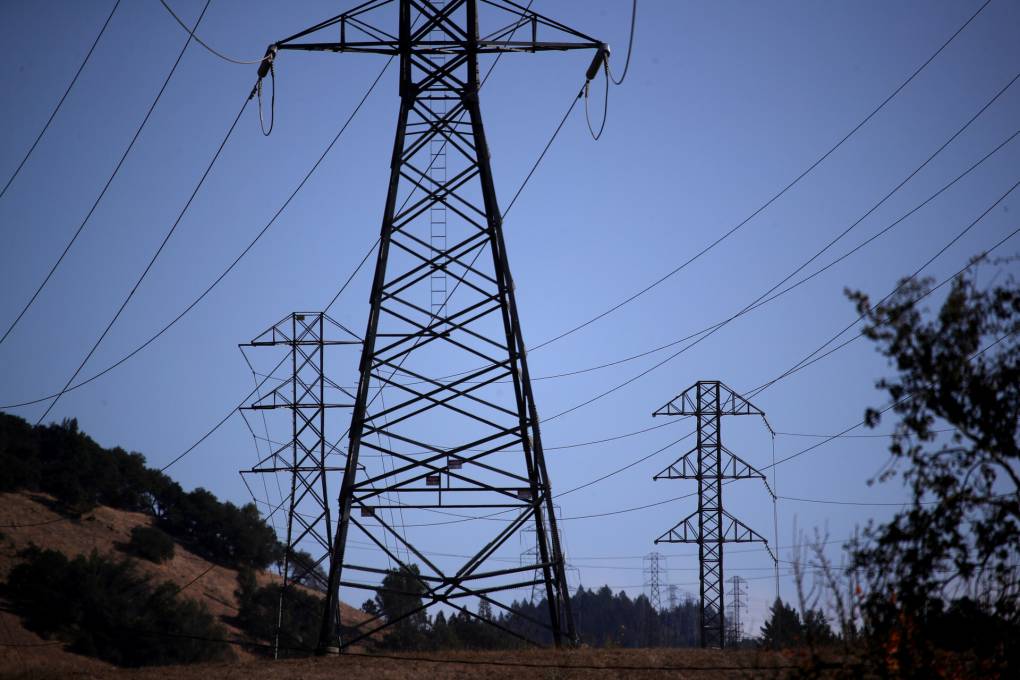
"title": "California Utility PG&E Cuts Power To Over 450,000 Residents Amid Wildfire Threat",
"publishDate": 1599578098,
"status": "inherit",
"parent": 11836990,
"modified": 1729104185,
"caption": "Critical fire weather conditions can prompt utilities like PG&E to enact planned power outages in an effort to keep damaged power lines from sparking fires.",
"credit": "Justin Sullivan/Getty Images",
"altTag": "PG&E power lines",
"description": null,
"imgSizes": {
"medium": {
"file": "https://cdn.kqed.org/wp-content/uploads/sites/10/2020/09/RS43113_GettyImages-1188966941-qut-800x533.jpg",
"width": 800,
"height": 533,
"mimeType": "image/jpeg"
},
"large": {
"file": "https://cdn.kqed.org/wp-content/uploads/sites/10/2020/09/RS43113_GettyImages-1188966941-qut-1020x680.jpg",
"width": 1020,
"height": 680,
"mimeType": "image/jpeg"
},
"thumbnail": {
"file": "https://cdn.kqed.org/wp-content/uploads/sites/10/2020/09/RS43113_GettyImages-1188966941-qut-160x107.jpg",
"width": 160,
"height": 107,
"mimeType": "image/jpeg"
},
"1536x1536": {
"file": "https://cdn.kqed.org/wp-content/uploads/sites/10/2020/09/RS43113_GettyImages-1188966941-qut-1536x1024.jpg",
"width": 1536,
"height": 1024,
"mimeType": "image/jpeg"
},
"post-thumbnail": {
"file": "https://cdn.kqed.org/wp-content/uploads/sites/10/2020/09/RS43113_GettyImages-1188966941-qut-672x372.jpg",
"width": 672,
"height": 372,
"mimeType": "image/jpeg"
},
"twentyfourteen-full-width": {
"file": "https://cdn.kqed.org/wp-content/uploads/sites/10/2020/09/RS43113_GettyImages-1188966941-qut-1038x576.jpg",
"width": 1038,
"height": 576,
"mimeType": "image/jpeg"
},
"apple_news_ca_landscape_12_9": {
"file": "https://cdn.kqed.org/wp-content/uploads/sites/10/2020/09/RS43113_GettyImages-1188966941-qut-1832x1280.jpg",
"width": 1832,
"height": 1280,
"mimeType": "image/jpeg"
},
"apple_news_ca_landscape_9_7": {
"file": "https://cdn.kqed.org/wp-content/uploads/sites/10/2020/09/RS43113_GettyImages-1188966941-qut-1376x1032.jpg",
"width": 1376,
"height": 1032,
"mimeType": "image/jpeg"
},
"apple_news_ca_landscape_5_5": {
"file": "https://cdn.kqed.org/wp-content/uploads/sites/10/2020/09/RS43113_GettyImages-1188966941-qut-1044x783.jpg",
"width": 1044,
"height": 783,
"mimeType": "image/jpeg"
},
"apple_news_ca_landscape_4_7": {
"file": "https://cdn.kqed.org/wp-content/uploads/sites/10/2020/09/RS43113_GettyImages-1188966941-qut-632x474.jpg",
"width": 632,
"height": 474,
"mimeType": "image/jpeg"
},
"apple_news_ca_landscape_4_0": {
"file": "https://cdn.kqed.org/wp-content/uploads/sites/10/2020/09/RS43113_GettyImages-1188966941-qut-536x402.jpg",
"width": 536,
"height": 402,
"mimeType": "image/jpeg"
},
"apple_news_ca_portrait_12_9": {
"file": "https://cdn.kqed.org/wp-content/uploads/sites/10/2020/09/RS43113_GettyImages-1188966941-qut-1122x1280.jpg",
"width": 1122,
"height": 1280,
"mimeType": "image/jpeg"
},
"apple_news_ca_portrait_9_7": {
"file": "https://cdn.kqed.org/wp-content/uploads/sites/10/2020/09/RS43113_GettyImages-1188966941-qut-840x1120.jpg",
"width": 840,
"height": 1120,
"mimeType": "image/jpeg"
},
"apple_news_ca_portrait_5_5": {
"file": "https://cdn.kqed.org/wp-content/uploads/sites/10/2020/09/RS43113_GettyImages-1188966941-qut-687x916.jpg",
"width": 687,
"height": 916,
"mimeType": "image/jpeg"
},
"apple_news_ca_portrait_4_7": {
"file": "https://cdn.kqed.org/wp-content/uploads/sites/10/2020/09/RS43113_GettyImages-1188966941-qut-414x552.jpg",
"width": 414,
"height": 552,
"mimeType": "image/jpeg"
},
"apple_news_ca_portrait_4_0": {
"file": "https://cdn.kqed.org/wp-content/uploads/sites/10/2020/09/RS43113_GettyImages-1188966941-qut-354x472.jpg",
"width": 354,
"height": 472,
"mimeType": "image/jpeg"
},
"apple_news_ca_square_12_9": {
"file": "https://cdn.kqed.org/wp-content/uploads/sites/10/2020/09/RS43113_GettyImages-1188966941-qut-1472x1280.jpg",
"width": 1472,
"height": 1280,
"mimeType": "image/jpeg"
},
"apple_news_ca_square_9_7": {
"file": "https://cdn.kqed.org/wp-content/uploads/sites/10/2020/09/RS43113_GettyImages-1188966941-qut-1104x1104.jpg",
"width": 1104,
"height": 1104,
"mimeType": "image/jpeg"
},
"apple_news_ca_square_5_5": {
"file": "https://cdn.kqed.org/wp-content/uploads/sites/10/2020/09/RS43113_GettyImages-1188966941-qut-912x912.jpg",
"width": 912,
"height": 912,
"mimeType": "image/jpeg"
},
"apple_news_ca_square_4_7": {
"file": "https://cdn.kqed.org/wp-content/uploads/sites/10/2020/09/RS43113_GettyImages-1188966941-qut-550x550.jpg",
"width": 550,
"height": 550,
"mimeType": "image/jpeg"
},
"apple_news_ca_square_4_0": {
"file": "https://cdn.kqed.org/wp-content/uploads/sites/10/2020/09/RS43113_GettyImages-1188966941-qut-470x470.jpg",
"width": 470,
"height": 470,
"mimeType": "image/jpeg"
},
"kqedFullSize": {
"file": "https://cdn.kqed.org/wp-content/uploads/sites/10/2020/09/RS43113_GettyImages-1188966941-qut.jpg",
"width": 1920,
"height": 1280
}
},
"fetchFailed": false,
"isLoading": false
},
"news_11839918": {
"type": "attachments",
"id": "news_11839918",
"meta": {
"index": "attachments_1716263798",
"site": "news",
"id": "11839918",
"found": true
},
"parent": 11839914,
"imgSizes": {
"apple_news_ca_landscape_5_5": {
"file": "https://ww2.kqed.org/app/uploads/sites/10/2020/09/RS44484_006_KQED_Vacaville_LNULightningComplexFire_08192020-qut-1044x783.jpg",
"width": 1044,
"mimeType": "image/jpeg",
"height": 783
},
"apple_news_ca_square_4_0": {
"file": "https://ww2.kqed.org/app/uploads/sites/10/2020/09/RS44484_006_KQED_Vacaville_LNULightningComplexFire_08192020-qut-470x470.jpg",
"width": 470,
"mimeType": "image/jpeg",
"height": 470
},
"twentyfourteen-full-width": {
"file": "https://ww2.kqed.org/app/uploads/sites/10/2020/09/RS44484_006_KQED_Vacaville_LNULightningComplexFire_08192020-qut-1038x576.jpg",
"width": 1038,
"mimeType": "image/jpeg",
"height": 576
},
"thumbnail": {
"file": "https://ww2.kqed.org/app/uploads/sites/10/2020/09/RS44484_006_KQED_Vacaville_LNULightningComplexFire_08192020-qut-160x107.jpg",
"width": 160,
"mimeType": "image/jpeg",
"height": 107
},
"post-thumbnail": {
"file": "https://ww2.kqed.org/app/uploads/sites/10/2020/09/RS44484_006_KQED_Vacaville_LNULightningComplexFire_08192020-qut-672x372.jpg",
"width": 672,
"mimeType": "image/jpeg",
"height": 372
},
"kqedFullSize": {
"file": "https://ww2.kqed.org/app/uploads/sites/10/2020/09/RS44484_006_KQED_Vacaville_LNULightningComplexFire_08192020-qut.jpg",
"width": 1920,
"height": 1280
},
"apple_news_ca_landscape_4_7": {
"file": "https://ww2.kqed.org/app/uploads/sites/10/2020/09/RS44484_006_KQED_Vacaville_LNULightningComplexFire_08192020-qut-632x474.jpg",
"width": 632,
"mimeType": "image/jpeg",
"height": 474
},
"large": {
"file": "https://ww2.kqed.org/app/uploads/sites/10/2020/09/RS44484_006_KQED_Vacaville_LNULightningComplexFire_08192020-qut-1020x680.jpg",
"width": 1020,
"mimeType": "image/jpeg",
"height": 680
},
"apple_news_ca_landscape_4_0": {
"file": "https://ww2.kqed.org/app/uploads/sites/10/2020/09/RS44484_006_KQED_Vacaville_LNULightningComplexFire_08192020-qut-536x402.jpg",
"width": 536,
"mimeType": "image/jpeg",
"height": 402
},
"apple_news_ca_portrait_12_9": {
"file": "https://ww2.kqed.org/app/uploads/sites/10/2020/09/RS44484_006_KQED_Vacaville_LNULightningComplexFire_08192020-qut-1122x1280.jpg",
"width": 1122,
"mimeType": "image/jpeg",
"height": 1280
},
"medium": {
"file": "https://ww2.kqed.org/app/uploads/sites/10/2020/09/RS44484_006_KQED_Vacaville_LNULightningComplexFire_08192020-qut-800x533.jpg",
"width": 800,
"mimeType": "image/jpeg",
"height": 533
},
"apple_news_ca_portrait_4_0": {
"file": "https://ww2.kqed.org/app/uploads/sites/10/2020/09/RS44484_006_KQED_Vacaville_LNULightningComplexFire_08192020-qut-354x472.jpg",
"width": 354,
"mimeType": "image/jpeg",
"height": 472
},
"apple_news_ca_portrait_9_7": {
"file": "https://ww2.kqed.org/app/uploads/sites/10/2020/09/RS44484_006_KQED_Vacaville_LNULightningComplexFire_08192020-qut-840x1120.jpg",
"width": 840,
"mimeType": "image/jpeg",
"height": 1120
},
"apple_news_ca_landscape_12_9": {
"file": "https://ww2.kqed.org/app/uploads/sites/10/2020/09/RS44484_006_KQED_Vacaville_LNULightningComplexFire_08192020-qut-1832x1280.jpg",
"width": 1832,
"mimeType": "image/jpeg",
"height": 1280
},
"apple_news_ca_square_9_7": {
"file": "https://ww2.kqed.org/app/uploads/sites/10/2020/09/RS44484_006_KQED_Vacaville_LNULightningComplexFire_08192020-qut-1104x1104.jpg",
"width": 1104,
"mimeType": "image/jpeg",
"height": 1104
},
"1536x1536": {
"file": "https://ww2.kqed.org/app/uploads/sites/10/2020/09/RS44484_006_KQED_Vacaville_LNULightningComplexFire_08192020-qut-1536x1024.jpg",
"width": 1536,
"mimeType": "image/jpeg",
"height": 1024
},
"apple_news_ca_portrait_4_7": {
"file": "https://ww2.kqed.org/app/uploads/sites/10/2020/09/RS44484_006_KQED_Vacaville_LNULightningComplexFire_08192020-qut-414x552.jpg",
"width": 414,
"mimeType": "image/jpeg",
"height": 552
},
"apple_news_ca_square_12_9": {
"file": "https://ww2.kqed.org/app/uploads/sites/10/2020/09/RS44484_006_KQED_Vacaville_LNULightningComplexFire_08192020-qut-1472x1280.jpg",
"width": 1472,
"mimeType": "image/jpeg",
"height": 1280
},
"apple_news_ca_portrait_5_5": {
"file": "https://ww2.kqed.org/app/uploads/sites/10/2020/09/RS44484_006_KQED_Vacaville_LNULightningComplexFire_08192020-qut-687x916.jpg",
"width": 687,
"mimeType": "image/jpeg",
"height": 916
},
"apple_news_ca_square_4_7": {
"file": "https://ww2.kqed.org/app/uploads/sites/10/2020/09/RS44484_006_KQED_Vacaville_LNULightningComplexFire_08192020-qut-550x550.jpg",
"width": 550,
"mimeType": "image/jpeg",
"height": 550
},
"apple_news_ca_landscape_9_7": {
"file": "https://ww2.kqed.org/app/uploads/sites/10/2020/09/RS44484_006_KQED_Vacaville_LNULightningComplexFire_08192020-qut-1376x1032.jpg",
"width": 1376,
"mimeType": "image/jpeg",
"height": 1032
},
"apple_news_ca_square_5_5": {
"file": "https://ww2.kqed.org/app/uploads/sites/10/2020/09/RS44484_006_KQED_Vacaville_LNULightningComplexFire_08192020-qut-912x912.jpg",
"width": 912,
"mimeType": "image/jpeg",
"height": 912
}
},
"publishDate": 1601217878,
"modified": 1601217961,
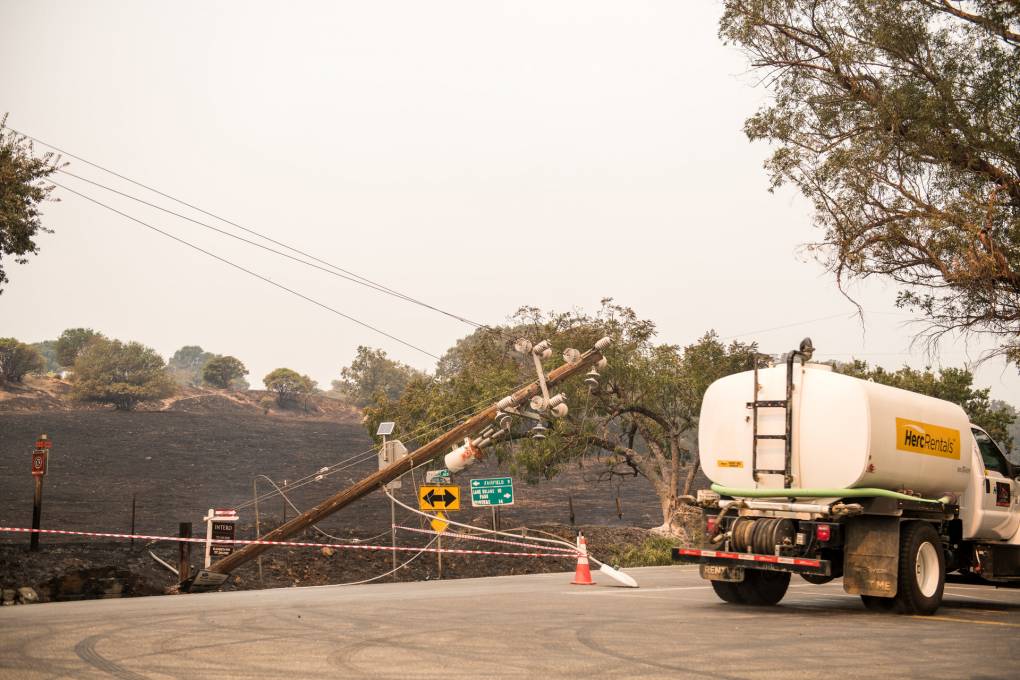
"caption": "A downed power line during on Pleasants Valley Road during the LNU Lightning Complex blaze on the outskirts of Vacaville on Aug. 19, 2020.",
"description": null,
"title": "RS44484_006_KQED_Vacaville_LNULightningComplexFire_08192020-qut",
"credit": "Beth LaBerge/KQED",
"status": "inherit",
"fetchFailed": false,
"isLoading": false
},
"news_11836946": {
"type": "attachments",
"id": "news_11836946",
"meta": {
"index": "attachments_1716263798",
"site": "news",
"id": "11836946",
"found": true
},
"parent": 11836930,
"imgSizes": {
"apple_news_ca_landscape_5_5": {
"file": "https://ww2.kqed.org/app/uploads/sites/10/2020/09/RS40032_11012019_pge-shutoffs_oakland-qut-1044x783.jpg",
"width": 1044,
"mimeType": "image/jpeg",
"height": 783
},
"apple_news_ca_square_4_0": {
"file": "https://ww2.kqed.org/app/uploads/sites/10/2020/09/RS40032_11012019_pge-shutoffs_oakland-qut-470x470.jpg",
"width": 470,
"mimeType": "image/jpeg",
"height": 470
},
"twentyfourteen-full-width": {
"file": "https://ww2.kqed.org/app/uploads/sites/10/2020/09/RS40032_11012019_pge-shutoffs_oakland-qut-1038x576.jpg",
"width": 1038,
"mimeType": "image/jpeg",
"height": 576
},
"thumbnail": {
"file": "https://ww2.kqed.org/app/uploads/sites/10/2020/09/RS40032_11012019_pge-shutoffs_oakland-qut-160x107.jpg",
"width": 160,
"mimeType": "image/jpeg",
"height": 107
},
"post-thumbnail": {
"file": "https://ww2.kqed.org/app/uploads/sites/10/2020/09/RS40032_11012019_pge-shutoffs_oakland-qut-672x372.jpg",
"width": 672,
"mimeType": "image/jpeg",
"height": 372
},
"kqedFullSize": {
"file": "https://ww2.kqed.org/app/uploads/sites/10/2020/09/RS40032_11012019_pge-shutoffs_oakland-qut.jpg",
"width": 1920,
"height": 1281
},
"apple_news_ca_landscape_4_7": {
"file": "https://ww2.kqed.org/app/uploads/sites/10/2020/09/RS40032_11012019_pge-shutoffs_oakland-qut-632x474.jpg",
"width": 632,
"mimeType": "image/jpeg",
"height": 474
},
"large": {
"file": "https://ww2.kqed.org/app/uploads/sites/10/2020/09/RS40032_11012019_pge-shutoffs_oakland-qut-1020x681.jpg",
"width": 1020,
"mimeType": "image/jpeg",
"height": 681
},
"apple_news_ca_landscape_4_0": {
"file": "https://ww2.kqed.org/app/uploads/sites/10/2020/09/RS40032_11012019_pge-shutoffs_oakland-qut-536x402.jpg",
"width": 536,
"mimeType": "image/jpeg",
"height": 402
},
"apple_news_ca_portrait_12_9": {
"file": "https://ww2.kqed.org/app/uploads/sites/10/2020/09/RS40032_11012019_pge-shutoffs_oakland-qut-1122x1281.jpg",
"width": 1122,
"mimeType": "image/jpeg",
"height": 1281
},
"medium": {
"file": "https://ww2.kqed.org/app/uploads/sites/10/2020/09/RS40032_11012019_pge-shutoffs_oakland-qut-800x534.jpg",
"width": 800,
"mimeType": "image/jpeg",
"height": 534
},
"apple_news_ca_portrait_4_0": {
"file": "https://ww2.kqed.org/app/uploads/sites/10/2020/09/RS40032_11012019_pge-shutoffs_oakland-qut-354x472.jpg",
"width": 354,
"mimeType": "image/jpeg",
"height": 472
},
"apple_news_ca_portrait_9_7": {
"file": "https://ww2.kqed.org/app/uploads/sites/10/2020/09/RS40032_11012019_pge-shutoffs_oakland-qut-840x1120.jpg",
"width": 840,
"mimeType": "image/jpeg",
"height": 1120
},
"apple_news_ca_landscape_12_9": {
"file": "https://ww2.kqed.org/app/uploads/sites/10/2020/09/RS40032_11012019_pge-shutoffs_oakland-qut-1832x1281.jpg",
"width": 1832,
"mimeType": "image/jpeg",
"height": 1281
},
"apple_news_ca_square_9_7": {
"file": "https://ww2.kqed.org/app/uploads/sites/10/2020/09/RS40032_11012019_pge-shutoffs_oakland-qut-1104x1104.jpg",
"width": 1104,
"mimeType": "image/jpeg",
"height": 1104
},
"1536x1536": {
"file": "https://ww2.kqed.org/app/uploads/sites/10/2020/09/RS40032_11012019_pge-shutoffs_oakland-qut-1536x1025.jpg",
"width": 1536,
"mimeType": "image/jpeg",
"height": 1025
},
"apple_news_ca_portrait_4_7": {
"file": "https://ww2.kqed.org/app/uploads/sites/10/2020/09/RS40032_11012019_pge-shutoffs_oakland-qut-414x552.jpg",
"width": 414,
"mimeType": "image/jpeg",
"height": 552
},
"apple_news_ca_square_12_9": {
"file": "https://ww2.kqed.org/app/uploads/sites/10/2020/09/RS40032_11012019_pge-shutoffs_oakland-qut-1472x1281.jpg",
"width": 1472,
"mimeType": "image/jpeg",
"height": 1281
},
"apple_news_ca_portrait_5_5": {
"file": "https://ww2.kqed.org/app/uploads/sites/10/2020/09/RS40032_11012019_pge-shutoffs_oakland-qut-687x916.jpg",
"width": 687,
"mimeType": "image/jpeg",
"height": 916
},
"apple_news_ca_square_4_7": {
"file": "https://ww2.kqed.org/app/uploads/sites/10/2020/09/RS40032_11012019_pge-shutoffs_oakland-qut-550x550.jpg",
"width": 550,
"mimeType": "image/jpeg",
"height": 550
},
"apple_news_ca_landscape_9_7": {
"file": "https://ww2.kqed.org/app/uploads/sites/10/2020/09/RS40032_11012019_pge-shutoffs_oakland-qut-1376x1032.jpg",
"width": 1376,
"mimeType": "image/jpeg",
"height": 1032
},
"apple_news_ca_square_5_5": {
"file": "https://ww2.kqed.org/app/uploads/sites/10/2020/09/RS40032_11012019_pge-shutoffs_oakland-qut-912x912.jpg",
"width": 912,
"mimeType": "image/jpeg",
"height": 912
}
},
"publishDate": 1599505971,
"modified": 1599506110,
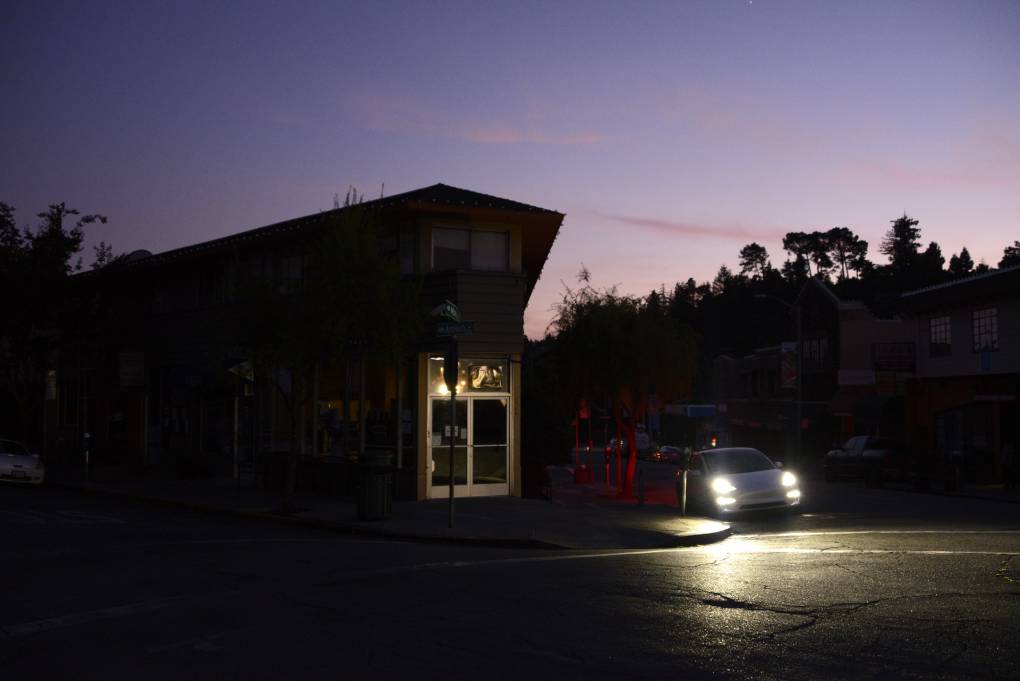
"caption": "Oakland's Montclair neighborhood during a PG&E power shutoff on Oct. 10, 2019.",
"description": null,
"title": "RS40032_11012019_pge shutoffs_oakland-qut",
"credit": "Stephanie Lister/KQED",
"status": "inherit",
"fetchFailed": false,
"isLoading": false
},
"news_11787245": {
"type": "attachments",
"id": "news_11787245",
"meta": {
"index": "attachments_1716263798",
"site": "news",
"id": "11787245",
"found": true
},
"parent": 11787221,
"imgSizes": {
"apple_news_ca_landscape_5_5": {
"file": "https://ww2.kqed.org/app/uploads/sites/10/2019/11/IMG_3646-1044x783.jpg",
"width": 1044,
"mimeType": "image/jpeg",
"height": 783
},
"apple_news_ca_square_4_0": {
"file": "https://ww2.kqed.org/app/uploads/sites/10/2019/11/IMG_3646-470x470.jpg",
"width": 470,
"mimeType": "image/jpeg",
"height": 470
},
"twentyfourteen-full-width": {
"file": "https://ww2.kqed.org/app/uploads/sites/10/2019/11/IMG_3646-1038x576.jpg",
"width": 1038,
"mimeType": "image/jpeg",
"height": 576
},
"thumbnail": {
"file": "https://ww2.kqed.org/app/uploads/sites/10/2019/11/IMG_3646-160x120.jpg",
"width": 160,
"mimeType": "image/jpeg",
"height": 120
},
"post-thumbnail": {
"file": "https://ww2.kqed.org/app/uploads/sites/10/2019/11/IMG_3646-672x372.jpg",
"width": 672,
"mimeType": "image/jpeg",
"height": 372
},
"kqedFullSize": {
"file": "https://ww2.kqed.org/app/uploads/sites/10/2019/11/IMG_3646-e1574120101583.jpg",
"width": 1920,
"height": 1440
},
"apple_news_ca_landscape_4_7": {
"file": "https://ww2.kqed.org/app/uploads/sites/10/2019/11/IMG_3646-632x474.jpg",
"width": 632,
"mimeType": "image/jpeg",
"height": 474
},
"large": {
"file": "https://ww2.kqed.org/app/uploads/sites/10/2019/11/IMG_3646-1020x765.jpg",
"width": 1020,
"mimeType": "image/jpeg",
"height": 765
},
"complete_open_graph": {
"file": "https://ww2.kqed.org/app/uploads/sites/10/2019/11/IMG_3646-1200x900.jpg",
"width": 1200,
"mimeType": "image/jpeg",
"height": 900
},
"apple_news_ca_landscape_4_0": {
"file": "https://ww2.kqed.org/app/uploads/sites/10/2019/11/IMG_3646-536x402.jpg",
"width": 536,
"mimeType": "image/jpeg",
"height": 402
},
"apple_news_ca_portrait_12_9": {
"file": "https://ww2.kqed.org/app/uploads/sites/10/2019/11/IMG_3646-1122x1496.jpg",
"width": 1122,
"mimeType": "image/jpeg",
"height": 1496
},
"medium": {
"file": "https://ww2.kqed.org/app/uploads/sites/10/2019/11/IMG_3646-800x600.jpg",
"width": 800,
"mimeType": "image/jpeg",
"height": 600
},
"apple_news_ca_portrait_4_0": {
"file": "https://ww2.kqed.org/app/uploads/sites/10/2019/11/IMG_3646-354x472.jpg",
"width": 354,
"mimeType": "image/jpeg",
"height": 472
},
"apple_news_ca_portrait_9_7": {
"file": "https://ww2.kqed.org/app/uploads/sites/10/2019/11/IMG_3646-840x1120.jpg",
"width": 840,
"mimeType": "image/jpeg",
"height": 1120
},
"apple_news_ca_landscape_12_9": {
"file": "https://ww2.kqed.org/app/uploads/sites/10/2019/11/IMG_3646-1832x1374.jpg",
"width": 1832,
"mimeType": "image/jpeg",
"height": 1374
},
"apple_news_ca_square_9_7": {
"file": "https://ww2.kqed.org/app/uploads/sites/10/2019/11/IMG_3646-1104x1104.jpg",
"width": 1104,
"mimeType": "image/jpeg",
"height": 1104
},
"apple_news_ca_portrait_4_7": {
"file": "https://ww2.kqed.org/app/uploads/sites/10/2019/11/IMG_3646-414x552.jpg",
"width": 414,
"mimeType": "image/jpeg",
"height": 552
},
"apple_news_ca_square_12_9": {
"file": "https://ww2.kqed.org/app/uploads/sites/10/2019/11/IMG_3646-1472x1472.jpg",
"width": 1472,
"mimeType": "image/jpeg",
"height": 1472
},
"apple_news_ca_portrait_5_5": {
"file": "https://ww2.kqed.org/app/uploads/sites/10/2019/11/IMG_3646-687x916.jpg",
"width": 687,
"mimeType": "image/jpeg",
"height": 916
},
"full-width": {
"file": "https://ww2.kqed.org/app/uploads/sites/10/2019/11/IMG_3646-1920x1440.jpg",
"width": 1920,
"mimeType": "image/jpeg",
"height": 1440
},
"apple_news_ca_square_4_7": {
"file": "https://ww2.kqed.org/app/uploads/sites/10/2019/11/IMG_3646-550x550.jpg",
"width": 550,
"mimeType": "image/jpeg",
"height": 550
},
"apple_news_ca_landscape_9_7": {
"file": "https://ww2.kqed.org/app/uploads/sites/10/2019/11/IMG_3646-1376x1032.jpg",
"width": 1376,
"mimeType": "image/jpeg",
"height": 1032
},
"apple_news_ca_square_5_5": {
"file": "https://ww2.kqed.org/app/uploads/sites/10/2019/11/IMG_3646-912x912.jpg",
"width": 912,
"mimeType": "image/jpeg",
"height": 912
}
},
"publishDate": 1574111164,
"modified": 1574126001,
"caption": "PG&E CEO Bill Johnson - seated next to the 'reserved' sign - speaks with PG&E Vice President Sumeet Singh ahead of a November 18 California Senate hearing into power shutoffs by investor-owned utilities.",
"description": "PG&E CEO Bill Johnson - seated next to the 'reserved' sign - speaks with PG&E Vice President Sumeet Singh ahead of a November 18 California Senate hearing into power shutoffs by investor-owned utilities.",
"title": "IMG_3646",
"credit": "Marisa Lagos/KQED",
"status": "inherit",
"fetchFailed": false,
"isLoading": false
},
"news_11783565": {
"type": "attachments",
"id": "news_11783565",
"meta": {
"index": "attachments_1716263798",
"site": "news",
"id": "11783565",
"found": true
},
"parent": 11783228,
"imgSizes": {
"apple_news_ca_landscape_5_5": {
"file": "https://ww2.kqed.org/app/uploads/sites/10/2019/10/GettyImages-1178415571-1044x783.jpg",
"width": 1044,
"mimeType": "image/jpeg",
"height": 783
},
"apple_news_ca_square_4_0": {
"file": "https://ww2.kqed.org/app/uploads/sites/10/2019/10/GettyImages-1178415571-470x470.jpg",
"width": 470,
"mimeType": "image/jpeg",
"height": 470
},
"twentyfourteen-full-width": {
"file": "https://ww2.kqed.org/app/uploads/sites/10/2019/10/GettyImages-1178415571-1038x576.jpg",
"width": 1038,
"mimeType": "image/jpeg",
"height": 576
},
"thumbnail": {
"file": "https://ww2.kqed.org/app/uploads/sites/10/2019/10/GettyImages-1178415571-160x107.jpg",
"width": 160,
"mimeType": "image/jpeg",
"height": 107
},
"post-thumbnail": {
"file": "https://ww2.kqed.org/app/uploads/sites/10/2019/10/GettyImages-1178415571-672x372.jpg",
"width": 672,
"mimeType": "image/jpeg",
"height": 372
},
"kqedFullSize": {
"file": "https://ww2.kqed.org/app/uploads/sites/10/2019/10/GettyImages-1178415571-e1572366736764.jpg",
"width": 1920,
"height": 1280
},
"apple_news_ca_landscape_4_7": {
"file": "https://ww2.kqed.org/app/uploads/sites/10/2019/10/GettyImages-1178415571-632x474.jpg",
"width": 632,
"mimeType": "image/jpeg",
"height": 474
},
"large": {
"file": "https://ww2.kqed.org/app/uploads/sites/10/2019/10/GettyImages-1178415571-1020x680.jpg",
"width": 1020,
"mimeType": "image/jpeg",
"height": 680
},
"complete_open_graph": {
"file": "https://ww2.kqed.org/app/uploads/sites/10/2019/10/GettyImages-1178415571-1200x800.jpg",
"width": 1200,
"mimeType": "image/jpeg",
"height": 800
},
"apple_news_ca_landscape_4_0": {
"file": "https://ww2.kqed.org/app/uploads/sites/10/2019/10/GettyImages-1178415571-536x402.jpg",
"width": 536,
"mimeType": "image/jpeg",
"height": 402
},
"apple_news_ca_portrait_12_9": {
"file": "https://ww2.kqed.org/app/uploads/sites/10/2019/10/GettyImages-1178415571-1122x1496.jpg",
"width": 1122,
"mimeType": "image/jpeg",
"height": 1496
},
"medium": {
"file": "https://ww2.kqed.org/app/uploads/sites/10/2019/10/GettyImages-1178415571-800x533.jpg",
"width": 800,
"mimeType": "image/jpeg",
"height": 533
},
"apple_news_ca_portrait_4_0": {
"file": "https://ww2.kqed.org/app/uploads/sites/10/2019/10/GettyImages-1178415571-354x472.jpg",
"width": 354,
"mimeType": "image/jpeg",
"height": 472
},
"apple_news_ca_portrait_9_7": {
"file": "https://ww2.kqed.org/app/uploads/sites/10/2019/10/GettyImages-1178415571-840x1120.jpg",
"width": 840,
"mimeType": "image/jpeg",
"height": 1120
},
"apple_news_ca_landscape_12_9": {
"file": "https://ww2.kqed.org/app/uploads/sites/10/2019/10/GettyImages-1178415571-1832x1374.jpg",
"width": 1832,
"mimeType": "image/jpeg",
"height": 1374
},
"apple_news_ca_square_9_7": {
"file": "https://ww2.kqed.org/app/uploads/sites/10/2019/10/GettyImages-1178415571-1104x1104.jpg",
"width": 1104,
"mimeType": "image/jpeg",
"height": 1104
},
"apple_news_ca_portrait_4_7": {
"file": "https://ww2.kqed.org/app/uploads/sites/10/2019/10/GettyImages-1178415571-414x552.jpg",
"width": 414,
"mimeType": "image/jpeg",
"height": 552
},
"apple_news_ca_square_12_9": {
"file": "https://ww2.kqed.org/app/uploads/sites/10/2019/10/GettyImages-1178415571-1472x1472.jpg",
"width": 1472,
"mimeType": "image/jpeg",
"height": 1472
},
"apple_news_ca_portrait_5_5": {
"file": "https://ww2.kqed.org/app/uploads/sites/10/2019/10/GettyImages-1178415571-687x916.jpg",
"width": 687,
"mimeType": "image/jpeg",
"height": 916
},
"full-width": {
"file": "https://ww2.kqed.org/app/uploads/sites/10/2019/10/GettyImages-1178415571-1920x1280.jpg",
"width": 1920,
"mimeType": "image/jpeg",
"height": 1280
},
"apple_news_ca_square_4_7": {
"file": "https://ww2.kqed.org/app/uploads/sites/10/2019/10/GettyImages-1178415571-550x550.jpg",
"width": 550,
"mimeType": "image/jpeg",
"height": 550
},
"apple_news_ca_landscape_9_7": {
"file": "https://ww2.kqed.org/app/uploads/sites/10/2019/10/GettyImages-1178415571-1376x1032.jpg",
"width": 1376,
"mimeType": "image/jpeg",
"height": 1032
},
"apple_news_ca_square_5_5": {
"file": "https://ww2.kqed.org/app/uploads/sites/10/2019/10/GettyImages-1178415571-912x912.jpg",
"width": 912,
"mimeType": "image/jpeg",
"height": 912
}
},
"publishDate": 1572366580,
"modified": 1572366869,
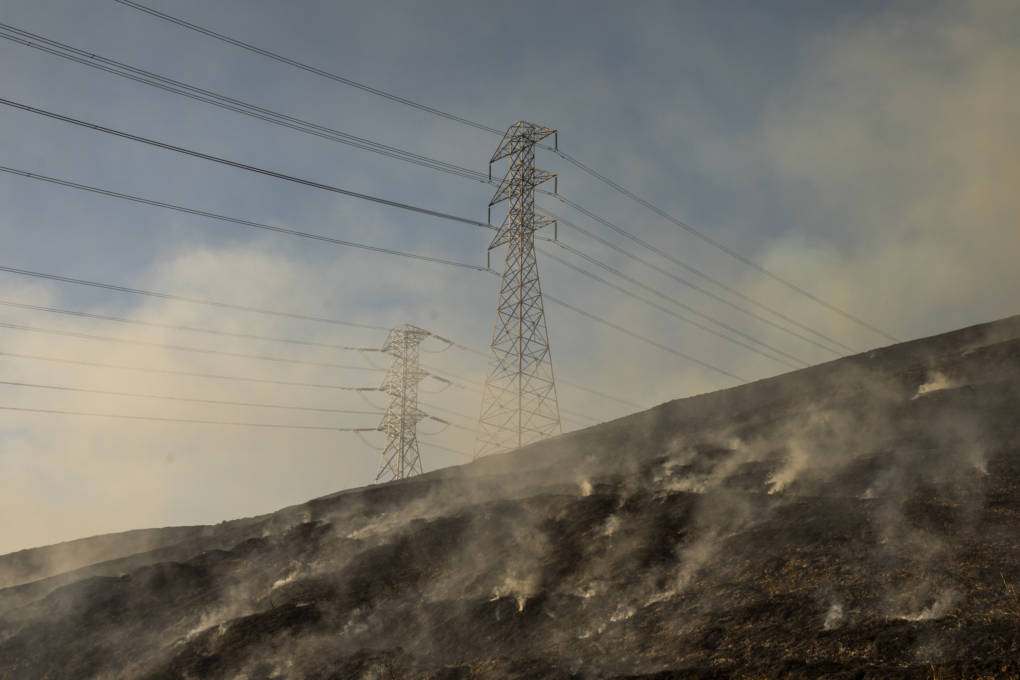
"caption": "Smoke rises from a hillside beneath PG&E transmission lines as Cal Fire crews battled the Kincade Fire in Sonoma County on Saturday, Oct. 26, 2019.",
"description": "Smokes rises from a back fire set by fire fighters near a hillside near PG&E power lines during firefighting operations to battle the Kincade Fire in Healdsburg, California on October 26, 2019. - US officials on October 26 ordered about 50,000 people to evacuate parts of the San Francisco Bay area in California as hot dry winds are forecast to fan raging wildfires. (Photo by Philip Pacheco / AFP) / The erroneous source appearing in the metadata of this photo by Philip Pacheco has been modified in AFP systems in the following manner: [AFP] instead of [www.philippachecophoto.com]. Please immediately remove the erroneous mention from all your online services and delete it from your servers. If you have been authorized by AFP to distribute it to third parties, please ensure that the same actions are carried out by them. Failure to promptly comply with these instructions will entail liability on your part for any continued or post notification usage. Therefore we thank you very much for all your attention and prompt action. We are sorry for the inconvenience this notification may cause and remain at your disposal for any further information you may require. (Photo by PHILIP PACHECO/AFP via Getty Images)",
"title": "Kincade Fire-PG&E Power Lines",
"credit": "Philip Pacheco/AFP-Getty Images",
"status": "inherit",
"fetchFailed": false,
"isLoading": false
},
"news_11783444": {
"type": "attachments",
"id": "news_11783444",
"meta": {
"index": "attachments_1716263798",
"site": "news",
"id": "11783444",
"found": true
},
"parent": 11783431,
"imgSizes": {
"apple_news_ca_landscape_5_5": {
"file": "https://ww2.kqed.org/app/uploads/sites/10/2019/10/10282019_kincade-fire-qut-1044x783.jpg",
"width": 1044,
"mimeType": "image/jpeg",
"height": 783
},
"apple_news_ca_square_4_0": {
"file": "https://ww2.kqed.org/app/uploads/sites/10/2019/10/10282019_kincade-fire-qut-470x470.jpg",
"width": 470,
"mimeType": "image/jpeg",
"height": 470
},
"twentyfourteen-full-width": {
"file": "https://ww2.kqed.org/app/uploads/sites/10/2019/10/10282019_kincade-fire-qut-1038x576.jpg",
"width": 1038,
"mimeType": "image/jpeg",
"height": 576
},
"thumbnail": {
"file": "https://ww2.kqed.org/app/uploads/sites/10/2019/10/10282019_kincade-fire-qut-160x94.jpg",
"width": 160,
"mimeType": "image/jpeg",
"height": 94
},
"post-thumbnail": {
"file": "https://ww2.kqed.org/app/uploads/sites/10/2019/10/10282019_kincade-fire-qut-672x372.jpg",
"width": 672,
"mimeType": "image/jpeg",
"height": 372
},
"kqedFullSize": {
"file": "https://ww2.kqed.org/app/uploads/sites/10/2019/10/10282019_kincade-fire-qut.jpg",
"width": 1920,
"height": 1132
},
"apple_news_ca_landscape_4_7": {
"file": "https://ww2.kqed.org/app/uploads/sites/10/2019/10/10282019_kincade-fire-qut-632x474.jpg",
"width": 632,
"mimeType": "image/jpeg",
"height": 474
},
"large": {
"file": "https://ww2.kqed.org/app/uploads/sites/10/2019/10/10282019_kincade-fire-qut-1020x601.jpg",
"width": 1020,
"mimeType": "image/jpeg",
"height": 601
},
"complete_open_graph": {
"file": "https://ww2.kqed.org/app/uploads/sites/10/2019/10/10282019_kincade-fire-qut-1200x708.jpg",
"width": 1200,
"mimeType": "image/jpeg",
"height": 708
},
"apple_news_ca_landscape_4_0": {
"file": "https://ww2.kqed.org/app/uploads/sites/10/2019/10/10282019_kincade-fire-qut-536x402.jpg",
"width": 536,
"mimeType": "image/jpeg",
"height": 402
},
"apple_news_ca_portrait_12_9": {
"file": "https://ww2.kqed.org/app/uploads/sites/10/2019/10/10282019_kincade-fire-qut-1122x1132.jpg",
"width": 1122,
"mimeType": "image/jpeg",
"height": 1132
},
"medium": {
"file": "https://ww2.kqed.org/app/uploads/sites/10/2019/10/10282019_kincade-fire-qut-800x472.jpg",
"width": 800,
"mimeType": "image/jpeg",
"height": 472
},
"apple_news_ca_portrait_4_0": {
"file": "https://ww2.kqed.org/app/uploads/sites/10/2019/10/10282019_kincade-fire-qut-354x472.jpg",
"width": 354,
"mimeType": "image/jpeg",
"height": 472
},
"apple_news_ca_portrait_9_7": {
"file": "https://ww2.kqed.org/app/uploads/sites/10/2019/10/10282019_kincade-fire-qut-840x1120.jpg",
"width": 840,
"mimeType": "image/jpeg",
"height": 1120
},
"apple_news_ca_landscape_12_9": {
"file": "https://ww2.kqed.org/app/uploads/sites/10/2019/10/10282019_kincade-fire-qut-1832x1132.jpg",
"width": 1832,
"mimeType": "image/jpeg",
"height": 1132
},
"apple_news_ca_square_9_7": {
"file": "https://ww2.kqed.org/app/uploads/sites/10/2019/10/10282019_kincade-fire-qut-1104x1104.jpg",
"width": 1104,
"mimeType": "image/jpeg",
"height": 1104
},
"apple_news_ca_portrait_4_7": {
"file": "https://ww2.kqed.org/app/uploads/sites/10/2019/10/10282019_kincade-fire-qut-414x552.jpg",
"width": 414,
"mimeType": "image/jpeg",
"height": 552
},
"apple_news_ca_square_12_9": {
"file": "https://ww2.kqed.org/app/uploads/sites/10/2019/10/10282019_kincade-fire-qut-1472x1132.jpg",
"width": 1472,
"mimeType": "image/jpeg",
"height": 1132
},
"apple_news_ca_portrait_5_5": {
"file": "https://ww2.kqed.org/app/uploads/sites/10/2019/10/10282019_kincade-fire-qut-687x916.jpg",
"width": 687,
"mimeType": "image/jpeg",
"height": 916
},
"full-width": {
"file": "https://ww2.kqed.org/app/uploads/sites/10/2019/10/10282019_kincade-fire-qut-1920x1132.jpg",
"width": 1920,
"mimeType": "image/jpeg",
"height": 1132
},
"apple_news_ca_square_4_7": {
"file": "https://ww2.kqed.org/app/uploads/sites/10/2019/10/10282019_kincade-fire-qut-550x550.jpg",
"width": 550,
"mimeType": "image/jpeg",
"height": 550
},
"apple_news_ca_landscape_9_7": {
"file": "https://ww2.kqed.org/app/uploads/sites/10/2019/10/10282019_kincade-fire-qut-1376x1032.jpg",
"width": 1376,
"mimeType": "image/jpeg",
"height": 1032
},
"apple_news_ca_square_5_5": {
"file": "https://ww2.kqed.org/app/uploads/sites/10/2019/10/10282019_kincade-fire-qut-912x912.jpg",
"width": 912,
"mimeType": "image/jpeg",
"height": 912
}
},
"publishDate": 1572302794,
"modified": 1572304211,
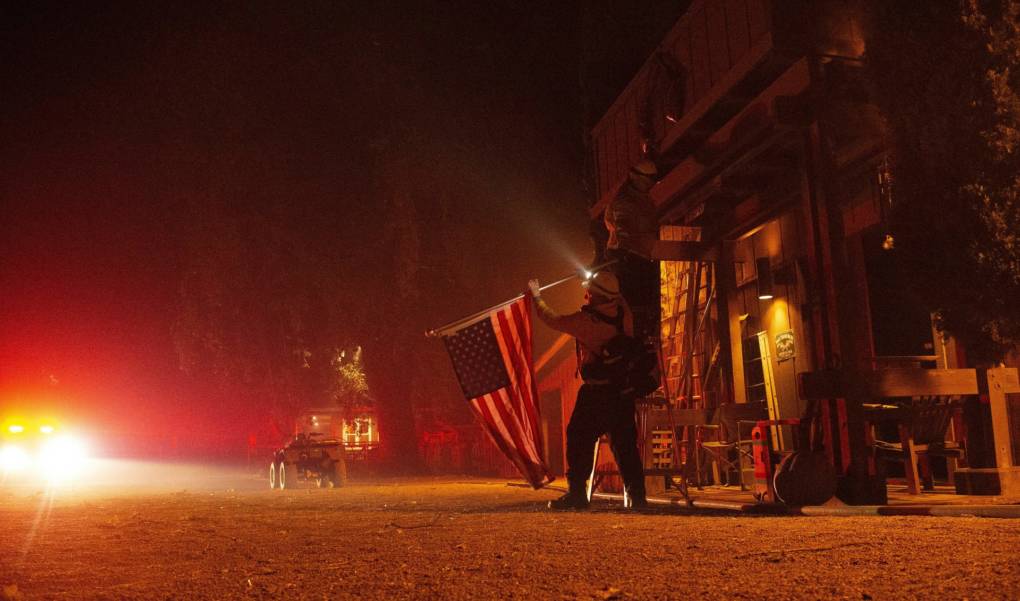
"caption": "Firefighters remove an American flag from a property as flames race into the area during the Kincade Fire in Healdsburg on Oct. 27, 2019. ",
"description": "Firefighters remove an American flag from a property as flames race into the area during the Kincade fire in Healdsburg on Oct. 27, 2019. ",
"title": "US-CALIFORNIA-FIRE",
"credit": "JOSH EDELSON/AFP via Getty Images",
"status": "inherit",
"fetchFailed": false,
"isLoading": false
},
"news_11779661": {
"type": "attachments",
"id": "news_11779661",
"meta": {
"index": "attachments_1716263798",
"site": "news",
"id": "11779661",
"found": true
},
"parent": 11779606,
"imgSizes": {
"apple_news_ca_landscape_5_5": {
"file": "https://ww2.kqed.org/app/uploads/sites/10/2019/10/10102019_pge-shutoffs_bay-area_oakland-qut-1044x783.jpg",
"width": 1044,
"mimeType": "image/jpeg",
"height": 783
},
"apple_news_ca_square_4_0": {
"file": "https://ww2.kqed.org/app/uploads/sites/10/2019/10/10102019_pge-shutoffs_bay-area_oakland-qut-470x470.jpg",
"width": 470,
"mimeType": "image/jpeg",
"height": 470
},
"twentyfourteen-full-width": {
"file": "https://ww2.kqed.org/app/uploads/sites/10/2019/10/10102019_pge-shutoffs_bay-area_oakland-qut-1038x576.jpg",
"width": 1038,
"mimeType": "image/jpeg",
"height": 576
},
"thumbnail": {
"file": "https://ww2.kqed.org/app/uploads/sites/10/2019/10/10102019_pge-shutoffs_bay-area_oakland-qut-160x107.jpg",
"width": 160,
"mimeType": "image/jpeg",
"height": 107
},
"post-thumbnail": {
"file": "https://ww2.kqed.org/app/uploads/sites/10/2019/10/10102019_pge-shutoffs_bay-area_oakland-qut-672x372.jpg",
"width": 672,
"mimeType": "image/jpeg",
"height": 372
},
"kqedFullSize": {
"file": "https://ww2.kqed.org/app/uploads/sites/10/2019/10/10102019_pge-shutoffs_bay-area_oakland-qut.jpg",
"width": 1920,
"height": 1282
},
"apple_news_ca_landscape_4_7": {
"file": "https://ww2.kqed.org/app/uploads/sites/10/2019/10/10102019_pge-shutoffs_bay-area_oakland-qut-632x474.jpg",
"width": 632,
"mimeType": "image/jpeg",
"height": 474
},
"large": {
"file": "https://ww2.kqed.org/app/uploads/sites/10/2019/10/10102019_pge-shutoffs_bay-area_oakland-qut-1020x681.jpg",
"width": 1020,
"mimeType": "image/jpeg",
"height": 681
},
"complete_open_graph": {
"file": "https://ww2.kqed.org/app/uploads/sites/10/2019/10/10102019_pge-shutoffs_bay-area_oakland-qut-1200x801.jpg",
"width": 1200,
"mimeType": "image/jpeg",
"height": 801
},
"apple_news_ca_landscape_4_0": {
"file": "https://ww2.kqed.org/app/uploads/sites/10/2019/10/10102019_pge-shutoffs_bay-area_oakland-qut-536x402.jpg",
"width": 536,
"mimeType": "image/jpeg",
"height": 402
},
"apple_news_ca_portrait_12_9": {
"file": "https://ww2.kqed.org/app/uploads/sites/10/2019/10/10102019_pge-shutoffs_bay-area_oakland-qut-1122x1282.jpg",
"width": 1122,
"mimeType": "image/jpeg",
"height": 1282
},
"medium": {
"file": "https://ww2.kqed.org/app/uploads/sites/10/2019/10/10102019_pge-shutoffs_bay-area_oakland-qut-800x534.jpg",
"width": 800,
"mimeType": "image/jpeg",
"height": 534
},
"apple_news_ca_portrait_4_0": {
"file": "https://ww2.kqed.org/app/uploads/sites/10/2019/10/10102019_pge-shutoffs_bay-area_oakland-qut-354x472.jpg",
"width": 354,
"mimeType": "image/jpeg",
"height": 472
},
"apple_news_ca_portrait_9_7": {
"file": "https://ww2.kqed.org/app/uploads/sites/10/2019/10/10102019_pge-shutoffs_bay-area_oakland-qut-840x1120.jpg",
"width": 840,
"mimeType": "image/jpeg",
"height": 1120
},
"apple_news_ca_landscape_12_9": {
"file": "https://ww2.kqed.org/app/uploads/sites/10/2019/10/10102019_pge-shutoffs_bay-area_oakland-qut-1832x1282.jpg",
"width": 1832,
"mimeType": "image/jpeg",
"height": 1282
},
"apple_news_ca_square_9_7": {
"file": "https://ww2.kqed.org/app/uploads/sites/10/2019/10/10102019_pge-shutoffs_bay-area_oakland-qut-1104x1104.jpg",
"width": 1104,
"mimeType": "image/jpeg",
"height": 1104
},
"apple_news_ca_portrait_4_7": {
"file": "https://ww2.kqed.org/app/uploads/sites/10/2019/10/10102019_pge-shutoffs_bay-area_oakland-qut-414x552.jpg",
"width": 414,
"mimeType": "image/jpeg",
"height": 552
},
"apple_news_ca_square_12_9": {
"file": "https://ww2.kqed.org/app/uploads/sites/10/2019/10/10102019_pge-shutoffs_bay-area_oakland-qut-1472x1282.jpg",
"width": 1472,
"mimeType": "image/jpeg",
"height": 1282
},
"apple_news_ca_portrait_5_5": {
"file": "https://ww2.kqed.org/app/uploads/sites/10/2019/10/10102019_pge-shutoffs_bay-area_oakland-qut-687x916.jpg",
"width": 687,
"mimeType": "image/jpeg",
"height": 916
},
"full-width": {
"file": "https://ww2.kqed.org/app/uploads/sites/10/2019/10/10102019_pge-shutoffs_bay-area_oakland-qut-1920x1282.jpg",
"width": 1920,
"mimeType": "image/jpeg",
"height": 1282
},
"apple_news_ca_square_4_7": {
"file": "https://ww2.kqed.org/app/uploads/sites/10/2019/10/10102019_pge-shutoffs_bay-area_oakland-qut-550x550.jpg",
"width": 550,
"mimeType": "image/jpeg",
"height": 550
},
"apple_news_ca_landscape_9_7": {
"file": "https://ww2.kqed.org/app/uploads/sites/10/2019/10/10102019_pge-shutoffs_bay-area_oakland-qut-1376x1032.jpg",
"width": 1376,
"mimeType": "image/jpeg",
"height": 1032
},
"apple_news_ca_square_5_5": {
"file": "https://ww2.kqed.org/app/uploads/sites/10/2019/10/10102019_pge-shutoffs_bay-area_oakland-qut-912x912.jpg",
"width": 912,
"mimeType": "image/jpeg",
"height": 912
}
},
"publishDate": 1570828980,
"modified": 1634075613,
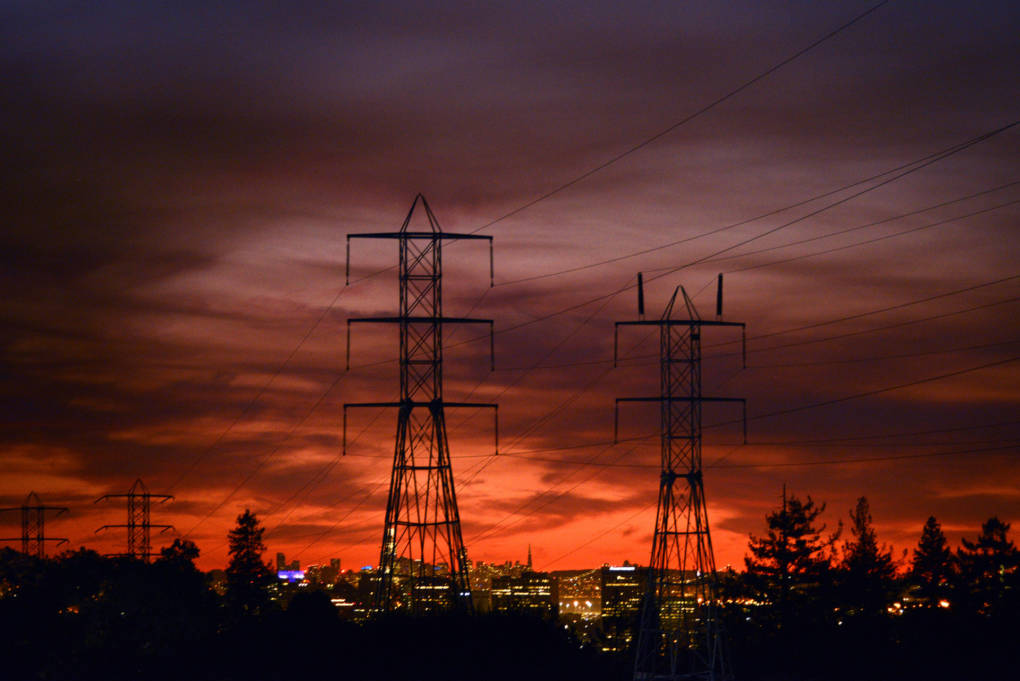
"caption": "PG&E power lines in Oakland during an unprecedented power cut by the utility to a large swath of Northern and central California on Oct. 11, 2019.",
"description": "PG&E power lines in Oakland during an unprecedented power cut by the utility to a large swaths of Northern and Central California on Oct. 1, 2019.",
"title": "10102019_pg&e shutoffs_bay area_oakland-qut",
"credit": "Stephanie Lister/KQED",
"status": "inherit",
"altTag": "Power lines backlit by a bold orange sunset.",
"fetchFailed": false,
"isLoading": false
},
"news_11782011": {
"type": "attachments",
"id": "news_11782011",
"meta": {
"index": "attachments_1716263798",
"site": "news",
"id": "11782011",
"found": true
},
"parent": 0,
"imgSizes": {
"apple_news_ca_landscape_5_5": {
"file": "https://ww2.kqed.org/app/uploads/sites/10/2019/10/Sonoma-PGE-Outage-1044x783.jpg",
"width": 1044,
"mimeType": "image/jpeg",
"height": 783
},
"apple_news_ca_square_4_0": {
"file": "https://ww2.kqed.org/app/uploads/sites/10/2019/10/Sonoma-PGE-Outage-470x470.jpg",
"width": 470,
"mimeType": "image/jpeg",
"height": 470
},
"twentyfourteen-full-width": {
"file": "https://ww2.kqed.org/app/uploads/sites/10/2019/10/Sonoma-PGE-Outage-1038x576.jpg",
"width": 1038,
"mimeType": "image/jpeg",
"height": 576
},
"thumbnail": {
"file": "https://ww2.kqed.org/app/uploads/sites/10/2019/10/Sonoma-PGE-Outage-160x107.jpg",
"width": 160,
"mimeType": "image/jpeg",
"height": 107
},
"post-thumbnail": {
"file": "https://ww2.kqed.org/app/uploads/sites/10/2019/10/Sonoma-PGE-Outage-672x372.jpg",
"width": 672,
"mimeType": "image/jpeg",
"height": 372
},
"kqedFullSize": {
"file": "https://ww2.kqed.org/app/uploads/sites/10/2019/10/Sonoma-PGE-Outage.jpg",
"width": 1920,
"height": 1280
},
"apple_news_ca_landscape_4_7": {
"file": "https://ww2.kqed.org/app/uploads/sites/10/2019/10/Sonoma-PGE-Outage-632x474.jpg",
"width": 632,
"mimeType": "image/jpeg",
"height": 474
},
"large": {
"file": "https://ww2.kqed.org/app/uploads/sites/10/2019/10/Sonoma-PGE-Outage-1020x680.jpg",
"width": 1020,
"mimeType": "image/jpeg",
"height": 680
},
"complete_open_graph": {
"file": "https://ww2.kqed.org/app/uploads/sites/10/2019/10/Sonoma-PGE-Outage-1200x800.jpg",
"width": 1200,
"mimeType": "image/jpeg",
"height": 800
},
"apple_news_ca_landscape_4_0": {
"file": "https://ww2.kqed.org/app/uploads/sites/10/2019/10/Sonoma-PGE-Outage-536x402.jpg",
"width": 536,
"mimeType": "image/jpeg",
"height": 402
},
"apple_news_ca_portrait_12_9": {
"file": "https://ww2.kqed.org/app/uploads/sites/10/2019/10/Sonoma-PGE-Outage-1122x1280.jpg",
"width": 1122,
"mimeType": "image/jpeg",
"height": 1280
},
"medium": {
"file": "https://ww2.kqed.org/app/uploads/sites/10/2019/10/Sonoma-PGE-Outage-800x533.jpg",
"width": 800,
"mimeType": "image/jpeg",
"height": 533
},
"apple_news_ca_portrait_4_0": {
"file": "https://ww2.kqed.org/app/uploads/sites/10/2019/10/Sonoma-PGE-Outage-354x472.jpg",
"width": 354,
"mimeType": "image/jpeg",
"height": 472
},
"apple_news_ca_portrait_9_7": {
"file": "https://ww2.kqed.org/app/uploads/sites/10/2019/10/Sonoma-PGE-Outage-840x1120.jpg",
"width": 840,
"mimeType": "image/jpeg",
"height": 1120
},
"apple_news_ca_landscape_12_9": {
"file": "https://ww2.kqed.org/app/uploads/sites/10/2019/10/Sonoma-PGE-Outage-1832x1280.jpg",
"width": 1832,
"mimeType": "image/jpeg",
"height": 1280
},
"apple_news_ca_square_9_7": {
"file": "https://ww2.kqed.org/app/uploads/sites/10/2019/10/Sonoma-PGE-Outage-1104x1104.jpg",
"width": 1104,
"mimeType": "image/jpeg",
"height": 1104
},
"apple_news_ca_portrait_4_7": {
"file": "https://ww2.kqed.org/app/uploads/sites/10/2019/10/Sonoma-PGE-Outage-414x552.jpg",
"width": 414,
"mimeType": "image/jpeg",
"height": 552
},
"apple_news_ca_square_12_9": {
"file": "https://ww2.kqed.org/app/uploads/sites/10/2019/10/Sonoma-PGE-Outage-1472x1280.jpg",
"width": 1472,
"mimeType": "image/jpeg",
"height": 1280
},
"apple_news_ca_portrait_5_5": {
"file": "https://ww2.kqed.org/app/uploads/sites/10/2019/10/Sonoma-PGE-Outage-687x916.jpg",
"width": 687,
"mimeType": "image/jpeg",
"height": 916
},
"full-width": {
"file": "https://ww2.kqed.org/app/uploads/sites/10/2019/10/Sonoma-PGE-Outage-1920x1280.jpg",
"width": 1920,
"mimeType": "image/jpeg",
"height": 1280
},
"apple_news_ca_square_4_7": {
"file": "https://ww2.kqed.org/app/uploads/sites/10/2019/10/Sonoma-PGE-Outage-550x550.jpg",
"width": 550,
"mimeType": "image/jpeg",
"height": 550
},
"apple_news_ca_landscape_9_7": {
"file": "https://ww2.kqed.org/app/uploads/sites/10/2019/10/Sonoma-PGE-Outage-1376x1032.jpg",
"width": 1376,
"mimeType": "image/jpeg",
"height": 1032
},
"apple_news_ca_square_5_5": {
"file": "https://ww2.kqed.org/app/uploads/sites/10/2019/10/Sonoma-PGE-Outage-912x912.jpg",
"width": 912,
"mimeType": "image/jpeg",
"height": 912
}
},
"publishDate": 1571853806,
"modified": 1571853933,
"caption": "The Sebastiani Theatre and much of downtown Sonoma went dark during the last PG&E power shutoff on Oct. 10, 2019. Sonoma is once again on the list of affected cities for this week's power shutoff due to high fire danger. ",
"description": "The Sebastiani Theatre and much of downtown Sonoma went dark during the last PG&E power shutoff on Oct. 10, 2019. Sonoma is once again on the list of affected cities for this week's power shutoff due to high fire danger. ",
"title": "Sonoma-PGE-Outage",
"credit": "Ezra Shaw/Getty Images",
"status": "inherit",
"fetchFailed": false,
"isLoading": false
},
"news_11781503": {
"type": "attachments",
"id": "news_11781503",
"meta": {
"index": "attachments_1716263798",
"site": "news",
"id": "11781503",
"found": true
},
"parent": 11781415,
"imgSizes": {
"apple_news_ca_landscape_5_5": {
"file": "https://ww2.kqed.org/app/uploads/sites/10/2019/10/RS39201_GettyImages-1166262167-qut-1044x783.jpg",
"width": 1044,
"mimeType": "image/jpeg",
"height": 783
},
"apple_news_ca_square_4_0": {
"file": "https://ww2.kqed.org/app/uploads/sites/10/2019/10/RS39201_GettyImages-1166262167-qut-470x470.jpg",
"width": 470,
"mimeType": "image/jpeg",
"height": 470
},
"twentyfourteen-full-width": {
"file": "https://ww2.kqed.org/app/uploads/sites/10/2019/10/RS39201_GettyImages-1166262167-qut-1038x576.jpg",
"width": 1038,
"mimeType": "image/jpeg",
"height": 576
},
"thumbnail": {
"file": "https://ww2.kqed.org/app/uploads/sites/10/2019/10/RS39201_GettyImages-1166262167-qut-160x109.jpg",
"width": 160,
"mimeType": "image/jpeg",
"height": 109
},
"post-thumbnail": {
"file": "https://ww2.kqed.org/app/uploads/sites/10/2019/10/RS39201_GettyImages-1166262167-qut-672x372.jpg",
"width": 672,
"mimeType": "image/jpeg",
"height": 372
},
"kqedFullSize": {
"file": "https://ww2.kqed.org/app/uploads/sites/10/2019/10/RS39201_GettyImages-1166262167-qut.jpg",
"width": 1920,
"height": 1306
},
"apple_news_ca_landscape_4_7": {
"file": "https://ww2.kqed.org/app/uploads/sites/10/2019/10/RS39201_GettyImages-1166262167-qut-632x474.jpg",
"width": 632,
"mimeType": "image/jpeg",
"height": 474
},
"large": {
"file": "https://ww2.kqed.org/app/uploads/sites/10/2019/10/RS39201_GettyImages-1166262167-qut-1020x694.jpg",
"width": 1020,
"mimeType": "image/jpeg",
"height": 694
},
"complete_open_graph": {
"file": "https://ww2.kqed.org/app/uploads/sites/10/2019/10/RS39201_GettyImages-1166262167-qut-1200x816.jpg",
"width": 1200,
"mimeType": "image/jpeg",
"height": 816
},
"apple_news_ca_landscape_4_0": {
"file": "https://ww2.kqed.org/app/uploads/sites/10/2019/10/RS39201_GettyImages-1166262167-qut-536x402.jpg",
"width": 536,
"mimeType": "image/jpeg",
"height": 402
},
"apple_news_ca_portrait_12_9": {
"file": "https://ww2.kqed.org/app/uploads/sites/10/2019/10/RS39201_GettyImages-1166262167-qut-1122x1306.jpg",
"width": 1122,
"mimeType": "image/jpeg",
"height": 1306
},
"medium": {
"file": "https://ww2.kqed.org/app/uploads/sites/10/2019/10/RS39201_GettyImages-1166262167-qut-800x544.jpg",
"width": 800,
"mimeType": "image/jpeg",
"height": 544
},
"apple_news_ca_portrait_4_0": {
"file": "https://ww2.kqed.org/app/uploads/sites/10/2019/10/RS39201_GettyImages-1166262167-qut-354x472.jpg",
"width": 354,
"mimeType": "image/jpeg",
"height": 472
},
"apple_news_ca_portrait_9_7": {
"file": "https://ww2.kqed.org/app/uploads/sites/10/2019/10/RS39201_GettyImages-1166262167-qut-840x1120.jpg",
"width": 840,
"mimeType": "image/jpeg",
"height": 1120
},
"apple_news_ca_landscape_12_9": {
"file": "https://ww2.kqed.org/app/uploads/sites/10/2019/10/RS39201_GettyImages-1166262167-qut-1832x1306.jpg",
"width": 1832,
"mimeType": "image/jpeg",
"height": 1306
},
"apple_news_ca_square_9_7": {
"file": "https://ww2.kqed.org/app/uploads/sites/10/2019/10/RS39201_GettyImages-1166262167-qut-1104x1104.jpg",
"width": 1104,
"mimeType": "image/jpeg",
"height": 1104
},
"apple_news_ca_portrait_4_7": {
"file": "https://ww2.kqed.org/app/uploads/sites/10/2019/10/RS39201_GettyImages-1166262167-qut-414x552.jpg",
"width": 414,
"mimeType": "image/jpeg",
"height": 552
},
"apple_news_ca_square_12_9": {
"file": "https://ww2.kqed.org/app/uploads/sites/10/2019/10/RS39201_GettyImages-1166262167-qut-1472x1306.jpg",
"width": 1472,
"mimeType": "image/jpeg",
"height": 1306
},
"apple_news_ca_portrait_5_5": {
"file": "https://ww2.kqed.org/app/uploads/sites/10/2019/10/RS39201_GettyImages-1166262167-qut-687x916.jpg",
"width": 687,
"mimeType": "image/jpeg",
"height": 916
},
"full-width": {
"file": "https://ww2.kqed.org/app/uploads/sites/10/2019/10/RS39201_GettyImages-1166262167-qut-1920x1306.jpg",
"width": 1920,
"mimeType": "image/jpeg",
"height": 1306
},
"apple_news_ca_square_4_7": {
"file": "https://ww2.kqed.org/app/uploads/sites/10/2019/10/RS39201_GettyImages-1166262167-qut-550x550.jpg",
"width": 550,
"mimeType": "image/jpeg",
"height": 550
},
"apple_news_ca_landscape_9_7": {
"file": "https://ww2.kqed.org/app/uploads/sites/10/2019/10/RS39201_GettyImages-1166262167-qut-1376x1032.jpg",
"width": 1376,
"mimeType": "image/jpeg",
"height": 1032
},
"apple_news_ca_square_5_5": {
"file": "https://ww2.kqed.org/app/uploads/sites/10/2019/10/RS39201_GettyImages-1166262167-qut-912x912.jpg",
"width": 912,
"mimeType": "image/jpeg",
"height": 912
}
},
"publishDate": 1571685821,
"modified": 1571685893,
"caption": "PG&E Senior Wildfire Operations Center Analyst Sarah Gibson monitors weather and satellite images of fire areas at the PG&E Wildfire Safety Operations Center on Aug. 5, 2019 in San Francisco.",
"description": null,
"title": "California's PG&E Offers Media Tour Of It's Wildfire Operations Center",
"credit": "Justin Sullivan/Getty Images",
"status": "inherit",
"fetchFailed": false,
"isLoading": false
}
},
"audioPlayerReducer": {
"postId": "stream_live",
"isPaused": true,
"isPlaying": false,
"pfsActive": false,
"pledgeModalIsOpen": true,
"playerDrawerIsOpen": false
},
"authorsReducer": {
"byline_news_11839914": {
"type": "authors",
"id": "byline_news_11839914",
"meta": {
"override": true
},
"slug": "byline_news_11839914",
"name": "John Antczak \u003cbr> Associated Press ",
"isLoading": false
},
"dclyde": {
"type": "authors",
"id": "104",
"meta": {
"index": "authors_1716337520",
"id": "104",
"found": true
},
"name": "Don Clyde",
"firstName": "Don",
"lastName": "Clyde",
"slug": "dclyde",
"email": "dclyde@kqed.org",
"display_author_email": false,
"staff_mastheads": [],
"title": "KQED Contributor",
"bio": "Don Clyde is an online producer, reporter and copy editor for KQED News. Before venturing into journalism, he worked as a medical device engineer and scientist for nearly a decade after earning a degree in physics from UC Berkeley. He loves travel, reading, living in Oakland, and most importantly, a good walk. Email him at dclyde@kqed.org or follow him @clydedon.",
"avatar": "https://secure.gravatar.com/avatar/decd3e640c3eedbd0a574275aebb2d19?s=600&d=blank&r=g",
"twitter": "clydedon",
"facebook": null,
"instagram": null,
"linkedin": null,
"sites": [
{
"site": "artschool",
"roles": [
"editor"
]
},
{
"site": "news",
"roles": [
"administrator"
]
},
{
"site": "futureofyou",
"roles": [
"editor"
]
},
{
"site": "about",
"roles": [
"editor"
]
},
{
"site": "mindshift",
"roles": [
"contributor"
]
},
{
"site": "bayareabites",
"roles": [
"contributor"
]
},
{
"site": "lowdown",
"roles": [
"editor"
]
},
{
"site": "stateofhealth",
"roles": [
"administrator"
]
},
{
"site": "spark",
"roles": [
"administrator"
]
},
{
"site": "trulyca",
"roles": [
"administrator"
]
},
{
"site": "imagemakers",
"roles": [
"administrator"
]
},
{
"site": "science",
"roles": []
},
{
"site": "education",
"roles": [
"editor"
]
},
{
"site": "quest",
"roles": [
"subscriber"
]
},
{
"site": "checkplease",
"roles": [
"subscriber"
]
},
{
"site": "forum",
"roles": [
"editor"
]
},
{
"site": "perspectives",
"roles": [
"editor"
]
}
],
"headData": {
"title": "Don Clyde | KQED",
"description": "KQED Contributor",
"ogImgSrc": "https://secure.gravatar.com/avatar/decd3e640c3eedbd0a574275aebb2d19?s=600&d=blank&r=g",
"twImgSrc": "https://secure.gravatar.com/avatar/decd3e640c3eedbd0a574275aebb2d19?s=600&d=blank&r=g"
},
"isLoading": false,
"link": "/author/dclyde"
},
"dmarks": {
"type": "authors",
"id": "182",
"meta": {
"index": "authors_1716337520",
"id": "182",
"found": true
},
"name": "David Marks",
"firstName": "David",
"lastName": "Marks",
"slug": "dmarks",
"email": "dmarks@kqed.org",
"display_author_email": false,
"staff_mastheads": [],
"title": "KQED Editor",
"bio": "David Marks is a senior digital editor for KQED News. \u003c/a>Reach him at dmarks@kqed.org.",
"avatar": "https://secure.gravatar.com/avatar/b88bd6227ce6cb96ae33fefaf42b2a29?s=600&d=mm&r=g",
"twitter": "divadskram",
"facebook": null,
"instagram": null,
"linkedin": null,
"sites": [
{
"site": "news",
"roles": []
},
{
"site": "science",
"roles": []
},
{
"site": "perspectives",
"roles": []
},
{
"site": "liveblog",
"roles": []
}
],
"headData": {
"title": "David Marks | KQED",
"description": "KQED Editor",
"ogImgSrc": "https://secure.gravatar.com/avatar/b88bd6227ce6cb96ae33fefaf42b2a29?s=600&d=mm&r=g",
"twImgSrc": "https://secure.gravatar.com/avatar/b88bd6227ce6cb96ae33fefaf42b2a29?s=600&d=mm&r=g"
},
"isLoading": false,
"link": "/author/dmarks"
},
"lisapickoffwhite-2": {
"type": "authors",
"id": "199",
"meta": {
"index": "authors_1716337520",
"id": "199",
"found": true
},
"name": "Lisa Pickoff-White",
"firstName": "Lisa",
"lastName": "Pickoff-White",
"slug": "lisapickoffwhite-2",
"email": "lpickoffwhite@kqed.org",
"display_author_email": false,
"staff_mastheads": [
"news"
],
"title": "Data Journalist, Senior Producer",
"bio": "Lisa Pickoff-White is KQED's data reporter. Lisa specializes in simplifying complex topics and bringing them to life through compelling visuals, including photography and data visualizations. She previously has worked at the Center for Investigative Reporting and other national outlets. Her work has been honored with awards from the Online News Association, Investigative Reporters and Editors, the Society of Professional Journalists and SXSW Interactive. \u003cstrong> \u003c/strong>",
"avatar": "https://secure.gravatar.com/avatar/5513c5f3967df792aa65bee2501e84d6?s=600&d=blank&r=g",
"twitter": "pickoffwhite",
"facebook": null,
"instagram": null,
"linkedin": null,
"sites": [
{
"site": "",
"roles": [
"editor"
]
},
{
"site": "arts",
"roles": []
},
{
"site": "news",
"roles": [
"administrator"
]
},
{
"site": "about",
"roles": [
"editor"
]
},
{
"site": "stateofhealth",
"roles": [
"administrator"
]
},
{
"site": "science",
"roles": [
"editor"
]
},
{
"site": "quest",
"roles": [
"editor"
]
},
{
"site": "forum",
"roles": [
"editor"
]
}
],
"headData": {
"title": "Lisa Pickoff-White | KQED",
"description": "Data Journalist, Senior Producer",
"ogImgSrc": "https://secure.gravatar.com/avatar/5513c5f3967df792aa65bee2501e84d6?s=600&d=blank&r=g",
"twImgSrc": "https://secure.gravatar.com/avatar/5513c5f3967df792aa65bee2501e84d6?s=600&d=blank&r=g"
},
"isLoading": false,
"link": "/author/lisapickoffwhite-2"
},
"danbrekke": {
"type": "authors",
"id": "222",
"meta": {
"index": "authors_1716337520",
"id": "222",
"found": true
},
"name": "Dan Brekke",
"firstName": "Dan",
"lastName": "Brekke",
"slug": "danbrekke",
"email": "dbrekke@kqed.org",
"display_author_email": true,
"staff_mastheads": [
"news",
"science"
],
"title": "KQED Editor and Reporter",
"bio": "Dan Brekke is a reporter and editor for KQED News, responsible for coverage of topics ranging from California water issues to the Bay Area's transportation challenges. In a newsroom career that began in Chicago in 1972, Dan has worked for \u003cem>The San Francisco Examiner,\u003c/em> Wired and TechTV and has been published in The New York Times, The New York Times Magazine, Business 2.0, Salon and elsewhere.\r\n\r\nSince joining KQED in 2007, Dan has reported, edited and produced both radio and online features and breaking news pieces. He has shared as both editor and reporter in four Society of Professional Journalists Norcal Excellence in Journalism awards and one Edward R. Murrow regional award. He was chosen for a spring 2017 residency at the Mesa Refuge to advance his research on California salmon.\r\n\r\nEmail Dan at: \u003ca href=\"mailto:dbrekke@kqed.org\">dbrekke@kqed.org\u003c/a>\r\n\r\n\u003cstrong>Twitter:\u003c/strong> \u003ca href=\"https://twitter.com/danbrekke\" rel=\"noopener noreferrer\">twitter.com/danbrekke\u003c/a>\r\n\u003cstrong>Facebook:\u003c/strong> \u003ca href=\"https://www.facebook.com/danbrekke\" rel=\"noopener noreferrer\">www.facebook.com/danbrekke\u003c/a>\r\n\u003cstrong>LinkedIn:\u003c/strong> \u003ca href=\"https://www.linkedin.com/in/danbrekke\" rel=\"noopener noreferrer\">www.linkedin.com/in/danbrekke\u003c/a>",
"avatar": "https://secure.gravatar.com/avatar/c8126230345efca3f7aa89b1a402be45?s=600&d=mm&r=g",
"twitter": "danbrekke",
"facebook": null,
"instagram": "https://www.instagram.com/dan.brekke/",
"linkedin": "https://www.linkedin.com/in/danbrekke/",
"sites": [
{
"site": "news",
"roles": [
"administrator",
"create_posts"
]
},
{
"site": "stateofhealth",
"roles": [
"editor"
]
},
{
"site": "science",
"roles": [
"editor"
]
},
{
"site": "quest",
"roles": [
"contributor"
]
},
{
"site": "food",
"roles": [
"contributor"
]
},
{
"site": "forum",
"roles": [
"contributor"
]
},
{
"site": "liveblog",
"roles": [
"editor"
]
}
],
"headData": {
"title": "Dan Brekke | KQED",
"description": "KQED Editor and Reporter",
"ogImgSrc": "https://secure.gravatar.com/avatar/c8126230345efca3f7aa89b1a402be45?s=600&d=mm&r=g",
"twImgSrc": "https://secure.gravatar.com/avatar/c8126230345efca3f7aa89b1a402be45?s=600&d=mm&r=g"
},
"isLoading": false,
"link": "/author/danbrekke"
},
"mlam": {
"type": "authors",
"id": "244",
"meta": {
"index": "authors_1716337520",
"id": "244",
"found": true
},
"name": "Monica Lam",
"firstName": "Monica Z.",
"lastName": "Lam",
"slug": "mlam",
"email": "mlam@kqed.org",
"display_author_email": true,
"staff_mastheads": [
"news"
],
"title": "KQED Senior Producer",
"bio": "Monica is senior producer of the weekly current affairs program, \"KQED Newsroom.\" She's also served as senior editor of digital content at KQED. She likes to report and edit as well as produce video and take photos.\r\n\r\nBefore joining KQED, Monica worked at the Center for Investigative Reporting, where she examined conditions inside \u003cspan style=\"font-weight: 400;\">maximum security \u003c/span>prisons and abuse in state-run institutions for the developmentally disabled. Prior to that, she produced and directed \u003cem>Journey of the Bonesetter's Daughter,\u003c/em> a documentary that follows novelist Amy Tan as she creates an opera based on her family history.\r\n\r\nMonica's work has been honored with a duPont Award, five Emmys, regional and national Murrow Awards, and has been recognized by Investigative Reporters and Editors, the Society of Professional Journalists, Religion Newswriters Association and the San Francisco Peninsula Press Club. Monica studied urban studies at Stanford University and earned a master's in journalism at University of California at Berkeley. Follow her on twitter: @monicazlam",
"avatar": "https://secure.gravatar.com/avatar/018c474b2b71f43e0e6ca9b15a0ad36f?s=600&d=blank&r=g",
"twitter": "@monicazlam",
"facebook": null,
"instagram": null,
"linkedin": null,
"sites": [
{
"site": "arts",
"roles": [
"administrator"
]
},
{
"site": "news",
"roles": [
"editor"
]
},
{
"site": "trulyca",
"roles": [
"editor"
]
},
{
"site": "science",
"roles": [
"editor"
]
},
{
"site": "breakingnews",
"roles": [
"editor"
]
}
],
"headData": {
"title": "Monica Lam | KQED",
"description": "KQED Senior Producer",
"ogImgSrc": "https://secure.gravatar.com/avatar/018c474b2b71f43e0e6ca9b15a0ad36f?s=600&d=blank&r=g",
"twImgSrc": "https://secure.gravatar.com/avatar/018c474b2b71f43e0e6ca9b15a0ad36f?s=600&d=blank&r=g"
},
"isLoading": false,
"link": "/author/mlam"
},
"kdomara": {
"type": "authors",
"id": "1459",
"meta": {
"index": "authors_1716337520",
"id": "1459",
"found": true
},
"name": "Kelly O'Mara",
"firstName": "Kelly",
"lastName": "O'Mara",
"slug": "kdomara",
"email": "komara@kqed.org",
"display_author_email": false,
"staff_mastheads": [
"news"
],
"title": "KQED Contributor",
"bio": "Kelly O'Mara is a writer and reporter in the San Francisco Bay Area. She writes about food, health, sports, travel, business and California news. Her work has appeared on KQED, online for Outside Magazine, epsnW, VICE and in Competitor Magazine, among others. Follow Kelly on Twitter \u003ca href=\"https://twitter.com/kellydomara\">@kellydomara\u003c/a>.",
"avatar": "https://secure.gravatar.com/avatar/768fec7412028b72f13bdd0f5f9d8186?s=600&d=blank&r=g",
"twitter": null,
"facebook": null,
"instagram": null,
"linkedin": null,
"sites": [
{
"site": "arts",
"roles": []
},
{
"site": "news",
"roles": []
},
{
"site": "bayareabites",
"roles": []
},
{
"site": "stateofhealth",
"roles": []
},
{
"site": "science",
"roles": []
},
{
"site": "checkplease",
"roles": [
"editor"
]
},
{
"site": "food",
"roles": []
},
{
"site": "forum",
"roles": [
"editor"
]
},
{
"site": "liveblog",
"roles": [
"editor"
]
}
],
"headData": {
"title": "Kelly O'Mara | KQED",
"description": "KQED Contributor",
"ogImgSrc": "https://secure.gravatar.com/avatar/768fec7412028b72f13bdd0f5f9d8186?s=600&d=blank&r=g",
"twImgSrc": "https://secure.gravatar.com/avatar/768fec7412028b72f13bdd0f5f9d8186?s=600&d=blank&r=g"
},
"isLoading": false,
"link": "/author/kdomara"
},
"mlagos": {
"type": "authors",
"id": "3239",
"meta": {
"index": "authors_1716337520",
"id": "3239",
"found": true
},
"name": "Marisa Lagos",
"firstName": "Marisa",
"lastName": "Lagos",
"slug": "mlagos",
"email": "mlagos@kqed.org",
"display_author_email": false,
"staff_mastheads": [
"news"
],
"title": "KQED Contributor",
"bio": "Marisa Lagos is a correspondent for KQED’s California Politics and Government Desk and co-hosts the award-winning show and podcast, Political Breakdown. At KQED, Lagos also conducts reporting, analysis and investigations into state, local and national politics for radio, TV, online and onstage. In 2022, she and co-host, Scott Shafer, moderated the only gubernatorial debate in California. In 2020, the \u003ci>Washington Post\u003c/i> named her one of the top political journalists in California; she was nominated for a Peabody and won several other awards for her work investigating the 2017 California wildfires. She has worked at the \u003ci>San Francisco Chronicle\u003c/i>, \u003ci>San Francisco Examiner\u003c/i> and \u003ci>Los Angeles Times\u003c/i>. A UC Santa Barbara graduate, she lives in San Francisco with her two sons and husband.",
"avatar": "https://secure.gravatar.com/avatar/a261a0d3696fc066871ef96b85b5e7d2?s=600&d=blank&r=g",
"twitter": "@mlagos",
"facebook": null,
"instagram": null,
"linkedin": null,
"sites": [
{
"site": "arts",
"roles": [
"author"
]
},
{
"site": "news",
"roles": [
"editor"
]
},
{
"site": "science",
"roles": [
"editor"
]
},
{
"site": "forum",
"roles": [
"author"
]
},
{
"site": "liveblog",
"roles": [
"author"
]
}
],
"headData": {
"title": "Marisa Lagos | KQED",
"description": "KQED Contributor",
"ogImgSrc": "https://secure.gravatar.com/avatar/a261a0d3696fc066871ef96b85b5e7d2?s=600&d=blank&r=g",
"twImgSrc": "https://secure.gravatar.com/avatar/a261a0d3696fc066871ef96b85b5e7d2?s=600&d=blank&r=g"
},
"isLoading": false,
"link": "/author/mlagos"
},
"carlysevern": {
"type": "authors",
"id": "3243",
"meta": {
"index": "authors_1716337520",
"id": "3243",
"found": true
},
"name": "Carly Severn",
"firstName": "Carly",
"lastName": "Severn",
"slug": "carlysevern",
"email": "csevern@kqed.org",
"display_author_email": false,
"staff_mastheads": [
"news"
],
"title": "Senior Editor, Audience News ",
"bio": "Carly is KQED's Senior Editor of Audience News on the Digital News team, and has reported for the California Report Magazine, Bay Curious and KQED Arts. She's formerly the host of \u003ca href=\"http://ww2.kqed.org/pop/category/the-cooler/\" rel=\"noopener noreferrer\">The Cooler\u003c/a> podcast.",
"avatar": "https://secure.gravatar.com/avatar/2d8d6765f186e64c798cf7f0c8088a41?s=600&d=blank&r=g",
"twitter": "teacupinthebay",
"facebook": null,
"instagram": null,
"linkedin": null,
"sites": [
{
"site": "",
"roles": [
"editor"
]
},
{
"site": "arts",
"roles": [
"editor"
]
},
{
"site": "news",
"roles": [
"administrator"
]
},
{
"site": "pop",
"roles": [
"editor"
]
},
{
"site": "futureofyou",
"roles": [
"editor"
]
},
{
"site": "about",
"roles": [
"administrator"
]
},
{
"site": "mindshift",
"roles": [
"editor"
]
},
{
"site": "bayareabites",
"roles": [
"editor"
]
},
{
"site": "stateofhealth",
"roles": [
"editor"
]
},
{
"site": "science",
"roles": [
"editor"
]
},
{
"site": "food",
"roles": [
"contributor"
]
},
{
"site": "forum",
"roles": [
"editor"
]
},
{
"site": "perspectives",
"roles": [
"administrator"
]
},
{
"site": "liveblog",
"roles": [
"editor"
]
}
],
"headData": {
"title": "Carly Severn | KQED",
"description": "Senior Editor, Audience News ",
"ogImgSrc": "https://secure.gravatar.com/avatar/2d8d6765f186e64c798cf7f0c8088a41?s=600&d=blank&r=g",
"twImgSrc": "https://secure.gravatar.com/avatar/2d8d6765f186e64c798cf7f0c8088a41?s=600&d=blank&r=g"
},
"isLoading": false,
"link": "/author/carlysevern"
},
"jeremysiegel": {
"type": "authors",
"id": "11258",
"meta": {
"index": "authors_1716337520",
"id": "11258",
"found": true
},
"name": "Jeremy Siegel",
"firstName": "Jeremy",
"lastName": "Siegel",
"slug": "jeremysiegel",
"email": "jsiegel@kqed.org",
"display_author_email": false,
"staff_mastheads": [],
"title": "KQED Contributor",
"bio": "Jeremy Siegel is is the weekend afternoon news anchor for KQED. His reporting can be heard on KQED News, Morning Edition, All Things Considered and The California Report. Jeremy's coverage of the Camp Fire in Butte County won the 2019 Society of Professional Journalists, Northern California Chapter, Excellence in Journalism Award for Breaking News. Jeremy grew up in Cincinnati, Ohio, and graduated from UC Berkeley.",
"avatar": "https://secure.gravatar.com/avatar/3921a64ceb9ed5d0ba47d9ae9782f1ab?s=600&d=blank&r=g",
"twitter": "jersiegel",
"facebook": null,
"instagram": null,
"linkedin": null,
"sites": [
{
"site": "arts",
"roles": []
},
{
"site": "news",
"roles": [
"subscriber"
]
},
{
"site": "science",
"roles": []
}
],
"headData": {
"title": "Jeremy Siegel | KQED",
"description": "KQED Contributor",
"ogImgSrc": "https://secure.gravatar.com/avatar/3921a64ceb9ed5d0ba47d9ae9782f1ab?s=600&d=blank&r=g",
"twImgSrc": "https://secure.gravatar.com/avatar/3921a64ceb9ed5d0ba47d9ae9782f1ab?s=600&d=blank&r=g"
},
"isLoading": false,
"link": "/author/jeremysiegel"
},
"mleitsinger": {
"type": "authors",
"id": "11310",
"meta": {
"index": "authors_1716337520",
"id": "11310",
"found": true
},
"name": "Miranda Leitsinger",
"firstName": "Miranda",
"lastName": "Leitsinger",
"slug": "mleitsinger",
"email": "mleitsinger@KQED.org",
"display_author_email": false,
"staff_mastheads": [
"news"
],
"title": "KQED Contributor",
"bio": "Miranda Leitsinger has worked in journalism as a reporter and editor since 2000, including seven years at The Associated Press in locales such as Cambodia and Puerto Rico, four years at NBC News Digital in New York and 2.5 years at CNN.com International in Hong Kong. Major stories she has covered included sexual abuse in the yoga community, the rise of women in local politics post-2016 election, the struggle over LGBTQ inclusion in the Boy Scouts, aftermath of the 2004 and 2011 tsunamis, the Aurora movie theater attack, the Newtown school shooting, Superstorm Sandy and the Boston Marathon bombing.",
"avatar": "https://secure.gravatar.com/avatar/cdd00de7be92aab3b7fd3d915e02033d?s=600&d=blank&r=g",
"twitter": "mimileitsinger",
"facebook": null,
"instagram": null,
"linkedin": null,
"sites": [
{
"site": "arts",
"roles": [
"author"
]
},
{
"site": "news",
"roles": [
"subscriber"
]
},
{
"site": "futureofyou",
"roles": [
"editor"
]
},
{
"site": "stateofhealth",
"roles": [
"editor"
]
}
],
"headData": {
"title": "Miranda Leitsinger | KQED",
"description": "KQED Contributor",
"ogImgSrc": "https://secure.gravatar.com/avatar/cdd00de7be92aab3b7fd3d915e02033d?s=600&d=blank&r=g",
"twImgSrc": "https://secure.gravatar.com/avatar/cdd00de7be92aab3b7fd3d915e02033d?s=600&d=blank&r=g"
},
"isLoading": false,
"link": "/author/mleitsinger"
},
"agarces": {
"type": "authors",
"id": "11367",
"meta": {
"index": "authors_1716337520",
"id": "11367",
"found": true
},
"name": "Audrey Garces",
"firstName": "Audrey",
"lastName": "Garces",
"slug": "agarces",
"email": "agarces@kqed.org",
"display_author_email": false,
"staff_mastheads": [
"news"
],
"title": "Digital Producer",
"bio": "Audrey is a former digital producer at KQED News. Previously, she was a KQED Raul Ramirez Diversity Fund intern where she developed stories that focused on highlighting diverse voices in journalism. Prior to her work at KQED, she worked as a news intern at the San Francisco Examiner. Audrey graduated from San Francisco State University with a B.A. in journalism and a minor in political science.",
"avatar": "https://secure.gravatar.com/avatar/5211bc2e6a809b9956da169e35ce63d5?s=600&d=blank&r=g",
"twitter": "audgar",
"facebook": null,
"instagram": null,
"linkedin": null,
"sites": [
{
"site": "arts",
"roles": []
},
{
"site": "news",
"roles": [
"subscriber"
]
},
{
"site": "science",
"roles": [
"editor"
]
},
{
"site": "forum",
"roles": [
"editor"
]
},
{
"site": "perspectives",
"roles": [
"administrator"
]
}
],
"headData": {
"title": "Audrey Garces | KQED",
"description": "Digital Producer",
"ogImgSrc": "https://secure.gravatar.com/avatar/5211bc2e6a809b9956da169e35ce63d5?s=600&d=blank&r=g",
"twImgSrc": "https://secure.gravatar.com/avatar/5211bc2e6a809b9956da169e35ce63d5?s=600&d=blank&r=g"
},
"isLoading": false,
"link": "/author/agarces"
},
"rdillon": {
"type": "authors",
"id": "11495",
"meta": {
"index": "authors_1716337520",
"id": "11495",
"found": true
},
"name": "Raquel Maria Dillon",
"firstName": "Raquel Maria",
"lastName": "Dillon",
"slug": "rdillon",
"email": "rdillon@kqed.org",
"display_author_email": false,
"staff_mastheads": [],
"title": null,
"bio": "Raquel Maria Dillon was a reporter and host for KQED News. Previously, she produced the daily statewide California Report, edited newscasts, and covered health and education stories. Before returning to the Bay Area in 2016, she worked in Los Angeles as a wire reporter and one-woman-band video journalist for the Associated Press, where she shot, edited and reported breaking news and features across the West. Her work has appeared online and in print around the globe, and also on NPR’s Morning Edition, All Things Considered, Here and Now, Marketplace, On The Media, and Studio 360. She previously edited and mentored up-and-coming reporters at KALW, produced social videos for Timeline.com, and was a local TV news videographer for KTVU and digital producer for KNTV. She got her start as a Radio News Trainee at KQED, produced a weekly public affairs roundtable show for OPB, and covered health and politics at New Hampshire Public Radio. She has a BA in political science from Barnard College and a MA in video journalism from UC Berkeley, where she was awarded the Faith Fancher Scholarship and a Student Emmy. She has received numerous local awards from the Associated Press and the Society of Professional Journalists.",
"avatar": "https://secure.gravatar.com/avatar/b8e02ae982913d0950df605910267c1b?s=600&d=blank&r=g",
"twitter": "RaquelMDillon",
"facebook": null,
"instagram": null,
"linkedin": null,
"sites": [
{
"site": "news",
"roles": [
"subscriber"
]
},
{
"site": "stateofhealth",
"roles": [
"editor"
]
},
{
"site": "science",
"roles": [
"editor"
]
},
{
"site": "forum",
"roles": [
"editor"
]
}
],
"headData": {
"title": "Raquel Maria Dillon | KQED",
"description": null,
"ogImgSrc": "https://secure.gravatar.com/avatar/b8e02ae982913d0950df605910267c1b?s=600&d=blank&r=g",
"twImgSrc": "https://secure.gravatar.com/avatar/b8e02ae982913d0950df605910267c1b?s=600&d=blank&r=g"
},
"isLoading": false,
"link": "/author/rdillon"
},
"lsarah": {
"type": "authors",
"id": "11626",
"meta": {
"index": "authors_1716337520",
"id": "11626",
"found": true
},
"name": "Lakshmi Sarah",
"firstName": "Lakshmi",
"lastName": "Sarah",
"slug": "lsarah",
"email": "lsarah@kqed.org",
"display_author_email": false,
"staff_mastheads": [],
"title": "Digital Producer",
"bio": "Lakshmi Sarah is an educator, author and journalist with a focus on innovative storytelling. She has worked with newspapers, radio and magazines from Ahmedabad, India to Los Angeles, California. She has written and produced for Die Zeit, Global Voices, AJ+, KQED, Fusion Media Group and the New York Times.",
"avatar": "https://secure.gravatar.com/avatar/652dcaecd8b28826fc17a8b2d6bb4e93?s=600&d=blank&r=g",
"twitter": "lakitalki",
"facebook": null,
"instagram": "https://www.instagram.com/laki.talki/",
"linkedin": "https://www.linkedin.com/in/lakisarah/",
"sites": [
{
"site": "arts",
"roles": []
},
{
"site": "news",
"roles": []
},
{
"site": "bayareabites",
"roles": []
},
{
"site": "science",
"roles": []
}
],
"headData": {
"title": "Lakshmi Sarah | KQED",
"description": "Digital Producer",
"ogImgSrc": "https://secure.gravatar.com/avatar/652dcaecd8b28826fc17a8b2d6bb4e93?s=600&d=blank&r=g",
"twImgSrc": "https://secure.gravatar.com/avatar/652dcaecd8b28826fc17a8b2d6bb4e93?s=600&d=blank&r=g"
},
"isLoading": false,
"link": "/author/lsarah"
}
},
"breakingNewsReducer": {},
"pagesReducer": {},
"postsReducer": {
"stream_live": {
"type": "live",
"id": "stream_live",
"audioUrl": "https://streams.kqed.org/kqedradio",
"title": "Live Stream",
"excerpt": "Live Stream information currently unavailable.",
"link": "/radio",
"featImg": "",
"label": {
"name": "KQED Live",
"link": "/"
}
},
"stream_kqedNewscast": {
"type": "posts",
"id": "stream_kqedNewscast",
"audioUrl": "https://www.kqed.org/.stream/anon/radio/RDnews/newscast.mp3?_=1",
"title": "KQED Newscast",
"featImg": "",
"label": {
"name": "88.5 FM",
"link": "/"
}
},
"news_11836990": {
"type": "posts",
"id": "news_11836990",
"meta": {
"index": "posts_1716263798",
"site": "news",
"id": "11836990",
"score": null,
"sort": [
1730747735000
]
},
"guestAuthors": [],
"slug": "pge-shutoffs-are-here-again-what-to-know-about-power-outages-today",
"title": "PG&E Power Shutoffs: Everything You Need to Know About Today's Outages",
"publishDate": 1730747735,
"format": "standard",
"headTitle": "PG&E Power Shutoffs: Everything You Need to Know About Today’s Outages | KQED",
"labelTerm": {},
"content": "\u003cp>\u003cstrong>\u003cem>\u003ca href=\"https://www.kqed.org/news/11837014/regresan-los-apagones-de-pge-aqui-lo-que-tiene-que-saber-sobre-los-cortes-de-energia\">Leer en español\u003c/a>\u003c/em>\u003c/strong>\u003c/p>\n\u003cp>With a Red Flag Warning warning set to go into effect from midday Tuesday through Thursday morning for most of the Bay Area and the higher elevations of the Central Coast, \u003ca href=\"https://www.kqed.org/science/1995060/california-fire-danger-could-cause-pge-power-outages-election-night\">PG&E says approximately 15,000 customers across 17 counties are likely to temporarily lose power\u003c/a> due to planned shutoffs starting at 7 p.m. on Election Day as high winds and low humidity create critical fire weather conditions.\u003c/p>\n\u003cp>In the Bay Area, PG&E says high-elevation areas in Alameda, Contra Costa, Napa, Santa Clara, Solano and Sonoma counties are at risk of power outages. The Santa Cruz Mountains and other high wildfire-risk areas through Butte County could also see shut-offs.\u003c/p>\n\u003cp>\u003cb>Jump straight to:\u003c/b>\u003c/p>\n\u003cul>\n\u003cli>\u003cstrong>\u003ca href=\"#prepare\">How do I prepare my home for a power shutoff?\u003c/a>\u003c/strong>\u003c/li>\n\u003cli>\u003cstrong>\u003ca href=\"https://www.kqed.org/science/1950931/map-potential-pge-power-outage-wednesday\">Real-time PG&E power outage map (opens new page)\u003c/a>\u003c/strong>\u003c/li>\n\u003c/ul>\n\u003cp>During wildfire season, there are a few reasons your power might go out.\u003c/p>\n\u003cp>Unplanned outages are often caused by high winds affecting power lines — the kind of weather which contributes to the outbreak and spread of wildfires, especially when paired with very dry conditions, a combination which typically prompts the National Weather Service to \u003ca href=\"https://www.weather.gov/wrh/CAFW\">issue a Red Flag Warning\u003c/a>.\u003c/p>\n\u003cp>Red Flag Warnings, especially when issued over large areas, can prompt utilities to enact planned power outages in an effort to keep damaged power lines from sparking fires. Such planned power outages will be determined by your utility company or power grid operator. Keep reading for how to find out the latest on any PG&E plans to shut off your power, and how you can prepare for life without electricity for several hours — or days.\u003c/p>\n\u003cp>[aside postID=science_1950931]\u003c/p>\n\u003ch2>How will I know about a planned power outage in my area?\u003c/h2>\n\u003cp>Utilities are supposed to notify emergency responders of a potential power shutoff 48 to 72 hours in advance, and to notify regular customers who have signed up for alerts somewhere between 24 and 48 hours beforehand.\u003c/p>\n\u003cp>\u003cstrong>Sign up to get notifications direct from PG&E\u003c/strong>\u003c/p>\n\u003cp>To be notified of a planned shutoff in your area — what PG&E calls a “public safety power shutoff,” or PSPS — you can:\u003c/p>\n\u003cul>\n\u003cli>\u003ca href=\"https://www.pge.com/en_US/residential/your-account/account-management/manage-your-account/alerts-and-notifications/update-your-contact-information.page\" target=\"_blank\" rel=\"noopener noreferrer\">Update your contact information online\u003c/a> with PG&E, or call (866) 743-6589 to update your information by phone and request to receive notifications\u003c/li>\n\u003cli>Visit \u003ca href=\"https://pge.com/myalerts\">pge.com/myalerts\u003c/a>, where you can also create an online PG&E account, or calll (800) 743-5000 or the California Relay Service at 711\u003c/li>\n\u003c/ul>\n\u003cp>PG&E says you can choose to receive alerts in one of 16 languages, including English, Spanish, Mandarin, Cantonese, Tagalog, Punjabi and Farsi. General notification messaging in American Sign Language is also available.\u003c/p>\n\u003cp>In addition to the initial alert(s), PG&E should also send you follow-up messages a few hours before a shutoff begins, and again during the shutoff.\u003c/p>\n\u003cp>\u003cstrong>Check for PG&E power shutoff information online\u003c/strong>\u003c/p>\n\u003cp>If you don’t want to receive notifications, you can also proactively \u003ca href=\"https://www.pge.com/en_US/safety/emergency-preparedness/natural-disaster/wildfires/public-safety-event.page\" target=\"_blank\" rel=\"noopener noreferrer\">check PG&E’s online shutoff information on their website,\u003c/a> to see the most recent updates about any planned outages near you.\u003c/p>\n\u003cp>[ad fullwidth]\u003c/p>\n\u003ch2>\u003ca id=\"prepare\">\u003c/a>How can I prepare for a power shutoff?\u003c/h2>\n\u003cp>After an alert about a potential power shutoff, PG&E says that the utility’s “goal is to \u003ca href=\"https://www.pge.com/assets/pge/docs/outages-and-safety/outage-preparedness-and-support/your-guide-to-public-safety-power-shutoffs.pdf\">restore power within 24 hours after dry, windy conditions have passed.\u003c/a>” But if a power shutoff affects a large number of customers, it can take multiple days for the utility to do safety checks and get the power turned back on.\u003c/p>\n\u003cp>[aside postID=\"news_11833686\"]In some cases, if possible, you might consider staying with family or friends during the outage to pool resources. If you have medical needs that rely on power, consider planning which family members or friends you can stay with during a lengthy power outage. You might also talk to your doctor in advance about how to prepare with medications or mobility needs.\u003c/p>\n\u003cp>Preparing for an emergency takes time and money — something many of us have in short supply. If it’s something you feel you have the time and the budget for, you could consider buying two sets of the items listed below and coordinating with a neighbor in need.\u003c/p>\n\u003cp>\u003cstrong>Things to have close at hand before a potential power outage:\u003c/strong>\u003c/p>\n\u003cul>\n\u003cli>Battery-powered flashlights, ideally one for every household member\u003c/li>\n\u003cli>A supply of fresh batteries, including extras for any medical devices that require electricity\u003c/li>\n\u003cli>Portable chargers or battery packs to keep your mobile phone charged\u003c/li>\n\u003cli>LED candles, instead of wax candles, are recommended by PG&E\u003c/li>\n\u003cli>A battery-powered radio to hear updates on fire conditions and outages\u003c/li>\n\u003cli>Nonperishable food (think canned goods) and water: The state recommends having enough food and water for every member of your household for three days (\u003ca href=\"https://www.kqed.org/news/11833686/what-to-pack-in-your-emergency-bag-with-covid-19-in-mind\" target=\"_blank\" rel=\"noopener noreferrer\">Here’s what we suggest goes in an emergency bag\u003c/a> in case you have to evacuate your home because of wildfire)\u003c/li>\n\u003cli>A thermometer to make sure your food is safe to eat (more on that below)\u003c/li>\n\u003cli>A list of emergency contacts prepared\u003c/li>\n\u003c/ul>\n\u003cp>Make sure you know exactly where these crucial items are, so you’re not scrambling to find them in the dark.\u003c/p>\n\u003cp>\u003cstrong>Other things to do ahead of an outage, if you have time:\u003c/strong>\u003c/p>\n\u003cul>\n\u003cli>Fully charge your cellphone and any portable chargers\u003c/li>\n\u003cli>Get cash, as ATMs may not work during a power outage\u003c/li>\n\u003cli>Top your vehicle up with a full tank of gas (similarly, gas stations may not be operational during an outage)\u003c/li>\n\u003cli>Fill up plastic containers with water and store them in your freezer, which you can use later as ice substitutes to keep food fresh\u003c/li>\n\u003c/ul>\n\u003cp>\u003cstrong>Additionally, make sure you and your household all know:\u003c/strong>\u003c/p>\n\u003cul>\n\u003cli>How to manually open any door in your home or building that requires electricity (think garage doors, apartment complex doors that require key cards)\u003c/li>\n\u003cli>How you’ll communicate in an emergency situation, and not depend on a phone that needs electricity\u003c/li>\n\u003cli>How you’ll operate a generator, if you have one — check ahead of time that the one you have works, and make sure you know \u003ca href=\"https://www.pge.com/en_US/safety/electrical-safety/electric-generator-safety/electric-generator-safety.page\">how to use it safely and eliminate the risk of carbon-monoxide poisoning\u003c/a>\u003c/li>\n\u003cli>Which of your neighbors might need extra assistance during a power shutoff, or even just appreciate you checking in\u003c/li>\n\u003c/ul>\n\u003ch2>Where can I find additional support during a power shutoff?\u003c/h2>\n\u003cp>During planned shutoffs, PG&E opens daytime, drop-in \u003ca href=\"https://pgealerts.alerts.pge.com/updates/psps-events/\" target=\"_blank\" rel=\"noopener noreferrer\">Community Resource Centers\u003c/a>, or CRCs, offering ADA-accessible restrooms and hand-washing stations, medical equipment and device charging, Wi-Fi, bottled water, snacks, air-conditioning or heating, seating and ice. \u003ca href=\"https://pgealerts.alerts.pge.com/updates/psps-events/\" target=\"_blank\" rel=\"noopener noreferrer\">Search for a PG&E Community Resource Center in your county here\u003c/a>.\u003c/p>\n\u003cp>Disabled and older people can \u003ca href=\"https://www.pge.com/en_US/safety/emergency-preparedness/natural-disaster/wildfires/independent-living-centers.page\" target=\"_blank\" rel=\"noopener noreferrer\">call 211\u003c/a> or text “PSPS” to 211211 to access local health and social services including medical support, shelter and food. Support is available in multiple languages.\u003c/p>\n\u003cp>PG&E’s \u003ca href=\"https://www.pge.com/en/account/billing-and-assistance/financial-assistance/portable-battery-program.html\" target=\"_blank\" rel=\"noopener noreferrer\">Portable Battery Program\u003c/a> provides free backup portable batteries for those with life-assisting electric medical equipment who also are enrolled in their \u003ca href=\"https://www.pge.com/en_US/residential/save-energy-money/help-paying-your-bill/longer-term-assistance/medical-condition-related/medical-baseline-allowance/medical-baseline-allowance.page\" target=\"_blank\" rel=\"noopener noreferrer\">Medical Baseline Program\u003c/a> and \u003ca href=\"https://www.pge.com/en_US/residential/save-energy-money/help-paying-your-bill/longer-term-assistance/care/care.page\" target=\"_blank\" rel=\"noopener noreferrer\">California Alternate Rates for Energy\u003c/a> or \u003ca href=\"https://www.pge.com/en_US/residential/save-energy-money/help-paying-your-bill/longer-term-assistance/care/care.page\" target=\"_blank\" rel=\"noopener noreferrer\">Family Electric Rate Assistance\u003c/a> programs, and who live in \u003ca href=\"https://ia.cpuc.ca.gov/firemap/\" target=\"_blank\" rel=\"noopener noreferrer\">high fire-threat districts\u003c/a>.\u003c/p>\n\u003cp>Folks who rely on power to live independently can access portable backup batteries, hotel accommodations, accessible transportation and food vouchers through the California Foundation for Independent Living Centers’ \u003ca href=\"https://disabilitydisasteraccess.org/get-services/\" target=\"_blank\" rel=\"noopener noreferrer\">Disability Disaster Access and Resources program\u003c/a>.\u003c/p>\n\u003ch2>What should I do during a power shutoff?\u003c/h2>\n\u003cp>Once the power is off, keep in mind that emergency responders may be dealing with their own backup power needs and any emergency medical situations that come up. Do not call 911 unless it’s an emergency.\u003c/p>\n\u003cp>Additionally, infrastructure such as traffic lights may be affected — so proceed with caution. In the past, San José has asked residents to avoid driving if the power is shut off and to stop at dark signals.\u003c/p>\n\u003cp>\u003cstrong>Turn off (almost) all your appliances\u003c/strong>\u003c/p>\n\u003cp>If your power goes out, be sure to unplug or turn off any appliances and equipment to prevent damage from surges when the power is restored.\u003c/p>\n\u003cp>PG&E recommends keeping one lamp turned to the on position, to alert you when power has returned. You can then turn each appliance back on one by one.\u003c/p>\n\u003cp>\u003cstrong>Keep your food safe and edible during an outage\u003c/strong>\u003c/p>\n\u003cp>Once your power is out, be especially purposeful about when you open your freezer or your refrigerator.\u003c/p>\n\u003cp>A refrigerator that loses power can keep food cold for about four hours, and a freezer for about 48 hours, \u003cem>if\u003c/em> they’re kept closed. Plan to rely on coolers with ice or any water-filled plastic containers you’ve frozen ahead of time (and remember: Ice is available free at your county’s \u003ca href=\"https://pgealerts.alerts.pge.com/updates/psps-events/\" target=\"_blank\" rel=\"noopener noreferrer\">Community Resource Center\u003c/a>).\u003c/p>\n\u003cp>The state recommends that during an outage, you monitor food temperatures with a thermometer — and throw out any food that has a temperature of 40 degrees or higher.\u003c/p>\n\u003cp>If you’re opting to use a camp stove or a grill in the absence of your oven or microwave, you should only use these appliances outdoors.\u003c/p>\n\u003cp>If you’re without power for more than 48 hours, you may qualify for compensation from PG&E. \u003ca href=\"https://www.pge.com/en_US/residential/outages/current-outages/report-view-an-electric-outage/additional-resources/extended-outage-compensation/extended-outage-compensation.page\">Read more about the PG&E Safety Net program\u003c/a>, which offers these payments due to “severe events, like storms”, and \u003ca href=\"https://www.kqed.org/news/11944877/power-outages-claim-lost-food\">get more information about claiming back the costs of spoiled food after an outage\u003c/a>.\u003c/p>\n\u003cp>Power will be restored after the dangerous conditions have passed and once safety checks have been done for all the lines in that area. If there are a large number of people who have had their power shut off, then it may take multiple days before PG&E gets the power turned back on for everyone.\u003c/p>\n\u003cp>If you experience a loss due to extended power outages — such as the food in your fridge going bad — you can \u003ca href=\"https://www.pge.com/en_US/residential/outages/current-outages/report-view-an-electric-outage/additional-resources/extended-outage-compensation/extended-outage-compensation.page\" target=\"_blank\" rel=\"noopener noreferrer\">file a claim\u003c/a> with the utility.\u003c/p>\n\u003ch2>\u003ca id=\"why\">\u003c/a>Why are these PG&E public safety power shutoffs happening?\u003c/h2>\n\u003cp>The deadliest wildfire in state history — the 2018 Camp Fire — swept through the community of Paradise and killed 85 people. That fire was ignited by PG&E power lines amid strong winds and tinder-dry conditions. To guard against similarly devastating new wildfires and new liability, in 2019 PG&E began preemptive power shutoffs when conditions are exceptionally dangerous.\u003c/p>\n\u003cp>Also in 2019, the California Public Utilities Commission \u003ca href=\"https://docs.cpuc.ca.gov/PublishedDocs/Published/G000/M339/K524/339524880.PDF\" target=\"_blank\" rel=\"noopener noreferrer\">approved rules for how the state’s major utilities should preemptively shut off the power\u003c/a> during times of high fire danger. However, some utilities, such as San Diego Gas and Electric, had been shutting off the power to help prevent fires for years earlier.\u003c/p>\n\u003ch2>How are shutoffs different from rolling blackouts?\u003c/h2>\n\u003cp>Sometimes Californians also lose power because of strains on the system. The \u003ca href=\"http://www.caiso.com/Pages/default.aspx\" target=\"_blank\" rel=\"noopener noreferrer\">California Independent System Operator\u003c/a> (ISO) manages the delicate balance of power supply and demand on the state’s electrical grid and can order utilities to cut power to customers.\u003c/p>\n\u003cp>“It’s one big interconnected system,” said John Phipps, an operations director with California ISO. “Energy being generated at one plant can feed homes completely on the other end of the state.”\u003c/p>\n\u003cp>For example, Phipps said, “if Diablo Canyon had problems in Northern California, that could impact San Diego.”\u003c/p>\n\u003cp>\u003cem>An earlier version of this story published on Sept. 8, 2020.\u003c/em>\u003c/p>\n\u003cp>[ad floatright]\u003c/p>\n",
"blocks": [],
"excerpt": "During fire season, you might experience a prolonged power outage. Here's how to make sure PG&E alerts you to any planned shutoffs, and how to prepare to be without power.",
"status": "publish",
"parent": 0,
"modified": 1746462419,
"stats": {
"hasAudio": false,
"hasVideo": false,
"hasChartOrMap": false,
"iframeSrcs": [],
"hasGoogleForm": false,
"hasGallery": false,
"hasHearkenModule": false,
"hasPolis": false,
"paragraphCount": 47,
"wordCount": 1926
},
"headData": {
"title": "PG&E Power Outages: Bay Area Updates & Information | KQED",
"description": "Stay informed on PG&E power shutoffs in the Bay Area. Sign up for our daily newsletter for updates and essential tips on managing outages effectively.",
"ogTitle": "",
"ogDescription": "",
"ogImgId": "",
"twTitle": "",
"twDescription": "",
"twImgId": "",
"socialTitle": "PG&E Power Outages: Bay Area Updates & Information | KQED",
"socialDescription": "Stay informed on PG&E power shutoffs in the Bay Area. Sign up for our daily newsletter for updates and essential tips on managing outages effectively.",
"schema": {
"@context": "https://schema.org",
"@type": "NewsArticle",
"headline": "PG&E Power Shutoffs: Everything You Need to Know About Today's Outages",
"datePublished": "2024-11-04T11:15:35-08:00",
"dateModified": "2025-05-05T09:26:59-07:00",
"image": "https://cdn.kqed.org/wp-content/uploads/2020/02/KQED-OG-Image@1x.png",
"isAccessibleForFree": "True",
"publisher": {
"@type": "NewsMediaOrganization",
"@id": "https://www.kqed.org/#organization",
"name": "KQED",
"logo": "https://cdn.kqed.org/wp-content/uploads/2020/02/KQED-OG-Image@1x.png",
"url": "https://www.kqed.org",
"sameAs": [
"https://www.facebook.com/KQED",
"https://twitter.com/KQED",
"https://www.instagram.com/kqed/",
"https://www.tiktok.com/@kqedofficial",
"https://www.linkedin.com/company/kqed",
"https://www.youtube.com/channel/UCeC0IOo7i1P_61zVUWbJ4nw"
]
}
}
},
"source": "News",
"sourceUrl": "http://kqed.org/",
"sticky": false,
"templateType": "standard",
"featuredImageType": "standard",
"excludeFromSiteSearch": "Include",
"articleAge": "0",
"path": "/news/11836990/pge-shutoffs-are-here-again-what-to-know-about-power-outages-today",
"audioTrackLength": null,
"parsedContent": [
{
"type": "contentString",
"content": "\u003cdiv class=\"post-body\">\u003cp>\u003cp>\u003cstrong>\u003cem>\u003ca href=\"https://www.kqed.org/news/11837014/regresan-los-apagones-de-pge-aqui-lo-que-tiene-que-saber-sobre-los-cortes-de-energia\">Leer en español\u003c/a>\u003c/em>\u003c/strong>\u003c/p>\n\u003cp>With a Red Flag Warning warning set to go into effect from midday Tuesday through Thursday morning for most of the Bay Area and the higher elevations of the Central Coast, \u003ca href=\"https://www.kqed.org/science/1995060/california-fire-danger-could-cause-pge-power-outages-election-night\">PG&E says approximately 15,000 customers across 17 counties are likely to temporarily lose power\u003c/a> due to planned shutoffs starting at 7 p.m. on Election Day as high winds and low humidity create critical fire weather conditions.\u003c/p>\n\u003cp>In the Bay Area, PG&E says high-elevation areas in Alameda, Contra Costa, Napa, Santa Clara, Solano and Sonoma counties are at risk of power outages. The Santa Cruz Mountains and other high wildfire-risk areas through Butte County could also see shut-offs.\u003c/p>\n\u003cp>\u003cb>Jump straight to:\u003c/b>\u003c/p>\n\u003cul>\n\u003cli>\u003cstrong>\u003ca href=\"#prepare\">How do I prepare my home for a power shutoff?\u003c/a>\u003c/strong>\u003c/li>\n\u003cli>\u003cstrong>\u003ca href=\"https://www.kqed.org/science/1950931/map-potential-pge-power-outage-wednesday\">Real-time PG&E power outage map (opens new page)\u003c/a>\u003c/strong>\u003c/li>\n\u003c/ul>\n\u003cp>During wildfire season, there are a few reasons your power might go out.\u003c/p>\n\u003cp>Unplanned outages are often caused by high winds affecting power lines — the kind of weather which contributes to the outbreak and spread of wildfires, especially when paired with very dry conditions, a combination which typically prompts the National Weather Service to \u003ca href=\"https://www.weather.gov/wrh/CAFW\">issue a Red Flag Warning\u003c/a>.\u003c/p>\n\u003cp>Red Flag Warnings, especially when issued over large areas, can prompt utilities to enact planned power outages in an effort to keep damaged power lines from sparking fires. Such planned power outages will be determined by your utility company or power grid operator. Keep reading for how to find out the latest on any PG&E plans to shut off your power, and how you can prepare for life without electricity for several hours — or days.\u003c/p>\n\u003cp>\u003c/p>\u003c/div>",
"attributes": {
"named": {},
"numeric": []
}
},
{
"type": "component",
"content": "",
"name": "aside",
"attributes": {
"named": {
"postid": "science_1950931",
"label": ""
},
"numeric": []
}
},
{
"type": "contentString",
"content": "\u003cdiv class=\"post-body\">\u003cp>\u003c/p>\n\u003ch2>How will I know about a planned power outage in my area?\u003c/h2>\n\u003cp>Utilities are supposed to notify emergency responders of a potential power shutoff 48 to 72 hours in advance, and to notify regular customers who have signed up for alerts somewhere between 24 and 48 hours beforehand.\u003c/p>\n\u003cp>\u003cstrong>Sign up to get notifications direct from PG&E\u003c/strong>\u003c/p>\n\u003cp>To be notified of a planned shutoff in your area — what PG&E calls a “public safety power shutoff,” or PSPS — you can:\u003c/p>\n\u003cul>\n\u003cli>\u003ca href=\"https://www.pge.com/en_US/residential/your-account/account-management/manage-your-account/alerts-and-notifications/update-your-contact-information.page\" target=\"_blank\" rel=\"noopener noreferrer\">Update your contact information online\u003c/a> with PG&E, or call (866) 743-6589 to update your information by phone and request to receive notifications\u003c/li>\n\u003cli>Visit \u003ca href=\"https://pge.com/myalerts\">pge.com/myalerts\u003c/a>, where you can also create an online PG&E account, or calll (800) 743-5000 or the California Relay Service at 711\u003c/li>\n\u003c/ul>\n\u003cp>PG&E says you can choose to receive alerts in one of 16 languages, including English, Spanish, Mandarin, Cantonese, Tagalog, Punjabi and Farsi. General notification messaging in American Sign Language is also available.\u003c/p>\n\u003cp>In addition to the initial alert(s), PG&E should also send you follow-up messages a few hours before a shutoff begins, and again during the shutoff.\u003c/p>\n\u003cp>\u003cstrong>Check for PG&E power shutoff information online\u003c/strong>\u003c/p>\n\u003cp>If you don’t want to receive notifications, you can also proactively \u003ca href=\"https://www.pge.com/en_US/safety/emergency-preparedness/natural-disaster/wildfires/public-safety-event.page\" target=\"_blank\" rel=\"noopener noreferrer\">check PG&E’s online shutoff information on their website,\u003c/a> to see the most recent updates about any planned outages near you.\u003c/p>\n\u003cp>\u003c/p>\u003c/div>",
"attributes": {
"named": {},
"numeric": []
}
},
{
"type": "component",
"content": "",
"name": "ad",
"attributes": {
"named": {
"label": "fullwidth"
},
"numeric": [
"fullwidth"
]
}
},
{
"type": "contentString",
"content": "\u003cdiv class=\"post-body\">\u003cp>\u003c/p>\n\u003ch2>\u003ca id=\"prepare\">\u003c/a>How can I prepare for a power shutoff?\u003c/h2>\n\u003cp>After an alert about a potential power shutoff, PG&E says that the utility’s “goal is to \u003ca href=\"https://www.pge.com/assets/pge/docs/outages-and-safety/outage-preparedness-and-support/your-guide-to-public-safety-power-shutoffs.pdf\">restore power within 24 hours after dry, windy conditions have passed.\u003c/a>” But if a power shutoff affects a large number of customers, it can take multiple days for the utility to do safety checks and get the power turned back on.\u003c/p>\n\u003cp>\u003c/p>\u003c/div>",
"attributes": {
"named": {},
"numeric": []
}
},
{
"type": "component",
"content": "",
"name": "aside",
"attributes": {
"named": {
"postid": "news_11833686",
"label": ""
},
"numeric": []
}
},
{
"type": "contentString",
"content": "\u003cdiv class=\"post-body\">\u003cp>In some cases, if possible, you might consider staying with family or friends during the outage to pool resources. If you have medical needs that rely on power, consider planning which family members or friends you can stay with during a lengthy power outage. You might also talk to your doctor in advance about how to prepare with medications or mobility needs.\u003c/p>\n\u003cp>Preparing for an emergency takes time and money — something many of us have in short supply. If it’s something you feel you have the time and the budget for, you could consider buying two sets of the items listed below and coordinating with a neighbor in need.\u003c/p>\n\u003cp>\u003cstrong>Things to have close at hand before a potential power outage:\u003c/strong>\u003c/p>\n\u003cul>\n\u003cli>Battery-powered flashlights, ideally one for every household member\u003c/li>\n\u003cli>A supply of fresh batteries, including extras for any medical devices that require electricity\u003c/li>\n\u003cli>Portable chargers or battery packs to keep your mobile phone charged\u003c/li>\n\u003cli>LED candles, instead of wax candles, are recommended by PG&E\u003c/li>\n\u003cli>A battery-powered radio to hear updates on fire conditions and outages\u003c/li>\n\u003cli>Nonperishable food (think canned goods) and water: The state recommends having enough food and water for every member of your household for three days (\u003ca href=\"https://www.kqed.org/news/11833686/what-to-pack-in-your-emergency-bag-with-covid-19-in-mind\" target=\"_blank\" rel=\"noopener noreferrer\">Here’s what we suggest goes in an emergency bag\u003c/a> in case you have to evacuate your home because of wildfire)\u003c/li>\n\u003cli>A thermometer to make sure your food is safe to eat (more on that below)\u003c/li>\n\u003cli>A list of emergency contacts prepared\u003c/li>\n\u003c/ul>\n\u003cp>Make sure you know exactly where these crucial items are, so you’re not scrambling to find them in the dark.\u003c/p>\n\u003cp>\u003cstrong>Other things to do ahead of an outage, if you have time:\u003c/strong>\u003c/p>\n\u003cul>\n\u003cli>Fully charge your cellphone and any portable chargers\u003c/li>\n\u003cli>Get cash, as ATMs may not work during a power outage\u003c/li>\n\u003cli>Top your vehicle up with a full tank of gas (similarly, gas stations may not be operational during an outage)\u003c/li>\n\u003cli>Fill up plastic containers with water and store them in your freezer, which you can use later as ice substitutes to keep food fresh\u003c/li>\n\u003c/ul>\n\u003cp>\u003cstrong>Additionally, make sure you and your household all know:\u003c/strong>\u003c/p>\n\u003cul>\n\u003cli>How to manually open any door in your home or building that requires electricity (think garage doors, apartment complex doors that require key cards)\u003c/li>\n\u003cli>How you’ll communicate in an emergency situation, and not depend on a phone that needs electricity\u003c/li>\n\u003cli>How you’ll operate a generator, if you have one — check ahead of time that the one you have works, and make sure you know \u003ca href=\"https://www.pge.com/en_US/safety/electrical-safety/electric-generator-safety/electric-generator-safety.page\">how to use it safely and eliminate the risk of carbon-monoxide poisoning\u003c/a>\u003c/li>\n\u003cli>Which of your neighbors might need extra assistance during a power shutoff, or even just appreciate you checking in\u003c/li>\n\u003c/ul>\n\u003ch2>Where can I find additional support during a power shutoff?\u003c/h2>\n\u003cp>During planned shutoffs, PG&E opens daytime, drop-in \u003ca href=\"https://pgealerts.alerts.pge.com/updates/psps-events/\" target=\"_blank\" rel=\"noopener noreferrer\">Community Resource Centers\u003c/a>, or CRCs, offering ADA-accessible restrooms and hand-washing stations, medical equipment and device charging, Wi-Fi, bottled water, snacks, air-conditioning or heating, seating and ice. \u003ca href=\"https://pgealerts.alerts.pge.com/updates/psps-events/\" target=\"_blank\" rel=\"noopener noreferrer\">Search for a PG&E Community Resource Center in your county here\u003c/a>.\u003c/p>\n\u003cp>Disabled and older people can \u003ca href=\"https://www.pge.com/en_US/safety/emergency-preparedness/natural-disaster/wildfires/independent-living-centers.page\" target=\"_blank\" rel=\"noopener noreferrer\">call 211\u003c/a> or text “PSPS” to 211211 to access local health and social services including medical support, shelter and food. Support is available in multiple languages.\u003c/p>\n\u003cp>PG&E’s \u003ca href=\"https://www.pge.com/en/account/billing-and-assistance/financial-assistance/portable-battery-program.html\" target=\"_blank\" rel=\"noopener noreferrer\">Portable Battery Program\u003c/a> provides free backup portable batteries for those with life-assisting electric medical equipment who also are enrolled in their \u003ca href=\"https://www.pge.com/en_US/residential/save-energy-money/help-paying-your-bill/longer-term-assistance/medical-condition-related/medical-baseline-allowance/medical-baseline-allowance.page\" target=\"_blank\" rel=\"noopener noreferrer\">Medical Baseline Program\u003c/a> and \u003ca href=\"https://www.pge.com/en_US/residential/save-energy-money/help-paying-your-bill/longer-term-assistance/care/care.page\" target=\"_blank\" rel=\"noopener noreferrer\">California Alternate Rates for Energy\u003c/a> or \u003ca href=\"https://www.pge.com/en_US/residential/save-energy-money/help-paying-your-bill/longer-term-assistance/care/care.page\" target=\"_blank\" rel=\"noopener noreferrer\">Family Electric Rate Assistance\u003c/a> programs, and who live in \u003ca href=\"https://ia.cpuc.ca.gov/firemap/\" target=\"_blank\" rel=\"noopener noreferrer\">high fire-threat districts\u003c/a>.\u003c/p>\n\u003cp>Folks who rely on power to live independently can access portable backup batteries, hotel accommodations, accessible transportation and food vouchers through the California Foundation for Independent Living Centers’ \u003ca href=\"https://disabilitydisasteraccess.org/get-services/\" target=\"_blank\" rel=\"noopener noreferrer\">Disability Disaster Access and Resources program\u003c/a>.\u003c/p>\n\u003ch2>What should I do during a power shutoff?\u003c/h2>\n\u003cp>Once the power is off, keep in mind that emergency responders may be dealing with their own backup power needs and any emergency medical situations that come up. Do not call 911 unless it’s an emergency.\u003c/p>\n\u003cp>Additionally, infrastructure such as traffic lights may be affected — so proceed with caution. In the past, San José has asked residents to avoid driving if the power is shut off and to stop at dark signals.\u003c/p>\n\u003cp>\u003cstrong>Turn off (almost) all your appliances\u003c/strong>\u003c/p>\n\u003cp>If your power goes out, be sure to unplug or turn off any appliances and equipment to prevent damage from surges when the power is restored.\u003c/p>\n\u003cp>PG&E recommends keeping one lamp turned to the on position, to alert you when power has returned. You can then turn each appliance back on one by one.\u003c/p>\n\u003cp>\u003cstrong>Keep your food safe and edible during an outage\u003c/strong>\u003c/p>\n\u003cp>Once your power is out, be especially purposeful about when you open your freezer or your refrigerator.\u003c/p>\n\u003cp>A refrigerator that loses power can keep food cold for about four hours, and a freezer for about 48 hours, \u003cem>if\u003c/em> they’re kept closed. Plan to rely on coolers with ice or any water-filled plastic containers you’ve frozen ahead of time (and remember: Ice is available free at your county’s \u003ca href=\"https://pgealerts.alerts.pge.com/updates/psps-events/\" target=\"_blank\" rel=\"noopener noreferrer\">Community Resource Center\u003c/a>).\u003c/p>\n\u003cp>The state recommends that during an outage, you monitor food temperatures with a thermometer — and throw out any food that has a temperature of 40 degrees or higher.\u003c/p>\n\u003cp>If you’re opting to use a camp stove or a grill in the absence of your oven or microwave, you should only use these appliances outdoors.\u003c/p>\n\u003cp>If you’re without power for more than 48 hours, you may qualify for compensation from PG&E. \u003ca href=\"https://www.pge.com/en_US/residential/outages/current-outages/report-view-an-electric-outage/additional-resources/extended-outage-compensation/extended-outage-compensation.page\">Read more about the PG&E Safety Net program\u003c/a>, which offers these payments due to “severe events, like storms”, and \u003ca href=\"https://www.kqed.org/news/11944877/power-outages-claim-lost-food\">get more information about claiming back the costs of spoiled food after an outage\u003c/a>.\u003c/p>\n\u003cp>Power will be restored after the dangerous conditions have passed and once safety checks have been done for all the lines in that area. If there are a large number of people who have had their power shut off, then it may take multiple days before PG&E gets the power turned back on for everyone.\u003c/p>\n\u003cp>If you experience a loss due to extended power outages — such as the food in your fridge going bad — you can \u003ca href=\"https://www.pge.com/en_US/residential/outages/current-outages/report-view-an-electric-outage/additional-resources/extended-outage-compensation/extended-outage-compensation.page\" target=\"_blank\" rel=\"noopener noreferrer\">file a claim\u003c/a> with the utility.\u003c/p>\n\u003ch2>\u003ca id=\"why\">\u003c/a>Why are these PG&E public safety power shutoffs happening?\u003c/h2>\n\u003cp>The deadliest wildfire in state history — the 2018 Camp Fire — swept through the community of Paradise and killed 85 people. That fire was ignited by PG&E power lines amid strong winds and tinder-dry conditions. To guard against similarly devastating new wildfires and new liability, in 2019 PG&E began preemptive power shutoffs when conditions are exceptionally dangerous.\u003c/p>\n\u003cp>Also in 2019, the California Public Utilities Commission \u003ca href=\"https://docs.cpuc.ca.gov/PublishedDocs/Published/G000/M339/K524/339524880.PDF\" target=\"_blank\" rel=\"noopener noreferrer\">approved rules for how the state’s major utilities should preemptively shut off the power\u003c/a> during times of high fire danger. However, some utilities, such as San Diego Gas and Electric, had been shutting off the power to help prevent fires for years earlier.\u003c/p>\n\u003ch2>How are shutoffs different from rolling blackouts?\u003c/h2>\n\u003cp>Sometimes Californians also lose power because of strains on the system. The \u003ca href=\"http://www.caiso.com/Pages/default.aspx\" target=\"_blank\" rel=\"noopener noreferrer\">California Independent System Operator\u003c/a> (ISO) manages the delicate balance of power supply and demand on the state’s electrical grid and can order utilities to cut power to customers.\u003c/p>\n\u003cp>“It’s one big interconnected system,” said John Phipps, an operations director with California ISO. “Energy being generated at one plant can feed homes completely on the other end of the state.”\u003c/p>\n\u003cp>For example, Phipps said, “if Diablo Canyon had problems in Northern California, that could impact San Diego.”\u003c/p>\n\u003cp>\u003cem>An earlier version of this story published on Sept. 8, 2020.\u003c/em>\u003c/p>\n\u003cp>\u003c/p>\u003c/div>",
"attributes": {
"named": {},
"numeric": []
}
},
{
"type": "component",
"content": "",
"name": "ad",
"attributes": {
"named": {
"label": "floatright"
},
"numeric": [
"floatright"
]
}
},
{
"type": "contentString",
"content": "\u003cdiv class=\"post-body\">\u003cp>\u003c/p>\n\u003c/div>\u003c/p>",
"attributes": {
"named": {},
"numeric": []
}
}
],
"link": "/news/11836990/pge-shutoffs-are-here-again-what-to-know-about-power-outages-today",
"authors": [
"3243",
"199",
"182",
"11626"
],
"categories": [
"news_34165",
"news_19906",
"news_28250",
"news_8"
],
"tags": [
"news_32707",
"news_140",
"news_26787",
"news_26802",
"news_25816",
"news_29697",
"news_4463"
],
"featImg": "news_11836992",
"label": "source_news_11836990"
},
"news_11839914": {
"type": "posts",
"id": "news_11839914",
"meta": {
"index": "posts_1716263798",
"site": "news",
"id": "11839914",
"score": null,
"sort": [
1601219082000
]
},
"parent": 0,
"labelTerm": {
"site": "news"
},
"blocks": [],
"publishDate": 1601219082,
"format": "standard",
"disqusTitle": "PG&E Begins Series of Shutoffs to Prevent Wildfires",
"title": "PG&E Begins Series of Shutoffs to Prevent Wildfires",
"headTitle": "KQED News",
"content": "\u003cp>On Sunday morning, PG&E began a temporary shut off of power to residents in portions of four counties in \u003ca href=\"https://twitter.com/PGE4Me/status/1310145950300725248\" target=\"_blank\" rel=\"noopener noreferrer\">Northern Sierra and North Valley\u003c/a>. The planned power shut offs to prevent wildfires sparked by electrical equipment are expected to impact residents of 16 counties and a tribe.\u003c/p>\n\u003cp>PG&E said it planned to initially shut off power to about 15,000 customers in Butte, Plumas, Shasta and Tehema counties starting midnight Saturday. Power will be shut off to another 74,000 customers in 12 other counties and one tribe on Sunday evening, the company said.\u003c/p>\n\u003cp>The customers are expected to get power back on Monday night, the company said.\u003c/p>\n\u003cp>https://twitter.com/PGE4Me/status/1310145950300725248\u003c/p>\n\u003cp>PG&E said during the shutoffs, employees will check power lines for any damage. The company has also opened \u003ca href=\"https://pgealerts.alerts.pge.com/updates/psps-events/\" target=\"_blank\" rel=\"noopener noreferrer\">28 community resource centers\u003c/a> to help customers who lost power.\u003c/p>\n\u003cp>[ad fullwidth]\u003c/p>\n\u003cp>The shutoffs come as the state prepares for a new siege of hot, dry weather with potentially strong winds that could cause power lines to spark new blazes in parched vegetation.\u003c/p>\n\u003cp>Red Flag warnings for extreme fire weather conditions went into effect in northern and central areas of the state at 9 p.m. Saturday and last into Monday, the National Weather Service said.\u003c/p>\n\u003cp>https://twitter.com/NWSBayArea/status/1309943722168082432\u003c/p>\n\u003cp>A second burst of winds was expected in those regions late Sunday into Monday, while in Southern California the most critical wind conditions were expected Monday although it was unclear how strong they would be.\u003c/p>\n\u003cp>More than 8,000 California wildfires so far this year have scorched 5,600 square miles, destroyed more than 7,000 buildings and killed 26 people. [aside label=\"related coverage\" tag=\"power-shutoffs\"]\u003c/p>\n\u003cp>Most of the loss has occurred since a massive outbreak of fires ignited by a freakish frenzy of dry lightning strikes in mid-August. The causes of other fires remain under investigation and authorities have said one was caused by a pyrotechnic device at a gender reveal event.\u003c/p>\n\u003cp>The renewed concern came with some 17,000 firefighters still on the lines of 25 major wildfires statewide, according to the California Department of Forestry and Fire Protection, known as Cal Fire.\u003c/p>\n\u003cp>Recent weather has been moderate, and Cal Fire said in a statement Saturday that firefighters have made “excellent progress.”\u003c/p>\n\u003cp>The new threat stemmed from predictions of a fall heat wave caused by a ridge of high pressure building off the West Coast that was expected to move eastward and settle on top of Northern California well into the coming week, the weather service said.\u003c/p>\n\u003cdiv style=\"width: 100%;height: 750px;overflow: hidden\" align=\"center\">\n\u003c!-- iframe plugin v.4.3 wordpress.org/plugins/iframe/ -->\u003cbr>\n\u003ciframe src=\"https://pgealerts.alerts.pge.com/outages/map/?type=forecasted\" width=\"1000\" height=\"750\" style=\"position: relative; top: -160px;\" scrolling=\"no\" class=\"iframe-class\" frameborder=\"0\">\u003c/iframe>\n\u003c/div>\n\u003cp>Such pressure causes dry, warming winds to flow from the interior toward the Pacific, reversing the normal flow of moist ocean air. Some canyons, passes and valleys are prone to high windspeeds as the air squeezes through on its rush offshore.\u003c/p>\n\u003cp>“A combination of the very dry fuels, low relative humidity values, and windy conditions will lead to dangerously critical fire weather conditions,” the weather service’s Sacramento office wrote.\u003c/p>\n\u003cp>The so-called Public Safety Power Shutoff programs used by PG&E and other utilities have been developed in response to disasters. Wildfires sparked by PG&E equipment include the wind-driven 2018 Camp Fire that destroyed much of Paradise and killed 85 people.\u003c/p>\n\u003cp>PG&E has said it is refining the process to narrow the scope and shorten the length of power cuts after being sharply criticized for intentional outages last year that affected millions of people and sometimes lasted for days. When high winds were predicted earlier this month, the utility was able to implement a shutdown that affected just 167,000 customers.\u003c/p>\n\u003cp>The utility also began airing \u003ca href=\"https://www.iheart.com/podcast/47-prep-for-public-safety-powe-71667198/episode/preparing-for-public-safety-power-shutoffs-71667246/\" target=\"_blank\" rel=\"noopener noreferrer\">30-minute radio\u003c/a> and TV programs during the weekend to familiarize customers with its wildfire safety process.\u003c/p>\n\u003cp>\u003c/p>\n\u003cp>Numerous studies in recent years have linked bigger U.S. wildfires to global warming from the burning of coal, oil and gas, especially because climate change has made California much drier. A drier California means plants are more flammable.\u003c/p>\n\n",
"disqusIdentifier": "11839914 https://ww2.kqed.org/news/?p=11839914",
"disqusUrl": "https://ww2.kqed.org/news/2020/09/27/pge-begins-series-of-shutoffs-to-prevent-wildfires/",
"stats": {
"hasVideo": false,
"hasChartOrMap": true,
"hasAudio": false,
"hasPolis": false,
"wordCount": 676,
"hasGoogleForm": false,
"hasGallery": false,
"hasHearkenModule": false,
"iframeSrcs": [
"https://pgealerts.alerts.pge.com/outages/map/"
],
"paragraphCount": 20
},
"modified": 1601232480,
"excerpt": "The latest round of PG&E shutoffs have begun in some areas. Customers are expected to get power back on Monday night, the company said.",
"headData": {
"twImgId": "",
"twTitle": "",
"ogTitle": "",
"ogImgId": "",
"twDescription": "",
"description": "The latest round of PG&E shutoffs have begun in some areas. Customers are expected to get power back on Monday night, the company said.",
"title": "PG&E Begins Series of Shutoffs to Prevent Wildfires | KQED",
"ogDescription": "",
"schema": {
"@context": "https://schema.org",
"@type": "NewsArticle",
"headline": "PG&E Begins Series of Shutoffs to Prevent Wildfires",
"datePublished": "2020-09-27T08:04:42-07:00",
"dateModified": "2020-09-27T11:48:00-07:00",
"image": "https://cdn.kqed.org/wp-content/uploads/2020/02/KQED-OG-Image@1x.png",
"isAccessibleForFree": "True",
"publisher": {
"@type": "NewsMediaOrganization",
"@id": "https://www.kqed.org/#organization",
"name": "KQED",
"logo": "https://cdn.kqed.org/wp-content/uploads/2020/02/KQED-OG-Image@1x.png",
"url": "https://www.kqed.org",
"sameAs": [
"https://www.facebook.com/KQED",
"https://twitter.com/KQED",
"https://www.instagram.com/kqed/",
"https://www.tiktok.com/@kqedofficial",
"https://www.linkedin.com/company/kqed",
"https://www.youtube.com/channel/UCeC0IOo7i1P_61zVUWbJ4nw"
]
}
}
},
"guestAuthors": [],
"slug": "pge-begins-series-of-shutoffs-to-prevent-wildfires",
"status": "publish",
"nprByline": "John Antczak \u003cbr> Associated Press ",
"path": "/news/11839914/pge-begins-series-of-shutoffs-to-prevent-wildfires",
"audioTrackLength": null,
"parsedContent": [
{
"type": "contentString",
"content": "\u003cdiv class=\"post-body\">\u003cp>\u003cp>On Sunday morning, PG&E began a temporary shut off of power to residents in portions of four counties in \u003ca href=\"https://twitter.com/PGE4Me/status/1310145950300725248\" target=\"_blank\" rel=\"noopener noreferrer\">Northern Sierra and North Valley\u003c/a>. The planned power shut offs to prevent wildfires sparked by electrical equipment are expected to impact residents of 16 counties and a tribe.\u003c/p>\n\u003cp>PG&E said it planned to initially shut off power to about 15,000 customers in Butte, Plumas, Shasta and Tehema counties starting midnight Saturday. Power will be shut off to another 74,000 customers in 12 other counties and one tribe on Sunday evening, the company said.\u003c/p>\n\u003cp>The customers are expected to get power back on Monday night, the company said.\u003c/p>\u003c/p>\u003c/div>",
"attributes": {
"named": {},
"numeric": []
}
},
{
"type": "component",
"content": "",
"name": "singleTwitterStatus",
"attributes": {
"named": {
"id": "1310145950300725248"
},
"numeric": []
}
},
{
"type": "contentString",
"content": "\u003cdiv class=\"post-body\">\u003cp>\n\u003cp>PG&E said during the shutoffs, employees will check power lines for any damage. The company has also opened \u003ca href=\"https://pgealerts.alerts.pge.com/updates/psps-events/\" target=\"_blank\" rel=\"noopener noreferrer\">28 community resource centers\u003c/a> to help customers who lost power.\u003c/p>\n\u003cp>\u003c/p>\u003c/div>",
"attributes": {
"named": {},
"numeric": []
}
},
{
"type": "component",
"content": "",
"name": "ad",
"attributes": {
"named": {
"label": "fullwidth"
},
"numeric": [
"fullwidth"
]
}
},
{
"type": "contentString",
"content": "\u003cdiv class=\"post-body\">\u003cp>\u003c/p>\n\u003cp>The shutoffs come as the state prepares for a new siege of hot, dry weather with potentially strong winds that could cause power lines to spark new blazes in parched vegetation.\u003c/p>\n\u003cp>Red Flag warnings for extreme fire weather conditions went into effect in northern and central areas of the state at 9 p.m. Saturday and last into Monday, the National Weather Service said.\u003c/p>\u003c/p>\u003c/div>",
"attributes": {
"named": {},
"numeric": []
}
},
{
"type": "component",
"content": "",
"name": "singleTwitterStatus",
"attributes": {
"named": {
"id": "1309943722168082432"
},
"numeric": []
}
},
{
"type": "contentString",
"content": "\u003cdiv class=\"post-body\">\u003cp>\n\u003cp>A second burst of winds was expected in those regions late Sunday into Monday, while in Southern California the most critical wind conditions were expected Monday although it was unclear how strong they would be.\u003c/p>\n\u003cp>More than 8,000 California wildfires so far this year have scorched 5,600 square miles, destroyed more than 7,000 buildings and killed 26 people. \u003c/p>\u003c/div>",
"attributes": {
"named": {},
"numeric": []
}
},
{
"type": "component",
"content": "",
"name": "aside",
"attributes": {
"named": {
"label": "related coverage ",
"tag": "power-shutoffs"
},
"numeric": []
}
},
{
"type": "contentString",
"content": "\u003cdiv class=\"post-body\">\u003cp>\u003c/p>\n\u003cp>Most of the loss has occurred since a massive outbreak of fires ignited by a freakish frenzy of dry lightning strikes in mid-August. The causes of other fires remain under investigation and authorities have said one was caused by a pyrotechnic device at a gender reveal event.\u003c/p>\n\u003cp>The renewed concern came with some 17,000 firefighters still on the lines of 25 major wildfires statewide, according to the California Department of Forestry and Fire Protection, known as Cal Fire.\u003c/p>\n\u003cp>Recent weather has been moderate, and Cal Fire said in a statement Saturday that firefighters have made “excellent progress.”\u003c/p>\n\u003cp>The new threat stemmed from predictions of a fall heat wave caused by a ridge of high pressure building off the West Coast that was expected to move eastward and settle on top of Northern California well into the coming week, the weather service said.\u003c/p>\n\u003cdiv style=\"width: 100%;height: 750px;overflow: hidden\" align=\"center\">\n\u003c!-- iframe plugin v.4.3 wordpress.org/plugins/iframe/ -->\u003cbr>\n\u003ciframe src=\"https://pgealerts.alerts.pge.com/outages/map/?type=forecasted\" width=\"1000\" height=\"750\" style=\"position: relative; top: -160px;\" scrolling=\"no\" class=\"iframe-class\" frameborder=\"0\">\u003c/iframe>\n\u003c/div>\n\u003cp>Such pressure causes dry, warming winds to flow from the interior toward the Pacific, reversing the normal flow of moist ocean air. Some canyons, passes and valleys are prone to high windspeeds as the air squeezes through on its rush offshore.\u003c/p>\n\u003cp>“A combination of the very dry fuels, low relative humidity values, and windy conditions will lead to dangerously critical fire weather conditions,” the weather service’s Sacramento office wrote.\u003c/p>\n\u003cp>The so-called Public Safety Power Shutoff programs used by PG&E and other utilities have been developed in response to disasters. Wildfires sparked by PG&E equipment include the wind-driven 2018 Camp Fire that destroyed much of Paradise and killed 85 people.\u003c/p>\n\u003cp>PG&E has said it is refining the process to narrow the scope and shorten the length of power cuts after being sharply criticized for intentional outages last year that affected millions of people and sometimes lasted for days. When high winds were predicted earlier this month, the utility was able to implement a shutdown that affected just 167,000 customers.\u003c/p>\n\u003cp>The utility also began airing \u003ca href=\"https://www.iheart.com/podcast/47-prep-for-public-safety-powe-71667198/episode/preparing-for-public-safety-power-shutoffs-71667246/\" target=\"_blank\" rel=\"noopener noreferrer\">30-minute radio\u003c/a> and TV programs during the weekend to familiarize customers with its wildfire safety process.\u003c/p>\n\u003cp>\u003c/p>\n\u003cp>Numerous studies in recent years have linked bigger U.S. wildfires to global warming from the burning of coal, oil and gas, especially because climate change has made California much drier. A drier California means plants are more flammable.\u003c/p>\n\n\u003c/div>\u003c/p>",
"attributes": {
"named": {},
"numeric": []
}
}
],
"link": "/news/11839914/pge-begins-series-of-shutoffs-to-prevent-wildfires",
"authors": [
"byline_news_11839914"
],
"categories": [
"news_8"
],
"tags": [
"news_1386",
"news_27626",
"news_140",
"news_20592",
"news_26787",
"news_26806",
"news_22456"
],
"featImg": "news_11839918",
"label": "news"
},
"news_11836930": {
"type": "posts",
"id": "news_11836930",
"meta": {
"index": "posts_1716263798",
"site": "news",
"id": "11836930",
"score": null,
"sort": [
1599507111000
]
},
"parent": 0,
"labelTerm": {},
"blocks": [],
"publishDate": 1599507111,
"format": "standard",
"disqusTitle": "How to Prepare for Power Shutoffs During a Heat Wave and Pandemic",
"title": "How to Prepare for Power Shutoffs During a Heat Wave and Pandemic",
"headTitle": "KQED News",
"content": "\u003cp>\u003cstrong>Looking for 2021 power outages and shutoffs information? Please \u003ca href=\"https://www.kqed.org/news/11836990/pge-shutoffs-are-here-again-what-to-know-about-power-outages-today\">visit our updated 2021 guide\u003c/a>.\u003c/strong>\u003c/p>\n\u003cp>\u003cem>Original story continues below:\u003c/em>\u003c/p>\n\u003cp>There are two kinds of power outages Californians may be subject to — rolling blackouts and \u003ca href=\"https://www.kqed.org/news/11750896/cpuc-pge-deenergization-wildfire-safety-power-shutoffs\">public safety power shutoffs (PSPS)\u003c/a>. If your lights go out, it may be a decision made by your utility company, like PG&E, or the power grid operators, who keep up the grid in about 80% of the state.\u003c/p>\n\u003cp>\u003cem>This \u003ca href=\"https://www.kqed.org/news/11833699/check-out-california-power-outages-in-real-time\" target=\"_blank\" rel=\"noopener noreferrer\">power outage map\u003c/a> shows where electricity has been shut off by PG&E and other California utilities\u003c/em>\u003c/p>\n\u003ch3>\u003cstrong>Rolling Blackouts\u003c/strong>\u003c/h3>\n\u003cp>The \u003ca href=\"http://www.caiso.com/Pages/default.aspx\" target=\"_blank\" rel=\"noopener noreferrer\">California ISO\u003c/a> manages the delicate balance of power supply and demand on the state’s electrical grid, effectively ordering utilities to cut power to customers.\u003c/p>\n\u003cp>“It’s one big interconnected system,” said John Phipps, an operations director with the California ISO. “Energy being generated at one plant can feed homes completely on the other end of the state.\"\u003c/p>\n\u003cp>For example, Phipps says \"if Diablo Canyon had problems in Northern California, that could impact San Diego.\"\u003c/p>\n\u003cp>https://twitter.com/marincountyfire/status/1303042896212320256\u003c/p>\n\u003ch3>Public Safety Power Shutoff\u003c/h3>\n\u003cp>PG&E announced a possible planned power shutoff for Monday, Tuesday and possibly Wednesday due to strong and dry offshore winds.\u003c/p>\n\u003cp>The planned power outage may begin Monday evening and could impact approximately 103,000 customers in portions of \u003ca href=\"https://www.pgecurrents.com/2020/09/07/amid-extreme-heat-forecasted-offshore-dry-wind-event-means-pge-might-need-to-proactively-turn-off-power-for-safety-in-portions-of-21-counties-mostly-in-the-sierra-foothills/\" target=\"_blank\" rel=\"noopener noreferrer\">22 counties in the Sierra foothills and North Bay, as well as seven tribes,\u003c/a> according to PG&E.\u003c/p>\n\u003cp>https://twitter.com/juliachanb/status/1303147509573799936\u003c/p>\n\u003cp>In \u003ca href=\"https://www.kqed.org/news/11750455/what-you-need-to-know-about-pges-state-mandated-wildfire-mitigation-plan\" target=\"_blank\" rel=\"noopener noreferrer\">2019\u003c/a>, the California Public Utility Commission approved a new set of rules allowing the state's major utilities to preemptively shut off the power during times of high fire danger.\u003c/p>\n\u003cp>[aside postID=\"news_11834901\"]Public safety power shutoffs are used to reduce the risk of electrical equipment sparking fires during exceedingly windy, dry, hot weather. PG&E had considered shutting off power before the deadly \u003ca href=\"https://www.kqed.org/news/tag/camp-fire\" target=\"_blank\" rel=\"noopener noreferrer\">Camp Fire\u003c/a>. Red flag warnings by the National Weather Service are a good indicator of high risk fire conditions.\u003c/p>\n\u003cp>Utilities are supposed to notify emergency responders of a potential power shutoff 48 to 72 hours in advance and notify regular customers somewhere between 24 to 48 hours beforehand. There should also be follow-up messages a few hours before a shutoff begins and again during the shutoff.\u003c/p>\n\u003cp>To be notified of a public safety power shutoff in your area, \u003ca href=\"https://www.pge.com/en_US/residential/your-account/account-management/manage-your-account/alerts-and-notifications/update-your-contact-information.page\" target=\"_blank\" rel=\"noopener noreferrer\">update your contact information\u003c/a> with PG&E. You can also call them at 1-866-743-6589 to update your contact information and to receive notifications. You can \u003ca href=\"https://www.pge.com/en_US/safety/emergency-preparedness/natural-disaster/wildfires/psps-zip-codes.page?WT.mc_id=Vanity_pspszipcodealerts\" target=\"_blank\" rel=\"noopener noreferrer\">sign up to be notified by ZIP code\u003c/a> or \u003ca href=\"https://www.pge.com/en_US/safety/emergency-preparedness/natural-disaster/wildfires/public-safety-event.page\" target=\"_blank\" rel=\"noopener noreferrer\">check their website\u003c/a> for the most recent information.\u003c/p>\n\u003cp>If there is a power shutoff, here's what you need to know\u003c/p>\n\u003ch3>What to do before a power shutoff\u003c/h3>\n\u003cp>[aside postID=\"news_11833686\"]After an alert about a potential power shutoff, PG&E suggests preparing to be without power for more than 48 hours. If a power shutoff affects a large number of customers, it can take multiple days for the utility to do safety checks and get the power turned back on. In some cases, it might be best to stay with family or friends during the outage.\u003c/p>\n\u003cp>Things to do in advance of a power shutoff, \u003ca href=\"https://www.pge.com/en_US/safety/emergency-preparedness/natural-disaster/wildfires/outage-readiness.page\" target=\"_blank\" rel=\"noopener noreferrer\">according to PG&E\u003c/a>:\u003c/p>\n\u003cul>\n\u003cli>Create an emergency kit with enough water and nonperishable food to last up to a week. (\u003ca href=\"https://www.kqed.org/news/11833686/what-to-pack-in-your-emergency-bag-with-covid-19-in-mind\" target=\"_blank\" rel=\"noopener noreferrer\">Here's what we suggest goes in an emergency bag\u003c/a> in case of a fire — with COVID-19 in mind.)\u003c/li>\n\u003cli>Charge your cellphone and any necessary devices. Have additional batteries for any medical devices that require electricity. If you don't have a landline or your landline won't work without power, then have backup batteries for any cellphones as well.\u003c/li>\n\u003cli>Have a list of emergency contacts prepared.\u003c/li>\n\u003cli>If you plan to use a generator, check it beforehand to ensure it is ready to go and \u003ca href=\"https://www.pge.com/en_US/safety/electrical-safety/electric-generator-safety/electric-generator-safety.page\" target=\"_blank\" rel=\"noopener noreferrer\">will operate safely\u003c/a>.\u003c/li>\n\u003cli>Have flashlights and extra batteries on hand. (Try to avoid using candles.)\u003c/li>\n\u003cli>Have extra cash on hand and a full tank of gas. ATMs and gas stations may not work during a power outage.\u003c/li>\n\u003cli>Make sure you know how to manually open any door that requires electricity, such as garage doors or building doors that require key cards.\u003c/li>\n\u003c/ul>\n\u003cp>If you rely on power for medical needs, you may need to talk to your doctor in advance about how to prepare with medications or mobility needs. If possible, you may want to stay with a family member or friend who has power. You can register for \u003ca href=\"https://www.pge.com/en_US/residential/save-energy-money/help-paying-your-bill/longer-term-assistance/medical-condition-related/medical-baseline-allowance/medical-baseline-allowance.page\" target=\"_blank\" rel=\"noopener noreferrer\">PG&E's medical baseline program\u003c/a>, if you have a life-assisting medical device, which will qualify you for lower rates and provide you with additional advance notification.\u003c/p>\n\u003ch3>What to do during a power shutoff\u003c/h3>\n\u003cp>Once the power is off, keep in mind that emergency responders may be dealing with their own backup power needs and any emergency medical situations that come up. Do not call 911 unless it's an emergency. Additionally, infrastructure, such as traffic lights, may be impacted — so proceed with caution. San Jose has asked residents to avoid driving if the power is shut off and to stop at dark signals.\u003c/p>\n\u003cul>\n\u003cli>Unplug or turn off any appliances and equipment to prevent damage from surges when the power is restored. (PG&E recommends keeping one lamp turned on to alert you when the power is back, and to then turn each appliance back on one by one.)\u003c/li>\n\u003cli>A refrigerator can keep food cold for about four hours and a freezer for about 48 hours — if they're kept closed. Plan to rely on coolers with ice.\u003c/li>\n\u003cli>Use generators, camp stoves and grills outdoors only.\u003c/li>\n\u003cli>You may also want to check to see if there are \u003ca href=\"https://www.nbcbayarea.com/news/local/list-bay-area-cooling-centers-open-for-hot-labor-day-weekend/2357207/\" target=\"_blank\" rel=\"noopener noreferrer\">cooling centers\u003c/a> in your area.\u003c/li>\n\u003c/ul>\n\u003cp>As always, you should also consider checking on neighbors, especially those who may need assistance.[aside postID=\"news_11833686\"]\u003c/p>\n\u003cp>Power will be restored after the dangerous conditions have passed and once safety checks have been done for all the lines in that area. If there are a large number of people who have had their power shut off, then it may take multiple days before PG&E gets the power turned back on for everyone.\u003c/p>\n\u003cp>If you experience a loss due to extended power outages — such as the food in your fridge going bad — you can \u003ca href=\"https://www.pge.com/en_US/residential/outages/current-outages/report-view-an-electric-outage/additional-resources/extended-outage-compensation/extended-outage-compensation.page\" target=\"_blank\" rel=\"noopener noreferrer\">file a claim\u003c/a> with the utility.\u003c/p>\n\u003cp>[ad fullwidth]\u003c/p>\n\u003cp>[ad floatright]\u003c/p>\n",
"disqusIdentifier": "11836930 https://ww2.kqed.org/news/?p=11836930",
"disqusUrl": "https://ww2.kqed.org/news/2020/09/07/how-to-prepare-for-power-shutoffs-during-a-heat-wave-and-pandemic/",
"stats": {
"hasVideo": false,
"hasChartOrMap": false,
"hasAudio": false,
"hasPolis": false,
"wordCount": 1074,
"hasGoogleForm": false,
"hasGallery": false,
"hasHearkenModule": false,
"iframeSrcs": [],
"paragraphCount": 23
},
"modified": 1621022722,
"excerpt": "Rolling blackouts or preemptive public safety power shutoffs may occur during high fire danger periods. Here's what you can do to make sure you are prepared.",
"headData": {
"twImgId": "",
"twTitle": "",
"ogTitle": "",
"ogImgId": "",
"twDescription": "",
"description": "Rolling blackouts or preemptive public safety power shutoffs may occur during high fire danger periods. Here's what you can do to make sure you are prepared.",
"title": "How to Prepare for Power Shutoffs During a Heat Wave and Pandemic | KQED",
"ogDescription": "",
"schema": {
"@context": "https://schema.org",
"@type": "NewsArticle",
"headline": "How to Prepare for Power Shutoffs During a Heat Wave and Pandemic",
"datePublished": "2020-09-07T12:31:51-07:00",
"dateModified": "2021-05-14T13:05:22-07:00",
"image": "https://cdn.kqed.org/wp-content/uploads/2020/02/KQED-OG-Image@1x.png",
"isAccessibleForFree": "True",
"publisher": {
"@type": "NewsMediaOrganization",
"@id": "https://www.kqed.org/#organization",
"name": "KQED",
"logo": "https://cdn.kqed.org/wp-content/uploads/2020/02/KQED-OG-Image@1x.png",
"url": "https://www.kqed.org",
"sameAs": [
"https://www.facebook.com/KQED",
"https://twitter.com/KQED",
"https://www.instagram.com/kqed/",
"https://www.tiktok.com/@kqedofficial",
"https://www.linkedin.com/company/kqed",
"https://www.youtube.com/channel/UCeC0IOo7i1P_61zVUWbJ4nw"
]
}
}
},
"guestAuthors": [],
"slug": "how-to-prepare-for-power-shutoffs-during-a-heat-wave-and-pandemic",
"status": "publish",
"sourceUrl": "http://kqed.org/",
"source": "News",
"path": "/news/11836930/how-to-prepare-for-power-shutoffs-during-a-heat-wave-and-pandemic",
"audioTrackLength": null,
"parsedContent": [
{
"type": "contentString",
"content": "\u003cdiv class=\"post-body\">\u003cp>\u003cp>\u003cstrong>Looking for 2021 power outages and shutoffs information? Please \u003ca href=\"https://www.kqed.org/news/11836990/pge-shutoffs-are-here-again-what-to-know-about-power-outages-today\">visit our updated 2021 guide\u003c/a>.\u003c/strong>\u003c/p>\n\u003cp>\u003cem>Original story continues below:\u003c/em>\u003c/p>\n\u003cp>There are two kinds of power outages Californians may be subject to — rolling blackouts and \u003ca href=\"https://www.kqed.org/news/11750896/cpuc-pge-deenergization-wildfire-safety-power-shutoffs\">public safety power shutoffs (PSPS)\u003c/a>. If your lights go out, it may be a decision made by your utility company, like PG&E, or the power grid operators, who keep up the grid in about 80% of the state.\u003c/p>\n\u003cp>\u003cem>This \u003ca href=\"https://www.kqed.org/news/11833699/check-out-california-power-outages-in-real-time\" target=\"_blank\" rel=\"noopener noreferrer\">power outage map\u003c/a> shows where electricity has been shut off by PG&E and other California utilities\u003c/em>\u003c/p>\n\u003ch3>\u003cstrong>Rolling Blackouts\u003c/strong>\u003c/h3>\n\u003cp>The \u003ca href=\"http://www.caiso.com/Pages/default.aspx\" target=\"_blank\" rel=\"noopener noreferrer\">California ISO\u003c/a> manages the delicate balance of power supply and demand on the state’s electrical grid, effectively ordering utilities to cut power to customers.\u003c/p>\n\u003cp>“It’s one big interconnected system,” said John Phipps, an operations director with the California ISO. “Energy being generated at one plant can feed homes completely on the other end of the state.\"\u003c/p>\n\u003cp>For example, Phipps says \"if Diablo Canyon had problems in Northern California, that could impact San Diego.\"\u003c/p>\u003c/p>\u003c/div>",
"attributes": {
"named": {},
"numeric": []
}
},
{
"type": "component",
"content": "",
"name": "singleTwitterStatus",
"attributes": {
"named": {
"id": "1303042896212320256"
},
"numeric": []
}
},
{
"type": "contentString",
"content": "\u003cdiv class=\"post-body\">\u003cp>\n\u003ch3>Public Safety Power Shutoff\u003c/h3>\n\u003cp>PG&E announced a possible planned power shutoff for Monday, Tuesday and possibly Wednesday due to strong and dry offshore winds.\u003c/p>\n\u003cp>The planned power outage may begin Monday evening and could impact approximately 103,000 customers in portions of \u003ca href=\"https://www.pgecurrents.com/2020/09/07/amid-extreme-heat-forecasted-offshore-dry-wind-event-means-pge-might-need-to-proactively-turn-off-power-for-safety-in-portions-of-21-counties-mostly-in-the-sierra-foothills/\" target=\"_blank\" rel=\"noopener noreferrer\">22 counties in the Sierra foothills and North Bay, as well as seven tribes,\u003c/a> according to PG&E.\u003c/p>\u003c/p>\u003c/div>",
"attributes": {
"named": {},
"numeric": []
}
},
{
"type": "component",
"content": "",
"name": "singleTwitterStatus",
"attributes": {
"named": {
"id": "1303147509573799936"
},
"numeric": []
}
},
{
"type": "contentString",
"content": "\u003cdiv class=\"post-body\">\u003cp>\n\u003cp>In \u003ca href=\"https://www.kqed.org/news/11750455/what-you-need-to-know-about-pges-state-mandated-wildfire-mitigation-plan\" target=\"_blank\" rel=\"noopener noreferrer\">2019\u003c/a>, the California Public Utility Commission approved a new set of rules allowing the state's major utilities to preemptively shut off the power during times of high fire danger.\u003c/p>\n\u003cp>\u003c/p>\u003c/div>",
"attributes": {
"named": {},
"numeric": []
}
},
{
"type": "component",
"content": "",
"name": "aside",
"attributes": {
"named": {
"postid": "news_11834901",
"label": ""
},
"numeric": []
}
},
{
"type": "contentString",
"content": "\u003cdiv class=\"post-body\">\u003cp>Public safety power shutoffs are used to reduce the risk of electrical equipment sparking fires during exceedingly windy, dry, hot weather. PG&E had considered shutting off power before the deadly \u003ca href=\"https://www.kqed.org/news/tag/camp-fire\" target=\"_blank\" rel=\"noopener noreferrer\">Camp Fire\u003c/a>. Red flag warnings by the National Weather Service are a good indicator of high risk fire conditions.\u003c/p>\n\u003cp>Utilities are supposed to notify emergency responders of a potential power shutoff 48 to 72 hours in advance and notify regular customers somewhere between 24 to 48 hours beforehand. There should also be follow-up messages a few hours before a shutoff begins and again during the shutoff.\u003c/p>\n\u003cp>To be notified of a public safety power shutoff in your area, \u003ca href=\"https://www.pge.com/en_US/residential/your-account/account-management/manage-your-account/alerts-and-notifications/update-your-contact-information.page\" target=\"_blank\" rel=\"noopener noreferrer\">update your contact information\u003c/a> with PG&E. You can also call them at 1-866-743-6589 to update your contact information and to receive notifications. You can \u003ca href=\"https://www.pge.com/en_US/safety/emergency-preparedness/natural-disaster/wildfires/psps-zip-codes.page?WT.mc_id=Vanity_pspszipcodealerts\" target=\"_blank\" rel=\"noopener noreferrer\">sign up to be notified by ZIP code\u003c/a> or \u003ca href=\"https://www.pge.com/en_US/safety/emergency-preparedness/natural-disaster/wildfires/public-safety-event.page\" target=\"_blank\" rel=\"noopener noreferrer\">check their website\u003c/a> for the most recent information.\u003c/p>\n\u003cp>If there is a power shutoff, here's what you need to know\u003c/p>\n\u003ch3>What to do before a power shutoff\u003c/h3>\n\u003cp>\u003c/p>\u003c/div>",
"attributes": {
"named": {},
"numeric": []
}
},
{
"type": "component",
"content": "",
"name": "aside",
"attributes": {
"named": {
"postid": "news_11833686",
"label": ""
},
"numeric": []
}
},
{
"type": "contentString",
"content": "\u003cdiv class=\"post-body\">\u003cp>After an alert about a potential power shutoff, PG&E suggests preparing to be without power for more than 48 hours. If a power shutoff affects a large number of customers, it can take multiple days for the utility to do safety checks and get the power turned back on. In some cases, it might be best to stay with family or friends during the outage.\u003c/p>\n\u003cp>Things to do in advance of a power shutoff, \u003ca href=\"https://www.pge.com/en_US/safety/emergency-preparedness/natural-disaster/wildfires/outage-readiness.page\" target=\"_blank\" rel=\"noopener noreferrer\">according to PG&E\u003c/a>:\u003c/p>\n\u003cul>\n\u003cli>Create an emergency kit with enough water and nonperishable food to last up to a week. (\u003ca href=\"https://www.kqed.org/news/11833686/what-to-pack-in-your-emergency-bag-with-covid-19-in-mind\" target=\"_blank\" rel=\"noopener noreferrer\">Here's what we suggest goes in an emergency bag\u003c/a> in case of a fire — with COVID-19 in mind.)\u003c/li>\n\u003cli>Charge your cellphone and any necessary devices. Have additional batteries for any medical devices that require electricity. If you don't have a landline or your landline won't work without power, then have backup batteries for any cellphones as well.\u003c/li>\n\u003cli>Have a list of emergency contacts prepared.\u003c/li>\n\u003cli>If you plan to use a generator, check it beforehand to ensure it is ready to go and \u003ca href=\"https://www.pge.com/en_US/safety/electrical-safety/electric-generator-safety/electric-generator-safety.page\" target=\"_blank\" rel=\"noopener noreferrer\">will operate safely\u003c/a>.\u003c/li>\n\u003cli>Have flashlights and extra batteries on hand. (Try to avoid using candles.)\u003c/li>\n\u003cli>Have extra cash on hand and a full tank of gas. ATMs and gas stations may not work during a power outage.\u003c/li>\n\u003cli>Make sure you know how to manually open any door that requires electricity, such as garage doors or building doors that require key cards.\u003c/li>\n\u003c/ul>\n\u003cp>If you rely on power for medical needs, you may need to talk to your doctor in advance about how to prepare with medications or mobility needs. If possible, you may want to stay with a family member or friend who has power. You can register for \u003ca href=\"https://www.pge.com/en_US/residential/save-energy-money/help-paying-your-bill/longer-term-assistance/medical-condition-related/medical-baseline-allowance/medical-baseline-allowance.page\" target=\"_blank\" rel=\"noopener noreferrer\">PG&E's medical baseline program\u003c/a>, if you have a life-assisting medical device, which will qualify you for lower rates and provide you with additional advance notification.\u003c/p>\n\u003ch3>What to do during a power shutoff\u003c/h3>\n\u003cp>Once the power is off, keep in mind that emergency responders may be dealing with their own backup power needs and any emergency medical situations that come up. Do not call 911 unless it's an emergency. Additionally, infrastructure, such as traffic lights, may be impacted — so proceed with caution. San Jose has asked residents to avoid driving if the power is shut off and to stop at dark signals.\u003c/p>\n\u003cul>\n\u003cli>Unplug or turn off any appliances and equipment to prevent damage from surges when the power is restored. (PG&E recommends keeping one lamp turned on to alert you when the power is back, and to then turn each appliance back on one by one.)\u003c/li>\n\u003cli>A refrigerator can keep food cold for about four hours and a freezer for about 48 hours — if they're kept closed. Plan to rely on coolers with ice.\u003c/li>\n\u003cli>Use generators, camp stoves and grills outdoors only.\u003c/li>\n\u003cli>You may also want to check to see if there are \u003ca href=\"https://www.nbcbayarea.com/news/local/list-bay-area-cooling-centers-open-for-hot-labor-day-weekend/2357207/\" target=\"_blank\" rel=\"noopener noreferrer\">cooling centers\u003c/a> in your area.\u003c/li>\n\u003c/ul>\n\u003cp>As always, you should also consider checking on neighbors, especially those who may need assistance.\u003c/p>\u003c/div>",
"attributes": {
"named": {},
"numeric": []
}
},
{
"type": "component",
"content": "",
"name": "aside",
"attributes": {
"named": {
"postid": "news_11833686",
"label": ""
},
"numeric": []
}
},
{
"type": "contentString",
"content": "\u003cdiv class=\"post-body\">\u003cp>\u003c/p>\n\u003cp>Power will be restored after the dangerous conditions have passed and once safety checks have been done for all the lines in that area. If there are a large number of people who have had their power shut off, then it may take multiple days before PG&E gets the power turned back on for everyone.\u003c/p>\n\u003cp>If you experience a loss due to extended power outages — such as the food in your fridge going bad — you can \u003ca href=\"https://www.pge.com/en_US/residential/outages/current-outages/report-view-an-electric-outage/additional-resources/extended-outage-compensation/extended-outage-compensation.page\" target=\"_blank\" rel=\"noopener noreferrer\">file a claim\u003c/a> with the utility.\u003c/p>\n\u003cp>\u003c/p>\u003c/div>",
"attributes": {
"named": {},
"numeric": []
}
},
{
"type": "component",
"content": "",
"name": "ad",
"attributes": {
"named": {
"label": "fullwidth"
},
"numeric": [
"fullwidth"
]
}
},
{
"type": "contentString",
"content": "\u003cdiv class=\"post-body\">\u003cp>\u003c/p>\n\u003cp>\u003c/p>\u003c/div>",
"attributes": {
"named": {},
"numeric": []
}
},
{
"type": "component",
"content": "",
"name": "ad",
"attributes": {
"named": {
"label": "floatright"
},
"numeric": [
"floatright"
]
}
},
{
"type": "contentString",
"content": "\u003cdiv class=\"post-body\">\u003cp>\u003c/p>\n\u003c/div>\u003c/p>",
"attributes": {
"named": {},
"numeric": []
}
}
],
"link": "/news/11836930/how-to-prepare-for-power-shutoffs-during-a-heat-wave-and-pandemic",
"authors": [
"11626",
"11495",
"1459"
],
"categories": [
"news_457",
"news_8"
],
"tags": [
"news_140",
"news_26787",
"news_26802",
"news_25816"
],
"featImg": "news_11836946",
"label": "source_news_11836930"
},
"news_11787221": {
"type": "posts",
"id": "news_11787221",
"meta": {
"index": "posts_1716263798",
"site": "news",
"id": "11787221",
"score": null,
"sort": [
1574124718000
]
},
"guestAuthors": [],
"slug": "lawmakers-grill-utility-executives-on-blackouts-as-more-shutoffs-loom",
"title": "Lawmakers Grill Utility Executives on Blackouts as More Shutoffs Loom",
"publishDate": 1574124718,
"format": "audio",
"headTitle": "Lawmakers Grill Utility Executives on Blackouts as More Shutoffs Loom | KQED",
"labelTerm": {
"term": 72,
"site": "news"
},
"content": "\u003cp>California lawmakers dragged executives of the state’s three investor-owned utilities into a Capitol hearing room Monday to probe the planned power shutoffs that have plagued large swaths of the state in recent months, even as PG&E warned that a \u003ca href=\"https://www.kqed.org/news/11787195/a-return-of-high-winds-likely-to-produce-new-round-of-pge-blackouts\">new round of blackouts\u003c/a> could occur later this week.\u003c/p>\n\u003cp>PG&E, the state’s largest and only bankrupt utility, was joined by San Diego Gas and Electric (SDG&E) and Southern California Edison at the hearing in front of the Senate Energy, Utilities and Communications Committee, which was called by Senate President pro tem Toni Atkins, D-San Diego.\u003c/p>\n\u003cp>Many lawmakers focused their questions on the impacts of the blackouts on \u003ca href=\"https://www.kqed.org/news/11784435/how-pges-power-shutoffs-sparked-an-east-bay-disability-rights-campaign\">medically fragile and frail customers\u003c/a> — but they didn’t limit their criticisms to that issue. Instead, lawmakers framed the shutoffs as indicative of a larger problem with investor-owned utilities.\u003c/p>\n\u003cp>[pullquote size=\"medium\" align=\"right\" citation=\"Napa Sen. Bill Dodd\"]‘I looked at what happened on Oct. 9 as a big ‘screw you’ to your customers, to the Legislature, to the governor.’[/pullquote]\u003c/p>\n\u003cp>“Californians deserve to know what to expect and when, and what happens if those expectations are not met,” Atkins said at the beginning of the hearing. “We cannot nip around edges, now is the time for the state to have all options on the table. They have failed us too many times.”\u003c/p>\n\u003cp>Executives from all three companies faced questions as they detailed the work they’ve done to try and reduce the risk of wildfires caused by their equipment — but the smallest provider, SDG&E, which has made the most significant strides toward guarding its system against fires, was the clear favorite of lawmakers.\u003c/p>\n\u003cp>By contrast, it was clear that PG&E officials were in the hot seat.\u003c/p>\n\u003cp>[ad fullwidth]\u003c/p>\n\u003cp>While all three utilities have sparked wildfires with their equipment, PG&E has caused the most deadly and destructive fires in state history in recent years, including the Camp Fire, which decimated the Butte County town of Paradise just over a year ago. The company opted in January to file for bankruptcy protection as it grappled with tens of billions of dollars in liability costs related to those blazes. PG&E’s blackouts have also been the most sweeping, affecting as many as 2.5 million customers in one case last month.\u003c/p>\n\u003cp>Testifying before California lawmakers, CEO Bill Johnson acknowledged that the planned power shutoffs are “not a sustainable solution to the wildfire threats we face.”\u003c/p>\n\u003cp>Johnson also admitted that the company’s response and communication during the blackouts was lacking, saying that PG&E officials were more focused on the question of turning off the power than on how the shutoffs would impact customers.\u003c/p>\n\u003cp>“We do not expect an annual repeat of what happened in October,” Johnson said, noting that the utility is investing in technologies — many of them pioneered by SDG&E — to reduce the number of customers that need to be impacted by a power shutoff aimed at avoiding a wildfire.\u003c/p>\n\u003cp>[aside label=\"Related Coverage\" tag=\"pge\"]Johnson predicted that by next fall, one-third fewer customers could lose power during a weather event similar to the largest one in October. He said earlier statements \u003ca href=\"https://www.kqed.org/news/11781060/pge-power-safety-shutoffs-could-continue-for-10-years-says-ceo\">that PG&E customers could be grappling with power shutoffs for the next decade\u003c/a> were not meant to imply that those blackouts would be as widely felt as the ones this year.\u003c/p>\n\u003cp>“It’s not acceptable to have another year like this, let alone 10,” Johnson said, adding that he meant it could take a decade to fully improve the system to the point where shutoffs are as “surgical” as the ones undertaken by SDG&E this year.\u003c/p>\n\u003cp>“Maybe five years to get to a good place,” he said. “The next three years are crucial in my opinion.”\u003c/p>\n\u003cp>Some of the most pointed questions came from lawmakers who represent districts served by PG&E.\u003c/p>\n\u003cp>“I looked at \u003ca href=\"https://www.mercurynews.com/2019/10/29/pge-to-credit-customers-for-oct-9-power-shutoff/\">what happened on October 9\u003c/a> as a big ‘screw you’ to your customers, to the Legislature, to the governor,” said Napa Sen. Bill Dodd, a Democrat, referring to the first round of power shutoffs that some viewed as unnecessary. “I really believe that has created amongst the Legislature, amongst your customers, a real trust issue.”\u003c/p>\n\u003cp>Johnson said the company was simply following protocol.\u003c/p>\n\u003cp>Perhaps illustrating the tricky situation Johnson and other PG&E executives find themselves in, some lawmakers also questioned why, amid all those shutoffs, the company may have still sparked a fire.\u003c/p>\n\u003cp>North Bay Sen. Mike McGuire, whose district includes the area ravaged by the \u003ca href=\"https://www.kqed.org/news/11782314/what-you-need-to-know-sonoma-countys-kincade-fire\">Kincade Fire\u003c/a> in October, grilled Johnson over the decision not to cut power to a transmission line that \u003ca href=\"https://www.kqed.org/news/11784767/judge-orders-pge-to-explain-equipments-possible-role-in-sparking-kincade-fire\">could be to blame for sparking the blaze\u003c/a>, which destroyed 174 homes in Sonoma County.\u003c/p>\n\u003cp>“You tell everyone and their brother that you’re going to turn off their lights for fire safety, and then you keep the damn transmission line on,” McGuire said.\u003c/p>\n\u003cp>PG&E filed a report with regulators last month that said a broken jumper cable on a transmission tower may have been to blame for the blaze, and confirmed that it did not cut power to its highest-voltage transmission lines. \u003c/p>\n\u003cp>[aside postID=news_11784767 hero='https://ww2.kqed.org/news/wp-content/uploads/sites/10/2019/11/GettyImages-1178415471-1020x680.jpg']Johnson has previously said that the tower where the failure occurred had been inspected four times over the past two years and that several maintenance issues had been addressed. He has also stressed that winds forecast for the night the fire began did not meet PG&E’s criteria for shutting down transmission lines.\u003c/p>\n\u003cp>The official cause of the fire is still under investigation. \u003c/p>\n\u003cp>McGuire also criticized the utility over the support it has offered to residents during previous shutoffs, noting that its community resource centers for device charging, air conditioning and shelter were only open until 8 p.m.\u003c/p>\n\u003cp>“The need doesn’t stop after 8 p.m.,” he said, adding that if the company moves forward with shutoffs later this week, the weather may be significantly colder — posing a threat to people without access to heat.\u003c/p>\n\u003cp>Sen. Scott Wiener, D-San Francisco, was perhaps the most pointed in his criticism.\u003c/p>\n\u003cp>“In my mind this company has forfeited its right to operate as an investor-owned utility — we need fundamental structural change at PG&E because this company isn’t working and hasn’t been for some time,” he said.\u003c/p>\n\u003cp>He asked representatives from all three companies why they continue to fight against a state plan to expand privately-owned clean energy storage.\u003c/p>\n\u003cp>[ad floatright]\u003c/p>\n",
"blocks": [],
"excerpt": "Executives from California’s three investor-owned utilities detailed the work they've done to try and reduce the risk of wildfires caused by their equipment. But it was clear PG&E officials were the ones in the hot seat.",
"status": "publish",
"parent": 0,
"modified": 1722632498,
"stats": {
"hasAudio": false,
"hasVideo": false,
"hasChartOrMap": false,
"iframeSrcs": [],
"hasGoogleForm": false,
"hasGallery": false,
"hasHearkenModule": false,
"hasPolis": false,
"paragraphCount": 30,
"wordCount": 1165
},
"headData": {
"title": "Lawmakers Grill Utility Executives on Blackouts as More Shutoffs Loom | KQED",
"description": "Executives from California’s three investor-owned utilities detailed the work they've done to try and reduce the risk of wildfires caused by their equipment. But it was clear PG&E officials were the ones in the hot seat.",
"ogTitle": "",
"ogDescription": "",
"ogImgId": "",
"twTitle": "",
"twDescription": "",
"twImgId": "",
"schema": {
"@context": "https://schema.org",
"@type": "NewsArticle",
"headline": "Lawmakers Grill Utility Executives on Blackouts as More Shutoffs Loom",
"datePublished": "2019-11-18T16:51:58-08:00",
"dateModified": "2024-08-02T14:01:38-07:00",
"image": "https://cdn.kqed.org/wp-content/uploads/2020/02/KQED-OG-Image@1x.png",
"isAccessibleForFree": "True",
"publisher": {
"@type": "NewsMediaOrganization",
"@id": "https://www.kqed.org/#organization",
"name": "KQED",
"logo": "https://cdn.kqed.org/wp-content/uploads/2020/02/KQED-OG-Image@1x.png",
"url": "https://www.kqed.org",
"sameAs": [
"https://www.facebook.com/KQED",
"https://twitter.com/KQED",
"https://www.instagram.com/kqed/",
"https://www.tiktok.com/@kqedofficial",
"https://www.linkedin.com/company/kqed",
"https://www.youtube.com/channel/UCeC0IOo7i1P_61zVUWbJ4nw"
]
}
}
},
"audioUrl": "https://www.kqed.org/.stream/anon/radio/tcr/2019/11/Siegelblackouts.mp3",
"sticky": false,
"audioTrackLength": 249,
"path": "/news/11787221/lawmakers-grill-utility-executives-on-blackouts-as-more-shutoffs-loom",
"audioDuration": 111000,
"parsedContent": [
{
"type": "contentString",
"content": "\u003cdiv class=\"post-body\">\u003cp>\u003cp>California lawmakers dragged executives of the state’s three investor-owned utilities into a Capitol hearing room Monday to probe the planned power shutoffs that have plagued large swaths of the state in recent months, even as PG&E warned that a \u003ca href=\"https://www.kqed.org/news/11787195/a-return-of-high-winds-likely-to-produce-new-round-of-pge-blackouts\">new round of blackouts\u003c/a> could occur later this week.\u003c/p>\n\u003cp>PG&E, the state’s largest and only bankrupt utility, was joined by San Diego Gas and Electric (SDG&E) and Southern California Edison at the hearing in front of the Senate Energy, Utilities and Communications Committee, which was called by Senate President pro tem Toni Atkins, D-San Diego.\u003c/p>\n\u003cp>Many lawmakers focused their questions on the impacts of the blackouts on \u003ca href=\"https://www.kqed.org/news/11784435/how-pges-power-shutoffs-sparked-an-east-bay-disability-rights-campaign\">medically fragile and frail customers\u003c/a> — but they didn’t limit their criticisms to that issue. Instead, lawmakers framed the shutoffs as indicative of a larger problem with investor-owned utilities.\u003c/p>\n\u003cp>\u003c/p>\u003c/div>",
"attributes": {
"named": {},
"numeric": []
}
},
{
"type": "component",
"content": "‘I looked at what happened on Oct. 9 as a big ‘screw you’ to your customers, to the Legislature, to the governor.’",
"name": "pullquote",
"attributes": {
"named": {
"size": "medium",
"align": "right",
"citation": "Napa Sen. Bill Dodd",
"label": ""
},
"numeric": []
}
},
{
"type": "contentString",
"content": "\u003cdiv class=\"post-body\">\u003cp>\u003c/p>\n\u003cp>“Californians deserve to know what to expect and when, and what happens if those expectations are not met,” Atkins said at the beginning of the hearing. “We cannot nip around edges, now is the time for the state to have all options on the table. They have failed us too many times.”\u003c/p>\n\u003cp>Executives from all three companies faced questions as they detailed the work they’ve done to try and reduce the risk of wildfires caused by their equipment — but the smallest provider, SDG&E, which has made the most significant strides toward guarding its system against fires, was the clear favorite of lawmakers.\u003c/p>\n\u003cp>By contrast, it was clear that PG&E officials were in the hot seat.\u003c/p>\n\u003cp>\u003c/p>\u003c/div>",
"attributes": {
"named": {},
"numeric": []
}
},
{
"type": "component",
"content": "",
"name": "ad",
"attributes": {
"named": {
"label": "fullwidth"
},
"numeric": [
"fullwidth"
]
}
},
{
"type": "contentString",
"content": "\u003cdiv class=\"post-body\">\u003cp>\u003c/p>\n\u003cp>While all three utilities have sparked wildfires with their equipment, PG&E has caused the most deadly and destructive fires in state history in recent years, including the Camp Fire, which decimated the Butte County town of Paradise just over a year ago. The company opted in January to file for bankruptcy protection as it grappled with tens of billions of dollars in liability costs related to those blazes. PG&E’s blackouts have also been the most sweeping, affecting as many as 2.5 million customers in one case last month.\u003c/p>\n\u003cp>Testifying before California lawmakers, CEO Bill Johnson acknowledged that the planned power shutoffs are “not a sustainable solution to the wildfire threats we face.”\u003c/p>\n\u003cp>Johnson also admitted that the company’s response and communication during the blackouts was lacking, saying that PG&E officials were more focused on the question of turning off the power than on how the shutoffs would impact customers.\u003c/p>\n\u003cp>“We do not expect an annual repeat of what happened in October,” Johnson said, noting that the utility is investing in technologies — many of them pioneered by SDG&E — to reduce the number of customers that need to be impacted by a power shutoff aimed at avoiding a wildfire.\u003c/p>\n\u003cp>\u003c/p>\u003c/div>",
"attributes": {
"named": {},
"numeric": []
}
},
{
"type": "component",
"content": "",
"name": "aside",
"attributes": {
"named": {
"label": "Related Coverage ",
"tag": "pge"
},
"numeric": []
}
},
{
"type": "contentString",
"content": "\u003cdiv class=\"post-body\">\u003cp>Johnson predicted that by next fall, one-third fewer customers could lose power during a weather event similar to the largest one in October. He said earlier statements \u003ca href=\"https://www.kqed.org/news/11781060/pge-power-safety-shutoffs-could-continue-for-10-years-says-ceo\">that PG&E customers could be grappling with power shutoffs for the next decade\u003c/a> were not meant to imply that those blackouts would be as widely felt as the ones this year.\u003c/p>\n\u003cp>“It’s not acceptable to have another year like this, let alone 10,” Johnson said, adding that he meant it could take a decade to fully improve the system to the point where shutoffs are as “surgical” as the ones undertaken by SDG&E this year.\u003c/p>\n\u003cp>“Maybe five years to get to a good place,” he said. “The next three years are crucial in my opinion.”\u003c/p>\n\u003cp>Some of the most pointed questions came from lawmakers who represent districts served by PG&E.\u003c/p>\n\u003cp>“I looked at \u003ca href=\"https://www.mercurynews.com/2019/10/29/pge-to-credit-customers-for-oct-9-power-shutoff/\">what happened on October 9\u003c/a> as a big ‘screw you’ to your customers, to the Legislature, to the governor,” said Napa Sen. Bill Dodd, a Democrat, referring to the first round of power shutoffs that some viewed as unnecessary. “I really believe that has created amongst the Legislature, amongst your customers, a real trust issue.”\u003c/p>\n\u003cp>Johnson said the company was simply following protocol.\u003c/p>\n\u003cp>Perhaps illustrating the tricky situation Johnson and other PG&E executives find themselves in, some lawmakers also questioned why, amid all those shutoffs, the company may have still sparked a fire.\u003c/p>\n\u003cp>North Bay Sen. Mike McGuire, whose district includes the area ravaged by the \u003ca href=\"https://www.kqed.org/news/11782314/what-you-need-to-know-sonoma-countys-kincade-fire\">Kincade Fire\u003c/a> in October, grilled Johnson over the decision not to cut power to a transmission line that \u003ca href=\"https://www.kqed.org/news/11784767/judge-orders-pge-to-explain-equipments-possible-role-in-sparking-kincade-fire\">could be to blame for sparking the blaze\u003c/a>, which destroyed 174 homes in Sonoma County.\u003c/p>\n\u003cp>“You tell everyone and their brother that you’re going to turn off their lights for fire safety, and then you keep the damn transmission line on,” McGuire said.\u003c/p>\n\u003cp>PG&E filed a report with regulators last month that said a broken jumper cable on a transmission tower may have been to blame for the blaze, and confirmed that it did not cut power to its highest-voltage transmission lines. \u003c/p>\n\u003cp>\u003c/p>\u003c/div>",
"attributes": {
"named": {},
"numeric": []
}
},
{
"type": "component",
"content": "",
"name": "aside",
"attributes": {
"named": {
"postid": "news_11784767",
"hero": "https://ww2.kqed.org/news/wp-content/uploads/sites/10/2019/11/GettyImages-1178415471-1020x680.jpg",
"label": ""
},
"numeric": []
}
},
{
"type": "contentString",
"content": "\u003cdiv class=\"post-body\">\u003cp>Johnson has previously said that the tower where the failure occurred had been inspected four times over the past two years and that several maintenance issues had been addressed. He has also stressed that winds forecast for the night the fire began did not meet PG&E’s criteria for shutting down transmission lines.\u003c/p>\n\u003cp>The official cause of the fire is still under investigation. \u003c/p>\n\u003cp>McGuire also criticized the utility over the support it has offered to residents during previous shutoffs, noting that its community resource centers for device charging, air conditioning and shelter were only open until 8 p.m.\u003c/p>\n\u003cp>“The need doesn’t stop after 8 p.m.,” he said, adding that if the company moves forward with shutoffs later this week, the weather may be significantly colder — posing a threat to people without access to heat.\u003c/p>\n\u003cp>Sen. Scott Wiener, D-San Francisco, was perhaps the most pointed in his criticism.\u003c/p>\n\u003cp>“In my mind this company has forfeited its right to operate as an investor-owned utility — we need fundamental structural change at PG&E because this company isn’t working and hasn’t been for some time,” he said.\u003c/p>\n\u003cp>He asked representatives from all three companies why they continue to fight against a state plan to expand privately-owned clean energy storage.\u003c/p>\n\u003cp>\u003c/p>\u003c/div>",
"attributes": {
"named": {},
"numeric": []
}
},
{
"type": "component",
"content": "",
"name": "ad",
"attributes": {
"named": {
"label": "floatright"
},
"numeric": [
"floatright"
]
}
},
{
"type": "contentString",
"content": "\u003cdiv class=\"post-body\">\u003cp>\u003c/p>\n\u003c/div>\u003c/p>",
"attributes": {
"named": {},
"numeric": []
}
}
],
"link": "/news/11787221/lawmakers-grill-utility-executives-on-blackouts-as-more-shutoffs-loom",
"authors": [
"3239",
"11258"
],
"programs": [
"news_72"
],
"categories": [
"news_19906",
"news_8",
"news_13",
"news_356"
],
"tags": [
"news_26914",
"news_140",
"news_24802",
"news_26815",
"news_26787",
"news_26802",
"news_25816",
"news_26775",
"news_22228",
"news_17041",
"news_4463"
],
"featImg": "news_11787245",
"label": "news_72"
},
"news_11783228": {
"type": "posts",
"id": "news_11783228",
"meta": {
"index": "posts_1716263798",
"site": "news",
"id": "11783228",
"score": null,
"sort": [
1572364518000
]
},
"parent": 0,
"labelTerm": {
"site": "news",
"term": 72
},
"blocks": [],
"publishDate": 1572364518,
"format": "standard",
"disqusTitle": "Lights Out, Again: PG&E Narrows Scope of 3rd Round of Preemptive Shutoffs",
"title": "Lights Out, Again: PG&E Narrows Scope of 3rd Round of Preemptive Shutoffs",
"headTitle": "The California Report | KQED News",
"content": "\u003cp>\u003cstrong>Update, 7:40 a.m. Wednesday, Oct. 30:\u003c/strong> PG&E carried out its third preemptive power shutdown in a week Tuesday as the latest in a series of critical fire weather events descended on Northern California.\u003c/p>\n\u003cp>But the utility said in a series of statements late Tuesday and early Wednesday that the blackouts, designed to prevent electrical equipment from sparking wildfires, had been reduced in scope.\u003c/p>\n\u003cp>The utility had said that about 596,000 customers in 29 counties would have their power turned off beginning early Tuesday. \u003c/p>\n\u003cp>But Mark Quinlan, the PG&E director of wildfire operations serving as incident commander for the public safety power shutoffs, said in a briefing Tuesday evening the company had decided to cancel a planned outage for about 67,000 customers in Humboldt County. \u003c/p>\n\u003cp>Early Wednesday, the company said in a tweet that \"favorable weather conditions\" prompted it to cancel an outage planned for 30,000 customers in Alameda, Contra Costa, Santa Clara, San Mateo and Santa Cruz counties. \u003c/p>\n\u003cp>Those changes in the blackout plan meant about half a million customers – or about 1.2 million residents in PG&E's service area – were without power. \u003c/p>\n\u003cp>[aside postID=\"news_11778663\"]\u003c/p>\n\u003cp>The latest round of deliberate outages began before dawn Tuesday in Trinity, Shasta, Butte, Tehama and Plumas counties in Northern California. Communities in three North Bay counties — Sonoma, Napa and Solano — were taken offline shortly afterward. \u003c/p>\n\u003cp>The situation in Marin County was not so straightforward. PG&E initially said that it would cut power to virtually all customers in the county around 11 p.m. Tuesday. But by Tuesday morning, that estimate had changed — first to 7 a.m., then to 8 a.m. But the outage didn't occur as the company had described.\u003c/p>\n\u003cp>At 11:30 a.m., Laine Hendricks, the county's public information officer, said the new round of blackouts appeared not to have begun and that PG&E was actually restoring power to customers who had been shut off during the weekend's vast outage.\u003c/p>\n\u003cp>That weekend outage covered about 120,000 Marin customers — nearly every home, business and public facility in the county. Hendricks said the utility had reconnected about 53,000 customers by midafternoon Tuesday.\u003c/p>\n\u003cp>\"My latest communication from PG&E is that it (the shutoff time) still varies,\" Hendricks said. \"I guess there's a number of factors at play. And if they don't have to cut off the power, they're trying not to. They're dealing with obviously a potential weather event. And they're also there monitoring the situation just north of us in Sonoma,\" mostly relating to the Kincade Fire's impact on power facilities.\u003c/p>\n\u003cp>\"So, those various factors, which are still very fluid at this point, is why we don't have any certainty on a possible de-energization timeline,\" she said.\u003c/p>\n\u003cp>Later Tuesday, the Fairfax Police Department sent out a Nixle alert saying \"PG&E states that Marin is currently outside the scope of the next general PSPS that begins today.\" The alert also said PG&E was experiencing problems with a substation in the county and that power could be shut off if the Kincade Fire in Sonoma County threatened transmission lines.\u003c/p>\n\u003cp>Asked about the Marin confusion, Quinlan, the PG&E's incident commander, said the uncertainty was due to \"some operational related constraints\" related to high-voltage transmission equipment in Sonoma County's Kincade Fire area and other parts of the North Bay.\u003c/p>\n\u003cp>Quinlan added that an \"all clear\" had been declared for the five Northern California counties where blackouts began early Tuesday. An all clear was expected for most of the rest of the blackout zone by 8 a.m. Wednesday. The one exception: a small pocket of about 1,000 PG&E customers in Kern County's Tehachapi range, where Santa Ana conditions were expected to continue through Thursday. \u003c/p>\n\u003cp>The weather event prompting the preventive shutoffs is a resumption of high, extremely dry winds that has prompted the National Weather Service to post \u003ca href=\"https://forecast.weather.gov/wwamap/wwatxtget.php?cwa=mtr&wwa=red%20flag%20warning\" target=\"_blank\" rel=\"noopener\">a red flag warning\u003c/a> for most of Northern California.\u003c/p>\n\u003cp>https://twitter.com/NWSBayArea/status/1189176198208688129\u003c/p>\n\u003cp>Sustained winds of 45 to 50 mph were recorded Tuesday afternoon and early evening in the Sonoma County hills, where more than 4,000 firefighters continue to battle the Kincade Fire. Even higher gusts — accompanied by humidity levels of 10% or lower — are forecast for later Tuesday and early Wednesday before red flag fire conditions ease.\u003c/p>\n\u003cp>Cal Fire said the blaze, which started last Wednesday near a PG&E transmission tower in The Geysers geothermal area in northeastern Sonoma County, has burned 76,825 acres and is 30% contained.\u003c/p>\n\u003cp>Tuesday's round of power shutoffs began as PG&E continued the process of restoring power to more than 1 million customers who were blacked out preemptively during last weekend's siege of severe winds — or who lost power because of damage caused by gusts that topped 60 mph in many locations and hit 102 mph in The Geysers.\u003c/p>\n\u003cp>\u003cem>KQED's Kate Wolffe contributed to this report.\u003c/em>\u003c/p>\n\u003cp>\u003cstrong>Update, 7:25 p.m. Monday, Oct. 28:\u003c/strong> PG&E says it has restored power to about 400,000 of the 970,000 customers who had their electricity shut off Saturday during the onset of dangerously windy, dry weather.\u003c/p>\n\u003cp>Mark Quinlan, the PG&E executive serving as incident commander for the public safety power shutoff, said during a media briefing Monday evening that crews were restoring power to the vast blacked-out area at a rate of 35,000 to 45,000 customers an hour.\u003c/p>\n\u003cp>[aside tag='power-shutoffs' label='Related Coverage']\u003c/p>\n\u003cp>PG&E said that 100,000 customers who were not included in the preemptive shutdown also lost power during what amounted to a severe prolonged windstorm that began Saturday evening and continued through early Monday.\u003c/p>\n\u003cp>Quinlan said that as of 5 p.m. Monday, 630,000 account holders — including those who suffered unplanned outages — remained without power.\u003c/p>\n\u003cp>Next for the utility and its customers is yet another round of shutoffs as high winds returns to Northern California early Tuesday. But it appears the coming blackout, the third in just a week, will be more limited in scope than the weekend shutdown.\u003c/p>\n\u003cp>Quinlan said that the shutoffs beginning Tuesday will affect somewhere between 240,000 and 600,000 customers in 29 counties: Alameda, Alpine, Amador, Butte, Calaveras, Contra Costa, El Dorado, Humboldt, Kern, Lake, Marin, Mendocino, Napa, Nevada, Placer, Plumas, San Mateo, Santa Clara, Santa Cruz, Shasta, Sierra, Siskiyou, Solano, Sonoma, Tehama, Trinity, Tuolumne, Yolo and Yuba.\u003c/p>\n\u003cp>He said shutoffs could begin in the North Bay by 8:30 a.m. Tuesday and occur in East Bay and South Bay communities much later in the day or even early Wednesday.\u003c/p>\n\u003cp>Quinlan acknowledged the wide spread in the utility's projections and said that the lower estimate of customers affected, 240,000, represented the impact of the next blackout if only lower-voltage distribution lines are turned off.\u003c/p>\n\u003cp>But the impact could be much wider, Quinlan said, if PG&E is unable to restore power to two sets of high-voltage transmission lines in the northern part of the state: a pair of \"very important, critical\" 230-kilovolt transmission lines serving areas from Marin to Humboldt County and high-voltage lines carrying power from The Geysers geothermal power generating stations to North Bay communities.\u003c/p>\n\u003cp>The 230-kV lines were removed from service for the Saturday shutoff, Quinlan said, and were being inspected for storm damage Monday.\u003c/p>\n\u003cp>\"We are optimistic our patrols are going to come back with no trouble, and if they do, we can re-energize\" the lines, Quinlan said. \"The contingency is that if they do come back with trouble found and need to remain out of service, they will impact the scope\" of the coming shutoff.\u003c/p>\n\u003cp>Quinlan said that the status of the transmission lines in The Geysers was uncertain because of possible damage suffered during the Kincade Fire or because they remain inaccessible due to ongoing fire activity.\u003c/p>\n\u003cp>PG&E \u003ca href=\"https://www.kqed.org/news/11782609/map-pge-transmission-lines-near-kincade-fire-ignition-point\" target=\"_blank\" rel=\"noopener\">reported last week\u003c/a> that one of its transmission lines suffered a problem at about the same time and place the Kincade blaze began last Wednesday night in The Geysers. The lines were still carrying power at the time, though a public safety power shutoff had been declared in the area and distribution lines had been shut down.\u003c/p>\n\u003cp>[aside postID=news_11782609 hero=\"https://ww2.kqed.org/news/wp-content/uploads/sites/10/2019/10/Screen-Shot-2019-10-24-at-5.18.58-PM-1038x576.png\"]\u003c/p>\n\u003cp>\u003cstrong>Update, 3:25 p.m. Monday, Oct. 28:\u003c/strong> PG&E says that as of 3 p.m. Monday it had restored electricity to about 300,000 customers of the 940,000-plus who were left in the dark by a public safety power shutoff that began Saturday.\u003c/p>\n\u003cp>The process of restoring power involves aerial inspections of the thousands of miles of distribution and transmission lines shut down just ahead of the onset of extreme winds across Northern California on Saturday night.\u003c/p>\n\u003cp>That inspection looks for damage to equipment, such as downed lines or poles, and instances where trees or tree limbs have been blown into power lines.\u003c/p>\n\u003cp>PG&E said Monday that in the aftermath of a voluntary blackout conducted from Oct. 9 through Oct. 12, it found 120 locations its equipment had suffered damage that could have sparked fires.\u003c/p>\n\u003cp>The PG&E blackouts — among the 10 conducted by the state's other major utilities this fire year — are designed to prevent power facilities from sparking wildfires.\u003c/p>\n\u003cp>PG&E is planning to shut off power again in as many as 32 counties on Tuesday as another round of high winds sets in.\u003c/p>\n\u003cp>\u003cstrong>Original post:\u003c/strong>\u003c/p>\n\u003cp>With a \u003ca href=\"https://www.kqed.org/news/11783084/pge-confirms-historic-shutoffs-totaling-940000-customers\" target=\"_blank\" rel=\"noopener\">sweeping power outage\u003c/a> still in place across 38 California counties, PG&E \u003ca href=\"https://www.pgecurrents.com/2019/10/27/pge-is-monitoring-a-third-consecutive-severe-wind-event-for-tuesday-and-wednesday-that-could-impact-nearly-32-counties-across-northern-and-central-california/\" target=\"_blank\" rel=\"noopener\">said Sunday\u003c/a> that it's preparing for yet another preemptive blackout because of a forecast of extremely windy weather beginning Tuesday.\u003c/p>\n\u003cp>The company said that some of those who are currently without power may not have it restored until after an outage anticipated for Tuesday and Wednesday.\u003c/p>\n\u003cp>The utility shut down power to about 960,000 customers on Saturday evening as a dry cold front advanced south through the state and began a prolonged siege of extremely high winds. An additional 100,000 customers are in the dark due to wind-related outages, PG&E said at \u003ca href=\"https://www.facebook.com/pacificgasandelectric/videos/537684733444713/\" target=\"_blank\" rel=\"noopener\">a media briefing\u003c/a> Sunday evening.\u003c/p>\n\u003cp>[ad fullwidth]\u003c/p>\n\u003cp>The current outage — formally called a public safety power shutoff and designed to prevent fires sparked by live electrical lines — is the largest preemptive blackout declared so far, affecting roughly 2.5 million people.\u003c/p>\n\u003cp>In the hours after the shutoff, winds raged through the Sonoma County hills and mountains, with the highest recorded gusts topping 90 mph. The fierce winds pushed the \u003ca href=\"https://www.kqed.org/news/11782314/what-you-need-to-know-sonoma-countys-kincade-fire\" target=\"_blank\" rel=\"noopener\">Kincade Fire in Sonoma County\u003c/a> southward, prompting evacuation orders for 180,000 people.\u003c/p>\n\u003cp>Although winds eased somewhat during the day Sunday, gusts exceeding 70 mph were common in the area and complicated Cal Fire's effort to stop \u003ca href=\"https://www.kqed.org/news/11783135/kincade-fire-evacuations-expand-to-santa-rosa\" target=\"_blank\" rel=\"noopener\">the fire\u003c/a> from spreading south from the outskirts of Healdsburg and Windsor into Santa Rosa or jumping U.S. 101 and beginning a run to the Sonoma County coast.\u003c/p>\n\u003cp>PG&E started the restoration process earlier than anticipated in some areas, including the northern Sacramento Valley, northern Sierra and the North Coast, PG&E incident commander Mark Quinlan said during Sunday's briefing.\u003c/p>\n\u003cp>Crews will begin the process of inspecting lines and turning power back on for the remaining affected areas between 6 and 8 a.m. Monday, he said.\u003c/p>\n\u003cp>But even as that restoration effort proceeds, the company is preparing for the renewed onset of high winds Tuesday and Wednesday.\u003c/p>\n\u003cp>The potential Tuesday-Wednesday shutoffs will have a geographical footprint in the North Bay nearly identical to the weekend blackouts but will cover a reduced area in the East and South Bay, Quinlan said.\u003c/p>\n\u003cp>On Sunday, the company sent out a 48-hour notification to warn approximately 500,000 customers of potential shutoffs. However, this number is expected to change by Monday due to evolving weather conditions and transmission analysis, Quinlan said.\u003c/p>\n\u003cp>“We're in the process of determining where and who, because we understand how important that is to customers. We understand that they need to make plans, and we want to be as transparent as we can,\" Quinlan said. The company expects to have these details by Monday morning, he added.\u003c/p>\n\u003cp>PG&E spokesman Paul Doherty said some of the hundreds of thousands left in the dark by the blackout that began Saturday may not have power restored until after the Tuesday-Wednesday outage.\u003c/p>\n\u003cp>\"While we will make every effort to restore power to as many customers as possible who are currently out, because this is such a dynamic situation with changing weather conditions, some customers who are currently without power ... may remain out through the next potential PSPS event,\" Doherty said.\u003c/p>\n\u003cp>He cautioned that customers who do have power restored after the weekend shutdown may have only a brief window before the lights go out again.\u003c/p>\n\u003cp>\"For those customers who are able to have their power restored between events, we urge them to use that opportunity to charge their devices, their phones, any medical equipment and that sort of thing,\" he said.\u003c/p>\n\u003cp>News of the next potential shutoff came amid renewed criticism of the utility's preemptive outages.\u003c/p>\n\u003cp>Controversy over the public safety shutoffs has been fanned by a PG&E report that one of its power lines in northeastern Sonoma County experienced a problem just minutes before the Kincade Fire was reported Wednesday night and in the same area the blaze is believed to have started. Cal Fire is continuing to investigate what sparked the blaze.\u003c/p>\n\u003cp>State Sen. Mike McGuire, a Healdsburg Democrat who was among those forced to evacuate as the Kincade Fire spread Saturday, on Sunday called PG&E's power shutoffs \"a debacle.\"\u003c/p>\n\u003cp>\"They lack the basic fundamentals to successfully execute a large and complex outage,\" McGuire said during an appearance on KQED-FM on Sunday. \"I think we're in this situation now for three reasons: lack of investment and mismanagement by PG&E on their electrical system, the lack of supervision and enforcement by the (California) Public Utilities Commission, and because we're facing a new climate reality in this state that's caught up with Pacific Gas and Electric.\"\u003c/p>\n\u003cp>Gov. Gavin Newsom, who has been an increasingly vocal critic of how PG&E is conducting the outages, told KQED on Sunday that the company's \"decades ... of malfeasance and corporate greed, focused on shareholders and not on you and me and the taxpayers and their customers, cannot be solved overnight. I get people's frustration, I can assure you I am frustrated. ... But I also recognize my unique responsibility to fix this damn thing and do everything to hold PG&E and my own Public Utilities Commission to account to fix this in a way that this does not become the new normal.\"\u003c/p>\n\u003cp>[ad floatright]\u003c/p>\n",
"disqusIdentifier": "11783228 https://ww2.kqed.org/news/?p=11783228",
"disqusUrl": "https://ww2.kqed.org/news/2019/10/29/with-massive-blackout-still-in-place-pge-considers-yet-another-preemptive-outage/",
"stats": {
"hasVideo": false,
"hasChartOrMap": false,
"hasAudio": false,
"hasPolis": false,
"wordCount": 2543,
"hasGoogleForm": false,
"hasGallery": false,
"hasHearkenModule": false,
"iframeSrcs": [],
"paragraphCount": 66
},
"modified": 1572446613,
"excerpt": "The utility says about 500,000 households and businesses across 29 counties were blacked out in its third public safety power shutoff in a week. ",
"headData": {
"twImgId": "",
"twTitle": "",
"ogTitle": "",
"ogImgId": "",
"twDescription": "",
"description": "The utility says about 500,000 households and businesses across 29 counties were blacked out in its third public safety power shutoff in a week. ",
"title": "Lights Out, Again: PG&E Narrows Scope of 3rd Round of Preemptive Shutoffs | KQED",
"ogDescription": "",
"schema": {
"@context": "https://schema.org",
"@type": "NewsArticle",
"headline": "Lights Out, Again: PG&E Narrows Scope of 3rd Round of Preemptive Shutoffs",
"datePublished": "2019-10-29T08:55:18-07:00",
"dateModified": "2019-10-30T07:43:33-07:00",
"image": "https://cdn.kqed.org/wp-content/uploads/2020/02/KQED-OG-Image@1x.png",
"isAccessibleForFree": "True",
"publisher": {
"@type": "NewsMediaOrganization",
"@id": "https://www.kqed.org/#organization",
"name": "KQED",
"logo": "https://cdn.kqed.org/wp-content/uploads/2020/02/KQED-OG-Image@1x.png",
"url": "https://www.kqed.org",
"sameAs": [
"https://www.facebook.com/KQED",
"https://twitter.com/KQED",
"https://www.instagram.com/kqed/",
"https://www.tiktok.com/@kqedofficial",
"https://www.linkedin.com/company/kqed",
"https://www.youtube.com/channel/UCeC0IOo7i1P_61zVUWbJ4nw"
]
}
}
},
"guestAuthors": [],
"slug": "with-massive-blackout-still-in-place-pge-considers-yet-another-preemptive-outage",
"status": "publish",
"path": "/news/11783228/with-massive-blackout-still-in-place-pge-considers-yet-another-preemptive-outage",
"audioTrackLength": null,
"parsedContent": [
{
"type": "contentString",
"content": "\u003cdiv class=\"post-body\">\u003cp>\u003cp>\u003cstrong>Update, 7:40 a.m. Wednesday, Oct. 30:\u003c/strong> PG&E carried out its third preemptive power shutdown in a week Tuesday as the latest in a series of critical fire weather events descended on Northern California.\u003c/p>\n\u003cp>But the utility said in a series of statements late Tuesday and early Wednesday that the blackouts, designed to prevent electrical equipment from sparking wildfires, had been reduced in scope.\u003c/p>\n\u003cp>The utility had said that about 596,000 customers in 29 counties would have their power turned off beginning early Tuesday. \u003c/p>\n\u003cp>But Mark Quinlan, the PG&E director of wildfire operations serving as incident commander for the public safety power shutoffs, said in a briefing Tuesday evening the company had decided to cancel a planned outage for about 67,000 customers in Humboldt County. \u003c/p>\n\u003cp>Early Wednesday, the company said in a tweet that \"favorable weather conditions\" prompted it to cancel an outage planned for 30,000 customers in Alameda, Contra Costa, Santa Clara, San Mateo and Santa Cruz counties. \u003c/p>\n\u003cp>Those changes in the blackout plan meant about half a million customers – or about 1.2 million residents in PG&E's service area – were without power. \u003c/p>\n\u003cp>\u003c/p>\u003c/div>",
"attributes": {
"named": {},
"numeric": []
}
},
{
"type": "component",
"content": "",
"name": "aside",
"attributes": {
"named": {
"postid": "news_11778663",
"label": ""
},
"numeric": []
}
},
{
"type": "contentString",
"content": "\u003cdiv class=\"post-body\">\u003cp>\u003c/p>\n\u003cp>The latest round of deliberate outages began before dawn Tuesday in Trinity, Shasta, Butte, Tehama and Plumas counties in Northern California. Communities in three North Bay counties — Sonoma, Napa and Solano — were taken offline shortly afterward. \u003c/p>\n\u003cp>The situation in Marin County was not so straightforward. PG&E initially said that it would cut power to virtually all customers in the county around 11 p.m. Tuesday. But by Tuesday morning, that estimate had changed — first to 7 a.m., then to 8 a.m. But the outage didn't occur as the company had described.\u003c/p>\n\u003cp>At 11:30 a.m., Laine Hendricks, the county's public information officer, said the new round of blackouts appeared not to have begun and that PG&E was actually restoring power to customers who had been shut off during the weekend's vast outage.\u003c/p>\n\u003cp>That weekend outage covered about 120,000 Marin customers — nearly every home, business and public facility in the county. Hendricks said the utility had reconnected about 53,000 customers by midafternoon Tuesday.\u003c/p>\n\u003cp>\"My latest communication from PG&E is that it (the shutoff time) still varies,\" Hendricks said. \"I guess there's a number of factors at play. And if they don't have to cut off the power, they're trying not to. They're dealing with obviously a potential weather event. And they're also there monitoring the situation just north of us in Sonoma,\" mostly relating to the Kincade Fire's impact on power facilities.\u003c/p>\n\u003cp>\"So, those various factors, which are still very fluid at this point, is why we don't have any certainty on a possible de-energization timeline,\" she said.\u003c/p>\n\u003cp>Later Tuesday, the Fairfax Police Department sent out a Nixle alert saying \"PG&E states that Marin is currently outside the scope of the next general PSPS that begins today.\" The alert also said PG&E was experiencing problems with a substation in the county and that power could be shut off if the Kincade Fire in Sonoma County threatened transmission lines.\u003c/p>\n\u003cp>Asked about the Marin confusion, Quinlan, the PG&E's incident commander, said the uncertainty was due to \"some operational related constraints\" related to high-voltage transmission equipment in Sonoma County's Kincade Fire area and other parts of the North Bay.\u003c/p>\n\u003cp>Quinlan added that an \"all clear\" had been declared for the five Northern California counties where blackouts began early Tuesday. An all clear was expected for most of the rest of the blackout zone by 8 a.m. Wednesday. The one exception: a small pocket of about 1,000 PG&E customers in Kern County's Tehachapi range, where Santa Ana conditions were expected to continue through Thursday. \u003c/p>\n\u003cp>The weather event prompting the preventive shutoffs is a resumption of high, extremely dry winds that has prompted the National Weather Service to post \u003ca href=\"https://forecast.weather.gov/wwamap/wwatxtget.php?cwa=mtr&wwa=red%20flag%20warning\" target=\"_blank\" rel=\"noopener\">a red flag warning\u003c/a> for most of Northern California.\u003c/p>\u003c/p>\u003c/div>",
"attributes": {
"named": {},
"numeric": []
}
},
{
"type": "component",
"content": "",
"name": "singleTwitterStatus",
"attributes": {
"named": {
"id": "1189176198208688129"
},
"numeric": []
}
},
{
"type": "contentString",
"content": "\u003cdiv class=\"post-body\">\u003cp>\n\u003cp>Sustained winds of 45 to 50 mph were recorded Tuesday afternoon and early evening in the Sonoma County hills, where more than 4,000 firefighters continue to battle the Kincade Fire. Even higher gusts — accompanied by humidity levels of 10% or lower — are forecast for later Tuesday and early Wednesday before red flag fire conditions ease.\u003c/p>\n\u003cp>Cal Fire said the blaze, which started last Wednesday near a PG&E transmission tower in The Geysers geothermal area in northeastern Sonoma County, has burned 76,825 acres and is 30% contained.\u003c/p>\n\u003cp>Tuesday's round of power shutoffs began as PG&E continued the process of restoring power to more than 1 million customers who were blacked out preemptively during last weekend's siege of severe winds — or who lost power because of damage caused by gusts that topped 60 mph in many locations and hit 102 mph in The Geysers.\u003c/p>\n\u003cp>\u003cem>KQED's Kate Wolffe contributed to this report.\u003c/em>\u003c/p>\n\u003cp>\u003cstrong>Update, 7:25 p.m. Monday, Oct. 28:\u003c/strong> PG&E says it has restored power to about 400,000 of the 970,000 customers who had their electricity shut off Saturday during the onset of dangerously windy, dry weather.\u003c/p>\n\u003cp>Mark Quinlan, the PG&E executive serving as incident commander for the public safety power shutoff, said during a media briefing Monday evening that crews were restoring power to the vast blacked-out area at a rate of 35,000 to 45,000 customers an hour.\u003c/p>\n\u003cp>\u003c/p>\u003c/div>",
"attributes": {
"named": {},
"numeric": []
}
},
{
"type": "component",
"content": "",
"name": "aside",
"attributes": {
"named": {
"tag": "power-shutoffs",
"label": "Related Coverage "
},
"numeric": []
}
},
{
"type": "contentString",
"content": "\u003cdiv class=\"post-body\">\u003cp>\u003c/p>\n\u003cp>PG&E said that 100,000 customers who were not included in the preemptive shutdown also lost power during what amounted to a severe prolonged windstorm that began Saturday evening and continued through early Monday.\u003c/p>\n\u003cp>Quinlan said that as of 5 p.m. Monday, 630,000 account holders — including those who suffered unplanned outages — remained without power.\u003c/p>\n\u003cp>Next for the utility and its customers is yet another round of shutoffs as high winds returns to Northern California early Tuesday. But it appears the coming blackout, the third in just a week, will be more limited in scope than the weekend shutdown.\u003c/p>\n\u003cp>Quinlan said that the shutoffs beginning Tuesday will affect somewhere between 240,000 and 600,000 customers in 29 counties: Alameda, Alpine, Amador, Butte, Calaveras, Contra Costa, El Dorado, Humboldt, Kern, Lake, Marin, Mendocino, Napa, Nevada, Placer, Plumas, San Mateo, Santa Clara, Santa Cruz, Shasta, Sierra, Siskiyou, Solano, Sonoma, Tehama, Trinity, Tuolumne, Yolo and Yuba.\u003c/p>\n\u003cp>He said shutoffs could begin in the North Bay by 8:30 a.m. Tuesday and occur in East Bay and South Bay communities much later in the day or even early Wednesday.\u003c/p>\n\u003cp>Quinlan acknowledged the wide spread in the utility's projections and said that the lower estimate of customers affected, 240,000, represented the impact of the next blackout if only lower-voltage distribution lines are turned off.\u003c/p>\n\u003cp>But the impact could be much wider, Quinlan said, if PG&E is unable to restore power to two sets of high-voltage transmission lines in the northern part of the state: a pair of \"very important, critical\" 230-kilovolt transmission lines serving areas from Marin to Humboldt County and high-voltage lines carrying power from The Geysers geothermal power generating stations to North Bay communities.\u003c/p>\n\u003cp>The 230-kV lines were removed from service for the Saturday shutoff, Quinlan said, and were being inspected for storm damage Monday.\u003c/p>\n\u003cp>\"We are optimistic our patrols are going to come back with no trouble, and if they do, we can re-energize\" the lines, Quinlan said. \"The contingency is that if they do come back with trouble found and need to remain out of service, they will impact the scope\" of the coming shutoff.\u003c/p>\n\u003cp>Quinlan said that the status of the transmission lines in The Geysers was uncertain because of possible damage suffered during the Kincade Fire or because they remain inaccessible due to ongoing fire activity.\u003c/p>\n\u003cp>PG&E \u003ca href=\"https://www.kqed.org/news/11782609/map-pge-transmission-lines-near-kincade-fire-ignition-point\" target=\"_blank\" rel=\"noopener\">reported last week\u003c/a> that one of its transmission lines suffered a problem at about the same time and place the Kincade blaze began last Wednesday night in The Geysers. The lines were still carrying power at the time, though a public safety power shutoff had been declared in the area and distribution lines had been shut down.\u003c/p>\n\u003cp>\u003c/p>\u003c/div>",
"attributes": {
"named": {},
"numeric": []
}
},
{
"type": "component",
"content": "",
"name": "aside",
"attributes": {
"named": {
"postid": "news_11782609",
"hero": "https://ww2.kqed.org/news/wp-content/uploads/sites/10/2019/10/Screen-Shot-2019-10-24-at-5.18.58-PM-1038x576.png",
"label": ""
},
"numeric": []
}
},
{
"type": "contentString",
"content": "\u003cdiv class=\"post-body\">\u003cp>\u003c/p>\n\u003cp>\u003cstrong>Update, 3:25 p.m. Monday, Oct. 28:\u003c/strong> PG&E says that as of 3 p.m. Monday it had restored electricity to about 300,000 customers of the 940,000-plus who were left in the dark by a public safety power shutoff that began Saturday.\u003c/p>\n\u003cp>The process of restoring power involves aerial inspections of the thousands of miles of distribution and transmission lines shut down just ahead of the onset of extreme winds across Northern California on Saturday night.\u003c/p>\n\u003cp>That inspection looks for damage to equipment, such as downed lines or poles, and instances where trees or tree limbs have been blown into power lines.\u003c/p>\n\u003cp>PG&E said Monday that in the aftermath of a voluntary blackout conducted from Oct. 9 through Oct. 12, it found 120 locations its equipment had suffered damage that could have sparked fires.\u003c/p>\n\u003cp>The PG&E blackouts — among the 10 conducted by the state's other major utilities this fire year — are designed to prevent power facilities from sparking wildfires.\u003c/p>\n\u003cp>PG&E is planning to shut off power again in as many as 32 counties on Tuesday as another round of high winds sets in.\u003c/p>\n\u003cp>\u003cstrong>Original post:\u003c/strong>\u003c/p>\n\u003cp>With a \u003ca href=\"https://www.kqed.org/news/11783084/pge-confirms-historic-shutoffs-totaling-940000-customers\" target=\"_blank\" rel=\"noopener\">sweeping power outage\u003c/a> still in place across 38 California counties, PG&E \u003ca href=\"https://www.pgecurrents.com/2019/10/27/pge-is-monitoring-a-third-consecutive-severe-wind-event-for-tuesday-and-wednesday-that-could-impact-nearly-32-counties-across-northern-and-central-california/\" target=\"_blank\" rel=\"noopener\">said Sunday\u003c/a> that it's preparing for yet another preemptive blackout because of a forecast of extremely windy weather beginning Tuesday.\u003c/p>\n\u003cp>The company said that some of those who are currently without power may not have it restored until after an outage anticipated for Tuesday and Wednesday.\u003c/p>\n\u003cp>The utility shut down power to about 960,000 customers on Saturday evening as a dry cold front advanced south through the state and began a prolonged siege of extremely high winds. An additional 100,000 customers are in the dark due to wind-related outages, PG&E said at \u003ca href=\"https://www.facebook.com/pacificgasandelectric/videos/537684733444713/\" target=\"_blank\" rel=\"noopener\">a media briefing\u003c/a> Sunday evening.\u003c/p>\n\u003cp>\u003c/p>\u003c/div>",
"attributes": {
"named": {},
"numeric": []
}
},
{
"type": "component",
"content": "",
"name": "ad",
"attributes": {
"named": {
"label": "fullwidth"
},
"numeric": [
"fullwidth"
]
}
},
{
"type": "contentString",
"content": "\u003cdiv class=\"post-body\">\u003cp>\u003c/p>\n\u003cp>The current outage — formally called a public safety power shutoff and designed to prevent fires sparked by live electrical lines — is the largest preemptive blackout declared so far, affecting roughly 2.5 million people.\u003c/p>\n\u003cp>In the hours after the shutoff, winds raged through the Sonoma County hills and mountains, with the highest recorded gusts topping 90 mph. The fierce winds pushed the \u003ca href=\"https://www.kqed.org/news/11782314/what-you-need-to-know-sonoma-countys-kincade-fire\" target=\"_blank\" rel=\"noopener\">Kincade Fire in Sonoma County\u003c/a> southward, prompting evacuation orders for 180,000 people.\u003c/p>\n\u003cp>Although winds eased somewhat during the day Sunday, gusts exceeding 70 mph were common in the area and complicated Cal Fire's effort to stop \u003ca href=\"https://www.kqed.org/news/11783135/kincade-fire-evacuations-expand-to-santa-rosa\" target=\"_blank\" rel=\"noopener\">the fire\u003c/a> from spreading south from the outskirts of Healdsburg and Windsor into Santa Rosa or jumping U.S. 101 and beginning a run to the Sonoma County coast.\u003c/p>\n\u003cp>PG&E started the restoration process earlier than anticipated in some areas, including the northern Sacramento Valley, northern Sierra and the North Coast, PG&E incident commander Mark Quinlan said during Sunday's briefing.\u003c/p>\n\u003cp>Crews will begin the process of inspecting lines and turning power back on for the remaining affected areas between 6 and 8 a.m. Monday, he said.\u003c/p>\n\u003cp>But even as that restoration effort proceeds, the company is preparing for the renewed onset of high winds Tuesday and Wednesday.\u003c/p>\n\u003cp>The potential Tuesday-Wednesday shutoffs will have a geographical footprint in the North Bay nearly identical to the weekend blackouts but will cover a reduced area in the East and South Bay, Quinlan said.\u003c/p>\n\u003cp>On Sunday, the company sent out a 48-hour notification to warn approximately 500,000 customers of potential shutoffs. However, this number is expected to change by Monday due to evolving weather conditions and transmission analysis, Quinlan said.\u003c/p>\n\u003cp>“We're in the process of determining where and who, because we understand how important that is to customers. We understand that they need to make plans, and we want to be as transparent as we can,\" Quinlan said. The company expects to have these details by Monday morning, he added.\u003c/p>\n\u003cp>PG&E spokesman Paul Doherty said some of the hundreds of thousands left in the dark by the blackout that began Saturday may not have power restored until after the Tuesday-Wednesday outage.\u003c/p>\n\u003cp>\"While we will make every effort to restore power to as many customers as possible who are currently out, because this is such a dynamic situation with changing weather conditions, some customers who are currently without power ... may remain out through the next potential PSPS event,\" Doherty said.\u003c/p>\n\u003cp>He cautioned that customers who do have power restored after the weekend shutdown may have only a brief window before the lights go out again.\u003c/p>\n\u003cp>\"For those customers who are able to have their power restored between events, we urge them to use that opportunity to charge their devices, their phones, any medical equipment and that sort of thing,\" he said.\u003c/p>\n\u003cp>News of the next potential shutoff came amid renewed criticism of the utility's preemptive outages.\u003c/p>\n\u003cp>Controversy over the public safety shutoffs has been fanned by a PG&E report that one of its power lines in northeastern Sonoma County experienced a problem just minutes before the Kincade Fire was reported Wednesday night and in the same area the blaze is believed to have started. Cal Fire is continuing to investigate what sparked the blaze.\u003c/p>\n\u003cp>State Sen. Mike McGuire, a Healdsburg Democrat who was among those forced to evacuate as the Kincade Fire spread Saturday, on Sunday called PG&E's power shutoffs \"a debacle.\"\u003c/p>\n\u003cp>\"They lack the basic fundamentals to successfully execute a large and complex outage,\" McGuire said during an appearance on KQED-FM on Sunday. \"I think we're in this situation now for three reasons: lack of investment and mismanagement by PG&E on their electrical system, the lack of supervision and enforcement by the (California) Public Utilities Commission, and because we're facing a new climate reality in this state that's caught up with Pacific Gas and Electric.\"\u003c/p>\n\u003cp>Gov. Gavin Newsom, who has been an increasingly vocal critic of how PG&E is conducting the outages, told KQED on Sunday that the company's \"decades ... of malfeasance and corporate greed, focused on shareholders and not on you and me and the taxpayers and their customers, cannot be solved overnight. I get people's frustration, I can assure you I am frustrated. ... But I also recognize my unique responsibility to fix this damn thing and do everything to hold PG&E and my own Public Utilities Commission to account to fix this in a way that this does not become the new normal.\"\u003c/p>\n\u003cp>\u003c/p>\u003c/div>",
"attributes": {
"named": {},
"numeric": []
}
},
{
"type": "component",
"content": "",
"name": "ad",
"attributes": {
"named": {
"label": "floatright"
},
"numeric": [
"floatright"
]
}
},
{
"type": "contentString",
"content": "\u003cdiv class=\"post-body\">\u003cp>\u003c/p>\n\u003c/div>\u003c/p>",
"attributes": {
"named": {},
"numeric": []
}
}
],
"link": "/news/11783228/with-massive-blackout-still-in-place-pge-considers-yet-another-preemptive-outage",
"authors": [
"222"
],
"programs": [
"news_72"
],
"categories": [
"news_19906",
"news_8",
"news_356"
],
"tags": [
"news_19542",
"news_140",
"news_26787",
"news_26802",
"news_25816",
"news_17041",
"news_4463"
],
"featImg": "news_11783565",
"label": "news_72"
},
"news_11783431": {
"type": "posts",
"id": "news_11783431",
"meta": {
"index": "posts_1716263798",
"site": "news",
"id": "11783431",
"score": null,
"sort": [
1572307044000
]
},
"parent": 0,
"labelTerm": {
"site": "news"
},
"blocks": [],
"publishDate": 1572307044,
"format": "standard",
"disqusTitle": "How to Avoid Donation Scams After a Disaster",
"title": "How to Avoid Donation Scams After a Disaster",
"headTitle": "KQED News",
"content": "\u003cp>A disaster strikes a community near you, or one far away, and you want to help. Some people will volunteer their time or needed goods, while others will donate money to an organization — but how do you know that the dollars you are giving are going to a trusted group?\u003c/p>\n\u003cp>[aside postID=bayareabites_135217]\u003c/p>\n\u003cp>Scammers can use text messages, telemarketing, mail, emails — and even go door to door to target residents of affected areas — after a disaster, the Federal Communications Commission \u003ca href=\"https://www.fcc.gov/consumers/guides/after-storms-watch-out-scams\" target=\"_blank\" rel=\"noopener\">warned\u003c/a>. Scammers can also change caller ID so it seems they’re calling from a local area code, the Federal Trade Commission said.\u003c/p>\n\u003cp>“Sham charities succeed by mimicking the real thing,” \u003ca href=\"https://www.aarp.org/money/scams-fraud/info-2019/charity.html\" target=\"_blank\" rel=\"noopener\">said the AARP\u003c/a>. “They create well-designed websites with deceptive names.”\u003c/p>\n\u003cp>People donate hundreds of billions of dollars to charities every year, according to the \u003ca href=\"https://givingcompass.org/pdf/key-findings-from-giving-usa-2019-the-annual-report-on-philanthropy-for-the-year-2018/\" target=\"_blank\" rel=\"noopener\">Giving USA Foundation\u003c/a>. Experts offer these tips to avoid falling for a scam:\u003c/p>\n\u003cp>\u003cstrong>1. Be wary of those trying to pressure you to donate\u003c/strong>\u003cbr>\nThat’s what scammers do, experts said. Another trick scammers use, the AARP noted, is making people think they’ve donated to the organization before: “a common trick unscrupulous fundraisers use to lower your resistance.”\u003c/p>\n\u003cp>\u003cstrong>2. Verify information in social media posts\u003c/strong>\u003cbr>\nCrowdfunding websites like GoFundMe host individual requests for help, but \u003ca href=\"https://www.npr.org/2019/04/16/713823522/n-j-woman-pleads-guilty-in-homeless-gofundme-hoax-faces-4-years-in-state-prison\" target=\"_blank\" rel=\"noopener\">they aren’t always vetted\u003c/a>, the FCC said.\u003c/p>\n\u003cp>\u003cstrong>3. Do not click on suspicious links or attachments in emails\u003c/strong>\u003cbr>\nThese could be used to spread malware, the FCC said.\u003c/p>\n\u003cp>\u003cstrong>4. Do not give out personal or financial information\u003c/strong>\u003cbr>\nThat includes Social Security and bank account numbers, or your date of birth. Those can be used to steal your identity (and your money), AARP warned.\u003c/p>\n\u003cp>\u003cstrong>5. Know which charity you are donating to\u003c/strong>\u003cbr>\nExperts recommend donating to well-known, trusted charities. Some scammers may use names of charities that seem similar to established ones. You can always double-check by looking at the group’s official website, the FCC said. And, if you're using text-to-donate, check with the charity to ensure the number is legitimate before giving.\u003c/p>\n\u003cp>\u003cstrong>6. Other places to check up on charities\u003c/strong>\u003cbr>\n\u003ca href=\"https://oag.ca.gov/charities\" target=\"_blank\" rel=\"noopener\">The State of California\u003c/a>, the \u003ca href=\"https://give.org\" target=\"_blank\" rel=\"noopener\">Better Business Bureau's Wise Giving Alliance\u003c/a>, \u003ca href=\"https://www.charitynavigator.org\" target=\"_blank\" rel=\"noopener\">Charity Navigator\u003c/a> and \u003ca href=\"https://www.charitywatch.org\" target=\"_blank\" rel=\"noopener\">CharityWatch\u003c/a>.\u003c/p>\n\u003cp>\u003cstrong>7. Know how your donation will be used\u003c/strong>\u003cbr>\nBe sure you know who is getting it. \u003ca href=\"https://www.consumer.ftc.gov/features/how-donate-wisely-and-avoid-charity-scams\" target=\"_blank\" rel=\"noopener\">FTC\u003c/a> noted: “Scammers make lots of vague and sentimental claims but give no specifics about how your donation will be used.” AARP also cautioned that all charities have fundraising and administrative costs, so claims that 100% of your money will go to whomever they’re claiming to help should send up a red flag.\u003c/p>\n\u003cp>\u003cstrong>8. Watch how you pay\u003c/strong>\u003cbr>\nDon’t make donations by cash, gift card or wiring money. “That’s how scammers ask you to pay,” said the FTC. Donate by credit card or check instead.\u003c/p>\n\u003cp>\u003cstrong>9. Keep a record of your payment\u003c/strong>\u003cbr>\nAnd don't forget to check your bank statement to make sure you’re charged the amount you agreed to donate, and haven’t been signed up for a recurring donation (if you didn’t agree to do so).\u003c/p>\n\u003cp>Have complaints about your experience with a charity? Contact the \u003ca href=\"https://oag.ca.gov/charities\" target=\"_blank\" rel=\"noopener\">California Attorney General’s Office\u003c/a>, \u003ca href=\"https://consumercomplaints.fcc.gov/hc/en-us/requests/new?ticket_form_id=39744\" target=\"_blank\" rel=\"noopener\">FCC\u003c/a> or \u003ca href=\"https://www.ftccomplaintassistant.gov\" target=\"_blank\" rel=\"noopener\">FTC\u003c/a>.\u003c/p>\n\u003cp>[ad fullwidth]\u003c/p>\n\u003cp>\u003c/p>\n",
"disqusIdentifier": "11783431 https://ww2.kqed.org/news/?p=11783431",
"disqusUrl": "https://ww2.kqed.org/news/2019/10/28/how-to-avoid-donation-scams-after-a-disaster/",
"stats": {
"hasVideo": false,
"hasChartOrMap": false,
"hasAudio": false,
"hasPolis": false,
"wordCount": 560,
"hasGoogleForm": false,
"hasGallery": false,
"hasHearkenModule": false,
"iframeSrcs": [],
"paragraphCount": 17
},
"modified": 1572307044,
"excerpt": "People donate hundreds of billions of dollars to charities every year. So how do you know that the dollars you are giving are going to a trusted group?",
"headData": {
"twImgId": "",
"twTitle": "",
"ogTitle": "",
"ogImgId": "",
"twDescription": "",
"description": "People donate hundreds of billions of dollars to charities every year. So how do you know that the dollars you are giving are going to a trusted group?",
"title": "How to Avoid Donation Scams After a Disaster | KQED",
"ogDescription": "",
"schema": {
"@context": "https://schema.org",
"@type": "NewsArticle",
"headline": "How to Avoid Donation Scams After a Disaster",
"datePublished": "2019-10-28T16:57:24-07:00",
"dateModified": "2019-10-28T16:57:24-07:00",
"image": "https://cdn.kqed.org/wp-content/uploads/2020/02/KQED-OG-Image@1x.png",
"isAccessibleForFree": "True",
"publisher": {
"@type": "NewsMediaOrganization",
"@id": "https://www.kqed.org/#organization",
"name": "KQED",
"logo": "https://cdn.kqed.org/wp-content/uploads/2020/02/KQED-OG-Image@1x.png",
"url": "https://www.kqed.org",
"sameAs": [
"https://www.facebook.com/KQED",
"https://twitter.com/KQED",
"https://www.instagram.com/kqed/",
"https://www.tiktok.com/@kqedofficial",
"https://www.linkedin.com/company/kqed",
"https://www.youtube.com/channel/UCeC0IOo7i1P_61zVUWbJ4nw"
]
}
}
},
"guestAuthors": [],
"slug": "how-to-avoid-donation-scams-after-a-disaster",
"status": "publish",
"path": "/news/11783431/how-to-avoid-donation-scams-after-a-disaster",
"audioTrackLength": null,
"parsedContent": [
{
"type": "contentString",
"content": "\u003cdiv class=\"post-body\">\u003cp>\u003cp>A disaster strikes a community near you, or one far away, and you want to help. Some people will volunteer their time or needed goods, while others will donate money to an organization — but how do you know that the dollars you are giving are going to a trusted group?\u003c/p>\n\u003cp>\u003c/p>\u003c/div>",
"attributes": {
"named": {},
"numeric": []
}
},
{
"type": "component",
"content": "",
"name": "aside",
"attributes": {
"named": {
"postid": "bayareabites_135217",
"label": ""
},
"numeric": []
}
},
{
"type": "contentString",
"content": "\u003cdiv class=\"post-body\">\u003cp>\u003c/p>\n\u003cp>Scammers can use text messages, telemarketing, mail, emails — and even go door to door to target residents of affected areas — after a disaster, the Federal Communications Commission \u003ca href=\"https://www.fcc.gov/consumers/guides/after-storms-watch-out-scams\" target=\"_blank\" rel=\"noopener\">warned\u003c/a>. Scammers can also change caller ID so it seems they’re calling from a local area code, the Federal Trade Commission said.\u003c/p>\n\u003cp>“Sham charities succeed by mimicking the real thing,” \u003ca href=\"https://www.aarp.org/money/scams-fraud/info-2019/charity.html\" target=\"_blank\" rel=\"noopener\">said the AARP\u003c/a>. “They create well-designed websites with deceptive names.”\u003c/p>\n\u003cp>People donate hundreds of billions of dollars to charities every year, according to the \u003ca href=\"https://givingcompass.org/pdf/key-findings-from-giving-usa-2019-the-annual-report-on-philanthropy-for-the-year-2018/\" target=\"_blank\" rel=\"noopener\">Giving USA Foundation\u003c/a>. Experts offer these tips to avoid falling for a scam:\u003c/p>\n\u003cp>\u003cstrong>1. Be wary of those trying to pressure you to donate\u003c/strong>\u003cbr>\nThat’s what scammers do, experts said. Another trick scammers use, the AARP noted, is making people think they’ve donated to the organization before: “a common trick unscrupulous fundraisers use to lower your resistance.”\u003c/p>\n\u003cp>\u003cstrong>2. Verify information in social media posts\u003c/strong>\u003cbr>\nCrowdfunding websites like GoFundMe host individual requests for help, but \u003ca href=\"https://www.npr.org/2019/04/16/713823522/n-j-woman-pleads-guilty-in-homeless-gofundme-hoax-faces-4-years-in-state-prison\" target=\"_blank\" rel=\"noopener\">they aren’t always vetted\u003c/a>, the FCC said.\u003c/p>\n\u003cp>\u003cstrong>3. Do not click on suspicious links or attachments in emails\u003c/strong>\u003cbr>\nThese could be used to spread malware, the FCC said.\u003c/p>\n\u003cp>\u003cstrong>4. Do not give out personal or financial information\u003c/strong>\u003cbr>\nThat includes Social Security and bank account numbers, or your date of birth. Those can be used to steal your identity (and your money), AARP warned.\u003c/p>\n\u003cp>\u003cstrong>5. Know which charity you are donating to\u003c/strong>\u003cbr>\nExperts recommend donating to well-known, trusted charities. Some scammers may use names of charities that seem similar to established ones. You can always double-check by looking at the group’s official website, the FCC said. And, if you're using text-to-donate, check with the charity to ensure the number is legitimate before giving.\u003c/p>\n\u003cp>\u003cstrong>6. Other places to check up on charities\u003c/strong>\u003cbr>\n\u003ca href=\"https://oag.ca.gov/charities\" target=\"_blank\" rel=\"noopener\">The State of California\u003c/a>, the \u003ca href=\"https://give.org\" target=\"_blank\" rel=\"noopener\">Better Business Bureau's Wise Giving Alliance\u003c/a>, \u003ca href=\"https://www.charitynavigator.org\" target=\"_blank\" rel=\"noopener\">Charity Navigator\u003c/a> and \u003ca href=\"https://www.charitywatch.org\" target=\"_blank\" rel=\"noopener\">CharityWatch\u003c/a>.\u003c/p>\n\u003cp>\u003cstrong>7. Know how your donation will be used\u003c/strong>\u003cbr>\nBe sure you know who is getting it. \u003ca href=\"https://www.consumer.ftc.gov/features/how-donate-wisely-and-avoid-charity-scams\" target=\"_blank\" rel=\"noopener\">FTC\u003c/a> noted: “Scammers make lots of vague and sentimental claims but give no specifics about how your donation will be used.” AARP also cautioned that all charities have fundraising and administrative costs, so claims that 100% of your money will go to whomever they’re claiming to help should send up a red flag.\u003c/p>\n\u003cp>\u003cstrong>8. Watch how you pay\u003c/strong>\u003cbr>\nDon’t make donations by cash, gift card or wiring money. “That’s how scammers ask you to pay,” said the FTC. Donate by credit card or check instead.\u003c/p>\n\u003cp>\u003cstrong>9. Keep a record of your payment\u003c/strong>\u003cbr>\nAnd don't forget to check your bank statement to make sure you’re charged the amount you agreed to donate, and haven’t been signed up for a recurring donation (if you didn’t agree to do so).\u003c/p>\n\u003cp>Have complaints about your experience with a charity? Contact the \u003ca href=\"https://oag.ca.gov/charities\" target=\"_blank\" rel=\"noopener\">California Attorney General’s Office\u003c/a>, \u003ca href=\"https://consumercomplaints.fcc.gov/hc/en-us/requests/new?ticket_form_id=39744\" target=\"_blank\" rel=\"noopener\">FCC\u003c/a> or \u003ca href=\"https://www.ftccomplaintassistant.gov\" target=\"_blank\" rel=\"noopener\">FTC\u003c/a>.\u003c/p>\n\u003cp>\u003c/p>\u003c/div>",
"attributes": {
"named": {},
"numeric": []
}
},
{
"type": "component",
"content": "",
"name": "ad",
"attributes": {
"named": {
"label": "fullwidth"
},
"numeric": [
"fullwidth"
]
}
},
{
"type": "contentString",
"content": "\u003cdiv class=\"post-body\">\u003cp>\u003c/p>\n\u003cp>\u003c/p>\n\u003c/div>\u003c/p>",
"attributes": {
"named": {},
"numeric": []
}
}
],
"link": "/news/11783431/how-to-avoid-donation-scams-after-a-disaster",
"authors": [
"11310"
],
"categories": [
"news_6188",
"news_8",
"news_248"
],
"tags": [
"news_22057",
"news_3655",
"news_26914",
"news_881",
"news_140",
"news_26787",
"news_4463"
],
"featImg": "news_11783444",
"label": "news"
},
"news_11782367": {
"type": "posts",
"id": "news_11782367",
"meta": {
"index": "posts_1716263798",
"site": "news",
"id": "11782367",
"score": null,
"sort": [
1571983659000
]
},
"parent": 0,
"labelTerm": {
"site": "news",
"term": 72
},
"blocks": [],
"publishDate": 1571983659,
"format": "image",
"disqusTitle": "PG&E Preparing for Historic Shutoffs Across California This Weekend",
"title": "PG&E Preparing for Historic Shutoffs Across California This Weekend",
"headTitle": "The California Report | KQED News",
"content": "\u003cp>\u003cem>Updated Friday, Oct. 25, 6 p.m.\u003c/em>\u003c/p>\n\u003cp>PG&E said Friday it was preparing for a \"potentially historic wind event\" across the state this weekend, and that as many as 850,000 customers in portions of 36 counties could have their power shut off from Saturday evening until Monday afternoon. The power shutoff could affect more than 2 million people.\u003c/p>\n\u003cp>[aside postID=\"news_11778663\" label=\"\"]\u003c/p>\n\u003cp>The utility's warning of a similarly historic power blackout comes amid fears that very high winds, high temperatures and low humidity could spark devastating wildfires.\u003c/p>\n\u003cp>Shutoffs beginning on Saturday would likely affect customers in Northern and Central California. As strong winds sweep southward, shutoffs on Sunday would affect portions of PG&E's entire service area.\u003c/p>\n\u003cp>\"We're preparing for a widespread service shutoff across our territory,\" PG&E Vice President Sumeet Singh said in a press briefing Friday evening, adding that the utility expects to make a decision on the shutoffs at 8:00 a.m. Saturday.\u003cbr>\n[aside tag='power-shutoffs' label='Related Coverage']\u003cbr>\nPG&E meteorologist Scott Strenfel said widespread wind gusts were expected to be 40 mph to 60 mph over most of the elevated terrain of Northern California, with peak gusts in isolated locations reaching 70 mph to 80 mph.\u003c/p>\n\u003cp>\"Winds of this magnitude pose a higher risk of damage and sparks on the electric system and rapid wildfire spread,\" PG&E said. \"The fire risk is even higher because vegetation on the ground has been dried out by recent wind events.\"\u003c/p>\n\u003cp>The utility also said this weekend's wind event is likely to eclipse the strength of the one that fueled the \u003ca href=\"https://www.kqed.org/news/tag/north-bay-fires/\" target=\"_blank\" rel=\"noopener\">North Bay firestorm\u003c/a> of October 2017. PG&E's predictive data models indicate the weather event could be the most powerful in California in decades.\u003c/p>\n\u003cp>\"We do think that it will be the strongest offshore wind event this season by a large margin and if models are correct, possibly the strongest offshore winds that we've seen in years,\" said Strenfel. \"There is high likelihood that damage will occur with this system ... this event will be a very serious event.\"\u003c/p>\n\u003cp>https://twitter.com/NWSBayArea/status/1187806428473376768?s=20\u003c/p>\n\u003cp>PG&E warned blackouts could last until Monday afternoon, but emphasized that plans could change depending on the weather forecast. Contra Costa County officials earlier said they’d confirmed with PG&E that power would go out at 10 p.m. on Saturday, and stay out through Monday afternoon.\u003c/p>\n\u003cp>The Alameda County Sheriff's Office \u003ca href=\"https://twitter.com/ACSOSheriffs/status/1187523004592295936\" target=\"_blank\" rel=\"noopener\">also tweeted\u003c/a> that PG&E had notified them that the county would likely experience another shutoff from Saturday at 5 p.m. until early Monday afternoon.\u003c/p>\n\u003cp>[aside tag='kincade-fire' label='Kincade Fire']Alameda County sent out an AC Alert by text and email Friday that PG&E will disconnect power to approximately 57,000 residences and businesses in the county starting Saturday about 5 p.m. The alert said power is expected to be off for more than 48 hours: \"We encourage you to find alternative energy sources for light, charging devices and other necessities. Plan ahead with food and water, and make sure your grab-and-go emergency kits are ready.\"\u003c/p>\n\u003cp>News of potentially more widespread and longer-lasting shutoffs came as PG&E worked to restore power to some 179,000 customers in 17 counties in the Bay Area and Sierra foothills, who’d had it turned off on Wednesday ahead of another extreme weather event.\u003c/p>\n\u003cp>PG&E CEO Bill Johnson said those customers would have their power restored before it is turned off again, but cautioned that might not happen in Sonoma County, where firefighters are battling the Kincade Fire that erupted Wednesday evening.\u003c/p>\n\u003cp>\"We have about 1,000 customers in Sonoma County who remain out of service due to the Kincade Fire,\" a PG&E official said late Friday afternoon. \"We believe we’ll be able to reduce that number to 700 customers by the end of Friday evening.\"\u003c/p>\n\u003cp>PG&E officials encourage customers who had their power shut off previously to charge all of their devices, including any necessary medical devices, before the next blackout.\u003c/p>\n\u003cp>PG&E said Thursday that a failure on one of its high-voltage transmission lines \u003ca href=\"https://www.kqed.org/news/11782609/map-pge-transmission-lines-near-kincade-fire-ignition-point\" target=\"_blank\" rel=\"noopener\">occurred in the area of the Kincade Fire ignition point\u003c/a>.\u003c/p>\n\u003cp>The fire has forced approximately 2,000 people from their homes in Sonoma County. Its cause has not been determined.\u003c/p>\n\u003cp>\u003cem>KQED's Don Clyde contributed to this story. This story has been updated.\u003c/em>\u003c/p>\n\u003cp>[ad fullwidth]\u003c/p>\n\u003cp>\u003c/p>\n",
"disqusIdentifier": "11782367 https://ww2.kqed.org/news/?p=11782367",
"disqusUrl": "https://ww2.kqed.org/news/2019/10/24/pge-more-power-shutoffs-possible-this-weekend-amid-adverse-weather-conditions/",
"stats": {
"hasVideo": false,
"hasChartOrMap": false,
"hasAudio": false,
"hasPolis": false,
"wordCount": 765,
"hasGoogleForm": false,
"hasGallery": false,
"hasHearkenModule": false,
"iframeSrcs": [],
"paragraphCount": 21
},
"modified": 1572056089,
"excerpt": "The utility now estimates widespread power cuts beginning Saturday evening could impact 850,000 customers in portions of 36 counties — a much larger and longer-lasting blackout than the one in early October.",
"headData": {
"twImgId": "",
"twTitle": "",
"ogTitle": "",
"ogImgId": "",
"twDescription": "",
"description": "The utility now estimates widespread power cuts beginning Saturday evening could impact 850,000 customers in portions of 36 counties — a much larger and longer-lasting blackout than the one in early October.",
"title": "PG&E Preparing for Historic Shutoffs Across California This Weekend | KQED",
"ogDescription": "",
"schema": {
"@context": "https://schema.org",
"@type": "NewsArticle",
"headline": "PG&E Preparing for Historic Shutoffs Across California This Weekend",
"datePublished": "2019-10-24T23:07:39-07:00",
"dateModified": "2019-10-25T19:14:49-07:00",
"image": "https://cdn.kqed.org/wp-content/uploads/2020/02/KQED-OG-Image@1x.png",
"isAccessibleForFree": "True",
"publisher": {
"@type": "NewsMediaOrganization",
"@id": "https://www.kqed.org/#organization",
"name": "KQED",
"logo": "https://cdn.kqed.org/wp-content/uploads/2020/02/KQED-OG-Image@1x.png",
"url": "https://www.kqed.org",
"sameAs": [
"https://www.facebook.com/KQED",
"https://twitter.com/KQED",
"https://www.instagram.com/kqed/",
"https://www.tiktok.com/@kqedofficial",
"https://www.linkedin.com/company/kqed",
"https://www.youtube.com/channel/UCeC0IOo7i1P_61zVUWbJ4nw"
]
}
}
},
"guestAuthors": [],
"slug": "pge-more-power-shutoffs-possible-this-weekend-amid-adverse-weather-conditions",
"status": "publish",
"path": "/news/11782367/pge-more-power-shutoffs-possible-this-weekend-amid-adverse-weather-conditions",
"audioTrackLength": null,
"parsedContent": [
{
"type": "contentString",
"content": "\u003cdiv class=\"post-body\">\u003cp>\u003cp>\u003cem>Updated Friday, Oct. 25, 6 p.m.\u003c/em>\u003c/p>\n\u003cp>PG&E said Friday it was preparing for a \"potentially historic wind event\" across the state this weekend, and that as many as 850,000 customers in portions of 36 counties could have their power shut off from Saturday evening until Monday afternoon. The power shutoff could affect more than 2 million people.\u003c/p>\n\u003cp>\u003c/p>\u003c/div>",
"attributes": {
"named": {},
"numeric": []
}
},
{
"type": "component",
"content": "",
"name": "aside",
"attributes": {
"named": {
"postid": "news_11778663",
"label": ""
},
"numeric": []
}
},
{
"type": "contentString",
"content": "\u003cdiv class=\"post-body\">\u003cp>\u003c/p>\n\u003cp>The utility's warning of a similarly historic power blackout comes amid fears that very high winds, high temperatures and low humidity could spark devastating wildfires.\u003c/p>\n\u003cp>Shutoffs beginning on Saturday would likely affect customers in Northern and Central California. As strong winds sweep southward, shutoffs on Sunday would affect portions of PG&E's entire service area.\u003c/p>\n\u003cp>\"We're preparing for a widespread service shutoff across our territory,\" PG&E Vice President Sumeet Singh said in a press briefing Friday evening, adding that the utility expects to make a decision on the shutoffs at 8:00 a.m. Saturday.\u003cbr>\n\u003c/p>\u003c/div>",
"attributes": {
"named": {},
"numeric": []
}
},
{
"type": "component",
"content": "",
"name": "aside",
"attributes": {
"named": {
"tag": "power-shutoffs",
"label": "Related Coverage "
},
"numeric": []
}
},
{
"type": "contentString",
"content": "\u003cdiv class=\"post-body\">\u003cp>\u003cbr>\nPG&E meteorologist Scott Strenfel said widespread wind gusts were expected to be 40 mph to 60 mph over most of the elevated terrain of Northern California, with peak gusts in isolated locations reaching 70 mph to 80 mph.\u003c/p>\n\u003cp>\"Winds of this magnitude pose a higher risk of damage and sparks on the electric system and rapid wildfire spread,\" PG&E said. \"The fire risk is even higher because vegetation on the ground has been dried out by recent wind events.\"\u003c/p>\n\u003cp>The utility also said this weekend's wind event is likely to eclipse the strength of the one that fueled the \u003ca href=\"https://www.kqed.org/news/tag/north-bay-fires/\" target=\"_blank\" rel=\"noopener\">North Bay firestorm\u003c/a> of October 2017. PG&E's predictive data models indicate the weather event could be the most powerful in California in decades.\u003c/p>\n\u003cp>\"We do think that it will be the strongest offshore wind event this season by a large margin and if models are correct, possibly the strongest offshore winds that we've seen in years,\" said Strenfel. \"There is high likelihood that damage will occur with this system ... this event will be a very serious event.\"\u003c/p>\u003c/p>\u003c/div>",
"attributes": {
"named": {},
"numeric": []
}
},
{
"type": "component",
"content": "",
"name": "singleTwitterStatus",
"attributes": {
"named": {
"id": "1187806428473376768"
},
"numeric": []
}
},
{
"type": "contentString",
"content": "\u003cdiv class=\"post-body\">\u003cp>\n\u003cp>PG&E warned blackouts could last until Monday afternoon, but emphasized that plans could change depending on the weather forecast. Contra Costa County officials earlier said they’d confirmed with PG&E that power would go out at 10 p.m. on Saturday, and stay out through Monday afternoon.\u003c/p>\n\u003cp>The Alameda County Sheriff's Office \u003ca href=\"https://twitter.com/ACSOSheriffs/status/1187523004592295936\" target=\"_blank\" rel=\"noopener\">also tweeted\u003c/a> that PG&E had notified them that the county would likely experience another shutoff from Saturday at 5 p.m. until early Monday afternoon.\u003c/p>\n\u003cp>\u003c/p>\u003c/div>",
"attributes": {
"named": {},
"numeric": []
}
},
{
"type": "component",
"content": "",
"name": "aside",
"attributes": {
"named": {
"tag": "kincade-fire",
"label": "Kincade Fire "
},
"numeric": []
}
},
{
"type": "contentString",
"content": "\u003cdiv class=\"post-body\">\u003cp>Alameda County sent out an AC Alert by text and email Friday that PG&E will disconnect power to approximately 57,000 residences and businesses in the county starting Saturday about 5 p.m. The alert said power is expected to be off for more than 48 hours: \"We encourage you to find alternative energy sources for light, charging devices and other necessities. Plan ahead with food and water, and make sure your grab-and-go emergency kits are ready.\"\u003c/p>\n\u003cp>News of potentially more widespread and longer-lasting shutoffs came as PG&E worked to restore power to some 179,000 customers in 17 counties in the Bay Area and Sierra foothills, who’d had it turned off on Wednesday ahead of another extreme weather event.\u003c/p>\n\u003cp>PG&E CEO Bill Johnson said those customers would have their power restored before it is turned off again, but cautioned that might not happen in Sonoma County, where firefighters are battling the Kincade Fire that erupted Wednesday evening.\u003c/p>\n\u003cp>\"We have about 1,000 customers in Sonoma County who remain out of service due to the Kincade Fire,\" a PG&E official said late Friday afternoon. \"We believe we’ll be able to reduce that number to 700 customers by the end of Friday evening.\"\u003c/p>\n\u003cp>PG&E officials encourage customers who had their power shut off previously to charge all of their devices, including any necessary medical devices, before the next blackout.\u003c/p>\n\u003cp>PG&E said Thursday that a failure on one of its high-voltage transmission lines \u003ca href=\"https://www.kqed.org/news/11782609/map-pge-transmission-lines-near-kincade-fire-ignition-point\" target=\"_blank\" rel=\"noopener\">occurred in the area of the Kincade Fire ignition point\u003c/a>.\u003c/p>\n\u003cp>The fire has forced approximately 2,000 people from their homes in Sonoma County. Its cause has not been determined.\u003c/p>\n\u003cp>\u003cem>KQED's Don Clyde contributed to this story. This story has been updated.\u003c/em>\u003c/p>\n\u003cp>\u003c/p>\u003c/div>",
"attributes": {
"named": {},
"numeric": []
}
},
{
"type": "component",
"content": "",
"name": "ad",
"attributes": {
"named": {
"label": "fullwidth"
},
"numeric": [
"fullwidth"
]
}
},
{
"type": "contentString",
"content": "\u003cdiv class=\"post-body\">\u003cp>\u003c/p>\n\u003cp>\u003c/p>\n\u003c/div>\u003c/p>",
"attributes": {
"named": {},
"numeric": []
}
}
],
"link": "/news/11782367/pge-more-power-shutoffs-possible-this-weekend-amid-adverse-weather-conditions",
"authors": [
"11310",
"182"
],
"programs": [
"news_72"
],
"categories": [
"news_19906",
"news_8",
"news_356"
],
"tags": [
"news_19542",
"news_26914",
"news_140",
"news_26787",
"news_26802",
"news_26915",
"news_4463"
],
"featImg": "news_11779661",
"label": "news_72"
},
"news_11781681": {
"type": "posts",
"id": "news_11781681",
"meta": {
"index": "posts_1716263798",
"site": "news",
"id": "11781681",
"score": null,
"sort": [
1571847619000
]
},
"parent": 0,
"labelTerm": {
"site": "news",
"term": 72
},
"blocks": [],
"publishDate": 1571847619,
"format": "standard",
"disqusTitle": "Here Are the Cities PG&E Says Will Be Affected by Preemptive Power Shutoffs",
"title": "Here Are the Cities PG&E Says Will Be Affected by Preemptive Power Shutoffs",
"headTitle": "The California Report | KQED News",
"content": "\u003cp>\u003cem>Updated 6:50 p.m. Wednesday\u003c/em>\u003c/p>\n\u003cp>With another round of windy, bone-dry weather blowing into Northern and Central California, \u003ca href=\"https://twitter.com/PGE4Me/status/1187051014924525571?s=20\" target=\"_blank\" rel=\"noopener\">PG&E began shutting off power\u003c/a> to communities from the Bay Area to the Sierra foothills Wednesday afternoon to reduce the danger of its electrical lines touching off wildfires. On Wednesday night, the utility confirmed they may perform another round of shutoffs as early as this weekend.\u003c/p>\n\u003cp>The utility began shutoffs at 2 p.m. Wednesday in the Sierra foothills and 3 p.m. in Sonoma and Napa counties, as forecasters expected warm, dry winds to ramp up toward dangerous levels. Approximately 179,000 customers in 17 counties could be affected by the public safety power shutoffs, also known as PSPS events, that began Wednesday.\u003c/p>\n\u003cp>PG&E will also black out customers in limited areas of San Mateo County and Kern County, with lines being de-energized in those locales about 1 a.m. Thursday.\u003cbr>\n[aside postID='science_1949669' label='Related Coverage']\u003c/p>\n\u003cp>Weather models forecast high pressure building to the north, with gusty and dry winds across Northern California through midday Thursday morning, said PG&E chief meteorologist Scott Strenfel. The gusty winds coincide with a period of very low humidity, a combination of factors that will serve to wring moisture out of already dry vegetation and increase the wildfire hazards.\u003c/p>\n\u003cp>The utility will begin restoring power to affected areas after winds taper off, which is expected between 10 a.m. to noon on Thursday.\u003c/p>\n\u003cp>However, PG&E confirmed in a \u003ca href=\"https://www.facebook.com/pacificgasandelectric/videos/2363962200519271/?__xts__%5B0%5D=68.ARAT08AuMYiI3Kvg9zhniFi-KyCE4RIKp6Rfa3LUCmRavRvXIDWP9smwL3j9QW-8xKxah6eVLoacQJ6qM_Tar-RgajBdVq09QJF3n4WUJOCrNILdtkJmwF0MZONEHb0qzHZ67_jMXWDUDJFxhVtm2jL8Q20imKveQnkOYm0rHmfuQ7rVX0RkIoUtIo-bq3B_LO66hfebGuVZVlsFDXOS-k2aO6LBVJ_N7zwxPKyI26aQEYewmXQ3AQT_RYZ56FTf6hAcULiEbMnZJpb0cEYzHDzZcXBH0LHLZY4kHpE2wB29peBu19IsFCk1RYH-Z9TEyeC7O9-f1PBCff4hP-fxSPb6ZxUfNC6BwNP-ig&__tn__=-R\" target=\"_blank\" rel=\"noopener\">press conference Wednesday night\u003c/a> that more shutoffs may be on the horizon this weekend or early next week. Some forecast models suggest it \"\u003cspan style=\"font-weight: 400\">could be the strongest wind event of the season,\" according to Strenfel.\u003c/span>\u003c/p>\n\u003cp>Customers affected by shutoffs during the week could also be impacted by the next round, but the utility plans to restore power before the second round strikes.\u003c/p>\n\u003cp>\"Our plan, given the projected all clear, is that we will have everybody restored who could be affected by the second one before it happens,\" said PG&E CEO Bill Johnson at the Wednesday night press conference. The utility said it is too early to estimate how many customers might be affected by the upcoming shutoffs.\u003c/p>\n\u003cp>In a \u003ca href=\"https://www.gov.ca.gov/2019/10/22/governor-newsom-demands-pge-do-more-to-warn-customers-limit-scope-of-potential-pge-public-safety-power-shutoff/\">letter\u003c/a> to PG&E on Tuesday, Gov. Gavin Newsom demanded that the utility “better manage the current anticipated PSPS event” and “ensure that as few people as possible are impacted by any future PSPS decision.”\u003c/p>\n\u003cp>“We understand the hardship created by these shutoffs,” said PG&E CEO Bill Johnson at a press conference Tuesday evening. “But again, we’ve seen the impact of wildfires both over the years and recently in Southern California, and we’re determined not to let that happen.”\u003c/p>\n\u003cp>The number of customers with medical needs who are enrolled in the utility's medical baseline program — which offers lower energy rates for older and disabled people who need extra power to operate ventilators, dialysis machines or mechanized wheelchairs — are also listed below.\u003c/p>\n\u003cp>But public health officers and consumer advocates say that the medical baseline program under-represents who’s at risk in a shutoff area. For instance, people who live in buildings that receive just one electric bill — or in mobile home communities — cannot register.\u003c/p>\n\u003cp>Below is a list of cities by county and the number of estimated customers that could be affected. Affected areas can change quickly.\u003c/p>\n\u003cp>PG&E has alerted customers that it may again shut off power to communities from parts of the Bay Area to the Sierra foothills Wednesday evening to reduce the danger of its electrical lines touching off wildfires. \u003cstrong>The data below was updated Wednesday, Oct. 23, at 1:30 p.m.\u003c/strong>\u003c/p>\n\u003cp>\u003c!-- iframe plugin v.4.3 wordpress.org/plugins/iframe/ -->\u003cbr>\n\u003ciframe title=\"Cities Affected by Power Shutoffs Beginning Wednesday, Oct. 23, 2019\" aria-label=\"Table\" src=\"//datawrapper.dwcdn.net/4akBh/15/\" frameborder=\"0\" style=\"border: none;\" width=\"800\" height=\"2000\" scrolling=\"yes\" class=\"iframe-class\">\u003c/iframe>\u003c/p>\n\u003cp>[ad fullwidth]\u003c/p>\n\u003cp>\u003c/p>\n",
"disqusIdentifier": "11781681 https://ww2.kqed.org/news/?p=11781681",
"disqusUrl": "https://ww2.kqed.org/news/2019/10/23/here-are-the-cities-that-could-be-affected-by-pge-power-shutoffs/",
"stats": {
"hasVideo": false,
"hasChartOrMap": false,
"hasAudio": false,
"hasPolis": false,
"wordCount": 642,
"hasGoogleForm": false,
"hasGallery": false,
"hasHearkenModule": false,
"iframeSrcs": [],
"paragraphCount": 18
},
"modified": 1571882579,
"excerpt": "PG&E confirmed it will begin weather-driven power shutoffs in 17 counties. Check the list of cities that may be affected.",
"headData": {
"twImgId": "",
"twTitle": "",
"ogTitle": "",
"ogImgId": "",
"twDescription": "",
"description": "PG&E confirmed it will begin weather-driven power shutoffs in 17 counties. Check the list of cities that may be affected.",
"title": "Here Are the Cities PG&E Says Will Be Affected by Preemptive Power Shutoffs | KQED",
"ogDescription": "",
"schema": {
"@context": "https://schema.org",
"@type": "NewsArticle",
"headline": "Here Are the Cities PG&E Says Will Be Affected by Preemptive Power Shutoffs",
"datePublished": "2019-10-23T09:20:19-07:00",
"dateModified": "2019-10-23T19:02:59-07:00",
"image": "https://cdn.kqed.org/wp-content/uploads/2020/02/KQED-OG-Image@1x.png",
"isAccessibleForFree": "True",
"publisher": {
"@type": "NewsMediaOrganization",
"@id": "https://www.kqed.org/#organization",
"name": "KQED",
"logo": "https://cdn.kqed.org/wp-content/uploads/2020/02/KQED-OG-Image@1x.png",
"url": "https://www.kqed.org",
"sameAs": [
"https://www.facebook.com/KQED",
"https://twitter.com/KQED",
"https://www.instagram.com/kqed/",
"https://www.tiktok.com/@kqedofficial",
"https://www.linkedin.com/company/kqed",
"https://www.youtube.com/channel/UCeC0IOo7i1P_61zVUWbJ4nw"
]
}
}
},
"guestAuthors": [],
"slug": "here-are-the-cities-that-could-be-affected-by-pge-power-shutoffs",
"status": "publish",
"path": "/news/11781681/here-are-the-cities-that-could-be-affected-by-pge-power-shutoffs",
"audioTrackLength": null,
"parsedContent": [
{
"type": "contentString",
"content": "\u003cdiv class=\"post-body\">\u003cp>\u003cp>\u003cem>Updated 6:50 p.m. Wednesday\u003c/em>\u003c/p>\n\u003cp>With another round of windy, bone-dry weather blowing into Northern and Central California, \u003ca href=\"https://twitter.com/PGE4Me/status/1187051014924525571?s=20\" target=\"_blank\" rel=\"noopener\">PG&E began shutting off power\u003c/a> to communities from the Bay Area to the Sierra foothills Wednesday afternoon to reduce the danger of its electrical lines touching off wildfires. On Wednesday night, the utility confirmed they may perform another round of shutoffs as early as this weekend.\u003c/p>\n\u003cp>The utility began shutoffs at 2 p.m. Wednesday in the Sierra foothills and 3 p.m. in Sonoma and Napa counties, as forecasters expected warm, dry winds to ramp up toward dangerous levels. Approximately 179,000 customers in 17 counties could be affected by the public safety power shutoffs, also known as PSPS events, that began Wednesday.\u003c/p>\n\u003cp>PG&E will also black out customers in limited areas of San Mateo County and Kern County, with lines being de-energized in those locales about 1 a.m. Thursday.\u003cbr>\n\u003c/p>\u003c/div>",
"attributes": {
"named": {},
"numeric": []
}
},
{
"type": "component",
"content": "",
"name": "aside",
"attributes": {
"named": {
"postid": "science_1949669",
"label": "Related Coverage "
},
"numeric": []
}
},
{
"type": "contentString",
"content": "\u003cdiv class=\"post-body\">\u003cp>\u003c/p>\n\u003cp>Weather models forecast high pressure building to the north, with gusty and dry winds across Northern California through midday Thursday morning, said PG&E chief meteorologist Scott Strenfel. The gusty winds coincide with a period of very low humidity, a combination of factors that will serve to wring moisture out of already dry vegetation and increase the wildfire hazards.\u003c/p>\n\u003cp>The utility will begin restoring power to affected areas after winds taper off, which is expected between 10 a.m. to noon on Thursday.\u003c/p>\n\u003cp>However, PG&E confirmed in a \u003ca href=\"https://www.facebook.com/pacificgasandelectric/videos/2363962200519271/?__xts__%5B0%5D=68.ARAT08AuMYiI3Kvg9zhniFi-KyCE4RIKp6Rfa3LUCmRavRvXIDWP9smwL3j9QW-8xKxah6eVLoacQJ6qM_Tar-RgajBdVq09QJF3n4WUJOCrNILdtkJmwF0MZONEHb0qzHZ67_jMXWDUDJFxhVtm2jL8Q20imKveQnkOYm0rHmfuQ7rVX0RkIoUtIo-bq3B_LO66hfebGuVZVlsFDXOS-k2aO6LBVJ_N7zwxPKyI26aQEYewmXQ3AQT_RYZ56FTf6hAcULiEbMnZJpb0cEYzHDzZcXBH0LHLZY4kHpE2wB29peBu19IsFCk1RYH-Z9TEyeC7O9-f1PBCff4hP-fxSPb6ZxUfNC6BwNP-ig&__tn__=-R\" target=\"_blank\" rel=\"noopener\">press conference Wednesday night\u003c/a> that more shutoffs may be on the horizon this weekend or early next week. Some forecast models suggest it \"\u003cspan style=\"font-weight: 400\">could be the strongest wind event of the season,\" according to Strenfel.\u003c/span>\u003c/p>\n\u003cp>Customers affected by shutoffs during the week could also be impacted by the next round, but the utility plans to restore power before the second round strikes.\u003c/p>\n\u003cp>\"Our plan, given the projected all clear, is that we will have everybody restored who could be affected by the second one before it happens,\" said PG&E CEO Bill Johnson at the Wednesday night press conference. The utility said it is too early to estimate how many customers might be affected by the upcoming shutoffs.\u003c/p>\n\u003cp>In a \u003ca href=\"https://www.gov.ca.gov/2019/10/22/governor-newsom-demands-pge-do-more-to-warn-customers-limit-scope-of-potential-pge-public-safety-power-shutoff/\">letter\u003c/a> to PG&E on Tuesday, Gov. Gavin Newsom demanded that the utility “better manage the current anticipated PSPS event” and “ensure that as few people as possible are impacted by any future PSPS decision.”\u003c/p>\n\u003cp>“We understand the hardship created by these shutoffs,” said PG&E CEO Bill Johnson at a press conference Tuesday evening. “But again, we’ve seen the impact of wildfires both over the years and recently in Southern California, and we’re determined not to let that happen.”\u003c/p>\n\u003cp>The number of customers with medical needs who are enrolled in the utility's medical baseline program — which offers lower energy rates for older and disabled people who need extra power to operate ventilators, dialysis machines or mechanized wheelchairs — are also listed below.\u003c/p>\n\u003cp>But public health officers and consumer advocates say that the medical baseline program under-represents who’s at risk in a shutoff area. For instance, people who live in buildings that receive just one electric bill — or in mobile home communities — cannot register.\u003c/p>\n\u003cp>Below is a list of cities by county and the number of estimated customers that could be affected. Affected areas can change quickly.\u003c/p>\n\u003cp>PG&E has alerted customers that it may again shut off power to communities from parts of the Bay Area to the Sierra foothills Wednesday evening to reduce the danger of its electrical lines touching off wildfires. \u003cstrong>The data below was updated Wednesday, Oct. 23, at 1:30 p.m.\u003c/strong>\u003c/p>\n\u003cp>\u003c!-- iframe plugin v.4.3 wordpress.org/plugins/iframe/ -->\u003cbr>\n\u003ciframe title=\"Cities Affected by Power Shutoffs Beginning Wednesday, Oct. 23, 2019\" aria-label=\"Table\" src=\"//datawrapper.dwcdn.net/4akBh/15/\" frameborder=\"0\" style=\"border: none;\" width=\"800\" height=\"2000\" scrolling=\"yes\" class=\"iframe-class\">\u003c/iframe>\u003c/p>\n\u003cp>\u003c/p>\u003c/div>",
"attributes": {
"named": {},
"numeric": []
}
},
{
"type": "component",
"content": "",
"name": "ad",
"attributes": {
"named": {
"label": "fullwidth"
},
"numeric": [
"fullwidth"
]
}
},
{
"type": "contentString",
"content": "\u003cdiv class=\"post-body\">\u003cp>\u003c/p>\n\u003cp>\u003c/p>\n\u003c/div>\u003c/p>",
"attributes": {
"named": {},
"numeric": []
}
}
],
"link": "/news/11781681/here-are-the-cities-that-could-be-affected-by-pge-power-shutoffs",
"authors": [
"104",
"244",
"11367"
],
"programs": [
"news_72"
],
"categories": [
"news_19906",
"news_8",
"news_356"
],
"tags": [
"news_19542",
"news_140",
"news_26868",
"news_26787",
"news_26802",
"news_25816"
],
"featImg": "news_11782011",
"label": "news_72"
},
"news_11781415": {
"type": "posts",
"id": "news_11781415",
"meta": {
"index": "posts_1716263798",
"site": "news",
"id": "11781415",
"score": null,
"sort": [
1571706066000
]
},
"parent": 0,
"labelTerm": {
"site": "news"
},
"blocks": [],
"publishDate": 1571706066,
"format": "standard",
"disqusTitle": "With New Fire Threat Looming, PG&E Issues Alert for Possible Midweek Blackouts",
"title": "With New Fire Threat Looming, PG&E Issues Alert for Possible Midweek Blackouts",
"headTitle": "KQED News",
"content": "\u003cp>\u003cem>Updated 6:15 p.m. Monday\u003c/em>\u003c/p>\n\u003cp>With another round of windy, bone-dry weather expected to descend on Northern and Central California later this week, PG&E is alerting customers that it may again shut off power to communities from parts of the Bay Area to the Sierra foothills to reduce the danger of its electrical lines touching off wildfires.\u003c/p>\n\u003cp>PG&E officials said late Monday that the utility could initiate power shutoffs beginning Wednesday evening in parts of 16 counties: Napa, San Mateo and Sonoma counties in the Bay Area, and Alpine, Amador, Butte, Calaveras, El Dorado, Lake, Mendocino, Nevada, Placer, Plumas, Sierra, Sutter and Yuba counties in the Sierra foothills.\u003c/p>\n\u003cp>[aside postID=news_11778663]\u003c/p>\n\u003cp>The potential shutoffs could affect 201,000 customers.\u003c/p>\n\u003cp>PG&E President and CEO Bill Johnson said the utility began contacting potentially affected customers by phone, email and text on Monday. If you aren't contacted, you’re not in the area where planned shutoffs may occur, Johnson said. \u003c/p>\n\u003cp>\"[Shutoffs are] not a tool we want to use or a tool we like to use. We’re determined to not let catastrophic wildfires happen again,\" he added.\u003c/p>\n\u003cp>PG&E officials said if the forecast holds, they would begin power shutoffs around 5 p.m. Wednesday for counties in the North Bay and Sierra foothills, and 2 a.m. Thursday for parts of San Mateo County. Final decisions would be made and announced eight to 12 hours before a shutoff.\u003c/p>\n\u003cp>Johnson said customers should prepare for outages that could last up to 48 hours.\u003c/p>\n\u003cp>[ad fullwidth]\u003c/p>\n\u003cp>PG&E issued an initial power shutoff watch Sunday evening as the National Weather Service warned of the onset of high winds and dry weather later this week, especially in the North Bay hills. The NWS San Francisco Bay Area office issued a Fire Weather Watch Monday afternoon, and said conditions could reach a critical point Wednesday night, with high fire danger lasting into Thursday. \u003c/p>\n\u003cp>\"Right now, Wednesday night into Thursday morning is our period of biggest concern in terms of fire weather threat due to the most widespread and strongest offshore winds and lowest humidity,\" National Weather Service Meteorologist Spencer Tanjen said Monday. Wind speeds are expected to hit the 30 mph mark, with gusts as high as 50 mph.\u003c/p>\n\u003cp>https://twitter.com/NWSBayArea/status/1186394549960101888?s=20\u003c/p>\n\u003cp>The utility's alert follows widely criticized preemptive blackouts imposed in early October during another period of high fire danger. The power outages left 738,000 customers — or about 2 million residents in 34 counties — in the dark. The sprawling nature of the outages and PG&E's problems executing them have led to demands for increased oversight of the shutoffs, a fire-safety practice approved by state utility regulators after a series of devastating fires sparked by electrical lines. \u003c/p>\n\u003cp>PG&E's Johnson \u003ca href=\"https://www.kqed.org/news/11780688/pge-customers-state-leaders-demand-answers-about-power-shutoffs\" rel=\"noopener\" target=\"_blank\">previously admitted following the Oct. 9-12 blackouts\u003c/a> that the utility made numerous missteps, including poor communication, a barely functioning website and unanswered customer calls.\u003c/p>\n\u003cp>On Monday, Johnson said PG&E had prepared for a higher volume of website traffic by redirecting visitors to a separate, temporary site. He said the utility's \u003ca href=\"https://psps.ss.pge.com/\" rel=\"noopener\" target=\"_blank\">address look-up tool\u003c/a> would be available this time. \u003c/p>\n\u003cp>[aside postID='news_11781060,news_11780688,news_11780083' label='Related Coverage']\u003c/p>\n\u003cp>Still, it could take up to 10 years for the utility to improve its system enough so it doesn't have to rely on power shutoffs to prevent wildfires during dry, windy conditions, Johnson \u003ca href=\"https://www.kqed.org/news/11781060/pge-power-safety-shutoffs-could-continue-for-10-years-says-ceo\" rel=\"noopener\" target=\"_blank\">said Friday \u003c/a>at an emergency meeting of the California Public Utilities Commission.\u003c/p>\n\u003cp>PG&E executives said they \u003ca href=\"https://www.kqed.org/news/11781060/pge-power-safety-shutoffs-could-continue-for-10-years-says-ceo\" rel=\"noopener\" target=\"_blank\">found about 100 instances\u003c/a> where high winds damaged or presented a hazard to electrical equipment during the shutoffs in early October. Most of the damage involved vegetation, like trees, grass or brush coming into contact with power lines.\u003c/p>\n\u003cp>\"If you look at where the damage occurred on the system, it’s exactly where we shut off the power,\" Johnson said Monday. “I think the scope was right. We might have turned it off a little quicker than we needed to.\"\u003c/p>\n\u003cp>PG&E's equipment has been found responsible for starting the deadliest and most devastating wildfire in modern California history — last November's Camp Fire in Butte County, which killed 85 people and destroyed nearly 14,000 homes.\u003c/p>\n\u003cp>Since the North Bay Fires that began in October 2017, fires caused by electrical equipment have killed more than 130 people and burned more than 20,000 homes statewide.\u003c/p>\n\u003cp>\u003cem>KQED's David Marks contributed to this story.\u003c/em>\u003c/p>\n\u003cp>\u003c/p>\n",
"disqusIdentifier": "11781415 https://ww2.kqed.org/news/?p=11781415",
"disqusUrl": "https://ww2.kqed.org/news/2019/10/21/with-new-fire-threat-looming-pge-issues-alert-for-possible-midweek-blackouts/",
"stats": {
"hasVideo": false,
"hasChartOrMap": false,
"hasAudio": false,
"hasPolis": false,
"wordCount": 765,
"hasGoogleForm": false,
"hasGallery": false,
"hasHearkenModule": false,
"iframeSrcs": [],
"paragraphCount": 23
},
"modified": 1571776219,
"excerpt": "A forecast of bone-dry, windy weather prompts alert for possible preemptive power shutoffs in 16 counties, including three in the Bay Area.",
"headData": {
"twImgId": "",
"twTitle": "",
"ogTitle": "",
"ogImgId": "",
"twDescription": "",
"description": "A forecast of bone-dry, windy weather prompts alert for possible preemptive power shutoffs in 16 counties, including three in the Bay Area.",
"title": "With New Fire Threat Looming, PG&E Issues Alert for Possible Midweek Blackouts | KQED",
"ogDescription": "",
"schema": {
"@context": "https://schema.org",
"@type": "NewsArticle",
"headline": "With New Fire Threat Looming, PG&E Issues Alert for Possible Midweek Blackouts",
"datePublished": "2019-10-21T18:01:06-07:00",
"dateModified": "2019-10-22T13:30:19-07:00",
"image": "https://cdn.kqed.org/wp-content/uploads/2020/02/KQED-OG-Image@1x.png",
"isAccessibleForFree": "True",
"publisher": {
"@type": "NewsMediaOrganization",
"@id": "https://www.kqed.org/#organization",
"name": "KQED",
"logo": "https://cdn.kqed.org/wp-content/uploads/2020/02/KQED-OG-Image@1x.png",
"url": "https://www.kqed.org",
"sameAs": [
"https://www.facebook.com/KQED",
"https://twitter.com/KQED",
"https://www.instagram.com/kqed/",
"https://www.tiktok.com/@kqedofficial",
"https://www.linkedin.com/company/kqed",
"https://www.youtube.com/channel/UCeC0IOo7i1P_61zVUWbJ4nw"
]
}
}
},
"guestAuthors": [],
"slug": "with-new-fire-threat-looming-pge-issues-alert-for-possible-midweek-blackouts",
"status": "publish",
"path": "/news/11781415/with-new-fire-threat-looming-pge-issues-alert-for-possible-midweek-blackouts",
"audioTrackLength": null,
"parsedContent": [
{
"type": "contentString",
"content": "\u003cdiv class=\"post-body\">\u003cp>\u003cp>\u003cem>Updated 6:15 p.m. Monday\u003c/em>\u003c/p>\n\u003cp>With another round of windy, bone-dry weather expected to descend on Northern and Central California later this week, PG&E is alerting customers that it may again shut off power to communities from parts of the Bay Area to the Sierra foothills to reduce the danger of its electrical lines touching off wildfires.\u003c/p>\n\u003cp>PG&E officials said late Monday that the utility could initiate power shutoffs beginning Wednesday evening in parts of 16 counties: Napa, San Mateo and Sonoma counties in the Bay Area, and Alpine, Amador, Butte, Calaveras, El Dorado, Lake, Mendocino, Nevada, Placer, Plumas, Sierra, Sutter and Yuba counties in the Sierra foothills.\u003c/p>\n\u003cp>\u003c/p>\u003c/div>",
"attributes": {
"named": {},
"numeric": []
}
},
{
"type": "component",
"content": "",
"name": "aside",
"attributes": {
"named": {
"postid": "news_11778663",
"label": ""
},
"numeric": []
}
},
{
"type": "contentString",
"content": "\u003cdiv class=\"post-body\">\u003cp>\u003c/p>\n\u003cp>The potential shutoffs could affect 201,000 customers.\u003c/p>\n\u003cp>PG&E President and CEO Bill Johnson said the utility began contacting potentially affected customers by phone, email and text on Monday. If you aren't contacted, you’re not in the area where planned shutoffs may occur, Johnson said. \u003c/p>\n\u003cp>\"[Shutoffs are] not a tool we want to use or a tool we like to use. We’re determined to not let catastrophic wildfires happen again,\" he added.\u003c/p>\n\u003cp>PG&E officials said if the forecast holds, they would begin power shutoffs around 5 p.m. Wednesday for counties in the North Bay and Sierra foothills, and 2 a.m. Thursday for parts of San Mateo County. Final decisions would be made and announced eight to 12 hours before a shutoff.\u003c/p>\n\u003cp>Johnson said customers should prepare for outages that could last up to 48 hours.\u003c/p>\n\u003cp>\u003c/p>\u003c/div>",
"attributes": {
"named": {},
"numeric": []
}
},
{
"type": "component",
"content": "",
"name": "ad",
"attributes": {
"named": {
"label": "fullwidth"
},
"numeric": [
"fullwidth"
]
}
},
{
"type": "contentString",
"content": "\u003cdiv class=\"post-body\">\u003cp>\u003c/p>\n\u003cp>PG&E issued an initial power shutoff watch Sunday evening as the National Weather Service warned of the onset of high winds and dry weather later this week, especially in the North Bay hills. The NWS San Francisco Bay Area office issued a Fire Weather Watch Monday afternoon, and said conditions could reach a critical point Wednesday night, with high fire danger lasting into Thursday. \u003c/p>\n\u003cp>\"Right now, Wednesday night into Thursday morning is our period of biggest concern in terms of fire weather threat due to the most widespread and strongest offshore winds and lowest humidity,\" National Weather Service Meteorologist Spencer Tanjen said Monday. Wind speeds are expected to hit the 30 mph mark, with gusts as high as 50 mph.\u003c/p>\u003c/p>\u003c/div>",
"attributes": {
"named": {},
"numeric": []
}
},
{
"type": "component",
"content": "",
"name": "singleTwitterStatus",
"attributes": {
"named": {
"id": "1186394549960101888"
},
"numeric": []
}
},
{
"type": "contentString",
"content": "\u003cdiv class=\"post-body\">\u003cp>\n\u003cp>The utility's alert follows widely criticized preemptive blackouts imposed in early October during another period of high fire danger. The power outages left 738,000 customers — or about 2 million residents in 34 counties — in the dark. The sprawling nature of the outages and PG&E's problems executing them have led to demands for increased oversight of the shutoffs, a fire-safety practice approved by state utility regulators after a series of devastating fires sparked by electrical lines. \u003c/p>\n\u003cp>PG&E's Johnson \u003ca href=\"https://www.kqed.org/news/11780688/pge-customers-state-leaders-demand-answers-about-power-shutoffs\" rel=\"noopener\" target=\"_blank\">previously admitted following the Oct. 9-12 blackouts\u003c/a> that the utility made numerous missteps, including poor communication, a barely functioning website and unanswered customer calls.\u003c/p>\n\u003cp>On Monday, Johnson said PG&E had prepared for a higher volume of website traffic by redirecting visitors to a separate, temporary site. He said the utility's \u003ca href=\"https://psps.ss.pge.com/\" rel=\"noopener\" target=\"_blank\">address look-up tool\u003c/a> would be available this time. \u003c/p>\n\u003cp>\u003c/p>\u003c/div>",
"attributes": {
"named": {},
"numeric": []
}
},
{
"type": "component",
"content": "",
"name": "aside",
"attributes": {
"named": {
"postid": "news_11781060,news_11780688,news_11780083",
"label": "Related Coverage "
},
"numeric": []
}
},
{
"type": "contentString",
"content": "\u003cdiv class=\"post-body\">\u003cp>\u003c/p>\n\u003cp>Still, it could take up to 10 years for the utility to improve its system enough so it doesn't have to rely on power shutoffs to prevent wildfires during dry, windy conditions, Johnson \u003ca href=\"https://www.kqed.org/news/11781060/pge-power-safety-shutoffs-could-continue-for-10-years-says-ceo\" rel=\"noopener\" target=\"_blank\">said Friday \u003c/a>at an emergency meeting of the California Public Utilities Commission.\u003c/p>\n\u003cp>PG&E executives said they \u003ca href=\"https://www.kqed.org/news/11781060/pge-power-safety-shutoffs-could-continue-for-10-years-says-ceo\" rel=\"noopener\" target=\"_blank\">found about 100 instances\u003c/a> where high winds damaged or presented a hazard to electrical equipment during the shutoffs in early October. Most of the damage involved vegetation, like trees, grass or brush coming into contact with power lines.\u003c/p>\n\u003cp>\"If you look at where the damage occurred on the system, it’s exactly where we shut off the power,\" Johnson said Monday. “I think the scope was right. We might have turned it off a little quicker than we needed to.\"\u003c/p>\n\u003cp>PG&E's equipment has been found responsible for starting the deadliest and most devastating wildfire in modern California history — last November's Camp Fire in Butte County, which killed 85 people and destroyed nearly 14,000 homes.\u003c/p>\n\u003cp>Since the North Bay Fires that began in October 2017, fires caused by electrical equipment have killed more than 130 people and burned more than 20,000 homes statewide.\u003c/p>\n\u003cp>\u003cem>KQED's David Marks contributed to this story.\u003c/em>\u003c/p>\n\u003cp>\u003c/p>\n\u003c/div>\u003c/p>",
"attributes": {
"named": {},
"numeric": []
}
}
],
"link": "/news/11781415/with-new-fire-threat-looming-pge-issues-alert-for-possible-midweek-blackouts",
"authors": [
"104"
],
"categories": [
"news_19906",
"news_8",
"news_356"
],
"tags": [
"news_19542",
"news_140",
"news_26868",
"news_26787",
"news_26802",
"news_25816"
],
"featImg": "news_11781503",
"label": "news"
}
},
"programsReducer": {
"all-things-considered": {
"id": "all-things-considered",
"title": "All Things Considered",
"info": "Every weekday, \u003cem>All Things Considered\u003c/em> hosts Robert Siegel, Audie Cornish, Ari Shapiro, and Kelly McEvers present the program's trademark mix of news, interviews, commentaries, reviews, and offbeat features. Michel Martin hosts on the weekends.",
"airtime": "MON-FRI 1pm-2pm, 4:30pm-6:30pm\u003cbr />SAT-SUN 5pm-6pm",
"imageSrc": "https://cdn.kqed.org/wp-content/uploads/2024/04/All-Things-Considered-Podcast-Tile-360x360-1.jpg",
"officialWebsiteLink": "https://www.npr.org/programs/all-things-considered/",
"meta": {
"site": "news",
"source": "npr"
},
"link": "/radio/program/all-things-considered"
},
"american-suburb-podcast": {
"id": "american-suburb-podcast",
"title": "American Suburb: The Podcast",
"tagline": "The flip side of gentrification, told through one town",
"info": "Gentrification is changing cities across America, forcing people from neighborhoods they have long called home. Call them the displaced. Now those priced out of the Bay Area are looking for a better life in an unlikely place. American Suburb follows this migration to one California town along the Delta, 45 miles from San Francisco. But is this once sleepy suburb ready for them?",
"imageSrc": "https://cdn.kqed.org/wp-content/uploads/2024/04/American-Suburb-Podcast-Tile-703x703-1.jpg",
"officialWebsiteLink": "/news/series/american-suburb-podcast",
"meta": {
"site": "news",
"source": "kqed",
"order": 19
},
"link": "/news/series/american-suburb-podcast/",
"subscribe": {
"npr": "https://rpb3r.app.goo.gl/RBrW",
"apple": "https://itunes.apple.com/WebObjects/MZStore.woa/wa/viewPodcast?mt=2&id=1287748328",
"tuneIn": "https://tunein.com/radio/American-Suburb-p1086805/",
"rss": "https://ww2.kqed.org/news/series/american-suburb-podcast/feed/podcast",
"google": "https://podcasts.google.com/feed/aHR0cHM6Ly9mZWVkcy5tZWdhcGhvbmUuZm0vS1FJTkMzMDExODgxNjA5"
}
},
"baycurious": {
"id": "baycurious",
"title": "Bay Curious",
"tagline": "Exploring the Bay Area, one question at a time",
"info": "KQED’s new podcast, Bay Curious, gets to the bottom of the mysteries — both profound and peculiar — that give the Bay Area its unique identity. And we’ll do it with your help! You ask the questions. You decide what Bay Curious investigates. And you join us on the journey to find the answers.",
"imageSrc": "https://cdn.kqed.org/wp-content/uploads/2024/04/Bay-Curious-Podcast-Tile-703x703-1.jpg",
"imageAlt": "\"KQED Bay Curious",
"officialWebsiteLink": "/news/series/baycurious",
"meta": {
"site": "news",
"source": "kqed",
"order": 3
},
"link": "/podcasts/baycurious",
"subscribe": {
"apple": "https://podcasts.apple.com/us/podcast/bay-curious/id1172473406",
"npr": "https://www.npr.org/podcasts/500557090/bay-curious",
"rss": "https://ww2.kqed.org/news/category/bay-curious-podcast/feed/podcast",
"google": "https://podcasts.google.com/feed/aHR0cHM6Ly93dzIua3FlZC5vcmcvbmV3cy9jYXRlZ29yeS9iYXktY3VyaW91cy1wb2RjYXN0L2ZlZWQvcG9kY2FzdA",
"stitcher": "https://www.stitcher.com/podcast/kqed/bay-curious",
"spotify": "https://open.spotify.com/show/6O76IdmhixfijmhTZLIJ8k"
}
},
"bbc-world-service": {
"id": "bbc-world-service",
"title": "BBC World Service",
"info": "The day's top stories from BBC News compiled twice daily in the week, once at weekends.",
"airtime": "MON-FRI 9pm-10pm, TUE-FRI 1am-2am",
"imageSrc": "https://cdn.kqed.org/wp-content/uploads/2024/04/BBC-World-Service-Podcast-Tile-360x360-1.jpg",
"officialWebsiteLink": "https://www.bbc.co.uk/sounds/play/live:bbc_world_service",
"meta": {
"site": "news",
"source": "BBC World Service"
},
"link": "/radio/program/bbc-world-service",
"subscribe": {
"apple": "https://itunes.apple.com/us/podcast/global-news-podcast/id135067274?mt=2",
"tuneIn": "https://tunein.com/radio/BBC-World-Service-p455581/",
"rss": "https://podcasts.files.bbci.co.uk/p02nq0gn.rss"
}
},
"californiareport": {
"id": "californiareport",
"title": "The California Report",
"tagline": "California, day by day",
"info": "KQED’s statewide radio news program providing daily coverage of issues, trends and public policy decisions.",
"imageSrc": "https://cdn.kqed.org/wp-content/uploads/2024/04/The-California-Report-Podcast-Tile-703x703-1.jpg",
"imageAlt": "KQED The California Report",
"officialWebsiteLink": "/californiareport",
"meta": {
"site": "news",
"source": "kqed",
"order": 8
},
"link": "/californiareport",
"subscribe": {
"apple": "https://podcasts.apple.com/us/podcast/kqeds-the-california-report/id79681292",
"google": "https://podcasts.google.com/feed/aHR0cHM6Ly9mZWVkcy5tZWdhcGhvbmUuZm0vS1FJTkM1MDAyODE4NTgz",
"npr": "https://www.npr.org/podcasts/432285393/the-california-report",
"stitcher": "https://www.stitcher.com/podcast/kqedfm-kqeds-the-california-report-podcast-8838",
"rss": "https://ww2.kqed.org/news/tag/tcram/feed/podcast"
}
},
"californiareportmagazine": {
"id": "californiareportmagazine",
"title": "The California Report Magazine",
"tagline": "Your state, your stories",
"info": "Every week, The California Report Magazine takes you on a road trip for the ears: to visit the places and meet the people who make California unique. The in-depth storytelling podcast from the California Report.",
"airtime": "FRI 4:30pm-5pm, 6:30pm-7pm, 11pm-11:30pm",
"imageSrc": "https://cdn.kqed.org/wp-content/uploads/2024/04/The-California-Report-Magazine-Podcast-Tile-703x703-1.jpg",
"imageAlt": "KQED The California Report Magazine",
"officialWebsiteLink": "/californiareportmagazine",
"meta": {
"site": "news",
"source": "kqed",
"order": 10
},
"link": "/californiareportmagazine",
"subscribe": {
"apple": "https://podcasts.apple.com/us/podcast/the-california-report-magazine/id1314750545",
"google": "https://podcasts.google.com/feed/aHR0cHM6Ly9mZWVkcy5tZWdhcGhvbmUuZm0vS1FJTkM3NjkwNjk1OTAz",
"npr": "https://www.npr.org/podcasts/564733126/the-california-report-magazine",
"stitcher": "https://www.stitcher.com/podcast/kqed/the-california-report-magazine",
"rss": "https://ww2.kqed.org/news/tag/tcrmag/feed/podcast"
}
},
"city-arts": {
"id": "city-arts",
"title": "City Arts & Lectures",
"info": "A one-hour radio program to hear celebrated writers, artists and thinkers address contemporary ideas and values, often discussing the creative process. Please note: tapes or transcripts are not available",
"imageSrc": "https://ww2.kqed.org/radio/wp-content/uploads/sites/50/2018/05/cityartsandlecture-300x300.jpg",
"officialWebsiteLink": "https://www.cityarts.net/",
"airtime": "SUN 1pm-2pm, TUE 10pm, WED 1am",
"meta": {
"site": "news",
"source": "City Arts & Lectures"
},
"link": "https://www.cityarts.net",
"subscribe": {
"tuneIn": "https://tunein.com/radio/City-Arts-and-Lectures-p692/",
"rss": "https://www.cityarts.net/feed/"
}
},
"closealltabs": {
"id": "closealltabs",
"title": "Close All Tabs",
"tagline": "Your irreverent guide to the trends redefining our world",
"info": "Close All Tabs breaks down how digital culture shapes our world through thoughtful insights and irreverent humor.",
"imageSrc": "https://cdn.kqed.org/wp-content/uploads/2025/02/CAT_2_Tile-scaled.jpg",
"imageAlt": "\"KQED Close All Tabs",
"officialWebsiteLink": "/podcasts/closealltabs",
"meta": {
"site": "news",
"source": "kqed",
"order": 1
},
"link": "/podcasts/closealltabs",
"subscribe": {
"apple": "https://podcasts.apple.com/us/podcast/close-all-tabs/id214663465",
"rss": "https://feeds.megaphone.fm/KQINC6993880386",
"amazon": "https://music.amazon.com/podcasts/92d9d4ac-67a3-4eed-b10a-fb45d45b1ef2/close-all-tabs",
"spotify": "https://open.spotify.com/show/6LAJFHnGK1pYXYzv6SIol6?si=deb0cae19813417c"
}
},
"code-switch-life-kit": {
"id": "code-switch-life-kit",
"title": "Code Switch / Life Kit",
"info": "\u003cem>Code Switch\u003c/em>, which listeners will hear in the first part of the hour, has fearless and much-needed conversations about race. Hosted by journalists of color, the show tackles the subject of race head-on, exploring how it impacts every part of society — from politics and pop culture to history, sports and more.\u003cbr />\u003cbr />\u003cem>Life Kit\u003c/em>, which will be in the second part of the hour, guides you through spaces and feelings no one prepares you for — from finances to mental health, from workplace microaggressions to imposter syndrome, from relationships to parenting. The show features experts with real world experience and shares their knowledge. Because everyone needs a little help being human.\u003cbr />\u003cbr />\u003ca href=\"https://www.npr.org/podcasts/510312/codeswitch\">\u003cem>Code Switch\u003c/em> offical site and podcast\u003c/a>\u003cbr />\u003ca href=\"https://www.npr.org/lifekit\">\u003cem>Life Kit\u003c/em> offical site and podcast\u003c/a>\u003cbr />",
"airtime": "SUN 9pm-10pm",
"imageSrc": "https://cdn.kqed.org/wp-content/uploads/2024/04/Code-Switch-Life-Kit-Podcast-Tile-360x360-1.jpg",
"meta": {
"site": "radio",
"source": "npr"
},
"link": "/radio/program/code-switch-life-kit",
"subscribe": {
"apple": "https://podcasts.apple.com/podcast/1112190608?mt=2&at=11l79Y&ct=nprdirectory",
"google": "https://podcasts.google.com/feed/aHR0cHM6Ly93d3cubnByLm9yZy9yc3MvcG9kY2FzdC5waHA_aWQ9NTEwMzEy",
"spotify": "https://open.spotify.com/show/3bExJ9JQpkwNhoHvaIIuyV",
"rss": "https://feeds.npr.org/510312/podcast.xml"
}
},
"commonwealth-club": {
"id": "commonwealth-club",
"title": "Commonwealth Club of California Podcast",
"info": "The Commonwealth Club of California is the nation's oldest and largest public affairs forum. As a non-partisan forum, The Club brings to the public airwaves diverse viewpoints on important topics. The Club's weekly radio broadcast - the oldest in the U.S., dating back to 1924 - is carried across the nation on public radio stations and is now podcasting. Our website archive features audio of our recent programs, as well as selected speeches from our long and distinguished history. This podcast feed is usually updated twice a week and is always un-edited.",
"airtime": "THU 10pm, FRI 1am",
"imageSrc": "https://cdn.kqed.org/wp-content/uploads/2024/04/Commonwealth-Club-Podcast-Tile-360x360-1.jpg",
"officialWebsiteLink": "https://www.commonwealthclub.org/podcasts",
"meta": {
"site": "news",
"source": "Commonwealth Club of California"
},
"link": "/radio/program/commonwealth-club",
"subscribe": {
"apple": "https://itunes.apple.com/us/podcast/commonwealth-club-of-california-podcast/id976334034?mt=2",
"google": "https://podcasts.google.com/feed/aHR0cDovL3d3dy5jb21tb253ZWFsdGhjbHViLm9yZy9hdWRpby9wb2RjYXN0L3dlZWtseS54bWw",
"tuneIn": "https://tunein.com/radio/Commonwealth-Club-of-California-p1060/"
}
},
"forum": {
"id": "forum",
"title": "Forum",
"tagline": "The conversation starts here",
"info": "KQED’s live call-in program discussing local, state, national and international issues, as well as in-depth interviews.",
"airtime": "MON-FRI 9am-11am, 10pm-11pm",
"imageSrc": "https://cdn.kqed.org/wp-content/uploads/2024/04/Forum-Podcast-Tile-703x703-1.jpg",
"imageAlt": "KQED Forum with Mina Kim and Alexis Madrigal",
"officialWebsiteLink": "/forum",
"meta": {
"site": "news",
"source": "kqed",
"order": 9
},
"link": "/forum",
"subscribe": {
"apple": "https://podcasts.apple.com/us/podcast/kqeds-forum/id73329719",
"google": "https://podcasts.google.com/feed/aHR0cHM6Ly9mZWVkcy5tZWdhcGhvbmUuZm0vS1FJTkM5NTU3MzgxNjMz",
"npr": "https://www.npr.org/podcasts/432307980/forum",
"stitcher": "https://www.stitcher.com/podcast/kqedfm-kqeds-forum-podcast",
"rss": "https://feeds.megaphone.fm/KQINC9557381633"
}
},
"freakonomics-radio": {
"id": "freakonomics-radio",
"title": "Freakonomics Radio",
"info": "Freakonomics Radio is a one-hour award-winning podcast and public-radio project hosted by Stephen Dubner, with co-author Steve Levitt as a regular guest. It is produced in partnership with WNYC.",
"imageSrc": "https://ww2.kqed.org/news/wp-content/uploads/sites/10/2018/05/freakonomicsRadio.png",
"officialWebsiteLink": "http://freakonomics.com/",
"airtime": "SUN 1am-2am, SAT 3pm-4pm",
"meta": {
"site": "radio",
"source": "WNYC"
},
"link": "/radio/program/freakonomics-radio",
"subscribe": {
"npr": "https://rpb3r.app.goo.gl/4s8b",
"apple": "https://itunes.apple.com/us/podcast/freakonomics-radio/id354668519",
"tuneIn": "https://tunein.com/podcasts/WNYC-Podcasts/Freakonomics-Radio-p272293/",
"rss": "https://feeds.feedburner.com/freakonomicsradio"
}
},
"fresh-air": {
"id": "fresh-air",
"title": "Fresh Air",
"info": "Hosted by Terry Gross, \u003cem>Fresh Air from WHYY\u003c/em> is the Peabody Award-winning weekday magazine of contemporary arts and issues. One of public radio's most popular programs, Fresh Air features intimate conversations with today's biggest luminaries.",
"airtime": "MON-FRI 7pm-8pm",
"imageSrc": "https://cdn.kqed.org/wp-content/uploads/2024/04/Fresh-Air-Podcast-Tile-360x360-1.jpg",
"officialWebsiteLink": "https://www.npr.org/programs/fresh-air/",
"meta": {
"site": "radio",
"source": "npr"
},
"link": "/radio/program/fresh-air",
"subscribe": {
"npr": "https://rpb3r.app.goo.gl/4s8b",
"apple": "https://itunes.apple.com/WebObjects/MZStore.woa/wa/viewPodcast?s=143441&mt=2&id=214089682&at=11l79Y&ct=nprdirectory",
"tuneIn": "https://tunein.com/radio/Fresh-Air-p17/",
"rss": "https://feeds.npr.org/381444908/podcast.xml"
}
},
"here-and-now": {
"id": "here-and-now",
"title": "Here & Now",
"info": "A live production of NPR and WBUR Boston, in collaboration with stations across the country, Here & Now reflects the fluid world of news as it's happening in the middle of the day, with timely, in-depth news, interviews and conversation. Hosted by Robin Young, Jeremy Hobson and Tonya Mosley.",
"airtime": "MON-THU 11am-12pm",
"imageSrc": "https://cdn.kqed.org/wp-content/uploads/2024/04/Here-And-Now-Podcast-Tile-360x360-1.jpg",
"officialWebsiteLink": "http://www.wbur.org/hereandnow",
"meta": {
"site": "news",
"source": "npr"
},
"link": "/radio/program/here-and-now",
"subsdcribe": {
"apple": "https://itunes.apple.com/WebObjects/MZStore.woa/wa/viewPodcast?mt=2&id=426698661",
"tuneIn": "https://tunein.com/radio/Here--Now-p211/",
"rss": "https://feeds.npr.org/510051/podcast.xml"
}
},
"hidden-brain": {
"id": "hidden-brain",
"title": "Hidden Brain",
"info": "Shankar Vedantam uses science and storytelling to reveal the unconscious patterns that drive human behavior, shape our choices and direct our relationships.",
"imageSrc": "https://ww2.kqed.org/radio/wp-content/uploads/sites/50/2018/05/hiddenbrain.jpg",
"officialWebsiteLink": "https://www.npr.org/series/423302056/hidden-brain",
"airtime": "SUN 7pm-8pm",
"meta": {
"site": "news",
"source": "NPR"
},
"link": "/radio/program/hidden-brain",
"subscribe": {
"apple": "https://itunes.apple.com/us/podcast/hidden-brain/id1028908750?mt=2",
"tuneIn": "https://tunein.com/podcasts/Science-Podcasts/Hidden-Brain-p787503/",
"rss": "https://feeds.npr.org/510308/podcast.xml"
}
},
"how-i-built-this": {
"id": "how-i-built-this",
"title": "How I Built This with Guy Raz",
"info": "Guy Raz dives into the stories behind some of the world's best known companies. How I Built This weaves a narrative journey about innovators, entrepreneurs and idealists—and the movements they built.",
"imageSrc": "https://ww2.kqed.org/news/wp-content/uploads/sites/10/2018/05/howIBuiltThis.png",
"officialWebsiteLink": "https://www.npr.org/podcasts/510313/how-i-built-this",
"airtime": "SUN 7:30pm-8pm",
"meta": {
"site": "news",
"source": "npr"
},
"link": "/radio/program/how-i-built-this",
"subscribe": {
"npr": "https://rpb3r.app.goo.gl/3zxy",
"apple": "https://itunes.apple.com/us/podcast/how-i-built-this-with-guy-raz/id1150510297?mt=2",
"tuneIn": "https://tunein.com/podcasts/Arts--Culture-Podcasts/How-I-Built-This-p910896/",
"rss": "https://feeds.npr.org/510313/podcast.xml"
}
},
"hyphenacion": {
"id": "hyphenacion",
"title": "Hyphenación",
"tagline": "Where conversation and cultura meet",
"info": "What kind of no sabo word is Hyphenación? For us, it’s about living within a hyphenation. Like being a third-gen Mexican-American from the Texas border now living that Bay Area Chicano life. Like Xorje! Each week we bring together a couple of hyphenated Latinos to talk all about personal life choices: family, careers, relationships, belonging … everything is on the table. ",
"imageSrc": "https://cdn.kqed.org/wp-content/uploads/2025/03/Hyphenacion_FinalAssets_PodcastTile.png",
"imageAlt": "KQED Hyphenación",
"officialWebsiteLink": "/podcasts/hyphenacion",
"meta": {
"site": "news",
"source": "kqed",
"order": 15
},
"link": "/podcasts/hyphenacion",
"subscribe": {
"apple": "https://podcasts.apple.com/us/podcast/hyphenaci%C3%B3n/id1191591838",
"spotify": "https://open.spotify.com/show/2p3Fifq96nw9BPcmFdIq0o?si=39209f7b25774f38",
"youtube": "https://www.youtube.com/c/kqedarts",
"amazon": "https://music.amazon.com/podcasts/6c3dd23c-93fb-4aab-97ba-1725fa6315f1/hyphenaci%C3%B3n",
"rss": "https://feeds.megaphone.fm/KQINC2275451163"
}
},
"jerrybrown": {
"id": "jerrybrown",
"title": "The Political Mind of Jerry Brown",
"tagline": "Lessons from a lifetime in politics",
"info": "The Political Mind of Jerry Brown brings listeners the wisdom of the former Governor, Mayor, and presidential candidate. Scott Shafer interviewed Brown for more than 40 hours, covering the former governor's life and half-century in the political game – and Brown has some lessons he'd like to share. ",
"imageSrc": "https://cdn.kqed.org/wp-content/uploads/2024/04/The-Political-Mind-of-Jerry-Brown-Podcast-Tile-703x703-1.jpg",
"imageAlt": "KQED The Political Mind of Jerry Brown",
"officialWebsiteLink": "/podcasts/jerrybrown",
"meta": {
"site": "news",
"source": "kqed",
"order": 18
},
"link": "/podcasts/jerrybrown",
"subscribe": {
"npr": "https://www.npr.org/podcasts/790253322/the-political-mind-of-jerry-brown",
"apple": "https://itunes.apple.com/us/podcast/id1492194549",
"rss": "https://ww2.kqed.org/news/series/jerrybrown/feed/podcast/",
"tuneIn": "http://tun.in/pjGcK",
"stitcher": "https://www.stitcher.com/podcast/kqed/the-political-mind-of-jerry-brown",
"spotify": "https://open.spotify.com/show/54C1dmuyFyKMFttY6X2j6r?si=K8SgRCoISNK6ZbjpXrX5-w",
"google": "https://podcasts.google.com/feed/aHR0cHM6Ly93dzIua3FlZC5vcmcvbmV3cy9zZXJpZXMvamVycnlicm93bi9mZWVkL3BvZGNhc3Qv"
}
},
"latino-usa": {
"id": "latino-usa",
"title": "Latino USA",
"airtime": "MON 1am-2am, SUN 6pm-7pm",
"info": "Latino USA, the radio journal of news and culture, is the only national, English-language radio program produced from a Latino perspective.",
"imageSrc": "https://ww2.kqed.org/radio/wp-content/uploads/sites/50/2018/04/latinoUsa.jpg",
"officialWebsiteLink": "http://latinousa.org/",
"meta": {
"site": "news",
"source": "npr"
},
"link": "/radio/program/latino-usa",
"subscribe": {
"npr": "https://rpb3r.app.goo.gl/xtTd",
"apple": "https://itunes.apple.com/WebObjects/MZStore.woa/wa/viewPodcast?s=143441&mt=2&id=79681317&at=11l79Y&ct=nprdirectory",
"tuneIn": "https://tunein.com/radio/Latino-USA-p621/",
"rss": "https://feeds.npr.org/510016/podcast.xml"
}
},
"marketplace": {
"id": "marketplace",
"title": "Marketplace",
"info": "Our flagship program, helmed by Kai Ryssdal, examines what the day in money delivered, through stories, conversations, newsworthy numbers and more. Updated Monday through Friday at about 3:30 p.m. PT.",
"airtime": "MON-FRI 4pm-4:30pm, MON-WED 6:30pm-7pm",
"imageSrc": "https://cdn.kqed.org/wp-content/uploads/2024/04/Marketplace-Podcast-Tile-360x360-1.jpg",
"officialWebsiteLink": "https://www.marketplace.org/",
"meta": {
"site": "news",
"source": "American Public Media"
},
"link": "/radio/program/marketplace",
"subscribe": {
"apple": "https://itunes.apple.com/WebObjects/MZStore.woa/wa/viewPodcast?s=143441&mt=2&id=201853034&at=11l79Y&ct=nprdirectory",
"tuneIn": "https://tunein.com/radio/APM-Marketplace-p88/",
"rss": "https://feeds.publicradio.org/public_feeds/marketplace-pm/rss/rss"
}
},
"masters-of-scale": {
"id": "masters-of-scale",
"title": "Masters of Scale",
"info": "Masters of Scale is an original podcast in which LinkedIn co-founder and Greylock Partner Reid Hoffman sets out to describe and prove theories that explain how great entrepreneurs take their companies from zero to a gazillion in ingenious fashion.",
"airtime": "Every other Wednesday June 12 through October 16 at 8pm (repeats Thursdays at 2am)",
"imageSrc": "https://cdn.kqed.org/wp-content/uploads/2024/04/Masters-of-Scale-Podcast-Tile-360x360-1.jpg",
"officialWebsiteLink": "https://mastersofscale.com/",
"meta": {
"site": "radio",
"source": "WaitWhat"
},
"link": "/radio/program/masters-of-scale",
"subscribe": {
"apple": "http://mastersofscale.app.link/",
"rss": "https://rss.art19.com/masters-of-scale"
}
},
"mindshift": {
"id": "mindshift",
"title": "MindShift",
"tagline": "A podcast about the future of learning and how we raise our kids",
"info": "The MindShift podcast explores the innovations in education that are shaping how kids learn. Hosts Ki Sung and Katrina Schwartz introduce listeners to educators, researchers, parents and students who are developing effective ways to improve how kids learn. We cover topics like how fed-up administrators are developing surprising tactics to deal with classroom disruptions; how listening to podcasts are helping kids develop reading skills; the consequences of overparenting; and why interdisciplinary learning can engage students on all ends of the traditional achievement spectrum. This podcast is part of the MindShift education site, a division of KQED News. KQED is an NPR/PBS member station based in San Francisco. You can also visit the MindShift website for episodes and supplemental blog posts or tweet us \u003ca href=\"https://twitter.com/MindShiftKQED\">@MindShiftKQED\u003c/a> or visit us at \u003ca href=\"/mindshift\">MindShift.KQED.org\u003c/a>",
"imageSrc": "https://cdn.kqed.org/wp-content/uploads/2024/04/Mindshift-Podcast-Tile-703x703-1.jpg",
"imageAlt": "KQED MindShift: How We Will Learn",
"officialWebsiteLink": "/mindshift/",
"meta": {
"site": "news",
"source": "kqed",
"order": 12
},
"link": "/podcasts/mindshift",
"subscribe": {
"apple": "https://podcasts.apple.com/us/podcast/mindshift-podcast/id1078765985",
"google": "https://podcasts.google.com/feed/aHR0cHM6Ly9mZWVkcy5tZWdhcGhvbmUuZm0vS1FJTkM1NzY0NjAwNDI5",
"npr": "https://www.npr.org/podcasts/464615685/mind-shift-podcast",
"stitcher": "https://www.stitcher.com/podcast/kqed/stories-teachers-share",
"spotify": "https://open.spotify.com/show/0MxSpNYZKNprFLCl7eEtyx"
}
},
"morning-edition": {
"id": "morning-edition",
"title": "Morning Edition",
"info": "\u003cem>Morning Edition\u003c/em> takes listeners around the country and the world with multi-faceted stories and commentaries every weekday. Hosts Steve Inskeep, David Greene and Rachel Martin bring you the latest breaking news and features to prepare you for the day.",
"airtime": "MON-FRI 3am-9am",
"imageSrc": "https://cdn.kqed.org/wp-content/uploads/2024/04/Morning-Edition-Podcast-Tile-360x360-1.jpg",
"officialWebsiteLink": "https://www.npr.org/programs/morning-edition/",
"meta": {
"site": "news",
"source": "npr"
},
"link": "/radio/program/morning-edition"
},
"onourwatch": {
"id": "onourwatch",
"title": "On Our Watch",
"tagline": "Deeply-reported investigative journalism",
"info": "For decades, the process for how police police themselves has been inconsistent – if not opaque. In some states, like California, these proceedings were completely hidden. After a new police transparency law unsealed scores of internal affairs files, our reporters set out to examine these cases and the shadow world of police discipline. On Our Watch brings listeners into the rooms where officers are questioned and witnesses are interrogated to find out who this system is really protecting. Is it the officers, or the public they've sworn to serve?",
"imageSrc": "https://cdn.kqed.org/wp-content/uploads/2024/04/On-Our-Watch-Podcast-Tile-703x703-1.jpg",
"imageAlt": "On Our Watch from NPR and KQED",
"officialWebsiteLink": "/podcasts/onourwatch",
"meta": {
"site": "news",
"source": "kqed",
"order": 11
},
"link": "/podcasts/onourwatch",
"subscribe": {
"apple": "https://podcasts.apple.com/podcast/id1567098962",
"google": "https://podcasts.google.com/feed/aHR0cHM6Ly9mZWVkcy5ucHIub3JnLzUxMDM2MC9wb2RjYXN0LnhtbD9zYz1nb29nbGVwb2RjYXN0cw",
"npr": "https://rpb3r.app.goo.gl/onourwatch",
"spotify": "https://open.spotify.com/show/0OLWoyizopu6tY1XiuX70x",
"tuneIn": "https://tunein.com/radio/On-Our-Watch-p1436229/",
"stitcher": "https://www.stitcher.com/show/on-our-watch",
"rss": "https://feeds.npr.org/510360/podcast.xml"
}
},
"on-the-media": {
"id": "on-the-media",
"title": "On The Media",
"info": "Our weekly podcast explores how the media 'sausage' is made, casts an incisive eye on fluctuations in the marketplace of ideas, and examines threats to the freedom of information and expression in America and abroad. For one hour a week, the show tries to lift the veil from the process of \"making media,\" especially news media, because it's through that lens that we see the world and the world sees us",
"airtime": "SUN 2pm-3pm, MON 12am-1am",
"imageSrc": "https://ww2.kqed.org/radio/wp-content/uploads/sites/50/2018/04/onTheMedia.png",
"officialWebsiteLink": "https://www.wnycstudios.org/shows/otm",
"meta": {
"site": "news",
"source": "wnyc"
},
"link": "/radio/program/on-the-media",
"subscribe": {
"apple": "https://itunes.apple.com/us/podcast/on-the-media/id73330715?mt=2",
"tuneIn": "https://tunein.com/radio/On-the-Media-p69/",
"rss": "http://feeds.wnyc.org/onthemedia"
}
},
"pbs-newshour": {
"id": "pbs-newshour",
"title": "PBS NewsHour",
"info": "Analysis, background reports and updates from the PBS NewsHour putting today's news in context.",
"airtime": "MON-FRI 3pm-4pm",
"imageSrc": "https://cdn.kqed.org/wp-content/uploads/2024/04/PBS-News-Hour-Podcast-Tile-360x360-1.jpg",
"officialWebsiteLink": "https://www.pbs.org/newshour/",
"meta": {
"site": "news",
"source": "pbs"
},
"link": "/radio/program/pbs-newshour",
"subscribe": {
"apple": "https://itunes.apple.com/us/podcast/pbs-newshour-full-show/id394432287?mt=2",
"tuneIn": "https://tunein.com/radio/PBS-NewsHour---Full-Show-p425698/",
"rss": "https://www.pbs.org/newshour/feeds/rss/podcasts/show"
}
},
"perspectives": {
"id": "perspectives",
"title": "Perspectives",
"tagline": "KQED's series of daily listener commentaries since 1991",
"info": "KQED's series of daily listener commentaries since 1991.",
"imageSrc": "https://cdn.kqed.org/wp-content/uploads/2025/01/Perspectives_Tile_Final.jpg",
"officialWebsiteLink": "/perspectives/",
"meta": {
"site": "radio",
"source": "kqed",
"order": 14
},
"link": "/perspectives",
"subscribe": {
"apple": "https://podcasts.apple.com/us/podcast/id73801135",
"npr": "https://www.npr.org/podcasts/432309616/perspectives",
"rss": "https://ww2.kqed.org/perspectives/category/perspectives/feed/",
"google": "https://podcasts.google.com/feed/aHR0cHM6Ly93dzIua3FlZC5vcmcvcGVyc3BlY3RpdmVzL2NhdGVnb3J5L3BlcnNwZWN0aXZlcy9mZWVkLw"
}
},
"planet-money": {
"id": "planet-money",
"title": "Planet Money",
"info": "The economy explained. Imagine you could call up a friend and say, Meet me at the bar and tell me what's going on with the economy. Now imagine that's actually a fun evening.",
"airtime": "SUN 3pm-4pm",
"imageSrc": "https://ww2.kqed.org/radio/wp-content/uploads/sites/50/2018/04/planetmoney.jpg",
"officialWebsiteLink": "https://www.npr.org/sections/money/",
"meta": {
"site": "news",
"source": "npr"
},
"link": "/radio/program/planet-money",
"subscribe": {
"npr": "https://rpb3r.app.goo.gl/M4f5",
"apple": "https://itunes.apple.com/us/podcast/planet-money/id290783428?mt=2",
"tuneIn": "https://tunein.com/podcasts/Business--Economics-Podcasts/Planet-Money-p164680/",
"rss": "https://feeds.npr.org/510289/podcast.xml"
}
},
"politicalbreakdown": {
"id": "politicalbreakdown",
"title": "Political Breakdown",
"tagline": "Politics from a personal perspective",
"info": "Political Breakdown is a new series that explores the political intersection of California and the nation. Each week hosts Scott Shafer and Marisa Lagos are joined with a new special guest to unpack politics -- with personality — and offer an insider’s glimpse at how politics happens.",
"airtime": "THU 6:30pm-7pm",
"imageSrc": "https://cdn.kqed.org/wp-content/uploads/2024/04/Political-Breakdown-2024-Podcast-Tile-703x703-1.jpg",
"imageAlt": "KQED Political Breakdown",
"officialWebsiteLink": "/podcasts/politicalbreakdown",
"meta": {
"site": "radio",
"source": "kqed",
"order": 5
},
"link": "/podcasts/politicalbreakdown",
"subscribe": {
"apple": "https://podcasts.apple.com/us/podcast/political-breakdown/id1327641087",
"google": "https://podcasts.google.com/feed/aHR0cHM6Ly9mZWVkcy5tZWdhcGhvbmUuZm0vS1FJTkM5Nzk2MzI2MTEx",
"npr": "https://www.npr.org/podcasts/572155894/political-breakdown",
"stitcher": "https://www.stitcher.com/podcast/kqed/political-breakdown",
"spotify": "https://open.spotify.com/show/07RVyIjIdk2WDuVehvBMoN",
"rss": "https://ww2.kqed.org/news/tag/political-breakdown/feed/podcast"
}
},
"possible": {
"id": "possible",
"title": "Possible",
"info": "Possible is hosted by entrepreneur Reid Hoffman and writer Aria Finger. Together in Possible, Hoffman and Finger lead enlightening discussions about building a brighter collective future. The show features interviews with visionary guests like Trevor Noah, Sam Altman and Janette Sadik-Khan. Possible paints an optimistic portrait of the world we can create through science, policy, business, art and our shared humanity. It asks: What if everything goes right for once? How can we get there? Each episode also includes a short fiction story generated by advanced AI GPT-4, serving as a thought-provoking springboard to speculate how humanity could leverage technology for good.",
"airtime": "SUN 2pm",
"imageSrc": "https://cdn.kqed.org/wp-content/uploads/2024/04/Possible-Podcast-Tile-360x360-1.jpg",
"officialWebsiteLink": "https://www.possible.fm/",
"meta": {
"site": "news",
"source": "Possible"
},
"link": "/radio/program/possible",
"subscribe": {
"apple": "https://podcasts.apple.com/us/podcast/possible/id1677184070",
"spotify": "https://open.spotify.com/show/730YpdUSNlMyPQwNnyjp4k"
}
},
"pri-the-world": {
"id": "pri-the-world",
"title": "PRI's The World: Latest Edition",
"info": "Each weekday, host Marco Werman and his team of producers bring you the world's most interesting stories in an hour of radio that reminds us just how small our planet really is.",
"airtime": "MON-FRI 2pm-3pm",
"imageSrc": "https://cdn.kqed.org/wp-content/uploads/2024/04/The-World-Podcast-Tile-360x360-1.jpg",
"officialWebsiteLink": "https://www.pri.org/programs/the-world",
"meta": {
"site": "news",
"source": "PRI"
},
"link": "/radio/program/pri-the-world",
"subscribe": {
"apple": "https://itunes.apple.com/us/podcast/pris-the-world-latest-edition/id278196007?mt=2",
"tuneIn": "https://tunein.com/podcasts/News--Politics-Podcasts/PRIs-The-World-p24/",
"rss": "http://feeds.feedburner.com/pri/theworld"
}
},
"radiolab": {
"id": "radiolab",
"title": "Radiolab",
"info": "A two-time Peabody Award-winner, Radiolab is an investigation told through sounds and stories, and centered around one big idea. In the Radiolab world, information sounds like music and science and culture collide. Hosted by Jad Abumrad and Robert Krulwich, the show is designed for listeners who demand skepticism, but appreciate wonder. WNYC Studios is the producer of other leading podcasts including Freakonomics Radio, Death, Sex & Money, On the Media and many more.",
"airtime": "SUN 12am-1am, SAT 2pm-3pm",
"imageSrc": "https://ww2.kqed.org/radio/wp-content/uploads/sites/50/2018/04/radiolab1400.png",
"officialWebsiteLink": "https://www.wnycstudios.org/shows/radiolab/",
"meta": {
"site": "science",
"source": "WNYC"
},
"link": "/radio/program/radiolab",
"subscribe": {
"apple": "https://itunes.apple.com/us/podcast/radiolab/id152249110?mt=2",
"tuneIn": "https://tunein.com/radio/RadioLab-p68032/",
"rss": "https://feeds.wnyc.org/radiolab"
}
},
"reveal": {
"id": "reveal",
"title": "Reveal",
"info": "Created by The Center for Investigative Reporting and PRX, Reveal is public radios first one-hour weekly radio show and podcast dedicated to investigative reporting. Credible, fact based and without a partisan agenda, Reveal combines the power and artistry of driveway moment storytelling with data-rich reporting on critically important issues. The result is stories that inform and inspire, arming our listeners with information to right injustices, hold the powerful accountable and improve lives.Reveal is hosted by Al Letson and showcases the award-winning work of CIR and newsrooms large and small across the nation. In a radio and podcast market crowded with choices, Reveal focuses on important and often surprising stories that illuminate the world for our listeners.",
"airtime": "SAT 4pm-5pm",
"imageSrc": "https://ww2.kqed.org/radio/wp-content/uploads/sites/50/2018/04/reveal300px.png",
"officialWebsiteLink": "https://www.revealnews.org/episodes/",
"meta": {
"site": "news",
"source": "npr"
},
"link": "/radio/program/reveal",
"subscribe": {
"apple": "https://itunes.apple.com/us/podcast/reveal/id886009669",
"tuneIn": "https://tunein.com/radio/Reveal-p679597/",
"rss": "http://feeds.revealradio.org/revealpodcast"
}
},
"rightnowish": {
"id": "rightnowish",
"title": "Rightnowish",
"tagline": "Art is where you find it",
"info": "Rightnowish digs into life in the Bay Area right now… ish. Journalist Pendarvis Harshaw takes us to galleries painted on the sides of liquor stores in West Oakland. We'll dance in warehouses in the Bayview, make smoothies with kids in South Berkeley, and listen to classical music in a 1984 Cutlass Supreme in Richmond. Every week, Pen talks to movers and shakers about how the Bay Area shapes what they create, and how they shape the place we call home.",
"imageSrc": "https://cdn.kqed.org/wp-content/uploads/2024/04/Rightnowish-Podcast-Tile-500x500-1.jpg",
"imageAlt": "KQED Rightnowish with Pendarvis Harshaw",
"officialWebsiteLink": "/podcasts/rightnowish",
"meta": {
"site": "arts",
"source": "kqed",
"order": 16
},
"link": "/podcasts/rightnowish",
"subscribe": {
"npr": "https://www.npr.org/podcasts/721590300/rightnowish",
"rss": "https://ww2.kqed.org/arts/programs/rightnowish/feed/podcast",
"apple": "https://podcasts.apple.com/us/podcast/rightnowish/id1482187648",
"stitcher": "https://www.stitcher.com/podcast/kqed/rightnowish",
"google": "https://podcasts.google.com/feed/aHR0cHM6Ly9mZWVkcy5tZWdhcGhvbmUuZm0vS1FJTkMxMjU5MTY3NDc4",
"spotify": "https://open.spotify.com/show/7kEJuafTzTVan7B78ttz1I"
}
},
"science-friday": {
"id": "science-friday",
"title": "Science Friday",
"info": "Science Friday is a weekly science talk show, broadcast live over public radio stations nationwide. Each week, the show focuses on science topics that are in the news and tries to bring an educated, balanced discussion to bear on the scientific issues at hand. Panels of expert guests join host Ira Flatow, a veteran science journalist, to discuss science and to take questions from listeners during the call-in portion of the program.",
"airtime": "FRI 11am-1pm",
"imageSrc": "https://cdn.kqed.org/wp-content/uploads/2024/04/Science-Friday-Podcast-Tile-360x360-1.jpg",
"officialWebsiteLink": "https://www.wnycstudios.org/shows/science-friday",
"meta": {
"site": "news",
"source": "npr"
},
"link": "/radio/program/science-friday",
"subscribe": {
"apple": "https://itunes.apple.com/WebObjects/MZStore.woa/wa/viewPodcast?s=143441&mt=2&id=73329284&at=11l79Y&ct=nprdirectory",
"tuneIn": "https://tunein.com/radio/Science-Friday-p394/",
"rss": "http://feeds.wnyc.org/science-friday"
}
},
"snap-judgment": {
"id": "snap-judgment",
"title": "Snap Judgment",
"tagline": "Real stories with killer beats",
"info": "The Snap Judgment radio show and podcast mixes real stories with killer beats to produce cinematic, dramatic radio. Snap's musical brand of storytelling dares listeners to see the world through the eyes of another. This is storytelling... with a BEAT!! Snap first aired on public radio stations nationwide in July 2010. Today, Snap Judgment airs on over 450 public radio stations and is brought to the airwaves by KQED & PRX.",
"airtime": "SAT 1pm-2pm, 9pm-10pm",
"imageSrc": "https://cdn.kqed.org/wp-content/uploads/2024/05/Snap-Judgment-Podcast-Tile-703x703-1.jpg",
"officialWebsiteLink": "https://snapjudgment.org",
"meta": {
"site": "arts",
"source": "kqed",
"order": 4
},
"link": "https://snapjudgment.org",
"subscribe": {
"apple": "https://podcasts.apple.com/us/podcast/snap-judgment/id283657561",
"npr": "https://www.npr.org/podcasts/449018144/snap-judgment",
"stitcher": "https://www.pandora.com/podcast/snap-judgment/PC:241?source=stitcher-sunset",
"spotify": "https://open.spotify.com/show/3Cct7ZWmxHNAtLgBTqjC5v",
"rss": "https://snap.feed.snapjudgment.org/"
}
},
"soldout": {
"id": "soldout",
"title": "SOLD OUT: Rethinking Housing in America",
"tagline": "A new future for housing",
"info": "Sold Out: Rethinking Housing in America",
"imageSrc": "https://cdn.kqed.org/wp-content/uploads/2024/04/Sold-Out-Podcast-Tile-703x703-1.jpg",
"imageAlt": "KQED Sold Out: Rethinking Housing in America",
"officialWebsiteLink": "/podcasts/soldout",
"meta": {
"site": "news",
"source": "kqed",
"order": 13
},
"link": "/podcasts/soldout",
"subscribe": {
"npr": "https://www.npr.org/podcasts/911586047/s-o-l-d-o-u-t-a-new-future-for-housing",
"apple": "https://podcasts.apple.com/us/podcast/introducing-sold-out-rethinking-housing-in-america/id1531354937",
"rss": "https://feeds.megaphone.fm/soldout",
"spotify": "https://open.spotify.com/show/38dTBSk2ISFoPiyYNoKn1X",
"stitcher": "https://www.stitcher.com/podcast/kqed/sold-out-rethinking-housing-in-america",
"tunein": "https://tunein.com/radio/SOLD-OUT-Rethinking-Housing-in-America-p1365871/",
"google": "https://podcasts.google.com/feed/aHR0cHM6Ly9mZWVkcy5tZWdhcGhvbmUuZm0vc29sZG91dA"
}
},
"spooked": {
"id": "spooked",
"title": "Spooked",
"tagline": "True-life supernatural stories",
"info": "",
"imageSrc": "https://cdn.kqed.org/wp-content/uploads/2024/10/Spooked-Podcast-Tile-703x703-1.jpg",
"imageAlt": "",
"officialWebsiteLink": "https://spookedpodcast.org/",
"meta": {
"site": "news",
"source": "kqed",
"order": 7
},
"link": "https://spookedpodcast.org/",
"subscribe": {
"apple": "https://podcasts.apple.com/us/podcast/spooked/id1279361017",
"npr": "https://www.npr.org/podcasts/549547848/snap-judgment-presents-spooked",
"spotify": "https://open.spotify.com/show/76571Rfl3m7PLJQZKQIGCT",
"rss": "https://feeds.simplecast.com/TBotaapn"
}
},
"tech-nation": {
"id": "tech-nation",
"title": "Tech Nation Radio Podcast",
"info": "Tech Nation is a weekly public radio program, hosted by Dr. Moira Gunn. Founded in 1993, it has grown from a simple interview show to a multi-faceted production, featuring conversations with noted technology and science leaders, and a weekly science and technology-related commentary.",
"airtime": "FRI 10pm",
"imageSrc": "https://cdn.kqed.org/wp-content/uploads/2024/04/Tech-Nation-Radio-Podcast-Tile-360x360-1.jpg",
"officialWebsiteLink": "http://technation.podomatic.com/",
"meta": {
"site": "science",
"source": "Tech Nation Media"
},
"link": "/radio/program/tech-nation",
"subscribe": {
"rss": "https://technation.podomatic.com/rss2.xml"
}
},
"ted-radio-hour": {
"id": "ted-radio-hour",
"title": "TED Radio Hour",
"info": "The TED Radio Hour is a journey through fascinating ideas, astonishing inventions, fresh approaches to old problems, and new ways to think and create.",
"airtime": "SUN 3pm-4pm, SAT 10pm-11pm",
"imageSrc": "https://ww2.kqed.org/radio/wp-content/uploads/sites/50/2018/04/tedRadioHour.jpg",
"officialWebsiteLink": "https://www.npr.org/programs/ted-radio-hour/?showDate=2018-06-22",
"meta": {
"site": "news",
"source": "npr"
},
"link": "/radio/program/ted-radio-hour",
"subscribe": {
"npr": "https://rpb3r.app.goo.gl/8vsS",
"apple": "https://itunes.apple.com/WebObjects/MZStore.woa/wa/viewPodcast?s=143441&mt=2&id=523121474&at=11l79Y&ct=nprdirectory",
"tuneIn": "https://tunein.com/radio/TED-Radio-Hour-p418021/",
"rss": "https://feeds.npr.org/510298/podcast.xml"
}
},
"thebay": {
"id": "thebay",
"title": "The Bay",
"tagline": "Local news to keep you rooted",
"info": "Host Devin Katayama walks you through the biggest story of the day with reporters and newsmakers.",
"imageSrc": "https://cdn.kqed.org/wp-content/uploads/2024/04/The-Bay-Podcast-Tile-703x703-1.jpg",
"imageAlt": "KQED The Bay",
"officialWebsiteLink": "/podcasts/thebay",
"meta": {
"site": "radio",
"source": "kqed",
"order": 2
},
"link": "/podcasts/thebay",
"subscribe": {
"apple": "https://podcasts.apple.com/us/podcast/the-bay/id1350043452",
"google": "https://podcasts.google.com/feed/aHR0cHM6Ly9mZWVkcy5tZWdhcGhvbmUuZm0vS1FJTkM4MjU5Nzg2MzI3",
"npr": "https://www.npr.org/podcasts/586725995/the-bay",
"stitcher": "https://www.stitcher.com/podcast/kqed/the-bay",
"spotify": "https://open.spotify.com/show/4BIKBKIujizLHlIlBNaAqQ",
"rss": "https://feeds.megaphone.fm/KQINC8259786327"
}
},
"thelatest": {
"id": "thelatest",
"title": "The Latest",
"tagline": "Trusted local news in real time",
"info": "",
"imageSrc": "https://cdn.kqed.org/wp-content/uploads/2025/05/The-Latest-2025-Podcast-Tile-703x703-1.jpg",
"imageAlt": "KQED The Latest",
"officialWebsiteLink": "/thelatest",
"meta": {
"site": "news",
"source": "kqed",
"order": 6
},
"link": "/thelatest",
"subscribe": {
"apple": "https://podcasts.apple.com/us/podcast/the-latest-from-kqed/id1197721799",
"npr": "https://www.npr.org/podcasts/1257949365/the-latest-from-k-q-e-d",
"spotify": "https://open.spotify.com/show/5KIIXMgM9GTi5AepwOYvIZ?si=bd3053fec7244dba",
"rss": "https://feeds.megaphone.fm/KQINC9137121918"
}
},
"theleap": {
"id": "theleap",
"title": "The Leap",
"tagline": "What if you closed your eyes, and jumped?",
"info": "Stories about people making dramatic, risky changes, told by award-winning public radio reporter Judy Campbell.",
"imageSrc": "https://cdn.kqed.org/wp-content/uploads/2024/04/The-Leap-Podcast-Tile-703x703-1.jpg",
"imageAlt": "KQED The Leap",
"officialWebsiteLink": "/podcasts/theleap",
"meta": {
"site": "news",
"source": "kqed",
"order": 17
},
"link": "/podcasts/theleap",
"subscribe": {
"apple": "https://podcasts.apple.com/us/podcast/the-leap/id1046668171",
"google": "https://podcasts.google.com/feed/aHR0cHM6Ly9mZWVkcy5tZWdhcGhvbmUuZm0vS1FJTkM0NTcwODQ2MjY2",
"npr": "https://www.npr.org/podcasts/447248267/the-leap",
"stitcher": "https://www.stitcher.com/podcast/kqed/the-leap",
"spotify": "https://open.spotify.com/show/3sSlVHHzU0ytLwuGs1SD1U",
"rss": "https://ww2.kqed.org/news/programs/the-leap/feed/podcast"
}
},
"the-moth-radio-hour": {
"id": "the-moth-radio-hour",
"title": "The Moth Radio Hour",
"info": "Since its launch in 1997, The Moth has presented thousands of true stories, told live and without notes, to standing-room-only crowds worldwide. Moth storytellers stand alone, under a spotlight, with only a microphone and a roomful of strangers. The storyteller and the audience embark on a high-wire act of shared experience which is both terrifying and exhilarating. Since 2008, The Moth podcast has featured many of our favorite stories told live on Moth stages around the country. For information on all of our programs and live events, visit themoth.org.",
"airtime": "SAT 8pm-9pm and SUN 11am-12pm",
"imageSrc": "https://ww2.kqed.org/radio/wp-content/uploads/sites/50/2018/04/theMoth.jpg",
"officialWebsiteLink": "https://themoth.org/",
"meta": {
"site": "arts",
"source": "prx"
},
"link": "/radio/program/the-moth-radio-hour",
"subscribe": {
"apple": "https://itunes.apple.com/us/podcast/the-moth-podcast/id275699983?mt=2",
"tuneIn": "https://tunein.com/radio/The-Moth-p273888/",
"rss": "http://feeds.themoth.org/themothpodcast"
}
},
"the-new-yorker-radio-hour": {
"id": "the-new-yorker-radio-hour",
"title": "The New Yorker Radio Hour",
"info": "The New Yorker Radio Hour is a weekly program presented by the magazine's editor, David Remnick, and produced by WNYC Studios and The New Yorker. Each episode features a diverse mix of interviews, profiles, storytelling, and an occasional burst of humor inspired by the magazine, and shaped by its writers, artists, and editors. This isn't a radio version of a magazine, but something all its own, reflecting the rich possibilities of audio storytelling and conversation. Theme music for the show was composed and performed by Merrill Garbus of tUnE-YArDs.",
"airtime": "SAT 10am-11am",
"imageSrc": "https://cdn.kqed.org/wp-content/uploads/2024/04/The-New-Yorker-Podcast-Tile-360x360-1.jpg",
"officialWebsiteLink": "https://www.wnycstudios.org/shows/tnyradiohour",
"meta": {
"site": "arts",
"source": "WNYC"
},
"link": "/radio/program/the-new-yorker-radio-hour",
"subscribe": {
"apple": "https://itunes.apple.com/us/podcast/id1050430296",
"tuneIn": "https://tunein.com/podcasts/WNYC-Podcasts/New-Yorker-Radio-Hour-p803804/",
"rss": "https://feeds.feedburner.com/newyorkerradiohour"
}
},
"the-sam-sanders-show": {
"id": "the-sam-sanders-show",
"title": "The Sam Sanders Show",
"info": "One of public radio's most dynamic voices, Sam Sanders helped launch The NPR Politics Podcast and hosted NPR's hit show It's Been A Minute. Now, the award-winning host returns with something brand new, The Sam Sanders Show. Every week, Sam Sanders and friends dig into the culture that shapes our lives: what's driving the biggest trends, how artists really think, and even the memes you can't stop scrolling past. Sam is beloved for his way of unpacking the world and bringing you up close to fresh currents and engaging conversations. The Sam Sanders Show is smart, funny and always a good time.",
"airtime": "FRI 12-1pm AND SAT 11am-12pm",
"imageSrc": "https://cdn.kqed.org/wp-content/uploads/2025/11/The-Sam-Sanders-Show-Podcast-Tile-400x400-1.jpg",
"officialWebsiteLink": "https://www.kcrw.com/shows/the-sam-sanders-show/latest",
"meta": {
"site": "arts",
"source": "KCRW"
},
"link": "https://www.kcrw.com/shows/the-sam-sanders-show/latest",
"subscribe": {
"rss": "https://feed.cdnstream1.com/zjb/feed/download/ac/28/59/ac28594c-e1d0-4231-8728-61865cdc80e8.xml"
}
},
"the-splendid-table": {
"id": "the-splendid-table",
"title": "The Splendid Table",
"info": "\u003cem>The Splendid Table\u003c/em> hosts our nation's conversations about cooking, sustainability and food culture.",
"imageSrc": "https://cdn.kqed.org/wp-content/uploads/2024/04/The-Splendid-Table-Podcast-Tile-360x360-1.jpg",
"officialWebsiteLink": "https://www.splendidtable.org/",
"airtime": "SUN 10-11 pm",
"meta": {
"site": "radio",
"source": "npr"
},
"link": "/radio/program/the-splendid-table"
},
"this-american-life": {
"id": "this-american-life",
"title": "This American Life",
"info": "This American Life is a weekly public radio show, heard by 2.2 million people on more than 500 stations. Another 2.5 million people download the weekly podcast. It is hosted by Ira Glass, produced in collaboration with Chicago Public Media, delivered to stations by PRX The Public Radio Exchange, and has won all of the major broadcasting awards.",
"airtime": "SAT 12pm-1pm, 7pm-8pm",
"imageSrc": "https://ww2.kqed.org/radio/wp-content/uploads/sites/50/2018/04/thisAmericanLife.png",
"officialWebsiteLink": "https://www.thisamericanlife.org/",
"meta": {
"site": "news",
"source": "wbez"
},
"link": "/radio/program/this-american-life",
"subscribe": {
"apple": "https://itunes.apple.com/WebObjects/MZStore.woa/wa/viewPodcast?s=143441&mt=2&id=201671138&at=11l79Y&ct=nprdirectory",
"rss": "https://www.thisamericanlife.org/podcast/rss.xml"
}
},
"tinydeskradio": {
"id": "tinydeskradio",
"title": "Tiny Desk Radio",
"info": "We're bringing the best of Tiny Desk to the airwaves, only on public radio.",
"airtime": "SUN 8pm and SAT 9pm",
"imageSrc": "https://cdn.kqed.org/wp-content/uploads/2025/04/300x300-For-Member-Station-Logo-Tiny-Desk-Radio-@2x.png",
"officialWebsiteLink": "https://www.npr.org/series/g-s1-52030/tiny-desk-radio",
"meta": {
"site": "news",
"source": "npr"
},
"link": "/radio/program/tinydeskradio",
"subscribe": {
"rss": "https://feeds.npr.org/g-s1-52030/rss.xml"
}
},
"wait-wait-dont-tell-me": {
"id": "wait-wait-dont-tell-me",
"title": "Wait Wait... Don't Tell Me!",
"info": "Peter Sagal and Bill Kurtis host the weekly NPR News quiz show alongside some of the best and brightest news and entertainment personalities.",
"airtime": "SUN 10am-11am, SAT 11am-12pm, SAT 6pm-7pm",
"imageSrc": "https://cdn.kqed.org/wp-content/uploads/2024/04/Wait-Wait-Podcast-Tile-300x300-1.jpg",
"officialWebsiteLink": "https://www.npr.org/programs/wait-wait-dont-tell-me/",
"meta": {
"site": "news",
"source": "npr"
},
"link": "/radio/program/wait-wait-dont-tell-me",
"subscribe": {
"npr": "https://rpb3r.app.goo.gl/Xogv",
"apple": "https://itunes.apple.com/WebObjects/MZStore.woa/wa/viewPodcast?s=143441&mt=2&id=121493804&at=11l79Y&ct=nprdirectory",
"tuneIn": "https://tunein.com/radio/Wait-Wait-Dont-Tell-Me-p46/",
"rss": "https://feeds.npr.org/344098539/podcast.xml"
}
},
"weekend-edition-saturday": {
"id": "weekend-edition-saturday",
"title": "Weekend Edition Saturday",
"info": "Weekend Edition Saturday wraps up the week's news and offers a mix of analysis and features on a wide range of topics, including arts, sports, entertainment, and human interest stories. The two-hour program is hosted by NPR's Peabody Award-winning Scott Simon.",
"airtime": "SAT 5am-10am",
"imageSrc": "https://cdn.kqed.org/wp-content/uploads/2024/04/Weekend-Edition-Podcast-Tile-360x360-1.jpg",
"officialWebsiteLink": "https://www.npr.org/programs/weekend-edition-saturday/",
"meta": {
"site": "news",
"source": "npr"
},
"link": "/radio/program/weekend-edition-saturday"
},
"weekend-edition-sunday": {
"id": "weekend-edition-sunday",
"title": "Weekend Edition Sunday",
"info": "Weekend Edition Sunday features interviews with newsmakers, artists, scientists, politicians, musicians, writers, theologians and historians. The program has covered news events from Nelson Mandela's 1990 release from a South African prison to the capture of Saddam Hussein.",
"airtime": "SUN 5am-10am",
"imageSrc": "https://cdn.kqed.org/wp-content/uploads/2024/04/Weekend-Edition-Podcast-Tile-360x360-1.jpg",
"officialWebsiteLink": "https://www.npr.org/programs/weekend-edition-sunday/",
"meta": {
"site": "news",
"source": "npr"
},
"link": "/radio/program/weekend-edition-sunday"
}
},
"racesReducer": {},
"racesGenElectionReducer": {},
"radioSchedulesReducer": {},
"listsReducer": {
"posts/news?tag=power-shutoff": {
"isFetching": false,
"latestQuery": {
"from": 0,
"postsToRender": 9
},
"tag": null,
"vitalsOnly": true,
"totalRequested": 9,
"isLoading": false,
"isLoadingMore": true,
"total": {
"value": 25,
"relation": "eq"
},
"items": [
"news_11836990",
"news_11839914",
"news_11836930",
"news_11787221",
"news_11783228",
"news_11783431",
"news_11782367",
"news_11781681",
"news_11781415"
]
}
},
"recallGuideReducer": {
"intros": {},
"policy": {},
"candidates": {}
},
"savedArticleReducer": {
"articles": [],
"status": {}
},
"pfsSessionReducer": {},
"subscriptionsReducer": {},
"termsReducer": {
"about": {
"name": "About",
"type": "terms",
"id": "about",
"slug": "about",
"link": "/about",
"taxonomy": "site"
},
"arts": {
"name": "Arts & Culture",
"grouping": [
"arts",
"pop",
"trulyca"
],
"description": "KQED Arts provides daily in-depth coverage of the Bay Area's music, art, film, performing arts, literature and arts news, as well as cultural commentary and criticism.",
"type": "terms",
"id": "arts",
"slug": "arts",
"link": "/arts",
"taxonomy": "site"
},
"artschool": {
"name": "Art School",
"parent": "arts",
"type": "terms",
"id": "artschool",
"slug": "artschool",
"link": "/artschool",
"taxonomy": "site"
},
"bayareabites": {
"name": "KQED food",
"grouping": [
"food",
"bayareabites",
"checkplease"
],
"parent": "food",
"type": "terms",
"id": "bayareabites",
"slug": "bayareabites",
"link": "/food",
"taxonomy": "site"
},
"bayareahiphop": {
"name": "Bay Area Hiphop",
"type": "terms",
"id": "bayareahiphop",
"slug": "bayareahiphop",
"link": "/bayareahiphop",
"taxonomy": "site"
},
"campaign21": {
"name": "Campaign 21",
"type": "terms",
"id": "campaign21",
"slug": "campaign21",
"link": "/campaign21",
"taxonomy": "site"
},
"checkplease": {
"name": "KQED food",
"grouping": [
"food",
"bayareabites",
"checkplease"
],
"parent": "food",
"type": "terms",
"id": "checkplease",
"slug": "checkplease",
"link": "/food",
"taxonomy": "site"
},
"education": {
"name": "Education",
"grouping": [
"education"
],
"type": "terms",
"id": "education",
"slug": "education",
"link": "/education",
"taxonomy": "site"
},
"elections": {
"name": "Elections",
"type": "terms",
"id": "elections",
"slug": "elections",
"link": "/elections",
"taxonomy": "site"
},
"events": {
"name": "Events",
"type": "terms",
"id": "events",
"slug": "events",
"link": "/events",
"taxonomy": "site"
},
"event": {
"name": "Event",
"alias": "events",
"type": "terms",
"id": "event",
"slug": "event",
"link": "/event",
"taxonomy": "site"
},
"filmschoolshorts": {
"name": "Film School Shorts",
"type": "terms",
"id": "filmschoolshorts",
"slug": "filmschoolshorts",
"link": "/filmschoolshorts",
"taxonomy": "site"
},
"food": {
"name": "KQED food",
"grouping": [
"food",
"bayareabites",
"checkplease"
],
"type": "terms",
"id": "food",
"slug": "food",
"link": "/food",
"taxonomy": "site"
},
"forum": {
"name": "Forum",
"relatedContentQuery": "posts/forum?",
"parent": "news",
"type": "terms",
"id": "forum",
"slug": "forum",
"link": "/forum",
"taxonomy": "site"
},
"futureofyou": {
"name": "Future of You",
"grouping": [
"science",
"futureofyou"
],
"parent": "science",
"type": "terms",
"id": "futureofyou",
"slug": "futureofyou",
"link": "/futureofyou",
"taxonomy": "site"
},
"jpepinheart": {
"name": "KQED food",
"relatedContentQuery": "posts/food,bayareabites,checkplease",
"parent": "food",
"type": "terms",
"id": "jpepinheart",
"slug": "jpepinheart",
"link": "/food",
"taxonomy": "site"
},
"liveblog": {
"name": "Live Blog",
"type": "terms",
"id": "liveblog",
"slug": "liveblog",
"link": "/liveblog",
"taxonomy": "site"
},
"livetv": {
"name": "Live TV",
"parent": "tv",
"type": "terms",
"id": "livetv",
"slug": "livetv",
"link": "/livetv",
"taxonomy": "site"
},
"lowdown": {
"name": "The Lowdown",
"relatedContentQuery": "posts/lowdown?",
"parent": "news",
"type": "terms",
"id": "lowdown",
"slug": "lowdown",
"link": "/lowdown",
"taxonomy": "site"
},
"mindshift": {
"name": "Mindshift",
"parent": "news",
"description": "MindShift explores the future of education by highlighting the innovative – and sometimes counterintuitive – ways educators and parents are helping all children succeed.",
"type": "terms",
"id": "mindshift",
"slug": "mindshift",
"link": "/mindshift",
"taxonomy": "site"
},
"news": {
"name": "News",
"grouping": [
"news",
"forum"
],
"type": "terms",
"id": "news",
"slug": "news",
"link": "/news",
"taxonomy": "site"
},
"perspectives": {
"name": "Perspectives",
"parent": "radio",
"type": "terms",
"id": "perspectives",
"slug": "perspectives",
"link": "/perspectives",
"taxonomy": "site"
},
"podcasts": {
"name": "Podcasts",
"type": "terms",
"id": "podcasts",
"slug": "podcasts",
"link": "/podcasts",
"taxonomy": "site"
},
"pop": {
"name": "Pop",
"parent": "arts",
"type": "terms",
"id": "pop",
"slug": "pop",
"link": "/pop",
"taxonomy": "site"
},
"pressroom": {
"name": "Pressroom",
"type": "terms",
"id": "pressroom",
"slug": "pressroom",
"link": "/pressroom",
"taxonomy": "site"
},
"quest": {
"name": "Quest",
"parent": "science",
"type": "terms",
"id": "quest",
"slug": "quest",
"link": "/quest",
"taxonomy": "site"
},
"radio": {
"name": "Radio",
"grouping": [
"forum",
"perspectives"
],
"description": "Listen to KQED Public Radio – home of Forum and The California Report – on 88.5 FM in San Francisco, 89.3 FM in Sacramento, 88.3 FM in Santa Rosa and 88.1 FM in Martinez.",
"type": "terms",
"id": "radio",
"slug": "radio",
"link": "/radio",
"taxonomy": "site"
},
"root": {
"name": "KQED",
"image": "https://ww2.kqed.org/app/uploads/2020/02/KQED-OG-Image@1x.png",
"imageWidth": 1200,
"imageHeight": 630,
"headData": {
"title": "KQED | News, Radio, Podcasts, TV | Public Media for Northern California",
"description": "KQED provides public radio, television, and independent reporting on issues that matter to the Bay Area. We’re the NPR and PBS member station for Northern California."
},
"type": "terms",
"id": "root",
"slug": "root",
"link": "/root",
"taxonomy": "site"
},
"science": {
"name": "Science",
"grouping": [
"science",
"futureofyou"
],
"description": "KQED Science brings you award-winning science and environment coverage from the Bay Area and beyond.",
"type": "terms",
"id": "science",
"slug": "science",
"link": "/science",
"taxonomy": "site"
},
"stateofhealth": {
"name": "State of Health",
"parent": "science",
"type": "terms",
"id": "stateofhealth",
"slug": "stateofhealth",
"link": "/stateofhealth",
"taxonomy": "site"
},
"support": {
"name": "Support",
"type": "terms",
"id": "support",
"slug": "support",
"link": "/support",
"taxonomy": "site"
},
"thedolist": {
"name": "The Do List",
"parent": "arts",
"type": "terms",
"id": "thedolist",
"slug": "thedolist",
"link": "/thedolist",
"taxonomy": "site"
},
"trulyca": {
"name": "Truly CA",
"grouping": [
"arts",
"pop",
"trulyca"
],
"parent": "arts",
"type": "terms",
"id": "trulyca",
"slug": "trulyca",
"link": "/trulyca",
"taxonomy": "site"
},
"tv": {
"name": "TV",
"type": "terms",
"id": "tv",
"slug": "tv",
"link": "/tv",
"taxonomy": "site"
},
"voterguide": {
"name": "Voter Guide",
"parent": "elections",
"alias": "elections",
"type": "terms",
"id": "voterguide",
"slug": "voterguide",
"link": "/voterguide",
"taxonomy": "site"
},
"guiaelectoral": {
"name": "Guia Electoral",
"parent": "elections",
"alias": "elections",
"type": "terms",
"id": "guiaelectoral",
"slug": "guiaelectoral",
"link": "/guiaelectoral",
"taxonomy": "site"
},
"news_26787": {
"type": "terms",
"id": "news_26787",
"meta": {
"index": "terms_1716263798",
"site": "news",
"id": "26787",
"found": true
},
"relationships": {},
"featImg": null,
"name": "power shutoff",
"description": null,
"taxonomy": "tag",
"headData": {
"twImgId": null,
"twTitle": null,
"ogTitle": null,
"ogImgId": null,
"twDescription": null,
"description": null,
"title": "power shutoff Archives | KQED News",
"ogDescription": null,
"imageData": {
"ogImageSize": {
"file": "https://cdn.kqed.org/wp-content/uploads/2020/02/KQED-OG-Image@1x.png",
"width": 1200,
"height": 630
},
"twImageSize": {
"file": "https://cdn.kqed.org/wp-content/uploads/2020/02/KQED-OG-Image@1x.png"
},
"twitterCard": "summary_large_image"
}
},
"ttid": 26804,
"slug": "power-shutoff",
"isLoading": false,
"link": "/news/tag/power-shutoff"
},
"source_news_11836990": {
"type": "terms",
"id": "source_news_11836990",
"meta": {
"override": true
},
"name": "News",
"link": "http://kqed.org/",
"isLoading": false
},
"source_news_11836930": {
"type": "terms",
"id": "source_news_11836930",
"meta": {
"override": true
},
"name": "News",
"link": "http://kqed.org/",
"isLoading": false
},
"news_34165": {
"type": "terms",
"id": "news_34165",
"meta": {
"index": "terms_1716263798",
"site": "news",
"id": "34165",
"found": true
},
"relationships": {},
"name": "Climate",
"slug": "climate",
"taxonomy": "category",
"description": null,
"featImg": null,
"headData": {
"title": "Climate Archives | KQED News",
"description": null,
"ogTitle": null,
"ogDescription": null,
"ogImgId": null,
"twTitle": null,
"twDescription": null,
"twImgId": null
},
"ttid": 34182,
"isLoading": false,
"link": "/news/category/climate"
},
"news_19906": {
"type": "terms",
"id": "news_19906",
"meta": {
"index": "terms_1716263798",
"site": "news",
"id": "19906",
"found": true
},
"relationships": {},
"featImg": null,
"name": "Environment",
"description": null,
"taxonomy": "category",
"headData": {
"twImgId": null,
"twTitle": null,
"ogTitle": null,
"ogImgId": null,
"twDescription": null,
"description": null,
"title": "Environment Archives | KQED News",
"ogDescription": null
},
"ttid": 19923,
"slug": "environment",
"isLoading": false,
"link": "/news/category/environment"
},
"news_28250": {
"type": "terms",
"id": "news_28250",
"meta": {
"index": "terms_1716263798",
"site": "news",
"id": "28250",
"found": true
},
"relationships": {},
"featImg": null,
"name": "Local",
"description": null,
"taxonomy": "category",
"headData": {
"twImgId": null,
"twTitle": null,
"ogTitle": null,
"ogImgId": null,
"twDescription": null,
"description": null,
"title": "Local Archives | KQED News",
"ogDescription": null
},
"ttid": 28267,
"slug": "local",
"isLoading": false,
"link": "/news/category/local"
},
"news_8": {
"type": "terms",
"id": "news_8",
"meta": {
"index": "terms_1716263798",
"site": "news",
"id": "8",
"found": true
},
"relationships": {},
"featImg": null,
"name": "News",
"description": null,
"taxonomy": "category",
"headData": {
"twImgId": null,
"twTitle": null,
"ogTitle": null,
"ogImgId": null,
"twDescription": null,
"description": null,
"title": "News Archives | KQED News",
"ogDescription": null
},
"ttid": 8,
"slug": "news",
"isLoading": false,
"link": "/news/category/news"
},
"news_32707": {
"type": "terms",
"id": "news_32707",
"meta": {
"index": "terms_1716263798",
"site": "news",
"id": "32707",
"found": true
},
"relationships": {},
"featImg": null,
"name": "audience-news",
"description": null,
"taxonomy": "tag",
"headData": {
"twImgId": null,
"twTitle": null,
"ogTitle": null,
"ogImgId": null,
"twDescription": null,
"description": null,
"title": "audience-news Archives | KQED News",
"ogDescription": null
},
"ttid": 32724,
"slug": "audience-news",
"isLoading": false,
"link": "/news/tag/audience-news"
},
"news_140": {
"type": "terms",
"id": "news_140",
"meta": {
"index": "terms_1716263798",
"site": "news",
"id": "140",
"found": true
},
"relationships": {},
"featImg": null,
"name": "PG&E",
"description": null,
"taxonomy": "tag",
"headData": {
"twImgId": null,
"twTitle": null,
"ogTitle": null,
"ogImgId": null,
"twDescription": null,
"description": null,
"title": "PG&E Archives | KQED News",
"ogDescription": null
},
"ttid": 144,
"slug": "pge",
"isLoading": false,
"link": "/news/tag/pge"
},
"news_26802": {
"type": "terms",
"id": "news_26802",
"meta": {
"index": "terms_1716263798",
"site": "news",
"id": "26802",
"found": true
},
"relationships": {},
"featImg": null,
"name": "power shutoffs",
"description": null,
"taxonomy": "tag",
"headData": {
"twImgId": null,
"twTitle": null,
"ogTitle": null,
"ogImgId": null,
"twDescription": null,
"description": null,
"title": "power shutoffs Archives | KQED News",
"ogDescription": null
},
"ttid": 26819,
"slug": "power-shutoffs",
"isLoading": false,
"link": "/news/tag/power-shutoffs"
},
"news_25816": {
"type": "terms",
"id": "news_25816",
"meta": {
"index": "terms_1716263798",
"site": "news",
"id": "25816",
"found": true
},
"relationships": {},
"featImg": null,
"name": "public safety power shutoffs",
"description": null,
"taxonomy": "tag",
"headData": {
"twImgId": null,
"twTitle": null,
"ogTitle": null,
"ogImgId": null,
"twDescription": null,
"description": null,
"title": "public safety power shutoffs Archives | KQED News",
"ogDescription": null
},
"ttid": 25833,
"slug": "public-safety-power-shutoffs",
"isLoading": false,
"link": "/news/tag/public-safety-power-shutoffs"
},
"news_29697": {
"type": "terms",
"id": "news_29697",
"meta": {
"index": "terms_1716263798",
"site": "news",
"id": "29697",
"found": true
},
"relationships": {},
"name": "wildfire resources",
"slug": "wildfire-resources",
"taxonomy": "tag",
"description": null,
"featImg": null,
"headData": {
"title": "wildfire resources | KQED News",
"description": null,
"ogTitle": null,
"ogDescription": null,
"ogImgId": null,
"twTitle": null,
"twDescription": null,
"twImgId": null,
"metaRobotsNoIndex": "noindex"
},
"ttid": 29714,
"isLoading": false,
"link": "/news/tag/wildfire-resources"
},
"news_4463": {
"type": "terms",
"id": "news_4463",
"meta": {
"index": "terms_1716263798",
"site": "news",
"id": "4463",
"found": true
},
"relationships": {},
"featImg": null,
"name": "wildfires",
"description": null,
"taxonomy": "tag",
"headData": {
"twImgId": null,
"twTitle": null,
"ogTitle": null,
"ogImgId": null,
"twDescription": null,
"description": null,
"title": "wildfires Archives | KQED News",
"ogDescription": null
},
"ttid": 4482,
"slug": "wildfires",
"isLoading": false,
"link": "/news/tag/wildfires"
},
"news_33738": {
"type": "terms",
"id": "news_33738",
"meta": {
"index": "terms_1716263798",
"site": "news",
"id": "33738",
"found": true
},
"relationships": {},
"featImg": null,
"name": "California",
"description": null,
"taxonomy": "interest",
"headData": {
"twImgId": null,
"twTitle": null,
"ogTitle": null,
"ogImgId": null,
"twDescription": null,
"description": null,
"title": "California Archives | KQED News",
"ogDescription": null
},
"ttid": 33755,
"slug": "california",
"isLoading": false,
"link": "/news/interest/california"
},
"news_33750": {
"type": "terms",
"id": "news_33750",
"meta": {
"index": "terms_1716263798",
"site": "news",
"id": "33750",
"found": true
},
"relationships": {},
"featImg": null,
"name": "Climate",
"description": null,
"taxonomy": "interest",
"headData": {
"twImgId": null,
"twTitle": null,
"ogTitle": null,
"ogImgId": null,
"twDescription": null,
"description": null,
"title": "Climate Archives | KQED News",
"ogDescription": null
},
"ttid": 33767,
"slug": "climate",
"isLoading": false,
"link": "/news/interest/climate"
},
"news_33733": {
"type": "terms",
"id": "news_33733",
"meta": {
"index": "terms_1716263798",
"site": "news",
"id": "33733",
"found": true
},
"relationships": {},
"featImg": null,
"name": "News",
"description": null,
"taxonomy": "interest",
"headData": {
"twImgId": null,
"twTitle": null,
"ogTitle": null,
"ogImgId": null,
"twDescription": null,
"description": null,
"title": "News Archives | KQED News",
"ogDescription": null
},
"ttid": 33750,
"slug": "news",
"isLoading": false,
"link": "/news/interest/news"
},
"news_1386": {
"type": "terms",
"id": "news_1386",
"meta": {
"index": "terms_1716263798",
"site": "news",
"id": "1386",
"found": true
},
"relationships": {},
"featImg": null,
"name": "Bay Area",
"description": null,
"taxonomy": "tag",
"headData": {
"twImgId": null,
"twTitle": null,
"ogTitle": null,
"ogImgId": null,
"twDescription": null,
"description": null,
"title": "Bay Area Archives | KQED News",
"ogDescription": null
},
"ttid": 1398,
"slug": "bay-area",
"isLoading": false,
"link": "/news/tag/bay-area"
},
"news_27626": {
"type": "terms",
"id": "news_27626",
"meta": {
"index": "terms_1716263798",
"site": "news",
"id": "27626",
"found": true
},
"relationships": {},
"featImg": null,
"name": "featured-news",
"description": null,
"taxonomy": "tag",
"headData": {
"twImgId": null,
"twTitle": null,
"ogTitle": null,
"ogImgId": null,
"twDescription": null,
"description": null,
"title": "featured-news Archives | KQED News",
"ogDescription": null
},
"ttid": 27643,
"slug": "featured-news",
"isLoading": false,
"link": "/news/tag/featured-news"
},
"news_20592": {
"type": "terms",
"id": "news_20592",
"meta": {
"index": "terms_1716263798",
"site": "news",
"id": "20592",
"found": true
},
"relationships": {},
"featImg": null,
"name": "power",
"description": null,
"taxonomy": "tag",
"headData": {
"twImgId": null,
"twTitle": null,
"ogTitle": null,
"ogImgId": null,
"twDescription": null,
"description": null,
"title": "power Archives | KQED News",
"ogDescription": null
},
"ttid": 20609,
"slug": "power",
"isLoading": false,
"link": "/news/tag/power"
},
"news_26806": {
"type": "terms",
"id": "news_26806",
"meta": {
"index": "terms_1716263798",
"site": "news",
"id": "26806",
"found": true
},
"relationships": {},
"featImg": null,
"name": "psps",
"description": null,
"taxonomy": "tag",
"headData": {
"twImgId": null,
"twTitle": null,
"ogTitle": null,
"ogImgId": null,
"twDescription": null,
"description": null,
"title": "psps Archives | KQED News",
"ogDescription": null
},
"ttid": 26823,
"slug": "psps",
"isLoading": false,
"link": "/news/tag/psps"
},
"news_22456": {
"type": "terms",
"id": "news_22456",
"meta": {
"index": "terms_1716263798",
"site": "news",
"id": "22456",
"found": true
},
"relationships": {},
"featImg": null,
"name": "public safety",
"description": null,
"taxonomy": "tag",
"headData": {
"twImgId": null,
"twTitle": null,
"ogTitle": null,
"ogImgId": null,
"twDescription": null,
"description": null,
"title": "public safety Archives | KQED News",
"ogDescription": null
},
"ttid": 22473,
"slug": "public-safety",
"isLoading": false,
"link": "/news/tag/public-safety"
},
"news_457": {
"type": "terms",
"id": "news_457",
"meta": {
"index": "terms_1716263798",
"site": "news",
"id": "457",
"found": true
},
"relationships": {},
"featImg": null,
"name": "Health",
"description": null,
"taxonomy": "category",
"headData": {
"twImgId": null,
"twTitle": null,
"ogTitle": null,
"ogImgId": null,
"twDescription": null,
"description": null,
"title": "Health Archives | KQED News",
"ogDescription": null
},
"ttid": 16998,
"slug": "health",
"isLoading": false,
"link": "/news/category/health"
},
"news_72": {
"type": "terms",
"id": "news_72",
"meta": {
"index": "terms_1716263798",
"site": "news",
"id": "72",
"found": true
},
"relationships": {},
"featImg": "https://ww2.kqed.org/app/uploads/sites/10/2014/10/TCR-2-Logo-Web-Banners-03.png",
"name": "The California Report",
"description": null,
"taxonomy": "program",
"headData": {
"twImgId": null,
"twTitle": null,
"ogTitle": null,
"ogImgId": null,
"twDescription": null,
"description": null,
"title": "The California Report Archives | KQED News",
"ogDescription": null
},
"ttid": 6969,
"slug": "the-california-report",
"isLoading": false,
"link": "/news/program/the-california-report"
},
"news_13": {
"type": "terms",
"id": "news_13",
"meta": {
"index": "terms_1716263798",
"site": "news",
"id": "13",
"found": true
},
"relationships": {},
"name": "Politics",
"slug": "politics",
"taxonomy": "category",
"description": null,
"featImg": null,
"headData": {
"title": "Politics | KQED News",
"description": null,
"ogTitle": null,
"ogDescription": null,
"ogImgId": null,
"twTitle": null,
"twDescription": null,
"twImgId": null
},
"ttid": 13,
"isLoading": false,
"link": "/news/category/politics"
},
"news_356": {
"type": "terms",
"id": "news_356",
"meta": {
"index": "terms_1716263798",
"site": "news",
"id": "356",
"found": true
},
"relationships": {},
"featImg": null,
"name": "Science",
"description": null,
"taxonomy": "category",
"headData": {
"twImgId": null,
"twTitle": null,
"ogTitle": null,
"ogImgId": null,
"twDescription": null,
"description": null,
"title": "Science Archives | KQED News",
"ogDescription": null
},
"ttid": 364,
"slug": "science",
"isLoading": false,
"link": "/news/category/science"
},
"news_26914": {
"type": "terms",
"id": "news_26914",
"meta": {
"index": "terms_1716263798",
"site": "news",
"id": "26914",
"found": true
},
"relationships": {},
"featImg": null,
"name": "Kincade Fire",
"description": null,
"taxonomy": "tag",
"headData": {
"twImgId": null,
"twTitle": null,
"ogTitle": null,
"ogImgId": null,
"twDescription": null,
"description": null,
"title": "Kincade Fire Archives | KQED News",
"ogDescription": null
},
"ttid": 26931,
"slug": "kincade-fire",
"isLoading": false,
"link": "/news/tag/kincade-fire"
},
"news_24802": {
"type": "terms",
"id": "news_24802",
"meta": {
"index": "terms_1716263798",
"site": "news",
"id": "24802",
"found": true
},
"relationships": {},
"featImg": null,
"name": "PG&E bankruptcy",
"description": null,
"taxonomy": "tag",
"headData": {
"twImgId": null,
"twTitle": null,
"ogTitle": null,
"ogImgId": null,
"twDescription": null,
"description": null,
"title": "PG&E bankruptcy Archives | KQED News",
"ogDescription": null
},
"ttid": 24819,
"slug": "pge-bankruptcy",
"isLoading": false,
"link": "/news/tag/pge-bankruptcy"
},
"news_26815": {
"type": "terms",
"id": "news_26815",
"meta": {
"index": "terms_1716263798",
"site": "news",
"id": "26815",
"found": true
},
"relationships": {},
"featImg": null,
"name": "pg&e blackouts",
"description": null,
"taxonomy": "tag",
"headData": {
"twImgId": null,
"twTitle": null,
"ogTitle": null,
"ogImgId": null,
"twDescription": null,
"description": null,
"title": "pg&e blackouts Archives | KQED News",
"ogDescription": null
},
"ttid": 26832,
"slug": "pge-blackouts",
"isLoading": false,
"link": "/news/tag/pge-blackouts"
},
"news_26775": {
"type": "terms",
"id": "news_26775",
"meta": {
"index": "terms_1716263798",
"site": "news",
"id": "26775",
"found": true
},
"relationships": {},
"featImg": null,
"name": "SEG_TS",
"description": null,
"taxonomy": "tag",
"headData": {
"twImgId": null,
"twTitle": null,
"ogTitle": null,
"ogImgId": null,
"twDescription": null,
"description": null,
"title": "SEG_TS Archives | KQED News",
"ogDescription": null
},
"ttid": 26792,
"slug": "seg_ts",
"isLoading": false,
"link": "/news/tag/seg_ts"
},
"news_22228": {
"type": "terms",
"id": "news_22228",
"meta": {
"index": "terms_1716263798",
"site": "news",
"id": "22228",
"found": true
},
"relationships": {},
"featImg": null,
"name": "Southern California Edison",
"description": null,
"taxonomy": "tag",
"headData": {
"twImgId": null,
"twTitle": null,
"ogTitle": null,
"ogImgId": null,
"twDescription": null,
"description": null,
"title": "Southern California Edison Archives | KQED News",
"ogDescription": null
},
"ttid": 22245,
"slug": "southern-california-edison",
"isLoading": false,
"link": "/news/tag/southern-california-edison"
},
"news_17041": {
"type": "terms",
"id": "news_17041",
"meta": {
"index": "terms_1716263798",
"site": "news",
"id": "17041",
"found": true
},
"relationships": {},
"featImg": null,
"name": "the-california-report-featured",
"description": null,
"taxonomy": "tag",
"headData": {
"twImgId": null,
"twTitle": null,
"ogTitle": null,
"ogImgId": null,
"twDescription": null,
"description": null,
"title": "the-california-report-featured Archives | KQED News",
"ogDescription": null
},
"ttid": 17067,
"slug": "the-california-report-featured",
"isLoading": false,
"link": "/news/tag/the-california-report-featured"
},
"news_19542": {
"type": "terms",
"id": "news_19542",
"meta": {
"index": "terms_1716263798",
"site": "news",
"id": "19542",
"found": true
},
"relationships": {},
"featImg": null,
"name": "featured",
"description": null,
"taxonomy": "tag",
"headData": {
"twImgId": null,
"twTitle": null,
"ogTitle": null,
"ogImgId": null,
"twDescription": null,
"description": null,
"title": "featured Archives | KQED News",
"ogDescription": null
},
"ttid": 19559,
"slug": "featured",
"isLoading": false,
"link": "/news/tag/featured"
},
"news_6188": {
"type": "terms",
"id": "news_6188",
"meta": {
"index": "terms_1716263798",
"site": "news",
"id": "6188",
"found": true
},
"relationships": {},
"featImg": null,
"name": "Law and Justice",
"description": null,
"taxonomy": "category",
"headData": {
"twImgId": null,
"twTitle": null,
"ogTitle": null,
"ogImgId": null,
"twDescription": null,
"description": null,
"title": "Law and Justice Archives | KQED News",
"ogDescription": null
},
"ttid": 6212,
"slug": "law-and-justice",
"isLoading": false,
"link": "/news/category/law-and-justice"
},
"news_248": {
"type": "terms",
"id": "news_248",
"meta": {
"index": "terms_1716263798",
"site": "news",
"id": "248",
"found": true
},
"relationships": {},
"featImg": null,
"name": "Technology",
"description": null,
"taxonomy": "category",
"headData": {
"twImgId": null,
"twTitle": null,
"ogTitle": null,
"ogImgId": null,
"twDescription": null,
"description": null,
"title": "Technology Archives | KQED News",
"ogDescription": null
},
"ttid": 256,
"slug": "technology",
"isLoading": false,
"link": "/news/category/technology"
},
"news_22057": {
"type": "terms",
"id": "news_22057",
"meta": {
"index": "terms_1716263798",
"site": "news",
"id": "22057",
"found": true
},
"relationships": {},
"featImg": null,
"name": "FCC",
"description": null,
"taxonomy": "tag",
"headData": {
"twImgId": null,
"twTitle": null,
"ogTitle": null,
"ogImgId": null,
"twDescription": null,
"description": null,
"title": "FCC Archives | KQED News",
"ogDescription": null
},
"ttid": 22074,
"slug": "fcc",
"isLoading": false,
"link": "/news/tag/fcc"
},
"news_3655": {
"type": "terms",
"id": "news_3655",
"meta": {
"index": "terms_1716263798",
"site": "news",
"id": "3655",
"found": true
},
"relationships": {},
"featImg": null,
"name": "FTC",
"description": null,
"taxonomy": "tag",
"headData": {
"twImgId": null,
"twTitle": null,
"ogTitle": null,
"ogImgId": null,
"twDescription": null,
"description": null,
"title": "FTC Archives | KQED News",
"ogDescription": null
},
"ttid": 3673,
"slug": "ftc",
"isLoading": false,
"link": "/news/tag/ftc"
},
"news_881": {
"type": "terms",
"id": "news_881",
"meta": {
"index": "terms_1716263798",
"site": "news",
"id": "881",
"found": true
},
"relationships": {},
"featImg": null,
"name": "Natural Disasters",
"description": null,
"taxonomy": "tag",
"headData": {
"twImgId": null,
"twTitle": null,
"ogTitle": null,
"ogImgId": null,
"twDescription": null,
"description": null,
"title": "Natural Disasters Archives | KQED News",
"ogDescription": null
},
"ttid": 891,
"slug": "natural-disasters",
"isLoading": false,
"link": "/news/tag/natural-disasters"
},
"news_26915": {
"type": "terms",
"id": "news_26915",
"meta": {
"index": "terms_1716263798",
"site": "news",
"id": "26915",
"found": true
},
"relationships": {},
"featImg": null,
"name": "public safety power shutoff",
"description": null,
"taxonomy": "tag",
"headData": {
"twImgId": null,
"twTitle": null,
"ogTitle": null,
"ogImgId": null,
"twDescription": null,
"description": null,
"title": "public safety power shutoff Archives | KQED News",
"ogDescription": null
},
"ttid": 26932,
"slug": "public-safety-power-shutoff",
"isLoading": false,
"link": "/news/tag/public-safety-power-shutoff"
},
"news_26868": {
"type": "terms",
"id": "news_26868",
"meta": {
"index": "terms_1716263798",
"site": "news",
"id": "26868",
"found": true
},
"relationships": {},
"featImg": null,
"name": "PG&E power shutoffs",
"description": null,
"taxonomy": "tag",
"headData": {
"twImgId": null,
"twTitle": null,
"ogTitle": null,
"ogImgId": null,
"twDescription": null,
"description": null,
"title": "PG&E power shutoffs Archives | KQED News",
"ogDescription": null
},
"ttid": 26885,
"slug": "pge-power-shutoffs",
"isLoading": false,
"link": "/news/tag/pge-power-shutoffs"
}
},
"userAgentReducer": {
"userAgent": "Mozilla/5.0 AppleWebKit/537.36 (KHTML, like Gecko; compatible; ClaudeBot/1.0; +claudebot@anthropic.com)",
"isBot": true
},
"userPermissionsReducer": {
"wpLoggedIn": false
},
"localStorageReducer": {},
"browserHistoryReducer": [],
"eventsReducer": {},
"fssReducer": {},
"tvDailyScheduleReducer": {},
"tvWeeklyScheduleReducer": {},
"tvPrimetimeScheduleReducer": {},
"tvMonthlyScheduleReducer": {},
"userAccountReducer": {
"user": {
"email": null,
"emailStatus": "EMAIL_UNVALIDATED",
"loggedStatus": "LOGGED_OUT",
"loggingChecked": false,
"articles": [],
"firstName": null,
"lastName": null,
"phoneNumber": null,
"fetchingMembership": false,
"membershipError": false,
"memberships": [
{
"id": null,
"startDate": null,
"firstName": null,
"lastName": null,
"familyNumber": null,
"memberNumber": null,
"memberSince": null,
"expirationDate": null,
"pfsEligible": false,
"isSustaining": false,
"membershipLevel": "Prospect",
"membershipStatus": "Non Member",
"lastGiftDate": null,
"renewalDate": null,
"lastDonationAmount": null
}
]
},
"authModal": {
"isOpen": false,
"view": "LANDING_VIEW"
},
"error": null
},
"youthMediaReducer": {},
"checkPleaseReducer": {
"filterData": {},
"restaurantData": []
},
"location": {
"pathname": "/news/tag/power-shutoff",
"previousPathname": "/"
}
}