window.__IS_SSR__=true
window.__INITIAL_STATE__={
"attachmentsReducer": {
"audio_0": {
"type": "attachments",
"id": "audio_0",
"imgSizes": {
"kqedFullSize": {
"file": "https://ww2.kqed.org/news/wp-content/themes/KQED-unified/img/audio_bgs/background0.jpg"
}
}
},
"audio_1": {
"type": "attachments",
"id": "audio_1",
"imgSizes": {
"kqedFullSize": {
"file": "https://ww2.kqed.org/news/wp-content/themes/KQED-unified/img/audio_bgs/background1.jpg"
}
}
},
"audio_2": {
"type": "attachments",
"id": "audio_2",
"imgSizes": {
"kqedFullSize": {
"file": "https://ww2.kqed.org/news/wp-content/themes/KQED-unified/img/audio_bgs/background2.jpg"
}
}
},
"audio_3": {
"type": "attachments",
"id": "audio_3",
"imgSizes": {
"kqedFullSize": {
"file": "https://ww2.kqed.org/news/wp-content/themes/KQED-unified/img/audio_bgs/background3.jpg"
}
}
},
"audio_4": {
"type": "attachments",
"id": "audio_4",
"imgSizes": {
"kqedFullSize": {
"file": "https://ww2.kqed.org/news/wp-content/themes/KQED-unified/img/audio_bgs/background4.jpg"
}
}
},
"placeholder": {
"type": "attachments",
"id": "placeholder",
"imgSizes": {
"thumbnail": {
"file": "https://cdn.kqed.org/wp-content/uploads/2024/12/KQED-Default-Image-816638274-2000x1333-1-160x107.jpg",
"width": 160,
"height": 107,
"mimeType": "image/jpeg"
},
"medium": {
"file": "https://cdn.kqed.org/wp-content/uploads/2024/12/KQED-Default-Image-816638274-2000x1333-1-800x533.jpg",
"width": 800,
"height": 533,
"mimeType": "image/jpeg"
},
"medium_large": {
"file": "https://cdn.kqed.org/wp-content/uploads/2024/12/KQED-Default-Image-816638274-2000x1333-1-768x512.jpg",
"width": 768,
"height": 512,
"mimeType": "image/jpeg"
},
"large": {
"file": "https://cdn.kqed.org/wp-content/uploads/2024/12/KQED-Default-Image-816638274-2000x1333-1-1020x680.jpg",
"width": 1020,
"height": 680,
"mimeType": "image/jpeg"
},
"1536x1536": {
"file": "https://cdn.kqed.org/wp-content/uploads/2024/12/KQED-Default-Image-816638274-2000x1333-1-1536x1024.jpg",
"width": 1536,
"height": 1024,
"mimeType": "image/jpeg"
},
"fd-lrg": {
"file": "https://cdn.kqed.org/wp-content/uploads/2024/12/KQED-Default-Image-816638274-2000x1333-1-1536x1024.jpg",
"width": 1536,
"height": 1024,
"mimeType": "image/jpeg"
},
"fd-med": {
"file": "https://cdn.kqed.org/wp-content/uploads/2024/12/KQED-Default-Image-816638274-2000x1333-1-1020x680.jpg",
"width": 1020,
"height": 680,
"mimeType": "image/jpeg"
},
"fd-sm": {
"file": "https://cdn.kqed.org/wp-content/uploads/2024/12/KQED-Default-Image-816638274-2000x1333-1-800x533.jpg",
"width": 800,
"height": 533,
"mimeType": "image/jpeg"
},
"post-thumbnail": {
"file": "https://cdn.kqed.org/wp-content/uploads/2024/12/KQED-Default-Image-816638274-2000x1333-1-672x372.jpg",
"width": 672,
"height": 372,
"mimeType": "image/jpeg"
},
"twentyfourteen-full-width": {
"file": "https://cdn.kqed.org/wp-content/uploads/2024/12/KQED-Default-Image-816638274-2000x1333-1-1038x576.jpg",
"width": 1038,
"height": 576,
"mimeType": "image/jpeg"
},
"xxsmall": {
"file": "https://cdn.kqed.org/wp-content/uploads/2024/12/KQED-Default-Image-816638274-2000x1333-1-160x107.jpg",
"width": 160,
"height": 107,
"mimeType": "image/jpeg"
},
"xsmall": {
"file": "https://cdn.kqed.org/wp-content/uploads/2024/12/KQED-Default-Image-816638274-2000x1333-1-672x372.jpg",
"width": 672,
"height": 372,
"mimeType": "image/jpeg"
},
"small": {
"file": "https://cdn.kqed.org/wp-content/uploads/2024/12/KQED-Default-Image-816638274-2000x1333-1-672x372.jpg",
"width": 672,
"height": 372,
"mimeType": "image/jpeg"
},
"xlarge": {
"file": "https://cdn.kqed.org/wp-content/uploads/2024/12/KQED-Default-Image-816638274-2000x1333-1-1020x680.jpg",
"width": 1020,
"height": 680,
"mimeType": "image/jpeg"
},
"full-width": {
"file": "https://cdn.kqed.org/wp-content/uploads/2024/12/KQED-Default-Image-816638274-2000x1333-1-1920x1280.jpg",
"width": 1920,
"height": 1280,
"mimeType": "image/jpeg"
},
"guest-author-32": {
"file": "https://cdn.kqed.org/wp-content/uploads/2025/01/KQED-Default-Image-816638274-1333x1333-1-160x160.jpg",
"width": 32,
"height": 32,
"mimeType": "image/jpeg"
},
"guest-author-50": {
"file": "https://cdn.kqed.org/wp-content/uploads/2025/01/KQED-Default-Image-816638274-1333x1333-1-160x160.jpg",
"width": 50,
"height": 50,
"mimeType": "image/jpeg"
},
"guest-author-64": {
"file": "https://cdn.kqed.org/wp-content/uploads/2025/01/KQED-Default-Image-816638274-1333x1333-1-160x160.jpg",
"width": 64,
"height": 64,
"mimeType": "image/jpeg"
},
"guest-author-96": {
"file": "https://cdn.kqed.org/wp-content/uploads/2025/01/KQED-Default-Image-816638274-1333x1333-1-160x160.jpg",
"width": 96,
"height": 96,
"mimeType": "image/jpeg"
},
"guest-author-128": {
"file": "https://cdn.kqed.org/wp-content/uploads/2025/01/KQED-Default-Image-816638274-1333x1333-1-160x160.jpg",
"width": 128,
"height": 128,
"mimeType": "image/jpeg"
},
"detail": {
"file": "https://cdn.kqed.org/wp-content/uploads/2025/01/KQED-Default-Image-816638274-1333x1333-1-160x160.jpg",
"width": 160,
"height": 160,
"mimeType": "image/jpeg"
},
"kqedFullSize": {
"file": "https://cdn.kqed.org/wp-content/uploads/2024/12/KQED-Default-Image-816638274-2000x1333-1.jpg",
"width": 2000,
"height": 1333
}
}
},
"news_11779670": {
"type": "attachments",
"id": "news_11779670",
"meta": {
"index": "attachments_1716263798",
"site": "news",
"id": "11779670",
"found": true
},
"parent": 11779586,
"imgSizes": {
"apple_news_ca_landscape_5_5": {
"file": "https://ww2.kqed.org/app/uploads/sites/10/2019/10/RS38601_GettyImages-1168450763-qut-1044x783.jpg",
"width": 1044,
"mimeType": "image/jpeg",
"height": 783
},
"apple_news_ca_square_4_0": {
"file": "https://ww2.kqed.org/app/uploads/sites/10/2019/10/RS38601_GettyImages-1168450763-qut-470x470.jpg",
"width": 470,
"mimeType": "image/jpeg",
"height": 470
},
"twentyfourteen-full-width": {
"file": "https://ww2.kqed.org/app/uploads/sites/10/2019/10/RS38601_GettyImages-1168450763-qut-1038x576.jpg",
"width": 1038,
"mimeType": "image/jpeg",
"height": 576
},
"thumbnail": {
"file": "https://ww2.kqed.org/app/uploads/sites/10/2019/10/RS38601_GettyImages-1168450763-qut-160x107.jpg",
"width": 160,
"mimeType": "image/jpeg",
"height": 107
},
"post-thumbnail": {
"file": "https://ww2.kqed.org/app/uploads/sites/10/2019/10/RS38601_GettyImages-1168450763-qut-672x372.jpg",
"width": 672,
"mimeType": "image/jpeg",
"height": 372
},
"kqedFullSize": {
"file": "https://ww2.kqed.org/app/uploads/sites/10/2019/10/RS38601_GettyImages-1168450763-qut.jpg",
"width": 1920,
"height": 1280
},
"apple_news_ca_landscape_4_7": {
"file": "https://ww2.kqed.org/app/uploads/sites/10/2019/10/RS38601_GettyImages-1168450763-qut-632x474.jpg",
"width": 632,
"mimeType": "image/jpeg",
"height": 474
},
"large": {
"file": "https://ww2.kqed.org/app/uploads/sites/10/2019/10/RS38601_GettyImages-1168450763-qut-1020x680.jpg",
"width": 1020,
"mimeType": "image/jpeg",
"height": 680
},
"complete_open_graph": {
"file": "https://ww2.kqed.org/app/uploads/sites/10/2019/10/RS38601_GettyImages-1168450763-qut-1200x800.jpg",
"width": 1200,
"mimeType": "image/jpeg",
"height": 800
},
"apple_news_ca_landscape_4_0": {
"file": "https://ww2.kqed.org/app/uploads/sites/10/2019/10/RS38601_GettyImages-1168450763-qut-536x402.jpg",
"width": 536,
"mimeType": "image/jpeg",
"height": 402
},
"apple_news_ca_portrait_12_9": {
"file": "https://ww2.kqed.org/app/uploads/sites/10/2019/10/RS38601_GettyImages-1168450763-qut-1122x1280.jpg",
"width": 1122,
"mimeType": "image/jpeg",
"height": 1280
},
"medium": {
"file": "https://ww2.kqed.org/app/uploads/sites/10/2019/10/RS38601_GettyImages-1168450763-qut-800x533.jpg",
"width": 800,
"mimeType": "image/jpeg",
"height": 533
},
"apple_news_ca_portrait_4_0": {
"file": "https://ww2.kqed.org/app/uploads/sites/10/2019/10/RS38601_GettyImages-1168450763-qut-354x472.jpg",
"width": 354,
"mimeType": "image/jpeg",
"height": 472
},
"apple_news_ca_portrait_9_7": {
"file": "https://ww2.kqed.org/app/uploads/sites/10/2019/10/RS38601_GettyImages-1168450763-qut-840x1120.jpg",
"width": 840,
"mimeType": "image/jpeg",
"height": 1120
},
"apple_news_ca_landscape_12_9": {
"file": "https://ww2.kqed.org/app/uploads/sites/10/2019/10/RS38601_GettyImages-1168450763-qut-1832x1280.jpg",
"width": 1832,
"mimeType": "image/jpeg",
"height": 1280
},
"apple_news_ca_square_9_7": {
"file": "https://ww2.kqed.org/app/uploads/sites/10/2019/10/RS38601_GettyImages-1168450763-qut-1104x1104.jpg",
"width": 1104,
"mimeType": "image/jpeg",
"height": 1104
},
"apple_news_ca_portrait_4_7": {
"file": "https://ww2.kqed.org/app/uploads/sites/10/2019/10/RS38601_GettyImages-1168450763-qut-414x552.jpg",
"width": 414,
"mimeType": "image/jpeg",
"height": 552
},
"apple_news_ca_square_12_9": {
"file": "https://ww2.kqed.org/app/uploads/sites/10/2019/10/RS38601_GettyImages-1168450763-qut-1472x1280.jpg",
"width": 1472,
"mimeType": "image/jpeg",
"height": 1280
},
"apple_news_ca_portrait_5_5": {
"file": "https://ww2.kqed.org/app/uploads/sites/10/2019/10/RS38601_GettyImages-1168450763-qut-687x916.jpg",
"width": 687,
"mimeType": "image/jpeg",
"height": 916
},
"full-width": {
"file": "https://ww2.kqed.org/app/uploads/sites/10/2019/10/RS38601_GettyImages-1168450763-qut-1920x1280.jpg",
"width": 1920,
"mimeType": "image/jpeg",
"height": 1280
},
"apple_news_ca_square_4_7": {
"file": "https://ww2.kqed.org/app/uploads/sites/10/2019/10/RS38601_GettyImages-1168450763-qut-550x550.jpg",
"width": 550,
"mimeType": "image/jpeg",
"height": 550
},
"apple_news_ca_landscape_9_7": {
"file": "https://ww2.kqed.org/app/uploads/sites/10/2019/10/RS38601_GettyImages-1168450763-qut-1376x1032.jpg",
"width": 1376,
"mimeType": "image/jpeg",
"height": 1032
},
"apple_news_ca_square_5_5": {
"file": "https://ww2.kqed.org/app/uploads/sites/10/2019/10/RS38601_GettyImages-1168450763-qut-912x912.jpg",
"width": 912,
"mimeType": "image/jpeg",
"height": 912
}
},
"publishDate": 1570829691,
"modified": 1570829866,
"caption": "Gov. Gavin Newsom and Attorney General Xavier Becerra in August announcing a lawsuit against the Trump Administration’s so-called “public charge” rule. A federal judge in California sided with them on Friday. ",
"description": "Gov. Gavin Newsom and Attorney General Xavier Becerra in August announcing a lawsuit against the Trump Administration’s so-called “public charge” rule. A federal judge in California sided with them on Friday. ",
"title": "California Governor Gavin Newsom And Attorney General Becerra Announce Legal Action On Immigration",
"credit": "Justin Sullivan/Getty Images",
"status": "inherit",
"isLoading": false,
"fetchFailed": false
},
"news_11778139": {
"type": "attachments",
"id": "news_11778139",
"meta": {
"index": "attachments_1716263798",
"site": "news",
"id": "11778139",
"found": true
},
"parent": 11778135,
"imgSizes": {
"apple_news_ca_landscape_5_5": {
"file": "https://ww2.kqed.org/app/uploads/sites/10/2019/10/REDISTRICTING-COMMISSION-PHOTO-1-1-1044x783.jpg",
"width": 1044,
"mimeType": "image/jpeg",
"height": 783
},
"apple_news_ca_square_4_0": {
"file": "https://ww2.kqed.org/app/uploads/sites/10/2019/10/REDISTRICTING-COMMISSION-PHOTO-1-1-470x470.jpg",
"width": 470,
"mimeType": "image/jpeg",
"height": 470
},
"twentyfourteen-full-width": {
"file": "https://ww2.kqed.org/app/uploads/sites/10/2019/10/REDISTRICTING-COMMISSION-PHOTO-1-1-1038x576.jpg",
"width": 1038,
"mimeType": "image/jpeg",
"height": 576
},
"thumbnail": {
"file": "https://ww2.kqed.org/app/uploads/sites/10/2019/10/REDISTRICTING-COMMISSION-PHOTO-1-1-160x107.jpg",
"width": 160,
"mimeType": "image/jpeg",
"height": 107
},
"post-thumbnail": {
"file": "https://ww2.kqed.org/app/uploads/sites/10/2019/10/REDISTRICTING-COMMISSION-PHOTO-1-1-672x372.jpg",
"width": 672,
"mimeType": "image/jpeg",
"height": 372
},
"kqedFullSize": {
"file": "https://ww2.kqed.org/app/uploads/sites/10/2019/10/REDISTRICTING-COMMISSION-PHOTO-1-1.jpg",
"width": 1920,
"height": 1280
},
"apple_news_ca_landscape_4_7": {
"file": "https://ww2.kqed.org/app/uploads/sites/10/2019/10/REDISTRICTING-COMMISSION-PHOTO-1-1-632x474.jpg",
"width": 632,
"mimeType": "image/jpeg",
"height": 474
},
"large": {
"file": "https://ww2.kqed.org/app/uploads/sites/10/2019/10/REDISTRICTING-COMMISSION-PHOTO-1-1-1020x680.jpg",
"width": 1020,
"mimeType": "image/jpeg",
"height": 680
},
"complete_open_graph": {
"file": "https://ww2.kqed.org/app/uploads/sites/10/2019/10/REDISTRICTING-COMMISSION-PHOTO-1-1-1200x800.jpg",
"width": 1200,
"mimeType": "image/jpeg",
"height": 800
},
"apple_news_ca_landscape_4_0": {
"file": "https://ww2.kqed.org/app/uploads/sites/10/2019/10/REDISTRICTING-COMMISSION-PHOTO-1-1-536x402.jpg",
"width": 536,
"mimeType": "image/jpeg",
"height": 402
},
"apple_news_ca_portrait_12_9": {
"file": "https://ww2.kqed.org/app/uploads/sites/10/2019/10/REDISTRICTING-COMMISSION-PHOTO-1-1-1122x1280.jpg",
"width": 1122,
"mimeType": "image/jpeg",
"height": 1280
},
"medium": {
"file": "https://ww2.kqed.org/app/uploads/sites/10/2019/10/REDISTRICTING-COMMISSION-PHOTO-1-1-800x533.jpg",
"width": 800,
"mimeType": "image/jpeg",
"height": 533
},
"apple_news_ca_portrait_4_0": {
"file": "https://ww2.kqed.org/app/uploads/sites/10/2019/10/REDISTRICTING-COMMISSION-PHOTO-1-1-354x472.jpg",
"width": 354,
"mimeType": "image/jpeg",
"height": 472
},
"apple_news_ca_portrait_9_7": {
"file": "https://ww2.kqed.org/app/uploads/sites/10/2019/10/REDISTRICTING-COMMISSION-PHOTO-1-1-840x1120.jpg",
"width": 840,
"mimeType": "image/jpeg",
"height": 1120
},
"apple_news_ca_landscape_12_9": {
"file": "https://ww2.kqed.org/app/uploads/sites/10/2019/10/REDISTRICTING-COMMISSION-PHOTO-1-1-1832x1280.jpg",
"width": 1832,
"mimeType": "image/jpeg",
"height": 1280
},
"apple_news_ca_square_9_7": {
"file": "https://ww2.kqed.org/app/uploads/sites/10/2019/10/REDISTRICTING-COMMISSION-PHOTO-1-1-1104x1104.jpg",
"width": 1104,
"mimeType": "image/jpeg",
"height": 1104
},
"apple_news_ca_portrait_4_7": {
"file": "https://ww2.kqed.org/app/uploads/sites/10/2019/10/REDISTRICTING-COMMISSION-PHOTO-1-1-414x552.jpg",
"width": 414,
"mimeType": "image/jpeg",
"height": 552
},
"apple_news_ca_square_12_9": {
"file": "https://ww2.kqed.org/app/uploads/sites/10/2019/10/REDISTRICTING-COMMISSION-PHOTO-1-1-1472x1280.jpg",
"width": 1472,
"mimeType": "image/jpeg",
"height": 1280
},
"apple_news_ca_portrait_5_5": {
"file": "https://ww2.kqed.org/app/uploads/sites/10/2019/10/REDISTRICTING-COMMISSION-PHOTO-1-1-687x916.jpg",
"width": 687,
"mimeType": "image/jpeg",
"height": 916
},
"full-width": {
"file": "https://ww2.kqed.org/app/uploads/sites/10/2019/10/REDISTRICTING-COMMISSION-PHOTO-1-1-1920x1280.jpg",
"width": 1920,
"mimeType": "image/jpeg",
"height": 1280
},
"apple_news_ca_square_4_7": {
"file": "https://ww2.kqed.org/app/uploads/sites/10/2019/10/REDISTRICTING-COMMISSION-PHOTO-1-1-550x550.jpg",
"width": 550,
"mimeType": "image/jpeg",
"height": 550
},
"apple_news_ca_landscape_9_7": {
"file": "https://ww2.kqed.org/app/uploads/sites/10/2019/10/REDISTRICTING-COMMISSION-PHOTO-1-1-1376x1032.jpg",
"width": 1376,
"mimeType": "image/jpeg",
"height": 1032
},
"apple_news_ca_square_5_5": {
"file": "https://ww2.kqed.org/app/uploads/sites/10/2019/10/REDISTRICTING-COMMISSION-PHOTO-1-1-912x912.jpg",
"width": 912,
"mimeType": "image/jpeg",
"height": 912
}
},
"publishDate": 1570206161,
"modified": 1570206242,
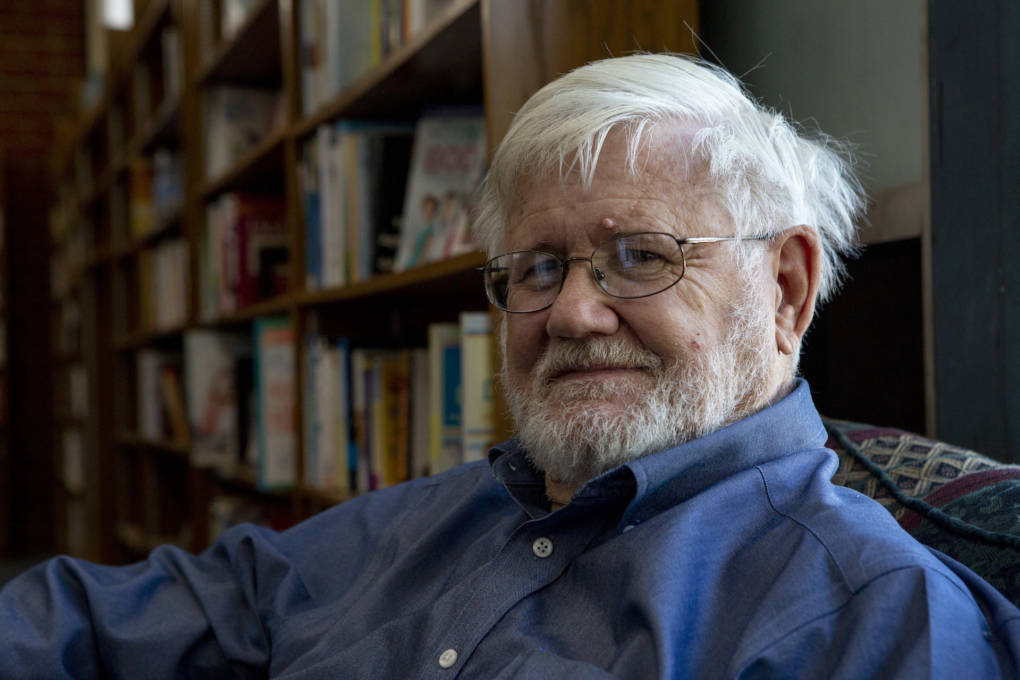
"caption": "Stan Forbes, who helped draw California's political districts after the 2010 census as part of the state's citizen redistricting commission, in his Sacramento bookstore.",
"description": null,
"title": "REDISTRICTING COMMISSION PHOTO",
"credit": "Anne Wernikoff/CalMatters",
"status": "inherit",
"isLoading": false,
"fetchFailed": false
},
"news_11777042": {
"type": "attachments",
"id": "news_11777042",
"meta": {
"index": "attachments_1716263798",
"site": "news",
"id": "11777042",
"found": true
},
"parent": 11777036,
"imgSizes": {
"apple_news_ca_square_4_0": {
"file": "https://ww2.kqed.org/app/uploads/sites/10/2019/09/09272019_Sacramento_Womens_March_-_Jim_Heaphy_-_08-e1538515916880-qut-470x470.jpg",
"width": 470,
"mimeType": "image/jpeg",
"height": 470
},
"thumbnail": {
"file": "https://ww2.kqed.org/app/uploads/sites/10/2019/09/09272019_Sacramento_Womens_March_-_Jim_Heaphy_-_08-e1538515916880-qut-160x117.jpg",
"width": 160,
"mimeType": "image/jpeg",
"height": 117
},
"post-thumbnail": {
"file": "https://ww2.kqed.org/app/uploads/sites/10/2019/09/09272019_Sacramento_Womens_March_-_Jim_Heaphy_-_08-e1538515916880-qut-672x372.jpg",
"width": 672,
"mimeType": "image/jpeg",
"height": 372
},
"kqedFullSize": {
"file": "https://ww2.kqed.org/app/uploads/sites/10/2019/09/09272019_Sacramento_Womens_March_-_Jim_Heaphy_-_08-e1538515916880-qut.jpg",
"width": 725,
"height": 529
},
"apple_news_ca_landscape_4_7": {
"file": "https://ww2.kqed.org/app/uploads/sites/10/2019/09/09272019_Sacramento_Womens_March_-_Jim_Heaphy_-_08-e1538515916880-qut-632x474.jpg",
"width": 632,
"mimeType": "image/jpeg",
"height": 474
},
"apple_news_ca_portrait_4_7": {
"file": "https://ww2.kqed.org/app/uploads/sites/10/2019/09/09272019_Sacramento_Womens_March_-_Jim_Heaphy_-_08-e1538515916880-qut-414x529.jpg",
"width": 414,
"mimeType": "image/jpeg",
"height": 529
},
"apple_news_ca_portrait_5_5": {
"file": "https://ww2.kqed.org/app/uploads/sites/10/2019/09/09272019_Sacramento_Womens_March_-_Jim_Heaphy_-_08-e1538515916880-qut-687x529.jpg",
"width": 687,
"mimeType": "image/jpeg",
"height": 529
},
"apple_news_ca_square_4_7": {
"file": "https://ww2.kqed.org/app/uploads/sites/10/2019/09/09272019_Sacramento_Womens_March_-_Jim_Heaphy_-_08-e1538515916880-qut-550x529.jpg",
"width": 550,
"mimeType": "image/jpeg",
"height": 529
},
"apple_news_ca_landscape_4_0": {
"file": "https://ww2.kqed.org/app/uploads/sites/10/2019/09/09272019_Sacramento_Womens_March_-_Jim_Heaphy_-_08-e1538515916880-qut-536x402.jpg",
"width": 536,
"mimeType": "image/jpeg",
"height": 402
},
"apple_news_ca_portrait_4_0": {
"file": "https://ww2.kqed.org/app/uploads/sites/10/2019/09/09272019_Sacramento_Womens_March_-_Jim_Heaphy_-_08-e1538515916880-qut-354x472.jpg",
"width": 354,
"mimeType": "image/jpeg",
"height": 472
}
},
"publishDate": 1569614027,
"modified": 1569614125,
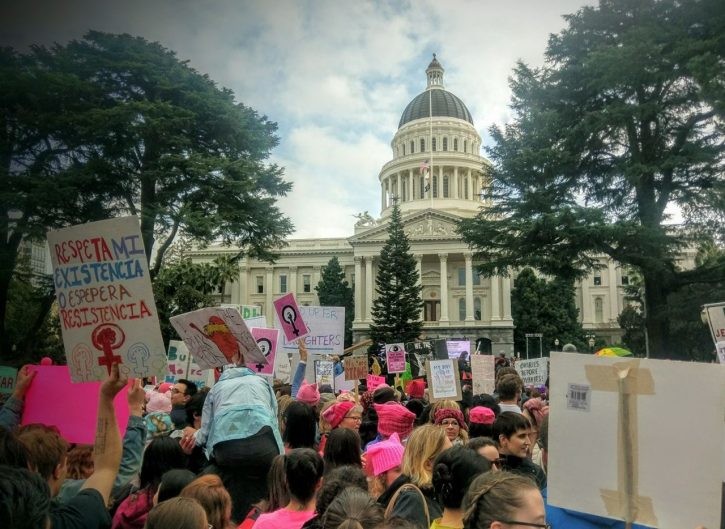
"caption": "Crowds arrive at the Capitol in Sacramento for the 2017 Women's March.",
"description": "Crowds arrive at the Capitol in Sacramento for the 2017 Women's March.",
"title": "09272019_Sacramento_Womens_March_-_Jim_Heaphy_-_08-e1538515916880-qut",
"credit": "Jim Heaphy via Creative Commons",
"status": "inherit",
"isLoading": false,
"fetchFailed": false
},
"news_11775828": {
"type": "attachments",
"id": "news_11775828",
"meta": {
"index": "attachments_1716263798",
"site": "news",
"id": "11775828",
"found": true
},
"parent": 11775819,
"imgSizes": {
"apple_news_ca_square_4_0": {
"file": "https://ww2.kqed.org/app/uploads/sites/10/2019/09/delta-e1568777231163-470x470.jpg",
"width": 470,
"mimeType": "image/jpeg",
"height": 470
},
"thumbnail": {
"file": "https://ww2.kqed.org/app/uploads/sites/10/2019/09/delta-e1568777231163-160x107.jpg",
"width": 160,
"mimeType": "image/jpeg",
"height": 107
},
"post-thumbnail": {
"file": "https://ww2.kqed.org/app/uploads/sites/10/2019/09/delta-e1568777231163-672x372.jpg",
"width": 672,
"mimeType": "image/jpeg",
"height": 372
},
"kqedFullSize": {
"file": "https://ww2.kqed.org/app/uploads/sites/10/2019/09/delta-e1568777231163.jpg",
"width": 794,
"height": 529
},
"apple_news_ca_landscape_4_7": {
"file": "https://ww2.kqed.org/app/uploads/sites/10/2019/09/delta-e1568777231163-632x474.jpg",
"width": 632,
"mimeType": "image/jpeg",
"height": 474
},
"apple_news_ca_portrait_4_7": {
"file": "https://ww2.kqed.org/app/uploads/sites/10/2019/09/delta-e1568777231163-414x529.jpg",
"width": 414,
"mimeType": "image/jpeg",
"height": 529
},
"apple_news_ca_portrait_5_5": {
"file": "https://ww2.kqed.org/app/uploads/sites/10/2019/09/delta-e1568777231163-687x529.jpg",
"width": 687,
"mimeType": "image/jpeg",
"height": 529
},
"apple_news_ca_square_4_7": {
"file": "https://ww2.kqed.org/app/uploads/sites/10/2019/09/delta-e1568777231163-550x529.jpg",
"width": 550,
"mimeType": "image/jpeg",
"height": 529
},
"apple_news_ca_landscape_4_0": {
"file": "https://ww2.kqed.org/app/uploads/sites/10/2019/09/delta-e1568777231163-536x402.jpg",
"width": 536,
"mimeType": "image/jpeg",
"height": 402
},
"apple_news_ca_portrait_4_0": {
"file": "https://ww2.kqed.org/app/uploads/sites/10/2019/09/delta-e1568777231163-354x472.jpg",
"width": 354,
"mimeType": "image/jpeg",
"height": 472
}
},
"publishDate": 1569097057,
"modified": 1569097099,
"caption": "California's Sacramento-San Joaquin River Delta was a flashpoint in the fight over anti-Trump legislation. ",
"description": "California's Sacramento-San Joaquin River Delta was a flashpoint in the fight over anti-Trump legislation. ",
"title": "delta-e1568777231163",
"credit": "USFWS photo by Steve Martarano via Flickr",
"status": "inherit",
"isLoading": false,
"fetchFailed": false
},
"news_11775801": {
"type": "attachments",
"id": "news_11775801",
"meta": {
"index": "attachments_1716263798",
"site": "news",
"id": "11775801",
"found": true
},
"parent": 11775800,
"imgSizes": {
"apple_news_ca_landscape_5_5": {
"file": "https://ww2.kqed.org/app/uploads/sites/10/2019/09/gettyimages-1165948314-28386e6676effad01c6fe9c381c4e6f2eb22f602-1044x783.jpg",
"width": 1044,
"mimeType": "image/jpeg",
"height": 783
},
"apple_news_ca_square_4_0": {
"file": "https://ww2.kqed.org/app/uploads/sites/10/2019/09/gettyimages-1165948314-28386e6676effad01c6fe9c381c4e6f2eb22f602-470x470.jpg",
"width": 470,
"mimeType": "image/jpeg",
"height": 470
},
"twentyfourteen-full-width": {
"file": "https://ww2.kqed.org/app/uploads/sites/10/2019/09/gettyimages-1165948314-28386e6676effad01c6fe9c381c4e6f2eb22f602-1038x576.jpg",
"width": 1038,
"mimeType": "image/jpeg",
"height": 576
},
"thumbnail": {
"file": "https://ww2.kqed.org/app/uploads/sites/10/2019/09/gettyimages-1165948314-28386e6676effad01c6fe9c381c4e6f2eb22f602-160x120.jpg",
"width": 160,
"mimeType": "image/jpeg",
"height": 120
},
"post-thumbnail": {
"file": "https://ww2.kqed.org/app/uploads/sites/10/2019/09/gettyimages-1165948314-28386e6676effad01c6fe9c381c4e6f2eb22f602-672x372.jpg",
"width": 672,
"mimeType": "image/jpeg",
"height": 372
},
"kqedFullSize": {
"file": "https://ww2.kqed.org/app/uploads/sites/10/2019/09/gettyimages-1165948314-28386e6676effad01c6fe9c381c4e6f2eb22f602-e1569086917570.jpg",
"width": 1920,
"height": 1440
},
"apple_news_ca_landscape_4_7": {
"file": "https://ww2.kqed.org/app/uploads/sites/10/2019/09/gettyimages-1165948314-28386e6676effad01c6fe9c381c4e6f2eb22f602-632x474.jpg",
"width": 632,
"mimeType": "image/jpeg",
"height": 474
},
"large": {
"file": "https://ww2.kqed.org/app/uploads/sites/10/2019/09/gettyimages-1165948314-28386e6676effad01c6fe9c381c4e6f2eb22f602-1020x765.jpg",
"width": 1020,
"mimeType": "image/jpeg",
"height": 765
},
"complete_open_graph": {
"file": "https://ww2.kqed.org/app/uploads/sites/10/2019/09/gettyimages-1165948314-28386e6676effad01c6fe9c381c4e6f2eb22f602-1200x900.jpg",
"width": 1200,
"mimeType": "image/jpeg",
"height": 900
},
"apple_news_ca_landscape_4_0": {
"file": "https://ww2.kqed.org/app/uploads/sites/10/2019/09/gettyimages-1165948314-28386e6676effad01c6fe9c381c4e6f2eb22f602-536x402.jpg",
"width": 536,
"mimeType": "image/jpeg",
"height": 402
},
"apple_news_ca_portrait_12_9": {
"file": "https://ww2.kqed.org/app/uploads/sites/10/2019/09/gettyimages-1165948314-28386e6676effad01c6fe9c381c4e6f2eb22f602-1122x1496.jpg",
"width": 1122,
"mimeType": "image/jpeg",
"height": 1496
},
"medium": {
"file": "https://ww2.kqed.org/app/uploads/sites/10/2019/09/gettyimages-1165948314-28386e6676effad01c6fe9c381c4e6f2eb22f602-800x600.jpg",
"width": 800,
"mimeType": "image/jpeg",
"height": 600
},
"apple_news_ca_portrait_4_0": {
"file": "https://ww2.kqed.org/app/uploads/sites/10/2019/09/gettyimages-1165948314-28386e6676effad01c6fe9c381c4e6f2eb22f602-354x472.jpg",
"width": 354,
"mimeType": "image/jpeg",
"height": 472
},
"apple_news_ca_portrait_9_7": {
"file": "https://ww2.kqed.org/app/uploads/sites/10/2019/09/gettyimages-1165948314-28386e6676effad01c6fe9c381c4e6f2eb22f602-840x1120.jpg",
"width": 840,
"mimeType": "image/jpeg",
"height": 1120
},
"apple_news_ca_landscape_12_9": {
"file": "https://ww2.kqed.org/app/uploads/sites/10/2019/09/gettyimages-1165948314-28386e6676effad01c6fe9c381c4e6f2eb22f602-1832x1374.jpg",
"width": 1832,
"mimeType": "image/jpeg",
"height": 1374
},
"apple_news_ca_square_9_7": {
"file": "https://ww2.kqed.org/app/uploads/sites/10/2019/09/gettyimages-1165948314-28386e6676effad01c6fe9c381c4e6f2eb22f602-1104x1104.jpg",
"width": 1104,
"mimeType": "image/jpeg",
"height": 1104
},
"apple_news_ca_portrait_4_7": {
"file": "https://ww2.kqed.org/app/uploads/sites/10/2019/09/gettyimages-1165948314-28386e6676effad01c6fe9c381c4e6f2eb22f602-414x552.jpg",
"width": 414,
"mimeType": "image/jpeg",
"height": 552
},
"apple_news_ca_square_12_9": {
"file": "https://ww2.kqed.org/app/uploads/sites/10/2019/09/gettyimages-1165948314-28386e6676effad01c6fe9c381c4e6f2eb22f602-1472x1472.jpg",
"width": 1472,
"mimeType": "image/jpeg",
"height": 1472
},
"apple_news_ca_portrait_5_5": {
"file": "https://ww2.kqed.org/app/uploads/sites/10/2019/09/gettyimages-1165948314-28386e6676effad01c6fe9c381c4e6f2eb22f602-687x916.jpg",
"width": 687,
"mimeType": "image/jpeg",
"height": 916
},
"full-width": {
"file": "https://ww2.kqed.org/app/uploads/sites/10/2019/09/gettyimages-1165948314-28386e6676effad01c6fe9c381c4e6f2eb22f602-1920x1440.jpg",
"width": 1920,
"mimeType": "image/jpeg",
"height": 1440
},
"apple_news_ca_square_4_7": {
"file": "https://ww2.kqed.org/app/uploads/sites/10/2019/09/gettyimages-1165948314-28386e6676effad01c6fe9c381c4e6f2eb22f602-550x550.jpg",
"width": 550,
"mimeType": "image/jpeg",
"height": 550
},
"apple_news_ca_landscape_9_7": {
"file": "https://ww2.kqed.org/app/uploads/sites/10/2019/09/gettyimages-1165948314-28386e6676effad01c6fe9c381c4e6f2eb22f602-1376x1032.jpg",
"width": 1376,
"mimeType": "image/jpeg",
"height": 1032
},
"apple_news_ca_square_5_5": {
"file": "https://ww2.kqed.org/app/uploads/sites/10/2019/09/gettyimages-1165948314-28386e6676effad01c6fe9c381c4e6f2eb22f602-912x912.jpg",
"width": 912,
"mimeType": "image/jpeg",
"height": 912
}
},
"publishDate": 1569086836,
"modified": 1569086909,
"caption": "In 2018, Twitter released an archive of thousands of accounts that the platform determined were involved in potentially state-backed information campaigns. Since then, it has continued to make announcements of its efforts to remove accounts spreading disinformation.",
"description": "In 2018, Twitter released an archive of thousands of accounts that the platform determined were involved in potentially state-backed information campaigns. Since then, it has continued to make announcements of its efforts to remove accounts spreading disinformation.",
"title": "In 2018, Twitter released an archive of thousands of accounts that the platform determined were involved in potentially state-backed information campaigns. Since then, it has continued to make announcements of its efforts to remove accounts spreading disinformation.",
"credit": "Denis Charlet/AFP/Getty Images",
"status": "inherit",
"isLoading": false,
"fetchFailed": false
},
"news_11774841": {
"type": "attachments",
"id": "news_11774841",
"meta": {
"index": "attachments_1716263798",
"site": "news",
"id": "11774841",
"found": true
},
"parent": 11774816,
"imgSizes": {
"apple_news_ca_landscape_5_5": {
"file": "https://ww2.kqed.org/app/uploads/sites/10/2019/09/IMG_0655-1-1044x783.jpg",
"width": 1044,
"mimeType": "image/jpeg",
"height": 783
},
"apple_news_ca_square_4_0": {
"file": "https://ww2.kqed.org/app/uploads/sites/10/2019/09/IMG_0655-1-470x470.jpg",
"width": 470,
"mimeType": "image/jpeg",
"height": 470
},
"twentyfourteen-full-width": {
"file": "https://ww2.kqed.org/app/uploads/sites/10/2019/09/IMG_0655-1-1038x576.jpg",
"width": 1038,
"mimeType": "image/jpeg",
"height": 576
},
"thumbnail": {
"file": "https://ww2.kqed.org/app/uploads/sites/10/2019/09/IMG_0655-1-160x120.jpg",
"width": 160,
"mimeType": "image/jpeg",
"height": 120
},
"post-thumbnail": {
"file": "https://ww2.kqed.org/app/uploads/sites/10/2019/09/IMG_0655-1-672x372.jpg",
"width": 672,
"mimeType": "image/jpeg",
"height": 372
},
"kqedFullSize": {
"file": "https://ww2.kqed.org/app/uploads/sites/10/2019/09/IMG_0655-1.jpg",
"width": 1920,
"height": 1440
},
"apple_news_ca_landscape_4_7": {
"file": "https://ww2.kqed.org/app/uploads/sites/10/2019/09/IMG_0655-1-632x474.jpg",
"width": 632,
"mimeType": "image/jpeg",
"height": 474
},
"large": {
"file": "https://ww2.kqed.org/app/uploads/sites/10/2019/09/IMG_0655-1-1020x765.jpg",
"width": 1020,
"mimeType": "image/jpeg",
"height": 765
},
"complete_open_graph": {
"file": "https://ww2.kqed.org/app/uploads/sites/10/2019/09/IMG_0655-1-1200x900.jpg",
"width": 1200,
"mimeType": "image/jpeg",
"height": 900
},
"apple_news_ca_landscape_4_0": {
"file": "https://ww2.kqed.org/app/uploads/sites/10/2019/09/IMG_0655-1-536x402.jpg",
"width": 536,
"mimeType": "image/jpeg",
"height": 402
},
"apple_news_ca_portrait_12_9": {
"file": "https://ww2.kqed.org/app/uploads/sites/10/2019/09/IMG_0655-1-1122x1440.jpg",
"width": 1122,
"mimeType": "image/jpeg",
"height": 1440
},
"medium": {
"file": "https://ww2.kqed.org/app/uploads/sites/10/2019/09/IMG_0655-1-800x600.jpg",
"width": 800,
"mimeType": "image/jpeg",
"height": 600
},
"apple_news_ca_portrait_4_0": {
"file": "https://ww2.kqed.org/app/uploads/sites/10/2019/09/IMG_0655-1-354x472.jpg",
"width": 354,
"mimeType": "image/jpeg",
"height": 472
},
"apple_news_ca_portrait_9_7": {
"file": "https://ww2.kqed.org/app/uploads/sites/10/2019/09/IMG_0655-1-840x1120.jpg",
"width": 840,
"mimeType": "image/jpeg",
"height": 1120
},
"apple_news_ca_landscape_12_9": {
"file": "https://ww2.kqed.org/app/uploads/sites/10/2019/09/IMG_0655-1-1832x1374.jpg",
"width": 1832,
"mimeType": "image/jpeg",
"height": 1374
},
"apple_news_ca_square_9_7": {
"file": "https://ww2.kqed.org/app/uploads/sites/10/2019/09/IMG_0655-1-1104x1104.jpg",
"width": 1104,
"mimeType": "image/jpeg",
"height": 1104
},
"apple_news_ca_portrait_4_7": {
"file": "https://ww2.kqed.org/app/uploads/sites/10/2019/09/IMG_0655-1-414x552.jpg",
"width": 414,
"mimeType": "image/jpeg",
"height": 552
},
"apple_news_ca_square_12_9": {
"file": "https://ww2.kqed.org/app/uploads/sites/10/2019/09/IMG_0655-1-1472x1440.jpg",
"width": 1472,
"mimeType": "image/jpeg",
"height": 1440
},
"apple_news_ca_portrait_5_5": {
"file": "https://ww2.kqed.org/app/uploads/sites/10/2019/09/IMG_0655-1-687x916.jpg",
"width": 687,
"mimeType": "image/jpeg",
"height": 916
},
"full-width": {
"file": "https://ww2.kqed.org/app/uploads/sites/10/2019/09/IMG_0655-1-1920x1440.jpg",
"width": 1920,
"mimeType": "image/jpeg",
"height": 1440
},
"apple_news_ca_square_4_7": {
"file": "https://ww2.kqed.org/app/uploads/sites/10/2019/09/IMG_0655-1-550x550.jpg",
"width": 550,
"mimeType": "image/jpeg",
"height": 550
},
"apple_news_ca_landscape_9_7": {
"file": "https://ww2.kqed.org/app/uploads/sites/10/2019/09/IMG_0655-1-1376x1032.jpg",
"width": 1376,
"mimeType": "image/jpeg",
"height": 1032
},
"apple_news_ca_square_5_5": {
"file": "https://ww2.kqed.org/app/uploads/sites/10/2019/09/IMG_0655-1-912x912.jpg",
"width": 912,
"mimeType": "image/jpeg",
"height": 912
}
},
"publishDate": 1568763061,
"modified": 1568764100,
"caption": "President Trump exits Air Force One at Moffett Federal Airfield in the South Bay on Tuesday., Sept. 17. Part of a California fundraising blitz, it marks Trump's first visit as president to the Bay Area. ",
"description": null,
"title": "IMG_0655",
"credit": "Peter Jon Shuler/KQED",
"status": "inherit",
"isLoading": false,
"fetchFailed": false
},
"news_11774195": {
"type": "attachments",
"id": "news_11774195",
"meta": {
"index": "attachments_1716263798",
"site": "news",
"id": "11774195",
"found": true
},
"parent": 11774151,
"imgSizes": {
"apple_news_ca_landscape_5_5": {
"file": "https://ww2.kqed.org/app/uploads/sites/10/2019/09/09132019_BuffyWicks3-qut-1044x783.jpg",
"width": 1044,
"mimeType": "image/jpeg",
"height": 783
},
"apple_news_ca_square_4_0": {
"file": "https://ww2.kqed.org/app/uploads/sites/10/2019/09/09132019_BuffyWicks3-qut-470x470.jpg",
"width": 470,
"mimeType": "image/jpeg",
"height": 470
},
"twentyfourteen-full-width": {
"file": "https://ww2.kqed.org/app/uploads/sites/10/2019/09/09132019_BuffyWicks3-qut-1038x576.jpg",
"width": 1038,
"mimeType": "image/jpeg",
"height": 576
},
"thumbnail": {
"file": "https://ww2.kqed.org/app/uploads/sites/10/2019/09/09132019_BuffyWicks3-qut-160x107.jpg",
"width": 160,
"mimeType": "image/jpeg",
"height": 107
},
"post-thumbnail": {
"file": "https://ww2.kqed.org/app/uploads/sites/10/2019/09/09132019_BuffyWicks3-qut-672x372.jpg",
"width": 672,
"mimeType": "image/jpeg",
"height": 372
},
"kqedFullSize": {
"file": "https://ww2.kqed.org/app/uploads/sites/10/2019/09/09132019_BuffyWicks3-qut.jpg",
"width": 1920,
"height": 1280
},
"apple_news_ca_landscape_4_7": {
"file": "https://ww2.kqed.org/app/uploads/sites/10/2019/09/09132019_BuffyWicks3-qut-632x474.jpg",
"width": 632,
"mimeType": "image/jpeg",
"height": 474
},
"large": {
"file": "https://ww2.kqed.org/app/uploads/sites/10/2019/09/09132019_BuffyWicks3-qut-1020x680.jpg",
"width": 1020,
"mimeType": "image/jpeg",
"height": 680
},
"complete_open_graph": {
"file": "https://ww2.kqed.org/app/uploads/sites/10/2019/09/09132019_BuffyWicks3-qut-1200x800.jpg",
"width": 1200,
"mimeType": "image/jpeg",
"height": 800
},
"apple_news_ca_landscape_4_0": {
"file": "https://ww2.kqed.org/app/uploads/sites/10/2019/09/09132019_BuffyWicks3-qut-536x402.jpg",
"width": 536,
"mimeType": "image/jpeg",
"height": 402
},
"apple_news_ca_portrait_12_9": {
"file": "https://ww2.kqed.org/app/uploads/sites/10/2019/09/09132019_BuffyWicks3-qut-1122x1280.jpg",
"width": 1122,
"mimeType": "image/jpeg",
"height": 1280
},
"medium": {
"file": "https://ww2.kqed.org/app/uploads/sites/10/2019/09/09132019_BuffyWicks3-qut-800x533.jpg",
"width": 800,
"mimeType": "image/jpeg",
"height": 533
},
"apple_news_ca_portrait_4_0": {
"file": "https://ww2.kqed.org/app/uploads/sites/10/2019/09/09132019_BuffyWicks3-qut-354x472.jpg",
"width": 354,
"mimeType": "image/jpeg",
"height": 472
},
"apple_news_ca_portrait_9_7": {
"file": "https://ww2.kqed.org/app/uploads/sites/10/2019/09/09132019_BuffyWicks3-qut-840x1120.jpg",
"width": 840,
"mimeType": "image/jpeg",
"height": 1120
},
"apple_news_ca_landscape_12_9": {
"file": "https://ww2.kqed.org/app/uploads/sites/10/2019/09/09132019_BuffyWicks3-qut-1832x1280.jpg",
"width": 1832,
"mimeType": "image/jpeg",
"height": 1280
},
"apple_news_ca_square_9_7": {
"file": "https://ww2.kqed.org/app/uploads/sites/10/2019/09/09132019_BuffyWicks3-qut-1104x1104.jpg",
"width": 1104,
"mimeType": "image/jpeg",
"height": 1104
},
"apple_news_ca_portrait_4_7": {
"file": "https://ww2.kqed.org/app/uploads/sites/10/2019/09/09132019_BuffyWicks3-qut-414x552.jpg",
"width": 414,
"mimeType": "image/jpeg",
"height": 552
},
"apple_news_ca_square_12_9": {
"file": "https://ww2.kqed.org/app/uploads/sites/10/2019/09/09132019_BuffyWicks3-qut-1472x1280.jpg",
"width": 1472,
"mimeType": "image/jpeg",
"height": 1280
},
"apple_news_ca_portrait_5_5": {
"file": "https://ww2.kqed.org/app/uploads/sites/10/2019/09/09132019_BuffyWicks3-qut-687x916.jpg",
"width": 687,
"mimeType": "image/jpeg",
"height": 916
},
"full-width": {
"file": "https://ww2.kqed.org/app/uploads/sites/10/2019/09/09132019_BuffyWicks3-qut-1920x1280.jpg",
"width": 1920,
"mimeType": "image/jpeg",
"height": 1280
},
"apple_news_ca_square_4_7": {
"file": "https://ww2.kqed.org/app/uploads/sites/10/2019/09/09132019_BuffyWicks3-qut-550x550.jpg",
"width": 550,
"mimeType": "image/jpeg",
"height": 550
},
"apple_news_ca_landscape_9_7": {
"file": "https://ww2.kqed.org/app/uploads/sites/10/2019/09/09132019_BuffyWicks3-qut-1376x1032.jpg",
"width": 1376,
"mimeType": "image/jpeg",
"height": 1032
},
"apple_news_ca_square_5_5": {
"file": "https://ww2.kqed.org/app/uploads/sites/10/2019/09/09132019_BuffyWicks3-qut-912x912.jpg",
"width": 912,
"mimeType": "image/jpeg",
"height": 912
}
},
"publishDate": 1568405265,
"modified": 1568411430,
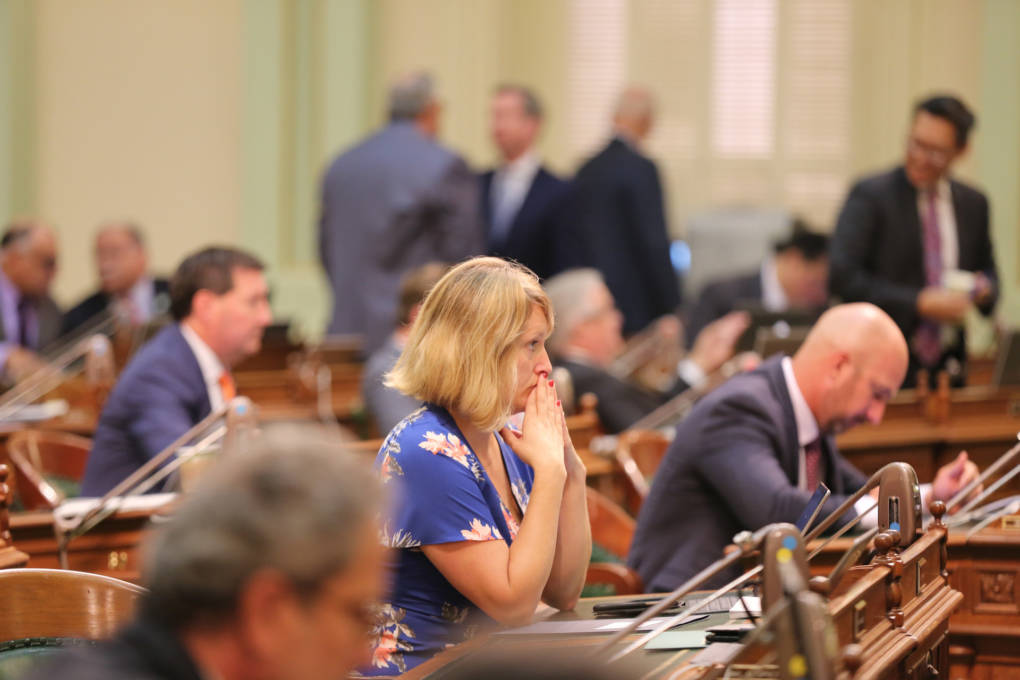
"caption": "Assemblywoman Buffy Wicks at the Capitol in Sacramento on Aug. 15, 2019.",
"description": "Assemblymember Buffy Wicks at the State Capitol in Sacramento on Aug. 15, 2019.",
"title": "09132019_BuffyWicks3-qut",
"credit": "Stephanie Lister/KQED",
"status": "inherit",
"isLoading": false,
"fetchFailed": false
},
"news_11773682": {
"type": "attachments",
"id": "news_11773682",
"meta": {
"index": "attachments_1716263798",
"site": "news",
"id": "11773682",
"found": true
},
"parent": 11773617,
"imgSizes": {
"apple_news_ca_landscape_5_5": {
"file": "https://ww2.kqed.org/app/uploads/sites/10/2019/09/RS38978_GettyImages-1166586750-qut-1044x783.jpg",
"width": 1044,
"mimeType": "image/jpeg",
"height": 783
},
"apple_news_ca_square_4_0": {
"file": "https://ww2.kqed.org/app/uploads/sites/10/2019/09/RS38978_GettyImages-1166586750-qut-470x470.jpg",
"width": 470,
"mimeType": "image/jpeg",
"height": 470
},
"twentyfourteen-full-width": {
"file": "https://ww2.kqed.org/app/uploads/sites/10/2019/09/RS38978_GettyImages-1166586750-qut-1038x576.jpg",
"width": 1038,
"mimeType": "image/jpeg",
"height": 576
},
"thumbnail": {
"file": "https://ww2.kqed.org/app/uploads/sites/10/2019/09/RS38978_GettyImages-1166586750-qut-160x107.jpg",
"width": 160,
"mimeType": "image/jpeg",
"height": 107
},
"post-thumbnail": {
"file": "https://ww2.kqed.org/app/uploads/sites/10/2019/09/RS38978_GettyImages-1166586750-qut-672x372.jpg",
"width": 672,
"mimeType": "image/jpeg",
"height": 372
},
"kqedFullSize": {
"file": "https://ww2.kqed.org/app/uploads/sites/10/2019/09/RS38978_GettyImages-1166586750-qut.jpg",
"width": 1920,
"height": 1280
},
"apple_news_ca_landscape_4_7": {
"file": "https://ww2.kqed.org/app/uploads/sites/10/2019/09/RS38978_GettyImages-1166586750-qut-632x474.jpg",
"width": 632,
"mimeType": "image/jpeg",
"height": 474
},
"large": {
"file": "https://ww2.kqed.org/app/uploads/sites/10/2019/09/RS38978_GettyImages-1166586750-qut-1020x680.jpg",
"width": 1020,
"mimeType": "image/jpeg",
"height": 680
},
"complete_open_graph": {
"file": "https://ww2.kqed.org/app/uploads/sites/10/2019/09/RS38978_GettyImages-1166586750-qut-1200x800.jpg",
"width": 1200,
"mimeType": "image/jpeg",
"height": 800
},
"apple_news_ca_landscape_4_0": {
"file": "https://ww2.kqed.org/app/uploads/sites/10/2019/09/RS38978_GettyImages-1166586750-qut-536x402.jpg",
"width": 536,
"mimeType": "image/jpeg",
"height": 402
},
"apple_news_ca_portrait_12_9": {
"file": "https://ww2.kqed.org/app/uploads/sites/10/2019/09/RS38978_GettyImages-1166586750-qut-1122x1280.jpg",
"width": 1122,
"mimeType": "image/jpeg",
"height": 1280
},
"medium": {
"file": "https://ww2.kqed.org/app/uploads/sites/10/2019/09/RS38978_GettyImages-1166586750-qut-800x533.jpg",
"width": 800,
"mimeType": "image/jpeg",
"height": 533
},
"apple_news_ca_portrait_4_0": {
"file": "https://ww2.kqed.org/app/uploads/sites/10/2019/09/RS38978_GettyImages-1166586750-qut-354x472.jpg",
"width": 354,
"mimeType": "image/jpeg",
"height": 472
},
"apple_news_ca_portrait_9_7": {
"file": "https://ww2.kqed.org/app/uploads/sites/10/2019/09/RS38978_GettyImages-1166586750-qut-840x1120.jpg",
"width": 840,
"mimeType": "image/jpeg",
"height": 1120
},
"apple_news_ca_landscape_12_9": {
"file": "https://ww2.kqed.org/app/uploads/sites/10/2019/09/RS38978_GettyImages-1166586750-qut-1832x1280.jpg",
"width": 1832,
"mimeType": "image/jpeg",
"height": 1280
},
"apple_news_ca_square_9_7": {
"file": "https://ww2.kqed.org/app/uploads/sites/10/2019/09/RS38978_GettyImages-1166586750-qut-1104x1104.jpg",
"width": 1104,
"mimeType": "image/jpeg",
"height": 1104
},
"apple_news_ca_portrait_4_7": {
"file": "https://ww2.kqed.org/app/uploads/sites/10/2019/09/RS38978_GettyImages-1166586750-qut-414x552.jpg",
"width": 414,
"mimeType": "image/jpeg",
"height": 552
},
"apple_news_ca_square_12_9": {
"file": "https://ww2.kqed.org/app/uploads/sites/10/2019/09/RS38978_GettyImages-1166586750-qut-1472x1280.jpg",
"width": 1472,
"mimeType": "image/jpeg",
"height": 1280
},
"apple_news_ca_portrait_5_5": {
"file": "https://ww2.kqed.org/app/uploads/sites/10/2019/09/RS38978_GettyImages-1166586750-qut-687x916.jpg",
"width": 687,
"mimeType": "image/jpeg",
"height": 916
},
"full-width": {
"file": "https://ww2.kqed.org/app/uploads/sites/10/2019/09/RS38978_GettyImages-1166586750-qut-1920x1280.jpg",
"width": 1920,
"mimeType": "image/jpeg",
"height": 1280
},
"apple_news_ca_square_4_7": {
"file": "https://ww2.kqed.org/app/uploads/sites/10/2019/09/RS38978_GettyImages-1166586750-qut-550x550.jpg",
"width": 550,
"mimeType": "image/jpeg",
"height": 550
},
"apple_news_ca_landscape_9_7": {
"file": "https://ww2.kqed.org/app/uploads/sites/10/2019/09/RS38978_GettyImages-1166586750-qut-1376x1032.jpg",
"width": 1376,
"mimeType": "image/jpeg",
"height": 1032
},
"apple_news_ca_square_5_5": {
"file": "https://ww2.kqed.org/app/uploads/sites/10/2019/09/RS38978_GettyImages-1166586750-qut-912x912.jpg",
"width": 912,
"mimeType": "image/jpeg",
"height": 912
}
},
"publishDate": 1568229349,
"modified": 1568230960,
"caption": "Sen. Kamala Harris, California’s junior U.S. senator, is trying to win the 2020 Democratic presidential nomination.",
"description": null,
"title": "Presidential Candidates Attend New Hampshire Democratic Party Convention",
"credit": "Scott Eisen/Getty Images",
"status": "inherit",
"isLoading": false,
"fetchFailed": false
},
"news_11772870": {
"type": "attachments",
"id": "news_11772870",
"meta": {
"index": "attachments_1716263798",
"site": "news",
"id": "11772870",
"found": true
},
"parent": 11772816,
"imgSizes": {
"apple_news_ca_landscape_5_5": {
"file": "https://ww2.kqed.org/app/uploads/sites/10/2019/09/medical_090619_final_revised-1044x783.jpg",
"width": 1044,
"mimeType": "image/jpeg",
"height": 783
},
"apple_news_ca_square_4_0": {
"file": "https://ww2.kqed.org/app/uploads/sites/10/2019/09/medical_090619_final_revised-470x470.jpg",
"width": 470,
"mimeType": "image/jpeg",
"height": 470
},
"twentyfourteen-full-width": {
"file": "https://ww2.kqed.org/app/uploads/sites/10/2019/09/medical_090619_final_revised-1038x576.jpg",
"width": 1038,
"mimeType": "image/jpeg",
"height": 576
},
"thumbnail": {
"file": "https://ww2.kqed.org/app/uploads/sites/10/2019/09/medical_090619_final_revised-160x122.jpg",
"width": 160,
"mimeType": "image/jpeg",
"height": 122
},
"post-thumbnail": {
"file": "https://ww2.kqed.org/app/uploads/sites/10/2019/09/medical_090619_final_revised-672x372.jpg",
"width": 672,
"mimeType": "image/jpeg",
"height": 372
},
"kqedFullSize": {
"file": "https://ww2.kqed.org/app/uploads/sites/10/2019/09/medical_090619_final_revised.jpg",
"width": 1920,
"height": 1462
},
"apple_news_ca_landscape_4_7": {
"file": "https://ww2.kqed.org/app/uploads/sites/10/2019/09/medical_090619_final_revised-632x474.jpg",
"width": 632,
"mimeType": "image/jpeg",
"height": 474
},
"large": {
"file": "https://ww2.kqed.org/app/uploads/sites/10/2019/09/medical_090619_final_revised-1020x777.jpg",
"width": 1020,
"mimeType": "image/jpeg",
"height": 777
},
"complete_open_graph": {
"file": "https://ww2.kqed.org/app/uploads/sites/10/2019/09/medical_090619_final_revised-1200x914.jpg",
"width": 1200,
"mimeType": "image/jpeg",
"height": 914
},
"apple_news_ca_landscape_4_0": {
"file": "https://ww2.kqed.org/app/uploads/sites/10/2019/09/medical_090619_final_revised-536x402.jpg",
"width": 536,
"mimeType": "image/jpeg",
"height": 402
},
"apple_news_ca_portrait_12_9": {
"file": "https://ww2.kqed.org/app/uploads/sites/10/2019/09/medical_090619_final_revised-1122x1462.jpg",
"width": 1122,
"mimeType": "image/jpeg",
"height": 1462
},
"medium": {
"file": "https://ww2.kqed.org/app/uploads/sites/10/2019/09/medical_090619_final_revised-800x609.jpg",
"width": 800,
"mimeType": "image/jpeg",
"height": 609
},
"apple_news_ca_portrait_4_0": {
"file": "https://ww2.kqed.org/app/uploads/sites/10/2019/09/medical_090619_final_revised-354x472.jpg",
"width": 354,
"mimeType": "image/jpeg",
"height": 472
},
"apple_news_ca_portrait_9_7": {
"file": "https://ww2.kqed.org/app/uploads/sites/10/2019/09/medical_090619_final_revised-840x1120.jpg",
"width": 840,
"mimeType": "image/jpeg",
"height": 1120
},
"apple_news_ca_landscape_12_9": {
"file": "https://ww2.kqed.org/app/uploads/sites/10/2019/09/medical_090619_final_revised-1832x1374.jpg",
"width": 1832,
"mimeType": "image/jpeg",
"height": 1374
},
"apple_news_ca_square_9_7": {
"file": "https://ww2.kqed.org/app/uploads/sites/10/2019/09/medical_090619_final_revised-1104x1104.jpg",
"width": 1104,
"mimeType": "image/jpeg",
"height": 1104
},
"apple_news_ca_portrait_4_7": {
"file": "https://ww2.kqed.org/app/uploads/sites/10/2019/09/medical_090619_final_revised-414x552.jpg",
"width": 414,
"mimeType": "image/jpeg",
"height": 552
},
"apple_news_ca_square_12_9": {
"file": "https://ww2.kqed.org/app/uploads/sites/10/2019/09/medical_090619_final_revised-1472x1462.jpg",
"width": 1472,
"mimeType": "image/jpeg",
"height": 1462
},
"apple_news_ca_portrait_5_5": {
"file": "https://ww2.kqed.org/app/uploads/sites/10/2019/09/medical_090619_final_revised-687x916.jpg",
"width": 687,
"mimeType": "image/jpeg",
"height": 916
},
"full-width": {
"file": "https://ww2.kqed.org/app/uploads/sites/10/2019/09/medical_090619_final_revised-1920x1462.jpg",
"width": 1920,
"mimeType": "image/jpeg",
"height": 1462
},
"apple_news_ca_square_4_7": {
"file": "https://ww2.kqed.org/app/uploads/sites/10/2019/09/medical_090619_final_revised-550x550.jpg",
"width": 550,
"mimeType": "image/jpeg",
"height": 550
},
"apple_news_ca_landscape_9_7": {
"file": "https://ww2.kqed.org/app/uploads/sites/10/2019/09/medical_090619_final_revised-1376x1032.jpg",
"width": 1376,
"mimeType": "image/jpeg",
"height": 1032
},
"apple_news_ca_square_5_5": {
"file": "https://ww2.kqed.org/app/uploads/sites/10/2019/09/medical_090619_final_revised-912x912.jpg",
"width": 912,
"mimeType": "image/jpeg",
"height": 912
}
},
"publishDate": 1567813053,
"modified": 1567813077,
"caption": null,
"description": null,
"title": "medical_090619_final_revised",
"credit": null,
"status": "inherit",
"isLoading": false,
"fetchFailed": false
},
"news_11772352": {
"type": "attachments",
"id": "news_11772352",
"meta": {
"index": "attachments_1716263798",
"site": "news",
"id": "11772352",
"found": true
},
"parent": 11772350,
"imgSizes": {
"apple_news_ca_square_4_0": {
"file": "https://ww2.kqed.org/app/uploads/sites/10/2019/09/RS38906_IMG_2995-qut-470x470.jpg",
"width": 470,
"mimeType": "image/jpeg",
"height": 470
},
"thumbnail": {
"file": "https://ww2.kqed.org/app/uploads/sites/10/2019/09/RS38906_IMG_2995-qut-160x87.jpg",
"width": 160,
"mimeType": "image/jpeg",
"height": 87
},
"post-thumbnail": {
"file": "https://ww2.kqed.org/app/uploads/sites/10/2019/09/RS38906_IMG_2995-qut-672x372.jpg",
"width": 672,
"mimeType": "image/jpeg",
"height": 372
},
"kqedFullSize": {
"file": "https://ww2.kqed.org/app/uploads/sites/10/2019/09/RS38906_IMG_2995-qut.jpg",
"width": 1020,
"height": 556
},
"apple_news_ca_landscape_4_7": {
"file": "https://ww2.kqed.org/app/uploads/sites/10/2019/09/RS38906_IMG_2995-qut-632x474.jpg",
"width": 632,
"mimeType": "image/jpeg",
"height": 474
},
"large": {
"file": "https://ww2.kqed.org/app/uploads/sites/10/2019/09/RS38906_IMG_2995-qut-1020x556.jpg",
"width": 1020,
"mimeType": "image/jpeg",
"height": 556
},
"apple_news_ca_landscape_4_0": {
"file": "https://ww2.kqed.org/app/uploads/sites/10/2019/09/RS38906_IMG_2995-qut-536x402.jpg",
"width": 536,
"mimeType": "image/jpeg",
"height": 402
},
"medium": {
"file": "https://ww2.kqed.org/app/uploads/sites/10/2019/09/RS38906_IMG_2995-qut-800x436.jpg",
"width": 800,
"mimeType": "image/jpeg",
"height": 436
},
"apple_news_ca_portrait_4_0": {
"file": "https://ww2.kqed.org/app/uploads/sites/10/2019/09/RS38906_IMG_2995-qut-354x472.jpg",
"width": 354,
"mimeType": "image/jpeg",
"height": 472
},
"apple_news_ca_portrait_9_7": {
"file": "https://ww2.kqed.org/app/uploads/sites/10/2019/09/RS38906_IMG_2995-qut-840x556.jpg",
"width": 840,
"mimeType": "image/jpeg",
"height": 556
},
"apple_news_ca_portrait_4_7": {
"file": "https://ww2.kqed.org/app/uploads/sites/10/2019/09/RS38906_IMG_2995-qut-414x552.jpg",
"width": 414,
"mimeType": "image/jpeg",
"height": 552
},
"apple_news_ca_portrait_5_5": {
"file": "https://ww2.kqed.org/app/uploads/sites/10/2019/09/RS38906_IMG_2995-qut-687x556.jpg",
"width": 687,
"mimeType": "image/jpeg",
"height": 556
},
"apple_news_ca_square_4_7": {
"file": "https://ww2.kqed.org/app/uploads/sites/10/2019/09/RS38906_IMG_2995-qut-550x550.jpg",
"width": 550,
"mimeType": "image/jpeg",
"height": 550
},
"apple_news_ca_square_5_5": {
"file": "https://ww2.kqed.org/app/uploads/sites/10/2019/09/RS38906_IMG_2995-qut-912x556.jpg",
"width": 912,
"mimeType": "image/jpeg",
"height": 556
}
},
"publishDate": 1567703255,
"modified": 1567703378,
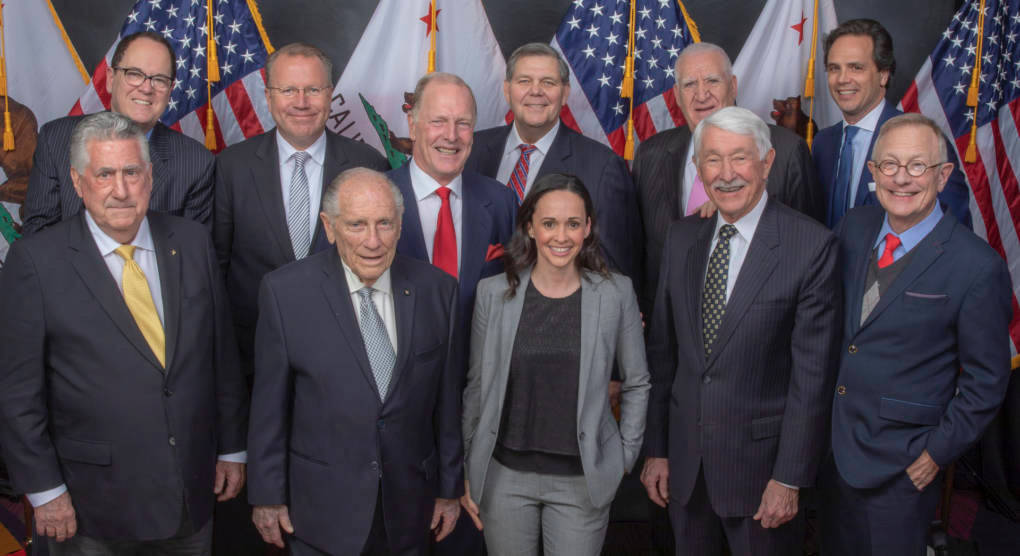
"caption": "The California GOP's new chair, Jessica Patterson, poses with living past party chairs after her election in February 2019.",
"description": null,
"title": "RS38906_IMG_2995-qut",
"credit": "Courtesy California GOP",
"status": "inherit",
"isLoading": false,
"fetchFailed": false
},
"news_11643583": {
"type": "attachments",
"id": "news_11643583",
"meta": {
"index": "attachments_1716263798",
"site": "news",
"id": "11643583",
"found": true
},
"parent": 11643575,
"imgSizes": {
"small": {
"file": "https://ww2.kqed.org/app/uploads/sites/10/2018/01/RS4328_147225167-520x377.jpg",
"width": 520,
"mimeType": "image/jpeg",
"height": 377
},
"twentyfourteen-full-width": {
"file": "https://ww2.kqed.org/app/uploads/sites/10/2018/01/RS4328_147225167-1038x576.jpg",
"width": 1038,
"mimeType": "image/jpeg",
"height": 576
},
"thumbnail": {
"file": "https://ww2.kqed.org/app/uploads/sites/10/2018/01/RS4328_147225167-160x116.jpg",
"width": 160,
"mimeType": "image/jpeg",
"height": 116
},
"fd-sm": {
"file": "https://ww2.kqed.org/app/uploads/sites/10/2018/01/RS4328_147225167-960x697.jpg",
"width": 960,
"mimeType": "image/jpeg",
"height": 697
},
"post-thumbnail": {
"file": "https://ww2.kqed.org/app/uploads/sites/10/2018/01/RS4328_147225167-672x372.jpg",
"width": 672,
"mimeType": "image/jpeg",
"height": 372
},
"xsmall": {
"file": "https://ww2.kqed.org/app/uploads/sites/10/2018/01/RS4328_147225167-375x272.jpg",
"width": 375,
"mimeType": "image/jpeg",
"height": 272
},
"kqedFullSize": {
"file": "https://ww2.kqed.org/app/uploads/sites/10/2018/01/RS4328_147225167-e1516659787443.jpg",
"width": 1920,
"height": 1393
},
"large": {
"file": "https://ww2.kqed.org/app/uploads/sites/10/2018/01/RS4328_147225167-1020x740.jpg",
"width": 1020,
"mimeType": "image/jpeg",
"height": 740
},
"xlarge": {
"file": "https://ww2.kqed.org/app/uploads/sites/10/2018/01/RS4328_147225167-1180x856.jpg",
"width": 1180,
"mimeType": "image/jpeg",
"height": 856
},
"guest-author-50": {
"file": "https://ww2.kqed.org/app/uploads/sites/10/2018/01/RS4328_147225167-50x50.jpg",
"width": 50,
"mimeType": "image/jpeg",
"height": 50
},
"guest-author-96": {
"file": "https://ww2.kqed.org/app/uploads/sites/10/2018/01/RS4328_147225167-96x96.jpg",
"width": 96,
"mimeType": "image/jpeg",
"height": 96
},
"medium": {
"file": "https://ww2.kqed.org/app/uploads/sites/10/2018/01/RS4328_147225167-800x581.jpg",
"width": 800,
"mimeType": "image/jpeg",
"height": 581
},
"guest-author-64": {
"file": "https://ww2.kqed.org/app/uploads/sites/10/2018/01/RS4328_147225167-64x64.jpg",
"width": 64,
"mimeType": "image/jpeg",
"height": 64
},
"guest-author-32": {
"file": "https://ww2.kqed.org/app/uploads/sites/10/2018/01/RS4328_147225167-32x32.jpg",
"width": 32,
"mimeType": "image/jpeg",
"height": 32
},
"fd-lrg": {
"file": "https://ww2.kqed.org/app/uploads/sites/10/2018/01/RS4328_147225167-1920x1393.jpg",
"width": 1920,
"mimeType": "image/jpeg",
"height": 1393
},
"fd-med": {
"file": "https://ww2.kqed.org/app/uploads/sites/10/2018/01/RS4328_147225167-1180x856.jpg",
"width": 1180,
"mimeType": "image/jpeg",
"height": 856
},
"full-width": {
"file": "https://ww2.kqed.org/app/uploads/sites/10/2018/01/RS4328_147225167-1920x1393.jpg",
"width": 1920,
"mimeType": "image/jpeg",
"height": 1393
},
"detail": {
"file": "https://ww2.kqed.org/app/uploads/sites/10/2018/01/RS4328_147225167-150x150.jpg",
"width": 150,
"mimeType": "image/jpeg",
"height": 150
},
"guest-author-128": {
"file": "https://ww2.kqed.org/app/uploads/sites/10/2018/01/RS4328_147225167-128x128.jpg",
"width": 128,
"mimeType": "image/jpeg",
"height": 128
},
"xxsmall": {
"file": "https://ww2.kqed.org/app/uploads/sites/10/2018/01/RS4328_147225167-240x174.jpg",
"width": 240,
"mimeType": "image/jpeg",
"height": 174
}
},
"publishDate": 1516652860,
"modified": 1567555472,
"caption": "Stockton is giving some residents a monthly income of $500, no strings attached. ",
"description": null,
"title": "Stockton, CA To Become Largest U.S. City To File For Bankruptcy",
"credit": "Justin Sullivan/Getty Images",
"status": "inherit",
"isLoading": false,
"fetchFailed": false
},
"news_11771732": {
"type": "attachments",
"id": "news_11771732",
"meta": {
"index": "attachments_1716263798",
"site": "news",
"id": "11771732",
"found": true
},
"parent": 11771272,
"imgSizes": {
"apple_news_ca_landscape_5_5": {
"file": "https://ww2.kqed.org/app/uploads/sites/10/2019/09/GettyImages-1092167036-1044x783.jpg",
"width": 1044,
"mimeType": "image/jpeg",
"height": 783
},
"apple_news_ca_square_4_0": {
"file": "https://ww2.kqed.org/app/uploads/sites/10/2019/09/GettyImages-1092167036-470x470.jpg",
"width": 470,
"mimeType": "image/jpeg",
"height": 470
},
"twentyfourteen-full-width": {
"file": "https://ww2.kqed.org/app/uploads/sites/10/2019/09/GettyImages-1092167036-1038x576.jpg",
"width": 1038,
"mimeType": "image/jpeg",
"height": 576
},
"thumbnail": {
"file": "https://ww2.kqed.org/app/uploads/sites/10/2019/09/GettyImages-1092167036-160x101.jpg",
"width": 160,
"mimeType": "image/jpeg",
"height": 101
},
"post-thumbnail": {
"file": "https://ww2.kqed.org/app/uploads/sites/10/2019/09/GettyImages-1092167036-672x372.jpg",
"width": 672,
"mimeType": "image/jpeg",
"height": 372
},
"kqedFullSize": {
"file": "https://ww2.kqed.org/app/uploads/sites/10/2019/09/GettyImages-1092167036-e1567445745587.jpg",
"width": 1920,
"height": 1209
},
"apple_news_ca_landscape_4_7": {
"file": "https://ww2.kqed.org/app/uploads/sites/10/2019/09/GettyImages-1092167036-632x474.jpg",
"width": 632,
"mimeType": "image/jpeg",
"height": 474
},
"large": {
"file": "https://ww2.kqed.org/app/uploads/sites/10/2019/09/GettyImages-1092167036-1020x642.jpg",
"width": 1020,
"mimeType": "image/jpeg",
"height": 642
},
"complete_open_graph": {
"file": "https://ww2.kqed.org/app/uploads/sites/10/2019/09/GettyImages-1092167036-1200x756.jpg",
"width": 1200,
"mimeType": "image/jpeg",
"height": 756
},
"apple_news_ca_landscape_4_0": {
"file": "https://ww2.kqed.org/app/uploads/sites/10/2019/09/GettyImages-1092167036-536x402.jpg",
"width": 536,
"mimeType": "image/jpeg",
"height": 402
},
"apple_news_ca_portrait_12_9": {
"file": "https://ww2.kqed.org/app/uploads/sites/10/2019/09/GettyImages-1092167036-1122x1496.jpg",
"width": 1122,
"mimeType": "image/jpeg",
"height": 1496
},
"medium": {
"file": "https://ww2.kqed.org/app/uploads/sites/10/2019/09/GettyImages-1092167036-800x504.jpg",
"width": 800,
"mimeType": "image/jpeg",
"height": 504
},
"apple_news_ca_portrait_4_0": {
"file": "https://ww2.kqed.org/app/uploads/sites/10/2019/09/GettyImages-1092167036-354x472.jpg",
"width": 354,
"mimeType": "image/jpeg",
"height": 472
},
"apple_news_ca_portrait_9_7": {
"file": "https://ww2.kqed.org/app/uploads/sites/10/2019/09/GettyImages-1092167036-840x1120.jpg",
"width": 840,
"mimeType": "image/jpeg",
"height": 1120
},
"apple_news_ca_landscape_12_9": {
"file": "https://ww2.kqed.org/app/uploads/sites/10/2019/09/GettyImages-1092167036-1832x1374.jpg",
"width": 1832,
"mimeType": "image/jpeg",
"height": 1374
},
"apple_news_ca_square_9_7": {
"file": "https://ww2.kqed.org/app/uploads/sites/10/2019/09/GettyImages-1092167036-1104x1104.jpg",
"width": 1104,
"mimeType": "image/jpeg",
"height": 1104
},
"apple_news_ca_portrait_4_7": {
"file": "https://ww2.kqed.org/app/uploads/sites/10/2019/09/GettyImages-1092167036-414x552.jpg",
"width": 414,
"mimeType": "image/jpeg",
"height": 552
},
"apple_news_ca_square_12_9": {
"file": "https://ww2.kqed.org/app/uploads/sites/10/2019/09/GettyImages-1092167036-1472x1472.jpg",
"width": 1472,
"mimeType": "image/jpeg",
"height": 1472
},
"apple_news_ca_portrait_5_5": {
"file": "https://ww2.kqed.org/app/uploads/sites/10/2019/09/GettyImages-1092167036-687x916.jpg",
"width": 687,
"mimeType": "image/jpeg",
"height": 916
},
"full-width": {
"file": "https://ww2.kqed.org/app/uploads/sites/10/2019/09/GettyImages-1092167036-1920x1209.jpg",
"width": 1920,
"mimeType": "image/jpeg",
"height": 1209
},
"apple_news_ca_square_4_7": {
"file": "https://ww2.kqed.org/app/uploads/sites/10/2019/09/GettyImages-1092167036-550x550.jpg",
"width": 550,
"mimeType": "image/jpeg",
"height": 550
},
"apple_news_ca_landscape_9_7": {
"file": "https://ww2.kqed.org/app/uploads/sites/10/2019/09/GettyImages-1092167036-1376x1032.jpg",
"width": 1376,
"mimeType": "image/jpeg",
"height": 1032
},
"apple_news_ca_square_5_5": {
"file": "https://ww2.kqed.org/app/uploads/sites/10/2019/09/GettyImages-1092167036-912x912.jpg",
"width": 912,
"mimeType": "image/jpeg",
"height": 912
}
},
"publishDate": 1567445618,
"modified": 1567445949,
"caption": "California’s investor-owned utilities are urging state regulators to authorize bigger profits for shareholders.",
"description": null,
"title": "US-FIRE-UTILITY",
"credit": "Josh Edelson/AFP/Getty Images",
"status": "inherit",
"isLoading": false,
"fetchFailed": false
}
},
"audioPlayerReducer": {
"postId": "stream_live",
"isPaused": true,
"isPlaying": false,
"pfsActive": false,
"pledgeModalIsOpen": true,
"playerDrawerIsOpen": false,
"liveAudioPlayStartedAt": 0,
"liveAudioPlayContext": ""
},
"authorsReducer": {
"byline_news_11778135": {
"type": "authors",
"id": "byline_news_11778135",
"meta": {
"override": true
},
"slug": "byline_news_11778135",
"name": "\u003ca href=\"https://calmatters.org/author/elizabeth-castillo/\">Elizabeth Castillo\u003c/a>\u003cbr>\u003cstrong>CALmatters\u003c/strong>",
"isLoading": false
},
"byline_news_11777036": {
"type": "authors",
"id": "byline_news_11777036",
"meta": {
"override": true
},
"slug": "byline_news_11777036",
"name": "\u003cstrong>Laurel Rosenhall\u003c/strong>",
"isLoading": false
},
"byline_news_11775819": {
"type": "authors",
"id": "byline_news_11775819",
"meta": {
"override": true
},
"slug": "byline_news_11775819",
"name": "Julie Cart",
"isLoading": false
},
"byline_news_11775800": {
"type": "authors",
"id": "byline_news_11775800",
"meta": {
"override": true
},
"slug": "byline_news_11775800",
"name": "Peter Talbot \u003cbr> NPR",
"isLoading": false
},
"byline_news_11774816": {
"type": "authors",
"id": "byline_news_11774816",
"meta": {
"override": true
},
"slug": "byline_news_11774816",
"name": "Brian Slodysko and Kevin Freking\u003cbr>Associated Press",
"isLoading": false
},
"byline_news_11773617": {
"type": "authors",
"id": "byline_news_11773617",
"meta": {
"override": true
},
"slug": "byline_news_11773617",
"name": "\u003ca href= \"https://calmatters.org/author/laurel-rosenhall/\"> Laurel Rosenhall \u003ca/>",
"isLoading": false
},
"byline_news_11771909": {
"type": "authors",
"id": "byline_news_11771909",
"meta": {
"override": true
},
"slug": "byline_news_11771909",
"name": "\u003cstrong>Adam Beam\u003cbr/>The Associated Press\u003c/strong>",
"isLoading": false
},
"lisapickoffwhite-2": {
"type": "authors",
"id": "199",
"meta": {
"index": "authors_1716337520",
"id": "199",
"found": true
},
"name": "Lisa Pickoff-White",
"firstName": "Lisa",
"lastName": "Pickoff-White",
"slug": "lisapickoffwhite-2",
"email": "lpickoffwhite@kqed.org",
"display_author_email": false,
"staff_mastheads": [
"news"
],
"title": "Data Journalist, Senior Producer",
"bio": "Lisa Pickoff-White is KQED's data reporter. Lisa specializes in simplifying complex topics and bringing them to life through compelling visuals, including photography and data visualizations. She previously has worked at the Center for Investigative Reporting and other national outlets. Her work has been honored with awards from the Online News Association, Investigative Reporters and Editors, the Society of Professional Journalists and SXSW Interactive. \u003cstrong> \u003c/strong>",
"avatar": "https://secure.gravatar.com/avatar/5513c5f3967df792aa65bee2501e84d6?s=600&d=blank&r=g",
"twitter": "pickoffwhite",
"facebook": null,
"instagram": null,
"linkedin": null,
"sites": [
{
"site": "",
"roles": [
"editor"
]
},
{
"site": "arts",
"roles": []
},
{
"site": "news",
"roles": [
"administrator"
]
},
{
"site": "about",
"roles": [
"editor"
]
},
{
"site": "stateofhealth",
"roles": [
"administrator"
]
},
{
"site": "science",
"roles": [
"editor"
]
},
{
"site": "quest",
"roles": [
"editor"
]
},
{
"site": "forum",
"roles": [
"editor"
]
}
],
"headData": {
"title": "Lisa Pickoff-White | KQED",
"description": "Data Journalist, Senior Producer",
"ogImgSrc": "https://secure.gravatar.com/avatar/5513c5f3967df792aa65bee2501e84d6?s=600&d=blank&r=g",
"twImgSrc": "https://secure.gravatar.com/avatar/5513c5f3967df792aa65bee2501e84d6?s=600&d=blank&r=g"
},
"isLoading": false,
"link": "/author/lisapickoffwhite-2"
},
"gmarzorati": {
"type": "authors",
"id": "227",
"meta": {
"index": "authors_1716337520",
"id": "227",
"found": true
},
"name": "Guy Marzorati",
"firstName": "Guy",
"lastName": "Marzorati",
"slug": "gmarzorati",
"email": "gmarzorati@KQED.org",
"display_author_email": true,
"staff_mastheads": [
"news"
],
"title": "Correspondent",
"bio": "Guy Marzorati is a correspondent on KQED's California Politics and Government Desk, based in San Jose. A graduate of Santa Clara University, Guy joined KQED in 2013. He reports on state and local politics and produces KQED's digital voter guide.",
"avatar": "https://secure.gravatar.com/avatar/e7038b8dbfd55b104369b76b1cd0b9de?s=600&d=blank&r=g",
"twitter": "guymarzorati",
"facebook": null,
"instagram": null,
"linkedin": null,
"sites": [
{
"site": "",
"roles": [
"editor"
]
},
{
"site": "news",
"roles": [
"editor"
]
},
{
"site": "science",
"roles": [
"editor"
]
},
{
"site": "forum",
"roles": [
"editor"
]
},
{
"site": "elections",
"roles": [
"editor"
]
},
{
"site": "liveblog",
"roles": [
"editor"
]
}
],
"headData": {
"title": "Guy Marzorati | KQED",
"description": "Correspondent",
"ogImgSrc": "https://secure.gravatar.com/avatar/e7038b8dbfd55b104369b76b1cd0b9de?s=600&d=blank&r=g",
"twImgSrc": "https://secure.gravatar.com/avatar/e7038b8dbfd55b104369b76b1cd0b9de?s=600&d=blank&r=g"
},
"isLoading": false,
"link": "/author/gmarzorati"
},
"scottshafer": {
"type": "authors",
"id": "255",
"meta": {
"index": "authors_1716337520",
"id": "255",
"found": true
},
"name": "Scott Shafer",
"firstName": "Scott",
"lastName": "Shafer",
"slug": "scottshafer",
"email": "sshafer@kqed.org",
"display_author_email": false,
"staff_mastheads": [
"news"
],
"title": "KQED Contributor",
"bio": "Scott Shafer is a senior editor with the KQED Politics and Government desk. He is co-host of Political Breakdown, the award-winning radio show and podcast with a personal take on the world of politics. Scott came to KQED in 1998 to host the statewide\u003cem> California Report\u003c/em>. Prior to that he had extended stints in politics and government\u003cem>.\u003c/em> He uses that inside experience at KQED in his, reporting, hosting and analysis for the politics desk. Scott collaborated \u003cem>Political Breakdown a\u003c/em>nd on \u003cem>The Political Mind of Jerry Brown, \u003c/em>an eight-part series about the life and extraordinary political career of the former governor. For fun, he plays water polo with the San Francisco Tsunami.",
"avatar": "https://secure.gravatar.com/avatar/a62ebae45b79d7aed1a39a0e3bf68104?s=600&d=blank&r=g",
"twitter": "scottshafer",
"bluesky": null,
"facebook": null,
"instagram": null,
"linkedin": null,
"sites": [
{
"site": "news",
"roles": [
"editor"
]
},
{
"site": "stateofhealth",
"roles": [
"author"
]
},
{
"site": "science",
"roles": [
"author"
]
},
{
"site": "forum",
"roles": [
"subscriber"
]
},
{
"site": "liveblog",
"roles": [
"author"
]
}
],
"headData": {
"title": "Scott Shafer | KQED",
"description": "KQED Contributor",
"ogImgSrc": "https://secure.gravatar.com/avatar/a62ebae45b79d7aed1a39a0e3bf68104?s=600&d=blank&r=g",
"twImgSrc": "https://secure.gravatar.com/avatar/a62ebae45b79d7aed1a39a0e3bf68104?s=600&d=blank&r=g"
},
"isLoading": false,
"link": "/author/scottshafer"
},
"markfiore": {
"type": "authors",
"id": "3236",
"meta": {
"index": "authors_1716337520",
"id": "3236",
"found": true
},
"name": "Mark Fiore",
"firstName": "Mark",
"lastName": "Fiore",
"slug": "markfiore",
"email": "mark@markfiore.com",
"display_author_email": false,
"staff_mastheads": [
"news"
],
"title": "KQED News Cartoonist",
"bio": "\u003ca href=\"http://www.MarkFiore.com\">MarkFiore.com\u003c/a> | \u003ca href=\"https://twitter.com/markfiore\">Follow on Twitter\u003c/a> | \u003ca href=\"https://www.facebook.com/pages/Mark-Fiore-Animated-Political-Cartoons/94451707396?ref=bookmarks\">Facebook\u003c/a> | \u003ca href=\"mailto:mark@markfiore.com\">email\u003c/a>\r\n\r\nPulitzer Prize-winner, Mark Fiore, who the Wall Street Journal has called “the undisputed guru of the form,” creates animated political cartoons in San Francisco, where his work has been featured regularly on the San Francisco Chronicle’s web site, SFGate.com. His work has appeared on Newsweek.com, Slate.com, CBSNews.com, MotherJones.com, DailyKos.com and NPR’s web site. Fiore’s political animation has appeared on CNN, Frontline, Bill Moyers Journal, Salon.com and cable and broadcast outlets across the globe.\r\n\r\nBeginning his professional life by drawing traditional political cartoons for newspapers, Fiore’s work appeared in publications ranging from the Washington Post to the Los Angeles Times. In the late 1990s, he began to experiment with animating political cartoons and, after a short stint at the San Jose Mercury News as their staff cartoonist, Fiore devoted all his energies to animation.\r\nGrowing up in California, Fiore also spent a good portion of his life in the backwoods of Idaho. It was this combination that shaped him politically. Mark majored in political science at Colorado College, where, in a perfect send-off for a cartoonist, he received his diploma in 1991 as commencement speaker Dick Cheney smiled approvingly.\r\nMark Fiore was awarded the Pulitzer Prize for political cartooning in 2010, a Robert F. Kennedy Journalism Award in 2004 and has twice received an Online Journalism Award for commentary from the Online News Association (2002, 2008). Fiore has received two awards for his work in new media from the National Cartoonists Society (2001, 2002), and in 2006 received The James Madison Freedom of Information Award from The Society of Professional Journalists.",
"avatar": "https://secure.gravatar.com/avatar/fc4e2a612b15b67bad0c6f0e1db4ca9b?s=600&d=blank&r=g",
"twitter": "MarkFiore",
"facebook": null,
"instagram": "https://www.instagram.com/markfiore/?hl=en",
"linkedin": null,
"sites": [
{
"site": "arts",
"roles": [
"contributor"
]
},
{
"site": "news",
"roles": [
"editor"
]
},
{
"site": "futureofyou",
"roles": [
"editor"
]
},
{
"site": "science",
"roles": [
"editor"
]
}
],
"headData": {
"title": "Mark Fiore | KQED",
"description": "KQED News Cartoonist",
"ogImgSrc": "https://secure.gravatar.com/avatar/fc4e2a612b15b67bad0c6f0e1db4ca9b?s=600&d=blank&r=g",
"twImgSrc": "https://secure.gravatar.com/avatar/fc4e2a612b15b67bad0c6f0e1db4ca9b?s=600&d=blank&r=g"
},
"isLoading": false,
"link": "/author/markfiore"
},
"mlagos": {
"type": "authors",
"id": "3239",
"meta": {
"index": "authors_1716337520",
"id": "3239",
"found": true
},
"name": "Marisa Lagos",
"firstName": "Marisa",
"lastName": "Lagos",
"slug": "mlagos",
"email": "mlagos@kqed.org",
"display_author_email": false,
"staff_mastheads": [
"news"
],
"title": "KQED Contributor",
"bio": "Marisa Lagos is a correspondent for KQED’s California Politics and Government Desk and co-hosts the award-winning show and podcast, Political Breakdown. At KQED, Lagos also conducts reporting, analysis and investigations into state, local and national politics for radio, TV, online and onstage. In 2022, she and co-host, Scott Shafer, moderated the only gubernatorial debate in California. In 2020, the \u003ci>Washington Post\u003c/i> named her one of the top political journalists in California; she was nominated for a Peabody and won several other awards for her work investigating the 2017 California wildfires. She has worked at the \u003ci>San Francisco Chronicle\u003c/i>, \u003ci>San Francisco Examiner\u003c/i> and \u003ci>Los Angeles Times\u003c/i>. A UC Santa Barbara graduate, she lives in San Francisco with her two sons and husband.",
"avatar": "https://secure.gravatar.com/avatar/a261a0d3696fc066871ef96b85b5e7d2?s=600&d=blank&r=g",
"twitter": "@mlagos",
"facebook": null,
"instagram": null,
"linkedin": null,
"sites": [
{
"site": "arts",
"roles": [
"author"
]
},
{
"site": "news",
"roles": [
"editor"
]
},
{
"site": "science",
"roles": [
"editor"
]
},
{
"site": "forum",
"roles": [
"author"
]
},
{
"site": "liveblog",
"roles": [
"author"
]
}
],
"headData": {
"title": "Marisa Lagos | KQED",
"description": "KQED Contributor",
"ogImgSrc": "https://secure.gravatar.com/avatar/a261a0d3696fc066871ef96b85b5e7d2?s=600&d=blank&r=g",
"twImgSrc": "https://secure.gravatar.com/avatar/a261a0d3696fc066871ef96b85b5e7d2?s=600&d=blank&r=g"
},
"isLoading": false,
"link": "/author/mlagos"
},
"korr": {
"type": "authors",
"id": "11200",
"meta": {
"index": "authors_1716337520",
"id": "11200",
"found": true
},
"name": "Katie Orr",
"firstName": "Katie",
"lastName": "Orr",
"slug": "korr",
"email": "korr@kqed.org",
"display_author_email": false,
"staff_mastheads": [],
"title": "KQED Contributor",
"bio": "Katie Orr was a Sacramento-based reporter for KQED's Politics and Government Desk, covering the state Capitol and a variety of issues including women in politics, voting and elections and legislation. Prior to joining KQED in 2016, Katie was state government reporter for Capital Public Radio in Sacramento. She's also worked for KPBS in San Diego, where she covered City Hall.\r\n\r\nKatie received her masters degree in political science from San Diego State University and holds a Bachelors degree in broadcast journalism from Arizona State University.\r\n\r\nIn 2015 Katie won a national Clarion Award for a series of stories she did on women in California politics. She's been honored by the Society for Professional Journalists and, in 2013, was named by \u003cem>The Washington Post\u003c/em> as one of the country's top state Capitol reporters. She's also reported for the award-winning documentary series \u003cem>The View from Here \u003c/em>and was part of the team that won national PRNDI and Gabriel Awards in 2015. She lives in Sacramento with her husband. Twitter: @1KatieOrr",
"avatar": "https://secure.gravatar.com/avatar/41a40b25845adc78f50808670860449e?s=600&d=blank&r=g",
"twitter": "1katieorr",
"facebook": null,
"instagram": null,
"linkedin": null,
"sites": [
{
"site": "news",
"roles": [
"subscriber"
]
},
{
"site": "stateofhealth",
"roles": [
"author"
]
},
{
"site": "forum",
"roles": [
"author"
]
}
],
"headData": {
"title": "Katie Orr | KQED",
"description": "KQED Contributor",
"ogImgSrc": "https://secure.gravatar.com/avatar/41a40b25845adc78f50808670860449e?s=600&d=blank&r=g",
"twImgSrc": "https://secure.gravatar.com/avatar/41a40b25845adc78f50808670860449e?s=600&d=blank&r=g"
},
"isLoading": false,
"link": "/author/korr"
},
"mleitsinger": {
"type": "authors",
"id": "11310",
"meta": {
"index": "authors_1716337520",
"id": "11310",
"found": true
},
"name": "Miranda Leitsinger",
"firstName": "Miranda",
"lastName": "Leitsinger",
"slug": "mleitsinger",
"email": "mleitsinger@KQED.org",
"display_author_email": false,
"staff_mastheads": [
"news"
],
"title": "KQED Contributor",
"bio": "Miranda Leitsinger has worked in journalism as a reporter and editor since 2000, including seven years at The Associated Press in locales such as Cambodia and Puerto Rico, four years at NBC News Digital in New York and 2.5 years at CNN.com International in Hong Kong. Major stories she has covered included sexual abuse in the yoga community, the rise of women in local politics post-2016 election, the struggle over LGBTQ inclusion in the Boy Scouts, aftermath of the 2004 and 2011 tsunamis, the Aurora movie theater attack, the Newtown school shooting, Superstorm Sandy and the Boston Marathon bombing.",
"avatar": "https://secure.gravatar.com/avatar/cdd00de7be92aab3b7fd3d915e02033d?s=600&d=blank&r=g",
"twitter": "mimileitsinger",
"facebook": null,
"instagram": null,
"linkedin": null,
"sites": [
{
"site": "arts",
"roles": [
"author"
]
},
{
"site": "news",
"roles": [
"subscriber"
]
},
{
"site": "futureofyou",
"roles": [
"editor"
]
},
{
"site": "stateofhealth",
"roles": [
"editor"
]
}
],
"headData": {
"title": "Miranda Leitsinger | KQED",
"description": "KQED Contributor",
"ogImgSrc": "https://secure.gravatar.com/avatar/cdd00de7be92aab3b7fd3d915e02033d?s=600&d=blank&r=g",
"twImgSrc": "https://secure.gravatar.com/avatar/cdd00de7be92aab3b7fd3d915e02033d?s=600&d=blank&r=g"
},
"isLoading": false,
"link": "/author/mleitsinger"
},
"mwiley": {
"type": "authors",
"id": "11526",
"meta": {
"index": "authors_1716337520",
"id": "11526",
"found": true
},
"name": "Michelle Wiley",
"firstName": "Michelle",
"lastName": "Wiley",
"slug": "mwiley",
"email": "mwiley@KQED.org",
"display_author_email": true,
"staff_mastheads": [],
"title": null,
"bio": "Michelle Wiley was the senior editor of weekends.",
"avatar": "https://secure.gravatar.com/avatar/3b897d82a09e8587e8e73fa69fbcc635?s=600&d=blank&r=g",
"twitter": "michelleewiley",
"facebook": null,
"instagram": null,
"linkedin": null,
"sites": [
{
"site": "",
"roles": [
"editor"
]
},
{
"site": "arts",
"roles": [
"editor"
]
},
{
"site": "news",
"roles": [
"subscriber"
]
},
{
"site": "lowdown",
"roles": [
"editor"
]
},
{
"site": "science",
"roles": [
"editor"
]
},
{
"site": "podcasts",
"roles": [
"editor"
]
}
],
"headData": {
"title": "Michelle Wiley | KQED",
"description": null,
"ogImgSrc": "https://secure.gravatar.com/avatar/3b897d82a09e8587e8e73fa69fbcc635?s=600&d=blank&r=g",
"twImgSrc": "https://secure.gravatar.com/avatar/3b897d82a09e8587e8e73fa69fbcc635?s=600&d=blank&r=g"
},
"isLoading": false,
"link": "/author/mwiley"
},
"ljamali": {
"type": "authors",
"id": "11552",
"meta": {
"index": "authors_1716337520",
"id": "11552",
"found": true
},
"name": "Lily Jamali",
"firstName": "Lily",
"lastName": "Jamali",
"slug": "ljamali",
"email": "ljamali@kqed.org",
"display_author_email": false,
"staff_mastheads": [],
"title": "KQED Contributor",
"bio": "Lily was the former co-host of the daily morning show, The California Report.",
"avatar": "https://secure.gravatar.com/avatar/dbf7b30d159e697731046a10d25a9e29?s=600&d=blank&r=g",
"twitter": "lilyjamali",
"facebook": null,
"instagram": null,
"linkedin": null,
"sites": [
{
"site": "news",
"roles": [
"create_posts",
"subscriber"
]
},
{
"site": "forum",
"roles": [
"editor"
]
}
],
"headData": {
"title": "Lily Jamali | KQED",
"description": "KQED Contributor",
"ogImgSrc": "https://secure.gravatar.com/avatar/dbf7b30d159e697731046a10d25a9e29?s=600&d=blank&r=g",
"twImgSrc": "https://secure.gravatar.com/avatar/dbf7b30d159e697731046a10d25a9e29?s=600&d=blank&r=g"
},
"isLoading": false,
"link": "/author/ljamali"
},
"kevinstark": {
"type": "authors",
"id": "11608",
"meta": {
"index": "authors_1716337520",
"id": "11608",
"found": true
},
"name": "Kevin Stark",
"firstName": "Kevin",
"lastName": "Stark",
"slug": "kevinstark",
"email": "kstark@kqed.org",
"display_author_email": true,
"staff_mastheads": [
"science"
],
"title": "Senior Editor",
"bio": "Kevin is a senior editor for KQED Science, managing the station's health and climate desks. His journalism career began in the Pacific Northwest, and he later became a lead reporter for the San Francisco Public Press. His work has appeared in Pacific Standard magazine, the Energy News Network, the Center for Investigative Reporting's Reveal and WBEZ in Chicago. Kevin joined KQED in 2019, and has covered issues related to energy, wildfire, climate change and the environment.",
"avatar": "https://secure.gravatar.com/avatar/1f646bf546a63d638e04ff23b52b0e79?s=600&d=blank&r=g",
"twitter": "starkkev",
"facebook": null,
"instagram": null,
"linkedin": null,
"sites": [
{
"site": "",
"roles": [
"editor"
]
},
{
"site": "news",
"roles": [
"editor"
]
},
{
"site": "science",
"roles": [
"administrator"
]
}
],
"headData": {
"title": "Kevin Stark | KQED",
"description": "Senior Editor",
"ogImgSrc": "https://secure.gravatar.com/avatar/1f646bf546a63d638e04ff23b52b0e79?s=600&d=blank&r=g",
"twImgSrc": "https://secure.gravatar.com/avatar/1f646bf546a63d638e04ff23b52b0e79?s=600&d=blank&r=g"
},
"isLoading": false,
"link": "/author/kevinstark"
}
},
"pagesReducer": {
"news_tag_politics": {
"type": "terms",
"id": "news_17968",
"meta": {
"index": "terms_1716263798",
"site": "news",
"id": "17968",
"score": 8.003003
},
"name": "Politics",
"slug": "politics",
"taxonomy": "tag",
"description": null,
"featImg": null,
"headData": {
"title": "Politics | KQED News",
"description": null,
"ogTitle": null,
"ogDescription": null,
"ogImgId": null,
"twTitle": null,
"twDescription": null,
"twImgId": null
},
"ttid": 18002,
"isLoading": false,
"title": "Politics",
"pageMeta": {
"site": "news",
"WpPageTemplate": "page-topic-editorial",
"currentPage": 230
},
"blocks": [
{
"blockName": "kqed/post-list",
"attrs": {
"layout": "cardArticle2",
"query": "posts/news?tag=politics",
"seeMore": false,
"paginated": true,
"page": 230
}
},
{
"blockName": "kqed/ad"
}
]
}
},
"pfsSessionReducer": {},
"postsReducer": {
"stream_live": {
"type": "live",
"id": "stream_live",
"audioUrl": "https://streams.kqed.org/kqedradio",
"title": "Live Stream",
"excerpt": "Live Stream information currently unavailable.",
"link": "/radio",
"featImg": "",
"label": {
"name": "KQED Live",
"link": "/"
}
},
"stream_kqedNewscast": {
"type": "posts",
"id": "stream_kqedNewscast",
"audioUrl": "https://www.kqed.org/.stream/anon/radio/RDnews/newscast.mp3?_=1",
"title": "KQED Newscast",
"featImg": "",
"label": {
"name": "88.5 FM",
"link": "/"
}
},
"news_11779586": {
"type": "posts",
"id": "news_11779586",
"meta": {
"index": "posts_1716263798",
"site": "news",
"id": "11779586",
"score": null,
"sort": [
1570830477000
]
},
"guestAuthors": [],
"slug": "rulings-block-public-charge-rule-in-california-and-nationwide",
"title": "Rulings Block 'Public Charge' Rule in California and Nationwide",
"publishDate": 1570830477,
"format": "standard",
"headTitle": "Rulings Block ‘Public Charge’ Rule in California and Nationwide | KQED",
"labelTerm": {
"term": 72,
"site": "news"
},
"content": "\u003cp>A federal judge in California has issued a temporary injunction to block a Trump administration rule that would deny green cards to immigrants using public benefits like housing vouchers, food stamps and government-subsidized medical care.\u003c/p>\n\u003cp>[aside label=\"Related Stories\" tag=\"public-charge\"]\u003c/p>\n\u003cp>U.S. District Judge Phyllis Hamilton agreed with a group of plaintiffs comprised of five states, including California, two counties and immigrant service providers, who argued that states and counties could lose millions of dollars in federal funds if immigrants drop out of Medicaid (known in California as Medi-Cal) for fear of jeopardizing their chance at a green card.\u003c/p>\n\u003cp>The plaintiffs said they were concerned about the rule’s chilling effect on public health — immigrants would be too fearful to get necessary immunizations, which would increase the likelihood of communicable disease outbreaks.\u003c/p>\n\u003cp>“The public interest cuts sharply in favor of an injunction,” Hamilton said. “The public certainly has an interest in decreasing the risk of preventable contagion.”\u003c/p>\n\u003cp>Since the Trump administration announced the so-called public charge rule in August, there’s been reports that fear led some immigrants \u003ca href=\"https://www.kqed.org/news/11776046/immigrants-afraid-of-trumps-public-charge-rule-are-dropping-food-stamps-medical\" target=\"_blank\" rel=\"noopener\">to drop out of federal assistance programs\u003c/a> like food stamps.\u003c/p>\n\u003cp>[documentcloud url=\"http://www.documentcloud.org/documents/6467873-Public-charge-ruling-in-California.html\" responsive=true]\u003c/p>\n\u003cp>While Hamilton did not agree that the injunction should be issued nationwide, a federal judge in New York had issued a nationwide preliminary injunction just one hour before Hamilton’s ruling — effectively blocking the rule across the U.S.\u003c/p>\n\u003cp>Judge George B. Daniels of the U.S. District Court in Manhattan said in his decision that not doing so would create unnecessary burdens for citizens across the U.S.\u003c/p>\n\u003cp>“It would be illogical, for example, if a New York resident was eligible for adjustment of status but a resident of a sister state with the same exact background was not eligible, only because the second resident had the misfortune of living somewhere not covered by a limited injunction,” Daniels said.\u003c/p>\n\u003cp>[documentcloud url=\"http://www.documentcloud.org/documents/6467875-Public-Charge-Ruling-in-New-York.html\" responsive=true]\u003c/p>\n\u003cp>Daniels also said that nearly two dozen jurisdictions have brought suit against this rule, and would “wreak havoc on the immigration system if limited injunctions were issued.”\u003c/p>\n\u003cp>Ultimately, legal experts and immigrant advocates say the rulings mean good news for immigrants who worried about the rule.\u003c/p>\n\u003cp>“What it means here, locally, is that there’s protection coming out of the court order from New York and from our case. Our case protects everyone in California, so there’s kind of a double-layer of protection at this time,” said James Williams, counsel for Santa Clara County, which filed one of the lawsuits against the rule.\u003c/p>\n\u003cp>The Trump administration has argued that the public charge rule aligned with federal policy, which requires immigrants to be self-sufficient in order to obtain citizenship. The rule was scheduled to go into effect on Oct. 15.\u003c/p>\n\u003cp>[pullquote size='medium' align='right' citation=\"James Williams, counsel for Santa Clara County\"]‘What it means here, locally, is that there’s protection coming out of the court order from New York and from our case.’[/pullquote]\u003c/p>\n\u003cp>Earlier this year, Acting Director of U.S. Citizenship and Immigration Services Ken Cuccinelli drew ire after saying that the poem on the Statue of Liberty, actually says “give me your tired and your poor who can stand on their own two feet and who will not become a public charge.”\u003c/p>\n\u003cp>USCIS would not comment on whether or not it will appeal these rulings. But for now, officials in California say immigrants can safely use public services.\u003c/p>\n\u003cp>“This decision is a victory for the rule of law and the American dream,” said San Francisco City Attorney Dennis Herrera. “The fact of the matter is that the administration has been waging a campaign to deprive hard-working families of food, housing and health care. And the message today is clear: don’t succumb to fear.”\u003c/p>\n\u003cp>[ad fullwidth]\u003c/p>\n\u003cp>\u003c/p>\n",
"blocks": [],
"excerpt": "While a federal judge blocked the public charge rule from taking effect in California and several other states, another judge has blocked it from going into effect nationwide. ",
"status": "publish",
"parent": 0,
"modified": 1721122496,
"stats": {
"hasAudio": false,
"hasVideo": false,
"hasChartOrMap": false,
"iframeSrcs": [],
"hasGoogleForm": false,
"hasGallery": false,
"hasHearkenModule": false,
"hasPolis": false,
"paragraphCount": 21,
"wordCount": 691
},
"headData": {
"title": "Rulings Block 'Public Charge' Rule in California and Nationwide | KQED",
"description": "While a federal judge blocked the public charge rule from taking effect in California and several other states, another judge has blocked it from going into effect nationwide. ",
"ogTitle": "",
"ogDescription": "",
"ogImgId": "",
"twTitle": "",
"twDescription": "",
"twImgId": "",
"schema": {
"@context": "https://schema.org",
"@type": "NewsArticle",
"headline": "Rulings Block 'Public Charge' Rule in California and Nationwide",
"datePublished": "2019-10-11T14:47:57-07:00",
"dateModified": "2024-07-16T02:34:56-07:00",
"image": "https://cdn.kqed.org/wp-content/uploads/2020/02/KQED-OG-Image@1x.png",
"isAccessibleForFree": "True",
"publisher": {
"@type": "NewsMediaOrganization",
"@id": "https://www.kqed.org/#organization",
"name": "KQED",
"logo": "https://cdn.kqed.org/wp-content/uploads/2020/02/KQED-OG-Image@1x.png",
"url": "https://www.kqed.org",
"sameAs": [
"https://www.facebook.com/KQED",
"https://twitter.com/KQED",
"https://www.instagram.com/kqed/",
"https://www.tiktok.com/@kqedofficial",
"https://www.linkedin.com/company/kqed",
"https://www.youtube.com/channel/UCeC0IOo7i1P_61zVUWbJ4nw"
]
}
}
},
"sticky": false,
"path": "/news/11779586/rulings-block-public-charge-rule-in-california-and-nationwide",
"audioTrackLength": null,
"parsedContent": [
{
"type": "contentString",
"content": "\u003cdiv class=\"post-body\">\u003cp>\u003cp>A federal judge in California has issued a temporary injunction to block a Trump administration rule that would deny green cards to immigrants using public benefits like housing vouchers, food stamps and government-subsidized medical care.\u003c/p>\n\u003cp>\u003c/p>\u003c/div>",
"attributes": {
"named": {},
"numeric": []
}
},
{
"type": "component",
"content": "",
"name": "aside",
"attributes": {
"named": {
"label": "Related Stories ",
"tag": "public-charge"
},
"numeric": []
}
},
{
"type": "contentString",
"content": "\u003cdiv class=\"post-body\">\u003cp>\u003c/p>\n\u003cp>U.S. District Judge Phyllis Hamilton agreed with a group of plaintiffs comprised of five states, including California, two counties and immigrant service providers, who argued that states and counties could lose millions of dollars in federal funds if immigrants drop out of Medicaid (known in California as Medi-Cal) for fear of jeopardizing their chance at a green card.\u003c/p>\n\u003cp>The plaintiffs said they were concerned about the rule’s chilling effect on public health — immigrants would be too fearful to get necessary immunizations, which would increase the likelihood of communicable disease outbreaks.\u003c/p>\n\u003cp>“The public interest cuts sharply in favor of an injunction,” Hamilton said. “The public certainly has an interest in decreasing the risk of preventable contagion.”\u003c/p>\n\u003cp>Since the Trump administration announced the so-called public charge rule in August, there’s been reports that fear led some immigrants \u003ca href=\"https://www.kqed.org/news/11776046/immigrants-afraid-of-trumps-public-charge-rule-are-dropping-food-stamps-medical\" target=\"_blank\" rel=\"noopener\">to drop out of federal assistance programs\u003c/a> like food stamps.\u003c/p>\n\u003cp>\u003c/p>\u003c/div>",
"attributes": {
"named": {},
"numeric": []
}
},
{
"type": "component",
"content": "",
"name": "documentcloud",
"attributes": {
"named": {
"url": "http://www.documentcloud.org/documents/6467873-Public-charge-ruling-in-California.html",
"responsive": "true",
"label": ""
},
"numeric": []
}
},
{
"type": "contentString",
"content": "\u003cdiv class=\"post-body\">\u003cp>\u003c/p>\n\u003cp>While Hamilton did not agree that the injunction should be issued nationwide, a federal judge in New York had issued a nationwide preliminary injunction just one hour before Hamilton’s ruling — effectively blocking the rule across the U.S.\u003c/p>\n\u003cp>Judge George B. Daniels of the U.S. District Court in Manhattan said in his decision that not doing so would create unnecessary burdens for citizens across the U.S.\u003c/p>\n\u003cp>“It would be illogical, for example, if a New York resident was eligible for adjustment of status but a resident of a sister state with the same exact background was not eligible, only because the second resident had the misfortune of living somewhere not covered by a limited injunction,” Daniels said.\u003c/p>\n\u003cp>\u003c/p>\u003c/div>",
"attributes": {
"named": {},
"numeric": []
}
},
{
"type": "component",
"content": "",
"name": "documentcloud",
"attributes": {
"named": {
"url": "http://www.documentcloud.org/documents/6467875-Public-Charge-Ruling-in-New-York.html",
"responsive": "true",
"label": ""
},
"numeric": []
}
},
{
"type": "contentString",
"content": "\u003cdiv class=\"post-body\">\u003cp>\u003c/p>\n\u003cp>Daniels also said that nearly two dozen jurisdictions have brought suit against this rule, and would “wreak havoc on the immigration system if limited injunctions were issued.”\u003c/p>\n\u003cp>Ultimately, legal experts and immigrant advocates say the rulings mean good news for immigrants who worried about the rule.\u003c/p>\n\u003cp>“What it means here, locally, is that there’s protection coming out of the court order from New York and from our case. Our case protects everyone in California, so there’s kind of a double-layer of protection at this time,” said James Williams, counsel for Santa Clara County, which filed one of the lawsuits against the rule.\u003c/p>\n\u003cp>The Trump administration has argued that the public charge rule aligned with federal policy, which requires immigrants to be self-sufficient in order to obtain citizenship. The rule was scheduled to go into effect on Oct. 15.\u003c/p>\n\u003cp>\u003c/p>\u003c/div>",
"attributes": {
"named": {},
"numeric": []
}
},
{
"type": "component",
"content": "‘What it means here, locally, is that there’s protection coming out of the court order from New York and from our case.’",
"name": "pullquote",
"attributes": {
"named": {
"size": "medium",
"align": "right",
"citation": "James Williams, counsel for Santa Clara County",
"label": ""
},
"numeric": []
}
},
{
"type": "contentString",
"content": "\u003cdiv class=\"post-body\">\u003cp>\u003c/p>\n\u003cp>Earlier this year, Acting Director of U.S. Citizenship and Immigration Services Ken Cuccinelli drew ire after saying that the poem on the Statue of Liberty, actually says “give me your tired and your poor who can stand on their own two feet and who will not become a public charge.”\u003c/p>\n\u003cp>USCIS would not comment on whether or not it will appeal these rulings. But for now, officials in California say immigrants can safely use public services.\u003c/p>\n\u003cp>“This decision is a victory for the rule of law and the American dream,” said San Francisco City Attorney Dennis Herrera. “The fact of the matter is that the administration has been waging a campaign to deprive hard-working families of food, housing and health care. And the message today is clear: don’t succumb to fear.”\u003c/p>\n\u003cp>\u003c/p>\u003c/div>",
"attributes": {
"named": {},
"numeric": []
}
},
{
"type": "component",
"content": "",
"name": "ad",
"attributes": {
"named": {
"label": "fullwidth"
},
"numeric": [
"fullwidth"
]
}
},
{
"type": "contentString",
"content": "\u003cdiv class=\"post-body\">\u003cp>\u003c/p>\n\u003cp>\u003c/p>\n\u003c/div>\u003c/p>",
"attributes": {
"named": {},
"numeric": []
}
}
],
"link": "/news/11779586/rulings-block-public-charge-rule-in-california-and-nationwide",
"authors": [
"11526"
],
"programs": [
"news_72"
],
"categories": [
"news_1169",
"news_8"
],
"tags": [
"news_20202",
"news_17968",
"news_24494",
"news_26537"
],
"featImg": "news_11779670",
"label": "news_72"
},
"news_11778135": {
"type": "posts",
"id": "news_11778135",
"meta": {
"index": "posts_1716263798",
"site": "news",
"id": "11778135",
"score": null,
"sort": [
1570207434000
]
},
"guestAuthors": [],
"slug": "california-models-how-to-banish-gerrymandering-and-why-thats-so-hard",
"title": "California Models How to Banish Gerrymandering — And Why That’s So Hard",
"publishDate": 1570207434,
"format": "standard",
"headTitle": "California Models How to Banish Gerrymandering — And Why That’s So Hard | KQED",
"labelTerm": {},
"content": "\u003cp>Ask Cynthia Dai what she’s been up to in her spare time, and she’ll say “saving democracy.”\u003c/p>\n\u003cp>Nearly a decade ago, she discovered that applications were about to close for citizens willing to serve on a new California commission that would redraw new congressional and legislative districts. The stakes were enormous. The state’s politicians previously drew lines to protect their jobs and maximize their party’s seats — one late Democrat called the resulting maps \u003ca href=\"https://www.latimes.com/archives/la-xpm-2005-oct-02-oe-rarick2-story.html\">“my contribution to modern art.”\u003c/a> But by 2010, the state was creating a citizen’s commission to do the job more fairly.\u003c/p>\n\u003cp>Dai held degrees in electrical engineering, computer science and an MBA from Stanford. She decided to go for it. Why, when it required her to conquer an application process that she likened to applying for grad school?\u003c/p>\n\u003cp>“Gerrymandering is evil!” she said.\u003c/p>\n\u003cp>She regards her work on the 2010 commission as one of the most meaningful things she’s done in her life.\u003c/p>\n\u003cp>[ad fullwidth]\u003c/p>\n\u003cp>“Gerrymandering has led to extreme partisanship, which we are seeing all over the country right now, and it means that government can’t get the work of the people done. I feel that we played our part in fixing that, in California at least.”\u003c/p>\n\u003cp>[aside label=\"Understanding Gerrymandering\" hero=\"http://ww2.kqed.org/lowdown/wp-content/uploads/sites/26/2012/06/assem2011mapfinal.gif\" link1=\"https://www.kqed.org/lowdown/26074/redistricting-how-the-maps-of-power-are-drawn-with-lesson-plan,The Strange Geometry of Gerrymandering\" link2=\"https://ww2.kqed.org/education/2017/05/17/what-should-we-do-about-gerrymandering/,What Should We Do About Gerrymandering?\" link3=\"https://www.kqed.org/lowdown/2296/redistricting-california-style-attempting-reform,Redistricting California Style\"]Today she’s often on the road to other states evangelizing the value of independent redistricting commissions. Her last stop was Pennsylvania, a state so plagued by gerrymandering that the contours of one district earned the nickname “\u003ca href=\"https://www.washingtonpost.com/blogs/the-fix/post/name-that-district-contest-winner-goofy-kicking-donald-duck/2011/12/29/gIQA2Fa2OP_blog.html\">Goofy kicking Donald Duck\u003c/a>.” (The state’s congressional map has since been redrawn by the Pennsylvania Supreme Court.)\u003c/p>\n\u003cp>But even while California touts its commission approach as insurance against partisan shenanigans, the state’s \u003ca href=\"https://calmatters.org/commentary/fair-elections/\">second crack\u003c/a> at trying to field a panel of anti-gerrymandering gurus hasn’t been so easy. The \u003ca href=\"https://calmatters.org/politics/2019/08/california-citizen-redistricting-commission-diversity-problems/\">shrunken pool of applicants \u003c/a>for the next panel, which will draw lines after the 2020 census, skews more white and male than the state. Latinos are particularly underrepresented.\u003c/p>\n\u003cp>In pursuit of a diverse, qualified pool, the state extended the first deadline. Then it extended the second deadline.\u003c/p>\n\u003cp>“We act like ‘Oh my gosh, the problem is the deadline. The problem is people didn’t know’,” said Mike Madrid, a GOP consultant. “We should not fool ourselves into believing that that’s going to solve the problem because it’s not.”\u003c/p>\n\u003cp>Madrid called the extensions a patchwork solution to a larger problem: Latinos aren’t civically engaged because they tend to have limited access to economic mobility. It’s not surprising, he said, that an ethnic group that typically loses in California’s political system would not be engaged. If the system does nothing for them, why participate at all?\u003c/p>\n\u003cp>“They’ll extend the deadline and they’ll do outreach and they’ll throw some money at trying to cover up the glaring problem and you know they’ll stumble towards getting something representative,” he said.\u003c/p>\n\u003cp>More than 17,000 Californians were considered tentatively eligible to be a part of the 2020 anti-gerrymandering squad. That means as long as their info was accurate once double-checked by the auditor’s office, they’ve reached the next level: a step that includes several essay questions and three letters of recommendation. The deadline has been extended to Oct. 13.\u003c/p>\n\u003cp>But here, things get dicey. So far more than 700 applicants have turned in their supplemental questions. But completed applications, which includes the letters of recommendation, have dropped to less than 400.\u003c/p>\n\u003cp>[pullquote align=\"left\" citation=\"Stan Forbes\"]“You can’t just let the politicians draw their own lines.”[/pullquote]From the final applicant pool culled by a panel of auditors, State Auditor Elaine Howle will randomly select eight commissioners by July 5, 2020. Then those eight choose six more.\u003c/p>\n\u003cp>Margarita Fernandez, a spokesperson for the State Auditor’s office said she expects a surge in applicants the final week before the deadline. The office has led online workshops to help applicants through the process. She said hundreds of viewers have tuned in to navigate the next step.\u003c/p>\n\u003cp>Political consultant Paul Michell of Political Data Inc. acknowledged that the process can be daunting. Nonetheless, he likes it better than the alternatives in other states.\u003c/p>\n\u003cp>“The process does make it hard to game the system. It would be nearly impossible for you to get any kind of significant number of commissioners in there that just happen to be the brother-in-law of the Speaker of the Assembly, or the sister-in-law of the president of the Senate or the cousin of the fundraiser for the governor,” said Mitchell. “That’s the kind of thing we see in commissions around the country. The way the process works and the independence of it from our politicians in California is kind of the greatest feature within this process.”\u003c/p>\n\u003cp>To Mitchell, the drop in applicants was to be expected, especially as the novelty of a brand new, shiny commission wears off. And the state’s extension of the first deadline, he said, triggered a domino effect that made an extension necessary for the second phase.\u003c/p>\n\u003cp>People now know what they’re getting into, said Stan Forbes, a Sacramento bookstore owner and member of the 2010 commission.\u003c/p>\n\u003cp>“If you have a paper due in college, how many people turned it in early? Nobody,” he said. “So when it gets to be two days before the deadline, then I might get more nervous. But at this point it’s just human nature.”\u003c/p>\n\u003cp>Forbes said his own cynicism about politics motivated him to serve on the commission, despite the fact that his day job forces him to work long hours seven days a week.\u003c/p>\n\u003cp>“You just can’t let politicians draw their own lines. There’s too much self-interest,” he said. “They’re simply incapable of not exercising that self-interest.”\u003c/p>\n\u003cp>[pullquote align=\"left\" citation=\"Paul Mitchell\"]“The process does make it hard to game the system. It would be nearly impossible for you to get any kind of significant number of commissioners in there that just happen to be the brother-in-law of the Speaker of the Assembly…”[/pullquote]He said he doesn’t have a party preference but that working with other commissioners from political parties members wasn’t a problem.\u003c/p>\n\u003cp>“It was fabulous,” he said. “You had a group of really like-minded individuals. They just wanted the system to work and they wanted the public to have a meaningful vote.”\u003c/p>\n\u003cp>Which was the goal all along. One of the biggest supporters of the commission is former Republican Gov. Arnold Schwarzenegger. He pushed for a commission before California voters approved a 2008 ballot measure creating one. And he continues to preach its value. Last year, while filming for his recurring role as a T-800 cyborg, Schwarzenegger made time to share what he truly wants to terminate: gerrymandering.\u003c/p>\n\u003cp>“We all know this is not the sexiest subject in town,” he said in an\u003ca href=\"https://www.theatlantic.com/politics/archive/2018/10/schwarzenegger-campaigning-redistricting-michigan/572959/\"> interview\u003c/a> with The Atlantic last year. “It’s always about showing your passion and fighting for it. The worst thing you can do is sit on your couch.”\u003c/p>\n\u003cp>While taking a break from filming a new Terminator movie last year, he visited Colorado and Michigan to campaign for ballot measures creating independent commissions there. In both states, the measures passed.\u003c/p>\n\u003cp>As independent commissions become more popular, there is evidence that they are having the desired effect. Christian Grose, the academic director of the USC Schwarzenegger Institute for State and Global Policy, has conducted\u003ca href=\"https://issuu.com/robquigley/docs/the_worst_gerrymanders_of_2018_us_state_legislatur\"> research\u003c/a> showing that states with independent commissions tend to be fairer and more representative.\u003c/p>\n\u003cp>[aside postID=\"news_11363995\"]In California, “the statewide votes matched the outcomes somewhat more proportionally than we see in these other extreme gerrymandering states so in that sense the commission had an impact,” Grose said. “Similarly, Arizona has an independent commission that’s like California and they also had some fairly proportional vote and seat outcomes.”\u003c/p>\n\u003cp>Eligible applicants for California’s commission must be registered to vote since 2015 and not have changed their party preference since then. They also must answer “no” to questions designed to ensure they lack any conflict of interest, such as whether they’ve worked for a political party or campaign in the last 10 years.\u003c/p>\n\u003cp>Phase two \u003ca href=\"https://shapecaliforniasfuture.auditor.ca.gov/example-applications/examples/supplemental.html\" target=\"_blank\" rel=\"noreferrer noopener\">includes\u003c/a> four essay questions:\u003c/p>\n\u003cul>\n\u003cli>Why they want to serve and think the commission is important\u003c/li>\n\u003cli>What it means to be impartial\u003c/li>\n\u003cli>Their appreciation for California’s diversity\u003c/li>\n\u003cli>Any relevant analytical skills they possess\u003c/li>\n\u003c/ul>\n\u003cp>Once selected, commissioners receive a $300 stipend for each day they conduct commission business, plus expenses related to their duties.\u003c/p>\n\u003cp>Applicant Caroline Farrell, a Green party member who lives in Bakersfield, has no complaints about the vetting process. As a Green Party member from a conservative part of the state, she feels she would be a fair representative of the Central Valley.\u003c/p>\n\u003cp>“The idea is to find people who can put partisan ideas to the side and think more about what districts make sense for the state,” she said. “Personally, I think it would be really interesting to learn more about the different regions in California, the different issues, the different communities, the different ways people identify themselves with the place that they live.”\u003c/p>\n\u003cp>Learn more about California’s anti-gerrymandering squad \u003ca href=\"https://shapecaliforniasfuture.auditor.ca.gov/\">here\u003c/a> and take a look at the 2010 crew \u003ca href=\"https://wedrawthelines.ca.gov/bios/\">here\u003c/a>.\u003c/p>\n\u003cp>[ad floatright]\u003c/p>\n\u003cp>\u003cem>\u003ca href=\"https://calmatters.org\" rel=\"noopener\" target=\"_blank\">CALmatters\u003c/a> a nonprofit, nonpartisan media venture explaining California policies and politics.\u003c/em>\u003c/p>\n\n",
"blocks": [],
"excerpt": "California urges other states to go its way: Let citizens, not politicians, draw district maps. But the state's having a bit of trouble attracting a diverse, qualified pool of citizens willing to do the job.",
"status": "publish",
"parent": 0,
"modified": 1721109886,
"stats": {
"hasAudio": false,
"hasVideo": false,
"hasChartOrMap": false,
"iframeSrcs": [],
"hasGoogleForm": false,
"hasGallery": false,
"hasHearkenModule": false,
"hasPolis": false,
"paragraphCount": 39,
"wordCount": 1753
},
"headData": {
"title": "California Models How to Banish Gerrymandering — And Why That’s So Hard | KQED",
"description": "California urges other states to go its way: Let citizens, not politicians, draw district maps. But the state's having a bit of trouble attracting a diverse, qualified pool of citizens willing to do the job.",
"ogTitle": "",
"ogDescription": "",
"ogImgId": "",
"twTitle": "",
"twDescription": "",
"twImgId": "",
"schema": {
"@context": "https://schema.org",
"@type": "NewsArticle",
"headline": "California Models How to Banish Gerrymandering — And Why That’s So Hard",
"datePublished": "2019-10-04T09:43:54-07:00",
"dateModified": "2024-07-15T23:04:46-07:00",
"image": "https://cdn.kqed.org/wp-content/uploads/2020/02/KQED-OG-Image@1x.png",
"isAccessibleForFree": "True",
"publisher": {
"@type": "NewsMediaOrganization",
"@id": "https://www.kqed.org/#organization",
"name": "KQED",
"logo": "https://cdn.kqed.org/wp-content/uploads/2020/02/KQED-OG-Image@1x.png",
"url": "https://www.kqed.org",
"sameAs": [
"https://www.facebook.com/KQED",
"https://twitter.com/KQED",
"https://www.instagram.com/kqed/",
"https://www.tiktok.com/@kqedofficial",
"https://www.linkedin.com/company/kqed",
"https://www.youtube.com/channel/UCeC0IOo7i1P_61zVUWbJ4nw"
]
}
}
},
"source": "CALmatters",
"sourceUrl": "https://calmatters.org/politics/2019/10/california-trouble-filling-citizen-redistricting-commission-gerrymandering/",
"sticky": false,
"nprByline": "\u003ca href=\"https://calmatters.org/author/elizabeth-castillo/\">Elizabeth Castillo\u003c/a>\u003cbr>\u003cstrong>CALmatters\u003c/strong>",
"path": "/news/11778135/california-models-how-to-banish-gerrymandering-and-why-thats-so-hard",
"audioTrackLength": null,
"parsedContent": [
{
"type": "contentString",
"content": "\u003cdiv class=\"post-body\">\u003cp>\u003cp>Ask Cynthia Dai what she’s been up to in her spare time, and she’ll say “saving democracy.”\u003c/p>\n\u003cp>Nearly a decade ago, she discovered that applications were about to close for citizens willing to serve on a new California commission that would redraw new congressional and legislative districts. The stakes were enormous. The state’s politicians previously drew lines to protect their jobs and maximize their party’s seats — one late Democrat called the resulting maps \u003ca href=\"https://www.latimes.com/archives/la-xpm-2005-oct-02-oe-rarick2-story.html\">“my contribution to modern art.”\u003c/a> But by 2010, the state was creating a citizen’s commission to do the job more fairly.\u003c/p>\n\u003cp>Dai held degrees in electrical engineering, computer science and an MBA from Stanford. She decided to go for it. Why, when it required her to conquer an application process that she likened to applying for grad school?\u003c/p>\n\u003cp>“Gerrymandering is evil!” she said.\u003c/p>\n\u003cp>She regards her work on the 2010 commission as one of the most meaningful things she’s done in her life.\u003c/p>\n\u003cp>\u003c/p>\u003c/div>",
"attributes": {
"named": {},
"numeric": []
}
},
{
"type": "component",
"content": "",
"name": "ad",
"attributes": {
"named": {
"label": "fullwidth"
},
"numeric": [
"fullwidth"
]
}
},
{
"type": "contentString",
"content": "\u003cdiv class=\"post-body\">\u003cp>\u003c/p>\n\u003cp>“Gerrymandering has led to extreme partisanship, which we are seeing all over the country right now, and it means that government can’t get the work of the people done. I feel that we played our part in fixing that, in California at least.”\u003c/p>\n\u003cp>\u003c/p>\u003c/div>",
"attributes": {
"named": {},
"numeric": []
}
},
{
"type": "component",
"content": "",
"name": "aside",
"attributes": {
"named": {
"label": "Understanding Gerrymandering ",
"hero": "http://ww2.kqed.org/lowdown/wp-content/uploads/sites/26/2012/06/assem2011mapfinal.gif",
"link1": "https://www.kqed.org/lowdown/26074/redistricting-how-the-maps-of-power-are-drawn-with-lesson-plan,The Strange Geometry of Gerrymandering",
"link2": "https://ww2.kqed.org/education/2017/05/17/what-should-we-do-about-gerrymandering/,What Should We Do About Gerrymandering?",
"link3": "https://www.kqed.org/lowdown/2296/redistricting-california-style-attempting-reform,Redistricting California Style"
},
"numeric": []
}
},
{
"type": "contentString",
"content": "\u003cdiv class=\"post-body\">\u003cp>Today she’s often on the road to other states evangelizing the value of independent redistricting commissions. Her last stop was Pennsylvania, a state so plagued by gerrymandering that the contours of one district earned the nickname “\u003ca href=\"https://www.washingtonpost.com/blogs/the-fix/post/name-that-district-contest-winner-goofy-kicking-donald-duck/2011/12/29/gIQA2Fa2OP_blog.html\">Goofy kicking Donald Duck\u003c/a>.” (The state’s congressional map has since been redrawn by the Pennsylvania Supreme Court.)\u003c/p>\n\u003cp>But even while California touts its commission approach as insurance against partisan shenanigans, the state’s \u003ca href=\"https://calmatters.org/commentary/fair-elections/\">second crack\u003c/a> at trying to field a panel of anti-gerrymandering gurus hasn’t been so easy. The \u003ca href=\"https://calmatters.org/politics/2019/08/california-citizen-redistricting-commission-diversity-problems/\">shrunken pool of applicants \u003c/a>for the next panel, which will draw lines after the 2020 census, skews more white and male than the state. Latinos are particularly underrepresented.\u003c/p>\n\u003cp>In pursuit of a diverse, qualified pool, the state extended the first deadline. Then it extended the second deadline.\u003c/p>\n\u003cp>“We act like ‘Oh my gosh, the problem is the deadline. The problem is people didn’t know’,” said Mike Madrid, a GOP consultant. “We should not fool ourselves into believing that that’s going to solve the problem because it’s not.”\u003c/p>\n\u003cp>Madrid called the extensions a patchwork solution to a larger problem: Latinos aren’t civically engaged because they tend to have limited access to economic mobility. It’s not surprising, he said, that an ethnic group that typically loses in California’s political system would not be engaged. If the system does nothing for them, why participate at all?\u003c/p>\n\u003cp>“They’ll extend the deadline and they’ll do outreach and they’ll throw some money at trying to cover up the glaring problem and you know they’ll stumble towards getting something representative,” he said.\u003c/p>\n\u003cp>More than 17,000 Californians were considered tentatively eligible to be a part of the 2020 anti-gerrymandering squad. That means as long as their info was accurate once double-checked by the auditor’s office, they’ve reached the next level: a step that includes several essay questions and three letters of recommendation. The deadline has been extended to Oct. 13.\u003c/p>\n\u003cp>But here, things get dicey. So far more than 700 applicants have turned in their supplemental questions. But completed applications, which includes the letters of recommendation, have dropped to less than 400.\u003c/p>\n\u003cp>\u003c/p>\u003c/div>",
"attributes": {
"named": {},
"numeric": []
}
},
{
"type": "component",
"content": "“You can’t just let the politicians draw their own lines.”",
"name": "pullquote",
"attributes": {
"named": {
"align": "left",
"citation": "Stan Forbes",
"label": ""
},
"numeric": []
}
},
{
"type": "contentString",
"content": "\u003cdiv class=\"post-body\">\u003cp>From the final applicant pool culled by a panel of auditors, State Auditor Elaine Howle will randomly select eight commissioners by July 5, 2020. Then those eight choose six more.\u003c/p>\n\u003cp>Margarita Fernandez, a spokesperson for the State Auditor’s office said she expects a surge in applicants the final week before the deadline. The office has led online workshops to help applicants through the process. She said hundreds of viewers have tuned in to navigate the next step.\u003c/p>\n\u003cp>Political consultant Paul Michell of Political Data Inc. acknowledged that the process can be daunting. Nonetheless, he likes it better than the alternatives in other states.\u003c/p>\n\u003cp>“The process does make it hard to game the system. It would be nearly impossible for you to get any kind of significant number of commissioners in there that just happen to be the brother-in-law of the Speaker of the Assembly, or the sister-in-law of the president of the Senate or the cousin of the fundraiser for the governor,” said Mitchell. “That’s the kind of thing we see in commissions around the country. The way the process works and the independence of it from our politicians in California is kind of the greatest feature within this process.”\u003c/p>\n\u003cp>To Mitchell, the drop in applicants was to be expected, especially as the novelty of a brand new, shiny commission wears off. And the state’s extension of the first deadline, he said, triggered a domino effect that made an extension necessary for the second phase.\u003c/p>\n\u003cp>People now know what they’re getting into, said Stan Forbes, a Sacramento bookstore owner and member of the 2010 commission.\u003c/p>\n\u003cp>“If you have a paper due in college, how many people turned it in early? Nobody,” he said. “So when it gets to be two days before the deadline, then I might get more nervous. But at this point it’s just human nature.”\u003c/p>\n\u003cp>Forbes said his own cynicism about politics motivated him to serve on the commission, despite the fact that his day job forces him to work long hours seven days a week.\u003c/p>\n\u003cp>“You just can’t let politicians draw their own lines. There’s too much self-interest,” he said. “They’re simply incapable of not exercising that self-interest.”\u003c/p>\n\u003cp>\u003c/p>\u003c/div>",
"attributes": {
"named": {},
"numeric": []
}
},
{
"type": "component",
"content": "“The process does make it hard to game the system. It would be nearly impossible for you to get any kind of significant number of commissioners in there that just happen to be the brother-in-law of the Speaker of the Assembly…”",
"name": "pullquote",
"attributes": {
"named": {
"align": "left",
"citation": "Paul Mitchell",
"label": ""
},
"numeric": []
}
},
{
"type": "contentString",
"content": "\u003cdiv class=\"post-body\">\u003cp>He said he doesn’t have a party preference but that working with other commissioners from political parties members wasn’t a problem.\u003c/p>\n\u003cp>“It was fabulous,” he said. “You had a group of really like-minded individuals. They just wanted the system to work and they wanted the public to have a meaningful vote.”\u003c/p>\n\u003cp>Which was the goal all along. One of the biggest supporters of the commission is former Republican Gov. Arnold Schwarzenegger. He pushed for a commission before California voters approved a 2008 ballot measure creating one. And he continues to preach its value. Last year, while filming for his recurring role as a T-800 cyborg, Schwarzenegger made time to share what he truly wants to terminate: gerrymandering.\u003c/p>\n\u003cp>“We all know this is not the sexiest subject in town,” he said in an\u003ca href=\"https://www.theatlantic.com/politics/archive/2018/10/schwarzenegger-campaigning-redistricting-michigan/572959/\"> interview\u003c/a> with The Atlantic last year. “It’s always about showing your passion and fighting for it. The worst thing you can do is sit on your couch.”\u003c/p>\n\u003cp>While taking a break from filming a new Terminator movie last year, he visited Colorado and Michigan to campaign for ballot measures creating independent commissions there. In both states, the measures passed.\u003c/p>\n\u003cp>As independent commissions become more popular, there is evidence that they are having the desired effect. Christian Grose, the academic director of the USC Schwarzenegger Institute for State and Global Policy, has conducted\u003ca href=\"https://issuu.com/robquigley/docs/the_worst_gerrymanders_of_2018_us_state_legislatur\"> research\u003c/a> showing that states with independent commissions tend to be fairer and more representative.\u003c/p>\n\u003cp>\u003c/p>\u003c/div>",
"attributes": {
"named": {},
"numeric": []
}
},
{
"type": "component",
"content": "",
"name": "aside",
"attributes": {
"named": {
"postid": "news_11363995",
"label": ""
},
"numeric": []
}
},
{
"type": "contentString",
"content": "\u003cdiv class=\"post-body\">\u003cp>In California, “the statewide votes matched the outcomes somewhat more proportionally than we see in these other extreme gerrymandering states so in that sense the commission had an impact,” Grose said. “Similarly, Arizona has an independent commission that’s like California and they also had some fairly proportional vote and seat outcomes.”\u003c/p>\n\u003cp>Eligible applicants for California’s commission must be registered to vote since 2015 and not have changed their party preference since then. They also must answer “no” to questions designed to ensure they lack any conflict of interest, such as whether they’ve worked for a political party or campaign in the last 10 years.\u003c/p>\n\u003cp>Phase two \u003ca href=\"https://shapecaliforniasfuture.auditor.ca.gov/example-applications/examples/supplemental.html\" target=\"_blank\" rel=\"noreferrer noopener\">includes\u003c/a> four essay questions:\u003c/p>\n\u003cul>\n\u003cli>Why they want to serve and think the commission is important\u003c/li>\n\u003cli>What it means to be impartial\u003c/li>\n\u003cli>Their appreciation for California’s diversity\u003c/li>\n\u003cli>Any relevant analytical skills they possess\u003c/li>\n\u003c/ul>\n\u003cp>Once selected, commissioners receive a $300 stipend for each day they conduct commission business, plus expenses related to their duties.\u003c/p>\n\u003cp>Applicant Caroline Farrell, a Green party member who lives in Bakersfield, has no complaints about the vetting process. As a Green Party member from a conservative part of the state, she feels she would be a fair representative of the Central Valley.\u003c/p>\n\u003cp>“The idea is to find people who can put partisan ideas to the side and think more about what districts make sense for the state,” she said. “Personally, I think it would be really interesting to learn more about the different regions in California, the different issues, the different communities, the different ways people identify themselves with the place that they live.”\u003c/p>\n\u003cp>Learn more about California’s anti-gerrymandering squad \u003ca href=\"https://shapecaliforniasfuture.auditor.ca.gov/\">here\u003c/a> and take a look at the 2010 crew \u003ca href=\"https://wedrawthelines.ca.gov/bios/\">here\u003c/a>.\u003c/p>\n\u003cp>\u003c/p>\u003c/div>",
"attributes": {
"named": {},
"numeric": []
}
},
{
"type": "component",
"content": "",
"name": "ad",
"attributes": {
"named": {
"label": "floatright"
},
"numeric": [
"floatright"
]
}
},
{
"type": "contentString",
"content": "\u003cdiv class=\"post-body\">\u003cp>\u003c/p>\n\u003cp>\u003cem>\u003ca href=\"https://calmatters.org\" rel=\"noopener\" target=\"_blank\">CALmatters\u003c/a> a nonprofit, nonpartisan media venture explaining California policies and politics.\u003c/em>\u003c/p>\n\n\u003c/div>\u003c/p>",
"attributes": {
"named": {},
"numeric": []
}
}
],
"link": "/news/11778135/california-models-how-to-banish-gerrymandering-and-why-thats-so-hard",
"authors": [
"byline_news_11778135"
],
"programs": [
"news_72"
],
"categories": [
"news_8",
"news_13"
],
"tags": [
"news_332",
"news_17968",
"news_282"
],
"affiliates": [
"news_18481"
],
"featImg": "news_11778139",
"label": "source_news_11778135"
},
"news_11777036": {
"type": "posts",
"id": "news_11777036",
"meta": {
"index": "posts_1716263798",
"site": "news",
"id": "11777036",
"score": null,
"sort": [
1569619170000
]
},
"guestAuthors": [],
"slug": "brown-vetoed-but-theyre-persisting-take-two-of-metoo-hits-newsoms-desk",
"title": "Brown Vetoed But They’re Persisting: Take Two of #MeToo Hits Newsom’s Desk",
"publishDate": 1569619170,
"format": "standard",
"headTitle": "Brown Vetoed But They’re Persisting: Take Two of #MeToo Hits Newsom’s Desk | KQED",
"labelTerm": {},
"content": "\u003cp>As the #MeToo movement against sexual harassment washed across the country last year, it hit especially hard in the California Capitol.\u003c/p>\n\u003cp>Three lawmakers resigned amid serious allegations of sexual misconduct. The Legislature spent months crafting a new procedure for handling complaints from its employees. And by the end of the legislative session, dozens of bills had been passed to prevent future harassment or to help victims seek justice in workplaces across the state.\u003c/p>\n\u003cp>[pullquote size='medium' align='right' citation='Jennifer Barrera, of the California Chamber of Commerce, on the veto of some #MeToo bills by former Gov. Jerry Brown']‘There are a lot of legitimate and concrete reasons he vetoed a lot of these bills.’[/pullquote]Then-Gov. Jerry Brown signed many. But in Brown’s typical fashion — what he called paddling left and paddling right — he vetoed other measures, arguing they were unnecessary, hasty or in conflict with federal law.\u003c/p>\n\u003cp>Now there’s a new governor in town, and with him, high hopes that Gov. Gavin Newsom will reward the persistence of those whose harassment bills were rejected by Brown.\u003c/p>\n\u003cp>Among the roughly 700 bills on Newsom’s desk are several inspired by the #MeToo movement, including many repeats of bills Brown vetoed last year. Others are new ideas or rehashes of measures that stalled last year before reaching the governor’s desk — such as a bill prohibiting settlements that say an employer will never again hire an aggrieved worker.\u003c/p>\n\u003cp>[ad fullwidth]\u003c/p>\n\u003cp>The most controversial #MeToo bills will force Newsom to decide between two constituencies that are important to him: On one side, powerful business interests that argue the measures will increase costs and litigation. On the other, feminist and worker advocates who say progress shouldn’t slow just because public outcry about harassment has dimmed.\u003c/p>\n\u003cp>“It was an important year to show that we weren’t going to drop this issue or imply that it was somehow fixed. We made some progress last year but there is a lot of work still to be done,” said attorney Jessica Stender of Equal Rights Advocates, which sponsored some of the bills on Newsom’s desk, including two that Brown vetoed last year. “Having these bills reintroduced this year was an important statement.”\u003c/p>\n\u003cp>Her group is backing Assembly Bill 9, which would give workers two more years to file harassment and discrimination claims, and Assembly Bill 51, which would prohibit employers from requiring people they’re hiring to agree to resolve disputes in private arbitration, instead of through the courts.\u003c/p>\n\u003cp>Supporters say many harassment victims who work in low-wage jobs need more time to file claims because they may not immediately realize that what happened to them is illegal. And they say requiring that disputes go to private arbitration puts workers at a disadvantage and allows misconduct to stay secret.\u003c/p>\n\u003cp>[pullquote size='medium' align='right' citation='Jessica Stender of Equal Rights Advocates']‘Having these bills reintroduced this year was an important statement.’[/pullquote]Brown vetoed similar versions of both bills last year, saying the current statute of limitations encourages employers to resolve problems swiftly and that the move to ban mandatory arbitration clauses violates federal law. With his vetoes, Brown sided with the California Chamber of Commerce and numerous other business groups that say the proposals would lead to more litigation, and therefore greater costs for employers.\u003c/p>\n\u003cp>“There are a lot of legitimate and concrete reasons he vetoed a lot of these bills,” said Jennifer Barrera, a lobbyist for the California Chamber of Commerce. “It had nothing to do with his lack of sensitivity to the #MeToo movement, but either the law already exists and we don’t need it, or (it would create more) liability and litigation.”\u003c/p>\n\u003cp>[aside tag='metoo' label='More Coverage']Newsom has already shown that he wants to distinguish himself from Brown. He announced plans to scale back his predecessor’s legacy projects to build massive water tunnels through the Delta and a high-speed rail line from the Bay Area to Los Angeles. He approved temporary tax breaks on diapers and menstrual products that Brown rejected. And he signed a bill Brown vetoed that requires presidential candidates to release their tax returns if they want to be placed on the California primary ballot. (It was recently put on hold by the courts.)\u003c/p>\n\u003cp>Nate Ballard, a political consultant who worked for Newsom as San Francisco mayor, said he expects Newsom will differentiate himself from Brown on the #MeToo bills as well.\u003c/p>\n\u003cp>“There’s a pretty good chance those bills are going to get signed,” he said.\u003c/p>\n\u003cp>In part he chalked it up to a generational difference between the 51-year-old Newsom and 81-year-old Brown that may make the younger governor more attuned to issues women face in the workplace. But he also attributed a lot of influence to Newsom’s wife — a filmmaker whose work focuses on gender inequity.\u003c/p>\n\u003cp>Before Newsom was elected, Jennifer Siebel Newsom lobbied in favor of last year’s version of the arbitration bill. She hasn’t been publicly involved in campaigning for this year’s version but has used her high-profile position to advance other feminist causes, such as equal pay.\u003c/p>\n\u003cp>“Jennifer Siebel Newsom is a feminist activist who is engaged in these issues every single day of her life,” said Ballard, who sits on the board of Siebel Newsom’s gender equity nonprofit. “That brings a valuable perspective into the governor’s orbit that most male governors just don’t have. She is up to her ears in feminist activism, and that makes a difference.”\u003c/p>\n\u003cp>\u003c/p>\n\u003cp>\u003c!-- iframe plugin v.4.3 wordpress.org/plugins/iframe/ -->\u003cbr>\n\u003ciframe loading=\"lazy\" src=\"https://e.infogram.com/d5f60090-11e7-4913-8c64-8ddf81aecf5c?src=embed\" title=\"#MeToo bills 2019\" width=\"700\" height=\"1590\" scrolling=\"no\" frameborder=\"0\" style=\"border:none;\" allowfullscreen=\"allowfullscreen\" class=\"iframe-class\">\u003c/iframe>\u003c/p>\n\n",
"blocks": [],
"excerpt": "Among the roughly 700 bills on Newsom’s desk are several inspired by the #MeToo movement, including many repeats of bills Brown vetoed last year. ",
"status": "publish",
"parent": 0,
"modified": 1721120334,
"stats": {
"hasAudio": false,
"hasVideo": false,
"hasChartOrMap": true,
"iframeSrcs": [
"https://e.infogram.com/d5f60090-11e7-4913-8c64-8ddf81aecf5c"
],
"hasGoogleForm": false,
"hasGallery": false,
"hasHearkenModule": false,
"hasPolis": false,
"paragraphCount": 20,
"wordCount": 969
},
"headData": {
"title": "Brown Vetoed But They’re Persisting: Take Two of #MeToo Hits Newsom’s Desk | KQED",
"description": "Among the roughly 700 bills on Newsom’s desk are several inspired by the #MeToo movement, including many repeats of bills Brown vetoed last year. ",
"ogTitle": "",
"ogDescription": "",
"ogImgId": "",
"twTitle": "",
"twDescription": "",
"twImgId": "",
"schema": {
"@context": "https://schema.org",
"@type": "NewsArticle",
"headline": "Brown Vetoed But They’re Persisting: Take Two of #MeToo Hits Newsom’s Desk",
"datePublished": "2019-09-27T14:19:30-07:00",
"dateModified": "2024-07-16T01:58:54-07:00",
"image": "https://cdn.kqed.org/wp-content/uploads/2020/02/KQED-OG-Image@1x.png",
"isAccessibleForFree": "True",
"publisher": {
"@type": "NewsMediaOrganization",
"@id": "https://www.kqed.org/#organization",
"name": "KQED",
"logo": "https://cdn.kqed.org/wp-content/uploads/2020/02/KQED-OG-Image@1x.png",
"url": "https://www.kqed.org",
"sameAs": [
"https://www.facebook.com/KQED",
"https://twitter.com/KQED",
"https://www.instagram.com/kqed/",
"https://www.tiktok.com/@kqedofficial",
"https://www.linkedin.com/company/kqed",
"https://www.youtube.com/channel/UCeC0IOo7i1P_61zVUWbJ4nw"
]
}
}
},
"source": "CalMatters",
"sourceUrl": "https://calmatters.org/",
"sticky": false,
"nprByline": "\u003cstrong>Laurel Rosenhall\u003c/strong>",
"path": "/news/11777036/brown-vetoed-but-theyre-persisting-take-two-of-metoo-hits-newsoms-desk",
"audioTrackLength": null,
"parsedContent": [
{
"type": "contentString",
"content": "\u003cdiv class=\"post-body\">\u003cp>\u003cp>As the #MeToo movement against sexual harassment washed across the country last year, it hit especially hard in the California Capitol.\u003c/p>\n\u003cp>Three lawmakers resigned amid serious allegations of sexual misconduct. The Legislature spent months crafting a new procedure for handling complaints from its employees. And by the end of the legislative session, dozens of bills had been passed to prevent future harassment or to help victims seek justice in workplaces across the state.\u003c/p>\n\u003cp>\u003c/p>\u003c/div>",
"attributes": {
"named": {},
"numeric": []
}
},
{
"type": "component",
"content": "‘There are a lot of legitimate and concrete reasons he vetoed a lot of these bills.’",
"name": "pullquote",
"attributes": {
"named": {
"size": "medium",
"align": "right",
"citation": "Jennifer Barrera, of the California Chamber of Commerce, on the veto of some #MeToo bills by former Gov. Jerry Brown",
"label": ""
},
"numeric": []
}
},
{
"type": "contentString",
"content": "\u003cdiv class=\"post-body\">\u003cp>Then-Gov. Jerry Brown signed many. But in Brown’s typical fashion — what he called paddling left and paddling right — he vetoed other measures, arguing they were unnecessary, hasty or in conflict with federal law.\u003c/p>\n\u003cp>Now there’s a new governor in town, and with him, high hopes that Gov. Gavin Newsom will reward the persistence of those whose harassment bills were rejected by Brown.\u003c/p>\n\u003cp>Among the roughly 700 bills on Newsom’s desk are several inspired by the #MeToo movement, including many repeats of bills Brown vetoed last year. Others are new ideas or rehashes of measures that stalled last year before reaching the governor’s desk — such as a bill prohibiting settlements that say an employer will never again hire an aggrieved worker.\u003c/p>\n\u003cp>\u003c/p>\u003c/div>",
"attributes": {
"named": {},
"numeric": []
}
},
{
"type": "component",
"content": "",
"name": "ad",
"attributes": {
"named": {
"label": "fullwidth"
},
"numeric": [
"fullwidth"
]
}
},
{
"type": "contentString",
"content": "\u003cdiv class=\"post-body\">\u003cp>\u003c/p>\n\u003cp>The most controversial #MeToo bills will force Newsom to decide between two constituencies that are important to him: On one side, powerful business interests that argue the measures will increase costs and litigation. On the other, feminist and worker advocates who say progress shouldn’t slow just because public outcry about harassment has dimmed.\u003c/p>\n\u003cp>“It was an important year to show that we weren’t going to drop this issue or imply that it was somehow fixed. We made some progress last year but there is a lot of work still to be done,” said attorney Jessica Stender of Equal Rights Advocates, which sponsored some of the bills on Newsom’s desk, including two that Brown vetoed last year. “Having these bills reintroduced this year was an important statement.”\u003c/p>\n\u003cp>Her group is backing Assembly Bill 9, which would give workers two more years to file harassment and discrimination claims, and Assembly Bill 51, which would prohibit employers from requiring people they’re hiring to agree to resolve disputes in private arbitration, instead of through the courts.\u003c/p>\n\u003cp>Supporters say many harassment victims who work in low-wage jobs need more time to file claims because they may not immediately realize that what happened to them is illegal. And they say requiring that disputes go to private arbitration puts workers at a disadvantage and allows misconduct to stay secret.\u003c/p>\n\u003cp>\u003c/p>\u003c/div>",
"attributes": {
"named": {},
"numeric": []
}
},
{
"type": "component",
"content": "‘Having these bills reintroduced this year was an important statement.’",
"name": "pullquote",
"attributes": {
"named": {
"size": "medium",
"align": "right",
"citation": "Jessica Stender of Equal Rights Advocates",
"label": ""
},
"numeric": []
}
},
{
"type": "contentString",
"content": "\u003cdiv class=\"post-body\">\u003cp>Brown vetoed similar versions of both bills last year, saying the current statute of limitations encourages employers to resolve problems swiftly and that the move to ban mandatory arbitration clauses violates federal law. With his vetoes, Brown sided with the California Chamber of Commerce and numerous other business groups that say the proposals would lead to more litigation, and therefore greater costs for employers.\u003c/p>\n\u003cp>“There are a lot of legitimate and concrete reasons he vetoed a lot of these bills,” said Jennifer Barrera, a lobbyist for the California Chamber of Commerce. “It had nothing to do with his lack of sensitivity to the #MeToo movement, but either the law already exists and we don’t need it, or (it would create more) liability and litigation.”\u003c/p>\n\u003cp>\u003c/p>\u003c/div>",
"attributes": {
"named": {},
"numeric": []
}
},
{
"type": "component",
"content": "",
"name": "aside",
"attributes": {
"named": {
"tag": "metoo",
"label": "More Coverage "
},
"numeric": []
}
},
{
"type": "contentString",
"content": "\u003cdiv class=\"post-body\">\u003cp>Newsom has already shown that he wants to distinguish himself from Brown. He announced plans to scale back his predecessor’s legacy projects to build massive water tunnels through the Delta and a high-speed rail line from the Bay Area to Los Angeles. He approved temporary tax breaks on diapers and menstrual products that Brown rejected. And he signed a bill Brown vetoed that requires presidential candidates to release their tax returns if they want to be placed on the California primary ballot. (It was recently put on hold by the courts.)\u003c/p>\n\u003cp>Nate Ballard, a political consultant who worked for Newsom as San Francisco mayor, said he expects Newsom will differentiate himself from Brown on the #MeToo bills as well.\u003c/p>\n\u003cp>“There’s a pretty good chance those bills are going to get signed,” he said.\u003c/p>\n\u003cp>In part he chalked it up to a generational difference between the 51-year-old Newsom and 81-year-old Brown that may make the younger governor more attuned to issues women face in the workplace. But he also attributed a lot of influence to Newsom’s wife — a filmmaker whose work focuses on gender inequity.\u003c/p>\n\u003cp>Before Newsom was elected, Jennifer Siebel Newsom lobbied in favor of last year’s version of the arbitration bill. She hasn’t been publicly involved in campaigning for this year’s version but has used her high-profile position to advance other feminist causes, such as equal pay.\u003c/p>\n\u003cp>“Jennifer Siebel Newsom is a feminist activist who is engaged in these issues every single day of her life,” said Ballard, who sits on the board of Siebel Newsom’s gender equity nonprofit. “That brings a valuable perspective into the governor’s orbit that most male governors just don’t have. She is up to her ears in feminist activism, and that makes a difference.”\u003c/p>\n\u003cp>\u003c/p>\n\u003cp>\u003c!-- iframe plugin v.4.3 wordpress.org/plugins/iframe/ -->\u003cbr>\n\u003ciframe loading=\"lazy\" src=\"https://e.infogram.com/d5f60090-11e7-4913-8c64-8ddf81aecf5c?src=embed\" title=\"#MeToo bills 2019\" width=\"700\" height=\"1590\" scrolling=\"no\" frameborder=\"0\" style=\"border:none;\" allowfullscreen=\"allowfullscreen\" class=\"iframe-class\">\u003c/iframe>\u003c/p>\n\n\u003c/div>\u003c/p>",
"attributes": {
"named": {},
"numeric": []
}
}
],
"link": "/news/11777036/brown-vetoed-but-theyre-persisting-take-two-of-metoo-hits-newsoms-desk",
"authors": [
"byline_news_11777036"
],
"programs": [
"news_72"
],
"categories": [
"news_6188",
"news_8",
"news_13"
],
"tags": [
"news_23922",
"news_16",
"news_17911",
"news_21804",
"news_17968",
"news_2838"
],
"affiliates": [
"news_18481"
],
"featImg": "news_11777042",
"label": "source_news_11777036"
},
"news_11775819": {
"type": "posts",
"id": "news_11775819",
"meta": {
"index": "posts_1716263798",
"site": "news",
"id": "11775819",
"score": null,
"sort": [
1569099196000
]
},
"guestAuthors": [],
"slug": "demise-of-key-environment-bill-could-escalate-californias-water-wars",
"title": "Demise of Key Environment Bill Could Escalate California’s Water Wars",
"publishDate": 1569099196,
"format": "standard",
"headTitle": "Demise of Key Environment Bill Could Escalate California’s Water Wars | KQED",
"labelTerm": {},
"content": "\u003cp>The smoke has (partly) cleared from the legislative battlefield, in the aftermath of a struggle pitting the leader of the California Senate against not only powerful water and agricultural interests but also Gov. Gavin Newsom. And California’s two largest water-delivery systems may soon be operating under rules that differ ever more significantly.\u003c/p>\n\u003cp>Newsom has said he won’t approve Senate President Pro Tem Toni Atkins’ bid for a legal \u003ca href=\"https://calmatters.org/environment/2019/09/california-water-dispute-trump-environment-rollbacks/\" target=\"_blank\" rel=\"noopener\">backstop\u003c/a> against environmental rollbacks by the Trump administration. And Washington is poised to reduce protections for endangered fish species in the state’s largest watersheds.\u003c/p>\n\u003cp>The result may be the heightened regulatory uncertainty that opponents of the bill said they hoped to avoid: While the federal water managers could begin sending more supplies to contractors and agricultural users, state authorities — who adhere to stricter standards for species and habitat protection in the waters they control — could compensate by providing less for cities.\u003c/p>\n\u003cp>\u003cspan style=\"font-weight: 400\">[aside postID='science_1947575,news_11775558,science_1947509' \u003c/span>\u003cem>\u003cspan style=\"font-weight: 400\">label\u003c/span>\u003c/em>\u003ci>\u003cspan style=\"font-weight: 400\">=\u003c/span>\u003c/i>\u003cspan style=\"font-weight: 400\">'More Coverage']\u003c/span>\u003c/p>\n\u003cp>Both state and federal managers have worked for years to harmonize their disparate rules as much as practicable. But now the potential for incompatible management of California’s critical water resources may also create more legal wrangling, experts say, rather than establish a level playing field and resolve the state’s longstanding water wars.\u003c/p>\n\u003cp>“There’s going to continue to be litigation,” said Holly Doremus, a professor of environmental regulation at UC Berkeley’s law school. “I would think it would help the state to have as much control as it can over water operations.\u003c/p>\n\u003cp>“California water law imposes requirements that federal law does not; California water law is more protective of the environment,” she said. “The state and the federal government have very different views.”\u003c/p>\n\u003cp>Atkins, a San Diego Democrat, authored the bill, \u003ca href=\"https://leginfo.legislature.ca.gov/faces/billNavClient.xhtml?bill_id=201920200SB1\" target=\"_blank\" rel=\"noopener\">SB 1\u003c/a>, which the Legislature passed. It would require the state to assess proposed changes to U.S. environmental and workplace-safety laws. If the new federal rules were to be less stringent than those in place on January 19, 2017 — the day before Trump took office — California officials could either adopt the pre-Trump standards or impose stricter ones.\u003c/p>\n\u003cfigure id=\"attachment_11775830\" class=\"wp-caption aligncenter\" style=\"max-width: 800px\">\u003cimg loading=\"lazy\" decoding=\"async\" class=\"size-medium wp-image-11775830\" src=\"https://ww2.kqed.org/news/wp-content/uploads/sites/10/2019/09/07082019_PoliceVote_AW_11-800x509.jpg\" alt=\"Senator Toni G. Atkins: “I am strongly disappointed” in the bill’s fate\" width=\"800\" height=\"509\">\u003cfigcaption class=\"wp-caption-text\">Senator Toni G. Atkins: “I am strongly disappointed” in the bill’s fate \u003ccite>(Anne Wernikoff/CalMatters)\u003c/cite>\u003c/figcaption>\u003c/figure>\n\u003cp>The thorniest part of the bill involves endangered-species protections and the resulting implications for water supplies. Protection of endangered fish and their habitat restricts water flow in certain places at key times of the year, and farmers and water brokers oppose those constraints, which limit their supplies.\u003c/p>\n\u003cp>Trump plans to \u003ca href=\"https://www.nytimes.com/2019/08/12/climate/endangered-species-act-changes.html\" target=\"_blank\" rel=\"noopener\">significantly change\u003c/a> how U.S. species law is implemented, which could mean more water for farmers at the expense of the Delta smelt, salmon and other fish.\u003c/p>\n\u003cp>Newsom says Atkins’ bill would disrupt a collaborative, and voluntary, approach to water management. He called the measure “a solution in search of a problem” and is expected to veto it.\u003c/p>\n\u003cp>Atkins avoided a direct public challenge to Newsom but said in a written statement, “SB 1 is the product of a full year’s worth of work, so clearly I am strongly disappointed in its impending fate.”\u003c/p>\n\u003cp>In staking out his position, Newsom is caught between his fellow Democrats and environmentalists on one side, and his relationship with Central Valley farmers and water brokers and sympathy for their needs on the other.\u003c/p>\n\u003cp>The \u003ca href=\"https://www.usbr.gov/mp/cvp/\" target=\"_blank\" rel=\"noopener\">Central Valley water project\u003c/a>, run by the U.S. Bureau of Reclamation, provides water for those farmers as well as flood control and water for Sacramento and the San Francisco Bay Area.\u003c/p>\n\u003cp>Newsom has sunk political capital into the region — and literal capital, too. His administration recently committed $70 million to support the voluntary agreement, funding habitat restoration and projects to enhance water quality.\u003c/p>\n\u003cp>The agreement is important to Newsom, who has coaxed the various water interests into signing a pact to manage flows from the Sacramento and San Joaquin River systems in the Delta Estuary. That process is nearing a conclusion.\u003c/p>\n\u003cp>And, although Newsom and other opponents claimed the bill would have derailed the agreement, Atkins’ legislation specifically notes that it would have no effect on it: “This article does not affect the process by which voluntary agreements are entered into to assist in the implementation of new water quality standards lawfully adopted.”\u003c/p>\n\u003cfigure id=\"attachment_11775832\" class=\"wp-caption aligncenter\" style=\"max-width: 800px\">\u003cimg loading=\"lazy\" decoding=\"async\" class=\"size-medium wp-image-11775832\" src=\"https://ww2.kqed.org/news/wp-content/uploads/sites/10/2019/09/08072019_LosAngeles_AW_36-800x533.jpg\" alt=\"Gov. Gavin Newsom is caught between fellow Democrats and environmentalists on one side, and farmers and water brokers on the other.\" width=\"800\" height=\"533\">\u003cfigcaption class=\"wp-caption-text\">Gov. Gavin Newsom is caught between fellow Democrats and environmentalists on one side, and farmers and water brokers on the other. \u003ccite>(Anne Wernikoff/CalMatters)\u003c/cite>\u003c/figcaption>\u003c/figure>\n\u003cp>Water agencies and others see the anticipated federal changes, coupled with the voluntary accord, as an opportunity to redefine how water is managed in the state, one of the most complex and fraught issues in California.\u003c/p>\n\u003cp>“I firmly believe it would be one of the most signal accomplishments in my lifetime if we could achieve comprehensive management across the Delta,” said Dave Eggerton, Executive Director of the Association of California Water Agencies. “That would be amazing.”\u003c/p>\n\u003cp>Both the state and federal water projects are in the midst of recalibrating plans. The state has been regulating the amount of water flowing in and out of the Delta, which has angered Central Valley farmers, who irrigate some 3 million agricultural acres.\u003c/p>\n\u003cp>The state’s plan update is coming out in phases, and the voluntary agreement could be incorporated into the next update. A revised version of the agreement is expected by the end of October, according to Lisa Lien-Mager, a spokeswoman for the state Natural Resources Agency.\u003c/p>\n\u003cp>Trump has promised farmers they would receive more federal water. Last year he \u003ca href=\"https://www.politico.com/story/2018/10/19/trump-western-water-eo-856305\" target=\"_blank\" rel=\"noopener\">signed a memorandum\u003c/a> directing federal agencies to “minimize unnecessary regulatory burdens,” streamline environmental reviews and accelerate water deliveries to the Central Valley.\u003c/p>\n\u003cp>An updated biological review is also expected soon, and “the smart money is that the new biological opinion will be more permissive (than) the old one,” said Doremus.\u003c/p>\n\u003cp>That may give the state a legal window, she said, to assert that the Trump administration’s water pumping won’t adequately protect a precious state resource — water. That legal argument called the “public trust doctrine,” would almost certainly require a court to sort out.\u003c/p>\n\u003cp>\u003cspan style=\"font-weight: 400\">[aside tag='calmatters' label='More From CalMatters.']\u003c/span>\u003c/p>\n\u003cp>While much of the debate over the bill focused on water, the measure also applied broadly to air regulations and employee safety in the workplace. Earlier this year, the Trump administration announced a new \u003ca href=\"https://s3.amazonaws.com/public-inspection.federalregister.gov/2019-00101.pdf\" target=\"_blank\" rel=\"noopener\">rule\u003c/a> eliminating the requirement to report workplace injuries or illness in detailed electronic reports to the federal Occupational Safety and Health Administration. Six states sued to reverse the rule, though California was not among them.\u003c/p>\n\u003cp>California does not need Atkins’ legislation to respond to federal rollbacks with new rules of its own. But in the case of imperiled species, implementing new rules could take years.\u003c/p>\n\u003cp>For Newsom, torpedoing Atkins’ signature legislation may have long-term political ripples. Support for him among some of California’s environmental advocates has soured, particularly because, they say, Newsom parroted opponents’ talking points that mischaracterized the impact of the bill.\u003c/p>\n\u003cp>“Is it going to be the same relationship, absolutely not. It’s naïve to think it would be,” said Kathryn Phillips, the California director of the Sierra Club, who called some of Newsom’s statements about the legislation “appalling.”\u003c/p>\n\u003cp>“Is this going to hurt the long-term relationship? You’re damn right it will,” she said.\u003c/p>\n\u003cp>Some groups will likely paint the governor — who sees himself as an environmental warrior — as a politician who, when it mattered, sided with big business and Donald Trump.\u003c/p>\n\u003cp>That’s not slander to the bill’s opponents, who, flush with success, have showered the governor with praise. But those same water and ag interests threatened to walk away from the voluntary water negotiations unless Newsom came out against the bill, and there’s no guarantee that wouldn’t happen again.\u003c/p>\n\u003cp>Kate Poole, a water lawyer for the Natural Resources Defense Council, an environmental group, said Newsom was “blackmailed” by the threats to leave the bargaining table.\u003c/p>\n\u003cp>“That’s not going to end with SB 1,” she said. “They’ve got him over a barrel.”\u003c/p>\n\u003cp>\u003cem>\u003ca href=\"http://calmatters.org/\">CalMatters.org\u003c/a> is a nonprofit, nonpartisan media venture explaining California policies and politics.\u003c/em>\u003c/p>\n\u003cp>[ad fullwidth]\u003c/p>\n\u003cp>[ad floatright]\u003c/p>\n",
"blocks": [],
"excerpt": "The governor says a water accord already in progress is better for the state. But some groups will likely paint him as a politician who, when it mattered, sided with big business and Trump. ",
"status": "publish",
"parent": 0,
"modified": 1738178959,
"stats": {
"hasAudio": false,
"hasVideo": false,
"hasChartOrMap": false,
"iframeSrcs": [],
"hasGoogleForm": false,
"hasGallery": false,
"hasHearkenModule": false,
"hasPolis": false,
"paragraphCount": 37,
"wordCount": 1425
},
"headData": {
"title": "Demise of Key Environment Bill Could Escalate California’s Water Wars | KQED",
"description": "The governor says a water accord already in progress is better for the state. But some groups will likely paint him as a politician who, when it mattered, sided with big business and Trump. ",
"ogTitle": "",
"ogDescription": "",
"ogImgId": "",
"twTitle": "",
"twDescription": "",
"twImgId": "",
"schema": {
"@context": "https://schema.org",
"@type": "NewsArticle",
"headline": "Demise of Key Environment Bill Could Escalate California’s Water Wars",
"datePublished": "2019-09-21T13:53:16-07:00",
"dateModified": "2025-01-29T11:29:19-08:00",
"image": "https://cdn.kqed.org/wp-content/uploads/2020/02/KQED-OG-Image@1x.png",
"isAccessibleForFree": "True",
"publisher": {
"@type": "NewsMediaOrganization",
"@id": "https://www.kqed.org/#organization",
"name": "KQED",
"logo": "https://cdn.kqed.org/wp-content/uploads/2020/02/KQED-OG-Image@1x.png",
"url": "https://www.kqed.org",
"sameAs": [
"https://www.facebook.com/KQED",
"https://twitter.com/KQED",
"https://www.instagram.com/kqed/",
"https://www.tiktok.com/@kqedofficial",
"https://www.linkedin.com/company/kqed",
"https://www.youtube.com/channel/UCeC0IOo7i1P_61zVUWbJ4nw"
]
}
}
},
"source": "CalMatters",
"sourceUrl": "https://calmatters.org",
"sticky": false,
"nprByline": "Julie Cart",
"path": "/news/11775819/demise-of-key-environment-bill-could-escalate-californias-water-wars",
"audioTrackLength": null,
"parsedContent": [
{
"type": "contentString",
"content": "\u003cdiv class=\"post-body\">\u003cp>\u003cp>The smoke has (partly) cleared from the legislative battlefield, in the aftermath of a struggle pitting the leader of the California Senate against not only powerful water and agricultural interests but also Gov. Gavin Newsom. And California’s two largest water-delivery systems may soon be operating under rules that differ ever more significantly.\u003c/p>\n\u003cp>Newsom has said he won’t approve Senate President Pro Tem Toni Atkins’ bid for a legal \u003ca href=\"https://calmatters.org/environment/2019/09/california-water-dispute-trump-environment-rollbacks/\" target=\"_blank\" rel=\"noopener\">backstop\u003c/a> against environmental rollbacks by the Trump administration. And Washington is poised to reduce protections for endangered fish species in the state’s largest watersheds.\u003c/p>\n\u003cp>The result may be the heightened regulatory uncertainty that opponents of the bill said they hoped to avoid: While the federal water managers could begin sending more supplies to contractors and agricultural users, state authorities — who adhere to stricter standards for species and habitat protection in the waters they control — could compensate by providing less for cities.\u003c/p>\n\u003cp>\u003cspan style=\"font-weight: 400\">\u003c/p>\u003c/div>",
"attributes": {
"named": {},
"numeric": []
}
},
{
"type": "component",
"content": "",
"name": "aside",
"attributes": {
"named": {
"postid": "science_1947575,news_11775558,science_1947509",
"label": "\u003c/span>\u003cem>\u003cspan style=\"font-weight: 400\">label\u003c/span>\u003c/em>\u003ci>\u003cspan style=\"font-weight: 400\">=\u003c/span>\u003c/i>\u003cspan style=\"font-weight: 400\">'More Coverage'"
},
"numeric": [
"\u003c/span>\u003cem>\u003cspan",
"style=\"font-weight:",
"400\">label\u003c/span>\u003c/em>\u003ci>\u003cspan",
"style=\"font-weight:",
"400\">=\u003c/span>\u003c/i>\u003cspan",
"style=\"font-weight:",
"400\">'More",
"Coverage'"
]
}
},
{
"type": "contentString",
"content": "\u003cdiv class=\"post-body\">\u003cp>\u003c/span>\u003c/p>\n\u003cp>Both state and federal managers have worked for years to harmonize their disparate rules as much as practicable. But now the potential for incompatible management of California’s critical water resources may also create more legal wrangling, experts say, rather than establish a level playing field and resolve the state’s longstanding water wars.\u003c/p>\n\u003cp>“There’s going to continue to be litigation,” said Holly Doremus, a professor of environmental regulation at UC Berkeley’s law school. “I would think it would help the state to have as much control as it can over water operations.\u003c/p>\n\u003cp>“California water law imposes requirements that federal law does not; California water law is more protective of the environment,” she said. “The state and the federal government have very different views.”\u003c/p>\n\u003cp>Atkins, a San Diego Democrat, authored the bill, \u003ca href=\"https://leginfo.legislature.ca.gov/faces/billNavClient.xhtml?bill_id=201920200SB1\" target=\"_blank\" rel=\"noopener\">SB 1\u003c/a>, which the Legislature passed. It would require the state to assess proposed changes to U.S. environmental and workplace-safety laws. If the new federal rules were to be less stringent than those in place on January 19, 2017 — the day before Trump took office — California officials could either adopt the pre-Trump standards or impose stricter ones.\u003c/p>\n\u003cfigure id=\"attachment_11775830\" class=\"wp-caption aligncenter\" style=\"max-width: 800px\">\u003cimg loading=\"lazy\" decoding=\"async\" class=\"size-medium wp-image-11775830\" src=\"https://ww2.kqed.org/news/wp-content/uploads/sites/10/2019/09/07082019_PoliceVote_AW_11-800x509.jpg\" alt=\"Senator Toni G. Atkins: “I am strongly disappointed” in the bill’s fate\" width=\"800\" height=\"509\">\u003cfigcaption class=\"wp-caption-text\">Senator Toni G. Atkins: “I am strongly disappointed” in the bill’s fate \u003ccite>(Anne Wernikoff/CalMatters)\u003c/cite>\u003c/figcaption>\u003c/figure>\n\u003cp>The thorniest part of the bill involves endangered-species protections and the resulting implications for water supplies. Protection of endangered fish and their habitat restricts water flow in certain places at key times of the year, and farmers and water brokers oppose those constraints, which limit their supplies.\u003c/p>\n\u003cp>Trump plans to \u003ca href=\"https://www.nytimes.com/2019/08/12/climate/endangered-species-act-changes.html\" target=\"_blank\" rel=\"noopener\">significantly change\u003c/a> how U.S. species law is implemented, which could mean more water for farmers at the expense of the Delta smelt, salmon and other fish.\u003c/p>\n\u003cp>Newsom says Atkins’ bill would disrupt a collaborative, and voluntary, approach to water management. He called the measure “a solution in search of a problem” and is expected to veto it.\u003c/p>\n\u003cp>Atkins avoided a direct public challenge to Newsom but said in a written statement, “SB 1 is the product of a full year’s worth of work, so clearly I am strongly disappointed in its impending fate.”\u003c/p>\n\u003cp>In staking out his position, Newsom is caught between his fellow Democrats and environmentalists on one side, and his relationship with Central Valley farmers and water brokers and sympathy for their needs on the other.\u003c/p>\n\u003cp>The \u003ca href=\"https://www.usbr.gov/mp/cvp/\" target=\"_blank\" rel=\"noopener\">Central Valley water project\u003c/a>, run by the U.S. Bureau of Reclamation, provides water for those farmers as well as flood control and water for Sacramento and the San Francisco Bay Area.\u003c/p>\n\u003cp>Newsom has sunk political capital into the region — and literal capital, too. His administration recently committed $70 million to support the voluntary agreement, funding habitat restoration and projects to enhance water quality.\u003c/p>\n\u003cp>The agreement is important to Newsom, who has coaxed the various water interests into signing a pact to manage flows from the Sacramento and San Joaquin River systems in the Delta Estuary. That process is nearing a conclusion.\u003c/p>\n\u003cp>And, although Newsom and other opponents claimed the bill would have derailed the agreement, Atkins’ legislation specifically notes that it would have no effect on it: “This article does not affect the process by which voluntary agreements are entered into to assist in the implementation of new water quality standards lawfully adopted.”\u003c/p>\n\u003cfigure id=\"attachment_11775832\" class=\"wp-caption aligncenter\" style=\"max-width: 800px\">\u003cimg loading=\"lazy\" decoding=\"async\" class=\"size-medium wp-image-11775832\" src=\"https://ww2.kqed.org/news/wp-content/uploads/sites/10/2019/09/08072019_LosAngeles_AW_36-800x533.jpg\" alt=\"Gov. Gavin Newsom is caught between fellow Democrats and environmentalists on one side, and farmers and water brokers on the other.\" width=\"800\" height=\"533\">\u003cfigcaption class=\"wp-caption-text\">Gov. Gavin Newsom is caught between fellow Democrats and environmentalists on one side, and farmers and water brokers on the other. \u003ccite>(Anne Wernikoff/CalMatters)\u003c/cite>\u003c/figcaption>\u003c/figure>\n\u003cp>Water agencies and others see the anticipated federal changes, coupled with the voluntary accord, as an opportunity to redefine how water is managed in the state, one of the most complex and fraught issues in California.\u003c/p>\n\u003cp>“I firmly believe it would be one of the most signal accomplishments in my lifetime if we could achieve comprehensive management across the Delta,” said Dave Eggerton, Executive Director of the Association of California Water Agencies. “That would be amazing.”\u003c/p>\n\u003cp>Both the state and federal water projects are in the midst of recalibrating plans. The state has been regulating the amount of water flowing in and out of the Delta, which has angered Central Valley farmers, who irrigate some 3 million agricultural acres.\u003c/p>\n\u003cp>The state’s plan update is coming out in phases, and the voluntary agreement could be incorporated into the next update. A revised version of the agreement is expected by the end of October, according to Lisa Lien-Mager, a spokeswoman for the state Natural Resources Agency.\u003c/p>\n\u003cp>Trump has promised farmers they would receive more federal water. Last year he \u003ca href=\"https://www.politico.com/story/2018/10/19/trump-western-water-eo-856305\" target=\"_blank\" rel=\"noopener\">signed a memorandum\u003c/a> directing federal agencies to “minimize unnecessary regulatory burdens,” streamline environmental reviews and accelerate water deliveries to the Central Valley.\u003c/p>\n\u003cp>An updated biological review is also expected soon, and “the smart money is that the new biological opinion will be more permissive (than) the old one,” said Doremus.\u003c/p>\n\u003cp>That may give the state a legal window, she said, to assert that the Trump administration’s water pumping won’t adequately protect a precious state resource — water. That legal argument called the “public trust doctrine,” would almost certainly require a court to sort out.\u003c/p>\n\u003cp>\u003cspan style=\"font-weight: 400\">\u003c/p>\u003c/div>",
"attributes": {
"named": {},
"numeric": []
}
},
{
"type": "component",
"content": "",
"name": "aside",
"attributes": {
"named": {
"tag": "calmatters",
"label": "More From CalMatters. "
},
"numeric": []
}
},
{
"type": "contentString",
"content": "\u003cdiv class=\"post-body\">\u003cp>\u003c/span>\u003c/p>\n\u003cp>While much of the debate over the bill focused on water, the measure also applied broadly to air regulations and employee safety in the workplace. Earlier this year, the Trump administration announced a new \u003ca href=\"https://s3.amazonaws.com/public-inspection.federalregister.gov/2019-00101.pdf\" target=\"_blank\" rel=\"noopener\">rule\u003c/a> eliminating the requirement to report workplace injuries or illness in detailed electronic reports to the federal Occupational Safety and Health Administration. Six states sued to reverse the rule, though California was not among them.\u003c/p>\n\u003cp>California does not need Atkins’ legislation to respond to federal rollbacks with new rules of its own. But in the case of imperiled species, implementing new rules could take years.\u003c/p>\n\u003cp>For Newsom, torpedoing Atkins’ signature legislation may have long-term political ripples. Support for him among some of California’s environmental advocates has soured, particularly because, they say, Newsom parroted opponents’ talking points that mischaracterized the impact of the bill.\u003c/p>\n\u003cp>“Is it going to be the same relationship, absolutely not. It’s naïve to think it would be,” said Kathryn Phillips, the California director of the Sierra Club, who called some of Newsom’s statements about the legislation “appalling.”\u003c/p>\n\u003cp>“Is this going to hurt the long-term relationship? You’re damn right it will,” she said.\u003c/p>\n\u003cp>Some groups will likely paint the governor — who sees himself as an environmental warrior — as a politician who, when it mattered, sided with big business and Donald Trump.\u003c/p>\n\u003cp>That’s not slander to the bill’s opponents, who, flush with success, have showered the governor with praise. But those same water and ag interests threatened to walk away from the voluntary water negotiations unless Newsom came out against the bill, and there’s no guarantee that wouldn’t happen again.\u003c/p>\n\u003cp>Kate Poole, a water lawyer for the Natural Resources Defense Council, an environmental group, said Newsom was “blackmailed” by the threats to leave the bargaining table.\u003c/p>\n\u003cp>“That’s not going to end with SB 1,” she said. “They’ve got him over a barrel.”\u003c/p>\n\u003cp>\u003cem>\u003ca href=\"http://calmatters.org/\">CalMatters.org\u003c/a> is a nonprofit, nonpartisan media venture explaining California policies and politics.\u003c/em>\u003c/p>\n\u003cp>\u003c/p>\u003c/div>",
"attributes": {
"named": {},
"numeric": []
}
},
{
"type": "component",
"content": "",
"name": "ad",
"attributes": {
"named": {
"label": "fullwidth"
},
"numeric": [
"fullwidth"
]
}
},
{
"type": "contentString",
"content": "\u003cdiv class=\"post-body\">\u003cp>\u003c/p>\n\u003cp>\u003c/p>\u003c/div>",
"attributes": {
"named": {},
"numeric": []
}
},
{
"type": "component",
"content": "",
"name": "ad",
"attributes": {
"named": {
"label": "floatright"
},
"numeric": [
"floatright"
]
}
},
{
"type": "contentString",
"content": "\u003cdiv class=\"post-body\">\u003cp>\u003c/p>\n\u003c/div>\u003c/p>",
"attributes": {
"named": {},
"numeric": []
}
}
],
"link": "/news/11775819/demise-of-key-environment-bill-could-escalate-californias-water-wars",
"authors": [
"byline_news_11775819"
],
"categories": [
"news_19906",
"news_8",
"news_356"
],
"tags": [
"news_31711",
"news_2704",
"news_22772",
"news_1323",
"news_20023",
"news_17968"
],
"featImg": "news_11775828",
"label": "source_news_11775819"
},
"news_11775800": {
"type": "posts",
"id": "news_11775800",
"meta": {
"index": "posts_1716263798",
"site": "news",
"id": "11775800",
"score": null,
"sort": [
1569087676000
]
},
"guestAuthors": [],
"slug": "twitter-suspends-thousands-of-accounts-for-using-the-platform-to-spread-disinformation",
"title": "Twitter Suspends Thousands of Accounts for Using the Platform to Spread Disinformation",
"publishDate": 1569087676,
"format": "standard",
"headTitle": "Twitter Suspends Thousands of Accounts for Using the Platform to Spread Disinformation | KQED",
"labelTerm": {},
"content": "\u003cp>Twitter permanently suspended thousands of accounts in its ongoing effort to fight the spread of disinformation and political discord on its platform, the company announced Friday.\u003c/p>\n\u003cp>The accounts originated from six different countries. And they included the Twitter account used by Saud al-Qahtani, a former adviser to Saudi Arabia’s crown prince and suspected of being involved in the \u003ca href=\"https://www.npr.org/2019/08/10/750086287/inside-saudi-arabias-disinformation-campaign\" target=\"_blank\" rel=\"noopener\">killing\u003c/a> of journalist Jamal Khashoggi.\u003c/p>\n\u003cp>It’s all a part of Twitter’s seemingly endless task of fighting disinformation.\u003c/p>\n\u003cp>The Twitter accounts came from the United Arab Emirates, Egypt, Saudi Arabia, Spain, Ecuador and China, according to Twitter’s \u003ca href=\"https://blog.twitter.com/en_us/topics/company/2019/info-ops-disclosure-data-september-2019.html\" target=\"_blank\" rel=\"noopener\">blog\u003c/a> post. Groups of suspended accounts were involved in various information campaigns, using tactics like spreading content through fake accounts and spamming through retweets.\u003c/p>\n\u003cp>The accounts were suspended for violating Twitter’s policy on platform manipulation, which Twitter defines as large-scale aggressive or deceptive activity that misleads or disrupts people’s social media activity.\u003c/p>\n\u003cp>[ad fullwidth]\u003c/p>\n\u003cp>Twitter has been suspending or removing accounts linked to this sort of activity throughout the year. In August, the company suspended around 200,000 accounts it reported were used to \u003ca href=\"https://www.npr.org/2019/08/20/752668835/how-china-uses-twitter-and-facebook-to-share-disinformation-about-hong-kong\" target=\"_blank\" rel=\"noopener\">discredit\u003c/a> pro-democracy protests in Hong Kong.\u003c/p>\n\u003cp>Tech companies like Facebook, Twitter and Google have been combating disinformation campaigns for a few years in response criticism in the wake of reports that foreign governments\u003ca href=\"https://www.npr.org/2018/12/12/675987838/russias-worldwide-interference\" target=\"_blank\" rel=\"noopener\"> exploit their platforms\u003c/a> for their own agendas.\u003c/p>\n\u003cp>So far, the companies’ progress has been slow, said Nina Jankowicz, a global fellow at the Wilson Center’s Kennan Institute in Washington D.C.\u003c/p>\n\u003cp>She said shutting down disinformation campaigns will take both tech-based solutions and educating people through digital literacy.\u003c/p>\n\u003cp>“It doesn’t matter how many of these accounts we delete, they’re just going to keep cropping back up,” Jankowicz said.\u003c/p>\n\u003cp>Twitter didn’t just suspend or remove the accounts. The company also put many of them into an archive of millions of tweets the platform identified as part of “state-backed information operations.” The idea is to house all the disinformation in one place for research purposes.\u003c/p>\n\u003cp>Twitter’s release of this information is a step toward self-policing and transparency. But Jankowicz said the move only offers a glimpse of what’s out there. She said researchers estimate the percent of fake accounts on Twitter and Facebook accounts are much higher than what the social media platforms say.\u003c/p>\n\u003cp>\u003c/p>\n\u003cp>“Access to data is the linchpin to everything in terms of understanding how social media is really affecting our day to day lives,” she said.\u003c/p>\n\u003cdiv class=\"fullattribution\">Copyright 2019 NPR. To see more, visit \u003ca href=\"http://www.npr.org\" target=\"_blank\" rel=\"noopener\">www.npr.org\u003c/a>.\u003cimg decoding=\"async\" src=\"https://www.google-analytics.com/__utm.gif?utmac=UA-5828686-4&utmdt=Twitter+Removes+Thousands+Of+Accounts+For+Manipulating+Their+Platform&utme=8(APIKey)9(MDAxOTAwOTE4MDEyMTkxMDAzNjczZDljZA004)\">\u003c/div>\n\n",
"blocks": [],
"excerpt": "Many accounts Twitter has suspended or removed have been added to a growing archive of tweets identified as part of \"state-backed information operations.\" ",
"status": "publish",
"parent": 0,
"modified": 1721106171,
"stats": {
"hasAudio": false,
"hasVideo": false,
"hasChartOrMap": false,
"iframeSrcs": [],
"hasGoogleForm": false,
"hasGallery": false,
"hasHearkenModule": false,
"hasPolis": false,
"paragraphCount": 15,
"wordCount": 445
},
"headData": {
"title": "Twitter Suspends Thousands of Accounts for Using the Platform to Spread Disinformation | KQED",
"description": "Many accounts Twitter has suspended or removed have been added to a growing archive of tweets identified as part of "state-backed information operations." ",
"ogTitle": "",
"ogDescription": "",
"ogImgId": "",
"twTitle": "",
"twDescription": "",
"twImgId": "",
"schema": {
"@context": "https://schema.org",
"@type": "NewsArticle",
"headline": "Twitter Suspends Thousands of Accounts for Using the Platform to Spread Disinformation",
"datePublished": "2019-09-21T10:41:16-07:00",
"dateModified": "2024-07-15T22:02:51-07:00",
"image": "https://cdn.kqed.org/wp-content/uploads/2020/02/KQED-OG-Image@1x.png",
"isAccessibleForFree": "True",
"publisher": {
"@type": "NewsMediaOrganization",
"@id": "https://www.kqed.org/#organization",
"name": "KQED",
"logo": "https://cdn.kqed.org/wp-content/uploads/2020/02/KQED-OG-Image@1x.png",
"url": "https://www.kqed.org",
"sameAs": [
"https://www.facebook.com/KQED",
"https://twitter.com/KQED",
"https://www.instagram.com/kqed/",
"https://www.tiktok.com/@kqedofficial",
"https://www.linkedin.com/company/kqed",
"https://www.youtube.com/channel/UCeC0IOo7i1P_61zVUWbJ4nw"
]
}
}
},
"source": "NPR",
"sourceUrl": "www.npr.org",
"sticky": false,
"nprImageCredit": "Denis Charlet",
"nprByline": "Peter Talbot \u003cbr> NPR",
"nprImageAgency": "AFP/Getty Images",
"nprStoryId": "762799187",
"nprApiLink": "http://api.npr.org/query?id=762799187&apiKey=MDAxOTAwOTE4MDEyMTkxMDAzNjczZDljZA004",
"nprHtmlLink": "https://www.npr.org/2019/09/20/762799187/twitter-removes-thousands-of-accounts-for-manipulating-their-platform?ft=nprml&f=762799187",
"nprRetrievedStory": "1",
"nprPubDate": "Fri, 20 Sep 2019 21:35:00 -0400",
"nprStoryDate": "Fri, 20 Sep 2019 21:35:53 -0400",
"nprLastModifiedDate": "Fri, 20 Sep 2019 21:37:32 -0400",
"path": "/news/11775800/twitter-suspends-thousands-of-accounts-for-using-the-platform-to-spread-disinformation",
"audioTrackLength": null,
"parsedContent": [
{
"type": "contentString",
"content": "\u003cdiv class=\"post-body\">\u003cp>\u003cp>Twitter permanently suspended thousands of accounts in its ongoing effort to fight the spread of disinformation and political discord on its platform, the company announced Friday.\u003c/p>\n\u003cp>The accounts originated from six different countries. And they included the Twitter account used by Saud al-Qahtani, a former adviser to Saudi Arabia’s crown prince and suspected of being involved in the \u003ca href=\"https://www.npr.org/2019/08/10/750086287/inside-saudi-arabias-disinformation-campaign\" target=\"_blank\" rel=\"noopener\">killing\u003c/a> of journalist Jamal Khashoggi.\u003c/p>\n\u003cp>It’s all a part of Twitter’s seemingly endless task of fighting disinformation.\u003c/p>\n\u003cp>The Twitter accounts came from the United Arab Emirates, Egypt, Saudi Arabia, Spain, Ecuador and China, according to Twitter’s \u003ca href=\"https://blog.twitter.com/en_us/topics/company/2019/info-ops-disclosure-data-september-2019.html\" target=\"_blank\" rel=\"noopener\">blog\u003c/a> post. Groups of suspended accounts were involved in various information campaigns, using tactics like spreading content through fake accounts and spamming through retweets.\u003c/p>\n\u003cp>The accounts were suspended for violating Twitter’s policy on platform manipulation, which Twitter defines as large-scale aggressive or deceptive activity that misleads or disrupts people’s social media activity.\u003c/p>\n\u003cp>\u003c/p>\u003c/div>",
"attributes": {
"named": {},
"numeric": []
}
},
{
"type": "component",
"content": "",
"name": "ad",
"attributes": {
"named": {
"label": "fullwidth"
},
"numeric": [
"fullwidth"
]
}
},
{
"type": "contentString",
"content": "\u003cdiv class=\"post-body\">\u003cp>\u003c/p>\n\u003cp>Twitter has been suspending or removing accounts linked to this sort of activity throughout the year. In August, the company suspended around 200,000 accounts it reported were used to \u003ca href=\"https://www.npr.org/2019/08/20/752668835/how-china-uses-twitter-and-facebook-to-share-disinformation-about-hong-kong\" target=\"_blank\" rel=\"noopener\">discredit\u003c/a> pro-democracy protests in Hong Kong.\u003c/p>\n\u003cp>Tech companies like Facebook, Twitter and Google have been combating disinformation campaigns for a few years in response criticism in the wake of reports that foreign governments\u003ca href=\"https://www.npr.org/2018/12/12/675987838/russias-worldwide-interference\" target=\"_blank\" rel=\"noopener\"> exploit their platforms\u003c/a> for their own agendas.\u003c/p>\n\u003cp>So far, the companies’ progress has been slow, said Nina Jankowicz, a global fellow at the Wilson Center’s Kennan Institute in Washington D.C.\u003c/p>\n\u003cp>She said shutting down disinformation campaigns will take both tech-based solutions and educating people through digital literacy.\u003c/p>\n\u003cp>“It doesn’t matter how many of these accounts we delete, they’re just going to keep cropping back up,” Jankowicz said.\u003c/p>\n\u003cp>Twitter didn’t just suspend or remove the accounts. The company also put many of them into an archive of millions of tweets the platform identified as part of “state-backed information operations.” The idea is to house all the disinformation in one place for research purposes.\u003c/p>\n\u003cp>Twitter’s release of this information is a step toward self-policing and transparency. But Jankowicz said the move only offers a glimpse of what’s out there. She said researchers estimate the percent of fake accounts on Twitter and Facebook accounts are much higher than what the social media platforms say.\u003c/p>\n\u003cp>\u003c/p>\n\u003cp>“Access to data is the linchpin to everything in terms of understanding how social media is really affecting our day to day lives,” she said.\u003c/p>\n\u003cdiv class=\"fullattribution\">Copyright 2019 NPR. To see more, visit \u003ca href=\"http://www.npr.org\" target=\"_blank\" rel=\"noopener\">www.npr.org\u003c/a>.\u003cimg decoding=\"async\" src=\"https://www.google-analytics.com/__utm.gif?utmac=UA-5828686-4&utmdt=Twitter+Removes+Thousands+Of+Accounts+For+Manipulating+Their+Platform&utme=8(APIKey)9(MDAxOTAwOTE4MDEyMTkxMDAzNjczZDljZA004)\">\u003c/div>\n\n\u003c/div>\u003c/p>",
"attributes": {
"named": {},
"numeric": []
}
}
],
"link": "/news/11775800/twitter-suspends-thousands-of-accounts-for-using-the-platform-to-spread-disinformation",
"authors": [
"byline_news_11775800"
],
"categories": [
"news_8",
"news_248"
],
"tags": [
"news_26706",
"news_93",
"news_17968",
"news_1089",
"news_346"
],
"featImg": "news_11775801",
"label": "source_news_11775800"
},
"news_11774816": {
"type": "posts",
"id": "news_11774816",
"meta": {
"index": "posts_1716263798",
"site": "news",
"id": "11774816",
"score": null,
"sort": [
1568763911000
]
},
"guestAuthors": [],
"slug": "with-protesters-waiting-trump-makes-first-presidential-visit-to-bay-area-as-part-of-state-fundraising-blitz",
"title": "With Protesters Waiting, Trump Makes First Presidential Visit to Bay Area as Part of State Fundraising Blitz",
"publishDate": 1568763911,
"format": "audio",
"headTitle": "With Protesters Waiting, Trump Makes First Presidential Visit to Bay Area as Part of State Fundraising Blitz | KQED",
"labelTerm": {
"term": 72,
"site": "news"
},
"content": "\u003cp>President Trump rarely passes up the chance to throw a sharp elbow at left-leaning California, but he showed Tuesday he’s more than happy to cash in here with a two-day fundraising blitz expected to scoop up $15 million from wealthy Republicans.\u003c/p>\n\u003cp>“There’s not been a president in living history that is as unpopular in the state of California as Trump,” said Mike Madrid, a GOP political consultant who is an outspoken Trump critic. “But our money spends the same as everyone else’s.”\u003c/p>\n\u003cp>With protesters not far away, Trump kicked off his moneymaking with a $3 million Bay Area luncheon in Portola Valley, a wealthy community in San Mateo County, followed by a $5 million Beverly Hills dinner tonight at the home of real estate developer Geoffrey Palmer. He’s expected to bring in an additional $7 million on Wednesday with a breakfast in Los Angeles and luncheon in San Diego.\u003c/p>\n\u003cp>[pullquote size='medium' align='right' citation=\"Chris West, a Trump Protester\"]‘The message is that Trump is not welcome in California. We consider him a big overgrown baby.’[/pullquote]\u003c/p>\n\u003cp>Roughly 100 protesters turned out along the motorcade route, about a mile from Trump’s luncheon site, where they stood beneath a giant inflated Baby Trump and Trump Chicken balloons.\u003c/p>\n\u003cp>“The message is that Trump is not welcome in California. We consider him a big overgrown baby,” said Chris West, a member of the Backbone Campaign, a group of progressive artist activists from Washington State, that is following Trump with their balloons. “He’s dangerous though. I mean, he’s the most powerful person in the world with a five-year-old mentality. That’s not good.”\u003c/p>\n\u003cp>Toni Norton, with the singing protest group The Raging Grannies, echoed that sentiment.\u003c/p>\n\u003cp>“Trump is not making America great. He’s destroying our democracy,” she said. “He’s destroying our relationships with our great allies.”\u003c/p>\n\u003cfigure id=\"attachment_11774842\" class=\"wp-caption alignnone\" style=\"max-width: 1920px\">\u003ca href=\"https://ww2.kqed.org/news/wp-content/uploads/sites/10/2019/09/IMG_0684-1.jpg\">\u003cimg loading=\"lazy\" decoding=\"async\" class=\"size-full wp-image-11774842\" src=\"https://ww2.kqed.org/news/wp-content/uploads/sites/10/2019/09/IMG_0684-1.jpg\" alt=\"\" width=\"1920\" height=\"1440\" srcset=\"https://cdn.kqed.org/wp-content/uploads/sites/10/2019/09/IMG_0684-1.jpg 1920w, https://cdn.kqed.org/wp-content/uploads/sites/10/2019/09/IMG_0684-1-160x120.jpg 160w, https://cdn.kqed.org/wp-content/uploads/sites/10/2019/09/IMG_0684-1-800x600.jpg 800w, https://cdn.kqed.org/wp-content/uploads/sites/10/2019/09/IMG_0684-1-1020x765.jpg 1020w, https://cdn.kqed.org/wp-content/uploads/sites/10/2019/09/IMG_0684-1-1200x900.jpg 1200w, https://cdn.kqed.org/wp-content/uploads/sites/10/2019/09/IMG_0684-1-1832x1374.jpg 1832w, https://cdn.kqed.org/wp-content/uploads/sites/10/2019/09/IMG_0684-1-1376x1032.jpg 1376w, https://cdn.kqed.org/wp-content/uploads/sites/10/2019/09/IMG_0684-1-1044x783.jpg 1044w, https://cdn.kqed.org/wp-content/uploads/sites/10/2019/09/IMG_0684-1-632x474.jpg 632w, https://cdn.kqed.org/wp-content/uploads/sites/10/2019/09/IMG_0684-1-536x402.jpg 536w\" sizes=\"(max-width: 1920px) 100vw, 1920px\">\u003c/a>\u003cfigcaption class=\"wp-caption-text\">A giant baby Trump balloon hovers above the president’s motorcade route near Portola Valley, where a small group of protesters lined the road. \u003ccite>(Peter Jon Shuler/KQED)\u003c/cite>\u003c/figcaption>\u003c/figure>\n\u003cp>The Backbone Campaign, a group of progressive artist activists from Washington State, brought the balloons and are following Trump around with them.\u003c/p>\n\u003cp>Trump, for his part, tweeted a cheery message as he departed New Mexico Tuesday morning en route to California: “Just departed New Mexico for California, where we are delivering results!” The tweet included statistics about the state’s unemployment rate and job creation.\u003c/p>\n\u003cp>Talking to reporters aboard Air Force One, Trump got in some fresh digs about the state’s homelessness crisis, saying, “We can’t let Los Angeles, San Francisco and numerous other cities destroy themselves by allowing what’s happening.”\u003c/p>\n\u003cp>“The people of San Francisco are fed up, and the people of Los Angeles are fed up. And we’re looking at it, and we’ll be doing something about it,” he added.\u003c/p>\n\u003cp>Los Angeles Mayor Eric Garcetti on Tuesday morning said he would welcome Trump’s help to end homelessness if he contributed federal dollars or property that could be converted into shelters. He said he had not been invited to meet with the president.\u003c/p>\n\u003cp>“I know I’m just supposed to punch the president back but if he is real about it, I’ll believe it when I see it, but I’ll also trust that he wants to save some lives as well,” Garcetti said. “Certainly I do. We could do that together.”[aside label=\"related coverage\" tag=\"donald-trump\"]\u003c/p>\n\u003cp>California was an incubator for the modern conservative movement that swept the state’s former governor, Ronald Reagan, into the White House in 1980. But demographic changes and an influx of new residents have helped drastically rework the political contours of the country’s most populated state, with the former GOP stronghold of Orange County now home to more registered Democrats than Republicans.\u003c/p>\n\u003cp>For Republicans, who have been resigned to political irrelevance at the state level, a donation to Trump can amount to its own form of protest.\u003c/p>\n\u003cp>“By showing up to a fundraiser deep in the belly of the beast, one is saying: ‘I don’t care what the liberal politicians are saying and I want to show my support for him publicly,'” said California’s Republican National Committeewoman Harmeet Dhillon, an ardent Trump supporter.\u003c/p>\n\u003cp>She added: “I sold $100,000 worth of [tickets], and I could have sold another $100,000 more.”\u003c/p>\n\u003cp>California has long been a key fundraising hotbed for politicians of both parties, which have relied on the entertainment industry and wealthy industry heads to finance their political ambitions. But under Trump, the run-of-the-mill fundraising trip has taken on a complicating dimension because of his harsh criticism of the state’s immigration laws and its forest management practices, which he blamed for fatal wildfires.\u003c/p>\n\u003cp>Earlier this month Trump lashed out at “Will and Grace” TV star Debra Messing after she tweeted that attendees of the Trump’s California fundraisers should be outed publicly.\u003c/p>\n\u003cp>Trump tweeted back: “I have not forgotten that when it was announced that I was going to do The Apprentice, and when it then became a big hit, helping NBC’s failed lineup greatly, @DebraMessing came up to me at an Upfront & profusely thanked me, even calling me “Sir.” How times have changed!”\u003c/p>\n\u003cp>In August, Trump took aim at the state’s massive film industry, calling Hollywood “very dangerous for our country.”\u003c/p>\n\u003cfigure id=\"attachment_11774843\" class=\"wp-caption alignnone\" style=\"max-width: 1920px\">\u003ca href=\"https://ww2.kqed.org/news/wp-content/uploads/sites/10/2019/09/IMG_0699-1.jpg\">\u003cimg loading=\"lazy\" decoding=\"async\" class=\"size-full wp-image-11774843\" src=\"https://ww2.kqed.org/news/wp-content/uploads/sites/10/2019/09/IMG_0699-1.jpg\" alt=\"\" width=\"1920\" height=\"1440\" srcset=\"https://cdn.kqed.org/wp-content/uploads/sites/10/2019/09/IMG_0699-1.jpg 1920w, https://cdn.kqed.org/wp-content/uploads/sites/10/2019/09/IMG_0699-1-160x120.jpg 160w, https://cdn.kqed.org/wp-content/uploads/sites/10/2019/09/IMG_0699-1-800x600.jpg 800w, https://cdn.kqed.org/wp-content/uploads/sites/10/2019/09/IMG_0699-1-1020x765.jpg 1020w, https://cdn.kqed.org/wp-content/uploads/sites/10/2019/09/IMG_0699-1-1200x900.jpg 1200w, https://cdn.kqed.org/wp-content/uploads/sites/10/2019/09/IMG_0699-1-1832x1374.jpg 1832w, https://cdn.kqed.org/wp-content/uploads/sites/10/2019/09/IMG_0699-1-1376x1032.jpg 1376w, https://cdn.kqed.org/wp-content/uploads/sites/10/2019/09/IMG_0699-1-1044x783.jpg 1044w, https://cdn.kqed.org/wp-content/uploads/sites/10/2019/09/IMG_0699-1-632x474.jpg 632w, https://cdn.kqed.org/wp-content/uploads/sites/10/2019/09/IMG_0699-1-536x402.jpg 536w\" sizes=\"(max-width: 1920px) 100vw, 1920px\">\u003c/a>\u003cfigcaption class=\"wp-caption-text\">Protesters along Trump’s motorcade route, near the site of his fundraising luncheon in Portola Valley. \u003ccite>(Peter Jon Shuler/KQED)\u003c/cite>\u003c/figcaption>\u003c/figure>\n\u003cp>“Hollywood is really terrible. You talk about racist — Hollywood is racist,” he said.\u003c/p>\n\u003cp>That divide has contributed to heightened security concerns surrounding the president’s visit.\u003c/p>\n\u003cp>Overall, Trump continues to rake in gobs of cash more than a year out from the November 2020 contest, with his campaign and the Republican National Committee pulling in more than $210 million since the start of 2019, Federal Election Commission records show. That’s more than all \u003ca href=\"https://interactives.ap.org/2020-candidates/\">the current Democrats seeking to replace him\u003c/a> raised combined during that period.\u003c/p>\n\u003cp>This visit marks Trump’s fourth visit to the state during his presidency. Housing and Urban Development Secretary Ben Carson is expected to follow Trump to California, one day behind the president, with visits to San Francisco, Los Angeles and San Diego. A senior HUD official said Carson would speak on a range of issues, including increasing the supply of affordable housing and promoting investment in distressed communities.\u003c/p>\n\u003cp>\u003cem>KQED’s Peter Jon Shuler contributed reporting.\u003c/em>\u003cbr>\n[ad fullwidth]\u003c/p>\n\u003cp>[ad floatright]\u003c/p>\n",
"blocks": [],
"excerpt": "Under Trump, the run-of-the-mill California fundraising trip has taken on a complicating dimension because of his harsh criticism of the state's immigration laws and its forest management practices.",
"status": "publish",
"parent": 0,
"modified": 1721113939,
"stats": {
"hasAudio": false,
"hasVideo": false,
"hasChartOrMap": false,
"iframeSrcs": [],
"hasGoogleForm": false,
"hasGallery": false,
"hasHearkenModule": false,
"hasPolis": false,
"paragraphCount": 28,
"wordCount": 1165
},
"headData": {
"title": "With Protesters Waiting, Trump Makes First Presidential Visit to Bay Area as Part of State Fundraising Blitz | KQED",
"description": "Under Trump, the run-of-the-mill California fundraising trip has taken on a complicating dimension because of his harsh criticism of the state's immigration laws and its forest management practices.",
"ogTitle": "",
"ogDescription": "",
"ogImgId": "",
"twTitle": "",
"twDescription": "",
"twImgId": "",
"schema": {
"@context": "https://schema.org",
"@type": "NewsArticle",
"headline": "With Protesters Waiting, Trump Makes First Presidential Visit to Bay Area as Part of State Fundraising Blitz",
"datePublished": "2019-09-17T16:45:11-07:00",
"dateModified": "2024-07-16T00:12:19-07:00",
"image": "https://cdn.kqed.org/wp-content/uploads/2020/02/KQED-OG-Image@1x.png",
"isAccessibleForFree": "True",
"publisher": {
"@type": "NewsMediaOrganization",
"@id": "https://www.kqed.org/#organization",
"name": "KQED",
"logo": "https://cdn.kqed.org/wp-content/uploads/2020/02/KQED-OG-Image@1x.png",
"url": "https://www.kqed.org",
"sameAs": [
"https://www.facebook.com/KQED",
"https://twitter.com/KQED",
"https://www.instagram.com/kqed/",
"https://www.tiktok.com/@kqedofficial",
"https://www.linkedin.com/company/kqed",
"https://www.youtube.com/channel/UCeC0IOo7i1P_61zVUWbJ4nw"
]
}
}
},
"audioUrl": "https://www.kqed.org/.stream/anon/radio/tcr/2019/09/307067ShaferTrumpvisit.mp3",
"sticky": false,
"nprByline": "Brian Slodysko and Kevin Freking\u003cbr>Associated Press",
"audioTrackLength": 158,
"path": "/news/11774816/with-protesters-waiting-trump-makes-first-presidential-visit-to-bay-area-as-part-of-state-fundraising-blitz",
"audioDuration": 158000,
"parsedContent": [
{
"type": "contentString",
"content": "\u003cdiv class=\"post-body\">\u003cp>\u003cp>President Trump rarely passes up the chance to throw a sharp elbow at left-leaning California, but he showed Tuesday he’s more than happy to cash in here with a two-day fundraising blitz expected to scoop up $15 million from wealthy Republicans.\u003c/p>\n\u003cp>“There’s not been a president in living history that is as unpopular in the state of California as Trump,” said Mike Madrid, a GOP political consultant who is an outspoken Trump critic. “But our money spends the same as everyone else’s.”\u003c/p>\n\u003cp>With protesters not far away, Trump kicked off his moneymaking with a $3 million Bay Area luncheon in Portola Valley, a wealthy community in San Mateo County, followed by a $5 million Beverly Hills dinner tonight at the home of real estate developer Geoffrey Palmer. He’s expected to bring in an additional $7 million on Wednesday with a breakfast in Los Angeles and luncheon in San Diego.\u003c/p>\n\u003cp>\u003c/p>\u003c/div>",
"attributes": {
"named": {},
"numeric": []
}
},
{
"type": "component",
"content": "‘The message is that Trump is not welcome in California. We consider him a big overgrown baby.’",
"name": "pullquote",
"attributes": {
"named": {
"size": "medium",
"align": "right",
"citation": "Chris West, a Trump Protester",
"label": ""
},
"numeric": []
}
},
{
"type": "contentString",
"content": "\u003cdiv class=\"post-body\">\u003cp>\u003c/p>\n\u003cp>Roughly 100 protesters turned out along the motorcade route, about a mile from Trump’s luncheon site, where they stood beneath a giant inflated Baby Trump and Trump Chicken balloons.\u003c/p>\n\u003cp>“The message is that Trump is not welcome in California. We consider him a big overgrown baby,” said Chris West, a member of the Backbone Campaign, a group of progressive artist activists from Washington State, that is following Trump with their balloons. “He’s dangerous though. I mean, he’s the most powerful person in the world with a five-year-old mentality. That’s not good.”\u003c/p>\n\u003cp>Toni Norton, with the singing protest group The Raging Grannies, echoed that sentiment.\u003c/p>\n\u003cp>“Trump is not making America great. He’s destroying our democracy,” she said. “He’s destroying our relationships with our great allies.”\u003c/p>\n\u003cfigure id=\"attachment_11774842\" class=\"wp-caption alignnone\" style=\"max-width: 1920px\">\u003ca href=\"https://ww2.kqed.org/news/wp-content/uploads/sites/10/2019/09/IMG_0684-1.jpg\">\u003cimg loading=\"lazy\" decoding=\"async\" class=\"size-full wp-image-11774842\" src=\"https://ww2.kqed.org/news/wp-content/uploads/sites/10/2019/09/IMG_0684-1.jpg\" alt=\"\" width=\"1920\" height=\"1440\" srcset=\"https://cdn.kqed.org/wp-content/uploads/sites/10/2019/09/IMG_0684-1.jpg 1920w, https://cdn.kqed.org/wp-content/uploads/sites/10/2019/09/IMG_0684-1-160x120.jpg 160w, https://cdn.kqed.org/wp-content/uploads/sites/10/2019/09/IMG_0684-1-800x600.jpg 800w, https://cdn.kqed.org/wp-content/uploads/sites/10/2019/09/IMG_0684-1-1020x765.jpg 1020w, https://cdn.kqed.org/wp-content/uploads/sites/10/2019/09/IMG_0684-1-1200x900.jpg 1200w, https://cdn.kqed.org/wp-content/uploads/sites/10/2019/09/IMG_0684-1-1832x1374.jpg 1832w, https://cdn.kqed.org/wp-content/uploads/sites/10/2019/09/IMG_0684-1-1376x1032.jpg 1376w, https://cdn.kqed.org/wp-content/uploads/sites/10/2019/09/IMG_0684-1-1044x783.jpg 1044w, https://cdn.kqed.org/wp-content/uploads/sites/10/2019/09/IMG_0684-1-632x474.jpg 632w, https://cdn.kqed.org/wp-content/uploads/sites/10/2019/09/IMG_0684-1-536x402.jpg 536w\" sizes=\"(max-width: 1920px) 100vw, 1920px\">\u003c/a>\u003cfigcaption class=\"wp-caption-text\">A giant baby Trump balloon hovers above the president’s motorcade route near Portola Valley, where a small group of protesters lined the road. \u003ccite>(Peter Jon Shuler/KQED)\u003c/cite>\u003c/figcaption>\u003c/figure>\n\u003cp>The Backbone Campaign, a group of progressive artist activists from Washington State, brought the balloons and are following Trump around with them.\u003c/p>\n\u003cp>Trump, for his part, tweeted a cheery message as he departed New Mexico Tuesday morning en route to California: “Just departed New Mexico for California, where we are delivering results!” The tweet included statistics about the state’s unemployment rate and job creation.\u003c/p>\n\u003cp>Talking to reporters aboard Air Force One, Trump got in some fresh digs about the state’s homelessness crisis, saying, “We can’t let Los Angeles, San Francisco and numerous other cities destroy themselves by allowing what’s happening.”\u003c/p>\n\u003cp>“The people of San Francisco are fed up, and the people of Los Angeles are fed up. And we’re looking at it, and we’ll be doing something about it,” he added.\u003c/p>\n\u003cp>Los Angeles Mayor Eric Garcetti on Tuesday morning said he would welcome Trump’s help to end homelessness if he contributed federal dollars or property that could be converted into shelters. He said he had not been invited to meet with the president.\u003c/p>\n\u003cp>“I know I’m just supposed to punch the president back but if he is real about it, I’ll believe it when I see it, but I’ll also trust that he wants to save some lives as well,” Garcetti said. “Certainly I do. We could do that together.”\u003c/p>\u003c/div>",
"attributes": {
"named": {},
"numeric": []
}
},
{
"type": "component",
"content": "",
"name": "aside",
"attributes": {
"named": {
"label": "related coverage ",
"tag": "donald-trump"
},
"numeric": []
}
},
{
"type": "contentString",
"content": "\u003cdiv class=\"post-body\">\u003cp>\u003c/p>\n\u003cp>California was an incubator for the modern conservative movement that swept the state’s former governor, Ronald Reagan, into the White House in 1980. But demographic changes and an influx of new residents have helped drastically rework the political contours of the country’s most populated state, with the former GOP stronghold of Orange County now home to more registered Democrats than Republicans.\u003c/p>\n\u003cp>For Republicans, who have been resigned to political irrelevance at the state level, a donation to Trump can amount to its own form of protest.\u003c/p>\n\u003cp>“By showing up to a fundraiser deep in the belly of the beast, one is saying: ‘I don’t care what the liberal politicians are saying and I want to show my support for him publicly,'” said California’s Republican National Committeewoman Harmeet Dhillon, an ardent Trump supporter.\u003c/p>\n\u003cp>She added: “I sold $100,000 worth of [tickets], and I could have sold another $100,000 more.”\u003c/p>\n\u003cp>California has long been a key fundraising hotbed for politicians of both parties, which have relied on the entertainment industry and wealthy industry heads to finance their political ambitions. But under Trump, the run-of-the-mill fundraising trip has taken on a complicating dimension because of his harsh criticism of the state’s immigration laws and its forest management practices, which he blamed for fatal wildfires.\u003c/p>\n\u003cp>Earlier this month Trump lashed out at “Will and Grace” TV star Debra Messing after she tweeted that attendees of the Trump’s California fundraisers should be outed publicly.\u003c/p>\n\u003cp>Trump tweeted back: “I have not forgotten that when it was announced that I was going to do The Apprentice, and when it then became a big hit, helping NBC’s failed lineup greatly, @DebraMessing came up to me at an Upfront & profusely thanked me, even calling me “Sir.” How times have changed!”\u003c/p>\n\u003cp>In August, Trump took aim at the state’s massive film industry, calling Hollywood “very dangerous for our country.”\u003c/p>\n\u003cfigure id=\"attachment_11774843\" class=\"wp-caption alignnone\" style=\"max-width: 1920px\">\u003ca href=\"https://ww2.kqed.org/news/wp-content/uploads/sites/10/2019/09/IMG_0699-1.jpg\">\u003cimg loading=\"lazy\" decoding=\"async\" class=\"size-full wp-image-11774843\" src=\"https://ww2.kqed.org/news/wp-content/uploads/sites/10/2019/09/IMG_0699-1.jpg\" alt=\"\" width=\"1920\" height=\"1440\" srcset=\"https://cdn.kqed.org/wp-content/uploads/sites/10/2019/09/IMG_0699-1.jpg 1920w, https://cdn.kqed.org/wp-content/uploads/sites/10/2019/09/IMG_0699-1-160x120.jpg 160w, https://cdn.kqed.org/wp-content/uploads/sites/10/2019/09/IMG_0699-1-800x600.jpg 800w, https://cdn.kqed.org/wp-content/uploads/sites/10/2019/09/IMG_0699-1-1020x765.jpg 1020w, https://cdn.kqed.org/wp-content/uploads/sites/10/2019/09/IMG_0699-1-1200x900.jpg 1200w, https://cdn.kqed.org/wp-content/uploads/sites/10/2019/09/IMG_0699-1-1832x1374.jpg 1832w, https://cdn.kqed.org/wp-content/uploads/sites/10/2019/09/IMG_0699-1-1376x1032.jpg 1376w, https://cdn.kqed.org/wp-content/uploads/sites/10/2019/09/IMG_0699-1-1044x783.jpg 1044w, https://cdn.kqed.org/wp-content/uploads/sites/10/2019/09/IMG_0699-1-632x474.jpg 632w, https://cdn.kqed.org/wp-content/uploads/sites/10/2019/09/IMG_0699-1-536x402.jpg 536w\" sizes=\"(max-width: 1920px) 100vw, 1920px\">\u003c/a>\u003cfigcaption class=\"wp-caption-text\">Protesters along Trump’s motorcade route, near the site of his fundraising luncheon in Portola Valley. \u003ccite>(Peter Jon Shuler/KQED)\u003c/cite>\u003c/figcaption>\u003c/figure>\n\u003cp>“Hollywood is really terrible. You talk about racist — Hollywood is racist,” he said.\u003c/p>\n\u003cp>That divide has contributed to heightened security concerns surrounding the president’s visit.\u003c/p>\n\u003cp>Overall, Trump continues to rake in gobs of cash more than a year out from the November 2020 contest, with his campaign and the Republican National Committee pulling in more than $210 million since the start of 2019, Federal Election Commission records show. That’s more than all \u003ca href=\"https://interactives.ap.org/2020-candidates/\">the current Democrats seeking to replace him\u003c/a> raised combined during that period.\u003c/p>\n\u003cp>This visit marks Trump’s fourth visit to the state during his presidency. Housing and Urban Development Secretary Ben Carson is expected to follow Trump to California, one day behind the president, with visits to San Francisco, Los Angeles and San Diego. A senior HUD official said Carson would speak on a range of issues, including increasing the supply of affordable housing and promoting investment in distressed communities.\u003c/p>\n\u003cp>\u003cem>KQED’s Peter Jon Shuler contributed reporting.\u003c/em>\u003cbr>\n\u003c/p>\u003c/div>",
"attributes": {
"named": {},
"numeric": []
}
},
{
"type": "component",
"content": "",
"name": "ad",
"attributes": {
"named": {
"label": "fullwidth"
},
"numeric": [
"fullwidth"
]
}
},
{
"type": "contentString",
"content": "\u003cdiv class=\"post-body\">\u003cp>\u003c/p>\n\u003cp>\u003c/p>\u003c/div>",
"attributes": {
"named": {},
"numeric": []
}
},
{
"type": "component",
"content": "",
"name": "ad",
"attributes": {
"named": {
"label": "floatright"
},
"numeric": [
"floatright"
]
}
},
{
"type": "contentString",
"content": "\u003cdiv class=\"post-body\">\u003cp>\u003c/p>\n\u003c/div>\u003c/p>",
"attributes": {
"named": {},
"numeric": []
}
}
],
"link": "/news/11774816/with-protesters-waiting-trump-makes-first-presidential-visit-to-bay-area-as-part-of-state-fundraising-blitz",
"authors": [
"byline_news_11774816"
],
"programs": [
"news_72"
],
"categories": [
"news_8",
"news_13"
],
"tags": [
"news_1323",
"news_20837",
"news_20359",
"news_17968"
],
"featImg": "news_11774841",
"label": "news_72"
},
"news_11774151": {
"type": "posts",
"id": "news_11774151",
"meta": {
"index": "posts_1716263798",
"site": "news",
"id": "11774151",
"score": null,
"sort": [
1568413017000
]
},
"guestAuthors": [],
"slug": "what-passed-or-is-in-limbo-catch-up-with-the-california-legislature-as-session-ends",
"title": "What Passed? What Didn't? Catch Up With the California Legislature as Session Ends",
"publishDate": 1568413017,
"format": "standard",
"headTitle": "What Passed? What Didn’t? Catch Up With the California Legislature as Session Ends | KQED",
"labelTerm": {
"term": 72,
"site": "news"
},
"content": "\u003cp>The final day of session for the California State Legislature was disrupted late Friday afternoon when a woman in the Senate gallery \u003ca href=\"https://www.apnews.com/0ff009de977741e0abdd8568d9d80a29\" target=\"_blank\" rel=\"noopener\">tossed\u003c/a> what the California Highway Patrol said was a substance that “appeared to be blood” onto the Senate floor while yelling “That’s for the dead babies.”\u003c/p>\n\u003cp>East Bay Sen. Steve Glazer (D-Orinda) said the liquid landed on his head and splashed onto five other senators.\u003c/p>\n\u003cp>The woman, identified as 43-year-old Rebecca Dalelio of Santa Cruz County, is linked to some of the anti-vaccine protesters demonstrating in recent weeks over the passage of Senate Bills 276 and 714 aimed at tightening up medical exemptions for children’s vaccines. She was arrested and charged with assault, vandalism and disrupting the business at hand in the Senate.\u003c/p>\n\u003cp>The CHP cordoned off the Senate, forcing lawmakers, media and others to move into a committee room to finish its business hours later.\u003c/p>\n\u003cp>Below are some of the highlights from this legislative session, including bills that have already been signed into law, are awaiting signature or are in limbo until next year.\u003c/p>\n\u003ch2>Children’s Issues\u003c/h2>\n\u003cp>\u003cstrong>AB 378:\u003c/strong> In-home child care providers would be allowed to unionize under this measure. Supporters said unionizing could give child care workers a voice and encourage them to stay in the industry. The bill has made it through the Legislature. Several similar bills have either died or been vetoed by governors in the past. But supporters are hoping this measure will be signed by Governor Gavin Newsom.\u003c/p>\n\u003cp>[ad fullwidth]\u003c/p>\n\u003cp>\u003cstrong>SB 337/AB 1092:\u003c/strong> Lawmakers sent Newsom two bills aimed at making sure more low-income kids in California benefit from child support payments.\u003c/p>\n\u003cp>Currently, a quarter of a million California families only receive $50 a month in child support payments, even if the non-custodial parent is paying hundreds of dollars more each month in child support. This happens when a family is also receiving government assistance, like welfare or Medi-Cal. The government takes the rest of the money to repay the public for the cost of those safety net programs.\u003c/p>\n\u003cp>And parents that fail to pay their required child support on time see huge interest added to those debts — 10% a year. In addition to the crippling debt that racks up, parents can also lose their driver’s license, or go to jail if they fall too far behind.\u003c/p>\n\u003cp>Two bills now on Newsom’s desk would change that: Oakland Sen. Nancy Skinner’s SB337 will increase the amount of child support paid to families on welfare assistance. Families with one child will get $100 a month under the bill; families with two or more kids will receive $200 a month. And AB 1092 will end the practice of adding interest to child support debt. Both bills, if signed by Newsom, will take effect in 2022.\u003c/p>\n\u003ch2>\u003cstrong>Health\u003c/strong>\u003c/h2>\n\u003cp>\u003cstrong>SB 24:\u003c/strong> State lawmakers have passed a \u003ca href=\"https://www.kqed.org/news/11772337/california-again-considers-making-abortion-pills-available-at-public-colleges\" target=\"_blank\" rel=\"noopener\">bill\u003c/a> that would require student health centers at all 34 state campuses to provide medication abortions.\u003c/p>\n\u003cp>If the measure becomes law, it will be the first of its kind in the U.S. The bill’s supporters say they want to remove the obstacles women face accessing medical abortion off campus.\u003c/p>\n\u003cp>While a consortium of women’s groups that support abortion rights has promised to pay for all the required ultrasound equipment and upfront training costs of providing the abortion pill on campus, eventually universities would likely need to dip into tax dollars or student fees for ongoing costs — which abortion opponents object to.\u003c/p>\n\u003cp>\u003cstrong>SB 276/SB 714:\u003c/strong> California Gov. Gavin Newsom signed a \u003ca href=\"https://www.kqed.org/news/11773308/anti-vaccine-protesters-swarm-capitol-as-lawmakers-pass-bill-limiting-medical-exemptions\" target=\"_blank\" rel=\"noopener\">pair of bills\u003c/a> into law earlier this week to crack down on doctors who write fraudulent medical exemptions for schoolchildren’s vaccinations.\u003c/p>\n\u003cp>The news laws would create state oversight of medical exemptions for vaccines required by most schools and day care centers in California. Under them, the state would begin collecting medical exemptions electronically by Jan. 1, 2021. But health department officials would review them only when a school’s immunization rate falls below 95% or when a doctor writes more than five medical exemptions per year (beginning in 2020).\u003c/p>\n\u003cp>The laws would also allow officials to revoke any medical exemptions written by doctors who have faced disciplinary action.\u003c/p>\n\u003cp>Since being introduced last year, hundreds of parents have protested the legislation, insisting it would disrupt confidential doctor-patient relationships and scare doctors from writing new exemptions.\u003c/p>\n\u003cp>\u003cstrong>SB 343:\u003c/strong> Under legislation signed into law last week, Kaiser Permanente will have to share more information — like other insurers do — on revenue and expenses at each of its facilities, \u003ca href=\"https://www.sacbee.com/news/local/health-and-medicine/article234806097.html#storylink=cpy\" target=\"_blank\" rel=\"noopener\">The Sacramento Bee\u003c/a> reported. The legislation was introduced on behalf of Kaiser’s largest union, the Service Employees International Union, which has been in contract negotiations for roughly a year.\u003c/p>\n\u003ch2>Housing\u003c/h2>\n\u003cp>\u003cstrong>AB 1482\u003c/strong> marks the biggest victory for California renter protections in decades. It would create a statewide limit on rent increases of 5% plus inflation, and requires that landlords provide a “just cause” when evicting tenants who have been renting for a year. The limits on rent hikes don’t go nearly as far as local rent control laws in places like San Francisco and Oakland, but it would cover millions of Californians whose units don’t already have such protections.\u003c/p>\n\u003cp>The measure exempts units under 15 years old, but it was opposed by real estate agents who argued that the legislation would discourage construction of rental housing. Newsom has committed to signing the bill, which will sunset after 10 years.\u003c/p>\n\u003cp>\u003cstrong>AB 1487\u003c/strong>, which has been sent to Newsom, would allow for a Bay Area regional ballot measure to raise money for affordable housing. Previous measures on ballots in the nine counties have raised taxes to pay for transportation and bay restoration. The executive board of the Association of Bay Area Governments (ABAG) and the Metropolitan Transportation Commission (MTC) would decide what form a potential revenue-raising measure would take.\u003c/p>\n\u003cp>\u003cstrong>SB 330\u003c/strong>, which has been sent to Newsom, would prohibit local governments from downzoning by either placing a moratorium on development or lowering the number of housing units permitted. It also would speed up the permitting process for development. The provision sunsets after five years.\u003c/p>\n\u003ch2>Law Enforcement\u003c/h2>\n\u003cp>\u003cstrong>SB 22\u003c/strong> requires prompt testing of newly collected rape kits in Califonia. Under the bill, new rape kits must be submitted for testing within 20 days and actually tested with 120 days. The bill’s author, Senator Connie Leyva (D-Chino) says the measure would help solve crimes and prevent testing backlogs.\u003c/p>\n\u003cp>“Survivors should never have to wait years or even decades for their rape kits to be tested and it is outrageous that collected evidence could ever sit on a shelf untested,” Leyva said.\u003c/p>\n\u003cp>\u003cstrong>SB 230 \u003c/strong>is meant to reduce the use of force among law enforcement agencies. Governor Newsom has signed it into law.\u003c/p>\n\u003cp>The new law requires agencies to maintain a policy providing guidelines on the use of force. That policy must also include de-escalation techniques and other alternatives to force, and specific guidelines for when deadly force can be used. In addition, the agencies’ policies must include a way to evaluate and review all use- of-force incidents.\u003c/p>\n\u003cp>\u003cstrong>SB 230\u003c/strong> is meant to be used in conjunction with \u003cstrong>AB 392\u003c/strong>, which Newsom signed into law in August. It states law enforcement can use deadly force only when “necessary,” rather than just “reasonable.”\u003c/p>\n\u003cp>\u003cstrong>AB 61\u003c/strong> would expand the scope of people able to request a gun violence restraining order against a person they believe is a danger to themselves or others. Currently, only immediate family members and police are allowed to make a request. This measure would allow employers, co-workers, schoolteachers and employees to request a restraining order as well. The legislation has been sent to Newsom for his signature.\u003c/p>\n\u003cp>\u003cstrong>AB 1215\u003c/strong> places a three-year ban on the use of facial recognition technology on body cameras by the state and local law enforcement agencies.\u003c/p>\n\u003cp>The bill was supported by the ACLU, which said the technology is not ready for prime time. To prove its point, the ACLU entered photos of all 120 state legislators into a database of mugshots. The software incorrectly identified 26 of the lawmakers as criminals.\u003c/p>\n\u003cp>San Francisco and Oakland have already passed similar legislation. The bill has been sent to Newsom for his signature.\u003c/p>\n\u003ch2>Prisons\u003c/h2>\n\u003cp>\u003cstrong>AB 32\u003c/strong> would ban the use of private for-profit prisons and detention centers in California.\u003c/p>\n\u003cp>Bill author Rob Bonta (D-Oakland) said there’s no room for the facilities in the state. “California should not be home to companies that are profiteering from the tearing of innocent children from their families. This is inhumane and goes against who we are as Californians and Americans,” Bonta said.\u003c/p>\n\u003cp>Critics say the measure would reduce the state’s options for dealing with prison overcrowding and put more pressure on local jails to hold dangerous inmates. The legislation has been sent to Newsom for his signature.\u003c/p>\n\u003cp>\u003cstrong>SB 132,\u003c/strong> which would allow transgender prisoners in the Department of Corrections and Rehabilitation (CDCR) to be housed according to their gender identity, and not their sex assigned at birth, will be carried over to the next session.\u003c/p>\n\u003cp>California would be the third state in the nation to pass such legislation.\u003c/p>\n\u003cp>The bill’s sponsor, Sen. Scott Wiener of San Francisco, said the coalition supporting the legislation had decided to make it a two-year bill so they could “come to a solution that works for” the community, CDCR and Newsom.\u003c/p>\n\u003cp>“Transgender people in our prison system are among the most marginalized people in society, and we must protect them,” he said Friday in a statement. “Over the fall recess, I will join community leaders to visit several state prisons to meet with transgender people who are incarcerated there. This listening tour will help us craft the best legislation possible.”\u003c/p>\n\u003cp>\u003cstrong>SB 136\u003c/strong> is part of a larger push in California to roll back tough on crime laws that helped pack prisons and jails to the brim and resulted in ballooning corrections spending in the Golden State.\u003c/p>\n\u003cp>The bill would end the practice of automatically adding an extra year to a defendant’s sentence if they had previously served time for a felony. Wiener said 11,000 people currently in prison have this extra year tacked on at a cost of $80,000 a year. State officials estimate that the change would save taxpayers $80 million a year. The legislation has passed the Legislature and is heading to the governor.\u003c/p>\n\u003ch2>The Environment\u003c/h2>\n\u003cp>\u003cstrong>AB 792\u003c/strong> would establish a minimum level of recycled content – 50% – in plastic bottles by 2035. On Monday, Assemblyman Phil Ting introduced another bill, \u003cstrong>AB 54\u003c/strong>, to bring temporary relief to cities feeling the bite from the sudden closure of recycling centers across the state. The bill provides $10 million for recycling centers and gives grocers a reprieve from paying some recycling fees. Both bills passed the Legislature.\u003c/p>\n\u003cp>\u003cstrong>SB 1\u003c/strong> is aimed at blunting any weakening of federal environmental laws in California by the Trump Administration. It was sent to Gov. Newsom early Saturday morning with strong backing from environmental groups, despite vigorous objections from Sen. Dianne Feinstein and some water groups who warned against creating two sets of environmental standards. If signed by the governor (or allowed to take effect without his signature) it would replace any federal environmental regulation (Clean Power Plan, Endangered Species Act, etc.) with a state alternative.\u003c/p>\n\u003cp>\u003cstrong>AB 1080 and SB 54:\u003c/strong> The legislative session ended without passage of the bills, which would have enacted the strongest plastic pollution rules in the U.S. The bills are eligible to be considered next year.\u003c/p>\n\u003cp>The plan required plastics manufacturers to take responsibility for the fate of their products — from coffee cup lids to takeout boxes to plastic packaging.\u003c/p>\n\u003cp>Businesses would have had to ensure that plastic forks, for example, are recyclable or face a potential ban. If the bill had passed, all of the state’s single-use plastic utensils would need to be recyclable or compostable by 2030, and companies must reduce waste from plastic packaging by 75%.\u003c/p>\n\u003ch2>\u003cstrong>Wildfires\u003c/strong>\u003c/h2>\n\u003cp>\u003cstrong>SB 160:\u003c/strong> This bill mandates that counties include “cultural competence” into emergency plans. It’s partially a response to elderly and non-English-speaking residents who missed emergency alerts during the state’s recent wildfires.\u003c/p>\n\u003cp>The bill, which has been sent to Newsom for his signature, calls for local communities to hold public forums that represent residents of many backgrounds when counties plan their emergency protocols.\u003c/p>\n\u003cp>\u003cstrong>SB 520\u003c/strong> would give utilities like PG&E the designation of “provider of last resort” in the areas they serve. Utilities already enjoy that privilege in practice, but the law sponsored by Sen. Robert Hertzberg would enshrine it in the law.\u003c/p>\n\u003cp>Critics say the bill could limit the options that cities and counties have to wrest control from utilities and run them municipally, and limit opportunities for community choice aggregation just as they are starting to thrive. The legislation has been sent to Newsom for his signature.\u003c/p>\n\u003ch2>Other Notable Bills\u003c/h2>\n\u003cp>\u003cstrong>SB 206:\u003c/strong> NBA icon LeBron James threw his weight behind SB 206, the “Fair Pay to Play” bill by East Bay Sen. Nancy Skinner that would allow student-athletes at all four-year colleges in California to sign endorsement deals and receive compensation for the use of their names, images or likenesses.\u003c/p>\n\u003cp>But NCAA President Mark Emmert wrote in a letter to Newsom that signing the legislation could make it “impossible to host fair national championships.” He also implied that if the bill became law, athletes at California schools could be barred from competing in NCAA national championships.\u003c/p>\n\u003cp>Nonetheless, the Senate and the Assembly passed the bill without any opposition. Now — will LeBron be there for the bill signing?\u003c/p>\n\u003cp>\u003cstrong>AB 44: \u003c/strong>Anti-fur advocates have long sought a ban on killing animals for their fur. And if Newsom signs this bill, which he said he will in a tweet, California will become the first state in the nation to ban the creation of new fur products. Republican critics said the state was once again telling Californians what they can and cannot do (the nanny state argument) and that it was disrespectful to Native Americans, whose cultures value fur. The mink, rabbit and coyote communities are no doubt pleased.\u003c/p>\n\u003cp>\u003cstrong>AB 1505\u003c/strong> seeks to more closely regulate California’s 1,300 charter schools. It would allow school districts to consider the impact to the community and the neighborhood schools when reviewing applications for new or expanded charter schools. It would require charter school teachers to be credentialed and establishes a two-year moratorium on non-classroom based charter schools. The legislation has been sent to Newsom.\u003c/p>\n\u003cp>[ad floatright]\u003c/p>\n\u003cp>\u003cstrong>SB 313:\u003c/strong> Another victory for furry citizens of California, this bill would ban the use of wild animals in circus acts, including bears, elephants, tigers and monkeys. If signed by Newsom, California will become the third state after New Jersey and Hawaii to enact such a ban.\u003c/p>\n\n",
"blocks": [],
"excerpt": "From crackdowns on fake medical exemptions for schoolchildren's vaccinations to reducing the use of force among law enforcement agencies, here is some of the notable legislation from lawmakers this year.",
"status": "publish",
"parent": 0,
"modified": 1740011953,
"stats": {
"hasAudio": false,
"hasVideo": false,
"hasChartOrMap": false,
"iframeSrcs": [],
"hasGoogleForm": false,
"hasGallery": false,
"hasHearkenModule": false,
"hasPolis": false,
"paragraphCount": 57,
"wordCount": 2570
},
"headData": {
"title": "What Passed? What Didn't? Catch Up With the California Legislature as Session Ends | KQED",
"description": "From crackdowns on fake medical exemptions for schoolchildren's vaccinations to reducing the use of force among law enforcement agencies, here is some of the notable legislation from lawmakers this year.",
"ogTitle": "",
"ogDescription": "",
"ogImgId": "",
"twTitle": "",
"twDescription": "",
"twImgId": "",
"schema": {
"@context": "https://schema.org",
"@type": "NewsArticle",
"headline": "What Passed? What Didn't? Catch Up With the California Legislature as Session Ends",
"datePublished": "2019-09-13T15:16:57-07:00",
"dateModified": "2025-02-19T16:39:13-08:00",
"image": "https://cdn.kqed.org/wp-content/uploads/2020/02/KQED-OG-Image@1x.png",
"isAccessibleForFree": "True",
"publisher": {
"@type": "NewsMediaOrganization",
"@id": "https://www.kqed.org/#organization",
"name": "KQED",
"logo": "https://cdn.kqed.org/wp-content/uploads/2020/02/KQED-OG-Image@1x.png",
"url": "https://www.kqed.org",
"sameAs": [
"https://www.facebook.com/KQED",
"https://twitter.com/KQED",
"https://www.instagram.com/kqed/",
"https://www.tiktok.com/@kqedofficial",
"https://www.linkedin.com/company/kqed",
"https://www.youtube.com/channel/UCeC0IOo7i1P_61zVUWbJ4nw"
]
}
}
},
"sticky": false,
"path": "/news/11774151/what-passed-or-is-in-limbo-catch-up-with-the-california-legislature-as-session-ends",
"audioTrackLength": null,
"parsedContent": [
{
"type": "contentString",
"content": "\u003cdiv class=\"post-body\">\u003cp>\u003cp>The final day of session for the California State Legislature was disrupted late Friday afternoon when a woman in the Senate gallery \u003ca href=\"https://www.apnews.com/0ff009de977741e0abdd8568d9d80a29\" target=\"_blank\" rel=\"noopener\">tossed\u003c/a> what the California Highway Patrol said was a substance that “appeared to be blood” onto the Senate floor while yelling “That’s for the dead babies.”\u003c/p>\n\u003cp>East Bay Sen. Steve Glazer (D-Orinda) said the liquid landed on his head and splashed onto five other senators.\u003c/p>\n\u003cp>The woman, identified as 43-year-old Rebecca Dalelio of Santa Cruz County, is linked to some of the anti-vaccine protesters demonstrating in recent weeks over the passage of Senate Bills 276 and 714 aimed at tightening up medical exemptions for children’s vaccines. She was arrested and charged with assault, vandalism and disrupting the business at hand in the Senate.\u003c/p>\n\u003cp>The CHP cordoned off the Senate, forcing lawmakers, media and others to move into a committee room to finish its business hours later.\u003c/p>\n\u003cp>Below are some of the highlights from this legislative session, including bills that have already been signed into law, are awaiting signature or are in limbo until next year.\u003c/p>\n\u003ch2>Children’s Issues\u003c/h2>\n\u003cp>\u003cstrong>AB 378:\u003c/strong> In-home child care providers would be allowed to unionize under this measure. Supporters said unionizing could give child care workers a voice and encourage them to stay in the industry. The bill has made it through the Legislature. Several similar bills have either died or been vetoed by governors in the past. But supporters are hoping this measure will be signed by Governor Gavin Newsom.\u003c/p>\n\u003cp>\u003c/p>\u003c/div>",
"attributes": {
"named": {},
"numeric": []
}
},
{
"type": "component",
"content": "",
"name": "ad",
"attributes": {
"named": {
"label": "fullwidth"
},
"numeric": [
"fullwidth"
]
}
},
{
"type": "contentString",
"content": "\u003cdiv class=\"post-body\">\u003cp>\u003c/p>\n\u003cp>\u003cstrong>SB 337/AB 1092:\u003c/strong> Lawmakers sent Newsom two bills aimed at making sure more low-income kids in California benefit from child support payments.\u003c/p>\n\u003cp>Currently, a quarter of a million California families only receive $50 a month in child support payments, even if the non-custodial parent is paying hundreds of dollars more each month in child support. This happens when a family is also receiving government assistance, like welfare or Medi-Cal. The government takes the rest of the money to repay the public for the cost of those safety net programs.\u003c/p>\n\u003cp>And parents that fail to pay their required child support on time see huge interest added to those debts — 10% a year. In addition to the crippling debt that racks up, parents can also lose their driver’s license, or go to jail if they fall too far behind.\u003c/p>\n\u003cp>Two bills now on Newsom’s desk would change that: Oakland Sen. Nancy Skinner’s SB337 will increase the amount of child support paid to families on welfare assistance. Families with one child will get $100 a month under the bill; families with two or more kids will receive $200 a month. And AB 1092 will end the practice of adding interest to child support debt. Both bills, if signed by Newsom, will take effect in 2022.\u003c/p>\n\u003ch2>\u003cstrong>Health\u003c/strong>\u003c/h2>\n\u003cp>\u003cstrong>SB 24:\u003c/strong> State lawmakers have passed a \u003ca href=\"https://www.kqed.org/news/11772337/california-again-considers-making-abortion-pills-available-at-public-colleges\" target=\"_blank\" rel=\"noopener\">bill\u003c/a> that would require student health centers at all 34 state campuses to provide medication abortions.\u003c/p>\n\u003cp>If the measure becomes law, it will be the first of its kind in the U.S. The bill’s supporters say they want to remove the obstacles women face accessing medical abortion off campus.\u003c/p>\n\u003cp>While a consortium of women’s groups that support abortion rights has promised to pay for all the required ultrasound equipment and upfront training costs of providing the abortion pill on campus, eventually universities would likely need to dip into tax dollars or student fees for ongoing costs — which abortion opponents object to.\u003c/p>\n\u003cp>\u003cstrong>SB 276/SB 714:\u003c/strong> California Gov. Gavin Newsom signed a \u003ca href=\"https://www.kqed.org/news/11773308/anti-vaccine-protesters-swarm-capitol-as-lawmakers-pass-bill-limiting-medical-exemptions\" target=\"_blank\" rel=\"noopener\">pair of bills\u003c/a> into law earlier this week to crack down on doctors who write fraudulent medical exemptions for schoolchildren’s vaccinations.\u003c/p>\n\u003cp>The news laws would create state oversight of medical exemptions for vaccines required by most schools and day care centers in California. Under them, the state would begin collecting medical exemptions electronically by Jan. 1, 2021. But health department officials would review them only when a school’s immunization rate falls below 95% or when a doctor writes more than five medical exemptions per year (beginning in 2020).\u003c/p>\n\u003cp>The laws would also allow officials to revoke any medical exemptions written by doctors who have faced disciplinary action.\u003c/p>\n\u003cp>Since being introduced last year, hundreds of parents have protested the legislation, insisting it would disrupt confidential doctor-patient relationships and scare doctors from writing new exemptions.\u003c/p>\n\u003cp>\u003cstrong>SB 343:\u003c/strong> Under legislation signed into law last week, Kaiser Permanente will have to share more information — like other insurers do — on revenue and expenses at each of its facilities, \u003ca href=\"https://www.sacbee.com/news/local/health-and-medicine/article234806097.html#storylink=cpy\" target=\"_blank\" rel=\"noopener\">The Sacramento Bee\u003c/a> reported. The legislation was introduced on behalf of Kaiser’s largest union, the Service Employees International Union, which has been in contract negotiations for roughly a year.\u003c/p>\n\u003ch2>Housing\u003c/h2>\n\u003cp>\u003cstrong>AB 1482\u003c/strong> marks the biggest victory for California renter protections in decades. It would create a statewide limit on rent increases of 5% plus inflation, and requires that landlords provide a “just cause” when evicting tenants who have been renting for a year. The limits on rent hikes don’t go nearly as far as local rent control laws in places like San Francisco and Oakland, but it would cover millions of Californians whose units don’t already have such protections.\u003c/p>\n\u003cp>The measure exempts units under 15 years old, but it was opposed by real estate agents who argued that the legislation would discourage construction of rental housing. Newsom has committed to signing the bill, which will sunset after 10 years.\u003c/p>\n\u003cp>\u003cstrong>AB 1487\u003c/strong>, which has been sent to Newsom, would allow for a Bay Area regional ballot measure to raise money for affordable housing. Previous measures on ballots in the nine counties have raised taxes to pay for transportation and bay restoration. The executive board of the Association of Bay Area Governments (ABAG) and the Metropolitan Transportation Commission (MTC) would decide what form a potential revenue-raising measure would take.\u003c/p>\n\u003cp>\u003cstrong>SB 330\u003c/strong>, which has been sent to Newsom, would prohibit local governments from downzoning by either placing a moratorium on development or lowering the number of housing units permitted. It also would speed up the permitting process for development. The provision sunsets after five years.\u003c/p>\n\u003ch2>Law Enforcement\u003c/h2>\n\u003cp>\u003cstrong>SB 22\u003c/strong> requires prompt testing of newly collected rape kits in Califonia. Under the bill, new rape kits must be submitted for testing within 20 days and actually tested with 120 days. The bill’s author, Senator Connie Leyva (D-Chino) says the measure would help solve crimes and prevent testing backlogs.\u003c/p>\n\u003cp>“Survivors should never have to wait years or even decades for their rape kits to be tested and it is outrageous that collected evidence could ever sit on a shelf untested,” Leyva said.\u003c/p>\n\u003cp>\u003cstrong>SB 230 \u003c/strong>is meant to reduce the use of force among law enforcement agencies. Governor Newsom has signed it into law.\u003c/p>\n\u003cp>The new law requires agencies to maintain a policy providing guidelines on the use of force. That policy must also include de-escalation techniques and other alternatives to force, and specific guidelines for when deadly force can be used. In addition, the agencies’ policies must include a way to evaluate and review all use- of-force incidents.\u003c/p>\n\u003cp>\u003cstrong>SB 230\u003c/strong> is meant to be used in conjunction with \u003cstrong>AB 392\u003c/strong>, which Newsom signed into law in August. It states law enforcement can use deadly force only when “necessary,” rather than just “reasonable.”\u003c/p>\n\u003cp>\u003cstrong>AB 61\u003c/strong> would expand the scope of people able to request a gun violence restraining order against a person they believe is a danger to themselves or others. Currently, only immediate family members and police are allowed to make a request. This measure would allow employers, co-workers, schoolteachers and employees to request a restraining order as well. The legislation has been sent to Newsom for his signature.\u003c/p>\n\u003cp>\u003cstrong>AB 1215\u003c/strong> places a three-year ban on the use of facial recognition technology on body cameras by the state and local law enforcement agencies.\u003c/p>\n\u003cp>The bill was supported by the ACLU, which said the technology is not ready for prime time. To prove its point, the ACLU entered photos of all 120 state legislators into a database of mugshots. The software incorrectly identified 26 of the lawmakers as criminals.\u003c/p>\n\u003cp>San Francisco and Oakland have already passed similar legislation. The bill has been sent to Newsom for his signature.\u003c/p>\n\u003ch2>Prisons\u003c/h2>\n\u003cp>\u003cstrong>AB 32\u003c/strong> would ban the use of private for-profit prisons and detention centers in California.\u003c/p>\n\u003cp>Bill author Rob Bonta (D-Oakland) said there’s no room for the facilities in the state. “California should not be home to companies that are profiteering from the tearing of innocent children from their families. This is inhumane and goes against who we are as Californians and Americans,” Bonta said.\u003c/p>\n\u003cp>Critics say the measure would reduce the state’s options for dealing with prison overcrowding and put more pressure on local jails to hold dangerous inmates. The legislation has been sent to Newsom for his signature.\u003c/p>\n\u003cp>\u003cstrong>SB 132,\u003c/strong> which would allow transgender prisoners in the Department of Corrections and Rehabilitation (CDCR) to be housed according to their gender identity, and not their sex assigned at birth, will be carried over to the next session.\u003c/p>\n\u003cp>California would be the third state in the nation to pass such legislation.\u003c/p>\n\u003cp>The bill’s sponsor, Sen. Scott Wiener of San Francisco, said the coalition supporting the legislation had decided to make it a two-year bill so they could “come to a solution that works for” the community, CDCR and Newsom.\u003c/p>\n\u003cp>“Transgender people in our prison system are among the most marginalized people in society, and we must protect them,” he said Friday in a statement. “Over the fall recess, I will join community leaders to visit several state prisons to meet with transgender people who are incarcerated there. This listening tour will help us craft the best legislation possible.”\u003c/p>\n\u003cp>\u003cstrong>SB 136\u003c/strong> is part of a larger push in California to roll back tough on crime laws that helped pack prisons and jails to the brim and resulted in ballooning corrections spending in the Golden State.\u003c/p>\n\u003cp>The bill would end the practice of automatically adding an extra year to a defendant’s sentence if they had previously served time for a felony. Wiener said 11,000 people currently in prison have this extra year tacked on at a cost of $80,000 a year. State officials estimate that the change would save taxpayers $80 million a year. The legislation has passed the Legislature and is heading to the governor.\u003c/p>\n\u003ch2>The Environment\u003c/h2>\n\u003cp>\u003cstrong>AB 792\u003c/strong> would establish a minimum level of recycled content – 50% – in plastic bottles by 2035. On Monday, Assemblyman Phil Ting introduced another bill, \u003cstrong>AB 54\u003c/strong>, to bring temporary relief to cities feeling the bite from the sudden closure of recycling centers across the state. The bill provides $10 million for recycling centers and gives grocers a reprieve from paying some recycling fees. Both bills passed the Legislature.\u003c/p>\n\u003cp>\u003cstrong>SB 1\u003c/strong> is aimed at blunting any weakening of federal environmental laws in California by the Trump Administration. It was sent to Gov. Newsom early Saturday morning with strong backing from environmental groups, despite vigorous objections from Sen. Dianne Feinstein and some water groups who warned against creating two sets of environmental standards. If signed by the governor (or allowed to take effect without his signature) it would replace any federal environmental regulation (Clean Power Plan, Endangered Species Act, etc.) with a state alternative.\u003c/p>\n\u003cp>\u003cstrong>AB 1080 and SB 54:\u003c/strong> The legislative session ended without passage of the bills, which would have enacted the strongest plastic pollution rules in the U.S. The bills are eligible to be considered next year.\u003c/p>\n\u003cp>The plan required plastics manufacturers to take responsibility for the fate of their products — from coffee cup lids to takeout boxes to plastic packaging.\u003c/p>\n\u003cp>Businesses would have had to ensure that plastic forks, for example, are recyclable or face a potential ban. If the bill had passed, all of the state’s single-use plastic utensils would need to be recyclable or compostable by 2030, and companies must reduce waste from plastic packaging by 75%.\u003c/p>\n\u003ch2>\u003cstrong>Wildfires\u003c/strong>\u003c/h2>\n\u003cp>\u003cstrong>SB 160:\u003c/strong> This bill mandates that counties include “cultural competence” into emergency plans. It’s partially a response to elderly and non-English-speaking residents who missed emergency alerts during the state’s recent wildfires.\u003c/p>\n\u003cp>The bill, which has been sent to Newsom for his signature, calls for local communities to hold public forums that represent residents of many backgrounds when counties plan their emergency protocols.\u003c/p>\n\u003cp>\u003cstrong>SB 520\u003c/strong> would give utilities like PG&E the designation of “provider of last resort” in the areas they serve. Utilities already enjoy that privilege in practice, but the law sponsored by Sen. Robert Hertzberg would enshrine it in the law.\u003c/p>\n\u003cp>Critics say the bill could limit the options that cities and counties have to wrest control from utilities and run them municipally, and limit opportunities for community choice aggregation just as they are starting to thrive. The legislation has been sent to Newsom for his signature.\u003c/p>\n\u003ch2>Other Notable Bills\u003c/h2>\n\u003cp>\u003cstrong>SB 206:\u003c/strong> NBA icon LeBron James threw his weight behind SB 206, the “Fair Pay to Play” bill by East Bay Sen. Nancy Skinner that would allow student-athletes at all four-year colleges in California to sign endorsement deals and receive compensation for the use of their names, images or likenesses.\u003c/p>\n\u003cp>But NCAA President Mark Emmert wrote in a letter to Newsom that signing the legislation could make it “impossible to host fair national championships.” He also implied that if the bill became law, athletes at California schools could be barred from competing in NCAA national championships.\u003c/p>\n\u003cp>Nonetheless, the Senate and the Assembly passed the bill without any opposition. Now — will LeBron be there for the bill signing?\u003c/p>\n\u003cp>\u003cstrong>AB 44: \u003c/strong>Anti-fur advocates have long sought a ban on killing animals for their fur. And if Newsom signs this bill, which he said he will in a tweet, California will become the first state in the nation to ban the creation of new fur products. Republican critics said the state was once again telling Californians what they can and cannot do (the nanny state argument) and that it was disrespectful to Native Americans, whose cultures value fur. The mink, rabbit and coyote communities are no doubt pleased.\u003c/p>\n\u003cp>\u003cstrong>AB 1505\u003c/strong> seeks to more closely regulate California’s 1,300 charter schools. It would allow school districts to consider the impact to the community and the neighborhood schools when reviewing applications for new or expanded charter schools. It would require charter school teachers to be credentialed and establishes a two-year moratorium on non-classroom based charter schools. The legislation has been sent to Newsom.\u003c/p>\n\u003cp>\u003c/p>\u003c/div>",
"attributes": {
"named": {},
"numeric": []
}
},
{
"type": "component",
"content": "",
"name": "ad",
"attributes": {
"named": {
"label": "floatright"
},
"numeric": [
"floatright"
]
}
},
{
"type": "contentString",
"content": "\u003cdiv class=\"post-body\">\u003cp>\u003c/p>\n\u003cp>\u003cstrong>SB 313:\u003c/strong> Another victory for furry citizens of California, this bill would ban the use of wild animals in circus acts, including bears, elephants, tigers and monkeys. If signed by Newsom, California will become the third state after New Jersey and Hawaii to enact such a ban.\u003c/p>\n\n\u003c/div>\u003c/p>",
"attributes": {
"named": {},
"numeric": []
}
}
],
"link": "/news/11774151/what-passed-or-is-in-limbo-catch-up-with-the-california-legislature-as-session-ends",
"authors": [
"11310",
"11200",
"199",
"3239",
"227",
"255",
"11608"
],
"programs": [
"news_72"
],
"categories": [
"news_19906",
"news_457",
"news_6266",
"news_8",
"news_33520",
"news_13",
"news_356",
"news_248",
"news_1397"
],
"tags": [
"news_245",
"news_866",
"news_23790",
"news_350",
"news_3921",
"news_26658",
"news_26650",
"news_20023",
"news_23800",
"news_26473",
"news_1775",
"news_421",
"news_2399",
"news_140",
"news_25428",
"news_116",
"news_17968",
"news_2728",
"news_382",
"news_3924",
"news_20750",
"news_2486",
"news_25418",
"news_4463",
"news_6387"
],
"featImg": "news_11774195",
"label": "news_72"
},
"news_11773617": {
"type": "posts",
"id": "news_11773617",
"meta": {
"index": "posts_1716263798",
"site": "news",
"id": "11773617",
"score": null,
"sort": [
1568230631000
]
},
"guestAuthors": [],
"slug": "as-da-kamala-harris-prosecuted-a-mentally-ill-woman-shot-by-police-the-jury-didnt-buy-it",
"title": "As DA, Kamala Harris Prosecuted a Mentally Ill Woman Shot by Police. The Jury Didn’t Buy It",
"publishDate": 1568230631,
"format": "standard",
"headTitle": "As DA, Kamala Harris Prosecuted a Mentally Ill Woman Shot by Police. The Jury Didn’t Buy It | KQED",
"labelTerm": {},
"content": "\u003cp>When San Francisco police broke down a door inside a group home for mentally disabled people in 2008 and shot a 56-year-old resident, then-District Attorney Kamala Harris didn’t charge the officers with a crime. Instead she prosecuted the schizophrenic woman who was severely injured in the shooting.\u003c/p>\n\u003cp>Harris charged Teresa Sheehan with assaulting the officers, alleging she came at them with a kitchen knife after they forced their way into her room. But the jury was not convinced. It deadlocked in favor of acquitting Sheehan on the assault charges, and found her not guilty of threatening to kill a social worker who had called the police for help to get Sheehan into a psychiatric hospital.\u003c/p>\n\u003cp>“Somebody used very poor judgement in deciding to bring these charges,” said Laurie Levenson, a criminal law professor at Loyola Law School in Los Angeles.\u003c/p>\n\u003cp>“If (Harris) actually looked at it and said, ‘This is a righteous case, I want to go after a mentally ill woman who was shot,’ then you question that decision. If she didn’t know about it, then you question her management skills.”\u003c/p>\n\u003cp>[aside postID=\"news_11129913,news_10401336,news_147854,news_10356105\" label=\"Police Force and Mental Illness\"]\u003c/p>\n\u003cp>Today Harris, California’s junior U.S. senator, is trying to win the 2020 Democratic presidential nomination by highlighting her experience as a “progressive prosecutor.” The Sheehan case, though, is an example of her complicated record in criminal justice.\u003c/p>\n\u003cp>Harris did not re-try the case after the jury deadlocked, and Sheehan went on to sue the police for excessive force. After a legal battle that lasted several years and included arguments before the U.S. Supreme Court, Sheehan won a \u003ca href=\"https://www.kqed.org/news/11129913/landmark-s-f-case-on-police-force-and-mental-illness-settles-for-1-million\" target=\"_blank\" rel=\"noopener\">$1 million settlement\u003c/a>. Her civil suit also resulted in a landmark appellate court ruling that says police must take more care when interacting with people they know have a mental illness.\u003c/p>\n\u003cp>Harris was not involved in the civil suit. Her campaign spokesperson declined to say how involved Harris was in making decisions about the criminal case, but said she appropriately did her job in charging Sheehan.\u003c/p>\n\u003cp>“It was the responsibility of the District Attorney’s office to pursue accountability for individuals who may have committed assault against police officers,” Kate Waters wrote in an email.\u003c/p>\n\u003cp>Over her years as district attorney and California attorney general, Harris developed a reputation for being \u003ca href=\"https://www.latimes.com/politics/story/2019-08-05/kamala-harris-police-shootings-black-lives-matter\" target=\"_blank\" rel=\"noopener\">cautious on criminal justice\u003c/a> issues and took criticism from across the political spectrum. Those on the left deride her \u003ca href=\"https://www.nytimes.com/2019/01/17/opinion/kamala-harris-criminal-justice.html?searchResultPosition=1\" target=\"_blank\" rel=\"noopener\">for upholding wrongful convictions\u003c/a> and the death penalty, while law enforcement and moderate Democrats were upset that in 2004 she\u003ca href=\"https://www.sfchronicle.com/opinion/diaz/article/Harris-and-the-death-penalty-years-of-13693075.php?psid=kcl0t\" target=\"_blank\" rel=\"noopener\"> declined to seek the death penalty for a man\u003c/a> who had killed a police officer.\u003c/p>\n\u003cp>Harris recently released a \u003ca href=\"https://www.politico.com/story/2019/09/09/kamala-harris-criminal-justice-reform-1485443?nname=california-playbook&nid=00000150-384f-da43-aff2-bf7fd35a0000&nrid=00000165-d177-daa2-ade5-d17f3d560000&nlid=641189\" target=\"_blank\" rel=\"noopener\">plan for criminal justice reform\u003c/a> that involves reversing some of her earlier positions. She now supports independent investigations of police shootings — though she didn’t back proposals to do \u003ca href=\"https://www.nytimes.com/2019/01/30/us/politics/fact-check-kamala-harris-police-shooting-bill.html?searchResultPosition=1\" target=\"_blank\" rel=\"noopener\">the same thing in California\u003c/a> when she was attorney general. She says she wants a tougher national legal standard allowing police to use deadly force only when necessary — a standard \u003ca href=\"https://calmatters.org/justice/2019/08/newsom-signs-landmark-police-use-of-force-bill/\" target=\"_blank\" rel=\"noopener\">California just signed into law\u003c/a>. But a key part of the new state law holds officers accountable for their actions leading up to a shooting — a provision that allows officers to be prosecuted if they escalate a confrontation before it’s become deadly.\u003c/p>\n\u003cp>In the Sheehan case, Harris cleared the officers of wrongdoing, and wrote an article in the San Francisco \u003ca href=\"https://sfpoa.org/journal_archives/Vol_40_No_10_October_2008.pdf\" target=\"_blank\" rel=\"noopener\">police officer union’s monthly newsletter\u003c/a> touting a judge’s decision to allow the charges against Sheehan to go to trial.\u003c/p>\n\u003cp>“San Francisco District Attorney Kamala D. Harris announced that Teresa Sheehan … was held to answer on charges of assaulting two San Francisco police officers with a deadly weapon and threatening to kill a social worker,” said the article from October 2008.\u003c/p>\n\u003cp>[pullquote size=\"medium\" align=\"right\" citation=\"Kleigh Hathaway, Teresa Sheehan’s public defender\"]“There was this complete surprise and shock that this (56)-year-old Japanese-American woman who was in a wheelchair (from her injuries) was being charged with all these horrible crimes.”[/pullquote]\u003c/p>\n\u003cp>“The police subdued the defendant by shooting her several times.”\u003c/p>\n\u003cp>Such articles were routine during Harris’ time as district attorney. She had a regular spot in the police union’s newsletter where she highlighted developments in key cases. The articles were part of her effort to build rapport with the police department — a dynamic that got off to a bad start when Harris declined to pursue the death penalty against a cop killer just a few months after she was sworn in.\u003c/p>\n\u003cp>“I think the relationship between the DA’s Office and the average police officer has come a long way since I first took office four years ago,” Harris said in \u003ca href=\"https://sfpoa.org/journal_archives/Vol_40_No_3_March_2008.pdf\" target=\"_blank\" rel=\"noopener\">an interview\u003c/a> in the police newsletter in March 2008. “There is more trust and a better understanding that the DA’s Office is committed to working with the Police Department to get dangerous criminals off our streets and make San Francisco a safer city.”\u003c/p>\n\u003cp>That Sheehan could be considered a dangerous criminal was unfathomable to her attorney.\u003c/p>\n\u003cp>“She had no record. There was no reason to believe that this was criminal behavior,” Kleigh Hathaway, Sheehan’s public defender, told CalMatters.\u003c/p>\n\u003cp>Hathaway said she thought she’d be able to quickly get the case dismissed, and was surprised how hard the district attorney’s office fought it.\u003c/p>\n\u003cp>“It was really clear hearing from potential jurors how outraged they were,” Hathaway recalled.\u003c/p>\n\u003cp>“There was this complete surprise and shock that this (56)-year-old Japanese-American woman who was in a wheelchair (from her injuries) was being charged with all these horrible crimes.”\u003c/p>\n\u003cp>[aside tag=\"kamala-harris\" label=\"More on Kamala Harris\"]\u003c/p>\n\u003cp>Sheehan declined to be interviewed. Court records describe what happened the day she was shot: She had been off her medication and behaving strangely when a social worker decided she needed to be hospitalized and called police for help. Two officers entered her room, and found Sheehan lying on her bed. She then picked up a knife from a plate beside her, and came toward the officers shouting threats. They retreated to the hallway, and Sheehan closed the door.\u003c/p>\n\u003cp>“With the door being closed and us not having the ability to see what she was doing, we had no way of knowing whether… she had an avenue of escape” or access to other weapons, one of the responding officers said in court records. “And so in my opinion, as soon as that door was closed, the threat became more scary for us.”\u003c/p>\n\u003cp>The officers called for backup and drew their weapons. They broke down the door and pepper-sprayed Sheehan as she allegedly moved toward them with the knife. Then they shot her.\u003c/p>\n\u003cp>Hathaway argued that backup officers had arrived with bean-bag projectiles and that there was no need for the first two officers to break in and shoot. The jury deadlocked with 11 of 12 jurors voting to acquit Sheehan on the charges of assaulting the police officers. Afterward, one juror \u003ca href=\"https://www.sfchronicle.com/health/article/Mistrial-in-case-of-woman-shot-by-S-F-cops-3257866.php#\" target=\"_blank\" rel=\"noopener\">told the San Francisco Chronicle\u003c/a> that police used excessive force and that Sheehan should not have been criminally charged. Others said they doubted if she \u003ca href=\"https://www.sfchronicle.com/crime/article/No-retrial-for-mentally-ill-woman-shot-by-cops-3253593.php?psid=kcl0t\" target=\"_blank\" rel=\"noopener\">was mentally capable of standing trial\u003c/a>.\u003c/p>\n\u003cp>The assistant district attorney who handled the case declined to be interviewed for this article.\u003c/p>\n\u003cp>Hathaway, Sheehan’s public defender, said she never dealt directly with Harris on the case and didn’t know how involved she was in making decisions about it.\u003c/p>\n\u003cp>But, she said, “This wasn’t progressive at all. This was completely unsympathetic.”\u003c/p>\n\u003cp>[pullquote size=\"small\" align=\"right\" citation=\"Sen. Kamala Harris\"]“My vision of a progressive prosecutor was someone who used the power of the office with a sense of fairness, perspective, and experience, someone who was clear about the need to hold serious criminals accountable and who understood that the best way to create safe communities was to prevent crime in the first place.”[/pullquote]\u003c/p>\n\u003cp>Hathaway said she later went on to vote for Harris, and has been impressed with her performance as a senator. Though she hasn’t decided who she’s supporting for president, Hathaway says she’s intrigued by Harris’ campaign.\u003c/p>\n\u003cp>Harris defined her idea of a progressive prosecutor in “The Truths We Hold,” the book she published earlier this year:\u003c/p>\n\u003cp>“My vision of a progressive prosecutor was someone who used the power of the office with a sense of fairness, perspective, and experience, someone who was clear about the need to hold serious criminals accountable and who understood that the best way to create safe communities was to prevent crime in the first place,” Harris wrote.\u003c/p>\n\u003cp>Sheehan’s sisters have a different view, shaped by frustrations they faced advocating for their sister in 2008. They were flabbergasted that she could be put on trial after police broke in and shot her, and upset by the quality of medical care she received in jail for gunshots and shattered bones that have left her with a sunken face and a metal rod in her leg.\u003c/p>\n\u003cp>Frances Sheehan said she repeatedly asked Harris and then-mayor Gavin Newsom to meet with her, but both of them refused. Her sister Patricia said that’s shaped her political views ever since.\u003c/p>\n\u003cp>“I just couldn’t cast my vote for either one of them, no matter what,” Patricia Sheehan said in a recent interview. “They didn’t even have the courtesy to give five minutes to my sister Frances when she begged and begged … to listen to what was going on with Teresa.”\u003c/p>\n\u003cp>\u003cem>CalMatters.org is a nonprofit, nonpartisan media venture explaining California policies and politics.\u003c/em>\u003cbr>\n[ad fullwidth]\u003c/p>\n\u003cp>[ad floatright]\u003c/p>\n",
"blocks": [],
"excerpt": "In pursuing the Democratic presidential nomination, Harris touts her experience as a “progressive prosecutor.” The case of Teresa Sheehan illustrates that the reality is more complicated. ",
"status": "publish",
"parent": 0,
"modified": 1727137041,
"stats": {
"hasAudio": false,
"hasVideo": false,
"hasChartOrMap": false,
"iframeSrcs": [],
"hasGoogleForm": false,
"hasGallery": false,
"hasHearkenModule": false,
"hasPolis": false,
"paragraphCount": 39,
"wordCount": 1681
},
"headData": {
"title": "As DA, Kamala Harris Prosecuted a Mentally Ill Woman Shot by Police. The Jury Didn’t Buy It | KQED",
"description": "In pursuing the Democratic presidential nomination, Harris touts her experience as a “progressive prosecutor.” The case of Teresa Sheehan illustrates that the reality is more complicated. ",
"ogTitle": "",
"ogDescription": "",
"ogImgId": "",
"twTitle": "",
"twDescription": "",
"twImgId": "",
"schema": {
"@context": "https://schema.org",
"@type": "NewsArticle",
"headline": "As DA, Kamala Harris Prosecuted a Mentally Ill Woman Shot by Police. The Jury Didn’t Buy It",
"datePublished": "2019-09-11T12:37:11-07:00",
"dateModified": "2024-09-23T17:17:21-07:00",
"image": "https://cdn.kqed.org/wp-content/uploads/2020/02/KQED-OG-Image@1x.png",
"isAccessibleForFree": "True",
"publisher": {
"@type": "NewsMediaOrganization",
"@id": "https://www.kqed.org/#organization",
"name": "KQED",
"logo": "https://cdn.kqed.org/wp-content/uploads/2020/02/KQED-OG-Image@1x.png",
"url": "https://www.kqed.org",
"sameAs": [
"https://www.facebook.com/KQED",
"https://twitter.com/KQED",
"https://www.instagram.com/kqed/",
"https://www.tiktok.com/@kqedofficial",
"https://www.linkedin.com/company/kqed",
"https://www.youtube.com/channel/UCeC0IOo7i1P_61zVUWbJ4nw"
]
}
}
},
"source": "CALmatters",
"sourceUrl": "calmatters.org",
"sticky": false,
"nprByline": "\u003ca href= \"https://calmatters.org/author/laurel-rosenhall/\"> Laurel Rosenhall \u003ca/>",
"path": "/news/11773617/as-da-kamala-harris-prosecuted-a-mentally-ill-woman-shot-by-police-the-jury-didnt-buy-it",
"audioTrackLength": null,
"parsedContent": [
{
"type": "contentString",
"content": "\u003cdiv class=\"post-body\">\u003cp>\u003cp>When San Francisco police broke down a door inside a group home for mentally disabled people in 2008 and shot a 56-year-old resident, then-District Attorney Kamala Harris didn’t charge the officers with a crime. Instead she prosecuted the schizophrenic woman who was severely injured in the shooting.\u003c/p>\n\u003cp>Harris charged Teresa Sheehan with assaulting the officers, alleging she came at them with a kitchen knife after they forced their way into her room. But the jury was not convinced. It deadlocked in favor of acquitting Sheehan on the assault charges, and found her not guilty of threatening to kill a social worker who had called the police for help to get Sheehan into a psychiatric hospital.\u003c/p>\n\u003cp>“Somebody used very poor judgement in deciding to bring these charges,” said Laurie Levenson, a criminal law professor at Loyola Law School in Los Angeles.\u003c/p>\n\u003cp>“If (Harris) actually looked at it and said, ‘This is a righteous case, I want to go after a mentally ill woman who was shot,’ then you question that decision. If she didn’t know about it, then you question her management skills.”\u003c/p>\n\u003cp>\u003c/p>\u003c/div>",
"attributes": {
"named": {},
"numeric": []
}
},
{
"type": "component",
"content": "",
"name": "aside",
"attributes": {
"named": {
"postid": "news_11129913,news_10401336,news_147854,news_10356105",
"label": "Police Force and Mental Illness "
},
"numeric": []
}
},
{
"type": "contentString",
"content": "\u003cdiv class=\"post-body\">\u003cp>\u003c/p>\n\u003cp>Today Harris, California’s junior U.S. senator, is trying to win the 2020 Democratic presidential nomination by highlighting her experience as a “progressive prosecutor.” The Sheehan case, though, is an example of her complicated record in criminal justice.\u003c/p>\n\u003cp>Harris did not re-try the case after the jury deadlocked, and Sheehan went on to sue the police for excessive force. After a legal battle that lasted several years and included arguments before the U.S. Supreme Court, Sheehan won a \u003ca href=\"https://www.kqed.org/news/11129913/landmark-s-f-case-on-police-force-and-mental-illness-settles-for-1-million\" target=\"_blank\" rel=\"noopener\">$1 million settlement\u003c/a>. Her civil suit also resulted in a landmark appellate court ruling that says police must take more care when interacting with people they know have a mental illness.\u003c/p>\n\u003cp>Harris was not involved in the civil suit. Her campaign spokesperson declined to say how involved Harris was in making decisions about the criminal case, but said she appropriately did her job in charging Sheehan.\u003c/p>\n\u003cp>“It was the responsibility of the District Attorney’s office to pursue accountability for individuals who may have committed assault against police officers,” Kate Waters wrote in an email.\u003c/p>\n\u003cp>Over her years as district attorney and California attorney general, Harris developed a reputation for being \u003ca href=\"https://www.latimes.com/politics/story/2019-08-05/kamala-harris-police-shootings-black-lives-matter\" target=\"_blank\" rel=\"noopener\">cautious on criminal justice\u003c/a> issues and took criticism from across the political spectrum. Those on the left deride her \u003ca href=\"https://www.nytimes.com/2019/01/17/opinion/kamala-harris-criminal-justice.html?searchResultPosition=1\" target=\"_blank\" rel=\"noopener\">for upholding wrongful convictions\u003c/a> and the death penalty, while law enforcement and moderate Democrats were upset that in 2004 she\u003ca href=\"https://www.sfchronicle.com/opinion/diaz/article/Harris-and-the-death-penalty-years-of-13693075.php?psid=kcl0t\" target=\"_blank\" rel=\"noopener\"> declined to seek the death penalty for a man\u003c/a> who had killed a police officer.\u003c/p>\n\u003cp>Harris recently released a \u003ca href=\"https://www.politico.com/story/2019/09/09/kamala-harris-criminal-justice-reform-1485443?nname=california-playbook&nid=00000150-384f-da43-aff2-bf7fd35a0000&nrid=00000165-d177-daa2-ade5-d17f3d560000&nlid=641189\" target=\"_blank\" rel=\"noopener\">plan for criminal justice reform\u003c/a> that involves reversing some of her earlier positions. She now supports independent investigations of police shootings — though she didn’t back proposals to do \u003ca href=\"https://www.nytimes.com/2019/01/30/us/politics/fact-check-kamala-harris-police-shooting-bill.html?searchResultPosition=1\" target=\"_blank\" rel=\"noopener\">the same thing in California\u003c/a> when she was attorney general. She says she wants a tougher national legal standard allowing police to use deadly force only when necessary — a standard \u003ca href=\"https://calmatters.org/justice/2019/08/newsom-signs-landmark-police-use-of-force-bill/\" target=\"_blank\" rel=\"noopener\">California just signed into law\u003c/a>. But a key part of the new state law holds officers accountable for their actions leading up to a shooting — a provision that allows officers to be prosecuted if they escalate a confrontation before it’s become deadly.\u003c/p>\n\u003cp>In the Sheehan case, Harris cleared the officers of wrongdoing, and wrote an article in the San Francisco \u003ca href=\"https://sfpoa.org/journal_archives/Vol_40_No_10_October_2008.pdf\" target=\"_blank\" rel=\"noopener\">police officer union’s monthly newsletter\u003c/a> touting a judge’s decision to allow the charges against Sheehan to go to trial.\u003c/p>\n\u003cp>“San Francisco District Attorney Kamala D. Harris announced that Teresa Sheehan … was held to answer on charges of assaulting two San Francisco police officers with a deadly weapon and threatening to kill a social worker,” said the article from October 2008.\u003c/p>\n\u003cp>\u003c/p>\u003c/div>",
"attributes": {
"named": {},
"numeric": []
}
},
{
"type": "component",
"content": "“There was this complete surprise and shock that this (56)-year-old Japanese-American woman who was in a wheelchair (from her injuries) was being charged with all these horrible crimes.”",
"name": "pullquote",
"attributes": {
"named": {
"size": "medium",
"align": "right",
"citation": "Kleigh Hathaway, Teresa Sheehan’s public defender",
"label": ""
},
"numeric": []
}
},
{
"type": "contentString",
"content": "\u003cdiv class=\"post-body\">\u003cp>\u003c/p>\n\u003cp>“The police subdued the defendant by shooting her several times.”\u003c/p>\n\u003cp>Such articles were routine during Harris’ time as district attorney. She had a regular spot in the police union’s newsletter where she highlighted developments in key cases. The articles were part of her effort to build rapport with the police department — a dynamic that got off to a bad start when Harris declined to pursue the death penalty against a cop killer just a few months after she was sworn in.\u003c/p>\n\u003cp>“I think the relationship between the DA’s Office and the average police officer has come a long way since I first took office four years ago,” Harris said in \u003ca href=\"https://sfpoa.org/journal_archives/Vol_40_No_3_March_2008.pdf\" target=\"_blank\" rel=\"noopener\">an interview\u003c/a> in the police newsletter in March 2008. “There is more trust and a better understanding that the DA’s Office is committed to working with the Police Department to get dangerous criminals off our streets and make San Francisco a safer city.”\u003c/p>\n\u003cp>That Sheehan could be considered a dangerous criminal was unfathomable to her attorney.\u003c/p>\n\u003cp>“She had no record. There was no reason to believe that this was criminal behavior,” Kleigh Hathaway, Sheehan’s public defender, told CalMatters.\u003c/p>\n\u003cp>Hathaway said she thought she’d be able to quickly get the case dismissed, and was surprised how hard the district attorney’s office fought it.\u003c/p>\n\u003cp>“It was really clear hearing from potential jurors how outraged they were,” Hathaway recalled.\u003c/p>\n\u003cp>“There was this complete surprise and shock that this (56)-year-old Japanese-American woman who was in a wheelchair (from her injuries) was being charged with all these horrible crimes.”\u003c/p>\n\u003cp>\u003c/p>\u003c/div>",
"attributes": {
"named": {},
"numeric": []
}
},
{
"type": "component",
"content": "",
"name": "aside",
"attributes": {
"named": {
"tag": "kamala-harris",
"label": "More on Kamala Harris "
},
"numeric": []
}
},
{
"type": "contentString",
"content": "\u003cdiv class=\"post-body\">\u003cp>\u003c/p>\n\u003cp>Sheehan declined to be interviewed. Court records describe what happened the day she was shot: She had been off her medication and behaving strangely when a social worker decided she needed to be hospitalized and called police for help. Two officers entered her room, and found Sheehan lying on her bed. She then picked up a knife from a plate beside her, and came toward the officers shouting threats. They retreated to the hallway, and Sheehan closed the door.\u003c/p>\n\u003cp>“With the door being closed and us not having the ability to see what she was doing, we had no way of knowing whether… she had an avenue of escape” or access to other weapons, one of the responding officers said in court records. “And so in my opinion, as soon as that door was closed, the threat became more scary for us.”\u003c/p>\n\u003cp>The officers called for backup and drew their weapons. They broke down the door and pepper-sprayed Sheehan as she allegedly moved toward them with the knife. Then they shot her.\u003c/p>\n\u003cp>Hathaway argued that backup officers had arrived with bean-bag projectiles and that there was no need for the first two officers to break in and shoot. The jury deadlocked with 11 of 12 jurors voting to acquit Sheehan on the charges of assaulting the police officers. Afterward, one juror \u003ca href=\"https://www.sfchronicle.com/health/article/Mistrial-in-case-of-woman-shot-by-S-F-cops-3257866.php#\" target=\"_blank\" rel=\"noopener\">told the San Francisco Chronicle\u003c/a> that police used excessive force and that Sheehan should not have been criminally charged. Others said they doubted if she \u003ca href=\"https://www.sfchronicle.com/crime/article/No-retrial-for-mentally-ill-woman-shot-by-cops-3253593.php?psid=kcl0t\" target=\"_blank\" rel=\"noopener\">was mentally capable of standing trial\u003c/a>.\u003c/p>\n\u003cp>The assistant district attorney who handled the case declined to be interviewed for this article.\u003c/p>\n\u003cp>Hathaway, Sheehan’s public defender, said she never dealt directly with Harris on the case and didn’t know how involved she was in making decisions about it.\u003c/p>\n\u003cp>But, she said, “This wasn’t progressive at all. This was completely unsympathetic.”\u003c/p>\n\u003cp>\u003c/p>\u003c/div>",
"attributes": {
"named": {},
"numeric": []
}
},
{
"type": "component",
"content": "“My vision of a progressive prosecutor was someone who used the power of the office with a sense of fairness, perspective, and experience, someone who was clear about the need to hold serious criminals accountable and who understood that the best way to create safe communities was to prevent crime in the first place.”",
"name": "pullquote",
"attributes": {
"named": {
"size": "small",
"align": "right",
"citation": "Sen. Kamala Harris",
"label": ""
},
"numeric": []
}
},
{
"type": "contentString",
"content": "\u003cdiv class=\"post-body\">\u003cp>\u003c/p>\n\u003cp>Hathaway said she later went on to vote for Harris, and has been impressed with her performance as a senator. Though she hasn’t decided who she’s supporting for president, Hathaway says she’s intrigued by Harris’ campaign.\u003c/p>\n\u003cp>Harris defined her idea of a progressive prosecutor in “The Truths We Hold,” the book she published earlier this year:\u003c/p>\n\u003cp>“My vision of a progressive prosecutor was someone who used the power of the office with a sense of fairness, perspective, and experience, someone who was clear about the need to hold serious criminals accountable and who understood that the best way to create safe communities was to prevent crime in the first place,” Harris wrote.\u003c/p>\n\u003cp>Sheehan’s sisters have a different view, shaped by frustrations they faced advocating for their sister in 2008. They were flabbergasted that she could be put on trial after police broke in and shot her, and upset by the quality of medical care she received in jail for gunshots and shattered bones that have left her with a sunken face and a metal rod in her leg.\u003c/p>\n\u003cp>Frances Sheehan said she repeatedly asked Harris and then-mayor Gavin Newsom to meet with her, but both of them refused. Her sister Patricia said that’s shaped her political views ever since.\u003c/p>\n\u003cp>“I just couldn’t cast my vote for either one of them, no matter what,” Patricia Sheehan said in a recent interview. “They didn’t even have the courtesy to give five minutes to my sister Frances when she begged and begged … to listen to what was going on with Teresa.”\u003c/p>\n\u003cp>\u003cem>CalMatters.org is a nonprofit, nonpartisan media venture explaining California policies and politics.\u003c/em>\u003cbr>\n\u003c/p>\u003c/div>",
"attributes": {
"named": {},
"numeric": []
}
},
{
"type": "component",
"content": "",
"name": "ad",
"attributes": {
"named": {
"label": "fullwidth"
},
"numeric": [
"fullwidth"
]
}
},
{
"type": "contentString",
"content": "\u003cdiv class=\"post-body\">\u003cp>\u003c/p>\n\u003cp>\u003c/p>\u003c/div>",
"attributes": {
"named": {},
"numeric": []
}
},
{
"type": "component",
"content": "",
"name": "ad",
"attributes": {
"named": {
"label": "floatright"
},
"numeric": [
"floatright"
]
}
},
{
"type": "contentString",
"content": "\u003cdiv class=\"post-body\">\u003cp>\u003c/p>\n\u003c/div>\u003c/p>",
"attributes": {
"named": {},
"numeric": []
}
}
],
"link": "/news/11773617/as-da-kamala-harris-prosecuted-a-mentally-ill-woman-shot-by-police-the-jury-didnt-buy-it",
"authors": [
"byline_news_11773617"
],
"programs": [
"news_72"
],
"categories": [
"news_34167",
"news_6188",
"news_8",
"news_33520",
"news_13"
],
"tags": [
"news_17725",
"news_61",
"news_17968",
"news_545",
"news_25418"
],
"affiliates": [
"news_18481"
],
"featImg": "news_11773682",
"label": "source_news_11773617"
},
"news_11772816": {
"type": "posts",
"id": "news_11772816",
"meta": {
"index": "posts_1716263798",
"site": "news",
"id": "11772816",
"score": null,
"sort": [
1567815401000
]
},
"guestAuthors": [],
"slug": "a-life-or-death-deportation",
"title": "A Life or Death Deportation",
"publishDate": 1567815401,
"format": "standard",
"headTitle": "A Life or Death Deportation | KQED",
"labelTerm": {
"term": 18515,
"site": "news"
},
"content": "\u003cp>Bay Area nurses \u003ca href=\"https://www.kqed.org/news/11772813/bay-area-nurses-protest-potential-deportation-of-patient-receiving-lifesaving-treatment\" target=\"_blank\" rel=\"noopener\">held a rally on Friday\u003c/a> to protest the potential deportation of a patient \u003ca href=\"https://www.kqed.org/news/11772008/congressional-hearing-to-review-end-of-humanitarian-protections-for-sick-immigrants\" target=\"_blank\" rel=\"noopener\">who could die\u003c/a> if she is deported.\u003c/p>\n\u003cp>Maria Isabel Bueso, 24, came to the United States from Guatemala at the age of 7 after Bay Area doctors invited her to participate in a clinical trial to treat her rare medical condition.\u003c/p>\n\u003cp>She has been allowed to stay in the U.S. under “medical deferred action” as she receives ongoing treatment. But Bueso recently received notice from immigration authorities, giving her and her family 33 days to leave the country or face deportation.\u003c/p>\n\u003cp>The Trump administration recently announced an end to humanitarian exceptions for immigrants in need of medical treatment, but \u003ca href=\"https://www.kqed.org/news/11772008/congressional-hearing-to-review-end-of-humanitarian-protections-for-sick-immigrants\" target=\"_blank\" rel=\"noopener\">backpedaled\u003c/a> after public outcry.\u003c/p>\n\u003cp>Even though the administration made a \u003ca href=\"https://www.vanityfair.com/news/2019/09/trump-administration-medical-deferred-action-backtracks\" target=\"_blank\" rel=\"noopener\">muddled attempt\u003c/a> to hide the public face of their new policy, the future of the medical deferred action program is now very much in doubt.\u003c/p>\n\u003cp>[ad fullwidth]\u003c/p>\n\u003cp>\u003c/p>\n",
"blocks": [],
"excerpt": "Bay Area nurses held a rally on Friday to protest the potential deportation of a patient who could die if she is deported. ",
"status": "publish",
"parent": 0,
"modified": 1721122951,
"stats": {
"hasAudio": false,
"hasVideo": false,
"hasChartOrMap": false,
"iframeSrcs": [],
"hasGoogleForm": false,
"hasGallery": false,
"hasHearkenModule": false,
"hasPolis": false,
"paragraphCount": 7,
"wordCount": 155
},
"headData": {
"title": "A Life or Death Deportation | KQED",
"description": "Bay Area nurses held a rally on Friday to protest the potential deportation of a patient who could die if she is deported. ",
"ogTitle": "",
"ogDescription": "",
"ogImgId": "",
"twTitle": "",
"twDescription": "",
"twImgId": "",
"schema": {
"@context": "https://schema.org",
"@type": "NewsArticle",
"headline": "A Life or Death Deportation",
"datePublished": "2019-09-06T17:16:41-07:00",
"dateModified": "2024-07-16T02:42:31-07:00",
"image": "https://cdn.kqed.org/wp-content/uploads/2020/02/KQED-OG-Image@1x.png",
"isAccessibleForFree": "True",
"publisher": {
"@type": "NewsMediaOrganization",
"@id": "https://www.kqed.org/#organization",
"name": "KQED",
"logo": "https://cdn.kqed.org/wp-content/uploads/2020/02/KQED-OG-Image@1x.png",
"url": "https://www.kqed.org",
"sameAs": [
"https://www.facebook.com/KQED",
"https://twitter.com/KQED",
"https://www.instagram.com/kqed/",
"https://www.tiktok.com/@kqedofficial",
"https://www.linkedin.com/company/kqed",
"https://www.youtube.com/channel/UCeC0IOo7i1P_61zVUWbJ4nw"
]
}
}
},
"sticky": false,
"path": "/news/11772816/a-life-or-death-deportation",
"audioTrackLength": null,
"parsedContent": [
{
"type": "contentString",
"content": "\u003cdiv class=\"post-body\">\u003cp>\u003cp>Bay Area nurses \u003ca href=\"https://www.kqed.org/news/11772813/bay-area-nurses-protest-potential-deportation-of-patient-receiving-lifesaving-treatment\" target=\"_blank\" rel=\"noopener\">held a rally on Friday\u003c/a> to protest the potential deportation of a patient \u003ca href=\"https://www.kqed.org/news/11772008/congressional-hearing-to-review-end-of-humanitarian-protections-for-sick-immigrants\" target=\"_blank\" rel=\"noopener\">who could die\u003c/a> if she is deported.\u003c/p>\n\u003cp>Maria Isabel Bueso, 24, came to the United States from Guatemala at the age of 7 after Bay Area doctors invited her to participate in a clinical trial to treat her rare medical condition.\u003c/p>\n\u003cp>She has been allowed to stay in the U.S. under “medical deferred action” as she receives ongoing treatment. But Bueso recently received notice from immigration authorities, giving her and her family 33 days to leave the country or face deportation.\u003c/p>\n\u003cp>The Trump administration recently announced an end to humanitarian exceptions for immigrants in need of medical treatment, but \u003ca href=\"https://www.kqed.org/news/11772008/congressional-hearing-to-review-end-of-humanitarian-protections-for-sick-immigrants\" target=\"_blank\" rel=\"noopener\">backpedaled\u003c/a> after public outcry.\u003c/p>\n\u003cp>Even though the administration made a \u003ca href=\"https://www.vanityfair.com/news/2019/09/trump-administration-medical-deferred-action-backtracks\" target=\"_blank\" rel=\"noopener\">muddled attempt\u003c/a> to hide the public face of their new policy, the future of the medical deferred action program is now very much in doubt.\u003c/p>\n\u003cp>\u003c/p>\u003c/div>",
"attributes": {
"named": {},
"numeric": []
}
},
{
"type": "component",
"content": "",
"name": "ad",
"attributes": {
"named": {
"label": "fullwidth"
},
"numeric": [
"fullwidth"
]
}
},
{
"type": "contentString",
"content": "\u003cdiv class=\"post-body\">\u003cp>\u003c/p>\n\u003cp>\u003c/p>\n\u003c/div>\u003c/p>",
"attributes": {
"named": {},
"numeric": []
}
}
],
"link": "/news/11772816/a-life-or-death-deportation",
"authors": [
"3236"
],
"series": [
"news_18515"
],
"categories": [
"news_457",
"news_1169",
"news_6188",
"news_8",
"news_13"
],
"tags": [
"news_1323",
"news_21027",
"news_20202",
"news_26596",
"news_20949",
"news_17968",
"news_20529",
"news_22530",
"news_26537"
],
"featImg": "news_11772870",
"label": "news_18515"
},
"news_11772350": {
"type": "posts",
"id": "news_11772350",
"meta": {
"index": "posts_1716263798",
"site": "news",
"id": "11772350",
"score": null,
"sort": [
1567779900000
]
},
"guestAuthors": [],
"slug": "fresh-face-fresh-start-for-the-california-gop",
"title": "Fresh Face, Fresh Start for the California GOP?",
"publishDate": 1567779900,
"format": "audio",
"headTitle": "Fresh Face, Fresh Start for the California GOP? | KQED",
"labelTerm": {
"term": 72,
"site": "news"
},
"content": "\u003cp>California’s Republican Party has lost so many voters it is now a third party — there are more Californians registered “no party preference,” than GOP in the Golden State.\u003c/p>\n\u003cp>But now, Republican faithfuls are hoping the party’s first female chair (who also happens to be Latina) will help reverse that long downward slide.\u003c/p>\n\u003cp>“It’s really near a bottom that we haven’t seen before,” said longtime GOP consultant Rob Stutzman.\u003c/p>\n\u003cp>Stutzman, a mainstream Sacramento Republican — and a “never Trumper” in 2016 — is distressed by how far his party has fallen in California now that the party leadership has fully embraced the president.\u003c/p>\n\u003cp>[pullquote size=\"medium\" align=\"right\" citation=\"California's Republican Party Chair Jessica Patterson\"]‘Our board, our leadership is very reflective of not what I just believe California is, but what I believe California Republicans are.’[/pullquote]\u003c/p>\n\u003cp>“Another way to look at it is, Republicans may have lost about every legislative or congressional district they could possibly lose” he said, before adding that the party could actually lose additional legislative seats next year.\u003c/p>\n\u003cp>Stutzman says the party’s problems aren’t entirely of Trump’s making.\u003c/p>\n\u003cp>“Trump is an accelerant,” he said. “He’s accelerated the decline and he is completely an obstruction to a turnaround.”\u003c/p>\n\u003cp>Most independent observers trace the party’s long, slow decline in California to the 1994 ballot measure Proposition 187, aimed at taking benefits away from undocumented immigrants. The ballot measure easily passed, although much of it was later thrown out by the courts.\u003c/p>\n\u003cp>Since then, the national party’s message — on immigration, guns, the environment and more — has continued driving away women along with the state’s growing Latin and Asian populations. The California Republican Party is placing its hopes for a comeback in a party chair elected earlier this year — Jessica Patterson — the first woman and Latina to hold the position.\u003c/p>\n\u003cp>[ad fullwidth]\u003c/p>\n\u003cp>“Certainly there is a significance to it,” Patterson told KQED recently. “It’s not something that I ran on. But it certainly shows that there is a new day in the California Republican Party.”\u003c/p>\n\u003cp>Patterson says the party’s board of directors is also diverse — noting that “almost half” are women.\u003c/p>\n\u003cp>[aside postID=\"news_11731114,news_11726020,news_11708731\" label=\"Related coverage\"]\u003c/p>\n\u003cp>“We’ve got four Latinos. We’ve got a Taiwanese immigrant as our Vice Chairman. We’ve got a kick ass Punjabi attorney as our national committeewoman. We’ve got an African-American and two openly gay men,” Patterson said. “Our board, our leadership is very reflective of not what I just believe California is, but what I believe California \u003cem>Republicans\u003c/em> are.”\u003c/p>\n\u003cp>But GOP consultant Stutzman said whatever the party does in terms of its leadership, state Republicans will be hamstrung because the GOP has embraced Donald Trump, who is so unpopular in California.\u003c/p>\n\u003cp>“The California Republican Party needs Trump out of the way in order to move forward,” Stuztman said. “That means a Democrat in the White House after the 2020 election.”\u003c/p>\n\u003cp>However, this weekend’s Republican gathering will feature speeches from key Trump surrogates, including his 2020 campaign manager Brad Parscale and Energy Secretary Rick Perry.\u003c/p>\n\u003cp>GOP Chair Patterson argued that voters will be receptive to Republican solutions — especially ones that don’t include more regulation or higher taxes.\u003c/p>\n\u003cp>“Californians are waking up to what these failed Democrat policies have brought them. And I think we have a huge opportunity here,” she said. “But we need to be prepared. And that’s what our convention is about.”\u003c/p>\n\u003cp>\u003ci>Scott Shafer co-hosts \u003c/i>\u003ca href=\"https://ww2.kqed.org/news/tag/political-breakdown/\">Political Breakdown\u003c/a>\u003ci>, a weekly podcast and radio program on California politics. Subscribe on \u003ca href=\"https://itunes.apple.com/us/podcast/political-breakdown/id1327641087?mt=2\">Apple Podcasts\u003c/a>. \u003c/i>\u003c/p>\n\u003cp>\u003c/p>\n",
"blocks": [],
"excerpt": "California Republicans say their election of a Latina as chair shows it's a new day, but others say nothing will change until Trump is gone.",
"status": "publish",
"parent": 0,
"modified": 1721119908,
"stats": {
"hasAudio": false,
"hasVideo": false,
"hasChartOrMap": false,
"iframeSrcs": [],
"hasGoogleForm": false,
"hasGallery": false,
"hasHearkenModule": false,
"hasPolis": false,
"paragraphCount": 22,
"wordCount": 662
},
"headData": {
"title": "Fresh Face, Fresh Start for the California GOP? | KQED",
"description": "California Republicans say their election of a Latina as chair shows it's a new day, but others say nothing will change until Trump is gone.",
"ogTitle": "",
"ogDescription": "",
"ogImgId": "",
"twTitle": "",
"twDescription": "",
"twImgId": "",
"schema": {
"@context": "https://schema.org",
"@type": "NewsArticle",
"headline": "Fresh Face, Fresh Start for the California GOP?",
"datePublished": "2019-09-06T07:25:00-07:00",
"dateModified": "2024-07-16T01:51:48-07:00",
"image": "https://cdn.kqed.org/wp-content/uploads/2020/02/KQED-OG-Image@1x.png",
"isAccessibleForFree": "True",
"publisher": {
"@type": "NewsMediaOrganization",
"@id": "https://www.kqed.org/#organization",
"name": "KQED",
"logo": "https://cdn.kqed.org/wp-content/uploads/2020/02/KQED-OG-Image@1x.png",
"url": "https://www.kqed.org",
"sameAs": [
"https://www.facebook.com/KQED",
"https://twitter.com/KQED",
"https://www.instagram.com/kqed/",
"https://www.tiktok.com/@kqedofficial",
"https://www.linkedin.com/company/kqed",
"https://www.youtube.com/channel/UCeC0IOo7i1P_61zVUWbJ4nw"
]
}
}
},
"audioUrl": "https://www.kqed.org/.stream/anon/radio/tcr/2019/09/299792ShaferCAGOP.mp3",
"sticky": false,
"audioTrackLength": 128,
"path": "/news/11772350/fresh-face-fresh-start-for-the-california-gop",
"audioDuration": 128000,
"parsedContent": [
{
"type": "contentString",
"content": "\u003cdiv class=\"post-body\">\u003cp>\u003cp>California’s Republican Party has lost so many voters it is now a third party — there are more Californians registered “no party preference,” than GOP in the Golden State.\u003c/p>\n\u003cp>But now, Republican faithfuls are hoping the party’s first female chair (who also happens to be Latina) will help reverse that long downward slide.\u003c/p>\n\u003cp>“It’s really near a bottom that we haven’t seen before,” said longtime GOP consultant Rob Stutzman.\u003c/p>\n\u003cp>Stutzman, a mainstream Sacramento Republican — and a “never Trumper” in 2016 — is distressed by how far his party has fallen in California now that the party leadership has fully embraced the president.\u003c/p>\n\u003cp>\u003c/p>\u003c/div>",
"attributes": {
"named": {},
"numeric": []
}
},
{
"type": "component",
"content": "‘Our board, our leadership is very reflective of not what I just believe California is, but what I believe California Republicans are.’",
"name": "pullquote",
"attributes": {
"named": {
"size": "medium",
"align": "right",
"citation": "California's Republican Party Chair Jessica Patterson",
"label": ""
},
"numeric": []
}
},
{
"type": "contentString",
"content": "\u003cdiv class=\"post-body\">\u003cp>\u003c/p>\n\u003cp>“Another way to look at it is, Republicans may have lost about every legislative or congressional district they could possibly lose” he said, before adding that the party could actually lose additional legislative seats next year.\u003c/p>\n\u003cp>Stutzman says the party’s problems aren’t entirely of Trump’s making.\u003c/p>\n\u003cp>“Trump is an accelerant,” he said. “He’s accelerated the decline and he is completely an obstruction to a turnaround.”\u003c/p>\n\u003cp>Most independent observers trace the party’s long, slow decline in California to the 1994 ballot measure Proposition 187, aimed at taking benefits away from undocumented immigrants. The ballot measure easily passed, although much of it was later thrown out by the courts.\u003c/p>\n\u003cp>Since then, the national party’s message — on immigration, guns, the environment and more — has continued driving away women along with the state’s growing Latin and Asian populations. The California Republican Party is placing its hopes for a comeback in a party chair elected earlier this year — Jessica Patterson — the first woman and Latina to hold the position.\u003c/p>\n\u003cp>\u003c/p>\u003c/div>",
"attributes": {
"named": {},
"numeric": []
}
},
{
"type": "component",
"content": "",
"name": "ad",
"attributes": {
"named": {
"label": "fullwidth"
},
"numeric": [
"fullwidth"
]
}
},
{
"type": "contentString",
"content": "\u003cdiv class=\"post-body\">\u003cp>\u003c/p>\n\u003cp>“Certainly there is a significance to it,” Patterson told KQED recently. “It’s not something that I ran on. But it certainly shows that there is a new day in the California Republican Party.”\u003c/p>\n\u003cp>Patterson says the party’s board of directors is also diverse — noting that “almost half” are women.\u003c/p>\n\u003cp>\u003c/p>\u003c/div>",
"attributes": {
"named": {},
"numeric": []
}
},
{
"type": "component",
"content": "",
"name": "aside",
"attributes": {
"named": {
"postid": "news_11731114,news_11726020,news_11708731",
"label": "Related coverage "
},
"numeric": []
}
},
{
"type": "contentString",
"content": "\u003cdiv class=\"post-body\">\u003cp>\u003c/p>\n\u003cp>“We’ve got four Latinos. We’ve got a Taiwanese immigrant as our Vice Chairman. We’ve got a kick ass Punjabi attorney as our national committeewoman. We’ve got an African-American and two openly gay men,” Patterson said. “Our board, our leadership is very reflective of not what I just believe California is, but what I believe California \u003cem>Republicans\u003c/em> are.”\u003c/p>\n\u003cp>But GOP consultant Stutzman said whatever the party does in terms of its leadership, state Republicans will be hamstrung because the GOP has embraced Donald Trump, who is so unpopular in California.\u003c/p>\n\u003cp>“The California Republican Party needs Trump out of the way in order to move forward,” Stuztman said. “That means a Democrat in the White House after the 2020 election.”\u003c/p>\n\u003cp>However, this weekend’s Republican gathering will feature speeches from key Trump surrogates, including his 2020 campaign manager Brad Parscale and Energy Secretary Rick Perry.\u003c/p>\n\u003cp>GOP Chair Patterson argued that voters will be receptive to Republican solutions — especially ones that don’t include more regulation or higher taxes.\u003c/p>\n\u003cp>“Californians are waking up to what these failed Democrat policies have brought them. And I think we have a huge opportunity here,” she said. “But we need to be prepared. And that’s what our convention is about.”\u003c/p>\n\u003cp>\u003ci>Scott Shafer co-hosts \u003c/i>\u003ca href=\"https://ww2.kqed.org/news/tag/political-breakdown/\">Political Breakdown\u003c/a>\u003ci>, a weekly podcast and radio program on California politics. Subscribe on \u003ca href=\"https://itunes.apple.com/us/podcast/political-breakdown/id1327641087?mt=2\">Apple Podcasts\u003c/a>. \u003c/i>\u003c/p>\n\u003cp>\u003c/p>\n\u003c/div>\u003c/p>",
"attributes": {
"named": {},
"numeric": []
}
}
],
"link": "/news/11772350/fresh-face-fresh-start-for-the-california-gop",
"authors": [
"255"
],
"programs": [
"news_72"
],
"categories": [
"news_8",
"news_13"
],
"tags": [
"news_1871",
"news_1323",
"news_3037",
"news_25068",
"news_17968"
],
"featImg": "news_11772352",
"label": "news_72"
},
"news_11771909": {
"type": "posts",
"id": "news_11771909",
"meta": {
"index": "posts_1716263798",
"site": "news",
"id": "11771909",
"score": null,
"sort": [
1567552184000
]
},
"guestAuthors": [],
"slug": "stockton-experiments-with-universal-basic-income",
"title": "Stockton Experiments With Universal Basic Income",
"publishDate": 1567552184,
"format": "standard",
"headTitle": "Stockton Experiments With Universal Basic Income | KQED",
"labelTerm": {},
"content": "\u003cp>Democratic presidential candidate Andrew Yang wants to give cash to every American each month.\u003c/p>\n\u003cp>Susie Garza has never heard of Yang. But since February, she’s been getting $500 a month from a nonprofit in Stockton, as part of an experiment that offers something unusual in presidential politics: a trial run of a campaign promise, highlighting the benefits and challenges in real time.\u003c/p>\n\u003cp>Garza can spend the money however she wants. She uses $150 of it to pay for her cellphone and another $100 or so to pay off her dog’s veterinarian bills. She spends the rest on her two grandsons now that she can afford to buy them birthday presents online and let them get the big bag of chips at the 7-Eleven.\u003c/p>\n\u003cp>“I’ve never been able to do that. I thought it was just the coolest thing,” said Garza, who is unemployed and previously was addicted to drugs, though she said she has been sober for 18 years following a stint in prison. “I like it because I feel more independent, like I’m in charge. I really have something that’s my own.”\u003c/p>\n\u003cp>[pullquote size='medium' align='right' citation=\"Susie Garza, Stockton resident\"]‘I like it because I feel more independent, like I’m in charge. I really have something that’s my own.’[/pullquote]\u003c/p>\n\u003cp>Garza is part of an experiment testing the impact of “universal basic income,” an old idea getting new life thanks to the 2020 presidential race, although Stockton’s project is an independent one and has no connection to any presidential race.\u003c/p>\n\u003cp>Yang, a tech entrepreneur, has anchored his long-shot bid with a proposal to give $1,000 in cash to every American, saying the payments will shield workers from the pain of certain job losses caused by automation. The idea has helped him win unexpected support, and even muscle out some better-known candidates from the debate stages. His proposal isn’t too far off from one by U.S. Sen. Kamala Harris, one of the top contenders for the Democratic nomination, who has a proposal to give up to $500 a month to working families.\u003c/p>\n\u003cp>Stockton, once known as the foreclosure capital of the country and for one of the nation’s largest municipal bankruptcies, is a step ahead of both candidates. In February, the city launched the Stockton Economic Empowerment Demonstration, a pilot program spearheaded by a new mayor and financed in part by a nonprofit led by Facebook co-founder Chris Hughes. The city chose 125 people who live in census tracts at or below the city’s median household income of $46,033. They get the money on a debit card on the 15th of each month.\u003c/p>\n\u003cp>“I think poverty is immoral, I think it is antiquated and I think it shouldn’t exist,” said Michael Tubbs, the city’s 29-year-old Democratic mayor.\u003c/p>\n\u003cp>Tubbs’ personal story includes a cousin who was killed, a father who is in prison and a mother who, as a teenager, raised him with the help of multiple jobs. He found his way to Stanford and public service, where he persuaded his beleaguered city to sign on to a provocative new idea: guaranteed cash.\u003c/p>\n\u003cp>Stockton residents, who have elected Republican mayors for 16 out of the last 22 years, were skeptical, worried about encouraging people not to work. Tubbs said he calmed their fears by noting the money came from private donations, not taxpayer dollars.\u003c/p>\n\u003cp>“I would tell people all that time that would be upset or would call angry, I would say, well, I’m just as angry as you are, but I’m angry about the problem. I’m not angry about possible solutions,” Tubbs said.\u003c/p>\n\u003cp>A team of researchers is monitoring the participants. Their chief interest is not finances but happiness. They are using what they call a “mattering scale” to measure how much people feel like they matter to society.\u003c/p>\n\u003cp>“Do people notice you are there? Those things are correlated to health and well-being,” said Stacia Martin-West, a researcher at the University of Tennessee who is working on the program, along with Amy Castro Baker at the University of Pennsylvania.\u003c/p>\n\u003cp>[aside tag=\"universal-basic-income\" label=\"Related coverage\"]\u003c/p>\n\u003cp>The money has made Jovan Bravo happier. The 31-year-old Stockton native and construction worker is married and has three children, ages 13, 8 and 4. He said he didn’t see enough of his children when he worked six days a week to pay the bills.\u003c/p>\n\u003cp>That changed when he started getting $500 a month. Now he only works one Saturday a month. He uses the other Saturdays to take his kids to the amusement park and ride bikes with them in the park.\u003c/p>\n\u003cp>“It’s made a huge difference,” he said. “Just being able to spend more time with the wife and kids, it brings us closer together.”\u003c/p>\n\u003cp>Stockton officials do not release the names of the program participants. They arrange interviews with journalists only for those who volunteer to discuss their experiences.\u003c/p>\n\u003cp>The idea of a guaranteed income dates back to at least the 18th century and has crossed ideological and cultural lines.\u003c/p>\n\u003cp>In the 1960s and 1970s, Republicans Donald Rumsfeld and Dick Cheney oversaw four guaranteed-income experiments scattered across the country when Rumsfeld, later a defense secretary, was director of President Richard Nixon’s Office of Economic Opportunity and Cheney, the future vice president, was his deputy.\u003c/p>\n\u003cp>The program had some hiccups, including a woman who spent all the money on alcohol and a man who went into debt buying expensive furniture for his government-subsidized apartment, according to a 1970 New York Times story. But the experiment concluded that the money did not stop people from working and led Nixon to propose expanding the program, which ultimately did not pass Congress.\u003c/p>\n\u003cp>Since then, other studies have reached similar results. A 2018 study in Alaska, where residents have gotten a share of the state’s oil revenue every year since 1982, found the money has not shrunk the state’s labor force. The same was found in a 2010 UCLA study in North Carolina, where the Eastern Band of Cherokee Indians has shared casino revenue with its members since the mid-1990s.\u003c/p>\n\u003cp>The latest momentum comes with the help of the technology industry, which is grappling with how to prepare for the job losses likely to come with automation and artificial intelligence.\u003c/p>\n\u003cp>The tech connection has drawn criticism from left-leaning labor unions skeptical of the industry’s motives.\u003c/p>\n\u003cp>“We think the future of work should be defined by working people, not tech billionaires,” said Steve Smith, spokesman for the California Labor Federation, a group of 1,200 unions and a reliable ally for some of the state’s most liberal policies. “If there are no jobs available, you are pretty much stuck with your $1,000 a month check while the CEO of the tech company that automated you out of a job is being paid a billion dollars a year.”\u003c/p>\n\u003cp>Other critics note that the programs can chip away at the social safety net. Yang’s plan requires recipients to decline food stamps and some other government assistance.\u003c/p>\n\u003cp>There’s also the question of how to pay for it.\u003c/p>\n\u003cp>Stockton’s program, giving 125 people $500 per month for 18 months, will cost just over $1.1 million. Harris’ plan, which covers working families making up to $100,000 annually, would cost about $275 billion per year, according to the Tax Policy Center. To pay for it, she says she would repeal some of the 2017 GOP tax cuts and impose new taxes on corporations.\u003c/p>\n\u003cp>Yang’s plan, which covers every adult in the United States, would cost $2.8 trillion per year. He would impose a new tax on businesses’ goods and services while shrinking some other government assistance programs. Representatives for Yang and Harris did not respond to interview requests.\u003c/p>\n\u003cp>The Stockton experiment runs through July 2020. Researchers expect to release their first round of data this fall, when the presidential campaigns are preparing for the Iowa caucuses and state primaries.\u003c/p>\n\u003cp>Tubbs says he already sees success in making the city a focal point in the discussion about the future of capitalism and the U.S. economy. But once the experiment is over, he’s not sure what’s next. He says guaranteed income would need to be much bigger — at least statewide — to really have an impact.\u003c/p>\n\u003cp>Garza does not know what’s next for her either. She relies on her husband for most things, and he recently lost his job. The extra $500 a month was so helpful, it left her wondering how she was lucky enough to get it — a question she posed to the program’s director.\u003c/p>\n\u003cp>“She goes, ‘Because you’re blessed,’ ” Garza said. “And I just left it at that.”\u003c/p>\n\u003cp>[ad fullwidth]\u003c/p>\n\u003cp>[ad floatright]\u003c/p>\n",
"blocks": [],
"excerpt": "Stockton launched a pilot program for 125 residents who live in census tracts at or below the city’s median household income of $46,033. They get $500 a month from a nonprofit.",
"status": "publish",
"parent": 0,
"modified": 1721122673,
"stats": {
"hasAudio": false,
"hasVideo": false,
"hasChartOrMap": false,
"iframeSrcs": [],
"hasGoogleForm": false,
"hasGallery": false,
"hasHearkenModule": false,
"hasPolis": false,
"paragraphCount": 36,
"wordCount": 1554
},
"headData": {
"title": "Stockton Experiments With Universal Basic Income | KQED",
"description": "Stockton launched a pilot program for 125 residents who live in census tracts at or below the city’s median household income of $46,033. They get $500 a month from a nonprofit.",
"ogTitle": "",
"ogDescription": "",
"ogImgId": "",
"twTitle": "",
"twDescription": "",
"twImgId": "",
"schema": {
"@context": "https://schema.org",
"@type": "NewsArticle",
"headline": "Stockton Experiments With Universal Basic Income",
"datePublished": "2019-09-03T16:09:44-07:00",
"dateModified": "2024-07-16T02:37:53-07:00",
"image": "https://cdn.kqed.org/wp-content/uploads/2020/02/KQED-OG-Image@1x.png",
"isAccessibleForFree": "True",
"publisher": {
"@type": "NewsMediaOrganization",
"@id": "https://www.kqed.org/#organization",
"name": "KQED",
"logo": "https://cdn.kqed.org/wp-content/uploads/2020/02/KQED-OG-Image@1x.png",
"url": "https://www.kqed.org",
"sameAs": [
"https://www.facebook.com/KQED",
"https://twitter.com/KQED",
"https://www.instagram.com/kqed/",
"https://www.tiktok.com/@kqedofficial",
"https://www.linkedin.com/company/kqed",
"https://www.youtube.com/channel/UCeC0IOo7i1P_61zVUWbJ4nw"
]
}
}
},
"source": "The Associated Press",
"sticky": false,
"nprByline": "\u003cstrong>Adam Beam\u003cbr/>The Associated Press\u003c/strong>",
"path": "/news/11771909/stockton-experiments-with-universal-basic-income",
"audioTrackLength": null,
"parsedContent": [
{
"type": "contentString",
"content": "\u003cdiv class=\"post-body\">\u003cp>\u003cp>Democratic presidential candidate Andrew Yang wants to give cash to every American each month.\u003c/p>\n\u003cp>Susie Garza has never heard of Yang. But since February, she’s been getting $500 a month from a nonprofit in Stockton, as part of an experiment that offers something unusual in presidential politics: a trial run of a campaign promise, highlighting the benefits and challenges in real time.\u003c/p>\n\u003cp>Garza can spend the money however she wants. She uses $150 of it to pay for her cellphone and another $100 or so to pay off her dog’s veterinarian bills. She spends the rest on her two grandsons now that she can afford to buy them birthday presents online and let them get the big bag of chips at the 7-Eleven.\u003c/p>\n\u003cp>“I’ve never been able to do that. I thought it was just the coolest thing,” said Garza, who is unemployed and previously was addicted to drugs, though she said she has been sober for 18 years following a stint in prison. “I like it because I feel more independent, like I’m in charge. I really have something that’s my own.”\u003c/p>\n\u003cp>\u003c/p>\u003c/div>",
"attributes": {
"named": {},
"numeric": []
}
},
{
"type": "component",
"content": "‘I like it because I feel more independent, like I’m in charge. I really have something that’s my own.’",
"name": "pullquote",
"attributes": {
"named": {
"size": "medium",
"align": "right",
"citation": "Susie Garza, Stockton resident",
"label": ""
},
"numeric": []
}
},
{
"type": "contentString",
"content": "\u003cdiv class=\"post-body\">\u003cp>\u003c/p>\n\u003cp>Garza is part of an experiment testing the impact of “universal basic income,” an old idea getting new life thanks to the 2020 presidential race, although Stockton’s project is an independent one and has no connection to any presidential race.\u003c/p>\n\u003cp>Yang, a tech entrepreneur, has anchored his long-shot bid with a proposal to give $1,000 in cash to every American, saying the payments will shield workers from the pain of certain job losses caused by automation. The idea has helped him win unexpected support, and even muscle out some better-known candidates from the debate stages. His proposal isn’t too far off from one by U.S. Sen. Kamala Harris, one of the top contenders for the Democratic nomination, who has a proposal to give up to $500 a month to working families.\u003c/p>\n\u003cp>Stockton, once known as the foreclosure capital of the country and for one of the nation’s largest municipal bankruptcies, is a step ahead of both candidates. In February, the city launched the Stockton Economic Empowerment Demonstration, a pilot program spearheaded by a new mayor and financed in part by a nonprofit led by Facebook co-founder Chris Hughes. The city chose 125 people who live in census tracts at or below the city’s median household income of $46,033. They get the money on a debit card on the 15th of each month.\u003c/p>\n\u003cp>“I think poverty is immoral, I think it is antiquated and I think it shouldn’t exist,” said Michael Tubbs, the city’s 29-year-old Democratic mayor.\u003c/p>\n\u003cp>Tubbs’ personal story includes a cousin who was killed, a father who is in prison and a mother who, as a teenager, raised him with the help of multiple jobs. He found his way to Stanford and public service, where he persuaded his beleaguered city to sign on to a provocative new idea: guaranteed cash.\u003c/p>\n\u003cp>Stockton residents, who have elected Republican mayors for 16 out of the last 22 years, were skeptical, worried about encouraging people not to work. Tubbs said he calmed their fears by noting the money came from private donations, not taxpayer dollars.\u003c/p>\n\u003cp>“I would tell people all that time that would be upset or would call angry, I would say, well, I’m just as angry as you are, but I’m angry about the problem. I’m not angry about possible solutions,” Tubbs said.\u003c/p>\n\u003cp>A team of researchers is monitoring the participants. Their chief interest is not finances but happiness. They are using what they call a “mattering scale” to measure how much people feel like they matter to society.\u003c/p>\n\u003cp>“Do people notice you are there? Those things are correlated to health and well-being,” said Stacia Martin-West, a researcher at the University of Tennessee who is working on the program, along with Amy Castro Baker at the University of Pennsylvania.\u003c/p>\n\u003cp>\u003c/p>\u003c/div>",
"attributes": {
"named": {},
"numeric": []
}
},
{
"type": "component",
"content": "",
"name": "aside",
"attributes": {
"named": {
"tag": "universal-basic-income",
"label": "Related coverage "
},
"numeric": []
}
},
{
"type": "contentString",
"content": "\u003cdiv class=\"post-body\">\u003cp>\u003c/p>\n\u003cp>The money has made Jovan Bravo happier. The 31-year-old Stockton native and construction worker is married and has three children, ages 13, 8 and 4. He said he didn’t see enough of his children when he worked six days a week to pay the bills.\u003c/p>\n\u003cp>That changed when he started getting $500 a month. Now he only works one Saturday a month. He uses the other Saturdays to take his kids to the amusement park and ride bikes with them in the park.\u003c/p>\n\u003cp>“It’s made a huge difference,” he said. “Just being able to spend more time with the wife and kids, it brings us closer together.”\u003c/p>\n\u003cp>Stockton officials do not release the names of the program participants. They arrange interviews with journalists only for those who volunteer to discuss their experiences.\u003c/p>\n\u003cp>The idea of a guaranteed income dates back to at least the 18th century and has crossed ideological and cultural lines.\u003c/p>\n\u003cp>In the 1960s and 1970s, Republicans Donald Rumsfeld and Dick Cheney oversaw four guaranteed-income experiments scattered across the country when Rumsfeld, later a defense secretary, was director of President Richard Nixon’s Office of Economic Opportunity and Cheney, the future vice president, was his deputy.\u003c/p>\n\u003cp>The program had some hiccups, including a woman who spent all the money on alcohol and a man who went into debt buying expensive furniture for his government-subsidized apartment, according to a 1970 New York Times story. But the experiment concluded that the money did not stop people from working and led Nixon to propose expanding the program, which ultimately did not pass Congress.\u003c/p>\n\u003cp>Since then, other studies have reached similar results. A 2018 study in Alaska, where residents have gotten a share of the state’s oil revenue every year since 1982, found the money has not shrunk the state’s labor force. The same was found in a 2010 UCLA study in North Carolina, where the Eastern Band of Cherokee Indians has shared casino revenue with its members since the mid-1990s.\u003c/p>\n\u003cp>The latest momentum comes with the help of the technology industry, which is grappling with how to prepare for the job losses likely to come with automation and artificial intelligence.\u003c/p>\n\u003cp>The tech connection has drawn criticism from left-leaning labor unions skeptical of the industry’s motives.\u003c/p>\n\u003cp>“We think the future of work should be defined by working people, not tech billionaires,” said Steve Smith, spokesman for the California Labor Federation, a group of 1,200 unions and a reliable ally for some of the state’s most liberal policies. “If there are no jobs available, you are pretty much stuck with your $1,000 a month check while the CEO of the tech company that automated you out of a job is being paid a billion dollars a year.”\u003c/p>\n\u003cp>Other critics note that the programs can chip away at the social safety net. Yang’s plan requires recipients to decline food stamps and some other government assistance.\u003c/p>\n\u003cp>There’s also the question of how to pay for it.\u003c/p>\n\u003cp>Stockton’s program, giving 125 people $500 per month for 18 months, will cost just over $1.1 million. Harris’ plan, which covers working families making up to $100,000 annually, would cost about $275 billion per year, according to the Tax Policy Center. To pay for it, she says she would repeal some of the 2017 GOP tax cuts and impose new taxes on corporations.\u003c/p>\n\u003cp>Yang’s plan, which covers every adult in the United States, would cost $2.8 trillion per year. He would impose a new tax on businesses’ goods and services while shrinking some other government assistance programs. Representatives for Yang and Harris did not respond to interview requests.\u003c/p>\n\u003cp>The Stockton experiment runs through July 2020. Researchers expect to release their first round of data this fall, when the presidential campaigns are preparing for the Iowa caucuses and state primaries.\u003c/p>\n\u003cp>Tubbs says he already sees success in making the city a focal point in the discussion about the future of capitalism and the U.S. economy. But once the experiment is over, he’s not sure what’s next. He says guaranteed income would need to be much bigger — at least statewide — to really have an impact.\u003c/p>\n\u003cp>Garza does not know what’s next for her either. She relies on her husband for most things, and he recently lost his job. The extra $500 a month was so helpful, it left her wondering how she was lucky enough to get it — a question she posed to the program’s director.\u003c/p>\n\u003cp>“She goes, ‘Because you’re blessed,’ ” Garza said. “And I just left it at that.”\u003c/p>\n\u003cp>\u003c/p>\u003c/div>",
"attributes": {
"named": {},
"numeric": []
}
},
{
"type": "component",
"content": "",
"name": "ad",
"attributes": {
"named": {
"label": "fullwidth"
},
"numeric": [
"fullwidth"
]
}
},
{
"type": "contentString",
"content": "\u003cdiv class=\"post-body\">\u003cp>\u003c/p>\n\u003cp>\u003c/p>\u003c/div>",
"attributes": {
"named": {},
"numeric": []
}
},
{
"type": "component",
"content": "",
"name": "ad",
"attributes": {
"named": {
"label": "floatright"
},
"numeric": [
"floatright"
]
}
},
{
"type": "contentString",
"content": "\u003cdiv class=\"post-body\">\u003cp>\u003c/p>\n\u003c/div>\u003c/p>",
"attributes": {
"named": {},
"numeric": []
}
}
],
"link": "/news/11771909/stockton-experiments-with-universal-basic-income",
"authors": [
"byline_news_11771909"
],
"programs": [
"news_72"
],
"categories": [
"news_1758",
"news_8"
],
"tags": [
"news_17968",
"news_784",
"news_19961"
],
"featImg": "news_11643583",
"label": "source_news_11771909"
},
"news_11771272": {
"type": "posts",
"id": "news_11771272",
"meta": {
"index": "posts_1716263798",
"site": "news",
"id": "11771272",
"score": null,
"sort": [
1567494129000
]
},
"guestAuthors": [],
"slug": "pge-socal-edison-and-sdge-push-to-boost-shareholder-profit",
"title": "PG&E, SoCal Edison and SDG&E Push to Boost Shareholder Profit",
"publishDate": 1567494129,
"format": "standard",
"headTitle": "PG&E, SoCal Edison and SDG&E Push to Boost Shareholder Profit | KQED",
"labelTerm": {
"term": 72,
"site": "news"
},
"content": "\u003cp>California’s investor-owned utilities are urging state regulators to authorize bigger profits for shareholders. On Tuesday, Pacific Gas & Electric, Southern California Edison and San Diego Gas & Electric are expected to tell the California Public Utilities Commission (CPUC) that investors — spooked by the utilities’ liabilities from sparking recent wildfires — demand more incentive to hold stock in the companies.\u003c/p>\n\u003cp>Ratepayers would get hit with higher bills if the CPUC greenlights the boosted profit payouts, known in finance as the “return on equity.”\u003c/p>\n\u003cp>After \u003ca href=\"https://www.kqed.org/news/11742177/a-major-state-utility-pushes-to-hike-up-prices\" target=\"_blank\" rel=\"noopener\">asking\u003c/a> for significantly higher payouts in April, in recent weeks the utilities have scaled back their profit proposals. Those revisions come in the wake of \u003cspan style=\"font-weight: 400;\">\u003ca href=\"https://www.kqed.org/news/11760492/california-legislature-approves-wildfire-bill-utility-customers-to-pay-10-5-billion-into-fund\">Assembly Bill 1054\u003c/a>, which lawmakers passed on an urgent basis this summer. The law establishes a wildfire fund paid for by both ratepayers and shareholders.\u003c/span>\u003c/p>\n\u003cp>PG&E, California’s largest investor-owned utility, had initially asked the CPUC to let it hike its return on equity from the current 10.25% to 16%. But with AB 1054, PG&E argues that investors are likely to accept a smaller bump in profits.\u003c/p>\n\u003cp>“Because of the leadership of the Governor and the Legislature in creating a statewide fund to cover the costs of future wildfires in California, PG&E is able to reduce its proposed return on equity from 16% to 12%,” a PG&E spokeswoman told KQED in a statement.\u003c/p>\n\u003cp>[aside label=\"The PG&E Bankruptcy\" tag=\"pge-bankruptcy\"]\u003c/p>\n\u003cp>She said the change would support investments in its infrastructure and service reliability.\u003ca href=\"https://www.kqed.org/news/11721763/pge-just-filed-for-bankruptcy-heres-what-happens-next\"> PG&E has been in \u003c/a>\u003ca href=\"https://www.kqed.org/news/11721763/pge-just-filed-for-bankruptcy-heres-what-happens-next\">bankruptcy protection\u003c/a>\u003ca href=\"https://www.kqed.org/news/11721763/pge-just-filed-for-bankruptcy-heres-what-happens-next\"> since January, shortly after its equipment sparked the 2018 \u003c/a>\u003ca href=\"https://www.kqed.org/news/11760156/report-pge-knew-about-extensive-power-line-problems-but-delayed-repairs-for-years\" target=\"_blank\" rel=\"noopener\">Camp Fire\u003c/a>\u003ca href=\"https://www.kqed.org/news/11721763/pge-just-filed-for-bankruptcy-heres-what-happens-next\">, the deadliest and most destructive fire in state history.\u003c/a>\u003c/p>\n\u003cp>Critics argue that the CPUC shouldn’t agree to the utilities’ proposals because of how AB 1054 weakens the standard for holding the companies accountable when their equipment causes fires.\u003c/p>\n\u003cp>“AB 1054 gives away the whole store to the utilities financially,” said Loretta Lynch, former president of the CPUC. “They’re playing a shell game with financial concepts, using the guise of wildfire risks to pump up their profits.”\u003c/p>\n\u003cp>In testimony submitted on its behalf ahead of Tuesday’s CPUC hearing (see below), PG&E acknowledges that AB 1054 “improv[es] the credit quality and risk perception of PG&E in connection with wildfires.”\u003c/p>\n\u003cp>But PG&E\u003cstrong> \u003c/strong>also maintains that uncertainty for investors remains, including the possibility that the wildfire fund could run out of money.\u003c/p>\n\u003cp>PG&E’s request for a higher return on equity is part of the CPUC’s “cost of capital” proceeding, which comes as the utility is embroiled in another fight to hike rates in its General Rate Case, or GRC. California utilities are required to submit a GRC every three years to justify the rates they plan to charge consumers.\u003c/p>\n\u003cp>[aside label=\"More related Coverage\" tag=\"pge\"]\u003c/p>\n\u003cp>The debate over the return on equity “is the battle behind that other battle over the rate increase,” said UC Berkeley Haas School of Business Professor Severin Borenstein. “The rate of return establishes how much revenue they should be allowed to recover. That, in turn, establishes how much they’re allowed to charge.”\u003c/p>\n\u003cp>For PG&E customers, the utility’s efforts to increase both rates and the return on equity could cost the average residential customer an extra $360 a year by 2022, according to \u003ca href=\"https://calmatters.org/economy/2019/08/pges-rate-increases-what-you-need-to-know/\">CalMatters\u003c/a>.\u003c/p>\n\u003cp>PG&E has the added challenge of trying to attract investors while being the nation’s only investor-owned utility that currently pays no dividend, a consistent payout that’s a key incentive for shareholders. \u003cspan style=\"font-weight: 400;\">The utility \u003ca href=\"http://investor.pgecorp.com/shareholders/dividend-information/default.aspx\" target=\"_blank\" rel=\"noopener\">suspended\u003c/a> its quarterly cash dividend after the deadly 2017 North Bay fires.\u003c/span>\u003c/p>\n\u003cp>U.S. District Judge William Alsup, who oversees PG&E’s felony \u003ca href=\"https://www.kqed.org/news/11745625/pges-probation-sentence-judge-tells-board-to-visit-disaster-scenes\" target=\"_blank\" rel=\"noopener\">probation\u003c/a> for the San Bruno \u003ca href=\"https://www.kqed.org/search?q=gas%20pipeline%20explosion&site=news\" target=\"_blank\" rel=\"noopener\">gas pipeline explosion\u003c/a>, has \u003ca href=\"https://www.kqed.org/news/11760306/judge-orders-pge-to-answer-newspaper-report-on-its-response-to-power-line-dangers\" target=\"_blank\" rel=\"noopener\">questioned\u003c/a> why PG&E was paying dividends when company officials knew it was falling behind on system maintenance.\u003c/p>\n\u003cp>With so many factors involved, experts say figuring out an accurate payout for shareholders is more art than science.\u003c/p>\n\u003cp>“What we’re predicting here is what it will take in additional return to get investors to still want to buy this stock,” said Borenstein. “Nobody really knows the answer to that.”\u003c/p>\n\u003cp>[documentcloud url=\"https://www.documentcloud.org/documents/6374430-PDFA-CostofCapital2020-Test-PGE-20190801.html\" responsive=true height=800]\u003c/p>\n\u003cp>[ad fullwidth]\u003c/p>\n\u003cp>\u003c/p>\n",
"blocks": [],
"excerpt": "PG&E, Southern California Edison and San Diego Gas & Electric are expected to tell the California Public Utilities Commission that investors — spooked by the utilities’ liabilities from sparking recent wildfires — demand more incentive to hold stock in the companies.",
"status": "publish",
"parent": 0,
"modified": 1721122189,
"stats": {
"hasAudio": false,
"hasVideo": false,
"hasChartOrMap": false,
"iframeSrcs": [],
"hasGoogleForm": false,
"hasGallery": false,
"hasHearkenModule": false,
"hasPolis": false,
"paragraphCount": 22,
"wordCount": 775
},
"headData": {
"title": "PG&E, SoCal Edison and SDG&E Push to Boost Shareholder Profit | KQED",
"description": "PG&E, Southern California Edison and San Diego Gas & Electric are expected to tell the California Public Utilities Commission that investors — spooked by the utilities’ liabilities from sparking recent wildfires — demand more incentive to hold stock in the companies.",
"ogTitle": "",
"ogDescription": "",
"ogImgId": "",
"twTitle": "",
"twDescription": "",
"twImgId": "",
"schema": {
"@context": "https://schema.org",
"@type": "NewsArticle",
"headline": "PG&E, SoCal Edison and SDG&E Push to Boost Shareholder Profit",
"datePublished": "2019-09-03T00:02:09-07:00",
"dateModified": "2024-07-16T02:29:49-07:00",
"image": "https://cdn.kqed.org/wp-content/uploads/2020/02/KQED-OG-Image@1x.png",
"isAccessibleForFree": "True",
"publisher": {
"@type": "NewsMediaOrganization",
"@id": "https://www.kqed.org/#organization",
"name": "KQED",
"logo": "https://cdn.kqed.org/wp-content/uploads/2020/02/KQED-OG-Image@1x.png",
"url": "https://www.kqed.org",
"sameAs": [
"https://www.facebook.com/KQED",
"https://twitter.com/KQED",
"https://www.instagram.com/kqed/",
"https://www.tiktok.com/@kqedofficial",
"https://www.linkedin.com/company/kqed",
"https://www.youtube.com/channel/UCeC0IOo7i1P_61zVUWbJ4nw"
]
}
}
},
"audioUrl": "https://www.kqed.org/.stream/anon/radio/tcr/2019/09/297168CPUC.mp3",
"sticky": false,
"audioTrackLength": 71,
"path": "/news/11771272/pge-socal-edison-and-sdge-push-to-boost-shareholder-profit",
"audioDuration": 71000,
"parsedContent": [
{
"type": "contentString",
"content": "\u003cdiv class=\"post-body\">\u003cp>\u003cp>California’s investor-owned utilities are urging state regulators to authorize bigger profits for shareholders. On Tuesday, Pacific Gas & Electric, Southern California Edison and San Diego Gas & Electric are expected to tell the California Public Utilities Commission (CPUC) that investors — spooked by the utilities’ liabilities from sparking recent wildfires — demand more incentive to hold stock in the companies.\u003c/p>\n\u003cp>Ratepayers would get hit with higher bills if the CPUC greenlights the boosted profit payouts, known in finance as the “return on equity.”\u003c/p>\n\u003cp>After \u003ca href=\"https://www.kqed.org/news/11742177/a-major-state-utility-pushes-to-hike-up-prices\" target=\"_blank\" rel=\"noopener\">asking\u003c/a> for significantly higher payouts in April, in recent weeks the utilities have scaled back their profit proposals. Those revisions come in the wake of \u003cspan style=\"font-weight: 400;\">\u003ca href=\"https://www.kqed.org/news/11760492/california-legislature-approves-wildfire-bill-utility-customers-to-pay-10-5-billion-into-fund\">Assembly Bill 1054\u003c/a>, which lawmakers passed on an urgent basis this summer. The law establishes a wildfire fund paid for by both ratepayers and shareholders.\u003c/span>\u003c/p>\n\u003cp>PG&E, California’s largest investor-owned utility, had initially asked the CPUC to let it hike its return on equity from the current 10.25% to 16%. But with AB 1054, PG&E argues that investors are likely to accept a smaller bump in profits.\u003c/p>\n\u003cp>“Because of the leadership of the Governor and the Legislature in creating a statewide fund to cover the costs of future wildfires in California, PG&E is able to reduce its proposed return on equity from 16% to 12%,” a PG&E spokeswoman told KQED in a statement.\u003c/p>\n\u003cp>\u003c/p>\u003c/div>",
"attributes": {
"named": {},
"numeric": []
}
},
{
"type": "component",
"content": "",
"name": "aside",
"attributes": {
"named": {
"label": "The PG&E Bankruptcy ",
"tag": "pge-bankruptcy"
},
"numeric": []
}
},
{
"type": "contentString",
"content": "\u003cdiv class=\"post-body\">\u003cp>\u003c/p>\n\u003cp>She said the change would support investments in its infrastructure and service reliability.\u003ca href=\"https://www.kqed.org/news/11721763/pge-just-filed-for-bankruptcy-heres-what-happens-next\"> PG&E has been in \u003c/a>\u003ca href=\"https://www.kqed.org/news/11721763/pge-just-filed-for-bankruptcy-heres-what-happens-next\">bankruptcy protection\u003c/a>\u003ca href=\"https://www.kqed.org/news/11721763/pge-just-filed-for-bankruptcy-heres-what-happens-next\"> since January, shortly after its equipment sparked the 2018 \u003c/a>\u003ca href=\"https://www.kqed.org/news/11760156/report-pge-knew-about-extensive-power-line-problems-but-delayed-repairs-for-years\" target=\"_blank\" rel=\"noopener\">Camp Fire\u003c/a>\u003ca href=\"https://www.kqed.org/news/11721763/pge-just-filed-for-bankruptcy-heres-what-happens-next\">, the deadliest and most destructive fire in state history.\u003c/a>\u003c/p>\n\u003cp>Critics argue that the CPUC shouldn’t agree to the utilities’ proposals because of how AB 1054 weakens the standard for holding the companies accountable when their equipment causes fires.\u003c/p>\n\u003cp>“AB 1054 gives away the whole store to the utilities financially,” said Loretta Lynch, former president of the CPUC. “They’re playing a shell game with financial concepts, using the guise of wildfire risks to pump up their profits.”\u003c/p>\n\u003cp>In testimony submitted on its behalf ahead of Tuesday’s CPUC hearing (see below), PG&E acknowledges that AB 1054 “improv[es] the credit quality and risk perception of PG&E in connection with wildfires.”\u003c/p>\n\u003cp>But PG&E\u003cstrong> \u003c/strong>also maintains that uncertainty for investors remains, including the possibility that the wildfire fund could run out of money.\u003c/p>\n\u003cp>PG&E’s request for a higher return on equity is part of the CPUC’s “cost of capital” proceeding, which comes as the utility is embroiled in another fight to hike rates in its General Rate Case, or GRC. California utilities are required to submit a GRC every three years to justify the rates they plan to charge consumers.\u003c/p>\n\u003cp>\u003c/p>\u003c/div>",
"attributes": {
"named": {},
"numeric": []
}
},
{
"type": "component",
"content": "",
"name": "aside",
"attributes": {
"named": {
"label": "More related Coverage ",
"tag": "pge"
},
"numeric": []
}
},
{
"type": "contentString",
"content": "\u003cdiv class=\"post-body\">\u003cp>\u003c/p>\n\u003cp>The debate over the return on equity “is the battle behind that other battle over the rate increase,” said UC Berkeley Haas School of Business Professor Severin Borenstein. “The rate of return establishes how much revenue they should be allowed to recover. That, in turn, establishes how much they’re allowed to charge.”\u003c/p>\n\u003cp>For PG&E customers, the utility’s efforts to increase both rates and the return on equity could cost the average residential customer an extra $360 a year by 2022, according to \u003ca href=\"https://calmatters.org/economy/2019/08/pges-rate-increases-what-you-need-to-know/\">CalMatters\u003c/a>.\u003c/p>\n\u003cp>PG&E has the added challenge of trying to attract investors while being the nation’s only investor-owned utility that currently pays no dividend, a consistent payout that’s a key incentive for shareholders. \u003cspan style=\"font-weight: 400;\">The utility \u003ca href=\"http://investor.pgecorp.com/shareholders/dividend-information/default.aspx\" target=\"_blank\" rel=\"noopener\">suspended\u003c/a> its quarterly cash dividend after the deadly 2017 North Bay fires.\u003c/span>\u003c/p>\n\u003cp>U.S. District Judge William Alsup, who oversees PG&E’s felony \u003ca href=\"https://www.kqed.org/news/11745625/pges-probation-sentence-judge-tells-board-to-visit-disaster-scenes\" target=\"_blank\" rel=\"noopener\">probation\u003c/a> for the San Bruno \u003ca href=\"https://www.kqed.org/search?q=gas%20pipeline%20explosion&site=news\" target=\"_blank\" rel=\"noopener\">gas pipeline explosion\u003c/a>, has \u003ca href=\"https://www.kqed.org/news/11760306/judge-orders-pge-to-answer-newspaper-report-on-its-response-to-power-line-dangers\" target=\"_blank\" rel=\"noopener\">questioned\u003c/a> why PG&E was paying dividends when company officials knew it was falling behind on system maintenance.\u003c/p>\n\u003cp>With so many factors involved, experts say figuring out an accurate payout for shareholders is more art than science.\u003c/p>\n\u003cp>“What we’re predicting here is what it will take in additional return to get investors to still want to buy this stock,” said Borenstein. “Nobody really knows the answer to that.”\u003c/p>\n\u003cp>\u003c/p>\u003c/div>",
"attributes": {
"named": {},
"numeric": []
}
},
{
"type": "component",
"content": "",
"name": "documentcloud",
"attributes": {
"named": {
"url": "https://www.documentcloud.org/documents/6374430-PDFA-CostofCapital2020-Test-PGE-20190801.html",
"responsive": "true",
"height": "800",
"label": ""
},
"numeric": []
}
},
{
"type": "contentString",
"content": "\u003cdiv class=\"post-body\">\u003cp>\u003c/p>\n\u003cp>\u003c/p>\u003c/div>",
"attributes": {
"named": {},
"numeric": []
}
},
{
"type": "component",
"content": "",
"name": "ad",
"attributes": {
"named": {
"label": "fullwidth"
},
"numeric": [
"fullwidth"
]
}
},
{
"type": "contentString",
"content": "\u003cdiv class=\"post-body\">\u003cp>\u003c/p>\n\u003cp>\u003c/p>\n\u003c/div>\u003c/p>",
"attributes": {
"named": {},
"numeric": []
}
}
],
"link": "/news/11771272/pge-socal-edison-and-sdge-push-to-boost-shareholder-profit",
"authors": [
"11552"
],
"programs": [
"news_72"
],
"categories": [
"news_1758",
"news_6188",
"news_8"
],
"tags": [
"news_24483",
"news_19542",
"news_1092",
"news_140",
"news_24802",
"news_17968",
"news_4463"
],
"featImg": "news_11771732",
"label": "news_72"
}
},
"podcastsReducer": {
"isFetching": false,
"fetchFailed": false,
"hasFetched": false,
"podcasts": {}
},
"radioProgramsReducer": {
"isFetching": false,
"fetchFailed": false,
"hasFetched": false,
"radioPrograms": {}
},
"programsReducer": {
"all-things-considered": {
"id": "all-things-considered",
"title": "All Things Considered",
"info": "Every weekday, \u003cem>All Things Considered\u003c/em> hosts Robert Siegel, Audie Cornish, Ari Shapiro, and Kelly McEvers present the program's trademark mix of news, interviews, commentaries, reviews, and offbeat features. Michel Martin hosts on the weekends.",
"airtime": "MON-FRI 1pm-2pm, 4:30pm-6:30pm\u003cbr />SAT-SUN 5pm-6pm",
"imageSrc": "https://cdn.kqed.org/wp-content/uploads/2024/04/All-Things-Considered-Podcast-Tile-360x360-1.jpg",
"officialWebsiteLink": "https://www.npr.org/programs/all-things-considered/",
"meta": {
"site": "news",
"source": "npr"
},
"link": "/radio/program/all-things-considered"
},
"american-suburb-podcast": {
"id": "american-suburb-podcast",
"title": "American Suburb: The Podcast",
"tagline": "The flip side of gentrification, told through one town",
"info": "Gentrification is changing cities across America, forcing people from neighborhoods they have long called home. Call them the displaced. Now those priced out of the Bay Area are looking for a better life in an unlikely place. American Suburb follows this migration to one California town along the Delta, 45 miles from San Francisco. But is this once sleepy suburb ready for them?",
"imageSrc": "https://cdn.kqed.org/wp-content/uploads/2024/04/American-Suburb-Podcast-Tile-703x703-1.jpg",
"officialWebsiteLink": "/news/series/american-suburb-podcast",
"meta": {
"site": "news",
"source": "kqed",
"order": 19
},
"link": "/news/series/american-suburb-podcast/",
"subscribe": {
"npr": "https://rpb3r.app.goo.gl/RBrW",
"apple": "https://itunes.apple.com/WebObjects/MZStore.woa/wa/viewPodcast?mt=2&id=1287748328",
"tuneIn": "https://tunein.com/radio/American-Suburb-p1086805/",
"rss": "https://ww2.kqed.org/news/series/american-suburb-podcast/feed/podcast",
"google": "https://podcasts.google.com/feed/aHR0cHM6Ly9mZWVkcy5tZWdhcGhvbmUuZm0vS1FJTkMzMDExODgxNjA5"
}
},
"baycurious": {
"id": "baycurious",
"title": "Bay Curious",
"tagline": "Exploring the Bay Area, one question at a time",
"info": "KQED’s new podcast, Bay Curious, gets to the bottom of the mysteries — both profound and peculiar — that give the Bay Area its unique identity. And we’ll do it with your help! You ask the questions. You decide what Bay Curious investigates. And you join us on the journey to find the answers.",
"imageSrc": "https://cdn.kqed.org/wp-content/uploads/2024/04/Bay-Curious-Podcast-Tile-703x703-1.jpg",
"imageAlt": "KQED Bay Curious",
"officialWebsiteLink": "/news/series/baycurious",
"meta": {
"site": "news",
"source": "kqed",
"order": 3
},
"link": "/podcasts/baycurious",
"subscribe": {
"apple": "https://podcasts.apple.com/us/podcast/bay-curious/id1172473406",
"npr": "https://www.npr.org/podcasts/500557090/bay-curious",
"rss": "https://ww2.kqed.org/news/category/bay-curious-podcast/feed/podcast",
"amazon": "https://music.amazon.com/podcasts/9a90d476-aa04-455d-9a4c-0871ed6216d4/bay-curious",
"stitcher": "https://www.stitcher.com/podcast/kqed/bay-curious",
"spotify": "https://open.spotify.com/show/6O76IdmhixfijmhTZLIJ8k"
}
},
"bbc-world-service": {
"id": "bbc-world-service",
"title": "BBC World Service",
"info": "The day's top stories from BBC News compiled twice daily in the week, once at weekends.",
"airtime": "MON-FRI 9pm-10pm, TUE-FRI 1am-2am",
"imageSrc": "https://cdn.kqed.org/wp-content/uploads/2024/04/BBC-World-Service-Podcast-Tile-360x360-1.jpg",
"officialWebsiteLink": "https://www.bbc.co.uk/sounds/play/live:bbc_world_service",
"meta": {
"site": "news",
"source": "BBC World Service"
},
"link": "/radio/program/bbc-world-service",
"subscribe": {
"apple": "https://itunes.apple.com/us/podcast/global-news-podcast/id135067274?mt=2",
"tuneIn": "https://tunein.com/radio/BBC-World-Service-p455581/",
"rss": "https://podcasts.files.bbci.co.uk/p02nq0gn.rss"
}
},
"californiareport": {
"id": "californiareport",
"title": "The California Report",
"tagline": "California, day by day",
"info": "KQED’s statewide radio news program providing daily coverage of issues, trends and public policy decisions.",
"imageSrc": "https://cdn.kqed.org/wp-content/uploads/2024/04/The-California-Report-Podcast-Tile-703x703-1.jpg",
"imageAlt": "KQED The California Report",
"officialWebsiteLink": "/californiareport",
"meta": {
"site": "news",
"source": "kqed",
"order": 8
},
"link": "/californiareport",
"subscribe": {
"apple": "https://podcasts.apple.com/us/podcast/kqeds-the-california-report/id79681292",
"amazon": "https://music.amazon.com/podcasts/26099305-72af-4542-9dde-ac1807fe36d5/kqed-s-the-california-report",
"npr": "https://www.npr.org/podcasts/432285393/the-california-report",
"stitcher": "https://www.stitcher.com/podcast/kqedfm-kqeds-the-california-report-podcast-8838",
"rss": "https://ww2.kqed.org/news/tag/tcram/feed/podcast"
}
},
"californiareportmagazine": {
"id": "californiareportmagazine",
"title": "The California Report Magazine",
"tagline": "Your state, your stories",
"info": "Every week, The California Report Magazine takes you on a road trip for the ears: to visit the places and meet the people who make California unique. The in-depth storytelling podcast from the California Report.",
"airtime": "FRI 4:30pm-5pm, 6:30pm-7pm, 11pm-11:30pm",
"imageSrc": "https://cdn.kqed.org/wp-content/uploads/2024/04/The-California-Report-Magazine-Podcast-Tile-703x703-1.jpg",
"imageAlt": "KQED The California Report Magazine",
"officialWebsiteLink": "/californiareportmagazine",
"meta": {
"site": "news",
"source": "kqed",
"order": 10
},
"link": "/californiareportmagazine",
"subscribe": {
"apple": "https://podcasts.apple.com/us/podcast/the-california-report-magazine/id1314750545",
"google": "https://podcasts.google.com/feed/aHR0cHM6Ly9mZWVkcy5tZWdhcGhvbmUuZm0vS1FJTkM3NjkwNjk1OTAz",
"npr": "https://www.npr.org/podcasts/564733126/the-california-report-magazine",
"stitcher": "https://www.stitcher.com/podcast/kqed/the-california-report-magazine",
"rss": "https://ww2.kqed.org/news/tag/tcrmag/feed/podcast"
}
},
"city-arts": {
"id": "city-arts",
"title": "City Arts & Lectures",
"info": "A one-hour radio program to hear celebrated writers, artists and thinkers address contemporary ideas and values, often discussing the creative process. Please note: tapes or transcripts are not available",
"imageSrc": "https://ww2.kqed.org/radio/wp-content/uploads/sites/50/2018/05/cityartsandlecture-300x300.jpg",
"officialWebsiteLink": "https://www.cityarts.net/",
"airtime": "SUN 1pm-2pm, TUE 10pm, WED 1am",
"meta": {
"site": "news",
"source": "City Arts & Lectures"
},
"link": "https://www.cityarts.net",
"subscribe": {
"tuneIn": "https://tunein.com/radio/City-Arts-and-Lectures-p692/",
"rss": "https://www.cityarts.net/feed/"
}
},
"closealltabs": {
"id": "closealltabs",
"title": "Close All Tabs",
"tagline": "Your irreverent guide to the trends redefining our world",
"info": "Close All Tabs breaks down how digital culture shapes our world through thoughtful insights and irreverent humor.",
"imageSrc": "https://cdn.kqed.org/wp-content/uploads/2025/02/CAT_2_Tile-scaled.jpg",
"imageAlt": "KQED Close All Tabs",
"officialWebsiteLink": "/podcasts/closealltabs",
"meta": {
"site": "news",
"source": "kqed",
"order": 1
},
"link": "/podcasts/closealltabs",
"subscribe": {
"apple": "https://podcasts.apple.com/us/podcast/close-all-tabs/id214663465",
"rss": "https://feeds.megaphone.fm/KQINC6993880386",
"amazon": "https://music.amazon.com/podcasts/92d9d4ac-67a3-4eed-b10a-fb45d45b1ef2/close-all-tabs",
"spotify": "https://open.spotify.com/show/6LAJFHnGK1pYXYzv6SIol6?si=deb0cae19813417c"
}
},
"code-switch-life-kit": {
"id": "code-switch-life-kit",
"title": "Code Switch / Life Kit",
"info": "\u003cem>Code Switch\u003c/em>, which listeners will hear in the first part of the hour, has fearless and much-needed conversations about race. Hosted by journalists of color, the show tackles the subject of race head-on, exploring how it impacts every part of society — from politics and pop culture to history, sports and more.\u003cbr />\u003cbr />\u003cem>Life Kit\u003c/em>, which will be in the second part of the hour, guides you through spaces and feelings no one prepares you for — from finances to mental health, from workplace microaggressions to imposter syndrome, from relationships to parenting. The show features experts with real world experience and shares their knowledge. Because everyone needs a little help being human.\u003cbr />\u003cbr />\u003ca href=\"https://www.npr.org/podcasts/510312/codeswitch\">\u003cem>Code Switch\u003c/em> offical site and podcast\u003c/a>\u003cbr />\u003ca href=\"https://www.npr.org/lifekit\">\u003cem>Life Kit\u003c/em> offical site and podcast\u003c/a>\u003cbr />",
"airtime": "SUN 9pm-10pm",
"imageSrc": "https://cdn.kqed.org/wp-content/uploads/2024/04/Code-Switch-Life-Kit-Podcast-Tile-360x360-1.jpg",
"meta": {
"site": "radio",
"source": "npr"
},
"link": "/radio/program/code-switch-life-kit",
"subscribe": {
"apple": "https://podcasts.apple.com/podcast/1112190608?mt=2&at=11l79Y&ct=nprdirectory",
"google": "https://podcasts.google.com/feed/aHR0cHM6Ly93d3cubnByLm9yZy9yc3MvcG9kY2FzdC5waHA_aWQ9NTEwMzEy",
"spotify": "https://open.spotify.com/show/3bExJ9JQpkwNhoHvaIIuyV",
"rss": "https://feeds.npr.org/510312/podcast.xml"
}
},
"commonwealth-club": {
"id": "commonwealth-club",
"title": "Commonwealth Club of California Podcast",
"info": "The Commonwealth Club of California is the nation's oldest and largest public affairs forum. As a non-partisan forum, The Club brings to the public airwaves diverse viewpoints on important topics. The Club's weekly radio broadcast - the oldest in the U.S., dating back to 1924 - is carried across the nation on public radio stations and is now podcasting. Our website archive features audio of our recent programs, as well as selected speeches from our long and distinguished history. This podcast feed is usually updated twice a week and is always un-edited.",
"airtime": "THU 10pm, FRI 1am",
"imageSrc": "https://cdn.kqed.org/wp-content/uploads/2024/04/Commonwealth-Club-Podcast-Tile-360x360-1.jpg",
"officialWebsiteLink": "https://www.commonwealthclub.org/podcasts",
"meta": {
"site": "news",
"source": "Commonwealth Club of California"
},
"link": "/radio/program/commonwealth-club",
"subscribe": {
"apple": "https://itunes.apple.com/us/podcast/commonwealth-club-of-california-podcast/id976334034?mt=2",
"google": "https://podcasts.google.com/feed/aHR0cDovL3d3dy5jb21tb253ZWFsdGhjbHViLm9yZy9hdWRpby9wb2RjYXN0L3dlZWtseS54bWw",
"tuneIn": "https://tunein.com/radio/Commonwealth-Club-of-California-p1060/"
}
},
"forum": {
"id": "forum",
"title": "Forum",
"tagline": "The conversation starts here",
"info": "KQED’s live call-in program discussing local, state, national and international issues, as well as in-depth interviews.",
"airtime": "MON-FRI 9am-11am, 10pm-11pm",
"imageSrc": "https://cdn.kqed.org/wp-content/uploads/2024/04/Forum-Podcast-Tile-703x703-1.jpg",
"imageAlt": "KQED Forum with Mina Kim and Alexis Madrigal",
"officialWebsiteLink": "/forum",
"meta": {
"site": "news",
"source": "kqed",
"order": 9
},
"link": "/forum",
"subscribe": {
"apple": "https://podcasts.apple.com/us/podcast/kqeds-forum/id73329719",
"google": "https://podcasts.google.com/feed/aHR0cHM6Ly9mZWVkcy5tZWdhcGhvbmUuZm0vS1FJTkM5NTU3MzgxNjMz",
"npr": "https://www.npr.org/podcasts/432307980/forum",
"stitcher": "https://www.stitcher.com/podcast/kqedfm-kqeds-forum-podcast",
"rss": "https://feeds.megaphone.fm/KQINC9557381633"
}
},
"freakonomics-radio": {
"id": "freakonomics-radio",
"title": "Freakonomics Radio",
"info": "Freakonomics Radio is a one-hour award-winning podcast and public-radio project hosted by Stephen Dubner, with co-author Steve Levitt as a regular guest. It is produced in partnership with WNYC.",
"imageSrc": "https://ww2.kqed.org/news/wp-content/uploads/sites/10/2018/05/freakonomicsRadio.png",
"officialWebsiteLink": "http://freakonomics.com/",
"airtime": "SUN 1am-2am, SAT 3pm-4pm",
"meta": {
"site": "radio",
"source": "WNYC"
},
"link": "/radio/program/freakonomics-radio",
"subscribe": {
"npr": "https://rpb3r.app.goo.gl/4s8b",
"apple": "https://itunes.apple.com/us/podcast/freakonomics-radio/id354668519",
"tuneIn": "https://tunein.com/podcasts/WNYC-Podcasts/Freakonomics-Radio-p272293/",
"rss": "https://feeds.feedburner.com/freakonomicsradio"
}
},
"fresh-air": {
"id": "fresh-air",
"title": "Fresh Air",
"info": "Hosted by Terry Gross, \u003cem>Fresh Air from WHYY\u003c/em> is the Peabody Award-winning weekday magazine of contemporary arts and issues. One of public radio's most popular programs, Fresh Air features intimate conversations with today's biggest luminaries.",
"airtime": "MON-FRI 7pm-8pm",
"imageSrc": "https://cdn.kqed.org/wp-content/uploads/2024/04/Fresh-Air-Podcast-Tile-360x360-1.jpg",
"officialWebsiteLink": "https://www.npr.org/programs/fresh-air/",
"meta": {
"site": "radio",
"source": "npr"
},
"link": "/radio/program/fresh-air",
"subscribe": {
"npr": "https://rpb3r.app.goo.gl/4s8b",
"apple": "https://itunes.apple.com/WebObjects/MZStore.woa/wa/viewPodcast?s=143441&mt=2&id=214089682&at=11l79Y&ct=nprdirectory",
"tuneIn": "https://tunein.com/radio/Fresh-Air-p17/",
"rss": "https://feeds.npr.org/381444908/podcast.xml"
}
},
"here-and-now": {
"id": "here-and-now",
"title": "Here & Now",
"info": "A live production of NPR and WBUR Boston, in collaboration with stations across the country, Here & Now reflects the fluid world of news as it's happening in the middle of the day, with timely, in-depth news, interviews and conversation. Hosted by Robin Young, Jeremy Hobson and Tonya Mosley.",
"airtime": "MON-THU 11am-12pm",
"imageSrc": "https://cdn.kqed.org/wp-content/uploads/2024/04/Here-And-Now-Podcast-Tile-360x360-1.jpg",
"officialWebsiteLink": "http://www.wbur.org/hereandnow",
"meta": {
"site": "news",
"source": "npr"
},
"link": "/radio/program/here-and-now",
"subsdcribe": {
"apple": "https://itunes.apple.com/WebObjects/MZStore.woa/wa/viewPodcast?mt=2&id=426698661",
"tuneIn": "https://tunein.com/radio/Here--Now-p211/",
"rss": "https://feeds.npr.org/510051/podcast.xml"
}
},
"hidden-brain": {
"id": "hidden-brain",
"title": "Hidden Brain",
"info": "Shankar Vedantam uses science and storytelling to reveal the unconscious patterns that drive human behavior, shape our choices and direct our relationships.",
"imageSrc": "https://ww2.kqed.org/radio/wp-content/uploads/sites/50/2018/05/hiddenbrain.jpg",
"officialWebsiteLink": "https://www.npr.org/series/423302056/hidden-brain",
"airtime": "SUN 7pm-8pm",
"meta": {
"site": "news",
"source": "NPR"
},
"link": "/radio/program/hidden-brain",
"subscribe": {
"apple": "https://itunes.apple.com/us/podcast/hidden-brain/id1028908750?mt=2",
"tuneIn": "https://tunein.com/podcasts/Science-Podcasts/Hidden-Brain-p787503/",
"rss": "https://feeds.npr.org/510308/podcast.xml"
}
},
"how-i-built-this": {
"id": "how-i-built-this",
"title": "How I Built This with Guy Raz",
"info": "Guy Raz dives into the stories behind some of the world's best known companies. How I Built This weaves a narrative journey about innovators, entrepreneurs and idealists—and the movements they built.",
"imageSrc": "https://ww2.kqed.org/news/wp-content/uploads/sites/10/2018/05/howIBuiltThis.png",
"officialWebsiteLink": "https://www.npr.org/podcasts/510313/how-i-built-this",
"airtime": "SUN 7:30pm-8pm",
"meta": {
"site": "news",
"source": "npr"
},
"link": "/radio/program/how-i-built-this",
"subscribe": {
"npr": "https://rpb3r.app.goo.gl/3zxy",
"apple": "https://itunes.apple.com/us/podcast/how-i-built-this-with-guy-raz/id1150510297?mt=2",
"tuneIn": "https://tunein.com/podcasts/Arts--Culture-Podcasts/How-I-Built-This-p910896/",
"rss": "https://feeds.npr.org/510313/podcast.xml"
}
},
"hyphenacion": {
"id": "hyphenacion",
"title": "Hyphenación",
"tagline": "Where conversation and cultura meet",
"info": "What kind of no sabo word is Hyphenación? For us, it’s about living within a hyphenation. Like being a third-gen Mexican-American from the Texas border now living that Bay Area Chicano life. Like Xorje! Each week we bring together a couple of hyphenated Latinos to talk all about personal life choices: family, careers, relationships, belonging … everything is on the table. ",
"imageSrc": "https://cdn.kqed.org/wp-content/uploads/2025/03/Hyphenacion_FinalAssets_PodcastTile.png",
"imageAlt": "KQED Hyphenación",
"officialWebsiteLink": "/podcasts/hyphenacion",
"meta": {
"site": "news",
"source": "kqed",
"order": 15
},
"link": "/podcasts/hyphenacion",
"subscribe": {
"apple": "https://podcasts.apple.com/us/podcast/hyphenaci%C3%B3n/id1191591838",
"spotify": "https://open.spotify.com/show/2p3Fifq96nw9BPcmFdIq0o?si=39209f7b25774f38",
"youtube": "https://www.youtube.com/c/kqedarts",
"amazon": "https://music.amazon.com/podcasts/6c3dd23c-93fb-4aab-97ba-1725fa6315f1/hyphenaci%C3%B3n",
"rss": "https://feeds.megaphone.fm/KQINC2275451163"
}
},
"jerrybrown": {
"id": "jerrybrown",
"title": "The Political Mind of Jerry Brown",
"tagline": "Lessons from a lifetime in politics",
"info": "The Political Mind of Jerry Brown brings listeners the wisdom of the former Governor, Mayor, and presidential candidate. Scott Shafer interviewed Brown for more than 40 hours, covering the former governor's life and half-century in the political game – and Brown has some lessons he'd like to share. ",
"imageSrc": "https://cdn.kqed.org/wp-content/uploads/2024/04/The-Political-Mind-of-Jerry-Brown-Podcast-Tile-703x703-1.jpg",
"imageAlt": "KQED The Political Mind of Jerry Brown",
"officialWebsiteLink": "/podcasts/jerrybrown",
"meta": {
"site": "news",
"source": "kqed",
"order": 18
},
"link": "/podcasts/jerrybrown",
"subscribe": {
"npr": "https://www.npr.org/podcasts/790253322/the-political-mind-of-jerry-brown",
"apple": "https://itunes.apple.com/us/podcast/id1492194549",
"rss": "https://ww2.kqed.org/news/series/jerrybrown/feed/podcast/",
"tuneIn": "http://tun.in/pjGcK",
"stitcher": "https://www.stitcher.com/podcast/kqed/the-political-mind-of-jerry-brown",
"spotify": "https://open.spotify.com/show/54C1dmuyFyKMFttY6X2j6r?si=K8SgRCoISNK6ZbjpXrX5-w",
"amazon": "https://music.amazon.com/podcasts/44420f75-3b0e-4301-ab3b-16da6b09e543/the-political-mind-of-jerry-brown"
}
},
"latino-usa": {
"id": "latino-usa",
"title": "Latino USA",
"airtime": "MON 1am-2am, SUN 6pm-7pm",
"info": "Latino USA, the radio journal of news and culture, is the only national, English-language radio program produced from a Latino perspective.",
"imageSrc": "https://ww2.kqed.org/radio/wp-content/uploads/sites/50/2018/04/latinoUsa.jpg",
"officialWebsiteLink": "http://latinousa.org/",
"meta": {
"site": "news",
"source": "npr"
},
"link": "/radio/program/latino-usa",
"subscribe": {
"npr": "https://rpb3r.app.goo.gl/xtTd",
"apple": "https://itunes.apple.com/WebObjects/MZStore.woa/wa/viewPodcast?s=143441&mt=2&id=79681317&at=11l79Y&ct=nprdirectory",
"tuneIn": "https://tunein.com/radio/Latino-USA-p621/",
"rss": "https://feeds.npr.org/510016/podcast.xml"
}
},
"marketplace": {
"id": "marketplace",
"title": "Marketplace",
"info": "Our flagship program, helmed by Kai Ryssdal, examines what the day in money delivered, through stories, conversations, newsworthy numbers and more. Updated Monday through Friday at about 3:30 p.m. PT.",
"airtime": "MON-FRI 4pm-4:30pm, MON-WED 6:30pm-7pm",
"imageSrc": "https://cdn.kqed.org/wp-content/uploads/2024/04/Marketplace-Podcast-Tile-360x360-1.jpg",
"officialWebsiteLink": "https://www.marketplace.org/",
"meta": {
"site": "news",
"source": "American Public Media"
},
"link": "/radio/program/marketplace",
"subscribe": {
"apple": "https://itunes.apple.com/WebObjects/MZStore.woa/wa/viewPodcast?s=143441&mt=2&id=201853034&at=11l79Y&ct=nprdirectory",
"tuneIn": "https://tunein.com/radio/APM-Marketplace-p88/",
"rss": "https://feeds.publicradio.org/public_feeds/marketplace-pm/rss/rss"
}
},
"masters-of-scale": {
"id": "masters-of-scale",
"title": "Masters of Scale",
"info": "Masters of Scale is an original podcast in which LinkedIn co-founder and Greylock Partner Reid Hoffman sets out to describe and prove theories that explain how great entrepreneurs take their companies from zero to a gazillion in ingenious fashion.",
"airtime": "Every other Wednesday June 12 through October 16 at 8pm (repeats Thursdays at 2am)",
"imageSrc": "https://cdn.kqed.org/wp-content/uploads/2024/04/Masters-of-Scale-Podcast-Tile-360x360-1.jpg",
"officialWebsiteLink": "https://mastersofscale.com/",
"meta": {
"site": "radio",
"source": "WaitWhat"
},
"link": "/radio/program/masters-of-scale",
"subscribe": {
"apple": "http://mastersofscale.app.link/",
"rss": "https://rss.art19.com/masters-of-scale"
}
},
"mindshift": {
"id": "mindshift",
"title": "MindShift",
"tagline": "A podcast about the future of learning and how we raise our kids",
"info": "The MindShift podcast explores the innovations in education that are shaping how kids learn. Hosts Ki Sung and Katrina Schwartz introduce listeners to educators, researchers, parents and students who are developing effective ways to improve how kids learn. We cover topics like how fed-up administrators are developing surprising tactics to deal with classroom disruptions; how listening to podcasts are helping kids develop reading skills; the consequences of overparenting; and why interdisciplinary learning can engage students on all ends of the traditional achievement spectrum. This podcast is part of the MindShift education site, a division of KQED News. KQED is an NPR/PBS member station based in San Francisco. You can also visit the MindShift website for episodes and supplemental blog posts or tweet us \u003ca href=\"https://twitter.com/MindShiftKQED\">@MindShiftKQED\u003c/a> or visit us at \u003ca href=\"/mindshift\">MindShift.KQED.org\u003c/a>",
"imageSrc": "https://cdn.kqed.org/wp-content/uploads/2024/04/Mindshift-Podcast-Tile-703x703-1.jpg",
"imageAlt": "KQED MindShift: How We Will Learn",
"officialWebsiteLink": "/mindshift/",
"meta": {
"site": "news",
"source": "kqed",
"order": 12
},
"link": "/podcasts/mindshift",
"subscribe": {
"apple": "https://podcasts.apple.com/us/podcast/mindshift-podcast/id1078765985",
"google": "https://podcasts.google.com/feed/aHR0cHM6Ly9mZWVkcy5tZWdhcGhvbmUuZm0vS1FJTkM1NzY0NjAwNDI5",
"npr": "https://www.npr.org/podcasts/464615685/mind-shift-podcast",
"stitcher": "https://www.stitcher.com/podcast/kqed/stories-teachers-share",
"spotify": "https://open.spotify.com/show/0MxSpNYZKNprFLCl7eEtyx"
}
},
"morning-edition": {
"id": "morning-edition",
"title": "Morning Edition",
"info": "\u003cem>Morning Edition\u003c/em> takes listeners around the country and the world with multi-faceted stories and commentaries every weekday. Hosts Steve Inskeep, David Greene and Rachel Martin bring you the latest breaking news and features to prepare you for the day.",
"airtime": "MON-FRI 3am-9am",
"imageSrc": "https://cdn.kqed.org/wp-content/uploads/2024/04/Morning-Edition-Podcast-Tile-360x360-1.jpg",
"officialWebsiteLink": "https://www.npr.org/programs/morning-edition/",
"meta": {
"site": "news",
"source": "npr"
},
"link": "/radio/program/morning-edition"
},
"onourwatch": {
"id": "onourwatch",
"title": "On Our Watch",
"tagline": "Deeply-reported investigative journalism",
"info": "For decades, the process for how police police themselves has been inconsistent – if not opaque. In some states, like California, these proceedings were completely hidden. After a new police transparency law unsealed scores of internal affairs files, our reporters set out to examine these cases and the shadow world of police discipline. On Our Watch brings listeners into the rooms where officers are questioned and witnesses are interrogated to find out who this system is really protecting. Is it the officers, or the public they've sworn to serve?",
"imageSrc": "https://cdn.kqed.org/wp-content/uploads/2024/04/On-Our-Watch-Podcast-Tile-703x703-1.jpg",
"imageAlt": "On Our Watch from NPR and KQED",
"officialWebsiteLink": "/podcasts/onourwatch",
"meta": {
"site": "news",
"source": "kqed",
"order": 11
},
"link": "/podcasts/onourwatch",
"subscribe": {
"apple": "https://podcasts.apple.com/podcast/id1567098962",
"google": "https://podcasts.google.com/feed/aHR0cHM6Ly9mZWVkcy5ucHIub3JnLzUxMDM2MC9wb2RjYXN0LnhtbD9zYz1nb29nbGVwb2RjYXN0cw",
"npr": "https://rpb3r.app.goo.gl/onourwatch",
"spotify": "https://open.spotify.com/show/0OLWoyizopu6tY1XiuX70x",
"tuneIn": "https://tunein.com/radio/On-Our-Watch-p1436229/",
"stitcher": "https://www.stitcher.com/show/on-our-watch",
"rss": "https://feeds.npr.org/510360/podcast.xml"
}
},
"on-the-media": {
"id": "on-the-media",
"title": "On The Media",
"info": "Our weekly podcast explores how the media 'sausage' is made, casts an incisive eye on fluctuations in the marketplace of ideas, and examines threats to the freedom of information and expression in America and abroad. For one hour a week, the show tries to lift the veil from the process of \"making media,\" especially news media, because it's through that lens that we see the world and the world sees us",
"airtime": "SUN 2pm-3pm, MON 12am-1am",
"imageSrc": "https://ww2.kqed.org/radio/wp-content/uploads/sites/50/2018/04/onTheMedia.png",
"officialWebsiteLink": "https://www.wnycstudios.org/shows/otm",
"meta": {
"site": "news",
"source": "wnyc"
},
"link": "/radio/program/on-the-media",
"subscribe": {
"apple": "https://itunes.apple.com/us/podcast/on-the-media/id73330715?mt=2",
"tuneIn": "https://tunein.com/radio/On-the-Media-p69/",
"rss": "http://feeds.wnyc.org/onthemedia"
}
},
"pbs-newshour": {
"id": "pbs-newshour",
"title": "PBS NewsHour",
"info": "Analysis, background reports and updates from the PBS NewsHour putting today's news in context.",
"airtime": "MON-FRI 3pm-4pm",
"imageSrc": "https://cdn.kqed.org/wp-content/uploads/2024/04/PBS-News-Hour-Podcast-Tile-360x360-1.jpg",
"officialWebsiteLink": "https://www.pbs.org/newshour/",
"meta": {
"site": "news",
"source": "pbs"
},
"link": "/radio/program/pbs-newshour",
"subscribe": {
"apple": "https://itunes.apple.com/us/podcast/pbs-newshour-full-show/id394432287?mt=2",
"tuneIn": "https://tunein.com/radio/PBS-NewsHour---Full-Show-p425698/",
"rss": "https://www.pbs.org/newshour/feeds/rss/podcasts/show"
}
},
"perspectives": {
"id": "perspectives",
"title": "Perspectives",
"tagline": "KQED's series of daily listener commentaries since 1991",
"info": "KQED's series of daily listener commentaries since 1991.",
"imageSrc": "https://cdn.kqed.org/wp-content/uploads/2025/01/Perspectives_Tile_Final.jpg",
"imageAlt": "KQED Perspectives",
"officialWebsiteLink": "/perspectives/",
"meta": {
"site": "radio",
"source": "kqed",
"order": 14
},
"link": "/perspectives",
"subscribe": {
"apple": "https://podcasts.apple.com/us/podcast/id73801135",
"npr": "https://www.npr.org/podcasts/432309616/perspectives",
"rss": "https://ww2.kqed.org/perspectives/category/perspectives/feed/",
"google": "https://podcasts.google.com/feed/aHR0cHM6Ly93dzIua3FlZC5vcmcvcGVyc3BlY3RpdmVzL2NhdGVnb3J5L3BlcnNwZWN0aXZlcy9mZWVkLw"
}
},
"planet-money": {
"id": "planet-money",
"title": "Planet Money",
"info": "The economy explained. Imagine you could call up a friend and say, Meet me at the bar and tell me what's going on with the economy. Now imagine that's actually a fun evening.",
"airtime": "SUN 3pm-4pm",
"imageSrc": "https://ww2.kqed.org/radio/wp-content/uploads/sites/50/2018/04/planetmoney.jpg",
"officialWebsiteLink": "https://www.npr.org/sections/money/",
"meta": {
"site": "news",
"source": "npr"
},
"link": "/radio/program/planet-money",
"subscribe": {
"npr": "https://rpb3r.app.goo.gl/M4f5",
"apple": "https://itunes.apple.com/us/podcast/planet-money/id290783428?mt=2",
"tuneIn": "https://tunein.com/podcasts/Business--Economics-Podcasts/Planet-Money-p164680/",
"rss": "https://feeds.npr.org/510289/podcast.xml"
}
},
"politicalbreakdown": {
"id": "politicalbreakdown",
"title": "Political Breakdown",
"tagline": "Politics from a personal perspective",
"info": "Political Breakdown is a new series that explores the political intersection of California and the nation. Each week hosts Scott Shafer and Marisa Lagos are joined with a new special guest to unpack politics -- with personality — and offer an insider’s glimpse at how politics happens.",
"airtime": "THU 6:30pm-7pm",
"imageSrc": "https://cdn.kqed.org/wp-content/uploads/2024/04/Political-Breakdown-2024-Podcast-Tile-703x703-1.jpg",
"imageAlt": "KQED Political Breakdown",
"officialWebsiteLink": "/podcasts/politicalbreakdown",
"meta": {
"site": "radio",
"source": "kqed",
"order": 5
},
"link": "/podcasts/politicalbreakdown",
"subscribe": {
"apple": "https://podcasts.apple.com/us/podcast/political-breakdown/id1327641087",
"amazon": "https://music.amazon.com/podcasts/e0c2d153-ad36-4c8d-901d-f1da6a724824/political-breakdown",
"npr": "https://www.npr.org/podcasts/572155894/political-breakdown",
"stitcher": "https://www.stitcher.com/podcast/kqed/political-breakdown",
"spotify": "https://open.spotify.com/show/07RVyIjIdk2WDuVehvBMoN",
"rss": "https://ww2.kqed.org/news/tag/political-breakdown/feed/podcast"
}
},
"possible": {
"id": "possible",
"title": "Possible",
"info": "Possible is hosted by entrepreneur Reid Hoffman and writer Aria Finger. Together in Possible, Hoffman and Finger lead enlightening discussions about building a brighter collective future. The show features interviews with visionary guests like Trevor Noah, Sam Altman and Janette Sadik-Khan. Possible paints an optimistic portrait of the world we can create through science, policy, business, art and our shared humanity. It asks: What if everything goes right for once? How can we get there? Each episode also includes a short fiction story generated by advanced AI GPT-4, serving as a thought-provoking springboard to speculate how humanity could leverage technology for good.",
"airtime": "SUN 2pm",
"imageSrc": "https://cdn.kqed.org/wp-content/uploads/2024/04/Possible-Podcast-Tile-360x360-1.jpg",
"officialWebsiteLink": "https://www.possible.fm/",
"meta": {
"site": "news",
"source": "Possible"
},
"link": "/radio/program/possible",
"subscribe": {
"apple": "https://podcasts.apple.com/us/podcast/possible/id1677184070",
"spotify": "https://open.spotify.com/show/730YpdUSNlMyPQwNnyjp4k"
}
},
"pri-the-world": {
"id": "pri-the-world",
"title": "PRI's The World: Latest Edition",
"info": "Each weekday, host Marco Werman and his team of producers bring you the world's most interesting stories in an hour of radio that reminds us just how small our planet really is.",
"airtime": "MON-FRI 2pm-3pm",
"imageSrc": "https://cdn.kqed.org/wp-content/uploads/2024/04/The-World-Podcast-Tile-360x360-1.jpg",
"officialWebsiteLink": "https://www.pri.org/programs/the-world",
"meta": {
"site": "news",
"source": "PRI"
},
"link": "/radio/program/pri-the-world",
"subscribe": {
"apple": "https://itunes.apple.com/us/podcast/pris-the-world-latest-edition/id278196007?mt=2",
"tuneIn": "https://tunein.com/podcasts/News--Politics-Podcasts/PRIs-The-World-p24/",
"rss": "http://feeds.feedburner.com/pri/theworld"
}
},
"radiolab": {
"id": "radiolab",
"title": "Radiolab",
"info": "A two-time Peabody Award-winner, Radiolab is an investigation told through sounds and stories, and centered around one big idea. In the Radiolab world, information sounds like music and science and culture collide. Hosted by Jad Abumrad and Robert Krulwich, the show is designed for listeners who demand skepticism, but appreciate wonder. WNYC Studios is the producer of other leading podcasts including Freakonomics Radio, Death, Sex & Money, On the Media and many more.",
"airtime": "SUN 12am-1am, SAT 2pm-3pm",
"imageSrc": "https://ww2.kqed.org/radio/wp-content/uploads/sites/50/2018/04/radiolab1400.png",
"officialWebsiteLink": "https://www.wnycstudios.org/shows/radiolab/",
"meta": {
"site": "science",
"source": "WNYC"
},
"link": "/radio/program/radiolab",
"subscribe": {
"apple": "https://itunes.apple.com/us/podcast/radiolab/id152249110?mt=2",
"tuneIn": "https://tunein.com/radio/RadioLab-p68032/",
"rss": "https://feeds.wnyc.org/radiolab"
}
},
"reveal": {
"id": "reveal",
"title": "Reveal",
"info": "Created by The Center for Investigative Reporting and PRX, Reveal is public radios first one-hour weekly radio show and podcast dedicated to investigative reporting. Credible, fact based and without a partisan agenda, Reveal combines the power and artistry of driveway moment storytelling with data-rich reporting on critically important issues. The result is stories that inform and inspire, arming our listeners with information to right injustices, hold the powerful accountable and improve lives.Reveal is hosted by Al Letson and showcases the award-winning work of CIR and newsrooms large and small across the nation. In a radio and podcast market crowded with choices, Reveal focuses on important and often surprising stories that illuminate the world for our listeners.",
"airtime": "SAT 4pm-5pm",
"imageSrc": "https://ww2.kqed.org/radio/wp-content/uploads/sites/50/2018/04/reveal300px.png",
"officialWebsiteLink": "https://www.revealnews.org/episodes/",
"meta": {
"site": "news",
"source": "npr"
},
"link": "/radio/program/reveal",
"subscribe": {
"apple": "https://itunes.apple.com/us/podcast/reveal/id886009669",
"tuneIn": "https://tunein.com/radio/Reveal-p679597/",
"rss": "http://feeds.revealradio.org/revealpodcast"
}
},
"rightnowish": {
"id": "rightnowish",
"title": "Rightnowish",
"tagline": "Art is where you find it",
"info": "Rightnowish digs into life in the Bay Area right now… ish. Journalist Pendarvis Harshaw takes us to galleries painted on the sides of liquor stores in West Oakland. We'll dance in warehouses in the Bayview, make smoothies with kids in South Berkeley, and listen to classical music in a 1984 Cutlass Supreme in Richmond. Every week, Pen talks to movers and shakers about how the Bay Area shapes what they create, and how they shape the place we call home.",
"imageSrc": "https://cdn.kqed.org/wp-content/uploads/2024/04/Rightnowish-Podcast-Tile-500x500-1.jpg",
"imageAlt": "KQED Rightnowish with Pendarvis Harshaw",
"officialWebsiteLink": "/podcasts/rightnowish",
"meta": {
"site": "arts",
"source": "kqed",
"order": 16
},
"link": "/podcasts/rightnowish",
"subscribe": {
"npr": "https://www.npr.org/podcasts/721590300/rightnowish",
"rss": "https://ww2.kqed.org/arts/programs/rightnowish/feed/podcast",
"apple": "https://podcasts.apple.com/us/podcast/rightnowish/id1482187648",
"stitcher": "https://www.stitcher.com/podcast/kqed/rightnowish",
"google": "https://podcasts.google.com/feed/aHR0cHM6Ly9mZWVkcy5tZWdhcGhvbmUuZm0vS1FJTkMxMjU5MTY3NDc4",
"spotify": "https://open.spotify.com/show/7kEJuafTzTVan7B78ttz1I"
}
},
"science-friday": {
"id": "science-friday",
"title": "Science Friday",
"info": "Science Friday is a weekly science talk show, broadcast live over public radio stations nationwide. Each week, the show focuses on science topics that are in the news and tries to bring an educated, balanced discussion to bear on the scientific issues at hand. Panels of expert guests join host Ira Flatow, a veteran science journalist, to discuss science and to take questions from listeners during the call-in portion of the program.",
"airtime": "FRI 11am-1pm",
"imageSrc": "https://cdn.kqed.org/wp-content/uploads/2024/04/Science-Friday-Podcast-Tile-360x360-1.jpg",
"officialWebsiteLink": "https://www.wnycstudios.org/shows/science-friday",
"meta": {
"site": "news",
"source": "npr"
},
"link": "/radio/program/science-friday",
"subscribe": {
"apple": "https://itunes.apple.com/WebObjects/MZStore.woa/wa/viewPodcast?s=143441&mt=2&id=73329284&at=11l79Y&ct=nprdirectory",
"tuneIn": "https://tunein.com/radio/Science-Friday-p394/",
"rss": "http://feeds.wnyc.org/science-friday"
}
},
"snap-judgment": {
"id": "snap-judgment",
"title": "Snap Judgment",
"tagline": "Real stories with killer beats",
"info": "The Snap Judgment radio show and podcast mixes real stories with killer beats to produce cinematic, dramatic radio. Snap's musical brand of storytelling dares listeners to see the world through the eyes of another. This is storytelling... with a BEAT!! Snap first aired on public radio stations nationwide in July 2010. Today, Snap Judgment airs on over 450 public radio stations and is brought to the airwaves by KQED & PRX.",
"airtime": "SAT 1pm-2pm, 9pm-10pm",
"imageSrc": "https://cdn.kqed.org/wp-content/uploads/2024/05/Snap-Judgment-Podcast-Tile-703x703-1.jpg",
"imageAlt": "KQED Snap Judgment",
"officialWebsiteLink": "https://snapjudgment.org",
"meta": {
"site": "arts",
"source": "kqed",
"order": 4
},
"link": "https://snapjudgment.org",
"subscribe": {
"apple": "https://podcasts.apple.com/us/podcast/snap-judgment/id283657561",
"npr": "https://www.npr.org/podcasts/449018144/snap-judgment",
"stitcher": "https://www.pandora.com/podcast/snap-judgment/PC:241?source=stitcher-sunset",
"spotify": "https://open.spotify.com/show/3Cct7ZWmxHNAtLgBTqjC5v",
"rss": "https://snap.feed.snapjudgment.org/"
}
},
"soldout": {
"id": "soldout",
"title": "SOLD OUT: Rethinking Housing in America",
"tagline": "A new future for housing",
"info": "Sold Out: Rethinking Housing in America",
"imageSrc": "https://cdn.kqed.org/wp-content/uploads/2024/04/Sold-Out-Podcast-Tile-703x703-1.jpg",
"imageAlt": "KQED Sold Out: Rethinking Housing in America",
"officialWebsiteLink": "/podcasts/soldout",
"meta": {
"site": "news",
"source": "kqed",
"order": 13
},
"link": "/podcasts/soldout",
"subscribe": {
"npr": "https://www.npr.org/podcasts/911586047/s-o-l-d-o-u-t-a-new-future-for-housing",
"apple": "https://podcasts.apple.com/us/podcast/introducing-sold-out-rethinking-housing-in-america/id1531354937",
"rss": "https://feeds.megaphone.fm/soldout",
"spotify": "https://open.spotify.com/show/38dTBSk2ISFoPiyYNoKn1X",
"stitcher": "https://www.stitcher.com/podcast/kqed/sold-out-rethinking-housing-in-america",
"tunein": "https://tunein.com/radio/SOLD-OUT-Rethinking-Housing-in-America-p1365871/"
}
},
"spooked": {
"id": "spooked",
"title": "Spooked",
"tagline": "True-life supernatural stories",
"info": "",
"imageSrc": "https://cdn.kqed.org/wp-content/uploads/2024/10/Spooked-Podcast-Tile-703x703-1.jpg",
"imageAlt": "KQED Spooked",
"officialWebsiteLink": "https://spookedpodcast.org/",
"meta": {
"site": "news",
"source": "kqed",
"order": 7
},
"link": "https://spookedpodcast.org/",
"subscribe": {
"apple": "https://podcasts.apple.com/us/podcast/spooked/id1279361017",
"npr": "https://www.npr.org/podcasts/549547848/snap-judgment-presents-spooked",
"spotify": "https://open.spotify.com/show/76571Rfl3m7PLJQZKQIGCT",
"rss": "https://feeds.simplecast.com/TBotaapn"
}
},
"tech-nation": {
"id": "tech-nation",
"title": "Tech Nation Radio Podcast",
"info": "Tech Nation is a weekly public radio program, hosted by Dr. Moira Gunn. Founded in 1993, it has grown from a simple interview show to a multi-faceted production, featuring conversations with noted technology and science leaders, and a weekly science and technology-related commentary.",
"airtime": "FRI 10pm",
"imageSrc": "https://cdn.kqed.org/wp-content/uploads/2024/04/Tech-Nation-Radio-Podcast-Tile-360x360-1.jpg",
"officialWebsiteLink": "http://technation.podomatic.com/",
"meta": {
"site": "science",
"source": "Tech Nation Media"
},
"link": "/radio/program/tech-nation",
"subscribe": {
"rss": "https://technation.podomatic.com/rss2.xml"
}
},
"ted-radio-hour": {
"id": "ted-radio-hour",
"title": "TED Radio Hour",
"info": "The TED Radio Hour is a journey through fascinating ideas, astonishing inventions, fresh approaches to old problems, and new ways to think and create.",
"airtime": "SUN 3pm-4pm, SAT 10pm-11pm",
"imageSrc": "https://ww2.kqed.org/radio/wp-content/uploads/sites/50/2018/04/tedRadioHour.jpg",
"officialWebsiteLink": "https://www.npr.org/programs/ted-radio-hour/?showDate=2018-06-22",
"meta": {
"site": "news",
"source": "npr"
},
"link": "/radio/program/ted-radio-hour",
"subscribe": {
"npr": "https://rpb3r.app.goo.gl/8vsS",
"apple": "https://itunes.apple.com/WebObjects/MZStore.woa/wa/viewPodcast?s=143441&mt=2&id=523121474&at=11l79Y&ct=nprdirectory",
"tuneIn": "https://tunein.com/radio/TED-Radio-Hour-p418021/",
"rss": "https://feeds.npr.org/510298/podcast.xml"
}
},
"thebay": {
"id": "thebay",
"title": "The Bay",
"tagline": "Local news to keep you rooted",
"info": "Host Devin Katayama walks you through the biggest story of the day with reporters and newsmakers.",
"imageSrc": "https://cdn.kqed.org/wp-content/uploads/2024/04/The-Bay-Podcast-Tile-703x703-1.jpg",
"imageAlt": "KQED The Bay",
"officialWebsiteLink": "/podcasts/thebay",
"meta": {
"site": "radio",
"source": "kqed",
"order": 2
},
"link": "/podcasts/thebay",
"subscribe": {
"apple": "https://podcasts.apple.com/us/podcast/the-bay/id1350043452",
"amazon": "https://music.amazon.com/podcasts/d800ea4c-7a2c-42f2-b861-edaf78a5db0b/the-bay",
"npr": "https://www.npr.org/podcasts/586725995/the-bay",
"stitcher": "https://www.stitcher.com/podcast/kqed/the-bay",
"spotify": "https://open.spotify.com/show/4BIKBKIujizLHlIlBNaAqQ",
"rss": "https://feeds.megaphone.fm/KQINC8259786327"
}
},
"thelatest": {
"id": "thelatest",
"title": "The Latest",
"tagline": "Trusted local news in real time",
"info": "",
"imageSrc": "https://cdn.kqed.org/wp-content/uploads/2025/05/The-Latest-2025-Podcast-Tile-703x703-1.jpg",
"imageAlt": "KQED The Latest",
"officialWebsiteLink": "/thelatest",
"meta": {
"site": "news",
"source": "kqed",
"order": 6
},
"link": "/thelatest",
"subscribe": {
"apple": "https://podcasts.apple.com/us/podcast/the-latest-from-kqed/id1197721799",
"npr": "https://www.npr.org/podcasts/1257949365/the-latest-from-k-q-e-d",
"spotify": "https://open.spotify.com/show/5KIIXMgM9GTi5AepwOYvIZ?si=bd3053fec7244dba",
"rss": "https://feeds.megaphone.fm/KQINC9137121918"
}
},
"theleap": {
"id": "theleap",
"title": "The Leap",
"tagline": "What if you closed your eyes, and jumped?",
"info": "Stories about people making dramatic, risky changes, told by award-winning public radio reporter Judy Campbell.",
"imageSrc": "https://cdn.kqed.org/wp-content/uploads/2024/04/The-Leap-Podcast-Tile-703x703-1.jpg",
"imageAlt": "KQED The Leap",
"officialWebsiteLink": "/podcasts/theleap",
"meta": {
"site": "news",
"source": "kqed",
"order": 17
},
"link": "/podcasts/theleap",
"subscribe": {
"apple": "https://podcasts.apple.com/us/podcast/the-leap/id1046668171",
"npr": "https://www.npr.org/podcasts/447248267/the-leap",
"stitcher": "https://www.stitcher.com/podcast/kqed/the-leap",
"spotify": "https://open.spotify.com/show/3sSlVHHzU0ytLwuGs1SD1U",
"rss": "https://ww2.kqed.org/news/programs/the-leap/feed/podcast"
}
},
"the-moth-radio-hour": {
"id": "the-moth-radio-hour",
"title": "The Moth Radio Hour",
"info": "Since its launch in 1997, The Moth has presented thousands of true stories, told live and without notes, to standing-room-only crowds worldwide. Moth storytellers stand alone, under a spotlight, with only a microphone and a roomful of strangers. The storyteller and the audience embark on a high-wire act of shared experience which is both terrifying and exhilarating. Since 2008, The Moth podcast has featured many of our favorite stories told live on Moth stages around the country. For information on all of our programs and live events, visit themoth.org.",
"airtime": "SAT 8pm-9pm and SUN 11am-12pm",
"imageSrc": "https://ww2.kqed.org/radio/wp-content/uploads/sites/50/2018/04/theMoth.jpg",
"officialWebsiteLink": "https://themoth.org/",
"meta": {
"site": "arts",
"source": "prx"
},
"link": "/radio/program/the-moth-radio-hour",
"subscribe": {
"apple": "https://itunes.apple.com/us/podcast/the-moth-podcast/id275699983?mt=2",
"tuneIn": "https://tunein.com/radio/The-Moth-p273888/",
"rss": "http://feeds.themoth.org/themothpodcast"
}
},
"the-new-yorker-radio-hour": {
"id": "the-new-yorker-radio-hour",
"title": "The New Yorker Radio Hour",
"info": "The New Yorker Radio Hour is a weekly program presented by the magazine's editor, David Remnick, and produced by WNYC Studios and The New Yorker. Each episode features a diverse mix of interviews, profiles, storytelling, and an occasional burst of humor inspired by the magazine, and shaped by its writers, artists, and editors. This isn't a radio version of a magazine, but something all its own, reflecting the rich possibilities of audio storytelling and conversation. Theme music for the show was composed and performed by Merrill Garbus of tUnE-YArDs.",
"airtime": "SAT 10am-11am",
"imageSrc": "https://cdn.kqed.org/wp-content/uploads/2024/04/The-New-Yorker-Podcast-Tile-360x360-1.jpg",
"officialWebsiteLink": "https://www.wnycstudios.org/shows/tnyradiohour",
"meta": {
"site": "arts",
"source": "WNYC"
},
"link": "/radio/program/the-new-yorker-radio-hour",
"subscribe": {
"apple": "https://itunes.apple.com/us/podcast/id1050430296",
"tuneIn": "https://tunein.com/podcasts/WNYC-Podcasts/New-Yorker-Radio-Hour-p803804/",
"rss": "https://feeds.feedburner.com/newyorkerradiohour"
}
},
"the-sam-sanders-show": {
"id": "the-sam-sanders-show",
"title": "The Sam Sanders Show",
"info": "One of public radio's most dynamic voices, Sam Sanders helped launch The NPR Politics Podcast and hosted NPR's hit show It's Been A Minute. Now, the award-winning host returns with something brand new, The Sam Sanders Show. Every week, Sam Sanders and friends dig into the culture that shapes our lives: what's driving the biggest trends, how artists really think, and even the memes you can't stop scrolling past. Sam is beloved for his way of unpacking the world and bringing you up close to fresh currents and engaging conversations. The Sam Sanders Show is smart, funny and always a good time.",
"airtime": "FRI 12-1pm AND SAT 11am-12pm",
"imageSrc": "https://cdn.kqed.org/wp-content/uploads/2025/11/The-Sam-Sanders-Show-Podcast-Tile-400x400-1.jpg",
"officialWebsiteLink": "https://www.kcrw.com/shows/the-sam-sanders-show/latest",
"meta": {
"site": "arts",
"source": "KCRW"
},
"link": "https://www.kcrw.com/shows/the-sam-sanders-show/latest",
"subscribe": {
"rss": "https://feed.cdnstream1.com/zjb/feed/download/ac/28/59/ac28594c-e1d0-4231-8728-61865cdc80e8.xml"
}
},
"the-splendid-table": {
"id": "the-splendid-table",
"title": "The Splendid Table",
"info": "\u003cem>The Splendid Table\u003c/em> hosts our nation's conversations about cooking, sustainability and food culture.",
"imageSrc": "https://cdn.kqed.org/wp-content/uploads/2024/04/The-Splendid-Table-Podcast-Tile-360x360-1.jpg",
"officialWebsiteLink": "https://www.splendidtable.org/",
"airtime": "SUN 10-11 pm",
"meta": {
"site": "radio",
"source": "npr"
},
"link": "/radio/program/the-splendid-table"
},
"this-american-life": {
"id": "this-american-life",
"title": "This American Life",
"info": "This American Life is a weekly public radio show, heard by 2.2 million people on more than 500 stations. Another 2.5 million people download the weekly podcast. It is hosted by Ira Glass, produced in collaboration with Chicago Public Media, delivered to stations by PRX The Public Radio Exchange, and has won all of the major broadcasting awards.",
"airtime": "SAT 12pm-1pm, 7pm-8pm",
"imageSrc": "https://ww2.kqed.org/radio/wp-content/uploads/sites/50/2018/04/thisAmericanLife.png",
"officialWebsiteLink": "https://www.thisamericanlife.org/",
"meta": {
"site": "news",
"source": "wbez"
},
"link": "/radio/program/this-american-life",
"subscribe": {
"apple": "https://itunes.apple.com/WebObjects/MZStore.woa/wa/viewPodcast?s=143441&mt=2&id=201671138&at=11l79Y&ct=nprdirectory",
"rss": "https://www.thisamericanlife.org/podcast/rss.xml"
}
},
"tinydeskradio": {
"id": "tinydeskradio",
"title": "Tiny Desk Radio",
"info": "We're bringing the best of Tiny Desk to the airwaves, only on public radio.",
"airtime": "SUN 8pm and SAT 9pm",
"imageSrc": "https://cdn.kqed.org/wp-content/uploads/2025/04/300x300-For-Member-Station-Logo-Tiny-Desk-Radio-@2x.png",
"officialWebsiteLink": "https://www.npr.org/series/g-s1-52030/tiny-desk-radio",
"meta": {
"site": "news",
"source": "npr"
},
"link": "/radio/program/tinydeskradio",
"subscribe": {
"rss": "https://feeds.npr.org/g-s1-52030/rss.xml"
}
},
"wait-wait-dont-tell-me": {
"id": "wait-wait-dont-tell-me",
"title": "Wait Wait... Don't Tell Me!",
"info": "Peter Sagal and Bill Kurtis host the weekly NPR News quiz show alongside some of the best and brightest news and entertainment personalities.",
"airtime": "SUN 10am-11am, SAT 11am-12pm, SAT 6pm-7pm",
"imageSrc": "https://cdn.kqed.org/wp-content/uploads/2024/04/Wait-Wait-Podcast-Tile-300x300-1.jpg",
"officialWebsiteLink": "https://www.npr.org/programs/wait-wait-dont-tell-me/",
"meta": {
"site": "news",
"source": "npr"
},
"link": "/radio/program/wait-wait-dont-tell-me",
"subscribe": {
"npr": "https://rpb3r.app.goo.gl/Xogv",
"apple": "https://itunes.apple.com/WebObjects/MZStore.woa/wa/viewPodcast?s=143441&mt=2&id=121493804&at=11l79Y&ct=nprdirectory",
"tuneIn": "https://tunein.com/radio/Wait-Wait-Dont-Tell-Me-p46/",
"rss": "https://feeds.npr.org/344098539/podcast.xml"
}
},
"weekend-edition-saturday": {
"id": "weekend-edition-saturday",
"title": "Weekend Edition Saturday",
"info": "Weekend Edition Saturday wraps up the week's news and offers a mix of analysis and features on a wide range of topics, including arts, sports, entertainment, and human interest stories. The two-hour program is hosted by NPR's Peabody Award-winning Scott Simon.",
"airtime": "SAT 5am-10am",
"imageSrc": "https://cdn.kqed.org/wp-content/uploads/2024/04/Weekend-Edition-Podcast-Tile-360x360-1.jpg",
"officialWebsiteLink": "https://www.npr.org/programs/weekend-edition-saturday/",
"meta": {
"site": "news",
"source": "npr"
},
"link": "/radio/program/weekend-edition-saturday"
},
"weekend-edition-sunday": {
"id": "weekend-edition-sunday",
"title": "Weekend Edition Sunday",
"info": "Weekend Edition Sunday features interviews with newsmakers, artists, scientists, politicians, musicians, writers, theologians and historians. The program has covered news events from Nelson Mandela's 1990 release from a South African prison to the capture of Saddam Hussein.",
"airtime": "SUN 5am-10am",
"imageSrc": "https://cdn.kqed.org/wp-content/uploads/2024/04/Weekend-Edition-Podcast-Tile-360x360-1.jpg",
"officialWebsiteLink": "https://www.npr.org/programs/weekend-edition-sunday/",
"meta": {
"site": "news",
"source": "npr"
},
"link": "/radio/program/weekend-edition-sunday"
}
},
"racesReducer": {},
"racesGenElectionReducer": {},
"racesGenElection2026Reducer": {},
"radioSchedulesReducer": {},
"listsReducer": {
"posts/news?tag=politics": {
"isFetching": false,
"latestQuery": {
"from": 2748,
"size": 12
},
"vitalsOnly": false,
"totalRequested": 12,
"isLoading": false,
"isLoadingMore": true,
"total": {
"value": 3254,
"relation": "eq"
},
"items": [
"news_11779586",
"news_11778135",
"news_11777036",
"news_11775819",
"news_11775800",
"news_11774816",
"news_11774151",
"news_11773617",
"news_11772816",
"news_11772350",
"news_11771909",
"news_11771272"
],
"complete": true
}
},
"recallGuideReducer": {
"intros": {},
"policy": {},
"candidates": {}
},
"savedArticleReducer": {
"articles": [],
"status": {}
},
"newslettersReducer": {
"isFetching": false,
"fetchFailed": false,
"hasFetched": false,
"newsletters": {},
"isSubscribing": false,
"isUnsubscribing": false,
"subscribedNewsletters": {}
},
"termsReducer": {
"about": {
"name": "About",
"type": "terms",
"id": "about",
"slug": "about",
"link": "/about",
"taxonomy": "site"
},
"arts": {
"name": "Arts & Culture",
"grouping": [
"arts",
"pop",
"trulyca"
],
"description": "KQED Arts provides daily in-depth coverage of the Bay Area's music, art, film, performing arts, literature and arts news, as well as cultural commentary and criticism.",
"type": "terms",
"id": "arts",
"slug": "arts",
"link": "/arts",
"taxonomy": "site"
},
"artschool": {
"name": "Art School",
"parent": "arts",
"type": "terms",
"id": "artschool",
"slug": "artschool",
"link": "/artschool",
"taxonomy": "site"
},
"bayareabites": {
"name": "KQED food",
"grouping": [
"food",
"bayareabites",
"checkplease"
],
"parent": "food",
"type": "terms",
"id": "bayareabites",
"slug": "bayareabites",
"link": "/food",
"taxonomy": "site"
},
"bayareahiphop": {
"name": "Bay Area Hiphop",
"type": "terms",
"id": "bayareahiphop",
"slug": "bayareahiphop",
"link": "/bayareahiphop",
"taxonomy": "site"
},
"campaign21": {
"name": "Campaign 21",
"type": "terms",
"id": "campaign21",
"slug": "campaign21",
"link": "/campaign21",
"taxonomy": "site"
},
"careers": {
"name": "Careers",
"type": "terms",
"id": "careers",
"slug": "careers",
"link": "/careers",
"taxonomy": "site"
},
"checkplease": {
"name": "KQED food",
"grouping": [
"food",
"bayareabites",
"checkplease"
],
"parent": "food",
"type": "terms",
"id": "checkplease",
"slug": "checkplease",
"link": "/food",
"taxonomy": "site"
},
"education": {
"name": "Education",
"grouping": [
"education"
],
"type": "terms",
"id": "education",
"slug": "education",
"link": "/education",
"taxonomy": "site"
},
"elections": {
"name": "Elections",
"type": "terms",
"id": "elections",
"slug": "elections",
"link": "/elections",
"taxonomy": "site"
},
"events": {
"name": "Events",
"type": "terms",
"id": "events",
"slug": "events",
"link": "/events",
"taxonomy": "site"
},
"event": {
"name": "Event",
"alias": "events",
"type": "terms",
"id": "event",
"slug": "event",
"link": "/event",
"taxonomy": "site"
},
"filmschoolshorts": {
"name": "Film School Shorts",
"type": "terms",
"id": "filmschoolshorts",
"slug": "filmschoolshorts",
"link": "/filmschoolshorts",
"taxonomy": "site"
},
"food": {
"name": "KQED food",
"grouping": [
"food",
"bayareabites",
"checkplease"
],
"type": "terms",
"id": "food",
"slug": "food",
"link": "/food",
"taxonomy": "site"
},
"forum": {
"name": "Forum",
"relatedContentQuery": "posts/forum?",
"parent": "news",
"type": "terms",
"id": "forum",
"slug": "forum",
"link": "/forum",
"taxonomy": "site"
},
"futureofyou": {
"name": "Future of You",
"grouping": [
"science",
"futureofyou"
],
"parent": "science",
"type": "terms",
"id": "futureofyou",
"slug": "futureofyou",
"link": "/futureofyou",
"taxonomy": "site"
},
"jpepinheart": {
"name": "KQED food",
"relatedContentQuery": "posts/food,bayareabites,checkplease",
"parent": "food",
"type": "terms",
"id": "jpepinheart",
"slug": "jpepinheart",
"link": "/food",
"taxonomy": "site"
},
"liveblog": {
"name": "Live Blog",
"type": "terms",
"id": "liveblog",
"slug": "liveblog",
"link": "/liveblog",
"taxonomy": "site"
},
"livetv": {
"name": "Live TV",
"parent": "tv",
"type": "terms",
"id": "livetv",
"slug": "livetv",
"link": "/livetv",
"taxonomy": "site"
},
"lowdown": {
"name": "The Lowdown",
"relatedContentQuery": "posts/lowdown?",
"parent": "news",
"type": "terms",
"id": "lowdown",
"slug": "lowdown",
"link": "/lowdown",
"taxonomy": "site"
},
"mindshift": {
"name": "Mindshift",
"parent": "news",
"description": "MindShift explores the future of education by highlighting the innovative – and sometimes counterintuitive – ways educators and parents are helping all children succeed.",
"type": "terms",
"id": "mindshift",
"slug": "mindshift",
"link": "/mindshift",
"taxonomy": "site"
},
"news": {
"name": "News",
"grouping": [
"news",
"forum"
],
"type": "terms",
"id": "news",
"slug": "news",
"link": "/news",
"taxonomy": "site"
},
"newsletters": {
"name": "newsletters",
"type": "terms",
"id": "newsletters",
"slug": "newsletters",
"link": "/newsletters",
"taxonomy": "site"
},
"perspectives": {
"name": "Perspectives",
"parent": "radio",
"type": "terms",
"id": "perspectives",
"slug": "perspectives",
"link": "/perspectives",
"taxonomy": "site"
},
"podcasts": {
"name": "Podcasts",
"type": "terms",
"id": "podcasts",
"slug": "podcasts",
"link": "/podcasts",
"taxonomy": "site"
},
"pop": {
"name": "Pop",
"parent": "arts",
"type": "terms",
"id": "pop",
"slug": "pop",
"link": "/pop",
"taxonomy": "site"
},
"pressroom": {
"name": "Pressroom",
"type": "terms",
"id": "pressroom",
"slug": "pressroom",
"link": "/pressroom",
"taxonomy": "site"
},
"quest": {
"name": "Quest",
"parent": "science",
"type": "terms",
"id": "quest",
"slug": "quest",
"link": "/quest",
"taxonomy": "site"
},
"radio": {
"name": "Radio",
"grouping": [
"forum",
"perspectives"
],
"description": "Listen to KQED Public Radio – home of Forum and The California Report – on 88.5 FM in San Francisco, 89.3 FM in Sacramento, 88.3 FM in Santa Rosa and 88.1 FM in Martinez.",
"type": "terms",
"id": "radio",
"slug": "radio",
"link": "/radio",
"taxonomy": "site"
},
"root": {
"name": "KQED",
"image": "https://ww2.kqed.org/app/uploads/2020/02/KQED-OG-Image@1x.png",
"imageWidth": 1200,
"imageHeight": 630,
"headData": {
"title": "KQED | News, Radio, Podcasts, TV | Public Media for Northern California",
"description": "KQED provides public radio, television, and independent reporting on issues that matter to the Bay Area. We’re the NPR and PBS member station for Northern California."
},
"type": "terms",
"id": "root",
"slug": "root",
"link": "/root",
"taxonomy": "site"
},
"science": {
"name": "Science",
"grouping": [
"science",
"futureofyou"
],
"description": "KQED Science brings you award-winning science and environment coverage from the Bay Area and beyond.",
"type": "terms",
"id": "science",
"slug": "science",
"link": "/science",
"taxonomy": "site"
},
"stateofhealth": {
"name": "State of Health",
"parent": "science",
"type": "terms",
"id": "stateofhealth",
"slug": "stateofhealth",
"link": "/stateofhealth",
"taxonomy": "site"
},
"support": {
"name": "Support",
"type": "terms",
"id": "support",
"slug": "support",
"link": "/support",
"taxonomy": "site"
},
"thedolist": {
"name": "The Do List",
"parent": "arts",
"type": "terms",
"id": "thedolist",
"slug": "thedolist",
"link": "/thedolist",
"taxonomy": "site"
},
"trulyca": {
"name": "Truly CA",
"grouping": [
"arts",
"pop",
"trulyca"
],
"parent": "arts",
"type": "terms",
"id": "trulyca",
"slug": "trulyca",
"link": "/trulyca",
"taxonomy": "site"
},
"tv": {
"name": "TV",
"type": "terms",
"id": "tv",
"slug": "tv",
"link": "/tv",
"taxonomy": "site"
},
"voterguide": {
"name": "Voter Guide",
"parent": "elections",
"alias": "elections",
"type": "terms",
"id": "voterguide",
"slug": "voterguide",
"link": "/voterguide",
"taxonomy": "site"
},
"guiaelectoral": {
"name": "Guia Electoral",
"parent": "elections",
"alias": "elections",
"type": "terms",
"id": "guiaelectoral",
"slug": "guiaelectoral",
"link": "/guiaelectoral",
"taxonomy": "site"
},
"news_tag_politics": {
"isLoading": true
},
"news_17968": {
"type": "terms",
"id": "news_17968",
"meta": {
"index": "terms_1716263798",
"site": "news",
"id": "17968",
"found": true
},
"relationships": {},
"name": "Politics",
"slug": "politics",
"taxonomy": "tag",
"description": null,
"featImg": null,
"headData": {
"title": "Politics | KQED News",
"description": null,
"ogTitle": null,
"ogDescription": null,
"ogImgId": null,
"twTitle": null,
"twDescription": null,
"twImgId": null
},
"ttid": 18002,
"isLoading": false,
"link": "/news/tag/politics"
},
"source_news_11778135": {
"type": "terms",
"id": "source_news_11778135",
"meta": {
"override": true
},
"name": "CALmatters",
"link": "https://calmatters.org/politics/2019/10/california-trouble-filling-citizen-redistricting-commission-gerrymandering/",
"isLoading": false
},
"source_news_11777036": {
"type": "terms",
"id": "source_news_11777036",
"meta": {
"override": true
},
"name": "CalMatters",
"link": "https://calmatters.org/",
"isLoading": false
},
"source_news_11775819": {
"type": "terms",
"id": "source_news_11775819",
"meta": {
"override": true
},
"name": "CalMatters",
"link": "https://calmatters.org",
"isLoading": false
},
"source_news_11775800": {
"type": "terms",
"id": "source_news_11775800",
"meta": {
"override": true
},
"name": "NPR",
"link": "www.npr.org",
"isLoading": false
},
"source_news_11773617": {
"type": "terms",
"id": "source_news_11773617",
"meta": {
"override": true
},
"name": "CALmatters",
"link": "calmatters.org",
"isLoading": false
},
"source_news_11771909": {
"type": "terms",
"id": "source_news_11771909",
"meta": {
"override": true
},
"name": "The Associated Press",
"isLoading": false
},
"news_72": {
"type": "terms",
"id": "news_72",
"meta": {
"index": "terms_1716263798",
"site": "news",
"id": "72",
"found": true
},
"relationships": {},
"featImg": "https://ww2.kqed.org/app/uploads/sites/10/2014/10/TCR-2-Logo-Web-Banners-03.png",
"name": "The California Report",
"description": null,
"taxonomy": "program",
"headData": {
"twImgId": null,
"twTitle": null,
"ogTitle": null,
"ogImgId": null,
"twDescription": null,
"description": null,
"title": "The California Report Archives | KQED News",
"ogDescription": null
},
"ttid": 6969,
"slug": "the-california-report",
"isLoading": false,
"link": "/news/program/the-california-report"
},
"news_1169": {
"type": "terms",
"id": "news_1169",
"meta": {
"index": "terms_1716263798",
"site": "news",
"id": "1169",
"found": true
},
"relationships": {},
"featImg": null,
"name": "Immigration",
"description": null,
"taxonomy": "category",
"headData": {
"twImgId": null,
"twTitle": null,
"ogTitle": null,
"ogImgId": null,
"twDescription": null,
"description": null,
"title": "Immigration Archives | KQED News",
"ogDescription": null
},
"ttid": 1180,
"slug": "immigration",
"isLoading": false,
"link": "/news/category/immigration"
},
"news_8": {
"type": "terms",
"id": "news_8",
"meta": {
"index": "terms_1716263798",
"site": "news",
"id": "8",
"found": true
},
"relationships": {},
"featImg": null,
"name": "News",
"description": null,
"taxonomy": "category",
"headData": {
"twImgId": null,
"twTitle": null,
"ogTitle": null,
"ogImgId": null,
"twDescription": null,
"description": null,
"title": "News Archives | KQED News",
"ogDescription": null
},
"ttid": 8,
"slug": "news",
"isLoading": false,
"link": "/news/category/news"
},
"news_20202": {
"type": "terms",
"id": "news_20202",
"meta": {
"index": "terms_1716263798",
"site": "news",
"id": "20202",
"found": true
},
"relationships": {},
"featImg": null,
"name": "immigration",
"description": null,
"taxonomy": "tag",
"headData": {
"twImgId": null,
"twTitle": null,
"ogTitle": null,
"ogImgId": null,
"twDescription": null,
"description": null,
"title": "immigration Archives | KQED News",
"ogDescription": null
},
"ttid": 20219,
"slug": "immigration",
"isLoading": false,
"link": "/news/tag/immigration"
},
"news_24494": {
"type": "terms",
"id": "news_24494",
"meta": {
"index": "terms_1716263798",
"site": "news",
"id": "24494",
"found": true
},
"relationships": {},
"featImg": null,
"name": "public charge",
"description": null,
"taxonomy": "tag",
"headData": {
"twImgId": null,
"twTitle": null,
"ogTitle": null,
"ogImgId": null,
"twDescription": null,
"description": null,
"title": "public charge Archives | KQED News",
"ogDescription": null
},
"ttid": 24511,
"slug": "public-charge",
"isLoading": false,
"link": "/news/tag/public-charge"
},
"news_26537": {
"type": "terms",
"id": "news_26537",
"meta": {
"index": "terms_1716263798",
"site": "news",
"id": "26537",
"found": true
},
"relationships": {},
"featImg": null,
"name": "USCIS",
"description": null,
"taxonomy": "tag",
"headData": {
"twImgId": null,
"twTitle": null,
"ogTitle": null,
"ogImgId": null,
"twDescription": null,
"description": null,
"title": "USCIS Archives | KQED News",
"ogDescription": null
},
"ttid": 26554,
"slug": "uscis",
"isLoading": false,
"link": "/news/tag/uscis"
},
"news_13": {
"type": "terms",
"id": "news_13",
"meta": {
"index": "terms_1716263798",
"site": "news",
"id": "13",
"found": true
},
"relationships": {},
"name": "Politics",
"slug": "politics",
"taxonomy": "category",
"description": null,
"featImg": null,
"headData": {
"title": "Politics | KQED News",
"description": null,
"ogTitle": null,
"ogDescription": null,
"ogImgId": null,
"twTitle": null,
"twDescription": null,
"twImgId": null
},
"ttid": 13,
"isLoading": false,
"link": "/news/category/politics"
},
"news_332": {
"type": "terms",
"id": "news_332",
"meta": {
"index": "terms_1716263798",
"site": "news",
"id": "332",
"found": true
},
"relationships": {},
"featImg": null,
"name": "Citizens Redistricting Commission",
"description": null,
"taxonomy": "tag",
"headData": {
"twImgId": null,
"twTitle": null,
"ogTitle": null,
"ogImgId": null,
"twDescription": null,
"description": null,
"title": "Citizens Redistricting Commission Archives | KQED News",
"ogDescription": null
},
"ttid": 340,
"slug": "citizens-redistricting-commission",
"isLoading": false,
"link": "/news/tag/citizens-redistricting-commission"
},
"news_282": {
"type": "terms",
"id": "news_282",
"meta": {
"index": "terms_1716263798",
"site": "news",
"id": "282",
"found": true
},
"relationships": {},
"featImg": null,
"name": "redistricting",
"description": null,
"taxonomy": "tag",
"headData": {
"twImgId": null,
"twTitle": null,
"ogTitle": null,
"ogImgId": null,
"twDescription": null,
"description": null,
"title": "redistricting Archives | KQED News",
"ogDescription": null
},
"ttid": 290,
"slug": "redistricting",
"isLoading": false,
"link": "/news/tag/redistricting"
},
"news_18481": {
"type": "terms",
"id": "news_18481",
"meta": {
"index": "terms_1716263798",
"site": "news",
"id": "18481",
"found": true
},
"relationships": {},
"featImg": null,
"name": "CALmatters",
"description": null,
"taxonomy": "affiliate",
"headData": {
"twImgId": null,
"twTitle": null,
"ogTitle": null,
"ogImgId": null,
"twDescription": null,
"description": null,
"title": "CALmatters Archives | KQED Arts",
"ogDescription": null
},
"ttid": 18515,
"slug": "calmatters",
"isLoading": false,
"link": "/news/affiliate/calmatters"
},
"news_6188": {
"type": "terms",
"id": "news_6188",
"meta": {
"index": "terms_1716263798",
"site": "news",
"id": "6188",
"found": true
},
"relationships": {},
"featImg": null,
"name": "Law and Justice",
"description": null,
"taxonomy": "category",
"headData": {
"twImgId": null,
"twTitle": null,
"ogTitle": null,
"ogImgId": null,
"twDescription": null,
"description": null,
"title": "Law and Justice Archives | KQED News",
"ogDescription": null
},
"ttid": 6212,
"slug": "law-and-justice",
"isLoading": false,
"link": "/news/category/law-and-justice"
},
"news_23922": {
"type": "terms",
"id": "news_23922",
"meta": {
"index": "terms_1716263798",
"site": "news",
"id": "23922",
"found": true
},
"relationships": {},
"featImg": null,
"name": "California Chamber of Commerce",
"description": null,
"taxonomy": "tag",
"headData": {
"twImgId": null,
"twTitle": null,
"ogTitle": null,
"ogImgId": null,
"twDescription": null,
"description": null,
"title": "California Chamber of Commerce Archives | KQED News",
"ogDescription": null
},
"ttid": 23939,
"slug": "california-chamber-of-commerce",
"isLoading": false,
"link": "/news/tag/california-chamber-of-commerce"
},
"news_16": {
"type": "terms",
"id": "news_16",
"meta": {
"index": "terms_1716263798",
"site": "news",
"id": "16",
"found": true
},
"relationships": {},
"featImg": null,
"name": "Gavin Newsom",
"description": null,
"taxonomy": "tag",
"headData": {
"twImgId": null,
"twTitle": null,
"ogTitle": null,
"ogImgId": null,
"twDescription": null,
"description": null,
"title": "Gavin Newsom Archives | KQED News",
"ogDescription": null
},
"ttid": 16,
"slug": "gavin-newsom",
"isLoading": false,
"link": "/news/tag/gavin-newsom"
},
"news_17911": {
"type": "terms",
"id": "news_17911",
"meta": {
"index": "terms_1716263798",
"site": "news",
"id": "17911",
"found": true
},
"relationships": {},
"featImg": null,
"name": "gender discrimination",
"description": null,
"taxonomy": "tag",
"headData": {
"twImgId": null,
"twTitle": null,
"ogTitle": null,
"ogImgId": null,
"twDescription": null,
"description": null,
"title": "gender discrimination Archives | KQED News",
"ogDescription": null
},
"ttid": 17945,
"slug": "gender-discrimination",
"isLoading": false,
"link": "/news/tag/gender-discrimination"
},
"news_21804": {
"type": "terms",
"id": "news_21804",
"meta": {
"index": "terms_1716263798",
"site": "news",
"id": "21804",
"found": true
},
"relationships": {},
"featImg": null,
"name": "MeToo",
"description": null,
"taxonomy": "tag",
"headData": {
"twImgId": null,
"twTitle": null,
"ogTitle": null,
"ogImgId": null,
"twDescription": null,
"description": null,
"title": "MeToo Archives | KQED News",
"ogDescription": null
},
"ttid": 21821,
"slug": "metoo",
"isLoading": false,
"link": "/news/tag/metoo"
},
"news_2838": {
"type": "terms",
"id": "news_2838",
"meta": {
"index": "terms_1716263798",
"site": "news",
"id": "2838",
"found": true
},
"relationships": {},
"featImg": null,
"name": "sexual harassment",
"description": null,
"taxonomy": "tag",
"headData": {
"twImgId": null,
"twTitle": null,
"ogTitle": null,
"ogImgId": null,
"twDescription": null,
"description": null,
"title": "sexual harassment Archives | KQED News",
"ogDescription": null
},
"ttid": 2856,
"slug": "sexual-harassment",
"isLoading": false,
"link": "/news/tag/sexual-harassment"
},
"news_19906": {
"type": "terms",
"id": "news_19906",
"meta": {
"index": "terms_1716263798",
"site": "news",
"id": "19906",
"found": true
},
"relationships": {},
"featImg": null,
"name": "Environment",
"description": null,
"taxonomy": "category",
"headData": {
"twImgId": null,
"twTitle": null,
"ogTitle": null,
"ogImgId": null,
"twDescription": null,
"description": null,
"title": "Environment Archives | KQED News",
"ogDescription": null
},
"ttid": 19923,
"slug": "environment",
"isLoading": false,
"link": "/news/category/environment"
},
"news_356": {
"type": "terms",
"id": "news_356",
"meta": {
"index": "terms_1716263798",
"site": "news",
"id": "356",
"found": true
},
"relationships": {},
"featImg": null,
"name": "Science",
"description": null,
"taxonomy": "category",
"headData": {
"twImgId": null,
"twTitle": null,
"ogTitle": null,
"ogImgId": null,
"twDescription": null,
"description": null,
"title": "Science Archives | KQED News",
"ogDescription": null
},
"ttid": 364,
"slug": "science",
"isLoading": false,
"link": "/news/category/science"
},
"news_31711": {
"type": "terms",
"id": "news_31711",
"meta": {
"index": "terms_1716263798",
"site": "news",
"id": "31711",
"found": true
},
"relationships": {},
"name": "#water",
"slug": "water",
"taxonomy": "tag",
"description": null,
"featImg": null,
"headData": {
"title": "#water | KQED News",
"description": null,
"ogTitle": null,
"ogDescription": null,
"ogImgId": null,
"twTitle": null,
"twDescription": null,
"twImgId": null
},
"ttid": 31728,
"isLoading": false,
"link": "/news/tag/water"
},
"news_2704": {
"type": "terms",
"id": "news_2704",
"meta": {
"index": "terms_1716263798",
"site": "news",
"id": "2704",
"found": true
},
"relationships": {},
"featImg": null,
"name": "California Legislature",
"description": null,
"taxonomy": "tag",
"headData": {
"twImgId": null,
"twTitle": null,
"ogTitle": null,
"ogImgId": null,
"twDescription": null,
"description": null,
"title": "California Legislature Archives | KQED News",
"ogDescription": null
},
"ttid": 2722,
"slug": "california-legislature",
"isLoading": false,
"link": "/news/tag/california-legislature"
},
"news_22772": {
"type": "terms",
"id": "news_22772",
"meta": {
"index": "terms_1716263798",
"site": "news",
"id": "22772",
"found": true
},
"relationships": {},
"featImg": null,
"name": "CALmatters",
"description": null,
"taxonomy": "tag",
"headData": {
"twImgId": null,
"twTitle": null,
"ogTitle": null,
"ogImgId": null,
"twDescription": null,
"description": null,
"title": "CALmatters Archives | KQED News",
"ogDescription": null
},
"ttid": 22789,
"slug": "calmatters",
"isLoading": false,
"link": "/news/tag/calmatters"
},
"news_1323": {
"type": "terms",
"id": "news_1323",
"meta": {
"index": "terms_1716263798",
"site": "news",
"id": "1323",
"found": true
},
"relationships": {},
"featImg": null,
"name": "Donald Trump",
"description": null,
"taxonomy": "tag",
"headData": {
"twImgId": null,
"twTitle": null,
"ogTitle": null,
"ogImgId": null,
"twDescription": null,
"description": null,
"title": "Donald Trump Archives | KQED News",
"ogDescription": null
},
"ttid": 1335,
"slug": "donald-trump",
"isLoading": false,
"link": "/news/tag/donald-trump"
},
"news_20023": {
"type": "terms",
"id": "news_20023",
"meta": {
"index": "terms_1716263798",
"site": "news",
"id": "20023",
"found": true
},
"relationships": {},
"featImg": null,
"name": "environment",
"description": null,
"taxonomy": "tag",
"headData": {
"twImgId": null,
"twTitle": null,
"ogTitle": null,
"ogImgId": null,
"twDescription": null,
"description": null,
"title": "environment Archives | KQED News",
"ogDescription": null
},
"ttid": 20040,
"slug": "environment",
"isLoading": false,
"link": "/news/tag/environment"
},
"news_248": {
"type": "terms",
"id": "news_248",
"meta": {
"index": "terms_1716263798",
"site": "news",
"id": "248",
"found": true
},
"relationships": {},
"featImg": null,
"name": "Technology",
"description": null,
"taxonomy": "category",
"headData": {
"twImgId": null,
"twTitle": null,
"ogTitle": null,
"ogImgId": null,
"twDescription": null,
"description": null,
"title": "Technology Archives | KQED News",
"ogDescription": null
},
"ttid": 256,
"slug": "technology",
"isLoading": false,
"link": "/news/category/technology"
},
"news_26706": {
"type": "terms",
"id": "news_26706",
"meta": {
"index": "terms_1716263798",
"site": "news",
"id": "26706",
"found": true
},
"relationships": {},
"featImg": null,
"name": "disinformation",
"description": null,
"taxonomy": "tag",
"headData": {
"twImgId": null,
"twTitle": null,
"ogTitle": null,
"ogImgId": null,
"twDescription": null,
"description": null,
"title": "disinformation Archives | KQED News",
"ogDescription": null
},
"ttid": 26723,
"slug": "disinformation",
"isLoading": false,
"link": "/news/tag/disinformation"
},
"news_93": {
"type": "terms",
"id": "news_93",
"meta": {
"index": "terms_1716263798",
"site": "news",
"id": "93",
"found": true
},
"relationships": {},
"featImg": null,
"name": "Google",
"description": null,
"taxonomy": "tag",
"headData": {
"twImgId": null,
"twTitle": null,
"ogTitle": null,
"ogImgId": null,
"twDescription": null,
"description": null,
"title": "Google Archives | KQED News",
"ogDescription": null
},
"ttid": 96,
"slug": "google",
"isLoading": false,
"link": "/news/tag/google"
},
"news_1089": {
"type": "terms",
"id": "news_1089",
"meta": {
"index": "terms_1716263798",
"site": "news",
"id": "1089",
"found": true
},
"relationships": {},
"featImg": null,
"name": "social media",
"description": null,
"taxonomy": "tag",
"headData": {
"twImgId": null,
"twTitle": null,
"ogTitle": null,
"ogImgId": null,
"twDescription": null,
"description": null,
"title": "social media Archives | KQED News",
"ogDescription": null
},
"ttid": 1100,
"slug": "social-media",
"isLoading": false,
"link": "/news/tag/social-media"
},
"news_346": {
"type": "terms",
"id": "news_346",
"meta": {
"index": "terms_1716263798",
"site": "news",
"id": "346",
"found": true
},
"relationships": {},
"featImg": null,
"name": "Twitter",
"description": null,
"taxonomy": "tag",
"headData": {
"twImgId": null,
"twTitle": null,
"ogTitle": null,
"ogImgId": null,
"twDescription": null,
"description": null,
"title": "Twitter Archives | KQED News",
"ogDescription": null
},
"ttid": 354,
"slug": "twitter",
"isLoading": false,
"link": "/news/tag/twitter"
},
"news_20837": {
"type": "terms",
"id": "news_20837",
"meta": {
"index": "terms_1716263798",
"site": "news",
"id": "20837",
"found": true
},
"relationships": {},
"featImg": null,
"name": "eric garcetti",
"description": null,
"taxonomy": "tag",
"headData": {
"twImgId": null,
"twTitle": null,
"ogTitle": null,
"ogImgId": null,
"twDescription": null,
"description": null,
"title": "eric garcetti Archives | KQED News",
"ogDescription": null
},
"ttid": 20854,
"slug": "eric-garcetti",
"isLoading": false,
"link": "/news/tag/eric-garcetti"
},
"news_20359": {
"type": "terms",
"id": "news_20359",
"meta": {
"index": "terms_1716263798",
"site": "news",
"id": "20359",
"found": true
},
"relationships": {},
"featImg": null,
"name": "Harmeet Dhillon",
"description": null,
"taxonomy": "tag",
"headData": {
"twImgId": null,
"twTitle": null,
"ogTitle": null,
"ogImgId": null,
"twDescription": null,
"description": null,
"title": "Harmeet Dhillon Archives | KQED News",
"ogDescription": null
},
"ttid": 20376,
"slug": "harmeet-dhillon",
"isLoading": false,
"link": "/news/tag/harmeet-dhillon"
},
"news_457": {
"type": "terms",
"id": "news_457",
"meta": {
"index": "terms_1716263798",
"site": "news",
"id": "457",
"found": true
},
"relationships": {},
"featImg": null,
"name": "Health",
"description": null,
"taxonomy": "category",
"headData": {
"twImgId": null,
"twTitle": null,
"ogTitle": null,
"ogImgId": null,
"twDescription": null,
"description": null,
"title": "Health Archives | KQED News",
"ogDescription": null
},
"ttid": 16998,
"slug": "health",
"isLoading": false,
"link": "/news/category/health"
},
"news_6266": {
"type": "terms",
"id": "news_6266",
"meta": {
"index": "terms_1716263798",
"site": "news",
"id": "6266",
"found": true
},
"relationships": {},
"featImg": null,
"name": "Housing",
"description": null,
"taxonomy": "category",
"headData": {
"twImgId": null,
"twTitle": null,
"ogTitle": null,
"ogImgId": null,
"twDescription": null,
"description": null,
"title": "Housing Archives | KQED News",
"ogDescription": null
},
"ttid": 6290,
"slug": "housing",
"isLoading": false,
"link": "/news/category/housing"
},
"news_33520": {
"type": "terms",
"id": "news_33520",
"meta": {
"index": "terms_1716263798",
"site": "news",
"id": "33520",
"found": true
},
"relationships": {},
"featImg": null,
"name": "Podcast",
"description": null,
"taxonomy": "category",
"headData": {
"twImgId": null,
"twTitle": null,
"ogTitle": null,
"ogImgId": null,
"twDescription": null,
"description": null,
"title": "Podcast Archives | KQED News",
"ogDescription": null
},
"ttid": 33537,
"slug": "podcast",
"isLoading": false,
"link": "/news/category/podcast"
},
"news_1397": {
"type": "terms",
"id": "news_1397",
"meta": {
"index": "terms_1716263798",
"site": "news",
"id": "1397",
"found": true
},
"relationships": {},
"featImg": null,
"name": "Transportation",
"description": null,
"taxonomy": "category",
"headData": {
"twImgId": null,
"twTitle": null,
"ogTitle": null,
"ogImgId": null,
"twDescription": null,
"description": null,
"title": "Transportation Archives | KQED News",
"ogDescription": null
},
"ttid": 1409,
"slug": "transportation",
"isLoading": false,
"link": "/news/category/transportation"
},
"news_245": {
"type": "terms",
"id": "news_245",
"meta": {
"index": "terms_1716263798",
"site": "news",
"id": "245",
"found": true
},
"relationships": {},
"name": "AB 32",
"slug": "ab-32",
"taxonomy": "tag",
"description": null,
"featImg": null,
"headData": {
"title": "AB 32 | KQED News",
"description": null,
"ogTitle": null,
"ogDescription": null,
"ogImgId": null,
"twTitle": null,
"twDescription": null,
"twImgId": null,
"metaRobotsNoIndex": "noindex"
},
"ttid": 253,
"isLoading": false,
"link": "/news/tag/ab-32"
},
"news_866": {
"type": "terms",
"id": "news_866",
"meta": {
"index": "terms_1716263798",
"site": "news",
"id": "866",
"found": true
},
"relationships": {},
"featImg": null,
"name": "abortion",
"description": null,
"taxonomy": "tag",
"headData": {
"twImgId": null,
"twTitle": null,
"ogTitle": null,
"ogImgId": null,
"twDescription": null,
"description": null,
"title": "abortion Archives | KQED News",
"ogDescription": null
},
"ttid": 876,
"slug": "abortion",
"isLoading": false,
"link": "/news/tag/abortion"
},
"news_23790": {
"type": "terms",
"id": "news_23790",
"meta": {
"index": "terms_1716263798",
"site": "news",
"id": "23790",
"found": true
},
"relationships": {},
"name": "abortion pill",
"slug": "abortion-pill",
"taxonomy": "tag",
"description": null,
"featImg": null,
"headData": {
"title": "abortion pill | KQED News",
"description": null,
"ogTitle": null,
"ogDescription": null,
"ogImgId": null,
"twTitle": null,
"twDescription": null,
"twImgId": null,
"metaRobotsNoIndex": "noindex"
},
"ttid": 23807,
"isLoading": false,
"link": "/news/tag/abortion-pill"
},
"news_350": {
"type": "terms",
"id": "news_350",
"meta": {
"index": "terms_1716263798",
"site": "news",
"id": "350",
"found": true
},
"relationships": {},
"featImg": null,
"name": "ACLU",
"description": null,
"taxonomy": "tag",
"headData": {
"twImgId": null,
"twTitle": null,
"ogTitle": null,
"ogImgId": null,
"twDescription": null,
"description": null,
"title": "ACLU Archives | KQED News",
"ogDescription": null
},
"ttid": 358,
"slug": "aclu",
"isLoading": false,
"link": "/news/tag/aclu"
},
"news_3921": {
"type": "terms",
"id": "news_3921",
"meta": {
"index": "terms_1716263798",
"site": "news",
"id": "3921",
"found": true
},
"relationships": {},
"featImg": null,
"name": "affordable housing",
"description": null,
"taxonomy": "tag",
"headData": {
"twImgId": null,
"twTitle": null,
"ogTitle": null,
"ogImgId": null,
"twDescription": null,
"description": null,
"title": "affordable housing Archives | KQED News",
"ogDescription": null
},
"ttid": 3940,
"slug": "affordable-housing",
"isLoading": false,
"link": "/news/tag/affordable-housing"
},
"news_26658": {
"type": "terms",
"id": "news_26658",
"meta": {
"index": "terms_1716263798",
"site": "news",
"id": "26658",
"found": true
},
"relationships": {},
"featImg": null,
"name": "California Department of Correction and Rehabilitation",
"description": null,
"taxonomy": "tag",
"headData": {
"twImgId": null,
"twTitle": null,
"ogTitle": null,
"ogImgId": null,
"twDescription": null,
"description": null,
"title": "California Department of Correction and Rehabilitation Archives | KQED News",
"ogDescription": null
},
"ttid": 26675,
"slug": "california-department-of-correction-and-rehabilitation",
"isLoading": false,
"link": "/news/tag/california-department-of-correction-and-rehabilitation"
},
"news_26650": {
"type": "terms",
"id": "news_26650",
"meta": {
"index": "terms_1716263798",
"site": "news",
"id": "26650",
"found": true
},
"relationships": {},
"featImg": null,
"name": "California State Legislature",
"description": null,
"taxonomy": "tag",
"headData": {
"twImgId": null,
"twTitle": null,
"ogTitle": null,
"ogImgId": null,
"twDescription": null,
"description": null,
"title": "California State Legislature Archives | KQED News",
"ogDescription": null
},
"ttid": 26667,
"slug": "california-state-legislature",
"isLoading": false,
"link": "/news/tag/california-state-legislature"
},
"news_23800": {
"type": "terms",
"id": "news_23800",
"meta": {
"index": "terms_1716263798",
"site": "news",
"id": "23800",
"found": true
},
"relationships": {},
"featImg": null,
"name": "facial recognition",
"description": null,
"taxonomy": "tag",
"headData": {
"twImgId": null,
"twTitle": null,
"ogTitle": null,
"ogImgId": null,
"twDescription": null,
"description": null,
"title": "facial recognition Archives | KQED News",
"ogDescription": null
},
"ttid": 23817,
"slug": "facial-recognition",
"isLoading": false,
"link": "/news/tag/facial-recognition"
},
"news_26473": {
"type": "terms",
"id": "news_26473",
"meta": {
"index": "terms_1716263798",
"site": "news",
"id": "26473",
"found": true
},
"relationships": {},
"name": "gun violence restraining order",
"slug": "gun-violence-restraining-order",
"taxonomy": "tag",
"description": null,
"featImg": null,
"headData": {
"title": "gun violence restraining order | KQED News",
"description": null,
"ogTitle": null,
"ogDescription": null,
"ogImgId": null,
"twTitle": null,
"twDescription": null,
"twImgId": null,
"metaRobotsNoIndex": "noindex"
},
"ttid": 26490,
"isLoading": false,
"link": "/news/tag/gun-violence-restraining-order"
},
"news_1775": {
"type": "terms",
"id": "news_1775",
"meta": {
"index": "terms_1716263798",
"site": "news",
"id": "1775",
"found": true
},
"relationships": {},
"featImg": null,
"name": "housing",
"description": null,
"taxonomy": "tag",
"headData": {
"twImgId": null,
"twTitle": null,
"ogTitle": null,
"ogImgId": null,
"twDescription": null,
"description": null,
"title": "housing Archives | KQED News",
"ogDescription": null
},
"ttid": 1790,
"slug": "housing",
"isLoading": false,
"link": "/news/tag/housing"
},
"news_421": {
"type": "terms",
"id": "news_421",
"meta": {
"index": "terms_1716263798",
"site": "news",
"id": "421",
"found": true
},
"relationships": {},
"featImg": null,
"name": "Kaiser Permanente",
"description": null,
"taxonomy": "tag",
"headData": {
"twImgId": null,
"twTitle": null,
"ogTitle": null,
"ogImgId": null,
"twDescription": null,
"description": null,
"title": "Kaiser Permanente Archives | KQED News",
"ogDescription": null
},
"ttid": 430,
"slug": "kaiser-permanente",
"isLoading": false,
"link": "/news/tag/kaiser-permanente"
},
"news_2399": {
"type": "terms",
"id": "news_2399",
"meta": {
"index": "terms_1716263798",
"site": "news",
"id": "2399",
"found": true
},
"relationships": {},
"featImg": null,
"name": "NCAA",
"description": null,
"taxonomy": "tag",
"headData": {
"twImgId": null,
"twTitle": null,
"ogTitle": null,
"ogImgId": null,
"twDescription": null,
"description": null,
"title": "NCAA Archives | KQED News",
"ogDescription": null
},
"ttid": 2414,
"slug": "ncaa",
"isLoading": false,
"link": "/news/tag/ncaa"
},
"news_140": {
"type": "terms",
"id": "news_140",
"meta": {
"index": "terms_1716263798",
"site": "news",
"id": "140",
"found": true
},
"relationships": {},
"featImg": null,
"name": "PG&E",
"description": null,
"taxonomy": "tag",
"headData": {
"twImgId": null,
"twTitle": null,
"ogTitle": null,
"ogImgId": null,
"twDescription": null,
"description": null,
"title": "PG&E Archives | KQED News",
"ogDescription": null
},
"ttid": 144,
"slug": "pge",
"isLoading": false,
"link": "/news/tag/pge"
},
"news_25428": {
"type": "terms",
"id": "news_25428",
"meta": {
"index": "terms_1716263798",
"site": "news",
"id": "25428",
"found": true
},
"relationships": {},
"featImg": null,
"name": "plastic",
"description": null,
"taxonomy": "tag",
"headData": {
"twImgId": null,
"twTitle": null,
"ogTitle": null,
"ogImgId": null,
"twDescription": null,
"description": null,
"title": "plastic Archives | KQED News",
"ogDescription": null
},
"ttid": 25445,
"slug": "plastic",
"isLoading": false,
"link": "/news/tag/plastic"
},
"news_116": {
"type": "terms",
"id": "news_116",
"meta": {
"index": "terms_1716263798",
"site": "news",
"id": "116",
"found": true
},
"relationships": {},
"featImg": null,
"name": "police",
"description": null,
"taxonomy": "tag",
"headData": {
"twImgId": null,
"twTitle": null,
"ogTitle": null,
"ogImgId": null,
"twDescription": null,
"description": null,
"title": "police Archives | KQED News",
"ogDescription": null
},
"ttid": 120,
"slug": "police",
"isLoading": false,
"link": "/news/tag/police"
},
"news_2728": {
"type": "terms",
"id": "news_2728",
"meta": {
"index": "terms_1716263798",
"site": "news",
"id": "2728",
"found": true
},
"relationships": {},
"featImg": null,
"name": "private prisons",
"description": null,
"taxonomy": "tag",
"headData": {
"twImgId": null,
"twTitle": null,
"ogTitle": null,
"ogImgId": null,
"twDescription": null,
"description": null,
"title": "private prisons Archives | KQED News",
"ogDescription": null
},
"ttid": 2746,
"slug": "private-prisons",
"isLoading": false,
"link": "/news/tag/private-prisons"
},
"news_382": {
"type": "terms",
"id": "news_382",
"meta": {
"index": "terms_1716263798",
"site": "news",
"id": "382",
"found": true
},
"relationships": {},
"featImg": null,
"name": "recycling",
"description": null,
"taxonomy": "tag",
"headData": {
"twImgId": null,
"twTitle": null,
"ogTitle": null,
"ogImgId": null,
"twDescription": null,
"description": null,
"title": "recycling Archives | KQED News",
"ogDescription": null
},
"ttid": 390,
"slug": "recycling",
"isLoading": false,
"link": "/news/tag/recycling"
},
"news_3924": {
"type": "terms",
"id": "news_3924",
"meta": {
"index": "terms_1716263798",
"site": "news",
"id": "3924",
"found": true
},
"relationships": {},
"name": "Rent Control",
"slug": "rent-control",
"taxonomy": "tag",
"description": null,
"featImg": null,
"headData": {
"title": "Rent Control | KQED News",
"description": null,
"ogTitle": null,
"ogDescription": null,
"ogImgId": null,
"twTitle": null,
"twDescription": null,
"twImgId": null
},
"ttid": 3943,
"isLoading": false,
"link": "/news/tag/rent-control"
},
"news_20750": {
"type": "terms",
"id": "news_20750",
"meta": {
"index": "terms_1716263798",
"site": "news",
"id": "20750",
"found": true
},
"relationships": {},
"featImg": null,
"name": "SB 54",
"description": null,
"taxonomy": "tag",
"headData": {
"twImgId": null,
"twTitle": null,
"ogTitle": null,
"ogImgId": null,
"twDescription": null,
"description": null,
"title": "SB 54 Archives | KQED News",
"ogDescription": null
},
"ttid": 20767,
"slug": "sb-54",
"isLoading": false,
"link": "/news/tag/sb-54"
},
"news_2486": {
"type": "terms",
"id": "news_2486",
"meta": {
"index": "terms_1716263798",
"site": "news",
"id": "2486",
"found": true
},
"relationships": {},
"featImg": null,
"name": "transgender",
"description": null,
"taxonomy": "tag",
"headData": {
"twImgId": null,
"twTitle": null,
"ogTitle": null,
"ogImgId": null,
"twDescription": null,
"description": null,
"title": "transgender Archives | KQED News",
"ogDescription": null
},
"ttid": 2501,
"slug": "transgender",
"isLoading": false,
"link": "/news/tag/transgender"
},
"news_25418": {
"type": "terms",
"id": "news_25418",
"meta": {
"index": "terms_1716263798",
"site": "news",
"id": "25418",
"found": true
},
"relationships": {},
"featImg": null,
"name": "Use of Force",
"description": null,
"taxonomy": "tag",
"headData": {
"twImgId": null,
"twTitle": null,
"ogTitle": null,
"ogImgId": null,
"twDescription": null,
"description": null,
"title": "Use of Force Archives | KQED News",
"ogDescription": null
},
"ttid": 25435,
"slug": "use-of-force",
"isLoading": false,
"link": "/news/tag/use-of-force"
},
"news_4463": {
"type": "terms",
"id": "news_4463",
"meta": {
"index": "terms_1716263798",
"site": "news",
"id": "4463",
"found": true
},
"relationships": {},
"featImg": null,
"name": "wildfires",
"description": null,
"taxonomy": "tag",
"headData": {
"twImgId": null,
"twTitle": null,
"ogTitle": null,
"ogImgId": null,
"twDescription": null,
"description": null,
"title": "wildfires Archives | KQED News",
"ogDescription": null
},
"ttid": 4482,
"slug": "wildfires",
"isLoading": false,
"link": "/news/tag/wildfires"
},
"news_6387": {
"type": "terms",
"id": "news_6387",
"meta": {
"index": "terms_1716263798",
"site": "news",
"id": "6387",
"found": true
},
"relationships": {},
"featImg": null,
"name": "work",
"description": null,
"taxonomy": "tag",
"headData": {
"twImgId": null,
"twTitle": null,
"ogTitle": null,
"ogImgId": null,
"twDescription": null,
"description": null,
"title": "work Archives | KQED News",
"ogDescription": null
},
"ttid": 6411,
"slug": "work",
"isLoading": false,
"link": "/news/tag/work"
},
"news_34167": {
"type": "terms",
"id": "news_34167",
"meta": {
"index": "terms_1716263798",
"site": "news",
"id": "34167",
"found": true
},
"relationships": {},
"name": "Criminal Justice",
"slug": "criminal-justice",
"taxonomy": "category",
"description": null,
"featImg": null,
"headData": {
"title": "Criminal Justice Archives | KQED News",
"description": null,
"ogTitle": null,
"ogDescription": null,
"ogImgId": null,
"twTitle": null,
"twDescription": null,
"twImgId": null
},
"ttid": 34184,
"isLoading": false,
"link": "/news/category/criminal-justice"
},
"news_17725": {
"type": "terms",
"id": "news_17725",
"meta": {
"index": "terms_1716263798",
"site": "news",
"id": "17725",
"found": true
},
"relationships": {},
"featImg": null,
"name": "criminal justice",
"description": null,
"taxonomy": "tag",
"headData": {
"twImgId": null,
"twTitle": null,
"ogTitle": null,
"ogImgId": null,
"twDescription": null,
"description": null,
"title": "criminal justice Archives | KQED News",
"ogDescription": null
},
"ttid": 17759,
"slug": "criminal-justice",
"isLoading": false,
"link": "/news/tag/criminal-justice"
},
"news_61": {
"type": "terms",
"id": "news_61",
"meta": {
"index": "terms_1716263798",
"site": "news",
"id": "61",
"found": true
},
"relationships": {},
"name": "Kamala Harris",
"slug": "kamala-harris",
"taxonomy": "tag",
"description": "Browse all our stories on Vice President Kamala Harris, including archive coverage of her accomplishments — and controversies — during her time in Bay Area and California politics before 2020.\r\n\r\nThe Oakland-born, Berkeley-raised Harris was San Francisco district attorney from 2004–10, California attorney general from 2011–17 and United States senator for California from 2017–21. In 2020, she became the first woman, the first Black woman and the first South Asian woman to be elected to vice president.",
"featImg": null,
"headData": {
"title": "Kamala Harris Archives | KQED News",
"description": "Browse all our stories on Vice President Kamala Harris, including archive coverage of her accomplishments — and controversies — during her time in Bay Area and California politics before 2020. The Oakland-born, Berkeley-raised Harris was San Francisco district attorney from 2004–10, California attorney general from 2011–17 and United States senator for California from 2017–21. In 2020, she became the first woman, the first Black woman and the first South Asian woman to be elected to vice president.",
"ogTitle": null,
"ogDescription": null,
"ogImgId": null,
"twTitle": null,
"twDescription": null,
"twImgId": null
},
"ttid": 62,
"isLoading": false,
"link": "/news/tag/kamala-harris"
},
"news_545": {
"type": "terms",
"id": "news_545",
"meta": {
"index": "terms_1716263798",
"site": "news",
"id": "545",
"found": true
},
"relationships": {},
"featImg": null,
"name": "San Francisco Police Department",
"description": null,
"taxonomy": "tag",
"headData": {
"twImgId": null,
"twTitle": null,
"ogTitle": null,
"ogImgId": null,
"twDescription": null,
"description": null,
"title": "San Francisco Police Department Archives | KQED News",
"ogDescription": null
},
"ttid": 554,
"slug": "san-francisco-police-department",
"isLoading": false,
"link": "/news/tag/san-francisco-police-department"
},
"news_18515": {
"type": "terms",
"id": "news_18515",
"meta": {
"index": "terms_1716263798",
"site": "news",
"id": "18515",
"found": true
},
"relationships": {},
"featImg": "https://ww2.kqed.org/app/uploads/sites/10/2015/09/DrawnBayHeader.jpg",
"name": "Mark Fiore: Drawn to the Bay",
"description": "\"Mark Fiore: Drawn to the Bay\" is a look at the Bay Area through the eyes of a longtime local cartoonist. Sometimes current, sometimes quirky, always interesting and engaging, you can find Drawn to the Bay here and on KQED’s Facebook, Twitter and Instagram feeds Monday through Friday. Mark Fiore is a Pulitzer Prize-winning political animator and cartoonist who hatched in California before the Intertubes were even invented.\r\n",
"taxonomy": "series",
"headData": {
"twImgId": null,
"twTitle": null,
"ogTitle": null,
"ogImgId": null,
"twDescription": null,
"description": "\"Mark Fiore: Drawn to the Bay\" is a look at the Bay Area through the eyes of a longtime local cartoonist. Sometimes current, sometimes quirky, always interesting and engaging, you can find Drawn to the Bay here and on KQED’s Facebook, Twitter and Instagram feeds Monday through Friday. Mark Fiore is a Pulitzer Prize-winning political animator and cartoonist who hatched in California before the Intertubes were even invented.",
"title": "Mark Fiore: Drawn to the Bay Archives | KQED News",
"ogDescription": null
},
"ttid": 18549,
"slug": "mark-fiore-drawn-to-the-bay",
"isLoading": false,
"link": "/news/series/mark-fiore-drawn-to-the-bay"
},
"news_21027": {
"type": "terms",
"id": "news_21027",
"meta": {
"index": "terms_1716263798",
"site": "news",
"id": "21027",
"found": true
},
"relationships": {},
"featImg": null,
"name": "ICE",
"description": null,
"taxonomy": "tag",
"headData": {
"twImgId": null,
"twTitle": null,
"ogTitle": null,
"ogImgId": null,
"twDescription": null,
"description": null,
"title": "ICE Archives | KQED News",
"ogDescription": null
},
"ttid": 21044,
"slug": "ice",
"isLoading": false,
"link": "/news/tag/ice"
},
"news_26596": {
"type": "terms",
"id": "news_26596",
"meta": {
"index": "terms_1716263798",
"site": "news",
"id": "26596",
"found": true
},
"relationships": {},
"name": "Maria Isabel Bueso",
"slug": "maria-isabel-bueso",
"taxonomy": "tag",
"description": null,
"featImg": null,
"headData": {
"title": "Maria Isabel Bueso | KQED News",
"description": null,
"ogTitle": null,
"ogDescription": null,
"ogImgId": null,
"twTitle": null,
"twDescription": null,
"twImgId": null,
"metaRobotsNoIndex": "noindex"
},
"ttid": 26613,
"isLoading": false,
"link": "/news/tag/maria-isabel-bueso"
},
"news_20949": {
"type": "terms",
"id": "news_20949",
"meta": {
"index": "terms_1716263798",
"site": "news",
"id": "20949",
"found": true
},
"relationships": {},
"featImg": null,
"name": "mark-fiore-drawn-to-the-bay-featured",
"description": null,
"taxonomy": "tag",
"headData": {
"twImgId": null,
"twTitle": null,
"ogTitle": null,
"ogImgId": null,
"twDescription": null,
"description": null,
"title": "mark-fiore-drawn-to-the-bay-featured Archives | KQED News",
"ogDescription": null
},
"ttid": 20966,
"slug": "mark-fiore-drawn-to-the-bay-featured",
"isLoading": false,
"link": "/news/tag/mark-fiore-drawn-to-the-bay-featured"
},
"news_20529": {
"type": "terms",
"id": "news_20529",
"meta": {
"index": "terms_1716263798",
"site": "news",
"id": "20529",
"found": true
},
"relationships": {},
"featImg": null,
"name": "U.S. Immigration and Customs Enforcement",
"description": null,
"taxonomy": "tag",
"headData": {
"twImgId": null,
"twTitle": null,
"ogTitle": null,
"ogImgId": null,
"twDescription": null,
"description": null,
"title": "U.S. Immigration and Customs Enforcement Archives | KQED News",
"ogDescription": null
},
"ttid": 20546,
"slug": "u-s-immigration-and-customs-enforcement",
"isLoading": false,
"link": "/news/tag/u-s-immigration-and-customs-enforcement"
},
"news_22530": {
"type": "terms",
"id": "news_22530",
"meta": {
"index": "terms_1716263798",
"site": "news",
"id": "22530",
"found": true
},
"relationships": {},
"featImg": null,
"name": "U.S.Citizenship and Immigration Services",
"description": null,
"taxonomy": "tag",
"headData": {
"twImgId": null,
"twTitle": null,
"ogTitle": null,
"ogImgId": null,
"twDescription": null,
"description": null,
"title": "U.S.Citizenship and Immigration Services Archives | KQED News",
"ogDescription": null
},
"ttid": 22547,
"slug": "u-s-citizenship-and-immigration-services",
"isLoading": false,
"link": "/news/tag/u-s-citizenship-and-immigration-services"
},
"news_1871": {
"type": "terms",
"id": "news_1871",
"meta": {
"index": "terms_1716263798",
"site": "news",
"id": "1871",
"found": true
},
"relationships": {},
"featImg": null,
"name": "California GOP",
"description": null,
"taxonomy": "tag",
"headData": {
"twImgId": null,
"twTitle": null,
"ogTitle": null,
"ogImgId": null,
"twDescription": null,
"description": null,
"title": "California GOP Archives | KQED News",
"ogDescription": null
},
"ttid": 1886,
"slug": "california-gop",
"isLoading": false,
"link": "/news/tag/california-gop"
},
"news_3037": {
"type": "terms",
"id": "news_3037",
"meta": {
"index": "terms_1716263798",
"site": "news",
"id": "3037",
"found": true
},
"relationships": {},
"featImg": null,
"name": "GOP",
"description": null,
"taxonomy": "tag",
"headData": {
"twImgId": null,
"twTitle": null,
"ogTitle": null,
"ogImgId": null,
"twDescription": null,
"description": null,
"title": "GOP Archives | KQED News",
"ogDescription": null
},
"ttid": 3055,
"slug": "gop",
"isLoading": false,
"link": "/news/tag/gop"
},
"news_25068": {
"type": "terms",
"id": "news_25068",
"meta": {
"index": "terms_1716263798",
"site": "news",
"id": "25068",
"found": true
},
"relationships": {},
"featImg": null,
"name": "Jessica Patterson",
"description": null,
"taxonomy": "tag",
"headData": {
"twImgId": null,
"twTitle": null,
"ogTitle": null,
"ogImgId": null,
"twDescription": null,
"description": null,
"title": "Jessica Patterson Archives | KQED News",
"ogDescription": null
},
"ttid": 25085,
"slug": "jessica-patterson",
"isLoading": false,
"link": "/news/tag/jessica-patterson"
},
"news_1758": {
"type": "terms",
"id": "news_1758",
"meta": {
"index": "terms_1716263798",
"site": "news",
"id": "1758",
"found": true
},
"relationships": {},
"featImg": null,
"name": "Economy",
"description": null,
"taxonomy": "category",
"headData": {
"twImgId": null,
"twTitle": null,
"ogTitle": null,
"ogImgId": null,
"twDescription": null,
"description": "Full coverage of the economy",
"title": "Economy Archives | KQED News",
"ogDescription": null
},
"ttid": 2648,
"slug": "economy",
"isLoading": false,
"link": "/news/category/economy"
},
"news_784": {
"type": "terms",
"id": "news_784",
"meta": {
"index": "terms_1716263798",
"site": "news",
"id": "784",
"found": true
},
"relationships": {},
"featImg": null,
"name": "Stockton",
"description": null,
"taxonomy": "tag",
"headData": {
"twImgId": null,
"twTitle": null,
"ogTitle": null,
"ogImgId": null,
"twDescription": null,
"description": null,
"title": "Stockton Archives | KQED News",
"ogDescription": null
},
"ttid": 794,
"slug": "stockton",
"isLoading": false,
"link": "/news/tag/stockton"
},
"news_19961": {
"type": "terms",
"id": "news_19961",
"meta": {
"index": "terms_1716263798",
"site": "news",
"id": "19961",
"found": true
},
"relationships": {},
"featImg": null,
"name": "universal basic income",
"description": null,
"taxonomy": "tag",
"headData": {
"twImgId": null,
"twTitle": null,
"ogTitle": null,
"ogImgId": null,
"twDescription": null,
"description": null,
"title": "universal basic income Archives | KQED News",
"ogDescription": null
},
"ttid": 19978,
"slug": "universal-basic-income",
"isLoading": false,
"link": "/news/tag/universal-basic-income"
},
"news_24483": {
"type": "terms",
"id": "news_24483",
"meta": {
"index": "terms_1716263798",
"site": "news",
"id": "24483",
"found": true
},
"relationships": {},
"featImg": null,
"name": "Camp Fire",
"description": null,
"taxonomy": "tag",
"headData": {
"twImgId": null,
"twTitle": null,
"ogTitle": null,
"ogImgId": null,
"twDescription": null,
"description": null,
"title": "Camp Fire Archives | KQED News",
"ogDescription": null
},
"ttid": 24500,
"slug": "camp-fire",
"isLoading": false,
"link": "/news/tag/camp-fire"
},
"news_19542": {
"type": "terms",
"id": "news_19542",
"meta": {
"index": "terms_1716263798",
"site": "news",
"id": "19542",
"found": true
},
"relationships": {},
"featImg": null,
"name": "featured",
"description": null,
"taxonomy": "tag",
"headData": {
"twImgId": null,
"twTitle": null,
"ogTitle": null,
"ogImgId": null,
"twDescription": null,
"description": null,
"title": "featured Archives | KQED News",
"ogDescription": null
},
"ttid": 19559,
"slug": "featured",
"isLoading": false,
"link": "/news/tag/featured"
},
"news_1092": {
"type": "terms",
"id": "news_1092",
"meta": {
"index": "terms_1716263798",
"site": "news",
"id": "1092",
"found": true
},
"relationships": {},
"featImg": null,
"name": "pacific gas and electric",
"description": null,
"taxonomy": "tag",
"headData": {
"twImgId": null,
"twTitle": null,
"ogTitle": null,
"ogImgId": null,
"twDescription": null,
"description": null,
"title": "pacific gas and electric Archives | KQED News",
"ogDescription": null
},
"ttid": 1103,
"slug": "pacific-gas-and-electric",
"isLoading": false,
"link": "/news/tag/pacific-gas-and-electric"
},
"news_24802": {
"type": "terms",
"id": "news_24802",
"meta": {
"index": "terms_1716263798",
"site": "news",
"id": "24802",
"found": true
},
"relationships": {},
"featImg": null,
"name": "PG&E bankruptcy",
"description": null,
"taxonomy": "tag",
"headData": {
"twImgId": null,
"twTitle": null,
"ogTitle": null,
"ogImgId": null,
"twDescription": null,
"description": null,
"title": "PG&E bankruptcy Archives | KQED News",
"ogDescription": null
},
"ttid": 24819,
"slug": "pge-bankruptcy",
"isLoading": false,
"link": "/news/tag/pge-bankruptcy"
}
},
"userPermissionsReducer": {
"wpLoggedIn": false
},
"eventsReducer": {},
"fssReducer": {},
"tvDailyScheduleReducer": {},
"tvWeeklyScheduleReducer": {},
"tvPrimetimeScheduleReducer": {},
"tvMonthlyScheduleReducer": {},
"userAccountReducer": {
"user": {
"email": null,
"emailStatus": "EMAIL_UNVALIDATED",
"loggedStatus": "LOGGED_OUT",
"loggingChecked": false,
"articles": [],
"firstName": null,
"lastName": null,
"phoneNumber": null,
"fetchingMembership": false,
"membershipError": false,
"memberships": [
{
"id": null,
"startDate": null,
"firstName": null,
"lastName": null,
"familyNumber": null,
"memberNumber": null,
"memberSince": null,
"expirationDate": null,
"pfsEligible": false,
"isSustaining": false,
"membershipLevel": "Prospect",
"membershipStatus": "Non Member",
"lastGiftDate": null,
"renewalDate": null,
"lastDonationAmount": null
}
]
},
"authModal": {
"isOpen": false,
"view": "LANDING_VIEW"
},
"error": null
},
"youthMediaReducer": {},
"checkPleaseReducer": {
"filterData": {
"region": {
"key": "Restaurant Region",
"filters": [
"Any Region"
]
},
"cuisine": {
"key": "Restaurant Cuisine",
"filters": [
"Any Cuisine"
]
}
},
"restaurantDataById": {},
"restaurantIdsSorted": [],
"error": null
},
"userAgentReducer": {
"userAgent": "Mozilla/5.0 AppleWebKit/537.36 (KHTML, like Gecko; compatible; ClaudeBot/1.0; +claudebot@anthropic.com)",
"isBot": true
}
}