window.__IS_SSR__=true
window.__INITIAL_STATE__={
"attachmentsReducer": {
"audio_0": {
"type": "attachments",
"id": "audio_0",
"imgSizes": {
"kqedFullSize": {
"file": "https://ww2.kqed.org/news/wp-content/themes/KQED-unified/img/audio_bgs/background0.jpg"
}
}
},
"audio_1": {
"type": "attachments",
"id": "audio_1",
"imgSizes": {
"kqedFullSize": {
"file": "https://ww2.kqed.org/news/wp-content/themes/KQED-unified/img/audio_bgs/background1.jpg"
}
}
},
"audio_2": {
"type": "attachments",
"id": "audio_2",
"imgSizes": {
"kqedFullSize": {
"file": "https://ww2.kqed.org/news/wp-content/themes/KQED-unified/img/audio_bgs/background2.jpg"
}
}
},
"audio_3": {
"type": "attachments",
"id": "audio_3",
"imgSizes": {
"kqedFullSize": {
"file": "https://ww2.kqed.org/news/wp-content/themes/KQED-unified/img/audio_bgs/background3.jpg"
}
}
},
"audio_4": {
"type": "attachments",
"id": "audio_4",
"imgSizes": {
"kqedFullSize": {
"file": "https://ww2.kqed.org/news/wp-content/themes/KQED-unified/img/audio_bgs/background4.jpg"
}
}
},
"placeholder": {
"type": "attachments",
"id": "placeholder",
"imgSizes": {
"thumbnail": {
"file": "https://cdn.kqed.org/wp-content/uploads/2024/12/KQED-Default-Image-816638274-2000x1333-1-160x107.jpg",
"width": 160,
"height": 107,
"mimeType": "image/jpeg"
},
"medium": {
"file": "https://cdn.kqed.org/wp-content/uploads/2024/12/KQED-Default-Image-816638274-2000x1333-1-800x533.jpg",
"width": 800,
"height": 533,
"mimeType": "image/jpeg"
},
"medium_large": {
"file": "https://cdn.kqed.org/wp-content/uploads/2024/12/KQED-Default-Image-816638274-2000x1333-1-768x512.jpg",
"width": 768,
"height": 512,
"mimeType": "image/jpeg"
},
"large": {
"file": "https://cdn.kqed.org/wp-content/uploads/2024/12/KQED-Default-Image-816638274-2000x1333-1-1020x680.jpg",
"width": 1020,
"height": 680,
"mimeType": "image/jpeg"
},
"1536x1536": {
"file": "https://cdn.kqed.org/wp-content/uploads/2024/12/KQED-Default-Image-816638274-2000x1333-1-1536x1024.jpg",
"width": 1536,
"height": 1024,
"mimeType": "image/jpeg"
},
"fd-lrg": {
"file": "https://cdn.kqed.org/wp-content/uploads/2024/12/KQED-Default-Image-816638274-2000x1333-1-1536x1024.jpg",
"width": 1536,
"height": 1024,
"mimeType": "image/jpeg"
},
"fd-med": {
"file": "https://cdn.kqed.org/wp-content/uploads/2024/12/KQED-Default-Image-816638274-2000x1333-1-1020x680.jpg",
"width": 1020,
"height": 680,
"mimeType": "image/jpeg"
},
"fd-sm": {
"file": "https://cdn.kqed.org/wp-content/uploads/2024/12/KQED-Default-Image-816638274-2000x1333-1-800x533.jpg",
"width": 800,
"height": 533,
"mimeType": "image/jpeg"
},
"post-thumbnail": {
"file": "https://cdn.kqed.org/wp-content/uploads/2024/12/KQED-Default-Image-816638274-2000x1333-1-672x372.jpg",
"width": 672,
"height": 372,
"mimeType": "image/jpeg"
},
"twentyfourteen-full-width": {
"file": "https://cdn.kqed.org/wp-content/uploads/2024/12/KQED-Default-Image-816638274-2000x1333-1-1038x576.jpg",
"width": 1038,
"height": 576,
"mimeType": "image/jpeg"
},
"xxsmall": {
"file": "https://cdn.kqed.org/wp-content/uploads/2024/12/KQED-Default-Image-816638274-2000x1333-1-160x107.jpg",
"width": 160,
"height": 107,
"mimeType": "image/jpeg"
},
"xsmall": {
"file": "https://cdn.kqed.org/wp-content/uploads/2024/12/KQED-Default-Image-816638274-2000x1333-1-672x372.jpg",
"width": 672,
"height": 372,
"mimeType": "image/jpeg"
},
"small": {
"file": "https://cdn.kqed.org/wp-content/uploads/2024/12/KQED-Default-Image-816638274-2000x1333-1-672x372.jpg",
"width": 672,
"height": 372,
"mimeType": "image/jpeg"
},
"xlarge": {
"file": "https://cdn.kqed.org/wp-content/uploads/2024/12/KQED-Default-Image-816638274-2000x1333-1-1020x680.jpg",
"width": 1020,
"height": 680,
"mimeType": "image/jpeg"
},
"full-width": {
"file": "https://cdn.kqed.org/wp-content/uploads/2024/12/KQED-Default-Image-816638274-2000x1333-1-1920x1280.jpg",
"width": 1920,
"height": 1280,
"mimeType": "image/jpeg"
},
"guest-author-32": {
"file": "https://cdn.kqed.org/wp-content/uploads/2025/01/KQED-Default-Image-816638274-1333x1333-1-160x160.jpg",
"width": 32,
"height": 32,
"mimeType": "image/jpeg"
},
"guest-author-50": {
"file": "https://cdn.kqed.org/wp-content/uploads/2025/01/KQED-Default-Image-816638274-1333x1333-1-160x160.jpg",
"width": 50,
"height": 50,
"mimeType": "image/jpeg"
},
"guest-author-64": {
"file": "https://cdn.kqed.org/wp-content/uploads/2025/01/KQED-Default-Image-816638274-1333x1333-1-160x160.jpg",
"width": 64,
"height": 64,
"mimeType": "image/jpeg"
},
"guest-author-96": {
"file": "https://cdn.kqed.org/wp-content/uploads/2025/01/KQED-Default-Image-816638274-1333x1333-1-160x160.jpg",
"width": 96,
"height": 96,
"mimeType": "image/jpeg"
},
"guest-author-128": {
"file": "https://cdn.kqed.org/wp-content/uploads/2025/01/KQED-Default-Image-816638274-1333x1333-1-160x160.jpg",
"width": 128,
"height": 128,
"mimeType": "image/jpeg"
},
"detail": {
"file": "https://cdn.kqed.org/wp-content/uploads/2025/01/KQED-Default-Image-816638274-1333x1333-1-160x160.jpg",
"width": 160,
"height": 160,
"mimeType": "image/jpeg"
},
"kqedFullSize": {
"file": "https://cdn.kqed.org/wp-content/uploads/2024/12/KQED-Default-Image-816638274-2000x1333-1.jpg",
"width": 2000,
"height": 1333
}
}
},
"news_11797171": {
"type": "attachments",
"id": "news_11797171",
"meta": {
"index": "attachments_1716263798",
"site": "news",
"id": "11797171",
"found": true
},
"parent": 0,
"imgSizes": {
"apple_news_ca_landscape_5_5": {
"file": "https://ww2.kqed.org/app/uploads/sites/10/2020/01/IMG_2621_crop-1044x783.jpg",
"width": 1044,
"mimeType": "image/jpeg",
"height": 783
},
"apple_news_ca_square_4_0": {
"file": "https://ww2.kqed.org/app/uploads/sites/10/2020/01/IMG_2621_crop-470x470.jpg",
"width": 470,
"mimeType": "image/jpeg",
"height": 470
},
"twentyfourteen-full-width": {
"file": "https://ww2.kqed.org/app/uploads/sites/10/2020/01/IMG_2621_crop-1038x576.jpg",
"width": 1038,
"mimeType": "image/jpeg",
"height": 576
},
"thumbnail": {
"file": "https://ww2.kqed.org/app/uploads/sites/10/2020/01/IMG_2621_crop-160x92.jpg",
"width": 160,
"mimeType": "image/jpeg",
"height": 92
},
"post-thumbnail": {
"file": "https://ww2.kqed.org/app/uploads/sites/10/2020/01/IMG_2621_crop-672x372.jpg",
"width": 672,
"mimeType": "image/jpeg",
"height": 372
},
"kqedFullSize": {
"file": "https://ww2.kqed.org/app/uploads/sites/10/2020/01/IMG_2621_crop-e1579729531255.jpg",
"width": 1918,
"height": 1106
},
"apple_news_ca_landscape_4_7": {
"file": "https://ww2.kqed.org/app/uploads/sites/10/2020/01/IMG_2621_crop-632x474.jpg",
"width": 632,
"mimeType": "image/jpeg",
"height": 474
},
"large": {
"file": "https://ww2.kqed.org/app/uploads/sites/10/2020/01/IMG_2621_crop-1020x589.jpg",
"width": 1020,
"mimeType": "image/jpeg",
"height": 589
},
"apple_news_ca_landscape_4_0": {
"file": "https://ww2.kqed.org/app/uploads/sites/10/2020/01/IMG_2621_crop-536x402.jpg",
"width": 536,
"mimeType": "image/jpeg",
"height": 402
},
"apple_news_ca_portrait_12_9": {
"file": "https://ww2.kqed.org/app/uploads/sites/10/2020/01/IMG_2621_crop-1122x1108.jpg",
"width": 1122,
"mimeType": "image/jpeg",
"height": 1108
},
"medium": {
"file": "https://ww2.kqed.org/app/uploads/sites/10/2020/01/IMG_2621_crop-800x462.jpg",
"width": 800,
"mimeType": "image/jpeg",
"height": 462
},
"apple_news_ca_portrait_4_0": {
"file": "https://ww2.kqed.org/app/uploads/sites/10/2020/01/IMG_2621_crop-354x472.jpg",
"width": 354,
"mimeType": "image/jpeg",
"height": 472
},
"apple_news_ca_portrait_9_7": {
"file": "https://ww2.kqed.org/app/uploads/sites/10/2020/01/IMG_2621_crop-840x1108.jpg",
"width": 840,
"mimeType": "image/jpeg",
"height": 1108
},
"apple_news_ca_landscape_12_9": {
"file": "https://ww2.kqed.org/app/uploads/sites/10/2020/01/IMG_2621_crop-1832x1108.jpg",
"width": 1832,
"mimeType": "image/jpeg",
"height": 1108
},
"apple_news_ca_square_9_7": {
"file": "https://ww2.kqed.org/app/uploads/sites/10/2020/01/IMG_2621_crop-1104x1104.jpg",
"width": 1104,
"mimeType": "image/jpeg",
"height": 1104
},
"apple_news_ca_portrait_4_7": {
"file": "https://ww2.kqed.org/app/uploads/sites/10/2020/01/IMG_2621_crop-414x552.jpg",
"width": 414,
"mimeType": "image/jpeg",
"height": 552
},
"apple_news_ca_square_12_9": {
"file": "https://ww2.kqed.org/app/uploads/sites/10/2020/01/IMG_2621_crop-1472x1108.jpg",
"width": 1472,
"mimeType": "image/jpeg",
"height": 1108
},
"apple_news_ca_portrait_5_5": {
"file": "https://ww2.kqed.org/app/uploads/sites/10/2020/01/IMG_2621_crop-687x916.jpg",
"width": 687,
"mimeType": "image/jpeg",
"height": 916
},
"full-width": {
"file": "https://ww2.kqed.org/app/uploads/sites/10/2020/01/IMG_2621_crop-1920x1108.jpg",
"width": 1920,
"mimeType": "image/jpeg",
"height": 1108
},
"apple_news_ca_square_4_7": {
"file": "https://ww2.kqed.org/app/uploads/sites/10/2020/01/IMG_2621_crop-550x550.jpg",
"width": 550,
"mimeType": "image/jpeg",
"height": 550
},
"apple_news_ca_landscape_9_7": {
"file": "https://ww2.kqed.org/app/uploads/sites/10/2020/01/IMG_2621_crop-1376x1032.jpg",
"width": 1376,
"mimeType": "image/jpeg",
"height": 1032
},
"apple_news_ca_square_5_5": {
"file": "https://ww2.kqed.org/app/uploads/sites/10/2020/01/IMG_2621_crop-912x912.jpg",
"width": 912,
"mimeType": "image/jpeg",
"height": 912
}
},
"publishDate": 1579652880,
"modified": 1579653129,
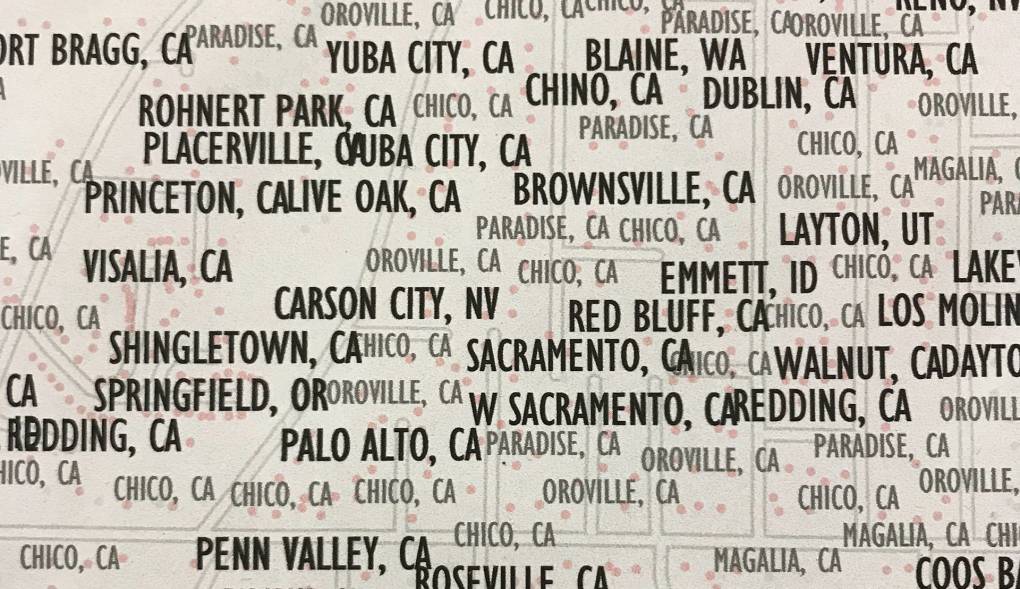
"caption": "Detail from a graphic created by Cal State Chico researchers showing where former residents of Paradise now live.",
"description": "Chico State researchers found that older populations left the area at a much higher rate than those between the ages of 18 and 65.",
"title": "Paradise-displacement-graphic",
"credit": "Courtesy of California State University, Chico",
"status": "inherit",
"isLoading": false,
"fetchFailed": false
},
"news_11793156": {
"type": "attachments",
"id": "news_11793156",
"meta": {
"index": "attachments_1716263798",
"site": "news",
"id": "11793156",
"found": true
},
"parent": 11793155,
"imgSizes": {
"apple_news_ca_square_4_0": {
"file": "https://ww2.kqed.org/app/uploads/sites/10/2019/12/fire-objects-promo-1_wide-b32bdae5c310c5b1917c6fed65391678304f7dc5-470x470.jpg",
"width": 470,
"mimeType": "image/jpeg",
"height": 470
},
"thumbnail": {
"file": "https://ww2.kqed.org/app/uploads/sites/10/2019/12/fire-objects-promo-1_wide-b32bdae5c310c5b1917c6fed65391678304f7dc5-160x90.jpg",
"width": 160,
"mimeType": "image/jpeg",
"height": 90
},
"post-thumbnail": {
"file": "https://ww2.kqed.org/app/uploads/sites/10/2019/12/fire-objects-promo-1_wide-b32bdae5c310c5b1917c6fed65391678304f7dc5-672x372.jpg",
"width": 672,
"mimeType": "image/jpeg",
"height": 372
},
"kqedFullSize": {
"file": "https://ww2.kqed.org/app/uploads/sites/10/2019/12/fire-objects-promo-1_wide-b32bdae5c310c5b1917c6fed65391678304f7dc5.jpg",
"width": 996,
"height": 560
},
"apple_news_ca_landscape_4_7": {
"file": "https://ww2.kqed.org/app/uploads/sites/10/2019/12/fire-objects-promo-1_wide-b32bdae5c310c5b1917c6fed65391678304f7dc5-632x474.jpg",
"width": 632,
"mimeType": "image/jpeg",
"height": 474
},
"apple_news_ca_landscape_4_0": {
"file": "https://ww2.kqed.org/app/uploads/sites/10/2019/12/fire-objects-promo-1_wide-b32bdae5c310c5b1917c6fed65391678304f7dc5-536x402.jpg",
"width": 536,
"mimeType": "image/jpeg",
"height": 402
},
"medium": {
"file": "https://ww2.kqed.org/app/uploads/sites/10/2019/12/fire-objects-promo-1_wide-b32bdae5c310c5b1917c6fed65391678304f7dc5-800x450.jpg",
"width": 800,
"mimeType": "image/jpeg",
"height": 450
},
"apple_news_ca_portrait_4_0": {
"file": "https://ww2.kqed.org/app/uploads/sites/10/2019/12/fire-objects-promo-1_wide-b32bdae5c310c5b1917c6fed65391678304f7dc5-354x472.jpg",
"width": 354,
"mimeType": "image/jpeg",
"height": 472
},
"apple_news_ca_portrait_9_7": {
"file": "https://ww2.kqed.org/app/uploads/sites/10/2019/12/fire-objects-promo-1_wide-b32bdae5c310c5b1917c6fed65391678304f7dc5-840x560.jpg",
"width": 840,
"mimeType": "image/jpeg",
"height": 560
},
"apple_news_ca_portrait_4_7": {
"file": "https://ww2.kqed.org/app/uploads/sites/10/2019/12/fire-objects-promo-1_wide-b32bdae5c310c5b1917c6fed65391678304f7dc5-414x552.jpg",
"width": 414,
"mimeType": "image/jpeg",
"height": 552
},
"apple_news_ca_portrait_5_5": {
"file": "https://ww2.kqed.org/app/uploads/sites/10/2019/12/fire-objects-promo-1_wide-b32bdae5c310c5b1917c6fed65391678304f7dc5-687x560.jpg",
"width": 687,
"mimeType": "image/jpeg",
"height": 560
},
"apple_news_ca_square_4_7": {
"file": "https://ww2.kqed.org/app/uploads/sites/10/2019/12/fire-objects-promo-1_wide-b32bdae5c310c5b1917c6fed65391678304f7dc5-550x550.jpg",
"width": 550,
"mimeType": "image/jpeg",
"height": 550
},
"apple_news_ca_square_5_5": {
"file": "https://ww2.kqed.org/app/uploads/sites/10/2019/12/fire-objects-promo-1_wide-b32bdae5c310c5b1917c6fed65391678304f7dc5-912x560.jpg",
"width": 912,
"mimeType": "image/jpeg",
"height": 560
}
},
"publishDate": 1577557166,
"modified": 1577560425,
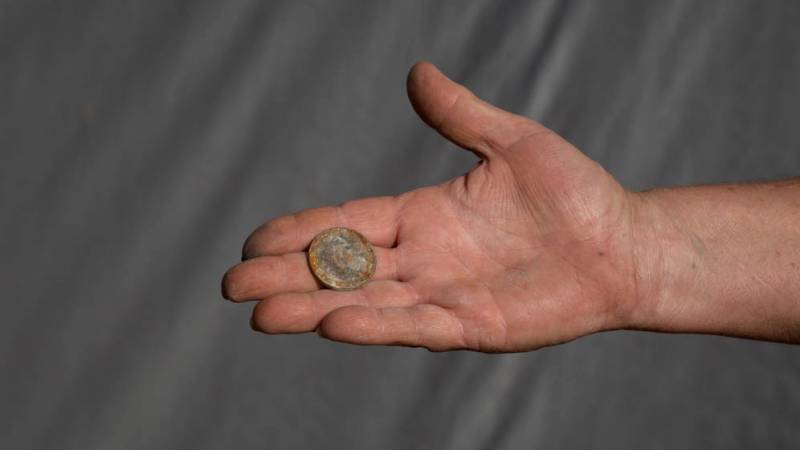
"caption": "Karen Roberds lost her home in the Camp Fire but salvaged a Narcotics Anonymous anniversary coin that she says is important to her.",
"description": "Karen Roberds lost her home in the Camp Fire but salvaged a Narcotics Anonymous anniversary coin that she says is important to her.",
"title": "Karen Roberds lost her home in the Camp Fire but salvaged a Narcotics Anonymous anniversary coin that she says is important to her.",
"credit": "Meredith Rizzo/NPR",
"status": "inherit",
"isLoading": false,
"fetchFailed": false
},
"news_11789104": {
"type": "attachments",
"id": "news_11789104",
"meta": {
"index": "attachments_1716263798",
"site": "news",
"id": "11789104",
"found": true
},
"parent": 11789102,
"imgSizes": {
"apple_news_ca_landscape_5_5": {
"file": "https://ww2.kqed.org/app/uploads/sites/10/2019/12/RS34269_student-parking-qut-1044x783.jpg",
"width": 1044,
"mimeType": "image/jpeg",
"height": 783
},
"apple_news_ca_square_4_0": {
"file": "https://ww2.kqed.org/app/uploads/sites/10/2019/12/RS34269_student-parking-qut-470x470.jpg",
"width": 470,
"mimeType": "image/jpeg",
"height": 470
},
"twentyfourteen-full-width": {
"file": "https://ww2.kqed.org/app/uploads/sites/10/2019/12/RS34269_student-parking-qut-1038x576.jpg",
"width": 1038,
"mimeType": "image/jpeg",
"height": 576
},
"thumbnail": {
"file": "https://ww2.kqed.org/app/uploads/sites/10/2019/12/RS34269_student-parking-qut-160x107.jpg",
"width": 160,
"mimeType": "image/jpeg",
"height": 107
},
"post-thumbnail": {
"file": "https://ww2.kqed.org/app/uploads/sites/10/2019/12/RS34269_student-parking-qut-672x372.jpg",
"width": 672,
"mimeType": "image/jpeg",
"height": 372
},
"kqedFullSize": {
"file": "https://ww2.kqed.org/app/uploads/sites/10/2019/12/RS34269_student-parking-qut.jpg",
"width": 1920,
"height": 1280
},
"apple_news_ca_landscape_4_7": {
"file": "https://ww2.kqed.org/app/uploads/sites/10/2019/12/RS34269_student-parking-qut-632x474.jpg",
"width": 632,
"mimeType": "image/jpeg",
"height": 474
},
"large": {
"file": "https://ww2.kqed.org/app/uploads/sites/10/2019/12/RS34269_student-parking-qut-1020x680.jpg",
"width": 1020,
"mimeType": "image/jpeg",
"height": 680
},
"complete_open_graph": {
"file": "https://ww2.kqed.org/app/uploads/sites/10/2019/12/RS34269_student-parking-qut-1200x800.jpg",
"width": 1200,
"mimeType": "image/jpeg",
"height": 800
},
"apple_news_ca_landscape_4_0": {
"file": "https://ww2.kqed.org/app/uploads/sites/10/2019/12/RS34269_student-parking-qut-536x402.jpg",
"width": 536,
"mimeType": "image/jpeg",
"height": 402
},
"apple_news_ca_portrait_12_9": {
"file": "https://ww2.kqed.org/app/uploads/sites/10/2019/12/RS34269_student-parking-qut-1122x1280.jpg",
"width": 1122,
"mimeType": "image/jpeg",
"height": 1280
},
"medium": {
"file": "https://ww2.kqed.org/app/uploads/sites/10/2019/12/RS34269_student-parking-qut-800x533.jpg",
"width": 800,
"mimeType": "image/jpeg",
"height": 533
},
"apple_news_ca_portrait_4_0": {
"file": "https://ww2.kqed.org/app/uploads/sites/10/2019/12/RS34269_student-parking-qut-354x472.jpg",
"width": 354,
"mimeType": "image/jpeg",
"height": 472
},
"apple_news_ca_portrait_9_7": {
"file": "https://ww2.kqed.org/app/uploads/sites/10/2019/12/RS34269_student-parking-qut-840x1120.jpg",
"width": 840,
"mimeType": "image/jpeg",
"height": 1120
},
"apple_news_ca_landscape_12_9": {
"file": "https://ww2.kqed.org/app/uploads/sites/10/2019/12/RS34269_student-parking-qut-1832x1280.jpg",
"width": 1832,
"mimeType": "image/jpeg",
"height": 1280
},
"apple_news_ca_square_9_7": {
"file": "https://ww2.kqed.org/app/uploads/sites/10/2019/12/RS34269_student-parking-qut-1104x1104.jpg",
"width": 1104,
"mimeType": "image/jpeg",
"height": 1104
},
"apple_news_ca_portrait_4_7": {
"file": "https://ww2.kqed.org/app/uploads/sites/10/2019/12/RS34269_student-parking-qut-414x552.jpg",
"width": 414,
"mimeType": "image/jpeg",
"height": 552
},
"apple_news_ca_square_12_9": {
"file": "https://ww2.kqed.org/app/uploads/sites/10/2019/12/RS34269_student-parking-qut-1472x1280.jpg",
"width": 1472,
"mimeType": "image/jpeg",
"height": 1280
},
"apple_news_ca_portrait_5_5": {
"file": "https://ww2.kqed.org/app/uploads/sites/10/2019/12/RS34269_student-parking-qut-687x916.jpg",
"width": 687,
"mimeType": "image/jpeg",
"height": 916
},
"full-width": {
"file": "https://ww2.kqed.org/app/uploads/sites/10/2019/12/RS34269_student-parking-qut-1920x1280.jpg",
"width": 1920,
"mimeType": "image/jpeg",
"height": 1280
},
"apple_news_ca_square_4_7": {
"file": "https://ww2.kqed.org/app/uploads/sites/10/2019/12/RS34269_student-parking-qut-550x550.jpg",
"width": 550,
"mimeType": "image/jpeg",
"height": 550
},
"apple_news_ca_landscape_9_7": {
"file": "https://ww2.kqed.org/app/uploads/sites/10/2019/12/RS34269_student-parking-qut-1376x1032.jpg",
"width": 1376,
"mimeType": "image/jpeg",
"height": 1032
},
"apple_news_ca_square_5_5": {
"file": "https://ww2.kqed.org/app/uploads/sites/10/2019/12/RS34269_student-parking-qut-912x912.jpg",
"width": 912,
"mimeType": "image/jpeg",
"height": 912
}
},
"publishDate": 1575222707,
"modified": 1575222835,
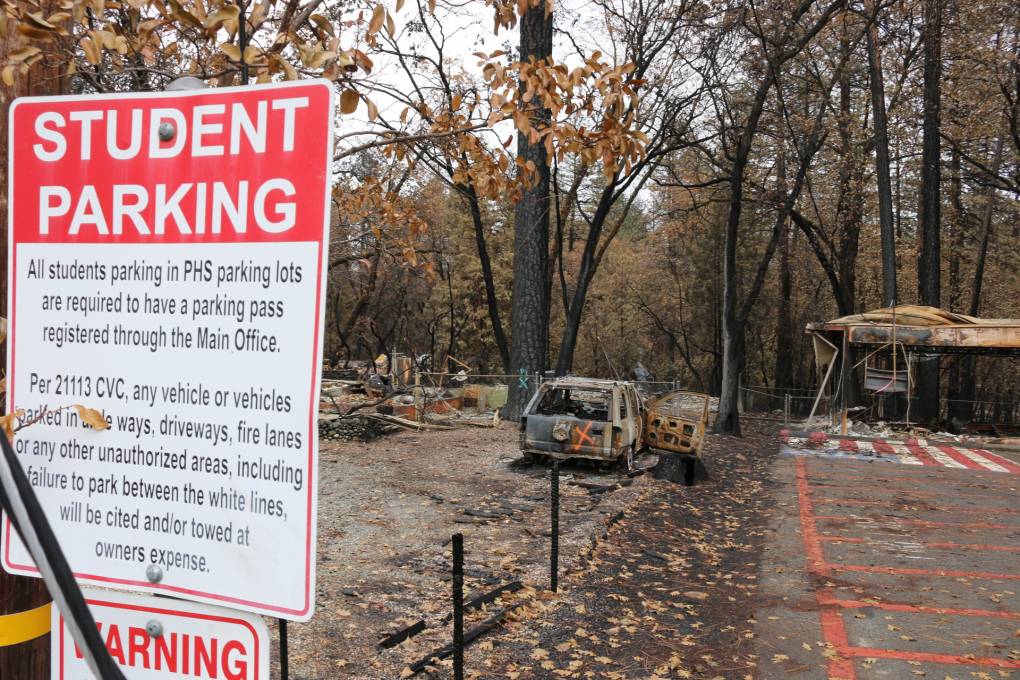
"caption": "A vehicle sits abandoned and charred in the parking lot across the street from Paradise High School a few weeks after the Camp Fire swept through.",
"description": "A vehicle sits abandoned and charred in the parking lot across the street from Paradise High School a few weeks after the Camp Fire swept through.",
"title": "RS34269_student parking-qut",
"credit": "Alexandra Hall/KQED",
"status": "inherit",
"isLoading": false,
"fetchFailed": false
},
"news_11787622": {
"type": "attachments",
"id": "news_11787622",
"meta": {
"index": "attachments_1716263798",
"site": "news",
"id": "11787622",
"found": true
},
"parent": 11787162,
"imgSizes": {
"apple_news_ca_landscape_5_5": {
"file": "https://ww2.kqed.org/app/uploads/sites/10/2019/11/RS40231_Kathy-Lafayette-v2-qut-1044x783.jpg",
"width": 1044,
"mimeType": "image/jpeg",
"height": 783
},
"apple_news_ca_square_4_0": {
"file": "https://ww2.kqed.org/app/uploads/sites/10/2019/11/RS40231_Kathy-Lafayette-v2-qut-470x470.jpg",
"width": 470,
"mimeType": "image/jpeg",
"height": 470
},
"twentyfourteen-full-width": {
"file": "https://ww2.kqed.org/app/uploads/sites/10/2019/11/RS40231_Kathy-Lafayette-v2-qut-1038x576.jpg",
"width": 1038,
"mimeType": "image/jpeg",
"height": 576
},
"thumbnail": {
"file": "https://ww2.kqed.org/app/uploads/sites/10/2019/11/RS40231_Kathy-Lafayette-v2-qut-160x90.jpg",
"width": 160,
"mimeType": "image/jpeg",
"height": 90
},
"post-thumbnail": {
"file": "https://ww2.kqed.org/app/uploads/sites/10/2019/11/RS40231_Kathy-Lafayette-v2-qut-672x372.jpg",
"width": 672,
"mimeType": "image/jpeg",
"height": 372
},
"kqedFullSize": {
"file": "https://ww2.kqed.org/app/uploads/sites/10/2019/11/RS40231_Kathy-Lafayette-v2-qut-e1574279105503.jpg",
"width": 1919,
"height": 1079
},
"apple_news_ca_landscape_4_7": {
"file": "https://ww2.kqed.org/app/uploads/sites/10/2019/11/RS40231_Kathy-Lafayette-v2-qut-632x474.jpg",
"width": 632,
"mimeType": "image/jpeg",
"height": 474
},
"large": {
"file": "https://ww2.kqed.org/app/uploads/sites/10/2019/11/RS40231_Kathy-Lafayette-v2-qut-1020x574.jpg",
"width": 1020,
"mimeType": "image/jpeg",
"height": 574
},
"complete_open_graph": {
"file": "https://ww2.kqed.org/app/uploads/sites/10/2019/11/RS40231_Kathy-Lafayette-v2-qut-1200x675.jpg",
"width": 1200,
"mimeType": "image/jpeg",
"height": 675
},
"apple_news_ca_landscape_4_0": {
"file": "https://ww2.kqed.org/app/uploads/sites/10/2019/11/RS40231_Kathy-Lafayette-v2-qut-536x402.jpg",
"width": 536,
"mimeType": "image/jpeg",
"height": 402
},
"apple_news_ca_portrait_12_9": {
"file": "https://ww2.kqed.org/app/uploads/sites/10/2019/11/RS40231_Kathy-Lafayette-v2-qut-1122x1080.jpg",
"width": 1122,
"mimeType": "image/jpeg",
"height": 1080
},
"medium": {
"file": "https://ww2.kqed.org/app/uploads/sites/10/2019/11/RS40231_Kathy-Lafayette-v2-qut-800x450.jpg",
"width": 800,
"mimeType": "image/jpeg",
"height": 450
},
"apple_news_ca_portrait_4_0": {
"file": "https://ww2.kqed.org/app/uploads/sites/10/2019/11/RS40231_Kathy-Lafayette-v2-qut-354x472.jpg",
"width": 354,
"mimeType": "image/jpeg",
"height": 472
},
"apple_news_ca_portrait_9_7": {
"file": "https://ww2.kqed.org/app/uploads/sites/10/2019/11/RS40231_Kathy-Lafayette-v2-qut-840x1080.jpg",
"width": 840,
"mimeType": "image/jpeg",
"height": 1080
},
"apple_news_ca_landscape_12_9": {
"file": "https://ww2.kqed.org/app/uploads/sites/10/2019/11/RS40231_Kathy-Lafayette-v2-qut-1832x1080.jpg",
"width": 1832,
"mimeType": "image/jpeg",
"height": 1080
},
"apple_news_ca_square_9_7": {
"file": "https://ww2.kqed.org/app/uploads/sites/10/2019/11/RS40231_Kathy-Lafayette-v2-qut-1104x1080.jpg",
"width": 1104,
"mimeType": "image/jpeg",
"height": 1080
},
"apple_news_ca_portrait_4_7": {
"file": "https://ww2.kqed.org/app/uploads/sites/10/2019/11/RS40231_Kathy-Lafayette-v2-qut-414x552.jpg",
"width": 414,
"mimeType": "image/jpeg",
"height": 552
},
"apple_news_ca_square_12_9": {
"file": "https://ww2.kqed.org/app/uploads/sites/10/2019/11/RS40231_Kathy-Lafayette-v2-qut-1472x1080.jpg",
"width": 1472,
"mimeType": "image/jpeg",
"height": 1080
},
"apple_news_ca_portrait_5_5": {
"file": "https://ww2.kqed.org/app/uploads/sites/10/2019/11/RS40231_Kathy-Lafayette-v2-qut-687x916.jpg",
"width": 687,
"mimeType": "image/jpeg",
"height": 916
},
"full-width": {
"file": "https://ww2.kqed.org/app/uploads/sites/10/2019/11/RS40231_Kathy-Lafayette-v2-qut-1920x1080.jpg",
"width": 1920,
"mimeType": "image/jpeg",
"height": 1080
},
"apple_news_ca_square_4_7": {
"file": "https://ww2.kqed.org/app/uploads/sites/10/2019/11/RS40231_Kathy-Lafayette-v2-qut-550x550.jpg",
"width": 550,
"mimeType": "image/jpeg",
"height": 550
},
"apple_news_ca_landscape_9_7": {
"file": "https://ww2.kqed.org/app/uploads/sites/10/2019/11/RS40231_Kathy-Lafayette-v2-qut-1376x1032.jpg",
"width": 1376,
"mimeType": "image/jpeg",
"height": 1032
},
"apple_news_ca_square_5_5": {
"file": "https://ww2.kqed.org/app/uploads/sites/10/2019/11/RS40231_Kathy-Lafayette-v2-qut-912x912.jpg",
"width": 912,
"mimeType": "image/jpeg",
"height": 912
}
},
"publishDate": 1574277242,
"modified": 1574277290,
"caption": "Kathy Lafayette shares a home with her mother, Emma Titus, in Grass Valley in the Sierra foothills. They spent $3,000 clearing their property of trees and brush but still lost their homeowners insurance.",
"description": "Kathy Lafayette shares a home with her mother, Emma Titus, in Grass Valley in the Sierra foothills. They spent $3,000 clearing their property of trees and brush but still lost their homeowners insurance.",
"title": "Kathy Lafayette Grass Valley",
"credit": "Mary Franklin Harvin/KQED",
"status": "inherit",
"isLoading": false,
"fetchFailed": false
},
"news_11785588": {
"type": "attachments",
"id": "news_11785588",
"meta": {
"index": "attachments_1716263798",
"site": "news",
"id": "11785588",
"found": true
},
"parent": 11785585,
"imgSizes": {
"apple_news_ca_landscape_5_5": {
"file": "https://ww2.kqed.org/app/uploads/sites/10/2019/11/RS40166_DSCF3497-qut-1044x783.jpg",
"width": 1044,
"mimeType": "image/jpeg",
"height": 783
},
"apple_news_ca_square_4_0": {
"file": "https://ww2.kqed.org/app/uploads/sites/10/2019/11/RS40166_DSCF3497-qut-470x470.jpg",
"width": 470,
"mimeType": "image/jpeg",
"height": 470
},
"twentyfourteen-full-width": {
"file": "https://ww2.kqed.org/app/uploads/sites/10/2019/11/RS40166_DSCF3497-qut-1038x576.jpg",
"width": 1038,
"mimeType": "image/jpeg",
"height": 576
},
"thumbnail": {
"file": "https://ww2.kqed.org/app/uploads/sites/10/2019/11/RS40166_DSCF3497-qut-160x107.jpg",
"width": 160,
"mimeType": "image/jpeg",
"height": 107
},
"post-thumbnail": {
"file": "https://ww2.kqed.org/app/uploads/sites/10/2019/11/RS40166_DSCF3497-qut-672x372.jpg",
"width": 672,
"mimeType": "image/jpeg",
"height": 372
},
"kqedFullSize": {
"file": "https://ww2.kqed.org/app/uploads/sites/10/2019/11/RS40166_DSCF3497-qut.jpg",
"width": 1920,
"height": 1280
},
"apple_news_ca_landscape_4_7": {
"file": "https://ww2.kqed.org/app/uploads/sites/10/2019/11/RS40166_DSCF3497-qut-632x474.jpg",
"width": 632,
"mimeType": "image/jpeg",
"height": 474
},
"large": {
"file": "https://ww2.kqed.org/app/uploads/sites/10/2019/11/RS40166_DSCF3497-qut-1020x680.jpg",
"width": 1020,
"mimeType": "image/jpeg",
"height": 680
},
"complete_open_graph": {
"file": "https://ww2.kqed.org/app/uploads/sites/10/2019/11/RS40166_DSCF3497-qut-1200x800.jpg",
"width": 1200,
"mimeType": "image/jpeg",
"height": 800
},
"apple_news_ca_landscape_4_0": {
"file": "https://ww2.kqed.org/app/uploads/sites/10/2019/11/RS40166_DSCF3497-qut-536x402.jpg",
"width": 536,
"mimeType": "image/jpeg",
"height": 402
},
"apple_news_ca_portrait_12_9": {
"file": "https://ww2.kqed.org/app/uploads/sites/10/2019/11/RS40166_DSCF3497-qut-1122x1280.jpg",
"width": 1122,
"mimeType": "image/jpeg",
"height": 1280
},
"medium": {
"file": "https://ww2.kqed.org/app/uploads/sites/10/2019/11/RS40166_DSCF3497-qut-800x533.jpg",
"width": 800,
"mimeType": "image/jpeg",
"height": 533
},
"apple_news_ca_portrait_4_0": {
"file": "https://ww2.kqed.org/app/uploads/sites/10/2019/11/RS40166_DSCF3497-qut-354x472.jpg",
"width": 354,
"mimeType": "image/jpeg",
"height": 472
},
"apple_news_ca_portrait_9_7": {
"file": "https://ww2.kqed.org/app/uploads/sites/10/2019/11/RS40166_DSCF3497-qut-840x1120.jpg",
"width": 840,
"mimeType": "image/jpeg",
"height": 1120
},
"apple_news_ca_landscape_12_9": {
"file": "https://ww2.kqed.org/app/uploads/sites/10/2019/11/RS40166_DSCF3497-qut-1832x1280.jpg",
"width": 1832,
"mimeType": "image/jpeg",
"height": 1280
},
"apple_news_ca_square_9_7": {
"file": "https://ww2.kqed.org/app/uploads/sites/10/2019/11/RS40166_DSCF3497-qut-1104x1104.jpg",
"width": 1104,
"mimeType": "image/jpeg",
"height": 1104
},
"apple_news_ca_portrait_4_7": {
"file": "https://ww2.kqed.org/app/uploads/sites/10/2019/11/RS40166_DSCF3497-qut-414x552.jpg",
"width": 414,
"mimeType": "image/jpeg",
"height": 552
},
"apple_news_ca_square_12_9": {
"file": "https://ww2.kqed.org/app/uploads/sites/10/2019/11/RS40166_DSCF3497-qut-1472x1280.jpg",
"width": 1472,
"mimeType": "image/jpeg",
"height": 1280
},
"apple_news_ca_portrait_5_5": {
"file": "https://ww2.kqed.org/app/uploads/sites/10/2019/11/RS40166_DSCF3497-qut-687x916.jpg",
"width": 687,
"mimeType": "image/jpeg",
"height": 916
},
"full-width": {
"file": "https://ww2.kqed.org/app/uploads/sites/10/2019/11/RS40166_DSCF3497-qut-1920x1280.jpg",
"width": 1920,
"mimeType": "image/jpeg",
"height": 1280
},
"apple_news_ca_square_4_7": {
"file": "https://ww2.kqed.org/app/uploads/sites/10/2019/11/RS40166_DSCF3497-qut-550x550.jpg",
"width": 550,
"mimeType": "image/jpeg",
"height": 550
},
"apple_news_ca_landscape_9_7": {
"file": "https://ww2.kqed.org/app/uploads/sites/10/2019/11/RS40166_DSCF3497-qut-1376x1032.jpg",
"width": 1376,
"mimeType": "image/jpeg",
"height": 1032
},
"apple_news_ca_square_5_5": {
"file": "https://ww2.kqed.org/app/uploads/sites/10/2019/11/RS40166_DSCF3497-qut-912x912.jpg",
"width": 912,
"mimeType": "image/jpeg",
"height": 912
}
},
"publishDate": 1573159979,
"modified": 1573597896,
"caption": "Jon Hornback, center, and his son-in-law, Mike Richardson, work on rebuilding homes lost in the Camp Fire. ",
"description": "Jon Hornback, center, and his son-in-law Mike Richardson work on rebuilding homes lost in the Camp Fire. ",
"title": "RS40166_DSCF3497-qut",
"credit": "Andrew Nixon/Capital Public Radio",
"status": "inherit",
"isLoading": false,
"fetchFailed": false
},
"news_11724805": {
"type": "attachments",
"id": "news_11724805",
"meta": {
"index": "attachments_1716263798",
"site": "news",
"id": "11724805",
"found": true
},
"parent": 11724761,
"imgSizes": {
"kqedFullSize": {
"file": "https://ww2.kqed.org/app/uploads/sites/10/2019/02/GettyImages-1064113738-e1549678066460.jpg",
"width": 1920,
"height": 1271
}
},
"publishDate": 1549665202,
"modified": 1573257498,
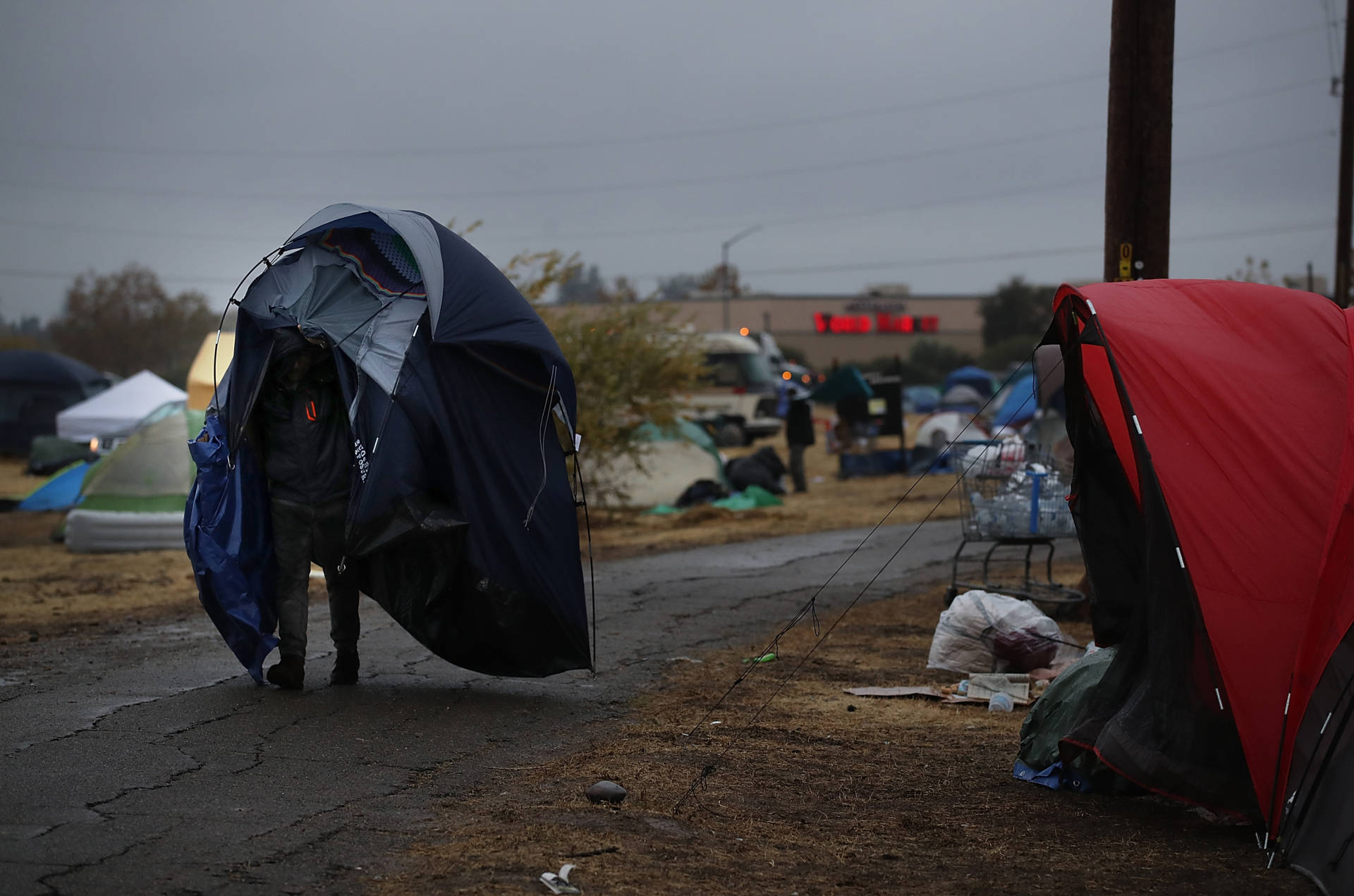
"caption": "A Camp Fire evacuee carries his tent as rain falls at a temporary evacuation center next to a Walmart store on Nov. 21, 2018, in Chico.",
"description": "A Camp Fire evacuee carries his tent as rain falls at a temporary evacuation center next to a Walmart store on Nov. 21, 2018 in Chico.",
"title": "Paradise, California Continues Recovery Efforts From The Devastating Camp Fire",
"credit": "Justin Sullivan/Getty Images",
"status": "inherit",
"isLoading": false,
"fetchFailed": false
},
"news_11785339": {
"type": "attachments",
"id": "news_11785339",
"meta": {
"index": "attachments_1716263798",
"site": "news",
"id": "11785339",
"found": true
},
"parent": 11785036,
"imgSizes": {
"apple_news_ca_landscape_5_5": {
"file": "https://ww2.kqed.org/app/uploads/sites/10/2019/11/RS39843__DSC4357-qut-1044x783.jpg",
"width": 1044,
"mimeType": "image/jpeg",
"height": 783
},
"apple_news_ca_square_4_0": {
"file": "https://ww2.kqed.org/app/uploads/sites/10/2019/11/RS39843__DSC4357-qut-470x470.jpg",
"width": 470,
"mimeType": "image/jpeg",
"height": 470
},
"twentyfourteen-full-width": {
"file": "https://ww2.kqed.org/app/uploads/sites/10/2019/11/RS39843__DSC4357-qut-1038x576.jpg",
"width": 1038,
"mimeType": "image/jpeg",
"height": 576
},
"thumbnail": {
"file": "https://ww2.kqed.org/app/uploads/sites/10/2019/11/RS39843__DSC4357-qut-160x107.jpg",
"width": 160,
"mimeType": "image/jpeg",
"height": 107
},
"post-thumbnail": {
"file": "https://ww2.kqed.org/app/uploads/sites/10/2019/11/RS39843__DSC4357-qut-672x372.jpg",
"width": 672,
"mimeType": "image/jpeg",
"height": 372
},
"kqedFullSize": {
"file": "https://ww2.kqed.org/app/uploads/sites/10/2019/11/RS39843__DSC4357-qut.jpg",
"width": 1920,
"height": 1281
},
"apple_news_ca_landscape_4_7": {
"file": "https://ww2.kqed.org/app/uploads/sites/10/2019/11/RS39843__DSC4357-qut-632x474.jpg",
"width": 632,
"mimeType": "image/jpeg",
"height": 474
},
"large": {
"file": "https://ww2.kqed.org/app/uploads/sites/10/2019/11/RS39843__DSC4357-qut-1020x681.jpg",
"width": 1020,
"mimeType": "image/jpeg",
"height": 681
},
"complete_open_graph": {
"file": "https://ww2.kqed.org/app/uploads/sites/10/2019/11/RS39843__DSC4357-qut-1200x801.jpg",
"width": 1200,
"mimeType": "image/jpeg",
"height": 801
},
"apple_news_ca_landscape_4_0": {
"file": "https://ww2.kqed.org/app/uploads/sites/10/2019/11/RS39843__DSC4357-qut-536x402.jpg",
"width": 536,
"mimeType": "image/jpeg",
"height": 402
},
"apple_news_ca_portrait_12_9": {
"file": "https://ww2.kqed.org/app/uploads/sites/10/2019/11/RS39843__DSC4357-qut-1122x1281.jpg",
"width": 1122,
"mimeType": "image/jpeg",
"height": 1281
},
"medium": {
"file": "https://ww2.kqed.org/app/uploads/sites/10/2019/11/RS39843__DSC4357-qut-800x534.jpg",
"width": 800,
"mimeType": "image/jpeg",
"height": 534
},
"apple_news_ca_portrait_4_0": {
"file": "https://ww2.kqed.org/app/uploads/sites/10/2019/11/RS39843__DSC4357-qut-354x472.jpg",
"width": 354,
"mimeType": "image/jpeg",
"height": 472
},
"apple_news_ca_portrait_9_7": {
"file": "https://ww2.kqed.org/app/uploads/sites/10/2019/11/RS39843__DSC4357-qut-840x1120.jpg",
"width": 840,
"mimeType": "image/jpeg",
"height": 1120
},
"apple_news_ca_landscape_12_9": {
"file": "https://ww2.kqed.org/app/uploads/sites/10/2019/11/RS39843__DSC4357-qut-1832x1281.jpg",
"width": 1832,
"mimeType": "image/jpeg",
"height": 1281
},
"apple_news_ca_square_9_7": {
"file": "https://ww2.kqed.org/app/uploads/sites/10/2019/11/RS39843__DSC4357-qut-1104x1104.jpg",
"width": 1104,
"mimeType": "image/jpeg",
"height": 1104
},
"apple_news_ca_portrait_4_7": {
"file": "https://ww2.kqed.org/app/uploads/sites/10/2019/11/RS39843__DSC4357-qut-414x552.jpg",
"width": 414,
"mimeType": "image/jpeg",
"height": 552
},
"apple_news_ca_square_12_9": {
"file": "https://ww2.kqed.org/app/uploads/sites/10/2019/11/RS39843__DSC4357-qut-1472x1281.jpg",
"width": 1472,
"mimeType": "image/jpeg",
"height": 1281
},
"apple_news_ca_portrait_5_5": {
"file": "https://ww2.kqed.org/app/uploads/sites/10/2019/11/RS39843__DSC4357-qut-687x916.jpg",
"width": 687,
"mimeType": "image/jpeg",
"height": 916
},
"full-width": {
"file": "https://ww2.kqed.org/app/uploads/sites/10/2019/11/RS39843__DSC4357-qut-1920x1281.jpg",
"width": 1920,
"mimeType": "image/jpeg",
"height": 1281
},
"apple_news_ca_square_4_7": {
"file": "https://ww2.kqed.org/app/uploads/sites/10/2019/11/RS39843__DSC4357-qut-550x550.jpg",
"width": 550,
"mimeType": "image/jpeg",
"height": 550
},
"apple_news_ca_landscape_9_7": {
"file": "https://ww2.kqed.org/app/uploads/sites/10/2019/11/RS39843__DSC4357-qut-1376x1032.jpg",
"width": 1376,
"mimeType": "image/jpeg",
"height": 1032
},
"apple_news_ca_square_5_5": {
"file": "https://ww2.kqed.org/app/uploads/sites/10/2019/11/RS39843__DSC4357-qut-912x912.jpg",
"width": 912,
"mimeType": "image/jpeg",
"height": 912
}
},
"publishDate": 1573077228,
"modified": 1573252768,
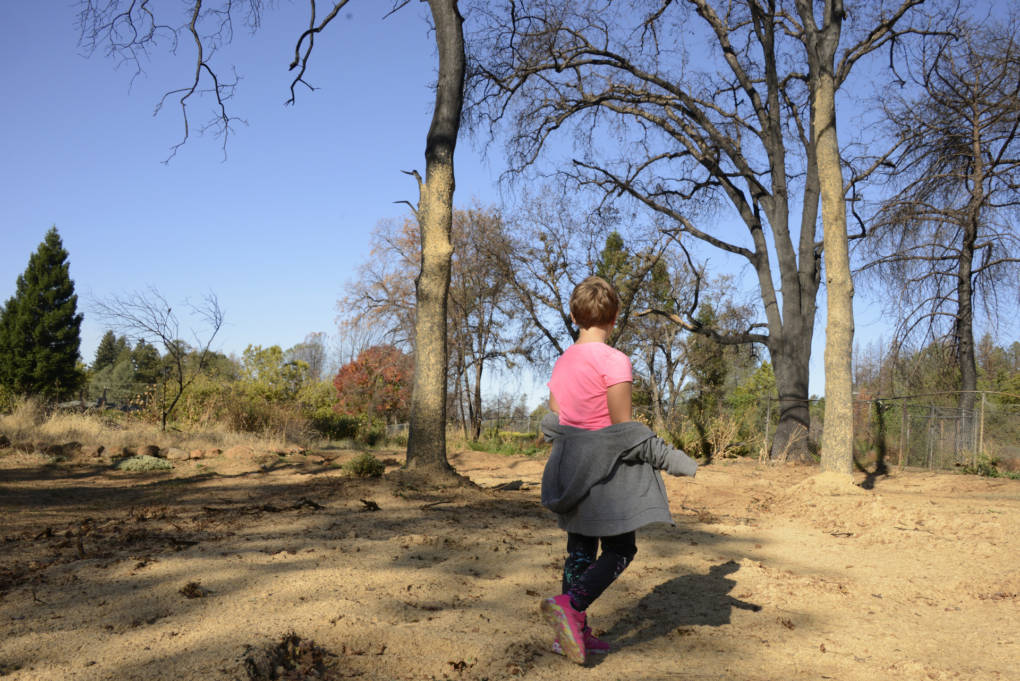
"caption": "Aroara Hanes, 5, walks the lot where the mobile home she lived in with her mother stood before the 2018 Camp Fire in Paradise.",
"description": "Aroara Hanes, 5, walks the lot where the mobile home she lived in with her mother stood before the 2018 Camp Fire in Paradise, Ca.",
"title": "RS39843__DSC4357-qut",
"credit": "Stephanie Lister/KQED",
"status": "inherit",
"isLoading": false,
"fetchFailed": false
},
"news_11785652": {
"type": "attachments",
"id": "news_11785652",
"meta": {
"index": "attachments_1716263798",
"site": "news",
"id": "11785652",
"found": true
},
"parent": 11784946,
"imgSizes": {
"apple_news_ca_landscape_5_5": {
"file": "https://ww2.kqed.org/app/uploads/sites/10/2019/11/wholefam-1044x783.jpg",
"width": 1044,
"mimeType": "image/jpeg",
"height": 783
},
"apple_news_ca_square_4_0": {
"file": "https://ww2.kqed.org/app/uploads/sites/10/2019/11/wholefam-470x470.jpg",
"width": 470,
"mimeType": "image/jpeg",
"height": 470
},
"twentyfourteen-full-width": {
"file": "https://ww2.kqed.org/app/uploads/sites/10/2019/11/wholefam-1038x576.jpg",
"width": 1038,
"mimeType": "image/jpeg",
"height": 576
},
"thumbnail": {
"file": "https://ww2.kqed.org/app/uploads/sites/10/2019/11/wholefam-160x107.jpg",
"width": 160,
"mimeType": "image/jpeg",
"height": 107
},
"post-thumbnail": {
"file": "https://ww2.kqed.org/app/uploads/sites/10/2019/11/wholefam-672x372.jpg",
"width": 672,
"mimeType": "image/jpeg",
"height": 372
},
"kqedFullSize": {
"file": "https://ww2.kqed.org/app/uploads/sites/10/2019/11/wholefam.jpg",
"width": 1920,
"height": 1280
},
"apple_news_ca_landscape_4_7": {
"file": "https://ww2.kqed.org/app/uploads/sites/10/2019/11/wholefam-632x474.jpg",
"width": 632,
"mimeType": "image/jpeg",
"height": 474
},
"large": {
"file": "https://ww2.kqed.org/app/uploads/sites/10/2019/11/wholefam-1020x680.jpg",
"width": 1020,
"mimeType": "image/jpeg",
"height": 680
},
"complete_open_graph": {
"file": "https://ww2.kqed.org/app/uploads/sites/10/2019/11/wholefam-1200x800.jpg",
"width": 1200,
"mimeType": "image/jpeg",
"height": 800
},
"apple_news_ca_landscape_4_0": {
"file": "https://ww2.kqed.org/app/uploads/sites/10/2019/11/wholefam-536x402.jpg",
"width": 536,
"mimeType": "image/jpeg",
"height": 402
},
"apple_news_ca_portrait_12_9": {
"file": "https://ww2.kqed.org/app/uploads/sites/10/2019/11/wholefam-1122x1280.jpg",
"width": 1122,
"mimeType": "image/jpeg",
"height": 1280
},
"medium": {
"file": "https://ww2.kqed.org/app/uploads/sites/10/2019/11/wholefam-800x533.jpg",
"width": 800,
"mimeType": "image/jpeg",
"height": 533
},
"apple_news_ca_portrait_4_0": {
"file": "https://ww2.kqed.org/app/uploads/sites/10/2019/11/wholefam-354x472.jpg",
"width": 354,
"mimeType": "image/jpeg",
"height": 472
},
"apple_news_ca_portrait_9_7": {
"file": "https://ww2.kqed.org/app/uploads/sites/10/2019/11/wholefam-840x1120.jpg",
"width": 840,
"mimeType": "image/jpeg",
"height": 1120
},
"apple_news_ca_landscape_12_9": {
"file": "https://ww2.kqed.org/app/uploads/sites/10/2019/11/wholefam-1832x1280.jpg",
"width": 1832,
"mimeType": "image/jpeg",
"height": 1280
},
"apple_news_ca_square_9_7": {
"file": "https://ww2.kqed.org/app/uploads/sites/10/2019/11/wholefam-1104x1104.jpg",
"width": 1104,
"mimeType": "image/jpeg",
"height": 1104
},
"apple_news_ca_portrait_4_7": {
"file": "https://ww2.kqed.org/app/uploads/sites/10/2019/11/wholefam-414x552.jpg",
"width": 414,
"mimeType": "image/jpeg",
"height": 552
},
"apple_news_ca_square_12_9": {
"file": "https://ww2.kqed.org/app/uploads/sites/10/2019/11/wholefam-1472x1280.jpg",
"width": 1472,
"mimeType": "image/jpeg",
"height": 1280
},
"apple_news_ca_portrait_5_5": {
"file": "https://ww2.kqed.org/app/uploads/sites/10/2019/11/wholefam-687x916.jpg",
"width": 687,
"mimeType": "image/jpeg",
"height": 916
},
"full-width": {
"file": "https://ww2.kqed.org/app/uploads/sites/10/2019/11/wholefam-1920x1280.jpg",
"width": 1920,
"mimeType": "image/jpeg",
"height": 1280
},
"apple_news_ca_square_4_7": {
"file": "https://ww2.kqed.org/app/uploads/sites/10/2019/11/wholefam-550x550.jpg",
"width": 550,
"mimeType": "image/jpeg",
"height": 550
},
"apple_news_ca_landscape_9_7": {
"file": "https://ww2.kqed.org/app/uploads/sites/10/2019/11/wholefam-1376x1032.jpg",
"width": 1376,
"mimeType": "image/jpeg",
"height": 1032
},
"apple_news_ca_square_5_5": {
"file": "https://ww2.kqed.org/app/uploads/sites/10/2019/11/wholefam-912x912.jpg",
"width": 912,
"mimeType": "image/jpeg",
"height": 912
}
},
"publishDate": 1573168029,
"modified": 1573234948,
"caption": "The Hornback family — all 11 of them — in the shared home in Paradise that they recently purchased and moved into. ",
"description": "The Hornback family — all 11 of them — in the shared home in Paradise that they recently purchased and moved into. ",
"title": "wholefam",
"credit": "Andrew Nixon/Capital Public Radio",
"status": "inherit",
"isLoading": false,
"fetchFailed": false
},
"news_11785423": {
"type": "attachments",
"id": "news_11785423",
"meta": {
"index": "attachments_1716263798",
"site": "news",
"id": "11785423",
"found": true
},
"parent": 11785247,
"imgSizes": {
"apple_news_ca_landscape_5_5": {
"file": "https://ww2.kqed.org/app/uploads/sites/10/2019/11/IMG_0407_v2-1044x783.jpg",
"width": 1044,
"mimeType": "image/jpeg",
"height": 783
},
"apple_news_ca_square_4_0": {
"file": "https://ww2.kqed.org/app/uploads/sites/10/2019/11/IMG_0407_v2-470x470.jpg",
"width": 470,
"mimeType": "image/jpeg",
"height": 470
},
"twentyfourteen-full-width": {
"file": "https://ww2.kqed.org/app/uploads/sites/10/2019/11/IMG_0407_v2-1038x576.jpg",
"width": 1038,
"mimeType": "image/jpeg",
"height": 576
},
"thumbnail": {
"file": "https://ww2.kqed.org/app/uploads/sites/10/2019/11/IMG_0407_v2-160x107.jpg",
"width": 160,
"mimeType": "image/jpeg",
"height": 107
},
"post-thumbnail": {
"file": "https://ww2.kqed.org/app/uploads/sites/10/2019/11/IMG_0407_v2-672x372.jpg",
"width": 672,
"mimeType": "image/jpeg",
"height": 372
},
"kqedFullSize": {
"file": "https://ww2.kqed.org/app/uploads/sites/10/2019/11/IMG_0407_v2-e1573086363747.jpg",
"width": 1920,
"height": 1280
},
"apple_news_ca_landscape_4_7": {
"file": "https://ww2.kqed.org/app/uploads/sites/10/2019/11/IMG_0407_v2-632x474.jpg",
"width": 632,
"mimeType": "image/jpeg",
"height": 474
},
"large": {
"file": "https://ww2.kqed.org/app/uploads/sites/10/2019/11/IMG_0407_v2-1020x680.jpg",
"width": 1020,
"mimeType": "image/jpeg",
"height": 680
},
"complete_open_graph": {
"file": "https://ww2.kqed.org/app/uploads/sites/10/2019/11/IMG_0407_v2-1200x800.jpg",
"width": 1200,
"mimeType": "image/jpeg",
"height": 800
},
"apple_news_ca_landscape_4_0": {
"file": "https://ww2.kqed.org/app/uploads/sites/10/2019/11/IMG_0407_v2-536x402.jpg",
"width": 536,
"mimeType": "image/jpeg",
"height": 402
},
"apple_news_ca_portrait_12_9": {
"file": "https://ww2.kqed.org/app/uploads/sites/10/2019/11/IMG_0407_v2-1122x1496.jpg",
"width": 1122,
"mimeType": "image/jpeg",
"height": 1496
},
"medium": {
"file": "https://ww2.kqed.org/app/uploads/sites/10/2019/11/IMG_0407_v2-800x533.jpg",
"width": 800,
"mimeType": "image/jpeg",
"height": 533
},
"apple_news_ca_portrait_4_0": {
"file": "https://ww2.kqed.org/app/uploads/sites/10/2019/11/IMG_0407_v2-354x472.jpg",
"width": 354,
"mimeType": "image/jpeg",
"height": 472
},
"apple_news_ca_portrait_9_7": {
"file": "https://ww2.kqed.org/app/uploads/sites/10/2019/11/IMG_0407_v2-840x1120.jpg",
"width": 840,
"mimeType": "image/jpeg",
"height": 1120
},
"apple_news_ca_landscape_12_9": {
"file": "https://ww2.kqed.org/app/uploads/sites/10/2019/11/IMG_0407_v2-1832x1374.jpg",
"width": 1832,
"mimeType": "image/jpeg",
"height": 1374
},
"apple_news_ca_square_9_7": {
"file": "https://ww2.kqed.org/app/uploads/sites/10/2019/11/IMG_0407_v2-1104x1104.jpg",
"width": 1104,
"mimeType": "image/jpeg",
"height": 1104
},
"apple_news_ca_portrait_4_7": {
"file": "https://ww2.kqed.org/app/uploads/sites/10/2019/11/IMG_0407_v2-414x552.jpg",
"width": 414,
"mimeType": "image/jpeg",
"height": 552
},
"apple_news_ca_square_12_9": {
"file": "https://ww2.kqed.org/app/uploads/sites/10/2019/11/IMG_0407_v2-1472x1472.jpg",
"width": 1472,
"mimeType": "image/jpeg",
"height": 1472
},
"apple_news_ca_portrait_5_5": {
"file": "https://ww2.kqed.org/app/uploads/sites/10/2019/11/IMG_0407_v2-687x916.jpg",
"width": 687,
"mimeType": "image/jpeg",
"height": 916
},
"full-width": {
"file": "https://ww2.kqed.org/app/uploads/sites/10/2019/11/IMG_0407_v2-1920x1280.jpg",
"width": 1920,
"mimeType": "image/jpeg",
"height": 1280
},
"apple_news_ca_square_4_7": {
"file": "https://ww2.kqed.org/app/uploads/sites/10/2019/11/IMG_0407_v2-550x550.jpg",
"width": 550,
"mimeType": "image/jpeg",
"height": 550
},
"apple_news_ca_landscape_9_7": {
"file": "https://ww2.kqed.org/app/uploads/sites/10/2019/11/IMG_0407_v2-1376x1032.jpg",
"width": 1376,
"mimeType": "image/jpeg",
"height": 1032
},
"apple_news_ca_square_5_5": {
"file": "https://ww2.kqed.org/app/uploads/sites/10/2019/11/IMG_0407_v2-912x912.jpg",
"width": 912,
"mimeType": "image/jpeg",
"height": 912
}
},
"publishDate": 1573086334,
"modified": 1573086444,
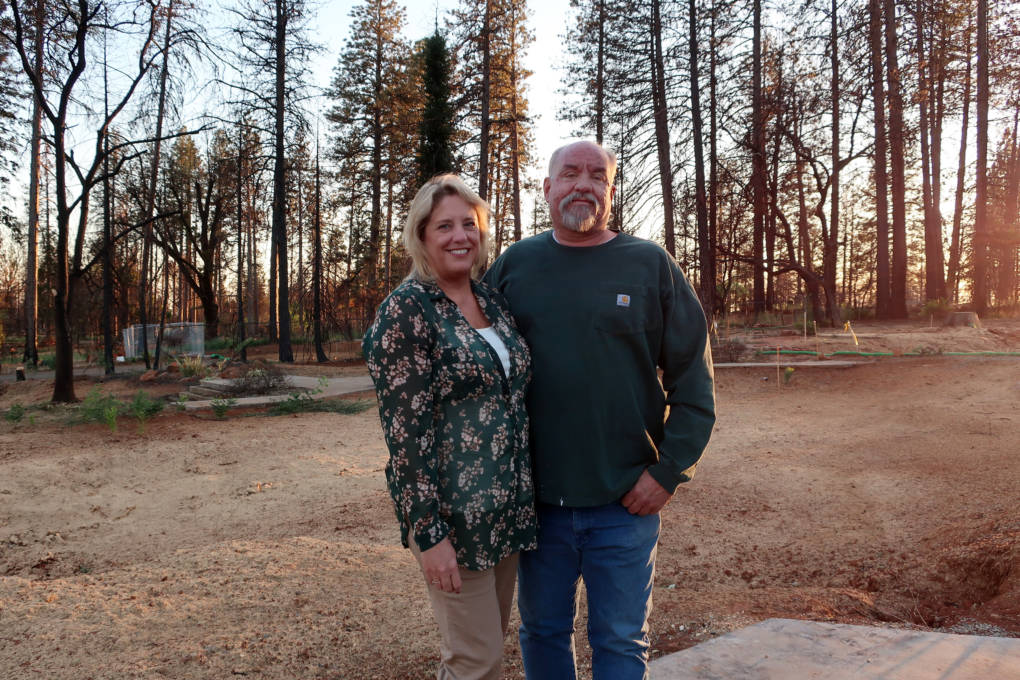
"caption": "Locals Dave and Christine Williams are developing two lots in Paradise that were destroyed in the Camp Fire.",
"description": "Locals Dave and Christine Williams are developing two lots in Paradise that were destroyed in the Camp Fire.",
"title": "IMG_0407_v2",
"credit": "Michelle Wiley/KQED",
"status": "inherit",
"isLoading": false,
"fetchFailed": false
},
"news_11778921": {
"type": "attachments",
"id": "news_11778921",
"meta": {
"index": "attachments_1716263798",
"site": "news",
"id": "11778921",
"found": true
},
"title": "_DSC5078",
"publishDate": 1570605177,
"status": "inherit",
"parent": 11778917,
"modified": 1789147260,
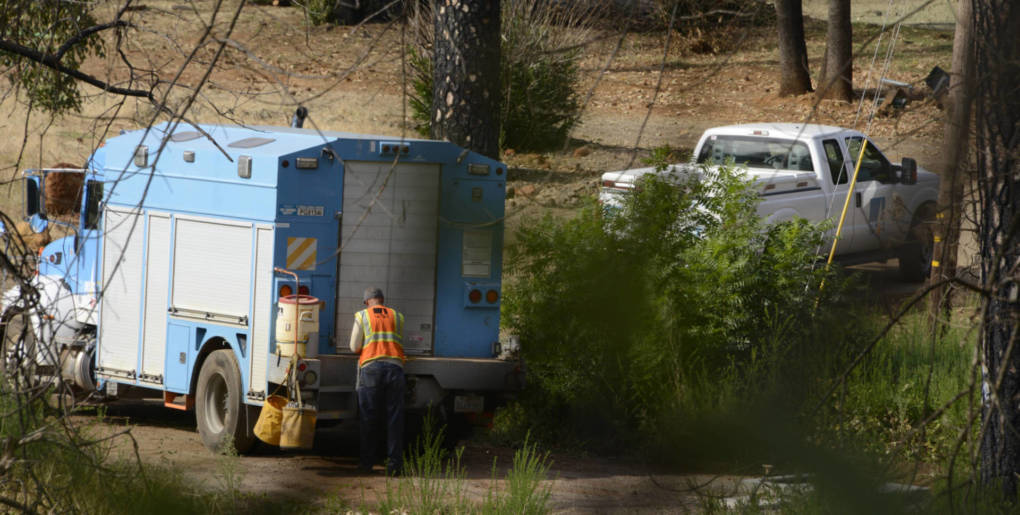
"caption": "PG&E announced Tuesday it would preemptively shut off power across Northern California due to high fire risk. That has drawn criticism from some residents in Butte County.",
"credit": "Stephanie Lister/KQED",
"altTag": null,
"description": "PG&E announced Tuesday it would preemptively shut off power across Northern California due to high fire risk. That has drawn criticism from some residents in Butte County.",
"imgSizes": {
"thumbnail": {
"file": "https://cdn.kqed.org/wp-content/uploads/sites/10/2019/10/DSC5078-e1570605801462-160x81.jpg",
"width": 160,
"height": 81,
"mimeType": "image/jpeg"
},
"medium": {
"file": "https://cdn.kqed.org/wp-content/uploads/sites/10/2019/10/DSC5078-e1570605801462-800x404.jpg",
"width": 800,
"height": 404,
"mimeType": "image/jpeg"
},
"large": {
"file": "https://cdn.kqed.org/wp-content/uploads/sites/10/2019/10/DSC5078-e1570605801462-1020x515.jpg",
"width": 1020,
"height": 515,
"mimeType": "image/jpeg"
},
"complete_open_graph": {
"file": "https://cdn.kqed.org/wp-content/uploads/sites/10/2019/10/DSC5078-e1570605801462-1200x606.jpg",
"width": 1200,
"height": 606,
"mimeType": "image/jpeg"
},
"post-thumbnail": {
"file": "https://cdn.kqed.org/wp-content/uploads/sites/10/2019/10/DSC5078-e1570605801462-672x372.jpg",
"width": 672,
"height": 372,
"mimeType": "image/jpeg"
},
"twentyfourteen-full-width": {
"file": "https://cdn.kqed.org/wp-content/uploads/sites/10/2019/10/DSC5078-e1570605801462-1038x576.jpg",
"width": 1038,
"height": 576,
"mimeType": "image/jpeg"
},
"full-width": {
"file": "https://cdn.kqed.org/wp-content/uploads/sites/10/2019/10/DSC5078-e1570605801462-1920x969.jpg",
"width": 1920,
"height": 969,
"mimeType": "image/jpeg"
},
"apple_news_ca_landscape_12_9": {
"file": "https://cdn.kqed.org/wp-content/uploads/sites/10/2019/10/DSC5078-e1570605801462-1832x969.jpg",
"width": 1832,
"height": 969,
"mimeType": "image/jpeg"
},
"apple_news_ca_landscape_9_7": {
"file": "https://cdn.kqed.org/wp-content/uploads/sites/10/2019/10/DSC5078-e1570605801462-1376x969.jpg",
"width": 1376,
"height": 969,
"mimeType": "image/jpeg"
},
"apple_news_ca_landscape_5_5": {
"file": "https://cdn.kqed.org/wp-content/uploads/sites/10/2019/10/DSC5078-e1570605801462-1044x783.jpg",
"width": 1044,
"height": 783,
"mimeType": "image/jpeg"
},
"apple_news_ca_landscape_4_7": {
"file": "https://cdn.kqed.org/wp-content/uploads/sites/10/2019/10/DSC5078-e1570605801462-632x474.jpg",
"width": 632,
"height": 474,
"mimeType": "image/jpeg"
},
"apple_news_ca_landscape_4_0": {
"file": "https://cdn.kqed.org/wp-content/uploads/sites/10/2019/10/DSC5078-e1570605801462-536x402.jpg",
"width": 536,
"height": 402,
"mimeType": "image/jpeg"
},
"apple_news_ca_portrait_12_9": {
"file": "https://cdn.kqed.org/wp-content/uploads/sites/10/2019/10/DSC5078-e1570605801462-1122x969.jpg",
"width": 1122,
"height": 969,
"mimeType": "image/jpeg"
},
"apple_news_ca_portrait_9_7": {
"file": "https://cdn.kqed.org/wp-content/uploads/sites/10/2019/10/DSC5078-e1570605801462-840x969.jpg",
"width": 840,
"height": 969,
"mimeType": "image/jpeg"
},
"apple_news_ca_portrait_5_5": {
"file": "https://cdn.kqed.org/wp-content/uploads/sites/10/2019/10/DSC5078-e1570605801462-687x916.jpg",
"width": 687,
"height": 916,
"mimeType": "image/jpeg"
},
"apple_news_ca_portrait_4_7": {
"file": "https://cdn.kqed.org/wp-content/uploads/sites/10/2019/10/DSC5078-e1570605801462-414x552.jpg",
"width": 414,
"height": 552,
"mimeType": "image/jpeg"
},
"apple_news_ca_portrait_4_0": {
"file": "https://cdn.kqed.org/wp-content/uploads/sites/10/2019/10/DSC5078-e1570605801462-354x472.jpg",
"width": 354,
"height": 472,
"mimeType": "image/jpeg"
},
"apple_news_ca_square_12_9": {
"file": "https://cdn.kqed.org/wp-content/uploads/sites/10/2019/10/DSC5078-e1570605801462-1472x969.jpg",
"width": 1472,
"height": 969,
"mimeType": "image/jpeg"
},
"apple_news_ca_square_9_7": {
"file": "https://cdn.kqed.org/wp-content/uploads/sites/10/2019/10/DSC5078-e1570605801462-1104x969.jpg",
"width": 1104,
"height": 969,
"mimeType": "image/jpeg"
},
"apple_news_ca_square_5_5": {
"file": "https://cdn.kqed.org/wp-content/uploads/sites/10/2019/10/DSC5078-e1570605801462-912x912.jpg",
"width": 912,
"height": 912,
"mimeType": "image/jpeg"
},
"apple_news_ca_square_4_7": {
"file": "https://cdn.kqed.org/wp-content/uploads/sites/10/2019/10/DSC5078-e1570605801462-550x550.jpg",
"width": 550,
"height": 550,
"mimeType": "image/jpeg"
},
"apple_news_ca_square_4_0": {
"file": "https://cdn.kqed.org/wp-content/uploads/sites/10/2019/10/DSC5078-e1570605801462-470x470.jpg",
"width": 470,
"height": 470,
"mimeType": "image/jpeg"
},
"kqedFullSize": {
"file": "https://cdn.kqed.org/wp-content/uploads/sites/10/2019/10/DSC5078-e1570605801462.jpg",
"width": 1920,
"height": 969
}
},
"isLoading": false,
"fetchFailed": false
},
"news_11764947": {
"type": "attachments",
"id": "news_11764947",
"meta": {
"index": "attachments_1716263798",
"site": "news",
"id": "11764947",
"found": true
},
"parent": 11764894,
"imgSizes": {
"apple_news_ca_landscape_5_5": {
"file": "https://ww2.kqed.org/app/uploads/sites/10/2019/08/RS38308_Image-from-iOS-qut-1044x783.jpg",
"width": 1044,
"mimeType": "image/jpeg",
"height": 783
},
"apple_news_ca_square_4_0": {
"file": "https://ww2.kqed.org/app/uploads/sites/10/2019/08/RS38308_Image-from-iOS-qut-470x470.jpg",
"width": 470,
"mimeType": "image/jpeg",
"height": 470
},
"twentyfourteen-full-width": {
"file": "https://ww2.kqed.org/app/uploads/sites/10/2019/08/RS38308_Image-from-iOS-qut-1038x576.jpg",
"width": 1038,
"mimeType": "image/jpeg",
"height": 576
},
"thumbnail": {
"file": "https://ww2.kqed.org/app/uploads/sites/10/2019/08/RS38308_Image-from-iOS-qut-160x120.jpg",
"width": 160,
"mimeType": "image/jpeg",
"height": 120
},
"post-thumbnail": {
"file": "https://ww2.kqed.org/app/uploads/sites/10/2019/08/RS38308_Image-from-iOS-qut-672x372.jpg",
"width": 672,
"mimeType": "image/jpeg",
"height": 372
},
"kqedFullSize": {
"file": "https://ww2.kqed.org/app/uploads/sites/10/2019/08/RS38308_Image-from-iOS-qut.jpg",
"width": 1920,
"height": 1440
},
"apple_news_ca_landscape_4_7": {
"file": "https://ww2.kqed.org/app/uploads/sites/10/2019/08/RS38308_Image-from-iOS-qut-632x474.jpg",
"width": 632,
"mimeType": "image/jpeg",
"height": 474
},
"large": {
"file": "https://ww2.kqed.org/app/uploads/sites/10/2019/08/RS38308_Image-from-iOS-qut-1020x765.jpg",
"width": 1020,
"mimeType": "image/jpeg",
"height": 765
},
"complete_open_graph": {
"file": "https://ww2.kqed.org/app/uploads/sites/10/2019/08/RS38308_Image-from-iOS-qut-1200x900.jpg",
"width": 1200,
"mimeType": "image/jpeg",
"height": 900
},
"apple_news_ca_landscape_4_0": {
"file": "https://ww2.kqed.org/app/uploads/sites/10/2019/08/RS38308_Image-from-iOS-qut-536x402.jpg",
"width": 536,
"mimeType": "image/jpeg",
"height": 402
},
"apple_news_ca_portrait_12_9": {
"file": "https://ww2.kqed.org/app/uploads/sites/10/2019/08/RS38308_Image-from-iOS-qut-1122x1440.jpg",
"width": 1122,
"mimeType": "image/jpeg",
"height": 1440
},
"medium": {
"file": "https://ww2.kqed.org/app/uploads/sites/10/2019/08/RS38308_Image-from-iOS-qut-800x600.jpg",
"width": 800,
"mimeType": "image/jpeg",
"height": 600
},
"apple_news_ca_portrait_4_0": {
"file": "https://ww2.kqed.org/app/uploads/sites/10/2019/08/RS38308_Image-from-iOS-qut-354x472.jpg",
"width": 354,
"mimeType": "image/jpeg",
"height": 472
},
"apple_news_ca_portrait_9_7": {
"file": "https://ww2.kqed.org/app/uploads/sites/10/2019/08/RS38308_Image-from-iOS-qut-840x1120.jpg",
"width": 840,
"mimeType": "image/jpeg",
"height": 1120
},
"apple_news_ca_landscape_12_9": {
"file": "https://ww2.kqed.org/app/uploads/sites/10/2019/08/RS38308_Image-from-iOS-qut-1832x1374.jpg",
"width": 1832,
"mimeType": "image/jpeg",
"height": 1374
},
"apple_news_ca_square_9_7": {
"file": "https://ww2.kqed.org/app/uploads/sites/10/2019/08/RS38308_Image-from-iOS-qut-1104x1104.jpg",
"width": 1104,
"mimeType": "image/jpeg",
"height": 1104
},
"apple_news_ca_portrait_4_7": {
"file": "https://ww2.kqed.org/app/uploads/sites/10/2019/08/RS38308_Image-from-iOS-qut-414x552.jpg",
"width": 414,
"mimeType": "image/jpeg",
"height": 552
},
"apple_news_ca_square_12_9": {
"file": "https://ww2.kqed.org/app/uploads/sites/10/2019/08/RS38308_Image-from-iOS-qut-1472x1440.jpg",
"width": 1472,
"mimeType": "image/jpeg",
"height": 1440
},
"apple_news_ca_portrait_5_5": {
"file": "https://ww2.kqed.org/app/uploads/sites/10/2019/08/RS38308_Image-from-iOS-qut-687x916.jpg",
"width": 687,
"mimeType": "image/jpeg",
"height": 916
},
"full-width": {
"file": "https://ww2.kqed.org/app/uploads/sites/10/2019/08/RS38308_Image-from-iOS-qut-1920x1440.jpg",
"width": 1920,
"mimeType": "image/jpeg",
"height": 1440
},
"apple_news_ca_square_4_7": {
"file": "https://ww2.kqed.org/app/uploads/sites/10/2019/08/RS38308_Image-from-iOS-qut-550x550.jpg",
"width": 550,
"mimeType": "image/jpeg",
"height": 550
},
"apple_news_ca_landscape_9_7": {
"file": "https://ww2.kqed.org/app/uploads/sites/10/2019/08/RS38308_Image-from-iOS-qut-1376x1032.jpg",
"width": 1376,
"mimeType": "image/jpeg",
"height": 1032
},
"apple_news_ca_square_5_5": {
"file": "https://ww2.kqed.org/app/uploads/sites/10/2019/08/RS38308_Image-from-iOS-qut-912x912.jpg",
"width": 912,
"mimeType": "image/jpeg",
"height": 912
}
},
"publishDate": 1564687329,
"modified": 1564694375,
"caption": "Butte County District Attorney Mike Ramsey sites at his desk in Oroville, California, on July 25, 2019.\n\n",
"description": "Butte County D.A. Mike Ramsey sites at his desk in Oroville, CA on July 25, 2019.\n\n",
"title": "RS38308_Image from iOS-qut",
"credit": "Mary Franklin/KQED",
"status": "inherit",
"isLoading": false,
"fetchFailed": false
},
"news_11710911": {
"type": "attachments",
"id": "news_11710911",
"meta": {
"index": "attachments_1716263798",
"site": "news",
"id": "11710911",
"found": true
},
"parent": 11710884,
"imgSizes": {
"twentyfourteen-full-width": {
"file": "https://ww2.kqed.org/app/uploads/sites/10/2018/12/GettyImages-1070764466-e1544221282927-1038x576.jpg",
"width": 1038,
"mimeType": "image/jpeg",
"height": 576
},
"thumbnail": {
"file": "https://ww2.kqed.org/app/uploads/sites/10/2018/12/GettyImages-1070764466-e1544221282927-160x107.jpg",
"width": 160,
"mimeType": "image/jpeg",
"height": 107
},
"post-thumbnail": {
"file": "https://ww2.kqed.org/app/uploads/sites/10/2018/12/GettyImages-1070764466-e1544221282927-672x372.jpg",
"width": 672,
"mimeType": "image/jpeg",
"height": 372
},
"kqedFullSize": {
"file": "https://ww2.kqed.org/app/uploads/sites/10/2018/12/GettyImages-1070764466-e1544221282927.jpg",
"width": 1920,
"height": 1280
},
"large": {
"file": "https://ww2.kqed.org/app/uploads/sites/10/2018/12/GettyImages-1070764466-e1544221282927-1020x680.jpg",
"width": 1020,
"mimeType": "image/jpeg",
"height": 680
},
"complete_open_graph": {
"file": "https://ww2.kqed.org/app/uploads/sites/10/2018/12/GettyImages-1070764466-e1544221282927-1200x800.jpg",
"width": 1200,
"mimeType": "image/jpeg",
"height": 800
},
"guest-author-50": {
"file": "https://ww2.kqed.org/app/uploads/sites/10/2018/12/GettyImages-1070764466-e1544221282927-50x50.jpg",
"width": 50,
"mimeType": "image/jpeg",
"height": 50
},
"guest-author-96": {
"file": "https://ww2.kqed.org/app/uploads/sites/10/2018/12/GettyImages-1070764466-e1544221282927-96x96.jpg",
"width": 96,
"mimeType": "image/jpeg",
"height": 96
},
"medium": {
"file": "https://ww2.kqed.org/app/uploads/sites/10/2018/12/GettyImages-1070764466-e1544221282927-800x533.jpg",
"width": 800,
"mimeType": "image/jpeg",
"height": 533
},
"guest-author-64": {
"file": "https://ww2.kqed.org/app/uploads/sites/10/2018/12/GettyImages-1070764466-e1544221282927-64x64.jpg",
"width": 64,
"mimeType": "image/jpeg",
"height": 64
},
"guest-author-32": {
"file": "https://ww2.kqed.org/app/uploads/sites/10/2018/12/GettyImages-1070764466-e1544221282927-32x32.jpg",
"width": 32,
"mimeType": "image/jpeg",
"height": 32
},
"full-width": {
"file": "https://ww2.kqed.org/app/uploads/sites/10/2018/12/GettyImages-1070764466-e1544221282927-1920x1280.jpg",
"width": 1920,
"mimeType": "image/jpeg",
"height": 1280
},
"detail": {
"file": "https://ww2.kqed.org/app/uploads/sites/10/2018/12/GettyImages-1070764466-e1544221282927-150x150.jpg",
"width": 150,
"mimeType": "image/jpeg",
"height": 150
},
"guest-author-128": {
"file": "https://ww2.kqed.org/app/uploads/sites/10/2018/12/GettyImages-1070764466-e1544221282927-128x128.jpg",
"width": 128,
"mimeType": "image/jpeg",
"height": 128
}
},
"publishDate": 1544220813,
"modified": 1544229864,
"caption": "A wheelchair sits in front of a senior living facility that was destroyed by the Camp Fire. The fire killed at least 85 people and destroyed about 14,000 homes. ",
"description": null,
"title": "Paradise, California Continues Recovery Efforts From The Devastating Camp Fire",
"credit": "Justin Sullivan/Getty Images",
"status": "inherit",
"isLoading": false,
"fetchFailed": false
}
},
"audioPlayerReducer": {
"postId": "stream_live",
"isPaused": true,
"isPlaying": false,
"pfsActive": false,
"pledgeModalIsOpen": true,
"playerDrawerIsOpen": false,
"liveAudioPlayStartedAt": 0,
"liveAudioPlayContext": ""
},
"authorsReducer": {
"byline_news_11793155": {
"type": "authors",
"id": "byline_news_11793155",
"meta": {
"override": true
},
"slug": "byline_news_11793155",
"name": "Meredith Rizzo",
"isLoading": false
},
"byline_news_11789102": {
"type": "authors",
"id": "byline_news_11789102",
"meta": {
"override": true
},
"slug": "byline_news_11789102",
"name": "\u003cstrong>Adam Beam\u003cbr />Associated Press\u003c/strong>",
"isLoading": false
},
"lisapickoffwhite-2": {
"type": "authors",
"id": "199",
"meta": {
"index": "authors_1716337520",
"id": "199",
"found": true
},
"name": "Lisa Pickoff-White",
"firstName": "Lisa",
"lastName": "Pickoff-White",
"slug": "lisapickoffwhite-2",
"email": "lpickoffwhite@kqed.org",
"display_author_email": false,
"staff_mastheads": [
"news"
],
"title": "Data Journalist, Senior Producer",
"bio": "Lisa Pickoff-White is KQED's data reporter. Lisa specializes in simplifying complex topics and bringing them to life through compelling visuals, including photography and data visualizations. She previously has worked at the Center for Investigative Reporting and other national outlets. Her work has been honored with awards from the Online News Association, Investigative Reporters and Editors, the Society of Professional Journalists and SXSW Interactive. \u003cstrong> \u003c/strong>",
"avatar": "https://secure.gravatar.com/avatar/5513c5f3967df792aa65bee2501e84d6?s=600&d=blank&r=g",
"twitter": "pickoffwhite",
"facebook": null,
"instagram": null,
"linkedin": null,
"sites": [
{
"site": "",
"roles": [
"editor"
]
},
{
"site": "arts",
"roles": []
},
{
"site": "news",
"roles": [
"administrator"
]
},
{
"site": "about",
"roles": [
"editor"
]
},
{
"site": "stateofhealth",
"roles": [
"administrator"
]
},
{
"site": "science",
"roles": [
"editor"
]
},
{
"site": "quest",
"roles": [
"editor"
]
},
{
"site": "forum",
"roles": [
"editor"
]
}
],
"headData": {
"title": "Lisa Pickoff-White | KQED",
"description": "Data Journalist, Senior Producer",
"ogImgSrc": "https://secure.gravatar.com/avatar/5513c5f3967df792aa65bee2501e84d6?s=600&d=blank&r=g",
"twImgSrc": "https://secure.gravatar.com/avatar/5513c5f3967df792aa65bee2501e84d6?s=600&d=blank&r=g"
},
"isLoading": false,
"link": "/author/lisapickoffwhite-2"
},
"danbrekke": {
"type": "authors",
"id": "222",
"meta": {
"index": "authors_1716337520",
"id": "222",
"found": true
},
"name": "Dan Brekke",
"firstName": "Dan",
"lastName": "Brekke",
"slug": "danbrekke",
"email": "dbrekke@kqed.org",
"display_author_email": true,
"staff_mastheads": [
"news",
"science"
],
"title": "KQED Editor and Reporter",
"bio": "Dan Brekke is a reporter and editor for KQED News, responsible for coverage of topics ranging from California water issues to the Bay Area's transportation challenges. In a newsroom career that began in Chicago in 1972, Dan has worked for \u003cem>The San Francisco Examiner,\u003c/em> Wired and TechTV and has been published in The New York Times, The New York Times Magazine, Business 2.0, Salon and elsewhere.\r\n\r\nSince joining KQED in 2007, Dan has reported, edited and produced both radio and online features and breaking news pieces. He has shared as both editor and reporter in four Society of Professional Journalists Norcal Excellence in Journalism awards and one Edward R. Murrow regional award. He was chosen for a spring 2017 residency at the Mesa Refuge to advance his research on California salmon.\r\n\r\nEmail Dan at: \u003ca href=\"mailto:dbrekke@kqed.org\">dbrekke@kqed.org\u003c/a>\r\n\r\n\u003cstrong>Twitter:\u003c/strong> \u003ca href=\"https://twitter.com/danbrekke\" rel=\"noopener noreferrer\">twitter.com/danbrekke\u003c/a>\r\n\u003cstrong>Facebook:\u003c/strong> \u003ca href=\"https://www.facebook.com/danbrekke\" rel=\"noopener noreferrer\">www.facebook.com/danbrekke\u003c/a>\r\n\u003cstrong>LinkedIn:\u003c/strong> \u003ca href=\"https://www.linkedin.com/in/danbrekke\" rel=\"noopener noreferrer\">www.linkedin.com/in/danbrekke\u003c/a>",
"avatar": "https://secure.gravatar.com/avatar/c8126230345efca3f7aa89b1a402be45?s=600&d=mm&r=g",
"twitter": "danbrekke",
"facebook": null,
"instagram": "https://www.instagram.com/dan.brekke/",
"linkedin": "https://www.linkedin.com/in/danbrekke/",
"sites": [
{
"site": "news",
"roles": [
"administrator",
"create_posts"
]
},
{
"site": "stateofhealth",
"roles": [
"editor"
]
},
{
"site": "science",
"roles": [
"editor"
]
},
{
"site": "quest",
"roles": [
"contributor"
]
},
{
"site": "food",
"roles": [
"contributor"
]
},
{
"site": "forum",
"roles": [
"contributor"
]
},
{
"site": "liveblog",
"roles": [
"editor"
]
}
],
"headData": {
"title": "Dan Brekke | KQED",
"description": "KQED Editor and Reporter",
"ogImgSrc": "https://secure.gravatar.com/avatar/c8126230345efca3f7aa89b1a402be45?s=600&d=mm&r=g",
"twImgSrc": "https://secure.gravatar.com/avatar/c8126230345efca3f7aa89b1a402be45?s=600&d=mm&r=g"
},
"isLoading": false,
"link": "/author/danbrekke"
},
"lklivans": {
"type": "authors",
"id": "8648",
"meta": {
"index": "authors_1716337520",
"id": "8648",
"found": true
},
"name": "Laura Klivans",
"firstName": "Laura",
"lastName": "Klivans",
"slug": "lklivans",
"email": "lklivans@kqed.org",
"display_author_email": true,
"staff_mastheads": [
"news",
"science"
],
"title": "Reporter",
"bio": "Laura Klivans is an award-winning science reporter for KQED News, where she covers climate change with an eye on both groundbreaking progress and gaps in action. She is the former host of KQED's blockbuster video series about tiny, amazing animals, \u003cem>Deep Look\u003c/em>. Her work reaches national audiences through NPR, \u003cem>Here & Now, \u003c/em>PRI, and other major outlets. \r\n\r\nLaura’s won five Northern California Area Emmy Awards for Deep Look and First Place in the Greater Bay Area Journalism Awards for a podcast exploring how one Oakland neighborhood teamed up to reduce planet-heating pollution.\r\n\r\nBeyond her reporting, she hosts and moderates events. In the past, she taught audio storytelling at the UC Berkeley Graduate School of Journalism, led international education programs, worked with immigrants and refugees along the Thai-Burmese border, taught high schoolers sex ed, and was an actress. \r\n\r\nShe's a former UC Berkeley Human Rights Fellow, USC Center for Health Journalism's California Fellow and Coro Fellow in Public Affairs. Laura has a master’s in journalism from UC Berkeley, a master’s in education from Harvard, and an undergraduate degree from Northwestern University.\r\n\r\nShe loves trying to riddle the meaning out of vanity license plates.",
"avatar": "https://secure.gravatar.com/avatar/2d2ecd1550a494cc10ad4a503406965585902124739e775a9b3817eebf1d88be?s=600&d=blank&r=g",
"twitter": "lauraklivans",
"bluesky": null,
"facebook": null,
"instagram": null,
"linkedin": null,
"sites": [
{
"site": "news",
"roles": [
"editor"
]
},
{
"site": "stateofhealth",
"roles": [
"contributor",
"editor"
]
},
{
"site": "science",
"roles": [
"editor"
]
},
{
"site": "forum",
"roles": [
"editor"
]
}
],
"headData": {
"title": "Laura Klivans | KQED",
"description": "Reporter",
"ogImgSrc": "https://secure.gravatar.com/avatar/2d2ecd1550a494cc10ad4a503406965585902124739e775a9b3817eebf1d88be?s=600&d=blank&r=g",
"twImgSrc": "https://secure.gravatar.com/avatar/2d2ecd1550a494cc10ad4a503406965585902124739e775a9b3817eebf1d88be?s=600&d=blank&r=g"
},
"isLoading": false,
"link": "/author/lklivans"
},
"shutson": {
"type": "authors",
"id": "11216",
"meta": {
"index": "authors_1716337520",
"id": "11216",
"found": true
},
"name": "Sonja Hutson",
"firstName": "Sonja",
"lastName": "Hutson",
"slug": "shutson",
"email": "shutson@kqed.org",
"display_author_email": false,
"staff_mastheads": [],
"title": "KQED Contributor",
"bio": "Sonja Hutson is a former reporter for KQED's Silicon Valley desk and weekend newscasts. She primarily covers tech and housing. Sonja is a Bay Area native and now lives in San Francisco. When she's not working, you can find her camping, skiing, scuba diving, and struggling with the New York Times Crossword. Email: \u003ca href=\"mailto:shutson@kqed.org\">shutson@kqed.org. \u003c/a>Twitter: \u003ca href=\"https://twitter.com/SonjaHutson\">@SonjaHutson\u003c/a>",
"avatar": "https://secure.gravatar.com/avatar/7537c5e36818614e599b6c0f41d72b7a?s=600&d=blank&r=g",
"twitter": "SonjaHutson",
"facebook": null,
"instagram": null,
"linkedin": null,
"sites": [
{
"site": "arts",
"roles": [
"author"
]
},
{
"site": "news",
"roles": [
"subscriber"
]
}
],
"headData": {
"title": "Sonja Hutson | KQED",
"description": "KQED Contributor",
"ogImgSrc": "https://secure.gravatar.com/avatar/7537c5e36818614e599b6c0f41d72b7a?s=600&d=blank&r=g",
"twImgSrc": "https://secure.gravatar.com/avatar/7537c5e36818614e599b6c0f41d72b7a?s=600&d=blank&r=g"
},
"isLoading": false,
"link": "/author/shutson"
},
"mwiley": {
"type": "authors",
"id": "11526",
"meta": {
"index": "authors_1716337520",
"id": "11526",
"found": true
},
"name": "Michelle Wiley",
"firstName": "Michelle",
"lastName": "Wiley",
"slug": "mwiley",
"email": "mwiley@KQED.org",
"display_author_email": true,
"staff_mastheads": [],
"title": null,
"bio": "Michelle Wiley was the senior editor of weekends.",
"avatar": "https://secure.gravatar.com/avatar/3b897d82a09e8587e8e73fa69fbcc635?s=600&d=blank&r=g",
"twitter": "michelleewiley",
"facebook": null,
"instagram": null,
"linkedin": null,
"sites": [
{
"site": "",
"roles": [
"editor"
]
},
{
"site": "arts",
"roles": [
"editor"
]
},
{
"site": "news",
"roles": [
"subscriber"
]
},
{
"site": "lowdown",
"roles": [
"editor"
]
},
{
"site": "science",
"roles": [
"editor"
]
},
{
"site": "podcasts",
"roles": [
"editor"
]
}
],
"headData": {
"title": "Michelle Wiley | KQED",
"description": null,
"ogImgSrc": "https://secure.gravatar.com/avatar/3b897d82a09e8587e8e73fa69fbcc635?s=600&d=blank&r=g",
"twImgSrc": "https://secure.gravatar.com/avatar/3b897d82a09e8587e8e73fa69fbcc635?s=600&d=blank&r=g"
},
"isLoading": false,
"link": "/author/mwiley"
},
"ljamali": {
"type": "authors",
"id": "11552",
"meta": {
"index": "authors_1716337520",
"id": "11552",
"found": true
},
"name": "Lily Jamali",
"firstName": "Lily",
"lastName": "Jamali",
"slug": "ljamali",
"email": "ljamali@kqed.org",
"display_author_email": false,
"staff_mastheads": [],
"title": "KQED Contributor",
"bio": "Lily was the former co-host of the daily morning show, The California Report.",
"avatar": "https://secure.gravatar.com/avatar/dbf7b30d159e697731046a10d25a9e29?s=600&d=blank&r=g",
"twitter": "lilyjamali",
"facebook": null,
"instagram": null,
"linkedin": null,
"sites": [
{
"site": "news",
"roles": [
"create_posts",
"subscriber"
]
},
{
"site": "forum",
"roles": [
"editor"
]
}
],
"headData": {
"title": "Lily Jamali | KQED",
"description": "KQED Contributor",
"ogImgSrc": "https://secure.gravatar.com/avatar/dbf7b30d159e697731046a10d25a9e29?s=600&d=blank&r=g",
"twImgSrc": "https://secure.gravatar.com/avatar/dbf7b30d159e697731046a10d25a9e29?s=600&d=blank&r=g"
},
"isLoading": false,
"link": "/author/ljamali"
},
"mfharvin": {
"type": "authors",
"id": "11583",
"meta": {
"index": "authors_1716337520",
"id": "11583",
"found": true
},
"name": "Mary Franklin Harvin",
"firstName": "Mary Franklin",
"lastName": "Harvin",
"slug": "mfharvin",
"email": "mfharvin@KQED.org",
"display_author_email": false,
"staff_mastheads": [
"news"
],
"title": "KQED Contributor",
"bio": null,
"avatar": "https://secure.gravatar.com/avatar/0e53510a7d48cfbdebfc9b11357d845f?s=600&d=blank&r=g",
"twitter": "EmEffHarvin",
"facebook": null,
"instagram": null,
"linkedin": null,
"sites": [
{
"site": "news",
"roles": [
"author",
"edit_others_posts"
]
},
{
"site": "science",
"roles": [
"editor"
]
}
],
"headData": {
"title": "Mary Franklin Harvin | KQED",
"description": "KQED Contributor",
"ogImgSrc": "https://secure.gravatar.com/avatar/0e53510a7d48cfbdebfc9b11357d845f?s=600&d=blank&r=g",
"twImgSrc": "https://secure.gravatar.com/avatar/0e53510a7d48cfbdebfc9b11357d845f?s=600&d=blank&r=g"
},
"isLoading": false,
"link": "/author/mfharvin"
}
},
"pagesReducer": {
"news_tag_paradise": {
"type": "terms",
"id": "news_22753",
"meta": {
"index": "terms_1716263798",
"site": "news",
"id": "22753",
"score": 9.556095
},
"featImg": null,
"name": "Paradise",
"description": null,
"taxonomy": "tag",
"headData": {
"twImgId": null,
"twTitle": null,
"ogTitle": null,
"ogImgId": null,
"twDescription": null,
"description": null,
"title": "Paradise Archives | KQED News",
"ogDescription": null
},
"ttid": 22770,
"slug": "paradise",
"isLoading": false,
"title": "Paradise",
"pageMeta": {
"site": "news",
"WpPageTemplate": "page-topic-editorial",
"currentPage": 2
},
"blocks": [
{
"blockName": "kqed/post-list",
"attrs": {
"layout": "cardArticle2",
"query": "posts/news?tag=paradise",
"seeMore": false,
"paginated": true,
"page": 2
}
},
{
"blockName": "kqed/ad"
}
]
}
},
"pfsSessionReducer": {},
"postsReducer": {
"stream_live": {
"type": "live",
"id": "stream_live",
"audioUrl": "https://streams.kqed.org/kqedradio",
"title": "Live Stream",
"excerpt": "Live Stream information currently unavailable.",
"link": "/radio",
"featImg": "",
"label": {
"name": "KQED Live",
"link": "/"
}
},
"stream_kqedNewscast": {
"type": "posts",
"id": "stream_kqedNewscast",
"audioUrl": "https://www.kqed.org/.stream/anon/radio/RDnews/newscast.mp3?_=1",
"title": "KQED Newscast",
"featImg": "",
"label": {
"name": "88.5 FM",
"link": "/"
}
},
"news_11797124": {
"type": "posts",
"id": "news_11797124",
"meta": {
"index": "posts_1716263798",
"site": "news",
"id": "11797124",
"score": null,
"sort": [
1579698161000
]
},
"parent": 0,
"labelTerm": {
"site": "news",
"term": 72
},
"blocks": [],
"publishDate": 1579698161,
"format": "standard",
"disqusTitle": "Where Did All the Camp Fire Survivors Go?",
"title": "Where Did All the Camp Fire Survivors Go?",
"headTitle": "The California Report | KQED News",
"content": "\u003cp>Jhan Dunn had lived in Paradise for about a decade before the Camp Fire swept through the town on Nov. 8, 2018, destroying her home and nearly 14,000 others.\u003c/p>\n\u003cp>Now, she's living outside of California for the first time in her adult life.\u003c/p>\n\u003cp>\"We knew we could not rebuild our home,\" Dunn said.\u003c/p>\n\u003cp>After the fire, she and her husband lost their bid on a house in nearby Corning because they couldn't acquire fire insurance on it. And, it turned out, they were underinsured on the home they lost in the Paradise fire.\u003c/p>\n\u003cp>\"I'm living in North Carolina,\" Dunn said. \"My whole family is all in California. We're both very resentful because our insurance company wouldn't pay us what we were covered for.\"\u003c/p>\n\u003cp>[ad fullwidth]\u003c/p>\n\u003cp>The Dunns are just one family among many that scattered across the country after the Camp Fire, which killed 85 people and remains the deadliest and most destructive fire in California history.\u003c/p>\n\u003cp>A California State University, Chico, study has been \u003ca href=\"https://today.csuchico.edu/mapping-a-displaced-population/\" target=\"_blank\" rel=\"noopener noreferrer\">mapping out\u003c/a> where survivors of the wildfire ended up. Using data including U.S. Postal Service change-of-address information, researchers found new mailing addresses for roughly a third of former Paradise residents.\u003c/p>\n\u003cp>Small clusters have landed in mid-sized cities like Boise, Denver, Salt Lake City and Orlando. One cluster turned up in \u003ca href=\"https://www.census.gov/quickfacts/crossvillecitytennessee\" target=\"_blank\" rel=\"noopener noreferrer\">Crossville, Tennessee, a town of less than 12,000 people.\u003c/a>\u003c/p>\n\u003cp>The age of survivors has emerged as one of the most important factors determining who stayed and who moved away, said geographic information systems specialist Peter Hansen.\u003c/p>\n\u003cp>\"Of the 65 or older population, half of that group moved beyond 30 miles of the fire,\" he said. \"That says to me that we lost a lot of our older population. The people that were able to remain were more of the working age population.\"\u003c/p>\n\u003cfigure id=\"attachment_11797165\" class=\"wp-caption alignnone\" style=\"max-width: 800px\">\u003cimg class=\"size-medium wp-image-11797165\" src=\"https://ww2.kqed.org/app/uploads/sites/10/2020/01/Ages2-800x294.png\" alt=\"Chico State researchers found that older populations left the area at a much higher rate than those between the ages of 18 and 65.\" width=\"800\" height=\"294\" srcset=\"https://ww2.kqed.org/app/uploads/sites/10/2020/01/Ages2-800x294.png 800w, https://ww2.kqed.org/app/uploads/sites/10/2020/01/Ages2-160x59.png 160w, https://ww2.kqed.org/app/uploads/sites/10/2020/01/Ages2-1020x375.png 1020w, https://ww2.kqed.org/app/uploads/sites/10/2020/01/Ages2.png 1516w\" sizes=\"(max-width: 800px) 100vw, 800px\">\u003cfigcaption class=\"wp-caption-text\">Chico State researchers found that older populations left the area at a much higher rate than those between the ages of 18 and 65. \u003ccite>(Courtesy of California State University, Chico)\u003c/cite>\u003c/figcaption>\u003c/figure>\n\u003cp>The data also indicates that income levels played a role in where survivors landed. The city closest to the Camp Fire footprint, Chico, \u003ca href=\"https://www.washingtonpost.com/national/secondary-burns-chico-calif-is-in-tumult-after-a-fire-emptied-out-neighboring-paradise/2019/08/02/26263e38-b2e5-11e9-951e-de024209545d_story.html\" target=\"_blank\" rel=\"noopener noreferrer\">had a tight housing market\u003c/a> that was exacerbated by the fire.\u003c/p>\n\u003cp>\"The more money you made, the more likely you were to be able to land in Chico,\" Hansen said. \"There wasn't enough housing in Chico to accommodate everybody, so if you had the means, you were more likely to have a place.\"\u003c/p>\n\u003cp>The data shows that 47% of those whose annual income was less than $25,000 moved 30 miles or more from Paradise.\u003c/p>\n\u003cfigure id=\"attachment_11797166\" class=\"wp-caption alignnone\" style=\"max-width: 800px\">\u003cimg class=\"size-medium wp-image-11797166\" src=\"https://ww2.kqed.org/app/uploads/sites/10/2020/01/Incomes2-800x326.png\" alt=\"Income played a role in how far people moved, with the most affluent households largely relocating to nearby Chico and individuals with the lowest income more likely to move out of the area.\" width=\"800\" height=\"326\" srcset=\"https://ww2.kqed.org/app/uploads/sites/10/2020/01/Incomes2-800x326.png 800w, https://ww2.kqed.org/app/uploads/sites/10/2020/01/Incomes2-160x65.png 160w, https://ww2.kqed.org/app/uploads/sites/10/2020/01/Incomes2-1020x416.png 1020w, https://ww2.kqed.org/app/uploads/sites/10/2020/01/Incomes2.png 1516w\" sizes=\"(max-width: 800px) 100vw, 800px\">\u003cfigcaption class=\"wp-caption-text\">Income played a role in how far people moved, with the most affluent households largely relocating to nearby Chico and individuals with the lowest income more likely to move out of the area. \u003ccite>(Courtesy of California State University, Chico)\u003c/cite>\u003c/figcaption>\u003c/figure>\n\u003cp>Fourteen months after the Camp Fire, life for many survivors remains in flux. Three-quarters of new addresses listed in Paradise are for post office boxes, not homes. And to Hansen, that's an indicator that this subset of survivors hasn't gone far.\u003c/p>\n\u003cp>\"They may not be living in Paradise necessarily, but they're still around. They're getting their mail there,\" Hansen said. \"So that's indicating that they're still in the region.\"\u003c/p>\n\u003cfigure id=\"attachment_11797168\" class=\"wp-caption alignnone\" style=\"max-width: 800px\">\u003cimg class=\"size-medium wp-image-11797168\" src=\"https://ww2.kqed.org/app/uploads/sites/10/2020/01/IMG_2602-800x600.jpg\" alt=\"Geographic information systems specialist Peter Hansen analyzed data on where former Paradise residents relocated after the Camp Fire.\" width=\"800\" height=\"600\" srcset=\"https://ww2.kqed.org/app/uploads/sites/10/2020/01/IMG_2602-800x600.jpg 800w, https://ww2.kqed.org/app/uploads/sites/10/2020/01/IMG_2602-160x120.jpg 160w, https://ww2.kqed.org/app/uploads/sites/10/2020/01/IMG_2602-1020x765.jpg 1020w, https://ww2.kqed.org/app/uploads/sites/10/2020/01/IMG_2602-1920x1440.jpg 1920w, https://ww2.kqed.org/app/uploads/sites/10/2020/01/IMG_2602-1832x1374.jpg 1832w, https://ww2.kqed.org/app/uploads/sites/10/2020/01/IMG_2602-1376x1032.jpg 1376w, https://ww2.kqed.org/app/uploads/sites/10/2020/01/IMG_2602-1044x783.jpg 1044w, https://ww2.kqed.org/app/uploads/sites/10/2020/01/IMG_2602-632x474.jpg 632w, https://ww2.kqed.org/app/uploads/sites/10/2020/01/IMG_2602-536x402.jpg 536w\" sizes=\"(max-width: 800px) 100vw, 800px\">\u003cfigcaption class=\"wp-caption-text\">Geographic information systems specialist Peter Hansen analyzed data on where former Paradise residents relocated after the Camp Fire. \u003ccite>(Lily Jamali/KQED)\u003c/cite>\u003c/figcaption>\u003c/figure>\n\u003cp>While some are still deciding whether to stay in the region, former Paradise Mayor Dan Wentland, 69, moved across the country to Crossville, Tennessee, within weeks of the Camp Fire.\u003c/p>\n\u003cp>\"I went back up to Paradise immediately when the fire was still burning. I saw it, went back, and told my wife, 'We're moving because it's never going to be a town again,' \" Wentland said. \"It'll never be the Paradise that we knew.\"\u003c/p>\n\u003cp>\u003c!-- iframe plugin v.4.3 wordpress.org/plugins/iframe/ -->\u003cbr>\n\u003ciframe width=\"800\" height=\"360\" frameborder=\"0\" scrolling=\"no\" src=\"https://arcg.is/0e1O9G\" class=\"iframe-class\">\u003c/iframe>\u003c/p>\n\u003cp>Cheaper real estate in Tennessee was a major draw. So was the fact that he has family — a brother and an uncle — in the state.\u003c/p>\n\u003cp>Since moving to Tennessee, Wentland says three family friends from Paradise have moved there, too, and two more could follow.\u003c/p>\n\u003cp>\"They came out to visit and said, 'This is where we need to come to,' \" he said.\u003c/p>\n\u003cp>[aside label=\"related coverage\" tag=\"paradise\"]\u003c/p>\n\u003cp>Wentland's mother-in-law and sister-in-law are also planning to move to Tennessee soon.\u003c/p>\n\u003cp>But while he's relieved to have landed on his feet, Wentland says he'll always miss what Paradise once was.\u003c/p>\n\u003cp>\"Because I was very politically involved, I was so blessed to have a million friends,\" Wentland said. \"That can never be replaced. That will be missed forever.\"\u003c/p>\n\u003cp>\u003c/p>\n\u003cp>\u003cem>Read more about the Chico State study \u003ca href=\"https://today.csuchico.edu/mapping-a-displaced-population/\">here\u003c/a>. \u003c/em>\u003c/p>\n\n",
"disqusIdentifier": "11797124 https://ww2.kqed.org/news/?p=11797124",
"disqusUrl": "https://ww2.kqed.org/news/2020/01/22/where-did-all-the-camp-fire-survivors-go/",
"stats": {
"hasVideo": false,
"hasChartOrMap": false,
"hasAudio": false,
"hasPolis": false,
"wordCount": 792,
"hasGoogleForm": false,
"hasGallery": false,
"hasHearkenModule": false,
"iframeSrcs": [],
"paragraphCount": 28
},
"modified": 1593796831,
"excerpt": "Age and income are key factors shaping whether Camp Fire survivors stayed or moved away from the region.",
"headData": {
"twImgId": "",
"twTitle": "",
"ogTitle": "",
"ogImgId": "",
"twDescription": "",
"description": "Age and income are key factors shaping whether Camp Fire survivors stayed or moved away from the region.",
"title": "Where Did All the Camp Fire Survivors Go? | KQED",
"ogDescription": "",
"schema": {
"@context": "https://schema.org",
"@type": "NewsArticle",
"headline": "Where Did All the Camp Fire Survivors Go?",
"datePublished": "2020-01-22T05:02:41-08:00",
"dateModified": "2020-07-03T10:20:31-07:00",
"image": "https://cdn.kqed.org/wp-content/uploads/2020/02/KQED-OG-Image@1x.png",
"isAccessibleForFree": "True",
"publisher": {
"@type": "NewsMediaOrganization",
"@id": "https://www.kqed.org/#organization",
"name": "KQED",
"logo": "https://cdn.kqed.org/wp-content/uploads/2020/02/KQED-OG-Image@1x.png",
"url": "https://www.kqed.org",
"sameAs": [
"https://www.facebook.com/KQED",
"https://twitter.com/KQED",
"https://www.instagram.com/kqed/",
"https://www.tiktok.com/@kqedofficial",
"https://www.linkedin.com/company/kqed",
"https://www.youtube.com/channel/UCeC0IOo7i1P_61zVUWbJ4nw"
]
}
}
},
"guestAuthors": [],
"slug": "where-did-all-the-camp-fire-survivors-go",
"status": "publish",
"templateType": "standard",
"featuredImageType": "standard",
"audioTrackLength": 170,
"path": "/news/11797124/where-did-all-the-camp-fire-survivors-go",
"audioUrl": "https://www.kqed.org/.stream/anon/radio/tcr/2020/01/JamaliCampFiresurvivors.mp3",
"audioDuration": 166000,
"parsedContent": [
{
"type": "contentString",
"content": "\u003cdiv class=\"post-body\">\u003cp>\u003cp>Jhan Dunn had lived in Paradise for about a decade before the Camp Fire swept through the town on Nov. 8, 2018, destroying her home and nearly 14,000 others.\u003c/p>\n\u003cp>Now, she's living outside of California for the first time in her adult life.\u003c/p>\n\u003cp>\"We knew we could not rebuild our home,\" Dunn said.\u003c/p>\n\u003cp>After the fire, she and her husband lost their bid on a house in nearby Corning because they couldn't acquire fire insurance on it. And, it turned out, they were underinsured on the home they lost in the Paradise fire.\u003c/p>\n\u003cp>\"I'm living in North Carolina,\" Dunn said. \"My whole family is all in California. We're both very resentful because our insurance company wouldn't pay us what we were covered for.\"\u003c/p>\n\u003cp>\u003c/p>\u003c/div>",
"attributes": {
"named": {},
"numeric": []
}
},
{
"type": "component",
"content": "",
"name": "ad",
"attributes": {
"named": {
"label": "fullwidth"
},
"numeric": [
"fullwidth"
]
}
},
{
"type": "contentString",
"content": "\u003cdiv class=\"post-body\">\u003cp>\u003c/p>\n\u003cp>The Dunns are just one family among many that scattered across the country after the Camp Fire, which killed 85 people and remains the deadliest and most destructive fire in California history.\u003c/p>\n\u003cp>A California State University, Chico, study has been \u003ca href=\"https://today.csuchico.edu/mapping-a-displaced-population/\" target=\"_blank\" rel=\"noopener noreferrer\">mapping out\u003c/a> where survivors of the wildfire ended up. Using data including U.S. Postal Service change-of-address information, researchers found new mailing addresses for roughly a third of former Paradise residents.\u003c/p>\n\u003cp>Small clusters have landed in mid-sized cities like Boise, Denver, Salt Lake City and Orlando. One cluster turned up in \u003ca href=\"https://www.census.gov/quickfacts/crossvillecitytennessee\" target=\"_blank\" rel=\"noopener noreferrer\">Crossville, Tennessee, a town of less than 12,000 people.\u003c/a>\u003c/p>\n\u003cp>The age of survivors has emerged as one of the most important factors determining who stayed and who moved away, said geographic information systems specialist Peter Hansen.\u003c/p>\n\u003cp>\"Of the 65 or older population, half of that group moved beyond 30 miles of the fire,\" he said. \"That says to me that we lost a lot of our older population. The people that were able to remain were more of the working age population.\"\u003c/p>\n\u003cfigure id=\"attachment_11797165\" class=\"wp-caption alignnone\" style=\"max-width: 800px\">\u003cimg class=\"size-medium wp-image-11797165\" src=\"https://ww2.kqed.org/app/uploads/sites/10/2020/01/Ages2-800x294.png\" alt=\"Chico State researchers found that older populations left the area at a much higher rate than those between the ages of 18 and 65.\" width=\"800\" height=\"294\" srcset=\"https://ww2.kqed.org/app/uploads/sites/10/2020/01/Ages2-800x294.png 800w, https://ww2.kqed.org/app/uploads/sites/10/2020/01/Ages2-160x59.png 160w, https://ww2.kqed.org/app/uploads/sites/10/2020/01/Ages2-1020x375.png 1020w, https://ww2.kqed.org/app/uploads/sites/10/2020/01/Ages2.png 1516w\" sizes=\"(max-width: 800px) 100vw, 800px\">\u003cfigcaption class=\"wp-caption-text\">Chico State researchers found that older populations left the area at a much higher rate than those between the ages of 18 and 65. \u003ccite>(Courtesy of California State University, Chico)\u003c/cite>\u003c/figcaption>\u003c/figure>\n\u003cp>The data also indicates that income levels played a role in where survivors landed. The city closest to the Camp Fire footprint, Chico, \u003ca href=\"https://www.washingtonpost.com/national/secondary-burns-chico-calif-is-in-tumult-after-a-fire-emptied-out-neighboring-paradise/2019/08/02/26263e38-b2e5-11e9-951e-de024209545d_story.html\" target=\"_blank\" rel=\"noopener noreferrer\">had a tight housing market\u003c/a> that was exacerbated by the fire.\u003c/p>\n\u003cp>\"The more money you made, the more likely you were to be able to land in Chico,\" Hansen said. \"There wasn't enough housing in Chico to accommodate everybody, so if you had the means, you were more likely to have a place.\"\u003c/p>\n\u003cp>The data shows that 47% of those whose annual income was less than $25,000 moved 30 miles or more from Paradise.\u003c/p>\n\u003cfigure id=\"attachment_11797166\" class=\"wp-caption alignnone\" style=\"max-width: 800px\">\u003cimg class=\"size-medium wp-image-11797166\" src=\"https://ww2.kqed.org/app/uploads/sites/10/2020/01/Incomes2-800x326.png\" alt=\"Income played a role in how far people moved, with the most affluent households largely relocating to nearby Chico and individuals with the lowest income more likely to move out of the area.\" width=\"800\" height=\"326\" srcset=\"https://ww2.kqed.org/app/uploads/sites/10/2020/01/Incomes2-800x326.png 800w, https://ww2.kqed.org/app/uploads/sites/10/2020/01/Incomes2-160x65.png 160w, https://ww2.kqed.org/app/uploads/sites/10/2020/01/Incomes2-1020x416.png 1020w, https://ww2.kqed.org/app/uploads/sites/10/2020/01/Incomes2.png 1516w\" sizes=\"(max-width: 800px) 100vw, 800px\">\u003cfigcaption class=\"wp-caption-text\">Income played a role in how far people moved, with the most affluent households largely relocating to nearby Chico and individuals with the lowest income more likely to move out of the area. \u003ccite>(Courtesy of California State University, Chico)\u003c/cite>\u003c/figcaption>\u003c/figure>\n\u003cp>Fourteen months after the Camp Fire, life for many survivors remains in flux. Three-quarters of new addresses listed in Paradise are for post office boxes, not homes. And to Hansen, that's an indicator that this subset of survivors hasn't gone far.\u003c/p>\n\u003cp>\"They may not be living in Paradise necessarily, but they're still around. They're getting their mail there,\" Hansen said. \"So that's indicating that they're still in the region.\"\u003c/p>\n\u003cfigure id=\"attachment_11797168\" class=\"wp-caption alignnone\" style=\"max-width: 800px\">\u003cimg class=\"size-medium wp-image-11797168\" src=\"https://ww2.kqed.org/app/uploads/sites/10/2020/01/IMG_2602-800x600.jpg\" alt=\"Geographic information systems specialist Peter Hansen analyzed data on where former Paradise residents relocated after the Camp Fire.\" width=\"800\" height=\"600\" srcset=\"https://ww2.kqed.org/app/uploads/sites/10/2020/01/IMG_2602-800x600.jpg 800w, https://ww2.kqed.org/app/uploads/sites/10/2020/01/IMG_2602-160x120.jpg 160w, https://ww2.kqed.org/app/uploads/sites/10/2020/01/IMG_2602-1020x765.jpg 1020w, https://ww2.kqed.org/app/uploads/sites/10/2020/01/IMG_2602-1920x1440.jpg 1920w, https://ww2.kqed.org/app/uploads/sites/10/2020/01/IMG_2602-1832x1374.jpg 1832w, https://ww2.kqed.org/app/uploads/sites/10/2020/01/IMG_2602-1376x1032.jpg 1376w, https://ww2.kqed.org/app/uploads/sites/10/2020/01/IMG_2602-1044x783.jpg 1044w, https://ww2.kqed.org/app/uploads/sites/10/2020/01/IMG_2602-632x474.jpg 632w, https://ww2.kqed.org/app/uploads/sites/10/2020/01/IMG_2602-536x402.jpg 536w\" sizes=\"(max-width: 800px) 100vw, 800px\">\u003cfigcaption class=\"wp-caption-text\">Geographic information systems specialist Peter Hansen analyzed data on where former Paradise residents relocated after the Camp Fire. \u003ccite>(Lily Jamali/KQED)\u003c/cite>\u003c/figcaption>\u003c/figure>\n\u003cp>While some are still deciding whether to stay in the region, former Paradise Mayor Dan Wentland, 69, moved across the country to Crossville, Tennessee, within weeks of the Camp Fire.\u003c/p>\n\u003cp>\"I went back up to Paradise immediately when the fire was still burning. I saw it, went back, and told my wife, 'We're moving because it's never going to be a town again,' \" Wentland said. \"It'll never be the Paradise that we knew.\"\u003c/p>\n\u003cp>\u003c!-- iframe plugin v.4.3 wordpress.org/plugins/iframe/ -->\u003cbr>\n\u003ciframe width=\"800\" height=\"360\" frameborder=\"0\" scrolling=\"no\" src=\"https://arcg.is/0e1O9G\" class=\"iframe-class\">\u003c/iframe>\u003c/p>\n\u003cp>Cheaper real estate in Tennessee was a major draw. So was the fact that he has family — a brother and an uncle — in the state.\u003c/p>\n\u003cp>Since moving to Tennessee, Wentland says three family friends from Paradise have moved there, too, and two more could follow.\u003c/p>\n\u003cp>\"They came out to visit and said, 'This is where we need to come to,' \" he said.\u003c/p>\n\u003cp>\u003c/p>\u003c/div>",
"attributes": {
"named": {},
"numeric": []
}
},
{
"type": "component",
"content": "",
"name": "aside",
"attributes": {
"named": {
"label": "related coverage ",
"tag": "paradise"
},
"numeric": []
}
},
{
"type": "contentString",
"content": "\u003cdiv class=\"post-body\">\u003cp>\u003c/p>\n\u003cp>Wentland's mother-in-law and sister-in-law are also planning to move to Tennessee soon.\u003c/p>\n\u003cp>But while he's relieved to have landed on his feet, Wentland says he'll always miss what Paradise once was.\u003c/p>\n\u003cp>\"Because I was very politically involved, I was so blessed to have a million friends,\" Wentland said. \"That can never be replaced. That will be missed forever.\"\u003c/p>\n\u003cp>\u003c/p>\n\u003cp>\u003cem>Read more about the Chico State study \u003ca href=\"https://today.csuchico.edu/mapping-a-displaced-population/\">here\u003c/a>. \u003c/em>\u003c/p>\n\n\u003c/div>\u003c/p>",
"attributes": {
"named": {},
"numeric": []
}
}
],
"link": "/news/11797124/where-did-all-the-camp-fire-survivors-go",
"authors": [
"11552"
],
"programs": [
"news_72"
],
"categories": [
"news_8"
],
"tags": [
"news_24483",
"news_22753"
],
"featImg": "news_11797171",
"label": "news_72"
},
"news_11793155": {
"type": "posts",
"id": "news_11793155",
"meta": {
"index": "posts_1716263798",
"site": "news",
"id": "11793155",
"score": null,
"sort": [
1577560867000
]
},
"guestAuthors": [],
"slug": "objects-that-matter-memories-of-paradise",
"title": "Objects That Matter: Memories Of Paradise",
"publishDate": 1577560867,
"format": "standard",
"headTitle": "Objects That Matter: Memories Of Paradise | KQED",
"labelTerm": {},
"content": "\u003cp>When Linda and Bob Oslin lost their home last year to California’s most destructive wildfire, they began searching their burned property expecting to salvage at least some sentimental items.\u003c/p>\n\u003cp>But, she says, “everything was gone.” Or so she thought.\u003c/p>\n\u003cp>The walls of their home had caved in. Even determining where the rooms had been was difficult. But, as Linda sifted through the debris in the footprint of the burned lot in Paradise, she began stumbling upon pieces of their life together: a pile of fused ceramic dishes; the charred head and shoulders of a fancy doll that Linda, who is 74, had treasured as a child. Also, to her surprise, there was the untouched newspaper that had been delivered that morning.\u003c/p>\n\u003cp>Linda salvaged these random pieces — some that had sentimental value before the fire and others that gained new meaning amid the devastation of the blaze.\u003c/p>\n\u003cp>Months later, she displayed what was left of the doll in their new home in Oroville, Calif., and hung up the melted pile of dishes.\u003c/p>\n\u003cp>“It was therapy,” she says.\u003c/p>\n\u003cp>Seeing the fragments of what had survived was a way for Linda to process the fire that had burned through her home. What was left became a reminder that this new life was “simply the way things are.”\u003c/p>\n\u003cp>\u003ca href=\"https://business.creighton.edu/faculty-directory-profile/890/stacey-menzel-baker\" target=\"_blank\" rel=\"noopener noreferrer\">Stacey Menzel Baker\u003c/a>, a professor who studies object attachment at Creighton University in Omaha, Neb., says we all have relationships with things — objects — much as we have relationships with people or places.\u003c/p>\n\u003cfigure id=\"attachment_11793158\" class=\"wp-caption aligncenter\" style=\"max-width: 800px\">\u003cimg loading=\"lazy\" decoding=\"async\" class=\"wp-image-11793158 size-medium\" src=\"https://ww2.kqed.org/app/uploads/sites/10/2019/12/objects-fire-10-15_enl-a8ad92582de4367fb2573e4fc5de921bd80af689-800x349.jpg\" alt=\"\" width=\"800\" height=\"349\">\u003cfigcaption class=\"wp-caption-text\">Paradise lost more than 11,000 homes in November 2018 in California’s most destructive wildfire. Tens of thousands of people once called the ridge home. \u003ccite>(Meredith Rizzo/NPR)\u003c/cite>\u003c/figcaption>\u003c/figure>\n\u003cp>“They help us process and make sense of our lives,” Menzel Baker says. “It’s not necessarily important what the object is.”\u003c/p>\n\u003cp>That we have a connection to our possessions is, perhaps, not surprising, but certain objects claim a special meaning in the narrative of our lives. Sentimental items can connect us with important memories or bolster a sense of identity.\u003c/p>\n\u003cp>“They’re mechanisms for security,” Menzel Baker explains.\u003c/p>\n\u003cp>A classic example is the child who feels braver when holding a blanket given him by his parents because it connects him to a relationship that strengthens him.\u003c/p>\n\u003cp>Objects also have the power to transport us to another place or time. A souvenir from a vacation, for instance, can act as a repository of memories from the trip. Or an artist may repurpose a salvaged piece of metal from a fire as a way to “transport them forward, or to transcend” a catastrophic event.\u003c/p>\n\u003cfigure id=\"attachment_11793159\" class=\"wp-caption aligncenter\" style=\"max-width: 800px\">\u003cimg loading=\"lazy\" decoding=\"async\" class=\"wp-image-11793159 size-medium\" src=\"https://ww2.kqed.org/app/uploads/sites/10/2019/12/objects-fire-2-3_enl-b2cb78c7fa8a95ff51ec1b88e14947126486f418-800x389.jpg\" alt=\"\" width=\"800\" height=\"389\">\u003cfigcaption class=\"wp-caption-text\">Karen Roberds lost her home and many personal possessions in the Camp Fire, including her motorcycles. “The biggest thing that we got out of here when we left was our next-door neighbor’s dog. It was the Harley-Davidsons or the dog, ” she says. “No-brainer.” She still lives on the property and recently had a modular home installed. \u003ccite>(Meredith Rizzo/NPR)\u003c/cite>\u003c/figcaption>\u003c/figure>\n\u003cp>And while not everyone experiences the same need to hold on to artifacts, Menzel Baker says, we may be more prone to do so if our environment has been disrupted and we feel disconnected.\u003c/p>\n\u003cp>Following the one-year anniversary of the \u003ca href=\"https://www.kqed.org/news/tag/camp-fire\" target=\"_blank\" rel=\"noopener noreferrer\">Camp Fire\u003c/a> last month, Bonnie Bailey, revisited the site of the house that she and her husband and son had been living in Magalia, a Butte County community that neighbors Paradise.\u003c/p>\n\u003cfigure id=\"attachment_11793168\" class=\"wp-caption alignright\" style=\"max-width: 800px\">\u003cimg loading=\"lazy\" decoding=\"async\" class=\"size-medium wp-image-11793168\" src=\"https://ww2.kqed.org/app/uploads/sites/10/2019/12/objects-fire-6-800x1200.jpg\" alt=\"\" width=\"800\" height=\"1200\" srcset=\"https://cdn.kqed.org/wp-content/uploads/sites/10/2019/12/objects-fire-6.jpg 800w, https://cdn.kqed.org/wp-content/uploads/sites/10/2019/12/objects-fire-6-160x240.jpg 160w\" sizes=\"(max-width: 800px) 100vw, 800px\">\u003cfigcaption class=\"wp-caption-text\">I can’t really think of what would be more symbolic for me than finding a piece of a butterfly. My grandmother is so closely associated with orange butterflies to me that, over the years, it’s kind of always been a thing. I’ll be sitting there and one will come, and I’ll be like, ‘Oh, it’s Grandma Ricky saying hi.’ \u003ccite>(Meredith Rizzo/NPR)\u003c/cite>\u003c/figcaption>\u003c/figure>\n\u003cp>“We lost everything that hinged us to our past,” 46-year-old Bailey says, recalling old family photos and sentimental family heirlooms that were lost.\u003c/p>\n\u003cp>Walking through the property a year later, she spotted a quarter-sized ceramic chip from a mug once owned by her grandmother. The piece of pottery had a butterfly print — once orange but now a greenish-brown.\u003c/p>\n\u003cp>Even though she wasn’t particularly close to her grandmother, finding the small fragment made her feel “connected to something.”\u003c/p>\n\u003cp>“We have each other. We have our animals. It’s just things,” she says. “But somehow, there’s just this feeling — we feel, just, so unhinged, like we don’t know where we belong.”\u003c/p>\n\u003cp>Bailey keeps the mug fragment on the dashboard in her car. Even though she and her husband are building a new life a couple hours north, in Dunsmuir, Calif., it has been difficult for her to want to rebuild or replace the possessions she lost.\u003c/p>\n\u003cp>“It’s like falling in love. You’re kind of scared to do it again,” Bailey says. “Do we really want to build a home again? Do we really want to have things we care about? Do we really want to have special Christmas ornaments?”\u003c/p>\n\u003cp>Over time, as new experiences and memories replace old ones, physical objects can lose importance as conduits of emotion and personal history.\u003c/p>\n\u003cp>However, Menzel Baker says, that’s different for everyone.\u003c/p>\n\u003cfigure id=\"attachment_11793167\" class=\"wp-caption aligncenter\" style=\"max-width: 800px\">\u003cimg loading=\"lazy\" decoding=\"async\" class=\"size-medium wp-image-11793167\" src=\"https://ww2.kqed.org/app/uploads/sites/10/2019/12/objects-fire-13-14_custom-3fa0fd2533a79230b27bf631d8630188291cca83-s2500-c85-800x597.jpg\" alt=\"\" width=\"800\" height=\"597\">\u003cfigcaption class=\"wp-caption-text\">Michael Krzanich salvaged his grandfather’s ships clock. Though it was damaged by the fire, he can’t get rid of it. “This clock has been in my life since I was born,” Krzanich says. “That’s how long my grandpa had it. And I watched him wind it every week — every Sunday.” \u003ccite>(Meredith Rizzo/NPR)\u003c/cite>\u003c/figcaption>\u003c/figure>\n\u003cp>“We use objects to tell our life stories — about how ‘I went through this really hard thing, and I’m still here to tell about it,’ ” Menzel Baker explains.\u003c/p>\n\u003cp>“Some people may decide, ‘That’s the really important part of my story. And it’s always going to be part of my story. I want it to be passed on to my kids and my grandkids.’ ”\u003c/p>\n\u003cdiv class=\"fullattribution\">Copyright 2019 NPR. To see more, visit https://www.npr.org.\u003cimg decoding=\"async\" src=\"https://www.google-analytics.com/__utm.gif?utmac=UA-5828686-4&utmdt=Objects+That+Matter%3A+Memories+Of+Paradise&utme=8(APIKey)9(MDAxOTAwOTE4MDEyMTkxMDAzNjczZDljZA004)\">\u003c/div>\n\u003cdiv>\u003c/div>\n\u003cdiv>[ad fullwidth]\u003c/div>\n\u003cp>\u003c/p>\n",
"blocks": [],
"excerpt": "In the year since Paradise was devastated by the Camp Fire, certain flame-tinged objects — scorched pottery fragments or remnants of toys — have become talismans of resilience beyond pain.",
"status": "publish",
"parent": 0,
"modified": 1722638394,
"stats": {
"hasAudio": false,
"hasVideo": false,
"hasChartOrMap": false,
"iframeSrcs": [],
"hasGoogleForm": false,
"hasGallery": false,
"hasHearkenModule": false,
"hasPolis": false,
"paragraphCount": 26,
"wordCount": 1077
},
"headData": {
"title": "Objects That Matter: Memories Of Paradise | KQED",
"description": "In the year since Paradise was devastated by the Camp Fire, certain flame-tinged objects — scorched pottery fragments or remnants of toys — have become talismans of resilience beyond pain.",
"ogTitle": "",
"ogDescription": "",
"ogImgId": "",
"twTitle": "",
"twDescription": "",
"twImgId": "",
"schema": {
"@context": "https://schema.org",
"@type": "NewsArticle",
"headline": "Objects That Matter: Memories Of Paradise",
"datePublished": "2019-12-28T11:21:07-08:00",
"dateModified": "2024-08-02T15:39:54-07:00",
"image": "https://cdn.kqed.org/wp-content/uploads/2020/02/KQED-OG-Image@1x.png",
"isAccessibleForFree": "True",
"publisher": {
"@type": "NewsMediaOrganization",
"@id": "https://www.kqed.org/#organization",
"name": "KQED",
"logo": "https://cdn.kqed.org/wp-content/uploads/2020/02/KQED-OG-Image@1x.png",
"url": "https://www.kqed.org",
"sameAs": [
"https://www.facebook.com/KQED",
"https://twitter.com/KQED",
"https://www.instagram.com/kqed/",
"https://www.tiktok.com/@kqedofficial",
"https://www.linkedin.com/company/kqed",
"https://www.youtube.com/channel/UCeC0IOo7i1P_61zVUWbJ4nw"
]
}
}
},
"source": "NPR",
"sourceUrl": "https://www.npr.org",
"sticky": false,
"nprByline": "Meredith Rizzo",
"nprImageAgency": "Meredith Rizzo/NPR",
"nprStoryId": "790714449",
"nprApiLink": "http://api.npr.org/query?id=790714449&apiKey=MDAxOTAwOTE4MDEyMTkxMDAzNjczZDljZA004",
"nprHtmlLink": "https://www.npr.org/sections/health-shots/2019/12/28/790714449/objects-that-matter-memories-of-paradise?ft=nprml&f=790714449",
"nprRetrievedStory": "1",
"nprPubDate": "Sat, 28 Dec 2019 06:00:00 -0500",
"nprStoryDate": "Sat, 28 Dec 2019 06:00:15 -0500",
"nprLastModifiedDate": "Sat, 28 Dec 2019 06:00:15 -0500",
"path": "/news/11793155/objects-that-matter-memories-of-paradise",
"audioTrackLength": null,
"parsedContent": [
{
"type": "contentString",
"content": "\u003cdiv class=\"post-body\">\u003cp>\u003cp>When Linda and Bob Oslin lost their home last year to California’s most destructive wildfire, they began searching their burned property expecting to salvage at least some sentimental items.\u003c/p>\n\u003cp>But, she says, “everything was gone.” Or so she thought.\u003c/p>\n\u003cp>The walls of their home had caved in. Even determining where the rooms had been was difficult. But, as Linda sifted through the debris in the footprint of the burned lot in Paradise, she began stumbling upon pieces of their life together: a pile of fused ceramic dishes; the charred head and shoulders of a fancy doll that Linda, who is 74, had treasured as a child. Also, to her surprise, there was the untouched newspaper that had been delivered that morning.\u003c/p>\n\u003cp>Linda salvaged these random pieces — some that had sentimental value before the fire and others that gained new meaning amid the devastation of the blaze.\u003c/p>\n\u003cp>Months later, she displayed what was left of the doll in their new home in Oroville, Calif., and hung up the melted pile of dishes.\u003c/p>\n\u003cp>“It was therapy,” she says.\u003c/p>\n\u003cp>Seeing the fragments of what had survived was a way for Linda to process the fire that had burned through her home. What was left became a reminder that this new life was “simply the way things are.”\u003c/p>\n\u003cp>\u003ca href=\"https://business.creighton.edu/faculty-directory-profile/890/stacey-menzel-baker\" target=\"_blank\" rel=\"noopener noreferrer\">Stacey Menzel Baker\u003c/a>, a professor who studies object attachment at Creighton University in Omaha, Neb., says we all have relationships with things — objects — much as we have relationships with people or places.\u003c/p>\n\u003cfigure id=\"attachment_11793158\" class=\"wp-caption aligncenter\" style=\"max-width: 800px\">\u003cimg loading=\"lazy\" decoding=\"async\" class=\"wp-image-11793158 size-medium\" src=\"https://ww2.kqed.org/app/uploads/sites/10/2019/12/objects-fire-10-15_enl-a8ad92582de4367fb2573e4fc5de921bd80af689-800x349.jpg\" alt=\"\" width=\"800\" height=\"349\">\u003cfigcaption class=\"wp-caption-text\">Paradise lost more than 11,000 homes in November 2018 in California’s most destructive wildfire. Tens of thousands of people once called the ridge home. \u003ccite>(Meredith Rizzo/NPR)\u003c/cite>\u003c/figcaption>\u003c/figure>\n\u003cp>“They help us process and make sense of our lives,” Menzel Baker says. “It’s not necessarily important what the object is.”\u003c/p>\n\u003cp>That we have a connection to our possessions is, perhaps, not surprising, but certain objects claim a special meaning in the narrative of our lives. Sentimental items can connect us with important memories or bolster a sense of identity.\u003c/p>\n\u003cp>“They’re mechanisms for security,” Menzel Baker explains.\u003c/p>\n\u003cp>A classic example is the child who feels braver when holding a blanket given him by his parents because it connects him to a relationship that strengthens him.\u003c/p>\n\u003cp>Objects also have the power to transport us to another place or time. A souvenir from a vacation, for instance, can act as a repository of memories from the trip. Or an artist may repurpose a salvaged piece of metal from a fire as a way to “transport them forward, or to transcend” a catastrophic event.\u003c/p>\n\u003cfigure id=\"attachment_11793159\" class=\"wp-caption aligncenter\" style=\"max-width: 800px\">\u003cimg loading=\"lazy\" decoding=\"async\" class=\"wp-image-11793159 size-medium\" src=\"https://ww2.kqed.org/app/uploads/sites/10/2019/12/objects-fire-2-3_enl-b2cb78c7fa8a95ff51ec1b88e14947126486f418-800x389.jpg\" alt=\"\" width=\"800\" height=\"389\">\u003cfigcaption class=\"wp-caption-text\">Karen Roberds lost her home and many personal possessions in the Camp Fire, including her motorcycles. “The biggest thing that we got out of here when we left was our next-door neighbor’s dog. It was the Harley-Davidsons or the dog, ” she says. “No-brainer.” She still lives on the property and recently had a modular home installed. \u003ccite>(Meredith Rizzo/NPR)\u003c/cite>\u003c/figcaption>\u003c/figure>\n\u003cp>And while not everyone experiences the same need to hold on to artifacts, Menzel Baker says, we may be more prone to do so if our environment has been disrupted and we feel disconnected.\u003c/p>\n\u003cp>Following the one-year anniversary of the \u003ca href=\"https://www.kqed.org/news/tag/camp-fire\" target=\"_blank\" rel=\"noopener noreferrer\">Camp Fire\u003c/a> last month, Bonnie Bailey, revisited the site of the house that she and her husband and son had been living in Magalia, a Butte County community that neighbors Paradise.\u003c/p>\n\u003cfigure id=\"attachment_11793168\" class=\"wp-caption alignright\" style=\"max-width: 800px\">\u003cimg loading=\"lazy\" decoding=\"async\" class=\"size-medium wp-image-11793168\" src=\"https://ww2.kqed.org/app/uploads/sites/10/2019/12/objects-fire-6-800x1200.jpg\" alt=\"\" width=\"800\" height=\"1200\" srcset=\"https://cdn.kqed.org/wp-content/uploads/sites/10/2019/12/objects-fire-6.jpg 800w, https://cdn.kqed.org/wp-content/uploads/sites/10/2019/12/objects-fire-6-160x240.jpg 160w\" sizes=\"(max-width: 800px) 100vw, 800px\">\u003cfigcaption class=\"wp-caption-text\">I can’t really think of what would be more symbolic for me than finding a piece of a butterfly. My grandmother is so closely associated with orange butterflies to me that, over the years, it’s kind of always been a thing. I’ll be sitting there and one will come, and I’ll be like, ‘Oh, it’s Grandma Ricky saying hi.’ \u003ccite>(Meredith Rizzo/NPR)\u003c/cite>\u003c/figcaption>\u003c/figure>\n\u003cp>“We lost everything that hinged us to our past,” 46-year-old Bailey says, recalling old family photos and sentimental family heirlooms that were lost.\u003c/p>\n\u003cp>Walking through the property a year later, she spotted a quarter-sized ceramic chip from a mug once owned by her grandmother. The piece of pottery had a butterfly print — once orange but now a greenish-brown.\u003c/p>\n\u003cp>Even though she wasn’t particularly close to her grandmother, finding the small fragment made her feel “connected to something.”\u003c/p>\n\u003cp>“We have each other. We have our animals. It’s just things,” she says. “But somehow, there’s just this feeling — we feel, just, so unhinged, like we don’t know where we belong.”\u003c/p>\n\u003cp>Bailey keeps the mug fragment on the dashboard in her car. Even though she and her husband are building a new life a couple hours north, in Dunsmuir, Calif., it has been difficult for her to want to rebuild or replace the possessions she lost.\u003c/p>\n\u003cp>“It’s like falling in love. You’re kind of scared to do it again,” Bailey says. “Do we really want to build a home again? Do we really want to have things we care about? Do we really want to have special Christmas ornaments?”\u003c/p>\n\u003cp>Over time, as new experiences and memories replace old ones, physical objects can lose importance as conduits of emotion and personal history.\u003c/p>\n\u003cp>However, Menzel Baker says, that’s different for everyone.\u003c/p>\n\u003cfigure id=\"attachment_11793167\" class=\"wp-caption aligncenter\" style=\"max-width: 800px\">\u003cimg loading=\"lazy\" decoding=\"async\" class=\"size-medium wp-image-11793167\" src=\"https://ww2.kqed.org/app/uploads/sites/10/2019/12/objects-fire-13-14_custom-3fa0fd2533a79230b27bf631d8630188291cca83-s2500-c85-800x597.jpg\" alt=\"\" width=\"800\" height=\"597\">\u003cfigcaption class=\"wp-caption-text\">Michael Krzanich salvaged his grandfather’s ships clock. Though it was damaged by the fire, he can’t get rid of it. “This clock has been in my life since I was born,” Krzanich says. “That’s how long my grandpa had it. And I watched him wind it every week — every Sunday.” \u003ccite>(Meredith Rizzo/NPR)\u003c/cite>\u003c/figcaption>\u003c/figure>\n\u003cp>“We use objects to tell our life stories — about how ‘I went through this really hard thing, and I’m still here to tell about it,’ ” Menzel Baker explains.\u003c/p>\n\u003cp>“Some people may decide, ‘That’s the really important part of my story. And it’s always going to be part of my story. I want it to be passed on to my kids and my grandkids.’ ”\u003c/p>\n\u003cdiv class=\"fullattribution\">Copyright 2019 NPR. To see more, visit https://www.npr.org.\u003cimg decoding=\"async\" src=\"https://www.google-analytics.com/__utm.gif?utmac=UA-5828686-4&utmdt=Objects+That+Matter%3A+Memories+Of+Paradise&utme=8(APIKey)9(MDAxOTAwOTE4MDEyMTkxMDAzNjczZDljZA004)\">\u003c/div>\n\u003cdiv>\u003c/div>\n\u003cdiv>\u003c/p>\u003c/div>",
"attributes": {
"named": {},
"numeric": []
}
},
{
"type": "component",
"content": "",
"name": "ad",
"attributes": {
"named": {
"label": "fullwidth"
},
"numeric": [
"fullwidth"
]
}
},
{
"type": "contentString",
"content": "\u003cdiv class=\"post-body\">\u003cp>\u003c/div>\n\u003cp>\u003c/p>\n\u003c/div>\u003c/p>",
"attributes": {
"named": {},
"numeric": []
}
}
],
"link": "/news/11793155/objects-that-matter-memories-of-paradise",
"authors": [
"byline_news_11793155"
],
"programs": [
"news_72"
],
"categories": [
"news_19906",
"news_8"
],
"tags": [
"news_24483",
"news_22753",
"news_4463"
],
"featImg": "news_11793156",
"label": "source_news_11793155"
},
"news_11789102": {
"type": "posts",
"id": "news_11789102",
"meta": {
"index": "posts_1716263798",
"site": "news",
"id": "11789102",
"score": null,
"sort": [
1575223514000
]
},
"guestAuthors": [],
"slug": "paradises-dream-football-season-ends-one-year-after-fire",
"title": "Paradise's Dream Football Season Ends One Year After Fire",
"publishDate": 1575223514,
"format": "standard",
"headTitle": "Paradise’s Dream Football Season Ends One Year After Fire | KQED",
"labelTerm": {},
"content": "\u003cp>Lukas Hartley stood in the end zone on Saturday night as raindrops mingled with his tears after his high school football team lost a division championship game.\u003c/p>\n\u003cp>“I didn’t cry this bad when my house burned down,” he said.\u003c/p>\n\u003cp>The senior running back was a leader of the Paradise High School football team one year after a \u003ca href=\"https://www.kqed.org/news/tag/camp-fire\" target=\"_blank\" rel=\"noopener noreferrer\">catastrophic wildfire\u003c/a> mostly destroyed their town, burning down roughly 19,000 buildings and \u003ca href=\"https://www.kqed.org/news/11710884/list-of-those-who-died-in-butte-county-paradise-camp-fire\" target=\"_blank\" rel=\"noopener noreferrer\">killing 85 people\u003c/a>. All but three football players lost their homes, forcing the team to forfeit a home playoff game and end its 8-2 season.\u003c/p>\n\u003cp>[aside tag='camp-fire' label='More Coverage.']\u003c/p>\n\u003cp>One year later, Paradise players were determined to finish what they started, completing an undefeated season and making it all the way to the Northern Section Division III championship game. But their season ended with a 20-7 loss to Sutter Union High School on a cold, rainy night.\u003c/p>\n\u003cp>“No one really knows how much they truly battled just to be at practice and to do what they did,” head coach Rick Prinz said. “They lost everything they owned a year ago. They are all living in different places. And to pull it together like this and help our community come together is truly amazing.”\u003c/p>\n\u003cp>Paradise High School has a football tradition, consistently fielding competitive teams. The school produced Jeff Maehl, a wide receiver who played for the University of Oregon in the 2011 BCS national championship game and later played for two NFL teams.\u003c/p>\n\u003cp>But it appeared the team might not have a 2019 season following the Camp Fire, the most devastating wildfire in California history. In January, Prinz had just 22 players left from what had been a 56-man roster. The school had relocated to an office building by an airport, and without a field to practice on, the team ran plays on a gravel lot.\u003c/p>\n\u003cp>But slowly, players began coming back. They included brothers Julian and Andrew Ontiveros. They moved to Redding after the fire, enrolling in a local school. But their mother, Erica Browe, said they were miserable and their grades suffered. Reluctantly, she agreed to let them go back to Paradise and live with some friends so they could return to the school and play football.[pullquote size='medium' align='right' citation='Emily Fleming']‘It’s what movies are made of. A team overcoming for the sake of their community.’[/pullquote]\u003c/p>\n\u003cp>Other players, like Blake White, struggled to stay in Paradise. His mother, Suzanne White, said the family lived in a trailer on a walnut orchard for three months. They had no sewer system, using an outhouse and driving a quarter-mile just to shower.\u003c/p>\n\u003cp>While most people have left Paradise, on Friday nights in the fall many returned to cheer on the team.\u003c/p>\n\u003cp>“They knew that they were holding Paradise in their hands, basically, helping to reunite the town,” Suzanne White said.\u003c/p>\n\u003cp>Hartley said the team could feel the community rallying around them, noting: “It was the talk of the town. There is nothing else to talk about because there is literally nothing else up there.”\u003c/p>\n\u003cp>Now that it’s over, he said he plans to be a firefighter once he finishes high school.\u003c/p>\n\u003cp>Emily Fleming, 46, doesn’t have a son on the team. But since she lost her home in the fire, she said she has moved between 50 and 60 times, staying in hotels and using Airbnb when she wasn’t living with friends or family members.\u003c/p>\n\u003cp>But she has been following the football team, showing up on Saturday night in the cold rain to watch the game.\u003c/p>\n\u003cp>“It’s what movies are made of. A team overcoming for the sake of their community,” she said. “They know it’s not about them anymore.”\u003c/p>\n\u003cp>[ad fullwidth]\u003c/p>\n\u003cp>\u003c/p>\n",
"blocks": [],
"excerpt": "'They knew that they were holding Paradise in their hands, basically, helping to reunite the town,' said Paradise High School parent Suzanne White.",
"status": "publish",
"parent": 0,
"modified": 1721109003,
"stats": {
"hasAudio": false,
"hasVideo": false,
"hasChartOrMap": false,
"iframeSrcs": [],
"hasGoogleForm": false,
"hasGallery": false,
"hasHearkenModule": false,
"hasPolis": false,
"paragraphCount": 19,
"wordCount": 653
},
"headData": {
"title": "Paradise's Dream Football Season Ends One Year After Fire | KQED",
"description": "'They knew that they were holding Paradise in their hands, basically, helping to reunite the town,' said Paradise High School parent Suzanne White.",
"ogTitle": "",
"ogDescription": "",
"ogImgId": "",
"twTitle": "",
"twDescription": "",
"twImgId": "",
"schema": {
"@context": "https://schema.org",
"@type": "NewsArticle",
"headline": "Paradise's Dream Football Season Ends One Year After Fire",
"datePublished": "2019-12-01T10:05:14-08:00",
"dateModified": "2024-07-15T22:50:03-07:00",
"image": "https://cdn.kqed.org/wp-content/uploads/2020/02/KQED-OG-Image@1x.png",
"isAccessibleForFree": "True",
"publisher": {
"@type": "NewsMediaOrganization",
"@id": "https://www.kqed.org/#organization",
"name": "KQED",
"logo": "https://cdn.kqed.org/wp-content/uploads/2020/02/KQED-OG-Image@1x.png",
"url": "https://www.kqed.org",
"sameAs": [
"https://www.facebook.com/KQED",
"https://twitter.com/KQED",
"https://www.instagram.com/kqed/",
"https://www.tiktok.com/@kqedofficial",
"https://www.linkedin.com/company/kqed",
"https://www.youtube.com/channel/UCeC0IOo7i1P_61zVUWbJ4nw"
]
}
}
},
"source": "Associated Press",
"sourceUrl": "https://apnews.com",
"sticky": false,
"nprByline": "\u003cstrong>Adam Beam\u003cbr />Associated Press\u003c/strong>",
"path": "/news/11789102/paradises-dream-football-season-ends-one-year-after-fire",
"audioTrackLength": null,
"parsedContent": [
{
"type": "contentString",
"content": "\u003cdiv class=\"post-body\">\u003cp>\u003cp>Lukas Hartley stood in the end zone on Saturday night as raindrops mingled with his tears after his high school football team lost a division championship game.\u003c/p>\n\u003cp>“I didn’t cry this bad when my house burned down,” he said.\u003c/p>\n\u003cp>The senior running back was a leader of the Paradise High School football team one year after a \u003ca href=\"https://www.kqed.org/news/tag/camp-fire\" target=\"_blank\" rel=\"noopener noreferrer\">catastrophic wildfire\u003c/a> mostly destroyed their town, burning down roughly 19,000 buildings and \u003ca href=\"https://www.kqed.org/news/11710884/list-of-those-who-died-in-butte-county-paradise-camp-fire\" target=\"_blank\" rel=\"noopener noreferrer\">killing 85 people\u003c/a>. All but three football players lost their homes, forcing the team to forfeit a home playoff game and end its 8-2 season.\u003c/p>\n\u003cp>\u003c/p>\u003c/div>",
"attributes": {
"named": {},
"numeric": []
}
},
{
"type": "component",
"content": "",
"name": "aside",
"attributes": {
"named": {
"tag": "camp-fire",
"label": "More Coverage. "
},
"numeric": []
}
},
{
"type": "contentString",
"content": "\u003cdiv class=\"post-body\">\u003cp>\u003c/p>\n\u003cp>One year later, Paradise players were determined to finish what they started, completing an undefeated season and making it all the way to the Northern Section Division III championship game. But their season ended with a 20-7 loss to Sutter Union High School on a cold, rainy night.\u003c/p>\n\u003cp>“No one really knows how much they truly battled just to be at practice and to do what they did,” head coach Rick Prinz said. “They lost everything they owned a year ago. They are all living in different places. And to pull it together like this and help our community come together is truly amazing.”\u003c/p>\n\u003cp>Paradise High School has a football tradition, consistently fielding competitive teams. The school produced Jeff Maehl, a wide receiver who played for the University of Oregon in the 2011 BCS national championship game and later played for two NFL teams.\u003c/p>\n\u003cp>But it appeared the team might not have a 2019 season following the Camp Fire, the most devastating wildfire in California history. In January, Prinz had just 22 players left from what had been a 56-man roster. The school had relocated to an office building by an airport, and without a field to practice on, the team ran plays on a gravel lot.\u003c/p>\n\u003cp>But slowly, players began coming back. They included brothers Julian and Andrew Ontiveros. They moved to Redding after the fire, enrolling in a local school. But their mother, Erica Browe, said they were miserable and their grades suffered. Reluctantly, she agreed to let them go back to Paradise and live with some friends so they could return to the school and play football.\u003c/p>\u003c/div>",
"attributes": {
"named": {},
"numeric": []
}
},
{
"type": "component",
"content": "‘It’s what movies are made of. A team overcoming for the sake of their community.’",
"name": "pullquote",
"attributes": {
"named": {
"size": "medium",
"align": "right",
"citation": "Emily Fleming",
"label": ""
},
"numeric": []
}
},
{
"type": "contentString",
"content": "\u003cdiv class=\"post-body\">\u003cp>\u003c/p>\n\u003cp>Other players, like Blake White, struggled to stay in Paradise. His mother, Suzanne White, said the family lived in a trailer on a walnut orchard for three months. They had no sewer system, using an outhouse and driving a quarter-mile just to shower.\u003c/p>\n\u003cp>While most people have left Paradise, on Friday nights in the fall many returned to cheer on the team.\u003c/p>\n\u003cp>“They knew that they were holding Paradise in their hands, basically, helping to reunite the town,” Suzanne White said.\u003c/p>\n\u003cp>Hartley said the team could feel the community rallying around them, noting: “It was the talk of the town. There is nothing else to talk about because there is literally nothing else up there.”\u003c/p>\n\u003cp>Now that it’s over, he said he plans to be a firefighter once he finishes high school.\u003c/p>\n\u003cp>Emily Fleming, 46, doesn’t have a son on the team. But since she lost her home in the fire, she said she has moved between 50 and 60 times, staying in hotels and using Airbnb when she wasn’t living with friends or family members.\u003c/p>\n\u003cp>But she has been following the football team, showing up on Saturday night in the cold rain to watch the game.\u003c/p>\n\u003cp>“It’s what movies are made of. A team overcoming for the sake of their community,” she said. “They know it’s not about them anymore.”\u003c/p>\n\u003cp>\u003c/p>\u003c/div>",
"attributes": {
"named": {},
"numeric": []
}
},
{
"type": "component",
"content": "",
"name": "ad",
"attributes": {
"named": {
"label": "fullwidth"
},
"numeric": [
"fullwidth"
]
}
},
{
"type": "contentString",
"content": "\u003cdiv class=\"post-body\">\u003cp>\u003c/p>\n\u003cp>\u003c/p>\n\u003c/div>\u003c/p>",
"attributes": {
"named": {},
"numeric": []
}
}
],
"link": "/news/11789102/paradises-dream-football-season-ends-one-year-after-fire",
"authors": [
"byline_news_11789102"
],
"categories": [
"news_19906",
"news_8"
],
"tags": [
"news_22754",
"news_24483",
"news_2231",
"news_22753",
"news_34078",
"news_4463"
],
"featImg": "news_11789104",
"label": "source_news_11789102"
},
"news_11787162": {
"type": "posts",
"id": "news_11787162",
"meta": {
"index": "posts_1716263798",
"site": "news",
"id": "11787162",
"score": null,
"sort": [
1574258515000
]
},
"guestAuthors": [],
"slug": "she-fireproofed-her-home-but-still-lost-her-insurance",
"title": "She Fireproofed Her Home But Still Lost Her Insurance",
"publishDate": 1574258515,
"format": "standard",
"headTitle": "She Fireproofed Her Home But Still Lost Her Insurance | KQED",
"labelTerm": {
"term": 72,
"site": "news"
},
"content": "\u003cp>After more than three decades in the Sierra foothills town of Grass Valley, Emma Titus lost her homeowners insurance last week. Her insurer, The Hartford, said she hadn’t done enough to fireproof her property, a 5-acre spread with old-growth pines and fruit trees.\u003c/p>\n\u003cp>“Never missed a payment. Never had a claim. And all of a sudden they can’t insure me,” said Titus, who said her house had been covered by The Hartford for 35 years.\u003c/p>\n\u003cp>Before the nonrenewal notice came, an inspector from The Hartford visited Titus’ property and gave her three weeks to clear it. But with all the brush, trees, an old grapevine and more, there just wasn’t enough time, she said.\u003c/p>\n\u003cfigure id=\"attachment_11787624\" class=\"wp-caption alignnone\" style=\"max-width: 800px\">\u003cimg loading=\"lazy\" decoding=\"async\" class=\"size-medium wp-image-11787624\" src=\"https://ww2.kqed.org/app/uploads/sites/10/2019/11/RS40232_Emma-Titus-2-qut-800x849.jpg\" alt=\"Emma Titus holds a letter of nonrenewal from her insurer, The Hartford. Her homeowners policy expired Nov. 14, 2019.\" width=\"800\" height=\"849\" srcset=\"https://cdn.kqed.org/wp-content/uploads/sites/10/2019/11/RS40232_Emma-Titus-2-qut-800x849.jpg 800w, https://cdn.kqed.org/wp-content/uploads/sites/10/2019/11/RS40232_Emma-Titus-2-qut-160x170.jpg 160w, https://cdn.kqed.org/wp-content/uploads/sites/10/2019/11/RS40232_Emma-Titus-2-qut-1020x1082.jpg 1020w, https://cdn.kqed.org/wp-content/uploads/sites/10/2019/11/RS40232_Emma-Titus-2-qut-1131x1200.jpg 1131w, https://cdn.kqed.org/wp-content/uploads/sites/10/2019/11/RS40232_Emma-Titus-2-qut.jpg 1920w\" sizes=\"(max-width: 800px) 100vw, 800px\">\u003cfigcaption class=\"wp-caption-text\">Emma Titus holds a letter of nonrenewal from her insurer, The Hartford. Her homeowners policy expired Nov. 14, 2019. \u003ccite>(Mary Franklin Harvin/KQED)\u003c/cite>\u003c/figcaption>\u003c/figure>\n\u003cp>Still, even after the three-week deadline had passed, Titus continued to clear her land. In October, she sent her insurance company photos documenting the mitigation work she’d done and receipts for the clearing costs, which she said totaled around $3,000. She hoped that she would earn reconsideration, but on Nov. 14 her policy expired anyway.\u003c/p>\n\u003cp>Titus said she thinks The Hartford doesn’t really care how fireproof her land is — she thinks they just want out of California.\u003c/p>\n\u003cp>[ad fullwidth]\u003c/p>\n\u003cp>“California’s been declared a fire hazard state, and that’s the reason,” she said.\u003c/p>\n\u003ch3>\u003cstrong>Simply Denied\u003c/strong>\u003c/h3>\n\u003cp>When Titus and her late husband bought a plot of land to build on in the early ’80s, no one ever discussed fire risk, she said.\u003c/p>\n\u003cp>“At that time, they wouldn’t let us cut trees down,” she said. “They marked one tree that we could cut down … to build this house.”\u003c/p>\n\u003cfigure id=\"attachment_11787188\" class=\"wp-caption alignnone\" style=\"max-width: 800px\">\u003cimg loading=\"lazy\" decoding=\"async\" class=\"size-medium wp-image-11787188\" src=\"https://ww2.kqed.org/app/uploads/sites/10/2019/11/RS40225_IMG_2878-qut-800x600.jpg\" alt=\"Emma Titus waters bushes in her front yard in Grass Valley. She said she spent $3,000 on clearing her land to make her property more fireproof.\" width=\"800\" height=\"600\" srcset=\"https://cdn.kqed.org/wp-content/uploads/sites/10/2019/11/RS40225_IMG_2878-qut-800x600.jpg 800w, https://cdn.kqed.org/wp-content/uploads/sites/10/2019/11/RS40225_IMG_2878-qut-160x120.jpg 160w, https://cdn.kqed.org/wp-content/uploads/sites/10/2019/11/RS40225_IMG_2878-qut-1020x765.jpg 1020w, https://cdn.kqed.org/wp-content/uploads/sites/10/2019/11/RS40225_IMG_2878-qut-1200x900.jpg 1200w, https://cdn.kqed.org/wp-content/uploads/sites/10/2019/11/RS40225_IMG_2878-qut.jpg 1920w, https://cdn.kqed.org/wp-content/uploads/sites/10/2019/11/RS40225_IMG_2878-qut-1832x1374.jpg 1832w, https://cdn.kqed.org/wp-content/uploads/sites/10/2019/11/RS40225_IMG_2878-qut-1376x1032.jpg 1376w, https://cdn.kqed.org/wp-content/uploads/sites/10/2019/11/RS40225_IMG_2878-qut-1044x783.jpg 1044w, https://cdn.kqed.org/wp-content/uploads/sites/10/2019/11/RS40225_IMG_2878-qut-632x474.jpg 632w, https://cdn.kqed.org/wp-content/uploads/sites/10/2019/11/RS40225_IMG_2878-qut-536x402.jpg 536w\" sizes=\"(max-width: 800px) 100vw, 800px\">\u003cfigcaption class=\"wp-caption-text\">Emma Titus waters bushes in her front yard in Grass Valley. She said she spent $3,000 on clearing her land to make her property more fireproof. \u003ccite>(Mary Franklin Harvin/KQED)\u003c/cite>\u003c/figcaption>\u003c/figure>\n\u003cp>Since the Camp Fire devastated the town of Paradise last year, Titus has noticed a dramatic uptick in concern about fire risk from home insurers and other residents.\u003c/p>\n\u003cp>“They didn’t have a route to get safely out of [Paradise]. We don’t either. And they weren’t thinking about that when they built Grass Valley,” said Titus’ daughter, Kathy Lafayette, who lives with her.\u003c/p>\n\u003cp>When insurance companies assess homes for renewal and premiums, they assign risk scores to properties. Risk factors can include a home’s proximity to water sources, the amount of dry brush on the property that could fuel a fire and the local topography.\u003c/p>\n\u003cp>Many homes in Grass Valley and much of Nevada County are like Titus’: perched at the end of windy narrow roads, far from fire departments and water sources. Cal Fire has labeled Grass Valley a “Very High Fire Hazard Severity Zone,” and designated it as one of its \u003ca href=\"https://www.fire.ca.gov/media/5575/45-day-plan_24.pdf\" target=\"_blank\" rel=\"noopener noreferrer\">35 Priority Projects\u003c/a>.\u003c/p>\n\u003cp>Nevada County District Supervisor Ed Scofield, who was born in Grass Valley, said he’s noticed a recurring theme of complaints from constituents like Titus. He said many residents feel like they’re being strung along by insurers that have no intention of renewing their policies, even after owners install fireproofing systems like irrigation.\u003c/p>\n\u003cp>“I know of property owners that have done major mitigations to even having their own fire systems on the ground … that are simply denied,” Scofield said.\u003c/p>\n\u003cp>Jeff Pettitt, head of Nevada County’s Office of Emergency Services, has heard similar complaints from residents.\u003c/p>\n\u003cp>“They’ve put out all this money to make their home defensible per their insurance company and they still get canceled,” he said. “That’s got to be an incredible frustration for them.”\u003c/p>\n\u003cp>But the fact remains that insurance companies have no obligation to factor homeowners’ efforts into their renewal or premium rate-setting decisions.\u003c/p>\n\u003cp>“California has … no mandate that insurers give you any credit for spending money to make your home more resistant to damage or reward you or give you a break or even keep you as a customer,” said Amy Bach, executive director of the consumer advocacy group United Policyholders.\u003c/p>\n\u003ch2>‘I’m on my own’\u003c/h2>\n\u003cp>In August, state Insurance Commissioner Ricardo Lara \u003ca href=\"https://www.theunion.com/news/california-insurance-commissioner-hosts-fire-insurance-town-hall/\" target=\"_blank\" rel=\"noopener noreferrer\">hosted a fire insurance town hall\u003c/a> in Grass Valley. So many homeowners flooded the venue that they spilled out into the parking lot and, according to Supervisor Scofield, also crowded into a remote location. Several thousand people watched live streams online.\u003c/p>\n\u003cp>Titus’ daughter, Lafayette, was there, but said the forum left her feeling like homeowners are in this fight alone.\u003c/p>\n\u003cp>“I’m on my own. Now I have to do what I need to do to take care of myself and my family and try to be as safe and prepared as possible,” Lafayette said.\u003c/p>\n\u003cp>Many Nevada County residents are forming their own support networks. They’ve created fireproofing programs through the \u003ca href=\"https://cafiresafecouncil.org/about-us/about/\" target=\"_blank\" rel=\"noopener noreferrer\">California Fire Safe Council, \u003c/a>which has given more than $100 million in grants over the last 15 years for creating defensible space and education projects.\u003c/p>\n\u003cp>Some communities have also established their own local awareness groups through the \u003ca href=\"https://www.nfpa.org/Public-Education/Fire-causes-and-risks/Wildfire/Firewise-USA\" target=\"_blank\" rel=\"noopener noreferrer\">National Fire Protection Association’s Firewise Communities\u003c/a> program, which provides information on how neighbors can organize to protect their homes together.\u003c/p>\n\u003cp>“I think we have more Firewise Communities in the county than any other county in the state,” Scofield said.\u003c/p>\n\u003cp>The county seat, Nevada City, even launched a prescriptive grazing campaign, or as they called it, “\u003ca href=\"https://www.gofundme.com/f/goatfundmenevadacity\" target=\"_blank\" rel=\"noopener noreferrer\">Goat Fund Me\u003c/a>,” to raise enough money to deploy goats to eliminate overgrowth by grazing city-owned land.\u003c/p>\n\u003cfigure id=\"attachment_11787488\" class=\"wp-caption alignnone\" style=\"max-width: 800px\">\u003cimg loading=\"lazy\" decoding=\"async\" class=\"size-medium wp-image-11787488\" src=\"https://ww2.kqed.org/app/uploads/sites/10/2019/11/35123540_1550940820700115_r-800x533.jpeg\" alt=\"Nevada City's "Goat Fund Me" campaign raised money for goats to graze and clear overgrown lands.\" width=\"800\" height=\"533\" srcset=\"https://cdn.kqed.org/wp-content/uploads/sites/10/2019/11/35123540_1550940820700115_r-800x533.jpeg 800w, https://cdn.kqed.org/wp-content/uploads/sites/10/2019/11/35123540_1550940820700115_r-160x107.jpeg 160w, https://cdn.kqed.org/wp-content/uploads/sites/10/2019/11/35123540_1550940820700115_r.jpeg 957w\" sizes=\"(max-width: 800px) 100vw, 800px\">\u003cfigcaption class=\"wp-caption-text\">Nevada City’s “Goat Fund Me” campaign raised money for goats to graze and clear overgrown lands. \u003ccite>(Courtesy of Reinette Senum)\u003c/cite>\u003c/figcaption>\u003c/figure>\n\u003cp>But what about all the folks stuck struggling with astronomical premiums or who have mortgages and can’t forgo homeowners insurance?\u003c/p>\n\u003cp>United Policyholders’ Bach says there’s a precedent of state governments stepping in with legislative policy to protect insurance policyholders who can’t get dependable or affordable coverage.\u003c/p>\n\u003cp>“Many other states have had to put those mandates into place because insurers wouldn’t come to the table willingly,” Bach said.\u003c/p>\n\u003cp>Michael Soller, deputy commissioner of communications at the state Department of Insurance, agreed.\u003c/p>\n\u003cp>“Absolutely there’s a role here for the state,” he said, adding that his department wants to see more transparency from insurers about how they assess risk scores.\u003c/p>\n\u003cp>If a homeowner is doing work to mitigate their property, “it should be reflected in [their] risk score,” Soller said.\u003c/p>\n\u003cp>[ad floatright]\u003c/p>\n\u003cp>In the meantime, Titus is looking for coverage she can afford. The only quote she’s gotten so far would cost her over $7,000 a year — more than $5,000 more than what she was paying before her policy was canceled.\u003c/p>\n\n",
"blocks": [],
"excerpt": "Grass Valley homeowner Emma Titus spent $3,000 clearing her property of trees and brush to make it less susceptible to wildfire, but her insurance company declined to renew her policy after 35 years of coverage.",
"status": "publish",
"parent": 0,
"modified": 1721121676,
"stats": {
"hasAudio": false,
"hasVideo": false,
"hasChartOrMap": false,
"iframeSrcs": [],
"hasGoogleForm": false,
"hasGallery": false,
"hasHearkenModule": false,
"hasPolis": false,
"paragraphCount": 34,
"wordCount": 1193
},
"headData": {
"title": "She Fireproofed Her Home But Still Lost Her Insurance | KQED",
"description": "Grass Valley homeowner Emma Titus spent $3,000 clearing her property of trees and brush to make it less susceptible to wildfire, but her insurance company declined to renew her policy after 35 years of coverage.",
"ogTitle": "",
"ogDescription": "",
"ogImgId": "",
"twTitle": "",
"twDescription": "",
"twImgId": "",
"schema": {
"@context": "https://schema.org",
"@type": "NewsArticle",
"headline": "She Fireproofed Her Home But Still Lost Her Insurance",
"datePublished": "2019-11-20T06:01:55-08:00",
"dateModified": "2024-07-16T02:21:16-07:00",
"image": "https://cdn.kqed.org/wp-content/uploads/2020/02/KQED-OG-Image@1x.png",
"isAccessibleForFree": "True",
"publisher": {
"@type": "NewsMediaOrganization",
"@id": "https://www.kqed.org/#organization",
"name": "KQED",
"logo": "https://cdn.kqed.org/wp-content/uploads/2020/02/KQED-OG-Image@1x.png",
"url": "https://www.kqed.org",
"sameAs": [
"https://www.facebook.com/KQED",
"https://twitter.com/KQED",
"https://www.instagram.com/kqed/",
"https://www.tiktok.com/@kqedofficial",
"https://www.linkedin.com/company/kqed",
"https://www.youtube.com/channel/UCeC0IOo7i1P_61zVUWbJ4nw"
]
}
}
},
"audioUrl": "https://ww2.kqed.org/app/uploads/sites/10/2019/11/Fire-Insurance-Remix.mp3",
"sticky": false,
"audioTrackLength": 192,
"templateType": "standard",
"featuredImageType": "standard",
"path": "/news/11787162/she-fireproofed-her-home-but-still-lost-her-insurance",
"audioDuration": 192000,
"parsedContent": [
{
"type": "contentString",
"content": "\u003cdiv class=\"post-body\">\u003cp>\u003cp>After more than three decades in the Sierra foothills town of Grass Valley, Emma Titus lost her homeowners insurance last week. Her insurer, The Hartford, said she hadn’t done enough to fireproof her property, a 5-acre spread with old-growth pines and fruit trees.\u003c/p>\n\u003cp>“Never missed a payment. Never had a claim. And all of a sudden they can’t insure me,” said Titus, who said her house had been covered by The Hartford for 35 years.\u003c/p>\n\u003cp>Before the nonrenewal notice came, an inspector from The Hartford visited Titus’ property and gave her three weeks to clear it. But with all the brush, trees, an old grapevine and more, there just wasn’t enough time, she said.\u003c/p>\n\u003cfigure id=\"attachment_11787624\" class=\"wp-caption alignnone\" style=\"max-width: 800px\">\u003cimg loading=\"lazy\" decoding=\"async\" class=\"size-medium wp-image-11787624\" src=\"https://ww2.kqed.org/app/uploads/sites/10/2019/11/RS40232_Emma-Titus-2-qut-800x849.jpg\" alt=\"Emma Titus holds a letter of nonrenewal from her insurer, The Hartford. Her homeowners policy expired Nov. 14, 2019.\" width=\"800\" height=\"849\" srcset=\"https://cdn.kqed.org/wp-content/uploads/sites/10/2019/11/RS40232_Emma-Titus-2-qut-800x849.jpg 800w, https://cdn.kqed.org/wp-content/uploads/sites/10/2019/11/RS40232_Emma-Titus-2-qut-160x170.jpg 160w, https://cdn.kqed.org/wp-content/uploads/sites/10/2019/11/RS40232_Emma-Titus-2-qut-1020x1082.jpg 1020w, https://cdn.kqed.org/wp-content/uploads/sites/10/2019/11/RS40232_Emma-Titus-2-qut-1131x1200.jpg 1131w, https://cdn.kqed.org/wp-content/uploads/sites/10/2019/11/RS40232_Emma-Titus-2-qut.jpg 1920w\" sizes=\"(max-width: 800px) 100vw, 800px\">\u003cfigcaption class=\"wp-caption-text\">Emma Titus holds a letter of nonrenewal from her insurer, The Hartford. Her homeowners policy expired Nov. 14, 2019. \u003ccite>(Mary Franklin Harvin/KQED)\u003c/cite>\u003c/figcaption>\u003c/figure>\n\u003cp>Still, even after the three-week deadline had passed, Titus continued to clear her land. In October, she sent her insurance company photos documenting the mitigation work she’d done and receipts for the clearing costs, which she said totaled around $3,000. She hoped that she would earn reconsideration, but on Nov. 14 her policy expired anyway.\u003c/p>\n\u003cp>Titus said she thinks The Hartford doesn’t really care how fireproof her land is — she thinks they just want out of California.\u003c/p>\n\u003cp>\u003c/p>\u003c/div>",
"attributes": {
"named": {},
"numeric": []
}
},
{
"type": "component",
"content": "",
"name": "ad",
"attributes": {
"named": {
"label": "fullwidth"
},
"numeric": [
"fullwidth"
]
}
},
{
"type": "contentString",
"content": "\u003cdiv class=\"post-body\">\u003cp>\u003c/p>\n\u003cp>“California’s been declared a fire hazard state, and that’s the reason,” she said.\u003c/p>\n\u003ch3>\u003cstrong>Simply Denied\u003c/strong>\u003c/h3>\n\u003cp>When Titus and her late husband bought a plot of land to build on in the early ’80s, no one ever discussed fire risk, she said.\u003c/p>\n\u003cp>“At that time, they wouldn’t let us cut trees down,” she said. “They marked one tree that we could cut down … to build this house.”\u003c/p>\n\u003cfigure id=\"attachment_11787188\" class=\"wp-caption alignnone\" style=\"max-width: 800px\">\u003cimg loading=\"lazy\" decoding=\"async\" class=\"size-medium wp-image-11787188\" src=\"https://ww2.kqed.org/app/uploads/sites/10/2019/11/RS40225_IMG_2878-qut-800x600.jpg\" alt=\"Emma Titus waters bushes in her front yard in Grass Valley. She said she spent $3,000 on clearing her land to make her property more fireproof.\" width=\"800\" height=\"600\" srcset=\"https://cdn.kqed.org/wp-content/uploads/sites/10/2019/11/RS40225_IMG_2878-qut-800x600.jpg 800w, https://cdn.kqed.org/wp-content/uploads/sites/10/2019/11/RS40225_IMG_2878-qut-160x120.jpg 160w, https://cdn.kqed.org/wp-content/uploads/sites/10/2019/11/RS40225_IMG_2878-qut-1020x765.jpg 1020w, https://cdn.kqed.org/wp-content/uploads/sites/10/2019/11/RS40225_IMG_2878-qut-1200x900.jpg 1200w, https://cdn.kqed.org/wp-content/uploads/sites/10/2019/11/RS40225_IMG_2878-qut.jpg 1920w, https://cdn.kqed.org/wp-content/uploads/sites/10/2019/11/RS40225_IMG_2878-qut-1832x1374.jpg 1832w, https://cdn.kqed.org/wp-content/uploads/sites/10/2019/11/RS40225_IMG_2878-qut-1376x1032.jpg 1376w, https://cdn.kqed.org/wp-content/uploads/sites/10/2019/11/RS40225_IMG_2878-qut-1044x783.jpg 1044w, https://cdn.kqed.org/wp-content/uploads/sites/10/2019/11/RS40225_IMG_2878-qut-632x474.jpg 632w, https://cdn.kqed.org/wp-content/uploads/sites/10/2019/11/RS40225_IMG_2878-qut-536x402.jpg 536w\" sizes=\"(max-width: 800px) 100vw, 800px\">\u003cfigcaption class=\"wp-caption-text\">Emma Titus waters bushes in her front yard in Grass Valley. She said she spent $3,000 on clearing her land to make her property more fireproof. \u003ccite>(Mary Franklin Harvin/KQED)\u003c/cite>\u003c/figcaption>\u003c/figure>\n\u003cp>Since the Camp Fire devastated the town of Paradise last year, Titus has noticed a dramatic uptick in concern about fire risk from home insurers and other residents.\u003c/p>\n\u003cp>“They didn’t have a route to get safely out of [Paradise]. We don’t either. And they weren’t thinking about that when they built Grass Valley,” said Titus’ daughter, Kathy Lafayette, who lives with her.\u003c/p>\n\u003cp>When insurance companies assess homes for renewal and premiums, they assign risk scores to properties. Risk factors can include a home’s proximity to water sources, the amount of dry brush on the property that could fuel a fire and the local topography.\u003c/p>\n\u003cp>Many homes in Grass Valley and much of Nevada County are like Titus’: perched at the end of windy narrow roads, far from fire departments and water sources. Cal Fire has labeled Grass Valley a “Very High Fire Hazard Severity Zone,” and designated it as one of its \u003ca href=\"https://www.fire.ca.gov/media/5575/45-day-plan_24.pdf\" target=\"_blank\" rel=\"noopener noreferrer\">35 Priority Projects\u003c/a>.\u003c/p>\n\u003cp>Nevada County District Supervisor Ed Scofield, who was born in Grass Valley, said he’s noticed a recurring theme of complaints from constituents like Titus. He said many residents feel like they’re being strung along by insurers that have no intention of renewing their policies, even after owners install fireproofing systems like irrigation.\u003c/p>\n\u003cp>“I know of property owners that have done major mitigations to even having their own fire systems on the ground … that are simply denied,” Scofield said.\u003c/p>\n\u003cp>Jeff Pettitt, head of Nevada County’s Office of Emergency Services, has heard similar complaints from residents.\u003c/p>\n\u003cp>“They’ve put out all this money to make their home defensible per their insurance company and they still get canceled,” he said. “That’s got to be an incredible frustration for them.”\u003c/p>\n\u003cp>But the fact remains that insurance companies have no obligation to factor homeowners’ efforts into their renewal or premium rate-setting decisions.\u003c/p>\n\u003cp>“California has … no mandate that insurers give you any credit for spending money to make your home more resistant to damage or reward you or give you a break or even keep you as a customer,” said Amy Bach, executive director of the consumer advocacy group United Policyholders.\u003c/p>\n\u003ch2>‘I’m on my own’\u003c/h2>\n\u003cp>In August, state Insurance Commissioner Ricardo Lara \u003ca href=\"https://www.theunion.com/news/california-insurance-commissioner-hosts-fire-insurance-town-hall/\" target=\"_blank\" rel=\"noopener noreferrer\">hosted a fire insurance town hall\u003c/a> in Grass Valley. So many homeowners flooded the venue that they spilled out into the parking lot and, according to Supervisor Scofield, also crowded into a remote location. Several thousand people watched live streams online.\u003c/p>\n\u003cp>Titus’ daughter, Lafayette, was there, but said the forum left her feeling like homeowners are in this fight alone.\u003c/p>\n\u003cp>“I’m on my own. Now I have to do what I need to do to take care of myself and my family and try to be as safe and prepared as possible,” Lafayette said.\u003c/p>\n\u003cp>Many Nevada County residents are forming their own support networks. They’ve created fireproofing programs through the \u003ca href=\"https://cafiresafecouncil.org/about-us/about/\" target=\"_blank\" rel=\"noopener noreferrer\">California Fire Safe Council, \u003c/a>which has given more than $100 million in grants over the last 15 years for creating defensible space and education projects.\u003c/p>\n\u003cp>Some communities have also established their own local awareness groups through the \u003ca href=\"https://www.nfpa.org/Public-Education/Fire-causes-and-risks/Wildfire/Firewise-USA\" target=\"_blank\" rel=\"noopener noreferrer\">National Fire Protection Association’s Firewise Communities\u003c/a> program, which provides information on how neighbors can organize to protect their homes together.\u003c/p>\n\u003cp>“I think we have more Firewise Communities in the county than any other county in the state,” Scofield said.\u003c/p>\n\u003cp>The county seat, Nevada City, even launched a prescriptive grazing campaign, or as they called it, “\u003ca href=\"https://www.gofundme.com/f/goatfundmenevadacity\" target=\"_blank\" rel=\"noopener noreferrer\">Goat Fund Me\u003c/a>,” to raise enough money to deploy goats to eliminate overgrowth by grazing city-owned land.\u003c/p>\n\u003cfigure id=\"attachment_11787488\" class=\"wp-caption alignnone\" style=\"max-width: 800px\">\u003cimg loading=\"lazy\" decoding=\"async\" class=\"size-medium wp-image-11787488\" src=\"https://ww2.kqed.org/app/uploads/sites/10/2019/11/35123540_1550940820700115_r-800x533.jpeg\" alt=\"Nevada City's "Goat Fund Me" campaign raised money for goats to graze and clear overgrown lands.\" width=\"800\" height=\"533\" srcset=\"https://cdn.kqed.org/wp-content/uploads/sites/10/2019/11/35123540_1550940820700115_r-800x533.jpeg 800w, https://cdn.kqed.org/wp-content/uploads/sites/10/2019/11/35123540_1550940820700115_r-160x107.jpeg 160w, https://cdn.kqed.org/wp-content/uploads/sites/10/2019/11/35123540_1550940820700115_r.jpeg 957w\" sizes=\"(max-width: 800px) 100vw, 800px\">\u003cfigcaption class=\"wp-caption-text\">Nevada City’s “Goat Fund Me” campaign raised money for goats to graze and clear overgrown lands. \u003ccite>(Courtesy of Reinette Senum)\u003c/cite>\u003c/figcaption>\u003c/figure>\n\u003cp>But what about all the folks stuck struggling with astronomical premiums or who have mortgages and can’t forgo homeowners insurance?\u003c/p>\n\u003cp>United Policyholders’ Bach says there’s a precedent of state governments stepping in with legislative policy to protect insurance policyholders who can’t get dependable or affordable coverage.\u003c/p>\n\u003cp>“Many other states have had to put those mandates into place because insurers wouldn’t come to the table willingly,” Bach said.\u003c/p>\n\u003cp>Michael Soller, deputy commissioner of communications at the state Department of Insurance, agreed.\u003c/p>\n\u003cp>“Absolutely there’s a role here for the state,” he said, adding that his department wants to see more transparency from insurers about how they assess risk scores.\u003c/p>\n\u003cp>If a homeowner is doing work to mitigate their property, “it should be reflected in [their] risk score,” Soller said.\u003c/p>\n\u003cp>\u003c/p>\u003c/div>",
"attributes": {
"named": {},
"numeric": []
}
},
{
"type": "component",
"content": "",
"name": "ad",
"attributes": {
"named": {
"label": "floatright"
},
"numeric": [
"floatright"
]
}
},
{
"type": "contentString",
"content": "\u003cdiv class=\"post-body\">\u003cp>\u003c/p>\n\u003cp>In the meantime, Titus is looking for coverage she can afford. The only quote she’s gotten so far would cost her over $7,000 a year — more than $5,000 more than what she was paying before her policy was canceled.\u003c/p>\n\n\u003c/div>\u003c/p>",
"attributes": {
"named": {},
"numeric": []
}
}
],
"link": "/news/11787162/she-fireproofed-her-home-but-still-lost-her-insurance",
"authors": [
"11583"
],
"programs": [
"news_72"
],
"categories": [
"news_8"
],
"tags": [
"news_24483",
"news_18159",
"news_22753",
"news_26775",
"news_25282"
],
"featImg": "news_11787622",
"label": "news_72"
},
"news_11785585": {
"type": "posts",
"id": "news_11785585",
"meta": {
"index": "posts_1716263798",
"site": "news",
"id": "11785585",
"score": null,
"sort": [
1573665875000
]
},
"guestAuthors": [],
"slug": "construction-labor-shortage-complicates-rebuilding-in-paradise-after-camp-fire",
"title": "Construction Labor Shortage Complicates Rebuilding in Paradise After Camp Fire",
"publishDate": 1573665875,
"format": "standard",
"headTitle": "Construction Labor Shortage Complicates Rebuilding in Paradise After Camp Fire | KQED",
"labelTerm": {
"term": 72,
"site": "news"
},
"content": "\u003cp>Wearing a bright orange Ridge Construction T-shirt and work boots, Jon Hornback stood in the middle of a construction site in Paradise — just a foundation and wood framing.\u003c/p>\n\u003cp>“Where we stand right now is in the middle of a kitchen slash dining room, living room area of a residence of a local person who lives here in town, a businessman,” Hornback said.\u003c/p>\n\u003cp>The home was destroyed by the Camp Fire, which broke out a year ago and became the deadliest and most destructive wildfire in California history, killing 85.\u003c/p>\n\u003cp>It almost completely leveled the town of Paradise, which now faces a variety of roadblocks to recovery, from polluted drinking water to damaged septic systems. There’s also a shortage of construction workers to rebuild businesses and homes like this one.\u003c/p>\n\u003cp>It’s a challenge Hornback is facing as he tries to rebuild this and one other home in Paradise. Hornback says two projects are all his company, Ridge Construction, can handle, because so many laborers and tradespeople were displaced due to the fire. Some 23% of construction workers in Butte County lived in Paradise and neighboring Magalia, which was partially destroyed by the fire, according to the Chico Builders Association.\u003c/p>\n\u003cp>[aside tag='camp-fire' label='Related Coverage']\u003c/p>\n\u003cp>“And so, you know, they’ve not come back,” Hornback said. “And so consequently, those people that we would have had maybe some pool to pull from — your manpower, laborers, skilled tradespeople — are not here.”\u003c/p>\n\u003cp>It’s difficult to quantify how many construction laborers work in Butte County, said Kate Leyden, executive director of the Chico Builders Association. But she does know, anecdotally, that there was a labor shortage before the fire, when there were around only 1,000 new homes built in the whole county each year. Nearly 14,000 homes burned in the Camp Fire.\u003c/p>\n\u003cp>“So we’re pretty sure we don’t have the right number of workers,” Leyden said.\u003c/p>\n\u003cp>To help connect contractors with workers, the Chico Builders Association is helping to build a database of tradespeople and their skills.\u003c/p>\n\u003cp>“And then when a general contractor is looking for a plumber, ideally he or she will be able to look up the plumbers in this directory and give him a call and see if they’re available to help,” Leyden said.\u003c/p>\n\u003cp>[ad fullwidth]\u003c/p>\n\u003cp>Some workers from Sacramento and the Bay Area have offered to come to Paradise, but Hornback said they were asking for around $80 per hour — much higher than the $50 hourly rate that’s standard in Paradise.\u003c/p>\n\u003cp>“That makes it kind of tough because you’re paying somebody an awful lot more than you normally would to do the same job, or you just struggle along with the help that you have,” Hornback said.\u003c/p>\n\u003cp>He has opted not to hire workers from out of town, because his clients and other Paradise residents can’t afford the extra cost. Before the fires, homes had a median value of about $260,000, according to the online real estate company Zillow. That’s a far cry from the median home value in the Bay Area — almost $1 million.\u003c/p>\n\u003cp>Normally, Hornback would have a crew of six people per house. But, for right now, it’s mostly him and his son-in-law, Michael Richardson, bouncing between their two projects and occasionally bringing in some extra help.\u003c/p>\n\u003cp>Bill Sharrett, the homeowner, is anxious about the construction setbacks and the possibility that the project could be delayed even more if it’s not watertight by the winter.\u003c/p>\n\u003cfigure id=\"attachment_11785591\" class=\"wp-caption aligncenter\" style=\"max-width: 640px\">\u003cimg loading=\"lazy\" decoding=\"async\" class=\"size-large wp-image-11785591\" src=\"https://ww2.kqed.org/news/wp-content/uploads/sites/10/2019/11/RS40169_bill-sharrett-qut-1020x765.jpg\" alt=\"Bill Sharrett stands in the living space of his new home in Paradise. He lost the home that used to stand here in the Camp Fire. \" width=\"640\" height=\"480\" srcset=\"https://cdn.kqed.org/wp-content/uploads/sites/10/2019/11/RS40169_bill-sharrett-qut-1020x765.jpg 1020w, https://cdn.kqed.org/wp-content/uploads/sites/10/2019/11/RS40169_bill-sharrett-qut-160x120.jpg 160w, https://cdn.kqed.org/wp-content/uploads/sites/10/2019/11/RS40169_bill-sharrett-qut-800x600.jpg 800w, https://cdn.kqed.org/wp-content/uploads/sites/10/2019/11/RS40169_bill-sharrett-qut-1200x900.jpg 1200w, https://cdn.kqed.org/wp-content/uploads/sites/10/2019/11/RS40169_bill-sharrett-qut.jpg 1920w, https://cdn.kqed.org/wp-content/uploads/sites/10/2019/11/RS40169_bill-sharrett-qut-1832x1374.jpg 1832w, https://cdn.kqed.org/wp-content/uploads/sites/10/2019/11/RS40169_bill-sharrett-qut-1376x1032.jpg 1376w, https://cdn.kqed.org/wp-content/uploads/sites/10/2019/11/RS40169_bill-sharrett-qut-1044x783.jpg 1044w, https://cdn.kqed.org/wp-content/uploads/sites/10/2019/11/RS40169_bill-sharrett-qut-632x474.jpg 632w, https://cdn.kqed.org/wp-content/uploads/sites/10/2019/11/RS40169_bill-sharrett-qut-536x402.jpg 536w\" sizes=\"(max-width: 640px) 100vw, 640px\">\u003cfigcaption class=\"wp-caption-text\">Bill Sharrett stands in the living space of his new home in Paradise. He lost the home that used to stand here in the Camp Fire. \u003ccite>(Sonja Hutson/KQED)\u003c/cite>\u003c/figcaption>\u003c/figure>\n\u003cp>“It’s very frustrating,” Sharrett said. “We currently live in Oroville. We have our mother- and father-in-law that live with us. They have a bed in the living room. We have a two-story house. They can’t go upstairs. So it’s a tough condition to be in. And the sooner we get up here, the better.”\u003c/p>\n\u003cp>But Richardson was optimistic, despite the challenges of having only a two-person crew.\u003c/p>\n\u003cp>“It’s frustrating, but it always works out,” Richardson said. “The Buzzards, the first house that we started, they want to move in by Christmas. We’re two guys,” said Richardson, pausing to laugh, “but we’re gonna try our hardest to make it happen.”\u003c/p>\n\u003cp>\u003c/p>\n",
"blocks": [],
"excerpt": "A shortage of construction workers in Butte County is causing delays in rebuilding homes.",
"status": "publish",
"parent": 0,
"modified": 1721154034,
"stats": {
"hasAudio": false,
"hasVideo": false,
"hasChartOrMap": false,
"iframeSrcs": [],
"hasGoogleForm": false,
"hasGallery": false,
"hasHearkenModule": false,
"hasPolis": false,
"paragraphCount": 21,
"wordCount": 781
},
"headData": {
"title": "Construction Labor Shortage Complicates Rebuilding in Paradise After Camp Fire | KQED",
"description": "A shortage of construction workers in Butte County is causing delays in rebuilding homes.",
"ogTitle": "",
"ogDescription": "",
"ogImgId": "",
"twTitle": "",
"twDescription": "",
"twImgId": "",
"schema": {
"@context": "https://schema.org",
"@type": "NewsArticle",
"headline": "Construction Labor Shortage Complicates Rebuilding in Paradise After Camp Fire",
"datePublished": "2019-11-13T09:24:35-08:00",
"dateModified": "2024-07-16T11:20:34-07:00",
"image": "https://cdn.kqed.org/wp-content/uploads/2020/02/KQED-OG-Image@1x.png",
"isAccessibleForFree": "True",
"publisher": {
"@type": "NewsMediaOrganization",
"@id": "https://www.kqed.org/#organization",
"name": "KQED",
"logo": "https://cdn.kqed.org/wp-content/uploads/2020/02/KQED-OG-Image@1x.png",
"url": "https://www.kqed.org",
"sameAs": [
"https://www.facebook.com/KQED",
"https://twitter.com/KQED",
"https://www.instagram.com/kqed/",
"https://www.tiktok.com/@kqedofficial",
"https://www.linkedin.com/company/kqed",
"https://www.youtube.com/channel/UCeC0IOo7i1P_61zVUWbJ4nw"
]
}
}
},
"audioUrl": "https://www.kqed.org/.stream/anon/radio/RDnews/2019/11/hutson20191113.mp3",
"sticky": false,
"audioTrackLength": 216,
"path": "/news/11785585/construction-labor-shortage-complicates-rebuilding-in-paradise-after-camp-fire",
"audioDuration": 216000,
"parsedContent": [
{
"type": "contentString",
"content": "\u003cdiv class=\"post-body\">\u003cp>\u003cp>Wearing a bright orange Ridge Construction T-shirt and work boots, Jon Hornback stood in the middle of a construction site in Paradise — just a foundation and wood framing.\u003c/p>\n\u003cp>“Where we stand right now is in the middle of a kitchen slash dining room, living room area of a residence of a local person who lives here in town, a businessman,” Hornback said.\u003c/p>\n\u003cp>The home was destroyed by the Camp Fire, which broke out a year ago and became the deadliest and most destructive wildfire in California history, killing 85.\u003c/p>\n\u003cp>It almost completely leveled the town of Paradise, which now faces a variety of roadblocks to recovery, from polluted drinking water to damaged septic systems. There’s also a shortage of construction workers to rebuild businesses and homes like this one.\u003c/p>\n\u003cp>It’s a challenge Hornback is facing as he tries to rebuild this and one other home in Paradise. Hornback says two projects are all his company, Ridge Construction, can handle, because so many laborers and tradespeople were displaced due to the fire. Some 23% of construction workers in Butte County lived in Paradise and neighboring Magalia, which was partially destroyed by the fire, according to the Chico Builders Association.\u003c/p>\n\u003cp>\u003c/p>\u003c/div>",
"attributes": {
"named": {},
"numeric": []
}
},
{
"type": "component",
"content": "",
"name": "aside",
"attributes": {
"named": {
"tag": "camp-fire",
"label": "Related Coverage "
},
"numeric": []
}
},
{
"type": "contentString",
"content": "\u003cdiv class=\"post-body\">\u003cp>\u003c/p>\n\u003cp>“And so, you know, they’ve not come back,” Hornback said. “And so consequently, those people that we would have had maybe some pool to pull from — your manpower, laborers, skilled tradespeople — are not here.”\u003c/p>\n\u003cp>It’s difficult to quantify how many construction laborers work in Butte County, said Kate Leyden, executive director of the Chico Builders Association. But she does know, anecdotally, that there was a labor shortage before the fire, when there were around only 1,000 new homes built in the whole county each year. Nearly 14,000 homes burned in the Camp Fire.\u003c/p>\n\u003cp>“So we’re pretty sure we don’t have the right number of workers,” Leyden said.\u003c/p>\n\u003cp>To help connect contractors with workers, the Chico Builders Association is helping to build a database of tradespeople and their skills.\u003c/p>\n\u003cp>“And then when a general contractor is looking for a plumber, ideally he or she will be able to look up the plumbers in this directory and give him a call and see if they’re available to help,” Leyden said.\u003c/p>\n\u003cp>\u003c/p>\u003c/div>",
"attributes": {
"named": {},
"numeric": []
}
},
{
"type": "component",
"content": "",
"name": "ad",
"attributes": {
"named": {
"label": "fullwidth"
},
"numeric": [
"fullwidth"
]
}
},
{
"type": "contentString",
"content": "\u003cdiv class=\"post-body\">\u003cp>\u003c/p>\n\u003cp>Some workers from Sacramento and the Bay Area have offered to come to Paradise, but Hornback said they were asking for around $80 per hour — much higher than the $50 hourly rate that’s standard in Paradise.\u003c/p>\n\u003cp>“That makes it kind of tough because you’re paying somebody an awful lot more than you normally would to do the same job, or you just struggle along with the help that you have,” Hornback said.\u003c/p>\n\u003cp>He has opted not to hire workers from out of town, because his clients and other Paradise residents can’t afford the extra cost. Before the fires, homes had a median value of about $260,000, according to the online real estate company Zillow. That’s a far cry from the median home value in the Bay Area — almost $1 million.\u003c/p>\n\u003cp>Normally, Hornback would have a crew of six people per house. But, for right now, it’s mostly him and his son-in-law, Michael Richardson, bouncing between their two projects and occasionally bringing in some extra help.\u003c/p>\n\u003cp>Bill Sharrett, the homeowner, is anxious about the construction setbacks and the possibility that the project could be delayed even more if it’s not watertight by the winter.\u003c/p>\n\u003cfigure id=\"attachment_11785591\" class=\"wp-caption aligncenter\" style=\"max-width: 640px\">\u003cimg loading=\"lazy\" decoding=\"async\" class=\"size-large wp-image-11785591\" src=\"https://ww2.kqed.org/news/wp-content/uploads/sites/10/2019/11/RS40169_bill-sharrett-qut-1020x765.jpg\" alt=\"Bill Sharrett stands in the living space of his new home in Paradise. He lost the home that used to stand here in the Camp Fire. \" width=\"640\" height=\"480\" srcset=\"https://cdn.kqed.org/wp-content/uploads/sites/10/2019/11/RS40169_bill-sharrett-qut-1020x765.jpg 1020w, https://cdn.kqed.org/wp-content/uploads/sites/10/2019/11/RS40169_bill-sharrett-qut-160x120.jpg 160w, https://cdn.kqed.org/wp-content/uploads/sites/10/2019/11/RS40169_bill-sharrett-qut-800x600.jpg 800w, https://cdn.kqed.org/wp-content/uploads/sites/10/2019/11/RS40169_bill-sharrett-qut-1200x900.jpg 1200w, https://cdn.kqed.org/wp-content/uploads/sites/10/2019/11/RS40169_bill-sharrett-qut.jpg 1920w, https://cdn.kqed.org/wp-content/uploads/sites/10/2019/11/RS40169_bill-sharrett-qut-1832x1374.jpg 1832w, https://cdn.kqed.org/wp-content/uploads/sites/10/2019/11/RS40169_bill-sharrett-qut-1376x1032.jpg 1376w, https://cdn.kqed.org/wp-content/uploads/sites/10/2019/11/RS40169_bill-sharrett-qut-1044x783.jpg 1044w, https://cdn.kqed.org/wp-content/uploads/sites/10/2019/11/RS40169_bill-sharrett-qut-632x474.jpg 632w, https://cdn.kqed.org/wp-content/uploads/sites/10/2019/11/RS40169_bill-sharrett-qut-536x402.jpg 536w\" sizes=\"(max-width: 640px) 100vw, 640px\">\u003cfigcaption class=\"wp-caption-text\">Bill Sharrett stands in the living space of his new home in Paradise. He lost the home that used to stand here in the Camp Fire. \u003ccite>(Sonja Hutson/KQED)\u003c/cite>\u003c/figcaption>\u003c/figure>\n\u003cp>“It’s very frustrating,” Sharrett said. “We currently live in Oroville. We have our mother- and father-in-law that live with us. They have a bed in the living room. We have a two-story house. They can’t go upstairs. So it’s a tough condition to be in. And the sooner we get up here, the better.”\u003c/p>\n\u003cp>But Richardson was optimistic, despite the challenges of having only a two-person crew.\u003c/p>\n\u003cp>“It’s frustrating, but it always works out,” Richardson said. “The Buzzards, the first house that we started, they want to move in by Christmas. We’re two guys,” said Richardson, pausing to laugh, “but we’re gonna try our hardest to make it happen.”\u003c/p>\n\u003cp>\u003c/p>\n\u003c/div>\u003c/p>",
"attributes": {
"named": {},
"numeric": []
}
}
],
"link": "/news/11785585/construction-labor-shortage-complicates-rebuilding-in-paradise-after-camp-fire",
"authors": [
"11216"
],
"programs": [
"news_72"
],
"categories": [
"news_1758",
"news_6266",
"news_8"
],
"tags": [
"news_24483",
"news_22753"
],
"featImg": "news_11785588",
"label": "news_72"
},
"news_11785241": {
"type": "posts",
"id": "news_11785241",
"meta": {
"index": "posts_1716263798",
"site": "news",
"id": "11785241",
"score": null,
"sort": [
1573567609000
]
},
"guestAuthors": [],
"slug": "after-camp-fire-the-nonprofit-fights-that-keep-butte-county-residents-on-the-streets",
"title": "The Nonprofit Fights That Keep Butte County Residents on the Streets After the Camp Fire",
"publishDate": 1573567609,
"format": "standard",
"headTitle": "The Nonprofit Fights That Keep Butte County Residents on the Streets After the Camp Fire | KQED",
"labelTerm": {
"term": 72,
"site": "news"
},
"content": "\u003cp>When the Camp Fire swept through Paradise, Magalia and Concow last November, killing 85 and destroying almost 14,000 homes, it displaced some 52,000 people. And while some of them were able to quickly find solace on friends’ couches or in motel rooms, others were forced to seek shelter elsewhere.\u003c/p>\n\u003cp>And with a norovirus outbreak at the Red Cross shelter, many chose what they considered the lesser of two evils: camping at a Walmart parking lot in Chico.\u003c/p>\n\u003cp>The situation was untenable. While the camping may have started as a last resort for fire survivors, other homeless residents from Butte County began camping there as well.\u003c/p>\n\u003cp>In response, on Nov. 29, 2018, the Walmart Foundation \u003ca href=\"https://corporate.walmart.com/newsroom/2018/11/29/walmart-and-the-walmart-foundation-increase-commitment-to-california-wildfire-relief-and-announce-funding-for-homeless-services\" target=\"_blank\" rel=\"noopener\">committed $1 million\u003c/a> to “help address the increased needs of the local homeless population affected by the Camp Fire” and to establish a year-round, low-barrier homeless shelter.\u003c/p>\n\u003cp>But the shelter was never built.\u003c/p>\n\u003cp>[ad fullwidth]\u003c/p>\n\u003cp>Many residents were conflicted over the proposed shelter. Part of the problem was that, because the real estate market is so tight in Chico, the chosen shelter location ended up being a few blocks away from an elementary school.\u003c/p>\n\u003cp>Backlash was \u003ca href=\"https://krcrtv.com/news/butte-county/citizens-react-to-low-barrier-shelter-proposed-in-chico\" target=\"_blank\" rel=\"noopener\">heated\u003c/a>. A petition opposing the shelter gained nearly 5,000 signatures, and during a lengthy public comment period at a Chico City Council \u003ca href=\"http://chico-ca.granicus.com/MediaPlayer.php?view_id=2&clip_id=832\" target=\"_blank\" rel=\"noopener\">meeting in early April\u003c/a>, dozens of residents expressed their concerns over the placement of the shelter. One resident said the shelter had “no business” in their school neighborhoods, arguing that organizers should be prioritizing “public safety.”\u003c/p>\n\u003cp>“The location sucks, the plan sucks, the impact sucks,” Chico resident Rob Berry said during public comment.\u003c/p>\n\u003cp>[aside tag=\"camp-fire\" label=\"Related Coverage\"]\u003c/p>\n\u003cp>Ultimately, one of the service providers key to the project — the Jesus Center — dropped out due to the backlash.\u003c/p>\n\u003cp>Local stakeholders said that Walmart later dropped out of the project as well, though the company would not return a request for comment. And, at the end of the day, \u003ca href=\"https://www.mercurynews.com/2019/05/24/nvcf-returns-1-million-camp-fire-donation-to-walmart-foundation/\" target=\"_blank\" rel=\"noopener\">the funding was returned\u003c/a>.\u003c/p>\n\u003cp>“I had a council member call and say, ‘What are we supposed to do? There’s people everywhere,’ ” said Laura Cootsona, executive director of the Jesus Center. “This was our big idea, and we had a big break because we had a funder that we don’t normally have and we’re not going to have again. I think that’s the part that’s just so sad to me.”\u003c/p>\n\u003ch3>Chaos at the Continuum of Care\u003c/h3>\n\u003cp>In her first year in a new position, Jennifer Griggs was having a hard time making her job work. Griggs had been hired as the Homeless Continuum of Care coordinator in Butte County the winter before the 2018 Camp Fire hit. It was \u003ca href=\"https://www.hudexchange.info/programs/coc/\" target=\"_blank\" rel=\"noopener\">her job\u003c/a> to help connect homeless service providers with state and federal funding, conduct the biennial point-in-time homeless count and support rehousing efforts for the ballooning homeless population across Butte County.\u003c/p>\n\u003cp>The \u003ca href=\"http://www.buttehomelesscoc.com/uploads/1/1/7/5/117500423/final_2019_point_in_time_executive_summary_report_published_on_june_17_2019.pdf\" target=\"_blank\" rel=\"noopener\">homeless count\u003c/a> was conducted on a single day in March, just five months after the Camp Fire. That tally identified 2,304 sheltered and unsheltered homeless people in Butte County, many of whom were directly impacted by the fire. That’s a 16% increase since 2017. But the report acknowledged that the results were likely an undercount “due to ongoing challenges in locating homeless individuals, especially those that are displaced and unhoused due to the Camp Fire.”\u003c/p>\n\u003cp>In August, Griggs left the job — and the state.\u003c/p>\n\u003cp>Griggs cited many reasons for leaving. For one, while her home didn’t burn during the fire, it was damaged during subsequent floods — resulting in the loss of most of her belongings. And because of the damage to her home, Griggs and her husband spent several months living in a trailer on her property.\u003c/p>\n\u003cp>But she said one of the biggest reasons she left Butte County was the chaos behind the scenes at the Continuum of Care among providers and stakeholders, and a lack of empathy from residents as they tried to address the homelessness crisis in the area.\u003c/p>\n\u003cp>Even before the Camp Fire devastated the town of Paradise and surrounding areas in early November, the Continuum of Care system, which is responsible for assisting local providers in obtaining money to address homelessness, was already overextended — both because of funding changes at the state level and a lack of administrative and technical support.\u003c/p>\n\u003cp>In the summer of 2018, California created a \u003ca href=\"https://www.cacities.org/getdoc/341f4873-3c91-4cf3-8031-ab54c8fafebc/HEAP-Overview-August-2018-Final.aspx\" target=\"_blank\" rel=\"noopener\">new block of grant funding\u003c/a> to address the homelessness crisis in the state. That funding changed the way that the Continuum of Care did business.\u003c/p>\n\u003cp>[aside postID=\"news_11755513\" label=\"Homelessness in Butte County\"]\u003c/p>\n\u003cp>“We were just one of many across the state trying to figure out ways to process all these new resources,” said Thomas Tenorio, CEO of the Community Action Agency of Butte County and current chair of the Butte Countywide Homeless Continuum of Care. “We had a brand-new coordinator at the time, so she was trying to get on top of expectations or requirements of the state.”\u003c/p>\n\u003cp>With all that money on the table, that brand-new coordinator — Griggs — encouraged providers to collaborate on projects, rather than apply for them individually. The idea was to help nonprofits who were unfamiliar with the accountability requirements that come with taxpayer dollars to be paired with more experienced providers, so they could work together more effectively.\u003c/p>\n\u003cp>That didn’t work.\u003c/p>\n\u003cp>[pullquote size=\"medium\" align=\"right\" citation=\"Thomas Tenorio, CEO of the Community Action Agency of Butte County and current chair of the Butte Countywide Homeless Continuum of Care\"]“We were trying to gear up for a way to help provide that technical assistance or guidance to some of the more inexperienced agencies. It was when the disaster hit that all hell just broke loose.”[/pullquote]\u003c/p>\n\u003cp>Instead, both Griggs and Tenorio said that each individual homeless service provider would often offer their own proposals for the same batch of funding.\u003c/p>\n\u003cp>“We were trying to gear up for a way to help provide that technical assistance or guidance to some of the more inexperienced agencies,” Tenorio said. “It was when the disaster hit that all hell just broke loose.”\u003c/p>\n\u003cp>After the Camp Fire, even more money was made available to help address issues of housing and homelessness. But just because more money was coming in didn’t mean providers knew how to acquire or use it.\u003c/p>\n\u003cp>But even when providers were able to work together, they would sometimes face significant community opposition to their plans.\u003c/p>\n\u003cp>“It was the city of Chico, and the citizens of Chico, really not coming together to embrace those who are experiencing homelessness,” Griggs said. “And it’s not even the people who were homeless prior [to the Camp Fire], we’re talking about anyone who was in that homeless situation. They were putting up barriers every single time.”\u003c/p>\n\u003ch3>A Changing Chico\u003c/h3>\n\u003cp>While the city welcomed fire survivors, the rapid influx of residents stretched an already limited infrastructure. And along with more people came more traffic, a smaller safety net and changing demographics in the city.\u003c/p>\n\u003cp>But Cootsona, director of the Jesus Center, thinks that frustrated Chico residents see their city changing into a place that they don’t recognize and that their way of life is being threatened by an increasingly visible homeless population.\u003c/p>\n\u003cp>[pullquote size=\"medium\" align=\"right\" citation=\"Laura Cootsona, executive director of the Jesus Center\"]“I think the amount of poverty on the ridge [in Paradise] and the burn scar revealed something that most people didn’t understand. Those of us who look at the numbers … we knew how poor we were. You don’t feel it when you’re an upper-middle-class person living in Chico.”[/pullquote]\u003c/p>\n\u003cp>“I think the amount of poverty on the ridge [in Paradise] and the burn scar revealed something that most people didn’t understand,” Cootsana explained. “Those of us who look at the numbers … we knew how poor we were. You don’t feel it when you’re an upper- middle-class person living in Chico.”\u003c/p>\n\u003cp>Chico Mayor Randall Stone said he hasn’t seen anger directed toward the homeless population. Instead, he said it’s directed at the amount of time it takes to build more affordable housing to get people off the streets.\u003c/p>\n\u003cp>“At the end of the day, there’s only one way out of vagrancy problems. There’s only one way out of homelessness. And that is building homes and getting people into homes,” Stone said.\u003c/p>\n\u003cp>Things are getting better. In August, the Butte County Board of Supervisors approved nearly \u003ca href=\"https://www.chicoer.com/2019/08/29/butte-countys-410k-homelessness-initiative-funded-by-state-and-federal-agencies/\" target=\"_blank\" rel=\"noopener\">half-a-million dollars\u003c/a> to address homelessness in the county — money that will go to fund four new positions that will help support the Continuum of Care.\u003c/p>\n\u003cp>[ad floatright]\u003c/p>\n\u003cp>“The county is now taking some concrete steps to being able to expand their support of the Continuum of Care,” Tenorio said. “They’ve already been at work with the state to create a funnel for new state dollars to be able to make their way here, and they’re working with stakeholders here in Butte County to be able to line our priorities and how we can try to have the greatest effect on what the needs are.”\u003c/p>\n\n",
"blocks": [],
"excerpt": "After the Camp Fire, even more money was made available to help address issues of housing and homelessness. But that didn’t mean providers knew how to acquire or use it.",
"status": "publish",
"parent": 0,
"modified": 1740517389,
"stats": {
"hasAudio": false,
"hasVideo": false,
"hasChartOrMap": false,
"iframeSrcs": [],
"hasGoogleForm": false,
"hasGallery": false,
"hasHearkenModule": false,
"hasPolis": false,
"paragraphCount": 39,
"wordCount": 1603
},
"headData": {
"title": "The Nonprofit Fights That Keep Butte County Residents on the Streets After the Camp Fire | KQED",
"description": "After the Camp Fire, even more money was made available to help address issues of housing and homelessness. But that didn’t mean providers knew how to acquire or use it.",
"ogTitle": "",
"ogDescription": "",
"ogImgId": "",
"twTitle": "",
"twDescription": "",
"twImgId": "",
"schema": {
"@context": "https://schema.org",
"@type": "NewsArticle",
"headline": "The Nonprofit Fights That Keep Butte County Residents on the Streets After the Camp Fire",
"datePublished": "2019-11-12T06:06:49-08:00",
"dateModified": "2025-02-25T13:03:09-08:00",
"image": "https://cdn.kqed.org/wp-content/uploads/2020/02/KQED-OG-Image@1x.png",
"isAccessibleForFree": "True",
"publisher": {
"@type": "NewsMediaOrganization",
"@id": "https://www.kqed.org/#organization",
"name": "KQED",
"logo": "https://cdn.kqed.org/wp-content/uploads/2020/02/KQED-OG-Image@1x.png",
"url": "https://www.kqed.org",
"sameAs": [
"https://www.facebook.com/KQED",
"https://twitter.com/KQED",
"https://www.instagram.com/kqed/",
"https://www.tiktok.com/@kqedofficial",
"https://www.linkedin.com/company/kqed",
"https://www.youtube.com/channel/UCeC0IOo7i1P_61zVUWbJ4nw"
]
}
}
},
"sticky": false,
"audioTrackLength": 208,
"path": "/news/11785241/after-camp-fire-the-nonprofit-fights-that-keep-butte-county-residents-on-the-streets",
"audioUrl": "https://www.kqed.org/.stream/anon/radio/RDnews/2019/11/WileyParadiseHomeless.mp3",
"audioDuration": 208000,
"parsedContent": [
{
"type": "contentString",
"content": "\u003cdiv class=\"post-body\">\u003cp>\u003cp>When the Camp Fire swept through Paradise, Magalia and Concow last November, killing 85 and destroying almost 14,000 homes, it displaced some 52,000 people. And while some of them were able to quickly find solace on friends’ couches or in motel rooms, others were forced to seek shelter elsewhere.\u003c/p>\n\u003cp>And with a norovirus outbreak at the Red Cross shelter, many chose what they considered the lesser of two evils: camping at a Walmart parking lot in Chico.\u003c/p>\n\u003cp>The situation was untenable. While the camping may have started as a last resort for fire survivors, other homeless residents from Butte County began camping there as well.\u003c/p>\n\u003cp>In response, on Nov. 29, 2018, the Walmart Foundation \u003ca href=\"https://corporate.walmart.com/newsroom/2018/11/29/walmart-and-the-walmart-foundation-increase-commitment-to-california-wildfire-relief-and-announce-funding-for-homeless-services\" target=\"_blank\" rel=\"noopener\">committed $1 million\u003c/a> to “help address the increased needs of the local homeless population affected by the Camp Fire” and to establish a year-round, low-barrier homeless shelter.\u003c/p>\n\u003cp>But the shelter was never built.\u003c/p>\n\u003cp>\u003c/p>\u003c/div>",
"attributes": {
"named": {},
"numeric": []
}
},
{
"type": "component",
"content": "",
"name": "ad",
"attributes": {
"named": {
"label": "fullwidth"
},
"numeric": [
"fullwidth"
]
}
},
{
"type": "contentString",
"content": "\u003cdiv class=\"post-body\">\u003cp>\u003c/p>\n\u003cp>Many residents were conflicted over the proposed shelter. Part of the problem was that, because the real estate market is so tight in Chico, the chosen shelter location ended up being a few blocks away from an elementary school.\u003c/p>\n\u003cp>Backlash was \u003ca href=\"https://krcrtv.com/news/butte-county/citizens-react-to-low-barrier-shelter-proposed-in-chico\" target=\"_blank\" rel=\"noopener\">heated\u003c/a>. A petition opposing the shelter gained nearly 5,000 signatures, and during a lengthy public comment period at a Chico City Council \u003ca href=\"http://chico-ca.granicus.com/MediaPlayer.php?view_id=2&clip_id=832\" target=\"_blank\" rel=\"noopener\">meeting in early April\u003c/a>, dozens of residents expressed their concerns over the placement of the shelter. One resident said the shelter had “no business” in their school neighborhoods, arguing that organizers should be prioritizing “public safety.”\u003c/p>\n\u003cp>“The location sucks, the plan sucks, the impact sucks,” Chico resident Rob Berry said during public comment.\u003c/p>\n\u003cp>\u003c/p>\u003c/div>",
"attributes": {
"named": {},
"numeric": []
}
},
{
"type": "component",
"content": "",
"name": "aside",
"attributes": {
"named": {
"tag": "camp-fire",
"label": "Related Coverage "
},
"numeric": []
}
},
{
"type": "contentString",
"content": "\u003cdiv class=\"post-body\">\u003cp>\u003c/p>\n\u003cp>Ultimately, one of the service providers key to the project — the Jesus Center — dropped out due to the backlash.\u003c/p>\n\u003cp>Local stakeholders said that Walmart later dropped out of the project as well, though the company would not return a request for comment. And, at the end of the day, \u003ca href=\"https://www.mercurynews.com/2019/05/24/nvcf-returns-1-million-camp-fire-donation-to-walmart-foundation/\" target=\"_blank\" rel=\"noopener\">the funding was returned\u003c/a>.\u003c/p>\n\u003cp>“I had a council member call and say, ‘What are we supposed to do? There’s people everywhere,’ ” said Laura Cootsona, executive director of the Jesus Center. “This was our big idea, and we had a big break because we had a funder that we don’t normally have and we’re not going to have again. I think that’s the part that’s just so sad to me.”\u003c/p>\n\u003ch3>Chaos at the Continuum of Care\u003c/h3>\n\u003cp>In her first year in a new position, Jennifer Griggs was having a hard time making her job work. Griggs had been hired as the Homeless Continuum of Care coordinator in Butte County the winter before the 2018 Camp Fire hit. It was \u003ca href=\"https://www.hudexchange.info/programs/coc/\" target=\"_blank\" rel=\"noopener\">her job\u003c/a> to help connect homeless service providers with state and federal funding, conduct the biennial point-in-time homeless count and support rehousing efforts for the ballooning homeless population across Butte County.\u003c/p>\n\u003cp>The \u003ca href=\"http://www.buttehomelesscoc.com/uploads/1/1/7/5/117500423/final_2019_point_in_time_executive_summary_report_published_on_june_17_2019.pdf\" target=\"_blank\" rel=\"noopener\">homeless count\u003c/a> was conducted on a single day in March, just five months after the Camp Fire. That tally identified 2,304 sheltered and unsheltered homeless people in Butte County, many of whom were directly impacted by the fire. That’s a 16% increase since 2017. But the report acknowledged that the results were likely an undercount “due to ongoing challenges in locating homeless individuals, especially those that are displaced and unhoused due to the Camp Fire.”\u003c/p>\n\u003cp>In August, Griggs left the job — and the state.\u003c/p>\n\u003cp>Griggs cited many reasons for leaving. For one, while her home didn’t burn during the fire, it was damaged during subsequent floods — resulting in the loss of most of her belongings. And because of the damage to her home, Griggs and her husband spent several months living in a trailer on her property.\u003c/p>\n\u003cp>But she said one of the biggest reasons she left Butte County was the chaos behind the scenes at the Continuum of Care among providers and stakeholders, and a lack of empathy from residents as they tried to address the homelessness crisis in the area.\u003c/p>\n\u003cp>Even before the Camp Fire devastated the town of Paradise and surrounding areas in early November, the Continuum of Care system, which is responsible for assisting local providers in obtaining money to address homelessness, was already overextended — both because of funding changes at the state level and a lack of administrative and technical support.\u003c/p>\n\u003cp>In the summer of 2018, California created a \u003ca href=\"https://www.cacities.org/getdoc/341f4873-3c91-4cf3-8031-ab54c8fafebc/HEAP-Overview-August-2018-Final.aspx\" target=\"_blank\" rel=\"noopener\">new block of grant funding\u003c/a> to address the homelessness crisis in the state. That funding changed the way that the Continuum of Care did business.\u003c/p>\n\u003cp>\u003c/p>\u003c/div>",
"attributes": {
"named": {},
"numeric": []
}
},
{
"type": "component",
"content": "",
"name": "aside",
"attributes": {
"named": {
"postid": "news_11755513",
"label": "Homelessness in Butte County "
},
"numeric": []
}
},
{
"type": "contentString",
"content": "\u003cdiv class=\"post-body\">\u003cp>\u003c/p>\n\u003cp>“We were just one of many across the state trying to figure out ways to process all these new resources,” said Thomas Tenorio, CEO of the Community Action Agency of Butte County and current chair of the Butte Countywide Homeless Continuum of Care. “We had a brand-new coordinator at the time, so she was trying to get on top of expectations or requirements of the state.”\u003c/p>\n\u003cp>With all that money on the table, that brand-new coordinator — Griggs — encouraged providers to collaborate on projects, rather than apply for them individually. The idea was to help nonprofits who were unfamiliar with the accountability requirements that come with taxpayer dollars to be paired with more experienced providers, so they could work together more effectively.\u003c/p>\n\u003cp>That didn’t work.\u003c/p>\n\u003cp>\u003c/p>\u003c/div>",
"attributes": {
"named": {},
"numeric": []
}
},
{
"type": "component",
"content": "“We were trying to gear up for a way to help provide that technical assistance or guidance to some of the more inexperienced agencies. It was when the disaster hit that all hell just broke loose.”",
"name": "pullquote",
"attributes": {
"named": {
"size": "medium",
"align": "right",
"citation": "Thomas Tenorio, CEO of the Community Action Agency of Butte County and current chair of the Butte Countywide Homeless Continuum of Care",
"label": ""
},
"numeric": []
}
},
{
"type": "contentString",
"content": "\u003cdiv class=\"post-body\">\u003cp>\u003c/p>\n\u003cp>Instead, both Griggs and Tenorio said that each individual homeless service provider would often offer their own proposals for the same batch of funding.\u003c/p>\n\u003cp>“We were trying to gear up for a way to help provide that technical assistance or guidance to some of the more inexperienced agencies,” Tenorio said. “It was when the disaster hit that all hell just broke loose.”\u003c/p>\n\u003cp>After the Camp Fire, even more money was made available to help address issues of housing and homelessness. But just because more money was coming in didn’t mean providers knew how to acquire or use it.\u003c/p>\n\u003cp>But even when providers were able to work together, they would sometimes face significant community opposition to their plans.\u003c/p>\n\u003cp>“It was the city of Chico, and the citizens of Chico, really not coming together to embrace those who are experiencing homelessness,” Griggs said. “And it’s not even the people who were homeless prior [to the Camp Fire], we’re talking about anyone who was in that homeless situation. They were putting up barriers every single time.”\u003c/p>\n\u003ch3>A Changing Chico\u003c/h3>\n\u003cp>While the city welcomed fire survivors, the rapid influx of residents stretched an already limited infrastructure. And along with more people came more traffic, a smaller safety net and changing demographics in the city.\u003c/p>\n\u003cp>But Cootsona, director of the Jesus Center, thinks that frustrated Chico residents see their city changing into a place that they don’t recognize and that their way of life is being threatened by an increasingly visible homeless population.\u003c/p>\n\u003cp>\u003c/p>\u003c/div>",
"attributes": {
"named": {},
"numeric": []
}
},
{
"type": "component",
"content": "“I think the amount of poverty on the ridge [in Paradise] and the burn scar revealed something that most people didn’t understand. Those of us who look at the numbers … we knew how poor we were. You don’t feel it when you’re an upper-middle-class person living in Chico.”",
"name": "pullquote",
"attributes": {
"named": {
"size": "medium",
"align": "right",
"citation": "Laura Cootsona, executive director of the Jesus Center",
"label": ""
},
"numeric": []
}
},
{
"type": "contentString",
"content": "\u003cdiv class=\"post-body\">\u003cp>\u003c/p>\n\u003cp>“I think the amount of poverty on the ridge [in Paradise] and the burn scar revealed something that most people didn’t understand,” Cootsana explained. “Those of us who look at the numbers … we knew how poor we were. You don’t feel it when you’re an upper- middle-class person living in Chico.”\u003c/p>\n\u003cp>Chico Mayor Randall Stone said he hasn’t seen anger directed toward the homeless population. Instead, he said it’s directed at the amount of time it takes to build more affordable housing to get people off the streets.\u003c/p>\n\u003cp>“At the end of the day, there’s only one way out of vagrancy problems. There’s only one way out of homelessness. And that is building homes and getting people into homes,” Stone said.\u003c/p>\n\u003cp>Things are getting better. In August, the Butte County Board of Supervisors approved nearly \u003ca href=\"https://www.chicoer.com/2019/08/29/butte-countys-410k-homelessness-initiative-funded-by-state-and-federal-agencies/\" target=\"_blank\" rel=\"noopener\">half-a-million dollars\u003c/a> to address homelessness in the county — money that will go to fund four new positions that will help support the Continuum of Care.\u003c/p>\n\u003cp>\u003c/p>\u003c/div>",
"attributes": {
"named": {},
"numeric": []
}
},
{
"type": "component",
"content": "",
"name": "ad",
"attributes": {
"named": {
"label": "floatright"
},
"numeric": [
"floatright"
]
}
},
{
"type": "contentString",
"content": "\u003cdiv class=\"post-body\">\u003cp>\u003c/p>\n\u003cp>“The county is now taking some concrete steps to being able to expand their support of the Continuum of Care,” Tenorio said. “They’ve already been at work with the state to create a funnel for new state dollars to be able to make their way here, and they’re working with stakeholders here in Butte County to be able to line our priorities and how we can try to have the greatest effect on what the needs are.”\u003c/p>\n\n\u003c/div>\u003c/p>",
"attributes": {
"named": {},
"numeric": []
}
}
],
"link": "/news/11785241/after-camp-fire-the-nonprofit-fights-that-keep-butte-county-residents-on-the-streets",
"authors": [
"11526"
],
"programs": [
"news_72"
],
"categories": [
"news_457",
"news_6266",
"news_8",
"news_33520"
],
"tags": [
"news_22754",
"news_24483",
"news_4020",
"news_22753",
"news_26777",
"news_17041"
],
"featImg": "news_11724805",
"label": "news_72"
},
"news_11785036": {
"type": "posts",
"id": "news_11785036",
"meta": {
"index": "posts_1716263798",
"site": "news",
"id": "11785036",
"score": null,
"sort": [
1573259414000
]
},
"guestAuthors": [],
"slug": "minds-scarred-by-wildfire-how-disasters-linger",
"title": "Minds Scarred by Wildfire: How Disasters Linger",
"publishDate": 1573259414,
"format": "audio",
"headTitle": "Minds Scarred by Wildfire: How Disasters Linger | KQED",
"labelTerm": {
"term": 72,
"site": "news"
},
"content": "\u003cp>At first glance, this lot in Paradise seems idyllic: quiet and wooded.\u003c/p>\n\u003cp>But a closer look reveals scars that the Camp Fire — California’s deadliest blaze — etched into the landscape: burnt tree trunks, a warped chain-link fence and melted trinkets missed by cleanup crews.\u003c/p>\n\u003cp>The scars the fire left on people are more obvious, though. Sabrina Hanes, who lived on this now-empty lot, had a tumultuous childhood and finally found some stability in Paradise until the blaze claimed her and her daughter’s home, belongings and beloved cat — and reignited old trauma.\u003c/p>\n\u003cp>A year since the fire struck, Hanes, 34, has struggled to avoid the destructive practices she used to cope in the past: “I don’t want to be back in that place where I used drugs or did the cutting. But I would be lying to myself if those thoughts haven’t arisen in my head.”\u003c/p>\n\u003cp>Recovering from the physical losses has been a challenge, but the emotional ones have proved tougher for Hanes due to her history of trauma. Natural disasters like the Camp Fire can reopen those old wounds or create new ones, experts say, bringing up trauma symptoms like insomnia, worry and hopelessness.\u003c/p>\n\u003cfigure id=\"attachment_11785098\" class=\"wp-caption alignnone\" style=\"max-width: 800px\">\u003cimg loading=\"lazy\" decoding=\"async\" class=\"wp-image-11785098 size-medium\" src=\"https://ww2.kqed.org/news/wp-content/uploads/sites/10/2019/11/RS39864__DSC4817-qut-800x534.jpg\" alt=\"Sabrina Hanes home schools her daughter Aroara in their trailer on October 7, 2019 outside Paradise, Ca where their home was destroyed in the 2018 Camp Fire.\" width=\"800\" height=\"534\" srcset=\"https://cdn.kqed.org/wp-content/uploads/sites/10/2019/11/RS39864__DSC4817-qut-800x534.jpg 800w, https://cdn.kqed.org/wp-content/uploads/sites/10/2019/11/RS39864__DSC4817-qut-160x107.jpg 160w, https://cdn.kqed.org/wp-content/uploads/sites/10/2019/11/RS39864__DSC4817-qut-1020x681.jpg 1020w, https://cdn.kqed.org/wp-content/uploads/sites/10/2019/11/RS39864__DSC4817-qut-1200x801.jpg 1200w, https://cdn.kqed.org/wp-content/uploads/sites/10/2019/11/RS39864__DSC4817-qut.jpg 1920w\" sizes=\"(max-width: 800px) 100vw, 800px\">\u003cfigcaption class=\"wp-caption-text\">Sabrina Hanes home-schools her daughter, Aroara, in their trailer on Oct. 7, 2019, outside Paradise, where their home was destroyed in the 2018 Camp Fire. \u003ccite>(Stephanie Lister/KQED)\u003c/cite>\u003c/figcaption>\u003c/figure>\n\u003cp>\u003cstrong>Compounding Trauma Upon Trauma\u003c/strong>\u003c/p>\n\u003cp>Before the Camp Fire, Hanes already had more stress than most. She was a single mother, living off of the disability check she received for a bad back, and would skip meals to make sure Aroara had enough food.\u003c/p>\n\u003cp>She also carried the scars of a painful childhood, including, she said, being raped by a neighbor. The trauma of her past led her to attempt suicide multiple times as a young adult.\u003c/p>\n\u003cp>[pullquote size='medium' align='right' citation='Sabrina Hanes, Butte County']‘Now I’m on a different path and it’s hard. But I know that at the end something good will come out of it.’[/pullquote]But in Paradise she had turned things around, creating \u003ca href=\"https://www.kqed.org/news/11687798/childhood-trauma-can-mean-early-death-this-california-mom-wants-to-beat-the-odds\">a stable routine\u003c/a> for herself and Aroara. She was on track to get her bachelor’s degree, with the goal of working in early childhood development. She helped teach classes for toddlers and parents at a nonprofit, and took her daughter to a special kind of \u003ca href=\"https://pcit.ucdavis.edu\">play therapy\u003c/a> to learn how to better manage Aroara’s meltdowns. The pair spent most afternoons at a dance studio, where they found a community.\u003c/p>\n\u003cp>In its wake, however, the fire destroyed that sense of normalcy.\u003c/p>\n\u003cp>“It’s not just losing the home, it’s not just losing the town,” Hanes said. “It’s losing people that we cared about because they had to move away — because there was nowhere to move.”\u003c/p>\n\u003cp>Losing these social ties has made life harder for Hanes, and so has the reawakening of old, painful memories.\u003c/p>\n\u003cp>“I think it’s stuff that I never fully worked through,” Hanes said. “This trauma has just added this new layer.”\u003c/p>\n\u003cp>While she is trying to do the best she can, “it’s a lot harder to cope with day-to-day life,” Hanes said. Even little challenges set her off: “I feel like it’s because of this (the fire). I’m just so angry that this happened.”\u003c/p>\n\u003cfigure id=\"attachment_11785773\" class=\"wp-caption aligncenter\" style=\"max-width: 800px\">\u003cimg loading=\"lazy\" decoding=\"async\" class=\"wp-image-11785773 size-medium\" src=\"https://ww2.kqed.org/news/wp-content/uploads/sites/10/2019/11/RS39865__DSC4866-qut-800x534.jpg\" alt=\"Sabrina Hanes and her daughter Aroara do a science experiment in their trailer. Hanes chose to homeschool her daughter in part due to behavior issues that emerged after the Camp Fire.\" width=\"800\" height=\"534\" srcset=\"https://cdn.kqed.org/wp-content/uploads/sites/10/2019/11/RS39865__DSC4866-qut-800x534.jpg 800w, https://cdn.kqed.org/wp-content/uploads/sites/10/2019/11/RS39865__DSC4866-qut-160x107.jpg 160w, https://cdn.kqed.org/wp-content/uploads/sites/10/2019/11/RS39865__DSC4866-qut-1020x681.jpg 1020w, https://cdn.kqed.org/wp-content/uploads/sites/10/2019/11/RS39865__DSC4866-qut-1200x801.jpg 1200w, https://cdn.kqed.org/wp-content/uploads/sites/10/2019/11/RS39865__DSC4866-qut.jpg 1920w\" sizes=\"(max-width: 800px) 100vw, 800px\">\u003cfigcaption class=\"wp-caption-text\">Sabrina Hanes and her daughter, Aroara, do a science experiment in their trailer. Hanes chose to home-school her daughter in part due to behavior issues that emerged after the Camp Fire. \u003ccite>(Stephanie Lister/KQED)\u003c/cite>\u003c/figcaption>\u003c/figure>\n\u003cp>\u003cstrong>‘Another Trauma Often Reawakens Symptoms’\u003c/strong>\u003c/p>\n\u003cp>Psychologist \u003ca href=\"https://childtrauma.ucsf.edu/our-team#Chandra\">Chandra Ghosh Ippen\u003c/a> said past trauma, like Hanes’, can resurface.\u003c/p>\n\u003cp>“If you’ve had a very heavy trauma history, another trauma often reawakens symptoms,” said Ghosh Ippen, associate director of the Child Trauma Research Program at UCSF.\u003c/p>\n\u003cp>“When we think about asthma, we think about how there’s often a reemergence of symptoms when you’re around pollen,” she added. “It’s that same way with trauma. There’s a re-emergence of symptoms when you’re around reminders.”\u003c/p>\n\u003cp>That’s been the case for Mary Chelton, of Glen Ellen in Sonoma County. The scars of the 2017 North Bay fires reopened in late October, when the Kincade Fire erupted. Just before the blaze, her mother died. Then she lost power at home during the PG&E preemptive shutoffs — just like what happened during the earlier fires.\u003c/p>\n\u003cp>“The traumatic reminders of smoke and wind, like the wildfires we experienced previously, has been a less than perfect storm,” she said.\u003c/p>\n\u003cp>The reminders have also come up in everyday life.\u003c/p>\n\u003cp>[pullquote size='medium' align='right' citation='Mary Chelton, Glen Ellen']‘The traumatic reminders of smoke and wind, like the wildfires we experienced previously, has been a less than perfect storm.’[/pullquote]“I’ve had the experience where I go to eat a smoky type of food like salmon,” she said. “And just the taste of it or the smell of that will make my stomach clench and make my heart start beating faster. It’s a visceral reaction that I didn’t expect to be sort of scarred with because of what happened a couple of years ago.”\u003c/p>\n\u003cp>After the 2017 blazes, people “felt fragile, overwhelmed and flooded with fear and stress, said \u003ca href=\"https://www.usfca.edu/faculty/daniela-dominguez\">Daniela Domínguez\u003c/a>, a psychologist and assistant professor at University of San Francisco.\u003c/p>\n\u003cp>Domínguez, who has spent the past two years working with community members in Sonoma County affected by the 2017 fires, focuses on the Latinx and undocumented populations.\u003c/p>\n\u003cp>Reactions to wildfires differ from person to person, ranging from social withdrawal to increased irritability to a lack of self-compassion for the feelings they are experiencing, she said.\u003c/p>\n\u003cp>For Anayeli Rodriguez, 33, those symptoms have come in the form of nightly anxiety. Rodriguez and her family had to evacuate from their home in Winters during the 2017 North Bay fires and again during the Kincade Fire.\u003c/p>\n\u003cp>Just a few weeks ago, they were preparing their home for a party following Rodriguez’s daughter’s baptism. Instead of guests coming to their door, it was police with evacuation notices. The family struggled to find an evacuation shelter that was not yet full.\u003c/p>\n\u003cp>“We feel a lot of sadness about what’s happened these past two years,” she said. Now that they’ve returned home, Rodriguez said her children don’t want to be there alone: “They constantly want to be with us.”\u003c/p>\n\u003cp>[aside postID='news_11687798']Both Domínguez and Ghosh Ippen said ways to deal with the pain brought up by the wildfires include acknowledging the severity of the event and the feelings it has brought up, and seeking out counseling from people trained in disaster response.\u003c/p>\n\u003cp>Domínguez cautioned, however, that those services should be responsive to a person’s culture and language.\u003c/p>\n\u003cp>“We have a lot of wonderful mental health practitioners who understand trauma, but folks who might not necessarily understand the structural barriers, the disparities and the adversities that the Latinx community is experiencing in Sonoma County,” she said.\u003c/p>\n\u003cp>Domínguez said counseling also isn’t an option that’s available to everyone — especially people who are undocumented and fear using services due to their immigration status. She worries that having no way to process fire trauma will lead to prolonged stress, which can impact physical health in adults and brain development in children.\u003c/p>\n\u003cfigure id=\"attachment_11785774\" class=\"wp-caption aligncenter\" style=\"max-width: 800px\">\u003cimg loading=\"lazy\" decoding=\"async\" class=\"size-medium wp-image-11785774\" src=\"https://ww2.kqed.org/news/wp-content/uploads/sites/10/2019/11/RS39862__DSC4742-qut-800x534.jpg\" alt=\"Aroara sits outside the trailer where she lives with her mother in Butte County.\" width=\"800\" height=\"534\" srcset=\"https://cdn.kqed.org/wp-content/uploads/sites/10/2019/11/RS39862__DSC4742-qut-800x534.jpg 800w, https://cdn.kqed.org/wp-content/uploads/sites/10/2019/11/RS39862__DSC4742-qut-160x107.jpg 160w, https://cdn.kqed.org/wp-content/uploads/sites/10/2019/11/RS39862__DSC4742-qut-1020x681.jpg 1020w, https://cdn.kqed.org/wp-content/uploads/sites/10/2019/11/RS39862__DSC4742-qut-1200x801.jpg 1200w, https://cdn.kqed.org/wp-content/uploads/sites/10/2019/11/RS39862__DSC4742-qut.jpg 1920w\" sizes=\"(max-width: 800px) 100vw, 800px\">\u003cfigcaption class=\"wp-caption-text\">Aroara sits outside the trailer where she lives with her mother in Butte County. \u003ccite>(Stephanie Lister/KQED)\u003c/cite>\u003c/figcaption>\u003c/figure>\n\u003cp>\u003cstrong>Becoming the Journey\u003c/strong>\u003c/p>\n\u003cp>Hanes has seen a change in her daughter Aroara’s behavior since the fire. Aroara gets scared when she smells any kind of smoke, and she began acting out in school, which led Hanes to home-school.\u003c/p>\n\u003cp>Psychologist Ghosh Ippen said behaviors like Aroara’s are normal and children will exhibit trauma symptoms in several ways, including developmental regressions, tantrums and anger.\u003c/p>\n\u003cp>[aside tag='kincade-fire' label='Related Coverage']Hanes regularly brings Aroara with her to therapy to work through the lingering impacts of the fire, but she has found it difficult to make time for counseling. She is on disability and is struggling to provide food for herself and her daughter, and she said the trailer where they live always seems to need some repair. She spends evenings preparing lessons for the kindergarten education she’s giving Aroara at home.\u003c/p>\n\u003cp>Despite a year that has tested her, Hanes said she doesn’t think she will resort to her old coping mechanisms, like cutting herself or drug use, because of Aroara.\u003c/p>\n\u003cp>This past spring, when she thought cutting herself might bring some relief, she chose a different path. She looked online for meaningful quotes and found one she liked by author Robert M. Drake.\u003c/p>\n\u003cp>It said; “In the end, she became more than what she expected. She became the journey. And like all journeys, she simply changed directions and kept going.”\u003c/p>\n\u003cp>She tattooed it on her arm.\u003c/p>\n\u003cp>“I was on one path. Now I’m on a different path and it’s hard,” she said. “But I know that at the end something good will come out of it.”\u003c/p>\n\u003cp>\u003cem>KQED News’ Miranda Leitsinger contributed to this report.\u003c/em>\u003c/p>\n\u003cp>[ad fullwidth]\u003c/p>\n\u003cp>[ad floatright]\u003c/p>\n",
"blocks": [],
"excerpt": "Natural disasters like the Camp Fire can reopen old trauma wounds, or create new ones, experts say, stirring up symptoms like insomnia, worry and hopelessness.",
"status": "publish",
"parent": 0,
"modified": 1722634354,
"stats": {
"hasAudio": false,
"hasVideo": false,
"hasChartOrMap": false,
"iframeSrcs": [],
"hasGoogleForm": false,
"hasGallery": false,
"hasHearkenModule": false,
"hasPolis": false,
"paragraphCount": 44,
"wordCount": 1625
},
"headData": {
"title": "Minds Scarred by Wildfire: How Disasters Linger | KQED",
"description": "Natural disasters like the Camp Fire can reopen old trauma wounds, or create new ones, experts say, stirring up symptoms like insomnia, worry and hopelessness.",
"ogTitle": "",
"ogDescription": "",
"ogImgId": "",
"twTitle": "",
"twDescription": "",
"twImgId": "",
"schema": {
"@context": "https://schema.org",
"@type": "NewsArticle",
"headline": "Minds Scarred by Wildfire: How Disasters Linger",
"datePublished": "2019-11-08T16:30:14-08:00",
"dateModified": "2024-08-02T14:32:34-07:00",
"image": "https://cdn.kqed.org/wp-content/uploads/2020/02/KQED-OG-Image@1x.png",
"isAccessibleForFree": "True",
"publisher": {
"@type": "NewsMediaOrganization",
"@id": "https://www.kqed.org/#organization",
"name": "KQED",
"logo": "https://cdn.kqed.org/wp-content/uploads/2020/02/KQED-OG-Image@1x.png",
"url": "https://www.kqed.org",
"sameAs": [
"https://www.facebook.com/KQED",
"https://twitter.com/KQED",
"https://www.instagram.com/kqed/",
"https://www.tiktok.com/@kqedofficial",
"https://www.linkedin.com/company/kqed",
"https://www.youtube.com/channel/UCeC0IOo7i1P_61zVUWbJ4nw"
]
}
}
},
"audioUrl": "https://www.kqed.org/.stream/anon/radio/tcrmag/2019/11/MindsScarredByWildfire.mp3",
"sticky": false,
"audioTrackLength": 724,
"path": "/news/11785036/minds-scarred-by-wildfire-how-disasters-linger",
"parsedContent": [
{
"type": "contentString",
"content": "\u003cdiv class=\"post-body\">\u003cp>\u003cp>At first glance, this lot in Paradise seems idyllic: quiet and wooded.\u003c/p>\n\u003cp>But a closer look reveals scars that the Camp Fire — California’s deadliest blaze — etched into the landscape: burnt tree trunks, a warped chain-link fence and melted trinkets missed by cleanup crews.\u003c/p>\n\u003cp>The scars the fire left on people are more obvious, though. Sabrina Hanes, who lived on this now-empty lot, had a tumultuous childhood and finally found some stability in Paradise until the blaze claimed her and her daughter’s home, belongings and beloved cat — and reignited old trauma.\u003c/p>\n\u003cp>A year since the fire struck, Hanes, 34, has struggled to avoid the destructive practices she used to cope in the past: “I don’t want to be back in that place where I used drugs or did the cutting. But I would be lying to myself if those thoughts haven’t arisen in my head.”\u003c/p>\n\u003cp>Recovering from the physical losses has been a challenge, but the emotional ones have proved tougher for Hanes due to her history of trauma. Natural disasters like the Camp Fire can reopen those old wounds or create new ones, experts say, bringing up trauma symptoms like insomnia, worry and hopelessness.\u003c/p>\n\u003cfigure id=\"attachment_11785098\" class=\"wp-caption alignnone\" style=\"max-width: 800px\">\u003cimg loading=\"lazy\" decoding=\"async\" class=\"wp-image-11785098 size-medium\" src=\"https://ww2.kqed.org/news/wp-content/uploads/sites/10/2019/11/RS39864__DSC4817-qut-800x534.jpg\" alt=\"Sabrina Hanes home schools her daughter Aroara in their trailer on October 7, 2019 outside Paradise, Ca where their home was destroyed in the 2018 Camp Fire.\" width=\"800\" height=\"534\" srcset=\"https://cdn.kqed.org/wp-content/uploads/sites/10/2019/11/RS39864__DSC4817-qut-800x534.jpg 800w, https://cdn.kqed.org/wp-content/uploads/sites/10/2019/11/RS39864__DSC4817-qut-160x107.jpg 160w, https://cdn.kqed.org/wp-content/uploads/sites/10/2019/11/RS39864__DSC4817-qut-1020x681.jpg 1020w, https://cdn.kqed.org/wp-content/uploads/sites/10/2019/11/RS39864__DSC4817-qut-1200x801.jpg 1200w, https://cdn.kqed.org/wp-content/uploads/sites/10/2019/11/RS39864__DSC4817-qut.jpg 1920w\" sizes=\"(max-width: 800px) 100vw, 800px\">\u003cfigcaption class=\"wp-caption-text\">Sabrina Hanes home-schools her daughter, Aroara, in their trailer on Oct. 7, 2019, outside Paradise, where their home was destroyed in the 2018 Camp Fire. \u003ccite>(Stephanie Lister/KQED)\u003c/cite>\u003c/figcaption>\u003c/figure>\n\u003cp>\u003cstrong>Compounding Trauma Upon Trauma\u003c/strong>\u003c/p>\n\u003cp>Before the Camp Fire, Hanes already had more stress than most. She was a single mother, living off of the disability check she received for a bad back, and would skip meals to make sure Aroara had enough food.\u003c/p>\n\u003cp>She also carried the scars of a painful childhood, including, she said, being raped by a neighbor. The trauma of her past led her to attempt suicide multiple times as a young adult.\u003c/p>\n\u003cp>\u003c/p>\u003c/div>",
"attributes": {
"named": {},
"numeric": []
}
},
{
"type": "component",
"content": "‘Now I’m on a different path and it’s hard. But I know that at the end something good will come out of it.’",
"name": "pullquote",
"attributes": {
"named": {
"size": "medium",
"align": "right",
"citation": "Sabrina Hanes, Butte County",
"label": ""
},
"numeric": []
}
},
{
"type": "contentString",
"content": "\u003cdiv class=\"post-body\">\u003cp>But in Paradise she had turned things around, creating \u003ca href=\"https://www.kqed.org/news/11687798/childhood-trauma-can-mean-early-death-this-california-mom-wants-to-beat-the-odds\">a stable routine\u003c/a> for herself and Aroara. She was on track to get her bachelor’s degree, with the goal of working in early childhood development. She helped teach classes for toddlers and parents at a nonprofit, and took her daughter to a special kind of \u003ca href=\"https://pcit.ucdavis.edu\">play therapy\u003c/a> to learn how to better manage Aroara’s meltdowns. The pair spent most afternoons at a dance studio, where they found a community.\u003c/p>\n\u003cp>In its wake, however, the fire destroyed that sense of normalcy.\u003c/p>\n\u003cp>“It’s not just losing the home, it’s not just losing the town,” Hanes said. “It’s losing people that we cared about because they had to move away — because there was nowhere to move.”\u003c/p>\n\u003cp>Losing these social ties has made life harder for Hanes, and so has the reawakening of old, painful memories.\u003c/p>\n\u003cp>“I think it’s stuff that I never fully worked through,” Hanes said. “This trauma has just added this new layer.”\u003c/p>\n\u003cp>While she is trying to do the best she can, “it’s a lot harder to cope with day-to-day life,” Hanes said. Even little challenges set her off: “I feel like it’s because of this (the fire). I’m just so angry that this happened.”\u003c/p>\n\u003cfigure id=\"attachment_11785773\" class=\"wp-caption aligncenter\" style=\"max-width: 800px\">\u003cimg loading=\"lazy\" decoding=\"async\" class=\"wp-image-11785773 size-medium\" src=\"https://ww2.kqed.org/news/wp-content/uploads/sites/10/2019/11/RS39865__DSC4866-qut-800x534.jpg\" alt=\"Sabrina Hanes and her daughter Aroara do a science experiment in their trailer. Hanes chose to homeschool her daughter in part due to behavior issues that emerged after the Camp Fire.\" width=\"800\" height=\"534\" srcset=\"https://cdn.kqed.org/wp-content/uploads/sites/10/2019/11/RS39865__DSC4866-qut-800x534.jpg 800w, https://cdn.kqed.org/wp-content/uploads/sites/10/2019/11/RS39865__DSC4866-qut-160x107.jpg 160w, https://cdn.kqed.org/wp-content/uploads/sites/10/2019/11/RS39865__DSC4866-qut-1020x681.jpg 1020w, https://cdn.kqed.org/wp-content/uploads/sites/10/2019/11/RS39865__DSC4866-qut-1200x801.jpg 1200w, https://cdn.kqed.org/wp-content/uploads/sites/10/2019/11/RS39865__DSC4866-qut.jpg 1920w\" sizes=\"(max-width: 800px) 100vw, 800px\">\u003cfigcaption class=\"wp-caption-text\">Sabrina Hanes and her daughter, Aroara, do a science experiment in their trailer. Hanes chose to home-school her daughter in part due to behavior issues that emerged after the Camp Fire. \u003ccite>(Stephanie Lister/KQED)\u003c/cite>\u003c/figcaption>\u003c/figure>\n\u003cp>\u003cstrong>‘Another Trauma Often Reawakens Symptoms’\u003c/strong>\u003c/p>\n\u003cp>Psychologist \u003ca href=\"https://childtrauma.ucsf.edu/our-team#Chandra\">Chandra Ghosh Ippen\u003c/a> said past trauma, like Hanes’, can resurface.\u003c/p>\n\u003cp>“If you’ve had a very heavy trauma history, another trauma often reawakens symptoms,” said Ghosh Ippen, associate director of the Child Trauma Research Program at UCSF.\u003c/p>\n\u003cp>“When we think about asthma, we think about how there’s often a reemergence of symptoms when you’re around pollen,” she added. “It’s that same way with trauma. There’s a re-emergence of symptoms when you’re around reminders.”\u003c/p>\n\u003cp>That’s been the case for Mary Chelton, of Glen Ellen in Sonoma County. The scars of the 2017 North Bay fires reopened in late October, when the Kincade Fire erupted. Just before the blaze, her mother died. Then she lost power at home during the PG&E preemptive shutoffs — just like what happened during the earlier fires.\u003c/p>\n\u003cp>“The traumatic reminders of smoke and wind, like the wildfires we experienced previously, has been a less than perfect storm,” she said.\u003c/p>\n\u003cp>The reminders have also come up in everyday life.\u003c/p>\n\u003cp>\u003c/p>\u003c/div>",
"attributes": {
"named": {},
"numeric": []
}
},
{
"type": "component",
"content": "‘The traumatic reminders of smoke and wind, like the wildfires we experienced previously, has been a less than perfect storm.’",
"name": "pullquote",
"attributes": {
"named": {
"size": "medium",
"align": "right",
"citation": "Mary Chelton, Glen Ellen",
"label": ""
},
"numeric": []
}
},
{
"type": "contentString",
"content": "\u003cdiv class=\"post-body\">\u003cp>“I’ve had the experience where I go to eat a smoky type of food like salmon,” she said. “And just the taste of it or the smell of that will make my stomach clench and make my heart start beating faster. It’s a visceral reaction that I didn’t expect to be sort of scarred with because of what happened a couple of years ago.”\u003c/p>\n\u003cp>After the 2017 blazes, people “felt fragile, overwhelmed and flooded with fear and stress, said \u003ca href=\"https://www.usfca.edu/faculty/daniela-dominguez\">Daniela Domínguez\u003c/a>, a psychologist and assistant professor at University of San Francisco.\u003c/p>\n\u003cp>Domínguez, who has spent the past two years working with community members in Sonoma County affected by the 2017 fires, focuses on the Latinx and undocumented populations.\u003c/p>\n\u003cp>Reactions to wildfires differ from person to person, ranging from social withdrawal to increased irritability to a lack of self-compassion for the feelings they are experiencing, she said.\u003c/p>\n\u003cp>For Anayeli Rodriguez, 33, those symptoms have come in the form of nightly anxiety. Rodriguez and her family had to evacuate from their home in Winters during the 2017 North Bay fires and again during the Kincade Fire.\u003c/p>\n\u003cp>Just a few weeks ago, they were preparing their home for a party following Rodriguez’s daughter’s baptism. Instead of guests coming to their door, it was police with evacuation notices. The family struggled to find an evacuation shelter that was not yet full.\u003c/p>\n\u003cp>“We feel a lot of sadness about what’s happened these past two years,” she said. Now that they’ve returned home, Rodriguez said her children don’t want to be there alone: “They constantly want to be with us.”\u003c/p>\n\u003cp>\u003c/p>\u003c/div>",
"attributes": {
"named": {},
"numeric": []
}
},
{
"type": "component",
"content": "",
"name": "aside",
"attributes": {
"named": {
"postid": "news_11687798",
"label": ""
},
"numeric": []
}
},
{
"type": "contentString",
"content": "\u003cdiv class=\"post-body\">\u003cp>Both Domínguez and Ghosh Ippen said ways to deal with the pain brought up by the wildfires include acknowledging the severity of the event and the feelings it has brought up, and seeking out counseling from people trained in disaster response.\u003c/p>\n\u003cp>Domínguez cautioned, however, that those services should be responsive to a person’s culture and language.\u003c/p>\n\u003cp>“We have a lot of wonderful mental health practitioners who understand trauma, but folks who might not necessarily understand the structural barriers, the disparities and the adversities that the Latinx community is experiencing in Sonoma County,” she said.\u003c/p>\n\u003cp>Domínguez said counseling also isn’t an option that’s available to everyone — especially people who are undocumented and fear using services due to their immigration status. She worries that having no way to process fire trauma will lead to prolonged stress, which can impact physical health in adults and brain development in children.\u003c/p>\n\u003cfigure id=\"attachment_11785774\" class=\"wp-caption aligncenter\" style=\"max-width: 800px\">\u003cimg loading=\"lazy\" decoding=\"async\" class=\"size-medium wp-image-11785774\" src=\"https://ww2.kqed.org/news/wp-content/uploads/sites/10/2019/11/RS39862__DSC4742-qut-800x534.jpg\" alt=\"Aroara sits outside the trailer where she lives with her mother in Butte County.\" width=\"800\" height=\"534\" srcset=\"https://cdn.kqed.org/wp-content/uploads/sites/10/2019/11/RS39862__DSC4742-qut-800x534.jpg 800w, https://cdn.kqed.org/wp-content/uploads/sites/10/2019/11/RS39862__DSC4742-qut-160x107.jpg 160w, https://cdn.kqed.org/wp-content/uploads/sites/10/2019/11/RS39862__DSC4742-qut-1020x681.jpg 1020w, https://cdn.kqed.org/wp-content/uploads/sites/10/2019/11/RS39862__DSC4742-qut-1200x801.jpg 1200w, https://cdn.kqed.org/wp-content/uploads/sites/10/2019/11/RS39862__DSC4742-qut.jpg 1920w\" sizes=\"(max-width: 800px) 100vw, 800px\">\u003cfigcaption class=\"wp-caption-text\">Aroara sits outside the trailer where she lives with her mother in Butte County. \u003ccite>(Stephanie Lister/KQED)\u003c/cite>\u003c/figcaption>\u003c/figure>\n\u003cp>\u003cstrong>Becoming the Journey\u003c/strong>\u003c/p>\n\u003cp>Hanes has seen a change in her daughter Aroara’s behavior since the fire. Aroara gets scared when she smells any kind of smoke, and she began acting out in school, which led Hanes to home-school.\u003c/p>\n\u003cp>Psychologist Ghosh Ippen said behaviors like Aroara’s are normal and children will exhibit trauma symptoms in several ways, including developmental regressions, tantrums and anger.\u003c/p>\n\u003cp>\u003c/p>\u003c/div>",
"attributes": {
"named": {},
"numeric": []
}
},
{
"type": "component",
"content": "",
"name": "aside",
"attributes": {
"named": {
"tag": "kincade-fire",
"label": "Related Coverage "
},
"numeric": []
}
},
{
"type": "contentString",
"content": "\u003cdiv class=\"post-body\">\u003cp>Hanes regularly brings Aroara with her to therapy to work through the lingering impacts of the fire, but she has found it difficult to make time for counseling. She is on disability and is struggling to provide food for herself and her daughter, and she said the trailer where they live always seems to need some repair. She spends evenings preparing lessons for the kindergarten education she’s giving Aroara at home.\u003c/p>\n\u003cp>Despite a year that has tested her, Hanes said she doesn’t think she will resort to her old coping mechanisms, like cutting herself or drug use, because of Aroara.\u003c/p>\n\u003cp>This past spring, when she thought cutting herself might bring some relief, she chose a different path. She looked online for meaningful quotes and found one she liked by author Robert M. Drake.\u003c/p>\n\u003cp>It said; “In the end, she became more than what she expected. She became the journey. And like all journeys, she simply changed directions and kept going.”\u003c/p>\n\u003cp>She tattooed it on her arm.\u003c/p>\n\u003cp>“I was on one path. Now I’m on a different path and it’s hard,” she said. “But I know that at the end something good will come out of it.”\u003c/p>\n\u003cp>\u003cem>KQED News’ Miranda Leitsinger contributed to this report.\u003c/em>\u003c/p>\n\u003cp>\u003c/p>\u003c/div>",
"attributes": {
"named": {},
"numeric": []
}
},
{
"type": "component",
"content": "",
"name": "ad",
"attributes": {
"named": {
"label": "fullwidth"
},
"numeric": [
"fullwidth"
]
}
},
{
"type": "contentString",
"content": "\u003cdiv class=\"post-body\">\u003cp>\u003c/p>\n\u003cp>\u003c/p>\u003c/div>",
"attributes": {
"named": {},
"numeric": []
}
},
{
"type": "component",
"content": "",
"name": "ad",
"attributes": {
"named": {
"label": "floatright"
},
"numeric": [
"floatright"
]
}
},
{
"type": "contentString",
"content": "\u003cdiv class=\"post-body\">\u003cp>\u003c/p>\n\u003c/div>\u003c/p>",
"attributes": {
"named": {},
"numeric": []
}
}
],
"link": "/news/11785036/minds-scarred-by-wildfire-how-disasters-linger",
"authors": [
"8648"
],
"programs": [
"news_72"
],
"categories": [
"news_19906",
"news_457",
"news_6266",
"news_8"
],
"tags": [
"news_24483",
"news_19542",
"news_2109",
"news_22753",
"news_17041",
"news_2138",
"news_4463"
],
"featImg": "news_11785339",
"label": "news_72"
},
"news_11784946": {
"type": "posts",
"id": "news_11784946",
"meta": {
"index": "posts_1716263798",
"site": "news",
"id": "11784946",
"score": null,
"sort": [
1573238112000
]
},
"parent": 0,
"labelTerm": {
"site": "news",
"term": 72
},
"blocks": [],
"publishDate": 1573238112,
"format": "audio",
"disqusTitle": "One Year Later, Camp Fire Survivors Struggle to Find Housing and New Normal",
"title": "One Year Later, Camp Fire Survivors Struggle to Find Housing and New Normal",
"headTitle": "The California Report | KQED News",
"content": "\u003cp>The Hornbacks were a close-knit family before the Camp Fire destroyed their hometown of Paradise one year ago. But now, they’re really close.\u003c/p>\n\u003cp>The multigenerational family of 11 lost all four of their houses in the catastrophic fire that incinerated the town and killed 85 people. After struggling to find new places to live, the individual households pooled their savings to buy one big house on the outskirts of Paradise, moving into it in February.\u003c/p>\n\u003cp>[pullquote size='medium' align='right' citation=\"Ed Mayer, Butte County Housing Authority\"]'We still see large numbers of people looking for housing, looking for meaningful housing, looking for stable housing.'[/pullquote]\u003c/p>\n\u003cp>“We were empty nesters and now we're one huge family, 24 hours,” said Lori Hornback, whose kids, Brittani and JB, now have their own families. “Now they don't go home. They stay here.”\u003c/p>\n\u003cp>The new household includes Lori, her husband Jon, their two children and their spouses, four grandchildren and their daughter-in-law’s mother. That's 11 people under one roof, ages 2 to 58.\u003c/p>\n\u003cp>The large white house sits on a 40-acre lot at the end of a long dirt road, removed from the fire-damaged areas, with a pristine view of the nearby mountains and valleys.\u003c/p>\n\u003cp>The Hornbacks never thought they would all be living together. After the fire, Butte County's already tight housing market was flooded with demand from more than 13,000 displaced families, many living in tents, trailers, on friends’ couches or in shelters.\u003c/p>\n\u003cfigure id=\"attachment_11785668\" class=\"wp-caption alignnone\" style=\"max-width: 1920px\">\u003ca href=\"https://ww2.kqed.org/news/wp-content/uploads/sites/10/2019/11/pic5.jpg\">\u003cimg class=\"size-full wp-image-11785668\" src=\"https://ww2.kqed.org/news/wp-content/uploads/sites/10/2019/11/pic5.jpg\" alt=\"\" width=\"1920\" height=\"1280\" srcset=\"https://ww2.kqed.org/app/uploads/sites/10/2019/11/pic5.jpg 1920w, https://ww2.kqed.org/app/uploads/sites/10/2019/11/pic5-160x107.jpg 160w, https://ww2.kqed.org/app/uploads/sites/10/2019/11/pic5-800x533.jpg 800w, https://ww2.kqed.org/app/uploads/sites/10/2019/11/pic5-1020x680.jpg 1020w, https://ww2.kqed.org/app/uploads/sites/10/2019/11/pic5-1200x800.jpg 1200w\" sizes=\"(max-width: 1920px) 100vw, 1920px\">\u003c/a>\u003cfigcaption class=\"wp-caption-text\">Jon and Lori Hornback used to be empty nesters. Now they live with nine other members of their extended family in a three-bedroom house on the outskirts of Paradise. \u003ccite>(Andrew Nixon/Capital Public Radio)\u003c/cite>\u003c/figcaption>\u003c/figure>\n\u003cp>The town's roughly 1,000 rental units that survived the fire were all quickly claimed by fire survivors, according to Ed Mayer, executive director of the Butte County Housing Authority.\u003c/p>\n\u003cp>The scarcity of housing led to major price spikes, with rental rates jumping around 13% per square foot and sale prices jumping 20% per square foot in the first three weeks after the fire, based on data from Zillow, a real estate listing firm.\u003c/p>\n\u003cp>Rents and home prices have dropped slightly in recent months and there’s now a bit more availability, said Mayer. But finding housing is still a major uphill battle.\u003c/p>\n\u003cp>“We still see large numbers of people looking for housing, looking for meaningful housing, looking for stable housing,” he said.\u003c/p>\n\u003cp>But even as the market is pressuring people to leave, many don’t want to.\u003c/p>\n\u003cp>“There's a real population here, particularly in the hill country, of folks who've lived here ... this is all they know,” Mayer said. “It’s a rural lifestyle and there are the kind of communities up there that are mutually supportive.”\u003c/p>\n\u003ch3>\u003cstrong>'I Don't Think We Had a Choice'\u003c/strong>\u003c/h3>\n\u003cp>“I don't think we had a choice,” said Jon Hornback, Lori’s husband, explaining why the extended family moved in together. “We’d looked all over the valley as well. And I'd had my insurance company looking for us, you know, for two months. They looked and never could find anything.”\u003c/p>\n\u003cp>On a recent Wednesday evening, the Hornbacks stood around their kitchen island eating dinner by the glow of electric lanterns. That night, PG&E had shut off power in a preemptive effort to avoid a repeat of the Camp Fire.\u003c/p>\n\u003cp>“Nothing’s really the same for us,” Jon said.\u003c/p>\n\u003cfigure id=\"attachment_11785651\" class=\"wp-caption alignnone\" style=\"max-width: 1920px\">\u003ca href=\"https://ww2.kqed.org/news/wp-content/uploads/sites/10/2019/11/pic4.jpg\">\u003cimg class=\"size-full wp-image-11785651\" src=\"https://ww2.kqed.org/news/wp-content/uploads/sites/10/2019/11/pic4.jpg\" alt=\"\" width=\"1920\" height=\"1280\" srcset=\"https://ww2.kqed.org/app/uploads/sites/10/2019/11/pic4.jpg 1920w, https://ww2.kqed.org/app/uploads/sites/10/2019/11/pic4-160x107.jpg 160w, https://ww2.kqed.org/app/uploads/sites/10/2019/11/pic4-800x533.jpg 800w, https://ww2.kqed.org/app/uploads/sites/10/2019/11/pic4-1020x680.jpg 1020w, https://ww2.kqed.org/app/uploads/sites/10/2019/11/pic4-1200x800.jpg 1200w\" sizes=\"(max-width: 1920px) 100vw, 1920px\">\u003c/a>\u003cfigcaption class=\"wp-caption-text\">Lori Hornback displays a painting the family asked an artist to make on a portion of a tree stump they found outside their destroyed home. \u003ccite>(Andrew Nixon/Capital Public Radio)\u003c/cite>\u003c/figcaption>\u003c/figure>\n\u003cp>The kitchen spills out onto a large open living room area where the extended family hangs out each night, although now they hardly ever watch TV anymore; everyone streams shows on their own devices so as not to disturb each other.\u003c/p>\n\u003cp>“We've learned to app just about everything,” Jon said.\u003c/p>\n\u003cp>When they’re not trying to be quiet in the mornings, the Hornbacks are such a loud family that “at times you can't hear yourself think,” he added.\u003c/p>\n\u003cp>But they have a solution for that, too: Even though the house is only technically three bedrooms, the family converted the garage and a couple of other side rooms into extra sleeping areas.\u003c/p>\n\u003cp>“When it gets chaotic ... we go to our respective corners and put ourselves in time-out room,” Lori said, laughing.\u003c/p>\n\u003cp>The setup seems to work for Ayden Richardson, Lori and Jon's 9-year-old grandson.\u003c/p>\n\u003cp>“This house is very nice,” he said. “And I love living in it. It's my future home.”\u003c/p>\n\u003cp>“Future home?\" Lori interjected. \"It’s your forever home.”\u003c/p>\n\u003cp>“Yeah, forever home,” Ayden corrected himself.\u003c/p>\n\u003cp>Lori said when she first saw this house, she knew it was a place they could all live in together. “I got in the foyer and I said, ‘I'm home.’ ”\u003c/p>\n\u003ch3>\u003cstrong>Life After Fire\u003c/strong>\u003c/h3>\n\u003cp>Brittani Hornback — Ayden's mom and Jon and Lori’s daughter — said that she and her family lived in a trailer for four months after losing their home in the fire, while searching for a new place to move into near Paradise. But the selection was scarce.\u003c/p>\n\u003cp>“I didn't want to be away from my family and I wanted to go back home,” she said.\u003c/p>\n\u003cp>Not everyone in the family, though, was sold on moving back to Paradise — especially Lori, who was still traumatized from the day they escaped the fire, and worried about lingering toxins from the debris.\u003c/p>\n\u003cp>The morning the fire broke out, she fled town in a caravan with Brittani and her kids, the flames closing in on them and propane tanks exploding in every direction.\u003c/p>\n\u003cp>“That's all we heard, was propane tanks,” Lori said. “I was picking my son up from elementary school and there were just these big embers. ... We were running from flames and smoke.”\u003c/p>\n\u003cfigure id=\"attachment_11785661\" class=\"wp-caption alignnone\" style=\"max-width: 1920px\">\u003ca href=\"https://ww2.kqed.org/news/wp-content/uploads/sites/10/2019/11/pic3-1.jpg\">\u003cimg class=\"size-full wp-image-11785661\" src=\"https://ww2.kqed.org/news/wp-content/uploads/sites/10/2019/11/pic3-1.jpg\" alt=\"\" width=\"1920\" height=\"1280\" srcset=\"https://ww2.kqed.org/app/uploads/sites/10/2019/11/pic3-1.jpg 1920w, https://ww2.kqed.org/app/uploads/sites/10/2019/11/pic3-1-160x107.jpg 160w, https://ww2.kqed.org/app/uploads/sites/10/2019/11/pic3-1-800x533.jpg 800w, https://ww2.kqed.org/app/uploads/sites/10/2019/11/pic3-1-1020x680.jpg 1020w, https://ww2.kqed.org/app/uploads/sites/10/2019/11/pic3-1-1200x800.jpg 1200w\" sizes=\"(max-width: 1920px) 100vw, 1920px\">\u003c/a>\u003cfigcaption class=\"wp-caption-text\">Lori Hornback sits with her husband Jon while feeding her granddaughter Marlee. \u003ccite>(Andrew Nixon/Capital Public Radio)\u003c/cite>\u003c/figcaption>\u003c/figure>\n\u003cp>A number of family members continue to struggle with that trauma, and living under the same roof is helping them deal with it. That was on display that night as they sat around the kitchen table talking, and something started beeping.\u003c/p>\n\u003cp>“Why is the fire alarm going off?” Kelli Hornback, Jon and Lori’s daughter-in-law, asked, in a slightly panicked tone.\u003c/p>\n\u003cp>Brittani and Kelli ran upstairs to check and quickly informed everyone that smoke from their generator had drifted into the house through a window, setting off the alarm. Nothing to be concerned about.\u003c/p>\n\u003cp>The two said they also felt disturbed when they came across the candles that were being used to illuminate the bathroom during the power shutoff, the flame casting a red glow on the wall.\u003c/p>\n\u003cp>“It was just a big trigger for me and my sister because, you know, the glow of fire is something that we don't like to look at,” Brittani said. “So when you see certain things, you freak out.”\u003c/p>\n\u003cp>[aside label=\"Related Coverage\" tag=\"paradise\"]There are also plenty of other uncomfortable reminders. Two of Brittani's kids, who were in the backseat of her car as she fled that day, have regressed in their development. Her daughter McKenzee, who was 1-year old at the time, abruptly stopped crawling.\u003c/p>\n\u003cp>“She wouldn’t do anything. She would just sit there and just cry,” Brittani said.\u003c/p>\n\u003cp>Her 4-year-old daughter Marlee, who used to be really talkative, pretty much stopped speaking, she said.\u003c/p>\n\u003cp>“It doesn't feel good at all,” Brittani noted. “It was really sad because they went backwards and that's not good. It's not a good sign.”\u003c/p>\n\u003cp>Marlee sat on Brittani’s lap, holding a doll they were able to rescue from the ruins of their house, its plastic head partially melted by fire.\u003c/p>\n\u003cp>“That was the only thing she had left of her home,” she said. “We named him Ash after the fire. And he survived.”\u003c/p>\n\u003ch3>New Beginnings\u003c/h3>\n\u003cp>Jerillyn Ramsey, a 73-year-old Camp Fire survivor whose mobile home burned down, struggled for months to find housing in Butte County.\u003c/p>\n\u003cp>In mid-January, months after the fire, she was still living in a Red Cross shelter in Chico.\u003c/p>\n\u003cp>“I felt adrift,” she said. “I didn't know what's going to happen, just trying to get by one day at a time.”\u003c/p>\n\u003cfigure id=\"attachment_11785645\" class=\"wp-caption alignnone\" style=\"max-width: 800px\">\u003ca href=\"https://ww2.kqed.org/news/wp-content/uploads/sites/10/2019/11/IMG_0846-e1573233795324.jpg\">\u003cimg class=\"wp-image-11785645 size-medium\" src=\"https://ww2.kqed.org/news/wp-content/uploads/sites/10/2019/11/IMG_0846-e1573233795324-800x548.jpg\" alt=\"\" width=\"800\" height=\"548\" srcset=\"https://ww2.kqed.org/app/uploads/sites/10/2019/11/IMG_0846-e1573233795324-800x548.jpg 800w, https://ww2.kqed.org/app/uploads/sites/10/2019/11/IMG_0846-e1573233795324-160x110.jpg 160w, https://ww2.kqed.org/app/uploads/sites/10/2019/11/IMG_0846-e1573233795324-1020x699.jpg 1020w, https://ww2.kqed.org/app/uploads/sites/10/2019/11/IMG_0846-e1573233795324-1200x823.jpg 1200w, https://ww2.kqed.org/app/uploads/sites/10/2019/11/IMG_0846-e1573233795324-1920x1316.jpg 1920w\" sizes=\"(max-width: 800px) 100vw, 800px\">\u003c/a>\u003cfigcaption class=\"wp-caption-text\">Jerillyn Ramsey, 73, at the Red Cross shelter last winter where she lived for several months after the Camp Fire destroyed her Paradise mobile home. \u003ccite>(Sonja Hutson/KQED)\u003c/cite>\u003c/figcaption>\u003c/figure>\n\u003cp>Caseworkers at the shelter weren’t able to find Ramsey a place anywhere nearby that she could afford. By the end of January, they had found her a one-bedroom apartment nearly 200 miles north in the town Yreka, near the Oregon border.\u003c/p>\n\u003cp>“It feels good to have a place of my own to gather my thoughts and pull myself together,” said Ramsey, sitting comfortably on a sofa in her new home.\u003c/p>\n\u003cp>[ad fullwidth]\u003c/p>\n\u003cp>Her doctor, Ramsey said, diagnosed her with post-traumatic stress disorder, a condition brought on by her harrowing experience fleeing her home as flames closed in around her. For three days, she said, she couldn't find her son, who has a disability, thinking he had died. She remained homeless for more than two months afterwards.\u003c/p>\n\u003cp>Her new life, though, is far from Butte County, where her son still lives.\u003c/p>\n\u003cfigure id=\"attachment_11785646\" class=\"wp-caption alignnone\" style=\"max-width: 800px\">\u003ca href=\"https://ww2.kqed.org/news/wp-content/uploads/sites/10/2019/11/IMG_2812.jpg\">\u003cimg class=\"wp-image-11785646 size-medium\" src=\"https://ww2.kqed.org/news/wp-content/uploads/sites/10/2019/11/IMG_2812-800x600.jpg\" alt=\"\" width=\"800\" height=\"600\" srcset=\"https://ww2.kqed.org/app/uploads/sites/10/2019/11/IMG_2812-800x600.jpg 800w, https://ww2.kqed.org/app/uploads/sites/10/2019/11/IMG_2812-160x120.jpg 160w, https://ww2.kqed.org/app/uploads/sites/10/2019/11/IMG_2812-1020x765.jpg 1020w, https://ww2.kqed.org/app/uploads/sites/10/2019/11/IMG_2812-1200x900.jpg 1200w, https://ww2.kqed.org/app/uploads/sites/10/2019/11/IMG_2812-1920x1440.jpg 1920w, https://ww2.kqed.org/app/uploads/sites/10/2019/11/IMG_2812-1832x1374.jpg 1832w, https://ww2.kqed.org/app/uploads/sites/10/2019/11/IMG_2812-1376x1032.jpg 1376w, https://ww2.kqed.org/app/uploads/sites/10/2019/11/IMG_2812-1044x783.jpg 1044w, https://ww2.kqed.org/app/uploads/sites/10/2019/11/IMG_2812-632x474.jpg 632w, https://ww2.kqed.org/app/uploads/sites/10/2019/11/IMG_2812-536x402.jpg 536w\" sizes=\"(max-width: 800px) 100vw, 800px\">\u003c/a>\u003cfigcaption class=\"wp-caption-text\">Jerillyn Ramsey, one year after the Camp Fire, in the living room of her new one-bedroom apartment in Yreka, nearly 200 miles north of Paradise. \u003ccite>(Sonja Hutson/KQED)\u003c/cite>\u003c/figcaption>\u003c/figure>\n\u003cp>“Being a mom, you want to be closer to take care of your children if they need [you],” she said.\u003c/p>\n\u003cp>Ramsey said she hopes to move back to Butte County someday. But for now, she’s focused on building a new community in Yreka.\u003c/p>\n\u003cp>“It may be temporary, this place,” Ramsey said. “But it feels good to have a place at least you can call home.”\u003c/p>\n\u003cp>[ad floatright]\u003c/p>\n",
"disqusIdentifier": "11784946 https://ww2.kqed.org/news/?p=11784946",
"disqusUrl": "https://ww2.kqed.org/news/2019/11/08/one-year-later-camp-fire-survivors-struggle-to-find-housing-and-new-normal/",
"stats": {
"hasVideo": false,
"hasChartOrMap": false,
"hasAudio": false,
"hasPolis": false,
"wordCount": 1768,
"hasGoogleForm": false,
"hasGallery": false,
"hasHearkenModule": false,
"iframeSrcs": [],
"paragraphCount": 54
},
"modified": 1573261085,
"excerpt": "Butte County housing availability plummeted and prices skyrocketed after the Camp Fire, forcing many Paradise survivors to find creative housing solutions or move elsewhere.",
"headData": {
"twImgId": "",
"twTitle": "",
"ogTitle": "",
"ogImgId": "",
"twDescription": "",
"description": "Butte County housing availability plummeted and prices skyrocketed after the Camp Fire, forcing many Paradise survivors to find creative housing solutions or move elsewhere.",
"title": "One Year Later, Camp Fire Survivors Struggle to Find Housing and New Normal | KQED",
"ogDescription": "",
"schema": {
"@context": "https://schema.org",
"@type": "NewsArticle",
"headline": "One Year Later, Camp Fire Survivors Struggle to Find Housing and New Normal",
"datePublished": "2019-11-08T10:35:12-08:00",
"dateModified": "2019-11-08T16:58:05-08:00",
"image": "https://cdn.kqed.org/wp-content/uploads/2020/02/KQED-OG-Image@1x.png",
"isAccessibleForFree": "True",
"publisher": {
"@type": "NewsMediaOrganization",
"@id": "https://www.kqed.org/#organization",
"name": "KQED",
"logo": "https://cdn.kqed.org/wp-content/uploads/2020/02/KQED-OG-Image@1x.png",
"url": "https://www.kqed.org",
"sameAs": [
"https://www.facebook.com/KQED",
"https://twitter.com/KQED",
"https://www.instagram.com/kqed/",
"https://www.tiktok.com/@kqedofficial",
"https://www.linkedin.com/company/kqed",
"https://www.youtube.com/channel/UCeC0IOo7i1P_61zVUWbJ4nw"
]
}
}
},
"guestAuthors": [],
"slug": "one-year-later-camp-fire-survivors-struggle-to-find-housing-and-new-normal",
"status": "publish",
"audioUrl": "https://www.kqed.org/.stream/anon/radio/tcrmag/2019/11/HutsonCampFireHousing.mp3",
"audioTrackLength": 422,
"path": "/news/11784946/one-year-later-camp-fire-survivors-struggle-to-find-housing-and-new-normal",
"audioDuration": 421000,
"parsedContent": [
{
"type": "contentString",
"content": "\u003cdiv class=\"post-body\">\u003cp>\u003cp>The Hornbacks were a close-knit family before the Camp Fire destroyed their hometown of Paradise one year ago. But now, they’re really close.\u003c/p>\n\u003cp>The multigenerational family of 11 lost all four of their houses in the catastrophic fire that incinerated the town and killed 85 people. After struggling to find new places to live, the individual households pooled their savings to buy one big house on the outskirts of Paradise, moving into it in February.\u003c/p>\n\u003cp>\u003c/p>\u003c/div>",
"attributes": {
"named": {},
"numeric": []
}
},
{
"type": "component",
"content": "'We still see large numbers of people looking for housing, looking for meaningful housing, looking for stable housing.'",
"name": "pullquote",
"attributes": {
"named": {
"size": "medium",
"align": "right",
"citation": "Ed Mayer, Butte County Housing Authority",
"label": ""
},
"numeric": []
}
},
{
"type": "contentString",
"content": "\u003cdiv class=\"post-body\">\u003cp>\u003c/p>\n\u003cp>“We were empty nesters and now we're one huge family, 24 hours,” said Lori Hornback, whose kids, Brittani and JB, now have their own families. “Now they don't go home. They stay here.”\u003c/p>\n\u003cp>The new household includes Lori, her husband Jon, their two children and their spouses, four grandchildren and their daughter-in-law’s mother. That's 11 people under one roof, ages 2 to 58.\u003c/p>\n\u003cp>The large white house sits on a 40-acre lot at the end of a long dirt road, removed from the fire-damaged areas, with a pristine view of the nearby mountains and valleys.\u003c/p>\n\u003cp>The Hornbacks never thought they would all be living together. After the fire, Butte County's already tight housing market was flooded with demand from more than 13,000 displaced families, many living in tents, trailers, on friends’ couches or in shelters.\u003c/p>\n\u003cfigure id=\"attachment_11785668\" class=\"wp-caption alignnone\" style=\"max-width: 1920px\">\u003ca href=\"https://ww2.kqed.org/news/wp-content/uploads/sites/10/2019/11/pic5.jpg\">\u003cimg class=\"size-full wp-image-11785668\" src=\"https://ww2.kqed.org/news/wp-content/uploads/sites/10/2019/11/pic5.jpg\" alt=\"\" width=\"1920\" height=\"1280\" srcset=\"https://ww2.kqed.org/app/uploads/sites/10/2019/11/pic5.jpg 1920w, https://ww2.kqed.org/app/uploads/sites/10/2019/11/pic5-160x107.jpg 160w, https://ww2.kqed.org/app/uploads/sites/10/2019/11/pic5-800x533.jpg 800w, https://ww2.kqed.org/app/uploads/sites/10/2019/11/pic5-1020x680.jpg 1020w, https://ww2.kqed.org/app/uploads/sites/10/2019/11/pic5-1200x800.jpg 1200w\" sizes=\"(max-width: 1920px) 100vw, 1920px\">\u003c/a>\u003cfigcaption class=\"wp-caption-text\">Jon and Lori Hornback used to be empty nesters. Now they live with nine other members of their extended family in a three-bedroom house on the outskirts of Paradise. \u003ccite>(Andrew Nixon/Capital Public Radio)\u003c/cite>\u003c/figcaption>\u003c/figure>\n\u003cp>The town's roughly 1,000 rental units that survived the fire were all quickly claimed by fire survivors, according to Ed Mayer, executive director of the Butte County Housing Authority.\u003c/p>\n\u003cp>The scarcity of housing led to major price spikes, with rental rates jumping around 13% per square foot and sale prices jumping 20% per square foot in the first three weeks after the fire, based on data from Zillow, a real estate listing firm.\u003c/p>\n\u003cp>Rents and home prices have dropped slightly in recent months and there’s now a bit more availability, said Mayer. But finding housing is still a major uphill battle.\u003c/p>\n\u003cp>“We still see large numbers of people looking for housing, looking for meaningful housing, looking for stable housing,” he said.\u003c/p>\n\u003cp>But even as the market is pressuring people to leave, many don’t want to.\u003c/p>\n\u003cp>“There's a real population here, particularly in the hill country, of folks who've lived here ... this is all they know,” Mayer said. “It’s a rural lifestyle and there are the kind of communities up there that are mutually supportive.”\u003c/p>\n\u003ch3>\u003cstrong>'I Don't Think We Had a Choice'\u003c/strong>\u003c/h3>\n\u003cp>“I don't think we had a choice,” said Jon Hornback, Lori’s husband, explaining why the extended family moved in together. “We’d looked all over the valley as well. And I'd had my insurance company looking for us, you know, for two months. They looked and never could find anything.”\u003c/p>\n\u003cp>On a recent Wednesday evening, the Hornbacks stood around their kitchen island eating dinner by the glow of electric lanterns. That night, PG&E had shut off power in a preemptive effort to avoid a repeat of the Camp Fire.\u003c/p>\n\u003cp>“Nothing’s really the same for us,” Jon said.\u003c/p>\n\u003cfigure id=\"attachment_11785651\" class=\"wp-caption alignnone\" style=\"max-width: 1920px\">\u003ca href=\"https://ww2.kqed.org/news/wp-content/uploads/sites/10/2019/11/pic4.jpg\">\u003cimg class=\"size-full wp-image-11785651\" src=\"https://ww2.kqed.org/news/wp-content/uploads/sites/10/2019/11/pic4.jpg\" alt=\"\" width=\"1920\" height=\"1280\" srcset=\"https://ww2.kqed.org/app/uploads/sites/10/2019/11/pic4.jpg 1920w, https://ww2.kqed.org/app/uploads/sites/10/2019/11/pic4-160x107.jpg 160w, https://ww2.kqed.org/app/uploads/sites/10/2019/11/pic4-800x533.jpg 800w, https://ww2.kqed.org/app/uploads/sites/10/2019/11/pic4-1020x680.jpg 1020w, https://ww2.kqed.org/app/uploads/sites/10/2019/11/pic4-1200x800.jpg 1200w\" sizes=\"(max-width: 1920px) 100vw, 1920px\">\u003c/a>\u003cfigcaption class=\"wp-caption-text\">Lori Hornback displays a painting the family asked an artist to make on a portion of a tree stump they found outside their destroyed home. \u003ccite>(Andrew Nixon/Capital Public Radio)\u003c/cite>\u003c/figcaption>\u003c/figure>\n\u003cp>The kitchen spills out onto a large open living room area where the extended family hangs out each night, although now they hardly ever watch TV anymore; everyone streams shows on their own devices so as not to disturb each other.\u003c/p>\n\u003cp>“We've learned to app just about everything,” Jon said.\u003c/p>\n\u003cp>When they’re not trying to be quiet in the mornings, the Hornbacks are such a loud family that “at times you can't hear yourself think,” he added.\u003c/p>\n\u003cp>But they have a solution for that, too: Even though the house is only technically three bedrooms, the family converted the garage and a couple of other side rooms into extra sleeping areas.\u003c/p>\n\u003cp>“When it gets chaotic ... we go to our respective corners and put ourselves in time-out room,” Lori said, laughing.\u003c/p>\n\u003cp>The setup seems to work for Ayden Richardson, Lori and Jon's 9-year-old grandson.\u003c/p>\n\u003cp>“This house is very nice,” he said. “And I love living in it. It's my future home.”\u003c/p>\n\u003cp>“Future home?\" Lori interjected. \"It’s your forever home.”\u003c/p>\n\u003cp>“Yeah, forever home,” Ayden corrected himself.\u003c/p>\n\u003cp>Lori said when she first saw this house, she knew it was a place they could all live in together. “I got in the foyer and I said, ‘I'm home.’ ”\u003c/p>\n\u003ch3>\u003cstrong>Life After Fire\u003c/strong>\u003c/h3>\n\u003cp>Brittani Hornback — Ayden's mom and Jon and Lori’s daughter — said that she and her family lived in a trailer for four months after losing their home in the fire, while searching for a new place to move into near Paradise. But the selection was scarce.\u003c/p>\n\u003cp>“I didn't want to be away from my family and I wanted to go back home,” she said.\u003c/p>\n\u003cp>Not everyone in the family, though, was sold on moving back to Paradise — especially Lori, who was still traumatized from the day they escaped the fire, and worried about lingering toxins from the debris.\u003c/p>\n\u003cp>The morning the fire broke out, she fled town in a caravan with Brittani and her kids, the flames closing in on them and propane tanks exploding in every direction.\u003c/p>\n\u003cp>“That's all we heard, was propane tanks,” Lori said. “I was picking my son up from elementary school and there were just these big embers. ... We were running from flames and smoke.”\u003c/p>\n\u003cfigure id=\"attachment_11785661\" class=\"wp-caption alignnone\" style=\"max-width: 1920px\">\u003ca href=\"https://ww2.kqed.org/news/wp-content/uploads/sites/10/2019/11/pic3-1.jpg\">\u003cimg class=\"size-full wp-image-11785661\" src=\"https://ww2.kqed.org/news/wp-content/uploads/sites/10/2019/11/pic3-1.jpg\" alt=\"\" width=\"1920\" height=\"1280\" srcset=\"https://ww2.kqed.org/app/uploads/sites/10/2019/11/pic3-1.jpg 1920w, https://ww2.kqed.org/app/uploads/sites/10/2019/11/pic3-1-160x107.jpg 160w, https://ww2.kqed.org/app/uploads/sites/10/2019/11/pic3-1-800x533.jpg 800w, https://ww2.kqed.org/app/uploads/sites/10/2019/11/pic3-1-1020x680.jpg 1020w, https://ww2.kqed.org/app/uploads/sites/10/2019/11/pic3-1-1200x800.jpg 1200w\" sizes=\"(max-width: 1920px) 100vw, 1920px\">\u003c/a>\u003cfigcaption class=\"wp-caption-text\">Lori Hornback sits with her husband Jon while feeding her granddaughter Marlee. \u003ccite>(Andrew Nixon/Capital Public Radio)\u003c/cite>\u003c/figcaption>\u003c/figure>\n\u003cp>A number of family members continue to struggle with that trauma, and living under the same roof is helping them deal with it. That was on display that night as they sat around the kitchen table talking, and something started beeping.\u003c/p>\n\u003cp>“Why is the fire alarm going off?” Kelli Hornback, Jon and Lori’s daughter-in-law, asked, in a slightly panicked tone.\u003c/p>\n\u003cp>Brittani and Kelli ran upstairs to check and quickly informed everyone that smoke from their generator had drifted into the house through a window, setting off the alarm. Nothing to be concerned about.\u003c/p>\n\u003cp>The two said they also felt disturbed when they came across the candles that were being used to illuminate the bathroom during the power shutoff, the flame casting a red glow on the wall.\u003c/p>\n\u003cp>“It was just a big trigger for me and my sister because, you know, the glow of fire is something that we don't like to look at,” Brittani said. “So when you see certain things, you freak out.”\u003c/p>\n\u003cp>\u003c/p>\u003c/div>",
"attributes": {
"named": {},
"numeric": []
}
},
{
"type": "component",
"content": "",
"name": "aside",
"attributes": {
"named": {
"label": "Related Coverage ",
"tag": "paradise"
},
"numeric": []
}
},
{
"type": "contentString",
"content": "\u003cdiv class=\"post-body\">\u003cp>There are also plenty of other uncomfortable reminders. Two of Brittani's kids, who were in the backseat of her car as she fled that day, have regressed in their development. Her daughter McKenzee, who was 1-year old at the time, abruptly stopped crawling.\u003c/p>\n\u003cp>“She wouldn’t do anything. She would just sit there and just cry,” Brittani said.\u003c/p>\n\u003cp>Her 4-year-old daughter Marlee, who used to be really talkative, pretty much stopped speaking, she said.\u003c/p>\n\u003cp>“It doesn't feel good at all,” Brittani noted. “It was really sad because they went backwards and that's not good. It's not a good sign.”\u003c/p>\n\u003cp>Marlee sat on Brittani’s lap, holding a doll they were able to rescue from the ruins of their house, its plastic head partially melted by fire.\u003c/p>\n\u003cp>“That was the only thing she had left of her home,” she said. “We named him Ash after the fire. And he survived.”\u003c/p>\n\u003ch3>New Beginnings\u003c/h3>\n\u003cp>Jerillyn Ramsey, a 73-year-old Camp Fire survivor whose mobile home burned down, struggled for months to find housing in Butte County.\u003c/p>\n\u003cp>In mid-January, months after the fire, she was still living in a Red Cross shelter in Chico.\u003c/p>\n\u003cp>“I felt adrift,” she said. “I didn't know what's going to happen, just trying to get by one day at a time.”\u003c/p>\n\u003cfigure id=\"attachment_11785645\" class=\"wp-caption alignnone\" style=\"max-width: 800px\">\u003ca href=\"https://ww2.kqed.org/news/wp-content/uploads/sites/10/2019/11/IMG_0846-e1573233795324.jpg\">\u003cimg class=\"wp-image-11785645 size-medium\" src=\"https://ww2.kqed.org/news/wp-content/uploads/sites/10/2019/11/IMG_0846-e1573233795324-800x548.jpg\" alt=\"\" width=\"800\" height=\"548\" srcset=\"https://ww2.kqed.org/app/uploads/sites/10/2019/11/IMG_0846-e1573233795324-800x548.jpg 800w, https://ww2.kqed.org/app/uploads/sites/10/2019/11/IMG_0846-e1573233795324-160x110.jpg 160w, https://ww2.kqed.org/app/uploads/sites/10/2019/11/IMG_0846-e1573233795324-1020x699.jpg 1020w, https://ww2.kqed.org/app/uploads/sites/10/2019/11/IMG_0846-e1573233795324-1200x823.jpg 1200w, https://ww2.kqed.org/app/uploads/sites/10/2019/11/IMG_0846-e1573233795324-1920x1316.jpg 1920w\" sizes=\"(max-width: 800px) 100vw, 800px\">\u003c/a>\u003cfigcaption class=\"wp-caption-text\">Jerillyn Ramsey, 73, at the Red Cross shelter last winter where she lived for several months after the Camp Fire destroyed her Paradise mobile home. \u003ccite>(Sonja Hutson/KQED)\u003c/cite>\u003c/figcaption>\u003c/figure>\n\u003cp>Caseworkers at the shelter weren’t able to find Ramsey a place anywhere nearby that she could afford. By the end of January, they had found her a one-bedroom apartment nearly 200 miles north in the town Yreka, near the Oregon border.\u003c/p>\n\u003cp>“It feels good to have a place of my own to gather my thoughts and pull myself together,” said Ramsey, sitting comfortably on a sofa in her new home.\u003c/p>\n\u003cp>\u003c/p>\u003c/div>",
"attributes": {
"named": {},
"numeric": []
}
},
{
"type": "component",
"content": "",
"name": "ad",
"attributes": {
"named": {
"label": "fullwidth"
},
"numeric": [
"fullwidth"
]
}
},
{
"type": "contentString",
"content": "\u003cdiv class=\"post-body\">\u003cp>\u003c/p>\n\u003cp>Her doctor, Ramsey said, diagnosed her with post-traumatic stress disorder, a condition brought on by her harrowing experience fleeing her home as flames closed in around her. For three days, she said, she couldn't find her son, who has a disability, thinking he had died. She remained homeless for more than two months afterwards.\u003c/p>\n\u003cp>Her new life, though, is far from Butte County, where her son still lives.\u003c/p>\n\u003cfigure id=\"attachment_11785646\" class=\"wp-caption alignnone\" style=\"max-width: 800px\">\u003ca href=\"https://ww2.kqed.org/news/wp-content/uploads/sites/10/2019/11/IMG_2812.jpg\">\u003cimg class=\"wp-image-11785646 size-medium\" src=\"https://ww2.kqed.org/news/wp-content/uploads/sites/10/2019/11/IMG_2812-800x600.jpg\" alt=\"\" width=\"800\" height=\"600\" srcset=\"https://ww2.kqed.org/app/uploads/sites/10/2019/11/IMG_2812-800x600.jpg 800w, https://ww2.kqed.org/app/uploads/sites/10/2019/11/IMG_2812-160x120.jpg 160w, https://ww2.kqed.org/app/uploads/sites/10/2019/11/IMG_2812-1020x765.jpg 1020w, https://ww2.kqed.org/app/uploads/sites/10/2019/11/IMG_2812-1200x900.jpg 1200w, https://ww2.kqed.org/app/uploads/sites/10/2019/11/IMG_2812-1920x1440.jpg 1920w, https://ww2.kqed.org/app/uploads/sites/10/2019/11/IMG_2812-1832x1374.jpg 1832w, https://ww2.kqed.org/app/uploads/sites/10/2019/11/IMG_2812-1376x1032.jpg 1376w, https://ww2.kqed.org/app/uploads/sites/10/2019/11/IMG_2812-1044x783.jpg 1044w, https://ww2.kqed.org/app/uploads/sites/10/2019/11/IMG_2812-632x474.jpg 632w, https://ww2.kqed.org/app/uploads/sites/10/2019/11/IMG_2812-536x402.jpg 536w\" sizes=\"(max-width: 800px) 100vw, 800px\">\u003c/a>\u003cfigcaption class=\"wp-caption-text\">Jerillyn Ramsey, one year after the Camp Fire, in the living room of her new one-bedroom apartment in Yreka, nearly 200 miles north of Paradise. \u003ccite>(Sonja Hutson/KQED)\u003c/cite>\u003c/figcaption>\u003c/figure>\n\u003cp>“Being a mom, you want to be closer to take care of your children if they need [you],” she said.\u003c/p>\n\u003cp>Ramsey said she hopes to move back to Butte County someday. But for now, she’s focused on building a new community in Yreka.\u003c/p>\n\u003cp>“It may be temporary, this place,” Ramsey said. “But it feels good to have a place at least you can call home.”\u003c/p>\n\u003cp>\u003c/p>\u003c/div>",
"attributes": {
"named": {},
"numeric": []
}
},
{
"type": "component",
"content": "",
"name": "ad",
"attributes": {
"named": {
"label": "floatright"
},
"numeric": [
"floatright"
]
}
},
{
"type": "contentString",
"content": "\u003cdiv class=\"post-body\">\u003cp>\u003c/p>\n\u003c/div>\u003c/p>",
"attributes": {
"named": {},
"numeric": []
}
}
],
"link": "/news/11784946/one-year-later-camp-fire-survivors-struggle-to-find-housing-and-new-normal",
"authors": [
"11216"
],
"programs": [
"news_72"
],
"categories": [
"news_19906",
"news_6266",
"news_8"
],
"tags": [
"news_22754",
"news_24483",
"news_24512",
"news_19542",
"news_1775",
"news_22753",
"news_17041",
"news_4463"
],
"featImg": "news_11785652",
"label": "news_72"
},
"news_11785247": {
"type": "posts",
"id": "news_11785247",
"meta": {
"index": "posts_1716263798",
"site": "news",
"id": "11785247",
"score": null,
"sort": [
1573174818000
]
},
"guestAuthors": [],
"slug": "a-year-after-the-camp-fire-locals-are-rebuilding-paradise",
"title": "A Year After the Camp Fire, Locals Are Rebuilding Paradise",
"publishDate": 1573174818,
"format": "audio",
"headTitle": "A Year After the Camp Fire, Locals Are Rebuilding Paradise | KQED",
"labelTerm": {
"term": 72,
"site": "news"
},
"content": "\u003cp>On a secluded corner of Marywood Drive in Paradise sit two vacant lots, side by side. The empty space used to hold single-family residences surrounded by Ponderosa pines. That was until the November 2018 Camp Fire — California’s deadliest and most destructive wildfire — leveled the Butte County town and destroyed more than 13,000 homes.\u003c/p>\n\u003cp>Now, one year later, these lots are being rebuilt by two Paradise natives, Christine and Dave Williams, who bought the properties after the fire.\u003c/p>\n\u003cp>The pair didn’t lose their own home but are deeply invested in the future of their town, and see these purchases as part of that investment. So far, Dave and Christine have been focused on cleaning the lot by removing dead trees and debris. But they’re planning to build two traditional, single-family homes, reminiscent of what used to be there before the fire, and are already looking at floor plans.\u003c/p>\n\u003cfigure id=\"attachment_11785402\" class=\"wp-caption alignright\" style=\"max-width: 800px\">\u003cimg loading=\"lazy\" decoding=\"async\" class=\"wp-image-11785402 size-medium\" src=\"https://ww2.kqed.org/news/wp-content/uploads/sites/10/2019/11/Screen-Shot-2019-11-06-at-3.53.52-PM-e1573084598757-800x685.png\" alt=\"After the fire, residents posted their concerns on Facebook that the town would be bought up by out-of-town developers.\" width=\"800\" height=\"685\" srcset=\"https://cdn.kqed.org/wp-content/uploads/sites/10/2019/11/Screen-Shot-2019-11-06-at-3.53.52-PM-e1573084598757-800x685.png 800w, https://cdn.kqed.org/wp-content/uploads/sites/10/2019/11/Screen-Shot-2019-11-06-at-3.53.52-PM-e1573084598757-160x137.png 160w, https://cdn.kqed.org/wp-content/uploads/sites/10/2019/11/Screen-Shot-2019-11-06-at-3.53.52-PM-e1573084598757.png 813w\" sizes=\"(max-width: 800px) 100vw, 800px\">\u003cfigcaption class=\"wp-caption-text\">After the fire, residents posted their concerns on Facebook that the town would be bought up by out-of-town developers.\u003c/figcaption>\u003c/figure>\n\u003cp>“I just want it the way it used to be,” said Christine Williams. “It’s a beautiful town, a beautiful place to live, a great place to raise families. And we just want to encourage people to come back.”\u003c/p>\n\u003cp>In the days and weeks after the Camp Fire struck, there were concerns among residents that their town would be bought up by big developers who would rebuild a Paradise not meant for the people who lived there.\u003c/p>\n\u003cp>But according to a KQED analysis of data from Butte County, including property sales and building permits from the day the fire hit through September 2019, big developers didn’t move in — locals did.\u003c/p>\n\u003cp>The analysis found that 71% of people who purchased parcels in the town of Paradise had a Butte County mailing address. The majority of purchases were very local: 38% of buyers have an address in Paradise and 25% in nearby Chico.\u003c/p>\n\u003cp>That’s not how post-wildfire rebuilding typically plays out. Often, large development companies invest in these areas and purchase multiple properties.\u003c/p>\n\u003cp>\u003c!-- iframe plugin v.4.3 wordpress.org/plugins/iframe/ -->\u003cbr>\n\u003ciframe loading=\"lazy\" title=\"Locals Are Mainly Purchasing Properties in Paradise\" aria-label=\"Column Chart\" src=\"//datawrapper.dwcdn.net/tNaNp/4/\" scrolling=\"no\" frameborder=\"0\" style=\"border: none;\" width=\"600\" height=\"400\" class=\"iframe-class\">\u003c/iframe>\u003c/p>\n\u003cp>\u003c!-- iframe plugin v.4.3 wordpress.org/plugins/iframe/ -->\u003cbr>\n\u003ciframe loading=\"lazy\" title=\"Paradise Rebuilds Itself\" aria-label=\"Column Chart\" src=\"//datawrapper.dwcdn.net/tWSNJ/7/\" scrolling=\"no\" frameborder=\"0\" style=\"border: none;\" width=\"600\" height=\"400\" class=\"iframe-class\">\u003c/iframe>\u003c/p>\n\u003ch3>Paradise vs. Santa Rosa\u003c/h3>\n\u003cp>After the 2017 Tubbs Fire — which burned about 36,807 acres and destroyed 5,636 structures — out-of-town developers purchased large quantities of real estate in Santa Rosa and the surrounding burn areas.\u003c/p>\n\u003cp>“We’ve seen a big emphasis from builders in the greater Bay Area, and some of those are bigger production homebuilders,” said Doug Solwick, a real estate broker in Santa Rosa. “We’ve seen smaller builders that have people from as far away as L.A. and other states, from as far away as Utah.”\u003c/p>\n\u003cp>Rebuilding after a fire can be prohibitively expensive and time-consuming — something that survivors of a fire might not be up for.\u003c/p>\n\u003cp>“We started talking with [Santa Rosa] homeowners, and we realized that 40% of the people don’t actually rebuild — they just choose to sell,” said developer Greg Owen, whose Fairfield-based company Silvermark Luxury Homes purchased around 100 properties in Santa Rosa neighborhoods burned by the Tubbs Fire.\u003c/p>\n\u003cp>He said his company considered purchasing property in Paradise after the fire, but those infrastructure issues dissuaded him.\u003c/p>\n\u003cfigure id=\"attachment_11785436\" class=\"wp-caption aligncenter\" style=\"max-width: 800px\">\u003cimg loading=\"lazy\" decoding=\"async\" class=\"wp-image-11785436 size-medium\" src=\"https://ww2.kqed.org/news/wp-content/uploads/sites/10/2019/11/IMG_0189-800x600.jpg\" alt=\"The widespread destruction after the Camp Fire means there's a lot of rebuilding to be done and not enough labor to support it.\" width=\"800\" height=\"600\">\u003cfigcaption class=\"wp-caption-text\">The widespread destruction after the Camp Fire means there’s a lot of rebuilding to be done and not enough labor to support it. \u003ccite>(Sonja Hutson/KQED)\u003c/cite>\u003c/figcaption>\u003c/figure>\n\u003cp>“We went up and surveyed it after the fire, and then about three months later, and realized it was unlike Santa Rosa,” explained Owen. “The infrastructure wasn’t there. The hospitals were gone, most of the homes were on septic systems and they also had a problem getting water.”\u003c/p>\n\u003cp>And it’s not just infrastructure issues that complicate rebuilding. Due to the widespread destruction, Paradise has a lot of rebuilding to be done, and there are not enough construction workers to support it.\u003c/p>\n\u003cp>Before the Camp Fire, Assistant Town Manager Marc Mattox said Paradise would process 25-35 permits “on a good year.” This year, from February through the end of September, Paradise approved 962 permits, according to data obtained from Paradise officials.\u003c/p>\n\u003cp>[aside tag=\"camp-fire\" label=\"RELATED COVERAGE\"]\u003c/p>\n\u003cp>Owen said he might consider developing in the Paradise area but not for at least two to three years. That’s in part because, right now, investing in the town seems risky, especially if Paradise doesn’t recover.\u003c/p>\n\u003cp>But local developers don’t want to wait. They have more confidence that the town will bounce back because they can see it recovering in real time.\u003c/p>\n\u003cp>Chico-based developer Luigi Balsamo is one of them. He has purchased four parcels in Paradise since the fire, according to data from the county.\u003c/p>\n\u003cp>“I think people like myself are here with, sort of, your finger on the pulse,” said Balsamo. “There’s a lot of group meetings, town halls and things going on here. But I think it’s also kind of a feeling. … I believe in Paradise, I want to see it come back.”\u003c/p>\n\u003ch3>A Good Investment\u003c/h3>\n\u003cp>But purchasing property in Paradise could also be a good investment: Land values have significantly decreased since the fire hit. In fact, 30% of the properties sold in Paradise after the Camp Fire went for less than their assessed value, according to a KQED analysis.\u003c/p>\n\u003cfigure id=\"attachment_11785422\" class=\"wp-caption aligncenter\" style=\"max-width: 800px\">\u003cimg loading=\"lazy\" decoding=\"async\" class=\"wp-image-11785422 size-medium\" src=\"https://ww2.kqed.org/news/wp-content/uploads/sites/10/2019/11/RS40162_IMG_2766_v2-qut-800x600.jpg\" alt=\"Chico-based developer Luigi Balsamo bought 4 lots in Paradise after the Camp Fire and plans to put pre-fab manufactured homes on them.\" width=\"800\" height=\"600\" srcset=\"https://cdn.kqed.org/wp-content/uploads/sites/10/2019/11/RS40162_IMG_2766_v2-qut-800x600.jpg 800w, https://cdn.kqed.org/wp-content/uploads/sites/10/2019/11/RS40162_IMG_2766_v2-qut-160x120.jpg 160w, https://cdn.kqed.org/wp-content/uploads/sites/10/2019/11/RS40162_IMG_2766_v2-qut-1020x764.jpg 1020w, https://cdn.kqed.org/wp-content/uploads/sites/10/2019/11/RS40162_IMG_2766_v2-qut-1200x899.jpg 1200w, https://cdn.kqed.org/wp-content/uploads/sites/10/2019/11/RS40162_IMG_2766_v2-qut.jpg 1920w, https://cdn.kqed.org/wp-content/uploads/sites/10/2019/11/RS40162_IMG_2766_v2-qut-1832x1374.jpg 1832w, https://cdn.kqed.org/wp-content/uploads/sites/10/2019/11/RS40162_IMG_2766_v2-qut-1376x1032.jpg 1376w, https://cdn.kqed.org/wp-content/uploads/sites/10/2019/11/RS40162_IMG_2766_v2-qut-1044x783.jpg 1044w, https://cdn.kqed.org/wp-content/uploads/sites/10/2019/11/RS40162_IMG_2766_v2-qut-632x474.jpg 632w, https://cdn.kqed.org/wp-content/uploads/sites/10/2019/11/RS40162_IMG_2766_v2-qut-536x402.jpg 536w\" sizes=\"(max-width: 800px) 100vw, 800px\">\u003cfigcaption class=\"wp-caption-text\">Chico-based developer Luigi Balsamo bought four lots in Paradise after the Camp Fire and plans to put prefab manufactured homes on them. \u003ccite>(Sonja Hutson/KQED)\u003c/cite>\u003c/figcaption>\u003c/figure>\n\u003cp>The median price of parcels sold in Paradise was $57,250, compared to $281,000 countywide, from the start of the Camp Fire in November 2018 through mid-September 2019.\u003c/p>\n\u003cp>Balsamo said he paid less than the assessed value on 75% of the land he bought, and all of the properties he purchased came from people who moved out of the area after the fire.\u003c/p>\n\u003cp>But Balsamo argued that low property costs are offset by the high cost of rebuilding in the area.\u003c/p>\n\u003cp>“What you’re not taking into account is that … the soil work alone is costs,” Balsamo explained. “The underground work is costing me more than I’m even buying a lot for.”\u003c/p>\n\u003cp>To offset some of those costs, Balsamo is using prefab manufactured homes, which are cheaper and faster to build.\u003c/p>\n\u003ch3>Ongoing Fire Danger\u003c/h3>\n\u003cp>But there’s always a chance the area could burn again. Almost all of Paradise is designated a very high fire risk zone by Cal Fire, and experts say that one big fire sweeping through doesn’t decrease the likelihood that the area will burn again.\u003c/p>\n\u003cp>\u003cspan style=\"font-weight: 400\">[pullquote size=\"medium\" align=\"right\" citation=\"Christine Williams, Paradise resident\"]“It’s a beautiful town, a beautiful place to live, a great place to raise families. And we just want to encourage people to come back.”[/pullquote]\u003c/span>\u003c/p>\n\u003cp>“I think just ecologically, in terms of the equation, there’s vegetation upslope — that’s going to burn. Winds are going to blow, embers will fall onto houses, that will happen again,” said Greg Suba, conservation director at the California Native Plant Society. “What may be true, if we do it correctly, is that the catastrophe doesn’t need to happen again. Houses need to be built out of better, more fire-resistant material.”\u003c/p>\n\u003cp>And that’s what developers in Paradise are banking on. In 2008, California implemented stricter building codes requiring fire-resistant siding, roofing and window panes to protect the town from further destruction.\u003c/p>\n\u003cp>Despite all the difficulties facing the town, Dave Williams said the headache is worth it to make sure families return to the area.\u003c/p>\n\u003cp>“We want to make sure this is a good place for families to be in,” he said. “I’m not saying we’re going to do it for free, but if we can just do it … I’ll sleep better at night knowing we did our little bit.”\u003c/p>\n\u003cp>[ad fullwidth]\u003c/p>\n\u003cp>[ad floatright]\u003c/p>\n",
"blocks": [],
"excerpt": "A KQED data analysis found that 71% of people who purchased land in the town of Paradise had a Butte County mailing address and most live in Paradise or nearby Chico.",
"status": "publish",
"parent": 0,
"modified": 1722632524,
"stats": {
"hasAudio": false,
"hasVideo": false,
"hasChartOrMap": true,
"iframeSrcs": [
"//datawrapper.dwcdn.net/tNaNp/4/",
"//datawrapper.dwcdn.net/tWSNJ/7/"
],
"hasGoogleForm": false,
"hasGallery": false,
"hasHearkenModule": false,
"hasPolis": false,
"paragraphCount": 37,
"wordCount": 1380
},
"headData": {
"title": "A Year After the Camp Fire, Locals Are Rebuilding Paradise | KQED",
"description": "A KQED data analysis found that 71% of people who purchased land in the town of Paradise had a Butte County mailing address and most live in Paradise or nearby Chico.",
"ogTitle": "",
"ogDescription": "",
"ogImgId": "",
"twTitle": "",
"twDescription": "",
"twImgId": "",
"schema": {
"@context": "https://schema.org",
"@type": "NewsArticle",
"headline": "A Year After the Camp Fire, Locals Are Rebuilding Paradise",
"datePublished": "2019-11-07T17:00:18-08:00",
"dateModified": "2024-08-02T14:02:04-07:00",
"image": "https://cdn.kqed.org/wp-content/uploads/2020/02/KQED-OG-Image@1x.png",
"isAccessibleForFree": "True",
"publisher": {
"@type": "NewsMediaOrganization",
"@id": "https://www.kqed.org/#organization",
"name": "KQED",
"logo": "https://cdn.kqed.org/wp-content/uploads/2020/02/KQED-OG-Image@1x.png",
"url": "https://www.kqed.org",
"sameAs": [
"https://www.facebook.com/KQED",
"https://twitter.com/KQED",
"https://www.instagram.com/kqed/",
"https://www.tiktok.com/@kqedofficial",
"https://www.linkedin.com/company/kqed",
"https://www.youtube.com/channel/UCeC0IOo7i1P_61zVUWbJ4nw"
]
}
}
},
"audioUrl": "https://www.kqed.org/.stream/anon/radio/RDnews/2019/11/WileyHutsonParadiseDevelopment.mp3",
"sticky": false,
"audioTrackLength": 408,
"path": "/news/11785247/a-year-after-the-camp-fire-locals-are-rebuilding-paradise",
"parsedContent": [
{
"type": "contentString",
"content": "\u003cdiv class=\"post-body\">\u003cp>\u003cp>On a secluded corner of Marywood Drive in Paradise sit two vacant lots, side by side. The empty space used to hold single-family residences surrounded by Ponderosa pines. That was until the November 2018 Camp Fire — California’s deadliest and most destructive wildfire — leveled the Butte County town and destroyed more than 13,000 homes.\u003c/p>\n\u003cp>Now, one year later, these lots are being rebuilt by two Paradise natives, Christine and Dave Williams, who bought the properties after the fire.\u003c/p>\n\u003cp>The pair didn’t lose their own home but are deeply invested in the future of their town, and see these purchases as part of that investment. So far, Dave and Christine have been focused on cleaning the lot by removing dead trees and debris. But they’re planning to build two traditional, single-family homes, reminiscent of what used to be there before the fire, and are already looking at floor plans.\u003c/p>\n\u003cfigure id=\"attachment_11785402\" class=\"wp-caption alignright\" style=\"max-width: 800px\">\u003cimg loading=\"lazy\" decoding=\"async\" class=\"wp-image-11785402 size-medium\" src=\"https://ww2.kqed.org/news/wp-content/uploads/sites/10/2019/11/Screen-Shot-2019-11-06-at-3.53.52-PM-e1573084598757-800x685.png\" alt=\"After the fire, residents posted their concerns on Facebook that the town would be bought up by out-of-town developers.\" width=\"800\" height=\"685\" srcset=\"https://cdn.kqed.org/wp-content/uploads/sites/10/2019/11/Screen-Shot-2019-11-06-at-3.53.52-PM-e1573084598757-800x685.png 800w, https://cdn.kqed.org/wp-content/uploads/sites/10/2019/11/Screen-Shot-2019-11-06-at-3.53.52-PM-e1573084598757-160x137.png 160w, https://cdn.kqed.org/wp-content/uploads/sites/10/2019/11/Screen-Shot-2019-11-06-at-3.53.52-PM-e1573084598757.png 813w\" sizes=\"(max-width: 800px) 100vw, 800px\">\u003cfigcaption class=\"wp-caption-text\">After the fire, residents posted their concerns on Facebook that the town would be bought up by out-of-town developers.\u003c/figcaption>\u003c/figure>\n\u003cp>“I just want it the way it used to be,” said Christine Williams. “It’s a beautiful town, a beautiful place to live, a great place to raise families. And we just want to encourage people to come back.”\u003c/p>\n\u003cp>In the days and weeks after the Camp Fire struck, there were concerns among residents that their town would be bought up by big developers who would rebuild a Paradise not meant for the people who lived there.\u003c/p>\n\u003cp>But according to a KQED analysis of data from Butte County, including property sales and building permits from the day the fire hit through September 2019, big developers didn’t move in — locals did.\u003c/p>\n\u003cp>The analysis found that 71% of people who purchased parcels in the town of Paradise had a Butte County mailing address. The majority of purchases were very local: 38% of buyers have an address in Paradise and 25% in nearby Chico.\u003c/p>\n\u003cp>That’s not how post-wildfire rebuilding typically plays out. Often, large development companies invest in these areas and purchase multiple properties.\u003c/p>\n\u003cp>\u003c!-- iframe plugin v.4.3 wordpress.org/plugins/iframe/ -->\u003cbr>\n\u003ciframe loading=\"lazy\" title=\"Locals Are Mainly Purchasing Properties in Paradise\" aria-label=\"Column Chart\" src=\"//datawrapper.dwcdn.net/tNaNp/4/\" scrolling=\"no\" frameborder=\"0\" style=\"border: none;\" width=\"600\" height=\"400\" class=\"iframe-class\">\u003c/iframe>\u003c/p>\n\u003cp>\u003c!-- iframe plugin v.4.3 wordpress.org/plugins/iframe/ -->\u003cbr>\n\u003ciframe loading=\"lazy\" title=\"Paradise Rebuilds Itself\" aria-label=\"Column Chart\" src=\"//datawrapper.dwcdn.net/tWSNJ/7/\" scrolling=\"no\" frameborder=\"0\" style=\"border: none;\" width=\"600\" height=\"400\" class=\"iframe-class\">\u003c/iframe>\u003c/p>\n\u003ch3>Paradise vs. Santa Rosa\u003c/h3>\n\u003cp>After the 2017 Tubbs Fire — which burned about 36,807 acres and destroyed 5,636 structures — out-of-town developers purchased large quantities of real estate in Santa Rosa and the surrounding burn areas.\u003c/p>\n\u003cp>“We’ve seen a big emphasis from builders in the greater Bay Area, and some of those are bigger production homebuilders,” said Doug Solwick, a real estate broker in Santa Rosa. “We’ve seen smaller builders that have people from as far away as L.A. and other states, from as far away as Utah.”\u003c/p>\n\u003cp>Rebuilding after a fire can be prohibitively expensive and time-consuming — something that survivors of a fire might not be up for.\u003c/p>\n\u003cp>“We started talking with [Santa Rosa] homeowners, and we realized that 40% of the people don’t actually rebuild — they just choose to sell,” said developer Greg Owen, whose Fairfield-based company Silvermark Luxury Homes purchased around 100 properties in Santa Rosa neighborhoods burned by the Tubbs Fire.\u003c/p>\n\u003cp>He said his company considered purchasing property in Paradise after the fire, but those infrastructure issues dissuaded him.\u003c/p>\n\u003cfigure id=\"attachment_11785436\" class=\"wp-caption aligncenter\" style=\"max-width: 800px\">\u003cimg loading=\"lazy\" decoding=\"async\" class=\"wp-image-11785436 size-medium\" src=\"https://ww2.kqed.org/news/wp-content/uploads/sites/10/2019/11/IMG_0189-800x600.jpg\" alt=\"The widespread destruction after the Camp Fire means there's a lot of rebuilding to be done and not enough labor to support it.\" width=\"800\" height=\"600\">\u003cfigcaption class=\"wp-caption-text\">The widespread destruction after the Camp Fire means there’s a lot of rebuilding to be done and not enough labor to support it. \u003ccite>(Sonja Hutson/KQED)\u003c/cite>\u003c/figcaption>\u003c/figure>\n\u003cp>“We went up and surveyed it after the fire, and then about three months later, and realized it was unlike Santa Rosa,” explained Owen. “The infrastructure wasn’t there. The hospitals were gone, most of the homes were on septic systems and they also had a problem getting water.”\u003c/p>\n\u003cp>And it’s not just infrastructure issues that complicate rebuilding. Due to the widespread destruction, Paradise has a lot of rebuilding to be done, and there are not enough construction workers to support it.\u003c/p>\n\u003cp>Before the Camp Fire, Assistant Town Manager Marc Mattox said Paradise would process 25-35 permits “on a good year.” This year, from February through the end of September, Paradise approved 962 permits, according to data obtained from Paradise officials.\u003c/p>\n\u003cp>\u003c/p>\u003c/div>",
"attributes": {
"named": {},
"numeric": []
}
},
{
"type": "component",
"content": "",
"name": "aside",
"attributes": {
"named": {
"tag": "camp-fire",
"label": "RELATED COVERAGE "
},
"numeric": []
}
},
{
"type": "contentString",
"content": "\u003cdiv class=\"post-body\">\u003cp>\u003c/p>\n\u003cp>Owen said he might consider developing in the Paradise area but not for at least two to three years. That’s in part because, right now, investing in the town seems risky, especially if Paradise doesn’t recover.\u003c/p>\n\u003cp>But local developers don’t want to wait. They have more confidence that the town will bounce back because they can see it recovering in real time.\u003c/p>\n\u003cp>Chico-based developer Luigi Balsamo is one of them. He has purchased four parcels in Paradise since the fire, according to data from the county.\u003c/p>\n\u003cp>“I think people like myself are here with, sort of, your finger on the pulse,” said Balsamo. “There’s a lot of group meetings, town halls and things going on here. But I think it’s also kind of a feeling. … I believe in Paradise, I want to see it come back.”\u003c/p>\n\u003ch3>A Good Investment\u003c/h3>\n\u003cp>But purchasing property in Paradise could also be a good investment: Land values have significantly decreased since the fire hit. In fact, 30% of the properties sold in Paradise after the Camp Fire went for less than their assessed value, according to a KQED analysis.\u003c/p>\n\u003cfigure id=\"attachment_11785422\" class=\"wp-caption aligncenter\" style=\"max-width: 800px\">\u003cimg loading=\"lazy\" decoding=\"async\" class=\"wp-image-11785422 size-medium\" src=\"https://ww2.kqed.org/news/wp-content/uploads/sites/10/2019/11/RS40162_IMG_2766_v2-qut-800x600.jpg\" alt=\"Chico-based developer Luigi Balsamo bought 4 lots in Paradise after the Camp Fire and plans to put pre-fab manufactured homes on them.\" width=\"800\" height=\"600\" srcset=\"https://cdn.kqed.org/wp-content/uploads/sites/10/2019/11/RS40162_IMG_2766_v2-qut-800x600.jpg 800w, https://cdn.kqed.org/wp-content/uploads/sites/10/2019/11/RS40162_IMG_2766_v2-qut-160x120.jpg 160w, https://cdn.kqed.org/wp-content/uploads/sites/10/2019/11/RS40162_IMG_2766_v2-qut-1020x764.jpg 1020w, https://cdn.kqed.org/wp-content/uploads/sites/10/2019/11/RS40162_IMG_2766_v2-qut-1200x899.jpg 1200w, https://cdn.kqed.org/wp-content/uploads/sites/10/2019/11/RS40162_IMG_2766_v2-qut.jpg 1920w, https://cdn.kqed.org/wp-content/uploads/sites/10/2019/11/RS40162_IMG_2766_v2-qut-1832x1374.jpg 1832w, https://cdn.kqed.org/wp-content/uploads/sites/10/2019/11/RS40162_IMG_2766_v2-qut-1376x1032.jpg 1376w, https://cdn.kqed.org/wp-content/uploads/sites/10/2019/11/RS40162_IMG_2766_v2-qut-1044x783.jpg 1044w, https://cdn.kqed.org/wp-content/uploads/sites/10/2019/11/RS40162_IMG_2766_v2-qut-632x474.jpg 632w, https://cdn.kqed.org/wp-content/uploads/sites/10/2019/11/RS40162_IMG_2766_v2-qut-536x402.jpg 536w\" sizes=\"(max-width: 800px) 100vw, 800px\">\u003cfigcaption class=\"wp-caption-text\">Chico-based developer Luigi Balsamo bought four lots in Paradise after the Camp Fire and plans to put prefab manufactured homes on them. \u003ccite>(Sonja Hutson/KQED)\u003c/cite>\u003c/figcaption>\u003c/figure>\n\u003cp>The median price of parcels sold in Paradise was $57,250, compared to $281,000 countywide, from the start of the Camp Fire in November 2018 through mid-September 2019.\u003c/p>\n\u003cp>Balsamo said he paid less than the assessed value on 75% of the land he bought, and all of the properties he purchased came from people who moved out of the area after the fire.\u003c/p>\n\u003cp>But Balsamo argued that low property costs are offset by the high cost of rebuilding in the area.\u003c/p>\n\u003cp>“What you’re not taking into account is that … the soil work alone is costs,” Balsamo explained. “The underground work is costing me more than I’m even buying a lot for.”\u003c/p>\n\u003cp>To offset some of those costs, Balsamo is using prefab manufactured homes, which are cheaper and faster to build.\u003c/p>\n\u003ch3>Ongoing Fire Danger\u003c/h3>\n\u003cp>But there’s always a chance the area could burn again. Almost all of Paradise is designated a very high fire risk zone by Cal Fire, and experts say that one big fire sweeping through doesn’t decrease the likelihood that the area will burn again.\u003c/p>\n\u003cp>\u003cspan style=\"font-weight: 400\">\u003c/p>\u003c/div>",
"attributes": {
"named": {},
"numeric": []
}
},
{
"type": "component",
"content": "“It’s a beautiful town, a beautiful place to live, a great place to raise families. And we just want to encourage people to come back.”",
"name": "pullquote",
"attributes": {
"named": {
"size": "medium",
"align": "right",
"citation": "Christine Williams, Paradise resident",
"label": ""
},
"numeric": []
}
},
{
"type": "contentString",
"content": "\u003cdiv class=\"post-body\">\u003cp>\u003c/span>\u003c/p>\n\u003cp>“I think just ecologically, in terms of the equation, there’s vegetation upslope — that’s going to burn. Winds are going to blow, embers will fall onto houses, that will happen again,” said Greg Suba, conservation director at the California Native Plant Society. “What may be true, if we do it correctly, is that the catastrophe doesn’t need to happen again. Houses need to be built out of better, more fire-resistant material.”\u003c/p>\n\u003cp>And that’s what developers in Paradise are banking on. In 2008, California implemented stricter building codes requiring fire-resistant siding, roofing and window panes to protect the town from further destruction.\u003c/p>\n\u003cp>Despite all the difficulties facing the town, Dave Williams said the headache is worth it to make sure families return to the area.\u003c/p>\n\u003cp>“We want to make sure this is a good place for families to be in,” he said. “I’m not saying we’re going to do it for free, but if we can just do it … I’ll sleep better at night knowing we did our little bit.”\u003c/p>\n\u003cp>\u003c/p>\u003c/div>",
"attributes": {
"named": {},
"numeric": []
}
},
{
"type": "component",
"content": "",
"name": "ad",
"attributes": {
"named": {
"label": "fullwidth"
},
"numeric": [
"fullwidth"
]
}
},
{
"type": "contentString",
"content": "\u003cdiv class=\"post-body\">\u003cp>\u003c/p>\n\u003cp>\u003c/p>\u003c/div>",
"attributes": {
"named": {},
"numeric": []
}
},
{
"type": "component",
"content": "",
"name": "ad",
"attributes": {
"named": {
"label": "floatright"
},
"numeric": [
"floatright"
]
}
},
{
"type": "contentString",
"content": "\u003cdiv class=\"post-body\">\u003cp>\u003c/p>\n\u003c/div>\u003c/p>",
"attributes": {
"named": {},
"numeric": []
}
}
],
"link": "/news/11785247/a-year-after-the-camp-fire-locals-are-rebuilding-paradise",
"authors": [
"11526",
"11216",
"199"
],
"programs": [
"news_72"
],
"categories": [
"news_1758",
"news_19906",
"news_8"
],
"tags": [
"news_22754",
"news_24483",
"news_24512",
"news_19542",
"news_212",
"news_22753",
"news_26777",
"news_17041",
"news_4463"
],
"featImg": "news_11785423",
"label": "news_72"
},
"news_11778917": {
"type": "posts",
"id": "news_11778917",
"meta": {
"index": "posts_1716263798",
"site": "news",
"id": "11778917",
"score": null,
"sort": [
1570635747000
]
},
"parent": 0,
"labelTerm": {
"site": "news",
"term": 72
},
"blocks": [],
"publishDate": 1570635747,
"format": "standard",
"disqusTitle": "Nearly One Year After Camp Fire, PG&E’s Power Shutoffs Face Skepticism in Butte County",
"title": "Nearly One Year After Camp Fire, PG&E’s Power Shutoffs Face Skepticism in Butte County",
"headTitle": "The California Report | KQED News",
"content": "\u003cp>At the tail end of the Paradise Town Council meeting on Tuesday night, Town Manager Lauren Gill shared a warning with the crowd: Traffic signals in the town would go dark due to PG&E's plan to shut off power for nearly 30,000 customers in Butte County.\u003c/p>\n\u003cp>“Traffic signals in town will blink for a few hours, then go dark at some point,” Gill said. “We are looking for a solution that will keep the signals on longer, but for now we do not have that.”\u003c/p>\n\u003cp>The power outages in parts of Butte County, which went into effect around midnight last night, have stirred up anxiety, fear and anger from many in the area. With the one-year anniversary of the deadly \u003ca href=\"https://www.kqed.org/news/11710884/list-of-those-who-died-in-butte-county-paradise-camp-fire\" target=\"_blank\" rel=\"noopener\">Camp Fire\u003c/a> one month away, those feelings are particularly acute.\u003c/p>\n\u003cp>[aside tag='public-safety-power-shutoffs' label='The Power Shutoffs']“The feedback I've gotten from a few individuals during the power shutoffs is that they understand cognitively that it's an issue that needs to be resolved as far as safety for the public, but because some of them have been through the horrific experience during the Camp Fire and they cite PG&E as the root cause, they have some resulting anger,” said Eric Eckhart, who works as a fire recovery counselor for the Butte County Office of Education.\u003c/p>\n\u003cp>The power shutoffs across Butte County are part of \u003ca href=\"https://www.kqed.org/news/11778706/pge-power-shutoffs-what-you-need-to-know\" rel=\"noopener\" target=\"_blank\">a series of massive power shutoffs PG&E initiated for over 500,000 customers\u003c/a> early Wednesday morning across Northern and Central California. With high winds and low humidity, weather conditions are ripe for another large wildfire. Preemptive power shutoffs are supposed to decrease the risk of electrical equipment sparking a fire like the one in Paradise last November. It's a move that county residents have mixed feelings about.\u003c/p>\n\u003cp>Back in May, a Cal Fire investigation found that \u003ca href=\"https://www.kqed.org/news/11747485/cal-fires-official-finding-pge-equipment-touched-off-camp-fire\" target=\"_blank\" rel=\"noopener\">issues with PG&E transmission lines\u003c/a> caused the massive fire last year, which killed 85 people, destroyed 14,000 homes and decimated the town of Paradise. That has eroded the trust between some residents and the utility.\u003c/p>\n\u003cp>“There’s such a mistrust now,” said Valerie Cross, who lives in Oroville. “PG&E took away our power — literally and figuratively. And that creates anxiety. When you feel a loss of control, a loss of ability to do something, a fear of what’s going to happen next.”\u003c/p>\n\u003cp>And that mistrust has spawned rumors and misinformation among residents about when the shutoffs are happening and how long they’ll last. Meanwhile, others are frustrated that PG&E didn’t do power shutoffs like this before the Camp Fire.\u003c/p>\n\u003cp>“I'm not happy,” said Paradise resident Stacy Pineda. “I don't understand why it is that they failed to shut off the power on Nov. 8 and why now in their 'success' are pulling so many days in a row.”\u003c/p>\n\u003cp>According to PG&E, the shutoffs could last for several days because the utility needs time to do safety checks and ensure no lines were damaged during the high fire risk weather event.\u003c/p>\n\u003cp>While Pineda knows the shutoffs can help prevent fires like the one that destroyed her hometown, “there's got to be some middle ground. We can't lose everything that's in our refrigerators every time there's a danger. They need to upgrade and repair their systems to where it's safe enough to operate,” she said.\u003c/p>\n\u003cp>PG&E is in the process of putting their electric distribution power lines in Paradise underground. The utility is also working on a \u003ca href=\"https://www.kqed.org/news/11750896/cpuc-pge-deenergization-wildfire-safety-power-shutoffs\" target=\"_blank\" rel=\"noopener\">state-mandated wildfire mitigation plan\u003c/a>, which aims to cut down on the potential of igniting a fire during high-risk periods. That plan includes preemptive power shutoffs.\u003c/p>\n\u003cfigure id=\"attachment_11778922\" class=\"wp-caption aligncenter\" style=\"max-width: 800px\">\u003cimg class=\"size-medium wp-image-11778922\" src=\"https://ww2.kqed.org/news/wp-content/uploads/sites/10/2019/10/DSC5467-800x534.jpg\" alt=\""It's really kind of a no win situation. It's very inconvenient for people. There's the potential loss of food and there are people who depend on their medical equipment that needs to be plugged in. But on the other side, if it can prevent some other town from burning up like we did, then it's worth it," said Paradise Mayor Jody Jones.\" width=\"800\" height=\"534\">\u003cfigcaption class=\"wp-caption-text\">\"It's really kind of a no-win situation. It's very inconvenient for people. There's the potential loss of food, and there are people who depend on their medical equipment that needs to be plugged in. But on the other side, if it can prevent some other town from burning up like we did, then it's worth it,\" said Paradise Mayor Jody Jones. \u003ccite>(Stephanie Lister/KQED)\u003c/cite>\u003c/figcaption>\u003c/figure>\n\u003cp>“We understand this has a huge effect on peoples’ lives and we are only doing this to keep everybody safe,” said PG&E spokesperson Tracy Lopez. “This is a proactive measure and one that we believe needs to be taken to make sure everybody is safe.”\u003c/p>\n\u003cp>This week marks the third time this year PG&E has performed a public safety power shutoff for parts of Butte County.\u003c/p>\n\u003cp>“They're beginning to seem like the new normal,” said Paradise Mayor Jody Jones. “It's really kind of a no-win situation. It's very inconvenient for people. There's the potential loss of food and there are people who depend on their medical equipment that needs to be plugged in. But on the other side, if it can prevent some other town from burning up like we did, then it's worth it.”\u003c/p>\n\u003cp>[ad fullwidth]\u003c/p>\n\u003cp>\u003c/p>\n",
"disqusIdentifier": "11778917 https://ww2.kqed.org/news/?p=11778917",
"disqusUrl": "https://ww2.kqed.org/news/2019/10/09/one-year-after-camp-fire-pges-power-shutoffs-face-skepticism-in-butte-county/",
"stats": {
"hasVideo": false,
"hasChartOrMap": false,
"hasAudio": false,
"hasPolis": false,
"wordCount": 874,
"hasGoogleForm": false,
"hasGallery": false,
"hasHearkenModule": false,
"iframeSrcs": [],
"paragraphCount": 17
},
"modified": 1570734448,
"excerpt": "Still trying to rebuild, some Paradise residents are mistrustful of PG&E. Others are frustrated the utility didn't shut off the power before the deadly Camp Fire here.",
"headData": {
"twImgId": "",
"twTitle": "",
"ogTitle": "",
"ogImgId": "",
"twDescription": "",
"description": "Still trying to rebuild, some Paradise residents are mistrustful of PG&E. Others are frustrated the utility didn't shut off the power before the deadly Camp Fire here.",
"title": "Nearly One Year After Camp Fire, PG&E’s Power Shutoffs Face Skepticism in Butte County | KQED",
"ogDescription": "",
"schema": {
"@context": "https://schema.org",
"@type": "NewsArticle",
"headline": "Nearly One Year After Camp Fire, PG&E’s Power Shutoffs Face Skepticism in Butte County",
"datePublished": "2019-10-09T08:42:27-07:00",
"dateModified": "2019-10-10T12:07:28-07:00",
"image": "https://cdn.kqed.org/wp-content/uploads/2020/02/KQED-OG-Image@1x.png",
"isAccessibleForFree": "True",
"publisher": {
"@type": "NewsMediaOrganization",
"@id": "https://www.kqed.org/#organization",
"name": "KQED",
"logo": "https://cdn.kqed.org/wp-content/uploads/2020/02/KQED-OG-Image@1x.png",
"url": "https://www.kqed.org",
"sameAs": [
"https://www.facebook.com/KQED",
"https://twitter.com/KQED",
"https://www.instagram.com/kqed/",
"https://www.tiktok.com/@kqedofficial",
"https://www.linkedin.com/company/kqed",
"https://www.youtube.com/channel/UCeC0IOo7i1P_61zVUWbJ4nw"
]
}
}
},
"guestAuthors": [],
"slug": "one-year-after-camp-fire-pges-power-shutoffs-face-skepticism-in-butte-county",
"status": "publish",
"path": "/news/11778917/one-year-after-camp-fire-pges-power-shutoffs-face-skepticism-in-butte-county",
"audioTrackLength": null,
"parsedContent": [
{
"type": "contentString",
"content": "\u003cdiv class=\"post-body\">\u003cp>\u003cp>At the tail end of the Paradise Town Council meeting on Tuesday night, Town Manager Lauren Gill shared a warning with the crowd: Traffic signals in the town would go dark due to PG&E's plan to shut off power for nearly 30,000 customers in Butte County.\u003c/p>\n\u003cp>“Traffic signals in town will blink for a few hours, then go dark at some point,” Gill said. “We are looking for a solution that will keep the signals on longer, but for now we do not have that.”\u003c/p>\n\u003cp>The power outages in parts of Butte County, which went into effect around midnight last night, have stirred up anxiety, fear and anger from many in the area. With the one-year anniversary of the deadly \u003ca href=\"https://www.kqed.org/news/11710884/list-of-those-who-died-in-butte-county-paradise-camp-fire\" target=\"_blank\" rel=\"noopener\">Camp Fire\u003c/a> one month away, those feelings are particularly acute.\u003c/p>\n\u003cp>\u003c/p>\u003c/div>",
"attributes": {
"named": {},
"numeric": []
}
},
{
"type": "component",
"content": "",
"name": "aside",
"attributes": {
"named": {
"tag": "public-safety-power-shutoffs",
"label": "The Power Shutoffs "
},
"numeric": []
}
},
{
"type": "contentString",
"content": "\u003cdiv class=\"post-body\">\u003cp>“The feedback I've gotten from a few individuals during the power shutoffs is that they understand cognitively that it's an issue that needs to be resolved as far as safety for the public, but because some of them have been through the horrific experience during the Camp Fire and they cite PG&E as the root cause, they have some resulting anger,” said Eric Eckhart, who works as a fire recovery counselor for the Butte County Office of Education.\u003c/p>\n\u003cp>The power shutoffs across Butte County are part of \u003ca href=\"https://www.kqed.org/news/11778706/pge-power-shutoffs-what-you-need-to-know\" rel=\"noopener\" target=\"_blank\">a series of massive power shutoffs PG&E initiated for over 500,000 customers\u003c/a> early Wednesday morning across Northern and Central California. With high winds and low humidity, weather conditions are ripe for another large wildfire. Preemptive power shutoffs are supposed to decrease the risk of electrical equipment sparking a fire like the one in Paradise last November. It's a move that county residents have mixed feelings about.\u003c/p>\n\u003cp>Back in May, a Cal Fire investigation found that \u003ca href=\"https://www.kqed.org/news/11747485/cal-fires-official-finding-pge-equipment-touched-off-camp-fire\" target=\"_blank\" rel=\"noopener\">issues with PG&E transmission lines\u003c/a> caused the massive fire last year, which killed 85 people, destroyed 14,000 homes and decimated the town of Paradise. That has eroded the trust between some residents and the utility.\u003c/p>\n\u003cp>“There’s such a mistrust now,” said Valerie Cross, who lives in Oroville. “PG&E took away our power — literally and figuratively. And that creates anxiety. When you feel a loss of control, a loss of ability to do something, a fear of what’s going to happen next.”\u003c/p>\n\u003cp>And that mistrust has spawned rumors and misinformation among residents about when the shutoffs are happening and how long they’ll last. Meanwhile, others are frustrated that PG&E didn’t do power shutoffs like this before the Camp Fire.\u003c/p>\n\u003cp>“I'm not happy,” said Paradise resident Stacy Pineda. “I don't understand why it is that they failed to shut off the power on Nov. 8 and why now in their 'success' are pulling so many days in a row.”\u003c/p>\n\u003cp>According to PG&E, the shutoffs could last for several days because the utility needs time to do safety checks and ensure no lines were damaged during the high fire risk weather event.\u003c/p>\n\u003cp>While Pineda knows the shutoffs can help prevent fires like the one that destroyed her hometown, “there's got to be some middle ground. We can't lose everything that's in our refrigerators every time there's a danger. They need to upgrade and repair their systems to where it's safe enough to operate,” she said.\u003c/p>\n\u003cp>PG&E is in the process of putting their electric distribution power lines in Paradise underground. The utility is also working on a \u003ca href=\"https://www.kqed.org/news/11750896/cpuc-pge-deenergization-wildfire-safety-power-shutoffs\" target=\"_blank\" rel=\"noopener\">state-mandated wildfire mitigation plan\u003c/a>, which aims to cut down on the potential of igniting a fire during high-risk periods. That plan includes preemptive power shutoffs.\u003c/p>\n\u003cfigure id=\"attachment_11778922\" class=\"wp-caption aligncenter\" style=\"max-width: 800px\">\u003cimg class=\"size-medium wp-image-11778922\" src=\"https://ww2.kqed.org/news/wp-content/uploads/sites/10/2019/10/DSC5467-800x534.jpg\" alt=\""It's really kind of a no win situation. It's very inconvenient for people. There's the potential loss of food and there are people who depend on their medical equipment that needs to be plugged in. But on the other side, if it can prevent some other town from burning up like we did, then it's worth it," said Paradise Mayor Jody Jones.\" width=\"800\" height=\"534\">\u003cfigcaption class=\"wp-caption-text\">\"It's really kind of a no-win situation. It's very inconvenient for people. There's the potential loss of food, and there are people who depend on their medical equipment that needs to be plugged in. But on the other side, if it can prevent some other town from burning up like we did, then it's worth it,\" said Paradise Mayor Jody Jones. \u003ccite>(Stephanie Lister/KQED)\u003c/cite>\u003c/figcaption>\u003c/figure>\n\u003cp>“We understand this has a huge effect on peoples’ lives and we are only doing this to keep everybody safe,” said PG&E spokesperson Tracy Lopez. “This is a proactive measure and one that we believe needs to be taken to make sure everybody is safe.”\u003c/p>\n\u003cp>This week marks the third time this year PG&E has performed a public safety power shutoff for parts of Butte County.\u003c/p>\n\u003cp>“They're beginning to seem like the new normal,” said Paradise Mayor Jody Jones. “It's really kind of a no-win situation. It's very inconvenient for people. There's the potential loss of food and there are people who depend on their medical equipment that needs to be plugged in. But on the other side, if it can prevent some other town from burning up like we did, then it's worth it.”\u003c/p>\n\u003cp>\u003c/p>\u003c/div>",
"attributes": {
"named": {},
"numeric": []
}
},
{
"type": "component",
"content": "",
"name": "ad",
"attributes": {
"named": {
"label": "fullwidth"
},
"numeric": [
"fullwidth"
]
}
},
{
"type": "contentString",
"content": "\u003cdiv class=\"post-body\">\u003cp>\u003c/p>\n\u003cp>\u003c/p>\n\u003c/div>\u003c/p>",
"attributes": {
"named": {},
"numeric": []
}
}
],
"link": "/news/11778917/one-year-after-camp-fire-pges-power-shutoffs-face-skepticism-in-butte-county",
"authors": [
"11526",
"11216"
],
"programs": [
"news_72"
],
"categories": [
"news_19906",
"news_8",
"news_356"
],
"tags": [
"news_22754",
"news_24483",
"news_22753",
"news_140",
"news_1084",
"news_26787",
"news_26802",
"news_25816",
"news_17041",
"news_4463"
],
"featImg": "news_11778921",
"label": "news_72"
},
"news_11764894": {
"type": "posts",
"id": "news_11764894",
"meta": {
"index": "posts_1716263798",
"site": "news",
"id": "11764894",
"score": null,
"sort": [
1564692942000
]
},
"parent": 0,
"labelTerm": {
"site": "news",
"term": 72
},
"blocks": [],
"publishDate": 1564692942,
"format": "standard",
"disqusTitle": "Could PG&E Face Criminal Charges for Camp Fire? Maybe, Butte County DA Indicates",
"title": "Could PG&E Face Criminal Charges for Camp Fire? Maybe, Butte County DA Indicates",
"headTitle": "The California Report | KQED News",
"content": "\u003cp>Butte County’s top prosecutor says it’s “somewhat doubtful” that he would strike a deal that would allow PG&E to avoid criminal charges for causing November’s deadly \u003ca href=\"https://www.kqed.org/news/tag/camp-fire\" target=\"_blank\" rel=\"noopener\">Camp Fire\u003c/a>.\u003c/p>\n\u003cp>District Attorney Mike Ramsey is in the midst of an investigation that could result in PG&E facing an array of criminal charges, including manslaughter, reckless arson and various environmental crimes, he said in an interview with KQED’s The California Report in his Oroville office.\u003c/p>\n\u003cp>[aside postID=\"news_11741019,news_11711342\" label=\"Could PG&E Face Criminal Charges?\"]\u003c/p>\n\u003cp>“In this case, as huge as it is, with 85 deaths and a community destroyed ... we’ll see where the investigation finally leads us,” Ramsey said.\u003c/p>\n\u003cp>Last fall, just weeks before the deadly blaze began on Nov. 8, 2018, Ramsey and PG&E reached a $1.5 million settlement stemming from a much smaller fire, the \u003ca href=\"https://www.kqed.org/news/11711342/pge-may-have-dodged-probation-violation-by-striking-deal-with-butte-county\">2015 Honey Fire\u003c/a>.\u003c/p>\n\u003cp>That deal allowed the utility to avoid criminal charges that could have placed it in violation of its federal felony probation, arising from the fatal 2010 gas pipeline explosion in San Bruno.\u003c/p>\n\u003cp>PG&E declined to comment.\u003c/p>\n\u003cp>California law gives Ramsey three years from the date of the fire to file criminal charges. \u003ca href=\"https://www.kqed.org/news/11741019/pge-now-target-of-criminal-investigation-into-the-start-of-deadly-camp-fire\">His team is working\u003c/a> with California Attorney General Xavier Becerra’s office to examine evidence and determine if crimes were committed.\u003c/p>\n\u003cp>[ad fullwidth]\u003c/p>\n\u003cp>If Ramsey does bring a criminal case against PG&E, he said he would attempt to have the case heard by a Butte County jury. But if PG&E demands a change of venue, he acknowledged the challenges that would present.\u003c/p>\n\u003cp>“A change of venue would not be beyond the reasonable expectation, should we go to a criminal case,” Ramsey said. “Trying to find a jury of local citizens that haven’t been affected personally or within a couple of degrees of separation would be very difficult.”\u003c/p>\n\u003cp>The community's anger at PG&E was evident when the utility's executives and board members toured Paradise in June, Ramsey said. He organized the tour after U.S. District Court Judge William Alsup ordered it as part of PG&E's probation.\u003c/p>\n\u003cp>“They got a view of what they had wrought upon our community,” Ramsey said. “I think that set a certain atmosphere — hearing it directly from the community — how that community is quite angry.”\u003c/p>\n\u003cp>\u003c/p>\n",
"disqusIdentifier": "11764894 https://ww2.kqed.org/news/?p=11764894",
"disqusUrl": "https://ww2.kqed.org/news/2019/08/01/could-pge-face-criminal-charges-for-camp-fire-maybe-butte-county-d-a-indicates/",
"stats": {
"hasVideo": false,
"hasChartOrMap": false,
"hasAudio": false,
"hasPolis": false,
"wordCount": 418,
"hasGoogleForm": false,
"hasGallery": false,
"hasHearkenModule": false,
"iframeSrcs": [],
"paragraphCount": 14
},
"modified": 1564793693,
"excerpt": "Butte County's top prosecutor says it's 'somewhat doubtful' he would strike a deal that would allow PG&E to avoid criminal charges for causing November's deadly blaze.",
"headData": {
"twImgId": "",
"twTitle": "",
"ogTitle": "",
"ogImgId": "",
"twDescription": "",
"description": "Butte County's top prosecutor says it's 'somewhat doubtful' he would strike a deal that would allow PG&E to avoid criminal charges for causing November's deadly blaze.",
"title": "Could PG&E Face Criminal Charges for Camp Fire? Maybe, Butte County DA Indicates | KQED",
"ogDescription": "",
"schema": {
"@context": "https://schema.org",
"@type": "NewsArticle",
"headline": "Could PG&E Face Criminal Charges for Camp Fire? Maybe, Butte County DA Indicates",
"datePublished": "2019-08-01T13:55:42-07:00",
"dateModified": "2019-08-02T17:54:53-07:00",
"image": "https://cdn.kqed.org/wp-content/uploads/2020/02/KQED-OG-Image@1x.png",
"isAccessibleForFree": "True",
"publisher": {
"@type": "NewsMediaOrganization",
"@id": "https://www.kqed.org/#organization",
"name": "KQED",
"logo": "https://cdn.kqed.org/wp-content/uploads/2020/02/KQED-OG-Image@1x.png",
"url": "https://www.kqed.org",
"sameAs": [
"https://www.facebook.com/KQED",
"https://twitter.com/KQED",
"https://www.instagram.com/kqed/",
"https://www.tiktok.com/@kqedofficial",
"https://www.linkedin.com/company/kqed",
"https://www.youtube.com/channel/UCeC0IOo7i1P_61zVUWbJ4nw"
]
}
}
},
"guestAuthors": [],
"slug": "could-pge-face-criminal-charges-for-camp-fire-maybe-butte-county-d-a-indicates",
"status": "publish",
"path": "/news/11764894/could-pge-face-criminal-charges-for-camp-fire-maybe-butte-county-d-a-indicates",
"audioTrackLength": null,
"parsedContent": [
{
"type": "contentString",
"content": "\u003cdiv class=\"post-body\">\u003cp>\u003cp>Butte County’s top prosecutor says it’s “somewhat doubtful” that he would strike a deal that would allow PG&E to avoid criminal charges for causing November’s deadly \u003ca href=\"https://www.kqed.org/news/tag/camp-fire\" target=\"_blank\" rel=\"noopener\">Camp Fire\u003c/a>.\u003c/p>\n\u003cp>District Attorney Mike Ramsey is in the midst of an investigation that could result in PG&E facing an array of criminal charges, including manslaughter, reckless arson and various environmental crimes, he said in an interview with KQED’s The California Report in his Oroville office.\u003c/p>\n\u003cp>\u003c/p>\u003c/div>",
"attributes": {
"named": {},
"numeric": []
}
},
{
"type": "component",
"content": "",
"name": "aside",
"attributes": {
"named": {
"postid": "news_11741019,news_11711342",
"label": "Could PG&E Face Criminal Charges? "
},
"numeric": []
}
},
{
"type": "contentString",
"content": "\u003cdiv class=\"post-body\">\u003cp>\u003c/p>\n\u003cp>“In this case, as huge as it is, with 85 deaths and a community destroyed ... we’ll see where the investigation finally leads us,” Ramsey said.\u003c/p>\n\u003cp>Last fall, just weeks before the deadly blaze began on Nov. 8, 2018, Ramsey and PG&E reached a $1.5 million settlement stemming from a much smaller fire, the \u003ca href=\"https://www.kqed.org/news/11711342/pge-may-have-dodged-probation-violation-by-striking-deal-with-butte-county\">2015 Honey Fire\u003c/a>.\u003c/p>\n\u003cp>That deal allowed the utility to avoid criminal charges that could have placed it in violation of its federal felony probation, arising from the fatal 2010 gas pipeline explosion in San Bruno.\u003c/p>\n\u003cp>PG&E declined to comment.\u003c/p>\n\u003cp>California law gives Ramsey three years from the date of the fire to file criminal charges. \u003ca href=\"https://www.kqed.org/news/11741019/pge-now-target-of-criminal-investigation-into-the-start-of-deadly-camp-fire\">His team is working\u003c/a> with California Attorney General Xavier Becerra’s office to examine evidence and determine if crimes were committed.\u003c/p>\n\u003cp>\u003c/p>\u003c/div>",
"attributes": {
"named": {},
"numeric": []
}
},
{
"type": "component",
"content": "",
"name": "ad",
"attributes": {
"named": {
"label": "fullwidth"
},
"numeric": [
"fullwidth"
]
}
},
{
"type": "contentString",
"content": "\u003cdiv class=\"post-body\">\u003cp>\u003c/p>\n\u003cp>If Ramsey does bring a criminal case against PG&E, he said he would attempt to have the case heard by a Butte County jury. But if PG&E demands a change of venue, he acknowledged the challenges that would present.\u003c/p>\n\u003cp>“A change of venue would not be beyond the reasonable expectation, should we go to a criminal case,” Ramsey said. “Trying to find a jury of local citizens that haven’t been affected personally or within a couple of degrees of separation would be very difficult.”\u003c/p>\n\u003cp>The community's anger at PG&E was evident when the utility's executives and board members toured Paradise in June, Ramsey said. He organized the tour after U.S. District Court Judge William Alsup ordered it as part of PG&E's probation.\u003c/p>\n\u003cp>“They got a view of what they had wrought upon our community,” Ramsey said. “I think that set a certain atmosphere — hearing it directly from the community — how that community is quite angry.”\u003c/p>\n\u003cp>\u003c/p>\n\u003c/div>\u003c/p>",
"attributes": {
"named": {},
"numeric": []
}
}
],
"link": "/news/11764894/could-pge-face-criminal-charges-for-camp-fire-maybe-butte-county-d-a-indicates",
"authors": [
"11552"
],
"programs": [
"news_72"
],
"categories": [
"news_19906",
"news_6188",
"news_8"
],
"tags": [
"news_22754",
"news_24483",
"news_19542",
"news_22753",
"news_140",
"news_4463"
],
"featImg": "news_11764947",
"label": "news_72"
},
"news_11710884": {
"type": "posts",
"id": "news_11710884",
"meta": {
"index": "posts_1716263798",
"site": "news",
"id": "11710884",
"score": null,
"sort": [
1561618918000
]
},
"guestAuthors": [],
"slug": "list-of-those-who-died-in-butte-county-paradise-camp-fire",
"title": "In Remembrance: The Names of Those Lost in the Camp Fire",
"publishDate": 1561618918,
"format": "image",
"headTitle": "In Remembrance: The Names of Those Lost in the Camp Fire | KQED",
"labelTerm": {
"term": 72,
"site": "news"
},
"content": "\u003cp>\u003cem>This post is updated as Butte County authorities release names of newly identified victims of the Camp Fire. Our most recent update: Tuesday, Sept. 25, 2019. Originally published Dec. 7, 2018.\u003c/em>\u003c/p>\n\u003cp>[dropcap]N[/dropcap]ot long ago — but an eternity in the lives of tens of thousands of our Northern California neighbors — fire raged across the ridges and canyons of Butte County, devouring whole towns and sweeping away dozens of lives.\u003c/p>\n\u003cp>In the weeks after the Camp Fire raced through Paradise, Concow and Magalia — effectively destroying those communities in a single day, Nov. 8, 2018 — an army of 10,000 search and recovery personnel combed through the ruins looking for those who didn’t, couldn’t make it out.\u003c/p>\n\u003cp>Butte County officials say the searchers located the remains of 83 people and that two other residents died later of their injuries. The fatalities make the Camp Fire by far the deadliest wildfire in California history.\u003c/p>\n\u003cp>So far, authorities have positively identified and released the names of all but one of the 85 victims.\u003c/p>\n\u003cp>Below (and at \u003ca href=\"https://datawrapper.dwcdn.net/qgN5M/22/\" rel=\"noopener\" target=\"_blank\">this link\u003c/a>) is a list including all those officially confirmed as having died in the fire. The audio above is a reading of names by KQED staff members as a gesture of remembrance to the communities devastated by the fire and to those grieving the loved ones they lost.\u003c/p>\n\u003cp>We will update these resources until positive identifications have been released for all those lost in the Camp Fire. \u003c/p>\n\u003cp>\u003c!-- iframe plugin v.4.3 wordpress.org/plugins/iframe/ -->\u003cbr>\n\u003ciframe loading=\"lazy\" id=\"datawrapper-chart-qgN5M\" src=\"//datawrapper.dwcdn.net/qgN5M/25/\" scrolling=\"no\" frameborder=\"0\" style=\"width: 0; min-width: 100% !important;\" height=\"3200\" width=\"100%\" class=\"iframe-class\">\u003c/iframe>\u003c/p>\n\u003cp>[ad fullwidth]\u003c/p>\n\u003cp>\u003c/p>\n",
"blocks": [],
"excerpt": "With Butte County authorities continuing to identify victims more than 10 months after the fire, here are the names of all but one of the 85 people who died.",
"status": "publish",
"parent": 0,
"modified": 1721154175,
"stats": {
"hasAudio": false,
"hasVideo": false,
"hasChartOrMap": true,
"iframeSrcs": [
"//datawrapper.dwcdn.net/qgN5M/25/"
],
"hasGoogleForm": false,
"hasGallery": false,
"hasHearkenModule": false,
"hasPolis": false,
"paragraphCount": 10,
"wordCount": 252
},
"headData": {
"title": "In Remembrance: The Names of Those Lost in the Camp Fire | KQED",
"description": "With Butte County authorities continuing to identify victims more than 10 months after the fire, here are the names of all but one of the 85 people who died.",
"ogTitle": "",
"ogDescription": "",
"ogImgId": "",
"twTitle": "",
"twDescription": "",
"twImgId": "",
"schema": {
"@context": "https://schema.org",
"@type": "NewsArticle",
"headline": "In Remembrance: The Names of Those Lost in the Camp Fire",
"datePublished": "2019-06-27T00:01:58-07:00",
"dateModified": "2024-07-16T11:22:55-07:00",
"image": "https://cdn.kqed.org/wp-content/uploads/2020/02/KQED-OG-Image@1x.png",
"isAccessibleForFree": "True",
"publisher": {
"@type": "NewsMediaOrganization",
"@id": "https://www.kqed.org/#organization",
"name": "KQED",
"logo": "https://cdn.kqed.org/wp-content/uploads/2020/02/KQED-OG-Image@1x.png",
"url": "https://www.kqed.org",
"sameAs": [
"https://www.facebook.com/KQED",
"https://twitter.com/KQED",
"https://www.instagram.com/kqed/",
"https://www.tiktok.com/@kqedofficial",
"https://www.linkedin.com/company/kqed",
"https://www.youtube.com/channel/UCeC0IOo7i1P_61zVUWbJ4nw"
]
}
}
},
"audioUrl": "https://www.kqed.org/.stream/anon/radio/RDnews/2018/12/CampfireNamesRevised.mp3",
"sticky": false,
"audioTrackLength": 237,
"path": "/news/11710884/list-of-those-who-died-in-butte-county-paradise-camp-fire",
"parsedContent": [
{
"type": "contentString",
"content": "\u003cdiv class=\"post-body\">\u003cp>\u003cp>\u003cem>This post is updated as Butte County authorities release names of newly identified victims of the Camp Fire. Our most recent update: Tuesday, Sept. 25, 2019. Originally published Dec. 7, 2018.\u003c/em>\u003c/p>\n\u003cp>\u003c/p>\u003cp>\u003cspan class=\"utils-parseShortcode-shortcodes-__dropcapShortcode__dropcap\">N\u003c/span>\u003c/p>\u003cp>ot long ago — but an eternity in the lives of tens of thousands of our Northern California neighbors — fire raged across the ridges and canyons of Butte County, devouring whole towns and sweeping away dozens of lives.\u003c/p>\n\u003cp>In the weeks after the Camp Fire raced through Paradise, Concow and Magalia — effectively destroying those communities in a single day, Nov. 8, 2018 — an army of 10,000 search and recovery personnel combed through the ruins looking for those who didn’t, couldn’t make it out.\u003c/p>\n\u003cp>Butte County officials say the searchers located the remains of 83 people and that two other residents died later of their injuries. The fatalities make the Camp Fire by far the deadliest wildfire in California history.\u003c/p>\n\u003cp>So far, authorities have positively identified and released the names of all but one of the 85 victims.\u003c/p>\n\u003cp>Below (and at \u003ca href=\"https://datawrapper.dwcdn.net/qgN5M/22/\" rel=\"noopener\" target=\"_blank\">this link\u003c/a>) is a list including all those officially confirmed as having died in the fire. The audio above is a reading of names by KQED staff members as a gesture of remembrance to the communities devastated by the fire and to those grieving the loved ones they lost.\u003c/p>\n\u003cp>We will update these resources until positive identifications have been released for all those lost in the Camp Fire. \u003c/p>\n\u003cp>\u003c!-- iframe plugin v.4.3 wordpress.org/plugins/iframe/ -->\u003cbr>\n\u003ciframe loading=\"lazy\" id=\"datawrapper-chart-qgN5M\" src=\"//datawrapper.dwcdn.net/qgN5M/25/\" scrolling=\"no\" frameborder=\"0\" style=\"width: 0; min-width: 100% !important;\" height=\"3200\" width=\"100%\" class=\"iframe-class\">\u003c/iframe>\u003c/p>\n\u003cp>\u003c/p>\u003c/div>",
"attributes": {
"named": {},
"numeric": []
}
},
{
"type": "component",
"content": "",
"name": "ad",
"attributes": {
"named": {
"label": "fullwidth"
},
"numeric": [
"fullwidth"
]
}
},
{
"type": "contentString",
"content": "\u003cdiv class=\"post-body\">\u003cp>\u003c/p>\n\u003cp>\u003c/p>\n\u003c/div>\u003c/p>",
"attributes": {
"named": {},
"numeric": []
}
}
],
"link": "/news/11710884/list-of-those-who-died-in-butte-county-paradise-camp-fire",
"authors": [
"222"
],
"programs": [
"news_72"
],
"categories": [
"news_8"
],
"tags": [
"news_22754",
"news_24483",
"news_22753",
"news_4463"
],
"featImg": "news_11710911",
"label": "news_72"
}
},
"podcastsReducer": {
"isFetching": false,
"fetchFailed": false,
"hasFetched": false,
"podcasts": {}
},
"radioProgramsReducer": {
"isFetching": false,
"fetchFailed": false,
"hasFetched": false,
"radioPrograms": {}
},
"radioSearchSegmentsReducer": {},
"programsReducer": {
"all-things-considered": {
"id": "all-things-considered",
"title": "All Things Considered",
"info": "Every weekday, \u003cem>All Things Considered\u003c/em> hosts Robert Siegel, Audie Cornish, Ari Shapiro, and Kelly McEvers present the program's trademark mix of news, interviews, commentaries, reviews, and offbeat features. Michel Martin hosts on the weekends.",
"airtime": "MON-FRI 1pm-2pm, 4:30pm-6:30pm\u003cbr />SAT-SUN 5pm-6pm",
"imageSrc": "https://cdn.kqed.org/wp-content/uploads/2024/04/All-Things-Considered-Podcast-Tile-360x360-1.jpg",
"officialWebsiteLink": "https://www.npr.org/programs/all-things-considered/",
"meta": {
"site": "news",
"source": "npr"
},
"link": "/radio/program/all-things-considered"
},
"american-suburb-podcast": {
"id": "american-suburb-podcast",
"title": "American Suburb: The Podcast",
"tagline": "The flip side of gentrification, told through one town",
"info": "Gentrification is changing cities across America, forcing people from neighborhoods they have long called home. Call them the displaced. Now those priced out of the Bay Area are looking for a better life in an unlikely place. American Suburb follows this migration to one California town along the Delta, 45 miles from San Francisco. But is this once sleepy suburb ready for them?",
"imageSrc": "https://cdn.kqed.org/wp-content/uploads/2024/04/American-Suburb-Podcast-Tile-703x703-1.jpg",
"officialWebsiteLink": "/news/series/american-suburb-podcast",
"meta": {
"site": "news",
"source": "kqed",
"order": 19
},
"link": "/news/series/american-suburb-podcast/",
"subscribe": {
"npr": "https://rpb3r.app.goo.gl/RBrW",
"apple": "https://itunes.apple.com/WebObjects/MZStore.woa/wa/viewPodcast?mt=2&id=1287748328",
"tuneIn": "https://tunein.com/radio/American-Suburb-p1086805/",
"rss": "https://ww2.kqed.org/news/series/american-suburb-podcast/feed/podcast",
"google": "https://podcasts.google.com/feed/aHR0cHM6Ly9mZWVkcy5tZWdhcGhvbmUuZm0vS1FJTkMzMDExODgxNjA5"
}
},
"baycurious": {
"id": "baycurious",
"title": "Bay Curious",
"tagline": "Exploring the Bay Area, one question at a time",
"info": "KQED’s new podcast, Bay Curious, gets to the bottom of the mysteries — both profound and peculiar — that give the Bay Area its unique identity. And we’ll do it with your help! You ask the questions. You decide what Bay Curious investigates. And you join us on the journey to find the answers.",
"imageSrc": "https://cdn.kqed.org/wp-content/uploads/2024/04/Bay-Curious-Podcast-Tile-703x703-1.jpg",
"imageAlt": "KQED Bay Curious",
"officialWebsiteLink": "/news/series/baycurious",
"meta": {
"site": "news",
"source": "kqed",
"order": 3
},
"link": "/podcasts/baycurious",
"subscribe": {
"apple": "https://podcasts.apple.com/us/podcast/bay-curious/id1172473406",
"npr": "https://www.npr.org/podcasts/500557090/bay-curious",
"rss": "https://ww2.kqed.org/news/category/bay-curious-podcast/feed/podcast",
"amazon": "https://music.amazon.com/podcasts/9a90d476-aa04-455d-9a4c-0871ed6216d4/bay-curious",
"stitcher": "https://www.stitcher.com/podcast/kqed/bay-curious",
"spotify": "https://open.spotify.com/show/6O76IdmhixfijmhTZLIJ8k"
}
},
"bbc-world-service": {
"id": "bbc-world-service",
"title": "BBC World Service",
"info": "The day's top stories from BBC News compiled twice daily in the week, once at weekends.",
"airtime": "MON-FRI 9pm-10pm, TUE-FRI 1am-2am",
"imageSrc": "https://cdn.kqed.org/wp-content/uploads/2024/04/BBC-World-Service-Podcast-Tile-360x360-1.jpg",
"officialWebsiteLink": "https://www.bbc.co.uk/sounds/play/live:bbc_world_service",
"meta": {
"site": "news",
"source": "BBC World Service"
},
"link": "/radio/program/bbc-world-service",
"subscribe": {
"apple": "https://itunes.apple.com/us/podcast/global-news-podcast/id135067274?mt=2",
"tuneIn": "https://tunein.com/radio/BBC-World-Service-p455581/",
"rss": "https://podcasts.files.bbci.co.uk/p02nq0gn.rss"
}
},
"californiareport": {
"id": "californiareport",
"title": "The California Report",
"tagline": "California, day by day",
"info": "KQED’s statewide radio news program providing daily coverage of issues, trends and public policy decisions.",
"imageSrc": "https://cdn.kqed.org/wp-content/uploads/2024/04/The-California-Report-Podcast-Tile-703x703-1.jpg",
"imageAlt": "KQED The California Report",
"officialWebsiteLink": "/californiareport",
"meta": {
"site": "news",
"source": "kqed",
"order": 8
},
"link": "/californiareport",
"subscribe": {
"apple": "https://podcasts.apple.com/us/podcast/kqeds-the-california-report/id79681292",
"amazon": "https://music.amazon.com/podcasts/26099305-72af-4542-9dde-ac1807fe36d5/kqed-s-the-california-report",
"npr": "https://www.npr.org/podcasts/432285393/the-california-report",
"stitcher": "https://www.stitcher.com/podcast/kqedfm-kqeds-the-california-report-podcast-8838",
"rss": "https://ww2.kqed.org/news/tag/tcram/feed/podcast"
}
},
"californiareportmagazine": {
"id": "californiareportmagazine",
"title": "The California Report Magazine",
"tagline": "Your state, your stories",
"info": "Every week, The California Report Magazine takes you on a road trip for the ears: to visit the places and meet the people who make California unique. The in-depth storytelling podcast from the California Report.",
"airtime": "FRI 4:30pm-5pm, 6:30pm-7pm, 11pm-11:30pm",
"imageSrc": "https://cdn.kqed.org/wp-content/uploads/2024/04/The-California-Report-Magazine-Podcast-Tile-703x703-1.jpg",
"imageAlt": "KQED The California Report Magazine",
"officialWebsiteLink": "/californiareportmagazine",
"meta": {
"site": "news",
"source": "kqed",
"order": 10
},
"link": "/californiareportmagazine",
"subscribe": {
"apple": "https://podcasts.apple.com/us/podcast/the-california-report-magazine/id1314750545",
"google": "https://podcasts.google.com/feed/aHR0cHM6Ly9mZWVkcy5tZWdhcGhvbmUuZm0vS1FJTkM3NjkwNjk1OTAz",
"npr": "https://www.npr.org/podcasts/564733126/the-california-report-magazine",
"stitcher": "https://www.stitcher.com/podcast/kqed/the-california-report-magazine",
"rss": "https://ww2.kqed.org/news/tag/tcrmag/feed/podcast"
}
},
"city-arts": {
"id": "city-arts",
"title": "City Arts & Lectures",
"info": "A one-hour radio program to hear celebrated writers, artists and thinkers address contemporary ideas and values, often discussing the creative process. Please note: tapes or transcripts are not available",
"imageSrc": "https://ww2.kqed.org/radio/wp-content/uploads/sites/50/2018/05/cityartsandlecture-300x300.jpg",
"officialWebsiteLink": "https://www.cityarts.net/",
"airtime": "SUN 1pm-2pm, TUE 10pm, WED 1am",
"meta": {
"site": "news",
"source": "City Arts & Lectures"
},
"link": "https://www.cityarts.net",
"subscribe": {
"tuneIn": "https://tunein.com/radio/City-Arts-and-Lectures-p692/",
"rss": "https://www.cityarts.net/feed/"
}
},
"closealltabs": {
"id": "closealltabs",
"title": "Close All Tabs",
"tagline": "Your irreverent guide to the trends redefining our world",
"info": "Close All Tabs breaks down how digital culture shapes our world through thoughtful insights and irreverent humor.",
"imageSrc": "https://cdn.kqed.org/wp-content/uploads/2025/02/CAT_2_Tile-scaled.jpg",
"imageAlt": "KQED Close All Tabs",
"officialWebsiteLink": "/podcasts/closealltabs",
"meta": {
"site": "news",
"source": "kqed",
"order": 1
},
"link": "/podcasts/closealltabs",
"subscribe": {
"apple": "https://podcasts.apple.com/us/podcast/close-all-tabs/id214663465",
"rss": "https://feeds.megaphone.fm/KQINC6993880386",
"amazon": "https://music.amazon.com/podcasts/92d9d4ac-67a3-4eed-b10a-fb45d45b1ef2/close-all-tabs",
"spotify": "https://open.spotify.com/show/6LAJFHnGK1pYXYzv6SIol6?si=deb0cae19813417c"
}
},
"code-switch-life-kit": {
"id": "code-switch-life-kit",
"title": "Code Switch / Life Kit",
"info": "\u003cem>Code Switch\u003c/em>, which listeners will hear in the first part of the hour, has fearless and much-needed conversations about race. Hosted by journalists of color, the show tackles the subject of race head-on, exploring how it impacts every part of society — from politics and pop culture to history, sports and more.\u003cbr />\u003cbr />\u003cem>Life Kit\u003c/em>, which will be in the second part of the hour, guides you through spaces and feelings no one prepares you for — from finances to mental health, from workplace microaggressions to imposter syndrome, from relationships to parenting. The show features experts with real world experience and shares their knowledge. Because everyone needs a little help being human.\u003cbr />\u003cbr />\u003ca href=\"https://www.npr.org/podcasts/510312/codeswitch\">\u003cem>Code Switch\u003c/em> offical site and podcast\u003c/a>\u003cbr />\u003ca href=\"https://www.npr.org/lifekit\">\u003cem>Life Kit\u003c/em> offical site and podcast\u003c/a>\u003cbr />",
"airtime": "SUN 9pm-10pm",
"imageSrc": "https://cdn.kqed.org/wp-content/uploads/2024/04/Code-Switch-Life-Kit-Podcast-Tile-360x360-1.jpg",
"meta": {
"site": "radio",
"source": "npr"
},
"link": "/radio/program/code-switch-life-kit",
"subscribe": {
"apple": "https://podcasts.apple.com/podcast/1112190608?mt=2&at=11l79Y&ct=nprdirectory",
"google": "https://podcasts.google.com/feed/aHR0cHM6Ly93d3cubnByLm9yZy9yc3MvcG9kY2FzdC5waHA_aWQ9NTEwMzEy",
"spotify": "https://open.spotify.com/show/3bExJ9JQpkwNhoHvaIIuyV",
"rss": "https://feeds.npr.org/510312/podcast.xml"
}
},
"commonwealth-club": {
"id": "commonwealth-club",
"title": "Commonwealth Club of California Podcast",
"info": "The Commonwealth Club of California is the nation's oldest and largest public affairs forum. As a non-partisan forum, The Club brings to the public airwaves diverse viewpoints on important topics. The Club's weekly radio broadcast - the oldest in the U.S., dating back to 1924 - is carried across the nation on public radio stations and is now podcasting. Our website archive features audio of our recent programs, as well as selected speeches from our long and distinguished history. This podcast feed is usually updated twice a week and is always un-edited.",
"airtime": "THU 10pm, FRI 1am",
"imageSrc": "https://cdn.kqed.org/wp-content/uploads/2024/04/Commonwealth-Club-Podcast-Tile-360x360-1.jpg",
"officialWebsiteLink": "https://www.commonwealthclub.org/podcasts",
"meta": {
"site": "news",
"source": "Commonwealth Club of California"
},
"link": "/radio/program/commonwealth-club",
"subscribe": {
"apple": "https://itunes.apple.com/us/podcast/commonwealth-club-of-california-podcast/id976334034?mt=2",
"google": "https://podcasts.google.com/feed/aHR0cDovL3d3dy5jb21tb253ZWFsdGhjbHViLm9yZy9hdWRpby9wb2RjYXN0L3dlZWtseS54bWw",
"tuneIn": "https://tunein.com/radio/Commonwealth-Club-of-California-p1060/"
}
},
"forum": {
"id": "forum",
"title": "Forum",
"tagline": "The conversation starts here",
"info": "KQED’s live call-in program discussing local, state, national and international issues, as well as in-depth interviews.",
"airtime": "MON-FRI 9am-11am, 10pm-11pm",
"imageSrc": "https://cdn.kqed.org/wp-content/uploads/2024/04/Forum-Podcast-Tile-703x703-1.jpg",
"imageAlt": "KQED Forum with Mina Kim and Alexis Madrigal",
"officialWebsiteLink": "/forum",
"meta": {
"site": "news",
"source": "kqed",
"order": 9
},
"link": "/forum",
"subscribe": {
"apple": "https://podcasts.apple.com/us/podcast/kqeds-forum/id73329719",
"google": "https://podcasts.google.com/feed/aHR0cHM6Ly9mZWVkcy5tZWdhcGhvbmUuZm0vS1FJTkM5NTU3MzgxNjMz",
"npr": "https://www.npr.org/podcasts/432307980/forum",
"stitcher": "https://www.stitcher.com/podcast/kqedfm-kqeds-forum-podcast",
"rss": "https://feeds.megaphone.fm/KQINC9557381633"
}
},
"freakonomics-radio": {
"id": "freakonomics-radio",
"title": "Freakonomics Radio",
"info": "Freakonomics Radio is a one-hour award-winning podcast and public-radio project hosted by Stephen Dubner, with co-author Steve Levitt as a regular guest. It is produced in partnership with WNYC.",
"imageSrc": "https://ww2.kqed.org/news/wp-content/uploads/sites/10/2018/05/freakonomicsRadio.png",
"officialWebsiteLink": "http://freakonomics.com/",
"airtime": "SUN 1am-2am, SAT 3pm-4pm",
"meta": {
"site": "radio",
"source": "WNYC"
},
"link": "/radio/program/freakonomics-radio",
"subscribe": {
"npr": "https://rpb3r.app.goo.gl/4s8b",
"apple": "https://itunes.apple.com/us/podcast/freakonomics-radio/id354668519",
"tuneIn": "https://tunein.com/podcasts/WNYC-Podcasts/Freakonomics-Radio-p272293/",
"rss": "https://feeds.feedburner.com/freakonomicsradio"
}
},
"fresh-air": {
"id": "fresh-air",
"title": "Fresh Air",
"info": "Hosted by Terry Gross, \u003cem>Fresh Air from WHYY\u003c/em> is the Peabody Award-winning weekday magazine of contemporary arts and issues. One of public radio's most popular programs, Fresh Air features intimate conversations with today's biggest luminaries.",
"airtime": "MON-FRI 7pm-8pm",
"imageSrc": "https://cdn.kqed.org/wp-content/uploads/2024/04/Fresh-Air-Podcast-Tile-360x360-1.jpg",
"officialWebsiteLink": "https://www.npr.org/programs/fresh-air/",
"meta": {
"site": "radio",
"source": "npr"
},
"link": "/radio/program/fresh-air",
"subscribe": {
"npr": "https://rpb3r.app.goo.gl/4s8b",
"apple": "https://itunes.apple.com/WebObjects/MZStore.woa/wa/viewPodcast?s=143441&mt=2&id=214089682&at=11l79Y&ct=nprdirectory",
"tuneIn": "https://tunein.com/radio/Fresh-Air-p17/",
"rss": "https://feeds.npr.org/381444908/podcast.xml"
}
},
"here-and-now": {
"id": "here-and-now",
"title": "Here & Now",
"info": "A live production of NPR and WBUR Boston, in collaboration with stations across the country, Here & Now reflects the fluid world of news as it's happening in the middle of the day, with timely, in-depth news, interviews and conversation. Hosted by Robin Young, Jeremy Hobson and Tonya Mosley.",
"airtime": "MON-THU 11am-12pm",
"imageSrc": "https://cdn.kqed.org/wp-content/uploads/2024/04/Here-And-Now-Podcast-Tile-360x360-1.jpg",
"officialWebsiteLink": "http://www.wbur.org/hereandnow",
"meta": {
"site": "news",
"source": "npr"
},
"link": "/radio/program/here-and-now",
"subsdcribe": {
"apple": "https://itunes.apple.com/WebObjects/MZStore.woa/wa/viewPodcast?mt=2&id=426698661",
"tuneIn": "https://tunein.com/radio/Here--Now-p211/",
"rss": "https://feeds.npr.org/510051/podcast.xml"
}
},
"hidden-brain": {
"id": "hidden-brain",
"title": "Hidden Brain",
"info": "Shankar Vedantam uses science and storytelling to reveal the unconscious patterns that drive human behavior, shape our choices and direct our relationships.",
"imageSrc": "https://ww2.kqed.org/radio/wp-content/uploads/sites/50/2018/05/hiddenbrain.jpg",
"officialWebsiteLink": "https://www.npr.org/series/423302056/hidden-brain",
"airtime": "SUN 7pm-8pm",
"meta": {
"site": "news",
"source": "NPR"
},
"link": "/radio/program/hidden-brain",
"subscribe": {
"apple": "https://itunes.apple.com/us/podcast/hidden-brain/id1028908750?mt=2",
"tuneIn": "https://tunein.com/podcasts/Science-Podcasts/Hidden-Brain-p787503/",
"rss": "https://feeds.npr.org/510308/podcast.xml"
}
},
"how-i-built-this": {
"id": "how-i-built-this",
"title": "How I Built This with Guy Raz",
"info": "Guy Raz dives into the stories behind some of the world's best known companies. How I Built This weaves a narrative journey about innovators, entrepreneurs and idealists—and the movements they built.",
"imageSrc": "https://ww2.kqed.org/news/wp-content/uploads/sites/10/2018/05/howIBuiltThis.png",
"officialWebsiteLink": "https://www.npr.org/podcasts/510313/how-i-built-this",
"airtime": "SUN 7:30pm-8pm",
"meta": {
"site": "news",
"source": "npr"
},
"link": "/radio/program/how-i-built-this",
"subscribe": {
"npr": "https://rpb3r.app.goo.gl/3zxy",
"apple": "https://itunes.apple.com/us/podcast/how-i-built-this-with-guy-raz/id1150510297?mt=2",
"tuneIn": "https://tunein.com/podcasts/Arts--Culture-Podcasts/How-I-Built-This-p910896/",
"rss": "https://feeds.npr.org/510313/podcast.xml"
}
},
"hyphenacion": {
"id": "hyphenacion",
"title": "Hyphenación",
"tagline": "Where conversation and cultura meet",
"info": "What kind of no sabo word is Hyphenación? For us, it’s about living within a hyphenation. Like being a third-gen Mexican-American from the Texas border now living that Bay Area Chicano life. Like Xorje! Each week we bring together a couple of hyphenated Latinos to talk all about personal life choices: family, careers, relationships, belonging … everything is on the table. ",
"imageSrc": "https://cdn.kqed.org/wp-content/uploads/2025/03/Hyphenacion_FinalAssets_PodcastTile.png",
"imageAlt": "KQED Hyphenación",
"officialWebsiteLink": "/podcasts/hyphenacion",
"meta": {
"site": "news",
"source": "kqed",
"order": 15
},
"link": "/podcasts/hyphenacion",
"subscribe": {
"apple": "https://podcasts.apple.com/us/podcast/hyphenaci%C3%B3n/id1191591838",
"spotify": "https://open.spotify.com/show/2p3Fifq96nw9BPcmFdIq0o?si=39209f7b25774f38",
"youtube": "https://www.youtube.com/c/kqedarts",
"amazon": "https://music.amazon.com/podcasts/6c3dd23c-93fb-4aab-97ba-1725fa6315f1/hyphenaci%C3%B3n",
"rss": "https://feeds.megaphone.fm/KQINC2275451163"
}
},
"jerrybrown": {
"id": "jerrybrown",
"title": "The Political Mind of Jerry Brown",
"tagline": "Lessons from a lifetime in politics",
"info": "The Political Mind of Jerry Brown brings listeners the wisdom of the former Governor, Mayor, and presidential candidate. Scott Shafer interviewed Brown for more than 40 hours, covering the former governor's life and half-century in the political game – and Brown has some lessons he'd like to share. ",
"imageSrc": "https://cdn.kqed.org/wp-content/uploads/2024/04/The-Political-Mind-of-Jerry-Brown-Podcast-Tile-703x703-1.jpg",
"imageAlt": "KQED The Political Mind of Jerry Brown",
"officialWebsiteLink": "/podcasts/jerrybrown",
"meta": {
"site": "news",
"source": "kqed",
"order": 18
},
"link": "/podcasts/jerrybrown",
"subscribe": {
"npr": "https://www.npr.org/podcasts/790253322/the-political-mind-of-jerry-brown",
"apple": "https://itunes.apple.com/us/podcast/id1492194549",
"rss": "https://ww2.kqed.org/news/series/jerrybrown/feed/podcast/",
"tuneIn": "http://tun.in/pjGcK",
"stitcher": "https://www.stitcher.com/podcast/kqed/the-political-mind-of-jerry-brown",
"spotify": "https://open.spotify.com/show/54C1dmuyFyKMFttY6X2j6r?si=K8SgRCoISNK6ZbjpXrX5-w",
"amazon": "https://music.amazon.com/podcasts/44420f75-3b0e-4301-ab3b-16da6b09e543/the-political-mind-of-jerry-brown"
}
},
"latino-usa": {
"id": "latino-usa",
"title": "Latino USA",
"airtime": "MON 1am-2am, SUN 6pm-7pm",
"info": "Latino USA, the radio journal of news and culture, is the only national, English-language radio program produced from a Latino perspective.",
"imageSrc": "https://ww2.kqed.org/radio/wp-content/uploads/sites/50/2018/04/latinoUsa.jpg",
"officialWebsiteLink": "http://latinousa.org/",
"meta": {
"site": "news",
"source": "npr"
},
"link": "/radio/program/latino-usa",
"subscribe": {
"npr": "https://rpb3r.app.goo.gl/xtTd",
"apple": "https://itunes.apple.com/WebObjects/MZStore.woa/wa/viewPodcast?s=143441&mt=2&id=79681317&at=11l79Y&ct=nprdirectory",
"tuneIn": "https://tunein.com/radio/Latino-USA-p621/",
"rss": "https://feeds.npr.org/510016/podcast.xml"
}
},
"marketplace": {
"id": "marketplace",
"title": "Marketplace",
"info": "Our flagship program, helmed by Kai Ryssdal, examines what the day in money delivered, through stories, conversations, newsworthy numbers and more. Updated Monday through Friday at about 3:30 p.m. PT.",
"airtime": "MON-FRI 4pm-4:30pm, MON-WED 6:30pm-7pm",
"imageSrc": "https://cdn.kqed.org/wp-content/uploads/2024/04/Marketplace-Podcast-Tile-360x360-1.jpg",
"officialWebsiteLink": "https://www.marketplace.org/",
"meta": {
"site": "news",
"source": "American Public Media"
},
"link": "/radio/program/marketplace",
"subscribe": {
"apple": "https://itunes.apple.com/WebObjects/MZStore.woa/wa/viewPodcast?s=143441&mt=2&id=201853034&at=11l79Y&ct=nprdirectory",
"tuneIn": "https://tunein.com/radio/APM-Marketplace-p88/",
"rss": "https://feeds.publicradio.org/public_feeds/marketplace-pm/rss/rss"
}
},
"masters-of-scale": {
"id": "masters-of-scale",
"title": "Masters of Scale",
"info": "Masters of Scale is an original podcast in which LinkedIn co-founder and Greylock Partner Reid Hoffman sets out to describe and prove theories that explain how great entrepreneurs take their companies from zero to a gazillion in ingenious fashion.",
"airtime": "Every other Wednesday June 12 through October 16 at 8pm (repeats Thursdays at 2am)",
"imageSrc": "https://cdn.kqed.org/wp-content/uploads/2024/04/Masters-of-Scale-Podcast-Tile-360x360-1.jpg",
"officialWebsiteLink": "https://mastersofscale.com/",
"meta": {
"site": "radio",
"source": "WaitWhat"
},
"link": "/radio/program/masters-of-scale",
"subscribe": {
"apple": "http://mastersofscale.app.link/",
"rss": "https://rss.art19.com/masters-of-scale"
}
},
"mindshift": {
"id": "mindshift",
"title": "MindShift",
"tagline": "A podcast about the future of learning and how we raise our kids",
"info": "The MindShift podcast explores the innovations in education that are shaping how kids learn. Hosts Ki Sung and Katrina Schwartz introduce listeners to educators, researchers, parents and students who are developing effective ways to improve how kids learn. We cover topics like how fed-up administrators are developing surprising tactics to deal with classroom disruptions; how listening to podcasts are helping kids develop reading skills; the consequences of overparenting; and why interdisciplinary learning can engage students on all ends of the traditional achievement spectrum. This podcast is part of the MindShift education site, a division of KQED News. KQED is an NPR/PBS member station based in San Francisco. You can also visit the MindShift website for episodes and supplemental blog posts or tweet us \u003ca href=\"https://twitter.com/MindShiftKQED\">@MindShiftKQED\u003c/a> or visit us at \u003ca href=\"/mindshift\">MindShift.KQED.org\u003c/a>",
"imageSrc": "https://cdn.kqed.org/wp-content/uploads/2024/04/Mindshift-Podcast-Tile-703x703-1.jpg",
"imageAlt": "KQED MindShift: How We Will Learn",
"officialWebsiteLink": "/mindshift/",
"meta": {
"site": "news",
"source": "kqed",
"order": 12
},
"link": "/podcasts/mindshift",
"subscribe": {
"apple": "https://podcasts.apple.com/us/podcast/mindshift-podcast/id1078765985",
"google": "https://podcasts.google.com/feed/aHR0cHM6Ly9mZWVkcy5tZWdhcGhvbmUuZm0vS1FJTkM1NzY0NjAwNDI5",
"npr": "https://www.npr.org/podcasts/464615685/mind-shift-podcast",
"stitcher": "https://www.stitcher.com/podcast/kqed/stories-teachers-share",
"spotify": "https://open.spotify.com/show/0MxSpNYZKNprFLCl7eEtyx"
}
},
"morning-edition": {
"id": "morning-edition",
"title": "Morning Edition",
"info": "\u003cem>Morning Edition\u003c/em> takes listeners around the country and the world with multi-faceted stories and commentaries every weekday. Hosts Steve Inskeep, David Greene and Rachel Martin bring you the latest breaking news and features to prepare you for the day.",
"airtime": "MON-FRI 3am-9am",
"imageSrc": "https://cdn.kqed.org/wp-content/uploads/2024/04/Morning-Edition-Podcast-Tile-360x360-1.jpg",
"officialWebsiteLink": "https://www.npr.org/programs/morning-edition/",
"meta": {
"site": "news",
"source": "npr"
},
"link": "/radio/program/morning-edition"
},
"onourwatch": {
"id": "onourwatch",
"title": "On Our Watch",
"tagline": "Deeply-reported investigative journalism",
"info": "For decades, the process for how police police themselves has been inconsistent – if not opaque. In some states, like California, these proceedings were completely hidden. After a new police transparency law unsealed scores of internal affairs files, our reporters set out to examine these cases and the shadow world of police discipline. On Our Watch brings listeners into the rooms where officers are questioned and witnesses are interrogated to find out who this system is really protecting. Is it the officers, or the public they've sworn to serve?",
"imageSrc": "https://cdn.kqed.org/wp-content/uploads/2024/04/On-Our-Watch-Podcast-Tile-703x703-1.jpg",
"imageAlt": "On Our Watch from NPR and KQED",
"officialWebsiteLink": "/podcasts/onourwatch",
"meta": {
"site": "news",
"source": "kqed",
"order": 11
},
"link": "/podcasts/onourwatch",
"subscribe": {
"apple": "https://podcasts.apple.com/podcast/id1567098962",
"google": "https://podcasts.google.com/feed/aHR0cHM6Ly9mZWVkcy5ucHIub3JnLzUxMDM2MC9wb2RjYXN0LnhtbD9zYz1nb29nbGVwb2RjYXN0cw",
"npr": "https://rpb3r.app.goo.gl/onourwatch",
"spotify": "https://open.spotify.com/show/0OLWoyizopu6tY1XiuX70x",
"tuneIn": "https://tunein.com/radio/On-Our-Watch-p1436229/",
"stitcher": "https://www.stitcher.com/show/on-our-watch",
"rss": "https://feeds.npr.org/510360/podcast.xml"
}
},
"on-the-media": {
"id": "on-the-media",
"title": "On The Media",
"info": "Our weekly podcast explores how the media 'sausage' is made, casts an incisive eye on fluctuations in the marketplace of ideas, and examines threats to the freedom of information and expression in America and abroad. For one hour a week, the show tries to lift the veil from the process of \"making media,\" especially news media, because it's through that lens that we see the world and the world sees us",
"airtime": "SUN 2pm-3pm, MON 12am-1am",
"imageSrc": "https://ww2.kqed.org/radio/wp-content/uploads/sites/50/2018/04/onTheMedia.png",
"officialWebsiteLink": "https://www.wnycstudios.org/shows/otm",
"meta": {
"site": "news",
"source": "wnyc"
},
"link": "/radio/program/on-the-media",
"subscribe": {
"apple": "https://itunes.apple.com/us/podcast/on-the-media/id73330715?mt=2",
"tuneIn": "https://tunein.com/radio/On-the-Media-p69/",
"rss": "http://feeds.wnyc.org/onthemedia"
}
},
"pbs-newshour": {
"id": "pbs-newshour",
"title": "PBS NewsHour",
"info": "Analysis, background reports and updates from the PBS NewsHour putting today's news in context.",
"airtime": "MON-FRI 3pm-4pm",
"imageSrc": "https://cdn.kqed.org/wp-content/uploads/2024/04/PBS-News-Hour-Podcast-Tile-360x360-1.jpg",
"officialWebsiteLink": "https://www.pbs.org/newshour/",
"meta": {
"site": "news",
"source": "pbs"
},
"link": "/radio/program/pbs-newshour",
"subscribe": {
"apple": "https://itunes.apple.com/us/podcast/pbs-newshour-full-show/id394432287?mt=2",
"tuneIn": "https://tunein.com/radio/PBS-NewsHour---Full-Show-p425698/",
"rss": "https://www.pbs.org/newshour/feeds/rss/podcasts/show"
}
},
"perspectives": {
"id": "perspectives",
"title": "Perspectives",
"tagline": "KQED's series of daily listener commentaries since 1991",
"info": "KQED's series of daily listener commentaries since 1991.",
"imageSrc": "https://cdn.kqed.org/wp-content/uploads/2025/01/Perspectives_Tile_Final.jpg",
"imageAlt": "KQED Perspectives",
"officialWebsiteLink": "/perspectives/",
"meta": {
"site": "radio",
"source": "kqed",
"order": 14
},
"link": "/perspectives",
"subscribe": {
"apple": "https://podcasts.apple.com/us/podcast/id73801135",
"npr": "https://www.npr.org/podcasts/432309616/perspectives",
"rss": "https://ww2.kqed.org/perspectives/category/perspectives/feed/",
"google": "https://podcasts.google.com/feed/aHR0cHM6Ly93dzIua3FlZC5vcmcvcGVyc3BlY3RpdmVzL2NhdGVnb3J5L3BlcnNwZWN0aXZlcy9mZWVkLw"
}
},
"planet-money": {
"id": "planet-money",
"title": "Planet Money",
"info": "The economy explained. Imagine you could call up a friend and say, Meet me at the bar and tell me what's going on with the economy. Now imagine that's actually a fun evening.",
"airtime": "SUN 3pm-4pm",
"imageSrc": "https://ww2.kqed.org/radio/wp-content/uploads/sites/50/2018/04/planetmoney.jpg",
"officialWebsiteLink": "https://www.npr.org/sections/money/",
"meta": {
"site": "news",
"source": "npr"
},
"link": "/radio/program/planet-money",
"subscribe": {
"npr": "https://rpb3r.app.goo.gl/M4f5",
"apple": "https://itunes.apple.com/us/podcast/planet-money/id290783428?mt=2",
"tuneIn": "https://tunein.com/podcasts/Business--Economics-Podcasts/Planet-Money-p164680/",
"rss": "https://feeds.npr.org/510289/podcast.xml"
}
},
"politicalbreakdown": {
"id": "politicalbreakdown",
"title": "Political Breakdown",
"tagline": "Politics from a personal perspective",
"info": "Political Breakdown is a new series that explores the political intersection of California and the nation. Each week hosts Scott Shafer and Marisa Lagos are joined with a new special guest to unpack politics -- with personality — and offer an insider’s glimpse at how politics happens.",
"airtime": "THU 6:30pm-7pm",
"imageSrc": "https://cdn.kqed.org/wp-content/uploads/2024/04/Political-Breakdown-2024-Podcast-Tile-703x703-1.jpg",
"imageAlt": "KQED Political Breakdown",
"officialWebsiteLink": "/podcasts/politicalbreakdown",
"meta": {
"site": "radio",
"source": "kqed",
"order": 5
},
"link": "/podcasts/politicalbreakdown",
"subscribe": {
"apple": "https://podcasts.apple.com/us/podcast/political-breakdown/id1327641087",
"amazon": "https://music.amazon.com/podcasts/e0c2d153-ad36-4c8d-901d-f1da6a724824/political-breakdown",
"npr": "https://www.npr.org/podcasts/572155894/political-breakdown",
"stitcher": "https://www.stitcher.com/podcast/kqed/political-breakdown",
"spotify": "https://open.spotify.com/show/07RVyIjIdk2WDuVehvBMoN",
"rss": "https://ww2.kqed.org/news/tag/political-breakdown/feed/podcast"
}
},
"possible": {
"id": "possible",
"title": "Possible",
"info": "Possible is hosted by entrepreneur Reid Hoffman and writer Aria Finger. Together in Possible, Hoffman and Finger lead enlightening discussions about building a brighter collective future. The show features interviews with visionary guests like Trevor Noah, Sam Altman and Janette Sadik-Khan. Possible paints an optimistic portrait of the world we can create through science, policy, business, art and our shared humanity. It asks: What if everything goes right for once? How can we get there? Each episode also includes a short fiction story generated by advanced AI GPT-4, serving as a thought-provoking springboard to speculate how humanity could leverage technology for good.",
"airtime": "SUN 2pm",
"imageSrc": "https://cdn.kqed.org/wp-content/uploads/2024/04/Possible-Podcast-Tile-360x360-1.jpg",
"officialWebsiteLink": "https://www.possible.fm/",
"meta": {
"site": "news",
"source": "Possible"
},
"link": "/radio/program/possible",
"subscribe": {
"apple": "https://podcasts.apple.com/us/podcast/possible/id1677184070",
"spotify": "https://open.spotify.com/show/730YpdUSNlMyPQwNnyjp4k"
}
},
"pri-the-world": {
"id": "pri-the-world",
"title": "PRI's The World: Latest Edition",
"info": "Each weekday, host Marco Werman and his team of producers bring you the world's most interesting stories in an hour of radio that reminds us just how small our planet really is.",
"airtime": "MON-FRI 2pm-3pm",
"imageSrc": "https://cdn.kqed.org/wp-content/uploads/2024/04/The-World-Podcast-Tile-360x360-1.jpg",
"officialWebsiteLink": "https://www.pri.org/programs/the-world",
"meta": {
"site": "news",
"source": "PRI"
},
"link": "/radio/program/pri-the-world",
"subscribe": {
"apple": "https://itunes.apple.com/us/podcast/pris-the-world-latest-edition/id278196007?mt=2",
"tuneIn": "https://tunein.com/podcasts/News--Politics-Podcasts/PRIs-The-World-p24/",
"rss": "http://feeds.feedburner.com/pri/theworld"
}
},
"radiolab": {
"id": "radiolab",
"title": "Radiolab",
"info": "A two-time Peabody Award-winner, Radiolab is an investigation told through sounds and stories, and centered around one big idea. In the Radiolab world, information sounds like music and science and culture collide. Hosted by Jad Abumrad and Robert Krulwich, the show is designed for listeners who demand skepticism, but appreciate wonder. WNYC Studios is the producer of other leading podcasts including Freakonomics Radio, Death, Sex & Money, On the Media and many more.",
"airtime": "SUN 12am-1am, SAT 2pm-3pm",
"imageSrc": "https://ww2.kqed.org/radio/wp-content/uploads/sites/50/2018/04/radiolab1400.png",
"officialWebsiteLink": "https://www.wnycstudios.org/shows/radiolab/",
"meta": {
"site": "science",
"source": "WNYC"
},
"link": "/radio/program/radiolab",
"subscribe": {
"apple": "https://itunes.apple.com/us/podcast/radiolab/id152249110?mt=2",
"tuneIn": "https://tunein.com/radio/RadioLab-p68032/",
"rss": "https://feeds.wnyc.org/radiolab"
}
},
"reveal": {
"id": "reveal",
"title": "Reveal",
"info": "Created by The Center for Investigative Reporting and PRX, Reveal is public radios first one-hour weekly radio show and podcast dedicated to investigative reporting. Credible, fact based and without a partisan agenda, Reveal combines the power and artistry of driveway moment storytelling with data-rich reporting on critically important issues. The result is stories that inform and inspire, arming our listeners with information to right injustices, hold the powerful accountable and improve lives.Reveal is hosted by Al Letson and showcases the award-winning work of CIR and newsrooms large and small across the nation. In a radio and podcast market crowded with choices, Reveal focuses on important and often surprising stories that illuminate the world for our listeners.",
"airtime": "SAT 4pm-5pm",
"imageSrc": "https://ww2.kqed.org/radio/wp-content/uploads/sites/50/2018/04/reveal300px.png",
"officialWebsiteLink": "https://www.revealnews.org/episodes/",
"meta": {
"site": "news",
"source": "npr"
},
"link": "/radio/program/reveal",
"subscribe": {
"apple": "https://itunes.apple.com/us/podcast/reveal/id886009669",
"tuneIn": "https://tunein.com/radio/Reveal-p679597/",
"rss": "http://feeds.revealradio.org/revealpodcast"
}
},
"rightnowish": {
"id": "rightnowish",
"title": "Rightnowish",
"tagline": "Art is where you find it",
"info": "Rightnowish digs into life in the Bay Area right now… ish. Journalist Pendarvis Harshaw takes us to galleries painted on the sides of liquor stores in West Oakland. We'll dance in warehouses in the Bayview, make smoothies with kids in South Berkeley, and listen to classical music in a 1984 Cutlass Supreme in Richmond. Every week, Pen talks to movers and shakers about how the Bay Area shapes what they create, and how they shape the place we call home.",
"imageSrc": "https://cdn.kqed.org/wp-content/uploads/2024/04/Rightnowish-Podcast-Tile-500x500-1.jpg",
"imageAlt": "KQED Rightnowish with Pendarvis Harshaw",
"officialWebsiteLink": "/podcasts/rightnowish",
"meta": {
"site": "arts",
"source": "kqed",
"order": 16
},
"link": "/podcasts/rightnowish",
"subscribe": {
"npr": "https://www.npr.org/podcasts/721590300/rightnowish",
"rss": "https://ww2.kqed.org/arts/programs/rightnowish/feed/podcast",
"apple": "https://podcasts.apple.com/us/podcast/rightnowish/id1482187648",
"stitcher": "https://www.stitcher.com/podcast/kqed/rightnowish",
"google": "https://podcasts.google.com/feed/aHR0cHM6Ly9mZWVkcy5tZWdhcGhvbmUuZm0vS1FJTkMxMjU5MTY3NDc4",
"spotify": "https://open.spotify.com/show/7kEJuafTzTVan7B78ttz1I"
}
},
"science-friday": {
"id": "science-friday",
"title": "Science Friday",
"info": "Science Friday is a weekly science talk show, broadcast live over public radio stations nationwide. Each week, the show focuses on science topics that are in the news and tries to bring an educated, balanced discussion to bear on the scientific issues at hand. Panels of expert guests join host Ira Flatow, a veteran science journalist, to discuss science and to take questions from listeners during the call-in portion of the program.",
"airtime": "FRI 11am-1pm",
"imageSrc": "https://cdn.kqed.org/wp-content/uploads/2024/04/Science-Friday-Podcast-Tile-360x360-1.jpg",
"officialWebsiteLink": "https://www.wnycstudios.org/shows/science-friday",
"meta": {
"site": "news",
"source": "npr"
},
"link": "/radio/program/science-friday",
"subscribe": {
"apple": "https://itunes.apple.com/WebObjects/MZStore.woa/wa/viewPodcast?s=143441&mt=2&id=73329284&at=11l79Y&ct=nprdirectory",
"tuneIn": "https://tunein.com/radio/Science-Friday-p394/",
"rss": "http://feeds.wnyc.org/science-friday"
}
},
"snap-judgment": {
"id": "snap-judgment",
"title": "Snap Judgment",
"tagline": "Real stories with killer beats",
"info": "The Snap Judgment radio show and podcast mixes real stories with killer beats to produce cinematic, dramatic radio. Snap's musical brand of storytelling dares listeners to see the world through the eyes of another. This is storytelling... with a BEAT!! Snap first aired on public radio stations nationwide in July 2010. Today, Snap Judgment airs on over 450 public radio stations and is brought to the airwaves by KQED & PRX.",
"airtime": "SAT 1pm-2pm, 9pm-10pm",
"imageSrc": "https://cdn.kqed.org/wp-content/uploads/2024/05/Snap-Judgment-Podcast-Tile-703x703-1.jpg",
"imageAlt": "KQED Snap Judgment",
"officialWebsiteLink": "https://snapjudgment.org",
"meta": {
"site": "arts",
"source": "kqed",
"order": 4
},
"link": "https://snapjudgment.org",
"subscribe": {
"apple": "https://podcasts.apple.com/us/podcast/snap-judgment/id283657561",
"npr": "https://www.npr.org/podcasts/449018144/snap-judgment",
"stitcher": "https://www.pandora.com/podcast/snap-judgment/PC:241?source=stitcher-sunset",
"spotify": "https://open.spotify.com/show/3Cct7ZWmxHNAtLgBTqjC5v",
"rss": "https://snap.feed.snapjudgment.org/"
}
},
"soldout": {
"id": "soldout",
"title": "SOLD OUT: Rethinking Housing in America",
"tagline": "A new future for housing",
"info": "Sold Out: Rethinking Housing in America",
"imageSrc": "https://cdn.kqed.org/wp-content/uploads/2024/04/Sold-Out-Podcast-Tile-703x703-1.jpg",
"imageAlt": "KQED Sold Out: Rethinking Housing in America",
"officialWebsiteLink": "/podcasts/soldout",
"meta": {
"site": "news",
"source": "kqed",
"order": 13
},
"link": "/podcasts/soldout",
"subscribe": {
"npr": "https://www.npr.org/podcasts/911586047/s-o-l-d-o-u-t-a-new-future-for-housing",
"apple": "https://podcasts.apple.com/us/podcast/introducing-sold-out-rethinking-housing-in-america/id1531354937",
"rss": "https://feeds.megaphone.fm/soldout",
"spotify": "https://open.spotify.com/show/38dTBSk2ISFoPiyYNoKn1X",
"stitcher": "https://www.stitcher.com/podcast/kqed/sold-out-rethinking-housing-in-america",
"tunein": "https://tunein.com/radio/SOLD-OUT-Rethinking-Housing-in-America-p1365871/"
}
},
"spooked": {
"id": "spooked",
"title": "Spooked",
"tagline": "True-life supernatural stories",
"info": "",
"imageSrc": "https://cdn.kqed.org/wp-content/uploads/2024/10/Spooked-Podcast-Tile-703x703-1.jpg",
"imageAlt": "KQED Spooked",
"officialWebsiteLink": "https://spookedpodcast.org/",
"meta": {
"site": "news",
"source": "kqed",
"order": 7
},
"link": "https://spookedpodcast.org/",
"subscribe": {
"apple": "https://podcasts.apple.com/us/podcast/spooked/id1279361017",
"npr": "https://www.npr.org/podcasts/549547848/snap-judgment-presents-spooked",
"spotify": "https://open.spotify.com/show/76571Rfl3m7PLJQZKQIGCT",
"rss": "https://feeds.simplecast.com/TBotaapn"
}
},
"tech-nation": {
"id": "tech-nation",
"title": "Tech Nation Radio Podcast",
"info": "Tech Nation is a weekly public radio program, hosted by Dr. Moira Gunn. Founded in 1993, it has grown from a simple interview show to a multi-faceted production, featuring conversations with noted technology and science leaders, and a weekly science and technology-related commentary.",
"airtime": "FRI 10pm",
"imageSrc": "https://cdn.kqed.org/wp-content/uploads/2024/04/Tech-Nation-Radio-Podcast-Tile-360x360-1.jpg",
"officialWebsiteLink": "http://technation.podomatic.com/",
"meta": {
"site": "science",
"source": "Tech Nation Media"
},
"link": "/radio/program/tech-nation",
"subscribe": {
"rss": "https://technation.podomatic.com/rss2.xml"
}
},
"ted-radio-hour": {
"id": "ted-radio-hour",
"title": "TED Radio Hour",
"info": "The TED Radio Hour is a journey through fascinating ideas, astonishing inventions, fresh approaches to old problems, and new ways to think and create.",
"airtime": "SUN 3pm-4pm, SAT 10pm-11pm",
"imageSrc": "https://ww2.kqed.org/radio/wp-content/uploads/sites/50/2018/04/tedRadioHour.jpg",
"officialWebsiteLink": "https://www.npr.org/programs/ted-radio-hour/?showDate=2018-06-22",
"meta": {
"site": "news",
"source": "npr"
},
"link": "/radio/program/ted-radio-hour",
"subscribe": {
"npr": "https://rpb3r.app.goo.gl/8vsS",
"apple": "https://itunes.apple.com/WebObjects/MZStore.woa/wa/viewPodcast?s=143441&mt=2&id=523121474&at=11l79Y&ct=nprdirectory",
"tuneIn": "https://tunein.com/radio/TED-Radio-Hour-p418021/",
"rss": "https://feeds.npr.org/510298/podcast.xml"
}
},
"thebay": {
"id": "thebay",
"title": "The Bay",
"tagline": "Local news to keep you rooted",
"info": "Host Devin Katayama walks you through the biggest story of the day with reporters and newsmakers.",
"imageSrc": "https://cdn.kqed.org/wp-content/uploads/2024/04/The-Bay-Podcast-Tile-703x703-1.jpg",
"imageAlt": "KQED The Bay",
"officialWebsiteLink": "/podcasts/thebay",
"meta": {
"site": "radio",
"source": "kqed",
"order": 2
},
"link": "/podcasts/thebay",
"subscribe": {
"apple": "https://podcasts.apple.com/us/podcast/the-bay/id1350043452",
"amazon": "https://music.amazon.com/podcasts/d800ea4c-7a2c-42f2-b861-edaf78a5db0b/the-bay",
"npr": "https://www.npr.org/podcasts/586725995/the-bay",
"stitcher": "https://www.stitcher.com/podcast/kqed/the-bay",
"spotify": "https://open.spotify.com/show/4BIKBKIujizLHlIlBNaAqQ",
"rss": "https://feeds.megaphone.fm/KQINC8259786327"
}
},
"thelatest": {
"id": "thelatest",
"title": "The Latest",
"tagline": "Trusted local news in real time",
"info": "",
"imageSrc": "https://cdn.kqed.org/wp-content/uploads/2025/05/The-Latest-2025-Podcast-Tile-703x703-1.jpg",
"imageAlt": "KQED The Latest",
"officialWebsiteLink": "/thelatest",
"meta": {
"site": "news",
"source": "kqed",
"order": 6
},
"link": "/thelatest",
"subscribe": {
"apple": "https://podcasts.apple.com/us/podcast/the-latest-from-kqed/id1197721799",
"npr": "https://www.npr.org/podcasts/1257949365/the-latest-from-k-q-e-d",
"spotify": "https://open.spotify.com/show/5KIIXMgM9GTi5AepwOYvIZ?si=bd3053fec7244dba",
"rss": "https://feeds.megaphone.fm/KQINC9137121918"
}
},
"theleap": {
"id": "theleap",
"title": "The Leap",
"tagline": "What if you closed your eyes, and jumped?",
"info": "Stories about people making dramatic, risky changes, told by award-winning public radio reporter Judy Campbell.",
"imageSrc": "https://cdn.kqed.org/wp-content/uploads/2024/04/The-Leap-Podcast-Tile-703x703-1.jpg",
"imageAlt": "KQED The Leap",
"officialWebsiteLink": "/podcasts/theleap",
"meta": {
"site": "news",
"source": "kqed",
"order": 17
},
"link": "/podcasts/theleap",
"subscribe": {
"apple": "https://podcasts.apple.com/us/podcast/the-leap/id1046668171",
"npr": "https://www.npr.org/podcasts/447248267/the-leap",
"stitcher": "https://www.stitcher.com/podcast/kqed/the-leap",
"spotify": "https://open.spotify.com/show/3sSlVHHzU0ytLwuGs1SD1U",
"rss": "https://ww2.kqed.org/news/programs/the-leap/feed/podcast"
}
},
"the-moth-radio-hour": {
"id": "the-moth-radio-hour",
"title": "The Moth Radio Hour",
"info": "Since its launch in 1997, The Moth has presented thousands of true stories, told live and without notes, to standing-room-only crowds worldwide. Moth storytellers stand alone, under a spotlight, with only a microphone and a roomful of strangers. The storyteller and the audience embark on a high-wire act of shared experience which is both terrifying and exhilarating. Since 2008, The Moth podcast has featured many of our favorite stories told live on Moth stages around the country. For information on all of our programs and live events, visit themoth.org.",
"airtime": "SAT 8pm-9pm and SUN 11am-12pm",
"imageSrc": "https://ww2.kqed.org/radio/wp-content/uploads/sites/50/2018/04/theMoth.jpg",
"officialWebsiteLink": "https://themoth.org/",
"meta": {
"site": "arts",
"source": "prx"
},
"link": "/radio/program/the-moth-radio-hour",
"subscribe": {
"apple": "https://itunes.apple.com/us/podcast/the-moth-podcast/id275699983?mt=2",
"tuneIn": "https://tunein.com/radio/The-Moth-p273888/",
"rss": "http://feeds.themoth.org/themothpodcast"
}
},
"the-new-yorker-radio-hour": {
"id": "the-new-yorker-radio-hour",
"title": "The New Yorker Radio Hour",
"info": "The New Yorker Radio Hour is a weekly program presented by the magazine's editor, David Remnick, and produced by WNYC Studios and The New Yorker. Each episode features a diverse mix of interviews, profiles, storytelling, and an occasional burst of humor inspired by the magazine, and shaped by its writers, artists, and editors. This isn't a radio version of a magazine, but something all its own, reflecting the rich possibilities of audio storytelling and conversation. Theme music for the show was composed and performed by Merrill Garbus of tUnE-YArDs.",
"airtime": "SAT 10am-11am",
"imageSrc": "https://cdn.kqed.org/wp-content/uploads/2024/04/The-New-Yorker-Podcast-Tile-360x360-1.jpg",
"officialWebsiteLink": "https://www.wnycstudios.org/shows/tnyradiohour",
"meta": {
"site": "arts",
"source": "WNYC"
},
"link": "/radio/program/the-new-yorker-radio-hour",
"subscribe": {
"apple": "https://itunes.apple.com/us/podcast/id1050430296",
"tuneIn": "https://tunein.com/podcasts/WNYC-Podcasts/New-Yorker-Radio-Hour-p803804/",
"rss": "https://feeds.feedburner.com/newyorkerradiohour"
}
},
"the-sam-sanders-show": {
"id": "the-sam-sanders-show",
"title": "The Sam Sanders Show",
"info": "One of public radio's most dynamic voices, Sam Sanders helped launch The NPR Politics Podcast and hosted NPR's hit show It's Been A Minute. Now, the award-winning host returns with something brand new, The Sam Sanders Show. Every week, Sam Sanders and friends dig into the culture that shapes our lives: what's driving the biggest trends, how artists really think, and even the memes you can't stop scrolling past. Sam is beloved for his way of unpacking the world and bringing you up close to fresh currents and engaging conversations. The Sam Sanders Show is smart, funny and always a good time.",
"airtime": "FRI 12-1pm AND SAT 11am-12pm",
"imageSrc": "https://cdn.kqed.org/wp-content/uploads/2025/11/The-Sam-Sanders-Show-Podcast-Tile-400x400-1.jpg",
"officialWebsiteLink": "https://www.kcrw.com/shows/the-sam-sanders-show/latest",
"meta": {
"site": "arts",
"source": "KCRW"
},
"link": "https://www.kcrw.com/shows/the-sam-sanders-show/latest",
"subscribe": {
"rss": "https://feed.cdnstream1.com/zjb/feed/download/ac/28/59/ac28594c-e1d0-4231-8728-61865cdc80e8.xml"
}
},
"the-splendid-table": {
"id": "the-splendid-table",
"title": "The Splendid Table",
"info": "\u003cem>The Splendid Table\u003c/em> hosts our nation's conversations about cooking, sustainability and food culture.",
"imageSrc": "https://cdn.kqed.org/wp-content/uploads/2024/04/The-Splendid-Table-Podcast-Tile-360x360-1.jpg",
"officialWebsiteLink": "https://www.splendidtable.org/",
"airtime": "SUN 10-11 pm",
"meta": {
"site": "radio",
"source": "npr"
},
"link": "/radio/program/the-splendid-table"
},
"this-american-life": {
"id": "this-american-life",
"title": "This American Life",
"info": "This American Life is a weekly public radio show, heard by 2.2 million people on more than 500 stations. Another 2.5 million people download the weekly podcast. It is hosted by Ira Glass, produced in collaboration with Chicago Public Media, delivered to stations by PRX The Public Radio Exchange, and has won all of the major broadcasting awards.",
"airtime": "SAT 12pm-1pm, 7pm-8pm",
"imageSrc": "https://ww2.kqed.org/radio/wp-content/uploads/sites/50/2018/04/thisAmericanLife.png",
"officialWebsiteLink": "https://www.thisamericanlife.org/",
"meta": {
"site": "news",
"source": "wbez"
},
"link": "/radio/program/this-american-life",
"subscribe": {
"apple": "https://itunes.apple.com/WebObjects/MZStore.woa/wa/viewPodcast?s=143441&mt=2&id=201671138&at=11l79Y&ct=nprdirectory",
"rss": "https://www.thisamericanlife.org/podcast/rss.xml"
}
},
"tinydeskradio": {
"id": "tinydeskradio",
"title": "Tiny Desk Radio",
"info": "We're bringing the best of Tiny Desk to the airwaves, only on public radio.",
"airtime": "SUN 8pm and SAT 9pm",
"imageSrc": "https://cdn.kqed.org/wp-content/uploads/2025/04/300x300-For-Member-Station-Logo-Tiny-Desk-Radio-@2x.png",
"officialWebsiteLink": "https://www.npr.org/series/g-s1-52030/tiny-desk-radio",
"meta": {
"site": "news",
"source": "npr"
},
"link": "/radio/program/tinydeskradio",
"subscribe": {
"rss": "https://feeds.npr.org/g-s1-52030/rss.xml"
}
},
"wait-wait-dont-tell-me": {
"id": "wait-wait-dont-tell-me",
"title": "Wait Wait... Don't Tell Me!",
"info": "Peter Sagal and Bill Kurtis host the weekly NPR News quiz show alongside some of the best and brightest news and entertainment personalities.",
"airtime": "SUN 10am-11am, SAT 11am-12pm, SAT 6pm-7pm",
"imageSrc": "https://cdn.kqed.org/wp-content/uploads/2024/04/Wait-Wait-Podcast-Tile-300x300-1.jpg",
"officialWebsiteLink": "https://www.npr.org/programs/wait-wait-dont-tell-me/",
"meta": {
"site": "news",
"source": "npr"
},
"link": "/radio/program/wait-wait-dont-tell-me",
"subscribe": {
"npr": "https://rpb3r.app.goo.gl/Xogv",
"apple": "https://itunes.apple.com/WebObjects/MZStore.woa/wa/viewPodcast?s=143441&mt=2&id=121493804&at=11l79Y&ct=nprdirectory",
"tuneIn": "https://tunein.com/radio/Wait-Wait-Dont-Tell-Me-p46/",
"rss": "https://feeds.npr.org/344098539/podcast.xml"
}
},
"weekend-edition-saturday": {
"id": "weekend-edition-saturday",
"title": "Weekend Edition Saturday",
"info": "Weekend Edition Saturday wraps up the week's news and offers a mix of analysis and features on a wide range of topics, including arts, sports, entertainment, and human interest stories. The two-hour program is hosted by NPR's Peabody Award-winning Scott Simon.",
"airtime": "SAT 5am-10am",
"imageSrc": "https://cdn.kqed.org/wp-content/uploads/2024/04/Weekend-Edition-Podcast-Tile-360x360-1.jpg",
"officialWebsiteLink": "https://www.npr.org/programs/weekend-edition-saturday/",
"meta": {
"site": "news",
"source": "npr"
},
"link": "/radio/program/weekend-edition-saturday"
},
"weekend-edition-sunday": {
"id": "weekend-edition-sunday",
"title": "Weekend Edition Sunday",
"info": "Weekend Edition Sunday features interviews with newsmakers, artists, scientists, politicians, musicians, writers, theologians and historians. The program has covered news events from Nelson Mandela's 1990 release from a South African prison to the capture of Saddam Hussein.",
"airtime": "SUN 5am-10am",
"imageSrc": "https://cdn.kqed.org/wp-content/uploads/2024/04/Weekend-Edition-Podcast-Tile-360x360-1.jpg",
"officialWebsiteLink": "https://www.npr.org/programs/weekend-edition-sunday/",
"meta": {
"site": "news",
"source": "npr"
},
"link": "/radio/program/weekend-edition-sunday"
}
},
"racesReducer": {},
"racesGenElectionReducer": {},
"racesGenElection2026Reducer": {},
"radioSchedulesReducer": {},
"listsReducer": {
"posts/news?tag=paradise": {
"isFetching": false,
"latestQuery": {
"from": 12,
"size": 12
},
"vitalsOnly": false,
"totalRequested": 12,
"isLoading": false,
"isLoadingMore": true,
"total": {
"value": 84,
"relation": "eq"
},
"items": [
"news_11797124",
"news_11793155",
"news_11789102",
"news_11787162",
"news_11785585",
"news_11785241",
"news_11785036",
"news_11784946",
"news_11785247",
"news_11778917",
"news_11764894",
"news_11710884"
],
"complete": true
}
},
"recallGuideReducer": {
"intros": {},
"policy": {},
"candidates": {}
},
"savedArticleReducer": {
"articles": [],
"status": {}
},
"newslettersReducer": {
"isFetching": false,
"fetchFailed": false,
"hasFetched": false,
"newsletters": {},
"isSubscribing": false,
"isUnsubscribing": false,
"subscribedNewsletters": {}
},
"termsReducer": {
"about": {
"name": "About",
"type": "terms",
"id": "about",
"slug": "about",
"link": "/about",
"taxonomy": "site"
},
"arts": {
"name": "Arts & Culture",
"grouping": [
"arts",
"pop",
"trulyca"
],
"description": "KQED Arts provides daily in-depth coverage of the Bay Area's music, art, film, performing arts, literature and arts news, as well as cultural commentary and criticism.",
"type": "terms",
"id": "arts",
"slug": "arts",
"link": "/arts",
"taxonomy": "site"
},
"artschool": {
"name": "Art School",
"parent": "arts",
"type": "terms",
"id": "artschool",
"slug": "artschool",
"link": "/artschool",
"taxonomy": "site"
},
"bayareabites": {
"name": "KQED food",
"grouping": [
"food",
"bayareabites",
"checkplease"
],
"parent": "food",
"type": "terms",
"id": "bayareabites",
"slug": "bayareabites",
"link": "/food",
"taxonomy": "site"
},
"bayareahiphop": {
"name": "Bay Area Hiphop",
"type": "terms",
"id": "bayareahiphop",
"slug": "bayareahiphop",
"link": "/bayareahiphop",
"taxonomy": "site"
},
"campaign21": {
"name": "Campaign 21",
"type": "terms",
"id": "campaign21",
"slug": "campaign21",
"link": "/campaign21",
"taxonomy": "site"
},
"careers": {
"name": "Careers",
"type": "terms",
"id": "careers",
"slug": "careers",
"link": "/careers",
"taxonomy": "site"
},
"checkplease": {
"name": "KQED food",
"grouping": [
"food",
"bayareabites",
"checkplease"
],
"parent": "food",
"type": "terms",
"id": "checkplease",
"slug": "checkplease",
"link": "/food",
"taxonomy": "site"
},
"education": {
"name": "Education",
"grouping": [
"education"
],
"type": "terms",
"id": "education",
"slug": "education",
"link": "/education",
"taxonomy": "site"
},
"elections": {
"name": "Elections",
"type": "terms",
"id": "elections",
"slug": "elections",
"link": "/elections",
"taxonomy": "site"
},
"events": {
"name": "Events",
"type": "terms",
"id": "events",
"slug": "events",
"link": "/events",
"taxonomy": "site"
},
"event": {
"name": "Event",
"alias": "events",
"type": "terms",
"id": "event",
"slug": "event",
"link": "/event",
"taxonomy": "site"
},
"filmschoolshorts": {
"name": "Film School Shorts",
"type": "terms",
"id": "filmschoolshorts",
"slug": "filmschoolshorts",
"link": "/filmschoolshorts",
"taxonomy": "site"
},
"food": {
"name": "KQED food",
"grouping": [
"food",
"bayareabites",
"checkplease"
],
"type": "terms",
"id": "food",
"slug": "food",
"link": "/food",
"taxonomy": "site"
},
"forum": {
"name": "Forum",
"relatedContentQuery": "posts/forum?",
"parent": "news",
"type": "terms",
"id": "forum",
"slug": "forum",
"link": "/forum",
"taxonomy": "site"
},
"futureofyou": {
"name": "Future of You",
"grouping": [
"science",
"futureofyou"
],
"parent": "science",
"type": "terms",
"id": "futureofyou",
"slug": "futureofyou",
"link": "/futureofyou",
"taxonomy": "site"
},
"jpepinheart": {
"name": "KQED food",
"relatedContentQuery": "posts/food,bayareabites,checkplease",
"parent": "food",
"type": "terms",
"id": "jpepinheart",
"slug": "jpepinheart",
"link": "/food",
"taxonomy": "site"
},
"liveblog": {
"name": "Live Blog",
"type": "terms",
"id": "liveblog",
"slug": "liveblog",
"link": "/liveblog",
"taxonomy": "site"
},
"livetv": {
"name": "Live TV",
"parent": "tv",
"type": "terms",
"id": "livetv",
"slug": "livetv",
"link": "/livetv",
"taxonomy": "site"
},
"lowdown": {
"name": "The Lowdown",
"relatedContentQuery": "posts/lowdown?",
"parent": "news",
"type": "terms",
"id": "lowdown",
"slug": "lowdown",
"link": "/lowdown",
"taxonomy": "site"
},
"mindshift": {
"name": "Mindshift",
"parent": "news",
"description": "MindShift explores the future of education by highlighting the innovative – and sometimes counterintuitive – ways educators and parents are helping all children succeed.",
"type": "terms",
"id": "mindshift",
"slug": "mindshift",
"link": "/mindshift",
"taxonomy": "site"
},
"news": {
"name": "News",
"grouping": [
"news",
"forum"
],
"type": "terms",
"id": "news",
"slug": "news",
"link": "/news",
"taxonomy": "site"
},
"newsletters": {
"name": "newsletters",
"type": "terms",
"id": "newsletters",
"slug": "newsletters",
"link": "/newsletters",
"taxonomy": "site"
},
"perspectives": {
"name": "Perspectives",
"parent": "radio",
"type": "terms",
"id": "perspectives",
"slug": "perspectives",
"link": "/perspectives",
"taxonomy": "site"
},
"podcasts": {
"name": "Podcasts",
"type": "terms",
"id": "podcasts",
"slug": "podcasts",
"link": "/podcasts",
"taxonomy": "site"
},
"pop": {
"name": "Pop",
"parent": "arts",
"type": "terms",
"id": "pop",
"slug": "pop",
"link": "/pop",
"taxonomy": "site"
},
"pressroom": {
"name": "Pressroom",
"type": "terms",
"id": "pressroom",
"slug": "pressroom",
"link": "/pressroom",
"taxonomy": "site"
},
"quest": {
"name": "Quest",
"parent": "science",
"type": "terms",
"id": "quest",
"slug": "quest",
"link": "/quest",
"taxonomy": "site"
},
"radio": {
"name": "Radio",
"grouping": [
"forum",
"perspectives"
],
"description": "Listen to KQED Public Radio – home of Forum and The California Report – on 88.5 FM in San Francisco, 89.3 FM in Sacramento, 88.3 FM in Santa Rosa and 88.1 FM in Martinez.",
"type": "terms",
"id": "radio",
"slug": "radio",
"link": "/radio",
"taxonomy": "site"
},
"root": {
"name": "KQED",
"image": "https://ww2.kqed.org/app/uploads/2020/02/KQED-OG-Image@1x.png",
"imageWidth": 1200,
"imageHeight": 630,
"headData": {
"title": "KQED | News, Radio, Podcasts, TV | Public Media for Northern California",
"description": "KQED provides public radio, television, and independent reporting on issues that matter to the Bay Area. We’re the NPR and PBS member station for Northern California."
},
"type": "terms",
"id": "root",
"slug": "root",
"link": "/root",
"taxonomy": "site"
},
"science": {
"name": "Science",
"grouping": [
"science",
"futureofyou"
],
"description": "KQED Science brings you award-winning science and environment coverage from the Bay Area and beyond.",
"type": "terms",
"id": "science",
"slug": "science",
"link": "/science",
"taxonomy": "site"
},
"stateofhealth": {
"name": "State of Health",
"parent": "science",
"type": "terms",
"id": "stateofhealth",
"slug": "stateofhealth",
"link": "/stateofhealth",
"taxonomy": "site"
},
"support": {
"name": "Support",
"type": "terms",
"id": "support",
"slug": "support",
"link": "/support",
"taxonomy": "site"
},
"thedolist": {
"name": "The Do List",
"parent": "arts",
"type": "terms",
"id": "thedolist",
"slug": "thedolist",
"link": "/thedolist",
"taxonomy": "site"
},
"trulyca": {
"name": "Truly CA",
"grouping": [
"arts",
"pop",
"trulyca"
],
"parent": "arts",
"type": "terms",
"id": "trulyca",
"slug": "trulyca",
"link": "/trulyca",
"taxonomy": "site"
},
"tv": {
"name": "TV",
"type": "terms",
"id": "tv",
"slug": "tv",
"link": "/tv",
"taxonomy": "site"
},
"voterguide": {
"name": "Voter Guide",
"parent": "elections",
"alias": "elections",
"type": "terms",
"id": "voterguide",
"slug": "voterguide",
"link": "/voterguide",
"taxonomy": "site"
},
"guiaelectoral": {
"name": "Guia Electoral",
"parent": "elections",
"alias": "elections",
"type": "terms",
"id": "guiaelectoral",
"slug": "guiaelectoral",
"link": "/guiaelectoral",
"taxonomy": "site"
},
"news_tag_paradise": {
"isLoading": true
},
"news_22753": {
"type": "terms",
"id": "news_22753",
"meta": {
"index": "terms_1716263798",
"site": "news",
"id": "22753",
"found": true
},
"relationships": {},
"featImg": null,
"name": "Paradise",
"description": null,
"taxonomy": "tag",
"headData": {
"twImgId": null,
"twTitle": null,
"ogTitle": null,
"ogImgId": null,
"twDescription": null,
"description": null,
"title": "Paradise Archives | KQED News",
"ogDescription": null
},
"ttid": 22770,
"slug": "paradise",
"isLoading": false,
"link": "/news/tag/paradise"
},
"source_news_11793155": {
"type": "terms",
"id": "source_news_11793155",
"meta": {
"override": true
},
"name": "NPR",
"link": "https://www.npr.org",
"isLoading": false
},
"source_news_11789102": {
"type": "terms",
"id": "source_news_11789102",
"meta": {
"override": true
},
"name": "Associated Press",
"link": "https://apnews.com",
"isLoading": false
},
"news_72": {
"type": "terms",
"id": "news_72",
"meta": {
"index": "terms_1716263798",
"site": "news",
"id": "72",
"found": true
},
"relationships": {},
"featImg": "https://ww2.kqed.org/app/uploads/sites/10/2014/10/TCR-2-Logo-Web-Banners-03.png",
"name": "The California Report",
"description": null,
"taxonomy": "program",
"headData": {
"twImgId": null,
"twTitle": null,
"ogTitle": null,
"ogImgId": null,
"twDescription": null,
"description": null,
"title": "The California Report Archives | KQED News",
"ogDescription": null
},
"ttid": 6969,
"slug": "the-california-report",
"isLoading": false,
"link": "/news/program/the-california-report"
},
"news_8": {
"type": "terms",
"id": "news_8",
"meta": {
"index": "terms_1716263798",
"site": "news",
"id": "8",
"found": true
},
"relationships": {},
"featImg": null,
"name": "News",
"description": null,
"taxonomy": "category",
"headData": {
"twImgId": null,
"twTitle": null,
"ogTitle": null,
"ogImgId": null,
"twDescription": null,
"description": null,
"title": "News Archives | KQED News",
"ogDescription": null
},
"ttid": 8,
"slug": "news",
"isLoading": false,
"link": "/news/category/news"
},
"news_24483": {
"type": "terms",
"id": "news_24483",
"meta": {
"index": "terms_1716263798",
"site": "news",
"id": "24483",
"found": true
},
"relationships": {},
"featImg": null,
"name": "Camp Fire",
"description": null,
"taxonomy": "tag",
"headData": {
"twImgId": null,
"twTitle": null,
"ogTitle": null,
"ogImgId": null,
"twDescription": null,
"description": null,
"title": "Camp Fire Archives | KQED News",
"ogDescription": null
},
"ttid": 24500,
"slug": "camp-fire",
"isLoading": false,
"link": "/news/tag/camp-fire"
},
"news_19906": {
"type": "terms",
"id": "news_19906",
"meta": {
"index": "terms_1716263798",
"site": "news",
"id": "19906",
"found": true
},
"relationships": {},
"featImg": null,
"name": "Environment",
"description": null,
"taxonomy": "category",
"headData": {
"twImgId": null,
"twTitle": null,
"ogTitle": null,
"ogImgId": null,
"twDescription": null,
"description": null,
"title": "Environment Archives | KQED News",
"ogDescription": null
},
"ttid": 19923,
"slug": "environment",
"isLoading": false,
"link": "/news/category/environment"
},
"news_4463": {
"type": "terms",
"id": "news_4463",
"meta": {
"index": "terms_1716263798",
"site": "news",
"id": "4463",
"found": true
},
"relationships": {},
"featImg": null,
"name": "wildfires",
"description": null,
"taxonomy": "tag",
"headData": {
"twImgId": null,
"twTitle": null,
"ogTitle": null,
"ogImgId": null,
"twDescription": null,
"description": null,
"title": "wildfires Archives | KQED News",
"ogDescription": null
},
"ttid": 4482,
"slug": "wildfires",
"isLoading": false,
"link": "/news/tag/wildfires"
},
"news_22754": {
"type": "terms",
"id": "news_22754",
"meta": {
"index": "terms_1716263798",
"site": "news",
"id": "22754",
"found": true
},
"relationships": {},
"featImg": null,
"name": "Butte County",
"description": null,
"taxonomy": "tag",
"headData": {
"twImgId": null,
"twTitle": null,
"ogTitle": null,
"ogImgId": null,
"twDescription": null,
"description": null,
"title": "Butte County Archives | KQED News",
"ogDescription": null
},
"ttid": 22771,
"slug": "butte-county",
"isLoading": false,
"link": "/news/tag/butte-county"
},
"news_2231": {
"type": "terms",
"id": "news_2231",
"meta": {
"index": "terms_1716263798",
"site": "news",
"id": "2231",
"found": true
},
"relationships": {},
"featImg": null,
"name": "Football",
"description": null,
"taxonomy": "tag",
"headData": {
"twImgId": null,
"twTitle": null,
"ogTitle": null,
"ogImgId": null,
"twDescription": null,
"description": null,
"title": "Football Archives | KQED News",
"ogDescription": null
},
"ttid": 2246,
"slug": "football",
"isLoading": false,
"link": "/news/tag/football"
},
"news_34078": {
"type": "terms",
"id": "news_34078",
"meta": {
"index": "terms_1716263798",
"site": "news",
"id": "34078",
"found": true
},
"relationships": {},
"featImg": null,
"name": "sports",
"description": null,
"taxonomy": "tag",
"headData": {
"twImgId": null,
"twTitle": null,
"ogTitle": null,
"ogImgId": null,
"twDescription": null,
"description": null,
"title": "sports Archives | KQED News",
"ogDescription": null
},
"ttid": 34095,
"slug": "sports",
"isLoading": false,
"link": "/news/tag/sports"
},
"news_18159": {
"type": "terms",
"id": "news_18159",
"meta": {
"index": "terms_1716263798",
"site": "news",
"id": "18159",
"found": true
},
"relationships": {},
"featImg": null,
"name": "insurance",
"description": null,
"taxonomy": "tag",
"headData": {
"twImgId": null,
"twTitle": null,
"ogTitle": null,
"ogImgId": null,
"twDescription": null,
"description": null,
"title": "insurance Archives | KQED News",
"ogDescription": null
},
"ttid": 18193,
"slug": "insurance",
"isLoading": false,
"link": "/news/tag/insurance"
},
"news_26775": {
"type": "terms",
"id": "news_26775",
"meta": {
"index": "terms_1716263798",
"site": "news",
"id": "26775",
"found": true
},
"relationships": {},
"featImg": null,
"name": "SEG_TS",
"description": null,
"taxonomy": "tag",
"headData": {
"twImgId": null,
"twTitle": null,
"ogTitle": null,
"ogImgId": null,
"twDescription": null,
"description": null,
"title": "SEG_TS Archives | KQED News",
"ogDescription": null
},
"ttid": 26792,
"slug": "seg_ts",
"isLoading": false,
"link": "/news/tag/seg_ts"
},
"news_25282": {
"type": "terms",
"id": "news_25282",
"meta": {
"index": "terms_1716263798",
"site": "news",
"id": "25282",
"found": true
},
"relationships": {},
"featImg": null,
"name": "wildfire mitigation",
"description": null,
"taxonomy": "tag",
"headData": {
"twImgId": null,
"twTitle": null,
"ogTitle": null,
"ogImgId": null,
"twDescription": null,
"description": null,
"title": "wildfire mitigation Archives | KQED News",
"ogDescription": null
},
"ttid": 25299,
"slug": "wildfire-mitigation",
"isLoading": false,
"link": "/news/tag/wildfire-mitigation"
},
"news_1758": {
"type": "terms",
"id": "news_1758",
"meta": {
"index": "terms_1716263798",
"site": "news",
"id": "1758",
"found": true
},
"relationships": {},
"featImg": null,
"name": "Economy",
"description": null,
"taxonomy": "category",
"headData": {
"twImgId": null,
"twTitle": null,
"ogTitle": null,
"ogImgId": null,
"twDescription": null,
"description": "Full coverage of the economy",
"title": "Economy Archives | KQED News",
"ogDescription": null
},
"ttid": 2648,
"slug": "economy",
"isLoading": false,
"link": "/news/category/economy"
},
"news_6266": {
"type": "terms",
"id": "news_6266",
"meta": {
"index": "terms_1716263798",
"site": "news",
"id": "6266",
"found": true
},
"relationships": {},
"featImg": null,
"name": "Housing",
"description": null,
"taxonomy": "category",
"headData": {
"twImgId": null,
"twTitle": null,
"ogTitle": null,
"ogImgId": null,
"twDescription": null,
"description": null,
"title": "Housing Archives | KQED News",
"ogDescription": null
},
"ttid": 6290,
"slug": "housing",
"isLoading": false,
"link": "/news/category/housing"
},
"news_457": {
"type": "terms",
"id": "news_457",
"meta": {
"index": "terms_1716263798",
"site": "news",
"id": "457",
"found": true
},
"relationships": {},
"featImg": null,
"name": "Health",
"description": null,
"taxonomy": "category",
"headData": {
"twImgId": null,
"twTitle": null,
"ogTitle": null,
"ogImgId": null,
"twDescription": null,
"description": null,
"title": "Health Archives | KQED News",
"ogDescription": null
},
"ttid": 16998,
"slug": "health",
"isLoading": false,
"link": "/news/category/health"
},
"news_33520": {
"type": "terms",
"id": "news_33520",
"meta": {
"index": "terms_1716263798",
"site": "news",
"id": "33520",
"found": true
},
"relationships": {},
"featImg": null,
"name": "Podcast",
"description": null,
"taxonomy": "category",
"headData": {
"twImgId": null,
"twTitle": null,
"ogTitle": null,
"ogImgId": null,
"twDescription": null,
"description": null,
"title": "Podcast Archives | KQED News",
"ogDescription": null
},
"ttid": 33537,
"slug": "podcast",
"isLoading": false,
"link": "/news/category/podcast"
},
"news_4020": {
"type": "terms",
"id": "news_4020",
"meta": {
"index": "terms_1716263798",
"site": "news",
"id": "4020",
"found": true
},
"relationships": {},
"name": "Homelessness",
"slug": "homelessness",
"taxonomy": "tag",
"description": null,
"featImg": null,
"headData": {
"title": "Homelessness | KQED News",
"description": null,
"ogTitle": null,
"ogDescription": null,
"ogImgId": null,
"twTitle": null,
"twDescription": null,
"twImgId": null,
"metaRobotsNoIndex": "index"
},
"ttid": 4039,
"isLoading": false,
"link": "/news/tag/homelessness"
},
"news_26777": {
"type": "terms",
"id": "news_26777",
"meta": {
"index": "terms_1716263798",
"site": "news",
"id": "26777",
"found": true
},
"relationships": {},
"featImg": null,
"name": "SEG_B",
"description": null,
"taxonomy": "tag",
"headData": {
"twImgId": null,
"twTitle": null,
"ogTitle": null,
"ogImgId": null,
"twDescription": null,
"description": null,
"title": "SEG_B Archives | KQED News",
"ogDescription": null
},
"ttid": 26794,
"slug": "seg_b",
"isLoading": false,
"link": "/news/tag/seg_b"
},
"news_17041": {
"type": "terms",
"id": "news_17041",
"meta": {
"index": "terms_1716263798",
"site": "news",
"id": "17041",
"found": true
},
"relationships": {},
"featImg": null,
"name": "the-california-report-featured",
"description": null,
"taxonomy": "tag",
"headData": {
"twImgId": null,
"twTitle": null,
"ogTitle": null,
"ogImgId": null,
"twDescription": null,
"description": null,
"title": "the-california-report-featured Archives | KQED News",
"ogDescription": null
},
"ttid": 17067,
"slug": "the-california-report-featured",
"isLoading": false,
"link": "/news/tag/the-california-report-featured"
},
"news_19542": {
"type": "terms",
"id": "news_19542",
"meta": {
"index": "terms_1716263798",
"site": "news",
"id": "19542",
"found": true
},
"relationships": {},
"featImg": null,
"name": "featured",
"description": null,
"taxonomy": "tag",
"headData": {
"twImgId": null,
"twTitle": null,
"ogTitle": null,
"ogImgId": null,
"twDescription": null,
"description": null,
"title": "featured Archives | KQED News",
"ogDescription": null
},
"ttid": 19559,
"slug": "featured",
"isLoading": false,
"link": "/news/tag/featured"
},
"news_2109": {
"type": "terms",
"id": "news_2109",
"meta": {
"index": "terms_1716263798",
"site": "news",
"id": "2109",
"found": true
},
"relationships": {},
"featImg": null,
"name": "mental health",
"description": null,
"taxonomy": "tag",
"headData": {
"twImgId": null,
"twTitle": null,
"ogTitle": null,
"ogImgId": null,
"twDescription": null,
"description": null,
"title": "mental health Archives | KQED News",
"ogDescription": null
},
"ttid": 2124,
"slug": "mental-health",
"isLoading": false,
"link": "/news/tag/mental-health"
},
"news_2138": {
"type": "terms",
"id": "news_2138",
"meta": {
"index": "terms_1716263798",
"site": "news",
"id": "2138",
"found": true
},
"relationships": {},
"featImg": null,
"name": "trauma",
"description": null,
"taxonomy": "tag",
"headData": {
"twImgId": null,
"twTitle": null,
"ogTitle": null,
"ogImgId": null,
"twDescription": null,
"description": null,
"title": "trauma Archives | KQED News",
"ogDescription": null
},
"ttid": 2153,
"slug": "trauma",
"isLoading": false,
"link": "/news/tag/trauma"
},
"news_24512": {
"type": "terms",
"id": "news_24512",
"meta": {
"index": "terms_1716263798",
"site": "news",
"id": "24512",
"found": true
},
"relationships": {},
"featImg": null,
"name": "chico",
"description": null,
"taxonomy": "tag",
"headData": {
"twImgId": null,
"twTitle": null,
"ogTitle": null,
"ogImgId": null,
"twDescription": null,
"description": null,
"title": "chico Archives | KQED News",
"ogDescription": null
},
"ttid": 24529,
"slug": "chico",
"isLoading": false,
"link": "/news/tag/chico"
},
"news_1775": {
"type": "terms",
"id": "news_1775",
"meta": {
"index": "terms_1716263798",
"site": "news",
"id": "1775",
"found": true
},
"relationships": {},
"featImg": null,
"name": "housing",
"description": null,
"taxonomy": "tag",
"headData": {
"twImgId": null,
"twTitle": null,
"ogTitle": null,
"ogImgId": null,
"twDescription": null,
"description": null,
"title": "housing Archives | KQED News",
"ogDescription": null
},
"ttid": 1790,
"slug": "housing",
"isLoading": false,
"link": "/news/tag/housing"
},
"news_212": {
"type": "terms",
"id": "news_212",
"meta": {
"index": "terms_1716263798",
"site": "news",
"id": "212",
"found": true
},
"relationships": {},
"featImg": null,
"name": "Fire",
"description": null,
"taxonomy": "tag",
"headData": {
"twImgId": null,
"twTitle": null,
"ogTitle": null,
"ogImgId": null,
"twDescription": null,
"description": null,
"title": "Fire Archives | KQED News",
"ogDescription": null
},
"ttid": 220,
"slug": "fire",
"isLoading": false,
"link": "/news/tag/fire"
},
"news_356": {
"type": "terms",
"id": "news_356",
"meta": {
"index": "terms_1716263798",
"site": "news",
"id": "356",
"found": true
},
"relationships": {},
"featImg": null,
"name": "Science",
"description": null,
"taxonomy": "category",
"headData": {
"twImgId": null,
"twTitle": null,
"ogTitle": null,
"ogImgId": null,
"twDescription": null,
"description": null,
"title": "Science Archives | KQED News",
"ogDescription": null
},
"ttid": 364,
"slug": "science",
"isLoading": false,
"link": "/news/category/science"
},
"news_140": {
"type": "terms",
"id": "news_140",
"meta": {
"index": "terms_1716263798",
"site": "news",
"id": "140",
"found": true
},
"relationships": {},
"featImg": null,
"name": "PG&E",
"description": null,
"taxonomy": "tag",
"headData": {
"twImgId": null,
"twTitle": null,
"ogTitle": null,
"ogImgId": null,
"twDescription": null,
"description": null,
"title": "PG&E Archives | KQED News",
"ogDescription": null
},
"ttid": 144,
"slug": "pge",
"isLoading": false,
"link": "/news/tag/pge"
},
"news_1084": {
"type": "terms",
"id": "news_1084",
"meta": {
"index": "terms_1716263798",
"site": "news",
"id": "1084",
"found": true
},
"relationships": {},
"featImg": null,
"name": "power outage",
"description": null,
"taxonomy": "tag",
"headData": {
"twImgId": null,
"twTitle": null,
"ogTitle": null,
"ogImgId": null,
"twDescription": null,
"description": null,
"title": "power outage Archives | KQED News",
"ogDescription": null
},
"ttid": 1095,
"slug": "power-outage",
"isLoading": false,
"link": "/news/tag/power-outage"
},
"news_26787": {
"type": "terms",
"id": "news_26787",
"meta": {
"index": "terms_1716263798",
"site": "news",
"id": "26787",
"found": true
},
"relationships": {},
"featImg": null,
"name": "power shutoff",
"description": null,
"taxonomy": "tag",
"headData": {
"twImgId": null,
"twTitle": null,
"ogTitle": null,
"ogImgId": null,
"twDescription": null,
"description": null,
"title": "power shutoff Archives | KQED News",
"ogDescription": null
},
"ttid": 26804,
"slug": "power-shutoff",
"isLoading": false,
"link": "/news/tag/power-shutoff"
},
"news_26802": {
"type": "terms",
"id": "news_26802",
"meta": {
"index": "terms_1716263798",
"site": "news",
"id": "26802",
"found": true
},
"relationships": {},
"featImg": null,
"name": "power shutoffs",
"description": null,
"taxonomy": "tag",
"headData": {
"twImgId": null,
"twTitle": null,
"ogTitle": null,
"ogImgId": null,
"twDescription": null,
"description": null,
"title": "power shutoffs Archives | KQED News",
"ogDescription": null
},
"ttid": 26819,
"slug": "power-shutoffs",
"isLoading": false,
"link": "/news/tag/power-shutoffs"
},
"news_25816": {
"type": "terms",
"id": "news_25816",
"meta": {
"index": "terms_1716263798",
"site": "news",
"id": "25816",
"found": true
},
"relationships": {},
"featImg": null,
"name": "public safety power shutoffs",
"description": null,
"taxonomy": "tag",
"headData": {
"twImgId": null,
"twTitle": null,
"ogTitle": null,
"ogImgId": null,
"twDescription": null,
"description": null,
"title": "public safety power shutoffs Archives | KQED News",
"ogDescription": null
},
"ttid": 25833,
"slug": "public-safety-power-shutoffs",
"isLoading": false,
"link": "/news/tag/public-safety-power-shutoffs"
},
"news_6188": {
"type": "terms",
"id": "news_6188",
"meta": {
"index": "terms_1716263798",
"site": "news",
"id": "6188",
"found": true
},
"relationships": {},
"featImg": null,
"name": "Law and Justice",
"description": null,
"taxonomy": "category",
"headData": {
"twImgId": null,
"twTitle": null,
"ogTitle": null,
"ogImgId": null,
"twDescription": null,
"description": null,
"title": "Law and Justice Archives | KQED News",
"ogDescription": null
},
"ttid": 6212,
"slug": "law-and-justice",
"isLoading": false,
"link": "/news/category/law-and-justice"
}
},
"userPermissionsReducer": {
"wpLoggedIn": false
},
"eventsReducer": {},
"fssReducer": {},
"tvDailyScheduleReducer": {},
"tvWeeklyScheduleReducer": {},
"tvPrimetimeScheduleReducer": {},
"tvMonthlyScheduleReducer": {},
"userAccountReducer": {
"user": {
"email": null,
"emailStatus": "EMAIL_UNVALIDATED",
"loggedStatus": "LOGGED_OUT",
"loggingChecked": false,
"articles": [],
"firstName": null,
"lastName": null,
"phoneNumber": null,
"fetchingMembership": false,
"membershipError": false,
"memberships": [
{
"id": null,
"startDate": null,
"firstName": null,
"lastName": null,
"familyNumber": null,
"memberNumber": null,
"memberSince": null,
"expirationDate": null,
"pfsEligible": false,
"isSustaining": false,
"membershipLevel": "Prospect",
"membershipStatus": "Non Member",
"lastGiftDate": null,
"renewalDate": null,
"lastDonationAmount": null
}
]
},
"authModal": {
"isOpen": false,
"view": "LANDING_VIEW"
},
"error": null
},
"youthMediaReducer": {},
"checkPleaseReducer": {
"filterData": {
"region": {
"key": "Restaurant Region",
"filters": [
"Any Region"
]
},
"cuisine": {
"key": "Restaurant Cuisine",
"filters": [
"Any Cuisine"
]
}
},
"restaurantDataById": {},
"restaurantIdsSorted": [],
"error": null
},
"userAgentReducer": {
"userAgent": "Mozilla/5.0 AppleWebKit/537.36 (KHTML, like Gecko; compatible; ClaudeBot/1.0; +claudebot@anthropic.com)",
"isBot": true
},
"requestOutcomesReducer": {
"notFound": []
}
}