window.__IS_SSR__=true
window.__INITIAL_STATE__={
"attachmentsReducer": {
"audio_0": {
"type": "attachments",
"id": "audio_0",
"imgSizes": {
"kqedFullSize": {
"file": "https://ww2.kqed.org/news/wp-content/themes/KQED-unified/img/audio_bgs/background0.jpg"
}
}
},
"audio_1": {
"type": "attachments",
"id": "audio_1",
"imgSizes": {
"kqedFullSize": {
"file": "https://ww2.kqed.org/news/wp-content/themes/KQED-unified/img/audio_bgs/background1.jpg"
}
}
},
"audio_2": {
"type": "attachments",
"id": "audio_2",
"imgSizes": {
"kqedFullSize": {
"file": "https://ww2.kqed.org/news/wp-content/themes/KQED-unified/img/audio_bgs/background2.jpg"
}
}
},
"audio_3": {
"type": "attachments",
"id": "audio_3",
"imgSizes": {
"kqedFullSize": {
"file": "https://ww2.kqed.org/news/wp-content/themes/KQED-unified/img/audio_bgs/background3.jpg"
}
}
},
"audio_4": {
"type": "attachments",
"id": "audio_4",
"imgSizes": {
"kqedFullSize": {
"file": "https://ww2.kqed.org/news/wp-content/themes/KQED-unified/img/audio_bgs/background4.jpg"
}
}
},
"placeholder": {
"type": "attachments",
"id": "placeholder",
"imgSizes": {
"thumbnail": {
"file": "https://cdn.kqed.org/wp-content/uploads/2024/12/KQED-Default-Image-816638274-2000x1333-1-160x107.jpg",
"width": 160,
"height": 107,
"mimeType": "image/jpeg"
},
"medium": {
"file": "https://cdn.kqed.org/wp-content/uploads/2024/12/KQED-Default-Image-816638274-2000x1333-1-800x533.jpg",
"width": 800,
"height": 533,
"mimeType": "image/jpeg"
},
"medium_large": {
"file": "https://cdn.kqed.org/wp-content/uploads/2024/12/KQED-Default-Image-816638274-2000x1333-1-768x512.jpg",
"width": 768,
"height": 512,
"mimeType": "image/jpeg"
},
"large": {
"file": "https://cdn.kqed.org/wp-content/uploads/2024/12/KQED-Default-Image-816638274-2000x1333-1-1020x680.jpg",
"width": 1020,
"height": 680,
"mimeType": "image/jpeg"
},
"1536x1536": {
"file": "https://cdn.kqed.org/wp-content/uploads/2024/12/KQED-Default-Image-816638274-2000x1333-1-1536x1024.jpg",
"width": 1536,
"height": 1024,
"mimeType": "image/jpeg"
},
"fd-lrg": {
"file": "https://cdn.kqed.org/wp-content/uploads/2024/12/KQED-Default-Image-816638274-2000x1333-1-1536x1024.jpg",
"width": 1536,
"height": 1024,
"mimeType": "image/jpeg"
},
"fd-med": {
"file": "https://cdn.kqed.org/wp-content/uploads/2024/12/KQED-Default-Image-816638274-2000x1333-1-1020x680.jpg",
"width": 1020,
"height": 680,
"mimeType": "image/jpeg"
},
"fd-sm": {
"file": "https://cdn.kqed.org/wp-content/uploads/2024/12/KQED-Default-Image-816638274-2000x1333-1-800x533.jpg",
"width": 800,
"height": 533,
"mimeType": "image/jpeg"
},
"post-thumbnail": {
"file": "https://cdn.kqed.org/wp-content/uploads/2024/12/KQED-Default-Image-816638274-2000x1333-1-672x372.jpg",
"width": 672,
"height": 372,
"mimeType": "image/jpeg"
},
"twentyfourteen-full-width": {
"file": "https://cdn.kqed.org/wp-content/uploads/2024/12/KQED-Default-Image-816638274-2000x1333-1-1038x576.jpg",
"width": 1038,
"height": 576,
"mimeType": "image/jpeg"
},
"xxsmall": {
"file": "https://cdn.kqed.org/wp-content/uploads/2024/12/KQED-Default-Image-816638274-2000x1333-1-160x107.jpg",
"width": 160,
"height": 107,
"mimeType": "image/jpeg"
},
"xsmall": {
"file": "https://cdn.kqed.org/wp-content/uploads/2024/12/KQED-Default-Image-816638274-2000x1333-1-672x372.jpg",
"width": 672,
"height": 372,
"mimeType": "image/jpeg"
},
"small": {
"file": "https://cdn.kqed.org/wp-content/uploads/2024/12/KQED-Default-Image-816638274-2000x1333-1-672x372.jpg",
"width": 672,
"height": 372,
"mimeType": "image/jpeg"
},
"xlarge": {
"file": "https://cdn.kqed.org/wp-content/uploads/2024/12/KQED-Default-Image-816638274-2000x1333-1-1020x680.jpg",
"width": 1020,
"height": 680,
"mimeType": "image/jpeg"
},
"full-width": {
"file": "https://cdn.kqed.org/wp-content/uploads/2024/12/KQED-Default-Image-816638274-2000x1333-1-1920x1280.jpg",
"width": 1920,
"height": 1280,
"mimeType": "image/jpeg"
},
"guest-author-32": {
"file": "https://cdn.kqed.org/wp-content/uploads/2025/01/KQED-Default-Image-816638274-1333x1333-1-160x160.jpg",
"width": 32,
"height": 32,
"mimeType": "image/jpeg"
},
"guest-author-50": {
"file": "https://cdn.kqed.org/wp-content/uploads/2025/01/KQED-Default-Image-816638274-1333x1333-1-160x160.jpg",
"width": 50,
"height": 50,
"mimeType": "image/jpeg"
},
"guest-author-64": {
"file": "https://cdn.kqed.org/wp-content/uploads/2025/01/KQED-Default-Image-816638274-1333x1333-1-160x160.jpg",
"width": 64,
"height": 64,
"mimeType": "image/jpeg"
},
"guest-author-96": {
"file": "https://cdn.kqed.org/wp-content/uploads/2025/01/KQED-Default-Image-816638274-1333x1333-1-160x160.jpg",
"width": 96,
"height": 96,
"mimeType": "image/jpeg"
},
"guest-author-128": {
"file": "https://cdn.kqed.org/wp-content/uploads/2025/01/KQED-Default-Image-816638274-1333x1333-1-160x160.jpg",
"width": 128,
"height": 128,
"mimeType": "image/jpeg"
},
"detail": {
"file": "https://cdn.kqed.org/wp-content/uploads/2025/01/KQED-Default-Image-816638274-1333x1333-1-160x160.jpg",
"width": 160,
"height": 160,
"mimeType": "image/jpeg"
},
"kqedFullSize": {
"file": "https://cdn.kqed.org/wp-content/uploads/2024/12/KQED-Default-Image-816638274-2000x1333-1.jpg",
"width": 2000,
"height": 1333
}
}
},
"news_11755783": {
"type": "attachments",
"id": "news_11755783",
"meta": {
"index": "attachments_1716263798",
"site": "news",
"id": "11755783",
"found": true
},
"parent": 11755782,
"imgSizes": {
"apple_news_ca_landscape_5_5": {
"file": "https://ww2.kqed.org/app/uploads/sites/10/2019/06/ap_183130377077451-89f09fe769dae429bda2d4e312f1ace2007a62a2-1044x783.jpg",
"width": 1044,
"mimeType": "image/jpeg",
"height": 783
},
"apple_news_ca_square_4_0": {
"file": "https://ww2.kqed.org/app/uploads/sites/10/2019/06/ap_183130377077451-89f09fe769dae429bda2d4e312f1ace2007a62a2-470x470.jpg",
"width": 470,
"mimeType": "image/jpeg",
"height": 470
},
"twentyfourteen-full-width": {
"file": "https://ww2.kqed.org/app/uploads/sites/10/2019/06/ap_183130377077451-89f09fe769dae429bda2d4e312f1ace2007a62a2-1038x576.jpg",
"width": 1038,
"mimeType": "image/jpeg",
"height": 576
},
"thumbnail": {
"file": "https://ww2.kqed.org/app/uploads/sites/10/2019/06/ap_183130377077451-89f09fe769dae429bda2d4e312f1ace2007a62a2-160x120.jpg",
"width": 160,
"mimeType": "image/jpeg",
"height": 120
},
"post-thumbnail": {
"file": "https://ww2.kqed.org/app/uploads/sites/10/2019/06/ap_183130377077451-89f09fe769dae429bda2d4e312f1ace2007a62a2-672x372.jpg",
"width": 672,
"mimeType": "image/jpeg",
"height": 372
},
"kqedFullSize": {
"file": "https://ww2.kqed.org/app/uploads/sites/10/2019/06/ap_183130377077451-89f09fe769dae429bda2d4e312f1ace2007a62a2-e1560971287619.jpg",
"width": 1920,
"height": 1440
},
"apple_news_ca_landscape_4_7": {
"file": "https://ww2.kqed.org/app/uploads/sites/10/2019/06/ap_183130377077451-89f09fe769dae429bda2d4e312f1ace2007a62a2-632x474.jpg",
"width": 632,
"mimeType": "image/jpeg",
"height": 474
},
"large": {
"file": "https://ww2.kqed.org/app/uploads/sites/10/2019/06/ap_183130377077451-89f09fe769dae429bda2d4e312f1ace2007a62a2-1020x765.jpg",
"width": 1020,
"mimeType": "image/jpeg",
"height": 765
},
"complete_open_graph": {
"file": "https://ww2.kqed.org/app/uploads/sites/10/2019/06/ap_183130377077451-89f09fe769dae429bda2d4e312f1ace2007a62a2-1200x900.jpg",
"width": 1200,
"mimeType": "image/jpeg",
"height": 900
},
"apple_news_ca_landscape_4_0": {
"file": "https://ww2.kqed.org/app/uploads/sites/10/2019/06/ap_183130377077451-89f09fe769dae429bda2d4e312f1ace2007a62a2-536x402.jpg",
"width": 536,
"mimeType": "image/jpeg",
"height": 402
},
"apple_news_ca_portrait_12_9": {
"file": "https://ww2.kqed.org/app/uploads/sites/10/2019/06/ap_183130377077451-89f09fe769dae429bda2d4e312f1ace2007a62a2-1122x1496.jpg",
"width": 1122,
"mimeType": "image/jpeg",
"height": 1496
},
"medium": {
"file": "https://ww2.kqed.org/app/uploads/sites/10/2019/06/ap_183130377077451-89f09fe769dae429bda2d4e312f1ace2007a62a2-800x600.jpg",
"width": 800,
"mimeType": "image/jpeg",
"height": 600
},
"apple_news_ca_portrait_4_0": {
"file": "https://ww2.kqed.org/app/uploads/sites/10/2019/06/ap_183130377077451-89f09fe769dae429bda2d4e312f1ace2007a62a2-354x472.jpg",
"width": 354,
"mimeType": "image/jpeg",
"height": 472
},
"apple_news_ca_portrait_9_7": {
"file": "https://ww2.kqed.org/app/uploads/sites/10/2019/06/ap_183130377077451-89f09fe769dae429bda2d4e312f1ace2007a62a2-840x1120.jpg",
"width": 840,
"mimeType": "image/jpeg",
"height": 1120
},
"apple_news_ca_landscape_12_9": {
"file": "https://ww2.kqed.org/app/uploads/sites/10/2019/06/ap_183130377077451-89f09fe769dae429bda2d4e312f1ace2007a62a2-1832x1374.jpg",
"width": 1832,
"mimeType": "image/jpeg",
"height": 1374
},
"apple_news_ca_square_9_7": {
"file": "https://ww2.kqed.org/app/uploads/sites/10/2019/06/ap_183130377077451-89f09fe769dae429bda2d4e312f1ace2007a62a2-1104x1104.jpg",
"width": 1104,
"mimeType": "image/jpeg",
"height": 1104
},
"apple_news_ca_portrait_4_7": {
"file": "https://ww2.kqed.org/app/uploads/sites/10/2019/06/ap_183130377077451-89f09fe769dae429bda2d4e312f1ace2007a62a2-414x552.jpg",
"width": 414,
"mimeType": "image/jpeg",
"height": 552
},
"apple_news_ca_square_12_9": {
"file": "https://ww2.kqed.org/app/uploads/sites/10/2019/06/ap_183130377077451-89f09fe769dae429bda2d4e312f1ace2007a62a2-1472x1472.jpg",
"width": 1472,
"mimeType": "image/jpeg",
"height": 1472
},
"apple_news_ca_portrait_5_5": {
"file": "https://ww2.kqed.org/app/uploads/sites/10/2019/06/ap_183130377077451-89f09fe769dae429bda2d4e312f1ace2007a62a2-687x916.jpg",
"width": 687,
"mimeType": "image/jpeg",
"height": 916
},
"full-width": {
"file": "https://ww2.kqed.org/app/uploads/sites/10/2019/06/ap_183130377077451-89f09fe769dae429bda2d4e312f1ace2007a62a2-1920x1440.jpg",
"width": 1920,
"mimeType": "image/jpeg",
"height": 1440
},
"apple_news_ca_square_4_7": {
"file": "https://ww2.kqed.org/app/uploads/sites/10/2019/06/ap_183130377077451-89f09fe769dae429bda2d4e312f1ace2007a62a2-550x550.jpg",
"width": 550,
"mimeType": "image/jpeg",
"height": 550
},
"apple_news_ca_landscape_9_7": {
"file": "https://ww2.kqed.org/app/uploads/sites/10/2019/06/ap_183130377077451-89f09fe769dae429bda2d4e312f1ace2007a62a2-1376x1032.jpg",
"width": 1376,
"mimeType": "image/jpeg",
"height": 1032
},
"apple_news_ca_square_5_5": {
"file": "https://ww2.kqed.org/app/uploads/sites/10/2019/06/ap_183130377077451-89f09fe769dae429bda2d4e312f1ace2007a62a2-912x912.jpg",
"width": 912,
"mimeType": "image/jpeg",
"height": 912
}
},
"publishDate": 1560967308,
"modified": 1562640379,
"caption": "Flames consume a home in Paradise during the Camp Fire in November 2018. PG&E has agreed to settle lawsuits from the town and 13 other local governments and agencies, filed after a series of wildfires dating back to 2015. ",
"description": "Flames consume a home in Paradise during the Camp Fire in November 2018. PG&E has agreed to settle lawsuits from the town and 13 other local governments and agencies, filed after a series of wildfires dating back to 2015. ",
"title": "Camp Fire-Paradise-Butte County",
"credit": "Noah Berger/AP",
"status": "inherit",
"isLoading": false,
"fetchFailed": false
},
"news_11755789": {
"type": "attachments",
"id": "news_11755789",
"meta": {
"index": "attachments_1716263798",
"site": "news",
"id": "11755789",
"found": true
},
"parent": 11755513,
"imgSizes": {
"apple_news_ca_landscape_5_5": {
"file": "https://ww2.kqed.org/app/uploads/sites/10/2019/06/RS34444_Fire-Couple-1-qut-1044x783.jpg",
"width": 1044,
"mimeType": "image/jpeg",
"height": 783
},
"apple_news_ca_square_4_0": {
"file": "https://ww2.kqed.org/app/uploads/sites/10/2019/06/RS34444_Fire-Couple-1-qut-470x470.jpg",
"width": 470,
"mimeType": "image/jpeg",
"height": 470
},
"twentyfourteen-full-width": {
"file": "https://ww2.kqed.org/app/uploads/sites/10/2019/06/RS34444_Fire-Couple-1-qut-1038x576.jpg",
"width": 1038,
"mimeType": "image/jpeg",
"height": 576
},
"thumbnail": {
"file": "https://ww2.kqed.org/app/uploads/sites/10/2019/06/RS34444_Fire-Couple-1-qut-160x120.jpg",
"width": 160,
"mimeType": "image/jpeg",
"height": 120
},
"post-thumbnail": {
"file": "https://ww2.kqed.org/app/uploads/sites/10/2019/06/RS34444_Fire-Couple-1-qut-672x372.jpg",
"width": 672,
"mimeType": "image/jpeg",
"height": 372
},
"kqedFullSize": {
"file": "https://ww2.kqed.org/app/uploads/sites/10/2019/06/RS34444_Fire-Couple-1-qut.jpg",
"width": 1920,
"height": 1440
},
"apple_news_ca_landscape_4_7": {
"file": "https://ww2.kqed.org/app/uploads/sites/10/2019/06/RS34444_Fire-Couple-1-qut-632x474.jpg",
"width": 632,
"mimeType": "image/jpeg",
"height": 474
},
"large": {
"file": "https://ww2.kqed.org/app/uploads/sites/10/2019/06/RS34444_Fire-Couple-1-qut-1020x765.jpg",
"width": 1020,
"mimeType": "image/jpeg",
"height": 765
},
"complete_open_graph": {
"file": "https://ww2.kqed.org/app/uploads/sites/10/2019/06/RS34444_Fire-Couple-1-qut-1200x900.jpg",
"width": 1200,
"mimeType": "image/jpeg",
"height": 900
},
"apple_news_ca_landscape_4_0": {
"file": "https://ww2.kqed.org/app/uploads/sites/10/2019/06/RS34444_Fire-Couple-1-qut-536x402.jpg",
"width": 536,
"mimeType": "image/jpeg",
"height": 402
},
"apple_news_ca_portrait_12_9": {
"file": "https://ww2.kqed.org/app/uploads/sites/10/2019/06/RS34444_Fire-Couple-1-qut-1122x1440.jpg",
"width": 1122,
"mimeType": "image/jpeg",
"height": 1440
},
"medium": {
"file": "https://ww2.kqed.org/app/uploads/sites/10/2019/06/RS34444_Fire-Couple-1-qut-800x600.jpg",
"width": 800,
"mimeType": "image/jpeg",
"height": 600
},
"apple_news_ca_portrait_4_0": {
"file": "https://ww2.kqed.org/app/uploads/sites/10/2019/06/RS34444_Fire-Couple-1-qut-354x472.jpg",
"width": 354,
"mimeType": "image/jpeg",
"height": 472
},
"apple_news_ca_portrait_9_7": {
"file": "https://ww2.kqed.org/app/uploads/sites/10/2019/06/RS34444_Fire-Couple-1-qut-840x1120.jpg",
"width": 840,
"mimeType": "image/jpeg",
"height": 1120
},
"apple_news_ca_landscape_12_9": {
"file": "https://ww2.kqed.org/app/uploads/sites/10/2019/06/RS34444_Fire-Couple-1-qut-1832x1374.jpg",
"width": 1832,
"mimeType": "image/jpeg",
"height": 1374
},
"apple_news_ca_square_9_7": {
"file": "https://ww2.kqed.org/app/uploads/sites/10/2019/06/RS34444_Fire-Couple-1-qut-1104x1104.jpg",
"width": 1104,
"mimeType": "image/jpeg",
"height": 1104
},
"apple_news_ca_portrait_4_7": {
"file": "https://ww2.kqed.org/app/uploads/sites/10/2019/06/RS34444_Fire-Couple-1-qut-414x552.jpg",
"width": 414,
"mimeType": "image/jpeg",
"height": 552
},
"apple_news_ca_square_12_9": {
"file": "https://ww2.kqed.org/app/uploads/sites/10/2019/06/RS34444_Fire-Couple-1-qut-1472x1440.jpg",
"width": 1472,
"mimeType": "image/jpeg",
"height": 1440
},
"apple_news_ca_portrait_5_5": {
"file": "https://ww2.kqed.org/app/uploads/sites/10/2019/06/RS34444_Fire-Couple-1-qut-687x916.jpg",
"width": 687,
"mimeType": "image/jpeg",
"height": 916
},
"full-width": {
"file": "https://ww2.kqed.org/app/uploads/sites/10/2019/06/RS34444_Fire-Couple-1-qut-1920x1440.jpg",
"width": 1920,
"mimeType": "image/jpeg",
"height": 1440
},
"apple_news_ca_square_4_7": {
"file": "https://ww2.kqed.org/app/uploads/sites/10/2019/06/RS34444_Fire-Couple-1-qut-550x550.jpg",
"width": 550,
"mimeType": "image/jpeg",
"height": 550
},
"apple_news_ca_landscape_9_7": {
"file": "https://ww2.kqed.org/app/uploads/sites/10/2019/06/RS34444_Fire-Couple-1-qut-1376x1032.jpg",
"width": 1376,
"mimeType": "image/jpeg",
"height": 1032
},
"apple_news_ca_square_5_5": {
"file": "https://ww2.kqed.org/app/uploads/sites/10/2019/06/RS34444_Fire-Couple-1-qut-912x912.jpg",
"width": 912,
"mimeType": "image/jpeg",
"height": 912
}
},
"publishDate": 1560968094,
"modified": 1560983984,
"caption": "Don Clark stands in front of the site where his home in Paradise used to be before it was destroyed by the Camp Fire in November 2018.",
"description": null,
"title": "RS34444_Fire Couple 1-qut",
"credit": "Jeremy Siegel/KQED",
"status": "inherit",
"isLoading": false,
"fetchFailed": false
},
"news_11753132": {
"type": "attachments",
"id": "news_11753132",
"meta": {
"index": "attachments_1716263798",
"site": "news",
"id": "11753132",
"found": true
},
"parent": 11752851,
"imgSizes": {
"apple_news_ca_landscape_5_5": {
"file": "https://ww2.kqed.org/app/uploads/sites/10/2019/06/RS37580__M6A1277-qut-1044x783.jpg",
"width": 1044,
"mimeType": "image/jpeg",
"height": 783
},
"apple_news_ca_square_4_0": {
"file": "https://ww2.kqed.org/app/uploads/sites/10/2019/06/RS37580__M6A1277-qut-470x470.jpg",
"width": 470,
"mimeType": "image/jpeg",
"height": 470
},
"twentyfourteen-full-width": {
"file": "https://ww2.kqed.org/app/uploads/sites/10/2019/06/RS37580__M6A1277-qut-1038x576.jpg",
"width": 1038,
"mimeType": "image/jpeg",
"height": 576
},
"thumbnail": {
"file": "https://ww2.kqed.org/app/uploads/sites/10/2019/06/RS37580__M6A1277-qut-160x107.jpg",
"width": 160,
"mimeType": "image/jpeg",
"height": 107
},
"post-thumbnail": {
"file": "https://ww2.kqed.org/app/uploads/sites/10/2019/06/RS37580__M6A1277-qut-672x372.jpg",
"width": 672,
"mimeType": "image/jpeg",
"height": 372
},
"kqedFullSize": {
"file": "https://ww2.kqed.org/app/uploads/sites/10/2019/06/RS37580__M6A1277-qut.jpg",
"width": 1920,
"height": 1280
},
"apple_news_ca_landscape_4_7": {
"file": "https://ww2.kqed.org/app/uploads/sites/10/2019/06/RS37580__M6A1277-qut-632x474.jpg",
"width": 632,
"mimeType": "image/jpeg",
"height": 474
},
"large": {
"file": "https://ww2.kqed.org/app/uploads/sites/10/2019/06/RS37580__M6A1277-qut-1020x680.jpg",
"width": 1020,
"mimeType": "image/jpeg",
"height": 680
},
"complete_open_graph": {
"file": "https://ww2.kqed.org/app/uploads/sites/10/2019/06/RS37580__M6A1277-qut-1200x800.jpg",
"width": 1200,
"mimeType": "image/jpeg",
"height": 800
},
"apple_news_ca_landscape_4_0": {
"file": "https://ww2.kqed.org/app/uploads/sites/10/2019/06/RS37580__M6A1277-qut-536x402.jpg",
"width": 536,
"mimeType": "image/jpeg",
"height": 402
},
"apple_news_ca_portrait_12_9": {
"file": "https://ww2.kqed.org/app/uploads/sites/10/2019/06/RS37580__M6A1277-qut-1122x1280.jpg",
"width": 1122,
"mimeType": "image/jpeg",
"height": 1280
},
"medium": {
"file": "https://ww2.kqed.org/app/uploads/sites/10/2019/06/RS37580__M6A1277-qut-800x533.jpg",
"width": 800,
"mimeType": "image/jpeg",
"height": 533
},
"apple_news_ca_portrait_4_0": {
"file": "https://ww2.kqed.org/app/uploads/sites/10/2019/06/RS37580__M6A1277-qut-354x472.jpg",
"width": 354,
"mimeType": "image/jpeg",
"height": 472
},
"apple_news_ca_portrait_9_7": {
"file": "https://ww2.kqed.org/app/uploads/sites/10/2019/06/RS37580__M6A1277-qut-840x1120.jpg",
"width": 840,
"mimeType": "image/jpeg",
"height": 1120
},
"apple_news_ca_landscape_12_9": {
"file": "https://ww2.kqed.org/app/uploads/sites/10/2019/06/RS37580__M6A1277-qut-1832x1280.jpg",
"width": 1832,
"mimeType": "image/jpeg",
"height": 1280
},
"apple_news_ca_square_9_7": {
"file": "https://ww2.kqed.org/app/uploads/sites/10/2019/06/RS37580__M6A1277-qut-1104x1104.jpg",
"width": 1104,
"mimeType": "image/jpeg",
"height": 1104
},
"apple_news_ca_portrait_4_7": {
"file": "https://ww2.kqed.org/app/uploads/sites/10/2019/06/RS37580__M6A1277-qut-414x552.jpg",
"width": 414,
"mimeType": "image/jpeg",
"height": 552
},
"apple_news_ca_square_12_9": {
"file": "https://ww2.kqed.org/app/uploads/sites/10/2019/06/RS37580__M6A1277-qut-1472x1280.jpg",
"width": 1472,
"mimeType": "image/jpeg",
"height": 1280
},
"apple_news_ca_portrait_5_5": {
"file": "https://ww2.kqed.org/app/uploads/sites/10/2019/06/RS37580__M6A1277-qut-687x916.jpg",
"width": 687,
"mimeType": "image/jpeg",
"height": 916
},
"full-width": {
"file": "https://ww2.kqed.org/app/uploads/sites/10/2019/06/RS37580__M6A1277-qut-1920x1280.jpg",
"width": 1920,
"mimeType": "image/jpeg",
"height": 1280
},
"apple_news_ca_square_4_7": {
"file": "https://ww2.kqed.org/app/uploads/sites/10/2019/06/RS37580__M6A1277-qut-550x550.jpg",
"width": 550,
"mimeType": "image/jpeg",
"height": 550
},
"apple_news_ca_landscape_9_7": {
"file": "https://ww2.kqed.org/app/uploads/sites/10/2019/06/RS37580__M6A1277-qut-1376x1032.jpg",
"width": 1376,
"mimeType": "image/jpeg",
"height": 1032
},
"apple_news_ca_square_5_5": {
"file": "https://ww2.kqed.org/app/uploads/sites/10/2019/06/RS37580__M6A1277-qut-912x912.jpg",
"width": 912,
"mimeType": "image/jpeg",
"height": 912
}
},
"publishDate": 1559934919,
"modified": 1559934992,
"caption": "Seniors personalized their caps with message of hope and inspiration.\n",
"description": "Seniors personalized their caps with message of hope and inspiration.\n",
"title": "Paradise High Graduation caps and gown",
"credit": "Stephanie Lister/KQED",
"status": "inherit",
"isLoading": false,
"fetchFailed": false
},
"news_11753085": {
"type": "attachments",
"id": "news_11753085",
"meta": {
"index": "attachments_1716263798",
"site": "news",
"id": "11753085",
"found": true
},
"parent": 11753080,
"imgSizes": {
"apple_news_ca_landscape_5_5": {
"file": "https://ww2.kqed.org/app/uploads/sites/10/2019/06/Bakers-for-web-190606-1044x783.jpg",
"width": 1044,
"mimeType": "image/jpeg",
"height": 783
},
"apple_news_ca_square_4_0": {
"file": "https://ww2.kqed.org/app/uploads/sites/10/2019/06/Bakers-for-web-190606-470x470.jpg",
"width": 470,
"mimeType": "image/jpeg",
"height": 470
},
"twentyfourteen-full-width": {
"file": "https://ww2.kqed.org/app/uploads/sites/10/2019/06/Bakers-for-web-190606-1038x576.jpg",
"width": 1038,
"mimeType": "image/jpeg",
"height": 576
},
"thumbnail": {
"file": "https://ww2.kqed.org/app/uploads/sites/10/2019/06/Bakers-for-web-190606-160x107.jpg",
"width": 160,
"mimeType": "image/jpeg",
"height": 107
},
"post-thumbnail": {
"file": "https://ww2.kqed.org/app/uploads/sites/10/2019/06/Bakers-for-web-190606-672x372.jpg",
"width": 672,
"mimeType": "image/jpeg",
"height": 372
},
"kqedFullSize": {
"file": "https://ww2.kqed.org/app/uploads/sites/10/2019/06/Bakers-for-web-190606.jpg",
"width": 1920,
"height": 1282
},
"apple_news_ca_landscape_4_7": {
"file": "https://ww2.kqed.org/app/uploads/sites/10/2019/06/Bakers-for-web-190606-632x474.jpg",
"width": 632,
"mimeType": "image/jpeg",
"height": 474
},
"large": {
"file": "https://ww2.kqed.org/app/uploads/sites/10/2019/06/Bakers-for-web-190606-1020x681.jpg",
"width": 1020,
"mimeType": "image/jpeg",
"height": 681
},
"complete_open_graph": {
"file": "https://ww2.kqed.org/app/uploads/sites/10/2019/06/Bakers-for-web-190606-1200x801.jpg",
"width": 1200,
"mimeType": "image/jpeg",
"height": 801
},
"apple_news_ca_landscape_4_0": {
"file": "https://ww2.kqed.org/app/uploads/sites/10/2019/06/Bakers-for-web-190606-536x402.jpg",
"width": 536,
"mimeType": "image/jpeg",
"height": 402
},
"apple_news_ca_portrait_12_9": {
"file": "https://ww2.kqed.org/app/uploads/sites/10/2019/06/Bakers-for-web-190606-1122x1282.jpg",
"width": 1122,
"mimeType": "image/jpeg",
"height": 1282
},
"medium": {
"file": "https://ww2.kqed.org/app/uploads/sites/10/2019/06/Bakers-for-web-190606-800x534.jpg",
"width": 800,
"mimeType": "image/jpeg",
"height": 534
},
"apple_news_ca_portrait_4_0": {
"file": "https://ww2.kqed.org/app/uploads/sites/10/2019/06/Bakers-for-web-190606-354x472.jpg",
"width": 354,
"mimeType": "image/jpeg",
"height": 472
},
"apple_news_ca_portrait_9_7": {
"file": "https://ww2.kqed.org/app/uploads/sites/10/2019/06/Bakers-for-web-190606-840x1120.jpg",
"width": 840,
"mimeType": "image/jpeg",
"height": 1120
},
"apple_news_ca_landscape_12_9": {
"file": "https://ww2.kqed.org/app/uploads/sites/10/2019/06/Bakers-for-web-190606-1832x1282.jpg",
"width": 1832,
"mimeType": "image/jpeg",
"height": 1282
},
"apple_news_ca_square_9_7": {
"file": "https://ww2.kqed.org/app/uploads/sites/10/2019/06/Bakers-for-web-190606-1104x1104.jpg",
"width": 1104,
"mimeType": "image/jpeg",
"height": 1104
},
"apple_news_ca_portrait_4_7": {
"file": "https://ww2.kqed.org/app/uploads/sites/10/2019/06/Bakers-for-web-190606-414x552.jpg",
"width": 414,
"mimeType": "image/jpeg",
"height": 552
},
"apple_news_ca_square_12_9": {
"file": "https://ww2.kqed.org/app/uploads/sites/10/2019/06/Bakers-for-web-190606-1472x1282.jpg",
"width": 1472,
"mimeType": "image/jpeg",
"height": 1282
},
"apple_news_ca_portrait_5_5": {
"file": "https://ww2.kqed.org/app/uploads/sites/10/2019/06/Bakers-for-web-190606-687x916.jpg",
"width": 687,
"mimeType": "image/jpeg",
"height": 916
},
"full-width": {
"file": "https://ww2.kqed.org/app/uploads/sites/10/2019/06/Bakers-for-web-190606-1920x1282.jpg",
"width": 1920,
"mimeType": "image/jpeg",
"height": 1282
},
"apple_news_ca_square_4_7": {
"file": "https://ww2.kqed.org/app/uploads/sites/10/2019/06/Bakers-for-web-190606-550x550.jpg",
"width": 550,
"mimeType": "image/jpeg",
"height": 550
},
"apple_news_ca_landscape_9_7": {
"file": "https://ww2.kqed.org/app/uploads/sites/10/2019/06/Bakers-for-web-190606-1376x1032.jpg",
"width": 1376,
"mimeType": "image/jpeg",
"height": 1032
},
"apple_news_ca_square_5_5": {
"file": "https://ww2.kqed.org/app/uploads/sites/10/2019/06/Bakers-for-web-190606-912x912.jpg",
"width": 912,
"mimeType": "image/jpeg",
"height": 912
}
},
"publishDate": 1559930657,
"modified": 1559930734,
"caption": "Kirsten-Grace and Nicholas Baker after graduating from Paradise High School on Jun. 6, 2019.",
"description": null,
"title": "Bakers for web 190606",
"credit": "Stephanie Lister/KQED",
"status": "inherit",
"isLoading": false,
"fetchFailed": false
},
"news_11753088": {
"type": "attachments",
"id": "news_11753088",
"meta": {
"index": "attachments_1716263798",
"site": "news",
"id": "11753088",
"found": true
},
"parent": 11752851,
"imgSizes": {
"apple_news_ca_landscape_5_5": {
"file": "https://ww2.kqed.org/app/uploads/sites/10/2019/06/RS37574__M6A1133.jpg-1044x783.jpg",
"width": 1044,
"mimeType": "image/jpeg",
"height": 783
},
"apple_news_ca_square_4_0": {
"file": "https://ww2.kqed.org/app/uploads/sites/10/2019/06/RS37574__M6A1133.jpg-470x470.jpg",
"width": 470,
"mimeType": "image/jpeg",
"height": 470
},
"twentyfourteen-full-width": {
"file": "https://ww2.kqed.org/app/uploads/sites/10/2019/06/RS37574__M6A1133.jpg-1038x576.jpg",
"width": 1038,
"mimeType": "image/jpeg",
"height": 576
},
"thumbnail": {
"file": "https://ww2.kqed.org/app/uploads/sites/10/2019/06/RS37574__M6A1133.jpg-160x107.jpg",
"width": 160,
"mimeType": "image/jpeg",
"height": 107
},
"post-thumbnail": {
"file": "https://ww2.kqed.org/app/uploads/sites/10/2019/06/RS37574__M6A1133.jpg-672x372.jpg",
"width": 672,
"mimeType": "image/jpeg",
"height": 372
},
"kqedFullSize": {
"file": "https://ww2.kqed.org/app/uploads/sites/10/2019/06/RS37574__M6A1133.jpg.jpg",
"width": 1920,
"height": 1280
},
"apple_news_ca_landscape_4_7": {
"file": "https://ww2.kqed.org/app/uploads/sites/10/2019/06/RS37574__M6A1133.jpg-632x474.jpg",
"width": 632,
"mimeType": "image/jpeg",
"height": 474
},
"large": {
"file": "https://ww2.kqed.org/app/uploads/sites/10/2019/06/RS37574__M6A1133.jpg-1020x680.jpg",
"width": 1020,
"mimeType": "image/jpeg",
"height": 680
},
"complete_open_graph": {
"file": "https://ww2.kqed.org/app/uploads/sites/10/2019/06/RS37574__M6A1133.jpg-1200x800.jpg",
"width": 1200,
"mimeType": "image/jpeg",
"height": 800
},
"apple_news_ca_landscape_4_0": {
"file": "https://ww2.kqed.org/app/uploads/sites/10/2019/06/RS37574__M6A1133.jpg-536x402.jpg",
"width": 536,
"mimeType": "image/jpeg",
"height": 402
},
"apple_news_ca_portrait_12_9": {
"file": "https://ww2.kqed.org/app/uploads/sites/10/2019/06/RS37574__M6A1133.jpg-1122x1280.jpg",
"width": 1122,
"mimeType": "image/jpeg",
"height": 1280
},
"medium": {
"file": "https://ww2.kqed.org/app/uploads/sites/10/2019/06/RS37574__M6A1133.jpg-800x533.jpg",
"width": 800,
"mimeType": "image/jpeg",
"height": 533
},
"apple_news_ca_portrait_4_0": {
"file": "https://ww2.kqed.org/app/uploads/sites/10/2019/06/RS37574__M6A1133.jpg-354x472.jpg",
"width": 354,
"mimeType": "image/jpeg",
"height": 472
},
"apple_news_ca_portrait_9_7": {
"file": "https://ww2.kqed.org/app/uploads/sites/10/2019/06/RS37574__M6A1133.jpg-840x1120.jpg",
"width": 840,
"mimeType": "image/jpeg",
"height": 1120
},
"apple_news_ca_landscape_12_9": {
"file": "https://ww2.kqed.org/app/uploads/sites/10/2019/06/RS37574__M6A1133.jpg-1832x1280.jpg",
"width": 1832,
"mimeType": "image/jpeg",
"height": 1280
},
"apple_news_ca_square_9_7": {
"file": "https://ww2.kqed.org/app/uploads/sites/10/2019/06/RS37574__M6A1133.jpg-1104x1104.jpg",
"width": 1104,
"mimeType": "image/jpeg",
"height": 1104
},
"apple_news_ca_portrait_4_7": {
"file": "https://ww2.kqed.org/app/uploads/sites/10/2019/06/RS37574__M6A1133.jpg-414x552.jpg",
"width": 414,
"mimeType": "image/jpeg",
"height": 552
},
"apple_news_ca_square_12_9": {
"file": "https://ww2.kqed.org/app/uploads/sites/10/2019/06/RS37574__M6A1133.jpg-1472x1280.jpg",
"width": 1472,
"mimeType": "image/jpeg",
"height": 1280
},
"apple_news_ca_portrait_5_5": {
"file": "https://ww2.kqed.org/app/uploads/sites/10/2019/06/RS37574__M6A1133.jpg-687x916.jpg",
"width": 687,
"mimeType": "image/jpeg",
"height": 916
},
"full-width": {
"file": "https://ww2.kqed.org/app/uploads/sites/10/2019/06/RS37574__M6A1133.jpg-1920x1280.jpg",
"width": 1920,
"mimeType": "image/jpeg",
"height": 1280
},
"apple_news_ca_square_4_7": {
"file": "https://ww2.kqed.org/app/uploads/sites/10/2019/06/RS37574__M6A1133.jpg-550x550.jpg",
"width": 550,
"mimeType": "image/jpeg",
"height": 550
},
"apple_news_ca_landscape_9_7": {
"file": "https://ww2.kqed.org/app/uploads/sites/10/2019/06/RS37574__M6A1133.jpg-1376x1032.jpg",
"width": 1376,
"mimeType": "image/jpeg",
"height": 1032
},
"apple_news_ca_square_5_5": {
"file": "https://ww2.kqed.org/app/uploads/sites/10/2019/06/RS37574__M6A1133.jpg-912x912.jpg",
"width": 912,
"mimeType": "image/jpeg",
"height": 912
}
},
"publishDate": 1559931365,
"modified": 1559934339,
"caption": "Paradise High School seniors celebrate graduation Thursday evening on the football field of their school, which had been shut down since November.",
"description": "Paradise High School seniors celebrate graduation Thursday evening on the football field of their school, which had been shut down since November.",
"title": "Paradise-High-Graduation-1",
"credit": "Stephanie Lister/KQED",
"status": "inherit",
"isLoading": false,
"fetchFailed": false
},
"news_11750789": {
"type": "attachments",
"id": "news_11750789",
"meta": {
"index": "attachments_1716263798",
"site": "news",
"id": "11750789",
"found": true
},
"parent": 11750755,
"imgSizes": {
"apple_news_ca_landscape_5_5": {
"file": "https://ww2.kqed.org/app/uploads/sites/10/2019/05/paradise-resilience-a-1_custom-0950cda3d51c7cb3a4ce534f4b2837dbe14cea1b-s2400-c85-1044x783.jpg",
"width": 1044,
"mimeType": "image/jpeg",
"height": 783
},
"apple_news_ca_square_4_0": {
"file": "https://ww2.kqed.org/app/uploads/sites/10/2019/05/paradise-resilience-a-1_custom-0950cda3d51c7cb3a4ce534f4b2837dbe14cea1b-s2400-c85-470x470.jpg",
"width": 470,
"mimeType": "image/jpeg",
"height": 470
},
"twentyfourteen-full-width": {
"file": "https://ww2.kqed.org/app/uploads/sites/10/2019/05/paradise-resilience-a-1_custom-0950cda3d51c7cb3a4ce534f4b2837dbe14cea1b-s2400-c85-1038x576.jpg",
"width": 1038,
"mimeType": "image/jpeg",
"height": 576
},
"thumbnail": {
"file": "https://ww2.kqed.org/app/uploads/sites/10/2019/05/paradise-resilience-a-1_custom-0950cda3d51c7cb3a4ce534f4b2837dbe14cea1b-s2400-c85-160x107.jpg",
"width": 160,
"mimeType": "image/jpeg",
"height": 107
},
"post-thumbnail": {
"file": "https://ww2.kqed.org/app/uploads/sites/10/2019/05/paradise-resilience-a-1_custom-0950cda3d51c7cb3a4ce534f4b2837dbe14cea1b-s2400-c85-672x372.jpg",
"width": 672,
"mimeType": "image/jpeg",
"height": 372
},
"kqedFullSize": {
"file": "https://ww2.kqed.org/app/uploads/sites/10/2019/05/paradise-resilience-a-1_custom-0950cda3d51c7cb3a4ce534f4b2837dbe14cea1b-s2400-c85.jpg",
"width": 1996,
"height": 1333
},
"apple_news_ca_landscape_4_7": {
"file": "https://ww2.kqed.org/app/uploads/sites/10/2019/05/paradise-resilience-a-1_custom-0950cda3d51c7cb3a4ce534f4b2837dbe14cea1b-s2400-c85-632x474.jpg",
"width": 632,
"mimeType": "image/jpeg",
"height": 474
},
"large": {
"file": "https://ww2.kqed.org/app/uploads/sites/10/2019/05/paradise-resilience-a-1_custom-0950cda3d51c7cb3a4ce534f4b2837dbe14cea1b-s2400-c85-1020x681.jpg",
"width": 1020,
"mimeType": "image/jpeg",
"height": 681
},
"complete_open_graph": {
"file": "https://ww2.kqed.org/app/uploads/sites/10/2019/05/paradise-resilience-a-1_custom-0950cda3d51c7cb3a4ce534f4b2837dbe14cea1b-s2400-c85-1200x801.jpg",
"width": 1200,
"mimeType": "image/jpeg",
"height": 801
},
"apple_news_ca_landscape_4_0": {
"file": "https://ww2.kqed.org/app/uploads/sites/10/2019/05/paradise-resilience-a-1_custom-0950cda3d51c7cb3a4ce534f4b2837dbe14cea1b-s2400-c85-536x402.jpg",
"width": 536,
"mimeType": "image/jpeg",
"height": 402
},
"apple_news_ca_portrait_12_9": {
"file": "https://ww2.kqed.org/app/uploads/sites/10/2019/05/paradise-resilience-a-1_custom-0950cda3d51c7cb3a4ce534f4b2837dbe14cea1b-s2400-c85-1122x1333.jpg",
"width": 1122,
"mimeType": "image/jpeg",
"height": 1333
},
"medium": {
"file": "https://ww2.kqed.org/app/uploads/sites/10/2019/05/paradise-resilience-a-1_custom-0950cda3d51c7cb3a4ce534f4b2837dbe14cea1b-s2400-c85-800x534.jpg",
"width": 800,
"mimeType": "image/jpeg",
"height": 534
},
"apple_news_ca_portrait_4_0": {
"file": "https://ww2.kqed.org/app/uploads/sites/10/2019/05/paradise-resilience-a-1_custom-0950cda3d51c7cb3a4ce534f4b2837dbe14cea1b-s2400-c85-354x472.jpg",
"width": 354,
"mimeType": "image/jpeg",
"height": 472
},
"apple_news_ca_portrait_9_7": {
"file": "https://ww2.kqed.org/app/uploads/sites/10/2019/05/paradise-resilience-a-1_custom-0950cda3d51c7cb3a4ce534f4b2837dbe14cea1b-s2400-c85-840x1120.jpg",
"width": 840,
"mimeType": "image/jpeg",
"height": 1120
},
"apple_news_ca_landscape_12_9": {
"file": "https://ww2.kqed.org/app/uploads/sites/10/2019/05/paradise-resilience-a-1_custom-0950cda3d51c7cb3a4ce534f4b2837dbe14cea1b-s2400-c85-1832x1333.jpg",
"width": 1832,
"mimeType": "image/jpeg",
"height": 1333
},
"apple_news_ca_square_9_7": {
"file": "https://ww2.kqed.org/app/uploads/sites/10/2019/05/paradise-resilience-a-1_custom-0950cda3d51c7cb3a4ce534f4b2837dbe14cea1b-s2400-c85-1104x1104.jpg",
"width": 1104,
"mimeType": "image/jpeg",
"height": 1104
},
"apple_news_ca_portrait_4_7": {
"file": "https://ww2.kqed.org/app/uploads/sites/10/2019/05/paradise-resilience-a-1_custom-0950cda3d51c7cb3a4ce534f4b2837dbe14cea1b-s2400-c85-414x552.jpg",
"width": 414,
"mimeType": "image/jpeg",
"height": 552
},
"apple_news_ca_square_12_9": {
"file": "https://ww2.kqed.org/app/uploads/sites/10/2019/05/paradise-resilience-a-1_custom-0950cda3d51c7cb3a4ce534f4b2837dbe14cea1b-s2400-c85-1472x1333.jpg",
"width": 1472,
"mimeType": "image/jpeg",
"height": 1333
},
"apple_news_ca_portrait_5_5": {
"file": "https://ww2.kqed.org/app/uploads/sites/10/2019/05/paradise-resilience-a-1_custom-0950cda3d51c7cb3a4ce534f4b2837dbe14cea1b-s2400-c85-687x916.jpg",
"width": 687,
"mimeType": "image/jpeg",
"height": 916
},
"full-width": {
"file": "https://ww2.kqed.org/app/uploads/sites/10/2019/05/paradise-resilience-a-1_custom-0950cda3d51c7cb3a4ce534f4b2837dbe14cea1b-s2400-c85-1920x1282.jpg",
"width": 1920,
"mimeType": "image/jpeg",
"height": 1282
},
"apple_news_ca_square_4_7": {
"file": "https://ww2.kqed.org/app/uploads/sites/10/2019/05/paradise-resilience-a-1_custom-0950cda3d51c7cb3a4ce534f4b2837dbe14cea1b-s2400-c85-550x550.jpg",
"width": 550,
"mimeType": "image/jpeg",
"height": 550
},
"apple_news_ca_landscape_9_7": {
"file": "https://ww2.kqed.org/app/uploads/sites/10/2019/05/paradise-resilience-a-1_custom-0950cda3d51c7cb3a4ce534f4b2837dbe14cea1b-s2400-c85-1376x1032.jpg",
"width": 1376,
"mimeType": "image/jpeg",
"height": 1032
},
"apple_news_ca_square_5_5": {
"file": "https://ww2.kqed.org/app/uploads/sites/10/2019/05/paradise-resilience-a-1_custom-0950cda3d51c7cb3a4ce534f4b2837dbe14cea1b-s2400-c85-912x912.jpg",
"width": 912,
"mimeType": "image/jpeg",
"height": 912
}
},
"publishDate": 1559148979,
"modified": 1559149378,
"caption": "Paradise Recreation and Parks Director Dan Efseaff walks toward the Little Feather River Canyon in Butte County, Calif. Efseaff wants to try a radical idea in Paradise: Pay people not to rebuild in this slice of canyon, to create a safety buffer to prevent future wildfires from spreading.",
"description": "Paradise Recreation and Parks Director Dan Efseaff walks toward the Little Feather River Canyon in Butte County, Calif. Efseaff wants to try a radical idea in Paradise: Pay people not to rebuild in this slice of canyon, to create a safety buffer to prevent future wildfires from spreading.",
"title": "paradise-resilience-a-1_custom-0950cda3d51c7cb3a4ce534f4b2837dbe14cea1b-s2400-c85",
"credit": "Meredith Rizzo/NPR",
"status": "inherit",
"isLoading": false,
"fetchFailed": false
},
"news_11749548": {
"type": "attachments",
"id": "news_11749548",
"meta": {
"index": "attachments_1716263798",
"site": "news",
"id": "11749548",
"found": true
},
"parent": 11749445,
"imgSizes": {
"apple_news_ca_landscape_5_5": {
"file": "https://ww2.kqed.org/app/uploads/sites/10/2019/05/PGE-Subcontractors-1044x783.jpg",
"width": 1044,
"mimeType": "image/jpeg",
"height": 783
},
"apple_news_ca_square_4_0": {
"file": "https://ww2.kqed.org/app/uploads/sites/10/2019/05/PGE-Subcontractors-470x470.jpg",
"width": 470,
"mimeType": "image/jpeg",
"height": 470
},
"twentyfourteen-full-width": {
"file": "https://ww2.kqed.org/app/uploads/sites/10/2019/05/PGE-Subcontractors-1038x576.jpg",
"width": 1038,
"mimeType": "image/jpeg",
"height": 576
},
"thumbnail": {
"file": "https://ww2.kqed.org/app/uploads/sites/10/2019/05/PGE-Subcontractors-160x106.jpg",
"width": 160,
"mimeType": "image/jpeg",
"height": 106
},
"post-thumbnail": {
"file": "https://ww2.kqed.org/app/uploads/sites/10/2019/05/PGE-Subcontractors-672x372.jpg",
"width": 672,
"mimeType": "image/jpeg",
"height": 372
},
"kqedFullSize": {
"file": "https://ww2.kqed.org/app/uploads/sites/10/2019/05/PGE-Subcontractors.jpg",
"width": 1920,
"height": 1266
},
"apple_news_ca_landscape_4_7": {
"file": "https://ww2.kqed.org/app/uploads/sites/10/2019/05/PGE-Subcontractors-632x474.jpg",
"width": 632,
"mimeType": "image/jpeg",
"height": 474
},
"large": {
"file": "https://ww2.kqed.org/app/uploads/sites/10/2019/05/PGE-Subcontractors-1020x673.jpg",
"width": 1020,
"mimeType": "image/jpeg",
"height": 673
},
"complete_open_graph": {
"file": "https://ww2.kqed.org/app/uploads/sites/10/2019/05/PGE-Subcontractors-1200x791.jpg",
"width": 1200,
"mimeType": "image/jpeg",
"height": 791
},
"apple_news_ca_landscape_4_0": {
"file": "https://ww2.kqed.org/app/uploads/sites/10/2019/05/PGE-Subcontractors-536x402.jpg",
"width": 536,
"mimeType": "image/jpeg",
"height": 402
},
"apple_news_ca_portrait_12_9": {
"file": "https://ww2.kqed.org/app/uploads/sites/10/2019/05/PGE-Subcontractors-1122x1266.jpg",
"width": 1122,
"mimeType": "image/jpeg",
"height": 1266
},
"medium": {
"file": "https://ww2.kqed.org/app/uploads/sites/10/2019/05/PGE-Subcontractors-800x528.jpg",
"width": 800,
"mimeType": "image/jpeg",
"height": 528
},
"apple_news_ca_portrait_4_0": {
"file": "https://ww2.kqed.org/app/uploads/sites/10/2019/05/PGE-Subcontractors-354x472.jpg",
"width": 354,
"mimeType": "image/jpeg",
"height": 472
},
"apple_news_ca_portrait_9_7": {
"file": "https://ww2.kqed.org/app/uploads/sites/10/2019/05/PGE-Subcontractors-840x1120.jpg",
"width": 840,
"mimeType": "image/jpeg",
"height": 1120
},
"apple_news_ca_landscape_12_9": {
"file": "https://ww2.kqed.org/app/uploads/sites/10/2019/05/PGE-Subcontractors-1832x1266.jpg",
"width": 1832,
"mimeType": "image/jpeg",
"height": 1266
},
"apple_news_ca_square_9_7": {
"file": "https://ww2.kqed.org/app/uploads/sites/10/2019/05/PGE-Subcontractors-1104x1104.jpg",
"width": 1104,
"mimeType": "image/jpeg",
"height": 1104
},
"apple_news_ca_portrait_4_7": {
"file": "https://ww2.kqed.org/app/uploads/sites/10/2019/05/PGE-Subcontractors-414x552.jpg",
"width": 414,
"mimeType": "image/jpeg",
"height": 552
},
"apple_news_ca_square_12_9": {
"file": "https://ww2.kqed.org/app/uploads/sites/10/2019/05/PGE-Subcontractors-1472x1266.jpg",
"width": 1472,
"mimeType": "image/jpeg",
"height": 1266
},
"apple_news_ca_portrait_5_5": {
"file": "https://ww2.kqed.org/app/uploads/sites/10/2019/05/PGE-Subcontractors-687x916.jpg",
"width": 687,
"mimeType": "image/jpeg",
"height": 916
},
"full-width": {
"file": "https://ww2.kqed.org/app/uploads/sites/10/2019/05/PGE-Subcontractors-1920x1266.jpg",
"width": 1920,
"mimeType": "image/jpeg",
"height": 1266
},
"apple_news_ca_square_4_7": {
"file": "https://ww2.kqed.org/app/uploads/sites/10/2019/05/PGE-Subcontractors-550x550.jpg",
"width": 550,
"mimeType": "image/jpeg",
"height": 550
},
"apple_news_ca_landscape_9_7": {
"file": "https://ww2.kqed.org/app/uploads/sites/10/2019/05/PGE-Subcontractors-1376x1032.jpg",
"width": 1376,
"mimeType": "image/jpeg",
"height": 1032
},
"apple_news_ca_square_5_5": {
"file": "https://ww2.kqed.org/app/uploads/sites/10/2019/05/PGE-Subcontractors-912x912.jpg",
"width": 912,
"mimeType": "image/jpeg",
"height": 912
}
},
"publishDate": 1558651649,
"modified": 1558651732,
"caption": "PG&E subcontractors assess vegetation at risk of catching fire in Paradise, in the days following the Camp Fire in Nov., 2018.",
"description": "PG&E subcontractors assess vegetation at risk of catching fire in Paradise, in the days following the Camp Fire in Nov., 2018.",
"title": "PGE-Subcontractors",
"credit": "Anne Wernikoff/KQED",
"status": "inherit",
"isLoading": false,
"fetchFailed": false
},
"news_11718340": {
"type": "attachments",
"id": "news_11718340",
"meta": {
"index": "attachments_1716263798",
"site": "news",
"id": "11718340",
"found": true
},
"parent": 11718337,
"imgSizes": {
"twentyfourteen-full-width": {
"file": "https://ww2.kqed.org/app/uploads/sites/10/2019/01/image-from-ios-4-fcac4a2fb2c31ba472991da9a3c6e8b684f5709d-e1547585827470-1038x576.jpg",
"width": 1038,
"mimeType": "image/jpeg",
"height": 576
},
"thumbnail": {
"file": "https://ww2.kqed.org/app/uploads/sites/10/2019/01/image-from-ios-4-fcac4a2fb2c31ba472991da9a3c6e8b684f5709d-e1547585827470-160x120.jpg",
"width": 160,
"mimeType": "image/jpeg",
"height": 120
},
"post-thumbnail": {
"file": "https://ww2.kqed.org/app/uploads/sites/10/2019/01/image-from-ios-4-fcac4a2fb2c31ba472991da9a3c6e8b684f5709d-e1547585827470-672x372.jpg",
"width": 672,
"mimeType": "image/jpeg",
"height": 372
},
"kqedFullSize": {
"file": "https://ww2.kqed.org/app/uploads/sites/10/2019/01/image-from-ios-4-fcac4a2fb2c31ba472991da9a3c6e8b684f5709d-e1547585827470.jpg",
"width": 1920,
"height": 1440
},
"large": {
"file": "https://ww2.kqed.org/app/uploads/sites/10/2019/01/image-from-ios-4-fcac4a2fb2c31ba472991da9a3c6e8b684f5709d-e1547585827470-1020x765.jpg",
"width": 1020,
"mimeType": "image/jpeg",
"height": 765
},
"complete_open_graph": {
"file": "https://ww2.kqed.org/app/uploads/sites/10/2019/01/image-from-ios-4-fcac4a2fb2c31ba472991da9a3c6e8b684f5709d-e1547585827470-1200x900.jpg",
"width": 1200,
"mimeType": "image/jpeg",
"height": 900
},
"guest-author-50": {
"file": "https://ww2.kqed.org/app/uploads/sites/10/2019/01/image-from-ios-4-fcac4a2fb2c31ba472991da9a3c6e8b684f5709d-e1547585827470-50x50.jpg",
"width": 50,
"mimeType": "image/jpeg",
"height": 50
},
"guest-author-96": {
"file": "https://ww2.kqed.org/app/uploads/sites/10/2019/01/image-from-ios-4-fcac4a2fb2c31ba472991da9a3c6e8b684f5709d-e1547585827470-96x96.jpg",
"width": 96,
"mimeType": "image/jpeg",
"height": 96
},
"medium": {
"file": "https://ww2.kqed.org/app/uploads/sites/10/2019/01/image-from-ios-4-fcac4a2fb2c31ba472991da9a3c6e8b684f5709d-e1547585827470-800x600.jpg",
"width": 800,
"mimeType": "image/jpeg",
"height": 600
},
"guest-author-64": {
"file": "https://ww2.kqed.org/app/uploads/sites/10/2019/01/image-from-ios-4-fcac4a2fb2c31ba472991da9a3c6e8b684f5709d-e1547585827470-64x64.jpg",
"width": 64,
"mimeType": "image/jpeg",
"height": 64
},
"guest-author-32": {
"file": "https://ww2.kqed.org/app/uploads/sites/10/2019/01/image-from-ios-4-fcac4a2fb2c31ba472991da9a3c6e8b684f5709d-e1547585827470-32x32.jpg",
"width": 32,
"mimeType": "image/jpeg",
"height": 32
},
"full-width": {
"file": "https://ww2.kqed.org/app/uploads/sites/10/2019/01/image-from-ios-4-fcac4a2fb2c31ba472991da9a3c6e8b684f5709d-e1547585827470-1920x1440.jpg",
"width": 1920,
"mimeType": "image/jpeg",
"height": 1440
},
"detail": {
"file": "https://ww2.kqed.org/app/uploads/sites/10/2019/01/image-from-ios-4-fcac4a2fb2c31ba472991da9a3c6e8b684f5709d-e1547585827470-150x150.jpg",
"width": 150,
"mimeType": "image/jpeg",
"height": 150
},
"guest-author-128": {
"file": "https://ww2.kqed.org/app/uploads/sites/10/2019/01/image-from-ios-4-fcac4a2fb2c31ba472991da9a3c6e8b684f5709d-e1547585827470-128x128.jpg",
"width": 128,
"mimeType": "image/jpeg",
"height": 128
}
},
"publishDate": 1547585517,
"modified": 1558567120,
"caption": "A victim of the Camp Fire sought refuge in a Chico parking lot that hundreds of displaced people called home after the disaster. Among the messages scrawled on windows of the vehicle, pictured in January 2019, is one saying \"any help in help.\" ",
"description": "A message, written in white spray paint on a car window, says ‘any help is help.’ The car sits in the parking lot of a shelter in Chico where, more than two months after the fire, 700 victims still l",
"title": "Camp Fire-Chico-Homeless",
"credit": "Kirk Siegler/NPR",
"status": "inherit",
"isLoading": false,
"fetchFailed": false
},
"news_11747768": {
"type": "attachments",
"id": "news_11747768",
"meta": {
"index": "attachments_1716263798",
"site": "news",
"id": "11747768",
"found": true
},
"parent": 11747755,
"imgSizes": {
"apple_news_ca_landscape_5_5": {
"file": "https://ww2.kqed.org/app/uploads/sites/10/2019/05/usual_051619_final-1044x783.jpg",
"width": 1044,
"mimeType": "image/jpeg",
"height": 783
},
"apple_news_ca_square_4_0": {
"file": "https://ww2.kqed.org/app/uploads/sites/10/2019/05/usual_051619_final-470x470.jpg",
"width": 470,
"mimeType": "image/jpeg",
"height": 470
},
"twentyfourteen-full-width": {
"file": "https://ww2.kqed.org/app/uploads/sites/10/2019/05/usual_051619_final-1038x576.jpg",
"width": 1038,
"mimeType": "image/jpeg",
"height": 576
},
"thumbnail": {
"file": "https://ww2.kqed.org/app/uploads/sites/10/2019/05/usual_051619_final-160x117.jpg",
"width": 160,
"mimeType": "image/jpeg",
"height": 117
},
"post-thumbnail": {
"file": "https://ww2.kqed.org/app/uploads/sites/10/2019/05/usual_051619_final-672x372.jpg",
"width": 672,
"mimeType": "image/jpeg",
"height": 372
},
"kqedFullSize": {
"file": "https://ww2.kqed.org/app/uploads/sites/10/2019/05/usual_051619_final.jpg",
"width": 1920,
"height": 1402
},
"apple_news_ca_landscape_4_7": {
"file": "https://ww2.kqed.org/app/uploads/sites/10/2019/05/usual_051619_final-632x474.jpg",
"width": 632,
"mimeType": "image/jpeg",
"height": 474
},
"large": {
"file": "https://ww2.kqed.org/app/uploads/sites/10/2019/05/usual_051619_final-1020x745.jpg",
"width": 1020,
"mimeType": "image/jpeg",
"height": 745
},
"complete_open_graph": {
"file": "https://ww2.kqed.org/app/uploads/sites/10/2019/05/usual_051619_final-1200x876.jpg",
"width": 1200,
"mimeType": "image/jpeg",
"height": 876
},
"apple_news_ca_landscape_4_0": {
"file": "https://ww2.kqed.org/app/uploads/sites/10/2019/05/usual_051619_final-536x402.jpg",
"width": 536,
"mimeType": "image/jpeg",
"height": 402
},
"apple_news_ca_portrait_12_9": {
"file": "https://ww2.kqed.org/app/uploads/sites/10/2019/05/usual_051619_final-1122x1402.jpg",
"width": 1122,
"mimeType": "image/jpeg",
"height": 1402
},
"medium": {
"file": "https://ww2.kqed.org/app/uploads/sites/10/2019/05/usual_051619_final-800x584.jpg",
"width": 800,
"mimeType": "image/jpeg",
"height": 584
},
"apple_news_ca_portrait_4_0": {
"file": "https://ww2.kqed.org/app/uploads/sites/10/2019/05/usual_051619_final-354x472.jpg",
"width": 354,
"mimeType": "image/jpeg",
"height": 472
},
"apple_news_ca_portrait_9_7": {
"file": "https://ww2.kqed.org/app/uploads/sites/10/2019/05/usual_051619_final-840x1120.jpg",
"width": 840,
"mimeType": "image/jpeg",
"height": 1120
},
"apple_news_ca_landscape_12_9": {
"file": "https://ww2.kqed.org/app/uploads/sites/10/2019/05/usual_051619_final-1832x1374.jpg",
"width": 1832,
"mimeType": "image/jpeg",
"height": 1374
},
"apple_news_ca_square_9_7": {
"file": "https://ww2.kqed.org/app/uploads/sites/10/2019/05/usual_051619_final-1104x1104.jpg",
"width": 1104,
"mimeType": "image/jpeg",
"height": 1104
},
"apple_news_ca_portrait_4_7": {
"file": "https://ww2.kqed.org/app/uploads/sites/10/2019/05/usual_051619_final-414x552.jpg",
"width": 414,
"mimeType": "image/jpeg",
"height": 552
},
"apple_news_ca_square_12_9": {
"file": "https://ww2.kqed.org/app/uploads/sites/10/2019/05/usual_051619_final-1472x1402.jpg",
"width": 1472,
"mimeType": "image/jpeg",
"height": 1402
},
"apple_news_ca_portrait_5_5": {
"file": "https://ww2.kqed.org/app/uploads/sites/10/2019/05/usual_051619_final-687x916.jpg",
"width": 687,
"mimeType": "image/jpeg",
"height": 916
},
"full-width": {
"file": "https://ww2.kqed.org/app/uploads/sites/10/2019/05/usual_051619_final-1920x1402.jpg",
"width": 1920,
"mimeType": "image/jpeg",
"height": 1402
},
"apple_news_ca_square_4_7": {
"file": "https://ww2.kqed.org/app/uploads/sites/10/2019/05/usual_051619_final-550x550.jpg",
"width": 550,
"mimeType": "image/jpeg",
"height": 550
},
"apple_news_ca_landscape_9_7": {
"file": "https://ww2.kqed.org/app/uploads/sites/10/2019/05/usual_051619_final-1376x1032.jpg",
"width": 1376,
"mimeType": "image/jpeg",
"height": 1032
},
"apple_news_ca_square_5_5": {
"file": "https://ww2.kqed.org/app/uploads/sites/10/2019/05/usual_051619_final-912x912.jpg",
"width": 912,
"mimeType": "image/jpeg",
"height": 912
}
},
"publishDate": 1558041780,
"modified": 1558041814,
"caption": null,
"description": null,
"title": "usual_051619_final",
"credit": null,
"status": "inherit",
"isLoading": false,
"fetchFailed": false
},
"news_11746865": {
"type": "attachments",
"id": "news_11746865",
"meta": {
"index": "attachments_1716263798",
"site": "news",
"id": "11746865",
"found": true
},
"parent": 11746728,
"imgSizes": {
"apple_news_ca_landscape_5_5": {
"file": "https://ww2.kqed.org/app/uploads/sites/10/2019/05/RS34342_Camp-Fire-aerials_1204-26-1-1044x783.jpg",
"width": 1044,
"mimeType": "image/jpeg",
"height": 783
},
"apple_news_ca_square_4_0": {
"file": "https://ww2.kqed.org/app/uploads/sites/10/2019/05/RS34342_Camp-Fire-aerials_1204-26-1-470x470.jpg",
"width": 470,
"mimeType": "image/jpeg",
"height": 470
},
"twentyfourteen-full-width": {
"file": "https://ww2.kqed.org/app/uploads/sites/10/2019/05/RS34342_Camp-Fire-aerials_1204-26-1-1038x576.jpg",
"width": 1038,
"mimeType": "image/jpeg",
"height": 576
},
"thumbnail": {
"file": "https://ww2.kqed.org/app/uploads/sites/10/2019/05/RS34342_Camp-Fire-aerials_1204-26-1-160x90.jpg",
"width": 160,
"mimeType": "image/jpeg",
"height": 90
},
"post-thumbnail": {
"file": "https://ww2.kqed.org/app/uploads/sites/10/2019/05/RS34342_Camp-Fire-aerials_1204-26-1-672x372.jpg",
"width": 672,
"mimeType": "image/jpeg",
"height": 372
},
"kqedFullSize": {
"file": "https://ww2.kqed.org/app/uploads/sites/10/2019/05/RS34342_Camp-Fire-aerials_1204-26-1.jpg",
"width": 1920,
"height": 1080
},
"apple_news_ca_landscape_4_7": {
"file": "https://ww2.kqed.org/app/uploads/sites/10/2019/05/RS34342_Camp-Fire-aerials_1204-26-1-632x474.jpg",
"width": 632,
"mimeType": "image/jpeg",
"height": 474
},
"large": {
"file": "https://ww2.kqed.org/app/uploads/sites/10/2019/05/RS34342_Camp-Fire-aerials_1204-26-1-1020x574.jpg",
"width": 1020,
"mimeType": "image/jpeg",
"height": 574
},
"complete_open_graph": {
"file": "https://ww2.kqed.org/app/uploads/sites/10/2019/05/RS34342_Camp-Fire-aerials_1204-26-1-1200x675.jpg",
"width": 1200,
"mimeType": "image/jpeg",
"height": 675
},
"apple_news_ca_landscape_4_0": {
"file": "https://ww2.kqed.org/app/uploads/sites/10/2019/05/RS34342_Camp-Fire-aerials_1204-26-1-536x402.jpg",
"width": 536,
"mimeType": "image/jpeg",
"height": 402
},
"apple_news_ca_portrait_12_9": {
"file": "https://ww2.kqed.org/app/uploads/sites/10/2019/05/RS34342_Camp-Fire-aerials_1204-26-1-1122x1080.jpg",
"width": 1122,
"mimeType": "image/jpeg",
"height": 1080
},
"medium": {
"file": "https://ww2.kqed.org/app/uploads/sites/10/2019/05/RS34342_Camp-Fire-aerials_1204-26-1-800x450.jpg",
"width": 800,
"mimeType": "image/jpeg",
"height": 450
},
"apple_news_ca_portrait_4_0": {
"file": "https://ww2.kqed.org/app/uploads/sites/10/2019/05/RS34342_Camp-Fire-aerials_1204-26-1-354x472.jpg",
"width": 354,
"mimeType": "image/jpeg",
"height": 472
},
"apple_news_ca_portrait_9_7": {
"file": "https://ww2.kqed.org/app/uploads/sites/10/2019/05/RS34342_Camp-Fire-aerials_1204-26-1-840x1080.jpg",
"width": 840,
"mimeType": "image/jpeg",
"height": 1080
},
"apple_news_ca_landscape_12_9": {
"file": "https://ww2.kqed.org/app/uploads/sites/10/2019/05/RS34342_Camp-Fire-aerials_1204-26-1-1832x1080.jpg",
"width": 1832,
"mimeType": "image/jpeg",
"height": 1080
},
"apple_news_ca_square_9_7": {
"file": "https://ww2.kqed.org/app/uploads/sites/10/2019/05/RS34342_Camp-Fire-aerials_1204-26-1-1104x1080.jpg",
"width": 1104,
"mimeType": "image/jpeg",
"height": 1080
},
"apple_news_ca_portrait_4_7": {
"file": "https://ww2.kqed.org/app/uploads/sites/10/2019/05/RS34342_Camp-Fire-aerials_1204-26-1-414x552.jpg",
"width": 414,
"mimeType": "image/jpeg",
"height": 552
},
"apple_news_ca_square_12_9": {
"file": "https://ww2.kqed.org/app/uploads/sites/10/2019/05/RS34342_Camp-Fire-aerials_1204-26-1-1472x1080.jpg",
"width": 1472,
"mimeType": "image/jpeg",
"height": 1080
},
"apple_news_ca_portrait_5_5": {
"file": "https://ww2.kqed.org/app/uploads/sites/10/2019/05/RS34342_Camp-Fire-aerials_1204-26-1-687x916.jpg",
"width": 687,
"mimeType": "image/jpeg",
"height": 916
},
"full-width": {
"file": "https://ww2.kqed.org/app/uploads/sites/10/2019/05/RS34342_Camp-Fire-aerials_1204-26-1-1920x1080.jpg",
"width": 1920,
"mimeType": "image/jpeg",
"height": 1080
},
"apple_news_ca_square_4_7": {
"file": "https://ww2.kqed.org/app/uploads/sites/10/2019/05/RS34342_Camp-Fire-aerials_1204-26-1-550x550.jpg",
"width": 550,
"mimeType": "image/jpeg",
"height": 550
},
"apple_news_ca_landscape_9_7": {
"file": "https://ww2.kqed.org/app/uploads/sites/10/2019/05/RS34342_Camp-Fire-aerials_1204-26-1-1376x1032.jpg",
"width": 1376,
"mimeType": "image/jpeg",
"height": 1032
},
"apple_news_ca_square_5_5": {
"file": "https://ww2.kqed.org/app/uploads/sites/10/2019/05/RS34342_Camp-Fire-aerials_1204-26-1-912x912.jpg",
"width": 912,
"mimeType": "image/jpeg",
"height": 912
}
},
"publishDate": 1557784732,
"modified": 1557784825,
"caption": "A cul-de-sac on Chris Court in Paradise, CA shows the randomness of the Camp Fire's destruction.",
"description": "A cul-de-sac on Chris Court in Paradise, CA shows the randomness of the Camp Fire's destruction.",
"title": "RS34342_Camp-Fire-aerials_1204-26",
"credit": "Adam Grossberg/KQED",
"status": "inherit",
"isLoading": false,
"fetchFailed": false
},
"news_11730877": {
"type": "attachments",
"id": "news_11730877",
"meta": {
"index": "attachments_1716263798",
"site": "news",
"id": "11730877",
"found": true
},
"parent": 11730769,
"imgSizes": {
"twentyfourteen-full-width": {
"file": "https://ww2.kqed.org/app/uploads/sites/10/2019/03/GettyImages-1070764782-1038x576.jpg",
"width": 1038,
"mimeType": "image/jpeg",
"height": 576
},
"thumbnail": {
"file": "https://ww2.kqed.org/app/uploads/sites/10/2019/03/GettyImages-1070764782-160x107.jpg",
"width": 160,
"mimeType": "image/jpeg",
"height": 107
},
"post-thumbnail": {
"file": "https://ww2.kqed.org/app/uploads/sites/10/2019/03/GettyImages-1070764782-672x372.jpg",
"width": 672,
"mimeType": "image/jpeg",
"height": 372
},
"kqedFullSize": {
"file": "https://ww2.kqed.org/app/uploads/sites/10/2019/03/GettyImages-1070764782-e1551837449347.jpg",
"width": 1920,
"height": 1289
},
"large": {
"file": "https://ww2.kqed.org/app/uploads/sites/10/2019/03/GettyImages-1070764782-1020x685.jpg",
"width": 1020,
"mimeType": "image/jpeg",
"height": 685
},
"complete_open_graph": {
"file": "https://ww2.kqed.org/app/uploads/sites/10/2019/03/GettyImages-1070764782-1200x806.jpg",
"width": 1200,
"mimeType": "image/jpeg",
"height": 806
},
"guest-author-50": {
"file": "https://ww2.kqed.org/app/uploads/sites/10/2019/03/GettyImages-1070764782-50x50.jpg",
"width": 50,
"mimeType": "image/jpeg",
"height": 50
},
"guest-author-96": {
"file": "https://ww2.kqed.org/app/uploads/sites/10/2019/03/GettyImages-1070764782-96x96.jpg",
"width": 96,
"mimeType": "image/jpeg",
"height": 96
},
"medium": {
"file": "https://ww2.kqed.org/app/uploads/sites/10/2019/03/GettyImages-1070764782-800x537.jpg",
"width": 800,
"mimeType": "image/jpeg",
"height": 537
},
"guest-author-64": {
"file": "https://ww2.kqed.org/app/uploads/sites/10/2019/03/GettyImages-1070764782-64x64.jpg",
"width": 64,
"mimeType": "image/jpeg",
"height": 64
},
"guest-author-32": {
"file": "https://ww2.kqed.org/app/uploads/sites/10/2019/03/GettyImages-1070764782-32x32.jpg",
"width": 32,
"mimeType": "image/jpeg",
"height": 32
},
"full-width": {
"file": "https://ww2.kqed.org/app/uploads/sites/10/2019/03/GettyImages-1070764782-1920x1289.jpg",
"width": 1920,
"mimeType": "image/jpeg",
"height": 1289
},
"guest-author-128": {
"file": "https://ww2.kqed.org/app/uploads/sites/10/2019/03/GettyImages-1070764782-128x128.jpg",
"width": 128,
"mimeType": "image/jpeg",
"height": 128
}
},
"publishDate": 1551837346,
"modified": 1551837442,
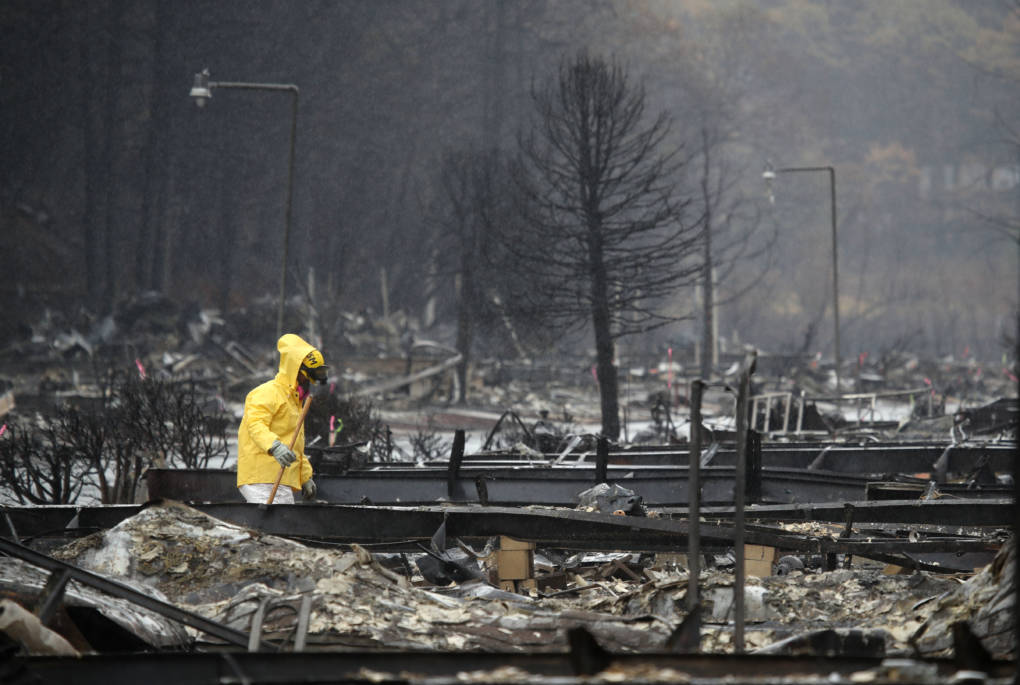
"caption": "A searcher amid rubble of a mobile home park in Paradise after the Camp Fire. ",
"description": null,
"title": "Camp Fire-Paradise",
"credit": "Justin Sullivan/Getty Images",
"status": "inherit",
"isLoading": false,
"fetchFailed": false
},
"news_11745985": {
"type": "attachments",
"id": "news_11745985",
"meta": {
"index": "attachments_1716263798",
"site": "news",
"id": "11745985",
"found": true
},
"parent": 11745968,
"imgSizes": {
"apple_news_ca_landscape_5_5": {
"file": "https://ww2.kqed.org/app/uploads/sites/10/2019/05/tours_050819_final-1044x783.jpg",
"width": 1044,
"mimeType": "image/jpeg",
"height": 783
},
"apple_news_ca_square_4_0": {
"file": "https://ww2.kqed.org/app/uploads/sites/10/2019/05/tours_050819_final-470x470.jpg",
"width": 470,
"mimeType": "image/jpeg",
"height": 470
},
"twentyfourteen-full-width": {
"file": "https://ww2.kqed.org/app/uploads/sites/10/2019/05/tours_050819_final-1038x576.jpg",
"width": 1038,
"mimeType": "image/jpeg",
"height": 576
},
"thumbnail": {
"file": "https://ww2.kqed.org/app/uploads/sites/10/2019/05/tours_050819_final-160x106.jpg",
"width": 160,
"mimeType": "image/jpeg",
"height": 106
},
"post-thumbnail": {
"file": "https://ww2.kqed.org/app/uploads/sites/10/2019/05/tours_050819_final-672x372.jpg",
"width": 672,
"mimeType": "image/jpeg",
"height": 372
},
"kqedFullSize": {
"file": "https://ww2.kqed.org/app/uploads/sites/10/2019/05/tours_050819_final.jpg",
"width": 1920,
"height": 1269
},
"apple_news_ca_landscape_4_7": {
"file": "https://ww2.kqed.org/app/uploads/sites/10/2019/05/tours_050819_final-632x474.jpg",
"width": 632,
"mimeType": "image/jpeg",
"height": 474
},
"large": {
"file": "https://ww2.kqed.org/app/uploads/sites/10/2019/05/tours_050819_final-1020x674.jpg",
"width": 1020,
"mimeType": "image/jpeg",
"height": 674
},
"complete_open_graph": {
"file": "https://ww2.kqed.org/app/uploads/sites/10/2019/05/tours_050819_final-1200x793.jpg",
"width": 1200,
"mimeType": "image/jpeg",
"height": 793
},
"apple_news_ca_landscape_4_0": {
"file": "https://ww2.kqed.org/app/uploads/sites/10/2019/05/tours_050819_final-536x402.jpg",
"width": 536,
"mimeType": "image/jpeg",
"height": 402
},
"apple_news_ca_portrait_12_9": {
"file": "https://ww2.kqed.org/app/uploads/sites/10/2019/05/tours_050819_final-1122x1269.jpg",
"width": 1122,
"mimeType": "image/jpeg",
"height": 1269
},
"medium": {
"file": "https://ww2.kqed.org/app/uploads/sites/10/2019/05/tours_050819_final-800x529.jpg",
"width": 800,
"mimeType": "image/jpeg",
"height": 529
},
"apple_news_ca_portrait_4_0": {
"file": "https://ww2.kqed.org/app/uploads/sites/10/2019/05/tours_050819_final-354x472.jpg",
"width": 354,
"mimeType": "image/jpeg",
"height": 472
},
"apple_news_ca_portrait_9_7": {
"file": "https://ww2.kqed.org/app/uploads/sites/10/2019/05/tours_050819_final-840x1120.jpg",
"width": 840,
"mimeType": "image/jpeg",
"height": 1120
},
"apple_news_ca_landscape_12_9": {
"file": "https://ww2.kqed.org/app/uploads/sites/10/2019/05/tours_050819_final-1832x1269.jpg",
"width": 1832,
"mimeType": "image/jpeg",
"height": 1269
},
"apple_news_ca_square_9_7": {
"file": "https://ww2.kqed.org/app/uploads/sites/10/2019/05/tours_050819_final-1104x1104.jpg",
"width": 1104,
"mimeType": "image/jpeg",
"height": 1104
},
"apple_news_ca_portrait_4_7": {
"file": "https://ww2.kqed.org/app/uploads/sites/10/2019/05/tours_050819_final-414x552.jpg",
"width": 414,
"mimeType": "image/jpeg",
"height": 552
},
"apple_news_ca_square_12_9": {
"file": "https://ww2.kqed.org/app/uploads/sites/10/2019/05/tours_050819_final-1472x1269.jpg",
"width": 1472,
"mimeType": "image/jpeg",
"height": 1269
},
"apple_news_ca_portrait_5_5": {
"file": "https://ww2.kqed.org/app/uploads/sites/10/2019/05/tours_050819_final-687x916.jpg",
"width": 687,
"mimeType": "image/jpeg",
"height": 916
},
"full-width": {
"file": "https://ww2.kqed.org/app/uploads/sites/10/2019/05/tours_050819_final-1920x1269.jpg",
"width": 1920,
"mimeType": "image/jpeg",
"height": 1269
},
"apple_news_ca_square_4_7": {
"file": "https://ww2.kqed.org/app/uploads/sites/10/2019/05/tours_050819_final-550x550.jpg",
"width": 550,
"mimeType": "image/jpeg",
"height": 550
},
"apple_news_ca_landscape_9_7": {
"file": "https://ww2.kqed.org/app/uploads/sites/10/2019/05/tours_050819_final-1376x1032.jpg",
"width": 1376,
"mimeType": "image/jpeg",
"height": 1032
},
"apple_news_ca_square_5_5": {
"file": "https://ww2.kqed.org/app/uploads/sites/10/2019/05/tours_050819_final-912x912.jpg",
"width": 912,
"mimeType": "image/jpeg",
"height": 912
}
},
"publishDate": 1557352703,
"modified": 1557352721,
"caption": null,
"description": null,
"title": "tours_050819_final",
"credit": null,
"status": "inherit",
"isLoading": false,
"fetchFailed": false
}
},
"audioPlayerReducer": {
"postId": "stream_live",
"isPaused": true,
"isPlaying": false,
"pfsActive": false,
"pledgeModalIsOpen": true,
"playerDrawerIsOpen": false,
"liveAudioPlayStartedAt": 0,
"liveAudioPlayContext": ""
},
"authorsReducer": {
"byline_news_11755782": {
"type": "authors",
"id": "byline_news_11755782",
"meta": {
"override": true
},
"slug": "byline_news_11755782",
"name": "Richard Gonzales and Dan Brekke",
"isLoading": false
},
"byline_news_11750755": {
"type": "authors",
"id": "byline_news_11750755",
"meta": {
"override": true
},
"slug": "byline_news_11750755",
"name": "\u003ca href=\"https://www.npr.org/people/2101350/eric-westervelt\">Eric Westervelt\u003c/a>\u003cbr>\u003ca href=\"https://www.npr.org/2019/05/29/724407043/after-paradise-living-with-fire-means-redefining-resilience\">NPR\u003c/a>",
"isLoading": false
},
"byline_news_11749445": {
"type": "authors",
"id": "byline_news_11749445",
"meta": {
"override": true
},
"slug": "byline_news_11749445",
"name": "Mark Albert\u003cbr>North State Public Radio",
"isLoading": false
},
"danbrekke": {
"type": "authors",
"id": "222",
"meta": {
"index": "authors_1716337520",
"id": "222",
"found": true
},
"name": "Dan Brekke",
"firstName": "Dan",
"lastName": "Brekke",
"slug": "danbrekke",
"email": "dbrekke@kqed.org",
"display_author_email": true,
"staff_mastheads": [
"news",
"science"
],
"title": "KQED Editor and Reporter",
"bio": "Dan Brekke is a reporter and editor for KQED News, responsible for coverage of topics ranging from California water issues to the Bay Area's transportation challenges. In a newsroom career that began in Chicago in 1972, Dan has worked for \u003cem>The San Francisco Examiner,\u003c/em> Wired and TechTV and has been published in The New York Times, The New York Times Magazine, Business 2.0, Salon and elsewhere.\r\n\r\nSince joining KQED in 2007, Dan has reported, edited and produced both radio and online features and breaking news pieces. He has shared as both editor and reporter in four Society of Professional Journalists Norcal Excellence in Journalism awards and one Edward R. Murrow regional award. He was chosen for a spring 2017 residency at the Mesa Refuge to advance his research on California salmon.\r\n\r\nEmail Dan at: \u003ca href=\"mailto:dbrekke@kqed.org\">dbrekke@kqed.org\u003c/a>\r\n\r\n\u003cstrong>Twitter:\u003c/strong> \u003ca href=\"https://twitter.com/danbrekke\" rel=\"noopener noreferrer\">twitter.com/danbrekke\u003c/a>\r\n\u003cstrong>Facebook:\u003c/strong> \u003ca href=\"https://www.facebook.com/danbrekke\" rel=\"noopener noreferrer\">www.facebook.com/danbrekke\u003c/a>\r\n\u003cstrong>LinkedIn:\u003c/strong> \u003ca href=\"https://www.linkedin.com/in/danbrekke\" rel=\"noopener noreferrer\">www.linkedin.com/in/danbrekke\u003c/a>",
"avatar": "https://secure.gravatar.com/avatar/c8126230345efca3f7aa89b1a402be45?s=600&d=mm&r=g",
"twitter": "danbrekke",
"facebook": null,
"instagram": "https://www.instagram.com/dan.brekke/",
"linkedin": "https://www.linkedin.com/in/danbrekke/",
"sites": [
{
"site": "news",
"roles": [
"administrator",
"create_posts"
]
},
{
"site": "stateofhealth",
"roles": [
"editor"
]
},
{
"site": "science",
"roles": [
"editor"
]
},
{
"site": "quest",
"roles": [
"contributor"
]
},
{
"site": "food",
"roles": [
"contributor"
]
},
{
"site": "forum",
"roles": [
"contributor"
]
},
{
"site": "liveblog",
"roles": [
"editor"
]
}
],
"headData": {
"title": "Dan Brekke | KQED",
"description": "KQED Editor and Reporter",
"ogImgSrc": "https://secure.gravatar.com/avatar/c8126230345efca3f7aa89b1a402be45?s=600&d=mm&r=g",
"twImgSrc": "https://secure.gravatar.com/avatar/c8126230345efca3f7aa89b1a402be45?s=600&d=mm&r=g"
},
"isLoading": false,
"link": "/author/danbrekke"
},
"markfiore": {
"type": "authors",
"id": "3236",
"meta": {
"index": "authors_1716337520",
"id": "3236",
"found": true
},
"name": "Mark Fiore",
"firstName": "Mark",
"lastName": "Fiore",
"slug": "markfiore",
"email": "mark@markfiore.com",
"display_author_email": false,
"staff_mastheads": [
"news"
],
"title": "KQED News Cartoonist",
"bio": "\u003ca href=\"http://www.MarkFiore.com\">MarkFiore.com\u003c/a> | \u003ca href=\"https://twitter.com/markfiore\">Follow on Twitter\u003c/a> | \u003ca href=\"https://www.facebook.com/pages/Mark-Fiore-Animated-Political-Cartoons/94451707396?ref=bookmarks\">Facebook\u003c/a> | \u003ca href=\"mailto:mark@markfiore.com\">email\u003c/a>\r\n\r\nPulitzer Prize-winner, Mark Fiore, who the Wall Street Journal has called “the undisputed guru of the form,” creates animated political cartoons in San Francisco, where his work has been featured regularly on the San Francisco Chronicle’s web site, SFGate.com. His work has appeared on Newsweek.com, Slate.com, CBSNews.com, MotherJones.com, DailyKos.com and NPR’s web site. Fiore’s political animation has appeared on CNN, Frontline, Bill Moyers Journal, Salon.com and cable and broadcast outlets across the globe.\r\n\r\nBeginning his professional life by drawing traditional political cartoons for newspapers, Fiore’s work appeared in publications ranging from the Washington Post to the Los Angeles Times. In the late 1990s, he began to experiment with animating political cartoons and, after a short stint at the San Jose Mercury News as their staff cartoonist, Fiore devoted all his energies to animation.\r\nGrowing up in California, Fiore also spent a good portion of his life in the backwoods of Idaho. It was this combination that shaped him politically. Mark majored in political science at Colorado College, where, in a perfect send-off for a cartoonist, he received his diploma in 1991 as commencement speaker Dick Cheney smiled approvingly.\r\nMark Fiore was awarded the Pulitzer Prize for political cartooning in 2010, a Robert F. Kennedy Journalism Award in 2004 and has twice received an Online Journalism Award for commentary from the Online News Association (2002, 2008). Fiore has received two awards for his work in new media from the National Cartoonists Society (2001, 2002), and in 2006 received The James Madison Freedom of Information Award from The Society of Professional Journalists.",
"avatar": "https://secure.gravatar.com/avatar/fc4e2a612b15b67bad0c6f0e1db4ca9b?s=600&d=blank&r=g",
"twitter": "MarkFiore",
"facebook": null,
"instagram": "https://www.instagram.com/markfiore/?hl=en",
"linkedin": null,
"sites": [
{
"site": "arts",
"roles": [
"contributor"
]
},
{
"site": "news",
"roles": [
"editor"
]
},
{
"site": "futureofyou",
"roles": [
"editor"
]
},
{
"site": "science",
"roles": [
"editor"
]
}
],
"headData": {
"title": "Mark Fiore | KQED",
"description": "KQED News Cartoonist",
"ogImgSrc": "https://secure.gravatar.com/avatar/fc4e2a612b15b67bad0c6f0e1db4ca9b?s=600&d=blank&r=g",
"twImgSrc": "https://secure.gravatar.com/avatar/fc4e2a612b15b67bad0c6f0e1db4ca9b?s=600&d=blank&r=g"
},
"isLoading": false,
"link": "/author/markfiore"
},
"ecruzguevarra": {
"type": "authors",
"id": "8654",
"meta": {
"index": "authors_1716337520",
"id": "8654",
"found": true
},
"name": "Ericka Cruz Guevarra",
"firstName": "Ericka",
"lastName": "Cruz Guevarra",
"slug": "ecruzguevarra",
"email": "ecruzguevarra@kqed.org",
"display_author_email": true,
"staff_mastheads": [
"news"
],
"title": "Producer, The Bay Podcast",
"bio": "Ericka Cruz Guevarra is host of \u003ca href=\"https://www.kqed.org/podcasts/thebay\">\u003cem>The Bay\u003c/em>\u003c/a> podcast at KQED. Before host, she was the show’s producer. Her work in that capacity includes a three-part reported series on policing in Vallejo, which won a 2020 excellence in journalism award from the Society of Professional Journalists. Ericka has worked as a breaking news reporter at Oregon Public Broadcasting, helped produce the Code Switch podcast, and was KQED’s inaugural Raul Ramirez Diversity Fund intern. She’s also an alumna of NPR’s Next Generation Radio program. Send her an email if you have strong feelings about whether Fairfield and Suisun City are the Bay. Ericka is represented by SAG-AFTRA.",
"avatar": "https://secure.gravatar.com/avatar/accefc1de4bafc7e234b69bcb9b6f6536c130fd84709bc3069ef11a78787e1bb?s=600&d=blank&r=g",
"twitter": "NotoriousECG",
"bluesky": null,
"facebook": null,
"instagram": null,
"linkedin": null,
"sites": [
{
"site": "arts",
"roles": [
"subscriber"
]
},
{
"site": "news",
"roles": [
"editor",
"manage_categories"
]
},
{
"site": "futureofyou",
"roles": [
"subscriber"
]
},
{
"site": "stateofhealth",
"roles": [
"subscriber"
]
},
{
"site": "science",
"roles": [
"editor"
]
},
{
"site": "forum",
"roles": [
"subscriber"
]
}
],
"headData": {
"title": "Ericka Cruz Guevarra | KQED",
"description": "Producer, The Bay Podcast",
"ogImgSrc": "https://secure.gravatar.com/avatar/accefc1de4bafc7e234b69bcb9b6f6536c130fd84709bc3069ef11a78787e1bb?s=600&d=blank&r=g",
"twImgSrc": "https://secure.gravatar.com/avatar/accefc1de4bafc7e234b69bcb9b6f6536c130fd84709bc3069ef11a78787e1bb?s=600&d=blank&r=g"
},
"isLoading": false,
"link": "/author/ecruzguevarra"
},
"jeremysiegel": {
"type": "authors",
"id": "11258",
"meta": {
"index": "authors_1716337520",
"id": "11258",
"found": true
},
"name": "Jeremy Siegel",
"firstName": "Jeremy",
"lastName": "Siegel",
"slug": "jeremysiegel",
"email": "jsiegel@kqed.org",
"display_author_email": false,
"staff_mastheads": [],
"title": "KQED Contributor",
"bio": "Jeremy Siegel is is the weekend afternoon news anchor for KQED. His reporting can be heard on KQED News, Morning Edition, All Things Considered and The California Report. Jeremy's coverage of the Camp Fire in Butte County won the 2019 Society of Professional Journalists, Northern California Chapter, Excellence in Journalism Award for Breaking News. Jeremy grew up in Cincinnati, Ohio, and graduated from UC Berkeley.",
"avatar": "https://secure.gravatar.com/avatar/3921a64ceb9ed5d0ba47d9ae9782f1ab?s=600&d=blank&r=g",
"twitter": "jersiegel",
"facebook": null,
"instagram": null,
"linkedin": null,
"sites": [
{
"site": "arts",
"roles": []
},
{
"site": "news",
"roles": [
"subscriber"
]
},
{
"site": "science",
"roles": []
}
],
"headData": {
"title": "Jeremy Siegel | KQED",
"description": "KQED Contributor",
"ogImgSrc": "https://secure.gravatar.com/avatar/3921a64ceb9ed5d0ba47d9ae9782f1ab?s=600&d=blank&r=g",
"twImgSrc": "https://secure.gravatar.com/avatar/3921a64ceb9ed5d0ba47d9ae9782f1ab?s=600&d=blank&r=g"
},
"isLoading": false,
"link": "/author/jeremysiegel"
},
"rlevi": {
"type": "authors",
"id": "11260",
"meta": {
"index": "authors_1716337520",
"id": "11260",
"found": true
},
"name": "Ryan Levi",
"firstName": "Ryan",
"lastName": "Levi",
"slug": "rlevi",
"email": "rlevi@KQED.org",
"display_author_email": false,
"staff_mastheads": [],
"title": "KQED Contributor",
"bio": "Ryan Levi was a reporter and podcast producer at KQED News from 2016-2019. He worked on \u003ca href=\"https://www.kqed.org/news/series/baycurious\">Bay Curious\u003c/a>, \u003ca href=\"https://www.kqed.org/news/tag/the-bay/\">The Bay, \u003c/a>and \u003ca href=\"https://podcasts.apple.com/us/podcast/the-california-report-magazine/id1314750545\">The California Report Magazine\u003c/a>, as well as hosting and producing the weekly \u003ca href=\"https://www.kqed.org/news/program/qedup/\">Q'ed Up podcast. \u003c/a>He also helped inaugurate KQED's weekend news coverage in 2017 as one of two original digital producers. Ryan holds degrees in multimedia journalism and Spanish from the University of Missouri.",
"avatar": "https://secure.gravatar.com/avatar/4cb2ddd028ac8807d1adf09609c5555d?s=600&d=blank&r=g",
"twitter": "ryan_levi",
"facebook": null,
"instagram": null,
"linkedin": null,
"sites": [
{
"site": "arts",
"roles": [
"editor"
]
},
{
"site": "news",
"roles": [
"subscriber"
]
},
{
"site": "stateofhealth",
"roles": [
"editor"
]
},
{
"site": "science",
"roles": [
"editor"
]
},
{
"site": "forum",
"roles": [
"administrator"
]
},
{
"site": "perspectives",
"roles": [
"administrator"
]
}
],
"headData": {
"title": "Ryan Levi | KQED",
"description": "KQED Contributor",
"ogImgSrc": "https://secure.gravatar.com/avatar/4cb2ddd028ac8807d1adf09609c5555d?s=600&d=blank&r=g",
"twImgSrc": "https://secure.gravatar.com/avatar/4cb2ddd028ac8807d1adf09609c5555d?s=600&d=blank&r=g"
},
"isLoading": false,
"link": "/author/rlevi"
},
"mfederis": {
"type": "authors",
"id": "11509",
"meta": {
"index": "authors_1716337520",
"id": "11509",
"found": true
},
"name": "Marnette Federis",
"firstName": "Marnette",
"lastName": "Federis",
"slug": "mfederis",
"email": "mfederis@kqed.org",
"display_author_email": false,
"staff_mastheads": [],
"title": "KQED Contributor",
"bio": null,
"avatar": "https://secure.gravatar.com/avatar/6553b16260501cef36787444651fa5ed?s=600&d=blank&r=g",
"twitter": null,
"facebook": null,
"instagram": null,
"linkedin": null,
"sites": [
{
"site": "news",
"roles": [
"editor"
]
},
{
"site": "mindshift",
"roles": [
"editor"
]
},
{
"site": "science",
"roles": [
"editor"
]
},
{
"site": "podcasts",
"roles": [
"editor"
]
}
],
"headData": {
"title": "Marnette Federis | KQED",
"description": "KQED Contributor",
"ogImgSrc": "https://secure.gravatar.com/avatar/6553b16260501cef36787444651fa5ed?s=600&d=blank&r=g",
"twImgSrc": "https://secure.gravatar.com/avatar/6553b16260501cef36787444651fa5ed?s=600&d=blank&r=g"
},
"isLoading": false,
"link": "/author/mfederis"
},
"mwiley": {
"type": "authors",
"id": "11526",
"meta": {
"index": "authors_1716337520",
"id": "11526",
"found": true
},
"name": "Michelle Wiley",
"firstName": "Michelle",
"lastName": "Wiley",
"slug": "mwiley",
"email": "mwiley@KQED.org",
"display_author_email": true,
"staff_mastheads": [],
"title": null,
"bio": "Michelle Wiley was the senior editor of weekends.",
"avatar": "https://secure.gravatar.com/avatar/3b897d82a09e8587e8e73fa69fbcc635?s=600&d=blank&r=g",
"twitter": "michelleewiley",
"facebook": null,
"instagram": null,
"linkedin": null,
"sites": [
{
"site": "",
"roles": [
"editor"
]
},
{
"site": "arts",
"roles": [
"editor"
]
},
{
"site": "news",
"roles": [
"subscriber"
]
},
{
"site": "lowdown",
"roles": [
"editor"
]
},
{
"site": "science",
"roles": [
"editor"
]
},
{
"site": "podcasts",
"roles": [
"editor"
]
}
],
"headData": {
"title": "Michelle Wiley | KQED",
"description": null,
"ogImgSrc": "https://secure.gravatar.com/avatar/3b897d82a09e8587e8e73fa69fbcc635?s=600&d=blank&r=g",
"twImgSrc": "https://secure.gravatar.com/avatar/3b897d82a09e8587e8e73fa69fbcc635?s=600&d=blank&r=g"
},
"isLoading": false,
"link": "/author/mwiley"
},
"slister": {
"type": "authors",
"id": "11582",
"meta": {
"index": "authors_1716337520",
"id": "11582",
"found": true
},
"name": "Stephanie Lister",
"firstName": "Stephanie",
"lastName": "Lister",
"slug": "slister",
"email": "slister@kqed.org",
"display_author_email": false,
"staff_mastheads": [],
"title": "KQED Contributor",
"bio": null,
"avatar": "https://secure.gravatar.com/avatar/5393644d68259d7bd1c83bcfc9725ca5?s=600&d=blank&r=g",
"twitter": null,
"facebook": null,
"instagram": null,
"linkedin": null,
"sites": [
{
"site": "news",
"roles": [
"subscriber"
]
}
],
"headData": {
"title": "Stephanie Lister | KQED",
"description": "KQED Contributor",
"ogImgSrc": "https://secure.gravatar.com/avatar/5393644d68259d7bd1c83bcfc9725ca5?s=600&d=blank&r=g",
"twImgSrc": "https://secure.gravatar.com/avatar/5393644d68259d7bd1c83bcfc9725ca5?s=600&d=blank&r=g"
},
"isLoading": false,
"link": "/author/slister"
}
},
"pagesReducer": {
"news_tag_paradise": {
"type": "terms",
"id": "news_22753",
"meta": {
"index": "terms_1716263798",
"site": "news",
"id": "22753",
"score": 9.556095
},
"featImg": null,
"name": "Paradise",
"description": null,
"taxonomy": "tag",
"headData": {
"twImgId": null,
"twTitle": null,
"ogTitle": null,
"ogImgId": null,
"twDescription": null,
"description": null,
"title": "Paradise Archives | KQED News",
"ogDescription": null
},
"ttid": 22770,
"slug": "paradise",
"isLoading": false,
"title": "Paradise",
"pageMeta": {
"site": "news",
"WpPageTemplate": "page-topic-editorial",
"currentPage": 3
},
"blocks": [
{
"blockName": "kqed/post-list",
"attrs": {
"layout": "cardArticle2",
"query": "posts/news?tag=paradise",
"seeMore": false,
"paginated": true,
"page": 3
}
},
{
"blockName": "kqed/ad"
}
]
}
},
"pfsSessionReducer": {},
"postsReducer": {
"stream_live": {
"type": "live",
"id": "stream_live",
"audioUrl": "https://streams.kqed.org/kqedradio",
"title": "Live Stream",
"excerpt": "Live Stream information currently unavailable.",
"link": "/radio",
"featImg": "",
"label": {
"name": "KQED Live",
"link": "/"
}
},
"stream_kqedNewscast": {
"type": "posts",
"id": "stream_kqedNewscast",
"audioUrl": "https://www.kqed.org/.stream/anon/radio/RDnews/newscast.mp3?_=1",
"title": "KQED Newscast",
"featImg": "",
"label": {
"name": "88.5 FM",
"link": "/"
}
},
"news_11755782": {
"type": "posts",
"id": "news_11755782",
"meta": {
"index": "posts_1716263798",
"site": "news",
"id": "11755782",
"score": null,
"sort": [
1560971489000
]
},
"parent": 0,
"labelTerm": {
"site": "news"
},
"blocks": [],
"publishDate": 1560971489,
"format": "standard",
"disqusTitle": "What PG&E Settlement Could Mean for Rebuilding of Paradise",
"title": "What PG&E Settlement Could Mean for Rebuilding of Paradise",
"headTitle": "KQED News",
"content": "\u003cp>PG&E has agreed to pay $1 billion to 14 local governments to settle lawsuits filed in the wake of catastrophic wildfires linked to the company's equipment.\u003c/p>\n\u003cp>Attorneys for a group of local \"public entities\" — counties and cities — announced the proposed settlement Tuesday to help cover damage from the 2015 Butte Fire, the 2017 North Bay fires and last November's Camp Fire.\u003c/p>\n\u003cp>More than half of the payments would go to Butte County entities that sued after the Camp blaze.\u003c/p>\n\u003cp>The town of Paradise, which was virtually destroyed by the fire, will receive $270 million. Another $252 million is designated for Butte County and $47.5 million for Paradise Recreation and Park District.\u003c/p>\n\u003cp>Yuba County and the Calaveras County Water District will receive $12.5 million and $3 million respectively for the 2015 Butte Fire.\u003c/p>\n\u003cp>[ad fullwidth]\u003c/p>\n\u003cp>Some $415 million will be divided by other jurisdictions and agencies hit by the wildfires in 2017: Sonoma, Mendocino, Lake, Napa, Yuba and Nevada counties; the cities of Napa and Santa Rosa; and the town of Clearlake.\u003c/p>\n\u003cp>The communities' lawsuits sought to recover damages for loss of natural resources, loss of public parks, property destruction and fire suppression costs.\u003c/p>\n\u003cp>Paradise Mayor Jody Jones said the settlement funds -- which must be approved by the San Francisco court handling PG&E's bankruptcy case -- will be crucial in helping to rebuild the town and restore people's faith that the community has a future.\u003c/p>\n\u003cp>\"It gives us a lot of resources that we did not have before that are going to help in so many ways with recovery and rebuilding,\" Jones said Tuesday. \"And I think it’s going to help people’s confidence a lot because they know the town’s not going to go bankrupt.\"\u003c/p>\n\u003cp>The money will help physical reconstruction of facilities like streets, water systems and sewers. The town, which in the current fiscal year had a budget of about $12 million, also needs cash for more basic needs.\u003c/p>\n\u003cp>\"In general, it will be used to make sure that we can pay our policemen and our firefighters and our other town employees, since we lost our entire tax base,\" Jones said.\u003c/p>\n\u003cp>The money could also help the town deal with a major hazard the fire left behind.\u003c/p>\n\u003cp>\"We've got a lot of dead trees on private property that people don't have the resources to clear,\" Jones said. \"So I'm hoping that it can maybe help us do that.\"\u003c/p>\n\u003cp>The mayor also pointed to one other benefit that comes from resolving the case now.\u003c/p>\n\u003cp>\"We didn't have to go through multiple years of trial,\" she said. \"Assuming that the bankruptcy court approves it, it saved a lot of time, it saved a lot of money in attorney's fees, and I think it's fair.\"\u003c/p>\n\u003cp>Jones and town attorney Dwight Moore said it could take 12 to 18 months for Paradise to see cash from the agreement.\u003c/p>\n\u003cp>The proposed settlement does not cover claims filed by individuals or businesses that were victims of the fires.\u003c/p>\n\u003cp>Steve Campora, a Sacramento attorney who is part of the consortium of lawyers representing the thousands of individual clients in the PG&E wildfire cases, said he believes the newly announced settlement is \"actually good for the plaintiffs, the victims.\"\u003c/p>\n\u003cp>He said that's because attorneys for other groups of plaintiffs who are also negotiating settlements with PG&E have a sort of benchmark to work with.\u003c/p>\n\u003cp>\"It will help knowing what the public entities are willing to take,\" Campora said. \"This is one step along the way, and it's progress.\"\u003c/p>\n\u003cp>PG&E filed for \u003ca href=\"https://www.npr.org/2019/01/29/689760953/californias-pg-e-power-utility-files-for-bankruptcy-after-wildfire-lawsuits\">bankruptcy protection\u003c/a> in January. State fire investigators concluded in May that PG&E's \u003ca href=\"https://www.npr.org/2019/05/15/723753237/pg-e-transmission-lines-caused-californias-deadliest-wildfire-state-officials-sa\">transmission lines\u003c/a> were to blame for the 2018 Camp Fire, the deadliest and most destructive in California history. The fire killed 85 people and burned nearly 14,000 homes.\u003c/p>\n\u003cp>\u003c/p>\n\u003cp>The settlement is \"an important first step toward an orderly, fair and expeditious resolution of wildfire claims,\" PG&E said in a statement after the settlement was announced. \"We remain focused on supporting our customers and communities impacted by wildfires and helping them recover and rebuild.\"\u003c/p>\n\n",
"disqusIdentifier": "11755782 https://ww2.kqed.org/news/?p=11755782",
"disqusUrl": "https://ww2.kqed.org/news/2019/06/19/pge-agrees-to-pay-1-billion-to-local-governments-for-wildfire-damage/",
"stats": {
"hasVideo": false,
"hasChartOrMap": false,
"hasAudio": false,
"hasPolis": false,
"wordCount": 706,
"hasGoogleForm": false,
"hasGallery": false,
"hasHearkenModule": false,
"iframeSrcs": [],
"paragraphCount": 24
},
"modified": 1560980773,
"excerpt": "Devastated town and Butte County, the scene of last November's Camp Fire, stand to get more than half of a proposed $1 billion settlement.",
"headData": {
"twImgId": "",
"twTitle": "",
"ogTitle": "",
"ogImgId": "",
"twDescription": "",
"description": "Devastated town and Butte County, the scene of last November's Camp Fire, stand to get more than half of a proposed $1 billion settlement.",
"title": "What PG&E Settlement Could Mean for Rebuilding of Paradise | KQED",
"ogDescription": "",
"schema": {
"@context": "https://schema.org",
"@type": "NewsArticle",
"headline": "What PG&E Settlement Could Mean for Rebuilding of Paradise",
"datePublished": "2019-06-19T12:11:29-07:00",
"dateModified": "2019-06-19T14:46:13-07:00",
"image": "https://cdn.kqed.org/wp-content/uploads/2020/02/KQED-OG-Image@1x.png",
"isAccessibleForFree": "True",
"publisher": {
"@type": "NewsMediaOrganization",
"@id": "https://www.kqed.org/#organization",
"name": "KQED",
"logo": "https://cdn.kqed.org/wp-content/uploads/2020/02/KQED-OG-Image@1x.png",
"url": "https://www.kqed.org",
"sameAs": [
"https://www.facebook.com/KQED",
"https://twitter.com/KQED",
"https://www.instagram.com/kqed/",
"https://www.tiktok.com/@kqedofficial",
"https://www.linkedin.com/company/kqed",
"https://www.youtube.com/channel/UCeC0IOo7i1P_61zVUWbJ4nw"
]
}
}
},
"guestAuthors": [],
"slug": "pge-agrees-to-pay-1-billion-to-local-governments-for-wildfire-damage",
"status": "publish",
"nprApiLink": "http://api.npr.org/query?id=733897949&apiKey=MDAxOTAwOTE4MDEyMTkxMDAzNjczZDljZA004",
"templateType": "standard",
"nprStoryDate": "Tue, 18 Jun 2019 21:06:00 -0400",
"nprLastModifiedDate": "Wed, 19 Jun 2019 11:14:59 -0400",
"featuredImageType": "standard",
"nprHtmlLink": "https://www.npr.org/2019/06/18/733897949/utility-giant-pg-e-to-pay-1-billion-to-california-governments-for-wildfire-damag?ft=nprml&f=733897949",
"nprAudio": "https://ondemand.npr.org/anon.npr-mp3/npr/atc/2019/06/20190618_atc_pge_wildfire_settlement.mp3?orgId=1&topicId=1070&d=219&p=2&story=733897949&ft=nprml&f=733897949",
"nprImageAgency": "AP",
"nprAudioM3u": "http://api.npr.org/m3u/1733899563-c0600d.m3u?orgId=1&topicId=1070&d=219&p=2&story=733897949&ft=nprml&f=733897949",
"nprStoryId": "733897949",
"nprByline": "Richard Gonzales and Dan Brekke",
"audioTrackLength": 219,
"nprImageCredit": "Noah Berger",
"nprRetrievedStory": "1",
"nprPubDate": "Wed, 19 Jun 2019 10:33:00 -0400",
"path": "/news/11755782/pge-agrees-to-pay-1-billion-to-local-governments-for-wildfire-damage",
"audioUrl": "https://ondemand.npr.org/anon.npr-mp3/npr/atc/2019/06/20190618_atc_pge_wildfire_settlement.mp3?orgId=1&topicId=1070&d=219&p=2&story=733897949&ft=nprml&f=733897949",
"parsedContent": [
{
"type": "contentString",
"content": "\u003cdiv class=\"post-body\">\u003cp>\u003cp>PG&E has agreed to pay $1 billion to 14 local governments to settle lawsuits filed in the wake of catastrophic wildfires linked to the company's equipment.\u003c/p>\n\u003cp>Attorneys for a group of local \"public entities\" — counties and cities — announced the proposed settlement Tuesday to help cover damage from the 2015 Butte Fire, the 2017 North Bay fires and last November's Camp Fire.\u003c/p>\n\u003cp>More than half of the payments would go to Butte County entities that sued after the Camp blaze.\u003c/p>\n\u003cp>The town of Paradise, which was virtually destroyed by the fire, will receive $270 million. Another $252 million is designated for Butte County and $47.5 million for Paradise Recreation and Park District.\u003c/p>\n\u003cp>Yuba County and the Calaveras County Water District will receive $12.5 million and $3 million respectively for the 2015 Butte Fire.\u003c/p>\n\u003cp>\u003c/p>\u003c/div>",
"attributes": {
"named": {},
"numeric": []
}
},
{
"type": "component",
"content": "",
"name": "ad",
"attributes": {
"named": {
"label": "fullwidth"
},
"numeric": [
"fullwidth"
]
}
},
{
"type": "contentString",
"content": "\u003cdiv class=\"post-body\">\u003cp>\u003c/p>\n\u003cp>Some $415 million will be divided by other jurisdictions and agencies hit by the wildfires in 2017: Sonoma, Mendocino, Lake, Napa, Yuba and Nevada counties; the cities of Napa and Santa Rosa; and the town of Clearlake.\u003c/p>\n\u003cp>The communities' lawsuits sought to recover damages for loss of natural resources, loss of public parks, property destruction and fire suppression costs.\u003c/p>\n\u003cp>Paradise Mayor Jody Jones said the settlement funds -- which must be approved by the San Francisco court handling PG&E's bankruptcy case -- will be crucial in helping to rebuild the town and restore people's faith that the community has a future.\u003c/p>\n\u003cp>\"It gives us a lot of resources that we did not have before that are going to help in so many ways with recovery and rebuilding,\" Jones said Tuesday. \"And I think it’s going to help people’s confidence a lot because they know the town’s not going to go bankrupt.\"\u003c/p>\n\u003cp>The money will help physical reconstruction of facilities like streets, water systems and sewers. The town, which in the current fiscal year had a budget of about $12 million, also needs cash for more basic needs.\u003c/p>\n\u003cp>\"In general, it will be used to make sure that we can pay our policemen and our firefighters and our other town employees, since we lost our entire tax base,\" Jones said.\u003c/p>\n\u003cp>The money could also help the town deal with a major hazard the fire left behind.\u003c/p>\n\u003cp>\"We've got a lot of dead trees on private property that people don't have the resources to clear,\" Jones said. \"So I'm hoping that it can maybe help us do that.\"\u003c/p>\n\u003cp>The mayor also pointed to one other benefit that comes from resolving the case now.\u003c/p>\n\u003cp>\"We didn't have to go through multiple years of trial,\" she said. \"Assuming that the bankruptcy court approves it, it saved a lot of time, it saved a lot of money in attorney's fees, and I think it's fair.\"\u003c/p>\n\u003cp>Jones and town attorney Dwight Moore said it could take 12 to 18 months for Paradise to see cash from the agreement.\u003c/p>\n\u003cp>The proposed settlement does not cover claims filed by individuals or businesses that were victims of the fires.\u003c/p>\n\u003cp>Steve Campora, a Sacramento attorney who is part of the consortium of lawyers representing the thousands of individual clients in the PG&E wildfire cases, said he believes the newly announced settlement is \"actually good for the plaintiffs, the victims.\"\u003c/p>\n\u003cp>He said that's because attorneys for other groups of plaintiffs who are also negotiating settlements with PG&E have a sort of benchmark to work with.\u003c/p>\n\u003cp>\"It will help knowing what the public entities are willing to take,\" Campora said. \"This is one step along the way, and it's progress.\"\u003c/p>\n\u003cp>PG&E filed for \u003ca href=\"https://www.npr.org/2019/01/29/689760953/californias-pg-e-power-utility-files-for-bankruptcy-after-wildfire-lawsuits\">bankruptcy protection\u003c/a> in January. State fire investigators concluded in May that PG&E's \u003ca href=\"https://www.npr.org/2019/05/15/723753237/pg-e-transmission-lines-caused-californias-deadliest-wildfire-state-officials-sa\">transmission lines\u003c/a> were to blame for the 2018 Camp Fire, the deadliest and most destructive in California history. The fire killed 85 people and burned nearly 14,000 homes.\u003c/p>\n\u003cp>\u003c/p>\n\u003cp>The settlement is \"an important first step toward an orderly, fair and expeditious resolution of wildfire claims,\" PG&E said in a statement after the settlement was announced. \"We remain focused on supporting our customers and communities impacted by wildfires and helping them recover and rebuild.\"\u003c/p>\n\n\u003c/div>\u003c/p>",
"attributes": {
"named": {},
"numeric": []
}
}
],
"link": "/news/11755782/pge-agrees-to-pay-1-billion-to-local-governments-for-wildfire-damage",
"authors": [
"byline_news_11755782"
],
"categories": [
"news_6188",
"news_8"
],
"tags": [
"news_24483",
"news_22753",
"news_140",
"news_4463"
],
"featImg": "news_11755783",
"label": "news"
},
"news_11755513": {
"type": "posts",
"id": "news_11755513",
"meta": {
"index": "posts_1716263798",
"site": "news",
"id": "11755513",
"score": null,
"sort": [
1560970998000
]
},
"guestAuthors": [],
"slug": "after-reporting-lower-than-expected-figures-butte-county-considers-new-homeless-count",
"title": "After Reporting Lower-Than-Expected Figures, Butte County Considers New Homeless Count",
"publishDate": 1560970998,
"format": "audio",
"headTitle": "After Reporting Lower-Than-Expected Figures, Butte County Considers New Homeless Count | KQED",
"labelTerm": {
"site": "news"
},
"content": "\u003cp>[aside label=\"Related stories\" tag=\"butte-fire\"]Butte County officials are considering plans to conduct a new homeless count, just a day after releasing the results of the most recent tally, which many see as a significant undercount of the total homeless population.\u003c/p>\n\u003cp>The\u003ca href=\"https://ww2.kqed.org/news/wp-content/uploads/sites/10/2019/06/Final-2019-Point-in-Time-Executive-Summary-Report-Published-on-June-17-2019.pdf\" target=\"_blank\" rel=\"noopener\"> biennial point-in-time (PIT) count\u003c/a> was conducted on a single rainy day in March, just five months after the deadly Camp Fire leveled the town of Paradise. That tally identified 2,304 sheltered and unsheltered homeless people countywide, many of whom were directly impacted by the fire. That’s a 16% increase since 2017.\u003c/p>\n\u003cp>The report acknowledges that the results are likely an undercount “due to ongoing challenges in locating homeless individuals, especially those that are displaced and unhoused due to the Camp Fire.”\u003c/p>\n\u003cp>Officials said the timing of the initial count was also problematic.\u003c/p>\n\u003cp>“At the end of March, Camp Fire survivors were just starting to mentally come out of the haze,” said Jennifer Griggs, Butte County’s homeless coordinator. “So if we were to take this now, I would suspect there would be more Camp Fire survivors who were first-time homeless that are out on our streets.”\u003c/p>\n\u003cfigure id=\"attachment_11755626\" class=\"wp-caption alignnone\" style=\"max-width: 800px\">\u003cimg loading=\"lazy\" decoding=\"async\" class=\"wp-image-11755626 size-medium\" src=\"https://ww2.kqed.org/news/wp-content/uploads/sites/10/2019/06/graph-4-800x359.jpg\" alt=\"A comparison of unsheltered homeless counts over the past decade. 2019 marks the highest number so far. \" width=\"800\" height=\"359\" srcset=\"https://cdn.kqed.org/wp-content/uploads/sites/10/2019/06/graph-4-800x359.jpg 800w, https://cdn.kqed.org/wp-content/uploads/sites/10/2019/06/graph-4-160x72.jpg 160w, https://cdn.kqed.org/wp-content/uploads/sites/10/2019/06/graph-4-1020x458.jpg 1020w, https://cdn.kqed.org/wp-content/uploads/sites/10/2019/06/graph-4-1200x539.jpg 1200w, https://cdn.kqed.org/wp-content/uploads/sites/10/2019/06/graph-4.jpg 1634w\" sizes=\"auto, (max-width: 800px) 100vw, 800px\">\u003cfigcaption class=\"wp-caption-text\">A comparison of the unsheltered homeless population since 2011. 2019 marks the highest number to date, but is still widely considered a significant undercount. \u003ccite>(Courtesy of the Butte Countywide Homeless Continnum of Care )\u003c/cite>\u003c/figcaption>\u003c/figure>\n\u003cp>If approved, the new homeless count would take place in January.\u003c/p>\n\u003cp>The survey found 891 people living in unsheltered conditions (including vehicles without hookups), 420 in sheltered conditions and 993 sheltered with the support of the Federal Emergency Management Agency.\u003c/p>\n\u003cp>Of the 891 people living in unsheltered conditions, 23% reported surviving the Camp Fire and experiencing homelessness for the first time. And 15% said they were homeless before the fire.\u003c/p>\n\u003cp>“That is really our most vulnerable population,” said Griggs, of the longer-term homeless community. “Just like any other Camp Fire survivor, those who were homeless prior lost their community.”\u003c/p>\n\u003cfigure id=\"attachment_11755629\" class=\"wp-caption alignright\" style=\"max-width: 1810px\">\u003ca href=\"https://ww2.kqed.org/news/wp-content/uploads/sites/10/2019/06/graph-1.jpg\">\u003cimg loading=\"lazy\" decoding=\"async\" class=\"size-full wp-image-11755629\" src=\"https://ww2.kqed.org/news/wp-content/uploads/sites/10/2019/06/graph-1.jpg\" alt=\"Of those living unsheltered, 23 percent report being homeless for the first time and survivors of the Camp Fire.\" width=\"1810\" height=\"1084\" srcset=\"https://cdn.kqed.org/wp-content/uploads/sites/10/2019/06/graph-1.jpg 1810w, https://cdn.kqed.org/wp-content/uploads/sites/10/2019/06/graph-1-160x96.jpg 160w, https://cdn.kqed.org/wp-content/uploads/sites/10/2019/06/graph-1-800x479.jpg 800w, https://cdn.kqed.org/wp-content/uploads/sites/10/2019/06/graph-1-1020x611.jpg 1020w, https://cdn.kqed.org/wp-content/uploads/sites/10/2019/06/graph-1-1200x719.jpg 1200w\" sizes=\"auto, (max-width: 1810px) 100vw, 1810px\">\u003c/a>\u003cfigcaption class=\"wp-caption-text\">A breakdown of Butte County’s unsheltered population (self-disclosed). Nearly a quarter of the population reported being homeless for the first time \u003cem>and\u003c/em> survivors of the Camp Fire. \u003ccite>(Courtesy of the Butte Countywide Homeless Continuum of Care)\u003c/cite>\u003c/figcaption>\u003c/figure>\n\u003cp>She added, “They’re no longer in their safe zone, so it’s very difficult for them to engage.”\u003c/p>\n\u003cp>The Camp Fire, which broke out in early November and quickly became the deadliest and most destructive wildfire in California history, wiped out a huge swath of housing stock in a county that was already facing a \u003ca href=\"https://www.kqed.org/news/11706501/camp-fire-worsens-housing-crises-in-butte-county\" target=\"_blank\" rel=\"noopener\">housing crisis\u003c/a>, with a vacancy rate of just 1.5%.\u003c/p>\n\u003cp>Today’s even tighter housing situation has created a kind of hierarchy between those who were homeless before the fire and those who have since become homeless as a result of it, putting the former at an even greater disadvantage, Griggs said.\u003c/p>\n\u003cp>“Chances are they don’t have the best credit,” she said. “Chances are they have some evictions. Their employment may or may not be there anymore. And if a property owner has [another] person who has a full-time job, no evictions … you know who they’re going to take.”\u003c/p>\n\u003cp>To address the shortage, state Assemblyman James Gallagher, R-Yuba City, who represents the district, recently \u003ca href=\"https://leginfo.legislature.ca.gov/faces/billStatusClient.xhtml?bill_id=201920200AB430\" target=\"_blank\" rel=\"noopener\">introduced a bill\u003c/a> to expedite the construction of new housing units in fire-impacted areas. FEMA also plans to offer additional mobile housing units in the nearby town of Gridley in August.\u003c/p>\n\u003cp>[ad fullwidth]\u003c/p>\n\u003cp>\u003c/p>\n",
"blocks": [],
"excerpt": "Just a day after releasing the results of the 2019 homeless count, officials in Butte County say they may need to do another one to get a more accurate tally. ",
"status": "publish",
"parent": 0,
"modified": 1740517465,
"stats": {
"hasAudio": false,
"hasVideo": false,
"hasChartOrMap": false,
"iframeSrcs": [],
"hasGoogleForm": false,
"hasGallery": false,
"hasHearkenModule": false,
"hasPolis": false,
"paragraphCount": 16,
"wordCount": 602
},
"headData": {
"title": "After Reporting Lower-Than-Expected Figures, Butte County Considers New Homeless Count | KQED",
"description": "Just a day after releasing the results of the 2019 homeless count, officials in Butte County say they may need to do another one to get a more accurate tally. ",
"ogTitle": "",
"ogDescription": "",
"ogImgId": "",
"twTitle": "",
"twDescription": "",
"twImgId": "",
"schema": {
"@context": "https://schema.org",
"@type": "NewsArticle",
"headline": "After Reporting Lower-Than-Expected Figures, Butte County Considers New Homeless Count",
"datePublished": "2019-06-19T12:03:18-07:00",
"dateModified": "2025-02-25T13:04:25-08:00",
"image": "https://cdn.kqed.org/wp-content/uploads/2020/02/KQED-OG-Image@1x.png",
"isAccessibleForFree": "True",
"publisher": {
"@type": "NewsMediaOrganization",
"@id": "https://www.kqed.org/#organization",
"name": "KQED",
"logo": "https://cdn.kqed.org/wp-content/uploads/2020/02/KQED-OG-Image@1x.png",
"url": "https://www.kqed.org",
"sameAs": [
"https://www.facebook.com/KQED",
"https://twitter.com/KQED",
"https://www.instagram.com/kqed/",
"https://www.tiktok.com/@kqedofficial",
"https://www.linkedin.com/company/kqed",
"https://www.youtube.com/channel/UCeC0IOo7i1P_61zVUWbJ4nw"
]
}
}
},
"audioUrl": "https://www.kqed.org/.stream/anon/radio/tcr/2019/06/WileyButteHomeless.mp3",
"sticky": false,
"audioTrackLength": 79,
"path": "/news/11755513/after-reporting-lower-than-expected-figures-butte-county-considers-new-homeless-count",
"audioDuration": 79000,
"parsedContent": [
{
"type": "contentString",
"content": "\u003cdiv class=\"post-body\">\u003cp>\u003cp>\u003c/p>\u003c/div>",
"attributes": {
"named": {},
"numeric": []
}
},
{
"type": "component",
"content": "",
"name": "aside",
"attributes": {
"named": {
"label": "Related stories ",
"tag": "butte-fire"
},
"numeric": []
}
},
{
"type": "contentString",
"content": "\u003cdiv class=\"post-body\">\u003cp>Butte County officials are considering plans to conduct a new homeless count, just a day after releasing the results of the most recent tally, which many see as a significant undercount of the total homeless population.\u003c/p>\n\u003cp>The\u003ca href=\"https://ww2.kqed.org/news/wp-content/uploads/sites/10/2019/06/Final-2019-Point-in-Time-Executive-Summary-Report-Published-on-June-17-2019.pdf\" target=\"_blank\" rel=\"noopener\"> biennial point-in-time (PIT) count\u003c/a> was conducted on a single rainy day in March, just five months after the deadly Camp Fire leveled the town of Paradise. That tally identified 2,304 sheltered and unsheltered homeless people countywide, many of whom were directly impacted by the fire. That’s a 16% increase since 2017.\u003c/p>\n\u003cp>The report acknowledges that the results are likely an undercount “due to ongoing challenges in locating homeless individuals, especially those that are displaced and unhoused due to the Camp Fire.”\u003c/p>\n\u003cp>Officials said the timing of the initial count was also problematic.\u003c/p>\n\u003cp>“At the end of March, Camp Fire survivors were just starting to mentally come out of the haze,” said Jennifer Griggs, Butte County’s homeless coordinator. “So if we were to take this now, I would suspect there would be more Camp Fire survivors who were first-time homeless that are out on our streets.”\u003c/p>\n\u003cfigure id=\"attachment_11755626\" class=\"wp-caption alignnone\" style=\"max-width: 800px\">\u003cimg loading=\"lazy\" decoding=\"async\" class=\"wp-image-11755626 size-medium\" src=\"https://ww2.kqed.org/news/wp-content/uploads/sites/10/2019/06/graph-4-800x359.jpg\" alt=\"A comparison of unsheltered homeless counts over the past decade. 2019 marks the highest number so far. \" width=\"800\" height=\"359\" srcset=\"https://cdn.kqed.org/wp-content/uploads/sites/10/2019/06/graph-4-800x359.jpg 800w, https://cdn.kqed.org/wp-content/uploads/sites/10/2019/06/graph-4-160x72.jpg 160w, https://cdn.kqed.org/wp-content/uploads/sites/10/2019/06/graph-4-1020x458.jpg 1020w, https://cdn.kqed.org/wp-content/uploads/sites/10/2019/06/graph-4-1200x539.jpg 1200w, https://cdn.kqed.org/wp-content/uploads/sites/10/2019/06/graph-4.jpg 1634w\" sizes=\"auto, (max-width: 800px) 100vw, 800px\">\u003cfigcaption class=\"wp-caption-text\">A comparison of the unsheltered homeless population since 2011. 2019 marks the highest number to date, but is still widely considered a significant undercount. \u003ccite>(Courtesy of the Butte Countywide Homeless Continnum of Care )\u003c/cite>\u003c/figcaption>\u003c/figure>\n\u003cp>If approved, the new homeless count would take place in January.\u003c/p>\n\u003cp>The survey found 891 people living in unsheltered conditions (including vehicles without hookups), 420 in sheltered conditions and 993 sheltered with the support of the Federal Emergency Management Agency.\u003c/p>\n\u003cp>Of the 891 people living in unsheltered conditions, 23% reported surviving the Camp Fire and experiencing homelessness for the first time. And 15% said they were homeless before the fire.\u003c/p>\n\u003cp>“That is really our most vulnerable population,” said Griggs, of the longer-term homeless community. “Just like any other Camp Fire survivor, those who were homeless prior lost their community.”\u003c/p>\n\u003cfigure id=\"attachment_11755629\" class=\"wp-caption alignright\" style=\"max-width: 1810px\">\u003ca href=\"https://ww2.kqed.org/news/wp-content/uploads/sites/10/2019/06/graph-1.jpg\">\u003cimg loading=\"lazy\" decoding=\"async\" class=\"size-full wp-image-11755629\" src=\"https://ww2.kqed.org/news/wp-content/uploads/sites/10/2019/06/graph-1.jpg\" alt=\"Of those living unsheltered, 23 percent report being homeless for the first time and survivors of the Camp Fire.\" width=\"1810\" height=\"1084\" srcset=\"https://cdn.kqed.org/wp-content/uploads/sites/10/2019/06/graph-1.jpg 1810w, https://cdn.kqed.org/wp-content/uploads/sites/10/2019/06/graph-1-160x96.jpg 160w, https://cdn.kqed.org/wp-content/uploads/sites/10/2019/06/graph-1-800x479.jpg 800w, https://cdn.kqed.org/wp-content/uploads/sites/10/2019/06/graph-1-1020x611.jpg 1020w, https://cdn.kqed.org/wp-content/uploads/sites/10/2019/06/graph-1-1200x719.jpg 1200w\" sizes=\"auto, (max-width: 1810px) 100vw, 1810px\">\u003c/a>\u003cfigcaption class=\"wp-caption-text\">A breakdown of Butte County’s unsheltered population (self-disclosed). Nearly a quarter of the population reported being homeless for the first time \u003cem>and\u003c/em> survivors of the Camp Fire. \u003ccite>(Courtesy of the Butte Countywide Homeless Continuum of Care)\u003c/cite>\u003c/figcaption>\u003c/figure>\n\u003cp>She added, “They’re no longer in their safe zone, so it’s very difficult for them to engage.”\u003c/p>\n\u003cp>The Camp Fire, which broke out in early November and quickly became the deadliest and most destructive wildfire in California history, wiped out a huge swath of housing stock in a county that was already facing a \u003ca href=\"https://www.kqed.org/news/11706501/camp-fire-worsens-housing-crises-in-butte-county\" target=\"_blank\" rel=\"noopener\">housing crisis\u003c/a>, with a vacancy rate of just 1.5%.\u003c/p>\n\u003cp>Today’s even tighter housing situation has created a kind of hierarchy between those who were homeless before the fire and those who have since become homeless as a result of it, putting the former at an even greater disadvantage, Griggs said.\u003c/p>\n\u003cp>“Chances are they don’t have the best credit,” she said. “Chances are they have some evictions. Their employment may or may not be there anymore. And if a property owner has [another] person who has a full-time job, no evictions … you know who they’re going to take.”\u003c/p>\n\u003cp>To address the shortage, state Assemblyman James Gallagher, R-Yuba City, who represents the district, recently \u003ca href=\"https://leginfo.legislature.ca.gov/faces/billStatusClient.xhtml?bill_id=201920200AB430\" target=\"_blank\" rel=\"noopener\">introduced a bill\u003c/a> to expedite the construction of new housing units in fire-impacted areas. FEMA also plans to offer additional mobile housing units in the nearby town of Gridley in August.\u003c/p>\n\u003cp>\u003c/p>\u003c/div>",
"attributes": {
"named": {},
"numeric": []
}
},
{
"type": "component",
"content": "",
"name": "ad",
"attributes": {
"named": {
"label": "fullwidth"
},
"numeric": [
"fullwidth"
]
}
},
{
"type": "contentString",
"content": "\u003cdiv class=\"post-body\">\u003cp>\u003c/p>\n\u003cp>\u003c/p>\n\u003c/div>\u003c/p>",
"attributes": {
"named": {},
"numeric": []
}
}
],
"link": "/news/11755513/after-reporting-lower-than-expected-figures-butte-county-considers-new-homeless-count",
"authors": [
"11526"
],
"categories": [
"news_6266",
"news_8"
],
"tags": [
"news_22754",
"news_24483",
"news_4020",
"news_22753"
],
"featImg": "news_11755789",
"label": "news"
},
"news_11753366": {
"type": "posts",
"id": "news_11753366",
"meta": {
"index": "posts_1716263798",
"site": "news",
"id": "11753366",
"score": null,
"sort": [
1560160833000
]
},
"guestAuthors": [],
"slug": "pomp-and-circumstance-in-paradise",
"title": "A 'Surreal' and Emotional Graduation for Paradise High",
"publishDate": 1560160833,
"format": "audio",
"headTitle": "A ‘Surreal’ and Emotional Graduation for Paradise High | KQED",
"labelTerm": {},
"content": "\u003cp>“Surreal” is the word Paradise High School seniors used over and over again to describe their graduation months after the deadly Camp Fire that leveled most of the town. Most of the students lost homes in the fire, the most deadly and destructive fire in recorded California history. Last week’s ceremony was the first time most students had set foot on campus since they were forced to evacuate. We hear from students whose sense of normalcy was restored, at least for an evening.\u003c/p>\n\u003cp>Guest: \u003ca href=\"https://www.kqed.org/author/jeremysiegel\" target=\"_blank\" rel=\"noopener noreferrer\">Jeremy Siegel\u003c/a>, KQED reporter\u003c/p>\n\u003cp>Click the “listen” button above to hear the interview. Or find the episode on your favorite podcast app.\u003c/p>\n\u003cp>Read Jeremy’s \u003ca href=\"https://www.kqed.org/news/11753080/nothing-short-of-a-miracle-graduating-from-paradise-high-after-the-camp-fire\" target=\"_blank\" rel=\"noopener noreferrer\">story\u003c/a> about twins Kirsten-Grace and Nicholas Baker graduating together from Paradise High, and \u003ca href=\"https://www.kqed.org/news/11752851/photo-essay-hats-off-to-paradise-highs-class-of-2019\" target=\"_blank\" rel=\"noopener noreferrer\">see photos\u003c/a> of the moving graduation ceremony.\u003c/p>\n\u003cp>\u003cem>Subscribe to \u003ca href=\"https://www.kqed.org/news/tag/the-bay\">The Bay\u003c/a> on any of your favorite podcast apps to hear more local, Bay Area stories like this one. New episodes are released Monday, Wednesday and Friday at 3 a.m. Find The Bay on \u003ca href=\"https://podcasts.apple.com/us/podcast/the-bay/id1350043452?mt=2\">Apple Podcasts\u003c/a>, \u003ca href=\"https://open.spotify.com/show/4BIKBKIujizLHlIlBNaAqQ\">Spotify\u003c/a>, \u003ca href=\"https://www.stitcher.com/podcast/kqed/the-bay\">Stitcher\u003c/a>, NPR One, or via \u003ca href=\"https://www.amazon.com/KQED-The-Bay-Flash-Briefing/dp/B07H6YYV23\">Alexa\u003c/a>. \u003c/em>\u003c/p>\n\u003cp>[ad fullwidth]\u003c/p>\u003cp>\u003c/p>\n",
"blocks": [],
"excerpt": null,
"status": "publish",
"parent": 0,
"modified": 1721119029,
"stats": {
"hasAudio": false,
"hasVideo": false,
"hasChartOrMap": false,
"iframeSrcs": [],
"hasGoogleForm": false,
"hasGallery": false,
"hasHearkenModule": false,
"hasPolis": false,
"paragraphCount": 7,
"wordCount": 187
},
"headData": {
"title": "A 'Surreal' and Emotional Graduation for Paradise High | KQED",
"description": "“Surreal” is the word Paradise High School seniors used over and over again to describe their graduation months after the deadly Camp Fire that leveled most of the town. Most of the students lost homes in the fire, the most deadly and destructive fire in recorded California history. Last week’s ceremony was the first time",
"ogTitle": "",
"ogDescription": "",
"ogImgId": "",
"twTitle": "",
"twDescription": "",
"twImgId": "",
"schema": {
"@context": "https://schema.org",
"@type": "NewsArticle",
"headline": "A 'Surreal' and Emotional Graduation for Paradise High",
"datePublished": "2019-06-10T03:00:33-07:00",
"dateModified": "2024-07-16T01:37:09-07:00",
"image": "https://cdn.kqed.org/wp-content/uploads/2020/02/KQED-OG-Image@1x.png",
"isAccessibleForFree": "True",
"publisher": {
"@type": "NewsMediaOrganization",
"@id": "https://www.kqed.org/#organization",
"name": "KQED",
"logo": "https://cdn.kqed.org/wp-content/uploads/2020/02/KQED-OG-Image@1x.png",
"url": "https://www.kqed.org",
"sameAs": [
"https://www.facebook.com/KQED",
"https://twitter.com/KQED",
"https://www.instagram.com/kqed/",
"https://www.tiktok.com/@kqedofficial",
"https://www.linkedin.com/company/kqed",
"https://www.youtube.com/channel/UCeC0IOo7i1P_61zVUWbJ4nw"
]
}
}
},
"source": "The Bay",
"sourceUrl": "https://www.kqed.org/news/tag/the-bay/",
"audioUrl": "https://www.kqed.org/.stream/anon/radio/thebay/2019/06/ParadiseGraduation.mp3",
"sticky": false,
"audioTrackLength": 1073,
"path": "/news/11753366/pomp-and-circumstance-in-paradise",
"audioDuration": 1073000,
"parsedContent": [
{
"type": "contentString",
"content": "\u003cdiv class=\"post-body\">\u003cp>\u003cp>“Surreal” is the word Paradise High School seniors used over and over again to describe their graduation months after the deadly Camp Fire that leveled most of the town. Most of the students lost homes in the fire, the most deadly and destructive fire in recorded California history. Last week’s ceremony was the first time most students had set foot on campus since they were forced to evacuate. We hear from students whose sense of normalcy was restored, at least for an evening.\u003c/p>\n\u003cp>Guest: \u003ca href=\"https://www.kqed.org/author/jeremysiegel\" target=\"_blank\" rel=\"noopener noreferrer\">Jeremy Siegel\u003c/a>, KQED reporter\u003c/p>\n\u003cp>Click the “listen” button above to hear the interview. Or find the episode on your favorite podcast app.\u003c/p>\n\u003cp>Read Jeremy’s \u003ca href=\"https://www.kqed.org/news/11753080/nothing-short-of-a-miracle-graduating-from-paradise-high-after-the-camp-fire\" target=\"_blank\" rel=\"noopener noreferrer\">story\u003c/a> about twins Kirsten-Grace and Nicholas Baker graduating together from Paradise High, and \u003ca href=\"https://www.kqed.org/news/11752851/photo-essay-hats-off-to-paradise-highs-class-of-2019\" target=\"_blank\" rel=\"noopener noreferrer\">see photos\u003c/a> of the moving graduation ceremony.\u003c/p>\n\u003cp>\u003cem>Subscribe to \u003ca href=\"https://www.kqed.org/news/tag/the-bay\">The Bay\u003c/a> on any of your favorite podcast apps to hear more local, Bay Area stories like this one. New episodes are released Monday, Wednesday and Friday at 3 a.m. Find The Bay on \u003ca href=\"https://podcasts.apple.com/us/podcast/the-bay/id1350043452?mt=2\">Apple Podcasts\u003c/a>, \u003ca href=\"https://open.spotify.com/show/4BIKBKIujizLHlIlBNaAqQ\">Spotify\u003c/a>, \u003ca href=\"https://www.stitcher.com/podcast/kqed/the-bay\">Stitcher\u003c/a>, NPR One, or via \u003ca href=\"https://www.amazon.com/KQED-The-Bay-Flash-Briefing/dp/B07H6YYV23\">Alexa\u003c/a>. \u003c/em>\u003c/p>\n\u003cp>\u003c/p>\u003c/div>",
"attributes": {
"named": {},
"numeric": []
}
},
{
"type": "component",
"content": "",
"name": "ad",
"attributes": {
"named": {
"label": "fullwidth"
},
"numeric": [
"fullwidth"
]
}
},
{
"type": "contentString",
"content": "\u003cdiv class=\"post-body\">\u003cp>\u003c/p>\u003cp>\u003c/p>\n\u003c/div>\u003c/p>",
"attributes": {
"named": {},
"numeric": []
}
}
],
"link": "/news/11753366/pomp-and-circumstance-in-paradise",
"authors": [
"8654",
"11258",
"11260"
],
"programs": [
"news_28779"
],
"categories": [
"news_18540",
"news_8",
"news_33520"
],
"tags": [
"news_24483",
"news_20013",
"news_22753",
"news_22598",
"news_27852"
],
"featImg": "news_11753132",
"label": "source_news_11753366"
},
"news_11753080": {
"type": "posts",
"id": "news_11753080",
"meta": {
"index": "posts_1716263798",
"site": "news",
"id": "11753080",
"score": null,
"sort": [
1559947429000
]
},
"guestAuthors": [],
"slug": "nothing-short-of-a-miracle-graduating-from-paradise-high-after-the-camp-fire",
"title": "'Nothing Short of a Miracle': Graduating From Paradise High After the Camp Fire",
"publishDate": 1559947429,
"format": "audio",
"headTitle": "‘Nothing Short of a Miracle’: Graduating From Paradise High After the Camp Fire | KQED",
"labelTerm": {
"term": 72,
"site": "news"
},
"content": "\u003cp>The 220 students who graduated from Paradise High School on Thursday night have been through a lot together in the aftermath of the Camp Fire.\u003c/p>\n\u003cp>But for Kirsten-Grace Baker and her twin brother, Nicholas Baker, there’s something more.\u003c/p>\n\u003cp>[aside label=\"More Paradise Coverage\" tag=\"paradise\"]\u003c/p>\n\u003cp>“To spend it together means more than people can understand, and to have someone to share it [with] is just indescribable,” Nicholas said after graduating alongside his twin sister.\u003c/p>\n\u003cp>“Graduating together is the absolute perfect conclusion to our 13 years of school together and our 18 years of life together,” added Kirsten-Grace, valedictorian for the Class of 2019.\u003c/p>\n\u003cp>The Bakers, like countless other students at Paradise High, lost their home to the Camp Fire, which erupted Nov. 8 and was the deadliest and most destructive wildfire in recorded state history. Since then, Kirsten-Grace, Nicholas and their mom, Karla, have been living in a small apartment in nearby Chico.\u003c/p>\n\u003cp>For Nicholas, losing their home hasn’t just meant losing a place to eat and sleep. It’s meant losing memories, losing their childhood.\u003c/p>\n\u003cp>“I can never describe the gaping hole that’s in me. I can never describe what it’s like to have your entire childhood ripped away from you,” he said.\u003c/p>\n\u003cp>What’s helped them get through it, Kirsten-Grace said, is their community — specifically the support of fellow classmates.\u003c/p>\n\u003cp>“We all have come together so much,” she said. “We love each other to death and I think that most of us would die together. We’ve got that Paradise pride in us that just can’t be replicated.”\u003c/p>\n\u003cfigure id=\"attachment_11753120\" class=\"wp-caption aligncenter\" style=\"max-width: 800px\">\u003cimg loading=\"lazy\" decoding=\"async\" class=\"size-medium wp-image-11753120\" src=\"https://ww2.kqed.org/news/wp-content/uploads/sites/10/2019/06/RS37570__M6A1064-qut-800x533.jpg\" alt=\"Valedictorian Kirsten-Grace Baker walks to her seat at Paradise High School graduation, June 6, 2019\" width=\"800\" height=\"533\" srcset=\"https://cdn.kqed.org/wp-content/uploads/sites/10/2019/06/RS37570__M6A1064-qut-800x533.jpg 800w, https://cdn.kqed.org/wp-content/uploads/sites/10/2019/06/RS37570__M6A1064-qut-160x107.jpg 160w, https://cdn.kqed.org/wp-content/uploads/sites/10/2019/06/RS37570__M6A1064-qut-1020x680.jpg 1020w, https://cdn.kqed.org/wp-content/uploads/sites/10/2019/06/RS37570__M6A1064-qut-1200x800.jpg 1200w, https://cdn.kqed.org/wp-content/uploads/sites/10/2019/06/RS37570__M6A1064-qut.jpg 1920w\" sizes=\"(max-width: 800px) 100vw, 800px\">\u003cfigcaption class=\"wp-caption-text\">Valedictorian Kirsten-Grace Baker walks to her seat at Paradise High School graduation on June 6, 2019. (Stephanie Lister/KQED) \u003ccite>(Stephanie Lister/KQED)\u003c/cite>\u003c/figcaption>\u003c/figure>\n\u003cp>In the immediate aftermath of the Camp Fire, students finished the semester by taking virtual classes. The school eventually moved to a temporary facility near the Chico Municipal Airport, which students have jokingly dubbed “the fortress.”\u003c/p>\n\u003cp>Many graduating seniors, the Bakers included, never thought they’d be back at their high school in Paradise. But on Thursday night, they and 218 of their peers walked across Paradise High School’s football field to graduate together.\u003c/p>\n\u003cp>“It’s a dream come true. None of us thought we were going to graduate here, let alone be here with everyone else, so just this here, right now, is a blessing,” Nicholas said. “It’s nothing short of a miracle, and I can’t ask for more.”\u003c/p>\n\u003cp>[ad fullwidth]\u003c/p>\n\u003cp>Kirsten-Grace will be attending UC Berkeley in the fall, where she plans to study molecular biology. Nicholas will be going to Vanguard University in Orange County, where he hopes to walk onto the basketball team.\u003c/p>\n\u003cp>Going to school at opposite ends of the state, Kirsten-Grace said, will be “really bittersweet.” But the two are glad they had the chance to spend one last night at Paradise High alongside their classmates and with their family.\u003c/p>\n\u003cp>“Just to have everyone there, it meant more than graduating,” Nicholas said. “It’s probably going to be one of the greatest memories that I have.”\u003c/p>\n\u003cp>\u003c/p>\n",
"blocks": [],
"excerpt": "For twins Kirsten-Grace Baker and Nicholas Baker, graduating surrounded by friends and family 'is a blessing.'",
"status": "publish",
"parent": 0,
"modified": 1721119034,
"stats": {
"hasAudio": false,
"hasVideo": false,
"hasChartOrMap": false,
"iframeSrcs": [],
"hasGoogleForm": false,
"hasGallery": false,
"hasHearkenModule": false,
"hasPolis": false,
"paragraphCount": 18,
"wordCount": 556
},
"headData": {
"title": "'Nothing Short of a Miracle': Graduating From Paradise High After the Camp Fire | KQED",
"description": "For twins Kirsten-Grace Baker and Nicholas Baker, graduating surrounded by friends and family 'is a blessing.'",
"ogTitle": "",
"ogDescription": "",
"ogImgId": "",
"twTitle": "",
"twDescription": "",
"twImgId": "",
"schema": {
"@context": "https://schema.org",
"@type": "NewsArticle",
"headline": "'Nothing Short of a Miracle': Graduating From Paradise High After the Camp Fire",
"datePublished": "2019-06-07T15:43:49-07:00",
"dateModified": "2024-07-16T01:37:14-07:00",
"image": "https://cdn.kqed.org/wp-content/uploads/2020/02/KQED-OG-Image@1x.png",
"isAccessibleForFree": "True",
"publisher": {
"@type": "NewsMediaOrganization",
"@id": "https://www.kqed.org/#organization",
"name": "KQED",
"logo": "https://cdn.kqed.org/wp-content/uploads/2020/02/KQED-OG-Image@1x.png",
"url": "https://www.kqed.org",
"sameAs": [
"https://www.facebook.com/KQED",
"https://twitter.com/KQED",
"https://www.instagram.com/kqed/",
"https://www.tiktok.com/@kqedofficial",
"https://www.linkedin.com/company/kqed",
"https://www.youtube.com/channel/UCeC0IOo7i1P_61zVUWbJ4nw"
]
}
}
},
"audioUrl": "https://www.kqed.org/.stream/anon/radio/RDnews/2019/06/ParadiseGraduationSiegelfeature190607.mp3",
"sticky": false,
"audioTrackLength": 232,
"path": "/news/11753080/nothing-short-of-a-miracle-graduating-from-paradise-high-after-the-camp-fire",
"audioDuration": 232000,
"parsedContent": [
{
"type": "contentString",
"content": "\u003cdiv class=\"post-body\">\u003cp>\u003cp>The 220 students who graduated from Paradise High School on Thursday night have been through a lot together in the aftermath of the Camp Fire.\u003c/p>\n\u003cp>But for Kirsten-Grace Baker and her twin brother, Nicholas Baker, there’s something more.\u003c/p>\n\u003cp>\u003c/p>\u003c/div>",
"attributes": {
"named": {},
"numeric": []
}
},
{
"type": "component",
"content": "",
"name": "aside",
"attributes": {
"named": {
"label": "More Paradise Coverage ",
"tag": "paradise"
},
"numeric": []
}
},
{
"type": "contentString",
"content": "\u003cdiv class=\"post-body\">\u003cp>\u003c/p>\n\u003cp>“To spend it together means more than people can understand, and to have someone to share it [with] is just indescribable,” Nicholas said after graduating alongside his twin sister.\u003c/p>\n\u003cp>“Graduating together is the absolute perfect conclusion to our 13 years of school together and our 18 years of life together,” added Kirsten-Grace, valedictorian for the Class of 2019.\u003c/p>\n\u003cp>The Bakers, like countless other students at Paradise High, lost their home to the Camp Fire, which erupted Nov. 8 and was the deadliest and most destructive wildfire in recorded state history. Since then, Kirsten-Grace, Nicholas and their mom, Karla, have been living in a small apartment in nearby Chico.\u003c/p>\n\u003cp>For Nicholas, losing their home hasn’t just meant losing a place to eat and sleep. It’s meant losing memories, losing their childhood.\u003c/p>\n\u003cp>“I can never describe the gaping hole that’s in me. I can never describe what it’s like to have your entire childhood ripped away from you,” he said.\u003c/p>\n\u003cp>What’s helped them get through it, Kirsten-Grace said, is their community — specifically the support of fellow classmates.\u003c/p>\n\u003cp>“We all have come together so much,” she said. “We love each other to death and I think that most of us would die together. We’ve got that Paradise pride in us that just can’t be replicated.”\u003c/p>\n\u003cfigure id=\"attachment_11753120\" class=\"wp-caption aligncenter\" style=\"max-width: 800px\">\u003cimg loading=\"lazy\" decoding=\"async\" class=\"size-medium wp-image-11753120\" src=\"https://ww2.kqed.org/news/wp-content/uploads/sites/10/2019/06/RS37570__M6A1064-qut-800x533.jpg\" alt=\"Valedictorian Kirsten-Grace Baker walks to her seat at Paradise High School graduation, June 6, 2019\" width=\"800\" height=\"533\" srcset=\"https://cdn.kqed.org/wp-content/uploads/sites/10/2019/06/RS37570__M6A1064-qut-800x533.jpg 800w, https://cdn.kqed.org/wp-content/uploads/sites/10/2019/06/RS37570__M6A1064-qut-160x107.jpg 160w, https://cdn.kqed.org/wp-content/uploads/sites/10/2019/06/RS37570__M6A1064-qut-1020x680.jpg 1020w, https://cdn.kqed.org/wp-content/uploads/sites/10/2019/06/RS37570__M6A1064-qut-1200x800.jpg 1200w, https://cdn.kqed.org/wp-content/uploads/sites/10/2019/06/RS37570__M6A1064-qut.jpg 1920w\" sizes=\"(max-width: 800px) 100vw, 800px\">\u003cfigcaption class=\"wp-caption-text\">Valedictorian Kirsten-Grace Baker walks to her seat at Paradise High School graduation on June 6, 2019. (Stephanie Lister/KQED) \u003ccite>(Stephanie Lister/KQED)\u003c/cite>\u003c/figcaption>\u003c/figure>\n\u003cp>In the immediate aftermath of the Camp Fire, students finished the semester by taking virtual classes. The school eventually moved to a temporary facility near the Chico Municipal Airport, which students have jokingly dubbed “the fortress.”\u003c/p>\n\u003cp>Many graduating seniors, the Bakers included, never thought they’d be back at their high school in Paradise. But on Thursday night, they and 218 of their peers walked across Paradise High School’s football field to graduate together.\u003c/p>\n\u003cp>“It’s a dream come true. None of us thought we were going to graduate here, let alone be here with everyone else, so just this here, right now, is a blessing,” Nicholas said. “It’s nothing short of a miracle, and I can’t ask for more.”\u003c/p>\n\u003cp>\u003c/p>\u003c/div>",
"attributes": {
"named": {},
"numeric": []
}
},
{
"type": "component",
"content": "",
"name": "ad",
"attributes": {
"named": {
"label": "fullwidth"
},
"numeric": [
"fullwidth"
]
}
},
{
"type": "contentString",
"content": "\u003cdiv class=\"post-body\">\u003cp>\u003c/p>\n\u003cp>Kirsten-Grace will be attending UC Berkeley in the fall, where she plans to study molecular biology. Nicholas will be going to Vanguard University in Orange County, where he hopes to walk onto the basketball team.\u003c/p>\n\u003cp>Going to school at opposite ends of the state, Kirsten-Grace said, will be “really bittersweet.” But the two are glad they had the chance to spend one last night at Paradise High alongside their classmates and with their family.\u003c/p>\n\u003cp>“Just to have everyone there, it meant more than graduating,” Nicholas said. “It’s probably going to be one of the greatest memories that I have.”\u003c/p>\n\u003cp>\u003c/p>\n\u003c/div>\u003c/p>",
"attributes": {
"named": {},
"numeric": []
}
}
],
"link": "/news/11753080/nothing-short-of-a-miracle-graduating-from-paradise-high-after-the-camp-fire",
"authors": [
"11258"
],
"programs": [
"news_72"
],
"categories": [
"news_18540",
"news_19906",
"news_8"
],
"tags": [
"news_24483",
"news_20013",
"news_22753",
"news_4463"
],
"featImg": "news_11753085",
"label": "news_72"
},
"news_11752851": {
"type": "posts",
"id": "news_11752851",
"meta": {
"index": "posts_1716263798",
"site": "news",
"id": "11752851",
"score": null,
"sort": [
1559938129000
]
},
"guestAuthors": [],
"slug": "photo-essay-hats-off-to-paradise-highs-class-of-2019",
"title": "PHOTOS: Hats Off to Paradise High's Class of 2019",
"publishDate": 1559938129,
"format": "standard",
"headTitle": "PHOTOS: Hats Off to Paradise High’s Class of 2019 | KQED",
"labelTerm": {
"site": "news"
},
"content": "\u003cp>Seven months after a devastating wildfire leveled their town and shut down the high school, more than 200 high school seniors returned to the campus of Paradise High to hold graduation ceremonies Thursday night.\u003c/p>\n\u003cp>As the sun set over the football field, Paradise’s Class of 2019 observed a moment of silence for those who had died in the devastating Camp Fire, then turned to celebrating their accomplishments and their future hopes and plans.\u003c/p>\n\u003cfigure id=\"attachment_11753120\" class=\"wp-caption alignnone\" style=\"max-width: 800px\">\u003cimg loading=\"lazy\" decoding=\"async\" class=\"wp-image-11753120 size-medium\" src=\"https://ww2.kqed.org/news/wp-content/uploads/sites/10/2019/06/RS37570__M6A1064-qut-800x533.jpg\" alt=\"Valedictorian Kirsten-Grace Baker walks to her seat at Paradise High School graduation, June 6, 2019\" width=\"800\" height=\"533\" srcset=\"https://cdn.kqed.org/wp-content/uploads/sites/10/2019/06/RS37570__M6A1064-qut-800x533.jpg 800w, https://cdn.kqed.org/wp-content/uploads/sites/10/2019/06/RS37570__M6A1064-qut-160x107.jpg 160w, https://cdn.kqed.org/wp-content/uploads/sites/10/2019/06/RS37570__M6A1064-qut-1020x680.jpg 1020w, https://cdn.kqed.org/wp-content/uploads/sites/10/2019/06/RS37570__M6A1064-qut-1200x800.jpg 1200w, https://cdn.kqed.org/wp-content/uploads/sites/10/2019/06/RS37570__M6A1064-qut.jpg 1920w\" sizes=\"(max-width: 800px) 100vw, 800px\">\u003cfigcaption class=\"wp-caption-text\">Paradise High School valedictorian Kirsten-Grace Baker, June 6, 2019 \u003ccite>(Stephanie Lister/KQED)\u003c/cite>\u003c/figcaption>\u003c/figure>\n\u003cp>Valedictorian Kirsten-Grace Baker walked to her seat at Paradise High School graduation.\u003c/p>\n\u003cfigure id=\"attachment_11753122\" class=\"wp-caption alignnone\" style=\"max-width: 800px\">\u003cimg loading=\"lazy\" decoding=\"async\" class=\"wp-image-11753122 size-medium\" src=\"https://ww2.kqed.org/news/wp-content/uploads/sites/10/2019/06/RS37569__M6A1052-qut-800x533.jpg\" alt=\"The daisy chain leads seniors at Paradise High School graduation, June 6, 2019\" width=\"800\" height=\"533\" srcset=\"https://cdn.kqed.org/wp-content/uploads/sites/10/2019/06/RS37569__M6A1052-qut-800x533.jpg 800w, https://cdn.kqed.org/wp-content/uploads/sites/10/2019/06/RS37569__M6A1052-qut-160x107.jpg 160w, https://cdn.kqed.org/wp-content/uploads/sites/10/2019/06/RS37569__M6A1052-qut-1020x680.jpg 1020w, https://cdn.kqed.org/wp-content/uploads/sites/10/2019/06/RS37569__M6A1052-qut-1200x800.jpg 1200w, https://cdn.kqed.org/wp-content/uploads/sites/10/2019/06/RS37569__M6A1052-qut.jpg 1920w\" sizes=\"(max-width: 800px) 100vw, 800px\">\u003cfigcaption class=\"wp-caption-text\">Paradise High School graduation, June 6, 2019 \u003ccite>(Stephanie Lister/KQED)\u003c/cite>\u003c/figcaption>\u003c/figure>\n\u003cp>The daisy chain led seniors onto the field.\u003c/p>\n\u003cfigure id=\"attachment_11753124\" class=\"wp-caption alignnone\" style=\"max-width: 800px\">\u003cimg loading=\"lazy\" decoding=\"async\" class=\"wp-image-11753124 size-medium\" src=\"https://ww2.kqed.org/news/wp-content/uploads/sites/10/2019/06/RS37577__M6A1236.jpg-800x533.jpg\" alt=\"Family, friends and community members attended Paradise High graduation ceremonies, June 6, 2019\" width=\"800\" height=\"533\" srcset=\"https://cdn.kqed.org/wp-content/uploads/sites/10/2019/06/RS37577__M6A1236.jpg-800x533.jpg 800w, https://cdn.kqed.org/wp-content/uploads/sites/10/2019/06/RS37577__M6A1236.jpg-160x107.jpg 160w, https://cdn.kqed.org/wp-content/uploads/sites/10/2019/06/RS37577__M6A1236.jpg-1020x680.jpg 1020w, https://cdn.kqed.org/wp-content/uploads/sites/10/2019/06/RS37577__M6A1236.jpg-1200x800.jpg 1200w, https://cdn.kqed.org/wp-content/uploads/sites/10/2019/06/RS37577__M6A1236.jpg.jpg 1920w\" sizes=\"(max-width: 800px) 100vw, 800px\">\u003cfigcaption class=\"wp-caption-text\">Paradise High School graduation, June 6, 2019 \u003ccite>(Stephanie Lister/KQED)\u003c/cite>\u003c/figcaption>\u003c/figure>\n\u003cp>Paradise High has remained closed since the fire. Coming back to the school grounds to celebrate graduation was bittersweet for many. “It’s very hard but also a very good experience. I feel very at home here,” said graduating senior Bailey Grover.\u003c/p>\n\u003cfigure id=\"attachment_11753132\" class=\"wp-caption alignnone\" style=\"max-width: 800px\">\u003cimg loading=\"lazy\" decoding=\"async\" class=\"wp-image-11753132 size-medium\" src=\"https://ww2.kqed.org/news/wp-content/uploads/sites/10/2019/06/RS37580__M6A1277-qut-800x533.jpg\" alt=\"Seniors personalized their caps with messages of hope and inspiration.\" width=\"800\" height=\"533\" srcset=\"https://cdn.kqed.org/wp-content/uploads/sites/10/2019/06/RS37580__M6A1277-qut-800x533.jpg 800w, https://cdn.kqed.org/wp-content/uploads/sites/10/2019/06/RS37580__M6A1277-qut-160x107.jpg 160w, https://cdn.kqed.org/wp-content/uploads/sites/10/2019/06/RS37580__M6A1277-qut-1020x680.jpg 1020w, https://cdn.kqed.org/wp-content/uploads/sites/10/2019/06/RS37580__M6A1277-qut-1200x800.jpg 1200w, https://cdn.kqed.org/wp-content/uploads/sites/10/2019/06/RS37580__M6A1277-qut.jpg 1920w\" sizes=\"(max-width: 800px) 100vw, 800px\">\u003cfigcaption class=\"wp-caption-text\">Paradise High School graduation, June 6, 2019 \u003ccite>(Stephanie Lister/KQED)\u003c/cite>\u003c/figcaption>\u003c/figure>\n\u003cp>Seniors personalized their caps with messages of hope and inspiration.\u003c/p>\n\u003cfigure id=\"attachment_11753136\" class=\"wp-caption alignnone\" style=\"max-width: 800px\">\u003cimg loading=\"lazy\" decoding=\"async\" class=\"wp-image-11753136 size-medium\" src=\"https://ww2.kqed.org/news/wp-content/uploads/sites/10/2019/06/RS37585__M6A1364-qut-800x533.jpg\" alt=\"Valedictorian Kirsten-Grace Baker plans to attend UC Berkeley in the fall.\" width=\"800\" height=\"533\" srcset=\"https://cdn.kqed.org/wp-content/uploads/sites/10/2019/06/RS37585__M6A1364-qut-800x533.jpg 800w, https://cdn.kqed.org/wp-content/uploads/sites/10/2019/06/RS37585__M6A1364-qut-160x107.jpg 160w, https://cdn.kqed.org/wp-content/uploads/sites/10/2019/06/RS37585__M6A1364-qut-1020x680.jpg 1020w, https://cdn.kqed.org/wp-content/uploads/sites/10/2019/06/RS37585__M6A1364-qut-1200x800.jpg 1200w, https://cdn.kqed.org/wp-content/uploads/sites/10/2019/06/RS37585__M6A1364-qut.jpg 1920w\" sizes=\"(max-width: 800px) 100vw, 800px\">\u003cfigcaption class=\"wp-caption-text\">Paradise High School graduation, June 6, 2019 \u003ccite>(Stephanie Lister/KQED)\u003c/cite>\u003c/figcaption>\u003c/figure>\n\u003cp>Valedictorian Kirsten-Grace Baker plans to attend UC Berkeley in the fall.\u003c/p>\n\u003cfigure id=\"attachment_11753134\" class=\"wp-caption alignnone\" style=\"max-width: 800px\">\u003cimg loading=\"lazy\" decoding=\"async\" class=\"wp-image-11753134 size-medium\" src=\"https://ww2.kqed.org/news/wp-content/uploads/sites/10/2019/06/RS37564__M6A0888-qut-800x533.jpg\" alt=\"Sofia DiBenedetto’s father decorated her cap with LED lights. She plans to attend Butte College for two years before transferring to another school later.\" width=\"800\" height=\"533\" srcset=\"https://cdn.kqed.org/wp-content/uploads/sites/10/2019/06/RS37564__M6A0888-qut-800x533.jpg 800w, https://cdn.kqed.org/wp-content/uploads/sites/10/2019/06/RS37564__M6A0888-qut-160x107.jpg 160w, https://cdn.kqed.org/wp-content/uploads/sites/10/2019/06/RS37564__M6A0888-qut-1020x680.jpg 1020w, https://cdn.kqed.org/wp-content/uploads/sites/10/2019/06/RS37564__M6A0888-qut-1200x800.jpg 1200w, https://cdn.kqed.org/wp-content/uploads/sites/10/2019/06/RS37564__M6A0888-qut.jpg 1920w\" sizes=\"(max-width: 800px) 100vw, 800px\">\u003cfigcaption class=\"wp-caption-text\">Paradise High School graduation, June 6, 2019 \u003ccite>(Stephanie Lister/KQED)\u003c/cite>\u003c/figcaption>\u003c/figure>\n\u003cp>Sofia DiBenedetto’s father decorated her cap with LED lights. She said she plans to attend Butte College for two years and then transferring to another school.\u003c/p>\n\u003cfigure id=\"attachment_11753133\" class=\"wp-caption alignnone\" style=\"max-width: 800px\">\u003cimg loading=\"lazy\" decoding=\"async\" class=\"wp-image-11753133 size-medium\" src=\"https://ww2.kqed.org/news/wp-content/uploads/sites/10/2019/06/RS37582__M6A1301-qut-800x533.jpg\" alt=\"Butte County Sheriff Kory L. Honea speaking at Paradise High School graduation, June 6, 2019\" width=\"800\" height=\"533\" srcset=\"https://cdn.kqed.org/wp-content/uploads/sites/10/2019/06/RS37582__M6A1301-qut-800x533.jpg 800w, https://cdn.kqed.org/wp-content/uploads/sites/10/2019/06/RS37582__M6A1301-qut-160x107.jpg 160w, https://cdn.kqed.org/wp-content/uploads/sites/10/2019/06/RS37582__M6A1301-qut-1020x680.jpg 1020w, https://cdn.kqed.org/wp-content/uploads/sites/10/2019/06/RS37582__M6A1301-qut-1200x800.jpg 1200w, https://cdn.kqed.org/wp-content/uploads/sites/10/2019/06/RS37582__M6A1301-qut.jpg 1920w\" sizes=\"(max-width: 800px) 100vw, 800px\">\u003cfigcaption class=\"wp-caption-text\">Butte County Sheriff Kory L. Honea speaking at Paradise High School graduation, June 6, 2019 \u003ccite>(Stephanie Lister/KQED)\u003c/cite>\u003c/figcaption>\u003c/figure>\n\u003cp>“You as a group, perhaps more than any other, can give real meaning to the phrase ‘Paradise strong,’” said Butte County Sheriff Kory L. Honea, who spoke at the graduation. His remarks were received with a standing ovation.\u003c/p>\n\u003cfigure id=\"attachment_11753139\" class=\"wp-caption alignnone\" style=\"max-width: 800px\">\u003cimg loading=\"lazy\" decoding=\"async\" class=\"wp-image-11753139 size-medium\" src=\"https://ww2.kqed.org/news/wp-content/uploads/sites/10/2019/06/RS37579__M6A1248-qut-800x533.jpg\" alt=\"Nathan Dailey, a valedictorian, Prom King and yo-yo champion at Paradise High School, recalled the Camp fire as "an absolute tragedy beyond anything anyone could have imagined." He praised the hard work and efforts of Paradise High teachers in the fire's aftermath.\" width=\"800\" height=\"533\" srcset=\"https://cdn.kqed.org/wp-content/uploads/sites/10/2019/06/RS37579__M6A1248-qut-800x533.jpg 800w, https://cdn.kqed.org/wp-content/uploads/sites/10/2019/06/RS37579__M6A1248-qut-160x107.jpg 160w, https://cdn.kqed.org/wp-content/uploads/sites/10/2019/06/RS37579__M6A1248-qut-1020x680.jpg 1020w, https://cdn.kqed.org/wp-content/uploads/sites/10/2019/06/RS37579__M6A1248-qut-1200x800.jpg 1200w, https://cdn.kqed.org/wp-content/uploads/sites/10/2019/06/RS37579__M6A1248-qut.jpg 1920w\" sizes=\"(max-width: 800px) 100vw, 800px\">\u003cfigcaption class=\"wp-caption-text\">Nathan Dailey speaking at Paradise High School graduation, June 6, 2019 \u003ccite>(Stephanie Lister/KQED)\u003c/cite>\u003c/figcaption>\u003c/figure>\n\u003cp>Nathan Dailey, a valedictorian, prom king and yo-yo champion at Paradise High School, recalled the Camp Fire as “an absolute tragedy beyond anything anyone could have imagined.” He praised the hard work and efforts of Paradise High teachers in the fire’s aftermath.\u003c/p>\n\u003cfigure id=\"attachment_11753135\" class=\"wp-caption alignnone\" style=\"max-width: 800px\">\u003cimg loading=\"lazy\" decoding=\"async\" class=\"wp-image-11753135 size-medium\" src=\"https://ww2.kqed.org/news/wp-content/uploads/sites/10/2019/06/RS37583__M6A1324-qut-800x533.jpg\" alt=\"Paradise High School graduation, June 6, 2019\" width=\"800\" height=\"533\" srcset=\"https://cdn.kqed.org/wp-content/uploads/sites/10/2019/06/RS37583__M6A1324-qut-800x533.jpg 800w, https://cdn.kqed.org/wp-content/uploads/sites/10/2019/06/RS37583__M6A1324-qut-160x107.jpg 160w, https://cdn.kqed.org/wp-content/uploads/sites/10/2019/06/RS37583__M6A1324-qut-1020x680.jpg 1020w, https://cdn.kqed.org/wp-content/uploads/sites/10/2019/06/RS37583__M6A1324-qut-1200x800.jpg 1200w, https://cdn.kqed.org/wp-content/uploads/sites/10/2019/06/RS37583__M6A1324-qut.jpg 1920w\" sizes=\"(max-width: 800px) 100vw, 800px\">\u003cfigcaption class=\"wp-caption-text\">Paradise High School graduation, June 6, 2019 \u003ccite>(Stephanie Lister/KQED)\u003c/cite>\u003c/figcaption>\u003c/figure>\n\u003cp>And it’s hats off to Paradise High School’s Class of 2019!\u003c/p>\n\u003cp>https://twitter.com/jersiegel/status/1136833752686981121\u003c/p>\n\u003cp>\u003cem>Additional reporting contributed by KQED’s Jeremy Siegel and Monica Lam.\u003c/em>\u003c/p>\n\u003cp>[ad fullwidth]\u003c/p>\n\u003cp>\u003c/p>\n",
"blocks": [],
"excerpt": "Paradise High School seniors celebrated recovering from the Camp Fire that devastated their town, receiving their diplomas, and their future plans.",
"status": "publish",
"parent": 0,
"modified": 1721119039,
"stats": {
"hasAudio": false,
"hasVideo": false,
"hasChartOrMap": false,
"iframeSrcs": [],
"hasGoogleForm": false,
"hasGallery": false,
"hasHearkenModule": false,
"hasPolis": false,
"paragraphCount": 14,
"wordCount": 422
},
"headData": {
"title": "PHOTOS: Hats Off to Paradise High's Class of 2019 | KQED",
"description": "Paradise High School seniors celebrated recovering from the Camp Fire that devastated their town, receiving their diplomas, and their future plans.",
"ogTitle": "",
"ogDescription": "",
"ogImgId": "",
"twTitle": "",
"twDescription": "",
"twImgId": "",
"schema": {
"@context": "https://schema.org",
"@type": "NewsArticle",
"headline": "PHOTOS: Hats Off to Paradise High's Class of 2019",
"datePublished": "2019-06-07T13:08:49-07:00",
"dateModified": "2024-07-16T01:37:19-07:00",
"image": "https://cdn.kqed.org/wp-content/uploads/2020/02/KQED-OG-Image@1x.png",
"isAccessibleForFree": "True",
"publisher": {
"@type": "NewsMediaOrganization",
"@id": "https://www.kqed.org/#organization",
"name": "KQED",
"logo": "https://cdn.kqed.org/wp-content/uploads/2020/02/KQED-OG-Image@1x.png",
"url": "https://www.kqed.org",
"sameAs": [
"https://www.facebook.com/KQED",
"https://twitter.com/KQED",
"https://www.instagram.com/kqed/",
"https://www.tiktok.com/@kqedofficial",
"https://www.linkedin.com/company/kqed",
"https://www.youtube.com/channel/UCeC0IOo7i1P_61zVUWbJ4nw"
]
}
}
},
"sticky": false,
"path": "/news/11752851/photo-essay-hats-off-to-paradise-highs-class-of-2019",
"audioTrackLength": null,
"parsedContent": [
{
"type": "contentString",
"content": "\u003cdiv class=\"post-body\">\u003cp>\u003cp>Seven months after a devastating wildfire leveled their town and shut down the high school, more than 200 high school seniors returned to the campus of Paradise High to hold graduation ceremonies Thursday night.\u003c/p>\n\u003cp>As the sun set over the football field, Paradise’s Class of 2019 observed a moment of silence for those who had died in the devastating Camp Fire, then turned to celebrating their accomplishments and their future hopes and plans.\u003c/p>\n\u003cfigure id=\"attachment_11753120\" class=\"wp-caption alignnone\" style=\"max-width: 800px\">\u003cimg loading=\"lazy\" decoding=\"async\" class=\"wp-image-11753120 size-medium\" src=\"https://ww2.kqed.org/news/wp-content/uploads/sites/10/2019/06/RS37570__M6A1064-qut-800x533.jpg\" alt=\"Valedictorian Kirsten-Grace Baker walks to her seat at Paradise High School graduation, June 6, 2019\" width=\"800\" height=\"533\" srcset=\"https://cdn.kqed.org/wp-content/uploads/sites/10/2019/06/RS37570__M6A1064-qut-800x533.jpg 800w, https://cdn.kqed.org/wp-content/uploads/sites/10/2019/06/RS37570__M6A1064-qut-160x107.jpg 160w, https://cdn.kqed.org/wp-content/uploads/sites/10/2019/06/RS37570__M6A1064-qut-1020x680.jpg 1020w, https://cdn.kqed.org/wp-content/uploads/sites/10/2019/06/RS37570__M6A1064-qut-1200x800.jpg 1200w, https://cdn.kqed.org/wp-content/uploads/sites/10/2019/06/RS37570__M6A1064-qut.jpg 1920w\" sizes=\"(max-width: 800px) 100vw, 800px\">\u003cfigcaption class=\"wp-caption-text\">Paradise High School valedictorian Kirsten-Grace Baker, June 6, 2019 \u003ccite>(Stephanie Lister/KQED)\u003c/cite>\u003c/figcaption>\u003c/figure>\n\u003cp>Valedictorian Kirsten-Grace Baker walked to her seat at Paradise High School graduation.\u003c/p>\n\u003cfigure id=\"attachment_11753122\" class=\"wp-caption alignnone\" style=\"max-width: 800px\">\u003cimg loading=\"lazy\" decoding=\"async\" class=\"wp-image-11753122 size-medium\" src=\"https://ww2.kqed.org/news/wp-content/uploads/sites/10/2019/06/RS37569__M6A1052-qut-800x533.jpg\" alt=\"The daisy chain leads seniors at Paradise High School graduation, June 6, 2019\" width=\"800\" height=\"533\" srcset=\"https://cdn.kqed.org/wp-content/uploads/sites/10/2019/06/RS37569__M6A1052-qut-800x533.jpg 800w, https://cdn.kqed.org/wp-content/uploads/sites/10/2019/06/RS37569__M6A1052-qut-160x107.jpg 160w, https://cdn.kqed.org/wp-content/uploads/sites/10/2019/06/RS37569__M6A1052-qut-1020x680.jpg 1020w, https://cdn.kqed.org/wp-content/uploads/sites/10/2019/06/RS37569__M6A1052-qut-1200x800.jpg 1200w, https://cdn.kqed.org/wp-content/uploads/sites/10/2019/06/RS37569__M6A1052-qut.jpg 1920w\" sizes=\"(max-width: 800px) 100vw, 800px\">\u003cfigcaption class=\"wp-caption-text\">Paradise High School graduation, June 6, 2019 \u003ccite>(Stephanie Lister/KQED)\u003c/cite>\u003c/figcaption>\u003c/figure>\n\u003cp>The daisy chain led seniors onto the field.\u003c/p>\n\u003cfigure id=\"attachment_11753124\" class=\"wp-caption alignnone\" style=\"max-width: 800px\">\u003cimg loading=\"lazy\" decoding=\"async\" class=\"wp-image-11753124 size-medium\" src=\"https://ww2.kqed.org/news/wp-content/uploads/sites/10/2019/06/RS37577__M6A1236.jpg-800x533.jpg\" alt=\"Family, friends and community members attended Paradise High graduation ceremonies, June 6, 2019\" width=\"800\" height=\"533\" srcset=\"https://cdn.kqed.org/wp-content/uploads/sites/10/2019/06/RS37577__M6A1236.jpg-800x533.jpg 800w, https://cdn.kqed.org/wp-content/uploads/sites/10/2019/06/RS37577__M6A1236.jpg-160x107.jpg 160w, https://cdn.kqed.org/wp-content/uploads/sites/10/2019/06/RS37577__M6A1236.jpg-1020x680.jpg 1020w, https://cdn.kqed.org/wp-content/uploads/sites/10/2019/06/RS37577__M6A1236.jpg-1200x800.jpg 1200w, https://cdn.kqed.org/wp-content/uploads/sites/10/2019/06/RS37577__M6A1236.jpg.jpg 1920w\" sizes=\"(max-width: 800px) 100vw, 800px\">\u003cfigcaption class=\"wp-caption-text\">Paradise High School graduation, June 6, 2019 \u003ccite>(Stephanie Lister/KQED)\u003c/cite>\u003c/figcaption>\u003c/figure>\n\u003cp>Paradise High has remained closed since the fire. Coming back to the school grounds to celebrate graduation was bittersweet for many. “It’s very hard but also a very good experience. I feel very at home here,” said graduating senior Bailey Grover.\u003c/p>\n\u003cfigure id=\"attachment_11753132\" class=\"wp-caption alignnone\" style=\"max-width: 800px\">\u003cimg loading=\"lazy\" decoding=\"async\" class=\"wp-image-11753132 size-medium\" src=\"https://ww2.kqed.org/news/wp-content/uploads/sites/10/2019/06/RS37580__M6A1277-qut-800x533.jpg\" alt=\"Seniors personalized their caps with messages of hope and inspiration.\" width=\"800\" height=\"533\" srcset=\"https://cdn.kqed.org/wp-content/uploads/sites/10/2019/06/RS37580__M6A1277-qut-800x533.jpg 800w, https://cdn.kqed.org/wp-content/uploads/sites/10/2019/06/RS37580__M6A1277-qut-160x107.jpg 160w, https://cdn.kqed.org/wp-content/uploads/sites/10/2019/06/RS37580__M6A1277-qut-1020x680.jpg 1020w, https://cdn.kqed.org/wp-content/uploads/sites/10/2019/06/RS37580__M6A1277-qut-1200x800.jpg 1200w, https://cdn.kqed.org/wp-content/uploads/sites/10/2019/06/RS37580__M6A1277-qut.jpg 1920w\" sizes=\"(max-width: 800px) 100vw, 800px\">\u003cfigcaption class=\"wp-caption-text\">Paradise High School graduation, June 6, 2019 \u003ccite>(Stephanie Lister/KQED)\u003c/cite>\u003c/figcaption>\u003c/figure>\n\u003cp>Seniors personalized their caps with messages of hope and inspiration.\u003c/p>\n\u003cfigure id=\"attachment_11753136\" class=\"wp-caption alignnone\" style=\"max-width: 800px\">\u003cimg loading=\"lazy\" decoding=\"async\" class=\"wp-image-11753136 size-medium\" src=\"https://ww2.kqed.org/news/wp-content/uploads/sites/10/2019/06/RS37585__M6A1364-qut-800x533.jpg\" alt=\"Valedictorian Kirsten-Grace Baker plans to attend UC Berkeley in the fall.\" width=\"800\" height=\"533\" srcset=\"https://cdn.kqed.org/wp-content/uploads/sites/10/2019/06/RS37585__M6A1364-qut-800x533.jpg 800w, https://cdn.kqed.org/wp-content/uploads/sites/10/2019/06/RS37585__M6A1364-qut-160x107.jpg 160w, https://cdn.kqed.org/wp-content/uploads/sites/10/2019/06/RS37585__M6A1364-qut-1020x680.jpg 1020w, https://cdn.kqed.org/wp-content/uploads/sites/10/2019/06/RS37585__M6A1364-qut-1200x800.jpg 1200w, https://cdn.kqed.org/wp-content/uploads/sites/10/2019/06/RS37585__M6A1364-qut.jpg 1920w\" sizes=\"(max-width: 800px) 100vw, 800px\">\u003cfigcaption class=\"wp-caption-text\">Paradise High School graduation, June 6, 2019 \u003ccite>(Stephanie Lister/KQED)\u003c/cite>\u003c/figcaption>\u003c/figure>\n\u003cp>Valedictorian Kirsten-Grace Baker plans to attend UC Berkeley in the fall.\u003c/p>\n\u003cfigure id=\"attachment_11753134\" class=\"wp-caption alignnone\" style=\"max-width: 800px\">\u003cimg loading=\"lazy\" decoding=\"async\" class=\"wp-image-11753134 size-medium\" src=\"https://ww2.kqed.org/news/wp-content/uploads/sites/10/2019/06/RS37564__M6A0888-qut-800x533.jpg\" alt=\"Sofia DiBenedetto’s father decorated her cap with LED lights. She plans to attend Butte College for two years before transferring to another school later.\" width=\"800\" height=\"533\" srcset=\"https://cdn.kqed.org/wp-content/uploads/sites/10/2019/06/RS37564__M6A0888-qut-800x533.jpg 800w, https://cdn.kqed.org/wp-content/uploads/sites/10/2019/06/RS37564__M6A0888-qut-160x107.jpg 160w, https://cdn.kqed.org/wp-content/uploads/sites/10/2019/06/RS37564__M6A0888-qut-1020x680.jpg 1020w, https://cdn.kqed.org/wp-content/uploads/sites/10/2019/06/RS37564__M6A0888-qut-1200x800.jpg 1200w, https://cdn.kqed.org/wp-content/uploads/sites/10/2019/06/RS37564__M6A0888-qut.jpg 1920w\" sizes=\"(max-width: 800px) 100vw, 800px\">\u003cfigcaption class=\"wp-caption-text\">Paradise High School graduation, June 6, 2019 \u003ccite>(Stephanie Lister/KQED)\u003c/cite>\u003c/figcaption>\u003c/figure>\n\u003cp>Sofia DiBenedetto’s father decorated her cap with LED lights. She said she plans to attend Butte College for two years and then transferring to another school.\u003c/p>\n\u003cfigure id=\"attachment_11753133\" class=\"wp-caption alignnone\" style=\"max-width: 800px\">\u003cimg loading=\"lazy\" decoding=\"async\" class=\"wp-image-11753133 size-medium\" src=\"https://ww2.kqed.org/news/wp-content/uploads/sites/10/2019/06/RS37582__M6A1301-qut-800x533.jpg\" alt=\"Butte County Sheriff Kory L. Honea speaking at Paradise High School graduation, June 6, 2019\" width=\"800\" height=\"533\" srcset=\"https://cdn.kqed.org/wp-content/uploads/sites/10/2019/06/RS37582__M6A1301-qut-800x533.jpg 800w, https://cdn.kqed.org/wp-content/uploads/sites/10/2019/06/RS37582__M6A1301-qut-160x107.jpg 160w, https://cdn.kqed.org/wp-content/uploads/sites/10/2019/06/RS37582__M6A1301-qut-1020x680.jpg 1020w, https://cdn.kqed.org/wp-content/uploads/sites/10/2019/06/RS37582__M6A1301-qut-1200x800.jpg 1200w, https://cdn.kqed.org/wp-content/uploads/sites/10/2019/06/RS37582__M6A1301-qut.jpg 1920w\" sizes=\"(max-width: 800px) 100vw, 800px\">\u003cfigcaption class=\"wp-caption-text\">Butte County Sheriff Kory L. Honea speaking at Paradise High School graduation, June 6, 2019 \u003ccite>(Stephanie Lister/KQED)\u003c/cite>\u003c/figcaption>\u003c/figure>\n\u003cp>“You as a group, perhaps more than any other, can give real meaning to the phrase ‘Paradise strong,’” said Butte County Sheriff Kory L. Honea, who spoke at the graduation. His remarks were received with a standing ovation.\u003c/p>\n\u003cfigure id=\"attachment_11753139\" class=\"wp-caption alignnone\" style=\"max-width: 800px\">\u003cimg loading=\"lazy\" decoding=\"async\" class=\"wp-image-11753139 size-medium\" src=\"https://ww2.kqed.org/news/wp-content/uploads/sites/10/2019/06/RS37579__M6A1248-qut-800x533.jpg\" alt=\"Nathan Dailey, a valedictorian, Prom King and yo-yo champion at Paradise High School, recalled the Camp fire as "an absolute tragedy beyond anything anyone could have imagined." He praised the hard work and efforts of Paradise High teachers in the fire's aftermath.\" width=\"800\" height=\"533\" srcset=\"https://cdn.kqed.org/wp-content/uploads/sites/10/2019/06/RS37579__M6A1248-qut-800x533.jpg 800w, https://cdn.kqed.org/wp-content/uploads/sites/10/2019/06/RS37579__M6A1248-qut-160x107.jpg 160w, https://cdn.kqed.org/wp-content/uploads/sites/10/2019/06/RS37579__M6A1248-qut-1020x680.jpg 1020w, https://cdn.kqed.org/wp-content/uploads/sites/10/2019/06/RS37579__M6A1248-qut-1200x800.jpg 1200w, https://cdn.kqed.org/wp-content/uploads/sites/10/2019/06/RS37579__M6A1248-qut.jpg 1920w\" sizes=\"(max-width: 800px) 100vw, 800px\">\u003cfigcaption class=\"wp-caption-text\">Nathan Dailey speaking at Paradise High School graduation, June 6, 2019 \u003ccite>(Stephanie Lister/KQED)\u003c/cite>\u003c/figcaption>\u003c/figure>\n\u003cp>Nathan Dailey, a valedictorian, prom king and yo-yo champion at Paradise High School, recalled the Camp Fire as “an absolute tragedy beyond anything anyone could have imagined.” He praised the hard work and efforts of Paradise High teachers in the fire’s aftermath.\u003c/p>\n\u003cfigure id=\"attachment_11753135\" class=\"wp-caption alignnone\" style=\"max-width: 800px\">\u003cimg loading=\"lazy\" decoding=\"async\" class=\"wp-image-11753135 size-medium\" src=\"https://ww2.kqed.org/news/wp-content/uploads/sites/10/2019/06/RS37583__M6A1324-qut-800x533.jpg\" alt=\"Paradise High School graduation, June 6, 2019\" width=\"800\" height=\"533\" srcset=\"https://cdn.kqed.org/wp-content/uploads/sites/10/2019/06/RS37583__M6A1324-qut-800x533.jpg 800w, https://cdn.kqed.org/wp-content/uploads/sites/10/2019/06/RS37583__M6A1324-qut-160x107.jpg 160w, https://cdn.kqed.org/wp-content/uploads/sites/10/2019/06/RS37583__M6A1324-qut-1020x680.jpg 1020w, https://cdn.kqed.org/wp-content/uploads/sites/10/2019/06/RS37583__M6A1324-qut-1200x800.jpg 1200w, https://cdn.kqed.org/wp-content/uploads/sites/10/2019/06/RS37583__M6A1324-qut.jpg 1920w\" sizes=\"(max-width: 800px) 100vw, 800px\">\u003cfigcaption class=\"wp-caption-text\">Paradise High School graduation, June 6, 2019 \u003ccite>(Stephanie Lister/KQED)\u003c/cite>\u003c/figcaption>\u003c/figure>\n\u003cp>And it’s hats off to Paradise High School’s Class of 2019!\u003c/p>\u003c/p>\u003c/div>",
"attributes": {
"named": {},
"numeric": []
}
},
{
"type": "component",
"content": "",
"name": "singleTwitterStatus",
"attributes": {
"named": {
"id": "1136833752686981121"
},
"numeric": []
}
},
{
"type": "contentString",
"content": "\u003cdiv class=\"post-body\">\u003cp>\n\u003cp>\u003cem>Additional reporting contributed by KQED’s Jeremy Siegel and Monica Lam.\u003c/em>\u003c/p>\n\u003cp>\u003c/p>\u003c/div>",
"attributes": {
"named": {},
"numeric": []
}
},
{
"type": "component",
"content": "",
"name": "ad",
"attributes": {
"named": {
"label": "fullwidth"
},
"numeric": [
"fullwidth"
]
}
},
{
"type": "contentString",
"content": "\u003cdiv class=\"post-body\">\u003cp>\u003c/p>\n\u003cp>\u003c/p>\n\u003c/div>\u003c/p>",
"attributes": {
"named": {},
"numeric": []
}
}
],
"link": "/news/11752851/photo-essay-hats-off-to-paradise-highs-class-of-2019",
"authors": [
"11582"
],
"categories": [
"news_18540",
"news_8"
],
"tags": [
"news_24483",
"news_20013",
"news_19542",
"news_22753"
],
"featImg": "news_11753088",
"label": "news"
},
"news_11750755": {
"type": "posts",
"id": "news_11750755",
"meta": {
"index": "posts_1716263798",
"site": "news",
"id": "11750755",
"score": null,
"sort": [
1559151625000
]
},
"guestAuthors": [],
"slug": "after-paradise-living-with-fire-means-redefining-resilience",
"title": "After Paradise, Living With Fire Means Redefining Resilience",
"publishDate": 1559151625,
"format": "image",
"headTitle": "After Paradise, Living With Fire Means Redefining Resilience | KQED",
"labelTerm": {},
"content": "\u003cp>Dan Efseaff, the parks and recreation director for the devastated town of Paradise, Calif., looks out over Little Feather River Canyon in Butte County. The Camp Fire raced up this canyon like a blowtorch in a paper funnel on its way to Paradise, incinerating most everything in its path, including scores of homes.\u003c/p>\n\u003cp>[aside postID=\"news_11750394,news_11743347,news_11746728\" label=\"After the Camp Fire\"]Efseaff is floating an idea that some may think radical: paying people not to rebuild in this slice of canyon: “The whole community needs some defensible space,” he says.\u003c/p>\n\u003cp>Residents would get expanded green space for recreation and a vital safety buffer to help protect Paradise from future fire calamities. “We would work with either landowners on easements,” he suggests, “or looking at them from a standpoint of some purchases in here.”\u003c/p>\n\u003cp>“There are areas you just don’t build in,” he says.\u003c/p>\n\u003cp>Right now it’s merely a vision.\u003c/p>\n\u003cfigure id=\"attachment_11750790\" class=\"wp-caption aligncenter\" style=\"max-width: 2048px\">\u003ca href=\"https://ww2.kqed.org/news/wp-content/uploads/sites/10/2019/05/paradise-img_3241-edit_custom-12b8a612a3eee8f04db1e1356997ea96a8142de2-s2400-c85.jpg\">\u003cimg loading=\"lazy\" decoding=\"async\" class=\"size-full wp-image-11750790\" src=\"https://ww2.kqed.org/news/wp-content/uploads/sites/10/2019/05/paradise-img_3241-edit_custom-12b8a612a3eee8f04db1e1356997ea96a8142de2-s2400-c85.jpg\" alt=\"\" width=\"2048\" height=\"1364\" srcset=\"https://cdn.kqed.org/wp-content/uploads/sites/10/2019/05/paradise-img_3241-edit_custom-12b8a612a3eee8f04db1e1356997ea96a8142de2-s2400-c85.jpg 2048w, https://cdn.kqed.org/wp-content/uploads/sites/10/2019/05/paradise-img_3241-edit_custom-12b8a612a3eee8f04db1e1356997ea96a8142de2-s2400-c85-160x107.jpg 160w, https://cdn.kqed.org/wp-content/uploads/sites/10/2019/05/paradise-img_3241-edit_custom-12b8a612a3eee8f04db1e1356997ea96a8142de2-s2400-c85-800x533.jpg 800w, https://cdn.kqed.org/wp-content/uploads/sites/10/2019/05/paradise-img_3241-edit_custom-12b8a612a3eee8f04db1e1356997ea96a8142de2-s2400-c85-1020x679.jpg 1020w, https://cdn.kqed.org/wp-content/uploads/sites/10/2019/05/paradise-img_3241-edit_custom-12b8a612a3eee8f04db1e1356997ea96a8142de2-s2400-c85-1200x799.jpg 1200w, https://cdn.kqed.org/wp-content/uploads/sites/10/2019/05/paradise-img_3241-edit_custom-12b8a612a3eee8f04db1e1356997ea96a8142de2-s2400-c85-1920x1278.jpg 1920w\" sizes=\"(max-width: 2048px) 100vw, 2048px\">\u003c/a>\u003cfigcaption class=\"wp-caption-text\">Trucks drive by scorched trees near Paradise. It is estimated that removal of debris from the fire will cost upwards of $1.7 billion, which will mostly be paid for by federal taxpayers. \u003ccite>(Meredith Rizzo/NPR)\u003c/cite>\u003c/figcaption>\u003c/figure>\n\u003cp>\u003cstrong>The disaster industrial complex\u003c/strong>\u003c/p>\n\u003cp>He is up against the two-centuries-old American ethos to build, build, build, no matter the costs or the wisdom. It’s an ethos baked into the federal disaster response system, what critics call the “disaster industrial complex” — a system constructed around responding to natural disasters, delivering immediate and long-term aid.\u003c/p>\n\u003cp>Politicians vow to rebuild.\u003c/p>\n\u003cp>The federal agencies swoop in.\u003c/p>\n\u003cp>The signs sprout: “Paradise Strong!” and “We Will Rebuild!”\u003c/p>\n\u003cp>[ad fullwidth]\u003c/p>\n\u003cp>But wildfire and recovery experts warn that this immediate impulse to re-create what was there before the disaster is misguided, expensive and dangerous.\u003c/p>\n\u003cp>There need to be more areas where building is limited, they argue, especially with the extraordinary buildup of forest fuels after \u003ca href=\"https://www.hcn.org/articles/reckoning-with-history-wildfire-suppression-in-wilderness-a-decades-old-conundrum\">a century of suppressing wildfire\u003c/a> and a warming climate.\u003c/p>\n\u003cfigure id=\"attachment_11750791\" class=\"wp-caption aligncenter\" style=\"max-width: 2000px\">\u003ca href=\"https://ww2.kqed.org/news/wp-content/uploads/sites/10/2019/05/paradise-resilience-4_custom-985cc1b55fc8aa7856954ce490b85fd25d55cfc8-s2400-c85.jpg\">\u003cimg loading=\"lazy\" decoding=\"async\" class=\"size-full wp-image-11750791\" src=\"https://ww2.kqed.org/news/wp-content/uploads/sites/10/2019/05/paradise-resilience-4_custom-985cc1b55fc8aa7856954ce490b85fd25d55cfc8-s2400-c85.jpg\" alt=\"\" width=\"2000\" height=\"1333\" srcset=\"https://cdn.kqed.org/wp-content/uploads/sites/10/2019/05/paradise-resilience-4_custom-985cc1b55fc8aa7856954ce490b85fd25d55cfc8-s2400-c85.jpg 2000w, https://cdn.kqed.org/wp-content/uploads/sites/10/2019/05/paradise-resilience-4_custom-985cc1b55fc8aa7856954ce490b85fd25d55cfc8-s2400-c85-160x107.jpg 160w, https://cdn.kqed.org/wp-content/uploads/sites/10/2019/05/paradise-resilience-4_custom-985cc1b55fc8aa7856954ce490b85fd25d55cfc8-s2400-c85-800x533.jpg 800w, https://cdn.kqed.org/wp-content/uploads/sites/10/2019/05/paradise-resilience-4_custom-985cc1b55fc8aa7856954ce490b85fd25d55cfc8-s2400-c85-1020x680.jpg 1020w, https://cdn.kqed.org/wp-content/uploads/sites/10/2019/05/paradise-resilience-4_custom-985cc1b55fc8aa7856954ce490b85fd25d55cfc8-s2400-c85-1200x800.jpg 1200w, https://cdn.kqed.org/wp-content/uploads/sites/10/2019/05/paradise-resilience-4_custom-985cc1b55fc8aa7856954ce490b85fd25d55cfc8-s2400-c85-1920x1280.jpg 1920w\" sizes=\"(max-width: 2000px) 100vw, 2000px\">\u003c/a>\u003cfigcaption class=\"wp-caption-text\">Ken Pimlott, who headed Cal Fire for over 30 years, walks through a suburban neighborhood that sits right next to highly combustible land. He says we can’t keep rebuilding in fire zones: “We’re going to be spending months looking for people. Bodies of people in rubble. And we can’t keep doing that.” \u003ccite>(Meredith Rizzo/NPR)\u003c/cite>\u003c/figcaption>\u003c/figure>\n\u003cp>\u003cstrong>The career fire, over and over again\u003c/strong>\u003c/p>\n\u003cp>Many veteran wildland firefighters are saying the same thing.\u003c/p>\n\u003cp>“Every year, starting at about 2014, we thought we were seeing the career fire. We thought, ‘We can’t get much worse.’ And every year it was getting worse,” says Ken Pimlott, who fought wildfires and led men and women doing the same for more than three decades. Pimlott recently retired as the director of the state agency known as Cal Fire. “Firefighters are seeing and living climate change firsthand,” he says.\u003c/p>\n\u003cp>His last five or six seasons, Pimlott says, you could feel the difference in the winds: more intense gusts fueling blowtorch-fast blazes that were bigger and lasted longer.\u003c/p>\n\u003cfigure id=\"attachment_11750794\" class=\"wp-caption aligncenter\" style=\"max-width: 2048px\">\u003ca href=\"https://ww2.kqed.org/news/wp-content/uploads/sites/10/2019/05/paradise-duo-271df1bf5efbe1f2bce9bab942cf1612a7a4224f-s2400-c85-1.jpg\">\u003cimg loading=\"lazy\" decoding=\"async\" class=\"size-full wp-image-11750794\" src=\"https://ww2.kqed.org/news/wp-content/uploads/sites/10/2019/05/paradise-duo-271df1bf5efbe1f2bce9bab942cf1612a7a4224f-s2400-c85-1.jpg\" alt=\"\" width=\"2048\" height=\"1536\" srcset=\"https://cdn.kqed.org/wp-content/uploads/sites/10/2019/05/paradise-duo-271df1bf5efbe1f2bce9bab942cf1612a7a4224f-s2400-c85-1.jpg 2048w, https://cdn.kqed.org/wp-content/uploads/sites/10/2019/05/paradise-duo-271df1bf5efbe1f2bce9bab942cf1612a7a4224f-s2400-c85-1-160x120.jpg 160w, https://cdn.kqed.org/wp-content/uploads/sites/10/2019/05/paradise-duo-271df1bf5efbe1f2bce9bab942cf1612a7a4224f-s2400-c85-1-800x600.jpg 800w, https://cdn.kqed.org/wp-content/uploads/sites/10/2019/05/paradise-duo-271df1bf5efbe1f2bce9bab942cf1612a7a4224f-s2400-c85-1-1020x765.jpg 1020w, https://cdn.kqed.org/wp-content/uploads/sites/10/2019/05/paradise-duo-271df1bf5efbe1f2bce9bab942cf1612a7a4224f-s2400-c85-1-1200x900.jpg 1200w, https://cdn.kqed.org/wp-content/uploads/sites/10/2019/05/paradise-duo-271df1bf5efbe1f2bce9bab942cf1612a7a4224f-s2400-c85-1-1920x1440.jpg 1920w, https://cdn.kqed.org/wp-content/uploads/sites/10/2019/05/paradise-duo-271df1bf5efbe1f2bce9bab942cf1612a7a4224f-s2400-c85-1-1832x1374.jpg 1832w, https://cdn.kqed.org/wp-content/uploads/sites/10/2019/05/paradise-duo-271df1bf5efbe1f2bce9bab942cf1612a7a4224f-s2400-c85-1-1376x1032.jpg 1376w, https://cdn.kqed.org/wp-content/uploads/sites/10/2019/05/paradise-duo-271df1bf5efbe1f2bce9bab942cf1612a7a4224f-s2400-c85-1-1044x783.jpg 1044w, https://cdn.kqed.org/wp-content/uploads/sites/10/2019/05/paradise-duo-271df1bf5efbe1f2bce9bab942cf1612a7a4224f-s2400-c85-1-632x474.jpg 632w, https://cdn.kqed.org/wp-content/uploads/sites/10/2019/05/paradise-duo-271df1bf5efbe1f2bce9bab942cf1612a7a4224f-s2400-c85-1-536x402.jpg 536w\" sizes=\"(max-width: 2048px) 100vw, 2048px\">\u003c/a>\u003cfigcaption class=\"wp-caption-text\">(Left) The wildland urban interface represents an issue across many parts of the West, where homes sit next to land with flammable vegetation. (Right) Ken Pimlott retired last year following the Camp Fire. He says that beginning around 2014, fires began getting worse and more frequent. \u003ccite>(Meredith Rizzo/NPR)\u003c/cite>\u003c/figcaption>\u003c/figure>\n\u003cp>“You know, we’re recording 70- and 80-mile-an-hour gusts in many of the locations where these fires are occurring,” he says. In the 2017 Thomas Fire in Southern California, a red flag alert — the highest fire and wind warning — lasted for an unprecedented 13 days.\u003c/p>\n\u003cp>“These aren’t random. These are truly weather pattern changes that are being fueled by a changing climate,” he warns.\u003c/p>\n\u003cp>In the past two years California has seen its deadliest and most destructive wildfires on record, including the Camp Fire in Butte County, which killed 85 people in and around Paradise and torched more than 19,000 structures.\u003c/p>\n\u003cp>\u003cstrong>Wildland urban interface\u003c/strong>\u003c/p>\n\u003cp>I met up with Pimlott in the Pine Hill Preserve in Cameron Park, a suburban community in the Sierra Nevada foothills 30-plus miles east of Sacramento.\u003c/p>\n\u003cp>[pullquote align=\"right\" citation=\"Ken Pimlott, former Cal Fire chief\"]“I worry about it every day. There are hundreds of communities like those just here in California. It’s just a matter of time.”[/pullquote]Cameron Park is a small example of a big problem across the West: Wooden backyard fences for comfortable homes mark a fragile, artificial line between wildland and suburbia. It’s the classic wildland urban interface. The \u003ca href=\"https://www.pnas.org/content/115/13/3314\">growth of these areas\u003c/a> where homes and forests mix is a fire challenge across the country.\u003c/p>\n\u003cp>“We really need to change the conversation to \u003cem>ahead\u003c/em> of the fire occurring,” Pimlott says.\u003c/p>\n\u003cp>Across the West, as development expands into this interface, Pimlott says, it is a kind of ticking firebomb. The potential site of future Paradises. “I worry about it every day. There are hundreds of communities like those just here in California. It’s just a matter of time.”\u003c/p>\n\u003cp>\u003ca href=\"https://ww2.kqed.org/news/wp-content/uploads/sites/10/2019/05/Screen-Shot-2019-05-29-at-10.13.34-AM.png\">\u003cimg loading=\"lazy\" decoding=\"async\" class=\"aligncenter size-full wp-image-11750796\" src=\"https://ww2.kqed.org/news/wp-content/uploads/sites/10/2019/05/Screen-Shot-2019-05-29-at-10.13.34-AM.png\" alt=\"\" width=\"1424\" height=\"1140\" srcset=\"https://cdn.kqed.org/wp-content/uploads/sites/10/2019/05/Screen-Shot-2019-05-29-at-10.13.34-AM.png 1424w, https://cdn.kqed.org/wp-content/uploads/sites/10/2019/05/Screen-Shot-2019-05-29-at-10.13.34-AM-160x128.png 160w, https://cdn.kqed.org/wp-content/uploads/sites/10/2019/05/Screen-Shot-2019-05-29-at-10.13.34-AM-800x640.png 800w, https://cdn.kqed.org/wp-content/uploads/sites/10/2019/05/Screen-Shot-2019-05-29-at-10.13.34-AM-1020x817.png 1020w, https://cdn.kqed.org/wp-content/uploads/sites/10/2019/05/Screen-Shot-2019-05-29-at-10.13.34-AM-1200x961.png 1200w\" sizes=\"(max-width: 1424px) 100vw, 1424px\">\u003c/a>\u003c/p>\n\u003cp>Almost half of new homes built in the U.S. \u003ca href=\"https://headwaterseconomics.org/dataviz/communities-wildfire-threat/\">are in this interface \u003c/a>where development meets highly combustible vegetation.\u003c/p>\n\u003cfigure id=\"attachment_11750797\" class=\"wp-caption alignright\" style=\"max-width: 400px\">\u003ca href=\"https://ww2.kqed.org/news/wp-content/uploads/sites/10/2019/05/paradise-resilience-5_custom-5a9fa7740f92922a79e33a208bf3815c0d72e7e7-s2400-c85.jpg\">\u003cimg loading=\"lazy\" decoding=\"async\" class=\"wp-image-11750797\" src=\"https://ww2.kqed.org/news/wp-content/uploads/sites/10/2019/05/paradise-resilience-5_custom-5a9fa7740f92922a79e33a208bf3815c0d72e7e7-s2400-c85.jpg\" alt=\"\" width=\"400\" height=\"267\" srcset=\"https://cdn.kqed.org/wp-content/uploads/sites/10/2019/05/paradise-resilience-5_custom-5a9fa7740f92922a79e33a208bf3815c0d72e7e7-s2400-c85.jpg 2000w, https://cdn.kqed.org/wp-content/uploads/sites/10/2019/05/paradise-resilience-5_custom-5a9fa7740f92922a79e33a208bf3815c0d72e7e7-s2400-c85-160x107.jpg 160w, https://cdn.kqed.org/wp-content/uploads/sites/10/2019/05/paradise-resilience-5_custom-5a9fa7740f92922a79e33a208bf3815c0d72e7e7-s2400-c85-800x533.jpg 800w, https://cdn.kqed.org/wp-content/uploads/sites/10/2019/05/paradise-resilience-5_custom-5a9fa7740f92922a79e33a208bf3815c0d72e7e7-s2400-c85-1020x680.jpg 1020w, https://cdn.kqed.org/wp-content/uploads/sites/10/2019/05/paradise-resilience-5_custom-5a9fa7740f92922a79e33a208bf3815c0d72e7e7-s2400-c85-1200x800.jpg 1200w, https://cdn.kqed.org/wp-content/uploads/sites/10/2019/05/paradise-resilience-5_custom-5a9fa7740f92922a79e33a208bf3815c0d72e7e7-s2400-c85-1920x1280.jpg 1920w\" sizes=\"(max-width: 400px) 100vw, 400px\">\u003c/a>\u003cfigcaption class=\"wp-caption-text\">Manzanita, a shrub found all over California, can be highly combustible. In determining fire risk throughout the year, Cal Fire measures the moisture content of different parts of various vegetation, including manzanita. \u003ccite>(Meredith Rizzo/NPR)\u003c/cite>\u003c/figcaption>\u003c/figure>\n\u003cp>In California, the challenge is acute: About quarter of the state’s population — 11 million people — lives in high- or very high-fire-risk areas. One in three homes in the state is in this fire-prone area — from parts of Malibu to the Oakland hills to Paradise. \u003ca href=\"http://file///C:/Users/EWestervelt/AppData/Local/Microsoft/Windows/INetCache/Content.Outlook/2UJN38RI/Radeloff_etal_2018.pdf\">Research shows that\u003c/a> 75 percent of buildings destroyed by wildfire in California are in these WUI zones.\u003c/p>\n\u003cp>A 1991 wildfire in the steep, densely populated Oakland and Berkeley hills killed 25 people and destroyed nearly 3,500 homes and apartments. That firestorm prompted the state to better map fire hazard zones and create tough new building codes for fire safety.\u003c/p>\n\u003cp>During an April 2019 visit to those same East Bay hills that burned, Gov. Gavin Newsom made the case for better fire preparedness. “Over the last two years we’ve lost 139 lives; 2.8 million acres have been lost to wildfires,” Newsom said. “Ten of the most destructive fires have happened since just 2015. … I don’t know what more proof you need of the sense of urgency.”\u003c/p>\n\u003cp>\u003cstrong>Defensible space is not enough\u003c/strong>\u003c/p>\n\u003cp>Encouraging people to have an evacuation plan and create a \u003ca href=\"http://www.readyforwildfire.org/Defensible-Space/\">100-foot buffer of “defensible space”\u003c/a> around their home — what firefighters have traditionally called basic wildfire preparation — are definitely important, Pimlott says.\u003c/p>\n\u003cp>But it’s not enough. He would like to see the Paradise tragedy spur broader discussions about where people can safely live.\u003c/p>\n\u003cfigure id=\"attachment_11750798\" class=\"wp-caption aligncenter\" style=\"max-width: 1996px\">\u003ca href=\"https://ww2.kqed.org/news/wp-content/uploads/sites/10/2019/05/paradise-resilience-3_custom-3a756b0059e2344c78bd7449121e02448fd6251f-s2400-c85.jpg\">\u003cimg loading=\"lazy\" decoding=\"async\" class=\"size-full wp-image-11750798\" src=\"https://ww2.kqed.org/news/wp-content/uploads/sites/10/2019/05/paradise-resilience-3_custom-3a756b0059e2344c78bd7449121e02448fd6251f-s2400-c85.jpg\" alt=\"\" width=\"1996\" height=\"1333\" srcset=\"https://cdn.kqed.org/wp-content/uploads/sites/10/2019/05/paradise-resilience-3_custom-3a756b0059e2344c78bd7449121e02448fd6251f-s2400-c85.jpg 1996w, https://cdn.kqed.org/wp-content/uploads/sites/10/2019/05/paradise-resilience-3_custom-3a756b0059e2344c78bd7449121e02448fd6251f-s2400-c85-160x107.jpg 160w, https://cdn.kqed.org/wp-content/uploads/sites/10/2019/05/paradise-resilience-3_custom-3a756b0059e2344c78bd7449121e02448fd6251f-s2400-c85-800x534.jpg 800w, https://cdn.kqed.org/wp-content/uploads/sites/10/2019/05/paradise-resilience-3_custom-3a756b0059e2344c78bd7449121e02448fd6251f-s2400-c85-1020x681.jpg 1020w, https://cdn.kqed.org/wp-content/uploads/sites/10/2019/05/paradise-resilience-3_custom-3a756b0059e2344c78bd7449121e02448fd6251f-s2400-c85-1200x801.jpg 1200w, https://cdn.kqed.org/wp-content/uploads/sites/10/2019/05/paradise-resilience-3_custom-3a756b0059e2344c78bd7449121e02448fd6251f-s2400-c85-1920x1282.jpg 1920w\" sizes=\"(max-width: 1996px) 100vw, 1996px\">\u003c/a>\u003cfigcaption class=\"wp-caption-text\">Defensible spaces, areas of cleared land around a home, act as a buffer between houses and potentially flammable vegetation. \u003ccite>(Meredith Rizzo/NPR)\u003c/cite>\u003c/figcaption>\u003c/figure>\n\u003cp>“Certainly I’m not advocating a ban on building in the urban interface. I think that obviously people are going to move and [there’s] landowner rights, all of that,” he says. “But at the end of the day we need to be looking at every development at every home and seeing if we can mitigate all aspects of [wildfire] before we build. And if we can’t, then maybe we have to make a decision that that’s not the right place.”\u003c/p>\n\u003cp>California lawmakers are not seriously debating new limits on where people build. Plans for new, large developments in fire-prone areas continue, many \u003ca href=\"https://www.biologicaldiversity.org/news/press_releases/2019/tejon-ranch-california-condor-04-25-2019.php\">prompting lawsuits\u003c/a>. And some warn it’s not practical to relocate or buy out hundreds of thousands of people. But Paradise has changed the conversation.\u003c/p>\n\u003cp>After the Camp Fire leveled the town, Newsom \u003ca href=\"https://www.gov.ca.gov/2019/03/22/governor-newsom-proclaims-state-of-emergency-on-wildfires-to-protect-states-most-vulnerable-communities/\">declared a state of emergency\u003c/a> — suspending some environmental regulations to fast-track tree removal, fuel reduction and firebreaks in \u003ca href=\"http://calfire.ca.gov/fire_prevention/downloads/FuelReductionProjectList.pdf#_blank\">35 fire-vulnerable areas\u003c/a> around the state.\u003c/p>\n\u003cp>Newsom has also beefed up spending on firefighting, including new equipment and training, and has added funds to assess the effects of power line de-energizing by utilities in response to wildfires, and more.\u003c/p>\n\u003cfigure id=\"attachment_11750799\" class=\"wp-caption aligncenter\" style=\"max-width: 1996px\">\u003ca href=\"https://ww2.kqed.org/news/wp-content/uploads/sites/10/2019/05/paradise-resilience-17_custom-827421f9b54fca331a77ecd8f6ace2ac2eccfcbb-s2400-c85.jpg\">\u003cimg loading=\"lazy\" decoding=\"async\" class=\"size-full wp-image-11750799\" src=\"https://ww2.kqed.org/news/wp-content/uploads/sites/10/2019/05/paradise-resilience-17_custom-827421f9b54fca331a77ecd8f6ace2ac2eccfcbb-s2400-c85.jpg\" alt=\"\" width=\"1996\" height=\"1327\" srcset=\"https://cdn.kqed.org/wp-content/uploads/sites/10/2019/05/paradise-resilience-17_custom-827421f9b54fca331a77ecd8f6ace2ac2eccfcbb-s2400-c85.jpg 1996w, https://cdn.kqed.org/wp-content/uploads/sites/10/2019/05/paradise-resilience-17_custom-827421f9b54fca331a77ecd8f6ace2ac2eccfcbb-s2400-c85-160x106.jpg 160w, https://cdn.kqed.org/wp-content/uploads/sites/10/2019/05/paradise-resilience-17_custom-827421f9b54fca331a77ecd8f6ace2ac2eccfcbb-s2400-c85-800x532.jpg 800w, https://cdn.kqed.org/wp-content/uploads/sites/10/2019/05/paradise-resilience-17_custom-827421f9b54fca331a77ecd8f6ace2ac2eccfcbb-s2400-c85-1020x678.jpg 1020w, https://cdn.kqed.org/wp-content/uploads/sites/10/2019/05/paradise-resilience-17_custom-827421f9b54fca331a77ecd8f6ace2ac2eccfcbb-s2400-c85-1200x798.jpg 1200w, https://cdn.kqed.org/wp-content/uploads/sites/10/2019/05/paradise-resilience-17_custom-827421f9b54fca331a77ecd8f6ace2ac2eccfcbb-s2400-c85-1920x1276.jpg 1920w\" sizes=\"(max-width: 1996px) 100vw, 1996px\">\u003c/a>\u003cfigcaption class=\"wp-caption-text\">Nevada City, Calif., is a former gold rush town that is populated with old wooden Victorian homes and buildings. To prepare for a wildfire emergency, the town is bringing back sirens as an alert system, a reaction to the Camp Fire. \u003ccite>(Meredith Rizzo/NPR)\u003c/cite>\u003c/figcaption>\u003c/figure>\n\u003cp>\u003cstrong>The next Paradise\u003c/strong>\u003c/p>\n\u003cp>But many fire-exposed communities remain scared. They want bolder action. Post-Paradise, communities are “hardening” their towns against wildfire like never before.\u003c/p>\n\u003cp>“This community is galvanizing itself like it’s galvanizing itself for a war,” says Reinette Senum, a vice mayor of Nevada City, Calif. It’s a gold rush mining town in the Sierra foothills packed with lots of lovely old Victorian homes — made of wood.\u003c/p>\n\u003cp>“This was the first we saw forest fires obliterate whole towns. That was a game-changer for us,” says Senum.\u003c/p>\n\u003cp>[aside postID=\"news_11654027\"]Hardening this tourist-dependent town includes a mix of low- and high-tech.\u003c/p>\n\u003cp>The town is reinstalling old-school emergency alert sirens to warn residents of a coming firestorm. Senum says the last two fire seasons \u003ca href=\"https://www.latimes.com/local/california/la-me-ln-paradise-evacuation-warnings-20181130-story.html\">exposed shocking flaws\u003c/a> in phone- and broadcast-based alert systems. In Paradise, only about a third of the few who had signed up for phone warnings actually received the alert.\u003c/p>\n\u003cp>“And many of them perished waiting for that call or that text. We’re bringing back old-fashioned, hard-wired sirens with battery backup, a solar backup,” Senum explained. Nevada City hopes to have them up and running by early summer.\u003c/p>\n\u003cp>Some neighbors, Senum says, are now talking about investing in full-body fire-resistant suits — like the ones NASCAR drivers use — in case they have to flee a fast-moving inferno like the one that hit Paradise.\u003c/p>\n\u003cp>All over town, lower branches on trees around homes are freshly trimmed so any wildfire can’t “ladder” up into the tree’s crowns and grow.\u003c/p>\n\u003cp>The vice mayor also started a successful \u003ca href=\"https://www.gofundme.com/GoatFundMeNevadaCity\">“goat fund me” campaign \u003c/a>this spring to pay for brigades of hungry, brush-eating goats to munch away fuel on fire-prone hillsides and parks. The goats were helped by volunteer software engineers who aligned maps to direct the goats.\u003c/p>\n\u003cfigure id=\"attachment_11750800\" class=\"wp-caption aligncenter\" style=\"max-width: 1996px\">\u003ca href=\"https://ww2.kqed.org/news/wp-content/uploads/sites/10/2019/05/paradise-resilience-8_custom-b418dd09d2a23715bfd44ff75e34a136a15b8088-s2400-c85.jpg\">\u003cimg loading=\"lazy\" decoding=\"async\" class=\"size-full wp-image-11750800\" src=\"https://ww2.kqed.org/news/wp-content/uploads/sites/10/2019/05/paradise-resilience-8_custom-b418dd09d2a23715bfd44ff75e34a136a15b8088-s2400-c85.jpg\" alt=\"\" width=\"1996\" height=\"1330\" srcset=\"https://cdn.kqed.org/wp-content/uploads/sites/10/2019/05/paradise-resilience-8_custom-b418dd09d2a23715bfd44ff75e34a136a15b8088-s2400-c85.jpg 1996w, https://cdn.kqed.org/wp-content/uploads/sites/10/2019/05/paradise-resilience-8_custom-b418dd09d2a23715bfd44ff75e34a136a15b8088-s2400-c85-160x107.jpg 160w, https://cdn.kqed.org/wp-content/uploads/sites/10/2019/05/paradise-resilience-8_custom-b418dd09d2a23715bfd44ff75e34a136a15b8088-s2400-c85-800x533.jpg 800w, https://cdn.kqed.org/wp-content/uploads/sites/10/2019/05/paradise-resilience-8_custom-b418dd09d2a23715bfd44ff75e34a136a15b8088-s2400-c85-1020x680.jpg 1020w, https://cdn.kqed.org/wp-content/uploads/sites/10/2019/05/paradise-resilience-8_custom-b418dd09d2a23715bfd44ff75e34a136a15b8088-s2400-c85-1200x800.jpg 1200w, https://cdn.kqed.org/wp-content/uploads/sites/10/2019/05/paradise-resilience-8_custom-b418dd09d2a23715bfd44ff75e34a136a15b8088-s2400-c85-1920x1279.jpg 1920w\" sizes=\"(max-width: 1996px) 100vw, 1996px\">\u003c/a>\u003cfigcaption class=\"wp-caption-text\">A hired goat eats vegetation on a private landowner’s property in Auburn, Calif. Legacy Ranching hires out a mix of goats and sheep for fuel reduction jobs. The goats can climb trees and eat fuel high up while the sheep take care of the grasses. \u003ccite>(Meredith Rizzo/NPR)\u003c/cite>\u003c/figcaption>\u003c/figure>\n\u003cfigure id=\"attachment_11750801\" class=\"wp-caption aligncenter\" style=\"max-width: 2048px\">\u003ca href=\"https://ww2.kqed.org/news/wp-content/uploads/sites/10/2019/05/paradise-resilience-10-duo_custom-b4e8ebd1900b73e2a186e4767cedb4ca296f1770-s2400-c85.jpg\">\u003cimg loading=\"lazy\" decoding=\"async\" class=\"size-full wp-image-11750801\" src=\"https://ww2.kqed.org/news/wp-content/uploads/sites/10/2019/05/paradise-resilience-10-duo_custom-b4e8ebd1900b73e2a186e4767cedb4ca296f1770-s2400-c85.jpg\" alt=\"\" width=\"2048\" height=\"812\" srcset=\"https://cdn.kqed.org/wp-content/uploads/sites/10/2019/05/paradise-resilience-10-duo_custom-b4e8ebd1900b73e2a186e4767cedb4ca296f1770-s2400-c85.jpg 2048w, https://cdn.kqed.org/wp-content/uploads/sites/10/2019/05/paradise-resilience-10-duo_custom-b4e8ebd1900b73e2a186e4767cedb4ca296f1770-s2400-c85-160x63.jpg 160w, https://cdn.kqed.org/wp-content/uploads/sites/10/2019/05/paradise-resilience-10-duo_custom-b4e8ebd1900b73e2a186e4767cedb4ca296f1770-s2400-c85-800x317.jpg 800w, https://cdn.kqed.org/wp-content/uploads/sites/10/2019/05/paradise-resilience-10-duo_custom-b4e8ebd1900b73e2a186e4767cedb4ca296f1770-s2400-c85-1020x404.jpg 1020w, https://cdn.kqed.org/wp-content/uploads/sites/10/2019/05/paradise-resilience-10-duo_custom-b4e8ebd1900b73e2a186e4767cedb4ca296f1770-s2400-c85-1200x476.jpg 1200w, https://cdn.kqed.org/wp-content/uploads/sites/10/2019/05/paradise-resilience-10-duo_custom-b4e8ebd1900b73e2a186e4767cedb4ca296f1770-s2400-c85-1920x761.jpg 1920w\" sizes=\"(max-width: 2048px) 100vw, 2048px\">\u003c/a>\u003cfigcaption class=\"wp-caption-text\">Legacy Ranching says it is swamped with calls for the goats. Fencing directs the goats and sheep from an area that has already been eaten to a grove of trees full of fuel. \u003ccite>(Meredith Rizzo/NPR)\u003c/cite>\u003c/figcaption>\u003c/figure>\n\u003cp>“High-tech, state-of-the-art software telling us that we’re doing the right thing,” she says.\u003c/p>\n\u003cp>Senum insists this strategic goat modeling isn’t some flaky Northern California pipe dream. “We’re just kind of taking up the old ways our grandparents used and using a lot of common sense that I think we’ve lost over the decades,” she says. The goats have been so effective, she hopes to bring them and hand crews back for a second round of clearing this summer.\u003c/p>\n\u003cp>Others who can afford to are doing more than brush clearing.\u003c/p>\n\u003cfigure id=\"attachment_11750774\" class=\"wp-caption aligncenter\" style=\"max-width: 2000px\">\u003ca href=\"https://ww2.kqed.org/news/wp-content/uploads/sites/10/2019/05/paradise-resilience-6_enl-70d2daaeb1f1b4e86e1623443c64fadce2ecf333-10.jpg\">\u003cimg loading=\"lazy\" decoding=\"async\" class=\"size-full wp-image-11750774\" src=\"https://ww2.kqed.org/news/wp-content/uploads/sites/10/2019/05/paradise-resilience-6_enl-70d2daaeb1f1b4e86e1623443c64fadce2ecf333-10.jpg\" alt=\"\" width=\"2000\" height=\"1330\">\u003c/a>\u003cfigcaption class=\"wp-caption-text\">Christine Bottaro and her husband have hardened their 164-year-old house in Nevada City. When the house was renovated, they used cement composite siding and plastic composite materials for the wraparound deck instead of wood. They also installed a rock garden in the front in lieu of potentially flammable plants. The rocks help retain moisture in the yard and keep the ground cool, Bottaro says.\u003c/figcaption>\u003c/figure>\n\u003cp>Christine Bottaro and her husband own a spacious, 164-year-old home next to a park where the goats cleared hillsides. Bottaro’s gold rush relic looks lovely yet vulnerable these days, like some giant Victorian-era matchstick.\u003c/p>\n\u003cp>Yet looks are deceiving. She and her husband have spent sweat and money hardening the home against fire. They have cleared brush, trimmed trees and put in a rock garden where flammable plants once grew.\u003c/p>\n\u003cp>And they have done much more.\u003c/p>\n\u003cp>“That deck wraps around the house and it’s made out of a plastic composite; at least [it] is retarded for flames and embers,” she says, touring me around the outside. The home’s vulnerable siding is actually made out of a cement composite. “It’s not wood,” she says, knocking on the hard material. “This part is far less flammable than wood is.” They’re planning to replace old wooden-framed windows, too.\u003c/p>\n\u003cp>“The amount of clearing and hardening and educating people here are doing, I’m really blown away,” Senum says.\u003c/p>\n\u003cfigure id=\"attachment_11750766\" class=\"wp-caption aligncenter\" style=\"max-width: 2000px\">\u003ca href=\"https://ww2.kqed.org/news/wp-content/uploads/sites/10/2019/05/paradise-resilience-b-1_enl-215d982bae70b63e005831afb4b20cab81555577-7.jpg\">\u003cimg loading=\"lazy\" decoding=\"async\" class=\"size-full wp-image-11750766\" src=\"https://ww2.kqed.org/news/wp-content/uploads/sites/10/2019/05/paradise-resilience-b-1_enl-215d982bae70b63e005831afb4b20cab81555577-7.jpg\" alt=\"\" width=\"2000\" height=\"1327\">\u003c/a>\u003cfigcaption class=\"wp-caption-text\">Bottaro recognizes that the trees around her house pose a potential fire risk. She says that maintaining the vegetation in the backyard and creating defensible space around the house is one more step toward fire mitigation. Next to her house, the city hired goats to clear away overgrown raspberry bushes in a park.\u003c/figcaption>\u003c/figure>\n\u003cp>\u003cstrong>Paying for wildfire resilience\u003c/strong>\u003c/p>\n\u003cp>But retrofitting is expensive. “So many people just don’t have the dollars or the capacity physically to do that,” says Senum. “So we’re constantly talking about how we can help those who can’t help themselves.”\u003c/p>\n\u003cp>California currently does almost nothing to incentivize or help homeowners pay to prepare their homes for wildfire safety, as it does for earthquakes. State and local authorities \u003ca href=\"https://www.earthquakeauthority.com/Press-Room/Press-Releases/2018/Earthquake-Brace-Bolt-surpasses-5-000-retrofits\">offer up to $3,000\u003c/a> and insurance discounts to help homeowners retrofit for quakes. A bill to create \u003ca href=\"https://www.apnews.com/7bd3b28966e74fec96ef301e696b4221\">a $1 billion fund\u003c/a> to create a similar program for wildfire retrofits has stalled in the state Legislature.\u003c/p>\n\u003cp>Newsom says he supports the idea, but funding it is the question. “We’ll try to do our best,” Newsom told reporters recently.\u003c/p>\n\u003cp>The need is enormous. California already has the nation’s strictest building standards for fire protection. But that’s only for homes built after 2008. Tens of thousands of homes in the state were not built to the newer, tougher standards.\u003c/p>\n\u003cp>That’s a major problem.\u003c/p>\n\u003cp>\u003ca href=\"https://www.chicoer.com/2019/04/11/when-will-a-house-burn-california-wildfire-it-may-depend-on-when-it-was-built/\">Reports by McClatchy, The Associated Press and partner papers \u003c/a>showed that more than half of the homes in the path of the Camp Fire built to those stricter codes were largely undamaged. But just 18% of homes built before 2008 survived the blaze.\u003c/p>\n\u003cfigure id=\"attachment_11750803\" class=\"wp-caption aligncenter\" style=\"max-width: 2048px\">\u003ca href=\"https://ww2.kqed.org/news/wp-content/uploads/sites/10/2019/05/paradise-resilience-diptych_custom-978f9a667db774d107189aca31e8e9406362d50b-s2400-c85.jpg\">\u003cimg loading=\"lazy\" decoding=\"async\" class=\"size-full wp-image-11750803\" src=\"https://ww2.kqed.org/news/wp-content/uploads/sites/10/2019/05/paradise-resilience-diptych_custom-978f9a667db774d107189aca31e8e9406362d50b-s2400-c85.jpg\" alt=\"\" width=\"2048\" height=\"725\" srcset=\"https://cdn.kqed.org/wp-content/uploads/sites/10/2019/05/paradise-resilience-diptych_custom-978f9a667db774d107189aca31e8e9406362d50b-s2400-c85.jpg 2048w, https://cdn.kqed.org/wp-content/uploads/sites/10/2019/05/paradise-resilience-diptych_custom-978f9a667db774d107189aca31e8e9406362d50b-s2400-c85-160x57.jpg 160w, https://cdn.kqed.org/wp-content/uploads/sites/10/2019/05/paradise-resilience-diptych_custom-978f9a667db774d107189aca31e8e9406362d50b-s2400-c85-800x283.jpg 800w, https://cdn.kqed.org/wp-content/uploads/sites/10/2019/05/paradise-resilience-diptych_custom-978f9a667db774d107189aca31e8e9406362d50b-s2400-c85-1020x361.jpg 1020w, https://cdn.kqed.org/wp-content/uploads/sites/10/2019/05/paradise-resilience-diptych_custom-978f9a667db774d107189aca31e8e9406362d50b-s2400-c85-1200x425.jpg 1200w, https://cdn.kqed.org/wp-content/uploads/sites/10/2019/05/paradise-resilience-diptych_custom-978f9a667db774d107189aca31e8e9406362d50b-s2400-c85-1920x680.jpg 1920w\" sizes=\"(max-width: 2048px) 100vw, 2048px\">\u003c/a>\u003cfigcaption class=\"wp-caption-text\">(Left) To mitigate fire risk, the town is increasing tree clearances around power lines to 12 feet from 7 feet. (Right) Replacing wood shake roofing with metal or asphalt can help prevent the spread of wildfire. \u003ccite>(Meredith Rizzo/NPR)\u003c/cite>\u003c/figcaption>\u003c/figure>\n\u003cp>Climate scientist Shaye Wolf with the Center for Biological Diversity says that it is shortsighted not to invest in retrofits now: “In this era of climate change, with so many homes in fire-prone ecosystems, it’s absolutely essential that … state and local governments do a much better job of preparing homes and communities to make those homes as fire resistant as possible,” Wolf says. “That’s where the money needs to be invested.” She criticized the governor’s emergency declaration as misguided.\u003c/p>\n\u003cp>“Cal Fire is thinning forests away from where most Californians live and far from areas with big risks of wind-driven fires,” Wolf says. “The governor should reject this doomed, destructive approach and direct funding toward proven fire-safety strategies like retrofitting homes and improving defensible space around them.”\u003c/p>\n\u003cp>Retrofitting may be costly, but building new homes to be wildfire-resistant can significantly reduce loss, says Kelly Pohl with Headwaters Economics, a nonprofit land management research group. A study \u003ca href=\"https://headwaterseconomics.org/wp-content/uploads/building-costs-codes-report.pdf\">by the group shows the cost is not prohibitive\u003c/a>.\u003c/p>\n\u003cp>\u003cstrong>Mindset change; personal responsibility\u003c/strong>\u003c/p>\n\u003cp>Two-plus hours southeast of Paradise, the Lake Tahoe tourist town of Truckee is also “hardening” itself for wildfire in new ways. The town, surrounded by national forest land, has accelerated work to expand key firebreaks around the area by thinning forest to create a protective “halo.”\u003c/p>\n\u003cfigure id=\"attachment_11750775\" class=\"wp-caption aligncenter\" style=\"max-width: 2000px\">\u003ca href=\"https://ww2.kqed.org/news/wp-content/uploads/sites/10/2019/05/paradise-resilience-12_enl-505694e30b6a07a8e2bc299ab8bc8293a74a1e6b-10.jpg\">\u003cimg loading=\"lazy\" decoding=\"async\" class=\"size-full wp-image-11750775\" src=\"https://ww2.kqed.org/news/wp-content/uploads/sites/10/2019/05/paradise-resilience-12_enl-505694e30b6a07a8e2bc299ab8bc8293a74a1e6b-10.jpg\" alt=\"\" width=\"2000\" height=\"1333\">\u003c/a>\u003cfigcaption class=\"wp-caption-text\">In an effort to reduce fire risk in Truckee, the fire department banned backyard campfires during fire season.\u003c/figcaption>\u003c/figure>\n\u003cp>And in a major move for a tourist-dependent area that will soon crowd with summer renters, Truckee has banned the use of charcoal BBQs and wood-burning campfires this summer, except in designated campgrounds with metal fire pits.\u003c/p>\n\u003cp>“On the wrong day with high winds, that’s a recipe for disaster,” says Truckee Fire Protection District Chief Bill Seline. Sometimes careless renters dump coals into a grassy or wooded area behind their rental home, “and next day the winds pick up, the temperatures heat up and next thing you know we’re chasing a wildfire through a neighborhood,” Seline says.\u003c/p>\n\u003cfigure id=\"attachment_11750804\" class=\"wp-caption aligncenter\" style=\"max-width: 2000px\">\u003ca href=\"https://ww2.kqed.org/news/wp-content/uploads/sites/10/2019/05/paradise-resilience-13_custom-31638eb337df5c96c01dc0f5434f1c2f8704b7a8-s2400-c85.jpg\">\u003cimg loading=\"lazy\" decoding=\"async\" class=\"size-full wp-image-11750804\" src=\"https://ww2.kqed.org/news/wp-content/uploads/sites/10/2019/05/paradise-resilience-13_custom-31638eb337df5c96c01dc0f5434f1c2f8704b7a8-s2400-c85.jpg\" alt=\"\" width=\"2000\" height=\"1330\" srcset=\"https://cdn.kqed.org/wp-content/uploads/sites/10/2019/05/paradise-resilience-13_custom-31638eb337df5c96c01dc0f5434f1c2f8704b7a8-s2400-c85.jpg 2000w, https://cdn.kqed.org/wp-content/uploads/sites/10/2019/05/paradise-resilience-13_custom-31638eb337df5c96c01dc0f5434f1c2f8704b7a8-s2400-c85-160x106.jpg 160w, https://cdn.kqed.org/wp-content/uploads/sites/10/2019/05/paradise-resilience-13_custom-31638eb337df5c96c01dc0f5434f1c2f8704b7a8-s2400-c85-800x532.jpg 800w, https://cdn.kqed.org/wp-content/uploads/sites/10/2019/05/paradise-resilience-13_custom-31638eb337df5c96c01dc0f5434f1c2f8704b7a8-s2400-c85-1020x678.jpg 1020w, https://cdn.kqed.org/wp-content/uploads/sites/10/2019/05/paradise-resilience-13_custom-31638eb337df5c96c01dc0f5434f1c2f8704b7a8-s2400-c85-1200x798.jpg 1200w, https://cdn.kqed.org/wp-content/uploads/sites/10/2019/05/paradise-resilience-13_custom-31638eb337df5c96c01dc0f5434f1c2f8704b7a8-s2400-c85-1920x1277.jpg 1920w\" sizes=\"(max-width: 2000px) 100vw, 2000px\">\u003c/a>\u003cfigcaption class=\"wp-caption-text\">Bill Seline, the fire chief in Truckee, stands on a road between land that has been cleared of overgrown vegetation (left) and land that hasn’t (right). The Truckee Fire Department is involved in an effort to reduce fuel risk on 9.6 acres of land in this area. \u003ccite>(Meredith Rizzo/NPR)\u003c/cite>\u003c/figcaption>\u003c/figure>\n\u003cp>In a first for the area, Truckee has added a safety check to every real estate deal: Every home sold has to pass a wildfire defensible space inspection.\u003c/p>\n\u003cp>Seline says those moves are all important. But they’re not effective without homeowners taking action themselves, especially when it comes to planning and evacuation.\u003c/p>\n\u003cp>Fire and police, of course, will have a robust wildfire and evacuation response, Seline says. “But the third leg of the stool is personal responsibility … having your own personal plan: How are you going to get out of the neighborhood? Have you thought about evacuation? What you are going to take? Are you familiar with what critical fire weather is? Are you connected to the communication systems that we have in place so that when we and law enforcement agencies communicate with you to get out of the neighborhood, you have a plan and you’re ready to go?”\u003c/p>\n\u003cp>\u003ca href=\"https://ww2.kqed.org/news/wp-content/uploads/sites/10/2019/05/paradise-resilience-11_custom-c38bb87dfa4bde16e91e3b224defa26231cd080b-s2400-c85.jpg\">\u003cimg loading=\"lazy\" decoding=\"async\" class=\"aligncenter size-full wp-image-11750805\" src=\"https://ww2.kqed.org/news/wp-content/uploads/sites/10/2019/05/paradise-resilience-11_custom-c38bb87dfa4bde16e91e3b224defa26231cd080b-s2400-c85.jpg\" alt=\"\" width=\"2000\" height=\"1333\" srcset=\"https://cdn.kqed.org/wp-content/uploads/sites/10/2019/05/paradise-resilience-11_custom-c38bb87dfa4bde16e91e3b224defa26231cd080b-s2400-c85.jpg 2000w, https://cdn.kqed.org/wp-content/uploads/sites/10/2019/05/paradise-resilience-11_custom-c38bb87dfa4bde16e91e3b224defa26231cd080b-s2400-c85-160x107.jpg 160w, https://cdn.kqed.org/wp-content/uploads/sites/10/2019/05/paradise-resilience-11_custom-c38bb87dfa4bde16e91e3b224defa26231cd080b-s2400-c85-800x533.jpg 800w, https://cdn.kqed.org/wp-content/uploads/sites/10/2019/05/paradise-resilience-11_custom-c38bb87dfa4bde16e91e3b224defa26231cd080b-s2400-c85-1020x680.jpg 1020w, https://cdn.kqed.org/wp-content/uploads/sites/10/2019/05/paradise-resilience-11_custom-c38bb87dfa4bde16e91e3b224defa26231cd080b-s2400-c85-1200x800.jpg 1200w, https://cdn.kqed.org/wp-content/uploads/sites/10/2019/05/paradise-resilience-11_custom-c38bb87dfa4bde16e91e3b224defa26231cd080b-s2400-c85-1920x1280.jpg 1920w\" sizes=\"(max-width: 2000px) 100vw, 2000px\">\u003c/a>\u003c/p>\n\u003cp>\u003cstrong>Beyond defensible space and evacuation plans\u003c/strong>\u003c/p>\n\u003cp>Former Cal Fire Director Pimlott believes a big lesson out of the Paradise tragedy has yet to sink in: There needs to be wholesale mindset change about wildfire in the West, he says, by everyone — homeowners, planners, builders and policymakers.\u003c/p>\n\u003cp>That includes tough choices and decisions about where people can build or rebuild.\u003c/p>\n\u003cfigure id=\"attachment_11750776\" class=\"wp-caption alignright\" style=\"max-width: 400px\">\u003ca href=\"https://ww2.kqed.org/news/wp-content/uploads/sites/10/2019/05/paradise-resilience-14_enl-a1be4321ff0ad0649aa2928f05e1489070616bab-9.jpg\">\u003cimg loading=\"lazy\" decoding=\"async\" class=\"wp-image-11750776\" src=\"https://ww2.kqed.org/news/wp-content/uploads/sites/10/2019/05/paradise-resilience-14_enl-a1be4321ff0ad0649aa2928f05e1489070616bab-9.jpg\" alt=\"\" width=\"400\" height=\"267\">\u003c/a>\u003cfigcaption class=\"wp-caption-text\">Seline examines a map of historic fires that have burned over 10 acres of land (yellow) in the Truckee area since 1908.\u003c/figcaption>\u003c/figure>\n\u003cp>“These are hard decisions. They cost money. They may mean land use changes.”\u003c/p>\n\u003cp>Changes should include embracing more prescribed burns to reduce fuels; expanding fire buffer zones and escape routes for the most susceptible towns; and incentivizing retrofits.\u003c/p>\n\u003cp>And, Pimlott says, being smarter and tougher about construction.\u003c/p>\n\u003cp>“If we don’t look at [wildfire] differently and start making some hard decisions collectively we’re going to be back in these communities time and time again rebuilding. We’re going to be spending months looking for people. Bodies of people in rubble,” he warns. “And we can’t keep doing that.”\u003c/p>\n\u003cp>\u003cem>Copyright 2019 NPR. To see more, visit \u003ca href=\"https://www.npr.org\" target=\"_blank\" rel=\"noopener\">www.npr.org\u003c/a>.\u003c/em>\u003c/p>\n\u003cp>[ad floatright]\u003c/p>\n",
"blocks": [],
"excerpt": "Across the West, hundreds of communities are vulnerable to wildfires. But wildfire and recovery experts warn that the impulse to re-create what was there before disaster is misguided and dangerous.",
"status": "publish",
"parent": 0,
"modified": 1722632614,
"stats": {
"hasAudio": false,
"hasVideo": false,
"hasChartOrMap": false,
"iframeSrcs": [],
"hasGoogleForm": false,
"hasGallery": false,
"hasHearkenModule": false,
"hasPolis": false,
"paragraphCount": 82,
"wordCount": 3332
},
"headData": {
"title": "After Paradise, Living With Fire Means Redefining Resilience | KQED",
"description": "Across the West, hundreds of communities are vulnerable to wildfires. But wildfire and recovery experts warn that the impulse to re-create what was there before disaster is misguided and dangerous.",
"ogTitle": "",
"ogDescription": "",
"ogImgId": "",
"twTitle": "",
"twDescription": "",
"twImgId": "",
"schema": {
"@context": "https://schema.org",
"@type": "NewsArticle",
"headline": "After Paradise, Living With Fire Means Redefining Resilience",
"datePublished": "2019-05-29T10:40:25-07:00",
"dateModified": "2024-08-02T14:03:34-07:00",
"image": "https://cdn.kqed.org/wp-content/uploads/2020/02/KQED-OG-Image@1x.png",
"isAccessibleForFree": "True",
"publisher": {
"@type": "NewsMediaOrganization",
"@id": "https://www.kqed.org/#organization",
"name": "KQED",
"logo": "https://cdn.kqed.org/wp-content/uploads/2020/02/KQED-OG-Image@1x.png",
"url": "https://www.kqed.org",
"sameAs": [
"https://www.facebook.com/KQED",
"https://twitter.com/KQED",
"https://www.instagram.com/kqed/",
"https://www.tiktok.com/@kqedofficial",
"https://www.linkedin.com/company/kqed",
"https://www.youtube.com/channel/UCeC0IOo7i1P_61zVUWbJ4nw"
]
}
}
},
"source": "NPR",
"sourceUrl": "https://www.npr.org/2019/05/29/724407043/after-paradise-living-with-fire-means-redefining-resilience",
"sticky": false,
"nprByline": "\u003ca href=\"https://www.npr.org/people/2101350/eric-westervelt\">Eric Westervelt\u003c/a>\u003cbr>\u003ca href=\"https://www.npr.org/2019/05/29/724407043/after-paradise-living-with-fire-means-redefining-resilience\">NPR\u003c/a>",
"path": "/news/11750755/after-paradise-living-with-fire-means-redefining-resilience",
"audioTrackLength": null,
"parsedContent": [
{
"type": "contentString",
"content": "\u003cdiv class=\"post-body\">\u003cp>\u003cp>Dan Efseaff, the parks and recreation director for the devastated town of Paradise, Calif., looks out over Little Feather River Canyon in Butte County. The Camp Fire raced up this canyon like a blowtorch in a paper funnel on its way to Paradise, incinerating most everything in its path, including scores of homes.\u003c/p>\n\u003cp>\u003c/p>\u003c/div>",
"attributes": {
"named": {},
"numeric": []
}
},
{
"type": "component",
"content": "",
"name": "aside",
"attributes": {
"named": {
"postid": "news_11750394,news_11743347,news_11746728",
"label": "After the Camp Fire "
},
"numeric": []
}
},
{
"type": "contentString",
"content": "\u003cdiv class=\"post-body\">\u003cp>Efseaff is floating an idea that some may think radical: paying people not to rebuild in this slice of canyon: “The whole community needs some defensible space,” he says.\u003c/p>\n\u003cp>Residents would get expanded green space for recreation and a vital safety buffer to help protect Paradise from future fire calamities. “We would work with either landowners on easements,” he suggests, “or looking at them from a standpoint of some purchases in here.”\u003c/p>\n\u003cp>“There are areas you just don’t build in,” he says.\u003c/p>\n\u003cp>Right now it’s merely a vision.\u003c/p>\n\u003cfigure id=\"attachment_11750790\" class=\"wp-caption aligncenter\" style=\"max-width: 2048px\">\u003ca href=\"https://ww2.kqed.org/news/wp-content/uploads/sites/10/2019/05/paradise-img_3241-edit_custom-12b8a612a3eee8f04db1e1356997ea96a8142de2-s2400-c85.jpg\">\u003cimg loading=\"lazy\" decoding=\"async\" class=\"size-full wp-image-11750790\" src=\"https://ww2.kqed.org/news/wp-content/uploads/sites/10/2019/05/paradise-img_3241-edit_custom-12b8a612a3eee8f04db1e1356997ea96a8142de2-s2400-c85.jpg\" alt=\"\" width=\"2048\" height=\"1364\" srcset=\"https://cdn.kqed.org/wp-content/uploads/sites/10/2019/05/paradise-img_3241-edit_custom-12b8a612a3eee8f04db1e1356997ea96a8142de2-s2400-c85.jpg 2048w, https://cdn.kqed.org/wp-content/uploads/sites/10/2019/05/paradise-img_3241-edit_custom-12b8a612a3eee8f04db1e1356997ea96a8142de2-s2400-c85-160x107.jpg 160w, https://cdn.kqed.org/wp-content/uploads/sites/10/2019/05/paradise-img_3241-edit_custom-12b8a612a3eee8f04db1e1356997ea96a8142de2-s2400-c85-800x533.jpg 800w, https://cdn.kqed.org/wp-content/uploads/sites/10/2019/05/paradise-img_3241-edit_custom-12b8a612a3eee8f04db1e1356997ea96a8142de2-s2400-c85-1020x679.jpg 1020w, https://cdn.kqed.org/wp-content/uploads/sites/10/2019/05/paradise-img_3241-edit_custom-12b8a612a3eee8f04db1e1356997ea96a8142de2-s2400-c85-1200x799.jpg 1200w, https://cdn.kqed.org/wp-content/uploads/sites/10/2019/05/paradise-img_3241-edit_custom-12b8a612a3eee8f04db1e1356997ea96a8142de2-s2400-c85-1920x1278.jpg 1920w\" sizes=\"(max-width: 2048px) 100vw, 2048px\">\u003c/a>\u003cfigcaption class=\"wp-caption-text\">Trucks drive by scorched trees near Paradise. It is estimated that removal of debris from the fire will cost upwards of $1.7 billion, which will mostly be paid for by federal taxpayers. \u003ccite>(Meredith Rizzo/NPR)\u003c/cite>\u003c/figcaption>\u003c/figure>\n\u003cp>\u003cstrong>The disaster industrial complex\u003c/strong>\u003c/p>\n\u003cp>He is up against the two-centuries-old American ethos to build, build, build, no matter the costs or the wisdom. It’s an ethos baked into the federal disaster response system, what critics call the “disaster industrial complex” — a system constructed around responding to natural disasters, delivering immediate and long-term aid.\u003c/p>\n\u003cp>Politicians vow to rebuild.\u003c/p>\n\u003cp>The federal agencies swoop in.\u003c/p>\n\u003cp>The signs sprout: “Paradise Strong!” and “We Will Rebuild!”\u003c/p>\n\u003cp>\u003c/p>\u003c/div>",
"attributes": {
"named": {},
"numeric": []
}
},
{
"type": "component",
"content": "",
"name": "ad",
"attributes": {
"named": {
"label": "fullwidth"
},
"numeric": [
"fullwidth"
]
}
},
{
"type": "contentString",
"content": "\u003cdiv class=\"post-body\">\u003cp>\u003c/p>\n\u003cp>But wildfire and recovery experts warn that this immediate impulse to re-create what was there before the disaster is misguided, expensive and dangerous.\u003c/p>\n\u003cp>There need to be more areas where building is limited, they argue, especially with the extraordinary buildup of forest fuels after \u003ca href=\"https://www.hcn.org/articles/reckoning-with-history-wildfire-suppression-in-wilderness-a-decades-old-conundrum\">a century of suppressing wildfire\u003c/a> and a warming climate.\u003c/p>\n\u003cfigure id=\"attachment_11750791\" class=\"wp-caption aligncenter\" style=\"max-width: 2000px\">\u003ca href=\"https://ww2.kqed.org/news/wp-content/uploads/sites/10/2019/05/paradise-resilience-4_custom-985cc1b55fc8aa7856954ce490b85fd25d55cfc8-s2400-c85.jpg\">\u003cimg loading=\"lazy\" decoding=\"async\" class=\"size-full wp-image-11750791\" src=\"https://ww2.kqed.org/news/wp-content/uploads/sites/10/2019/05/paradise-resilience-4_custom-985cc1b55fc8aa7856954ce490b85fd25d55cfc8-s2400-c85.jpg\" alt=\"\" width=\"2000\" height=\"1333\" srcset=\"https://cdn.kqed.org/wp-content/uploads/sites/10/2019/05/paradise-resilience-4_custom-985cc1b55fc8aa7856954ce490b85fd25d55cfc8-s2400-c85.jpg 2000w, https://cdn.kqed.org/wp-content/uploads/sites/10/2019/05/paradise-resilience-4_custom-985cc1b55fc8aa7856954ce490b85fd25d55cfc8-s2400-c85-160x107.jpg 160w, https://cdn.kqed.org/wp-content/uploads/sites/10/2019/05/paradise-resilience-4_custom-985cc1b55fc8aa7856954ce490b85fd25d55cfc8-s2400-c85-800x533.jpg 800w, https://cdn.kqed.org/wp-content/uploads/sites/10/2019/05/paradise-resilience-4_custom-985cc1b55fc8aa7856954ce490b85fd25d55cfc8-s2400-c85-1020x680.jpg 1020w, https://cdn.kqed.org/wp-content/uploads/sites/10/2019/05/paradise-resilience-4_custom-985cc1b55fc8aa7856954ce490b85fd25d55cfc8-s2400-c85-1200x800.jpg 1200w, https://cdn.kqed.org/wp-content/uploads/sites/10/2019/05/paradise-resilience-4_custom-985cc1b55fc8aa7856954ce490b85fd25d55cfc8-s2400-c85-1920x1280.jpg 1920w\" sizes=\"(max-width: 2000px) 100vw, 2000px\">\u003c/a>\u003cfigcaption class=\"wp-caption-text\">Ken Pimlott, who headed Cal Fire for over 30 years, walks through a suburban neighborhood that sits right next to highly combustible land. He says we can’t keep rebuilding in fire zones: “We’re going to be spending months looking for people. Bodies of people in rubble. And we can’t keep doing that.” \u003ccite>(Meredith Rizzo/NPR)\u003c/cite>\u003c/figcaption>\u003c/figure>\n\u003cp>\u003cstrong>The career fire, over and over again\u003c/strong>\u003c/p>\n\u003cp>Many veteran wildland firefighters are saying the same thing.\u003c/p>\n\u003cp>“Every year, starting at about 2014, we thought we were seeing the career fire. We thought, ‘We can’t get much worse.’ And every year it was getting worse,” says Ken Pimlott, who fought wildfires and led men and women doing the same for more than three decades. Pimlott recently retired as the director of the state agency known as Cal Fire. “Firefighters are seeing and living climate change firsthand,” he says.\u003c/p>\n\u003cp>His last five or six seasons, Pimlott says, you could feel the difference in the winds: more intense gusts fueling blowtorch-fast blazes that were bigger and lasted longer.\u003c/p>\n\u003cfigure id=\"attachment_11750794\" class=\"wp-caption aligncenter\" style=\"max-width: 2048px\">\u003ca href=\"https://ww2.kqed.org/news/wp-content/uploads/sites/10/2019/05/paradise-duo-271df1bf5efbe1f2bce9bab942cf1612a7a4224f-s2400-c85-1.jpg\">\u003cimg loading=\"lazy\" decoding=\"async\" class=\"size-full wp-image-11750794\" src=\"https://ww2.kqed.org/news/wp-content/uploads/sites/10/2019/05/paradise-duo-271df1bf5efbe1f2bce9bab942cf1612a7a4224f-s2400-c85-1.jpg\" alt=\"\" width=\"2048\" height=\"1536\" srcset=\"https://cdn.kqed.org/wp-content/uploads/sites/10/2019/05/paradise-duo-271df1bf5efbe1f2bce9bab942cf1612a7a4224f-s2400-c85-1.jpg 2048w, https://cdn.kqed.org/wp-content/uploads/sites/10/2019/05/paradise-duo-271df1bf5efbe1f2bce9bab942cf1612a7a4224f-s2400-c85-1-160x120.jpg 160w, https://cdn.kqed.org/wp-content/uploads/sites/10/2019/05/paradise-duo-271df1bf5efbe1f2bce9bab942cf1612a7a4224f-s2400-c85-1-800x600.jpg 800w, https://cdn.kqed.org/wp-content/uploads/sites/10/2019/05/paradise-duo-271df1bf5efbe1f2bce9bab942cf1612a7a4224f-s2400-c85-1-1020x765.jpg 1020w, https://cdn.kqed.org/wp-content/uploads/sites/10/2019/05/paradise-duo-271df1bf5efbe1f2bce9bab942cf1612a7a4224f-s2400-c85-1-1200x900.jpg 1200w, https://cdn.kqed.org/wp-content/uploads/sites/10/2019/05/paradise-duo-271df1bf5efbe1f2bce9bab942cf1612a7a4224f-s2400-c85-1-1920x1440.jpg 1920w, https://cdn.kqed.org/wp-content/uploads/sites/10/2019/05/paradise-duo-271df1bf5efbe1f2bce9bab942cf1612a7a4224f-s2400-c85-1-1832x1374.jpg 1832w, https://cdn.kqed.org/wp-content/uploads/sites/10/2019/05/paradise-duo-271df1bf5efbe1f2bce9bab942cf1612a7a4224f-s2400-c85-1-1376x1032.jpg 1376w, https://cdn.kqed.org/wp-content/uploads/sites/10/2019/05/paradise-duo-271df1bf5efbe1f2bce9bab942cf1612a7a4224f-s2400-c85-1-1044x783.jpg 1044w, https://cdn.kqed.org/wp-content/uploads/sites/10/2019/05/paradise-duo-271df1bf5efbe1f2bce9bab942cf1612a7a4224f-s2400-c85-1-632x474.jpg 632w, https://cdn.kqed.org/wp-content/uploads/sites/10/2019/05/paradise-duo-271df1bf5efbe1f2bce9bab942cf1612a7a4224f-s2400-c85-1-536x402.jpg 536w\" sizes=\"(max-width: 2048px) 100vw, 2048px\">\u003c/a>\u003cfigcaption class=\"wp-caption-text\">(Left) The wildland urban interface represents an issue across many parts of the West, where homes sit next to land with flammable vegetation. (Right) Ken Pimlott retired last year following the Camp Fire. He says that beginning around 2014, fires began getting worse and more frequent. \u003ccite>(Meredith Rizzo/NPR)\u003c/cite>\u003c/figcaption>\u003c/figure>\n\u003cp>“You know, we’re recording 70- and 80-mile-an-hour gusts in many of the locations where these fires are occurring,” he says. In the 2017 Thomas Fire in Southern California, a red flag alert — the highest fire and wind warning — lasted for an unprecedented 13 days.\u003c/p>\n\u003cp>“These aren’t random. These are truly weather pattern changes that are being fueled by a changing climate,” he warns.\u003c/p>\n\u003cp>In the past two years California has seen its deadliest and most destructive wildfires on record, including the Camp Fire in Butte County, which killed 85 people in and around Paradise and torched more than 19,000 structures.\u003c/p>\n\u003cp>\u003cstrong>Wildland urban interface\u003c/strong>\u003c/p>\n\u003cp>I met up with Pimlott in the Pine Hill Preserve in Cameron Park, a suburban community in the Sierra Nevada foothills 30-plus miles east of Sacramento.\u003c/p>\n\u003cp>\u003c/p>\u003c/div>",
"attributes": {
"named": {},
"numeric": []
}
},
{
"type": "component",
"content": "“I worry about it every day. There are hundreds of communities like those just here in California. It’s just a matter of time.”",
"name": "pullquote",
"attributes": {
"named": {
"align": "right",
"citation": "Ken Pimlott, former Cal Fire chief",
"label": ""
},
"numeric": []
}
},
{
"type": "contentString",
"content": "\u003cdiv class=\"post-body\">\u003cp>Cameron Park is a small example of a big problem across the West: Wooden backyard fences for comfortable homes mark a fragile, artificial line between wildland and suburbia. It’s the classic wildland urban interface. The \u003ca href=\"https://www.pnas.org/content/115/13/3314\">growth of these areas\u003c/a> where homes and forests mix is a fire challenge across the country.\u003c/p>\n\u003cp>“We really need to change the conversation to \u003cem>ahead\u003c/em> of the fire occurring,” Pimlott says.\u003c/p>\n\u003cp>Across the West, as development expands into this interface, Pimlott says, it is a kind of ticking firebomb. The potential site of future Paradises. “I worry about it every day. There are hundreds of communities like those just here in California. It’s just a matter of time.”\u003c/p>\n\u003cp>\u003ca href=\"https://ww2.kqed.org/news/wp-content/uploads/sites/10/2019/05/Screen-Shot-2019-05-29-at-10.13.34-AM.png\">\u003cimg loading=\"lazy\" decoding=\"async\" class=\"aligncenter size-full wp-image-11750796\" src=\"https://ww2.kqed.org/news/wp-content/uploads/sites/10/2019/05/Screen-Shot-2019-05-29-at-10.13.34-AM.png\" alt=\"\" width=\"1424\" height=\"1140\" srcset=\"https://cdn.kqed.org/wp-content/uploads/sites/10/2019/05/Screen-Shot-2019-05-29-at-10.13.34-AM.png 1424w, https://cdn.kqed.org/wp-content/uploads/sites/10/2019/05/Screen-Shot-2019-05-29-at-10.13.34-AM-160x128.png 160w, https://cdn.kqed.org/wp-content/uploads/sites/10/2019/05/Screen-Shot-2019-05-29-at-10.13.34-AM-800x640.png 800w, https://cdn.kqed.org/wp-content/uploads/sites/10/2019/05/Screen-Shot-2019-05-29-at-10.13.34-AM-1020x817.png 1020w, https://cdn.kqed.org/wp-content/uploads/sites/10/2019/05/Screen-Shot-2019-05-29-at-10.13.34-AM-1200x961.png 1200w\" sizes=\"(max-width: 1424px) 100vw, 1424px\">\u003c/a>\u003c/p>\n\u003cp>Almost half of new homes built in the U.S. \u003ca href=\"https://headwaterseconomics.org/dataviz/communities-wildfire-threat/\">are in this interface \u003c/a>where development meets highly combustible vegetation.\u003c/p>\n\u003cfigure id=\"attachment_11750797\" class=\"wp-caption alignright\" style=\"max-width: 400px\">\u003ca href=\"https://ww2.kqed.org/news/wp-content/uploads/sites/10/2019/05/paradise-resilience-5_custom-5a9fa7740f92922a79e33a208bf3815c0d72e7e7-s2400-c85.jpg\">\u003cimg loading=\"lazy\" decoding=\"async\" class=\"wp-image-11750797\" src=\"https://ww2.kqed.org/news/wp-content/uploads/sites/10/2019/05/paradise-resilience-5_custom-5a9fa7740f92922a79e33a208bf3815c0d72e7e7-s2400-c85.jpg\" alt=\"\" width=\"400\" height=\"267\" srcset=\"https://cdn.kqed.org/wp-content/uploads/sites/10/2019/05/paradise-resilience-5_custom-5a9fa7740f92922a79e33a208bf3815c0d72e7e7-s2400-c85.jpg 2000w, https://cdn.kqed.org/wp-content/uploads/sites/10/2019/05/paradise-resilience-5_custom-5a9fa7740f92922a79e33a208bf3815c0d72e7e7-s2400-c85-160x107.jpg 160w, https://cdn.kqed.org/wp-content/uploads/sites/10/2019/05/paradise-resilience-5_custom-5a9fa7740f92922a79e33a208bf3815c0d72e7e7-s2400-c85-800x533.jpg 800w, https://cdn.kqed.org/wp-content/uploads/sites/10/2019/05/paradise-resilience-5_custom-5a9fa7740f92922a79e33a208bf3815c0d72e7e7-s2400-c85-1020x680.jpg 1020w, https://cdn.kqed.org/wp-content/uploads/sites/10/2019/05/paradise-resilience-5_custom-5a9fa7740f92922a79e33a208bf3815c0d72e7e7-s2400-c85-1200x800.jpg 1200w, https://cdn.kqed.org/wp-content/uploads/sites/10/2019/05/paradise-resilience-5_custom-5a9fa7740f92922a79e33a208bf3815c0d72e7e7-s2400-c85-1920x1280.jpg 1920w\" sizes=\"(max-width: 400px) 100vw, 400px\">\u003c/a>\u003cfigcaption class=\"wp-caption-text\">Manzanita, a shrub found all over California, can be highly combustible. In determining fire risk throughout the year, Cal Fire measures the moisture content of different parts of various vegetation, including manzanita. \u003ccite>(Meredith Rizzo/NPR)\u003c/cite>\u003c/figcaption>\u003c/figure>\n\u003cp>In California, the challenge is acute: About quarter of the state’s population — 11 million people — lives in high- or very high-fire-risk areas. One in three homes in the state is in this fire-prone area — from parts of Malibu to the Oakland hills to Paradise. \u003ca href=\"http://file///C:/Users/EWestervelt/AppData/Local/Microsoft/Windows/INetCache/Content.Outlook/2UJN38RI/Radeloff_etal_2018.pdf\">Research shows that\u003c/a> 75 percent of buildings destroyed by wildfire in California are in these WUI zones.\u003c/p>\n\u003cp>A 1991 wildfire in the steep, densely populated Oakland and Berkeley hills killed 25 people and destroyed nearly 3,500 homes and apartments. That firestorm prompted the state to better map fire hazard zones and create tough new building codes for fire safety.\u003c/p>\n\u003cp>During an April 2019 visit to those same East Bay hills that burned, Gov. Gavin Newsom made the case for better fire preparedness. “Over the last two years we’ve lost 139 lives; 2.8 million acres have been lost to wildfires,” Newsom said. “Ten of the most destructive fires have happened since just 2015. … I don’t know what more proof you need of the sense of urgency.”\u003c/p>\n\u003cp>\u003cstrong>Defensible space is not enough\u003c/strong>\u003c/p>\n\u003cp>Encouraging people to have an evacuation plan and create a \u003ca href=\"http://www.readyforwildfire.org/Defensible-Space/\">100-foot buffer of “defensible space”\u003c/a> around their home — what firefighters have traditionally called basic wildfire preparation — are definitely important, Pimlott says.\u003c/p>\n\u003cp>But it’s not enough. He would like to see the Paradise tragedy spur broader discussions about where people can safely live.\u003c/p>\n\u003cfigure id=\"attachment_11750798\" class=\"wp-caption aligncenter\" style=\"max-width: 1996px\">\u003ca href=\"https://ww2.kqed.org/news/wp-content/uploads/sites/10/2019/05/paradise-resilience-3_custom-3a756b0059e2344c78bd7449121e02448fd6251f-s2400-c85.jpg\">\u003cimg loading=\"lazy\" decoding=\"async\" class=\"size-full wp-image-11750798\" src=\"https://ww2.kqed.org/news/wp-content/uploads/sites/10/2019/05/paradise-resilience-3_custom-3a756b0059e2344c78bd7449121e02448fd6251f-s2400-c85.jpg\" alt=\"\" width=\"1996\" height=\"1333\" srcset=\"https://cdn.kqed.org/wp-content/uploads/sites/10/2019/05/paradise-resilience-3_custom-3a756b0059e2344c78bd7449121e02448fd6251f-s2400-c85.jpg 1996w, https://cdn.kqed.org/wp-content/uploads/sites/10/2019/05/paradise-resilience-3_custom-3a756b0059e2344c78bd7449121e02448fd6251f-s2400-c85-160x107.jpg 160w, https://cdn.kqed.org/wp-content/uploads/sites/10/2019/05/paradise-resilience-3_custom-3a756b0059e2344c78bd7449121e02448fd6251f-s2400-c85-800x534.jpg 800w, https://cdn.kqed.org/wp-content/uploads/sites/10/2019/05/paradise-resilience-3_custom-3a756b0059e2344c78bd7449121e02448fd6251f-s2400-c85-1020x681.jpg 1020w, https://cdn.kqed.org/wp-content/uploads/sites/10/2019/05/paradise-resilience-3_custom-3a756b0059e2344c78bd7449121e02448fd6251f-s2400-c85-1200x801.jpg 1200w, https://cdn.kqed.org/wp-content/uploads/sites/10/2019/05/paradise-resilience-3_custom-3a756b0059e2344c78bd7449121e02448fd6251f-s2400-c85-1920x1282.jpg 1920w\" sizes=\"(max-width: 1996px) 100vw, 1996px\">\u003c/a>\u003cfigcaption class=\"wp-caption-text\">Defensible spaces, areas of cleared land around a home, act as a buffer between houses and potentially flammable vegetation. \u003ccite>(Meredith Rizzo/NPR)\u003c/cite>\u003c/figcaption>\u003c/figure>\n\u003cp>“Certainly I’m not advocating a ban on building in the urban interface. I think that obviously people are going to move and [there’s] landowner rights, all of that,” he says. “But at the end of the day we need to be looking at every development at every home and seeing if we can mitigate all aspects of [wildfire] before we build. And if we can’t, then maybe we have to make a decision that that’s not the right place.”\u003c/p>\n\u003cp>California lawmakers are not seriously debating new limits on where people build. Plans for new, large developments in fire-prone areas continue, many \u003ca href=\"https://www.biologicaldiversity.org/news/press_releases/2019/tejon-ranch-california-condor-04-25-2019.php\">prompting lawsuits\u003c/a>. And some warn it’s not practical to relocate or buy out hundreds of thousands of people. But Paradise has changed the conversation.\u003c/p>\n\u003cp>After the Camp Fire leveled the town, Newsom \u003ca href=\"https://www.gov.ca.gov/2019/03/22/governor-newsom-proclaims-state-of-emergency-on-wildfires-to-protect-states-most-vulnerable-communities/\">declared a state of emergency\u003c/a> — suspending some environmental regulations to fast-track tree removal, fuel reduction and firebreaks in \u003ca href=\"http://calfire.ca.gov/fire_prevention/downloads/FuelReductionProjectList.pdf#_blank\">35 fire-vulnerable areas\u003c/a> around the state.\u003c/p>\n\u003cp>Newsom has also beefed up spending on firefighting, including new equipment and training, and has added funds to assess the effects of power line de-energizing by utilities in response to wildfires, and more.\u003c/p>\n\u003cfigure id=\"attachment_11750799\" class=\"wp-caption aligncenter\" style=\"max-width: 1996px\">\u003ca href=\"https://ww2.kqed.org/news/wp-content/uploads/sites/10/2019/05/paradise-resilience-17_custom-827421f9b54fca331a77ecd8f6ace2ac2eccfcbb-s2400-c85.jpg\">\u003cimg loading=\"lazy\" decoding=\"async\" class=\"size-full wp-image-11750799\" src=\"https://ww2.kqed.org/news/wp-content/uploads/sites/10/2019/05/paradise-resilience-17_custom-827421f9b54fca331a77ecd8f6ace2ac2eccfcbb-s2400-c85.jpg\" alt=\"\" width=\"1996\" height=\"1327\" srcset=\"https://cdn.kqed.org/wp-content/uploads/sites/10/2019/05/paradise-resilience-17_custom-827421f9b54fca331a77ecd8f6ace2ac2eccfcbb-s2400-c85.jpg 1996w, https://cdn.kqed.org/wp-content/uploads/sites/10/2019/05/paradise-resilience-17_custom-827421f9b54fca331a77ecd8f6ace2ac2eccfcbb-s2400-c85-160x106.jpg 160w, https://cdn.kqed.org/wp-content/uploads/sites/10/2019/05/paradise-resilience-17_custom-827421f9b54fca331a77ecd8f6ace2ac2eccfcbb-s2400-c85-800x532.jpg 800w, https://cdn.kqed.org/wp-content/uploads/sites/10/2019/05/paradise-resilience-17_custom-827421f9b54fca331a77ecd8f6ace2ac2eccfcbb-s2400-c85-1020x678.jpg 1020w, https://cdn.kqed.org/wp-content/uploads/sites/10/2019/05/paradise-resilience-17_custom-827421f9b54fca331a77ecd8f6ace2ac2eccfcbb-s2400-c85-1200x798.jpg 1200w, https://cdn.kqed.org/wp-content/uploads/sites/10/2019/05/paradise-resilience-17_custom-827421f9b54fca331a77ecd8f6ace2ac2eccfcbb-s2400-c85-1920x1276.jpg 1920w\" sizes=\"(max-width: 1996px) 100vw, 1996px\">\u003c/a>\u003cfigcaption class=\"wp-caption-text\">Nevada City, Calif., is a former gold rush town that is populated with old wooden Victorian homes and buildings. To prepare for a wildfire emergency, the town is bringing back sirens as an alert system, a reaction to the Camp Fire. \u003ccite>(Meredith Rizzo/NPR)\u003c/cite>\u003c/figcaption>\u003c/figure>\n\u003cp>\u003cstrong>The next Paradise\u003c/strong>\u003c/p>\n\u003cp>But many fire-exposed communities remain scared. They want bolder action. Post-Paradise, communities are “hardening” their towns against wildfire like never before.\u003c/p>\n\u003cp>“This community is galvanizing itself like it’s galvanizing itself for a war,” says Reinette Senum, a vice mayor of Nevada City, Calif. It’s a gold rush mining town in the Sierra foothills packed with lots of lovely old Victorian homes — made of wood.\u003c/p>\n\u003cp>“This was the first we saw forest fires obliterate whole towns. That was a game-changer for us,” says Senum.\u003c/p>\n\u003cp>\u003c/p>\u003c/div>",
"attributes": {
"named": {},
"numeric": []
}
},
{
"type": "component",
"content": "",
"name": "aside",
"attributes": {
"named": {
"postid": "news_11654027",
"label": ""
},
"numeric": []
}
},
{
"type": "contentString",
"content": "\u003cdiv class=\"post-body\">\u003cp>Hardening this tourist-dependent town includes a mix of low- and high-tech.\u003c/p>\n\u003cp>The town is reinstalling old-school emergency alert sirens to warn residents of a coming firestorm. Senum says the last two fire seasons \u003ca href=\"https://www.latimes.com/local/california/la-me-ln-paradise-evacuation-warnings-20181130-story.html\">exposed shocking flaws\u003c/a> in phone- and broadcast-based alert systems. In Paradise, only about a third of the few who had signed up for phone warnings actually received the alert.\u003c/p>\n\u003cp>“And many of them perished waiting for that call or that text. We’re bringing back old-fashioned, hard-wired sirens with battery backup, a solar backup,” Senum explained. Nevada City hopes to have them up and running by early summer.\u003c/p>\n\u003cp>Some neighbors, Senum says, are now talking about investing in full-body fire-resistant suits — like the ones NASCAR drivers use — in case they have to flee a fast-moving inferno like the one that hit Paradise.\u003c/p>\n\u003cp>All over town, lower branches on trees around homes are freshly trimmed so any wildfire can’t “ladder” up into the tree’s crowns and grow.\u003c/p>\n\u003cp>The vice mayor also started a successful \u003ca href=\"https://www.gofundme.com/GoatFundMeNevadaCity\">“goat fund me” campaign \u003c/a>this spring to pay for brigades of hungry, brush-eating goats to munch away fuel on fire-prone hillsides and parks. The goats were helped by volunteer software engineers who aligned maps to direct the goats.\u003c/p>\n\u003cfigure id=\"attachment_11750800\" class=\"wp-caption aligncenter\" style=\"max-width: 1996px\">\u003ca href=\"https://ww2.kqed.org/news/wp-content/uploads/sites/10/2019/05/paradise-resilience-8_custom-b418dd09d2a23715bfd44ff75e34a136a15b8088-s2400-c85.jpg\">\u003cimg loading=\"lazy\" decoding=\"async\" class=\"size-full wp-image-11750800\" src=\"https://ww2.kqed.org/news/wp-content/uploads/sites/10/2019/05/paradise-resilience-8_custom-b418dd09d2a23715bfd44ff75e34a136a15b8088-s2400-c85.jpg\" alt=\"\" width=\"1996\" height=\"1330\" srcset=\"https://cdn.kqed.org/wp-content/uploads/sites/10/2019/05/paradise-resilience-8_custom-b418dd09d2a23715bfd44ff75e34a136a15b8088-s2400-c85.jpg 1996w, https://cdn.kqed.org/wp-content/uploads/sites/10/2019/05/paradise-resilience-8_custom-b418dd09d2a23715bfd44ff75e34a136a15b8088-s2400-c85-160x107.jpg 160w, https://cdn.kqed.org/wp-content/uploads/sites/10/2019/05/paradise-resilience-8_custom-b418dd09d2a23715bfd44ff75e34a136a15b8088-s2400-c85-800x533.jpg 800w, https://cdn.kqed.org/wp-content/uploads/sites/10/2019/05/paradise-resilience-8_custom-b418dd09d2a23715bfd44ff75e34a136a15b8088-s2400-c85-1020x680.jpg 1020w, https://cdn.kqed.org/wp-content/uploads/sites/10/2019/05/paradise-resilience-8_custom-b418dd09d2a23715bfd44ff75e34a136a15b8088-s2400-c85-1200x800.jpg 1200w, https://cdn.kqed.org/wp-content/uploads/sites/10/2019/05/paradise-resilience-8_custom-b418dd09d2a23715bfd44ff75e34a136a15b8088-s2400-c85-1920x1279.jpg 1920w\" sizes=\"(max-width: 1996px) 100vw, 1996px\">\u003c/a>\u003cfigcaption class=\"wp-caption-text\">A hired goat eats vegetation on a private landowner’s property in Auburn, Calif. Legacy Ranching hires out a mix of goats and sheep for fuel reduction jobs. The goats can climb trees and eat fuel high up while the sheep take care of the grasses. \u003ccite>(Meredith Rizzo/NPR)\u003c/cite>\u003c/figcaption>\u003c/figure>\n\u003cfigure id=\"attachment_11750801\" class=\"wp-caption aligncenter\" style=\"max-width: 2048px\">\u003ca href=\"https://ww2.kqed.org/news/wp-content/uploads/sites/10/2019/05/paradise-resilience-10-duo_custom-b4e8ebd1900b73e2a186e4767cedb4ca296f1770-s2400-c85.jpg\">\u003cimg loading=\"lazy\" decoding=\"async\" class=\"size-full wp-image-11750801\" src=\"https://ww2.kqed.org/news/wp-content/uploads/sites/10/2019/05/paradise-resilience-10-duo_custom-b4e8ebd1900b73e2a186e4767cedb4ca296f1770-s2400-c85.jpg\" alt=\"\" width=\"2048\" height=\"812\" srcset=\"https://cdn.kqed.org/wp-content/uploads/sites/10/2019/05/paradise-resilience-10-duo_custom-b4e8ebd1900b73e2a186e4767cedb4ca296f1770-s2400-c85.jpg 2048w, https://cdn.kqed.org/wp-content/uploads/sites/10/2019/05/paradise-resilience-10-duo_custom-b4e8ebd1900b73e2a186e4767cedb4ca296f1770-s2400-c85-160x63.jpg 160w, https://cdn.kqed.org/wp-content/uploads/sites/10/2019/05/paradise-resilience-10-duo_custom-b4e8ebd1900b73e2a186e4767cedb4ca296f1770-s2400-c85-800x317.jpg 800w, https://cdn.kqed.org/wp-content/uploads/sites/10/2019/05/paradise-resilience-10-duo_custom-b4e8ebd1900b73e2a186e4767cedb4ca296f1770-s2400-c85-1020x404.jpg 1020w, https://cdn.kqed.org/wp-content/uploads/sites/10/2019/05/paradise-resilience-10-duo_custom-b4e8ebd1900b73e2a186e4767cedb4ca296f1770-s2400-c85-1200x476.jpg 1200w, https://cdn.kqed.org/wp-content/uploads/sites/10/2019/05/paradise-resilience-10-duo_custom-b4e8ebd1900b73e2a186e4767cedb4ca296f1770-s2400-c85-1920x761.jpg 1920w\" sizes=\"(max-width: 2048px) 100vw, 2048px\">\u003c/a>\u003cfigcaption class=\"wp-caption-text\">Legacy Ranching says it is swamped with calls for the goats. Fencing directs the goats and sheep from an area that has already been eaten to a grove of trees full of fuel. \u003ccite>(Meredith Rizzo/NPR)\u003c/cite>\u003c/figcaption>\u003c/figure>\n\u003cp>“High-tech, state-of-the-art software telling us that we’re doing the right thing,” she says.\u003c/p>\n\u003cp>Senum insists this strategic goat modeling isn’t some flaky Northern California pipe dream. “We’re just kind of taking up the old ways our grandparents used and using a lot of common sense that I think we’ve lost over the decades,” she says. The goats have been so effective, she hopes to bring them and hand crews back for a second round of clearing this summer.\u003c/p>\n\u003cp>Others who can afford to are doing more than brush clearing.\u003c/p>\n\u003cfigure id=\"attachment_11750774\" class=\"wp-caption aligncenter\" style=\"max-width: 2000px\">\u003ca href=\"https://ww2.kqed.org/news/wp-content/uploads/sites/10/2019/05/paradise-resilience-6_enl-70d2daaeb1f1b4e86e1623443c64fadce2ecf333-10.jpg\">\u003cimg loading=\"lazy\" decoding=\"async\" class=\"size-full wp-image-11750774\" src=\"https://ww2.kqed.org/news/wp-content/uploads/sites/10/2019/05/paradise-resilience-6_enl-70d2daaeb1f1b4e86e1623443c64fadce2ecf333-10.jpg\" alt=\"\" width=\"2000\" height=\"1330\">\u003c/a>\u003cfigcaption class=\"wp-caption-text\">Christine Bottaro and her husband have hardened their 164-year-old house in Nevada City. When the house was renovated, they used cement composite siding and plastic composite materials for the wraparound deck instead of wood. They also installed a rock garden in the front in lieu of potentially flammable plants. The rocks help retain moisture in the yard and keep the ground cool, Bottaro says.\u003c/figcaption>\u003c/figure>\n\u003cp>Christine Bottaro and her husband own a spacious, 164-year-old home next to a park where the goats cleared hillsides. Bottaro’s gold rush relic looks lovely yet vulnerable these days, like some giant Victorian-era matchstick.\u003c/p>\n\u003cp>Yet looks are deceiving. She and her husband have spent sweat and money hardening the home against fire. They have cleared brush, trimmed trees and put in a rock garden where flammable plants once grew.\u003c/p>\n\u003cp>And they have done much more.\u003c/p>\n\u003cp>“That deck wraps around the house and it’s made out of a plastic composite; at least [it] is retarded for flames and embers,” she says, touring me around the outside. The home’s vulnerable siding is actually made out of a cement composite. “It’s not wood,” she says, knocking on the hard material. “This part is far less flammable than wood is.” They’re planning to replace old wooden-framed windows, too.\u003c/p>\n\u003cp>“The amount of clearing and hardening and educating people here are doing, I’m really blown away,” Senum says.\u003c/p>\n\u003cfigure id=\"attachment_11750766\" class=\"wp-caption aligncenter\" style=\"max-width: 2000px\">\u003ca href=\"https://ww2.kqed.org/news/wp-content/uploads/sites/10/2019/05/paradise-resilience-b-1_enl-215d982bae70b63e005831afb4b20cab81555577-7.jpg\">\u003cimg loading=\"lazy\" decoding=\"async\" class=\"size-full wp-image-11750766\" src=\"https://ww2.kqed.org/news/wp-content/uploads/sites/10/2019/05/paradise-resilience-b-1_enl-215d982bae70b63e005831afb4b20cab81555577-7.jpg\" alt=\"\" width=\"2000\" height=\"1327\">\u003c/a>\u003cfigcaption class=\"wp-caption-text\">Bottaro recognizes that the trees around her house pose a potential fire risk. She says that maintaining the vegetation in the backyard and creating defensible space around the house is one more step toward fire mitigation. Next to her house, the city hired goats to clear away overgrown raspberry bushes in a park.\u003c/figcaption>\u003c/figure>\n\u003cp>\u003cstrong>Paying for wildfire resilience\u003c/strong>\u003c/p>\n\u003cp>But retrofitting is expensive. “So many people just don’t have the dollars or the capacity physically to do that,” says Senum. “So we’re constantly talking about how we can help those who can’t help themselves.”\u003c/p>\n\u003cp>California currently does almost nothing to incentivize or help homeowners pay to prepare their homes for wildfire safety, as it does for earthquakes. State and local authorities \u003ca href=\"https://www.earthquakeauthority.com/Press-Room/Press-Releases/2018/Earthquake-Brace-Bolt-surpasses-5-000-retrofits\">offer up to $3,000\u003c/a> and insurance discounts to help homeowners retrofit for quakes. A bill to create \u003ca href=\"https://www.apnews.com/7bd3b28966e74fec96ef301e696b4221\">a $1 billion fund\u003c/a> to create a similar program for wildfire retrofits has stalled in the state Legislature.\u003c/p>\n\u003cp>Newsom says he supports the idea, but funding it is the question. “We’ll try to do our best,” Newsom told reporters recently.\u003c/p>\n\u003cp>The need is enormous. California already has the nation’s strictest building standards for fire protection. But that’s only for homes built after 2008. Tens of thousands of homes in the state were not built to the newer, tougher standards.\u003c/p>\n\u003cp>That’s a major problem.\u003c/p>\n\u003cp>\u003ca href=\"https://www.chicoer.com/2019/04/11/when-will-a-house-burn-california-wildfire-it-may-depend-on-when-it-was-built/\">Reports by McClatchy, The Associated Press and partner papers \u003c/a>showed that more than half of the homes in the path of the Camp Fire built to those stricter codes were largely undamaged. But just 18% of homes built before 2008 survived the blaze.\u003c/p>\n\u003cfigure id=\"attachment_11750803\" class=\"wp-caption aligncenter\" style=\"max-width: 2048px\">\u003ca href=\"https://ww2.kqed.org/news/wp-content/uploads/sites/10/2019/05/paradise-resilience-diptych_custom-978f9a667db774d107189aca31e8e9406362d50b-s2400-c85.jpg\">\u003cimg loading=\"lazy\" decoding=\"async\" class=\"size-full wp-image-11750803\" src=\"https://ww2.kqed.org/news/wp-content/uploads/sites/10/2019/05/paradise-resilience-diptych_custom-978f9a667db774d107189aca31e8e9406362d50b-s2400-c85.jpg\" alt=\"\" width=\"2048\" height=\"725\" srcset=\"https://cdn.kqed.org/wp-content/uploads/sites/10/2019/05/paradise-resilience-diptych_custom-978f9a667db774d107189aca31e8e9406362d50b-s2400-c85.jpg 2048w, https://cdn.kqed.org/wp-content/uploads/sites/10/2019/05/paradise-resilience-diptych_custom-978f9a667db774d107189aca31e8e9406362d50b-s2400-c85-160x57.jpg 160w, https://cdn.kqed.org/wp-content/uploads/sites/10/2019/05/paradise-resilience-diptych_custom-978f9a667db774d107189aca31e8e9406362d50b-s2400-c85-800x283.jpg 800w, https://cdn.kqed.org/wp-content/uploads/sites/10/2019/05/paradise-resilience-diptych_custom-978f9a667db774d107189aca31e8e9406362d50b-s2400-c85-1020x361.jpg 1020w, https://cdn.kqed.org/wp-content/uploads/sites/10/2019/05/paradise-resilience-diptych_custom-978f9a667db774d107189aca31e8e9406362d50b-s2400-c85-1200x425.jpg 1200w, https://cdn.kqed.org/wp-content/uploads/sites/10/2019/05/paradise-resilience-diptych_custom-978f9a667db774d107189aca31e8e9406362d50b-s2400-c85-1920x680.jpg 1920w\" sizes=\"(max-width: 2048px) 100vw, 2048px\">\u003c/a>\u003cfigcaption class=\"wp-caption-text\">(Left) To mitigate fire risk, the town is increasing tree clearances around power lines to 12 feet from 7 feet. (Right) Replacing wood shake roofing with metal or asphalt can help prevent the spread of wildfire. \u003ccite>(Meredith Rizzo/NPR)\u003c/cite>\u003c/figcaption>\u003c/figure>\n\u003cp>Climate scientist Shaye Wolf with the Center for Biological Diversity says that it is shortsighted not to invest in retrofits now: “In this era of climate change, with so many homes in fire-prone ecosystems, it’s absolutely essential that … state and local governments do a much better job of preparing homes and communities to make those homes as fire resistant as possible,” Wolf says. “That’s where the money needs to be invested.” She criticized the governor’s emergency declaration as misguided.\u003c/p>\n\u003cp>“Cal Fire is thinning forests away from where most Californians live and far from areas with big risks of wind-driven fires,” Wolf says. “The governor should reject this doomed, destructive approach and direct funding toward proven fire-safety strategies like retrofitting homes and improving defensible space around them.”\u003c/p>\n\u003cp>Retrofitting may be costly, but building new homes to be wildfire-resistant can significantly reduce loss, says Kelly Pohl with Headwaters Economics, a nonprofit land management research group. A study \u003ca href=\"https://headwaterseconomics.org/wp-content/uploads/building-costs-codes-report.pdf\">by the group shows the cost is not prohibitive\u003c/a>.\u003c/p>\n\u003cp>\u003cstrong>Mindset change; personal responsibility\u003c/strong>\u003c/p>\n\u003cp>Two-plus hours southeast of Paradise, the Lake Tahoe tourist town of Truckee is also “hardening” itself for wildfire in new ways. The town, surrounded by national forest land, has accelerated work to expand key firebreaks around the area by thinning forest to create a protective “halo.”\u003c/p>\n\u003cfigure id=\"attachment_11750775\" class=\"wp-caption aligncenter\" style=\"max-width: 2000px\">\u003ca href=\"https://ww2.kqed.org/news/wp-content/uploads/sites/10/2019/05/paradise-resilience-12_enl-505694e30b6a07a8e2bc299ab8bc8293a74a1e6b-10.jpg\">\u003cimg loading=\"lazy\" decoding=\"async\" class=\"size-full wp-image-11750775\" src=\"https://ww2.kqed.org/news/wp-content/uploads/sites/10/2019/05/paradise-resilience-12_enl-505694e30b6a07a8e2bc299ab8bc8293a74a1e6b-10.jpg\" alt=\"\" width=\"2000\" height=\"1333\">\u003c/a>\u003cfigcaption class=\"wp-caption-text\">In an effort to reduce fire risk in Truckee, the fire department banned backyard campfires during fire season.\u003c/figcaption>\u003c/figure>\n\u003cp>And in a major move for a tourist-dependent area that will soon crowd with summer renters, Truckee has banned the use of charcoal BBQs and wood-burning campfires this summer, except in designated campgrounds with metal fire pits.\u003c/p>\n\u003cp>“On the wrong day with high winds, that’s a recipe for disaster,” says Truckee Fire Protection District Chief Bill Seline. Sometimes careless renters dump coals into a grassy or wooded area behind their rental home, “and next day the winds pick up, the temperatures heat up and next thing you know we’re chasing a wildfire through a neighborhood,” Seline says.\u003c/p>\n\u003cfigure id=\"attachment_11750804\" class=\"wp-caption aligncenter\" style=\"max-width: 2000px\">\u003ca href=\"https://ww2.kqed.org/news/wp-content/uploads/sites/10/2019/05/paradise-resilience-13_custom-31638eb337df5c96c01dc0f5434f1c2f8704b7a8-s2400-c85.jpg\">\u003cimg loading=\"lazy\" decoding=\"async\" class=\"size-full wp-image-11750804\" src=\"https://ww2.kqed.org/news/wp-content/uploads/sites/10/2019/05/paradise-resilience-13_custom-31638eb337df5c96c01dc0f5434f1c2f8704b7a8-s2400-c85.jpg\" alt=\"\" width=\"2000\" height=\"1330\" srcset=\"https://cdn.kqed.org/wp-content/uploads/sites/10/2019/05/paradise-resilience-13_custom-31638eb337df5c96c01dc0f5434f1c2f8704b7a8-s2400-c85.jpg 2000w, https://cdn.kqed.org/wp-content/uploads/sites/10/2019/05/paradise-resilience-13_custom-31638eb337df5c96c01dc0f5434f1c2f8704b7a8-s2400-c85-160x106.jpg 160w, https://cdn.kqed.org/wp-content/uploads/sites/10/2019/05/paradise-resilience-13_custom-31638eb337df5c96c01dc0f5434f1c2f8704b7a8-s2400-c85-800x532.jpg 800w, https://cdn.kqed.org/wp-content/uploads/sites/10/2019/05/paradise-resilience-13_custom-31638eb337df5c96c01dc0f5434f1c2f8704b7a8-s2400-c85-1020x678.jpg 1020w, https://cdn.kqed.org/wp-content/uploads/sites/10/2019/05/paradise-resilience-13_custom-31638eb337df5c96c01dc0f5434f1c2f8704b7a8-s2400-c85-1200x798.jpg 1200w, https://cdn.kqed.org/wp-content/uploads/sites/10/2019/05/paradise-resilience-13_custom-31638eb337df5c96c01dc0f5434f1c2f8704b7a8-s2400-c85-1920x1277.jpg 1920w\" sizes=\"(max-width: 2000px) 100vw, 2000px\">\u003c/a>\u003cfigcaption class=\"wp-caption-text\">Bill Seline, the fire chief in Truckee, stands on a road between land that has been cleared of overgrown vegetation (left) and land that hasn’t (right). The Truckee Fire Department is involved in an effort to reduce fuel risk on 9.6 acres of land in this area. \u003ccite>(Meredith Rizzo/NPR)\u003c/cite>\u003c/figcaption>\u003c/figure>\n\u003cp>In a first for the area, Truckee has added a safety check to every real estate deal: Every home sold has to pass a wildfire defensible space inspection.\u003c/p>\n\u003cp>Seline says those moves are all important. But they’re not effective without homeowners taking action themselves, especially when it comes to planning and evacuation.\u003c/p>\n\u003cp>Fire and police, of course, will have a robust wildfire and evacuation response, Seline says. “But the third leg of the stool is personal responsibility … having your own personal plan: How are you going to get out of the neighborhood? Have you thought about evacuation? What you are going to take? Are you familiar with what critical fire weather is? Are you connected to the communication systems that we have in place so that when we and law enforcement agencies communicate with you to get out of the neighborhood, you have a plan and you’re ready to go?”\u003c/p>\n\u003cp>\u003ca href=\"https://ww2.kqed.org/news/wp-content/uploads/sites/10/2019/05/paradise-resilience-11_custom-c38bb87dfa4bde16e91e3b224defa26231cd080b-s2400-c85.jpg\">\u003cimg loading=\"lazy\" decoding=\"async\" class=\"aligncenter size-full wp-image-11750805\" src=\"https://ww2.kqed.org/news/wp-content/uploads/sites/10/2019/05/paradise-resilience-11_custom-c38bb87dfa4bde16e91e3b224defa26231cd080b-s2400-c85.jpg\" alt=\"\" width=\"2000\" height=\"1333\" srcset=\"https://cdn.kqed.org/wp-content/uploads/sites/10/2019/05/paradise-resilience-11_custom-c38bb87dfa4bde16e91e3b224defa26231cd080b-s2400-c85.jpg 2000w, https://cdn.kqed.org/wp-content/uploads/sites/10/2019/05/paradise-resilience-11_custom-c38bb87dfa4bde16e91e3b224defa26231cd080b-s2400-c85-160x107.jpg 160w, https://cdn.kqed.org/wp-content/uploads/sites/10/2019/05/paradise-resilience-11_custom-c38bb87dfa4bde16e91e3b224defa26231cd080b-s2400-c85-800x533.jpg 800w, https://cdn.kqed.org/wp-content/uploads/sites/10/2019/05/paradise-resilience-11_custom-c38bb87dfa4bde16e91e3b224defa26231cd080b-s2400-c85-1020x680.jpg 1020w, https://cdn.kqed.org/wp-content/uploads/sites/10/2019/05/paradise-resilience-11_custom-c38bb87dfa4bde16e91e3b224defa26231cd080b-s2400-c85-1200x800.jpg 1200w, https://cdn.kqed.org/wp-content/uploads/sites/10/2019/05/paradise-resilience-11_custom-c38bb87dfa4bde16e91e3b224defa26231cd080b-s2400-c85-1920x1280.jpg 1920w\" sizes=\"(max-width: 2000px) 100vw, 2000px\">\u003c/a>\u003c/p>\n\u003cp>\u003cstrong>Beyond defensible space and evacuation plans\u003c/strong>\u003c/p>\n\u003cp>Former Cal Fire Director Pimlott believes a big lesson out of the Paradise tragedy has yet to sink in: There needs to be wholesale mindset change about wildfire in the West, he says, by everyone — homeowners, planners, builders and policymakers.\u003c/p>\n\u003cp>That includes tough choices and decisions about where people can build or rebuild.\u003c/p>\n\u003cfigure id=\"attachment_11750776\" class=\"wp-caption alignright\" style=\"max-width: 400px\">\u003ca href=\"https://ww2.kqed.org/news/wp-content/uploads/sites/10/2019/05/paradise-resilience-14_enl-a1be4321ff0ad0649aa2928f05e1489070616bab-9.jpg\">\u003cimg loading=\"lazy\" decoding=\"async\" class=\"wp-image-11750776\" src=\"https://ww2.kqed.org/news/wp-content/uploads/sites/10/2019/05/paradise-resilience-14_enl-a1be4321ff0ad0649aa2928f05e1489070616bab-9.jpg\" alt=\"\" width=\"400\" height=\"267\">\u003c/a>\u003cfigcaption class=\"wp-caption-text\">Seline examines a map of historic fires that have burned over 10 acres of land (yellow) in the Truckee area since 1908.\u003c/figcaption>\u003c/figure>\n\u003cp>“These are hard decisions. They cost money. They may mean land use changes.”\u003c/p>\n\u003cp>Changes should include embracing more prescribed burns to reduce fuels; expanding fire buffer zones and escape routes for the most susceptible towns; and incentivizing retrofits.\u003c/p>\n\u003cp>And, Pimlott says, being smarter and tougher about construction.\u003c/p>\n\u003cp>“If we don’t look at [wildfire] differently and start making some hard decisions collectively we’re going to be back in these communities time and time again rebuilding. We’re going to be spending months looking for people. Bodies of people in rubble,” he warns. “And we can’t keep doing that.”\u003c/p>\n\u003cp>\u003cem>Copyright 2019 NPR. To see more, visit \u003ca href=\"https://www.npr.org\" target=\"_blank\" rel=\"noopener\">www.npr.org\u003c/a>.\u003c/em>\u003c/p>\n\u003cp>\u003c/p>\u003c/div>",
"attributes": {
"named": {},
"numeric": []
}
},
{
"type": "component",
"content": "",
"name": "ad",
"attributes": {
"named": {
"label": "floatright"
},
"numeric": [
"floatright"
]
}
},
{
"type": "contentString",
"content": "\u003cdiv class=\"post-body\">\u003cp>\u003c/p>\n\u003c/div>\u003c/p>",
"attributes": {
"named": {},
"numeric": []
}
}
],
"link": "/news/11750755/after-paradise-living-with-fire-means-redefining-resilience",
"authors": [
"byline_news_11750755"
],
"programs": [
"news_72"
],
"categories": [
"news_19906",
"news_8"
],
"tags": [
"news_24483",
"news_22753",
"news_4463"
],
"affiliates": [
"news_253"
],
"featImg": "news_11750789",
"label": "source_news_11750755"
},
"news_11749445": {
"type": "posts",
"id": "news_11749445",
"meta": {
"index": "posts_1716263798",
"site": "news",
"id": "11749445",
"score": null,
"sort": [
1558653254000
]
},
"parent": 0,
"labelTerm": {
"site": "news",
"term": 72
},
"blocks": [],
"publishDate": 1558653254,
"format": "audio",
"disqusTitle": "PG&E Pledges to Bury Its Distribution Power Lines in Paradise",
"title": "PG&E Pledges to Bury Its Distribution Power Lines in Paradise",
"headTitle": "The California Report | KQED News",
"content": "\u003cp>At a town hall meeting in Paradise on Wednesday, PG&E Vice President Aaron Johnson made an announcement to a community that lost nearly everything in November's \u003ca href=\"https://www.kqed.org/news/tag/camp-fire\" target=\"_blank\" rel=\"noopener\">Camp Fire\u003c/a>, the deadliest and most destructive wildfire in modern California history.\u003c/p>\n\u003cp>Johnson said the company would underground the entire electrical distribution system as the town rebuilds — but first he had something else to say.\u003c/p>\n\u003cp>[aside postID=\"news_11747485,news_11749274,news_11745625,news_11727130,news_11722060,news_11722386\" label=\"PG&E and the Camp Fire\"]\u003c/p>\n\u003cp>\"I stand in front of you here tonight on behalf of my company. I want to apologize for the role our equipment had in this tragedy. Nothing I can say, nothing I could stand up in front of you and say, is going to undo that and I know that, we know that,\" said Johnson.\u003c/p>\n\u003cp>Johnson then announced the company would bury the power distribution lines in Paradise and some nearby communities — an option that was determined to be more expensive but safer than reinstalling overhead lines. The announcement brought residents at the meeting to their feet.\u003c/p>\n\u003cp>The cost of the undergrounding project is still undetermined, but PG&E said it will be done at no additional cost to the town as part of the utility's overall grid hardening efforts. PG&E officials said transmission lines in the area Paradise will not be part of the project, as those lines were not damaged in the fire.\u003c/p>\n\u003cp>Cal Fire \u003ca href=\"https://www.kqed.org/news/11747485/cal-fires-official-finding-pge-equipment-touched-off-camp-fire\" target=\"_blank\" rel=\"noopener\">announced last week\u003c/a> that its investigation had determined a faulty PG&E transmission line — not a distribution line — sparked the fire, which left 85 people dead and displaced tens of thousands of Butte County residents. \u003c/p>\n\u003cp>Transmission lines are higher-voltage lines that carry electricity from a power plant to a distribution substation. Distribution lines are lower-voltage lines that connect substations to residential and commercial buildings. It is only the distribution system that PG&E plans to underground in Paradise.\u003c/p>\n\u003cp>\"As part of our commitment to help this community recover and to harden our electric system to protect against wildfires, PG&E has decided to build our electric distribution system underground in the town of Paradise and in some of the surrounding areas like parts of Magalia,\" Johnson told the Council. \"We decided to rebuild in this way after a careful review of factors, town planning and safety considerations.\"\u003c/p>\n\u003cp>PG&E also got approval on Wednesday to \u003ca href=\"https://www.kqed.org/news/11749274/bankruptcy-judge-oks-pge-plan-to-create-105-million-fund-for-fire-victims\" target=\"_blank\" rel=\"noopener\">create a $107 million fund to help fire victims\u003c/a>.\u003c/p>\n\u003cp>[ad fullwidth]\u003c/p>\n\u003cp>Johnson said the undergrounding project would take about five years because of design work and planning for future road widening and potential sewer systems in the town. Johnson also could not specify which areas beyond Paradise would be included in the project. \u003c/p>\n\u003cp>He said undergrounding the power lines immediately after the fire would have caused enormous reconstruction delays. But as Paradise begins to rebuild, PG&E will need to replace 74 miles of damaged natural gas lines. That will allow the company to bury both electric and gas infrastructure in the same trench.\u003c/p>\n\u003cp>While PG&E begins work on the town's new power network, it will simultaneously install temporary overhead service to meet individual and neighborhood needs as people \u003ca href=\"https://www.kqed.org/news/11746414/insurance-claims-from-deadly-california-wildfires-top-12b\" target=\"_blank\" rel=\"noopener\">rebuild\u003c/a>.\u003c/p>\n\u003cp>\u003cem>This story includes reporting from The Associated Press.\u003c/em>\u003c/p>\n\u003cp>\u003c/p>\n",
"disqusIdentifier": "11749445 https://ww2.kqed.org/news/?p=11749445",
"disqusUrl": "https://ww2.kqed.org/news/2019/05/23/pge-pledges-to-bury-its-distribution-power-lines-in-paradise/",
"stats": {
"hasVideo": false,
"hasChartOrMap": false,
"hasAudio": false,
"hasPolis": false,
"wordCount": 549,
"hasGoogleForm": false,
"hasGallery": false,
"hasHearkenModule": false,
"iframeSrcs": [],
"paragraphCount": 16
},
"modified": 1558720065,
"excerpt": "After the utility's equipment was found to have sparked the deadly Camp Fire, PG&E said it would bury the area's distribution system — but not its transmission lines — at no expense to the town.",
"headData": {
"twImgId": "",
"twTitle": "",
"ogTitle": "",
"ogImgId": "",
"twDescription": "",
"description": "After the utility's equipment was found to have sparked the deadly Camp Fire, PG&E said it would bury the area's distribution system — but not its transmission lines — at no expense to the town.",
"title": "PG&E Pledges to Bury Its Distribution Power Lines in Paradise | KQED",
"ogDescription": "",
"schema": {
"@context": "https://schema.org",
"@type": "NewsArticle",
"headline": "PG&E Pledges to Bury Its Distribution Power Lines in Paradise",
"datePublished": "2019-05-23T16:14:14-07:00",
"dateModified": "2019-05-24T10:47:45-07:00",
"image": "https://cdn.kqed.org/wp-content/uploads/2020/02/KQED-OG-Image@1x.png",
"isAccessibleForFree": "True",
"publisher": {
"@type": "NewsMediaOrganization",
"@id": "https://www.kqed.org/#organization",
"name": "KQED",
"logo": "https://cdn.kqed.org/wp-content/uploads/2020/02/KQED-OG-Image@1x.png",
"url": "https://www.kqed.org",
"sameAs": [
"https://www.facebook.com/KQED",
"https://twitter.com/KQED",
"https://www.instagram.com/kqed/",
"https://www.tiktok.com/@kqedofficial",
"https://www.linkedin.com/company/kqed",
"https://www.youtube.com/channel/UCeC0IOo7i1P_61zVUWbJ4nw"
]
}
}
},
"guestAuthors": [],
"slug": "pge-pledges-to-bury-its-distribution-power-lines-in-paradise",
"status": "publish",
"audioUrl": "https://www.kqed.org/.stream/anon/radio/tcr/2019/05/PGEundergroundwires.mp3",
"nprByline": "Mark Albert\u003cbr>North State Public Radio",
"audioTrackLength": 103,
"path": "/news/11749445/pge-pledges-to-bury-its-distribution-power-lines-in-paradise",
"parsedContent": [
{
"type": "contentString",
"content": "\u003cdiv class=\"post-body\">\u003cp>\u003cp>At a town hall meeting in Paradise on Wednesday, PG&E Vice President Aaron Johnson made an announcement to a community that lost nearly everything in November's \u003ca href=\"https://www.kqed.org/news/tag/camp-fire\" target=\"_blank\" rel=\"noopener\">Camp Fire\u003c/a>, the deadliest and most destructive wildfire in modern California history.\u003c/p>\n\u003cp>Johnson said the company would underground the entire electrical distribution system as the town rebuilds — but first he had something else to say.\u003c/p>\n\u003cp>\u003c/p>\u003c/div>",
"attributes": {
"named": {},
"numeric": []
}
},
{
"type": "component",
"content": "",
"name": "aside",
"attributes": {
"named": {
"postid": "news_11747485,news_11749274,news_11745625,news_11727130,news_11722060,news_11722386",
"label": "PG&E and the Camp Fire "
},
"numeric": []
}
},
{
"type": "contentString",
"content": "\u003cdiv class=\"post-body\">\u003cp>\u003c/p>\n\u003cp>\"I stand in front of you here tonight on behalf of my company. I want to apologize for the role our equipment had in this tragedy. Nothing I can say, nothing I could stand up in front of you and say, is going to undo that and I know that, we know that,\" said Johnson.\u003c/p>\n\u003cp>Johnson then announced the company would bury the power distribution lines in Paradise and some nearby communities — an option that was determined to be more expensive but safer than reinstalling overhead lines. The announcement brought residents at the meeting to their feet.\u003c/p>\n\u003cp>The cost of the undergrounding project is still undetermined, but PG&E said it will be done at no additional cost to the town as part of the utility's overall grid hardening efforts. PG&E officials said transmission lines in the area Paradise will not be part of the project, as those lines were not damaged in the fire.\u003c/p>\n\u003cp>Cal Fire \u003ca href=\"https://www.kqed.org/news/11747485/cal-fires-official-finding-pge-equipment-touched-off-camp-fire\" target=\"_blank\" rel=\"noopener\">announced last week\u003c/a> that its investigation had determined a faulty PG&E transmission line — not a distribution line — sparked the fire, which left 85 people dead and displaced tens of thousands of Butte County residents. \u003c/p>\n\u003cp>Transmission lines are higher-voltage lines that carry electricity from a power plant to a distribution substation. Distribution lines are lower-voltage lines that connect substations to residential and commercial buildings. It is only the distribution system that PG&E plans to underground in Paradise.\u003c/p>\n\u003cp>\"As part of our commitment to help this community recover and to harden our electric system to protect against wildfires, PG&E has decided to build our electric distribution system underground in the town of Paradise and in some of the surrounding areas like parts of Magalia,\" Johnson told the Council. \"We decided to rebuild in this way after a careful review of factors, town planning and safety considerations.\"\u003c/p>\n\u003cp>PG&E also got approval on Wednesday to \u003ca href=\"https://www.kqed.org/news/11749274/bankruptcy-judge-oks-pge-plan-to-create-105-million-fund-for-fire-victims\" target=\"_blank\" rel=\"noopener\">create a $107 million fund to help fire victims\u003c/a>.\u003c/p>\n\u003cp>\u003c/p>\u003c/div>",
"attributes": {
"named": {},
"numeric": []
}
},
{
"type": "component",
"content": "",
"name": "ad",
"attributes": {
"named": {
"label": "fullwidth"
},
"numeric": [
"fullwidth"
]
}
},
{
"type": "contentString",
"content": "\u003cdiv class=\"post-body\">\u003cp>\u003c/p>\n\u003cp>Johnson said the undergrounding project would take about five years because of design work and planning for future road widening and potential sewer systems in the town. Johnson also could not specify which areas beyond Paradise would be included in the project. \u003c/p>\n\u003cp>He said undergrounding the power lines immediately after the fire would have caused enormous reconstruction delays. But as Paradise begins to rebuild, PG&E will need to replace 74 miles of damaged natural gas lines. That will allow the company to bury both electric and gas infrastructure in the same trench.\u003c/p>\n\u003cp>While PG&E begins work on the town's new power network, it will simultaneously install temporary overhead service to meet individual and neighborhood needs as people \u003ca href=\"https://www.kqed.org/news/11746414/insurance-claims-from-deadly-california-wildfires-top-12b\" target=\"_blank\" rel=\"noopener\">rebuild\u003c/a>.\u003c/p>\n\u003cp>\u003cem>This story includes reporting from The Associated Press.\u003c/em>\u003c/p>\n\u003cp>\u003c/p>\n\u003c/div>\u003c/p>",
"attributes": {
"named": {},
"numeric": []
}
}
],
"link": "/news/11749445/pge-pledges-to-bury-its-distribution-power-lines-in-paradise",
"authors": [
"byline_news_11749445"
],
"programs": [
"news_72"
],
"categories": [
"news_19906",
"news_8",
"news_248"
],
"tags": [
"news_24483",
"news_22753",
"news_140",
"news_4463"
],
"featImg": "news_11749548",
"label": "news_72"
},
"news_11749274": {
"type": "posts",
"id": "news_11749274",
"meta": {
"index": "posts_1716263798",
"site": "news",
"id": "11749274",
"score": null,
"sort": [
1558567883000
]
},
"parent": 0,
"labelTerm": {
"site": "news",
"term": 72
},
"blocks": [],
"publishDate": 1558567883,
"format": "standard",
"disqusTitle": "Bankruptcy Judge OKs PG&E Plan to Create $105 Million Fund for Fire Victims",
"title": "Bankruptcy Judge OKs PG&E Plan to Create $105 Million Fund for Fire Victims",
"headTitle": "The California Report | KQED News",
"content": "\u003cp>PG&E has received a bankruptcy court's blessing to set up a $105 million fund to help people burned out of their homes by recent Northern California wildfires. \u003c/p>\n\u003cp>U.S. Bankruptcy Judge Dennis Montali on Wednesday approved the utility's \"wildfire assistance program\" — a fund the company says will offer short-term relief to fire victims who are suing the company after losing their property in 2017 and 2018. \u003c/p>\n\u003cp>[aside label=\"Pacific Gas and Electric Coverage\" tag=\"pge\"]\u003c/p>\n\u003cp>The utility says the money will be targeted to those who are uninsured or underinsured and need help with housing costs or have other urgent needs. \u003c/p>\n\u003cp>Among those who may be eligible are those who lost their homes during last November's Camp Fire in Butte County. That blaze killed 85 people and destroyed nearly 14,000 homes in and around the town of Paradise. \u003c/p>\n\u003cp>Judge Dennis Montali approved PG&E's proposal despite challenges from wildfire victims' lawyers, who argued the terms of the aid program are too vague and that the relief fund ought to be much larger. \u003c/p>\n\u003cp>One estimate prepared for victims' attorneys estimated the actual need among those who lost their homes and have inadequate insurance at $480 million. \u003c/p>\n\u003cp>The attorneys also pointed out that the proposed wildfire assistance program is less than half of a $235 million bonus program for PG&E employees that Montali approved last month. \u003c/p>\n\u003cp>But Montali said Wednesday he couldn't under the law impose a larger amount, and said the fund, created voluntarily by PG&E, was an \"appropriate remedy.\"\u003c/p>\n\u003cp>\"We are ready, willing and anxious to fund the $105 million,\" Stephen Karotkin, an attorney for PG&E, told Montali.\u003c/p>\n\u003cp>[ad fullwidth]\u003c/p>\n\u003cp>The fund will be run by an independent administrator, who will need court approval. Administrative expenses will be capped at $5 million, and PG&E said it will draw the entire $105 million from its cash reserves.\u003c/p>\n\u003cp>PG&E said it will not seek any rate increases to pay for the fund.\u003c/p>\n\u003cp>The company filed for bankruptcy protection in January, saying it faced at least $30 billion in wildfire liabilities. \u003c/p>\n\u003cp>The utility's equipment has been implicated in starting some of the deadly fires that swept Mendocino, Sonoma and Napa counties in October 2017. Last week, Cal Fire announced PG&E power lines sparked the Camp Fire. \u003c/p>\n\u003cp>\u003cem>This story includes reporting from The Associated Press.\u003c/em>\u003c/p>\n\u003cp>\u003c/p>\n",
"disqusIdentifier": "11749274 https://ww2.kqed.org/news/?p=11749274",
"disqusUrl": "https://ww2.kqed.org/news/2019/05/22/bankruptcy-judge-oks-pge-plan-to-create-105-million-fund-for-fire-victims/",
"stats": {
"hasVideo": false,
"hasChartOrMap": false,
"hasAudio": false,
"hasPolis": false,
"wordCount": 405,
"hasGoogleForm": false,
"hasGallery": false,
"hasHearkenModule": false,
"iframeSrcs": [],
"paragraphCount": 17
},
"modified": 1558571227,
"excerpt": "Company says money will help the uninsured and underinsured who lost homes in 2017 and '18 and are still struggling to pay for housing and other expenses.",
"headData": {
"twImgId": "",
"twTitle": "",
"ogTitle": "",
"ogImgId": "",
"twDescription": "",
"description": "Company says money will help the uninsured and underinsured who lost homes in 2017 and '18 and are still struggling to pay for housing and other expenses.",
"title": "Bankruptcy Judge OKs PG&E Plan to Create $105 Million Fund for Fire Victims | KQED",
"ogDescription": "",
"schema": {
"@context": "https://schema.org",
"@type": "NewsArticle",
"headline": "Bankruptcy Judge OKs PG&E Plan to Create $105 Million Fund for Fire Victims",
"datePublished": "2019-05-22T16:31:23-07:00",
"dateModified": "2019-05-22T17:27:07-07:00",
"image": "https://cdn.kqed.org/wp-content/uploads/2020/02/KQED-OG-Image@1x.png",
"isAccessibleForFree": "True",
"publisher": {
"@type": "NewsMediaOrganization",
"@id": "https://www.kqed.org/#organization",
"name": "KQED",
"logo": "https://cdn.kqed.org/wp-content/uploads/2020/02/KQED-OG-Image@1x.png",
"url": "https://www.kqed.org",
"sameAs": [
"https://www.facebook.com/KQED",
"https://twitter.com/KQED",
"https://www.instagram.com/kqed/",
"https://www.tiktok.com/@kqedofficial",
"https://www.linkedin.com/company/kqed",
"https://www.youtube.com/channel/UCeC0IOo7i1P_61zVUWbJ4nw"
]
}
}
},
"guestAuthors": [],
"slug": "bankruptcy-judge-oks-pge-plan-to-create-105-million-fund-for-fire-victims",
"status": "publish",
"path": "/news/11749274/bankruptcy-judge-oks-pge-plan-to-create-105-million-fund-for-fire-victims",
"audioTrackLength": null,
"parsedContent": [
{
"type": "contentString",
"content": "\u003cdiv class=\"post-body\">\u003cp>\u003cp>PG&E has received a bankruptcy court's blessing to set up a $105 million fund to help people burned out of their homes by recent Northern California wildfires. \u003c/p>\n\u003cp>U.S. Bankruptcy Judge Dennis Montali on Wednesday approved the utility's \"wildfire assistance program\" — a fund the company says will offer short-term relief to fire victims who are suing the company after losing their property in 2017 and 2018. \u003c/p>\n\u003cp>\u003c/p>\u003c/div>",
"attributes": {
"named": {},
"numeric": []
}
},
{
"type": "component",
"content": "",
"name": "aside",
"attributes": {
"named": {
"label": "Pacific Gas and Electric Coverage ",
"tag": "pge"
},
"numeric": []
}
},
{
"type": "contentString",
"content": "\u003cdiv class=\"post-body\">\u003cp>\u003c/p>\n\u003cp>The utility says the money will be targeted to those who are uninsured or underinsured and need help with housing costs or have other urgent needs. \u003c/p>\n\u003cp>Among those who may be eligible are those who lost their homes during last November's Camp Fire in Butte County. That blaze killed 85 people and destroyed nearly 14,000 homes in and around the town of Paradise. \u003c/p>\n\u003cp>Judge Dennis Montali approved PG&E's proposal despite challenges from wildfire victims' lawyers, who argued the terms of the aid program are too vague and that the relief fund ought to be much larger. \u003c/p>\n\u003cp>One estimate prepared for victims' attorneys estimated the actual need among those who lost their homes and have inadequate insurance at $480 million. \u003c/p>\n\u003cp>The attorneys also pointed out that the proposed wildfire assistance program is less than half of a $235 million bonus program for PG&E employees that Montali approved last month. \u003c/p>\n\u003cp>But Montali said Wednesday he couldn't under the law impose a larger amount, and said the fund, created voluntarily by PG&E, was an \"appropriate remedy.\"\u003c/p>\n\u003cp>\"We are ready, willing and anxious to fund the $105 million,\" Stephen Karotkin, an attorney for PG&E, told Montali.\u003c/p>\n\u003cp>\u003c/p>\u003c/div>",
"attributes": {
"named": {},
"numeric": []
}
},
{
"type": "component",
"content": "",
"name": "ad",
"attributes": {
"named": {
"label": "fullwidth"
},
"numeric": [
"fullwidth"
]
}
},
{
"type": "contentString",
"content": "\u003cdiv class=\"post-body\">\u003cp>\u003c/p>\n\u003cp>The fund will be run by an independent administrator, who will need court approval. Administrative expenses will be capped at $5 million, and PG&E said it will draw the entire $105 million from its cash reserves.\u003c/p>\n\u003cp>PG&E said it will not seek any rate increases to pay for the fund.\u003c/p>\n\u003cp>The company filed for bankruptcy protection in January, saying it faced at least $30 billion in wildfire liabilities. \u003c/p>\n\u003cp>The utility's equipment has been implicated in starting some of the deadly fires that swept Mendocino, Sonoma and Napa counties in October 2017. Last week, Cal Fire announced PG&E power lines sparked the Camp Fire. \u003c/p>\n\u003cp>\u003cem>This story includes reporting from The Associated Press.\u003c/em>\u003c/p>\n\u003cp>\u003c/p>\n\u003c/div>\u003c/p>",
"attributes": {
"named": {},
"numeric": []
}
}
],
"link": "/news/11749274/bankruptcy-judge-oks-pge-plan-to-create-105-million-fund-for-fire-victims",
"authors": [
"222"
],
"programs": [
"news_72"
],
"categories": [
"news_19906",
"news_8"
],
"tags": [
"news_24483",
"news_25772",
"news_22753",
"news_140",
"news_17041",
"news_4463"
],
"featImg": "news_11718340",
"label": "news_72"
},
"news_11747755": {
"type": "posts",
"id": "news_11747755",
"meta": {
"index": "posts_1716263798",
"site": "news",
"id": "11747755",
"score": null,
"sort": [
1558043135000
]
},
"guestAuthors": [],
"slug": "pge-equipment-to-blame-again",
"title": "PG&E Equipment to Blame . . . Again",
"publishDate": 1558043135,
"format": "standard",
"headTitle": "PG&E Equipment to Blame . . . Again | KQED",
"labelTerm": {
"term": 18515,
"site": "news"
},
"content": "\u003cp>Cal Fire’s official investigation found that last November’s Camp Fire — the deadliest and most destructive in California history — was in fact \u003ca href=\"http://bit.ly/fiorepgecampfire\" target=\"_blank\" rel=\"noopener\">started by PG&E power lines\u003c/a>.\u003c/p>\n\u003cp>The wildfire burned into the communities of Paradise, Concow and Magalia, destroying nearly 14,000 homes and killing 85 people.\u003c/p>\n\u003cp>PG&E reported last December that there were signs of electrical arcing and damaged equipment on a steel transmission tower near where the fire originated.\u003c/p>\n\u003cp>Previous Cal Fire investigations have determined that \u003ca href=\"https://www.kqed.org/news/11673398/cal-fire-release-cause-of-a-dozen-more-october-fires-nearly-all-connected-to-pge\" rel=\"noopener\" target=\"_blank\">PG&E equipment was responsible\u003c/a> for 18 of the wildfires that swept the North Bay in 2017.\u003c/p>\n\u003cp>[ad fullwidth]\u003c/p>\u003cp>\u003c/p>\n",
"blocks": [],
"excerpt": "Cal Fire's official investigation found that the deadly Camp Fire was started by PG&E power lines.",
"status": "publish",
"parent": 0,
"modified": 1722634377,
"stats": {
"hasAudio": false,
"hasVideo": false,
"hasChartOrMap": false,
"iframeSrcs": [],
"hasGoogleForm": false,
"hasGallery": false,
"hasHearkenModule": false,
"hasPolis": false,
"paragraphCount": 6,
"wordCount": 107
},
"headData": {
"title": "PG&E Equipment to Blame . . . Again | KQED",
"description": "Cal Fire's official investigation found that the deadly Camp Fire was started by PG&E power lines.",
"ogTitle": "",
"ogDescription": "",
"ogImgId": "",
"twTitle": "",
"twDescription": "",
"twImgId": "",
"schema": {
"@context": "https://schema.org",
"@type": "NewsArticle",
"headline": "PG&E Equipment to Blame . . . Again",
"datePublished": "2019-05-16T14:45:35-07:00",
"dateModified": "2024-08-02T14:32:57-07:00",
"image": "https://cdn.kqed.org/wp-content/uploads/2020/02/KQED-OG-Image@1x.png",
"isAccessibleForFree": "True",
"publisher": {
"@type": "NewsMediaOrganization",
"@id": "https://www.kqed.org/#organization",
"name": "KQED",
"logo": "https://cdn.kqed.org/wp-content/uploads/2020/02/KQED-OG-Image@1x.png",
"url": "https://www.kqed.org",
"sameAs": [
"https://www.facebook.com/KQED",
"https://twitter.com/KQED",
"https://www.instagram.com/kqed/",
"https://www.tiktok.com/@kqedofficial",
"https://www.linkedin.com/company/kqed",
"https://www.youtube.com/channel/UCeC0IOo7i1P_61zVUWbJ4nw"
]
}
}
},
"sticky": false,
"path": "/news/11747755/pge-equipment-to-blame-again",
"audioTrackLength": null,
"parsedContent": [
{
"type": "contentString",
"content": "\u003cdiv class=\"post-body\">\u003cp>\u003cp>Cal Fire’s official investigation found that last November’s Camp Fire — the deadliest and most destructive in California history — was in fact \u003ca href=\"http://bit.ly/fiorepgecampfire\" target=\"_blank\" rel=\"noopener\">started by PG&E power lines\u003c/a>.\u003c/p>\n\u003cp>The wildfire burned into the communities of Paradise, Concow and Magalia, destroying nearly 14,000 homes and killing 85 people.\u003c/p>\n\u003cp>PG&E reported last December that there were signs of electrical arcing and damaged equipment on a steel transmission tower near where the fire originated.\u003c/p>\n\u003cp>Previous Cal Fire investigations have determined that \u003ca href=\"https://www.kqed.org/news/11673398/cal-fire-release-cause-of-a-dozen-more-october-fires-nearly-all-connected-to-pge\" rel=\"noopener\" target=\"_blank\">PG&E equipment was responsible\u003c/a> for 18 of the wildfires that swept the North Bay in 2017.\u003c/p>\n\u003cp>\u003c/p>\u003c/div>",
"attributes": {
"named": {},
"numeric": []
}
},
{
"type": "component",
"content": "",
"name": "ad",
"attributes": {
"named": {
"label": "fullwidth"
},
"numeric": [
"fullwidth"
]
}
},
{
"type": "contentString",
"content": "\u003cdiv class=\"post-body\">\u003cp>\u003c/p>\u003cp>\u003c/p>\n\u003c/div>\u003c/p>",
"attributes": {
"named": {},
"numeric": []
}
}
],
"link": "/news/11747755/pge-equipment-to-blame-again",
"authors": [
"3236"
],
"series": [
"news_18515"
],
"categories": [
"news_19906",
"news_6188",
"news_8",
"news_13"
],
"tags": [
"news_22754",
"news_24483",
"news_20949",
"news_22753",
"news_140",
"news_4463"
],
"featImg": "news_11747768",
"label": "news_18515"
},
"news_11746728": {
"type": "posts",
"id": "news_11746728",
"meta": {
"index": "posts_1716263798",
"site": "news",
"id": "11746728",
"score": null,
"sort": [
1557788293000
]
},
"guestAuthors": [],
"slug": "i-wish-it-wouldve-burned-navigating-insurance-when-your-home-survives-a-wildfire",
"title": "'I Wish It Would've Burned': Navigating Insurance When Your Home Survives a Wildfire",
"publishDate": 1557788293,
"format": "audio",
"headTitle": "‘I Wish It Would’ve Burned’: Navigating Insurance When Your Home Survives a Wildfire | KQED",
"labelTerm": {
"term": 72,
"site": "news"
},
"content": "\u003cp>\u003cem>This text story contains an update and a correction.\u003c/em>\u003c/p>\n\u003cp>After Misty Attaway and her family were forced to flee from the Camp Fire on the morning of Nov. 8, she heard some shocking news: Her home in Paradise, unlike much of the rest of the town, had survived.\u003c/p>\n\u003cp>“I thought, ‘Oh my gosh, I’m the lucky one,’ ” Attaway said.\u003c/p>\n\u003cp>In many ways, she was. The Camp Fire was the deadliest and most destructive California wildfire in recorded state history. It spared few structures as it tore through the Sierra Nevada foothills in Butte County, wiping out nearly 14,000 residences. The fact that Attaway’s home was still standing was an anomaly.\u003c/p>\n\u003cp>But six months later, Attaway — who grew up in Paradise and has lived there for decades — thinks differently.\u003c/p>\n\u003cp>[ad fullwidth]\u003c/p>\n\u003cp>“I wish it would’ve burned,” she said. “And I hate to say that, but the nightmare and the stress and the agony that my insurance has caused me these last six months, I’m reliving the trauma every day.”\u003c/p>\n\u003cp>The home next to Attaway’s did burn, and the adjacent flames, she said, caused “terrible” damage to her home, outside and in, making it uninhabitable.\u003c/p>\n\u003cp>“I have smoke and ash all the way through my home, broken glass everywhere and my utilities burned,” she said. “My windows were blown out, and I was looted, so my doors are broken.”\u003c/p>\n\u003cp>On top of the physical damage, there’s also the smell — a rotting refrigerator compounded with lingering smoke — that’s ruined the clothing Attaway and her family left behind when they fled from the fire.[pullquote align='right' citation='Misty Attaway']‘The nightmare and the stress and the agony that my insurance has caused me these last six months, I’m reliving the trauma every day.’[/pullquote]When she reached out to her insurance provider — Los Angeles-based Mercury Insurance — for help, Attaway said, she got almost nothing: “Without power, [without] water, my insurance company told me to live there with an outhouse and a generator with my children.”\u003c/p>\n\u003cp>The insurance company responded after this story was initially published and disputed Attaway’s characterization of their responsiveness.\u003c/p>\n\u003cp>Mercury, Attaway said, did give her a $10,000 check right after the fire as a portion of the Additional Living Expenses (ALE) coverage of her homeowners policy, but she said the company told her not to cash the check because her structure was still standing.\u003c/p>\n\u003cp>“I did not cash that check because I was told not to,” she said. Months later, Attaway said, the insurance company told her she could use it to cover other costs, and she did.\u003c/p>\n\u003cp>A spokesperson for Mercury Insurance said the company often issues handwritten checks in the immediate aftermath of events like wildfires. “Because they are handwritten checks for large amounts, we suggest our policyholders cash them the next day so we can let the bank know that we’ve written the checks,” Mercury spokesperson Kyle Reuter said.\u003c/p>\n\u003cp>The insurance company, Attaway said, did offer to clean her family’s clothing, but the process took months. When the company returned the items, she said, a nauseating chemical smell and lingering smoke made them unusable.\u003c/p>\n\u003cp>Then, in December, a major storm system dropped heavy rain on Paradise, and Attaway’s ceiling collapsed. She said she immediately contacted a roofer, who said the collapse was caused by significant damages from the heat of the fire.\u003c/p>\n\u003cp>Attaway then contacted Mercury Insurance again, who sent out a field adjuster. But Mercury’s adjuster, Attaway said, found that the “roof was in no way caused by the fire, but was caused because I did not take care of my home.”\u003c/p>\n\u003cp>Mercury said the adjuster found a leak in the roof caused by pine needle build up in the gutters that caused water to back up and seep into the house. That damage is not covered “because general upkeep of the property is the responsibility of the homeowner,” according to the insurer.\u003c/p>\n\u003cp>After fighting with Mercury, Attaway said the insurer approved a six month lease on an apartment in nearby Chico beginning on December 22nd, as a part of her ALE coverage.\u003c/p>\n\u003cp>“I shouldn’t have to fight for that,” Attaway said, adding that that the ALE coverage will only run through June, when they estimate repairs on her home will be complete.\u003c/p>\n\u003cp>For its part, Mercury says it gave approval for the lease earlier, on December 6th, but that Attaway asked for the lease to begin on the 22nd.\u003c/p>\n\u003cp>“Mercury has responded quickly to all of Ms. Attaway’s inquiries and claims, despite extremely heavy claims volume,” Mercury spokesperson Kyle Reuter said. “We believe we have gone above and beyond what most people would consider reasonable, because we understand how traumatic this event has been for those impacted by it and we take our responsibility to our customers very seriously.”[pullquote size='large' align='right' citation='Amy Bach, United Policyholders']‘People invest in insurance so that when something bad happens, they won’t have to worry.’[/pullquote]According to consumer advocates, Attaway’s insurance “nightmare” is not unusual.\u003c/p>\n\u003cp>“Unfortunately, people in her situation have sometimes an even harder challenge getting a fair payout from their insurance than someone whose home has been completely destroyed,” said Amy Bach, executive director of \u003ca href=\"https://www.uphelp.org/\" target=\"_blank\" rel=\"noopener\">United Policyholders\u003c/a>, which helps people navigate insurance claims.\u003c/p>\n\u003cp>With record damages from increasingly destructive wildfires, \u003ca href=\"https://www.kqed.org/news/11746414/insurance-claims-from-deadly-california-wildfires-top-12b\" target=\"_blank\" rel=\"noopener\">insurance claims have reached record highs\u003c/a> in recent years, Bach said. For the Camp Fire alone, claims total more than $8 billion, making insured losses from the blaze the most of any wildfire in the state.\u003c/p>\n\u003cp>All of those losses have put a strain on insurance companies. “We’ve got an industry that is very worried about what lies ahead for their profitability in the California home insurance market,” Bach said.\u003c/p>\n\u003cp>Still, Bach said, experiences like Attaway’s should not be the norm.\u003c/p>\n\u003cp>“It shouldn’t be that way for anyone,” she said. “People invest in insurance so that when something bad happens, they won’t have to worry.”\u003c/p>\n\u003cp>But for Attaway, insurance has been the source of her worry. She wants to move back to her home, but it’s virtually uninhabitable. Her ALE coverage that pays for her apartment in Chico will be cut off next month. She’s currently working two jobs to cover expenses, but she doesn’t think it’s sustainable.\u003c/p>\n\u003cp>“I can’t afford to pay for my home and an apartment,” she said. “Our lives have been completely turned into confetti, and we’re just trying to pick up the pieces and put them back together. I don’t even know where to begin.”\u003c/p>\n\u003cp>\u003cem>May 17: An earlier version of this story said that Misty Attaway did not receive assistance from Mercury Insurance on her apartment in Chico “for months,” when, in fact, she began receiving assistance on the apartment in December. The story has been corrected.\u003c/em>\u003c/p>\n\u003cp>[ad floatright]\u003c/p>\n\u003cp>\u003cem>This story has been updated to include statements from a Mercury Insurance spokesperson provided after the story’s original publication. This story also contains additional information from Misty Attaway provided after the story’s publication.\u003c/em>\u003c/p>\n\n",
"blocks": [],
"excerpt": "Policyholders whose homes survived, but suffered damages, often have a harder time collecting from insurance companies than total losses.",
"status": "publish",
"parent": 0,
"modified": 1722638489,
"stats": {
"hasAudio": false,
"hasVideo": false,
"hasChartOrMap": false,
"iframeSrcs": [],
"hasGoogleForm": false,
"hasGallery": false,
"hasHearkenModule": false,
"hasPolis": false,
"paragraphCount": 32,
"wordCount": 1274
},
"headData": {
"title": "'I Wish It Would've Burned': Navigating Insurance When Your Home Survives a Wildfire | KQED",
"description": "Policyholders whose homes survived, but suffered damages, often have a harder time collecting from insurance companies than total losses.",
"ogTitle": "",
"ogDescription": "",
"ogImgId": "",
"twTitle": "",
"twDescription": "",
"twImgId": "",
"schema": {
"@context": "https://schema.org",
"@type": "NewsArticle",
"headline": "'I Wish It Would've Burned': Navigating Insurance When Your Home Survives a Wildfire",
"datePublished": "2019-05-13T15:58:13-07:00",
"dateModified": "2024-08-02T15:41:29-07:00",
"image": "https://cdn.kqed.org/wp-content/uploads/2020/02/KQED-OG-Image@1x.png",
"isAccessibleForFree": "True",
"publisher": {
"@type": "NewsMediaOrganization",
"@id": "https://www.kqed.org/#organization",
"name": "KQED",
"logo": "https://cdn.kqed.org/wp-content/uploads/2020/02/KQED-OG-Image@1x.png",
"url": "https://www.kqed.org",
"sameAs": [
"https://www.facebook.com/KQED",
"https://twitter.com/KQED",
"https://www.instagram.com/kqed/",
"https://www.tiktok.com/@kqedofficial",
"https://www.linkedin.com/company/kqed",
"https://www.youtube.com/channel/UCeC0IOo7i1P_61zVUWbJ4nw"
]
}
}
},
"audioUrl": "https://www.kqed.org/.stream/anon/radio/tcr/2019/05/SiegelCampFireInsurance.mp3",
"sticky": false,
"audioTrackLength": 159,
"path": "/news/11746728/i-wish-it-wouldve-burned-navigating-insurance-when-your-home-survives-a-wildfire",
"audioDuration": 160000,
"parsedContent": [
{
"type": "contentString",
"content": "\u003cdiv class=\"post-body\">\u003cp>\u003cp>\u003cem>This text story contains an update and a correction.\u003c/em>\u003c/p>\n\u003cp>After Misty Attaway and her family were forced to flee from the Camp Fire on the morning of Nov. 8, she heard some shocking news: Her home in Paradise, unlike much of the rest of the town, had survived.\u003c/p>\n\u003cp>“I thought, ‘Oh my gosh, I’m the lucky one,’ ” Attaway said.\u003c/p>\n\u003cp>In many ways, she was. The Camp Fire was the deadliest and most destructive California wildfire in recorded state history. It spared few structures as it tore through the Sierra Nevada foothills in Butte County, wiping out nearly 14,000 residences. The fact that Attaway’s home was still standing was an anomaly.\u003c/p>\n\u003cp>But six months later, Attaway — who grew up in Paradise and has lived there for decades — thinks differently.\u003c/p>\n\u003cp>\u003c/p>\u003c/div>",
"attributes": {
"named": {},
"numeric": []
}
},
{
"type": "component",
"content": "",
"name": "ad",
"attributes": {
"named": {
"label": "fullwidth"
},
"numeric": [
"fullwidth"
]
}
},
{
"type": "contentString",
"content": "\u003cdiv class=\"post-body\">\u003cp>\u003c/p>\n\u003cp>“I wish it would’ve burned,” she said. “And I hate to say that, but the nightmare and the stress and the agony that my insurance has caused me these last six months, I’m reliving the trauma every day.”\u003c/p>\n\u003cp>The home next to Attaway’s did burn, and the adjacent flames, she said, caused “terrible” damage to her home, outside and in, making it uninhabitable.\u003c/p>\n\u003cp>“I have smoke and ash all the way through my home, broken glass everywhere and my utilities burned,” she said. “My windows were blown out, and I was looted, so my doors are broken.”\u003c/p>\n\u003cp>On top of the physical damage, there’s also the smell — a rotting refrigerator compounded with lingering smoke — that’s ruined the clothing Attaway and her family left behind when they fled from the fire.\u003c/p>\u003c/div>",
"attributes": {
"named": {},
"numeric": []
}
},
{
"type": "component",
"content": "‘The nightmare and the stress and the agony that my insurance has caused me these last six months, I’m reliving the trauma every day.’",
"name": "pullquote",
"attributes": {
"named": {
"align": "right",
"citation": "Misty Attaway",
"label": ""
},
"numeric": []
}
},
{
"type": "contentString",
"content": "\u003cdiv class=\"post-body\">\u003cp>When she reached out to her insurance provider — Los Angeles-based Mercury Insurance — for help, Attaway said, she got almost nothing: “Without power, [without] water, my insurance company told me to live there with an outhouse and a generator with my children.”\u003c/p>\n\u003cp>The insurance company responded after this story was initially published and disputed Attaway’s characterization of their responsiveness.\u003c/p>\n\u003cp>Mercury, Attaway said, did give her a $10,000 check right after the fire as a portion of the Additional Living Expenses (ALE) coverage of her homeowners policy, but she said the company told her not to cash the check because her structure was still standing.\u003c/p>\n\u003cp>“I did not cash that check because I was told not to,” she said. Months later, Attaway said, the insurance company told her she could use it to cover other costs, and she did.\u003c/p>\n\u003cp>A spokesperson for Mercury Insurance said the company often issues handwritten checks in the immediate aftermath of events like wildfires. “Because they are handwritten checks for large amounts, we suggest our policyholders cash them the next day so we can let the bank know that we’ve written the checks,” Mercury spokesperson Kyle Reuter said.\u003c/p>\n\u003cp>The insurance company, Attaway said, did offer to clean her family’s clothing, but the process took months. When the company returned the items, she said, a nauseating chemical smell and lingering smoke made them unusable.\u003c/p>\n\u003cp>Then, in December, a major storm system dropped heavy rain on Paradise, and Attaway’s ceiling collapsed. She said she immediately contacted a roofer, who said the collapse was caused by significant damages from the heat of the fire.\u003c/p>\n\u003cp>Attaway then contacted Mercury Insurance again, who sent out a field adjuster. But Mercury’s adjuster, Attaway said, found that the “roof was in no way caused by the fire, but was caused because I did not take care of my home.”\u003c/p>\n\u003cp>Mercury said the adjuster found a leak in the roof caused by pine needle build up in the gutters that caused water to back up and seep into the house. That damage is not covered “because general upkeep of the property is the responsibility of the homeowner,” according to the insurer.\u003c/p>\n\u003cp>After fighting with Mercury, Attaway said the insurer approved a six month lease on an apartment in nearby Chico beginning on December 22nd, as a part of her ALE coverage.\u003c/p>\n\u003cp>“I shouldn’t have to fight for that,” Attaway said, adding that that the ALE coverage will only run through June, when they estimate repairs on her home will be complete.\u003c/p>\n\u003cp>For its part, Mercury says it gave approval for the lease earlier, on December 6th, but that Attaway asked for the lease to begin on the 22nd.\u003c/p>\n\u003cp>“Mercury has responded quickly to all of Ms. Attaway’s inquiries and claims, despite extremely heavy claims volume,” Mercury spokesperson Kyle Reuter said. “We believe we have gone above and beyond what most people would consider reasonable, because we understand how traumatic this event has been for those impacted by it and we take our responsibility to our customers very seriously.”\u003c/p>\u003c/div>",
"attributes": {
"named": {},
"numeric": []
}
},
{
"type": "component",
"content": "‘People invest in insurance so that when something bad happens, they won’t have to worry.’",
"name": "pullquote",
"attributes": {
"named": {
"size": "large",
"align": "right",
"citation": "Amy Bach, United Policyholders",
"label": ""
},
"numeric": []
}
},
{
"type": "contentString",
"content": "\u003cdiv class=\"post-body\">\u003cp>According to consumer advocates, Attaway’s insurance “nightmare” is not unusual.\u003c/p>\n\u003cp>“Unfortunately, people in her situation have sometimes an even harder challenge getting a fair payout from their insurance than someone whose home has been completely destroyed,” said Amy Bach, executive director of \u003ca href=\"https://www.uphelp.org/\" target=\"_blank\" rel=\"noopener\">United Policyholders\u003c/a>, which helps people navigate insurance claims.\u003c/p>\n\u003cp>With record damages from increasingly destructive wildfires, \u003ca href=\"https://www.kqed.org/news/11746414/insurance-claims-from-deadly-california-wildfires-top-12b\" target=\"_blank\" rel=\"noopener\">insurance claims have reached record highs\u003c/a> in recent years, Bach said. For the Camp Fire alone, claims total more than $8 billion, making insured losses from the blaze the most of any wildfire in the state.\u003c/p>\n\u003cp>All of those losses have put a strain on insurance companies. “We’ve got an industry that is very worried about what lies ahead for their profitability in the California home insurance market,” Bach said.\u003c/p>\n\u003cp>Still, Bach said, experiences like Attaway’s should not be the norm.\u003c/p>\n\u003cp>“It shouldn’t be that way for anyone,” she said. “People invest in insurance so that when something bad happens, they won’t have to worry.”\u003c/p>\n\u003cp>But for Attaway, insurance has been the source of her worry. She wants to move back to her home, but it’s virtually uninhabitable. Her ALE coverage that pays for her apartment in Chico will be cut off next month. She’s currently working two jobs to cover expenses, but she doesn’t think it’s sustainable.\u003c/p>\n\u003cp>“I can’t afford to pay for my home and an apartment,” she said. “Our lives have been completely turned into confetti, and we’re just trying to pick up the pieces and put them back together. I don’t even know where to begin.”\u003c/p>\n\u003cp>\u003cem>May 17: An earlier version of this story said that Misty Attaway did not receive assistance from Mercury Insurance on her apartment in Chico “for months,” when, in fact, she began receiving assistance on the apartment in December. The story has been corrected.\u003c/em>\u003c/p>\n\u003cp>\u003c/p>\u003c/div>",
"attributes": {
"named": {},
"numeric": []
}
},
{
"type": "component",
"content": "",
"name": "ad",
"attributes": {
"named": {
"label": "floatright"
},
"numeric": [
"floatright"
]
}
},
{
"type": "contentString",
"content": "\u003cdiv class=\"post-body\">\u003cp>\u003c/p>\n\u003cp>\u003cem>This story has been updated to include statements from a Mercury Insurance spokesperson provided after the story’s original publication. This story also contains additional information from Misty Attaway provided after the story’s publication.\u003c/em>\u003c/p>\n\n\u003c/div>\u003c/p>",
"attributes": {
"named": {},
"numeric": []
}
}
],
"link": "/news/11746728/i-wish-it-wouldve-burned-navigating-insurance-when-your-home-survives-a-wildfire",
"authors": [
"11258"
],
"programs": [
"news_72"
],
"categories": [
"news_19906",
"news_6266",
"news_8"
],
"tags": [
"news_22754",
"news_24483",
"news_18159",
"news_22753",
"news_17041",
"news_4463"
],
"featImg": "news_11746865",
"label": "news_72"
},
"news_11746414": {
"type": "posts",
"id": "news_11746414",
"meta": {
"index": "posts_1716263798",
"site": "news",
"id": "11746414",
"score": null,
"sort": [
1557531744000
]
},
"guestAuthors": [],
"slug": "insurance-claims-from-deadly-california-wildfires-top-12b",
"title": "Insurance Claims From Deadly California Wildfires Top $12 Billion",
"publishDate": 1557531744,
"format": "standard",
"headTitle": "Insurance Claims From Deadly California Wildfires Top $12 Billion | KQED",
"labelTerm": {
"term": 72,
"site": "news"
},
"content": "\u003cp>Insurance claims have topped $12 billion for the November wildfires in California, making them the most expensive in state history.\u003c/p>\n\u003cp>The figure released Wednesday by Insurance Commissioner Ricardo Lara covers the Camp Fire, which largely destroyed the town of Paradise, and two Southern California blazes. It’s up about $600 million from data released in January.\u003c/p>\n\u003cp>[aside label=\"More on the Camp Fire\" tag=\"camp-fire\"]\u003c/p>\n\u003cp>Most of the damages relate to the Camp Fire, which killed 85 people and destroyed nearly 19,000 buildings.\u003c/p>\n\u003cp>“While last year’s tragic wildfires turned thousands of people’s lives upside down, insurance is helping to rebuild and recover,” Lara said in a news release during Wildfire Preparedness Week.\u003c/p>\n\u003cp>California experienced some of the deadliest and most destructive wildfires in its history in 2017 and 2018. A series of sweeping fires in late 2017 had been the most expensive, with claims topping $11.8 billion.\u003c/p>\n\u003cp>The increasing destruction is making it harder and more costly for people to obtain homeowners insurance.\u003c/p>\n\u003cp>The insurance department has started collecting data on policy non-renewals to better assess patterns and locations where coverage is being dropped, Lara said earlier this year.\u003c/p>\n\u003cp>“Wildfire has long been part of California’s landscape and insurers understand that California faces major wildfire risk,” said Nicole Mahrt-Ganley of the American Property Casualty Insurance Association, which represents about 60 percent of the nation’s property casualty insurance market. “Insurers are still operating in this competitive and stable insurance market.”\u003c/p>\n\u003cp>She said in her emailed statement that California homeowners should take steps to mitigate fire damage, such as updating their coverage and creating defensible space around their homes.\u003c/p>\n\u003cp>When insurers decline to renew policies, state law requires them to notify customers about other options. The state has a pooled insurance plan of last result known as the “FAIR plan.”\u003c/p>\n\u003cp>California lawmakers are grappling this year with ways to address the cost and destruction of wildfires.\u003c/p>\n\u003cp>Pacific Gas & Electric Corp., the state’s largest utility, filed for bankruptcy in January, saying it could not afford potentially tens of billions of dollars in liability costs related to fires.\u003c/p>\n\u003cp>State law makes utilities financially liable for damages from wildfires caused by their equipment, even if they aren’t found to be negligent.\u003c/p>\n\u003cp>One legislative proposal would create a fund for catastrophic wildfires that utilities, insurers and underinsured people could tap to help pay for damages.\u003c/p>\n\u003cp>Legal and financial experts hired by Gov. Gavin Newsom suggested a fund as big as $40 billion to help cover costs.\u003c/p>\n\u003cp>However, if wildfire losses continue to be as large in future years as they were in 2017 and 2018, a $40 billion fund would not be large enough, said Nathan Pollak, a consultant with Filsinger Energy Partners.\u003c/p>\n\u003cp>Newsom has not endorsed any particular ideas but suggested lawmakers consider creating a fund or changing the liability standard for utilities.\u003c/p>\n\u003cp>[ad fullwidth]\u003c/p>\n\u003cp>\u003c/p>\n",
"blocks": [],
"excerpt": "The figure released Wednesday by Insurance Commissioner Ricardo Lara covers the Camp Fire, which largely destroyed the town of Paradise, and two Southern California blazes. It's up about $600 million from data released in January.",
"status": "publish",
"parent": 0,
"modified": 1722638496,
"stats": {
"hasAudio": false,
"hasVideo": false,
"hasChartOrMap": false,
"iframeSrcs": [],
"hasGoogleForm": false,
"hasGallery": false,
"hasHearkenModule": false,
"hasPolis": false,
"paragraphCount": 20,
"wordCount": 497
},
"headData": {
"title": "Insurance Claims From Deadly California Wildfires Top $12 Billion | KQED",
"description": "The figure released Wednesday by Insurance Commissioner Ricardo Lara covers the Camp Fire, which largely destroyed the town of Paradise, and two Southern California blazes. It's up about $600 million from data released in January.",
"ogTitle": "",
"ogDescription": "",
"ogImgId": "",
"twTitle": "",
"twDescription": "",
"twImgId": "",
"schema": {
"@context": "https://schema.org",
"@type": "NewsArticle",
"headline": "Insurance Claims From Deadly California Wildfires Top $12 Billion",
"datePublished": "2019-05-10T16:42:24-07:00",
"dateModified": "2024-08-02T15:41:36-07:00",
"image": "https://cdn.kqed.org/wp-content/uploads/2020/02/KQED-OG-Image@1x.png",
"isAccessibleForFree": "True",
"publisher": {
"@type": "NewsMediaOrganization",
"@id": "https://www.kqed.org/#organization",
"name": "KQED",
"logo": "https://cdn.kqed.org/wp-content/uploads/2020/02/KQED-OG-Image@1x.png",
"url": "https://www.kqed.org",
"sameAs": [
"https://www.facebook.com/KQED",
"https://twitter.com/KQED",
"https://www.instagram.com/kqed/",
"https://www.tiktok.com/@kqedofficial",
"https://www.linkedin.com/company/kqed",
"https://www.youtube.com/channel/UCeC0IOo7i1P_61zVUWbJ4nw"
]
}
}
},
"sticky": false,
"path": "/news/11746414/insurance-claims-from-deadly-california-wildfires-top-12b",
"audioTrackLength": null,
"parsedContent": [
{
"type": "contentString",
"content": "\u003cdiv class=\"post-body\">\u003cp>\u003cp>Insurance claims have topped $12 billion for the November wildfires in California, making them the most expensive in state history.\u003c/p>\n\u003cp>The figure released Wednesday by Insurance Commissioner Ricardo Lara covers the Camp Fire, which largely destroyed the town of Paradise, and two Southern California blazes. It’s up about $600 million from data released in January.\u003c/p>\n\u003cp>\u003c/p>\u003c/div>",
"attributes": {
"named": {},
"numeric": []
}
},
{
"type": "component",
"content": "",
"name": "aside",
"attributes": {
"named": {
"label": "More on the Camp Fire ",
"tag": "camp-fire"
},
"numeric": []
}
},
{
"type": "contentString",
"content": "\u003cdiv class=\"post-body\">\u003cp>\u003c/p>\n\u003cp>Most of the damages relate to the Camp Fire, which killed 85 people and destroyed nearly 19,000 buildings.\u003c/p>\n\u003cp>“While last year’s tragic wildfires turned thousands of people’s lives upside down, insurance is helping to rebuild and recover,” Lara said in a news release during Wildfire Preparedness Week.\u003c/p>\n\u003cp>California experienced some of the deadliest and most destructive wildfires in its history in 2017 and 2018. A series of sweeping fires in late 2017 had been the most expensive, with claims topping $11.8 billion.\u003c/p>\n\u003cp>The increasing destruction is making it harder and more costly for people to obtain homeowners insurance.\u003c/p>\n\u003cp>The insurance department has started collecting data on policy non-renewals to better assess patterns and locations where coverage is being dropped, Lara said earlier this year.\u003c/p>\n\u003cp>“Wildfire has long been part of California’s landscape and insurers understand that California faces major wildfire risk,” said Nicole Mahrt-Ganley of the American Property Casualty Insurance Association, which represents about 60 percent of the nation’s property casualty insurance market. “Insurers are still operating in this competitive and stable insurance market.”\u003c/p>\n\u003cp>She said in her emailed statement that California homeowners should take steps to mitigate fire damage, such as updating their coverage and creating defensible space around their homes.\u003c/p>\n\u003cp>When insurers decline to renew policies, state law requires them to notify customers about other options. The state has a pooled insurance plan of last result known as the “FAIR plan.”\u003c/p>\n\u003cp>California lawmakers are grappling this year with ways to address the cost and destruction of wildfires.\u003c/p>\n\u003cp>Pacific Gas & Electric Corp., the state’s largest utility, filed for bankruptcy in January, saying it could not afford potentially tens of billions of dollars in liability costs related to fires.\u003c/p>\n\u003cp>State law makes utilities financially liable for damages from wildfires caused by their equipment, even if they aren’t found to be negligent.\u003c/p>\n\u003cp>One legislative proposal would create a fund for catastrophic wildfires that utilities, insurers and underinsured people could tap to help pay for damages.\u003c/p>\n\u003cp>Legal and financial experts hired by Gov. Gavin Newsom suggested a fund as big as $40 billion to help cover costs.\u003c/p>\n\u003cp>However, if wildfire losses continue to be as large in future years as they were in 2017 and 2018, a $40 billion fund would not be large enough, said Nathan Pollak, a consultant with Filsinger Energy Partners.\u003c/p>\n\u003cp>Newsom has not endorsed any particular ideas but suggested lawmakers consider creating a fund or changing the liability standard for utilities.\u003c/p>\n\u003cp>\u003c/p>\u003c/div>",
"attributes": {
"named": {},
"numeric": []
}
},
{
"type": "component",
"content": "",
"name": "ad",
"attributes": {
"named": {
"label": "fullwidth"
},
"numeric": [
"fullwidth"
]
}
},
{
"type": "contentString",
"content": "\u003cdiv class=\"post-body\">\u003cp>\u003c/p>\n\u003cp>\u003c/p>\n\u003c/div>\u003c/p>",
"attributes": {
"named": {},
"numeric": []
}
}
],
"link": "/news/11746414/insurance-claims-from-deadly-california-wildfires-top-12b",
"authors": [
"11509"
],
"programs": [
"news_72"
],
"categories": [
"news_8"
],
"tags": [
"news_24483",
"news_22753",
"news_140",
"news_4463"
],
"featImg": "news_11730877",
"label": "news_72"
},
"news_11745968": {
"type": "posts",
"id": "news_11745968",
"meta": {
"index": "posts_1716263798",
"site": "news",
"id": "11745968",
"score": null,
"sort": [
1557353853000
]
},
"guestAuthors": [],
"slug": "get-the-pge-board-on-the-bus",
"title": "Get the PG&E Board on the Bus",
"publishDate": 1557353853,
"format": "standard",
"headTitle": "Get the PG&E Board on the Bus | KQED",
"labelTerm": {
"term": 18515,
"site": "news"
},
"content": "\u003cp>U.S. District Judge William Alsup\u003ca href=\"http://bit.ly/fioretourparadise\" target=\"_blank\" rel=\"noopener\"> ordered the PG&E board of directors to take a tour of Paradise,\u003c/a> saying, “Maybe we’ll all take a bus ride in July.”\u003c/p>\n\u003cp>In the past Alsup had been \u003ca href=\"https://www.kqed.org/news/11722485/judge-alsup-comes-out-swinging\" target=\"_blank\" rel=\"noopener\">quite pointed in his criticism\u003c/a> of the beleaguered utility, so PG&E executives seemed to breathe a sigh of relief at the probation sentence.\u003c/p>\n\u003cp>Even though I’m sure it will be rightfully impactful for the PG&E board to face survivors of the tragic Camp Fire, a bus ride to Paradise is a long way from ordering the utility to dramatically expand their safety and maintenance programs.\u003c/p>\n\u003cp>[ad fullwidth]\u003c/p>\u003cp>\u003c/p>\n",
"blocks": [],
"excerpt": "U.S. District Judge William Alsup ordered the PG&E board of directors to take a tour of Paradise, saying, \"Maybe we'll all take a bus ride in July.\"",
"status": "publish",
"parent": 0,
"modified": 1721121048,
"stats": {
"hasAudio": false,
"hasVideo": false,
"hasChartOrMap": false,
"iframeSrcs": [],
"hasGoogleForm": false,
"hasGallery": false,
"hasHearkenModule": false,
"hasPolis": false,
"paragraphCount": 5,
"wordCount": 113
},
"headData": {
"title": "Get the PG&E Board on the Bus | KQED",
"description": "U.S. District Judge William Alsup ordered the PG&E board of directors to take a tour of Paradise, saying, "Maybe we'll all take a bus ride in July."",
"ogTitle": "",
"ogDescription": "",
"ogImgId": "",
"twTitle": "",
"twDescription": "",
"twImgId": "",
"schema": {
"@context": "https://schema.org",
"@type": "NewsArticle",
"headline": "Get the PG&E Board on the Bus",
"datePublished": "2019-05-08T15:17:33-07:00",
"dateModified": "2024-07-16T02:10:48-07:00",
"image": "https://cdn.kqed.org/wp-content/uploads/2020/02/KQED-OG-Image@1x.png",
"isAccessibleForFree": "True",
"publisher": {
"@type": "NewsMediaOrganization",
"@id": "https://www.kqed.org/#organization",
"name": "KQED",
"logo": "https://cdn.kqed.org/wp-content/uploads/2020/02/KQED-OG-Image@1x.png",
"url": "https://www.kqed.org",
"sameAs": [
"https://www.facebook.com/KQED",
"https://twitter.com/KQED",
"https://www.instagram.com/kqed/",
"https://www.tiktok.com/@kqedofficial",
"https://www.linkedin.com/company/kqed",
"https://www.youtube.com/channel/UCeC0IOo7i1P_61zVUWbJ4nw"
]
}
}
},
"sticky": false,
"path": "/news/11745968/get-the-pge-board-on-the-bus",
"audioTrackLength": null,
"parsedContent": [
{
"type": "contentString",
"content": "\u003cdiv class=\"post-body\">\u003cp>\u003cp>U.S. District Judge William Alsup\u003ca href=\"http://bit.ly/fioretourparadise\" target=\"_blank\" rel=\"noopener\"> ordered the PG&E board of directors to take a tour of Paradise,\u003c/a> saying, “Maybe we’ll all take a bus ride in July.”\u003c/p>\n\u003cp>In the past Alsup had been \u003ca href=\"https://www.kqed.org/news/11722485/judge-alsup-comes-out-swinging\" target=\"_blank\" rel=\"noopener\">quite pointed in his criticism\u003c/a> of the beleaguered utility, so PG&E executives seemed to breathe a sigh of relief at the probation sentence.\u003c/p>\n\u003cp>Even though I’m sure it will be rightfully impactful for the PG&E board to face survivors of the tragic Camp Fire, a bus ride to Paradise is a long way from ordering the utility to dramatically expand their safety and maintenance programs.\u003c/p>\n\u003cp>\u003c/p>\u003c/div>",
"attributes": {
"named": {},
"numeric": []
}
},
{
"type": "component",
"content": "",
"name": "ad",
"attributes": {
"named": {
"label": "fullwidth"
},
"numeric": [
"fullwidth"
]
}
},
{
"type": "contentString",
"content": "\u003cdiv class=\"post-body\">\u003cp>\u003c/p>\u003cp>\u003c/p>\n\u003c/div>\u003c/p>",
"attributes": {
"named": {},
"numeric": []
}
}
],
"link": "/news/11745968/get-the-pge-board-on-the-bus",
"authors": [
"3236"
],
"series": [
"news_18515"
],
"categories": [
"news_19906",
"news_6188",
"news_8",
"news_13"
],
"tags": [
"news_24483",
"news_20949",
"news_22753",
"news_140",
"news_24802",
"news_18235",
"news_24784"
],
"featImg": "news_11745985",
"label": "news_18515"
}
},
"podcastsReducer": {
"isFetching": false,
"fetchFailed": false,
"hasFetched": false,
"podcasts": {}
},
"radioProgramsReducer": {
"isFetching": false,
"fetchFailed": false,
"hasFetched": false,
"radioPrograms": {}
},
"radioSearchSegmentsReducer": {},
"programsReducer": {
"all-things-considered": {
"id": "all-things-considered",
"title": "All Things Considered",
"info": "Every weekday, \u003cem>All Things Considered\u003c/em> hosts Robert Siegel, Audie Cornish, Ari Shapiro, and Kelly McEvers present the program's trademark mix of news, interviews, commentaries, reviews, and offbeat features. Michel Martin hosts on the weekends.",
"airtime": "MON-FRI 1pm-2pm, 4:30pm-6:30pm\u003cbr />SAT-SUN 5pm-6pm",
"imageSrc": "https://cdn.kqed.org/wp-content/uploads/2024/04/All-Things-Considered-Podcast-Tile-360x360-1.jpg",
"officialWebsiteLink": "https://www.npr.org/programs/all-things-considered/",
"meta": {
"site": "news",
"source": "npr"
},
"link": "/radio/program/all-things-considered"
},
"american-suburb-podcast": {
"id": "american-suburb-podcast",
"title": "American Suburb: The Podcast",
"tagline": "The flip side of gentrification, told through one town",
"info": "Gentrification is changing cities across America, forcing people from neighborhoods they have long called home. Call them the displaced. Now those priced out of the Bay Area are looking for a better life in an unlikely place. American Suburb follows this migration to one California town along the Delta, 45 miles from San Francisco. But is this once sleepy suburb ready for them?",
"imageSrc": "https://cdn.kqed.org/wp-content/uploads/2024/04/American-Suburb-Podcast-Tile-703x703-1.jpg",
"officialWebsiteLink": "/news/series/american-suburb-podcast",
"meta": {
"site": "news",
"source": "kqed",
"order": 19
},
"link": "/news/series/american-suburb-podcast/",
"subscribe": {
"npr": "https://rpb3r.app.goo.gl/RBrW",
"apple": "https://itunes.apple.com/WebObjects/MZStore.woa/wa/viewPodcast?mt=2&id=1287748328",
"tuneIn": "https://tunein.com/radio/American-Suburb-p1086805/",
"rss": "https://ww2.kqed.org/news/series/american-suburb-podcast/feed/podcast",
"google": "https://podcasts.google.com/feed/aHR0cHM6Ly9mZWVkcy5tZWdhcGhvbmUuZm0vS1FJTkMzMDExODgxNjA5"
}
},
"baycurious": {
"id": "baycurious",
"title": "Bay Curious",
"tagline": "Exploring the Bay Area, one question at a time",
"info": "KQED’s new podcast, Bay Curious, gets to the bottom of the mysteries — both profound and peculiar — that give the Bay Area its unique identity. And we’ll do it with your help! You ask the questions. You decide what Bay Curious investigates. And you join us on the journey to find the answers.",
"imageSrc": "https://cdn.kqed.org/wp-content/uploads/2024/04/Bay-Curious-Podcast-Tile-703x703-1.jpg",
"imageAlt": "KQED Bay Curious",
"officialWebsiteLink": "/news/series/baycurious",
"meta": {
"site": "news",
"source": "kqed",
"order": 3
},
"link": "/podcasts/baycurious",
"subscribe": {
"apple": "https://podcasts.apple.com/us/podcast/bay-curious/id1172473406",
"npr": "https://www.npr.org/podcasts/500557090/bay-curious",
"rss": "https://ww2.kqed.org/news/category/bay-curious-podcast/feed/podcast",
"amazon": "https://music.amazon.com/podcasts/9a90d476-aa04-455d-9a4c-0871ed6216d4/bay-curious",
"stitcher": "https://www.stitcher.com/podcast/kqed/bay-curious",
"spotify": "https://open.spotify.com/show/6O76IdmhixfijmhTZLIJ8k"
}
},
"bbc-world-service": {
"id": "bbc-world-service",
"title": "BBC World Service",
"info": "The day's top stories from BBC News compiled twice daily in the week, once at weekends.",
"airtime": "MON-FRI 9pm-10pm, TUE-FRI 1am-2am",
"imageSrc": "https://cdn.kqed.org/wp-content/uploads/2024/04/BBC-World-Service-Podcast-Tile-360x360-1.jpg",
"officialWebsiteLink": "https://www.bbc.co.uk/sounds/play/live:bbc_world_service",
"meta": {
"site": "news",
"source": "BBC World Service"
},
"link": "/radio/program/bbc-world-service",
"subscribe": {
"apple": "https://itunes.apple.com/us/podcast/global-news-podcast/id135067274?mt=2",
"tuneIn": "https://tunein.com/radio/BBC-World-Service-p455581/",
"rss": "https://podcasts.files.bbci.co.uk/p02nq0gn.rss"
}
},
"californiareport": {
"id": "californiareport",
"title": "The California Report",
"tagline": "California, day by day",
"info": "KQED’s statewide radio news program providing daily coverage of issues, trends and public policy decisions.",
"imageSrc": "https://cdn.kqed.org/wp-content/uploads/2024/04/The-California-Report-Podcast-Tile-703x703-1.jpg",
"imageAlt": "KQED The California Report",
"officialWebsiteLink": "/californiareport",
"meta": {
"site": "news",
"source": "kqed",
"order": 8
},
"link": "/californiareport",
"subscribe": {
"apple": "https://podcasts.apple.com/us/podcast/kqeds-the-california-report/id79681292",
"amazon": "https://music.amazon.com/podcasts/26099305-72af-4542-9dde-ac1807fe36d5/kqed-s-the-california-report",
"npr": "https://www.npr.org/podcasts/432285393/the-california-report",
"stitcher": "https://www.stitcher.com/podcast/kqedfm-kqeds-the-california-report-podcast-8838",
"rss": "https://ww2.kqed.org/news/tag/tcram/feed/podcast"
}
},
"californiareportmagazine": {
"id": "californiareportmagazine",
"title": "The California Report Magazine",
"tagline": "Your state, your stories",
"info": "Every week, The California Report Magazine takes you on a road trip for the ears: to visit the places and meet the people who make California unique. The in-depth storytelling podcast from the California Report.",
"airtime": "FRI 4:30pm-5pm, 6:30pm-7pm, 11pm-11:30pm",
"imageSrc": "https://cdn.kqed.org/wp-content/uploads/2024/04/The-California-Report-Magazine-Podcast-Tile-703x703-1.jpg",
"imageAlt": "KQED The California Report Magazine",
"officialWebsiteLink": "/californiareportmagazine",
"meta": {
"site": "news",
"source": "kqed",
"order": 10
},
"link": "/californiareportmagazine",
"subscribe": {
"apple": "https://podcasts.apple.com/us/podcast/the-california-report-magazine/id1314750545",
"google": "https://podcasts.google.com/feed/aHR0cHM6Ly9mZWVkcy5tZWdhcGhvbmUuZm0vS1FJTkM3NjkwNjk1OTAz",
"npr": "https://www.npr.org/podcasts/564733126/the-california-report-magazine",
"stitcher": "https://www.stitcher.com/podcast/kqed/the-california-report-magazine",
"rss": "https://ww2.kqed.org/news/tag/tcrmag/feed/podcast"
}
},
"city-arts": {
"id": "city-arts",
"title": "City Arts & Lectures",
"info": "A one-hour radio program to hear celebrated writers, artists and thinkers address contemporary ideas and values, often discussing the creative process. Please note: tapes or transcripts are not available",
"imageSrc": "https://ww2.kqed.org/radio/wp-content/uploads/sites/50/2018/05/cityartsandlecture-300x300.jpg",
"officialWebsiteLink": "https://www.cityarts.net/",
"airtime": "SUN 1pm-2pm, TUE 10pm, WED 1am",
"meta": {
"site": "news",
"source": "City Arts & Lectures"
},
"link": "https://www.cityarts.net",
"subscribe": {
"tuneIn": "https://tunein.com/radio/City-Arts-and-Lectures-p692/",
"rss": "https://www.cityarts.net/feed/"
}
},
"closealltabs": {
"id": "closealltabs",
"title": "Close All Tabs",
"tagline": "Your irreverent guide to the trends redefining our world",
"info": "Close All Tabs breaks down how digital culture shapes our world through thoughtful insights and irreverent humor.",
"imageSrc": "https://cdn.kqed.org/wp-content/uploads/2025/02/CAT_2_Tile-scaled.jpg",
"imageAlt": "KQED Close All Tabs",
"officialWebsiteLink": "/podcasts/closealltabs",
"meta": {
"site": "news",
"source": "kqed",
"order": 1
},
"link": "/podcasts/closealltabs",
"subscribe": {
"apple": "https://podcasts.apple.com/us/podcast/close-all-tabs/id214663465",
"rss": "https://feeds.megaphone.fm/KQINC6993880386",
"amazon": "https://music.amazon.com/podcasts/92d9d4ac-67a3-4eed-b10a-fb45d45b1ef2/close-all-tabs",
"spotify": "https://open.spotify.com/show/6LAJFHnGK1pYXYzv6SIol6?si=deb0cae19813417c"
}
},
"code-switch-life-kit": {
"id": "code-switch-life-kit",
"title": "Code Switch / Life Kit",
"info": "\u003cem>Code Switch\u003c/em>, which listeners will hear in the first part of the hour, has fearless and much-needed conversations about race. Hosted by journalists of color, the show tackles the subject of race head-on, exploring how it impacts every part of society — from politics and pop culture to history, sports and more.\u003cbr />\u003cbr />\u003cem>Life Kit\u003c/em>, which will be in the second part of the hour, guides you through spaces and feelings no one prepares you for — from finances to mental health, from workplace microaggressions to imposter syndrome, from relationships to parenting. The show features experts with real world experience and shares their knowledge. Because everyone needs a little help being human.\u003cbr />\u003cbr />\u003ca href=\"https://www.npr.org/podcasts/510312/codeswitch\">\u003cem>Code Switch\u003c/em> offical site and podcast\u003c/a>\u003cbr />\u003ca href=\"https://www.npr.org/lifekit\">\u003cem>Life Kit\u003c/em> offical site and podcast\u003c/a>\u003cbr />",
"airtime": "SUN 9pm-10pm",
"imageSrc": "https://cdn.kqed.org/wp-content/uploads/2024/04/Code-Switch-Life-Kit-Podcast-Tile-360x360-1.jpg",
"meta": {
"site": "radio",
"source": "npr"
},
"link": "/radio/program/code-switch-life-kit",
"subscribe": {
"apple": "https://podcasts.apple.com/podcast/1112190608?mt=2&at=11l79Y&ct=nprdirectory",
"google": "https://podcasts.google.com/feed/aHR0cHM6Ly93d3cubnByLm9yZy9yc3MvcG9kY2FzdC5waHA_aWQ9NTEwMzEy",
"spotify": "https://open.spotify.com/show/3bExJ9JQpkwNhoHvaIIuyV",
"rss": "https://feeds.npr.org/510312/podcast.xml"
}
},
"commonwealth-club": {
"id": "commonwealth-club",
"title": "Commonwealth Club of California Podcast",
"info": "The Commonwealth Club of California is the nation's oldest and largest public affairs forum. As a non-partisan forum, The Club brings to the public airwaves diverse viewpoints on important topics. The Club's weekly radio broadcast - the oldest in the U.S., dating back to 1924 - is carried across the nation on public radio stations and is now podcasting. Our website archive features audio of our recent programs, as well as selected speeches from our long and distinguished history. This podcast feed is usually updated twice a week and is always un-edited.",
"airtime": "THU 10pm, FRI 1am",
"imageSrc": "https://cdn.kqed.org/wp-content/uploads/2024/04/Commonwealth-Club-Podcast-Tile-360x360-1.jpg",
"officialWebsiteLink": "https://www.commonwealthclub.org/podcasts",
"meta": {
"site": "news",
"source": "Commonwealth Club of California"
},
"link": "/radio/program/commonwealth-club",
"subscribe": {
"apple": "https://itunes.apple.com/us/podcast/commonwealth-club-of-california-podcast/id976334034?mt=2",
"google": "https://podcasts.google.com/feed/aHR0cDovL3d3dy5jb21tb253ZWFsdGhjbHViLm9yZy9hdWRpby9wb2RjYXN0L3dlZWtseS54bWw",
"tuneIn": "https://tunein.com/radio/Commonwealth-Club-of-California-p1060/"
}
},
"forum": {
"id": "forum",
"title": "Forum",
"tagline": "The conversation starts here",
"info": "KQED’s live call-in program discussing local, state, national and international issues, as well as in-depth interviews.",
"airtime": "MON-FRI 9am-11am, 10pm-11pm",
"imageSrc": "https://cdn.kqed.org/wp-content/uploads/2024/04/Forum-Podcast-Tile-703x703-1.jpg",
"imageAlt": "KQED Forum with Mina Kim and Alexis Madrigal",
"officialWebsiteLink": "/forum",
"meta": {
"site": "news",
"source": "kqed",
"order": 9
},
"link": "/forum",
"subscribe": {
"apple": "https://podcasts.apple.com/us/podcast/kqeds-forum/id73329719",
"google": "https://podcasts.google.com/feed/aHR0cHM6Ly9mZWVkcy5tZWdhcGhvbmUuZm0vS1FJTkM5NTU3MzgxNjMz",
"npr": "https://www.npr.org/podcasts/432307980/forum",
"stitcher": "https://www.stitcher.com/podcast/kqedfm-kqeds-forum-podcast",
"rss": "https://feeds.megaphone.fm/KQINC9557381633"
}
},
"freakonomics-radio": {
"id": "freakonomics-radio",
"title": "Freakonomics Radio",
"info": "Freakonomics Radio is a one-hour award-winning podcast and public-radio project hosted by Stephen Dubner, with co-author Steve Levitt as a regular guest. It is produced in partnership with WNYC.",
"imageSrc": "https://ww2.kqed.org/news/wp-content/uploads/sites/10/2018/05/freakonomicsRadio.png",
"officialWebsiteLink": "http://freakonomics.com/",
"airtime": "SUN 1am-2am, SAT 3pm-4pm",
"meta": {
"site": "radio",
"source": "WNYC"
},
"link": "/radio/program/freakonomics-radio",
"subscribe": {
"npr": "https://rpb3r.app.goo.gl/4s8b",
"apple": "https://itunes.apple.com/us/podcast/freakonomics-radio/id354668519",
"tuneIn": "https://tunein.com/podcasts/WNYC-Podcasts/Freakonomics-Radio-p272293/",
"rss": "https://feeds.feedburner.com/freakonomicsradio"
}
},
"fresh-air": {
"id": "fresh-air",
"title": "Fresh Air",
"info": "Hosted by Terry Gross, \u003cem>Fresh Air from WHYY\u003c/em> is the Peabody Award-winning weekday magazine of contemporary arts and issues. One of public radio's most popular programs, Fresh Air features intimate conversations with today's biggest luminaries.",
"airtime": "MON-FRI 7pm-8pm",
"imageSrc": "https://cdn.kqed.org/wp-content/uploads/2024/04/Fresh-Air-Podcast-Tile-360x360-1.jpg",
"officialWebsiteLink": "https://www.npr.org/programs/fresh-air/",
"meta": {
"site": "radio",
"source": "npr"
},
"link": "/radio/program/fresh-air",
"subscribe": {
"npr": "https://rpb3r.app.goo.gl/4s8b",
"apple": "https://itunes.apple.com/WebObjects/MZStore.woa/wa/viewPodcast?s=143441&mt=2&id=214089682&at=11l79Y&ct=nprdirectory",
"tuneIn": "https://tunein.com/radio/Fresh-Air-p17/",
"rss": "https://feeds.npr.org/381444908/podcast.xml"
}
},
"here-and-now": {
"id": "here-and-now",
"title": "Here & Now",
"info": "A live production of NPR and WBUR Boston, in collaboration with stations across the country, Here & Now reflects the fluid world of news as it's happening in the middle of the day, with timely, in-depth news, interviews and conversation. Hosted by Robin Young, Jeremy Hobson and Tonya Mosley.",
"airtime": "MON-THU 11am-12pm",
"imageSrc": "https://cdn.kqed.org/wp-content/uploads/2024/04/Here-And-Now-Podcast-Tile-360x360-1.jpg",
"officialWebsiteLink": "http://www.wbur.org/hereandnow",
"meta": {
"site": "news",
"source": "npr"
},
"link": "/radio/program/here-and-now",
"subsdcribe": {
"apple": "https://itunes.apple.com/WebObjects/MZStore.woa/wa/viewPodcast?mt=2&id=426698661",
"tuneIn": "https://tunein.com/radio/Here--Now-p211/",
"rss": "https://feeds.npr.org/510051/podcast.xml"
}
},
"hidden-brain": {
"id": "hidden-brain",
"title": "Hidden Brain",
"info": "Shankar Vedantam uses science and storytelling to reveal the unconscious patterns that drive human behavior, shape our choices and direct our relationships.",
"imageSrc": "https://ww2.kqed.org/radio/wp-content/uploads/sites/50/2018/05/hiddenbrain.jpg",
"officialWebsiteLink": "https://www.npr.org/series/423302056/hidden-brain",
"airtime": "SUN 7pm-8pm",
"meta": {
"site": "news",
"source": "NPR"
},
"link": "/radio/program/hidden-brain",
"subscribe": {
"apple": "https://itunes.apple.com/us/podcast/hidden-brain/id1028908750?mt=2",
"tuneIn": "https://tunein.com/podcasts/Science-Podcasts/Hidden-Brain-p787503/",
"rss": "https://feeds.npr.org/510308/podcast.xml"
}
},
"how-i-built-this": {
"id": "how-i-built-this",
"title": "How I Built This with Guy Raz",
"info": "Guy Raz dives into the stories behind some of the world's best known companies. How I Built This weaves a narrative journey about innovators, entrepreneurs and idealists—and the movements they built.",
"imageSrc": "https://ww2.kqed.org/news/wp-content/uploads/sites/10/2018/05/howIBuiltThis.png",
"officialWebsiteLink": "https://www.npr.org/podcasts/510313/how-i-built-this",
"airtime": "SUN 7:30pm-8pm",
"meta": {
"site": "news",
"source": "npr"
},
"link": "/radio/program/how-i-built-this",
"subscribe": {
"npr": "https://rpb3r.app.goo.gl/3zxy",
"apple": "https://itunes.apple.com/us/podcast/how-i-built-this-with-guy-raz/id1150510297?mt=2",
"tuneIn": "https://tunein.com/podcasts/Arts--Culture-Podcasts/How-I-Built-This-p910896/",
"rss": "https://feeds.npr.org/510313/podcast.xml"
}
},
"hyphenacion": {
"id": "hyphenacion",
"title": "Hyphenación",
"tagline": "Where conversation and cultura meet",
"info": "What kind of no sabo word is Hyphenación? For us, it’s about living within a hyphenation. Like being a third-gen Mexican-American from the Texas border now living that Bay Area Chicano life. Like Xorje! Each week we bring together a couple of hyphenated Latinos to talk all about personal life choices: family, careers, relationships, belonging … everything is on the table. ",
"imageSrc": "https://cdn.kqed.org/wp-content/uploads/2025/03/Hyphenacion_FinalAssets_PodcastTile.png",
"imageAlt": "KQED Hyphenación",
"officialWebsiteLink": "/podcasts/hyphenacion",
"meta": {
"site": "news",
"source": "kqed",
"order": 15
},
"link": "/podcasts/hyphenacion",
"subscribe": {
"apple": "https://podcasts.apple.com/us/podcast/hyphenaci%C3%B3n/id1191591838",
"spotify": "https://open.spotify.com/show/2p3Fifq96nw9BPcmFdIq0o?si=39209f7b25774f38",
"youtube": "https://www.youtube.com/c/kqedarts",
"amazon": "https://music.amazon.com/podcasts/6c3dd23c-93fb-4aab-97ba-1725fa6315f1/hyphenaci%C3%B3n",
"rss": "https://feeds.megaphone.fm/KQINC2275451163"
}
},
"jerrybrown": {
"id": "jerrybrown",
"title": "The Political Mind of Jerry Brown",
"tagline": "Lessons from a lifetime in politics",
"info": "The Political Mind of Jerry Brown brings listeners the wisdom of the former Governor, Mayor, and presidential candidate. Scott Shafer interviewed Brown for more than 40 hours, covering the former governor's life and half-century in the political game – and Brown has some lessons he'd like to share. ",
"imageSrc": "https://cdn.kqed.org/wp-content/uploads/2024/04/The-Political-Mind-of-Jerry-Brown-Podcast-Tile-703x703-1.jpg",
"imageAlt": "KQED The Political Mind of Jerry Brown",
"officialWebsiteLink": "/podcasts/jerrybrown",
"meta": {
"site": "news",
"source": "kqed",
"order": 18
},
"link": "/podcasts/jerrybrown",
"subscribe": {
"npr": "https://www.npr.org/podcasts/790253322/the-political-mind-of-jerry-brown",
"apple": "https://itunes.apple.com/us/podcast/id1492194549",
"rss": "https://ww2.kqed.org/news/series/jerrybrown/feed/podcast/",
"tuneIn": "http://tun.in/pjGcK",
"stitcher": "https://www.stitcher.com/podcast/kqed/the-political-mind-of-jerry-brown",
"spotify": "https://open.spotify.com/show/54C1dmuyFyKMFttY6X2j6r?si=K8SgRCoISNK6ZbjpXrX5-w",
"amazon": "https://music.amazon.com/podcasts/44420f75-3b0e-4301-ab3b-16da6b09e543/the-political-mind-of-jerry-brown"
}
},
"latino-usa": {
"id": "latino-usa",
"title": "Latino USA",
"airtime": "MON 1am-2am, SUN 6pm-7pm",
"info": "Latino USA, the radio journal of news and culture, is the only national, English-language radio program produced from a Latino perspective.",
"imageSrc": "https://ww2.kqed.org/radio/wp-content/uploads/sites/50/2018/04/latinoUsa.jpg",
"officialWebsiteLink": "http://latinousa.org/",
"meta": {
"site": "news",
"source": "npr"
},
"link": "/radio/program/latino-usa",
"subscribe": {
"npr": "https://rpb3r.app.goo.gl/xtTd",
"apple": "https://itunes.apple.com/WebObjects/MZStore.woa/wa/viewPodcast?s=143441&mt=2&id=79681317&at=11l79Y&ct=nprdirectory",
"tuneIn": "https://tunein.com/radio/Latino-USA-p621/",
"rss": "https://feeds.npr.org/510016/podcast.xml"
}
},
"marketplace": {
"id": "marketplace",
"title": "Marketplace",
"info": "Our flagship program, helmed by Kai Ryssdal, examines what the day in money delivered, through stories, conversations, newsworthy numbers and more. Updated Monday through Friday at about 3:30 p.m. PT.",
"airtime": "MON-FRI 4pm-4:30pm, MON-WED 6:30pm-7pm",
"imageSrc": "https://cdn.kqed.org/wp-content/uploads/2024/04/Marketplace-Podcast-Tile-360x360-1.jpg",
"officialWebsiteLink": "https://www.marketplace.org/",
"meta": {
"site": "news",
"source": "American Public Media"
},
"link": "/radio/program/marketplace",
"subscribe": {
"apple": "https://itunes.apple.com/WebObjects/MZStore.woa/wa/viewPodcast?s=143441&mt=2&id=201853034&at=11l79Y&ct=nprdirectory",
"tuneIn": "https://tunein.com/radio/APM-Marketplace-p88/",
"rss": "https://feeds.publicradio.org/public_feeds/marketplace-pm/rss/rss"
}
},
"masters-of-scale": {
"id": "masters-of-scale",
"title": "Masters of Scale",
"info": "Masters of Scale is an original podcast in which LinkedIn co-founder and Greylock Partner Reid Hoffman sets out to describe and prove theories that explain how great entrepreneurs take their companies from zero to a gazillion in ingenious fashion.",
"airtime": "Every other Wednesday June 12 through October 16 at 8pm (repeats Thursdays at 2am)",
"imageSrc": "https://cdn.kqed.org/wp-content/uploads/2024/04/Masters-of-Scale-Podcast-Tile-360x360-1.jpg",
"officialWebsiteLink": "https://mastersofscale.com/",
"meta": {
"site": "radio",
"source": "WaitWhat"
},
"link": "/radio/program/masters-of-scale",
"subscribe": {
"apple": "http://mastersofscale.app.link/",
"rss": "https://rss.art19.com/masters-of-scale"
}
},
"mindshift": {
"id": "mindshift",
"title": "MindShift",
"tagline": "A podcast about the future of learning and how we raise our kids",
"info": "The MindShift podcast explores the innovations in education that are shaping how kids learn. Hosts Ki Sung and Katrina Schwartz introduce listeners to educators, researchers, parents and students who are developing effective ways to improve how kids learn. We cover topics like how fed-up administrators are developing surprising tactics to deal with classroom disruptions; how listening to podcasts are helping kids develop reading skills; the consequences of overparenting; and why interdisciplinary learning can engage students on all ends of the traditional achievement spectrum. This podcast is part of the MindShift education site, a division of KQED News. KQED is an NPR/PBS member station based in San Francisco. You can also visit the MindShift website for episodes and supplemental blog posts or tweet us \u003ca href=\"https://twitter.com/MindShiftKQED\">@MindShiftKQED\u003c/a> or visit us at \u003ca href=\"/mindshift\">MindShift.KQED.org\u003c/a>",
"imageSrc": "https://cdn.kqed.org/wp-content/uploads/2024/04/Mindshift-Podcast-Tile-703x703-1.jpg",
"imageAlt": "KQED MindShift: How We Will Learn",
"officialWebsiteLink": "/mindshift/",
"meta": {
"site": "news",
"source": "kqed",
"order": 12
},
"link": "/podcasts/mindshift",
"subscribe": {
"apple": "https://podcasts.apple.com/us/podcast/mindshift-podcast/id1078765985",
"google": "https://podcasts.google.com/feed/aHR0cHM6Ly9mZWVkcy5tZWdhcGhvbmUuZm0vS1FJTkM1NzY0NjAwNDI5",
"npr": "https://www.npr.org/podcasts/464615685/mind-shift-podcast",
"stitcher": "https://www.stitcher.com/podcast/kqed/stories-teachers-share",
"spotify": "https://open.spotify.com/show/0MxSpNYZKNprFLCl7eEtyx"
}
},
"morning-edition": {
"id": "morning-edition",
"title": "Morning Edition",
"info": "\u003cem>Morning Edition\u003c/em> takes listeners around the country and the world with multi-faceted stories and commentaries every weekday. Hosts Steve Inskeep, David Greene and Rachel Martin bring you the latest breaking news and features to prepare you for the day.",
"airtime": "MON-FRI 3am-9am",
"imageSrc": "https://cdn.kqed.org/wp-content/uploads/2024/04/Morning-Edition-Podcast-Tile-360x360-1.jpg",
"officialWebsiteLink": "https://www.npr.org/programs/morning-edition/",
"meta": {
"site": "news",
"source": "npr"
},
"link": "/radio/program/morning-edition"
},
"onourwatch": {
"id": "onourwatch",
"title": "On Our Watch",
"tagline": "Deeply-reported investigative journalism",
"info": "For decades, the process for how police police themselves has been inconsistent – if not opaque. In some states, like California, these proceedings were completely hidden. After a new police transparency law unsealed scores of internal affairs files, our reporters set out to examine these cases and the shadow world of police discipline. On Our Watch brings listeners into the rooms where officers are questioned and witnesses are interrogated to find out who this system is really protecting. Is it the officers, or the public they've sworn to serve?",
"imageSrc": "https://cdn.kqed.org/wp-content/uploads/2024/04/On-Our-Watch-Podcast-Tile-703x703-1.jpg",
"imageAlt": "On Our Watch from NPR and KQED",
"officialWebsiteLink": "/podcasts/onourwatch",
"meta": {
"site": "news",
"source": "kqed",
"order": 11
},
"link": "/podcasts/onourwatch",
"subscribe": {
"apple": "https://podcasts.apple.com/podcast/id1567098962",
"google": "https://podcasts.google.com/feed/aHR0cHM6Ly9mZWVkcy5ucHIub3JnLzUxMDM2MC9wb2RjYXN0LnhtbD9zYz1nb29nbGVwb2RjYXN0cw",
"npr": "https://rpb3r.app.goo.gl/onourwatch",
"spotify": "https://open.spotify.com/show/0OLWoyizopu6tY1XiuX70x",
"tuneIn": "https://tunein.com/radio/On-Our-Watch-p1436229/",
"stitcher": "https://www.stitcher.com/show/on-our-watch",
"rss": "https://feeds.npr.org/510360/podcast.xml"
}
},
"on-the-media": {
"id": "on-the-media",
"title": "On The Media",
"info": "Our weekly podcast explores how the media 'sausage' is made, casts an incisive eye on fluctuations in the marketplace of ideas, and examines threats to the freedom of information and expression in America and abroad. For one hour a week, the show tries to lift the veil from the process of \"making media,\" especially news media, because it's through that lens that we see the world and the world sees us",
"airtime": "SUN 2pm-3pm, MON 12am-1am",
"imageSrc": "https://ww2.kqed.org/radio/wp-content/uploads/sites/50/2018/04/onTheMedia.png",
"officialWebsiteLink": "https://www.wnycstudios.org/shows/otm",
"meta": {
"site": "news",
"source": "wnyc"
},
"link": "/radio/program/on-the-media",
"subscribe": {
"apple": "https://itunes.apple.com/us/podcast/on-the-media/id73330715?mt=2",
"tuneIn": "https://tunein.com/radio/On-the-Media-p69/",
"rss": "http://feeds.wnyc.org/onthemedia"
}
},
"pbs-newshour": {
"id": "pbs-newshour",
"title": "PBS NewsHour",
"info": "Analysis, background reports and updates from the PBS NewsHour putting today's news in context.",
"airtime": "MON-FRI 3pm-4pm",
"imageSrc": "https://cdn.kqed.org/wp-content/uploads/2024/04/PBS-News-Hour-Podcast-Tile-360x360-1.jpg",
"officialWebsiteLink": "https://www.pbs.org/newshour/",
"meta": {
"site": "news",
"source": "pbs"
},
"link": "/radio/program/pbs-newshour",
"subscribe": {
"apple": "https://itunes.apple.com/us/podcast/pbs-newshour-full-show/id394432287?mt=2",
"tuneIn": "https://tunein.com/radio/PBS-NewsHour---Full-Show-p425698/",
"rss": "https://www.pbs.org/newshour/feeds/rss/podcasts/show"
}
},
"perspectives": {
"id": "perspectives",
"title": "Perspectives",
"tagline": "KQED's series of daily listener commentaries since 1991",
"info": "KQED's series of daily listener commentaries since 1991.",
"imageSrc": "https://cdn.kqed.org/wp-content/uploads/2025/01/Perspectives_Tile_Final.jpg",
"imageAlt": "KQED Perspectives",
"officialWebsiteLink": "/perspectives/",
"meta": {
"site": "radio",
"source": "kqed",
"order": 14
},
"link": "/perspectives",
"subscribe": {
"apple": "https://podcasts.apple.com/us/podcast/id73801135",
"npr": "https://www.npr.org/podcasts/432309616/perspectives",
"rss": "https://ww2.kqed.org/perspectives/category/perspectives/feed/",
"google": "https://podcasts.google.com/feed/aHR0cHM6Ly93dzIua3FlZC5vcmcvcGVyc3BlY3RpdmVzL2NhdGVnb3J5L3BlcnNwZWN0aXZlcy9mZWVkLw"
}
},
"planet-money": {
"id": "planet-money",
"title": "Planet Money",
"info": "The economy explained. Imagine you could call up a friend and say, Meet me at the bar and tell me what's going on with the economy. Now imagine that's actually a fun evening.",
"airtime": "SUN 3pm-4pm",
"imageSrc": "https://ww2.kqed.org/radio/wp-content/uploads/sites/50/2018/04/planetmoney.jpg",
"officialWebsiteLink": "https://www.npr.org/sections/money/",
"meta": {
"site": "news",
"source": "npr"
},
"link": "/radio/program/planet-money",
"subscribe": {
"npr": "https://rpb3r.app.goo.gl/M4f5",
"apple": "https://itunes.apple.com/us/podcast/planet-money/id290783428?mt=2",
"tuneIn": "https://tunein.com/podcasts/Business--Economics-Podcasts/Planet-Money-p164680/",
"rss": "https://feeds.npr.org/510289/podcast.xml"
}
},
"politicalbreakdown": {
"id": "politicalbreakdown",
"title": "Political Breakdown",
"tagline": "Politics from a personal perspective",
"info": "Political Breakdown is a new series that explores the political intersection of California and the nation. Each week hosts Scott Shafer and Marisa Lagos are joined with a new special guest to unpack politics -- with personality — and offer an insider’s glimpse at how politics happens.",
"airtime": "THU 6:30pm-7pm",
"imageSrc": "https://cdn.kqed.org/wp-content/uploads/2024/04/Political-Breakdown-2024-Podcast-Tile-703x703-1.jpg",
"imageAlt": "KQED Political Breakdown",
"officialWebsiteLink": "/podcasts/politicalbreakdown",
"meta": {
"site": "radio",
"source": "kqed",
"order": 5
},
"link": "/podcasts/politicalbreakdown",
"subscribe": {
"apple": "https://podcasts.apple.com/us/podcast/political-breakdown/id1327641087",
"amazon": "https://music.amazon.com/podcasts/e0c2d153-ad36-4c8d-901d-f1da6a724824/political-breakdown",
"npr": "https://www.npr.org/podcasts/572155894/political-breakdown",
"stitcher": "https://www.stitcher.com/podcast/kqed/political-breakdown",
"spotify": "https://open.spotify.com/show/07RVyIjIdk2WDuVehvBMoN",
"rss": "https://ww2.kqed.org/news/tag/political-breakdown/feed/podcast"
}
},
"possible": {
"id": "possible",
"title": "Possible",
"info": "Possible is hosted by entrepreneur Reid Hoffman and writer Aria Finger. Together in Possible, Hoffman and Finger lead enlightening discussions about building a brighter collective future. The show features interviews with visionary guests like Trevor Noah, Sam Altman and Janette Sadik-Khan. Possible paints an optimistic portrait of the world we can create through science, policy, business, art and our shared humanity. It asks: What if everything goes right for once? How can we get there? Each episode also includes a short fiction story generated by advanced AI GPT-4, serving as a thought-provoking springboard to speculate how humanity could leverage technology for good.",
"airtime": "SUN 2pm",
"imageSrc": "https://cdn.kqed.org/wp-content/uploads/2024/04/Possible-Podcast-Tile-360x360-1.jpg",
"officialWebsiteLink": "https://www.possible.fm/",
"meta": {
"site": "news",
"source": "Possible"
},
"link": "/radio/program/possible",
"subscribe": {
"apple": "https://podcasts.apple.com/us/podcast/possible/id1677184070",
"spotify": "https://open.spotify.com/show/730YpdUSNlMyPQwNnyjp4k"
}
},
"pri-the-world": {
"id": "pri-the-world",
"title": "PRI's The World: Latest Edition",
"info": "Each weekday, host Marco Werman and his team of producers bring you the world's most interesting stories in an hour of radio that reminds us just how small our planet really is.",
"airtime": "MON-FRI 2pm-3pm",
"imageSrc": "https://cdn.kqed.org/wp-content/uploads/2024/04/The-World-Podcast-Tile-360x360-1.jpg",
"officialWebsiteLink": "https://www.pri.org/programs/the-world",
"meta": {
"site": "news",
"source": "PRI"
},
"link": "/radio/program/pri-the-world",
"subscribe": {
"apple": "https://itunes.apple.com/us/podcast/pris-the-world-latest-edition/id278196007?mt=2",
"tuneIn": "https://tunein.com/podcasts/News--Politics-Podcasts/PRIs-The-World-p24/",
"rss": "http://feeds.feedburner.com/pri/theworld"
}
},
"radiolab": {
"id": "radiolab",
"title": "Radiolab",
"info": "A two-time Peabody Award-winner, Radiolab is an investigation told through sounds and stories, and centered around one big idea. In the Radiolab world, information sounds like music and science and culture collide. Hosted by Jad Abumrad and Robert Krulwich, the show is designed for listeners who demand skepticism, but appreciate wonder. WNYC Studios is the producer of other leading podcasts including Freakonomics Radio, Death, Sex & Money, On the Media and many more.",
"airtime": "SUN 12am-1am, SAT 2pm-3pm",
"imageSrc": "https://ww2.kqed.org/radio/wp-content/uploads/sites/50/2018/04/radiolab1400.png",
"officialWebsiteLink": "https://www.wnycstudios.org/shows/radiolab/",
"meta": {
"site": "science",
"source": "WNYC"
},
"link": "/radio/program/radiolab",
"subscribe": {
"apple": "https://itunes.apple.com/us/podcast/radiolab/id152249110?mt=2",
"tuneIn": "https://tunein.com/radio/RadioLab-p68032/",
"rss": "https://feeds.wnyc.org/radiolab"
}
},
"reveal": {
"id": "reveal",
"title": "Reveal",
"info": "Created by The Center for Investigative Reporting and PRX, Reveal is public radios first one-hour weekly radio show and podcast dedicated to investigative reporting. Credible, fact based and without a partisan agenda, Reveal combines the power and artistry of driveway moment storytelling with data-rich reporting on critically important issues. The result is stories that inform and inspire, arming our listeners with information to right injustices, hold the powerful accountable and improve lives.Reveal is hosted by Al Letson and showcases the award-winning work of CIR and newsrooms large and small across the nation. In a radio and podcast market crowded with choices, Reveal focuses on important and often surprising stories that illuminate the world for our listeners.",
"airtime": "SAT 4pm-5pm",
"imageSrc": "https://ww2.kqed.org/radio/wp-content/uploads/sites/50/2018/04/reveal300px.png",
"officialWebsiteLink": "https://www.revealnews.org/episodes/",
"meta": {
"site": "news",
"source": "npr"
},
"link": "/radio/program/reveal",
"subscribe": {
"apple": "https://itunes.apple.com/us/podcast/reveal/id886009669",
"tuneIn": "https://tunein.com/radio/Reveal-p679597/",
"rss": "http://feeds.revealradio.org/revealpodcast"
}
},
"rightnowish": {
"id": "rightnowish",
"title": "Rightnowish",
"tagline": "Art is where you find it",
"info": "Rightnowish digs into life in the Bay Area right now… ish. Journalist Pendarvis Harshaw takes us to galleries painted on the sides of liquor stores in West Oakland. We'll dance in warehouses in the Bayview, make smoothies with kids in South Berkeley, and listen to classical music in a 1984 Cutlass Supreme in Richmond. Every week, Pen talks to movers and shakers about how the Bay Area shapes what they create, and how they shape the place we call home.",
"imageSrc": "https://cdn.kqed.org/wp-content/uploads/2024/04/Rightnowish-Podcast-Tile-500x500-1.jpg",
"imageAlt": "KQED Rightnowish with Pendarvis Harshaw",
"officialWebsiteLink": "/podcasts/rightnowish",
"meta": {
"site": "arts",
"source": "kqed",
"order": 16
},
"link": "/podcasts/rightnowish",
"subscribe": {
"npr": "https://www.npr.org/podcasts/721590300/rightnowish",
"rss": "https://ww2.kqed.org/arts/programs/rightnowish/feed/podcast",
"apple": "https://podcasts.apple.com/us/podcast/rightnowish/id1482187648",
"stitcher": "https://www.stitcher.com/podcast/kqed/rightnowish",
"google": "https://podcasts.google.com/feed/aHR0cHM6Ly9mZWVkcy5tZWdhcGhvbmUuZm0vS1FJTkMxMjU5MTY3NDc4",
"spotify": "https://open.spotify.com/show/7kEJuafTzTVan7B78ttz1I"
}
},
"science-friday": {
"id": "science-friday",
"title": "Science Friday",
"info": "Science Friday is a weekly science talk show, broadcast live over public radio stations nationwide. Each week, the show focuses on science topics that are in the news and tries to bring an educated, balanced discussion to bear on the scientific issues at hand. Panels of expert guests join host Ira Flatow, a veteran science journalist, to discuss science and to take questions from listeners during the call-in portion of the program.",
"airtime": "FRI 11am-1pm",
"imageSrc": "https://cdn.kqed.org/wp-content/uploads/2024/04/Science-Friday-Podcast-Tile-360x360-1.jpg",
"officialWebsiteLink": "https://www.wnycstudios.org/shows/science-friday",
"meta": {
"site": "news",
"source": "npr"
},
"link": "/radio/program/science-friday",
"subscribe": {
"apple": "https://itunes.apple.com/WebObjects/MZStore.woa/wa/viewPodcast?s=143441&mt=2&id=73329284&at=11l79Y&ct=nprdirectory",
"tuneIn": "https://tunein.com/radio/Science-Friday-p394/",
"rss": "http://feeds.wnyc.org/science-friday"
}
},
"snap-judgment": {
"id": "snap-judgment",
"title": "Snap Judgment",
"tagline": "Real stories with killer beats",
"info": "The Snap Judgment radio show and podcast mixes real stories with killer beats to produce cinematic, dramatic radio. Snap's musical brand of storytelling dares listeners to see the world through the eyes of another. This is storytelling... with a BEAT!! Snap first aired on public radio stations nationwide in July 2010. Today, Snap Judgment airs on over 450 public radio stations and is brought to the airwaves by KQED & PRX.",
"airtime": "SAT 1pm-2pm, 9pm-10pm",
"imageSrc": "https://cdn.kqed.org/wp-content/uploads/2024/05/Snap-Judgment-Podcast-Tile-703x703-1.jpg",
"imageAlt": "KQED Snap Judgment",
"officialWebsiteLink": "https://snapjudgment.org",
"meta": {
"site": "arts",
"source": "kqed",
"order": 4
},
"link": "https://snapjudgment.org",
"subscribe": {
"apple": "https://podcasts.apple.com/us/podcast/snap-judgment/id283657561",
"npr": "https://www.npr.org/podcasts/449018144/snap-judgment",
"stitcher": "https://www.pandora.com/podcast/snap-judgment/PC:241?source=stitcher-sunset",
"spotify": "https://open.spotify.com/show/3Cct7ZWmxHNAtLgBTqjC5v",
"rss": "https://snap.feed.snapjudgment.org/"
}
},
"soldout": {
"id": "soldout",
"title": "SOLD OUT: Rethinking Housing in America",
"tagline": "A new future for housing",
"info": "Sold Out: Rethinking Housing in America",
"imageSrc": "https://cdn.kqed.org/wp-content/uploads/2024/04/Sold-Out-Podcast-Tile-703x703-1.jpg",
"imageAlt": "KQED Sold Out: Rethinking Housing in America",
"officialWebsiteLink": "/podcasts/soldout",
"meta": {
"site": "news",
"source": "kqed",
"order": 13
},
"link": "/podcasts/soldout",
"subscribe": {
"npr": "https://www.npr.org/podcasts/911586047/s-o-l-d-o-u-t-a-new-future-for-housing",
"apple": "https://podcasts.apple.com/us/podcast/introducing-sold-out-rethinking-housing-in-america/id1531354937",
"rss": "https://feeds.megaphone.fm/soldout",
"spotify": "https://open.spotify.com/show/38dTBSk2ISFoPiyYNoKn1X",
"stitcher": "https://www.stitcher.com/podcast/kqed/sold-out-rethinking-housing-in-america",
"tunein": "https://tunein.com/radio/SOLD-OUT-Rethinking-Housing-in-America-p1365871/"
}
},
"spooked": {
"id": "spooked",
"title": "Spooked",
"tagline": "True-life supernatural stories",
"info": "",
"imageSrc": "https://cdn.kqed.org/wp-content/uploads/2024/10/Spooked-Podcast-Tile-703x703-1.jpg",
"imageAlt": "KQED Spooked",
"officialWebsiteLink": "https://spookedpodcast.org/",
"meta": {
"site": "news",
"source": "kqed",
"order": 7
},
"link": "https://spookedpodcast.org/",
"subscribe": {
"apple": "https://podcasts.apple.com/us/podcast/spooked/id1279361017",
"npr": "https://www.npr.org/podcasts/549547848/snap-judgment-presents-spooked",
"spotify": "https://open.spotify.com/show/76571Rfl3m7PLJQZKQIGCT",
"rss": "https://feeds.simplecast.com/TBotaapn"
}
},
"tech-nation": {
"id": "tech-nation",
"title": "Tech Nation Radio Podcast",
"info": "Tech Nation is a weekly public radio program, hosted by Dr. Moira Gunn. Founded in 1993, it has grown from a simple interview show to a multi-faceted production, featuring conversations with noted technology and science leaders, and a weekly science and technology-related commentary.",
"airtime": "FRI 10pm",
"imageSrc": "https://cdn.kqed.org/wp-content/uploads/2024/04/Tech-Nation-Radio-Podcast-Tile-360x360-1.jpg",
"officialWebsiteLink": "http://technation.podomatic.com/",
"meta": {
"site": "science",
"source": "Tech Nation Media"
},
"link": "/radio/program/tech-nation",
"subscribe": {
"rss": "https://technation.podomatic.com/rss2.xml"
}
},
"ted-radio-hour": {
"id": "ted-radio-hour",
"title": "TED Radio Hour",
"info": "The TED Radio Hour is a journey through fascinating ideas, astonishing inventions, fresh approaches to old problems, and new ways to think and create.",
"airtime": "SUN 3pm-4pm, SAT 10pm-11pm",
"imageSrc": "https://ww2.kqed.org/radio/wp-content/uploads/sites/50/2018/04/tedRadioHour.jpg",
"officialWebsiteLink": "https://www.npr.org/programs/ted-radio-hour/?showDate=2018-06-22",
"meta": {
"site": "news",
"source": "npr"
},
"link": "/radio/program/ted-radio-hour",
"subscribe": {
"npr": "https://rpb3r.app.goo.gl/8vsS",
"apple": "https://itunes.apple.com/WebObjects/MZStore.woa/wa/viewPodcast?s=143441&mt=2&id=523121474&at=11l79Y&ct=nprdirectory",
"tuneIn": "https://tunein.com/radio/TED-Radio-Hour-p418021/",
"rss": "https://feeds.npr.org/510298/podcast.xml"
}
},
"thebay": {
"id": "thebay",
"title": "The Bay",
"tagline": "Local news to keep you rooted",
"info": "Host Devin Katayama walks you through the biggest story of the day with reporters and newsmakers.",
"imageSrc": "https://cdn.kqed.org/wp-content/uploads/2024/04/The-Bay-Podcast-Tile-703x703-1.jpg",
"imageAlt": "KQED The Bay",
"officialWebsiteLink": "/podcasts/thebay",
"meta": {
"site": "radio",
"source": "kqed",
"order": 2
},
"link": "/podcasts/thebay",
"subscribe": {
"apple": "https://podcasts.apple.com/us/podcast/the-bay/id1350043452",
"amazon": "https://music.amazon.com/podcasts/d800ea4c-7a2c-42f2-b861-edaf78a5db0b/the-bay",
"npr": "https://www.npr.org/podcasts/586725995/the-bay",
"stitcher": "https://www.stitcher.com/podcast/kqed/the-bay",
"spotify": "https://open.spotify.com/show/4BIKBKIujizLHlIlBNaAqQ",
"rss": "https://feeds.megaphone.fm/KQINC8259786327"
}
},
"thelatest": {
"id": "thelatest",
"title": "The Latest",
"tagline": "Trusted local news in real time",
"info": "",
"imageSrc": "https://cdn.kqed.org/wp-content/uploads/2025/05/The-Latest-2025-Podcast-Tile-703x703-1.jpg",
"imageAlt": "KQED The Latest",
"officialWebsiteLink": "/thelatest",
"meta": {
"site": "news",
"source": "kqed",
"order": 6
},
"link": "/thelatest",
"subscribe": {
"apple": "https://podcasts.apple.com/us/podcast/the-latest-from-kqed/id1197721799",
"npr": "https://www.npr.org/podcasts/1257949365/the-latest-from-k-q-e-d",
"spotify": "https://open.spotify.com/show/5KIIXMgM9GTi5AepwOYvIZ?si=bd3053fec7244dba",
"rss": "https://feeds.megaphone.fm/KQINC9137121918"
}
},
"theleap": {
"id": "theleap",
"title": "The Leap",
"tagline": "What if you closed your eyes, and jumped?",
"info": "Stories about people making dramatic, risky changes, told by award-winning public radio reporter Judy Campbell.",
"imageSrc": "https://cdn.kqed.org/wp-content/uploads/2024/04/The-Leap-Podcast-Tile-703x703-1.jpg",
"imageAlt": "KQED The Leap",
"officialWebsiteLink": "/podcasts/theleap",
"meta": {
"site": "news",
"source": "kqed",
"order": 17
},
"link": "/podcasts/theleap",
"subscribe": {
"apple": "https://podcasts.apple.com/us/podcast/the-leap/id1046668171",
"npr": "https://www.npr.org/podcasts/447248267/the-leap",
"stitcher": "https://www.stitcher.com/podcast/kqed/the-leap",
"spotify": "https://open.spotify.com/show/3sSlVHHzU0ytLwuGs1SD1U",
"rss": "https://ww2.kqed.org/news/programs/the-leap/feed/podcast"
}
},
"the-moth-radio-hour": {
"id": "the-moth-radio-hour",
"title": "The Moth Radio Hour",
"info": "Since its launch in 1997, The Moth has presented thousands of true stories, told live and without notes, to standing-room-only crowds worldwide. Moth storytellers stand alone, under a spotlight, with only a microphone and a roomful of strangers. The storyteller and the audience embark on a high-wire act of shared experience which is both terrifying and exhilarating. Since 2008, The Moth podcast has featured many of our favorite stories told live on Moth stages around the country. For information on all of our programs and live events, visit themoth.org.",
"airtime": "SAT 8pm-9pm and SUN 11am-12pm",
"imageSrc": "https://ww2.kqed.org/radio/wp-content/uploads/sites/50/2018/04/theMoth.jpg",
"officialWebsiteLink": "https://themoth.org/",
"meta": {
"site": "arts",
"source": "prx"
},
"link": "/radio/program/the-moth-radio-hour",
"subscribe": {
"apple": "https://itunes.apple.com/us/podcast/the-moth-podcast/id275699983?mt=2",
"tuneIn": "https://tunein.com/radio/The-Moth-p273888/",
"rss": "http://feeds.themoth.org/themothpodcast"
}
},
"the-new-yorker-radio-hour": {
"id": "the-new-yorker-radio-hour",
"title": "The New Yorker Radio Hour",
"info": "The New Yorker Radio Hour is a weekly program presented by the magazine's editor, David Remnick, and produced by WNYC Studios and The New Yorker. Each episode features a diverse mix of interviews, profiles, storytelling, and an occasional burst of humor inspired by the magazine, and shaped by its writers, artists, and editors. This isn't a radio version of a magazine, but something all its own, reflecting the rich possibilities of audio storytelling and conversation. Theme music for the show was composed and performed by Merrill Garbus of tUnE-YArDs.",
"airtime": "SAT 10am-11am",
"imageSrc": "https://cdn.kqed.org/wp-content/uploads/2024/04/The-New-Yorker-Podcast-Tile-360x360-1.jpg",
"officialWebsiteLink": "https://www.wnycstudios.org/shows/tnyradiohour",
"meta": {
"site": "arts",
"source": "WNYC"
},
"link": "/radio/program/the-new-yorker-radio-hour",
"subscribe": {
"apple": "https://itunes.apple.com/us/podcast/id1050430296",
"tuneIn": "https://tunein.com/podcasts/WNYC-Podcasts/New-Yorker-Radio-Hour-p803804/",
"rss": "https://feeds.feedburner.com/newyorkerradiohour"
}
},
"the-sam-sanders-show": {
"id": "the-sam-sanders-show",
"title": "The Sam Sanders Show",
"info": "One of public radio's most dynamic voices, Sam Sanders helped launch The NPR Politics Podcast and hosted NPR's hit show It's Been A Minute. Now, the award-winning host returns with something brand new, The Sam Sanders Show. Every week, Sam Sanders and friends dig into the culture that shapes our lives: what's driving the biggest trends, how artists really think, and even the memes you can't stop scrolling past. Sam is beloved for his way of unpacking the world and bringing you up close to fresh currents and engaging conversations. The Sam Sanders Show is smart, funny and always a good time.",
"airtime": "FRI 12-1pm AND SAT 11am-12pm",
"imageSrc": "https://cdn.kqed.org/wp-content/uploads/2025/11/The-Sam-Sanders-Show-Podcast-Tile-400x400-1.jpg",
"officialWebsiteLink": "https://www.kcrw.com/shows/the-sam-sanders-show/latest",
"meta": {
"site": "arts",
"source": "KCRW"
},
"link": "https://www.kcrw.com/shows/the-sam-sanders-show/latest",
"subscribe": {
"rss": "https://feed.cdnstream1.com/zjb/feed/download/ac/28/59/ac28594c-e1d0-4231-8728-61865cdc80e8.xml"
}
},
"the-splendid-table": {
"id": "the-splendid-table",
"title": "The Splendid Table",
"info": "\u003cem>The Splendid Table\u003c/em> hosts our nation's conversations about cooking, sustainability and food culture.",
"imageSrc": "https://cdn.kqed.org/wp-content/uploads/2024/04/The-Splendid-Table-Podcast-Tile-360x360-1.jpg",
"officialWebsiteLink": "https://www.splendidtable.org/",
"airtime": "SUN 10-11 pm",
"meta": {
"site": "radio",
"source": "npr"
},
"link": "/radio/program/the-splendid-table"
},
"this-american-life": {
"id": "this-american-life",
"title": "This American Life",
"info": "This American Life is a weekly public radio show, heard by 2.2 million people on more than 500 stations. Another 2.5 million people download the weekly podcast. It is hosted by Ira Glass, produced in collaboration with Chicago Public Media, delivered to stations by PRX The Public Radio Exchange, and has won all of the major broadcasting awards.",
"airtime": "SAT 12pm-1pm, 7pm-8pm",
"imageSrc": "https://ww2.kqed.org/radio/wp-content/uploads/sites/50/2018/04/thisAmericanLife.png",
"officialWebsiteLink": "https://www.thisamericanlife.org/",
"meta": {
"site": "news",
"source": "wbez"
},
"link": "/radio/program/this-american-life",
"subscribe": {
"apple": "https://itunes.apple.com/WebObjects/MZStore.woa/wa/viewPodcast?s=143441&mt=2&id=201671138&at=11l79Y&ct=nprdirectory",
"rss": "https://www.thisamericanlife.org/podcast/rss.xml"
}
},
"tinydeskradio": {
"id": "tinydeskradio",
"title": "Tiny Desk Radio",
"info": "We're bringing the best of Tiny Desk to the airwaves, only on public radio.",
"airtime": "SUN 8pm and SAT 9pm",
"imageSrc": "https://cdn.kqed.org/wp-content/uploads/2025/04/300x300-For-Member-Station-Logo-Tiny-Desk-Radio-@2x.png",
"officialWebsiteLink": "https://www.npr.org/series/g-s1-52030/tiny-desk-radio",
"meta": {
"site": "news",
"source": "npr"
},
"link": "/radio/program/tinydeskradio",
"subscribe": {
"rss": "https://feeds.npr.org/g-s1-52030/rss.xml"
}
},
"wait-wait-dont-tell-me": {
"id": "wait-wait-dont-tell-me",
"title": "Wait Wait... Don't Tell Me!",
"info": "Peter Sagal and Bill Kurtis host the weekly NPR News quiz show alongside some of the best and brightest news and entertainment personalities.",
"airtime": "SUN 10am-11am, SAT 11am-12pm, SAT 6pm-7pm",
"imageSrc": "https://cdn.kqed.org/wp-content/uploads/2024/04/Wait-Wait-Podcast-Tile-300x300-1.jpg",
"officialWebsiteLink": "https://www.npr.org/programs/wait-wait-dont-tell-me/",
"meta": {
"site": "news",
"source": "npr"
},
"link": "/radio/program/wait-wait-dont-tell-me",
"subscribe": {
"npr": "https://rpb3r.app.goo.gl/Xogv",
"apple": "https://itunes.apple.com/WebObjects/MZStore.woa/wa/viewPodcast?s=143441&mt=2&id=121493804&at=11l79Y&ct=nprdirectory",
"tuneIn": "https://tunein.com/radio/Wait-Wait-Dont-Tell-Me-p46/",
"rss": "https://feeds.npr.org/344098539/podcast.xml"
}
},
"weekend-edition-saturday": {
"id": "weekend-edition-saturday",
"title": "Weekend Edition Saturday",
"info": "Weekend Edition Saturday wraps up the week's news and offers a mix of analysis and features on a wide range of topics, including arts, sports, entertainment, and human interest stories. The two-hour program is hosted by NPR's Peabody Award-winning Scott Simon.",
"airtime": "SAT 5am-10am",
"imageSrc": "https://cdn.kqed.org/wp-content/uploads/2024/04/Weekend-Edition-Podcast-Tile-360x360-1.jpg",
"officialWebsiteLink": "https://www.npr.org/programs/weekend-edition-saturday/",
"meta": {
"site": "news",
"source": "npr"
},
"link": "/radio/program/weekend-edition-saturday"
},
"weekend-edition-sunday": {
"id": "weekend-edition-sunday",
"title": "Weekend Edition Sunday",
"info": "Weekend Edition Sunday features interviews with newsmakers, artists, scientists, politicians, musicians, writers, theologians and historians. The program has covered news events from Nelson Mandela's 1990 release from a South African prison to the capture of Saddam Hussein.",
"airtime": "SUN 5am-10am",
"imageSrc": "https://cdn.kqed.org/wp-content/uploads/2024/04/Weekend-Edition-Podcast-Tile-360x360-1.jpg",
"officialWebsiteLink": "https://www.npr.org/programs/weekend-edition-sunday/",
"meta": {
"site": "news",
"source": "npr"
},
"link": "/radio/program/weekend-edition-sunday"
}
},
"racesReducer": {},
"racesGenElectionReducer": {},
"racesGenElection2026Reducer": {},
"radioSchedulesReducer": {},
"listsReducer": {
"posts/news?tag=paradise": {
"isFetching": false,
"latestQuery": {
"from": 24,
"size": 12
},
"vitalsOnly": false,
"totalRequested": 12,
"isLoading": false,
"isLoadingMore": true,
"total": {
"value": 84,
"relation": "eq"
},
"items": [
"news_11755782",
"news_11755513",
"news_11753366",
"news_11753080",
"news_11752851",
"news_11750755",
"news_11749445",
"news_11749274",
"news_11747755",
"news_11746728",
"news_11746414",
"news_11745968"
],
"complete": true
}
},
"recallGuideReducer": {
"intros": {},
"policy": {},
"candidates": {}
},
"savedArticleReducer": {
"articles": [],
"status": {}
},
"newslettersReducer": {
"isFetching": false,
"fetchFailed": false,
"hasFetched": false,
"newsletters": {},
"isSubscribing": false,
"isUnsubscribing": false,
"subscribedNewsletters": {}
},
"termsReducer": {
"about": {
"name": "About",
"type": "terms",
"id": "about",
"slug": "about",
"link": "/about",
"taxonomy": "site"
},
"arts": {
"name": "Arts & Culture",
"grouping": [
"arts",
"pop",
"trulyca"
],
"description": "KQED Arts provides daily in-depth coverage of the Bay Area's music, art, film, performing arts, literature and arts news, as well as cultural commentary and criticism.",
"type": "terms",
"id": "arts",
"slug": "arts",
"link": "/arts",
"taxonomy": "site"
},
"artschool": {
"name": "Art School",
"parent": "arts",
"type": "terms",
"id": "artschool",
"slug": "artschool",
"link": "/artschool",
"taxonomy": "site"
},
"bayareabites": {
"name": "KQED food",
"grouping": [
"food",
"bayareabites",
"checkplease"
],
"parent": "food",
"type": "terms",
"id": "bayareabites",
"slug": "bayareabites",
"link": "/food",
"taxonomy": "site"
},
"bayareahiphop": {
"name": "Bay Area Hiphop",
"type": "terms",
"id": "bayareahiphop",
"slug": "bayareahiphop",
"link": "/bayareahiphop",
"taxonomy": "site"
},
"campaign21": {
"name": "Campaign 21",
"type": "terms",
"id": "campaign21",
"slug": "campaign21",
"link": "/campaign21",
"taxonomy": "site"
},
"careers": {
"name": "Careers",
"type": "terms",
"id": "careers",
"slug": "careers",
"link": "/careers",
"taxonomy": "site"
},
"checkplease": {
"name": "KQED food",
"grouping": [
"food",
"bayareabites",
"checkplease"
],
"parent": "food",
"type": "terms",
"id": "checkplease",
"slug": "checkplease",
"link": "/food",
"taxonomy": "site"
},
"education": {
"name": "Education",
"grouping": [
"education"
],
"type": "terms",
"id": "education",
"slug": "education",
"link": "/education",
"taxonomy": "site"
},
"elections": {
"name": "Elections",
"type": "terms",
"id": "elections",
"slug": "elections",
"link": "/elections",
"taxonomy": "site"
},
"events": {
"name": "Events",
"type": "terms",
"id": "events",
"slug": "events",
"link": "/events",
"taxonomy": "site"
},
"event": {
"name": "Event",
"alias": "events",
"type": "terms",
"id": "event",
"slug": "event",
"link": "/event",
"taxonomy": "site"
},
"filmschoolshorts": {
"name": "Film School Shorts",
"type": "terms",
"id": "filmschoolshorts",
"slug": "filmschoolshorts",
"link": "/filmschoolshorts",
"taxonomy": "site"
},
"food": {
"name": "KQED food",
"grouping": [
"food",
"bayareabites",
"checkplease"
],
"type": "terms",
"id": "food",
"slug": "food",
"link": "/food",
"taxonomy": "site"
},
"forum": {
"name": "Forum",
"relatedContentQuery": "posts/forum?",
"parent": "news",
"type": "terms",
"id": "forum",
"slug": "forum",
"link": "/forum",
"taxonomy": "site"
},
"futureofyou": {
"name": "Future of You",
"grouping": [
"science",
"futureofyou"
],
"parent": "science",
"type": "terms",
"id": "futureofyou",
"slug": "futureofyou",
"link": "/futureofyou",
"taxonomy": "site"
},
"jpepinheart": {
"name": "KQED food",
"relatedContentQuery": "posts/food,bayareabites,checkplease",
"parent": "food",
"type": "terms",
"id": "jpepinheart",
"slug": "jpepinheart",
"link": "/food",
"taxonomy": "site"
},
"liveblog": {
"name": "Live Blog",
"type": "terms",
"id": "liveblog",
"slug": "liveblog",
"link": "/liveblog",
"taxonomy": "site"
},
"livetv": {
"name": "Live TV",
"parent": "tv",
"type": "terms",
"id": "livetv",
"slug": "livetv",
"link": "/livetv",
"taxonomy": "site"
},
"lowdown": {
"name": "The Lowdown",
"relatedContentQuery": "posts/lowdown?",
"parent": "news",
"type": "terms",
"id": "lowdown",
"slug": "lowdown",
"link": "/lowdown",
"taxonomy": "site"
},
"mindshift": {
"name": "Mindshift",
"parent": "news",
"description": "MindShift explores the future of education by highlighting the innovative – and sometimes counterintuitive – ways educators and parents are helping all children succeed.",
"type": "terms",
"id": "mindshift",
"slug": "mindshift",
"link": "/mindshift",
"taxonomy": "site"
},
"news": {
"name": "News",
"grouping": [
"news",
"forum"
],
"type": "terms",
"id": "news",
"slug": "news",
"link": "/news",
"taxonomy": "site"
},
"newsletters": {
"name": "newsletters",
"type": "terms",
"id": "newsletters",
"slug": "newsletters",
"link": "/newsletters",
"taxonomy": "site"
},
"perspectives": {
"name": "Perspectives",
"parent": "radio",
"type": "terms",
"id": "perspectives",
"slug": "perspectives",
"link": "/perspectives",
"taxonomy": "site"
},
"podcasts": {
"name": "Podcasts",
"type": "terms",
"id": "podcasts",
"slug": "podcasts",
"link": "/podcasts",
"taxonomy": "site"
},
"pop": {
"name": "Pop",
"parent": "arts",
"type": "terms",
"id": "pop",
"slug": "pop",
"link": "/pop",
"taxonomy": "site"
},
"pressroom": {
"name": "Pressroom",
"type": "terms",
"id": "pressroom",
"slug": "pressroom",
"link": "/pressroom",
"taxonomy": "site"
},
"quest": {
"name": "Quest",
"parent": "science",
"type": "terms",
"id": "quest",
"slug": "quest",
"link": "/quest",
"taxonomy": "site"
},
"radio": {
"name": "Radio",
"grouping": [
"forum",
"perspectives"
],
"description": "Listen to KQED Public Radio – home of Forum and The California Report – on 88.5 FM in San Francisco, 89.3 FM in Sacramento, 88.3 FM in Santa Rosa and 88.1 FM in Martinez.",
"type": "terms",
"id": "radio",
"slug": "radio",
"link": "/radio",
"taxonomy": "site"
},
"root": {
"name": "KQED",
"image": "https://ww2.kqed.org/app/uploads/2020/02/KQED-OG-Image@1x.png",
"imageWidth": 1200,
"imageHeight": 630,
"headData": {
"title": "KQED | News, Radio, Podcasts, TV | Public Media for Northern California",
"description": "KQED provides public radio, television, and independent reporting on issues that matter to the Bay Area. We’re the NPR and PBS member station for Northern California."
},
"type": "terms",
"id": "root",
"slug": "root",
"link": "/root",
"taxonomy": "site"
},
"science": {
"name": "Science",
"grouping": [
"science",
"futureofyou"
],
"description": "KQED Science brings you award-winning science and environment coverage from the Bay Area and beyond.",
"type": "terms",
"id": "science",
"slug": "science",
"link": "/science",
"taxonomy": "site"
},
"stateofhealth": {
"name": "State of Health",
"parent": "science",
"type": "terms",
"id": "stateofhealth",
"slug": "stateofhealth",
"link": "/stateofhealth",
"taxonomy": "site"
},
"support": {
"name": "Support",
"type": "terms",
"id": "support",
"slug": "support",
"link": "/support",
"taxonomy": "site"
},
"thedolist": {
"name": "The Do List",
"parent": "arts",
"type": "terms",
"id": "thedolist",
"slug": "thedolist",
"link": "/thedolist",
"taxonomy": "site"
},
"trulyca": {
"name": "Truly CA",
"grouping": [
"arts",
"pop",
"trulyca"
],
"parent": "arts",
"type": "terms",
"id": "trulyca",
"slug": "trulyca",
"link": "/trulyca",
"taxonomy": "site"
},
"tv": {
"name": "TV",
"type": "terms",
"id": "tv",
"slug": "tv",
"link": "/tv",
"taxonomy": "site"
},
"voterguide": {
"name": "Voter Guide",
"parent": "elections",
"alias": "elections",
"type": "terms",
"id": "voterguide",
"slug": "voterguide",
"link": "/voterguide",
"taxonomy": "site"
},
"guiaelectoral": {
"name": "Guia Electoral",
"parent": "elections",
"alias": "elections",
"type": "terms",
"id": "guiaelectoral",
"slug": "guiaelectoral",
"link": "/guiaelectoral",
"taxonomy": "site"
},
"news_tag_paradise": {
"isLoading": true
},
"news_22753": {
"type": "terms",
"id": "news_22753",
"meta": {
"index": "terms_1716263798",
"site": "news",
"id": "22753",
"found": true
},
"relationships": {},
"featImg": null,
"name": "Paradise",
"description": null,
"taxonomy": "tag",
"headData": {
"twImgId": null,
"twTitle": null,
"ogTitle": null,
"ogImgId": null,
"twDescription": null,
"description": null,
"title": "Paradise Archives | KQED News",
"ogDescription": null
},
"ttid": 22770,
"slug": "paradise",
"isLoading": false,
"link": "/news/tag/paradise"
},
"source_news_11753366": {
"type": "terms",
"id": "source_news_11753366",
"meta": {
"override": true
},
"name": "The Bay",
"link": "https://www.kqed.org/news/tag/the-bay/",
"isLoading": false
},
"source_news_11750755": {
"type": "terms",
"id": "source_news_11750755",
"meta": {
"override": true
},
"name": "NPR",
"link": "https://www.npr.org/2019/05/29/724407043/after-paradise-living-with-fire-means-redefining-resilience",
"isLoading": false
},
"news_6188": {
"type": "terms",
"id": "news_6188",
"meta": {
"index": "terms_1716263798",
"site": "news",
"id": "6188",
"found": true
},
"relationships": {},
"featImg": null,
"name": "Law and Justice",
"description": null,
"taxonomy": "category",
"headData": {
"twImgId": null,
"twTitle": null,
"ogTitle": null,
"ogImgId": null,
"twDescription": null,
"description": null,
"title": "Law and Justice Archives | KQED News",
"ogDescription": null
},
"ttid": 6212,
"slug": "law-and-justice",
"isLoading": false,
"link": "/news/category/law-and-justice"
},
"news_8": {
"type": "terms",
"id": "news_8",
"meta": {
"index": "terms_1716263798",
"site": "news",
"id": "8",
"found": true
},
"relationships": {},
"featImg": null,
"name": "News",
"description": null,
"taxonomy": "category",
"headData": {
"twImgId": null,
"twTitle": null,
"ogTitle": null,
"ogImgId": null,
"twDescription": null,
"description": null,
"title": "News Archives | KQED News",
"ogDescription": null
},
"ttid": 8,
"slug": "news",
"isLoading": false,
"link": "/news/category/news"
},
"news_24483": {
"type": "terms",
"id": "news_24483",
"meta": {
"index": "terms_1716263798",
"site": "news",
"id": "24483",
"found": true
},
"relationships": {},
"featImg": null,
"name": "Camp Fire",
"description": null,
"taxonomy": "tag",
"headData": {
"twImgId": null,
"twTitle": null,
"ogTitle": null,
"ogImgId": null,
"twDescription": null,
"description": null,
"title": "Camp Fire Archives | KQED News",
"ogDescription": null
},
"ttid": 24500,
"slug": "camp-fire",
"isLoading": false,
"link": "/news/tag/camp-fire"
},
"news_140": {
"type": "terms",
"id": "news_140",
"meta": {
"index": "terms_1716263798",
"site": "news",
"id": "140",
"found": true
},
"relationships": {},
"featImg": null,
"name": "PG&E",
"description": null,
"taxonomy": "tag",
"headData": {
"twImgId": null,
"twTitle": null,
"ogTitle": null,
"ogImgId": null,
"twDescription": null,
"description": null,
"title": "PG&E Archives | KQED News",
"ogDescription": null
},
"ttid": 144,
"slug": "pge",
"isLoading": false,
"link": "/news/tag/pge"
},
"news_4463": {
"type": "terms",
"id": "news_4463",
"meta": {
"index": "terms_1716263798",
"site": "news",
"id": "4463",
"found": true
},
"relationships": {},
"featImg": null,
"name": "wildfires",
"description": null,
"taxonomy": "tag",
"headData": {
"twImgId": null,
"twTitle": null,
"ogTitle": null,
"ogImgId": null,
"twDescription": null,
"description": null,
"title": "wildfires Archives | KQED News",
"ogDescription": null
},
"ttid": 4482,
"slug": "wildfires",
"isLoading": false,
"link": "/news/tag/wildfires"
},
"news_6266": {
"type": "terms",
"id": "news_6266",
"meta": {
"index": "terms_1716263798",
"site": "news",
"id": "6266",
"found": true
},
"relationships": {},
"featImg": null,
"name": "Housing",
"description": null,
"taxonomy": "category",
"headData": {
"twImgId": null,
"twTitle": null,
"ogTitle": null,
"ogImgId": null,
"twDescription": null,
"description": null,
"title": "Housing Archives | KQED News",
"ogDescription": null
},
"ttid": 6290,
"slug": "housing",
"isLoading": false,
"link": "/news/category/housing"
},
"news_22754": {
"type": "terms",
"id": "news_22754",
"meta": {
"index": "terms_1716263798",
"site": "news",
"id": "22754",
"found": true
},
"relationships": {},
"featImg": null,
"name": "Butte County",
"description": null,
"taxonomy": "tag",
"headData": {
"twImgId": null,
"twTitle": null,
"ogTitle": null,
"ogImgId": null,
"twDescription": null,
"description": null,
"title": "Butte County Archives | KQED News",
"ogDescription": null
},
"ttid": 22771,
"slug": "butte-county",
"isLoading": false,
"link": "/news/tag/butte-county"
},
"news_4020": {
"type": "terms",
"id": "news_4020",
"meta": {
"index": "terms_1716263798",
"site": "news",
"id": "4020",
"found": true
},
"relationships": {},
"name": "Homelessness",
"slug": "homelessness",
"taxonomy": "tag",
"description": null,
"featImg": null,
"headData": {
"title": "Homelessness | KQED News",
"description": null,
"ogTitle": null,
"ogDescription": null,
"ogImgId": null,
"twTitle": null,
"twDescription": null,
"twImgId": null,
"metaRobotsNoIndex": "index"
},
"ttid": 4039,
"isLoading": false,
"link": "/news/tag/homelessness"
},
"news_28779": {
"type": "terms",
"id": "news_28779",
"meta": {
"index": "terms_1716263798",
"site": "news",
"id": "28779",
"found": true
},
"relationships": {},
"featImg": null,
"name": "The Bay",
"description": null,
"taxonomy": "program",
"headData": {
"twImgId": null,
"twTitle": null,
"ogTitle": null,
"ogImgId": null,
"twDescription": null,
"description": "The Bay is a daily news and culture program from KQED that covers the latest headlines, trends, and stories that matter to the Bay Area.",
"title": "The Bay Area Archives | KQED",
"ogDescription": null
},
"ttid": 28796,
"slug": "the-bay",
"isLoading": false,
"link": "/news/program/the-bay"
},
"news_18540": {
"type": "terms",
"id": "news_18540",
"meta": {
"index": "terms_1716263798",
"site": "news",
"id": "18540",
"found": true
},
"relationships": {},
"featImg": null,
"name": "Education",
"description": null,
"taxonomy": "category",
"headData": {
"twImgId": null,
"twTitle": null,
"ogTitle": null,
"ogImgId": null,
"twDescription": null,
"description": null,
"title": "Education Archives | KQED News",
"ogDescription": null
},
"ttid": 2595,
"slug": "education",
"isLoading": false,
"link": "/news/category/education"
},
"news_33520": {
"type": "terms",
"id": "news_33520",
"meta": {
"index": "terms_1716263798",
"site": "news",
"id": "33520",
"found": true
},
"relationships": {},
"featImg": null,
"name": "Podcast",
"description": null,
"taxonomy": "category",
"headData": {
"twImgId": null,
"twTitle": null,
"ogTitle": null,
"ogImgId": null,
"twDescription": null,
"description": null,
"title": "Podcast Archives | KQED News",
"ogDescription": null
},
"ttid": 33537,
"slug": "podcast",
"isLoading": false,
"link": "/news/category/podcast"
},
"news_20013": {
"type": "terms",
"id": "news_20013",
"meta": {
"index": "terms_1716263798",
"site": "news",
"id": "20013",
"found": true
},
"relationships": {},
"featImg": null,
"name": "education",
"description": null,
"taxonomy": "tag",
"headData": {
"twImgId": null,
"twTitle": null,
"ogTitle": null,
"ogImgId": null,
"twDescription": null,
"description": null,
"title": "education Archives | KQED News",
"ogDescription": null
},
"ttid": 20030,
"slug": "education",
"isLoading": false,
"link": "/news/tag/education"
},
"news_22598": {
"type": "terms",
"id": "news_22598",
"meta": {
"index": "terms_1716263798",
"site": "news",
"id": "22598",
"found": true
},
"relationships": {},
"featImg": null,
"name": "The Bay",
"description": "\u003cimg class=\"alignnone size-medium wp-image-11638190\" src=\"https://ww2.kqed.org/news/wp-content/uploads/sites/10/2018/02/TheBay_1200x6301.png\" alt=\"\" />\r\n\u003cbr/>\r\n\r\nEvery good story starts local. So that’s where we start. \u003ci>The Bay\u003c/i> is storytelling for daily news. KQED host Devin Katayama talks with reporters to help us make sense of what’s happening in the Bay Area. One story. One conversation. One idea.\r\n\r\n\u003cstrong>Subscribe to The Bay:\u003c/strong>\r\n\r\n\u003ca href=\"https://itunes.apple.com/us/podcast/the-bay/id1350043452?mt=2\">\u003cimg src=\"https://ww2.kqed.org/news/wp-content/uploads/sites/10/2018/01/Listen_on_Apple_Podcasts_sRGB_US-e1515635079510.png\" />\u003c/a>",
"taxonomy": "tag",
"headData": {
"twImgId": null,
"twTitle": null,
"ogTitle": null,
"ogImgId": null,
"twDescription": null,
"description": "Every good story starts local. So that’s where we start. The Bay is storytelling for daily news. KQED host Devin Katayama talks with reporters to help us make sense of what’s happening in the Bay Area. One story. One conversation. One idea. Subscribe to The Bay:",
"title": "The Bay Archives | KQED News",
"ogDescription": null
},
"ttid": 22615,
"slug": "the-bay",
"isLoading": false,
"link": "/news/tag/the-bay"
},
"news_27852": {
"type": "terms",
"id": "news_27852",
"meta": {
"index": "terms_1716263798",
"site": "news",
"id": "27852",
"found": true
},
"relationships": {},
"featImg": null,
"name": "thebay1b",
"description": null,
"taxonomy": "tag",
"headData": {
"twImgId": null,
"twTitle": null,
"ogTitle": null,
"ogImgId": null,
"twDescription": null,
"description": null,
"title": "thebay1b Archives | KQED News",
"ogDescription": null
},
"ttid": 27869,
"slug": "thebay1b",
"isLoading": false,
"link": "/news/tag/thebay1b"
},
"news_72": {
"type": "terms",
"id": "news_72",
"meta": {
"index": "terms_1716263798",
"site": "news",
"id": "72",
"found": true
},
"relationships": {},
"featImg": "https://ww2.kqed.org/app/uploads/sites/10/2014/10/TCR-2-Logo-Web-Banners-03.png",
"name": "The California Report",
"description": null,
"taxonomy": "program",
"headData": {
"twImgId": null,
"twTitle": null,
"ogTitle": null,
"ogImgId": null,
"twDescription": null,
"description": null,
"title": "The California Report Archives | KQED News",
"ogDescription": null
},
"ttid": 6969,
"slug": "the-california-report",
"isLoading": false,
"link": "/news/program/the-california-report"
},
"news_19906": {
"type": "terms",
"id": "news_19906",
"meta": {
"index": "terms_1716263798",
"site": "news",
"id": "19906",
"found": true
},
"relationships": {},
"featImg": null,
"name": "Environment",
"description": null,
"taxonomy": "category",
"headData": {
"twImgId": null,
"twTitle": null,
"ogTitle": null,
"ogImgId": null,
"twDescription": null,
"description": null,
"title": "Environment Archives | KQED News",
"ogDescription": null
},
"ttid": 19923,
"slug": "environment",
"isLoading": false,
"link": "/news/category/environment"
},
"news_19542": {
"type": "terms",
"id": "news_19542",
"meta": {
"index": "terms_1716263798",
"site": "news",
"id": "19542",
"found": true
},
"relationships": {},
"featImg": null,
"name": "featured",
"description": null,
"taxonomy": "tag",
"headData": {
"twImgId": null,
"twTitle": null,
"ogTitle": null,
"ogImgId": null,
"twDescription": null,
"description": null,
"title": "featured Archives | KQED News",
"ogDescription": null
},
"ttid": 19559,
"slug": "featured",
"isLoading": false,
"link": "/news/tag/featured"
},
"news_253": {
"type": "terms",
"id": "news_253",
"meta": {
"index": "terms_1716263798",
"site": "news",
"id": "253",
"found": true
},
"relationships": {},
"featImg": null,
"name": "NPR",
"description": null,
"taxonomy": "affiliate",
"headData": {
"twImgId": null,
"twTitle": null,
"ogTitle": null,
"ogImgId": null,
"twDescription": null,
"description": "KQED is the NPR station for the Bay Area, providing award-winning news, programming, and community engagement.",
"title": "NPR Archives - Get the Latest News and Reports from California | KQED",
"ogDescription": null
},
"ttid": 7083,
"slug": "npr",
"isLoading": false,
"link": "/news/affiliate/npr"
},
"news_248": {
"type": "terms",
"id": "news_248",
"meta": {
"index": "terms_1716263798",
"site": "news",
"id": "248",
"found": true
},
"relationships": {},
"featImg": null,
"name": "Technology",
"description": null,
"taxonomy": "category",
"headData": {
"twImgId": null,
"twTitle": null,
"ogTitle": null,
"ogImgId": null,
"twDescription": null,
"description": null,
"title": "Technology Archives | KQED News",
"ogDescription": null
},
"ttid": 256,
"slug": "technology",
"isLoading": false,
"link": "/news/category/technology"
},
"news_25772": {
"type": "terms",
"id": "news_25772",
"meta": {
"index": "terms_1716263798",
"site": "news",
"id": "25772",
"found": true
},
"relationships": {},
"featImg": null,
"name": "Dennis Montali",
"description": null,
"taxonomy": "tag",
"headData": {
"twImgId": null,
"twTitle": null,
"ogTitle": null,
"ogImgId": null,
"twDescription": null,
"description": null,
"title": "Dennis Montali Archives | KQED News",
"ogDescription": null
},
"ttid": 25789,
"slug": "dennis-montali",
"isLoading": false,
"link": "/news/tag/dennis-montali"
},
"news_17041": {
"type": "terms",
"id": "news_17041",
"meta": {
"index": "terms_1716263798",
"site": "news",
"id": "17041",
"found": true
},
"relationships": {},
"featImg": null,
"name": "the-california-report-featured",
"description": null,
"taxonomy": "tag",
"headData": {
"twImgId": null,
"twTitle": null,
"ogTitle": null,
"ogImgId": null,
"twDescription": null,
"description": null,
"title": "the-california-report-featured Archives | KQED News",
"ogDescription": null
},
"ttid": 17067,
"slug": "the-california-report-featured",
"isLoading": false,
"link": "/news/tag/the-california-report-featured"
},
"news_18515": {
"type": "terms",
"id": "news_18515",
"meta": {
"index": "terms_1716263798",
"site": "news",
"id": "18515",
"found": true
},
"relationships": {},
"featImg": "https://ww2.kqed.org/app/uploads/sites/10/2015/09/DrawnBayHeader.jpg",
"name": "Mark Fiore: Drawn to the Bay",
"description": "\"Mark Fiore: Drawn to the Bay\" is a look at the Bay Area through the eyes of a longtime local cartoonist. Sometimes current, sometimes quirky, always interesting and engaging, you can find Drawn to the Bay here and on KQED’s Facebook, Twitter and Instagram feeds Monday through Friday. Mark Fiore is a Pulitzer Prize-winning political animator and cartoonist who hatched in California before the Intertubes were even invented.\r\n",
"taxonomy": "series",
"headData": {
"twImgId": null,
"twTitle": null,
"ogTitle": null,
"ogImgId": null,
"twDescription": null,
"description": "\"Mark Fiore: Drawn to the Bay\" is a look at the Bay Area through the eyes of a longtime local cartoonist. Sometimes current, sometimes quirky, always interesting and engaging, you can find Drawn to the Bay here and on KQED’s Facebook, Twitter and Instagram feeds Monday through Friday. Mark Fiore is a Pulitzer Prize-winning political animator and cartoonist who hatched in California before the Intertubes were even invented.",
"title": "Mark Fiore: Drawn to the Bay Archives | KQED News",
"ogDescription": null
},
"ttid": 18549,
"slug": "mark-fiore-drawn-to-the-bay",
"isLoading": false,
"link": "/news/series/mark-fiore-drawn-to-the-bay"
},
"news_13": {
"type": "terms",
"id": "news_13",
"meta": {
"index": "terms_1716263798",
"site": "news",
"id": "13",
"found": true
},
"relationships": {},
"name": "Politics",
"slug": "politics",
"taxonomy": "category",
"description": null,
"featImg": null,
"headData": {
"title": "Politics | KQED News",
"description": null,
"ogTitle": null,
"ogDescription": null,
"ogImgId": null,
"twTitle": null,
"twDescription": null,
"twImgId": null
},
"ttid": 13,
"isLoading": false,
"link": "/news/category/politics"
},
"news_20949": {
"type": "terms",
"id": "news_20949",
"meta": {
"index": "terms_1716263798",
"site": "news",
"id": "20949",
"found": true
},
"relationships": {},
"featImg": null,
"name": "mark-fiore-drawn-to-the-bay-featured",
"description": null,
"taxonomy": "tag",
"headData": {
"twImgId": null,
"twTitle": null,
"ogTitle": null,
"ogImgId": null,
"twDescription": null,
"description": null,
"title": "mark-fiore-drawn-to-the-bay-featured Archives | KQED News",
"ogDescription": null
},
"ttid": 20966,
"slug": "mark-fiore-drawn-to-the-bay-featured",
"isLoading": false,
"link": "/news/tag/mark-fiore-drawn-to-the-bay-featured"
},
"news_18159": {
"type": "terms",
"id": "news_18159",
"meta": {
"index": "terms_1716263798",
"site": "news",
"id": "18159",
"found": true
},
"relationships": {},
"featImg": null,
"name": "insurance",
"description": null,
"taxonomy": "tag",
"headData": {
"twImgId": null,
"twTitle": null,
"ogTitle": null,
"ogImgId": null,
"twDescription": null,
"description": null,
"title": "insurance Archives | KQED News",
"ogDescription": null
},
"ttid": 18193,
"slug": "insurance",
"isLoading": false,
"link": "/news/tag/insurance"
},
"news_24802": {
"type": "terms",
"id": "news_24802",
"meta": {
"index": "terms_1716263798",
"site": "news",
"id": "24802",
"found": true
},
"relationships": {},
"featImg": null,
"name": "PG&E bankruptcy",
"description": null,
"taxonomy": "tag",
"headData": {
"twImgId": null,
"twTitle": null,
"ogTitle": null,
"ogImgId": null,
"twDescription": null,
"description": null,
"title": "PG&E bankruptcy Archives | KQED News",
"ogDescription": null
},
"ttid": 24819,
"slug": "pge-bankruptcy",
"isLoading": false,
"link": "/news/tag/pge-bankruptcy"
},
"news_18235": {
"type": "terms",
"id": "news_18235",
"meta": {
"index": "terms_1716263798",
"site": "news",
"id": "18235",
"found": true
},
"relationships": {},
"featImg": null,
"name": "San Bruno gas explosion",
"description": null,
"taxonomy": "tag",
"headData": {
"twImgId": null,
"twTitle": null,
"ogTitle": null,
"ogImgId": null,
"twDescription": null,
"description": null,
"title": "San Bruno gas explosion Archives | KQED News",
"ogDescription": null
},
"ttid": 18269,
"slug": "san-bruno-gas-explosion",
"isLoading": false,
"link": "/news/tag/san-bruno-gas-explosion"
},
"news_24784": {
"type": "terms",
"id": "news_24784",
"meta": {
"index": "terms_1716263798",
"site": "news",
"id": "24784",
"found": true
},
"relationships": {},
"featImg": null,
"name": "William Alsup",
"description": null,
"taxonomy": "tag",
"headData": {
"twImgId": null,
"twTitle": null,
"ogTitle": null,
"ogImgId": null,
"twDescription": null,
"description": null,
"title": "William Alsup Archives | KQED News",
"ogDescription": null
},
"ttid": 24801,
"slug": "william-alsup",
"isLoading": false,
"link": "/news/tag/william-alsup"
}
},
"userPermissionsReducer": {
"wpLoggedIn": false
},
"eventsReducer": {},
"fssReducer": {},
"tvDailyScheduleReducer": {},
"tvWeeklyScheduleReducer": {},
"tvPrimetimeScheduleReducer": {},
"tvMonthlyScheduleReducer": {},
"userAccountReducer": {
"user": {
"email": null,
"emailStatus": "EMAIL_UNVALIDATED",
"loggedStatus": "LOGGED_OUT",
"loggingChecked": false,
"articles": [],
"firstName": null,
"lastName": null,
"phoneNumber": null,
"fetchingMembership": false,
"membershipError": false,
"memberships": [
{
"id": null,
"startDate": null,
"firstName": null,
"lastName": null,
"familyNumber": null,
"memberNumber": null,
"memberSince": null,
"expirationDate": null,
"pfsEligible": false,
"isSustaining": false,
"membershipLevel": "Prospect",
"membershipStatus": "Non Member",
"lastGiftDate": null,
"renewalDate": null,
"lastDonationAmount": null
}
]
},
"authModal": {
"isOpen": false,
"view": "LANDING_VIEW"
},
"error": null
},
"youthMediaReducer": {},
"checkPleaseReducer": {
"filterData": {
"region": {
"key": "Restaurant Region",
"filters": [
"Any Region"
]
},
"cuisine": {
"key": "Restaurant Cuisine",
"filters": [
"Any Cuisine"
]
}
},
"restaurantDataById": {},
"restaurantIdsSorted": [],
"error": null
},
"userAgentReducer": {
"userAgent": "Mozilla/5.0 AppleWebKit/537.36 (KHTML, like Gecko; compatible; ClaudeBot/1.0; +claudebot@anthropic.com)",
"isBot": true
},
"requestOutcomesReducer": {
"notFound": []
}
}