window.__IS_SSR__=true
window.__INITIAL_STATE__={
"attachmentsReducer": {
"audio_0": {
"type": "attachments",
"id": "audio_0",
"imgSizes": {
"kqedFullSize": {
"file": "https://ww2.kqed.org/news/wp-content/themes/KQED-unified/img/audio_bgs/background0.jpg"
}
}
},
"audio_1": {
"type": "attachments",
"id": "audio_1",
"imgSizes": {
"kqedFullSize": {
"file": "https://ww2.kqed.org/news/wp-content/themes/KQED-unified/img/audio_bgs/background1.jpg"
}
}
},
"audio_2": {
"type": "attachments",
"id": "audio_2",
"imgSizes": {
"kqedFullSize": {
"file": "https://ww2.kqed.org/news/wp-content/themes/KQED-unified/img/audio_bgs/background2.jpg"
}
}
},
"audio_3": {
"type": "attachments",
"id": "audio_3",
"imgSizes": {
"kqedFullSize": {
"file": "https://ww2.kqed.org/news/wp-content/themes/KQED-unified/img/audio_bgs/background3.jpg"
}
}
},
"audio_4": {
"type": "attachments",
"id": "audio_4",
"imgSizes": {
"kqedFullSize": {
"file": "https://ww2.kqed.org/news/wp-content/themes/KQED-unified/img/audio_bgs/background4.jpg"
}
}
},
"placeholder": {
"type": "attachments",
"id": "placeholder",
"imgSizes": {
"thumbnail": {
"file": "https://cdn.kqed.org/wp-content/uploads/2024/12/KQED-Default-Image-816638274-2000x1333-1-160x107.jpg",
"width": 160,
"height": 107,
"mimeType": "image/jpeg"
},
"medium": {
"file": "https://cdn.kqed.org/wp-content/uploads/2024/12/KQED-Default-Image-816638274-2000x1333-1-800x533.jpg",
"width": 800,
"height": 533,
"mimeType": "image/jpeg"
},
"medium_large": {
"file": "https://cdn.kqed.org/wp-content/uploads/2024/12/KQED-Default-Image-816638274-2000x1333-1-768x512.jpg",
"width": 768,
"height": 512,
"mimeType": "image/jpeg"
},
"large": {
"file": "https://cdn.kqed.org/wp-content/uploads/2024/12/KQED-Default-Image-816638274-2000x1333-1-1020x680.jpg",
"width": 1020,
"height": 680,
"mimeType": "image/jpeg"
},
"1536x1536": {
"file": "https://cdn.kqed.org/wp-content/uploads/2024/12/KQED-Default-Image-816638274-2000x1333-1-1536x1024.jpg",
"width": 1536,
"height": 1024,
"mimeType": "image/jpeg"
},
"fd-lrg": {
"file": "https://cdn.kqed.org/wp-content/uploads/2024/12/KQED-Default-Image-816638274-2000x1333-1-1536x1024.jpg",
"width": 1536,
"height": 1024,
"mimeType": "image/jpeg"
},
"fd-med": {
"file": "https://cdn.kqed.org/wp-content/uploads/2024/12/KQED-Default-Image-816638274-2000x1333-1-1020x680.jpg",
"width": 1020,
"height": 680,
"mimeType": "image/jpeg"
},
"fd-sm": {
"file": "https://cdn.kqed.org/wp-content/uploads/2024/12/KQED-Default-Image-816638274-2000x1333-1-800x533.jpg",
"width": 800,
"height": 533,
"mimeType": "image/jpeg"
},
"post-thumbnail": {
"file": "https://cdn.kqed.org/wp-content/uploads/2024/12/KQED-Default-Image-816638274-2000x1333-1-672x372.jpg",
"width": 672,
"height": 372,
"mimeType": "image/jpeg"
},
"twentyfourteen-full-width": {
"file": "https://cdn.kqed.org/wp-content/uploads/2024/12/KQED-Default-Image-816638274-2000x1333-1-1038x576.jpg",
"width": 1038,
"height": 576,
"mimeType": "image/jpeg"
},
"xxsmall": {
"file": "https://cdn.kqed.org/wp-content/uploads/2024/12/KQED-Default-Image-816638274-2000x1333-1-160x107.jpg",
"width": 160,
"height": 107,
"mimeType": "image/jpeg"
},
"xsmall": {
"file": "https://cdn.kqed.org/wp-content/uploads/2024/12/KQED-Default-Image-816638274-2000x1333-1-672x372.jpg",
"width": 672,
"height": 372,
"mimeType": "image/jpeg"
},
"small": {
"file": "https://cdn.kqed.org/wp-content/uploads/2024/12/KQED-Default-Image-816638274-2000x1333-1-672x372.jpg",
"width": 672,
"height": 372,
"mimeType": "image/jpeg"
},
"xlarge": {
"file": "https://cdn.kqed.org/wp-content/uploads/2024/12/KQED-Default-Image-816638274-2000x1333-1-1020x680.jpg",
"width": 1020,
"height": 680,
"mimeType": "image/jpeg"
},
"full-width": {
"file": "https://cdn.kqed.org/wp-content/uploads/2024/12/KQED-Default-Image-816638274-2000x1333-1-1920x1280.jpg",
"width": 1920,
"height": 1280,
"mimeType": "image/jpeg"
},
"guest-author-32": {
"file": "https://cdn.kqed.org/wp-content/uploads/2025/01/KQED-Default-Image-816638274-1333x1333-1-160x160.jpg",
"width": 32,
"height": 32,
"mimeType": "image/jpeg"
},
"guest-author-50": {
"file": "https://cdn.kqed.org/wp-content/uploads/2025/01/KQED-Default-Image-816638274-1333x1333-1-160x160.jpg",
"width": 50,
"height": 50,
"mimeType": "image/jpeg"
},
"guest-author-64": {
"file": "https://cdn.kqed.org/wp-content/uploads/2025/01/KQED-Default-Image-816638274-1333x1333-1-160x160.jpg",
"width": 64,
"height": 64,
"mimeType": "image/jpeg"
},
"guest-author-96": {
"file": "https://cdn.kqed.org/wp-content/uploads/2025/01/KQED-Default-Image-816638274-1333x1333-1-160x160.jpg",
"width": 96,
"height": 96,
"mimeType": "image/jpeg"
},
"guest-author-128": {
"file": "https://cdn.kqed.org/wp-content/uploads/2025/01/KQED-Default-Image-816638274-1333x1333-1-160x160.jpg",
"width": 128,
"height": 128,
"mimeType": "image/jpeg"
},
"detail": {
"file": "https://cdn.kqed.org/wp-content/uploads/2025/01/KQED-Default-Image-816638274-1333x1333-1-160x160.jpg",
"width": 160,
"height": 160,
"mimeType": "image/jpeg"
},
"kqedFullSize": {
"file": "https://cdn.kqed.org/wp-content/uploads/2024/12/KQED-Default-Image-816638274-2000x1333-1.jpg",
"width": 2000,
"height": 1333
}
}
},
"news_11922568": {
"type": "attachments",
"id": "news_11922568",
"meta": {
"index": "attachments_1716263798",
"site": "news",
"id": "11922568",
"found": true
},
"parent": 11922524,
"imgSizes": {
"twentyfourteen-full-width": {
"file": "https://ww2.kqed.org/app/uploads/sites/10/2022/08/Image-from-iOS-2-1-1038x576.jpg",
"width": 1038,
"mimeType": "image/jpeg",
"height": 576
},
"thumbnail": {
"file": "https://ww2.kqed.org/app/uploads/sites/10/2022/08/Image-from-iOS-2-1-160x120.jpg",
"width": 160,
"mimeType": "image/jpeg",
"height": 120
},
"post-thumbnail": {
"file": "https://ww2.kqed.org/app/uploads/sites/10/2022/08/Image-from-iOS-2-1-672x372.jpg",
"width": 672,
"mimeType": "image/jpeg",
"height": 372
},
"kqedFullSize": {
"file": "https://ww2.kqed.org/app/uploads/sites/10/2022/08/Image-from-iOS-2-1-scaled.jpg",
"width": 2560,
"height": 1920
},
"2048x2048": {
"file": "https://ww2.kqed.org/app/uploads/sites/10/2022/08/Image-from-iOS-2-1-2048x1536.jpg",
"width": 2048,
"mimeType": "image/jpeg",
"height": 1536
},
"large": {
"file": "https://ww2.kqed.org/app/uploads/sites/10/2022/08/Image-from-iOS-2-1-1020x765.jpg",
"width": 1020,
"mimeType": "image/jpeg",
"height": 765
},
"1536x1536": {
"file": "https://ww2.kqed.org/app/uploads/sites/10/2022/08/Image-from-iOS-2-1-1536x1152.jpg",
"width": 1536,
"mimeType": "image/jpeg",
"height": 1152
},
"full-width": {
"file": "https://ww2.kqed.org/app/uploads/sites/10/2022/08/Image-from-iOS-2-1-1920x1440.jpg",
"width": 1920,
"mimeType": "image/jpeg",
"height": 1440
},
"medium": {
"file": "https://ww2.kqed.org/app/uploads/sites/10/2022/08/Image-from-iOS-2-1-800x600.jpg",
"width": 800,
"mimeType": "image/jpeg",
"height": 600
}
},
"publishDate": 1660596698,
"modified": 1660605596,
"caption": "Kaiser Permanente mental health workers march on the picket line on Aug. 15, 2022, outside the Kaiser Permanente Medical Center on Geary Blvd. in San Francisco. Monday is the first day of what union organizers are calling an 'open-ended strike,' in a push for the health care giant to hire more mental health staff.",
"description": null,
"title": "Image from iOS (2)",
"credit": "Lesley McClurg/KQED",
"status": "inherit",
"altTag": "Workers in red shirts holding signs that say 'NUHW on strike' march on a picket line in front of a large building, with one person talking into a bull horn",
"isLoading": false,
"fetchFailed": false
},
"news_11909838": {
"type": "attachments",
"id": "news_11909838",
"meta": {
"index": "attachments_1716263798",
"site": "news",
"id": "11909838",
"found": true
},
"parent": 11909793,
"imgSizes": {
"twentyfourteen-full-width": {
"file": "https://ww2.kqed.org/app/uploads/sites/10/2022/03/IMG_6383-1038x576.jpg",
"width": 1038,
"mimeType": "image/jpeg",
"height": 576
},
"thumbnail": {
"file": "https://ww2.kqed.org/app/uploads/sites/10/2022/03/IMG_6383-160x120.jpg",
"width": 160,
"mimeType": "image/jpeg",
"height": 120
},
"post-thumbnail": {
"file": "https://ww2.kqed.org/app/uploads/sites/10/2022/03/IMG_6383-672x372.jpg",
"width": 672,
"mimeType": "image/jpeg",
"height": 372
},
"kqedFullSize": {
"file": "https://ww2.kqed.org/app/uploads/sites/10/2022/03/IMG_6383-scaled.jpg",
"width": 2560,
"height": 1920
},
"2048x2048": {
"file": "https://ww2.kqed.org/app/uploads/sites/10/2022/03/IMG_6383-2048x1536.jpg",
"width": 2048,
"mimeType": "image/jpeg",
"height": 1536
},
"large": {
"file": "https://ww2.kqed.org/app/uploads/sites/10/2022/03/IMG_6383-1020x765.jpg",
"width": 1020,
"mimeType": "image/jpeg",
"height": 765
},
"1536x1536": {
"file": "https://ww2.kqed.org/app/uploads/sites/10/2022/03/IMG_6383-1536x1152.jpg",
"width": 1536,
"mimeType": "image/jpeg",
"height": 1152
},
"full-width": {
"file": "https://ww2.kqed.org/app/uploads/sites/10/2022/03/IMG_6383-1920x1440.jpg",
"width": 1920,
"mimeType": "image/jpeg",
"height": 1440
},
"medium": {
"file": "https://ww2.kqed.org/app/uploads/sites/10/2022/03/IMG_6383-800x600.jpg",
"width": 800,
"mimeType": "image/jpeg",
"height": 600
}
},
"publishDate": 1648682728,
"modified": 1648835665,
"caption": "Keana Reece found navigating between health and education systems overwhelming when it came to meeting the needs of her 4-year-old, Tyran. He is now enrolled at The Primary School East Bay, where they posed on Oct. 13, 2021.",
"description": null,
"title": "IMG_6383",
"credit": "Julia McEvoy/KQED",
"status": "inherit",
"altTag": "A woman wearing a blue jean jacket holds a child in a classroom.",
"isLoading": false,
"fetchFailed": false
},
"news_11904185": {
"type": "attachments",
"id": "news_11904185",
"meta": {
"index": "attachments_1716263798",
"site": "news",
"id": "11904185",
"found": true
},
"parent": 11904155,
"imgSizes": {
"twentyfourteen-full-width": {
"file": "https://ww2.kqed.org/app/uploads/sites/10/2022/02/KaiserPermanenteExample-1-1020x576.jpeg",
"width": 1020,
"mimeType": "image/jpeg",
"height": 576
},
"thumbnail": {
"file": "https://ww2.kqed.org/app/uploads/sites/10/2022/02/KaiserPermanenteExample-1-160x120.jpeg",
"width": 160,
"mimeType": "image/jpeg",
"height": 120
},
"post-thumbnail": {
"file": "https://ww2.kqed.org/app/uploads/sites/10/2022/02/KaiserPermanenteExample-1-672x372.jpeg",
"width": 672,
"mimeType": "image/jpeg",
"height": 372
},
"kqedFullSize": {
"file": "https://ww2.kqed.org/app/uploads/sites/10/2022/02/KaiserPermanenteExample-1.jpeg",
"width": 1020,
"height": 765
},
"medium": {
"file": "https://ww2.kqed.org/app/uploads/sites/10/2022/02/KaiserPermanenteExample-1-800x600.jpeg",
"width": 800,
"mimeType": "image/jpeg",
"height": 600
}
},
"publishDate": 1644016108,
"modified": 1644260910,
"caption": "A deal struck between Kaiser Permanente and Gov. Gavin Newsom's office could complicate a long-planned transformation of Medi-Cal.",
"description": null,
"title": "KaiserPermanenteExample",
"credit": "Lisa Aliferis/KQED",
"status": "inherit",
"altTag": null,
"isLoading": false,
"fetchFailed": false
},
"news_11883336": {
"type": "attachments",
"id": "news_11883336",
"meta": {
"index": "attachments_1716263798",
"site": "news",
"id": "11883336",
"found": true
},
"parent": 11883332,
"imgSizes": {
"twentyfourteen-full-width": {
"file": "https://ww2.kqed.org/app/uploads/sites/10/2021/07/RS13968_kaiser-1440-jpg-e1420908404158-1038x576.jpg",
"width": 1038,
"mimeType": "image/jpeg",
"height": 576
},
"thumbnail": {
"file": "https://ww2.kqed.org/app/uploads/sites/10/2021/07/RS13968_kaiser-1440-jpg-e1420908404158-160x120.jpg",
"width": 160,
"mimeType": "image/jpeg",
"height": 120
},
"post-thumbnail": {
"file": "https://ww2.kqed.org/app/uploads/sites/10/2021/07/RS13968_kaiser-1440-jpg-e1420908404158-672x372.jpg",
"width": 672,
"mimeType": "image/jpeg",
"height": 372
},
"kqedFullSize": {
"file": "https://ww2.kqed.org/app/uploads/sites/10/2021/07/RS13968_kaiser-1440-jpg-e1420908404158.jpg",
"width": 1440,
"height": 1080
},
"large": {
"file": "https://ww2.kqed.org/app/uploads/sites/10/2021/07/RS13968_kaiser-1440-jpg-e1420908404158-1020x765.jpg",
"width": 1020,
"mimeType": "image/jpeg",
"height": 765
},
"medium": {
"file": "https://ww2.kqed.org/app/uploads/sites/10/2021/07/RS13968_kaiser-1440-jpg-e1420908404158-800x600.jpg",
"width": 800,
"mimeType": "image/jpeg",
"height": 600
}
},
"publishDate": 1627761506,
"modified": 1627762991,
"caption": "Federal officials sued Kaiser alleging the health care giant committed Medicare fraud and pressured doctors to list incorrect diagnoses on medical records in order to receive higher reimbursements.",
"description": "Federal officials sued Kaiser alleging the health care giant committed Medicare fraud and pressured doctors to list incorrect diagnoses on medical records in order to receive higher reimbursements.",
"title": "RS13968_kaiser-1440-jpg-e1420908404158",
"credit": "Lisa Aliferis/KQED",
"status": "inherit",
"altTag": null,
"isLoading": false,
"fetchFailed": false
},
"news_11879317": {
"type": "attachments",
"id": "news_11879317",
"meta": {
"index": "attachments_1716263798",
"site": "news",
"id": "11879317",
"found": true
},
"parent": 11879309,
"imgSizes": {
"twentyfourteen-full-width": {
"file": "https://ww2.kqed.org/app/uploads/sites/10/2021/06/Disconnected_Suffering-2-1038x576.jpg",
"width": 1038,
"mimeType": "image/jpeg",
"height": 576
},
"thumbnail": {
"file": "https://ww2.kqed.org/app/uploads/sites/10/2021/06/Disconnected_Suffering-2-160x124.jpg",
"width": 160,
"mimeType": "image/jpeg",
"height": 124
},
"post-thumbnail": {
"file": "https://ww2.kqed.org/app/uploads/sites/10/2021/06/Disconnected_Suffering-2-672x372.jpg",
"width": 672,
"mimeType": "image/jpeg",
"height": 372
},
"kqedFullSize": {
"file": "https://ww2.kqed.org/app/uploads/sites/10/2021/06/Disconnected_Suffering-2-e1624633421102.jpg",
"width": 1198,
"height": 926
},
"large": {
"file": "https://ww2.kqed.org/app/uploads/sites/10/2021/06/Disconnected_Suffering-2-1020x788.jpg",
"width": 1020,
"mimeType": "image/jpeg",
"height": 788
},
"medium": {
"file": "https://ww2.kqed.org/app/uploads/sites/10/2021/06/Disconnected_Suffering-2-800x618.jpg",
"width": 800,
"mimeType": "image/jpeg",
"height": 618
}
},
"publishDate": 1624633401,
"modified": 1624906066,
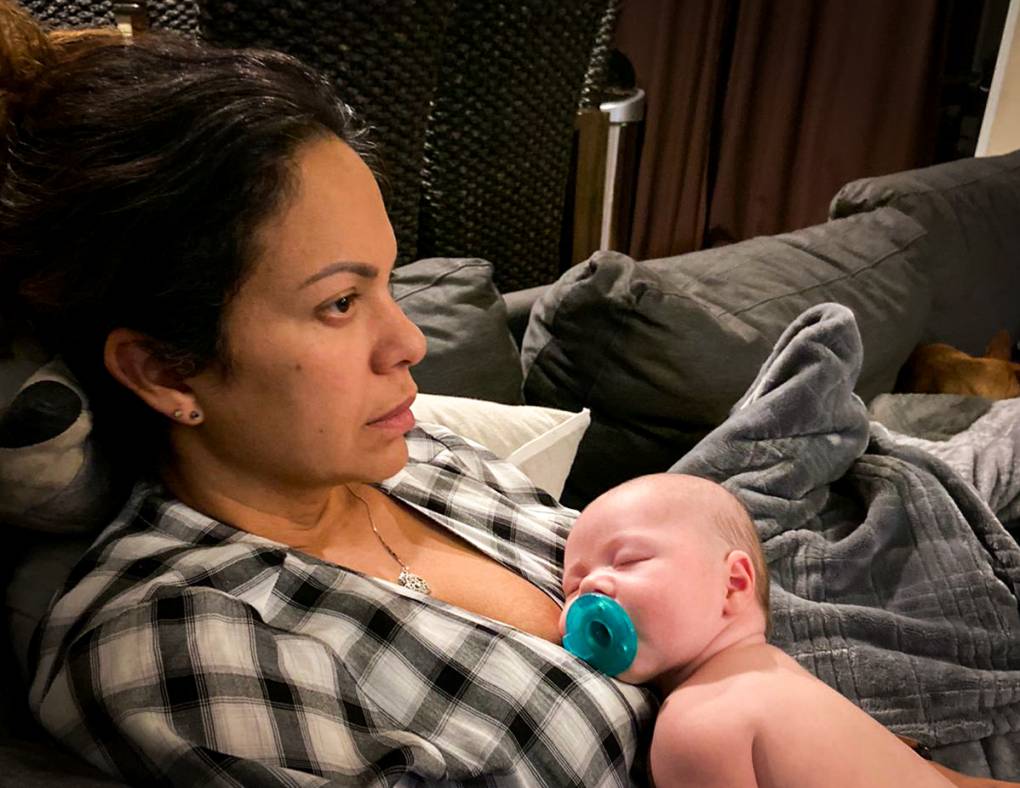
"caption": "Miriam McDonald developed postpartum depression after giving birth to her son, Nicholas. She said it made her feel sad, disconnected and indifferent. She said Kaiser Permanente, her health care provider, put her on a merry-go-round of medication trial and error — but refused to approve expensive treatment with the first and only drug designed for postpartum depression.",
"description": "Miriam McDonald developed postpartum depression after giving birth to her son, Nicholas. She said it made her feel sad, disconnected and indifferent. She said Kaiser Permanente, her health care provider, put her on a merry-go-round of medication trial and error - but refused to approve expensive treatment with the first and only drug designed for postpartum depression.",
"title": "Disconnected_Suffering-2",
"credit": "Courtesy of Miriam McDonald",
"status": "inherit",
"altTag": "Mother stares off into space while holding baby",
"isLoading": false,
"fetchFailed": false
},
"news_11873624": {
"type": "attachments",
"id": "news_11873624",
"meta": {
"index": "attachments_1716263798",
"site": "news",
"id": "11873624",
"found": true
},
"parent": 11873584,
"imgSizes": {
"twentyfourteen-full-width": {
"file": "https://ww2.kqed.org/app/uploads/sites/10/2021/05/Dr-Paulson3-1-1038x576.jpg",
"width": 1038,
"mimeType": "image/jpeg",
"height": 576
},
"thumbnail": {
"file": "https://ww2.kqed.org/app/uploads/sites/10/2021/05/Dr-Paulson3-1-160x107.jpg",
"width": 160,
"mimeType": "image/jpeg",
"height": 107
},
"post-thumbnail": {
"file": "https://ww2.kqed.org/app/uploads/sites/10/2021/05/Dr-Paulson3-1-672x372.jpg",
"width": 672,
"mimeType": "image/jpeg",
"height": 372
},
"kqedFullSize": {
"file": "https://ww2.kqed.org/app/uploads/sites/10/2021/05/Dr-Paulson3-1.jpg",
"width": 1920,
"height": 1279
},
"large": {
"file": "https://ww2.kqed.org/app/uploads/sites/10/2021/05/Dr-Paulson3-1-1020x679.jpg",
"width": 1020,
"mimeType": "image/jpeg",
"height": 679
},
"1536x1536": {
"file": "https://ww2.kqed.org/app/uploads/sites/10/2021/05/Dr-Paulson3-1-1536x1023.jpg",
"width": 1536,
"mimeType": "image/jpeg",
"height": 1023
},
"medium": {
"file": "https://ww2.kqed.org/app/uploads/sites/10/2021/05/Dr-Paulson3-1-800x533.jpg",
"width": 800,
"mimeType": "image/jpeg",
"height": 533
}
},
"publishDate": 1620947351,
"modified": 1621018002,
"caption": "The Mayo Clinic's Dr. Margaret Paulson speaks to a patient holding a tablet computer as part of an in-home patient program that's gaining popularity during the pandemic.",
"description": "The Mayo Clinic's Dr. Margaret Paulson speaks to a patient holding a tablet computer as part of an in-home patient program that's gaining popularity during the pandemic.",
"title": "Dr Paulson3",
"credit": "Courtesy The Mayo Clinic",
"status": "inherit",
"altTag": null,
"isLoading": false,
"fetchFailed": false
},
"news_11860538": {
"type": "attachments",
"id": "news_11860538",
"meta": {
"index": "attachments_1716263798",
"site": "news",
"id": "11860538",
"found": true
},
"parent": 11860536,
"imgSizes": {
"apple_news_ca_landscape_5_5": {
"file": "https://ww2.kqed.org/app/uploads/sites/10/2021/02/RS42202_001_KQED_Richmond_Kaiser_03192020_9419-qut-1044x783.jpg",
"width": 1044,
"mimeType": "image/jpeg",
"height": 783
},
"apple_news_ca_square_4_0": {
"file": "https://ww2.kqed.org/app/uploads/sites/10/2021/02/RS42202_001_KQED_Richmond_Kaiser_03192020_9419-qut-470x470.jpg",
"width": 470,
"mimeType": "image/jpeg",
"height": 470
},
"twentyfourteen-full-width": {
"file": "https://ww2.kqed.org/app/uploads/sites/10/2021/02/RS42202_001_KQED_Richmond_Kaiser_03192020_9419-qut-1038x576.jpg",
"width": 1038,
"mimeType": "image/jpeg",
"height": 576
},
"thumbnail": {
"file": "https://ww2.kqed.org/app/uploads/sites/10/2021/02/RS42202_001_KQED_Richmond_Kaiser_03192020_9419-qut-160x107.jpg",
"width": 160,
"mimeType": "image/jpeg",
"height": 107
},
"post-thumbnail": {
"file": "https://ww2.kqed.org/app/uploads/sites/10/2021/02/RS42202_001_KQED_Richmond_Kaiser_03192020_9419-qut-672x372.jpg",
"width": 672,
"mimeType": "image/jpeg",
"height": 372
},
"kqedFullSize": {
"file": "https://ww2.kqed.org/app/uploads/sites/10/2021/02/RS42202_001_KQED_Richmond_Kaiser_03192020_9419-qut.jpg",
"width": 1920,
"height": 1280
},
"apple_news_ca_landscape_4_7": {
"file": "https://ww2.kqed.org/app/uploads/sites/10/2021/02/RS42202_001_KQED_Richmond_Kaiser_03192020_9419-qut-632x474.jpg",
"width": 632,
"mimeType": "image/jpeg",
"height": 474
},
"large": {
"file": "https://ww2.kqed.org/app/uploads/sites/10/2021/02/RS42202_001_KQED_Richmond_Kaiser_03192020_9419-qut-1020x680.jpg",
"width": 1020,
"mimeType": "image/jpeg",
"height": 680
},
"apple_news_ca_landscape_4_0": {
"file": "https://ww2.kqed.org/app/uploads/sites/10/2021/02/RS42202_001_KQED_Richmond_Kaiser_03192020_9419-qut-536x402.jpg",
"width": 536,
"mimeType": "image/jpeg",
"height": 402
},
"apple_news_ca_portrait_12_9": {
"file": "https://ww2.kqed.org/app/uploads/sites/10/2021/02/RS42202_001_KQED_Richmond_Kaiser_03192020_9419-qut-1122x1280.jpg",
"width": 1122,
"mimeType": "image/jpeg",
"height": 1280
},
"medium": {
"file": "https://ww2.kqed.org/app/uploads/sites/10/2021/02/RS42202_001_KQED_Richmond_Kaiser_03192020_9419-qut-800x533.jpg",
"width": 800,
"mimeType": "image/jpeg",
"height": 533
},
"apple_news_ca_portrait_4_0": {
"file": "https://ww2.kqed.org/app/uploads/sites/10/2021/02/RS42202_001_KQED_Richmond_Kaiser_03192020_9419-qut-354x472.jpg",
"width": 354,
"mimeType": "image/jpeg",
"height": 472
},
"apple_news_ca_portrait_9_7": {
"file": "https://ww2.kqed.org/app/uploads/sites/10/2021/02/RS42202_001_KQED_Richmond_Kaiser_03192020_9419-qut-840x1120.jpg",
"width": 840,
"mimeType": "image/jpeg",
"height": 1120
},
"apple_news_ca_landscape_12_9": {
"file": "https://ww2.kqed.org/app/uploads/sites/10/2021/02/RS42202_001_KQED_Richmond_Kaiser_03192020_9419-qut-1832x1280.jpg",
"width": 1832,
"mimeType": "image/jpeg",
"height": 1280
},
"apple_news_ca_square_9_7": {
"file": "https://ww2.kqed.org/app/uploads/sites/10/2021/02/RS42202_001_KQED_Richmond_Kaiser_03192020_9419-qut-1104x1104.jpg",
"width": 1104,
"mimeType": "image/jpeg",
"height": 1104
},
"1536x1536": {
"file": "https://ww2.kqed.org/app/uploads/sites/10/2021/02/RS42202_001_KQED_Richmond_Kaiser_03192020_9419-qut-1536x1024.jpg",
"width": 1536,
"mimeType": "image/jpeg",
"height": 1024
},
"apple_news_ca_portrait_4_7": {
"file": "https://ww2.kqed.org/app/uploads/sites/10/2021/02/RS42202_001_KQED_Richmond_Kaiser_03192020_9419-qut-414x552.jpg",
"width": 414,
"mimeType": "image/jpeg",
"height": 552
},
"apple_news_ca_square_12_9": {
"file": "https://ww2.kqed.org/app/uploads/sites/10/2021/02/RS42202_001_KQED_Richmond_Kaiser_03192020_9419-qut-1472x1280.jpg",
"width": 1472,
"mimeType": "image/jpeg",
"height": 1280
},
"apple_news_ca_portrait_5_5": {
"file": "https://ww2.kqed.org/app/uploads/sites/10/2021/02/RS42202_001_KQED_Richmond_Kaiser_03192020_9419-qut-687x916.jpg",
"width": 687,
"mimeType": "image/jpeg",
"height": 916
},
"apple_news_ca_square_4_7": {
"file": "https://ww2.kqed.org/app/uploads/sites/10/2021/02/RS42202_001_KQED_Richmond_Kaiser_03192020_9419-qut-550x550.jpg",
"width": 550,
"mimeType": "image/jpeg",
"height": 550
},
"apple_news_ca_landscape_9_7": {
"file": "https://ww2.kqed.org/app/uploads/sites/10/2021/02/RS42202_001_KQED_Richmond_Kaiser_03192020_9419-qut-1376x1032.jpg",
"width": 1376,
"mimeType": "image/jpeg",
"height": 1032
},
"apple_news_ca_square_5_5": {
"file": "https://ww2.kqed.org/app/uploads/sites/10/2021/02/RS42202_001_KQED_Richmond_Kaiser_03192020_9419-qut-912x912.jpg",
"width": 912,
"mimeType": "image/jpeg",
"height": 912
}
},
"publishDate": 1613508686,
"modified": 1613518814,
"caption": "Tents at a Kaiser Permanente facility in Richmond, where patients with respiratory symptoms were being triaged on March 19, 2020.",
"description": "Tents at a Kaiser Permanente facility in Richmond where patients with respiratory symptoms were being triaged, on Mar. 19, 2020.",
"title": "RS42202_001_KQED_Richmond_Kaiser_03192020_9419-qut",
"credit": "Beth LaBerge/KQED",
"status": "inherit",
"altTag": null,
"isLoading": false,
"fetchFailed": false
},
"news_11858342": {
"type": "attachments",
"id": "news_11858342",
"meta": {
"index": "attachments_1716263798",
"site": "news",
"id": "11858342",
"found": true
},
"parent": 11858037,
"imgSizes": {
"apple_news_ca_landscape_5_5": {
"file": "https://ww2.kqed.org/app/uploads/sites/10/2021/02/RS46109_017_KQED_SanFrancisco_COVIDTesting_11302020-qut-1044x783.jpg",
"width": 1044,
"mimeType": "image/jpeg",
"height": 783
},
"apple_news_ca_square_4_0": {
"file": "https://ww2.kqed.org/app/uploads/sites/10/2021/02/RS46109_017_KQED_SanFrancisco_COVIDTesting_11302020-qut-470x470.jpg",
"width": 470,
"mimeType": "image/jpeg",
"height": 470
},
"twentyfourteen-full-width": {
"file": "https://ww2.kqed.org/app/uploads/sites/10/2021/02/RS46109_017_KQED_SanFrancisco_COVIDTesting_11302020-qut-1038x576.jpg",
"width": 1038,
"mimeType": "image/jpeg",
"height": 576
},
"thumbnail": {
"file": "https://ww2.kqed.org/app/uploads/sites/10/2021/02/RS46109_017_KQED_SanFrancisco_COVIDTesting_11302020-qut-160x107.jpg",
"width": 160,
"mimeType": "image/jpeg",
"height": 107
},
"post-thumbnail": {
"file": "https://ww2.kqed.org/app/uploads/sites/10/2021/02/RS46109_017_KQED_SanFrancisco_COVIDTesting_11302020-qut-672x372.jpg",
"width": 672,
"mimeType": "image/jpeg",
"height": 372
},
"kqedFullSize": {
"file": "https://ww2.kqed.org/app/uploads/sites/10/2021/02/RS46109_017_KQED_SanFrancisco_COVIDTesting_11302020-qut.jpg",
"width": 1920,
"height": 1280
},
"apple_news_ca_landscape_4_7": {
"file": "https://ww2.kqed.org/app/uploads/sites/10/2021/02/RS46109_017_KQED_SanFrancisco_COVIDTesting_11302020-qut-632x474.jpg",
"width": 632,
"mimeType": "image/jpeg",
"height": 474
},
"large": {
"file": "https://ww2.kqed.org/app/uploads/sites/10/2021/02/RS46109_017_KQED_SanFrancisco_COVIDTesting_11302020-qut-1020x680.jpg",
"width": 1020,
"mimeType": "image/jpeg",
"height": 680
},
"apple_news_ca_landscape_4_0": {
"file": "https://ww2.kqed.org/app/uploads/sites/10/2021/02/RS46109_017_KQED_SanFrancisco_COVIDTesting_11302020-qut-536x402.jpg",
"width": 536,
"mimeType": "image/jpeg",
"height": 402
},
"apple_news_ca_portrait_12_9": {
"file": "https://ww2.kqed.org/app/uploads/sites/10/2021/02/RS46109_017_KQED_SanFrancisco_COVIDTesting_11302020-qut-1122x1280.jpg",
"width": 1122,
"mimeType": "image/jpeg",
"height": 1280
},
"medium": {
"file": "https://ww2.kqed.org/app/uploads/sites/10/2021/02/RS46109_017_KQED_SanFrancisco_COVIDTesting_11302020-qut-800x533.jpg",
"width": 800,
"mimeType": "image/jpeg",
"height": 533
},
"apple_news_ca_portrait_4_0": {
"file": "https://ww2.kqed.org/app/uploads/sites/10/2021/02/RS46109_017_KQED_SanFrancisco_COVIDTesting_11302020-qut-354x472.jpg",
"width": 354,
"mimeType": "image/jpeg",
"height": 472
},
"apple_news_ca_portrait_9_7": {
"file": "https://ww2.kqed.org/app/uploads/sites/10/2021/02/RS46109_017_KQED_SanFrancisco_COVIDTesting_11302020-qut-840x1120.jpg",
"width": 840,
"mimeType": "image/jpeg",
"height": 1120
},
"apple_news_ca_landscape_12_9": {
"file": "https://ww2.kqed.org/app/uploads/sites/10/2021/02/RS46109_017_KQED_SanFrancisco_COVIDTesting_11302020-qut-1832x1280.jpg",
"width": 1832,
"mimeType": "image/jpeg",
"height": 1280
},
"apple_news_ca_square_9_7": {
"file": "https://ww2.kqed.org/app/uploads/sites/10/2021/02/RS46109_017_KQED_SanFrancisco_COVIDTesting_11302020-qut-1104x1104.jpg",
"width": 1104,
"mimeType": "image/jpeg",
"height": 1104
},
"1536x1536": {
"file": "https://ww2.kqed.org/app/uploads/sites/10/2021/02/RS46109_017_KQED_SanFrancisco_COVIDTesting_11302020-qut-1536x1024.jpg",
"width": 1536,
"mimeType": "image/jpeg",
"height": 1024
},
"apple_news_ca_portrait_4_7": {
"file": "https://ww2.kqed.org/app/uploads/sites/10/2021/02/RS46109_017_KQED_SanFrancisco_COVIDTesting_11302020-qut-414x552.jpg",
"width": 414,
"mimeType": "image/jpeg",
"height": 552
},
"apple_news_ca_square_12_9": {
"file": "https://ww2.kqed.org/app/uploads/sites/10/2021/02/RS46109_017_KQED_SanFrancisco_COVIDTesting_11302020-qut-1472x1280.jpg",
"width": 1472,
"mimeType": "image/jpeg",
"height": 1280
},
"apple_news_ca_portrait_5_5": {
"file": "https://ww2.kqed.org/app/uploads/sites/10/2021/02/RS46109_017_KQED_SanFrancisco_COVIDTesting_11302020-qut-687x916.jpg",
"width": 687,
"mimeType": "image/jpeg",
"height": 916
},
"apple_news_ca_square_4_7": {
"file": "https://ww2.kqed.org/app/uploads/sites/10/2021/02/RS46109_017_KQED_SanFrancisco_COVIDTesting_11302020-qut-550x550.jpg",
"width": 550,
"mimeType": "image/jpeg",
"height": 550
},
"apple_news_ca_landscape_9_7": {
"file": "https://ww2.kqed.org/app/uploads/sites/10/2021/02/RS46109_017_KQED_SanFrancisco_COVIDTesting_11302020-qut-1376x1032.jpg",
"width": 1376,
"mimeType": "image/jpeg",
"height": 1032
},
"apple_news_ca_square_5_5": {
"file": "https://ww2.kqed.org/app/uploads/sites/10/2021/02/RS46109_017_KQED_SanFrancisco_COVIDTesting_11302020-qut-912x912.jpg",
"width": 912,
"mimeType": "image/jpeg",
"height": 912
}
},
"publishDate": 1612311380,
"modified": 1612377167,
"caption": "Health care worker Olga Duran tests a patient for COVID-19 at a Unidos En Salud testing site on 24th and Mission Streets in San Francisco on Nov. 30, 2020. Unidos en Salud (United in Health) is a collaboration by UCSF and the Latino Task Force to help vulnerable populations through COVID-19.",
"description": "Health care worker Olga Duran tests a patient for COVID-19 at a Unidos En Salud testing site on 24th and Mission Streets in San Francisco on Nov. 30, 2020. Unidos en Salud (United in Health) is a collaboration by UCSF and the Latino Task Force to help vulnerable populations through COVID-19.",
"title": "RS46109_017_KQED_SanFrancisco_COVIDTesting_11302020-qut",
"credit": "Beth LaBerge/KQED",
"status": "inherit",
"altTag": null,
"isLoading": false,
"fetchFailed": false
},
"news_11813769": {
"type": "attachments",
"id": "news_11813769",
"meta": {
"index": "attachments_1716263798",
"site": "news",
"id": "11813769",
"found": true
},
"parent": 11813744,
"imgSizes": {
"apple_news_ca_landscape_5_5": {
"file": "https://ww2.kqed.org/app/uploads/sites/10/2020/04/RS42883_family-becks-qut-1044x783.jpg",
"width": 1044,
"mimeType": "image/jpeg",
"height": 783
},
"apple_news_ca_square_4_0": {
"file": "https://ww2.kqed.org/app/uploads/sites/10/2020/04/RS42883_family-becks-qut-470x470.jpg",
"width": 470,
"mimeType": "image/jpeg",
"height": 470
},
"twentyfourteen-full-width": {
"file": "https://ww2.kqed.org/app/uploads/sites/10/2020/04/RS42883_family-becks-qut-1038x576.jpg",
"width": 1038,
"mimeType": "image/jpeg",
"height": 576
},
"thumbnail": {
"file": "https://ww2.kqed.org/app/uploads/sites/10/2020/04/RS42883_family-becks-qut-160x120.jpg",
"width": 160,
"mimeType": "image/jpeg",
"height": 120
},
"post-thumbnail": {
"file": "https://ww2.kqed.org/app/uploads/sites/10/2020/04/RS42883_family-becks-qut-672x372.jpg",
"width": 672,
"mimeType": "image/jpeg",
"height": 372
},
"kqedFullSize": {
"file": "https://ww2.kqed.org/app/uploads/sites/10/2020/04/RS42883_family-becks-qut.jpg",
"width": 1920,
"height": 1440
},
"apple_news_ca_landscape_4_7": {
"file": "https://ww2.kqed.org/app/uploads/sites/10/2020/04/RS42883_family-becks-qut-632x474.jpg",
"width": 632,
"mimeType": "image/jpeg",
"height": 474
},
"large": {
"file": "https://ww2.kqed.org/app/uploads/sites/10/2020/04/RS42883_family-becks-qut-1020x765.jpg",
"width": 1020,
"mimeType": "image/jpeg",
"height": 765
},
"apple_news_ca_landscape_4_0": {
"file": "https://ww2.kqed.org/app/uploads/sites/10/2020/04/RS42883_family-becks-qut-536x402.jpg",
"width": 536,
"mimeType": "image/jpeg",
"height": 402
},
"apple_news_ca_portrait_12_9": {
"file": "https://ww2.kqed.org/app/uploads/sites/10/2020/04/RS42883_family-becks-qut-1122x1440.jpg",
"width": 1122,
"mimeType": "image/jpeg",
"height": 1440
},
"medium": {
"file": "https://ww2.kqed.org/app/uploads/sites/10/2020/04/RS42883_family-becks-qut-800x600.jpg",
"width": 800,
"mimeType": "image/jpeg",
"height": 600
},
"apple_news_ca_portrait_4_0": {
"file": "https://ww2.kqed.org/app/uploads/sites/10/2020/04/RS42883_family-becks-qut-354x472.jpg",
"width": 354,
"mimeType": "image/jpeg",
"height": 472
},
"apple_news_ca_portrait_9_7": {
"file": "https://ww2.kqed.org/app/uploads/sites/10/2020/04/RS42883_family-becks-qut-840x1120.jpg",
"width": 840,
"mimeType": "image/jpeg",
"height": 1120
},
"apple_news_ca_landscape_12_9": {
"file": "https://ww2.kqed.org/app/uploads/sites/10/2020/04/RS42883_family-becks-qut-1832x1374.jpg",
"width": 1832,
"mimeType": "image/jpeg",
"height": 1374
},
"apple_news_ca_square_9_7": {
"file": "https://ww2.kqed.org/app/uploads/sites/10/2020/04/RS42883_family-becks-qut-1104x1104.jpg",
"width": 1104,
"mimeType": "image/jpeg",
"height": 1104
},
"apple_news_ca_portrait_4_7": {
"file": "https://ww2.kqed.org/app/uploads/sites/10/2020/04/RS42883_family-becks-qut-414x552.jpg",
"width": 414,
"mimeType": "image/jpeg",
"height": 552
},
"apple_news_ca_square_12_9": {
"file": "https://ww2.kqed.org/app/uploads/sites/10/2020/04/RS42883_family-becks-qut-1472x1440.jpg",
"width": 1472,
"mimeType": "image/jpeg",
"height": 1440
},
"apple_news_ca_portrait_5_5": {
"file": "https://ww2.kqed.org/app/uploads/sites/10/2020/04/RS42883_family-becks-qut-687x916.jpg",
"width": 687,
"mimeType": "image/jpeg",
"height": 916
},
"full-width": {
"file": "https://ww2.kqed.org/app/uploads/sites/10/2020/04/RS42883_family-becks-qut-1920x1440.jpg",
"width": 1920,
"mimeType": "image/jpeg",
"height": 1440
},
"apple_news_ca_square_4_7": {
"file": "https://ww2.kqed.org/app/uploads/sites/10/2020/04/RS42883_family-becks-qut-550x550.jpg",
"width": 550,
"mimeType": "image/jpeg",
"height": 550
},
"apple_news_ca_landscape_9_7": {
"file": "https://ww2.kqed.org/app/uploads/sites/10/2020/04/RS42883_family-becks-qut-1376x1032.jpg",
"width": 1376,
"mimeType": "image/jpeg",
"height": 1032
},
"apple_news_ca_square_5_5": {
"file": "https://ww2.kqed.org/app/uploads/sites/10/2020/04/RS42883_family-becks-qut-912x912.jpg",
"width": 912,
"mimeType": "image/jpeg",
"height": 912
}
},
"publishDate": 1587594063,
"modified": 1587618004,
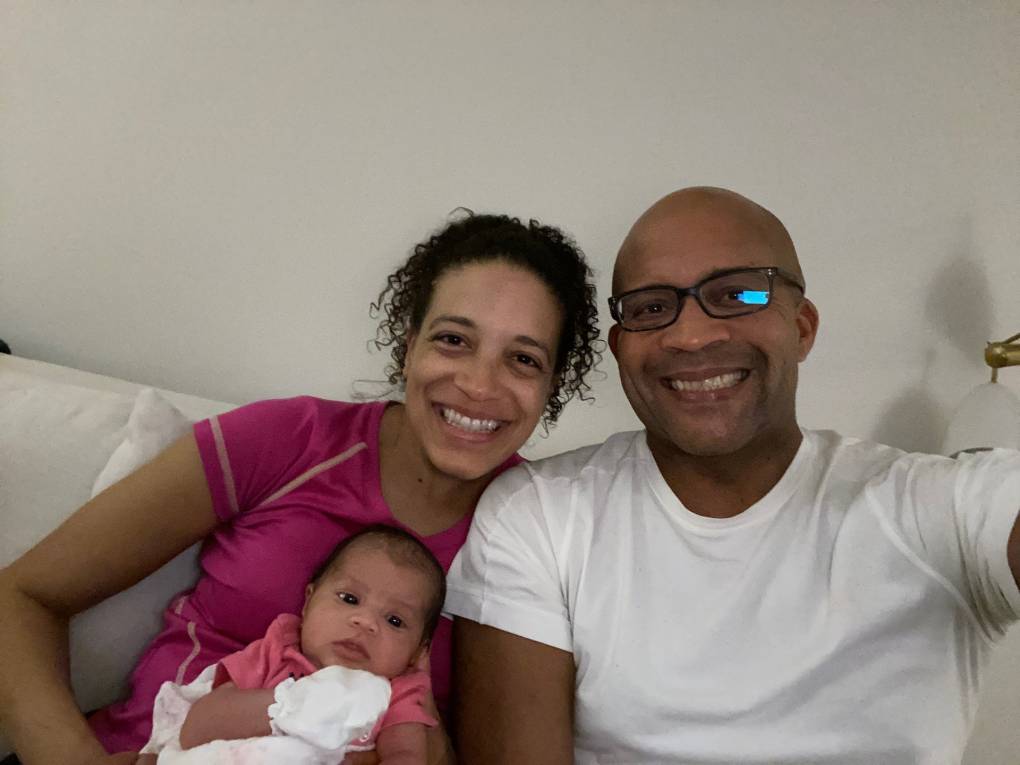
"caption": "New parents Erica Becks and Darryl Willis with their new baby daughter Emersyn Michelle Willis.",
"description": "New parents Erica Becks and Darryl Willis with their new baby daughter Emersyn Michelle Willis.",
"title": "RS42883_family becks-qut",
"credit": "Courtesy of Erica Becks",
"status": "inherit",
"isLoading": false,
"fetchFailed": false
},
"news_11792238": {
"type": "attachments",
"id": "news_11792238",
"meta": {
"index": "attachments_1716263798",
"site": "news",
"id": "11792238",
"found": true
},
"parent": 11792236,
"imgSizes": {
"apple_news_ca_landscape_5_5": {
"file": "https://ww2.kqed.org/app/uploads/sites/10/2019/12/RS40555_KAISER-MENTAL-HEALTH-CASES-photo-qut-1044x783.jpg",
"width": 1044,
"mimeType": "image/jpeg",
"height": 783
},
"apple_news_ca_square_4_0": {
"file": "https://ww2.kqed.org/app/uploads/sites/10/2019/12/RS40555_KAISER-MENTAL-HEALTH-CASES-photo-qut-470x470.jpg",
"width": 470,
"mimeType": "image/jpeg",
"height": 470
},
"twentyfourteen-full-width": {
"file": "https://ww2.kqed.org/app/uploads/sites/10/2019/12/RS40555_KAISER-MENTAL-HEALTH-CASES-photo-qut-1038x576.jpg",
"width": 1038,
"mimeType": "image/jpeg",
"height": 576
},
"thumbnail": {
"file": "https://ww2.kqed.org/app/uploads/sites/10/2019/12/RS40555_KAISER-MENTAL-HEALTH-CASES-photo-qut-160x107.jpg",
"width": 160,
"mimeType": "image/jpeg",
"height": 107
},
"post-thumbnail": {
"file": "https://ww2.kqed.org/app/uploads/sites/10/2019/12/RS40555_KAISER-MENTAL-HEALTH-CASES-photo-qut-672x372.jpg",
"width": 672,
"mimeType": "image/jpeg",
"height": 372
},
"kqedFullSize": {
"file": "https://ww2.kqed.org/app/uploads/sites/10/2019/12/RS40555_KAISER-MENTAL-HEALTH-CASES-photo-qut.jpg",
"width": 1920,
"height": 1280
},
"apple_news_ca_landscape_4_7": {
"file": "https://ww2.kqed.org/app/uploads/sites/10/2019/12/RS40555_KAISER-MENTAL-HEALTH-CASES-photo-qut-632x474.jpg",
"width": 632,
"mimeType": "image/jpeg",
"height": 474
},
"large": {
"file": "https://ww2.kqed.org/app/uploads/sites/10/2019/12/RS40555_KAISER-MENTAL-HEALTH-CASES-photo-qut-1020x680.jpg",
"width": 1020,
"mimeType": "image/jpeg",
"height": 680
},
"complete_open_graph": {
"file": "https://ww2.kqed.org/app/uploads/sites/10/2019/12/RS40555_KAISER-MENTAL-HEALTH-CASES-photo-qut-1200x800.jpg",
"width": 1200,
"mimeType": "image/jpeg",
"height": 800
},
"apple_news_ca_landscape_4_0": {
"file": "https://ww2.kqed.org/app/uploads/sites/10/2019/12/RS40555_KAISER-MENTAL-HEALTH-CASES-photo-qut-536x402.jpg",
"width": 536,
"mimeType": "image/jpeg",
"height": 402
},
"apple_news_ca_portrait_12_9": {
"file": "https://ww2.kqed.org/app/uploads/sites/10/2019/12/RS40555_KAISER-MENTAL-HEALTH-CASES-photo-qut-1122x1280.jpg",
"width": 1122,
"mimeType": "image/jpeg",
"height": 1280
},
"medium": {
"file": "https://ww2.kqed.org/app/uploads/sites/10/2019/12/RS40555_KAISER-MENTAL-HEALTH-CASES-photo-qut-800x533.jpg",
"width": 800,
"mimeType": "image/jpeg",
"height": 533
},
"apple_news_ca_portrait_4_0": {
"file": "https://ww2.kqed.org/app/uploads/sites/10/2019/12/RS40555_KAISER-MENTAL-HEALTH-CASES-photo-qut-354x472.jpg",
"width": 354,
"mimeType": "image/jpeg",
"height": 472
},
"apple_news_ca_portrait_9_7": {
"file": "https://ww2.kqed.org/app/uploads/sites/10/2019/12/RS40555_KAISER-MENTAL-HEALTH-CASES-photo-qut-840x1120.jpg",
"width": 840,
"mimeType": "image/jpeg",
"height": 1120
},
"apple_news_ca_landscape_12_9": {
"file": "https://ww2.kqed.org/app/uploads/sites/10/2019/12/RS40555_KAISER-MENTAL-HEALTH-CASES-photo-qut-1832x1280.jpg",
"width": 1832,
"mimeType": "image/jpeg",
"height": 1280
},
"apple_news_ca_square_9_7": {
"file": "https://ww2.kqed.org/app/uploads/sites/10/2019/12/RS40555_KAISER-MENTAL-HEALTH-CASES-photo-qut-1104x1104.jpg",
"width": 1104,
"mimeType": "image/jpeg",
"height": 1104
},
"apple_news_ca_portrait_4_7": {
"file": "https://ww2.kqed.org/app/uploads/sites/10/2019/12/RS40555_KAISER-MENTAL-HEALTH-CASES-photo-qut-414x552.jpg",
"width": 414,
"mimeType": "image/jpeg",
"height": 552
},
"apple_news_ca_square_12_9": {
"file": "https://ww2.kqed.org/app/uploads/sites/10/2019/12/RS40555_KAISER-MENTAL-HEALTH-CASES-photo-qut-1472x1280.jpg",
"width": 1472,
"mimeType": "image/jpeg",
"height": 1280
},
"apple_news_ca_portrait_5_5": {
"file": "https://ww2.kqed.org/app/uploads/sites/10/2019/12/RS40555_KAISER-MENTAL-HEALTH-CASES-photo-qut-687x916.jpg",
"width": 687,
"mimeType": "image/jpeg",
"height": 916
},
"full-width": {
"file": "https://ww2.kqed.org/app/uploads/sites/10/2019/12/RS40555_KAISER-MENTAL-HEALTH-CASES-photo-qut-1920x1280.jpg",
"width": 1920,
"mimeType": "image/jpeg",
"height": 1280
},
"apple_news_ca_square_4_7": {
"file": "https://ww2.kqed.org/app/uploads/sites/10/2019/12/RS40555_KAISER-MENTAL-HEALTH-CASES-photo-qut-550x550.jpg",
"width": 550,
"mimeType": "image/jpeg",
"height": 550
},
"apple_news_ca_landscape_9_7": {
"file": "https://ww2.kqed.org/app/uploads/sites/10/2019/12/RS40555_KAISER-MENTAL-HEALTH-CASES-photo-qut-1376x1032.jpg",
"width": 1376,
"mimeType": "image/jpeg",
"height": 1032
},
"apple_news_ca_square_5_5": {
"file": "https://ww2.kqed.org/app/uploads/sites/10/2019/12/RS40555_KAISER-MENTAL-HEALTH-CASES-photo-qut-912x912.jpg",
"width": 912,
"mimeType": "image/jpeg",
"height": 912
}
},
"publishDate": 1576788852,
"modified": 1576788906,
"caption": "Dozens of mental healthcare workers picket outside of Sacramento Medical Center to protest long wait times for patients and overwhelming case-loads at Kaiser Permanente facilities. The strike is one of several to take place across the state this week. ",
"description": null,
"title": "RS40555_KAISER MENTAL HEALTH CASES photo-qut",
"credit": "Anne Wernikoff/CalMatters",
"status": "inherit",
"isLoading": false,
"fetchFailed": false
},
"news_11791568": {
"type": "attachments",
"id": "news_11791568",
"meta": {
"index": "attachments_1716263798",
"site": "news",
"id": "11791568",
"found": true
},
"parent": 11791527,
"imgSizes": {
"apple_news_ca_landscape_5_5": {
"file": "https://ww2.kqed.org/app/uploads/sites/10/2019/12/download-1044x783.jpeg",
"width": 1044,
"mimeType": "image/jpeg",
"height": 783
},
"apple_news_ca_square_4_0": {
"file": "https://ww2.kqed.org/app/uploads/sites/10/2019/12/download-470x470.jpeg",
"width": 470,
"mimeType": "image/jpeg",
"height": 470
},
"twentyfourteen-full-width": {
"file": "https://ww2.kqed.org/app/uploads/sites/10/2019/12/download-1038x576.jpeg",
"width": 1038,
"mimeType": "image/jpeg",
"height": 576
},
"thumbnail": {
"file": "https://ww2.kqed.org/app/uploads/sites/10/2019/12/download-160x107.jpeg",
"width": 160,
"mimeType": "image/jpeg",
"height": 107
},
"post-thumbnail": {
"file": "https://ww2.kqed.org/app/uploads/sites/10/2019/12/download-672x372.jpeg",
"width": 672,
"mimeType": "image/jpeg",
"height": 372
},
"kqedFullSize": {
"file": "https://ww2.kqed.org/app/uploads/sites/10/2019/12/download.jpeg",
"width": 1280,
"height": 853
},
"apple_news_ca_landscape_4_7": {
"file": "https://ww2.kqed.org/app/uploads/sites/10/2019/12/download-632x474.jpeg",
"width": 632,
"mimeType": "image/jpeg",
"height": 474
},
"large": {
"file": "https://ww2.kqed.org/app/uploads/sites/10/2019/12/download-1020x680.jpeg",
"width": 1020,
"mimeType": "image/jpeg",
"height": 680
},
"complete_open_graph": {
"file": "https://ww2.kqed.org/app/uploads/sites/10/2019/12/download-1200x800.jpeg",
"width": 1200,
"mimeType": "image/jpeg",
"height": 800
},
"apple_news_ca_landscape_4_0": {
"file": "https://ww2.kqed.org/app/uploads/sites/10/2019/12/download-536x402.jpeg",
"width": 536,
"mimeType": "image/jpeg",
"height": 402
},
"apple_news_ca_portrait_12_9": {
"file": "https://ww2.kqed.org/app/uploads/sites/10/2019/12/download-1122x853.jpeg",
"width": 1122,
"mimeType": "image/jpeg",
"height": 853
},
"medium": {
"file": "https://ww2.kqed.org/app/uploads/sites/10/2019/12/download-800x533.jpeg",
"width": 800,
"mimeType": "image/jpeg",
"height": 533
},
"apple_news_ca_portrait_4_0": {
"file": "https://ww2.kqed.org/app/uploads/sites/10/2019/12/download-354x472.jpeg",
"width": 354,
"mimeType": "image/jpeg",
"height": 472
},
"apple_news_ca_portrait_9_7": {
"file": "https://ww2.kqed.org/app/uploads/sites/10/2019/12/download-840x853.jpeg",
"width": 840,
"mimeType": "image/jpeg",
"height": 853
},
"apple_news_ca_square_9_7": {
"file": "https://ww2.kqed.org/app/uploads/sites/10/2019/12/download-1104x853.jpeg",
"width": 1104,
"mimeType": "image/jpeg",
"height": 853
},
"apple_news_ca_portrait_4_7": {
"file": "https://ww2.kqed.org/app/uploads/sites/10/2019/12/download-414x552.jpeg",
"width": 414,
"mimeType": "image/jpeg",
"height": 552
},
"apple_news_ca_portrait_5_5": {
"file": "https://ww2.kqed.org/app/uploads/sites/10/2019/12/download-687x853.jpeg",
"width": 687,
"mimeType": "image/jpeg",
"height": 853
},
"apple_news_ca_square_4_7": {
"file": "https://ww2.kqed.org/app/uploads/sites/10/2019/12/download-550x550.jpeg",
"width": 550,
"mimeType": "image/jpeg",
"height": 550
},
"apple_news_ca_square_5_5": {
"file": "https://ww2.kqed.org/app/uploads/sites/10/2019/12/download-912x853.jpeg",
"width": 912,
"mimeType": "image/jpeg",
"height": 853
}
},
"publishDate": 1576542094,
"modified": 1576542224,
"caption": "Karen Lemos (left), part of Kaiser Child and Youth team in Redwood City, and Marina Soto (right) of Kaiser Richmond Psychiatry Department. They say they're striking to get patients more services. Karen says even wait times for kids are unacceptable. They also want equitable pensions/benefits when compared to Kaiser's other union workers.",
"description": null,
"title": "download",
"credit": "Sara Hossaini/KQED",
"status": "inherit",
"isLoading": false,
"fetchFailed": false
},
"news_11776632": {
"type": "attachments",
"id": "news_11776632",
"meta": {
"index": "attachments_1716263798",
"site": "news",
"id": "11776632",
"found": true
},
"parent": 11776612,
"imgSizes": {
"apple_news_ca_landscape_5_5": {
"file": "https://ww2.kqed.org/app/uploads/sites/10/2019/09/IMG_2648-e1569448024767-1044x783.jpg",
"width": 1044,
"mimeType": "image/jpeg",
"height": 783
},
"apple_news_ca_square_4_0": {
"file": "https://ww2.kqed.org/app/uploads/sites/10/2019/09/IMG_2648-e1569448024767-470x470.jpg",
"width": 470,
"mimeType": "image/jpeg",
"height": 470
},
"twentyfourteen-full-width": {
"file": "https://ww2.kqed.org/app/uploads/sites/10/2019/09/IMG_2648-e1569448024767-1038x576.jpg",
"width": 1038,
"mimeType": "image/jpeg",
"height": 576
},
"thumbnail": {
"file": "https://ww2.kqed.org/app/uploads/sites/10/2019/09/IMG_2648-e1569448024767-160x96.jpg",
"width": 160,
"mimeType": "image/jpeg",
"height": 96
},
"post-thumbnail": {
"file": "https://ww2.kqed.org/app/uploads/sites/10/2019/09/IMG_2648-e1569448024767-672x372.jpg",
"width": 672,
"mimeType": "image/jpeg",
"height": 372
},
"kqedFullSize": {
"file": "https://ww2.kqed.org/app/uploads/sites/10/2019/09/IMG_2648-e1569448024767.jpg",
"width": 1418,
"height": 855
},
"apple_news_ca_landscape_4_7": {
"file": "https://ww2.kqed.org/app/uploads/sites/10/2019/09/IMG_2648-e1569448024767-632x474.jpg",
"width": 632,
"mimeType": "image/jpeg",
"height": 474
},
"large": {
"file": "https://ww2.kqed.org/app/uploads/sites/10/2019/09/IMG_2648-e1569448024767-1020x615.jpg",
"width": 1020,
"mimeType": "image/jpeg",
"height": 615
},
"complete_open_graph": {
"file": "https://ww2.kqed.org/app/uploads/sites/10/2019/09/IMG_2648-e1569448024767-1200x724.jpg",
"width": 1200,
"mimeType": "image/jpeg",
"height": 724
},
"apple_news_ca_landscape_4_0": {
"file": "https://ww2.kqed.org/app/uploads/sites/10/2019/09/IMG_2648-e1569448024767-536x402.jpg",
"width": 536,
"mimeType": "image/jpeg",
"height": 402
},
"apple_news_ca_portrait_12_9": {
"file": "https://ww2.kqed.org/app/uploads/sites/10/2019/09/IMG_2648-e1569448024767-1122x855.jpg",
"width": 1122,
"mimeType": "image/jpeg",
"height": 855
},
"medium": {
"file": "https://ww2.kqed.org/app/uploads/sites/10/2019/09/IMG_2648-e1569448024767-800x482.jpg",
"width": 800,
"mimeType": "image/jpeg",
"height": 482
},
"apple_news_ca_portrait_4_0": {
"file": "https://ww2.kqed.org/app/uploads/sites/10/2019/09/IMG_2648-e1569448024767-354x472.jpg",
"width": 354,
"mimeType": "image/jpeg",
"height": 472
},
"apple_news_ca_portrait_9_7": {
"file": "https://ww2.kqed.org/app/uploads/sites/10/2019/09/IMG_2648-e1569448024767-840x855.jpg",
"width": 840,
"mimeType": "image/jpeg",
"height": 855
},
"apple_news_ca_landscape_12_9": {
"file": "https://ww2.kqed.org/app/uploads/sites/10/2019/09/IMG_2648-1832x1374.jpg",
"width": 1832,
"mimeType": "image/jpeg",
"height": 1374
},
"apple_news_ca_square_9_7": {
"file": "https://ww2.kqed.org/app/uploads/sites/10/2019/09/IMG_2648-e1569448024767-1104x855.jpg",
"width": 1104,
"mimeType": "image/jpeg",
"height": 855
},
"apple_news_ca_portrait_4_7": {
"file": "https://ww2.kqed.org/app/uploads/sites/10/2019/09/IMG_2648-e1569448024767-414x552.jpg",
"width": 414,
"mimeType": "image/jpeg",
"height": 552
},
"apple_news_ca_square_12_9": {
"file": "https://ww2.kqed.org/app/uploads/sites/10/2019/09/IMG_2648-1472x1472.jpg",
"width": 1472,
"mimeType": "image/jpeg",
"height": 1472
},
"apple_news_ca_portrait_5_5": {
"file": "https://ww2.kqed.org/app/uploads/sites/10/2019/09/IMG_2648-e1569448024767-687x855.jpg",
"width": 687,
"mimeType": "image/jpeg",
"height": 855
},
"full-width": {
"file": "https://ww2.kqed.org/app/uploads/sites/10/2019/09/IMG_2648-1920x1440.jpg",
"width": 1920,
"mimeType": "image/jpeg",
"height": 1440
},
"apple_news_ca_square_4_7": {
"file": "https://ww2.kqed.org/app/uploads/sites/10/2019/09/IMG_2648-e1569448024767-550x550.jpg",
"width": 550,
"mimeType": "image/jpeg",
"height": 550
},
"apple_news_ca_landscape_9_7": {
"file": "https://ww2.kqed.org/app/uploads/sites/10/2019/09/IMG_2648-e1569448024767-1376x855.jpg",
"width": 1376,
"mimeType": "image/jpeg",
"height": 855
},
"apple_news_ca_square_5_5": {
"file": "https://ww2.kqed.org/app/uploads/sites/10/2019/09/IMG_2648-e1569448024767-912x855.jpg",
"width": 912,
"mimeType": "image/jpeg",
"height": 855
}
},
"publishDate": 1569447829,
"modified": 1569457817,
"caption": "Kaiser Permanente workers at a rally near the Oakland Medical Center on Sept. 2, 2019.",
"description": "Kaiser Permanente workers at a rally near the Oakland Medical Center on September 2, 2019.",
"title": "Kaiser-Permanente-Workers-Raly",
"credit": "Laura Klivans/KQED",
"status": "inherit",
"isLoading": false,
"fetchFailed": false
}
},
"audioPlayerReducer": {
"postId": "stream_live",
"isPaused": true,
"isPlaying": false,
"pfsActive": false,
"pledgeModalIsOpen": true,
"playerDrawerIsOpen": false,
"liveAudioPlayStartedAt": 0,
"liveAudioPlayContext": ""
},
"authorsReducer": {
"byline_news_11904155": {
"type": "authors",
"id": "byline_news_11904155",
"meta": {
"override": true
},
"slug": "byline_news_11904155",
"name": "\u003ca href=\"https://khn.org/news/author/bernard-j-wolfson/\">Bernard J. Wolfson\u003c/a>, \u003ca href=\"https://khn.org/news/author/angela-hart/\">Angela Hart\u003c/a> and \u003ca href=\"https://khn.org/news/author/samantha-young/\">Samantha Young\u003c/a>",
"isLoading": false
},
"byline_news_11883332": {
"type": "authors",
"id": "byline_news_11883332",
"meta": {
"override": true
},
"slug": "byline_news_11883332",
"name": "The Associated Press",
"isLoading": false
},
"byline_news_11873584": {
"type": "authors",
"id": "byline_news_11873584",
"meta": {
"override": true
},
"slug": "byline_news_11873584",
"name": "\u003ca href=\"https://twitter.com/ReporterSteph\">Stephanie O’Neill\u003c/a>",
"isLoading": false
},
"byline_news_11860536": {
"type": "authors",
"id": "byline_news_11860536",
"meta": {
"override": true
},
"slug": "byline_news_11860536",
"name": "\u003ca href=\"https://calmatters.org/author/anaibarra/\">Ana B. Ibarra\u003c/a>",
"isLoading": false
},
"byline_news_11792236": {
"type": "authors",
"id": "byline_news_11792236",
"meta": {
"override": true
},
"slug": "byline_news_11792236",
"name": "\u003ca href=\"https://calmatters.org/author/jocelyn-wiener/\"> Jocelyn Wiener \u003ca />",
"isLoading": false
},
"jmcevoy": {
"type": "authors",
"id": "231",
"meta": {
"index": "authors_1716337520",
"id": "231",
"found": true
},
"name": "Julia McEvoy",
"firstName": "Julia",
"lastName": "McEvoy",
"slug": "jmcevoy",
"email": "jmcevoy@KQED.org",
"display_author_email": true,
"staff_mastheads": [
"news"
],
"title": "KQED Senior Editor",
"bio": "Julia McEvoy is KQED's Senior Editor, Education Equity.\r\n\r\nJulia heads KQED’s education coverage examining inequities students face in Bay Area and California schools, and reports on what it will take to educate the next generation.\r\n\r\nJulia's editorial work has received a Peabody Award, a Casey Medal for Coverage of Children and Families, several Edward R. Murrow awards, as well as awards from the Public Radio News Directors Inc. and the Society for Professional Journalists.",
"avatar": "https://secure.gravatar.com/avatar/aec3ce21abe02b302fd33638abd56a22?s=600&d=blank&r=g",
"twitter": "juliamcevoy1",
"facebook": null,
"instagram": null,
"linkedin": null,
"sites": [
{
"site": "news",
"roles": []
},
{
"site": "stateofhealth",
"roles": [
"author"
]
}
],
"headData": {
"title": "Julia McEvoy | KQED",
"description": "KQED Senior Editor",
"ogImgSrc": "https://secure.gravatar.com/avatar/aec3ce21abe02b302fd33638abd56a22?s=600&d=blank&r=g",
"twImgSrc": "https://secure.gravatar.com/avatar/aec3ce21abe02b302fd33638abd56a22?s=600&d=blank&r=g"
},
"isLoading": false,
"link": "/author/jmcevoy"
},
"kqednewsstaffandwires": {
"type": "authors",
"id": "237",
"meta": {
"index": "authors_1716337520",
"id": "237",
"found": true
},
"name": "KQED News Staff and Wires",
"firstName": "KQED News Staff and Wires",
"lastName": null,
"slug": "kqednewsstaffandwires",
"email": "onlinenewsstaff@kqed.org",
"display_author_email": false,
"staff_mastheads": [],
"title": null,
"bio": null,
"avatar": "https://secure.gravatar.com/avatar/72295af8ebbfbd19a4948f5271285664?s=600&d=blank&r=g",
"twitter": null,
"facebook": null,
"instagram": null,
"linkedin": null,
"sites": [
{
"site": "arts",
"roles": [
"contributor"
]
},
{
"site": "news",
"roles": [
"contributor"
]
},
{
"site": "lowdown",
"roles": [
"author"
]
},
{
"site": "stateofhealth",
"roles": [
"contributor"
]
},
{
"site": "food",
"roles": [
"author"
]
}
],
"headData": {
"title": "KQED News Staff and Wires | KQED",
"description": null,
"ogImgSrc": "https://secure.gravatar.com/avatar/72295af8ebbfbd19a4948f5271285664?s=600&d=blank&r=g",
"twImgSrc": "https://secure.gravatar.com/avatar/72295af8ebbfbd19a4948f5271285664?s=600&d=blank&r=g"
},
"isLoading": false,
"link": "/author/kqednewsstaffandwires"
},
"adembosky": {
"type": "authors",
"id": "3205",
"meta": {
"index": "authors_1716337520",
"id": "3205",
"found": true
},
"name": "April Dembosky",
"firstName": "April",
"lastName": "Dembosky",
"slug": "adembosky",
"email": "adembosky@kqed.org",
"display_author_email": false,
"staff_mastheads": [
"news",
"science"
],
"title": "KQED Health Correspondent",
"bio": "April Dembosky is the health correspondent for KQED News and a regular contributor to NPR. She specializes in covering altered states of mind, from postpartum depression to methamphetamine-induced psychosis to the insanity defense. Her investigative series on insurance companies sidestepping mental health laws won multiple awards, including first place in beat reporting from the national Association of Health Care Journalists. She is the recipient of numerous other prizes and fellowships, including a national Edward R. Murrow award for investigative reporting, a Society of Professional Journalists award for long-form storytelling, and a Carter Center Fellowship for Mental Health Journalism.\r\n\r\nDembosky reported and produced \u003cem>Soundtrack of Silence\u003c/em>, an audio documentary about music and memory that is currently being made into a feature film by Paramount Pictures.\r\n\r\nBefore joining KQED in 2013, Dembosky covered technology and Silicon Valley for \u003cem>The Financial Times of London,\u003c/em> and contributed business and arts stories to \u003cem>Marketplace \u003c/em>and \u003cem>The New York Times.\u003c/em> She got her undergraduate degree in philosophy from Smith College and her master's in journalism from the University of California, Berkeley. She is a classically trained violinist and proud alum of the first symphony orchestra at Burning Man.",
"avatar": "https://secure.gravatar.com/avatar/ef92999be4ceb9ea60701e7dc276f813?s=600&d=blank&r=g",
"twitter": "adembosky",
"facebook": null,
"instagram": null,
"linkedin": null,
"sites": [
{
"site": "arts",
"roles": [
"author"
]
},
{
"site": "news",
"roles": [
"editor"
]
},
{
"site": "futureofyou",
"roles": [
"author"
]
},
{
"site": "stateofhealth",
"roles": [
"editor"
]
},
{
"site": "science",
"roles": [
"editor"
]
},
{
"site": "forum",
"roles": [
"editor"
]
}
],
"headData": {
"title": "April Dembosky | KQED",
"description": "KQED Health Correspondent",
"ogImgSrc": "https://secure.gravatar.com/avatar/ef92999be4ceb9ea60701e7dc276f813?s=600&d=blank&r=g",
"twImgSrc": "https://secure.gravatar.com/avatar/ef92999be4ceb9ea60701e7dc276f813?s=600&d=blank&r=g"
},
"isLoading": false,
"link": "/author/adembosky"
},
"cveltman": {
"type": "authors",
"id": "8608",
"meta": {
"index": "authors_1716337520",
"id": "8608",
"found": true
},
"name": "Chloe Veltman",
"firstName": "Chloe",
"lastName": "Veltman",
"slug": "cveltman",
"email": "cveltman@kqed.org",
"display_author_email": true,
"staff_mastheads": [],
"title": "Arts and Culture Reporter",
"bio": "Chloe Veltman is a former arts and culture reporter for KQED. Prior to joining the organization, she launched and led the arts bureau at Colorado Public Radio, served as the Bay Area's culture columnist for the New York Times, and was the founder, host and executive producer of VoiceBox, a national award-winning weekly podcast/radio show and live events series all about the human voice. Chloe is the recipient of numerous prizes, grants and fellowships including a Webby Award for her work on interactive storytelling, both the John S Knight Journalism Fellowship and Humanities Center Fellowship at Stanford University, the Sundance Arts Writing Fellowship and a Library of Congress Research Fellowship. She is the author of the book \"On Acting\" and has appeared as a guest lecturer at Yale University and the San Francisco Conservatory of Music among other institutions. She holds a BA in english literature from King's College, Cambridge, and a Masters in Dramaturgy from the Central School of Speech and Drama/Harvard Institute for Advanced Theater Training.\r\n\u003ca href=\"https://www.chloeveltman.com\">www.chloeveltman.com\u003c/a>",
"avatar": "https://secure.gravatar.com/avatar/55403394b00a1ddab683952c2eb2cf85?s=600&d=blank&r=g",
"twitter": "chloeveltman",
"facebook": null,
"instagram": null,
"linkedin": null,
"sites": [
{
"site": "arts",
"roles": []
},
{
"site": "news",
"roles": [
"author"
]
},
{
"site": "pop",
"roles": [
"editor"
]
},
{
"site": "science",
"roles": []
}
],
"headData": {
"title": "Chloe Veltman | KQED",
"description": "Arts and Culture Reporter",
"ogImgSrc": "https://secure.gravatar.com/avatar/55403394b00a1ddab683952c2eb2cf85?s=600&d=blank&r=g",
"twImgSrc": "https://secure.gravatar.com/avatar/55403394b00a1ddab683952c2eb2cf85?s=600&d=blank&r=g"
},
"isLoading": false,
"link": "/author/cveltman"
},
"lklivans": {
"type": "authors",
"id": "8648",
"meta": {
"index": "authors_1716337520",
"id": "8648",
"found": true
},
"name": "Laura Klivans",
"firstName": "Laura",
"lastName": "Klivans",
"slug": "lklivans",
"email": "lklivans@kqed.org",
"display_author_email": true,
"staff_mastheads": [
"news",
"science"
],
"title": "Reporter",
"bio": "Laura Klivans is an award-winning science reporter for KQED News, where she covers climate change with an eye on both groundbreaking progress and gaps in action. She is the former host of KQED's blockbuster video series about tiny, amazing animals, \u003cem>Deep Look\u003c/em>. Her work reaches national audiences through NPR, \u003cem>Here & Now, \u003c/em>PRI, and other major outlets. \r\n\r\nLaura’s won five Northern California Area Emmy Awards for Deep Look and First Place in the Greater Bay Area Journalism Awards for a podcast exploring how one Oakland neighborhood teamed up to reduce planet-heating pollution.\r\n\r\nBeyond her reporting, she hosts and moderates events. In the past, she taught audio storytelling at the UC Berkeley Graduate School of Journalism, led international education programs, worked with immigrants and refugees along the Thai-Burmese border, taught high schoolers sex ed, and was an actress. \r\n\r\nShe's a former UC Berkeley Human Rights Fellow, USC Center for Health Journalism's California Fellow and Coro Fellow in Public Affairs. Laura has a master’s in journalism from UC Berkeley, a master’s in education from Harvard, and an undergraduate degree from Northwestern University.\r\n\r\nShe loves trying to riddle the meaning out of vanity license plates.",
"avatar": "https://secure.gravatar.com/avatar/2d2ecd1550a494cc10ad4a503406965585902124739e775a9b3817eebf1d88be?s=600&d=blank&r=g",
"twitter": "lauraklivans",
"bluesky": null,
"facebook": null,
"instagram": null,
"linkedin": null,
"sites": [
{
"site": "news",
"roles": [
"editor"
]
},
{
"site": "stateofhealth",
"roles": [
"contributor",
"editor"
]
},
{
"site": "science",
"roles": [
"editor"
]
},
{
"site": "forum",
"roles": [
"editor"
]
}
],
"headData": {
"title": "Laura Klivans | KQED",
"description": "Reporter",
"ogImgSrc": "https://secure.gravatar.com/avatar/2d2ecd1550a494cc10ad4a503406965585902124739e775a9b3817eebf1d88be?s=600&d=blank&r=g",
"twImgSrc": "https://secure.gravatar.com/avatar/2d2ecd1550a494cc10ad4a503406965585902124739e775a9b3817eebf1d88be?s=600&d=blank&r=g"
},
"isLoading": false,
"link": "/author/lklivans"
},
"jchang": {
"type": "authors",
"id": "11642",
"meta": {
"index": "authors_1716337520",
"id": "11642",
"found": true
},
"name": "Julie Chang",
"firstName": "Julie",
"lastName": "Chang",
"slug": "jchang",
"email": "jchang@kqed.org",
"display_author_email": false,
"staff_mastheads": [
"news"
],
"title": "KQED Contributor",
"bio": "Julie Chang is a reporter and producer (and occasional anchor) with the radio and digital teams at KQED. Before KQED, she worked at WAMU 88.5 in Washington D.C. and 89.3 KPCC in Los Angeles County. Her work has been featured on NPR’s Morning Edition and All Things Considered, Here & Now, the New York Times, and more. Julie graduated from UC Berkeley’s Graduate School of Journalism. She previously taught English at Pasadena City College, Fullerton College and Cal Poly Pomona. Julie earned her M.A. in English from Cal Poly Pomona and her B.A. in English from UCI with a minor in criminology.",
"avatar": "https://secure.gravatar.com/avatar/a7afce94ef127082c5475116b4a3b77d?s=600&d=blank&r=g",
"twitter": "BayAreaJulie",
"facebook": null,
"instagram": null,
"linkedin": "https://www.linkedin.com/in/julieyc/",
"sites": [
{
"site": "",
"roles": [
"editor"
]
},
{
"site": "news",
"roles": [
"author"
]
},
{
"site": "science",
"roles": [
"editor"
]
}
],
"headData": {
"title": "Julie Chang | KQED",
"description": "KQED Contributor",
"ogImgSrc": "https://secure.gravatar.com/avatar/a7afce94ef127082c5475116b4a3b77d?s=600&d=blank&r=g",
"twImgSrc": "https://secure.gravatar.com/avatar/a7afce94ef127082c5475116b4a3b77d?s=600&d=blank&r=g"
},
"isLoading": false,
"link": "/author/jchang"
}
},
"pagesReducer": {
"news_tag_kaiser-permanente": {
"type": "terms",
"id": "news_421",
"meta": {
"index": "terms_1716263798",
"site": "news",
"id": "421",
"score": 9.304781
},
"featImg": null,
"name": "Kaiser Permanente",
"description": null,
"taxonomy": "tag",
"headData": {
"twImgId": null,
"twTitle": null,
"ogTitle": null,
"ogImgId": null,
"twDescription": null,
"description": null,
"title": "Kaiser Permanente Archives | KQED News",
"ogDescription": null
},
"ttid": 430,
"slug": "kaiser-permanente",
"isLoading": false,
"title": "Kaiser Permanente",
"pageMeta": {
"site": "news",
"WpPageTemplate": "page-topic-editorial",
"currentPage": 4
},
"blocks": [
{
"blockName": "kqed/post-list",
"attrs": {
"layout": "cardArticle2",
"query": "posts/news?tag=kaiser-permanente",
"seeMore": false,
"paginated": true,
"page": 4
}
},
{
"blockName": "kqed/ad"
}
]
}
},
"pfsSessionReducer": {},
"postsReducer": {
"stream_live": {
"type": "live",
"id": "stream_live",
"audioUrl": "https://streams.kqed.org/kqedradio",
"title": "Live Stream",
"excerpt": "Live Stream information currently unavailable.",
"link": "/radio",
"featImg": "",
"label": {
"name": "KQED Live",
"link": "/"
}
},
"stream_kqedNewscast": {
"type": "posts",
"id": "stream_kqedNewscast",
"audioUrl": "https://www.kqed.org/.stream/anon/radio/RDnews/newscast.mp3?_=1",
"title": "KQED Newscast",
"featImg": "",
"label": {
"name": "88.5 FM",
"link": "/"
}
},
"news_11922524": {
"type": "posts",
"id": "news_11922524",
"meta": {
"index": "posts_1716263798",
"site": "news",
"id": "11922524",
"score": null,
"sort": [
1660600064000
]
},
"guestAuthors": [],
"slug": "kaiser-mental-health-workers-in-northern-california-begin-open-ended-strike-over-staffing-shortages",
"title": "Kaiser Mental Health Workers in Northern California Begin 'Open-Ended' Strike Over Staffing Shortages",
"publishDate": 1660600064,
"format": "standard",
"headTitle": "Kaiser Mental Health Workers in Northern California Begin ‘Open-Ended’ Strike Over Staffing Shortages | KQED",
"labelTerm": {
"site": "news"
},
"content": "\u003cp>Some 2,000 Kaiser Permanente psychologists, therapists, social workers and chemical dependency counselors in Northern California began what they called an “open-ended” strike Monday over staffing shortages that their union said have overwhelmed workers and resulted in patients waiting months to get help. Workers formed picket lines at Kaiser facilities in San Francisco, San José, Fresno and Sacramento.\u003c/p>\n\u003cp>The National Union of Healthcare Workers, which represents the workers, is negotiating a new contract with the Oakland-based health care giant, and demanding the company hire more mental health workers to ease the burden placed on current staff. The union said negotiations with management ended without resolution this weekend.\u003c/p>\n\u003cp>Kaiser rejected “union proposals to increase staffing and end dangerously long waits for mental health therapy appointments,” organizers said in a statement Sunday.\u003c/p>\n\u003cp>“We’ve been telling Kaiser executives since Day One that this isn’t about money,” said Jennifer Browning, a Kaiser social worker in Roseville, and part of the union’s bargaining team, noting that organizers did accept Kaiser’s wage-increase offer. “It’s about our professional integrity and our ability to provide care that will help patients get better.”\u003c/p>\n\u003cp>At a picket line outside a Kaiser center in San Francisco on Monday, employees held signs that read “patients over profits.”\u003c/p>\n\u003cp>[ad fullwidth]\u003c/p>\n\u003cp>Jeffery Chen-Harding, a clinical social worker with Kaiser who was picketing there, said his patients are having to wait longer and longer for care.\u003c/p>\n\u003cp>[aside postID=\"news_11921580\" hero='https://ww2.kqed.org/app/uploads/sites/10/2022/08/RS40555_KAISER-MENTAL-HEALTH-CASES-photo-qut-1020x680.jpg']“We have people waiting six to eight weeks to get an appointment,” he said.\u003c/p>\n\u003cp>Petaluma clinical psychologist Alexis Petrakis, also picketing in San Francisco, echoed Chen-Harding’s comments about the wait times, describing her caseloads as unrelenting.\u003c/p>\n\u003cp>“I meet somebody new, they tell me their story, and maybe they even are honest about trauma that they’ve experienced,” she said. “I try to find a 30-minute phone call just to check in, but it’s not the care that I know that they deserve.”\u003c/p>\n\u003cp>Deb Catsavas, Kaiser’s senior vice president of human resources in Northern California, said in a statement Sunday that \u003ca href=\"https://about.kaiserpermanente.org/who-we-are/labor-relations/committed-to-reaching-a-fair-and-equitable-agreement\">the company has hired hundreds of new mental health workers\u003c/a>, including 200 since January 2021. She also pointed out that the shortage in mental health care professionals is happening nationwide.\u003c/p>\n\u003cp>There are two main issues, Catsavas noted. “One is wage increases and the other is the union’s demand to increase the time therapists spend on tasks other than seeing patients,” she said. “The primary role — and essential need — for our therapists is to provide mental health care and treat our patients.”\u003c/p>\n\u003cp>The union is demanding that nine hours per week be allotted for administrative work, which would leave only 31 hours to see patients, the company said. It said it proposed increasing the time for administrative tasks from 6 to 7.2 hours, leaving 32.8 hours to see patients.\u003c/p>\n\u003cp>“Our patients cannot afford a proposal that significantly reduces the time available to care for them and their mental health needs,” Catsavas said. “In recognition of our therapists’ concerns and priorities, we have proposed an increase in the scheduled time allocated to administrative tasks, but the union is demanding still more administrative time.”\u003c/p>\n\u003cp>But Chen-Harding argued that the time in question is actually important work related to patient care.\u003c/p>\n\u003cp>“What they’re calling administrative time, it’s actually time when I am calling people who are in a crisis. It may be time when I am learning about the patient that I’m about to meet with,” he said.\u003c/p>\n\u003cp>A shortage in mental health clinicians has been a sticking point between the company and the union for years. In December 2019, Kaiser mental health care workers held a five-day strike over staffing shortages.\u003c/p>\n\u003cp>Catsavas said Kaiser recently reached an agreement with the same union in Southern California, representing about 1,900 mental health professionals.\u003c/p>\n\u003cp>Kaiser said some clinicians will remain on the job during the strike. It also has expanded its network of “high-quality community providers and will continue to prioritize urgent and emergency care” through the duration of the strike, it said, adding that some nonurgent appointments may need to be rescheduled and patients whose appointments may be affected will be contacted directly prior to the date of the appointment.\u003c/p>\n\u003cp>The union said state law requires Kaiser to pay for out-of-network services if it’s unable to provide urgent mental health appointments within 48 hours, and nonurgent appointments within 10 business days, unless the therapist determines that a longer wait would not be detrimental to the patient’s health.\u003c/p>\n\u003cp>No date has been set for further negotiations.\u003c/p>\n\u003cp>\u003c/p>\n\u003cp>\u003cem>This story includes reporting from The Associated Press, Bay City News and KQED’s Lesley McClurg.\u003c/em>\u003c/p>\n\n",
"blocks": [],
"excerpt": "The National Union of Healthcare Workers, which represents Kaiser mental health employees, is demanding the company hire more personnel to ease the burden on current staff and lessen appointment wait times for patients.",
"status": "publish",
"parent": 0,
"modified": 1726005645,
"stats": {
"hasAudio": false,
"hasVideo": false,
"hasChartOrMap": false,
"iframeSrcs": [],
"hasGoogleForm": false,
"hasGallery": false,
"hasHearkenModule": false,
"hasPolis": false,
"paragraphCount": 23,
"wordCount": 855
},
"headData": {
"title": "Kaiser Mental Health Workers in Northern California Begin 'Open-Ended' Strike Over Staffing Shortages | KQED",
"description": "The National Union of Healthcare Workers, which represents Kaiser mental health employees, is demanding the company hire more personnel to ease the burden on current staff and lessen appointment wait times for patients.",
"ogTitle": "",
"ogDescription": "",
"ogImgId": "",
"twTitle": "",
"twDescription": "",
"twImgId": "",
"schema": {
"@context": "https://schema.org",
"@type": "NewsArticle",
"headline": "Kaiser Mental Health Workers in Northern California Begin 'Open-Ended' Strike Over Staffing Shortages",
"datePublished": "2022-08-15T14:47:44-07:00",
"dateModified": "2024-09-10T15:00:45-07:00",
"image": "https://cdn.kqed.org/wp-content/uploads/2020/02/KQED-OG-Image@1x.png",
"isAccessibleForFree": "True",
"publisher": {
"@type": "NewsMediaOrganization",
"@id": "https://www.kqed.org/#organization",
"name": "KQED",
"logo": "https://cdn.kqed.org/wp-content/uploads/2020/02/KQED-OG-Image@1x.png",
"url": "https://www.kqed.org",
"sameAs": [
"https://www.facebook.com/KQED",
"https://twitter.com/KQED",
"https://www.instagram.com/kqed/",
"https://www.tiktok.com/@kqedofficial",
"https://www.linkedin.com/company/kqed",
"https://www.youtube.com/channel/UCeC0IOo7i1P_61zVUWbJ4nw"
]
}
}
},
"audioUrl": "https://traffic.omny.fm/d/clips/0af137ef-751e-4b19-a055-aaef00d2d578/ffca7e9f-6831-41c5-bcaf-aaef00f5a073/c41f1fe3-b54c-4746-8104-aef3011dce63/audio.mp3",
"sticky": false,
"excludeFromSiteSearch": "Include",
"showOnAuthorArchivePages": "No",
"path": "/news/11922524/kaiser-mental-health-workers-in-northern-california-begin-open-ended-strike-over-staffing-shortages",
"audioTrackLength": null,
"parsedContent": [
{
"type": "contentString",
"content": "\u003cdiv class=\"post-body\">\u003cp>\u003cp>Some 2,000 Kaiser Permanente psychologists, therapists, social workers and chemical dependency counselors in Northern California began what they called an “open-ended” strike Monday over staffing shortages that their union said have overwhelmed workers and resulted in patients waiting months to get help. Workers formed picket lines at Kaiser facilities in San Francisco, San José, Fresno and Sacramento.\u003c/p>\n\u003cp>The National Union of Healthcare Workers, which represents the workers, is negotiating a new contract with the Oakland-based health care giant, and demanding the company hire more mental health workers to ease the burden placed on current staff. The union said negotiations with management ended without resolution this weekend.\u003c/p>\n\u003cp>Kaiser rejected “union proposals to increase staffing and end dangerously long waits for mental health therapy appointments,” organizers said in a statement Sunday.\u003c/p>\n\u003cp>“We’ve been telling Kaiser executives since Day One that this isn’t about money,” said Jennifer Browning, a Kaiser social worker in Roseville, and part of the union’s bargaining team, noting that organizers did accept Kaiser’s wage-increase offer. “It’s about our professional integrity and our ability to provide care that will help patients get better.”\u003c/p>\n\u003cp>At a picket line outside a Kaiser center in San Francisco on Monday, employees held signs that read “patients over profits.”\u003c/p>\n\u003cp>\u003c/p>\u003c/div>",
"attributes": {
"named": {},
"numeric": []
}
},
{
"type": "component",
"content": "",
"name": "ad",
"attributes": {
"named": {
"label": "fullwidth"
},
"numeric": [
"fullwidth"
]
}
},
{
"type": "contentString",
"content": "\u003cdiv class=\"post-body\">\u003cp>\u003c/p>\n\u003cp>Jeffery Chen-Harding, a clinical social worker with Kaiser who was picketing there, said his patients are having to wait longer and longer for care.\u003c/p>\n\u003cp>\u003c/p>\u003c/div>",
"attributes": {
"named": {},
"numeric": []
}
},
{
"type": "component",
"content": "",
"name": "aside",
"attributes": {
"named": {
"postid": "news_11921580",
"hero": "https://ww2.kqed.org/app/uploads/sites/10/2022/08/RS40555_KAISER-MENTAL-HEALTH-CASES-photo-qut-1020x680.jpg",
"label": ""
},
"numeric": []
}
},
{
"type": "contentString",
"content": "\u003cdiv class=\"post-body\">\u003cp>“We have people waiting six to eight weeks to get an appointment,” he said.\u003c/p>\n\u003cp>Petaluma clinical psychologist Alexis Petrakis, also picketing in San Francisco, echoed Chen-Harding’s comments about the wait times, describing her caseloads as unrelenting.\u003c/p>\n\u003cp>“I meet somebody new, they tell me their story, and maybe they even are honest about trauma that they’ve experienced,” she said. “I try to find a 30-minute phone call just to check in, but it’s not the care that I know that they deserve.”\u003c/p>\n\u003cp>Deb Catsavas, Kaiser’s senior vice president of human resources in Northern California, said in a statement Sunday that \u003ca href=\"https://about.kaiserpermanente.org/who-we-are/labor-relations/committed-to-reaching-a-fair-and-equitable-agreement\">the company has hired hundreds of new mental health workers\u003c/a>, including 200 since January 2021. She also pointed out that the shortage in mental health care professionals is happening nationwide.\u003c/p>\n\u003cp>There are two main issues, Catsavas noted. “One is wage increases and the other is the union’s demand to increase the time therapists spend on tasks other than seeing patients,” she said. “The primary role — and essential need — for our therapists is to provide mental health care and treat our patients.”\u003c/p>\n\u003cp>The union is demanding that nine hours per week be allotted for administrative work, which would leave only 31 hours to see patients, the company said. It said it proposed increasing the time for administrative tasks from 6 to 7.2 hours, leaving 32.8 hours to see patients.\u003c/p>\n\u003cp>“Our patients cannot afford a proposal that significantly reduces the time available to care for them and their mental health needs,” Catsavas said. “In recognition of our therapists’ concerns and priorities, we have proposed an increase in the scheduled time allocated to administrative tasks, but the union is demanding still more administrative time.”\u003c/p>\n\u003cp>But Chen-Harding argued that the time in question is actually important work related to patient care.\u003c/p>\n\u003cp>“What they’re calling administrative time, it’s actually time when I am calling people who are in a crisis. It may be time when I am learning about the patient that I’m about to meet with,” he said.\u003c/p>\n\u003cp>A shortage in mental health clinicians has been a sticking point between the company and the union for years. In December 2019, Kaiser mental health care workers held a five-day strike over staffing shortages.\u003c/p>\n\u003cp>Catsavas said Kaiser recently reached an agreement with the same union in Southern California, representing about 1,900 mental health professionals.\u003c/p>\n\u003cp>Kaiser said some clinicians will remain on the job during the strike. It also has expanded its network of “high-quality community providers and will continue to prioritize urgent and emergency care” through the duration of the strike, it said, adding that some nonurgent appointments may need to be rescheduled and patients whose appointments may be affected will be contacted directly prior to the date of the appointment.\u003c/p>\n\u003cp>The union said state law requires Kaiser to pay for out-of-network services if it’s unable to provide urgent mental health appointments within 48 hours, and nonurgent appointments within 10 business days, unless the therapist determines that a longer wait would not be detrimental to the patient’s health.\u003c/p>\n\u003cp>No date has been set for further negotiations.\u003c/p>\n\u003cp>\u003c/p>\n\u003cp>\u003cem>This story includes reporting from The Associated Press, Bay City News and KQED’s Lesley McClurg.\u003c/em>\u003c/p>\n\n\u003c/div>\u003c/p>",
"attributes": {
"named": {},
"numeric": []
}
}
],
"link": "/news/11922524/kaiser-mental-health-workers-in-northern-california-begin-open-ended-strike-over-staffing-shortages",
"authors": [
"237"
],
"categories": [
"news_457",
"news_8"
],
"tags": [
"news_18543",
"news_421",
"news_6637",
"news_2109"
],
"featImg": "news_11922568",
"label": "news"
},
"news_11909793": {
"type": "posts",
"id": "news_11909793",
"meta": {
"index": "posts_1716263798",
"site": "news",
"id": "11909793",
"score": null,
"sort": [
1648742458000
]
},
"parent": 0,
"labelTerm": {
"site": "news"
},
"blocks": [],
"publishDate": 1648742458,
"format": "standard",
"disqusTitle": "When Parents Melt Down, This School Hires a Coach to Help Them",
"title": "When Parents Melt Down, This School Hires a Coach to Help Them",
"headTitle": "KQED News",
"content": "\u003cp>\u003cspan style=\"font-weight: 400\">Keana Reece always makes sure she is last in line when she drops off her 4-year-old son, Tyran, at preschool, so she can minimize the trauma of handing him off to his teacher. As she leads him in by the hand, she gives him the pep talk.\u003c/span>\u003c/p>\n\u003cp>\u003cspan style=\"font-weight: 400\">“Remember: My name is Tyran. I am loved. I am worthy. And I'm highly intelligent. Got it?”\u003c/span>\u003c/p>\n\u003cp>\u003cspan style=\"font-weight: 400\">Tyran has nonverbal autism, so Reece has come to intuit his every gesture and sound. \u003c/span>\u003cspan style=\"font-weight: 400\">Early signs of autism can appear in children during their first two years of life, with\u003c/span>\u003cspan style=\"font-weight: 400\">\u003ca href=\"https://www.nidcd.nih.gov/health/autism-spectrum-disorder-communication-problems-children\"> some children becoming verbal as they grow older\u003c/a>. Reece is wearing her “I Love Someone With Autism” T-shirt as she walks up to the classroom door. \u003c/span>\u003c/p>\n\u003cp>\u003cspan style=\"font-weight: 400\">“You know the drill. Big boys on one side of the door, mommies on the other,” Reece tells him. Tyran starts to cry as he’s led in, and Reece turns away. \"This is the hardest part of my day,\" she admits.\u003c/span>\u003c/p>\n\u003cp>\u003cspan style=\"font-weight: 400\">Reece brings her son here in the afternoons to a special education preschool at the Hayward Unified School District’s Student Information and Assessment Center (SIAC). But she often feels like it's hard to get the school to respond to what she knows is best for her son. \u003c/span>[pullquote size=\"medium\" align=\"right\" citation=\"Keana Reece, parent\"]'It's a ton of work, but it's either do the work or let him fall under the bridge. It's the educational system.'[/pullquote]\u003c/p>\n\u003cp>\u003cspan style=\"font-weight: 400\">“I talk to the teacher maybe two minutes a week. They take him in. They bring him out. I don't know what he's learning. I don't know anything,” Reece said.\u003c/span>\u003c/p>\n\u003cp>\u003cspan style=\"font-weight: 400\">When the Hayward school district seemed to give her the runaround on buying a new electronic PECS board — a speech tablet that would make it easier for Tyran to communicate — she saved up and sacrificed to buy one herself. \u003c/span>\u003c/p>\n\u003cp>\u003cspan style=\"font-weight: 400\">When she learned the preschool wouldn’t do inclusion, where Tyran could be with children who did not have disabilities, she began looking for one that would. \u003c/span>\u003c/p>\n\u003cp>\u003cspan style=\"font-weight: 400\">“It's disheartening because I know who he is, I know what he's capable of. When I look at him, I see greatness,” she said.\u003c/span>\u003c/p>\n\u003cp>\u003cspan style=\"font-weight: 400\">“It's a ton of work, but it's either do the work or let him fall under the bridge. It's the educational system. I just don't know how to navigate the system, and it's overwhelming.”\u003c/span>\u003c/p>\n\u003cp>\u003cspan style=\"font-weight: 400\">That kind of stress can take a toll.\u003c/span>\u003c/p>\n\u003cp>\u003cspan style=\"font-weight: 400\">“I was so involved in Tyran and making sure our time was together and making sure the house was together, making sure my husband was together. That Keana was falling by the wayside, and some days it was four or five o'clock and I realized I hadn't eaten anything all day,” she said.\u003c/span>\u003cb> \u003c/b>\u003c/p>\n\u003cfigure id=\"attachment_11909837\" class=\"wp-caption aligncenter\" style=\"max-width: 800px\">\u003ca href=\"https://ww2.kqed.org/app/uploads/sites/10/2022/03/IMG_6352-scaled.jpg\">\u003cimg class=\"size-medium wp-image-11909837\" src=\"https://ww2.kqed.org/app/uploads/sites/10/2022/03/IMG_6352-800x600.jpg\" alt=\"Four children are climbing on a playground structure outside.\" width=\"800\" height=\"600\" srcset=\"https://ww2.kqed.org/app/uploads/sites/10/2022/03/IMG_6352-800x600.jpg 800w, https://ww2.kqed.org/app/uploads/sites/10/2022/03/IMG_6352-1020x765.jpg 1020w, https://ww2.kqed.org/app/uploads/sites/10/2022/03/IMG_6352-160x120.jpg 160w, https://ww2.kqed.org/app/uploads/sites/10/2022/03/IMG_6352-1536x1152.jpg 1536w, https://ww2.kqed.org/app/uploads/sites/10/2022/03/IMG_6352-2048x1536.jpg 2048w, https://ww2.kqed.org/app/uploads/sites/10/2022/03/IMG_6352-1920x1440.jpg 1920w\" sizes=\"(max-width: 800px) 100vw, 800px\">\u003c/a>\u003cfigcaption class=\"wp-caption-text\">Kids play at The Primary School East Bay on Oct. 13, 2021. Children with health care needs are seen by Kaiser medical staff who coordinate solutions with teachers and parents. \u003ccite>(Julia McEvoy/KQED)\u003c/cite>\u003c/figcaption>\u003c/figure>\n\u003cp>\u003cspan style=\"font-weight: 400\">Parenting during the pandemic has been rough on a lot of families. According to research done by \u003c/span>\u003ca href=\"https://www.frontiersin.org/articles/10.3389/fpsyt.2021.626456/full\">\u003cspan style=\"font-weight: 400\">Frontiers in Psychiatry\u003c/span>\u003c/a>\u003cspan style=\"font-weight: 400\">, parents reported increased stress due to difficulty in parenting, with 1 in 5 reporting high stress over the course of the pandemic. Children's resulting social and emotional issues have been showing up inside school classrooms. But while \u003ca class=\"c-link\" href=\"https://www.kqed.org/news/11908813/california-to-funnel-billions-into-mental-health-resources-for-young-people-but-will-it-come-soon-enough\" target=\"_blank\" rel=\"noopener noreferrer\" data-stringify-link=\"https://www.kqed.org/news/11908813/california-to-funnel-billions-into-mental-health-resources-for-young-people-but-will-it-come-soon-enough\" data-sk=\"tooltip_parent\" data-remove-tab-index=\"true\">billions in pandemic tax dollars\u003c/a> have been allocated to help schools with kids’ mental health, little has been done for parents.\u003c/span>\u003c/p>\n\u003cp>\u003cspan style=\"font-weight: 400\">It took Reece finding a new preschool to get the help she needed.\u003c/span>\u003c/p>\n\u003cp>\u003cspan style=\"font-weight: 400\">Reece has a trusting relationship with her pediatrician at the Kaiser Hayward-Sleepy Hollow medical clinic. So when she got an email from him about a new public preschool that Kaiser physicians were helping design, she was intrigued.\u003c/span>\u003c/p>\n\u003cp>\u003cspan style=\"font-weight: 400\">What she found was a place where she would get to be part of Tyran’s education, and where school staff would treat her as an equal partner. They would also give her a personal coach who would check in with her biweekly.\u003c/span>\u003c/p>\n\u003cp>\u003cspan style=\"font-weight: 400\">“If there's something at school that I just can't talk to the teacher about or I don't know who to go to, I can call Diane,” said Reece. “‘Hey, this is my problem, what do I do?’ And if it's something that I just can't bring up, she'll say, ‘I'll talk to them.’ So by the time they come to me, the issue was already brought out and the awkwardness of the situation has been taken away. It is pretty amazing.”\u003c/span>\u003c/p>\n\u003cp>\u003cspan style=\"font-weight: 400\">The publicly funded preschool, called The Primary School East Bay, costs Reece nothing. The school prioritizes families who qualify based on income and enrolls them on a rolling basis when spots are available. Reece can also still keep Tyran in the traditional public school special education class in the afternoons, giving her full-day preschool. This allows her to keep her payroll job at the city of Oakland, though it means shuttling Tyran between schools during her lunch hour.\u003c/span>\u003c/p>\n\u003cp>\u003cspan style=\"font-weight: 400\">There was something else about this new school that appealed to her: It would have Kaiser medical staff on campus twice a week.\u003c/span>\u003c/p>\n\u003cp>\u003cspan style=\"font-weight: 400\">Inside the school, Dr. Paul Espinas points out two medical assistants and a nurse, all Kaiser staff, working outside at tables in the school’s grassy playground. Espinas is a Kaiser pediatrician and medical director at the preschool, which means he meets weekly with school staff to coordinate care for kids and their families.\u003c/span>\u003c/p>\n\u003cp>\u003cspan style=\"font-weight: 400\">“We should honor the work that school nurses have done in the area. We should honor the work that our school-based health clinics have done. But I feel like a lot of families are still trapped, trapped ping-ponging between different organizations within their community,” said Espinas.\u003c/span>\u003c/p>\n\u003cp>\u003cspan style=\"font-weight: 400\">Espinas had seen parents struggling to navigate the health care system, describing times when he’d screen a child for a developmental issue and make a referral, and the parent wouldn’t follow up.\u003c/span>\u003c/p>\n\u003cp>\u003cspan style=\"font-weight: 400\">“And if they don't make it, and I see them a year later still needing speech therapy or the speech, the speech problems are worse. Like, I feel like that's a systems fail on our part,” said Espinas.\u003c/span>\u003c/p>\n\u003cp>\u003cspan style=\"font-weight: 400\">Espinas says the clinic’s doctors work directly with teachers at the school to help parents schedule appointments, make sure families bring kids in for vaccines, or get the asthma medication they need. He said the teachers’ role in helping reach out to parents is pivotal, and called the intensive team effort unique.\u003c/span>\u003c/p>\n\u003cp>\u003cspan style=\"font-weight: 400\">“If we get this model right, other systems hopefully will replicate it. Other Kaisers, other big health systems,” said Espinas.\u003c/span>\u003c/p>\n\u003cp>\u003cspan style=\"font-weight: 400\">Reece says the coordination takes stress off her. “I don't have a medical background and I don't have an educational background, either,” she said.\u003c/span>\u003c/p>\n\u003cp>\u003cspan style=\"font-weight: 400\">When teachers at Hayward’s district-run preschool sends her to Tyran’s pediatrician to get more information about what Tyran needs, by the time she gets back to the school with the information, she has it confused. She said, \"I have answers, but I'm sure they're not as accurate as my Kaiser physician saying, 'I'll let the school know.'\"\u003c/span>\u003c/p>\n\u003cp>\u003cspan style=\"font-weight: 400\">Because Kaiser staff communicate directly with The Primary School East Bay, now when Reece shows up at the school, teachers already have information her doctor has sent them, and she can sit down with staff to discuss next steps to best assist Tyran.\u003c/span>\u003c/p>\n\u003cp>\u003cspan style=\"font-weight: 400\">Teachers are also benefiting. \u003c/span>\u003c/p>\n\u003cp>\u003cspan style=\"font-weight: 400\">“Remember last year during COVID? I didn't necessarily have to come up with a health plan. Our on-site doctor did,” explained Denise Laney, lead teacher at the school.\u003c/span>\u003c/p>\n\u003cp>\u003cspan style=\"font-weight: 400\">“As a teacher, I have had students come into my classroom with not the appropriate attire for the weather. I've had students that come in complaining of hunger. I've had families say, 'Hey, I know that my student needs glasses, but I can't afford it.' I know that someone's been complaining, their tooth hurting, but I'm not sure what to do, and we have resources for all of that.”\u003c/span>\u003c/p>\n\u003cp>\u003cspan style=\"font-weight: 400\">Having health care staff on site also allows these early childhood educators to remain focused on teaching and creating a respectful way of including and engaging parents in how to best support their kids.\u003c/span>\u003c/p>\n\u003cp>\u003cspan style=\"font-weight: 400\">“So that we really are able to learn to not just assume things, but to ask a lot of open-ended questions,” said Natasha Hall-Sevilla, manager of parent wellness coaching. “To really learn and understand what our families are going through so that we can change ourselves, and change how we show up for families.”\u003c/span>\u003c/p>\n\u003cp>\u003cspan style=\"font-weight: 400\">All this can mean extra hours for teachers. But Laney says teachers like her are getting paid more than the norm for early childhood educators who have long complained about being undervalued. \u003c/span>\u003c/p>\n\u003cp>\u003cspan style=\"font-weight: 400\">There are only 48 children enrolled in The Primary School East Bay — three classrooms each with two teachers and a total staff of 15. So far, the estimated cost of the state-funded preschool is about $20,000 per child, with some of that coming from philanthropy.\u003c/span>\u003c/p>\n\u003cp>\u003cspan style=\"font-weight: 400\">While there are other schools nationwide educators cite as the models they used to develop The Primary School East Bay, including the privately funded The Primary School in East Palo Alto, the East Bay school operates using state tax dollars. As it adds grades, it hopes to prove this kind of intensive wraparound support for families with public funding.\u003c/span>\u003c/p>\n\u003cfigure id=\"attachment_11909836\" class=\"wp-caption aligncenter\" style=\"max-width: 800px\">\u003ca href=\"https://ww2.kqed.org/app/uploads/sites/10/2022/03/IMG_6346-scaled.jpg\">\u003cimg class=\"size-medium wp-image-11909836\" src=\"https://ww2.kqed.org/app/uploads/sites/10/2022/03/IMG_6346-800x600.jpg\" alt=\"Children and adults sit on the floor in a classroom.\" width=\"800\" height=\"600\" srcset=\"https://ww2.kqed.org/app/uploads/sites/10/2022/03/IMG_6346-800x600.jpg 800w, https://ww2.kqed.org/app/uploads/sites/10/2022/03/IMG_6346-1020x765.jpg 1020w, https://ww2.kqed.org/app/uploads/sites/10/2022/03/IMG_6346-160x120.jpg 160w, https://ww2.kqed.org/app/uploads/sites/10/2022/03/IMG_6346-1536x1152.jpg 1536w, https://ww2.kqed.org/app/uploads/sites/10/2022/03/IMG_6346-2048x1536.jpg 2048w, https://ww2.kqed.org/app/uploads/sites/10/2022/03/IMG_6346-1920x1440.jpg 1920w\" sizes=\"(max-width: 800px) 100vw, 800px\">\u003c/a>\u003cfigcaption class=\"wp-caption-text\">Children gather around an instructor while Tyran is cradled by his applied behavior analysis therapist, to be part of a regular preschool class at The Primary School East Bay. \u003ccite>(Julia McEvoy/KQED)\u003c/cite>\u003c/figcaption>\u003c/figure>\n\u003cp>\u003cspan style=\"font-weight: 400\">California is investing a historic $3 billion over the next five years to expand the community schools model. The goal is to make high-poverty schools into one-stop shops, serving students' social and emotional needs and, by extension, the needs of their families. The state is investing an additional $1 billion to help schools provide mental health services through partnerships with community health organizations. \u003c/span>\u003c/p>\n\u003cp>\u003cspan style=\"font-weight: 400\">Courtney Garcia oversees both The Primary School locations, and says public systems are not currently set up for different agencies to coordinate seamlessly and in a family-centered way, which complicates caregivers’ lives.\u003c/span>\u003c/p>\n\u003cp>\u003cspan style=\"font-weight: 400\">“Parents really express, many of them, isolation, overwhelm and so many stressors that can make it really difficult for them to reach out and seek help, can make it difficult for them to overcome barriers to accessing resources that are there to serve their child and to serve their family in many cases,” Garcia said.\u003c/span>\u003c/p>\n\u003cp>\u003cspan style=\"font-weight: 400\">Garcia points out that for children and families in Alameda who qualify for Medi-Cal, only 43% of children are having their annual preventive checkups. At The Primary School East Bay, 100% of students have had those checkups in the past year.\u003c/span>\u003c/p>\n\u003cp>\u003cspan style=\"font-weight: 400\">Kaiser Permanente calls this integrated care between its medical staff and the school staff promising, though it wouldn’t say what share of the costs it was carrying. If Kaiser Permanente, one of California’s largest health care providers, were to supply medical staff to public schools, it could be a game changer.\u003c/span>\u003c/p>\n\u003cp>\u003cspan style=\"font-weight: 400\">This kind of coordination between her local health clinic and her school does take some stress out of Reece’s life, but not all of it. \u003c/span>\u003c/p>\n\u003cp>\u003cspan style=\"font-weight: 400\">When things get overwhelming, she turns to the parent coach hired by the school to focus on her well-being. The coach works with 40 to 50 parents. Hall-Sevilla, the parent coach coordinator, says coaches work on parent wellness, nutrition and stress management.\u003c/span>\u003c/p>\n\u003cp>\u003cspan style=\"font-weight: 400\">“And I'll say, 'Oh, my gosh, it sounds like you are really stressed out. I can hear and sense the stress in your voice. Would you be OK to take a breath with me?' And so we stop and we take a deep breath, and then they're able to continue on,” she said.\u003c/span>\u003c/p>\n\u003cp>\u003cspan style=\"font-weight: 400\">Coaches also guide parents and guardians toward reaching their own goals, checking in every two weeks. Reece and other parents also are part of a monthly wellness group of parents who support one another.\u003c/span>\u003c/p>\n\u003cp>\u003cspan style=\"font-weight: 400\">Before they found The Primary School East Bay, Reece and her husband talked about her homeschooling Tyran, even though it would have meant giving up her job. They both decided Tyran’s needs have to come first.\u003c/span>\u003c/p>\n\u003cp>\u003cspan style=\"font-weight: 400\">“In my mind now, I don’t care if he's autistic, he's still going to grow up, he's still going to get married, he's still going to have kids … he's still, you know, he's still going to be a force to reckon with in this world,” she said. \u003c/span>\u003c/p>\n\u003cp>\u003cspan style=\"font-weight: 400\">Reece has worked hard to get Tyran into the right preschool where she believes he can thrive. \u003c/span>\u003c/p>\n\u003cp>\u003cspan style=\"font-weight: 400\">Now she just has to find the right place for him to go to kindergarten.\u003c/span>\u003c/p>\n\u003cp>[ad fullwidth]\u003c/p>\n\u003cp>[ad floatright]\u003c/p>\n",
"disqusIdentifier": "11909793 https://ww2.kqed.org/news/?p=11909793",
"disqusUrl": "https://ww2.kqed.org/news/2022/03/31/when-parents-melt-down-this-school-hires-a-coach-to-help-them/",
"stats": {
"hasVideo": false,
"hasChartOrMap": false,
"hasAudio": false,
"hasPolis": false,
"wordCount": 2234,
"hasGoogleForm": false,
"hasGallery": false,
"hasHearkenModule": false,
"iframeSrcs": [],
"paragraphCount": 51
},
"modified": 1648835670,
"excerpt": "A publicly funded preschool called The Primary School East Bay offers services from Kaiser medical staff for children, as well as coaches to guide parents and guardians toward reaching their own goals.",
"headData": {
"twImgId": "",
"twTitle": "",
"ogTitle": "",
"ogImgId": "",
"twDescription": "",
"description": "A publicly funded preschool called The Primary School East Bay offers services from Kaiser medical staff for children, as well as coaches to guide parents and guardians toward reaching their own goals.",
"title": "When Parents Melt Down, This School Hires a Coach to Help Them | KQED",
"ogDescription": "",
"schema": {
"@context": "https://schema.org",
"@type": "NewsArticle",
"headline": "When Parents Melt Down, This School Hires a Coach to Help Them",
"datePublished": "2022-03-31T09:00:58-07:00",
"dateModified": "2022-04-01T10:54:30-07:00",
"image": "https://cdn.kqed.org/wp-content/uploads/2020/02/KQED-OG-Image@1x.png",
"isAccessibleForFree": "True",
"publisher": {
"@type": "NewsMediaOrganization",
"@id": "https://www.kqed.org/#organization",
"name": "KQED",
"logo": "https://cdn.kqed.org/wp-content/uploads/2020/02/KQED-OG-Image@1x.png",
"url": "https://www.kqed.org",
"sameAs": [
"https://www.facebook.com/KQED",
"https://twitter.com/KQED",
"https://www.instagram.com/kqed/",
"https://www.tiktok.com/@kqedofficial",
"https://www.linkedin.com/company/kqed",
"https://www.youtube.com/channel/UCeC0IOo7i1P_61zVUWbJ4nw"
]
}
}
},
"guestAuthors": [],
"slug": "when-parents-melt-down-this-school-hires-a-coach-to-help-them",
"status": "publish",
"audioUrl": "https://traffic.omny.fm/d/clips/0af137ef-751e-4b19-a055-aaef00d2d578/ffca7e9f-6831-4[…]f-aaef00f5a073/901fa651-fd7e-47cb-91c4-ae690134ad47/audio.mp3",
"excludeFromSiteSearch": "Include",
"path": "/news/11909793/when-parents-melt-down-this-school-hires-a-coach-to-help-them",
"audioTrackLength": null,
"parsedContent": [
{
"type": "contentString",
"content": "\u003cdiv class=\"post-body\">\u003cp>\u003cp>\u003cspan style=\"font-weight: 400\">Keana Reece always makes sure she is last in line when she drops off her 4-year-old son, Tyran, at preschool, so she can minimize the trauma of handing him off to his teacher. As she leads him in by the hand, she gives him the pep talk.\u003c/span>\u003c/p>\n\u003cp>\u003cspan style=\"font-weight: 400\">“Remember: My name is Tyran. I am loved. I am worthy. And I'm highly intelligent. Got it?”\u003c/span>\u003c/p>\n\u003cp>\u003cspan style=\"font-weight: 400\">Tyran has nonverbal autism, so Reece has come to intuit his every gesture and sound. \u003c/span>\u003cspan style=\"font-weight: 400\">Early signs of autism can appear in children during their first two years of life, with\u003c/span>\u003cspan style=\"font-weight: 400\">\u003ca href=\"https://www.nidcd.nih.gov/health/autism-spectrum-disorder-communication-problems-children\"> some children becoming verbal as they grow older\u003c/a>. Reece is wearing her “I Love Someone With Autism” T-shirt as she walks up to the classroom door. \u003c/span>\u003c/p>\n\u003cp>\u003cspan style=\"font-weight: 400\">“You know the drill. Big boys on one side of the door, mommies on the other,” Reece tells him. Tyran starts to cry as he’s led in, and Reece turns away. \"This is the hardest part of my day,\" she admits.\u003c/span>\u003c/p>\n\u003cp>\u003cspan style=\"font-weight: 400\">Reece brings her son here in the afternoons to a special education preschool at the Hayward Unified School District’s Student Information and Assessment Center (SIAC). But she often feels like it's hard to get the school to respond to what she knows is best for her son. \u003c/span>\u003c/p>\u003c/div>",
"attributes": {
"named": {},
"numeric": []
}
},
{
"type": "component",
"content": "'It's a ton of work, but it's either do the work or let him fall under the bridge. It's the educational system.'",
"name": "pullquote",
"attributes": {
"named": {
"size": "medium",
"align": "right",
"citation": "Keana Reece, parent",
"label": ""
},
"numeric": []
}
},
{
"type": "contentString",
"content": "\u003cdiv class=\"post-body\">\u003cp>\u003c/p>\n\u003cp>\u003cspan style=\"font-weight: 400\">“I talk to the teacher maybe two minutes a week. They take him in. They bring him out. I don't know what he's learning. I don't know anything,” Reece said.\u003c/span>\u003c/p>\n\u003cp>\u003cspan style=\"font-weight: 400\">When the Hayward school district seemed to give her the runaround on buying a new electronic PECS board — a speech tablet that would make it easier for Tyran to communicate — she saved up and sacrificed to buy one herself. \u003c/span>\u003c/p>\n\u003cp>\u003cspan style=\"font-weight: 400\">When she learned the preschool wouldn’t do inclusion, where Tyran could be with children who did not have disabilities, she began looking for one that would. \u003c/span>\u003c/p>\n\u003cp>\u003cspan style=\"font-weight: 400\">“It's disheartening because I know who he is, I know what he's capable of. When I look at him, I see greatness,” she said.\u003c/span>\u003c/p>\n\u003cp>\u003cspan style=\"font-weight: 400\">“It's a ton of work, but it's either do the work or let him fall under the bridge. It's the educational system. I just don't know how to navigate the system, and it's overwhelming.”\u003c/span>\u003c/p>\n\u003cp>\u003cspan style=\"font-weight: 400\">That kind of stress can take a toll.\u003c/span>\u003c/p>\n\u003cp>\u003cspan style=\"font-weight: 400\">“I was so involved in Tyran and making sure our time was together and making sure the house was together, making sure my husband was together. That Keana was falling by the wayside, and some days it was four or five o'clock and I realized I hadn't eaten anything all day,” she said.\u003c/span>\u003cb> \u003c/b>\u003c/p>\n\u003cfigure id=\"attachment_11909837\" class=\"wp-caption aligncenter\" style=\"max-width: 800px\">\u003ca href=\"https://ww2.kqed.org/app/uploads/sites/10/2022/03/IMG_6352-scaled.jpg\">\u003cimg class=\"size-medium wp-image-11909837\" src=\"https://ww2.kqed.org/app/uploads/sites/10/2022/03/IMG_6352-800x600.jpg\" alt=\"Four children are climbing on a playground structure outside.\" width=\"800\" height=\"600\" srcset=\"https://ww2.kqed.org/app/uploads/sites/10/2022/03/IMG_6352-800x600.jpg 800w, https://ww2.kqed.org/app/uploads/sites/10/2022/03/IMG_6352-1020x765.jpg 1020w, https://ww2.kqed.org/app/uploads/sites/10/2022/03/IMG_6352-160x120.jpg 160w, https://ww2.kqed.org/app/uploads/sites/10/2022/03/IMG_6352-1536x1152.jpg 1536w, https://ww2.kqed.org/app/uploads/sites/10/2022/03/IMG_6352-2048x1536.jpg 2048w, https://ww2.kqed.org/app/uploads/sites/10/2022/03/IMG_6352-1920x1440.jpg 1920w\" sizes=\"(max-width: 800px) 100vw, 800px\">\u003c/a>\u003cfigcaption class=\"wp-caption-text\">Kids play at The Primary School East Bay on Oct. 13, 2021. Children with health care needs are seen by Kaiser medical staff who coordinate solutions with teachers and parents. \u003ccite>(Julia McEvoy/KQED)\u003c/cite>\u003c/figcaption>\u003c/figure>\n\u003cp>\u003cspan style=\"font-weight: 400\">Parenting during the pandemic has been rough on a lot of families. According to research done by \u003c/span>\u003ca href=\"https://www.frontiersin.org/articles/10.3389/fpsyt.2021.626456/full\">\u003cspan style=\"font-weight: 400\">Frontiers in Psychiatry\u003c/span>\u003c/a>\u003cspan style=\"font-weight: 400\">, parents reported increased stress due to difficulty in parenting, with 1 in 5 reporting high stress over the course of the pandemic. Children's resulting social and emotional issues have been showing up inside school classrooms. But while \u003ca class=\"c-link\" href=\"https://www.kqed.org/news/11908813/california-to-funnel-billions-into-mental-health-resources-for-young-people-but-will-it-come-soon-enough\" target=\"_blank\" rel=\"noopener noreferrer\" data-stringify-link=\"https://www.kqed.org/news/11908813/california-to-funnel-billions-into-mental-health-resources-for-young-people-but-will-it-come-soon-enough\" data-sk=\"tooltip_parent\" data-remove-tab-index=\"true\">billions in pandemic tax dollars\u003c/a> have been allocated to help schools with kids’ mental health, little has been done for parents.\u003c/span>\u003c/p>\n\u003cp>\u003cspan style=\"font-weight: 400\">It took Reece finding a new preschool to get the help she needed.\u003c/span>\u003c/p>\n\u003cp>\u003cspan style=\"font-weight: 400\">Reece has a trusting relationship with her pediatrician at the Kaiser Hayward-Sleepy Hollow medical clinic. So when she got an email from him about a new public preschool that Kaiser physicians were helping design, she was intrigued.\u003c/span>\u003c/p>\n\u003cp>\u003cspan style=\"font-weight: 400\">What she found was a place where she would get to be part of Tyran’s education, and where school staff would treat her as an equal partner. They would also give her a personal coach who would check in with her biweekly.\u003c/span>\u003c/p>\n\u003cp>\u003cspan style=\"font-weight: 400\">“If there's something at school that I just can't talk to the teacher about or I don't know who to go to, I can call Diane,” said Reece. “‘Hey, this is my problem, what do I do?’ And if it's something that I just can't bring up, she'll say, ‘I'll talk to them.’ So by the time they come to me, the issue was already brought out and the awkwardness of the situation has been taken away. It is pretty amazing.”\u003c/span>\u003c/p>\n\u003cp>\u003cspan style=\"font-weight: 400\">The publicly funded preschool, called The Primary School East Bay, costs Reece nothing. The school prioritizes families who qualify based on income and enrolls them on a rolling basis when spots are available. Reece can also still keep Tyran in the traditional public school special education class in the afternoons, giving her full-day preschool. This allows her to keep her payroll job at the city of Oakland, though it means shuttling Tyran between schools during her lunch hour.\u003c/span>\u003c/p>\n\u003cp>\u003cspan style=\"font-weight: 400\">There was something else about this new school that appealed to her: It would have Kaiser medical staff on campus twice a week.\u003c/span>\u003c/p>\n\u003cp>\u003cspan style=\"font-weight: 400\">Inside the school, Dr. Paul Espinas points out two medical assistants and a nurse, all Kaiser staff, working outside at tables in the school’s grassy playground. Espinas is a Kaiser pediatrician and medical director at the preschool, which means he meets weekly with school staff to coordinate care for kids and their families.\u003c/span>\u003c/p>\n\u003cp>\u003cspan style=\"font-weight: 400\">“We should honor the work that school nurses have done in the area. We should honor the work that our school-based health clinics have done. But I feel like a lot of families are still trapped, trapped ping-ponging between different organizations within their community,” said Espinas.\u003c/span>\u003c/p>\n\u003cp>\u003cspan style=\"font-weight: 400\">Espinas had seen parents struggling to navigate the health care system, describing times when he’d screen a child for a developmental issue and make a referral, and the parent wouldn’t follow up.\u003c/span>\u003c/p>\n\u003cp>\u003cspan style=\"font-weight: 400\">“And if they don't make it, and I see them a year later still needing speech therapy or the speech, the speech problems are worse. Like, I feel like that's a systems fail on our part,” said Espinas.\u003c/span>\u003c/p>\n\u003cp>\u003cspan style=\"font-weight: 400\">Espinas says the clinic’s doctors work directly with teachers at the school to help parents schedule appointments, make sure families bring kids in for vaccines, or get the asthma medication they need. He said the teachers’ role in helping reach out to parents is pivotal, and called the intensive team effort unique.\u003c/span>\u003c/p>\n\u003cp>\u003cspan style=\"font-weight: 400\">“If we get this model right, other systems hopefully will replicate it. Other Kaisers, other big health systems,” said Espinas.\u003c/span>\u003c/p>\n\u003cp>\u003cspan style=\"font-weight: 400\">Reece says the coordination takes stress off her. “I don't have a medical background and I don't have an educational background, either,” she said.\u003c/span>\u003c/p>\n\u003cp>\u003cspan style=\"font-weight: 400\">When teachers at Hayward’s district-run preschool sends her to Tyran’s pediatrician to get more information about what Tyran needs, by the time she gets back to the school with the information, she has it confused. She said, \"I have answers, but I'm sure they're not as accurate as my Kaiser physician saying, 'I'll let the school know.'\"\u003c/span>\u003c/p>\n\u003cp>\u003cspan style=\"font-weight: 400\">Because Kaiser staff communicate directly with The Primary School East Bay, now when Reece shows up at the school, teachers already have information her doctor has sent them, and she can sit down with staff to discuss next steps to best assist Tyran.\u003c/span>\u003c/p>\n\u003cp>\u003cspan style=\"font-weight: 400\">Teachers are also benefiting. \u003c/span>\u003c/p>\n\u003cp>\u003cspan style=\"font-weight: 400\">“Remember last year during COVID? I didn't necessarily have to come up with a health plan. Our on-site doctor did,” explained Denise Laney, lead teacher at the school.\u003c/span>\u003c/p>\n\u003cp>\u003cspan style=\"font-weight: 400\">“As a teacher, I have had students come into my classroom with not the appropriate attire for the weather. I've had students that come in complaining of hunger. I've had families say, 'Hey, I know that my student needs glasses, but I can't afford it.' I know that someone's been complaining, their tooth hurting, but I'm not sure what to do, and we have resources for all of that.”\u003c/span>\u003c/p>\n\u003cp>\u003cspan style=\"font-weight: 400\">Having health care staff on site also allows these early childhood educators to remain focused on teaching and creating a respectful way of including and engaging parents in how to best support their kids.\u003c/span>\u003c/p>\n\u003cp>\u003cspan style=\"font-weight: 400\">“So that we really are able to learn to not just assume things, but to ask a lot of open-ended questions,” said Natasha Hall-Sevilla, manager of parent wellness coaching. “To really learn and understand what our families are going through so that we can change ourselves, and change how we show up for families.”\u003c/span>\u003c/p>\n\u003cp>\u003cspan style=\"font-weight: 400\">All this can mean extra hours for teachers. But Laney says teachers like her are getting paid more than the norm for early childhood educators who have long complained about being undervalued. \u003c/span>\u003c/p>\n\u003cp>\u003cspan style=\"font-weight: 400\">There are only 48 children enrolled in The Primary School East Bay — three classrooms each with two teachers and a total staff of 15. So far, the estimated cost of the state-funded preschool is about $20,000 per child, with some of that coming from philanthropy.\u003c/span>\u003c/p>\n\u003cp>\u003cspan style=\"font-weight: 400\">While there are other schools nationwide educators cite as the models they used to develop The Primary School East Bay, including the privately funded The Primary School in East Palo Alto, the East Bay school operates using state tax dollars. As it adds grades, it hopes to prove this kind of intensive wraparound support for families with public funding.\u003c/span>\u003c/p>\n\u003cfigure id=\"attachment_11909836\" class=\"wp-caption aligncenter\" style=\"max-width: 800px\">\u003ca href=\"https://ww2.kqed.org/app/uploads/sites/10/2022/03/IMG_6346-scaled.jpg\">\u003cimg class=\"size-medium wp-image-11909836\" src=\"https://ww2.kqed.org/app/uploads/sites/10/2022/03/IMG_6346-800x600.jpg\" alt=\"Children and adults sit on the floor in a classroom.\" width=\"800\" height=\"600\" srcset=\"https://ww2.kqed.org/app/uploads/sites/10/2022/03/IMG_6346-800x600.jpg 800w, https://ww2.kqed.org/app/uploads/sites/10/2022/03/IMG_6346-1020x765.jpg 1020w, https://ww2.kqed.org/app/uploads/sites/10/2022/03/IMG_6346-160x120.jpg 160w, https://ww2.kqed.org/app/uploads/sites/10/2022/03/IMG_6346-1536x1152.jpg 1536w, https://ww2.kqed.org/app/uploads/sites/10/2022/03/IMG_6346-2048x1536.jpg 2048w, https://ww2.kqed.org/app/uploads/sites/10/2022/03/IMG_6346-1920x1440.jpg 1920w\" sizes=\"(max-width: 800px) 100vw, 800px\">\u003c/a>\u003cfigcaption class=\"wp-caption-text\">Children gather around an instructor while Tyran is cradled by his applied behavior analysis therapist, to be part of a regular preschool class at The Primary School East Bay. \u003ccite>(Julia McEvoy/KQED)\u003c/cite>\u003c/figcaption>\u003c/figure>\n\u003cp>\u003cspan style=\"font-weight: 400\">California is investing a historic $3 billion over the next five years to expand the community schools model. The goal is to make high-poverty schools into one-stop shops, serving students' social and emotional needs and, by extension, the needs of their families. The state is investing an additional $1 billion to help schools provide mental health services through partnerships with community health organizations. \u003c/span>\u003c/p>\n\u003cp>\u003cspan style=\"font-weight: 400\">Courtney Garcia oversees both The Primary School locations, and says public systems are not currently set up for different agencies to coordinate seamlessly and in a family-centered way, which complicates caregivers’ lives.\u003c/span>\u003c/p>\n\u003cp>\u003cspan style=\"font-weight: 400\">“Parents really express, many of them, isolation, overwhelm and so many stressors that can make it really difficult for them to reach out and seek help, can make it difficult for them to overcome barriers to accessing resources that are there to serve their child and to serve their family in many cases,” Garcia said.\u003c/span>\u003c/p>\n\u003cp>\u003cspan style=\"font-weight: 400\">Garcia points out that for children and families in Alameda who qualify for Medi-Cal, only 43% of children are having their annual preventive checkups. At The Primary School East Bay, 100% of students have had those checkups in the past year.\u003c/span>\u003c/p>\n\u003cp>\u003cspan style=\"font-weight: 400\">Kaiser Permanente calls this integrated care between its medical staff and the school staff promising, though it wouldn’t say what share of the costs it was carrying. If Kaiser Permanente, one of California’s largest health care providers, were to supply medical staff to public schools, it could be a game changer.\u003c/span>\u003c/p>\n\u003cp>\u003cspan style=\"font-weight: 400\">This kind of coordination between her local health clinic and her school does take some stress out of Reece’s life, but not all of it. \u003c/span>\u003c/p>\n\u003cp>\u003cspan style=\"font-weight: 400\">When things get overwhelming, she turns to the parent coach hired by the school to focus on her well-being. The coach works with 40 to 50 parents. Hall-Sevilla, the parent coach coordinator, says coaches work on parent wellness, nutrition and stress management.\u003c/span>\u003c/p>\n\u003cp>\u003cspan style=\"font-weight: 400\">“And I'll say, 'Oh, my gosh, it sounds like you are really stressed out. I can hear and sense the stress in your voice. Would you be OK to take a breath with me?' And so we stop and we take a deep breath, and then they're able to continue on,” she said.\u003c/span>\u003c/p>\n\u003cp>\u003cspan style=\"font-weight: 400\">Coaches also guide parents and guardians toward reaching their own goals, checking in every two weeks. Reece and other parents also are part of a monthly wellness group of parents who support one another.\u003c/span>\u003c/p>\n\u003cp>\u003cspan style=\"font-weight: 400\">Before they found The Primary School East Bay, Reece and her husband talked about her homeschooling Tyran, even though it would have meant giving up her job. They both decided Tyran’s needs have to come first.\u003c/span>\u003c/p>\n\u003cp>\u003cspan style=\"font-weight: 400\">“In my mind now, I don’t care if he's autistic, he's still going to grow up, he's still going to get married, he's still going to have kids … he's still, you know, he's still going to be a force to reckon with in this world,” she said. \u003c/span>\u003c/p>\n\u003cp>\u003cspan style=\"font-weight: 400\">Reece has worked hard to get Tyran into the right preschool where she believes he can thrive. \u003c/span>\u003c/p>\n\u003cp>\u003cspan style=\"font-weight: 400\">Now she just has to find the right place for him to go to kindergarten.\u003c/span>\u003c/p>\n\u003cp>\u003c/p>\u003c/div>",
"attributes": {
"named": {},
"numeric": []
}
},
{
"type": "component",
"content": "",
"name": "ad",
"attributes": {
"named": {
"label": "fullwidth"
},
"numeric": [
"fullwidth"
]
}
},
{
"type": "contentString",
"content": "\u003cdiv class=\"post-body\">\u003cp>\u003c/p>\n\u003cp>\u003c/p>\u003c/div>",
"attributes": {
"named": {},
"numeric": []
}
},
{
"type": "component",
"content": "",
"name": "ad",
"attributes": {
"named": {
"label": "floatright"
},
"numeric": [
"floatright"
]
}
},
{
"type": "contentString",
"content": "\u003cdiv class=\"post-body\">\u003cp>\u003c/p>\n\u003c/div>\u003c/p>",
"attributes": {
"named": {},
"numeric": []
}
}
],
"link": "/news/11909793/when-parents-melt-down-this-school-hires-a-coach-to-help-them",
"authors": [
"231"
],
"categories": [
"news_18540",
"news_8"
],
"tags": [
"news_980",
"news_30894",
"news_27626",
"news_421",
"news_30893",
"news_28373",
"news_17763",
"news_24739"
],
"featImg": "news_11909838",
"label": "news"
},
"news_11904155": {
"type": "posts",
"id": "news_11904155",
"meta": {
"index": "posts_1716263798",
"site": "news",
"id": "11904155",
"score": null,
"sort": [
1644021044000
]
},
"guestAuthors": [],
"slug": "california-inks-sweetheart-deal-with-kaiser-permanente-jeopardizing-medicaid-reforms",
"title": "California Inks Sweetheart Deal With Kaiser Permanente, Jeopardizing Medicaid Reforms",
"publishDate": 1644021044,
"format": "standard",
"headTitle": "California Inks Sweetheart Deal With Kaiser Permanente, Jeopardizing Medicaid Reforms | KQED",
"labelTerm": {},
"content": "\u003cp>\u003cem>Editor’s note: KHN is not affiliated with Kaiser Permanente.\u003c/em>\u003c/p>\n\u003cp>Gov. Gavin Newsom’s administration has negotiated a secret deal to give Kaiser Permanente a special Medicaid contract that would allow the health care behemoth to expand its reach in California and largely continue selecting the enrollees it wants, which other health care plans say leaves them with a disproportionate share of the program’s sickest and costliest patients.\u003c/p>\n\u003cp>The deal, hammered out behind closed doors between Kaiser Permanente and senior officials in Newsom’s office, could complicate a long-planned and expensive transformation of Medi-Cal, the state’s Medicaid program, which covers roughly 14 million lower-income Californians.\u003c/p>\n\u003cp>It has infuriated executives of other managed-care insurance plans in Medi-Cal, who say they stand to lose hundreds of thousands of patients and millions of dollars a year. The deal allows KP to limit enrollment primarily to its previous enrollees, except in the case of kids in foster care and people who are eligible for both Medicare and Medi-Cal.\u003c/p>\n\u003cp>[pullquote size=\"medium\" align=\"right\" citation=\"Jarrod McNaughton, CEO, Inland Empire Health Plan\"]‘[This deal] has caused a massive amount of frenzy.’[/pullquote]\u003c/p>\n\u003cp>“It has caused a massive amount of frenzy,” said Jarrod McNaughton, CEO of the Inland Empire Health Plan, which covers about 1.5 million Medi-Cal enrollees in Riverside and San Bernardino counties. “All of us are doing our best to implement the most transformational Medi-Cal initiative in state history, and to put all this together without a public process is very disconcerting.”\u003c/p>\n\u003cp>Linnea Koopmans, CEO of the Local Health Plans of California, echoed McNaughton’s concerns.\u003c/p>\n\u003cp>Insurance plans got wind of the backroom talks when broad outlines of the deal were leaked days before the state briefed their executives Thursday.\u003c/p>\n\u003cp>[ad fullwidth]\u003c/p>\n\u003cp>Dr. Bechara Choucair, Kaiser Permanente’s chief health officer, argued \u003ca href=\"https://khn.org/wp-content/uploads/sites/2/2022/02/Kaiser-Permanente-response-to-KHN-inquiry.pdf\">in a prepared written response\u003c/a> on behalf of KP that because it operates both as a health insurer and a health care provider, KP should be treated differently from other commercial health care plans that participate in Medi-Cal. Doing business directly with the state will eliminate complexity and improve the quality of care for the Medi-Cal patients it serves, he said.\u003c/p>\n\u003cp>“We are not seeking to turn a profit off Medi-Cal enrollment,” Choucair said. “Kaiser Permanente participates in Medi-Cal because it is part of our mission to improve the health of the communities we serve. We participate in Medi-Cal despite incurring losses every year.”\u003c/p>\n\u003cp>His statement cited nearly $1.8 billion in losses in the program in 2020 and said KP had donated $402 million to help care for uninsured people that year.\u003c/p>\n\u003cp>Kaiser Permanente, the state’s largest managed-care organization, is one of Newsom’s most generous supporters and close political allies.\u003c/p>\n\u003cp>The new, five-year contract, confirmed to KHN by administration officials and expected to be announced publicly Friday, will take effect in 2024 pending approval from the Legislature — and will make KP the only insurer with a statewide Medi-Cal contract. It allows KP to solidify its position before California’s other commercial Medi-Cal plans participate in a \u003ca href=\"https://californiahealthline.org/news/article/californias-reboot-of-troubled-medi-cal-puts-pressure-on-health-plans/\">statewide bidding process\u003c/a> — and after those plans have spent many months and considerable resources developing their bidding strategies.\u003c/p>\n\u003cp>[aside postID=news_11902149 hero='https://ww2.kqed.org/app/uploads/sites/10/2022/01/RS53217_034_Richmond_LifelongCOVIDClinic_01192022-qut-1020x680.jpg']Other health care plans fear the contract could also muddle a massive and expensive initiative called \u003ca href=\"https://californiahealthline.org/news/article/california-medicaid-makeover-calaim-homeless-whole-body-care/\">CalAIM\u003c/a> that seeks to provide social services to the state’s most vulnerable patients, including home-delivered meals, housing aid for unhoused people, and \u003ca href=\"https://californiahealthline.org/news/article/mattresses-and-mold-removal-medi-cal-to-offer-unconventional-treatments-to-asthma-patients/\">mold removal\u003c/a> from homes. Under its new contract, KP must provide some of those services. But some executives at other health care plans say KP will not have to enroll a large number of sick patients who need such services because of how it limits enrollment.\u003c/p>\n\u003cp>Critics of the deal noted Newsom’s close relationship with KP, which has given nearly $100 million in charitable funding and grant money to boost Newsom’s efforts against homelessness, COVID response and wildfire relief since 2019, according to state records and KP news releases. The health care giant was also one of two hospital systems awarded a no-bid contract from the state to run a \u003ca href=\"https://about.kaiserpermanente.org/our-story/news/announcements/innovative-partnership-creates-los-angeles-surge-hospital\">field hospital in Los Angeles\u003c/a> during the early days of the COVID pandemic, and it got \u003ca href=\"https://khn.org/news/article/blue-shield-spent-years-cultivating-a-relationship-with-newsom-it-got-the-state-vaccine-contract/\">a special agreement\u003c/a> from the Newsom administration to help vaccinate Californians last year.\u003c/p>\n\u003cp>Jim DeBoo, Newsom’s executive secretary, \u003ca href=\"https://cal-access.sos.ca.gov/Lobbying/Firms/Detail.aspx?id=1364764&session=2019\">used to lobby for KP\u003c/a> before joining the administration. Toby Douglas, a former director of the state Department of Health Care Services, which runs Medi-Cal, is now Kaiser Permanente’s vice president for national Medicaid.\u003c/p>\n\u003cp>https://twitter.com/Paul_Erskine/status/1218294697593933825?s=20&t=VHrby3saI4V4EOHIQJNoWg\u003c/p>\n\u003cp>Still, many critics agree that Kaiser Permanente is a linchpin of the state’s health care system, with its strong focus on preventive care and high marks for quality of care. Many of the public insurance plans upset by the deal subcontract with KP for patient care and acknowledge that their overall quality scores will likely decline when KP goes its own way.\u003c/p>\n\u003cp>Michelle Baass, director of the state Department of Health Care Services, said Medi-Cal had risked losing KP’s “high quality” and “clinical expertise” altogether had it been required to accept all enrollees, as the other health plans must. But she said KP will have to comply with all other conditions that other plans must meet, including tightened requirements on access, quality, consumer satisfaction and health equity.\u003c/p>\n\u003cp>The state will also have greater oversight over patient care, she said.\u003c/p>\n\u003cp>“This proposal is a way to help ensure Kaiser treats more low-income patients, and that more low-income patients have access to Kaiser’s high-quality services,” Baass said.\u003c/p>\n\u003cp>Though Kaiser Permanente has 9 million enrollees, close to a quarter of all Californians, only about 900,000 of them are Medi-Cal members.\u003c/p>\n\u003cp>Under the current system, 12 of the 24 other managed care insurance plans that participate in Medi-Cal subcontract with KP to care for a subset of their patients, keeping a small slice of the Medi-Cal dollars earmarked for those patients. Under the new contract, KP can take those patients away and keep all the money.\u003c/p>\n\u003cp>In its subcontracts, and in counties where it enrolls patients directly, KP accepts only people who are recent Kaiser Permanente members and, in some cases, their family members. It is the only health plan that can limit its Medi-Cal enrollment in this way.\u003c/p>\n\u003cp>The new contract allows KP to continue this practice, but it also requires Kaiser Permanente to take on more children in foster care and complex, expensive patients who are eligible for both Medi-Cal and Medicare. It allows KP to expand its geographic reach in Medi-Cal to do so.\u003c/p>\n\u003cp>Baass said the state expects KP’s Medi-Cal enrollment to increase 25% over the life of the contract.\u003c/p>\n\u003cp>KP defended the practice of limiting enrollment primarily to its previous members, arguing that it provides “continuity of care when members transition into and out of Medi-Cal.”\u003c/p>\n\u003cp>[aside label='More Health Coverage' tag='health']The state has long pushed for a larger KP footprint in Medi-Cal, citing its high quality ratings, its strong integrated network, and its huge role on the broader health care landscape.\u003c/p>\n\u003cp>“Kaiser Permanente historically has not played a very big role in Medi-Cal, and the state has long recognized that we would benefit from having them more engaged because they get better health outcomes and focus on prevention,” said Daniel Zingale, a former Newsom administration official and health insurance regulator who now advises a lobbying firm that has Kaiser Permanente as a client.\u003c/p>\n\u003cp>But by accepting primarily people who have been KP members in the recent past, the health care system has been able to limit its share of high-need, expensive patients, say rival health plan executives and former state health officials.\u003c/p>\n\u003cp>The executives fear the deal could saddle them with even more of these patients in the future, including unhoused people and those with mental illnesses — and make it harder to provide adequate care for them. Many of those patients will join Medi-Cal for the first time under the CalAIM initiative, and KP will not be required to accept many of them.\u003c/p>\n\u003cp>“Awarding a no-bid Medi-Cal contract to a statewide commercial plan with a track record of ‘cherry picking’ members and offering only limited behavioral health and community support benefits not only conflicts with the intent and goals of CalAIM but undermines publicly organized health care,” according to an internal document prepared by the Inland Empire Health Plan.\u003c/p>\n\u003cp>The plan said it stands to lose the roughly 144,000 Medi-Cal members it delegates to KP and about $10 million in annual revenue. LA Care, the nation’s largest Medicaid health plan, with 2.4 million enrollees in Los Angeles County, will lose its 244,000 KP members, based on data shared by the plan.\u003c/p>\n\u003cp>The state had been scheduled on Wednesday to release final details and instructions for the commercial plans that are submitting bids for new contracts starting in 2024. But it delayed the release a week to make the KP deal public beforehand.\u003c/p>\n\u003cp>Baass said the state agreed to exempt KP from the bidding process because the standardized contract expected to result from it would have required the insurer to accept all enrollees, which Kaiser Permanente does not have the capacity to do.\u003c/p>\n\u003cp>“It’s not surprising to me that the state will go to extraordinary means to make sure that Kaiser is in the mix, given it has been in the vanguard of our health care delivery system,” Zingale said.\u003c/p>\n\u003cp>Having a direct statewide Medi-Cal contract will greatly reduce the administrative workload for KP, which will now deal with only one agency on reporting and oversight, rather than the 12 public plans it currently subcontracts with.\u003c/p>\n\u003cp>And the new contract will give it an even closer relationship with Newsom and state health officials.\u003c/p>\n\u003cp>In 2020, \u003ca href=\"https://about.kaiserpermanente.org/community-health/news/25m-pledge-to-california-governors-housing-fund\">KP gave $25 million to one of Newsom’s key initiatives\u003c/a>, a state homelessness fund to move people off the streets and into hotel rooms, according to a KHN analysis of charitable payments filed with the California \u003ca href=\"https://www.fppc.ca.gov/transparency/behested-payments.html\">Fair Political Practices Commission\u003c/a>. The same year, it donated $9.75 million to a state COVID relief fund.\u003c/p>\n\u003cp>In summer 2020, when local and state public health departments struggled to contain COVID spread, the health care giant pledged \u003ca href=\"https://about.kaiserpermanente.org/community-health/news/kaiser-permanente-commits-63m-to-support-contact-tracing-in-california\">$63 million in grant funding to help contract-tracing efforts\u003c/a>.\u003c/p>\n\u003cp>KP’s influence extends beyond its massive charitable giving. Its CEO, Greg Adams, landed an appointment on the governor’s economic recovery task force early in the pandemic, and Newsom has showcased KP hospitals at vaccine media events throughout the state.\u003c/p>\n\u003cp>https://twitter.com/KPSCALnews/status/1338603794062438400?s=20&t=4dpVkiilzowe4ESRlCyPOg\u003c/p>\n\u003cp>“In California and across the U.S., the campaign contributions and the organizing, the lobbying, all of that stuff is important,” said Andrew Kelly, an assistant professor of health policy at California State University, East Bay. “But there’s a different type of power that comes from your ability to have this privileged position within public programs.”\u003c/p>\n\u003cp>\u003cem>This story was produced by \u003ca href=\"https://khn.org/\">KHN\u003c/a>, which publishes \u003ca href=\"http://www.californiahealthline.org/\">California Healthline\u003c/a>, an editorially independent service of the \u003ca href=\"http://www.chcf.org/\">California Health Care Foundation\u003c/a>.\u003c/em>\u003c/p>\n\u003cp>\u003cem>KHN is not affiliated with Kaiser Permanente.\u003c/em>\u003c/p>\n\u003cp>[ad floatright]\u003c/p>\n",
"blocks": [],
"excerpt": "The deal, hammered out behind closed doors between Kaiser Permanente and senior officials in Gov. Newsom's office, could complicate a long-planned transformation of Medi-Cal, which covers roughly 14 million lower-income Californians.",
"status": "publish",
"parent": 0,
"modified": 1738185366,
"stats": {
"hasAudio": false,
"hasVideo": false,
"hasChartOrMap": false,
"iframeSrcs": [],
"hasGoogleForm": false,
"hasGallery": false,
"hasHearkenModule": false,
"hasPolis": false,
"paragraphCount": 45,
"wordCount": 1967
},
"headData": {
"title": "California Inks Sweetheart Deal With Kaiser Permanente, Jeopardizing Medicaid Reforms | KQED",
"description": "The deal, hammered out behind closed doors between Kaiser Permanente and senior officials in Gov. Newsom's office, could complicate a long-planned transformation of Medi-Cal, which covers roughly 14 million lower-income Californians.",
"ogTitle": "",
"ogDescription": "",
"ogImgId": "",
"twTitle": "",
"twDescription": "",
"twImgId": "",
"schema": {
"@context": "https://schema.org",
"@type": "NewsArticle",
"headline": "California Inks Sweetheart Deal With Kaiser Permanente, Jeopardizing Medicaid Reforms",
"datePublished": "2022-02-04T16:30:44-08:00",
"dateModified": "2025-01-29T13:16:06-08:00",
"image": "https://cdn.kqed.org/wp-content/uploads/2020/02/KQED-OG-Image@1x.png",
"isAccessibleForFree": "True",
"publisher": {
"@type": "NewsMediaOrganization",
"@id": "https://www.kqed.org/#organization",
"name": "KQED",
"logo": "https://cdn.kqed.org/wp-content/uploads/2020/02/KQED-OG-Image@1x.png",
"url": "https://www.kqed.org",
"sameAs": [
"https://www.facebook.com/KQED",
"https://twitter.com/KQED",
"https://www.instagram.com/kqed/",
"https://www.tiktok.com/@kqedofficial",
"https://www.linkedin.com/company/kqed",
"https://www.youtube.com/channel/UCeC0IOo7i1P_61zVUWbJ4nw"
]
}
}
},
"source": "KHN",
"sourceUrl": "https://khn.org/",
"sticky": false,
"nprByline": "\u003ca href=\"https://khn.org/news/author/bernard-j-wolfson/\">Bernard J. Wolfson\u003c/a>, \u003ca href=\"https://khn.org/news/author/angela-hart/\">Angela Hart\u003c/a> and \u003ca href=\"https://khn.org/news/author/samantha-young/\">Samantha Young\u003c/a>",
"subhead": "The backroom deal with politically connected Kaiser Permanente, which infuriated executives of other Medi-Cal health plans, allows the health care giant to continue selecting the enrollees it wants.",
"excludeFromSiteSearch": "Include",
"showOnAuthorArchivePages": "No",
"path": "/news/11904155/california-inks-sweetheart-deal-with-kaiser-permanente-jeopardizing-medicaid-reforms",
"audioTrackLength": null,
"parsedContent": [
{
"type": "contentString",
"content": "\u003cdiv class=\"post-body\">\u003cp>\u003cp>\u003cem>Editor’s note: KHN is not affiliated with Kaiser Permanente.\u003c/em>\u003c/p>\n\u003cp>Gov. Gavin Newsom’s administration has negotiated a secret deal to give Kaiser Permanente a special Medicaid contract that would allow the health care behemoth to expand its reach in California and largely continue selecting the enrollees it wants, which other health care plans say leaves them with a disproportionate share of the program’s sickest and costliest patients.\u003c/p>\n\u003cp>The deal, hammered out behind closed doors between Kaiser Permanente and senior officials in Newsom’s office, could complicate a long-planned and expensive transformation of Medi-Cal, the state’s Medicaid program, which covers roughly 14 million lower-income Californians.\u003c/p>\n\u003cp>It has infuriated executives of other managed-care insurance plans in Medi-Cal, who say they stand to lose hundreds of thousands of patients and millions of dollars a year. The deal allows KP to limit enrollment primarily to its previous enrollees, except in the case of kids in foster care and people who are eligible for both Medicare and Medi-Cal.\u003c/p>\n\u003cp>\u003c/p>\u003c/div>",
"attributes": {
"named": {},
"numeric": []
}
},
{
"type": "component",
"content": "‘[This deal] has caused a massive amount of frenzy.’",
"name": "pullquote",
"attributes": {
"named": {
"size": "medium",
"align": "right",
"citation": "Jarrod McNaughton, CEO, Inland Empire Health Plan",
"label": ""
},
"numeric": []
}
},
{
"type": "contentString",
"content": "\u003cdiv class=\"post-body\">\u003cp>\u003c/p>\n\u003cp>“It has caused a massive amount of frenzy,” said Jarrod McNaughton, CEO of the Inland Empire Health Plan, which covers about 1.5 million Medi-Cal enrollees in Riverside and San Bernardino counties. “All of us are doing our best to implement the most transformational Medi-Cal initiative in state history, and to put all this together without a public process is very disconcerting.”\u003c/p>\n\u003cp>Linnea Koopmans, CEO of the Local Health Plans of California, echoed McNaughton’s concerns.\u003c/p>\n\u003cp>Insurance plans got wind of the backroom talks when broad outlines of the deal were leaked days before the state briefed their executives Thursday.\u003c/p>\n\u003cp>\u003c/p>\u003c/div>",
"attributes": {
"named": {},
"numeric": []
}
},
{
"type": "component",
"content": "",
"name": "ad",
"attributes": {
"named": {
"label": "fullwidth"
},
"numeric": [
"fullwidth"
]
}
},
{
"type": "contentString",
"content": "\u003cdiv class=\"post-body\">\u003cp>\u003c/p>\n\u003cp>Dr. Bechara Choucair, Kaiser Permanente’s chief health officer, argued \u003ca href=\"https://khn.org/wp-content/uploads/sites/2/2022/02/Kaiser-Permanente-response-to-KHN-inquiry.pdf\">in a prepared written response\u003c/a> on behalf of KP that because it operates both as a health insurer and a health care provider, KP should be treated differently from other commercial health care plans that participate in Medi-Cal. Doing business directly with the state will eliminate complexity and improve the quality of care for the Medi-Cal patients it serves, he said.\u003c/p>\n\u003cp>“We are not seeking to turn a profit off Medi-Cal enrollment,” Choucair said. “Kaiser Permanente participates in Medi-Cal because it is part of our mission to improve the health of the communities we serve. We participate in Medi-Cal despite incurring losses every year.”\u003c/p>\n\u003cp>His statement cited nearly $1.8 billion in losses in the program in 2020 and said KP had donated $402 million to help care for uninsured people that year.\u003c/p>\n\u003cp>Kaiser Permanente, the state’s largest managed-care organization, is one of Newsom’s most generous supporters and close political allies.\u003c/p>\n\u003cp>The new, five-year contract, confirmed to KHN by administration officials and expected to be announced publicly Friday, will take effect in 2024 pending approval from the Legislature — and will make KP the only insurer with a statewide Medi-Cal contract. It allows KP to solidify its position before California’s other commercial Medi-Cal plans participate in a \u003ca href=\"https://californiahealthline.org/news/article/californias-reboot-of-troubled-medi-cal-puts-pressure-on-health-plans/\">statewide bidding process\u003c/a> — and after those plans have spent many months and considerable resources developing their bidding strategies.\u003c/p>\n\u003cp>\u003c/p>\u003c/div>",
"attributes": {
"named": {},
"numeric": []
}
},
{
"type": "component",
"content": "",
"name": "aside",
"attributes": {
"named": {
"postid": "news_11902149",
"hero": "https://ww2.kqed.org/app/uploads/sites/10/2022/01/RS53217_034_Richmond_LifelongCOVIDClinic_01192022-qut-1020x680.jpg",
"label": ""
},
"numeric": []
}
},
{
"type": "contentString",
"content": "\u003cdiv class=\"post-body\">\u003cp>Other health care plans fear the contract could also muddle a massive and expensive initiative called \u003ca href=\"https://californiahealthline.org/news/article/california-medicaid-makeover-calaim-homeless-whole-body-care/\">CalAIM\u003c/a> that seeks to provide social services to the state’s most vulnerable patients, including home-delivered meals, housing aid for unhoused people, and \u003ca href=\"https://californiahealthline.org/news/article/mattresses-and-mold-removal-medi-cal-to-offer-unconventional-treatments-to-asthma-patients/\">mold removal\u003c/a> from homes. Under its new contract, KP must provide some of those services. But some executives at other health care plans say KP will not have to enroll a large number of sick patients who need such services because of how it limits enrollment.\u003c/p>\n\u003cp>Critics of the deal noted Newsom’s close relationship with KP, which has given nearly $100 million in charitable funding and grant money to boost Newsom’s efforts against homelessness, COVID response and wildfire relief since 2019, according to state records and KP news releases. The health care giant was also one of two hospital systems awarded a no-bid contract from the state to run a \u003ca href=\"https://about.kaiserpermanente.org/our-story/news/announcements/innovative-partnership-creates-los-angeles-surge-hospital\">field hospital in Los Angeles\u003c/a> during the early days of the COVID pandemic, and it got \u003ca href=\"https://khn.org/news/article/blue-shield-spent-years-cultivating-a-relationship-with-newsom-it-got-the-state-vaccine-contract/\">a special agreement\u003c/a> from the Newsom administration to help vaccinate Californians last year.\u003c/p>\n\u003cp>Jim DeBoo, Newsom’s executive secretary, \u003ca href=\"https://cal-access.sos.ca.gov/Lobbying/Firms/Detail.aspx?id=1364764&session=2019\">used to lobby for KP\u003c/a> before joining the administration. Toby Douglas, a former director of the state Department of Health Care Services, which runs Medi-Cal, is now Kaiser Permanente’s vice president for national Medicaid.\u003c/p>\u003c/p>\u003c/div>",
"attributes": {
"named": {},
"numeric": []
}
},
{
"type": "component",
"content": "",
"name": "singleTwitterStatus",
"attributes": {
"named": {
"id": "1218294697593933825"
},
"numeric": []
}
},
{
"type": "contentString",
"content": "\u003cdiv class=\"post-body\">\u003cp>\n\u003cp>Still, many critics agree that Kaiser Permanente is a linchpin of the state’s health care system, with its strong focus on preventive care and high marks for quality of care. Many of the public insurance plans upset by the deal subcontract with KP for patient care and acknowledge that their overall quality scores will likely decline when KP goes its own way.\u003c/p>\n\u003cp>Michelle Baass, director of the state Department of Health Care Services, said Medi-Cal had risked losing KP’s “high quality” and “clinical expertise” altogether had it been required to accept all enrollees, as the other health plans must. But she said KP will have to comply with all other conditions that other plans must meet, including tightened requirements on access, quality, consumer satisfaction and health equity.\u003c/p>\n\u003cp>The state will also have greater oversight over patient care, she said.\u003c/p>\n\u003cp>“This proposal is a way to help ensure Kaiser treats more low-income patients, and that more low-income patients have access to Kaiser’s high-quality services,” Baass said.\u003c/p>\n\u003cp>Though Kaiser Permanente has 9 million enrollees, close to a quarter of all Californians, only about 900,000 of them are Medi-Cal members.\u003c/p>\n\u003cp>Under the current system, 12 of the 24 other managed care insurance plans that participate in Medi-Cal subcontract with KP to care for a subset of their patients, keeping a small slice of the Medi-Cal dollars earmarked for those patients. Under the new contract, KP can take those patients away and keep all the money.\u003c/p>\n\u003cp>In its subcontracts, and in counties where it enrolls patients directly, KP accepts only people who are recent Kaiser Permanente members and, in some cases, their family members. It is the only health plan that can limit its Medi-Cal enrollment in this way.\u003c/p>\n\u003cp>The new contract allows KP to continue this practice, but it also requires Kaiser Permanente to take on more children in foster care and complex, expensive patients who are eligible for both Medi-Cal and Medicare. It allows KP to expand its geographic reach in Medi-Cal to do so.\u003c/p>\n\u003cp>Baass said the state expects KP’s Medi-Cal enrollment to increase 25% over the life of the contract.\u003c/p>\n\u003cp>KP defended the practice of limiting enrollment primarily to its previous members, arguing that it provides “continuity of care when members transition into and out of Medi-Cal.”\u003c/p>\n\u003cp>\u003c/p>\u003c/div>",
"attributes": {
"named": {},
"numeric": []
}
},
{
"type": "component",
"content": "",
"name": "aside",
"attributes": {
"named": {
"label": "More Health Coverage ",
"tag": "health"
},
"numeric": []
}
},
{
"type": "contentString",
"content": "\u003cdiv class=\"post-body\">\u003cp>The state has long pushed for a larger KP footprint in Medi-Cal, citing its high quality ratings, its strong integrated network, and its huge role on the broader health care landscape.\u003c/p>\n\u003cp>“Kaiser Permanente historically has not played a very big role in Medi-Cal, and the state has long recognized that we would benefit from having them more engaged because they get better health outcomes and focus on prevention,” said Daniel Zingale, a former Newsom administration official and health insurance regulator who now advises a lobbying firm that has Kaiser Permanente as a client.\u003c/p>\n\u003cp>But by accepting primarily people who have been KP members in the recent past, the health care system has been able to limit its share of high-need, expensive patients, say rival health plan executives and former state health officials.\u003c/p>\n\u003cp>The executives fear the deal could saddle them with even more of these patients in the future, including unhoused people and those with mental illnesses — and make it harder to provide adequate care for them. Many of those patients will join Medi-Cal for the first time under the CalAIM initiative, and KP will not be required to accept many of them.\u003c/p>\n\u003cp>“Awarding a no-bid Medi-Cal contract to a statewide commercial plan with a track record of ‘cherry picking’ members and offering only limited behavioral health and community support benefits not only conflicts with the intent and goals of CalAIM but undermines publicly organized health care,” according to an internal document prepared by the Inland Empire Health Plan.\u003c/p>\n\u003cp>The plan said it stands to lose the roughly 144,000 Medi-Cal members it delegates to KP and about $10 million in annual revenue. LA Care, the nation’s largest Medicaid health plan, with 2.4 million enrollees in Los Angeles County, will lose its 244,000 KP members, based on data shared by the plan.\u003c/p>\n\u003cp>The state had been scheduled on Wednesday to release final details and instructions for the commercial plans that are submitting bids for new contracts starting in 2024. But it delayed the release a week to make the KP deal public beforehand.\u003c/p>\n\u003cp>Baass said the state agreed to exempt KP from the bidding process because the standardized contract expected to result from it would have required the insurer to accept all enrollees, which Kaiser Permanente does not have the capacity to do.\u003c/p>\n\u003cp>“It’s not surprising to me that the state will go to extraordinary means to make sure that Kaiser is in the mix, given it has been in the vanguard of our health care delivery system,” Zingale said.\u003c/p>\n\u003cp>Having a direct statewide Medi-Cal contract will greatly reduce the administrative workload for KP, which will now deal with only one agency on reporting and oversight, rather than the 12 public plans it currently subcontracts with.\u003c/p>\n\u003cp>And the new contract will give it an even closer relationship with Newsom and state health officials.\u003c/p>\n\u003cp>In 2020, \u003ca href=\"https://about.kaiserpermanente.org/community-health/news/25m-pledge-to-california-governors-housing-fund\">KP gave $25 million to one of Newsom’s key initiatives\u003c/a>, a state homelessness fund to move people off the streets and into hotel rooms, according to a KHN analysis of charitable payments filed with the California \u003ca href=\"https://www.fppc.ca.gov/transparency/behested-payments.html\">Fair Political Practices Commission\u003c/a>. The same year, it donated $9.75 million to a state COVID relief fund.\u003c/p>\n\u003cp>In summer 2020, when local and state public health departments struggled to contain COVID spread, the health care giant pledged \u003ca href=\"https://about.kaiserpermanente.org/community-health/news/kaiser-permanente-commits-63m-to-support-contact-tracing-in-california\">$63 million in grant funding to help contract-tracing efforts\u003c/a>.\u003c/p>\n\u003cp>KP’s influence extends beyond its massive charitable giving. Its CEO, Greg Adams, landed an appointment on the governor’s economic recovery task force early in the pandemic, and Newsom has showcased KP hospitals at vaccine media events throughout the state.\u003c/p>\u003c/p>\u003c/div>",
"attributes": {
"named": {},
"numeric": []
}
},
{
"type": "component",
"content": "",
"name": "singleTwitterStatus",
"attributes": {
"named": {
"id": "1338603794062438400"
},
"numeric": []
}
},
{
"type": "contentString",
"content": "\u003cdiv class=\"post-body\">\u003cp>\n\u003cp>“In California and across the U.S., the campaign contributions and the organizing, the lobbying, all of that stuff is important,” said Andrew Kelly, an assistant professor of health policy at California State University, East Bay. “But there’s a different type of power that comes from your ability to have this privileged position within public programs.”\u003c/p>\n\u003cp>\u003cem>This story was produced by \u003ca href=\"https://khn.org/\">KHN\u003c/a>, which publishes \u003ca href=\"http://www.californiahealthline.org/\">California Healthline\u003c/a>, an editorially independent service of the \u003ca href=\"http://www.chcf.org/\">California Health Care Foundation\u003c/a>.\u003c/em>\u003c/p>\n\u003cp>\u003cem>KHN is not affiliated with Kaiser Permanente.\u003c/em>\u003c/p>\n\u003cp>\u003c/p>\u003c/div>",
"attributes": {
"named": {},
"numeric": []
}
},
{
"type": "component",
"content": "",
"name": "ad",
"attributes": {
"named": {
"label": "floatright"
},
"numeric": [
"floatright"
]
}
},
{
"type": "contentString",
"content": "\u003cdiv class=\"post-body\">\u003cp>\u003c/p>\n\u003c/div>\u003c/p>",
"attributes": {
"named": {},
"numeric": []
}
}
],
"link": "/news/11904155/california-inks-sweetheart-deal-with-kaiser-permanente-jeopardizing-medicaid-reforms",
"authors": [
"byline_news_11904155"
],
"categories": [
"news_457",
"news_8"
],
"tags": [
"news_18538",
"news_16",
"news_18543",
"news_421",
"news_2605",
"news_20666"
],
"featImg": "news_11904185",
"label": "source_news_11904155"
},
"news_11883332": {
"type": "posts",
"id": "news_11883332",
"meta": {
"index": "posts_1716263798",
"site": "news",
"id": "11883332",
"score": null,
"sort": [
1627763628000
]
},
"parent": 0,
"labelTerm": {
"site": "news"
},
"blocks": [],
"publishDate": 1627763628,
"format": "standard",
"disqusTitle": "US Sues Kaiser Permanente Over Alleged Medicare Fraud",
"title": "US Sues Kaiser Permanente Over Alleged Medicare Fraud",
"headTitle": "KQED News",
"content": "\u003cp>The federal government has sued Kaiser Permanente, alleging the health care giant committed Medicare fraud and pressured doctors to list incorrect diagnoses on medical records in order to receive higher reimbursements, officials said Friday.\u003c/p>\n\u003cp>The U.S. Department of Justice lawsuit, filed Thursday in federal court in San Francisco, consolidates allegations made in six whistleblower complaints.\u003c/p>\n\u003cp>Kaiser, based in Oakland, is a consortium of entities that together form one of the largest nonprofit health care plans in the U.S. with more than 12 million members and dozens of medical centers.\u003c/p>\n\u003cp>The lawsuit said Kaiser entities gamed the \u003ca href=\"https://www.medicare.gov/sign-up-change-plans/types-of-medicare-health-plans/medicare-advantage-plans/how-do-medicare-advantage-plans-work\" target=\"_blank\" rel=\"noopener noreferrer\">Medicare Advantage Plan\u003c/a> system, also known as the Medicare Part C program, which gives beneficiaries the option of getting coverage through a Medicare-approved private insurance company, according to a \u003ca href=\"https://www.justice.gov/opa/pr/government-intervenes-false-claims-act-lawsuits-against-kaiser-permanente-affiliates\" target=\"_blank\" rel=\"noopener noreferrer\">statement\u003c/a> from the U.S. Department of Justice.\u003c/p>\n\u003cp>The lawsuit contends that Kaiser “pressured its physicians to create addenda to medical records,” often months or more than a year after an initial consultation with an enrollee, because more severe diagnoses for beneficiaries generally result in larger payments to the plan.\u003c/p>\n\u003cp>[aside tag=\"kaiser\" label=\"More on Kaiser\"]“The integrity of government health care programs must be protected,” Stephanie Hinds, acting U.S. attorney for the Northern District of California, said in the statement. “The Medicare Advantage Program maintains the health of millions, and wrongful acts that defraud the program cannot continue and will be pursued.”\u003c/p>\n\u003cp>Kaiser defended its practices and called the lawsuit filing disappointing.\u003c/p>\n\u003cp>“Our policies and practices represent well-reasoned and good-faith interpretations of sometimes vague and incomplete guidance” from the agency that oversees Medicare, Kaiser said in a statement to the \u003ca href=\"https://www.sacbee.com/news/local/health-and-medicine/article253154163.html\" target=\"_blank\" rel=\"noopener noreferrer\">Sacramento Bee\u003c/a>.\u003c/p>\n\u003cp>If the government wins its case, Kaiser could wind up paying hundreds of millions of dollars in penalties and damages, Edward Baker, an attorney representing a whistleblower in the case, told the Bee.\u003c/p>\n\u003cp>[ad fullwidth]\u003c/p>\n\u003cp>\u003c/p>\n",
"disqusIdentifier": "11883332 https://ww2.kqed.org/news/?p=11883332",
"disqusUrl": "https://ww2.kqed.org/news/2021/07/31/us-sues-kaiser-permanente-over-alleged-medicare-fraud/",
"stats": {
"hasVideo": false,
"hasChartOrMap": false,
"hasAudio": false,
"hasPolis": false,
"wordCount": 318,
"hasGoogleForm": false,
"hasGallery": false,
"hasHearkenModule": false,
"iframeSrcs": [],
"paragraphCount": 11
},
"modified": 1627764052,
"excerpt": "Federal officials allege the health care giant pressured doctors to list incorrect diagnoses on medical records in order to receive higher reimbursements.",
"headData": {
"twImgId": "",
"twTitle": "",
"ogTitle": "",
"ogImgId": "",
"twDescription": "",
"description": "Federal officials allege the health care giant pressured doctors to list incorrect diagnoses on medical records in order to receive higher reimbursements.",
"title": "US Sues Kaiser Permanente Over Alleged Medicare Fraud | KQED",
"ogDescription": "",
"schema": {
"@context": "https://schema.org",
"@type": "NewsArticle",
"headline": "US Sues Kaiser Permanente Over Alleged Medicare Fraud",
"datePublished": "2021-07-31T13:33:48-07:00",
"dateModified": "2021-07-31T13:40:52-07:00",
"image": "https://cdn.kqed.org/wp-content/uploads/2020/02/KQED-OG-Image@1x.png",
"isAccessibleForFree": "True",
"publisher": {
"@type": "NewsMediaOrganization",
"@id": "https://www.kqed.org/#organization",
"name": "KQED",
"logo": "https://cdn.kqed.org/wp-content/uploads/2020/02/KQED-OG-Image@1x.png",
"url": "https://www.kqed.org",
"sameAs": [
"https://www.facebook.com/KQED",
"https://twitter.com/KQED",
"https://www.instagram.com/kqed/",
"https://www.tiktok.com/@kqedofficial",
"https://www.linkedin.com/company/kqed",
"https://www.youtube.com/channel/UCeC0IOo7i1P_61zVUWbJ4nw"
]
}
}
},
"guestAuthors": [],
"slug": "us-sues-kaiser-permanente-over-alleged-medicare-fraud",
"status": "publish",
"nprByline": "The Associated Press",
"path": "/news/11883332/us-sues-kaiser-permanente-over-alleged-medicare-fraud",
"audioTrackLength": null,
"parsedContent": [
{
"type": "contentString",
"content": "\u003cdiv class=\"post-body\">\u003cp>\u003cp>The federal government has sued Kaiser Permanente, alleging the health care giant committed Medicare fraud and pressured doctors to list incorrect diagnoses on medical records in order to receive higher reimbursements, officials said Friday.\u003c/p>\n\u003cp>The U.S. Department of Justice lawsuit, filed Thursday in federal court in San Francisco, consolidates allegations made in six whistleblower complaints.\u003c/p>\n\u003cp>Kaiser, based in Oakland, is a consortium of entities that together form one of the largest nonprofit health care plans in the U.S. with more than 12 million members and dozens of medical centers.\u003c/p>\n\u003cp>The lawsuit said Kaiser entities gamed the \u003ca href=\"https://www.medicare.gov/sign-up-change-plans/types-of-medicare-health-plans/medicare-advantage-plans/how-do-medicare-advantage-plans-work\" target=\"_blank\" rel=\"noopener noreferrer\">Medicare Advantage Plan\u003c/a> system, also known as the Medicare Part C program, which gives beneficiaries the option of getting coverage through a Medicare-approved private insurance company, according to a \u003ca href=\"https://www.justice.gov/opa/pr/government-intervenes-false-claims-act-lawsuits-against-kaiser-permanente-affiliates\" target=\"_blank\" rel=\"noopener noreferrer\">statement\u003c/a> from the U.S. Department of Justice.\u003c/p>\n\u003cp>The lawsuit contends that Kaiser “pressured its physicians to create addenda to medical records,” often months or more than a year after an initial consultation with an enrollee, because more severe diagnoses for beneficiaries generally result in larger payments to the plan.\u003c/p>\n\u003cp>\u003c/p>\u003c/div>",
"attributes": {
"named": {},
"numeric": []
}
},
{
"type": "component",
"content": "",
"name": "aside",
"attributes": {
"named": {
"tag": "kaiser",
"label": "More on Kaiser "
},
"numeric": []
}
},
{
"type": "contentString",
"content": "\u003cdiv class=\"post-body\">\u003cp>“The integrity of government health care programs must be protected,” Stephanie Hinds, acting U.S. attorney for the Northern District of California, said in the statement. “The Medicare Advantage Program maintains the health of millions, and wrongful acts that defraud the program cannot continue and will be pursued.”\u003c/p>\n\u003cp>Kaiser defended its practices and called the lawsuit filing disappointing.\u003c/p>\n\u003cp>“Our policies and practices represent well-reasoned and good-faith interpretations of sometimes vague and incomplete guidance” from the agency that oversees Medicare, Kaiser said in a statement to the \u003ca href=\"https://www.sacbee.com/news/local/health-and-medicine/article253154163.html\" target=\"_blank\" rel=\"noopener noreferrer\">Sacramento Bee\u003c/a>.\u003c/p>\n\u003cp>If the government wins its case, Kaiser could wind up paying hundreds of millions of dollars in penalties and damages, Edward Baker, an attorney representing a whistleblower in the case, told the Bee.\u003c/p>\n\u003cp>\u003c/p>\u003c/div>",
"attributes": {
"named": {},
"numeric": []
}
},
{
"type": "component",
"content": "",
"name": "ad",
"attributes": {
"named": {
"label": "fullwidth"
},
"numeric": [
"fullwidth"
]
}
},
{
"type": "contentString",
"content": "\u003cdiv class=\"post-body\">\u003cp>\u003c/p>\n\u003cp>\u003c/p>\n\u003c/div>\u003c/p>",
"attributes": {
"named": {},
"numeric": []
}
}
],
"link": "/news/11883332/us-sues-kaiser-permanente-over-alleged-medicare-fraud",
"authors": [
"byline_news_11883332"
],
"categories": [
"news_457",
"news_8"
],
"tags": [
"news_21790",
"news_421",
"news_26763"
],
"featImg": "news_11883336",
"label": "news"
},
"news_11879309": {
"type": "posts",
"id": "news_11879309",
"meta": {
"index": "posts_1716263798",
"site": "news",
"id": "11879309",
"score": null,
"sort": [
1624878098000
]
},
"guestAuthors": [],
"slug": "theres-only-1-drug-for-postpartum-depression-why-does-kaiser-permanente-make-it-so-hard-to-get",
"title": "There's Only 1 Drug for Postpartum Depression. Why Does Kaiser Permanente Make It So Hard to Get?",
"publishDate": 1624878098,
"format": "standard",
"headTitle": "There’s Only 1 Drug for Postpartum Depression. Why Does Kaiser Permanente Make It So Hard to Get? | KQED",
"labelTerm": {
"site": "news"
},
"content": "\u003cp>[dropcap]W[/dropcap]hen Miriam McDonald decided she wanted to have another baby at age 44, her doctor told her she had a better chance of winning the lottery. So when she got pregnant, she and her husband were thrilled. But within three days of giving birth to their son, everything turned.\u003c/p>\n\u003cp>“I was thinking, ‘Oh my God, what did I do?’ I just brought this baby into this world and I can barely take care of myself right now,” she said. “I feel exhausted. I haven’t slept in three days. I haven’t really eaten in three days.”\u003c/p>\n\u003cp>As the weeks went by, her depression got worse. She felt sad, but also indifferent. She didn’t want to hold her baby, she didn’t want to change him. She said she felt no connection with him at all.\u003c/p>\n\u003cp>This confused her – she never felt anything like this after her first two kids – and she worried her mood might hurt her son. \u003ca href=\"https://www.ncbi.nlm.nih.gov/pmc/articles/PMC4113321/#R2\">Untreated postpartum depression can affect babies’ cognitive and social development\u003c/a>. For the mother, it can be life or death. \u003ca href=\"https://www.ncbi.nlm.nih.gov/pmc/articles/PMC4113321/\">Suicide accounts for 20% of maternal deaths\u003c/a>.\u003c/p>\n\u003cp>“Every day, I was crying. Every day, I felt like I just wanted to die. Every day, I thought about ending my life,” said McDonald, who is Latina and works at UC Davis as an IT professional.\u003c/p>\n\u003cp>[ad fullwidth]\u003c/p>\n\u003cp>\u003cspan style=\"font-weight: 400\">She went to Kaiser Permanente, her health care provider, for help. She said they put her on a merry-go-round of medication trial and error. The first drug her doctor prescribed made her anxious. The second drug gave her horrific nightmares. A third drug gave her auditory and visual hallucinations that took seven weeks to go away. \u003c/span>\u003c/p>\n\u003cp>\u003cspan style=\"font-weight: 400\">Then, her doctor retired. And when McDonald complained to her new doctor that she was still depressed four months after giving birth, the physician suggested more medications.\u003c/span>\u003c/p>\n\u003cp>“I was desperate,” McDonald said. “I was like, ‘I’m trying to help myself, but things are just getting worse.’ So what am I left with?”\u003c/p>\n\u003cp>\u003cspan style=\"font-weight: 400\">She started doing her own research and learned about a new treatment called brexanolone. It’s \u003ca href=\"https://www.fda.gov/news-events/press-announcements/fda-approves-first-treatment-post-partum-depression\">the \u003c/a>\u003c/span>\u003cspan style=\"font-weight: 400\">first and only drug\u003c/span>\u003cspan style=\"font-weight: 400\"> approved by the U.S. Food and Drug Administration to treat postpartum depression, which \u003ca href=\"https://www.americashealthrankings.org/explore/health-of-women-and-children/measure/postpartum_depression/state/CA\">affects \u003c/a>\u003c/span>\u003cspan style=\"font-weight: 400\">1 out of 8 new mothers\u003c/span>\u003cspan style=\"font-weight: 400\"> in California. Instead of targeting the serotonin system in the brain, like most antidepressants, brexanolone works by rebalancing the stress hormones that can get out of kilter after having a baby. It’s delivered through an IV infusion over 2 1/2 days in the hospital. \u003c/span>\u003c/p>\n\u003cp>In \u003cspan style=\"font-weight: 400\">clinical trials\u003c/span>\u003cspan style=\"font-weight: 400\">, \u003ca href=\"https://www.fda.gov/media/121348/download\">75% of women who got brexanolone started to feel better\u003c/a> immediately after the three-day treatment. Half the women went into complete remission.\u003c/span>\u003c/p>\n\u003cp>\u003cspan style=\"font-weight: 400\">McDonald wanted to try it. \u003c/span>\u003c/p>\n\u003cfigure id=\"attachment_11879318\" class=\"wp-caption aligncenter\" style=\"max-width: 2560px\">\u003cimg loading=\"lazy\" decoding=\"async\" class=\"size-full wp-image-11879318\" src=\"https://ww2.kqed.org/app/uploads/sites/10/2021/06/trying-to-smile-1-scaled.jpg\" alt=\"\" width=\"2560\" height=\"1920\" srcset=\"https://cdn.kqed.org/wp-content/uploads/sites/10/2021/06/trying-to-smile-1-scaled.jpg 2560w, https://cdn.kqed.org/wp-content/uploads/sites/10/2021/06/trying-to-smile-1-800x600.jpg 800w, https://cdn.kqed.org/wp-content/uploads/sites/10/2021/06/trying-to-smile-1-1020x765.jpg 1020w, https://cdn.kqed.org/wp-content/uploads/sites/10/2021/06/trying-to-smile-1-160x120.jpg 160w, https://cdn.kqed.org/wp-content/uploads/sites/10/2021/06/trying-to-smile-1-1536x1152.jpg 1536w, https://cdn.kqed.org/wp-content/uploads/sites/10/2021/06/trying-to-smile-1-2048x1536.jpg 2048w, https://cdn.kqed.org/wp-content/uploads/sites/10/2021/06/trying-to-smile-1-1920x1440.jpg 1920w\" sizes=\"auto, (max-width: 2560px) 100vw, 2560px\">\u003cfigcaption class=\"wp-caption-text\">For the first year of her son’s life, Miriam McDonald says all her smiles were fake or strained. \u003ccite>(Courtesy Miriam McDonald)\u003c/cite>\u003c/figcaption>\u003c/figure>\n\u003cp>\u003cspan style=\"font-weight: 400\">“People walk out of the hospital, wanting to be with their child, wanting to return home,” said \u003c/span>\u003ca href=\"https://www.med.unc.edu/psych/directory/riah-patterson/\">\u003cspan style=\"font-weight: 400\">Dr. Riah Patterson\u003c/span>\u003c/a>\u003cspan style=\"font-weight: 400\">, who has been treating women with brexanolone at the University of North Carolina at Chapel Hill since it became available in summer 2019. “There is a hopefulness, a brightness. You can really see that transformation in the hospital room over those 60 hours. It’s pretty miraculous.”\u003c/span>\u003c/p>\n\u003cp>\u003cspan style=\"font-weight: 400\">When McDonald asked her doctor for brexanolone, she said no. \u003c/span>\u003c/p>\n\u003cp>In an email, she said the existing studies were “not very impressive.” She told McDonald that she didn’t meet Kaiser’s criteria for the drug: She would have had to try and fail four medications and electroconvulsive therapy before she could try brexanolone. And all this had to happen within six months of having her baby, or she couldn’t try it at all.\u003c/p>\n\u003cp>How could anyone qualify, McDonald wondered?\u003c/p>\n\u003cp>\u003cspan style=\"font-weight: 400\">“This is crazy. By the time you even try one drug, that’s like four weeks out,” she said. “Another drug is four weeks out, another drug is four weeks out. There’s just no way.”\u003c/span>\u003c/p>\n\u003cp>[pullquote size=\"medium\" align=\"right\" citation=\"State Sen. Scott Wiener, D-San Francisco\"]‘If Kaiser is making it effectively impossible to get a particular, important mental health treatment, that could definitely be a violation of our parity law.’[/pullquote]\u003cspan style=\"font-weight: 400\">Kaiser’s guidance is an outlier. KQED analyzed guidelines from a dozen health plans operating in California. Three of them require women to fail one medication before trying brexanolone. One plan – the state’s Medi-Cal program for low-income women – requires two fails. But Kaiser is the only system KQED found that recommends women first fail four drugs.\u003c/span>\u003c/p>\n\u003cp>\u003cspan style=\"font-weight: 400\">“That’s absurd,” said UNC’s Patterson, one of several experts in postpartum depression who, in turn, called Kaiser’s guidance “ridiculous,” “harsh,” “abusive” and “insane.”\u003c/span>\u003c/p>\n\u003cp>\u003cspan style=\"font-weight: 400\">It may also be illegal. \u003c/span>\u003c/p>\n\u003cp>\u003cspan style=\"font-weight: 400\">Under a \u003c/span>\u003ca href=\"https://leginfo.legislature.ca.gov/faces/billTextClient.xhtml?bill_id=201920200SB855\">\u003cspan style=\"font-weight: 400\">new state law that took effect in January\u003c/span>\u003c/a>\u003cspan style=\"font-weight: 400\"> , health plans must conform to “generally accepted standards of care,” including nonprofit guidelines, scientific literature and expert consensus, when making decisions about mental health treatment.\u003c/span>\u003c/p>\n\u003cp>\u003cspan style=\"font-weight: 400\">“If Kaiser is making it effectively impossible to get a particular, important mental health treatment, that could definitely be a violation of our parity law,” said state Sen. Scott Wiener, D-San Francisco, the bill’s author. \u003c/span>\u003c/p>\n\u003cp>\u003cspan style=\"font-weight: 400\">Kaiser says it always follows the law. It says its integrated structure makes it different from traditional insurers. At Kaiser, a patient’s doctor determines whether a medication is necessary, not the health plan, and the criteria doctors use are recommendations, not requirements or prerequisites that patients need to “exhaust,” said Dr. Maria Koshy, Kaiser’s chair of psychiatry for Northern California. \u003c/span>\u003c/p>\n\u003cp>\u003cspan style=\"font-weight: 400\">“At the end of the day, this is an individual clinical decision by both the provider – the physician – and the patient,” she said.\u003c/span>\u003c/p>\n\u003cp>\u003cspan style=\"font-weight: 400\">But former Kaiser clinicians and legislative experts familiar with Kaiser’s model say the culture around these recommendations is to follow them. Doctors get questioned or can face consequences if they don’t, said Wiener.\u003c/span>\u003c/p>\n\u003ch3>‘It Saved My Life’\u003c/h3>\n\u003cp>\u003cspan style=\"font-weight: 400\">McDonald’s physician followed the criteria as if they were prerequisites when she declined to prescribe brexanolone. Kaiser’s grievance department sent a letter to another woman, Yesenia Muñoz, denying brexanolone because she had not failed enough medications.\u003c/span>\u003c/p>\n\u003cp>\u003cspan style=\"font-weight: 400\">“When I talked to the caseworker at Kaiser that had denied the medication, he said that Zulresso was very expensive,” said Muñoz, referring to brexanolone’s brand name.\u003c/span>\u003c/p>\n\u003cp>\u003cspan style=\"font-weight: 400\">Brexanolone treatment costs $34,000 for the medication, plus the cost of the three-day hospital stay, which can tack on another $30,000, at least. Kaiser is not yet certified to administer the treatment in-house, so it must pay outside hospitals to provide it. It says it has plans to eventually open three of its own certified centers.\u003c/span>\u003c/p>\n\u003cp>\u003cspan style=\"font-weight: 400\">Muñoz was devastated by the denial. She was overwhelmed by postpartum depression and anxiety shortly after her daughter was born and, as a Latina, she said she was hesitant to seek help at first. When she did, none of the medications or therapies Kaiser offered her worked. She still felt suicidal.\u003c/span>\u003c/p>\n\u003cp>\u003cspan style=\"font-weight: 400\">“I could get out the door sometimes and take the stroller and go walk, and my mind kept on saying, ‘If you just step in front of the car, it’s all going to go away,’ ” she remembers.\u003c/span>\u003c/p>\n\u003cp>\u003cspan style=\"font-weight: 400\">Muñoz got help from family and co-workers to appeal Kaiser’s decision to the state, and after reviewing her medical records, regulators ordered Kaiser to pay for the brexanolone treatment.\u003c/span>\u003c/p>\n\u003cp>\u003cspan style=\"font-weight: 400\">Muñoz went to UC Davis Medical Center to get it, and she started feeling better within the first day.\u003c/span>\u003c/p>\n\u003cfigure id=\"attachment_11879428\" class=\"wp-caption aligncenter\" style=\"max-width: 1920px\">\u003cimg loading=\"lazy\" decoding=\"async\" class=\"size-full wp-image-11879428\" src=\"https://ww2.kqed.org/app/uploads/sites/10/2021/06/MunozAndBaby.jpg\" alt=\"Yesenia smiling holding baby\" width=\"1920\" height=\"1760\" srcset=\"https://cdn.kqed.org/wp-content/uploads/sites/10/2021/06/MunozAndBaby.jpg 1920w, https://cdn.kqed.org/wp-content/uploads/sites/10/2021/06/MunozAndBaby-800x733.jpg 800w, https://cdn.kqed.org/wp-content/uploads/sites/10/2021/06/MunozAndBaby-1020x935.jpg 1020w, https://cdn.kqed.org/wp-content/uploads/sites/10/2021/06/MunozAndBaby-160x147.jpg 160w, https://cdn.kqed.org/wp-content/uploads/sites/10/2021/06/MunozAndBaby-1536x1408.jpg 1536w\" sizes=\"auto, (max-width: 1920px) 100vw, 1920px\">\u003cfigcaption class=\"wp-caption-text\">After Yesenia Muñoz received brexanolone to treat her postpartum depression, she felt blessed, connected with her daughter and ‘happy enough to want to live.’ \u003ccite>(Courtesy Yesenia Munoz)\u003c/cite>\u003c/figcaption>\u003c/figure>\n\u003cp>\u003cspan style=\"font-weight: 400\">“The nurse came in and she said something funny and I laughed,” Muñoz said. “It was the first time I had laughed in so long.”\u003c/span>\u003c/p>\n\u003cp>\u003cspan style=\"font-weight: 400\">She started looking through photos and videos of her daughter on her phone and she says it was like she was experiencing those moments for the first time. She started making plans for the future. \u003c/span>\u003c/p>\n\u003cp>\u003cspan style=\"font-weight: 400\">“It was like a switch flicked and it made me happy enough to want to live,” she said. “It saved my life.”\u003c/span>\u003c/p>\n\u003ch3>‘There Is No Place Where We Say Kaiser Is Exempt’\u003c/h3>\n\u003cp>\u003cspan style=\"font-weight: 400\">In 2008, Congress passed a landmark federal law aimed at correcting imbalances in how insurers covered mental health treatments compared to physical health, later reinforced by the Affordable Care Act in 2010. \u003c/span>\u003cspan style=\"font-weight: 400\">But \u003c/span>\u003ca href=\"https://www.kqed.org/stateofhealth/series/state-of-mind\">\u003cspan style=\"font-weight: 400\">insurers found loopholes\u003c/span>\u003c/a>\u003cspan style=\"font-weight: 400\">, creating overly restrictive or self-serving criteria that made it easy to deny services, and as a result, save money.\u003c/span>\u003c/p>\n\u003cp>\u003cspan style=\"font-weight: 400\">California’s new law, \u003c/span>\u003ca href=\"https://leginfo.legislature.ca.gov/faces/billTextClient.xhtml?bill_id=201920200SB855\">\u003cspan style=\"font-weight: 400\">Senate Bill 855\u003c/span>\u003c/a>\u003cspan style=\"font-weight: 400\">, is aimed at tightening those loopholes, and has been \u003c/span>\u003ca href=\"https://www.statnews.com/2020/10/14/new-california-law-should-serve-as-a-national-model-for-mental-health-care-reform/\">\u003cspan style=\"font-weight: 400\">hailed by advocates as a national model\u003c/span>\u003c/a>\u003cspan style=\"font-weight: 400\"> for mental health reform. It requires health plans to use clinically based, expert-recognized criteria and guidelines in making medical decisions, with the goal of limiting arbitrary or cost-driven denials. \u003c/span>\u003c/p>\n\u003cp>\u003cspan style=\"font-weight: 400\">Kaiser raises questions about how precisely the new law applies to them, given its unique integrated structure, where doctors make determinations about what is medically necessary rather than the health plan side of the organization. Kaiser’s Dr. Koshy said SB 855’s requirement to comply with generally accepted standards of care “does not apply” to its brexanolone recommendations because they were developed and are used by doctors, not plan administrators. (When KQED asked Kaiser to provide the brexanolone policy its health plan uses, it said it didn’t have one.)\u003c/span>\u003c/p>\n\u003cp>\u003cspan style=\"font-weight: 400\">“We 100% intended this law to apply to the care people get at Kaiser,” said Julie Snyder, government affairs director at \u003ca href=\"https://steinberginstitute.org/\" target=\"_blank\" rel=\"noopener noreferrer\">the Steinberg Institute\u003c/a>, which co-sponsored the law. “There is no place where we say Kaiser is exempt.” \u003c/span>\u003c/p>\n\u003cp>[aside postID=stateofhealth_185796,stateofhealth_193386,stateofhealth_191734 label='Related Coverage']\u003cspan style=\"font-weight: 400\">Doctors at Kaiser have historically been “gatekeepers” for services in the system, said \u003ca href=\"https://psych-appeal.com/meiram-bendat-attorney-founder/\" target=\"_blank\" rel=\"noopener noreferrer\">Meiram Bendat\u003c/a>, an attorney and licensed psychotherapist who also advised on the law. It doesn’t matter if practice recommendations for brexanolone were written by doctors or administrators, or whether the recommendations are mandatory or optional – Bendat says they must be compliant with the law. \u003c/span>\u003c/p>\n\u003cp>\u003cspan style=\"font-weight: 400\">“If it’s inconsistent with generally accepted standards of care, then it has no place in California,” he said.\u003c/span>\u003c/p>\n\u003cp>\u003cspan style=\"font-weight: 400\">Some of Kaiser’s recommended criteria for brexanolone are aligned with generally accepted standards of care; for example, reserving the drug for women who are six months or less postpartum, which was a criterion used in the \u003c/span>\u003ca href=\"https://www.fda.gov/media/121348/download\">\u003cspan style=\"font-weight: 400\">clinical trials the FDA relied on when it approved the drug\u003c/span>\u003c/a>\u003cspan style=\"font-weight: 400\">. \u003c/span>\u003c/p>\n\u003cp>\u003cspan style=\"font-weight: 400\">But the recommendation to try four or five alternative treatments before considering brexanolone conflicts with the judgment of half a dozen women’s health experts interviewed for this story. They say there just isn’t enough time in the postpartum period. And there’s too much at stake. \u003c/span>\u003c/p>\n\u003cp>\u003cspan style=\"font-weight: 400\">Not only are babies at risk of developmental and emotional problems if their mother is depressed, \u003c/span>\u003ca href=\"https://neurosciencenews.com/paternal-anxiety-18177/#:~:text=Summary%3A%20A%20new%20study%20reports,this%20period%20was%20under%204%25.\">\u003cspan style=\"font-weight: 400\">husbands and partners are also at higher risk for depression and anxiety\u003c/span>\u003c/a>\u003cspan style=\"font-weight: 400\">. And because new moms are learning to breastfeed, and figuring out what’s part of the new normal and what’s not, it can take months just to recognize there’s a problem, said UNC’s Riah Patterson.\u003c/span>\u003c/p>\n\u003cp>\u003cspan style=\"font-weight: 400\">“It takes so long for this illness to come to recognition and for someone to actually get into an appointment and actually be seen by a provider,” she said.\u003c/span>\u003c/p>\n\u003cfigure id=\"attachment_11879416\" class=\"wp-caption aligncenter\" style=\"max-width: 1920px\">\u003cimg loading=\"lazy\" decoding=\"async\" class=\"size-full wp-image-11879416\" src=\"https://ww2.kqed.org/app/uploads/sites/10/2021/06/Riah-Patterson.jpg\" alt=\"\" width=\"1920\" height=\"1436\" srcset=\"https://cdn.kqed.org/wp-content/uploads/sites/10/2021/06/Riah-Patterson.jpg 1920w, https://cdn.kqed.org/wp-content/uploads/sites/10/2021/06/Riah-Patterson-800x598.jpg 800w, https://cdn.kqed.org/wp-content/uploads/sites/10/2021/06/Riah-Patterson-1020x763.jpg 1020w, https://cdn.kqed.org/wp-content/uploads/sites/10/2021/06/Riah-Patterson-160x120.jpg 160w, https://cdn.kqed.org/wp-content/uploads/sites/10/2021/06/Riah-Patterson-1536x1149.jpg 1536w\" sizes=\"auto, (max-width: 1920px) 100vw, 1920px\">\u003cfigcaption class=\"wp-caption-text\">Dr. Riah Patterson discusses patients and treatment plans with her trainee, a third-year psychiatry resident at the Center for Women’s Mood Disorders at UNC-Chapel Hill. \u003ccite>(Courtesy Riah Patterson)\u003c/cite>\u003c/figcaption>\u003c/figure>\n\u003cp>\u003cspan style=\"font-weight: 400\">Indeed, the FDA fast-tracked the approval of brexanolone in part because of how quickly it worked, allowing women to feel better and get back to their families in three days.\u003c/span>\u003c/p>\n\u003cp>\u003cspan style=\"font-weight: 400\">“It’s new, it’s promising,” said Kaiser’s Koshy, but, she added, “it’s not a benign medication.” \u003c/span>\u003ca href=\"https://www.fda.gov/media/121348/download\">\u003cspan style=\"font-weight: 400\">Six women in the clinical trials experienced loss or near loss of consciousness,\u003c/span>\u003c/a>\u003cspan style=\"font-weight: 400\"> which is why the FDA requires women to be continuously monitored in certified health centers when getting the infusion. \u003c/span>\u003c/p>\n\u003cp>\u003cspan style=\"font-weight: 400\">Also, the safety and efficacy data is limited, Koshy said. The clinical trials only compared brexanolone to placebo, not to alternative treatments. So while the data show brexanolone works better than nothing, there’s no data on whether it works better than Zoloft or electroconvulsive therapy. \u003c/span>\u003c/p>\n\u003cp>\u003cspan style=\"font-weight: 400\">Koshy says Kaiser is always reviewing practice recommendations as new evidence becomes available, but also acknowledged that Kaiser’s recommendations for brexanolone have not been updated since they were first developed two years ago, in July 2019. \u003c/span>\u003c/p>\n\u003cp>It is unclear what role the \u003ca href=\"https://dmhc.ca.gov/\">Department of Managed Health Care\u003c/a>, the state agency that regulates Kaiser, will play in resolving these questions. In a statement, the department said it will review any criteria or guidelines the Kaiser health plan uses for brexanolone, but said it does not have jurisdiction over physician decisions.\u003c/p>\n\u003cp>The DMHC also monitors patient complaints around new medications and treatments in order to identify problems with access to care. So far, \u003ca href=\"https://wpso.dmhc.ca.gov/imr/\">the DMHC has published two complaints about brexanolone in its public database\u003c/a> – both were filed by Kaiser patients.\u003c/p>\n\u003cp>\u003ca href=\"https://www.benefitscafe.com/insurance-companies/kaiserpermanente/\"> \u003cspan style=\"font-weight: 400\">Kaiser is the \u003c/span>\u003cspan style=\"font-weight: 400\">largest insurer in California\u003c/span>\u003c/a>\u003cspan style=\"font-weight: 400\">. It holds a 40% share of the market, covering 6.1 million patients. But at UC Davis, where Kaiser says it sends all patients who need brexanolone in Northern California, Kaiser patients are only 15% of those who got the drug, according to \u003c/span>\u003ca href=\"https://health.ucdavis.edu/team/search/1499/shannon-clark---obstetrics-and-gynecology-sacramento\">\u003cspan style=\"font-weight: 400\">Dr. Shannon Clark\u003c/span>\u003c/a>\u003cspan style=\"font-weight: 400\">, a psychiatrist and OB-GYN overseeing the treatments. \u003c/span>\u003c/p>\n\u003cp>\u003cspan style=\"font-weight: 400\">She says of the 13 women who’ve been treated at UC Davis in the last two years, only two were from Kaiser. One was Muñoz, who was approved only after the state intervened. The other was Whitney Worthington. Both women canceled their coverage with Kaiser over the postpartum mental health care they received.\u003c/span>\u003c/p>\n\u003cp>[pullquote size=\"medium\" align=\"right\" citation=\"Marcus Worthington, husband of Whitney Worthington\"]‘The only thing that changed was that we were able to stir up enough dirt and I was able to pitch a big enough fit … It finally got on somebody’s radar who wasn’t going to ignore it.’[/pullquote]\u003cspan style=\"font-weight: 400\">Worthington struggled with depression for most of her adult life, but when she decided to get pregnant, she got help from her psychiatrist and therapist to wean off her antidepressant. It was a grueling withdrawal process. \u003c/span>\u003c/p>\n\u003cp>\u003cspan style=\"font-weight: 400\">“That was the worst two months of my life,” she said. “Feeling suicidal at times. It was just miserable.” \u003c/span>\u003c/p>\n\u003cp>\u003cspan style=\"font-weight: 400\">She knew then that if she got depressed after her baby was born, she did not want to take medication because she wanted to have more children and didn’t want to go through withdrawal again. \u003c/span>\u003c/p>\n\u003cp>\u003cspan style=\"font-weight: 400\">When she ended up in the Kaiser ER with suicidal thoughts a few weeks after giving birth, she had to repeatedly decline offers — even threats — of medication. She saw a series of providers at two Kaiser hospitals and several told her she needed brexanolone. One said “it was her only hope.” \u003c/span>\u003c/p>\n\u003cp>\u003cspan style=\"font-weight: 400\">But Worthington was also told by other Kaiser providers that it wasn’t necessary, that Kaiser didn’t offer it at all, and that cost was an issue. The official denial that came from Kaiser’s billing department offered no reason, said Marcus Worthington, Whitney’s husband. \u003c/span>\u003c/p>\n\u003cp>\u003cspan style=\"font-weight: 400\">He spent weeks on the phone with multiple Kaiser representatives, fighting, negotiating and pleading, until a high-level administrator stepped in and personally approved it. \u003c/span>\u003c/p>\n\u003cp>\u003cspan style=\"font-weight: 400\">“The only thing that changed was that we were able to stir up enough dirt and I was able to pitch a big enough fit,” said Marcus, who is Latino and Native American. “I have a relatively Anglo-Saxon name and Whitney is a young white woman. Frankly, I think it all plays in that it finally got on somebody’s radar who wasn’t going to ignore it.”\u003c/span>\u003c/p>\n\u003cp>\u003cspan style=\"font-weight: 400\">After getting the treatment at UC Davis, Whitney says she could think clearly again and truly enjoy the last two months of maternity leave she had with her daughter. She called brexanolone “a total miracle.”\u003c/span>\u003c/p>\n\u003ch3>‘This Is How You Treat Postpartum Mental Health?’\u003c/h3>\n\u003cp>\u003cspan style=\"font-weight: 400\">Kaiser said it cannot comment on any individual cases because of privacy laws, but said generally, “We feel deep compassion for any patient experiencing the difficult and serious effects of postpartum depression, and our goal is always to support every patient’s safe return to a healthy mental state.”\u003c/span>\u003c/p>\n\u003cp>\u003cspan style=\"font-weight: 400\">When Miriam McDonald called Kaiser’s grievance department to complain about her treatment, Kaiser sent the cops to her house for a welfare check.\u003c/span>\u003c/p>\n\u003cp>\u003cspan style=\"font-weight: 400\">The officers were calm and nice, McDonald said, but when she closed the door, she cried her eyes out.\u003c/span>\u003c/p>\n\u003cp>\u003cspan style=\"font-weight: 400\"> \u003c/span>\u003cspan style=\"font-weight: 400\">“It just brought me to a whole new low,” she said. “Why didn’t my doctor call me and talk to me first? I mean, this is how you treat postpartum mental health? How dare\u003c/span> \u003cspan style=\"font-weight: 400\">you.”\u003c/span>\u003c/p>\n\u003cp>\u003cspan style=\"font-weight: 400\">McDonald also appealed Kaiser’s denial of brexanolone to state regulators, \u003ca href=\"https://www.2020mom.org/\" target=\"_blank\" rel=\"noopener noreferrer\">with help from advocates at 2020 Mom\u003c/a>, but by the time she got there, the clock had already run out. She was past the six-month postpartum cutoff. \u003c/span>\u003c/p>\n\u003cp>\u003cspan style=\"font-weight: 400\">She never got brexanolone.\u003c/span>\u003c/p>\n\u003cp>\u003cspan style=\"font-weight: 400\">Still, she continued to fight for relief and eventually got Kaiser to cover a different treatment called \u003c/span>\u003ca href=\"https://www.mayoclinic.org/tests-procedures/transcranial-magnetic-stimulation/about/pac-20384625\">\u003cspan style=\"font-weight: 400\">transcranial magnetic stimulation\u003c/span>\u003c/a>\u003cspan style=\"font-weight: 400\">, which uses an electromagnetic coil to stimulate nerve cells in the brain that control mood.\u003c/span>\u003c/p>\n\u003cfigure id=\"attachment_11879420\" class=\"wp-caption aligncenter\" style=\"max-width: 1920px\">\u003cimg loading=\"lazy\" decoding=\"async\" class=\"size-full wp-image-11879420\" src=\"https://ww2.kqed.org/app/uploads/sites/10/2021/06/Out-of-the-fog.jpg\" alt=\"\" width=\"1920\" height=\"1440\" srcset=\"https://cdn.kqed.org/wp-content/uploads/sites/10/2021/06/Out-of-the-fog.jpg 1920w, https://cdn.kqed.org/wp-content/uploads/sites/10/2021/06/Out-of-the-fog-800x600.jpg 800w, https://cdn.kqed.org/wp-content/uploads/sites/10/2021/06/Out-of-the-fog-1020x765.jpg 1020w, https://cdn.kqed.org/wp-content/uploads/sites/10/2021/06/Out-of-the-fog-160x120.jpg 160w, https://cdn.kqed.org/wp-content/uploads/sites/10/2021/06/Out-of-the-fog-1536x1152.jpg 1536w\" sizes=\"auto, (max-width: 1920px) 100vw, 1920px\">\u003cfigcaption class=\"wp-caption-text\">Miriam McDonald said she is finally feeling like herself again, a year and a half after her son’s birth. \u003ccite>(Courtesy Miriam McDonald)\u003c/cite>\u003c/figcaption>\u003c/figure>\n\u003cp>McDonald had to go five days a week for three months. Now, more than a year and a half after having her baby, she is finally feeling like herself again.\u003c/p>\n\u003cp>\u003cspan style=\"font-weight: 400\">“I can remember I woke up one day and I was excited. I had actual joy,” she remembers. “I got up and I walked into his room and I was like, ‘Hey, Nico! Hi! Hey, baby!’ And he jumped up from his crib and giggled and put his arms out. And I just swooped him up in my arms and cried. Because I was like, ‘I am so proud to be your mom.’ ”\u003c/span>\u003c/p>\n\u003cp>\u003cspan style=\"font-weight: 400\">Now when her son smiles at her, she genuinely smiles back. But she can’t help but grieve all the smiles she didn’t return. How she felt like she was barely there when her son took his first steps.\u003c/span>\u003c/p>\n\u003cp>[ad floatright]\u003c/p>\n\u003cp>\u003cspan style=\"font-weight: 400\">“I felt like I’ve been robbed really of all those moments,” she said, “of those little milestones, that I’m never going to get back.” \u003c/span>\u003c/p>\n\n",
"blocks": [],
"excerpt": "Kaiser's practices around the new drug, brexanolone, may run afoul of a new California law designed to limit unfair denials of mental health treatment.",
"status": "publish",
"parent": 0,
"modified": 1786572403,
"stats": {
"hasAudio": false,
"hasVideo": false,
"hasChartOrMap": false,
"iframeSrcs": [],
"hasGoogleForm": false,
"hasGallery": false,
"hasHearkenModule": false,
"hasPolis": false,
"paragraphCount": 72,
"wordCount": 3309
},
"headData": {
"title": "There's Only 1 Drug for Postpartum Depression. Why Does Kaiser Permanente Make It So Hard to Get? | KQED",
"description": "Kaiser's practices around the new drug, brexanolone, may run afoul of a new California law designed to limit unfair denials of mental health treatment.",
"ogTitle": "",
"ogDescription": "",
"ogImgId": "",
"twTitle": "",
"twDescription": "",
"twImgId": "",
"schema": {
"@context": "https://schema.org",
"@type": "NewsArticle",
"headline": "There's Only 1 Drug for Postpartum Depression. Why Does Kaiser Permanente Make It So Hard to Get?",
"datePublished": "2021-06-28T04:01:38-07:00",
"dateModified": "2026-08-12T15:06:43-07:00",
"image": "https://cdn.kqed.org/wp-content/uploads/2020/02/KQED-OG-Image@1x.png",
"isAccessibleForFree": "True",
"publisher": {
"@type": "NewsMediaOrganization",
"@id": "https://www.kqed.org/#organization",
"name": "KQED",
"logo": "https://cdn.kqed.org/wp-content/uploads/2020/02/KQED-OG-Image@1x.png",
"url": "https://www.kqed.org",
"sameAs": [
"https://www.facebook.com/KQED",
"https://twitter.com/KQED",
"https://www.instagram.com/kqed/",
"https://www.tiktok.com/@kqedofficial",
"https://www.linkedin.com/company/kqed",
"https://www.youtube.com/channel/UCeC0IOo7i1P_61zVUWbJ4nw"
]
}
}
},
"primaryCategory": {
"termId": 8,
"slug": "news",
"name": "News"
},
"audioUrl": "https://traffic.omny.fm/d/clips/0af137ef-751e-4b19-a055-aaef00d2d578/ffca7e9f-6831-4[…]f-aaef00f5a073/172b2060-a68e-42b5-b0c0-ad75014b5a55/audio.mp3",
"sticky": false,
"templateType": "standard",
"featuredImageType": "standard",
"excludeFromSiteSearch": "Include",
"articleAge": "0",
"path": "/news/11879309/theres-only-1-drug-for-postpartum-depression-why-does-kaiser-permanente-make-it-so-hard-to-get",
"audioTrackLength": null,
"parsedContent": [
{
"type": "contentString",
"content": "\u003cdiv class=\"post-body\">\u003cp>\u003cp>\u003c/p>\u003cp>\u003cspan class=\"utils-parseShortcode-shortcodes-__dropcapShortcode__dropcap\">W\u003c/span>\u003c/p>\u003cp>hen Miriam McDonald decided she wanted to have another baby at age 44, her doctor told her she had a better chance of winning the lottery. So when she got pregnant, she and her husband were thrilled. But within three days of giving birth to their son, everything turned.\u003c/p>\n\u003cp>“I was thinking, ‘Oh my God, what did I do?’ I just brought this baby into this world and I can barely take care of myself right now,” she said. “I feel exhausted. I haven’t slept in three days. I haven’t really eaten in three days.”\u003c/p>\n\u003cp>As the weeks went by, her depression got worse. She felt sad, but also indifferent. She didn’t want to hold her baby, she didn’t want to change him. She said she felt no connection with him at all.\u003c/p>\n\u003cp>This confused her – she never felt anything like this after her first two kids – and she worried her mood might hurt her son. \u003ca href=\"https://www.ncbi.nlm.nih.gov/pmc/articles/PMC4113321/#R2\">Untreated postpartum depression can affect babies’ cognitive and social development\u003c/a>. For the mother, it can be life or death. \u003ca href=\"https://www.ncbi.nlm.nih.gov/pmc/articles/PMC4113321/\">Suicide accounts for 20% of maternal deaths\u003c/a>.\u003c/p>\n\u003cp>“Every day, I was crying. Every day, I felt like I just wanted to die. Every day, I thought about ending my life,” said McDonald, who is Latina and works at UC Davis as an IT professional.\u003c/p>\n\u003cp>\u003c/p>\u003c/div>",
"attributes": {
"named": {},
"numeric": []
}
},
{
"type": "component",
"content": "",
"name": "ad",
"attributes": {
"named": {
"label": "fullwidth"
},
"numeric": [
"fullwidth"
]
}
},
{
"type": "contentString",
"content": "\u003cdiv class=\"post-body\">\u003cp>\u003c/p>\n\u003cp>\u003cspan style=\"font-weight: 400\">She went to Kaiser Permanente, her health care provider, for help. She said they put her on a merry-go-round of medication trial and error. The first drug her doctor prescribed made her anxious. The second drug gave her horrific nightmares. A third drug gave her auditory and visual hallucinations that took seven weeks to go away. \u003c/span>\u003c/p>\n\u003cp>\u003cspan style=\"font-weight: 400\">Then, her doctor retired. And when McDonald complained to her new doctor that she was still depressed four months after giving birth, the physician suggested more medications.\u003c/span>\u003c/p>\n\u003cp>“I was desperate,” McDonald said. “I was like, ‘I’m trying to help myself, but things are just getting worse.’ So what am I left with?”\u003c/p>\n\u003cp>\u003cspan style=\"font-weight: 400\">She started doing her own research and learned about a new treatment called brexanolone. It’s \u003ca href=\"https://www.fda.gov/news-events/press-announcements/fda-approves-first-treatment-post-partum-depression\">the \u003c/a>\u003c/span>\u003cspan style=\"font-weight: 400\">first and only drug\u003c/span>\u003cspan style=\"font-weight: 400\"> approved by the U.S. Food and Drug Administration to treat postpartum depression, which \u003ca href=\"https://www.americashealthrankings.org/explore/health-of-women-and-children/measure/postpartum_depression/state/CA\">affects \u003c/a>\u003c/span>\u003cspan style=\"font-weight: 400\">1 out of 8 new mothers\u003c/span>\u003cspan style=\"font-weight: 400\"> in California. Instead of targeting the serotonin system in the brain, like most antidepressants, brexanolone works by rebalancing the stress hormones that can get out of kilter after having a baby. It’s delivered through an IV infusion over 2 1/2 days in the hospital. \u003c/span>\u003c/p>\n\u003cp>In \u003cspan style=\"font-weight: 400\">clinical trials\u003c/span>\u003cspan style=\"font-weight: 400\">, \u003ca href=\"https://www.fda.gov/media/121348/download\">75% of women who got brexanolone started to feel better\u003c/a> immediately after the three-day treatment. Half the women went into complete remission.\u003c/span>\u003c/p>\n\u003cp>\u003cspan style=\"font-weight: 400\">McDonald wanted to try it. \u003c/span>\u003c/p>\n\u003cfigure id=\"attachment_11879318\" class=\"wp-caption aligncenter\" style=\"max-width: 2560px\">\u003cimg loading=\"lazy\" decoding=\"async\" class=\"size-full wp-image-11879318\" src=\"https://ww2.kqed.org/app/uploads/sites/10/2021/06/trying-to-smile-1-scaled.jpg\" alt=\"\" width=\"2560\" height=\"1920\" srcset=\"https://cdn.kqed.org/wp-content/uploads/sites/10/2021/06/trying-to-smile-1-scaled.jpg 2560w, https://cdn.kqed.org/wp-content/uploads/sites/10/2021/06/trying-to-smile-1-800x600.jpg 800w, https://cdn.kqed.org/wp-content/uploads/sites/10/2021/06/trying-to-smile-1-1020x765.jpg 1020w, https://cdn.kqed.org/wp-content/uploads/sites/10/2021/06/trying-to-smile-1-160x120.jpg 160w, https://cdn.kqed.org/wp-content/uploads/sites/10/2021/06/trying-to-smile-1-1536x1152.jpg 1536w, https://cdn.kqed.org/wp-content/uploads/sites/10/2021/06/trying-to-smile-1-2048x1536.jpg 2048w, https://cdn.kqed.org/wp-content/uploads/sites/10/2021/06/trying-to-smile-1-1920x1440.jpg 1920w\" sizes=\"auto, (max-width: 2560px) 100vw, 2560px\">\u003cfigcaption class=\"wp-caption-text\">For the first year of her son’s life, Miriam McDonald says all her smiles were fake or strained. \u003ccite>(Courtesy Miriam McDonald)\u003c/cite>\u003c/figcaption>\u003c/figure>\n\u003cp>\u003cspan style=\"font-weight: 400\">“People walk out of the hospital, wanting to be with their child, wanting to return home,” said \u003c/span>\u003ca href=\"https://www.med.unc.edu/psych/directory/riah-patterson/\">\u003cspan style=\"font-weight: 400\">Dr. Riah Patterson\u003c/span>\u003c/a>\u003cspan style=\"font-weight: 400\">, who has been treating women with brexanolone at the University of North Carolina at Chapel Hill since it became available in summer 2019. “There is a hopefulness, a brightness. You can really see that transformation in the hospital room over those 60 hours. It’s pretty miraculous.”\u003c/span>\u003c/p>\n\u003cp>\u003cspan style=\"font-weight: 400\">When McDonald asked her doctor for brexanolone, she said no. \u003c/span>\u003c/p>\n\u003cp>In an email, she said the existing studies were “not very impressive.” She told McDonald that she didn’t meet Kaiser’s criteria for the drug: She would have had to try and fail four medications and electroconvulsive therapy before she could try brexanolone. And all this had to happen within six months of having her baby, or she couldn’t try it at all.\u003c/p>\n\u003cp>How could anyone qualify, McDonald wondered?\u003c/p>\n\u003cp>\u003cspan style=\"font-weight: 400\">“This is crazy. By the time you even try one drug, that’s like four weeks out,” she said. “Another drug is four weeks out, another drug is four weeks out. There’s just no way.”\u003c/span>\u003c/p>\n\u003cp>\u003c/p>\u003c/div>",
"attributes": {
"named": {},
"numeric": []
}
},
{
"type": "component",
"content": "‘If Kaiser is making it effectively impossible to get a particular, important mental health treatment, that could definitely be a violation of our parity law.’",
"name": "pullquote",
"attributes": {
"named": {
"size": "medium",
"align": "right",
"citation": "State Sen. Scott Wiener, D-San Francisco",
"label": ""
},
"numeric": []
}
},
{
"type": "contentString",
"content": "\u003cdiv class=\"post-body\">\u003cp>\u003cspan style=\"font-weight: 400\">Kaiser’s guidance is an outlier. KQED analyzed guidelines from a dozen health plans operating in California. Three of them require women to fail one medication before trying brexanolone. One plan – the state’s Medi-Cal program for low-income women – requires two fails. But Kaiser is the only system KQED found that recommends women first fail four drugs.\u003c/span>\u003c/p>\n\u003cp>\u003cspan style=\"font-weight: 400\">“That’s absurd,” said UNC’s Patterson, one of several experts in postpartum depression who, in turn, called Kaiser’s guidance “ridiculous,” “harsh,” “abusive” and “insane.”\u003c/span>\u003c/p>\n\u003cp>\u003cspan style=\"font-weight: 400\">It may also be illegal. \u003c/span>\u003c/p>\n\u003cp>\u003cspan style=\"font-weight: 400\">Under a \u003c/span>\u003ca href=\"https://leginfo.legislature.ca.gov/faces/billTextClient.xhtml?bill_id=201920200SB855\">\u003cspan style=\"font-weight: 400\">new state law that took effect in January\u003c/span>\u003c/a>\u003cspan style=\"font-weight: 400\"> , health plans must conform to “generally accepted standards of care,” including nonprofit guidelines, scientific literature and expert consensus, when making decisions about mental health treatment.\u003c/span>\u003c/p>\n\u003cp>\u003cspan style=\"font-weight: 400\">“If Kaiser is making it effectively impossible to get a particular, important mental health treatment, that could definitely be a violation of our parity law,” said state Sen. Scott Wiener, D-San Francisco, the bill’s author. \u003c/span>\u003c/p>\n\u003cp>\u003cspan style=\"font-weight: 400\">Kaiser says it always follows the law. It says its integrated structure makes it different from traditional insurers. At Kaiser, a patient’s doctor determines whether a medication is necessary, not the health plan, and the criteria doctors use are recommendations, not requirements or prerequisites that patients need to “exhaust,” said Dr. Maria Koshy, Kaiser’s chair of psychiatry for Northern California. \u003c/span>\u003c/p>\n\u003cp>\u003cspan style=\"font-weight: 400\">“At the end of the day, this is an individual clinical decision by both the provider – the physician – and the patient,” she said.\u003c/span>\u003c/p>\n\u003cp>\u003cspan style=\"font-weight: 400\">But former Kaiser clinicians and legislative experts familiar with Kaiser’s model say the culture around these recommendations is to follow them. Doctors get questioned or can face consequences if they don’t, said Wiener.\u003c/span>\u003c/p>\n\u003ch3>‘It Saved My Life’\u003c/h3>\n\u003cp>\u003cspan style=\"font-weight: 400\">McDonald’s physician followed the criteria as if they were prerequisites when she declined to prescribe brexanolone. Kaiser’s grievance department sent a letter to another woman, Yesenia Muñoz, denying brexanolone because she had not failed enough medications.\u003c/span>\u003c/p>\n\u003cp>\u003cspan style=\"font-weight: 400\">“When I talked to the caseworker at Kaiser that had denied the medication, he said that Zulresso was very expensive,” said Muñoz, referring to brexanolone’s brand name.\u003c/span>\u003c/p>\n\u003cp>\u003cspan style=\"font-weight: 400\">Brexanolone treatment costs $34,000 for the medication, plus the cost of the three-day hospital stay, which can tack on another $30,000, at least. Kaiser is not yet certified to administer the treatment in-house, so it must pay outside hospitals to provide it. It says it has plans to eventually open three of its own certified centers.\u003c/span>\u003c/p>\n\u003cp>\u003cspan style=\"font-weight: 400\">Muñoz was devastated by the denial. She was overwhelmed by postpartum depression and anxiety shortly after her daughter was born and, as a Latina, she said she was hesitant to seek help at first. When she did, none of the medications or therapies Kaiser offered her worked. She still felt suicidal.\u003c/span>\u003c/p>\n\u003cp>\u003cspan style=\"font-weight: 400\">“I could get out the door sometimes and take the stroller and go walk, and my mind kept on saying, ‘If you just step in front of the car, it’s all going to go away,’ ” she remembers.\u003c/span>\u003c/p>\n\u003cp>\u003cspan style=\"font-weight: 400\">Muñoz got help from family and co-workers to appeal Kaiser’s decision to the state, and after reviewing her medical records, regulators ordered Kaiser to pay for the brexanolone treatment.\u003c/span>\u003c/p>\n\u003cp>\u003cspan style=\"font-weight: 400\">Muñoz went to UC Davis Medical Center to get it, and she started feeling better within the first day.\u003c/span>\u003c/p>\n\u003cfigure id=\"attachment_11879428\" class=\"wp-caption aligncenter\" style=\"max-width: 1920px\">\u003cimg loading=\"lazy\" decoding=\"async\" class=\"size-full wp-image-11879428\" src=\"https://ww2.kqed.org/app/uploads/sites/10/2021/06/MunozAndBaby.jpg\" alt=\"Yesenia smiling holding baby\" width=\"1920\" height=\"1760\" srcset=\"https://cdn.kqed.org/wp-content/uploads/sites/10/2021/06/MunozAndBaby.jpg 1920w, https://cdn.kqed.org/wp-content/uploads/sites/10/2021/06/MunozAndBaby-800x733.jpg 800w, https://cdn.kqed.org/wp-content/uploads/sites/10/2021/06/MunozAndBaby-1020x935.jpg 1020w, https://cdn.kqed.org/wp-content/uploads/sites/10/2021/06/MunozAndBaby-160x147.jpg 160w, https://cdn.kqed.org/wp-content/uploads/sites/10/2021/06/MunozAndBaby-1536x1408.jpg 1536w\" sizes=\"auto, (max-width: 1920px) 100vw, 1920px\">\u003cfigcaption class=\"wp-caption-text\">After Yesenia Muñoz received brexanolone to treat her postpartum depression, she felt blessed, connected with her daughter and ‘happy enough to want to live.’ \u003ccite>(Courtesy Yesenia Munoz)\u003c/cite>\u003c/figcaption>\u003c/figure>\n\u003cp>\u003cspan style=\"font-weight: 400\">“The nurse came in and she said something funny and I laughed,” Muñoz said. “It was the first time I had laughed in so long.”\u003c/span>\u003c/p>\n\u003cp>\u003cspan style=\"font-weight: 400\">She started looking through photos and videos of her daughter on her phone and she says it was like she was experiencing those moments for the first time. She started making plans for the future. \u003c/span>\u003c/p>\n\u003cp>\u003cspan style=\"font-weight: 400\">“It was like a switch flicked and it made me happy enough to want to live,” she said. “It saved my life.”\u003c/span>\u003c/p>\n\u003ch3>‘There Is No Place Where We Say Kaiser Is Exempt’\u003c/h3>\n\u003cp>\u003cspan style=\"font-weight: 400\">In 2008, Congress passed a landmark federal law aimed at correcting imbalances in how insurers covered mental health treatments compared to physical health, later reinforced by the Affordable Care Act in 2010. \u003c/span>\u003cspan style=\"font-weight: 400\">But \u003c/span>\u003ca href=\"https://www.kqed.org/stateofhealth/series/state-of-mind\">\u003cspan style=\"font-weight: 400\">insurers found loopholes\u003c/span>\u003c/a>\u003cspan style=\"font-weight: 400\">, creating overly restrictive or self-serving criteria that made it easy to deny services, and as a result, save money.\u003c/span>\u003c/p>\n\u003cp>\u003cspan style=\"font-weight: 400\">California’s new law, \u003c/span>\u003ca href=\"https://leginfo.legislature.ca.gov/faces/billTextClient.xhtml?bill_id=201920200SB855\">\u003cspan style=\"font-weight: 400\">Senate Bill 855\u003c/span>\u003c/a>\u003cspan style=\"font-weight: 400\">, is aimed at tightening those loopholes, and has been \u003c/span>\u003ca href=\"https://www.statnews.com/2020/10/14/new-california-law-should-serve-as-a-national-model-for-mental-health-care-reform/\">\u003cspan style=\"font-weight: 400\">hailed by advocates as a national model\u003c/span>\u003c/a>\u003cspan style=\"font-weight: 400\"> for mental health reform. It requires health plans to use clinically based, expert-recognized criteria and guidelines in making medical decisions, with the goal of limiting arbitrary or cost-driven denials. \u003c/span>\u003c/p>\n\u003cp>\u003cspan style=\"font-weight: 400\">Kaiser raises questions about how precisely the new law applies to them, given its unique integrated structure, where doctors make determinations about what is medically necessary rather than the health plan side of the organization. Kaiser’s Dr. Koshy said SB 855’s requirement to comply with generally accepted standards of care “does not apply” to its brexanolone recommendations because they were developed and are used by doctors, not plan administrators. (When KQED asked Kaiser to provide the brexanolone policy its health plan uses, it said it didn’t have one.)\u003c/span>\u003c/p>\n\u003cp>\u003cspan style=\"font-weight: 400\">“We 100% intended this law to apply to the care people get at Kaiser,” said Julie Snyder, government affairs director at \u003ca href=\"https://steinberginstitute.org/\" target=\"_blank\" rel=\"noopener noreferrer\">the Steinberg Institute\u003c/a>, which co-sponsored the law. “There is no place where we say Kaiser is exempt.” \u003c/span>\u003c/p>\n\u003cp>\u003c/p>\u003c/div>",
"attributes": {
"named": {},
"numeric": []
}
},
{
"type": "component",
"content": "",
"name": "aside",
"attributes": {
"named": {
"postid": "stateofhealth_185796,stateofhealth_193386,stateofhealth_191734",
"label": "Related Coverage "
},
"numeric": []
}
},
{
"type": "contentString",
"content": "\u003cdiv class=\"post-body\">\u003cp>\u003cspan style=\"font-weight: 400\">Doctors at Kaiser have historically been “gatekeepers” for services in the system, said \u003ca href=\"https://psych-appeal.com/meiram-bendat-attorney-founder/\" target=\"_blank\" rel=\"noopener noreferrer\">Meiram Bendat\u003c/a>, an attorney and licensed psychotherapist who also advised on the law. It doesn’t matter if practice recommendations for brexanolone were written by doctors or administrators, or whether the recommendations are mandatory or optional – Bendat says they must be compliant with the law. \u003c/span>\u003c/p>\n\u003cp>\u003cspan style=\"font-weight: 400\">“If it’s inconsistent with generally accepted standards of care, then it has no place in California,” he said.\u003c/span>\u003c/p>\n\u003cp>\u003cspan style=\"font-weight: 400\">Some of Kaiser’s recommended criteria for brexanolone are aligned with generally accepted standards of care; for example, reserving the drug for women who are six months or less postpartum, which was a criterion used in the \u003c/span>\u003ca href=\"https://www.fda.gov/media/121348/download\">\u003cspan style=\"font-weight: 400\">clinical trials the FDA relied on when it approved the drug\u003c/span>\u003c/a>\u003cspan style=\"font-weight: 400\">. \u003c/span>\u003c/p>\n\u003cp>\u003cspan style=\"font-weight: 400\">But the recommendation to try four or five alternative treatments before considering brexanolone conflicts with the judgment of half a dozen women’s health experts interviewed for this story. They say there just isn’t enough time in the postpartum period. And there’s too much at stake. \u003c/span>\u003c/p>\n\u003cp>\u003cspan style=\"font-weight: 400\">Not only are babies at risk of developmental and emotional problems if their mother is depressed, \u003c/span>\u003ca href=\"https://neurosciencenews.com/paternal-anxiety-18177/#:~:text=Summary%3A%20A%20new%20study%20reports,this%20period%20was%20under%204%25.\">\u003cspan style=\"font-weight: 400\">husbands and partners are also at higher risk for depression and anxiety\u003c/span>\u003c/a>\u003cspan style=\"font-weight: 400\">. And because new moms are learning to breastfeed, and figuring out what’s part of the new normal and what’s not, it can take months just to recognize there’s a problem, said UNC’s Riah Patterson.\u003c/span>\u003c/p>\n\u003cp>\u003cspan style=\"font-weight: 400\">“It takes so long for this illness to come to recognition and for someone to actually get into an appointment and actually be seen by a provider,” she said.\u003c/span>\u003c/p>\n\u003cfigure id=\"attachment_11879416\" class=\"wp-caption aligncenter\" style=\"max-width: 1920px\">\u003cimg loading=\"lazy\" decoding=\"async\" class=\"size-full wp-image-11879416\" src=\"https://ww2.kqed.org/app/uploads/sites/10/2021/06/Riah-Patterson.jpg\" alt=\"\" width=\"1920\" height=\"1436\" srcset=\"https://cdn.kqed.org/wp-content/uploads/sites/10/2021/06/Riah-Patterson.jpg 1920w, https://cdn.kqed.org/wp-content/uploads/sites/10/2021/06/Riah-Patterson-800x598.jpg 800w, https://cdn.kqed.org/wp-content/uploads/sites/10/2021/06/Riah-Patterson-1020x763.jpg 1020w, https://cdn.kqed.org/wp-content/uploads/sites/10/2021/06/Riah-Patterson-160x120.jpg 160w, https://cdn.kqed.org/wp-content/uploads/sites/10/2021/06/Riah-Patterson-1536x1149.jpg 1536w\" sizes=\"auto, (max-width: 1920px) 100vw, 1920px\">\u003cfigcaption class=\"wp-caption-text\">Dr. Riah Patterson discusses patients and treatment plans with her trainee, a third-year psychiatry resident at the Center for Women’s Mood Disorders at UNC-Chapel Hill. \u003ccite>(Courtesy Riah Patterson)\u003c/cite>\u003c/figcaption>\u003c/figure>\n\u003cp>\u003cspan style=\"font-weight: 400\">Indeed, the FDA fast-tracked the approval of brexanolone in part because of how quickly it worked, allowing women to feel better and get back to their families in three days.\u003c/span>\u003c/p>\n\u003cp>\u003cspan style=\"font-weight: 400\">“It’s new, it’s promising,” said Kaiser’s Koshy, but, she added, “it’s not a benign medication.” \u003c/span>\u003ca href=\"https://www.fda.gov/media/121348/download\">\u003cspan style=\"font-weight: 400\">Six women in the clinical trials experienced loss or near loss of consciousness,\u003c/span>\u003c/a>\u003cspan style=\"font-weight: 400\"> which is why the FDA requires women to be continuously monitored in certified health centers when getting the infusion. \u003c/span>\u003c/p>\n\u003cp>\u003cspan style=\"font-weight: 400\">Also, the safety and efficacy data is limited, Koshy said. The clinical trials only compared brexanolone to placebo, not to alternative treatments. So while the data show brexanolone works better than nothing, there’s no data on whether it works better than Zoloft or electroconvulsive therapy. \u003c/span>\u003c/p>\n\u003cp>\u003cspan style=\"font-weight: 400\">Koshy says Kaiser is always reviewing practice recommendations as new evidence becomes available, but also acknowledged that Kaiser’s recommendations for brexanolone have not been updated since they were first developed two years ago, in July 2019. \u003c/span>\u003c/p>\n\u003cp>It is unclear what role the \u003ca href=\"https://dmhc.ca.gov/\">Department of Managed Health Care\u003c/a>, the state agency that regulates Kaiser, will play in resolving these questions. In a statement, the department said it will review any criteria or guidelines the Kaiser health plan uses for brexanolone, but said it does not have jurisdiction over physician decisions.\u003c/p>\n\u003cp>The DMHC also monitors patient complaints around new medications and treatments in order to identify problems with access to care. So far, \u003ca href=\"https://wpso.dmhc.ca.gov/imr/\">the DMHC has published two complaints about brexanolone in its public database\u003c/a> – both were filed by Kaiser patients.\u003c/p>\n\u003cp>\u003ca href=\"https://www.benefitscafe.com/insurance-companies/kaiserpermanente/\"> \u003cspan style=\"font-weight: 400\">Kaiser is the \u003c/span>\u003cspan style=\"font-weight: 400\">largest insurer in California\u003c/span>\u003c/a>\u003cspan style=\"font-weight: 400\">. It holds a 40% share of the market, covering 6.1 million patients. But at UC Davis, where Kaiser says it sends all patients who need brexanolone in Northern California, Kaiser patients are only 15% of those who got the drug, according to \u003c/span>\u003ca href=\"https://health.ucdavis.edu/team/search/1499/shannon-clark---obstetrics-and-gynecology-sacramento\">\u003cspan style=\"font-weight: 400\">Dr. Shannon Clark\u003c/span>\u003c/a>\u003cspan style=\"font-weight: 400\">, a psychiatrist and OB-GYN overseeing the treatments. \u003c/span>\u003c/p>\n\u003cp>\u003cspan style=\"font-weight: 400\">She says of the 13 women who’ve been treated at UC Davis in the last two years, only two were from Kaiser. One was Muñoz, who was approved only after the state intervened. The other was Whitney Worthington. Both women canceled their coverage with Kaiser over the postpartum mental health care they received.\u003c/span>\u003c/p>\n\u003cp>\u003c/p>\u003c/div>",
"attributes": {
"named": {},
"numeric": []
}
},
{
"type": "component",
"content": "‘The only thing that changed was that we were able to stir up enough dirt and I was able to pitch a big enough fit … It finally got on somebody’s radar who wasn’t going to ignore it.’",
"name": "pullquote",
"attributes": {
"named": {
"size": "medium",
"align": "right",
"citation": "Marcus Worthington, husband of Whitney Worthington",
"label": ""
},
"numeric": []
}
},
{
"type": "contentString",
"content": "\u003cdiv class=\"post-body\">\u003cp>\u003cspan style=\"font-weight: 400\">Worthington struggled with depression for most of her adult life, but when she decided to get pregnant, she got help from her psychiatrist and therapist to wean off her antidepressant. It was a grueling withdrawal process. \u003c/span>\u003c/p>\n\u003cp>\u003cspan style=\"font-weight: 400\">“That was the worst two months of my life,” she said. “Feeling suicidal at times. It was just miserable.” \u003c/span>\u003c/p>\n\u003cp>\u003cspan style=\"font-weight: 400\">She knew then that if she got depressed after her baby was born, she did not want to take medication because she wanted to have more children and didn’t want to go through withdrawal again. \u003c/span>\u003c/p>\n\u003cp>\u003cspan style=\"font-weight: 400\">When she ended up in the Kaiser ER with suicidal thoughts a few weeks after giving birth, she had to repeatedly decline offers — even threats — of medication. She saw a series of providers at two Kaiser hospitals and several told her she needed brexanolone. One said “it was her only hope.” \u003c/span>\u003c/p>\n\u003cp>\u003cspan style=\"font-weight: 400\">But Worthington was also told by other Kaiser providers that it wasn’t necessary, that Kaiser didn’t offer it at all, and that cost was an issue. The official denial that came from Kaiser’s billing department offered no reason, said Marcus Worthington, Whitney’s husband. \u003c/span>\u003c/p>\n\u003cp>\u003cspan style=\"font-weight: 400\">He spent weeks on the phone with multiple Kaiser representatives, fighting, negotiating and pleading, until a high-level administrator stepped in and personally approved it. \u003c/span>\u003c/p>\n\u003cp>\u003cspan style=\"font-weight: 400\">“The only thing that changed was that we were able to stir up enough dirt and I was able to pitch a big enough fit,” said Marcus, who is Latino and Native American. “I have a relatively Anglo-Saxon name and Whitney is a young white woman. Frankly, I think it all plays in that it finally got on somebody’s radar who wasn’t going to ignore it.”\u003c/span>\u003c/p>\n\u003cp>\u003cspan style=\"font-weight: 400\">After getting the treatment at UC Davis, Whitney says she could think clearly again and truly enjoy the last two months of maternity leave she had with her daughter. She called brexanolone “a total miracle.”\u003c/span>\u003c/p>\n\u003ch3>‘This Is How You Treat Postpartum Mental Health?’\u003c/h3>\n\u003cp>\u003cspan style=\"font-weight: 400\">Kaiser said it cannot comment on any individual cases because of privacy laws, but said generally, “We feel deep compassion for any patient experiencing the difficult and serious effects of postpartum depression, and our goal is always to support every patient’s safe return to a healthy mental state.”\u003c/span>\u003c/p>\n\u003cp>\u003cspan style=\"font-weight: 400\">When Miriam McDonald called Kaiser’s grievance department to complain about her treatment, Kaiser sent the cops to her house for a welfare check.\u003c/span>\u003c/p>\n\u003cp>\u003cspan style=\"font-weight: 400\">The officers were calm and nice, McDonald said, but when she closed the door, she cried her eyes out.\u003c/span>\u003c/p>\n\u003cp>\u003cspan style=\"font-weight: 400\"> \u003c/span>\u003cspan style=\"font-weight: 400\">“It just brought me to a whole new low,” she said. “Why didn’t my doctor call me and talk to me first? I mean, this is how you treat postpartum mental health? How dare\u003c/span> \u003cspan style=\"font-weight: 400\">you.”\u003c/span>\u003c/p>\n\u003cp>\u003cspan style=\"font-weight: 400\">McDonald also appealed Kaiser’s denial of brexanolone to state regulators, \u003ca href=\"https://www.2020mom.org/\" target=\"_blank\" rel=\"noopener noreferrer\">with help from advocates at 2020 Mom\u003c/a>, but by the time she got there, the clock had already run out. She was past the six-month postpartum cutoff. \u003c/span>\u003c/p>\n\u003cp>\u003cspan style=\"font-weight: 400\">She never got brexanolone.\u003c/span>\u003c/p>\n\u003cp>\u003cspan style=\"font-weight: 400\">Still, she continued to fight for relief and eventually got Kaiser to cover a different treatment called \u003c/span>\u003ca href=\"https://www.mayoclinic.org/tests-procedures/transcranial-magnetic-stimulation/about/pac-20384625\">\u003cspan style=\"font-weight: 400\">transcranial magnetic stimulation\u003c/span>\u003c/a>\u003cspan style=\"font-weight: 400\">, which uses an electromagnetic coil to stimulate nerve cells in the brain that control mood.\u003c/span>\u003c/p>\n\u003cfigure id=\"attachment_11879420\" class=\"wp-caption aligncenter\" style=\"max-width: 1920px\">\u003cimg loading=\"lazy\" decoding=\"async\" class=\"size-full wp-image-11879420\" src=\"https://ww2.kqed.org/app/uploads/sites/10/2021/06/Out-of-the-fog.jpg\" alt=\"\" width=\"1920\" height=\"1440\" srcset=\"https://cdn.kqed.org/wp-content/uploads/sites/10/2021/06/Out-of-the-fog.jpg 1920w, https://cdn.kqed.org/wp-content/uploads/sites/10/2021/06/Out-of-the-fog-800x600.jpg 800w, https://cdn.kqed.org/wp-content/uploads/sites/10/2021/06/Out-of-the-fog-1020x765.jpg 1020w, https://cdn.kqed.org/wp-content/uploads/sites/10/2021/06/Out-of-the-fog-160x120.jpg 160w, https://cdn.kqed.org/wp-content/uploads/sites/10/2021/06/Out-of-the-fog-1536x1152.jpg 1536w\" sizes=\"auto, (max-width: 1920px) 100vw, 1920px\">\u003cfigcaption class=\"wp-caption-text\">Miriam McDonald said she is finally feeling like herself again, a year and a half after her son’s birth. \u003ccite>(Courtesy Miriam McDonald)\u003c/cite>\u003c/figcaption>\u003c/figure>\n\u003cp>McDonald had to go five days a week for three months. Now, more than a year and a half after having her baby, she is finally feeling like herself again.\u003c/p>\n\u003cp>\u003cspan style=\"font-weight: 400\">“I can remember I woke up one day and I was excited. I had actual joy,” she remembers. “I got up and I walked into his room and I was like, ‘Hey, Nico! Hi! Hey, baby!’ And he jumped up from his crib and giggled and put his arms out. And I just swooped him up in my arms and cried. Because I was like, ‘I am so proud to be your mom.’ ”\u003c/span>\u003c/p>\n\u003cp>\u003cspan style=\"font-weight: 400\">Now when her son smiles at her, she genuinely smiles back. But she can’t help but grieve all the smiles she didn’t return. How she felt like she was barely there when her son took his first steps.\u003c/span>\u003c/p>\n\u003cp>\u003c/p>\u003c/div>",
"attributes": {
"named": {},
"numeric": []
}
},
{
"type": "component",
"content": "",
"name": "ad",
"attributes": {
"named": {
"label": "floatright"
},
"numeric": [
"floatright"
]
}
},
{
"type": "contentString",
"content": "\u003cdiv class=\"post-body\">\u003cp>\u003c/p>\n\u003cp>\u003cspan style=\"font-weight: 400\">“I felt like I’ve been robbed really of all those moments,” she said, “of those little milestones, that I’m never going to get back.” \u003c/span>\u003c/p>\n\n\u003c/div>\u003c/p>",
"attributes": {
"named": {},
"numeric": []
}
}
],
"link": "/news/11879309/theres-only-1-drug-for-postpartum-depression-why-does-kaiser-permanente-make-it-so-hard-to-get",
"authors": [
"3205"
],
"categories": [
"news_457",
"news_8",
"news_356"
],
"tags": [
"news_18538",
"news_27626",
"news_18543",
"news_421",
"news_6637",
"news_37328",
"news_2109",
"news_21771"
],
"featImg": "news_11879317",
"label": "news"
},
"news_11873584": {
"type": "posts",
"id": "news_11873584",
"meta": {
"index": "posts_1716263798",
"site": "news",
"id": "11873584",
"score": null,
"sort": [
1621019143000
]
},
"guestAuthors": [],
"slug": "hospital-level-care-at-home-for-serious-conditions-grows-in-popularity-during-pandemic",
"title": "Hospital-Level Care at Home for Serious Conditions Grows in Popularity During Pandemic",
"publishDate": 1621019143,
"format": "audio",
"headTitle": "Hospital-Level Care at Home for Serious Conditions Grows in Popularity During Pandemic | KQED",
"labelTerm": {
"term": 72,
"site": "news"
},
"content": "\u003cp>Hospital care at home is nothing new for patients with low-level health needs. But since the pandemic began, a growing number of health care providers – including Adventist Health, the Mayo Clinic and California health care giant Kaiser Permanente – are offering people with more serious health conditions hospital-level treatment in the comfort of their homes.\u003c/p>\n\u003cp>It’s something Janet Yetenekian, who lives in Glendale with her family, experienced this year after she came down with a severe case of COVID-19.\u003c/p>\n\u003cp>Back in December, with pandemic isolation finally getting to Yetenekian, her husband and two teenage kids, the family accepted an invitation to join an afternoon barbecue.\u003c/p>\n\u003cp>“We just go, ‘OK, we’ve been home all this time,’ you know, ‘Let’s just go a few hours and come back,’ ” Yetenekian said.\u003c/p>\n\u003cp>But the day after the gathering, the host came down with fever. A test confirmed it was COVID-19. Within two weeks, Yetenekian’s husband and kids got mild cases of the disease while her blood oxygen plummeted to dangerously low levels.\u003c/p>\n\u003cp>“And a few days later, I had to go to the hospital,” she said.\u003c/p>\n\u003cp>[ad fullwidth]\u003c/p>\n\u003cp>Treatment included an IV drip of the antiviral drug Remdesivir and constant monitoring — things normally done in a hospital. So it surprised Yetenekian when her doctor at Adventist Health offered to move all her care home to be monitored virtually.\u003c/p>\n\u003cp>“It was even better than the hospital,” she said. “They were constantly reaching out, ‘It’s time for you to do your vitals,’ or ‘It’s time for you to take your medications.’ ”\u003c/p>\n\u003cp>Doctors and nurses at a command center nearly 200 miles away managed Yetenekian’s care as part of \u003ca href=\"https://protect-us.mimecast.com/s/hh9CC5yWjXSMyAoBty71EA?domain=geekdoctor.blogspot.com\">a new federal effort aimed at freeing up hospital beds\u003c/a> during public health emergencies. Under the model, about 60 illnesses, including COVID-19, qualify for home treatment.\u003c/p>\n\u003cp>“Heart failure, pneumonia, skin infections — those are all patient populations we can safely care for in the home,” said Dr. Margaret Paulson, who leads the Mayo Clinic’s new home-based care program in rural Wisconsin.\u003c/p>\n\u003cfigure id=\"attachment_11873625\" class=\"wp-caption aligncenter\" style=\"max-width: 1920px\">\u003cimg loading=\"lazy\" decoding=\"async\" class=\"size-full wp-image-11873625\" src=\"https://ww2.kqed.org/app/uploads/sites/10/2021/05/Dr.-Maniaci-and-Dr-Paulson-at-the-Command-Center-in-Jacksonville3-1.jpg\" alt=\"\" width=\"1920\" height=\"1279\" srcset=\"https://cdn.kqed.org/wp-content/uploads/sites/10/2021/05/Dr.-Maniaci-and-Dr-Paulson-at-the-Command-Center-in-Jacksonville3-1.jpg 1920w, https://cdn.kqed.org/wp-content/uploads/sites/10/2021/05/Dr.-Maniaci-and-Dr-Paulson-at-the-Command-Center-in-Jacksonville3-1-800x533.jpg 800w, https://cdn.kqed.org/wp-content/uploads/sites/10/2021/05/Dr.-Maniaci-and-Dr-Paulson-at-the-Command-Center-in-Jacksonville3-1-1020x679.jpg 1020w, https://cdn.kqed.org/wp-content/uploads/sites/10/2021/05/Dr.-Maniaci-and-Dr-Paulson-at-the-Command-Center-in-Jacksonville3-1-160x107.jpg 160w, https://cdn.kqed.org/wp-content/uploads/sites/10/2021/05/Dr.-Maniaci-and-Dr-Paulson-at-the-Command-Center-in-Jacksonville3-1-1536x1023.jpg 1536w\" sizes=\"auto, (max-width: 1920px) 100vw, 1920px\">\u003cfigcaption class=\"wp-caption-text\">The Mayo Clinic’s Dr. Margaret Paulson at a a health care command center in Jacksonville, Wisconsin. \u003ccite>(Photo courtesy the Mayo Clinic)\u003c/cite>\u003c/figcaption>\u003c/figure>\n\u003cp>Paulson said once her patients understand that home care does not mean less care, they eagerly embrace it.\u003c/p>\n\u003cp>“Especially for patients who have been in the hospital a lot, to know that they can actually go home and sleep in their own bed and be with their family and have their pets by their side, it’s just really reassuring,” she said.\u003c/p>\n\u003cp>And \u003ca href=\"https://bmjopen.bmj.com/content/11/1/e043285\">studies suggest\u003c/a> at-home care provides better outcomes for patients and costs less to provide than traditional inpatient care.\u003c/p>\n\u003cp>“This is actually a higher level of touch from physicians and advanced practitioners,” said Dr. Kavita Patel, a physician and health policy fellow at the Brookings Institution.\u003c/p>\n\u003cp>Regularly scheduled video conferencing and 24/7 monitoring is augmented by twice-daily, in-person visits by nurses and other health workers who provide basic care like antibiotics.\u003c/p>\n\u003cp>“This isn’t just sending mom or dad to the bedroom,” she said.\u003c/p>\n\u003cp>[aside label='Coronavirus Coverage' tag='coronavirus']Patel said it’s the technology infrastructure that’s key: Wi-Fi phones that ring directly into a hospital’s command center, iPads that allow video conferencing with health professionals and wearable devices with emergency call buttons.\u003c/p>\n\u003cp>Raphael Rakowski is co-founder of Medically Home, the tech company that supports at-home programs for Adventist Health, Mayo Clinic and Kaiser Permanente. On Thursday, those latter two health care entities announced a combined $100 million investment in Medically Home to help expand the service to other health systems.\u003c/p>\n\u003cp>Rakowski said there’s another selling point of the at-home care model — patients don’t have to transfer to a different facility while they heal.\u003c/p>\n\u003cp>“We stay with the patient until they’re fully recovered and that averages anywhere from 20 to 30 days, sometimes longer,” Rakowski said. “So we substitute not just for the hospital, but for all the care that follows.”\u003c/p>\n\u003cp>Still, not every patient is a fit. To be eligible for care at home, they must live within 30 minutes of emergency care. They also need high-speed internet and, said Patel, they can’t be too sick.\u003c/p>\n\u003cp>“This can’t be something where it’s so complicated that you are monitoring a patient, worried that they could crash and need to be in the ICU within minutes,” she said.\u003c/p>\n\u003cp>But for moderate COVID-19 and dozens of other conditions, at-home hospital care programs now offered in 30 states are likely to become a more common option as more health systems adopt the program and even more diseases are added to those now eligible for at-home care.\u003c/p>\n\u003cp>\u003c/p>\n",
"blocks": [],
"excerpt": "A growing number of providers — including Adventist Health, the Mayo Clinic and Kaiser Permanente — are offering people with more serious health conditions hospital-level treatment in the comfort of their homes.",
"status": "publish",
"parent": 0,
"modified": 1738185412,
"stats": {
"hasAudio": false,
"hasVideo": false,
"hasChartOrMap": false,
"iframeSrcs": [],
"hasGoogleForm": false,
"hasGallery": false,
"hasHearkenModule": false,
"hasPolis": false,
"paragraphCount": 25,
"wordCount": 848
},
"headData": {
"title": "Hospital-Level Care at Home for Serious Conditions Grows in Popularity During Pandemic | KQED",
"description": "A growing number of providers — including Adventist Health, the Mayo Clinic and Kaiser Permanente — are offering people with more serious health conditions hospital-level treatment in the comfort of their homes.",
"ogTitle": "",
"ogDescription": "",
"ogImgId": "",
"twTitle": "",
"twDescription": "",
"twImgId": "",
"schema": {
"@context": "https://schema.org",
"@type": "NewsArticle",
"headline": "Hospital-Level Care at Home for Serious Conditions Grows in Popularity During Pandemic",
"datePublished": "2021-05-14T12:05:43-07:00",
"dateModified": "2025-01-29T13:16:52-08:00",
"image": "https://cdn.kqed.org/wp-content/uploads/2020/02/KQED-OG-Image@1x.png",
"isAccessibleForFree": "True",
"publisher": {
"@type": "NewsMediaOrganization",
"@id": "https://www.kqed.org/#organization",
"name": "KQED",
"logo": "https://cdn.kqed.org/wp-content/uploads/2020/02/KQED-OG-Image@1x.png",
"url": "https://www.kqed.org",
"sameAs": [
"https://www.facebook.com/KQED",
"https://twitter.com/KQED",
"https://www.instagram.com/kqed/",
"https://www.tiktok.com/@kqedofficial",
"https://www.linkedin.com/company/kqed",
"https://www.youtube.com/channel/UCeC0IOo7i1P_61zVUWbJ4nw"
]
}
}
},
"audioUrl": "https://traffic.omny.fm/d/clips/0af137ef-751e-4b19-a055-aaef00d2d578/ffca7e9f-6831-41c5-bcaf-aaef00f5a073/67821b68-f112-486d-ab67-ad270106e53d/audio.mp3",
"sticky": false,
"nprByline": "\u003ca href=\"https://twitter.com/ReporterSteph\">Stephanie O’Neill\u003c/a>",
"path": "/news/11873584/hospital-level-care-at-home-for-serious-conditions-grows-in-popularity-during-pandemic",
"audioTrackLength": null,
"parsedContent": [
{
"type": "contentString",
"content": "\u003cdiv class=\"post-body\">\u003cp>\u003cp>Hospital care at home is nothing new for patients with low-level health needs. But since the pandemic began, a growing number of health care providers – including Adventist Health, the Mayo Clinic and California health care giant Kaiser Permanente – are offering people with more serious health conditions hospital-level treatment in the comfort of their homes.\u003c/p>\n\u003cp>It’s something Janet Yetenekian, who lives in Glendale with her family, experienced this year after she came down with a severe case of COVID-19.\u003c/p>\n\u003cp>Back in December, with pandemic isolation finally getting to Yetenekian, her husband and two teenage kids, the family accepted an invitation to join an afternoon barbecue.\u003c/p>\n\u003cp>“We just go, ‘OK, we’ve been home all this time,’ you know, ‘Let’s just go a few hours and come back,’ ” Yetenekian said.\u003c/p>\n\u003cp>But the day after the gathering, the host came down with fever. A test confirmed it was COVID-19. Within two weeks, Yetenekian’s husband and kids got mild cases of the disease while her blood oxygen plummeted to dangerously low levels.\u003c/p>\n\u003cp>“And a few days later, I had to go to the hospital,” she said.\u003c/p>\n\u003cp>\u003c/p>\u003c/div>",
"attributes": {
"named": {},
"numeric": []
}
},
{
"type": "component",
"content": "",
"name": "ad",
"attributes": {
"named": {
"label": "fullwidth"
},
"numeric": [
"fullwidth"
]
}
},
{
"type": "contentString",
"content": "\u003cdiv class=\"post-body\">\u003cp>\u003c/p>\n\u003cp>Treatment included an IV drip of the antiviral drug Remdesivir and constant monitoring — things normally done in a hospital. So it surprised Yetenekian when her doctor at Adventist Health offered to move all her care home to be monitored virtually.\u003c/p>\n\u003cp>“It was even better than the hospital,” she said. “They were constantly reaching out, ‘It’s time for you to do your vitals,’ or ‘It’s time for you to take your medications.’ ”\u003c/p>\n\u003cp>Doctors and nurses at a command center nearly 200 miles away managed Yetenekian’s care as part of \u003ca href=\"https://protect-us.mimecast.com/s/hh9CC5yWjXSMyAoBty71EA?domain=geekdoctor.blogspot.com\">a new federal effort aimed at freeing up hospital beds\u003c/a> during public health emergencies. Under the model, about 60 illnesses, including COVID-19, qualify for home treatment.\u003c/p>\n\u003cp>“Heart failure, pneumonia, skin infections — those are all patient populations we can safely care for in the home,” said Dr. Margaret Paulson, who leads the Mayo Clinic’s new home-based care program in rural Wisconsin.\u003c/p>\n\u003cfigure id=\"attachment_11873625\" class=\"wp-caption aligncenter\" style=\"max-width: 1920px\">\u003cimg loading=\"lazy\" decoding=\"async\" class=\"size-full wp-image-11873625\" src=\"https://ww2.kqed.org/app/uploads/sites/10/2021/05/Dr.-Maniaci-and-Dr-Paulson-at-the-Command-Center-in-Jacksonville3-1.jpg\" alt=\"\" width=\"1920\" height=\"1279\" srcset=\"https://cdn.kqed.org/wp-content/uploads/sites/10/2021/05/Dr.-Maniaci-and-Dr-Paulson-at-the-Command-Center-in-Jacksonville3-1.jpg 1920w, https://cdn.kqed.org/wp-content/uploads/sites/10/2021/05/Dr.-Maniaci-and-Dr-Paulson-at-the-Command-Center-in-Jacksonville3-1-800x533.jpg 800w, https://cdn.kqed.org/wp-content/uploads/sites/10/2021/05/Dr.-Maniaci-and-Dr-Paulson-at-the-Command-Center-in-Jacksonville3-1-1020x679.jpg 1020w, https://cdn.kqed.org/wp-content/uploads/sites/10/2021/05/Dr.-Maniaci-and-Dr-Paulson-at-the-Command-Center-in-Jacksonville3-1-160x107.jpg 160w, https://cdn.kqed.org/wp-content/uploads/sites/10/2021/05/Dr.-Maniaci-and-Dr-Paulson-at-the-Command-Center-in-Jacksonville3-1-1536x1023.jpg 1536w\" sizes=\"auto, (max-width: 1920px) 100vw, 1920px\">\u003cfigcaption class=\"wp-caption-text\">The Mayo Clinic’s Dr. Margaret Paulson at a a health care command center in Jacksonville, Wisconsin. \u003ccite>(Photo courtesy the Mayo Clinic)\u003c/cite>\u003c/figcaption>\u003c/figure>\n\u003cp>Paulson said once her patients understand that home care does not mean less care, they eagerly embrace it.\u003c/p>\n\u003cp>“Especially for patients who have been in the hospital a lot, to know that they can actually go home and sleep in their own bed and be with their family and have their pets by their side, it’s just really reassuring,” she said.\u003c/p>\n\u003cp>And \u003ca href=\"https://bmjopen.bmj.com/content/11/1/e043285\">studies suggest\u003c/a> at-home care provides better outcomes for patients and costs less to provide than traditional inpatient care.\u003c/p>\n\u003cp>“This is actually a higher level of touch from physicians and advanced practitioners,” said Dr. Kavita Patel, a physician and health policy fellow at the Brookings Institution.\u003c/p>\n\u003cp>Regularly scheduled video conferencing and 24/7 monitoring is augmented by twice-daily, in-person visits by nurses and other health workers who provide basic care like antibiotics.\u003c/p>\n\u003cp>“This isn’t just sending mom or dad to the bedroom,” she said.\u003c/p>\n\u003cp>\u003c/p>\u003c/div>",
"attributes": {
"named": {},
"numeric": []
}
},
{
"type": "component",
"content": "",
"name": "aside",
"attributes": {
"named": {
"label": "Coronavirus Coverage ",
"tag": "coronavirus"
},
"numeric": []
}
},
{
"type": "contentString",
"content": "\u003cdiv class=\"post-body\">\u003cp>Patel said it’s the technology infrastructure that’s key: Wi-Fi phones that ring directly into a hospital’s command center, iPads that allow video conferencing with health professionals and wearable devices with emergency call buttons.\u003c/p>\n\u003cp>Raphael Rakowski is co-founder of Medically Home, the tech company that supports at-home programs for Adventist Health, Mayo Clinic and Kaiser Permanente. On Thursday, those latter two health care entities announced a combined $100 million investment in Medically Home to help expand the service to other health systems.\u003c/p>\n\u003cp>Rakowski said there’s another selling point of the at-home care model — patients don’t have to transfer to a different facility while they heal.\u003c/p>\n\u003cp>“We stay with the patient until they’re fully recovered and that averages anywhere from 20 to 30 days, sometimes longer,” Rakowski said. “So we substitute not just for the hospital, but for all the care that follows.”\u003c/p>\n\u003cp>Still, not every patient is a fit. To be eligible for care at home, they must live within 30 minutes of emergency care. They also need high-speed internet and, said Patel, they can’t be too sick.\u003c/p>\n\u003cp>“This can’t be something where it’s so complicated that you are monitoring a patient, worried that they could crash and need to be in the ICU within minutes,” she said.\u003c/p>\n\u003cp>But for moderate COVID-19 and dozens of other conditions, at-home hospital care programs now offered in 30 states are likely to become a more common option as more health systems adopt the program and even more diseases are added to those now eligible for at-home care.\u003c/p>\n\u003cp>\u003c/p>\n\u003c/div>\u003c/p>",
"attributes": {
"named": {},
"numeric": []
}
}
],
"link": "/news/11873584/hospital-level-care-at-home-for-serious-conditions-grows-in-popularity-during-pandemic",
"authors": [
"byline_news_11873584"
],
"programs": [
"news_72"
],
"categories": [
"news_457",
"news_8",
"news_33520",
"news_248"
],
"tags": [
"news_27350",
"news_27504",
"news_18543",
"news_421",
"news_29463",
"news_27660"
],
"featImg": "news_11873624",
"label": "news_72"
},
"news_11860536": {
"type": "posts",
"id": "news_11860536",
"meta": {
"index": "posts_1716263798",
"site": "news",
"id": "11860536",
"score": null,
"sort": [
1613516439000
]
},
"guestAuthors": [],
"slug": "california-fines-kaiser-499k-for-covid-19-worker-safety-violations",
"title": "California Fines Kaiser $499K for COVID-19 Worker Safety Violations",
"publishDate": 1613516439,
"format": "standard",
"headTitle": "California Fines Kaiser $499K for COVID-19 Worker Safety Violations | KQED",
"labelTerm": {},
"content": "\u003cp>California officials gave a nod to Kaiser Permanente’s reputation for efficiency when they \u003ca href=\"https://calmatters.org/wp-content/uploads/2021/02/Letter-of-Intent-with-Kaiser.pdf?_gl=1*18hxzr7*_ga*NzI4NDMzNTEuMTU4MjA0NjY1NQ..\" target=\"_blank\" rel=\"noopener noreferrer\">recently selected\u003c/a> it to help speed vaccine rollout. But a review of worker safety citations shows Kaiser has had its own pandemic troubles, failing to adequately protect its employees early on.\u003c/p>\n\u003cp>Kaiser Permanente has on multiple occasions failed to provide hospital employees the gear or training needed to protect them from COVID-19, \u003ca href=\"https://www.dir.ca.gov/dosh/COVID19citations.html\" target=\"_blank\" rel=\"noopener noreferrer\">according to 12 citations\u003c/a> issued by California’s enforcer of workplace safety laws, Cal/OSHA.\u003c/p>\n\u003cp>The agency has issued more citations against Kaiser than any other health care employer in California, fining it almost $500,000. In addition, Santa Clara County has separately penalized the hospital for not immediately reporting an outbreak in December.\u003c/p>\n\u003cp>Kaiser is appealing all 12 of the state’s citations, as well as the county-issued fine.\u003c/p>\n\u003cp>“It’s misleading to interpret these citations to signal any ongoing serious infractions of current public health guidelines at Kaiser Permanente,” Marc Brown, a Kaiser spokesman, said in an emailed statement. “In fact, these citations stem mainly from allegations much earlier in the pandemic, as health care systems including ours grappled with national shortages and evolving public health guidance.”\u003c/p>\n\u003cp>[ad fullwidth]\u003c/p>\n\u003cp>Kaiser’s medical centers, he added, are a safe place to work and receive care.\u003c/p>\n\u003cp>CalMatters \u003ca href=\"https://calmatters.org/health/2020/10/kaiser-cal-osha-citation-failing-to-treat-covid-airborne/\" target=\"_blank\" rel=\"noopener noreferrer\">first reported\u003c/a> an incoming wave of citations for Kaiser in October, following the first fine issued to its psychiatric hospital in Santa Clara.\u003c/p>\n\u003cp>The state imposed the largest penalty, $87,500, on Kaiser’s San Leandro Medical Center for not immediately reporting to Cal/OSHA when one employee was hospitalized in May and for not limiting the reuse of N95 respirators, among several other violations.\u003c/p>\n\u003cp>\u003c!-- iframe plugin v.4.3 wordpress.org/plugins/iframe/ -->\u003cbr>\n\u003ciframe loading=\"lazy\" src=\"https://e.infogram.com/9b5ce597-4fd5-43f5-bce6-57f47e20af6d?src=embed\" title=\"kaiser citations\" width=\"800\" height=\"712\" scrolling=\"no\" frameborder=\"0\" style=\"border:none;\" class=\"iframe-class\">\u003c/iframe>\u003c/p>\n\u003cp>Cal/OSHA began citing Kaiser facilities in October, months after receiving complaints. The short-staffed agency has been inundated with COVID-related complaints. Between February and September of last year, it conducted \u003ca href=\"https://calmatters.org/california-divide/2020/10/cal-osha-response-covid-complaints/\" target=\"_blank\" rel=\"noopener noreferrer\">on-site inspections for only 5%\u003c/a> of almost 7,000 pandemic complaints.\u003c/p>\n\u003cp>Almost half of Cal/OSHA’s citations to hospitals are directed at Kaiser. But it’s difficult to know for sure why Kaiser has been disciplined the most, said Laura Stock, director of the Labor Occupational Health Program at UC Berkeley. It could be its practices, but also its size, and its employees may be more willing to speak up about hazards, Stock said.\u003c/p>\n\u003cp>“If there is a citation it’s probably because someone filed an OSHA complaint,” Stock said. “Kaiser is a unionized workplace and there are workers who are educated on these issues and really on top of these things.”\u003c/p>\n\u003cp>One violation labeled as “serious” in Cal/OSHA’s citation to Oakland Medical Center, for example, found that the hospital did not provide employees from an oncology unit with N95 respirators when they entered an area with patients confirmed or suspected of having COVID-19. The hospital also failed to ensure each employee passed a “fit test” to ensure employees’ respirators fit properly, \u003ca href=\"https://www.dir.ca.gov/dosh/coronavirus/citations/11.06.2020_Kaiser-Permanente-Oakland-Medical-Center_1474630.pdf\" target=\"_blank\" rel=\"noopener noreferrer\">according to the citation.\u003c/a>\u003c/p>\n\u003cp>Cal/OSHA also found that Kaiser’s Redwood City Medical Center did not inform and train employees that surgical masks do not protect against inhalation of infectious aerosols — N95 respirators are needed instead.\u003c/p>\n\u003cp>Kaiser’s San Jose Medical Center failed to notify employees “with significant exposures in a reasonable timeframe” and didn’t provide a medical evaluation to those exposed, \u003ca href=\"https://www.dir.ca.gov/dosh/coronavirus/citations/11.23.2020-Kaiser-Foundation-Hospital-DBA-Kaiser-San-Jose-Medical-Center_1476073.pdf\">according to the citation\u003c/a>.\u003c/p>\n\u003cp>For a later and separate incident, Santa Clara County fined the San Jose hospital $43,000 for not immediately reporting an outbreak in its emergency department on Christmas Day. \u003ca href=\"https://www.mercurynews.com/2021/01/07/kaiser-san-jose-fined-43000-as-investigation-into-christmas-costume-covid-outbreak-continues/\">That incident\u003c/a> has been linked to an employee dressed in an air-powered inflatable tree costume, who was COVID positive but unaware of that. Kaiser is appealing that fine, too.\u003c/p>\n\u003cp>[aside tag=\"kaiser, kaiser permanente, health\" label=\"Related Stories\"]Federal health guidance about COVID-19 safety has evolved throughout the pandemic. Yet California already had strict workplace safety rules in place for hospitals and other health settings that should have protected employees from the very beginning, even when little was known about the virus, experts say.\u003c/p>\n\u003cp>In spring 2009, California adopted the Aerosol Transmissible Diseases (ATD) standard. Under development for several years, it was \u003ca href=\"https://www.dir.ca.gov/title8/5199.html\">unanimously approved\u003c/a> by the Cal/OSHA Standards Board soon after the first cases of the H1N1 virus were detected in the state. According to this \u003ca href=\"https://www.dir.ca.gov/title8/5199.html\">ATD standard\u003c/a>, any novel or unknown pathogen is to be handled as if it could be transmitted by aerosols until proven otherwise.\u003c/p>\n\u003cp>California is the only state in the country with this standard. And experts say this standard has helped Cal/OSHA hold health employers accountable during the pandemic.\u003c/p>\n\u003cp>The state’s aerosol standard requires employers to provide personal protective equipment that protects against aerosols, train employees about this type of transmission and notify them of any possible exposure. This state standard went beyond early pandemic guidance from the Centers for Disease Control and Prevention, which didn’t formally acknowledge the \u003ca href=\"https://www.cdc.gov/coronavirus/2019-ncov/more/scientific-brief-sars-cov-2.html\">airborne transmission\u003c/a> of coronavirus until October. For months, the federal agency focused on droplet transmission.\u003c/p>\n\u003cp>Special protection is required to protect against viruses that can transmit via smaller aerosolized particles. For example, in Cal/OSHA’s citation to Kaiser San Francisco, the agency notes that the hospital did not require employees to use \u003ca href=\"https://www.cdc.gov/coronavirus/2019-ncov/images/hcp/N95-infographic-What-Are-APR-508.png?noicon\">powered air-purifying respirators\u003c/a> during “high hazard” procedures that generate aerosols, like intubations. According to the ATD standard, N95 masks are not enough protection for those types of procedures.\u003c/p>\n\u003cp>At the San Leandro location, employees who were given powered air-purifying respirators were handed defective units held together by tape, \u003ca href=\"https://www.dir.ca.gov/dosh/coronavirus/citations/01.04.2021-Kaiser-Foundation-KaiserPermanenteSanLeandro_1479549.pdf\">according to the citation\u003c/a>. That same hospital also failed to investigate exposure incidents between May and August, the citation reads.\u003c/p>\n\u003cp>Throughout most of last year, nurses and other health workers organized rallies and protests demanding more protection from Kaiser and other hospitals. Amy Arlund, an intensive care nurse at Kaiser Fresno Medical Center and member of the California Nurses Association, said nurses aren’t as interested in fines as they are in enforcement and improvement.\u003c/p>\n\u003cp>She alleged that at her hospital, for example, when their battery-operated respirators break down, it’s hard to get replacements.\u003c/p>\n\u003cp>“A lot of nurses are carrying around their own rolls of duct tape to put these things back together when they’re falling apart,” Arlund told CalMatters in November. “We use what we have way beyond its usage.”\u003c/p>\n\u003cp>Employees at Kaiser Fresno have filed several complaints. Arlund said Cal/OSHA inspectors have visited her hospital, but as of Friday, no citations had been issued against Kaiser’s Fresno hospital.\u003c/p>\n\u003cp>[ad floatright]\u003c/p>\n\u003cp>\u003cem>CalMatters COVID-19 coverage, translation and distribution is supported by generous grants from the Blue Shield of California Foundation, the California Wellness Foundation and the California Health Care Foundation.\u003c/em>\u003c/p>\n\n",
"blocks": [],
"excerpt": "Kaiser Permanente has been cited more than any other California health system for violations of worker safety during the pandemic.",
"status": "publish",
"parent": 0,
"modified": 1726006757,
"stats": {
"hasAudio": false,
"hasVideo": false,
"hasChartOrMap": true,
"iframeSrcs": [
"https://e.infogram.com/9b5ce597-4fd5-43f5-bce6-57f47e20af6d"
],
"hasGoogleForm": false,
"hasGallery": false,
"hasHearkenModule": false,
"hasPolis": false,
"paragraphCount": 29,
"wordCount": 1157
},
"headData": {
"title": "California Fines Kaiser $499K for COVID-19 Worker Safety Violations | KQED",
"description": "Kaiser Permanente has been cited more than any other California health system for violations of worker safety during the pandemic.",
"ogTitle": "",
"ogDescription": "",
"ogImgId": "",
"twTitle": "",
"twDescription": "",
"twImgId": "",
"canonicalUrl": "https://calmatters.org/health/coronavirus/2021/02/kaiser-fined-covid-worker-safety-violations/",
"schema": {
"@context": "https://schema.org",
"@type": "NewsArticle",
"headline": "California Fines Kaiser $499K for COVID-19 Worker Safety Violations",
"datePublished": "2021-02-16T15:00:39-08:00",
"dateModified": "2024-09-10T15:19:17-07:00",
"image": "https://cdn.kqed.org/wp-content/uploads/2020/02/KQED-OG-Image@1x.png",
"isAccessibleForFree": "True",
"publisher": {
"@type": "NewsMediaOrganization",
"@id": "https://www.kqed.org/#organization",
"name": "KQED",
"logo": "https://cdn.kqed.org/wp-content/uploads/2020/02/KQED-OG-Image@1x.png",
"url": "https://www.kqed.org",
"sameAs": [
"https://www.facebook.com/KQED",
"https://twitter.com/KQED",
"https://www.instagram.com/kqed/",
"https://www.tiktok.com/@kqedofficial",
"https://www.linkedin.com/company/kqed",
"https://www.youtube.com/channel/UCeC0IOo7i1P_61zVUWbJ4nw"
]
}
}
},
"source": "CalMatters",
"sourceUrl": "https://calmatters.org/",
"sticky": false,
"nprByline": "\u003ca href=\"https://calmatters.org/author/anaibarra/\">Ana B. Ibarra\u003c/a>",
"path": "https://calmatters.org/health/coronavirus/2021/02/kaiser-fined-covid-worker-safety-violations/",
"redirect": {
"type": "external",
"url": "https://calmatters.org/health/coronavirus/2021/02/kaiser-fined-covid-worker-safety-violations/"
},
"audioTrackLength": null,
"parsedContent": [
{
"type": "contentString",
"content": "\u003cdiv class=\"post-body\">\u003cp>\u003cp>California officials gave a nod to Kaiser Permanente’s reputation for efficiency when they \u003ca href=\"https://calmatters.org/wp-content/uploads/2021/02/Letter-of-Intent-with-Kaiser.pdf?_gl=1*18hxzr7*_ga*NzI4NDMzNTEuMTU4MjA0NjY1NQ..\" target=\"_blank\" rel=\"noopener noreferrer\">recently selected\u003c/a> it to help speed vaccine rollout. But a review of worker safety citations shows Kaiser has had its own pandemic troubles, failing to adequately protect its employees early on.\u003c/p>\n\u003cp>Kaiser Permanente has on multiple occasions failed to provide hospital employees the gear or training needed to protect them from COVID-19, \u003ca href=\"https://www.dir.ca.gov/dosh/COVID19citations.html\" target=\"_blank\" rel=\"noopener noreferrer\">according to 12 citations\u003c/a> issued by California’s enforcer of workplace safety laws, Cal/OSHA.\u003c/p>\n\u003cp>The agency has issued more citations against Kaiser than any other health care employer in California, fining it almost $500,000. In addition, Santa Clara County has separately penalized the hospital for not immediately reporting an outbreak in December.\u003c/p>\n\u003cp>Kaiser is appealing all 12 of the state’s citations, as well as the county-issued fine.\u003c/p>\n\u003cp>“It’s misleading to interpret these citations to signal any ongoing serious infractions of current public health guidelines at Kaiser Permanente,” Marc Brown, a Kaiser spokesman, said in an emailed statement. “In fact, these citations stem mainly from allegations much earlier in the pandemic, as health care systems including ours grappled with national shortages and evolving public health guidance.”\u003c/p>\n\u003cp>\u003c/p>\u003c/div>",
"attributes": {
"named": {},
"numeric": []
}
},
{
"type": "component",
"content": "",
"name": "ad",
"attributes": {
"named": {
"label": "fullwidth"
},
"numeric": [
"fullwidth"
]
}
},
{
"type": "contentString",
"content": "\u003cdiv class=\"post-body\">\u003cp>\u003c/p>\n\u003cp>Kaiser’s medical centers, he added, are a safe place to work and receive care.\u003c/p>\n\u003cp>CalMatters \u003ca href=\"https://calmatters.org/health/2020/10/kaiser-cal-osha-citation-failing-to-treat-covid-airborne/\" target=\"_blank\" rel=\"noopener noreferrer\">first reported\u003c/a> an incoming wave of citations for Kaiser in October, following the first fine issued to its psychiatric hospital in Santa Clara.\u003c/p>\n\u003cp>The state imposed the largest penalty, $87,500, on Kaiser’s San Leandro Medical Center for not immediately reporting to Cal/OSHA when one employee was hospitalized in May and for not limiting the reuse of N95 respirators, among several other violations.\u003c/p>\n\u003cp>\u003c!-- iframe plugin v.4.3 wordpress.org/plugins/iframe/ -->\u003cbr>\n\u003ciframe loading=\"lazy\" src=\"https://e.infogram.com/9b5ce597-4fd5-43f5-bce6-57f47e20af6d?src=embed\" title=\"kaiser citations\" width=\"800\" height=\"712\" scrolling=\"no\" frameborder=\"0\" style=\"border:none;\" class=\"iframe-class\">\u003c/iframe>\u003c/p>\n\u003cp>Cal/OSHA began citing Kaiser facilities in October, months after receiving complaints. The short-staffed agency has been inundated with COVID-related complaints. Between February and September of last year, it conducted \u003ca href=\"https://calmatters.org/california-divide/2020/10/cal-osha-response-covid-complaints/\" target=\"_blank\" rel=\"noopener noreferrer\">on-site inspections for only 5%\u003c/a> of almost 7,000 pandemic complaints.\u003c/p>\n\u003cp>Almost half of Cal/OSHA’s citations to hospitals are directed at Kaiser. But it’s difficult to know for sure why Kaiser has been disciplined the most, said Laura Stock, director of the Labor Occupational Health Program at UC Berkeley. It could be its practices, but also its size, and its employees may be more willing to speak up about hazards, Stock said.\u003c/p>\n\u003cp>“If there is a citation it’s probably because someone filed an OSHA complaint,” Stock said. “Kaiser is a unionized workplace and there are workers who are educated on these issues and really on top of these things.”\u003c/p>\n\u003cp>One violation labeled as “serious” in Cal/OSHA’s citation to Oakland Medical Center, for example, found that the hospital did not provide employees from an oncology unit with N95 respirators when they entered an area with patients confirmed or suspected of having COVID-19. The hospital also failed to ensure each employee passed a “fit test” to ensure employees’ respirators fit properly, \u003ca href=\"https://www.dir.ca.gov/dosh/coronavirus/citations/11.06.2020_Kaiser-Permanente-Oakland-Medical-Center_1474630.pdf\" target=\"_blank\" rel=\"noopener noreferrer\">according to the citation.\u003c/a>\u003c/p>\n\u003cp>Cal/OSHA also found that Kaiser’s Redwood City Medical Center did not inform and train employees that surgical masks do not protect against inhalation of infectious aerosols — N95 respirators are needed instead.\u003c/p>\n\u003cp>Kaiser’s San Jose Medical Center failed to notify employees “with significant exposures in a reasonable timeframe” and didn’t provide a medical evaluation to those exposed, \u003ca href=\"https://www.dir.ca.gov/dosh/coronavirus/citations/11.23.2020-Kaiser-Foundation-Hospital-DBA-Kaiser-San-Jose-Medical-Center_1476073.pdf\">according to the citation\u003c/a>.\u003c/p>\n\u003cp>For a later and separate incident, Santa Clara County fined the San Jose hospital $43,000 for not immediately reporting an outbreak in its emergency department on Christmas Day. \u003ca href=\"https://www.mercurynews.com/2021/01/07/kaiser-san-jose-fined-43000-as-investigation-into-christmas-costume-covid-outbreak-continues/\">That incident\u003c/a> has been linked to an employee dressed in an air-powered inflatable tree costume, who was COVID positive but unaware of that. Kaiser is appealing that fine, too.\u003c/p>\n\u003cp>\u003c/p>\u003c/div>",
"attributes": {
"named": {},
"numeric": []
}
},
{
"type": "component",
"content": "",
"name": "aside",
"attributes": {
"named": {
"tag": "kaiser, kaiser permanente, health",
"label": "Related Stories "
},
"numeric": []
}
},
{
"type": "contentString",
"content": "\u003cdiv class=\"post-body\">\u003cp>Federal health guidance about COVID-19 safety has evolved throughout the pandemic. Yet California already had strict workplace safety rules in place for hospitals and other health settings that should have protected employees from the very beginning, even when little was known about the virus, experts say.\u003c/p>\n\u003cp>In spring 2009, California adopted the Aerosol Transmissible Diseases (ATD) standard. Under development for several years, it was \u003ca href=\"https://www.dir.ca.gov/title8/5199.html\">unanimously approved\u003c/a> by the Cal/OSHA Standards Board soon after the first cases of the H1N1 virus were detected in the state. According to this \u003ca href=\"https://www.dir.ca.gov/title8/5199.html\">ATD standard\u003c/a>, any novel or unknown pathogen is to be handled as if it could be transmitted by aerosols until proven otherwise.\u003c/p>\n\u003cp>California is the only state in the country with this standard. And experts say this standard has helped Cal/OSHA hold health employers accountable during the pandemic.\u003c/p>\n\u003cp>The state’s aerosol standard requires employers to provide personal protective equipment that protects against aerosols, train employees about this type of transmission and notify them of any possible exposure. This state standard went beyond early pandemic guidance from the Centers for Disease Control and Prevention, which didn’t formally acknowledge the \u003ca href=\"https://www.cdc.gov/coronavirus/2019-ncov/more/scientific-brief-sars-cov-2.html\">airborne transmission\u003c/a> of coronavirus until October. For months, the federal agency focused on droplet transmission.\u003c/p>\n\u003cp>Special protection is required to protect against viruses that can transmit via smaller aerosolized particles. For example, in Cal/OSHA’s citation to Kaiser San Francisco, the agency notes that the hospital did not require employees to use \u003ca href=\"https://www.cdc.gov/coronavirus/2019-ncov/images/hcp/N95-infographic-What-Are-APR-508.png?noicon\">powered air-purifying respirators\u003c/a> during “high hazard” procedures that generate aerosols, like intubations. According to the ATD standard, N95 masks are not enough protection for those types of procedures.\u003c/p>\n\u003cp>At the San Leandro location, employees who were given powered air-purifying respirators were handed defective units held together by tape, \u003ca href=\"https://www.dir.ca.gov/dosh/coronavirus/citations/01.04.2021-Kaiser-Foundation-KaiserPermanenteSanLeandro_1479549.pdf\">according to the citation\u003c/a>. That same hospital also failed to investigate exposure incidents between May and August, the citation reads.\u003c/p>\n\u003cp>Throughout most of last year, nurses and other health workers organized rallies and protests demanding more protection from Kaiser and other hospitals. Amy Arlund, an intensive care nurse at Kaiser Fresno Medical Center and member of the California Nurses Association, said nurses aren’t as interested in fines as they are in enforcement and improvement.\u003c/p>\n\u003cp>She alleged that at her hospital, for example, when their battery-operated respirators break down, it’s hard to get replacements.\u003c/p>\n\u003cp>“A lot of nurses are carrying around their own rolls of duct tape to put these things back together when they’re falling apart,” Arlund told CalMatters in November. “We use what we have way beyond its usage.”\u003c/p>\n\u003cp>Employees at Kaiser Fresno have filed several complaints. Arlund said Cal/OSHA inspectors have visited her hospital, but as of Friday, no citations had been issued against Kaiser’s Fresno hospital.\u003c/p>\n\u003cp>\u003c/p>\u003c/div>",
"attributes": {
"named": {},
"numeric": []
}
},
{
"type": "component",
"content": "",
"name": "ad",
"attributes": {
"named": {
"label": "floatright"
},
"numeric": [
"floatright"
]
}
},
{
"type": "contentString",
"content": "\u003cdiv class=\"post-body\">\u003cp>\u003c/p>\n\u003cp>\u003cem>CalMatters COVID-19 coverage, translation and distribution is supported by generous grants from the Blue Shield of California Foundation, the California Wellness Foundation and the California Health Care Foundation.\u003c/em>\u003c/p>\n\n\u003c/div>\u003c/p>",
"attributes": {
"named": {},
"numeric": []
}
}
],
"link": "https://calmatters.org/health/coronavirus/2021/02/kaiser-fined-covid-worker-safety-violations/",
"authors": [
"byline_news_11860536"
],
"categories": [
"news_1758",
"news_457",
"news_6188",
"news_8"
],
"tags": [
"news_6145",
"news_22772",
"news_5043",
"news_27350",
"news_27504",
"news_18543",
"news_21790",
"news_421",
"news_23007",
"news_23063"
],
"featImg": "news_11860538",
"label": "source_news_11860536"
},
"news_11858037": {
"type": "posts",
"id": "news_11858037",
"meta": {
"index": "posts_1716263798",
"site": "news",
"id": "11858037",
"score": null,
"sort": [
1612312730000
]
},
"parent": 0,
"labelTerm": {
"site": "news"
},
"blocks": [],
"publishDate": 1612312730,
"format": "standard",
"disqusTitle": "These Sites Offer Free COVID-19 Tests for the Uninsured. So Why Are So Many Insured Kaiser Patients Using Them?",
"title": "These Sites Offer Free COVID-19 Tests for the Uninsured. So Why Are So Many Insured Kaiser Patients Using Them?",
"headTitle": "KQED News",
"content": "\u003cp>\u003cem>This report contains a clarification.\u003c/em>\u003c/p>\n\u003cp>Nonprofit clinics and coronavirus testing centers that don't require insurance are seeing large numbers of people \u003cem>with\u003c/em> insurance seeking tests. People running these centers say that’s taking resources away from the low-income communities they’re meant to serve.\u003c/p>\n\u003cp>And many of those insured patients are Kaiser Permanente members who already have access to testing through Kaiser, those running the free clinics say.\u003c/p>\n\u003cp>Health experts say that more and faster testing is critical to slowing the spread of the virus and ultimately \u003ca href=\"https://www.nia.nih.gov/news/why-covid-19-testing-key-getting-back-normal\" target=\"_blank\" rel=\"noopener noreferrer\">saving lives\u003c/a>.\u003c/p>\n\u003cp>That's especially key as vaccines are still limited and testing remains an important tool to keep the pandemic in check, Santa Clara County's health department wrote in a \u003ca href=\"https://www.sccgov.org/sites/covid19/Pages/press-release-01-30-2021-COVID-19-tests-remain-most-important-tool.aspx\" target=\"_blank\" rel=\"noopener noreferrer\">statement\u003c/a>, Saturday. \u003c/p>\n\u003cp>[pullquote size=\"medium\" align=\"right\" citation=\"Dr. Kim Rhoads, UCSF\"]'This is the community scrambling for resources ... so it raises the question, why is it so hard to get a test at Kaiser?'[/pullquote]Kaiser says it's following state guidelines on testing. The \u003ca href=\"https://www.dmhc.ca.gov/\" target=\"_blank\" rel=\"noopener noreferrer\">California Department of Managed Health Care\u003c/a> (DMHC) and the \u003ca href=\"https://www.cdph.ca.gov/\" target=\"_blank\" rel=\"noopener noreferrer\">California Department of Public Health\u003c/a> requires that health plans provide tests within 48 hours to a health plan enrollee who has symptoms, has known or suspected exposure or is an essential worker. The DMHC says Kaiser is currently meeting these requirements.\u003c/p>\n\u003cp>DMHC also says there is no requirement for individuals to be tested by their health plan. And if health plan enrollees are tested outside of their health plan, the health plan must reimburse the out-of-network providers for the cost of the test.\u003c/p>\n\u003cp>[ad fullwidth]\u003c/p>\n\u003cp>But providers tell KQED that actually getting some of those reimbursements is difficult, even as insured patients continue to flock to free clinics.\u003c/p>\n\u003ch3>Insured People Flocking to Nonprofits\u003c/h3>\n\u003cp>\u003ca href=\"https://rootsclinic.org/\" target=\"_blank\" rel=\"noopener noreferrer\">Roots Community Health Center\u003c/a> serves patients in Oakland who are impacted by systemic inequities and poverty. The clinic was founded with the goal to serve the uninsured and low-income residents of East Oakland.\u003c/p>\n\u003cp>But Dr. Noha Aboelata, Roots' chief executive officer, says she's seen a lot of insured people coming through Roots, especially from Kaiser. She says roughly 25% of insured people are Kaiser members.\u003c/p>\n\u003cp>Aboelata says she's heard her Kaiser patients say that they were either denied getting a test at Kaiser or that the appointment date was too far out and they wanted to get tested right away.\u003c/p>\n\u003cp>When that happens, they come to Roots instead. And Roots isn't alone.[aside postID=\"news_11818312\" label=\"MAP: Free COVID-19 Public Testing Sites in the Bay Area\"]\u003c/p>\n\u003cp>Dr. Kim Rhoads, an epidemiologist and biostatistician at the University of California San Francisco,\u003ca href=\"https://www.kqed.org/news/11852147/ucsf-doctor-challenges-reports-of-high-covid-rates-in-black-community\" target=\"_blank\" rel=\"noopener noreferrer\"> hosted several pop-up COVID-19 testing sites\u003c/a> throughout Oakland last fall with the mission to test the Black community and African Americans specifically. She says of the thousand people tested at her pop-up sites, roughly 36% had Kaiser insurance.\u003c/p>\n\u003cp>“This is the community scrambling for resources,” Rhoads says, “So it raises the question, why is it so hard to get a test at Kaiser?”\u003c/p>\n\u003cp>Aboelata, at Roots, says the number of Kaiser patients they've seen has been pretty consistent since the start of the pandemic and, as of Saturday, they've tested about 5,500 Kaiser patients.\u003c/p>\n\u003cp>For now, they’ve been fortunate to have enough tests to serve everyone coming through their doors, but resources are limited. She thinks \u003cem>every\u003c/em> health care provider should make testing fast and easy, and small clinics like Roots shouldn’t be picking up the slack for larger institutions.\u003c/p>\n\u003ch3>Why Are Some Kaiser Members Not Going to Kaiser?\u003c/h3>\n\u003cp>Andy Hsu, a tech worker who lives in San Francisco’s SoMa neighborhood, has Kaiser insurance but mostly goes to \u003ca href=\"https://sf.gov/find-out-about-your-covid-19-testing-options\" target=\"_blank\" rel=\"noopener noreferrer\">city-run testing sites, or CityTestSF.\u003c/a>\u003c/p>\n\u003cp>“I would definitely take a lot more tests with City,” he says. “One because, I think, going through Kaiser's app, it's just kind of a pain in general, like there's just a lot of steps involved.”\u003c/p>\n\u003cp>And secondly, the city’s test result turnaround time is a \u003cem>lot\u003c/em> faster.\u003c/p>\n\u003cp>“I've definitely gotten test results within 24 hours\" from the city, \"whereas for Kaiser, there's been times when it would take them a little bit more than two days,\" he says.\u003c/p>\n\u003cp>\u003cem>In the Tweet below, KQED reporter Joe Fitzgerald Rodriguez, who recently got insurance through Kaiser, was similarly taken aback after getting a turnaround time estimate of five days for a COVID-19 test.\u003c/em>\u003c/p>\n\u003cp>https://twitter.com/vad3r_77/status/1355216198820974594\u003c/p>\n\u003cp>Hsu says the city of San Francisco, which isn’t even a health care institution, is setting up testing sites that are more efficient than Kaiser’s, the health care giant.\u003c/p>\n\u003cp>“Kaiser has such a big footprint in the Bay Area, I would expect things to be a little bit more like figured out by now,” he says.\u003c/p>\n\u003cp>Asked about turnaround times for COVID-19 tests, a Kaiser representative told KQED by email that it's \"usually within two to three days... But timing may change based on demand and testing capacity, and whether the test is processed at [Kaiser] or at a private commercial lab, which may take longer to report results. We prioritize our lab testing and may use private lab services for asymptomatic, less urgent cases.\"\u003c/p>\n\u003cp>Kaiser did not respond to questions about its members using free sites.\u003c/p>\n\u003cp>An official with San Francisco's COVID Command Center says those with insurance are urged to get tested with their provider and reserve city-run testing sites for those who are symptomatic, have been exposed, don’t have insurance or can't get a test appointment elsewhere.\u003c/p>\n\u003cp>San Francisco's COVID Command Center says through December city test sites conducted 100,000 tests for Kaiser patients.\u003c/p>\n\u003cp>But local nonprofit community clinics have different challenges than the city-run testing sites.\u003c/p>\n\u003ch3>\u003cstrong>Recovering Community Costs\u003c/strong>\u003c/h3>\n\u003cp>While Roots and other testing sites can legally bill Kaiser for the tests taken by their members, Aboelata says there are challenges with getting reimbursed.\u003c/p>\n\u003cp>Kaiser only reimburses for tests if members fill out their information correctly. When Kaiser members make a mistake writing down their insurance information, testing sites cannot be reimbursed for those tests from Kaiser.\u003c/p>\n\u003cp>On top of that, these clinics are typically set up to serve low-income people and those who are uninsured, so when getting a COVID-19 test, filling out insurance information is optional. That means in cases where people with insurance leave the insurance information section blank, there’s no way to recoup those costs.\u003c/p>\n\u003cp>Even the CDPH admits that there are instances when collecting payment from health care plans are not feasible.\u003c/p>\n\u003cp>In an emailed statement, the CDPH says “there may be people who come in for testing who do not identify they are covered through a health plan or insurer for the provider to request reimbursement from the health plan, or scenarios where not enough information is provided or captured.”\u003c/p>\n\u003cp>And lastly, there’s the cost of administering tests. Clinics have to pay for someone to book the visits, health care professionals to give the test as well as notify people of their test results, among other administrative tasks.\u003c/p>\n\u003cp>Kaiser is supposed to pay for administrative costs, according to DMHC. But Aboelata says they’re unaware of any way to bill Kaiser for those costs.\u003c/p>\n\u003cp>While DMHC says there is a billing system in place, Kaiser has yet to confirm if they've established that system. And even if there were a billing system in place, all of these hurdles could be avoided if people with Kaiser insurance went to a Kaiser testing site for their tests.\u003c/p>\n\u003cp>“To me, it's not efficient or effective. And obviously, it's much more ideal if they would get tested at their own primary care,” Aboelata says.\u003c/p>\n\u003cfigure id=\"attachment_11852166\" class=\"wp-caption aligncenter\" style=\"max-width: 800px\">\u003cimg class=\"size-medium wp-image-11852166\" src=\"https://ww2.kqed.org/app/uploads/sites/10/2020/12/Umoja-8-800x533.jpg\" alt=\"Dr. Kim Rhoads is an epidemiologist and bio-statistician at UCSF. She helped start a group called Umoja with a mission to get more African Americans to get tested for the coronavirus as well as to present a more accurate picture of positivity rates in the Black population. Rhoads is pictured wearing an Umoja t-shirt at the COVID-19 pop-up testing sites hosted by Acts Full Gospel Church in East Oakland on Oct. 31, 2020.\" width=\"800\" height=\"533\" srcset=\"https://ww2.kqed.org/app/uploads/sites/10/2020/12/Umoja-8-800x533.jpg 800w, https://ww2.kqed.org/app/uploads/sites/10/2020/12/Umoja-8-1020x680.jpg 1020w, https://ww2.kqed.org/app/uploads/sites/10/2020/12/Umoja-8-160x107.jpg 160w, https://ww2.kqed.org/app/uploads/sites/10/2020/12/Umoja-8-1536x1024.jpg 1536w, https://ww2.kqed.org/app/uploads/sites/10/2020/12/Umoja-8.jpg 1920w\" sizes=\"(max-width: 800px) 100vw, 800px\">\u003cfigcaption class=\"wp-caption-text\">Dr. Kim Rhoads is an epidemiologist and biostatistician at UCSF. She helped start a group called Umoja with a mission to get more African Americans to get tested for the coronavirus as well as to present a more accurate picture of positivity rates in the Black population. Rhoads is pictured wearing an Umoja T-shirt at the COVID-19 pop-up testing sites hosted by Acts Full Gospel Church in East Oakland on Oct. 31, 2020. \u003ccite>(Beth LaBerge/KQED)\u003c/cite>\u003c/figcaption>\u003c/figure>\n\u003cp>Unlike Roots, Rhoads’ team at UCSF is powered by volunteers, and they managed to get funding from Kaiser after Kaiser discovered so many of their testers had their insurance.\u003c/p>\n\u003cp>Aboelata says she'd be interested in partnering with Kaiser, too.\u003c/p>\n\u003ch3>Kaiser Says They Are Following Guidelines\u003c/h3>\n\u003cp>In a statement, Kaiser told KQED they're following the direction of the CDPH and DMHC, and that they are in compliance with state orders on testing in California.\u003c/p>\n\u003cp>Kaiser serves 4.5 million people in Northern California and has 36 testing sites in the region (25 of them are in the Bay Area).\u003c/p>\n\u003cp>Kaiser says in Northern California it has the capacity to perform roughly 20,000 tests per day. But according to \u003ca href=\"https://testing.covid19.ca.gov/wp-content/uploads/sites/332/2021/01/20210123_TAT-dashboard.pdf\" target=\"_blank\" rel=\"noopener noreferrer\">the California Department of Public Health\u003c/a>, from January 17-23 Kaiser only tested 52,797 in Northern California.\u003c/p>\n\u003cp>This pales in comparison to the 100,559 they tested in Southern California, though it's important to note the Los Angeles area has been dealing with a major surge over the past few weeks.\u003c/p>\n\u003cfigure id=\"attachment_11858047\" class=\"wp-caption alignnone\" style=\"max-width: 800px\">\u003cimg class=\"wp-image-11858047 size-medium\" src=\"https://ww2.kqed.org/app/uploads/sites/10/2021/02/Screen-Shot-2021-02-01-at-2.55.50-PM-800x69.png\" alt=\"\" width=\"800\" height=\"69\" srcset=\"https://ww2.kqed.org/app/uploads/sites/10/2021/02/Screen-Shot-2021-02-01-at-2.55.50-PM-800x69.png 800w, https://ww2.kqed.org/app/uploads/sites/10/2021/02/Screen-Shot-2021-02-01-at-2.55.50-PM-1020x88.png 1020w, https://ww2.kqed.org/app/uploads/sites/10/2021/02/Screen-Shot-2021-02-01-at-2.55.50-PM-160x14.png 160w, https://ww2.kqed.org/app/uploads/sites/10/2021/02/Screen-Shot-2021-02-01-at-2.55.50-PM-1536x133.png 1536w, https://ww2.kqed.org/app/uploads/sites/10/2021/02/Screen-Shot-2021-02-01-at-2.55.50-PM.png 1644w\" sizes=\"(max-width: 800px) 100vw, 800px\">\u003cfigcaption class=\"wp-caption-text\">A partial screen-capture from CDPH’s Turnaround Time Dashboard (PDF) which shows total tests counted by Kaiser Northern California and Kaiser Southern California from January 17, 2021 to January 23, 2021.\u003c/figcaption>\u003c/figure>\n\u003cp>Meanwhile, over the weekend, Kaiser’s CEO sent out an email to members that says Kaiser is working to ramp up its vaccination efforts.\u003c/p>\n\u003cp>Kaiser will “continue providing vaccines we receive at each of our medical office buildings . . . and in anticipation of more vaccine, we’re prepared to open additional locations and use mobile clinics,\" the statement reads. The health care company also says it's working to open up high-volume COVID-19 vaccination hubs.\u003c/p>\n\u003cp>This suggests that Kaiser has opened or will open up \u003cem>at least\u003c/em> 73 vaccination sites in the region, since it has 73 medical offices in Northern California.\u003c/p>\n\u003cp>When asked why only some Kaiser facilities offer COVID-19 testing, a spokesperson told KQED that Kaiser \"carefully selected locations that could best accommodate a drive-up testing site based on physical space, parking and where we felt we could safely accommodate the expected volume while minimizing patient contact info and supporting social distancing.\"\u003c/p>\n\u003cp>Kaiser did not offer an explanation as to why vaccinations would be available at all medical office buildings, but not COVID-19 tests.\u003c/p>\n\u003cp>\u003cem>Feb. 3: This report has been updated to clarify statements from Kaiser on COVID-19 testing turnaround times and the selection of testing sites.\u003c/em>\u003c/p>\n\u003cp>\u003cem>Disclaimer: KQED reporter Julie Chang is a Kaiser Permanente insurance member.\u003c/em>\u003c/p>\n\u003cp>[ad floatright]\u003c/p>\n",
"disqusIdentifier": "11858037 https://ww2.kqed.org/news/?p=11858037",
"disqusUrl": "https://ww2.kqed.org/news/2021/02/02/these-sites-offer-free-covid-19-tests-for-the-uninsured-so-why-are-so-many-insured-kaiser-patients-using-them/",
"stats": {
"hasVideo": false,
"hasChartOrMap": false,
"hasAudio": false,
"hasPolis": false,
"wordCount": 1827,
"hasGoogleForm": false,
"hasGallery": false,
"hasHearkenModule": false,
"iframeSrcs": [],
"paragraphCount": 52
},
"modified": 1612390689,
"excerpt": "Free COVID-19 testing clinics for the uninsured tell KQED there are high rates of insured Kaiser members using their free services instead of using Kaiser.",
"headData": {
"twImgId": "",
"twTitle": "",
"ogTitle": "",
"ogImgId": "",
"twDescription": "",
"description": "Free COVID-19 testing clinics for the uninsured tell KQED there are high rates of insured Kaiser members using their free services instead of using Kaiser.",
"title": "These Sites Offer Free COVID-19 Tests for the Uninsured. So Why Are So Many Insured Kaiser Patients Using Them? | KQED",
"ogDescription": "",
"schema": {
"@context": "https://schema.org",
"@type": "NewsArticle",
"headline": "These Sites Offer Free COVID-19 Tests for the Uninsured. So Why Are So Many Insured Kaiser Patients Using Them?",
"datePublished": "2021-02-02T16:38:50-08:00",
"dateModified": "2021-02-03T14:18:09-08:00",
"image": "https://cdn.kqed.org/wp-content/uploads/2020/02/KQED-OG-Image@1x.png",
"isAccessibleForFree": "True",
"publisher": {
"@type": "NewsMediaOrganization",
"@id": "https://www.kqed.org/#organization",
"name": "KQED",
"logo": "https://cdn.kqed.org/wp-content/uploads/2020/02/KQED-OG-Image@1x.png",
"url": "https://www.kqed.org",
"sameAs": [
"https://www.facebook.com/KQED",
"https://twitter.com/KQED",
"https://www.instagram.com/kqed/",
"https://www.tiktok.com/@kqedofficial",
"https://www.linkedin.com/company/kqed",
"https://www.youtube.com/channel/UCeC0IOo7i1P_61zVUWbJ4nw"
]
}
}
},
"guestAuthors": [],
"slug": "these-sites-offer-free-covid-19-tests-for-the-uninsured-so-why-are-so-many-insured-kaiser-patients-using-them",
"status": "publish",
"path": "/news/11858037/these-sites-offer-free-covid-19-tests-for-the-uninsured-so-why-are-so-many-insured-kaiser-patients-using-them",
"audioTrackLength": null,
"parsedContent": [
{
"type": "contentString",
"content": "\u003cdiv class=\"post-body\">\u003cp>\u003cp>\u003cem>This report contains a clarification.\u003c/em>\u003c/p>\n\u003cp>Nonprofit clinics and coronavirus testing centers that don't require insurance are seeing large numbers of people \u003cem>with\u003c/em> insurance seeking tests. People running these centers say that’s taking resources away from the low-income communities they’re meant to serve.\u003c/p>\n\u003cp>And many of those insured patients are Kaiser Permanente members who already have access to testing through Kaiser, those running the free clinics say.\u003c/p>\n\u003cp>Health experts say that more and faster testing is critical to slowing the spread of the virus and ultimately \u003ca href=\"https://www.nia.nih.gov/news/why-covid-19-testing-key-getting-back-normal\" target=\"_blank\" rel=\"noopener noreferrer\">saving lives\u003c/a>.\u003c/p>\n\u003cp>That's especially key as vaccines are still limited and testing remains an important tool to keep the pandemic in check, Santa Clara County's health department wrote in a \u003ca href=\"https://www.sccgov.org/sites/covid19/Pages/press-release-01-30-2021-COVID-19-tests-remain-most-important-tool.aspx\" target=\"_blank\" rel=\"noopener noreferrer\">statement\u003c/a>, Saturday. \u003c/p>\n\u003cp>\u003c/p>\u003c/div>",
"attributes": {
"named": {},
"numeric": []
}
},
{
"type": "component",
"content": "'This is the community scrambling for resources ... so it raises the question, why is it so hard to get a test at Kaiser?'",
"name": "pullquote",
"attributes": {
"named": {
"size": "medium",
"align": "right",
"citation": "Dr. Kim Rhoads, UCSF",
"label": ""
},
"numeric": []
}
},
{
"type": "contentString",
"content": "\u003cdiv class=\"post-body\">\u003cp>Kaiser says it's following state guidelines on testing. The \u003ca href=\"https://www.dmhc.ca.gov/\" target=\"_blank\" rel=\"noopener noreferrer\">California Department of Managed Health Care\u003c/a> (DMHC) and the \u003ca href=\"https://www.cdph.ca.gov/\" target=\"_blank\" rel=\"noopener noreferrer\">California Department of Public Health\u003c/a> requires that health plans provide tests within 48 hours to a health plan enrollee who has symptoms, has known or suspected exposure or is an essential worker. The DMHC says Kaiser is currently meeting these requirements.\u003c/p>\n\u003cp>DMHC also says there is no requirement for individuals to be tested by their health plan. And if health plan enrollees are tested outside of their health plan, the health plan must reimburse the out-of-network providers for the cost of the test.\u003c/p>\n\u003cp>\u003c/p>\u003c/div>",
"attributes": {
"named": {},
"numeric": []
}
},
{
"type": "component",
"content": "",
"name": "ad",
"attributes": {
"named": {
"label": "fullwidth"
},
"numeric": [
"fullwidth"
]
}
},
{
"type": "contentString",
"content": "\u003cdiv class=\"post-body\">\u003cp>\u003c/p>\n\u003cp>But providers tell KQED that actually getting some of those reimbursements is difficult, even as insured patients continue to flock to free clinics.\u003c/p>\n\u003ch3>Insured People Flocking to Nonprofits\u003c/h3>\n\u003cp>\u003ca href=\"https://rootsclinic.org/\" target=\"_blank\" rel=\"noopener noreferrer\">Roots Community Health Center\u003c/a> serves patients in Oakland who are impacted by systemic inequities and poverty. The clinic was founded with the goal to serve the uninsured and low-income residents of East Oakland.\u003c/p>\n\u003cp>But Dr. Noha Aboelata, Roots' chief executive officer, says she's seen a lot of insured people coming through Roots, especially from Kaiser. She says roughly 25% of insured people are Kaiser members.\u003c/p>\n\u003cp>Aboelata says she's heard her Kaiser patients say that they were either denied getting a test at Kaiser or that the appointment date was too far out and they wanted to get tested right away.\u003c/p>\n\u003cp>When that happens, they come to Roots instead. And Roots isn't alone.\u003c/p>\u003c/div>",
"attributes": {
"named": {},
"numeric": []
}
},
{
"type": "component",
"content": "",
"name": "aside",
"attributes": {
"named": {
"postid": "news_11818312",
"label": "MAP: Free COVID-19 Public Testing Sites in the Bay Area "
},
"numeric": []
}
},
{
"type": "contentString",
"content": "\u003cdiv class=\"post-body\">\u003cp>\u003c/p>\n\u003cp>Dr. Kim Rhoads, an epidemiologist and biostatistician at the University of California San Francisco,\u003ca href=\"https://www.kqed.org/news/11852147/ucsf-doctor-challenges-reports-of-high-covid-rates-in-black-community\" target=\"_blank\" rel=\"noopener noreferrer\"> hosted several pop-up COVID-19 testing sites\u003c/a> throughout Oakland last fall with the mission to test the Black community and African Americans specifically. She says of the thousand people tested at her pop-up sites, roughly 36% had Kaiser insurance.\u003c/p>\n\u003cp>“This is the community scrambling for resources,” Rhoads says, “So it raises the question, why is it so hard to get a test at Kaiser?”\u003c/p>\n\u003cp>Aboelata, at Roots, says the number of Kaiser patients they've seen has been pretty consistent since the start of the pandemic and, as of Saturday, they've tested about 5,500 Kaiser patients.\u003c/p>\n\u003cp>For now, they’ve been fortunate to have enough tests to serve everyone coming through their doors, but resources are limited. She thinks \u003cem>every\u003c/em> health care provider should make testing fast and easy, and small clinics like Roots shouldn’t be picking up the slack for larger institutions.\u003c/p>\n\u003ch3>Why Are Some Kaiser Members Not Going to Kaiser?\u003c/h3>\n\u003cp>Andy Hsu, a tech worker who lives in San Francisco’s SoMa neighborhood, has Kaiser insurance but mostly goes to \u003ca href=\"https://sf.gov/find-out-about-your-covid-19-testing-options\" target=\"_blank\" rel=\"noopener noreferrer\">city-run testing sites, or CityTestSF.\u003c/a>\u003c/p>\n\u003cp>“I would definitely take a lot more tests with City,” he says. “One because, I think, going through Kaiser's app, it's just kind of a pain in general, like there's just a lot of steps involved.”\u003c/p>\n\u003cp>And secondly, the city’s test result turnaround time is a \u003cem>lot\u003c/em> faster.\u003c/p>\n\u003cp>“I've definitely gotten test results within 24 hours\" from the city, \"whereas for Kaiser, there's been times when it would take them a little bit more than two days,\" he says.\u003c/p>\n\u003cp>\u003cem>In the Tweet below, KQED reporter Joe Fitzgerald Rodriguez, who recently got insurance through Kaiser, was similarly taken aback after getting a turnaround time estimate of five days for a COVID-19 test.\u003c/em>\u003c/p>\u003c/p>\u003c/div>",
"attributes": {
"named": {},
"numeric": []
}
},
{
"type": "component",
"content": "",
"name": "singleTwitterStatus",
"attributes": {
"named": {
"id": "1355216198820974594"
},
"numeric": []
}
},
{
"type": "contentString",
"content": "\u003cdiv class=\"post-body\">\u003cp>\n\u003cp>Hsu says the city of San Francisco, which isn’t even a health care institution, is setting up testing sites that are more efficient than Kaiser’s, the health care giant.\u003c/p>\n\u003cp>“Kaiser has such a big footprint in the Bay Area, I would expect things to be a little bit more like figured out by now,” he says.\u003c/p>\n\u003cp>Asked about turnaround times for COVID-19 tests, a Kaiser representative told KQED by email that it's \"usually within two to three days... But timing may change based on demand and testing capacity, and whether the test is processed at [Kaiser] or at a private commercial lab, which may take longer to report results. We prioritize our lab testing and may use private lab services for asymptomatic, less urgent cases.\"\u003c/p>\n\u003cp>Kaiser did not respond to questions about its members using free sites.\u003c/p>\n\u003cp>An official with San Francisco's COVID Command Center says those with insurance are urged to get tested with their provider and reserve city-run testing sites for those who are symptomatic, have been exposed, don’t have insurance or can't get a test appointment elsewhere.\u003c/p>\n\u003cp>San Francisco's COVID Command Center says through December city test sites conducted 100,000 tests for Kaiser patients.\u003c/p>\n\u003cp>But local nonprofit community clinics have different challenges than the city-run testing sites.\u003c/p>\n\u003ch3>\u003cstrong>Recovering Community Costs\u003c/strong>\u003c/h3>\n\u003cp>While Roots and other testing sites can legally bill Kaiser for the tests taken by their members, Aboelata says there are challenges with getting reimbursed.\u003c/p>\n\u003cp>Kaiser only reimburses for tests if members fill out their information correctly. When Kaiser members make a mistake writing down their insurance information, testing sites cannot be reimbursed for those tests from Kaiser.\u003c/p>\n\u003cp>On top of that, these clinics are typically set up to serve low-income people and those who are uninsured, so when getting a COVID-19 test, filling out insurance information is optional. That means in cases where people with insurance leave the insurance information section blank, there’s no way to recoup those costs.\u003c/p>\n\u003cp>Even the CDPH admits that there are instances when collecting payment from health care plans are not feasible.\u003c/p>\n\u003cp>In an emailed statement, the CDPH says “there may be people who come in for testing who do not identify they are covered through a health plan or insurer for the provider to request reimbursement from the health plan, or scenarios where not enough information is provided or captured.”\u003c/p>\n\u003cp>And lastly, there’s the cost of administering tests. Clinics have to pay for someone to book the visits, health care professionals to give the test as well as notify people of their test results, among other administrative tasks.\u003c/p>\n\u003cp>Kaiser is supposed to pay for administrative costs, according to DMHC. But Aboelata says they’re unaware of any way to bill Kaiser for those costs.\u003c/p>\n\u003cp>While DMHC says there is a billing system in place, Kaiser has yet to confirm if they've established that system. And even if there were a billing system in place, all of these hurdles could be avoided if people with Kaiser insurance went to a Kaiser testing site for their tests.\u003c/p>\n\u003cp>“To me, it's not efficient or effective. And obviously, it's much more ideal if they would get tested at their own primary care,” Aboelata says.\u003c/p>\n\u003cfigure id=\"attachment_11852166\" class=\"wp-caption aligncenter\" style=\"max-width: 800px\">\u003cimg class=\"size-medium wp-image-11852166\" src=\"https://ww2.kqed.org/app/uploads/sites/10/2020/12/Umoja-8-800x533.jpg\" alt=\"Dr. Kim Rhoads is an epidemiologist and bio-statistician at UCSF. She helped start a group called Umoja with a mission to get more African Americans to get tested for the coronavirus as well as to present a more accurate picture of positivity rates in the Black population. Rhoads is pictured wearing an Umoja t-shirt at the COVID-19 pop-up testing sites hosted by Acts Full Gospel Church in East Oakland on Oct. 31, 2020.\" width=\"800\" height=\"533\" srcset=\"https://ww2.kqed.org/app/uploads/sites/10/2020/12/Umoja-8-800x533.jpg 800w, https://ww2.kqed.org/app/uploads/sites/10/2020/12/Umoja-8-1020x680.jpg 1020w, https://ww2.kqed.org/app/uploads/sites/10/2020/12/Umoja-8-160x107.jpg 160w, https://ww2.kqed.org/app/uploads/sites/10/2020/12/Umoja-8-1536x1024.jpg 1536w, https://ww2.kqed.org/app/uploads/sites/10/2020/12/Umoja-8.jpg 1920w\" sizes=\"(max-width: 800px) 100vw, 800px\">\u003cfigcaption class=\"wp-caption-text\">Dr. Kim Rhoads is an epidemiologist and biostatistician at UCSF. She helped start a group called Umoja with a mission to get more African Americans to get tested for the coronavirus as well as to present a more accurate picture of positivity rates in the Black population. Rhoads is pictured wearing an Umoja T-shirt at the COVID-19 pop-up testing sites hosted by Acts Full Gospel Church in East Oakland on Oct. 31, 2020. \u003ccite>(Beth LaBerge/KQED)\u003c/cite>\u003c/figcaption>\u003c/figure>\n\u003cp>Unlike Roots, Rhoads’ team at UCSF is powered by volunteers, and they managed to get funding from Kaiser after Kaiser discovered so many of their testers had their insurance.\u003c/p>\n\u003cp>Aboelata says she'd be interested in partnering with Kaiser, too.\u003c/p>\n\u003ch3>Kaiser Says They Are Following Guidelines\u003c/h3>\n\u003cp>In a statement, Kaiser told KQED they're following the direction of the CDPH and DMHC, and that they are in compliance with state orders on testing in California.\u003c/p>\n\u003cp>Kaiser serves 4.5 million people in Northern California and has 36 testing sites in the region (25 of them are in the Bay Area).\u003c/p>\n\u003cp>Kaiser says in Northern California it has the capacity to perform roughly 20,000 tests per day. But according to \u003ca href=\"https://testing.covid19.ca.gov/wp-content/uploads/sites/332/2021/01/20210123_TAT-dashboard.pdf\" target=\"_blank\" rel=\"noopener noreferrer\">the California Department of Public Health\u003c/a>, from January 17-23 Kaiser only tested 52,797 in Northern California.\u003c/p>\n\u003cp>This pales in comparison to the 100,559 they tested in Southern California, though it's important to note the Los Angeles area has been dealing with a major surge over the past few weeks.\u003c/p>\n\u003cfigure id=\"attachment_11858047\" class=\"wp-caption alignnone\" style=\"max-width: 800px\">\u003cimg class=\"wp-image-11858047 size-medium\" src=\"https://ww2.kqed.org/app/uploads/sites/10/2021/02/Screen-Shot-2021-02-01-at-2.55.50-PM-800x69.png\" alt=\"\" width=\"800\" height=\"69\" srcset=\"https://ww2.kqed.org/app/uploads/sites/10/2021/02/Screen-Shot-2021-02-01-at-2.55.50-PM-800x69.png 800w, https://ww2.kqed.org/app/uploads/sites/10/2021/02/Screen-Shot-2021-02-01-at-2.55.50-PM-1020x88.png 1020w, https://ww2.kqed.org/app/uploads/sites/10/2021/02/Screen-Shot-2021-02-01-at-2.55.50-PM-160x14.png 160w, https://ww2.kqed.org/app/uploads/sites/10/2021/02/Screen-Shot-2021-02-01-at-2.55.50-PM-1536x133.png 1536w, https://ww2.kqed.org/app/uploads/sites/10/2021/02/Screen-Shot-2021-02-01-at-2.55.50-PM.png 1644w\" sizes=\"(max-width: 800px) 100vw, 800px\">\u003cfigcaption class=\"wp-caption-text\">A partial screen-capture from CDPH’s Turnaround Time Dashboard (PDF) which shows total tests counted by Kaiser Northern California and Kaiser Southern California from January 17, 2021 to January 23, 2021.\u003c/figcaption>\u003c/figure>\n\u003cp>Meanwhile, over the weekend, Kaiser’s CEO sent out an email to members that says Kaiser is working to ramp up its vaccination efforts.\u003c/p>\n\u003cp>Kaiser will “continue providing vaccines we receive at each of our medical office buildings . . . and in anticipation of more vaccine, we’re prepared to open additional locations and use mobile clinics,\" the statement reads. The health care company also says it's working to open up high-volume COVID-19 vaccination hubs.\u003c/p>\n\u003cp>This suggests that Kaiser has opened or will open up \u003cem>at least\u003c/em> 73 vaccination sites in the region, since it has 73 medical offices in Northern California.\u003c/p>\n\u003cp>When asked why only some Kaiser facilities offer COVID-19 testing, a spokesperson told KQED that Kaiser \"carefully selected locations that could best accommodate a drive-up testing site based on physical space, parking and where we felt we could safely accommodate the expected volume while minimizing patient contact info and supporting social distancing.\"\u003c/p>\n\u003cp>Kaiser did not offer an explanation as to why vaccinations would be available at all medical office buildings, but not COVID-19 tests.\u003c/p>\n\u003cp>\u003cem>Feb. 3: This report has been updated to clarify statements from Kaiser on COVID-19 testing turnaround times and the selection of testing sites.\u003c/em>\u003c/p>\n\u003cp>\u003cem>Disclaimer: KQED reporter Julie Chang is a Kaiser Permanente insurance member.\u003c/em>\u003c/p>\n\u003cp>\u003c/p>\u003c/div>",
"attributes": {
"named": {},
"numeric": []
}
},
{
"type": "component",
"content": "",
"name": "ad",
"attributes": {
"named": {
"label": "floatright"
},
"numeric": [
"floatright"
]
}
},
{
"type": "contentString",
"content": "\u003cdiv class=\"post-body\">\u003cp>\u003c/p>\n\u003c/div>\u003c/p>",
"attributes": {
"named": {},
"numeric": []
}
}
],
"link": "/news/11858037/these-sites-offer-free-covid-19-tests-for-the-uninsured-so-why-are-so-many-insured-kaiser-patients-using-them",
"authors": [
"11642"
],
"categories": [
"news_457",
"news_8"
],
"tags": [
"news_27350",
"news_29123",
"news_29122",
"news_21790",
"news_421",
"news_29124",
"news_922"
],
"featImg": "news_11858342",
"label": "news"
},
"news_11813744": {
"type": "posts",
"id": "news_11813744",
"meta": {
"index": "posts_1716263798",
"site": "news",
"id": "11813744",
"score": null,
"sort": [
1587650409000
]
},
"parent": 0,
"labelTerm": {},
"blocks": [],
"publishDate": 1587650409,
"format": "standard",
"disqusTitle": "New Bay Area Parents Adapt to Changing Birth Landscape Under COVID-19",
"title": "New Bay Area Parents Adapt to Changing Birth Landscape Under COVID-19",
"headTitle": "The California Report | KQED News",
"content": "\u003cp>Erica Becks had it all planned out. The first-time San Mateo mom had organized an early baby shower, hired a doula and lined up all her people to be with her at the hospital for the birth.\u003c/p>\n\u003cp>\"I had this dream of having my best friend there, my partner there, my doula there and my sister there,\" Becks said in a video interview with KQED during the final days of her pregnancy. \"And now that has all been shattered.\"\u003c/p>\n\u003cp>Many activities have been canceled or put on hold during the coronavirus pandemic. But when it comes to giving birth, there’s no such thing as rescheduling, and expectant parents across the Bay Area have to adapt fast to these extraordinary times.\u003c/p>\n\u003cp>Due to the coronavirus pandemic, hospitals have been forced to change their maternity policies — like providing masks for women in labor and limiting access to delivery rooms. And as a result, pregnant mothers, like Becks, are dealing with a slew of unforeseen worries.\u003c/p>\n\u003cp>[ad fullwidth]\u003c/p>\n\u003cp>\"I'm getting anxious about weird things that I never thought I would be thinking about, like whether or not I want medical professionals to even be touching my baby,\" Becks said. \"Or does the baby also need to wear a mask? Is that overkill?\"\u003c/p>\n\u003cp>Becks says she turned to her \u003ca href=\"https://www.facebook.com/SanMateoParentsClub/?eid=ARBs8y-0CYVd7l8hMMCO5Fus3mxc8hswzPAtZJBYIMEF_jfBjOzahPS0rkAYNV4PLRQx7GW5Mo_a3bD6\" target=\"_blank\" rel=\"noopener noreferrer\">San Mateo parents Facebook group\u003c/a> for emotional support, like when it came to the tough decision of having to choose between her partner or doula’s company in the maternity ward.\u003c/p>\n\u003cp>\"It’s hard to find other women who are in the same situation,\" Becks said. \"And so I was actually really grateful that I found the group. Because I'm like, 'OK, I'm not alone.' \"\u003c/p>\n\u003cfigure id=\"attachment_11813772\" class=\"wp-caption alignright\" style=\"max-width: 800px\">\u003cimg class=\"wp-image-11813772 size-medium\" src=\"https://ww2.kqed.org/app/uploads/sites/10/2020/04/RS42884_Michele-Berrios-and-daughters-qut-800x799.jpg\" alt=\"\" width=\"800\" height=\"799\" srcset=\"https://ww2.kqed.org/app/uploads/sites/10/2020/04/RS42884_Michele-Berrios-and-daughters-qut-800x799.jpg 800w, https://ww2.kqed.org/app/uploads/sites/10/2020/04/RS42884_Michele-Berrios-and-daughters-qut-160x160.jpg 160w, https://ww2.kqed.org/app/uploads/sites/10/2020/04/RS42884_Michele-Berrios-and-daughters-qut-1020x1019.jpg 1020w, https://ww2.kqed.org/app/uploads/sites/10/2020/04/RS42884_Michele-Berrios-and-daughters-qut-1472x1472.jpg 1472w, https://ww2.kqed.org/app/uploads/sites/10/2020/04/RS42884_Michele-Berrios-and-daughters-qut-1104x1104.jpg 1104w, https://ww2.kqed.org/app/uploads/sites/10/2020/04/RS42884_Michele-Berrios-and-daughters-qut-912x912.jpg 912w, https://ww2.kqed.org/app/uploads/sites/10/2020/04/RS42884_Michele-Berrios-and-daughters-qut-550x550.jpg 550w, https://ww2.kqed.org/app/uploads/sites/10/2020/04/RS42884_Michele-Berrios-and-daughters-qut-470x470.jpg 470w, https://ww2.kqed.org/app/uploads/sites/10/2020/04/RS42884_Michele-Berrios-and-daughters-qut.jpg 1797w\" sizes=\"(max-width: 800px) 100vw, 800px\">\u003cfigcaption class=\"wp-caption-text\">Michele Berrios with her two daughters, 18-month-old Chiara Nazzarena Berrios, and newborn Francesca Carolyn Berrios \u003ccite>(Courtesy of Michele Berrios)\u003c/cite>\u003c/figcaption>\u003c/figure>\n\u003cp>Michele Berrios was also thrown for a loop by hospitals’ decisions to limit bedside support. The Alameda mom had been planning for a natural birth — birth without the use of pain medications — at \u003ca href=\"https://healthy.kaiserpermanente.org/northern-california/facilities/san-leandro-medical-center-301981\" target=\"_blank\" rel=\"noopener noreferrer\">Kaiser Permanente San Leandro Medical Center.\u003c/a>\u003c/p>\n\u003cp>Berrios had relied on the help of her husband to get her through the delivery of their first child, 18 months ago, also through natural birth.\u003c/p>\n\u003cp>\"I needed his support through every contraction of that 36-hour labor. He was there with me and was helping me through it,\" Berrios said. \"And I can't imagine doing it without him.\"\u003c/p>\n\u003cp>So when Berrios started hearing rumors that hospitals were restricting visitor access to the labor ward, she panicked. She even added an advance directive to her birth plan, stating that if something were to go wrong during the delivery, the hospital had to save the child first.\u003c/p>\n\u003cp>\"My husband was like, 'That's really scary.' But I said, 'It has to be done,' \" Berrios said.\u003c/p>\n\u003cp>Berrios also started to think about alternatives. She asked Kaiser Permanente about the possibility of switching to a home birth.\u003c/p>\n\u003cp>\"And they told me that if my gynecologist would deem it medically necessary and prescribe a midwife, that they would cover the home birth,\" she said.\u003c/p>\n\u003cp>Only about 1% of parents opt for home births in the United States. Most insurance policies won’t cover them, and they’re only advisable for low-risk pregnancies. But the coronavirus pandemic is fueling an interest in the time-honored tradition.\u003c/p>\n\u003cp>\"There's definitely a slight uptick in the number of home births that are happening right now,\" said Berkeley-based midwife \u003ca href=\"http://hummingbirdmidwifery.com/\" target=\"_blank\" rel=\"noopener noreferrer\">Morgan West\u003c/a>, \"but a massive uptick in the number of people inquiring about the possibility of a home birth.\"\u003c/p>\n\u003cfigure id=\"attachment_11813880\" class=\"wp-caption aligncenter\" style=\"max-width: 640px\">\u003cimg class=\"size-full wp-image-11813880\" src=\"https://ww2.kqed.org/app/uploads/sites/10/2020/04/DSC09920-1.jpg\" alt=\"\" width=\"640\" height=\"428\" srcset=\"https://ww2.kqed.org/app/uploads/sites/10/2020/04/DSC09920-1.jpg 640w, https://ww2.kqed.org/app/uploads/sites/10/2020/04/DSC09920-1-160x107.jpg 160w\" sizes=\"(max-width: 640px) 100vw, 640px\">\u003cfigcaption class=\"wp-caption-text\">Midwife Morgan West of Berkeley-based Hummingbird Midwifery says there's currently a spike in people interested in home births. \u003ccite>(Courtesy of Morgan West)\u003c/cite>\u003c/figcaption>\u003c/figure>\n\u003cp>Berrios quickly obtained letters of support from her gynecologist, found a midwife and got into gear to have her baby at home.\u003c/p>\n\u003cp>At 39 weeks and after 12 hours of labor, Berrios gave birth.\u003c/p>\n\u003cp>\"Our baby girl was born at 5:38 p.m. on Saturday, March 21,\" Berrios said. \"On my couch.\"\u003c/p>\n\u003cp>Shortly after baby Francesca was born, Berrios learned that she had been misinformed: Her health care provider does not, in fact, authorize home births. So Berrios and her husband may end up having to foot the $7,000 bill themselves.\u003c/p>\n\u003cp>Kaiser Permanente wouldn’t grant KQED an interview or comment directly on Berrios’ case.\u003c/p>\n\u003cp>But the company did issue a written statement rearticulating its no home birth policy.\u003c/p>\n\u003cp>\"Our providers and hospitals offer many patient-centered options for delivery of their babies, and we are confident that we can keep new mothers and babies safe at delivery,\" the statement said. \"We do not provide authorization for home births or other prenatal care outside of Kaiser Permanente.\"\u003c/p>\n\u003cp>[aside label=\"Related Stories\" tag=\"coronavirus\"]\u003c/p>\n\u003cp>Berrios is currently fighting the denial of service. But she is full of hope.\u003c/p>\n\u003cp>\"I feel so fortunate to not have fears and despair bogging us down,\" Berrios said. \"That could be the case, and we don't feel that way.\"\u003c/p>\n\u003cp>Meanwhile, Becks gave birth to her daughter, Emersyn Michelle, on April 14. She said despite her fears, the birth went surprisingly smoothly at \u003ca href=\"https://locations.dignityhealth.org/sequoia-hospital-redwood-city-ca?utm_source=LocalSearch&utm_medium=Facility&utm_campaign=BayArea&utm_term=SequoiaHospital\" target=\"_blank\" rel=\"noopener noreferrer\">Sequoia Hospital\u003c/a> in Redwood City with her partner by her side.\u003c/p>\n\u003cp>But there have been other complications since: Emersyn has trouble breastfeeding.\u003c/p>\n\u003cp>\"She's been crying and fussy, and she hasn't been able to eat,\" Becks said.\u003c/p>\n\u003cp>Under normal circumstances, Becks said the doctor would have seen her right away. But she said office hours for non-essential services are reduced because of COVID-19. So she’ll have to wait.\u003c/p>\n\u003cp>To complicate matters, it's been hard to track down baby formula. Becks said bottles have been flying off store shelves during the pandemic. Luckily, she got help from friends, and now has enough to get by.\u003c/p>\n\u003cp>Becks called these \"first-world problems\" and said they pale in comparison to the joy she feels as a new mom.\u003c/p>\n\u003cp>\"It's totally worth it, and I would do it all over again,\" she said. \"Even in the midst of global pandemic.\"\u003c/p>\n\u003cp>\u003c/p>\n",
"disqusIdentifier": "11813744 https://ww2.kqed.org/news/?p=11813744",
"disqusUrl": "https://ww2.kqed.org/news/2020/04/23/new-bay-area-parents-adapt-to-changing-birth-landscape-under-covid-19/",
"stats": {
"hasVideo": false,
"hasChartOrMap": false,
"hasAudio": false,
"hasPolis": false,
"wordCount": 1026,
"hasGoogleForm": false,
"hasGallery": false,
"hasHearkenModule": false,
"iframeSrcs": [],
"paragraphCount": 35
},
"modified": 1587672039,
"excerpt": "When it comes to giving birth, there’s no such thing as rescheduling. Expectant parents have to adapt because hospitals have changed some of their policies for deliveries.\r\n",
"headData": {
"twImgId": "",
"twTitle": "",
"ogTitle": "",
"ogImgId": "",
"twDescription": "",
"description": "When it comes to giving birth, there’s no such thing as rescheduling. Expectant parents have to adapt because hospitals have changed some of their policies for deliveries.\r\n",
"title": "New Bay Area Parents Adapt to Changing Birth Landscape Under COVID-19 | KQED",
"ogDescription": "",
"schema": {
"@context": "https://schema.org",
"@type": "NewsArticle",
"headline": "New Bay Area Parents Adapt to Changing Birth Landscape Under COVID-19",
"datePublished": "2020-04-23T07:00:09-07:00",
"dateModified": "2020-04-23T13:00:39-07:00",
"image": "https://cdn.kqed.org/wp-content/uploads/2020/02/KQED-OG-Image@1x.png",
"isAccessibleForFree": "True",
"publisher": {
"@type": "NewsMediaOrganization",
"@id": "https://www.kqed.org/#organization",
"name": "KQED",
"logo": "https://cdn.kqed.org/wp-content/uploads/2020/02/KQED-OG-Image@1x.png",
"url": "https://www.kqed.org",
"sameAs": [
"https://www.facebook.com/KQED",
"https://twitter.com/KQED",
"https://www.instagram.com/kqed/",
"https://www.tiktok.com/@kqedofficial",
"https://www.linkedin.com/company/kqed",
"https://www.youtube.com/channel/UCeC0IOo7i1P_61zVUWbJ4nw"
]
}
}
},
"guestAuthors": [],
"slug": "new-bay-area-parents-adapt-to-changing-birth-landscape-under-covid-19",
"status": "publish",
"sourceUrl": "https://www.kqed.org/coronavirus",
"audioUrl": "https://traffic.omny.fm/d/clips/0af137ef-751e-4b19-a055-aaef00d2d578/ffca7e9f-6831-41c5-bcaf-aaef00f5a073/261c0c91-9ea2-4415-a03b-aba6011fcfcf/audio.mp3",
"source": "Coronavirus",
"path": "/news/11813744/new-bay-area-parents-adapt-to-changing-birth-landscape-under-covid-19",
"audioDuration": 250000,
"audioTrackLength": null,
"parsedContent": [
{
"type": "contentString",
"content": "\u003cdiv class=\"post-body\">\u003cp>\u003cp>Erica Becks had it all planned out. The first-time San Mateo mom had organized an early baby shower, hired a doula and lined up all her people to be with her at the hospital for the birth.\u003c/p>\n\u003cp>\"I had this dream of having my best friend there, my partner there, my doula there and my sister there,\" Becks said in a video interview with KQED during the final days of her pregnancy. \"And now that has all been shattered.\"\u003c/p>\n\u003cp>Many activities have been canceled or put on hold during the coronavirus pandemic. But when it comes to giving birth, there’s no such thing as rescheduling, and expectant parents across the Bay Area have to adapt fast to these extraordinary times.\u003c/p>\n\u003cp>Due to the coronavirus pandemic, hospitals have been forced to change their maternity policies — like providing masks for women in labor and limiting access to delivery rooms. And as a result, pregnant mothers, like Becks, are dealing with a slew of unforeseen worries.\u003c/p>\n\u003cp>\u003c/p>\u003c/div>",
"attributes": {
"named": {},
"numeric": []
}
},
{
"type": "component",
"content": "",
"name": "ad",
"attributes": {
"named": {
"label": "fullwidth"
},
"numeric": [
"fullwidth"
]
}
},
{
"type": "contentString",
"content": "\u003cdiv class=\"post-body\">\u003cp>\u003c/p>\n\u003cp>\"I'm getting anxious about weird things that I never thought I would be thinking about, like whether or not I want medical professionals to even be touching my baby,\" Becks said. \"Or does the baby also need to wear a mask? Is that overkill?\"\u003c/p>\n\u003cp>Becks says she turned to her \u003ca href=\"https://www.facebook.com/SanMateoParentsClub/?eid=ARBs8y-0CYVd7l8hMMCO5Fus3mxc8hswzPAtZJBYIMEF_jfBjOzahPS0rkAYNV4PLRQx7GW5Mo_a3bD6\" target=\"_blank\" rel=\"noopener noreferrer\">San Mateo parents Facebook group\u003c/a> for emotional support, like when it came to the tough decision of having to choose between her partner or doula’s company in the maternity ward.\u003c/p>\n\u003cp>\"It’s hard to find other women who are in the same situation,\" Becks said. \"And so I was actually really grateful that I found the group. Because I'm like, 'OK, I'm not alone.' \"\u003c/p>\n\u003cfigure id=\"attachment_11813772\" class=\"wp-caption alignright\" style=\"max-width: 800px\">\u003cimg class=\"wp-image-11813772 size-medium\" src=\"https://ww2.kqed.org/app/uploads/sites/10/2020/04/RS42884_Michele-Berrios-and-daughters-qut-800x799.jpg\" alt=\"\" width=\"800\" height=\"799\" srcset=\"https://ww2.kqed.org/app/uploads/sites/10/2020/04/RS42884_Michele-Berrios-and-daughters-qut-800x799.jpg 800w, https://ww2.kqed.org/app/uploads/sites/10/2020/04/RS42884_Michele-Berrios-and-daughters-qut-160x160.jpg 160w, https://ww2.kqed.org/app/uploads/sites/10/2020/04/RS42884_Michele-Berrios-and-daughters-qut-1020x1019.jpg 1020w, https://ww2.kqed.org/app/uploads/sites/10/2020/04/RS42884_Michele-Berrios-and-daughters-qut-1472x1472.jpg 1472w, https://ww2.kqed.org/app/uploads/sites/10/2020/04/RS42884_Michele-Berrios-and-daughters-qut-1104x1104.jpg 1104w, https://ww2.kqed.org/app/uploads/sites/10/2020/04/RS42884_Michele-Berrios-and-daughters-qut-912x912.jpg 912w, https://ww2.kqed.org/app/uploads/sites/10/2020/04/RS42884_Michele-Berrios-and-daughters-qut-550x550.jpg 550w, https://ww2.kqed.org/app/uploads/sites/10/2020/04/RS42884_Michele-Berrios-and-daughters-qut-470x470.jpg 470w, https://ww2.kqed.org/app/uploads/sites/10/2020/04/RS42884_Michele-Berrios-and-daughters-qut.jpg 1797w\" sizes=\"(max-width: 800px) 100vw, 800px\">\u003cfigcaption class=\"wp-caption-text\">Michele Berrios with her two daughters, 18-month-old Chiara Nazzarena Berrios, and newborn Francesca Carolyn Berrios \u003ccite>(Courtesy of Michele Berrios)\u003c/cite>\u003c/figcaption>\u003c/figure>\n\u003cp>Michele Berrios was also thrown for a loop by hospitals’ decisions to limit bedside support. The Alameda mom had been planning for a natural birth — birth without the use of pain medications — at \u003ca href=\"https://healthy.kaiserpermanente.org/northern-california/facilities/san-leandro-medical-center-301981\" target=\"_blank\" rel=\"noopener noreferrer\">Kaiser Permanente San Leandro Medical Center.\u003c/a>\u003c/p>\n\u003cp>Berrios had relied on the help of her husband to get her through the delivery of their first child, 18 months ago, also through natural birth.\u003c/p>\n\u003cp>\"I needed his support through every contraction of that 36-hour labor. He was there with me and was helping me through it,\" Berrios said. \"And I can't imagine doing it without him.\"\u003c/p>\n\u003cp>So when Berrios started hearing rumors that hospitals were restricting visitor access to the labor ward, she panicked. She even added an advance directive to her birth plan, stating that if something were to go wrong during the delivery, the hospital had to save the child first.\u003c/p>\n\u003cp>\"My husband was like, 'That's really scary.' But I said, 'It has to be done,' \" Berrios said.\u003c/p>\n\u003cp>Berrios also started to think about alternatives. She asked Kaiser Permanente about the possibility of switching to a home birth.\u003c/p>\n\u003cp>\"And they told me that if my gynecologist would deem it medically necessary and prescribe a midwife, that they would cover the home birth,\" she said.\u003c/p>\n\u003cp>Only about 1% of parents opt for home births in the United States. Most insurance policies won’t cover them, and they’re only advisable for low-risk pregnancies. But the coronavirus pandemic is fueling an interest in the time-honored tradition.\u003c/p>\n\u003cp>\"There's definitely a slight uptick in the number of home births that are happening right now,\" said Berkeley-based midwife \u003ca href=\"http://hummingbirdmidwifery.com/\" target=\"_blank\" rel=\"noopener noreferrer\">Morgan West\u003c/a>, \"but a massive uptick in the number of people inquiring about the possibility of a home birth.\"\u003c/p>\n\u003cfigure id=\"attachment_11813880\" class=\"wp-caption aligncenter\" style=\"max-width: 640px\">\u003cimg class=\"size-full wp-image-11813880\" src=\"https://ww2.kqed.org/app/uploads/sites/10/2020/04/DSC09920-1.jpg\" alt=\"\" width=\"640\" height=\"428\" srcset=\"https://ww2.kqed.org/app/uploads/sites/10/2020/04/DSC09920-1.jpg 640w, https://ww2.kqed.org/app/uploads/sites/10/2020/04/DSC09920-1-160x107.jpg 160w\" sizes=\"(max-width: 640px) 100vw, 640px\">\u003cfigcaption class=\"wp-caption-text\">Midwife Morgan West of Berkeley-based Hummingbird Midwifery says there's currently a spike in people interested in home births. \u003ccite>(Courtesy of Morgan West)\u003c/cite>\u003c/figcaption>\u003c/figure>\n\u003cp>Berrios quickly obtained letters of support from her gynecologist, found a midwife and got into gear to have her baby at home.\u003c/p>\n\u003cp>At 39 weeks and after 12 hours of labor, Berrios gave birth.\u003c/p>\n\u003cp>\"Our baby girl was born at 5:38 p.m. on Saturday, March 21,\" Berrios said. \"On my couch.\"\u003c/p>\n\u003cp>Shortly after baby Francesca was born, Berrios learned that she had been misinformed: Her health care provider does not, in fact, authorize home births. So Berrios and her husband may end up having to foot the $7,000 bill themselves.\u003c/p>\n\u003cp>Kaiser Permanente wouldn’t grant KQED an interview or comment directly on Berrios’ case.\u003c/p>\n\u003cp>But the company did issue a written statement rearticulating its no home birth policy.\u003c/p>\n\u003cp>\"Our providers and hospitals offer many patient-centered options for delivery of their babies, and we are confident that we can keep new mothers and babies safe at delivery,\" the statement said. \"We do not provide authorization for home births or other prenatal care outside of Kaiser Permanente.\"\u003c/p>\n\u003cp>\u003c/p>\u003c/div>",
"attributes": {
"named": {},
"numeric": []
}
},
{
"type": "component",
"content": "",
"name": "aside",
"attributes": {
"named": {
"label": "Related Stories ",
"tag": "coronavirus"
},
"numeric": []
}
},
{
"type": "contentString",
"content": "\u003cdiv class=\"post-body\">\u003cp>\u003c/p>\n\u003cp>Berrios is currently fighting the denial of service. But she is full of hope.\u003c/p>\n\u003cp>\"I feel so fortunate to not have fears and despair bogging us down,\" Berrios said. \"That could be the case, and we don't feel that way.\"\u003c/p>\n\u003cp>Meanwhile, Becks gave birth to her daughter, Emersyn Michelle, on April 14. She said despite her fears, the birth went surprisingly smoothly at \u003ca href=\"https://locations.dignityhealth.org/sequoia-hospital-redwood-city-ca?utm_source=LocalSearch&utm_medium=Facility&utm_campaign=BayArea&utm_term=SequoiaHospital\" target=\"_blank\" rel=\"noopener noreferrer\">Sequoia Hospital\u003c/a> in Redwood City with her partner by her side.\u003c/p>\n\u003cp>But there have been other complications since: Emersyn has trouble breastfeeding.\u003c/p>\n\u003cp>\"She's been crying and fussy, and she hasn't been able to eat,\" Becks said.\u003c/p>\n\u003cp>Under normal circumstances, Becks said the doctor would have seen her right away. But she said office hours for non-essential services are reduced because of COVID-19. So she’ll have to wait.\u003c/p>\n\u003cp>To complicate matters, it's been hard to track down baby formula. Becks said bottles have been flying off store shelves during the pandemic. Luckily, she got help from friends, and now has enough to get by.\u003c/p>\n\u003cp>Becks called these \"first-world problems\" and said they pale in comparison to the joy she feels as a new mom.\u003c/p>\n\u003cp>\"It's totally worth it, and I would do it all over again,\" she said. \"Even in the midst of global pandemic.\"\u003c/p>\n\u003cp>\u003c/p>\n\u003c/div>\u003c/p>",
"attributes": {
"named": {},
"numeric": []
}
}
],
"link": "/news/11813744/new-bay-area-parents-adapt-to-changing-birth-landscape-under-covid-19",
"authors": [
"8608"
],
"programs": [
"news_72"
],
"categories": [
"news_8"
],
"tags": [
"news_18848",
"news_27350",
"news_27504",
"news_421",
"news_17867",
"news_19192"
],
"featImg": "news_11813769",
"label": "source_news_11813744"
},
"news_11792236": {
"type": "posts",
"id": "news_11792236",
"meta": {
"index": "posts_1716263798",
"site": "news",
"id": "11792236",
"score": null,
"sort": [
1576795354000
]
},
"guestAuthors": [],
"slug": "mental-health-care-outcry-targets-kaiser-and-state-regulators",
"title": "Mental Health Care Outcry Targets Kaiser — and State Regulators",
"publishDate": 1576795354,
"format": "image",
"headTitle": "Mental Health Care Outcry Targets Kaiser — and State Regulators | KQED",
"labelTerm": {},
"content": "\u003cp>The state is facing mounting pressure to enforce \u003ca href=\"https://calmatters.org/projects/california-mental-health-care-parity/\" target=\"_blank\" rel=\"noopener noreferrer\">parity laws that are supposed to guarantee equal care for physical and mental health issues\u003c/a>— with a spotlight this week on mental health care problems at health giant Kaiser Permanente.\u003c/p>\n\u003cp>This week, Kaiser mental health clinicians are on a\u003ca href=\"https://www.kqed.org/news/11791527/kaiser-therapists-strike-again-over-long-wait-times\" target=\"_blank\" rel=\"noopener noreferrer\"> five-day strike\u003c/a>, protesting long patient wait times and strenuous working conditions for providers. They say children and adults with serious mental health needs, including schizophrenia, anxiety and severe depression, are often waiting six to eight weeks — sometimes longer — to see a therapist. And they contend that Kaiser’s behavioral health services have in many ways worsened in recent years, despite being under a corrective plan overseen by the state \u003ca href=\"http://www.dmhc.ca.gov/?referral=healthhelp.ca.gov\" target=\"_blank\" rel=\"noopener noreferrer\">Department of Managed Health Care\u003c/a>.\u003c/p>\n\u003cp>[pullquote size=\"medium\" align=\"right\" citation=\"Fred Seavey, research director for the National Union of Healthcare Workers\"]‘If these were cardiac catheterization services that were not functioning, if a health plan was screwing those up, (the state) would jump on that and require those to be fixed right away. Meanwhile they’re just sitting on their hands.’[/pullquote]\u003c/p>\n\u003cp>Striking clinicians on Thursday plan to march from the Capitol to the state agency to protest what they called “the agency’s failure to enforce parity legislation.” They specifically criticized the agency for not releasing reports from an outside monitor that would show whether Kaiser is meeting mental health access benchmarks outlined in a 2017 settlement agreement.\u003c/p>\n\u003cp>“I’m very disappointed with the DMHC — it’s just stunning,” said Fred Seavey, research director for the National Union of Healthcare Workers, which organized the strike. “It’s just criminal in my mind that they’re not holding Kaiser accountable.”\u003c/p>\n\u003cp>“If these were cardiac catheterization services that were not functioning, if a health plan was screwing those up, (the state) would jump on that and require those to be fixed right away,” he said. “Meanwhile they’re just sitting on their hands. We have people who are dying in the course of this failed enforcement by the DMHC.”\u003c/p>\n\u003cp>Seavey criticized Kaiser’s “massive influence” with the department, and said the union may call an open-ended strike in early 2020 if Kaiser does not improve mental health services.\u003c/p>\n\u003cp>After the state’s agreement with Kaiser in 2017, the health plan created a process to ensure that follow-up appointments are available in a timely manner, the state agency said in an emailed statement. Providers who cannot get their patients in for follow-up care are supposed to notify their managers.\u003c/p>\n\u003cp>The department fined Kaiser $4 million in 2013, but the plan did not agree to a settlement with corrective actions until 2017. That \u003ca href=\"https://wpso.dmhc.ca.gov/enfactions/docs/2895/1500394196511.pdf\">settlement agreement\u003c/a> is publicly available. But while the state department receives regular updates about the plan’s progress, it says it keeps that information confidential “in compliance with federal and state laws.”\u003c/p>\n\u003cp>Kaiser spokesman Marc Brown called the strikes “disruptive to patient access, operational care and service and…frankly irresponsible.” In an emailed statement, he said this is the union’s sixth strike this year (Seavey said most of these strikes were done at individual clinics, as opposed to statewide).\u003c/p>\n\u003cp>[aside postID=\"arts_13871243,news_11786202,news_11756742\" label=\"Mental Health Care in California\"]“We take any concern raised about our care very seriously, and always investigate and respond thoroughly,” Brown said. “However, it is inappropriate for the union to file multiple, often unwarranted complaints, and attack Kaiser Permanente’s reputation.”\u003c/p>\n\u003cp>More than a dozen complaints the union has filed with the DMHC in the past year — and sought to publicize — decry violations of network adequacy rules, timely access rules and long appointment wait times, among others. One complaint said patients in Pasadena with schizophrenia, serious major depression and bipolar disorder were waiting three or four months for an appointment. Another complaint said therapists in San Francisco were being told to keep alternative paper wait lists — or tell patients to call back later — to hide its failure to see children in a timely manner.\u003c/p>\n\u003cp>\u003ca href=\"https://calmatters.org/projects/californians-struggle-to-get-mental-health-care/\">Frustration with access to mental health services at Kaiser\u003c/a> extends beyond the HMO as well. According to a\u003ca href=\"https://www.chcf.org/publication/poll-shows-californians-health-priorities-new-governor-legislature/\"> statewide poll\u003c/a> by the Kaiser Family Foundation and the California Health Care Foundation released earlier this year, more than half of those surveyed thought that most people with mental health conditions are unable to get the services they need. A \u003ca href=\"http://www.milliman.com/bowman/\">recent analysis by healthcare consultants Milliman Inc.\u003c/a> showed that California patients were more than five times more likely to have office visits for mental health or addiction problems from providers outside their insurance plan’s network compared with their counterparts seeking medical or surgical care.\u003c/p>\n\u003cp>Concerned about these access problems, State Controller Betty Yee, who sits on the board of the California Public Employees’ Retirement System, wrote a letter to its executive officer requesting a series of hearings with its largest plans: Kaiser, Anthem, Blue Shield and United Healthcare. Kaiser, with more than 640,000 enrollees, has by far the highest membership.\u003c/p>\n\u003cp>“We negotiate contracts; we have leverage,” Yee said Tuesday, as the CalPERS board was conducting its third hearing on the subject. “To the extent that parity is not guaranteed, we need to make sure that our plans are living up to the law.”\u003c/p>\n\u003cp>State Treasurer Fiona Ma, who also sits on the board, said she’s seen firsthand how her own mother and brother have struggled to get adequate, timely care for depression. She’s been writing letters asking plans to explain the long wait times and high cost of care, and the growing numbers of people suffering from mental illnesses. Plans need to get more creative in finding solutions, she said.\u003cbr>\n[pullquote size=\"medium\" align=\"right\" citation=\"Cindy Striegel, a vice president at Kaiser\"]‘This is not an issue or an area that we can solve overnight. We can’t just throw more money at it. We can’t throw more effort at it. We’re doing the things that we feel are the most important.’[/pullquote]\u003c/p>\n\u003cp>“Kaiser is out on strike again today,” she said. “Why is that? Is it because everything is going well? No, it’s because things are not going well in the system and patients are getting sicker and sicker.”\u003c/p>\n\u003cp>Kaiser and the Department of Managed Health Care both sent representatives to speak at a November meeting of the CalPERS Pension and Benefits Committee.\u003c/p>\n\u003cp>DMHC director Shelley Rouillard told board members that day that the department takes its responsibility as a consumer protection agency very seriously, and outlined some of its offerings: a consumer help center, independent medical review process, regular monitoring of plans to ensure they have enough providers and enforcement actions against plans that violate timely access requirements. She said Kaiser has met all of the benchmarks of the 2017 settlement agreement so far.\u003c/p>\n\u003cp>But she also acknowledged that, in some cases, it takes years to correct problems with plans.\u003c/p>\n\u003cp>https://youtu.be/zDuLZ1oJR8k\u003c/p>\n\u003cp>Cindy Striegel, a vice president at Kaiser, said it has hired more than 1,200 full-time therapists or clinicians since 2015, an increase of 30 percent. At the same time, she said, membership has grown about 20 percent. Kaiser is continuing to recruit and currently has about 300 positions posted or in the hiring process.\u003c/p>\n\u003cp>“This is not an issue or an area that we can solve overnight,” she said. “We can’t just throw more money at it. We can’t throw more effort at it. We’re doing the things that we feel are the most important. They just take some time to implement.”\u003c/p>\n\u003cp>Susan Whitney, a psychiatric social worker at the Kern County Kaiser Medical Center in Bakersfield, said she has worked for Kaiser for 15 years. Since the state first cited Kaiser in 2013, she said, “access to care has definitely gotten worse.” She believes that’s because the state has focused its scrutiny on how long it takes to get patients in the door for an initial appointment.\u003c/p>\n\u003cp>“People can get in right away to be seen, but then we’re left saying we don’t have a follow-up appointment for them for 6 to 8 or 12 weeks,’” she said. Whitney, who works with children and teenagers, said those delays in follow-up care exist even for children have anxiety so bad they can’t go to school, or show signs of being suicidal. The network of community providers that Kaiser sometimes outsources care to has been “completely overwhelmed,” she said.\u003c/p>\n\u003cp>“There is no therapy treatment model where you see a provider every 6 to 8 weeks,” she said. “Therapy just doesn’t work that way.”\u003c/p>\n\u003cp>Vicki Hoskins, a psychiatric therapist at Kaiser’s Euclid Medical Offices in Anaheim, said last week she spent the day on the phone telling patients in crisis they can’t get an appointment for a therapist until March.\u003c/p>\n\u003cp>“It’s super stressful,” she said. “Everyone’s frustrated. It’s always been bad, but this is the worst it’s ever been.”\u003c/p>\n\u003cp>She attributes the problem, in part, to Kaiser adding members before they build up their base of clinicians, along with greater awareness of suicidality and depression. A reduced stigma around mental illness also has led more people to seek help.\u003c/p>\n\u003cp>“When someone finally decides to seek help and then are told they can’t get help for 3 months, it makes them feel worse,” she said.\u003c/p>\n\u003cp>[aside tag=\"kaiser-permanente\" label=\"More on Kaiser\"]Des Michel, 27, from Oakland, said they reached out to Kaiser in July of 2018 in crisis, seeking care for gender identity affirming therapy. Michel’s first appointment was at the end of October, at which point they received referrals to Beacon Health Services and then, a few months later to Magellan.\u003c/p>\n\u003cp>“It was overall, and still is, a very negative experience for my mental health,” Michel said. “It’s been a year and a half. I’m probably just going to suck it up and pay privately, but financially and ethically it wasn’t something I wanted to do because I feel strongly that Kaiser has an obligation to their patients to be providing mental health care.”\u003c/p>\n\u003cp>Jeanette Zollinger, 42, of Thousand Oaks, said she, too, ended up paying out of pocket to see an outside therapist when she was having a “pretty rough breakdown.”\u003c/p>\n\u003cp>“It was literally life-saving,” she said. “I really didn’t feel like I had an option to go through Kaiser when I really needed help. They just didn’t have the staffing.”\u003c/p>\n\u003cp>Rouillard at the state Department of Managed Health Care maintains that the state is doing its job, but it is challenging given the shortage of providers.\u003c/p>\n\u003cp>“Access to behavioral health care services is a very high priority for our governor and for the Secretary of the Health and Human Services Agency,” she said. “The department has been working hard to ensure health plans comply with all requirements regarding timely access to care and federal and state mental health law — parity laws.”\u003c/p>\n\u003cp>Critics are unconvinced. Meiram Bendat, a Los Angeles attorney and psychotherapist, won a much-touted case this spring in which a Northern California federal court found that United Behavioral Health had wrongly restricted treatment for patients with mental health and substance abuse disorders in order to cut costs.\u003c/p>\n\u003cp>Kaiser therapists “have every reason to be fed up with the DMHC, which over the years has created an illusion of public service by fining it a few million dollars – trivial penalties that have no actual deterrent effect,” he said. He said Kaiser could compensate for network inadequacies by covering out-of-network mental health treatment at billed charges\u003c/p>\n\u003cp>“If DMHC were truly committed to mental health reforms and not just to its public image, it would have insisted on such measures long ago,” he said.\u003c/p>\n\u003cp>\u003cem>Jocelyn Wiener is a CalMatters contributing writer. Her reporting is made possible by a grant from the California Health Care Foundation.\u003c/em>\u003c/p>\n\u003cp>\u003cem>\u003ca href=\"http://CalMatters.org\" target=\"_blank\" rel=\"noopener noreferrer\">CalMatters.org \u003c/a>is a nonprofit, nonpartisan media venture explaining California policies and politics.\u003c/em>\u003c/p>\n\u003cp>[ad fullwidth]\u003c/p>\n\u003cp>[ad floatright]\u003c/p>\n",
"blocks": [],
"excerpt": "Striking clinicians — spotlighting complaints that patients with serious mental illness face long waits and inadequate care — lay blame at the doorstep of the state Department of Managed Health Care.",
"status": "publish",
"parent": 0,
"modified": 1721107751,
"stats": {
"hasAudio": false,
"hasVideo": false,
"hasChartOrMap": false,
"iframeSrcs": [],
"hasGoogleForm": false,
"hasGallery": false,
"hasHearkenModule": false,
"hasPolis": false,
"paragraphCount": 42,
"wordCount": 2121
},
"headData": {
"title": "Mental Health Care Outcry Targets Kaiser — and State Regulators | KQED",
"description": "Striking clinicians — spotlighting complaints that patients with serious mental illness face long waits and inadequate care — lay blame at the doorstep of the state Department of Managed Health Care.",
"ogTitle": "",
"ogDescription": "",
"ogImgId": "",
"twTitle": "",
"twDescription": "",
"twImgId": "",
"schema": {
"@context": "https://schema.org",
"@type": "NewsArticle",
"headline": "Mental Health Care Outcry Targets Kaiser — and State Regulators",
"datePublished": "2019-12-19T14:42:34-08:00",
"dateModified": "2024-07-15T22:29:11-07:00",
"image": "https://cdn.kqed.org/wp-content/uploads/2020/02/KQED-OG-Image@1x.png",
"isAccessibleForFree": "True",
"publisher": {
"@type": "NewsMediaOrganization",
"@id": "https://www.kqed.org/#organization",
"name": "KQED",
"logo": "https://cdn.kqed.org/wp-content/uploads/2020/02/KQED-OG-Image@1x.png",
"url": "https://www.kqed.org",
"sameAs": [
"https://www.facebook.com/KQED",
"https://twitter.com/KQED",
"https://www.instagram.com/kqed/",
"https://www.tiktok.com/@kqedofficial",
"https://www.linkedin.com/company/kqed",
"https://www.youtube.com/channel/UCeC0IOo7i1P_61zVUWbJ4nw"
]
}
}
},
"source": "CALMatters",
"sourceUrl": "calmatters.org",
"sticky": false,
"nprByline": "\u003ca href=\"https://calmatters.org/author/jocelyn-wiener/\"> Jocelyn Wiener \u003ca />",
"path": "/news/11792236/mental-health-care-outcry-targets-kaiser-and-state-regulators",
"audioTrackLength": null,
"parsedContent": [
{
"type": "contentString",
"content": "\u003cdiv class=\"post-body\">\u003cp>\u003cp>The state is facing mounting pressure to enforce \u003ca href=\"https://calmatters.org/projects/california-mental-health-care-parity/\" target=\"_blank\" rel=\"noopener noreferrer\">parity laws that are supposed to guarantee equal care for physical and mental health issues\u003c/a>— with a spotlight this week on mental health care problems at health giant Kaiser Permanente.\u003c/p>\n\u003cp>This week, Kaiser mental health clinicians are on a\u003ca href=\"https://www.kqed.org/news/11791527/kaiser-therapists-strike-again-over-long-wait-times\" target=\"_blank\" rel=\"noopener noreferrer\"> five-day strike\u003c/a>, protesting long patient wait times and strenuous working conditions for providers. They say children and adults with serious mental health needs, including schizophrenia, anxiety and severe depression, are often waiting six to eight weeks — sometimes longer — to see a therapist. And they contend that Kaiser’s behavioral health services have in many ways worsened in recent years, despite being under a corrective plan overseen by the state \u003ca href=\"http://www.dmhc.ca.gov/?referral=healthhelp.ca.gov\" target=\"_blank\" rel=\"noopener noreferrer\">Department of Managed Health Care\u003c/a>.\u003c/p>\n\u003cp>\u003c/p>\u003c/div>",
"attributes": {
"named": {},
"numeric": []
}
},
{
"type": "component",
"content": "‘If these were cardiac catheterization services that were not functioning, if a health plan was screwing those up, (the state) would jump on that and require those to be fixed right away. Meanwhile they’re just sitting on their hands.’",
"name": "pullquote",
"attributes": {
"named": {
"size": "medium",
"align": "right",
"citation": "Fred Seavey, research director for the National Union of Healthcare Workers",
"label": ""
},
"numeric": []
}
},
{
"type": "contentString",
"content": "\u003cdiv class=\"post-body\">\u003cp>\u003c/p>\n\u003cp>Striking clinicians on Thursday plan to march from the Capitol to the state agency to protest what they called “the agency’s failure to enforce parity legislation.” They specifically criticized the agency for not releasing reports from an outside monitor that would show whether Kaiser is meeting mental health access benchmarks outlined in a 2017 settlement agreement.\u003c/p>\n\u003cp>“I’m very disappointed with the DMHC — it’s just stunning,” said Fred Seavey, research director for the National Union of Healthcare Workers, which organized the strike. “It’s just criminal in my mind that they’re not holding Kaiser accountable.”\u003c/p>\n\u003cp>“If these were cardiac catheterization services that were not functioning, if a health plan was screwing those up, (the state) would jump on that and require those to be fixed right away,” he said. “Meanwhile they’re just sitting on their hands. We have people who are dying in the course of this failed enforcement by the DMHC.”\u003c/p>\n\u003cp>Seavey criticized Kaiser’s “massive influence” with the department, and said the union may call an open-ended strike in early 2020 if Kaiser does not improve mental health services.\u003c/p>\n\u003cp>After the state’s agreement with Kaiser in 2017, the health plan created a process to ensure that follow-up appointments are available in a timely manner, the state agency said in an emailed statement. Providers who cannot get their patients in for follow-up care are supposed to notify their managers.\u003c/p>\n\u003cp>The department fined Kaiser $4 million in 2013, but the plan did not agree to a settlement with corrective actions until 2017. That \u003ca href=\"https://wpso.dmhc.ca.gov/enfactions/docs/2895/1500394196511.pdf\">settlement agreement\u003c/a> is publicly available. But while the state department receives regular updates about the plan’s progress, it says it keeps that information confidential “in compliance with federal and state laws.”\u003c/p>\n\u003cp>Kaiser spokesman Marc Brown called the strikes “disruptive to patient access, operational care and service and…frankly irresponsible.” In an emailed statement, he said this is the union’s sixth strike this year (Seavey said most of these strikes were done at individual clinics, as opposed to statewide).\u003c/p>\n\u003cp>\u003c/p>\u003c/div>",
"attributes": {
"named": {},
"numeric": []
}
},
{
"type": "component",
"content": "",
"name": "aside",
"attributes": {
"named": {
"postid": "arts_13871243,news_11786202,news_11756742",
"label": "Mental Health Care in California "
},
"numeric": []
}
},
{
"type": "contentString",
"content": "\u003cdiv class=\"post-body\">\u003cp>“We take any concern raised about our care very seriously, and always investigate and respond thoroughly,” Brown said. “However, it is inappropriate for the union to file multiple, often unwarranted complaints, and attack Kaiser Permanente’s reputation.”\u003c/p>\n\u003cp>More than a dozen complaints the union has filed with the DMHC in the past year — and sought to publicize — decry violations of network adequacy rules, timely access rules and long appointment wait times, among others. One complaint said patients in Pasadena with schizophrenia, serious major depression and bipolar disorder were waiting three or four months for an appointment. Another complaint said therapists in San Francisco were being told to keep alternative paper wait lists — or tell patients to call back later — to hide its failure to see children in a timely manner.\u003c/p>\n\u003cp>\u003ca href=\"https://calmatters.org/projects/californians-struggle-to-get-mental-health-care/\">Frustration with access to mental health services at Kaiser\u003c/a> extends beyond the HMO as well. According to a\u003ca href=\"https://www.chcf.org/publication/poll-shows-californians-health-priorities-new-governor-legislature/\"> statewide poll\u003c/a> by the Kaiser Family Foundation and the California Health Care Foundation released earlier this year, more than half of those surveyed thought that most people with mental health conditions are unable to get the services they need. A \u003ca href=\"http://www.milliman.com/bowman/\">recent analysis by healthcare consultants Milliman Inc.\u003c/a> showed that California patients were more than five times more likely to have office visits for mental health or addiction problems from providers outside their insurance plan’s network compared with their counterparts seeking medical or surgical care.\u003c/p>\n\u003cp>Concerned about these access problems, State Controller Betty Yee, who sits on the board of the California Public Employees’ Retirement System, wrote a letter to its executive officer requesting a series of hearings with its largest plans: Kaiser, Anthem, Blue Shield and United Healthcare. Kaiser, with more than 640,000 enrollees, has by far the highest membership.\u003c/p>\n\u003cp>“We negotiate contracts; we have leverage,” Yee said Tuesday, as the CalPERS board was conducting its third hearing on the subject. “To the extent that parity is not guaranteed, we need to make sure that our plans are living up to the law.”\u003c/p>\n\u003cp>State Treasurer Fiona Ma, who also sits on the board, said she’s seen firsthand how her own mother and brother have struggled to get adequate, timely care for depression. She’s been writing letters asking plans to explain the long wait times and high cost of care, and the growing numbers of people suffering from mental illnesses. Plans need to get more creative in finding solutions, she said.\u003cbr>\n\u003c/p>\u003c/div>",
"attributes": {
"named": {},
"numeric": []
}
},
{
"type": "component",
"content": "‘This is not an issue or an area that we can solve overnight. We can’t just throw more money at it. We can’t throw more effort at it. We’re doing the things that we feel are the most important.’",
"name": "pullquote",
"attributes": {
"named": {
"size": "medium",
"align": "right",
"citation": "Cindy Striegel, a vice president at Kaiser",
"label": ""
},
"numeric": []
}
},
{
"type": "contentString",
"content": "\u003cdiv class=\"post-body\">\u003cp>\u003c/p>\n\u003cp>“Kaiser is out on strike again today,” she said. “Why is that? Is it because everything is going well? No, it’s because things are not going well in the system and patients are getting sicker and sicker.”\u003c/p>\n\u003cp>Kaiser and the Department of Managed Health Care both sent representatives to speak at a November meeting of the CalPERS Pension and Benefits Committee.\u003c/p>\n\u003cp>DMHC director Shelley Rouillard told board members that day that the department takes its responsibility as a consumer protection agency very seriously, and outlined some of its offerings: a consumer help center, independent medical review process, regular monitoring of plans to ensure they have enough providers and enforcement actions against plans that violate timely access requirements. She said Kaiser has met all of the benchmarks of the 2017 settlement agreement so far.\u003c/p>\n\u003cp>But she also acknowledged that, in some cases, it takes years to correct problems with plans.\u003c/p>\u003c/p>\u003cp>\u003cspan class='utils-parseShortcode-shortcodes-__youtubeShortcode__embedYoutube'>\n \u003cspan class='utils-parseShortcode-shortcodes-__youtubeShortcode__embedYoutubeInside'>\n \u003ciframe\n loading='lazy'\n class='utils-parseShortcode-shortcodes-__youtubeShortcode__youtubePlayer'\n type='text/html'\n src='//www.youtube.com/embed/zDuLZ1oJR8k'\n title='//www.youtube.com/embed/zDuLZ1oJR8k'\n allowfullscreen='true'\n style='border:0;'>\u003c/iframe>\n \u003c/span>\n \u003c/span>\u003c/p>\u003cp>\u003cp>Cindy Striegel, a vice president at Kaiser, said it has hired more than 1,200 full-time therapists or clinicians since 2015, an increase of 30 percent. At the same time, she said, membership has grown about 20 percent. Kaiser is continuing to recruit and currently has about 300 positions posted or in the hiring process.\u003c/p>\n\u003cp>“This is not an issue or an area that we can solve overnight,” she said. “We can’t just throw more money at it. We can’t throw more effort at it. We’re doing the things that we feel are the most important. They just take some time to implement.”\u003c/p>\n\u003cp>Susan Whitney, a psychiatric social worker at the Kern County Kaiser Medical Center in Bakersfield, said she has worked for Kaiser for 15 years. Since the state first cited Kaiser in 2013, she said, “access to care has definitely gotten worse.” She believes that’s because the state has focused its scrutiny on how long it takes to get patients in the door for an initial appointment.\u003c/p>\n\u003cp>“People can get in right away to be seen, but then we’re left saying we don’t have a follow-up appointment for them for 6 to 8 or 12 weeks,’” she said. Whitney, who works with children and teenagers, said those delays in follow-up care exist even for children have anxiety so bad they can’t go to school, or show signs of being suicidal. The network of community providers that Kaiser sometimes outsources care to has been “completely overwhelmed,” she said.\u003c/p>\n\u003cp>“There is no therapy treatment model where you see a provider every 6 to 8 weeks,” she said. “Therapy just doesn’t work that way.”\u003c/p>\n\u003cp>Vicki Hoskins, a psychiatric therapist at Kaiser’s Euclid Medical Offices in Anaheim, said last week she spent the day on the phone telling patients in crisis they can’t get an appointment for a therapist until March.\u003c/p>\n\u003cp>“It’s super stressful,” she said. “Everyone’s frustrated. It’s always been bad, but this is the worst it’s ever been.”\u003c/p>\n\u003cp>She attributes the problem, in part, to Kaiser adding members before they build up their base of clinicians, along with greater awareness of suicidality and depression. A reduced stigma around mental illness also has led more people to seek help.\u003c/p>\n\u003cp>“When someone finally decides to seek help and then are told they can’t get help for 3 months, it makes them feel worse,” she said.\u003c/p>\n\u003cp>\u003c/p>\u003c/div>",
"attributes": {
"named": {},
"numeric": []
}
},
{
"type": "component",
"content": "",
"name": "aside",
"attributes": {
"named": {
"tag": "kaiser-permanente",
"label": "More on Kaiser "
},
"numeric": []
}
},
{
"type": "contentString",
"content": "\u003cdiv class=\"post-body\">\u003cp>Des Michel, 27, from Oakland, said they reached out to Kaiser in July of 2018 in crisis, seeking care for gender identity affirming therapy. Michel’s first appointment was at the end of October, at which point they received referrals to Beacon Health Services and then, a few months later to Magellan.\u003c/p>\n\u003cp>“It was overall, and still is, a very negative experience for my mental health,” Michel said. “It’s been a year and a half. I’m probably just going to suck it up and pay privately, but financially and ethically it wasn’t something I wanted to do because I feel strongly that Kaiser has an obligation to their patients to be providing mental health care.”\u003c/p>\n\u003cp>Jeanette Zollinger, 42, of Thousand Oaks, said she, too, ended up paying out of pocket to see an outside therapist when she was having a “pretty rough breakdown.”\u003c/p>\n\u003cp>“It was literally life-saving,” she said. “I really didn’t feel like I had an option to go through Kaiser when I really needed help. They just didn’t have the staffing.”\u003c/p>\n\u003cp>Rouillard at the state Department of Managed Health Care maintains that the state is doing its job, but it is challenging given the shortage of providers.\u003c/p>\n\u003cp>“Access to behavioral health care services is a very high priority for our governor and for the Secretary of the Health and Human Services Agency,” she said. “The department has been working hard to ensure health plans comply with all requirements regarding timely access to care and federal and state mental health law — parity laws.”\u003c/p>\n\u003cp>Critics are unconvinced. Meiram Bendat, a Los Angeles attorney and psychotherapist, won a much-touted case this spring in which a Northern California federal court found that United Behavioral Health had wrongly restricted treatment for patients with mental health and substance abuse disorders in order to cut costs.\u003c/p>\n\u003cp>Kaiser therapists “have every reason to be fed up with the DMHC, which over the years has created an illusion of public service by fining it a few million dollars – trivial penalties that have no actual deterrent effect,” he said. He said Kaiser could compensate for network inadequacies by covering out-of-network mental health treatment at billed charges\u003c/p>\n\u003cp>“If DMHC were truly committed to mental health reforms and not just to its public image, it would have insisted on such measures long ago,” he said.\u003c/p>\n\u003cp>\u003cem>Jocelyn Wiener is a CalMatters contributing writer. Her reporting is made possible by a grant from the California Health Care Foundation.\u003c/em>\u003c/p>\n\u003cp>\u003cem>\u003ca href=\"http://CalMatters.org\" target=\"_blank\" rel=\"noopener noreferrer\">CalMatters.org \u003c/a>is a nonprofit, nonpartisan media venture explaining California policies and politics.\u003c/em>\u003c/p>\n\u003cp>\u003c/p>\u003c/div>",
"attributes": {
"named": {},
"numeric": []
}
},
{
"type": "component",
"content": "",
"name": "ad",
"attributes": {
"named": {
"label": "fullwidth"
},
"numeric": [
"fullwidth"
]
}
},
{
"type": "contentString",
"content": "\u003cdiv class=\"post-body\">\u003cp>\u003c/p>\n\u003cp>\u003c/p>\u003c/div>",
"attributes": {
"named": {},
"numeric": []
}
},
{
"type": "component",
"content": "",
"name": "ad",
"attributes": {
"named": {
"label": "floatright"
},
"numeric": [
"floatright"
]
}
},
{
"type": "contentString",
"content": "\u003cdiv class=\"post-body\">\u003cp>\u003c/p>\n\u003c/div>\u003c/p>",
"attributes": {
"named": {},
"numeric": []
}
}
],
"link": "/news/11792236/mental-health-care-outcry-targets-kaiser-and-state-regulators",
"authors": [
"byline_news_11792236"
],
"programs": [
"news_72"
],
"categories": [
"news_457",
"news_8"
],
"tags": [
"news_421",
"news_19904",
"news_2109"
],
"affiliates": [
"news_18481"
],
"featImg": "news_11792238",
"label": "source_news_11792236"
},
"news_11791527": {
"type": "posts",
"id": "news_11791527",
"meta": {
"index": "posts_1716263798",
"site": "news",
"id": "11791527",
"score": null,
"sort": [
1576543400000
]
},
"parent": 0,
"labelTerm": {
"site": "news",
"term": 72
},
"blocks": [],
"publishDate": 1576543400,
"format": "audio",
"disqusTitle": "Kaiser Mental Health Therapists Strike Again Over Long Wait Times",
"title": "Kaiser Mental Health Therapists Strike Again Over Long Wait Times",
"headTitle": "The California Report | KQED News",
"content": "\u003cp>Four thousand mental health clinicians are walking off their jobs at Kaiser Permanente today, affecting care at more than 100 clinics across the state. The week-long strike is the second in a year, as the workers’ union and Kaiser management remain deadlocked on a new contract.\u003c/p>\n\u003cp>Therapists’ main complaint is long wait times for patients. While industry best practice is to see clients every one to two weeks, the majority of Kaiser clinicians say their patients with anxiety and depression are forced to wait four to eight weeks between appointments.\u003c/p>\n\u003cp>“That is substandard care, that is unethical care and that is dangerous care,” said Mickey Fitzpatrick, a clinical psychologist at Kaiser in Pleasanton. “That increases the risk of suicide and, indeed, people have taken their lives.”\u003c/p>\n\u003cp>They're asking Kaiser to hire more therapists to reduce wait times and ease the workload on employees. They also want higher wages and more time to complete administrative tasks.\u003c/p>\n\u003cp>Under the current contract, Fitzpatrick said he sees four to five new patients every week, in addition to all his current patients. Unlike therapists in private practice, Fitzpatrick can not turn patients away or tell them he doesn’t have room to see them.\u003c/p>\n\u003cp>[ad fullwidth]\u003c/p>\n\u003cp>“There's no cap to my caseload,” he said. “It just grows and grows and grows.”\u003c/p>\n\u003cp>Kaiser executives say they are investing millions of dollars in new facilities and workforce development, including educational programs for new therapists to meet the increasing demand for mental health care.\u003c/p>\n\u003cp>The company says it increased its workforce by 30% in the last three years, including hiring nearly 500 new therapists last year, but patient demand has grown 23% in the same time.\u003c/p>\n\u003cp>“The good news is that the stigma has been removed and people that need care are actually coming forward to get it,” said Michelle Gaskill-Hames, senior vice president for hospital and health plan operations at Kaiser Northern California. But, “it's creating a rise in demand at a time when there is a shortage of workers.”\u003c/p>\n\u003cfigure id=\"attachment_11791582\" class=\"wp-caption aligncenter\" style=\"max-width: 1920px\">\u003ca href=\"https://ww2.kqed.org/news/2019/12/16/kaiser-therapists-strike-again-over-long-wait-times/img_3737/\" rel=\"attachment wp-att-11791582\">\u003cimg src=\"https://ww2.kqed.org/app/uploads/sites/10/2019/12/IMG_3737.jpg\" alt=\"\" width=\"1920\" height=\"1440\" class=\"size-full wp-image-11791582\" srcset=\"https://ww2.kqed.org/app/uploads/sites/10/2019/12/IMG_3737.jpg 1920w, https://ww2.kqed.org/app/uploads/sites/10/2019/12/IMG_3737-160x120.jpg 160w, https://ww2.kqed.org/app/uploads/sites/10/2019/12/IMG_3737-800x600.jpg 800w, https://ww2.kqed.org/app/uploads/sites/10/2019/12/IMG_3737-1020x765.jpg 1020w, https://ww2.kqed.org/app/uploads/sites/10/2019/12/IMG_3737-1200x900.jpg 1200w, https://ww2.kqed.org/app/uploads/sites/10/2019/12/IMG_3737-1832x1374.jpg 1832w, https://ww2.kqed.org/app/uploads/sites/10/2019/12/IMG_3737-1376x1032.jpg 1376w, https://ww2.kqed.org/app/uploads/sites/10/2019/12/IMG_3737-1044x783.jpg 1044w, https://ww2.kqed.org/app/uploads/sites/10/2019/12/IMG_3737-632x474.jpg 632w, https://ww2.kqed.org/app/uploads/sites/10/2019/12/IMG_3737-536x402.jpg 536w\" sizes=\"(max-width: 1920px) 100vw, 1920px\">\u003c/a>\u003cfigcaption class=\"wp-caption-text\">A Kaiser clinician during the previous Dec. 2018 strike. \u003ccite>(April Dembosky/KQED)\u003c/cite>\u003c/figcaption>\u003c/figure>\n\u003cp>Research shows there is a shortage of clinicians in some positions in some regions of the country, particularly for psychiatrists and adolescent psychiatrists in rural areas. But union members say that's not the case in most Kaiser locations, where graduate schools are “pumping out” masters and doctorate level mental health clinicians.\u003c/p>\n\u003cp>“The issue is that few people want to work for Kaiser,” said Fitzpatrick, “because once they’re working for Kaiser, they quickly burn out. They’re overloaded, they're overworked, and so they leave.”\u003c/p>\n\u003cp>California regulators have substantiated some of the therapists’ allegations. In 2013, the state Department of Managed Health Care fined Kaiser $4 million for long wait times for individual appointments and for forcing patients into group therapy who didn’t want it. The agency cited Kaiser again in 2015 and 2017 over wait times.\u003c/p>\n\u003cp>Kaiser executives say the company has improved since then, meeting the state’s standard for timely access 90% of the time in 2019, according to its own data.\u003c/p>\n\u003cp>But therapists say Kaiser is crunching the numbers to make the situation look better than it is on the ground. For example, one of Kaiser’s solutions to improving wait times for initial appointments, which they must provide with 48 hours for urgent needs and 10 days for non-urgent matters under state law, is to do intakes over the phone through its Connect 2 Care program.\u003c/p>\n\u003cp>[aside postID='news_11763856,news_11760375,news_11748021,news_11711317' label='Previous Kaiser Strikes']Clinicians say this means patients get quick access to an initial 30-minute phone appointment, but are still waiting weeks or a month to start therapy in earnest with a clinician who can see them on a regular basis, and are then waiting months between appointments.\u003c/p>\n\u003cp>“It’s mainly giving patients more of the run-around, of needing to talk to multiple providers before getting to their assigned therapist,” said Kirstin Quinn Siegel, a licensed marriage and family therapist at Kaiser’s Richmond clinic, who marched on the picket lines on Monday. “So right now they have improved their initial access, but it hasn't really made a dent in our return access.”\u003c/p>\n\u003cp>During the strike, emergency mental health services will be available and Kaiser is working to minimize disruption to ongoing care, but some appointments may need to be rescheduled.\u003c/p>\n\u003cp>“We have plans in place, but we're really disappointed that we haven't been able to draw this to resolution,” said Kaiser’s Gaskill-Hames. “This is the sixth time that there's been a strike called in 12 months, and each time it can be disruptive to our members.”\u003c/p>\n\u003cp>Two previous strikes were called off, once in June, after state lawmakers asked both sides to return to the bargaining table, and another time in November, after Kaiser CEO Bernard Tyson died unexpectedly.\u003c/p>\n\u003cp>\u003c/p>\n\u003cp>\u003cem>Sara Hossaini contributed reporting.\u003c/em>\u003c/p>\n\n",
"disqusIdentifier": "11791527 https://ww2.kqed.org/news/?p=11791527",
"disqusUrl": "https://ww2.kqed.org/news/2019/12/16/kaiser-therapists-strike-again-over-long-wait-times/",
"stats": {
"hasVideo": false,
"hasChartOrMap": false,
"hasAudio": false,
"hasPolis": false,
"wordCount": 861,
"hasGoogleForm": false,
"hasGallery": false,
"hasHearkenModule": false,
"iframeSrcs": [],
"paragraphCount": 22
},
"modified": 1576547498,
"excerpt": "Mental health clinicians at Kaiser say patients have to wait months to get an appointment — which increases work load and puts patients' health at risk.",
"headData": {
"twImgId": "",
"twTitle": "",
"ogTitle": "",
"ogImgId": "",
"twDescription": "",
"description": "Mental health clinicians at Kaiser say patients have to wait months to get an appointment — which increases work load and puts patients' health at risk.",
"title": "Kaiser Mental Health Therapists Strike Again Over Long Wait Times | KQED",
"ogDescription": "",
"schema": {
"@context": "https://schema.org",
"@type": "NewsArticle",
"headline": "Kaiser Mental Health Therapists Strike Again Over Long Wait Times",
"datePublished": "2019-12-16T16:43:20-08:00",
"dateModified": "2019-12-16T17:51:38-08:00",
"image": "https://cdn.kqed.org/wp-content/uploads/2020/02/KQED-OG-Image@1x.png",
"isAccessibleForFree": "True",
"publisher": {
"@type": "NewsMediaOrganization",
"@id": "https://www.kqed.org/#organization",
"name": "KQED",
"logo": "https://cdn.kqed.org/wp-content/uploads/2020/02/KQED-OG-Image@1x.png",
"url": "https://www.kqed.org",
"sameAs": [
"https://www.facebook.com/KQED",
"https://twitter.com/KQED",
"https://www.instagram.com/kqed/",
"https://www.tiktok.com/@kqedofficial",
"https://www.linkedin.com/company/kqed",
"https://www.youtube.com/channel/UCeC0IOo7i1P_61zVUWbJ4nw"
]
}
}
},
"guestAuthors": [],
"slug": "kaiser-therapists-strike-again-over-long-wait-times",
"status": "publish",
"audioUrl": "https://www.kqed.org/.stream/anon/radio/RDnews/2019/12/2wayKaiserMentalHealthStrike.mp3",
"audioTrackLength": 248,
"path": "/news/11791527/kaiser-therapists-strike-again-over-long-wait-times",
"audioDuration": 230000,
"parsedContent": [
{
"type": "contentString",
"content": "\u003cdiv class=\"post-body\">\u003cp>\u003cp>Four thousand mental health clinicians are walking off their jobs at Kaiser Permanente today, affecting care at more than 100 clinics across the state. The week-long strike is the second in a year, as the workers’ union and Kaiser management remain deadlocked on a new contract.\u003c/p>\n\u003cp>Therapists’ main complaint is long wait times for patients. While industry best practice is to see clients every one to two weeks, the majority of Kaiser clinicians say their patients with anxiety and depression are forced to wait four to eight weeks between appointments.\u003c/p>\n\u003cp>“That is substandard care, that is unethical care and that is dangerous care,” said Mickey Fitzpatrick, a clinical psychologist at Kaiser in Pleasanton. “That increases the risk of suicide and, indeed, people have taken their lives.”\u003c/p>\n\u003cp>They're asking Kaiser to hire more therapists to reduce wait times and ease the workload on employees. They also want higher wages and more time to complete administrative tasks.\u003c/p>\n\u003cp>Under the current contract, Fitzpatrick said he sees four to five new patients every week, in addition to all his current patients. Unlike therapists in private practice, Fitzpatrick can not turn patients away or tell them he doesn’t have room to see them.\u003c/p>\n\u003cp>\u003c/p>\u003c/div>",
"attributes": {
"named": {},
"numeric": []
}
},
{
"type": "component",
"content": "",
"name": "ad",
"attributes": {
"named": {
"label": "fullwidth"
},
"numeric": [
"fullwidth"
]
}
},
{
"type": "contentString",
"content": "\u003cdiv class=\"post-body\">\u003cp>\u003c/p>\n\u003cp>“There's no cap to my caseload,” he said. “It just grows and grows and grows.”\u003c/p>\n\u003cp>Kaiser executives say they are investing millions of dollars in new facilities and workforce development, including educational programs for new therapists to meet the increasing demand for mental health care.\u003c/p>\n\u003cp>The company says it increased its workforce by 30% in the last three years, including hiring nearly 500 new therapists last year, but patient demand has grown 23% in the same time.\u003c/p>\n\u003cp>“The good news is that the stigma has been removed and people that need care are actually coming forward to get it,” said Michelle Gaskill-Hames, senior vice president for hospital and health plan operations at Kaiser Northern California. But, “it's creating a rise in demand at a time when there is a shortage of workers.”\u003c/p>\n\u003cfigure id=\"attachment_11791582\" class=\"wp-caption aligncenter\" style=\"max-width: 1920px\">\u003ca href=\"https://ww2.kqed.org/news/2019/12/16/kaiser-therapists-strike-again-over-long-wait-times/img_3737/\" rel=\"attachment wp-att-11791582\">\u003cimg src=\"https://ww2.kqed.org/app/uploads/sites/10/2019/12/IMG_3737.jpg\" alt=\"\" width=\"1920\" height=\"1440\" class=\"size-full wp-image-11791582\" srcset=\"https://ww2.kqed.org/app/uploads/sites/10/2019/12/IMG_3737.jpg 1920w, https://ww2.kqed.org/app/uploads/sites/10/2019/12/IMG_3737-160x120.jpg 160w, https://ww2.kqed.org/app/uploads/sites/10/2019/12/IMG_3737-800x600.jpg 800w, https://ww2.kqed.org/app/uploads/sites/10/2019/12/IMG_3737-1020x765.jpg 1020w, https://ww2.kqed.org/app/uploads/sites/10/2019/12/IMG_3737-1200x900.jpg 1200w, https://ww2.kqed.org/app/uploads/sites/10/2019/12/IMG_3737-1832x1374.jpg 1832w, https://ww2.kqed.org/app/uploads/sites/10/2019/12/IMG_3737-1376x1032.jpg 1376w, https://ww2.kqed.org/app/uploads/sites/10/2019/12/IMG_3737-1044x783.jpg 1044w, https://ww2.kqed.org/app/uploads/sites/10/2019/12/IMG_3737-632x474.jpg 632w, https://ww2.kqed.org/app/uploads/sites/10/2019/12/IMG_3737-536x402.jpg 536w\" sizes=\"(max-width: 1920px) 100vw, 1920px\">\u003c/a>\u003cfigcaption class=\"wp-caption-text\">A Kaiser clinician during the previous Dec. 2018 strike. \u003ccite>(April Dembosky/KQED)\u003c/cite>\u003c/figcaption>\u003c/figure>\n\u003cp>Research shows there is a shortage of clinicians in some positions in some regions of the country, particularly for psychiatrists and adolescent psychiatrists in rural areas. But union members say that's not the case in most Kaiser locations, where graduate schools are “pumping out” masters and doctorate level mental health clinicians.\u003c/p>\n\u003cp>“The issue is that few people want to work for Kaiser,” said Fitzpatrick, “because once they’re working for Kaiser, they quickly burn out. They’re overloaded, they're overworked, and so they leave.”\u003c/p>\n\u003cp>California regulators have substantiated some of the therapists’ allegations. In 2013, the state Department of Managed Health Care fined Kaiser $4 million for long wait times for individual appointments and for forcing patients into group therapy who didn’t want it. The agency cited Kaiser again in 2015 and 2017 over wait times.\u003c/p>\n\u003cp>Kaiser executives say the company has improved since then, meeting the state’s standard for timely access 90% of the time in 2019, according to its own data.\u003c/p>\n\u003cp>But therapists say Kaiser is crunching the numbers to make the situation look better than it is on the ground. For example, one of Kaiser’s solutions to improving wait times for initial appointments, which they must provide with 48 hours for urgent needs and 10 days for non-urgent matters under state law, is to do intakes over the phone through its Connect 2 Care program.\u003c/p>\n\u003cp>\u003c/p>\u003c/div>",
"attributes": {
"named": {},
"numeric": []
}
},
{
"type": "component",
"content": "",
"name": "aside",
"attributes": {
"named": {
"postid": "news_11763856,news_11760375,news_11748021,news_11711317",
"label": "Previous Kaiser Strikes "
},
"numeric": []
}
},
{
"type": "contentString",
"content": "\u003cdiv class=\"post-body\">\u003cp>Clinicians say this means patients get quick access to an initial 30-minute phone appointment, but are still waiting weeks or a month to start therapy in earnest with a clinician who can see them on a regular basis, and are then waiting months between appointments.\u003c/p>\n\u003cp>“It’s mainly giving patients more of the run-around, of needing to talk to multiple providers before getting to their assigned therapist,” said Kirstin Quinn Siegel, a licensed marriage and family therapist at Kaiser’s Richmond clinic, who marched on the picket lines on Monday. “So right now they have improved their initial access, but it hasn't really made a dent in our return access.”\u003c/p>\n\u003cp>During the strike, emergency mental health services will be available and Kaiser is working to minimize disruption to ongoing care, but some appointments may need to be rescheduled.\u003c/p>\n\u003cp>“We have plans in place, but we're really disappointed that we haven't been able to draw this to resolution,” said Kaiser’s Gaskill-Hames. “This is the sixth time that there's been a strike called in 12 months, and each time it can be disruptive to our members.”\u003c/p>\n\u003cp>Two previous strikes were called off, once in June, after state lawmakers asked both sides to return to the bargaining table, and another time in November, after Kaiser CEO Bernard Tyson died unexpectedly.\u003c/p>\n\u003cp>\u003c/p>\n\u003cp>\u003cem>Sara Hossaini contributed reporting.\u003c/em>\u003c/p>\n\n\u003c/div>\u003c/p>",
"attributes": {
"named": {},
"numeric": []
}
}
],
"link": "/news/11791527/kaiser-therapists-strike-again-over-long-wait-times",
"authors": [
"3205"
],
"programs": [
"news_72"
],
"categories": [
"news_457",
"news_8"
],
"tags": [
"news_421",
"news_2109"
],
"featImg": "news_11791568",
"label": "news_72"
},
"news_11776612": {
"type": "posts",
"id": "news_11776612",
"meta": {
"index": "posts_1716263798",
"site": "news",
"id": "11776612",
"score": null,
"sort": [
1569461109000
]
},
"guestAuthors": [],
"slug": "unions-and-kaiser-permanente-reach-tentative-agreement-averting-strike",
"title": "Unions and Kaiser Permanente Reach Tentative Agreement, Averting Strike",
"publishDate": 1569461109,
"format": "standard",
"headTitle": "Unions and Kaiser Permanente Reach Tentative Agreement, Averting Strike | KQED",
"labelTerm": {
"site": "news"
},
"content": "\u003cp>Kaiser Permanente and a coalition of 11 unions that represent the health care provider’s employees in several states, including California, reached a tentative contract deal on Wednesday. The four-year agreement includes wage increases, a workforce development program and stronger restrictions on outsourcing.\u003c/p>\n\u003cp>“This agreement will allow us to rebuild the worker-management partnership that has been so important to all of us in making Kaiser successful over the last 20 years,” said Georgette Bradford, an ultrasound technologist at Kaiser in Sacramento, in a union press release. “Reaching an agreement was not easy, it had lots of twists and turns, but in the end we accomplished what we set out to do — reach an agreement that is good for patients, workers and our communities.”\u003c/p>\n\u003cp>The deal comes after months of bargaining and several demonstrations by members of the Coalition of Kaiser Permanente Unions. Workers were threatening a nationwide strike in mid-October that would have involved more than 80,000 employees. The threat of this strike has now been withdrawn, according to Kaiser Permanente.\u003c/p>\n\u003cp>“We greatly respect and value our employees who deliver on our mission every day,” said Arlene Peasnall, interim chief human resources officer of Kaiser Permanente Health Plan and Hospitals, in a statement. “This agreement is a testament to the dedication, compassion, and skill those employees bring to work every day and demonstrates that Kaiser Permanente and the Coalition have a shared commitment to affordability for our members.”\u003c/p>\n\u003cp>“Kaiser Permanente has an unparalleled track record of working constructively with labor to solve problems together to improve the care and service offered to our members and patients,” Peasnall added. “We may disagree at times, but we have always been able to work through our challenges to align on common goals.”\u003c/p>\n\u003cp>[ad fullwidth]\u003c/p>\n\u003cp>[aside label=\"related coverage\" tag=\"kaiser-permanente\"]\u003c/p>\n\u003cp>All employees covered by the contract, which spans seven states and Washington, D.C., will receive wage increases. The contract covers only Kaiser Permanente employees whose unions are part of the coalition, the bulk of whom are based in California.\u003c/p>\n\u003cp>The roughly 67,000 California-based employees included in the agreement will receive annual raises of 3% through 2023. The deal also outlines full protection of retirement benefits and a ban on subcontracting.\u003c/p>\n\u003cp>Notably, the agreement will create a $130 million program to reduce the shortage of health care workers in California.\u003c/p>\n\u003cp>“We’re not aware of a similar arrangement in a similar industry, and certainly not at this scale,” said Sean Wherley of SEIU-United Healthcare Workers West, one of the unions in the coalition. “This is something the workers have been pushing for in bargaining.”\u003c/p>\n\u003cp>The tentative agreement now goes to members of the coalition for ratification. Voting is expected to be completed by the end of October.\u003c/p>\n\u003cp>If ratified, the contract will go into effect on Oct. 1, 2019, and will cover many of Kaiser Permanente’s workers in California, Oregon, Washington, Colorado, Maryland, Virginia, Hawaii and Washington, D.C.\u003c/p>\n\u003cp>\u003c/p>\n\u003cp>\u003cem>KQED’s Alice Woelfle contributed to this story.\u003c/em>\u003c/p>\n\n",
"blocks": [],
"excerpt": "The four-year agreement would cover more than 80,000 employees nationwide and create a program to train more health care workers.",
"status": "publish",
"parent": 0,
"modified": 1740699888,
"stats": {
"hasAudio": false,
"hasVideo": false,
"hasChartOrMap": false,
"iframeSrcs": [],
"hasGoogleForm": false,
"hasGallery": false,
"hasHearkenModule": false,
"hasPolis": false,
"paragraphCount": 15,
"wordCount": 527
},
"headData": {
"title": "Unions and Kaiser Permanente Reach Tentative Agreement, Averting Strike | KQED",
"description": "The four-year agreement would cover more than 80,000 employees nationwide and create a program to train more health care workers.",
"ogTitle": "",
"ogDescription": "",
"ogImgId": "",
"twTitle": "",
"twDescription": "",
"twImgId": "",
"schema": {
"@context": "https://schema.org",
"@type": "NewsArticle",
"headline": "Unions and Kaiser Permanente Reach Tentative Agreement, Averting Strike",
"datePublished": "2019-09-25T18:25:09-07:00",
"dateModified": "2025-02-27T15:44:48-08:00",
"image": "https://cdn.kqed.org/wp-content/uploads/2020/02/KQED-OG-Image@1x.png",
"isAccessibleForFree": "True",
"publisher": {
"@type": "NewsMediaOrganization",
"@id": "https://www.kqed.org/#organization",
"name": "KQED",
"logo": "https://cdn.kqed.org/wp-content/uploads/2020/02/KQED-OG-Image@1x.png",
"url": "https://www.kqed.org",
"sameAs": [
"https://www.facebook.com/KQED",
"https://twitter.com/KQED",
"https://www.instagram.com/kqed/",
"https://www.tiktok.com/@kqedofficial",
"https://www.linkedin.com/company/kqed",
"https://www.youtube.com/channel/UCeC0IOo7i1P_61zVUWbJ4nw"
]
}
}
},
"sticky": false,
"path": "/news/11776612/unions-and-kaiser-permanente-reach-tentative-agreement-averting-strike",
"audioTrackLength": null,
"parsedContent": [
{
"type": "contentString",
"content": "\u003cdiv class=\"post-body\">\u003cp>\u003cp>Kaiser Permanente and a coalition of 11 unions that represent the health care provider’s employees in several states, including California, reached a tentative contract deal on Wednesday. The four-year agreement includes wage increases, a workforce development program and stronger restrictions on outsourcing.\u003c/p>\n\u003cp>“This agreement will allow us to rebuild the worker-management partnership that has been so important to all of us in making Kaiser successful over the last 20 years,” said Georgette Bradford, an ultrasound technologist at Kaiser in Sacramento, in a union press release. “Reaching an agreement was not easy, it had lots of twists and turns, but in the end we accomplished what we set out to do — reach an agreement that is good for patients, workers and our communities.”\u003c/p>\n\u003cp>The deal comes after months of bargaining and several demonstrations by members of the Coalition of Kaiser Permanente Unions. Workers were threatening a nationwide strike in mid-October that would have involved more than 80,000 employees. The threat of this strike has now been withdrawn, according to Kaiser Permanente.\u003c/p>\n\u003cp>“We greatly respect and value our employees who deliver on our mission every day,” said Arlene Peasnall, interim chief human resources officer of Kaiser Permanente Health Plan and Hospitals, in a statement. “This agreement is a testament to the dedication, compassion, and skill those employees bring to work every day and demonstrates that Kaiser Permanente and the Coalition have a shared commitment to affordability for our members.”\u003c/p>\n\u003cp>“Kaiser Permanente has an unparalleled track record of working constructively with labor to solve problems together to improve the care and service offered to our members and patients,” Peasnall added. “We may disagree at times, but we have always been able to work through our challenges to align on common goals.”\u003c/p>\n\u003cp>\u003c/p>\u003c/div>",
"attributes": {
"named": {},
"numeric": []
}
},
{
"type": "component",
"content": "",
"name": "ad",
"attributes": {
"named": {
"label": "fullwidth"
},
"numeric": [
"fullwidth"
]
}
},
{
"type": "contentString",
"content": "\u003cdiv class=\"post-body\">\u003cp>\u003c/p>\n\u003cp>\u003c/p>\u003c/div>",
"attributes": {
"named": {},
"numeric": []
}
},
{
"type": "component",
"content": "",
"name": "aside",
"attributes": {
"named": {
"label": "related coverage ",
"tag": "kaiser-permanente"
},
"numeric": []
}
},
{
"type": "contentString",
"content": "\u003cdiv class=\"post-body\">\u003cp>\u003c/p>\n\u003cp>All employees covered by the contract, which spans seven states and Washington, D.C., will receive wage increases. The contract covers only Kaiser Permanente employees whose unions are part of the coalition, the bulk of whom are based in California.\u003c/p>\n\u003cp>The roughly 67,000 California-based employees included in the agreement will receive annual raises of 3% through 2023. The deal also outlines full protection of retirement benefits and a ban on subcontracting.\u003c/p>\n\u003cp>Notably, the agreement will create a $130 million program to reduce the shortage of health care workers in California.\u003c/p>\n\u003cp>“We’re not aware of a similar arrangement in a similar industry, and certainly not at this scale,” said Sean Wherley of SEIU-United Healthcare Workers West, one of the unions in the coalition. “This is something the workers have been pushing for in bargaining.”\u003c/p>\n\u003cp>The tentative agreement now goes to members of the coalition for ratification. Voting is expected to be completed by the end of October.\u003c/p>\n\u003cp>If ratified, the contract will go into effect on Oct. 1, 2019, and will cover many of Kaiser Permanente’s workers in California, Oregon, Washington, Colorado, Maryland, Virginia, Hawaii and Washington, D.C.\u003c/p>\n\u003cp>\u003c/p>\n\u003cp>\u003cem>KQED’s Alice Woelfle contributed to this story.\u003c/em>\u003c/p>\n\n\u003c/div>\u003c/p>",
"attributes": {
"named": {},
"numeric": []
}
}
],
"link": "/news/11776612/unions-and-kaiser-permanente-reach-tentative-agreement-averting-strike",
"authors": [
"8648"
],
"categories": [
"news_457",
"news_8"
],
"tags": [
"news_19542",
"news_18543",
"news_421",
"news_794"
],
"featImg": "news_11776632",
"label": "news"
}
},
"podcastsReducer": {
"isFetching": false,
"fetchFailed": false,
"hasFetched": false,
"podcasts": {}
},
"radioProgramsReducer": {
"isFetching": false,
"fetchFailed": false,
"hasFetched": false,
"radioPrograms": {}
},
"radioSearchSegmentsReducer": {},
"programsReducer": {
"all-things-considered": {
"id": "all-things-considered",
"title": "All Things Considered",
"info": "Every weekday, \u003cem>All Things Considered\u003c/em> hosts Robert Siegel, Audie Cornish, Ari Shapiro, and Kelly McEvers present the program's trademark mix of news, interviews, commentaries, reviews, and offbeat features. Michel Martin hosts on the weekends.",
"airtime": "MON-FRI 1pm-2pm, 4:30pm-6:30pm\u003cbr />SAT-SUN 5pm-6pm",
"imageSrc": "https://cdn.kqed.org/wp-content/uploads/2024/04/All-Things-Considered-Podcast-Tile-360x360-1.jpg",
"officialWebsiteLink": "https://www.npr.org/programs/all-things-considered/",
"meta": {
"site": "news",
"source": "npr"
},
"link": "/radio/program/all-things-considered"
},
"american-suburb-podcast": {
"id": "american-suburb-podcast",
"title": "American Suburb: The Podcast",
"tagline": "The flip side of gentrification, told through one town",
"info": "Gentrification is changing cities across America, forcing people from neighborhoods they have long called home. Call them the displaced. Now those priced out of the Bay Area are looking for a better life in an unlikely place. American Suburb follows this migration to one California town along the Delta, 45 miles from San Francisco. But is this once sleepy suburb ready for them?",
"imageSrc": "https://cdn.kqed.org/wp-content/uploads/2024/04/American-Suburb-Podcast-Tile-703x703-1.jpg",
"officialWebsiteLink": "/news/series/american-suburb-podcast",
"meta": {
"site": "news",
"source": "kqed",
"order": 19
},
"link": "/news/series/american-suburb-podcast/",
"subscribe": {
"npr": "https://rpb3r.app.goo.gl/RBrW",
"apple": "https://itunes.apple.com/WebObjects/MZStore.woa/wa/viewPodcast?mt=2&id=1287748328",
"tuneIn": "https://tunein.com/radio/American-Suburb-p1086805/",
"rss": "https://ww2.kqed.org/news/series/american-suburb-podcast/feed/podcast",
"google": "https://podcasts.google.com/feed/aHR0cHM6Ly9mZWVkcy5tZWdhcGhvbmUuZm0vS1FJTkMzMDExODgxNjA5"
}
},
"baycurious": {
"id": "baycurious",
"title": "Bay Curious",
"tagline": "Exploring the Bay Area, one question at a time",
"info": "KQED’s new podcast, Bay Curious, gets to the bottom of the mysteries — both profound and peculiar — that give the Bay Area its unique identity. And we’ll do it with your help! You ask the questions. You decide what Bay Curious investigates. And you join us on the journey to find the answers.",
"imageSrc": "https://cdn.kqed.org/wp-content/uploads/2024/04/Bay-Curious-Podcast-Tile-703x703-1.jpg",
"imageAlt": "KQED Bay Curious",
"officialWebsiteLink": "/news/series/baycurious",
"meta": {
"site": "news",
"source": "kqed",
"order": 3
},
"link": "/podcasts/baycurious",
"subscribe": {
"apple": "https://podcasts.apple.com/us/podcast/bay-curious/id1172473406",
"npr": "https://www.npr.org/podcasts/500557090/bay-curious",
"rss": "https://ww2.kqed.org/news/category/bay-curious-podcast/feed/podcast",
"amazon": "https://music.amazon.com/podcasts/9a90d476-aa04-455d-9a4c-0871ed6216d4/bay-curious",
"stitcher": "https://www.stitcher.com/podcast/kqed/bay-curious",
"spotify": "https://open.spotify.com/show/6O76IdmhixfijmhTZLIJ8k"
}
},
"bbc-world-service": {
"id": "bbc-world-service",
"title": "BBC World Service",
"info": "The day's top stories from BBC News compiled twice daily in the week, once at weekends.",
"airtime": "MON-FRI 9pm-10pm, TUE-FRI 1am-2am",
"imageSrc": "https://cdn.kqed.org/wp-content/uploads/2024/04/BBC-World-Service-Podcast-Tile-360x360-1.jpg",
"officialWebsiteLink": "https://www.bbc.co.uk/sounds/play/live:bbc_world_service",
"meta": {
"site": "news",
"source": "BBC World Service"
},
"link": "/radio/program/bbc-world-service",
"subscribe": {
"apple": "https://itunes.apple.com/us/podcast/global-news-podcast/id135067274?mt=2",
"tuneIn": "https://tunein.com/radio/BBC-World-Service-p455581/",
"rss": "https://podcasts.files.bbci.co.uk/p02nq0gn.rss"
}
},
"californiareport": {
"id": "californiareport",
"title": "The California Report",
"tagline": "California, day by day",
"info": "KQED’s statewide radio news program providing daily coverage of issues, trends and public policy decisions.",
"imageSrc": "https://cdn.kqed.org/wp-content/uploads/2024/04/The-California-Report-Podcast-Tile-703x703-1.jpg",
"imageAlt": "KQED The California Report",
"officialWebsiteLink": "/californiareport",
"meta": {
"site": "news",
"source": "kqed",
"order": 8
},
"link": "/californiareport",
"subscribe": {
"apple": "https://podcasts.apple.com/us/podcast/kqeds-the-california-report/id79681292",
"amazon": "https://music.amazon.com/podcasts/26099305-72af-4542-9dde-ac1807fe36d5/kqed-s-the-california-report",
"npr": "https://www.npr.org/podcasts/432285393/the-california-report",
"stitcher": "https://www.stitcher.com/podcast/kqedfm-kqeds-the-california-report-podcast-8838",
"rss": "https://ww2.kqed.org/news/tag/tcram/feed/podcast"
}
},
"californiareportmagazine": {
"id": "californiareportmagazine",
"title": "The California Report Magazine",
"tagline": "Your state, your stories",
"info": "Every week, The California Report Magazine takes you on a road trip for the ears: to visit the places and meet the people who make California unique. The in-depth storytelling podcast from the California Report.",
"airtime": "FRI 4:30pm-5pm, 6:30pm-7pm, 11pm-11:30pm",
"imageSrc": "https://cdn.kqed.org/wp-content/uploads/2024/04/The-California-Report-Magazine-Podcast-Tile-703x703-1.jpg",
"imageAlt": "KQED The California Report Magazine",
"officialWebsiteLink": "/californiareportmagazine",
"meta": {
"site": "news",
"source": "kqed",
"order": 10
},
"link": "/californiareportmagazine",
"subscribe": {
"apple": "https://podcasts.apple.com/us/podcast/the-california-report-magazine/id1314750545",
"google": "https://podcasts.google.com/feed/aHR0cHM6Ly9mZWVkcy5tZWdhcGhvbmUuZm0vS1FJTkM3NjkwNjk1OTAz",
"npr": "https://www.npr.org/podcasts/564733126/the-california-report-magazine",
"stitcher": "https://www.stitcher.com/podcast/kqed/the-california-report-magazine",
"rss": "https://ww2.kqed.org/news/tag/tcrmag/feed/podcast"
}
},
"city-arts": {
"id": "city-arts",
"title": "City Arts & Lectures",
"info": "A one-hour radio program to hear celebrated writers, artists and thinkers address contemporary ideas and values, often discussing the creative process. Please note: tapes or transcripts are not available",
"imageSrc": "https://ww2.kqed.org/radio/wp-content/uploads/sites/50/2018/05/cityartsandlecture-300x300.jpg",
"officialWebsiteLink": "https://www.cityarts.net/",
"airtime": "SUN 1pm-2pm, TUE 10pm, WED 1am",
"meta": {
"site": "news",
"source": "City Arts & Lectures"
},
"link": "https://www.cityarts.net",
"subscribe": {
"tuneIn": "https://tunein.com/radio/City-Arts-and-Lectures-p692/",
"rss": "https://www.cityarts.net/feed/"
}
},
"closealltabs": {
"id": "closealltabs",
"title": "Close All Tabs",
"tagline": "Your irreverent guide to the trends redefining our world",
"info": "Close All Tabs breaks down how digital culture shapes our world through thoughtful insights and irreverent humor.",
"imageSrc": "https://cdn.kqed.org/wp-content/uploads/2025/02/CAT_2_Tile-scaled.jpg",
"imageAlt": "KQED Close All Tabs",
"officialWebsiteLink": "/podcasts/closealltabs",
"meta": {
"site": "news",
"source": "kqed",
"order": 1
},
"link": "/podcasts/closealltabs",
"subscribe": {
"apple": "https://podcasts.apple.com/us/podcast/close-all-tabs/id214663465",
"rss": "https://feeds.megaphone.fm/KQINC6993880386",
"amazon": "https://music.amazon.com/podcasts/92d9d4ac-67a3-4eed-b10a-fb45d45b1ef2/close-all-tabs",
"spotify": "https://open.spotify.com/show/6LAJFHnGK1pYXYzv6SIol6?si=deb0cae19813417c"
}
},
"code-switch-life-kit": {
"id": "code-switch-life-kit",
"title": "Code Switch / Life Kit",
"info": "\u003cem>Code Switch\u003c/em>, which listeners will hear in the first part of the hour, has fearless and much-needed conversations about race. Hosted by journalists of color, the show tackles the subject of race head-on, exploring how it impacts every part of society — from politics and pop culture to history, sports and more.\u003cbr />\u003cbr />\u003cem>Life Kit\u003c/em>, which will be in the second part of the hour, guides you through spaces and feelings no one prepares you for — from finances to mental health, from workplace microaggressions to imposter syndrome, from relationships to parenting. The show features experts with real world experience and shares their knowledge. Because everyone needs a little help being human.\u003cbr />\u003cbr />\u003ca href=\"https://www.npr.org/podcasts/510312/codeswitch\">\u003cem>Code Switch\u003c/em> offical site and podcast\u003c/a>\u003cbr />\u003ca href=\"https://www.npr.org/lifekit\">\u003cem>Life Kit\u003c/em> offical site and podcast\u003c/a>\u003cbr />",
"airtime": "SUN 9pm-10pm",
"imageSrc": "https://cdn.kqed.org/wp-content/uploads/2024/04/Code-Switch-Life-Kit-Podcast-Tile-360x360-1.jpg",
"meta": {
"site": "radio",
"source": "npr"
},
"link": "/radio/program/code-switch-life-kit",
"subscribe": {
"apple": "https://podcasts.apple.com/podcast/1112190608?mt=2&at=11l79Y&ct=nprdirectory",
"google": "https://podcasts.google.com/feed/aHR0cHM6Ly93d3cubnByLm9yZy9yc3MvcG9kY2FzdC5waHA_aWQ9NTEwMzEy",
"spotify": "https://open.spotify.com/show/3bExJ9JQpkwNhoHvaIIuyV",
"rss": "https://feeds.npr.org/510312/podcast.xml"
}
},
"commonwealth-club": {
"id": "commonwealth-club",
"title": "Commonwealth Club of California Podcast",
"info": "The Commonwealth Club of California is the nation's oldest and largest public affairs forum. As a non-partisan forum, The Club brings to the public airwaves diverse viewpoints on important topics. The Club's weekly radio broadcast - the oldest in the U.S., dating back to 1924 - is carried across the nation on public radio stations and is now podcasting. Our website archive features audio of our recent programs, as well as selected speeches from our long and distinguished history. This podcast feed is usually updated twice a week and is always un-edited.",
"airtime": "THU 10pm, FRI 1am",
"imageSrc": "https://cdn.kqed.org/wp-content/uploads/2024/04/Commonwealth-Club-Podcast-Tile-360x360-1.jpg",
"officialWebsiteLink": "https://www.commonwealthclub.org/podcasts",
"meta": {
"site": "news",
"source": "Commonwealth Club of California"
},
"link": "/radio/program/commonwealth-club",
"subscribe": {
"apple": "https://itunes.apple.com/us/podcast/commonwealth-club-of-california-podcast/id976334034?mt=2",
"google": "https://podcasts.google.com/feed/aHR0cDovL3d3dy5jb21tb253ZWFsdGhjbHViLm9yZy9hdWRpby9wb2RjYXN0L3dlZWtseS54bWw",
"tuneIn": "https://tunein.com/radio/Commonwealth-Club-of-California-p1060/"
}
},
"forum": {
"id": "forum",
"title": "Forum",
"tagline": "The conversation starts here",
"info": "KQED’s live call-in program discussing local, state, national and international issues, as well as in-depth interviews.",
"airtime": "MON-FRI 9am-11am, 10pm-11pm",
"imageSrc": "https://cdn.kqed.org/wp-content/uploads/2024/04/Forum-Podcast-Tile-703x703-1.jpg",
"imageAlt": "KQED Forum with Mina Kim and Alexis Madrigal",
"officialWebsiteLink": "/forum",
"meta": {
"site": "news",
"source": "kqed",
"order": 9
},
"link": "/forum",
"subscribe": {
"apple": "https://podcasts.apple.com/us/podcast/kqeds-forum/id73329719",
"google": "https://podcasts.google.com/feed/aHR0cHM6Ly9mZWVkcy5tZWdhcGhvbmUuZm0vS1FJTkM5NTU3MzgxNjMz",
"npr": "https://www.npr.org/podcasts/432307980/forum",
"stitcher": "https://www.stitcher.com/podcast/kqedfm-kqeds-forum-podcast",
"rss": "https://feeds.megaphone.fm/KQINC9557381633"
}
},
"freakonomics-radio": {
"id": "freakonomics-radio",
"title": "Freakonomics Radio",
"info": "Freakonomics Radio is a one-hour award-winning podcast and public-radio project hosted by Stephen Dubner, with co-author Steve Levitt as a regular guest. It is produced in partnership with WNYC.",
"imageSrc": "https://ww2.kqed.org/news/wp-content/uploads/sites/10/2018/05/freakonomicsRadio.png",
"officialWebsiteLink": "http://freakonomics.com/",
"airtime": "SUN 1am-2am, SAT 3pm-4pm",
"meta": {
"site": "radio",
"source": "WNYC"
},
"link": "/radio/program/freakonomics-radio",
"subscribe": {
"npr": "https://rpb3r.app.goo.gl/4s8b",
"apple": "https://itunes.apple.com/us/podcast/freakonomics-radio/id354668519",
"tuneIn": "https://tunein.com/podcasts/WNYC-Podcasts/Freakonomics-Radio-p272293/",
"rss": "https://feeds.feedburner.com/freakonomicsradio"
}
},
"fresh-air": {
"id": "fresh-air",
"title": "Fresh Air",
"info": "Hosted by Terry Gross, \u003cem>Fresh Air from WHYY\u003c/em> is the Peabody Award-winning weekday magazine of contemporary arts and issues. One of public radio's most popular programs, Fresh Air features intimate conversations with today's biggest luminaries.",
"airtime": "MON-FRI 7pm-8pm",
"imageSrc": "https://cdn.kqed.org/wp-content/uploads/2024/04/Fresh-Air-Podcast-Tile-360x360-1.jpg",
"officialWebsiteLink": "https://www.npr.org/programs/fresh-air/",
"meta": {
"site": "radio",
"source": "npr"
},
"link": "/radio/program/fresh-air",
"subscribe": {
"npr": "https://rpb3r.app.goo.gl/4s8b",
"apple": "https://itunes.apple.com/WebObjects/MZStore.woa/wa/viewPodcast?s=143441&mt=2&id=214089682&at=11l79Y&ct=nprdirectory",
"tuneIn": "https://tunein.com/radio/Fresh-Air-p17/",
"rss": "https://feeds.npr.org/381444908/podcast.xml"
}
},
"here-and-now": {
"id": "here-and-now",
"title": "Here & Now",
"info": "A live production of NPR and WBUR Boston, in collaboration with stations across the country, Here & Now reflects the fluid world of news as it's happening in the middle of the day, with timely, in-depth news, interviews and conversation. Hosted by Robin Young, Jeremy Hobson and Tonya Mosley.",
"airtime": "MON-THU 11am-12pm",
"imageSrc": "https://cdn.kqed.org/wp-content/uploads/2024/04/Here-And-Now-Podcast-Tile-360x360-1.jpg",
"officialWebsiteLink": "http://www.wbur.org/hereandnow",
"meta": {
"site": "news",
"source": "npr"
},
"link": "/radio/program/here-and-now",
"subsdcribe": {
"apple": "https://itunes.apple.com/WebObjects/MZStore.woa/wa/viewPodcast?mt=2&id=426698661",
"tuneIn": "https://tunein.com/radio/Here--Now-p211/",
"rss": "https://feeds.npr.org/510051/podcast.xml"
}
},
"hidden-brain": {
"id": "hidden-brain",
"title": "Hidden Brain",
"info": "Shankar Vedantam uses science and storytelling to reveal the unconscious patterns that drive human behavior, shape our choices and direct our relationships.",
"imageSrc": "https://ww2.kqed.org/radio/wp-content/uploads/sites/50/2018/05/hiddenbrain.jpg",
"officialWebsiteLink": "https://www.npr.org/series/423302056/hidden-brain",
"airtime": "SUN 7pm-8pm",
"meta": {
"site": "news",
"source": "NPR"
},
"link": "/radio/program/hidden-brain",
"subscribe": {
"apple": "https://itunes.apple.com/us/podcast/hidden-brain/id1028908750?mt=2",
"tuneIn": "https://tunein.com/podcasts/Science-Podcasts/Hidden-Brain-p787503/",
"rss": "https://feeds.npr.org/510308/podcast.xml"
}
},
"how-i-built-this": {
"id": "how-i-built-this",
"title": "How I Built This with Guy Raz",
"info": "Guy Raz dives into the stories behind some of the world's best known companies. How I Built This weaves a narrative journey about innovators, entrepreneurs and idealists—and the movements they built.",
"imageSrc": "https://ww2.kqed.org/news/wp-content/uploads/sites/10/2018/05/howIBuiltThis.png",
"officialWebsiteLink": "https://www.npr.org/podcasts/510313/how-i-built-this",
"airtime": "SUN 7:30pm-8pm",
"meta": {
"site": "news",
"source": "npr"
},
"link": "/radio/program/how-i-built-this",
"subscribe": {
"npr": "https://rpb3r.app.goo.gl/3zxy",
"apple": "https://itunes.apple.com/us/podcast/how-i-built-this-with-guy-raz/id1150510297?mt=2",
"tuneIn": "https://tunein.com/podcasts/Arts--Culture-Podcasts/How-I-Built-This-p910896/",
"rss": "https://feeds.npr.org/510313/podcast.xml"
}
},
"hyphenacion": {
"id": "hyphenacion",
"title": "Hyphenación",
"tagline": "Where conversation and cultura meet",
"info": "What kind of no sabo word is Hyphenación? For us, it’s about living within a hyphenation. Like being a third-gen Mexican-American from the Texas border now living that Bay Area Chicano life. Like Xorje! Each week we bring together a couple of hyphenated Latinos to talk all about personal life choices: family, careers, relationships, belonging … everything is on the table. ",
"imageSrc": "https://cdn.kqed.org/wp-content/uploads/2025/03/Hyphenacion_FinalAssets_PodcastTile.png",
"imageAlt": "KQED Hyphenación",
"officialWebsiteLink": "/podcasts/hyphenacion",
"meta": {
"site": "news",
"source": "kqed",
"order": 15
},
"link": "/podcasts/hyphenacion",
"subscribe": {
"apple": "https://podcasts.apple.com/us/podcast/hyphenaci%C3%B3n/id1191591838",
"spotify": "https://open.spotify.com/show/2p3Fifq96nw9BPcmFdIq0o?si=39209f7b25774f38",
"youtube": "https://www.youtube.com/c/kqedarts",
"amazon": "https://music.amazon.com/podcasts/6c3dd23c-93fb-4aab-97ba-1725fa6315f1/hyphenaci%C3%B3n",
"rss": "https://feeds.megaphone.fm/KQINC2275451163"
}
},
"jerrybrown": {
"id": "jerrybrown",
"title": "The Political Mind of Jerry Brown",
"tagline": "Lessons from a lifetime in politics",
"info": "The Political Mind of Jerry Brown brings listeners the wisdom of the former Governor, Mayor, and presidential candidate. Scott Shafer interviewed Brown for more than 40 hours, covering the former governor's life and half-century in the political game – and Brown has some lessons he'd like to share. ",
"imageSrc": "https://cdn.kqed.org/wp-content/uploads/2024/04/The-Political-Mind-of-Jerry-Brown-Podcast-Tile-703x703-1.jpg",
"imageAlt": "KQED The Political Mind of Jerry Brown",
"officialWebsiteLink": "/podcasts/jerrybrown",
"meta": {
"site": "news",
"source": "kqed",
"order": 18
},
"link": "/podcasts/jerrybrown",
"subscribe": {
"npr": "https://www.npr.org/podcasts/790253322/the-political-mind-of-jerry-brown",
"apple": "https://itunes.apple.com/us/podcast/id1492194549",
"rss": "https://ww2.kqed.org/news/series/jerrybrown/feed/podcast/",
"tuneIn": "http://tun.in/pjGcK",
"stitcher": "https://www.stitcher.com/podcast/kqed/the-political-mind-of-jerry-brown",
"spotify": "https://open.spotify.com/show/54C1dmuyFyKMFttY6X2j6r?si=K8SgRCoISNK6ZbjpXrX5-w",
"amazon": "https://music.amazon.com/podcasts/44420f75-3b0e-4301-ab3b-16da6b09e543/the-political-mind-of-jerry-brown"
}
},
"latino-usa": {
"id": "latino-usa",
"title": "Latino USA",
"airtime": "MON 1am-2am, SUN 6pm-7pm",
"info": "Latino USA, the radio journal of news and culture, is the only national, English-language radio program produced from a Latino perspective.",
"imageSrc": "https://ww2.kqed.org/radio/wp-content/uploads/sites/50/2018/04/latinoUsa.jpg",
"officialWebsiteLink": "http://latinousa.org/",
"meta": {
"site": "news",
"source": "npr"
},
"link": "/radio/program/latino-usa",
"subscribe": {
"npr": "https://rpb3r.app.goo.gl/xtTd",
"apple": "https://itunes.apple.com/WebObjects/MZStore.woa/wa/viewPodcast?s=143441&mt=2&id=79681317&at=11l79Y&ct=nprdirectory",
"tuneIn": "https://tunein.com/radio/Latino-USA-p621/",
"rss": "https://feeds.npr.org/510016/podcast.xml"
}
},
"marketplace": {
"id": "marketplace",
"title": "Marketplace",
"info": "Our flagship program, helmed by Kai Ryssdal, examines what the day in money delivered, through stories, conversations, newsworthy numbers and more. Updated Monday through Friday at about 3:30 p.m. PT.",
"airtime": "MON-FRI 4pm-4:30pm, MON-WED 6:30pm-7pm",
"imageSrc": "https://cdn.kqed.org/wp-content/uploads/2024/04/Marketplace-Podcast-Tile-360x360-1.jpg",
"officialWebsiteLink": "https://www.marketplace.org/",
"meta": {
"site": "news",
"source": "American Public Media"
},
"link": "/radio/program/marketplace",
"subscribe": {
"apple": "https://itunes.apple.com/WebObjects/MZStore.woa/wa/viewPodcast?s=143441&mt=2&id=201853034&at=11l79Y&ct=nprdirectory",
"tuneIn": "https://tunein.com/radio/APM-Marketplace-p88/",
"rss": "https://feeds.publicradio.org/public_feeds/marketplace-pm/rss/rss"
}
},
"masters-of-scale": {
"id": "masters-of-scale",
"title": "Masters of Scale",
"info": "Masters of Scale is an original podcast in which LinkedIn co-founder and Greylock Partner Reid Hoffman sets out to describe and prove theories that explain how great entrepreneurs take their companies from zero to a gazillion in ingenious fashion.",
"airtime": "Every other Wednesday June 12 through October 16 at 8pm (repeats Thursdays at 2am)",
"imageSrc": "https://cdn.kqed.org/wp-content/uploads/2024/04/Masters-of-Scale-Podcast-Tile-360x360-1.jpg",
"officialWebsiteLink": "https://mastersofscale.com/",
"meta": {
"site": "radio",
"source": "WaitWhat"
},
"link": "/radio/program/masters-of-scale",
"subscribe": {
"apple": "http://mastersofscale.app.link/",
"rss": "https://rss.art19.com/masters-of-scale"
}
},
"mindshift": {
"id": "mindshift",
"title": "MindShift",
"tagline": "A podcast about the future of learning and how we raise our kids",
"info": "The MindShift podcast explores the innovations in education that are shaping how kids learn. Hosts Ki Sung and Katrina Schwartz introduce listeners to educators, researchers, parents and students who are developing effective ways to improve how kids learn. We cover topics like how fed-up administrators are developing surprising tactics to deal with classroom disruptions; how listening to podcasts are helping kids develop reading skills; the consequences of overparenting; and why interdisciplinary learning can engage students on all ends of the traditional achievement spectrum. This podcast is part of the MindShift education site, a division of KQED News. KQED is an NPR/PBS member station based in San Francisco. You can also visit the MindShift website for episodes and supplemental blog posts or tweet us \u003ca href=\"https://twitter.com/MindShiftKQED\">@MindShiftKQED\u003c/a> or visit us at \u003ca href=\"/mindshift\">MindShift.KQED.org\u003c/a>",
"imageSrc": "https://cdn.kqed.org/wp-content/uploads/2024/04/Mindshift-Podcast-Tile-703x703-1.jpg",
"imageAlt": "KQED MindShift: How We Will Learn",
"officialWebsiteLink": "/mindshift/",
"meta": {
"site": "news",
"source": "kqed",
"order": 12
},
"link": "/podcasts/mindshift",
"subscribe": {
"apple": "https://podcasts.apple.com/us/podcast/mindshift-podcast/id1078765985",
"google": "https://podcasts.google.com/feed/aHR0cHM6Ly9mZWVkcy5tZWdhcGhvbmUuZm0vS1FJTkM1NzY0NjAwNDI5",
"npr": "https://www.npr.org/podcasts/464615685/mind-shift-podcast",
"stitcher": "https://www.stitcher.com/podcast/kqed/stories-teachers-share",
"spotify": "https://open.spotify.com/show/0MxSpNYZKNprFLCl7eEtyx"
}
},
"morning-edition": {
"id": "morning-edition",
"title": "Morning Edition",
"info": "\u003cem>Morning Edition\u003c/em> takes listeners around the country and the world with multi-faceted stories and commentaries every weekday. Hosts Steve Inskeep, David Greene and Rachel Martin bring you the latest breaking news and features to prepare you for the day.",
"airtime": "MON-FRI 3am-9am",
"imageSrc": "https://cdn.kqed.org/wp-content/uploads/2024/04/Morning-Edition-Podcast-Tile-360x360-1.jpg",
"officialWebsiteLink": "https://www.npr.org/programs/morning-edition/",
"meta": {
"site": "news",
"source": "npr"
},
"link": "/radio/program/morning-edition"
},
"onourwatch": {
"id": "onourwatch",
"title": "On Our Watch",
"tagline": "Deeply-reported investigative journalism",
"info": "For decades, the process for how police police themselves has been inconsistent – if not opaque. In some states, like California, these proceedings were completely hidden. After a new police transparency law unsealed scores of internal affairs files, our reporters set out to examine these cases and the shadow world of police discipline. On Our Watch brings listeners into the rooms where officers are questioned and witnesses are interrogated to find out who this system is really protecting. Is it the officers, or the public they've sworn to serve?",
"imageSrc": "https://cdn.kqed.org/wp-content/uploads/2024/04/On-Our-Watch-Podcast-Tile-703x703-1.jpg",
"imageAlt": "On Our Watch from NPR and KQED",
"officialWebsiteLink": "/podcasts/onourwatch",
"meta": {
"site": "news",
"source": "kqed",
"order": 11
},
"link": "/podcasts/onourwatch",
"subscribe": {
"apple": "https://podcasts.apple.com/podcast/id1567098962",
"google": "https://podcasts.google.com/feed/aHR0cHM6Ly9mZWVkcy5ucHIub3JnLzUxMDM2MC9wb2RjYXN0LnhtbD9zYz1nb29nbGVwb2RjYXN0cw",
"npr": "https://rpb3r.app.goo.gl/onourwatch",
"spotify": "https://open.spotify.com/show/0OLWoyizopu6tY1XiuX70x",
"tuneIn": "https://tunein.com/radio/On-Our-Watch-p1436229/",
"stitcher": "https://www.stitcher.com/show/on-our-watch",
"rss": "https://feeds.npr.org/510360/podcast.xml"
}
},
"on-the-media": {
"id": "on-the-media",
"title": "On The Media",
"info": "Our weekly podcast explores how the media 'sausage' is made, casts an incisive eye on fluctuations in the marketplace of ideas, and examines threats to the freedom of information and expression in America and abroad. For one hour a week, the show tries to lift the veil from the process of \"making media,\" especially news media, because it's through that lens that we see the world and the world sees us",
"airtime": "SUN 2pm-3pm, MON 12am-1am",
"imageSrc": "https://ww2.kqed.org/radio/wp-content/uploads/sites/50/2018/04/onTheMedia.png",
"officialWebsiteLink": "https://www.wnycstudios.org/shows/otm",
"meta": {
"site": "news",
"source": "wnyc"
},
"link": "/radio/program/on-the-media",
"subscribe": {
"apple": "https://itunes.apple.com/us/podcast/on-the-media/id73330715?mt=2",
"tuneIn": "https://tunein.com/radio/On-the-Media-p69/",
"rss": "http://feeds.wnyc.org/onthemedia"
}
},
"pbs-newshour": {
"id": "pbs-newshour",
"title": "PBS NewsHour",
"info": "Analysis, background reports and updates from the PBS NewsHour putting today's news in context.",
"airtime": "MON-FRI 3pm-4pm",
"imageSrc": "https://cdn.kqed.org/wp-content/uploads/2024/04/PBS-News-Hour-Podcast-Tile-360x360-1.jpg",
"officialWebsiteLink": "https://www.pbs.org/newshour/",
"meta": {
"site": "news",
"source": "pbs"
},
"link": "/radio/program/pbs-newshour",
"subscribe": {
"apple": "https://itunes.apple.com/us/podcast/pbs-newshour-full-show/id394432287?mt=2",
"tuneIn": "https://tunein.com/radio/PBS-NewsHour---Full-Show-p425698/",
"rss": "https://www.pbs.org/newshour/feeds/rss/podcasts/show"
}
},
"perspectives": {
"id": "perspectives",
"title": "Perspectives",
"tagline": "KQED's series of daily listener commentaries since 1991",
"info": "KQED's series of daily listener commentaries since 1991.",
"imageSrc": "https://cdn.kqed.org/wp-content/uploads/2025/01/Perspectives_Tile_Final.jpg",
"imageAlt": "KQED Perspectives",
"officialWebsiteLink": "/perspectives/",
"meta": {
"site": "radio",
"source": "kqed",
"order": 14
},
"link": "/perspectives",
"subscribe": {
"apple": "https://podcasts.apple.com/us/podcast/id73801135",
"npr": "https://www.npr.org/podcasts/432309616/perspectives",
"rss": "https://ww2.kqed.org/perspectives/category/perspectives/feed/",
"google": "https://podcasts.google.com/feed/aHR0cHM6Ly93dzIua3FlZC5vcmcvcGVyc3BlY3RpdmVzL2NhdGVnb3J5L3BlcnNwZWN0aXZlcy9mZWVkLw"
}
},
"planet-money": {
"id": "planet-money",
"title": "Planet Money",
"info": "The economy explained. Imagine you could call up a friend and say, Meet me at the bar and tell me what's going on with the economy. Now imagine that's actually a fun evening.",
"airtime": "SUN 3pm-4pm",
"imageSrc": "https://ww2.kqed.org/radio/wp-content/uploads/sites/50/2018/04/planetmoney.jpg",
"officialWebsiteLink": "https://www.npr.org/sections/money/",
"meta": {
"site": "news",
"source": "npr"
},
"link": "/radio/program/planet-money",
"subscribe": {
"npr": "https://rpb3r.app.goo.gl/M4f5",
"apple": "https://itunes.apple.com/us/podcast/planet-money/id290783428?mt=2",
"tuneIn": "https://tunein.com/podcasts/Business--Economics-Podcasts/Planet-Money-p164680/",
"rss": "https://feeds.npr.org/510289/podcast.xml"
}
},
"politicalbreakdown": {
"id": "politicalbreakdown",
"title": "Political Breakdown",
"tagline": "Politics from a personal perspective",
"info": "Political Breakdown is a new series that explores the political intersection of California and the nation. Each week hosts Scott Shafer and Marisa Lagos are joined with a new special guest to unpack politics -- with personality — and offer an insider’s glimpse at how politics happens.",
"airtime": "THU 6:30pm-7pm",
"imageSrc": "https://cdn.kqed.org/wp-content/uploads/2024/04/Political-Breakdown-2024-Podcast-Tile-703x703-1.jpg",
"imageAlt": "KQED Political Breakdown",
"officialWebsiteLink": "/podcasts/politicalbreakdown",
"meta": {
"site": "radio",
"source": "kqed",
"order": 5
},
"link": "/podcasts/politicalbreakdown",
"subscribe": {
"apple": "https://podcasts.apple.com/us/podcast/political-breakdown/id1327641087",
"amazon": "https://music.amazon.com/podcasts/e0c2d153-ad36-4c8d-901d-f1da6a724824/political-breakdown",
"npr": "https://www.npr.org/podcasts/572155894/political-breakdown",
"stitcher": "https://www.stitcher.com/podcast/kqed/political-breakdown",
"spotify": "https://open.spotify.com/show/07RVyIjIdk2WDuVehvBMoN",
"rss": "https://ww2.kqed.org/news/tag/political-breakdown/feed/podcast"
}
},
"possible": {
"id": "possible",
"title": "Possible",
"info": "Possible is hosted by entrepreneur Reid Hoffman and writer Aria Finger. Together in Possible, Hoffman and Finger lead enlightening discussions about building a brighter collective future. The show features interviews with visionary guests like Trevor Noah, Sam Altman and Janette Sadik-Khan. Possible paints an optimistic portrait of the world we can create through science, policy, business, art and our shared humanity. It asks: What if everything goes right for once? How can we get there? Each episode also includes a short fiction story generated by advanced AI GPT-4, serving as a thought-provoking springboard to speculate how humanity could leverage technology for good.",
"airtime": "SUN 2pm",
"imageSrc": "https://cdn.kqed.org/wp-content/uploads/2024/04/Possible-Podcast-Tile-360x360-1.jpg",
"officialWebsiteLink": "https://www.possible.fm/",
"meta": {
"site": "news",
"source": "Possible"
},
"link": "/radio/program/possible",
"subscribe": {
"apple": "https://podcasts.apple.com/us/podcast/possible/id1677184070",
"spotify": "https://open.spotify.com/show/730YpdUSNlMyPQwNnyjp4k"
}
},
"pri-the-world": {
"id": "pri-the-world",
"title": "PRI's The World: Latest Edition",
"info": "Each weekday, host Marco Werman and his team of producers bring you the world's most interesting stories in an hour of radio that reminds us just how small our planet really is.",
"airtime": "MON-FRI 2pm-3pm",
"imageSrc": "https://cdn.kqed.org/wp-content/uploads/2024/04/The-World-Podcast-Tile-360x360-1.jpg",
"officialWebsiteLink": "https://www.pri.org/programs/the-world",
"meta": {
"site": "news",
"source": "PRI"
},
"link": "/radio/program/pri-the-world",
"subscribe": {
"apple": "https://itunes.apple.com/us/podcast/pris-the-world-latest-edition/id278196007?mt=2",
"tuneIn": "https://tunein.com/podcasts/News--Politics-Podcasts/PRIs-The-World-p24/",
"rss": "http://feeds.feedburner.com/pri/theworld"
}
},
"radiolab": {
"id": "radiolab",
"title": "Radiolab",
"info": "A two-time Peabody Award-winner, Radiolab is an investigation told through sounds and stories, and centered around one big idea. In the Radiolab world, information sounds like music and science and culture collide. Hosted by Jad Abumrad and Robert Krulwich, the show is designed for listeners who demand skepticism, but appreciate wonder. WNYC Studios is the producer of other leading podcasts including Freakonomics Radio, Death, Sex & Money, On the Media and many more.",
"airtime": "SUN 12am-1am, SAT 2pm-3pm",
"imageSrc": "https://ww2.kqed.org/radio/wp-content/uploads/sites/50/2018/04/radiolab1400.png",
"officialWebsiteLink": "https://www.wnycstudios.org/shows/radiolab/",
"meta": {
"site": "science",
"source": "WNYC"
},
"link": "/radio/program/radiolab",
"subscribe": {
"apple": "https://itunes.apple.com/us/podcast/radiolab/id152249110?mt=2",
"tuneIn": "https://tunein.com/radio/RadioLab-p68032/",
"rss": "https://feeds.wnyc.org/radiolab"
}
},
"reveal": {
"id": "reveal",
"title": "Reveal",
"info": "Created by The Center for Investigative Reporting and PRX, Reveal is public radios first one-hour weekly radio show and podcast dedicated to investigative reporting. Credible, fact based and without a partisan agenda, Reveal combines the power and artistry of driveway moment storytelling with data-rich reporting on critically important issues. The result is stories that inform and inspire, arming our listeners with information to right injustices, hold the powerful accountable and improve lives.Reveal is hosted by Al Letson and showcases the award-winning work of CIR and newsrooms large and small across the nation. In a radio and podcast market crowded with choices, Reveal focuses on important and often surprising stories that illuminate the world for our listeners.",
"airtime": "SAT 4pm-5pm",
"imageSrc": "https://ww2.kqed.org/radio/wp-content/uploads/sites/50/2018/04/reveal300px.png",
"officialWebsiteLink": "https://www.revealnews.org/episodes/",
"meta": {
"site": "news",
"source": "npr"
},
"link": "/radio/program/reveal",
"subscribe": {
"apple": "https://itunes.apple.com/us/podcast/reveal/id886009669",
"tuneIn": "https://tunein.com/radio/Reveal-p679597/",
"rss": "http://feeds.revealradio.org/revealpodcast"
}
},
"rightnowish": {
"id": "rightnowish",
"title": "Rightnowish",
"tagline": "Art is where you find it",
"info": "Rightnowish digs into life in the Bay Area right now… ish. Journalist Pendarvis Harshaw takes us to galleries painted on the sides of liquor stores in West Oakland. We'll dance in warehouses in the Bayview, make smoothies with kids in South Berkeley, and listen to classical music in a 1984 Cutlass Supreme in Richmond. Every week, Pen talks to movers and shakers about how the Bay Area shapes what they create, and how they shape the place we call home.",
"imageSrc": "https://cdn.kqed.org/wp-content/uploads/2024/04/Rightnowish-Podcast-Tile-500x500-1.jpg",
"imageAlt": "KQED Rightnowish with Pendarvis Harshaw",
"officialWebsiteLink": "/podcasts/rightnowish",
"meta": {
"site": "arts",
"source": "kqed",
"order": 16
},
"link": "/podcasts/rightnowish",
"subscribe": {
"npr": "https://www.npr.org/podcasts/721590300/rightnowish",
"rss": "https://ww2.kqed.org/arts/programs/rightnowish/feed/podcast",
"apple": "https://podcasts.apple.com/us/podcast/rightnowish/id1482187648",
"stitcher": "https://www.stitcher.com/podcast/kqed/rightnowish",
"google": "https://podcasts.google.com/feed/aHR0cHM6Ly9mZWVkcy5tZWdhcGhvbmUuZm0vS1FJTkMxMjU5MTY3NDc4",
"spotify": "https://open.spotify.com/show/7kEJuafTzTVan7B78ttz1I"
}
},
"science-friday": {
"id": "science-friday",
"title": "Science Friday",
"info": "Science Friday is a weekly science talk show, broadcast live over public radio stations nationwide. Each week, the show focuses on science topics that are in the news and tries to bring an educated, balanced discussion to bear on the scientific issues at hand. Panels of expert guests join host Ira Flatow, a veteran science journalist, to discuss science and to take questions from listeners during the call-in portion of the program.",
"airtime": "FRI 11am-1pm",
"imageSrc": "https://cdn.kqed.org/wp-content/uploads/2024/04/Science-Friday-Podcast-Tile-360x360-1.jpg",
"officialWebsiteLink": "https://www.wnycstudios.org/shows/science-friday",
"meta": {
"site": "news",
"source": "npr"
},
"link": "/radio/program/science-friday",
"subscribe": {
"apple": "https://itunes.apple.com/WebObjects/MZStore.woa/wa/viewPodcast?s=143441&mt=2&id=73329284&at=11l79Y&ct=nprdirectory",
"tuneIn": "https://tunein.com/radio/Science-Friday-p394/",
"rss": "http://feeds.wnyc.org/science-friday"
}
},
"snap-judgment": {
"id": "snap-judgment",
"title": "Snap Judgment",
"tagline": "Real stories with killer beats",
"info": "The Snap Judgment radio show and podcast mixes real stories with killer beats to produce cinematic, dramatic radio. Snap's musical brand of storytelling dares listeners to see the world through the eyes of another. This is storytelling... with a BEAT!! Snap first aired on public radio stations nationwide in July 2010. Today, Snap Judgment airs on over 450 public radio stations and is brought to the airwaves by KQED & PRX.",
"airtime": "SAT 1pm-2pm, 9pm-10pm",
"imageSrc": "https://cdn.kqed.org/wp-content/uploads/2024/05/Snap-Judgment-Podcast-Tile-703x703-1.jpg",
"imageAlt": "KQED Snap Judgment",
"officialWebsiteLink": "https://snapjudgment.org",
"meta": {
"site": "arts",
"source": "kqed",
"order": 4
},
"link": "https://snapjudgment.org",
"subscribe": {
"apple": "https://podcasts.apple.com/us/podcast/snap-judgment/id283657561",
"npr": "https://www.npr.org/podcasts/449018144/snap-judgment",
"stitcher": "https://www.pandora.com/podcast/snap-judgment/PC:241?source=stitcher-sunset",
"spotify": "https://open.spotify.com/show/3Cct7ZWmxHNAtLgBTqjC5v",
"rss": "https://snap.feed.snapjudgment.org/"
}
},
"soldout": {
"id": "soldout",
"title": "SOLD OUT: Rethinking Housing in America",
"tagline": "A new future for housing",
"info": "Sold Out: Rethinking Housing in America",
"imageSrc": "https://cdn.kqed.org/wp-content/uploads/2024/04/Sold-Out-Podcast-Tile-703x703-1.jpg",
"imageAlt": "KQED Sold Out: Rethinking Housing in America",
"officialWebsiteLink": "/podcasts/soldout",
"meta": {
"site": "news",
"source": "kqed",
"order": 13
},
"link": "/podcasts/soldout",
"subscribe": {
"npr": "https://www.npr.org/podcasts/911586047/s-o-l-d-o-u-t-a-new-future-for-housing",
"apple": "https://podcasts.apple.com/us/podcast/introducing-sold-out-rethinking-housing-in-america/id1531354937",
"rss": "https://feeds.megaphone.fm/soldout",
"spotify": "https://open.spotify.com/show/38dTBSk2ISFoPiyYNoKn1X",
"stitcher": "https://www.stitcher.com/podcast/kqed/sold-out-rethinking-housing-in-america",
"tunein": "https://tunein.com/radio/SOLD-OUT-Rethinking-Housing-in-America-p1365871/"
}
},
"spooked": {
"id": "spooked",
"title": "Spooked",
"tagline": "True-life supernatural stories",
"info": "",
"imageSrc": "https://cdn.kqed.org/wp-content/uploads/2024/10/Spooked-Podcast-Tile-703x703-1.jpg",
"imageAlt": "KQED Spooked",
"officialWebsiteLink": "https://spookedpodcast.org/",
"meta": {
"site": "news",
"source": "kqed",
"order": 7
},
"link": "https://spookedpodcast.org/",
"subscribe": {
"apple": "https://podcasts.apple.com/us/podcast/spooked/id1279361017",
"npr": "https://www.npr.org/podcasts/549547848/snap-judgment-presents-spooked",
"spotify": "https://open.spotify.com/show/76571Rfl3m7PLJQZKQIGCT",
"rss": "https://feeds.simplecast.com/TBotaapn"
}
},
"tech-nation": {
"id": "tech-nation",
"title": "Tech Nation Radio Podcast",
"info": "Tech Nation is a weekly public radio program, hosted by Dr. Moira Gunn. Founded in 1993, it has grown from a simple interview show to a multi-faceted production, featuring conversations with noted technology and science leaders, and a weekly science and technology-related commentary.",
"airtime": "FRI 10pm",
"imageSrc": "https://cdn.kqed.org/wp-content/uploads/2024/04/Tech-Nation-Radio-Podcast-Tile-360x360-1.jpg",
"officialWebsiteLink": "http://technation.podomatic.com/",
"meta": {
"site": "science",
"source": "Tech Nation Media"
},
"link": "/radio/program/tech-nation",
"subscribe": {
"rss": "https://technation.podomatic.com/rss2.xml"
}
},
"ted-radio-hour": {
"id": "ted-radio-hour",
"title": "TED Radio Hour",
"info": "The TED Radio Hour is a journey through fascinating ideas, astonishing inventions, fresh approaches to old problems, and new ways to think and create.",
"airtime": "SUN 3pm-4pm, SAT 10pm-11pm",
"imageSrc": "https://ww2.kqed.org/radio/wp-content/uploads/sites/50/2018/04/tedRadioHour.jpg",
"officialWebsiteLink": "https://www.npr.org/programs/ted-radio-hour/?showDate=2018-06-22",
"meta": {
"site": "news",
"source": "npr"
},
"link": "/radio/program/ted-radio-hour",
"subscribe": {
"npr": "https://rpb3r.app.goo.gl/8vsS",
"apple": "https://itunes.apple.com/WebObjects/MZStore.woa/wa/viewPodcast?s=143441&mt=2&id=523121474&at=11l79Y&ct=nprdirectory",
"tuneIn": "https://tunein.com/radio/TED-Radio-Hour-p418021/",
"rss": "https://feeds.npr.org/510298/podcast.xml"
}
},
"thebay": {
"id": "thebay",
"title": "The Bay",
"tagline": "Local news to keep you rooted",
"info": "Host Devin Katayama walks you through the biggest story of the day with reporters and newsmakers.",
"imageSrc": "https://cdn.kqed.org/wp-content/uploads/2024/04/The-Bay-Podcast-Tile-703x703-1.jpg",
"imageAlt": "KQED The Bay",
"officialWebsiteLink": "/podcasts/thebay",
"meta": {
"site": "radio",
"source": "kqed",
"order": 2
},
"link": "/podcasts/thebay",
"subscribe": {
"apple": "https://podcasts.apple.com/us/podcast/the-bay/id1350043452",
"amazon": "https://music.amazon.com/podcasts/d800ea4c-7a2c-42f2-b861-edaf78a5db0b/the-bay",
"npr": "https://www.npr.org/podcasts/586725995/the-bay",
"stitcher": "https://www.stitcher.com/podcast/kqed/the-bay",
"spotify": "https://open.spotify.com/show/4BIKBKIujizLHlIlBNaAqQ",
"rss": "https://feeds.megaphone.fm/KQINC8259786327"
}
},
"thelatest": {
"id": "thelatest",
"title": "The Latest",
"tagline": "Trusted local news in real time",
"info": "",
"imageSrc": "https://cdn.kqed.org/wp-content/uploads/2025/05/The-Latest-2025-Podcast-Tile-703x703-1.jpg",
"imageAlt": "KQED The Latest",
"officialWebsiteLink": "/thelatest",
"meta": {
"site": "news",
"source": "kqed",
"order": 6
},
"link": "/thelatest",
"subscribe": {
"apple": "https://podcasts.apple.com/us/podcast/the-latest-from-kqed/id1197721799",
"npr": "https://www.npr.org/podcasts/1257949365/the-latest-from-k-q-e-d",
"spotify": "https://open.spotify.com/show/5KIIXMgM9GTi5AepwOYvIZ?si=bd3053fec7244dba",
"rss": "https://feeds.megaphone.fm/KQINC9137121918"
}
},
"theleap": {
"id": "theleap",
"title": "The Leap",
"tagline": "What if you closed your eyes, and jumped?",
"info": "Stories about people making dramatic, risky changes, told by award-winning public radio reporter Judy Campbell.",
"imageSrc": "https://cdn.kqed.org/wp-content/uploads/2024/04/The-Leap-Podcast-Tile-703x703-1.jpg",
"imageAlt": "KQED The Leap",
"officialWebsiteLink": "/podcasts/theleap",
"meta": {
"site": "news",
"source": "kqed",
"order": 17
},
"link": "/podcasts/theleap",
"subscribe": {
"apple": "https://podcasts.apple.com/us/podcast/the-leap/id1046668171",
"npr": "https://www.npr.org/podcasts/447248267/the-leap",
"stitcher": "https://www.stitcher.com/podcast/kqed/the-leap",
"spotify": "https://open.spotify.com/show/3sSlVHHzU0ytLwuGs1SD1U",
"rss": "https://ww2.kqed.org/news/programs/the-leap/feed/podcast"
}
},
"the-moth-radio-hour": {
"id": "the-moth-radio-hour",
"title": "The Moth Radio Hour",
"info": "Since its launch in 1997, The Moth has presented thousands of true stories, told live and without notes, to standing-room-only crowds worldwide. Moth storytellers stand alone, under a spotlight, with only a microphone and a roomful of strangers. The storyteller and the audience embark on a high-wire act of shared experience which is both terrifying and exhilarating. Since 2008, The Moth podcast has featured many of our favorite stories told live on Moth stages around the country. For information on all of our programs and live events, visit themoth.org.",
"airtime": "SAT 8pm-9pm and SUN 11am-12pm",
"imageSrc": "https://ww2.kqed.org/radio/wp-content/uploads/sites/50/2018/04/theMoth.jpg",
"officialWebsiteLink": "https://themoth.org/",
"meta": {
"site": "arts",
"source": "prx"
},
"link": "/radio/program/the-moth-radio-hour",
"subscribe": {
"apple": "https://itunes.apple.com/us/podcast/the-moth-podcast/id275699983?mt=2",
"tuneIn": "https://tunein.com/radio/The-Moth-p273888/",
"rss": "http://feeds.themoth.org/themothpodcast"
}
},
"the-new-yorker-radio-hour": {
"id": "the-new-yorker-radio-hour",
"title": "The New Yorker Radio Hour",
"info": "The New Yorker Radio Hour is a weekly program presented by the magazine's editor, David Remnick, and produced by WNYC Studios and The New Yorker. Each episode features a diverse mix of interviews, profiles, storytelling, and an occasional burst of humor inspired by the magazine, and shaped by its writers, artists, and editors. This isn't a radio version of a magazine, but something all its own, reflecting the rich possibilities of audio storytelling and conversation. Theme music for the show was composed and performed by Merrill Garbus of tUnE-YArDs.",
"airtime": "SAT 10am-11am",
"imageSrc": "https://cdn.kqed.org/wp-content/uploads/2024/04/The-New-Yorker-Podcast-Tile-360x360-1.jpg",
"officialWebsiteLink": "https://www.wnycstudios.org/shows/tnyradiohour",
"meta": {
"site": "arts",
"source": "WNYC"
},
"link": "/radio/program/the-new-yorker-radio-hour",
"subscribe": {
"apple": "https://itunes.apple.com/us/podcast/id1050430296",
"tuneIn": "https://tunein.com/podcasts/WNYC-Podcasts/New-Yorker-Radio-Hour-p803804/",
"rss": "https://feeds.feedburner.com/newyorkerradiohour"
}
},
"the-sam-sanders-show": {
"id": "the-sam-sanders-show",
"title": "The Sam Sanders Show",
"info": "One of public radio's most dynamic voices, Sam Sanders helped launch The NPR Politics Podcast and hosted NPR's hit show It's Been A Minute. Now, the award-winning host returns with something brand new, The Sam Sanders Show. Every week, Sam Sanders and friends dig into the culture that shapes our lives: what's driving the biggest trends, how artists really think, and even the memes you can't stop scrolling past. Sam is beloved for his way of unpacking the world and bringing you up close to fresh currents and engaging conversations. The Sam Sanders Show is smart, funny and always a good time.",
"airtime": "FRI 12-1pm AND SAT 11am-12pm",
"imageSrc": "https://cdn.kqed.org/wp-content/uploads/2025/11/The-Sam-Sanders-Show-Podcast-Tile-400x400-1.jpg",
"officialWebsiteLink": "https://www.kcrw.com/shows/the-sam-sanders-show/latest",
"meta": {
"site": "arts",
"source": "KCRW"
},
"link": "https://www.kcrw.com/shows/the-sam-sanders-show/latest",
"subscribe": {
"rss": "https://feed.cdnstream1.com/zjb/feed/download/ac/28/59/ac28594c-e1d0-4231-8728-61865cdc80e8.xml"
}
},
"the-splendid-table": {
"id": "the-splendid-table",
"title": "The Splendid Table",
"info": "\u003cem>The Splendid Table\u003c/em> hosts our nation's conversations about cooking, sustainability and food culture.",
"imageSrc": "https://cdn.kqed.org/wp-content/uploads/2024/04/The-Splendid-Table-Podcast-Tile-360x360-1.jpg",
"officialWebsiteLink": "https://www.splendidtable.org/",
"airtime": "SUN 10-11 pm",
"meta": {
"site": "radio",
"source": "npr"
},
"link": "/radio/program/the-splendid-table"
},
"this-american-life": {
"id": "this-american-life",
"title": "This American Life",
"info": "This American Life is a weekly public radio show, heard by 2.2 million people on more than 500 stations. Another 2.5 million people download the weekly podcast. It is hosted by Ira Glass, produced in collaboration with Chicago Public Media, delivered to stations by PRX The Public Radio Exchange, and has won all of the major broadcasting awards.",
"airtime": "SAT 12pm-1pm, 7pm-8pm",
"imageSrc": "https://ww2.kqed.org/radio/wp-content/uploads/sites/50/2018/04/thisAmericanLife.png",
"officialWebsiteLink": "https://www.thisamericanlife.org/",
"meta": {
"site": "news",
"source": "wbez"
},
"link": "/radio/program/this-american-life",
"subscribe": {
"apple": "https://itunes.apple.com/WebObjects/MZStore.woa/wa/viewPodcast?s=143441&mt=2&id=201671138&at=11l79Y&ct=nprdirectory",
"rss": "https://www.thisamericanlife.org/podcast/rss.xml"
}
},
"tinydeskradio": {
"id": "tinydeskradio",
"title": "Tiny Desk Radio",
"info": "We're bringing the best of Tiny Desk to the airwaves, only on public radio.",
"airtime": "SUN 8pm and SAT 9pm",
"imageSrc": "https://cdn.kqed.org/wp-content/uploads/2025/04/300x300-For-Member-Station-Logo-Tiny-Desk-Radio-@2x.png",
"officialWebsiteLink": "https://www.npr.org/series/g-s1-52030/tiny-desk-radio",
"meta": {
"site": "news",
"source": "npr"
},
"link": "/radio/program/tinydeskradio",
"subscribe": {
"rss": "https://feeds.npr.org/g-s1-52030/rss.xml"
}
},
"wait-wait-dont-tell-me": {
"id": "wait-wait-dont-tell-me",
"title": "Wait Wait... Don't Tell Me!",
"info": "Peter Sagal and Bill Kurtis host the weekly NPR News quiz show alongside some of the best and brightest news and entertainment personalities.",
"airtime": "SUN 10am-11am, SAT 11am-12pm, SAT 6pm-7pm",
"imageSrc": "https://cdn.kqed.org/wp-content/uploads/2024/04/Wait-Wait-Podcast-Tile-300x300-1.jpg",
"officialWebsiteLink": "https://www.npr.org/programs/wait-wait-dont-tell-me/",
"meta": {
"site": "news",
"source": "npr"
},
"link": "/radio/program/wait-wait-dont-tell-me",
"subscribe": {
"npr": "https://rpb3r.app.goo.gl/Xogv",
"apple": "https://itunes.apple.com/WebObjects/MZStore.woa/wa/viewPodcast?s=143441&mt=2&id=121493804&at=11l79Y&ct=nprdirectory",
"tuneIn": "https://tunein.com/radio/Wait-Wait-Dont-Tell-Me-p46/",
"rss": "https://feeds.npr.org/344098539/podcast.xml"
}
},
"weekend-edition-saturday": {
"id": "weekend-edition-saturday",
"title": "Weekend Edition Saturday",
"info": "Weekend Edition Saturday wraps up the week's news and offers a mix of analysis and features on a wide range of topics, including arts, sports, entertainment, and human interest stories. The two-hour program is hosted by NPR's Peabody Award-winning Scott Simon.",
"airtime": "SAT 5am-10am",
"imageSrc": "https://cdn.kqed.org/wp-content/uploads/2024/04/Weekend-Edition-Podcast-Tile-360x360-1.jpg",
"officialWebsiteLink": "https://www.npr.org/programs/weekend-edition-saturday/",
"meta": {
"site": "news",
"source": "npr"
},
"link": "/radio/program/weekend-edition-saturday"
},
"weekend-edition-sunday": {
"id": "weekend-edition-sunday",
"title": "Weekend Edition Sunday",
"info": "Weekend Edition Sunday features interviews with newsmakers, artists, scientists, politicians, musicians, writers, theologians and historians. The program has covered news events from Nelson Mandela's 1990 release from a South African prison to the capture of Saddam Hussein.",
"airtime": "SUN 5am-10am",
"imageSrc": "https://cdn.kqed.org/wp-content/uploads/2024/04/Weekend-Edition-Podcast-Tile-360x360-1.jpg",
"officialWebsiteLink": "https://www.npr.org/programs/weekend-edition-sunday/",
"meta": {
"site": "news",
"source": "npr"
},
"link": "/radio/program/weekend-edition-sunday"
}
},
"racesReducer": {},
"racesGenElectionReducer": {},
"racesGenElection2026Reducer": {},
"radioSchedulesReducer": {},
"listsReducer": {
"posts/news?tag=kaiser-permanente": {
"isFetching": false,
"latestQuery": {
"from": 36,
"size": 12
},
"vitalsOnly": false,
"totalRequested": 12,
"isLoading": false,
"isLoadingMore": true,
"total": {
"value": 59,
"relation": "eq"
},
"items": [
"news_11922524",
"news_11909793",
"news_11904155",
"news_11883332",
"news_11879309",
"news_11873584",
"news_11860536",
"news_11858037",
"news_11813744",
"news_11792236",
"news_11791527",
"news_11776612"
],
"complete": true
}
},
"recallGuideReducer": {
"intros": {},
"policy": {},
"candidates": {}
},
"savedArticleReducer": {
"articles": [],
"status": {}
},
"newslettersReducer": {
"isFetching": false,
"fetchFailed": false,
"hasFetched": false,
"newsletters": {},
"isSubscribing": false,
"isUnsubscribing": false,
"subscribedNewsletters": {}
},
"termsReducer": {
"about": {
"name": "About",
"type": "terms",
"id": "about",
"slug": "about",
"link": "/about",
"taxonomy": "site"
},
"arts": {
"name": "Arts & Culture",
"grouping": [
"arts",
"pop",
"trulyca"
],
"description": "KQED Arts provides daily in-depth coverage of the Bay Area's music, art, film, performing arts, literature and arts news, as well as cultural commentary and criticism.",
"type": "terms",
"id": "arts",
"slug": "arts",
"link": "/arts",
"taxonomy": "site"
},
"artschool": {
"name": "Art School",
"parent": "arts",
"type": "terms",
"id": "artschool",
"slug": "artschool",
"link": "/artschool",
"taxonomy": "site"
},
"bayareabites": {
"name": "KQED food",
"grouping": [
"food",
"bayareabites",
"checkplease"
],
"parent": "food",
"type": "terms",
"id": "bayareabites",
"slug": "bayareabites",
"link": "/food",
"taxonomy": "site"
},
"bayareahiphop": {
"name": "Bay Area Hiphop",
"type": "terms",
"id": "bayareahiphop",
"slug": "bayareahiphop",
"link": "/bayareahiphop",
"taxonomy": "site"
},
"campaign21": {
"name": "Campaign 21",
"type": "terms",
"id": "campaign21",
"slug": "campaign21",
"link": "/campaign21",
"taxonomy": "site"
},
"careers": {
"name": "Careers",
"type": "terms",
"id": "careers",
"slug": "careers",
"link": "/careers",
"taxonomy": "site"
},
"checkplease": {
"name": "KQED food",
"grouping": [
"food",
"bayareabites",
"checkplease"
],
"parent": "food",
"type": "terms",
"id": "checkplease",
"slug": "checkplease",
"link": "/food",
"taxonomy": "site"
},
"education": {
"name": "Education",
"grouping": [
"education"
],
"type": "terms",
"id": "education",
"slug": "education",
"link": "/education",
"taxonomy": "site"
},
"elections": {
"name": "Elections",
"type": "terms",
"id": "elections",
"slug": "elections",
"link": "/elections",
"taxonomy": "site"
},
"events": {
"name": "Events",
"type": "terms",
"id": "events",
"slug": "events",
"link": "/events",
"taxonomy": "site"
},
"event": {
"name": "Event",
"alias": "events",
"type": "terms",
"id": "event",
"slug": "event",
"link": "/event",
"taxonomy": "site"
},
"filmschoolshorts": {
"name": "Film School Shorts",
"type": "terms",
"id": "filmschoolshorts",
"slug": "filmschoolshorts",
"link": "/filmschoolshorts",
"taxonomy": "site"
},
"food": {
"name": "KQED food",
"grouping": [
"food",
"bayareabites",
"checkplease"
],
"type": "terms",
"id": "food",
"slug": "food",
"link": "/food",
"taxonomy": "site"
},
"forum": {
"name": "Forum",
"relatedContentQuery": "posts/forum?",
"parent": "news",
"type": "terms",
"id": "forum",
"slug": "forum",
"link": "/forum",
"taxonomy": "site"
},
"futureofyou": {
"name": "Future of You",
"grouping": [
"science",
"futureofyou"
],
"parent": "science",
"type": "terms",
"id": "futureofyou",
"slug": "futureofyou",
"link": "/futureofyou",
"taxonomy": "site"
},
"jpepinheart": {
"name": "KQED food",
"relatedContentQuery": "posts/food,bayareabites,checkplease",
"parent": "food",
"type": "terms",
"id": "jpepinheart",
"slug": "jpepinheart",
"link": "/food",
"taxonomy": "site"
},
"liveblog": {
"name": "Live Blog",
"type": "terms",
"id": "liveblog",
"slug": "liveblog",
"link": "/liveblog",
"taxonomy": "site"
},
"livetv": {
"name": "Live TV",
"parent": "tv",
"type": "terms",
"id": "livetv",
"slug": "livetv",
"link": "/livetv",
"taxonomy": "site"
},
"lowdown": {
"name": "The Lowdown",
"relatedContentQuery": "posts/lowdown?",
"parent": "news",
"type": "terms",
"id": "lowdown",
"slug": "lowdown",
"link": "/lowdown",
"taxonomy": "site"
},
"mindshift": {
"name": "Mindshift",
"parent": "news",
"description": "MindShift explores the future of education by highlighting the innovative – and sometimes counterintuitive – ways educators and parents are helping all children succeed.",
"type": "terms",
"id": "mindshift",
"slug": "mindshift",
"link": "/mindshift",
"taxonomy": "site"
},
"news": {
"name": "News",
"grouping": [
"news",
"forum"
],
"type": "terms",
"id": "news",
"slug": "news",
"link": "/news",
"taxonomy": "site"
},
"newsletters": {
"name": "newsletters",
"type": "terms",
"id": "newsletters",
"slug": "newsletters",
"link": "/newsletters",
"taxonomy": "site"
},
"perspectives": {
"name": "Perspectives",
"parent": "radio",
"type": "terms",
"id": "perspectives",
"slug": "perspectives",
"link": "/perspectives",
"taxonomy": "site"
},
"podcasts": {
"name": "Podcasts",
"type": "terms",
"id": "podcasts",
"slug": "podcasts",
"link": "/podcasts",
"taxonomy": "site"
},
"pop": {
"name": "Pop",
"parent": "arts",
"type": "terms",
"id": "pop",
"slug": "pop",
"link": "/pop",
"taxonomy": "site"
},
"pressroom": {
"name": "Pressroom",
"type": "terms",
"id": "pressroom",
"slug": "pressroom",
"link": "/pressroom",
"taxonomy": "site"
},
"quest": {
"name": "Quest",
"parent": "science",
"type": "terms",
"id": "quest",
"slug": "quest",
"link": "/quest",
"taxonomy": "site"
},
"radio": {
"name": "Radio",
"grouping": [
"forum",
"perspectives"
],
"description": "Listen to KQED Public Radio – home of Forum and The California Report – on 88.5 FM in San Francisco, 89.3 FM in Sacramento, 88.3 FM in Santa Rosa and 88.1 FM in Martinez.",
"type": "terms",
"id": "radio",
"slug": "radio",
"link": "/radio",
"taxonomy": "site"
},
"root": {
"name": "KQED",
"image": "https://ww2.kqed.org/app/uploads/2020/02/KQED-OG-Image@1x.png",
"imageWidth": 1200,
"imageHeight": 630,
"headData": {
"title": "KQED | News, Radio, Podcasts, TV | Public Media for Northern California",
"description": "KQED provides public radio, television, and independent reporting on issues that matter to the Bay Area. We’re the NPR and PBS member station for Northern California."
},
"type": "terms",
"id": "root",
"slug": "root",
"link": "/root",
"taxonomy": "site"
},
"science": {
"name": "Science",
"grouping": [
"science",
"futureofyou"
],
"description": "KQED Science brings you award-winning science and environment coverage from the Bay Area and beyond.",
"type": "terms",
"id": "science",
"slug": "science",
"link": "/science",
"taxonomy": "site"
},
"stateofhealth": {
"name": "State of Health",
"parent": "science",
"type": "terms",
"id": "stateofhealth",
"slug": "stateofhealth",
"link": "/stateofhealth",
"taxonomy": "site"
},
"support": {
"name": "Support",
"type": "terms",
"id": "support",
"slug": "support",
"link": "/support",
"taxonomy": "site"
},
"thedolist": {
"name": "The Do List",
"parent": "arts",
"type": "terms",
"id": "thedolist",
"slug": "thedolist",
"link": "/thedolist",
"taxonomy": "site"
},
"trulyca": {
"name": "Truly CA",
"grouping": [
"arts",
"pop",
"trulyca"
],
"parent": "arts",
"type": "terms",
"id": "trulyca",
"slug": "trulyca",
"link": "/trulyca",
"taxonomy": "site"
},
"tv": {
"name": "TV",
"type": "terms",
"id": "tv",
"slug": "tv",
"link": "/tv",
"taxonomy": "site"
},
"voterguide": {
"name": "Voter Guide",
"parent": "elections",
"alias": "elections",
"type": "terms",
"id": "voterguide",
"slug": "voterguide",
"link": "/voterguide",
"taxonomy": "site"
},
"guiaelectoral": {
"name": "Guia Electoral",
"parent": "elections",
"alias": "elections",
"type": "terms",
"id": "guiaelectoral",
"slug": "guiaelectoral",
"link": "/guiaelectoral",
"taxonomy": "site"
},
"news_tag_kaiser-permanente": {
"isLoading": true
},
"news_421": {
"type": "terms",
"id": "news_421",
"meta": {
"index": "terms_1716263798",
"site": "news",
"id": "421",
"found": true
},
"relationships": {},
"featImg": null,
"name": "Kaiser Permanente",
"description": null,
"taxonomy": "tag",
"headData": {
"twImgId": null,
"twTitle": null,
"ogTitle": null,
"ogImgId": null,
"twDescription": null,
"description": null,
"title": "Kaiser Permanente Archives | KQED News",
"ogDescription": null
},
"ttid": 430,
"slug": "kaiser-permanente",
"isLoading": false,
"link": "/news/tag/kaiser-permanente"
},
"source_news_11904155": {
"type": "terms",
"id": "source_news_11904155",
"meta": {
"override": true
},
"name": "KHN",
"link": "https://khn.org/",
"isLoading": false
},
"source_news_11860536": {
"type": "terms",
"id": "source_news_11860536",
"meta": {
"override": true
},
"name": "CalMatters",
"link": "https://calmatters.org/",
"isLoading": false
},
"source_news_11813744": {
"type": "terms",
"id": "source_news_11813744",
"meta": {
"override": true
},
"name": "Coronavirus",
"link": "https://www.kqed.org/coronavirus",
"isLoading": false
},
"source_news_11792236": {
"type": "terms",
"id": "source_news_11792236",
"meta": {
"override": true
},
"name": "CALMatters",
"link": "calmatters.org",
"isLoading": false
},
"news_457": {
"type": "terms",
"id": "news_457",
"meta": {
"index": "terms_1716263798",
"site": "news",
"id": "457",
"found": true
},
"relationships": {},
"featImg": null,
"name": "Health",
"description": null,
"taxonomy": "category",
"headData": {
"twImgId": null,
"twTitle": null,
"ogTitle": null,
"ogImgId": null,
"twDescription": null,
"description": null,
"title": "Health Archives | KQED News",
"ogDescription": null
},
"ttid": 16998,
"slug": "health",
"isLoading": false,
"link": "/news/category/health"
},
"news_8": {
"type": "terms",
"id": "news_8",
"meta": {
"index": "terms_1716263798",
"site": "news",
"id": "8",
"found": true
},
"relationships": {},
"featImg": null,
"name": "News",
"description": null,
"taxonomy": "category",
"headData": {
"twImgId": null,
"twTitle": null,
"ogTitle": null,
"ogImgId": null,
"twDescription": null,
"description": null,
"title": "News Archives | KQED News",
"ogDescription": null
},
"ttid": 8,
"slug": "news",
"isLoading": false,
"link": "/news/category/news"
},
"news_18543": {
"type": "terms",
"id": "news_18543",
"meta": {
"index": "terms_1716263798",
"site": "news",
"id": "18543",
"found": true
},
"relationships": {},
"featImg": null,
"name": "Health",
"description": null,
"taxonomy": "tag",
"headData": {
"twImgId": null,
"twTitle": null,
"ogTitle": null,
"ogImgId": null,
"twDescription": null,
"description": null,
"title": "Health Archives | KQED News",
"ogDescription": null
},
"ttid": 466,
"slug": "health",
"isLoading": false,
"link": "/news/tag/health"
},
"news_6637": {
"type": "terms",
"id": "news_6637",
"meta": {
"index": "terms_1716263798",
"site": "news",
"id": "6637",
"found": true
},
"relationships": {},
"featImg": null,
"name": "Kaiser Permanente mental health",
"description": null,
"taxonomy": "tag",
"headData": {
"twImgId": null,
"twTitle": null,
"ogTitle": null,
"ogImgId": null,
"twDescription": null,
"description": null,
"title": "Kaiser Permanente mental health Archives | KQED News",
"ogDescription": null
},
"ttid": 6661,
"slug": "kaiser-permanente-mental-health",
"isLoading": false,
"link": "/news/tag/kaiser-permanente-mental-health"
},
"news_2109": {
"type": "terms",
"id": "news_2109",
"meta": {
"index": "terms_1716263798",
"site": "news",
"id": "2109",
"found": true
},
"relationships": {},
"featImg": null,
"name": "mental health",
"description": null,
"taxonomy": "tag",
"headData": {
"twImgId": null,
"twTitle": null,
"ogTitle": null,
"ogImgId": null,
"twDescription": null,
"description": null,
"title": "mental health Archives | KQED News",
"ogDescription": null
},
"ttid": 2124,
"slug": "mental-health",
"isLoading": false,
"link": "/news/tag/mental-health"
},
"news_18540": {
"type": "terms",
"id": "news_18540",
"meta": {
"index": "terms_1716263798",
"site": "news",
"id": "18540",
"found": true
},
"relationships": {},
"featImg": null,
"name": "Education",
"description": null,
"taxonomy": "category",
"headData": {
"twImgId": null,
"twTitle": null,
"ogTitle": null,
"ogImgId": null,
"twDescription": null,
"description": null,
"title": "Education Archives | KQED News",
"ogDescription": null
},
"ttid": 2595,
"slug": "education",
"isLoading": false,
"link": "/news/category/education"
},
"news_980": {
"type": "terms",
"id": "news_980",
"meta": {
"index": "terms_1716263798",
"site": "news",
"id": "980",
"found": true
},
"relationships": {},
"featImg": null,
"name": "autism",
"description": null,
"taxonomy": "tag",
"headData": {
"twImgId": null,
"twTitle": null,
"ogTitle": null,
"ogImgId": null,
"twDescription": null,
"description": null,
"title": "autism Archives | KQED News",
"ogDescription": null
},
"ttid": 990,
"slug": "autism",
"isLoading": false,
"link": "/news/tag/autism"
},
"news_27626": {
"type": "terms",
"id": "news_27626",
"meta": {
"index": "terms_1716263798",
"site": "news",
"id": "27626",
"found": true
},
"relationships": {},
"featImg": null,
"name": "featured-news",
"description": null,
"taxonomy": "tag",
"headData": {
"twImgId": null,
"twTitle": null,
"ogTitle": null,
"ogImgId": null,
"twDescription": null,
"description": null,
"title": "featured-news Archives | KQED News",
"ogDescription": null
},
"ttid": 27643,
"slug": "featured-news",
"isLoading": false,
"link": "/news/tag/featured-news"
},
"news_28373": {
"type": "terms",
"id": "news_28373",
"meta": {
"index": "terms_1716263798",
"site": "news",
"id": "28373",
"found": true
},
"relationships": {},
"featImg": null,
"name": "parents",
"description": null,
"taxonomy": "tag",
"headData": {
"twImgId": null,
"twTitle": null,
"ogTitle": null,
"ogImgId": null,
"twDescription": null,
"description": null,
"title": "parents Archives | KQED News",
"ogDescription": null
},
"ttid": 28390,
"slug": "parents",
"isLoading": false,
"link": "/news/tag/parents"
},
"news_17763": {
"type": "terms",
"id": "news_17763",
"meta": {
"index": "terms_1716263798",
"site": "news",
"id": "17763",
"found": true
},
"relationships": {},
"featImg": null,
"name": "preschool",
"description": null,
"taxonomy": "tag",
"headData": {
"twImgId": null,
"twTitle": null,
"ogTitle": null,
"ogImgId": null,
"twDescription": null,
"description": null,
"title": "preschool Archives | KQED News",
"ogDescription": null
},
"ttid": 17797,
"slug": "preschool",
"isLoading": false,
"link": "/news/tag/preschool"
},
"news_24739": {
"type": "terms",
"id": "news_24739",
"meta": {
"index": "terms_1716263798",
"site": "news",
"id": "24739",
"found": true
},
"relationships": {},
"featImg": null,
"name": "stress",
"description": null,
"taxonomy": "tag",
"headData": {
"twImgId": null,
"twTitle": null,
"ogTitle": null,
"ogImgId": null,
"twDescription": null,
"description": null,
"title": "stress Archives | KQED News",
"ogDescription": null
},
"ttid": 24756,
"slug": "stress",
"isLoading": false,
"link": "/news/tag/stress"
},
"news_18538": {
"type": "terms",
"id": "news_18538",
"meta": {
"index": "terms_1716263798",
"site": "news",
"id": "18538",
"found": true
},
"relationships": {},
"featImg": null,
"name": "California",
"description": null,
"taxonomy": "tag",
"headData": {
"twImgId": null,
"twTitle": null,
"ogTitle": null,
"ogImgId": null,
"twDescription": null,
"description": null,
"title": "California Archives | KQED News",
"ogDescription": null
},
"ttid": 31,
"slug": "california",
"isLoading": false,
"link": "/news/tag/california"
},
"news_16": {
"type": "terms",
"id": "news_16",
"meta": {
"index": "terms_1716263798",
"site": "news",
"id": "16",
"found": true
},
"relationships": {},
"featImg": null,
"name": "Gavin Newsom",
"description": null,
"taxonomy": "tag",
"headData": {
"twImgId": null,
"twTitle": null,
"ogTitle": null,
"ogImgId": null,
"twDescription": null,
"description": null,
"title": "Gavin Newsom Archives | KQED News",
"ogDescription": null
},
"ttid": 16,
"slug": "gavin-newsom",
"isLoading": false,
"link": "/news/tag/gavin-newsom"
},
"news_2605": {
"type": "terms",
"id": "news_2605",
"meta": {
"index": "terms_1716263798",
"site": "news",
"id": "2605",
"found": true
},
"relationships": {},
"featImg": null,
"name": "Medi-Cal",
"description": null,
"taxonomy": "tag",
"headData": {
"twImgId": null,
"twTitle": null,
"ogTitle": null,
"ogImgId": null,
"twDescription": null,
"description": null,
"title": "Medi-Cal Archives | KQED News",
"ogDescription": null
},
"ttid": 2621,
"slug": "medi-cal",
"isLoading": false,
"link": "/news/tag/medi-cal"
},
"news_20666": {
"type": "terms",
"id": "news_20666",
"meta": {
"index": "terms_1716263798",
"site": "news",
"id": "20666",
"found": true
},
"relationships": {},
"featImg": null,
"name": "Medicaid",
"description": null,
"taxonomy": "tag",
"headData": {
"twImgId": null,
"twTitle": null,
"ogTitle": null,
"ogImgId": null,
"twDescription": null,
"description": null,
"title": "Medicaid Archives | KQED News",
"ogDescription": null
},
"ttid": 20683,
"slug": "medicaid",
"isLoading": false,
"link": "/news/tag/medicaid"
},
"news_21790": {
"type": "terms",
"id": "news_21790",
"meta": {
"index": "terms_1716263798",
"site": "news",
"id": "21790",
"found": true
},
"relationships": {},
"featImg": null,
"name": "Kaiser",
"description": null,
"taxonomy": "tag",
"headData": {
"twImgId": null,
"twTitle": null,
"ogTitle": null,
"ogImgId": null,
"twDescription": null,
"description": null,
"title": "Kaiser Archives | KQED News",
"ogDescription": null
},
"ttid": 21807,
"slug": "kaiser",
"isLoading": false,
"link": "/news/tag/kaiser"
},
"news_26763": {
"type": "terms",
"id": "news_26763",
"meta": {
"index": "terms_1716263798",
"site": "news",
"id": "26763",
"found": true
},
"relationships": {},
"featImg": null,
"name": "Medicare",
"description": null,
"taxonomy": "tag",
"headData": {
"twImgId": null,
"twTitle": null,
"ogTitle": null,
"ogImgId": null,
"twDescription": null,
"description": null,
"title": "Medicare Archives | KQED News",
"ogDescription": null
},
"ttid": 26780,
"slug": "medicare",
"isLoading": false,
"link": "/news/tag/medicare"
},
"news_356": {
"type": "terms",
"id": "news_356",
"meta": {
"index": "terms_1716263798",
"site": "news",
"id": "356",
"found": true
},
"relationships": {},
"featImg": null,
"name": "Science",
"description": null,
"taxonomy": "category",
"headData": {
"twImgId": null,
"twTitle": null,
"ogTitle": null,
"ogImgId": null,
"twDescription": null,
"description": null,
"title": "Science Archives | KQED News",
"ogDescription": null
},
"ttid": 364,
"slug": "science",
"isLoading": false,
"link": "/news/category/science"
},
"news_37328": {
"type": "terms",
"id": "news_37328",
"meta": {
"index": "terms_1716263798",
"site": "news",
"id": "37328",
"found": true
},
"relationships": {},
"name": "maternal mental health",
"slug": "maternal-mental-health",
"taxonomy": "tag",
"description": null,
"featImg": null,
"headData": {
"title": "maternal mental health | KQED News",
"description": null,
"ogTitle": null,
"ogDescription": null,
"ogImgId": null,
"twTitle": null,
"twDescription": null,
"twImgId": null
},
"ttid": 37345,
"isLoading": false,
"link": "/news/tag/maternal-mental-health"
},
"news_21771": {
"type": "terms",
"id": "news_21771",
"meta": {
"index": "terms_1716263798",
"site": "news",
"id": "21771",
"found": true
},
"relationships": {},
"featImg": null,
"name": "pregnancy",
"description": null,
"taxonomy": "tag",
"headData": {
"twImgId": null,
"twTitle": null,
"ogTitle": null,
"ogImgId": null,
"twDescription": null,
"description": null,
"title": "pregnancy Archives | KQED News",
"ogDescription": null
},
"ttid": 21788,
"slug": "pregnancy",
"isLoading": false,
"link": "/news/tag/pregnancy"
},
"news_72": {
"type": "terms",
"id": "news_72",
"meta": {
"index": "terms_1716263798",
"site": "news",
"id": "72",
"found": true
},
"relationships": {},
"featImg": "https://ww2.kqed.org/app/uploads/sites/10/2014/10/TCR-2-Logo-Web-Banners-03.png",
"name": "The California Report",
"description": null,
"taxonomy": "program",
"headData": {
"twImgId": null,
"twTitle": null,
"ogTitle": null,
"ogImgId": null,
"twDescription": null,
"description": null,
"title": "The California Report Archives | KQED News",
"ogDescription": null
},
"ttid": 6969,
"slug": "the-california-report",
"isLoading": false,
"link": "/news/program/the-california-report"
},
"news_33520": {
"type": "terms",
"id": "news_33520",
"meta": {
"index": "terms_1716263798",
"site": "news",
"id": "33520",
"found": true
},
"relationships": {},
"featImg": null,
"name": "Podcast",
"description": null,
"taxonomy": "category",
"headData": {
"twImgId": null,
"twTitle": null,
"ogTitle": null,
"ogImgId": null,
"twDescription": null,
"description": null,
"title": "Podcast Archives | KQED News",
"ogDescription": null
},
"ttid": 33537,
"slug": "podcast",
"isLoading": false,
"link": "/news/category/podcast"
},
"news_248": {
"type": "terms",
"id": "news_248",
"meta": {
"index": "terms_1716263798",
"site": "news",
"id": "248",
"found": true
},
"relationships": {},
"featImg": null,
"name": "Technology",
"description": null,
"taxonomy": "category",
"headData": {
"twImgId": null,
"twTitle": null,
"ogTitle": null,
"ogImgId": null,
"twDescription": null,
"description": null,
"title": "Technology Archives | KQED News",
"ogDescription": null
},
"ttid": 256,
"slug": "technology",
"isLoading": false,
"link": "/news/category/technology"
},
"news_27350": {
"type": "terms",
"id": "news_27350",
"meta": {
"index": "terms_1716263798",
"site": "news",
"id": "27350",
"found": true
},
"relationships": {},
"featImg": null,
"name": "coronavirus",
"description": null,
"taxonomy": "tag",
"headData": {
"twImgId": null,
"twTitle": null,
"ogTitle": null,
"ogImgId": null,
"twDescription": null,
"description": null,
"title": "coronavirus Archives | KQED News",
"ogDescription": null
},
"ttid": 27367,
"slug": "coronavirus",
"isLoading": false,
"link": "/news/tag/coronavirus"
},
"news_27504": {
"type": "terms",
"id": "news_27504",
"meta": {
"index": "terms_1716263798",
"site": "news",
"id": "27504",
"found": true
},
"relationships": {},
"featImg": null,
"name": "covid-19",
"description": null,
"taxonomy": "tag",
"headData": {
"twImgId": null,
"twTitle": null,
"ogTitle": null,
"ogImgId": null,
"twDescription": null,
"description": null,
"title": "covid-19 Archives | KQED News",
"ogDescription": null
},
"ttid": 27521,
"slug": "covid-19",
"isLoading": false,
"link": "/news/tag/covid-19"
},
"news_29463": {
"type": "terms",
"id": "news_29463",
"meta": {
"index": "terms_1716263798",
"site": "news",
"id": "29463",
"found": true
},
"relationships": {},
"name": "Mayo Clinic",
"slug": "mayo-clinic",
"taxonomy": "tag",
"description": null,
"featImg": null,
"headData": {
"title": "Mayo Clinic | KQED News",
"description": null,
"ogTitle": null,
"ogDescription": null,
"ogImgId": null,
"twTitle": null,
"twDescription": null,
"twImgId": null,
"metaRobotsNoIndex": "noindex"
},
"ttid": 29480,
"isLoading": false,
"link": "/news/tag/mayo-clinic"
},
"news_27660": {
"type": "terms",
"id": "news_27660",
"meta": {
"index": "terms_1716263798",
"site": "news",
"id": "27660",
"found": true
},
"relationships": {},
"featImg": null,
"name": "pandemic",
"description": null,
"taxonomy": "tag",
"headData": {
"twImgId": null,
"twTitle": null,
"ogTitle": null,
"ogImgId": null,
"twDescription": null,
"description": null,
"title": "pandemic Archives | KQED News",
"ogDescription": null
},
"ttid": 27677,
"slug": "pandemic",
"isLoading": false,
"link": "/news/tag/pandemic"
},
"news_1758": {
"type": "terms",
"id": "news_1758",
"meta": {
"index": "terms_1716263798",
"site": "news",
"id": "1758",
"found": true
},
"relationships": {},
"featImg": null,
"name": "Economy",
"description": null,
"taxonomy": "category",
"headData": {
"twImgId": null,
"twTitle": null,
"ogTitle": null,
"ogImgId": null,
"twDescription": null,
"description": "Full coverage of the economy",
"title": "Economy Archives | KQED News",
"ogDescription": null
},
"ttid": 2648,
"slug": "economy",
"isLoading": false,
"link": "/news/category/economy"
},
"news_6188": {
"type": "terms",
"id": "news_6188",
"meta": {
"index": "terms_1716263798",
"site": "news",
"id": "6188",
"found": true
},
"relationships": {},
"featImg": null,
"name": "Law and Justice",
"description": null,
"taxonomy": "category",
"headData": {
"twImgId": null,
"twTitle": null,
"ogTitle": null,
"ogImgId": null,
"twDescription": null,
"description": null,
"title": "Law and Justice Archives | KQED News",
"ogDescription": null
},
"ttid": 6212,
"slug": "law-and-justice",
"isLoading": false,
"link": "/news/category/law-and-justice"
},
"news_6145": {
"type": "terms",
"id": "news_6145",
"meta": {
"index": "terms_1716263798",
"site": "news",
"id": "6145",
"found": true
},
"relationships": {},
"featImg": null,
"name": "Cal-OSHA",
"description": null,
"taxonomy": "tag",
"headData": {
"twImgId": null,
"twTitle": null,
"ogTitle": null,
"ogImgId": null,
"twDescription": null,
"description": null,
"title": "Cal-OSHA Archives | KQED News",
"ogDescription": null
},
"ttid": 6169,
"slug": "cal-osha",
"isLoading": false,
"link": "/news/tag/cal-osha"
},
"news_22772": {
"type": "terms",
"id": "news_22772",
"meta": {
"index": "terms_1716263798",
"site": "news",
"id": "22772",
"found": true
},
"relationships": {},
"featImg": null,
"name": "CALmatters",
"description": null,
"taxonomy": "tag",
"headData": {
"twImgId": null,
"twTitle": null,
"ogTitle": null,
"ogImgId": null,
"twDescription": null,
"description": null,
"title": "CALmatters Archives | KQED News",
"ogDescription": null
},
"ttid": 22789,
"slug": "calmatters",
"isLoading": false,
"link": "/news/tag/calmatters"
},
"news_5043": {
"type": "terms",
"id": "news_5043",
"meta": {
"index": "terms_1716263798",
"site": "news",
"id": "5043",
"found": true
},
"relationships": {},
"featImg": null,
"name": "CalOSHA",
"description": null,
"taxonomy": "tag",
"headData": {
"twImgId": null,
"twTitle": null,
"ogTitle": null,
"ogImgId": null,
"twDescription": null,
"description": null,
"title": "CalOSHA Archives | KQED News",
"ogDescription": null
},
"ttid": 5063,
"slug": "calosha",
"isLoading": false,
"link": "/news/tag/calosha"
},
"news_23007": {
"type": "terms",
"id": "news_23007",
"meta": {
"index": "terms_1716263798",
"site": "news",
"id": "23007",
"found": true
},
"relationships": {},
"featImg": null,
"name": "worker safety",
"description": null,
"taxonomy": "tag",
"headData": {
"twImgId": null,
"twTitle": null,
"ogTitle": null,
"ogImgId": null,
"twDescription": null,
"description": null,
"title": "worker safety Archives | KQED News",
"ogDescription": null
},
"ttid": 23024,
"slug": "worker-safety",
"isLoading": false,
"link": "/news/tag/worker-safety"
},
"news_23063": {
"type": "terms",
"id": "news_23063",
"meta": {
"index": "terms_1716263798",
"site": "news",
"id": "23063",
"found": true
},
"relationships": {},
"featImg": null,
"name": "workplace safety",
"description": null,
"taxonomy": "tag",
"headData": {
"twImgId": null,
"twTitle": null,
"ogTitle": null,
"ogImgId": null,
"twDescription": null,
"description": null,
"title": "workplace safety Archives | KQED News",
"ogDescription": null
},
"ttid": 23080,
"slug": "workplace-safety",
"isLoading": false,
"link": "/news/tag/workplace-safety"
},
"news_29123": {
"type": "terms",
"id": "news_29123",
"meta": {
"index": "terms_1716263798",
"site": "news",
"id": "29123",
"found": true
},
"relationships": {},
"featImg": null,
"name": "covid testing",
"description": null,
"taxonomy": "tag",
"headData": {
"twImgId": null,
"twTitle": null,
"ogTitle": null,
"ogImgId": null,
"twDescription": null,
"description": null,
"title": "covid testing Archives | KQED News",
"ogDescription": null
},
"ttid": 29140,
"slug": "covid-testing",
"isLoading": false,
"link": "/news/tag/covid-testing"
},
"news_29122": {
"type": "terms",
"id": "news_29122",
"meta": {
"index": "terms_1716263798",
"site": "news",
"id": "29122",
"found": true
},
"relationships": {},
"featImg": null,
"name": "COVID-19 testing",
"description": null,
"taxonomy": "tag",
"headData": {
"twImgId": null,
"twTitle": null,
"ogTitle": null,
"ogImgId": null,
"twDescription": null,
"description": null,
"title": "COVID-19 testing Archives | KQED News",
"ogDescription": null
},
"ttid": 29139,
"slug": "covid-19-testing",
"isLoading": false,
"link": "/news/tag/covid-19-testing"
},
"news_922": {
"type": "terms",
"id": "news_922",
"meta": {
"index": "terms_1716263798",
"site": "news",
"id": "922",
"found": true
},
"relationships": {},
"featImg": null,
"name": "ucsf",
"description": null,
"taxonomy": "tag",
"headData": {
"twImgId": null,
"twTitle": null,
"ogTitle": null,
"ogImgId": null,
"twDescription": null,
"description": null,
"title": "ucsf Archives | KQED News",
"ogDescription": null
},
"ttid": 932,
"slug": "ucsf",
"isLoading": false,
"link": "/news/tag/ucsf"
},
"news_18848": {
"type": "terms",
"id": "news_18848",
"meta": {
"index": "terms_1716263798",
"site": "news",
"id": "18848",
"found": true
},
"relationships": {},
"featImg": null,
"name": "Alameda",
"description": null,
"taxonomy": "tag",
"headData": {
"twImgId": null,
"twTitle": null,
"ogTitle": null,
"ogImgId": null,
"twDescription": null,
"description": null,
"title": "Alameda Archives | KQED News",
"ogDescription": null
},
"ttid": 18865,
"slug": "alameda",
"isLoading": false,
"link": "/news/tag/alameda"
},
"news_17867": {
"type": "terms",
"id": "news_17867",
"meta": {
"index": "terms_1716263798",
"site": "news",
"id": "17867",
"found": true
},
"relationships": {},
"featImg": null,
"name": "Redwood City",
"description": null,
"taxonomy": "tag",
"headData": {
"twImgId": null,
"twTitle": null,
"ogTitle": null,
"ogImgId": null,
"twDescription": null,
"description": null,
"title": "Redwood City Archives | KQED News",
"ogDescription": null
},
"ttid": 17901,
"slug": "redwood-city",
"isLoading": false,
"link": "/news/tag/redwood-city"
},
"news_19192": {
"type": "terms",
"id": "news_19192",
"meta": {
"index": "terms_1716263798",
"site": "news",
"id": "19192",
"found": true
},
"relationships": {},
"featImg": null,
"name": "San Mateo",
"description": null,
"taxonomy": "tag",
"headData": {
"twImgId": null,
"twTitle": null,
"ogTitle": null,
"ogImgId": null,
"twDescription": null,
"description": null,
"title": "San Mateo Archives | KQED News",
"ogDescription": null
},
"ttid": 19209,
"slug": "san-mateo",
"isLoading": false,
"link": "/news/tag/san-mateo"
},
"news_19904": {
"type": "terms",
"id": "news_19904",
"meta": {
"index": "terms_1716263798",
"site": "news",
"id": "19904",
"found": true
},
"relationships": {},
"name": "Labor",
"slug": "labor",
"taxonomy": "tag",
"description": null,
"featImg": null,
"headData": {
"title": "Labor | KQED News",
"description": null,
"ogTitle": null,
"ogDescription": null,
"ogImgId": null,
"twTitle": null,
"twDescription": null,
"twImgId": null
},
"ttid": 19921,
"isLoading": false,
"link": "/news/tag/labor"
},
"news_18481": {
"type": "terms",
"id": "news_18481",
"meta": {
"index": "terms_1716263798",
"site": "news",
"id": "18481",
"found": true
},
"relationships": {},
"featImg": null,
"name": "CALmatters",
"description": null,
"taxonomy": "affiliate",
"headData": {
"twImgId": null,
"twTitle": null,
"ogTitle": null,
"ogImgId": null,
"twDescription": null,
"description": null,
"title": "CALmatters Archives | KQED Arts",
"ogDescription": null
},
"ttid": 18515,
"slug": "calmatters",
"isLoading": false,
"link": "/news/affiliate/calmatters"
},
"news_19542": {
"type": "terms",
"id": "news_19542",
"meta": {
"index": "terms_1716263798",
"site": "news",
"id": "19542",
"found": true
},
"relationships": {},
"featImg": null,
"name": "featured",
"description": null,
"taxonomy": "tag",
"headData": {
"twImgId": null,
"twTitle": null,
"ogTitle": null,
"ogImgId": null,
"twDescription": null,
"description": null,
"title": "featured Archives | KQED News",
"ogDescription": null
},
"ttid": 19559,
"slug": "featured",
"isLoading": false,
"link": "/news/tag/featured"
},
"news_794": {
"type": "terms",
"id": "news_794",
"meta": {
"index": "terms_1716263798",
"site": "news",
"id": "794",
"found": true
},
"relationships": {},
"name": "Unions",
"slug": "unions",
"taxonomy": "tag",
"description": null,
"featImg": null,
"headData": {
"title": "Unions | KQED News",
"description": null,
"ogTitle": null,
"ogDescription": null,
"ogImgId": null,
"twTitle": null,
"twDescription": null,
"twImgId": null
},
"ttid": 804,
"isLoading": false,
"link": "/news/tag/unions"
}
},
"userPermissionsReducer": {
"wpLoggedIn": false
},
"eventsReducer": {},
"fssReducer": {},
"tvDailyScheduleReducer": {},
"tvWeeklyScheduleReducer": {},
"tvPrimetimeScheduleReducer": {},
"tvMonthlyScheduleReducer": {},
"userAccountReducer": {
"user": {
"email": null,
"emailStatus": "EMAIL_UNVALIDATED",
"loggedStatus": "LOGGED_OUT",
"loggingChecked": false,
"articles": [],
"firstName": null,
"lastName": null,
"phoneNumber": null,
"fetchingMembership": false,
"membershipError": false,
"memberships": [
{
"id": null,
"startDate": null,
"firstName": null,
"lastName": null,
"familyNumber": null,
"memberNumber": null,
"memberSince": null,
"expirationDate": null,
"pfsEligible": false,
"isSustaining": false,
"membershipLevel": "Prospect",
"membershipStatus": "Non Member",
"lastGiftDate": null,
"renewalDate": null,
"lastDonationAmount": null
}
]
},
"authModal": {
"isOpen": false,
"view": "LANDING_VIEW"
},
"error": null
},
"youthMediaReducer": {},
"checkPleaseReducer": {
"filterData": {
"region": {
"key": "Restaurant Region",
"filters": [
"Any Region"
]
},
"cuisine": {
"key": "Restaurant Cuisine",
"filters": [
"Any Cuisine"
]
}
},
"restaurantDataById": {},
"restaurantIdsSorted": [],
"error": null
},
"userAgentReducer": {
"userAgent": "Mozilla/5.0 AppleWebKit/537.36 (KHTML, like Gecko; compatible; ClaudeBot/1.0; +claudebot@anthropic.com)",
"isBot": true
},
"requestOutcomesReducer": {
"notFound": []
}
}