window.__IS_SSR__=true
window.__INITIAL_STATE__={
"attachmentsReducer": {
"audio_0": {
"type": "attachments",
"id": "audio_0",
"imgSizes": {
"kqedFullSize": {
"file": "https://ww2.kqed.org/news/wp-content/themes/KQED-unified/img/audio_bgs/background0.jpg"
}
}
},
"audio_1": {
"type": "attachments",
"id": "audio_1",
"imgSizes": {
"kqedFullSize": {
"file": "https://ww2.kqed.org/news/wp-content/themes/KQED-unified/img/audio_bgs/background1.jpg"
}
}
},
"audio_2": {
"type": "attachments",
"id": "audio_2",
"imgSizes": {
"kqedFullSize": {
"file": "https://ww2.kqed.org/news/wp-content/themes/KQED-unified/img/audio_bgs/background2.jpg"
}
}
},
"audio_3": {
"type": "attachments",
"id": "audio_3",
"imgSizes": {
"kqedFullSize": {
"file": "https://ww2.kqed.org/news/wp-content/themes/KQED-unified/img/audio_bgs/background3.jpg"
}
}
},
"audio_4": {
"type": "attachments",
"id": "audio_4",
"imgSizes": {
"kqedFullSize": {
"file": "https://ww2.kqed.org/news/wp-content/themes/KQED-unified/img/audio_bgs/background4.jpg"
}
}
},
"placeholder": {
"type": "attachments",
"id": "placeholder",
"imgSizes": {
"thumbnail": {
"file": "https://cdn.kqed.org/wp-content/uploads/2024/12/KQED-Default-Image-816638274-2000x1333-1-160x107.jpg",
"width": 160,
"height": 107,
"mimeType": "image/jpeg"
},
"medium": {
"file": "https://cdn.kqed.org/wp-content/uploads/2024/12/KQED-Default-Image-816638274-2000x1333-1-800x533.jpg",
"width": 800,
"height": 533,
"mimeType": "image/jpeg"
},
"medium_large": {
"file": "https://cdn.kqed.org/wp-content/uploads/2024/12/KQED-Default-Image-816638274-2000x1333-1-768x512.jpg",
"width": 768,
"height": 512,
"mimeType": "image/jpeg"
},
"large": {
"file": "https://cdn.kqed.org/wp-content/uploads/2024/12/KQED-Default-Image-816638274-2000x1333-1-1020x680.jpg",
"width": 1020,
"height": 680,
"mimeType": "image/jpeg"
},
"1536x1536": {
"file": "https://cdn.kqed.org/wp-content/uploads/2024/12/KQED-Default-Image-816638274-2000x1333-1-1536x1024.jpg",
"width": 1536,
"height": 1024,
"mimeType": "image/jpeg"
},
"fd-lrg": {
"file": "https://cdn.kqed.org/wp-content/uploads/2024/12/KQED-Default-Image-816638274-2000x1333-1-1536x1024.jpg",
"width": 1536,
"height": 1024,
"mimeType": "image/jpeg"
},
"fd-med": {
"file": "https://cdn.kqed.org/wp-content/uploads/2024/12/KQED-Default-Image-816638274-2000x1333-1-1020x680.jpg",
"width": 1020,
"height": 680,
"mimeType": "image/jpeg"
},
"fd-sm": {
"file": "https://cdn.kqed.org/wp-content/uploads/2024/12/KQED-Default-Image-816638274-2000x1333-1-800x533.jpg",
"width": 800,
"height": 533,
"mimeType": "image/jpeg"
},
"post-thumbnail": {
"file": "https://cdn.kqed.org/wp-content/uploads/2024/12/KQED-Default-Image-816638274-2000x1333-1-672x372.jpg",
"width": 672,
"height": 372,
"mimeType": "image/jpeg"
},
"twentyfourteen-full-width": {
"file": "https://cdn.kqed.org/wp-content/uploads/2024/12/KQED-Default-Image-816638274-2000x1333-1-1038x576.jpg",
"width": 1038,
"height": 576,
"mimeType": "image/jpeg"
},
"xxsmall": {
"file": "https://cdn.kqed.org/wp-content/uploads/2024/12/KQED-Default-Image-816638274-2000x1333-1-160x107.jpg",
"width": 160,
"height": 107,
"mimeType": "image/jpeg"
},
"xsmall": {
"file": "https://cdn.kqed.org/wp-content/uploads/2024/12/KQED-Default-Image-816638274-2000x1333-1-672x372.jpg",
"width": 672,
"height": 372,
"mimeType": "image/jpeg"
},
"small": {
"file": "https://cdn.kqed.org/wp-content/uploads/2024/12/KQED-Default-Image-816638274-2000x1333-1-672x372.jpg",
"width": 672,
"height": 372,
"mimeType": "image/jpeg"
},
"xlarge": {
"file": "https://cdn.kqed.org/wp-content/uploads/2024/12/KQED-Default-Image-816638274-2000x1333-1-1020x680.jpg",
"width": 1020,
"height": 680,
"mimeType": "image/jpeg"
},
"full-width": {
"file": "https://cdn.kqed.org/wp-content/uploads/2024/12/KQED-Default-Image-816638274-2000x1333-1-1920x1280.jpg",
"width": 1920,
"height": 1280,
"mimeType": "image/jpeg"
},
"guest-author-32": {
"file": "https://cdn.kqed.org/wp-content/uploads/2025/01/KQED-Default-Image-816638274-1333x1333-1-160x160.jpg",
"width": 32,
"height": 32,
"mimeType": "image/jpeg"
},
"guest-author-50": {
"file": "https://cdn.kqed.org/wp-content/uploads/2025/01/KQED-Default-Image-816638274-1333x1333-1-160x160.jpg",
"width": 50,
"height": 50,
"mimeType": "image/jpeg"
},
"guest-author-64": {
"file": "https://cdn.kqed.org/wp-content/uploads/2025/01/KQED-Default-Image-816638274-1333x1333-1-160x160.jpg",
"width": 64,
"height": 64,
"mimeType": "image/jpeg"
},
"guest-author-96": {
"file": "https://cdn.kqed.org/wp-content/uploads/2025/01/KQED-Default-Image-816638274-1333x1333-1-160x160.jpg",
"width": 96,
"height": 96,
"mimeType": "image/jpeg"
},
"guest-author-128": {
"file": "https://cdn.kqed.org/wp-content/uploads/2025/01/KQED-Default-Image-816638274-1333x1333-1-160x160.jpg",
"width": 128,
"height": 128,
"mimeType": "image/jpeg"
},
"detail": {
"file": "https://cdn.kqed.org/wp-content/uploads/2025/01/KQED-Default-Image-816638274-1333x1333-1-160x160.jpg",
"width": 160,
"height": 160,
"mimeType": "image/jpeg"
},
"kqedFullSize": {
"file": "https://cdn.kqed.org/wp-content/uploads/2024/12/KQED-Default-Image-816638274-2000x1333-1.jpg",
"width": 2000,
"height": 1333
}
}
},
"news_11774195": {
"type": "attachments",
"id": "news_11774195",
"meta": {
"index": "attachments_1716263798",
"site": "news",
"id": "11774195",
"found": true
},
"parent": 11774151,
"imgSizes": {
"apple_news_ca_landscape_5_5": {
"file": "https://ww2.kqed.org/app/uploads/sites/10/2019/09/09132019_BuffyWicks3-qut-1044x783.jpg",
"width": 1044,
"mimeType": "image/jpeg",
"height": 783
},
"apple_news_ca_square_4_0": {
"file": "https://ww2.kqed.org/app/uploads/sites/10/2019/09/09132019_BuffyWicks3-qut-470x470.jpg",
"width": 470,
"mimeType": "image/jpeg",
"height": 470
},
"twentyfourteen-full-width": {
"file": "https://ww2.kqed.org/app/uploads/sites/10/2019/09/09132019_BuffyWicks3-qut-1038x576.jpg",
"width": 1038,
"mimeType": "image/jpeg",
"height": 576
},
"thumbnail": {
"file": "https://ww2.kqed.org/app/uploads/sites/10/2019/09/09132019_BuffyWicks3-qut-160x107.jpg",
"width": 160,
"mimeType": "image/jpeg",
"height": 107
},
"post-thumbnail": {
"file": "https://ww2.kqed.org/app/uploads/sites/10/2019/09/09132019_BuffyWicks3-qut-672x372.jpg",
"width": 672,
"mimeType": "image/jpeg",
"height": 372
},
"kqedFullSize": {
"file": "https://ww2.kqed.org/app/uploads/sites/10/2019/09/09132019_BuffyWicks3-qut.jpg",
"width": 1920,
"height": 1280
},
"apple_news_ca_landscape_4_7": {
"file": "https://ww2.kqed.org/app/uploads/sites/10/2019/09/09132019_BuffyWicks3-qut-632x474.jpg",
"width": 632,
"mimeType": "image/jpeg",
"height": 474
},
"large": {
"file": "https://ww2.kqed.org/app/uploads/sites/10/2019/09/09132019_BuffyWicks3-qut-1020x680.jpg",
"width": 1020,
"mimeType": "image/jpeg",
"height": 680
},
"complete_open_graph": {
"file": "https://ww2.kqed.org/app/uploads/sites/10/2019/09/09132019_BuffyWicks3-qut-1200x800.jpg",
"width": 1200,
"mimeType": "image/jpeg",
"height": 800
},
"apple_news_ca_landscape_4_0": {
"file": "https://ww2.kqed.org/app/uploads/sites/10/2019/09/09132019_BuffyWicks3-qut-536x402.jpg",
"width": 536,
"mimeType": "image/jpeg",
"height": 402
},
"apple_news_ca_portrait_12_9": {
"file": "https://ww2.kqed.org/app/uploads/sites/10/2019/09/09132019_BuffyWicks3-qut-1122x1280.jpg",
"width": 1122,
"mimeType": "image/jpeg",
"height": 1280
},
"medium": {
"file": "https://ww2.kqed.org/app/uploads/sites/10/2019/09/09132019_BuffyWicks3-qut-800x533.jpg",
"width": 800,
"mimeType": "image/jpeg",
"height": 533
},
"apple_news_ca_portrait_4_0": {
"file": "https://ww2.kqed.org/app/uploads/sites/10/2019/09/09132019_BuffyWicks3-qut-354x472.jpg",
"width": 354,
"mimeType": "image/jpeg",
"height": 472
},
"apple_news_ca_portrait_9_7": {
"file": "https://ww2.kqed.org/app/uploads/sites/10/2019/09/09132019_BuffyWicks3-qut-840x1120.jpg",
"width": 840,
"mimeType": "image/jpeg",
"height": 1120
},
"apple_news_ca_landscape_12_9": {
"file": "https://ww2.kqed.org/app/uploads/sites/10/2019/09/09132019_BuffyWicks3-qut-1832x1280.jpg",
"width": 1832,
"mimeType": "image/jpeg",
"height": 1280
},
"apple_news_ca_square_9_7": {
"file": "https://ww2.kqed.org/app/uploads/sites/10/2019/09/09132019_BuffyWicks3-qut-1104x1104.jpg",
"width": 1104,
"mimeType": "image/jpeg",
"height": 1104
},
"apple_news_ca_portrait_4_7": {
"file": "https://ww2.kqed.org/app/uploads/sites/10/2019/09/09132019_BuffyWicks3-qut-414x552.jpg",
"width": 414,
"mimeType": "image/jpeg",
"height": 552
},
"apple_news_ca_square_12_9": {
"file": "https://ww2.kqed.org/app/uploads/sites/10/2019/09/09132019_BuffyWicks3-qut-1472x1280.jpg",
"width": 1472,
"mimeType": "image/jpeg",
"height": 1280
},
"apple_news_ca_portrait_5_5": {
"file": "https://ww2.kqed.org/app/uploads/sites/10/2019/09/09132019_BuffyWicks3-qut-687x916.jpg",
"width": 687,
"mimeType": "image/jpeg",
"height": 916
},
"full-width": {
"file": "https://ww2.kqed.org/app/uploads/sites/10/2019/09/09132019_BuffyWicks3-qut-1920x1280.jpg",
"width": 1920,
"mimeType": "image/jpeg",
"height": 1280
},
"apple_news_ca_square_4_7": {
"file": "https://ww2.kqed.org/app/uploads/sites/10/2019/09/09132019_BuffyWicks3-qut-550x550.jpg",
"width": 550,
"mimeType": "image/jpeg",
"height": 550
},
"apple_news_ca_landscape_9_7": {
"file": "https://ww2.kqed.org/app/uploads/sites/10/2019/09/09132019_BuffyWicks3-qut-1376x1032.jpg",
"width": 1376,
"mimeType": "image/jpeg",
"height": 1032
},
"apple_news_ca_square_5_5": {
"file": "https://ww2.kqed.org/app/uploads/sites/10/2019/09/09132019_BuffyWicks3-qut-912x912.jpg",
"width": 912,
"mimeType": "image/jpeg",
"height": 912
}
},
"publishDate": 1568405265,
"modified": 1568411430,
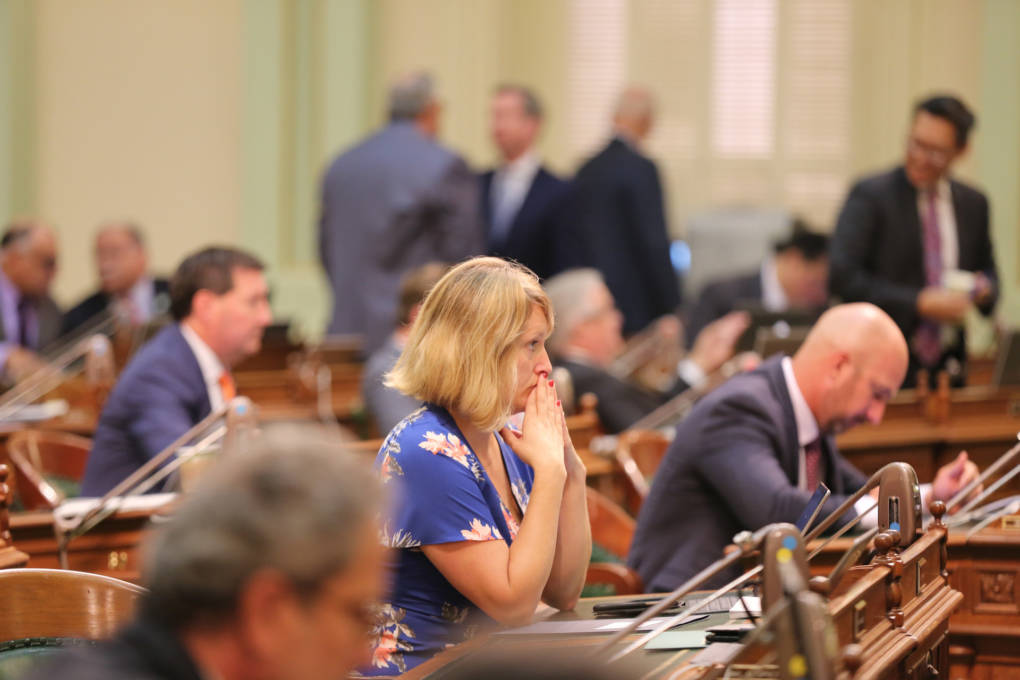
"caption": "Assemblywoman Buffy Wicks at the Capitol in Sacramento on Aug. 15, 2019.",
"description": "Assemblymember Buffy Wicks at the State Capitol in Sacramento on Aug. 15, 2019.",
"title": "09132019_BuffyWicks3-qut",
"credit": "Stephanie Lister/KQED",
"status": "inherit",
"isLoading": false,
"fetchFailed": false
},
"news_11771822": {
"type": "attachments",
"id": "news_11771822",
"meta": {
"index": "attachments_1716263798",
"site": "news",
"id": "11771822",
"found": true
},
"parent": 0,
"imgSizes": {
"apple_news_ca_landscape_5_5": {
"file": "https://ww2.kqed.org/app/uploads/sites/10/2019/09/Kaiser_edited-1044x783.jpg",
"width": 1044,
"mimeType": "image/jpeg",
"height": 783
},
"apple_news_ca_square_4_0": {
"file": "https://ww2.kqed.org/app/uploads/sites/10/2019/09/Kaiser_edited-470x470.jpg",
"width": 470,
"mimeType": "image/jpeg",
"height": 470
},
"twentyfourteen-full-width": {
"file": "https://ww2.kqed.org/app/uploads/sites/10/2019/09/Kaiser_edited-1038x576.jpg",
"width": 1038,
"mimeType": "image/jpeg",
"height": 576
},
"thumbnail": {
"file": "https://ww2.kqed.org/app/uploads/sites/10/2019/09/Kaiser_edited-160x120.jpg",
"width": 160,
"mimeType": "image/jpeg",
"height": 120
},
"post-thumbnail": {
"file": "https://ww2.kqed.org/app/uploads/sites/10/2019/09/Kaiser_edited-672x372.jpg",
"width": 672,
"mimeType": "image/jpeg",
"height": 372
},
"kqedFullSize": {
"file": "https://ww2.kqed.org/app/uploads/sites/10/2019/09/Kaiser_edited.jpg",
"width": 1920,
"height": 1440
},
"apple_news_ca_landscape_4_7": {
"file": "https://ww2.kqed.org/app/uploads/sites/10/2019/09/Kaiser_edited-632x474.jpg",
"width": 632,
"mimeType": "image/jpeg",
"height": 474
},
"large": {
"file": "https://ww2.kqed.org/app/uploads/sites/10/2019/09/Kaiser_edited-1020x765.jpg",
"width": 1020,
"mimeType": "image/jpeg",
"height": 765
},
"complete_open_graph": {
"file": "https://ww2.kqed.org/app/uploads/sites/10/2019/09/Kaiser_edited-1200x900.jpg",
"width": 1200,
"mimeType": "image/jpeg",
"height": 900
},
"apple_news_ca_landscape_4_0": {
"file": "https://ww2.kqed.org/app/uploads/sites/10/2019/09/Kaiser_edited-536x402.jpg",
"width": 536,
"mimeType": "image/jpeg",
"height": 402
},
"apple_news_ca_portrait_12_9": {
"file": "https://ww2.kqed.org/app/uploads/sites/10/2019/09/Kaiser_edited-1122x1440.jpg",
"width": 1122,
"mimeType": "image/jpeg",
"height": 1440
},
"medium": {
"file": "https://ww2.kqed.org/app/uploads/sites/10/2019/09/Kaiser_edited-800x600.jpg",
"width": 800,
"mimeType": "image/jpeg",
"height": 600
},
"apple_news_ca_portrait_4_0": {
"file": "https://ww2.kqed.org/app/uploads/sites/10/2019/09/Kaiser_edited-354x472.jpg",
"width": 354,
"mimeType": "image/jpeg",
"height": 472
},
"apple_news_ca_portrait_9_7": {
"file": "https://ww2.kqed.org/app/uploads/sites/10/2019/09/Kaiser_edited-840x1120.jpg",
"width": 840,
"mimeType": "image/jpeg",
"height": 1120
},
"apple_news_ca_landscape_12_9": {
"file": "https://ww2.kqed.org/app/uploads/sites/10/2019/09/Kaiser_edited-1832x1374.jpg",
"width": 1832,
"mimeType": "image/jpeg",
"height": 1374
},
"apple_news_ca_square_9_7": {
"file": "https://ww2.kqed.org/app/uploads/sites/10/2019/09/Kaiser_edited-1104x1104.jpg",
"width": 1104,
"mimeType": "image/jpeg",
"height": 1104
},
"apple_news_ca_portrait_4_7": {
"file": "https://ww2.kqed.org/app/uploads/sites/10/2019/09/Kaiser_edited-414x552.jpg",
"width": 414,
"mimeType": "image/jpeg",
"height": 552
},
"apple_news_ca_square_12_9": {
"file": "https://ww2.kqed.org/app/uploads/sites/10/2019/09/Kaiser_edited-1472x1440.jpg",
"width": 1472,
"mimeType": "image/jpeg",
"height": 1440
},
"apple_news_ca_portrait_5_5": {
"file": "https://ww2.kqed.org/app/uploads/sites/10/2019/09/Kaiser_edited-687x916.jpg",
"width": 687,
"mimeType": "image/jpeg",
"height": 916
},
"full-width": {
"file": "https://ww2.kqed.org/app/uploads/sites/10/2019/09/Kaiser_edited-1920x1440.jpg",
"width": 1920,
"mimeType": "image/jpeg",
"height": 1440
},
"apple_news_ca_square_4_7": {
"file": "https://ww2.kqed.org/app/uploads/sites/10/2019/09/Kaiser_edited-550x550.jpg",
"width": 550,
"mimeType": "image/jpeg",
"height": 550
},
"apple_news_ca_landscape_9_7": {
"file": "https://ww2.kqed.org/app/uploads/sites/10/2019/09/Kaiser_edited-1376x1032.jpg",
"width": 1376,
"mimeType": "image/jpeg",
"height": 1032
},
"apple_news_ca_square_5_5": {
"file": "https://ww2.kqed.org/app/uploads/sites/10/2019/09/Kaiser_edited-912x912.jpg",
"width": 912,
"mimeType": "image/jpeg",
"height": 912
}
},
"publishDate": 1567528012,
"modified": 1567528260,
"caption": "Health care workers from Kaiser Permanente held a protest in Oakland on Sept. 2, 2019. Negotiations for a new contract stalled and there's a potential strike in October.",
"description": "Protesters hold hands in front of a Kaiser Permanente building in Oakland on Sept. 2, 2019. ",
"title": "Kaiser_edited",
"credit": "Laura Klivans/KQED",
"status": "inherit",
"isLoading": false,
"fetchFailed": false
},
"news_11763858": {
"type": "attachments",
"id": "news_11763858",
"meta": {
"index": "attachments_1716263798",
"site": "news",
"id": "11763858",
"found": true
},
"parent": 11763856,
"imgSizes": {
"apple_news_ca_landscape_5_5": {
"file": "https://ww2.kqed.org/app/uploads/sites/10/2019/07/RS34402_GettyImages-1080389244-qut-1044x783.jpg",
"width": 1044,
"mimeType": "image/jpeg",
"height": 783
},
"apple_news_ca_square_4_0": {
"file": "https://ww2.kqed.org/app/uploads/sites/10/2019/07/RS34402_GettyImages-1080389244-qut-470x470.jpg",
"width": 470,
"mimeType": "image/jpeg",
"height": 470
},
"twentyfourteen-full-width": {
"file": "https://ww2.kqed.org/app/uploads/sites/10/2019/07/RS34402_GettyImages-1080389244-qut-1038x576.jpg",
"width": 1038,
"mimeType": "image/jpeg",
"height": 576
},
"thumbnail": {
"file": "https://ww2.kqed.org/app/uploads/sites/10/2019/07/RS34402_GettyImages-1080389244-qut-160x107.jpg",
"width": 160,
"mimeType": "image/jpeg",
"height": 107
},
"post-thumbnail": {
"file": "https://ww2.kqed.org/app/uploads/sites/10/2019/07/RS34402_GettyImages-1080389244-qut-672x372.jpg",
"width": 672,
"mimeType": "image/jpeg",
"height": 372
},
"kqedFullSize": {
"file": "https://ww2.kqed.org/app/uploads/sites/10/2019/07/RS34402_GettyImages-1080389244-qut.jpg",
"width": 1920,
"height": 1280
},
"apple_news_ca_landscape_4_7": {
"file": "https://ww2.kqed.org/app/uploads/sites/10/2019/07/RS34402_GettyImages-1080389244-qut-632x474.jpg",
"width": 632,
"mimeType": "image/jpeg",
"height": 474
},
"large": {
"file": "https://ww2.kqed.org/app/uploads/sites/10/2019/07/RS34402_GettyImages-1080389244-qut-1020x680.jpg",
"width": 1020,
"mimeType": "image/jpeg",
"height": 680
},
"complete_open_graph": {
"file": "https://ww2.kqed.org/app/uploads/sites/10/2019/07/RS34402_GettyImages-1080389244-qut-1200x800.jpg",
"width": 1200,
"mimeType": "image/jpeg",
"height": 800
},
"apple_news_ca_landscape_4_0": {
"file": "https://ww2.kqed.org/app/uploads/sites/10/2019/07/RS34402_GettyImages-1080389244-qut-536x402.jpg",
"width": 536,
"mimeType": "image/jpeg",
"height": 402
},
"apple_news_ca_portrait_12_9": {
"file": "https://ww2.kqed.org/app/uploads/sites/10/2019/07/RS34402_GettyImages-1080389244-qut-1122x1280.jpg",
"width": 1122,
"mimeType": "image/jpeg",
"height": 1280
},
"medium": {
"file": "https://ww2.kqed.org/app/uploads/sites/10/2019/07/RS34402_GettyImages-1080389244-qut-800x533.jpg",
"width": 800,
"mimeType": "image/jpeg",
"height": 533
},
"apple_news_ca_portrait_4_0": {
"file": "https://ww2.kqed.org/app/uploads/sites/10/2019/07/RS34402_GettyImages-1080389244-qut-354x472.jpg",
"width": 354,
"mimeType": "image/jpeg",
"height": 472
},
"apple_news_ca_portrait_9_7": {
"file": "https://ww2.kqed.org/app/uploads/sites/10/2019/07/RS34402_GettyImages-1080389244-qut-840x1120.jpg",
"width": 840,
"mimeType": "image/jpeg",
"height": 1120
},
"apple_news_ca_landscape_12_9": {
"file": "https://ww2.kqed.org/app/uploads/sites/10/2019/07/RS34402_GettyImages-1080389244-qut-1832x1280.jpg",
"width": 1832,
"mimeType": "image/jpeg",
"height": 1280
},
"apple_news_ca_square_9_7": {
"file": "https://ww2.kqed.org/app/uploads/sites/10/2019/07/RS34402_GettyImages-1080389244-qut-1104x1104.jpg",
"width": 1104,
"mimeType": "image/jpeg",
"height": 1104
},
"apple_news_ca_portrait_4_7": {
"file": "https://ww2.kqed.org/app/uploads/sites/10/2019/07/RS34402_GettyImages-1080389244-qut-414x552.jpg",
"width": 414,
"mimeType": "image/jpeg",
"height": 552
},
"apple_news_ca_square_12_9": {
"file": "https://ww2.kqed.org/app/uploads/sites/10/2019/07/RS34402_GettyImages-1080389244-qut-1472x1280.jpg",
"width": 1472,
"mimeType": "image/jpeg",
"height": 1280
},
"apple_news_ca_portrait_5_5": {
"file": "https://ww2.kqed.org/app/uploads/sites/10/2019/07/RS34402_GettyImages-1080389244-qut-687x916.jpg",
"width": 687,
"mimeType": "image/jpeg",
"height": 916
},
"full-width": {
"file": "https://ww2.kqed.org/app/uploads/sites/10/2019/07/RS34402_GettyImages-1080389244-qut-1920x1280.jpg",
"width": 1920,
"mimeType": "image/jpeg",
"height": 1280
},
"apple_news_ca_square_4_7": {
"file": "https://ww2.kqed.org/app/uploads/sites/10/2019/07/RS34402_GettyImages-1080389244-qut-550x550.jpg",
"width": 550,
"mimeType": "image/jpeg",
"height": 550
},
"apple_news_ca_landscape_9_7": {
"file": "https://ww2.kqed.org/app/uploads/sites/10/2019/07/RS34402_GettyImages-1080389244-qut-1376x1032.jpg",
"width": 1376,
"mimeType": "image/jpeg",
"height": 1032
},
"apple_news_ca_square_5_5": {
"file": "https://ww2.kqed.org/app/uploads/sites/10/2019/07/RS34402_GettyImages-1080389244-qut-912x912.jpg",
"width": 912,
"mimeType": "image/jpeg",
"height": 912
}
},
"publishDate": 1564327373,
"modified": 1564327406,
"caption": "Kaiser Permanente mental health workers carry signs as they march in front of Kaiser Permanente San Francisco Medical Center on December 10, 2018 in San Francisco, California. Nearly 4,000 Kaiser Permanente mental health workers with the National Union of Healthcare Workers union kicked off a five-day strike at Kaiser facilities throughout California. The union says that they are protesting the lack of staffing that forces many patients to wait for a month or more for appointments.",
"description": "Kaiser Permanente mental health workers carry signs as they march in front of Kaiser Permanente San Francisco Medical Center on December 10, 2018 in San Francisco, California. Nearly 4,000 Kaiser Permanente mental health workers with the National Union of Healthcare Workers union kicked off a five-day strike at Kaiser facilities throughout California. The union says that they are protesting the lack of staffing that forces many patients to wait for a month or more for appointments.",
"title": "Thousands Of Mental Health Workers go On Strike In CA To Protest Kaiser Permanente",
"credit": "Photo by Justin Sullivan/Getty Images",
"status": "inherit",
"isLoading": false,
"fetchFailed": false
},
"news_11760378": {
"type": "attachments",
"id": "news_11760378",
"meta": {
"index": "attachments_1716263798",
"site": "news",
"id": "11760378",
"found": true
},
"parent": 11760375,
"imgSizes": {
"apple_news_ca_landscape_5_5": {
"file": "https://ww2.kqed.org/app/uploads/sites/10/2019/07/07092019_kaiser-permanente_mental-health_National-Union-of-Healthcare-Workers_staffing-qut-1044x783.jpg",
"width": 1044,
"mimeType": "image/jpeg",
"height": 783
},
"apple_news_ca_square_4_0": {
"file": "https://ww2.kqed.org/app/uploads/sites/10/2019/07/07092019_kaiser-permanente_mental-health_National-Union-of-Healthcare-Workers_staffing-qut-470x470.jpg",
"width": 470,
"mimeType": "image/jpeg",
"height": 470
},
"twentyfourteen-full-width": {
"file": "https://ww2.kqed.org/app/uploads/sites/10/2019/07/07092019_kaiser-permanente_mental-health_National-Union-of-Healthcare-Workers_staffing-qut-1038x576.jpg",
"width": 1038,
"mimeType": "image/jpeg",
"height": 576
},
"thumbnail": {
"file": "https://ww2.kqed.org/app/uploads/sites/10/2019/07/07092019_kaiser-permanente_mental-health_National-Union-of-Healthcare-Workers_staffing-qut-160x120.jpg",
"width": 160,
"mimeType": "image/jpeg",
"height": 120
},
"post-thumbnail": {
"file": "https://ww2.kqed.org/app/uploads/sites/10/2019/07/07092019_kaiser-permanente_mental-health_National-Union-of-Healthcare-Workers_staffing-qut-672x372.jpg",
"width": 672,
"mimeType": "image/jpeg",
"height": 372
},
"kqedFullSize": {
"file": "https://ww2.kqed.org/app/uploads/sites/10/2019/07/07092019_kaiser-permanente_mental-health_National-Union-of-Healthcare-Workers_staffing-qut.jpg",
"width": 1920,
"height": 1440
},
"apple_news_ca_landscape_4_7": {
"file": "https://ww2.kqed.org/app/uploads/sites/10/2019/07/07092019_kaiser-permanente_mental-health_National-Union-of-Healthcare-Workers_staffing-qut-632x474.jpg",
"width": 632,
"mimeType": "image/jpeg",
"height": 474
},
"large": {
"file": "https://ww2.kqed.org/app/uploads/sites/10/2019/07/07092019_kaiser-permanente_mental-health_National-Union-of-Healthcare-Workers_staffing-qut-1020x765.jpg",
"width": 1020,
"mimeType": "image/jpeg",
"height": 765
},
"complete_open_graph": {
"file": "https://ww2.kqed.org/app/uploads/sites/10/2019/07/07092019_kaiser-permanente_mental-health_National-Union-of-Healthcare-Workers_staffing-qut-1200x900.jpg",
"width": 1200,
"mimeType": "image/jpeg",
"height": 900
},
"apple_news_ca_landscape_4_0": {
"file": "https://ww2.kqed.org/app/uploads/sites/10/2019/07/07092019_kaiser-permanente_mental-health_National-Union-of-Healthcare-Workers_staffing-qut-536x402.jpg",
"width": 536,
"mimeType": "image/jpeg",
"height": 402
},
"apple_news_ca_portrait_12_9": {
"file": "https://ww2.kqed.org/app/uploads/sites/10/2019/07/07092019_kaiser-permanente_mental-health_National-Union-of-Healthcare-Workers_staffing-qut-1122x1440.jpg",
"width": 1122,
"mimeType": "image/jpeg",
"height": 1440
},
"medium": {
"file": "https://ww2.kqed.org/app/uploads/sites/10/2019/07/07092019_kaiser-permanente_mental-health_National-Union-of-Healthcare-Workers_staffing-qut-800x600.jpg",
"width": 800,
"mimeType": "image/jpeg",
"height": 600
},
"apple_news_ca_portrait_4_0": {
"file": "https://ww2.kqed.org/app/uploads/sites/10/2019/07/07092019_kaiser-permanente_mental-health_National-Union-of-Healthcare-Workers_staffing-qut-354x472.jpg",
"width": 354,
"mimeType": "image/jpeg",
"height": 472
},
"apple_news_ca_portrait_9_7": {
"file": "https://ww2.kqed.org/app/uploads/sites/10/2019/07/07092019_kaiser-permanente_mental-health_National-Union-of-Healthcare-Workers_staffing-qut-840x1120.jpg",
"width": 840,
"mimeType": "image/jpeg",
"height": 1120
},
"apple_news_ca_landscape_12_9": {
"file": "https://ww2.kqed.org/app/uploads/sites/10/2019/07/07092019_kaiser-permanente_mental-health_National-Union-of-Healthcare-Workers_staffing-qut-1832x1374.jpg",
"width": 1832,
"mimeType": "image/jpeg",
"height": 1374
},
"apple_news_ca_square_9_7": {
"file": "https://ww2.kqed.org/app/uploads/sites/10/2019/07/07092019_kaiser-permanente_mental-health_National-Union-of-Healthcare-Workers_staffing-qut-1104x1104.jpg",
"width": 1104,
"mimeType": "image/jpeg",
"height": 1104
},
"apple_news_ca_portrait_4_7": {
"file": "https://ww2.kqed.org/app/uploads/sites/10/2019/07/07092019_kaiser-permanente_mental-health_National-Union-of-Healthcare-Workers_staffing-qut-414x552.jpg",
"width": 414,
"mimeType": "image/jpeg",
"height": 552
},
"apple_news_ca_square_12_9": {
"file": "https://ww2.kqed.org/app/uploads/sites/10/2019/07/07092019_kaiser-permanente_mental-health_National-Union-of-Healthcare-Workers_staffing-qut-1472x1440.jpg",
"width": 1472,
"mimeType": "image/jpeg",
"height": 1440
},
"apple_news_ca_portrait_5_5": {
"file": "https://ww2.kqed.org/app/uploads/sites/10/2019/07/07092019_kaiser-permanente_mental-health_National-Union-of-Healthcare-Workers_staffing-qut-687x916.jpg",
"width": 687,
"mimeType": "image/jpeg",
"height": 916
},
"full-width": {
"file": "https://ww2.kqed.org/app/uploads/sites/10/2019/07/07092019_kaiser-permanente_mental-health_National-Union-of-Healthcare-Workers_staffing-qut-1920x1440.jpg",
"width": 1920,
"mimeType": "image/jpeg",
"height": 1440
},
"apple_news_ca_square_4_7": {
"file": "https://ww2.kqed.org/app/uploads/sites/10/2019/07/07092019_kaiser-permanente_mental-health_National-Union-of-Healthcare-Workers_staffing-qut-550x550.jpg",
"width": 550,
"mimeType": "image/jpeg",
"height": 550
},
"apple_news_ca_landscape_9_7": {
"file": "https://ww2.kqed.org/app/uploads/sites/10/2019/07/07092019_kaiser-permanente_mental-health_National-Union-of-Healthcare-Workers_staffing-qut-1376x1032.jpg",
"width": 1376,
"mimeType": "image/jpeg",
"height": 1032
},
"apple_news_ca_square_5_5": {
"file": "https://ww2.kqed.org/app/uploads/sites/10/2019/07/07092019_kaiser-permanente_mental-health_National-Union-of-Healthcare-Workers_staffing-qut-912x912.jpg",
"width": 912,
"mimeType": "image/jpeg",
"height": 912
}
},
"publishDate": 1562800726,
"modified": 1562804867,
"caption": "Kaiser Permanente staff protested outside their clinic in San Francisco, chanting, “What’s this about? Patient care!” on Wednesday, July 10, 2019.\n",
"description": "Kaiser Permanente staff protested outside of their clinic in San Francisco, chanting, “What’s this about? Patient care!” on Wednesday, July 10, 2019.",
"title": "07092019_kaiser permanente_mental health_National Union of Healthcare Workers_staffing-qut",
"credit": "Laura Klivans/KQED",
"status": "inherit",
"isLoading": false,
"fetchFailed": false
},
"news_11711322": {
"type": "attachments",
"id": "news_11711322",
"meta": {
"index": "attachments_1716263798",
"site": "news",
"id": "11711322",
"found": true
},
"parent": 11711317,
"imgSizes": {
"twentyfourteen-full-width": {
"file": "https://ww2.kqed.org/app/uploads/sites/10/2018/12/GettyImages-1080389244-e1544474005181-1038x576.jpg",
"width": 1038,
"mimeType": "image/jpeg",
"height": 576
},
"thumbnail": {
"file": "https://ww2.kqed.org/app/uploads/sites/10/2018/12/GettyImages-1080389244-e1544474005181-160x107.jpg",
"width": 160,
"mimeType": "image/jpeg",
"height": 107
},
"post-thumbnail": {
"file": "https://ww2.kqed.org/app/uploads/sites/10/2018/12/GettyImages-1080389244-e1544474005181-672x372.jpg",
"width": 672,
"mimeType": "image/jpeg",
"height": 372
},
"kqedFullSize": {
"file": "https://ww2.kqed.org/app/uploads/sites/10/2018/12/GettyImages-1080389244-e1544474005181.jpg",
"width": 1920,
"height": 1280
},
"large": {
"file": "https://ww2.kqed.org/app/uploads/sites/10/2018/12/GettyImages-1080389244-e1544474005181-1020x680.jpg",
"width": 1020,
"mimeType": "image/jpeg",
"height": 680
},
"complete_open_graph": {
"file": "https://ww2.kqed.org/app/uploads/sites/10/2018/12/GettyImages-1080389244-e1544474005181-1200x800.jpg",
"width": 1200,
"mimeType": "image/jpeg",
"height": 800
},
"guest-author-50": {
"file": "https://ww2.kqed.org/app/uploads/sites/10/2018/12/GettyImages-1080389244-e1544474005181-50x50.jpg",
"width": 50,
"mimeType": "image/jpeg",
"height": 50
},
"guest-author-96": {
"file": "https://ww2.kqed.org/app/uploads/sites/10/2018/12/GettyImages-1080389244-e1544474005181-96x96.jpg",
"width": 96,
"mimeType": "image/jpeg",
"height": 96
},
"medium": {
"file": "https://ww2.kqed.org/app/uploads/sites/10/2018/12/GettyImages-1080389244-e1544474005181-800x533.jpg",
"width": 800,
"mimeType": "image/jpeg",
"height": 533
},
"guest-author-64": {
"file": "https://ww2.kqed.org/app/uploads/sites/10/2018/12/GettyImages-1080389244-e1544474005181-64x64.jpg",
"width": 64,
"mimeType": "image/jpeg",
"height": 64
},
"guest-author-32": {
"file": "https://ww2.kqed.org/app/uploads/sites/10/2018/12/GettyImages-1080389244-e1544474005181-32x32.jpg",
"width": 32,
"mimeType": "image/jpeg",
"height": 32
},
"full-width": {
"file": "https://ww2.kqed.org/app/uploads/sites/10/2018/12/GettyImages-1080389244-e1544474005181-1920x1280.jpg",
"width": 1920,
"mimeType": "image/jpeg",
"height": 1280
},
"detail": {
"file": "https://ww2.kqed.org/app/uploads/sites/10/2018/12/GettyImages-1080389244-e1544474005181-150x150.jpg",
"width": 150,
"mimeType": "image/jpeg",
"height": 150
},
"guest-author-128": {
"file": "https://ww2.kqed.org/app/uploads/sites/10/2018/12/GettyImages-1080389244-e1544474005181-128x128.jpg",
"width": 128,
"mimeType": "image/jpeg",
"height": 128
}
},
"publishDate": 1544473941,
"modified": 1544484787,
"caption": "Kaiser Permanente mental health workers carry signs as they march in front of Kaiser Permanente San Francisco Medical Center on Dec. 10, 2018, in San Francisco. Nearly 4,000 Kaiser Permanente mental health workers with the National Union of Healthcare Workers kicked off a five-day strike at Kaiser facilities throughout California. The union says they are protesting the lack of staffing that forces many patients to wait for a month or more for appointments.",
"description": null,
"title": "Thousands Of Mental Health Workers go On Strike In CA To Protest Kaiser Permanente",
"credit": "Justin Sullivan/Getty Images",
"status": "inherit",
"isLoading": false,
"fetchFailed": false
},
"stateofhealth_362828": {
"type": "attachments",
"id": "stateofhealth_362828",
"meta": {
"index": "attachments_1716263798",
"site": "stateofhealth",
"id": "362828",
"found": true
},
"parent": 362825,
"imgSizes": {
"small": {
"file": "https://ww2.kqed.org/app/uploads/sites/27/2018/02/RS29627_IMG_8320-qut-e1519858604609-520x346.jpg",
"width": 520,
"mimeType": "image/jpeg",
"height": 346
},
"twentyfourteen-full-width": {
"file": "https://ww2.kqed.org/app/uploads/sites/27/2018/02/RS29627_IMG_8320-qut-e1519858604609-1038x576.jpg",
"width": 1038,
"mimeType": "image/jpeg",
"height": 576
},
"thumbnail": {
"file": "https://ww2.kqed.org/app/uploads/sites/27/2018/02/RS29627_IMG_8320-qut-e1519858604609-160x106.jpg",
"width": 160,
"mimeType": "image/jpeg",
"height": 106
},
"fd-sm": {
"file": "https://ww2.kqed.org/app/uploads/sites/27/2018/02/RS29627_IMG_8320-qut-e1519858604609-960x638.jpg",
"width": 960,
"mimeType": "image/jpeg",
"height": 638
},
"post-thumbnail": {
"file": "https://ww2.kqed.org/app/uploads/sites/27/2018/02/RS29627_IMG_8320-qut-e1519858604609-672x372.jpg",
"width": 672,
"mimeType": "image/jpeg",
"height": 372
},
"xsmall": {
"file": "https://ww2.kqed.org/app/uploads/sites/27/2018/02/RS29627_IMG_8320-qut-e1519858604609-375x249.jpg",
"width": 375,
"mimeType": "image/jpeg",
"height": 249
},
"kqedFullSize": {
"file": "https://ww2.kqed.org/app/uploads/sites/27/2018/02/RS29627_IMG_8320-qut-e1519858604609.jpg",
"width": 1920,
"height": 1276
},
"large": {
"file": "https://ww2.kqed.org/app/uploads/sites/27/2018/02/RS29627_IMG_8320-qut-e1519858604609-1020x678.jpg",
"width": 1020,
"mimeType": "image/jpeg",
"height": 678
},
"xlarge": {
"file": "https://ww2.kqed.org/app/uploads/sites/27/2018/02/RS29627_IMG_8320-qut-e1519858604609-1180x784.jpg",
"width": 1180,
"mimeType": "image/jpeg",
"height": 784
},
"guest-author-50": {
"file": "https://ww2.kqed.org/app/uploads/sites/27/2018/02/RS29627_IMG_8320-qut-e1519858604609-50x50.jpg",
"width": 50,
"mimeType": "image/jpeg",
"height": 50
},
"guest-author-96": {
"file": "https://ww2.kqed.org/app/uploads/sites/27/2018/02/RS29627_IMG_8320-qut-e1519858604609-96x96.jpg",
"width": 96,
"mimeType": "image/jpeg",
"height": 96
},
"medium": {
"file": "https://ww2.kqed.org/app/uploads/sites/27/2018/02/RS29627_IMG_8320-qut-e1519858604609-800x532.jpg",
"width": 800,
"mimeType": "image/jpeg",
"height": 532
},
"guest-author-64": {
"file": "https://ww2.kqed.org/app/uploads/sites/27/2018/02/RS29627_IMG_8320-qut-e1519858604609-64x64.jpg",
"width": 64,
"mimeType": "image/jpeg",
"height": 64
},
"guest-author-32": {
"file": "https://ww2.kqed.org/app/uploads/sites/27/2018/02/RS29627_IMG_8320-qut-e1519858604609-32x32.jpg",
"width": 32,
"mimeType": "image/jpeg",
"height": 32
},
"fd-lrg": {
"file": "https://ww2.kqed.org/app/uploads/sites/27/2018/02/RS29627_IMG_8320-qut-e1519858604609-1920x1276.jpg",
"width": 1920,
"mimeType": "image/jpeg",
"height": 1276
},
"fd-med": {
"file": "https://ww2.kqed.org/app/uploads/sites/27/2018/02/RS29627_IMG_8320-qut-e1519858604609-1180x784.jpg",
"width": 1180,
"mimeType": "image/jpeg",
"height": 784
},
"full-width": {
"file": "https://ww2.kqed.org/app/uploads/sites/27/2018/02/RS29627_IMG_8320-qut-e1519858604609-1920x1276.jpg",
"width": 1920,
"mimeType": "image/jpeg",
"height": 1276
},
"detail": {
"file": "https://ww2.kqed.org/app/uploads/sites/27/2018/02/RS29627_IMG_8320-qut-e1519858604609-150x150.jpg",
"width": 150,
"mimeType": "image/jpeg",
"height": 150
},
"medium_large": {
"file": "https://ww2.kqed.org/app/uploads/sites/27/2018/02/RS29627_IMG_8320-qut-e1519858604609-768x510.jpg",
"width": 768,
"mimeType": "image/jpeg",
"height": 510
},
"guest-author-128": {
"file": "https://ww2.kqed.org/app/uploads/sites/27/2018/02/RS29627_IMG_8320-qut-e1519858604609-128x128.jpg",
"width": 128,
"mimeType": "image/jpeg",
"height": 128
},
"xxsmall": {
"file": "https://ww2.kqed.org/app/uploads/sites/27/2018/02/RS29627_IMG_8320-qut-e1519858604609-240x160.jpg",
"width": 240,
"mimeType": "image/jpeg",
"height": 160
}
},
"publishDate": 1519858500,
"modified": 1519858530,
"caption": "Union members employed by Kaiser Permanente protest outside Kaiser's Oakland Medical Center on February 24.",
"description": "Union members employed by Kaiser Permanente protest outside Kaiser's Oakland Medical Center on February 24.",
"title": "RS29627_IMG_8320-qut",
"credit": "Laura Klivans/KQED",
"status": "inherit",
"isLoading": false,
"fetchFailed": false
},
"news_11623594": {
"type": "attachments",
"id": "news_11623594",
"meta": {
"index": "attachments_1716263798",
"site": "news",
"id": "11623594",
"found": true
},
"parent": 11623564,
"imgSizes": {
"small": {
"file": "https://ww2.kqed.org/app/uploads/sites/10/2017/10/RS27541_Image-uploaded-from-iOS-2-qut-520x390.jpg",
"width": 520,
"mimeType": "image/jpeg",
"height": 390
},
"twentyfourteen-full-width": {
"file": "https://ww2.kqed.org/app/uploads/sites/10/2017/10/RS27541_Image-uploaded-from-iOS-2-qut-1038x576.jpg",
"width": 1038,
"mimeType": "image/jpeg",
"height": 576
},
"thumbnail": {
"file": "https://ww2.kqed.org/app/uploads/sites/10/2017/10/RS27541_Image-uploaded-from-iOS-2-qut-160x120.jpg",
"width": 160,
"mimeType": "image/jpeg",
"height": 120
},
"fd-sm": {
"file": "https://ww2.kqed.org/app/uploads/sites/10/2017/10/RS27541_Image-uploaded-from-iOS-2-qut-960x720.jpg",
"width": 960,
"mimeType": "image/jpeg",
"height": 720
},
"post-thumbnail": {
"file": "https://ww2.kqed.org/app/uploads/sites/10/2017/10/RS27541_Image-uploaded-from-iOS-2-qut-672x372.jpg",
"width": 672,
"mimeType": "image/jpeg",
"height": 372
},
"xsmall": {
"file": "https://ww2.kqed.org/app/uploads/sites/10/2017/10/RS27541_Image-uploaded-from-iOS-2-qut-375x281.jpg",
"width": 375,
"mimeType": "image/jpeg",
"height": 281
},
"kqedFullSize": {
"file": "https://ww2.kqed.org/app/uploads/sites/10/2017/10/RS27541_Image-uploaded-from-iOS-2-qut.jpg",
"width": 1920,
"height": 1440
},
"large": {
"file": "https://ww2.kqed.org/app/uploads/sites/10/2017/10/RS27541_Image-uploaded-from-iOS-2-qut-1020x765.jpg",
"width": 1020,
"mimeType": "image/jpeg",
"height": 765
},
"xlarge": {
"file": "https://ww2.kqed.org/app/uploads/sites/10/2017/10/RS27541_Image-uploaded-from-iOS-2-qut-1180x885.jpg",
"width": 1180,
"mimeType": "image/jpeg",
"height": 885
},
"guest-author-50": {
"file": "https://ww2.kqed.org/app/uploads/sites/10/2017/10/RS27541_Image-uploaded-from-iOS-2-qut-50x50.jpg",
"width": 50,
"mimeType": "image/jpeg",
"height": 50
},
"guest-author-96": {
"file": "https://ww2.kqed.org/app/uploads/sites/10/2017/10/RS27541_Image-uploaded-from-iOS-2-qut-96x96.jpg",
"width": 96,
"mimeType": "image/jpeg",
"height": 96
},
"medium": {
"file": "https://ww2.kqed.org/app/uploads/sites/10/2017/10/RS27541_Image-uploaded-from-iOS-2-qut-800x600.jpg",
"width": 800,
"mimeType": "image/jpeg",
"height": 600
},
"guest-author-64": {
"file": "https://ww2.kqed.org/app/uploads/sites/10/2017/10/RS27541_Image-uploaded-from-iOS-2-qut-64x64.jpg",
"width": 64,
"mimeType": "image/jpeg",
"height": 64
},
"guest-author-32": {
"file": "https://ww2.kqed.org/app/uploads/sites/10/2017/10/RS27541_Image-uploaded-from-iOS-2-qut-32x32.jpg",
"width": 32,
"mimeType": "image/jpeg",
"height": 32
},
"fd-lrg": {
"file": "https://ww2.kqed.org/app/uploads/sites/10/2017/10/RS27541_Image-uploaded-from-iOS-2-qut-1920x1440.jpg",
"width": 1920,
"mimeType": "image/jpeg",
"height": 1440
},
"fd-med": {
"file": "https://ww2.kqed.org/app/uploads/sites/10/2017/10/RS27541_Image-uploaded-from-iOS-2-qut-1180x885.jpg",
"width": 1180,
"mimeType": "image/jpeg",
"height": 885
},
"full-width": {
"file": "https://ww2.kqed.org/app/uploads/sites/10/2017/10/RS27541_Image-uploaded-from-iOS-2-qut-1920x1440.jpg",
"width": 1920,
"mimeType": "image/jpeg",
"height": 1440
},
"detail": {
"file": "https://ww2.kqed.org/app/uploads/sites/10/2017/10/RS27541_Image-uploaded-from-iOS-2-qut-150x150.jpg",
"width": 150,
"mimeType": "image/jpeg",
"height": 150
},
"guest-author-128": {
"file": "https://ww2.kqed.org/app/uploads/sites/10/2017/10/RS27541_Image-uploaded-from-iOS-2-qut-128x128.jpg",
"width": 128,
"mimeType": "image/jpeg",
"height": 128
},
"xxsmall": {
"file": "https://ww2.kqed.org/app/uploads/sites/10/2017/10/RS27541_Image-uploaded-from-iOS-2-qut-240x180.jpg",
"width": 240,
"mimeType": "image/jpeg",
"height": 180
}
},
"publishDate": 1508029225,
"modified": 1508193629,
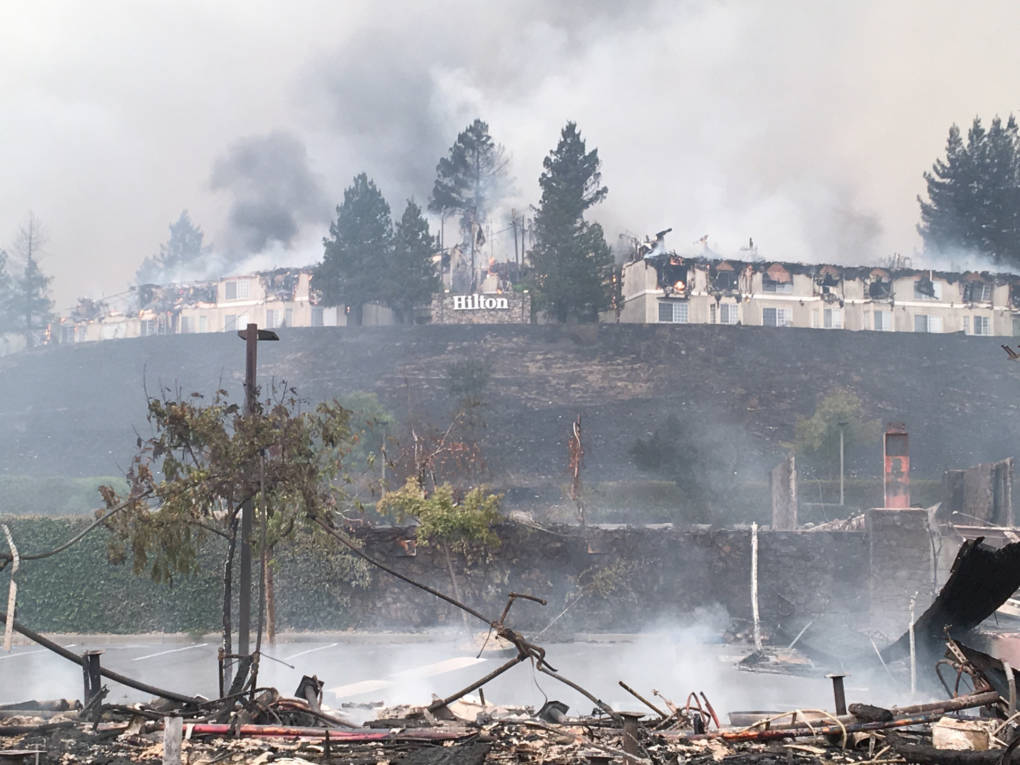
"caption": "The Hilton in Santa Rosa was already burning when doctors told Heather Leiker and Jason McDowell that they should evacuate, even though Leiker's labor had been induced earlier that night.",
"description": "The Hilton in Santa Rosa was already burning when doctors told Heather Leiker and Jason McDowell that they should evacuate even though Leiker's labor had been induced earlier that night.",
"title": "RS27541_Image uploaded from iOS (2)-qut",
"credit": "Lesley McClurg/KQED",
"status": "inherit",
"isLoading": false,
"fetchFailed": false
},
"stateofhealth_20683": {
"type": "attachments",
"id": "stateofhealth_20683",
"meta": {
"index": "attachments_1716263798",
"site": "stateofhealth",
"id": "20683",
"found": true
},
"parent": 20681,
"imgSizes": {
"thumbnail": {
"file": "https://ww2.kqed.org/app/uploads/sites/27/2014/08/5371998566_179533eed7_z-400x330.jpg",
"width": 400,
"mimeType": "image/jpeg",
"height": 330
},
"fd-sm": {
"file": "https://ww2.kqed.org/app/uploads/sites/27/2014/08/5371998566_179533eed7_z-320x264.jpg",
"width": 320,
"mimeType": "image/jpeg",
"height": 264
},
"post-thumbnail": {
"file": "https://ww2.kqed.org/app/uploads/sites/27/2014/08/5371998566_179533eed7_z-640x372.jpg",
"width": 640,
"mimeType": "image/jpeg",
"height": 372
},
"kqedFullSize": {
"file": "https://ww2.kqed.org/app/uploads/sites/27/2014/08/5371998566_179533eed7_z.jpg",
"width": 640,
"height": 528
},
"guest-author-96": {
"file": "https://ww2.kqed.org/app/uploads/sites/27/2014/08/5371998566_179533eed7_z-96x96.jpg",
"width": 96,
"mimeType": "image/jpeg",
"height": 96
},
"guest-author-64": {
"file": "https://ww2.kqed.org/app/uploads/sites/27/2014/08/5371998566_179533eed7_z-64x64.jpg",
"width": 64,
"mimeType": "image/jpeg",
"height": 64
},
"detail": {
"file": "https://ww2.kqed.org/app/uploads/sites/27/2014/08/5371998566_179533eed7_z-75x75.jpg",
"width": 75,
"mimeType": "image/jpeg",
"height": 75
},
"guest-author-32": {
"file": "https://ww2.kqed.org/app/uploads/sites/27/2014/08/5371998566_179533eed7_z-32x32.jpg",
"width": 32,
"mimeType": "image/jpeg",
"height": 32
},
"guest-author-128": {
"file": "https://ww2.kqed.org/app/uploads/sites/27/2014/08/5371998566_179533eed7_z-128x128.jpg",
"width": 128,
"mimeType": "image/jpeg",
"height": 128
}
},
"publishDate": 1407870870,
"modified": 1407870870,
"caption": "(Ted Eytan/Flickr)",
"description": "Kaiser Permanente's lower rates on the California health exchange for 2015 may be meant to attract customers. (Ted Eytan/Flickr)",
"title": "5371998566_179533eed7_z",
"credit": null,
"status": "inherit",
"isLoading": false,
"fetchFailed": false
},
"stateofhealth_20919": {
"type": "attachments",
"id": "stateofhealth_20919",
"meta": {
"index": "attachments_1716263798",
"site": "stateofhealth",
"id": "20919",
"found": true
},
"parent": 20914,
"imgSizes": {
"thumbnail": {
"file": "https://ww2.kqed.org/app/uploads/sites/27/2014/08/79997774-e1408556674718-400x266.jpg",
"width": 400,
"mimeType": "image/jpeg",
"height": 266
},
"fd-sm": {
"file": "https://ww2.kqed.org/app/uploads/sites/27/2014/08/79997774-e1408556674718-320x213.jpg",
"width": 320,
"mimeType": "image/jpeg",
"height": 213
},
"post-thumbnail": {
"file": "https://ww2.kqed.org/app/uploads/sites/27/2014/08/79997774-e1408556674718-641x372.jpg",
"width": 641,
"mimeType": "image/jpeg",
"height": 372
},
"kqedFullSize": {
"file": "https://ww2.kqed.org/app/uploads/sites/27/2014/08/79997774-e1408556674718.jpg",
"width": 641,
"height": 427
},
"guest-author-96": {
"file": "https://ww2.kqed.org/app/uploads/sites/27/2014/08/79997774-e1408556674718-96x96.jpg",
"width": 96,
"mimeType": "image/jpeg",
"height": 96
},
"guest-author-64": {
"file": "https://ww2.kqed.org/app/uploads/sites/27/2014/08/79997774-e1408556674718-64x64.jpg",
"width": 64,
"mimeType": "image/jpeg",
"height": 64
},
"detail": {
"file": "https://ww2.kqed.org/app/uploads/sites/27/2014/08/79997774-e1408556674718-75x75.jpg",
"width": 75,
"mimeType": "image/jpeg",
"height": 75
},
"guest-author-32": {
"file": "https://ww2.kqed.org/app/uploads/sites/27/2014/08/79997774-e1408556674718-32x32.jpg",
"width": 32,
"mimeType": "image/jpeg",
"height": 32
},
"guest-author-128": {
"file": "https://ww2.kqed.org/app/uploads/sites/27/2014/08/79997774-e1408556674718-128x128.jpg",
"width": 128,
"mimeType": "image/jpeg",
"height": 128
}
},
"publishDate": 1408556644,
"modified": 1408556644,
"caption": "Ebola virus magnified 108,000 times. (Getty Images)",
"description": "Ebola Virus at 108,000 Magnification",
"title": "79997774",
"credit": null,
"status": "inherit",
"isLoading": false,
"fetchFailed": false
},
"stateofhealth_20235": {
"type": "attachments",
"id": "stateofhealth_20235",
"meta": {
"index": "attachments_1716263798",
"site": "stateofhealth",
"id": "20235",
"found": true
},
"parent": 20222,
"imgSizes": {
"twentyfourteen-full-width": {
"file": "https://ww2.kqed.org/app/uploads/sites/27/2014/07/photo-3-e1414092083605-1038x576.jpg",
"width": 1038,
"mimeType": "image/jpeg",
"height": 576
},
"thumbnail": {
"file": "https://ww2.kqed.org/app/uploads/sites/27/2014/07/photo-3-e1414092083605-400x300.jpg",
"width": 400,
"mimeType": "image/jpeg",
"height": 300
},
"fd-sm": {
"file": "https://ww2.kqed.org/app/uploads/sites/27/2014/07/photo-3-e1414092083605-320x240.jpg",
"width": 320,
"mimeType": "image/jpeg",
"height": 240
},
"post-thumbnail": {
"file": "https://ww2.kqed.org/app/uploads/sites/27/2014/07/photo-3-e1414092083605-672x372.jpg",
"width": 672,
"mimeType": "image/jpeg",
"height": 372
},
"kqedFullSize": {
"file": "https://ww2.kqed.org/app/uploads/sites/27/2014/07/photo-3-e1414092083605.jpg",
"width": 1440,
"height": 1080
},
"large": {
"file": "https://ww2.kqed.org/app/uploads/sites/27/2014/07/photo-3-e1414092083605-1440x1080.jpg",
"width": 1440,
"mimeType": "image/jpeg",
"height": 1080
},
"guest-author-96": {
"file": "https://ww2.kqed.org/app/uploads/sites/27/2014/07/photo-3-e1414092083605-96x96.jpg",
"width": 96,
"mimeType": "image/jpeg",
"height": 96
},
"medium": {
"file": "https://ww2.kqed.org/app/uploads/sites/27/2014/07/photo-3-e1414092083605-800x600.jpg",
"width": 800,
"mimeType": "image/jpeg",
"height": 600
},
"guest-author-64": {
"file": "https://ww2.kqed.org/app/uploads/sites/27/2014/07/photo-3-e1414092083605-64x64.jpg",
"width": 64,
"mimeType": "image/jpeg",
"height": 64
},
"guest-author-32": {
"file": "https://ww2.kqed.org/app/uploads/sites/27/2014/07/photo-3-e1414092083605-32x32.jpg",
"width": 32,
"mimeType": "image/jpeg",
"height": 32
},
"fd-lrg": {
"file": "https://ww2.kqed.org/app/uploads/sites/27/2014/07/photo-3-e1414092083605-1180x885.jpg",
"width": 1180,
"mimeType": "image/jpeg",
"height": 885
},
"fd-med": {
"file": "https://ww2.kqed.org/app/uploads/sites/27/2014/07/photo-3-e1414092083605-768x576.jpg",
"width": 768,
"mimeType": "image/jpeg",
"height": 576
},
"detail": {
"file": "https://ww2.kqed.org/app/uploads/sites/27/2014/07/photo-3-e1414092083605-75x75.jpg",
"width": 75,
"mimeType": "image/jpeg",
"height": 75
},
"guest-author-128": {
"file": "https://ww2.kqed.org/app/uploads/sites/27/2014/07/photo-3-e1414092083605-128x128.jpg",
"width": 128,
"mimeType": "image/jpeg",
"height": 128
}
},
"publishDate": 1405573057,
"modified": 1461933055,
"caption": "Kaiser's medical center in Oakland opened in 2014, built to meet state seismic standards. It's Just one of many new hospitals statewide that meets state requirements.",
"description": "Kaiser Permanente, Oakland",
"title": "photo 3",
"credit": "Lisa Aliferis/KQED",
"status": "inherit",
"isLoading": false,
"fetchFailed": false
}
},
"audioPlayerReducer": {
"postId": "stream_live",
"isPaused": true,
"isPlaying": false,
"pfsActive": false,
"pledgeModalIsOpen": true,
"playerDrawerIsOpen": false,
"liveAudioPlayStartedAt": 0,
"liveAudioPlayContext": ""
},
"authorsReducer": {
"byline_news_11763856": {
"type": "authors",
"id": "byline_news_11763856",
"meta": {
"override": true
},
"slug": "byline_news_11763856",
"name": "Bay City News Service",
"isLoading": false
},
"byline_news_11711317": {
"type": "authors",
"id": "byline_news_11711317",
"meta": {
"override": true
},
"slug": "byline_news_11711317",
"name": "\u003cstrong>Associated Press\u003c/strong>",
"isLoading": false
},
"byline_news_11623564": {
"type": "authors",
"id": "byline_news_11623564",
"meta": {
"override": true
},
"slug": "byline_news_11623564",
"name": "\u003cstrong>Jason McDowell\u003c/strong>",
"isLoading": false
},
"jbrooks": {
"type": "authors",
"id": "80",
"meta": {
"index": "authors_1716337520",
"id": "80",
"found": true
},
"name": "Jon Brooks",
"firstName": "Jon",
"lastName": "Brooks",
"slug": "jbrooks",
"email": "jbrooks@kqed.org",
"display_author_email": true,
"staff_mastheads": [
"science"
],
"title": "Digital Editor",
"bio": "Jon Brooks is a former Digital Editor for KQED Science. He is the former editor of KQED’s daily news blog, News Fix. In 2014, he won a California Journalism Award for his coverage of ride services like Uber and Lyft and the taxi industry. A veteran blogger, he previously worked for Yahoo! in various news writing and editing roles. Jon is also a playwright whose work has been produced in San Francisco, New York, Italy, and around the U.S. He has written about film for his own blog and studied film at Boston University.",
"avatar": "https://secure.gravatar.com/avatar/98887f7ed1c876ed414d4c915e969584?s=600&d=blank&r=g",
"twitter": "jbrooksfoy",
"facebook": null,
"instagram": null,
"linkedin": null,
"sites": [
{
"site": "arts",
"roles": [
"Contributor",
"editor"
]
},
{
"site": "news",
"roles": [
"author"
]
},
{
"site": "futureofyou",
"roles": [
"administrator"
]
},
{
"site": "mindshift",
"roles": [
"editor"
]
},
{
"site": "stateofhealth",
"roles": [
"editor"
]
},
{
"site": "science",
"roles": [
"administrator"
]
},
{
"site": "quest",
"roles": [
"editor"
]
}
],
"headData": {
"title": "Jon Brooks | KQED",
"description": "Digital Editor",
"ogImgSrc": "https://secure.gravatar.com/avatar/98887f7ed1c876ed414d4c915e969584?s=600&d=blank&r=g",
"twImgSrc": "https://secure.gravatar.com/avatar/98887f7ed1c876ed414d4c915e969584?s=600&d=blank&r=g"
},
"isLoading": false,
"link": "/author/jbrooks"
},
"lisapickoffwhite-2": {
"type": "authors",
"id": "199",
"meta": {
"index": "authors_1716337520",
"id": "199",
"found": true
},
"name": "Lisa Pickoff-White",
"firstName": "Lisa",
"lastName": "Pickoff-White",
"slug": "lisapickoffwhite-2",
"email": "lpickoffwhite@kqed.org",
"display_author_email": false,
"staff_mastheads": [
"news"
],
"title": "Data Journalist, Senior Producer",
"bio": "Lisa Pickoff-White is KQED's data reporter. Lisa specializes in simplifying complex topics and bringing them to life through compelling visuals, including photography and data visualizations. She previously has worked at the Center for Investigative Reporting and other national outlets. Her work has been honored with awards from the Online News Association, Investigative Reporters and Editors, the Society of Professional Journalists and SXSW Interactive. \u003cstrong> \u003c/strong>",
"avatar": "https://secure.gravatar.com/avatar/5513c5f3967df792aa65bee2501e84d6?s=600&d=blank&r=g",
"twitter": "pickoffwhite",
"facebook": null,
"instagram": null,
"linkedin": null,
"sites": [
{
"site": "",
"roles": [
"editor"
]
},
{
"site": "arts",
"roles": []
},
{
"site": "news",
"roles": [
"administrator"
]
},
{
"site": "about",
"roles": [
"editor"
]
},
{
"site": "stateofhealth",
"roles": [
"administrator"
]
},
{
"site": "science",
"roles": [
"editor"
]
},
{
"site": "quest",
"roles": [
"editor"
]
},
{
"site": "forum",
"roles": [
"editor"
]
}
],
"headData": {
"title": "Lisa Pickoff-White | KQED",
"description": "Data Journalist, Senior Producer",
"ogImgSrc": "https://secure.gravatar.com/avatar/5513c5f3967df792aa65bee2501e84d6?s=600&d=blank&r=g",
"twImgSrc": "https://secure.gravatar.com/avatar/5513c5f3967df792aa65bee2501e84d6?s=600&d=blank&r=g"
},
"isLoading": false,
"link": "/author/lisapickoffwhite-2"
},
"gmarzorati": {
"type": "authors",
"id": "227",
"meta": {
"index": "authors_1716337520",
"id": "227",
"found": true
},
"name": "Guy Marzorati",
"firstName": "Guy",
"lastName": "Marzorati",
"slug": "gmarzorati",
"email": "gmarzorati@KQED.org",
"display_author_email": true,
"staff_mastheads": [
"news"
],
"title": "Correspondent",
"bio": "Guy Marzorati is a correspondent on KQED's California Politics and Government Desk, based in San Jose. A graduate of Santa Clara University, Guy joined KQED in 2013. He reports on state and local politics and produces KQED's digital voter guide.",
"avatar": "https://secure.gravatar.com/avatar/e7038b8dbfd55b104369b76b1cd0b9de?s=600&d=blank&r=g",
"twitter": "guymarzorati",
"facebook": null,
"instagram": null,
"linkedin": null,
"sites": [
{
"site": "",
"roles": [
"editor"
]
},
{
"site": "news",
"roles": [
"editor"
]
},
{
"site": "science",
"roles": [
"editor"
]
},
{
"site": "forum",
"roles": [
"editor"
]
},
{
"site": "elections",
"roles": [
"editor"
]
},
{
"site": "liveblog",
"roles": [
"editor"
]
}
],
"headData": {
"title": "Guy Marzorati | KQED",
"description": "Correspondent",
"ogImgSrc": "https://secure.gravatar.com/avatar/e7038b8dbfd55b104369b76b1cd0b9de?s=600&d=blank&r=g",
"twImgSrc": "https://secure.gravatar.com/avatar/e7038b8dbfd55b104369b76b1cd0b9de?s=600&d=blank&r=g"
},
"isLoading": false,
"link": "/author/gmarzorati"
},
"scottshafer": {
"type": "authors",
"id": "255",
"meta": {
"index": "authors_1716337520",
"id": "255",
"found": true
},
"name": "Scott Shafer",
"firstName": "Scott",
"lastName": "Shafer",
"slug": "scottshafer",
"email": "sshafer@kqed.org",
"display_author_email": false,
"staff_mastheads": [
"news"
],
"title": "KQED Contributor",
"bio": "Scott Shafer is a senior editor with the KQED Politics and Government desk. He is co-host of Political Breakdown, the award-winning radio show and podcast with a personal take on the world of politics. Scott came to KQED in 1998 to host the statewide\u003cem> California Report\u003c/em>. Prior to that he had extended stints in politics and government\u003cem>.\u003c/em> He uses that inside experience at KQED in his, reporting, hosting and analysis for the politics desk. Scott collaborated \u003cem>Political Breakdown a\u003c/em>nd on \u003cem>The Political Mind of Jerry Brown, \u003c/em>an eight-part series about the life and extraordinary political career of the former governor. For fun, he plays water polo with the San Francisco Tsunami.",
"avatar": "https://secure.gravatar.com/avatar/a62ebae45b79d7aed1a39a0e3bf68104?s=600&d=blank&r=g",
"twitter": "scottshafer",
"bluesky": null,
"facebook": null,
"instagram": null,
"linkedin": null,
"sites": [
{
"site": "news",
"roles": [
"editor"
]
},
{
"site": "stateofhealth",
"roles": [
"author"
]
},
{
"site": "science",
"roles": [
"author"
]
},
{
"site": "forum",
"roles": [
"subscriber"
]
},
{
"site": "liveblog",
"roles": [
"author"
]
}
],
"headData": {
"title": "Scott Shafer | KQED",
"description": "KQED Contributor",
"ogImgSrc": "https://secure.gravatar.com/avatar/a62ebae45b79d7aed1a39a0e3bf68104?s=600&d=blank&r=g",
"twImgSrc": "https://secure.gravatar.com/avatar/a62ebae45b79d7aed1a39a0e3bf68104?s=600&d=blank&r=g"
},
"isLoading": false,
"link": "/author/scottshafer"
},
"adembosky": {
"type": "authors",
"id": "3205",
"meta": {
"index": "authors_1716337520",
"id": "3205",
"found": true
},
"name": "April Dembosky",
"firstName": "April",
"lastName": "Dembosky",
"slug": "adembosky",
"email": "adembosky@kqed.org",
"display_author_email": false,
"staff_mastheads": [
"news",
"science"
],
"title": "KQED Health Correspondent",
"bio": "April Dembosky is the health correspondent for KQED News and a regular contributor to NPR. She specializes in covering altered states of mind, from postpartum depression to methamphetamine-induced psychosis to the insanity defense. Her investigative series on insurance companies sidestepping mental health laws won multiple awards, including first place in beat reporting from the national Association of Health Care Journalists. She is the recipient of numerous other prizes and fellowships, including a national Edward R. Murrow award for investigative reporting, a Society of Professional Journalists award for long-form storytelling, and a Carter Center Fellowship for Mental Health Journalism.\r\n\r\nDembosky reported and produced \u003cem>Soundtrack of Silence\u003c/em>, an audio documentary about music and memory that is currently being made into a feature film by Paramount Pictures.\r\n\r\nBefore joining KQED in 2013, Dembosky covered technology and Silicon Valley for \u003cem>The Financial Times of London,\u003c/em> and contributed business and arts stories to \u003cem>Marketplace \u003c/em>and \u003cem>The New York Times.\u003c/em> She got her undergraduate degree in philosophy from Smith College and her master's in journalism from the University of California, Berkeley. She is a classically trained violinist and proud alum of the first symphony orchestra at Burning Man.",
"avatar": "https://secure.gravatar.com/avatar/ef92999be4ceb9ea60701e7dc276f813?s=600&d=blank&r=g",
"twitter": "adembosky",
"facebook": null,
"instagram": null,
"linkedin": null,
"sites": [
{
"site": "arts",
"roles": [
"author"
]
},
{
"site": "news",
"roles": [
"editor"
]
},
{
"site": "futureofyou",
"roles": [
"author"
]
},
{
"site": "stateofhealth",
"roles": [
"editor"
]
},
{
"site": "science",
"roles": [
"editor"
]
},
{
"site": "forum",
"roles": [
"editor"
]
}
],
"headData": {
"title": "April Dembosky | KQED",
"description": "KQED Health Correspondent",
"ogImgSrc": "https://secure.gravatar.com/avatar/ef92999be4ceb9ea60701e7dc276f813?s=600&d=blank&r=g",
"twImgSrc": "https://secure.gravatar.com/avatar/ef92999be4ceb9ea60701e7dc276f813?s=600&d=blank&r=g"
},
"isLoading": false,
"link": "/author/adembosky"
},
"mlagos": {
"type": "authors",
"id": "3239",
"meta": {
"index": "authors_1716337520",
"id": "3239",
"found": true
},
"name": "Marisa Lagos",
"firstName": "Marisa",
"lastName": "Lagos",
"slug": "mlagos",
"email": "mlagos@kqed.org",
"display_author_email": false,
"staff_mastheads": [
"news"
],
"title": "KQED Contributor",
"bio": "Marisa Lagos is a correspondent for KQED’s California Politics and Government Desk and co-hosts the award-winning show and podcast, Political Breakdown. At KQED, Lagos also conducts reporting, analysis and investigations into state, local and national politics for radio, TV, online and onstage. In 2022, she and co-host, Scott Shafer, moderated the only gubernatorial debate in California. In 2020, the \u003ci>Washington Post\u003c/i> named her one of the top political journalists in California; she was nominated for a Peabody and won several other awards for her work investigating the 2017 California wildfires. She has worked at the \u003ci>San Francisco Chronicle\u003c/i>, \u003ci>San Francisco Examiner\u003c/i> and \u003ci>Los Angeles Times\u003c/i>. A UC Santa Barbara graduate, she lives in San Francisco with her two sons and husband.",
"avatar": "https://secure.gravatar.com/avatar/a261a0d3696fc066871ef96b85b5e7d2?s=600&d=blank&r=g",
"twitter": "@mlagos",
"facebook": null,
"instagram": null,
"linkedin": null,
"sites": [
{
"site": "arts",
"roles": [
"author"
]
},
{
"site": "news",
"roles": [
"editor"
]
},
{
"site": "science",
"roles": [
"editor"
]
},
{
"site": "forum",
"roles": [
"author"
]
},
{
"site": "liveblog",
"roles": [
"author"
]
}
],
"headData": {
"title": "Marisa Lagos | KQED",
"description": "KQED Contributor",
"ogImgSrc": "https://secure.gravatar.com/avatar/a261a0d3696fc066871ef96b85b5e7d2?s=600&d=blank&r=g",
"twImgSrc": "https://secure.gravatar.com/avatar/a261a0d3696fc066871ef96b85b5e7d2?s=600&d=blank&r=g"
},
"isLoading": false,
"link": "/author/mlagos"
},
"state-of-health": {
"type": "authors",
"id": "8344",
"meta": {
"index": "authors_1716337520",
"id": "8344",
"found": true
},
"name": "State of Health",
"firstName": "State of Health",
"lastName": null,
"slug": "state-of-health",
"email": "stateofhealth@kqed.org",
"display_author_email": false,
"staff_mastheads": [],
"title": null,
"bio": null,
"avatar": "https://secure.gravatar.com/avatar/66de4bf6d331fa7402bba1ffe8135e17?s=600&d=blank&r=g",
"twitter": null,
"facebook": null,
"instagram": null,
"linkedin": null,
"sites": [
{
"site": "arts",
"roles": [
"author"
]
},
{
"site": "stateofhealth",
"roles": [
"editor"
]
}
],
"headData": {
"title": "State of Health | KQED",
"description": null,
"ogImgSrc": "https://secure.gravatar.com/avatar/66de4bf6d331fa7402bba1ffe8135e17?s=600&d=blank&r=g",
"twImgSrc": "https://secure.gravatar.com/avatar/66de4bf6d331fa7402bba1ffe8135e17?s=600&d=blank&r=g"
},
"isLoading": false,
"link": "/author/state-of-health"
},
"gracerubenstein": {
"type": "authors",
"id": "8586",
"meta": {
"index": "authors_1716337520",
"id": "8586",
"found": true
},
"name": "Grace Rubenstein",
"firstName": "Grace",
"lastName": "Rubenstein",
"slug": "gracerubenstein",
"email": "grace@gracerubenstein.com",
"display_author_email": false,
"staff_mastheads": [],
"title": null,
"bio": "Journalist and media producer specializing in public health, mental health and immigration. Multimedia editor at TED Books and regular contributor to KQED radio. Stories in various forms (words, photos, audio and video) have appeared in the Atlantic online, New York Times, Boston Globe, Sacramento Bee, and with the Center for Investigative Reporting. Fluent Spanish speaker (can’t resist a good salsa beat) and fourth-generation San Franciscan. Go Giants!",
"avatar": "https://secure.gravatar.com/avatar/9700b1715b52fe08a701112a63b5b2db?s=600&d=blank&r=g",
"twitter": null,
"facebook": null,
"instagram": null,
"linkedin": null,
"sites": [
{
"site": "stateofhealth",
"roles": [
"editor"
]
}
],
"headData": {
"title": "Grace Rubenstein | KQED",
"description": null,
"ogImgSrc": "https://secure.gravatar.com/avatar/9700b1715b52fe08a701112a63b5b2db?s=600&d=blank&r=g",
"twImgSrc": "https://secure.gravatar.com/avatar/9700b1715b52fe08a701112a63b5b2db?s=600&d=blank&r=g"
},
"isLoading": false,
"link": "/author/gracerubenstein"
},
"lklivans": {
"type": "authors",
"id": "8648",
"meta": {
"index": "authors_1716337520",
"id": "8648",
"found": true
},
"name": "Laura Klivans",
"firstName": "Laura",
"lastName": "Klivans",
"slug": "lklivans",
"email": "lklivans@kqed.org",
"display_author_email": true,
"staff_mastheads": [
"news",
"science"
],
"title": "Reporter",
"bio": "Laura Klivans is an award-winning science reporter for KQED News, where she covers climate change with an eye on both groundbreaking progress and gaps in action. She is the former host of KQED's blockbuster video series about tiny, amazing animals, \u003cem>Deep Look\u003c/em>. Her work reaches national audiences through NPR, \u003cem>Here & Now, \u003c/em>PRI, and other major outlets. \r\n\r\nLaura’s won five Northern California Area Emmy Awards for Deep Look and First Place in the Greater Bay Area Journalism Awards for a podcast exploring how one Oakland neighborhood teamed up to reduce planet-heating pollution.\r\n\r\nBeyond her reporting, she hosts and moderates events. In the past, she taught audio storytelling at the UC Berkeley Graduate School of Journalism, led international education programs, worked with immigrants and refugees along the Thai-Burmese border, taught high schoolers sex ed, and was an actress. \r\n\r\nShe's a former UC Berkeley Human Rights Fellow, USC Center for Health Journalism's California Fellow and Coro Fellow in Public Affairs. Laura has a master’s in journalism from UC Berkeley, a master’s in education from Harvard, and an undergraduate degree from Northwestern University.\r\n\r\nShe loves trying to riddle the meaning out of vanity license plates.",
"avatar": "https://secure.gravatar.com/avatar/2d2ecd1550a494cc10ad4a503406965585902124739e775a9b3817eebf1d88be?s=600&d=blank&r=g",
"twitter": "lauraklivans",
"bluesky": null,
"facebook": null,
"instagram": null,
"linkedin": null,
"sites": [
{
"site": "news",
"roles": [
"editor"
]
},
{
"site": "stateofhealth",
"roles": [
"contributor",
"editor"
]
},
{
"site": "science",
"roles": [
"editor"
]
},
{
"site": "forum",
"roles": [
"editor"
]
}
],
"headData": {
"title": "Laura Klivans | KQED",
"description": "Reporter",
"ogImgSrc": "https://secure.gravatar.com/avatar/2d2ecd1550a494cc10ad4a503406965585902124739e775a9b3817eebf1d88be?s=600&d=blank&r=g",
"twImgSrc": "https://secure.gravatar.com/avatar/2d2ecd1550a494cc10ad4a503406965585902124739e775a9b3817eebf1d88be?s=600&d=blank&r=g"
},
"isLoading": false,
"link": "/author/lklivans"
},
"korr": {
"type": "authors",
"id": "11200",
"meta": {
"index": "authors_1716337520",
"id": "11200",
"found": true
},
"name": "Katie Orr",
"firstName": "Katie",
"lastName": "Orr",
"slug": "korr",
"email": "korr@kqed.org",
"display_author_email": false,
"staff_mastheads": [],
"title": "KQED Contributor",
"bio": "Katie Orr was a Sacramento-based reporter for KQED's Politics and Government Desk, covering the state Capitol and a variety of issues including women in politics, voting and elections and legislation. Prior to joining KQED in 2016, Katie was state government reporter for Capital Public Radio in Sacramento. She's also worked for KPBS in San Diego, where she covered City Hall.\r\n\r\nKatie received her masters degree in political science from San Diego State University and holds a Bachelors degree in broadcast journalism from Arizona State University.\r\n\r\nIn 2015 Katie won a national Clarion Award for a series of stories she did on women in California politics. She's been honored by the Society for Professional Journalists and, in 2013, was named by \u003cem>The Washington Post\u003c/em> as one of the country's top state Capitol reporters. She's also reported for the award-winning documentary series \u003cem>The View from Here \u003c/em>and was part of the team that won national PRNDI and Gabriel Awards in 2015. She lives in Sacramento with her husband. Twitter: @1KatieOrr",
"avatar": "https://secure.gravatar.com/avatar/41a40b25845adc78f50808670860449e?s=600&d=blank&r=g",
"twitter": "1katieorr",
"facebook": null,
"instagram": null,
"linkedin": null,
"sites": [
{
"site": "news",
"roles": [
"subscriber"
]
},
{
"site": "stateofhealth",
"roles": [
"author"
]
},
{
"site": "forum",
"roles": [
"author"
]
}
],
"headData": {
"title": "Katie Orr | KQED",
"description": "KQED Contributor",
"ogImgSrc": "https://secure.gravatar.com/avatar/41a40b25845adc78f50808670860449e?s=600&d=blank&r=g",
"twImgSrc": "https://secure.gravatar.com/avatar/41a40b25845adc78f50808670860449e?s=600&d=blank&r=g"
},
"isLoading": false,
"link": "/author/korr"
},
"mleitsinger": {
"type": "authors",
"id": "11310",
"meta": {
"index": "authors_1716337520",
"id": "11310",
"found": true
},
"name": "Miranda Leitsinger",
"firstName": "Miranda",
"lastName": "Leitsinger",
"slug": "mleitsinger",
"email": "mleitsinger@KQED.org",
"display_author_email": false,
"staff_mastheads": [
"news"
],
"title": "KQED Contributor",
"bio": "Miranda Leitsinger has worked in journalism as a reporter and editor since 2000, including seven years at The Associated Press in locales such as Cambodia and Puerto Rico, four years at NBC News Digital in New York and 2.5 years at CNN.com International in Hong Kong. Major stories she has covered included sexual abuse in the yoga community, the rise of women in local politics post-2016 election, the struggle over LGBTQ inclusion in the Boy Scouts, aftermath of the 2004 and 2011 tsunamis, the Aurora movie theater attack, the Newtown school shooting, Superstorm Sandy and the Boston Marathon bombing.",
"avatar": "https://secure.gravatar.com/avatar/cdd00de7be92aab3b7fd3d915e02033d?s=600&d=blank&r=g",
"twitter": "mimileitsinger",
"facebook": null,
"instagram": null,
"linkedin": null,
"sites": [
{
"site": "arts",
"roles": [
"author"
]
},
{
"site": "news",
"roles": [
"subscriber"
]
},
{
"site": "futureofyou",
"roles": [
"editor"
]
},
{
"site": "stateofhealth",
"roles": [
"editor"
]
}
],
"headData": {
"title": "Miranda Leitsinger | KQED",
"description": "KQED Contributor",
"ogImgSrc": "https://secure.gravatar.com/avatar/cdd00de7be92aab3b7fd3d915e02033d?s=600&d=blank&r=g",
"twImgSrc": "https://secure.gravatar.com/avatar/cdd00de7be92aab3b7fd3d915e02033d?s=600&d=blank&r=g"
},
"isLoading": false,
"link": "/author/mleitsinger"
},
"kevinstark": {
"type": "authors",
"id": "11608",
"meta": {
"index": "authors_1716337520",
"id": "11608",
"found": true
},
"name": "Kevin Stark",
"firstName": "Kevin",
"lastName": "Stark",
"slug": "kevinstark",
"email": "kstark@kqed.org",
"display_author_email": true,
"staff_mastheads": [
"science"
],
"title": "Senior Editor",
"bio": "Kevin is a senior editor for KQED Science, managing the station's health and climate desks. His journalism career began in the Pacific Northwest, and he later became a lead reporter for the San Francisco Public Press. His work has appeared in Pacific Standard magazine, the Energy News Network, the Center for Investigative Reporting's Reveal and WBEZ in Chicago. Kevin joined KQED in 2019, and has covered issues related to energy, wildfire, climate change and the environment.",
"avatar": "https://secure.gravatar.com/avatar/365aaa4b597d3a8374f67504ff0facd323d7906e8eb4be0a7efd2427408e802c?s=600&d=blank&r=g",
"twitter": "starkkev",
"bluesky": null,
"facebook": null,
"instagram": null,
"linkedin": null,
"sites": [
{
"site": "",
"roles": [
"editor"
]
},
{
"site": "news",
"roles": [
"editor"
]
},
{
"site": "science",
"roles": [
"administrator"
]
}
],
"headData": {
"title": "Kevin Stark | KQED",
"description": "Senior Editor",
"ogImgSrc": "https://secure.gravatar.com/avatar/365aaa4b597d3a8374f67504ff0facd323d7906e8eb4be0a7efd2427408e802c?s=600&d=blank&r=g",
"twImgSrc": "https://secure.gravatar.com/avatar/365aaa4b597d3a8374f67504ff0facd323d7906e8eb4be0a7efd2427408e802c?s=600&d=blank&r=g"
},
"isLoading": false,
"link": "/author/kevinstark"
}
},
"pagesReducer": {
"news_tag_kaiser-permanente": {
"type": "terms",
"id": "news_421",
"meta": {
"index": "terms_1716263798",
"site": "news",
"id": "421",
"score": 9.304781
},
"featImg": null,
"name": "Kaiser Permanente",
"description": null,
"taxonomy": "tag",
"headData": {
"twImgId": null,
"twTitle": null,
"ogTitle": null,
"ogImgId": null,
"twDescription": null,
"description": null,
"title": "Kaiser Permanente Archives | KQED News",
"ogDescription": null
},
"ttid": 430,
"slug": "kaiser-permanente",
"isLoading": false,
"title": "Kaiser Permanente",
"pageMeta": {
"site": "news",
"WpPageTemplate": "page-topic-editorial",
"currentPage": 5
},
"blocks": [
{
"blockName": "kqed/post-list",
"attrs": {
"layout": "cardArticle2",
"query": "posts/news?tag=kaiser-permanente",
"seeMore": false,
"paginated": true,
"page": 5
}
},
{
"blockName": "kqed/ad"
}
]
}
},
"pfsSessionReducer": {},
"postsReducer": {
"stream_live": {
"type": "live",
"id": "stream_live",
"audioUrl": "https://streams.kqed.org/kqedradio",
"title": "Live Stream",
"excerpt": "Live Stream information currently unavailable.",
"link": "/radio",
"featImg": "",
"label": {
"name": "KQED Live",
"link": "/"
}
},
"stream_kqedNewscast": {
"type": "posts",
"id": "stream_kqedNewscast",
"audioUrl": "https://www.kqed.org/.stream/anon/radio/RDnews/newscast.mp3?_=1",
"title": "KQED Newscast",
"featImg": "",
"label": {
"name": "88.5 FM",
"link": "/"
}
},
"news_11774151": {
"type": "posts",
"id": "news_11774151",
"meta": {
"index": "posts_1716263798",
"site": "news",
"id": "11774151",
"score": null,
"sort": [
1568413017000
]
},
"guestAuthors": [],
"slug": "what-passed-or-is-in-limbo-catch-up-with-the-california-legislature-as-session-ends",
"title": "What Passed? What Didn't? Catch Up With the California Legislature as Session Ends",
"publishDate": 1568413017,
"format": "standard",
"headTitle": "What Passed? What Didn’t? Catch Up With the California Legislature as Session Ends | KQED",
"labelTerm": {
"term": 72,
"site": "news"
},
"content": "\u003cp>The final day of session for the California State Legislature was disrupted late Friday afternoon when a woman in the Senate gallery \u003ca href=\"https://www.apnews.com/0ff009de977741e0abdd8568d9d80a29\" target=\"_blank\" rel=\"noopener\">tossed\u003c/a> what the California Highway Patrol said was a substance that “appeared to be blood” onto the Senate floor while yelling “That’s for the dead babies.”\u003c/p>\n\u003cp>East Bay Sen. Steve Glazer (D-Orinda) said the liquid landed on his head and splashed onto five other senators.\u003c/p>\n\u003cp>The woman, identified as 43-year-old Rebecca Dalelio of Santa Cruz County, is linked to some of the anti-vaccine protesters demonstrating in recent weeks over the passage of Senate Bills 276 and 714 aimed at tightening up medical exemptions for children’s vaccines. She was arrested and charged with assault, vandalism and disrupting the business at hand in the Senate.\u003c/p>\n\u003cp>The CHP cordoned off the Senate, forcing lawmakers, media and others to move into a committee room to finish its business hours later.\u003c/p>\n\u003cp>Below are some of the highlights from this legislative session, including bills that have already been signed into law, are awaiting signature or are in limbo until next year.\u003c/p>\n\u003ch2>Children’s Issues\u003c/h2>\n\u003cp>\u003cstrong>AB 378:\u003c/strong> In-home child care providers would be allowed to unionize under this measure. Supporters said unionizing could give child care workers a voice and encourage them to stay in the industry. The bill has made it through the Legislature. Several similar bills have either died or been vetoed by governors in the past. But supporters are hoping this measure will be signed by Governor Gavin Newsom.\u003c/p>\n\u003cp>[ad fullwidth]\u003c/p>\n\u003cp>\u003cstrong>SB 337/AB 1092:\u003c/strong> Lawmakers sent Newsom two bills aimed at making sure more low-income kids in California benefit from child support payments.\u003c/p>\n\u003cp>Currently, a quarter of a million California families only receive $50 a month in child support payments, even if the non-custodial parent is paying hundreds of dollars more each month in child support. This happens when a family is also receiving government assistance, like welfare or Medi-Cal. The government takes the rest of the money to repay the public for the cost of those safety net programs.\u003c/p>\n\u003cp>And parents that fail to pay their required child support on time see huge interest added to those debts — 10% a year. In addition to the crippling debt that racks up, parents can also lose their driver’s license, or go to jail if they fall too far behind.\u003c/p>\n\u003cp>Two bills now on Newsom’s desk would change that: Oakland Sen. Nancy Skinner’s SB337 will increase the amount of child support paid to families on welfare assistance. Families with one child will get $100 a month under the bill; families with two or more kids will receive $200 a month. And AB 1092 will end the practice of adding interest to child support debt. Both bills, if signed by Newsom, will take effect in 2022.\u003c/p>\n\u003ch2>\u003cstrong>Health\u003c/strong>\u003c/h2>\n\u003cp>\u003cstrong>SB 24:\u003c/strong> State lawmakers have passed a \u003ca href=\"https://www.kqed.org/news/11772337/california-again-considers-making-abortion-pills-available-at-public-colleges\" target=\"_blank\" rel=\"noopener\">bill\u003c/a> that would require student health centers at all 34 state campuses to provide medication abortions.\u003c/p>\n\u003cp>If the measure becomes law, it will be the first of its kind in the U.S. The bill’s supporters say they want to remove the obstacles women face accessing medical abortion off campus.\u003c/p>\n\u003cp>While a consortium of women’s groups that support abortion rights has promised to pay for all the required ultrasound equipment and upfront training costs of providing the abortion pill on campus, eventually universities would likely need to dip into tax dollars or student fees for ongoing costs — which abortion opponents object to.\u003c/p>\n\u003cp>\u003cstrong>SB 276/SB 714:\u003c/strong> California Gov. Gavin Newsom signed a \u003ca href=\"https://www.kqed.org/news/11773308/anti-vaccine-protesters-swarm-capitol-as-lawmakers-pass-bill-limiting-medical-exemptions\" target=\"_blank\" rel=\"noopener\">pair of bills\u003c/a> into law earlier this week to crack down on doctors who write fraudulent medical exemptions for schoolchildren’s vaccinations.\u003c/p>\n\u003cp>The news laws would create state oversight of medical exemptions for vaccines required by most schools and day care centers in California. Under them, the state would begin collecting medical exemptions electronically by Jan. 1, 2021. But health department officials would review them only when a school’s immunization rate falls below 95% or when a doctor writes more than five medical exemptions per year (beginning in 2020).\u003c/p>\n\u003cp>The laws would also allow officials to revoke any medical exemptions written by doctors who have faced disciplinary action.\u003c/p>\n\u003cp>Since being introduced last year, hundreds of parents have protested the legislation, insisting it would disrupt confidential doctor-patient relationships and scare doctors from writing new exemptions.\u003c/p>\n\u003cp>\u003cstrong>SB 343:\u003c/strong> Under legislation signed into law last week, Kaiser Permanente will have to share more information — like other insurers do — on revenue and expenses at each of its facilities, \u003ca href=\"https://www.sacbee.com/news/local/health-and-medicine/article234806097.html#storylink=cpy\" target=\"_blank\" rel=\"noopener\">The Sacramento Bee\u003c/a> reported. The legislation was introduced on behalf of Kaiser’s largest union, the Service Employees International Union, which has been in contract negotiations for roughly a year.\u003c/p>\n\u003ch2>Housing\u003c/h2>\n\u003cp>\u003cstrong>AB 1482\u003c/strong> marks the biggest victory for California renter protections in decades. It would create a statewide limit on rent increases of 5% plus inflation, and requires that landlords provide a “just cause” when evicting tenants who have been renting for a year. The limits on rent hikes don’t go nearly as far as local rent control laws in places like San Francisco and Oakland, but it would cover millions of Californians whose units don’t already have such protections.\u003c/p>\n\u003cp>The measure exempts units under 15 years old, but it was opposed by real estate agents who argued that the legislation would discourage construction of rental housing. Newsom has committed to signing the bill, which will sunset after 10 years.\u003c/p>\n\u003cp>\u003cstrong>AB 1487\u003c/strong>, which has been sent to Newsom, would allow for a Bay Area regional ballot measure to raise money for affordable housing. Previous measures on ballots in the nine counties have raised taxes to pay for transportation and bay restoration. The executive board of the Association of Bay Area Governments (ABAG) and the Metropolitan Transportation Commission (MTC) would decide what form a potential revenue-raising measure would take.\u003c/p>\n\u003cp>\u003cstrong>SB 330\u003c/strong>, which has been sent to Newsom, would prohibit local governments from downzoning by either placing a moratorium on development or lowering the number of housing units permitted. It also would speed up the permitting process for development. The provision sunsets after five years.\u003c/p>\n\u003ch2>Law Enforcement\u003c/h2>\n\u003cp>\u003cstrong>SB 22\u003c/strong> requires prompt testing of newly collected rape kits in Califonia. Under the bill, new rape kits must be submitted for testing within 20 days and actually tested with 120 days. The bill’s author, Senator Connie Leyva (D-Chino) says the measure would help solve crimes and prevent testing backlogs.\u003c/p>\n\u003cp>“Survivors should never have to wait years or even decades for their rape kits to be tested and it is outrageous that collected evidence could ever sit on a shelf untested,” Leyva said.\u003c/p>\n\u003cp>\u003cstrong>SB 230 \u003c/strong>is meant to reduce the use of force among law enforcement agencies. Governor Newsom has signed it into law.\u003c/p>\n\u003cp>The new law requires agencies to maintain a policy providing guidelines on the use of force. That policy must also include de-escalation techniques and other alternatives to force, and specific guidelines for when deadly force can be used. In addition, the agencies’ policies must include a way to evaluate and review all use- of-force incidents.\u003c/p>\n\u003cp>\u003cstrong>SB 230\u003c/strong> is meant to be used in conjunction with \u003cstrong>AB 392\u003c/strong>, which Newsom signed into law in August. It states law enforcement can use deadly force only when “necessary,” rather than just “reasonable.”\u003c/p>\n\u003cp>\u003cstrong>AB 61\u003c/strong> would expand the scope of people able to request a gun violence restraining order against a person they believe is a danger to themselves or others. Currently, only immediate family members and police are allowed to make a request. This measure would allow employers, co-workers, schoolteachers and employees to request a restraining order as well. The legislation has been sent to Newsom for his signature.\u003c/p>\n\u003cp>\u003cstrong>AB 1215\u003c/strong> places a three-year ban on the use of facial recognition technology on body cameras by the state and local law enforcement agencies.\u003c/p>\n\u003cp>The bill was supported by the ACLU, which said the technology is not ready for prime time. To prove its point, the ACLU entered photos of all 120 state legislators into a database of mugshots. The software incorrectly identified 26 of the lawmakers as criminals.\u003c/p>\n\u003cp>San Francisco and Oakland have already passed similar legislation. The bill has been sent to Newsom for his signature.\u003c/p>\n\u003ch2>Prisons\u003c/h2>\n\u003cp>\u003cstrong>AB 32\u003c/strong> would ban the use of private for-profit prisons and detention centers in California.\u003c/p>\n\u003cp>Bill author Rob Bonta (D-Oakland) said there’s no room for the facilities in the state. “California should not be home to companies that are profiteering from the tearing of innocent children from their families. This is inhumane and goes against who we are as Californians and Americans,” Bonta said.\u003c/p>\n\u003cp>Critics say the measure would reduce the state’s options for dealing with prison overcrowding and put more pressure on local jails to hold dangerous inmates. The legislation has been sent to Newsom for his signature.\u003c/p>\n\u003cp>\u003cstrong>SB 132,\u003c/strong> which would allow transgender prisoners in the Department of Corrections and Rehabilitation (CDCR) to be housed according to their gender identity, and not their sex assigned at birth, will be carried over to the next session.\u003c/p>\n\u003cp>California would be the third state in the nation to pass such legislation.\u003c/p>\n\u003cp>The bill’s sponsor, Sen. Scott Wiener of San Francisco, said the coalition supporting the legislation had decided to make it a two-year bill so they could “come to a solution that works for” the community, CDCR and Newsom.\u003c/p>\n\u003cp>“Transgender people in our prison system are among the most marginalized people in society, and we must protect them,” he said Friday in a statement. “Over the fall recess, I will join community leaders to visit several state prisons to meet with transgender people who are incarcerated there. This listening tour will help us craft the best legislation possible.”\u003c/p>\n\u003cp>\u003cstrong>SB 136\u003c/strong> is part of a larger push in California to roll back tough on crime laws that helped pack prisons and jails to the brim and resulted in ballooning corrections spending in the Golden State.\u003c/p>\n\u003cp>The bill would end the practice of automatically adding an extra year to a defendant’s sentence if they had previously served time for a felony. Wiener said 11,000 people currently in prison have this extra year tacked on at a cost of $80,000 a year. State officials estimate that the change would save taxpayers $80 million a year. The legislation has passed the Legislature and is heading to the governor.\u003c/p>\n\u003ch2>The Environment\u003c/h2>\n\u003cp>\u003cstrong>AB 792\u003c/strong> would establish a minimum level of recycled content – 50% – in plastic bottles by 2035. On Monday, Assemblyman Phil Ting introduced another bill, \u003cstrong>AB 54\u003c/strong>, to bring temporary relief to cities feeling the bite from the sudden closure of recycling centers across the state. The bill provides $10 million for recycling centers and gives grocers a reprieve from paying some recycling fees. Both bills passed the Legislature.\u003c/p>\n\u003cp>\u003cstrong>SB 1\u003c/strong> is aimed at blunting any weakening of federal environmental laws in California by the Trump Administration. It was sent to Gov. Newsom early Saturday morning with strong backing from environmental groups, despite vigorous objections from Sen. Dianne Feinstein and some water groups who warned against creating two sets of environmental standards. If signed by the governor (or allowed to take effect without his signature) it would replace any federal environmental regulation (Clean Power Plan, Endangered Species Act, etc.) with a state alternative.\u003c/p>\n\u003cp>\u003cstrong>AB 1080 and SB 54:\u003c/strong> The legislative session ended without passage of the bills, which would have enacted the strongest plastic pollution rules in the U.S. The bills are eligible to be considered next year.\u003c/p>\n\u003cp>The plan required plastics manufacturers to take responsibility for the fate of their products — from coffee cup lids to takeout boxes to plastic packaging.\u003c/p>\n\u003cp>Businesses would have had to ensure that plastic forks, for example, are recyclable or face a potential ban. If the bill had passed, all of the state’s single-use plastic utensils would need to be recyclable or compostable by 2030, and companies must reduce waste from plastic packaging by 75%.\u003c/p>\n\u003ch2>\u003cstrong>Wildfires\u003c/strong>\u003c/h2>\n\u003cp>\u003cstrong>SB 160:\u003c/strong> This bill mandates that counties include “cultural competence” into emergency plans. It’s partially a response to elderly and non-English-speaking residents who missed emergency alerts during the state’s recent wildfires.\u003c/p>\n\u003cp>The bill, which has been sent to Newsom for his signature, calls for local communities to hold public forums that represent residents of many backgrounds when counties plan their emergency protocols.\u003c/p>\n\u003cp>\u003cstrong>SB 520\u003c/strong> would give utilities like PG&E the designation of “provider of last resort” in the areas they serve. Utilities already enjoy that privilege in practice, but the law sponsored by Sen. Robert Hertzberg would enshrine it in the law.\u003c/p>\n\u003cp>Critics say the bill could limit the options that cities and counties have to wrest control from utilities and run them municipally, and limit opportunities for community choice aggregation just as they are starting to thrive. The legislation has been sent to Newsom for his signature.\u003c/p>\n\u003ch2>Other Notable Bills\u003c/h2>\n\u003cp>\u003cstrong>SB 206:\u003c/strong> NBA icon LeBron James threw his weight behind SB 206, the “Fair Pay to Play” bill by East Bay Sen. Nancy Skinner that would allow student-athletes at all four-year colleges in California to sign endorsement deals and receive compensation for the use of their names, images or likenesses.\u003c/p>\n\u003cp>But NCAA President Mark Emmert wrote in a letter to Newsom that signing the legislation could make it “impossible to host fair national championships.” He also implied that if the bill became law, athletes at California schools could be barred from competing in NCAA national championships.\u003c/p>\n\u003cp>Nonetheless, the Senate and the Assembly passed the bill without any opposition. Now — will LeBron be there for the bill signing?\u003c/p>\n\u003cp>\u003cstrong>AB 44: \u003c/strong>Anti-fur advocates have long sought a ban on killing animals for their fur. And if Newsom signs this bill, which he said he will in a tweet, California will become the first state in the nation to ban the creation of new fur products. Republican critics said the state was once again telling Californians what they can and cannot do (the nanny state argument) and that it was disrespectful to Native Americans, whose cultures value fur. The mink, rabbit and coyote communities are no doubt pleased.\u003c/p>\n\u003cp>\u003cstrong>AB 1505\u003c/strong> seeks to more closely regulate California’s 1,300 charter schools. It would allow school districts to consider the impact to the community and the neighborhood schools when reviewing applications for new or expanded charter schools. It would require charter school teachers to be credentialed and establishes a two-year moratorium on non-classroom based charter schools. The legislation has been sent to Newsom.\u003c/p>\n\u003cp>[ad floatright]\u003c/p>\n\u003cp>\u003cstrong>SB 313:\u003c/strong> Another victory for furry citizens of California, this bill would ban the use of wild animals in circus acts, including bears, elephants, tigers and monkeys. If signed by Newsom, California will become the third state after New Jersey and Hawaii to enact such a ban.\u003c/p>\n\n",
"blocks": [],
"excerpt": "From crackdowns on fake medical exemptions for schoolchildren's vaccinations to reducing the use of force among law enforcement agencies, here is some of the notable legislation from lawmakers this year.",
"status": "publish",
"parent": 0,
"modified": 1740011953,
"stats": {
"hasAudio": false,
"hasVideo": false,
"hasChartOrMap": false,
"iframeSrcs": [],
"hasGoogleForm": false,
"hasGallery": false,
"hasHearkenModule": false,
"hasPolis": false,
"paragraphCount": 57,
"wordCount": 2570
},
"headData": {
"title": "What Passed? What Didn't? Catch Up With the California Legislature as Session Ends | KQED",
"description": "From crackdowns on fake medical exemptions for schoolchildren's vaccinations to reducing the use of force among law enforcement agencies, here is some of the notable legislation from lawmakers this year.",
"ogTitle": "",
"ogDescription": "",
"ogImgId": "",
"twTitle": "",
"twDescription": "",
"twImgId": "",
"schema": {
"@context": "https://schema.org",
"@type": "NewsArticle",
"headline": "What Passed? What Didn't? Catch Up With the California Legislature as Session Ends",
"datePublished": "2019-09-13T15:16:57-07:00",
"dateModified": "2025-02-19T16:39:13-08:00",
"image": "https://cdn.kqed.org/wp-content/uploads/2020/02/KQED-OG-Image@1x.png",
"isAccessibleForFree": "True",
"publisher": {
"@type": "NewsMediaOrganization",
"@id": "https://www.kqed.org/#organization",
"name": "KQED",
"logo": "https://cdn.kqed.org/wp-content/uploads/2020/02/KQED-OG-Image@1x.png",
"url": "https://www.kqed.org",
"sameAs": [
"https://www.facebook.com/KQED",
"https://twitter.com/KQED",
"https://www.instagram.com/kqed/",
"https://www.tiktok.com/@kqedofficial",
"https://www.linkedin.com/company/kqed",
"https://www.youtube.com/channel/UCeC0IOo7i1P_61zVUWbJ4nw"
]
}
}
},
"sticky": false,
"path": "/news/11774151/what-passed-or-is-in-limbo-catch-up-with-the-california-legislature-as-session-ends",
"audioTrackLength": null,
"parsedContent": [
{
"type": "contentString",
"content": "\u003cdiv class=\"post-body\">\u003cp>\u003cp>The final day of session for the California State Legislature was disrupted late Friday afternoon when a woman in the Senate gallery \u003ca href=\"https://www.apnews.com/0ff009de977741e0abdd8568d9d80a29\" target=\"_blank\" rel=\"noopener\">tossed\u003c/a> what the California Highway Patrol said was a substance that “appeared to be blood” onto the Senate floor while yelling “That’s for the dead babies.”\u003c/p>\n\u003cp>East Bay Sen. Steve Glazer (D-Orinda) said the liquid landed on his head and splashed onto five other senators.\u003c/p>\n\u003cp>The woman, identified as 43-year-old Rebecca Dalelio of Santa Cruz County, is linked to some of the anti-vaccine protesters demonstrating in recent weeks over the passage of Senate Bills 276 and 714 aimed at tightening up medical exemptions for children’s vaccines. She was arrested and charged with assault, vandalism and disrupting the business at hand in the Senate.\u003c/p>\n\u003cp>The CHP cordoned off the Senate, forcing lawmakers, media and others to move into a committee room to finish its business hours later.\u003c/p>\n\u003cp>Below are some of the highlights from this legislative session, including bills that have already been signed into law, are awaiting signature or are in limbo until next year.\u003c/p>\n\u003ch2>Children’s Issues\u003c/h2>\n\u003cp>\u003cstrong>AB 378:\u003c/strong> In-home child care providers would be allowed to unionize under this measure. Supporters said unionizing could give child care workers a voice and encourage them to stay in the industry. The bill has made it through the Legislature. Several similar bills have either died or been vetoed by governors in the past. But supporters are hoping this measure will be signed by Governor Gavin Newsom.\u003c/p>\n\u003cp>\u003c/p>\u003c/div>",
"attributes": {
"named": {},
"numeric": []
}
},
{
"type": "component",
"content": "",
"name": "ad",
"attributes": {
"named": {
"label": "fullwidth"
},
"numeric": [
"fullwidth"
]
}
},
{
"type": "contentString",
"content": "\u003cdiv class=\"post-body\">\u003cp>\u003c/p>\n\u003cp>\u003cstrong>SB 337/AB 1092:\u003c/strong> Lawmakers sent Newsom two bills aimed at making sure more low-income kids in California benefit from child support payments.\u003c/p>\n\u003cp>Currently, a quarter of a million California families only receive $50 a month in child support payments, even if the non-custodial parent is paying hundreds of dollars more each month in child support. This happens when a family is also receiving government assistance, like welfare or Medi-Cal. The government takes the rest of the money to repay the public for the cost of those safety net programs.\u003c/p>\n\u003cp>And parents that fail to pay their required child support on time see huge interest added to those debts — 10% a year. In addition to the crippling debt that racks up, parents can also lose their driver’s license, or go to jail if they fall too far behind.\u003c/p>\n\u003cp>Two bills now on Newsom’s desk would change that: Oakland Sen. Nancy Skinner’s SB337 will increase the amount of child support paid to families on welfare assistance. Families with one child will get $100 a month under the bill; families with two or more kids will receive $200 a month. And AB 1092 will end the practice of adding interest to child support debt. Both bills, if signed by Newsom, will take effect in 2022.\u003c/p>\n\u003ch2>\u003cstrong>Health\u003c/strong>\u003c/h2>\n\u003cp>\u003cstrong>SB 24:\u003c/strong> State lawmakers have passed a \u003ca href=\"https://www.kqed.org/news/11772337/california-again-considers-making-abortion-pills-available-at-public-colleges\" target=\"_blank\" rel=\"noopener\">bill\u003c/a> that would require student health centers at all 34 state campuses to provide medication abortions.\u003c/p>\n\u003cp>If the measure becomes law, it will be the first of its kind in the U.S. The bill’s supporters say they want to remove the obstacles women face accessing medical abortion off campus.\u003c/p>\n\u003cp>While a consortium of women’s groups that support abortion rights has promised to pay for all the required ultrasound equipment and upfront training costs of providing the abortion pill on campus, eventually universities would likely need to dip into tax dollars or student fees for ongoing costs — which abortion opponents object to.\u003c/p>\n\u003cp>\u003cstrong>SB 276/SB 714:\u003c/strong> California Gov. Gavin Newsom signed a \u003ca href=\"https://www.kqed.org/news/11773308/anti-vaccine-protesters-swarm-capitol-as-lawmakers-pass-bill-limiting-medical-exemptions\" target=\"_blank\" rel=\"noopener\">pair of bills\u003c/a> into law earlier this week to crack down on doctors who write fraudulent medical exemptions for schoolchildren’s vaccinations.\u003c/p>\n\u003cp>The news laws would create state oversight of medical exemptions for vaccines required by most schools and day care centers in California. Under them, the state would begin collecting medical exemptions electronically by Jan. 1, 2021. But health department officials would review them only when a school’s immunization rate falls below 95% or when a doctor writes more than five medical exemptions per year (beginning in 2020).\u003c/p>\n\u003cp>The laws would also allow officials to revoke any medical exemptions written by doctors who have faced disciplinary action.\u003c/p>\n\u003cp>Since being introduced last year, hundreds of parents have protested the legislation, insisting it would disrupt confidential doctor-patient relationships and scare doctors from writing new exemptions.\u003c/p>\n\u003cp>\u003cstrong>SB 343:\u003c/strong> Under legislation signed into law last week, Kaiser Permanente will have to share more information — like other insurers do — on revenue and expenses at each of its facilities, \u003ca href=\"https://www.sacbee.com/news/local/health-and-medicine/article234806097.html#storylink=cpy\" target=\"_blank\" rel=\"noopener\">The Sacramento Bee\u003c/a> reported. The legislation was introduced on behalf of Kaiser’s largest union, the Service Employees International Union, which has been in contract negotiations for roughly a year.\u003c/p>\n\u003ch2>Housing\u003c/h2>\n\u003cp>\u003cstrong>AB 1482\u003c/strong> marks the biggest victory for California renter protections in decades. It would create a statewide limit on rent increases of 5% plus inflation, and requires that landlords provide a “just cause” when evicting tenants who have been renting for a year. The limits on rent hikes don’t go nearly as far as local rent control laws in places like San Francisco and Oakland, but it would cover millions of Californians whose units don’t already have such protections.\u003c/p>\n\u003cp>The measure exempts units under 15 years old, but it was opposed by real estate agents who argued that the legislation would discourage construction of rental housing. Newsom has committed to signing the bill, which will sunset after 10 years.\u003c/p>\n\u003cp>\u003cstrong>AB 1487\u003c/strong>, which has been sent to Newsom, would allow for a Bay Area regional ballot measure to raise money for affordable housing. Previous measures on ballots in the nine counties have raised taxes to pay for transportation and bay restoration. The executive board of the Association of Bay Area Governments (ABAG) and the Metropolitan Transportation Commission (MTC) would decide what form a potential revenue-raising measure would take.\u003c/p>\n\u003cp>\u003cstrong>SB 330\u003c/strong>, which has been sent to Newsom, would prohibit local governments from downzoning by either placing a moratorium on development or lowering the number of housing units permitted. It also would speed up the permitting process for development. The provision sunsets after five years.\u003c/p>\n\u003ch2>Law Enforcement\u003c/h2>\n\u003cp>\u003cstrong>SB 22\u003c/strong> requires prompt testing of newly collected rape kits in Califonia. Under the bill, new rape kits must be submitted for testing within 20 days and actually tested with 120 days. The bill’s author, Senator Connie Leyva (D-Chino) says the measure would help solve crimes and prevent testing backlogs.\u003c/p>\n\u003cp>“Survivors should never have to wait years or even decades for their rape kits to be tested and it is outrageous that collected evidence could ever sit on a shelf untested,” Leyva said.\u003c/p>\n\u003cp>\u003cstrong>SB 230 \u003c/strong>is meant to reduce the use of force among law enforcement agencies. Governor Newsom has signed it into law.\u003c/p>\n\u003cp>The new law requires agencies to maintain a policy providing guidelines on the use of force. That policy must also include de-escalation techniques and other alternatives to force, and specific guidelines for when deadly force can be used. In addition, the agencies’ policies must include a way to evaluate and review all use- of-force incidents.\u003c/p>\n\u003cp>\u003cstrong>SB 230\u003c/strong> is meant to be used in conjunction with \u003cstrong>AB 392\u003c/strong>, which Newsom signed into law in August. It states law enforcement can use deadly force only when “necessary,” rather than just “reasonable.”\u003c/p>\n\u003cp>\u003cstrong>AB 61\u003c/strong> would expand the scope of people able to request a gun violence restraining order against a person they believe is a danger to themselves or others. Currently, only immediate family members and police are allowed to make a request. This measure would allow employers, co-workers, schoolteachers and employees to request a restraining order as well. The legislation has been sent to Newsom for his signature.\u003c/p>\n\u003cp>\u003cstrong>AB 1215\u003c/strong> places a three-year ban on the use of facial recognition technology on body cameras by the state and local law enforcement agencies.\u003c/p>\n\u003cp>The bill was supported by the ACLU, which said the technology is not ready for prime time. To prove its point, the ACLU entered photos of all 120 state legislators into a database of mugshots. The software incorrectly identified 26 of the lawmakers as criminals.\u003c/p>\n\u003cp>San Francisco and Oakland have already passed similar legislation. The bill has been sent to Newsom for his signature.\u003c/p>\n\u003ch2>Prisons\u003c/h2>\n\u003cp>\u003cstrong>AB 32\u003c/strong> would ban the use of private for-profit prisons and detention centers in California.\u003c/p>\n\u003cp>Bill author Rob Bonta (D-Oakland) said there’s no room for the facilities in the state. “California should not be home to companies that are profiteering from the tearing of innocent children from their families. This is inhumane and goes against who we are as Californians and Americans,” Bonta said.\u003c/p>\n\u003cp>Critics say the measure would reduce the state’s options for dealing with prison overcrowding and put more pressure on local jails to hold dangerous inmates. The legislation has been sent to Newsom for his signature.\u003c/p>\n\u003cp>\u003cstrong>SB 132,\u003c/strong> which would allow transgender prisoners in the Department of Corrections and Rehabilitation (CDCR) to be housed according to their gender identity, and not their sex assigned at birth, will be carried over to the next session.\u003c/p>\n\u003cp>California would be the third state in the nation to pass such legislation.\u003c/p>\n\u003cp>The bill’s sponsor, Sen. Scott Wiener of San Francisco, said the coalition supporting the legislation had decided to make it a two-year bill so they could “come to a solution that works for” the community, CDCR and Newsom.\u003c/p>\n\u003cp>“Transgender people in our prison system are among the most marginalized people in society, and we must protect them,” he said Friday in a statement. “Over the fall recess, I will join community leaders to visit several state prisons to meet with transgender people who are incarcerated there. This listening tour will help us craft the best legislation possible.”\u003c/p>\n\u003cp>\u003cstrong>SB 136\u003c/strong> is part of a larger push in California to roll back tough on crime laws that helped pack prisons and jails to the brim and resulted in ballooning corrections spending in the Golden State.\u003c/p>\n\u003cp>The bill would end the practice of automatically adding an extra year to a defendant’s sentence if they had previously served time for a felony. Wiener said 11,000 people currently in prison have this extra year tacked on at a cost of $80,000 a year. State officials estimate that the change would save taxpayers $80 million a year. The legislation has passed the Legislature and is heading to the governor.\u003c/p>\n\u003ch2>The Environment\u003c/h2>\n\u003cp>\u003cstrong>AB 792\u003c/strong> would establish a minimum level of recycled content – 50% – in plastic bottles by 2035. On Monday, Assemblyman Phil Ting introduced another bill, \u003cstrong>AB 54\u003c/strong>, to bring temporary relief to cities feeling the bite from the sudden closure of recycling centers across the state. The bill provides $10 million for recycling centers and gives grocers a reprieve from paying some recycling fees. Both bills passed the Legislature.\u003c/p>\n\u003cp>\u003cstrong>SB 1\u003c/strong> is aimed at blunting any weakening of federal environmental laws in California by the Trump Administration. It was sent to Gov. Newsom early Saturday morning with strong backing from environmental groups, despite vigorous objections from Sen. Dianne Feinstein and some water groups who warned against creating two sets of environmental standards. If signed by the governor (or allowed to take effect without his signature) it would replace any federal environmental regulation (Clean Power Plan, Endangered Species Act, etc.) with a state alternative.\u003c/p>\n\u003cp>\u003cstrong>AB 1080 and SB 54:\u003c/strong> The legislative session ended without passage of the bills, which would have enacted the strongest plastic pollution rules in the U.S. The bills are eligible to be considered next year.\u003c/p>\n\u003cp>The plan required plastics manufacturers to take responsibility for the fate of their products — from coffee cup lids to takeout boxes to plastic packaging.\u003c/p>\n\u003cp>Businesses would have had to ensure that plastic forks, for example, are recyclable or face a potential ban. If the bill had passed, all of the state’s single-use plastic utensils would need to be recyclable or compostable by 2030, and companies must reduce waste from plastic packaging by 75%.\u003c/p>\n\u003ch2>\u003cstrong>Wildfires\u003c/strong>\u003c/h2>\n\u003cp>\u003cstrong>SB 160:\u003c/strong> This bill mandates that counties include “cultural competence” into emergency plans. It’s partially a response to elderly and non-English-speaking residents who missed emergency alerts during the state’s recent wildfires.\u003c/p>\n\u003cp>The bill, which has been sent to Newsom for his signature, calls for local communities to hold public forums that represent residents of many backgrounds when counties plan their emergency protocols.\u003c/p>\n\u003cp>\u003cstrong>SB 520\u003c/strong> would give utilities like PG&E the designation of “provider of last resort” in the areas they serve. Utilities already enjoy that privilege in practice, but the law sponsored by Sen. Robert Hertzberg would enshrine it in the law.\u003c/p>\n\u003cp>Critics say the bill could limit the options that cities and counties have to wrest control from utilities and run them municipally, and limit opportunities for community choice aggregation just as they are starting to thrive. The legislation has been sent to Newsom for his signature.\u003c/p>\n\u003ch2>Other Notable Bills\u003c/h2>\n\u003cp>\u003cstrong>SB 206:\u003c/strong> NBA icon LeBron James threw his weight behind SB 206, the “Fair Pay to Play” bill by East Bay Sen. Nancy Skinner that would allow student-athletes at all four-year colleges in California to sign endorsement deals and receive compensation for the use of their names, images or likenesses.\u003c/p>\n\u003cp>But NCAA President Mark Emmert wrote in a letter to Newsom that signing the legislation could make it “impossible to host fair national championships.” He also implied that if the bill became law, athletes at California schools could be barred from competing in NCAA national championships.\u003c/p>\n\u003cp>Nonetheless, the Senate and the Assembly passed the bill without any opposition. Now — will LeBron be there for the bill signing?\u003c/p>\n\u003cp>\u003cstrong>AB 44: \u003c/strong>Anti-fur advocates have long sought a ban on killing animals for their fur. And if Newsom signs this bill, which he said he will in a tweet, California will become the first state in the nation to ban the creation of new fur products. Republican critics said the state was once again telling Californians what they can and cannot do (the nanny state argument) and that it was disrespectful to Native Americans, whose cultures value fur. The mink, rabbit and coyote communities are no doubt pleased.\u003c/p>\n\u003cp>\u003cstrong>AB 1505\u003c/strong> seeks to more closely regulate California’s 1,300 charter schools. It would allow school districts to consider the impact to the community and the neighborhood schools when reviewing applications for new or expanded charter schools. It would require charter school teachers to be credentialed and establishes a two-year moratorium on non-classroom based charter schools. The legislation has been sent to Newsom.\u003c/p>\n\u003cp>\u003c/p>\u003c/div>",
"attributes": {
"named": {},
"numeric": []
}
},
{
"type": "component",
"content": "",
"name": "ad",
"attributes": {
"named": {
"label": "floatright"
},
"numeric": [
"floatright"
]
}
},
{
"type": "contentString",
"content": "\u003cdiv class=\"post-body\">\u003cp>\u003c/p>\n\u003cp>\u003cstrong>SB 313:\u003c/strong> Another victory for furry citizens of California, this bill would ban the use of wild animals in circus acts, including bears, elephants, tigers and monkeys. If signed by Newsom, California will become the third state after New Jersey and Hawaii to enact such a ban.\u003c/p>\n\n\u003c/div>\u003c/p>",
"attributes": {
"named": {},
"numeric": []
}
}
],
"link": "/news/11774151/what-passed-or-is-in-limbo-catch-up-with-the-california-legislature-as-session-ends",
"authors": [
"11310",
"11200",
"199",
"3239",
"227",
"255",
"11608"
],
"programs": [
"news_72"
],
"categories": [
"news_19906",
"news_457",
"news_6266",
"news_8",
"news_33520",
"news_13",
"news_356",
"news_248",
"news_1397"
],
"tags": [
"news_245",
"news_866",
"news_23790",
"news_350",
"news_3921",
"news_26658",
"news_26650",
"news_20023",
"news_23800",
"news_26473",
"news_1775",
"news_421",
"news_2399",
"news_140",
"news_25428",
"news_116",
"news_17968",
"news_2728",
"news_382",
"news_3924",
"news_20750",
"news_2486",
"news_25418",
"news_4463",
"news_6387"
],
"featImg": "news_11774195",
"label": "news_72"
},
"news_11771753": {
"type": "posts",
"id": "news_11771753",
"meta": {
"index": "posts_1716263798",
"site": "news",
"id": "11771753",
"score": null,
"sort": [
1567540063000
]
},
"guestAuthors": [],
"slug": "kaiser-permanente-health-care-workers-protest-as-contract-negotiations-stall",
"title": "Kaiser Permanente Health Care Workers Protest as Contract Negotiations Stall",
"publishDate": 1567540063,
"format": "standard",
"headTitle": "Kaiser Permanente Health Care Workers Protest as Contract Negotiations Stall | KQED",
"labelTerm": {
"term": 72,
"site": "news"
},
"content": "\u003cp>About 1,000 health care workers protested in Oakland Monday to show Kaiser Permanente they’re serious about a potential strike in October, after negotiations for a new contract stalled.\u003c/p>\n\u003cp>Kaiser Permanente employees and their families rallied at Mosswood Park in Oakland and then marched to Kaiser’s Oakland Medical Center. The streets surrounding the hospital, at West MacArthur Boulevard and Broadway, shut down as protesters peacefully blocked traffic.\u003c/p>\n\u003cp>Employees represented by the Coalition of Kaiser Permanente Unions have been without a contract since September of last year. They said Kaiser is not bargaining fairly with them and is outsourcing jobs that would otherwise go to union members.\u003c/p>\n\u003cp>This impacts patient care, union members said. Sonya Allen-Smith is a radiology technician at the hospital. She has worked for Kaiser for 10 years and says things have changed recently.\u003c/p>\n\u003cp>“We see the change in higher patient wait times in the hospital, less time that we can give to patients at times,” she said.\u003c/p>\n\u003cp>https://twitter.com/lauraklivans/status/1168575047180541957\u003c/p>\n\u003cp>Wearing a SEIU-United Healthcare Workers West T-shirt, Union President Dave Regan told the crowd during the rally that the workers’ fight is simple.\u003c/p>\n\u003cp>“Are you with the workers? Are you with the people? Are you with the community? Are you with the caregivers? Or are you with the millionaires?” Regan said.\u003c/p>\n\u003cp>https://twitter.com/lauraklivans/status/1168574674369859585\u003c/p>\n\u003cp>Edmund Chan, Kaiser Permanente’s senior vice president, said the health care organization is also committed to patient care and working with unions.\u003c/p>\n\u003cp>“Our latest proposal is creating competitive wages and we are maintaining strong benefits for our employees,” said Chan. “We’ve put across-the-table guaranteed wage increases over the life of the next contract through 2022.”\u003c/p>\n\u003cp>https://twitter.com/lauraklivans/status/1168585228983492609\u003c/p>\n\u003cp>The unions and representatives from Kaiser Permanente will sit down again to bargain on Sept. 16. If no agreement is reached, the Coalition of Kaiser Permanente Unions said they will strike at the start of October.\u003c/p>\n\u003cp>Employees say Kaiser has been increasing its use of outsourcing. Allen-Smith, the radiology technician, said that impacts local communities.\u003c/p>\n\u003cp>“Right now people can’t even afford to live in the Bay Area,” said Allen-Smith. “So now we talking outsourcing jobs — where are these people gonna come from? Are they gonna work two or three jobs? Are they commuting from a larger distance to take care of our members? It’s not right.”\u003c/p>\n\u003cp>The unions said Kaiser made more than $5 billion in profits in the last two quarters. Among the workers, there’s a feeling that Kaiser Permanente, which is a nonprofit, has gone astray and is too focused on profit.\u003c/p>\n\u003cp>Chan called Monday’s protest a “publicity stunt.”\u003c/p>\n\u003cp>“It’s unfortunate that today’s being used by some of our unions to stage a planned civil disobedience, and quite frankly a publicity stunt, that’s taking away city and police resources,” he said. “We remain committed to meeting and being at the bargaining table to create a contract for our employees that makes sense for all parties.”\u003c/p>\n\u003cp>[ad fullwidth]\u003c/p>\n\u003cp>\u003c/p>\n",
"blocks": [],
"excerpt": "On Labor Day, Kaiser Permanente workers rallied at Mosswood Park in Oakland and then marched to Kaiser’s Oakland Medical Center.",
"status": "publish",
"parent": 0,
"modified": 1738185471,
"stats": {
"hasAudio": false,
"hasVideo": false,
"hasChartOrMap": false,
"iframeSrcs": [],
"hasGoogleForm": false,
"hasGallery": false,
"hasHearkenModule": false,
"hasPolis": false,
"paragraphCount": 17,
"wordCount": 542
},
"headData": {
"title": "Kaiser Permanente Health Care Workers Protest as Contract Negotiations Stall | KQED",
"description": "On Labor Day, Kaiser Permanente workers rallied at Mosswood Park in Oakland and then marched to Kaiser’s Oakland Medical Center.",
"ogTitle": "",
"ogDescription": "",
"ogImgId": "",
"twTitle": "",
"twDescription": "",
"twImgId": "",
"schema": {
"@context": "https://schema.org",
"@type": "NewsArticle",
"headline": "Kaiser Permanente Health Care Workers Protest as Contract Negotiations Stall",
"datePublished": "2019-09-03T12:47:43-07:00",
"dateModified": "2025-01-29T13:17:51-08:00",
"image": "https://cdn.kqed.org/wp-content/uploads/2020/02/KQED-OG-Image@1x.png",
"isAccessibleForFree": "True",
"publisher": {
"@type": "NewsMediaOrganization",
"@id": "https://www.kqed.org/#organization",
"name": "KQED",
"logo": "https://cdn.kqed.org/wp-content/uploads/2020/02/KQED-OG-Image@1x.png",
"url": "https://www.kqed.org",
"sameAs": [
"https://www.facebook.com/KQED",
"https://twitter.com/KQED",
"https://www.instagram.com/kqed/",
"https://www.tiktok.com/@kqedofficial",
"https://www.linkedin.com/company/kqed",
"https://www.youtube.com/channel/UCeC0IOo7i1P_61zVUWbJ4nw"
]
}
}
},
"sticky": false,
"path": "/news/11771753/kaiser-permanente-health-care-workers-protest-as-contract-negotiations-stall",
"audioTrackLength": null,
"parsedContent": [
{
"type": "contentString",
"content": "\u003cdiv class=\"post-body\">\u003cp>\u003cp>About 1,000 health care workers protested in Oakland Monday to show Kaiser Permanente they’re serious about a potential strike in October, after negotiations for a new contract stalled.\u003c/p>\n\u003cp>Kaiser Permanente employees and their families rallied at Mosswood Park in Oakland and then marched to Kaiser’s Oakland Medical Center. The streets surrounding the hospital, at West MacArthur Boulevard and Broadway, shut down as protesters peacefully blocked traffic.\u003c/p>\n\u003cp>Employees represented by the Coalition of Kaiser Permanente Unions have been without a contract since September of last year. They said Kaiser is not bargaining fairly with them and is outsourcing jobs that would otherwise go to union members.\u003c/p>\n\u003cp>This impacts patient care, union members said. Sonya Allen-Smith is a radiology technician at the hospital. She has worked for Kaiser for 10 years and says things have changed recently.\u003c/p>\n\u003cp>“We see the change in higher patient wait times in the hospital, less time that we can give to patients at times,” she said.\u003c/p>\u003c/p>\u003c/div>",
"attributes": {
"named": {},
"numeric": []
}
},
{
"type": "component",
"content": "",
"name": "singleTwitterStatus",
"attributes": {
"named": {
"id": "1168575047180541957"
},
"numeric": []
}
},
{
"type": "contentString",
"content": "\u003cdiv class=\"post-body\">\u003cp>\n\u003cp>Wearing a SEIU-United Healthcare Workers West T-shirt, Union President Dave Regan told the crowd during the rally that the workers’ fight is simple.\u003c/p>\n\u003cp>“Are you with the workers? Are you with the people? Are you with the community? Are you with the caregivers? Or are you with the millionaires?” Regan said.\u003c/p>\u003c/p>\u003c/div>",
"attributes": {
"named": {},
"numeric": []
}
},
{
"type": "component",
"content": "",
"name": "singleTwitterStatus",
"attributes": {
"named": {
"id": "1168574674369859585"
},
"numeric": []
}
},
{
"type": "contentString",
"content": "\u003cdiv class=\"post-body\">\u003cp>\n\u003cp>Edmund Chan, Kaiser Permanente’s senior vice president, said the health care organization is also committed to patient care and working with unions.\u003c/p>\n\u003cp>“Our latest proposal is creating competitive wages and we are maintaining strong benefits for our employees,” said Chan. “We’ve put across-the-table guaranteed wage increases over the life of the next contract through 2022.”\u003c/p>\u003c/p>\u003c/div>",
"attributes": {
"named": {},
"numeric": []
}
},
{
"type": "component",
"content": "",
"name": "singleTwitterStatus",
"attributes": {
"named": {
"id": "1168585228983492609"
},
"numeric": []
}
},
{
"type": "contentString",
"content": "\u003cdiv class=\"post-body\">\u003cp>\n\u003cp>The unions and representatives from Kaiser Permanente will sit down again to bargain on Sept. 16. If no agreement is reached, the Coalition of Kaiser Permanente Unions said they will strike at the start of October.\u003c/p>\n\u003cp>Employees say Kaiser has been increasing its use of outsourcing. Allen-Smith, the radiology technician, said that impacts local communities.\u003c/p>\n\u003cp>“Right now people can’t even afford to live in the Bay Area,” said Allen-Smith. “So now we talking outsourcing jobs — where are these people gonna come from? Are they gonna work two or three jobs? Are they commuting from a larger distance to take care of our members? It’s not right.”\u003c/p>\n\u003cp>The unions said Kaiser made more than $5 billion in profits in the last two quarters. Among the workers, there’s a feeling that Kaiser Permanente, which is a nonprofit, has gone astray and is too focused on profit.\u003c/p>\n\u003cp>Chan called Monday’s protest a “publicity stunt.”\u003c/p>\n\u003cp>“It’s unfortunate that today’s being used by some of our unions to stage a planned civil disobedience, and quite frankly a publicity stunt, that’s taking away city and police resources,” he said. “We remain committed to meeting and being at the bargaining table to create a contract for our employees that makes sense for all parties.”\u003c/p>\n\u003cp>\u003c/p>\u003c/div>",
"attributes": {
"named": {},
"numeric": []
}
},
{
"type": "component",
"content": "",
"name": "ad",
"attributes": {
"named": {
"label": "fullwidth"
},
"numeric": [
"fullwidth"
]
}
},
{
"type": "contentString",
"content": "\u003cdiv class=\"post-body\">\u003cp>\u003c/p>\n\u003cp>\u003c/p>\n\u003c/div>\u003c/p>",
"attributes": {
"named": {},
"numeric": []
}
}
],
"link": "/news/11771753/kaiser-permanente-health-care-workers-protest-as-contract-negotiations-stall",
"authors": [
"8648"
],
"programs": [
"news_72"
],
"categories": [
"news_18540",
"news_457",
"news_8",
"news_33520"
],
"tags": [
"news_20013",
"news_18543",
"news_21790",
"news_421"
],
"featImg": "news_11771822",
"label": "news_72"
},
"news_11763856": {
"type": "posts",
"id": "news_11763856",
"meta": {
"index": "posts_1716263798",
"site": "news",
"id": "11763856",
"score": null,
"sort": [
1564329178000
]
},
"parent": 0,
"labelTerm": {},
"blocks": [],
"publishDate": 1564329178,
"format": "standard",
"disqusTitle": "Kaiser Permanente Workers to Vote on Strike Authorization",
"title": "Kaiser Permanente Workers to Vote on Strike Authorization",
"headTitle": "The California Report | KQED News",
"content": "\u003cp>Kaiser Permanente workers will begin voting Monday on whether to \u003ca href=\"http://go.seiu-uhw.org/StrikeVote\" target=\"_blank\" rel=\"noopener\">authorize\u003c/a> a massive strike that would affect Kaiser facilities nationwide, according to the Service Employees International Union, one of the unions representing Kaiser workers.\u003c/p>\n\u003cp>Workers at Kaiser Permanente Medical Center in Oakland will vote on Monday. Voting will go on for more than a month as Kaiser workers in California, Oregon, Washington, Colorado, Virginia and Washington, D.C. cast ballots.\u003c/p>\n\u003cp>If authorized, the strike will begin in early October. If approved, the union said it would be the biggest strike in 20 years. According to the union, Kaiser workers have been without a contract since Sept. 30 and talks stalled on July 12.\u003c/p>\n\u003cp>The union is accusing Kaiser of unfair labor practices, saying that the healthcare company is paying its executives exorbitant salaries while not providing adequate resources to workers and patients.\u003c/p>\n\u003cp>A spokesperson for Kaiser did not immediately return a request for comment.\u003c/p>\n\u003cp>[ad fullwidth]\u003c/p>\n\u003cp>Many Kaiser workers have been outspoken about their issues with the company in recent months. Earlier this month, Kaiser mental health care workers in San Francisco staged a \u003ca href=\"https://www.kqed.org/news/11760375/kaiser-permanente-therapists-hold-one-day-strike-in-san-francisco-over-staffing-shortages\" target=\"_blank\" rel=\"noopener\">one-day strike\u003c/a>, saying that staffing reductions have led to severe cutbacks and long delays in service for serious mental health conditions.\u003c/p>\n\u003cp>At a recent Oakland City Council meeting, many Kaiser workers spoke in opposition to the council selling a city-owned parcel to a developer for a massive project on Telegraph Avenue that would eventually serve as Kaiser's new headquarters.\u003c/p>\n\u003cp>While councilmembers encouraged Kaiser to reach a resolution with its workers, the council approved the land sale.\u003c/p>\n\u003cp>Sonia Allen Smith, a radiology technologist at Kaiser's Oakland medical center, said in a statement that Kaiser \"has abandoned its mission to serve communities in favor of earning massive profits and enriching top executives.\"\u003c/p>\n\u003cp>\u003c/p>\n\u003cp>Kaiser's executives \"are thriving as Kaiser raises prices for patients, undermines quality healthcare, refuses to bargain in good faith and attacks the frontline healthcare workers who have made it successful,\" Smith said.\u003c/p>\n\n",
"disqusIdentifier": "11763856 https://ww2.kqed.org/news/?p=11763856",
"disqusUrl": "https://ww2.kqed.org/news/2019/07/28/kaiser-permanente-workers-to-vote-on-strike-authorization/",
"stats": {
"hasVideo": false,
"hasChartOrMap": false,
"hasAudio": false,
"hasPolis": false,
"wordCount": 331,
"hasGoogleForm": false,
"hasGallery": false,
"hasHearkenModule": false,
"iframeSrcs": [],
"paragraphCount": 12
},
"modified": 1564432277,
"excerpt": "If authorized, the Kaiser Permanente workers strike it would be the biggest strike in 20 years.",
"headData": {
"twImgId": "",
"twTitle": "",
"ogTitle": "",
"ogImgId": "",
"twDescription": "",
"description": "If authorized, the Kaiser Permanente workers strike it would be the biggest strike in 20 years.",
"title": "Kaiser Permanente Workers to Vote on Strike Authorization | KQED",
"ogDescription": "",
"schema": {
"@context": "https://schema.org",
"@type": "NewsArticle",
"headline": "Kaiser Permanente Workers to Vote on Strike Authorization",
"datePublished": "2019-07-28T08:52:58-07:00",
"dateModified": "2019-07-29T13:31:17-07:00",
"image": "https://cdn.kqed.org/wp-content/uploads/2020/02/KQED-OG-Image@1x.png",
"isAccessibleForFree": "True",
"publisher": {
"@type": "NewsMediaOrganization",
"@id": "https://www.kqed.org/#organization",
"name": "KQED",
"logo": "https://cdn.kqed.org/wp-content/uploads/2020/02/KQED-OG-Image@1x.png",
"url": "https://www.kqed.org",
"sameAs": [
"https://www.facebook.com/KQED",
"https://twitter.com/KQED",
"https://www.instagram.com/kqed/",
"https://www.tiktok.com/@kqedofficial",
"https://www.linkedin.com/company/kqed",
"https://www.youtube.com/channel/UCeC0IOo7i1P_61zVUWbJ4nw"
]
}
}
},
"guestAuthors": [],
"slug": "kaiser-permanente-workers-to-vote-on-strike-authorization",
"status": "publish",
"nprByline": "Bay City News Service",
"source": "BAY CITY NEWS SERVICE",
"path": "/news/11763856/kaiser-permanente-workers-to-vote-on-strike-authorization",
"audioTrackLength": null,
"parsedContent": [
{
"type": "contentString",
"content": "\u003cdiv class=\"post-body\">\u003cp>\u003cp>Kaiser Permanente workers will begin voting Monday on whether to \u003ca href=\"http://go.seiu-uhw.org/StrikeVote\" target=\"_blank\" rel=\"noopener\">authorize\u003c/a> a massive strike that would affect Kaiser facilities nationwide, according to the Service Employees International Union, one of the unions representing Kaiser workers.\u003c/p>\n\u003cp>Workers at Kaiser Permanente Medical Center in Oakland will vote on Monday. Voting will go on for more than a month as Kaiser workers in California, Oregon, Washington, Colorado, Virginia and Washington, D.C. cast ballots.\u003c/p>\n\u003cp>If authorized, the strike will begin in early October. If approved, the union said it would be the biggest strike in 20 years. According to the union, Kaiser workers have been without a contract since Sept. 30 and talks stalled on July 12.\u003c/p>\n\u003cp>The union is accusing Kaiser of unfair labor practices, saying that the healthcare company is paying its executives exorbitant salaries while not providing adequate resources to workers and patients.\u003c/p>\n\u003cp>A spokesperson for Kaiser did not immediately return a request for comment.\u003c/p>\n\u003cp>\u003c/p>\u003c/div>",
"attributes": {
"named": {},
"numeric": []
}
},
{
"type": "component",
"content": "",
"name": "ad",
"attributes": {
"named": {
"label": "fullwidth"
},
"numeric": [
"fullwidth"
]
}
},
{
"type": "contentString",
"content": "\u003cdiv class=\"post-body\">\u003cp>\u003c/p>\n\u003cp>Many Kaiser workers have been outspoken about their issues with the company in recent months. Earlier this month, Kaiser mental health care workers in San Francisco staged a \u003ca href=\"https://www.kqed.org/news/11760375/kaiser-permanente-therapists-hold-one-day-strike-in-san-francisco-over-staffing-shortages\" target=\"_blank\" rel=\"noopener\">one-day strike\u003c/a>, saying that staffing reductions have led to severe cutbacks and long delays in service for serious mental health conditions.\u003c/p>\n\u003cp>At a recent Oakland City Council meeting, many Kaiser workers spoke in opposition to the council selling a city-owned parcel to a developer for a massive project on Telegraph Avenue that would eventually serve as Kaiser's new headquarters.\u003c/p>\n\u003cp>While councilmembers encouraged Kaiser to reach a resolution with its workers, the council approved the land sale.\u003c/p>\n\u003cp>Sonia Allen Smith, a radiology technologist at Kaiser's Oakland medical center, said in a statement that Kaiser \"has abandoned its mission to serve communities in favor of earning massive profits and enriching top executives.\"\u003c/p>\n\u003cp>\u003c/p>\n\u003cp>Kaiser's executives \"are thriving as Kaiser raises prices for patients, undermines quality healthcare, refuses to bargain in good faith and attacks the frontline healthcare workers who have made it successful,\" Smith said.\u003c/p>\n\n\u003c/div>\u003c/p>",
"attributes": {
"named": {},
"numeric": []
}
}
],
"link": "/news/11763856/kaiser-permanente-workers-to-vote-on-strike-authorization",
"authors": [
"byline_news_11763856"
],
"programs": [
"news_72"
],
"categories": [
"news_457",
"news_8"
],
"tags": [
"news_19542",
"news_21790",
"news_421",
"news_6637",
"news_19904",
"news_2759"
],
"featImg": "news_11763858",
"label": "source_news_11763856"
},
"news_11760375": {
"type": "posts",
"id": "news_11760375",
"meta": {
"index": "posts_1716263798",
"site": "news",
"id": "11760375",
"score": null,
"sort": [
1562806713000
]
},
"parent": 0,
"labelTerm": {
"site": "news",
"term": 72
},
"blocks": [],
"publishDate": 1562806713,
"format": "standard",
"disqusTitle": "Kaiser Permanente Therapists Hold One-Day Strike in San Francisco Over Staffing Shortages",
"title": "Kaiser Permanente Therapists Hold One-Day Strike in San Francisco Over Staffing Shortages",
"headTitle": "The California Report | KQED News",
"content": "\u003cp>Kaiser Permanente therapists held a one-day strike on Wednesday to protest what they said were conditions that make it difficult for children and adults in San Francisco to access mental health care services, including staffing shortages and weeks-long waits for appointments.\u003c/p>\n\u003cp>Chanting “What’s this about? Patient care!” a few dozen people, including psychiatrists, psychologists and social workers, protested outside Kaiser’s mental health clinic on Geary Boulevard— the health system's only one in San Francisco. Several city supervisors attended, including board president Norman Yee.\u003c/p>\n\u003cp>“Our clinics are suffering. We are overworked. We are understaffed. And mental health is in a crisis time, certainly here in this clinic and certainly in the Kaiser mental health clinics all over California,” said James Beauford, who has worked as a clinical psychologist at the Kaiser clinic for 23 years.\u003c/p>\n\u003cp>“We've written letters to management. We've petitioned. We've written grievances. Kaiser is not listening. This is a last resort. Our clinic is dying,” Beauford added.\u003c/p>\n\u003cp>[aside tag='mental-health' label='More Coverage of Mental Health Care']Kaiser has been in bargaining talks with the National Union of Healthcare Workers (NUHW), which represents these Kaiser workers, for over a year, said Ron Groepper, senior vice president at Kaiser Permanente Greater San Francisco.\u003c/p>\n\u003cp>Groepper said Kaiser has been working on ways to meet growing demand for mental health services and has committed $50 million to support increasing the number of people entering and remaining in the mental health profession. He also said Kaiser expects to add more than 60 new offices for mental health providers in Northern California and denied the union’s assertion that group therapy sessions were overcrowded.\u003c/p>\n\u003cfigure id=\"attachment_11760379\" class=\"wp-caption alignnone\" style=\"max-width: 800px\">\u003cimg class=\"size-medium wp-image-11760379\" src=\"https://ww2.kqed.org/news/wp-content/uploads/sites/10/2019/07/07092019_kaiser-permanente_mental-health_National-Union-of-Healthcare-Workers_staffing_Beauford-qut-800x600.jpg\" alt=\"James Beauford is a clinical psychologist who has worked at Kaiser Permanente’s San Francisco Medical Center for 23 years. He said his clinic is “significantly understaffed.”\" width=\"800\" height=\"600\" srcset=\"https://ww2.kqed.org/app/uploads/sites/10/2019/07/07092019_kaiser-permanente_mental-health_National-Union-of-Healthcare-Workers_staffing_Beauford-qut-800x600.jpg 800w, https://ww2.kqed.org/app/uploads/sites/10/2019/07/07092019_kaiser-permanente_mental-health_National-Union-of-Healthcare-Workers_staffing_Beauford-qut-160x120.jpg 160w, https://ww2.kqed.org/app/uploads/sites/10/2019/07/07092019_kaiser-permanente_mental-health_National-Union-of-Healthcare-Workers_staffing_Beauford-qut-1020x765.jpg 1020w, https://ww2.kqed.org/app/uploads/sites/10/2019/07/07092019_kaiser-permanente_mental-health_National-Union-of-Healthcare-Workers_staffing_Beauford-qut-1200x900.jpg 1200w, https://ww2.kqed.org/app/uploads/sites/10/2019/07/07092019_kaiser-permanente_mental-health_National-Union-of-Healthcare-Workers_staffing_Beauford-qut.jpg 1920w, https://ww2.kqed.org/app/uploads/sites/10/2019/07/07092019_kaiser-permanente_mental-health_National-Union-of-Healthcare-Workers_staffing_Beauford-qut-1832x1374.jpg 1832w, https://ww2.kqed.org/app/uploads/sites/10/2019/07/07092019_kaiser-permanente_mental-health_National-Union-of-Healthcare-Workers_staffing_Beauford-qut-1376x1032.jpg 1376w, https://ww2.kqed.org/app/uploads/sites/10/2019/07/07092019_kaiser-permanente_mental-health_National-Union-of-Healthcare-Workers_staffing_Beauford-qut-1044x783.jpg 1044w, https://ww2.kqed.org/app/uploads/sites/10/2019/07/07092019_kaiser-permanente_mental-health_National-Union-of-Healthcare-Workers_staffing_Beauford-qut-632x474.jpg 632w, https://ww2.kqed.org/app/uploads/sites/10/2019/07/07092019_kaiser-permanente_mental-health_National-Union-of-Healthcare-Workers_staffing_Beauford-qut-536x402.jpg 536w\" sizes=\"(max-width: 800px) 100vw, 800px\">\u003cfigcaption class=\"wp-caption-text\">James Beauford is a clinical psychologist who has worked at Kaiser Permanente’s San Francisco Medical Center for 23 years. He said his clinic is “significantly understaffed.” \u003ccite>(Laura Klivans/KQED)\u003c/cite>\u003c/figcaption>\u003c/figure>\n\u003cp>“Meeting the increased demand for mental health services is a national challenge that faces all health care providers, not just Kaiser Permanente,” Groepper said in a statement.\u003c/p>\n\u003cp>In June, the union \u003ca href=\"https://nuhw.org/wp-content/uploads/NUHW-Complaint_DMHC-SF-ChildAdolescent_06-28-19.pdf\" target=\"_blank\" rel=\"noopener\">filed a complaint\u003c/a> with the California Department of Managed Health Care seeking an investigation into understaffing at the San Francisco clinic.\u003c/p>\n\u003cp>[ad fullwidth]\u003c/p>\n\u003cp>\u003c/p>\n",
"disqusIdentifier": "11760375 https://ww2.kqed.org/news/?p=11760375",
"disqusUrl": "https://ww2.kqed.org/news/2019/07/10/kaiser-permanente-therapists-hold-one-day-strike-in-san-francisco-over-staffing-shortages/",
"stats": {
"hasVideo": false,
"hasChartOrMap": false,
"hasAudio": false,
"hasPolis": false,
"wordCount": 380,
"hasGoogleForm": false,
"hasGallery": false,
"hasHearkenModule": false,
"iframeSrcs": [],
"paragraphCount": 10
},
"modified": 1562870416,
"excerpt": "Kaiser therapists say staffing shortages and weeks-long waits for appointments are making it difficult for children and adults in San Francisco to access mental health care.",
"headData": {
"twImgId": "",
"twTitle": "",
"ogTitle": "",
"ogImgId": "",
"twDescription": "",
"description": "Kaiser therapists say staffing shortages and weeks-long waits for appointments are making it difficult for children and adults in San Francisco to access mental health care.",
"title": "Kaiser Permanente Therapists Hold One-Day Strike in San Francisco Over Staffing Shortages | KQED",
"ogDescription": "",
"schema": {
"@context": "https://schema.org",
"@type": "NewsArticle",
"headline": "Kaiser Permanente Therapists Hold One-Day Strike in San Francisco Over Staffing Shortages",
"datePublished": "2019-07-10T17:58:33-07:00",
"dateModified": "2019-07-11T11:40:16-07:00",
"image": "https://cdn.kqed.org/wp-content/uploads/2020/02/KQED-OG-Image@1x.png",
"isAccessibleForFree": "True",
"publisher": {
"@type": "NewsMediaOrganization",
"@id": "https://www.kqed.org/#organization",
"name": "KQED",
"logo": "https://cdn.kqed.org/wp-content/uploads/2020/02/KQED-OG-Image@1x.png",
"url": "https://www.kqed.org",
"sameAs": [
"https://www.facebook.com/KQED",
"https://twitter.com/KQED",
"https://www.instagram.com/kqed/",
"https://www.tiktok.com/@kqedofficial",
"https://www.linkedin.com/company/kqed",
"https://www.youtube.com/channel/UCeC0IOo7i1P_61zVUWbJ4nw"
]
}
}
},
"guestAuthors": [],
"slug": "kaiser-permanente-therapists-hold-one-day-strike-in-san-francisco-over-staffing-shortages",
"status": "publish",
"path": "/news/11760375/kaiser-permanente-therapists-hold-one-day-strike-in-san-francisco-over-staffing-shortages",
"audioTrackLength": null,
"parsedContent": [
{
"type": "contentString",
"content": "\u003cdiv class=\"post-body\">\u003cp>\u003cp>Kaiser Permanente therapists held a one-day strike on Wednesday to protest what they said were conditions that make it difficult for children and adults in San Francisco to access mental health care services, including staffing shortages and weeks-long waits for appointments.\u003c/p>\n\u003cp>Chanting “What’s this about? Patient care!” a few dozen people, including psychiatrists, psychologists and social workers, protested outside Kaiser’s mental health clinic on Geary Boulevard— the health system's only one in San Francisco. Several city supervisors attended, including board president Norman Yee.\u003c/p>\n\u003cp>“Our clinics are suffering. We are overworked. We are understaffed. And mental health is in a crisis time, certainly here in this clinic and certainly in the Kaiser mental health clinics all over California,” said James Beauford, who has worked as a clinical psychologist at the Kaiser clinic for 23 years.\u003c/p>\n\u003cp>“We've written letters to management. We've petitioned. We've written grievances. Kaiser is not listening. This is a last resort. Our clinic is dying,” Beauford added.\u003c/p>\n\u003cp>\u003c/p>\u003c/div>",
"attributes": {
"named": {},
"numeric": []
}
},
{
"type": "component",
"content": "",
"name": "aside",
"attributes": {
"named": {
"tag": "mental-health",
"label": "More Coverage of Mental Health Care "
},
"numeric": []
}
},
{
"type": "contentString",
"content": "\u003cdiv class=\"post-body\">\u003cp>Kaiser has been in bargaining talks with the National Union of Healthcare Workers (NUHW), which represents these Kaiser workers, for over a year, said Ron Groepper, senior vice president at Kaiser Permanente Greater San Francisco.\u003c/p>\n\u003cp>Groepper said Kaiser has been working on ways to meet growing demand for mental health services and has committed $50 million to support increasing the number of people entering and remaining in the mental health profession. He also said Kaiser expects to add more than 60 new offices for mental health providers in Northern California and denied the union’s assertion that group therapy sessions were overcrowded.\u003c/p>\n\u003cfigure id=\"attachment_11760379\" class=\"wp-caption alignnone\" style=\"max-width: 800px\">\u003cimg class=\"size-medium wp-image-11760379\" src=\"https://ww2.kqed.org/news/wp-content/uploads/sites/10/2019/07/07092019_kaiser-permanente_mental-health_National-Union-of-Healthcare-Workers_staffing_Beauford-qut-800x600.jpg\" alt=\"James Beauford is a clinical psychologist who has worked at Kaiser Permanente’s San Francisco Medical Center for 23 years. He said his clinic is “significantly understaffed.”\" width=\"800\" height=\"600\" srcset=\"https://ww2.kqed.org/app/uploads/sites/10/2019/07/07092019_kaiser-permanente_mental-health_National-Union-of-Healthcare-Workers_staffing_Beauford-qut-800x600.jpg 800w, https://ww2.kqed.org/app/uploads/sites/10/2019/07/07092019_kaiser-permanente_mental-health_National-Union-of-Healthcare-Workers_staffing_Beauford-qut-160x120.jpg 160w, https://ww2.kqed.org/app/uploads/sites/10/2019/07/07092019_kaiser-permanente_mental-health_National-Union-of-Healthcare-Workers_staffing_Beauford-qut-1020x765.jpg 1020w, https://ww2.kqed.org/app/uploads/sites/10/2019/07/07092019_kaiser-permanente_mental-health_National-Union-of-Healthcare-Workers_staffing_Beauford-qut-1200x900.jpg 1200w, https://ww2.kqed.org/app/uploads/sites/10/2019/07/07092019_kaiser-permanente_mental-health_National-Union-of-Healthcare-Workers_staffing_Beauford-qut.jpg 1920w, https://ww2.kqed.org/app/uploads/sites/10/2019/07/07092019_kaiser-permanente_mental-health_National-Union-of-Healthcare-Workers_staffing_Beauford-qut-1832x1374.jpg 1832w, https://ww2.kqed.org/app/uploads/sites/10/2019/07/07092019_kaiser-permanente_mental-health_National-Union-of-Healthcare-Workers_staffing_Beauford-qut-1376x1032.jpg 1376w, https://ww2.kqed.org/app/uploads/sites/10/2019/07/07092019_kaiser-permanente_mental-health_National-Union-of-Healthcare-Workers_staffing_Beauford-qut-1044x783.jpg 1044w, https://ww2.kqed.org/app/uploads/sites/10/2019/07/07092019_kaiser-permanente_mental-health_National-Union-of-Healthcare-Workers_staffing_Beauford-qut-632x474.jpg 632w, https://ww2.kqed.org/app/uploads/sites/10/2019/07/07092019_kaiser-permanente_mental-health_National-Union-of-Healthcare-Workers_staffing_Beauford-qut-536x402.jpg 536w\" sizes=\"(max-width: 800px) 100vw, 800px\">\u003cfigcaption class=\"wp-caption-text\">James Beauford is a clinical psychologist who has worked at Kaiser Permanente’s San Francisco Medical Center for 23 years. He said his clinic is “significantly understaffed.” \u003ccite>(Laura Klivans/KQED)\u003c/cite>\u003c/figcaption>\u003c/figure>\n\u003cp>“Meeting the increased demand for mental health services is a national challenge that faces all health care providers, not just Kaiser Permanente,” Groepper said in a statement.\u003c/p>\n\u003cp>In June, the union \u003ca href=\"https://nuhw.org/wp-content/uploads/NUHW-Complaint_DMHC-SF-ChildAdolescent_06-28-19.pdf\" target=\"_blank\" rel=\"noopener\">filed a complaint\u003c/a> with the California Department of Managed Health Care seeking an investigation into understaffing at the San Francisco clinic.\u003c/p>\n\u003cp>\u003c/p>\u003c/div>",
"attributes": {
"named": {},
"numeric": []
}
},
{
"type": "component",
"content": "",
"name": "ad",
"attributes": {
"named": {
"label": "fullwidth"
},
"numeric": [
"fullwidth"
]
}
},
{
"type": "contentString",
"content": "\u003cdiv class=\"post-body\">\u003cp>\u003c/p>\n\u003cp>\u003c/p>\n\u003c/div>\u003c/p>",
"attributes": {
"named": {},
"numeric": []
}
}
],
"link": "/news/11760375/kaiser-permanente-therapists-hold-one-day-strike-in-san-francisco-over-staffing-shortages",
"authors": [
"8648",
"11310"
],
"programs": [
"news_72"
],
"categories": [
"news_457",
"news_8"
],
"tags": [
"news_421",
"news_2109"
],
"featImg": "news_11760378",
"label": "news_72"
},
"news_11711317": {
"type": "posts",
"id": "news_11711317",
"meta": {
"index": "posts_1716263798",
"site": "news",
"id": "11711317",
"score": null,
"sort": [
1544478931000
]
},
"parent": 0,
"labelTerm": {},
"blocks": [],
"publishDate": 1544478931,
"format": "image",
"disqusTitle": "Mental Health Workers Start Weeklong Strike in California",
"title": "Mental Health Workers Start Weeklong Strike in California",
"headTitle": "The California Report | KQED News",
"content": "\u003cp>Thousands of Kaiser Permanente mental health professionals throughout California started a weeklong strike Monday to protest what they say is a lack of staffing that affects care.\u003c/p>\n\u003cp>Outside Kaiser Permanente hospitals and clinics in the San Francisco Bay Area, dozens of workers marched Monday holding signs that said: \"Kaiser, Don't Deny My Patients Mental Health Care,\" and \"Care Delayed is Care Denied.\"\u003c/p>\n\u003cp>About 4,000 psychologists, therapists, social workers, psychiatric nurses and other medical professionals represented by the National Union of Healthcare Workers say they will picket through Friday.\u003c/p>\n\u003cp>Some non-urgent mental health and other appointments may need to be rescheduled but anyone in need of urgent mental health or other health care will receive the services they need, said Elita Fielder, a spokeswoman for Kaiser Permanente.\u003c/p>\n\u003cp>\"They've canceled appointments for these five days, but there's a critical situation every day of the year,\" Sal Rosselli, National Union of Healthcare Workers president, \u003ca href=\"https://www.eastbaytimes.com/2018/12/09/kaiser-strike-mental-health-workers-to-picket-over-staffing-benefits/\" target=\"_blank\" rel=\"noopener\">told\u003c/a> the East Bay Times.\u003c/p>\n\u003cp>[ad fullwidth]\u003c/p>\n\u003cp>Rosselli said patients have to wait a month or more for follow-up appointments because of inadequate staffing.\u003c/p>\n\u003cp>Fielder said Kaiser Permanente has added more than 500 mental health care therapists and invested $175 million to expand mental health care offices since 2015, when the threat of an open-ended strike was averted after the union and Kaiser agreed to a contract.\u003c/p>\n\u003cp>The union's main concern is increasing its workers' wages, which she said are already the highest in the state.\u003c/p>\n\u003cp>Rosselli said negotiators are seeking pay increases as well as benefits packages equal to those given to other medical professionals.\u003c/p>\n\u003cp>\u003c/p>\n\u003cp>Although Kaiser has hired hundreds more mental health professionals, patient care and access have stayed the same or worsened as the health care provider has expanded its client base significantly and some caregivers have left, Rosselli said.\u003c/p>\n\n",
"disqusIdentifier": "11711317 https://ww2.kqed.org/news/?p=11711317",
"disqusUrl": "https://ww2.kqed.org/news/2018/12/10/mental-health-workers-start-weeklong-strike-in-california/",
"stats": {
"hasVideo": false,
"hasChartOrMap": false,
"hasAudio": false,
"hasPolis": false,
"wordCount": 302,
"hasGoogleForm": false,
"hasGallery": false,
"hasHearkenModule": false,
"iframeSrcs": [],
"paragraphCount": 12
},
"modified": 1544485528,
"excerpt": "About 4,000 Kaiser Permanente psychologists, therapists, social workers, psychiatric nurses and other medical professionals represented by the National Union of Healthcare Workers say they will picket through Friday.",
"headData": {
"twImgId": "",
"twTitle": "",
"ogTitle": "",
"ogImgId": "",
"twDescription": "",
"description": "About 4,000 Kaiser Permanente psychologists, therapists, social workers, psychiatric nurses and other medical professionals represented by the National Union of Healthcare Workers say they will picket through Friday.",
"title": "Mental Health Workers Start Weeklong Strike in California | KQED",
"ogDescription": "",
"schema": {
"@context": "https://schema.org",
"@type": "NewsArticle",
"headline": "Mental Health Workers Start Weeklong Strike in California",
"datePublished": "2018-12-10T13:55:31-08:00",
"dateModified": "2018-12-10T15:45:28-08:00",
"image": "https://cdn.kqed.org/wp-content/uploads/2020/02/KQED-OG-Image@1x.png",
"isAccessibleForFree": "True",
"publisher": {
"@type": "NewsMediaOrganization",
"@id": "https://www.kqed.org/#organization",
"name": "KQED",
"logo": "https://cdn.kqed.org/wp-content/uploads/2020/02/KQED-OG-Image@1x.png",
"url": "https://www.kqed.org",
"sameAs": [
"https://www.facebook.com/KQED",
"https://twitter.com/KQED",
"https://www.instagram.com/kqed/",
"https://www.tiktok.com/@kqedofficial",
"https://www.linkedin.com/company/kqed",
"https://www.youtube.com/channel/UCeC0IOo7i1P_61zVUWbJ4nw"
]
}
}
},
"guestAuthors": [],
"slug": "mental-health-workers-start-weeklong-strike-in-california",
"status": "publish",
"nprByline": "\u003cstrong>Associated Press\u003c/strong>",
"source": "Associated Press",
"path": "/news/11711317/mental-health-workers-start-weeklong-strike-in-california",
"audioTrackLength": null,
"parsedContent": [
{
"type": "contentString",
"content": "\u003cdiv class=\"post-body\">\u003cp>\u003cp>Thousands of Kaiser Permanente mental health professionals throughout California started a weeklong strike Monday to protest what they say is a lack of staffing that affects care.\u003c/p>\n\u003cp>Outside Kaiser Permanente hospitals and clinics in the San Francisco Bay Area, dozens of workers marched Monday holding signs that said: \"Kaiser, Don't Deny My Patients Mental Health Care,\" and \"Care Delayed is Care Denied.\"\u003c/p>\n\u003cp>About 4,000 psychologists, therapists, social workers, psychiatric nurses and other medical professionals represented by the National Union of Healthcare Workers say they will picket through Friday.\u003c/p>\n\u003cp>Some non-urgent mental health and other appointments may need to be rescheduled but anyone in need of urgent mental health or other health care will receive the services they need, said Elita Fielder, a spokeswoman for Kaiser Permanente.\u003c/p>\n\u003cp>\"They've canceled appointments for these five days, but there's a critical situation every day of the year,\" Sal Rosselli, National Union of Healthcare Workers president, \u003ca href=\"https://www.eastbaytimes.com/2018/12/09/kaiser-strike-mental-health-workers-to-picket-over-staffing-benefits/\" target=\"_blank\" rel=\"noopener\">told\u003c/a> the East Bay Times.\u003c/p>\n\u003cp>\u003c/p>\u003c/div>",
"attributes": {
"named": {},
"numeric": []
}
},
{
"type": "component",
"content": "",
"name": "ad",
"attributes": {
"named": {
"label": "fullwidth"
},
"numeric": [
"fullwidth"
]
}
},
{
"type": "contentString",
"content": "\u003cdiv class=\"post-body\">\u003cp>\u003c/p>\n\u003cp>Rosselli said patients have to wait a month or more for follow-up appointments because of inadequate staffing.\u003c/p>\n\u003cp>Fielder said Kaiser Permanente has added more than 500 mental health care therapists and invested $175 million to expand mental health care offices since 2015, when the threat of an open-ended strike was averted after the union and Kaiser agreed to a contract.\u003c/p>\n\u003cp>The union's main concern is increasing its workers' wages, which she said are already the highest in the state.\u003c/p>\n\u003cp>Rosselli said negotiators are seeking pay increases as well as benefits packages equal to those given to other medical professionals.\u003c/p>\n\u003cp>\u003c/p>\n\u003cp>Although Kaiser has hired hundreds more mental health professionals, patient care and access have stayed the same or worsened as the health care provider has expanded its client base significantly and some caregivers have left, Rosselli said.\u003c/p>\n\n\u003c/div>\u003c/p>",
"attributes": {
"named": {},
"numeric": []
}
}
],
"link": "/news/11711317/mental-health-workers-start-weeklong-strike-in-california",
"authors": [
"byline_news_11711317"
],
"programs": [
"news_72"
],
"categories": [
"news_1758",
"news_457",
"news_8"
],
"tags": [
"news_421",
"news_2109"
],
"featImg": "news_11711322",
"label": "source_news_11711317"
},
"stateofhealth_362825": {
"type": "posts",
"id": "stateofhealth_362825",
"meta": {
"index": "posts_1716263798",
"site": "stateofhealth",
"id": "362825",
"score": null,
"sort": [
1519949839000
]
},
"parent": 0,
"labelTerm": {
"site": "stateofhealth"
},
"blocks": [],
"publishDate": 1519949839,
"format": "audio",
"disqusTitle": "Labor Union Pressures Kaiser Permanente with Protests Across the State",
"title": "Labor Union Pressures Kaiser Permanente with Protests Across the State",
"headTitle": "State of Health | KQED News",
"content": "\u003cp>\u003cspan style=\"font-weight: 400\">Ever since Dwayne Ealy was a kid, he really wanted to work for \u003ca href=\"https://healthy.kaiserpermanente.org/\" target=\"_blank\" rel=\"noopener\">Kaiser Permanente\u003c/a>. \u003c/span>\u003c/p>\n\u003cp>\"I grew up right here by Kaiser Oakland, in this neighborhood, so I’d walk by Kaiser every day,\" he said while rallying outside Kaiser's \u003ca href=\"https://healthy.kaiserpermanente.org/northern-california/facilities/Oakland-Medical-Center-100344\" target=\"_blank\" rel=\"noopener\">Oakland Medical Center\u003c/a>. \"I went to Oakland Technical High School, it’s right down the street. I wanted to work at Kaiser a long time.\"\u003c/p>\n\u003cp>\u003cspan style=\"font-weight: 400\">After burning out on his first career as a youth counselor, Ealy finally did get a Kaiser job, as an Integrated Courier at a distribution center in Livermore. He delivers medications to Kaiser Permanente hospitals and pharmacies.\u003c/span>\u003c/p>\n\u003cp>\"It’s a good job, and I can do things for my family, and be successful in my community,\" Ealy said. \"People are happy to work for Kaiser.\"\u003c/p>\n\u003cp>\u003cspan style=\"font-weight: 400\">Ealy's enjoyed the work so much that he's been at Kaiser Permanente for 13 years, his longest stint with any one employer. Since the fall, however, Ealy senses his position is on shaky ground. His fears that his work will be outsourced led him to this protest outside the hospital two weeks ago. \u003c/span>\u003c/p>\n\u003cp>[ad fullwidth]\u003c/p>\n\u003cp>Union workers employed by Kaiser Permanente are staging a series of protests across California. They say the health care provider is thriving financially, but still plans to outsource some jobs, and cut wages for some new hires.\u003c/p>\n\u003cp>\u003cspan style=\"font-weight: 400\">Ealy joined more than a hundred other employees who chanted and marched. Some dressed in hospital scrubs, others in street clothes, and many in the deep purple color associated with their union, Service Employees International Union - United Healthcare Workers West (SEIU-UHW). They chanted \"Who's got the power? We got the power! What kind of power? Union power!\" The rally was one of 32 demonstrations that SEIU-UHW is organizing around California between Feb. 14 - Mar. 9. \u003c/span>\u003c/p>\n\u003cp>SEIU-UHW\u003cspan style=\"font-weight: 400\"> represents roughly 55,000 positions at Kaiser facilities across the state, including medical assistants, housekeeping aides, and pharmacy clerks. \u003c/span>\u003c/p>\n\u003cp>\u003cspan style=\"font-weight: 400\">The union's contract with the health care provider expires in September, and union representatives say Kaiser is considering 20 percent wage cuts for new hires in the Central Valley, and ten percent cuts in the Sacramento area. The union points out that in 2017 Kaiser made $3.8 billion, after expenses. \u003c/span>\u003c/p>\n\u003cp>\"We work hard for Kaiser, Kaiser you’re making a lot of money,\" Ealy said. \"Don’t be unfair to us.\"\u003c/p>\n\u003cp>\u003cspan style=\"font-weight: 400\">Kaiser plans to hire an outside company to take over storage and distribution of pharmaceuticals in Oakland, and representatives say they fear the loss of 55 jobs there. \u003c/span>\u003c/p>\n\u003cp>\u003cspan style=\"font-weight: 400\">But John Nelson, Vice President of Communications at Kaiser Permanente, wrote in a statement that \"The exact number of positions affected by this decision has not yet been determined.\" \u003c/span>\u003c/p>\n\u003cp>\u003cspan style=\"font-weight: 400\">He called the union's claims \"premature\" and potentially wrong. Nelson also wrote that when there are job changes, Kaiser works to \"reassign and retain our employees first.\"\u003c/span>\u003c/p>\n\u003cp>Union members say they have information that more than 700 other jobs around the state are threatened too, including positions at call centers in Southern California, and warehouse jobs like Ealy’s in Livermore.\u003c/p>\n\u003cp>Nelson stated that Kaiser will not be laying off 700 call center workers, but will \"improve our call center agents' ability to manage member calls and schedule appointments across Southern California.\" He added that the health care provider will make \"additional improvements and changes in the future,\" but will communicate those ahead of time.\u003c/p>\n\u003cp>Nelson also wrote that the union's claims about outsourcing of jobs in the Livermore distribution center are wrong.\u003c/p>\n\u003cp>\u003c/p>\n\u003cp>\u003cspan style=\"font-weight: 400\">Contract negotiations between SEIU-UHW and Kaiser Permanente begin at the end of March, ahead of the current contract's expiration in September. \u003c/span>\u003c/p>\n\n",
"disqusIdentifier": "362825 https://ww2.kqed.org/stateofhealth/?p=362825",
"disqusUrl": "https://ww2.kqed.org/stateofhealth/2018/03/01/labor-union-pressures-kaiser-permanente-with-protests-across-the-state/",
"stats": {
"hasVideo": false,
"hasChartOrMap": false,
"hasAudio": false,
"hasPolis": false,
"wordCount": 625,
"hasGoogleForm": false,
"hasGallery": false,
"hasHearkenModule": false,
"iframeSrcs": [],
"paragraphCount": 19
},
"modified": 1519949839,
"excerpt": "Representatives of SEIU-UHW say Kaiser has plans to outsource jobs and cut some wages. Negotiations for a new contract begin at the end of March. ",
"headData": {
"twImgId": "",
"twTitle": "",
"ogTitle": "",
"ogImgId": "",
"twDescription": "",
"description": "Representatives of SEIU-UHW say Kaiser has plans to outsource jobs and cut some wages. Negotiations for a new contract begin at the end of March. ",
"title": "Labor Union Pressures Kaiser Permanente with Protests Across the State | KQED",
"ogDescription": "",
"schema": {
"@context": "https://schema.org",
"@type": "Article",
"headline": "Labor Union Pressures Kaiser Permanente with Protests Across the State",
"datePublished": "2018-03-01T16:17:19-08:00",
"dateModified": "2018-03-01T16:17:19-08:00",
"image": "https://cdn.kqed.org/wp-content/uploads/2020/02/KQED-OG-Image@1x.png"
}
},
"guestAuthors": [],
"slug": "labor-union-pressures-kaiser-permanente-with-protests-across-the-state",
"status": "publish",
"audioUrl": "https://www.kqed.org/.stream/anon/radio/tcr/2018/02/KaiserProtestKlivans180228.mp3",
"path": "/stateofhealth/362825/labor-union-pressures-kaiser-permanente-with-protests-across-the-state",
"audioDuration": null,
"audioTrackLength": null,
"parsedContent": [
{
"type": "contentString",
"content": "\u003cdiv class=\"post-body\">\u003cp>\u003cp>\u003cspan style=\"font-weight: 400\">Ever since Dwayne Ealy was a kid, he really wanted to work for \u003ca href=\"https://healthy.kaiserpermanente.org/\" target=\"_blank\" rel=\"noopener\">Kaiser Permanente\u003c/a>. \u003c/span>\u003c/p>\n\u003cp>\"I grew up right here by Kaiser Oakland, in this neighborhood, so I’d walk by Kaiser every day,\" he said while rallying outside Kaiser's \u003ca href=\"https://healthy.kaiserpermanente.org/northern-california/facilities/Oakland-Medical-Center-100344\" target=\"_blank\" rel=\"noopener\">Oakland Medical Center\u003c/a>. \"I went to Oakland Technical High School, it’s right down the street. I wanted to work at Kaiser a long time.\"\u003c/p>\n\u003cp>\u003cspan style=\"font-weight: 400\">After burning out on his first career as a youth counselor, Ealy finally did get a Kaiser job, as an Integrated Courier at a distribution center in Livermore. He delivers medications to Kaiser Permanente hospitals and pharmacies.\u003c/span>\u003c/p>\n\u003cp>\"It’s a good job, and I can do things for my family, and be successful in my community,\" Ealy said. \"People are happy to work for Kaiser.\"\u003c/p>\n\u003cp>\u003cspan style=\"font-weight: 400\">Ealy's enjoyed the work so much that he's been at Kaiser Permanente for 13 years, his longest stint with any one employer. Since the fall, however, Ealy senses his position is on shaky ground. His fears that his work will be outsourced led him to this protest outside the hospital two weeks ago. \u003c/span>\u003c/p>\n\u003cp>\u003c/p>\u003c/div>",
"attributes": {
"named": {},
"numeric": []
}
},
{
"type": "component",
"content": "",
"name": "ad",
"attributes": {
"named": {
"label": "fullwidth"
},
"numeric": [
"fullwidth"
]
}
},
{
"type": "contentString",
"content": "\u003cdiv class=\"post-body\">\u003cp>\u003c/p>\n\u003cp>Union workers employed by Kaiser Permanente are staging a series of protests across California. They say the health care provider is thriving financially, but still plans to outsource some jobs, and cut wages for some new hires.\u003c/p>\n\u003cp>\u003cspan style=\"font-weight: 400\">Ealy joined more than a hundred other employees who chanted and marched. Some dressed in hospital scrubs, others in street clothes, and many in the deep purple color associated with their union, Service Employees International Union - United Healthcare Workers West (SEIU-UHW). They chanted \"Who's got the power? We got the power! What kind of power? Union power!\" The rally was one of 32 demonstrations that SEIU-UHW is organizing around California between Feb. 14 - Mar. 9. \u003c/span>\u003c/p>\n\u003cp>SEIU-UHW\u003cspan style=\"font-weight: 400\"> represents roughly 55,000 positions at Kaiser facilities across the state, including medical assistants, housekeeping aides, and pharmacy clerks. \u003c/span>\u003c/p>\n\u003cp>\u003cspan style=\"font-weight: 400\">The union's contract with the health care provider expires in September, and union representatives say Kaiser is considering 20 percent wage cuts for new hires in the Central Valley, and ten percent cuts in the Sacramento area. The union points out that in 2017 Kaiser made $3.8 billion, after expenses. \u003c/span>\u003c/p>\n\u003cp>\"We work hard for Kaiser, Kaiser you’re making a lot of money,\" Ealy said. \"Don’t be unfair to us.\"\u003c/p>\n\u003cp>\u003cspan style=\"font-weight: 400\">Kaiser plans to hire an outside company to take over storage and distribution of pharmaceuticals in Oakland, and representatives say they fear the loss of 55 jobs there. \u003c/span>\u003c/p>\n\u003cp>\u003cspan style=\"font-weight: 400\">But John Nelson, Vice President of Communications at Kaiser Permanente, wrote in a statement that \"The exact number of positions affected by this decision has not yet been determined.\" \u003c/span>\u003c/p>\n\u003cp>\u003cspan style=\"font-weight: 400\">He called the union's claims \"premature\" and potentially wrong. Nelson also wrote that when there are job changes, Kaiser works to \"reassign and retain our employees first.\"\u003c/span>\u003c/p>\n\u003cp>Union members say they have information that more than 700 other jobs around the state are threatened too, including positions at call centers in Southern California, and warehouse jobs like Ealy’s in Livermore.\u003c/p>\n\u003cp>Nelson stated that Kaiser will not be laying off 700 call center workers, but will \"improve our call center agents' ability to manage member calls and schedule appointments across Southern California.\" He added that the health care provider will make \"additional improvements and changes in the future,\" but will communicate those ahead of time.\u003c/p>\n\u003cp>Nelson also wrote that the union's claims about outsourcing of jobs in the Livermore distribution center are wrong.\u003c/p>\n\u003cp>\u003c/p>\n\u003cp>\u003cspan style=\"font-weight: 400\">Contract negotiations between SEIU-UHW and Kaiser Permanente begin at the end of March, ahead of the current contract's expiration in September. \u003c/span>\u003c/p>\n\n\u003c/div>\u003c/p>",
"attributes": {
"named": {},
"numeric": []
}
}
],
"link": "/stateofhealth/362825/labor-union-pressures-kaiser-permanente-with-protests-across-the-state",
"authors": [
"8648"
],
"categories": [
"stateofhealth_11",
"stateofhealth_14",
"stateofhealth_1"
],
"tags": [
"stateofhealth_2808",
"stateofhealth_2607",
"stateofhealth_2519",
"stateofhealth_3227"
],
"featImg": "stateofhealth_362828",
"label": "stateofhealth"
},
"news_11623564": {
"type": "posts",
"id": "news_11623564",
"meta": {
"index": "posts_1716263798",
"site": "news",
"id": "11623564",
"score": null,
"sort": [
1508029558000
]
},
"guestAuthors": [],
"slug": "my-wildfire-story-induced-labor-and-evacuation",
"title": "My Wildfire Story: Induced Labor and Evacuation",
"publishDate": 1508029558,
"format": "standard",
"headTitle": "My Wildfire Story: Induced Labor and Evacuation | KQED",
"labelTerm": {
"term": 72,
"site": "news"
},
"content": "\u003cp>\u003cem>We asked readers for their wildfire stories. If you were impacted by the fires, or know someone who was, \u003ca href=\"https://ww2.kqed.org/news/2017/10/10/share-your-california-wildfire-story/\">we’d like to hear your story\u003c/a>.\u003c/em>\u003c/p>\n\u003cp>Here is one of the responses. It has been edited for length and clarity.\u003c/p>\n\u003cp>My partner, Heather Leiker, and I had a 7:30 p.m. appointment on Oct. 8 in the labor and delivery unit at Kaiser Permanente Santa Rosa to do a non-stress test on her 40-week pregnancy. Due to circumstances, the doctor determined that it was best to induce labor. She received her first dose at 11 p.m. and was due for the second at 3 a.m. During the wait, we were brought to a delivery room and my mother brought her mother and our 3-year-old, Arthur, to visit. When my mother found out that the process could take up to three days, and it was already so late, she decided to take Arthur home. Shortly thereafter is when we found out that the pleasant campfire smell we had been enjoying was actually a wildfire.\u003c/p>\n\u003cp>At 2:45 a.m. the delivery team came into our room and told us that if we were mobile enough, then we should evacuate. The fire was coming our way, and the Hilton (hotel) was already on fire. If Heather started to feel like she was going into labor, then we were to head south to the nearest Kaiser with labor and delivery. As we exited the hospital, we were hearing a constant cacophony of explosions from the north. Boom. Boom. Boom. Almost one per second. Heather’s car is in the shop, so we were stuck using my compact truck. The three of us piled into my little truck and headed west to our place past Fulton.\u003c/p>\n\u003cp>The 5-mile journey took us two hours. At the corner of Range and Piner, we saw a truck on fire and a tree across the street in flames. As we went down Piner, we could see the bright glow against the smoky ceiling getting closer to our traffic pile up. Once we got past the railroad tracks, we turned down Bay Village Circle — my partner’s navigation skills still up to par. As we went down past the Marlow Apartments, the police came roaring up to the complex to start the mandatory evacuation. Surprisingly, we also saw a garbageman doing his rounds at the shopping center, seemingly unconcerned and just doing his duty. Once on Marlow, we headed south and managed to sweep into Crosspoint and connect to Guerneville. Finally, with some space to move, we headed home.\u003c/p>\n\u003cp>[ad fullwidth]\u003c/p>\n\u003cp>Once at home, we prepped for evacuation, loading my truck, consoling our son, and taking turns lying down next to him for short rests. We searched for the nearest Kaiser with a labor and delivery and discovered that we’d need to go to San Francisco. My mother would stay with Arthur and flit back and forth between her place (just outside the evacuation area), our place (2 miles from the evacuation area) and a friend’s place in Sebastopol. Once again, the three of us piled into my little truck and this time headed down to San Francisco. The 60-mile trip took just as much time as the previous 5-mile one.\u003c/p>\n\u003cp>I finally fell unconscious for about four hours lying next to my partner sometime in the evening of Oct. 9, having been awake since 7 a.m. the morning before.\u003c/p>\n\u003cp>The morning of Oct. 10 brought our little boy into the world. Amazingly, the easiest part of the whole ordeal was the actual delivery. At 10:02 a.m. we joked with the doctor that we figured he was waiting for 10:10 on 10/10. She took that as a challenge, and Heather started pushing. Four sets of three pushes showed the top of his head. We had time so Heather relaxed, but our newest addition didn’t. He finished the job himself, head and hand first as if he were swimming out. Heather said she could feel his feet pushing against her. Killian Crevan McDowell is a very healthy little boy.\u003c/p>\n\u003cp>Of course, then comes what to do now. We really couldn’t take him home with how bad the air quality is in Santa Rosa. The staff at Kaiser came up with a plan. We stayed the mandatory 24 hours, and they worked wonders. The staff actually found a hotel for us to stay at and paid for a three-day stay, so that Killian’s first few days wouldn’t be spent breathing smoke. Ruth is a miracle worker and we couldn’t be more appreciative. All of the staff at both Kaisers were amazing, and we thank them all for what they have done for us and our little boy.\u003c/p>\n\u003cp>\u003c/p>\n\u003cp>https://docs.google.com/forms/d/e/1FAIpQLSeKnC7qUgcKqyil-URTM0SFisi1a4_ZXOiJbM_VWFkgRhOC2A/viewform\u003c/p>\n\n",
"blocks": [],
"excerpt": "At 11 p.m., they induced labor. At 2:45 a.m., they were told they had to evacuate. ",
"status": "publish",
"parent": 0,
"modified": 1722641203,
"stats": {
"hasAudio": false,
"hasVideo": false,
"hasChartOrMap": false,
"iframeSrcs": [],
"hasGoogleForm": true,
"hasGallery": false,
"hasHearkenModule": false,
"hasPolis": false,
"paragraphCount": 11,
"wordCount": 830
},
"headData": {
"title": "My Wildfire Story: Induced Labor and Evacuation | KQED",
"description": "At 11 p.m., they induced labor. At 2:45 a.m., they were told they had to evacuate. ",
"ogTitle": "",
"ogDescription": "",
"ogImgId": "",
"twTitle": "",
"twDescription": "",
"twImgId": "",
"schema": {
"@context": "https://schema.org",
"@type": "NewsArticle",
"headline": "My Wildfire Story: Induced Labor and Evacuation",
"datePublished": "2017-10-14T18:05:58-07:00",
"dateModified": "2024-08-02T16:26:43-07:00",
"image": "https://cdn.kqed.org/wp-content/uploads/2020/02/KQED-OG-Image@1x.png",
"isAccessibleForFree": "True",
"publisher": {
"@type": "NewsMediaOrganization",
"@id": "https://www.kqed.org/#organization",
"name": "KQED",
"logo": "https://cdn.kqed.org/wp-content/uploads/2020/02/KQED-OG-Image@1x.png",
"url": "https://www.kqed.org",
"sameAs": [
"https://www.facebook.com/KQED",
"https://twitter.com/KQED",
"https://www.instagram.com/kqed/",
"https://www.tiktok.com/@kqedofficial",
"https://www.linkedin.com/company/kqed",
"https://www.youtube.com/channel/UCeC0IOo7i1P_61zVUWbJ4nw"
]
}
}
},
"sticky": false,
"nprByline": "\u003cstrong>Jason McDowell\u003c/strong>",
"path": "/news/11623564/my-wildfire-story-induced-labor-and-evacuation",
"audioTrackLength": null,
"parsedContent": [
{
"type": "contentString",
"content": "\u003cdiv class=\"post-body\">\u003cp>\u003cp>\u003cem>We asked readers for their wildfire stories. If you were impacted by the fires, or know someone who was, \u003ca href=\"https://ww2.kqed.org/news/2017/10/10/share-your-california-wildfire-story/\">we’d like to hear your story\u003c/a>.\u003c/em>\u003c/p>\n\u003cp>Here is one of the responses. It has been edited for length and clarity.\u003c/p>\n\u003cp>My partner, Heather Leiker, and I had a 7:30 p.m. appointment on Oct. 8 in the labor and delivery unit at Kaiser Permanente Santa Rosa to do a non-stress test on her 40-week pregnancy. Due to circumstances, the doctor determined that it was best to induce labor. She received her first dose at 11 p.m. and was due for the second at 3 a.m. During the wait, we were brought to a delivery room and my mother brought her mother and our 3-year-old, Arthur, to visit. When my mother found out that the process could take up to three days, and it was already so late, she decided to take Arthur home. Shortly thereafter is when we found out that the pleasant campfire smell we had been enjoying was actually a wildfire.\u003c/p>\n\u003cp>At 2:45 a.m. the delivery team came into our room and told us that if we were mobile enough, then we should evacuate. The fire was coming our way, and the Hilton (hotel) was already on fire. If Heather started to feel like she was going into labor, then we were to head south to the nearest Kaiser with labor and delivery. As we exited the hospital, we were hearing a constant cacophony of explosions from the north. Boom. Boom. Boom. Almost one per second. Heather’s car is in the shop, so we were stuck using my compact truck. The three of us piled into my little truck and headed west to our place past Fulton.\u003c/p>\n\u003cp>The 5-mile journey took us two hours. At the corner of Range and Piner, we saw a truck on fire and a tree across the street in flames. As we went down Piner, we could see the bright glow against the smoky ceiling getting closer to our traffic pile up. Once we got past the railroad tracks, we turned down Bay Village Circle — my partner’s navigation skills still up to par. As we went down past the Marlow Apartments, the police came roaring up to the complex to start the mandatory evacuation. Surprisingly, we also saw a garbageman doing his rounds at the shopping center, seemingly unconcerned and just doing his duty. Once on Marlow, we headed south and managed to sweep into Crosspoint and connect to Guerneville. Finally, with some space to move, we headed home.\u003c/p>\n\u003cp>\u003c/p>\u003c/div>",
"attributes": {
"named": {},
"numeric": []
}
},
{
"type": "component",
"content": "",
"name": "ad",
"attributes": {
"named": {
"label": "fullwidth"
},
"numeric": [
"fullwidth"
]
}
},
{
"type": "contentString",
"content": "\u003cdiv class=\"post-body\">\u003cp>\u003c/p>\n\u003cp>Once at home, we prepped for evacuation, loading my truck, consoling our son, and taking turns lying down next to him for short rests. We searched for the nearest Kaiser with a labor and delivery and discovered that we’d need to go to San Francisco. My mother would stay with Arthur and flit back and forth between her place (just outside the evacuation area), our place (2 miles from the evacuation area) and a friend’s place in Sebastopol. Once again, the three of us piled into my little truck and this time headed down to San Francisco. The 60-mile trip took just as much time as the previous 5-mile one.\u003c/p>\n\u003cp>I finally fell unconscious for about four hours lying next to my partner sometime in the evening of Oct. 9, having been awake since 7 a.m. the morning before.\u003c/p>\n\u003cp>The morning of Oct. 10 brought our little boy into the world. Amazingly, the easiest part of the whole ordeal was the actual delivery. At 10:02 a.m. we joked with the doctor that we figured he was waiting for 10:10 on 10/10. She took that as a challenge, and Heather started pushing. Four sets of three pushes showed the top of his head. We had time so Heather relaxed, but our newest addition didn’t. He finished the job himself, head and hand first as if he were swimming out. Heather said she could feel his feet pushing against her. Killian Crevan McDowell is a very healthy little boy.\u003c/p>\n\u003cp>Of course, then comes what to do now. We really couldn’t take him home with how bad the air quality is in Santa Rosa. The staff at Kaiser came up with a plan. We stayed the mandatory 24 hours, and they worked wonders. The staff actually found a hotel for us to stay at and paid for a three-day stay, so that Killian’s first few days wouldn’t be spent breathing smoke. Ruth is a miracle worker and we couldn’t be more appreciative. All of the staff at both Kaisers were amazing, and we thank them all for what they have done for us and our little boy.\u003c/p>\n\u003cp>\u003c/p>\n\u003cp>https://docs.google.com/forms/d/e/1FAIpQLSeKnC7qUgcKqyil-URTM0SFisi1a4_ZXOiJbM_VWFkgRhOC2A/viewform\u003c/p>\n\n\u003c/div>\u003c/p>",
"attributes": {
"named": {},
"numeric": []
}
}
],
"link": "/news/11623564/my-wildfire-story-induced-labor-and-evacuation",
"authors": [
"byline_news_11623564"
],
"programs": [
"news_6944",
"news_72"
],
"categories": [
"news_457",
"news_8"
],
"tags": [
"news_20534",
"news_21770",
"news_421",
"news_19904",
"news_4463"
],
"featImg": "news_11623594",
"label": "news_72"
},
"stateofhealth_21358": {
"type": "posts",
"id": "stateofhealth_21358",
"meta": {
"index": "posts_1716263798",
"site": "stateofhealth",
"id": "21358",
"score": null,
"sort": [
1410286718000
]
},
"guestAuthors": [],
"slug": "kaiser-agrees-to-pay-4-million-fine-over-mental-health-care-drops-lawsuit",
"title": "Kaiser Agrees to Pay $4 Million Fine Over Mental Health Care",
"publishDate": 1410286718,
"format": "aside",
"headTitle": "Kaiser Agrees to Pay $4 Million Fine Over Mental Health Care | KQED",
"labelTerm": {
"site": "stateofhealth"
},
"content": "\u003cfigure id=\"attachment_20683\" class=\"wp-caption aligncenter\" style=\"max-width: 640px\">\u003ca href=\"http://ww2.kqed.org/stateofhealth/wp-content/uploads/sites/27/2014/08/5371998566_179533eed7_z.jpg\">\u003cimg loading=\"lazy\" decoding=\"async\" class=\"size-full wp-image-20683\" title=\"\" src=\"http://ww2.kqed.org/stateofhealth/wp-content/uploads/sites/27/2014/08/5371998566_179533eed7_z.jpg\" alt=\"Kaiser Permanente's lower rates on the California health exchange for 2015 may be meant to attract customers. (Ted Eytan/Flickr)\" width=\"640\" height=\"528\" srcset=\"https://cdn.kqed.org/wp-content/uploads/sites/27/2014/08/5371998566_179533eed7_z.jpg 640w, https://cdn.kqed.org/wp-content/uploads/sites/27/2014/08/5371998566_179533eed7_z-400x330.jpg 400w, https://cdn.kqed.org/wp-content/uploads/sites/27/2014/08/5371998566_179533eed7_z-320x264.jpg 320w\" sizes=\"(max-width: 640px) 100vw, 640px\">\u003c/a>\u003cfigcaption class=\"wp-caption-text\">Kaiser had been fighting the fine, levied last year by the California Department of Managed Health Care. (Ted Eytan/Flickr)\u003c/figcaption>\u003c/figure>\n\u003cp>\u003ciframe loading=\"lazy\" width=\"100%\" height=\"20\" scrolling=\"no\" frameborder=\"no\" src=\"https://w.soundcloud.com/player/?url=https%3A//api.soundcloud.com/tracks/167143743&color=ff5500&inverse=false&auto_play=false&show_user=true\">\u003c/iframe>\u003c/p>\n\u003cp>Kaiser Permanente agreed to pay a $4 million fine over claims that it did not provide adequate access to mental health care services for its patients.\u003c/p>\n\u003cp>The state’s Department of Managed Health Care levied the fine last year, citing survey results that indicated patients had to wait excessively long periods between therapy appointments, and that they were effectively dissuaded from seeking individual treatment.\u003c/p>\n\u003cp>Kaiser had contested the fine, calling it “unwarranted and excessive.” The two parties were scheduled to give opening statements before an administrative law judge on Tuesday in Kaiser’s appeal, but Kaiser faxed a letter to the court Monday evening saying it will pay the full fine, and asked the judge to dismiss the case.\u003c!--more-->\u003c/p>\n\u003cp>“It’s an admission by Kaiser that it has knowingly violated California mental health laws and shortchanged its patients,” said Clement Papazian, a social worker at Kaiser’s Oakland Medical Center. It’s “a vindication of what Kaiser mental health clinicians have been saying for years.”\u003c/p>\n\u003cp>[ad fullwidth]\u003c/p>\n\u003cp>Papazian was one of several Kaiser clinicians lined up to testify in the hearings, slated to run through early October. The clinicians\u003ca title=\"Therapists, Patients Criticize Kaiser Over Delays\" href=\"http://ww2.kqed.org/stateofhealth/2014/07/17/therapists-patients-criticize-kaiser-over-long-delays-for-therapy/\" target=\"_blank\" rel=\"noopener\"> have complained \u003c/a>that they weren’t able to offer individual therapy appointments in a timely manner to patients with severe depression, anxiety and other conditions, sometimes leading to wait times of up to four weeks or more between appointments. Others say patients were directed to group therapy, even in cases where the patient wasn’t receptive to group therapy and requested individual care.\u003c/p>\n\u003cp>The National Union of Healthcare Workers, which represents mental health professionals at Kaiser, argued that \u003ca title=\"Patients, Therapists Allege Long Wait Times at Kaiser\" href=\"http://ww2.kqed.org/stateofhealth/2014/07/21/kaiser-therapists-patients-allege-long-waits-for-mental-health-care/\" target=\"_blank\" rel=\"noopener\">these wait times\u003c/a> and policies led to tragic outcomes, even suicide, in some cases.\u003c/p>\n\u003cp>“Kaiser simply does not staff its psychiatry departments with enough psychologists, therapists and social workers to handle the caseload,” said Sal Rosselli, the union’s president, adding that the caseload is only increasing as more and more people sign up for Kaiser’s coverage under the Affordable Care Act.\u003c/p>\n\u003cp>Kaiser issued a lengthy statement saying that even though it agreed to pay the fine, it still disagreed with the penalty and believed it had not violated regulations around timely access.\u003c/p>\n\u003cp>The health plan vowed to make statewide improvements, including more convenient appointment times and locations, and adding more individual therapy. It says that over the years, it has been “continually analyzing our staffing levels throughout our care delivery system, and hiring appropriate mental health providers to meet growth in membership and our members’ needs.”\u003c/p>\n\u003cp>The state’s Department of Managed Health Care says it is currently conducting a follow-up survey of Kaiser’s mental health systems, to be completed this fall. Any remaining deficiencies will be addressed through corrective action plans, penalties or even the installation of a monitor.\u003c/p>\n\u003cp>\u003c/p>\n\u003cp>“I am committed to protecting California’s health plan enrollees and ensuring they get timely access to all medically necessary health and mental health care services,” said Shelley Rouillard, the department director, “and will continue to aggressively monitor and take action against health plans that violate the law.”\u003c/p>\n\n",
"blocks": [],
"excerpt": "Union had argued that long wait times for therapy appointments sometimes led to tragic outcomes.",
"status": "publish",
"parent": 0,
"modified": 1721107755,
"stats": {
"hasAudio": true,
"hasVideo": false,
"hasChartOrMap": false,
"iframeSrcs": [],
"hasGoogleForm": false,
"hasGallery": false,
"hasHearkenModule": false,
"hasPolis": false,
"paragraphCount": 14,
"wordCount": 557
},
"headData": {
"title": "Kaiser Agrees to Pay $4 Million Fine Over Mental Health Care",
"description": "Union had argued that long wait times for therapy appointments sometimes led to tragic outcomes.",
"ogTitle": "",
"ogDescription": "",
"ogImgId": "",
"twTitle": "",
"twDescription": "",
"twImgId": "",
"schema": {
"@context": "https://schema.org",
"@type": "Article",
"headline": "Kaiser Agrees to Pay $4 Million Fine Over Mental Health Care",
"datePublished": "2014-09-09T11:18:38-07:00",
"dateModified": "2024-07-15T22:29:15-07:00",
"image": "https://cdn.kqed.org/wp-content/uploads/2020/02/KQED-OG-Image@1x.png"
}
},
"sticky": false,
"path": "/stateofhealth/21358/kaiser-agrees-to-pay-4-million-fine-over-mental-health-care-drops-lawsuit",
"audioTrackLength": null,
"parsedContent": [
{
"type": "contentString",
"content": "\u003cdiv class=\"post-body\">\u003cp>\u003cfigure id=\"attachment_20683\" class=\"wp-caption aligncenter\" style=\"max-width: 640px\">\u003ca href=\"http://ww2.kqed.org/stateofhealth/wp-content/uploads/sites/27/2014/08/5371998566_179533eed7_z.jpg\">\u003cimg loading=\"lazy\" decoding=\"async\" class=\"size-full wp-image-20683\" title=\"\" src=\"http://ww2.kqed.org/stateofhealth/wp-content/uploads/sites/27/2014/08/5371998566_179533eed7_z.jpg\" alt=\"Kaiser Permanente's lower rates on the California health exchange for 2015 may be meant to attract customers. (Ted Eytan/Flickr)\" width=\"640\" height=\"528\" srcset=\"https://cdn.kqed.org/wp-content/uploads/sites/27/2014/08/5371998566_179533eed7_z.jpg 640w, https://cdn.kqed.org/wp-content/uploads/sites/27/2014/08/5371998566_179533eed7_z-400x330.jpg 400w, https://cdn.kqed.org/wp-content/uploads/sites/27/2014/08/5371998566_179533eed7_z-320x264.jpg 320w\" sizes=\"(max-width: 640px) 100vw, 640px\">\u003c/a>\u003cfigcaption class=\"wp-caption-text\">Kaiser had been fighting the fine, levied last year by the California Department of Managed Health Care. (Ted Eytan/Flickr)\u003c/figcaption>\u003c/figure>\n\u003cp>\u003ciframe loading=\"lazy\" width=\"100%\" height=\"20\" scrolling=\"no\" frameborder=\"no\" src=\"https://w.soundcloud.com/player/?url=https%3A//api.soundcloud.com/tracks/167143743&color=ff5500&inverse=false&auto_play=false&show_user=true\">\u003c/iframe>\u003c/p>\n\u003cp>Kaiser Permanente agreed to pay a $4 million fine over claims that it did not provide adequate access to mental health care services for its patients.\u003c/p>\n\u003cp>The state’s Department of Managed Health Care levied the fine last year, citing survey results that indicated patients had to wait excessively long periods between therapy appointments, and that they were effectively dissuaded from seeking individual treatment.\u003c/p>\n\u003cp>Kaiser had contested the fine, calling it “unwarranted and excessive.” The two parties were scheduled to give opening statements before an administrative law judge on Tuesday in Kaiser’s appeal, but Kaiser faxed a letter to the court Monday evening saying it will pay the full fine, and asked the judge to dismiss the case.\u003c!--more-->\u003c/p>\n\u003cp>“It’s an admission by Kaiser that it has knowingly violated California mental health laws and shortchanged its patients,” said Clement Papazian, a social worker at Kaiser’s Oakland Medical Center. It’s “a vindication of what Kaiser mental health clinicians have been saying for years.”\u003c/p>\n\u003cp>\u003c/p>\u003c/div>",
"attributes": {
"named": {},
"numeric": []
}
},
{
"type": "component",
"content": "",
"name": "ad",
"attributes": {
"named": {
"label": "fullwidth"
},
"numeric": [
"fullwidth"
]
}
},
{
"type": "contentString",
"content": "\u003cdiv class=\"post-body\">\u003cp>\u003c/p>\n\u003cp>Papazian was one of several Kaiser clinicians lined up to testify in the hearings, slated to run through early October. The clinicians\u003ca title=\"Therapists, Patients Criticize Kaiser Over Delays\" href=\"http://ww2.kqed.org/stateofhealth/2014/07/17/therapists-patients-criticize-kaiser-over-long-delays-for-therapy/\" target=\"_blank\" rel=\"noopener\"> have complained \u003c/a>that they weren’t able to offer individual therapy appointments in a timely manner to patients with severe depression, anxiety and other conditions, sometimes leading to wait times of up to four weeks or more between appointments. Others say patients were directed to group therapy, even in cases where the patient wasn’t receptive to group therapy and requested individual care.\u003c/p>\n\u003cp>The National Union of Healthcare Workers, which represents mental health professionals at Kaiser, argued that \u003ca title=\"Patients, Therapists Allege Long Wait Times at Kaiser\" href=\"http://ww2.kqed.org/stateofhealth/2014/07/21/kaiser-therapists-patients-allege-long-waits-for-mental-health-care/\" target=\"_blank\" rel=\"noopener\">these wait times\u003c/a> and policies led to tragic outcomes, even suicide, in some cases.\u003c/p>\n\u003cp>“Kaiser simply does not staff its psychiatry departments with enough psychologists, therapists and social workers to handle the caseload,” said Sal Rosselli, the union’s president, adding that the caseload is only increasing as more and more people sign up for Kaiser’s coverage under the Affordable Care Act.\u003c/p>\n\u003cp>Kaiser issued a lengthy statement saying that even though it agreed to pay the fine, it still disagreed with the penalty and believed it had not violated regulations around timely access.\u003c/p>\n\u003cp>The health plan vowed to make statewide improvements, including more convenient appointment times and locations, and adding more individual therapy. It says that over the years, it has been “continually analyzing our staffing levels throughout our care delivery system, and hiring appropriate mental health providers to meet growth in membership and our members’ needs.”\u003c/p>\n\u003cp>The state’s Department of Managed Health Care says it is currently conducting a follow-up survey of Kaiser’s mental health systems, to be completed this fall. Any remaining deficiencies will be addressed through corrective action plans, penalties or even the installation of a monitor.\u003c/p>\n\u003cp>\u003c/p>\n\u003cp>“I am committed to protecting California’s health plan enrollees and ensuring they get timely access to all medically necessary health and mental health care services,” said Shelley Rouillard, the department director, “and will continue to aggressively monitor and take action against health plans that violate the law.”\u003c/p>\n\n\u003c/div>\u003c/p>",
"attributes": {
"named": {},
"numeric": []
}
}
],
"link": "/stateofhealth/21358/kaiser-agrees-to-pay-4-million-fine-over-mental-health-care-drops-lawsuit",
"authors": [
"3205"
],
"categories": [
"stateofhealth_13"
],
"tags": [
"stateofhealth_803"
],
"featImg": "stateofhealth_20683",
"label": "stateofhealth"
},
"stateofhealth_20914": {
"type": "posts",
"id": "stateofhealth_20914",
"meta": {
"index": "posts_1716263798",
"site": "stateofhealth",
"id": "20914",
"score": null,
"sort": [
1408556772000
]
},
"parent": 0,
"labelTerm": {
"site": "stateofhealth"
},
"blocks": [],
"publishDate": 1408556772,
"format": "aside",
"disqusTitle": "Sacramento Patient Being Tested for Possible Exposure to Ebola",
"title": "Sacramento Patient Being Tested for Possible Exposure to Ebola",
"headTitle": "State of Health | KQED News",
"content": "\u003cfigure id=\"attachment_20919\" class=\"wp-caption aligncenter\" style=\"max-width: 640px\">\u003ca href=\"http://ww2.kqed.org/stateofhealth/wp-content/uploads/sites/27/2014/08/79997774.jpg\">\u003cimg class=\"size-large wp-image-20919\" title=\"\" src=\"http://ww2.kqed.org/stateofhealth/wp-content/uploads/sites/27/2014/08/79997774-640x426.jpg\" alt=\"Ebola virus magnified 108,000 times. (Getty Images)\" width=\"640\" height=\"426\">\u003c/a>\u003cfigcaption class=\"wp-caption-text\">Ebola virus magnified 108,000 times. (Getty Images)\u003c/figcaption>\u003c/figure>\n\u003cp>\u003cstrong>By Lisa Aliferis and April Dembosky\u003c/strong>\u003c/p>\n\u003cp>Don't panic, folks. Really.\u003c/p>\n\u003cp>A patient who \u003cem>may\u003c/em> have been exposed to the Ebola virus is being tested at Kaiser's South Sacramento Hospital.\u003c/p>\n\u003cp>The other key information here is that California Department of Public Health officials call the unidentified patient \u003ca href=\"http://www.cdph.ca.gov/Pages/NR14-073.aspx\" target=\"_blank\">\"low risk,\"\u003c/a> \u003cspan class=\"Apple-style-span\">\u003cspan style=\"color: #000000\">according to criteria established by the CDC that considers travel history, exposure to infection, and clinical features. \u003c/span>\u003c/span>\u003c/p>\n\u003cp>In a call with reporters Wednesday afternoon, CDPH deputy Dr. Gil Chavez said the state has received no reports of any high risk patients. CDPH said the patient is being tested out of an \"abundance of caution.\"\u003c/p>\n\u003cp>[ad fullwidth]\u003c/p>\n\u003cp>\u003ca href=\"http://share.kaiserpermanente.org/article/kaiser-permanente-comments-on-patient-being-tested-for-ebola-virus/\" target=\"_blank\">In a statement\u003c/a>, Dr. Stephen Parodi, director of hospital operations for Kaiser Northern California, said the unidentified patient is being kept in a specially equipped negative pressure room, and staff working with the patient are using \"personal protective equipment.\"\u003c!--more-->\u003c/p>\n\u003cp>Samples from the patient are on their way to the Centers for Disease Control and Prevention for testing, and the results will take several days. No other information about the patient was readily available, including whether the person had recently traveled to any of the West African countries where an Ebola outbreak is ongoing.\u003c/p>\n\u003cp>The CDPH said there are no confirmed cases of Ebola in California. \u003ca href=\"http://www.abqjournal.com/447619/abqnewsseeker/health-department-cdc-testing-new-mexico-woman-for-ebola.html\" target=\"_blank\">One woman in New Mexico\u003c/a> who recently returned from Sierra Leone, one of the countries with an Ebola outbreak, is also in quarantine, awaiting results of testing for Ebola. Two patients who were flown in from West Africa are being treated in Atlanta.\u003c/p>\n\u003cp>While Ebola is very deadly, it is difficult to transmit. The virus is passed only through direct contact with bodily fluids, and a person is only infectious once they become very ill.\u003c/p>\n\u003cp>\"Those characteristics of the disease make it very unlikely that it would be something that would spread across the world,” said San Francisco public health officer Tomas Aragon. “We're not going to have a pandemic with Ebola.\"\u003c/p>\n\u003cp>He says any suspected cases that turn up in California will be quickly contained under American infectious disease protocols.\u003c/p>\n\u003cp>“It's not rocket science. It's not high tech,” Aragon said. “But it has to be very disciplined. In the U.S., people are very well trained, and they have the resources to be able to do this kind of work.”\u003c/p>\n\u003cp>Unlike the West African countries hard hit by Ebola, isolation units are widely available in hospitals throughout the state. Any patients would be cared for by specially trained health care workers. And the public has a greater trust of public health officials, so warnings to family members or any other people that may have come in contact with an infected person are much more likely to be heeded.\u003c/p>\n\u003cp>Chavez says the Sacramento case is an example of how quickly the system can identify and isolate potential infections.\u003c/p>\n\u003cp>“We knew it was a matter of time before we had a patient in California. California is a place with much international exposure and travel,” he said. “The case in Sacramento county really exemplifies how well our system is working.”\u003c/p>\n\u003cp>\u003c/p>\n\u003cp>\u003cstrong>\u003cem>This post has been updated with details from a press conference with the California Department of Public Health and an interview with the San Francisco Department of Public Health.\u003c/em>\u003c/strong>\u003c/p>\n\n",
"disqusIdentifier": "20914 http://blogs.kqed.org/stateofhealth/?p=20914",
"disqusUrl": "https://ww2.kqed.org/stateofhealth/2014/08/20/kaiser-sacramento-patient-being-tested-for-possible-exposure-to-ebola/",
"stats": {
"hasVideo": false,
"hasChartOrMap": false,
"hasAudio": false,
"hasPolis": false,
"wordCount": 566,
"hasGoogleForm": false,
"hasGallery": false,
"hasHearkenModule": false,
"iframeSrcs": [],
"paragraphCount": 18
},
"modified": 1408737354,
"excerpt": "Don't panic. Officials say the patient is low risk and they are testing out of an 'abundance of caution.'",
"headData": {
"twImgId": "",
"twTitle": "",
"ogTitle": "",
"ogImgId": "",
"twDescription": "",
"description": "Don't panic. Officials say the patient is low risk and they are testing out of an 'abundance of caution.'",
"title": "Sacramento Patient Being Tested for Possible Exposure to Ebola | KQED",
"ogDescription": "",
"schema": {
"@context": "https://schema.org",
"@type": "Article",
"headline": "Sacramento Patient Being Tested for Possible Exposure to Ebola",
"datePublished": "2014-08-20T10:46:12-07:00",
"dateModified": "2014-08-22T12:55:54-07:00",
"image": "https://cdn.kqed.org/wp-content/uploads/2020/02/KQED-OG-Image@1x.png"
}
},
"guestAuthors": [],
"slug": "kaiser-sacramento-patient-being-tested-for-possible-exposure-to-ebola",
"status": "publish",
"path": "/stateofhealth/20914/kaiser-sacramento-patient-being-tested-for-possible-exposure-to-ebola",
"audioTrackLength": null,
"parsedContent": [
{
"type": "contentString",
"content": "\u003cdiv class=\"post-body\">\u003cp>\u003cfigure id=\"attachment_20919\" class=\"wp-caption aligncenter\" style=\"max-width: 640px\">\u003ca href=\"http://ww2.kqed.org/stateofhealth/wp-content/uploads/sites/27/2014/08/79997774.jpg\">\u003cimg class=\"size-large wp-image-20919\" title=\"\" src=\"http://ww2.kqed.org/stateofhealth/wp-content/uploads/sites/27/2014/08/79997774-640x426.jpg\" alt=\"Ebola virus magnified 108,000 times. (Getty Images)\" width=\"640\" height=\"426\">\u003c/a>\u003cfigcaption class=\"wp-caption-text\">Ebola virus magnified 108,000 times. (Getty Images)\u003c/figcaption>\u003c/figure>\n\u003cp>\u003cstrong>By Lisa Aliferis and April Dembosky\u003c/strong>\u003c/p>\n\u003cp>Don't panic, folks. Really.\u003c/p>\n\u003cp>A patient who \u003cem>may\u003c/em> have been exposed to the Ebola virus is being tested at Kaiser's South Sacramento Hospital.\u003c/p>\n\u003cp>The other key information here is that California Department of Public Health officials call the unidentified patient \u003ca href=\"http://www.cdph.ca.gov/Pages/NR14-073.aspx\" target=\"_blank\">\"low risk,\"\u003c/a> \u003cspan class=\"Apple-style-span\">\u003cspan style=\"color: #000000\">according to criteria established by the CDC that considers travel history, exposure to infection, and clinical features. \u003c/span>\u003c/span>\u003c/p>\n\u003cp>In a call with reporters Wednesday afternoon, CDPH deputy Dr. Gil Chavez said the state has received no reports of any high risk patients. CDPH said the patient is being tested out of an \"abundance of caution.\"\u003c/p>\n\u003cp>\u003c/p>\u003c/div>",
"attributes": {
"named": {},
"numeric": []
}
},
{
"type": "component",
"content": "",
"name": "ad",
"attributes": {
"named": {
"label": "fullwidth"
},
"numeric": [
"fullwidth"
]
}
},
{
"type": "contentString",
"content": "\u003cdiv class=\"post-body\">\u003cp>\u003c/p>\n\u003cp>\u003ca href=\"http://share.kaiserpermanente.org/article/kaiser-permanente-comments-on-patient-being-tested-for-ebola-virus/\" target=\"_blank\">In a statement\u003c/a>, Dr. Stephen Parodi, director of hospital operations for Kaiser Northern California, said the unidentified patient is being kept in a specially equipped negative pressure room, and staff working with the patient are using \"personal protective equipment.\"\u003c!--more-->\u003c/p>\n\u003cp>Samples from the patient are on their way to the Centers for Disease Control and Prevention for testing, and the results will take several days. No other information about the patient was readily available, including whether the person had recently traveled to any of the West African countries where an Ebola outbreak is ongoing.\u003c/p>\n\u003cp>The CDPH said there are no confirmed cases of Ebola in California. \u003ca href=\"http://www.abqjournal.com/447619/abqnewsseeker/health-department-cdc-testing-new-mexico-woman-for-ebola.html\" target=\"_blank\">One woman in New Mexico\u003c/a> who recently returned from Sierra Leone, one of the countries with an Ebola outbreak, is also in quarantine, awaiting results of testing for Ebola. Two patients who were flown in from West Africa are being treated in Atlanta.\u003c/p>\n\u003cp>While Ebola is very deadly, it is difficult to transmit. The virus is passed only through direct contact with bodily fluids, and a person is only infectious once they become very ill.\u003c/p>\n\u003cp>\"Those characteristics of the disease make it very unlikely that it would be something that would spread across the world,” said San Francisco public health officer Tomas Aragon. “We're not going to have a pandemic with Ebola.\"\u003c/p>\n\u003cp>He says any suspected cases that turn up in California will be quickly contained under American infectious disease protocols.\u003c/p>\n\u003cp>“It's not rocket science. It's not high tech,” Aragon said. “But it has to be very disciplined. In the U.S., people are very well trained, and they have the resources to be able to do this kind of work.”\u003c/p>\n\u003cp>Unlike the West African countries hard hit by Ebola, isolation units are widely available in hospitals throughout the state. Any patients would be cared for by specially trained health care workers. And the public has a greater trust of public health officials, so warnings to family members or any other people that may have come in contact with an infected person are much more likely to be heeded.\u003c/p>\n\u003cp>Chavez says the Sacramento case is an example of how quickly the system can identify and isolate potential infections.\u003c/p>\n\u003cp>“We knew it was a matter of time before we had a patient in California. California is a place with much international exposure and travel,” he said. “The case in Sacramento county really exemplifies how well our system is working.”\u003c/p>\n\u003cp>\u003c/p>\n\u003cp>\u003cstrong>\u003cem>This post has been updated with details from a press conference with the California Department of Public Health and an interview with the San Francisco Department of Public Health.\u003c/em>\u003c/strong>\u003c/p>\n\n\u003c/div>\u003c/p>",
"attributes": {
"named": {},
"numeric": []
}
}
],
"link": "/stateofhealth/20914/kaiser-sacramento-patient-being-tested-for-possible-exposure-to-ebola",
"authors": [
"8344"
],
"categories": [
"stateofhealth_11",
"stateofhealth_13"
],
"tags": [
"stateofhealth_840",
"stateofhealth_461"
],
"featImg": "stateofhealth_20919",
"label": "stateofhealth"
},
"stateofhealth_20681": {
"type": "posts",
"id": "stateofhealth_20681",
"meta": {
"index": "posts_1716263798",
"site": "stateofhealth",
"id": "20681",
"score": null,
"sort": [
1407871695000
]
},
"parent": 0,
"labelTerm": {
"site": "stateofhealth"
},
"blocks": [],
"publishDate": 1407871695,
"format": "aside",
"disqusTitle": "On California Exchange, Only Kaiser's Rates Will Go Down in 2015",
"title": "On California Exchange, Only Kaiser's Rates Will Go Down in 2015",
"headTitle": "State of Health | KQED News",
"content": "\u003cfigure id=\"attachment_20683\" class=\"wp-caption alignnone\" style=\"max-width: 640px\">\u003ca href=\"http://ww2.kqed.org/stateofhealth/wp-content/uploads/sites/27/2014/08/5371998566_179533eed7_z.jpg\">\u003cimg class=\"size-full wp-image-20683\" title=\"\" src=\"http://ww2.kqed.org/stateofhealth/wp-content/uploads/sites/27/2014/08/5371998566_179533eed7_z.jpg\" alt=\"Kaiser Permanente's lower rates on the California health exchange for 2015 may be meant to attract customers. (Ted Eytan/Flickr)\" width=\"640\" height=\"528\" srcset=\"https://ww2.kqed.org/app/uploads/sites/27/2014/08/5371998566_179533eed7_z.jpg 640w, https://ww2.kqed.org/app/uploads/sites/27/2014/08/5371998566_179533eed7_z-400x330.jpg 400w, https://ww2.kqed.org/app/uploads/sites/27/2014/08/5371998566_179533eed7_z-320x264.jpg 320w\" sizes=\"(max-width: 640px) 100vw, 640px\">\u003c/a>\u003cfigcaption class=\"wp-caption-text\">Kaiser Permanente's lower rates on the California health exchange for 2015 may be meant to attract customers. (Ted Eytan/Flickr)\u003c/figcaption>\u003c/figure>\n\u003cp>As all the other health insurers on California's Obamacare exchange raise their rates for next year, Kaiser Permanente plans to lower them.\u003c/p>\n\u003cp>The \u003cem>Los Angeles Times\u003c/em> \u003ca href=\"http://www.latimes.com/business/healthcare/la-fi-obamacare-california-rates-20140810-story.html\">reports\u003c/a> that a new analysis by Citigroup shows Kaiser's premiums dropping by 1.4 percent in 2015.\u003c/p>\n\u003cp>At the same time, the average premium across all plans on the Covered California exchange will rise 4.2 percent.\u003c/p>\n\u003cp>Citigroup health care analyst Carl McDonald told the \u003cem>Times\u003c/em> he thinks Kaiser's move is meant to draw customers:\u003c!--more-->\u003c/p>\n\u003cblockquote>\u003cp>Kaiser was among the most expensive health plans in 2014 and staggered to a fourth-place finish in exchange enrollment. Anthem Blue Cross was the leader statewide, followed by Blue Shield of California and Health Net Inc.\u003c/p>\n\u003cp>\"Kaiser doesn’t seem particularly happy with its exchange market share, as it is the only company reducing exchange premiums in 2015,\" McDonald said.\u003c/p>\u003c/blockquote>\n\u003cp>McDonald's report predicts premiums for the other Covered California plans will rise as follows:\u003c/p>\n\u003cul>\n\u003cul>Anthem Blue Cross: 4.6 percent\u003c/ul>\n\u003cul>Blue Shield: 6 percent\u003c/ul>\n\u003cp>Health Net: 4.9 percent\u003c/p>\u003c/ul>\n\u003cp>(Note that Kaiser's plans on the exchange are different from its employer-based plans and typically have deductibles.)\u003c/p>\n\u003caside class=\"pullquote alignleft\">These rate changes give us a glimpse of the market forces at work.\u003c/aside>\n\u003cp>Rates for Obamacare exchange plans are rising nationwide, too, but not to the level of the double-digit \"sticker shock\" forecast in Congressional debates last year, \u003ca href=\"http://thehill.com/policy/healthcare/214847-average-premium-under-obamacare-to-rise-75-percent\">reports\u003c/a> \u003cem>The Hill\u003c/em>.\u003c/p>\n\u003cp>[ad fullwidth]\u003c/p>\n\u003cp>A new PricewaterhouseCoopers analysis shows the price of health plans on Obamacare exchanges will rise by an average of 7.5 percent next year.\u003c/p>\n\u003cp>It's significant to note that the exchanges were meant to create a new, more competitive market for health insurance. And these rate changes give us a glimpse of the market forces at work. \u003cem>The Hill\u003c/em> explains:\u003c/p>\n\u003cblockquote>\u003cp>The healthcare law's first enrollment period was a major test for the insurance industry, which set premium prices with little information about exactly who might sign up for coverage.\u003c/p>\n\u003cp>The 2015 rates shed light on how well their guesses panned out.\u003c/p>\n\u003cp>Companies are generally raising prices if their new customers are older, sicker or will use more medical care than projected.\u003c/p>\n\u003cp>Firms with a healthier pool, on the other hand, have an incentive to lower premiums.\u003c/p>\u003c/blockquote>\n\u003cp>State regulators still have to review and approve the California plan prices before enrollment opens on Nov. 15.\u003c/p>\n\u003cp>\u003c/p>\n\u003cp>\u003cem>California Healthline contributed to this report.\u003c/em>\u003c/p>\n\n",
"disqusIdentifier": "20681 http://blogs.kqed.org/stateofhealth/?p=20681",
"disqusUrl": "https://ww2.kqed.org/stateofhealth/2014/08/12/on-california-exchange-only-kaisers-rates-will-go-down-in-2015/",
"stats": {
"hasVideo": false,
"hasChartOrMap": false,
"hasAudio": false,
"hasPolis": false,
"wordCount": 422,
"hasGoogleForm": false,
"hasGallery": false,
"hasHearkenModule": false,
"iframeSrcs": [],
"paragraphCount": 20
},
"modified": 1408104837,
"excerpt": "A health care analyst believes Kaiser's move is meant to draw new customers.",
"headData": {
"twImgId": "",
"twTitle": "",
"ogTitle": "",
"ogImgId": "",
"twDescription": "",
"description": "A health care analyst believes Kaiser's move is meant to draw new customers.",
"title": "On California Exchange, Only Kaiser's Rates Will Go Down in 2015 | KQED",
"ogDescription": "",
"schema": {
"@context": "https://schema.org",
"@type": "Article",
"headline": "On California Exchange, Only Kaiser's Rates Will Go Down in 2015",
"datePublished": "2014-08-12T12:28:15-07:00",
"dateModified": "2014-08-15T05:13:57-07:00",
"image": "https://cdn.kqed.org/wp-content/uploads/2020/02/KQED-OG-Image@1x.png"
}
},
"guestAuthors": [],
"slug": "on-california-exchange-only-kaisers-rates-will-go-down-in-2015",
"status": "publish",
"path": "/stateofhealth/20681/on-california-exchange-only-kaisers-rates-will-go-down-in-2015",
"audioTrackLength": null,
"parsedContent": [
{
"type": "contentString",
"content": "\u003cdiv class=\"post-body\">\u003cp>\u003cfigure id=\"attachment_20683\" class=\"wp-caption alignnone\" style=\"max-width: 640px\">\u003ca href=\"http://ww2.kqed.org/stateofhealth/wp-content/uploads/sites/27/2014/08/5371998566_179533eed7_z.jpg\">\u003cimg class=\"size-full wp-image-20683\" title=\"\" src=\"http://ww2.kqed.org/stateofhealth/wp-content/uploads/sites/27/2014/08/5371998566_179533eed7_z.jpg\" alt=\"Kaiser Permanente's lower rates on the California health exchange for 2015 may be meant to attract customers. (Ted Eytan/Flickr)\" width=\"640\" height=\"528\" srcset=\"https://ww2.kqed.org/app/uploads/sites/27/2014/08/5371998566_179533eed7_z.jpg 640w, https://ww2.kqed.org/app/uploads/sites/27/2014/08/5371998566_179533eed7_z-400x330.jpg 400w, https://ww2.kqed.org/app/uploads/sites/27/2014/08/5371998566_179533eed7_z-320x264.jpg 320w\" sizes=\"(max-width: 640px) 100vw, 640px\">\u003c/a>\u003cfigcaption class=\"wp-caption-text\">Kaiser Permanente's lower rates on the California health exchange for 2015 may be meant to attract customers. (Ted Eytan/Flickr)\u003c/figcaption>\u003c/figure>\n\u003cp>As all the other health insurers on California's Obamacare exchange raise their rates for next year, Kaiser Permanente plans to lower them.\u003c/p>\n\u003cp>The \u003cem>Los Angeles Times\u003c/em> \u003ca href=\"http://www.latimes.com/business/healthcare/la-fi-obamacare-california-rates-20140810-story.html\">reports\u003c/a> that a new analysis by Citigroup shows Kaiser's premiums dropping by 1.4 percent in 2015.\u003c/p>\n\u003cp>At the same time, the average premium across all plans on the Covered California exchange will rise 4.2 percent.\u003c/p>\n\u003cp>Citigroup health care analyst Carl McDonald told the \u003cem>Times\u003c/em> he thinks Kaiser's move is meant to draw customers:\u003c!--more-->\u003c/p>\n\u003cblockquote>\u003cp>Kaiser was among the most expensive health plans in 2014 and staggered to a fourth-place finish in exchange enrollment. Anthem Blue Cross was the leader statewide, followed by Blue Shield of California and Health Net Inc.\u003c/p>\n\u003cp>\"Kaiser doesn’t seem particularly happy with its exchange market share, as it is the only company reducing exchange premiums in 2015,\" McDonald said.\u003c/p>\u003c/blockquote>\n\u003cp>McDonald's report predicts premiums for the other Covered California plans will rise as follows:\u003c/p>\n\u003cul>\n\u003cul>Anthem Blue Cross: 4.6 percent\u003c/ul>\n\u003cul>Blue Shield: 6 percent\u003c/ul>\n\u003cp>Health Net: 4.9 percent\u003c/p>\u003c/ul>\n\u003cp>(Note that Kaiser's plans on the exchange are different from its employer-based plans and typically have deductibles.)\u003c/p>\n\u003caside class=\"pullquote alignleft\">These rate changes give us a glimpse of the market forces at work.\u003c/aside>\n\u003cp>Rates for Obamacare exchange plans are rising nationwide, too, but not to the level of the double-digit \"sticker shock\" forecast in Congressional debates last year, \u003ca href=\"http://thehill.com/policy/healthcare/214847-average-premium-under-obamacare-to-rise-75-percent\">reports\u003c/a> \u003cem>The Hill\u003c/em>.\u003c/p>\n\u003cp>\u003c/p>\u003c/div>",
"attributes": {
"named": {},
"numeric": []
}
},
{
"type": "component",
"content": "",
"name": "ad",
"attributes": {
"named": {
"label": "fullwidth"
},
"numeric": [
"fullwidth"
]
}
},
{
"type": "contentString",
"content": "\u003cdiv class=\"post-body\">\u003cp>\u003c/p>\n\u003cp>A new PricewaterhouseCoopers analysis shows the price of health plans on Obamacare exchanges will rise by an average of 7.5 percent next year.\u003c/p>\n\u003cp>It's significant to note that the exchanges were meant to create a new, more competitive market for health insurance. And these rate changes give us a glimpse of the market forces at work. \u003cem>The Hill\u003c/em> explains:\u003c/p>\n\u003cblockquote>\u003cp>The healthcare law's first enrollment period was a major test for the insurance industry, which set premium prices with little information about exactly who might sign up for coverage.\u003c/p>\n\u003cp>The 2015 rates shed light on how well their guesses panned out.\u003c/p>\n\u003cp>Companies are generally raising prices if their new customers are older, sicker or will use more medical care than projected.\u003c/p>\n\u003cp>Firms with a healthier pool, on the other hand, have an incentive to lower premiums.\u003c/p>\u003c/blockquote>\n\u003cp>State regulators still have to review and approve the California plan prices before enrollment opens on Nov. 15.\u003c/p>\n\u003cp>\u003c/p>\n\u003cp>\u003cem>California Healthline contributed to this report.\u003c/em>\u003c/p>\n\n\u003c/div>\u003c/p>",
"attributes": {
"named": {},
"numeric": []
}
}
],
"link": "/stateofhealth/20681/on-california-exchange-only-kaisers-rates-will-go-down-in-2015",
"authors": [
"8586"
],
"categories": [
"stateofhealth_15"
],
"tags": [
"stateofhealth_368",
"stateofhealth_28",
"stateofhealth_365"
],
"featImg": "stateofhealth_20683",
"label": "stateofhealth"
},
"stateofhealth_20222": {
"type": "posts",
"id": "stateofhealth_20222",
"meta": {
"index": "posts_1716263798",
"site": "stateofhealth",
"id": "20222",
"score": null,
"sort": [
1405582070000
]
},
"parent": 0,
"labelTerm": {
"site": "stateofhealth"
},
"blocks": [],
"publishDate": 1405582070,
"format": "aside",
"disqusTitle": "Therapists, Patients Criticize Kaiser Over Long Delays for Therapy",
"title": "Therapists, Patients Criticize Kaiser Over Long Delays for Therapy",
"headTitle": "State of Health | KQED News",
"content": "\u003cfigure id=\"attachment_20235\" class=\"wp-caption alignleft\" style=\"max-width: 640px\">\u003ca href=\"http://ww2.kqed.org/stateofhealth/wp-content/uploads/sites/27/2014/07/photo-3.jpg\">\u003cimg class=\"size-large wp-image-20235\" title=\"\" src=\"http://ww2.kqed.org/stateofhealth/wp-content/uploads/sites/27/2014/07/photo-3-640x480.jpg\" alt=\"Kaiser Permanente's newly opened medical center in Oakland. (Lisa Aliferis/KQED)\" width=\"640\" height=\"480\">\u003c/a>\u003cfigcaption class=\"wp-caption-text\">Kaiser Permanente's newly opened medical center in Oakland. (Lisa Aliferis/KQED) \u003ccite>(Lisa Aliferis/KQED)\u003c/cite>\u003c/figcaption>\u003c/figure>\n\u003cp>\u003cem>This is the second of \u003ca href=\"http://ww2.kqed.org/stateofhealth/2014/07/01/sonoma-co-supervisor-presses-kaiser-on-mental-health-services/\" target=\"_blank\">two parts\u003c/a> about mental health services at Northern California Kaiser.\u003c/em>\u003c/p>\n\u003cp>In January 2013 a woman named “Nina” had a terrible falling out with her father. Soon after, she found out he had incurable cancer and was going to die. In the ensuing weeks, she tried to patch things up, but with the pressures inherent in the last months of a dying man, was unable to attain any form of closure. Some six months after their fight, he was gone.\u003c/p>\n\u003caside class=\"pullquote alignleft\">\"People are suffering, and I fear some of my patients will commit suicide for lack of ongoing treatment.\"\u003c/aside>\n\u003cp>\"Nina,\" who did not want us to use her real name for reasons of privacy, had been prone to depression. Zoloft had helped, but the now irreparable family rift left her severely depressed, with occasional thoughts of suicide. \"I was in a state of constant emotional pain and confusion,\" she says. “It was affecting all aspects of my life.\"\u003c/p>\n\u003cp>She went for an intake appointment at the psychiatric department at Kaiser Permanente’s Oakland Medical Center, with the expectation she'd be able to see a therapist for individual appointments during this severe emotional crisis. She requested those sessions, but the intake therapist told her Kaiser only offered group therapy.\u003c/p>\n\u003cp>“I said I'm not comfortable talking about my situation with a bunch of strangers,” Nina says. “She very kindly tried to make me aware of the value of group therapy. But I knew in my heart it wasn’t where I wanted to be.\"\u003c!--more-->\u003c/p>\n\u003cp>[ad fullwidth]\u003c/p>\n\u003cp>Nina left even more dispirited. Over the next year, she white-knuckled her depression on her own, before having the epiphany that maybe her medication needed adjustment. She went to see a Kaiser psychiatrist and mentioned she’d been told there was no individual therapy.\u003c/p>\n\u003cp>The psychiatrist seemed startled. She told Nina individual therapy was offered. “They probably just didn’t have the space,” the psychiatrist said.\u003c/p>\n\u003cp>Nina was shocked. “I could not believe that a professional therapist would lie to an obviously depressed patient who was sincerely seeking help.”\u003c/p>\n\u003cp>She finally did get to see a Kaiser therapist, whom she describes as “fantastic,” but who told her she could only book Nina maybe once every four weeks. At that point, Nina's expectations had been lowered to the point she was grateful to get any therapy at all. She also availed herself of a free Kaiser yoga class, which she considers to have been useful in her recovery.\u003c/p>\n\u003cp>Her therapist, she says, is really helping her with the depression.\u003c/p>\n\u003cp>Still, Nina's contact with Kaiser’s psychiatric department left her unnerved. “I started thinking maybe it’s my problem,” she says about her rejection of group therapy. \"It just added to my anxiety. But to share with other people what I was going through was just too much for me at that time. How depressed did this therapist need me to be in order to make room in the schedule for individual therapy?”\u003c/p>\n\u003cp>\u003cstrong>Kaiser Under Fire\u003c/strong>\u003c/p>\n\u003cp>Last year, Kaiser was\u003ca href=\"http://www.dmhc.ca.gov/Portals/0/AboutDMHC/PressReleases/2013/prkmhs.pdf\" target=\"_blank\"> fined $4 million\u003c/a> by the California Department of Managed Health Care for not accurately tracking patient waiting times for initial mental health appointments. And now the health plan is in the middle of another controversy over its mental health care: Some of its therapists and patients say there is a dangerous lack of access to individual therapy appointments and an over-reliance on group therapy.\u003c/p>\n\u003cp>Kaiser maintains that hiring in its psychiatric departments is up, and that patients do not have problems getting appropriate care. It points to its high rating in behavioral and mental health on the \u003ca href=\"http://reportcard.opa.ca.gov/rc2014/hmotopic.aspx?Category=HMOHEDIS&Topic=MentalHealthCare\" target=\"_blank\">2014 California Office of the Patient Advocate report card\u003c/a>. In addition, it has asserted that much of the controversy has been fueled by the union representing mental health clinicians, the National Union of Healthcare Workers (NUHW), which has been \u003ca href=\"http://www.californiahealthline.org/articles/2012/1/24/three-unions-announce-one-day-strike-at-kaiser-over-labor-negotiations\" target=\"_blank\">embroiled in contract negotiations\u003c/a> with Kaiser since 2010.\u003c/p>\n\u003cp>In reporting this story I talked to some two dozen current and former Kaiser clinicians and mental health patients as well as outside therapists. The vast majority express similar complaints: While health plans are required to provide medically necessary appointments within 10 business days, Kaiser patients have to wait long periods, sometimes months, between individual therapy appointments. These critics say Kaiser is referring patients to group therapy even in cases where ongoing individual sessions are clinically necessary. The reason, the union and clinicians say, is a serious staff shortage.\u003c/p>\n\u003cp>\u003cstrong>Therapists, Patients Speak Out\u003c/strong>\u003c/p>\n\u003cp>As \u003ca href=\"http://ww2.kqed.org/stateofhealth/2014/07/01/sonoma-co-supervisor-presses-kaiser-on-mental-health-services/\" target=\"_blank\">we've reported\u003c/a>, the issue came to a head this year when a \u003ca href=\"http://90daystochange.com/\" target=\"_blank\">behind-the-scenes blog \u003c/a>by Andy Weisskoff, a now-former therapist at the health plan’s Santa Rosa Medical Center, detailed long waiting times for therapy appointments and the deleterious effects on both patients and therapists.\u003c/p>\n\u003cp>“When I see someone today with suicidal thoughts ... I am often uncertain how well they’ll fare in the intervening weeks,” he \u003ca href=\"http://90daystochange.com/2014/03/04/even-if-youre-thinking-of-killing-yourself/\" target=\"_blank\">wrote\u003c/a>. “Did I miss something in our hour long interview?… Maybe I should have sent them to our intensive outpatient group instead of a skills group designed for people who are higher functioning. And then I wait, at least a month, to see if my intuition, one way or another, was correct.”\u003c/p>\n\u003cp>One Kaiser therapist from a Northern California facility described similar concerns. She wants to remain anonymous out of fear for her job. She is unnerved by the common practice of steering patients into groups instead of individual therapy sessions.\u003c/p>\n\u003cp>“I feel unethical when I go home at night, and feel really guilty,” she said. \"People are suffering, and I fear some of my patients will commit suicide for lack of ongoing treatment, but I’m powerless to treat them because I don’t have return visits available.”\u003c/p>\n\u003cp>Another therapist who worked at a South Bay Kaiser says she quit her position earlier this year because she considered the treatment of patients there \"unethical.\"\u003c/p>\n\u003caside class=\"pullquote alignright\">\"We believe these descriptions are not reflective of the millions of mental health visits we provide each year in Northern California.\"\u003c/aside>\n\u003cp>\"Patients that need individual therapy are not getting it,” she said. “We had to tell patients we offer group therapy. ... The patients that are the most severely mentally ill are the ones that can’t speak up for themselves, and the ones who get lost in the system. With the Affordable Care Act, we’re seeing more and more of those patients.\"\u003c/p>\n\u003cp>A number of Kaiser patients also reported similar dissatisfaction with the unavailability of individual sessions. Loran Watkins’ story was typical of the complaints many patients described to me.\u003c/p>\n\u003cp>Watkins, 53, said that in 2010 her husband was battling cancer and \"desperately needed therapy to get through this. They said he could go to a group. There was no way in God's green earth he would have gone to a group. He was already a social introvert, was on six different kinds of pain medications so his ability to focus was very limited.\"\u003c/p>\n\u003cp>After \"pushing and pushing and pushing,\" Watkins says, her husband was finally given the okay to see a therapist, but only once a month.\u003c/p>\n\u003cp>\"Here you have a man actively battling cancer, was relapsing,\" she said. \"After the seventh or eighth appointment, the therapist said he was retiring, and that there were no more appointments available.\"\u003c/p>\n\u003cp>Watkins added that when her own longtime therapist at Kaiser's Walnut Creek medical center retired, she told Watkins there was no replacement available.\u003c/p>\n\u003cp>\"I asked her for a referral. She said there's no one to refer you to. The only thing I can do is they will place me in a group type setting; there's no individual therapy appointments anymore.\"\u003c/p>\n\u003cp>Kaiser responded to an email outlining these accounts and disputed the allegations that individual therapy is not available:\u003c/p>\n\u003cp>\u003cem>We apologize if there are members who may have received incorrect information about the availability of services. All of our medical centers provide individual therapy as part of the wide range of mental health treatments available to Kaiser Permanente patients.\u003c/em>\u003c/p>\n\u003cp>\u003cem>We encourage our members and staff to share their concerns, and we investigate thoroughly and work to resolve any issues. We take the examples in your email very seriously. Out of respect for patient privacy, we cannot respond in the media about individual cases. Each patient’s concern is important to us and we will investigate with the information we have. We believe these descriptions are not reflective of the millions of mental health visits we provide each year in Northern California, but we recognize that we have opportunities to make our program even better and are committed to doing so.\u003c/em>\u003c/p>\n\u003cp>\u003cstrong>Group Therapy vs. Individual Therapy\u003c/strong>\u003c/p>\n\u003cp>Dr. Mason Turner is Kaiser’s director of patient operations for regional mental health services in Northern California. He takes umbrage at the notion that individual therapy is the “gold standard,” as he puts it, and that group therapy is somehow inferior. “This is a disservice to the hundreds of thousands of Kaiser Permanente members -- and millions throughout the country -- who have benefited from this type of proven, effective treatment and to the mental health professionals, including our Kaiser Permanente therapists, who provide it.\u003c/p>\n\u003cp>“There is no evidence that individual psychotherapy is superior to group therapy.\"\u003c/p>\n\u003cp>I asked Dr. John Norcross, a psychology professor at the University of Scranton, if that was true. Norcross’ research is on treatment adaptations -- \"how to tailor therapy for individual patients,” he says.\u003c/p>\n\u003cp>Norcross is a “big supporter” of group therapy, but only when indicated. And group treatment is contraindicated, he said, if the patient has a strong preference for individual therapy. That can make a difference in both retention of the patient and effectiveness of the treatment.\u003c/p>\n\u003cp>“There are dozens of studies that show we should always begin with patients’ preferences if ethically or clinically possible,” he said.\u003c/p>\n\u003cp>I recounted to him the experience of Nina, the woman who had expressed a preference for individual therapy at Kaiser Oakland and was erroneously told it wasn’t offered. Norcross said in her case a group would not be effective.\u003c/p>\n\u003cp>“If this woman wants 50 minutes to express and resolve longstanding conflicts, you’re not going to get that kind of opportunity in a therapy group of 6-12 people,” he said.\u003c/p>\n\u003cp>Andy Weisskoff, the former Kaiser therapist who blogged about his experience at Kaiser Santa Rosa, wrote that only a quarter of those who were referred to groups attended one.\u003c/p>\n\u003cp>“The assertion that groups are better than individual therapy is a little bit beside the point if they don’t go to the groups in the first place,” he says.\u003c/p>\n\u003cp>Some patients who I spoke with amplified his concern. For example, a 60-year-old woman who uses Kaiser’s Roseville facility and suffers from panic disorder said the last time she had an appointment, the therapist told her she could be seen maybe once every three months.\u003c/p>\n\u003cp>Instead she was sent to a group, where she says the discussions triggered her anxiety attacks. She estimated the number of patients in another group at about two dozen -- “like cattle in there, how can anyone’s needs be met?” she said. So she quit.\u003c/p>\n\u003cp>On disability because of her anxiety, unable to tolerate medication, and with the cost of an outside therapist out of reach, she sees no available options. “There’s nowhere for me to go,” she said.\u003c/p>\n\u003cp>Corlene Van Sluizer described the same lack of options for her sister, 71. Her sister was ordered into an inpatient facility this year after telling her Kaiser Santa Rosa psychiatrist of plans to commit suicide, Van Sluizer says. Even with a diagnosis of major depression, after being released she was told she’d have to pay for any individual therapy on her own. Instead, she was sent to a group.\u003c/p>\n\u003cp>“It lasted 6 sessions. She got no benefit from it,” Van Sluizer says.\u003c/p>\n\u003cp>Many non-Kaiser therapists sent me emails asserting some of their patients have been forced to pay out-of-pocket because they cannot get individual therapy at Kaiser.\u003c/p>\n\u003cp>A typical response came from Karen Taylor, a therapist in Campbell: “(I) see a number of Kaiser clients. (Kaiser) tells them to go to a group or will only see them every six weeks for private therapy. Neither of these options have been appropriate or effective for my clients.”\u003c/p>\n\u003cp>A therapist who wanted to remain anonymous said that a patient was referred to her by Kaiser staff following his suicide attempt and hospitalization. “I considered him high risk for a second suicide. He attempted again soon after our intake. None of these incidents convinced Kaiser to provide individual therapy to him. … Kaiser continued to refer him to groups.”\u003c/p>\n\u003cp>In a statement, Kaiser said therapists have a responsibility to inform more senior staff of need for specific services:\u003c/p>\n\u003cp>\u003cem>The well-being of our patients is our primary concern. We would expect any therapist with concerns about a patient's urgent needs to immediately respond and escalate appropriately, and we support them in doing so.\u003c/em>\u003c/p>\n\u003cp>\u003cstrong>Kaiser Disputes Shortage of Staff\u003c/strong>\u003c/p>\n\u003cp>Kaiser's Dr. Turner says any notion that a staff shortage is driving the choice of treatment options is untrue.\u003c/p>\n\u003cp>“We have nearly 14 percent more therapists in Northern California than three years ago, and we are continuing to recruit and hire,” he told me.\u003c/p>\n\u003cp>Some Kaiser mental health staff say any new hiring hasn’t kept up with the influx of patients due to Obamacare. But Turner disputes that. “Staffing increases (have) increased significantly ahead of membership growth,” he said. “Seventy percent of our therapy is individual psychotherapy.\" While that figure includes the intake sessions for new patients, Turner said the “bulk” of the 70 percent figure is for return visits.\u003c/p>\n\u003cp>“To say that 4-6 weeks is the time between visits is not accurate,” Turner said. “We encourage therapists to look at all the different contact modalities: telephone appointments, email visits, and individual visits, to understand how best to reach out.”\u003c/p>\n\u003cp>He called Kaiser’s system of care “multi-modal, highly integrated,” and listed medication management, crisis intervention, “evidence-based group programs,” and intensive outpatient and inpatient services among its services for mental health.\u003c/p>\n\u003cp>Turner says patients can get individual therapy at more frequent intervals if they, in consultation with their therapist, consider that is the best course of treatment. He also put the responsibility for arranging appropriate care on therapists.\u003c/p>\n\u003cp>“We would expect our therapists, if they thought (a patient) needed to be seen sooner, would elect to discuss it with their manager and look for alternative times. Or have a discussion with their colleagues how they’ve managed patients like that before. It’s really up to the patient and therapist to make sure that occurs. ...\u003c/p>\n\u003cp>“(But) we have ways of accommodating this when it comes up.“\u003c/p>\n\u003cp>\u003cstrong>Bringing Concerns to Management\u003c/strong>\u003c/p>\n\u003cp>Kaiser Oakland psychologist Melinda Ginne says she tried that, to no avail. She and other Kaiser clinicians eventually went to California's Department of Managed Health Care with their complaints.\u003c/p>\n\u003cp>“For the past two-and-a-half years I have (been) writing my management about … the dangerously long wait times for a return appointment,” she told me. “The response was literally nothing.”\u003c/p>\n\u003cp>Ginne works with seniors and patients who have serious physical ailments like cancer. She sent me the email she wrote to Kaiser managers last September.\u003c/p>\n\u003cp>“My patients have been waiting 3 months for a routine follow-up appointment,” she wrote. “This has been a dire situation with often adverse consequences for the patients. But now they must wait 5 months.”\u003c/p>\n\u003cp>“Believe me,” she continued. “I can’t tell a patient with 3-6 months to live that I’ll see them in 5 months.”\u003c/p>\n\u003cp>One former Kaiser therapist said she brought her concerns about patients not getting enough individual therapy to management “multiple times throughout the five years I was there, and they just don’t want to hear it.”\u003c/p>\n\u003cp>She said it was possible for a therapist to get approval to see a client individually, but only by “really insist(ing). And even if they feel the patient needs it, they don’t have room on their schedule because of the way Kaiser books them back to back.”\u003c/p>\n\u003cp>\u003cstrong>Kaiser’s Regulator Weighs In\u003c/strong>\u003c/p>\n\u003cp>Marta Green, the California Department of Managed Health Care’s (DMHC) deputy director of communications and planning, said whether Kaiser is in violation of regulations would depend on whether it displayed a pattern of steering patients to groups instead of medically necessary individual sessions.\u003c/p>\n\u003cp>\"If the medically necessary care to treat an enrollee's condition is an individual therapy session, then the plan must make that session available within a clinically appropriate timeframe and comply with the regulatory timeframes\" of 10 business days,” she wrote in an email.\u003c/p>\n\u003cp>However, if a physician or triage professional, using professionally recognized standards of practice, determines that a longer waiting time will not have a detrimental impact on a patient, that period between appointments may legally be extended.\u003c/p>\n\u003cp>Green said if Kaiser can't provide individual therapy to a patient that needs it, then Kaiser would be obligated to partially pay for outside therapy. Any Kaiser enrollees who think this situation may apply to them should file a claim with Kaiser at the same time they \u003ca href=\"http://www.dmhc.ca.gov/FileaComplaint/ConsumerIndependentMedicalReviewComplaint.aspx#.U8gtb41dWSM\" target=\"_blank\">ask the DHMC for a free independent medical review\u003c/a>.\u003c/p>\n\u003cp>Against this backdrop of reports of patient and therapist dissatisfaction, Kaiser maintains that staffing complaints are driven by its four-year-plus contract negotiation with the National Union of Healthcare Workers, which represents many of the therapists. In its statement to KQED, Kaiser said the union \"has not been cooperative in finding solutions that will enable us to meet our members' needs.\"\u003c/p>\n\u003cp>In particular, Kaiser has \"entered into an agreement with Value Options,\" a network of mental health providers, to \"make sure that our members have timely access to therapists when we need flexibility in staffing.\" But NUHW \"has so far not agreed to this solution -- despite the union making it clear that its members would not be able to take on the extra demand.\"\u003c/p>\n\u003cp>Fred Seavey of the NUHW responds that clinicians have requested to bargain with Kaiser “about the impact of these changes -- for example, how these changes in the acuity levels of their patients will affect clinicians' schedules, caseloads, etc and whether Kaiser should alter the productivity quotas under which clinicians currently operate.”\u003c/p>\n\u003cp>Seavey says Kaiser's clinicians have tried to get Kaiser to address staffing shortages for years. “Kaiser has simply turned a blind eye to them,” he says.\u003c/p>\n\u003cp>A follow-up DMHC report to the one that resulted in last year’s $4 million fine is due in the fall. The DMHC’s Marta Green said it will take into account any complaints about long waits for follow-up appointments to individual therapy.\u003c/p>\n\u003cp>[ad floatright]\u003c/p>\n\u003cp> \u003c/p>\n\n",
"disqusIdentifier": "20222 http://blogs.kqed.org/stateofhealth/?p=20222",
"disqusUrl": "https://ww2.kqed.org/stateofhealth/2014/07/17/therapists-patients-criticize-kaiser-over-long-delays-for-therapy/",
"stats": {
"hasVideo": false,
"hasChartOrMap": false,
"hasAudio": false,
"hasPolis": false,
"wordCount": 3297,
"hasGoogleForm": false,
"hasGallery": false,
"hasHearkenModule": false,
"iframeSrcs": [],
"paragraphCount": 80
},
"modified": 1438105796,
"excerpt": "Some Kaiser patients must wait long periods, sometimes months, between individual therapy appointments.",
"headData": {
"twImgId": "",
"twTitle": "",
"ogTitle": "",
"ogImgId": "",
"twDescription": "",
"description": "Some Kaiser patients must wait long periods, sometimes months, between individual therapy appointments.",
"title": "Therapists, Patients Criticize Kaiser Over Long Delays for Therapy | KQED",
"ogDescription": "",
"schema": {
"@context": "https://schema.org",
"@type": "Article",
"headline": "Therapists, Patients Criticize Kaiser Over Long Delays for Therapy",
"datePublished": "2014-07-17T00:27:50-07:00",
"dateModified": "2015-07-28T10:49:56-07:00",
"image": "https://cdn.kqed.org/wp-content/uploads/2020/02/KQED-OG-Image@1x.png"
}
},
"guestAuthors": [],
"slug": "therapists-patients-criticize-kaiser-over-long-delays-for-therapy",
"status": "publish",
"path": "/stateofhealth/20222/therapists-patients-criticize-kaiser-over-long-delays-for-therapy",
"audioTrackLength": null,
"parsedContent": [
{
"type": "contentString",
"content": "\u003cdiv class=\"post-body\">\u003cp>\u003cfigure id=\"attachment_20235\" class=\"wp-caption alignleft\" style=\"max-width: 640px\">\u003ca href=\"http://ww2.kqed.org/stateofhealth/wp-content/uploads/sites/27/2014/07/photo-3.jpg\">\u003cimg class=\"size-large wp-image-20235\" title=\"\" src=\"http://ww2.kqed.org/stateofhealth/wp-content/uploads/sites/27/2014/07/photo-3-640x480.jpg\" alt=\"Kaiser Permanente's newly opened medical center in Oakland. (Lisa Aliferis/KQED)\" width=\"640\" height=\"480\">\u003c/a>\u003cfigcaption class=\"wp-caption-text\">Kaiser Permanente's newly opened medical center in Oakland. (Lisa Aliferis/KQED) \u003ccite>(Lisa Aliferis/KQED)\u003c/cite>\u003c/figcaption>\u003c/figure>\n\u003cp>\u003cem>This is the second of \u003ca href=\"http://ww2.kqed.org/stateofhealth/2014/07/01/sonoma-co-supervisor-presses-kaiser-on-mental-health-services/\" target=\"_blank\">two parts\u003c/a> about mental health services at Northern California Kaiser.\u003c/em>\u003c/p>\n\u003cp>In January 2013 a woman named “Nina” had a terrible falling out with her father. Soon after, she found out he had incurable cancer and was going to die. In the ensuing weeks, she tried to patch things up, but with the pressures inherent in the last months of a dying man, was unable to attain any form of closure. Some six months after their fight, he was gone.\u003c/p>\n\u003caside class=\"pullquote alignleft\">\"People are suffering, and I fear some of my patients will commit suicide for lack of ongoing treatment.\"\u003c/aside>\n\u003cp>\"Nina,\" who did not want us to use her real name for reasons of privacy, had been prone to depression. Zoloft had helped, but the now irreparable family rift left her severely depressed, with occasional thoughts of suicide. \"I was in a state of constant emotional pain and confusion,\" she says. “It was affecting all aspects of my life.\"\u003c/p>\n\u003cp>She went for an intake appointment at the psychiatric department at Kaiser Permanente’s Oakland Medical Center, with the expectation she'd be able to see a therapist for individual appointments during this severe emotional crisis. She requested those sessions, but the intake therapist told her Kaiser only offered group therapy.\u003c/p>\n\u003cp>“I said I'm not comfortable talking about my situation with a bunch of strangers,” Nina says. “She very kindly tried to make me aware of the value of group therapy. But I knew in my heart it wasn’t where I wanted to be.\"\u003c!--more-->\u003c/p>\n\u003cp>\u003c/p>\u003c/div>",
"attributes": {
"named": {},
"numeric": []
}
},
{
"type": "component",
"content": "",
"name": "ad",
"attributes": {
"named": {
"label": "fullwidth"
},
"numeric": [
"fullwidth"
]
}
},
{
"type": "contentString",
"content": "\u003cdiv class=\"post-body\">\u003cp>\u003c/p>\n\u003cp>Nina left even more dispirited. Over the next year, she white-knuckled her depression on her own, before having the epiphany that maybe her medication needed adjustment. She went to see a Kaiser psychiatrist and mentioned she’d been told there was no individual therapy.\u003c/p>\n\u003cp>The psychiatrist seemed startled. She told Nina individual therapy was offered. “They probably just didn’t have the space,” the psychiatrist said.\u003c/p>\n\u003cp>Nina was shocked. “I could not believe that a professional therapist would lie to an obviously depressed patient who was sincerely seeking help.”\u003c/p>\n\u003cp>She finally did get to see a Kaiser therapist, whom she describes as “fantastic,” but who told her she could only book Nina maybe once every four weeks. At that point, Nina's expectations had been lowered to the point she was grateful to get any therapy at all. She also availed herself of a free Kaiser yoga class, which she considers to have been useful in her recovery.\u003c/p>\n\u003cp>Her therapist, she says, is really helping her with the depression.\u003c/p>\n\u003cp>Still, Nina's contact with Kaiser’s psychiatric department left her unnerved. “I started thinking maybe it’s my problem,” she says about her rejection of group therapy. \"It just added to my anxiety. But to share with other people what I was going through was just too much for me at that time. How depressed did this therapist need me to be in order to make room in the schedule for individual therapy?”\u003c/p>\n\u003cp>\u003cstrong>Kaiser Under Fire\u003c/strong>\u003c/p>\n\u003cp>Last year, Kaiser was\u003ca href=\"http://www.dmhc.ca.gov/Portals/0/AboutDMHC/PressReleases/2013/prkmhs.pdf\" target=\"_blank\"> fined $4 million\u003c/a> by the California Department of Managed Health Care for not accurately tracking patient waiting times for initial mental health appointments. And now the health plan is in the middle of another controversy over its mental health care: Some of its therapists and patients say there is a dangerous lack of access to individual therapy appointments and an over-reliance on group therapy.\u003c/p>\n\u003cp>Kaiser maintains that hiring in its psychiatric departments is up, and that patients do not have problems getting appropriate care. It points to its high rating in behavioral and mental health on the \u003ca href=\"http://reportcard.opa.ca.gov/rc2014/hmotopic.aspx?Category=HMOHEDIS&Topic=MentalHealthCare\" target=\"_blank\">2014 California Office of the Patient Advocate report card\u003c/a>. In addition, it has asserted that much of the controversy has been fueled by the union representing mental health clinicians, the National Union of Healthcare Workers (NUHW), which has been \u003ca href=\"http://www.californiahealthline.org/articles/2012/1/24/three-unions-announce-one-day-strike-at-kaiser-over-labor-negotiations\" target=\"_blank\">embroiled in contract negotiations\u003c/a> with Kaiser since 2010.\u003c/p>\n\u003cp>In reporting this story I talked to some two dozen current and former Kaiser clinicians and mental health patients as well as outside therapists. The vast majority express similar complaints: While health plans are required to provide medically necessary appointments within 10 business days, Kaiser patients have to wait long periods, sometimes months, between individual therapy appointments. These critics say Kaiser is referring patients to group therapy even in cases where ongoing individual sessions are clinically necessary. The reason, the union and clinicians say, is a serious staff shortage.\u003c/p>\n\u003cp>\u003cstrong>Therapists, Patients Speak Out\u003c/strong>\u003c/p>\n\u003cp>As \u003ca href=\"http://ww2.kqed.org/stateofhealth/2014/07/01/sonoma-co-supervisor-presses-kaiser-on-mental-health-services/\" target=\"_blank\">we've reported\u003c/a>, the issue came to a head this year when a \u003ca href=\"http://90daystochange.com/\" target=\"_blank\">behind-the-scenes blog \u003c/a>by Andy Weisskoff, a now-former therapist at the health plan’s Santa Rosa Medical Center, detailed long waiting times for therapy appointments and the deleterious effects on both patients and therapists.\u003c/p>\n\u003cp>“When I see someone today with suicidal thoughts ... I am often uncertain how well they’ll fare in the intervening weeks,” he \u003ca href=\"http://90daystochange.com/2014/03/04/even-if-youre-thinking-of-killing-yourself/\" target=\"_blank\">wrote\u003c/a>. “Did I miss something in our hour long interview?… Maybe I should have sent them to our intensive outpatient group instead of a skills group designed for people who are higher functioning. And then I wait, at least a month, to see if my intuition, one way or another, was correct.”\u003c/p>\n\u003cp>One Kaiser therapist from a Northern California facility described similar concerns. She wants to remain anonymous out of fear for her job. She is unnerved by the common practice of steering patients into groups instead of individual therapy sessions.\u003c/p>\n\u003cp>“I feel unethical when I go home at night, and feel really guilty,” she said. \"People are suffering, and I fear some of my patients will commit suicide for lack of ongoing treatment, but I’m powerless to treat them because I don’t have return visits available.”\u003c/p>\n\u003cp>Another therapist who worked at a South Bay Kaiser says she quit her position earlier this year because she considered the treatment of patients there \"unethical.\"\u003c/p>\n\u003caside class=\"pullquote alignright\">\"We believe these descriptions are not reflective of the millions of mental health visits we provide each year in Northern California.\"\u003c/aside>\n\u003cp>\"Patients that need individual therapy are not getting it,” she said. “We had to tell patients we offer group therapy. ... The patients that are the most severely mentally ill are the ones that can’t speak up for themselves, and the ones who get lost in the system. With the Affordable Care Act, we’re seeing more and more of those patients.\"\u003c/p>\n\u003cp>A number of Kaiser patients also reported similar dissatisfaction with the unavailability of individual sessions. Loran Watkins’ story was typical of the complaints many patients described to me.\u003c/p>\n\u003cp>Watkins, 53, said that in 2010 her husband was battling cancer and \"desperately needed therapy to get through this. They said he could go to a group. There was no way in God's green earth he would have gone to a group. He was already a social introvert, was on six different kinds of pain medications so his ability to focus was very limited.\"\u003c/p>\n\u003cp>After \"pushing and pushing and pushing,\" Watkins says, her husband was finally given the okay to see a therapist, but only once a month.\u003c/p>\n\u003cp>\"Here you have a man actively battling cancer, was relapsing,\" she said. \"After the seventh or eighth appointment, the therapist said he was retiring, and that there were no more appointments available.\"\u003c/p>\n\u003cp>Watkins added that when her own longtime therapist at Kaiser's Walnut Creek medical center retired, she told Watkins there was no replacement available.\u003c/p>\n\u003cp>\"I asked her for a referral. She said there's no one to refer you to. The only thing I can do is they will place me in a group type setting; there's no individual therapy appointments anymore.\"\u003c/p>\n\u003cp>Kaiser responded to an email outlining these accounts and disputed the allegations that individual therapy is not available:\u003c/p>\n\u003cp>\u003cem>We apologize if there are members who may have received incorrect information about the availability of services. All of our medical centers provide individual therapy as part of the wide range of mental health treatments available to Kaiser Permanente patients.\u003c/em>\u003c/p>\n\u003cp>\u003cem>We encourage our members and staff to share their concerns, and we investigate thoroughly and work to resolve any issues. We take the examples in your email very seriously. Out of respect for patient privacy, we cannot respond in the media about individual cases. Each patient’s concern is important to us and we will investigate with the information we have. We believe these descriptions are not reflective of the millions of mental health visits we provide each year in Northern California, but we recognize that we have opportunities to make our program even better and are committed to doing so.\u003c/em>\u003c/p>\n\u003cp>\u003cstrong>Group Therapy vs. Individual Therapy\u003c/strong>\u003c/p>\n\u003cp>Dr. Mason Turner is Kaiser’s director of patient operations for regional mental health services in Northern California. He takes umbrage at the notion that individual therapy is the “gold standard,” as he puts it, and that group therapy is somehow inferior. “This is a disservice to the hundreds of thousands of Kaiser Permanente members -- and millions throughout the country -- who have benefited from this type of proven, effective treatment and to the mental health professionals, including our Kaiser Permanente therapists, who provide it.\u003c/p>\n\u003cp>“There is no evidence that individual psychotherapy is superior to group therapy.\"\u003c/p>\n\u003cp>I asked Dr. John Norcross, a psychology professor at the University of Scranton, if that was true. Norcross’ research is on treatment adaptations -- \"how to tailor therapy for individual patients,” he says.\u003c/p>\n\u003cp>Norcross is a “big supporter” of group therapy, but only when indicated. And group treatment is contraindicated, he said, if the patient has a strong preference for individual therapy. That can make a difference in both retention of the patient and effectiveness of the treatment.\u003c/p>\n\u003cp>“There are dozens of studies that show we should always begin with patients’ preferences if ethically or clinically possible,” he said.\u003c/p>\n\u003cp>I recounted to him the experience of Nina, the woman who had expressed a preference for individual therapy at Kaiser Oakland and was erroneously told it wasn’t offered. Norcross said in her case a group would not be effective.\u003c/p>\n\u003cp>“If this woman wants 50 minutes to express and resolve longstanding conflicts, you’re not going to get that kind of opportunity in a therapy group of 6-12 people,” he said.\u003c/p>\n\u003cp>Andy Weisskoff, the former Kaiser therapist who blogged about his experience at Kaiser Santa Rosa, wrote that only a quarter of those who were referred to groups attended one.\u003c/p>\n\u003cp>“The assertion that groups are better than individual therapy is a little bit beside the point if they don’t go to the groups in the first place,” he says.\u003c/p>\n\u003cp>Some patients who I spoke with amplified his concern. For example, a 60-year-old woman who uses Kaiser’s Roseville facility and suffers from panic disorder said the last time she had an appointment, the therapist told her she could be seen maybe once every three months.\u003c/p>\n\u003cp>Instead she was sent to a group, where she says the discussions triggered her anxiety attacks. She estimated the number of patients in another group at about two dozen -- “like cattle in there, how can anyone’s needs be met?” she said. So she quit.\u003c/p>\n\u003cp>On disability because of her anxiety, unable to tolerate medication, and with the cost of an outside therapist out of reach, she sees no available options. “There’s nowhere for me to go,” she said.\u003c/p>\n\u003cp>Corlene Van Sluizer described the same lack of options for her sister, 71. Her sister was ordered into an inpatient facility this year after telling her Kaiser Santa Rosa psychiatrist of plans to commit suicide, Van Sluizer says. Even with a diagnosis of major depression, after being released she was told she’d have to pay for any individual therapy on her own. Instead, she was sent to a group.\u003c/p>\n\u003cp>“It lasted 6 sessions. She got no benefit from it,” Van Sluizer says.\u003c/p>\n\u003cp>Many non-Kaiser therapists sent me emails asserting some of their patients have been forced to pay out-of-pocket because they cannot get individual therapy at Kaiser.\u003c/p>\n\u003cp>A typical response came from Karen Taylor, a therapist in Campbell: “(I) see a number of Kaiser clients. (Kaiser) tells them to go to a group or will only see them every six weeks for private therapy. Neither of these options have been appropriate or effective for my clients.”\u003c/p>\n\u003cp>A therapist who wanted to remain anonymous said that a patient was referred to her by Kaiser staff following his suicide attempt and hospitalization. “I considered him high risk for a second suicide. He attempted again soon after our intake. None of these incidents convinced Kaiser to provide individual therapy to him. … Kaiser continued to refer him to groups.”\u003c/p>\n\u003cp>In a statement, Kaiser said therapists have a responsibility to inform more senior staff of need for specific services:\u003c/p>\n\u003cp>\u003cem>The well-being of our patients is our primary concern. We would expect any therapist with concerns about a patient's urgent needs to immediately respond and escalate appropriately, and we support them in doing so.\u003c/em>\u003c/p>\n\u003cp>\u003cstrong>Kaiser Disputes Shortage of Staff\u003c/strong>\u003c/p>\n\u003cp>Kaiser's Dr. Turner says any notion that a staff shortage is driving the choice of treatment options is untrue.\u003c/p>\n\u003cp>“We have nearly 14 percent more therapists in Northern California than three years ago, and we are continuing to recruit and hire,” he told me.\u003c/p>\n\u003cp>Some Kaiser mental health staff say any new hiring hasn’t kept up with the influx of patients due to Obamacare. But Turner disputes that. “Staffing increases (have) increased significantly ahead of membership growth,” he said. “Seventy percent of our therapy is individual psychotherapy.\" While that figure includes the intake sessions for new patients, Turner said the “bulk” of the 70 percent figure is for return visits.\u003c/p>\n\u003cp>“To say that 4-6 weeks is the time between visits is not accurate,” Turner said. “We encourage therapists to look at all the different contact modalities: telephone appointments, email visits, and individual visits, to understand how best to reach out.”\u003c/p>\n\u003cp>He called Kaiser’s system of care “multi-modal, highly integrated,” and listed medication management, crisis intervention, “evidence-based group programs,” and intensive outpatient and inpatient services among its services for mental health.\u003c/p>\n\u003cp>Turner says patients can get individual therapy at more frequent intervals if they, in consultation with their therapist, consider that is the best course of treatment. He also put the responsibility for arranging appropriate care on therapists.\u003c/p>\n\u003cp>“We would expect our therapists, if they thought (a patient) needed to be seen sooner, would elect to discuss it with their manager and look for alternative times. Or have a discussion with their colleagues how they’ve managed patients like that before. It’s really up to the patient and therapist to make sure that occurs. ...\u003c/p>\n\u003cp>“(But) we have ways of accommodating this when it comes up.“\u003c/p>\n\u003cp>\u003cstrong>Bringing Concerns to Management\u003c/strong>\u003c/p>\n\u003cp>Kaiser Oakland psychologist Melinda Ginne says she tried that, to no avail. She and other Kaiser clinicians eventually went to California's Department of Managed Health Care with their complaints.\u003c/p>\n\u003cp>“For the past two-and-a-half years I have (been) writing my management about … the dangerously long wait times for a return appointment,” she told me. “The response was literally nothing.”\u003c/p>\n\u003cp>Ginne works with seniors and patients who have serious physical ailments like cancer. She sent me the email she wrote to Kaiser managers last September.\u003c/p>\n\u003cp>“My patients have been waiting 3 months for a routine follow-up appointment,” she wrote. “This has been a dire situation with often adverse consequences for the patients. But now they must wait 5 months.”\u003c/p>\n\u003cp>“Believe me,” she continued. “I can’t tell a patient with 3-6 months to live that I’ll see them in 5 months.”\u003c/p>\n\u003cp>One former Kaiser therapist said she brought her concerns about patients not getting enough individual therapy to management “multiple times throughout the five years I was there, and they just don’t want to hear it.”\u003c/p>\n\u003cp>She said it was possible for a therapist to get approval to see a client individually, but only by “really insist(ing). And even if they feel the patient needs it, they don’t have room on their schedule because of the way Kaiser books them back to back.”\u003c/p>\n\u003cp>\u003cstrong>Kaiser’s Regulator Weighs In\u003c/strong>\u003c/p>\n\u003cp>Marta Green, the California Department of Managed Health Care’s (DMHC) deputy director of communications and planning, said whether Kaiser is in violation of regulations would depend on whether it displayed a pattern of steering patients to groups instead of medically necessary individual sessions.\u003c/p>\n\u003cp>\"If the medically necessary care to treat an enrollee's condition is an individual therapy session, then the plan must make that session available within a clinically appropriate timeframe and comply with the regulatory timeframes\" of 10 business days,” she wrote in an email.\u003c/p>\n\u003cp>However, if a physician or triage professional, using professionally recognized standards of practice, determines that a longer waiting time will not have a detrimental impact on a patient, that period between appointments may legally be extended.\u003c/p>\n\u003cp>Green said if Kaiser can't provide individual therapy to a patient that needs it, then Kaiser would be obligated to partially pay for outside therapy. Any Kaiser enrollees who think this situation may apply to them should file a claim with Kaiser at the same time they \u003ca href=\"http://www.dmhc.ca.gov/FileaComplaint/ConsumerIndependentMedicalReviewComplaint.aspx#.U8gtb41dWSM\" target=\"_blank\">ask the DHMC for a free independent medical review\u003c/a>.\u003c/p>\n\u003cp>Against this backdrop of reports of patient and therapist dissatisfaction, Kaiser maintains that staffing complaints are driven by its four-year-plus contract negotiation with the National Union of Healthcare Workers, which represents many of the therapists. In its statement to KQED, Kaiser said the union \"has not been cooperative in finding solutions that will enable us to meet our members' needs.\"\u003c/p>\n\u003cp>In particular, Kaiser has \"entered into an agreement with Value Options,\" a network of mental health providers, to \"make sure that our members have timely access to therapists when we need flexibility in staffing.\" But NUHW \"has so far not agreed to this solution -- despite the union making it clear that its members would not be able to take on the extra demand.\"\u003c/p>\n\u003cp>Fred Seavey of the NUHW responds that clinicians have requested to bargain with Kaiser “about the impact of these changes -- for example, how these changes in the acuity levels of their patients will affect clinicians' schedules, caseloads, etc and whether Kaiser should alter the productivity quotas under which clinicians currently operate.”\u003c/p>\n\u003cp>Seavey says Kaiser's clinicians have tried to get Kaiser to address staffing shortages for years. “Kaiser has simply turned a blind eye to them,” he says.\u003c/p>\n\u003cp>A follow-up DMHC report to the one that resulted in last year’s $4 million fine is due in the fall. The DMHC’s Marta Green said it will take into account any complaints about long waits for follow-up appointments to individual therapy.\u003c/p>\n\u003cp>\u003c/p>\u003c/div>",
"attributes": {
"named": {},
"numeric": []
}
},
{
"type": "component",
"content": "",
"name": "ad",
"attributes": {
"named": {
"label": "floatright"
},
"numeric": [
"floatright"
]
}
},
{
"type": "contentString",
"content": "\u003cdiv class=\"post-body\">\u003cp>\u003c/p>\n\u003cp> \u003c/p>\n\n\u003c/div>\u003c/p>",
"attributes": {
"named": {},
"numeric": []
}
}
],
"link": "/stateofhealth/20222/therapists-patients-criticize-kaiser-over-long-delays-for-therapy",
"authors": [
"80"
],
"categories": [
"stateofhealth_13"
],
"tags": [
"stateofhealth_803",
"stateofhealth_68"
],
"featImg": "stateofhealth_20235",
"label": "stateofhealth"
}
},
"podcastsReducer": {
"isFetching": false,
"fetchFailed": false,
"hasFetched": false,
"podcasts": {}
},
"radioProgramsReducer": {
"isFetching": false,
"fetchFailed": false,
"hasFetched": false,
"radioPrograms": {}
},
"radioSearchSegmentsReducer": {},
"programsReducer": {
"all-things-considered": {
"id": "all-things-considered",
"title": "All Things Considered",
"info": "Every weekday, \u003cem>All Things Considered\u003c/em> hosts Robert Siegel, Audie Cornish, Ari Shapiro, and Kelly McEvers present the program's trademark mix of news, interviews, commentaries, reviews, and offbeat features. Michel Martin hosts on the weekends.",
"airtime": "MON-FRI 1pm-2pm, 4:30pm-6:30pm\u003cbr />SAT-SUN 5pm-6pm",
"imageSrc": "https://cdn.kqed.org/wp-content/uploads/2024/04/All-Things-Considered-Podcast-Tile-360x360-1.jpg",
"officialWebsiteLink": "https://www.npr.org/programs/all-things-considered/",
"meta": {
"site": "news",
"source": "npr"
},
"link": "/radio/program/all-things-considered"
},
"american-suburb-podcast": {
"id": "american-suburb-podcast",
"title": "American Suburb: The Podcast",
"tagline": "The flip side of gentrification, told through one town",
"info": "Gentrification is changing cities across America, forcing people from neighborhoods they have long called home. Call them the displaced. Now those priced out of the Bay Area are looking for a better life in an unlikely place. American Suburb follows this migration to one California town along the Delta, 45 miles from San Francisco. But is this once sleepy suburb ready for them?",
"imageSrc": "https://cdn.kqed.org/wp-content/uploads/2024/04/American-Suburb-Podcast-Tile-703x703-1.jpg",
"officialWebsiteLink": "/news/series/american-suburb-podcast",
"meta": {
"site": "news",
"source": "kqed",
"order": 19
},
"link": "/news/series/american-suburb-podcast/",
"subscribe": {
"npr": "https://rpb3r.app.goo.gl/RBrW",
"apple": "https://itunes.apple.com/WebObjects/MZStore.woa/wa/viewPodcast?mt=2&id=1287748328",
"tuneIn": "https://tunein.com/radio/American-Suburb-p1086805/",
"rss": "https://ww2.kqed.org/news/series/american-suburb-podcast/feed/podcast",
"google": "https://podcasts.google.com/feed/aHR0cHM6Ly9mZWVkcy5tZWdhcGhvbmUuZm0vS1FJTkMzMDExODgxNjA5"
}
},
"baycurious": {
"id": "baycurious",
"title": "Bay Curious",
"tagline": "Exploring the Bay Area, one question at a time",
"info": "KQED’s new podcast, Bay Curious, gets to the bottom of the mysteries — both profound and peculiar — that give the Bay Area its unique identity. And we’ll do it with your help! You ask the questions. You decide what Bay Curious investigates. And you join us on the journey to find the answers.",
"imageSrc": "https://cdn.kqed.org/wp-content/uploads/2024/04/Bay-Curious-Podcast-Tile-703x703-1.jpg",
"imageAlt": "KQED Bay Curious",
"officialWebsiteLink": "/news/series/baycurious",
"meta": {
"site": "news",
"source": "kqed",
"order": 3
},
"link": "/podcasts/baycurious",
"subscribe": {
"apple": "https://podcasts.apple.com/us/podcast/bay-curious/id1172473406",
"npr": "https://www.npr.org/podcasts/500557090/bay-curious",
"rss": "https://ww2.kqed.org/news/category/bay-curious-podcast/feed/podcast",
"amazon": "https://music.amazon.com/podcasts/9a90d476-aa04-455d-9a4c-0871ed6216d4/bay-curious",
"stitcher": "https://www.stitcher.com/podcast/kqed/bay-curious",
"spotify": "https://open.spotify.com/show/6O76IdmhixfijmhTZLIJ8k"
}
},
"bbc-world-service": {
"id": "bbc-world-service",
"title": "BBC World Service",
"info": "The day's top stories from BBC News compiled twice daily in the week, once at weekends.",
"airtime": "MON-FRI 9pm-10pm, TUE-FRI 1am-2am",
"imageSrc": "https://cdn.kqed.org/wp-content/uploads/2024/04/BBC-World-Service-Podcast-Tile-360x360-1.jpg",
"officialWebsiteLink": "https://www.bbc.co.uk/sounds/play/live:bbc_world_service",
"meta": {
"site": "news",
"source": "BBC World Service"
},
"link": "/radio/program/bbc-world-service",
"subscribe": {
"apple": "https://itunes.apple.com/us/podcast/global-news-podcast/id135067274?mt=2",
"tuneIn": "https://tunein.com/radio/BBC-World-Service-p455581/",
"rss": "https://podcasts.files.bbci.co.uk/p02nq0gn.rss"
}
},
"californiareport": {
"id": "californiareport",
"title": "The California Report",
"tagline": "California, day by day",
"info": "KQED’s statewide radio news program providing daily coverage of issues, trends and public policy decisions.",
"imageSrc": "https://cdn.kqed.org/wp-content/uploads/2024/04/The-California-Report-Podcast-Tile-703x703-1.jpg",
"imageAlt": "KQED The California Report",
"officialWebsiteLink": "/californiareport",
"meta": {
"site": "news",
"source": "kqed",
"order": 8
},
"link": "/californiareport",
"subscribe": {
"apple": "https://podcasts.apple.com/us/podcast/kqeds-the-california-report/id79681292",
"amazon": "https://music.amazon.com/podcasts/26099305-72af-4542-9dde-ac1807fe36d5/kqed-s-the-california-report",
"npr": "https://www.npr.org/podcasts/432285393/the-california-report",
"stitcher": "https://www.stitcher.com/podcast/kqedfm-kqeds-the-california-report-podcast-8838",
"rss": "https://ww2.kqed.org/news/tag/tcram/feed/podcast"
}
},
"californiareportmagazine": {
"id": "californiareportmagazine",
"title": "The California Report Magazine",
"tagline": "Your state, your stories",
"info": "Every week, The California Report Magazine takes you on a road trip for the ears: to visit the places and meet the people who make California unique. The in-depth storytelling podcast from the California Report.",
"airtime": "FRI 4:30pm-5pm, 6:30pm-7pm, 11pm-11:30pm",
"imageSrc": "https://cdn.kqed.org/wp-content/uploads/2024/04/The-California-Report-Magazine-Podcast-Tile-703x703-1.jpg",
"imageAlt": "KQED The California Report Magazine",
"officialWebsiteLink": "/californiareportmagazine",
"meta": {
"site": "news",
"source": "kqed",
"order": 10
},
"link": "/californiareportmagazine",
"subscribe": {
"apple": "https://podcasts.apple.com/us/podcast/the-california-report-magazine/id1314750545",
"google": "https://podcasts.google.com/feed/aHR0cHM6Ly9mZWVkcy5tZWdhcGhvbmUuZm0vS1FJTkM3NjkwNjk1OTAz",
"npr": "https://www.npr.org/podcasts/564733126/the-california-report-magazine",
"stitcher": "https://www.stitcher.com/podcast/kqed/the-california-report-magazine",
"rss": "https://ww2.kqed.org/news/tag/tcrmag/feed/podcast"
}
},
"city-arts": {
"id": "city-arts",
"title": "City Arts & Lectures",
"info": "A one-hour radio program to hear celebrated writers, artists and thinkers address contemporary ideas and values, often discussing the creative process. Please note: tapes or transcripts are not available",
"imageSrc": "https://ww2.kqed.org/radio/wp-content/uploads/sites/50/2018/05/cityartsandlecture-300x300.jpg",
"officialWebsiteLink": "https://www.cityarts.net/",
"airtime": "SUN 1pm-2pm, TUE 10pm, WED 1am",
"meta": {
"site": "news",
"source": "City Arts & Lectures"
},
"link": "https://www.cityarts.net",
"subscribe": {
"tuneIn": "https://tunein.com/radio/City-Arts-and-Lectures-p692/",
"rss": "https://www.cityarts.net/feed/"
}
},
"closealltabs": {
"id": "closealltabs",
"title": "Close All Tabs",
"tagline": "Your irreverent guide to the trends redefining our world",
"info": "Close All Tabs breaks down how digital culture shapes our world through thoughtful insights and irreverent humor.",
"imageSrc": "https://cdn.kqed.org/wp-content/uploads/2025/02/CAT_2_Tile-scaled.jpg",
"imageAlt": "KQED Close All Tabs",
"officialWebsiteLink": "/podcasts/closealltabs",
"meta": {
"site": "news",
"source": "kqed",
"order": 1
},
"link": "/podcasts/closealltabs",
"subscribe": {
"apple": "https://podcasts.apple.com/us/podcast/close-all-tabs/id214663465",
"rss": "https://feeds.megaphone.fm/KQINC6993880386",
"amazon": "https://music.amazon.com/podcasts/92d9d4ac-67a3-4eed-b10a-fb45d45b1ef2/close-all-tabs",
"spotify": "https://open.spotify.com/show/6LAJFHnGK1pYXYzv6SIol6?si=deb0cae19813417c"
}
},
"code-switch-life-kit": {
"id": "code-switch-life-kit",
"title": "Code Switch / Life Kit",
"info": "\u003cem>Code Switch\u003c/em>, which listeners will hear in the first part of the hour, has fearless and much-needed conversations about race. Hosted by journalists of color, the show tackles the subject of race head-on, exploring how it impacts every part of society — from politics and pop culture to history, sports and more.\u003cbr />\u003cbr />\u003cem>Life Kit\u003c/em>, which will be in the second part of the hour, guides you through spaces and feelings no one prepares you for — from finances to mental health, from workplace microaggressions to imposter syndrome, from relationships to parenting. The show features experts with real world experience and shares their knowledge. Because everyone needs a little help being human.\u003cbr />\u003cbr />\u003ca href=\"https://www.npr.org/podcasts/510312/codeswitch\">\u003cem>Code Switch\u003c/em> offical site and podcast\u003c/a>\u003cbr />\u003ca href=\"https://www.npr.org/lifekit\">\u003cem>Life Kit\u003c/em> offical site and podcast\u003c/a>\u003cbr />",
"airtime": "SUN 9pm-10pm",
"imageSrc": "https://cdn.kqed.org/wp-content/uploads/2024/04/Code-Switch-Life-Kit-Podcast-Tile-360x360-1.jpg",
"meta": {
"site": "radio",
"source": "npr"
},
"link": "/radio/program/code-switch-life-kit",
"subscribe": {
"apple": "https://podcasts.apple.com/podcast/1112190608?mt=2&at=11l79Y&ct=nprdirectory",
"google": "https://podcasts.google.com/feed/aHR0cHM6Ly93d3cubnByLm9yZy9yc3MvcG9kY2FzdC5waHA_aWQ9NTEwMzEy",
"spotify": "https://open.spotify.com/show/3bExJ9JQpkwNhoHvaIIuyV",
"rss": "https://feeds.npr.org/510312/podcast.xml"
}
},
"commonwealth-club": {
"id": "commonwealth-club",
"title": "Commonwealth Club of California Podcast",
"info": "The Commonwealth Club of California is the nation's oldest and largest public affairs forum. As a non-partisan forum, The Club brings to the public airwaves diverse viewpoints on important topics. The Club's weekly radio broadcast - the oldest in the U.S., dating back to 1924 - is carried across the nation on public radio stations and is now podcasting. Our website archive features audio of our recent programs, as well as selected speeches from our long and distinguished history. This podcast feed is usually updated twice a week and is always un-edited.",
"airtime": "THU 10pm, FRI 1am",
"imageSrc": "https://cdn.kqed.org/wp-content/uploads/2024/04/Commonwealth-Club-Podcast-Tile-360x360-1.jpg",
"officialWebsiteLink": "https://www.commonwealthclub.org/podcasts",
"meta": {
"site": "news",
"source": "Commonwealth Club of California"
},
"link": "/radio/program/commonwealth-club",
"subscribe": {
"apple": "https://itunes.apple.com/us/podcast/commonwealth-club-of-california-podcast/id976334034?mt=2",
"google": "https://podcasts.google.com/feed/aHR0cDovL3d3dy5jb21tb253ZWFsdGhjbHViLm9yZy9hdWRpby9wb2RjYXN0L3dlZWtseS54bWw",
"tuneIn": "https://tunein.com/radio/Commonwealth-Club-of-California-p1060/"
}
},
"forum": {
"id": "forum",
"title": "Forum",
"tagline": "The conversation starts here",
"info": "KQED’s live call-in program discussing local, state, national and international issues, as well as in-depth interviews.",
"airtime": "MON-FRI 9am-11am, 10pm-11pm",
"imageSrc": "https://cdn.kqed.org/wp-content/uploads/2024/04/Forum-Podcast-Tile-703x703-1.jpg",
"imageAlt": "KQED Forum with Mina Kim and Alexis Madrigal",
"officialWebsiteLink": "/forum",
"meta": {
"site": "news",
"source": "kqed",
"order": 9
},
"link": "/forum",
"subscribe": {
"apple": "https://podcasts.apple.com/us/podcast/kqeds-forum/id73329719",
"google": "https://podcasts.google.com/feed/aHR0cHM6Ly9mZWVkcy5tZWdhcGhvbmUuZm0vS1FJTkM5NTU3MzgxNjMz",
"npr": "https://www.npr.org/podcasts/432307980/forum",
"stitcher": "https://www.stitcher.com/podcast/kqedfm-kqeds-forum-podcast",
"rss": "https://feeds.megaphone.fm/KQINC9557381633"
}
},
"freakonomics-radio": {
"id": "freakonomics-radio",
"title": "Freakonomics Radio",
"info": "Freakonomics Radio is a one-hour award-winning podcast and public-radio project hosted by Stephen Dubner, with co-author Steve Levitt as a regular guest. It is produced in partnership with WNYC.",
"imageSrc": "https://ww2.kqed.org/news/wp-content/uploads/sites/10/2018/05/freakonomicsRadio.png",
"officialWebsiteLink": "http://freakonomics.com/",
"airtime": "SUN 1am-2am, SAT 3pm-4pm",
"meta": {
"site": "radio",
"source": "WNYC"
},
"link": "/radio/program/freakonomics-radio",
"subscribe": {
"npr": "https://rpb3r.app.goo.gl/4s8b",
"apple": "https://itunes.apple.com/us/podcast/freakonomics-radio/id354668519",
"tuneIn": "https://tunein.com/podcasts/WNYC-Podcasts/Freakonomics-Radio-p272293/",
"rss": "https://feeds.feedburner.com/freakonomicsradio"
}
},
"fresh-air": {
"id": "fresh-air",
"title": "Fresh Air",
"info": "Hosted by Terry Gross, \u003cem>Fresh Air from WHYY\u003c/em> is the Peabody Award-winning weekday magazine of contemporary arts and issues. One of public radio's most popular programs, Fresh Air features intimate conversations with today's biggest luminaries.",
"airtime": "MON-FRI 7pm-8pm",
"imageSrc": "https://cdn.kqed.org/wp-content/uploads/2024/04/Fresh-Air-Podcast-Tile-360x360-1.jpg",
"officialWebsiteLink": "https://www.npr.org/programs/fresh-air/",
"meta": {
"site": "radio",
"source": "npr"
},
"link": "/radio/program/fresh-air",
"subscribe": {
"npr": "https://rpb3r.app.goo.gl/4s8b",
"apple": "https://itunes.apple.com/WebObjects/MZStore.woa/wa/viewPodcast?s=143441&mt=2&id=214089682&at=11l79Y&ct=nprdirectory",
"tuneIn": "https://tunein.com/radio/Fresh-Air-p17/",
"rss": "https://feeds.npr.org/381444908/podcast.xml"
}
},
"here-and-now": {
"id": "here-and-now",
"title": "Here & Now",
"info": "A live production of NPR and WBUR Boston, in collaboration with stations across the country, Here & Now reflects the fluid world of news as it's happening in the middle of the day, with timely, in-depth news, interviews and conversation. Hosted by Robin Young, Jeremy Hobson and Tonya Mosley.",
"airtime": "MON-THU 11am-12pm",
"imageSrc": "https://cdn.kqed.org/wp-content/uploads/2024/04/Here-And-Now-Podcast-Tile-360x360-1.jpg",
"officialWebsiteLink": "http://www.wbur.org/hereandnow",
"meta": {
"site": "news",
"source": "npr"
},
"link": "/radio/program/here-and-now",
"subsdcribe": {
"apple": "https://itunes.apple.com/WebObjects/MZStore.woa/wa/viewPodcast?mt=2&id=426698661",
"tuneIn": "https://tunein.com/radio/Here--Now-p211/",
"rss": "https://feeds.npr.org/510051/podcast.xml"
}
},
"hidden-brain": {
"id": "hidden-brain",
"title": "Hidden Brain",
"info": "Shankar Vedantam uses science and storytelling to reveal the unconscious patterns that drive human behavior, shape our choices and direct our relationships.",
"imageSrc": "https://ww2.kqed.org/radio/wp-content/uploads/sites/50/2018/05/hiddenbrain.jpg",
"officialWebsiteLink": "https://www.npr.org/series/423302056/hidden-brain",
"airtime": "SUN 7pm-8pm",
"meta": {
"site": "news",
"source": "NPR"
},
"link": "/radio/program/hidden-brain",
"subscribe": {
"apple": "https://itunes.apple.com/us/podcast/hidden-brain/id1028908750?mt=2",
"tuneIn": "https://tunein.com/podcasts/Science-Podcasts/Hidden-Brain-p787503/",
"rss": "https://feeds.npr.org/510308/podcast.xml"
}
},
"how-i-built-this": {
"id": "how-i-built-this",
"title": "How I Built This with Guy Raz",
"info": "Guy Raz dives into the stories behind some of the world's best known companies. How I Built This weaves a narrative journey about innovators, entrepreneurs and idealists—and the movements they built.",
"imageSrc": "https://ww2.kqed.org/news/wp-content/uploads/sites/10/2018/05/howIBuiltThis.png",
"officialWebsiteLink": "https://www.npr.org/podcasts/510313/how-i-built-this",
"airtime": "SUN 7:30pm-8pm",
"meta": {
"site": "news",
"source": "npr"
},
"link": "/radio/program/how-i-built-this",
"subscribe": {
"npr": "https://rpb3r.app.goo.gl/3zxy",
"apple": "https://itunes.apple.com/us/podcast/how-i-built-this-with-guy-raz/id1150510297?mt=2",
"tuneIn": "https://tunein.com/podcasts/Arts--Culture-Podcasts/How-I-Built-This-p910896/",
"rss": "https://feeds.npr.org/510313/podcast.xml"
}
},
"hyphenacion": {
"id": "hyphenacion",
"title": "Hyphenación",
"tagline": "Where conversation and cultura meet",
"info": "What kind of no sabo word is Hyphenación? For us, it’s about living within a hyphenation. Like being a third-gen Mexican-American from the Texas border now living that Bay Area Chicano life. Like Xorje! Each week we bring together a couple of hyphenated Latinos to talk all about personal life choices: family, careers, relationships, belonging … everything is on the table. ",
"imageSrc": "https://cdn.kqed.org/wp-content/uploads/2025/03/Hyphenacion_FinalAssets_PodcastTile.png",
"imageAlt": "KQED Hyphenación",
"officialWebsiteLink": "/podcasts/hyphenacion",
"meta": {
"site": "news",
"source": "kqed",
"order": 15
},
"link": "/podcasts/hyphenacion",
"subscribe": {
"apple": "https://podcasts.apple.com/us/podcast/hyphenaci%C3%B3n/id1191591838",
"spotify": "https://open.spotify.com/show/2p3Fifq96nw9BPcmFdIq0o?si=39209f7b25774f38",
"youtube": "https://www.youtube.com/c/kqedarts",
"amazon": "https://music.amazon.com/podcasts/6c3dd23c-93fb-4aab-97ba-1725fa6315f1/hyphenaci%C3%B3n",
"rss": "https://feeds.megaphone.fm/KQINC2275451163"
}
},
"jerrybrown": {
"id": "jerrybrown",
"title": "The Political Mind of Jerry Brown",
"tagline": "Lessons from a lifetime in politics",
"info": "The Political Mind of Jerry Brown brings listeners the wisdom of the former Governor, Mayor, and presidential candidate. Scott Shafer interviewed Brown for more than 40 hours, covering the former governor's life and half-century in the political game – and Brown has some lessons he'd like to share. ",
"imageSrc": "https://cdn.kqed.org/wp-content/uploads/2024/04/The-Political-Mind-of-Jerry-Brown-Podcast-Tile-703x703-1.jpg",
"imageAlt": "KQED The Political Mind of Jerry Brown",
"officialWebsiteLink": "/podcasts/jerrybrown",
"meta": {
"site": "news",
"source": "kqed",
"order": 18
},
"link": "/podcasts/jerrybrown",
"subscribe": {
"npr": "https://www.npr.org/podcasts/790253322/the-political-mind-of-jerry-brown",
"apple": "https://itunes.apple.com/us/podcast/id1492194549",
"rss": "https://ww2.kqed.org/news/series/jerrybrown/feed/podcast/",
"tuneIn": "http://tun.in/pjGcK",
"stitcher": "https://www.stitcher.com/podcast/kqed/the-political-mind-of-jerry-brown",
"spotify": "https://open.spotify.com/show/54C1dmuyFyKMFttY6X2j6r?si=K8SgRCoISNK6ZbjpXrX5-w",
"amazon": "https://music.amazon.com/podcasts/44420f75-3b0e-4301-ab3b-16da6b09e543/the-political-mind-of-jerry-brown"
}
},
"latino-usa": {
"id": "latino-usa",
"title": "Latino USA",
"airtime": "MON 1am-2am, SUN 6pm-7pm",
"info": "Latino USA, the radio journal of news and culture, is the only national, English-language radio program produced from a Latino perspective.",
"imageSrc": "https://ww2.kqed.org/radio/wp-content/uploads/sites/50/2018/04/latinoUsa.jpg",
"officialWebsiteLink": "http://latinousa.org/",
"meta": {
"site": "news",
"source": "npr"
},
"link": "/radio/program/latino-usa",
"subscribe": {
"npr": "https://rpb3r.app.goo.gl/xtTd",
"apple": "https://itunes.apple.com/WebObjects/MZStore.woa/wa/viewPodcast?s=143441&mt=2&id=79681317&at=11l79Y&ct=nprdirectory",
"tuneIn": "https://tunein.com/radio/Latino-USA-p621/",
"rss": "https://feeds.npr.org/510016/podcast.xml"
}
},
"marketplace": {
"id": "marketplace",
"title": "Marketplace",
"info": "Our flagship program, helmed by Kai Ryssdal, examines what the day in money delivered, through stories, conversations, newsworthy numbers and more. Updated Monday through Friday at about 3:30 p.m. PT.",
"airtime": "MON-FRI 4pm-4:30pm, MON-WED 6:30pm-7pm",
"imageSrc": "https://cdn.kqed.org/wp-content/uploads/2024/04/Marketplace-Podcast-Tile-360x360-1.jpg",
"officialWebsiteLink": "https://www.marketplace.org/",
"meta": {
"site": "news",
"source": "American Public Media"
},
"link": "/radio/program/marketplace",
"subscribe": {
"apple": "https://itunes.apple.com/WebObjects/MZStore.woa/wa/viewPodcast?s=143441&mt=2&id=201853034&at=11l79Y&ct=nprdirectory",
"tuneIn": "https://tunein.com/radio/APM-Marketplace-p88/",
"rss": "https://feeds.publicradio.org/public_feeds/marketplace-pm/rss/rss"
}
},
"masters-of-scale": {
"id": "masters-of-scale",
"title": "Masters of Scale",
"info": "Masters of Scale is an original podcast in which LinkedIn co-founder and Greylock Partner Reid Hoffman sets out to describe and prove theories that explain how great entrepreneurs take their companies from zero to a gazillion in ingenious fashion.",
"airtime": "Every other Wednesday June 12 through October 16 at 8pm (repeats Thursdays at 2am)",
"imageSrc": "https://cdn.kqed.org/wp-content/uploads/2024/04/Masters-of-Scale-Podcast-Tile-360x360-1.jpg",
"officialWebsiteLink": "https://mastersofscale.com/",
"meta": {
"site": "radio",
"source": "WaitWhat"
},
"link": "/radio/program/masters-of-scale",
"subscribe": {
"apple": "http://mastersofscale.app.link/",
"rss": "https://rss.art19.com/masters-of-scale"
}
},
"mindshift": {
"id": "mindshift",
"title": "MindShift",
"tagline": "A podcast about the future of learning and how we raise our kids",
"info": "The MindShift podcast explores the innovations in education that are shaping how kids learn. Hosts Ki Sung and Katrina Schwartz introduce listeners to educators, researchers, parents and students who are developing effective ways to improve how kids learn. We cover topics like how fed-up administrators are developing surprising tactics to deal with classroom disruptions; how listening to podcasts are helping kids develop reading skills; the consequences of overparenting; and why interdisciplinary learning can engage students on all ends of the traditional achievement spectrum. This podcast is part of the MindShift education site, a division of KQED News. KQED is an NPR/PBS member station based in San Francisco. You can also visit the MindShift website for episodes and supplemental blog posts or tweet us \u003ca href=\"https://twitter.com/MindShiftKQED\">@MindShiftKQED\u003c/a> or visit us at \u003ca href=\"/mindshift\">MindShift.KQED.org\u003c/a>",
"imageSrc": "https://cdn.kqed.org/wp-content/uploads/2024/04/Mindshift-Podcast-Tile-703x703-1.jpg",
"imageAlt": "KQED MindShift: How We Will Learn",
"officialWebsiteLink": "/mindshift/",
"meta": {
"site": "news",
"source": "kqed",
"order": 12
},
"link": "/podcasts/mindshift",
"subscribe": {
"apple": "https://podcasts.apple.com/us/podcast/mindshift-podcast/id1078765985",
"google": "https://podcasts.google.com/feed/aHR0cHM6Ly9mZWVkcy5tZWdhcGhvbmUuZm0vS1FJTkM1NzY0NjAwNDI5",
"npr": "https://www.npr.org/podcasts/464615685/mind-shift-podcast",
"stitcher": "https://www.stitcher.com/podcast/kqed/stories-teachers-share",
"spotify": "https://open.spotify.com/show/0MxSpNYZKNprFLCl7eEtyx"
}
},
"morning-edition": {
"id": "morning-edition",
"title": "Morning Edition",
"info": "\u003cem>Morning Edition\u003c/em> takes listeners around the country and the world with multi-faceted stories and commentaries every weekday. Hosts Steve Inskeep, David Greene and Rachel Martin bring you the latest breaking news and features to prepare you for the day.",
"airtime": "MON-FRI 3am-9am",
"imageSrc": "https://cdn.kqed.org/wp-content/uploads/2024/04/Morning-Edition-Podcast-Tile-360x360-1.jpg",
"officialWebsiteLink": "https://www.npr.org/programs/morning-edition/",
"meta": {
"site": "news",
"source": "npr"
},
"link": "/radio/program/morning-edition"
},
"onourwatch": {
"id": "onourwatch",
"title": "On Our Watch",
"tagline": "Deeply-reported investigative journalism",
"info": "For decades, the process for how police police themselves has been inconsistent – if not opaque. In some states, like California, these proceedings were completely hidden. After a new police transparency law unsealed scores of internal affairs files, our reporters set out to examine these cases and the shadow world of police discipline. On Our Watch brings listeners into the rooms where officers are questioned and witnesses are interrogated to find out who this system is really protecting. Is it the officers, or the public they've sworn to serve?",
"imageSrc": "https://cdn.kqed.org/wp-content/uploads/2024/04/On-Our-Watch-Podcast-Tile-703x703-1.jpg",
"imageAlt": "On Our Watch from NPR and KQED",
"officialWebsiteLink": "/podcasts/onourwatch",
"meta": {
"site": "news",
"source": "kqed",
"order": 11
},
"link": "/podcasts/onourwatch",
"subscribe": {
"apple": "https://podcasts.apple.com/podcast/id1567098962",
"google": "https://podcasts.google.com/feed/aHR0cHM6Ly9mZWVkcy5ucHIub3JnLzUxMDM2MC9wb2RjYXN0LnhtbD9zYz1nb29nbGVwb2RjYXN0cw",
"npr": "https://rpb3r.app.goo.gl/onourwatch",
"spotify": "https://open.spotify.com/show/0OLWoyizopu6tY1XiuX70x",
"tuneIn": "https://tunein.com/radio/On-Our-Watch-p1436229/",
"stitcher": "https://www.stitcher.com/show/on-our-watch",
"rss": "https://feeds.npr.org/510360/podcast.xml"
}
},
"on-the-media": {
"id": "on-the-media",
"title": "On The Media",
"info": "Our weekly podcast explores how the media 'sausage' is made, casts an incisive eye on fluctuations in the marketplace of ideas, and examines threats to the freedom of information and expression in America and abroad. For one hour a week, the show tries to lift the veil from the process of \"making media,\" especially news media, because it's through that lens that we see the world and the world sees us",
"airtime": "SUN 2pm-3pm, MON 12am-1am",
"imageSrc": "https://ww2.kqed.org/radio/wp-content/uploads/sites/50/2018/04/onTheMedia.png",
"officialWebsiteLink": "https://www.wnycstudios.org/shows/otm",
"meta": {
"site": "news",
"source": "wnyc"
},
"link": "/radio/program/on-the-media",
"subscribe": {
"apple": "https://itunes.apple.com/us/podcast/on-the-media/id73330715?mt=2",
"tuneIn": "https://tunein.com/radio/On-the-Media-p69/",
"rss": "http://feeds.wnyc.org/onthemedia"
}
},
"pbs-newshour": {
"id": "pbs-newshour",
"title": "PBS NewsHour",
"info": "Analysis, background reports and updates from the PBS NewsHour putting today's news in context.",
"airtime": "MON-FRI 3pm-4pm",
"imageSrc": "https://cdn.kqed.org/wp-content/uploads/2024/04/PBS-News-Hour-Podcast-Tile-360x360-1.jpg",
"officialWebsiteLink": "https://www.pbs.org/newshour/",
"meta": {
"site": "news",
"source": "pbs"
},
"link": "/radio/program/pbs-newshour",
"subscribe": {
"apple": "https://itunes.apple.com/us/podcast/pbs-newshour-full-show/id394432287?mt=2",
"tuneIn": "https://tunein.com/radio/PBS-NewsHour---Full-Show-p425698/",
"rss": "https://www.pbs.org/newshour/feeds/rss/podcasts/show"
}
},
"perspectives": {
"id": "perspectives",
"title": "Perspectives",
"tagline": "KQED's series of daily listener commentaries since 1991",
"info": "KQED's series of daily listener commentaries since 1991.",
"imageSrc": "https://cdn.kqed.org/wp-content/uploads/2025/01/Perspectives_Tile_Final.jpg",
"imageAlt": "KQED Perspectives",
"officialWebsiteLink": "/perspectives/",
"meta": {
"site": "radio",
"source": "kqed",
"order": 14
},
"link": "/perspectives",
"subscribe": {
"apple": "https://podcasts.apple.com/us/podcast/id73801135",
"npr": "https://www.npr.org/podcasts/432309616/perspectives",
"rss": "https://ww2.kqed.org/perspectives/category/perspectives/feed/",
"google": "https://podcasts.google.com/feed/aHR0cHM6Ly93dzIua3FlZC5vcmcvcGVyc3BlY3RpdmVzL2NhdGVnb3J5L3BlcnNwZWN0aXZlcy9mZWVkLw"
}
},
"planet-money": {
"id": "planet-money",
"title": "Planet Money",
"info": "The economy explained. Imagine you could call up a friend and say, Meet me at the bar and tell me what's going on with the economy. Now imagine that's actually a fun evening.",
"airtime": "SUN 3pm-4pm",
"imageSrc": "https://ww2.kqed.org/radio/wp-content/uploads/sites/50/2018/04/planetmoney.jpg",
"officialWebsiteLink": "https://www.npr.org/sections/money/",
"meta": {
"site": "news",
"source": "npr"
},
"link": "/radio/program/planet-money",
"subscribe": {
"npr": "https://rpb3r.app.goo.gl/M4f5",
"apple": "https://itunes.apple.com/us/podcast/planet-money/id290783428?mt=2",
"tuneIn": "https://tunein.com/podcasts/Business--Economics-Podcasts/Planet-Money-p164680/",
"rss": "https://feeds.npr.org/510289/podcast.xml"
}
},
"politicalbreakdown": {
"id": "politicalbreakdown",
"title": "Political Breakdown",
"tagline": "Politics from a personal perspective",
"info": "Political Breakdown is a new series that explores the political intersection of California and the nation. Each week hosts Scott Shafer and Marisa Lagos are joined with a new special guest to unpack politics -- with personality — and offer an insider’s glimpse at how politics happens.",
"airtime": "THU 6:30pm-7pm",
"imageSrc": "https://cdn.kqed.org/wp-content/uploads/2024/04/Political-Breakdown-2024-Podcast-Tile-703x703-1.jpg",
"imageAlt": "KQED Political Breakdown",
"officialWebsiteLink": "/podcasts/politicalbreakdown",
"meta": {
"site": "radio",
"source": "kqed",
"order": 5
},
"link": "/podcasts/politicalbreakdown",
"subscribe": {
"apple": "https://podcasts.apple.com/us/podcast/political-breakdown/id1327641087",
"amazon": "https://music.amazon.com/podcasts/e0c2d153-ad36-4c8d-901d-f1da6a724824/political-breakdown",
"npr": "https://www.npr.org/podcasts/572155894/political-breakdown",
"stitcher": "https://www.stitcher.com/podcast/kqed/political-breakdown",
"spotify": "https://open.spotify.com/show/07RVyIjIdk2WDuVehvBMoN",
"rss": "https://ww2.kqed.org/news/tag/political-breakdown/feed/podcast"
}
},
"possible": {
"id": "possible",
"title": "Possible",
"info": "Possible is hosted by entrepreneur Reid Hoffman and writer Aria Finger. Together in Possible, Hoffman and Finger lead enlightening discussions about building a brighter collective future. The show features interviews with visionary guests like Trevor Noah, Sam Altman and Janette Sadik-Khan. Possible paints an optimistic portrait of the world we can create through science, policy, business, art and our shared humanity. It asks: What if everything goes right for once? How can we get there? Each episode also includes a short fiction story generated by advanced AI GPT-4, serving as a thought-provoking springboard to speculate how humanity could leverage technology for good.",
"airtime": "SUN 2pm",
"imageSrc": "https://cdn.kqed.org/wp-content/uploads/2024/04/Possible-Podcast-Tile-360x360-1.jpg",
"officialWebsiteLink": "https://www.possible.fm/",
"meta": {
"site": "news",
"source": "Possible"
},
"link": "/radio/program/possible",
"subscribe": {
"apple": "https://podcasts.apple.com/us/podcast/possible/id1677184070",
"spotify": "https://open.spotify.com/show/730YpdUSNlMyPQwNnyjp4k"
}
},
"pri-the-world": {
"id": "pri-the-world",
"title": "PRI's The World: Latest Edition",
"info": "Each weekday, host Marco Werman and his team of producers bring you the world's most interesting stories in an hour of radio that reminds us just how small our planet really is.",
"airtime": "MON-FRI 2pm-3pm",
"imageSrc": "https://cdn.kqed.org/wp-content/uploads/2024/04/The-World-Podcast-Tile-360x360-1.jpg",
"officialWebsiteLink": "https://www.pri.org/programs/the-world",
"meta": {
"site": "news",
"source": "PRI"
},
"link": "/radio/program/pri-the-world",
"subscribe": {
"apple": "https://itunes.apple.com/us/podcast/pris-the-world-latest-edition/id278196007?mt=2",
"tuneIn": "https://tunein.com/podcasts/News--Politics-Podcasts/PRIs-The-World-p24/",
"rss": "http://feeds.feedburner.com/pri/theworld"
}
},
"radiolab": {
"id": "radiolab",
"title": "Radiolab",
"info": "A two-time Peabody Award-winner, Radiolab is an investigation told through sounds and stories, and centered around one big idea. In the Radiolab world, information sounds like music and science and culture collide. Hosted by Jad Abumrad and Robert Krulwich, the show is designed for listeners who demand skepticism, but appreciate wonder. WNYC Studios is the producer of other leading podcasts including Freakonomics Radio, Death, Sex & Money, On the Media and many more.",
"airtime": "SUN 12am-1am, SAT 2pm-3pm",
"imageSrc": "https://ww2.kqed.org/radio/wp-content/uploads/sites/50/2018/04/radiolab1400.png",
"officialWebsiteLink": "https://www.wnycstudios.org/shows/radiolab/",
"meta": {
"site": "science",
"source": "WNYC"
},
"link": "/radio/program/radiolab",
"subscribe": {
"apple": "https://itunes.apple.com/us/podcast/radiolab/id152249110?mt=2",
"tuneIn": "https://tunein.com/radio/RadioLab-p68032/",
"rss": "https://feeds.wnyc.org/radiolab"
}
},
"reveal": {
"id": "reveal",
"title": "Reveal",
"info": "Created by The Center for Investigative Reporting and PRX, Reveal is public radios first one-hour weekly radio show and podcast dedicated to investigative reporting. Credible, fact based and without a partisan agenda, Reveal combines the power and artistry of driveway moment storytelling with data-rich reporting on critically important issues. The result is stories that inform and inspire, arming our listeners with information to right injustices, hold the powerful accountable and improve lives.Reveal is hosted by Al Letson and showcases the award-winning work of CIR and newsrooms large and small across the nation. In a radio and podcast market crowded with choices, Reveal focuses on important and often surprising stories that illuminate the world for our listeners.",
"airtime": "SAT 4pm-5pm",
"imageSrc": "https://ww2.kqed.org/radio/wp-content/uploads/sites/50/2018/04/reveal300px.png",
"officialWebsiteLink": "https://www.revealnews.org/episodes/",
"meta": {
"site": "news",
"source": "npr"
},
"link": "/radio/program/reveal",
"subscribe": {
"apple": "https://itunes.apple.com/us/podcast/reveal/id886009669",
"tuneIn": "https://tunein.com/radio/Reveal-p679597/",
"rss": "http://feeds.revealradio.org/revealpodcast"
}
},
"rightnowish": {
"id": "rightnowish",
"title": "Rightnowish",
"tagline": "Art is where you find it",
"info": "Rightnowish digs into life in the Bay Area right now… ish. Journalist Pendarvis Harshaw takes us to galleries painted on the sides of liquor stores in West Oakland. We'll dance in warehouses in the Bayview, make smoothies with kids in South Berkeley, and listen to classical music in a 1984 Cutlass Supreme in Richmond. Every week, Pen talks to movers and shakers about how the Bay Area shapes what they create, and how they shape the place we call home.",
"imageSrc": "https://cdn.kqed.org/wp-content/uploads/2024/04/Rightnowish-Podcast-Tile-500x500-1.jpg",
"imageAlt": "KQED Rightnowish with Pendarvis Harshaw",
"officialWebsiteLink": "/podcasts/rightnowish",
"meta": {
"site": "arts",
"source": "kqed",
"order": 16
},
"link": "/podcasts/rightnowish",
"subscribe": {
"npr": "https://www.npr.org/podcasts/721590300/rightnowish",
"rss": "https://ww2.kqed.org/arts/programs/rightnowish/feed/podcast",
"apple": "https://podcasts.apple.com/us/podcast/rightnowish/id1482187648",
"stitcher": "https://www.stitcher.com/podcast/kqed/rightnowish",
"google": "https://podcasts.google.com/feed/aHR0cHM6Ly9mZWVkcy5tZWdhcGhvbmUuZm0vS1FJTkMxMjU5MTY3NDc4",
"spotify": "https://open.spotify.com/show/7kEJuafTzTVan7B78ttz1I"
}
},
"science-friday": {
"id": "science-friday",
"title": "Science Friday",
"info": "Science Friday is a weekly science talk show, broadcast live over public radio stations nationwide. Each week, the show focuses on science topics that are in the news and tries to bring an educated, balanced discussion to bear on the scientific issues at hand. Panels of expert guests join host Ira Flatow, a veteran science journalist, to discuss science and to take questions from listeners during the call-in portion of the program.",
"airtime": "FRI 11am-1pm",
"imageSrc": "https://cdn.kqed.org/wp-content/uploads/2024/04/Science-Friday-Podcast-Tile-360x360-1.jpg",
"officialWebsiteLink": "https://www.wnycstudios.org/shows/science-friday",
"meta": {
"site": "news",
"source": "npr"
},
"link": "/radio/program/science-friday",
"subscribe": {
"apple": "https://itunes.apple.com/WebObjects/MZStore.woa/wa/viewPodcast?s=143441&mt=2&id=73329284&at=11l79Y&ct=nprdirectory",
"tuneIn": "https://tunein.com/radio/Science-Friday-p394/",
"rss": "http://feeds.wnyc.org/science-friday"
}
},
"snap-judgment": {
"id": "snap-judgment",
"title": "Snap Judgment",
"tagline": "Real stories with killer beats",
"info": "The Snap Judgment radio show and podcast mixes real stories with killer beats to produce cinematic, dramatic radio. Snap's musical brand of storytelling dares listeners to see the world through the eyes of another. This is storytelling... with a BEAT!! Snap first aired on public radio stations nationwide in July 2010. Today, Snap Judgment airs on over 450 public radio stations and is brought to the airwaves by KQED & PRX.",
"airtime": "SAT 1pm-2pm, 9pm-10pm",
"imageSrc": "https://cdn.kqed.org/wp-content/uploads/2024/05/Snap-Judgment-Podcast-Tile-703x703-1.jpg",
"imageAlt": "KQED Snap Judgment",
"officialWebsiteLink": "https://snapjudgment.org",
"meta": {
"site": "arts",
"source": "kqed",
"order": 4
},
"link": "https://snapjudgment.org",
"subscribe": {
"apple": "https://podcasts.apple.com/us/podcast/snap-judgment/id283657561",
"npr": "https://www.npr.org/podcasts/449018144/snap-judgment",
"stitcher": "https://www.pandora.com/podcast/snap-judgment/PC:241?source=stitcher-sunset",
"spotify": "https://open.spotify.com/show/3Cct7ZWmxHNAtLgBTqjC5v",
"rss": "https://snap.feed.snapjudgment.org/"
}
},
"soldout": {
"id": "soldout",
"title": "SOLD OUT: Rethinking Housing in America",
"tagline": "A new future for housing",
"info": "Sold Out: Rethinking Housing in America",
"imageSrc": "https://cdn.kqed.org/wp-content/uploads/2024/04/Sold-Out-Podcast-Tile-703x703-1.jpg",
"imageAlt": "KQED Sold Out: Rethinking Housing in America",
"officialWebsiteLink": "/podcasts/soldout",
"meta": {
"site": "news",
"source": "kqed",
"order": 13
},
"link": "/podcasts/soldout",
"subscribe": {
"npr": "https://www.npr.org/podcasts/911586047/s-o-l-d-o-u-t-a-new-future-for-housing",
"apple": "https://podcasts.apple.com/us/podcast/introducing-sold-out-rethinking-housing-in-america/id1531354937",
"rss": "https://feeds.megaphone.fm/soldout",
"spotify": "https://open.spotify.com/show/38dTBSk2ISFoPiyYNoKn1X",
"stitcher": "https://www.stitcher.com/podcast/kqed/sold-out-rethinking-housing-in-america",
"tunein": "https://tunein.com/radio/SOLD-OUT-Rethinking-Housing-in-America-p1365871/"
}
},
"spooked": {
"id": "spooked",
"title": "Spooked",
"tagline": "True-life supernatural stories",
"info": "",
"imageSrc": "https://cdn.kqed.org/wp-content/uploads/2024/10/Spooked-Podcast-Tile-703x703-1.jpg",
"imageAlt": "KQED Spooked",
"officialWebsiteLink": "https://spookedpodcast.org/",
"meta": {
"site": "news",
"source": "kqed",
"order": 7
},
"link": "https://spookedpodcast.org/",
"subscribe": {
"apple": "https://podcasts.apple.com/us/podcast/spooked/id1279361017",
"npr": "https://www.npr.org/podcasts/549547848/snap-judgment-presents-spooked",
"spotify": "https://open.spotify.com/show/76571Rfl3m7PLJQZKQIGCT",
"rss": "https://feeds.simplecast.com/TBotaapn"
}
},
"tech-nation": {
"id": "tech-nation",
"title": "Tech Nation Radio Podcast",
"info": "Tech Nation is a weekly public radio program, hosted by Dr. Moira Gunn. Founded in 1993, it has grown from a simple interview show to a multi-faceted production, featuring conversations with noted technology and science leaders, and a weekly science and technology-related commentary.",
"airtime": "FRI 10pm",
"imageSrc": "https://cdn.kqed.org/wp-content/uploads/2024/04/Tech-Nation-Radio-Podcast-Tile-360x360-1.jpg",
"officialWebsiteLink": "http://technation.podomatic.com/",
"meta": {
"site": "science",
"source": "Tech Nation Media"
},
"link": "/radio/program/tech-nation",
"subscribe": {
"rss": "https://technation.podomatic.com/rss2.xml"
}
},
"ted-radio-hour": {
"id": "ted-radio-hour",
"title": "TED Radio Hour",
"info": "The TED Radio Hour is a journey through fascinating ideas, astonishing inventions, fresh approaches to old problems, and new ways to think and create.",
"airtime": "SUN 3pm-4pm, SAT 10pm-11pm",
"imageSrc": "https://ww2.kqed.org/radio/wp-content/uploads/sites/50/2018/04/tedRadioHour.jpg",
"officialWebsiteLink": "https://www.npr.org/programs/ted-radio-hour/?showDate=2018-06-22",
"meta": {
"site": "news",
"source": "npr"
},
"link": "/radio/program/ted-radio-hour",
"subscribe": {
"npr": "https://rpb3r.app.goo.gl/8vsS",
"apple": "https://itunes.apple.com/WebObjects/MZStore.woa/wa/viewPodcast?s=143441&mt=2&id=523121474&at=11l79Y&ct=nprdirectory",
"tuneIn": "https://tunein.com/radio/TED-Radio-Hour-p418021/",
"rss": "https://feeds.npr.org/510298/podcast.xml"
}
},
"thebay": {
"id": "thebay",
"title": "The Bay",
"tagline": "Local news to keep you rooted",
"info": "Host Devin Katayama walks you through the biggest story of the day with reporters and newsmakers.",
"imageSrc": "https://cdn.kqed.org/wp-content/uploads/2024/04/The-Bay-Podcast-Tile-703x703-1.jpg",
"imageAlt": "KQED The Bay",
"officialWebsiteLink": "/podcasts/thebay",
"meta": {
"site": "radio",
"source": "kqed",
"order": 2
},
"link": "/podcasts/thebay",
"subscribe": {
"apple": "https://podcasts.apple.com/us/podcast/the-bay/id1350043452",
"amazon": "https://music.amazon.com/podcasts/d800ea4c-7a2c-42f2-b861-edaf78a5db0b/the-bay",
"npr": "https://www.npr.org/podcasts/586725995/the-bay",
"stitcher": "https://www.stitcher.com/podcast/kqed/the-bay",
"spotify": "https://open.spotify.com/show/4BIKBKIujizLHlIlBNaAqQ",
"rss": "https://feeds.megaphone.fm/KQINC8259786327"
}
},
"thelatest": {
"id": "thelatest",
"title": "The Latest",
"tagline": "Trusted local news in real time",
"info": "",
"imageSrc": "https://cdn.kqed.org/wp-content/uploads/2025/05/The-Latest-2025-Podcast-Tile-703x703-1.jpg",
"imageAlt": "KQED The Latest",
"officialWebsiteLink": "/thelatest",
"meta": {
"site": "news",
"source": "kqed",
"order": 6
},
"link": "/thelatest",
"subscribe": {
"apple": "https://podcasts.apple.com/us/podcast/the-latest-from-kqed/id1197721799",
"npr": "https://www.npr.org/podcasts/1257949365/the-latest-from-k-q-e-d",
"spotify": "https://open.spotify.com/show/5KIIXMgM9GTi5AepwOYvIZ?si=bd3053fec7244dba",
"rss": "https://feeds.megaphone.fm/KQINC9137121918"
}
},
"theleap": {
"id": "theleap",
"title": "The Leap",
"tagline": "What if you closed your eyes, and jumped?",
"info": "Stories about people making dramatic, risky changes, told by award-winning public radio reporter Judy Campbell.",
"imageSrc": "https://cdn.kqed.org/wp-content/uploads/2024/04/The-Leap-Podcast-Tile-703x703-1.jpg",
"imageAlt": "KQED The Leap",
"officialWebsiteLink": "/podcasts/theleap",
"meta": {
"site": "news",
"source": "kqed",
"order": 17
},
"link": "/podcasts/theleap",
"subscribe": {
"apple": "https://podcasts.apple.com/us/podcast/the-leap/id1046668171",
"npr": "https://www.npr.org/podcasts/447248267/the-leap",
"stitcher": "https://www.stitcher.com/podcast/kqed/the-leap",
"spotify": "https://open.spotify.com/show/3sSlVHHzU0ytLwuGs1SD1U",
"rss": "https://ww2.kqed.org/news/programs/the-leap/feed/podcast"
}
},
"the-moth-radio-hour": {
"id": "the-moth-radio-hour",
"title": "The Moth Radio Hour",
"info": "Since its launch in 1997, The Moth has presented thousands of true stories, told live and without notes, to standing-room-only crowds worldwide. Moth storytellers stand alone, under a spotlight, with only a microphone and a roomful of strangers. The storyteller and the audience embark on a high-wire act of shared experience which is both terrifying and exhilarating. Since 2008, The Moth podcast has featured many of our favorite stories told live on Moth stages around the country. For information on all of our programs and live events, visit themoth.org.",
"airtime": "SAT 8pm-9pm and SUN 11am-12pm",
"imageSrc": "https://ww2.kqed.org/radio/wp-content/uploads/sites/50/2018/04/theMoth.jpg",
"officialWebsiteLink": "https://themoth.org/",
"meta": {
"site": "arts",
"source": "prx"
},
"link": "/radio/program/the-moth-radio-hour",
"subscribe": {
"apple": "https://itunes.apple.com/us/podcast/the-moth-podcast/id275699983?mt=2",
"tuneIn": "https://tunein.com/radio/The-Moth-p273888/",
"rss": "http://feeds.themoth.org/themothpodcast"
}
},
"the-new-yorker-radio-hour": {
"id": "the-new-yorker-radio-hour",
"title": "The New Yorker Radio Hour",
"info": "The New Yorker Radio Hour is a weekly program presented by the magazine's editor, David Remnick, and produced by WNYC Studios and The New Yorker. Each episode features a diverse mix of interviews, profiles, storytelling, and an occasional burst of humor inspired by the magazine, and shaped by its writers, artists, and editors. This isn't a radio version of a magazine, but something all its own, reflecting the rich possibilities of audio storytelling and conversation. Theme music for the show was composed and performed by Merrill Garbus of tUnE-YArDs.",
"airtime": "SAT 10am-11am",
"imageSrc": "https://cdn.kqed.org/wp-content/uploads/2024/04/The-New-Yorker-Podcast-Tile-360x360-1.jpg",
"officialWebsiteLink": "https://www.wnycstudios.org/shows/tnyradiohour",
"meta": {
"site": "arts",
"source": "WNYC"
},
"link": "/radio/program/the-new-yorker-radio-hour",
"subscribe": {
"apple": "https://itunes.apple.com/us/podcast/id1050430296",
"tuneIn": "https://tunein.com/podcasts/WNYC-Podcasts/New-Yorker-Radio-Hour-p803804/",
"rss": "https://feeds.feedburner.com/newyorkerradiohour"
}
},
"the-sam-sanders-show": {
"id": "the-sam-sanders-show",
"title": "The Sam Sanders Show",
"info": "One of public radio's most dynamic voices, Sam Sanders helped launch The NPR Politics Podcast and hosted NPR's hit show It's Been A Minute. Now, the award-winning host returns with something brand new, The Sam Sanders Show. Every week, Sam Sanders and friends dig into the culture that shapes our lives: what's driving the biggest trends, how artists really think, and even the memes you can't stop scrolling past. Sam is beloved for his way of unpacking the world and bringing you up close to fresh currents and engaging conversations. The Sam Sanders Show is smart, funny and always a good time.",
"airtime": "FRI 12-1pm AND SAT 11am-12pm",
"imageSrc": "https://cdn.kqed.org/wp-content/uploads/2025/11/The-Sam-Sanders-Show-Podcast-Tile-400x400-1.jpg",
"officialWebsiteLink": "https://www.kcrw.com/shows/the-sam-sanders-show/latest",
"meta": {
"site": "arts",
"source": "KCRW"
},
"link": "https://www.kcrw.com/shows/the-sam-sanders-show/latest",
"subscribe": {
"rss": "https://feed.cdnstream1.com/zjb/feed/download/ac/28/59/ac28594c-e1d0-4231-8728-61865cdc80e8.xml"
}
},
"the-splendid-table": {
"id": "the-splendid-table",
"title": "The Splendid Table",
"info": "\u003cem>The Splendid Table\u003c/em> hosts our nation's conversations about cooking, sustainability and food culture.",
"imageSrc": "https://cdn.kqed.org/wp-content/uploads/2024/04/The-Splendid-Table-Podcast-Tile-360x360-1.jpg",
"officialWebsiteLink": "https://www.splendidtable.org/",
"airtime": "SUN 10-11 pm",
"meta": {
"site": "radio",
"source": "npr"
},
"link": "/radio/program/the-splendid-table"
},
"this-american-life": {
"id": "this-american-life",
"title": "This American Life",
"info": "This American Life is a weekly public radio show, heard by 2.2 million people on more than 500 stations. Another 2.5 million people download the weekly podcast. It is hosted by Ira Glass, produced in collaboration with Chicago Public Media, delivered to stations by PRX The Public Radio Exchange, and has won all of the major broadcasting awards.",
"airtime": "SAT 12pm-1pm, 7pm-8pm",
"imageSrc": "https://ww2.kqed.org/radio/wp-content/uploads/sites/50/2018/04/thisAmericanLife.png",
"officialWebsiteLink": "https://www.thisamericanlife.org/",
"meta": {
"site": "news",
"source": "wbez"
},
"link": "/radio/program/this-american-life",
"subscribe": {
"apple": "https://itunes.apple.com/WebObjects/MZStore.woa/wa/viewPodcast?s=143441&mt=2&id=201671138&at=11l79Y&ct=nprdirectory",
"rss": "https://www.thisamericanlife.org/podcast/rss.xml"
}
},
"tinydeskradio": {
"id": "tinydeskradio",
"title": "Tiny Desk Radio",
"info": "We're bringing the best of Tiny Desk to the airwaves, only on public radio.",
"airtime": "SUN 8pm and SAT 9pm",
"imageSrc": "https://cdn.kqed.org/wp-content/uploads/2025/04/300x300-For-Member-Station-Logo-Tiny-Desk-Radio-@2x.png",
"officialWebsiteLink": "https://www.npr.org/series/g-s1-52030/tiny-desk-radio",
"meta": {
"site": "news",
"source": "npr"
},
"link": "/radio/program/tinydeskradio",
"subscribe": {
"rss": "https://feeds.npr.org/g-s1-52030/rss.xml"
}
},
"wait-wait-dont-tell-me": {
"id": "wait-wait-dont-tell-me",
"title": "Wait Wait... Don't Tell Me!",
"info": "Peter Sagal and Bill Kurtis host the weekly NPR News quiz show alongside some of the best and brightest news and entertainment personalities.",
"airtime": "SUN 10am-11am, SAT 11am-12pm, SAT 6pm-7pm",
"imageSrc": "https://cdn.kqed.org/wp-content/uploads/2024/04/Wait-Wait-Podcast-Tile-300x300-1.jpg",
"officialWebsiteLink": "https://www.npr.org/programs/wait-wait-dont-tell-me/",
"meta": {
"site": "news",
"source": "npr"
},
"link": "/radio/program/wait-wait-dont-tell-me",
"subscribe": {
"npr": "https://rpb3r.app.goo.gl/Xogv",
"apple": "https://itunes.apple.com/WebObjects/MZStore.woa/wa/viewPodcast?s=143441&mt=2&id=121493804&at=11l79Y&ct=nprdirectory",
"tuneIn": "https://tunein.com/radio/Wait-Wait-Dont-Tell-Me-p46/",
"rss": "https://feeds.npr.org/344098539/podcast.xml"
}
},
"weekend-edition-saturday": {
"id": "weekend-edition-saturday",
"title": "Weekend Edition Saturday",
"info": "Weekend Edition Saturday wraps up the week's news and offers a mix of analysis and features on a wide range of topics, including arts, sports, entertainment, and human interest stories. The two-hour program is hosted by NPR's Peabody Award-winning Scott Simon.",
"airtime": "SAT 5am-10am",
"imageSrc": "https://cdn.kqed.org/wp-content/uploads/2024/04/Weekend-Edition-Podcast-Tile-360x360-1.jpg",
"officialWebsiteLink": "https://www.npr.org/programs/weekend-edition-saturday/",
"meta": {
"site": "news",
"source": "npr"
},
"link": "/radio/program/weekend-edition-saturday"
},
"weekend-edition-sunday": {
"id": "weekend-edition-sunday",
"title": "Weekend Edition Sunday",
"info": "Weekend Edition Sunday features interviews with newsmakers, artists, scientists, politicians, musicians, writers, theologians and historians. The program has covered news events from Nelson Mandela's 1990 release from a South African prison to the capture of Saddam Hussein.",
"airtime": "SUN 5am-10am",
"imageSrc": "https://cdn.kqed.org/wp-content/uploads/2024/04/Weekend-Edition-Podcast-Tile-360x360-1.jpg",
"officialWebsiteLink": "https://www.npr.org/programs/weekend-edition-sunday/",
"meta": {
"site": "news",
"source": "npr"
},
"link": "/radio/program/weekend-edition-sunday"
}
},
"racesReducer": {},
"racesGenElectionReducer": {},
"racesGenElection2026Reducer": {},
"radioSchedulesReducer": {},
"listsReducer": {
"posts/news?tag=kaiser-permanente": {
"isFetching": false,
"latestQuery": {
"from": 48,
"size": 12
},
"vitalsOnly": false,
"totalRequested": 11,
"isLoading": false,
"isLoadingMore": true,
"total": {
"value": 59,
"relation": "eq"
},
"items": [
"news_11774151",
"news_11771753",
"news_11763856",
"news_11760375",
"news_11711317",
"stateofhealth_362825",
"news_11623564",
"stateofhealth_21358",
"stateofhealth_20914",
"stateofhealth_20681",
"stateofhealth_20222"
],
"complete": true
}
},
"recallGuideReducer": {
"intros": {},
"policy": {},
"candidates": {}
},
"savedArticleReducer": {
"articles": [],
"status": {}
},
"newslettersReducer": {
"isFetching": false,
"fetchFailed": false,
"hasFetched": false,
"newsletters": {},
"isSubscribing": false,
"isUnsubscribing": false,
"subscribedNewsletters": {}
},
"termsReducer": {
"about": {
"name": "About",
"type": "terms",
"id": "about",
"slug": "about",
"link": "/about",
"taxonomy": "site"
},
"arts": {
"name": "Arts & Culture",
"grouping": [
"arts",
"pop",
"trulyca"
],
"description": "KQED Arts provides daily in-depth coverage of the Bay Area's music, art, film, performing arts, literature and arts news, as well as cultural commentary and criticism.",
"type": "terms",
"id": "arts",
"slug": "arts",
"link": "/arts",
"taxonomy": "site"
},
"artschool": {
"name": "Art School",
"parent": "arts",
"type": "terms",
"id": "artschool",
"slug": "artschool",
"link": "/artschool",
"taxonomy": "site"
},
"bayareabites": {
"name": "KQED food",
"grouping": [
"food",
"bayareabites",
"checkplease"
],
"parent": "food",
"type": "terms",
"id": "bayareabites",
"slug": "bayareabites",
"link": "/food",
"taxonomy": "site"
},
"bayareahiphop": {
"name": "Bay Area Hiphop",
"type": "terms",
"id": "bayareahiphop",
"slug": "bayareahiphop",
"link": "/bayareahiphop",
"taxonomy": "site"
},
"campaign21": {
"name": "Campaign 21",
"type": "terms",
"id": "campaign21",
"slug": "campaign21",
"link": "/campaign21",
"taxonomy": "site"
},
"careers": {
"name": "Careers",
"type": "terms",
"id": "careers",
"slug": "careers",
"link": "/careers",
"taxonomy": "site"
},
"checkplease": {
"name": "KQED food",
"grouping": [
"food",
"bayareabites",
"checkplease"
],
"parent": "food",
"type": "terms",
"id": "checkplease",
"slug": "checkplease",
"link": "/food",
"taxonomy": "site"
},
"education": {
"name": "Education",
"grouping": [
"education"
],
"type": "terms",
"id": "education",
"slug": "education",
"link": "/education",
"taxonomy": "site"
},
"elections": {
"name": "Elections",
"type": "terms",
"id": "elections",
"slug": "elections",
"link": "/elections",
"taxonomy": "site"
},
"events": {
"name": "Events",
"type": "terms",
"id": "events",
"slug": "events",
"link": "/events",
"taxonomy": "site"
},
"event": {
"name": "Event",
"alias": "events",
"type": "terms",
"id": "event",
"slug": "event",
"link": "/event",
"taxonomy": "site"
},
"filmschoolshorts": {
"name": "Film School Shorts",
"type": "terms",
"id": "filmschoolshorts",
"slug": "filmschoolshorts",
"link": "/filmschoolshorts",
"taxonomy": "site"
},
"food": {
"name": "KQED food",
"grouping": [
"food",
"bayareabites",
"checkplease"
],
"type": "terms",
"id": "food",
"slug": "food",
"link": "/food",
"taxonomy": "site"
},
"forum": {
"name": "Forum",
"relatedContentQuery": "posts/forum?",
"parent": "news",
"type": "terms",
"id": "forum",
"slug": "forum",
"link": "/forum",
"taxonomy": "site"
},
"futureofyou": {
"name": "Future of You",
"grouping": [
"science",
"futureofyou"
],
"parent": "science",
"type": "terms",
"id": "futureofyou",
"slug": "futureofyou",
"link": "/futureofyou",
"taxonomy": "site"
},
"jpepinheart": {
"name": "KQED food",
"relatedContentQuery": "posts/food,bayareabites,checkplease",
"parent": "food",
"type": "terms",
"id": "jpepinheart",
"slug": "jpepinheart",
"link": "/food",
"taxonomy": "site"
},
"liveblog": {
"name": "Live Blog",
"type": "terms",
"id": "liveblog",
"slug": "liveblog",
"link": "/liveblog",
"taxonomy": "site"
},
"livetv": {
"name": "Live TV",
"parent": "tv",
"type": "terms",
"id": "livetv",
"slug": "livetv",
"link": "/livetv",
"taxonomy": "site"
},
"lowdown": {
"name": "The Lowdown",
"relatedContentQuery": "posts/lowdown?",
"parent": "news",
"type": "terms",
"id": "lowdown",
"slug": "lowdown",
"link": "/lowdown",
"taxonomy": "site"
},
"mindshift": {
"name": "Mindshift",
"parent": "news",
"description": "MindShift explores the future of education by highlighting the innovative – and sometimes counterintuitive – ways educators and parents are helping all children succeed.",
"type": "terms",
"id": "mindshift",
"slug": "mindshift",
"link": "/mindshift",
"taxonomy": "site"
},
"news": {
"name": "News",
"grouping": [
"news",
"forum"
],
"type": "terms",
"id": "news",
"slug": "news",
"link": "/news",
"taxonomy": "site"
},
"newsletters": {
"name": "newsletters",
"type": "terms",
"id": "newsletters",
"slug": "newsletters",
"link": "/newsletters",
"taxonomy": "site"
},
"perspectives": {
"name": "Perspectives",
"parent": "radio",
"type": "terms",
"id": "perspectives",
"slug": "perspectives",
"link": "/perspectives",
"taxonomy": "site"
},
"podcasts": {
"name": "Podcasts",
"type": "terms",
"id": "podcasts",
"slug": "podcasts",
"link": "/podcasts",
"taxonomy": "site"
},
"pop": {
"name": "Pop",
"parent": "arts",
"type": "terms",
"id": "pop",
"slug": "pop",
"link": "/pop",
"taxonomy": "site"
},
"pressroom": {
"name": "Pressroom",
"type": "terms",
"id": "pressroom",
"slug": "pressroom",
"link": "/pressroom",
"taxonomy": "site"
},
"quest": {
"name": "Quest",
"parent": "science",
"type": "terms",
"id": "quest",
"slug": "quest",
"link": "/quest",
"taxonomy": "site"
},
"radio": {
"name": "Radio",
"grouping": [
"forum",
"perspectives"
],
"description": "Listen to KQED Public Radio – home of Forum and The California Report – on 88.5 FM in San Francisco, 89.3 FM in Sacramento, 88.3 FM in Santa Rosa and 88.1 FM in Martinez.",
"type": "terms",
"id": "radio",
"slug": "radio",
"link": "/radio",
"taxonomy": "site"
},
"root": {
"name": "KQED",
"image": "https://ww2.kqed.org/app/uploads/2020/02/KQED-OG-Image@1x.png",
"imageWidth": 1200,
"imageHeight": 630,
"headData": {
"title": "KQED | News, Radio, Podcasts, TV | Public Media for Northern California",
"description": "KQED provides public radio, television, and independent reporting on issues that matter to the Bay Area. We’re the NPR and PBS member station for Northern California."
},
"type": "terms",
"id": "root",
"slug": "root",
"link": "/root",
"taxonomy": "site"
},
"science": {
"name": "Science",
"grouping": [
"science",
"futureofyou"
],
"description": "KQED Science brings you award-winning science and environment coverage from the Bay Area and beyond.",
"type": "terms",
"id": "science",
"slug": "science",
"link": "/science",
"taxonomy": "site"
},
"stateofhealth": {
"name": "State of Health",
"parent": "science",
"type": "terms",
"id": "stateofhealth",
"slug": "stateofhealth",
"link": "/stateofhealth",
"taxonomy": "site"
},
"support": {
"name": "Support",
"type": "terms",
"id": "support",
"slug": "support",
"link": "/support",
"taxonomy": "site"
},
"thedolist": {
"name": "The Do List",
"parent": "arts",
"type": "terms",
"id": "thedolist",
"slug": "thedolist",
"link": "/thedolist",
"taxonomy": "site"
},
"trulyca": {
"name": "Truly CA",
"grouping": [
"arts",
"pop",
"trulyca"
],
"parent": "arts",
"type": "terms",
"id": "trulyca",
"slug": "trulyca",
"link": "/trulyca",
"taxonomy": "site"
},
"tv": {
"name": "TV",
"type": "terms",
"id": "tv",
"slug": "tv",
"link": "/tv",
"taxonomy": "site"
},
"voterguide": {
"name": "Voter Guide",
"parent": "elections",
"alias": "elections",
"type": "terms",
"id": "voterguide",
"slug": "voterguide",
"link": "/voterguide",
"taxonomy": "site"
},
"guiaelectoral": {
"name": "Guia Electoral",
"parent": "elections",
"alias": "elections",
"type": "terms",
"id": "guiaelectoral",
"slug": "guiaelectoral",
"link": "/guiaelectoral",
"taxonomy": "site"
},
"news_tag_kaiser-permanente": {
"isLoading": true
},
"news_421": {
"type": "terms",
"id": "news_421",
"meta": {
"index": "terms_1716263798",
"site": "news",
"id": "421",
"found": true
},
"relationships": {},
"featImg": null,
"name": "Kaiser Permanente",
"description": null,
"taxonomy": "tag",
"headData": {
"twImgId": null,
"twTitle": null,
"ogTitle": null,
"ogImgId": null,
"twDescription": null,
"description": null,
"title": "Kaiser Permanente Archives | KQED News",
"ogDescription": null
},
"ttid": 430,
"slug": "kaiser-permanente",
"isLoading": false,
"link": "/news/tag/kaiser-permanente"
},
"source_news_11763856": {
"type": "terms",
"id": "source_news_11763856",
"meta": {
"override": true
},
"name": "BAY CITY NEWS SERVICE",
"isLoading": false
},
"source_news_11711317": {
"type": "terms",
"id": "source_news_11711317",
"meta": {
"override": true
},
"name": "Associated Press",
"isLoading": false
},
"news_72": {
"type": "terms",
"id": "news_72",
"meta": {
"index": "terms_1716263798",
"site": "news",
"id": "72",
"found": true
},
"relationships": {},
"featImg": "https://ww2.kqed.org/app/uploads/sites/10/2014/10/TCR-2-Logo-Web-Banners-03.png",
"name": "The California Report",
"description": null,
"taxonomy": "program",
"headData": {
"twImgId": null,
"twTitle": null,
"ogTitle": null,
"ogImgId": null,
"twDescription": null,
"description": null,
"title": "The California Report Archives | KQED News",
"ogDescription": null
},
"ttid": 6969,
"slug": "the-california-report",
"isLoading": false,
"link": "/news/program/the-california-report"
},
"news_19906": {
"type": "terms",
"id": "news_19906",
"meta": {
"index": "terms_1716263798",
"site": "news",
"id": "19906",
"found": true
},
"relationships": {},
"featImg": null,
"name": "Environment",
"description": null,
"taxonomy": "category",
"headData": {
"twImgId": null,
"twTitle": null,
"ogTitle": null,
"ogImgId": null,
"twDescription": null,
"description": null,
"title": "Environment Archives | KQED News",
"ogDescription": null
},
"ttid": 19923,
"slug": "environment",
"isLoading": false,
"link": "/news/category/environment"
},
"news_457": {
"type": "terms",
"id": "news_457",
"meta": {
"index": "terms_1716263798",
"site": "news",
"id": "457",
"found": true
},
"relationships": {},
"featImg": null,
"name": "Health",
"description": null,
"taxonomy": "category",
"headData": {
"twImgId": null,
"twTitle": null,
"ogTitle": null,
"ogImgId": null,
"twDescription": null,
"description": null,
"title": "Health Archives | KQED News",
"ogDescription": null
},
"ttid": 16998,
"slug": "health",
"isLoading": false,
"link": "/news/category/health"
},
"news_6266": {
"type": "terms",
"id": "news_6266",
"meta": {
"index": "terms_1716263798",
"site": "news",
"id": "6266",
"found": true
},
"relationships": {},
"featImg": null,
"name": "Housing",
"description": null,
"taxonomy": "category",
"headData": {
"twImgId": null,
"twTitle": null,
"ogTitle": null,
"ogImgId": null,
"twDescription": null,
"description": null,
"title": "Housing Archives | KQED News",
"ogDescription": null
},
"ttid": 6290,
"slug": "housing",
"isLoading": false,
"link": "/news/category/housing"
},
"news_8": {
"type": "terms",
"id": "news_8",
"meta": {
"index": "terms_1716263798",
"site": "news",
"id": "8",
"found": true
},
"relationships": {},
"featImg": null,
"name": "News",
"description": null,
"taxonomy": "category",
"headData": {
"twImgId": null,
"twTitle": null,
"ogTitle": null,
"ogImgId": null,
"twDescription": null,
"description": null,
"title": "News Archives | KQED News",
"ogDescription": null
},
"ttid": 8,
"slug": "news",
"isLoading": false,
"link": "/news/category/news"
},
"news_33520": {
"type": "terms",
"id": "news_33520",
"meta": {
"index": "terms_1716263798",
"site": "news",
"id": "33520",
"found": true
},
"relationships": {},
"featImg": null,
"name": "Podcast",
"description": null,
"taxonomy": "category",
"headData": {
"twImgId": null,
"twTitle": null,
"ogTitle": null,
"ogImgId": null,
"twDescription": null,
"description": null,
"title": "Podcast Archives | KQED News",
"ogDescription": null
},
"ttid": 33537,
"slug": "podcast",
"isLoading": false,
"link": "/news/category/podcast"
},
"news_13": {
"type": "terms",
"id": "news_13",
"meta": {
"index": "terms_1716263798",
"site": "news",
"id": "13",
"found": true
},
"relationships": {},
"name": "Politics",
"slug": "politics",
"taxonomy": "category",
"description": null,
"featImg": null,
"headData": {
"title": "Politics | KQED News",
"description": null,
"ogTitle": null,
"ogDescription": null,
"ogImgId": null,
"twTitle": null,
"twDescription": null,
"twImgId": null
},
"ttid": 13,
"isLoading": false,
"link": "/news/category/politics"
},
"news_356": {
"type": "terms",
"id": "news_356",
"meta": {
"index": "terms_1716263798",
"site": "news",
"id": "356",
"found": true
},
"relationships": {},
"featImg": null,
"name": "Science",
"description": null,
"taxonomy": "category",
"headData": {
"twImgId": null,
"twTitle": null,
"ogTitle": null,
"ogImgId": null,
"twDescription": null,
"description": null,
"title": "Science Archives | KQED News",
"ogDescription": null
},
"ttid": 364,
"slug": "science",
"isLoading": false,
"link": "/news/category/science"
},
"news_248": {
"type": "terms",
"id": "news_248",
"meta": {
"index": "terms_1716263798",
"site": "news",
"id": "248",
"found": true
},
"relationships": {},
"featImg": null,
"name": "Technology",
"description": null,
"taxonomy": "category",
"headData": {
"twImgId": null,
"twTitle": null,
"ogTitle": null,
"ogImgId": null,
"twDescription": null,
"description": null,
"title": "Technology Archives | KQED News",
"ogDescription": null
},
"ttid": 256,
"slug": "technology",
"isLoading": false,
"link": "/news/category/technology"
},
"news_1397": {
"type": "terms",
"id": "news_1397",
"meta": {
"index": "terms_1716263798",
"site": "news",
"id": "1397",
"found": true
},
"relationships": {},
"featImg": null,
"name": "Transportation",
"description": null,
"taxonomy": "category",
"headData": {
"twImgId": null,
"twTitle": null,
"ogTitle": null,
"ogImgId": null,
"twDescription": null,
"description": null,
"title": "Transportation Archives | KQED News",
"ogDescription": null
},
"ttid": 1409,
"slug": "transportation",
"isLoading": false,
"link": "/news/category/transportation"
},
"news_245": {
"type": "terms",
"id": "news_245",
"meta": {
"index": "terms_1716263798",
"site": "news",
"id": "245",
"found": true
},
"relationships": {},
"name": "AB 32",
"slug": "ab-32",
"taxonomy": "tag",
"description": null,
"featImg": null,
"headData": {
"title": "AB 32 | KQED News",
"description": null,
"ogTitle": null,
"ogDescription": null,
"ogImgId": null,
"twTitle": null,
"twDescription": null,
"twImgId": null,
"metaRobotsNoIndex": "noindex"
},
"ttid": 253,
"isLoading": false,
"link": "/news/tag/ab-32"
},
"news_866": {
"type": "terms",
"id": "news_866",
"meta": {
"index": "terms_1716263798",
"site": "news",
"id": "866",
"found": true
},
"relationships": {},
"featImg": null,
"name": "abortion",
"description": null,
"taxonomy": "tag",
"headData": {
"twImgId": null,
"twTitle": null,
"ogTitle": null,
"ogImgId": null,
"twDescription": null,
"description": null,
"title": "abortion Archives | KQED News",
"ogDescription": null
},
"ttid": 876,
"slug": "abortion",
"isLoading": false,
"link": "/news/tag/abortion"
},
"news_23790": {
"type": "terms",
"id": "news_23790",
"meta": {
"index": "terms_1716263798",
"site": "news",
"id": "23790",
"found": true
},
"relationships": {},
"name": "abortion pill",
"slug": "abortion-pill",
"taxonomy": "tag",
"description": null,
"featImg": null,
"headData": {
"title": "abortion pill | KQED News",
"description": null,
"ogTitle": null,
"ogDescription": null,
"ogImgId": null,
"twTitle": null,
"twDescription": null,
"twImgId": null,
"metaRobotsNoIndex": "noindex"
},
"ttid": 23807,
"isLoading": false,
"link": "/news/tag/abortion-pill"
},
"news_350": {
"type": "terms",
"id": "news_350",
"meta": {
"index": "terms_1716263798",
"site": "news",
"id": "350",
"found": true
},
"relationships": {},
"featImg": null,
"name": "ACLU",
"description": null,
"taxonomy": "tag",
"headData": {
"twImgId": null,
"twTitle": null,
"ogTitle": null,
"ogImgId": null,
"twDescription": null,
"description": null,
"title": "ACLU Archives | KQED News",
"ogDescription": null
},
"ttid": 358,
"slug": "aclu",
"isLoading": false,
"link": "/news/tag/aclu"
},
"news_3921": {
"type": "terms",
"id": "news_3921",
"meta": {
"index": "terms_1716263798",
"site": "news",
"id": "3921",
"found": true
},
"relationships": {},
"featImg": null,
"name": "affordable housing",
"description": null,
"taxonomy": "tag",
"headData": {
"twImgId": null,
"twTitle": null,
"ogTitle": null,
"ogImgId": null,
"twDescription": null,
"description": null,
"title": "affordable housing Archives | KQED News",
"ogDescription": null
},
"ttid": 3940,
"slug": "affordable-housing",
"isLoading": false,
"link": "/news/tag/affordable-housing"
},
"news_26658": {
"type": "terms",
"id": "news_26658",
"meta": {
"index": "terms_1716263798",
"site": "news",
"id": "26658",
"found": true
},
"relationships": {},
"featImg": null,
"name": "California Department of Correction and Rehabilitation",
"description": null,
"taxonomy": "tag",
"headData": {
"twImgId": null,
"twTitle": null,
"ogTitle": null,
"ogImgId": null,
"twDescription": null,
"description": null,
"title": "California Department of Correction and Rehabilitation Archives | KQED News",
"ogDescription": null
},
"ttid": 26675,
"slug": "california-department-of-correction-and-rehabilitation",
"isLoading": false,
"link": "/news/tag/california-department-of-correction-and-rehabilitation"
},
"news_26650": {
"type": "terms",
"id": "news_26650",
"meta": {
"index": "terms_1716263798",
"site": "news",
"id": "26650",
"found": true
},
"relationships": {},
"featImg": null,
"name": "California State Legislature",
"description": null,
"taxonomy": "tag",
"headData": {
"twImgId": null,
"twTitle": null,
"ogTitle": null,
"ogImgId": null,
"twDescription": null,
"description": null,
"title": "California State Legislature Archives | KQED News",
"ogDescription": null
},
"ttid": 26667,
"slug": "california-state-legislature",
"isLoading": false,
"link": "/news/tag/california-state-legislature"
},
"news_20023": {
"type": "terms",
"id": "news_20023",
"meta": {
"index": "terms_1716263798",
"site": "news",
"id": "20023",
"found": true
},
"relationships": {},
"featImg": null,
"name": "environment",
"description": null,
"taxonomy": "tag",
"headData": {
"twImgId": null,
"twTitle": null,
"ogTitle": null,
"ogImgId": null,
"twDescription": null,
"description": null,
"title": "environment Archives | KQED News",
"ogDescription": null
},
"ttid": 20040,
"slug": "environment",
"isLoading": false,
"link": "/news/tag/environment"
},
"news_23800": {
"type": "terms",
"id": "news_23800",
"meta": {
"index": "terms_1716263798",
"site": "news",
"id": "23800",
"found": true
},
"relationships": {},
"featImg": null,
"name": "facial recognition",
"description": null,
"taxonomy": "tag",
"headData": {
"twImgId": null,
"twTitle": null,
"ogTitle": null,
"ogImgId": null,
"twDescription": null,
"description": null,
"title": "facial recognition Archives | KQED News",
"ogDescription": null
},
"ttid": 23817,
"slug": "facial-recognition",
"isLoading": false,
"link": "/news/tag/facial-recognition"
},
"news_26473": {
"type": "terms",
"id": "news_26473",
"meta": {
"index": "terms_1716263798",
"site": "news",
"id": "26473",
"found": true
},
"relationships": {},
"name": "gun violence restraining order",
"slug": "gun-violence-restraining-order",
"taxonomy": "tag",
"description": null,
"featImg": null,
"headData": {
"title": "gun violence restraining order | KQED News",
"description": null,
"ogTitle": null,
"ogDescription": null,
"ogImgId": null,
"twTitle": null,
"twDescription": null,
"twImgId": null,
"metaRobotsNoIndex": "noindex"
},
"ttid": 26490,
"isLoading": false,
"link": "/news/tag/gun-violence-restraining-order"
},
"news_1775": {
"type": "terms",
"id": "news_1775",
"meta": {
"index": "terms_1716263798",
"site": "news",
"id": "1775",
"found": true
},
"relationships": {},
"featImg": null,
"name": "housing",
"description": null,
"taxonomy": "tag",
"headData": {
"twImgId": null,
"twTitle": null,
"ogTitle": null,
"ogImgId": null,
"twDescription": null,
"description": null,
"title": "housing Archives | KQED News",
"ogDescription": null
},
"ttid": 1790,
"slug": "housing",
"isLoading": false,
"link": "/news/tag/housing"
},
"news_2399": {
"type": "terms",
"id": "news_2399",
"meta": {
"index": "terms_1716263798",
"site": "news",
"id": "2399",
"found": true
},
"relationships": {},
"featImg": null,
"name": "NCAA",
"description": null,
"taxonomy": "tag",
"headData": {
"twImgId": null,
"twTitle": null,
"ogTitle": null,
"ogImgId": null,
"twDescription": null,
"description": null,
"title": "NCAA Archives | KQED News",
"ogDescription": null
},
"ttid": 2414,
"slug": "ncaa",
"isLoading": false,
"link": "/news/tag/ncaa"
},
"news_140": {
"type": "terms",
"id": "news_140",
"meta": {
"index": "terms_1716263798",
"site": "news",
"id": "140",
"found": true
},
"relationships": {},
"featImg": null,
"name": "PG&E",
"description": null,
"taxonomy": "tag",
"headData": {
"twImgId": null,
"twTitle": null,
"ogTitle": null,
"ogImgId": null,
"twDescription": null,
"description": null,
"title": "PG&E Archives | KQED News",
"ogDescription": null
},
"ttid": 144,
"slug": "pge",
"isLoading": false,
"link": "/news/tag/pge"
},
"news_25428": {
"type": "terms",
"id": "news_25428",
"meta": {
"index": "terms_1716263798",
"site": "news",
"id": "25428",
"found": true
},
"relationships": {},
"featImg": null,
"name": "plastic",
"description": null,
"taxonomy": "tag",
"headData": {
"twImgId": null,
"twTitle": null,
"ogTitle": null,
"ogImgId": null,
"twDescription": null,
"description": null,
"title": "plastic Archives | KQED News",
"ogDescription": null
},
"ttid": 25445,
"slug": "plastic",
"isLoading": false,
"link": "/news/tag/plastic"
},
"news_116": {
"type": "terms",
"id": "news_116",
"meta": {
"index": "terms_1716263798",
"site": "news",
"id": "116",
"found": true
},
"relationships": {},
"featImg": null,
"name": "police",
"description": null,
"taxonomy": "tag",
"headData": {
"twImgId": null,
"twTitle": null,
"ogTitle": null,
"ogImgId": null,
"twDescription": null,
"description": null,
"title": "police Archives | KQED News",
"ogDescription": null
},
"ttid": 120,
"slug": "police",
"isLoading": false,
"link": "/news/tag/police"
},
"news_17968": {
"type": "terms",
"id": "news_17968",
"meta": {
"index": "terms_1716263798",
"site": "news",
"id": "17968",
"found": true
},
"relationships": {},
"name": "Politics",
"slug": "politics",
"taxonomy": "tag",
"description": null,
"featImg": null,
"headData": {
"title": "Politics | KQED News",
"description": null,
"ogTitle": null,
"ogDescription": null,
"ogImgId": null,
"twTitle": null,
"twDescription": null,
"twImgId": null
},
"ttid": 18002,
"isLoading": false,
"link": "/news/tag/politics"
},
"news_2728": {
"type": "terms",
"id": "news_2728",
"meta": {
"index": "terms_1716263798",
"site": "news",
"id": "2728",
"found": true
},
"relationships": {},
"featImg": null,
"name": "private prisons",
"description": null,
"taxonomy": "tag",
"headData": {
"twImgId": null,
"twTitle": null,
"ogTitle": null,
"ogImgId": null,
"twDescription": null,
"description": null,
"title": "private prisons Archives | KQED News",
"ogDescription": null
},
"ttid": 2746,
"slug": "private-prisons",
"isLoading": false,
"link": "/news/tag/private-prisons"
},
"news_382": {
"type": "terms",
"id": "news_382",
"meta": {
"index": "terms_1716263798",
"site": "news",
"id": "382",
"found": true
},
"relationships": {},
"featImg": null,
"name": "recycling",
"description": null,
"taxonomy": "tag",
"headData": {
"twImgId": null,
"twTitle": null,
"ogTitle": null,
"ogImgId": null,
"twDescription": null,
"description": null,
"title": "recycling Archives | KQED News",
"ogDescription": null
},
"ttid": 390,
"slug": "recycling",
"isLoading": false,
"link": "/news/tag/recycling"
},
"news_3924": {
"type": "terms",
"id": "news_3924",
"meta": {
"index": "terms_1716263798",
"site": "news",
"id": "3924",
"found": true
},
"relationships": {},
"name": "Rent Control",
"slug": "rent-control",
"taxonomy": "tag",
"description": null,
"featImg": null,
"headData": {
"title": "Rent Control | KQED News",
"description": null,
"ogTitle": null,
"ogDescription": null,
"ogImgId": null,
"twTitle": null,
"twDescription": null,
"twImgId": null
},
"ttid": 3943,
"isLoading": false,
"link": "/news/tag/rent-control"
},
"news_20750": {
"type": "terms",
"id": "news_20750",
"meta": {
"index": "terms_1716263798",
"site": "news",
"id": "20750",
"found": true
},
"relationships": {},
"featImg": null,
"name": "SB 54",
"description": null,
"taxonomy": "tag",
"headData": {
"twImgId": null,
"twTitle": null,
"ogTitle": null,
"ogImgId": null,
"twDescription": null,
"description": null,
"title": "SB 54 Archives | KQED News",
"ogDescription": null
},
"ttid": 20767,
"slug": "sb-54",
"isLoading": false,
"link": "/news/tag/sb-54"
},
"news_2486": {
"type": "terms",
"id": "news_2486",
"meta": {
"index": "terms_1716263798",
"site": "news",
"id": "2486",
"found": true
},
"relationships": {},
"featImg": null,
"name": "transgender",
"description": null,
"taxonomy": "tag",
"headData": {
"twImgId": null,
"twTitle": null,
"ogTitle": null,
"ogImgId": null,
"twDescription": null,
"description": null,
"title": "transgender Archives | KQED News",
"ogDescription": null
},
"ttid": 2501,
"slug": "transgender",
"isLoading": false,
"link": "/news/tag/transgender"
},
"news_25418": {
"type": "terms",
"id": "news_25418",
"meta": {
"index": "terms_1716263798",
"site": "news",
"id": "25418",
"found": true
},
"relationships": {},
"featImg": null,
"name": "Use of Force",
"description": null,
"taxonomy": "tag",
"headData": {
"twImgId": null,
"twTitle": null,
"ogTitle": null,
"ogImgId": null,
"twDescription": null,
"description": null,
"title": "Use of Force Archives | KQED News",
"ogDescription": null
},
"ttid": 25435,
"slug": "use-of-force",
"isLoading": false,
"link": "/news/tag/use-of-force"
},
"news_4463": {
"type": "terms",
"id": "news_4463",
"meta": {
"index": "terms_1716263798",
"site": "news",
"id": "4463",
"found": true
},
"relationships": {},
"featImg": null,
"name": "wildfires",
"description": null,
"taxonomy": "tag",
"headData": {
"twImgId": null,
"twTitle": null,
"ogTitle": null,
"ogImgId": null,
"twDescription": null,
"description": null,
"title": "wildfires Archives | KQED News",
"ogDescription": null
},
"ttid": 4482,
"slug": "wildfires",
"isLoading": false,
"link": "/news/tag/wildfires"
},
"news_6387": {
"type": "terms",
"id": "news_6387",
"meta": {
"index": "terms_1716263798",
"site": "news",
"id": "6387",
"found": true
},
"relationships": {},
"featImg": null,
"name": "work",
"description": null,
"taxonomy": "tag",
"headData": {
"twImgId": null,
"twTitle": null,
"ogTitle": null,
"ogImgId": null,
"twDescription": null,
"description": null,
"title": "work Archives | KQED News",
"ogDescription": null
},
"ttid": 6411,
"slug": "work",
"isLoading": false,
"link": "/news/tag/work"
},
"news_18540": {
"type": "terms",
"id": "news_18540",
"meta": {
"index": "terms_1716263798",
"site": "news",
"id": "18540",
"found": true
},
"relationships": {},
"featImg": null,
"name": "Education",
"description": null,
"taxonomy": "category",
"headData": {
"twImgId": null,
"twTitle": null,
"ogTitle": null,
"ogImgId": null,
"twDescription": null,
"description": null,
"title": "Education Archives | KQED News",
"ogDescription": null
},
"ttid": 2595,
"slug": "education",
"isLoading": false,
"link": "/news/category/education"
},
"news_20013": {
"type": "terms",
"id": "news_20013",
"meta": {
"index": "terms_1716263798",
"site": "news",
"id": "20013",
"found": true
},
"relationships": {},
"featImg": null,
"name": "education",
"description": null,
"taxonomy": "tag",
"headData": {
"twImgId": null,
"twTitle": null,
"ogTitle": null,
"ogImgId": null,
"twDescription": null,
"description": null,
"title": "education Archives | KQED News",
"ogDescription": null
},
"ttid": 20030,
"slug": "education",
"isLoading": false,
"link": "/news/tag/education"
},
"news_18543": {
"type": "terms",
"id": "news_18543",
"meta": {
"index": "terms_1716263798",
"site": "news",
"id": "18543",
"found": true
},
"relationships": {},
"featImg": null,
"name": "Health",
"description": null,
"taxonomy": "tag",
"headData": {
"twImgId": null,
"twTitle": null,
"ogTitle": null,
"ogImgId": null,
"twDescription": null,
"description": null,
"title": "Health Archives | KQED News",
"ogDescription": null
},
"ttid": 466,
"slug": "health",
"isLoading": false,
"link": "/news/tag/health"
},
"news_21790": {
"type": "terms",
"id": "news_21790",
"meta": {
"index": "terms_1716263798",
"site": "news",
"id": "21790",
"found": true
},
"relationships": {},
"featImg": null,
"name": "Kaiser",
"description": null,
"taxonomy": "tag",
"headData": {
"twImgId": null,
"twTitle": null,
"ogTitle": null,
"ogImgId": null,
"twDescription": null,
"description": null,
"title": "Kaiser Archives | KQED News",
"ogDescription": null
},
"ttid": 21807,
"slug": "kaiser",
"isLoading": false,
"link": "/news/tag/kaiser"
},
"news_19542": {
"type": "terms",
"id": "news_19542",
"meta": {
"index": "terms_1716263798",
"site": "news",
"id": "19542",
"found": true
},
"relationships": {},
"featImg": null,
"name": "featured",
"description": null,
"taxonomy": "tag",
"headData": {
"twImgId": null,
"twTitle": null,
"ogTitle": null,
"ogImgId": null,
"twDescription": null,
"description": null,
"title": "featured Archives | KQED News",
"ogDescription": null
},
"ttid": 19559,
"slug": "featured",
"isLoading": false,
"link": "/news/tag/featured"
},
"news_6637": {
"type": "terms",
"id": "news_6637",
"meta": {
"index": "terms_1716263798",
"site": "news",
"id": "6637",
"found": true
},
"relationships": {},
"featImg": null,
"name": "Kaiser Permanente mental health",
"description": null,
"taxonomy": "tag",
"headData": {
"twImgId": null,
"twTitle": null,
"ogTitle": null,
"ogImgId": null,
"twDescription": null,
"description": null,
"title": "Kaiser Permanente mental health Archives | KQED News",
"ogDescription": null
},
"ttid": 6661,
"slug": "kaiser-permanente-mental-health",
"isLoading": false,
"link": "/news/tag/kaiser-permanente-mental-health"
},
"news_19904": {
"type": "terms",
"id": "news_19904",
"meta": {
"index": "terms_1716263798",
"site": "news",
"id": "19904",
"found": true
},
"relationships": {},
"name": "Labor",
"slug": "labor",
"taxonomy": "tag",
"description": null,
"featImg": null,
"headData": {
"title": "Labor | KQED News",
"description": null,
"ogTitle": null,
"ogDescription": null,
"ogImgId": null,
"twTitle": null,
"twDescription": null,
"twImgId": null
},
"ttid": 19921,
"isLoading": false,
"link": "/news/tag/labor"
},
"news_2759": {
"type": "terms",
"id": "news_2759",
"meta": {
"index": "terms_1716263798",
"site": "news",
"id": "2759",
"found": true
},
"relationships": {},
"featImg": null,
"name": "Strike",
"description": null,
"taxonomy": "tag",
"headData": {
"twImgId": null,
"twTitle": null,
"ogTitle": null,
"ogImgId": null,
"twDescription": null,
"description": null,
"title": "Strike Archives | KQED News",
"ogDescription": null
},
"ttid": 2777,
"slug": "strike",
"isLoading": false,
"link": "/news/tag/strike"
},
"news_2109": {
"type": "terms",
"id": "news_2109",
"meta": {
"index": "terms_1716263798",
"site": "news",
"id": "2109",
"found": true
},
"relationships": {},
"featImg": null,
"name": "mental health",
"description": null,
"taxonomy": "tag",
"headData": {
"twImgId": null,
"twTitle": null,
"ogTitle": null,
"ogImgId": null,
"twDescription": null,
"description": null,
"title": "mental health Archives | KQED News",
"ogDescription": null
},
"ttid": 2124,
"slug": "mental-health",
"isLoading": false,
"link": "/news/tag/mental-health"
},
"news_1758": {
"type": "terms",
"id": "news_1758",
"meta": {
"index": "terms_1716263798",
"site": "news",
"id": "1758",
"found": true
},
"relationships": {},
"featImg": null,
"name": "Economy",
"description": null,
"taxonomy": "category",
"headData": {
"twImgId": null,
"twTitle": null,
"ogTitle": null,
"ogImgId": null,
"twDescription": null,
"description": "Full coverage of the economy",
"title": "Economy Archives | KQED News",
"ogDescription": null
},
"ttid": 2648,
"slug": "economy",
"isLoading": false,
"link": "/news/category/economy"
},
"stateofhealth_11": {
"type": "terms",
"id": "stateofhealth_11",
"meta": {
"index": "terms_1716263798",
"site": "stateofhealth",
"id": "11",
"found": true
},
"relationships": {},
"featImg": null,
"name": "Community Health",
"description": "\r\n\r\nFrom rural California to urban neighborhoods, where you live affects your health",
"taxonomy": "category",
"headData": {
"twImgId": null,
"twTitle": null,
"ogTitle": null,
"ogImgId": null,
"twDescription": null,
"description": "From rural California to urban neighborhoods, where you live affects your health",
"title": "Community Health Archives | KQED Arts",
"ogDescription": null
},
"ttid": 11,
"slug": "place-matters",
"isLoading": false,
"link": "/stateofhealth/category/place-matters"
},
"stateofhealth_14": {
"type": "terms",
"id": "stateofhealth_14",
"meta": {
"index": "terms_1716263798",
"site": "stateofhealth",
"id": "14",
"found": true
},
"relationships": {},
"featImg": null,
"name": "Policy",
"description": "Actions by people in power – lawmakers, regulators and the like – can make a difference to your health, for better or for worse. We keep you informed",
"taxonomy": "category",
"headData": {
"twImgId": null,
"twTitle": null,
"ogTitle": null,
"ogImgId": null,
"twDescription": null,
"description": "Actions by people in power – lawmakers, regulators and the like – can make a difference to your health, for better or for worse. We keep you informed",
"title": "Policy Archives | KQED Arts",
"ogDescription": null
},
"ttid": 14,
"slug": "policy",
"isLoading": false,
"link": "/stateofhealth/category/policy"
},
"stateofhealth_1": {
"type": "terms",
"id": "stateofhealth_1",
"meta": {
"index": "terms_1716263798",
"site": "stateofhealth",
"id": "1",
"found": true
},
"relationships": {},
"featImg": null,
"name": "Uncategorized",
"description": null,
"taxonomy": "category",
"headData": {
"twImgId": null,
"twTitle": null,
"ogTitle": null,
"ogImgId": null,
"twDescription": null,
"description": null,
"title": "Uncategorized Archives | KQED Arts",
"ogDescription": null
},
"ttid": 1,
"slug": "uncategorized",
"isLoading": false,
"link": "/stateofhealth/category/uncategorized"
},
"stateofhealth_2808": {
"type": "terms",
"id": "stateofhealth_2808",
"meta": {
"index": "terms_1716263798",
"site": "stateofhealth",
"id": "2808",
"found": true
},
"relationships": {},
"featImg": null,
"name": "featured",
"description": null,
"taxonomy": "tag",
"headData": {
"twImgId": null,
"twTitle": null,
"ogTitle": null,
"ogImgId": null,
"twDescription": null,
"description": null,
"title": "featured Archives | KQED Arts",
"ogDescription": null
},
"ttid": 2817,
"slug": "featured",
"isLoading": false,
"link": "/stateofhealth/tag/featured"
},
"stateofhealth_2607": {
"type": "terms",
"id": "stateofhealth_2607",
"meta": {
"index": "terms_1716263798",
"site": "stateofhealth",
"id": "2607",
"found": true
},
"relationships": {},
"featImg": null,
"name": "Kaiser Permanente",
"description": null,
"taxonomy": "tag",
"headData": {
"twImgId": null,
"twTitle": null,
"ogTitle": null,
"ogImgId": null,
"twDescription": null,
"description": null,
"title": "Kaiser Permanente Archives | KQED Arts",
"ogDescription": null
},
"ttid": 2616,
"slug": "kaiser-permanente",
"isLoading": false,
"link": "/stateofhealth/tag/kaiser-permanente"
},
"stateofhealth_2519": {
"type": "terms",
"id": "stateofhealth_2519",
"meta": {
"index": "terms_1716263798",
"site": "stateofhealth",
"id": "2519",
"found": true
},
"relationships": {},
"featImg": null,
"name": "News",
"description": null,
"taxonomy": "tag",
"headData": {
"twImgId": null,
"twTitle": null,
"ogTitle": null,
"ogImgId": null,
"twDescription": null,
"description": null,
"title": "News Archives | KQED Arts",
"ogDescription": null
},
"ttid": 2528,
"slug": "news",
"isLoading": false,
"link": "/stateofhealth/tag/news"
},
"stateofhealth_3227": {
"type": "terms",
"id": "stateofhealth_3227",
"meta": {
"index": "terms_1716263798",
"site": "stateofhealth",
"id": "3227",
"found": true
},
"relationships": {},
"featImg": null,
"name": "SEIU-UHW",
"description": null,
"taxonomy": "tag",
"headData": {
"twImgId": null,
"twTitle": null,
"ogTitle": null,
"ogImgId": null,
"twDescription": null,
"description": null,
"title": "SEIU-UHW Archives | KQED Arts",
"ogDescription": null
},
"ttid": 3236,
"slug": "seiu-uhw",
"isLoading": false,
"link": "/stateofhealth/tag/seiu-uhw"
},
"news_6944": {
"type": "terms",
"id": "news_6944",
"meta": {
"index": "terms_1716263798",
"site": "news",
"id": "6944",
"found": true
},
"relationships": {},
"featImg": "https://ww2.kqed.org/app/uploads/sites/10/2014/10/News-Fix-Logo-Web-Banners-04.png",
"name": "News Fix",
"description": null,
"taxonomy": "program",
"headData": {
"twImgId": null,
"twTitle": null,
"ogTitle": null,
"ogImgId": null,
"twDescription": null,
"description": "The News Fix is a daily news podcast from KQED that breaks down the latest headlines and provides in-depth analysis of the stories that matter to the Bay Area.",
"title": "News Fix - Daily Dose of Bay Area News | KQED",
"ogDescription": null
},
"ttid": 6968,
"slug": "news-fix",
"isLoading": false,
"link": "/news/program/news-fix"
},
"news_20534": {
"type": "terms",
"id": "news_20534",
"meta": {
"index": "terms_1716263798",
"site": "news",
"id": "20534",
"found": true
},
"relationships": {},
"featImg": null,
"name": "evacuations",
"description": null,
"taxonomy": "tag",
"headData": {
"twImgId": null,
"twTitle": null,
"ogTitle": null,
"ogImgId": null,
"twDescription": null,
"description": null,
"title": "evacuations Archives | KQED News",
"ogDescription": null
},
"ttid": 20551,
"slug": "evacuations",
"isLoading": false,
"link": "/news/tag/evacuations"
},
"news_21770": {
"type": "terms",
"id": "news_21770",
"meta": {
"index": "terms_1716263798",
"site": "news",
"id": "21770",
"found": true
},
"relationships": {},
"featImg": null,
"name": "hospital",
"description": null,
"taxonomy": "tag",
"headData": {
"twImgId": null,
"twTitle": null,
"ogTitle": null,
"ogImgId": null,
"twDescription": null,
"description": null,
"title": "hospital Archives | KQED News",
"ogDescription": null
},
"ttid": 21787,
"slug": "hospital",
"isLoading": false,
"link": "/news/tag/hospital"
},
"stateofhealth_13": {
"type": "terms",
"id": "stateofhealth_13",
"meta": {
"index": "terms_1716263798",
"site": "stateofhealth",
"id": "13",
"found": true
},
"relationships": {},
"featImg": null,
"name": "Tests & Treatments",
"description": "Information and new research about advances in discovering and treating diseases and conditions.",
"taxonomy": "category",
"headData": {
"twImgId": null,
"twTitle": null,
"ogTitle": null,
"ogImgId": null,
"twDescription": null,
"description": "Information and new research about advances in discovering and treating diseases and conditions.",
"title": "Tests & Treatments Archives | KQED Arts",
"ogDescription": null
},
"ttid": 13,
"slug": "tests-treatments",
"isLoading": false,
"link": "/stateofhealth/category/tests-treatments"
},
"stateofhealth_803": {
"type": "terms",
"id": "stateofhealth_803",
"meta": {
"index": "terms_1716263798",
"site": "stateofhealth",
"id": "803",
"found": true
},
"relationships": {},
"featImg": null,
"name": "Kaiser",
"description": null,
"taxonomy": "tag",
"headData": {
"twImgId": null,
"twTitle": null,
"ogTitle": null,
"ogImgId": null,
"twDescription": null,
"description": null,
"title": "Kaiser Archives | KQED Arts",
"ogDescription": null
},
"ttid": 806,
"slug": "kaiser",
"isLoading": false,
"link": "/stateofhealth/tag/kaiser"
},
"stateofhealth_840": {
"type": "terms",
"id": "stateofhealth_840",
"meta": {
"index": "terms_1716263798",
"site": "stateofhealth",
"id": "840",
"found": true
},
"relationships": {},
"featImg": null,
"name": "Ebola",
"description": null,
"taxonomy": "tag",
"headData": {
"twImgId": null,
"twTitle": null,
"ogTitle": null,
"ogImgId": null,
"twDescription": null,
"description": null,
"title": "Ebola Archives | KQED Arts",
"ogDescription": null
},
"ttid": 843,
"slug": "ebola",
"isLoading": false,
"link": "/stateofhealth/tag/ebola"
},
"stateofhealth_461": {
"type": "terms",
"id": "stateofhealth_461",
"meta": {
"index": "terms_1716263798",
"site": "stateofhealth",
"id": "461",
"found": true
},
"relationships": {},
"featImg": null,
"name": "Science",
"description": null,
"taxonomy": "tag",
"headData": {
"twImgId": null,
"twTitle": null,
"ogTitle": null,
"ogImgId": null,
"twDescription": null,
"description": null,
"title": "Science Archives | KQED Arts",
"ogDescription": null
},
"ttid": 462,
"slug": "science",
"isLoading": false,
"link": "/stateofhealth/tag/science"
},
"stateofhealth_15": {
"type": "terms",
"id": "stateofhealth_15",
"meta": {
"index": "terms_1716263798",
"site": "stateofhealth",
"id": "15",
"found": true
},
"relationships": {},
"featImg": null,
"name": "Obamacare",
"description": "The Affordable Care Act celebrates its seventh birthday this year. California has embraced the law, but will it survive a new Congress and President? \r\n",
"taxonomy": "category",
"headData": {
"twImgId": null,
"twTitle": null,
"ogTitle": null,
"ogImgId": null,
"twDescription": null,
"description": "The Affordable Care Act celebrates its seventh birthday this year. California has embraced the law, but will it survive a new Congress and President?",
"title": "Obamacare Archives | KQED Arts",
"ogDescription": null
},
"ttid": 15,
"slug": "reform",
"isLoading": false,
"link": "/stateofhealth/category/reform"
},
"stateofhealth_368": {
"type": "terms",
"id": "stateofhealth_368",
"meta": {
"index": "terms_1716263798",
"site": "stateofhealth",
"id": "368",
"found": true
},
"relationships": {},
"featImg": null,
"name": "Covered California",
"description": null,
"taxonomy": "tag",
"headData": {
"twImgId": null,
"twTitle": null,
"ogTitle": null,
"ogImgId": null,
"twDescription": null,
"description": null,
"title": "Covered California Archives | KQED Arts",
"ogDescription": null
},
"ttid": 369,
"slug": "covered-california",
"isLoading": false,
"link": "/stateofhealth/tag/covered-california"
},
"stateofhealth_28": {
"type": "terms",
"id": "stateofhealth_28",
"meta": {
"index": "terms_1716263798",
"site": "stateofhealth",
"id": "28",
"found": true
},
"relationships": {},
"featImg": null,
"name": "health insurance",
"description": null,
"taxonomy": "tag",
"headData": {
"twImgId": null,
"twTitle": null,
"ogTitle": null,
"ogImgId": null,
"twDescription": null,
"description": null,
"title": "health insurance Archives | KQED Arts",
"ogDescription": null
},
"ttid": 28,
"slug": "health-insurance",
"isLoading": false,
"link": "/stateofhealth/tag/health-insurance"
},
"stateofhealth_365": {
"type": "terms",
"id": "stateofhealth_365",
"meta": {
"index": "terms_1716263798",
"site": "stateofhealth",
"id": "365",
"found": true
},
"relationships": {},
"featImg": null,
"name": "Obamacare",
"description": null,
"taxonomy": "tag",
"headData": {
"twImgId": null,
"twTitle": null,
"ogTitle": null,
"ogImgId": null,
"twDescription": null,
"description": null,
"title": "Obamacare Archives | KQED Arts",
"ogDescription": null
},
"ttid": 366,
"slug": "obamacare",
"isLoading": false,
"link": "/stateofhealth/tag/obamacare"
},
"stateofhealth_68": {
"type": "terms",
"id": "stateofhealth_68",
"meta": {
"index": "terms_1716263798",
"site": "stateofhealth",
"id": "68",
"found": true
},
"relationships": {},
"featImg": null,
"name": "Mental Health",
"description": null,
"taxonomy": "tag",
"headData": {
"twImgId": null,
"twTitle": null,
"ogTitle": null,
"ogImgId": null,
"twDescription": null,
"description": null,
"title": "Mental Health Archives | KQED Arts",
"ogDescription": null
},
"ttid": 68,
"slug": "mental-health",
"isLoading": false,
"link": "/stateofhealth/tag/mental-health"
}
},
"userPermissionsReducer": {
"wpLoggedIn": false
},
"eventsReducer": {},
"fssReducer": {},
"tvDailyScheduleReducer": {},
"tvWeeklyScheduleReducer": {},
"tvPrimetimeScheduleReducer": {},
"tvMonthlyScheduleReducer": {},
"userAccountReducer": {
"user": {
"email": null,
"emailStatus": "EMAIL_UNVALIDATED",
"loggedStatus": "LOGGED_OUT",
"loggingChecked": false,
"articles": [],
"firstName": null,
"lastName": null,
"phoneNumber": null,
"fetchingMembership": false,
"membershipError": false,
"memberships": [
{
"id": null,
"startDate": null,
"firstName": null,
"lastName": null,
"familyNumber": null,
"memberNumber": null,
"memberSince": null,
"expirationDate": null,
"pfsEligible": false,
"isSustaining": false,
"membershipLevel": "Prospect",
"membershipStatus": "Non Member",
"lastGiftDate": null,
"renewalDate": null,
"lastDonationAmount": null
}
]
},
"authModal": {
"isOpen": false,
"view": "LANDING_VIEW"
},
"error": null
},
"youthMediaReducer": {},
"checkPleaseReducer": {
"filterData": {
"region": {
"key": "Restaurant Region",
"filters": [
"Any Region"
]
},
"cuisine": {
"key": "Restaurant Cuisine",
"filters": [
"Any Cuisine"
]
}
},
"restaurantDataById": {},
"restaurantIdsSorted": [],
"error": null
},
"userAgentReducer": {
"userAgent": "Mozilla/5.0 AppleWebKit/537.36 (KHTML, like Gecko; compatible; ClaudeBot/1.0; +claudebot@anthropic.com)",
"isBot": true
},
"requestOutcomesReducer": {
"notFound": []
}
}