window.__IS_SSR__=true
window.__INITIAL_STATE__={
"attachmentsReducer": {
"audio_0": {
"type": "attachments",
"id": "audio_0",
"imgSizes": {
"kqedFullSize": {
"file": "https://ww2.kqed.org/news/wp-content/themes/KQED-unified/img/audio_bgs/background0.jpg"
}
}
},
"audio_1": {
"type": "attachments",
"id": "audio_1",
"imgSizes": {
"kqedFullSize": {
"file": "https://ww2.kqed.org/news/wp-content/themes/KQED-unified/img/audio_bgs/background1.jpg"
}
}
},
"audio_2": {
"type": "attachments",
"id": "audio_2",
"imgSizes": {
"kqedFullSize": {
"file": "https://ww2.kqed.org/news/wp-content/themes/KQED-unified/img/audio_bgs/background2.jpg"
}
}
},
"audio_3": {
"type": "attachments",
"id": "audio_3",
"imgSizes": {
"kqedFullSize": {
"file": "https://ww2.kqed.org/news/wp-content/themes/KQED-unified/img/audio_bgs/background3.jpg"
}
}
},
"audio_4": {
"type": "attachments",
"id": "audio_4",
"imgSizes": {
"kqedFullSize": {
"file": "https://ww2.kqed.org/news/wp-content/themes/KQED-unified/img/audio_bgs/background4.jpg"
}
}
},
"placeholder": {
"type": "attachments",
"id": "placeholder",
"imgSizes": {
"thumbnail": {
"file": "https://cdn.kqed.org/wp-content/uploads/2024/12/KQED-Default-Image-816638274-2000x1333-1-160x107.jpg",
"width": 160,
"height": 107,
"mimeType": "image/jpeg"
},
"medium": {
"file": "https://cdn.kqed.org/wp-content/uploads/2024/12/KQED-Default-Image-816638274-2000x1333-1-800x533.jpg",
"width": 800,
"height": 533,
"mimeType": "image/jpeg"
},
"medium_large": {
"file": "https://cdn.kqed.org/wp-content/uploads/2024/12/KQED-Default-Image-816638274-2000x1333-1-768x512.jpg",
"width": 768,
"height": 512,
"mimeType": "image/jpeg"
},
"large": {
"file": "https://cdn.kqed.org/wp-content/uploads/2024/12/KQED-Default-Image-816638274-2000x1333-1-1020x680.jpg",
"width": 1020,
"height": 680,
"mimeType": "image/jpeg"
},
"1536x1536": {
"file": "https://cdn.kqed.org/wp-content/uploads/2024/12/KQED-Default-Image-816638274-2000x1333-1-1536x1024.jpg",
"width": 1536,
"height": 1024,
"mimeType": "image/jpeg"
},
"fd-lrg": {
"file": "https://cdn.kqed.org/wp-content/uploads/2024/12/KQED-Default-Image-816638274-2000x1333-1-1536x1024.jpg",
"width": 1536,
"height": 1024,
"mimeType": "image/jpeg"
},
"fd-med": {
"file": "https://cdn.kqed.org/wp-content/uploads/2024/12/KQED-Default-Image-816638274-2000x1333-1-1020x680.jpg",
"width": 1020,
"height": 680,
"mimeType": "image/jpeg"
},
"fd-sm": {
"file": "https://cdn.kqed.org/wp-content/uploads/2024/12/KQED-Default-Image-816638274-2000x1333-1-800x533.jpg",
"width": 800,
"height": 533,
"mimeType": "image/jpeg"
},
"post-thumbnail": {
"file": "https://cdn.kqed.org/wp-content/uploads/2024/12/KQED-Default-Image-816638274-2000x1333-1-672x372.jpg",
"width": 672,
"height": 372,
"mimeType": "image/jpeg"
},
"twentyfourteen-full-width": {
"file": "https://cdn.kqed.org/wp-content/uploads/2024/12/KQED-Default-Image-816638274-2000x1333-1-1038x576.jpg",
"width": 1038,
"height": 576,
"mimeType": "image/jpeg"
},
"xxsmall": {
"file": "https://cdn.kqed.org/wp-content/uploads/2024/12/KQED-Default-Image-816638274-2000x1333-1-160x107.jpg",
"width": 160,
"height": 107,
"mimeType": "image/jpeg"
},
"xsmall": {
"file": "https://cdn.kqed.org/wp-content/uploads/2024/12/KQED-Default-Image-816638274-2000x1333-1-672x372.jpg",
"width": 672,
"height": 372,
"mimeType": "image/jpeg"
},
"small": {
"file": "https://cdn.kqed.org/wp-content/uploads/2024/12/KQED-Default-Image-816638274-2000x1333-1-672x372.jpg",
"width": 672,
"height": 372,
"mimeType": "image/jpeg"
},
"xlarge": {
"file": "https://cdn.kqed.org/wp-content/uploads/2024/12/KQED-Default-Image-816638274-2000x1333-1-1020x680.jpg",
"width": 1020,
"height": 680,
"mimeType": "image/jpeg"
},
"full-width": {
"file": "https://cdn.kqed.org/wp-content/uploads/2024/12/KQED-Default-Image-816638274-2000x1333-1-1920x1280.jpg",
"width": 1920,
"height": 1280,
"mimeType": "image/jpeg"
},
"guest-author-32": {
"file": "https://cdn.kqed.org/wp-content/uploads/2025/01/KQED-Default-Image-816638274-1333x1333-1-160x160.jpg",
"width": 32,
"height": 32,
"mimeType": "image/jpeg"
},
"guest-author-50": {
"file": "https://cdn.kqed.org/wp-content/uploads/2025/01/KQED-Default-Image-816638274-1333x1333-1-160x160.jpg",
"width": 50,
"height": 50,
"mimeType": "image/jpeg"
},
"guest-author-64": {
"file": "https://cdn.kqed.org/wp-content/uploads/2025/01/KQED-Default-Image-816638274-1333x1333-1-160x160.jpg",
"width": 64,
"height": 64,
"mimeType": "image/jpeg"
},
"guest-author-96": {
"file": "https://cdn.kqed.org/wp-content/uploads/2025/01/KQED-Default-Image-816638274-1333x1333-1-160x160.jpg",
"width": 96,
"height": 96,
"mimeType": "image/jpeg"
},
"guest-author-128": {
"file": "https://cdn.kqed.org/wp-content/uploads/2025/01/KQED-Default-Image-816638274-1333x1333-1-160x160.jpg",
"width": 128,
"height": 128,
"mimeType": "image/jpeg"
},
"detail": {
"file": "https://cdn.kqed.org/wp-content/uploads/2025/01/KQED-Default-Image-816638274-1333x1333-1-160x160.jpg",
"width": 160,
"height": 160,
"mimeType": "image/jpeg"
},
"kqedFullSize": {
"file": "https://cdn.kqed.org/wp-content/uploads/2024/12/KQED-Default-Image-816638274-2000x1333-1.jpg",
"width": 2000,
"height": 1333
}
}
},
"news_12000027": {
"type": "attachments",
"id": "news_12000027",
"meta": {
"index": "attachments_1716263798",
"site": "news",
"id": "12000027",
"found": true
},
"title": "Schools Cellphones",
"publishDate": 1723577800,
"status": "inherit",
"parent": 11999993,
"modified": 1723584981,
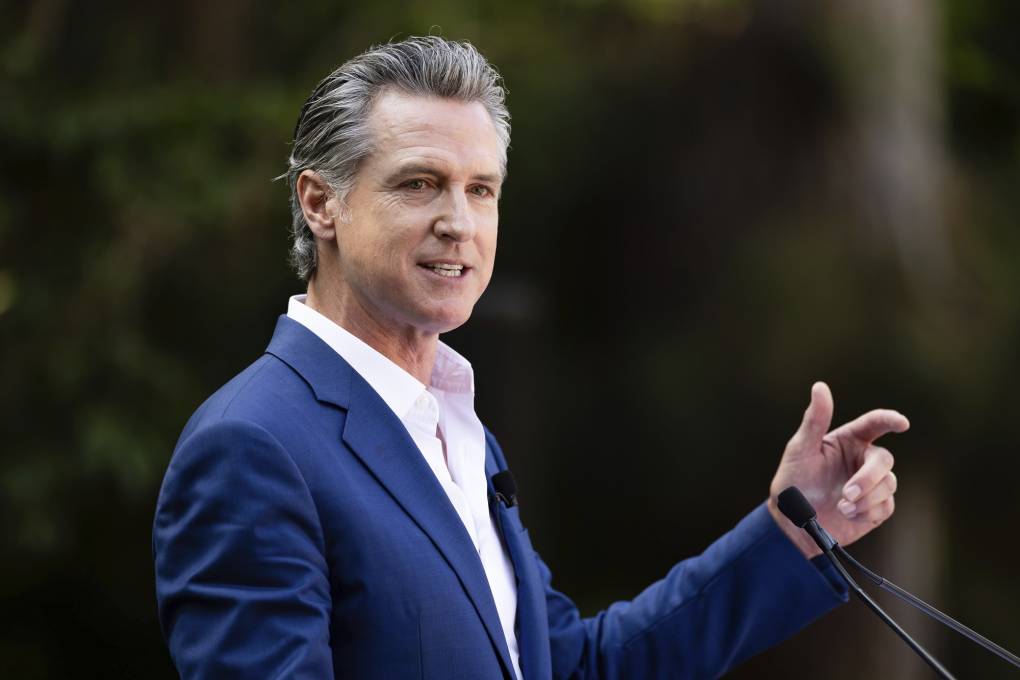
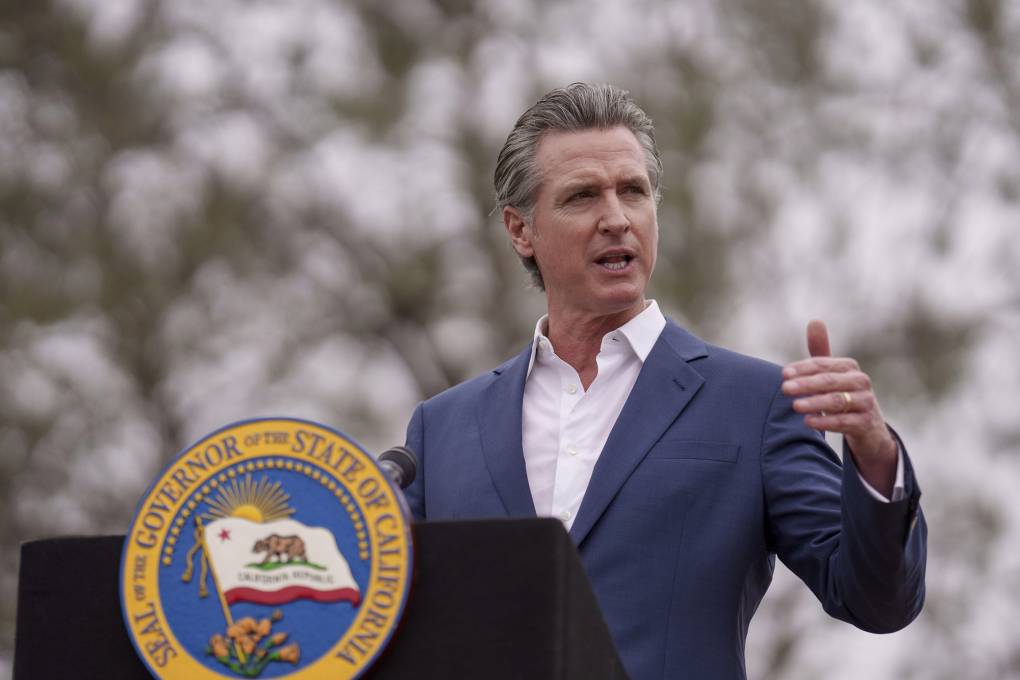
"caption": "California Gov. Gavin Newsom and state lawmakers gaveled in a special session Monday to protect California values ahead of another Trump presidency. ",
"credit": "Derrick Tuskan/AP Photo",
"altTag": null,
"description": null,
"imgSizes": {
"medium": {
"file": "https://cdn.kqed.org/wp-content/uploads/sites/10/2024/08/NewsomCellphonesSchools-800x533.jpg",
"width": 800,
"height": 533,
"mimeType": "image/jpeg"
},
"large": {
"file": "https://cdn.kqed.org/wp-content/uploads/sites/10/2024/08/NewsomCellphonesSchools-1020x680.jpg",
"width": 1020,
"height": 680,
"mimeType": "image/jpeg"
},
"thumbnail": {
"file": "https://cdn.kqed.org/wp-content/uploads/sites/10/2024/08/NewsomCellphonesSchools-160x107.jpg",
"width": 160,
"height": 107,
"mimeType": "image/jpeg"
},
"1536x1536": {
"file": "https://cdn.kqed.org/wp-content/uploads/sites/10/2024/08/NewsomCellphonesSchools-1536x1024.jpg",
"width": 1536,
"height": 1024,
"mimeType": "image/jpeg"
},
"post-thumbnail": {
"file": "https://cdn.kqed.org/wp-content/uploads/sites/10/2024/08/NewsomCellphonesSchools-672x372.jpg",
"width": 672,
"height": 372,
"mimeType": "image/jpeg"
},
"twentyfourteen-full-width": {
"file": "https://cdn.kqed.org/wp-content/uploads/sites/10/2024/08/NewsomCellphonesSchools-1038x576.jpg",
"width": 1038,
"height": 576,
"mimeType": "image/jpeg"
},
"full-width": {
"file": "https://cdn.kqed.org/wp-content/uploads/sites/10/2024/08/NewsomCellphonesSchools-1920x1280.jpg",
"width": 1920,
"height": 1280,
"mimeType": "image/jpeg"
},
"kqedFullSize": {
"file": "https://cdn.kqed.org/wp-content/uploads/sites/10/2024/08/NewsomCellphonesSchools.jpg",
"width": 2000,
"height": 1333
}
},
"isLoading": false,
"fetchFailed": false
},
"news_12008270": {
"type": "attachments",
"id": "news_12008270",
"meta": {
"index": "attachments_1716263798",
"site": "news",
"id": "12008270",
"found": true
},
"title": "10.02.2024-SB1016-03-scaled",
"publishDate": 1728326456,
"status": "inherit",
"parent": 12008261,
"modified": 1751052975,
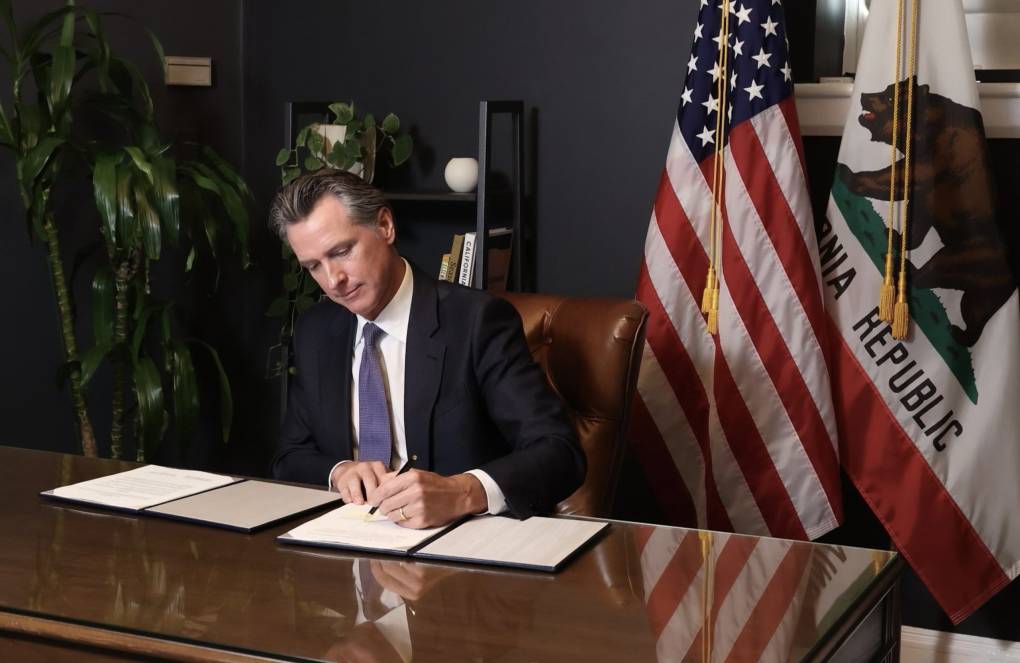
"caption": "Gov. Gavin Newsom on Sept. 28, 2024.",
"credit": "Photo Courtesy of Governor of California via Flickr",
"altTag": "A white man wearing a suit sits at a desk in an office, writing on a piece of paper with an American flag behind him.",
"description": null,
"imgSizes": {
"medium": {
"file": "https://cdn.kqed.org/wp-content/uploads/sites/10/2024/10/10.02.2024-SB1016-03-scaled-1-800x520.jpg",
"width": 800,
"height": 520,
"mimeType": "image/jpeg"
},
"large": {
"file": "https://cdn.kqed.org/wp-content/uploads/sites/10/2024/10/10.02.2024-SB1016-03-scaled-1-1020x663.jpg",
"width": 1020,
"height": 663,
"mimeType": "image/jpeg"
},
"thumbnail": {
"file": "https://cdn.kqed.org/wp-content/uploads/sites/10/2024/10/10.02.2024-SB1016-03-scaled-1-160x104.jpg",
"width": 160,
"height": 104,
"mimeType": "image/jpeg"
},
"1536x1536": {
"file": "https://cdn.kqed.org/wp-content/uploads/sites/10/2024/10/10.02.2024-SB1016-03-scaled-1-1536x998.jpg",
"width": 1536,
"height": 998,
"mimeType": "image/jpeg"
},
"2048x2048": {
"file": "https://cdn.kqed.org/wp-content/uploads/sites/10/2024/10/10.02.2024-SB1016-03-scaled-1-2048x1331.jpg",
"width": 2048,
"height": 1331,
"mimeType": "image/jpeg"
},
"post-thumbnail": {
"file": "https://cdn.kqed.org/wp-content/uploads/sites/10/2024/10/10.02.2024-SB1016-03-scaled-1-672x372.jpg",
"width": 672,
"height": 372,
"mimeType": "image/jpeg"
},
"twentyfourteen-full-width": {
"file": "https://cdn.kqed.org/wp-content/uploads/sites/10/2024/10/10.02.2024-SB1016-03-scaled-1-1038x576.jpg",
"width": 1038,
"height": 576,
"mimeType": "image/jpeg"
},
"full-width": {
"file": "https://cdn.kqed.org/wp-content/uploads/sites/10/2024/10/10.02.2024-SB1016-03-scaled-1-1920x1248.jpg",
"width": 1920,
"height": 1248,
"mimeType": "image/jpeg"
},
"kqedFullSize": {
"file": "https://cdn.kqed.org/wp-content/uploads/sites/10/2024/10/10.02.2024-SB1016-03-scaled-1-e1733162494960.jpg",
"width": 2000,
"height": 1300
}
},
"isLoading": false,
"fetchFailed": false
},
"news_11971075": {
"type": "attachments",
"id": "news_11971075",
"meta": {
"index": "attachments_1716263798",
"site": "news",
"id": "11971075",
"found": true
},
"title": null,
"publishDate": 1703791683,
"status": "inherit",
"parent": 11971074,
"modified": 1733165485,
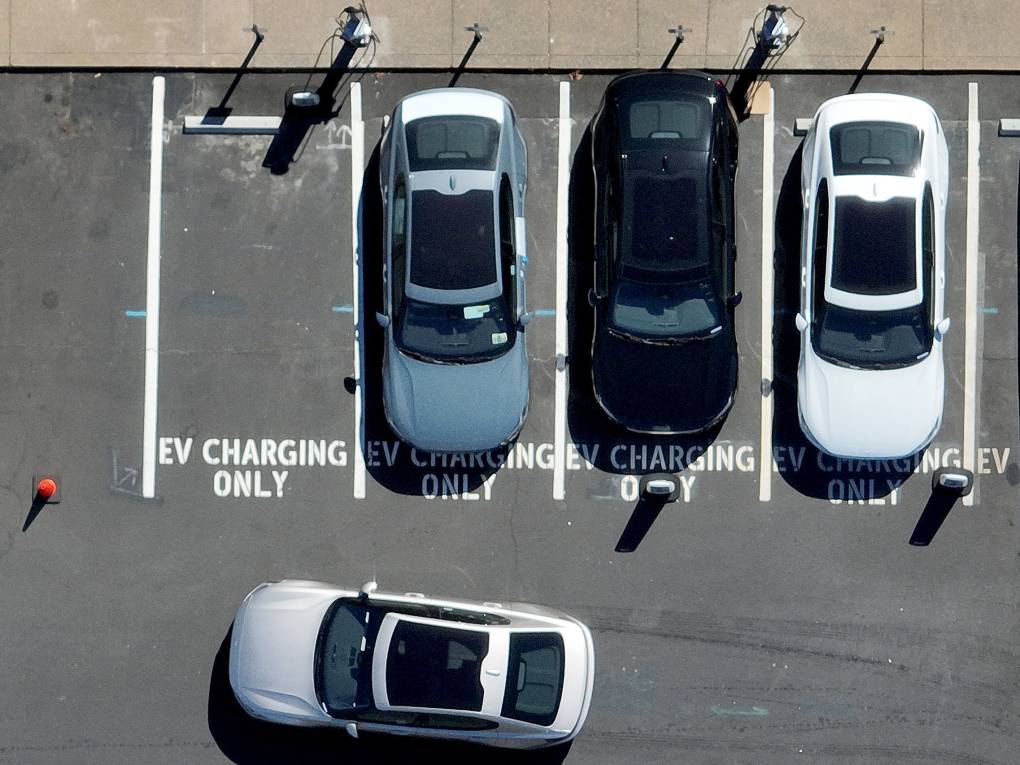
"caption": "A Polestar electric car prepares to park at an EV charging station on July 28, 2023 in Corte Madera.",
"credit": "Justin Sullivan/Getty Images",
"altTag": "An aerial view of a parking lot that has EV chargers, with three cars parked in 'EV Charging Only' spots, and a fourth car pulling in to another one.",
"description": "CORTE MADERA, CALIFORNIA - JULY 28: A Polestar electric car prepares to park at an EV charging station on July 28, 2023 in Corte Madera, California. Seven major automakers announced plans earlier this week to increase the number of high-powered electric vehicle chargers in the country with 30,000 new charging stations along highways and in urban areas. According to the Energy Department, there are currently an estimated 32,000 chargers across the country. (Photo by Justin Sullivan/Getty Images)",
"imgSizes": {
"medium": {
"file": "https://cdn.kqed.org/wp-content/uploads/sites/10/2023/12/gettyimages-1576817852-98c5c2b1e80ed40f3e2b7969add10f2d9535efdf-800x600.jpg",
"width": 800,
"height": 600,
"mimeType": "image/jpeg"
},
"large": {
"file": "https://cdn.kqed.org/wp-content/uploads/sites/10/2023/12/gettyimages-1576817852-98c5c2b1e80ed40f3e2b7969add10f2d9535efdf-1020x765.jpg",
"width": 1020,
"height": 765,
"mimeType": "image/jpeg"
},
"thumbnail": {
"file": "https://cdn.kqed.org/wp-content/uploads/sites/10/2023/12/gettyimages-1576817852-98c5c2b1e80ed40f3e2b7969add10f2d9535efdf-160x120.jpg",
"width": 160,
"height": 120,
"mimeType": "image/jpeg"
},
"1536x1536": {
"file": "https://cdn.kqed.org/wp-content/uploads/sites/10/2023/12/gettyimages-1576817852-98c5c2b1e80ed40f3e2b7969add10f2d9535efdf-1536x1152.jpg",
"width": 1536,
"height": 1152,
"mimeType": "image/jpeg"
},
"2048x2048": {
"file": "https://cdn.kqed.org/wp-content/uploads/sites/10/2023/12/gettyimages-1576817852-98c5c2b1e80ed40f3e2b7969add10f2d9535efdf-2048x1536.jpg",
"width": 2048,
"height": 1536,
"mimeType": "image/jpeg"
},
"post-thumbnail": {
"file": "https://cdn.kqed.org/wp-content/uploads/sites/10/2023/12/gettyimages-1576817852-98c5c2b1e80ed40f3e2b7969add10f2d9535efdf-672x372.jpg",
"width": 672,
"height": 372,
"mimeType": "image/jpeg"
},
"twentyfourteen-full-width": {
"file": "https://cdn.kqed.org/wp-content/uploads/sites/10/2023/12/gettyimages-1576817852-98c5c2b1e80ed40f3e2b7969add10f2d9535efdf-1038x576.jpg",
"width": 1038,
"height": 576,
"mimeType": "image/jpeg"
},
"full-width": {
"file": "https://cdn.kqed.org/wp-content/uploads/sites/10/2023/12/gettyimages-1576817852-98c5c2b1e80ed40f3e2b7969add10f2d9535efdf-1920x1440.jpg",
"width": 1920,
"height": 1440,
"mimeType": "image/jpeg"
},
"kqedFullSize": {
"file": "https://cdn.kqed.org/wp-content/uploads/sites/10/2023/12/gettyimages-1576817852-98c5c2b1e80ed40f3e2b7969add10f2d9535efdf.jpg",
"width": 2274,
"height": 1706
}
},
"isLoading": false,
"fetchFailed": false
},
"news_12007166": {
"type": "attachments",
"id": "news_12007166",
"meta": {
"index": "attachments_1716263798",
"site": "news",
"id": "12007166",
"found": true
},
"title": "Gavin Newsom",
"publishDate": 1727724857,
"status": "inherit",
"parent": 12007157,
"modified": 1727725501,
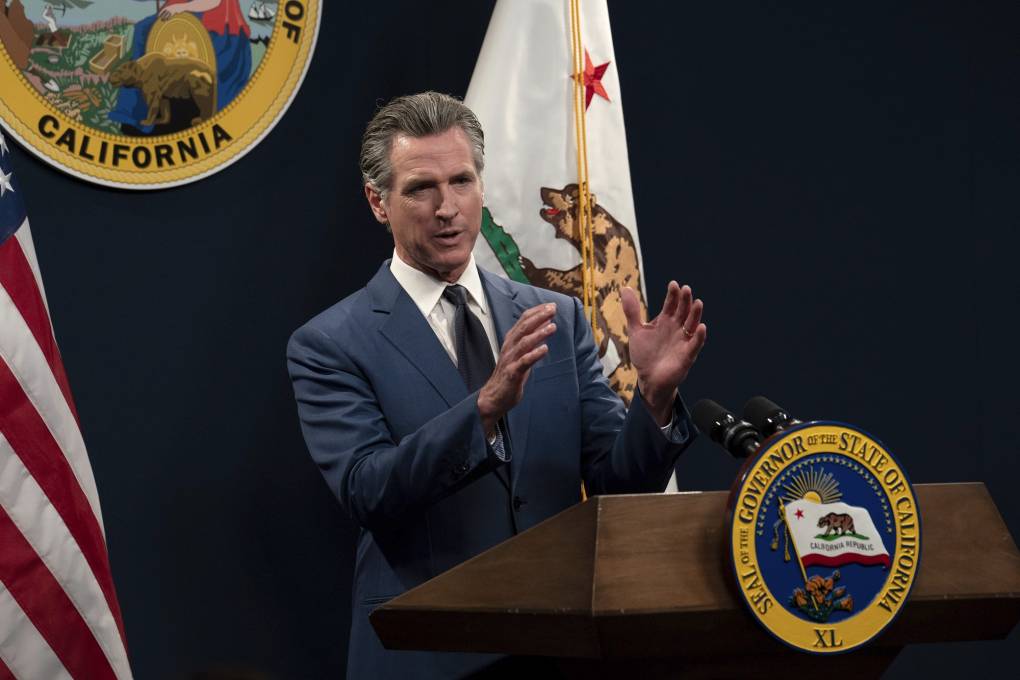
"caption": "Gov. Gavin Newsom speaks during a press conference in Los Angeles on Sept. 25, 2024. Gov. Gavin Newsom vetoed a bill on Monday that would have allowed California to block private equity acquisitions of healthcare facilities. ",
"credit": "Eric Thayer/AP Photo",
"altTag": null,
"description": null,
"imgSizes": {
"medium": {
"file": "https://cdn.kqed.org/wp-content/uploads/sites/10/2024/09/GavinNewsomAP2-800x533.jpg",
"width": 800,
"height": 533,
"mimeType": "image/jpeg"
},
"large": {
"file": "https://cdn.kqed.org/wp-content/uploads/sites/10/2024/09/GavinNewsomAP2-1020x680.jpg",
"width": 1020,
"height": 680,
"mimeType": "image/jpeg"
},
"thumbnail": {
"file": "https://cdn.kqed.org/wp-content/uploads/sites/10/2024/09/GavinNewsomAP2-160x107.jpg",
"width": 160,
"height": 107,
"mimeType": "image/jpeg"
},
"1536x1536": {
"file": "https://cdn.kqed.org/wp-content/uploads/sites/10/2024/09/GavinNewsomAP2-1536x1024.jpg",
"width": 1536,
"height": 1024,
"mimeType": "image/jpeg"
},
"post-thumbnail": {
"file": "https://cdn.kqed.org/wp-content/uploads/sites/10/2024/09/GavinNewsomAP2-672x372.jpg",
"width": 672,
"height": 372,
"mimeType": "image/jpeg"
},
"twentyfourteen-full-width": {
"file": "https://cdn.kqed.org/wp-content/uploads/sites/10/2024/09/GavinNewsomAP2-1038x576.jpg",
"width": 1038,
"height": 576,
"mimeType": "image/jpeg"
},
"full-width": {
"file": "https://cdn.kqed.org/wp-content/uploads/sites/10/2024/09/GavinNewsomAP2-1920x1280.jpg",
"width": 1920,
"height": 1280,
"mimeType": "image/jpeg"
},
"kqedFullSize": {
"file": "https://cdn.kqed.org/wp-content/uploads/sites/10/2024/09/GavinNewsomAP2.jpg",
"width": 2000,
"height": 1333
}
},
"isLoading": false,
"fetchFailed": false
},
"news_12015490": {
"type": "attachments",
"id": "news_12015490",
"meta": {
"index": "attachments_1716263798",
"site": "news",
"id": "12015490",
"found": true
},
"title": "112124-Gavin-Fresno-City-Presser-LV_CM_03 copy",
"publishDate": 1732238409,
"status": "inherit",
"parent": 12015489,
"modified": 1732238448,
"caption": "Gov. Gavin Newsom speaks during a press conference to announce an initiative on job creation in the Central Valley at the West Fresno Center in Fresno on Nov. 21, 2024. ",
"credit": "Larry Valenzuela/CalMatters/CatchLight Local",
"altTag": null,
"description": null,
"imgSizes": {
"medium": {
"file": "https://cdn.kqed.org/wp-content/uploads/sites/10/2024/11/112124-Gavin-Fresno-City-Presser-LV_CM_03-copy-800x533.jpg",
"width": 800,
"height": 533,
"mimeType": "image/jpeg"
},
"large": {
"file": "https://cdn.kqed.org/wp-content/uploads/sites/10/2024/11/112124-Gavin-Fresno-City-Presser-LV_CM_03-copy-1020x680.jpg",
"width": 1020,
"height": 680,
"mimeType": "image/jpeg"
},
"thumbnail": {
"file": "https://cdn.kqed.org/wp-content/uploads/sites/10/2024/11/112124-Gavin-Fresno-City-Presser-LV_CM_03-copy-160x107.jpg",
"width": 160,
"height": 107,
"mimeType": "image/jpeg"
},
"1536x1536": {
"file": "https://cdn.kqed.org/wp-content/uploads/sites/10/2024/11/112124-Gavin-Fresno-City-Presser-LV_CM_03-copy-1536x1024.jpg",
"width": 1536,
"height": 1024,
"mimeType": "image/jpeg"
},
"post-thumbnail": {
"file": "https://cdn.kqed.org/wp-content/uploads/sites/10/2024/11/112124-Gavin-Fresno-City-Presser-LV_CM_03-copy-672x372.jpg",
"width": 672,
"height": 372,
"mimeType": "image/jpeg"
},
"twentyfourteen-full-width": {
"file": "https://cdn.kqed.org/wp-content/uploads/sites/10/2024/11/112124-Gavin-Fresno-City-Presser-LV_CM_03-copy-1038x576.jpg",
"width": 1038,
"height": 576,
"mimeType": "image/jpeg"
},
"full-width": {
"file": "https://cdn.kqed.org/wp-content/uploads/sites/10/2024/11/112124-Gavin-Fresno-City-Presser-LV_CM_03-copy-1920x1280.jpg",
"width": 1920,
"height": 1280,
"mimeType": "image/jpeg"
},
"kqedFullSize": {
"file": "https://cdn.kqed.org/wp-content/uploads/sites/10/2024/11/112124-Gavin-Fresno-City-Presser-LV_CM_03-copy.jpg",
"width": 2000,
"height": 1333
}
},
"isLoading": false,
"fetchFailed": false
},
"news_12014822": {
"type": "attachments",
"id": "news_12014822",
"meta": {
"index": "attachments_1716263798",
"site": "news",
"id": "12014822",
"found": true
},
"title": "A BART train stops at the Montgomery Station in San Francisco on Jan. 11, 2024.",
"publishDate": 1731805266,
"status": "inherit",
"parent": 12014817,
"modified": 1731960959,
"caption": "A BART train stops at the Montgomery Station in San Francisco on Jan. 11, 2024.",
"credit": "Beth LaBerge/KQED",
"altTag": "People get out of the train as it stops at a platform.",
"description": null,
"imgSizes": {
"medium": {
"file": "https://cdn.kqed.org/wp-content/uploads/sites/10/2024/11/240111-TransitFile-11-BL_qed-800x533.jpg",
"width": 800,
"height": 533,
"mimeType": "image/jpeg"
},
"large": {
"file": "https://cdn.kqed.org/wp-content/uploads/sites/10/2024/11/240111-TransitFile-11-BL_qed-1020x680.jpg",
"width": 1020,
"height": 680,
"mimeType": "image/jpeg"
},
"thumbnail": {
"file": "https://cdn.kqed.org/wp-content/uploads/sites/10/2024/11/240111-TransitFile-11-BL_qed-160x107.jpg",
"width": 160,
"height": 107,
"mimeType": "image/jpeg"
},
"1536x1536": {
"file": "https://cdn.kqed.org/wp-content/uploads/sites/10/2024/11/240111-TransitFile-11-BL_qed-1536x1024.jpg",
"width": 1536,
"height": 1024,
"mimeType": "image/jpeg"
},
"post-thumbnail": {
"file": "https://cdn.kqed.org/wp-content/uploads/sites/10/2024/11/240111-TransitFile-11-BL_qed-672x372.jpg",
"width": 672,
"height": 372,
"mimeType": "image/jpeg"
},
"twentyfourteen-full-width": {
"file": "https://cdn.kqed.org/wp-content/uploads/sites/10/2024/11/240111-TransitFile-11-BL_qed-1038x576.jpg",
"width": 1038,
"height": 576,
"mimeType": "image/jpeg"
},
"full-width": {
"file": "https://cdn.kqed.org/wp-content/uploads/sites/10/2024/11/240111-TransitFile-11-BL_qed-1920x1280.jpg",
"width": 1920,
"height": 1280,
"mimeType": "image/jpeg"
},
"kqedFullSize": {
"file": "https://cdn.kqed.org/wp-content/uploads/sites/10/2024/11/240111-TransitFile-11-BL_qed.jpg",
"width": 2000,
"height": 1333
}
},
"isLoading": false,
"fetchFailed": false
},
"news_12013407": {
"type": "attachments",
"id": "news_12013407",
"meta": {
"index": "attachments_1716263798",
"site": "news",
"id": "12013407",
"found": true
},
"title": "Gavin Newsom, Donald Trump, Jerry Brown",
"publishDate": 1731002743,
"status": "inherit",
"parent": 12013395,
"modified": 1739131345,
"caption": "President Donald Trump talks with Gov. Gavin Newsom (left) during a visit to a neighborhood impacted by the wildfires in Paradise on Nov. 17, 2018.",
"credit": "Evan Vucci/AP Photo",
"altTag": "Two men wearing jackets and the man on the right points while wearing a black hat stand near each other talking.",
"description": null,
"imgSizes": {
"medium": {
"file": "https://cdn.kqed.org/wp-content/uploads/sites/10/2024/11/NewsomTrump2018AP-800x533.jpg",
"width": 800,
"height": 533,
"mimeType": "image/jpeg"
},
"large": {
"file": "https://cdn.kqed.org/wp-content/uploads/sites/10/2024/11/NewsomTrump2018AP-1020x680.jpg",
"width": 1020,
"height": 680,
"mimeType": "image/jpeg"
},
"thumbnail": {
"file": "https://cdn.kqed.org/wp-content/uploads/sites/10/2024/11/NewsomTrump2018AP-160x107.jpg",
"width": 160,
"height": 107,
"mimeType": "image/jpeg"
},
"1536x1536": {
"file": "https://cdn.kqed.org/wp-content/uploads/sites/10/2024/11/NewsomTrump2018AP-1536x1024.jpg",
"width": 1536,
"height": 1024,
"mimeType": "image/jpeg"
},
"post-thumbnail": {
"file": "https://cdn.kqed.org/wp-content/uploads/sites/10/2024/11/NewsomTrump2018AP-672x372.jpg",
"width": 672,
"height": 372,
"mimeType": "image/jpeg"
},
"twentyfourteen-full-width": {
"file": "https://cdn.kqed.org/wp-content/uploads/sites/10/2024/11/NewsomTrump2018AP-1038x576.jpg",
"width": 1038,
"height": 576,
"mimeType": "image/jpeg"
},
"full-width": {
"file": "https://cdn.kqed.org/wp-content/uploads/sites/10/2024/11/NewsomTrump2018AP-1920x1280.jpg",
"width": 1920,
"height": 1280,
"mimeType": "image/jpeg"
},
"kqedFullSize": {
"file": "https://cdn.kqed.org/wp-content/uploads/sites/10/2024/11/NewsomTrump2018AP.jpg",
"width": 2000,
"height": 1333
}
},
"isLoading": false,
"fetchFailed": false
},
"news_11991871": {
"type": "attachments",
"id": "news_11991871",
"meta": {
"index": "attachments_1716263798",
"site": "news",
"id": "11991871",
"found": true
},
"title": "005_KQED_SanFrancisco_SafeSleepingVillage_05142020",
"publishDate": 1719343564,
"status": "inherit",
"parent": 11991834,
"modified": 1719343645,
"caption": "The Bay Area needs an additional $9.5 billion to reduce street homelessness by 75% over the next five years, according to a report released Tuesday by the research nonprofit All Home. ",
"credit": "Beth LaBerge/KQED",
"altTag": null,
"description": null,
"imgSizes": {
"medium": {
"file": "https://cdn.kqed.org/wp-content/uploads/sites/10/2024/06/005_KQED_SanFrancisco_SafeSleepingVillage_05142020-800x533.jpg",
"width": 800,
"height": 533,
"mimeType": "image/jpeg"
},
"large": {
"file": "https://cdn.kqed.org/wp-content/uploads/sites/10/2024/06/005_KQED_SanFrancisco_SafeSleepingVillage_05142020-1020x680.jpg",
"width": 1020,
"height": 680,
"mimeType": "image/jpeg"
},
"thumbnail": {
"file": "https://cdn.kqed.org/wp-content/uploads/sites/10/2024/06/005_KQED_SanFrancisco_SafeSleepingVillage_05142020-160x107.jpg",
"width": 160,
"height": 107,
"mimeType": "image/jpeg"
},
"1536x1536": {
"file": "https://cdn.kqed.org/wp-content/uploads/sites/10/2024/06/005_KQED_SanFrancisco_SafeSleepingVillage_05142020-1536x1024.jpg",
"width": 1536,
"height": 1024,
"mimeType": "image/jpeg"
},
"post-thumbnail": {
"file": "https://cdn.kqed.org/wp-content/uploads/sites/10/2024/06/005_KQED_SanFrancisco_SafeSleepingVillage_05142020-672x372.jpg",
"width": 672,
"height": 372,
"mimeType": "image/jpeg"
},
"twentyfourteen-full-width": {
"file": "https://cdn.kqed.org/wp-content/uploads/sites/10/2024/06/005_KQED_SanFrancisco_SafeSleepingVillage_05142020-1038x576.jpg",
"width": 1038,
"height": 576,
"mimeType": "image/jpeg"
},
"kqedFullSize": {
"file": "https://cdn.kqed.org/wp-content/uploads/sites/10/2024/06/005_KQED_SanFrancisco_SafeSleepingVillage_05142020.jpg",
"width": 1920,
"height": 1280
}
},
"isLoading": false,
"fetchFailed": false
},
"news_12008449": {
"type": "attachments",
"id": "news_12008449",
"meta": {
"index": "attachments_1716263798",
"site": "news",
"id": "12008449",
"found": true
},
"title": "Newsom",
"publishDate": 1728408466,
"status": "inherit",
"parent": 12007818,
"modified": 1728416870,
"caption": "Gov. Gavin Newsom speaks during a press conference in Los Angeles on Wednesday, Sept. 25, 2024.",
"credit": "Eric Thayer/AP Photo",
"altTag": null,
"description": null,
"imgSizes": {
"medium": {
"file": "https://cdn.kqed.org/wp-content/uploads/sites/10/2024/10/GavinNewsomAP3-800x533.jpg",
"width": 800,
"height": 533,
"mimeType": "image/jpeg"
},
"large": {
"file": "https://cdn.kqed.org/wp-content/uploads/sites/10/2024/10/GavinNewsomAP3-1020x680.jpg",
"width": 1020,
"height": 680,
"mimeType": "image/jpeg"
},
"thumbnail": {
"file": "https://cdn.kqed.org/wp-content/uploads/sites/10/2024/10/GavinNewsomAP3-160x107.jpg",
"width": 160,
"height": 107,
"mimeType": "image/jpeg"
},
"1536x1536": {
"file": "https://cdn.kqed.org/wp-content/uploads/sites/10/2024/10/GavinNewsomAP3-1536x1024.jpg",
"width": 1536,
"height": 1024,
"mimeType": "image/jpeg"
},
"post-thumbnail": {
"file": "https://cdn.kqed.org/wp-content/uploads/sites/10/2024/10/GavinNewsomAP3-672x372.jpg",
"width": 672,
"height": 372,
"mimeType": "image/jpeg"
},
"twentyfourteen-full-width": {
"file": "https://cdn.kqed.org/wp-content/uploads/sites/10/2024/10/GavinNewsomAP3-1038x576.jpg",
"width": 1038,
"height": 576,
"mimeType": "image/jpeg"
},
"full-width": {
"file": "https://cdn.kqed.org/wp-content/uploads/sites/10/2024/10/GavinNewsomAP3-1920x1280.jpg",
"width": 1920,
"height": 1280,
"mimeType": "image/jpeg"
},
"kqedFullSize": {
"file": "https://cdn.kqed.org/wp-content/uploads/sites/10/2024/10/GavinNewsomAP3.jpg",
"width": 2000,
"height": 1333
}
},
"isLoading": false,
"fetchFailed": false
},
"news_12009337": {
"type": "attachments",
"id": "news_12009337",
"meta": {
"index": "attachments_1716263798",
"site": "news",
"id": "12009337",
"found": true
},
"title": "California Budget",
"publishDate": 1728925641,
"status": "inherit",
"parent": 12009333,
"modified": 1728950262,
"caption": "California Gov. Gavin Newsom answers a reporter's question about his revised 2024–25 state budget during a news conference in Sacramento on May 10, 2024.",
"credit": "Rich Pedroncelli/AP Photo",
"altTag": null,
"description": null,
"imgSizes": {
"medium": {
"file": "https://cdn.kqed.org/wp-content/uploads/sites/10/2024/10/GavinNewsom2024AP-800x533.jpg",
"width": 800,
"height": 533,
"mimeType": "image/jpeg"
},
"large": {
"file": "https://cdn.kqed.org/wp-content/uploads/sites/10/2024/10/GavinNewsom2024AP-1020x680.jpg",
"width": 1020,
"height": 680,
"mimeType": "image/jpeg"
},
"thumbnail": {
"file": "https://cdn.kqed.org/wp-content/uploads/sites/10/2024/10/GavinNewsom2024AP-160x107.jpg",
"width": 160,
"height": 107,
"mimeType": "image/jpeg"
},
"1536x1536": {
"file": "https://cdn.kqed.org/wp-content/uploads/sites/10/2024/10/GavinNewsom2024AP-1536x1024.jpg",
"width": 1536,
"height": 1024,
"mimeType": "image/jpeg"
},
"post-thumbnail": {
"file": "https://cdn.kqed.org/wp-content/uploads/sites/10/2024/10/GavinNewsom2024AP-672x372.jpg",
"width": 672,
"height": 372,
"mimeType": "image/jpeg"
},
"twentyfourteen-full-width": {
"file": "https://cdn.kqed.org/wp-content/uploads/sites/10/2024/10/GavinNewsom2024AP-1038x576.jpg",
"width": 1038,
"height": 576,
"mimeType": "image/jpeg"
},
"full-width": {
"file": "https://cdn.kqed.org/wp-content/uploads/sites/10/2024/10/GavinNewsom2024AP-1920x1280.jpg",
"width": 1920,
"height": 1280,
"mimeType": "image/jpeg"
},
"kqedFullSize": {
"file": "https://cdn.kqed.org/wp-content/uploads/sites/10/2024/10/GavinNewsom2024AP.jpg",
"width": 2000,
"height": 1333
}
},
"isLoading": false,
"fetchFailed": false
},
"news_12009225": {
"type": "attachments",
"id": "news_12009225",
"meta": {
"index": "attachments_1716263798",
"site": "news",
"id": "12009225",
"found": true
},
"title": "Gas Prices Jump Back Up After Long Decline",
"publishDate": 1728688778,
"status": "inherit",
"parent": 12009203,
"modified": 1728688825,
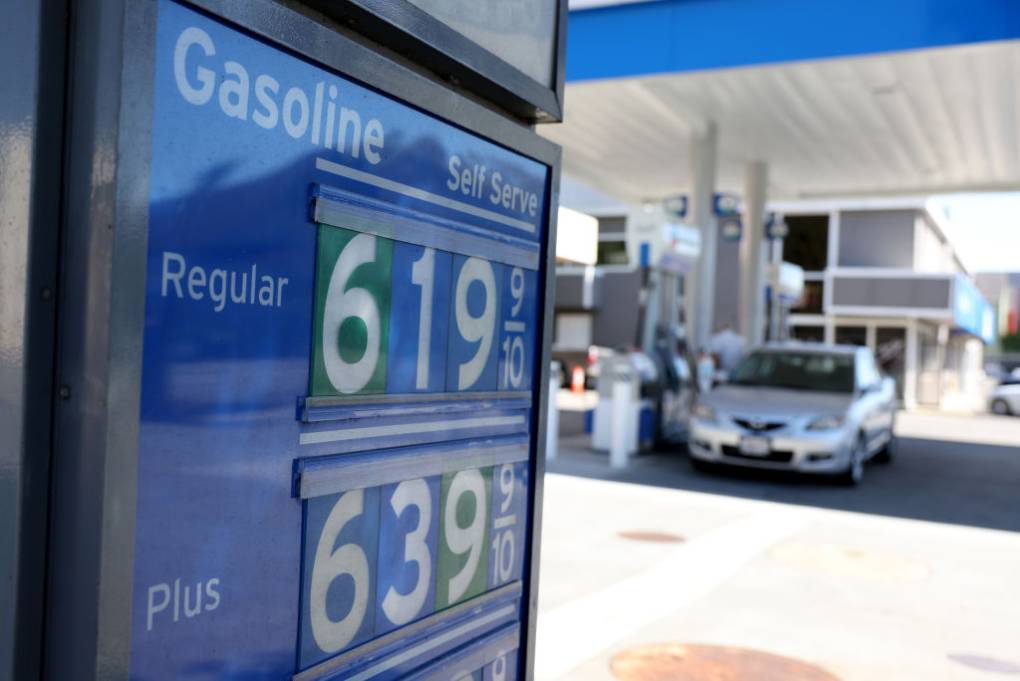
"caption": "Gas prices over $6 a gallon are displayed at a Chevron gas station on Sept. 27, 2022 in San Rafael. ",
"credit": "Justin Sullivan/Getty Images",
"altTag": null,
"description": null,
"imgSizes": {
"medium": {
"file": "https://cdn.kqed.org/wp-content/uploads/sites/10/2024/10/GettyImages-1428106333-800x534.jpg",
"width": 800,
"height": 534,
"mimeType": "image/jpeg"
},
"large": {
"file": "https://cdn.kqed.org/wp-content/uploads/sites/10/2024/10/GettyImages-1428106333-1020x681.jpg",
"width": 1020,
"height": 681,
"mimeType": "image/jpeg"
},
"thumbnail": {
"file": "https://cdn.kqed.org/wp-content/uploads/sites/10/2024/10/GettyImages-1428106333-160x107.jpg",
"width": 160,
"height": 107,
"mimeType": "image/jpeg"
},
"post-thumbnail": {
"file": "https://cdn.kqed.org/wp-content/uploads/sites/10/2024/10/GettyImages-1428106333-672x372.jpg",
"width": 672,
"height": 372,
"mimeType": "image/jpeg"
},
"twentyfourteen-full-width": {
"file": "https://cdn.kqed.org/wp-content/uploads/sites/10/2024/10/GettyImages-1428106333-1024x576.jpg",
"width": 1024,
"height": 576,
"mimeType": "image/jpeg"
},
"kqedFullSize": {
"file": "https://cdn.kqed.org/wp-content/uploads/sites/10/2024/10/GettyImages-1428106333.jpg",
"width": 1024,
"height": 684
}
},
"isLoading": false,
"fetchFailed": false
},
"news_12008726": {
"type": "attachments",
"id": "news_12008726",
"meta": {
"index": "attachments_1716263798",
"site": "news",
"id": "12008726",
"found": true
},
"title": "010622-JP-SINGLE-PAYER-CM-01",
"publishDate": 1728494197,
"status": "inherit",
"parent": 12008703,
"modified": 1728494271,
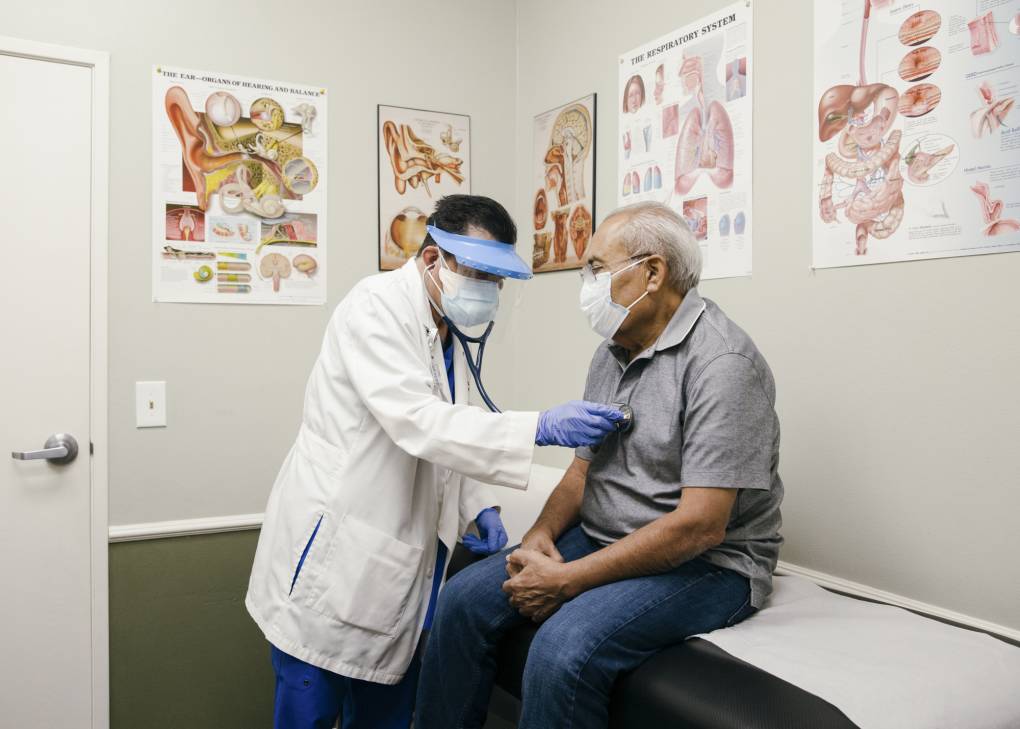
"caption": "Dr. Shura Alexis Moreno sees a patient on Sept. 14, 2021. ",
"credit": "Jessica Pons/CalMatters",
"altTag": "A man wearing a doctor's uniform holds an instrument to another man's chest who is sitting on a table.",
"description": null,
"imgSizes": {
"medium": {
"file": "https://cdn.kqed.org/wp-content/uploads/sites/10/2024/10/010622-JP-SINGLE-PAYER-CM-01-800x572.jpg",
"width": 800,
"height": 572,
"mimeType": "image/jpeg"
},
"large": {
"file": "https://cdn.kqed.org/wp-content/uploads/sites/10/2024/10/010622-JP-SINGLE-PAYER-CM-01-1020x729.jpg",
"width": 1020,
"height": 729,
"mimeType": "image/jpeg"
},
"thumbnail": {
"file": "https://cdn.kqed.org/wp-content/uploads/sites/10/2024/10/010622-JP-SINGLE-PAYER-CM-01-160x114.jpg",
"width": 160,
"height": 114,
"mimeType": "image/jpeg"
},
"1536x1536": {
"file": "https://cdn.kqed.org/wp-content/uploads/sites/10/2024/10/010622-JP-SINGLE-PAYER-CM-01-1536x1097.jpg",
"width": 1536,
"height": 1097,
"mimeType": "image/jpeg"
},
"post-thumbnail": {
"file": "https://cdn.kqed.org/wp-content/uploads/sites/10/2024/10/010622-JP-SINGLE-PAYER-CM-01-672x372.jpg",
"width": 672,
"height": 372,
"mimeType": "image/jpeg"
},
"twentyfourteen-full-width": {
"file": "https://cdn.kqed.org/wp-content/uploads/sites/10/2024/10/010622-JP-SINGLE-PAYER-CM-01-1038x576.jpg",
"width": 1038,
"height": 576,
"mimeType": "image/jpeg"
},
"full-width": {
"file": "https://cdn.kqed.org/wp-content/uploads/sites/10/2024/10/010622-JP-SINGLE-PAYER-CM-01-1920x1372.jpg",
"width": 1920,
"height": 1372,
"mimeType": "image/jpeg"
},
"kqedFullSize": {
"file": "https://cdn.kqed.org/wp-content/uploads/sites/10/2024/10/010622-JP-SINGLE-PAYER-CM-01.jpg",
"width": 2000,
"height": 1429
}
},
"isLoading": false,
"fetchFailed": false
}
},
"audioPlayerReducer": {
"postId": "stream_live",
"isPaused": true,
"isPlaying": false,
"pfsActive": false,
"pledgeModalIsOpen": true,
"playerDrawerIsOpen": false,
"liveAudioPlayStartedAt": 0,
"liveAudioPlayContext": ""
},
"authorsReducer": {
"byline_news_12015489": {
"type": "authors",
"id": "byline_news_12015489",
"meta": {
"override": true
},
"slug": "byline_news_12015489",
"name": "\u003ca href=\"https://calmatters.org/author/levi-sumagaysay/\">Levi Sumagaysay\u003c/a>, CalMatters",
"isLoading": false
},
"byline_news_12010035": {
"type": "authors",
"id": "byline_news_12010035",
"meta": {
"override": true
},
"slug": "byline_news_12010035",
"name": "Annie Sciacca",
"isLoading": false
},
"byline_news_12009203": {
"type": "authors",
"id": "byline_news_12009203",
"meta": {
"override": true
},
"slug": "byline_news_12009203",
"name": "Sophie Austin, Associated Press",
"isLoading": false
},
"byline_news_12008703": {
"type": "authors",
"id": "byline_news_12008703",
"meta": {
"override": true
},
"slug": "byline_news_12008703",
"name": "\u003ca href=\"https://calmatters.org/author/kristen-hwang\">Kristen Hwang, \u003c/a>CalMatters",
"isLoading": false
},
"gmarzorati": {
"type": "authors",
"id": "227",
"meta": {
"index": "authors_1716337520",
"id": "227",
"found": true
},
"name": "Guy Marzorati",
"firstName": "Guy",
"lastName": "Marzorati",
"slug": "gmarzorati",
"email": "gmarzorati@KQED.org",
"display_author_email": true,
"staff_mastheads": [
"news"
],
"title": "Correspondent",
"bio": "Guy Marzorati is a correspondent on KQED's California Politics and Government Desk, based in San Jose. A graduate of Santa Clara University, Guy joined KQED in 2013. He reports on state and local politics and produces KQED's digital voter guide.",
"avatar": "https://secure.gravatar.com/avatar/e7038b8dbfd55b104369b76b1cd0b9de?s=600&d=blank&r=g",
"twitter": "guymarzorati",
"facebook": null,
"instagram": null,
"linkedin": null,
"sites": [
{
"site": "",
"roles": [
"editor"
]
},
{
"site": "news",
"roles": [
"editor"
]
},
{
"site": "science",
"roles": [
"editor"
]
},
{
"site": "forum",
"roles": [
"editor"
]
},
{
"site": "elections",
"roles": [
"editor"
]
},
{
"site": "liveblog",
"roles": [
"editor"
]
}
],
"headData": {
"title": "Guy Marzorati | KQED",
"description": "Correspondent",
"ogImgSrc": "https://secure.gravatar.com/avatar/e7038b8dbfd55b104369b76b1cd0b9de?s=600&d=blank&r=g",
"twImgSrc": "https://secure.gravatar.com/avatar/e7038b8dbfd55b104369b76b1cd0b9de?s=600&d=blank&r=g"
},
"isLoading": false,
"link": "/author/gmarzorati"
},
"vrancano": {
"type": "authors",
"id": "11276",
"meta": {
"index": "authors_1716337520",
"id": "11276",
"found": true
},
"name": "Vanessa Rancaño",
"firstName": "Vanessa",
"lastName": "Rancaño",
"slug": "vrancano",
"email": "vrancano@kqed.org",
"display_author_email": false,
"staff_mastheads": [
"news"
],
"title": "Reporter",
"bio": "Vanessa Rancaño is a features reporter for KQED. She’s also covered homelessness and education for the station and reported from the Central Valley. Her work has aired across public radio, from flagship national news shows to longform narrative podcasts. Before taking up a mic, she worked as a freelance print journalist. She’s been recognized with a number of national and regional awards. Vanessa grew up in California's Central Valley. She's a former NPR Kroc Fellow, and a graduate of the UC Berkeley Graduate School of Journalism.",
"avatar": "https://secure.gravatar.com/avatar/b3a383dfb0e7ee1c17568f2cf067904ab654d6e3de9743fc661f3c788ade1bed?s=600&d=blank&r=g",
"twitter": "vanessarancano",
"bluesky": null,
"facebook": null,
"instagram": null,
"linkedin": null,
"sites": [
{
"site": "arts",
"roles": [
"editor"
]
},
{
"site": "news",
"roles": [
"editor"
]
},
{
"site": "liveblog",
"roles": [
"contributor"
]
}
],
"headData": {
"title": "Vanessa Rancaño | KQED",
"description": "Reporter",
"ogImgSrc": "https://secure.gravatar.com/avatar/b3a383dfb0e7ee1c17568f2cf067904ab654d6e3de9743fc661f3c788ade1bed?s=600&d=blank&r=g",
"twImgSrc": "https://secure.gravatar.com/avatar/b3a383dfb0e7ee1c17568f2cf067904ab654d6e3de9743fc661f3c788ade1bed?s=600&d=blank&r=g"
},
"isLoading": false,
"link": "/author/vrancano"
},
"dcronin": {
"type": "authors",
"id": "11362",
"meta": {
"index": "authors_1716337520",
"id": "11362",
"found": true
},
"name": "Dana Cronin",
"firstName": "Dana",
"lastName": "Cronin",
"slug": "dcronin",
"email": "dcronin@KQED.org",
"display_author_email": true,
"staff_mastheads": [],
"title": "KQED Contributor",
"bio": "Dana Cronin is a reporter for KQED News. She loves writing stories about climate change, environmental issues, food and agriculture. She's reported across the country, from Colorado to Washington D.C. to Illinois, and has won numerous awards for her coverage. Her work is regularly featured on national broadcasts, including NPR’s Morning Edition, All Things Considered, PBS Newshour and Science Friday. She lives in Oakland and has an avocado tree in her back yard.",
"avatar": "https://secure.gravatar.com/avatar/bcf89e3455ff7235f96ab6fa7258dd95?s=600&d=blank&r=g",
"twitter": "DanaHCronin",
"facebook": null,
"instagram": null,
"linkedin": null,
"sites": [
{
"site": "arts",
"roles": [
"author"
]
},
{
"site": "news",
"roles": [
"editor"
]
},
{
"site": "science",
"roles": [
"author"
]
},
{
"site": "liveblog",
"roles": [
"author"
]
}
],
"headData": {
"title": "Dana Cronin | KQED",
"description": "KQED Contributor",
"ogImgSrc": "https://secure.gravatar.com/avatar/bcf89e3455ff7235f96ab6fa7258dd95?s=600&d=blank&r=g",
"twImgSrc": "https://secure.gravatar.com/avatar/bcf89e3455ff7235f96ab6fa7258dd95?s=600&d=blank&r=g"
},
"isLoading": false,
"link": "/author/dcronin"
},
"eromero": {
"type": "authors",
"id": "11746",
"meta": {
"index": "authors_1716337520",
"id": "11746",
"found": true
},
"name": "Ezra David Romero",
"firstName": "Ezra David",
"lastName": "Romero",
"slug": "eromero",
"email": "eromero@kqed.org",
"display_author_email": true,
"staff_mastheads": [
"news",
"science"
],
"title": "Climate Reporter",
"bio": "Ezra David Romero is a climate reporter for KQED News. He covers the absence and excess of water in the Bay Area — think sea level rise, flooding and drought. For nearly a decade he’s covered how warming temperatures are altering the lives of Californians. He’s reported on farmers worried their pistachio trees aren’t getting enough sleep, families desperate for water, scientists studying dying giant sequoias, and alongside firefighters containing wildfires. His work has appeared on local stations across California and nationally on public radio shows like Morning Edition, Here and Now, All Things Considered and Science Friday. ",
"avatar": "https://secure.gravatar.com/avatar/c76404d287c10ed40224227551ac36e24352c7306f106632caf6fead76f8801f?s=600&d=blank&r=g",
"twitter": "ezraromero",
"bluesky": null,
"facebook": null,
"instagram": null,
"linkedin": null,
"sites": [
{
"site": "arts",
"roles": [
"editor"
]
},
{
"site": "news",
"roles": [
"editor"
]
},
{
"site": "science",
"roles": [
"editor"
]
},
{
"site": "liveblog",
"roles": [
"author"
]
}
],
"headData": {
"title": "Ezra David Romero | KQED",
"description": "Climate Reporter",
"ogImgSrc": "https://secure.gravatar.com/avatar/c76404d287c10ed40224227551ac36e24352c7306f106632caf6fead76f8801f?s=600&d=blank&r=g",
"twImgSrc": "https://secure.gravatar.com/avatar/c76404d287c10ed40224227551ac36e24352c7306f106632caf6fead76f8801f?s=600&d=blank&r=g"
},
"isLoading": false,
"link": "/author/eromero"
},
"bsiavoshy": {
"type": "authors",
"id": "11890",
"meta": {
"index": "authors_1716337520",
"id": "11890",
"found": true
},
"name": "Bejan Siavoshy",
"firstName": "Bejan",
"lastName": "Siavoshy",
"slug": "bsiavoshy",
"email": "bsiavoshy@kqed.org",
"display_author_email": false,
"staff_mastheads": [],
"title": "KQED Contributor",
"bio": null,
"avatar": "https://secure.gravatar.com/avatar/ead3e7c509634b37a73b1f57677e49f9?s=600&d=blank&r=g",
"twitter": null,
"facebook": null,
"instagram": null,
"linkedin": null,
"sites": [
{
"site": "news",
"roles": [
"editor"
]
}
],
"headData": {
"title": "Bejan Siavoshy | KQED",
"description": "KQED Contributor",
"ogImgSrc": "https://secure.gravatar.com/avatar/ead3e7c509634b37a73b1f57677e49f9?s=600&d=blank&r=g",
"twImgSrc": "https://secure.gravatar.com/avatar/ead3e7c509634b37a73b1f57677e49f9?s=600&d=blank&r=g"
},
"isLoading": false,
"link": "/author/bsiavoshy"
},
"kdebenedetti": {
"type": "authors",
"id": "11913",
"meta": {
"index": "authors_1716337520",
"id": "11913",
"found": true
},
"name": "Katie DeBenedetti",
"firstName": "Katie",
"lastName": "DeBenedetti",
"slug": "kdebenedetti",
"email": "kdebenedetti@kqed.org",
"display_author_email": false,
"staff_mastheads": [
"news",
"science"
],
"title": "KQED Contributor",
"bio": "Katie DeBenedetti is a digital reporter covering daily news for the Express Desk. Prior to joining KQED as a culture reporting intern in January 2024, she covered education and city government for the Napa Valley Register.",
"avatar": "https://secure.gravatar.com/avatar/6e31073cb8f7e4214ab03f42771d0f45?s=600&d=blank&r=g",
"twitter": null,
"facebook": null,
"instagram": null,
"linkedin": null,
"sites": [
{
"site": "news",
"roles": [
"author"
]
},
{
"site": "science",
"roles": [
"author"
]
},
{
"site": "liveblog",
"roles": [
"author"
]
}
],
"headData": {
"title": "Katie DeBenedetti | KQED",
"description": "KQED Contributor",
"ogImgSrc": "https://secure.gravatar.com/avatar/6e31073cb8f7e4214ab03f42771d0f45?s=600&d=blank&r=g",
"twImgSrc": "https://secure.gravatar.com/avatar/6e31073cb8f7e4214ab03f42771d0f45?s=600&d=blank&r=g"
},
"isLoading": false,
"link": "/author/kdebenedetti"
}
},
"pagesReducer": {
"news_tag_gavin-newsom": {
"type": "terms",
"id": "news_16",
"meta": {
"index": "terms_1716263798",
"site": "news",
"id": "16",
"score": 8.936871
},
"featImg": null,
"name": "Gavin Newsom",
"description": null,
"taxonomy": "tag",
"headData": {
"twImgId": null,
"twTitle": null,
"ogTitle": null,
"ogImgId": null,
"twDescription": null,
"description": null,
"title": "Gavin Newsom Archives | KQED News",
"ogDescription": null
},
"ttid": 16,
"slug": "gavin-newsom",
"isLoading": false,
"title": "Gavin Newsom",
"pageMeta": {
"site": "news",
"WpPageTemplate": "page-topic-editorial",
"currentPage": 25
},
"blocks": [
{
"blockName": "kqed/post-list",
"attrs": {
"layout": "cardArticle2",
"query": "posts/news?tag=gavin-newsom",
"seeMore": false,
"paginated": true,
"page": 25
}
},
{
"blockName": "kqed/ad"
}
]
}
},
"pfsSessionReducer": {},
"postsReducer": {
"stream_live": {
"type": "live",
"id": "stream_live",
"audioUrl": "https://streams.kqed.org/kqedradio",
"title": "Live Stream",
"excerpt": "Live Stream information currently unavailable.",
"link": "/radio",
"featImg": "",
"label": {
"name": "KQED Live",
"link": "/"
}
},
"stream_kqedNewscast": {
"type": "posts",
"id": "stream_kqedNewscast",
"audioUrl": "https://www.kqed.org/.stream/anon/radio/RDnews/newscast.mp3?_=1",
"title": "KQED Newscast",
"featImg": "",
"label": {
"name": "88.5 FM",
"link": "/"
}
},
"news_12016294": {
"type": "posts",
"id": "news_12016294",
"meta": {
"index": "posts_1716263798",
"site": "news",
"id": "12016294",
"score": null,
"sort": [
1733179072000
]
},
"guestAuthors": [],
"slug": "california-democrats-prepare-for-trump-vow-renewed-focus-affordability",
"title": "California Democrats Prepare for Trump, but Vow Renewed Focus on Affordability",
"publishDate": 1733179072,
"format": "standard",
"headTitle": "California Democrats Prepare for Trump, but Vow Renewed Focus on Affordability | KQED",
"labelTerm": {
"site": "news"
},
"content": "\u003cp>A new session of the state legislature kicked off Monday with a flurry of proposals by Democrats to position the state government as a bulwark against the incoming administration of President-elect \u003ca href=\"https://www.kqed.org/news/tag/donald-trump\">Donald Trump\u003c/a>.\u003c/p>\n\u003cp>Opening day ceremonies at the Capitol, marked by celebratory galas and oaths of office, shifted to announcements of legislation to fund future lawsuits against the Trump administration and protect abortion access. But humbled by the results of the November election, in which Republicans made small gains in both houses of the legislature, Democratic leaders vowed to renew their focus on increasing affordability.\u003c/p>\n\u003cp>“Our constituents told us two very important things in November,” Assembly Speaker Robert Rivas (D-Hollister) said.\u003c/p>\n\u003cp>[ad fullwidth]\u003c/p>\n\u003cp>“First, they continue to believe deeply in California’s values of tolerance, of equality and of human rights,” said Rivas, who was reelected on a party-line vote to the Assembly’s top post. “But second, our constituents — they don’t feel that the state of California is working for them.”\u003c/p>\n\u003cp>Rivas pushed lawmakers to focus their energy on ideas to reduce the price of housing, household goods, and the cost of starting a business. The speaker said he would enforce that focus by limiting the number of bills each member is allowed to introduce over the course of the two-year session from 50 to 35.\u003c/p>\n\u003cp>“Our task this session is urgent, and it’s clear: we must chart a new path forward and renew the California Dream by focusing on affordability,” Rivas said.\u003c/p>\n\u003cp>[aside postID=news_12016262 hero='https://cdn.kqed.org/wp-content/uploads/sites/10/2024/10/10.02.2024-SB1016-03-scaled-1-1020x663.jpg']\u003c/p>\n\u003cp>Balancing resistance to federal overreach while addressing economic concerns will be an ongoing challenge for state leaders whose response to the incoming administration is sure to garner national attention.\u003c/p>\n\u003cp>Legislation announced Monday would ready the state for potential legal battles with the federal government over issues such as immigration, reproductive rights and environmental regulations by setting aside $25 million for anticipated legal costs. A companion measure would allocate $500,000 for lawyers to immediately begin preparing cases.\u003c/p>\n\u003cp>“While we always hope to collaborate with our federal partners, California will be ready to vigorously defend our interests and values from any unlawful action by the incoming Trump Administration,” said Assemblymember Jesse Gabriel (D-Encino), who authored both bills.\u003c/p>\n\u003cp>Gov. Gavin Newsom called a special session to consider both proposals and establish a legal response strategy before Trump takes office on Jan. 20. During Trump’s first term in office, California filed more than 100 lawsuits challenging administration moves on health care, carbon emissions standards and protections for undocumented residents who arrived in the country as kids.\u003c/p>\n\u003cp>“As we think about the resistance, I really do believe that we have to get ready, and we are ready,” said Assemblymember Sade Elhawary, a Democrat newly elected from a Los Angeles district. “But in a real way, it can’t just be about resistance to the man in the White House … our constituents are most impacted by what we do, not by what’s done there.”\u003c/p>\n\u003cp>The special session will run alongside the regular legislative session, with the bulk of the work likely to take place when the legislature returns to Sacramento in January. However, bills passed in the special session can take effect more quickly than normal legislation — and Gabriel said he hoped the legal funding would be in place before Trump’s inauguration.\u003c/p>\n\u003cp>Alongside Attorney General Rob Bonta, a handful of Democratic lawmakers also announced bills to protect the distribution of abortion medication. One bill would shield manufacturers and healthcare providers from liability within California if the federal government ended protections for pills such as mifepristone. Another bill would allow the state Attorney General to pursue penalties against cities that block abortion providers from opening in their jurisdiction.\u003c/p>\n\u003cp>The urge among Democratic lawmakers to fortify a resistance to the federal government risks sending the wrong message to voters after an election in which Trump gained ground in counties across the state, said Mike Gatto, a former Democratic Assembly member.\u003c/p>\n\u003cp>“I think that there are so many issues that the public wants us to tackle, and I don’t think paying more lawyers is high atop that list,” said Gatto, while adding that the proposal for new legal resources could have been approved without a special session. “There’s no reason to focus on the funding for the attorney general’s office at this point unless you want a headline — and it is clear that a headline was secured.”\u003c/p>\n\u003cp>Republicans largely criticized the moves to position the state in opposition to Trump.\u003c/p>\n\u003cp>“There’s a litany of issues that we need to work together on,” said Assemblymember Jeff Gonzalez, a newly elected Republican representing Imperial County and parts of Riverside County. “To start off this legislative session saying ‘us and them’ — that’s not going to work out. We need to come together.”\u003c/p>\n\u003cp>In November, the GOP captured two seats in the legislature: a Senate seat in Orange County and the 36th district Assembly seat that Gonzalez flipped. The party appears likely to flip a third seat, also in the Inland Empire, in a race that has yet to be called.\u003c/p>\n\u003cp>Gonzalez said issues of affordability helped drive voters in Imperial County away from Democrats. In 2016, Hillary Clinton won the county by 42%, a margin that shrunk to 24% for Biden in 2020. This year, Trump appears to have won the district by just over 300 votes.\u003c/p>\n\u003cp>“People are fed up with the policies that have put them in a place where they can’t afford milk, they can’t afford eggs, and they can’t afford gas,” he said. “So they’re tired of the same old, same old.”\u003c/p>\n\u003cp>\u003c/p>\n",
"blocks": [],
"excerpt": "California Gov. Gavin Newsom and state lawmakers gaveled in a special session on Monday to protect California values ahead of another Trump presidency.",
"status": "publish",
"parent": 0,
"modified": 1745011714,
"stats": {
"hasAudio": false,
"hasVideo": false,
"hasChartOrMap": false,
"iframeSrcs": [],
"hasGoogleForm": false,
"hasGallery": false,
"hasHearkenModule": false,
"hasPolis": false,
"paragraphCount": 23,
"wordCount": 1012
},
"headData": {
"title": "California Democrats Prepare for Trump, but Vow Renewed Focus on Affordability | KQED",
"description": "California Gov. Gavin Newsom and state lawmakers gaveled in a special session on Monday to protect California values ahead of another Trump presidency.",
"ogTitle": "",
"ogDescription": "",
"ogImgId": "",
"twTitle": "",
"twDescription": "",
"twImgId": "",
"schema": {
"@context": "https://schema.org",
"@type": "NewsArticle",
"headline": "California Democrats Prepare for Trump, but Vow Renewed Focus on Affordability",
"datePublished": "2024-12-02T14:37:52-08:00",
"dateModified": "2025-04-18T14:28:34-07:00",
"image": "https://cdn.kqed.org/wp-content/uploads/2020/02/KQED-OG-Image@1x.png",
"isAccessibleForFree": "True",
"publisher": {
"@type": "NewsMediaOrganization",
"@id": "https://www.kqed.org/#organization",
"name": "KQED",
"logo": "https://cdn.kqed.org/wp-content/uploads/2020/02/KQED-OG-Image@1x.png",
"url": "https://www.kqed.org",
"sameAs": [
"https://www.facebook.com/KQED",
"https://twitter.com/KQED",
"https://www.instagram.com/kqed/",
"https://www.tiktok.com/@kqedofficial",
"https://www.linkedin.com/company/kqed",
"https://www.youtube.com/channel/UCeC0IOo7i1P_61zVUWbJ4nw"
]
}
}
},
"audioUrl": "https://traffic.omny.fm/d/clips/0af137ef-751e-4b19-a055-aaef00d2d578/ffca7e9f-6831-41c5-bcaf-aaef00f5a073/4d6399b3-8b95-4969-95fc-b23b01117b97/audio.mp3",
"sticky": false,
"nprStoryId": "kqed-12016294",
"templateType": "standard",
"featuredImageType": "standard",
"excludeFromSiteSearch": "Include",
"articleAge": "0",
"path": "/news/12016294/california-democrats-prepare-for-trump-vow-renewed-focus-affordability",
"audioTrackLength": null,
"parsedContent": [
{
"type": "contentString",
"content": "\u003cdiv class=\"post-body\">\u003cp>\u003cp>A new session of the state legislature kicked off Monday with a flurry of proposals by Democrats to position the state government as a bulwark against the incoming administration of President-elect \u003ca href=\"https://www.kqed.org/news/tag/donald-trump\">Donald Trump\u003c/a>.\u003c/p>\n\u003cp>Opening day ceremonies at the Capitol, marked by celebratory galas and oaths of office, shifted to announcements of legislation to fund future lawsuits against the Trump administration and protect abortion access. But humbled by the results of the November election, in which Republicans made small gains in both houses of the legislature, Democratic leaders vowed to renew their focus on increasing affordability.\u003c/p>\n\u003cp>“Our constituents told us two very important things in November,” Assembly Speaker Robert Rivas (D-Hollister) said.\u003c/p>\n\u003cp>\u003c/p>\u003c/div>",
"attributes": {
"named": {},
"numeric": []
}
},
{
"type": "component",
"content": "",
"name": "ad",
"attributes": {
"named": {
"label": "fullwidth"
},
"numeric": [
"fullwidth"
]
}
},
{
"type": "contentString",
"content": "\u003cdiv class=\"post-body\">\u003cp>\u003c/p>\n\u003cp>“First, they continue to believe deeply in California’s values of tolerance, of equality and of human rights,” said Rivas, who was reelected on a party-line vote to the Assembly’s top post. “But second, our constituents — they don’t feel that the state of California is working for them.”\u003c/p>\n\u003cp>Rivas pushed lawmakers to focus their energy on ideas to reduce the price of housing, household goods, and the cost of starting a business. The speaker said he would enforce that focus by limiting the number of bills each member is allowed to introduce over the course of the two-year session from 50 to 35.\u003c/p>\n\u003cp>“Our task this session is urgent, and it’s clear: we must chart a new path forward and renew the California Dream by focusing on affordability,” Rivas said.\u003c/p>\n\u003cp>\u003c/p>\u003c/div>",
"attributes": {
"named": {},
"numeric": []
}
},
{
"type": "component",
"content": "",
"name": "aside",
"attributes": {
"named": {
"postid": "news_12016262",
"hero": "https://cdn.kqed.org/wp-content/uploads/sites/10/2024/10/10.02.2024-SB1016-03-scaled-1-1020x663.jpg",
"label": ""
},
"numeric": []
}
},
{
"type": "contentString",
"content": "\u003cdiv class=\"post-body\">\u003cp>\u003c/p>\n\u003cp>Balancing resistance to federal overreach while addressing economic concerns will be an ongoing challenge for state leaders whose response to the incoming administration is sure to garner national attention.\u003c/p>\n\u003cp>Legislation announced Monday would ready the state for potential legal battles with the federal government over issues such as immigration, reproductive rights and environmental regulations by setting aside $25 million for anticipated legal costs. A companion measure would allocate $500,000 for lawyers to immediately begin preparing cases.\u003c/p>\n\u003cp>“While we always hope to collaborate with our federal partners, California will be ready to vigorously defend our interests and values from any unlawful action by the incoming Trump Administration,” said Assemblymember Jesse Gabriel (D-Encino), who authored both bills.\u003c/p>\n\u003cp>Gov. Gavin Newsom called a special session to consider both proposals and establish a legal response strategy before Trump takes office on Jan. 20. During Trump’s first term in office, California filed more than 100 lawsuits challenging administration moves on health care, carbon emissions standards and protections for undocumented residents who arrived in the country as kids.\u003c/p>\n\u003cp>“As we think about the resistance, I really do believe that we have to get ready, and we are ready,” said Assemblymember Sade Elhawary, a Democrat newly elected from a Los Angeles district. “But in a real way, it can’t just be about resistance to the man in the White House … our constituents are most impacted by what we do, not by what’s done there.”\u003c/p>\n\u003cp>The special session will run alongside the regular legislative session, with the bulk of the work likely to take place when the legislature returns to Sacramento in January. However, bills passed in the special session can take effect more quickly than normal legislation — and Gabriel said he hoped the legal funding would be in place before Trump’s inauguration.\u003c/p>\n\u003cp>Alongside Attorney General Rob Bonta, a handful of Democratic lawmakers also announced bills to protect the distribution of abortion medication. One bill would shield manufacturers and healthcare providers from liability within California if the federal government ended protections for pills such as mifepristone. Another bill would allow the state Attorney General to pursue penalties against cities that block abortion providers from opening in their jurisdiction.\u003c/p>\n\u003cp>The urge among Democratic lawmakers to fortify a resistance to the federal government risks sending the wrong message to voters after an election in which Trump gained ground in counties across the state, said Mike Gatto, a former Democratic Assembly member.\u003c/p>\n\u003cp>“I think that there are so many issues that the public wants us to tackle, and I don’t think paying more lawyers is high atop that list,” said Gatto, while adding that the proposal for new legal resources could have been approved without a special session. “There’s no reason to focus on the funding for the attorney general’s office at this point unless you want a headline — and it is clear that a headline was secured.”\u003c/p>\n\u003cp>Republicans largely criticized the moves to position the state in opposition to Trump.\u003c/p>\n\u003cp>“There’s a litany of issues that we need to work together on,” said Assemblymember Jeff Gonzalez, a newly elected Republican representing Imperial County and parts of Riverside County. “To start off this legislative session saying ‘us and them’ — that’s not going to work out. We need to come together.”\u003c/p>\n\u003cp>In November, the GOP captured two seats in the legislature: a Senate seat in Orange County and the 36th district Assembly seat that Gonzalez flipped. The party appears likely to flip a third seat, also in the Inland Empire, in a race that has yet to be called.\u003c/p>\n\u003cp>Gonzalez said issues of affordability helped drive voters in Imperial County away from Democrats. In 2016, Hillary Clinton won the county by 42%, a margin that shrunk to 24% for Biden in 2020. This year, Trump appears to have won the district by just over 300 votes.\u003c/p>\n\u003cp>“People are fed up with the policies that have put them in a place where they can’t afford milk, they can’t afford eggs, and they can’t afford gas,” he said. “So they’re tired of the same old, same old.”\u003c/p>\n\u003cp>\u003c/p>\n\u003c/div>\u003c/p>",
"attributes": {
"named": {},
"numeric": []
}
}
],
"link": "/news/12016294/california-democrats-prepare-for-trump-vow-renewed-focus-affordability",
"authors": [
"227"
],
"categories": [
"news_31795",
"news_8",
"news_13"
],
"tags": [
"news_18538",
"news_1323",
"news_27626",
"news_34377",
"news_16",
"news_17968"
],
"featImg": "news_12000027",
"label": "news"
},
"news_12016262": {
"type": "posts",
"id": "news_12016262",
"meta": {
"index": "posts_1716263798",
"site": "news",
"id": "12016262",
"score": null,
"sort": [
1733169265000
]
},
"guestAuthors": [],
"slug": "california-legislature-special-session-build-firewall-against-trump",
"title": "California Legislature Goes Into Special Session to Build ‘a Firewall’ Against Trump",
"publishDate": 1733169265,
"format": "standard",
"headTitle": "California Legislature Goes Into Special Session to Build ‘a Firewall’ Against Trump | KQED",
"labelTerm": {
"site": "news"
},
"content": "\u003cp>As California prepares to lead the fight against a second Trump administration, state lawmakers will begin \u003ca href=\"https://www.kqed.org/news/12013395/newsom-calls-special-session-prepare-california-legal-fight-against-trump\">a special legislative session\u003c/a> on Monday aimed at padding the Department of Justice’s budget to gear up for legal battles.\u003c/p>\n\u003cp>Gov. Gavin Newsom convened the Legislature for its two-year session a month earlier than usual to get ahead of the federal transfer of power, with the goal of allocating millions in additional funds toward legal defense \u003ca href=\"https://www.kqed.org/news/12013269/what-another-trump-term-could-mean-for-california\">against President-elect Donald Trump’s threats\u003c/a> and to litigate any “unlawful actions” he takes, according to the governor.\u003c/p>\n\u003cp>Newsom is seeking up to $25 million in additional funding from the special session, which begins after new members of the Senate and Assembly are sworn in.\u003c/p>\n\u003cp>[ad fullwidth]\u003c/p>\n\u003cp>“California has faced this challenge before, and we know how to respond,” Newsom said in a statement last month announcing the special session, just days after Trump’s election. “We are prepared, and we will do everything necessary to ensure Californians have the support and resources they need to thrive.”\u003c/p>\n\u003cp>Trump has threatened to withhold disaster relief funds from California — despite worsening wildfires fueled by climate change — as well as federal money for the state’s public schools. He’s also planning to take aim at sanctuary cities like San Francisco, considering whether he can cut off federal aid if they do not comply with his plans for mass deportations of undocumented immigrants.\u003c/p>\n\u003cp>[aside postID=news_12015764 hero='https://cdn.kqed.org/wp-content/uploads/sites/10/2024/09/GavinNewsomAP2-1020x680.jpg']\u003c/p>\n\u003cp>The money California’s Legislature is considering for the DOJ would give it the ability to quickly file litigation and seek injunctive relief if the federal government acts unlawfully, Newsom’s office said in a statement last month. Its focus will be protecting civil rights, reproductive freedoms and immigrant families, and maintaining the state’s climate protections.\u003c/p>\n\u003cp>Attorney General Rob Bonta said his office has spent months preparing to face Trump along with attorneys general from other states.\u003c/p>\n\u003cp>“We have thought through all of the possibilities of the attacks on our values, our people, our state, and we expect certain litigation to come or certain actions to come from the federal government and certain litigation that we will take in response,” he told reporters in San Francisco on Nov. 7.\u003c/p>\n\u003cp>He plans to begin by introducing legislation to protect Californians’ reproductive rights on Monday alongside state lawmakers and advocates.\u003c/p>\n\u003cp>Newsom should have no problem passing the requested legal aid since Democrats were able to hold on to two-thirds supermajorities in both houses of the Legislature despite a rightward shift. Bay Area leaders have expressed wide support for his proposal.\u003c/p>\n\u003cp>“We’re focused like a laser in this special session to ensure California remains a firewall against extreme policies from the Trump administration,” state Sen. Scott Wiener told KQED. “We will absolutely defend Californians and California values, and we’ll use this special session to apportion the resources we need to do so.”\u003c/p>\n\u003cp>Assemblymember Alex Lee, who represents Milpitas and Fremont, said that he and his colleagues were preparing to be a “beacon of hope and model of progress,” no matter how the federal government operates.\u003c/p>\n\u003cp>“In an era where the presidential administration will be headed by unqualified cronies who want to abuse the federal government for tax breaks and immunity from crimes, we have to show the country what real democracy looks like,” he said.\u003c/p>\n\u003cp>\u003c/p>\n",
"blocks": [],
"excerpt": "Gov. Gavin Newsom called lawmakers into session earlier than usual to prepare for the Trump administration by allocating millions of dollars to the Department of Justice.",
"status": "publish",
"parent": 0,
"modified": 1733171791,
"stats": {
"hasAudio": false,
"hasVideo": false,
"hasChartOrMap": false,
"iframeSrcs": [],
"hasGoogleForm": false,
"hasGallery": false,
"hasHearkenModule": false,
"hasPolis": false,
"paragraphCount": 16,
"wordCount": 598
},
"headData": {
"title": "California Legislature Goes Into Special Session to Build ‘a Firewall’ Against Trump | KQED",
"description": "Gov. Gavin Newsom called lawmakers into session earlier than usual to prepare for the Trump administration by allocating millions of dollars to the Department of Justice.",
"ogTitle": "",
"ogDescription": "",
"ogImgId": "",
"twTitle": "",
"twDescription": "",
"twImgId": "",
"schema": {
"@context": "https://schema.org",
"@type": "NewsArticle",
"headline": "California Legislature Goes Into Special Session to Build ‘a Firewall’ Against Trump",
"datePublished": "2024-12-02T11:54:25-08:00",
"dateModified": "2024-12-02T12:36:31-08:00",
"image": "https://cdn.kqed.org/wp-content/uploads/2020/02/KQED-OG-Image@1x.png",
"isAccessibleForFree": "True",
"publisher": {
"@type": "NewsMediaOrganization",
"@id": "https://www.kqed.org/#organization",
"name": "KQED",
"logo": "https://cdn.kqed.org/wp-content/uploads/2020/02/KQED-OG-Image@1x.png",
"url": "https://www.kqed.org",
"sameAs": [
"https://www.facebook.com/KQED",
"https://twitter.com/KQED",
"https://www.instagram.com/kqed/",
"https://www.tiktok.com/@kqedofficial",
"https://www.linkedin.com/company/kqed",
"https://www.youtube.com/channel/UCeC0IOo7i1P_61zVUWbJ4nw"
]
}
}
},
"sticky": false,
"nprStoryId": "kqed-12016262",
"excludeFromSiteSearch": "Include",
"articleAge": "0",
"path": "/news/12016262/california-legislature-special-session-build-firewall-against-trump",
"audioTrackLength": null,
"parsedContent": [
{
"type": "contentString",
"content": "\u003cdiv class=\"post-body\">\u003cp>\u003cp>As California prepares to lead the fight against a second Trump administration, state lawmakers will begin \u003ca href=\"https://www.kqed.org/news/12013395/newsom-calls-special-session-prepare-california-legal-fight-against-trump\">a special legislative session\u003c/a> on Monday aimed at padding the Department of Justice’s budget to gear up for legal battles.\u003c/p>\n\u003cp>Gov. Gavin Newsom convened the Legislature for its two-year session a month earlier than usual to get ahead of the federal transfer of power, with the goal of allocating millions in additional funds toward legal defense \u003ca href=\"https://www.kqed.org/news/12013269/what-another-trump-term-could-mean-for-california\">against President-elect Donald Trump’s threats\u003c/a> and to litigate any “unlawful actions” he takes, according to the governor.\u003c/p>\n\u003cp>Newsom is seeking up to $25 million in additional funding from the special session, which begins after new members of the Senate and Assembly are sworn in.\u003c/p>\n\u003cp>\u003c/p>\u003c/div>",
"attributes": {
"named": {},
"numeric": []
}
},
{
"type": "component",
"content": "",
"name": "ad",
"attributes": {
"named": {
"label": "fullwidth"
},
"numeric": [
"fullwidth"
]
}
},
{
"type": "contentString",
"content": "\u003cdiv class=\"post-body\">\u003cp>\u003c/p>\n\u003cp>“California has faced this challenge before, and we know how to respond,” Newsom said in a statement last month announcing the special session, just days after Trump’s election. “We are prepared, and we will do everything necessary to ensure Californians have the support and resources they need to thrive.”\u003c/p>\n\u003cp>Trump has threatened to withhold disaster relief funds from California — despite worsening wildfires fueled by climate change — as well as federal money for the state’s public schools. He’s also planning to take aim at sanctuary cities like San Francisco, considering whether he can cut off federal aid if they do not comply with his plans for mass deportations of undocumented immigrants.\u003c/p>\n\u003cp>\u003c/p>\u003c/div>",
"attributes": {
"named": {},
"numeric": []
}
},
{
"type": "component",
"content": "",
"name": "aside",
"attributes": {
"named": {
"postid": "news_12015764",
"hero": "https://cdn.kqed.org/wp-content/uploads/sites/10/2024/09/GavinNewsomAP2-1020x680.jpg",
"label": ""
},
"numeric": []
}
},
{
"type": "contentString",
"content": "\u003cdiv class=\"post-body\">\u003cp>\u003c/p>\n\u003cp>The money California’s Legislature is considering for the DOJ would give it the ability to quickly file litigation and seek injunctive relief if the federal government acts unlawfully, Newsom’s office said in a statement last month. Its focus will be protecting civil rights, reproductive freedoms and immigrant families, and maintaining the state’s climate protections.\u003c/p>\n\u003cp>Attorney General Rob Bonta said his office has spent months preparing to face Trump along with attorneys general from other states.\u003c/p>\n\u003cp>“We have thought through all of the possibilities of the attacks on our values, our people, our state, and we expect certain litigation to come or certain actions to come from the federal government and certain litigation that we will take in response,” he told reporters in San Francisco on Nov. 7.\u003c/p>\n\u003cp>He plans to begin by introducing legislation to protect Californians’ reproductive rights on Monday alongside state lawmakers and advocates.\u003c/p>\n\u003cp>Newsom should have no problem passing the requested legal aid since Democrats were able to hold on to two-thirds supermajorities in both houses of the Legislature despite a rightward shift. Bay Area leaders have expressed wide support for his proposal.\u003c/p>\n\u003cp>“We’re focused like a laser in this special session to ensure California remains a firewall against extreme policies from the Trump administration,” state Sen. Scott Wiener told KQED. “We will absolutely defend Californians and California values, and we’ll use this special session to apportion the resources we need to do so.”\u003c/p>\n\u003cp>Assemblymember Alex Lee, who represents Milpitas and Fremont, said that he and his colleagues were preparing to be a “beacon of hope and model of progress,” no matter how the federal government operates.\u003c/p>\n\u003cp>“In an era where the presidential administration will be headed by unqualified cronies who want to abuse the federal government for tax breaks and immunity from crimes, we have to show the country what real democracy looks like,” he said.\u003c/p>\n\u003cp>\u003c/p>\n\u003c/div>\u003c/p>",
"attributes": {
"named": {},
"numeric": []
}
}
],
"link": "/news/12016262/california-legislature-special-session-build-firewall-against-trump",
"authors": [
"11913"
],
"categories": [
"news_31795",
"news_8",
"news_13"
],
"tags": [
"news_18538",
"news_2704",
"news_1323",
"news_27626",
"news_34377",
"news_16",
"news_17968"
],
"featImg": "news_12008270",
"label": "news"
},
"news_12016258": {
"type": "posts",
"id": "news_12016258",
"meta": {
"index": "posts_1716263798",
"site": "news",
"id": "12016258",
"score": null,
"sort": [
1733168586000
]
},
"guestAuthors": [],
"slug": "californias-embrace-of-zero-emission-vehicles-could-hit-a-wall-with-the-new-trump-presidency",
"title": "California's Embrace of Zero-Emission Vehicles Could Hit a Wall With the New Trump Presidency",
"publishDate": 1733168586,
"format": "audio",
"headTitle": "California’s Embrace of Zero-Emission Vehicles Could Hit a Wall With the New Trump Presidency | KQED",
"labelTerm": {},
"content": "\u003cp>Under Governor Gavin Newsom, California has taken on an environmental policy \u003ca href=\"https://www.kqed.org/news/11923646/california-sets-historic-policy-on-zero-emission-vehicles\">that aims to reduce its carbon footprint\u003c/a>, and that relies heavily on zero-emission vehicles (ZEVs).\u003c/p>\n\u003cp>California already has\u003ca href=\"https://www.energy.ca.gov/news/2024-05/zero-emission-vehicle-sales-remain-strong-california\"> nearly 2 million electric vehicles\u003c/a> cruising its roadways, and the state has drawn out plans \u003ca href=\"https://ww2.arb.ca.gov/our-work/programs/truckstop-resources/zev-truckstop/zev-101/californias-plan-zero-emission-vehicles#:~:text=CARB%20also%20recently%20passed%20a,emission%20trucks%20beginning%20in%202024.\">for commercial truckers to switch their heavy duty vehicles to ZEVs,\u003c/a> in an effort to further cut pollution.\u003c/p>\n\u003cp>But California’s pathway to going green may face its biggest obstacle in the coming Trump Administration. The President-Elect has \u003ca href=\"https://www.reuters.com/business/autos-transportation/trumps-transition-team-aims-kill-biden-ev-tax-credit-2024-11-14/\">vowed to cut federal tax breaks for ZEV purchases\u003c/a>, and \u003ca href=\"https://stateline.org/2024/12/02/blue-states-prepare-for-battle-over-trumps-environmental-rollbacks/\">de-regulate federal environmental policies. \u003c/a>\u003c/p>\n\u003cp>While Governor Newsom says he plans to \u003ca href=\"https://www.kqed.org/news/12015764/newsom-vows-bring-back-california-ev-rebates-trump-cuts-federal-credit\">bring back state-level incentives for ZEV purchases\u003c/a> if those tax breaks are revoked, California is preparing for a fight with the new Trump Administration over its environmental future.\u003c/p>\n\u003cp>\u003cstrong>California University Students Make Presence Felt at NASA Challenge \u003c/strong>\u003c/p>\n\u003cp>[ad fullwidth]\u003c/p>\n\u003cp>Students from the Golden State make up half of the 12 teams heading to Houston this week to participate in the NASA Challenge competition, \u003ca href=\"https://stemgateway.nasa.gov/s/course-offering/a0BSJ000000BQC5/mittic-space2pitch-fall-2024\">Space2Pitch.\u003c/a>\u003c/p>\n\u003cp>\u003c/p>\n\u003cp>\u003ca href=\"https://www.kazu.org/kazu-news/2024-12-02/two-teams-of-cal-state-monterey-bay-students-are-headed-to-a-national-nasa-competition-in-houston\">Cal State Monterey, UC Davis and San Diego State each sent two-person teams\u003c/a> to take part in the business incubator competition, where students from Minority Serving Institutions pitch innovative uses for NASA’s intellectual property.\u003c/p>\n\n",
"blocks": [],
"excerpt": null,
"status": "publish",
"parent": 0,
"modified": 1733244414,
"stats": {
"hasAudio": false,
"hasVideo": false,
"hasChartOrMap": false,
"iframeSrcs": [],
"hasGoogleForm": false,
"hasGallery": false,
"hasHearkenModule": false,
"hasPolis": false,
"paragraphCount": 9,
"wordCount": 213
},
"headData": {
"title": "California's Embrace of Zero-Emission Vehicles Could Hit a Wall With the New Trump Presidency | KQED",
"description": "Under Governor Gavin Newsom, California has taken on an environmental policy that aims to reduce its carbon footprint, and that relies heavily on zero-emission vehicles (ZEVs). California already has nearly 2 million electric vehicles cruising its roadways, and the state has drawn out plans for commercial truckers to switch their heavy duty vehicles to ZEVs, in an effort to further cut pollution. But California's pathway to going green may face its biggest obstacle in the coming Trump Administration. The President-Elect has vowed to cut federal tax breaks for ZEV purchases, and de-regulate federal environmental policies. While Governor Newsom says he plans",
"ogTitle": "",
"ogDescription": "",
"ogImgId": "",
"twTitle": "",
"twDescription": "",
"twImgId": "",
"schema": {
"@context": "https://schema.org",
"@type": "NewsArticle",
"headline": "California's Embrace of Zero-Emission Vehicles Could Hit a Wall With the New Trump Presidency",
"datePublished": "2024-12-02T11:43:06-08:00",
"dateModified": "2024-12-03T08:46:54-08:00",
"image": "https://cdn.kqed.org/wp-content/uploads/2020/02/KQED-OG-Image@1x.png",
"isAccessibleForFree": "True",
"publisher": {
"@type": "NewsMediaOrganization",
"@id": "https://www.kqed.org/#organization",
"name": "KQED",
"logo": "https://cdn.kqed.org/wp-content/uploads/2020/02/KQED-OG-Image@1x.png",
"url": "https://www.kqed.org",
"sameAs": [
"https://www.facebook.com/KQED",
"https://twitter.com/KQED",
"https://www.instagram.com/kqed/",
"https://www.tiktok.com/@kqedofficial",
"https://www.linkedin.com/company/kqed",
"https://www.youtube.com/channel/UCeC0IOo7i1P_61zVUWbJ4nw"
]
}
}
},
"source": "The California Report",
"sourceUrl": "https://www.kqed.org/californiareport",
"audioUrl": "https://www.podtrac.com/pts/redirect.mp3/chrt.fm/track/G6C7C3/traffic.megaphone.fm/KQINC5154396313.mp3?updated=1733168673",
"sticky": false,
"nprStoryId": "kqed-12016258",
"excludeFromSiteSearch": "Include",
"articleAge": "0",
"path": "/news/12016258/californias-embrace-of-zero-emission-vehicles-could-hit-a-wall-with-the-new-trump-presidency",
"audioTrackLength": null,
"parsedContent": [
{
"type": "contentString",
"content": "\u003cdiv class=\"post-body\">\u003cp>\u003cp>Under Governor Gavin Newsom, California has taken on an environmental policy \u003ca href=\"https://www.kqed.org/news/11923646/california-sets-historic-policy-on-zero-emission-vehicles\">that aims to reduce its carbon footprint\u003c/a>, and that relies heavily on zero-emission vehicles (ZEVs).\u003c/p>\n\u003cp>California already has\u003ca href=\"https://www.energy.ca.gov/news/2024-05/zero-emission-vehicle-sales-remain-strong-california\"> nearly 2 million electric vehicles\u003c/a> cruising its roadways, and the state has drawn out plans \u003ca href=\"https://ww2.arb.ca.gov/our-work/programs/truckstop-resources/zev-truckstop/zev-101/californias-plan-zero-emission-vehicles#:~:text=CARB%20also%20recently%20passed%20a,emission%20trucks%20beginning%20in%202024.\">for commercial truckers to switch their heavy duty vehicles to ZEVs,\u003c/a> in an effort to further cut pollution.\u003c/p>\n\u003cp>But California’s pathway to going green may face its biggest obstacle in the coming Trump Administration. The President-Elect has \u003ca href=\"https://www.reuters.com/business/autos-transportation/trumps-transition-team-aims-kill-biden-ev-tax-credit-2024-11-14/\">vowed to cut federal tax breaks for ZEV purchases\u003c/a>, and \u003ca href=\"https://stateline.org/2024/12/02/blue-states-prepare-for-battle-over-trumps-environmental-rollbacks/\">de-regulate federal environmental policies. \u003c/a>\u003c/p>\n\u003cp>While Governor Newsom says he plans to \u003ca href=\"https://www.kqed.org/news/12015764/newsom-vows-bring-back-california-ev-rebates-trump-cuts-federal-credit\">bring back state-level incentives for ZEV purchases\u003c/a> if those tax breaks are revoked, California is preparing for a fight with the new Trump Administration over its environmental future.\u003c/p>\n\u003cp>\u003cstrong>California University Students Make Presence Felt at NASA Challenge \u003c/strong>\u003c/p>\n\u003cp>\u003c/p>\u003c/div>",
"attributes": {
"named": {},
"numeric": []
}
},
{
"type": "component",
"content": "",
"name": "ad",
"attributes": {
"named": {
"label": "fullwidth"
},
"numeric": [
"fullwidth"
]
}
},
{
"type": "contentString",
"content": "\u003cdiv class=\"post-body\">\u003cp>\u003c/p>\n\u003cp>Students from the Golden State make up half of the 12 teams heading to Houston this week to participate in the NASA Challenge competition, \u003ca href=\"https://stemgateway.nasa.gov/s/course-offering/a0BSJ000000BQC5/mittic-space2pitch-fall-2024\">Space2Pitch.\u003c/a>\u003c/p>\n\u003cp>\u003c/p>\n\u003cp>\u003ca href=\"https://www.kazu.org/kazu-news/2024-12-02/two-teams-of-cal-state-monterey-bay-students-are-headed-to-a-national-nasa-competition-in-houston\">Cal State Monterey, UC Davis and San Diego State each sent two-person teams\u003c/a> to take part in the business incubator competition, where students from Minority Serving Institutions pitch innovative uses for NASA’s intellectual property.\u003c/p>\n\n\u003c/div>\u003c/p>",
"attributes": {
"named": {},
"numeric": []
}
}
],
"link": "/news/12016258/californias-embrace-of-zero-emission-vehicles-could-hit-a-wall-with-the-new-trump-presidency",
"authors": [
"11890"
],
"programs": [
"news_72"
],
"categories": [
"news_33520",
"news_34018"
],
"tags": [
"news_18538",
"news_1323",
"news_33152",
"news_22457",
"news_31926",
"news_20023",
"news_31830",
"news_34146",
"news_16",
"news_21998",
"news_21268",
"news_57"
],
"featImg": "news_11971075",
"label": "source_news_12016258"
},
"news_12015764": {
"type": "posts",
"id": "news_12015764",
"meta": {
"index": "posts_1716263798",
"site": "news",
"id": "12015764",
"score": null,
"sort": [
1732576804000
]
},
"guestAuthors": [],
"slug": "newsom-vows-bring-back-california-ev-rebates-trump-cuts-federal-credit",
"title": "Newsom Vows to Bring Back California EV Rebates if Trump Cuts Federal Credit",
"publishDate": 1732576804,
"format": "standard",
"headTitle": "Newsom Vows to Bring Back California EV Rebates if Trump Cuts Federal Credit | KQED",
"labelTerm": {
"site": "news"
},
"content": "\u003cp>Gov. Gavin Newsom announced Monday that he plans to \u003ca href=\"https://www.kqed.org/news/11960500/california-will-end-electric-car-rebates-to-subsidize-lower-income-car-buyers\">resurrect California’s Clean Vehicle Rebate Program\u003c/a> if President-elect Donald Trump cuts the federal tax credit for zero-emission vehicles.\u003c/p>\n\u003cp>Trump had promised on the campaign trail to end the credit — which the Inflation Reduction Act of 2022 expanded — and the right-wing policy agenda laid out in \u003ca href=\"https://static.project2025.org/2025_MandateForLeadership_FULL.pdf\">Project 2025\u003c/a> urges the next Republican administration to “end federal mandates and subsidies of electric vehicles” as part of ending “the war on fossil fuels.”\u003c/p>\n\u003cp>However, California is pushing to have zero-emission vehicles \u003ca href=\"https://www.kqed.org/science/1985611/is-california-still-on-track-to-meet-its-goal-of-100-clean-power-by-2045\">make up 100% of in-state sales of new vehicles by 2035\u003c/a> — a goal that would be complicated by the possible fight from the Trump administration and a potential state deficit of nearly $2 billion. In the third quarter of this year, 26.4% of all new cars, vans and trucks sold in the state were zero-emission vehicles.\u003c/p>\n\u003cp>[ad fullwidth]\u003c/p>\n\u003cp>“Consumers continue to prove the skeptics wrong — zero-emission vehicles are here to stay,” Newsom said in a statement. “We’re not turning back on a clean transportation future — we’re going to make it more affordable for people to drive vehicles that don’t pollute.”\u003c/p>\n\u003cp>The Alliance for Automotive Innovation — representing automakers like General Motors, Ford and Toyota — asked Trump in a letter earlier this month not to cut the federal program, under which people who buy or lease a new electric vehicle could qualify for \u003ca href=\"https://www.irs.gov/credits-deductions/credits-for-new-clean-vehicles-purchased-in-2023-or-after\">a credit of up to $7,500\u003c/a>, depending on household income. “This is a pro-growth recipe for American leadership and competitiveness will preserve consumer choice,” the alliance wrote.\u003c/p>\n\u003cfigure id=\"attachment_12003260\" class=\"wp-caption aligncenter\" style=\"max-width: 1920px\">\u003cimg loading=\"lazy\" decoding=\"async\" class=\"size-full wp-image-12003260\" src=\"https://cdn.kqed.org/wp-content/uploads/sites/10/2024/09/GettyImages-1938578486.jpg\" alt=\"\" width=\"1920\" height=\"1298\" srcset=\"https://cdn.kqed.org/wp-content/uploads/sites/10/2024/09/GettyImages-1938578486.jpg 1920w, https://cdn.kqed.org/wp-content/uploads/sites/10/2024/09/GettyImages-1938578486-800x541.jpg 800w, https://cdn.kqed.org/wp-content/uploads/sites/10/2024/09/GettyImages-1938578486-1020x690.jpg 1020w, https://cdn.kqed.org/wp-content/uploads/sites/10/2024/09/GettyImages-1938578486-160x108.jpg 160w, https://cdn.kqed.org/wp-content/uploads/sites/10/2024/09/GettyImages-1938578486-1536x1038.jpg 1536w\" sizes=\"(max-width: 1920px) 100vw, 1920px\">\u003cfigcaption class=\"wp-caption-text\">An aerial view, cars travel along Interstate 80 on Jan. 16, 2024, in Berkeley, California. \u003ccite>(Justin Sullivan/Getty Images)\u003c/cite>\u003c/figcaption>\u003c/figure>\n\u003cp>California’s program began in 2010 and ended last year. It \u003ca href=\"https://ww2.arb.ca.gov/our-work/programs/clean-vehicle-rebate-project\">offered car buyers up to $7,500\u003c/a>, funded nearly 600,000 vehicles and saved more than 456 million gallons of fuel.\u003c/p>\n\u003cp>Funding for the revamped state program could come from the Greenhouse Gas Reduction Fund through the state’s cap-and-trade program.\u003c/p>\n\u003cp>However, bringing the program back will require the Legislature’s approval. Even though Newsom has vowed to fight Trump’s climate change-denying policies, the reality is that the state will simultaneously be dealing with a budget deficit that could limit how California pushes back. Though the estimated deficit is significantly smaller than in recent years, the \u003ca href=\"https://lao.ca.gov/Publications/Report/4939\">Legislative’s Analyst Office projects\u003c/a> that “revenues are unlikely to grow fast enough to catch up to atypically high spending growth.”\u003c/p>\n\u003cp>[aside postID=news_12014817 hero='https://cdn.kqed.org/wp-content/uploads/sites/10/2024/11/240111-TransitFile-11-BL_qed-1020x680.jpg']\u003c/p>\n\u003cp>If Newsom does bring back the state rebate program, Scott Moura, associate professor of civil and environmental engineering at UC Berkeley, hopes it will be available to people who want to lease a car.\u003c/p>\n\u003cp>“In the United States, more people lease cars than buy them outright,” he said. “That’s a loophole, a back door where people who don’t meet the income requirements can still gain access to an electric vehicle if they lease the vehicle.”\u003c/p>\n\u003cp>Moura said Newsom’s decision about electric vehicles must benefit all Californians because the rebates have “disproportionately gone to people with higher incomes.”\u003c/p>\n\u003cp>“If the goal is to impact societally on health and climate, we need strong policies so that the lower 50% in terms of wealth distribution can access or use emission vehicles,” Moura said.\u003c/p>\n\u003cp>He’s also unsure how Trump’s alliance with Elon Musk, CEO of Tesla, will fare for electric vehicle sales. Moura thinks Musk might be more “in the ear of Trump” around a national standard for autonomous vehicles.\u003c/p>\n\u003cp>“I’m expecting more action at the federal level to make vehicles like Waymo more common across the U.S.,” Moura said.\u003c/p>\n\u003cp>\u003c/p>\n",
"blocks": [],
"excerpt": "If President-elect Donald Trump cuts the federal tax credit for zero-emission vehicles, Gov. Gavin Newsom said he plans to resurrect California’s Clean Vehicle Rebate Program.",
"status": "publish",
"parent": 0,
"modified": 1732584797,
"stats": {
"hasAudio": false,
"hasVideo": false,
"hasChartOrMap": false,
"iframeSrcs": [],
"hasGoogleForm": false,
"hasGallery": false,
"hasHearkenModule": false,
"hasPolis": false,
"paragraphCount": 17,
"wordCount": 680
},
"headData": {
"title": "Newsom Vows to Bring Back California EV Rebates if Trump Cuts Federal Credit | KQED",
"description": "If President-elect Donald Trump cuts the federal tax credit for zero-emission vehicles, Gov. Gavin Newsom said he plans to resurrect California’s Clean Vehicle Rebate Program.",
"ogTitle": "",
"ogDescription": "",
"ogImgId": "",
"twTitle": "",
"twDescription": "",
"twImgId": "",
"schema": {
"@context": "https://schema.org",
"@type": "NewsArticle",
"headline": "Newsom Vows to Bring Back California EV Rebates if Trump Cuts Federal Credit",
"datePublished": "2024-11-25T15:20:04-08:00",
"dateModified": "2024-11-25T17:33:17-08:00",
"image": "https://cdn.kqed.org/wp-content/uploads/2020/02/KQED-OG-Image@1x.png",
"isAccessibleForFree": "True",
"publisher": {
"@type": "NewsMediaOrganization",
"@id": "https://www.kqed.org/#organization",
"name": "KQED",
"logo": "https://cdn.kqed.org/wp-content/uploads/2020/02/KQED-OG-Image@1x.png",
"url": "https://www.kqed.org",
"sameAs": [
"https://www.facebook.com/KQED",
"https://twitter.com/KQED",
"https://www.instagram.com/kqed/",
"https://www.tiktok.com/@kqedofficial",
"https://www.linkedin.com/company/kqed",
"https://www.youtube.com/channel/UCeC0IOo7i1P_61zVUWbJ4nw"
]
}
}
},
"sticky": false,
"nprStoryId": "kqed-12015764",
"excludeFromSiteSearch": "Include",
"articleAge": "0",
"path": "/news/12015764/newsom-vows-bring-back-california-ev-rebates-trump-cuts-federal-credit",
"audioTrackLength": null,
"parsedContent": [
{
"type": "contentString",
"content": "\u003cdiv class=\"post-body\">\u003cp>\u003cp>Gov. Gavin Newsom announced Monday that he plans to \u003ca href=\"https://www.kqed.org/news/11960500/california-will-end-electric-car-rebates-to-subsidize-lower-income-car-buyers\">resurrect California’s Clean Vehicle Rebate Program\u003c/a> if President-elect Donald Trump cuts the federal tax credit for zero-emission vehicles.\u003c/p>\n\u003cp>Trump had promised on the campaign trail to end the credit — which the Inflation Reduction Act of 2022 expanded — and the right-wing policy agenda laid out in \u003ca href=\"https://static.project2025.org/2025_MandateForLeadership_FULL.pdf\">Project 2025\u003c/a> urges the next Republican administration to “end federal mandates and subsidies of electric vehicles” as part of ending “the war on fossil fuels.”\u003c/p>\n\u003cp>However, California is pushing to have zero-emission vehicles \u003ca href=\"https://www.kqed.org/science/1985611/is-california-still-on-track-to-meet-its-goal-of-100-clean-power-by-2045\">make up 100% of in-state sales of new vehicles by 2035\u003c/a> — a goal that would be complicated by the possible fight from the Trump administration and a potential state deficit of nearly $2 billion. In the third quarter of this year, 26.4% of all new cars, vans and trucks sold in the state were zero-emission vehicles.\u003c/p>\n\u003cp>\u003c/p>\u003c/div>",
"attributes": {
"named": {},
"numeric": []
}
},
{
"type": "component",
"content": "",
"name": "ad",
"attributes": {
"named": {
"label": "fullwidth"
},
"numeric": [
"fullwidth"
]
}
},
{
"type": "contentString",
"content": "\u003cdiv class=\"post-body\">\u003cp>\u003c/p>\n\u003cp>“Consumers continue to prove the skeptics wrong — zero-emission vehicles are here to stay,” Newsom said in a statement. “We’re not turning back on a clean transportation future — we’re going to make it more affordable for people to drive vehicles that don’t pollute.”\u003c/p>\n\u003cp>The Alliance for Automotive Innovation — representing automakers like General Motors, Ford and Toyota — asked Trump in a letter earlier this month not to cut the federal program, under which people who buy or lease a new electric vehicle could qualify for \u003ca href=\"https://www.irs.gov/credits-deductions/credits-for-new-clean-vehicles-purchased-in-2023-or-after\">a credit of up to $7,500\u003c/a>, depending on household income. “This is a pro-growth recipe for American leadership and competitiveness will preserve consumer choice,” the alliance wrote.\u003c/p>\n\u003cfigure id=\"attachment_12003260\" class=\"wp-caption aligncenter\" style=\"max-width: 1920px\">\u003cimg loading=\"lazy\" decoding=\"async\" class=\"size-full wp-image-12003260\" src=\"https://cdn.kqed.org/wp-content/uploads/sites/10/2024/09/GettyImages-1938578486.jpg\" alt=\"\" width=\"1920\" height=\"1298\" srcset=\"https://cdn.kqed.org/wp-content/uploads/sites/10/2024/09/GettyImages-1938578486.jpg 1920w, https://cdn.kqed.org/wp-content/uploads/sites/10/2024/09/GettyImages-1938578486-800x541.jpg 800w, https://cdn.kqed.org/wp-content/uploads/sites/10/2024/09/GettyImages-1938578486-1020x690.jpg 1020w, https://cdn.kqed.org/wp-content/uploads/sites/10/2024/09/GettyImages-1938578486-160x108.jpg 160w, https://cdn.kqed.org/wp-content/uploads/sites/10/2024/09/GettyImages-1938578486-1536x1038.jpg 1536w\" sizes=\"(max-width: 1920px) 100vw, 1920px\">\u003cfigcaption class=\"wp-caption-text\">An aerial view, cars travel along Interstate 80 on Jan. 16, 2024, in Berkeley, California. \u003ccite>(Justin Sullivan/Getty Images)\u003c/cite>\u003c/figcaption>\u003c/figure>\n\u003cp>California’s program began in 2010 and ended last year. It \u003ca href=\"https://ww2.arb.ca.gov/our-work/programs/clean-vehicle-rebate-project\">offered car buyers up to $7,500\u003c/a>, funded nearly 600,000 vehicles and saved more than 456 million gallons of fuel.\u003c/p>\n\u003cp>Funding for the revamped state program could come from the Greenhouse Gas Reduction Fund through the state’s cap-and-trade program.\u003c/p>\n\u003cp>However, bringing the program back will require the Legislature’s approval. Even though Newsom has vowed to fight Trump’s climate change-denying policies, the reality is that the state will simultaneously be dealing with a budget deficit that could limit how California pushes back. Though the estimated deficit is significantly smaller than in recent years, the \u003ca href=\"https://lao.ca.gov/Publications/Report/4939\">Legislative’s Analyst Office projects\u003c/a> that “revenues are unlikely to grow fast enough to catch up to atypically high spending growth.”\u003c/p>\n\u003cp>\u003c/p>\u003c/div>",
"attributes": {
"named": {},
"numeric": []
}
},
{
"type": "component",
"content": "",
"name": "aside",
"attributes": {
"named": {
"postid": "news_12014817",
"hero": "https://cdn.kqed.org/wp-content/uploads/sites/10/2024/11/240111-TransitFile-11-BL_qed-1020x680.jpg",
"label": ""
},
"numeric": []
}
},
{
"type": "contentString",
"content": "\u003cdiv class=\"post-body\">\u003cp>\u003c/p>\n\u003cp>If Newsom does bring back the state rebate program, Scott Moura, associate professor of civil and environmental engineering at UC Berkeley, hopes it will be available to people who want to lease a car.\u003c/p>\n\u003cp>“In the United States, more people lease cars than buy them outright,” he said. “That’s a loophole, a back door where people who don’t meet the income requirements can still gain access to an electric vehicle if they lease the vehicle.”\u003c/p>\n\u003cp>Moura said Newsom’s decision about electric vehicles must benefit all Californians because the rebates have “disproportionately gone to people with higher incomes.”\u003c/p>\n\u003cp>“If the goal is to impact societally on health and climate, we need strong policies so that the lower 50% in terms of wealth distribution can access or use emission vehicles,” Moura said.\u003c/p>\n\u003cp>He’s also unsure how Trump’s alliance with Elon Musk, CEO of Tesla, will fare for electric vehicle sales. Moura thinks Musk might be more “in the ear of Trump” around a national standard for autonomous vehicles.\u003c/p>\n\u003cp>“I’m expecting more action at the federal level to make vehicles like Waymo more common across the U.S.,” Moura said.\u003c/p>\n\u003cp>\u003c/p>\n\u003c/div>\u003c/p>",
"attributes": {
"named": {},
"numeric": []
}
}
],
"link": "/news/12015764/newsom-vows-bring-back-california-ev-rebates-trump-cuts-federal-credit",
"authors": [
"11746"
],
"categories": [
"news_31795",
"news_8",
"news_356"
],
"tags": [
"news_2036",
"news_18538",
"news_21693",
"news_34368",
"news_21349",
"news_255",
"news_1323",
"news_22457",
"news_21348",
"news_20023",
"news_31830",
"news_34146",
"news_16"
],
"featImg": "news_12007166",
"label": "news"
},
"news_12015489": {
"type": "posts",
"id": "news_12015489",
"meta": {
"index": "posts_1716263798",
"site": "news",
"id": "12015489",
"score": null,
"sort": [
1732239754000
]
},
"guestAuthors": [],
"slug": "gavin-newsom-vows-to-leave-no-region-behind-on-california-jobs",
"title": "Gavin Newsom Vows to 'Leave No Region Behind' on California Jobs",
"publishDate": 1732239754,
"format": "standard",
"headTitle": "Gavin Newsom Vows to ‘Leave No Region Behind’ on California Jobs | KQED",
"labelTerm": {
"term": 18481,
"site": "news"
},
"content": "\u003cp>California’s Central Valley will be left behind no more, its leaders and Gov. Gavin Newsom said Thursday as the region became the first in the state to meet with the governor to submit its 20-year economic development plan, which aims to boost its agricultural industry and prepare for a key role in the green economy.\u003c/p>\n\u003cp>The event in West Fresno \u003ca href=\"https://www.gov.ca.gov/2024/11/21/regional-economic-development-plans/\">builds on the governor’s initiative\u003c/a>, which \u003ca href=\"https://www.gov.ca.gov/2024/03/08/california-jobs-first-state-launches-first-of-its-kind-council-to-create-thousands-of-more-jobs-across-all-regions/\">he introduced in March\u003c/a>, to invest in economic and workforce development with a focus on 13 regions as the state tries to help create more opportunities outside of its traditional jobs centers, such as the Bay Area and Los Angeles.\u003c/p>\n\u003cp>“A thriving Sierra San Joaquin region is essential to California’s future,” said Ashley Swearengin, chief executive of the Central Valley Community Foundation, which helped bring together the counties in the region to create the 502-page plan, which was funded by the state. She handed a binder with the plan to Newsom during the press conference.\u003c/p>\n\u003cp>[ad fullwidth]\u003c/p>\n\u003cp>Among other things, the counties of Madera, Fresno, Kings and Tulare are asking for $58 billion in public and private investments in the region over the next couple of decades, according to \u003ca href=\"https://www.s2j2initiative.org/\">a draft of the plan\u003c/a> from August. The region, which produces 25% of the nation’s food supply, has an annual output of $70 billion, the plan says.\u003c/p>\n\u003cp>Despite its agricultural contributions and the major role it’s expected to play in helping generate the state’s renewable energy, 1 in 5 people in the region live below the poverty line, said Swearengin, a former Fresno mayor. “The challenges that confront this region’s families must always be present in our minds.”\u003c/p>\n\u003cp>The governor said he \u003ca href=\"https://x.com/CAgovernor/status/1859747021906903384\">expects to take the other regions’ plans\u003c/a> and release a statewide blueprint in\u003cstrong> \u003c/strong>January. The state has set aside $182 million so far in grants to follow through on the plans.\u003c/p>\n\u003cp>There’s optimism around the state’s focus on regions. Kate Gordon, CEO of California Forward, a nonprofit organization that focuses on the California economy and a former director of the governor’s Office of Planning and Research under Newsom, said “across California, stakeholders are getting together on a thoughtful approach” to creating high-quality jobs.\u003c/p>\n\u003cp>Gordon added that some people “don’t feel themselves as part of the economy right now,” and that the regions working on their own strategies was “an incredibly inclusive process.”\u003c/p>\n\u003cp>Newsom acknowledged what he called economic uneasiness among the state’s residents despite fairly low unemployment.[aside label=\"Related Stories\" postID=\"news_12014595,news_12011869,news_12005655\"]“This is about people feeling on edge,” the governor said, adding that he is “excited” to support grant applications from the region. “It’s not talking about macro conditions, but about micro lived reality.”\u003c/p>\n\u003cp>A common takeaway from this year’s elections is that voters made their decisions partly because of their economic concerns, at least according to exit polls.\u003c/p>\n\u003cp>Newsom, who is heading into his final two years as governor, says \u003ca href=\"https://www.nytimes.com/2024/11/21/us/newsom-california-counties-trump.html\">he’s responding to those concerns\u003c/a>. Republicans continually criticize him for being out of touch with the daily struggles of many Californians. Even as \u003ca href=\"https://calmatters.org/politics/2024/11/gavin-newsom-trump-president/\">his national stature has grown\u003c/a>, the state’s voters are \u003ca href=\"https://calmatters.org/newsletter/california-election-newsom-republicans/\">split on his performance as governor\u003c/a>.\u003c/p>\n\u003cp>The governor made Thursday’s announcement in Fresno County, where 51% of residents voted for Donald Trump and 46% voted for Vice President Kamala Harris, with all but 7,100 votes counted.\u003c/p>\n\u003cp>Fresno County, which has a per capita income of about $50,000 a year, among the lowest in California, has also consistently had among the highest unemployment claims in the state, according to data from the Employment Development Department.\u003c/p>\n\u003cp>California’s unemployment rate inched up in October, to 5.4% from 5.3% the previous month. That’s the second-highest jobless rate in the nation, behind Nevada, while the U.S. unemployment rate is 4.1%.\u003c/p>\n\u003cp>This week, the state’s nonpartisan Legislative Analyst’s office noted in its \u003ca href=\"https://lao.ca.gov/Publications/Report/4939\">fiscal outlook for the next year\u003c/a>: “Outside of government and health care, the state has added no jobs in a year and a half.”\u003c/p>\n\u003cp>\u003c/p>\n",
"blocks": [],
"excerpt": "Gov. Newsom touts the first of 13 regional plans to boost economic development across the state, which will go into a statewide blueprint to be released in January.",
"status": "publish",
"parent": 0,
"modified": 1732239754,
"stats": {
"hasAudio": false,
"hasVideo": false,
"hasChartOrMap": false,
"iframeSrcs": [],
"hasGoogleForm": false,
"hasGallery": false,
"hasHearkenModule": false,
"hasPolis": false,
"paragraphCount": 17,
"wordCount": 738
},
"headData": {
"title": "Gavin Newsom Vows to 'Leave No Region Behind' on California Jobs | KQED",
"description": "Gov. Newsom touts the first of 13 regional plans to boost economic development across the state, which will go into a statewide blueprint to be released in January.",
"ogTitle": "",
"ogDescription": "",
"ogImgId": "",
"twTitle": "",
"twDescription": "",
"twImgId": "",
"schema": {
"@context": "https://schema.org",
"@type": "NewsArticle",
"headline": "Gavin Newsom Vows to 'Leave No Region Behind' on California Jobs",
"datePublished": "2024-11-21T17:42:34-08:00",
"dateModified": "2024-11-21T17:42:34-08:00",
"image": "https://cdn.kqed.org/wp-content/uploads/2020/02/KQED-OG-Image@1x.png",
"isAccessibleForFree": "True",
"publisher": {
"@type": "NewsMediaOrganization",
"@id": "https://www.kqed.org/#organization",
"name": "KQED",
"logo": "https://cdn.kqed.org/wp-content/uploads/2020/02/KQED-OG-Image@1x.png",
"url": "https://www.kqed.org",
"sameAs": [
"https://www.facebook.com/KQED",
"https://twitter.com/KQED",
"https://www.instagram.com/kqed/",
"https://www.tiktok.com/@kqedofficial",
"https://www.linkedin.com/company/kqed",
"https://www.youtube.com/channel/UCeC0IOo7i1P_61zVUWbJ4nw"
]
}
}
},
"sticky": false,
"nprByline": "\u003ca href=\"https://calmatters.org/author/levi-sumagaysay/\">Levi Sumagaysay\u003c/a>, CalMatters",
"nprStoryId": "kqed-12015489",
"excludeFromSiteSearch": "Include",
"showOnAuthorArchivePages": "No",
"articleAge": "0",
"path": "/news/12015489/gavin-newsom-vows-to-leave-no-region-behind-on-california-jobs",
"audioTrackLength": null,
"parsedContent": [
{
"type": "contentString",
"content": "\u003cdiv class=\"post-body\">\u003cp>\u003cp>California’s Central Valley will be left behind no more, its leaders and Gov. Gavin Newsom said Thursday as the region became the first in the state to meet with the governor to submit its 20-year economic development plan, which aims to boost its agricultural industry and prepare for a key role in the green economy.\u003c/p>\n\u003cp>The event in West Fresno \u003ca href=\"https://www.gov.ca.gov/2024/11/21/regional-economic-development-plans/\">builds on the governor’s initiative\u003c/a>, which \u003ca href=\"https://www.gov.ca.gov/2024/03/08/california-jobs-first-state-launches-first-of-its-kind-council-to-create-thousands-of-more-jobs-across-all-regions/\">he introduced in March\u003c/a>, to invest in economic and workforce development with a focus on 13 regions as the state tries to help create more opportunities outside of its traditional jobs centers, such as the Bay Area and Los Angeles.\u003c/p>\n\u003cp>“A thriving Sierra San Joaquin region is essential to California’s future,” said Ashley Swearengin, chief executive of the Central Valley Community Foundation, which helped bring together the counties in the region to create the 502-page plan, which was funded by the state. She handed a binder with the plan to Newsom during the press conference.\u003c/p>\n\u003cp>\u003c/p>\u003c/div>",
"attributes": {
"named": {},
"numeric": []
}
},
{
"type": "component",
"content": "",
"name": "ad",
"attributes": {
"named": {
"label": "fullwidth"
},
"numeric": [
"fullwidth"
]
}
},
{
"type": "contentString",
"content": "\u003cdiv class=\"post-body\">\u003cp>\u003c/p>\n\u003cp>Among other things, the counties of Madera, Fresno, Kings and Tulare are asking for $58 billion in public and private investments in the region over the next couple of decades, according to \u003ca href=\"https://www.s2j2initiative.org/\">a draft of the plan\u003c/a> from August. The region, which produces 25% of the nation’s food supply, has an annual output of $70 billion, the plan says.\u003c/p>\n\u003cp>Despite its agricultural contributions and the major role it’s expected to play in helping generate the state’s renewable energy, 1 in 5 people in the region live below the poverty line, said Swearengin, a former Fresno mayor. “The challenges that confront this region’s families must always be present in our minds.”\u003c/p>\n\u003cp>The governor said he \u003ca href=\"https://x.com/CAgovernor/status/1859747021906903384\">expects to take the other regions’ plans\u003c/a> and release a statewide blueprint in\u003cstrong> \u003c/strong>January. The state has set aside $182 million so far in grants to follow through on the plans.\u003c/p>\n\u003cp>There’s optimism around the state’s focus on regions. Kate Gordon, CEO of California Forward, a nonprofit organization that focuses on the California economy and a former director of the governor’s Office of Planning and Research under Newsom, said “across California, stakeholders are getting together on a thoughtful approach” to creating high-quality jobs.\u003c/p>\n\u003cp>Gordon added that some people “don’t feel themselves as part of the economy right now,” and that the regions working on their own strategies was “an incredibly inclusive process.”\u003c/p>\n\u003cp>Newsom acknowledged what he called economic uneasiness among the state’s residents despite fairly low unemployment.\u003c/p>\u003c/div>",
"attributes": {
"named": {},
"numeric": []
}
},
{
"type": "component",
"content": "",
"name": "aside",
"attributes": {
"named": {
"label": "Related Stories ",
"postid": "news_12014595,news_12011869,news_12005655"
},
"numeric": []
}
},
{
"type": "contentString",
"content": "\u003cdiv class=\"post-body\">\u003cp>“This is about people feeling on edge,” the governor said, adding that he is “excited” to support grant applications from the region. “It’s not talking about macro conditions, but about micro lived reality.”\u003c/p>\n\u003cp>A common takeaway from this year’s elections is that voters made their decisions partly because of their economic concerns, at least according to exit polls.\u003c/p>\n\u003cp>Newsom, who is heading into his final two years as governor, says \u003ca href=\"https://www.nytimes.com/2024/11/21/us/newsom-california-counties-trump.html\">he’s responding to those concerns\u003c/a>. Republicans continually criticize him for being out of touch with the daily struggles of many Californians. Even as \u003ca href=\"https://calmatters.org/politics/2024/11/gavin-newsom-trump-president/\">his national stature has grown\u003c/a>, the state’s voters are \u003ca href=\"https://calmatters.org/newsletter/california-election-newsom-republicans/\">split on his performance as governor\u003c/a>.\u003c/p>\n\u003cp>The governor made Thursday’s announcement in Fresno County, where 51% of residents voted for Donald Trump and 46% voted for Vice President Kamala Harris, with all but 7,100 votes counted.\u003c/p>\n\u003cp>Fresno County, which has a per capita income of about $50,000 a year, among the lowest in California, has also consistently had among the highest unemployment claims in the state, according to data from the Employment Development Department.\u003c/p>\n\u003cp>California’s unemployment rate inched up in October, to 5.4% from 5.3% the previous month. That’s the second-highest jobless rate in the nation, behind Nevada, while the U.S. unemployment rate is 4.1%.\u003c/p>\n\u003cp>This week, the state’s nonpartisan Legislative Analyst’s office noted in its \u003ca href=\"https://lao.ca.gov/Publications/Report/4939\">fiscal outlook for the next year\u003c/a>: “Outside of government and health care, the state has added no jobs in a year and a half.”\u003c/p>\n\u003cp>\u003c/p>\n\u003c/div>\u003c/p>",
"attributes": {
"named": {},
"numeric": []
}
}
],
"link": "/news/12015489/gavin-newsom-vows-to-leave-no-region-behind-on-california-jobs",
"authors": [
"byline_news_12015489"
],
"categories": [
"news_31795",
"news_1758",
"news_34551",
"news_8",
"news_13"
],
"tags": [
"news_311",
"news_16",
"news_1760",
"news_19904"
],
"affiliates": [
"news_18481"
],
"featImg": "news_12015490",
"label": "news_18481"
},
"news_12014817": {
"type": "posts",
"id": "news_12014817",
"meta": {
"index": "posts_1716263798",
"site": "news",
"id": "12014817",
"score": null,
"sort": [
1731857448000
]
},
"guestAuthors": [],
"slug": "bay-area-leaders-want-newsom-to-make-bart-safer-but-no-one-agrees-on-how",
"title": "Bay Area Leaders Want Newsom to Make BART Safer. But No One Agrees on How",
"publishDate": 1731857448,
"format": "standard",
"headTitle": "Bay Area Leaders Want Newsom to Make BART Safer. But No One Agrees on How | KQED",
"labelTerm": {
"site": "news"
},
"content": "\u003cp>\u003ca href=\"https://www.kqed.org/news/tag/bay-area\">Bay Area\u003c/a> business and elected leaders publicly urged Gov. Gavin Newsom to intervene and improve BART’s safety last week, sparking a clash with transit officials. The dispute sheds light on the disagreement over how to manage safety in the Bay Area’s transit system or whether it’s a problem at all.\u003c/p>\n\u003cp>Recent frightening attacks on BART trains, including one involving a man \u003ca href=\"https://www.sfchronicle.com/crime/article/bart-sf-throat-slash-jovany-portades-19886395.php\">slashing a woman’s throat\u003c/a>, prompted the Bay Area Council to send a letter to Newsom’s office, requesting he deploy a surge of California Highway Patrol officers on trains and in stations, similar to recent \u003ca href=\"https://www.kqed.org/news/11993611/newsom-to-quadruple-chp-deployment-in-oakland-ramping-up-states-policing-role\">operations in Oakland\u003c/a> to address crime.\u003c/p>\n\u003cp>“Urgent action and additional resources are needed to ensure that no more lives are lost or injured and that travelers in the AAPI community and other vulnerable populations feel safe on transit,” the letter states, calling it a “life-saving request.”\u003c/p>\n\u003cp>[ad fullwidth]\u003c/p>\n\u003cp>Multiple Bay Area elected officials signed the letter, including Assemblymembers Mike Fong and Matt Haney and state Sen. Dave Min.\u003c/p>\n\u003cp>However, the resulting back-and-forth between the council, BART, and Newsom’s office suggests that no one agrees on where to deploy the officers or whether to deploy them at all.\u003c/p>\n\u003cp>A coalition of over 100 Asian American Pacific Islander groups and individual leaders signed the letter. A quarter of all BART riders are Asian American, according to the council. And while BART does track crime in its trains and stations, it doesn’t break the data down demographically, so it’s difficult to tell whether the group is disproportionately targeted.\u003c/p>\n\u003cp>In its response to the letter, a BART spokesperson wrote that the agency “would welcome the strategic deployment of the CHP in the areas around our stations. This will help keep problems out of BART.” The agency declined to comment specifically on whether they would welcome CHP officers on trains and in stations.\u003c/p>\n\u003cp>In its response, the BART spokesperson also noted that, according to the agency’s data, the overall crime rate is down 12% compared to this time last year, and violent crime is down 6%.\u003c/p>\n\u003cp>“Perhaps the most impactful thing that can be done to increase safety presence at BART is the Bay Area Council’s commitment to run a marketing campaign to recruit more police officers, Ambassadors, and Crisis Intervention Specialists,” the agency wrote. “While 2023 has been BART’s strongest year for hiring new officers since 2019, recruiting for officers remains challenging for the entire region … We look forward to seeing their marketing campaign to help with these efforts.”\u003c/p>\n\u003cp>The agency seemed to refer to an informal recruitment campaign the council previously worked on for law enforcement more generally, not for BART specifically, Bay Area Council spokesperson Rufus Jeffris said.\u003c/p>\n\u003cp>“It’s very disappointing to hear that BART’s only response is to deflect from its responsibility and obligation to keep riders safe and instead blame others,” Jeffris wrote in an email to KQED. “We helped secure more than $1.2 billion in federal and other funding for BART of which none that we’re aware was used to recruit or deploy more uniformed officers throughout the system.”\u003c/p>\n\u003cp>Meanwhile, Newsom’s office — now in the middle of the disagreement — has been noncommittal.\u003c/p>\n\u003cp>In response to KQED’s request for comment, a spokesperson for Newsom deferred to BART.[aside label=\"Related Stories\" postID=\"news_11993611,news_12004742,news_11993189,news_12005310\"]“The state is not responsible for managing or governing BART’s operations or budget — it’s run independently by an elected board of directors,” the spokesperson wrote. “However, the state has committed nearly $550 million to support BART this year and over $400 million to fight hate crimes since the Governor took office.”\u003c/p>\n\u003cp>Newsom’s office gave the Bay Area Council a similar response.\u003c/p>\n\u003cp>“We met with Newsom’s folks, but they indicated there is little they can do within the CHP’s jurisdiction to assist BART,” Jeffris said in an email. “We are continuing to engage with them on the issue to see what other strategies or workarounds might exist.”\u003c/p>\n\u003cp>The council said it continues to engage directly with BART on the issue, particularly around how the agency currently deploys its own officers.\u003c/p>\n\u003cp>Finding common ground on passenger safety is critical for the success of the transit agency and for the Bay Area more broadly, council CEO Jim Wunderman said.\u003c/p>\n\u003cp>“It’s an incredible region built around this incredible bay,” he said. “But for it to work, there needs to be safe and convenient and reliable ways people can cross the bay.”\u003c/p>\n\u003cp>\u003cem>KQED’s Dan Brekke contributed to this story.\u003c/em>\u003c/p>\n\u003cp>\u003c/p>\n",
"blocks": [],
"excerpt": "In light of recent violent incidents on BART, some Bay Area elected leaders signed onto a letter asking Gov. Gavin Newsom to increase police presence on trains and in stations. So far, Newsom doesn’t seem likely to act.",
"status": "publish",
"parent": 0,
"modified": 1731961509,
"stats": {
"hasAudio": false,
"hasVideo": false,
"hasChartOrMap": false,
"iframeSrcs": [],
"hasGoogleForm": false,
"hasGallery": false,
"hasHearkenModule": false,
"hasPolis": false,
"paragraphCount": 21,
"wordCount": 815
},
"headData": {
"title": "Bay Area Leaders Want Newsom to Make BART Safer. But No One Agrees on How | KQED",
"description": "In light of recent violent incidents on BART, some Bay Area elected leaders signed onto a letter asking Gov. Gavin Newsom to increase police presence on trains and in stations. So far, Newsom doesn’t seem likely to act.",
"ogTitle": "",
"ogDescription": "",
"ogImgId": "",
"twTitle": "",
"twDescription": "",
"twImgId": "",
"schema": {
"@context": "https://schema.org",
"@type": "NewsArticle",
"headline": "Bay Area Leaders Want Newsom to Make BART Safer. But No One Agrees on How",
"datePublished": "2024-11-17T07:30:48-08:00",
"dateModified": "2024-11-18T12:25:09-08:00",
"image": "https://cdn.kqed.org/wp-content/uploads/2020/02/KQED-OG-Image@1x.png",
"isAccessibleForFree": "True",
"publisher": {
"@type": "NewsMediaOrganization",
"@id": "https://www.kqed.org/#organization",
"name": "KQED",
"logo": "https://cdn.kqed.org/wp-content/uploads/2020/02/KQED-OG-Image@1x.png",
"url": "https://www.kqed.org",
"sameAs": [
"https://www.facebook.com/KQED",
"https://twitter.com/KQED",
"https://www.instagram.com/kqed/",
"https://www.tiktok.com/@kqedofficial",
"https://www.linkedin.com/company/kqed",
"https://www.youtube.com/channel/UCeC0IOo7i1P_61zVUWbJ4nw"
]
}
}
},
"sticky": false,
"nprStoryId": "kqed-12014817",
"excludeFromSiteSearch": "Include",
"articleAge": "0",
"path": "/news/12014817/bay-area-leaders-want-newsom-to-make-bart-safer-but-no-one-agrees-on-how",
"audioTrackLength": null,
"parsedContent": [
{
"type": "contentString",
"content": "\u003cdiv class=\"post-body\">\u003cp>\u003cp>\u003ca href=\"https://www.kqed.org/news/tag/bay-area\">Bay Area\u003c/a> business and elected leaders publicly urged Gov. Gavin Newsom to intervene and improve BART’s safety last week, sparking a clash with transit officials. The dispute sheds light on the disagreement over how to manage safety in the Bay Area’s transit system or whether it’s a problem at all.\u003c/p>\n\u003cp>Recent frightening attacks on BART trains, including one involving a man \u003ca href=\"https://www.sfchronicle.com/crime/article/bart-sf-throat-slash-jovany-portades-19886395.php\">slashing a woman’s throat\u003c/a>, prompted the Bay Area Council to send a letter to Newsom’s office, requesting he deploy a surge of California Highway Patrol officers on trains and in stations, similar to recent \u003ca href=\"https://www.kqed.org/news/11993611/newsom-to-quadruple-chp-deployment-in-oakland-ramping-up-states-policing-role\">operations in Oakland\u003c/a> to address crime.\u003c/p>\n\u003cp>“Urgent action and additional resources are needed to ensure that no more lives are lost or injured and that travelers in the AAPI community and other vulnerable populations feel safe on transit,” the letter states, calling it a “life-saving request.”\u003c/p>\n\u003cp>\u003c/p>\u003c/div>",
"attributes": {
"named": {},
"numeric": []
}
},
{
"type": "component",
"content": "",
"name": "ad",
"attributes": {
"named": {
"label": "fullwidth"
},
"numeric": [
"fullwidth"
]
}
},
{
"type": "contentString",
"content": "\u003cdiv class=\"post-body\">\u003cp>\u003c/p>\n\u003cp>Multiple Bay Area elected officials signed the letter, including Assemblymembers Mike Fong and Matt Haney and state Sen. Dave Min.\u003c/p>\n\u003cp>However, the resulting back-and-forth between the council, BART, and Newsom’s office suggests that no one agrees on where to deploy the officers or whether to deploy them at all.\u003c/p>\n\u003cp>A coalition of over 100 Asian American Pacific Islander groups and individual leaders signed the letter. A quarter of all BART riders are Asian American, according to the council. And while BART does track crime in its trains and stations, it doesn’t break the data down demographically, so it’s difficult to tell whether the group is disproportionately targeted.\u003c/p>\n\u003cp>In its response to the letter, a BART spokesperson wrote that the agency “would welcome the strategic deployment of the CHP in the areas around our stations. This will help keep problems out of BART.” The agency declined to comment specifically on whether they would welcome CHP officers on trains and in stations.\u003c/p>\n\u003cp>In its response, the BART spokesperson also noted that, according to the agency’s data, the overall crime rate is down 12% compared to this time last year, and violent crime is down 6%.\u003c/p>\n\u003cp>“Perhaps the most impactful thing that can be done to increase safety presence at BART is the Bay Area Council’s commitment to run a marketing campaign to recruit more police officers, Ambassadors, and Crisis Intervention Specialists,” the agency wrote. “While 2023 has been BART’s strongest year for hiring new officers since 2019, recruiting for officers remains challenging for the entire region … We look forward to seeing their marketing campaign to help with these efforts.”\u003c/p>\n\u003cp>The agency seemed to refer to an informal recruitment campaign the council previously worked on for law enforcement more generally, not for BART specifically, Bay Area Council spokesperson Rufus Jeffris said.\u003c/p>\n\u003cp>“It’s very disappointing to hear that BART’s only response is to deflect from its responsibility and obligation to keep riders safe and instead blame others,” Jeffris wrote in an email to KQED. “We helped secure more than $1.2 billion in federal and other funding for BART of which none that we’re aware was used to recruit or deploy more uniformed officers throughout the system.”\u003c/p>\n\u003cp>Meanwhile, Newsom’s office — now in the middle of the disagreement — has been noncommittal.\u003c/p>\n\u003cp>In response to KQED’s request for comment, a spokesperson for Newsom deferred to BART.\u003c/p>\u003c/div>",
"attributes": {
"named": {},
"numeric": []
}
},
{
"type": "component",
"content": "",
"name": "aside",
"attributes": {
"named": {
"label": "Related Stories ",
"postid": "news_11993611,news_12004742,news_11993189,news_12005310"
},
"numeric": []
}
},
{
"type": "contentString",
"content": "\u003cdiv class=\"post-body\">\u003cp>“The state is not responsible for managing or governing BART’s operations or budget — it’s run independently by an elected board of directors,” the spokesperson wrote. “However, the state has committed nearly $550 million to support BART this year and over $400 million to fight hate crimes since the Governor took office.”\u003c/p>\n\u003cp>Newsom’s office gave the Bay Area Council a similar response.\u003c/p>\n\u003cp>“We met with Newsom’s folks, but they indicated there is little they can do within the CHP’s jurisdiction to assist BART,” Jeffris said in an email. “We are continuing to engage with them on the issue to see what other strategies or workarounds might exist.”\u003c/p>\n\u003cp>The council said it continues to engage directly with BART on the issue, particularly around how the agency currently deploys its own officers.\u003c/p>\n\u003cp>Finding common ground on passenger safety is critical for the success of the transit agency and for the Bay Area more broadly, council CEO Jim Wunderman said.\u003c/p>\n\u003cp>“It’s an incredible region built around this incredible bay,” he said. “But for it to work, there needs to be safe and convenient and reliable ways people can cross the bay.”\u003c/p>\n\u003cp>\u003cem>KQED’s Dan Brekke contributed to this story.\u003c/em>\u003c/p>\n\u003cp>\u003c/p>\n\u003c/div>\u003c/p>",
"attributes": {
"named": {},
"numeric": []
}
}
],
"link": "/news/12014817/bay-area-leaders-want-newsom-to-make-bart-safer-but-no-one-agrees-on-how",
"authors": [
"11362"
],
"categories": [
"news_8",
"news_1397"
],
"tags": [
"news_269",
"news_16",
"news_22456"
],
"featImg": "news_12014822",
"label": "news"
},
"news_12013395": {
"type": "posts",
"id": "news_12013395",
"meta": {
"index": "posts_1716263798",
"site": "news",
"id": "12013395",
"score": null,
"sort": [
1731007112000
]
},
"guestAuthors": [],
"slug": "newsom-calls-special-session-prepare-california-legal-fight-against-trump",
"title": "Newsom Calls Special Session to Prepare California for Legal Fight Against Trump",
"publishDate": 1731007112,
"format": "standard",
"headTitle": "Newsom Calls Special Session to Prepare California for Legal Fight Against Trump | KQED",
"labelTerm": {
"site": "news"
},
"content": "\u003cp>Hoping to establish California as a legal bulwark \u003ca href=\"https://www.kqed.org/news/12013269/what-another-trump-term-could-mean-for-california\">against the second Trump administration\u003c/a>, Gov. Gavin Newsom on Thursday called a special legislative session to prepare for what he described as an incoming “attack” on the state’s freedoms.\u003c/p>\n\u003cp>Newsom’s first two years in office were defined by frequent clashes with then-President Donald Trump over climate change, immigration and health care policy. Now, the governor is \u003ca href=\"https://www.gov.ca.gov/wp-content/uploads/2024/11/Special_Session_Proc_Nov.pdf\">directing the Legislature\u003c/a> to meet in early December to approve new funding as the state expects to take on the White House in court.\u003c/p>\n\u003cp>“California has faced this challenge before, and we know how to respond,” Newsom said in a statement. “We are prepared to fight in the courts, and we will do everything necessary to ensure Californians have the support and resources they need to thrive.”\u003c/p>\n\u003cp>[ad fullwidth]\u003c/p>\n\u003cp>The new spending could bolster the state’s Department of Justice to both defend against federal lawsuits and initiate legal action against the Trump administration.\u003c/p>\n\u003cp>“No matter what the incoming Administration has in store, California will keep moving forward,” Attorney General Rob Bonta said in a statement. “We’ve been through this before, and we stand ready to defend your rights and protect California values. We’re working closely with the Governor and the Legislature to shore up our defenses and ensure we have the resources we need to take on each fight as it comes.”\u003c/p>\n\u003cfigure id=\"attachment_11916429\" class=\"wp-caption aligncenter\" style=\"max-width: 1920px\">\u003cimg loading=\"lazy\" decoding=\"async\" class=\"size-full wp-image-11916429\" src=\"https://cdn.kqed.org/wp-content/uploads/sites/10/2022/06/RS48085_029_SanFrancisco_NewsomBontaPressConference_03242021-qut.jpg\" alt=\"A fit, middle-aged Filipino man, with black hair slicked away from his head, stands at a wooden lectern inside a room, speaking toward, but beyond, the camera at his left. We see a sliver of the Seal of California at the top of the front of the lectern, and a skinny microphone neck extending from the lectern toward him. He wears a dark blue suit jacket, a white dress shirt, and a glossy powder blue tie. On a wall behind him are two paintings; the one visible behind him seems to be an oil or acrylic portrait in blues, pinks, and yellows or a man wearing a baseball cap and jacket, with a surprised or distraught look on his face. A tall man also dressed in a suit and wearing a black face mask stands at a distance in a doorway to Bonta's right; it appears to be Gov. Gavin Newsom.\" width=\"1920\" height=\"1278\" srcset=\"https://cdn.kqed.org/wp-content/uploads/sites/10/2022/06/RS48085_029_SanFrancisco_NewsomBontaPressConference_03242021-qut.jpg 1920w, https://cdn.kqed.org/wp-content/uploads/sites/10/2022/06/RS48085_029_SanFrancisco_NewsomBontaPressConference_03242021-qut-800x533.jpg 800w, https://cdn.kqed.org/wp-content/uploads/sites/10/2022/06/RS48085_029_SanFrancisco_NewsomBontaPressConference_03242021-qut-1020x679.jpg 1020w, https://cdn.kqed.org/wp-content/uploads/sites/10/2022/06/RS48085_029_SanFrancisco_NewsomBontaPressConference_03242021-qut-160x107.jpg 160w, https://cdn.kqed.org/wp-content/uploads/sites/10/2022/06/RS48085_029_SanFrancisco_NewsomBontaPressConference_03242021-qut-1536x1022.jpg 1536w\" sizes=\"auto, (max-width: 1920px) 100vw, 1920px\">\u003cfigcaption class=\"wp-caption-text\">Rob Bonta (right) speaks at a press conference in San Francisco on March 24, 2021, after being appointed by Gov. Gavin Newsom to serve as California’s attorney general. \u003ccite>(Beth LaBerge/KQED)\u003c/cite>\u003c/figcaption>\u003c/figure>\n\u003cp>During Trump’s first term in the White House, California leaders sought to stymie many of the administration’s initiatives in court. Then-Attorney General Xavier Becerra filed more than 100 \u003ca href=\"https://www.kqed.org/news/11741446/fastest-litigant-in-the-west-californias-on-verge-of-suing-trump-more-than-texas-ever-sued-obama\">lawsuits against the federal government\u003c/a> — seeking to block Trump’s travel ban against residents of many Muslim-majority countries, the end of the Deferred Action for Childhood Arrivals immigration program and the weakening of environmental regulations.\u003c/p>\n\u003cp>Back then, the push to “resist” Trump’s policies was also accompanied by a desire by Gov. Jerry Brown and leaders in the Democratic-controlled Legislature to model effective progressive governance. The legislative session in 2017, Trump’s first year in office, was one of the most productive in recent memory — with a flurry of bills passed in Sacramento to fix roads, build housing and limit greenhouse gas emissions.\u003c/p>\n\u003cp>“Resistance isn’t just suing the federal government,” said Manuel Pastor, a professor of sociology and American Studies & Ethnicity at the University of Southern California. “It’s also moving the needle on things people care about.”\u003c/p>\n\u003cp>Pastor, who chronicled the political lessons from recent California history in his book, \u003cem>State of Resistance\u003c/em>, said the state’s experience during the first Trump term and Newsom’s own political ambitions will shape California’s response to the incoming administration.\u003c/p>\n\u003cp>“Newsom is both much more aware of [what a Trump presidency could be like] and actually also has a much different set of political incentives,” Pastor added.\u003c/p>\n\u003cp>[aside label=\"Live 2024 Election Results\" link1='https://www.kqed.org/elections/results,Follow results for every Bay Area race in the 2024 general election.' hero=https://cdn.kqed.org/wp-content/uploads/sites/80/2024/10/Aside-Results-California-2024-General-Election-1200x1200-1.png]\u003c/p>\n\u003cp>Typically, lawmakers gather at the Capitol in early December for swearing-in and ceremonial tasks before reconvening in January to begin their work in earnest.\u003c/p>\n\u003cp>Assemblymember Jesse Gabriel (D-Encino) said the governor’s early action was needed to put the state “in a position, so that if we need to, we can act quickly to file affirmative litigation…to protect fundamental rights and California values.” \u003c/p>\n\u003cp>But he said it was unclear if any votes or debate on bills would actually occur before the new year.\u003c/p>\n\u003cp>“My understanding and my sense is that the goal here is to pass legislation prior to the new administration being sworn in,” he added. \u003c/p>\n\u003cp>During the special session, the Legislature may only debate bills related to the topic outlined in the governor’s proclamation, though they are not required to approve any legislation.\u003c/p>\n\u003cp>While Democrats are virtually guaranteed to hold a two-thirds supermajority in both houses, the margins of Democratic control are still up in the air. In the Senate, Orange County incumbent Josh Newman trails his Republican challenger. And in the Assembly, three seats in the Inland Empire — two of which are held by Democrats — remain too close to call.\u003c/p>\n\u003cp>Republicans blasted Newsom’s move as premature political grandstanding.\u003c/p>\n\u003cp>“This is all headline-grabbing,” said state Sen. Brian Jones (R-San Diego). “Whatever he wants to do in a so-called special session, he can do in the regular session.” \u003c/p>\n\u003cp>The special session would be the third called by Newsom. The previous two directed the Legislature to work on bills related to gas prices — including a session that concluded last month with the passing of a bill to regulate inventory at oil refineries.\u003c/p>\n\u003cp>\u003c/p>\n",
"blocks": [],
"excerpt": "California lawmakers will meet in December to consider new funding for future legal defense and litigation against the incoming Trump administration.",
"status": "publish",
"parent": 0,
"modified": 1738186062,
"stats": {
"hasAudio": false,
"hasVideo": false,
"hasChartOrMap": false,
"iframeSrcs": [],
"hasGoogleForm": false,
"hasGallery": false,
"hasHearkenModule": false,
"hasPolis": false,
"paragraphCount": 22,
"wordCount": 883
},
"headData": {
"title": "Newsom Calls Special Session to Prepare California for Legal Fight Against Trump | KQED",
"description": "California lawmakers will meet in December to consider new funding for future legal defense and litigation against the incoming Trump administration.",
"ogTitle": "",
"ogDescription": "",
"ogImgId": "",
"twTitle": "",
"twDescription": "",
"twImgId": "",
"schema": {
"@context": "https://schema.org",
"@type": "NewsArticle",
"headline": "Newsom Calls Special Session to Prepare California for Legal Fight Against Trump",
"datePublished": "2024-11-07T11:18:32-08:00",
"dateModified": "2025-01-29T13:27:42-08:00",
"image": "https://cdn.kqed.org/wp-content/uploads/2020/02/KQED-OG-Image@1x.png",
"isAccessibleForFree": "True",
"publisher": {
"@type": "NewsMediaOrganization",
"@id": "https://www.kqed.org/#organization",
"name": "KQED",
"logo": "https://cdn.kqed.org/wp-content/uploads/2020/02/KQED-OG-Image@1x.png",
"url": "https://www.kqed.org",
"sameAs": [
"https://www.facebook.com/KQED",
"https://twitter.com/KQED",
"https://www.instagram.com/kqed/",
"https://www.tiktok.com/@kqedofficial",
"https://www.linkedin.com/company/kqed",
"https://www.youtube.com/channel/UCeC0IOo7i1P_61zVUWbJ4nw"
]
}
}
},
"sticky": false,
"nprStoryId": "kqed-12013395",
"excludeFromSiteSearch": "Include",
"articleAge": "0",
"path": "/news/12013395/newsom-calls-special-session-prepare-california-legal-fight-against-trump",
"audioTrackLength": null,
"parsedContent": [
{
"type": "contentString",
"content": "\u003cdiv class=\"post-body\">\u003cp>\u003cp>Hoping to establish California as a legal bulwark \u003ca href=\"https://www.kqed.org/news/12013269/what-another-trump-term-could-mean-for-california\">against the second Trump administration\u003c/a>, Gov. Gavin Newsom on Thursday called a special legislative session to prepare for what he described as an incoming “attack” on the state’s freedoms.\u003c/p>\n\u003cp>Newsom’s first two years in office were defined by frequent clashes with then-President Donald Trump over climate change, immigration and health care policy. Now, the governor is \u003ca href=\"https://www.gov.ca.gov/wp-content/uploads/2024/11/Special_Session_Proc_Nov.pdf\">directing the Legislature\u003c/a> to meet in early December to approve new funding as the state expects to take on the White House in court.\u003c/p>\n\u003cp>“California has faced this challenge before, and we know how to respond,” Newsom said in a statement. “We are prepared to fight in the courts, and we will do everything necessary to ensure Californians have the support and resources they need to thrive.”\u003c/p>\n\u003cp>\u003c/p>\u003c/div>",
"attributes": {
"named": {},
"numeric": []
}
},
{
"type": "component",
"content": "",
"name": "ad",
"attributes": {
"named": {
"label": "fullwidth"
},
"numeric": [
"fullwidth"
]
}
},
{
"type": "contentString",
"content": "\u003cdiv class=\"post-body\">\u003cp>\u003c/p>\n\u003cp>The new spending could bolster the state’s Department of Justice to both defend against federal lawsuits and initiate legal action against the Trump administration.\u003c/p>\n\u003cp>“No matter what the incoming Administration has in store, California will keep moving forward,” Attorney General Rob Bonta said in a statement. “We’ve been through this before, and we stand ready to defend your rights and protect California values. We’re working closely with the Governor and the Legislature to shore up our defenses and ensure we have the resources we need to take on each fight as it comes.”\u003c/p>\n\u003cfigure id=\"attachment_11916429\" class=\"wp-caption aligncenter\" style=\"max-width: 1920px\">\u003cimg loading=\"lazy\" decoding=\"async\" class=\"size-full wp-image-11916429\" src=\"https://cdn.kqed.org/wp-content/uploads/sites/10/2022/06/RS48085_029_SanFrancisco_NewsomBontaPressConference_03242021-qut.jpg\" alt=\"A fit, middle-aged Filipino man, with black hair slicked away from his head, stands at a wooden lectern inside a room, speaking toward, but beyond, the camera at his left. We see a sliver of the Seal of California at the top of the front of the lectern, and a skinny microphone neck extending from the lectern toward him. He wears a dark blue suit jacket, a white dress shirt, and a glossy powder blue tie. On a wall behind him are two paintings; the one visible behind him seems to be an oil or acrylic portrait in blues, pinks, and yellows or a man wearing a baseball cap and jacket, with a surprised or distraught look on his face. A tall man also dressed in a suit and wearing a black face mask stands at a distance in a doorway to Bonta's right; it appears to be Gov. Gavin Newsom.\" width=\"1920\" height=\"1278\" srcset=\"https://cdn.kqed.org/wp-content/uploads/sites/10/2022/06/RS48085_029_SanFrancisco_NewsomBontaPressConference_03242021-qut.jpg 1920w, https://cdn.kqed.org/wp-content/uploads/sites/10/2022/06/RS48085_029_SanFrancisco_NewsomBontaPressConference_03242021-qut-800x533.jpg 800w, https://cdn.kqed.org/wp-content/uploads/sites/10/2022/06/RS48085_029_SanFrancisco_NewsomBontaPressConference_03242021-qut-1020x679.jpg 1020w, https://cdn.kqed.org/wp-content/uploads/sites/10/2022/06/RS48085_029_SanFrancisco_NewsomBontaPressConference_03242021-qut-160x107.jpg 160w, https://cdn.kqed.org/wp-content/uploads/sites/10/2022/06/RS48085_029_SanFrancisco_NewsomBontaPressConference_03242021-qut-1536x1022.jpg 1536w\" sizes=\"auto, (max-width: 1920px) 100vw, 1920px\">\u003cfigcaption class=\"wp-caption-text\">Rob Bonta (right) speaks at a press conference in San Francisco on March 24, 2021, after being appointed by Gov. Gavin Newsom to serve as California’s attorney general. \u003ccite>(Beth LaBerge/KQED)\u003c/cite>\u003c/figcaption>\u003c/figure>\n\u003cp>During Trump’s first term in the White House, California leaders sought to stymie many of the administration’s initiatives in court. Then-Attorney General Xavier Becerra filed more than 100 \u003ca href=\"https://www.kqed.org/news/11741446/fastest-litigant-in-the-west-californias-on-verge-of-suing-trump-more-than-texas-ever-sued-obama\">lawsuits against the federal government\u003c/a> — seeking to block Trump’s travel ban against residents of many Muslim-majority countries, the end of the Deferred Action for Childhood Arrivals immigration program and the weakening of environmental regulations.\u003c/p>\n\u003cp>Back then, the push to “resist” Trump’s policies was also accompanied by a desire by Gov. Jerry Brown and leaders in the Democratic-controlled Legislature to model effective progressive governance. The legislative session in 2017, Trump’s first year in office, was one of the most productive in recent memory — with a flurry of bills passed in Sacramento to fix roads, build housing and limit greenhouse gas emissions.\u003c/p>\n\u003cp>“Resistance isn’t just suing the federal government,” said Manuel Pastor, a professor of sociology and American Studies & Ethnicity at the University of Southern California. “It’s also moving the needle on things people care about.”\u003c/p>\n\u003cp>Pastor, who chronicled the political lessons from recent California history in his book, \u003cem>State of Resistance\u003c/em>, said the state’s experience during the first Trump term and Newsom’s own political ambitions will shape California’s response to the incoming administration.\u003c/p>\n\u003cp>“Newsom is both much more aware of [what a Trump presidency could be like] and actually also has a much different set of political incentives,” Pastor added.\u003c/p>\n\u003cp>\u003c/p>\u003c/div>",
"attributes": {
"named": {},
"numeric": []
}
},
{
"type": "component",
"content": "",
"name": "aside",
"attributes": {
"named": {
"label": "Live 2024 Election Results ",
"link1": "https://www.kqed.org/elections/results,Follow results for every Bay Area race in the 2024 general election.",
"hero": "https://cdn.kqed.org/wp-content/uploads/sites/80/2024/10/Aside-Results-California-2024-General-Election-1200x1200-1.png"
},
"numeric": []
}
},
{
"type": "contentString",
"content": "\u003cdiv class=\"post-body\">\u003cp>\u003c/p>\n\u003cp>Typically, lawmakers gather at the Capitol in early December for swearing-in and ceremonial tasks before reconvening in January to begin their work in earnest.\u003c/p>\n\u003cp>Assemblymember Jesse Gabriel (D-Encino) said the governor’s early action was needed to put the state “in a position, so that if we need to, we can act quickly to file affirmative litigation…to protect fundamental rights and California values.” \u003c/p>\n\u003cp>But he said it was unclear if any votes or debate on bills would actually occur before the new year.\u003c/p>\n\u003cp>“My understanding and my sense is that the goal here is to pass legislation prior to the new administration being sworn in,” he added. \u003c/p>\n\u003cp>During the special session, the Legislature may only debate bills related to the topic outlined in the governor’s proclamation, though they are not required to approve any legislation.\u003c/p>\n\u003cp>While Democrats are virtually guaranteed to hold a two-thirds supermajority in both houses, the margins of Democratic control are still up in the air. In the Senate, Orange County incumbent Josh Newman trails his Republican challenger. And in the Assembly, three seats in the Inland Empire — two of which are held by Democrats — remain too close to call.\u003c/p>\n\u003cp>Republicans blasted Newsom’s move as premature political grandstanding.\u003c/p>\n\u003cp>“This is all headline-grabbing,” said state Sen. Brian Jones (R-San Diego). “Whatever he wants to do in a so-called special session, he can do in the regular session.” \u003c/p>\n\u003cp>The special session would be the third called by Newsom. The previous two directed the Legislature to work on bills related to gas prices — including a session that concluded last month with the passing of a bill to regulate inventory at oil refineries.\u003c/p>\n\u003cp>\u003c/p>\n\u003c/div>\u003c/p>",
"attributes": {
"named": {},
"numeric": []
}
}
],
"link": "/news/12013395/newsom-calls-special-session-prepare-california-legal-fight-against-trump",
"authors": [
"227"
],
"categories": [
"news_31795",
"news_8",
"news_13"
],
"tags": [
"news_18538",
"news_255",
"news_1323",
"news_32839",
"news_27626",
"news_34377",
"news_16",
"news_18543",
"news_20202",
"news_17968",
"news_29111"
],
"featImg": "news_12013407",
"label": "news"
},
"news_12011525": {
"type": "posts",
"id": "news_12011525",
"meta": {
"index": "posts_1716263798",
"site": "news",
"id": "12011525",
"score": null,
"sort": [
1730240076000
]
},
"guestAuthors": [],
"slug": "newsom-announces-830-million-in-homelessness-spending-with-strings",
"title": "Newsom Announces $830 Million in Homelessness Spending — With Strings",
"publishDate": 1730240076,
"format": "standard",
"headTitle": "Newsom Announces $830 Million in Homelessness Spending — With Strings | KQED",
"labelTerm": {
"site": "news"
},
"content": "\u003cp>Nearly $830 million in state funding for shelter and services to address homelessness will come with new accountability and reporting requirements, Gov. Gavin Newsom announced Tuesday.\u003c/p>\n\u003cp>The announcement comes nearly three months after the governor \u003ca href=\"https://www.kqed.org/news/11997352/newsom-orders-state-agencies-to-dismantle-homeless-encampments-across-california\">issued an executive order\u003c/a> urging local governments to crack down on homeless encampments, which in turn followed a \u003ca href=\"https://www.kqed.org/news/11991340/supreme-court-says-laws-criminalizing-homeless-camping-do-not-violate-constitution\">June Supreme Court ruling\u003c/a> that expanded cities’ ability to fine and jail people camping outside, even when no shelter is available.\u003c/p>\n\u003cp>The Bay Area is set to receive a significant tranche of the new funds, which were awarded regionally. The Alameda and Santa Clara regions were awarded $56 million each, while San Francisco got $43 million. The San Mateo, Marin, Napa and Solano regions also received smaller grants.\u003c/p>\n\u003cp>California allocated nearly $24 billion to housing and services between 2019 and 2023, but earlier this year, \u003ca href=\"https://www.kqed.org/news/11982237/california-audit-questions-state-homelessness-spending-san-jose\">a state audit\u003c/a> found it has little data on how well its homelessness spending is working.\u003c/p>\n\u003cp>“No one is naive about the public’s perception of our progress on this issue. No one is denying how angry people are, how frustrated they are, and how heartbroken they are,” Newsom said.\u003c/p>\n\u003cp>[ad fullwidth]\u003c/p>\n\u003cp>The funding is the latest installment of the Homeless Housing Assistance and Prevention (HHAP) grant program, which can be used to build new shelters and housing and provide services to people experiencing homelessness.\u003c/p>\n\u003cp>[aside postID=news_12011454 hero='https://cdn.kqed.org/wp-content/uploads/sites/10/2024/10/IMG_9984.JPG_qed.jpg']\u003c/p>\n\u003cp>To get the money, recipients had to sign on to new transparency and compliance requirements aimed at better tracking outcomes. They’re expected to make regular reports on spending, which will be publicly available, and quarterly reports on the success of their programs. Cities, counties and coordinating agencies also had to commit to working together to lay out a plan for tackling homelessness regionally.\u003c/p>\n\u003cp>Newsom on Tuesday also announced new \u003ca href=\"https://bcsh.ca.gov/calich/\">guidance to cities\u003c/a> from the California Interagency Council on Homelessness on how to carry out homeless encampment sweeps. The recommendations include giving camp residents at least 48 hours notice, establishing clear policies for handling people’s belongings, keeping tabs on immediately available shelter options and making “every effort” to offer shelter to residents before clearing an encampment.\u003c/p>\n\u003cp>If no shelter is available, the guidance instructs local governments to make sure “reasonably accessible” locations are available where people can sleep without breaking the law.\u003c/p>\n\u003cp>Speaking at the press conference on Tuesday, Los Angeles Mayor Karen Bass lauded the new approach, saying that “bickering and finger-pointing” between cities, counties and the state had historically bogged down the homelessness response.\u003c/p>\n\u003cp>“This is the type of collaboration, the type of financial support, and the type of regulatory change that we need to finally solve homelessness,” she said.\u003c/p>\n\u003cp>Other conditions include prioritizing permanent housing over temporary shelter, working to address racial inequities in homelessness and using the expertise of people with lived experience to help design programs.\u003c/p>\n\u003cp>\u003c/p>\n\u003cp>Newsom said the sixth round of HHAP funding — an additional $1 billion, for which applications are expected to open next year — will come with even more stringent accountability requirements.\u003c/p>\n\n",
"blocks": [],
"excerpt": "The money from a California grant program can be used to build housing and shelter and to provide services to people experiencing homelessness. The Bay Area has a hefty sum coming its way.",
"status": "publish",
"parent": 0,
"modified": 1740521031,
"stats": {
"hasAudio": false,
"hasVideo": false,
"hasChartOrMap": false,
"iframeSrcs": [],
"hasGoogleForm": false,
"hasGallery": false,
"hasHearkenModule": false,
"hasPolis": false,
"paragraphCount": 16,
"wordCount": 529
},
"headData": {
"title": "Newsom Announces $830 Million in Homelessness Spending — With Strings | KQED",
"description": "The money from a California grant program can be used to build housing and shelter and to provide services to people experiencing homelessness. The Bay Area has a hefty sum coming its way.",
"ogTitle": "",
"ogDescription": "",
"ogImgId": "",
"twTitle": "",
"twDescription": "",
"twImgId": "",
"schema": {
"@context": "https://schema.org",
"@type": "NewsArticle",
"headline": "Newsom Announces $830 Million in Homelessness Spending — With Strings",
"datePublished": "2024-10-29T15:14:36-07:00",
"dateModified": "2025-02-25T14:03:51-08:00",
"image": "https://cdn.kqed.org/wp-content/uploads/2020/02/KQED-OG-Image@1x.png",
"isAccessibleForFree": "True",
"publisher": {
"@type": "NewsMediaOrganization",
"@id": "https://www.kqed.org/#organization",
"name": "KQED",
"logo": "https://cdn.kqed.org/wp-content/uploads/2020/02/KQED-OG-Image@1x.png",
"url": "https://www.kqed.org",
"sameAs": [
"https://www.facebook.com/KQED",
"https://twitter.com/KQED",
"https://www.instagram.com/kqed/",
"https://www.tiktok.com/@kqedofficial",
"https://www.linkedin.com/company/kqed",
"https://www.youtube.com/channel/UCeC0IOo7i1P_61zVUWbJ4nw"
]
}
}
},
"sticky": false,
"nprStoryId": "kqed-12011525",
"excludeFromSiteSearch": "Include",
"articleAge": "0",
"path": "/news/12011525/newsom-announces-830-million-in-homelessness-spending-with-strings",
"audioTrackLength": null,
"parsedContent": [
{
"type": "contentString",
"content": "\u003cdiv class=\"post-body\">\u003cp>\u003cp>Nearly $830 million in state funding for shelter and services to address homelessness will come with new accountability and reporting requirements, Gov. Gavin Newsom announced Tuesday.\u003c/p>\n\u003cp>The announcement comes nearly three months after the governor \u003ca href=\"https://www.kqed.org/news/11997352/newsom-orders-state-agencies-to-dismantle-homeless-encampments-across-california\">issued an executive order\u003c/a> urging local governments to crack down on homeless encampments, which in turn followed a \u003ca href=\"https://www.kqed.org/news/11991340/supreme-court-says-laws-criminalizing-homeless-camping-do-not-violate-constitution\">June Supreme Court ruling\u003c/a> that expanded cities’ ability to fine and jail people camping outside, even when no shelter is available.\u003c/p>\n\u003cp>The Bay Area is set to receive a significant tranche of the new funds, which were awarded regionally. The Alameda and Santa Clara regions were awarded $56 million each, while San Francisco got $43 million. The San Mateo, Marin, Napa and Solano regions also received smaller grants.\u003c/p>\n\u003cp>California allocated nearly $24 billion to housing and services between 2019 and 2023, but earlier this year, \u003ca href=\"https://www.kqed.org/news/11982237/california-audit-questions-state-homelessness-spending-san-jose\">a state audit\u003c/a> found it has little data on how well its homelessness spending is working.\u003c/p>\n\u003cp>“No one is naive about the public’s perception of our progress on this issue. No one is denying how angry people are, how frustrated they are, and how heartbroken they are,” Newsom said.\u003c/p>\n\u003cp>\u003c/p>\u003c/div>",
"attributes": {
"named": {},
"numeric": []
}
},
{
"type": "component",
"content": "",
"name": "ad",
"attributes": {
"named": {
"label": "fullwidth"
},
"numeric": [
"fullwidth"
]
}
},
{
"type": "contentString",
"content": "\u003cdiv class=\"post-body\">\u003cp>\u003c/p>\n\u003cp>The funding is the latest installment of the Homeless Housing Assistance and Prevention (HHAP) grant program, which can be used to build new shelters and housing and provide services to people experiencing homelessness.\u003c/p>\n\u003cp>\u003c/p>\u003c/div>",
"attributes": {
"named": {},
"numeric": []
}
},
{
"type": "component",
"content": "",
"name": "aside",
"attributes": {
"named": {
"postid": "news_12011454",
"hero": "https://cdn.kqed.org/wp-content/uploads/sites/10/2024/10/IMG_9984.JPG_qed.jpg",
"label": ""
},
"numeric": []
}
},
{
"type": "contentString",
"content": "\u003cdiv class=\"post-body\">\u003cp>\u003c/p>\n\u003cp>To get the money, recipients had to sign on to new transparency and compliance requirements aimed at better tracking outcomes. They’re expected to make regular reports on spending, which will be publicly available, and quarterly reports on the success of their programs. Cities, counties and coordinating agencies also had to commit to working together to lay out a plan for tackling homelessness regionally.\u003c/p>\n\u003cp>Newsom on Tuesday also announced new \u003ca href=\"https://bcsh.ca.gov/calich/\">guidance to cities\u003c/a> from the California Interagency Council on Homelessness on how to carry out homeless encampment sweeps. The recommendations include giving camp residents at least 48 hours notice, establishing clear policies for handling people’s belongings, keeping tabs on immediately available shelter options and making “every effort” to offer shelter to residents before clearing an encampment.\u003c/p>\n\u003cp>If no shelter is available, the guidance instructs local governments to make sure “reasonably accessible” locations are available where people can sleep without breaking the law.\u003c/p>\n\u003cp>Speaking at the press conference on Tuesday, Los Angeles Mayor Karen Bass lauded the new approach, saying that “bickering and finger-pointing” between cities, counties and the state had historically bogged down the homelessness response.\u003c/p>\n\u003cp>“This is the type of collaboration, the type of financial support, and the type of regulatory change that we need to finally solve homelessness,” she said.\u003c/p>\n\u003cp>Other conditions include prioritizing permanent housing over temporary shelter, working to address racial inequities in homelessness and using the expertise of people with lived experience to help design programs.\u003c/p>\n\u003cp>\u003c/p>\n\u003cp>Newsom said the sixth round of HHAP funding — an additional $1 billion, for which applications are expected to open next year — will come with even more stringent accountability requirements.\u003c/p>\n\n\u003c/div>\u003c/p>",
"attributes": {
"named": {},
"numeric": []
}
}
],
"link": "/news/12011525/newsom-announces-830-million-in-homelessness-spending-with-strings",
"authors": [
"11276"
],
"categories": [
"news_31795",
"news_6266",
"news_28250",
"news_8"
],
"tags": [
"news_24805",
"news_18538",
"news_27626",
"news_16",
"news_21214",
"news_4020",
"news_1775",
"news_38"
],
"featImg": "news_11991871",
"label": "news"
},
"news_12010035": {
"type": "posts",
"id": "news_12010035",
"meta": {
"index": "posts_1716263798",
"site": "news",
"id": "12010035",
"score": null,
"sort": [
1729434640000
]
},
"guestAuthors": [],
"slug": "alameda-hospital-among-those-scrambling-to-meet-earthquake-retrofit-deadline",
"title": "Alameda Hospital Among Those Scrambling to Meet Earthquake Retrofit Deadline",
"publishDate": 1729434640,
"format": "standard",
"headTitle": "Alameda Hospital Among Those Scrambling to Meet Earthquake Retrofit Deadline | KQED",
"labelTerm": {
"term": 20286,
"site": "news"
},
"content": "\u003cp>More than half of the 410 hospitals in California have at least one building that likely wouldn’t be able to operate after a major earthquake hit their region, and with many institutions claiming they don’t have the money to meet a 2030 legal deadline for earthquake retrofits, the state is now granting relief to some while ramping up pressure on others to get the work done.\u003c/p>\n\u003cp>Gov. Gavin Newsom in September vetoed legislation championed by the California Hospital Association that would have allowed all hospitals to apply for an extension of the deadline for up to five years. Instead, the Democratic governor signed a more narrowly tailored bill that allows small, rural, or “distressed” hospitals to get an extension of up to three years.\u003c/p>\n\u003cp>“It’s an expensive thing and a complicated thing for hospitals — independent hospitals in particular,” said Elizabeth Mahler, an associate chief medical officer for Alameda Health System, which is undertaking a $25 million retrofit of its hospital in Alameda.\u003c/p>\n\u003cp>The debate over how seismically safe California hospitals should be dates to the 1971 Sylmar quake near Los Angeles, which prompted a law requiring new hospitals to be built to withstand an earthquake and continue operating. In 1994, after the magnitude 6.7 Northridge quake killed at least 57 people, lawmakers required existing facilities to be upgraded.\u003c/p>\n\u003cp>The two laws have left California hospitals with two sets of standards to meet. The first — which originally had a deadline of 2008 but was pushed to 2020 — required hospital buildings to stay standing after an earthquake. About 20 facilities have yet to meet that requirement for at least one of their buildings, although some have received extensions from the state.\u003c/p>\n\u003cp>[ad fullwidth]\u003c/p>\n\u003cp>Many more — 674 buildings spread across 251 licensed hospitals — do not meet the second set of standards, which require hospital facilities to remain functional in the event of a major earthquake. That work is supposed to be done by 2030.\u003c/p>\n\u003cp>“The importance of it is hard to argue with,” said Jonathan Stewart, a professor at UCLA’s Samueli School of Engineering, citing a 2023 earthquake in Turkey that damaged or destroyed multiple hospitals. “There were a number of hospitals that were intact but not usable. That’s better than a collapsed structure. But still not what you need at a time of emergency like that.”\u003c/p>\n\u003cp>The influential hospital industry has unsuccessfully lobbied lawmakers for years to extend the 2030 deadline, though the state has granted various extensions to specific facilities. Newsom’s signature on one of the three bills addressing the issue this year represents a partial victory for the industry.\u003c/p>\n\u003cp>Hospital administrators have long complained about the steep cost of seismic retrofits.\u003c/p>\n\u003cp>“While hospitals are working to meet these requirements, many will simply not make the 2030 deadline and be forced by state law to close,” wrote Carmela Coyle, president and CEO of the California Hospital Association, in a letter to Newsom before he vetoed the CHA bill. A \u003ca href=\"https://www.rand.org/news/press/2019/03/28.html\">2019 Rand Corp. study\u003c/a> paid for by the CHA pinned the price of meeting the 2030 standards at between $34 billion and $143 billion statewide.\u003c/p>\n\u003cp>[aside label='Related Coverage' tag='health']\u003c/p>\n\u003cp>Labor unions representing nurses and other medical workers, however, say the hospitals have had plenty of time to get their buildings into compliance and that most have the money to do so.\u003c/p>\n\u003cp>“They’ve had 30 years to do this,” Cathy Kennedy, a nurse in Roseville and one of the presidents of the California Nurses Association, said in an interview prior to the governor’s action. “We are kicking the can down the road year after year, and unfortunately, lives are going to be lost.”\u003c/p>\n\u003cp>In his veto message on the CHA bill, Newsom wrote that a blanket five-year extension wasn’t justified and that any extension “should be limited in scope, granted only on a case-by-case basis to hospitals with demonstrated need and a clear path to compliance, and in combination with strong accountability and enforcement mechanisms.”\u003c/p>\n\u003cp>He also vetoed a bill directed specifically at helping several hospitals operated by Providence, a Catholic hospital chain.\u003c/p>\n\u003cp>But he signed a third bill, which allows small, rural, and “critical access” hospitals, and some others, to apply for a three-year extension and directs the Department of Health Care Access and Information to offer them “technical assistance” in meeting the deadline.\u003c/p>\n\u003cp>The state designates 37 hospitals as providing “critical access,” while 56 are considered “small,” meaning they have fewer than 50 beds, 59 are considered “rural,” and 32 are “district” hospitals, meaning special government entities fund them called “health care districts.” They can seek a three-year extension as long as they submit a seismic compliance plan and identify milestones for implementing it.\u003c/p>\n\u003cp>Debi Stebbins, executive director of the Alameda Health Care District, which owns the Alameda Hospital buildings, said small hospitals face a big challenge. Even though Alameda is very close to San Francisco and Oakland, the tunnels, bridges, and ferries that connect it to the mainland could easily be shut in an emergency, making the island’s hospital a lifeline.\u003c/p>\n\u003cp>“It’s an unfunded mandate,” Stebbins said of the state’s 2030 deadline.\u003c/p>\n\u003cp>The Rand study estimated the average cost of a retrofit at \u003ca href=\"https://www.rand.org/pubs/research_reports/RR3059.html\">more than $92 million\u003c/a> per building, but the amount could vary greatly depending on whether it’s a building that houses hospital beds.\u003c/p>\n\u003cp>Small and rural hospitals can get some aid from the state via grants financed by the California Electronic Cigarette Excise Tax, but HCAI spokesperson Andrew DiLuccia said it would yield just $2-3 million total annually. He added that the Small and Rural Hospital Relief Program has also received a one-time infusion of $50 million from a tax on health insurers to help with the seismic work.\u003c/p>\n\u003cp>Labor unions and critics of the extensions often point to the large profits that some hospitals reap: A California Health Care Foundation report published in August found that California’s hospitals made $3.2 billion in profit during the first quarter of 2024. The study notes that there “continues to be wide variation in financial performance among hospitals, with the bottom quartile showing a net income margin of -5%, compared to +13% for the top quartile.”\u003c/p>\n\u003cp>Stebbins has had to help her district figure out a plan.\u003c/p>\n\u003cfigure id=\"attachment_11937937\" class=\"wp-caption alignnone\" style=\"max-width: 800px\">\u003cimg loading=\"lazy\" decoding=\"async\" class=\"size-medium wp-image-11937937\" src=\"https://cdn.kqed.org/wp-content/uploads/sites/10/2023/01/010323-ALAMEDA-HOSPITAL-MHN-05-CM-2-copy-800x533.jpg\" alt='A beige building with \"Alameda Hospital\" written on it in blue lettering and a carpark in the foreground.' width=\"800\" height=\"533\" srcset=\"https://cdn.kqed.org/wp-content/uploads/sites/10/2023/01/010323-ALAMEDA-HOSPITAL-MHN-05-CM-2-copy-800x533.jpg 800w, https://cdn.kqed.org/wp-content/uploads/sites/10/2023/01/010323-ALAMEDA-HOSPITAL-MHN-05-CM-2-copy-1020x680.jpg 1020w, https://cdn.kqed.org/wp-content/uploads/sites/10/2023/01/010323-ALAMEDA-HOSPITAL-MHN-05-CM-2-copy-160x107.jpg 160w, https://cdn.kqed.org/wp-content/uploads/sites/10/2023/01/010323-ALAMEDA-HOSPITAL-MHN-05-CM-2-copy-1536x1024.jpg 1536w, https://cdn.kqed.org/wp-content/uploads/sites/10/2023/01/010323-ALAMEDA-HOSPITAL-MHN-05-CM-2-copy.jpg 1568w\" sizes=\"auto, (max-width: 800px) 100vw, 800px\">\u003cfigcaption class=\"wp-caption-text\">A view of Alameda Hospital, which serves the city of Alameda, on Jan. 3, 2023. Alameda Hospital sought a 2-year extension for seismic retrofits in 2022, but Gov. Gavin Newsom vetoed it. \u003ccite>(Martin do Nascimento for CalMatters)\u003c/cite>\u003c/figcaption>\u003c/figure>\n\u003cp>After Newsom vetoed a bill in 2022 that would have granted an extension on the seismic retrofit deadline specifically for Alameda Hospital, the hospital system and its partner health care district used parcel tax money to help back \u003ca href=\"https://www.alamedahealthsystem.org/alameda-hospital-seismic-updates-and-faqs/\">a loan\u003c/a>.\u003c/p>\n\u003cp>The cost to retrofit will be about $25 million, and the system is also investing millions more into other projects, such as a new skilled nursing facility. The construction work is set to be completed in 2027.\u003c/p>\n\u003cp>“No one wants things crashing in an earthquake or anything else, but at the same time, it’s a burden,” Mahler, the Alameda Health System associate chief medical officer, said. “How do we make sure that they get what they need to stay open?”\u003c/p>\n\u003cp>[ad floatright]\u003c/p>\n\u003cp>\u003cem>This article was produced by \u003c/em>\u003ca href=\"https://kffhealthnews.org/about-us\">\u003cem>KFF Health News\u003c/em>\u003c/a>\u003cem>, which publishes \u003c/em>\u003ca href=\"http://www.californiahealthline.org/\">\u003cem>California Healthline\u003c/em>\u003c/a>\u003cem>, an editorially independent service of the \u003c/em>\u003ca href=\"http://www.chcf.org/\">\u003cem>California Health Care Foundation\u003c/em>\u003c/a>\u003cem>.\u003c/em>\u003c/p>\n\n",
"blocks": [],
"excerpt": "Alameda Health System's facility is among the California hospitals that would take major damage during a large earthquake, as state lawmakers pressure hospital systems to meet a 2030 deadline for retrofits.",
"status": "publish",
"parent": 0,
"modified": 1738186080,
"stats": {
"hasAudio": false,
"hasVideo": false,
"hasChartOrMap": false,
"iframeSrcs": [],
"hasGoogleForm": false,
"hasGallery": false,
"hasHearkenModule": false,
"hasPolis": false,
"paragraphCount": 29,
"wordCount": 1299
},
"headData": {
"title": "Alameda Hospital Among Those Scrambling to Meet Earthquake Retrofit Deadline | KQED",
"description": "Alameda Health System's facility is among the California hospitals that would take major damage during a large earthquake, as state lawmakers pressure hospital systems to meet a 2030 deadline for retrofits.",
"ogTitle": "",
"ogDescription": "",
"ogImgId": "",
"twTitle": "",
"twDescription": "",
"twImgId": "",
"schema": {
"@context": "https://schema.org",
"@type": "NewsArticle",
"headline": "Alameda Hospital Among Those Scrambling to Meet Earthquake Retrofit Deadline",
"datePublished": "2024-10-20T07:30:40-07:00",
"dateModified": "2025-01-29T13:28:00-08:00",
"image": "https://cdn.kqed.org/wp-content/uploads/2020/02/KQED-OG-Image@1x.png",
"isAccessibleForFree": "True",
"publisher": {
"@type": "NewsMediaOrganization",
"@id": "https://www.kqed.org/#organization",
"name": "KQED",
"logo": "https://cdn.kqed.org/wp-content/uploads/2020/02/KQED-OG-Image@1x.png",
"url": "https://www.kqed.org",
"sameAs": [
"https://www.facebook.com/KQED",
"https://twitter.com/KQED",
"https://www.instagram.com/kqed/",
"https://www.tiktok.com/@kqedofficial",
"https://www.linkedin.com/company/kqed",
"https://www.youtube.com/channel/UCeC0IOo7i1P_61zVUWbJ4nw"
]
}
}
},
"sticky": false,
"nprByline": "Annie Sciacca",
"excludeFromSiteSearch": "Include",
"showOnAuthorArchivePages": "No",
"articleAge": "0",
"path": "/news/12010035/alameda-hospital-among-those-scrambling-to-meet-earthquake-retrofit-deadline",
"audioTrackLength": null,
"parsedContent": [
{
"type": "contentString",
"content": "\u003cdiv class=\"post-body\">\u003cp>\u003cp>More than half of the 410 hospitals in California have at least one building that likely wouldn’t be able to operate after a major earthquake hit their region, and with many institutions claiming they don’t have the money to meet a 2030 legal deadline for earthquake retrofits, the state is now granting relief to some while ramping up pressure on others to get the work done.\u003c/p>\n\u003cp>Gov. Gavin Newsom in September vetoed legislation championed by the California Hospital Association that would have allowed all hospitals to apply for an extension of the deadline for up to five years. Instead, the Democratic governor signed a more narrowly tailored bill that allows small, rural, or “distressed” hospitals to get an extension of up to three years.\u003c/p>\n\u003cp>“It’s an expensive thing and a complicated thing for hospitals — independent hospitals in particular,” said Elizabeth Mahler, an associate chief medical officer for Alameda Health System, which is undertaking a $25 million retrofit of its hospital in Alameda.\u003c/p>\n\u003cp>The debate over how seismically safe California hospitals should be dates to the 1971 Sylmar quake near Los Angeles, which prompted a law requiring new hospitals to be built to withstand an earthquake and continue operating. In 1994, after the magnitude 6.7 Northridge quake killed at least 57 people, lawmakers required existing facilities to be upgraded.\u003c/p>\n\u003cp>The two laws have left California hospitals with two sets of standards to meet. The first — which originally had a deadline of 2008 but was pushed to 2020 — required hospital buildings to stay standing after an earthquake. About 20 facilities have yet to meet that requirement for at least one of their buildings, although some have received extensions from the state.\u003c/p>\n\u003cp>\u003c/p>\u003c/div>",
"attributes": {
"named": {},
"numeric": []
}
},
{
"type": "component",
"content": "",
"name": "ad",
"attributes": {
"named": {
"label": "fullwidth"
},
"numeric": [
"fullwidth"
]
}
},
{
"type": "contentString",
"content": "\u003cdiv class=\"post-body\">\u003cp>\u003c/p>\n\u003cp>Many more — 674 buildings spread across 251 licensed hospitals — do not meet the second set of standards, which require hospital facilities to remain functional in the event of a major earthquake. That work is supposed to be done by 2030.\u003c/p>\n\u003cp>“The importance of it is hard to argue with,” said Jonathan Stewart, a professor at UCLA’s Samueli School of Engineering, citing a 2023 earthquake in Turkey that damaged or destroyed multiple hospitals. “There were a number of hospitals that were intact but not usable. That’s better than a collapsed structure. But still not what you need at a time of emergency like that.”\u003c/p>\n\u003cp>The influential hospital industry has unsuccessfully lobbied lawmakers for years to extend the 2030 deadline, though the state has granted various extensions to specific facilities. Newsom’s signature on one of the three bills addressing the issue this year represents a partial victory for the industry.\u003c/p>\n\u003cp>Hospital administrators have long complained about the steep cost of seismic retrofits.\u003c/p>\n\u003cp>“While hospitals are working to meet these requirements, many will simply not make the 2030 deadline and be forced by state law to close,” wrote Carmela Coyle, president and CEO of the California Hospital Association, in a letter to Newsom before he vetoed the CHA bill. A \u003ca href=\"https://www.rand.org/news/press/2019/03/28.html\">2019 Rand Corp. study\u003c/a> paid for by the CHA pinned the price of meeting the 2030 standards at between $34 billion and $143 billion statewide.\u003c/p>\n\u003cp>\u003c/p>\u003c/div>",
"attributes": {
"named": {},
"numeric": []
}
},
{
"type": "component",
"content": "",
"name": "aside",
"attributes": {
"named": {
"label": "Related Coverage ",
"tag": "health"
},
"numeric": []
}
},
{
"type": "contentString",
"content": "\u003cdiv class=\"post-body\">\u003cp>\u003c/p>\n\u003cp>Labor unions representing nurses and other medical workers, however, say the hospitals have had plenty of time to get their buildings into compliance and that most have the money to do so.\u003c/p>\n\u003cp>“They’ve had 30 years to do this,” Cathy Kennedy, a nurse in Roseville and one of the presidents of the California Nurses Association, said in an interview prior to the governor’s action. “We are kicking the can down the road year after year, and unfortunately, lives are going to be lost.”\u003c/p>\n\u003cp>In his veto message on the CHA bill, Newsom wrote that a blanket five-year extension wasn’t justified and that any extension “should be limited in scope, granted only on a case-by-case basis to hospitals with demonstrated need and a clear path to compliance, and in combination with strong accountability and enforcement mechanisms.”\u003c/p>\n\u003cp>He also vetoed a bill directed specifically at helping several hospitals operated by Providence, a Catholic hospital chain.\u003c/p>\n\u003cp>But he signed a third bill, which allows small, rural, and “critical access” hospitals, and some others, to apply for a three-year extension and directs the Department of Health Care Access and Information to offer them “technical assistance” in meeting the deadline.\u003c/p>\n\u003cp>The state designates 37 hospitals as providing “critical access,” while 56 are considered “small,” meaning they have fewer than 50 beds, 59 are considered “rural,” and 32 are “district” hospitals, meaning special government entities fund them called “health care districts.” They can seek a three-year extension as long as they submit a seismic compliance plan and identify milestones for implementing it.\u003c/p>\n\u003cp>Debi Stebbins, executive director of the Alameda Health Care District, which owns the Alameda Hospital buildings, said small hospitals face a big challenge. Even though Alameda is very close to San Francisco and Oakland, the tunnels, bridges, and ferries that connect it to the mainland could easily be shut in an emergency, making the island’s hospital a lifeline.\u003c/p>\n\u003cp>“It’s an unfunded mandate,” Stebbins said of the state’s 2030 deadline.\u003c/p>\n\u003cp>The Rand study estimated the average cost of a retrofit at \u003ca href=\"https://www.rand.org/pubs/research_reports/RR3059.html\">more than $92 million\u003c/a> per building, but the amount could vary greatly depending on whether it’s a building that houses hospital beds.\u003c/p>\n\u003cp>Small and rural hospitals can get some aid from the state via grants financed by the California Electronic Cigarette Excise Tax, but HCAI spokesperson Andrew DiLuccia said it would yield just $2-3 million total annually. He added that the Small and Rural Hospital Relief Program has also received a one-time infusion of $50 million from a tax on health insurers to help with the seismic work.\u003c/p>\n\u003cp>Labor unions and critics of the extensions often point to the large profits that some hospitals reap: A California Health Care Foundation report published in August found that California’s hospitals made $3.2 billion in profit during the first quarter of 2024. The study notes that there “continues to be wide variation in financial performance among hospitals, with the bottom quartile showing a net income margin of -5%, compared to +13% for the top quartile.”\u003c/p>\n\u003cp>Stebbins has had to help her district figure out a plan.\u003c/p>\n\u003cfigure id=\"attachment_11937937\" class=\"wp-caption alignnone\" style=\"max-width: 800px\">\u003cimg loading=\"lazy\" decoding=\"async\" class=\"size-medium wp-image-11937937\" src=\"https://cdn.kqed.org/wp-content/uploads/sites/10/2023/01/010323-ALAMEDA-HOSPITAL-MHN-05-CM-2-copy-800x533.jpg\" alt='A beige building with \"Alameda Hospital\" written on it in blue lettering and a carpark in the foreground.' width=\"800\" height=\"533\" srcset=\"https://cdn.kqed.org/wp-content/uploads/sites/10/2023/01/010323-ALAMEDA-HOSPITAL-MHN-05-CM-2-copy-800x533.jpg 800w, https://cdn.kqed.org/wp-content/uploads/sites/10/2023/01/010323-ALAMEDA-HOSPITAL-MHN-05-CM-2-copy-1020x680.jpg 1020w, https://cdn.kqed.org/wp-content/uploads/sites/10/2023/01/010323-ALAMEDA-HOSPITAL-MHN-05-CM-2-copy-160x107.jpg 160w, https://cdn.kqed.org/wp-content/uploads/sites/10/2023/01/010323-ALAMEDA-HOSPITAL-MHN-05-CM-2-copy-1536x1024.jpg 1536w, https://cdn.kqed.org/wp-content/uploads/sites/10/2023/01/010323-ALAMEDA-HOSPITAL-MHN-05-CM-2-copy.jpg 1568w\" sizes=\"auto, (max-width: 800px) 100vw, 800px\">\u003cfigcaption class=\"wp-caption-text\">A view of Alameda Hospital, which serves the city of Alameda, on Jan. 3, 2023. Alameda Hospital sought a 2-year extension for seismic retrofits in 2022, but Gov. Gavin Newsom vetoed it. \u003ccite>(Martin do Nascimento for CalMatters)\u003c/cite>\u003c/figcaption>\u003c/figure>\n\u003cp>After Newsom vetoed a bill in 2022 that would have granted an extension on the seismic retrofit deadline specifically for Alameda Hospital, the hospital system and its partner health care district used parcel tax money to help back \u003ca href=\"https://www.alamedahealthsystem.org/alameda-hospital-seismic-updates-and-faqs/\">a loan\u003c/a>.\u003c/p>\n\u003cp>The cost to retrofit will be about $25 million, and the system is also investing millions more into other projects, such as a new skilled nursing facility. The construction work is set to be completed in 2027.\u003c/p>\n\u003cp>“No one wants things crashing in an earthquake or anything else, but at the same time, it’s a burden,” Mahler, the Alameda Health System associate chief medical officer, said. “How do we make sure that they get what they need to stay open?”\u003c/p>\n\u003cp>\u003c/p>\u003c/div>",
"attributes": {
"named": {},
"numeric": []
}
},
{
"type": "component",
"content": "",
"name": "ad",
"attributes": {
"named": {
"label": "floatright"
},
"numeric": [
"floatright"
]
}
},
{
"type": "contentString",
"content": "\u003cdiv class=\"post-body\">\u003cp>\u003c/p>\n\u003cp>\u003cem>This article was produced by \u003c/em>\u003ca href=\"https://kffhealthnews.org/about-us\">\u003cem>KFF Health News\u003c/em>\u003c/a>\u003cem>, which publishes \u003c/em>\u003ca href=\"http://www.californiahealthline.org/\">\u003cem>California Healthline\u003c/em>\u003c/a>\u003cem>, an editorially independent service of the \u003c/em>\u003ca href=\"http://www.chcf.org/\">\u003cem>California Health Care Foundation\u003c/em>\u003c/a>\u003cem>.\u003c/em>\u003c/p>\n\n\u003c/div>\u003c/p>",
"attributes": {
"named": {},
"numeric": []
}
}
],
"link": "/news/12010035/alameda-hospital-among-those-scrambling-to-meet-earthquake-retrofit-deadline",
"authors": [
"byline_news_12010035"
],
"categories": [
"news_31795",
"news_1758",
"news_457",
"news_34551",
"news_8"
],
"tags": [
"news_18848",
"news_34682",
"news_18538",
"news_28920",
"news_17826",
"news_16",
"news_152",
"news_18543",
"news_24939"
],
"affiliates": [
"news_20286"
],
"featImg": "news_12008449",
"label": "news_20286"
},
"news_12009333": {
"type": "posts",
"id": "news_12009333",
"meta": {
"index": "posts_1716263798",
"site": "news",
"id": "12009333",
"score": null,
"sort": [
1728945511000
]
},
"guestAuthors": [],
"slug": "california-plan-to-keep-gas-prices-stable-is-signed-into-law-by-newsom",
"title": "California Plan to Keep Gas Prices Stable Is Signed Into Law by Newsom",
"publishDate": 1728945511,
"format": "standard",
"headTitle": "California Plan to Keep Gas Prices Stable Is Signed Into Law by Newsom | KQED",
"labelTerm": {
"site": "news"
},
"content": "\u003cp>Gov. \u003ca href=\"https://www.kqed.org/news/tag/gavin-newsom\">Gavin Newsom\u003c/a> on Monday signed into law his \u003ca href=\"https://www.kqed.org/news/12006862/can-california-really-push-gas-prices-lower\">plan to prevent gas price spikes\u003c/a> after more than a month of a special legislative session.\u003c/p>\n\u003cp>Assembly Bill X2-1 will allow the California Energy Commission to require oil refiners to maintain a certain inventory of fuel to deliver during periods of maintenance that reduce refining capacity.\u003c/p>\n\u003cp>Proponents say it will lessen volatility in prices at the pump, ultimately saving Californians money. However, opposition groups, led by the oil industry, have questioned the need for a special session to address the bill and want to redirect focus to maintaining the state’s dwindling number of oil refiners.\u003c/p>\n\u003cp>Newsom said he was proud that the Assembly was able to get the bill through despite pushback from the oil industry, particularly the Western States Petroleum Association.\u003c/p>\n\u003cp>“Big oil that knowingly continues to lie to the people of this state, our nation, for that matter, around the world,” Newsom said. “They are the polluted heart of this climate crisis. They continue to lie and they continue to manipulate. And they’re taking advantage of you.”\u003c/p>\n\u003cp>[ad fullwidth]\u003c/p>\n\u003cp>Newsom had hoped to pass the bill at the end of this year’s regular session but wasn’t able to get it through. In a statement, he said he had called for a special session this fall to address gas price spikes after identifying the problem as a result of gas-related bills passed during a special session last year.\u003c/p>\n\u003cp>Assemblymember Alex Lee, one of the principal co-authors of ABX2-1, said that working through the bill in a special session has given lawmakers more time to focus on the oil industry.\u003c/p>\n\u003cp>“We are opening up the big oil and oil industry to more scrutiny by our public regulators, enabling us to understand more how they price gouge and set prices,” he told KQED. “The more and more we’ve learned from the sector, there are very few … actors who play a big part in why there are so many shocking price spikes at the pump.”\u003c/p>\n\u003cp>The WSPA criticized the special session as unnecessary. Catherine Reheis-Boyd, the industry association’s CEO, said the state should be focused on retaining its refiners, which have dropped from 30 to nine since the 1990s.\u003c/p>\n\u003cp>“We don’t need a rushed special session to address the needed infrastructure and investment that we should be talking about to keep refineries running and producers producing,” Reheis-Boyd told KQED. “In our opinion, the conversation should be focused on production, on pipelines, on ports and all that impact on refineries.”\u003c/p>\n\u003cp>As time ran out on the regular legislative session, Newsom had found himself \u003ca href=\"https://www.kqed.org/science/1994047/newsom-is-in-a-standoff-with-democrats-on-energy-bills-time-is-running-out\">locked in a stalemate with lawmakers\u003c/a> over his energy agenda and whether to call the special session, which Senate President Pro Tem Mike McGuire (D–Healdsburg) was initially firmly against.\u003c/p>\n\u003cp>Republicans and labor groups also opposed the bill, and it did not receive universal support from Newsom’s own party.\u003c/p>\n\u003cp>Almost a fourth of Senate Democrats did not support the bill — Sen. Melissa Hurtado (D–Sanger) joined Republicans in voting against it, and eight Democrats abstained or were absent. The bill \u003ca href=\"https://www.kqed.org/news/12009203/california-senate-passes-bill-aimed-at-preventing-gas-price-spikes\">passed the Senate\u003c/a> on Friday with a 23–9 majority.\u003c/p>\n\u003cp>In the \u003ca href=\"https://www.kqed.org/news/12007232/california-lawmakers-pass-legislation-prevent-gas-price-spikes\">previous Assembly vote\u003c/a>, Assemblymembers Jasmeet Bains (D–Delano) and Esmeralda Soria (D–Fresno) joined Republican lawmakers opposing the bill, while 44 voted in favor. The other 17 lawmakers abstained.\u003c/p>\n\u003cp>[aside label='Related Coverage' tag='gas-prices']\u003c/p>\n\u003cp>While Newsom has touted the bill as a way to protect consumers from surging gas prices, Reheis-Boyd argued that it could increase prices if refiners are forced to maintain a reserve. She said there should be more focus on the fees and taxes Californians pay on gas.\u003c/p>\n\u003cp>Lee, however, said that those costs don’t add to the volatility ABX2-1 is designed to address.\u003c/p>\n\u003cp>“Conservatives and the oil companies love to blame taxes and fees and regulations, but those things are very constant,” he said. “What isn’t constant is if the consumer goes to the pump one week and it’s one price and then another week, it’s 10% more, and another week it’s 5% less.”\u003c/p>\n\u003cp>Lee \u003ca href=\"https://www.kqed.org/news/12007232/california-lawmakers-pass-legislation-prevent-gas-price-spikes\">previously told KQED\u003c/a> that Assembly hearings throughout the session have shown that these spikes and dips are due to oil availability and that without inventory concerns, “there should be much lower prices” for Californians.\u003c/p>\n\u003cp>Assemblymember Gregg Hart (D–Santa Barbara), who introduced the bill, \u003ca href=\"https://www.kqed.org/news/12007232/california-lawmakers-pass-legislation-prevent-gas-price-spikes\">told KQED earlier this month\u003c/a> that part of the reason the bill is needed is because the number of refiners in California will only continue to decline as the state moves to phase out gas cars.\u003c/p>\n\u003cp>“We will have constraints that occur with fuel supply as these steps in the ladder go down and refineries are closed,” he said. “We have to manage this collaboratively with the oil industry and figure out a way to smooth that out and make it work for consumers.”\u003c/p>\n\u003cp>Newsom said that now, the CEC will meet to assess the oil market and supply demands, look at health and safety concerns raised by refinery workers, and more to ultimately come up with the right standards.\u003c/p>\n\u003cp>\u003c/p>\n\u003cp>“I don’t want to overstate, I don’t want to overpromise, but we now have the tools,” he said.\u003c/p>\n\n",
"blocks": [],
"excerpt": "Gov. Gavin Newsom called a special legislative session to pass the bill, which allowed California to require oil refiners to keep a certain level of fuel reserves.",
"status": "publish",
"parent": 0,
"modified": 1728950653,
"stats": {
"hasAudio": false,
"hasVideo": false,
"hasChartOrMap": false,
"iframeSrcs": [],
"hasGoogleForm": false,
"hasGallery": false,
"hasHearkenModule": false,
"hasPolis": false,
"paragraphCount": 25,
"wordCount": 924
},
"headData": {
"title": "California Plan to Keep Gas Prices Stable Is Signed Into Law by Newsom | KQED",
"description": "Gov. Gavin Newsom called a special legislative session to pass the bill, which allowed California to require oil refiners to keep a certain level of fuel reserves.",
"ogTitle": "",
"ogDescription": "",
"ogImgId": "",
"twTitle": "",
"twDescription": "",
"twImgId": "",
"schema": {
"@context": "https://schema.org",
"@type": "NewsArticle",
"headline": "California Plan to Keep Gas Prices Stable Is Signed Into Law by Newsom",
"datePublished": "2024-10-14T15:38:31-07:00",
"dateModified": "2024-10-14T17:04:13-07:00",
"image": "https://cdn.kqed.org/wp-content/uploads/2020/02/KQED-OG-Image@1x.png",
"isAccessibleForFree": "True",
"publisher": {
"@type": "NewsMediaOrganization",
"@id": "https://www.kqed.org/#organization",
"name": "KQED",
"logo": "https://cdn.kqed.org/wp-content/uploads/2020/02/KQED-OG-Image@1x.png",
"url": "https://www.kqed.org",
"sameAs": [
"https://www.facebook.com/KQED",
"https://twitter.com/KQED",
"https://www.instagram.com/kqed/",
"https://www.tiktok.com/@kqedofficial",
"https://www.linkedin.com/company/kqed",
"https://www.youtube.com/channel/UCeC0IOo7i1P_61zVUWbJ4nw"
]
}
}
},
"sticky": false,
"nprStoryId": "kqed-12009333",
"excludeFromSiteSearch": "Include",
"articleAge": "0",
"path": "/news/12009333/california-plan-to-keep-gas-prices-stable-is-signed-into-law-by-newsom",
"audioTrackLength": null,
"parsedContent": [
{
"type": "contentString",
"content": "\u003cdiv class=\"post-body\">\u003cp>\u003cp>Gov. \u003ca href=\"https://www.kqed.org/news/tag/gavin-newsom\">Gavin Newsom\u003c/a> on Monday signed into law his \u003ca href=\"https://www.kqed.org/news/12006862/can-california-really-push-gas-prices-lower\">plan to prevent gas price spikes\u003c/a> after more than a month of a special legislative session.\u003c/p>\n\u003cp>Assembly Bill X2-1 will allow the California Energy Commission to require oil refiners to maintain a certain inventory of fuel to deliver during periods of maintenance that reduce refining capacity.\u003c/p>\n\u003cp>Proponents say it will lessen volatility in prices at the pump, ultimately saving Californians money. However, opposition groups, led by the oil industry, have questioned the need for a special session to address the bill and want to redirect focus to maintaining the state’s dwindling number of oil refiners.\u003c/p>\n\u003cp>Newsom said he was proud that the Assembly was able to get the bill through despite pushback from the oil industry, particularly the Western States Petroleum Association.\u003c/p>\n\u003cp>“Big oil that knowingly continues to lie to the people of this state, our nation, for that matter, around the world,” Newsom said. “They are the polluted heart of this climate crisis. They continue to lie and they continue to manipulate. And they’re taking advantage of you.”\u003c/p>\n\u003cp>\u003c/p>\u003c/div>",
"attributes": {
"named": {},
"numeric": []
}
},
{
"type": "component",
"content": "",
"name": "ad",
"attributes": {
"named": {
"label": "fullwidth"
},
"numeric": [
"fullwidth"
]
}
},
{
"type": "contentString",
"content": "\u003cdiv class=\"post-body\">\u003cp>\u003c/p>\n\u003cp>Newsom had hoped to pass the bill at the end of this year’s regular session but wasn’t able to get it through. In a statement, he said he had called for a special session this fall to address gas price spikes after identifying the problem as a result of gas-related bills passed during a special session last year.\u003c/p>\n\u003cp>Assemblymember Alex Lee, one of the principal co-authors of ABX2-1, said that working through the bill in a special session has given lawmakers more time to focus on the oil industry.\u003c/p>\n\u003cp>“We are opening up the big oil and oil industry to more scrutiny by our public regulators, enabling us to understand more how they price gouge and set prices,” he told KQED. “The more and more we’ve learned from the sector, there are very few … actors who play a big part in why there are so many shocking price spikes at the pump.”\u003c/p>\n\u003cp>The WSPA criticized the special session as unnecessary. Catherine Reheis-Boyd, the industry association’s CEO, said the state should be focused on retaining its refiners, which have dropped from 30 to nine since the 1990s.\u003c/p>\n\u003cp>“We don’t need a rushed special session to address the needed infrastructure and investment that we should be talking about to keep refineries running and producers producing,” Reheis-Boyd told KQED. “In our opinion, the conversation should be focused on production, on pipelines, on ports and all that impact on refineries.”\u003c/p>\n\u003cp>As time ran out on the regular legislative session, Newsom had found himself \u003ca href=\"https://www.kqed.org/science/1994047/newsom-is-in-a-standoff-with-democrats-on-energy-bills-time-is-running-out\">locked in a stalemate with lawmakers\u003c/a> over his energy agenda and whether to call the special session, which Senate President Pro Tem Mike McGuire (D–Healdsburg) was initially firmly against.\u003c/p>\n\u003cp>Republicans and labor groups also opposed the bill, and it did not receive universal support from Newsom’s own party.\u003c/p>\n\u003cp>Almost a fourth of Senate Democrats did not support the bill — Sen. Melissa Hurtado (D–Sanger) joined Republicans in voting against it, and eight Democrats abstained or were absent. The bill \u003ca href=\"https://www.kqed.org/news/12009203/california-senate-passes-bill-aimed-at-preventing-gas-price-spikes\">passed the Senate\u003c/a> on Friday with a 23–9 majority.\u003c/p>\n\u003cp>In the \u003ca href=\"https://www.kqed.org/news/12007232/california-lawmakers-pass-legislation-prevent-gas-price-spikes\">previous Assembly vote\u003c/a>, Assemblymembers Jasmeet Bains (D–Delano) and Esmeralda Soria (D–Fresno) joined Republican lawmakers opposing the bill, while 44 voted in favor. The other 17 lawmakers abstained.\u003c/p>\n\u003cp>\u003c/p>\u003c/div>",
"attributes": {
"named": {},
"numeric": []
}
},
{
"type": "component",
"content": "",
"name": "aside",
"attributes": {
"named": {
"label": "Related Coverage ",
"tag": "gas-prices"
},
"numeric": []
}
},
{
"type": "contentString",
"content": "\u003cdiv class=\"post-body\">\u003cp>\u003c/p>\n\u003cp>While Newsom has touted the bill as a way to protect consumers from surging gas prices, Reheis-Boyd argued that it could increase prices if refiners are forced to maintain a reserve. She said there should be more focus on the fees and taxes Californians pay on gas.\u003c/p>\n\u003cp>Lee, however, said that those costs don’t add to the volatility ABX2-1 is designed to address.\u003c/p>\n\u003cp>“Conservatives and the oil companies love to blame taxes and fees and regulations, but those things are very constant,” he said. “What isn’t constant is if the consumer goes to the pump one week and it’s one price and then another week, it’s 10% more, and another week it’s 5% less.”\u003c/p>\n\u003cp>Lee \u003ca href=\"https://www.kqed.org/news/12007232/california-lawmakers-pass-legislation-prevent-gas-price-spikes\">previously told KQED\u003c/a> that Assembly hearings throughout the session have shown that these spikes and dips are due to oil availability and that without inventory concerns, “there should be much lower prices” for Californians.\u003c/p>\n\u003cp>Assemblymember Gregg Hart (D–Santa Barbara), who introduced the bill, \u003ca href=\"https://www.kqed.org/news/12007232/california-lawmakers-pass-legislation-prevent-gas-price-spikes\">told KQED earlier this month\u003c/a> that part of the reason the bill is needed is because the number of refiners in California will only continue to decline as the state moves to phase out gas cars.\u003c/p>\n\u003cp>“We will have constraints that occur with fuel supply as these steps in the ladder go down and refineries are closed,” he said. “We have to manage this collaboratively with the oil industry and figure out a way to smooth that out and make it work for consumers.”\u003c/p>\n\u003cp>Newsom said that now, the CEC will meet to assess the oil market and supply demands, look at health and safety concerns raised by refinery workers, and more to ultimately come up with the right standards.\u003c/p>\n\u003cp>\u003c/p>\n\u003cp>“I don’t want to overstate, I don’t want to overpromise, but we now have the tools,” he said.\u003c/p>\n\n\u003c/div>\u003c/p>",
"attributes": {
"named": {},
"numeric": []
}
}
],
"link": "/news/12009333/california-plan-to-keep-gas-prices-stable-is-signed-into-law-by-newsom",
"authors": [
"11913"
],
"categories": [
"news_31795",
"news_8",
"news_13"
],
"tags": [
"news_18538",
"news_3651",
"news_30069",
"news_19204",
"news_255",
"news_27626",
"news_641",
"news_3273",
"news_16"
],
"featImg": "news_12009337",
"label": "news"
},
"news_12009203": {
"type": "posts",
"id": "news_12009203",
"meta": {
"index": "posts_1716263798",
"site": "news",
"id": "12009203",
"score": null,
"sort": [
1728689134000
]
},
"guestAuthors": [],
"slug": "california-senate-passes-bill-aimed-at-preventing-gas-price-spikes",
"title": "California Senate Passes Bill Aimed at Preventing Gas Price Spikes",
"publishDate": 1728689134,
"format": "standard",
"headTitle": "California Senate Passes Bill Aimed at Preventing Gas Price Spikes | KQED",
"labelTerm": {
"site": "news"
},
"content": "\u003cp>The California state Senate passed a measure Friday to prevent gas prices from spiking in a state where it is notoriously expensive to fill up at the pump.\u003c/p>\n\u003cp>The proposal, \u003ca href=\"https://apnews.com/article/business-california-legislature-gavin-newsom-personal-taxes-e661495b9344e20a1ac474c4065db600\">backed by Gov. Gavin Newsom\u003c/a>, would give energy regulators the authority to require that refiners keep a certain amount of fuel on hand. The goal is to try to \u003ca href=\"https://apnews.com/article/california-gas-price-gov-newsom-spike-1bf913e3cc0b478af557dab034e0435e\">keep prices from increasing suddenly\u003c/a> when refiners go offline for maintenance. Proponents say it would save Californians billions of dollars at the pump.\u003c/p>\n\u003cp>The bill was inspired by findings from the state’s Division of Petroleum Market Oversight, which demonstrated that gas price spikes are largely caused by increases in global crude oil prices and unplanned refinery outages.\u003c/p>\n\u003cp>[ad fullwidth]\u003c/p>\n\u003cp>State Sen. Nancy Skinner, a Democrat representing Berkeley, said the proposal is about saving money for consumers.\u003c/p>\n\u003cp>“While global crude prices are not something we can control, a shortage of refined gasoline is something that we can prepare for,” she said.\u003c/p>\n\u003cp>Newsom unveiled the legislation in August, during the last week of the regular legislative session. But lawmakers in the state Assembly said they needed more time to consider it. The governor called the Legislature into a special session to try to pass it.\u003c/p>\n\u003cp>The bill needs final approval by the state Assembly before it can reach Newsom’s desk.\u003c/p>\n\u003cp>It has received intense pushback from Republican lawmakers, labor groups and the oil industry. Some opponents say it could unintentionally raise overall gas prices and threaten the safety of workers by giving the state more oversight over refinery maintenance schedules. They argued delaying necessary maintenance could lead to accidents.\u003c/p>\n\u003cp>The Western States Petroleum Association criticized Newsom and the Democratic lawmakers supporting the bill, saying it would not benefit consumers.\u003c/p>\n\u003cp>“If they were serious about affordability, they’d be working with our industry on real solutions,” Catherine Reheis-Boyd, the group’s president, said in a statement. “Instead, they’re forcing a system they don’t understand, and Californians will pay the price.”\u003c/p>\n\u003cp>Californians pay the highest rates at the pump due to taxes and environmental regulations. The average price for regular unleaded gas in the state is about $4.67 per gallon as of Friday, compared to the national average of $3.21, according to AAA.[aside label=\"Related Stories\" postID=\"news_12007232,news_12006862,news_12003090\"]Republican state Sen. Brian Dahle said there shouldn’t have been a special session to weigh the proposal, because the bill does not do anything urgent. The proposal fails to address the state taxes and regulations that contribute to higher gas prices, he said.\u003c/p>\n\u003cp>“So, who’s making the money?” Dahle said. “Who’s gouging Californians for every gallon of gas? It’s the government.”\u003c/p>\n\u003cp>Last month, governors representing Nevada and Arizona, which import gas from California, sent a letter urging Newsom to reconsider the proposal. They said at the time they were concerned it could increase prices in their states.\u003c/p>\n\u003cp>It’s not the first time Newsom has tried to apply pressure on the Legislature to pass oil and gas regulations. He \u003ca href=\"https://apnews.com/article/business-california-legislature-gavin-newsom-personal-taxes-e661495b9344e20a1ac474c4065db600\">called a special session in 2022\u003c/a> to pass a tax on oil company profits. The governor then said \u003ca href=\"https://apnews.com/article/business-california-legislature-sacramento-gavin-newsom-f67b8f4a8e0d7a978d4bf34ada1ea256\">he wanted a penalty, not a tax\u003c/a>. The law he ended up signing months later \u003ca href=\"https://apnews.com/article/california-oil-company-profits-penalty-bill-7092c33a80bcab63658e118bbcbabf11\">gave state regulators the power\u003c/a> to penalize oil companies for making too much money.\u003c/p>\n\u003cp>McGuire, a Democrat representing the North Coast, said the bill lawmakers advanced Friday would help address a problem that drastically impacts people’s lives.\u003c/p>\n\u003cp>“Putting mechanisms in place to help prevent costs from spiking and sending family budgets into a tailspin benefits us all, and working together, we’ve been able to do just that,” he said in a statement.\u003c/p>\n\u003cp>\u003c/p>\n",
"blocks": [],
"excerpt": "The state Senate has passed a bill aimed at preventing gas prices from spiking at the pump, with Newsom backing the proposal.",
"status": "publish",
"parent": 0,
"modified": 1728689135,
"stats": {
"hasAudio": false,
"hasVideo": false,
"hasChartOrMap": false,
"iframeSrcs": [],
"hasGoogleForm": false,
"hasGallery": false,
"hasHearkenModule": false,
"hasPolis": false,
"paragraphCount": 18,
"wordCount": 646
},
"headData": {
"title": "California Senate Passes Bill Aimed at Preventing Gas Price Spikes | KQED",
"description": "The state Senate has passed a bill aimed at preventing gas prices from spiking at the pump, with Newsom backing the proposal.",
"ogTitle": "",
"ogDescription": "",
"ogImgId": "",
"twTitle": "",
"twDescription": "",
"twImgId": "",
"schema": {
"@context": "https://schema.org",
"@type": "NewsArticle",
"headline": "California Senate Passes Bill Aimed at Preventing Gas Price Spikes",
"datePublished": "2024-10-11T16:25:34-07:00",
"dateModified": "2024-10-11T16:25:35-07:00",
"image": "https://cdn.kqed.org/wp-content/uploads/2020/02/KQED-OG-Image@1x.png",
"isAccessibleForFree": "True",
"publisher": {
"@type": "NewsMediaOrganization",
"@id": "https://www.kqed.org/#organization",
"name": "KQED",
"logo": "https://cdn.kqed.org/wp-content/uploads/2020/02/KQED-OG-Image@1x.png",
"url": "https://www.kqed.org",
"sameAs": [
"https://www.facebook.com/KQED",
"https://twitter.com/KQED",
"https://www.instagram.com/kqed/",
"https://www.tiktok.com/@kqedofficial",
"https://www.linkedin.com/company/kqed",
"https://www.youtube.com/channel/UCeC0IOo7i1P_61zVUWbJ4nw"
]
}
}
},
"sticky": false,
"nprByline": "Sophie Austin, Associated Press",
"nprStoryId": "kqed-12009203",
"excludeFromSiteSearch": "Include",
"showOnAuthorArchivePages": "No",
"articleAge": "0",
"path": "/news/12009203/california-senate-passes-bill-aimed-at-preventing-gas-price-spikes",
"audioTrackLength": null,
"parsedContent": [
{
"type": "contentString",
"content": "\u003cdiv class=\"post-body\">\u003cp>\u003cp>The California state Senate passed a measure Friday to prevent gas prices from spiking in a state where it is notoriously expensive to fill up at the pump.\u003c/p>\n\u003cp>The proposal, \u003ca href=\"https://apnews.com/article/business-california-legislature-gavin-newsom-personal-taxes-e661495b9344e20a1ac474c4065db600\">backed by Gov. Gavin Newsom\u003c/a>, would give energy regulators the authority to require that refiners keep a certain amount of fuel on hand. The goal is to try to \u003ca href=\"https://apnews.com/article/california-gas-price-gov-newsom-spike-1bf913e3cc0b478af557dab034e0435e\">keep prices from increasing suddenly\u003c/a> when refiners go offline for maintenance. Proponents say it would save Californians billions of dollars at the pump.\u003c/p>\n\u003cp>The bill was inspired by findings from the state’s Division of Petroleum Market Oversight, which demonstrated that gas price spikes are largely caused by increases in global crude oil prices and unplanned refinery outages.\u003c/p>\n\u003cp>\u003c/p>\u003c/div>",
"attributes": {
"named": {},
"numeric": []
}
},
{
"type": "component",
"content": "",
"name": "ad",
"attributes": {
"named": {
"label": "fullwidth"
},
"numeric": [
"fullwidth"
]
}
},
{
"type": "contentString",
"content": "\u003cdiv class=\"post-body\">\u003cp>\u003c/p>\n\u003cp>State Sen. Nancy Skinner, a Democrat representing Berkeley, said the proposal is about saving money for consumers.\u003c/p>\n\u003cp>“While global crude prices are not something we can control, a shortage of refined gasoline is something that we can prepare for,” she said.\u003c/p>\n\u003cp>Newsom unveiled the legislation in August, during the last week of the regular legislative session. But lawmakers in the state Assembly said they needed more time to consider it. The governor called the Legislature into a special session to try to pass it.\u003c/p>\n\u003cp>The bill needs final approval by the state Assembly before it can reach Newsom’s desk.\u003c/p>\n\u003cp>It has received intense pushback from Republican lawmakers, labor groups and the oil industry. Some opponents say it could unintentionally raise overall gas prices and threaten the safety of workers by giving the state more oversight over refinery maintenance schedules. They argued delaying necessary maintenance could lead to accidents.\u003c/p>\n\u003cp>The Western States Petroleum Association criticized Newsom and the Democratic lawmakers supporting the bill, saying it would not benefit consumers.\u003c/p>\n\u003cp>“If they were serious about affordability, they’d be working with our industry on real solutions,” Catherine Reheis-Boyd, the group’s president, said in a statement. “Instead, they’re forcing a system they don’t understand, and Californians will pay the price.”\u003c/p>\n\u003cp>Californians pay the highest rates at the pump due to taxes and environmental regulations. The average price for regular unleaded gas in the state is about $4.67 per gallon as of Friday, compared to the national average of $3.21, according to AAA.\u003c/p>\u003c/div>",
"attributes": {
"named": {},
"numeric": []
}
},
{
"type": "component",
"content": "",
"name": "aside",
"attributes": {
"named": {
"label": "Related Stories ",
"postid": "news_12007232,news_12006862,news_12003090"
},
"numeric": []
}
},
{
"type": "contentString",
"content": "\u003cdiv class=\"post-body\">\u003cp>Republican state Sen. Brian Dahle said there shouldn’t have been a special session to weigh the proposal, because the bill does not do anything urgent. The proposal fails to address the state taxes and regulations that contribute to higher gas prices, he said.\u003c/p>\n\u003cp>“So, who’s making the money?” Dahle said. “Who’s gouging Californians for every gallon of gas? It’s the government.”\u003c/p>\n\u003cp>Last month, governors representing Nevada and Arizona, which import gas from California, sent a letter urging Newsom to reconsider the proposal. They said at the time they were concerned it could increase prices in their states.\u003c/p>\n\u003cp>It’s not the first time Newsom has tried to apply pressure on the Legislature to pass oil and gas regulations. He \u003ca href=\"https://apnews.com/article/business-california-legislature-gavin-newsom-personal-taxes-e661495b9344e20a1ac474c4065db600\">called a special session in 2022\u003c/a> to pass a tax on oil company profits. The governor then said \u003ca href=\"https://apnews.com/article/business-california-legislature-sacramento-gavin-newsom-f67b8f4a8e0d7a978d4bf34ada1ea256\">he wanted a penalty, not a tax\u003c/a>. The law he ended up signing months later \u003ca href=\"https://apnews.com/article/california-oil-company-profits-penalty-bill-7092c33a80bcab63658e118bbcbabf11\">gave state regulators the power\u003c/a> to penalize oil companies for making too much money.\u003c/p>\n\u003cp>McGuire, a Democrat representing the North Coast, said the bill lawmakers advanced Friday would help address a problem that drastically impacts people’s lives.\u003c/p>\n\u003cp>“Putting mechanisms in place to help prevent costs from spiking and sending family budgets into a tailspin benefits us all, and working together, we’ve been able to do just that,” he said in a statement.\u003c/p>\n\u003cp>\u003c/p>\n\u003c/div>\u003c/p>",
"attributes": {
"named": {},
"numeric": []
}
}
],
"link": "/news/12009203/california-senate-passes-bill-aimed-at-preventing-gas-price-spikes",
"authors": [
"byline_news_12009203"
],
"categories": [
"news_31795",
"news_1758",
"news_8",
"news_13",
"news_1397"
],
"tags": [
"news_913",
"news_2704",
"news_914",
"news_641",
"news_3273",
"news_16"
],
"featImg": "news_12009225",
"label": "news"
},
"news_12008703": {
"type": "posts",
"id": "news_12008703",
"meta": {
"index": "posts_1716263798",
"site": "news",
"id": "12008703",
"score": null,
"sort": [
1728507628000
]
},
"guestAuthors": [],
"slug": "proposition-35-aims-to-improve-health-care-for-low-income-californians-critics-warn-it-could-backfire",
"title": "Proposition 35 Aims to Improve Health Care for Low-Income Californians. Critics Warn it Could Backfire",
"publishDate": 1728507628,
"format": "standard",
"headTitle": "Proposition 35 Aims to Improve Health Care for Low-Income Californians. Critics Warn it Could Backfire | KQED",
"labelTerm": {
"term": 18481,
"site": "news"
},
"content": "\u003cp>Among the blitz of election ads flooding TV, social media and street corners, you won’t see any opposition to a \u003ca href=\"https://calmatters.org/politics/elections/2024/10/california-propositions-november-election/\" target=\"_blank\" rel=\"noreferrer noopener\">ballot measure\u003c/a> proposing to lock in billions of dollars to pay doctors more for treating low-income patients.\u003c/p>\n\u003cp>However, opponents of \u003ca href=\"https://calmatters.org/california-voter-guide-2024/propositions/prop-35-health-care-tax/\" target=\"_blank\" rel=\"noreferrer noopener\">Proposition 35\u003c/a> have a warning, even if they don’t have the money to pay for ads: The measure could backfire and cause the state to lose billions in federal funding.\u003c/p>\n\u003cp>\u003ca href=\"https://calmatters.org/health/2024/07/medi-cal-mco-tax-initiative/\" target=\"_blank\" rel=\"noreferrer noopener\">Proposition 35 would take an existing tax on health insurance plans\u003c/a> and use the money to increase payment to doctors and other providers who see Medi-Cal patients. Its supporters have \u003ca href=\"https://powersearch.sos.ca.gov/advanced.php\" target=\"_blank\" rel=\"noreferrer noopener\">raised $50 million\u003c/a>, drawing from groups representing hospitals, doctors and insurers.\u003c/p>\n\u003cp>\u003ca href=\"https://calmatters.org/tag/medi-cal/\" target=\"_blank\" rel=\"noreferrer noopener\">Medi-Cal\u003c/a>, the subsidized insurance plan serving some 14 million Californians, has ballooned in size over the past decade with increased eligibility and benefits. But those changes haven’t come with a commensurate increase in payment to doctors.\u003c/p>\n\u003cp>As a result, health care providers and advocates say too few doctors accept Medi-Cal, leaving patients with nowhere to turn.\u003c/p>\n\u003cp>According to the \u003ca href=\"https://www.ppic.org/publication/ppic-statewide-survey-californians-and-their-government-september-2024/\" target=\"_blank\" rel=\"noreferrer noopener\">Public Policy Institute of California\u003c/a>, the measure is leading and likely to pass.\u003c/p>\n\u003cp>However, opponents, represented by a small coalition of community health advocates, seniors and activists for good governance, say the details of the proposition put the state at risk of losing billions in federal funding.\u003c/p>\n\u003cp>That’s because the federal government, under both the Biden and Trump administrations, has warned California that its tax on health plans to fund Medi-Cal services takes unfair advantage of a loophole in federal regulations. The federal Centers for Medicare and Medicaid Services intends to close that loophole, \u003ca href=\"https://www.dhcs.ca.gov/Documents/CA-MCO-Tax-Waiver.pdf\">regulators wrote in a letter\u003c/a> to California officials late last year.\u003c/p>\n\u003cp>“This is the fatal flaw of this initiative,” said Kiran Savage-Sangwan, executive director of the California Pan-Ethnic Health Coalition, which is leading the opposition. “We can all have opinions on how to spend the money, but we have to raise the funds first.”\u003c/p>\n\u003cp>The problem, opponents say, lies in how California taxes health plans and how Proposition 35 limits changes in the future.\u003c/p>\n\u003cp>Right now, the Managed Care Organization Tax, also known as the MCO Tax, generates revenue for Medi-Cal by taxing health insurers that serve both Medi-Cal and commercially insured patients. The federal government gives California a dollar-for-dollar match to whatever the tax raises funds. For Proposition 35, that’s an estimated $7 billion to $8 billion annually through 2027.\u003c/p>\n\u003cp>However, California has historically placed the majority of the tax burden on Medi-Cal insurers and not commercial insurers. In its letter to state officials, federal regulators said Medi-Cal plans represent 50% of all insured people but bear “99% of the total tax burden.” That is at odds with the spirit of the law, which is meant to redistribute revenue from commercial insurers to Medi-Cal plans, regulators wrote.\u003c/p>\n\u003cp>Proposition 35 would cap the tax on commercial insurers at a minimal rate. Any attempts to modify the tax would have to go back to the ballot box or be approved by three-fourths of the Legislature. Opponents say that means federal rule changes requiring the commercial tax to be more equal to the Medi-Cal tax will force the state to reduce taxes on the Medi-Cal plans.\u003c/p>\n\u003cp>“The end result of that is when the federal government makes good on their promise to change the rules on this tax, the revenue we raise from this tax will be dramatically reduced, and we would leave billions of dollars on the table,” Savage-Sangwan said.\u003c/p>\n\u003cp>Proponents of the measure said this argument is false but did not provide details. They say Proposition 35 will make the Medi-Cal program more stable and higher rates will encourage more providers to see low-income patients.\u003c/p>\n\u003cp>California’s Medi-Cal reimbursement rates fall in the bottom third compared to all other states, according to the \u003ca href=\"https://www.kff.org/medicaid/state-indicator/medicaid-to-medicare-fee-index/?currentTimeframe=0&sortModel=%7B%22colId%22:%22All%20Services%22,%22sort%22:%22desc%22%7D\" target=\"_blank\" rel=\"noreferrer noopener\">Kaiser Family Foundation\u003c/a>, and \u003ca href=\"https://calmatters.org/health/2024/02/midwife-medi-cal/?series=no-deliveries-maternity-care\" target=\"_blank\" rel=\"noreferrer noopener\">rates for specific services like obstetrics\u003c/a> are among the lowest in the country.[aside label=\"2024 California Voter Guide\" link1='https://www.kqed.org/voterguide,Learn everything you need to cast an informed ballot for the 2024 general election' hero=https://cdn.kqed.org/wp-content/uploads/sites/80/2024/09/Aside-California-Voter-Guide-2024-General-Election-1200x1200-1.png]\u003c/p>\n\u003cp>“Prop. 35 is a critically needed investment to protect and expand access to care for Medi-Cal patients and all Californians,” said Molly Weedn, spokesperson for the Yes on Prop. 35 campaign, in a statement. “The principal purpose behind Prop. 35 is to provide stability and predictability… to address the significant shortfall of providers who can see Medi-Cal patients.”\u003c/p>\n\u003cp>The California Association of Health Plans said that it did not ask for the commercial tax cap in the proposition and that it has historically supported this tax structure to pay for Medi-Cal. A higher tax on commercial plans could increase premiums.\u003c/p>\n\u003ch2>Where is Gov. Newsom on Proposition 35?\u003c/h2>\n\u003cp>The largest donors to the yes campaign are the California Hospital Association, Global Medical Response, and the California Medical Association, which collectively donated $38 million. Opponents have raised no money, according to \u003ca href=\"https://powersearch.sos.ca.gov/advanced.php\" target=\"_blank\" rel=\"noreferrer noopener\">state campaign finance records\u003c/a>.\u003c/p>\n\u003cp>Gov. Gavin Newsom has not taken a formal stance on the measure, although he said at a press conference in July that he’s concerned about how it would lock in tax revenue for a single purpose. The state budget he signed that month shifted most of the tax revenue from the tax on health insurers into the general fund to pay for the Medi-Cal program.[aside label=\"From the 2024 Voter Guide\" link1='https://www.kqed.org/voterguide/california,Learn about the California Propositions' hero=https://cdn.kqed.org/wp-content/uploads/sites/80/2024/09/Aside-California-Propositions-2024-General-Election-1200x1200-1.png]\u003c/p>\n\u003cp>If voters approve Proposition 35, the state would face a $2.6 billion deficit in the current budget, which relies on the tax to fill in gaps. That deficit would increase to $11.9 billion over the next three budget cycles, according to an analysis from the Department of Finance.\u003c/p>\n\u003cp>“This initiative hamstrings our ability to have the kind of flexibility that’s required at the moment we’re living in. I haven’t come out publicly against it. But I’m implying a point of view. Perhaps you can read between those many, many lines,” \u003ca href=\"https://calmatters.org/newsletter/newsom-ballot-measures/\" target=\"_blank\" rel=\"noreferrer noopener\">Newsom said at the press conference\u003c/a>.\u003c/p>\n\u003cp>Newsom’s office did not respond to multiple requests on whether he would formally oppose the measure.\u003c/p>\n\u003cp>Savage-Sangwan said the opposition had not solicited any money for their campaign.\u003c/p>\n\u003cp>“We are using the very small megaphone that we do have to just get the facts out,” she said.\u003c/p>\n\u003ch2>Trade-offs in 2024 health care ballot measure\u003c/h2>\n\u003cp>The political split over Proposition 35 is unusual. The measure’s opponents are often on the same side as its supporters when it comes to health policy issues in the Capitol. But community health advocates say they’re speaking up because the future ramifications of the initiative are too risky.\u003c/p>\n\u003cp>“We want to make clear that the goals of the prop are goals we agree with. We recognize our providers in Medi-Cal are paid far too little, and that disproportionately impacts people of color, children of color especially,” said Mayra Alvarez, president of The Children’s Partnership, another opposing group.\u003c/p>\n\u003cp>[ad fullwidth]\u003c/p>\n\u003cp>Some lawmakers agree. During multiple budget hearings, Sen. Caroline Menjivar, a Democrat from Van Nuys, came to oppose the proposition in part because the industry organizations that negotiated who would get money from the tax left out “community providers” and those “who don’t have high-paid lobbyists.”\u003c/p>\n\u003cp>“By listening to those with boots on the ground, the legislature developed a plan to equitably address many Medi-Cal concerns over the next few years,” Menjivar said in a statement from the opposition campaign.\u003c/p>\n\u003cp>The tax is expected to generate more than $30 billion over the next four years. The budget Newsom signed puts most of the money in the state’s general spending account but sets aside roughly $2 billion to increase rates for services, including community health workers, private duty nursing, adult and children’s day centers and children at risk of \u003ca href=\"https://calmatters.org/health/2023/07/medi-cal-eligibility-california-review/\" target=\"_blank\" rel=\"noreferrer noopener\">automatic Medi-Cal disenrollment\u003c/a>. If Proposition 35 passes, different groups will get rate increases.\u003c/p>\n\u003cp>Weedn with the Yes on Prop. 35 campaign said the initiative won’t automatically cause cuts if it passes. It would be up to the Legislature to decide how to pay for the programs opponents are worried about, she said, and that the initiative provides about $2 billion of flexible dollars annually for legislative priorities.\u003c/p>\n\u003cp>\u003ca href=\"https://cdn.kqed.org/wp-content/uploads/sites/10/2024/10/Screenshot-2024-10-09-at-10.11.15%E2%80%AFAM.png\">\u003cimg loading=\"lazy\" decoding=\"async\" class=\"aligncenter size-full wp-image-12008728\" src=\"https://cdn.kqed.org/wp-content/uploads/sites/10/2024/10/Screenshot-2024-10-09-at-10.11.15%E2%80%AFAM.png\" alt='A screenshot of a graph that reads \"Which California health providers get rate increases under the MCO tax?\"' width=\"1258\" height=\"1346\" srcset=\"https://cdn.kqed.org/wp-content/uploads/sites/10/2024/10/Screenshot-2024-10-09-at-10.11.15 AM.png 1258w, https://cdn.kqed.org/wp-content/uploads/sites/10/2024/10/Screenshot-2024-10-09-at-10.11.15 AM-800x856.png 800w, https://cdn.kqed.org/wp-content/uploads/sites/10/2024/10/Screenshot-2024-10-09-at-10.11.15 AM-1020x1091.png 1020w, https://cdn.kqed.org/wp-content/uploads/sites/10/2024/10/Screenshot-2024-10-09-at-10.11.15 AM-160x171.png 160w\" sizes=\"auto, (max-width: 1258px) 100vw, 1258px\">\u003c/a>\u003c/p>\n\u003cp>[ad floatright]\u003c/p>\n",
"blocks": [],
"excerpt": "Proposition 35 would take an existing tax on health insurance plans and use the money to increase payment to doctors who see Medi-Cal patients. Critics say it could backfire and cause the state to lose billions in federal funding.",
"status": "publish",
"parent": 0,
"modified": 1738186093,
"stats": {
"hasAudio": false,
"hasVideo": false,
"hasChartOrMap": false,
"iframeSrcs": [],
"hasGoogleForm": false,
"hasGallery": false,
"hasHearkenModule": false,
"hasPolis": false,
"paragraphCount": 34,
"wordCount": 1491
},
"headData": {
"title": "Proposition 35 Aims to Improve Health Care for Low-Income Californians. Critics Warn it Could Backfire | KQED",
"description": "Proposition 35 would take an existing tax on health insurance plans and use the money to increase payment to doctors who see Medi-Cal patients. Critics say it could backfire and cause the state to lose billions in federal funding.",
"ogTitle": "",
"ogDescription": "",
"ogImgId": "",
"twTitle": "",
"twDescription": "",
"twImgId": "",
"schema": {
"@context": "https://schema.org",
"@type": "NewsArticle",
"headline": "Proposition 35 Aims to Improve Health Care for Low-Income Californians. Critics Warn it Could Backfire",
"datePublished": "2024-10-09T14:00:28-07:00",
"dateModified": "2025-01-29T13:28:13-08:00",
"image": "https://cdn.kqed.org/wp-content/uploads/2020/02/KQED-OG-Image@1x.png",
"isAccessibleForFree": "True",
"publisher": {
"@type": "NewsMediaOrganization",
"@id": "https://www.kqed.org/#organization",
"name": "KQED",
"logo": "https://cdn.kqed.org/wp-content/uploads/2020/02/KQED-OG-Image@1x.png",
"url": "https://www.kqed.org",
"sameAs": [
"https://www.facebook.com/KQED",
"https://twitter.com/KQED",
"https://www.instagram.com/kqed/",
"https://www.tiktok.com/@kqedofficial",
"https://www.linkedin.com/company/kqed",
"https://www.youtube.com/channel/UCeC0IOo7i1P_61zVUWbJ4nw"
]
}
}
},
"sticky": false,
"nprByline": "\u003ca href=\"https://calmatters.org/author/kristen-hwang\">Kristen Hwang, \u003c/a>CalMatters",
"excludeFromSiteSearch": "Include",
"showOnAuthorArchivePages": "No",
"articleAge": "0",
"path": "/news/12008703/proposition-35-aims-to-improve-health-care-for-low-income-californians-critics-warn-it-could-backfire",
"audioTrackLength": null,
"parsedContent": [
{
"type": "contentString",
"content": "\u003cdiv class=\"post-body\">\u003cp>\u003cp>Among the blitz of election ads flooding TV, social media and street corners, you won’t see any opposition to a \u003ca href=\"https://calmatters.org/politics/elections/2024/10/california-propositions-november-election/\" target=\"_blank\" rel=\"noreferrer noopener\">ballot measure\u003c/a> proposing to lock in billions of dollars to pay doctors more for treating low-income patients.\u003c/p>\n\u003cp>However, opponents of \u003ca href=\"https://calmatters.org/california-voter-guide-2024/propositions/prop-35-health-care-tax/\" target=\"_blank\" rel=\"noreferrer noopener\">Proposition 35\u003c/a> have a warning, even if they don’t have the money to pay for ads: The measure could backfire and cause the state to lose billions in federal funding.\u003c/p>\n\u003cp>\u003ca href=\"https://calmatters.org/health/2024/07/medi-cal-mco-tax-initiative/\" target=\"_blank\" rel=\"noreferrer noopener\">Proposition 35 would take an existing tax on health insurance plans\u003c/a> and use the money to increase payment to doctors and other providers who see Medi-Cal patients. Its supporters have \u003ca href=\"https://powersearch.sos.ca.gov/advanced.php\" target=\"_blank\" rel=\"noreferrer noopener\">raised $50 million\u003c/a>, drawing from groups representing hospitals, doctors and insurers.\u003c/p>\n\u003cp>\u003ca href=\"https://calmatters.org/tag/medi-cal/\" target=\"_blank\" rel=\"noreferrer noopener\">Medi-Cal\u003c/a>, the subsidized insurance plan serving some 14 million Californians, has ballooned in size over the past decade with increased eligibility and benefits. But those changes haven’t come with a commensurate increase in payment to doctors.\u003c/p>\n\u003cp>As a result, health care providers and advocates say too few doctors accept Medi-Cal, leaving patients with nowhere to turn.\u003c/p>\n\u003cp>According to the \u003ca href=\"https://www.ppic.org/publication/ppic-statewide-survey-californians-and-their-government-september-2024/\" target=\"_blank\" rel=\"noreferrer noopener\">Public Policy Institute of California\u003c/a>, the measure is leading and likely to pass.\u003c/p>\n\u003cp>However, opponents, represented by a small coalition of community health advocates, seniors and activists for good governance, say the details of the proposition put the state at risk of losing billions in federal funding.\u003c/p>\n\u003cp>That’s because the federal government, under both the Biden and Trump administrations, has warned California that its tax on health plans to fund Medi-Cal services takes unfair advantage of a loophole in federal regulations. The federal Centers for Medicare and Medicaid Services intends to close that loophole, \u003ca href=\"https://www.dhcs.ca.gov/Documents/CA-MCO-Tax-Waiver.pdf\">regulators wrote in a letter\u003c/a> to California officials late last year.\u003c/p>\n\u003cp>“This is the fatal flaw of this initiative,” said Kiran Savage-Sangwan, executive director of the California Pan-Ethnic Health Coalition, which is leading the opposition. “We can all have opinions on how to spend the money, but we have to raise the funds first.”\u003c/p>\n\u003cp>The problem, opponents say, lies in how California taxes health plans and how Proposition 35 limits changes in the future.\u003c/p>\n\u003cp>Right now, the Managed Care Organization Tax, also known as the MCO Tax, generates revenue for Medi-Cal by taxing health insurers that serve both Medi-Cal and commercially insured patients. The federal government gives California a dollar-for-dollar match to whatever the tax raises funds. For Proposition 35, that’s an estimated $7 billion to $8 billion annually through 2027.\u003c/p>\n\u003cp>However, California has historically placed the majority of the tax burden on Medi-Cal insurers and not commercial insurers. In its letter to state officials, federal regulators said Medi-Cal plans represent 50% of all insured people but bear “99% of the total tax burden.” That is at odds with the spirit of the law, which is meant to redistribute revenue from commercial insurers to Medi-Cal plans, regulators wrote.\u003c/p>\n\u003cp>Proposition 35 would cap the tax on commercial insurers at a minimal rate. Any attempts to modify the tax would have to go back to the ballot box or be approved by three-fourths of the Legislature. Opponents say that means federal rule changes requiring the commercial tax to be more equal to the Medi-Cal tax will force the state to reduce taxes on the Medi-Cal plans.\u003c/p>\n\u003cp>“The end result of that is when the federal government makes good on their promise to change the rules on this tax, the revenue we raise from this tax will be dramatically reduced, and we would leave billions of dollars on the table,” Savage-Sangwan said.\u003c/p>\n\u003cp>Proponents of the measure said this argument is false but did not provide details. They say Proposition 35 will make the Medi-Cal program more stable and higher rates will encourage more providers to see low-income patients.\u003c/p>\n\u003cp>California’s Medi-Cal reimbursement rates fall in the bottom third compared to all other states, according to the \u003ca href=\"https://www.kff.org/medicaid/state-indicator/medicaid-to-medicare-fee-index/?currentTimeframe=0&sortModel=%7B%22colId%22:%22All%20Services%22,%22sort%22:%22desc%22%7D\" target=\"_blank\" rel=\"noreferrer noopener\">Kaiser Family Foundation\u003c/a>, and \u003ca href=\"https://calmatters.org/health/2024/02/midwife-medi-cal/?series=no-deliveries-maternity-care\" target=\"_blank\" rel=\"noreferrer noopener\">rates for specific services like obstetrics\u003c/a> are among the lowest in the country.\u003c/p>\u003c/div>",
"attributes": {
"named": {},
"numeric": []
}
},
{
"type": "component",
"content": "",
"name": "aside",
"attributes": {
"named": {
"label": "2024 California Voter Guide ",
"link1": "https://www.kqed.org/voterguide,Learn everything you need to cast an informed ballot for the 2024 general election",
"hero": "https://cdn.kqed.org/wp-content/uploads/sites/80/2024/09/Aside-California-Voter-Guide-2024-General-Election-1200x1200-1.png"
},
"numeric": []
}
},
{
"type": "contentString",
"content": "\u003cdiv class=\"post-body\">\u003cp>\u003c/p>\n\u003cp>“Prop. 35 is a critically needed investment to protect and expand access to care for Medi-Cal patients and all Californians,” said Molly Weedn, spokesperson for the Yes on Prop. 35 campaign, in a statement. “The principal purpose behind Prop. 35 is to provide stability and predictability… to address the significant shortfall of providers who can see Medi-Cal patients.”\u003c/p>\n\u003cp>The California Association of Health Plans said that it did not ask for the commercial tax cap in the proposition and that it has historically supported this tax structure to pay for Medi-Cal. A higher tax on commercial plans could increase premiums.\u003c/p>\n\u003ch2>Where is Gov. Newsom on Proposition 35?\u003c/h2>\n\u003cp>The largest donors to the yes campaign are the California Hospital Association, Global Medical Response, and the California Medical Association, which collectively donated $38 million. Opponents have raised no money, according to \u003ca href=\"https://powersearch.sos.ca.gov/advanced.php\" target=\"_blank\" rel=\"noreferrer noopener\">state campaign finance records\u003c/a>.\u003c/p>\n\u003cp>Gov. Gavin Newsom has not taken a formal stance on the measure, although he said at a press conference in July that he’s concerned about how it would lock in tax revenue for a single purpose. The state budget he signed that month shifted most of the tax revenue from the tax on health insurers into the general fund to pay for the Medi-Cal program.\u003c/p>\u003c/div>",
"attributes": {
"named": {},
"numeric": []
}
},
{
"type": "component",
"content": "",
"name": "aside",
"attributes": {
"named": {
"label": "From the 2024 Voter Guide ",
"link1": "https://www.kqed.org/voterguide/california,Learn about the California Propositions",
"hero": "https://cdn.kqed.org/wp-content/uploads/sites/80/2024/09/Aside-California-Propositions-2024-General-Election-1200x1200-1.png"
},
"numeric": []
}
},
{
"type": "contentString",
"content": "\u003cdiv class=\"post-body\">\u003cp>\u003c/p>\n\u003cp>If voters approve Proposition 35, the state would face a $2.6 billion deficit in the current budget, which relies on the tax to fill in gaps. That deficit would increase to $11.9 billion over the next three budget cycles, according to an analysis from the Department of Finance.\u003c/p>\n\u003cp>“This initiative hamstrings our ability to have the kind of flexibility that’s required at the moment we’re living in. I haven’t come out publicly against it. But I’m implying a point of view. Perhaps you can read between those many, many lines,” \u003ca href=\"https://calmatters.org/newsletter/newsom-ballot-measures/\" target=\"_blank\" rel=\"noreferrer noopener\">Newsom said at the press conference\u003c/a>.\u003c/p>\n\u003cp>Newsom’s office did not respond to multiple requests on whether he would formally oppose the measure.\u003c/p>\n\u003cp>Savage-Sangwan said the opposition had not solicited any money for their campaign.\u003c/p>\n\u003cp>“We are using the very small megaphone that we do have to just get the facts out,” she said.\u003c/p>\n\u003ch2>Trade-offs in 2024 health care ballot measure\u003c/h2>\n\u003cp>The political split over Proposition 35 is unusual. The measure’s opponents are often on the same side as its supporters when it comes to health policy issues in the Capitol. But community health advocates say they’re speaking up because the future ramifications of the initiative are too risky.\u003c/p>\n\u003cp>“We want to make clear that the goals of the prop are goals we agree with. We recognize our providers in Medi-Cal are paid far too little, and that disproportionately impacts people of color, children of color especially,” said Mayra Alvarez, president of The Children’s Partnership, another opposing group.\u003c/p>\n\u003cp>\u003c/p>\u003c/div>",
"attributes": {
"named": {},
"numeric": []
}
},
{
"type": "component",
"content": "",
"name": "ad",
"attributes": {
"named": {
"label": "fullwidth"
},
"numeric": [
"fullwidth"
]
}
},
{
"type": "contentString",
"content": "\u003cdiv class=\"post-body\">\u003cp>\u003c/p>\n\u003cp>Some lawmakers agree. During multiple budget hearings, Sen. Caroline Menjivar, a Democrat from Van Nuys, came to oppose the proposition in part because the industry organizations that negotiated who would get money from the tax left out “community providers” and those “who don’t have high-paid lobbyists.”\u003c/p>\n\u003cp>“By listening to those with boots on the ground, the legislature developed a plan to equitably address many Medi-Cal concerns over the next few years,” Menjivar said in a statement from the opposition campaign.\u003c/p>\n\u003cp>The tax is expected to generate more than $30 billion over the next four years. The budget Newsom signed puts most of the money in the state’s general spending account but sets aside roughly $2 billion to increase rates for services, including community health workers, private duty nursing, adult and children’s day centers and children at risk of \u003ca href=\"https://calmatters.org/health/2023/07/medi-cal-eligibility-california-review/\" target=\"_blank\" rel=\"noreferrer noopener\">automatic Medi-Cal disenrollment\u003c/a>. If Proposition 35 passes, different groups will get rate increases.\u003c/p>\n\u003cp>Weedn with the Yes on Prop. 35 campaign said the initiative won’t automatically cause cuts if it passes. It would be up to the Legislature to decide how to pay for the programs opponents are worried about, she said, and that the initiative provides about $2 billion of flexible dollars annually for legislative priorities.\u003c/p>\n\u003cp>\u003ca href=\"https://cdn.kqed.org/wp-content/uploads/sites/10/2024/10/Screenshot-2024-10-09-at-10.11.15%E2%80%AFAM.png\">\u003cimg loading=\"lazy\" decoding=\"async\" class=\"aligncenter size-full wp-image-12008728\" src=\"https://cdn.kqed.org/wp-content/uploads/sites/10/2024/10/Screenshot-2024-10-09-at-10.11.15%E2%80%AFAM.png\" alt='A screenshot of a graph that reads \"Which California health providers get rate increases under the MCO tax?\"' width=\"1258\" height=\"1346\" srcset=\"https://cdn.kqed.org/wp-content/uploads/sites/10/2024/10/Screenshot-2024-10-09-at-10.11.15 AM.png 1258w, https://cdn.kqed.org/wp-content/uploads/sites/10/2024/10/Screenshot-2024-10-09-at-10.11.15 AM-800x856.png 800w, https://cdn.kqed.org/wp-content/uploads/sites/10/2024/10/Screenshot-2024-10-09-at-10.11.15 AM-1020x1091.png 1020w, https://cdn.kqed.org/wp-content/uploads/sites/10/2024/10/Screenshot-2024-10-09-at-10.11.15 AM-160x171.png 160w\" sizes=\"auto, (max-width: 1258px) 100vw, 1258px\">\u003c/a>\u003c/p>\n\u003cp>\u003c/p>\u003c/div>",
"attributes": {
"named": {},
"numeric": []
}
},
{
"type": "component",
"content": "",
"name": "ad",
"attributes": {
"named": {
"label": "floatright"
},
"numeric": [
"floatright"
]
}
},
{
"type": "contentString",
"content": "\u003cdiv class=\"post-body\">\u003cp>\u003c/p>\n\u003c/div>\u003c/p>",
"attributes": {
"named": {},
"numeric": []
}
}
],
"link": "/news/12008703/proposition-35-aims-to-improve-health-care-for-low-income-californians-critics-warn-it-could-backfire",
"authors": [
"byline_news_12008703"
],
"categories": [
"news_8"
],
"tags": [
"news_16",
"news_18543",
"news_1054",
"news_2960",
"news_2605",
"news_34628",
"news_2679"
],
"affiliates": [
"news_18481"
],
"featImg": "news_12008726",
"label": "news_18481"
}
},
"podcastsReducer": {
"isFetching": false,
"fetchFailed": false,
"hasFetched": false,
"podcasts": {}
},
"radioProgramsReducer": {
"isFetching": false,
"fetchFailed": false,
"hasFetched": false,
"radioPrograms": {}
},
"radioSearchSegmentsReducer": {},
"programsReducer": {
"all-things-considered": {
"id": "all-things-considered",
"title": "All Things Considered",
"info": "Every weekday, \u003cem>All Things Considered\u003c/em> hosts Robert Siegel, Audie Cornish, Ari Shapiro, and Kelly McEvers present the program's trademark mix of news, interviews, commentaries, reviews, and offbeat features. Michel Martin hosts on the weekends.",
"airtime": "MON-FRI 1pm-2pm, 4:30pm-6:30pm\u003cbr />SAT-SUN 5pm-6pm",
"imageSrc": "https://cdn.kqed.org/wp-content/uploads/2024/04/All-Things-Considered-Podcast-Tile-360x360-1.jpg",
"officialWebsiteLink": "https://www.npr.org/programs/all-things-considered/",
"meta": {
"site": "news",
"source": "npr"
},
"link": "/radio/program/all-things-considered"
},
"american-suburb-podcast": {
"id": "american-suburb-podcast",
"title": "American Suburb: The Podcast",
"tagline": "The flip side of gentrification, told through one town",
"info": "Gentrification is changing cities across America, forcing people from neighborhoods they have long called home. Call them the displaced. Now those priced out of the Bay Area are looking for a better life in an unlikely place. American Suburb follows this migration to one California town along the Delta, 45 miles from San Francisco. But is this once sleepy suburb ready for them?",
"imageSrc": "https://cdn.kqed.org/wp-content/uploads/2024/04/American-Suburb-Podcast-Tile-703x703-1.jpg",
"officialWebsiteLink": "/news/series/american-suburb-podcast",
"meta": {
"site": "news",
"source": "kqed",
"order": 19
},
"link": "/news/series/american-suburb-podcast/",
"subscribe": {
"npr": "https://rpb3r.app.goo.gl/RBrW",
"apple": "https://itunes.apple.com/WebObjects/MZStore.woa/wa/viewPodcast?mt=2&id=1287748328",
"tuneIn": "https://tunein.com/radio/American-Suburb-p1086805/",
"rss": "https://ww2.kqed.org/news/series/american-suburb-podcast/feed/podcast",
"google": "https://podcasts.google.com/feed/aHR0cHM6Ly9mZWVkcy5tZWdhcGhvbmUuZm0vS1FJTkMzMDExODgxNjA5"
}
},
"baycurious": {
"id": "baycurious",
"title": "Bay Curious",
"tagline": "Exploring the Bay Area, one question at a time",
"info": "KQED’s new podcast, Bay Curious, gets to the bottom of the mysteries — both profound and peculiar — that give the Bay Area its unique identity. And we’ll do it with your help! You ask the questions. You decide what Bay Curious investigates. And you join us on the journey to find the answers.",
"imageSrc": "https://cdn.kqed.org/wp-content/uploads/2024/04/Bay-Curious-Podcast-Tile-703x703-1.jpg",
"imageAlt": "KQED Bay Curious",
"officialWebsiteLink": "/news/series/baycurious",
"meta": {
"site": "news",
"source": "kqed",
"order": 3
},
"link": "/podcasts/baycurious",
"subscribe": {
"apple": "https://podcasts.apple.com/us/podcast/bay-curious/id1172473406",
"npr": "https://www.npr.org/podcasts/500557090/bay-curious",
"rss": "https://ww2.kqed.org/news/category/bay-curious-podcast/feed/podcast",
"amazon": "https://music.amazon.com/podcasts/9a90d476-aa04-455d-9a4c-0871ed6216d4/bay-curious",
"stitcher": "https://www.stitcher.com/podcast/kqed/bay-curious",
"spotify": "https://open.spotify.com/show/6O76IdmhixfijmhTZLIJ8k"
}
},
"bbc-world-service": {
"id": "bbc-world-service",
"title": "BBC World Service",
"info": "The day's top stories from BBC News compiled twice daily in the week, once at weekends.",
"airtime": "MON-FRI 9pm-10pm, TUE-FRI 1am-2am",
"imageSrc": "https://cdn.kqed.org/wp-content/uploads/2024/04/BBC-World-Service-Podcast-Tile-360x360-1.jpg",
"officialWebsiteLink": "https://www.bbc.co.uk/sounds/play/live:bbc_world_service",
"meta": {
"site": "news",
"source": "BBC World Service"
},
"link": "/radio/program/bbc-world-service",
"subscribe": {
"apple": "https://itunes.apple.com/us/podcast/global-news-podcast/id135067274?mt=2",
"tuneIn": "https://tunein.com/radio/BBC-World-Service-p455581/",
"rss": "https://podcasts.files.bbci.co.uk/p02nq0gn.rss"
}
},
"californiareport": {
"id": "californiareport",
"title": "The California Report",
"tagline": "California, day by day",
"info": "KQED’s statewide radio news program providing daily coverage of issues, trends and public policy decisions.",
"imageSrc": "https://cdn.kqed.org/wp-content/uploads/2024/04/The-California-Report-Podcast-Tile-703x703-1.jpg",
"imageAlt": "KQED The California Report",
"officialWebsiteLink": "/californiareport",
"meta": {
"site": "news",
"source": "kqed",
"order": 8
},
"link": "/californiareport",
"subscribe": {
"apple": "https://podcasts.apple.com/us/podcast/kqeds-the-california-report/id79681292",
"amazon": "https://music.amazon.com/podcasts/26099305-72af-4542-9dde-ac1807fe36d5/kqed-s-the-california-report",
"npr": "https://www.npr.org/podcasts/432285393/the-california-report",
"stitcher": "https://www.stitcher.com/podcast/kqedfm-kqeds-the-california-report-podcast-8838",
"rss": "https://ww2.kqed.org/news/tag/tcram/feed/podcast"
}
},
"californiareportmagazine": {
"id": "californiareportmagazine",
"title": "The California Report Magazine",
"tagline": "Your state, your stories",
"info": "Every week, The California Report Magazine takes you on a road trip for the ears: to visit the places and meet the people who make California unique. The in-depth storytelling podcast from the California Report.",
"airtime": "FRI 4:30pm-5pm, 6:30pm-7pm, 11pm-11:30pm",
"imageSrc": "https://cdn.kqed.org/wp-content/uploads/2024/04/The-California-Report-Magazine-Podcast-Tile-703x703-1.jpg",
"imageAlt": "KQED The California Report Magazine",
"officialWebsiteLink": "/californiareportmagazine",
"meta": {
"site": "news",
"source": "kqed",
"order": 10
},
"link": "/californiareportmagazine",
"subscribe": {
"apple": "https://podcasts.apple.com/us/podcast/the-california-report-magazine/id1314750545",
"google": "https://podcasts.google.com/feed/aHR0cHM6Ly9mZWVkcy5tZWdhcGhvbmUuZm0vS1FJTkM3NjkwNjk1OTAz",
"npr": "https://www.npr.org/podcasts/564733126/the-california-report-magazine",
"stitcher": "https://www.stitcher.com/podcast/kqed/the-california-report-magazine",
"rss": "https://ww2.kqed.org/news/tag/tcrmag/feed/podcast"
}
},
"city-arts": {
"id": "city-arts",
"title": "City Arts & Lectures",
"info": "A one-hour radio program to hear celebrated writers, artists and thinkers address contemporary ideas and values, often discussing the creative process. Please note: tapes or transcripts are not available",
"imageSrc": "https://ww2.kqed.org/radio/wp-content/uploads/sites/50/2018/05/cityartsandlecture-300x300.jpg",
"officialWebsiteLink": "https://www.cityarts.net/",
"airtime": "SUN 1pm-2pm, TUE 10pm, WED 1am",
"meta": {
"site": "news",
"source": "City Arts & Lectures"
},
"link": "https://www.cityarts.net",
"subscribe": {
"tuneIn": "https://tunein.com/radio/City-Arts-and-Lectures-p692/",
"rss": "https://www.cityarts.net/feed/"
}
},
"closealltabs": {
"id": "closealltabs",
"title": "Close All Tabs",
"tagline": "Your irreverent guide to the trends redefining our world",
"info": "Close All Tabs breaks down how digital culture shapes our world through thoughtful insights and irreverent humor.",
"imageSrc": "https://cdn.kqed.org/wp-content/uploads/2025/02/CAT_2_Tile-scaled.jpg",
"imageAlt": "KQED Close All Tabs",
"officialWebsiteLink": "/podcasts/closealltabs",
"meta": {
"site": "news",
"source": "kqed",
"order": 1
},
"link": "/podcasts/closealltabs",
"subscribe": {
"apple": "https://podcasts.apple.com/us/podcast/close-all-tabs/id214663465",
"rss": "https://feeds.megaphone.fm/KQINC6993880386",
"amazon": "https://music.amazon.com/podcasts/92d9d4ac-67a3-4eed-b10a-fb45d45b1ef2/close-all-tabs",
"spotify": "https://open.spotify.com/show/6LAJFHnGK1pYXYzv6SIol6?si=deb0cae19813417c"
}
},
"code-switch-life-kit": {
"id": "code-switch-life-kit",
"title": "Code Switch / Life Kit",
"info": "\u003cem>Code Switch\u003c/em>, which listeners will hear in the first part of the hour, has fearless and much-needed conversations about race. Hosted by journalists of color, the show tackles the subject of race head-on, exploring how it impacts every part of society — from politics and pop culture to history, sports and more.\u003cbr />\u003cbr />\u003cem>Life Kit\u003c/em>, which will be in the second part of the hour, guides you through spaces and feelings no one prepares you for — from finances to mental health, from workplace microaggressions to imposter syndrome, from relationships to parenting. The show features experts with real world experience and shares their knowledge. Because everyone needs a little help being human.\u003cbr />\u003cbr />\u003ca href=\"https://www.npr.org/podcasts/510312/codeswitch\">\u003cem>Code Switch\u003c/em> offical site and podcast\u003c/a>\u003cbr />\u003ca href=\"https://www.npr.org/lifekit\">\u003cem>Life Kit\u003c/em> offical site and podcast\u003c/a>\u003cbr />",
"airtime": "SUN 9pm-10pm",
"imageSrc": "https://cdn.kqed.org/wp-content/uploads/2024/04/Code-Switch-Life-Kit-Podcast-Tile-360x360-1.jpg",
"meta": {
"site": "radio",
"source": "npr"
},
"link": "/radio/program/code-switch-life-kit",
"subscribe": {
"apple": "https://podcasts.apple.com/podcast/1112190608?mt=2&at=11l79Y&ct=nprdirectory",
"google": "https://podcasts.google.com/feed/aHR0cHM6Ly93d3cubnByLm9yZy9yc3MvcG9kY2FzdC5waHA_aWQ9NTEwMzEy",
"spotify": "https://open.spotify.com/show/3bExJ9JQpkwNhoHvaIIuyV",
"rss": "https://feeds.npr.org/510312/podcast.xml"
}
},
"commonwealth-club": {
"id": "commonwealth-club",
"title": "Commonwealth Club of California Podcast",
"info": "The Commonwealth Club of California is the nation's oldest and largest public affairs forum. As a non-partisan forum, The Club brings to the public airwaves diverse viewpoints on important topics. The Club's weekly radio broadcast - the oldest in the U.S., dating back to 1924 - is carried across the nation on public radio stations and is now podcasting. Our website archive features audio of our recent programs, as well as selected speeches from our long and distinguished history. This podcast feed is usually updated twice a week and is always un-edited.",
"airtime": "THU 10pm, FRI 1am",
"imageSrc": "https://cdn.kqed.org/wp-content/uploads/2024/04/Commonwealth-Club-Podcast-Tile-360x360-1.jpg",
"officialWebsiteLink": "https://www.commonwealthclub.org/podcasts",
"meta": {
"site": "news",
"source": "Commonwealth Club of California"
},
"link": "/radio/program/commonwealth-club",
"subscribe": {
"apple": "https://itunes.apple.com/us/podcast/commonwealth-club-of-california-podcast/id976334034?mt=2",
"google": "https://podcasts.google.com/feed/aHR0cDovL3d3dy5jb21tb253ZWFsdGhjbHViLm9yZy9hdWRpby9wb2RjYXN0L3dlZWtseS54bWw",
"tuneIn": "https://tunein.com/radio/Commonwealth-Club-of-California-p1060/"
}
},
"forum": {
"id": "forum",
"title": "Forum",
"tagline": "The conversation starts here",
"info": "KQED’s live call-in program discussing local, state, national and international issues, as well as in-depth interviews.",
"airtime": "MON-FRI 9am-11am, 10pm-11pm",
"imageSrc": "https://cdn.kqed.org/wp-content/uploads/2024/04/Forum-Podcast-Tile-703x703-1.jpg",
"imageAlt": "KQED Forum with Mina Kim and Alexis Madrigal",
"officialWebsiteLink": "/forum",
"meta": {
"site": "news",
"source": "kqed",
"order": 9
},
"link": "/forum",
"subscribe": {
"apple": "https://podcasts.apple.com/us/podcast/kqeds-forum/id73329719",
"google": "https://podcasts.google.com/feed/aHR0cHM6Ly9mZWVkcy5tZWdhcGhvbmUuZm0vS1FJTkM5NTU3MzgxNjMz",
"npr": "https://www.npr.org/podcasts/432307980/forum",
"stitcher": "https://www.stitcher.com/podcast/kqedfm-kqeds-forum-podcast",
"rss": "https://feeds.megaphone.fm/KQINC9557381633"
}
},
"freakonomics-radio": {
"id": "freakonomics-radio",
"title": "Freakonomics Radio",
"info": "Freakonomics Radio is a one-hour award-winning podcast and public-radio project hosted by Stephen Dubner, with co-author Steve Levitt as a regular guest. It is produced in partnership with WNYC.",
"imageSrc": "https://ww2.kqed.org/news/wp-content/uploads/sites/10/2018/05/freakonomicsRadio.png",
"officialWebsiteLink": "http://freakonomics.com/",
"airtime": "SUN 1am-2am, SAT 3pm-4pm",
"meta": {
"site": "radio",
"source": "WNYC"
},
"link": "/radio/program/freakonomics-radio",
"subscribe": {
"npr": "https://rpb3r.app.goo.gl/4s8b",
"apple": "https://itunes.apple.com/us/podcast/freakonomics-radio/id354668519",
"tuneIn": "https://tunein.com/podcasts/WNYC-Podcasts/Freakonomics-Radio-p272293/",
"rss": "https://feeds.feedburner.com/freakonomicsradio"
}
},
"fresh-air": {
"id": "fresh-air",
"title": "Fresh Air",
"info": "Hosted by Terry Gross, \u003cem>Fresh Air from WHYY\u003c/em> is the Peabody Award-winning weekday magazine of contemporary arts and issues. One of public radio's most popular programs, Fresh Air features intimate conversations with today's biggest luminaries.",
"airtime": "MON-FRI 7pm-8pm",
"imageSrc": "https://cdn.kqed.org/wp-content/uploads/2024/04/Fresh-Air-Podcast-Tile-360x360-1.jpg",
"officialWebsiteLink": "https://www.npr.org/programs/fresh-air/",
"meta": {
"site": "radio",
"source": "npr"
},
"link": "/radio/program/fresh-air",
"subscribe": {
"npr": "https://rpb3r.app.goo.gl/4s8b",
"apple": "https://itunes.apple.com/WebObjects/MZStore.woa/wa/viewPodcast?s=143441&mt=2&id=214089682&at=11l79Y&ct=nprdirectory",
"tuneIn": "https://tunein.com/radio/Fresh-Air-p17/",
"rss": "https://feeds.npr.org/381444908/podcast.xml"
}
},
"here-and-now": {
"id": "here-and-now",
"title": "Here & Now",
"info": "A live production of NPR and WBUR Boston, in collaboration with stations across the country, Here & Now reflects the fluid world of news as it's happening in the middle of the day, with timely, in-depth news, interviews and conversation. Hosted by Robin Young, Jeremy Hobson and Tonya Mosley.",
"airtime": "MON-THU 11am-12pm",
"imageSrc": "https://cdn.kqed.org/wp-content/uploads/2024/04/Here-And-Now-Podcast-Tile-360x360-1.jpg",
"officialWebsiteLink": "http://www.wbur.org/hereandnow",
"meta": {
"site": "news",
"source": "npr"
},
"link": "/radio/program/here-and-now",
"subsdcribe": {
"apple": "https://itunes.apple.com/WebObjects/MZStore.woa/wa/viewPodcast?mt=2&id=426698661",
"tuneIn": "https://tunein.com/radio/Here--Now-p211/",
"rss": "https://feeds.npr.org/510051/podcast.xml"
}
},
"hidden-brain": {
"id": "hidden-brain",
"title": "Hidden Brain",
"info": "Shankar Vedantam uses science and storytelling to reveal the unconscious patterns that drive human behavior, shape our choices and direct our relationships.",
"imageSrc": "https://ww2.kqed.org/radio/wp-content/uploads/sites/50/2018/05/hiddenbrain.jpg",
"officialWebsiteLink": "https://www.npr.org/series/423302056/hidden-brain",
"airtime": "SUN 7pm-8pm",
"meta": {
"site": "news",
"source": "NPR"
},
"link": "/radio/program/hidden-brain",
"subscribe": {
"apple": "https://itunes.apple.com/us/podcast/hidden-brain/id1028908750?mt=2",
"tuneIn": "https://tunein.com/podcasts/Science-Podcasts/Hidden-Brain-p787503/",
"rss": "https://feeds.npr.org/510308/podcast.xml"
}
},
"how-i-built-this": {
"id": "how-i-built-this",
"title": "How I Built This with Guy Raz",
"info": "Guy Raz dives into the stories behind some of the world's best known companies. How I Built This weaves a narrative journey about innovators, entrepreneurs and idealists—and the movements they built.",
"imageSrc": "https://ww2.kqed.org/news/wp-content/uploads/sites/10/2018/05/howIBuiltThis.png",
"officialWebsiteLink": "https://www.npr.org/podcasts/510313/how-i-built-this",
"airtime": "SUN 7:30pm-8pm",
"meta": {
"site": "news",
"source": "npr"
},
"link": "/radio/program/how-i-built-this",
"subscribe": {
"npr": "https://rpb3r.app.goo.gl/3zxy",
"apple": "https://itunes.apple.com/us/podcast/how-i-built-this-with-guy-raz/id1150510297?mt=2",
"tuneIn": "https://tunein.com/podcasts/Arts--Culture-Podcasts/How-I-Built-This-p910896/",
"rss": "https://feeds.npr.org/510313/podcast.xml"
}
},
"hyphenacion": {
"id": "hyphenacion",
"title": "Hyphenación",
"tagline": "Where conversation and cultura meet",
"info": "What kind of no sabo word is Hyphenación? For us, it’s about living within a hyphenation. Like being a third-gen Mexican-American from the Texas border now living that Bay Area Chicano life. Like Xorje! Each week we bring together a couple of hyphenated Latinos to talk all about personal life choices: family, careers, relationships, belonging … everything is on the table. ",
"imageSrc": "https://cdn.kqed.org/wp-content/uploads/2025/03/Hyphenacion_FinalAssets_PodcastTile.png",
"imageAlt": "KQED Hyphenación",
"officialWebsiteLink": "/podcasts/hyphenacion",
"meta": {
"site": "news",
"source": "kqed",
"order": 15
},
"link": "/podcasts/hyphenacion",
"subscribe": {
"apple": "https://podcasts.apple.com/us/podcast/hyphenaci%C3%B3n/id1191591838",
"spotify": "https://open.spotify.com/show/2p3Fifq96nw9BPcmFdIq0o?si=39209f7b25774f38",
"youtube": "https://www.youtube.com/c/kqedarts",
"amazon": "https://music.amazon.com/podcasts/6c3dd23c-93fb-4aab-97ba-1725fa6315f1/hyphenaci%C3%B3n",
"rss": "https://feeds.megaphone.fm/KQINC2275451163"
}
},
"jerrybrown": {
"id": "jerrybrown",
"title": "The Political Mind of Jerry Brown",
"tagline": "Lessons from a lifetime in politics",
"info": "The Political Mind of Jerry Brown brings listeners the wisdom of the former Governor, Mayor, and presidential candidate. Scott Shafer interviewed Brown for more than 40 hours, covering the former governor's life and half-century in the political game – and Brown has some lessons he'd like to share. ",
"imageSrc": "https://cdn.kqed.org/wp-content/uploads/2024/04/The-Political-Mind-of-Jerry-Brown-Podcast-Tile-703x703-1.jpg",
"imageAlt": "KQED The Political Mind of Jerry Brown",
"officialWebsiteLink": "/podcasts/jerrybrown",
"meta": {
"site": "news",
"source": "kqed",
"order": 18
},
"link": "/podcasts/jerrybrown",
"subscribe": {
"npr": "https://www.npr.org/podcasts/790253322/the-political-mind-of-jerry-brown",
"apple": "https://itunes.apple.com/us/podcast/id1492194549",
"rss": "https://ww2.kqed.org/news/series/jerrybrown/feed/podcast/",
"tuneIn": "http://tun.in/pjGcK",
"stitcher": "https://www.stitcher.com/podcast/kqed/the-political-mind-of-jerry-brown",
"spotify": "https://open.spotify.com/show/54C1dmuyFyKMFttY6X2j6r?si=K8SgRCoISNK6ZbjpXrX5-w",
"amazon": "https://music.amazon.com/podcasts/44420f75-3b0e-4301-ab3b-16da6b09e543/the-political-mind-of-jerry-brown"
}
},
"latino-usa": {
"id": "latino-usa",
"title": "Latino USA",
"airtime": "MON 1am-2am, SUN 6pm-7pm",
"info": "Latino USA, the radio journal of news and culture, is the only national, English-language radio program produced from a Latino perspective.",
"imageSrc": "https://ww2.kqed.org/radio/wp-content/uploads/sites/50/2018/04/latinoUsa.jpg",
"officialWebsiteLink": "http://latinousa.org/",
"meta": {
"site": "news",
"source": "npr"
},
"link": "/radio/program/latino-usa",
"subscribe": {
"npr": "https://rpb3r.app.goo.gl/xtTd",
"apple": "https://itunes.apple.com/WebObjects/MZStore.woa/wa/viewPodcast?s=143441&mt=2&id=79681317&at=11l79Y&ct=nprdirectory",
"tuneIn": "https://tunein.com/radio/Latino-USA-p621/",
"rss": "https://feeds.npr.org/510016/podcast.xml"
}
},
"marketplace": {
"id": "marketplace",
"title": "Marketplace",
"info": "Our flagship program, helmed by Kai Ryssdal, examines what the day in money delivered, through stories, conversations, newsworthy numbers and more. Updated Monday through Friday at about 3:30 p.m. PT.",
"airtime": "MON-FRI 4pm-4:30pm, MON-WED 6:30pm-7pm",
"imageSrc": "https://cdn.kqed.org/wp-content/uploads/2024/04/Marketplace-Podcast-Tile-360x360-1.jpg",
"officialWebsiteLink": "https://www.marketplace.org/",
"meta": {
"site": "news",
"source": "American Public Media"
},
"link": "/radio/program/marketplace",
"subscribe": {
"apple": "https://itunes.apple.com/WebObjects/MZStore.woa/wa/viewPodcast?s=143441&mt=2&id=201853034&at=11l79Y&ct=nprdirectory",
"tuneIn": "https://tunein.com/radio/APM-Marketplace-p88/",
"rss": "https://feeds.publicradio.org/public_feeds/marketplace-pm/rss/rss"
}
},
"masters-of-scale": {
"id": "masters-of-scale",
"title": "Masters of Scale",
"info": "Masters of Scale is an original podcast in which LinkedIn co-founder and Greylock Partner Reid Hoffman sets out to describe and prove theories that explain how great entrepreneurs take their companies from zero to a gazillion in ingenious fashion.",
"airtime": "Every other Wednesday June 12 through October 16 at 8pm (repeats Thursdays at 2am)",
"imageSrc": "https://cdn.kqed.org/wp-content/uploads/2024/04/Masters-of-Scale-Podcast-Tile-360x360-1.jpg",
"officialWebsiteLink": "https://mastersofscale.com/",
"meta": {
"site": "radio",
"source": "WaitWhat"
},
"link": "/radio/program/masters-of-scale",
"subscribe": {
"apple": "http://mastersofscale.app.link/",
"rss": "https://rss.art19.com/masters-of-scale"
}
},
"mindshift": {
"id": "mindshift",
"title": "MindShift",
"tagline": "A podcast about the future of learning and how we raise our kids",
"info": "The MindShift podcast explores the innovations in education that are shaping how kids learn. Hosts Ki Sung and Katrina Schwartz introduce listeners to educators, researchers, parents and students who are developing effective ways to improve how kids learn. We cover topics like how fed-up administrators are developing surprising tactics to deal with classroom disruptions; how listening to podcasts are helping kids develop reading skills; the consequences of overparenting; and why interdisciplinary learning can engage students on all ends of the traditional achievement spectrum. This podcast is part of the MindShift education site, a division of KQED News. KQED is an NPR/PBS member station based in San Francisco. You can also visit the MindShift website for episodes and supplemental blog posts or tweet us \u003ca href=\"https://twitter.com/MindShiftKQED\">@MindShiftKQED\u003c/a> or visit us at \u003ca href=\"/mindshift\">MindShift.KQED.org\u003c/a>",
"imageSrc": "https://cdn.kqed.org/wp-content/uploads/2024/04/Mindshift-Podcast-Tile-703x703-1.jpg",
"imageAlt": "KQED MindShift: How We Will Learn",
"officialWebsiteLink": "/mindshift/",
"meta": {
"site": "news",
"source": "kqed",
"order": 12
},
"link": "/podcasts/mindshift",
"subscribe": {
"apple": "https://podcasts.apple.com/us/podcast/mindshift-podcast/id1078765985",
"google": "https://podcasts.google.com/feed/aHR0cHM6Ly9mZWVkcy5tZWdhcGhvbmUuZm0vS1FJTkM1NzY0NjAwNDI5",
"npr": "https://www.npr.org/podcasts/464615685/mind-shift-podcast",
"stitcher": "https://www.stitcher.com/podcast/kqed/stories-teachers-share",
"spotify": "https://open.spotify.com/show/0MxSpNYZKNprFLCl7eEtyx"
}
},
"morning-edition": {
"id": "morning-edition",
"title": "Morning Edition",
"info": "\u003cem>Morning Edition\u003c/em> takes listeners around the country and the world with multi-faceted stories and commentaries every weekday. Hosts Steve Inskeep, David Greene and Rachel Martin bring you the latest breaking news and features to prepare you for the day.",
"airtime": "MON-FRI 3am-9am",
"imageSrc": "https://cdn.kqed.org/wp-content/uploads/2024/04/Morning-Edition-Podcast-Tile-360x360-1.jpg",
"officialWebsiteLink": "https://www.npr.org/programs/morning-edition/",
"meta": {
"site": "news",
"source": "npr"
},
"link": "/radio/program/morning-edition"
},
"onourwatch": {
"id": "onourwatch",
"title": "On Our Watch",
"tagline": "Deeply-reported investigative journalism",
"info": "For decades, the process for how police police themselves has been inconsistent – if not opaque. In some states, like California, these proceedings were completely hidden. After a new police transparency law unsealed scores of internal affairs files, our reporters set out to examine these cases and the shadow world of police discipline. On Our Watch brings listeners into the rooms where officers are questioned and witnesses are interrogated to find out who this system is really protecting. Is it the officers, or the public they've sworn to serve?",
"imageSrc": "https://cdn.kqed.org/wp-content/uploads/2024/04/On-Our-Watch-Podcast-Tile-703x703-1.jpg",
"imageAlt": "On Our Watch from NPR and KQED",
"officialWebsiteLink": "/podcasts/onourwatch",
"meta": {
"site": "news",
"source": "kqed",
"order": 11
},
"link": "/podcasts/onourwatch",
"subscribe": {
"apple": "https://podcasts.apple.com/podcast/id1567098962",
"google": "https://podcasts.google.com/feed/aHR0cHM6Ly9mZWVkcy5ucHIub3JnLzUxMDM2MC9wb2RjYXN0LnhtbD9zYz1nb29nbGVwb2RjYXN0cw",
"npr": "https://rpb3r.app.goo.gl/onourwatch",
"spotify": "https://open.spotify.com/show/0OLWoyizopu6tY1XiuX70x",
"tuneIn": "https://tunein.com/radio/On-Our-Watch-p1436229/",
"stitcher": "https://www.stitcher.com/show/on-our-watch",
"rss": "https://feeds.npr.org/510360/podcast.xml"
}
},
"on-the-media": {
"id": "on-the-media",
"title": "On The Media",
"info": "Our weekly podcast explores how the media 'sausage' is made, casts an incisive eye on fluctuations in the marketplace of ideas, and examines threats to the freedom of information and expression in America and abroad. For one hour a week, the show tries to lift the veil from the process of \"making media,\" especially news media, because it's through that lens that we see the world and the world sees us",
"airtime": "SUN 2pm-3pm, MON 12am-1am",
"imageSrc": "https://ww2.kqed.org/radio/wp-content/uploads/sites/50/2018/04/onTheMedia.png",
"officialWebsiteLink": "https://www.wnycstudios.org/shows/otm",
"meta": {
"site": "news",
"source": "wnyc"
},
"link": "/radio/program/on-the-media",
"subscribe": {
"apple": "https://itunes.apple.com/us/podcast/on-the-media/id73330715?mt=2",
"tuneIn": "https://tunein.com/radio/On-the-Media-p69/",
"rss": "http://feeds.wnyc.org/onthemedia"
}
},
"pbs-newshour": {
"id": "pbs-newshour",
"title": "PBS NewsHour",
"info": "Analysis, background reports and updates from the PBS NewsHour putting today's news in context.",
"airtime": "MON-FRI 3pm-4pm",
"imageSrc": "https://cdn.kqed.org/wp-content/uploads/2024/04/PBS-News-Hour-Podcast-Tile-360x360-1.jpg",
"officialWebsiteLink": "https://www.pbs.org/newshour/",
"meta": {
"site": "news",
"source": "pbs"
},
"link": "/radio/program/pbs-newshour",
"subscribe": {
"apple": "https://itunes.apple.com/us/podcast/pbs-newshour-full-show/id394432287?mt=2",
"tuneIn": "https://tunein.com/radio/PBS-NewsHour---Full-Show-p425698/",
"rss": "https://www.pbs.org/newshour/feeds/rss/podcasts/show"
}
},
"perspectives": {
"id": "perspectives",
"title": "Perspectives",
"tagline": "KQED's series of daily listener commentaries since 1991",
"info": "KQED's series of daily listener commentaries since 1991.",
"imageSrc": "https://cdn.kqed.org/wp-content/uploads/2025/01/Perspectives_Tile_Final.jpg",
"imageAlt": "KQED Perspectives",
"officialWebsiteLink": "/perspectives/",
"meta": {
"site": "radio",
"source": "kqed",
"order": 14
},
"link": "/perspectives",
"subscribe": {
"apple": "https://podcasts.apple.com/us/podcast/id73801135",
"npr": "https://www.npr.org/podcasts/432309616/perspectives",
"rss": "https://ww2.kqed.org/perspectives/category/perspectives/feed/",
"google": "https://podcasts.google.com/feed/aHR0cHM6Ly93dzIua3FlZC5vcmcvcGVyc3BlY3RpdmVzL2NhdGVnb3J5L3BlcnNwZWN0aXZlcy9mZWVkLw"
}
},
"planet-money": {
"id": "planet-money",
"title": "Planet Money",
"info": "The economy explained. Imagine you could call up a friend and say, Meet me at the bar and tell me what's going on with the economy. Now imagine that's actually a fun evening.",
"airtime": "SUN 3pm-4pm",
"imageSrc": "https://ww2.kqed.org/radio/wp-content/uploads/sites/50/2018/04/planetmoney.jpg",
"officialWebsiteLink": "https://www.npr.org/sections/money/",
"meta": {
"site": "news",
"source": "npr"
},
"link": "/radio/program/planet-money",
"subscribe": {
"npr": "https://rpb3r.app.goo.gl/M4f5",
"apple": "https://itunes.apple.com/us/podcast/planet-money/id290783428?mt=2",
"tuneIn": "https://tunein.com/podcasts/Business--Economics-Podcasts/Planet-Money-p164680/",
"rss": "https://feeds.npr.org/510289/podcast.xml"
}
},
"politicalbreakdown": {
"id": "politicalbreakdown",
"title": "Political Breakdown",
"tagline": "Politics from a personal perspective",
"info": "Political Breakdown is a new series that explores the political intersection of California and the nation. Each week hosts Scott Shafer and Marisa Lagos are joined with a new special guest to unpack politics -- with personality — and offer an insider’s glimpse at how politics happens.",
"airtime": "THU 6:30pm-7pm",
"imageSrc": "https://cdn.kqed.org/wp-content/uploads/2024/04/Political-Breakdown-2024-Podcast-Tile-703x703-1.jpg",
"imageAlt": "KQED Political Breakdown",
"officialWebsiteLink": "/podcasts/politicalbreakdown",
"meta": {
"site": "radio",
"source": "kqed",
"order": 5
},
"link": "/podcasts/politicalbreakdown",
"subscribe": {
"apple": "https://podcasts.apple.com/us/podcast/political-breakdown/id1327641087",
"amazon": "https://music.amazon.com/podcasts/e0c2d153-ad36-4c8d-901d-f1da6a724824/political-breakdown",
"npr": "https://www.npr.org/podcasts/572155894/political-breakdown",
"stitcher": "https://www.stitcher.com/podcast/kqed/political-breakdown",
"spotify": "https://open.spotify.com/show/07RVyIjIdk2WDuVehvBMoN",
"rss": "https://ww2.kqed.org/news/tag/political-breakdown/feed/podcast"
}
},
"possible": {
"id": "possible",
"title": "Possible",
"info": "Possible is hosted by entrepreneur Reid Hoffman and writer Aria Finger. Together in Possible, Hoffman and Finger lead enlightening discussions about building a brighter collective future. The show features interviews with visionary guests like Trevor Noah, Sam Altman and Janette Sadik-Khan. Possible paints an optimistic portrait of the world we can create through science, policy, business, art and our shared humanity. It asks: What if everything goes right for once? How can we get there? Each episode also includes a short fiction story generated by advanced AI GPT-4, serving as a thought-provoking springboard to speculate how humanity could leverage technology for good.",
"airtime": "SUN 2pm",
"imageSrc": "https://cdn.kqed.org/wp-content/uploads/2024/04/Possible-Podcast-Tile-360x360-1.jpg",
"officialWebsiteLink": "https://www.possible.fm/",
"meta": {
"site": "news",
"source": "Possible"
},
"link": "/radio/program/possible",
"subscribe": {
"apple": "https://podcasts.apple.com/us/podcast/possible/id1677184070",
"spotify": "https://open.spotify.com/show/730YpdUSNlMyPQwNnyjp4k"
}
},
"pri-the-world": {
"id": "pri-the-world",
"title": "PRI's The World: Latest Edition",
"info": "Each weekday, host Marco Werman and his team of producers bring you the world's most interesting stories in an hour of radio that reminds us just how small our planet really is.",
"airtime": "MON-FRI 2pm-3pm",
"imageSrc": "https://cdn.kqed.org/wp-content/uploads/2024/04/The-World-Podcast-Tile-360x360-1.jpg",
"officialWebsiteLink": "https://www.pri.org/programs/the-world",
"meta": {
"site": "news",
"source": "PRI"
},
"link": "/radio/program/pri-the-world",
"subscribe": {
"apple": "https://itunes.apple.com/us/podcast/pris-the-world-latest-edition/id278196007?mt=2",
"tuneIn": "https://tunein.com/podcasts/News--Politics-Podcasts/PRIs-The-World-p24/",
"rss": "http://feeds.feedburner.com/pri/theworld"
}
},
"radiolab": {
"id": "radiolab",
"title": "Radiolab",
"info": "A two-time Peabody Award-winner, Radiolab is an investigation told through sounds and stories, and centered around one big idea. In the Radiolab world, information sounds like music and science and culture collide. Hosted by Jad Abumrad and Robert Krulwich, the show is designed for listeners who demand skepticism, but appreciate wonder. WNYC Studios is the producer of other leading podcasts including Freakonomics Radio, Death, Sex & Money, On the Media and many more.",
"airtime": "SUN 12am-1am, SAT 2pm-3pm",
"imageSrc": "https://ww2.kqed.org/radio/wp-content/uploads/sites/50/2018/04/radiolab1400.png",
"officialWebsiteLink": "https://www.wnycstudios.org/shows/radiolab/",
"meta": {
"site": "science",
"source": "WNYC"
},
"link": "/radio/program/radiolab",
"subscribe": {
"apple": "https://itunes.apple.com/us/podcast/radiolab/id152249110?mt=2",
"tuneIn": "https://tunein.com/radio/RadioLab-p68032/",
"rss": "https://feeds.wnyc.org/radiolab"
}
},
"reveal": {
"id": "reveal",
"title": "Reveal",
"info": "Created by The Center for Investigative Reporting and PRX, Reveal is public radios first one-hour weekly radio show and podcast dedicated to investigative reporting. Credible, fact based and without a partisan agenda, Reveal combines the power and artistry of driveway moment storytelling with data-rich reporting on critically important issues. The result is stories that inform and inspire, arming our listeners with information to right injustices, hold the powerful accountable and improve lives.Reveal is hosted by Al Letson and showcases the award-winning work of CIR and newsrooms large and small across the nation. In a radio and podcast market crowded with choices, Reveal focuses on important and often surprising stories that illuminate the world for our listeners.",
"airtime": "SAT 4pm-5pm",
"imageSrc": "https://ww2.kqed.org/radio/wp-content/uploads/sites/50/2018/04/reveal300px.png",
"officialWebsiteLink": "https://www.revealnews.org/episodes/",
"meta": {
"site": "news",
"source": "npr"
},
"link": "/radio/program/reveal",
"subscribe": {
"apple": "https://itunes.apple.com/us/podcast/reveal/id886009669",
"tuneIn": "https://tunein.com/radio/Reveal-p679597/",
"rss": "http://feeds.revealradio.org/revealpodcast"
}
},
"rightnowish": {
"id": "rightnowish",
"title": "Rightnowish",
"tagline": "Art is where you find it",
"info": "Rightnowish digs into life in the Bay Area right now… ish. Journalist Pendarvis Harshaw takes us to galleries painted on the sides of liquor stores in West Oakland. We'll dance in warehouses in the Bayview, make smoothies with kids in South Berkeley, and listen to classical music in a 1984 Cutlass Supreme in Richmond. Every week, Pen talks to movers and shakers about how the Bay Area shapes what they create, and how they shape the place we call home.",
"imageSrc": "https://cdn.kqed.org/wp-content/uploads/2024/04/Rightnowish-Podcast-Tile-500x500-1.jpg",
"imageAlt": "KQED Rightnowish with Pendarvis Harshaw",
"officialWebsiteLink": "/podcasts/rightnowish",
"meta": {
"site": "arts",
"source": "kqed",
"order": 16
},
"link": "/podcasts/rightnowish",
"subscribe": {
"npr": "https://www.npr.org/podcasts/721590300/rightnowish",
"rss": "https://ww2.kqed.org/arts/programs/rightnowish/feed/podcast",
"apple": "https://podcasts.apple.com/us/podcast/rightnowish/id1482187648",
"stitcher": "https://www.stitcher.com/podcast/kqed/rightnowish",
"google": "https://podcasts.google.com/feed/aHR0cHM6Ly9mZWVkcy5tZWdhcGhvbmUuZm0vS1FJTkMxMjU5MTY3NDc4",
"spotify": "https://open.spotify.com/show/7kEJuafTzTVan7B78ttz1I"
}
},
"science-friday": {
"id": "science-friday",
"title": "Science Friday",
"info": "Science Friday is a weekly science talk show, broadcast live over public radio stations nationwide. Each week, the show focuses on science topics that are in the news and tries to bring an educated, balanced discussion to bear on the scientific issues at hand. Panels of expert guests join host Ira Flatow, a veteran science journalist, to discuss science and to take questions from listeners during the call-in portion of the program.",
"airtime": "FRI 11am-1pm",
"imageSrc": "https://cdn.kqed.org/wp-content/uploads/2024/04/Science-Friday-Podcast-Tile-360x360-1.jpg",
"officialWebsiteLink": "https://www.wnycstudios.org/shows/science-friday",
"meta": {
"site": "news",
"source": "npr"
},
"link": "/radio/program/science-friday",
"subscribe": {
"apple": "https://itunes.apple.com/WebObjects/MZStore.woa/wa/viewPodcast?s=143441&mt=2&id=73329284&at=11l79Y&ct=nprdirectory",
"tuneIn": "https://tunein.com/radio/Science-Friday-p394/",
"rss": "http://feeds.wnyc.org/science-friday"
}
},
"snap-judgment": {
"id": "snap-judgment",
"title": "Snap Judgment",
"tagline": "Real stories with killer beats",
"info": "The Snap Judgment radio show and podcast mixes real stories with killer beats to produce cinematic, dramatic radio. Snap's musical brand of storytelling dares listeners to see the world through the eyes of another. This is storytelling... with a BEAT!! Snap first aired on public radio stations nationwide in July 2010. Today, Snap Judgment airs on over 450 public radio stations and is brought to the airwaves by KQED & PRX.",
"airtime": "SAT 1pm-2pm, 9pm-10pm",
"imageSrc": "https://cdn.kqed.org/wp-content/uploads/2024/05/Snap-Judgment-Podcast-Tile-703x703-1.jpg",
"imageAlt": "KQED Snap Judgment",
"officialWebsiteLink": "https://snapjudgment.org",
"meta": {
"site": "arts",
"source": "kqed",
"order": 4
},
"link": "https://snapjudgment.org",
"subscribe": {
"apple": "https://podcasts.apple.com/us/podcast/snap-judgment/id283657561",
"npr": "https://www.npr.org/podcasts/449018144/snap-judgment",
"stitcher": "https://www.pandora.com/podcast/snap-judgment/PC:241?source=stitcher-sunset",
"spotify": "https://open.spotify.com/show/3Cct7ZWmxHNAtLgBTqjC5v",
"rss": "https://snap.feed.snapjudgment.org/"
}
},
"soldout": {
"id": "soldout",
"title": "SOLD OUT: Rethinking Housing in America",
"tagline": "A new future for housing",
"info": "Sold Out: Rethinking Housing in America",
"imageSrc": "https://cdn.kqed.org/wp-content/uploads/2024/04/Sold-Out-Podcast-Tile-703x703-1.jpg",
"imageAlt": "KQED Sold Out: Rethinking Housing in America",
"officialWebsiteLink": "/podcasts/soldout",
"meta": {
"site": "news",
"source": "kqed",
"order": 13
},
"link": "/podcasts/soldout",
"subscribe": {
"npr": "https://www.npr.org/podcasts/911586047/s-o-l-d-o-u-t-a-new-future-for-housing",
"apple": "https://podcasts.apple.com/us/podcast/introducing-sold-out-rethinking-housing-in-america/id1531354937",
"rss": "https://feeds.megaphone.fm/soldout",
"spotify": "https://open.spotify.com/show/38dTBSk2ISFoPiyYNoKn1X",
"stitcher": "https://www.stitcher.com/podcast/kqed/sold-out-rethinking-housing-in-america",
"tunein": "https://tunein.com/radio/SOLD-OUT-Rethinking-Housing-in-America-p1365871/"
}
},
"spooked": {
"id": "spooked",
"title": "Spooked",
"tagline": "True-life supernatural stories",
"info": "",
"imageSrc": "https://cdn.kqed.org/wp-content/uploads/2024/10/Spooked-Podcast-Tile-703x703-1.jpg",
"imageAlt": "KQED Spooked",
"officialWebsiteLink": "https://spookedpodcast.org/",
"meta": {
"site": "news",
"source": "kqed",
"order": 7
},
"link": "https://spookedpodcast.org/",
"subscribe": {
"apple": "https://podcasts.apple.com/us/podcast/spooked/id1279361017",
"npr": "https://www.npr.org/podcasts/549547848/snap-judgment-presents-spooked",
"spotify": "https://open.spotify.com/show/76571Rfl3m7PLJQZKQIGCT",
"rss": "https://feeds.simplecast.com/TBotaapn"
}
},
"tech-nation": {
"id": "tech-nation",
"title": "Tech Nation Radio Podcast",
"info": "Tech Nation is a weekly public radio program, hosted by Dr. Moira Gunn. Founded in 1993, it has grown from a simple interview show to a multi-faceted production, featuring conversations with noted technology and science leaders, and a weekly science and technology-related commentary.",
"airtime": "FRI 10pm",
"imageSrc": "https://cdn.kqed.org/wp-content/uploads/2024/04/Tech-Nation-Radio-Podcast-Tile-360x360-1.jpg",
"officialWebsiteLink": "http://technation.podomatic.com/",
"meta": {
"site": "science",
"source": "Tech Nation Media"
},
"link": "/radio/program/tech-nation",
"subscribe": {
"rss": "https://technation.podomatic.com/rss2.xml"
}
},
"ted-radio-hour": {
"id": "ted-radio-hour",
"title": "TED Radio Hour",
"info": "The TED Radio Hour is a journey through fascinating ideas, astonishing inventions, fresh approaches to old problems, and new ways to think and create.",
"airtime": "SUN 3pm-4pm, SAT 10pm-11pm",
"imageSrc": "https://ww2.kqed.org/radio/wp-content/uploads/sites/50/2018/04/tedRadioHour.jpg",
"officialWebsiteLink": "https://www.npr.org/programs/ted-radio-hour/?showDate=2018-06-22",
"meta": {
"site": "news",
"source": "npr"
},
"link": "/radio/program/ted-radio-hour",
"subscribe": {
"npr": "https://rpb3r.app.goo.gl/8vsS",
"apple": "https://itunes.apple.com/WebObjects/MZStore.woa/wa/viewPodcast?s=143441&mt=2&id=523121474&at=11l79Y&ct=nprdirectory",
"tuneIn": "https://tunein.com/radio/TED-Radio-Hour-p418021/",
"rss": "https://feeds.npr.org/510298/podcast.xml"
}
},
"thebay": {
"id": "thebay",
"title": "The Bay",
"tagline": "Local news to keep you rooted",
"info": "Host Devin Katayama walks you through the biggest story of the day with reporters and newsmakers.",
"imageSrc": "https://cdn.kqed.org/wp-content/uploads/2024/04/The-Bay-Podcast-Tile-703x703-1.jpg",
"imageAlt": "KQED The Bay",
"officialWebsiteLink": "/podcasts/thebay",
"meta": {
"site": "radio",
"source": "kqed",
"order": 2
},
"link": "/podcasts/thebay",
"subscribe": {
"apple": "https://podcasts.apple.com/us/podcast/the-bay/id1350043452",
"amazon": "https://music.amazon.com/podcasts/d800ea4c-7a2c-42f2-b861-edaf78a5db0b/the-bay",
"npr": "https://www.npr.org/podcasts/586725995/the-bay",
"stitcher": "https://www.stitcher.com/podcast/kqed/the-bay",
"spotify": "https://open.spotify.com/show/4BIKBKIujizLHlIlBNaAqQ",
"rss": "https://feeds.megaphone.fm/KQINC8259786327"
}
},
"thelatest": {
"id": "thelatest",
"title": "The Latest",
"tagline": "Trusted local news in real time",
"info": "",
"imageSrc": "https://cdn.kqed.org/wp-content/uploads/2025/05/The-Latest-2025-Podcast-Tile-703x703-1.jpg",
"imageAlt": "KQED The Latest",
"officialWebsiteLink": "/thelatest",
"meta": {
"site": "news",
"source": "kqed",
"order": 6
},
"link": "/thelatest",
"subscribe": {
"apple": "https://podcasts.apple.com/us/podcast/the-latest-from-kqed/id1197721799",
"npr": "https://www.npr.org/podcasts/1257949365/the-latest-from-k-q-e-d",
"spotify": "https://open.spotify.com/show/5KIIXMgM9GTi5AepwOYvIZ?si=bd3053fec7244dba",
"rss": "https://feeds.megaphone.fm/KQINC9137121918"
}
},
"theleap": {
"id": "theleap",
"title": "The Leap",
"tagline": "What if you closed your eyes, and jumped?",
"info": "Stories about people making dramatic, risky changes, told by award-winning public radio reporter Judy Campbell.",
"imageSrc": "https://cdn.kqed.org/wp-content/uploads/2024/04/The-Leap-Podcast-Tile-703x703-1.jpg",
"imageAlt": "KQED The Leap",
"officialWebsiteLink": "/podcasts/theleap",
"meta": {
"site": "news",
"source": "kqed",
"order": 17
},
"link": "/podcasts/theleap",
"subscribe": {
"apple": "https://podcasts.apple.com/us/podcast/the-leap/id1046668171",
"npr": "https://www.npr.org/podcasts/447248267/the-leap",
"stitcher": "https://www.stitcher.com/podcast/kqed/the-leap",
"spotify": "https://open.spotify.com/show/3sSlVHHzU0ytLwuGs1SD1U",
"rss": "https://ww2.kqed.org/news/programs/the-leap/feed/podcast"
}
},
"the-moth-radio-hour": {
"id": "the-moth-radio-hour",
"title": "The Moth Radio Hour",
"info": "Since its launch in 1997, The Moth has presented thousands of true stories, told live and without notes, to standing-room-only crowds worldwide. Moth storytellers stand alone, under a spotlight, with only a microphone and a roomful of strangers. The storyteller and the audience embark on a high-wire act of shared experience which is both terrifying and exhilarating. Since 2008, The Moth podcast has featured many of our favorite stories told live on Moth stages around the country. For information on all of our programs and live events, visit themoth.org.",
"airtime": "SAT 8pm-9pm and SUN 11am-12pm",
"imageSrc": "https://ww2.kqed.org/radio/wp-content/uploads/sites/50/2018/04/theMoth.jpg",
"officialWebsiteLink": "https://themoth.org/",
"meta": {
"site": "arts",
"source": "prx"
},
"link": "/radio/program/the-moth-radio-hour",
"subscribe": {
"apple": "https://itunes.apple.com/us/podcast/the-moth-podcast/id275699983?mt=2",
"tuneIn": "https://tunein.com/radio/The-Moth-p273888/",
"rss": "http://feeds.themoth.org/themothpodcast"
}
},
"the-new-yorker-radio-hour": {
"id": "the-new-yorker-radio-hour",
"title": "The New Yorker Radio Hour",
"info": "The New Yorker Radio Hour is a weekly program presented by the magazine's editor, David Remnick, and produced by WNYC Studios and The New Yorker. Each episode features a diverse mix of interviews, profiles, storytelling, and an occasional burst of humor inspired by the magazine, and shaped by its writers, artists, and editors. This isn't a radio version of a magazine, but something all its own, reflecting the rich possibilities of audio storytelling and conversation. Theme music for the show was composed and performed by Merrill Garbus of tUnE-YArDs.",
"airtime": "SAT 10am-11am",
"imageSrc": "https://cdn.kqed.org/wp-content/uploads/2024/04/The-New-Yorker-Podcast-Tile-360x360-1.jpg",
"officialWebsiteLink": "https://www.wnycstudios.org/shows/tnyradiohour",
"meta": {
"site": "arts",
"source": "WNYC"
},
"link": "/radio/program/the-new-yorker-radio-hour",
"subscribe": {
"apple": "https://itunes.apple.com/us/podcast/id1050430296",
"tuneIn": "https://tunein.com/podcasts/WNYC-Podcasts/New-Yorker-Radio-Hour-p803804/",
"rss": "https://feeds.feedburner.com/newyorkerradiohour"
}
},
"the-sam-sanders-show": {
"id": "the-sam-sanders-show",
"title": "The Sam Sanders Show",
"info": "One of public radio's most dynamic voices, Sam Sanders helped launch The NPR Politics Podcast and hosted NPR's hit show It's Been A Minute. Now, the award-winning host returns with something brand new, The Sam Sanders Show. Every week, Sam Sanders and friends dig into the culture that shapes our lives: what's driving the biggest trends, how artists really think, and even the memes you can't stop scrolling past. Sam is beloved for his way of unpacking the world and bringing you up close to fresh currents and engaging conversations. The Sam Sanders Show is smart, funny and always a good time.",
"airtime": "FRI 12-1pm AND SAT 11am-12pm",
"imageSrc": "https://cdn.kqed.org/wp-content/uploads/2025/11/The-Sam-Sanders-Show-Podcast-Tile-400x400-1.jpg",
"officialWebsiteLink": "https://www.kcrw.com/shows/the-sam-sanders-show/latest",
"meta": {
"site": "arts",
"source": "KCRW"
},
"link": "https://www.kcrw.com/shows/the-sam-sanders-show/latest",
"subscribe": {
"rss": "https://feed.cdnstream1.com/zjb/feed/download/ac/28/59/ac28594c-e1d0-4231-8728-61865cdc80e8.xml"
}
},
"the-splendid-table": {
"id": "the-splendid-table",
"title": "The Splendid Table",
"info": "\u003cem>The Splendid Table\u003c/em> hosts our nation's conversations about cooking, sustainability and food culture.",
"imageSrc": "https://cdn.kqed.org/wp-content/uploads/2024/04/The-Splendid-Table-Podcast-Tile-360x360-1.jpg",
"officialWebsiteLink": "https://www.splendidtable.org/",
"airtime": "SUN 10-11 pm",
"meta": {
"site": "radio",
"source": "npr"
},
"link": "/radio/program/the-splendid-table"
},
"this-american-life": {
"id": "this-american-life",
"title": "This American Life",
"info": "This American Life is a weekly public radio show, heard by 2.2 million people on more than 500 stations. Another 2.5 million people download the weekly podcast. It is hosted by Ira Glass, produced in collaboration with Chicago Public Media, delivered to stations by PRX The Public Radio Exchange, and has won all of the major broadcasting awards.",
"airtime": "SAT 12pm-1pm, 7pm-8pm",
"imageSrc": "https://ww2.kqed.org/radio/wp-content/uploads/sites/50/2018/04/thisAmericanLife.png",
"officialWebsiteLink": "https://www.thisamericanlife.org/",
"meta": {
"site": "news",
"source": "wbez"
},
"link": "/radio/program/this-american-life",
"subscribe": {
"apple": "https://itunes.apple.com/WebObjects/MZStore.woa/wa/viewPodcast?s=143441&mt=2&id=201671138&at=11l79Y&ct=nprdirectory",
"rss": "https://www.thisamericanlife.org/podcast/rss.xml"
}
},
"tinydeskradio": {
"id": "tinydeskradio",
"title": "Tiny Desk Radio",
"info": "We're bringing the best of Tiny Desk to the airwaves, only on public radio.",
"airtime": "SUN 8pm and SAT 9pm",
"imageSrc": "https://cdn.kqed.org/wp-content/uploads/2025/04/300x300-For-Member-Station-Logo-Tiny-Desk-Radio-@2x.png",
"officialWebsiteLink": "https://www.npr.org/series/g-s1-52030/tiny-desk-radio",
"meta": {
"site": "news",
"source": "npr"
},
"link": "/radio/program/tinydeskradio",
"subscribe": {
"rss": "https://feeds.npr.org/g-s1-52030/rss.xml"
}
},
"wait-wait-dont-tell-me": {
"id": "wait-wait-dont-tell-me",
"title": "Wait Wait... Don't Tell Me!",
"info": "Peter Sagal and Bill Kurtis host the weekly NPR News quiz show alongside some of the best and brightest news and entertainment personalities.",
"airtime": "SUN 10am-11am, SAT 11am-12pm, SAT 6pm-7pm",
"imageSrc": "https://cdn.kqed.org/wp-content/uploads/2024/04/Wait-Wait-Podcast-Tile-300x300-1.jpg",
"officialWebsiteLink": "https://www.npr.org/programs/wait-wait-dont-tell-me/",
"meta": {
"site": "news",
"source": "npr"
},
"link": "/radio/program/wait-wait-dont-tell-me",
"subscribe": {
"npr": "https://rpb3r.app.goo.gl/Xogv",
"apple": "https://itunes.apple.com/WebObjects/MZStore.woa/wa/viewPodcast?s=143441&mt=2&id=121493804&at=11l79Y&ct=nprdirectory",
"tuneIn": "https://tunein.com/radio/Wait-Wait-Dont-Tell-Me-p46/",
"rss": "https://feeds.npr.org/344098539/podcast.xml"
}
},
"weekend-edition-saturday": {
"id": "weekend-edition-saturday",
"title": "Weekend Edition Saturday",
"info": "Weekend Edition Saturday wraps up the week's news and offers a mix of analysis and features on a wide range of topics, including arts, sports, entertainment, and human interest stories. The two-hour program is hosted by NPR's Peabody Award-winning Scott Simon.",
"airtime": "SAT 5am-10am",
"imageSrc": "https://cdn.kqed.org/wp-content/uploads/2024/04/Weekend-Edition-Podcast-Tile-360x360-1.jpg",
"officialWebsiteLink": "https://www.npr.org/programs/weekend-edition-saturday/",
"meta": {
"site": "news",
"source": "npr"
},
"link": "/radio/program/weekend-edition-saturday"
},
"weekend-edition-sunday": {
"id": "weekend-edition-sunday",
"title": "Weekend Edition Sunday",
"info": "Weekend Edition Sunday features interviews with newsmakers, artists, scientists, politicians, musicians, writers, theologians and historians. The program has covered news events from Nelson Mandela's 1990 release from a South African prison to the capture of Saddam Hussein.",
"airtime": "SUN 5am-10am",
"imageSrc": "https://cdn.kqed.org/wp-content/uploads/2024/04/Weekend-Edition-Podcast-Tile-360x360-1.jpg",
"officialWebsiteLink": "https://www.npr.org/programs/weekend-edition-sunday/",
"meta": {
"site": "news",
"source": "npr"
},
"link": "/radio/program/weekend-edition-sunday"
}
},
"racesReducer": {},
"racesGenElectionReducer": {},
"racesGenElection2026Reducer": {},
"radioSchedulesReducer": {},
"listsReducer": {
"posts/news?tag=gavin-newsom": {
"isFetching": false,
"latestQuery": {
"from": 288,
"size": 12
},
"vitalsOnly": false,
"totalRequested": 12,
"isLoading": false,
"isLoadingMore": true,
"total": {
"value": 1221,
"relation": "eq"
},
"items": [
"news_12016294",
"news_12016262",
"news_12016258",
"news_12015764",
"news_12015489",
"news_12014817",
"news_12013395",
"news_12011525",
"news_12010035",
"news_12009333",
"news_12009203",
"news_12008703"
],
"complete": true
}
},
"recallGuideReducer": {
"intros": {},
"policy": {},
"candidates": {}
},
"savedArticleReducer": {
"articles": [],
"status": {}
},
"newslettersReducer": {
"isFetching": false,
"fetchFailed": false,
"hasFetched": false,
"newsletters": {},
"isSubscribing": false,
"isUnsubscribing": false,
"subscribedNewsletters": {}
},
"termsReducer": {
"about": {
"name": "About",
"type": "terms",
"id": "about",
"slug": "about",
"link": "/about",
"taxonomy": "site"
},
"arts": {
"name": "Arts & Culture",
"grouping": [
"arts",
"pop",
"trulyca"
],
"description": "KQED Arts provides daily in-depth coverage of the Bay Area's music, art, film, performing arts, literature and arts news, as well as cultural commentary and criticism.",
"type": "terms",
"id": "arts",
"slug": "arts",
"link": "/arts",
"taxonomy": "site"
},
"artschool": {
"name": "Art School",
"parent": "arts",
"type": "terms",
"id": "artschool",
"slug": "artschool",
"link": "/artschool",
"taxonomy": "site"
},
"bayareabites": {
"name": "KQED food",
"grouping": [
"food",
"bayareabites",
"checkplease"
],
"parent": "food",
"type": "terms",
"id": "bayareabites",
"slug": "bayareabites",
"link": "/food",
"taxonomy": "site"
},
"bayareahiphop": {
"name": "Bay Area Hiphop",
"type": "terms",
"id": "bayareahiphop",
"slug": "bayareahiphop",
"link": "/bayareahiphop",
"taxonomy": "site"
},
"campaign21": {
"name": "Campaign 21",
"type": "terms",
"id": "campaign21",
"slug": "campaign21",
"link": "/campaign21",
"taxonomy": "site"
},
"careers": {
"name": "Careers",
"type": "terms",
"id": "careers",
"slug": "careers",
"link": "/careers",
"taxonomy": "site"
},
"checkplease": {
"name": "KQED food",
"grouping": [
"food",
"bayareabites",
"checkplease"
],
"parent": "food",
"type": "terms",
"id": "checkplease",
"slug": "checkplease",
"link": "/food",
"taxonomy": "site"
},
"education": {
"name": "Education",
"grouping": [
"education"
],
"type": "terms",
"id": "education",
"slug": "education",
"link": "/education",
"taxonomy": "site"
},
"elections": {
"name": "Elections",
"type": "terms",
"id": "elections",
"slug": "elections",
"link": "/elections",
"taxonomy": "site"
},
"events": {
"name": "Events",
"type": "terms",
"id": "events",
"slug": "events",
"link": "/events",
"taxonomy": "site"
},
"event": {
"name": "Event",
"alias": "events",
"type": "terms",
"id": "event",
"slug": "event",
"link": "/event",
"taxonomy": "site"
},
"filmschoolshorts": {
"name": "Film School Shorts",
"type": "terms",
"id": "filmschoolshorts",
"slug": "filmschoolshorts",
"link": "/filmschoolshorts",
"taxonomy": "site"
},
"food": {
"name": "KQED food",
"grouping": [
"food",
"bayareabites",
"checkplease"
],
"type": "terms",
"id": "food",
"slug": "food",
"link": "/food",
"taxonomy": "site"
},
"forum": {
"name": "Forum",
"relatedContentQuery": "posts/forum?",
"parent": "news",
"type": "terms",
"id": "forum",
"slug": "forum",
"link": "/forum",
"taxonomy": "site"
},
"futureofyou": {
"name": "Future of You",
"grouping": [
"science",
"futureofyou"
],
"parent": "science",
"type": "terms",
"id": "futureofyou",
"slug": "futureofyou",
"link": "/futureofyou",
"taxonomy": "site"
},
"jpepinheart": {
"name": "KQED food",
"relatedContentQuery": "posts/food,bayareabites,checkplease",
"parent": "food",
"type": "terms",
"id": "jpepinheart",
"slug": "jpepinheart",
"link": "/food",
"taxonomy": "site"
},
"liveblog": {
"name": "Live Blog",
"type": "terms",
"id": "liveblog",
"slug": "liveblog",
"link": "/liveblog",
"taxonomy": "site"
},
"livetv": {
"name": "Live TV",
"parent": "tv",
"type": "terms",
"id": "livetv",
"slug": "livetv",
"link": "/livetv",
"taxonomy": "site"
},
"lowdown": {
"name": "The Lowdown",
"relatedContentQuery": "posts/lowdown?",
"parent": "news",
"type": "terms",
"id": "lowdown",
"slug": "lowdown",
"link": "/lowdown",
"taxonomy": "site"
},
"mindshift": {
"name": "Mindshift",
"parent": "news",
"description": "MindShift explores the future of education by highlighting the innovative – and sometimes counterintuitive – ways educators and parents are helping all children succeed.",
"type": "terms",
"id": "mindshift",
"slug": "mindshift",
"link": "/mindshift",
"taxonomy": "site"
},
"news": {
"name": "News",
"grouping": [
"news",
"forum"
],
"type": "terms",
"id": "news",
"slug": "news",
"link": "/news",
"taxonomy": "site"
},
"newsletters": {
"name": "newsletters",
"type": "terms",
"id": "newsletters",
"slug": "newsletters",
"link": "/newsletters",
"taxonomy": "site"
},
"perspectives": {
"name": "Perspectives",
"parent": "radio",
"type": "terms",
"id": "perspectives",
"slug": "perspectives",
"link": "/perspectives",
"taxonomy": "site"
},
"podcasts": {
"name": "Podcasts",
"type": "terms",
"id": "podcasts",
"slug": "podcasts",
"link": "/podcasts",
"taxonomy": "site"
},
"pop": {
"name": "Pop",
"parent": "arts",
"type": "terms",
"id": "pop",
"slug": "pop",
"link": "/pop",
"taxonomy": "site"
},
"pressroom": {
"name": "Pressroom",
"type": "terms",
"id": "pressroom",
"slug": "pressroom",
"link": "/pressroom",
"taxonomy": "site"
},
"quest": {
"name": "Quest",
"parent": "science",
"type": "terms",
"id": "quest",
"slug": "quest",
"link": "/quest",
"taxonomy": "site"
},
"radio": {
"name": "Radio",
"grouping": [
"forum",
"perspectives"
],
"description": "Listen to KQED Public Radio – home of Forum and The California Report – on 88.5 FM in San Francisco, 89.3 FM in Sacramento, 88.3 FM in Santa Rosa and 88.1 FM in Martinez.",
"type": "terms",
"id": "radio",
"slug": "radio",
"link": "/radio",
"taxonomy": "site"
},
"root": {
"name": "KQED",
"image": "https://ww2.kqed.org/app/uploads/2020/02/KQED-OG-Image@1x.png",
"imageWidth": 1200,
"imageHeight": 630,
"headData": {
"title": "KQED | News, Radio, Podcasts, TV | Public Media for Northern California",
"description": "KQED provides public radio, television, and independent reporting on issues that matter to the Bay Area. We’re the NPR and PBS member station for Northern California."
},
"type": "terms",
"id": "root",
"slug": "root",
"link": "/root",
"taxonomy": "site"
},
"science": {
"name": "Science",
"grouping": [
"science",
"futureofyou"
],
"description": "KQED Science brings you award-winning science and environment coverage from the Bay Area and beyond.",
"type": "terms",
"id": "science",
"slug": "science",
"link": "/science",
"taxonomy": "site"
},
"stateofhealth": {
"name": "State of Health",
"parent": "science",
"type": "terms",
"id": "stateofhealth",
"slug": "stateofhealth",
"link": "/stateofhealth",
"taxonomy": "site"
},
"support": {
"name": "Support",
"type": "terms",
"id": "support",
"slug": "support",
"link": "/support",
"taxonomy": "site"
},
"thedolist": {
"name": "The Do List",
"parent": "arts",
"type": "terms",
"id": "thedolist",
"slug": "thedolist",
"link": "/thedolist",
"taxonomy": "site"
},
"trulyca": {
"name": "Truly CA",
"grouping": [
"arts",
"pop",
"trulyca"
],
"parent": "arts",
"type": "terms",
"id": "trulyca",
"slug": "trulyca",
"link": "/trulyca",
"taxonomy": "site"
},
"tv": {
"name": "TV",
"type": "terms",
"id": "tv",
"slug": "tv",
"link": "/tv",
"taxonomy": "site"
},
"voterguide": {
"name": "Voter Guide",
"parent": "elections",
"alias": "elections",
"type": "terms",
"id": "voterguide",
"slug": "voterguide",
"link": "/voterguide",
"taxonomy": "site"
},
"guiaelectoral": {
"name": "Guia Electoral",
"parent": "elections",
"alias": "elections",
"type": "terms",
"id": "guiaelectoral",
"slug": "guiaelectoral",
"link": "/guiaelectoral",
"taxonomy": "site"
},
"news_tag_gavin-newsom": {
"isLoading": true
},
"news_16": {
"type": "terms",
"id": "news_16",
"meta": {
"index": "terms_1716263798",
"site": "news",
"id": "16",
"found": true
},
"relationships": {},
"featImg": null,
"name": "Gavin Newsom",
"description": null,
"taxonomy": "tag",
"headData": {
"twImgId": null,
"twTitle": null,
"ogTitle": null,
"ogImgId": null,
"twDescription": null,
"description": null,
"title": "Gavin Newsom Archives | KQED News",
"ogDescription": null
},
"ttid": 16,
"slug": "gavin-newsom",
"isLoading": false,
"link": "/news/tag/gavin-newsom"
},
"source_news_12016258": {
"type": "terms",
"id": "source_news_12016258",
"meta": {
"override": true
},
"name": "The California Report",
"link": "https://www.kqed.org/californiareport",
"isLoading": false
},
"news_31795": {
"type": "terms",
"id": "news_31795",
"meta": {
"index": "terms_1716263798",
"site": "news",
"id": "31795",
"found": true
},
"relationships": {},
"featImg": null,
"name": "California",
"description": null,
"taxonomy": "category",
"headData": {
"twImgId": null,
"twTitle": null,
"ogTitle": null,
"ogImgId": null,
"twDescription": null,
"description": null,
"title": "California Archives | KQED News",
"ogDescription": null
},
"ttid": 31812,
"slug": "california",
"isLoading": false,
"link": "/news/category/california"
},
"news_8": {
"type": "terms",
"id": "news_8",
"meta": {
"index": "terms_1716263798",
"site": "news",
"id": "8",
"found": true
},
"relationships": {},
"featImg": null,
"name": "News",
"description": null,
"taxonomy": "category",
"headData": {
"twImgId": null,
"twTitle": null,
"ogTitle": null,
"ogImgId": null,
"twDescription": null,
"description": null,
"title": "News Archives | KQED News",
"ogDescription": null
},
"ttid": 8,
"slug": "news",
"isLoading": false,
"link": "/news/category/news"
},
"news_13": {
"type": "terms",
"id": "news_13",
"meta": {
"index": "terms_1716263798",
"site": "news",
"id": "13",
"found": true
},
"relationships": {},
"name": "Politics",
"slug": "politics",
"taxonomy": "category",
"description": null,
"featImg": null,
"headData": {
"title": "Politics | KQED News",
"description": null,
"ogTitle": null,
"ogDescription": null,
"ogImgId": null,
"twTitle": null,
"twDescription": null,
"twImgId": null
},
"ttid": 13,
"isLoading": false,
"link": "/news/category/politics"
},
"news_18538": {
"type": "terms",
"id": "news_18538",
"meta": {
"index": "terms_1716263798",
"site": "news",
"id": "18538",
"found": true
},
"relationships": {},
"featImg": null,
"name": "California",
"description": null,
"taxonomy": "tag",
"headData": {
"twImgId": null,
"twTitle": null,
"ogTitle": null,
"ogImgId": null,
"twDescription": null,
"description": null,
"title": "California Archives | KQED News",
"ogDescription": null
},
"ttid": 31,
"slug": "california",
"isLoading": false,
"link": "/news/tag/california"
},
"news_1323": {
"type": "terms",
"id": "news_1323",
"meta": {
"index": "terms_1716263798",
"site": "news",
"id": "1323",
"found": true
},
"relationships": {},
"featImg": null,
"name": "Donald Trump",
"description": null,
"taxonomy": "tag",
"headData": {
"twImgId": null,
"twTitle": null,
"ogTitle": null,
"ogImgId": null,
"twDescription": null,
"description": null,
"title": "Donald Trump Archives | KQED News",
"ogDescription": null
},
"ttid": 1335,
"slug": "donald-trump",
"isLoading": false,
"link": "/news/tag/donald-trump"
},
"news_27626": {
"type": "terms",
"id": "news_27626",
"meta": {
"index": "terms_1716263798",
"site": "news",
"id": "27626",
"found": true
},
"relationships": {},
"featImg": null,
"name": "featured-news",
"description": null,
"taxonomy": "tag",
"headData": {
"twImgId": null,
"twTitle": null,
"ogTitle": null,
"ogImgId": null,
"twDescription": null,
"description": null,
"title": "featured-news Archives | KQED News",
"ogDescription": null
},
"ttid": 27643,
"slug": "featured-news",
"isLoading": false,
"link": "/news/tag/featured-news"
},
"news_34377": {
"type": "terms",
"id": "news_34377",
"meta": {
"index": "terms_1716263798",
"site": "news",
"id": "34377",
"found": true
},
"relationships": {},
"name": "featured-politics",
"slug": "featured-politics",
"taxonomy": "tag",
"description": null,
"featImg": null,
"headData": {
"title": "featured-politics Archives | KQED News",
"description": null,
"ogTitle": null,
"ogDescription": null,
"ogImgId": null,
"twTitle": null,
"twDescription": null,
"twImgId": null
},
"ttid": 34394,
"isLoading": false,
"link": "/news/tag/featured-politics"
},
"news_17968": {
"type": "terms",
"id": "news_17968",
"meta": {
"index": "terms_1716263798",
"site": "news",
"id": "17968",
"found": true
},
"relationships": {},
"name": "Politics",
"slug": "politics",
"taxonomy": "tag",
"description": null,
"featImg": null,
"headData": {
"title": "Politics | KQED News",
"description": null,
"ogTitle": null,
"ogDescription": null,
"ogImgId": null,
"twTitle": null,
"twDescription": null,
"twImgId": null
},
"ttid": 18002,
"isLoading": false,
"link": "/news/tag/politics"
},
"news_33738": {
"type": "terms",
"id": "news_33738",
"meta": {
"index": "terms_1716263798",
"site": "news",
"id": "33738",
"found": true
},
"relationships": {},
"featImg": null,
"name": "California",
"description": null,
"taxonomy": "interest",
"headData": {
"twImgId": null,
"twTitle": null,
"ogTitle": null,
"ogImgId": null,
"twDescription": null,
"description": null,
"title": "California Archives | KQED News",
"ogDescription": null
},
"ttid": 33755,
"slug": "california",
"isLoading": false,
"link": "/news/interest/california"
},
"news_33734": {
"type": "terms",
"id": "news_33734",
"meta": {
"index": "terms_1716263798",
"site": "news",
"id": "33734",
"found": true
},
"relationships": {},
"featImg": null,
"name": "Local Politics",
"description": null,
"taxonomy": "interest",
"headData": {
"twImgId": null,
"twTitle": null,
"ogTitle": null,
"ogImgId": null,
"twDescription": null,
"description": null,
"title": "Local Politics Archives | KQED News",
"ogDescription": null
},
"ttid": 33751,
"slug": "local-politics",
"isLoading": false,
"link": "/news/interest/local-politics"
},
"news_33733": {
"type": "terms",
"id": "news_33733",
"meta": {
"index": "terms_1716263798",
"site": "news",
"id": "33733",
"found": true
},
"relationships": {},
"featImg": null,
"name": "News",
"description": null,
"taxonomy": "interest",
"headData": {
"twImgId": null,
"twTitle": null,
"ogTitle": null,
"ogImgId": null,
"twDescription": null,
"description": null,
"title": "News Archives | KQED News",
"ogDescription": null
},
"ttid": 33750,
"slug": "news",
"isLoading": false,
"link": "/news/interest/news"
},
"news_2704": {
"type": "terms",
"id": "news_2704",
"meta": {
"index": "terms_1716263798",
"site": "news",
"id": "2704",
"found": true
},
"relationships": {},
"featImg": null,
"name": "California Legislature",
"description": null,
"taxonomy": "tag",
"headData": {
"twImgId": null,
"twTitle": null,
"ogTitle": null,
"ogImgId": null,
"twDescription": null,
"description": null,
"title": "California Legislature Archives | KQED News",
"ogDescription": null
},
"ttid": 2722,
"slug": "california-legislature",
"isLoading": false,
"link": "/news/tag/california-legislature"
},
"news_72": {
"type": "terms",
"id": "news_72",
"meta": {
"index": "terms_1716263798",
"site": "news",
"id": "72",
"found": true
},
"relationships": {},
"featImg": "https://ww2.kqed.org/app/uploads/sites/10/2014/10/TCR-2-Logo-Web-Banners-03.png",
"name": "The California Report",
"description": null,
"taxonomy": "program",
"headData": {
"twImgId": null,
"twTitle": null,
"ogTitle": null,
"ogImgId": null,
"twDescription": null,
"description": null,
"title": "The California Report Archives | KQED News",
"ogDescription": null
},
"ttid": 6969,
"slug": "the-california-report",
"isLoading": false,
"link": "/news/program/the-california-report"
},
"news_33520": {
"type": "terms",
"id": "news_33520",
"meta": {
"index": "terms_1716263798",
"site": "news",
"id": "33520",
"found": true
},
"relationships": {},
"featImg": null,
"name": "Podcast",
"description": null,
"taxonomy": "category",
"headData": {
"twImgId": null,
"twTitle": null,
"ogTitle": null,
"ogImgId": null,
"twDescription": null,
"description": null,
"title": "Podcast Archives | KQED News",
"ogDescription": null
},
"ttid": 33537,
"slug": "podcast",
"isLoading": false,
"link": "/news/category/podcast"
},
"news_34018": {
"type": "terms",
"id": "news_34018",
"meta": {
"index": "terms_1716263798",
"site": "news",
"id": "34018",
"found": true
},
"relationships": {},
"featImg": null,
"name": "tcr",
"description": null,
"taxonomy": "category",
"headData": {
"twImgId": null,
"twTitle": null,
"ogTitle": null,
"ogImgId": null,
"twDescription": null,
"description": null,
"title": "tcr Archives | KQED News",
"ogDescription": null
},
"ttid": 34035,
"slug": "tcr",
"isLoading": false,
"link": "/news/category/tcr"
},
"news_33152": {
"type": "terms",
"id": "news_33152",
"meta": {
"index": "terms_1716263798",
"site": "news",
"id": "33152",
"found": true
},
"relationships": {},
"name": "electric car subsidies",
"slug": "electric-car-subsidies",
"taxonomy": "tag",
"description": null,
"featImg": null,
"headData": {
"title": "electric car subsidies | KQED News",
"description": null,
"ogTitle": null,
"ogDescription": null,
"ogImgId": null,
"twTitle": null,
"twDescription": null,
"twImgId": null,
"metaRobotsNoIndex": "noindex"
},
"ttid": 33169,
"isLoading": false,
"link": "/news/tag/electric-car-subsidies"
},
"news_22457": {
"type": "terms",
"id": "news_22457",
"meta": {
"index": "terms_1716263798",
"site": "news",
"id": "22457",
"found": true
},
"relationships": {},
"featImg": null,
"name": "electric cars",
"description": null,
"taxonomy": "tag",
"headData": {
"twImgId": null,
"twTitle": null,
"ogTitle": null,
"ogImgId": null,
"twDescription": null,
"description": null,
"title": "electric cars Archives | KQED News",
"ogDescription": null
},
"ttid": 22474,
"slug": "electric-cars",
"isLoading": false,
"link": "/news/tag/electric-cars"
},
"news_31926": {
"type": "terms",
"id": "news_31926",
"meta": {
"index": "terms_1716263798",
"site": "news",
"id": "31926",
"found": true
},
"relationships": {},
"featImg": null,
"name": "electric trucks",
"description": null,
"taxonomy": "tag",
"headData": {
"twImgId": null,
"twTitle": null,
"ogTitle": null,
"ogImgId": null,
"twDescription": null,
"description": null,
"title": "electric trucks Archives | KQED News",
"ogDescription": null
},
"ttid": 31943,
"slug": "electric-trucks",
"isLoading": false,
"link": "/news/tag/electric-trucks"
},
"news_20023": {
"type": "terms",
"id": "news_20023",
"meta": {
"index": "terms_1716263798",
"site": "news",
"id": "20023",
"found": true
},
"relationships": {},
"featImg": null,
"name": "environment",
"description": null,
"taxonomy": "tag",
"headData": {
"twImgId": null,
"twTitle": null,
"ogTitle": null,
"ogImgId": null,
"twDescription": null,
"description": null,
"title": "environment Archives | KQED News",
"ogDescription": null
},
"ttid": 20040,
"slug": "environment",
"isLoading": false,
"link": "/news/tag/environment"
},
"news_31830": {
"type": "terms",
"id": "news_31830",
"meta": {
"index": "terms_1716263798",
"site": "news",
"id": "31830",
"found": true
},
"relationships": {},
"featImg": null,
"name": "environmental pollution",
"description": null,
"taxonomy": "tag",
"headData": {
"twImgId": null,
"twTitle": null,
"ogTitle": null,
"ogImgId": null,
"twDescription": null,
"description": null,
"title": "environmental pollution Archives | KQED News",
"ogDescription": null
},
"ttid": 31847,
"slug": "environmental-pollution",
"isLoading": false,
"link": "/news/tag/environmental-pollution"
},
"news_34146": {
"type": "terms",
"id": "news_34146",
"meta": {
"index": "terms_1716263798",
"site": "news",
"id": "34146",
"found": true
},
"relationships": {},
"name": "EVs",
"slug": "evs",
"taxonomy": "tag",
"description": null,
"featImg": null,
"headData": {
"title": "EVs Archives | KQED News",
"description": null,
"ogTitle": null,
"ogDescription": null,
"ogImgId": null,
"twTitle": null,
"twDescription": null,
"twImgId": null
},
"ttid": 34163,
"isLoading": false,
"link": "/news/tag/evs"
},
"news_21998": {
"type": "terms",
"id": "news_21998",
"meta": {
"index": "terms_1716263798",
"site": "news",
"id": "21998",
"found": true
},
"relationships": {},
"featImg": null,
"name": "TCRAM",
"description": null,
"taxonomy": "tag",
"headData": {
"twImgId": null,
"twTitle": null,
"ogTitle": null,
"ogImgId": null,
"twDescription": null,
"description": null,
"title": "TCRAM Archives | KQED News",
"ogDescription": null
},
"ttid": 22015,
"slug": "tcram",
"isLoading": false,
"link": "/news/tag/tcram"
},
"news_21268": {
"type": "terms",
"id": "news_21268",
"meta": {
"index": "terms_1716263798",
"site": "news",
"id": "21268",
"found": true
},
"relationships": {},
"featImg": null,
"name": "tcrarchive",
"description": null,
"taxonomy": "tag",
"headData": {
"twImgId": null,
"twTitle": null,
"ogTitle": null,
"ogImgId": null,
"twDescription": null,
"description": null,
"title": "tcrarchive Archives | KQED News",
"ogDescription": null
},
"ttid": 21285,
"slug": "tcrarchive",
"isLoading": false,
"link": "/news/tag/tcrarchive"
},
"news_57": {
"type": "terms",
"id": "news_57",
"meta": {
"index": "terms_1716263798",
"site": "news",
"id": "57",
"found": true
},
"relationships": {},
"featImg": null,
"name": "Tesla",
"description": null,
"taxonomy": "tag",
"headData": {
"twImgId": null,
"twTitle": null,
"ogTitle": null,
"ogImgId": null,
"twDescription": null,
"description": null,
"title": "Tesla Archives | KQED News",
"ogDescription": null
},
"ttid": 57,
"slug": "tesla",
"isLoading": false,
"link": "/news/tag/tesla"
},
"news_356": {
"type": "terms",
"id": "news_356",
"meta": {
"index": "terms_1716263798",
"site": "news",
"id": "356",
"found": true
},
"relationships": {},
"featImg": null,
"name": "Science",
"description": null,
"taxonomy": "category",
"headData": {
"twImgId": null,
"twTitle": null,
"ogTitle": null,
"ogImgId": null,
"twDescription": null,
"description": null,
"title": "Science Archives | KQED News",
"ogDescription": null
},
"ttid": 364,
"slug": "science",
"isLoading": false,
"link": "/news/category/science"
},
"news_2036": {
"type": "terms",
"id": "news_2036",
"meta": {
"index": "terms_1716263798",
"site": "news",
"id": "2036",
"found": true
},
"relationships": {},
"featImg": null,
"name": "air pollution",
"description": null,
"taxonomy": "tag",
"headData": {
"twImgId": null,
"twTitle": null,
"ogTitle": null,
"ogImgId": null,
"twDescription": null,
"description": null,
"title": "air pollution Archives | KQED News",
"ogDescription": null
},
"ttid": 2051,
"slug": "air-pollution",
"isLoading": false,
"link": "/news/tag/air-pollution"
},
"news_21693": {
"type": "terms",
"id": "news_21693",
"meta": {
"index": "terms_1716263798",
"site": "news",
"id": "21693",
"found": true
},
"relationships": {},
"featImg": null,
"name": "Car emissions",
"description": null,
"taxonomy": "tag",
"headData": {
"twImgId": null,
"twTitle": null,
"ogTitle": null,
"ogImgId": null,
"twDescription": null,
"description": null,
"title": "Car emissions Archives | KQED News",
"ogDescription": null
},
"ttid": 21710,
"slug": "car-emissions",
"isLoading": false,
"link": "/news/tag/car-emissions"
},
"news_34368": {
"type": "terms",
"id": "news_34368",
"meta": {
"index": "terms_1716263798",
"site": "news",
"id": "34368",
"found": true
},
"relationships": {},
"name": "Clean California",
"slug": "clean-california",
"taxonomy": "tag",
"description": null,
"featImg": null,
"headData": {
"title": "Clean California | KQED News",
"description": null,
"ogTitle": null,
"ogDescription": null,
"ogImgId": null,
"twTitle": null,
"twDescription": null,
"twImgId": null,
"metaRobotsNoIndex": "noindex"
},
"ttid": 34385,
"isLoading": false,
"link": "/news/tag/clean-california"
},
"news_21349": {
"type": "terms",
"id": "news_21349",
"meta": {
"index": "terms_1716263798",
"site": "news",
"id": "21349",
"found": true
},
"relationships": {},
"featImg": null,
"name": "clean energy",
"description": null,
"taxonomy": "tag",
"headData": {
"twImgId": null,
"twTitle": null,
"ogTitle": null,
"ogImgId": null,
"twDescription": null,
"description": null,
"title": "clean energy Archives | KQED News",
"ogDescription": null
},
"ttid": 21366,
"slug": "clean-energy",
"isLoading": false,
"link": "/news/tag/clean-energy"
},
"news_255": {
"type": "terms",
"id": "news_255",
"meta": {
"index": "terms_1716263798",
"site": "news",
"id": "255",
"found": true
},
"relationships": {},
"featImg": null,
"name": "climate change",
"description": null,
"taxonomy": "tag",
"headData": {
"twImgId": null,
"twTitle": null,
"ogTitle": null,
"ogImgId": null,
"twDescription": null,
"description": null,
"title": "climate change Archives | KQED News",
"ogDescription": null
},
"ttid": 263,
"slug": "climate-change",
"isLoading": false,
"link": "/news/tag/climate-change"
},
"news_21348": {
"type": "terms",
"id": "news_21348",
"meta": {
"index": "terms_1716263798",
"site": "news",
"id": "21348",
"found": true
},
"relationships": {},
"featImg": null,
"name": "electric vehicles;",
"description": null,
"taxonomy": "tag",
"headData": {
"twImgId": null,
"twTitle": null,
"ogTitle": null,
"ogImgId": null,
"twDescription": null,
"description": null,
"title": "electric vehicles; Archives | KQED News",
"ogDescription": null
},
"ttid": 21365,
"slug": "electric-vehicles",
"isLoading": false,
"link": "/news/tag/electric-vehicles"
},
"news_33750": {
"type": "terms",
"id": "news_33750",
"meta": {
"index": "terms_1716263798",
"site": "news",
"id": "33750",
"found": true
},
"relationships": {},
"featImg": null,
"name": "Climate",
"description": null,
"taxonomy": "interest",
"headData": {
"twImgId": null,
"twTitle": null,
"ogTitle": null,
"ogImgId": null,
"twDescription": null,
"description": null,
"title": "Climate Archives | KQED News",
"ogDescription": null
},
"ttid": 33767,
"slug": "climate",
"isLoading": false,
"link": "/news/interest/climate"
},
"news_1758": {
"type": "terms",
"id": "news_1758",
"meta": {
"index": "terms_1716263798",
"site": "news",
"id": "1758",
"found": true
},
"relationships": {},
"featImg": null,
"name": "Economy",
"description": null,
"taxonomy": "category",
"headData": {
"twImgId": null,
"twTitle": null,
"ogTitle": null,
"ogImgId": null,
"twDescription": null,
"description": "Full coverage of the economy",
"title": "Economy Archives | KQED News",
"ogDescription": null
},
"ttid": 2648,
"slug": "economy",
"isLoading": false,
"link": "/news/category/economy"
},
"news_34551": {
"type": "terms",
"id": "news_34551",
"meta": {
"index": "terms_1716263798",
"site": "news",
"id": "34551",
"found": true
},
"relationships": {},
"name": "Labor",
"slug": "labor",
"taxonomy": "category",
"description": "We examine worker safety, workplace regulation, employment trends and union organizing.",
"featImg": null,
"headData": {
"title": "Labor | KQED News",
"description": "We examine worker safety, workplace regulation, employment trends and union organizing.",
"ogTitle": null,
"ogDescription": null,
"ogImgId": null,
"twTitle": null,
"twDescription": null,
"twImgId": null
},
"ttid": 34568,
"isLoading": false,
"link": "/news/category/labor"
},
"news_311": {
"type": "terms",
"id": "news_311",
"meta": {
"index": "terms_1716263798",
"site": "news",
"id": "311",
"found": true
},
"relationships": {},
"featImg": null,
"name": "Central Valley",
"description": null,
"taxonomy": "tag",
"headData": {
"twImgId": null,
"twTitle": null,
"ogTitle": null,
"ogImgId": null,
"twDescription": null,
"description": null,
"title": "Central Valley Archives | KQED News",
"ogDescription": null
},
"ttid": 319,
"slug": "central-valley",
"isLoading": false,
"link": "/news/tag/central-valley"
},
"news_1760": {
"type": "terms",
"id": "news_1760",
"meta": {
"index": "terms_1716263798",
"site": "news",
"id": "1760",
"found": true
},
"relationships": {},
"featImg": null,
"name": "Jobs",
"description": null,
"taxonomy": "tag",
"headData": {
"twImgId": null,
"twTitle": null,
"ogTitle": null,
"ogImgId": null,
"twDescription": null,
"description": null,
"title": "Jobs Archives | KQED News",
"ogDescription": null
},
"ttid": 1773,
"slug": "jobs",
"isLoading": false,
"link": "/news/tag/jobs"
},
"news_19904": {
"type": "terms",
"id": "news_19904",
"meta": {
"index": "terms_1716263798",
"site": "news",
"id": "19904",
"found": true
},
"relationships": {},
"name": "Labor",
"slug": "labor",
"taxonomy": "tag",
"description": null,
"featImg": null,
"headData": {
"title": "Labor | KQED News",
"description": null,
"ogTitle": null,
"ogDescription": null,
"ogImgId": null,
"twTitle": null,
"twDescription": null,
"twImgId": null
},
"ttid": 19921,
"isLoading": false,
"link": "/news/tag/labor"
},
"news_18481": {
"type": "terms",
"id": "news_18481",
"meta": {
"index": "terms_1716263798",
"site": "news",
"id": "18481",
"found": true
},
"relationships": {},
"featImg": null,
"name": "CALmatters",
"description": null,
"taxonomy": "affiliate",
"headData": {
"twImgId": null,
"twTitle": null,
"ogTitle": null,
"ogImgId": null,
"twDescription": null,
"description": null,
"title": "CALmatters Archives | KQED Arts",
"ogDescription": null
},
"ttid": 18515,
"slug": "calmatters",
"isLoading": false,
"link": "/news/affiliate/calmatters"
},
"news_1397": {
"type": "terms",
"id": "news_1397",
"meta": {
"index": "terms_1716263798",
"site": "news",
"id": "1397",
"found": true
},
"relationships": {},
"featImg": null,
"name": "Transportation",
"description": null,
"taxonomy": "category",
"headData": {
"twImgId": null,
"twTitle": null,
"ogTitle": null,
"ogImgId": null,
"twDescription": null,
"description": null,
"title": "Transportation Archives | KQED News",
"ogDescription": null
},
"ttid": 1409,
"slug": "transportation",
"isLoading": false,
"link": "/news/category/transportation"
},
"news_269": {
"type": "terms",
"id": "news_269",
"meta": {
"index": "terms_1716263798",
"site": "news",
"id": "269",
"found": true
},
"relationships": {},
"featImg": null,
"name": "BART",
"description": null,
"taxonomy": "tag",
"headData": {
"twImgId": null,
"twTitle": null,
"ogTitle": null,
"ogImgId": null,
"twDescription": null,
"description": null,
"title": "BART Archives | KQED News",
"ogDescription": null
},
"ttid": 277,
"slug": "bart",
"isLoading": false,
"link": "/news/tag/bart"
},
"news_22456": {
"type": "terms",
"id": "news_22456",
"meta": {
"index": "terms_1716263798",
"site": "news",
"id": "22456",
"found": true
},
"relationships": {},
"featImg": null,
"name": "public safety",
"description": null,
"taxonomy": "tag",
"headData": {
"twImgId": null,
"twTitle": null,
"ogTitle": null,
"ogImgId": null,
"twDescription": null,
"description": null,
"title": "public safety Archives | KQED News",
"ogDescription": null
},
"ttid": 22473,
"slug": "public-safety",
"isLoading": false,
"link": "/news/tag/public-safety"
},
"news_32839": {
"type": "terms",
"id": "news_32839",
"meta": {
"index": "terms_1716263798",
"site": "news",
"id": "32839",
"found": true
},
"relationships": {},
"featImg": null,
"name": "Election 2024",
"description": null,
"taxonomy": "tag",
"headData": {
"twImgId": null,
"twTitle": null,
"ogTitle": null,
"ogImgId": null,
"twDescription": null,
"description": null,
"title": "Election 2024 Archives | KQED News",
"ogDescription": null
},
"ttid": 32856,
"slug": "election-2024",
"isLoading": false,
"link": "/news/tag/election-2024"
},
"news_18543": {
"type": "terms",
"id": "news_18543",
"meta": {
"index": "terms_1716263798",
"site": "news",
"id": "18543",
"found": true
},
"relationships": {},
"featImg": null,
"name": "Health",
"description": null,
"taxonomy": "tag",
"headData": {
"twImgId": null,
"twTitle": null,
"ogTitle": null,
"ogImgId": null,
"twDescription": null,
"description": null,
"title": "Health Archives | KQED News",
"ogDescription": null
},
"ttid": 466,
"slug": "health",
"isLoading": false,
"link": "/news/tag/health"
},
"news_20202": {
"type": "terms",
"id": "news_20202",
"meta": {
"index": "terms_1716263798",
"site": "news",
"id": "20202",
"found": true
},
"relationships": {},
"featImg": null,
"name": "immigration",
"description": null,
"taxonomy": "tag",
"headData": {
"twImgId": null,
"twTitle": null,
"ogTitle": null,
"ogImgId": null,
"twDescription": null,
"description": null,
"title": "immigration Archives | KQED News",
"ogDescription": null
},
"ttid": 20219,
"slug": "immigration",
"isLoading": false,
"link": "/news/tag/immigration"
},
"news_29111": {
"type": "terms",
"id": "news_29111",
"meta": {
"index": "terms_1716263798",
"site": "news",
"id": "29111",
"found": true
},
"relationships": {},
"name": "Presidential Election",
"slug": "presidential-election",
"taxonomy": "tag",
"description": null,
"featImg": null,
"headData": {
"title": "Presidential Election Archives | KQED News",
"description": null,
"ogTitle": null,
"ogDescription": null,
"ogImgId": null,
"twTitle": null,
"twDescription": null,
"twImgId": null
},
"ttid": 29128,
"isLoading": false,
"link": "/news/tag/presidential-election"
},
"news_6266": {
"type": "terms",
"id": "news_6266",
"meta": {
"index": "terms_1716263798",
"site": "news",
"id": "6266",
"found": true
},
"relationships": {},
"featImg": null,
"name": "Housing",
"description": null,
"taxonomy": "category",
"headData": {
"twImgId": null,
"twTitle": null,
"ogTitle": null,
"ogImgId": null,
"twDescription": null,
"description": null,
"title": "Housing Archives | KQED News",
"ogDescription": null
},
"ttid": 6290,
"slug": "housing",
"isLoading": false,
"link": "/news/category/housing"
},
"news_28250": {
"type": "terms",
"id": "news_28250",
"meta": {
"index": "terms_1716263798",
"site": "news",
"id": "28250",
"found": true
},
"relationships": {},
"featImg": null,
"name": "Local",
"description": null,
"taxonomy": "category",
"headData": {
"twImgId": null,
"twTitle": null,
"ogTitle": null,
"ogImgId": null,
"twDescription": null,
"description": null,
"title": "Local Archives | KQED News",
"ogDescription": null
},
"ttid": 28267,
"slug": "local",
"isLoading": false,
"link": "/news/category/local"
},
"news_24805": {
"type": "terms",
"id": "news_24805",
"meta": {
"index": "terms_1716263798",
"site": "news",
"id": "24805",
"found": true
},
"relationships": {},
"featImg": null,
"name": "affordable housing crisis",
"description": null,
"taxonomy": "tag",
"headData": {
"twImgId": null,
"twTitle": null,
"ogTitle": null,
"ogImgId": null,
"twDescription": null,
"description": null,
"title": "affordable housing crisis Archives | KQED News",
"ogDescription": null
},
"ttid": 24822,
"slug": "affordable-housing-crisis",
"isLoading": false,
"link": "/news/tag/affordable-housing-crisis"
},
"news_21214": {
"type": "terms",
"id": "news_21214",
"meta": {
"index": "terms_1716263798",
"site": "news",
"id": "21214",
"found": true
},
"relationships": {},
"featImg": null,
"name": "homeless encampments",
"description": null,
"taxonomy": "tag",
"headData": {
"twImgId": null,
"twTitle": null,
"ogTitle": null,
"ogImgId": null,
"twDescription": null,
"description": null,
"title": "homeless encampments Archives | KQED News",
"ogDescription": null
},
"ttid": 21231,
"slug": "homeless-encampments",
"isLoading": false,
"link": "/news/tag/homeless-encampments"
},
"news_4020": {
"type": "terms",
"id": "news_4020",
"meta": {
"index": "terms_1716263798",
"site": "news",
"id": "4020",
"found": true
},
"relationships": {},
"name": "Homelessness",
"slug": "homelessness",
"taxonomy": "tag",
"description": null,
"featImg": null,
"headData": {
"title": "Homelessness | KQED News",
"description": null,
"ogTitle": null,
"ogDescription": null,
"ogImgId": null,
"twTitle": null,
"twDescription": null,
"twImgId": null,
"metaRobotsNoIndex": "index"
},
"ttid": 4039,
"isLoading": false,
"link": "/news/tag/homelessness"
},
"news_1775": {
"type": "terms",
"id": "news_1775",
"meta": {
"index": "terms_1716263798",
"site": "news",
"id": "1775",
"found": true
},
"relationships": {},
"featImg": null,
"name": "housing",
"description": null,
"taxonomy": "tag",
"headData": {
"twImgId": null,
"twTitle": null,
"ogTitle": null,
"ogImgId": null,
"twDescription": null,
"description": null,
"title": "housing Archives | KQED News",
"ogDescription": null
},
"ttid": 1790,
"slug": "housing",
"isLoading": false,
"link": "/news/tag/housing"
},
"news_38": {
"type": "terms",
"id": "news_38",
"meta": {
"index": "terms_1716263798",
"site": "news",
"id": "38",
"found": true
},
"relationships": {},
"featImg": null,
"name": "San Francisco",
"description": null,
"taxonomy": "tag",
"headData": {
"twImgId": null,
"twTitle": null,
"ogTitle": null,
"ogImgId": null,
"twDescription": null,
"description": null,
"title": "San Francisco Archives | KQED News",
"ogDescription": null
},
"ttid": 58,
"slug": "san-francisco",
"isLoading": false,
"link": "/news/tag/san-francisco"
},
"news_33747": {
"type": "terms",
"id": "news_33747",
"meta": {
"index": "terms_1716263798",
"site": "news",
"id": "33747",
"found": true
},
"relationships": {},
"featImg": null,
"name": "Health",
"description": null,
"taxonomy": "interest",
"headData": {
"twImgId": null,
"twTitle": null,
"ogTitle": null,
"ogImgId": null,
"twDescription": null,
"description": null,
"title": "Health Archives | KQED News",
"ogDescription": null
},
"ttid": 33764,
"slug": "health",
"isLoading": false,
"link": "/news/interest/health"
},
"news_33739": {
"type": "terms",
"id": "news_33739",
"meta": {
"index": "terms_1716263798",
"site": "news",
"id": "33739",
"found": true
},
"relationships": {},
"featImg": null,
"name": "Housing",
"description": null,
"taxonomy": "interest",
"headData": {
"twImgId": null,
"twTitle": null,
"ogTitle": null,
"ogImgId": null,
"twDescription": null,
"description": null,
"title": "Housing Archives | KQED News",
"ogDescription": null
},
"ttid": 33756,
"slug": "housing",
"isLoading": false,
"link": "/news/interest/housing"
},
"news_33743": {
"type": "terms",
"id": "news_33743",
"meta": {
"index": "terms_1716263798",
"site": "news",
"id": "33743",
"found": true
},
"relationships": {},
"featImg": null,
"name": "North Bay",
"description": null,
"taxonomy": "interest",
"headData": {
"twImgId": null,
"twTitle": null,
"ogTitle": null,
"ogImgId": null,
"twDescription": null,
"description": null,
"title": "North Bay Archives | KQED News",
"ogDescription": null
},
"ttid": 33760,
"slug": "north-bay",
"isLoading": false,
"link": "/news/interest/north-bay"
},
"news_33730": {
"type": "terms",
"id": "news_33730",
"meta": {
"index": "terms_1716263798",
"site": "news",
"id": "33730",
"found": true
},
"relationships": {},
"featImg": null,
"name": "Oakland",
"description": null,
"taxonomy": "interest",
"headData": {
"twImgId": null,
"twTitle": null,
"ogTitle": null,
"ogImgId": null,
"twDescription": null,
"description": null,
"title": "Oakland Archives | KQED News",
"ogDescription": null
},
"ttid": 33747,
"slug": "oakland",
"isLoading": false,
"link": "/news/interest/oakland"
},
"news_33729": {
"type": "terms",
"id": "news_33729",
"meta": {
"index": "terms_1716263798",
"site": "news",
"id": "33729",
"found": true
},
"relationships": {},
"featImg": null,
"name": "San Francisco",
"description": null,
"taxonomy": "interest",
"headData": {
"twImgId": null,
"twTitle": null,
"ogTitle": null,
"ogImgId": null,
"twDescription": null,
"description": null,
"title": "San Francisco Archives | KQED News",
"ogDescription": null
},
"ttid": 33746,
"slug": "san-francisco",
"isLoading": false,
"link": "/news/interest/san-francisco"
},
"news_33731": {
"type": "terms",
"id": "news_33731",
"meta": {
"index": "terms_1716263798",
"site": "news",
"id": "33731",
"found": true
},
"relationships": {},
"featImg": null,
"name": "South Bay",
"description": null,
"taxonomy": "interest",
"headData": {
"twImgId": null,
"twTitle": null,
"ogTitle": null,
"ogImgId": null,
"twDescription": null,
"description": null,
"title": "South Bay Archives | KQED News",
"ogDescription": null
},
"ttid": 33748,
"slug": "south-bay",
"isLoading": false,
"link": "/news/interest/south-bay"
},
"news_457": {
"type": "terms",
"id": "news_457",
"meta": {
"index": "terms_1716263798",
"site": "news",
"id": "457",
"found": true
},
"relationships": {},
"featImg": null,
"name": "Health",
"description": null,
"taxonomy": "category",
"headData": {
"twImgId": null,
"twTitle": null,
"ogTitle": null,
"ogImgId": null,
"twDescription": null,
"description": null,
"title": "Health Archives | KQED News",
"ogDescription": null
},
"ttid": 16998,
"slug": "health",
"isLoading": false,
"link": "/news/category/health"
},
"news_18848": {
"type": "terms",
"id": "news_18848",
"meta": {
"index": "terms_1716263798",
"site": "news",
"id": "18848",
"found": true
},
"relationships": {},
"featImg": null,
"name": "Alameda",
"description": null,
"taxonomy": "tag",
"headData": {
"twImgId": null,
"twTitle": null,
"ogTitle": null,
"ogImgId": null,
"twDescription": null,
"description": null,
"title": "Alameda Archives | KQED News",
"ogDescription": null
},
"ttid": 18865,
"slug": "alameda",
"isLoading": false,
"link": "/news/tag/alameda"
},
"news_34682": {
"type": "terms",
"id": "news_34682",
"meta": {
"index": "terms_1716263798",
"site": "news",
"id": "34682",
"found": true
},
"relationships": {},
"name": "Alameda Hospital",
"slug": "alameda-hospital",
"taxonomy": "tag",
"description": null,
"featImg": null,
"headData": {
"title": "Alameda Hospital | KQED News",
"description": null,
"ogTitle": null,
"ogDescription": null,
"ogImgId": null,
"twTitle": null,
"twDescription": null,
"twImgId": null,
"metaRobotsNoIndex": "noindex"
},
"ttid": 34699,
"isLoading": false,
"link": "/news/tag/alameda-hospital"
},
"news_28920": {
"type": "terms",
"id": "news_28920",
"meta": {
"index": "terms_1716263798",
"site": "news",
"id": "28920",
"found": true
},
"relationships": {},
"name": "california hospital association",
"slug": "california-hospital-association",
"taxonomy": "tag",
"description": null,
"featImg": null,
"headData": {
"title": "california hospital association | KQED News",
"description": null,
"ogTitle": null,
"ogDescription": null,
"ogImgId": null,
"twTitle": null,
"twDescription": null,
"twImgId": null,
"metaRobotsNoIndex": "noindex"
},
"ttid": 28937,
"isLoading": false,
"link": "/news/tag/california-hospital-association"
},
"news_17826": {
"type": "terms",
"id": "news_17826",
"meta": {
"index": "terms_1716263798",
"site": "news",
"id": "17826",
"found": true
},
"relationships": {},
"featImg": null,
"name": "earthquakes",
"description": null,
"taxonomy": "tag",
"headData": {
"twImgId": null,
"twTitle": null,
"ogTitle": null,
"ogImgId": null,
"twDescription": null,
"description": null,
"title": "earthquakes Archives | KQED News",
"ogDescription": null
},
"ttid": 17860,
"slug": "earthquakes",
"isLoading": false,
"link": "/news/tag/earthquakes"
},
"news_152": {
"type": "terms",
"id": "news_152",
"meta": {
"index": "terms_1716263798",
"site": "news",
"id": "152",
"found": true
},
"relationships": {},
"featImg": null,
"name": "Government",
"description": null,
"taxonomy": "tag",
"headData": {
"twImgId": null,
"twTitle": null,
"ogTitle": null,
"ogImgId": null,
"twDescription": null,
"description": null,
"title": "Government Archives | KQED News",
"ogDescription": null
},
"ttid": 159,
"slug": "government",
"isLoading": false,
"link": "/news/tag/government"
},
"news_24939": {
"type": "terms",
"id": "news_24939",
"meta": {
"index": "terms_1716263798",
"site": "news",
"id": "24939",
"found": true
},
"relationships": {},
"featImg": null,
"name": "health care workers",
"description": null,
"taxonomy": "tag",
"headData": {
"twImgId": null,
"twTitle": null,
"ogTitle": null,
"ogImgId": null,
"twDescription": null,
"description": null,
"title": "health care workers Archives | KQED News",
"ogDescription": null
},
"ttid": 24956,
"slug": "health-care-workers",
"isLoading": false,
"link": "/news/tag/health-care-workers"
},
"news_20286": {
"type": "terms",
"id": "news_20286",
"meta": {
"index": "terms_1716263798",
"site": "news",
"id": "20286",
"found": true
},
"relationships": {},
"featImg": null,
"name": "California Healthline",
"description": null,
"taxonomy": "affiliate",
"headData": {
"twImgId": null,
"twTitle": null,
"ogTitle": null,
"ogImgId": null,
"twDescription": null,
"description": null,
"title": "California Healthline Archives | KQED Arts",
"ogDescription": null
},
"ttid": 20303,
"slug": "california-healthline",
"isLoading": false,
"link": "/news/affiliate/california-healthline"
},
"news_33741": {
"type": "terms",
"id": "news_33741",
"meta": {
"index": "terms_1716263798",
"site": "news",
"id": "33741",
"found": true
},
"relationships": {},
"featImg": null,
"name": "East Bay",
"description": null,
"taxonomy": "interest",
"headData": {
"twImgId": null,
"twTitle": null,
"ogTitle": null,
"ogImgId": null,
"twDescription": null,
"description": null,
"title": "East Bay Archives | KQED News",
"ogDescription": null
},
"ttid": 33758,
"slug": "east-bay",
"isLoading": false,
"link": "/news/interest/east-bay"
},
"news_3651": {
"type": "terms",
"id": "news_3651",
"meta": {
"index": "terms_1716263798",
"site": "news",
"id": "3651",
"found": true
},
"relationships": {},
"featImg": null,
"name": "California economy",
"description": null,
"taxonomy": "tag",
"headData": {
"twImgId": null,
"twTitle": null,
"ogTitle": null,
"ogImgId": null,
"twDescription": null,
"description": null,
"title": "California economy Archives | KQED News",
"ogDescription": null
},
"ttid": 3669,
"slug": "california-economy",
"isLoading": false,
"link": "/news/tag/california-economy"
},
"news_30069": {
"type": "terms",
"id": "news_30069",
"meta": {
"index": "terms_1716263798",
"site": "news",
"id": "30069",
"found": true
},
"relationships": {},
"featImg": null,
"name": "california law",
"description": null,
"taxonomy": "tag",
"headData": {
"twImgId": null,
"twTitle": null,
"ogTitle": null,
"ogImgId": null,
"twDescription": null,
"description": null,
"title": "california law Archives | KQED News",
"ogDescription": null
},
"ttid": 30086,
"slug": "california-law",
"isLoading": false,
"link": "/news/tag/california-law"
},
"news_19204": {
"type": "terms",
"id": "news_19204",
"meta": {
"index": "terms_1716263798",
"site": "news",
"id": "19204",
"found": true
},
"relationships": {},
"featImg": null,
"name": "climate",
"description": null,
"taxonomy": "tag",
"headData": {
"twImgId": null,
"twTitle": null,
"ogTitle": null,
"ogImgId": null,
"twDescription": null,
"description": null,
"title": "climate Archives | KQED News",
"ogDescription": null
},
"ttid": 19221,
"slug": "climate",
"isLoading": false,
"link": "/news/tag/climate"
},
"news_641": {
"type": "terms",
"id": "news_641",
"meta": {
"index": "terms_1716263798",
"site": "news",
"id": "641",
"found": true
},
"relationships": {},
"featImg": null,
"name": "gas prices",
"description": null,
"taxonomy": "tag",
"headData": {
"twImgId": null,
"twTitle": null,
"ogTitle": null,
"ogImgId": null,
"twDescription": null,
"description": null,
"title": "gas prices Archives | KQED News",
"ogDescription": null
},
"ttid": 650,
"slug": "gas-prices",
"isLoading": false,
"link": "/news/tag/gas-prices"
},
"news_3273": {
"type": "terms",
"id": "news_3273",
"meta": {
"index": "terms_1716263798",
"site": "news",
"id": "3273",
"found": true
},
"relationships": {},
"featImg": null,
"name": "gasoline",
"description": null,
"taxonomy": "tag",
"headData": {
"twImgId": null,
"twTitle": null,
"ogTitle": null,
"ogImgId": null,
"twDescription": null,
"description": null,
"title": "gasoline Archives | KQED News",
"ogDescription": null
},
"ttid": 3291,
"slug": "gasoline",
"isLoading": false,
"link": "/news/tag/gasoline"
},
"news_913": {
"type": "terms",
"id": "news_913",
"meta": {
"index": "terms_1716263798",
"site": "news",
"id": "913",
"found": true
},
"relationships": {},
"featImg": null,
"name": "California Assembly",
"description": null,
"taxonomy": "tag",
"headData": {
"twImgId": null,
"twTitle": null,
"ogTitle": null,
"ogImgId": null,
"twDescription": null,
"description": null,
"title": "California Assembly Archives | KQED News",
"ogDescription": null
},
"ttid": 923,
"slug": "california-assembly",
"isLoading": false,
"link": "/news/tag/california-assembly"
},
"news_914": {
"type": "terms",
"id": "news_914",
"meta": {
"index": "terms_1716263798",
"site": "news",
"id": "914",
"found": true
},
"relationships": {},
"featImg": null,
"name": "California Senate",
"description": null,
"taxonomy": "tag",
"headData": {
"twImgId": null,
"twTitle": null,
"ogTitle": null,
"ogImgId": null,
"twDescription": null,
"description": null,
"title": "California Senate Archives | KQED News",
"ogDescription": null
},
"ttid": 924,
"slug": "california-senate",
"isLoading": false,
"link": "/news/tag/california-senate"
},
"news_1054": {
"type": "terms",
"id": "news_1054",
"meta": {
"index": "terms_1716263798",
"site": "news",
"id": "1054",
"found": true
},
"relationships": {},
"featImg": null,
"name": "health insurance",
"description": null,
"taxonomy": "tag",
"headData": {
"twImgId": null,
"twTitle": null,
"ogTitle": null,
"ogImgId": null,
"twDescription": null,
"description": null,
"title": "health insurance Archives | KQED News",
"ogDescription": null
},
"ttid": 1065,
"slug": "health-insurance",
"isLoading": false,
"link": "/news/tag/health-insurance"
},
"news_2960": {
"type": "terms",
"id": "news_2960",
"meta": {
"index": "terms_1716263798",
"site": "news",
"id": "2960",
"found": true
},
"relationships": {},
"featImg": null,
"name": "legislation",
"description": null,
"taxonomy": "tag",
"headData": {
"twImgId": null,
"twTitle": null,
"ogTitle": null,
"ogImgId": null,
"twDescription": null,
"description": null,
"title": "legislation Archives | KQED News",
"ogDescription": null
},
"ttid": 2978,
"slug": "legislation",
"isLoading": false,
"link": "/news/tag/legislation"
},
"news_2605": {
"type": "terms",
"id": "news_2605",
"meta": {
"index": "terms_1716263798",
"site": "news",
"id": "2605",
"found": true
},
"relationships": {},
"featImg": null,
"name": "Medi-Cal",
"description": null,
"taxonomy": "tag",
"headData": {
"twImgId": null,
"twTitle": null,
"ogTitle": null,
"ogImgId": null,
"twDescription": null,
"description": null,
"title": "Medi-Cal Archives | KQED News",
"ogDescription": null
},
"ttid": 2621,
"slug": "medi-cal",
"isLoading": false,
"link": "/news/tag/medi-cal"
},
"news_34628": {
"type": "terms",
"id": "news_34628",
"meta": {
"index": "terms_1716263798",
"site": "news",
"id": "34628",
"found": true
},
"relationships": {},
"name": "prop",
"slug": "prop",
"taxonomy": "tag",
"description": null,
"featImg": null,
"headData": {
"title": "prop | KQED News",
"description": null,
"ogTitle": null,
"ogDescription": null,
"ogImgId": null,
"twTitle": null,
"twDescription": null,
"twImgId": null,
"metaRobotsNoIndex": "noindex"
},
"ttid": 34645,
"isLoading": false,
"link": "/news/tag/prop"
},
"news_2679": {
"type": "terms",
"id": "news_2679",
"meta": {
"index": "terms_1716263798",
"site": "news",
"id": "2679",
"found": true
},
"relationships": {},
"featImg": null,
"name": "tax",
"description": null,
"taxonomy": "tag",
"headData": {
"twImgId": null,
"twTitle": null,
"ogTitle": null,
"ogImgId": null,
"twDescription": null,
"description": null,
"title": "tax Archives | KQED News",
"ogDescription": null
},
"ttid": 2696,
"slug": "tax",
"isLoading": false,
"link": "/news/tag/tax"
}
},
"userPermissionsReducer": {
"wpLoggedIn": false
},
"eventsReducer": {},
"fssReducer": {},
"tvDailyScheduleReducer": {},
"tvWeeklyScheduleReducer": {},
"tvPrimetimeScheduleReducer": {},
"tvMonthlyScheduleReducer": {},
"userAccountReducer": {
"user": {
"email": null,
"emailStatus": "EMAIL_UNVALIDATED",
"loggedStatus": "LOGGED_OUT",
"loggingChecked": false,
"articles": [],
"firstName": null,
"lastName": null,
"phoneNumber": null,
"fetchingMembership": false,
"membershipError": false,
"memberships": [
{
"id": null,
"startDate": null,
"firstName": null,
"lastName": null,
"familyNumber": null,
"memberNumber": null,
"memberSince": null,
"expirationDate": null,
"pfsEligible": false,
"isSustaining": false,
"membershipLevel": "Prospect",
"membershipStatus": "Non Member",
"lastGiftDate": null,
"renewalDate": null,
"lastDonationAmount": null
}
]
},
"authModal": {
"isOpen": false,
"view": "LANDING_VIEW"
},
"error": null
},
"youthMediaReducer": {},
"checkPleaseReducer": {
"filterData": {
"region": {
"key": "Restaurant Region",
"filters": [
"Any Region"
]
},
"cuisine": {
"key": "Restaurant Cuisine",
"filters": [
"Any Cuisine"
]
}
},
"restaurantDataById": {},
"restaurantIdsSorted": [],
"error": null
},
"userAgentReducer": {
"userAgent": "Mozilla/5.0 AppleWebKit/537.36 (KHTML, like Gecko; compatible; ClaudeBot/1.0; +claudebot@anthropic.com)",
"isBot": true
},
"requestOutcomesReducer": {
"notFound": []
}
}