window.__IS_SSR__=true
window.__INITIAL_STATE__={
"attachmentsReducer": {
"audio_0": {
"type": "attachments",
"id": "audio_0",
"imgSizes": {
"kqedFullSize": {
"file": "https://ww2.kqed.org/news/wp-content/themes/KQED-unified/img/audio_bgs/background0.jpg"
}
}
},
"audio_1": {
"type": "attachments",
"id": "audio_1",
"imgSizes": {
"kqedFullSize": {
"file": "https://ww2.kqed.org/news/wp-content/themes/KQED-unified/img/audio_bgs/background1.jpg"
}
}
},
"audio_2": {
"type": "attachments",
"id": "audio_2",
"imgSizes": {
"kqedFullSize": {
"file": "https://ww2.kqed.org/news/wp-content/themes/KQED-unified/img/audio_bgs/background2.jpg"
}
}
},
"audio_3": {
"type": "attachments",
"id": "audio_3",
"imgSizes": {
"kqedFullSize": {
"file": "https://ww2.kqed.org/news/wp-content/themes/KQED-unified/img/audio_bgs/background3.jpg"
}
}
},
"audio_4": {
"type": "attachments",
"id": "audio_4",
"imgSizes": {
"kqedFullSize": {
"file": "https://ww2.kqed.org/news/wp-content/themes/KQED-unified/img/audio_bgs/background4.jpg"
}
}
},
"placeholder": {
"type": "attachments",
"id": "placeholder",
"imgSizes": {
"thumbnail": {
"file": "https://cdn.kqed.org/wp-content/uploads/2024/12/KQED-Default-Image-816638274-2000x1333-1-160x107.jpg",
"width": 160,
"height": 107,
"mimeType": "image/jpeg"
},
"medium": {
"file": "https://cdn.kqed.org/wp-content/uploads/2024/12/KQED-Default-Image-816638274-2000x1333-1-800x533.jpg",
"width": 800,
"height": 533,
"mimeType": "image/jpeg"
},
"medium_large": {
"file": "https://cdn.kqed.org/wp-content/uploads/2024/12/KQED-Default-Image-816638274-2000x1333-1-768x512.jpg",
"width": 768,
"height": 512,
"mimeType": "image/jpeg"
},
"large": {
"file": "https://cdn.kqed.org/wp-content/uploads/2024/12/KQED-Default-Image-816638274-2000x1333-1-1020x680.jpg",
"width": 1020,
"height": 680,
"mimeType": "image/jpeg"
},
"1536x1536": {
"file": "https://cdn.kqed.org/wp-content/uploads/2024/12/KQED-Default-Image-816638274-2000x1333-1-1536x1024.jpg",
"width": 1536,
"height": 1024,
"mimeType": "image/jpeg"
},
"fd-lrg": {
"file": "https://cdn.kqed.org/wp-content/uploads/2024/12/KQED-Default-Image-816638274-2000x1333-1-1536x1024.jpg",
"width": 1536,
"height": 1024,
"mimeType": "image/jpeg"
},
"fd-med": {
"file": "https://cdn.kqed.org/wp-content/uploads/2024/12/KQED-Default-Image-816638274-2000x1333-1-1020x680.jpg",
"width": 1020,
"height": 680,
"mimeType": "image/jpeg"
},
"fd-sm": {
"file": "https://cdn.kqed.org/wp-content/uploads/2024/12/KQED-Default-Image-816638274-2000x1333-1-800x533.jpg",
"width": 800,
"height": 533,
"mimeType": "image/jpeg"
},
"post-thumbnail": {
"file": "https://cdn.kqed.org/wp-content/uploads/2024/12/KQED-Default-Image-816638274-2000x1333-1-672x372.jpg",
"width": 672,
"height": 372,
"mimeType": "image/jpeg"
},
"twentyfourteen-full-width": {
"file": "https://cdn.kqed.org/wp-content/uploads/2024/12/KQED-Default-Image-816638274-2000x1333-1-1038x576.jpg",
"width": 1038,
"height": 576,
"mimeType": "image/jpeg"
},
"xxsmall": {
"file": "https://cdn.kqed.org/wp-content/uploads/2024/12/KQED-Default-Image-816638274-2000x1333-1-160x107.jpg",
"width": 160,
"height": 107,
"mimeType": "image/jpeg"
},
"xsmall": {
"file": "https://cdn.kqed.org/wp-content/uploads/2024/12/KQED-Default-Image-816638274-2000x1333-1-672x372.jpg",
"width": 672,
"height": 372,
"mimeType": "image/jpeg"
},
"small": {
"file": "https://cdn.kqed.org/wp-content/uploads/2024/12/KQED-Default-Image-816638274-2000x1333-1-672x372.jpg",
"width": 672,
"height": 372,
"mimeType": "image/jpeg"
},
"xlarge": {
"file": "https://cdn.kqed.org/wp-content/uploads/2024/12/KQED-Default-Image-816638274-2000x1333-1-1020x680.jpg",
"width": 1020,
"height": 680,
"mimeType": "image/jpeg"
},
"full-width": {
"file": "https://cdn.kqed.org/wp-content/uploads/2024/12/KQED-Default-Image-816638274-2000x1333-1-1920x1280.jpg",
"width": 1920,
"height": 1280,
"mimeType": "image/jpeg"
},
"guest-author-32": {
"file": "https://cdn.kqed.org/wp-content/uploads/2025/01/KQED-Default-Image-816638274-1333x1333-1-160x160.jpg",
"width": 32,
"height": 32,
"mimeType": "image/jpeg"
},
"guest-author-50": {
"file": "https://cdn.kqed.org/wp-content/uploads/2025/01/KQED-Default-Image-816638274-1333x1333-1-160x160.jpg",
"width": 50,
"height": 50,
"mimeType": "image/jpeg"
},
"guest-author-64": {
"file": "https://cdn.kqed.org/wp-content/uploads/2025/01/KQED-Default-Image-816638274-1333x1333-1-160x160.jpg",
"width": 64,
"height": 64,
"mimeType": "image/jpeg"
},
"guest-author-96": {
"file": "https://cdn.kqed.org/wp-content/uploads/2025/01/KQED-Default-Image-816638274-1333x1333-1-160x160.jpg",
"width": 96,
"height": 96,
"mimeType": "image/jpeg"
},
"guest-author-128": {
"file": "https://cdn.kqed.org/wp-content/uploads/2025/01/KQED-Default-Image-816638274-1333x1333-1-160x160.jpg",
"width": 128,
"height": 128,
"mimeType": "image/jpeg"
},
"detail": {
"file": "https://cdn.kqed.org/wp-content/uploads/2025/01/KQED-Default-Image-816638274-1333x1333-1-160x160.jpg",
"width": 160,
"height": 160,
"mimeType": "image/jpeg"
},
"kqedFullSize": {
"file": "https://cdn.kqed.org/wp-content/uploads/2024/12/KQED-Default-Image-816638274-2000x1333-1.jpg",
"width": 2000,
"height": 1333
}
}
},
"news_11930009": {
"type": "attachments",
"id": "news_11930009",
"meta": {
"index": "attachments_1716263798",
"site": "news",
"id": "11930009",
"found": true
},
"parent": 11929990,
"imgSizes": {
"twentyfourteen-full-width": {
"file": "https://ww2.kqed.org/app/uploads/sites/10/2022/10/051122-St-Hope-Charter-School-MG-CM-22-1038x576.jpg",
"width": 1038,
"mimeType": "image/jpeg",
"height": 576
},
"thumbnail": {
"file": "https://ww2.kqed.org/app/uploads/sites/10/2022/10/051122-St-Hope-Charter-School-MG-CM-22-160x107.jpg",
"width": 160,
"mimeType": "image/jpeg",
"height": 107
},
"post-thumbnail": {
"file": "https://ww2.kqed.org/app/uploads/sites/10/2022/10/051122-St-Hope-Charter-School-MG-CM-22-672x372.jpg",
"width": 672,
"mimeType": "image/jpeg",
"height": 372
},
"kqedFullSize": {
"file": "https://ww2.kqed.org/app/uploads/sites/10/2022/10/051122-St-Hope-Charter-School-MG-CM-22.jpg",
"width": 2000,
"height": 1333
},
"large": {
"file": "https://ww2.kqed.org/app/uploads/sites/10/2022/10/051122-St-Hope-Charter-School-MG-CM-22-1020x680.jpg",
"width": 1020,
"mimeType": "image/jpeg",
"height": 680
},
"1536x1536": {
"file": "https://ww2.kqed.org/app/uploads/sites/10/2022/10/051122-St-Hope-Charter-School-MG-CM-22-1536x1024.jpg",
"width": 1536,
"mimeType": "image/jpeg",
"height": 1024
},
"full-width": {
"file": "https://ww2.kqed.org/app/uploads/sites/10/2022/10/051122-St-Hope-Charter-School-MG-CM-22-1920x1280.jpg",
"width": 1920,
"mimeType": "image/jpeg",
"height": 1280
},
"medium": {
"file": "https://ww2.kqed.org/app/uploads/sites/10/2022/10/051122-St-Hope-Charter-School-MG-CM-22-800x533.jpg",
"width": 800,
"mimeType": "image/jpeg",
"height": 533
}
},
"publishDate": 1666649541,
"modified": 1686957160,
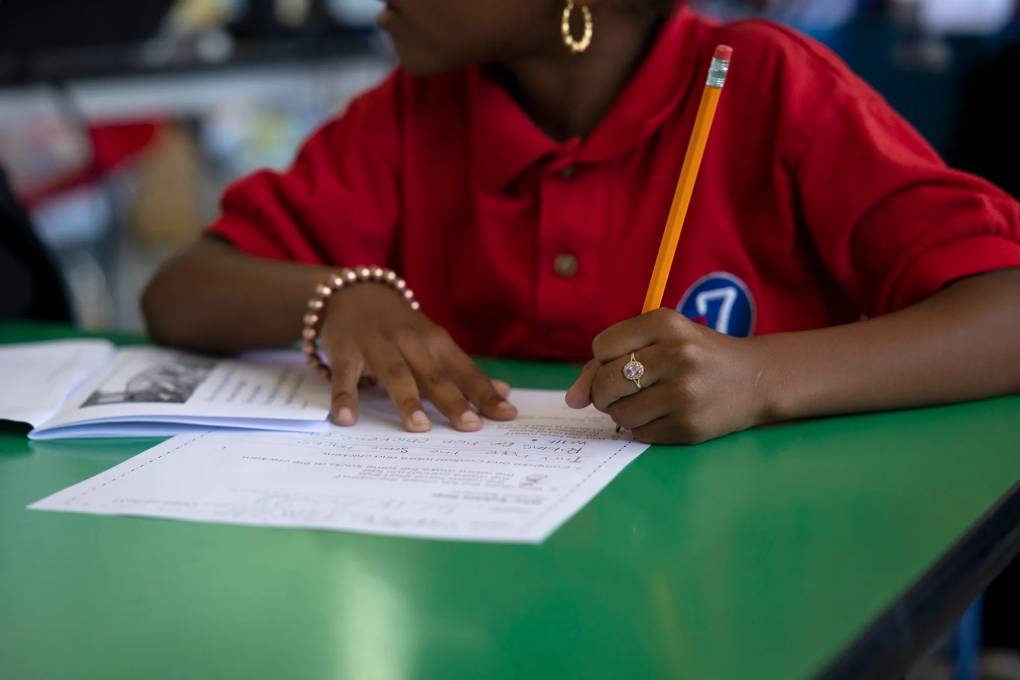
"caption": "California's reparations task force is proposing the state increase its investment in underperforming schools as a key way to narrow the achievement gap between Black students and many of their peers.",
"description": null,
"title": "051122-St-Hope-Charter-School-MG-CM-22",
"credit": "Miguel Gutierrez Jr./CalMatters",
"status": "inherit",
"altTag": "A young Black child wearing a red shirt, sitting at a green desk taking a test with a pencil in hand",
"isLoading": false,
"fetchFailed": false
},
"news_11926309": {
"type": "attachments",
"id": "news_11926309",
"meta": {
"index": "attachments_1716263798",
"site": "news",
"id": "11926309",
"found": true
},
"title": "Robert Wachter, MD",
"publishDate": 1663719750,
"status": "inherit",
"parent": 11926256,
"modified": 1738183202,
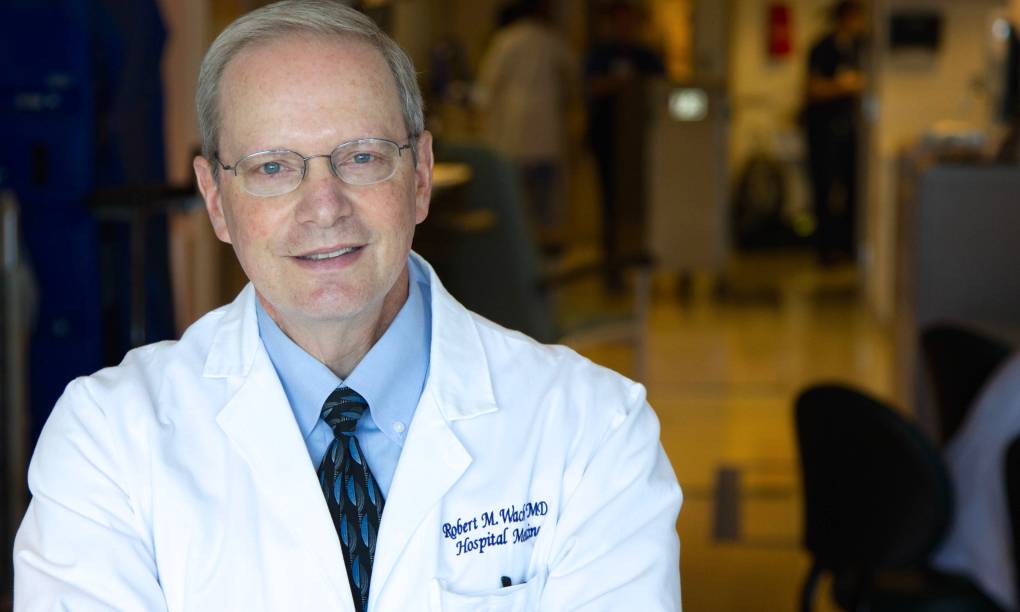
"caption": "Dr. Robert Wachter, chair of UCSF's Department of Medicine.",
"credit": "Photo courtesy of UCSF",
"altTag": "A man in his 60s with glasses and a doctor's frock smiles at the camera.",
"description": null,
"imgSizes": {
"medium": {
"file": "https://cdn.kqed.org/wp-content/uploads/sites/10/2022/09/Robert-Wachter-MD-2-800x480.jpeg",
"width": 800,
"height": 480,
"mimeType": "image/jpeg"
},
"large": {
"file": "https://cdn.kqed.org/wp-content/uploads/sites/10/2022/09/Robert-Wachter-MD-2-1020x612.jpeg",
"width": 1020,
"height": 612,
"mimeType": "image/jpeg"
},
"thumbnail": {
"file": "https://cdn.kqed.org/wp-content/uploads/sites/10/2022/09/Robert-Wachter-MD-2-160x96.jpeg",
"width": 160,
"height": 96,
"mimeType": "image/jpeg"
},
"1536x1536": {
"file": "https://cdn.kqed.org/wp-content/uploads/sites/10/2022/09/Robert-Wachter-MD-2-1536x921.jpeg",
"width": 1536,
"height": 921,
"mimeType": "image/jpeg"
},
"2048x2048": {
"file": "https://cdn.kqed.org/wp-content/uploads/sites/10/2022/09/Robert-Wachter-MD-2-2048x1228.jpeg",
"width": 2048,
"height": 1228,
"mimeType": "image/jpeg"
},
"post-thumbnail": {
"file": "https://cdn.kqed.org/wp-content/uploads/sites/10/2022/09/Robert-Wachter-MD-2-672x372.jpeg",
"width": 672,
"height": 372,
"mimeType": "image/jpeg"
},
"twentyfourteen-full-width": {
"file": "https://cdn.kqed.org/wp-content/uploads/sites/10/2022/09/Robert-Wachter-MD-2-1038x576.jpeg",
"width": 1038,
"height": 576,
"mimeType": "image/jpeg"
},
"full-width": {
"file": "https://cdn.kqed.org/wp-content/uploads/sites/10/2022/09/Robert-Wachter-MD-2-1920x1151.jpeg",
"width": 1920,
"height": 1151,
"mimeType": "image/jpeg"
},
"kqedFullSize": {
"file": "https://cdn.kqed.org/wp-content/uploads/sites/10/2022/09/Robert-Wachter-MD-2-scaled.jpeg",
"width": 2560,
"height": 1535
}
},
"isLoading": false,
"fetchFailed": false
},
"news_11903920": {
"type": "attachments",
"id": "news_11903920",
"meta": {
"index": "attachments_1716263798",
"site": "news",
"id": "11903920",
"found": true
},
"parent": 0,
"imgSizes": {
"twentyfourteen-full-width": {
"file": "https://ww2.kqed.org/app/uploads/sites/10/2022/02/RS53460_009_StockPhoto_AtHomeCOVIDTest_02022022-qut-1038x576.jpg",
"width": 1038,
"mimeType": "image/jpeg",
"height": 576
},
"thumbnail": {
"file": "https://ww2.kqed.org/app/uploads/sites/10/2022/02/RS53460_009_StockPhoto_AtHomeCOVIDTest_02022022-qut-160x107.jpg",
"width": 160,
"mimeType": "image/jpeg",
"height": 107
},
"post-thumbnail": {
"file": "https://ww2.kqed.org/app/uploads/sites/10/2022/02/RS53460_009_StockPhoto_AtHomeCOVIDTest_02022022-qut-672x372.jpg",
"width": 672,
"mimeType": "image/jpeg",
"height": 372
},
"kqedFullSize": {
"file": "https://ww2.kqed.org/app/uploads/sites/10/2022/02/RS53460_009_StockPhoto_AtHomeCOVIDTest_02022022-qut.jpg",
"width": 1920,
"height": 1280
},
"large": {
"file": "https://ww2.kqed.org/app/uploads/sites/10/2022/02/RS53460_009_StockPhoto_AtHomeCOVIDTest_02022022-qut-1020x680.jpg",
"width": 1020,
"mimeType": "image/jpeg",
"height": 680
},
"1536x1536": {
"file": "https://ww2.kqed.org/app/uploads/sites/10/2022/02/RS53460_009_StockPhoto_AtHomeCOVIDTest_02022022-qut-1536x1024.jpg",
"width": 1536,
"mimeType": "image/jpeg",
"height": 1024
},
"medium": {
"file": "https://ww2.kqed.org/app/uploads/sites/10/2022/02/RS53460_009_StockPhoto_AtHomeCOVIDTest_02022022-qut-800x533.jpg",
"width": 800,
"mimeType": "image/jpeg",
"height": 533
}
},
"publishDate": 1643925753,
"modified": 1658179959,
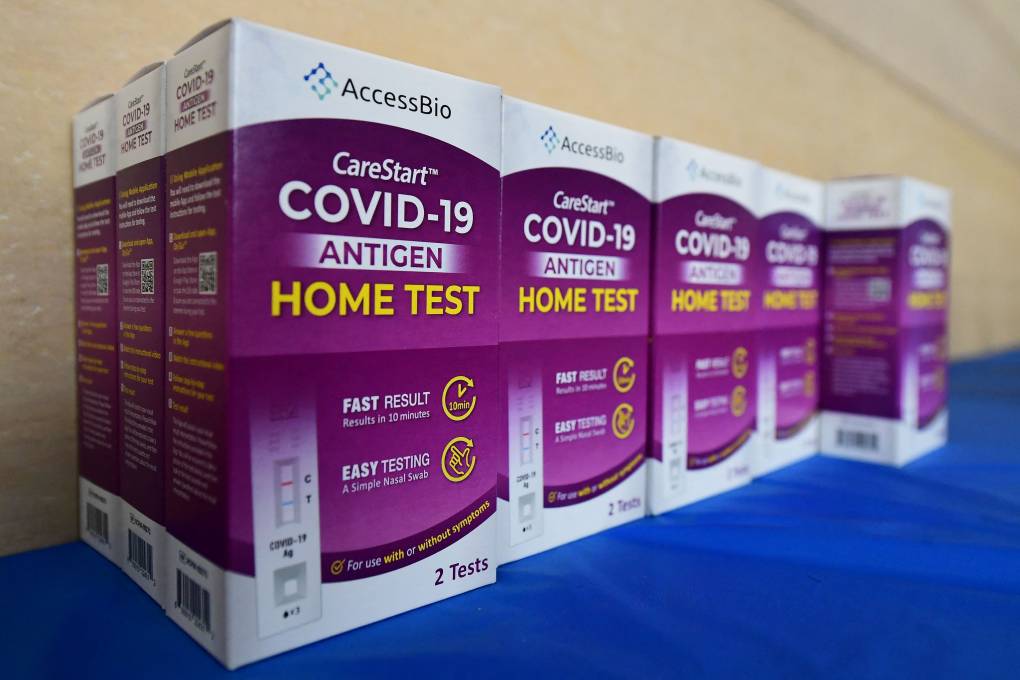
"caption": "Stock image: At-home COVID-19 test.",
"description": null,
"title": "Stock image: At-home COVID-19 test.",
"credit": "Beth LaBerge/KQED ",
"status": "inherit",
"altTag": null,
"isLoading": false,
"fetchFailed": false
},
"news_11906680": {
"type": "attachments",
"id": "news_11906680",
"meta": {
"index": "attachments_1716263798",
"site": "news",
"id": "11906680",
"found": true
},
"parent": 11906679,
"imgSizes": {
"twentyfourteen-full-width": {
"file": "https://ww2.kqed.org/app/uploads/sites/10/2022/02/021722-COVID-DEATHS-ML-07-CM-1038x576.jpg",
"width": 1038,
"mimeType": "image/jpeg",
"height": 576
},
"thumbnail": {
"file": "https://ww2.kqed.org/app/uploads/sites/10/2022/02/021722-COVID-DEATHS-ML-07-CM-160x107.jpg",
"width": 160,
"mimeType": "image/jpeg",
"height": 107
},
"post-thumbnail": {
"file": "https://ww2.kqed.org/app/uploads/sites/10/2022/02/021722-COVID-DEATHS-ML-07-CM-672x372.jpg",
"width": 672,
"mimeType": "image/jpeg",
"height": 372
},
"kqedFullSize": {
"file": "https://ww2.kqed.org/app/uploads/sites/10/2022/02/021722-COVID-DEATHS-ML-07-CM.jpg",
"width": 1200,
"height": 801
},
"large": {
"file": "https://ww2.kqed.org/app/uploads/sites/10/2022/02/021722-COVID-DEATHS-ML-07-CM-1020x681.jpg",
"width": 1020,
"mimeType": "image/jpeg",
"height": 681
},
"medium": {
"file": "https://ww2.kqed.org/app/uploads/sites/10/2022/02/021722-COVID-DEATHS-ML-07-CM-800x534.jpg",
"width": 800,
"mimeType": "image/jpeg",
"height": 534
}
},
"publishDate": 1646011996,
"modified": 1646082133,
"caption": "George Dowell, 40, receives the COVID-19 vaccine at Umoja Health pop-up clinic in Oakland last week. He waited a year to watch for any side effects or problems in his vaccinated friends.",
"description": null,
"title": "021722-COVID-DEATHS-ML-07-CM",
"credit": "Marissa Leshnov/CalMatters",
"status": "inherit",
"altTag": "A man wearing a mask receives a shot in his arm",
"isLoading": false,
"fetchFailed": false
},
"news_11899700": {
"type": "attachments",
"id": "news_11899700",
"meta": {
"index": "attachments_1716263798",
"site": "news",
"id": "11899700",
"found": true
},
"parent": 11899691,
"imgSizes": {
"twentyfourteen-full-width": {
"file": "https://ww2.kqed.org/app/uploads/sites/10/2021/12/GettyImages-1236483623-1038x576.jpg",
"width": 1038,
"mimeType": "image/jpeg",
"height": 576
},
"thumbnail": {
"file": "https://ww2.kqed.org/app/uploads/sites/10/2021/12/GettyImages-1236483623-160x107.jpg",
"width": 160,
"mimeType": "image/jpeg",
"height": 107
},
"post-thumbnail": {
"file": "https://ww2.kqed.org/app/uploads/sites/10/2021/12/GettyImages-1236483623-672x372.jpg",
"width": 672,
"mimeType": "image/jpeg",
"height": 372
},
"kqedFullSize": {
"file": "https://ww2.kqed.org/app/uploads/sites/10/2021/12/GettyImages-1236483623-scaled.jpg",
"width": 2560,
"height": 1707
},
"2048x2048": {
"file": "https://ww2.kqed.org/app/uploads/sites/10/2021/12/GettyImages-1236483623-2048x1365.jpg",
"width": 2048,
"mimeType": "image/jpeg",
"height": 1365
},
"large": {
"file": "https://ww2.kqed.org/app/uploads/sites/10/2021/12/GettyImages-1236483623-1020x680.jpg",
"width": 1020,
"mimeType": "image/jpeg",
"height": 680
},
"1536x1536": {
"file": "https://ww2.kqed.org/app/uploads/sites/10/2021/12/GettyImages-1236483623-1536x1024.jpg",
"width": 1536,
"mimeType": "image/jpeg",
"height": 1024
},
"full-width": {
"file": "https://ww2.kqed.org/app/uploads/sites/10/2021/12/GettyImages-1236483623-1920x1280.jpg",
"width": 1920,
"mimeType": "image/jpeg",
"height": 1280
},
"medium": {
"file": "https://ww2.kqed.org/app/uploads/sites/10/2021/12/GettyImages-1236483623-800x533.jpg",
"width": 800,
"mimeType": "image/jpeg",
"height": 533
}
},
"publishDate": 1639787635,
"modified": 1645148639,
"caption": "Gov. Gavin Newsom prepares to speak during a press conference about COVID-19 vaccinations and housing for unhoused veterans on Nov. 10, 2021, in Los Angeles.",
"description": "Gov. Gavin Newsom prepares to speak during a press conference about COVID-19 vaccinations and housing for homeless veterans on November 10, 2021 in Los Angeles.",
"title": "US-HEALTH-VIRUS-VACCINES",
"credit": "Patrick T. Fallon/AFP via Getty Images",
"status": "inherit",
"altTag": "A profile view of Gavin Newsom standing outside looking away at the camera. There is nobody near him.",
"isLoading": false,
"fetchFailed": false
},
"news_11902367": {
"type": "attachments",
"id": "news_11902367",
"meta": {
"index": "attachments_1716263798",
"site": "news",
"id": "11902367",
"found": true
},
"parent": 11902253,
"imgSizes": {
"twentyfourteen-full-width": {
"file": "https://ww2.kqed.org/app/uploads/sites/10/2022/01/Miller-Family-Oct2021-008-1038x576.jpg",
"width": 1038,
"mimeType": "image/jpeg",
"height": 576
},
"thumbnail": {
"file": "https://ww2.kqed.org/app/uploads/sites/10/2022/01/Miller-Family-Oct2021-008-160x107.jpg",
"width": 160,
"mimeType": "image/jpeg",
"height": 107
},
"post-thumbnail": {
"file": "https://ww2.kqed.org/app/uploads/sites/10/2022/01/Miller-Family-Oct2021-008-672x372.jpg",
"width": 672,
"mimeType": "image/jpeg",
"height": 372
},
"kqedFullSize": {
"file": "https://ww2.kqed.org/app/uploads/sites/10/2022/01/Miller-Family-Oct2021-008-scaled.jpg",
"width": 2560,
"height": 1707
},
"2048x2048": {
"file": "https://ww2.kqed.org/app/uploads/sites/10/2022/01/Miller-Family-Oct2021-008-2048x1365.jpg",
"width": 2048,
"mimeType": "image/jpeg",
"height": 1365
},
"large": {
"file": "https://ww2.kqed.org/app/uploads/sites/10/2022/01/Miller-Family-Oct2021-008-1020x680.jpg",
"width": 1020,
"mimeType": "image/jpeg",
"height": 680
},
"1536x1536": {
"file": "https://ww2.kqed.org/app/uploads/sites/10/2022/01/Miller-Family-Oct2021-008-1536x1024.jpg",
"width": 1536,
"mimeType": "image/jpeg",
"height": 1024
},
"full-width": {
"file": "https://ww2.kqed.org/app/uploads/sites/10/2022/01/Miller-Family-Oct2021-008-1920x1280.jpg",
"width": 1920,
"mimeType": "image/jpeg",
"height": 1280
},
"medium": {
"file": "https://ww2.kqed.org/app/uploads/sites/10/2022/01/Miller-Family-Oct2021-008-800x533.jpg",
"width": 800,
"mimeType": "image/jpeg",
"height": 533
}
},
"publishDate": 1642804080,
"modified": 1642807425,
"caption": "The Miller family in November 2021. From left: Carson 11, Danny, Nikki, and Chase, 10.",
"description": null,
"title": "Miller Family Oct2021-008",
"credit": "Courtesy Danny Miller",
"status": "inherit",
"altTag": "A family of four, with two boys in wheelchairs and a mother and father in the middle.",
"isLoading": false,
"fetchFailed": false
},
"news_11901091": {
"type": "attachments",
"id": "news_11901091",
"meta": {
"index": "attachments_1716263798",
"site": "news",
"id": "11901091",
"found": true
},
"parent": 11901008,
"imgSizes": {
"twentyfourteen-full-width": {
"file": "https://ww2.kqed.org/app/uploads/sites/10/2022/01/GettyImages-1237588762-1038x576.jpg",
"width": 1038,
"mimeType": "image/jpeg",
"height": 576
},
"thumbnail": {
"file": "https://ww2.kqed.org/app/uploads/sites/10/2022/01/GettyImages-1237588762-160x107.jpg",
"width": 160,
"mimeType": "image/jpeg",
"height": 107
},
"post-thumbnail": {
"file": "https://ww2.kqed.org/app/uploads/sites/10/2022/01/GettyImages-1237588762-672x372.jpg",
"width": 672,
"mimeType": "image/jpeg",
"height": 372
},
"kqedFullSize": {
"file": "https://ww2.kqed.org/app/uploads/sites/10/2022/01/GettyImages-1237588762-scaled.jpg",
"width": 2560,
"height": 1706
},
"2048x2048": {
"file": "https://ww2.kqed.org/app/uploads/sites/10/2022/01/GettyImages-1237588762-2048x1365.jpg",
"width": 2048,
"mimeType": "image/jpeg",
"height": 1365
},
"large": {
"file": "https://ww2.kqed.org/app/uploads/sites/10/2022/01/GettyImages-1237588762-1020x680.jpg",
"width": 1020,
"mimeType": "image/jpeg",
"height": 680
},
"1536x1536": {
"file": "https://ww2.kqed.org/app/uploads/sites/10/2022/01/GettyImages-1237588762-1536x1024.jpg",
"width": 1536,
"mimeType": "image/jpeg",
"height": 1024
},
"full-width": {
"file": "https://ww2.kqed.org/app/uploads/sites/10/2022/01/GettyImages-1237588762-1920x1280.jpg",
"width": 1920,
"mimeType": "image/jpeg",
"height": 1280
},
"medium": {
"file": "https://ww2.kqed.org/app/uploads/sites/10/2022/01/GettyImages-1237588762-800x533.jpg",
"width": 800,
"mimeType": "image/jpeg",
"height": 533
}
},
"publishDate": 1641583344,
"modified": 1641595749,
"caption": "Rapid COVID-19 test kits await distribution at Union Station in Los Angeles on Jan. 7, 2022.",
"description": "Rapid COVID-19 test kits await distribution at Union Station in Los Angeles, California, on January 7, 2022.",
"title": "US-HEALTH-VIRUS-TESTS",
"credit": "Frederic J. Brown/AFP via Getty Images",
"status": "inherit",
"altTag": "Several small boxes are stacked next to each other on a counter, each one has the same design and label, which read, \"COVID-19 Antigen Home Test.\"",
"isLoading": false,
"fetchFailed": false
},
"news_11900840": {
"type": "attachments",
"id": "news_11900840",
"meta": {
"index": "attachments_1716263798",
"site": "news",
"id": "11900840",
"found": true
},
"parent": 11900838,
"imgSizes": {
"twentyfourteen-full-width": {
"file": "https://ww2.kqed.org/app/uploads/sites/10/2022/01/bay-bridge-toll-plaza-1038x576.jpg",
"width": 1038,
"mimeType": "image/jpeg",
"height": 576
},
"thumbnail": {
"file": "https://ww2.kqed.org/app/uploads/sites/10/2022/01/bay-bridge-toll-plaza-160x107.jpg",
"width": 160,
"mimeType": "image/jpeg",
"height": 107
},
"post-thumbnail": {
"file": "https://ww2.kqed.org/app/uploads/sites/10/2022/01/bay-bridge-toll-plaza-672x372.jpg",
"width": 672,
"mimeType": "image/jpeg",
"height": 372
},
"kqedFullSize": {
"file": "https://ww2.kqed.org/app/uploads/sites/10/2022/01/bay-bridge-toll-plaza.jpg",
"width": 1920,
"height": 1280
},
"large": {
"file": "https://ww2.kqed.org/app/uploads/sites/10/2022/01/bay-bridge-toll-plaza-1020x680.jpg",
"width": 1020,
"mimeType": "image/jpeg",
"height": 680
},
"1536x1536": {
"file": "https://ww2.kqed.org/app/uploads/sites/10/2022/01/bay-bridge-toll-plaza-1536x1024.jpg",
"width": 1536,
"mimeType": "image/jpeg",
"height": 1024
},
"medium": {
"file": "https://ww2.kqed.org/app/uploads/sites/10/2022/01/bay-bridge-toll-plaza-800x533.jpg",
"width": 800,
"mimeType": "image/jpeg",
"height": 533
}
},
"publishDate": 1641405187,
"modified": 1641494732,
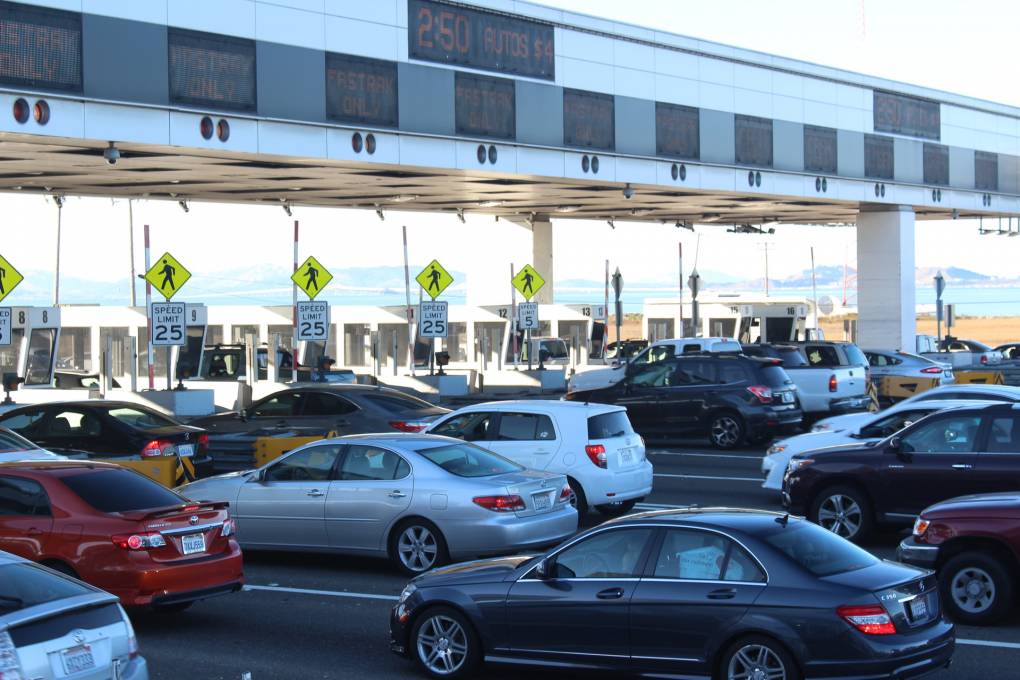
"caption": "Toll collection on Bay Area bridges has been completely automated. The change has led many drivers to miss fee notices, accumulate penalties and ultimately rack up large toll debts.",
"description": null,
"title": "bay-bridge-toll-plaza",
"credit": "Farida Jhabvala Romero/KQED",
"status": "inherit",
"altTag": "Cars in through the Bay Bridge toll plaza on a busy morning.",
"isLoading": false,
"fetchFailed": false
},
"news_11900757": {
"type": "attachments",
"id": "news_11900757",
"meta": {
"index": "attachments_1716263798",
"site": "news",
"id": "11900757",
"found": true
},
"parent": 11900755,
"imgSizes": {
"twentyfourteen-full-width": {
"file": "https://ww2.kqed.org/app/uploads/sites/10/2022/01/RS46111_019_KQED_SanFrancisco_COVIDTesting_11302020-qut-1038x576.jpg",
"width": 1038,
"mimeType": "image/jpeg",
"height": 576
},
"thumbnail": {
"file": "https://ww2.kqed.org/app/uploads/sites/10/2022/01/RS46111_019_KQED_SanFrancisco_COVIDTesting_11302020-qut-160x107.jpg",
"width": 160,
"mimeType": "image/jpeg",
"height": 107
},
"post-thumbnail": {
"file": "https://ww2.kqed.org/app/uploads/sites/10/2022/01/RS46111_019_KQED_SanFrancisco_COVIDTesting_11302020-qut-672x372.jpg",
"width": 672,
"mimeType": "image/jpeg",
"height": 372
},
"kqedFullSize": {
"file": "https://ww2.kqed.org/app/uploads/sites/10/2022/01/RS46111_019_KQED_SanFrancisco_COVIDTesting_11302020-qut.jpg",
"width": 1920,
"height": 1280
},
"large": {
"file": "https://ww2.kqed.org/app/uploads/sites/10/2022/01/RS46111_019_KQED_SanFrancisco_COVIDTesting_11302020-qut-1020x680.jpg",
"width": 1020,
"mimeType": "image/jpeg",
"height": 680
},
"1536x1536": {
"file": "https://ww2.kqed.org/app/uploads/sites/10/2022/01/RS46111_019_KQED_SanFrancisco_COVIDTesting_11302020-qut-1536x1024.jpg",
"width": 1536,
"mimeType": "image/jpeg",
"height": 1024
},
"medium": {
"file": "https://ww2.kqed.org/app/uploads/sites/10/2022/01/RS46111_019_KQED_SanFrancisco_COVIDTesting_11302020-qut-800x533.jpg",
"width": 800,
"mimeType": "image/jpeg",
"height": 533
}
},
"publishDate": 1641341665,
"modified": 1641577766,
"caption": "Healthcare workers test patient for COVID-19 at a testing site on 24th and Mission Streets in San Francisco on Nov. 30, 2020.",
"description": "Healthcare workers test patient for COVID-19 at a testing site on 24th and Mission Streets in San Francisco on Nov. 30, 2020.",
"title": "RS46111_019_KQED_SanFrancisco_COVIDTesting_11302020-qut",
"credit": "Beth LaBerge/KQED",
"status": "inherit",
"altTag": "Two people are shown. One is wearing medical scrubs and a face mask, as they perform a COVID-19, the other is a person who ahs taken their mask off to receive the test in their nose.",
"isLoading": false,
"fetchFailed": false
},
"news_11900617": {
"type": "attachments",
"id": "news_11900617",
"meta": {
"index": "attachments_1716263798",
"site": "news",
"id": "11900617",
"found": true
},
"parent": 11900616,
"imgSizes": {
"twentyfourteen-full-width": {
"file": "https://ww2.kqed.org/app/uploads/sites/10/2022/01/gettyimages-1236368527_custom-21c91f9ef407161787a6988f65e73bc77f2a1062-1038x576.jpg",
"width": 1038,
"mimeType": "image/jpeg",
"height": 576
},
"thumbnail": {
"file": "https://ww2.kqed.org/app/uploads/sites/10/2022/01/gettyimages-1236368527_custom-21c91f9ef407161787a6988f65e73bc77f2a1062-160x107.jpg",
"width": 160,
"mimeType": "image/jpeg",
"height": 107
},
"post-thumbnail": {
"file": "https://ww2.kqed.org/app/uploads/sites/10/2022/01/gettyimages-1236368527_custom-21c91f9ef407161787a6988f65e73bc77f2a1062-672x372.jpg",
"width": 672,
"mimeType": "image/jpeg",
"height": 372
},
"kqedFullSize": {
"file": "https://ww2.kqed.org/app/uploads/sites/10/2022/01/gettyimages-1236368527_custom-21c91f9ef407161787a6988f65e73bc77f2a1062-scaled-e1641238855324.jpg",
"width": 1920,
"height": 1279
},
"2048x2048": {
"file": "https://ww2.kqed.org/app/uploads/sites/10/2022/01/gettyimages-1236368527_custom-21c91f9ef407161787a6988f65e73bc77f2a1062-2048x1364.jpg",
"width": 2048,
"mimeType": "image/jpeg",
"height": 1364
},
"large": {
"file": "https://ww2.kqed.org/app/uploads/sites/10/2022/01/gettyimages-1236368527_custom-21c91f9ef407161787a6988f65e73bc77f2a1062-1020x679.jpg",
"width": 1020,
"mimeType": "image/jpeg",
"height": 679
},
"1536x1536": {
"file": "https://ww2.kqed.org/app/uploads/sites/10/2022/01/gettyimages-1236368527_custom-21c91f9ef407161787a6988f65e73bc77f2a1062-1536x1023.jpg",
"width": 1536,
"mimeType": "image/jpeg",
"height": 1023
},
"full-width": {
"file": "https://ww2.kqed.org/app/uploads/sites/10/2022/01/gettyimages-1236368527_custom-21c91f9ef407161787a6988f65e73bc77f2a1062-1920x1279.jpg",
"width": 1920,
"mimeType": "image/jpeg",
"height": 1279
},
"medium": {
"file": "https://ww2.kqed.org/app/uploads/sites/10/2022/01/gettyimages-1236368527_custom-21c91f9ef407161787a6988f65e73bc77f2a1062-800x533.jpg",
"width": 800,
"mimeType": "image/jpeg",
"height": 533
}
},
"publishDate": 1641238608,
"modified": 1641245204,
"caption": "A nurse practitioner fills a syringe with the Pfizer COVID-19 vaccine at the Beaumont Health offices in Southfield, Mich., on Nov. 5.",
"description": "Nurse practitioner Sarah Rauner fills a syringe with the Pfizer COVID-19 vaccine to be administered to a child age 5-11 at the Beaumont Health offices in Southfield, Michigan, on Nov. 5, 2021.",
"title": "A nurse practitioner fills a syringe with the Pfizer COVID-19 vaccine at the Beaumont Health offices in Southfield, Mich., on Nov. 5.",
"credit": "Jeff Kowalsky/AFP via Getty Images",
"status": "inherit",
"altTag": "Two hands in light blue gloves hold a syringe inserted into an upside-down vial.",
"isLoading": false,
"fetchFailed": false
},
"news_11899143": {
"type": "attachments",
"id": "news_11899143",
"meta": {
"index": "attachments_1716263798",
"site": "news",
"id": "11899143",
"found": true
},
"parent": 11899079,
"imgSizes": {
"twentyfourteen-full-width": {
"file": "https://ww2.kqed.org/app/uploads/sites/10/2021/12/RS52940_AlexisMadrigal-Headshot-qut-1038x576.jpg",
"width": 1038,
"mimeType": "image/jpeg",
"height": 576
},
"thumbnail": {
"file": "https://ww2.kqed.org/app/uploads/sites/10/2021/12/RS52940_AlexisMadrigal-Headshot-qut-160x90.jpg",
"width": 160,
"mimeType": "image/jpeg",
"height": 90
},
"post-thumbnail": {
"file": "https://ww2.kqed.org/app/uploads/sites/10/2021/12/RS52940_AlexisMadrigal-Headshot-qut-672x372.jpg",
"width": 672,
"mimeType": "image/jpeg",
"height": 372
},
"kqedFullSize": {
"file": "https://ww2.kqed.org/app/uploads/sites/10/2021/12/RS52940_AlexisMadrigal-Headshot-qut.jpg",
"width": 1920,
"height": 1079
},
"large": {
"file": "https://ww2.kqed.org/app/uploads/sites/10/2021/12/RS52940_AlexisMadrigal-Headshot-qut-1020x573.jpg",
"width": 1020,
"mimeType": "image/jpeg",
"height": 573
},
"1536x1536": {
"file": "https://ww2.kqed.org/app/uploads/sites/10/2021/12/RS52940_AlexisMadrigal-Headshot-qut-1536x863.jpg",
"width": 1536,
"mimeType": "image/jpeg",
"height": 863
},
"medium": {
"file": "https://ww2.kqed.org/app/uploads/sites/10/2021/12/RS52940_AlexisMadrigal-Headshot-qut-800x450.jpg",
"width": 800,
"mimeType": "image/jpeg",
"height": 450
}
},
"publishDate": 1639586820,
"modified": 1639586820,
"caption": null,
"description": null,
"title": "RS52940_AlexisMadrigal-Headshot-qut",
"credit": null,
"status": "inherit",
"altTag": null,
"isLoading": false,
"fetchFailed": false
},
"news_11886462": {
"type": "attachments",
"id": "news_11886462",
"meta": {
"index": "attachments_1716263798",
"site": "news",
"id": "11886462",
"found": true
},
"parent": 11886407,
"imgSizes": {
"twentyfourteen-full-width": {
"file": "https://ww2.kqed.org/app/uploads/sites/10/2021/08/Traveling-Nurses-1038x576.jpeg",
"width": 1038,
"mimeType": "image/jpeg",
"height": 576
},
"thumbnail": {
"file": "https://ww2.kqed.org/app/uploads/sites/10/2021/08/Traveling-Nurses-160x107.jpeg",
"width": 160,
"mimeType": "image/jpeg",
"height": 107
},
"post-thumbnail": {
"file": "https://ww2.kqed.org/app/uploads/sites/10/2021/08/Traveling-Nurses-672x372.jpeg",
"width": 672,
"mimeType": "image/jpeg",
"height": 372
},
"kqedFullSize": {
"file": "https://ww2.kqed.org/app/uploads/sites/10/2021/08/Traveling-Nurses.jpeg",
"width": 2000,
"height": 1333
},
"large": {
"file": "https://ww2.kqed.org/app/uploads/sites/10/2021/08/Traveling-Nurses-1020x680.jpeg",
"width": 1020,
"mimeType": "image/jpeg",
"height": 680
},
"1536x1536": {
"file": "https://ww2.kqed.org/app/uploads/sites/10/2021/08/Traveling-Nurses-1536x1024.jpeg",
"width": 1536,
"mimeType": "image/jpeg",
"height": 1024
},
"full-width": {
"file": "https://ww2.kqed.org/app/uploads/sites/10/2021/08/Traveling-Nurses-1920x1280.jpeg",
"width": 1920,
"mimeType": "image/jpeg",
"height": 1280
},
"medium": {
"file": "https://ww2.kqed.org/app/uploads/sites/10/2021/08/Traveling-Nurses-800x533.jpeg",
"width": 800,
"mimeType": "image/jpeg",
"height": 533
}
},
"publishDate": 1630013044,
"modified": 1634589626,
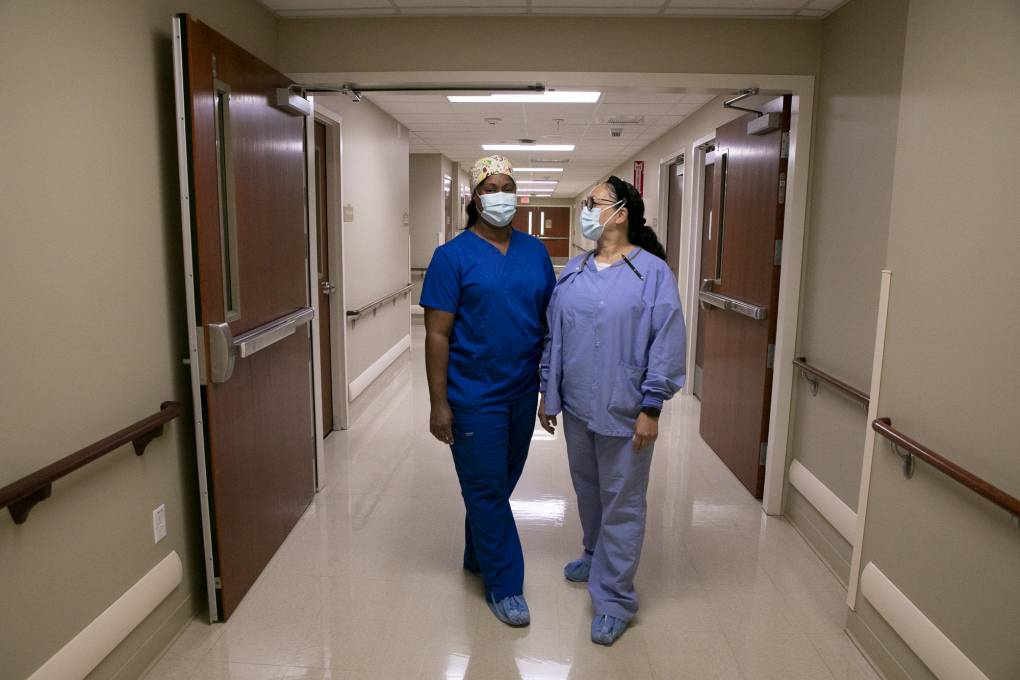
"caption": "In the past seven months, every COVID patient that Janet Stovall (left) and Candace Brim treated has died. \"We took care of about 65 COVID patients in Brawley and not a single one made it,\" Stovall said. \"We coded one every night ... Before [COVID], you could make a difference in someone's life. Now I will do anything for a patient, and it does not make a difference.\"",
"description": "Traveling nurses Candace Brim, left, and Janet Stovall, right, are based in North Carolina but have been traveling to California to work in intensive care units since the beginning of this year. They are now working in hospitals in Alameda and Folsom. \n",
"title": "Traveling Nurses",
"credit": "Anne Wernikoff/CalMatters",
"status": "inherit",
"altTag": "Two nurses dressed in blue scrubs, masks, and blue disposable hospital booties stand in a beige hallway. One looks at the other, one looks at the camera.",
"isLoading": false,
"fetchFailed": false
}
},
"audioPlayerReducer": {
"postId": "stream_live",
"isPaused": true,
"isPlaying": false,
"pfsActive": false,
"pledgeModalIsOpen": true,
"playerDrawerIsOpen": false,
"liveAudioPlayStartedAt": 0,
"liveAudioPlayContext": ""
},
"authorsReducer": {
"byline_news_11929990": {
"type": "authors",
"id": "byline_news_11929990",
"meta": {
"override": true
},
"slug": "byline_news_11929990",
"name": "\u003ca href=\"https://calmatters.org/author/joe-hong/\">Joe Hong\u003c/a> and \u003ca href=\"https://calmatters.org/author/ericayee/\">Erica Yee\u003c/a>",
"isLoading": false
},
"byline_news_11906684": {
"type": "authors",
"id": "byline_news_11906684",
"meta": {
"override": true
},
"slug": "byline_news_11906684",
"name": "Kristen Hwang",
"isLoading": false
},
"byline_news_11901008": {
"type": "authors",
"id": "byline_news_11901008",
"meta": {
"override": true
},
"slug": "byline_news_11901008",
"name": "\u003ca href=\"https://twitter.com/m_scribe\">Melody Schreiber\u003c/a>",
"isLoading": false
},
"byline_news_11900616": {
"type": "authors",
"id": "byline_news_11900616",
"meta": {
"override": true
},
"slug": "byline_news_11900616",
"name": "Scott Hensley and Joe Hernandez",
"isLoading": false
},
"byline_news_11886407": {
"type": "authors",
"id": "byline_news_11886407",
"meta": {
"override": true
},
"slug": "byline_news_11886407",
"name": "Kristen Hwang",
"isLoading": false
},
"katrinaschwartz": {
"type": "authors",
"id": "234",
"meta": {
"index": "authors_1716337520",
"id": "234",
"found": true
},
"name": "Katrina Schwartz",
"firstName": "Katrina",
"lastName": "Schwartz",
"slug": "katrinaschwartz",
"email": "kschwartz@kqed.org",
"display_author_email": false,
"staff_mastheads": [
"news"
],
"title": "Producer",
"bio": "Katrina Schwartz is a journalist based in San Francisco. She's worked at KPCC public radio in LA and has reported on air and online for KQED since 2010. She covered how teaching and learning is changing for MindShift between 2012 and 2020. She is the co-host of the MindShift podcast and now produces KQED's Bay Curious podcast.",
"avatar": "https://secure.gravatar.com/avatar/edb4ee79070447a018538c9aae6eeecf28786515b8a0c30e43b6b7dce5aa44c8?s=600&d=blank&r=g",
"twitter": "kschwart",
"bluesky": null,
"facebook": null,
"instagram": null,
"linkedin": null,
"sites": [
{
"site": "news",
"roles": [
"editor"
]
},
{
"site": "mindshift",
"roles": [
"administrator"
]
},
{
"site": "stateofhealth",
"roles": [
"author"
]
},
{
"site": "science",
"roles": [
"editor"
]
}
],
"headData": {
"title": "Katrina Schwartz | KQED",
"description": "Producer",
"ogImgSrc": "https://secure.gravatar.com/avatar/edb4ee79070447a018538c9aae6eeecf28786515b8a0c30e43b6b7dce5aa44c8?s=600&d=blank&r=g",
"twImgSrc": "https://secure.gravatar.com/avatar/edb4ee79070447a018538c9aae6eeecf28786515b8a0c30e43b6b7dce5aa44c8?s=600&d=blank&r=g"
},
"isLoading": false,
"link": "/author/katrinaschwartz"
},
"adembosky": {
"type": "authors",
"id": "3205",
"meta": {
"index": "authors_1716337520",
"id": "3205",
"found": true
},
"name": "April Dembosky",
"firstName": "April",
"lastName": "Dembosky",
"slug": "adembosky",
"email": "adembosky@kqed.org",
"display_author_email": false,
"staff_mastheads": [
"news",
"science"
],
"title": "KQED Health Correspondent",
"bio": "April Dembosky is the health correspondent for KQED News and a regular contributor to NPR. She specializes in covering altered states of mind, from postpartum depression to methamphetamine-induced psychosis to the insanity defense. Her investigative series on insurance companies sidestepping mental health laws won multiple awards, including first place in beat reporting from the national Association of Health Care Journalists. She is the recipient of numerous other prizes and fellowships, including a national Edward R. Murrow award for investigative reporting, a Society of Professional Journalists award for long-form storytelling, and a Carter Center Fellowship for Mental Health Journalism.\r\n\r\nDembosky reported and produced \u003cem>Soundtrack of Silence\u003c/em>, an audio documentary about music and memory that is currently being made into a feature film by Paramount Pictures.\r\n\r\nBefore joining KQED in 2013, Dembosky covered technology and Silicon Valley for \u003cem>The Financial Times of London,\u003c/em> and contributed business and arts stories to \u003cem>Marketplace \u003c/em>and \u003cem>The New York Times.\u003c/em> She got her undergraduate degree in philosophy from Smith College and her master's in journalism from the University of California, Berkeley. She is a classically trained violinist and proud alum of the first symphony orchestra at Burning Man.",
"avatar": "https://secure.gravatar.com/avatar/ef92999be4ceb9ea60701e7dc276f813?s=600&d=blank&r=g",
"twitter": "adembosky",
"facebook": null,
"instagram": null,
"linkedin": null,
"sites": [
{
"site": "arts",
"roles": [
"author"
]
},
{
"site": "news",
"roles": [
"editor"
]
},
{
"site": "futureofyou",
"roles": [
"author"
]
},
{
"site": "stateofhealth",
"roles": [
"editor"
]
},
{
"site": "science",
"roles": [
"editor"
]
},
{
"site": "forum",
"roles": [
"editor"
]
}
],
"headData": {
"title": "April Dembosky | KQED",
"description": "KQED Health Correspondent",
"ogImgSrc": "https://secure.gravatar.com/avatar/ef92999be4ceb9ea60701e7dc276f813?s=600&d=blank&r=g",
"twImgSrc": "https://secure.gravatar.com/avatar/ef92999be4ceb9ea60701e7dc276f813?s=600&d=blank&r=g"
},
"isLoading": false,
"link": "/author/adembosky"
},
"mlagos": {
"type": "authors",
"id": "3239",
"meta": {
"index": "authors_1716337520",
"id": "3239",
"found": true
},
"name": "Marisa Lagos",
"firstName": "Marisa",
"lastName": "Lagos",
"slug": "mlagos",
"email": "mlagos@kqed.org",
"display_author_email": false,
"staff_mastheads": [
"news"
],
"title": "KQED Contributor",
"bio": "Marisa Lagos is a correspondent for KQED’s California Politics and Government Desk and co-hosts the award-winning show and podcast, Political Breakdown. At KQED, Lagos also conducts reporting, analysis and investigations into state, local and national politics for radio, TV, online and onstage. In 2022, she and co-host, Scott Shafer, moderated the only gubernatorial debate in California. In 2020, the \u003ci>Washington Post\u003c/i> named her one of the top political journalists in California; she was nominated for a Peabody and won several other awards for her work investigating the 2017 California wildfires. She has worked at the \u003ci>San Francisco Chronicle\u003c/i>, \u003ci>San Francisco Examiner\u003c/i> and \u003ci>Los Angeles Times\u003c/i>. A UC Santa Barbara graduate, she lives in San Francisco with her two sons and husband.",
"avatar": "https://secure.gravatar.com/avatar/a261a0d3696fc066871ef96b85b5e7d2?s=600&d=blank&r=g",
"twitter": "@mlagos",
"facebook": null,
"instagram": null,
"linkedin": null,
"sites": [
{
"site": "arts",
"roles": [
"author"
]
},
{
"site": "news",
"roles": [
"editor"
]
},
{
"site": "science",
"roles": [
"editor"
]
},
{
"site": "forum",
"roles": [
"author"
]
},
{
"site": "liveblog",
"roles": [
"author"
]
}
],
"headData": {
"title": "Marisa Lagos | KQED",
"description": "KQED Contributor",
"ogImgSrc": "https://secure.gravatar.com/avatar/a261a0d3696fc066871ef96b85b5e7d2?s=600&d=blank&r=g",
"twImgSrc": "https://secure.gravatar.com/avatar/a261a0d3696fc066871ef96b85b5e7d2?s=600&d=blank&r=g"
},
"isLoading": false,
"link": "/author/mlagos"
},
"carlysevern": {
"type": "authors",
"id": "3243",
"meta": {
"index": "authors_1716337520",
"id": "3243",
"found": true
},
"name": "Carly Severn",
"firstName": "Carly",
"lastName": "Severn",
"slug": "carlysevern",
"email": "csevern@kqed.org",
"display_author_email": false,
"staff_mastheads": [
"news"
],
"title": "Senior Editor, Audience News ",
"bio": "Carly is KQED's Senior Editor of Audience News on the Digital News team, and has reported for the California Report Magazine, Bay Curious and KQED Arts. She's formerly the host of \u003ca href=\"http://ww2.kqed.org/pop/category/the-cooler/\" rel=\"noopener noreferrer\">The Cooler\u003c/a> podcast.",
"avatar": "https://secure.gravatar.com/avatar/2d8d6765f186e64c798cf7f0c8088a41?s=600&d=blank&r=g",
"twitter": "teacupinthebay",
"facebook": null,
"instagram": null,
"linkedin": null,
"sites": [
{
"site": "",
"roles": [
"editor"
]
},
{
"site": "arts",
"roles": [
"editor"
]
},
{
"site": "news",
"roles": [
"administrator"
]
},
{
"site": "pop",
"roles": [
"editor"
]
},
{
"site": "futureofyou",
"roles": [
"editor"
]
},
{
"site": "about",
"roles": [
"administrator"
]
},
{
"site": "mindshift",
"roles": [
"editor"
]
},
{
"site": "bayareabites",
"roles": [
"editor"
]
},
{
"site": "stateofhealth",
"roles": [
"editor"
]
},
{
"site": "science",
"roles": [
"editor"
]
},
{
"site": "food",
"roles": [
"contributor"
]
},
{
"site": "forum",
"roles": [
"editor"
]
},
{
"site": "perspectives",
"roles": [
"administrator"
]
},
{
"site": "liveblog",
"roles": [
"editor"
]
}
],
"headData": {
"title": "Carly Severn | KQED",
"description": "Senior Editor, Audience News ",
"ogImgSrc": "https://secure.gravatar.com/avatar/2d8d6765f186e64c798cf7f0c8088a41?s=600&d=blank&r=g",
"twImgSrc": "https://secure.gravatar.com/avatar/2d8d6765f186e64c798cf7f0c8088a41?s=600&d=blank&r=g"
},
"isLoading": false,
"link": "/author/carlysevern"
},
"ecruzguevarra": {
"type": "authors",
"id": "8654",
"meta": {
"index": "authors_1716337520",
"id": "8654",
"found": true
},
"name": "Ericka Cruz Guevarra",
"firstName": "Ericka",
"lastName": "Cruz Guevarra",
"slug": "ecruzguevarra",
"email": "ecruzguevarra@kqed.org",
"display_author_email": true,
"staff_mastheads": [
"news"
],
"title": "Producer, The Bay Podcast",
"bio": "Ericka Cruz Guevarra is host of \u003ca href=\"https://www.kqed.org/podcasts/thebay\">\u003cem>The Bay\u003c/em>\u003c/a> podcast at KQED. Before host, she was the show’s producer. Her work in that capacity includes a three-part reported series on policing in Vallejo, which won a 2020 excellence in journalism award from the Society of Professional Journalists. Ericka has worked as a breaking news reporter at Oregon Public Broadcasting, helped produce the Code Switch podcast, and was KQED’s inaugural Raul Ramirez Diversity Fund intern. She’s also an alumna of NPR’s Next Generation Radio program. Send her an email if you have strong feelings about whether Fairfield and Suisun City are the Bay. Ericka is represented by SAG-AFTRA.",
"avatar": "https://secure.gravatar.com/avatar/25e5ab8d3d53fad2dcc7bb2b5c506b1a?s=600&d=blank&r=g",
"twitter": "NotoriousECG",
"facebook": null,
"instagram": null,
"linkedin": null,
"sites": [
{
"site": "arts",
"roles": [
"subscriber"
]
},
{
"site": "news",
"roles": [
"editor",
"manage_categories"
]
},
{
"site": "futureofyou",
"roles": [
"subscriber"
]
},
{
"site": "stateofhealth",
"roles": [
"subscriber"
]
},
{
"site": "science",
"roles": [
"editor"
]
},
{
"site": "forum",
"roles": [
"subscriber"
]
}
],
"headData": {
"title": "Ericka Cruz Guevarra | KQED",
"description": "Producer, The Bay Podcast",
"ogImgSrc": "https://secure.gravatar.com/avatar/25e5ab8d3d53fad2dcc7bb2b5c506b1a?s=600&d=blank&r=g",
"twImgSrc": "https://secure.gravatar.com/avatar/25e5ab8d3d53fad2dcc7bb2b5c506b1a?s=600&d=blank&r=g"
},
"isLoading": false,
"link": "/author/ecruzguevarra"
},
"lesleymcclurg": {
"type": "authors",
"id": "11229",
"meta": {
"index": "authors_1716337520",
"id": "11229",
"found": true
},
"name": "Lesley McClurg",
"firstName": "Lesley",
"lastName": "McClurg",
"slug": "lesleymcclurg",
"email": "lmcclurg@KQED.org",
"display_author_email": false,
"staff_mastheads": [
"news",
"science"
],
"title": "KQED Health Correspondent",
"bio": "Lesley McClurg is a health correspondent and fill-in host whose work is regularly rebroadcast on NPR and PBS programs. She’s earned multiple regional Emmy awards, a national and a regional Edward R. Murrow award, and was named Best Beat Reporter by the Association of Health Care Journalists. The Society of Professional Journalists has recognized her work several times, and the Society of Environmental Journalists spotlighted her coverage of California’s historic drought.\r\n\r\nBefore joining KQED in 2016, Lesley covered food and sustainability for Capital Public Radio, environmental issues for Colorado Public Radio, and reported for KUOW and KCTS 9 in Seattle. Away from the newsroom, she loves skiing with her daughter, mountain biking with her partner, and playing with Ollie, the family’s goldendoodle. On deadline, she runs almost entirely on chocolate chips.\r\n\r\n ",
"avatar": "https://secure.gravatar.com/avatar/bab49e972ea10c774fe0f5e29dba1722b158f7c0d58a360923d1389d380b2978?s=600&d=blank&r=g",
"twitter": "lesleywmcclurg",
"bluesky": null,
"facebook": null,
"instagram": null,
"linkedin": null,
"sites": [
{
"site": "arts",
"roles": [
"author"
]
},
{
"site": "news",
"roles": [
"editor"
]
},
{
"site": "futureofyou",
"roles": [
"editor"
]
},
{
"site": "stateofhealth",
"roles": [
"author"
]
},
{
"site": "science",
"roles": [
"editor"
]
},
{
"site": "quest",
"roles": [
"subscriber"
]
},
{
"site": "forum",
"roles": [
"administrator"
]
},
{
"site": "liveblog",
"roles": [
"author"
]
}
],
"headData": {
"title": "Lesley McClurg | KQED",
"description": "KQED Health Correspondent",
"ogImgSrc": "https://secure.gravatar.com/avatar/bab49e972ea10c774fe0f5e29dba1722b158f7c0d58a360923d1389d380b2978?s=600&d=blank&r=g",
"twImgSrc": "https://secure.gravatar.com/avatar/bab49e972ea10c774fe0f5e29dba1722b158f7c0d58a360923d1389d380b2978?s=600&d=blank&r=g"
},
"isLoading": false,
"link": "/author/lesleymcclurg"
},
"rdillon": {
"type": "authors",
"id": "11495",
"meta": {
"index": "authors_1716337520",
"id": "11495",
"found": true
},
"name": "Raquel Maria Dillon",
"firstName": "Raquel Maria",
"lastName": "Dillon",
"slug": "rdillon",
"email": "rdillon@kqed.org",
"display_author_email": false,
"staff_mastheads": [],
"title": null,
"bio": "Raquel Maria Dillon was a reporter and host for KQED News. Previously, she produced the daily statewide California Report, edited newscasts, and covered health and education stories. Before returning to the Bay Area in 2016, she worked in Los Angeles as a wire reporter and one-woman-band video journalist for the Associated Press, where she shot, edited and reported breaking news and features across the West. Her work has appeared online and in print around the globe, and also on NPR’s Morning Edition, All Things Considered, Here and Now, Marketplace, On The Media, and Studio 360. She previously edited and mentored up-and-coming reporters at KALW, produced social videos for Timeline.com, and was a local TV news videographer for KTVU and digital producer for KNTV. She got her start as a Radio News Trainee at KQED, produced a weekly public affairs roundtable show for OPB, and covered health and politics at New Hampshire Public Radio. She has a BA in political science from Barnard College and a MA in video journalism from UC Berkeley, where she was awarded the Faith Fancher Scholarship and a Student Emmy. She has received numerous local awards from the Associated Press and the Society of Professional Journalists.",
"avatar": "https://secure.gravatar.com/avatar/b8e02ae982913d0950df605910267c1b?s=600&d=blank&r=g",
"twitter": "RaquelMDillon",
"facebook": null,
"instagram": null,
"linkedin": null,
"sites": [
{
"site": "news",
"roles": [
"subscriber"
]
},
{
"site": "stateofhealth",
"roles": [
"editor"
]
},
{
"site": "science",
"roles": [
"editor"
]
},
{
"site": "forum",
"roles": [
"editor"
]
}
],
"headData": {
"title": "Raquel Maria Dillon | KQED",
"description": null,
"ogImgSrc": "https://secure.gravatar.com/avatar/b8e02ae982913d0950df605910267c1b?s=600&d=blank&r=g",
"twImgSrc": "https://secure.gravatar.com/avatar/b8e02ae982913d0950df605910267c1b?s=600&d=blank&r=g"
},
"isLoading": false,
"link": "/author/rdillon"
},
"mfharvin": {
"type": "authors",
"id": "11583",
"meta": {
"index": "authors_1716337520",
"id": "11583",
"found": true
},
"name": "Mary Franklin Harvin",
"firstName": "Mary Franklin",
"lastName": "Harvin",
"slug": "mfharvin",
"email": "mfharvin@KQED.org",
"display_author_email": false,
"staff_mastheads": [
"news"
],
"title": "KQED Contributor",
"bio": null,
"avatar": "https://secure.gravatar.com/avatar/0e53510a7d48cfbdebfc9b11357d845f?s=600&d=blank&r=g",
"twitter": "EmEffHarvin",
"facebook": null,
"instagram": null,
"linkedin": null,
"sites": [
{
"site": "news",
"roles": [
"author",
"edit_others_posts"
]
},
{
"site": "science",
"roles": [
"editor"
]
}
],
"headData": {
"title": "Mary Franklin Harvin | KQED",
"description": "KQED Contributor",
"ogImgSrc": "https://secure.gravatar.com/avatar/0e53510a7d48cfbdebfc9b11357d845f?s=600&d=blank&r=g",
"twImgSrc": "https://secure.gravatar.com/avatar/0e53510a7d48cfbdebfc9b11357d845f?s=600&d=blank&r=g"
},
"isLoading": false,
"link": "/author/mfharvin"
},
"kmoghadam": {
"type": "authors",
"id": "11637",
"meta": {
"index": "authors_1716337520",
"id": "11637",
"found": true
},
"name": "Kyana Moghadam",
"firstName": "Kyana",
"lastName": "Moghadam",
"slug": "kmoghadam",
"email": "kmoghadam@kqed.org",
"display_author_email": false,
"staff_mastheads": [
"news"
],
"title": "Senior Producer ",
"bio": "Kyana Moghadam is a senior producer at KQED. Prior to joining KQED, she was an audio producer and editor with Al Jazeera, Jetty Studios, VOX Media, Democracy Now!, and Global Press.",
"avatar": "https://secure.gravatar.com/avatar/cdbd6cb0b9e99deaa9eb618abdba56f265d374a2c614710aebeb4e58decbc5f0?s=600&d=blank&r=g",
"twitter": null,
"bluesky": null,
"facebook": null,
"instagram": null,
"linkedin": "https://www.linkedin.com/in/kyanamoghadam/",
"sites": [
{
"site": "",
"roles": [
"editor"
]
},
{
"site": "arts",
"roles": [
"editor"
]
},
{
"site": "news",
"roles": [
"administrator"
]
},
{
"site": "pop",
"roles": [
"editor"
]
},
{
"site": "about",
"roles": [
"editor"
]
},
{
"site": "forum",
"roles": [
"editor"
]
},
{
"site": "perspectives",
"roles": [
"editor"
]
},
{
"site": "podcasts",
"roles": [
"administrator"
]
}
],
"headData": {
"title": "Kyana Moghadam | KQED",
"description": "Senior Producer ",
"ogImgSrc": "https://secure.gravatar.com/avatar/cdbd6cb0b9e99deaa9eb618abdba56f265d374a2c614710aebeb4e58decbc5f0?s=600&d=blank&r=g",
"twImgSrc": "https://secure.gravatar.com/avatar/cdbd6cb0b9e99deaa9eb618abdba56f265d374a2c614710aebeb4e58decbc5f0?s=600&d=blank&r=g"
},
"isLoading": false,
"link": "/author/kmoghadam"
},
"amontecillo": {
"type": "authors",
"id": "11649",
"meta": {
"index": "authors_1716337520",
"id": "11649",
"found": true
},
"name": "Alan Montecillo",
"firstName": "Alan",
"lastName": "Montecillo",
"slug": "amontecillo",
"email": "amontecillo@kqed.org",
"display_author_email": false,
"staff_mastheads": [
"news"
],
"title": "KQED Contributor",
"bio": "Alan Montecillo is the senior editor of \u003cem>\u003ca href=\"http://kqed.org/thebay\">The Bay\u003c/a>, \u003c/em> KQED's local news podcast. Before moving to the Bay Area, he worked as a senior talk show producer for WILL in Champaign-Urbana, Illinois and at Oregon Public Broadcasting in Portland, Oregon. He has won journalism awards from the Society of Professional Journalists Northern California, the Public Media Journalists Association, The Signal Awards, and has also received a regional Edward R. Murrow award. Alan is a Filipino American from Hong Kong and a graduate of Reed College.",
"avatar": "https://secure.gravatar.com/avatar/d5e4e7a76481969ccba76f4e2b5ccabc?s=600&d=blank&r=g",
"twitter": "alanmontecillo",
"facebook": null,
"instagram": null,
"linkedin": null,
"sites": [
{
"site": "",
"roles": [
"editor"
]
},
{
"site": "news",
"roles": [
"editor",
"manage_categories"
]
}
],
"headData": {
"title": "Alan Montecillo | KQED",
"description": "KQED Contributor",
"ogImgSrc": "https://secure.gravatar.com/avatar/d5e4e7a76481969ccba76f4e2b5ccabc?s=600&d=blank&r=g",
"twImgSrc": "https://secure.gravatar.com/avatar/d5e4e7a76481969ccba76f4e2b5ccabc?s=600&d=blank&r=g"
},
"isLoading": false,
"link": "/author/amontecillo"
},
"ccabreralomeli": {
"type": "authors",
"id": "11708",
"meta": {
"index": "authors_1716337520",
"id": "11708",
"found": true
},
"name": "Carlos Cabrera-Lomelí",
"firstName": "Carlos",
"lastName": "Cabrera-Lomelí",
"slug": "ccabreralomeli",
"email": "ccabreralomeli@KQED.org",
"display_author_email": true,
"staff_mastheads": [
"news"
],
"title": "Community Reporter",
"bio": "Carlos Cabrera-Lomelí is a community reporter with KQED's digital engagement team. He also reports and co-produces for KQED's bilingual news hub KQED en Español. He grew up in San Francisco's Mission District and has previously worked with Univision, 48 Hills and REFORMA in Mexico City.",
"avatar": "https://secure.gravatar.com/avatar/e95ff80bb2eaf18a8f2af4dcf7ffb54b?s=600&d=mm&r=g",
"twitter": "@LomeliCabrera",
"facebook": null,
"instagram": null,
"linkedin": null,
"sites": [
{
"site": "arts",
"roles": [
"editor"
]
},
{
"site": "news",
"roles": [
"editor"
]
},
{
"site": "about",
"roles": [
"editor"
]
},
{
"site": "science",
"roles": [
"editor"
]
},
{
"site": "perspectives",
"roles": [
"editor"
]
},
{
"site": "elections",
"roles": [
"editor"
]
},
{
"site": "liveblog",
"roles": [
"contributor"
]
}
],
"headData": {
"title": "Carlos Cabrera-Lomelí | KQED",
"description": "Community Reporter",
"ogImgSrc": "https://secure.gravatar.com/avatar/e95ff80bb2eaf18a8f2af4dcf7ffb54b?s=600&d=mm&r=g",
"twImgSrc": "https://secure.gravatar.com/avatar/e95ff80bb2eaf18a8f2af4dcf7ffb54b?s=600&d=mm&r=g"
},
"isLoading": false,
"link": "/author/ccabreralomeli"
},
"cbeale": {
"type": "authors",
"id": "11749",
"meta": {
"index": "authors_1716337520",
"id": "11749",
"found": true
},
"name": "Christopher Beale",
"firstName": "Christopher",
"lastName": "Beale",
"slug": "cbeale",
"email": "cbeale@kqed.org",
"display_author_email": true,
"staff_mastheads": [
"news"
],
"title": "Engineer/Producer/Reporter",
"bio": "\u003ca href=\"https://linktr.ee/realchrisjbeale\" rel=\"noopener noreferrer\">Christopher J. Beale\u003c/a> is an award winning journalist, audio engineer, and media host living in San Francisco. \r\n\r\nChristopher works primarily as an audio engineer at KQED and serves as the sound designer for both the Bay Curious and Rightnowish podcasts. He is the host and producer of the LGBTQIA podcast and radio segment \u003ca href=\"https://stereotypespodcast.org\">Stereotypes\u003c/a>.",
"avatar": "https://secure.gravatar.com/avatar/dc485bf84788eb7e7414eb638e72407e?s=600&d=blank&r=g",
"twitter": "realchrisjbeale",
"facebook": null,
"instagram": "http://instagram.com/realchrisjbeale",
"linkedin": null,
"sites": [
{
"site": "arts",
"roles": [
"contributor"
]
},
{
"site": "news",
"roles": [
"editor"
]
},
{
"site": "forum",
"roles": [
"editor"
]
}
],
"headData": {
"title": "Christopher Beale | KQED",
"description": "Engineer/Producer/Reporter",
"ogImgSrc": "https://secure.gravatar.com/avatar/dc485bf84788eb7e7414eb638e72407e?s=600&d=blank&r=g",
"twImgSrc": "https://secure.gravatar.com/avatar/dc485bf84788eb7e7414eb638e72407e?s=600&d=blank&r=g"
},
"isLoading": false,
"link": "/author/cbeale"
},
"amadrigal": {
"type": "authors",
"id": "11757",
"meta": {
"index": "authors_1716337520",
"id": "11757",
"found": true
},
"name": "Alexis Madrigal",
"firstName": "Alexis",
"lastName": "Madrigal",
"slug": "amadrigal",
"email": "amadrigal@kqed.org",
"display_author_email": true,
"staff_mastheads": [],
"title": "Co-Host Forum",
"bio": "Alexis Madrigal is the co-host of Forum. He is also a contributing writer at \u003cem>The Atlantic \u003c/em>and the co-founder of the COVID Tracking Project. He's the creator of the podcast, \u003cem>Containers\u003c/em>, and has been a staff writer at \u003cem>Wired. \u003c/em>He was a visiting scholar at UC Berkeley's Information School, and is working on a book about Oakland and the Bay Area's revolutionary ideas.",
"avatar": "https://secure.gravatar.com/avatar/200d13dd6cebef55bf04327dec901b3d?s=600&d=blank&r=g",
"twitter": "alexismadrigal",
"bluesky": null,
"facebook": null,
"instagram": null,
"linkedin": null,
"sites": [
{
"site": "arts",
"roles": [
"editor"
]
},
{
"site": "news",
"roles": [
"editor"
]
},
{
"site": "forum",
"roles": [
"editor"
]
}
],
"headData": {
"title": "Alexis Madrigal | KQED",
"description": "Co-Host Forum",
"ogImgSrc": "https://secure.gravatar.com/avatar/200d13dd6cebef55bf04327dec901b3d?s=600&d=blank&r=g",
"twImgSrc": "https://secure.gravatar.com/avatar/200d13dd6cebef55bf04327dec901b3d?s=600&d=blank&r=g"
},
"isLoading": false,
"link": "/author/amadrigal"
},
"mesquinca": {
"type": "authors",
"id": "11802",
"meta": {
"index": "authors_1716337520",
"id": "11802",
"found": true
},
"name": "Maria Esquinca",
"firstName": "Maria",
"lastName": "Esquinca",
"slug": "mesquinca",
"email": "mesquinca@kqed.org",
"display_author_email": false,
"staff_mastheads": [],
"title": "Producer, The Bay",
"bio": "María Esquinca is a producer of The Bay. Before that, she was a New York Women’s Foundation IGNITE Fellow at Latino USA. She worked at Radio Bilingue where she covered the San Joaquin Valley. Maria has interned at WLRN, News 21, The New York Times Student Journalism Institute and at Crain’s Detroit Business as a Dow Jones News Fund Business Reporting Intern. She is an MFA graduate from the University of Miami. In 2017, she graduated from the Walter Cronkite School of Journalism and Mass Communication with a Master of Mass Communication. A fronteriza, she was born in Ciudad Juárez, Chihuahua, Mexico and grew up in El Paso, Texas.",
"avatar": "https://secure.gravatar.com/avatar/77cedba18aae91da775038ba06dcd8d0?s=600&d=blank&r=g",
"twitter": "@m_esquinca",
"facebook": null,
"instagram": null,
"linkedin": null,
"sites": [
{
"site": "news",
"roles": []
}
],
"headData": {
"title": "Maria Esquinca | KQED",
"description": "Producer, The Bay",
"ogImgSrc": "https://secure.gravatar.com/avatar/77cedba18aae91da775038ba06dcd8d0?s=600&d=blank&r=g",
"twImgSrc": "https://secure.gravatar.com/avatar/77cedba18aae91da775038ba06dcd8d0?s=600&d=blank&r=g"
},
"isLoading": false,
"link": "/author/mesquinca"
},
"mbolanos": {
"type": "authors",
"id": "11895",
"meta": {
"index": "authors_1716337520",
"id": "11895",
"found": true
},
"name": "Madi Bolaños",
"firstName": "Madi",
"lastName": "Bolaños",
"slug": "mbolanos",
"email": "mbolanos@kqed.org",
"display_author_email": false,
"staff_mastheads": [],
"title": "KQED Contributor",
"bio": null,
"avatar": "https://secure.gravatar.com/avatar/e6df5601c1f2d951e46a3fb42764330f?s=600&d=blank&r=g",
"twitter": null,
"bluesky": null,
"facebook": null,
"instagram": null,
"linkedin": null,
"sites": [
{
"site": "news",
"roles": [
"author"
]
}
],
"headData": {
"title": "Madi Bolaños | KQED",
"description": "KQED Contributor",
"ogImgSrc": "https://secure.gravatar.com/avatar/e6df5601c1f2d951e46a3fb42764330f?s=600&d=blank&r=g",
"twImgSrc": "https://secure.gravatar.com/avatar/e6df5601c1f2d951e46a3fb42764330f?s=600&d=blank&r=g"
},
"isLoading": false,
"link": "/author/mbolanos"
}
},
"pagesReducer": {
"news_tag_covid-19-pandemic": {
"type": "terms",
"id": "news_29546",
"meta": {
"index": "terms_1716263798",
"site": "news",
"id": "29546",
"score": 10.400432
},
"featImg": null,
"name": "Covid 19 Pandemic",
"description": null,
"taxonomy": "tag",
"headData": {
"twImgId": null,
"twTitle": null,
"ogTitle": null,
"ogImgId": null,
"twDescription": null,
"description": null,
"title": "Covid 19 Pandemic Archives | KQED News",
"ogDescription": null
},
"ttid": 29563,
"slug": "covid-19-pandemic",
"isLoading": false,
"title": "Covid 19 Pandemic",
"pageMeta": {
"site": "news",
"WpPageTemplate": "page-topic-editorial",
"currentPage": 2
},
"blocks": [
{
"blockName": "kqed/post-list",
"attrs": {
"layout": "cardArticle2",
"query": "posts/news?tag=covid-19-pandemic",
"seeMore": false,
"paginated": true,
"page": 2
}
},
{
"blockName": "kqed/ad"
}
]
}
},
"pfsSessionReducer": {},
"postsReducer": {
"stream_live": {
"type": "live",
"id": "stream_live",
"audioUrl": "https://streams.kqed.org/kqedradio",
"title": "Live Stream",
"excerpt": "Live Stream information currently unavailable.",
"link": "/radio",
"featImg": "",
"label": {
"name": "KQED Live",
"link": "/"
}
},
"stream_kqedNewscast": {
"type": "posts",
"id": "stream_kqedNewscast",
"audioUrl": "https://www.kqed.org/.stream/anon/radio/RDnews/newscast.mp3?_=1",
"title": "KQED Newscast",
"featImg": "",
"label": {
"name": "88.5 FM",
"link": "/"
}
},
"news_11929990": {
"type": "posts",
"id": "news_11929990",
"meta": {
"index": "posts_1716263798",
"site": "news",
"id": "11929990",
"score": null,
"sort": [
1666659386000
]
},
"guestAuthors": [],
"slug": "california-student-test-scores-plunge-but-some-achievement-gaps-narrow-how-does-your-school-compare",
"title": "California Student Test Scores Plunge — but Some Achievement Gaps Narrow. How Does Your School Compare?",
"publishDate": 1666659386,
"format": "standard",
"headTitle": "California Student Test Scores Plunge — but Some Achievement Gaps Narrow. How Does Your School Compare? | KQED",
"labelTerm": {
"term": 18481,
"site": "news"
},
"content": "\u003cp>California’s Education Department today released student test scores showing a statewide decline that nearly wiped out the academic progress made since the state overhauled how it funds education in 2014.\u003c/p>\n\u003cp>The gist of the scores, the most extensive measure so far of the COVID-19 pandemic’s impact on student achievement: The percentage of California students meeting state math standards plummeted 7 percentage points to 33%, and the percentage meeting English language standards dropped 4 percentage points, to 47%.[aside label=\"Related Stories\" postID=\"news_11929574,mindshift_59856,news_11897034\"]\u003c/p>\n\u003cp>Some scores for students of color and those from lower-income households dropped less dramatically than their counterparts, an indication that the state’s funding formula, which sends more money to high-needs districts, worked to soften the blow of two years of disrupted learning.\u003c/p>\n\u003cp>The results of the state’s Smarter Balanced test left education officials and experts neither surprised nor hopeless.\u003c/p>\n\u003cp>“It’s useful data, and it gets everybody talking,” said Li Cai, education professor at UCLA. “Everybody comes up with creative ideas, and they say let’s do it. That’s pretty fundamentally an American ideal.”\u003c/p>\n\u003cp>\u003c!-- iframe plugin v.4.3 wordpress.org/plugins/iframe/ -->\u003cbr>\n\u003ciframe loading=\"lazy\" src=\"https://flo.uri.sh/visualisation/11564390/embed?auto=1#amp=1\" width=\"800\" height=\"600\" scrolling=\"yes\" class=\"iframe-class\" frameborder=\"0\">\u003c/iframe>\u003c/p>\n\u003cp>As if to prove that pandemic learning loss is not just a California problem, officials released the state data to the public on the same day that results of a different test, nicknamed the Nation’s Report Card, revealed an \u003ca href=\"https://www.nationsreportcard.gov/highlights/mathematics/2022/\">unprecedented score dive\u003c/a> among a sampling of students nationwide.\u003c/p>\n\u003cp>Gov. Gavin Newsom \u003ca href=\"https://www.gov.ca.gov/2022/10/23/california-outperforms-most-states-in-minimizing-learning-loss-in-national-student-assessment-with-record-investments-to-improve-education/?utm_source=CalMatters+Newsletters&utm_campaign=d2f03a16d6-WHATMATTERS&utm_medium=email&utm_term=0_faa7be558d-d2f03a16d6-150179953&mc_cid=d2f03a16d6&mc_eid=aa09c6a201\">swiftly issued a press release\u003c/a> headlined “California outperforms most states in minimizing learning loss … .” Various state officials credited the state’s investments in summer school and other recovery efforts for minimizing the blow to pupils. Yet the national test, in contradiction to the state test, indicated that the achievement gap among students of color widened in California.\u003c/p>\n\u003cp>Nor will the national comparison data settle a fiery political debate about which school pandemic strategy worked best: Students in California, almost the last to return to in-person learning as the state strove to safeguard public health, fared about as well as students in states such as Florida and Texas, who returned to their classrooms much sooner.\u003c/p>\n\u003cp>“California focused on keeping kids safe during the pandemic,” Newsom said in a statement, “while making record investments to mitigate learning loss and transforming our education system.”\u003c/p>\n\u003cp>The test upon which the Nation’s Report Card is based is older and was given to only about 4,000 California students, while the state’s Smarter Balanced tests are administered every spring to virtually all Californians in grades three through eight and grade 11. The states set those tests, prompting some criticism that they encourage “teaching to the test.” The goal of those Smarter Balanced tests: to measure how well students have mastered the state’s Common Core standards.\u003c/p>\n\u003cp>The initial reluctance of state officials to promptly share the Smarter Balanced test data — and the way they timed and managed today’s release — raised questions about whether elected state schools Superintendent Tony Thurmond and others were trying to \u003ca href=\"https://calmatters.org/education/2022/10/student-test-scores-california-pandemic/\">minimize the impact of bad news\u003c/a> landing before voters cast November ballots.\u003c/p>\n\u003cp>No sooner were the state results made public than Republicans pounced.\u003c/p>\n\u003cp>“Democrat policies get an F,” Senate GOP leader Scott Wilk of Lancaster declared in a statement. “It is no wonder these scores were kept under lock and key. They are a clear referendum on the failed policies advocated by the governor, legislative leaders, and the state superintendent of public instruction for years — not just during the pandemic. After shuttering schools for the better part of two years, student failure is on steroids.”\u003c/p>\n\u003cfigure id=\"attachment_11930022\" class=\"wp-caption aligncenter\" style=\"max-width: 800px\">\u003ca href=\"https://ww2.kqed.org/app/uploads/sites/10/2022/10/RS14608_iStock_000037513244_Large-qut.jpg\">\u003cimg loading=\"lazy\" decoding=\"async\" class=\"size-medium wp-image-11930022\" src=\"https://ww2.kqed.org/app/uploads/sites/10/2022/10/RS14608_iStock_000037513244_Large-qut-800x532.jpg\" alt=\"a broken pencil on a scantron\" width=\"800\" height=\"532\" srcset=\"https://cdn.kqed.org/wp-content/uploads/sites/10/2022/10/RS14608_iStock_000037513244_Large-qut-800x532.jpg 800w, https://cdn.kqed.org/wp-content/uploads/sites/10/2022/10/RS14608_iStock_000037513244_Large-qut-1020x678.jpg 1020w, https://cdn.kqed.org/wp-content/uploads/sites/10/2022/10/RS14608_iStock_000037513244_Large-qut-160x106.jpg 160w, https://cdn.kqed.org/wp-content/uploads/sites/10/2022/10/RS14608_iStock_000037513244_Large-qut-1536x1021.jpg 1536w, https://cdn.kqed.org/wp-content/uploads/sites/10/2022/10/RS14608_iStock_000037513244_Large-qut.jpg 1920w\" sizes=\"(max-width: 800px) 100vw, 800px\">\u003c/a>\u003cfigcaption class=\"wp-caption-text\">According to recent test scores, the percentage of California students meeting state math standards plummeted 7 percentage points to 33%, and the percentage meeting English language standards dropped 4 percentage points, to 47%. \u003ccite>(Michael Quirk/Getty Images)\u003c/cite>\u003c/figcaption>\u003c/figure>\n\u003cp>In spring of 2020, the first year of the pandemic, the state canceled its testing. In 2021, only 1 in 4 eligible students took the tests because not all students were back on campuses. In 2022, nearly all eligible students participated, making these results a key data point for understanding widespread pandemic-triggered learning loss in California.\u003c/p>\n\u003cp>Education experts say they are optimistic because school funding is at an all-time high, giving educators unprecedented resources to address learning loss. But some are calling for school officials to produce a clearer road map to recovery.\u003c/p>\n\u003cp>“I do think civic leaders owe it to the voters to explain how we’re going to get out of this hole,” said Bruce Fuller, an education professor at UC Berkeley. “Politicians kept schools closed beyond what occurred in other states.”\u003c/p>\n\u003cp>There had been concern that the pandemic would completely undercut California’s efforts to close a persistent achievement gap among certain groups of students. The results show that all students and economically disadvantaged students dropped the same 4 percentage points in English language arts, although that leaves economically disadvantaged students lagging their peers, with just 35% meeting standards. The rates for English learners and students with disabilities both dropped less than a single percentage point, from 12.8% to 12.5% and 16% to 15% respectively.\u003c/p>\n\u003cp>[pullquote align=\"right\" size=\"medium\" citation=\"Bruce Fuller, education professor, UC Berkeley\"]‘Civic leaders owe it to the voters to explain how we’re going to get out of this hole.’[/pullquote]For math, rates for economically disadvantaged students actually dropped slightly less than the average drop for all students, falling 6 percentage points but still resulting in an abysmal 21% meeting standards. English learners went from 13% to 10%. Students with disabilities went from 13% to 11%.\u003c/p>\n\u003cp>The achievement gap for Black students closed slightly, from a 33 percentage-point difference from their white peers in 2019 to 31 percentage points in 2022. Native American, Asian and Latino students also saw drops that were largely proportional to that of their white peers. Latino students saw their achievement gap grow in math scores by one percentage point.\u003c/p>\n\u003cp>When separated by grade level, third-grade students saw the largest drops in both subjects. In 2019, 48.5% of third graders met English language arts standards. Compare that to 42.2% in 2022, a 6.4 percentage-point decline. For math, the rate for third graders meeting standards dropped by 6.7 percentage points.\u003c/p>\n\u003cp>Megan Bacigalupi is the executive director of CA Parent Power, a parent advocacy group that rallied parents to fight for school reopenings earlier in the pandemic. She said these scores aren’t just the reckoning for prolonged school closures but a wake-up call for parents. California’s test scores were always abysmal, and they couldn’t afford to sink any lower, she said.\u003c/p>\n\u003cp>“We’re not a state that’s performing well, so for kids to backslide … We were never in a good place,” Bacigalupi said. “What I hope is eye-opening to parents is that, guess what, prior to all this, our kids weren’t doing that well.”\u003c/p>\n\u003cp>Check out how your school compares:\u003c/p>\n\u003cp>\u003c!-- iframe plugin v.4.3 wordpress.org/plugins/iframe/ -->\u003cbr>\n\u003ciframe loading=\"lazy\" src=\"https://calmatters-2022-test-results.netlify.app/\" width=\"800\" height=\"950\" scrolling=\"yes\" class=\"iframe-class\" frameborder=\"0\">\u003c/iframe>\u003c/p>\n\u003cp>Despite the alarm caused by these signs of pandemic-era learning loss, experts in California want the state to remain on the path it was on before the public health crisis.\u003c/p>\n\u003cp>Julien Lafortune is a research fellow at the Public Policy Institute of California who specializes in K-12 education finance. He said there was some evidence that the state’s formula for funding public schools was working to close achievement gaps before the pandemic.\u003c/p>\n\u003cp>The Local Control Funding Formula gives additional money to school districts and charter schools for their English learners, foster children and students from lower-income households. Districts with high percentages of students who fall into at least one of these student groups get an additional pot of money called a “concentration grant.”\u003c/p>\n\u003cp>Lafortune said there was some “strong evidence” showing districts receiving concentration grants were performing better on standardized tests prior to the pandemic. That said, helping those same districts with additional funding might be a faster route to recovery for those districts.\u003c/p>\n\u003cp>“Maybe that’s how we want to do it, by targeting the concentration grants,” he said.\u003c/p>\n\u003cp>[pullquote align=\"right\" size=\"medium\" citation=\"Richard Barrera, school board member, San Diego Unified School District\"]‘Our students and educators have just gone through the two most difficult years of their entire experience. What was supposed to be the return-to-normal year in ’21-’22 was anything but a normal year.’[/pullquote]But Lafortune said there’s no evidence that the state needs to overhaul its formula. It might just take time to get student test scores back to where they were before the pandemic.\u003c/p>\n\u003cp>“I don’t know if there’s something that needs to be changed imminently,” he said. “The formula does a good job of allocating more funding for high-needs students.”\u003c/p>\n\u003cp>The state’s funding model also gives districts more control over how they spend their money. Lance Christensen, who’s running against incumbent State Superintendent Tony Thurmond, said the state needs to play an even smaller role.\u003c/p>\n\u003cp>“The state has done enough to destroy our kids’ education,” he said. “I think the state needs fewer education programs and more getting out of the way.”\u003c/p>\n\u003cp>Richard Barrera, a school board member at San Diego Unified, said the Smarter Balanced results were “really not surprising.” But on top of that, the data isn’t very useful for educators, he said.\u003c/p>\n\u003cp>While many experts might jump to compare data from 2019 and 2022, Barrera said 2022 doesn’t provide the best baseline because school was still being shaped by the spread of COVID-19. Student and employee absences soared due to high case numbers. He said teachers struggled with disruptive behavior from students readjusting to in-person learning.\u003c/p>\n\u003cp>Barrera said the current school year will be a more useful point of comparison to pre-pandemic student achievement.\u003c/p>\n\u003cp>“Our students and educators have just gone through the two most difficult years of their entire experience,” Barrera said. “What was supposed to be the return-to-normal year in ’21-’22 was anything but a normal year.”\u003c/p>\n\u003cp>Barrera added that Smarter Balanced scores are just one data point that arrives too late to be useful for classroom teachers. He said mid-year assessments are better at helping teachers keep track of their students’ progress.\u003c/p>\n\u003cp>Barrera also said educators and education officials have always known what resources are needed to best support students. With the \u003ca href=\"https://calmatters.org/education/2022/06/covid-relief-spending-california-schools/\">billions of dollars in federal grants\u003c/a> going to districts to help them recover from the pandemic, he said educators can finally fund the programs they’ve always needed.\u003c/p>\n\u003cp>“Pre-pandemic, the money wasn’t there to support those state strategies,” he said. “If we know what the best practices are, we’ve got to make sure we’re providing the resources.”\u003c/p>\n\u003cp>But this surge of funding won’t last forever. And the recent increases to state education funding might not be enough to make up for the disappearance of the federal money.\u003c/p>\n\u003cp>Bacigalupi, the parent advocate, said there’s been little explanation to parents when it comes to how districts are spending this money. She said the lack of transparency has been an alarming trend throughout the pandemic, from the rationale behind prolonged school closures, to even the release of these test scores.\u003c/p>\n\u003cp>“It’s a pattern that parents are very aware of when it comes to public education,” Bacigalupi said.\u003c/p>\n\u003cp>[ad fullwidth]\u003c/p>\n\u003cp>[ad floatright]\u003c/p>\n",
"blocks": [],
"excerpt": "The results — the most thorough look yet at the pandemic's toll on learning — left state education officials and experts neither surprised nor hopeless.",
"status": "publish",
"parent": 0,
"modified": 1721135319,
"stats": {
"hasAudio": false,
"hasVideo": false,
"hasChartOrMap": true,
"iframeSrcs": [
"https://flo.uri.sh/visualisation/11564390/embed",
"https://calmatters-2022-test-results.netlify.app/"
],
"hasGoogleForm": false,
"hasGallery": false,
"hasHearkenModule": false,
"hasPolis": false,
"paragraphCount": 46,
"wordCount": 2000
},
"headData": {
"title": "California Student Test Scores Plunge — but Some Achievement Gaps Narrow. How Does Your School Compare? | KQED",
"description": "The results — the most thorough look yet at the pandemic's toll on learning — left state education officials and experts neither surprised nor hopeless.",
"ogTitle": "",
"ogDescription": "",
"ogImgId": "",
"twTitle": "",
"twDescription": "",
"twImgId": "",
"schema": {
"@context": "https://schema.org",
"@type": "NewsArticle",
"headline": "California Student Test Scores Plunge — but Some Achievement Gaps Narrow. How Does Your School Compare?",
"datePublished": "2022-10-24T17:56:26-07:00",
"dateModified": "2024-07-16T06:08:39-07:00",
"image": "https://cdn.kqed.org/wp-content/uploads/2020/02/KQED-OG-Image@1x.png",
"isAccessibleForFree": "True",
"publisher": {
"@type": "NewsMediaOrganization",
"@id": "https://www.kqed.org/#organization",
"name": "KQED",
"logo": "https://cdn.kqed.org/wp-content/uploads/2020/02/KQED-OG-Image@1x.png",
"url": "https://www.kqed.org",
"sameAs": [
"https://www.facebook.com/KQED",
"https://twitter.com/KQED",
"https://www.instagram.com/kqed/",
"https://www.tiktok.com/@kqedofficial",
"https://www.linkedin.com/company/kqed",
"https://www.youtube.com/channel/UCeC0IOo7i1P_61zVUWbJ4nw"
]
}
}
},
"sticky": false,
"nprByline": "\u003ca href=\"https://calmatters.org/author/joe-hong/\">Joe Hong\u003c/a> and \u003ca href=\"https://calmatters.org/author/ericayee/\">Erica Yee\u003c/a>",
"excludeFromSiteSearch": "Include",
"showOnAuthorArchivePages": "No",
"path": "/news/11929990/california-student-test-scores-plunge-but-some-achievement-gaps-narrow-how-does-your-school-compare",
"audioTrackLength": null,
"parsedContent": [
{
"type": "contentString",
"content": "\u003cdiv class=\"post-body\">\u003cp>\u003cp>California’s Education Department today released student test scores showing a statewide decline that nearly wiped out the academic progress made since the state overhauled how it funds education in 2014.\u003c/p>\n\u003cp>The gist of the scores, the most extensive measure so far of the COVID-19 pandemic’s impact on student achievement: The percentage of California students meeting state math standards plummeted 7 percentage points to 33%, and the percentage meeting English language standards dropped 4 percentage points, to 47%.\u003c/p>\u003c/div>",
"attributes": {
"named": {},
"numeric": []
}
},
{
"type": "component",
"content": "",
"name": "aside",
"attributes": {
"named": {
"label": "Related Stories ",
"postid": "news_11929574,mindshift_59856,news_11897034"
},
"numeric": []
}
},
{
"type": "contentString",
"content": "\u003cdiv class=\"post-body\">\u003cp>\u003c/p>\n\u003cp>Some scores for students of color and those from lower-income households dropped less dramatically than their counterparts, an indication that the state’s funding formula, which sends more money to high-needs districts, worked to soften the blow of two years of disrupted learning.\u003c/p>\n\u003cp>The results of the state’s Smarter Balanced test left education officials and experts neither surprised nor hopeless.\u003c/p>\n\u003cp>“It’s useful data, and it gets everybody talking,” said Li Cai, education professor at UCLA. “Everybody comes up with creative ideas, and they say let’s do it. That’s pretty fundamentally an American ideal.”\u003c/p>\n\u003cp>\u003c!-- iframe plugin v.4.3 wordpress.org/plugins/iframe/ -->\u003cbr>\n\u003ciframe loading=\"lazy\" src=\"https://flo.uri.sh/visualisation/11564390/embed?auto=1#amp=1\" width=\"800\" height=\"600\" scrolling=\"yes\" class=\"iframe-class\" frameborder=\"0\">\u003c/iframe>\u003c/p>\n\u003cp>As if to prove that pandemic learning loss is not just a California problem, officials released the state data to the public on the same day that results of a different test, nicknamed the Nation’s Report Card, revealed an \u003ca href=\"https://www.nationsreportcard.gov/highlights/mathematics/2022/\">unprecedented score dive\u003c/a> among a sampling of students nationwide.\u003c/p>\n\u003cp>Gov. Gavin Newsom \u003ca href=\"https://www.gov.ca.gov/2022/10/23/california-outperforms-most-states-in-minimizing-learning-loss-in-national-student-assessment-with-record-investments-to-improve-education/?utm_source=CalMatters+Newsletters&utm_campaign=d2f03a16d6-WHATMATTERS&utm_medium=email&utm_term=0_faa7be558d-d2f03a16d6-150179953&mc_cid=d2f03a16d6&mc_eid=aa09c6a201\">swiftly issued a press release\u003c/a> headlined “California outperforms most states in minimizing learning loss … .” Various state officials credited the state’s investments in summer school and other recovery efforts for minimizing the blow to pupils. Yet the national test, in contradiction to the state test, indicated that the achievement gap among students of color widened in California.\u003c/p>\n\u003cp>Nor will the national comparison data settle a fiery political debate about which school pandemic strategy worked best: Students in California, almost the last to return to in-person learning as the state strove to safeguard public health, fared about as well as students in states such as Florida and Texas, who returned to their classrooms much sooner.\u003c/p>\n\u003cp>“California focused on keeping kids safe during the pandemic,” Newsom said in a statement, “while making record investments to mitigate learning loss and transforming our education system.”\u003c/p>\n\u003cp>The test upon which the Nation’s Report Card is based is older and was given to only about 4,000 California students, while the state’s Smarter Balanced tests are administered every spring to virtually all Californians in grades three through eight and grade 11. The states set those tests, prompting some criticism that they encourage “teaching to the test.” The goal of those Smarter Balanced tests: to measure how well students have mastered the state’s Common Core standards.\u003c/p>\n\u003cp>The initial reluctance of state officials to promptly share the Smarter Balanced test data — and the way they timed and managed today’s release — raised questions about whether elected state schools Superintendent Tony Thurmond and others were trying to \u003ca href=\"https://calmatters.org/education/2022/10/student-test-scores-california-pandemic/\">minimize the impact of bad news\u003c/a> landing before voters cast November ballots.\u003c/p>\n\u003cp>No sooner were the state results made public than Republicans pounced.\u003c/p>\n\u003cp>“Democrat policies get an F,” Senate GOP leader Scott Wilk of Lancaster declared in a statement. “It is no wonder these scores were kept under lock and key. They are a clear referendum on the failed policies advocated by the governor, legislative leaders, and the state superintendent of public instruction for years — not just during the pandemic. After shuttering schools for the better part of two years, student failure is on steroids.”\u003c/p>\n\u003cfigure id=\"attachment_11930022\" class=\"wp-caption aligncenter\" style=\"max-width: 800px\">\u003ca href=\"https://ww2.kqed.org/app/uploads/sites/10/2022/10/RS14608_iStock_000037513244_Large-qut.jpg\">\u003cimg loading=\"lazy\" decoding=\"async\" class=\"size-medium wp-image-11930022\" src=\"https://ww2.kqed.org/app/uploads/sites/10/2022/10/RS14608_iStock_000037513244_Large-qut-800x532.jpg\" alt=\"a broken pencil on a scantron\" width=\"800\" height=\"532\" srcset=\"https://cdn.kqed.org/wp-content/uploads/sites/10/2022/10/RS14608_iStock_000037513244_Large-qut-800x532.jpg 800w, https://cdn.kqed.org/wp-content/uploads/sites/10/2022/10/RS14608_iStock_000037513244_Large-qut-1020x678.jpg 1020w, https://cdn.kqed.org/wp-content/uploads/sites/10/2022/10/RS14608_iStock_000037513244_Large-qut-160x106.jpg 160w, https://cdn.kqed.org/wp-content/uploads/sites/10/2022/10/RS14608_iStock_000037513244_Large-qut-1536x1021.jpg 1536w, https://cdn.kqed.org/wp-content/uploads/sites/10/2022/10/RS14608_iStock_000037513244_Large-qut.jpg 1920w\" sizes=\"(max-width: 800px) 100vw, 800px\">\u003c/a>\u003cfigcaption class=\"wp-caption-text\">According to recent test scores, the percentage of California students meeting state math standards plummeted 7 percentage points to 33%, and the percentage meeting English language standards dropped 4 percentage points, to 47%. \u003ccite>(Michael Quirk/Getty Images)\u003c/cite>\u003c/figcaption>\u003c/figure>\n\u003cp>In spring of 2020, the first year of the pandemic, the state canceled its testing. In 2021, only 1 in 4 eligible students took the tests because not all students were back on campuses. In 2022, nearly all eligible students participated, making these results a key data point for understanding widespread pandemic-triggered learning loss in California.\u003c/p>\n\u003cp>Education experts say they are optimistic because school funding is at an all-time high, giving educators unprecedented resources to address learning loss. But some are calling for school officials to produce a clearer road map to recovery.\u003c/p>\n\u003cp>“I do think civic leaders owe it to the voters to explain how we’re going to get out of this hole,” said Bruce Fuller, an education professor at UC Berkeley. “Politicians kept schools closed beyond what occurred in other states.”\u003c/p>\n\u003cp>There had been concern that the pandemic would completely undercut California’s efforts to close a persistent achievement gap among certain groups of students. The results show that all students and economically disadvantaged students dropped the same 4 percentage points in English language arts, although that leaves economically disadvantaged students lagging their peers, with just 35% meeting standards. The rates for English learners and students with disabilities both dropped less than a single percentage point, from 12.8% to 12.5% and 16% to 15% respectively.\u003c/p>\n\u003cp>\u003c/p>\u003c/div>",
"attributes": {
"named": {},
"numeric": []
}
},
{
"type": "component",
"content": "‘Civic leaders owe it to the voters to explain how we’re going to get out of this hole.’",
"name": "pullquote",
"attributes": {
"named": {
"align": "right",
"size": "medium",
"citation": "Bruce Fuller, education professor, UC Berkeley",
"label": ""
},
"numeric": []
}
},
{
"type": "contentString",
"content": "\u003cdiv class=\"post-body\">\u003cp>For math, rates for economically disadvantaged students actually dropped slightly less than the average drop for all students, falling 6 percentage points but still resulting in an abysmal 21% meeting standards. English learners went from 13% to 10%. Students with disabilities went from 13% to 11%.\u003c/p>\n\u003cp>The achievement gap for Black students closed slightly, from a 33 percentage-point difference from their white peers in 2019 to 31 percentage points in 2022. Native American, Asian and Latino students also saw drops that were largely proportional to that of their white peers. Latino students saw their achievement gap grow in math scores by one percentage point.\u003c/p>\n\u003cp>When separated by grade level, third-grade students saw the largest drops in both subjects. In 2019, 48.5% of third graders met English language arts standards. Compare that to 42.2% in 2022, a 6.4 percentage-point decline. For math, the rate for third graders meeting standards dropped by 6.7 percentage points.\u003c/p>\n\u003cp>Megan Bacigalupi is the executive director of CA Parent Power, a parent advocacy group that rallied parents to fight for school reopenings earlier in the pandemic. She said these scores aren’t just the reckoning for prolonged school closures but a wake-up call for parents. California’s test scores were always abysmal, and they couldn’t afford to sink any lower, she said.\u003c/p>\n\u003cp>“We’re not a state that’s performing well, so for kids to backslide … We were never in a good place,” Bacigalupi said. “What I hope is eye-opening to parents is that, guess what, prior to all this, our kids weren’t doing that well.”\u003c/p>\n\u003cp>Check out how your school compares:\u003c/p>\n\u003cp>\u003c!-- iframe plugin v.4.3 wordpress.org/plugins/iframe/ -->\u003cbr>\n\u003ciframe loading=\"lazy\" src=\"https://calmatters-2022-test-results.netlify.app/\" width=\"800\" height=\"950\" scrolling=\"yes\" class=\"iframe-class\" frameborder=\"0\">\u003c/iframe>\u003c/p>\n\u003cp>Despite the alarm caused by these signs of pandemic-era learning loss, experts in California want the state to remain on the path it was on before the public health crisis.\u003c/p>\n\u003cp>Julien Lafortune is a research fellow at the Public Policy Institute of California who specializes in K-12 education finance. He said there was some evidence that the state’s formula for funding public schools was working to close achievement gaps before the pandemic.\u003c/p>\n\u003cp>The Local Control Funding Formula gives additional money to school districts and charter schools for their English learners, foster children and students from lower-income households. Districts with high percentages of students who fall into at least one of these student groups get an additional pot of money called a “concentration grant.”\u003c/p>\n\u003cp>Lafortune said there was some “strong evidence” showing districts receiving concentration grants were performing better on standardized tests prior to the pandemic. That said, helping those same districts with additional funding might be a faster route to recovery for those districts.\u003c/p>\n\u003cp>“Maybe that’s how we want to do it, by targeting the concentration grants,” he said.\u003c/p>\n\u003cp>\u003c/p>\u003c/div>",
"attributes": {
"named": {},
"numeric": []
}
},
{
"type": "component",
"content": "‘Our students and educators have just gone through the two most difficult years of their entire experience. What was supposed to be the return-to-normal year in ’21-’22 was anything but a normal year.’",
"name": "pullquote",
"attributes": {
"named": {
"align": "right",
"size": "medium",
"citation": "Richard Barrera, school board member, San Diego Unified School District",
"label": ""
},
"numeric": []
}
},
{
"type": "contentString",
"content": "\u003cdiv class=\"post-body\">\u003cp>But Lafortune said there’s no evidence that the state needs to overhaul its formula. It might just take time to get student test scores back to where they were before the pandemic.\u003c/p>\n\u003cp>“I don’t know if there’s something that needs to be changed imminently,” he said. “The formula does a good job of allocating more funding for high-needs students.”\u003c/p>\n\u003cp>The state’s funding model also gives districts more control over how they spend their money. Lance Christensen, who’s running against incumbent State Superintendent Tony Thurmond, said the state needs to play an even smaller role.\u003c/p>\n\u003cp>“The state has done enough to destroy our kids’ education,” he said. “I think the state needs fewer education programs and more getting out of the way.”\u003c/p>\n\u003cp>Richard Barrera, a school board member at San Diego Unified, said the Smarter Balanced results were “really not surprising.” But on top of that, the data isn’t very useful for educators, he said.\u003c/p>\n\u003cp>While many experts might jump to compare data from 2019 and 2022, Barrera said 2022 doesn’t provide the best baseline because school was still being shaped by the spread of COVID-19. Student and employee absences soared due to high case numbers. He said teachers struggled with disruptive behavior from students readjusting to in-person learning.\u003c/p>\n\u003cp>Barrera said the current school year will be a more useful point of comparison to pre-pandemic student achievement.\u003c/p>\n\u003cp>“Our students and educators have just gone through the two most difficult years of their entire experience,” Barrera said. “What was supposed to be the return-to-normal year in ’21-’22 was anything but a normal year.”\u003c/p>\n\u003cp>Barrera added that Smarter Balanced scores are just one data point that arrives too late to be useful for classroom teachers. He said mid-year assessments are better at helping teachers keep track of their students’ progress.\u003c/p>\n\u003cp>Barrera also said educators and education officials have always known what resources are needed to best support students. With the \u003ca href=\"https://calmatters.org/education/2022/06/covid-relief-spending-california-schools/\">billions of dollars in federal grants\u003c/a> going to districts to help them recover from the pandemic, he said educators can finally fund the programs they’ve always needed.\u003c/p>\n\u003cp>“Pre-pandemic, the money wasn’t there to support those state strategies,” he said. “If we know what the best practices are, we’ve got to make sure we’re providing the resources.”\u003c/p>\n\u003cp>But this surge of funding won’t last forever. And the recent increases to state education funding might not be enough to make up for the disappearance of the federal money.\u003c/p>\n\u003cp>Bacigalupi, the parent advocate, said there’s been little explanation to parents when it comes to how districts are spending this money. She said the lack of transparency has been an alarming trend throughout the pandemic, from the rationale behind prolonged school closures, to even the release of these test scores.\u003c/p>\n\u003cp>“It’s a pattern that parents are very aware of when it comes to public education,” Bacigalupi said.\u003c/p>\n\u003cp>\u003c/p>\u003c/div>",
"attributes": {
"named": {},
"numeric": []
}
},
{
"type": "component",
"content": "",
"name": "ad",
"attributes": {
"named": {
"label": "fullwidth"
},
"numeric": [
"fullwidth"
]
}
},
{
"type": "contentString",
"content": "\u003cdiv class=\"post-body\">\u003cp>\u003c/p>\n\u003cp>\u003c/p>\u003c/div>",
"attributes": {
"named": {},
"numeric": []
}
},
{
"type": "component",
"content": "",
"name": "ad",
"attributes": {
"named": {
"label": "floatright"
},
"numeric": [
"floatright"
]
}
},
{
"type": "contentString",
"content": "\u003cdiv class=\"post-body\">\u003cp>\u003c/p>\n\u003c/div>\u003c/p>",
"attributes": {
"named": {},
"numeric": []
}
}
],
"link": "/news/11929990/california-student-test-scores-plunge-but-some-achievement-gaps-narrow-how-does-your-school-compare",
"authors": [
"byline_news_11929990"
],
"categories": [
"news_8"
],
"tags": [
"news_25612",
"news_29546",
"news_20013",
"news_16",
"news_25717",
"news_20516",
"news_24524"
],
"affiliates": [
"news_18481"
],
"featImg": "news_11930009",
"label": "news_18481"
},
"news_11926256": {
"type": "posts",
"id": "news_11926256",
"meta": {
"index": "posts_1716263798",
"site": "news",
"id": "11926256",
"score": null,
"sort": [
1663719500000
]
},
"guestAuthors": [],
"slug": "ucsfs-bob-wachter-says-covid-still-a-real-threat-but-hes-ready-to-eat-inside-a-restaurant",
"title": "UCSF's Bob Wachter Says COVID Still a 'Real Threat' — but He's Ready to Eat Inside a Restaurant",
"publishDate": 1663719500,
"format": "standard",
"headTitle": "UCSF’s Bob Wachter Says COVID Still a ‘Real Threat’ — but He’s Ready to Eat Inside a Restaurant | KQED",
"labelTerm": {
"site": "news"
},
"content": "\u003cp>President Biden faced criticism from many in the medical community this week after saying “the pandemic is over” during a wide-ranging CBS “60 Minutes” interview that aired Sunday.\u003c/p>\n\u003cp>“We still have a problem with COVID,” Biden said. “We’re still doing a lot of work on it, but the pandemic is over.”\u003c/p>\n\u003cp>The surprise declaration struck many experts as inaccurate and irresponsible, as each day, some 300 to 400 people in the U.S. still die from the virus and tens of thousands of others are newly infected.\u003c/p>\n\u003cp>[aside label=\"Related Stories\" postID=\"news_11926261,science_1980220,forum_2010101889939\"]\u003c/p>\n\u003cp>“When you have the president of the U.S. saying the pandemic is over, why would people line up for their boosters? Why would Congress allocate additional funding for these other strategies and tools?” Dr. Céline Gounder, an epidemiologist and senior fellow with the Kaiser Family Foundation, told NPR. “I am profoundly disappointed. I think this is a real lack of leadership.”\u003c/p>\n\u003cp>[ad fullwidth]\u003c/p>\n\u003cp>But Dr. Bob Wachter, chair of the Department of Medicine at UCSF, took a more tempered approach in his interview Tuesday with The California Report’s Madi Bolaños.\u003c/p>\n\u003cp>“There’s no bright line that separates the pandemic from what follows the pandemic,” he said. “I think it’s reasonable to look at the situation now and say that the acute threat is far lower than it was, that the situation is relatively stable and probably … a facsimile of what we’re going to be facing for the next several years.”\u003c/p>\n\u003cp>Wachter said the president’s comments could prompt people to pay less attention to the virus, particularly at a moment when his administration is making a hard push for Americans to get the latest, updated booster shot.\u003c/p>\n\u003cp>But the real concern, he added, is that Americans are “just going to stop listening unless they believe we’re giving them an accurate assessment. And the accurate assessment is COVID is a real threat.”\u003c/p>\n\u003cp>But Wachter also said Biden was not being unreasonable in underscoring the many tools now available to help protect people from the virus, while allowing them to safely resume much of their pre-pandemic life.\u003c/p>\n\u003cp>“How do we shift toward an ongoing strategy for ourselves and as a society that has us keep ourselves as safe as possible while also beginning to get back to a more normal life?” he said.\u003c/p>\n\u003cp>Wachter — who has become one of the nation’s go-to experts on COVID, in part due to his Twitter threads in which he shares his strategies for personal risk assessment — \u003ca href=\"https://twitter.com/Bob_Wachter/status/1571601224864268289\">posted this week that he would now be willing to eat indoors at a restaurant in the Bay Area\u003c/a> if outdoor dining wasn’t an option. That call was based on a number of factors, including his age, health status, local transmission rates and the fact that he’d recently received the new booster.\u003c/p>\n\u003cp>https://twitter.com/Bob_Wachter/status/1571601224864268289\u003c/p>\n\u003cp>“I did a lot of math and I came out with a calculation that the chances that any individual person — for example, my waiter or someone sitting (with) me … (at) dinner — has COVID and feels fine is about 1 in 100. It’s not zero. So there’s a risk there,” he said. “But the chances that I will get COVID from going out to dinner are probably 1 in 100 or lower.”\u003c/p>\n\u003cp>Wachter’s main concern, he added, remains the risk of so-called long COVID — a condition his wife has — which can include fatigue, brain fog, respiratory issues and other symptoms of the virus that persist several months after being infected. It’s estimated that nearly \u003ca href=\"https://www.npr.org/transcripts/1114375163\">20 million Americans suffer from long COVID\u003c/a>, according to Census Bureau data.\u003c/p>\n\u003cp>But based on his calculations, the risk of getting long COVID is about 1 in 1,000, and the risk of dying from COVID is about 1 in 200,000, he said.\u003c/p>\n\u003cp>“Those are levels of risk that I’m willing to accept if I want to go out with friends or family and it’s too cold to eat outside,” Wachter said. “I’d still prefer to eat outside, over inside. I think it’s safer. It’s not like I’m saying it’s perfectly safe, but it has crossed my threshold to say the risk is low enough that I’m now willing to do it.”\u003c/p>\n\u003cp>But, he added, people need to make their own informed choices.\u003c/p>\n\u003cp>“I’m \u003cspan data-pm-slice='1 1 [\"paragraph-wrapper\",null,\"paragraph\",{\"id\":\"p9-0\"}]'>not telling anybody it should cross their threshold or not,” he said. \u003c/span>“When I go in a restaurant, it’s packed, bars are packed. So a lot of people have already made this choice long ago.”\u003c/p>\n\u003cp>\u003c/p>\n\u003cp>\u003ci>KQED’s Emma Silvers contributed reporting to this story.\u003c/i>\u003c/p>\n\n",
"blocks": [],
"excerpt": "UCSF's Dr. Bob Wachter tells KQED that while the pandemic is not 'over' — as President Biden recently claimed — the risk is low enough in the Bay Area for people to cautiously resume many of their pre-pandemic activities. ",
"status": "publish",
"parent": 0,
"modified": 1722645185,
"stats": {
"hasAudio": false,
"hasVideo": false,
"hasChartOrMap": false,
"iframeSrcs": [],
"hasGoogleForm": false,
"hasGallery": false,
"hasHearkenModule": false,
"hasPolis": false,
"paragraphCount": 21,
"wordCount": 851
},
"headData": {
"title": "UCSF's Bob Wachter Says COVID Still a 'Real Threat' — but He's Ready to Eat Inside a Restaurant | KQED",
"description": "UCSF's Dr. Bob Wachter tells KQED that while the pandemic is not 'over' — as President Biden recently claimed — the risk is low enough in the Bay Area for people to cautiously resume many of their pre-pandemic activities. ",
"ogTitle": "",
"ogDescription": "",
"ogImgId": "",
"twTitle": "",
"twDescription": "",
"twImgId": "",
"schema": {
"@context": "https://schema.org",
"@type": "NewsArticle",
"headline": "UCSF's Bob Wachter Says COVID Still a 'Real Threat' — but He's Ready to Eat Inside a Restaurant",
"datePublished": "2022-09-20T17:18:20-07:00",
"dateModified": "2024-08-02T17:33:05-07:00",
"image": "https://cdn.kqed.org/wp-content/uploads/2020/02/KQED-OG-Image@1x.png",
"isAccessibleForFree": "True",
"publisher": {
"@type": "NewsMediaOrganization",
"@id": "https://www.kqed.org/#organization",
"name": "KQED",
"logo": "https://cdn.kqed.org/wp-content/uploads/2020/02/KQED-OG-Image@1x.png",
"url": "https://www.kqed.org",
"sameAs": [
"https://www.facebook.com/KQED",
"https://twitter.com/KQED",
"https://www.instagram.com/kqed/",
"https://www.tiktok.com/@kqedofficial",
"https://www.linkedin.com/company/kqed",
"https://www.youtube.com/channel/UCeC0IOo7i1P_61zVUWbJ4nw"
]
}
}
},
"sticky": false,
"excludeFromSiteSearch": "Include",
"showOnAuthorArchivePages": "No",
"articleAge": "0",
"path": "/news/11926256/ucsfs-bob-wachter-says-covid-still-a-real-threat-but-hes-ready-to-eat-inside-a-restaurant",
"audioTrackLength": null,
"parsedContent": [
{
"type": "contentString",
"content": "\u003cdiv class=\"post-body\">\u003cp>\u003cp>President Biden faced criticism from many in the medical community this week after saying “the pandemic is over” during a wide-ranging CBS “60 Minutes” interview that aired Sunday.\u003c/p>\n\u003cp>“We still have a problem with COVID,” Biden said. “We’re still doing a lot of work on it, but the pandemic is over.”\u003c/p>\n\u003cp>The surprise declaration struck many experts as inaccurate and irresponsible, as each day, some 300 to 400 people in the U.S. still die from the virus and tens of thousands of others are newly infected.\u003c/p>\n\u003cp>\u003c/p>\u003c/div>",
"attributes": {
"named": {},
"numeric": []
}
},
{
"type": "component",
"content": "",
"name": "aside",
"attributes": {
"named": {
"label": "Related Stories ",
"postid": "news_11926261,science_1980220,forum_2010101889939"
},
"numeric": []
}
},
{
"type": "contentString",
"content": "\u003cdiv class=\"post-body\">\u003cp>\u003c/p>\n\u003cp>“When you have the president of the U.S. saying the pandemic is over, why would people line up for their boosters? Why would Congress allocate additional funding for these other strategies and tools?” Dr. Céline Gounder, an epidemiologist and senior fellow with the Kaiser Family Foundation, told NPR. “I am profoundly disappointed. I think this is a real lack of leadership.”\u003c/p>\n\u003cp>\u003c/p>\u003c/div>",
"attributes": {
"named": {},
"numeric": []
}
},
{
"type": "component",
"content": "",
"name": "ad",
"attributes": {
"named": {
"label": "fullwidth"
},
"numeric": [
"fullwidth"
]
}
},
{
"type": "contentString",
"content": "\u003cdiv class=\"post-body\">\u003cp>\u003c/p>\n\u003cp>But Dr. Bob Wachter, chair of the Department of Medicine at UCSF, took a more tempered approach in his interview Tuesday with The California Report’s Madi Bolaños.\u003c/p>\n\u003cp>“There’s no bright line that separates the pandemic from what follows the pandemic,” he said. “I think it’s reasonable to look at the situation now and say that the acute threat is far lower than it was, that the situation is relatively stable and probably … a facsimile of what we’re going to be facing for the next several years.”\u003c/p>\n\u003cp>Wachter said the president’s comments could prompt people to pay less attention to the virus, particularly at a moment when his administration is making a hard push for Americans to get the latest, updated booster shot.\u003c/p>\n\u003cp>But the real concern, he added, is that Americans are “just going to stop listening unless they believe we’re giving them an accurate assessment. And the accurate assessment is COVID is a real threat.”\u003c/p>\n\u003cp>But Wachter also said Biden was not being unreasonable in underscoring the many tools now available to help protect people from the virus, while allowing them to safely resume much of their pre-pandemic life.\u003c/p>\n\u003cp>“How do we shift toward an ongoing strategy for ourselves and as a society that has us keep ourselves as safe as possible while also beginning to get back to a more normal life?” he said.\u003c/p>\n\u003cp>Wachter — who has become one of the nation’s go-to experts on COVID, in part due to his Twitter threads in which he shares his strategies for personal risk assessment — \u003ca href=\"https://twitter.com/Bob_Wachter/status/1571601224864268289\">posted this week that he would now be willing to eat indoors at a restaurant in the Bay Area\u003c/a> if outdoor dining wasn’t an option. That call was based on a number of factors, including his age, health status, local transmission rates and the fact that he’d recently received the new booster.\u003c/p>\u003c/p>\u003c/div>",
"attributes": {
"named": {},
"numeric": []
}
},
{
"type": "component",
"content": "",
"name": "singleTwitterStatus",
"attributes": {
"named": {
"id": "1571601224864268289"
},
"numeric": []
}
},
{
"type": "contentString",
"content": "\u003cdiv class=\"post-body\">\u003cp>\n\u003cp>“I did a lot of math and I came out with a calculation that the chances that any individual person — for example, my waiter or someone sitting (with) me … (at) dinner — has COVID and feels fine is about 1 in 100. It’s not zero. So there’s a risk there,” he said. “But the chances that I will get COVID from going out to dinner are probably 1 in 100 or lower.”\u003c/p>\n\u003cp>Wachter’s main concern, he added, remains the risk of so-called long COVID — a condition his wife has — which can include fatigue, brain fog, respiratory issues and other symptoms of the virus that persist several months after being infected. It’s estimated that nearly \u003ca href=\"https://www.npr.org/transcripts/1114375163\">20 million Americans suffer from long COVID\u003c/a>, according to Census Bureau data.\u003c/p>\n\u003cp>But based on his calculations, the risk of getting long COVID is about 1 in 1,000, and the risk of dying from COVID is about 1 in 200,000, he said.\u003c/p>\n\u003cp>“Those are levels of risk that I’m willing to accept if I want to go out with friends or family and it’s too cold to eat outside,” Wachter said. “I’d still prefer to eat outside, over inside. I think it’s safer. It’s not like I’m saying it’s perfectly safe, but it has crossed my threshold to say the risk is low enough that I’m now willing to do it.”\u003c/p>\n\u003cp>But, he added, people need to make their own informed choices.\u003c/p>\n\u003cp>“I’m \u003cspan data-pm-slice='1 1 [\"paragraph-wrapper\",null,\"paragraph\",{\"id\":\"p9-0\"}]'>not telling anybody it should cross their threshold or not,” he said. \u003c/span>“When I go in a restaurant, it’s packed, bars are packed. So a lot of people have already made this choice long ago.”\u003c/p>\n\u003cp>\u003c/p>\n\u003cp>\u003ci>KQED’s Emma Silvers contributed reporting to this story.\u003c/i>\u003c/p>\n\n\u003c/div>\u003c/p>",
"attributes": {
"named": {},
"numeric": []
}
}
],
"link": "/news/11926256/ucsfs-bob-wachter-says-covid-still-a-real-threat-but-hes-ready-to-eat-inside-a-restaurant",
"authors": [
"11895"
],
"categories": [
"news_8"
],
"tags": [
"news_28629",
"news_30445",
"news_27989",
"news_29546",
"news_27626",
"news_717",
"news_30415"
],
"featImg": "news_11926309",
"label": "news"
},
"news_11914657": {
"type": "posts",
"id": "news_11914657",
"meta": {
"index": "posts_1716263798",
"site": "news",
"id": "11914657",
"score": null,
"sort": [
1653040823000
]
},
"parent": 0,
"labelTerm": {},
"blocks": [],
"publishDate": 1653040823,
"format": "audio",
"title": "The Workers' Right to COVID Sick Pay in California",
"headTitle": "The Workers’ Right to COVID Sick Pay in California | KQED",
"content": "\u003cp>\u003cspan style=\"font-weight: 400;\">Just because COVID sick pay exists doesn’t necessarily mean employees always feel comfortable using it. Between Americans’ unhealthy relationship with work and a sense that the world is opening back up again, employers have a lot to gain from the lack of widespread knowledge of COVID sick pay benefits in California.\u003c/span>\u003c/p>\n\u003cp>\u003cspan style=\"font-weight: 400;\">But if you work in California and get infected with COVID, you may be able to claim up to 80 hours of paid leave. And now that the Bay Area is in another COVID surge because of the omicron BA.2 variant, learning your rights about sick pay is more important than ever. \u003c/span>\u003c/p>\n\u003cp>\u003cb>Guest: \u003c/b>\u003cspan style=\"font-weight: 400;\">\u003ca href=\"https://twitter.com/TeacupInTheBay\" target=\"_blank\" rel=\"noopener noreferrer\">Carly Severn\u003c/a>, senior engagement editor for KQED\u003c/span>\u003c/p>\n\u003cp>\u003cstrong>Links: \u003c/strong>\u003c/p>\n\u003cul>\n\u003cli style=\"list-style-type: none;\">\n\u003cul>\n\u003cli>\u003ca href=\"https://www.kqed.org/news/11904834/covid-sick-pay-in-california-how-to-claim-this-new-paid-leave\" target=\"_blank\" rel=\"noopener noreferrer\">COVID Sick Pay in California: How to Claim This New Paid Leave\u003c/a>\u003c/li>\n\u003cli>\u003ca href=\"http://kqed.org/covidguides\">All of KQED’s COVID resources and explainers\u003c/a>\u003c/li>\n\u003c/ul>\n\u003c/li>\n\u003c/ul>\n\u003cp>\u003c!-- iframe plugin v.4.3 wordpress.org/plugins/iframe/ -->\u003cbr>\n\u003ciframe loading=\"lazy\" frameborder=\"0\" height=\"200\" scrolling=\"no\" src=\"https://playlist.megaphone.fm?e=KQINC4163900269\" width=\"100%\" class=\"iframe-class\">\u003c/iframe>\u003c/p>\n\u003cp>[ad fullwidth]\u003c/p>\u003cp>\u003c/p>\n",
"stats": {
"hasVideo": false,
"hasChartOrMap": false,
"hasAudio": true,
"hasPolis": false,
"wordCount": 141,
"hasGoogleForm": false,
"hasGallery": false,
"hasHearkenModule": false,
"iframeSrcs": [],
"paragraphCount": 7
},
"modified": 1700690553,
"excerpt": null,
"headData": {
"twImgId": "",
"twTitle": "",
"ogTitle": "",
"ogImgId": "",
"twDescription": "",
"description": "Just because COVID sick pay exists doesn't necessarily mean employees always feel comfortable using it. Between Americans’ unhealthy relationship with work and a sense that the world is opening back up again, employers have a lot to gain from the lack of widespread knowledge of COVID sick pay benefits in California. But if you work",
"title": "The Workers' Right to COVID Sick Pay in California | KQED",
"ogDescription": "",
"schema": {
"@context": "https://schema.org",
"@type": "NewsArticle",
"headline": "The Workers' Right to COVID Sick Pay in California",
"datePublished": "2022-05-20T03:00:23-07:00",
"dateModified": "2023-11-22T14:02:33-08:00",
"image": "https://cdn.kqed.org/wp-content/uploads/2020/02/KQED-OG-Image@1x.png",
"isAccessibleForFree": "True",
"publisher": {
"@type": "NewsMediaOrganization",
"@id": "https://www.kqed.org/#organization",
"name": "KQED",
"logo": "https://cdn.kqed.org/wp-content/uploads/2020/02/KQED-OG-Image@1x.png",
"url": "https://www.kqed.org",
"sameAs": [
"https://www.facebook.com/KQED",
"https://twitter.com/KQED",
"https://www.instagram.com/kqed/",
"https://www.tiktok.com/@kqedofficial",
"https://www.linkedin.com/company/kqed",
"https://www.youtube.com/channel/UCeC0IOo7i1P_61zVUWbJ4nw"
]
}
}
},
"guestAuthors": [],
"slug": "the-workers-right-to-covid-sick-pay-in-california",
"status": "publish",
"sourceUrl": "https://www.kqed.org/podcasts/thebay",
"audioUrl": "https://www.podtrac.com/pts/redirect.mp3/traffic.megaphone.fm/KQINC4163900269.mp3?updated=1652999479",
"excludeFromSiteSearch": "Include",
"source": "The Bay",
"path": "/news/11914657/the-workers-right-to-covid-sick-pay-in-california",
"audioTrackLength": null,
"parsedContent": [
{
"type": "contentString",
"content": "\u003cdiv class=\"post-body\">\u003cp>\u003cp>\u003cspan style=\"font-weight: 400;\">Just because COVID sick pay exists doesn’t necessarily mean employees always feel comfortable using it. Between Americans’ unhealthy relationship with work and a sense that the world is opening back up again, employers have a lot to gain from the lack of widespread knowledge of COVID sick pay benefits in California.\u003c/span>\u003c/p>\n\u003cp>\u003cspan style=\"font-weight: 400;\">But if you work in California and get infected with COVID, you may be able to claim up to 80 hours of paid leave. And now that the Bay Area is in another COVID surge because of the omicron BA.2 variant, learning your rights about sick pay is more important than ever. \u003c/span>\u003c/p>\n\u003cp>\u003cb>Guest: \u003c/b>\u003cspan style=\"font-weight: 400;\">\u003ca href=\"https://twitter.com/TeacupInTheBay\" target=\"_blank\" rel=\"noopener noreferrer\">Carly Severn\u003c/a>, senior engagement editor for KQED\u003c/span>\u003c/p>\n\u003cp>\u003cstrong>Links: \u003c/strong>\u003c/p>\n\u003cul>\n\u003cli style=\"list-style-type: none;\">\n\u003cul>\n\u003cli>\u003ca href=\"https://www.kqed.org/news/11904834/covid-sick-pay-in-california-how-to-claim-this-new-paid-leave\" target=\"_blank\" rel=\"noopener noreferrer\">COVID Sick Pay in California: How to Claim This New Paid Leave\u003c/a>\u003c/li>\n\u003cli>\u003ca href=\"http://kqed.org/covidguides\">All of KQED’s COVID resources and explainers\u003c/a>\u003c/li>\n\u003c/ul>\n\u003c/li>\n\u003c/ul>\n\u003cp>\u003c!-- iframe plugin v.4.3 wordpress.org/plugins/iframe/ -->\u003cbr>\n\u003ciframe loading=\"lazy\" frameborder=\"0\" height=\"200\" scrolling=\"no\" src=\"https://playlist.megaphone.fm?e=KQINC4163900269\" width=\"100%\" class=\"iframe-class\">\u003c/iframe>\u003c/p>\n\u003cp>\u003c/p>\u003c/div>",
"attributes": {
"named": {},
"numeric": []
}
},
{
"type": "component",
"content": "",
"name": "ad",
"attributes": {
"named": {
"label": "fullwidth"
},
"numeric": [
"fullwidth"
]
}
},
{
"type": "contentString",
"content": "\u003cdiv class=\"post-body\">\u003cp>\u003c/p>\u003cp>\u003c/p>\n\u003c/div>\u003c/p>",
"attributes": {
"named": {},
"numeric": []
}
}
],
"link": "/news/11914657/the-workers-right-to-covid-sick-pay-in-california",
"authors": [
"8654",
"3243",
"11637",
"11802",
"11708"
],
"programs": [
"news_28779"
],
"categories": [
"news_8",
"news_33520"
],
"tags": [
"news_29546",
"news_22598"
],
"featImg": "news_11903920",
"label": "source_news_11914657"
},
"news_11906684": {
"type": "posts",
"id": "news_11906684",
"meta": {
"index": "posts_1716263798",
"site": "news",
"id": "11906684",
"score": null,
"sort": [
1646076809000
]
},
"guestAuthors": [],
"slug": "covid-19-has-turned-deadlier-for-black-californians-who-have-the-states-lowest-vaccination-rate",
"title": "COVID-19 Has Turned Deadlier for Black Californians, Who Have the State's Lowest Vaccination Rate",
"publishDate": 1646076809,
"format": "standard",
"headTitle": "COVID-19 Has Turned Deadlier for Black Californians, Who Have the State’s Lowest Vaccination Rate | KQED",
"labelTerm": {},
"content": "\u003cp>Deondray Moore sat in a plastic folding chair, rolled up his sleeve and got his first COVID-19 shot in the parking lot of Center of Hope Community Church in Oakland a week ago. He was the last in his family to get vaccinated after putting it off for more than a year, and only acquiesced because he wants to be in the delivery room when his son is born this summer.\u003c/p>\n\u003cp>“My mom has been trying to get me vaccinated forever, since the [vaccines] came out,” Moore said. “My partner got it quick, and her kids got it as fast as they could. She wasn’t playing around. She was like, ‘Don’t miss out on the baby.’”\u003c/p>\n\u003cp>The 35-year-old Oakland native, who is African American, knows multiple people who have contracted COVID-19 and died. Moore wears a mask and doesn’t go out much. But he’s suspicious of the vaccine and the way it was developed. “I just don’t trust the government,” he said.\u003c/p>\n\u003cp>African Americans, who have a litany of historical reasons to mistrust public health officials and doctors, have the lowest vaccination rate in the state, at 55%.\u003c/p>\n\u003cp>COVID-19 has become deadlier for Black Californians since the widespread availability of vaccinations, and vaccine hesitancy could be among the reasons why. People of other races, who have higher vaccination rates, have seen death rates rise, but not as dramatically.\u003c/p>\n\u003cp>[ad fullwidth]\u003c/p>\n\u003cp>A CalMatters analysis shows that since last summer, the rate of Black Californians dying from COVID-19 has increased tenfold — from one death per 100,000 people last July to 10.4 deaths this week. That surpasses Latinos and all races except Pacific Islanders, who are dying at the rate of 14.7 per 100,000, according to state data.\u003c/p>\n\u003cp>And while statewide deaths from COVID have declined in the past week, they have continued to rise for African Americans.\u003c/p>\n\u003cp>So far, 5,544 Black people have died from the virus in California.\u003c/p>\n\u003cp>\u003c!-- iframe plugin v.4.3 wordpress.org/plugins/iframe/ -->\u003cbr>\n\u003ciframe loading=\"lazy\" src=\"https://flo.uri.sh/visualisation/8802123/embed#?secret=IufabiDcYI\" width=\"800\" height=\"500\" scrolling=\"yes\" class=\"iframe-class\" frameborder=\"0\">\u003c/iframe>\u003c/p>\n\u003cp>Dr. Kim Rhoads, an associate professor of epidemiology at the University of California, San Francisco, said she isn’t surprised by the growing death rate among African Americans. “Disparities aren’t new. They aren’t new to COVID,” said Rhoads, who helped organize the community clinic where Moore got his shot.\u003c/p>\n\u003cp>For some Black residents, the disparity grew worse after vaccines became widely available last summer, according to a study from UC Santa Cruz and UC San Francisco researchers.\u003c/p>\n\u003cp>Middle-aged Black people make up a growing, disproportionate share of the Californians who died, while the proportion shrank for Latinos and others: In March 2021, Black people age 40-64, who make up roughly 5% of all middle-aged Californians, accounted for 6% of COVID-19 deaths in that age group. But a few months later, their numbers skyrocketed, accounting for 21% by last July, according to the study.\u003c/p>\n\u003cp>In contrast, middle-aged Latinos accounted for 66% of all COVID-19 deaths at the beginning of March 2021, but then last July shrank to 30%, mirroring their proportion of all middle-aged Californians.\u003c/p>\n\u003cp>Lead researcher Alicia Riley said preliminary data through November shows continuing disparities.\u003c/p>\n\u003cp>So why did the vaccines apparently help Latinos but not Black Californians? It’s possible that those who are most at risk of dying from the disease aren’t getting vaccinated. Younger African Americans also may not have been included in early vaccination campaigns or may have felt they weren’t at risk of severe illness or death.\u003c/p>\n\u003cp>“What’s puzzling to me is that they have a really different story in terms of who’s dying,” said Riley, a UCSC assistant professor of global and community health. “Are the people who were at risk of dying in the Latino community actually being reached with vaccination, whereas somehow that’s not happening for Black Californians as effectively?”[pullquote size=\"medium\" align=\"right\" citation=\"Alicia Riley, professor, University of California, Santa Cruz\"]The increased share of deaths for Black Californians is a powerful sign of ‘who was left behind when everyone else was kind of moving on out of the pandemic.’[/pullquote]Experts say myriad other factors could also be driving the trend, including poverty, lack of insurance, distrust of the health care system and higher rates of health complications like diabetes or heart disease.\u003c/p>\n\u003cp>The increased share of deaths for Black Californians is a powerful sign of “who was left behind when everyone else was kind of moving on out of the pandemic,” Riley said.\u003c/p>\n\u003cp>The study did not find significant differences for other age groups, although state data suggests Black children fare worse than those of other races, too.\u003c/p>\n\u003cp>Black children in California are the second most likely to die from the virus among Californians younger than 18, with 1.2 deaths per 100,000 Black children. Pacific Islanders are twice as likely to die from COVID as Black children, while people of all other races have less than one COVID-19 death per 100,000 children.\u003c/p>\n\u003cp>The drivers for African American deaths are likely deeper than vaccination disparities.\u003c/p>\n\u003cfigure id=\"attachment_11906686\" class=\"wp-caption aligncenter\" style=\"max-width: 800px\">\u003cimg loading=\"lazy\" decoding=\"async\" class=\"wp-image-11906686 size-medium\" src=\"https://ww2.kqed.org/app/uploads/sites/10/2022/02/021722-COVID-DEATHS-ML-08-CM-800x534.jpg\" alt=\"A woman wearing a mask\" width=\"800\" height=\"534\" srcset=\"https://cdn.kqed.org/wp-content/uploads/sites/10/2022/02/021722-COVID-DEATHS-ML-08-CM-800x534.jpg 800w, https://cdn.kqed.org/wp-content/uploads/sites/10/2022/02/021722-COVID-DEATHS-ML-08-CM-1020x681.jpg 1020w, https://cdn.kqed.org/wp-content/uploads/sites/10/2022/02/021722-COVID-DEATHS-ML-08-CM-160x107.jpg 160w, https://cdn.kqed.org/wp-content/uploads/sites/10/2022/02/021722-COVID-DEATHS-ML-08-CM.jpg 1024w\" sizes=\"auto, (max-width: 800px) 100vw, 800px\">\u003cfigcaption class=\"wp-caption-text\">Dr. Kim Rhoads has helped set up the Umoja Health pop-up clinic in Oakland to vaccinate Black residents. \u003ccite>(Marissa Leshnov/CalMatters)\u003c/cite>\u003c/figcaption>\u003c/figure>\n\u003cp>Rhoads, who studies death disparities in Black cancer patients, said preexisting health complications also aren’t entirely to blame. Structural factors like poor-quality health care also likely contribute to higher death rates, she said. For instance, medical devices like the pulse oximeter, which is used to determine whether a patient needs supplemental oxygen, don’t work well on dark skin.\u003c/p>\n\u003cp>“If we just say comorbidities, then we’re blaming the victim, No. 1, and we’re washing our hands of any responsibility,” Rhoads said.\u003c/p>\n\u003ch2>Vaccine campaigns successful for some\u003c/h2>\n\u003cp>Substantial gains have been made among Latinos, according to Riley’s study. After bearing the brunt in the early stages, Latinos’ death rate dropped from nearly 25 deaths per 100,000 people in January 2021 to 1 death per 100,000 in July. Over the last month, the California Department of Public Health estimates 7.2 Latinos died of COVID per 100,000 people, lower than the statewide rate of 8 per 100,000.\u003c/p>\n\u003cp>Around June 2021 the percentage of fully vaccinated Latinos outstripped Black people and Native Americans, leaving Black people in last place. Only 57% of Latinos are fully vaccinated, but some hard-hit agricultural areas like Imperial County were quick to accept the vaccine — and it has made a difference.\u003c/p>\n\u003cp>Eduardo Garcia, senior policy manager for the Latino Community Foundation, said high death rates among Latinos early in the pandemic galvanized local groups and clinics to dole out vaccines and combat misinformation.\u003c/p>\n\u003cp>“Over 34,000 California Latinos have died since the beginning of the pandemic,” Garcia said. “It touched people close to home. I think that also created an impulse for people to get information from reliable sources and get the vaccine.”[pullquote size=\"medium\" align=\"right\" citation=\"Eduardo Garcia, Latino Community Foundation\"]‘[COVID-19] touched people close to home. I think that also created an impulse for people to get information from reliable sources and get the vaccine.’[/pullquote]Rhoads said refocusing COVID-19 vaccination messaging on preventing deaths rather than infections is important for equity, particularly since getting her community to trust the vaccine has been harder.\u003c/p>\n\u003cp>“It’s about a historical relationship between Black people and public health and health care,” Rhoads said. “Instead of saying lack of trust, I’m saying there’s no relationship there, so there should be no expectation of trust.”\u003c/p>\n\u003cp>That trust was further shaken last spring when the Food and Drug Administration warned of rare but severe side effects associated with the Johnson & Johnson vaccine. Rhoads said the number of people seeking vaccinations at her clinic dropped precipitously.\u003c/p>\n\u003cp>To help bridge the gap, Rhoads founded Umoja Health, a collective of community and faith-based organizations in the Bay Area, to make COVID-19 testing and vaccination easy and accessible for African Americans. They bring pop-up clinic supplies to churches, schools and neighborhoods where they know vaccination rates are low. It takes patience and continued effort, Rhoads said.\u003c/p>\n\u003cfigure id=\"attachment_11906688\" class=\"wp-caption aligncenter\" style=\"max-width: 800px\">\u003cimg loading=\"lazy\" decoding=\"async\" class=\"wp-image-11906688 size-medium\" src=\"https://ww2.kqed.org/app/uploads/sites/10/2022/02/021722-COVID-DEATHS-ML-06-CM-800x534.jpg\" alt=\"People sit underneath a tent waiting to give COVID-19 tests.\" width=\"800\" height=\"534\" srcset=\"https://cdn.kqed.org/wp-content/uploads/sites/10/2022/02/021722-COVID-DEATHS-ML-06-CM-800x534.jpg 800w, https://cdn.kqed.org/wp-content/uploads/sites/10/2022/02/021722-COVID-DEATHS-ML-06-CM-1020x681.jpg 1020w, https://cdn.kqed.org/wp-content/uploads/sites/10/2022/02/021722-COVID-DEATHS-ML-06-CM-160x107.jpg 160w, https://cdn.kqed.org/wp-content/uploads/sites/10/2022/02/021722-COVID-DEATHS-ML-06-CM.jpg 1024w\" sizes=\"auto, (max-width: 800px) 100vw, 800px\">\u003cfigcaption class=\"wp-caption-text\">With mask restrictions loosening, the Umoja Health clinic in Oakland has seen less demand for vaccines and COVID-19 testing. \u003ccite>(Marissa Leshnov/CalMatters)\u003c/cite>\u003c/figcaption>\u003c/figure>\n\u003cp>At Castlemont High School in Oakland, where the clinic frequently sets up shop, it was several weeks before many Black students trusted them enough to get the vaccine.\u003c/p>\n\u003cp>“The Latino students came immediately,” she said. “But as we’ve been there over time, we’re starting to see more and more of the African American students come through, and then we started to see people bringing their parents.\u003cem>”\u003c/em>\u003c/p>\n\u003ch2 id=\"h-back-to-normal-threatens-blacks-and-pacific-islanders\">‘Back to normal’ threatens Black people and Pacific Islanders\u003c/h2>\n\u003cp>Gov. Gavin Newsom’s recent announcement that California would be moving into a \u003ca href=\"https://calmatters.org/politics/2022/02/california-state-of-emergency-covid/\">new phase of the pandemic\u003c/a> worries advocates and community health organizers like Rhoads.\u003c/p>\n\u003cp>The new \u003ca href=\"https://files.covid19.ca.gov/pdf/smarterplan.pdf\">state action plan\u003c/a> acknowledges continuing disparities when it comes to COVID-19 deaths and highlights money in Newsom’s budget that includes $819 million to expand Medi-Cal to undocumented individuals next year, $1.7 billion over five years to invest in a more diverse health care workforce, and \u003ca href=\"http://www.opr.ca.gov/news/2022/01-10a.html\">$65 million\u003c/a> to fund the creation of an office of community partnerships and strategic communication.\u003c/p>\n\u003cp>But the plan offers little in terms of immediate action to fix disparities, and includes no specific programs to help Black communities.\u003c/p>\n\u003cp>The state health department on Thursday announced that new $27 million contracts would be awarded to more than 100 community-based health organizations to shore up vaccination efforts in underserved communities, including African American ones.\u003c/p>\n\u003cp>[aside label=\"Related Coverage\" tag=\"covid-deaths\"]However, community advocates worry that rhetoric used by Newsom like “turning the page” on the pandemic will ultimately prevent groups that have never caught up from moving forward.\u003c/p>\n\u003cp>“We still have growing death rates and case rates. How can we move forward in the pandemic when we’re still suffering?” said Karla Thomas, policy director for the \u003ca href=\"https://healthpolicy.ucla.edu/health-profiles/Pages/NHPI-COVID-19-Dashboard.aspx\">UCLA Native Hawaiian and Pacific Islander Data Policy Lab\u003c/a>.\u003c/p>\n\u003cp>Throughout the pandemic, Pacific Islanders have been\u003ca href=\"https://calmatters.org/california-divide/ca-divide-health/2020/05/california-pacific-islanders-hit-hard-coronavirus-overlooked/\"> hit the hardest by COVID-19\u003c/a>. Their mortality rate is nearly twice that of the statewide rate and nearly six times higher than the lowest rate of 2.5 deaths per 100,000 people among those who identify as multiracial.\u003c/p>\n\u003cp>While data suggests that Pacific Islanders are nearly 100% vaccinated, Thomas said there is reason to believe that the state’s numbers are inaccurate. At times that number has creeped above 100%. From a personal experience, Thomas said she is one of only two people in her 50-person Samoan church in San Bernardino that she knows is vaccinated. It’s not uncommon for there to be more than two funerals a month in her community.\u003c/p>\n\u003cp>“I’m really concerned that we’re not taking an equitable approach to mitigate the pandemic among [Native Hawaiian and Pacific Islander] communities and other communities of color,” Thomas said. She criticized the lifting of the state’s mask mandate on Feb. 15 and the governor’s endemic plan.\u003c/p>\n\u003cp>Rhoads echoed Thomas’s sentiments.\u003c/p>\n\u003cp>The pandemic “is not over. It’s not for people who aren’t vaccinated, who don’t have regular health care,” she said.\u003c/p>\n\u003cp>Last week Rhoads and more than 35 organizations sent a letter to the state health department in part criticizing the state’s inconsistent and confusing messaging on masking. The health department’s initial criteria for lifting the indoor mask mandate included vaccination and infection rates that were unmet when the mandate expired.[pullquote size=\"medium\" align=\"right\" citation=\"Dr. Kim Rhoads, University of California, San Francisco\"]The pandemic ‘is not over. It’s not for people who aren’t vaccinated, who don’t have regular health care.’[/pullquote]Rhoads said instances like this erode public trust in government and scientific organizations, particularly among groups that placed little faith in the institutions to begin with.\u003c/p>\n\u003cp>In response, the department agreed to schedule a meeting between Rhoads and State Public Health Officer Dr. Tomás Aragón.\u003c/p>\n\u003cp>In a separate response to CalMatters, the state health department said vaccine equity was the “north star” of its efforts to reach marginalized communities, and that it would continue to partner with community organizations, ethnic media, translators and faith-based groups.\u003c/p>\n\u003cp>“This work is ongoing, and closing the equity gap across all California communities remains a priority to the state’s vaccination efforts,” the department said in a statement.\u003c/p>\n\u003ch2 id=\"h-nothing-to-be-afraid-of\">‘Nothing to be afraid of’\u003c/h2>\n\u003cp>In Oakland at the Umoja clinic last week, George Dowell, a 40-year-old African American, said he was getting his second vaccination dose because he didn’t “want to be left behind” as more and more businesses require proof of vaccination for entry.\u003c/p>\n\u003cp>Dowell is among the age group experiencing higher death rates in Riley’s study. He spent the past year watching vaccinated friends and family carefully for side effects before deciding to get the shot himself.\u003c/p>\n\u003cfigure id=\"attachment_11906689\" class=\"wp-caption aligncenter\" style=\"max-width: 800px\">\u003cimg loading=\"lazy\" decoding=\"async\" class=\"wp-image-11906689 size-medium\" src=\"https://ww2.kqed.org/app/uploads/sites/10/2022/02/021722-COVID-DEATHS-ML-03-CM-800x534.jpg\" alt=\"A shot being administered\" width=\"800\" height=\"534\" srcset=\"https://cdn.kqed.org/wp-content/uploads/sites/10/2022/02/021722-COVID-DEATHS-ML-03-CM-800x534.jpg 800w, https://cdn.kqed.org/wp-content/uploads/sites/10/2022/02/021722-COVID-DEATHS-ML-03-CM-1020x681.jpg 1020w, https://cdn.kqed.org/wp-content/uploads/sites/10/2022/02/021722-COVID-DEATHS-ML-03-CM-160x107.jpg 160w, https://cdn.kqed.org/wp-content/uploads/sites/10/2022/02/021722-COVID-DEATHS-ML-03-CM.jpg 1024w\" sizes=\"auto, (max-width: 800px) 100vw, 800px\">\u003cfigcaption class=\"wp-caption-text\">Deondray Moore, 35, receives the COVID-19 vaccine at Umoja Health pop-up clinic in Oakland. Moore said he decided to get vaccinated so he could join his partner in the delivery room when their first child is born in June. He takes the virus seriously — ‘It’s, serious man. People do need to take precautions’ — but waited to be vaccinated because he was skeptical about the safety of the vaccines. \u003ccite>(Marissa Leshnov/CalMatters)\u003c/cite>\u003c/figcaption>\u003c/figure>\n\u003cp>Social media and misinformation played a role in Dowell’s hesitation. “I was listening to certain people, social media, instead of listening to myself and doing what’s right,” Dowell said.\u003c/p>\n\u003cp>Three weeks ago, he decided it was time. He found the Umoja clinic while driving around the neighborhood and got his first Pfizer shot. Dowell wanted to show his school-aged nieces and nephews that “there was nothing to be afraid of” as they became eligible for the vaccine.\u003c/p>\n\u003cp>[ad floatright]\u003c/p>\n\u003cp>Dowell’s 27-year-old son also is unvaccinated, and Dowell said he promised he would call to let him know how he feels after this second shot.\u003c/p>\n\n",
"blocks": [],
"excerpt": "Since last summer, the rate of Black Californians dying from COVID-19 has increased tenfold, surpassing that of nearly all other racial groups.",
"status": "publish",
"parent": 0,
"modified": 1740614117,
"stats": {
"hasAudio": false,
"hasVideo": false,
"hasChartOrMap": true,
"iframeSrcs": [
"https://flo.uri.sh/visualisation/8802123/embed#"
],
"hasGoogleForm": false,
"hasGallery": false,
"hasHearkenModule": false,
"hasPolis": false,
"paragraphCount": 53,
"wordCount": 2477
},
"headData": {
"title": "COVID-19 Has Turned Deadlier for Black Californians, Who Have the State's Lowest Vaccination Rate | KQED",
"description": "Since last summer, the rate of Black Californians dying from COVID-19 has increased tenfold, surpassing that of nearly all other racial groups.",
"ogTitle": "",
"ogDescription": "",
"ogImgId": "",
"twTitle": "",
"twDescription": "",
"twImgId": "",
"schema": {
"@context": "https://schema.org",
"@type": "NewsArticle",
"headline": "COVID-19 Has Turned Deadlier for Black Californians, Who Have the State's Lowest Vaccination Rate",
"datePublished": "2022-02-28T11:33:29-08:00",
"dateModified": "2025-02-26T15:55:17-08:00",
"image": "https://cdn.kqed.org/wp-content/uploads/2020/02/KQED-OG-Image@1x.png",
"isAccessibleForFree": "True",
"publisher": {
"@type": "NewsMediaOrganization",
"@id": "https://www.kqed.org/#organization",
"name": "KQED",
"logo": "https://cdn.kqed.org/wp-content/uploads/2020/02/KQED-OG-Image@1x.png",
"url": "https://www.kqed.org",
"sameAs": [
"https://www.facebook.com/KQED",
"https://twitter.com/KQED",
"https://www.instagram.com/kqed/",
"https://www.tiktok.com/@kqedofficial",
"https://www.linkedin.com/company/kqed",
"https://www.youtube.com/channel/UCeC0IOo7i1P_61zVUWbJ4nw"
]
}
}
},
"source": "CalMatters",
"sourceUrl": "https://calmatters.org/",
"sticky": false,
"nprByline": "Kristen Hwang",
"excludeFromSiteSearch": "Include",
"showOnAuthorArchivePages": "No",
"path": "/news/11906684/covid-19-has-turned-deadlier-for-black-californians-who-have-the-states-lowest-vaccination-rate",
"audioTrackLength": null,
"parsedContent": [
{
"type": "contentString",
"content": "\u003cdiv class=\"post-body\">\u003cp>\u003cp>Deondray Moore sat in a plastic folding chair, rolled up his sleeve and got his first COVID-19 shot in the parking lot of Center of Hope Community Church in Oakland a week ago. He was the last in his family to get vaccinated after putting it off for more than a year, and only acquiesced because he wants to be in the delivery room when his son is born this summer.\u003c/p>\n\u003cp>“My mom has been trying to get me vaccinated forever, since the [vaccines] came out,” Moore said. “My partner got it quick, and her kids got it as fast as they could. She wasn’t playing around. She was like, ‘Don’t miss out on the baby.’”\u003c/p>\n\u003cp>The 35-year-old Oakland native, who is African American, knows multiple people who have contracted COVID-19 and died. Moore wears a mask and doesn’t go out much. But he’s suspicious of the vaccine and the way it was developed. “I just don’t trust the government,” he said.\u003c/p>\n\u003cp>African Americans, who have a litany of historical reasons to mistrust public health officials and doctors, have the lowest vaccination rate in the state, at 55%.\u003c/p>\n\u003cp>COVID-19 has become deadlier for Black Californians since the widespread availability of vaccinations, and vaccine hesitancy could be among the reasons why. People of other races, who have higher vaccination rates, have seen death rates rise, but not as dramatically.\u003c/p>\n\u003cp>\u003c/p>\u003c/div>",
"attributes": {
"named": {},
"numeric": []
}
},
{
"type": "component",
"content": "",
"name": "ad",
"attributes": {
"named": {
"label": "fullwidth"
},
"numeric": [
"fullwidth"
]
}
},
{
"type": "contentString",
"content": "\u003cdiv class=\"post-body\">\u003cp>\u003c/p>\n\u003cp>A CalMatters analysis shows that since last summer, the rate of Black Californians dying from COVID-19 has increased tenfold — from one death per 100,000 people last July to 10.4 deaths this week. That surpasses Latinos and all races except Pacific Islanders, who are dying at the rate of 14.7 per 100,000, according to state data.\u003c/p>\n\u003cp>And while statewide deaths from COVID have declined in the past week, they have continued to rise for African Americans.\u003c/p>\n\u003cp>So far, 5,544 Black people have died from the virus in California.\u003c/p>\n\u003cp>\u003c!-- iframe plugin v.4.3 wordpress.org/plugins/iframe/ -->\u003cbr>\n\u003ciframe loading=\"lazy\" src=\"https://flo.uri.sh/visualisation/8802123/embed#?secret=IufabiDcYI\" width=\"800\" height=\"500\" scrolling=\"yes\" class=\"iframe-class\" frameborder=\"0\">\u003c/iframe>\u003c/p>\n\u003cp>Dr. Kim Rhoads, an associate professor of epidemiology at the University of California, San Francisco, said she isn’t surprised by the growing death rate among African Americans. “Disparities aren’t new. They aren’t new to COVID,” said Rhoads, who helped organize the community clinic where Moore got his shot.\u003c/p>\n\u003cp>For some Black residents, the disparity grew worse after vaccines became widely available last summer, according to a study from UC Santa Cruz and UC San Francisco researchers.\u003c/p>\n\u003cp>Middle-aged Black people make up a growing, disproportionate share of the Californians who died, while the proportion shrank for Latinos and others: In March 2021, Black people age 40-64, who make up roughly 5% of all middle-aged Californians, accounted for 6% of COVID-19 deaths in that age group. But a few months later, their numbers skyrocketed, accounting for 21% by last July, according to the study.\u003c/p>\n\u003cp>In contrast, middle-aged Latinos accounted for 66% of all COVID-19 deaths at the beginning of March 2021, but then last July shrank to 30%, mirroring their proportion of all middle-aged Californians.\u003c/p>\n\u003cp>Lead researcher Alicia Riley said preliminary data through November shows continuing disparities.\u003c/p>\n\u003cp>So why did the vaccines apparently help Latinos but not Black Californians? It’s possible that those who are most at risk of dying from the disease aren’t getting vaccinated. Younger African Americans also may not have been included in early vaccination campaigns or may have felt they weren’t at risk of severe illness or death.\u003c/p>\n\u003cp>“What’s puzzling to me is that they have a really different story in terms of who’s dying,” said Riley, a UCSC assistant professor of global and community health. “Are the people who were at risk of dying in the Latino community actually being reached with vaccination, whereas somehow that’s not happening for Black Californians as effectively?”\u003c/p>\u003c/div>",
"attributes": {
"named": {},
"numeric": []
}
},
{
"type": "component",
"content": "The increased share of deaths for Black Californians is a powerful sign of ‘who was left behind when everyone else was kind of moving on out of the pandemic.’",
"name": "pullquote",
"attributes": {
"named": {
"size": "medium",
"align": "right",
"citation": "Alicia Riley, professor, University of California, Santa Cruz",
"label": ""
},
"numeric": []
}
},
{
"type": "contentString",
"content": "\u003cdiv class=\"post-body\">\u003cp>Experts say myriad other factors could also be driving the trend, including poverty, lack of insurance, distrust of the health care system and higher rates of health complications like diabetes or heart disease.\u003c/p>\n\u003cp>The increased share of deaths for Black Californians is a powerful sign of “who was left behind when everyone else was kind of moving on out of the pandemic,” Riley said.\u003c/p>\n\u003cp>The study did not find significant differences for other age groups, although state data suggests Black children fare worse than those of other races, too.\u003c/p>\n\u003cp>Black children in California are the second most likely to die from the virus among Californians younger than 18, with 1.2 deaths per 100,000 Black children. Pacific Islanders are twice as likely to die from COVID as Black children, while people of all other races have less than one COVID-19 death per 100,000 children.\u003c/p>\n\u003cp>The drivers for African American deaths are likely deeper than vaccination disparities.\u003c/p>\n\u003cfigure id=\"attachment_11906686\" class=\"wp-caption aligncenter\" style=\"max-width: 800px\">\u003cimg loading=\"lazy\" decoding=\"async\" class=\"wp-image-11906686 size-medium\" src=\"https://ww2.kqed.org/app/uploads/sites/10/2022/02/021722-COVID-DEATHS-ML-08-CM-800x534.jpg\" alt=\"A woman wearing a mask\" width=\"800\" height=\"534\" srcset=\"https://cdn.kqed.org/wp-content/uploads/sites/10/2022/02/021722-COVID-DEATHS-ML-08-CM-800x534.jpg 800w, https://cdn.kqed.org/wp-content/uploads/sites/10/2022/02/021722-COVID-DEATHS-ML-08-CM-1020x681.jpg 1020w, https://cdn.kqed.org/wp-content/uploads/sites/10/2022/02/021722-COVID-DEATHS-ML-08-CM-160x107.jpg 160w, https://cdn.kqed.org/wp-content/uploads/sites/10/2022/02/021722-COVID-DEATHS-ML-08-CM.jpg 1024w\" sizes=\"auto, (max-width: 800px) 100vw, 800px\">\u003cfigcaption class=\"wp-caption-text\">Dr. Kim Rhoads has helped set up the Umoja Health pop-up clinic in Oakland to vaccinate Black residents. \u003ccite>(Marissa Leshnov/CalMatters)\u003c/cite>\u003c/figcaption>\u003c/figure>\n\u003cp>Rhoads, who studies death disparities in Black cancer patients, said preexisting health complications also aren’t entirely to blame. Structural factors like poor-quality health care also likely contribute to higher death rates, she said. For instance, medical devices like the pulse oximeter, which is used to determine whether a patient needs supplemental oxygen, don’t work well on dark skin.\u003c/p>\n\u003cp>“If we just say comorbidities, then we’re blaming the victim, No. 1, and we’re washing our hands of any responsibility,” Rhoads said.\u003c/p>\n\u003ch2>Vaccine campaigns successful for some\u003c/h2>\n\u003cp>Substantial gains have been made among Latinos, according to Riley’s study. After bearing the brunt in the early stages, Latinos’ death rate dropped from nearly 25 deaths per 100,000 people in January 2021 to 1 death per 100,000 in July. Over the last month, the California Department of Public Health estimates 7.2 Latinos died of COVID per 100,000 people, lower than the statewide rate of 8 per 100,000.\u003c/p>\n\u003cp>Around June 2021 the percentage of fully vaccinated Latinos outstripped Black people and Native Americans, leaving Black people in last place. Only 57% of Latinos are fully vaccinated, but some hard-hit agricultural areas like Imperial County were quick to accept the vaccine — and it has made a difference.\u003c/p>\n\u003cp>Eduardo Garcia, senior policy manager for the Latino Community Foundation, said high death rates among Latinos early in the pandemic galvanized local groups and clinics to dole out vaccines and combat misinformation.\u003c/p>\n\u003cp>“Over 34,000 California Latinos have died since the beginning of the pandemic,” Garcia said. “It touched people close to home. I think that also created an impulse for people to get information from reliable sources and get the vaccine.”\u003c/p>\u003c/div>",
"attributes": {
"named": {},
"numeric": []
}
},
{
"type": "component",
"content": "‘[COVID-19] touched people close to home. I think that also created an impulse for people to get information from reliable sources and get the vaccine.’",
"name": "pullquote",
"attributes": {
"named": {
"size": "medium",
"align": "right",
"citation": "Eduardo Garcia, Latino Community Foundation",
"label": ""
},
"numeric": []
}
},
{
"type": "contentString",
"content": "\u003cdiv class=\"post-body\">\u003cp>Rhoads said refocusing COVID-19 vaccination messaging on preventing deaths rather than infections is important for equity, particularly since getting her community to trust the vaccine has been harder.\u003c/p>\n\u003cp>“It’s about a historical relationship between Black people and public health and health care,” Rhoads said. “Instead of saying lack of trust, I’m saying there’s no relationship there, so there should be no expectation of trust.”\u003c/p>\n\u003cp>That trust was further shaken last spring when the Food and Drug Administration warned of rare but severe side effects associated with the Johnson & Johnson vaccine. Rhoads said the number of people seeking vaccinations at her clinic dropped precipitously.\u003c/p>\n\u003cp>To help bridge the gap, Rhoads founded Umoja Health, a collective of community and faith-based organizations in the Bay Area, to make COVID-19 testing and vaccination easy and accessible for African Americans. They bring pop-up clinic supplies to churches, schools and neighborhoods where they know vaccination rates are low. It takes patience and continued effort, Rhoads said.\u003c/p>\n\u003cfigure id=\"attachment_11906688\" class=\"wp-caption aligncenter\" style=\"max-width: 800px\">\u003cimg loading=\"lazy\" decoding=\"async\" class=\"wp-image-11906688 size-medium\" src=\"https://ww2.kqed.org/app/uploads/sites/10/2022/02/021722-COVID-DEATHS-ML-06-CM-800x534.jpg\" alt=\"People sit underneath a tent waiting to give COVID-19 tests.\" width=\"800\" height=\"534\" srcset=\"https://cdn.kqed.org/wp-content/uploads/sites/10/2022/02/021722-COVID-DEATHS-ML-06-CM-800x534.jpg 800w, https://cdn.kqed.org/wp-content/uploads/sites/10/2022/02/021722-COVID-DEATHS-ML-06-CM-1020x681.jpg 1020w, https://cdn.kqed.org/wp-content/uploads/sites/10/2022/02/021722-COVID-DEATHS-ML-06-CM-160x107.jpg 160w, https://cdn.kqed.org/wp-content/uploads/sites/10/2022/02/021722-COVID-DEATHS-ML-06-CM.jpg 1024w\" sizes=\"auto, (max-width: 800px) 100vw, 800px\">\u003cfigcaption class=\"wp-caption-text\">With mask restrictions loosening, the Umoja Health clinic in Oakland has seen less demand for vaccines and COVID-19 testing. \u003ccite>(Marissa Leshnov/CalMatters)\u003c/cite>\u003c/figcaption>\u003c/figure>\n\u003cp>At Castlemont High School in Oakland, where the clinic frequently sets up shop, it was several weeks before many Black students trusted them enough to get the vaccine.\u003c/p>\n\u003cp>“The Latino students came immediately,” she said. “But as we’ve been there over time, we’re starting to see more and more of the African American students come through, and then we started to see people bringing their parents.\u003cem>”\u003c/em>\u003c/p>\n\u003ch2 id=\"h-back-to-normal-threatens-blacks-and-pacific-islanders\">‘Back to normal’ threatens Black people and Pacific Islanders\u003c/h2>\n\u003cp>Gov. Gavin Newsom’s recent announcement that California would be moving into a \u003ca href=\"https://calmatters.org/politics/2022/02/california-state-of-emergency-covid/\">new phase of the pandemic\u003c/a> worries advocates and community health organizers like Rhoads.\u003c/p>\n\u003cp>The new \u003ca href=\"https://files.covid19.ca.gov/pdf/smarterplan.pdf\">state action plan\u003c/a> acknowledges continuing disparities when it comes to COVID-19 deaths and highlights money in Newsom’s budget that includes $819 million to expand Medi-Cal to undocumented individuals next year, $1.7 billion over five years to invest in a more diverse health care workforce, and \u003ca href=\"http://www.opr.ca.gov/news/2022/01-10a.html\">$65 million\u003c/a> to fund the creation of an office of community partnerships and strategic communication.\u003c/p>\n\u003cp>But the plan offers little in terms of immediate action to fix disparities, and includes no specific programs to help Black communities.\u003c/p>\n\u003cp>The state health department on Thursday announced that new $27 million contracts would be awarded to more than 100 community-based health organizations to shore up vaccination efforts in underserved communities, including African American ones.\u003c/p>\n\u003cp>\u003c/p>\u003c/div>",
"attributes": {
"named": {},
"numeric": []
}
},
{
"type": "component",
"content": "",
"name": "aside",
"attributes": {
"named": {
"label": "Related Coverage ",
"tag": "covid-deaths"
},
"numeric": []
}
},
{
"type": "contentString",
"content": "\u003cdiv class=\"post-body\">\u003cp>However, community advocates worry that rhetoric used by Newsom like “turning the page” on the pandemic will ultimately prevent groups that have never caught up from moving forward.\u003c/p>\n\u003cp>“We still have growing death rates and case rates. How can we move forward in the pandemic when we’re still suffering?” said Karla Thomas, policy director for the \u003ca href=\"https://healthpolicy.ucla.edu/health-profiles/Pages/NHPI-COVID-19-Dashboard.aspx\">UCLA Native Hawaiian and Pacific Islander Data Policy Lab\u003c/a>.\u003c/p>\n\u003cp>Throughout the pandemic, Pacific Islanders have been\u003ca href=\"https://calmatters.org/california-divide/ca-divide-health/2020/05/california-pacific-islanders-hit-hard-coronavirus-overlooked/\"> hit the hardest by COVID-19\u003c/a>. Their mortality rate is nearly twice that of the statewide rate and nearly six times higher than the lowest rate of 2.5 deaths per 100,000 people among those who identify as multiracial.\u003c/p>\n\u003cp>While data suggests that Pacific Islanders are nearly 100% vaccinated, Thomas said there is reason to believe that the state’s numbers are inaccurate. At times that number has creeped above 100%. From a personal experience, Thomas said she is one of only two people in her 50-person Samoan church in San Bernardino that she knows is vaccinated. It’s not uncommon for there to be more than two funerals a month in her community.\u003c/p>\n\u003cp>“I’m really concerned that we’re not taking an equitable approach to mitigate the pandemic among [Native Hawaiian and Pacific Islander] communities and other communities of color,” Thomas said. She criticized the lifting of the state’s mask mandate on Feb. 15 and the governor’s endemic plan.\u003c/p>\n\u003cp>Rhoads echoed Thomas’s sentiments.\u003c/p>\n\u003cp>The pandemic “is not over. It’s not for people who aren’t vaccinated, who don’t have regular health care,” she said.\u003c/p>\n\u003cp>Last week Rhoads and more than 35 organizations sent a letter to the state health department in part criticizing the state’s inconsistent and confusing messaging on masking. The health department’s initial criteria for lifting the indoor mask mandate included vaccination and infection rates that were unmet when the mandate expired.\u003c/p>\u003c/div>",
"attributes": {
"named": {},
"numeric": []
}
},
{
"type": "component",
"content": "The pandemic ‘is not over. It’s not for people who aren’t vaccinated, who don’t have regular health care.’",
"name": "pullquote",
"attributes": {
"named": {
"size": "medium",
"align": "right",
"citation": "Dr. Kim Rhoads, University of California, San Francisco",
"label": ""
},
"numeric": []
}
},
{
"type": "contentString",
"content": "\u003cdiv class=\"post-body\">\u003cp>Rhoads said instances like this erode public trust in government and scientific organizations, particularly among groups that placed little faith in the institutions to begin with.\u003c/p>\n\u003cp>In response, the department agreed to schedule a meeting between Rhoads and State Public Health Officer Dr. Tomás Aragón.\u003c/p>\n\u003cp>In a separate response to CalMatters, the state health department said vaccine equity was the “north star” of its efforts to reach marginalized communities, and that it would continue to partner with community organizations, ethnic media, translators and faith-based groups.\u003c/p>\n\u003cp>“This work is ongoing, and closing the equity gap across all California communities remains a priority to the state’s vaccination efforts,” the department said in a statement.\u003c/p>\n\u003ch2 id=\"h-nothing-to-be-afraid-of\">‘Nothing to be afraid of’\u003c/h2>\n\u003cp>In Oakland at the Umoja clinic last week, George Dowell, a 40-year-old African American, said he was getting his second vaccination dose because he didn’t “want to be left behind” as more and more businesses require proof of vaccination for entry.\u003c/p>\n\u003cp>Dowell is among the age group experiencing higher death rates in Riley’s study. He spent the past year watching vaccinated friends and family carefully for side effects before deciding to get the shot himself.\u003c/p>\n\u003cfigure id=\"attachment_11906689\" class=\"wp-caption aligncenter\" style=\"max-width: 800px\">\u003cimg loading=\"lazy\" decoding=\"async\" class=\"wp-image-11906689 size-medium\" src=\"https://ww2.kqed.org/app/uploads/sites/10/2022/02/021722-COVID-DEATHS-ML-03-CM-800x534.jpg\" alt=\"A shot being administered\" width=\"800\" height=\"534\" srcset=\"https://cdn.kqed.org/wp-content/uploads/sites/10/2022/02/021722-COVID-DEATHS-ML-03-CM-800x534.jpg 800w, https://cdn.kqed.org/wp-content/uploads/sites/10/2022/02/021722-COVID-DEATHS-ML-03-CM-1020x681.jpg 1020w, https://cdn.kqed.org/wp-content/uploads/sites/10/2022/02/021722-COVID-DEATHS-ML-03-CM-160x107.jpg 160w, https://cdn.kqed.org/wp-content/uploads/sites/10/2022/02/021722-COVID-DEATHS-ML-03-CM.jpg 1024w\" sizes=\"auto, (max-width: 800px) 100vw, 800px\">\u003cfigcaption class=\"wp-caption-text\">Deondray Moore, 35, receives the COVID-19 vaccine at Umoja Health pop-up clinic in Oakland. Moore said he decided to get vaccinated so he could join his partner in the delivery room when their first child is born in June. He takes the virus seriously — ‘It’s, serious man. People do need to take precautions’ — but waited to be vaccinated because he was skeptical about the safety of the vaccines. \u003ccite>(Marissa Leshnov/CalMatters)\u003c/cite>\u003c/figcaption>\u003c/figure>\n\u003cp>Social media and misinformation played a role in Dowell’s hesitation. “I was listening to certain people, social media, instead of listening to myself and doing what’s right,” Dowell said.\u003c/p>\n\u003cp>Three weeks ago, he decided it was time. He found the Umoja clinic while driving around the neighborhood and got his first Pfizer shot. Dowell wanted to show his school-aged nieces and nephews that “there was nothing to be afraid of” as they became eligible for the vaccine.\u003c/p>\n\u003cp>\u003c/p>\u003c/div>",
"attributes": {
"named": {},
"numeric": []
}
},
{
"type": "component",
"content": "",
"name": "ad",
"attributes": {
"named": {
"label": "floatright"
},
"numeric": [
"floatright"
]
}
},
{
"type": "contentString",
"content": "\u003cdiv class=\"post-body\">\u003cp>\u003c/p>\n\u003cp>Dowell’s 27-year-old son also is unvaccinated, and Dowell said he promised he would call to let him know how he feels after this second shot.\u003c/p>\n\n\u003c/div>\u003c/p>",
"attributes": {
"named": {},
"numeric": []
}
}
],
"link": "/news/11906684/covid-19-has-turned-deadlier-for-black-californians-who-have-the-states-lowest-vaccination-rate",
"authors": [
"byline_news_11906684"
],
"categories": [
"news_8"
],
"tags": [
"news_29546",
"news_29566",
"news_28801",
"news_21405"
],
"featImg": "news_11906680",
"label": "source_news_11906684"
},
"news_11905650": {
"type": "posts",
"id": "news_11905650",
"meta": {
"index": "posts_1716263798",
"site": "news",
"id": "11905650",
"score": null,
"sort": [
1645148796000
]
},
"guestAuthors": [],
"slug": "californias-new-covid-19-plan-means-being-prepared-to-live-with-it",
"title": "California's New COVID-19 Plan Means Being Prepared to Live With It",
"publishDate": 1645148796,
"format": "standard",
"headTitle": "California’s New COVID-19 Plan Means Being Prepared to Live With It | KQED",
"labelTerm": {
"site": "news"
},
"content": "\u003cp>If the first two years of the pandemic were like driving in heavy rain with worn-out brakes and no windshield wipers, then the next phase will be like driving the same road in good weather with brand-new brakes and wipers.\u003c/p>\n\u003cp>That’s how California health officials are viewing the future of living with the coronavirus, and they unveiled a plan Thursday that provides a road map for doing just that.\u003c/p>\n\u003cp>“While we can’t predict the future, we can better prepare for it,” said Gov. Gavin Newsom, as he laid out what sorts of resources and capabilities the state will need both to turn a page on the pandemic, and to stay prepared for the next variant or surge. “We have your back — we have learned a lot. We are not approaching this the way we did last year, the way we did two years ago.”\u003c/p>\n\u003cp>That preparation will include maintaining testing capacity, even as cases fall, as well as continuing to monitor cases through \u003ca href=\"https://www.kqed.org/science/1978289/omicron-was-in-california-before-it-was-named-omicron-according-to-sewage-samples\">wastewater surveillance\u003c/a>.\u003c/p>\n\u003cp>But Newsom was clear: There’s no declaring victory against COVID-19.\u003c/p>\n\u003cp>[ad fullwidth]\u003c/p>\n\u003cp>“Today is about turning a page, moving from this crisis mentality, moving from a reactive framework to a framework where we are more sentinel,” he said “[We are] moving away from a reactive mindset and a crisis mindset to living with this virus.”\u003c/p>\n\u003cp>The state issued a 30-page plan laying out what that means. Dubbed the\u003ca href=\"https://files.covid19.ca.gov/pdf/smarterplan.pdf\"> SMARTER Plan\u003c/a> — for Shots, Masking, Awareness, Readiness, Testing, Education and Rx (for therapeutic treatment) — officials say it will ensure that the state is ready to respond to changing scenarios.\u003c/p>\n\u003cp>It includes:\u003c/p>\n\u003cul>\n\u003cli>The capacity to administer at least 200,000 vaccines per day on top of existing pharmacy and provider infrastructure.\u003c/li>\n\u003cli>Maintaining a stockpile of 75 million high-quality masks.\u003c/li>\n\u003cli>Maintaining capability to promote vaccination, masking and other mitigation measures in all 58 counties, including by partnering with at least 150 community-based organizations.\u003c/li>\n\u003cli>Maintaining wastewater surveillance and enhancing respiratory surveillance in the health care system, while continuing to sequence at least 10% of positive COVID-19 test specimens.\u003c/li>\n\u003cli>Maintaining the ability to add 3,000 clinical staff within two to three weeks of need and across various health care facility types.\u003c/li>\n\u003cli>Maintaining commercial and local public health capacity statewide to perform at least 500,000 tests per day.\u003c/li>\n\u003cli>Expanding school-based vaccination sites by 25% to increase vaccination rates as eligibility expands and vaccination requirements are enacted.\u003c/li>\n\u003cli>Make clinically effective therapeutics available.\u003c/li>\n\u003c/ul>\n\u003cp>Most of what Newsom laid out won’t change the day-to-day reality for Californians, who still face varying local mandates depending on their city and county. The state has already lifted most of its restrictions — including the indoor mask mandate, which expired earlier this week. The school mask mandate will be revisited at the end of February, officials announced Monday.\u003c/p>\n\u003cp>Newsom said the state continues to let science and data lead its decision-making, and argued that his strategy has worked — he noted that California has experienced a far lower death rate than much of the nation throughout this pandemic.\u003c/p>\n\u003cp>[aside postID=news_11902122 hero='https://ww2.kqed.org/app/uploads/sites/10/2022/01/RS53138_GettyImages-1361961811-qut.jpg']\u003c/p>\n\u003cp>“I just want to underscore that California, as it relates to larger states, has among the lowest death rates in the United States of America — 50% lower death rates in California than in a state like Florida,” he said.\u003c/p>\n\u003cp>Dr. Mark Ghaly, the state’s secretary of health and human services, said California needs to remain ready for future variants and seasonal surges of the virus. But instead of approaching future waves with fear, he encouraged Californians to have “humble confidence” in the tools the state has relied on to stem infections and deaths — including vaccines, masks and testing.\u003c/p>\n\u003cp>“We aren’t out of the woods. We are just more familiar with the woods and don’t need to live fully afraid of what’s behind the next tree,” he said. “We’ve learned that we can’t predict the future of the virus. But perhaps we can have a more predictable response to whatever the future brings.”\u003c/p>\n\u003cp>\u003c/p>\n\u003cp>Ghaly warned that COVID likely will rear up again but says it’s “no longer a novel foe” and that Californians should be vigilant but not afraid.\u003c/p>\n\n",
"blocks": [],
"excerpt": "Gov. Gavin Newsom's latest plan to address COVID-19 means surveilling and testing for cases, while taking safety measures and treating those affected.",
"status": "publish",
"parent": 0,
"modified": 1722644380,
"stats": {
"hasAudio": false,
"hasVideo": false,
"hasChartOrMap": false,
"iframeSrcs": [],
"hasGoogleForm": false,
"hasGallery": false,
"hasHearkenModule": false,
"hasPolis": false,
"paragraphCount": 17,
"wordCount": 753
},
"headData": {
"title": "California's New COVID-19 Plan Means Being Prepared to Live With It | KQED",
"description": "Gov. Gavin Newsom's latest plan to address COVID-19 means surveilling and testing for cases, while taking safety measures and treating those affected.",
"ogTitle": "",
"ogDescription": "",
"ogImgId": "",
"twTitle": "",
"twDescription": "",
"twImgId": "",
"schema": {
"@context": "https://schema.org",
"@type": "NewsArticle",
"headline": "California's New COVID-19 Plan Means Being Prepared to Live With It",
"datePublished": "2022-02-17T17:46:36-08:00",
"dateModified": "2024-08-02T17:19:40-07:00",
"image": "https://cdn.kqed.org/wp-content/uploads/2020/02/KQED-OG-Image@1x.png",
"isAccessibleForFree": "True",
"publisher": {
"@type": "NewsMediaOrganization",
"@id": "https://www.kqed.org/#organization",
"name": "KQED",
"logo": "https://cdn.kqed.org/wp-content/uploads/2020/02/KQED-OG-Image@1x.png",
"url": "https://www.kqed.org",
"sameAs": [
"https://www.facebook.com/KQED",
"https://twitter.com/KQED",
"https://www.instagram.com/kqed/",
"https://www.tiktok.com/@kqedofficial",
"https://www.linkedin.com/company/kqed",
"https://www.youtube.com/channel/UCeC0IOo7i1P_61zVUWbJ4nw"
]
}
}
},
"sticky": false,
"excludeFromSiteSearch": "Include",
"path": "/news/11905650/californias-new-covid-19-plan-means-being-prepared-to-live-with-it",
"audioTrackLength": null,
"parsedContent": [
{
"type": "contentString",
"content": "\u003cdiv class=\"post-body\">\u003cp>\u003cp>If the first two years of the pandemic were like driving in heavy rain with worn-out brakes and no windshield wipers, then the next phase will be like driving the same road in good weather with brand-new brakes and wipers.\u003c/p>\n\u003cp>That’s how California health officials are viewing the future of living with the coronavirus, and they unveiled a plan Thursday that provides a road map for doing just that.\u003c/p>\n\u003cp>“While we can’t predict the future, we can better prepare for it,” said Gov. Gavin Newsom, as he laid out what sorts of resources and capabilities the state will need both to turn a page on the pandemic, and to stay prepared for the next variant or surge. “We have your back — we have learned a lot. We are not approaching this the way we did last year, the way we did two years ago.”\u003c/p>\n\u003cp>That preparation will include maintaining testing capacity, even as cases fall, as well as continuing to monitor cases through \u003ca href=\"https://www.kqed.org/science/1978289/omicron-was-in-california-before-it-was-named-omicron-according-to-sewage-samples\">wastewater surveillance\u003c/a>.\u003c/p>\n\u003cp>But Newsom was clear: There’s no declaring victory against COVID-19.\u003c/p>\n\u003cp>\u003c/p>\u003c/div>",
"attributes": {
"named": {},
"numeric": []
}
},
{
"type": "component",
"content": "",
"name": "ad",
"attributes": {
"named": {
"label": "fullwidth"
},
"numeric": [
"fullwidth"
]
}
},
{
"type": "contentString",
"content": "\u003cdiv class=\"post-body\">\u003cp>\u003c/p>\n\u003cp>“Today is about turning a page, moving from this crisis mentality, moving from a reactive framework to a framework where we are more sentinel,” he said “[We are] moving away from a reactive mindset and a crisis mindset to living with this virus.”\u003c/p>\n\u003cp>The state issued a 30-page plan laying out what that means. Dubbed the\u003ca href=\"https://files.covid19.ca.gov/pdf/smarterplan.pdf\"> SMARTER Plan\u003c/a> — for Shots, Masking, Awareness, Readiness, Testing, Education and Rx (for therapeutic treatment) — officials say it will ensure that the state is ready to respond to changing scenarios.\u003c/p>\n\u003cp>It includes:\u003c/p>\n\u003cul>\n\u003cli>The capacity to administer at least 200,000 vaccines per day on top of existing pharmacy and provider infrastructure.\u003c/li>\n\u003cli>Maintaining a stockpile of 75 million high-quality masks.\u003c/li>\n\u003cli>Maintaining capability to promote vaccination, masking and other mitigation measures in all 58 counties, including by partnering with at least 150 community-based organizations.\u003c/li>\n\u003cli>Maintaining wastewater surveillance and enhancing respiratory surveillance in the health care system, while continuing to sequence at least 10% of positive COVID-19 test specimens.\u003c/li>\n\u003cli>Maintaining the ability to add 3,000 clinical staff within two to three weeks of need and across various health care facility types.\u003c/li>\n\u003cli>Maintaining commercial and local public health capacity statewide to perform at least 500,000 tests per day.\u003c/li>\n\u003cli>Expanding school-based vaccination sites by 25% to increase vaccination rates as eligibility expands and vaccination requirements are enacted.\u003c/li>\n\u003cli>Make clinically effective therapeutics available.\u003c/li>\n\u003c/ul>\n\u003cp>Most of what Newsom laid out won’t change the day-to-day reality for Californians, who still face varying local mandates depending on their city and county. The state has already lifted most of its restrictions — including the indoor mask mandate, which expired earlier this week. The school mask mandate will be revisited at the end of February, officials announced Monday.\u003c/p>\n\u003cp>Newsom said the state continues to let science and data lead its decision-making, and argued that his strategy has worked — he noted that California has experienced a far lower death rate than much of the nation throughout this pandemic.\u003c/p>\n\u003cp>\u003c/p>\u003c/div>",
"attributes": {
"named": {},
"numeric": []
}
},
{
"type": "component",
"content": "",
"name": "aside",
"attributes": {
"named": {
"postid": "news_11902122",
"hero": "https://ww2.kqed.org/app/uploads/sites/10/2022/01/RS53138_GettyImages-1361961811-qut.jpg",
"label": ""
},
"numeric": []
}
},
{
"type": "contentString",
"content": "\u003cdiv class=\"post-body\">\u003cp>\u003c/p>\n\u003cp>“I just want to underscore that California, as it relates to larger states, has among the lowest death rates in the United States of America — 50% lower death rates in California than in a state like Florida,” he said.\u003c/p>\n\u003cp>Dr. Mark Ghaly, the state’s secretary of health and human services, said California needs to remain ready for future variants and seasonal surges of the virus. But instead of approaching future waves with fear, he encouraged Californians to have “humble confidence” in the tools the state has relied on to stem infections and deaths — including vaccines, masks and testing.\u003c/p>\n\u003cp>“We aren’t out of the woods. We are just more familiar with the woods and don’t need to live fully afraid of what’s behind the next tree,” he said. “We’ve learned that we can’t predict the future of the virus. But perhaps we can have a more predictable response to whatever the future brings.”\u003c/p>\n\u003cp>\u003c/p>\n\u003cp>Ghaly warned that COVID likely will rear up again but says it’s “no longer a novel foe” and that Californians should be vigilant but not afraid.\u003c/p>\n\n\u003c/div>\u003c/p>",
"attributes": {
"named": {},
"numeric": []
}
}
],
"link": "/news/11905650/californias-new-covid-19-plan-means-being-prepared-to-live-with-it",
"authors": [
"3239",
"3205"
],
"categories": [
"news_8"
],
"tags": [
"news_18538",
"news_29546",
"news_16"
],
"featImg": "news_11899700",
"label": "news"
},
"news_11902639": {
"type": "posts",
"id": "news_11902639",
"meta": {
"index": "posts_1716263798",
"site": "news",
"id": "11902639",
"score": null,
"sort": [
1643194838000
]
},
"parent": 0,
"labelTerm": {},
"blocks": [],
"publishDate": 1643194838,
"format": "audio",
"title": "For the Medically Vulnerable, 'Living with COVID' is a Big Risk",
"headTitle": "For the Medically Vulnerable, ‘Living with COVID’ is a Big Risk | KQED",
"content": "\u003cp>We’ve all had to weigh the risks of leaving our homes during this pandemic that has lasted for nearly 2 years. For lots of people, the risk of getting severely ill from the coronavirus is currently very low, even amid the Omicron surge of the past few weeks.\u003c/p>\n\u003cp>But for\u003cspan style=\"font-weight: 400\"> many disabled, immunocompromised, and medically vulnerable people, the stakes of getting COVID-19 are still very high. Many also feel that public discussions about the future of the virus are not taking their health into consideration. \u003c/span>\u003c/p>\n\u003cp>\u003cb>Guest: \u003c/b>\u003cspan style=\"font-weight: 400\">\u003ca href=\"https://twitter.com/lesleywmcclurg\">Lesley McClurg\u003c/a>, KQED health reporter\u003c/span>\u003c/p>\n\u003cp id=\"embed-code\" class=\"inconsolata\">\n\u003c!-- iframe plugin v.4.3 wordpress.org/plugins/iframe/ -->\u003cbr>\n\u003ciframe loading=\"lazy\" frameborder=\"0\" height=\"200\" scrolling=\"no\" src=\"https://playlist.megaphone.fm?e=KQINC8702669936&light=true\" width=\"100%\" class=\"iframe-class\">\u003c/iframe>\n\u003c/p>\n\u003cp>\u003cstrong>Links:\u003c/strong>\u003c/p>\n\u003cul>\n\u003cli>\u003cem>\u003ca href=\"https://www.kqed.org/news/11902253/risk-no-matter-where-i-go-for-many-disabled-people-a-future-of-ever-present-covid-is-daunting\">‘Risk No Matter Where I Go’: For Many Disabled People, a Future of Ever-Present COVID Is Daunting\u003c/a>\u003c/em>\u003c/li>\n\u003c/ul>\n\u003cp>\u003ci>Follow \u003c/i>\u003ca href=\"https://www.kqed.org/news/tag/the-bay\">\u003ci>The Bay\u003c/i>\u003c/a>\u003ci> to hear more local Bay Area stories like this one. New episodes are released Monday, Wednesday and Friday at 3 a.m. Find The Bay on \u003c/i>\u003ca href=\"https://podcasts.apple.com/us/podcast/the-bay/id1350043452?mt=2\">\u003ci>Apple Podcasts\u003c/i>\u003c/a>\u003ci>, \u003c/i>\u003ca href=\"https://open.spotify.com/show/4BIKBKIujizLHlIlBNaAqQ\">\u003ci>Spotify\u003c/i>\u003c/a>\u003ci>, \u003c/i>\u003ca href=\"https://www.stitcher.com/podcast/kqed/the-bay\">\u003ci>Stitcher\u003c/i>\u003c/a>\u003ci>, NPR One or via \u003c/i>\u003ca href=\"https://www.amazon.com/KQED-The-Bay-Flash-Briefing/dp/B07H6YYV23\">\u003ci>Alexa\u003c/i>\u003c/a>.\u003c/p>\n\u003cp>[ad fullwidth]\u003c/p>\u003cp>\u003c/p>\n",
"stats": {
"hasVideo": false,
"hasChartOrMap": false,
"hasAudio": true,
"hasPolis": false,
"wordCount": 156,
"hasGoogleForm": false,
"hasGallery": false,
"hasHearkenModule": false,
"iframeSrcs": [],
"paragraphCount": 7
},
"modified": 1700690860,
"excerpt": null,
"headData": {
"twImgId": "",
"twTitle": "",
"ogTitle": "",
"ogImgId": "",
"twDescription": "",
"description": "We've all had to weigh the risks of leaving our homes during this pandemic that has lasted for nearly 2 years. For lots of people, the risk of getting severely ill from the coronavirus is currently very low, even amid the Omicron surge of the past few weeks. But for many disabled, immunocompromised, and medically",
"title": "For the Medically Vulnerable, 'Living with COVID' is a Big Risk | KQED",
"ogDescription": "",
"schema": {
"@context": "https://schema.org",
"@type": "NewsArticle",
"headline": "For the Medically Vulnerable, 'Living with COVID' is a Big Risk",
"datePublished": "2022-01-26T03:00:38-08:00",
"dateModified": "2023-11-22T14:07:40-08:00",
"image": "https://cdn.kqed.org/wp-content/uploads/2020/02/KQED-OG-Image@1x.png",
"isAccessibleForFree": "True",
"publisher": {
"@type": "NewsMediaOrganization",
"@id": "https://www.kqed.org/#organization",
"name": "KQED",
"logo": "https://cdn.kqed.org/wp-content/uploads/2020/02/KQED-OG-Image@1x.png",
"url": "https://www.kqed.org",
"sameAs": [
"https://www.facebook.com/KQED",
"https://twitter.com/KQED",
"https://www.instagram.com/kqed/",
"https://www.tiktok.com/@kqedofficial",
"https://www.linkedin.com/company/kqed",
"https://www.youtube.com/channel/UCeC0IOo7i1P_61zVUWbJ4nw"
]
}
}
},
"guestAuthors": [],
"slug": "what-itll-take-to-make-a-covid-endemic-world-safe-for-the-medically-vulnerable",
"status": "publish",
"sourceUrl": "https://www.kqed.org/podcasts/thebay",
"audioUrl": "https://www.podtrac.com/pts/redirect.mp3/traffic.megaphone.fm/KQINC8702669936.mp3?updated=1643155367",
"excludeFromSiteSearch": "Include",
"source": "The Bay",
"path": "/news/11902639/what-itll-take-to-make-a-covid-endemic-world-safe-for-the-medically-vulnerable",
"audioTrackLength": null,
"parsedContent": [
{
"type": "contentString",
"content": "\u003cdiv class=\"post-body\">\u003cp>\u003cp>We’ve all had to weigh the risks of leaving our homes during this pandemic that has lasted for nearly 2 years. For lots of people, the risk of getting severely ill from the coronavirus is currently very low, even amid the Omicron surge of the past few weeks.\u003c/p>\n\u003cp>But for\u003cspan style=\"font-weight: 400\"> many disabled, immunocompromised, and medically vulnerable people, the stakes of getting COVID-19 are still very high. Many also feel that public discussions about the future of the virus are not taking their health into consideration. \u003c/span>\u003c/p>\n\u003cp>\u003cb>Guest: \u003c/b>\u003cspan style=\"font-weight: 400\">\u003ca href=\"https://twitter.com/lesleywmcclurg\">Lesley McClurg\u003c/a>, KQED health reporter\u003c/span>\u003c/p>\n\u003cp id=\"embed-code\" class=\"inconsolata\">\n\u003c!-- iframe plugin v.4.3 wordpress.org/plugins/iframe/ -->\u003cbr>\n\u003ciframe loading=\"lazy\" frameborder=\"0\" height=\"200\" scrolling=\"no\" src=\"https://playlist.megaphone.fm?e=KQINC8702669936&light=true\" width=\"100%\" class=\"iframe-class\">\u003c/iframe>\n\u003c/p>\n\u003cp>\u003cstrong>Links:\u003c/strong>\u003c/p>\n\u003cul>\n\u003cli>\u003cem>\u003ca href=\"https://www.kqed.org/news/11902253/risk-no-matter-where-i-go-for-many-disabled-people-a-future-of-ever-present-covid-is-daunting\">‘Risk No Matter Where I Go’: For Many Disabled People, a Future of Ever-Present COVID Is Daunting\u003c/a>\u003c/em>\u003c/li>\n\u003c/ul>\n\u003cp>\u003ci>Follow \u003c/i>\u003ca href=\"https://www.kqed.org/news/tag/the-bay\">\u003ci>The Bay\u003c/i>\u003c/a>\u003ci> to hear more local Bay Area stories like this one. New episodes are released Monday, Wednesday and Friday at 3 a.m. Find The Bay on \u003c/i>\u003ca href=\"https://podcasts.apple.com/us/podcast/the-bay/id1350043452?mt=2\">\u003ci>Apple Podcasts\u003c/i>\u003c/a>\u003ci>, \u003c/i>\u003ca href=\"https://open.spotify.com/show/4BIKBKIujizLHlIlBNaAqQ\">\u003ci>Spotify\u003c/i>\u003c/a>\u003ci>, \u003c/i>\u003ca href=\"https://www.stitcher.com/podcast/kqed/the-bay\">\u003ci>Stitcher\u003c/i>\u003c/a>\u003ci>, NPR One or via \u003c/i>\u003ca href=\"https://www.amazon.com/KQED-The-Bay-Flash-Briefing/dp/B07H6YYV23\">\u003ci>Alexa\u003c/i>\u003c/a>.\u003c/p>\n\u003cp>\u003c/p>\u003c/div>",
"attributes": {
"named": {},
"numeric": []
}
},
{
"type": "component",
"content": "",
"name": "ad",
"attributes": {
"named": {
"label": "fullwidth"
},
"numeric": [
"fullwidth"
]
}
},
{
"type": "contentString",
"content": "\u003cdiv class=\"post-body\">\u003cp>\u003c/p>\u003cp>\u003c/p>\n\u003c/div>\u003c/p>",
"attributes": {
"named": {},
"numeric": []
}
}
],
"link": "/news/11902639/what-itll-take-to-make-a-covid-endemic-world-safe-for-the-medically-vulnerable",
"authors": [
"8654",
"11229",
"11649"
],
"programs": [
"news_28779"
],
"categories": [
"news_8",
"news_33520"
],
"tags": [
"news_29546",
"news_25262",
"news_22598"
],
"featImg": "news_11902367",
"label": "source_news_11902639"
},
"news_11901008": {
"type": "posts",
"id": "news_11901008",
"meta": {
"index": "posts_1716263798",
"site": "news",
"id": "11901008",
"score": null,
"sort": [
1641586543000
]
},
"guestAuthors": [],
"slug": "covid-tests-from-rapid-home-tests-to-pcr-heres-what-to-know-right-now",
"title": "COVID Tests: From Rapid Home Tests to PCRs, Here's What to Know Right Now",
"publishDate": 1641586543,
"format": "standard",
"headTitle": "COVID Tests: From Rapid Home Tests to PCRs, Here’s What to Know Right Now | KQED",
"labelTerm": {
"term": 253,
"site": "news"
},
"content": "\u003cp>\u003cem>Updated Wednesday, Jan. 19.\u003c/em>\u003c/p>\n\u003cp>In an ideal world, the U.S. would be awash in COVID tests. Anyone exposed to the coronavirus could self-test or go to a lab or clinic if necessary.\u003c/p>\n\u003cp>But right now, self-tests are in short supply in many parts of the country.\u003c/p>\n\u003cp>[aside postID=\"news_11898455\" hero=\"https://ww2.kqed.org/app/uploads/sites/10/2021/12/RS52826_GettyImages-1227768883-qut.jpg\"]Test manufacturers are ramping up production, so hopefully — at some point — you won’t be seeing those “no tests available” signs at your local pharmacy or have to wait a week or more for tests ordered online.\u003c/p>\n\u003cp>What’s more, \u003ca href=\"https://www.kqed.org/news/11900296/cdc-recommends-shorter-covid-isolation-and-quarantine-periods\">the Centers for Disease Control and Prevention has changed its testing guidelines in the wake of the omicron surge\u003c/a> in the U.S. — and public health researchers are critical of some of the recommendations.\u003c/p>\n\u003cp>The result is a lot of confusion, so we’ve compiled some frequently asked questions about COVID-19 tests. Don’t have time to go through the whole guide? Click the links below to skip to a specific section:\u003c/p>\n\u003cul>\n\u003cli>\u003ca href=\"#types\">\u003cstrong>What types of COVID tests are there?\u003c/strong>\u003c/a>\u003c/li>\n\u003cli>\u003ca href=\"#difference\">What’s the difference between antigen and PCR tests?\u003c/a>\u003c/li>\n\u003cli>\u003ca href=\"#time\">\u003cstrong>When is the right time to get tested?\u003c/strong>\u003c/a>\u003c/li>\n\u003cli>\u003ca href=\"#many\">How many tests should I take?\u003c/a>\u003c/li>\n\u003cli>\u003ca href=\"#before\">\u003cstrong>Should I get tested before seeing people?\u003c/strong>\u003c/a>\u003c/li>\n\u003cli>\u003ca href=\"#accurate\">If I test negative, how accurate is that result?\u003c/a>\u003c/li>\n\u003cli>\u003ca href=\"#positive\">\u003cstrong>What happens if I test positive?\u003c/strong>\u003c/a>\u003c/li>\n\u003cli>\u003ca href=\"#omicron\">Do the tests detect omicron?\u003c/a>\u003c/li>\n\u003c/ul>\n\u003cfigure id=\"attachment_11901097\" class=\"wp-caption alignnone\" style=\"max-width: 2560px\">\u003cimg loading=\"lazy\" decoding=\"async\" class=\"size-full wp-image-11901097\" src=\"https://ww2.kqed.org/app/uploads/sites/10/2022/01/GettyImages-1360301966-scaled.jpg\" alt=\"A person wearing scrubs and a face mask and a plastic protector sticks a nose swab into another person's nose.\" width=\"2560\" height=\"1706\" srcset=\"https://cdn.kqed.org/wp-content/uploads/sites/10/2022/01/GettyImages-1360301966-scaled.jpg 2560w, https://cdn.kqed.org/wp-content/uploads/sites/10/2022/01/GettyImages-1360301966-800x533.jpg 800w, https://cdn.kqed.org/wp-content/uploads/sites/10/2022/01/GettyImages-1360301966-1020x680.jpg 1020w, https://cdn.kqed.org/wp-content/uploads/sites/10/2022/01/GettyImages-1360301966-160x107.jpg 160w, https://cdn.kqed.org/wp-content/uploads/sites/10/2022/01/GettyImages-1360301966-1536x1024.jpg 1536w, https://cdn.kqed.org/wp-content/uploads/sites/10/2022/01/GettyImages-1360301966-2048x1365.jpg 2048w, https://cdn.kqed.org/wp-content/uploads/sites/10/2022/01/GettyImages-1360301966-1920x1280.jpg 1920w\" sizes=\"(max-width: 2560px) 100vw, 2560px\">\u003cfigcaption class=\"wp-caption-text\">Merline Jimene administers a COVID-19 test swab to a person at a testing site located in the international terminal at Los Angeles International Airport amid a surge in omicron variant cases on Dec. 21, 2021. \u003ccite>(Mario Tama/Getty Images)\u003c/cite>\u003c/figcaption>\u003c/figure>\n\u003ch3>\u003ca id=\"types\">\u003c/a>What types of COVID tests are there?\u003c/h3>\n\u003cp>There’s the rapid, do-it-yourself home test, which involves swabbing your nose and takes about 15 minutes to display a result on a test strip provided in the kit. These cost about $20 for a package of two tests. They’re known as antigen tests — antigens are basically the proteins from the virus that the rapid tests can identify.\u003c/p>\n\u003cp>Then there’s the PCR test performed in a lab or clinic. PCR stands for polymerase chain reaction, which is a technique for amplifying trace amounts of virus DNA. Depending on how busy your local technicians are, you may have PCR results within a day, or it may take several days. A PCR test usually costs about $150 without insurance.\u003c/p>\n\u003cp>There’s a third type of test: a blood test that looks for antibodies after you’ve been sick, and some samples can even be taken from a finger prick at home and sent to a lab. But they are not used to diagnose COVID-19.\u003c/p>\n\u003cp>The cost to diagnose COVID-19 is an eligible medical expense for tax purposes, which means you can use your health flexible spending account (health FSA), health savings account (HSA), health reimbursement arrangement (HRA) or Archer medical savings account (Archer MSA) to\u003ca href=\"https://www.irs.gov/newsroom/irs-cost-of-home-testing-for-covid-19-is-eligible-medical-expense-reimbursable-under-fsas-hsas\"> pay for or get reimbursed for an at-home COVID test kit\u003c/a>.\u003c/p>\n\u003cp>Most insurance policies cover PCR and rapid tests administered by health providers. As of Jan. 15, people with private health insurance can get reimbursed by their insurer for the cost of up to eight at-home COVID tests per month. \u003ca href=\"https://www.kqed.org/news/11902122/at-home-covid-test-reimbursement-from-blue-shield-to-kaiser-how-to-get-your-health-insurance-to-pay-you-back\">Read more about getting reimbursed for at-home COVID tests through your health insurer.\u003c/a>\u003c/p>\n\u003cp>You also now can \u003ca href=\"https://www.covidtests.gov/\">order free at-home COVID-19 tests online\u003c/a> from the federal government and the United States Postal Service. The White House program, which went live Jan. 18, offers four at-home COVID tests to every household in the United States, to be shipped by USPS.\u003c/p>\n\u003cp>The tests and shipping are completely free of charge. \u003ca href=\"https://www.kqed.org/news/11901928/you-can-now-order-free-covid-at-home-tests-via-usps\">Read more about how to order free tests through USPS.\u003c/a>\u003c/p>\n\u003cfigure id=\"attachment_11899398\" class=\"wp-caption alignnone\" style=\"max-width: 1920px\">\u003cimg loading=\"lazy\" decoding=\"async\" class=\"size-full wp-image-11899398\" src=\"https://ww2.kqed.org/app/uploads/sites/10/2021/12/RS52942_GettyImages-1328758598-qut.jpg\" alt=\"A gloved blue hands held by a nurse in a blue robe hold a small white COVID-19 testing vial and swab.\" width=\"1920\" height=\"1291\" srcset=\"https://cdn.kqed.org/wp-content/uploads/sites/10/2021/12/RS52942_GettyImages-1328758598-qut.jpg 1920w, https://cdn.kqed.org/wp-content/uploads/sites/10/2021/12/RS52942_GettyImages-1328758598-qut-800x538.jpg 800w, https://cdn.kqed.org/wp-content/uploads/sites/10/2021/12/RS52942_GettyImages-1328758598-qut-1020x686.jpg 1020w, https://cdn.kqed.org/wp-content/uploads/sites/10/2021/12/RS52942_GettyImages-1328758598-qut-160x108.jpg 160w, https://cdn.kqed.org/wp-content/uploads/sites/10/2021/12/RS52942_GettyImages-1328758598-qut-1536x1033.jpg 1536w\" sizes=\"(max-width: 1920px) 100vw, 1920px\">\u003cfigcaption class=\"wp-caption-text\">A registered nurse stirs a nasal swab in testing solution after administering a COVID-19 test at Sameday Testing on July 14, 2021, in Los Angeles. \u003ccite>(Mario Tama/Getty Images)\u003c/cite>\u003c/figcaption>\u003c/figure>\n\u003ch3>\u003ca id=\"difference\">\u003c/a>What’s the difference between antigen and PCR tests?\u003c/h3>\n\u003cp>The PCR test is much more accurate at identifying an infection because it can amplify traces of the virus — in other words, even if you have a small amount of virus, it can detect it. So it can tell whether you’re infected even a day or so after you develop what appear to be COVID-19 symptoms or a few days after exposure to someone with COVID-19.\u003c/p>\n\u003cp>The antigen tests don’t magnify the amount of virus in the sample you take, so you need a pretty high viral load to test positive. As \u003ca href=\"https://keck.usc.edu/faculty-search/susan-butler-wu/\">Susan Butler-Wu\u003c/a>, associate professor of clinical pathology at the Keck School of Medicine of the University of Southern California, puts it: “It’s a test for [determining whether you have] a lot of virus.”\u003c/p>\n\u003cp>[aside postID=\"news_11900053\" hero=\"https://ww2.kqed.org/app/uploads/sites/10/2021/12/GettyImages-1237257420-1020x680.jpg\"]So you might test negative on a home test even if you are infected — at the beginning or the end of your illness, for example, when you don’t have a lot of virus.\u003c/p>\n\u003cp>The more urgent question, says Butler-Wu, is: “Which test can you get?”\u003c/p>\n\u003cp>If you have symptoms and likely have been exposed to the virus by traveling or socializing, a positive antigen test is probably enough evidence that you have the virus, says \u003ca href=\"https://profiles.stanford.edu/abraar-karan\">Dr. Abraar Karan\u003c/a>, an infectious disease physician at Stanford University.\u003c/p>\n\u003cp>As for PCR tests, availability depends on the demand in your community. Some testing facilities are slammed, with few appointments available and hours-long waits even if you can snag an appointment. And it can take several days to get results from a PCR test.\u003c/p>\n\u003ch3>\u003ca id=\"time\">\u003c/a>When should I test?\u003c/h3>\n\u003cp>The answer depends on whether you can get a test — and what you’re using it for. A test can be used to tell you whether you have COVID-19 — for instance, if you have symptoms or you’ve been around someone who tested positive. And they also can be used as an added precaution before socializing (which we’ll discuss a couple of questions down).\u003c/p>\n\u003cp>If you’ve been exposed to someone with COVID-19, you should self-test. But not right away.\u003c/p>\n\u003cp>“If you’ve been exposed, wait a few days because testing right away could be negative,” Karan says. After you wait, “then we’ll be able to detect virus.”\u003c/p>\n\u003cp>The Centers for Disease Control and Prevention recommends self-testing either when symptoms develop or, if you aren’t showing symptoms, five to seven days after exposure. That would give enough time for the body to develop a viral load that can be detected by a home test.\u003c/p>\n\u003cp>With the omicron variant, there have been reports that rapid tests are negative during the first day or two of symptoms. So even if you’re showing symptoms, you might want to wait a day or two to take the first test, especially if you have a limited supply of tests.\u003c/p>\n\u003cfigure id=\"attachment_11890072\" class=\"wp-caption alignnone\" style=\"max-width: 1029px\">\u003cimg loading=\"lazy\" decoding=\"async\" class=\"size-full wp-image-11890072\" src=\"https://ww2.kqed.org/app/uploads/sites/10/2021/09/RS46093_001_KQED_SanFrancisco_COVIDTesting_11302020-qut-e1632780302268.jpg\" alt=\"A gloved hand holds up a small, white envelope with pink lettering: a rapid COVID-19 test.\" width=\"1029\" height=\"686\">\u003cfigcaption class=\"wp-caption-text\">A rapid COVID-19 test held by a health care professional at a Unidos En Salud testing site, a collaboration between UCSF and the Latino Task Force, during a post-holiday COVID-19 outreach event on 24th and Mission streets in San Francisco on Nov. 30, 2020. \u003ccite>(Beth LaBerge/KQED)\u003c/cite>\u003c/figcaption>\u003c/figure>\n\u003ch3>\u003ca id=\"many\">\u003c/a>How many tests should I take?\u003c/h3>\n\u003cp>At least two.\u003c/p>\n\u003cp>Why test twice? Home tests are most accurate when you use them serially — at least two over the course of a few days. And if you have a limited supply of home tests, you will want to aim for the time when you are most likely to get an accurate result — say, on Day 5 and Day 7 after exposure.\u003c/p>\n\u003cp>“These tests absolutely have to be used serially, to be perfectly honest. They don’t have the sensitivity to be used one-and-done if they’re negative,” Butler-Wu says. “By repeating it, you’re allowing the virus to potentially grow more to the point, essentially, where now you can detect it.”\u003c/p>\n\u003cp>“If that test is negative, all that’s telling you is: At this point in time, you don’t have a ton of virus in you,” Karan says.\u003c/p>\n\u003ch3>\u003ca id=\"before\">\u003c/a>Should I get tested before seeing people?\u003c/h3>\n\u003cp>“If you’re going to visit Grandma or something, yeah, I would probably rapid-test before that,” Karan says. “Or if I’m going somewhere where there’s going be a lot of people. If I’m contagious that day [and don’t know it], I could infect tons of people.”\u003c/p>\n\u003cp>A positive test result will tell you to cancel your plans and stay home and isolate.\u003c/p>\n\u003cp>But negative results don’t mean it’s time to rip the mask off in social settings. Rapid tests could be negative before a party and positive during it, just a few hours later — even if you’re vaccinated and boosted.\u003c/p>\n\u003cp>“To say that the negative test means being indoors unmasked — I think that needs to get rethought, pronto,” Butler-Wu says.\u003c/p>\n\u003cp>“Omicron has changed the game completely,” she says. “We know from Christmas soirees that occurred in European places that those exact scenarios happened: vaccinated people, negative tests and there was still spread.”\u003c/p>\n\u003cfigure id=\"attachment_11900757\" class=\"wp-caption alignnone\" style=\"max-width: 1920px\">\u003cimg loading=\"lazy\" decoding=\"async\" class=\"size-full wp-image-11900757\" src=\"https://ww2.kqed.org/app/uploads/sites/10/2022/01/RS46111_019_KQED_SanFrancisco_COVIDTesting_11302020-qut.jpg\" alt=\"Two people are shown. One is wearing medical scrubs and a face mask, as they perform a COVID-19, the other is a person who ahs taken their mask off to receive the test in their nose.\" width=\"1920\" height=\"1280\" srcset=\"https://cdn.kqed.org/wp-content/uploads/sites/10/2022/01/RS46111_019_KQED_SanFrancisco_COVIDTesting_11302020-qut.jpg 1920w, https://cdn.kqed.org/wp-content/uploads/sites/10/2022/01/RS46111_019_KQED_SanFrancisco_COVIDTesting_11302020-qut-800x533.jpg 800w, https://cdn.kqed.org/wp-content/uploads/sites/10/2022/01/RS46111_019_KQED_SanFrancisco_COVIDTesting_11302020-qut-1020x680.jpg 1020w, https://cdn.kqed.org/wp-content/uploads/sites/10/2022/01/RS46111_019_KQED_SanFrancisco_COVIDTesting_11302020-qut-160x107.jpg 160w, https://cdn.kqed.org/wp-content/uploads/sites/10/2022/01/RS46111_019_KQED_SanFrancisco_COVIDTesting_11302020-qut-1536x1024.jpg 1536w\" sizes=\"(max-width: 1920px) 100vw, 1920px\">\u003cfigcaption class=\"wp-caption-text\">A health care worker tests a patient for COVID-19 at a testing site on 24th and Mission streets in San Francisco on Nov. 30, 2020. \u003ccite>(Beth LaBerge/KQED)\u003c/cite>\u003c/figcaption>\u003c/figure>\n\u003ch3>\u003ca id=\"accurate\">\u003c/a>If I test negative, how accurate is that result?\u003c/h3>\n\u003cp>There can be false negatives, especially soon after exposure when not much virus is present in your body, or if the virus is replicating somewhere other than where you were swabbed — for instance, in your throat instead of your nose.\u003c/p>\n\u003cp>However, that doesn’t mean you should use an at-home test to swab in other places that aren’t your nose. A recent viral \u003ca href=\"https://www.tiktok.com/@angelapharmd/video/7049615931995147566\">TikTok video encourages viewers to swab their throats instead\u003c/a>, but emergency physician \u003ca href=\"https://emergency.ucsf.edu/people/mary-mercer-md\">Mary Mercer\u003c/a> says that is not necessary. She’s part of the COVID-19 task force with the San Francisco Department of Public Health.\u003c/p>\n\u003cp>“You need to follow the directions for whichever at-home test you have,” she says. “You do not need to swab your throat in addition to your nose if it’s a nasal test.”\u003c/p>\n\u003cp>But if you tested negative and feel the result isn’t accurate, it may be a good idea to test again.\u003c/p>\n\u003cp>[aside postID=\"news_11890031\" hero=\"https://ww2.kqed.org/app/uploads/sites/10/2021/10/RS52992_GettyImages-1237563534-qut.jpg\"]According to a pre-omicron study, \u003ca href=\"https://www.cdc.gov/mmwr/volumes/70/wr/mm7003e3.htm\">the Abbott BinaxNOW antigen test was 92.6% accurate at detecting the virus in symptomatic people\u003c/a> and 78.6% accurate in asymptomatic people, compared to PCR results in cases where people had viable virus.\u003c/p>\n\u003cp>It is also possible to have a false negative from a PCR test.\u003c/p>\n\u003cp>“Any test is a snapshot of what’s happening in the part of your body that was sampled at that moment. That’s all it tells you,” Butler-Wu says.\u003c/p>\n\u003cp>PCR tests are more sensitive and can detect lower amounts of the virus in the body, she says. However, if you were just exposed and are in the very early stages of incubation, you probably haven’t reached what doctors call the “limit of detection.”\u003c/p>\n\u003cp>That’s why \u003ca href=\"https://www.cdc.gov/coronavirus/2019-ncov/testing/diagnostic-testing.html\">the CDC recommends that people get tested at least five days after a possible exposure, or when they start noticing symptoms\u003c/a>.\u003c/p>\n\u003ch3>\u003ca id=\"positive\">\u003c/a>What happens if I test positive?\u003c/h3>\n\u003cp>When you test positive, you should isolate yourself for a minimum of five days and wear a mask for five days after that, according to the CDC. If you have rapid tests, you can use them after five days to see whether you’re still positive, which would mean you need to continue isolating.\u003c/p>\n\u003cp>If you tested at a clinic, they will report the results to the local public health department for you. But if you test positive on a home test, you’re not required to report that to the department of public health, says Mercer, the emergency physician from San Francisco.\u003c/p>\n\u003cp>[aside label ='More COVID-19 Coverage' tag='omicron']“We do recommend that if you have a positive test, you call your provider, your personal physician or provider to let them know that you’re positive,” she says.\u003c/p>\n\u003cp>If you’re worried that you have a false positive, those are pretty rare on PCR tests and \u003ca href=\"https://www.npr.org/2021/12/12/1063483612/at-home-covid-19-tests-have-room-for-improvement\">usually happen because of contaminated samples, research has found\u003c/a>.\u003c/p>\n\u003cp>A \u003ca href=\"https://www.fda.gov/medical-devices/letters-health-care-providers/potential-false-positive-results-antigen-tests-rapid-detection-sars-cov-2-letter-clinical-laboratory\">false positive on an antigen test is possible but fairly unlikely\u003c/a> if the test is taken correctly, says Butler-Wu, especially if you develop symptoms and you know you’ve been exposed to someone with COVID-19. And a lot of people are being exposed at this current time of great spread to the omicron and delta variants.\u003c/p>\n\u003cp>If “there’s a bunch of COVID and I’m symptomatic, it’s probably a true positive,” Butler-Wu says.\u003c/p>\n\u003ch3>\u003ca id=\"omicron\">\u003c/a>Do the tests detect omicron?\u003c/h3>\n\u003cp>Rapid tests \u003ca href=\"https://www.fda.gov/medical-devices/coronavirus-covid-19-and-medical-devices/sars-cov-2-viral-mutations-impact-covid-19-tests#omicronvariantimpact\">may not be as accurate for omicron\u003c/a>, the U.S. Food and Drug Administration said in late December — but they haven’t released data yet on why they are less accurate and to what degree.\u003c/p>\n\u003cp>The FDA also has warned that \u003ca href=\"https://www.fda.gov/medical-devices/coronavirus-covid-19-and-medical-devices/sars-cov-2-viral-mutations-impact-covid-19-tests\">three types of PCR tests may not detect omicron\u003c/a>.\u003c/p>\n\u003cp>Because of these issues, if you’re testing at home after symptoms or an exposure to someone with COVID-19, the use of two tests spaced a few days apart is critical.\u003c/p>\n\u003cp>\u003cem>This post includes reporting from KQED’s Kevin Stark, Carlos Cabrera-Lomelí and Carly Severn.\u003c/em>\u003c/p>\n\u003cp>[ad fullwidth]\u003c/p>\n\u003cp>[ad floatright]\u003c/p>\n",
"blocks": [],
"excerpt": "What is the best COVID-19 test? When should I get tested? How many tests should I take? Do tests detect omicron? KQED has the latest information on coronavirus testing during the omicron surge. ",
"status": "publish",
"parent": 0,
"modified": 1721128848,
"stats": {
"hasAudio": false,
"hasVideo": false,
"hasChartOrMap": false,
"iframeSrcs": [],
"hasGoogleForm": false,
"hasGallery": false,
"hasHearkenModule": false,
"hasPolis": false,
"paragraphCount": 54,
"wordCount": 2367
},
"headData": {
"title": "COVID Tests: From Rapid Home Tests to PCRs, Here's What to Know Right Now | KQED",
"description": "What is the best COVID-19 test? When should I get tested? How many tests should I take? Do tests detect omicron? KQED has the latest information on coronavirus testing during the omicron surge. ",
"ogTitle": "",
"ogDescription": "",
"ogImgId": "",
"twTitle": "",
"twDescription": "",
"twImgId": "",
"schema": {
"@context": "https://schema.org",
"@type": "NewsArticle",
"headline": "COVID Tests: From Rapid Home Tests to PCRs, Here's What to Know Right Now",
"datePublished": "2022-01-07T12:15:43-08:00",
"dateModified": "2024-07-16T04:20:48-07:00",
"image": "https://cdn.kqed.org/wp-content/uploads/2020/02/KQED-OG-Image@1x.png",
"isAccessibleForFree": "True",
"publisher": {
"@type": "NewsMediaOrganization",
"@id": "https://www.kqed.org/#organization",
"name": "KQED",
"logo": "https://cdn.kqed.org/wp-content/uploads/2020/02/KQED-OG-Image@1x.png",
"url": "https://www.kqed.org",
"sameAs": [
"https://www.facebook.com/KQED",
"https://twitter.com/KQED",
"https://www.instagram.com/kqed/",
"https://www.tiktok.com/@kqedofficial",
"https://www.linkedin.com/company/kqed",
"https://www.youtube.com/channel/UCeC0IOo7i1P_61zVUWbJ4nw"
]
}
}
},
"sticky": false,
"nprByline": "\u003ca href=\"https://twitter.com/m_scribe\">Melody Schreiber\u003c/a>",
"excludeFromSiteSearch": "Include",
"showOnAuthorArchivePages": "No",
"path": "/news/11901008/covid-tests-from-rapid-home-tests-to-pcr-heres-what-to-know-right-now",
"audioTrackLength": null,
"parsedContent": [
{
"type": "contentString",
"content": "\u003cdiv class=\"post-body\">\u003cp>\u003cp>\u003cem>Updated Wednesday, Jan. 19.\u003c/em>\u003c/p>\n\u003cp>In an ideal world, the U.S. would be awash in COVID tests. Anyone exposed to the coronavirus could self-test or go to a lab or clinic if necessary.\u003c/p>\n\u003cp>But right now, self-tests are in short supply in many parts of the country.\u003c/p>\n\u003cp>\u003c/p>\u003c/div>",
"attributes": {
"named": {},
"numeric": []
}
},
{
"type": "component",
"content": "",
"name": "aside",
"attributes": {
"named": {
"postid": "news_11898455",
"hero": "https://ww2.kqed.org/app/uploads/sites/10/2021/12/RS52826_GettyImages-1227768883-qut.jpg",
"label": ""
},
"numeric": []
}
},
{
"type": "contentString",
"content": "\u003cdiv class=\"post-body\">\u003cp>Test manufacturers are ramping up production, so hopefully — at some point — you won’t be seeing those “no tests available” signs at your local pharmacy or have to wait a week or more for tests ordered online.\u003c/p>\n\u003cp>What’s more, \u003ca href=\"https://www.kqed.org/news/11900296/cdc-recommends-shorter-covid-isolation-and-quarantine-periods\">the Centers for Disease Control and Prevention has changed its testing guidelines in the wake of the omicron surge\u003c/a> in the U.S. — and public health researchers are critical of some of the recommendations.\u003c/p>\n\u003cp>The result is a lot of confusion, so we’ve compiled some frequently asked questions about COVID-19 tests. Don’t have time to go through the whole guide? Click the links below to skip to a specific section:\u003c/p>\n\u003cul>\n\u003cli>\u003ca href=\"#types\">\u003cstrong>What types of COVID tests are there?\u003c/strong>\u003c/a>\u003c/li>\n\u003cli>\u003ca href=\"#difference\">What’s the difference between antigen and PCR tests?\u003c/a>\u003c/li>\n\u003cli>\u003ca href=\"#time\">\u003cstrong>When is the right time to get tested?\u003c/strong>\u003c/a>\u003c/li>\n\u003cli>\u003ca href=\"#many\">How many tests should I take?\u003c/a>\u003c/li>\n\u003cli>\u003ca href=\"#before\">\u003cstrong>Should I get tested before seeing people?\u003c/strong>\u003c/a>\u003c/li>\n\u003cli>\u003ca href=\"#accurate\">If I test negative, how accurate is that result?\u003c/a>\u003c/li>\n\u003cli>\u003ca href=\"#positive\">\u003cstrong>What happens if I test positive?\u003c/strong>\u003c/a>\u003c/li>\n\u003cli>\u003ca href=\"#omicron\">Do the tests detect omicron?\u003c/a>\u003c/li>\n\u003c/ul>\n\u003cfigure id=\"attachment_11901097\" class=\"wp-caption alignnone\" style=\"max-width: 2560px\">\u003cimg loading=\"lazy\" decoding=\"async\" class=\"size-full wp-image-11901097\" src=\"https://ww2.kqed.org/app/uploads/sites/10/2022/01/GettyImages-1360301966-scaled.jpg\" alt=\"A person wearing scrubs and a face mask and a plastic protector sticks a nose swab into another person's nose.\" width=\"2560\" height=\"1706\" srcset=\"https://cdn.kqed.org/wp-content/uploads/sites/10/2022/01/GettyImages-1360301966-scaled.jpg 2560w, https://cdn.kqed.org/wp-content/uploads/sites/10/2022/01/GettyImages-1360301966-800x533.jpg 800w, https://cdn.kqed.org/wp-content/uploads/sites/10/2022/01/GettyImages-1360301966-1020x680.jpg 1020w, https://cdn.kqed.org/wp-content/uploads/sites/10/2022/01/GettyImages-1360301966-160x107.jpg 160w, https://cdn.kqed.org/wp-content/uploads/sites/10/2022/01/GettyImages-1360301966-1536x1024.jpg 1536w, https://cdn.kqed.org/wp-content/uploads/sites/10/2022/01/GettyImages-1360301966-2048x1365.jpg 2048w, https://cdn.kqed.org/wp-content/uploads/sites/10/2022/01/GettyImages-1360301966-1920x1280.jpg 1920w\" sizes=\"(max-width: 2560px) 100vw, 2560px\">\u003cfigcaption class=\"wp-caption-text\">Merline Jimene administers a COVID-19 test swab to a person at a testing site located in the international terminal at Los Angeles International Airport amid a surge in omicron variant cases on Dec. 21, 2021. \u003ccite>(Mario Tama/Getty Images)\u003c/cite>\u003c/figcaption>\u003c/figure>\n\u003ch3>\u003ca id=\"types\">\u003c/a>What types of COVID tests are there?\u003c/h3>\n\u003cp>There’s the rapid, do-it-yourself home test, which involves swabbing your nose and takes about 15 minutes to display a result on a test strip provided in the kit. These cost about $20 for a package of two tests. They’re known as antigen tests — antigens are basically the proteins from the virus that the rapid tests can identify.\u003c/p>\n\u003cp>Then there’s the PCR test performed in a lab or clinic. PCR stands for polymerase chain reaction, which is a technique for amplifying trace amounts of virus DNA. Depending on how busy your local technicians are, you may have PCR results within a day, or it may take several days. A PCR test usually costs about $150 without insurance.\u003c/p>\n\u003cp>There’s a third type of test: a blood test that looks for antibodies after you’ve been sick, and some samples can even be taken from a finger prick at home and sent to a lab. But they are not used to diagnose COVID-19.\u003c/p>\n\u003cp>The cost to diagnose COVID-19 is an eligible medical expense for tax purposes, which means you can use your health flexible spending account (health FSA), health savings account (HSA), health reimbursement arrangement (HRA) or Archer medical savings account (Archer MSA) to\u003ca href=\"https://www.irs.gov/newsroom/irs-cost-of-home-testing-for-covid-19-is-eligible-medical-expense-reimbursable-under-fsas-hsas\"> pay for or get reimbursed for an at-home COVID test kit\u003c/a>.\u003c/p>\n\u003cp>Most insurance policies cover PCR and rapid tests administered by health providers. As of Jan. 15, people with private health insurance can get reimbursed by their insurer for the cost of up to eight at-home COVID tests per month. \u003ca href=\"https://www.kqed.org/news/11902122/at-home-covid-test-reimbursement-from-blue-shield-to-kaiser-how-to-get-your-health-insurance-to-pay-you-back\">Read more about getting reimbursed for at-home COVID tests through your health insurer.\u003c/a>\u003c/p>\n\u003cp>You also now can \u003ca href=\"https://www.covidtests.gov/\">order free at-home COVID-19 tests online\u003c/a> from the federal government and the United States Postal Service. The White House program, which went live Jan. 18, offers four at-home COVID tests to every household in the United States, to be shipped by USPS.\u003c/p>\n\u003cp>The tests and shipping are completely free of charge. \u003ca href=\"https://www.kqed.org/news/11901928/you-can-now-order-free-covid-at-home-tests-via-usps\">Read more about how to order free tests through USPS.\u003c/a>\u003c/p>\n\u003cfigure id=\"attachment_11899398\" class=\"wp-caption alignnone\" style=\"max-width: 1920px\">\u003cimg loading=\"lazy\" decoding=\"async\" class=\"size-full wp-image-11899398\" src=\"https://ww2.kqed.org/app/uploads/sites/10/2021/12/RS52942_GettyImages-1328758598-qut.jpg\" alt=\"A gloved blue hands held by a nurse in a blue robe hold a small white COVID-19 testing vial and swab.\" width=\"1920\" height=\"1291\" srcset=\"https://cdn.kqed.org/wp-content/uploads/sites/10/2021/12/RS52942_GettyImages-1328758598-qut.jpg 1920w, https://cdn.kqed.org/wp-content/uploads/sites/10/2021/12/RS52942_GettyImages-1328758598-qut-800x538.jpg 800w, https://cdn.kqed.org/wp-content/uploads/sites/10/2021/12/RS52942_GettyImages-1328758598-qut-1020x686.jpg 1020w, https://cdn.kqed.org/wp-content/uploads/sites/10/2021/12/RS52942_GettyImages-1328758598-qut-160x108.jpg 160w, https://cdn.kqed.org/wp-content/uploads/sites/10/2021/12/RS52942_GettyImages-1328758598-qut-1536x1033.jpg 1536w\" sizes=\"(max-width: 1920px) 100vw, 1920px\">\u003cfigcaption class=\"wp-caption-text\">A registered nurse stirs a nasal swab in testing solution after administering a COVID-19 test at Sameday Testing on July 14, 2021, in Los Angeles. \u003ccite>(Mario Tama/Getty Images)\u003c/cite>\u003c/figcaption>\u003c/figure>\n\u003ch3>\u003ca id=\"difference\">\u003c/a>What’s the difference between antigen and PCR tests?\u003c/h3>\n\u003cp>The PCR test is much more accurate at identifying an infection because it can amplify traces of the virus — in other words, even if you have a small amount of virus, it can detect it. So it can tell whether you’re infected even a day or so after you develop what appear to be COVID-19 symptoms or a few days after exposure to someone with COVID-19.\u003c/p>\n\u003cp>The antigen tests don’t magnify the amount of virus in the sample you take, so you need a pretty high viral load to test positive. As \u003ca href=\"https://keck.usc.edu/faculty-search/susan-butler-wu/\">Susan Butler-Wu\u003c/a>, associate professor of clinical pathology at the Keck School of Medicine of the University of Southern California, puts it: “It’s a test for [determining whether you have] a lot of virus.”\u003c/p>\n\u003cp>\u003c/p>\u003c/div>",
"attributes": {
"named": {},
"numeric": []
}
},
{
"type": "component",
"content": "",
"name": "aside",
"attributes": {
"named": {
"postid": "news_11900053",
"hero": "https://ww2.kqed.org/app/uploads/sites/10/2021/12/GettyImages-1237257420-1020x680.jpg",
"label": ""
},
"numeric": []
}
},
{
"type": "contentString",
"content": "\u003cdiv class=\"post-body\">\u003cp>So you might test negative on a home test even if you are infected — at the beginning or the end of your illness, for example, when you don’t have a lot of virus.\u003c/p>\n\u003cp>The more urgent question, says Butler-Wu, is: “Which test can you get?”\u003c/p>\n\u003cp>If you have symptoms and likely have been exposed to the virus by traveling or socializing, a positive antigen test is probably enough evidence that you have the virus, says \u003ca href=\"https://profiles.stanford.edu/abraar-karan\">Dr. Abraar Karan\u003c/a>, an infectious disease physician at Stanford University.\u003c/p>\n\u003cp>As for PCR tests, availability depends on the demand in your community. Some testing facilities are slammed, with few appointments available and hours-long waits even if you can snag an appointment. And it can take several days to get results from a PCR test.\u003c/p>\n\u003ch3>\u003ca id=\"time\">\u003c/a>When should I test?\u003c/h3>\n\u003cp>The answer depends on whether you can get a test — and what you’re using it for. A test can be used to tell you whether you have COVID-19 — for instance, if you have symptoms or you’ve been around someone who tested positive. And they also can be used as an added precaution before socializing (which we’ll discuss a couple of questions down).\u003c/p>\n\u003cp>If you’ve been exposed to someone with COVID-19, you should self-test. But not right away.\u003c/p>\n\u003cp>“If you’ve been exposed, wait a few days because testing right away could be negative,” Karan says. After you wait, “then we’ll be able to detect virus.”\u003c/p>\n\u003cp>The Centers for Disease Control and Prevention recommends self-testing either when symptoms develop or, if you aren’t showing symptoms, five to seven days after exposure. That would give enough time for the body to develop a viral load that can be detected by a home test.\u003c/p>\n\u003cp>With the omicron variant, there have been reports that rapid tests are negative during the first day or two of symptoms. So even if you’re showing symptoms, you might want to wait a day or two to take the first test, especially if you have a limited supply of tests.\u003c/p>\n\u003cfigure id=\"attachment_11890072\" class=\"wp-caption alignnone\" style=\"max-width: 1029px\">\u003cimg loading=\"lazy\" decoding=\"async\" class=\"size-full wp-image-11890072\" src=\"https://ww2.kqed.org/app/uploads/sites/10/2021/09/RS46093_001_KQED_SanFrancisco_COVIDTesting_11302020-qut-e1632780302268.jpg\" alt=\"A gloved hand holds up a small, white envelope with pink lettering: a rapid COVID-19 test.\" width=\"1029\" height=\"686\">\u003cfigcaption class=\"wp-caption-text\">A rapid COVID-19 test held by a health care professional at a Unidos En Salud testing site, a collaboration between UCSF and the Latino Task Force, during a post-holiday COVID-19 outreach event on 24th and Mission streets in San Francisco on Nov. 30, 2020. \u003ccite>(Beth LaBerge/KQED)\u003c/cite>\u003c/figcaption>\u003c/figure>\n\u003ch3>\u003ca id=\"many\">\u003c/a>How many tests should I take?\u003c/h3>\n\u003cp>At least two.\u003c/p>\n\u003cp>Why test twice? Home tests are most accurate when you use them serially — at least two over the course of a few days. And if you have a limited supply of home tests, you will want to aim for the time when you are most likely to get an accurate result — say, on Day 5 and Day 7 after exposure.\u003c/p>\n\u003cp>“These tests absolutely have to be used serially, to be perfectly honest. They don’t have the sensitivity to be used one-and-done if they’re negative,” Butler-Wu says. “By repeating it, you’re allowing the virus to potentially grow more to the point, essentially, where now you can detect it.”\u003c/p>\n\u003cp>“If that test is negative, all that’s telling you is: At this point in time, you don’t have a ton of virus in you,” Karan says.\u003c/p>\n\u003ch3>\u003ca id=\"before\">\u003c/a>Should I get tested before seeing people?\u003c/h3>\n\u003cp>“If you’re going to visit Grandma or something, yeah, I would probably rapid-test before that,” Karan says. “Or if I’m going somewhere where there’s going be a lot of people. If I’m contagious that day [and don’t know it], I could infect tons of people.”\u003c/p>\n\u003cp>A positive test result will tell you to cancel your plans and stay home and isolate.\u003c/p>\n\u003cp>But negative results don’t mean it’s time to rip the mask off in social settings. Rapid tests could be negative before a party and positive during it, just a few hours later — even if you’re vaccinated and boosted.\u003c/p>\n\u003cp>“To say that the negative test means being indoors unmasked — I think that needs to get rethought, pronto,” Butler-Wu says.\u003c/p>\n\u003cp>“Omicron has changed the game completely,” she says. “We know from Christmas soirees that occurred in European places that those exact scenarios happened: vaccinated people, negative tests and there was still spread.”\u003c/p>\n\u003cfigure id=\"attachment_11900757\" class=\"wp-caption alignnone\" style=\"max-width: 1920px\">\u003cimg loading=\"lazy\" decoding=\"async\" class=\"size-full wp-image-11900757\" src=\"https://ww2.kqed.org/app/uploads/sites/10/2022/01/RS46111_019_KQED_SanFrancisco_COVIDTesting_11302020-qut.jpg\" alt=\"Two people are shown. One is wearing medical scrubs and a face mask, as they perform a COVID-19, the other is a person who ahs taken their mask off to receive the test in their nose.\" width=\"1920\" height=\"1280\" srcset=\"https://cdn.kqed.org/wp-content/uploads/sites/10/2022/01/RS46111_019_KQED_SanFrancisco_COVIDTesting_11302020-qut.jpg 1920w, https://cdn.kqed.org/wp-content/uploads/sites/10/2022/01/RS46111_019_KQED_SanFrancisco_COVIDTesting_11302020-qut-800x533.jpg 800w, https://cdn.kqed.org/wp-content/uploads/sites/10/2022/01/RS46111_019_KQED_SanFrancisco_COVIDTesting_11302020-qut-1020x680.jpg 1020w, https://cdn.kqed.org/wp-content/uploads/sites/10/2022/01/RS46111_019_KQED_SanFrancisco_COVIDTesting_11302020-qut-160x107.jpg 160w, https://cdn.kqed.org/wp-content/uploads/sites/10/2022/01/RS46111_019_KQED_SanFrancisco_COVIDTesting_11302020-qut-1536x1024.jpg 1536w\" sizes=\"(max-width: 1920px) 100vw, 1920px\">\u003cfigcaption class=\"wp-caption-text\">A health care worker tests a patient for COVID-19 at a testing site on 24th and Mission streets in San Francisco on Nov. 30, 2020. \u003ccite>(Beth LaBerge/KQED)\u003c/cite>\u003c/figcaption>\u003c/figure>\n\u003ch3>\u003ca id=\"accurate\">\u003c/a>If I test negative, how accurate is that result?\u003c/h3>\n\u003cp>There can be false negatives, especially soon after exposure when not much virus is present in your body, or if the virus is replicating somewhere other than where you were swabbed — for instance, in your throat instead of your nose.\u003c/p>\n\u003cp>However, that doesn’t mean you should use an at-home test to swab in other places that aren’t your nose. A recent viral \u003ca href=\"https://www.tiktok.com/@angelapharmd/video/7049615931995147566\">TikTok video encourages viewers to swab their throats instead\u003c/a>, but emergency physician \u003ca href=\"https://emergency.ucsf.edu/people/mary-mercer-md\">Mary Mercer\u003c/a> says that is not necessary. She’s part of the COVID-19 task force with the San Francisco Department of Public Health.\u003c/p>\n\u003cp>“You need to follow the directions for whichever at-home test you have,” she says. “You do not need to swab your throat in addition to your nose if it’s a nasal test.”\u003c/p>\n\u003cp>But if you tested negative and feel the result isn’t accurate, it may be a good idea to test again.\u003c/p>\n\u003cp>\u003c/p>\u003c/div>",
"attributes": {
"named": {},
"numeric": []
}
},
{
"type": "component",
"content": "",
"name": "aside",
"attributes": {
"named": {
"postid": "news_11890031",
"hero": "https://ww2.kqed.org/app/uploads/sites/10/2021/10/RS52992_GettyImages-1237563534-qut.jpg",
"label": ""
},
"numeric": []
}
},
{
"type": "contentString",
"content": "\u003cdiv class=\"post-body\">\u003cp>According to a pre-omicron study, \u003ca href=\"https://www.cdc.gov/mmwr/volumes/70/wr/mm7003e3.htm\">the Abbott BinaxNOW antigen test was 92.6% accurate at detecting the virus in symptomatic people\u003c/a> and 78.6% accurate in asymptomatic people, compared to PCR results in cases where people had viable virus.\u003c/p>\n\u003cp>It is also possible to have a false negative from a PCR test.\u003c/p>\n\u003cp>“Any test is a snapshot of what’s happening in the part of your body that was sampled at that moment. That’s all it tells you,” Butler-Wu says.\u003c/p>\n\u003cp>PCR tests are more sensitive and can detect lower amounts of the virus in the body, she says. However, if you were just exposed and are in the very early stages of incubation, you probably haven’t reached what doctors call the “limit of detection.”\u003c/p>\n\u003cp>That’s why \u003ca href=\"https://www.cdc.gov/coronavirus/2019-ncov/testing/diagnostic-testing.html\">the CDC recommends that people get tested at least five days after a possible exposure, or when they start noticing symptoms\u003c/a>.\u003c/p>\n\u003ch3>\u003ca id=\"positive\">\u003c/a>What happens if I test positive?\u003c/h3>\n\u003cp>When you test positive, you should isolate yourself for a minimum of five days and wear a mask for five days after that, according to the CDC. If you have rapid tests, you can use them after five days to see whether you’re still positive, which would mean you need to continue isolating.\u003c/p>\n\u003cp>If you tested at a clinic, they will report the results to the local public health department for you. But if you test positive on a home test, you’re not required to report that to the department of public health, says Mercer, the emergency physician from San Francisco.\u003c/p>\n\u003cp>\u003c/p>\u003c/div>",
"attributes": {
"named": {},
"numeric": []
}
},
{
"type": "component",
"content": "",
"name": "aside",
"attributes": {
"named": {
"label": "More COVID-19 Coverage ",
"tag": "omicron"
},
"numeric": []
}
},
{
"type": "contentString",
"content": "\u003cdiv class=\"post-body\">\u003cp>“We do recommend that if you have a positive test, you call your provider, your personal physician or provider to let them know that you’re positive,” she says.\u003c/p>\n\u003cp>If you’re worried that you have a false positive, those are pretty rare on PCR tests and \u003ca href=\"https://www.npr.org/2021/12/12/1063483612/at-home-covid-19-tests-have-room-for-improvement\">usually happen because of contaminated samples, research has found\u003c/a>.\u003c/p>\n\u003cp>A \u003ca href=\"https://www.fda.gov/medical-devices/letters-health-care-providers/potential-false-positive-results-antigen-tests-rapid-detection-sars-cov-2-letter-clinical-laboratory\">false positive on an antigen test is possible but fairly unlikely\u003c/a> if the test is taken correctly, says Butler-Wu, especially if you develop symptoms and you know you’ve been exposed to someone with COVID-19. And a lot of people are being exposed at this current time of great spread to the omicron and delta variants.\u003c/p>\n\u003cp>If “there’s a bunch of COVID and I’m symptomatic, it’s probably a true positive,” Butler-Wu says.\u003c/p>\n\u003ch3>\u003ca id=\"omicron\">\u003c/a>Do the tests detect omicron?\u003c/h3>\n\u003cp>Rapid tests \u003ca href=\"https://www.fda.gov/medical-devices/coronavirus-covid-19-and-medical-devices/sars-cov-2-viral-mutations-impact-covid-19-tests#omicronvariantimpact\">may not be as accurate for omicron\u003c/a>, the U.S. Food and Drug Administration said in late December — but they haven’t released data yet on why they are less accurate and to what degree.\u003c/p>\n\u003cp>The FDA also has warned that \u003ca href=\"https://www.fda.gov/medical-devices/coronavirus-covid-19-and-medical-devices/sars-cov-2-viral-mutations-impact-covid-19-tests\">three types of PCR tests may not detect omicron\u003c/a>.\u003c/p>\n\u003cp>Because of these issues, if you’re testing at home after symptoms or an exposure to someone with COVID-19, the use of two tests spaced a few days apart is critical.\u003c/p>\n\u003cp>\u003cem>This post includes reporting from KQED’s Kevin Stark, Carlos Cabrera-Lomelí and Carly Severn.\u003c/em>\u003c/p>\n\u003cp>\u003c/p>\u003c/div>",
"attributes": {
"named": {},
"numeric": []
}
},
{
"type": "component",
"content": "",
"name": "ad",
"attributes": {
"named": {
"label": "fullwidth"
},
"numeric": [
"fullwidth"
]
}
},
{
"type": "contentString",
"content": "\u003cdiv class=\"post-body\">\u003cp>\u003c/p>\n\u003cp>\u003c/p>\u003c/div>",
"attributes": {
"named": {},
"numeric": []
}
},
{
"type": "component",
"content": "",
"name": "ad",
"attributes": {
"named": {
"label": "floatright"
},
"numeric": [
"floatright"
]
}
},
{
"type": "contentString",
"content": "\u003cdiv class=\"post-body\">\u003cp>\u003c/p>\n\u003c/div>\u003c/p>",
"attributes": {
"named": {},
"numeric": []
}
}
],
"link": "/news/11901008/covid-tests-from-rapid-home-tests-to-pcr-heres-what-to-know-right-now",
"authors": [
"byline_news_11901008"
],
"categories": [
"news_457",
"news_8"
],
"tags": [
"news_27350",
"news_27646",
"news_27989",
"news_29546",
"news_29123",
"news_27504",
"news_29122",
"news_27626",
"news_30305",
"news_30306",
"news_27660",
"news_24721"
],
"affiliates": [
"news_253"
],
"featImg": "news_11901091",
"label": "news_253"
},
"news_11900838": {
"type": "posts",
"id": "news_11900838",
"meta": {
"index": "posts_1716263798",
"site": "news",
"id": "11900838",
"score": null,
"sort": [
1641466855000
]
},
"guestAuthors": [],
"slug": "changes-to-bridge-toll-collection-lead-to-skyrocketing-debt-for-some-drivers",
"title": "Hit with Bridge Toll Debt? We Explain the Change That's Led to Skyrocketing Bills for Drivers",
"publishDate": 1641466855,
"format": "standard",
"headTitle": "Hit with Bridge Toll Debt? We Explain the Change That’s Led to Skyrocketing Bills for Drivers | KQED",
"labelTerm": {},
"content": "\u003cp>The last few years have been full of disruption for Bay Area residents, but one change in particular has caught many people’s attention. When Bay Area leaders started issuing stay-at-home orders due to the coronavirus pandemic in March of 2020, Caltrans pulled toll takers from their booths to help stop the spread of the virus. They sped up an existing plan to automate toll taking on the seven state-owned bridges in the Bay Area.\u003c/p>\n\u003cp>For drivers who have set up FasTrak or a license plate account, that change isn’t a big deal. But for the thousands of people who don’t have automated accounts set up, this was a major change. When they cross a bridge, an invoice is now sent to the address attached to their car’s registration.\u003cbr>\n[baycuriouspodcastinfo]\u003c/p>\n\u003cp>As these changes were happening, Bay Curious listeners were writing to us \u003ca href=\"https://www.kqed.org/news/11868435/end-of-an-era-no-more-toll-takers-on-bay-area-bridges\">wondering what happened to the toll workers\u003c/a>, what their absence would mean for toll collection and, eventually, alerting us to an \u003ca href=\"https://www.kqed.org/news/11895338/high-pain-low-gain-how-bridge-toll-penalties-pile-debt-on-low-income-drivers\">escalating problem of toll debt stemming from high penalties attached to unpaid tolls\u003c/a>.\u003c/p>\n\u003cp>“This was something I wasn’t worried about before the pandemic,” said Paul Briley, for whom $588 in missed tolls has mushroomed into more than $6,000 of toll debt. “I pay my dues. I mean, if somebody was there I would have paid. It’s not like I was trying to beat the system.”\u003c/p>\n\u003cp>Briley lives in Richmond, but crosses the Bay Bridge often to help his grandmother in San Francisco with errands. His toll notices were going to an old address, so he never saw them. And for each unpaid $6 toll, he was assessed $70 in penalties. That added up quickly. Now, he’s facing a mountain of debt — all, he says, because he was slow to get on board with the new toll system.\u003c/p>\n\u003cp>[ad fullwidth]\u003c/p>\n\u003cp>Briley is not alone. The Metropolitan Transportation Commission has heard from dozens of people in similar situations, although the total number of people suffering under massive toll debt is unknown. Over the course of 2021, the depth of the problem has become clearer. The MTC even voted to reduce the penalties associated with unpaid tolls retroactively. But advocates for indebted drivers say the move doesn’t go far enough. They want to see the notification system changed altogether and say transit authorities need to create payment plans for folks to get out of debt.\u003c/p>\n\u003cp>The Bay Curious team sent KQED’s transportation and infrastructure editor and reporter Dan Brekke some of the emails we received from people struggling to pay their toll debts. \u003ca href=\"https://www.kqed.org/news/11895338/high-pain-low-gain-how-bridge-toll-penalties-pile-debt-on-low-income-drivers\">He looked into how they got where they are, what could be changed about the system and why essential workers have been hit hardest by this change.\u003c/a>\u003c/p>\n\u003cp>\u003c/p>\n\u003cp>[baycuriousquestion]\u003c/p>\n\n",
"blocks": [],
"excerpt": "A change to Bay Area bridge toll collection during the pandemic has thrust some drivers, many of whom have low incomes, into skyrocketing debt from unpaid fees and penalties.",
"status": "publish",
"parent": 0,
"modified": 1721131448,
"stats": {
"hasAudio": false,
"hasVideo": false,
"hasChartOrMap": false,
"iframeSrcs": [],
"hasGoogleForm": false,
"hasGallery": false,
"hasHearkenModule": true,
"hasPolis": false,
"paragraphCount": 10,
"wordCount": 477
},
"headData": {
"title": "Hit with Bridge Toll Debt? We Explain the Change That's Led to Skyrocketing Bills for Drivers | KQED",
"description": "A change to Bay Area bridge toll collection during the pandemic has thrust some drivers, many of whom have low incomes, into skyrocketing debt from unpaid fees and penalties.",
"ogTitle": "",
"ogDescription": "",
"ogImgId": "",
"twTitle": "",
"twDescription": "",
"twImgId": "",
"schema": {
"@context": "https://schema.org",
"@type": "NewsArticle",
"headline": "Hit with Bridge Toll Debt? We Explain the Change That's Led to Skyrocketing Bills for Drivers",
"datePublished": "2022-01-06T03:00:55-08:00",
"dateModified": "2024-07-16T05:04:08-07:00",
"image": "https://cdn.kqed.org/wp-content/uploads/2020/02/KQED-OG-Image@1x.png",
"isAccessibleForFree": "True",
"publisher": {
"@type": "NewsMediaOrganization",
"@id": "https://www.kqed.org/#organization",
"name": "KQED",
"logo": "https://cdn.kqed.org/wp-content/uploads/2020/02/KQED-OG-Image@1x.png",
"url": "https://www.kqed.org",
"sameAs": [
"https://www.facebook.com/KQED",
"https://twitter.com/KQED",
"https://www.instagram.com/kqed/",
"https://www.tiktok.com/@kqedofficial",
"https://www.linkedin.com/company/kqed",
"https://www.youtube.com/channel/UCeC0IOo7i1P_61zVUWbJ4nw"
]
}
}
},
"source": "Bay Curious",
"sourceUrl": "https://www.kqed.org/podcasts/baycurious",
"audioUrl": "https://dcs.megaphone.fm/KQINC2679979447.mp3?key=bd6d4b514a501750a13a996aacc6aed6",
"sticky": false,
"subhead": "Analysis Shows Low-income Drivers Are Disproportionately Affected",
"excludeFromSiteSearch": "Include",
"path": "/news/11900838/changes-to-bridge-toll-collection-lead-to-skyrocketing-debt-for-some-drivers",
"audioTrackLength": null,
"parsedContent": [
{
"type": "contentString",
"content": "\u003cdiv class=\"post-body\">\u003cp>\u003cp>The last few years have been full of disruption for Bay Area residents, but one change in particular has caught many people’s attention. When Bay Area leaders started issuing stay-at-home orders due to the coronavirus pandemic in March of 2020, Caltrans pulled toll takers from their booths to help stop the spread of the virus. They sped up an existing plan to automate toll taking on the seven state-owned bridges in the Bay Area.\u003c/p>\n\u003cp>For drivers who have set up FasTrak or a license plate account, that change isn’t a big deal. But for the thousands of people who don’t have automated accounts set up, this was a major change. When they cross a bridge, an invoice is now sent to the address attached to their car’s registration.\u003cbr>\n\u003c/p>\u003cp>\u003caside class=\"alignleft utils-parseShortcode-shortcodes-__bayCuriousPodcastShortcode__bayCurious\">\u003cimg src=https://cdn.kqed.org/wp-content/uploads/2023/02/bayCuriousLogo.png alt=\"Bay Curious Podcast\" loading=\"lazy\" />\n \u003ca href=\"/news/series/baycurious\">Bay Curious\u003c/a> is a podcast that answers your questions about the Bay Area.\n Subscribe on \u003ca href=\"https://itunes.apple.com/us/podcast/bay-curious/id1172473406\" target=\"_blank\" rel=\"noopener noreferrer\">Apple Podcasts\u003c/a>,\n \u003ca href=\"http://www.npr.org/podcasts/500557090/bay-curious\" target=\"_blank\" rel=\"noopener noreferrer\">NPR One\u003c/a> or your favorite podcast platform.\u003c/aside>\u003c/p>\u003cp>\u003c/p>\n\u003cp>As these changes were happening, Bay Curious listeners were writing to us \u003ca href=\"https://www.kqed.org/news/11868435/end-of-an-era-no-more-toll-takers-on-bay-area-bridges\">wondering what happened to the toll workers\u003c/a>, what their absence would mean for toll collection and, eventually, alerting us to an \u003ca href=\"https://www.kqed.org/news/11895338/high-pain-low-gain-how-bridge-toll-penalties-pile-debt-on-low-income-drivers\">escalating problem of toll debt stemming from high penalties attached to unpaid tolls\u003c/a>.\u003c/p>\n\u003cp>“This was something I wasn’t worried about before the pandemic,” said Paul Briley, for whom $588 in missed tolls has mushroomed into more than $6,000 of toll debt. “I pay my dues. I mean, if somebody was there I would have paid. It’s not like I was trying to beat the system.”\u003c/p>\n\u003cp>Briley lives in Richmond, but crosses the Bay Bridge often to help his grandmother in San Francisco with errands. His toll notices were going to an old address, so he never saw them. And for each unpaid $6 toll, he was assessed $70 in penalties. That added up quickly. Now, he’s facing a mountain of debt — all, he says, because he was slow to get on board with the new toll system.\u003c/p>\n\u003cp>\u003c/p>\u003c/div>",
"attributes": {
"named": {},
"numeric": []
}
},
{
"type": "component",
"content": "",
"name": "ad",
"attributes": {
"named": {
"label": "fullwidth"
},
"numeric": [
"fullwidth"
]
}
},
{
"type": "contentString",
"content": "\u003cdiv class=\"post-body\">\u003cp>\u003c/p>\n\u003cp>Briley is not alone. The Metropolitan Transportation Commission has heard from dozens of people in similar situations, although the total number of people suffering under massive toll debt is unknown. Over the course of 2021, the depth of the problem has become clearer. The MTC even voted to reduce the penalties associated with unpaid tolls retroactively. But advocates for indebted drivers say the move doesn’t go far enough. They want to see the notification system changed altogether and say transit authorities need to create payment plans for folks to get out of debt.\u003c/p>\n\u003cp>The Bay Curious team sent KQED’s transportation and infrastructure editor and reporter Dan Brekke some of the emails we received from people struggling to pay their toll debts. \u003ca href=\"https://www.kqed.org/news/11895338/high-pain-low-gain-how-bridge-toll-penalties-pile-debt-on-low-income-drivers\">He looked into how they got where they are, what could be changed about the system and why essential workers have been hit hardest by this change.\u003c/a>\u003c/p>\n\u003cp>\u003c/p>\n\u003cp>\u003c/p>\u003c/div>",
"attributes": {
"named": {},
"numeric": []
}
},
{
"type": "component",
"content": "",
"name": "baycuriousquestion",
"attributes": {
"named": {
"label": ""
},
"numeric": []
}
},
{
"type": "contentString",
"content": "\u003cdiv class=\"post-body\">\u003cp>\u003c/p>\n\n\u003c/div>\u003c/p>",
"attributes": {
"named": {},
"numeric": []
}
}
],
"link": "/news/11900838/changes-to-bridge-toll-collection-lead-to-skyrocketing-debt-for-some-drivers",
"authors": [
"234"
],
"programs": [
"news_33523"
],
"series": [
"news_17986"
],
"categories": [
"news_28250",
"news_8",
"news_33520",
"news_1397"
],
"tags": [
"news_231",
"news_23368",
"news_29546",
"news_20517"
],
"featImg": "news_11900840",
"label": "source_news_11900838"
},
"news_11900755": {
"type": "posts",
"id": "news_11900755",
"meta": {
"index": "posts_1716263798",
"site": "news",
"id": "11900755",
"score": null,
"sort": [
1641380410000
]
},
"parent": 0,
"labelTerm": {},
"blocks": [],
"publishDate": 1641380410,
"format": "audio",
"title": "Keeping Up With California’s COVID Testing Surge",
"headTitle": "Keeping Up With California’s COVID Testing Surge | KQED",
"content": "\u003cp>\u003cspan style=\"font-weight: 400\">Long COVID test lines and empty shelves where the rapid at-home tests used to be — all signs of another post-holiday pandemic surge.\u003c/span>\u003c/p>\n\u003cp>\u003cspan style=\"font-weight: 400\"> It’s hard to know just how big of a testing deficit we’re in, but with the Omicron variant spreading and a huge spike in demand after the holidays, just how prepared were we for another testing surge?\u003c/span>\u003c/p>\n\u003cp>\u003cb>Guests: \u003c/b>\u003cspan style=\"font-weight: 400\">\u003ca href=\"https://twitter.com/khwangreports\">Kristen Hwang\u003c/a>, CalMatters health reporter and Yolanda Oviedo, COVID-19 Response Coordinator at \u003ca href=\"http://twitter.com/canalalliance\">Canal Alliance\u003c/a> in San Rafael\u003c/span>\u003c/p>\n\u003cp>\u003ci>Follow \u003c/i>\u003ca href=\"https://www.kqed.org/news/tag/the-bay\">\u003ci>The Bay\u003c/i>\u003c/a>\u003ci> to hear more local Bay Area stories like this one. New episodes are released Monday, Wednesday and Friday at 3 a.m. Find The Bay on \u003c/i>\u003ca href=\"https://podcasts.apple.com/us/podcast/the-bay/id1350043452?mt=2\">\u003ci>Apple Podcasts\u003c/i>\u003c/a>\u003ci>, \u003c/i>\u003ca href=\"https://open.spotify.com/show/4BIKBKIujizLHlIlBNaAqQ\">\u003ci>Spotify\u003c/i>\u003c/a>\u003ci>, \u003c/i>\u003ca href=\"https://www.stitcher.com/podcast/kqed/the-bay\">\u003ci>Stitcher\u003c/i>\u003c/a>\u003ci>, NPR One or via \u003c/i>\u003ca href=\"https://www.amazon.com/KQED-The-Bay-Flash-Briefing/dp/B07H6YYV23\">\u003ci>Alexa\u003c/i>\u003c/a>.\u003c/p>\n\u003cp>[ad fullwidth]\u003c/p>\u003cp>\u003c/p>\n",
"stats": {
"hasVideo": false,
"hasChartOrMap": false,
"hasAudio": false,
"hasPolis": false,
"wordCount": 125,
"hasGoogleForm": false,
"hasGallery": false,
"hasHearkenModule": false,
"iframeSrcs": [],
"paragraphCount": 6
},
"modified": 1700690912,
"excerpt": null,
"headData": {
"twImgId": "",
"twTitle": "",
"ogTitle": "",
"ogImgId": "",
"twDescription": "",
"description": "Long COVID test lines and empty shelves where the rapid at-home tests used to be — all signs of another post-holiday pandemic surge. It’s hard to know just how big of a testing deficit we’re in, but with the Omicron variant spreading and a huge spike in demand after the holidays, just how prepared were",
"title": "Keeping Up With California’s COVID Testing Surge | KQED",
"ogDescription": "",
"schema": {
"@context": "https://schema.org",
"@type": "NewsArticle",
"headline": "Keeping Up With California’s COVID Testing Surge",
"datePublished": "2022-01-05T03:00:10-08:00",
"dateModified": "2023-11-22T14:08:32-08:00",
"image": "https://cdn.kqed.org/wp-content/uploads/2020/02/KQED-OG-Image@1x.png",
"isAccessibleForFree": "True",
"publisher": {
"@type": "NewsMediaOrganization",
"@id": "https://www.kqed.org/#organization",
"name": "KQED",
"logo": "https://cdn.kqed.org/wp-content/uploads/2020/02/KQED-OG-Image@1x.png",
"url": "https://www.kqed.org",
"sameAs": [
"https://www.facebook.com/KQED",
"https://twitter.com/KQED",
"https://www.instagram.com/kqed/",
"https://www.tiktok.com/@kqedofficial",
"https://www.linkedin.com/company/kqed",
"https://www.youtube.com/channel/UCeC0IOo7i1P_61zVUWbJ4nw"
]
}
}
},
"guestAuthors": [],
"slug": "keeping-up-with-californias-covid-testing-surge",
"status": "publish",
"sourceUrl": "https://www.kqed.org/podcasts/thebay",
"audioUrl": "https://www.podtrac.com/pts/redirect.mp3/traffic.megaphone.fm/KQINC2987254306.mp3?updated=1641345371",
"excludeFromSiteSearch": "Include",
"source": "The Bay",
"path": "/news/11900755/keeping-up-with-californias-covid-testing-surge",
"audioTrackLength": null,
"parsedContent": [
{
"type": "contentString",
"content": "\u003cdiv class=\"post-body\">\u003cp>\u003cp>\u003cspan style=\"font-weight: 400\">Long COVID test lines and empty shelves where the rapid at-home tests used to be — all signs of another post-holiday pandemic surge.\u003c/span>\u003c/p>\n\u003cp>\u003cspan style=\"font-weight: 400\"> It’s hard to know just how big of a testing deficit we’re in, but with the Omicron variant spreading and a huge spike in demand after the holidays, just how prepared were we for another testing surge?\u003c/span>\u003c/p>\n\u003cp>\u003cb>Guests: \u003c/b>\u003cspan style=\"font-weight: 400\">\u003ca href=\"https://twitter.com/khwangreports\">Kristen Hwang\u003c/a>, CalMatters health reporter and Yolanda Oviedo, COVID-19 Response Coordinator at \u003ca href=\"http://twitter.com/canalalliance\">Canal Alliance\u003c/a> in San Rafael\u003c/span>\u003c/p>\n\u003cp>\u003ci>Follow \u003c/i>\u003ca href=\"https://www.kqed.org/news/tag/the-bay\">\u003ci>The Bay\u003c/i>\u003c/a>\u003ci> to hear more local Bay Area stories like this one. New episodes are released Monday, Wednesday and Friday at 3 a.m. Find The Bay on \u003c/i>\u003ca href=\"https://podcasts.apple.com/us/podcast/the-bay/id1350043452?mt=2\">\u003ci>Apple Podcasts\u003c/i>\u003c/a>\u003ci>, \u003c/i>\u003ca href=\"https://open.spotify.com/show/4BIKBKIujizLHlIlBNaAqQ\">\u003ci>Spotify\u003c/i>\u003c/a>\u003ci>, \u003c/i>\u003ca href=\"https://www.stitcher.com/podcast/kqed/the-bay\">\u003ci>Stitcher\u003c/i>\u003c/a>\u003ci>, NPR One or via \u003c/i>\u003ca href=\"https://www.amazon.com/KQED-The-Bay-Flash-Briefing/dp/B07H6YYV23\">\u003ci>Alexa\u003c/i>\u003c/a>.\u003c/p>\n\u003cp>\u003c/p>\u003c/div>",
"attributes": {
"named": {},
"numeric": []
}
},
{
"type": "component",
"content": "",
"name": "ad",
"attributes": {
"named": {
"label": "fullwidth"
},
"numeric": [
"fullwidth"
]
}
},
{
"type": "contentString",
"content": "\u003cdiv class=\"post-body\">\u003cp>\u003c/p>\u003cp>\u003c/p>\n\u003c/div>\u003c/p>",
"attributes": {
"named": {},
"numeric": []
}
}
],
"link": "/news/11900755/keeping-up-with-californias-covid-testing-surge",
"authors": [
"8654",
"11749",
"11649"
],
"programs": [
"news_28779"
],
"categories": [
"news_8",
"news_33520"
],
"tags": [
"news_29546",
"news_29123",
"news_27626",
"news_22598"
],
"featImg": "news_11900757",
"label": "source_news_11900755"
},
"news_11900616": {
"type": "posts",
"id": "news_11900616",
"meta": {
"index": "posts_1716263798",
"site": "news",
"id": "11900616",
"score": null,
"sort": [
1641238898000
]
},
"guestAuthors": [],
"slug": "the-fda-authorizes-a-pfizer-booster-shot-for-children-ages-12-to-15",
"title": "FDA Authorizes Pfizer Booster Shot for Kids Age 12 to 15",
"publishDate": 1641238898,
"format": "standard",
"headTitle": "FDA Authorizes Pfizer Booster Shot for Kids Age 12 to 15 | KQED",
"labelTerm": {
"site": "news"
},
"content": "\u003cdiv class=\"storyMajorUpdateDate\">\n\u003cp>\u003cem>Updated 8:34 a.m. Monday\u003c/em>\u003c/p>\n\u003c/div>\n\u003cp>The Food and Drug Administration has \u003ca href=\"https://www.fda.gov/news-events/press-announcements/coronavirus-covid-19-update-fda-takes-multiple-actions-expand-use-pfizer-biontech-covid-19-vaccine\">authorized the use of a Pfizer-BioNTech booster in kids 12 to 15 years old\u003c/a>.\u003c/p>\n\u003cp>The agency on Monday also shortened the time between the completion of primary vaccination of the Pfizer-BioNTech COVID-19 vaccine and a booster dose from six months to five.\u003c/p>\n\u003cp>Finally, the FDA allowed for a third dose of vaccine in immunocompromised children age 5 to 11.\u003c/p>\n\u003cp>The director of the Centers for Disease Control and Prevention, Rochelle Walensky, must still weigh in with a recommendation on the FDA’s announcement before the changes can take effect.\u003c/p>\n\u003cp>“Throughout the pandemic, as the virus that causes COVID-19 has continuously evolved, the need for the FDA to quickly adapt has meant using the best available science to make informed decisions with the health and safety of the American public in mind,” acting \u003ca href=\"https://www.fda.gov/news-events/press-announcements/coronavirus-covid-19-update-fda-takes-multiple-actions-expand-use-pfizer-biontech-covid-19-vaccine\">FDA Commissioner Janet Woodcock said in a statement\u003c/a>.\u003c/p>\n\u003cp>[ad fullwidth]\u003c/p>\n\u003cp>Woodcock said it’s critical for the public to take “effective, life-saving preventative measures,” including booster shots, during the current surge of infections driven by the omicron variant.\u003c/p>\n\u003ch3>More kids are getting sick\u003c/h3>\n\u003cp>The authorization comes amid an explosion of COVID-19 cases nationwide driven by the omicron variant. Though the new strain appears milder in vaccinated people, there has been a spike in pediatric hospitalizations.\u003c/p>\n\u003cp>Many schools have delayed the resumption of in-person classes due to the rapid rise in cases as well as faculty and staff being home sick with the virus.\u003c/p>\n\u003cp>“Now, in the next few weeks, it will be challenging for some schools given the rise in cases. We know some schools made temporary emergency decisions based on their staffing in particular,” Vivek Murthy, the U.S. surgeon general, \u003ca href=\"https://www.npr.org/2022/01/03/1069837669/how-safe-is-it-for-children-to-be-back-in-classrooms-as-covid-cases-rise\">told NPR’s Morning Edition on Monday\u003c/a>.\u003c/p>\n\u003cp>“But our goal should be to make sure that these disruptions are short-lived and we can get our kids back to school safely. Our best chance of doing that is to implement the mitigation measures that we know have worked to get our kids vaccinated,” he added.\u003c/p>\n\u003ch3>Israel finds side effects in boosted kids are rare\u003c/h3>\n\u003cp>The FDA said it reached its decision after reviewing data from Israel, which included information on 6,300 people age 12-15 who received a booster shot at least five months after their initial two-dose vaccination. The data showed no new cases of two possible side effects that had been observed in some young people who received the vaccine — \u003ca href=\"https://www.npr.org/sections/health-shots/2021/06/17/1007447098/pfizer-covid-vaccine-teens-symptoms-myocarditis\">myocarditis\u003c/a>, an inflammation of the heart, and pericarditis, an inflammation of the saclike tissue surrounding the heart.\u003c/p>\n\u003cp>\u003c/p>\n\u003cp>The CDC recommended the Pfizer vaccine for \u003ca href=\"https://www.npr.org/sections/coronavirus-live-updates/2021/05/12/996185305/federal-panel-recommends-coronavirus-vaccines-for-adolescents-aged-12-15\">children age 12-15\u003c/a> in May and for \u003ca href=\"https://www.npr.org/2021/11/03/1051773689/children-ages-5-11-are-eligible-for-pfizers-low-dose-covid-19-vaccine\">kids 5-11\u003c/a> in November. There is still no vaccine authorized in the U.S. for \u003ca href=\"https://www.cdc.gov/coronavirus/2019-ncov/vaccines/recommendations/children-teens.html\">children under age 5\u003c/a>.\u003c/p>\n\u003cdiv class=\"fullattribution\">Copyright 2022 NPR. To see more, visit npr.org.\u003cimg decoding=\"async\" src=\"https://www.google-analytics.com/__utm.gif?utmac=UA-5828686-4&utmdt=The+FDA+authorizes+a+Pfizer+booster+shot+for+children+ages+12+to+15&utme=8(APIKey)9(MDAxOTAwOTE4MDEyMTkxMDAzNjczZDljZA004)\">\u003c/div>\n\n",
"blocks": [],
"excerpt": "The authorization comes amid an explosion of COVID-19 cases nationwide driven by the omicron variant — a surge that has brought a spike in pediatric hospitalizations.",
"status": "publish",
"parent": 0,
"modified": 1740615351,
"stats": {
"hasAudio": false,
"hasVideo": false,
"hasChartOrMap": false,
"iframeSrcs": [],
"hasGoogleForm": false,
"hasGallery": false,
"hasHearkenModule": false,
"hasPolis": false,
"paragraphCount": 15,
"wordCount": 490
},
"headData": {
"title": "FDA Authorizes Pfizer Booster Shot for Kids Age 12 to 15 | KQED",
"description": "The authorization comes in the midst of an explosion of COVID-19 cases nationwide driven by the omicron variant — a surge that has brought a spike in pediatric hospitalizations.",
"ogTitle": "",
"ogDescription": "",
"ogImgId": "",
"twTitle": "",
"twDescription": "",
"twImgId": "",
"socialDescription": "The authorization comes in the midst of an explosion of COVID-19 cases nationwide driven by the omicron variant — a surge that has brought a spike in pediatric hospitalizations.",
"schema": {
"@context": "https://schema.org",
"@type": "NewsArticle",
"headline": "FDA Authorizes Pfizer Booster Shot for Kids Age 12 to 15",
"datePublished": "2022-01-03T11:41:38-08:00",
"dateModified": "2025-02-26T16:15:51-08:00",
"image": "https://cdn.kqed.org/wp-content/uploads/2020/02/KQED-OG-Image@1x.png",
"isAccessibleForFree": "True",
"publisher": {
"@type": "NewsMediaOrganization",
"@id": "https://www.kqed.org/#organization",
"name": "KQED",
"logo": "https://cdn.kqed.org/wp-content/uploads/2020/02/KQED-OG-Image@1x.png",
"url": "https://www.kqed.org",
"sameAs": [
"https://www.facebook.com/KQED",
"https://twitter.com/KQED",
"https://www.instagram.com/kqed/",
"https://www.tiktok.com/@kqedofficial",
"https://www.linkedin.com/company/kqed",
"https://www.youtube.com/channel/UCeC0IOo7i1P_61zVUWbJ4nw"
]
}
}
},
"sticky": false,
"nprImageCredit": "Jeff Kowalsky",
"nprByline": "Scott Hensley and Joe Hernandez",
"nprImageAgency": "AFP via Getty Images",
"nprStoryId": "1069886530",
"nprApiLink": "http://api.npr.org/query?id=1069886530&apiKey=MDAxOTAwOTE4MDEyMTkxMDAzNjczZDljZA004",
"nprHtmlLink": "https://www.npr.org/sections/health-shots/2022/01/03/1069886530/fda-authorizes-a-pfizer-booster-shot-for-children-ages-12-to-15?ft=nprml&f=1069886530",
"nprRetrievedStory": "1",
"nprPubDate": "Mon, 03 Jan 2022 12:47:00 -0500",
"nprStoryDate": "Mon, 03 Jan 2022 10:01:47 -0500",
"nprLastModifiedDate": "Mon, 03 Jan 2022 12:47:06 -0500",
"excludeFromSiteSearch": "Include",
"showOnAuthorArchivePages": "No",
"path": "/news/11900616/the-fda-authorizes-a-pfizer-booster-shot-for-children-ages-12-to-15",
"audioTrackLength": null,
"parsedContent": [
{
"type": "contentString",
"content": "\u003cdiv class=\"post-body\">\u003cp>\u003cdiv class=\"storyMajorUpdateDate\">\n\u003cp>\u003cem>Updated 8:34 a.m. Monday\u003c/em>\u003c/p>\n\u003c/div>\n\u003cp>The Food and Drug Administration has \u003ca href=\"https://www.fda.gov/news-events/press-announcements/coronavirus-covid-19-update-fda-takes-multiple-actions-expand-use-pfizer-biontech-covid-19-vaccine\">authorized the use of a Pfizer-BioNTech booster in kids 12 to 15 years old\u003c/a>.\u003c/p>\n\u003cp>The agency on Monday also shortened the time between the completion of primary vaccination of the Pfizer-BioNTech COVID-19 vaccine and a booster dose from six months to five.\u003c/p>\n\u003cp>Finally, the FDA allowed for a third dose of vaccine in immunocompromised children age 5 to 11.\u003c/p>\n\u003cp>The director of the Centers for Disease Control and Prevention, Rochelle Walensky, must still weigh in with a recommendation on the FDA’s announcement before the changes can take effect.\u003c/p>\n\u003cp>“Throughout the pandemic, as the virus that causes COVID-19 has continuously evolved, the need for the FDA to quickly adapt has meant using the best available science to make informed decisions with the health and safety of the American public in mind,” acting \u003ca href=\"https://www.fda.gov/news-events/press-announcements/coronavirus-covid-19-update-fda-takes-multiple-actions-expand-use-pfizer-biontech-covid-19-vaccine\">FDA Commissioner Janet Woodcock said in a statement\u003c/a>.\u003c/p>\n\u003cp>\u003c/p>\u003c/div>",
"attributes": {
"named": {},
"numeric": []
}
},
{
"type": "component",
"content": "",
"name": "ad",
"attributes": {
"named": {
"label": "fullwidth"
},
"numeric": [
"fullwidth"
]
}
},
{
"type": "contentString",
"content": "\u003cdiv class=\"post-body\">\u003cp>\u003c/p>\n\u003cp>Woodcock said it’s critical for the public to take “effective, life-saving preventative measures,” including booster shots, during the current surge of infections driven by the omicron variant.\u003c/p>\n\u003ch3>More kids are getting sick\u003c/h3>\n\u003cp>The authorization comes amid an explosion of COVID-19 cases nationwide driven by the omicron variant. Though the new strain appears milder in vaccinated people, there has been a spike in pediatric hospitalizations.\u003c/p>\n\u003cp>Many schools have delayed the resumption of in-person classes due to the rapid rise in cases as well as faculty and staff being home sick with the virus.\u003c/p>\n\u003cp>“Now, in the next few weeks, it will be challenging for some schools given the rise in cases. We know some schools made temporary emergency decisions based on their staffing in particular,” Vivek Murthy, the U.S. surgeon general, \u003ca href=\"https://www.npr.org/2022/01/03/1069837669/how-safe-is-it-for-children-to-be-back-in-classrooms-as-covid-cases-rise\">told NPR’s Morning Edition on Monday\u003c/a>.\u003c/p>\n\u003cp>“But our goal should be to make sure that these disruptions are short-lived and we can get our kids back to school safely. Our best chance of doing that is to implement the mitigation measures that we know have worked to get our kids vaccinated,” he added.\u003c/p>\n\u003ch3>Israel finds side effects in boosted kids are rare\u003c/h3>\n\u003cp>The FDA said it reached its decision after reviewing data from Israel, which included information on 6,300 people age 12-15 who received a booster shot at least five months after their initial two-dose vaccination. The data showed no new cases of two possible side effects that had been observed in some young people who received the vaccine — \u003ca href=\"https://www.npr.org/sections/health-shots/2021/06/17/1007447098/pfizer-covid-vaccine-teens-symptoms-myocarditis\">myocarditis\u003c/a>, an inflammation of the heart, and pericarditis, an inflammation of the saclike tissue surrounding the heart.\u003c/p>\n\u003cp>\u003c/p>\n\u003cp>The CDC recommended the Pfizer vaccine for \u003ca href=\"https://www.npr.org/sections/coronavirus-live-updates/2021/05/12/996185305/federal-panel-recommends-coronavirus-vaccines-for-adolescents-aged-12-15\">children age 12-15\u003c/a> in May and for \u003ca href=\"https://www.npr.org/2021/11/03/1051773689/children-ages-5-11-are-eligible-for-pfizers-low-dose-covid-19-vaccine\">kids 5-11\u003c/a> in November. There is still no vaccine authorized in the U.S. for \u003ca href=\"https://www.cdc.gov/coronavirus/2019-ncov/vaccines/recommendations/children-teens.html\">children under age 5\u003c/a>.\u003c/p>\n\u003cdiv class=\"fullattribution\">Copyright 2022 NPR. To see more, visit npr.org.\u003cimg decoding=\"async\" src=\"https://www.google-analytics.com/__utm.gif?utmac=UA-5828686-4&utmdt=The+FDA+authorizes+a+Pfizer+booster+shot+for+children+ages+12+to+15&utme=8(APIKey)9(MDAxOTAwOTE4MDEyMTkxMDAzNjczZDljZA004)\">\u003c/div>\n\n\u003c/div>\u003c/p>",
"attributes": {
"named": {},
"numeric": []
}
}
],
"link": "/news/11900616/the-fda-authorizes-a-pfizer-booster-shot-for-children-ages-12-to-15",
"authors": [
"byline_news_11900616"
],
"categories": [
"news_8"
],
"tags": [
"news_29546",
"news_28801"
],
"featImg": "news_11900617",
"label": "news"
},
"news_11899079": {
"type": "posts",
"id": "news_11899079",
"meta": {
"index": "posts_1716263798",
"site": "news",
"id": "11899079",
"score": null,
"sort": [
1639566006000
]
},
"guestAuthors": [],
"slug": "when-a-covid-expert-gets-covid-lessons-we-can-apply-to-our-holiday-planning",
"title": "When a Covid Expert Gets Covid: Lessons We Can Apply to Our Holiday Planning",
"publishDate": 1639566006,
"format": "audio",
"headTitle": "When a Covid Expert Gets Covid: Lessons We Can Apply to Our Holiday Planning | KQED",
"labelTerm": {},
"content": "\u003cp>\u003cspan style=\"font-weight: 400\">Alexis Madrigal was super-cautious about COVID-19 from the beginning. He co-founded the \u003ca href=\"https://covidtracking.com/\" target=\"_blank\" rel=\"noopener noreferrer\">COVID Tracking Project\u003c/a> through \u003cem>The Atlantic\u003c/em> and has been reporting on the virus since the earliest days of the pandemic. \u003c/span>\u003c/p>\n\u003cp>\u003cspan style=\"font-weight: 400\">But in the summer 2021, he got invited to a wedding where he would eventually contract COVID (despite being fully vaccinated). The positive test turned \u003c/span>\u003cspan style=\"font-weight: 400\">his life upside down and sent ripples of anxiety through his family and extended network. \u003c/span>\u003cspan style=\"font-weight: 400\">His story points to where we are right now — a unique moment with Omicron looming and holiday parties enticing us to gather. Reflecting on his experience, Alexis shared his advice for how to weigh risk, make decisions deliberately, and have a plan for how to deal with an infection. \u003c/span>\u003c/p>\n\u003cp>\u003cb>Guest: \u003c/b>\u003ca href=\"https://www.kqed.org/author/amadrigal\">\u003cspan style=\"font-weight: 400\">Alexis Madrigal\u003c/span>\u003c/a>\u003cspan style=\"font-weight: 400\">, co-host of \u003c/span>\u003ca href=\"https://www.kqed.org/forum\">\u003cspan style=\"font-weight: 400\">KQED’s \u003c/span>\u003ci>\u003cspan style=\"font-weight: 400\">Forum\u003c/span>\u003c/i>\u003c/a>\u003c/p>\n\u003cp>\u003cb>Links:\u003c/b>\u003c/p>\n\u003cul>\n\u003cli>\u003ca href=\"https://www.theatlantic.com/health/archive/2021/11/the-worlds-only-normal-until-you-test-positive/620653/\">\u003cb>Getting Back to Normal is Only Possible Until You Test Positive\u003c/b>\u003c/a>\u003cb>, \u003c/b>\u003cb>\u003ci>The Atlantic\u003c/i>\u003c/b>\u003c/li>\n\u003c/ul>\n\u003cp>[ad fullwidth]\u003c/p>\u003cp>\u003c/p>\n",
"blocks": [],
"excerpt": null,
"status": "publish",
"parent": 0,
"modified": 1721157916,
"stats": {
"hasAudio": false,
"hasVideo": false,
"hasChartOrMap": false,
"iframeSrcs": [],
"hasGoogleForm": false,
"hasGallery": false,
"hasHearkenModule": false,
"hasPolis": false,
"paragraphCount": 6,
"wordCount": 154
},
"headData": {
"title": "When a Covid Expert Gets Covid: Lessons We Can Apply to Our Holiday Planning | KQED",
"description": "Alexis Madrigal was super-cautious about COVID-19 from the beginning. He co-founded the COVID Tracking Project through The Atlantic and has been reporting on the virus since the earliest days of the pandemic. But in the summer 2021, he got invited to a wedding where he would eventually contract COVID (despite being fully vaccinated). The positive",
"ogTitle": "",
"ogDescription": "",
"ogImgId": "",
"twTitle": "",
"twDescription": "",
"twImgId": "",
"schema": {
"@context": "https://schema.org",
"@type": "NewsArticle",
"headline": "When a Covid Expert Gets Covid: Lessons We Can Apply to Our Holiday Planning",
"datePublished": "2021-12-15T03:00:06-08:00",
"dateModified": "2024-07-16T12:25:16-07:00",
"image": "https://cdn.kqed.org/wp-content/uploads/2020/02/KQED-OG-Image@1x.png",
"isAccessibleForFree": "True",
"publisher": {
"@type": "NewsMediaOrganization",
"@id": "https://www.kqed.org/#organization",
"name": "KQED",
"logo": "https://cdn.kqed.org/wp-content/uploads/2020/02/KQED-OG-Image@1x.png",
"url": "https://www.kqed.org",
"sameAs": [
"https://www.facebook.com/KQED",
"https://twitter.com/KQED",
"https://www.instagram.com/kqed/",
"https://www.tiktok.com/@kqedofficial",
"https://www.linkedin.com/company/kqed",
"https://www.youtube.com/channel/UCeC0IOo7i1P_61zVUWbJ4nw"
]
}
}
},
"source": "The Bay",
"audioUrl": "https://www.podtrac.com/pts/redirect.mp3/traffic.megaphone.fm/KQINC2825174282.mp3?updated=1639537225",
"sticky": false,
"excludeFromSiteSearch": "Include",
"path": "/news/11899079/when-a-covid-expert-gets-covid-lessons-we-can-apply-to-our-holiday-planning",
"audioTrackLength": null,
"parsedContent": [
{
"type": "contentString",
"content": "\u003cdiv class=\"post-body\">\u003cp>\u003cp>\u003cspan style=\"font-weight: 400\">Alexis Madrigal was super-cautious about COVID-19 from the beginning. He co-founded the \u003ca href=\"https://covidtracking.com/\" target=\"_blank\" rel=\"noopener noreferrer\">COVID Tracking Project\u003c/a> through \u003cem>The Atlantic\u003c/em> and has been reporting on the virus since the earliest days of the pandemic. \u003c/span>\u003c/p>\n\u003cp>\u003cspan style=\"font-weight: 400\">But in the summer 2021, he got invited to a wedding where he would eventually contract COVID (despite being fully vaccinated). The positive test turned \u003c/span>\u003cspan style=\"font-weight: 400\">his life upside down and sent ripples of anxiety through his family and extended network. \u003c/span>\u003cspan style=\"font-weight: 400\">His story points to where we are right now — a unique moment with Omicron looming and holiday parties enticing us to gather. Reflecting on his experience, Alexis shared his advice for how to weigh risk, make decisions deliberately, and have a plan for how to deal with an infection. \u003c/span>\u003c/p>\n\u003cp>\u003cb>Guest: \u003c/b>\u003ca href=\"https://www.kqed.org/author/amadrigal\">\u003cspan style=\"font-weight: 400\">Alexis Madrigal\u003c/span>\u003c/a>\u003cspan style=\"font-weight: 400\">, co-host of \u003c/span>\u003ca href=\"https://www.kqed.org/forum\">\u003cspan style=\"font-weight: 400\">KQED’s \u003c/span>\u003ci>\u003cspan style=\"font-weight: 400\">Forum\u003c/span>\u003c/i>\u003c/a>\u003c/p>\n\u003cp>\u003cb>Links:\u003c/b>\u003c/p>\n\u003cul>\n\u003cli>\u003ca href=\"https://www.theatlantic.com/health/archive/2021/11/the-worlds-only-normal-until-you-test-positive/620653/\">\u003cb>Getting Back to Normal is Only Possible Until You Test Positive\u003c/b>\u003c/a>\u003cb>, \u003c/b>\u003cb>\u003ci>The Atlantic\u003c/i>\u003c/b>\u003c/li>\n\u003c/ul>\n\u003cp>\u003c/p>\u003c/div>",
"attributes": {
"named": {},
"numeric": []
}
},
{
"type": "component",
"content": "",
"name": "ad",
"attributes": {
"named": {
"label": "fullwidth"
},
"numeric": [
"fullwidth"
]
}
},
{
"type": "contentString",
"content": "\u003cdiv class=\"post-body\">\u003cp>\u003c/p>\u003cp>\u003c/p>\n\u003c/div>\u003c/p>",
"attributes": {
"named": {},
"numeric": []
}
}
],
"link": "/news/11899079/when-a-covid-expert-gets-covid-lessons-we-can-apply-to-our-holiday-planning",
"authors": [
"8654",
"11757",
"11583",
"11495"
],
"programs": [
"news_28779"
],
"categories": [
"news_8",
"news_33520"
],
"tags": [
"news_29546",
"news_22598"
],
"featImg": "news_11899143",
"label": "source_news_11899079"
},
"news_11886407": {
"type": "posts",
"id": "news_11886407",
"meta": {
"index": "posts_1716263798",
"site": "news",
"id": "11886407",
"score": null,
"sort": [
1630022546000
]
},
"guestAuthors": [],
"slug": "nurse-shortages-in-california-reaching-crisis-point",
"title": "Nurse Shortages in California Reaching Crisis Point",
"publishDate": 1630022546,
"format": "standard",
"headTitle": "Nurse Shortages in California Reaching Crisis Point | KQED",
"labelTerm": {},
"content": "\u003cp>In the past month, four emergency room nurses — exhausted by the onslaught of patients and emotional turmoil wrought by COVID-19 — have quit at the Eureka hospital where Matt Miele works.\u003c/p>\n\u003cp>Miele, who has been a trauma nurse for four years, is actively looking for a less stressful nursing position and has colleagues who are, too.\u003c/p>\n\u003cp>“On the bad days, I think, ‘What am I doing and is this what I want to be doing?'” Miele said. “It’s shifting me to my core.”\u003c/p>\n\u003cp>Around California — and the nation — nurses are trading in high-pressure jobs for a career change, early retirement or less demanding assignments, leading to staffing shortages in many hospitals.\u003c/p>\n\u003cp>Hospitals are struggling to comply with the state’s nurse staffing requirements as pandemic-induced burnout has exacerbated an already chronic nursing shortage nationwide.\u003c/p>\n\u003cp>[ad fullwidth]\u003c/p>\n\u003cp>But burnout isn’t the only thing compounding California’s nursing shortage: The state’s \u003ca href=\"https://calmatters.org/health/coronavirus/2021/08/california-healthcare-vaccinations-mandate/\">new vaccine mandate for health care workers\u003c/a> is already causing headaches for understaffed hospitals before it is even implemented. Some traveling nurses — who are in high demand nationwide — are turning down California assignments because they don’t want to get vaccinated.\u003c/p>\n\u003cp>Hospitals say they are reaching a crisis point, straining under the dual forces of more people seeking routine care and \u003ca href=\"https://calmatters.org/health/coronavirus/2020/04/california-coronavirus-covid-patient-hospitalization-data-icu/\">surging COVID-19 hospitalizations\u003c/a> driven by the delta variant.\u003c/p>\n\u003cp>[pullquote size='medium' align='right' citation=\"Dr. Tom Sugarman, Emergency Physician\"]‘There’s not enough staff to keep beds open, and patients can languish waiting.’[/pullquote]\u003c/p>\n\u003cp>“Oftentimes at hospitals there are long waits and long delays,” said Dr. Tom Sugarman, an emergency physician in the East Bay and senior director of government affairs at Vituity, a physicians’ group. “There’s not enough staff to keep beds open, and patients can languish waiting.”\u003c/p>\n\u003cp>In March 2020, the California Department of Public Health \u003ca href=\"https://files.covid19.ca.gov/pdf/Aya-healthcare-inc-CDPH.pdf\">contracted with Aya Healthcare\u003c/a> — one of the nation’s largest traveling nurse providers — to pay up to $1 billion over six months to help hospitals meet nursing and other clinical staff shortages.\u003c/p>\n\u003cp>Department officials did not respond to multiple requests about the number of hospitals now seeking emergency staffing, and would not release the updated contract.\u003c/p>\n\u003cp>Last week, Gov. Gavin Newsom \u003ca href=\"https://www.gov.ca.gov/wp-content/uploads/2021/08/8.16.21-EO-N-12-21.pdf\">signed an executive order\u003c/a> reinstating emergency provisions aimed at ensuring adequate staffing. In part, the order allows health care workers from out of state to work in California.\u003c/p>\n\u003ch2>Unprecedented staff shortages\u003c/h2>\n\u003cp>Before the pandemic, nursing shortages were common in most areas of the state, according to the \u003ca href=\"https://oshpd.ca.gov/wp-content/uploads/2020/10/Registered-Nurse-Shortage-Areas-Report.pdf\">Office of Statewide Health Planning and Development\u003c/a>.\u003c/p>\n\u003cp>Now the pandemic has stretched resources to a breaking point.\u003c/p>\n\u003cp>Hospitals, some with \u003ca href=\"https://calmatters.org/health/coronavirus/2021/08/california-covid/\">more COVID-19 patients now than during the winter surge\u003c/a>, say they are confronting unprecedented staffing shortages, particularly among nurses.\u003c/p>\n\u003cp>“All of our hospitals are saying staffing is a big problem,” said Lois Richardson, attorney for the California Hospital Association. “We have fewer personnel than at the beginning of the pandemic and more patients.”\u003c/p>\n\u003cp>[pullquote size='medium' align='right' citation=\"Lois Richardson, California Hospital Association\"]‘We have fewer personnel than at the beginning of the pandemic and more patients.’[/pullquote]\u003c/p>\n\u003cp>The staffing shortage is so severe that Scripps Health is considering temporarily consolidating some of its outpatient centers. Scripps, which has five hospitals and 28 outpatient clinics in the San Diego area, told CalMatters that it is serving nearly 20% more patients on average than before the pandemic. At the same time, job openings at the hospitals have increased 57% since August 2019. For nursing jobs alone, vacancies have increased 96%.\u003c/p>\n\u003cp>“We’ve had some staff leave the organization or leave the industry as a whole because they’re burned out,” said Eric Cole, corporate senior vice president of human resources for Scripps. “They’ll wake up in the morning and call off the shift. They’ve done as much as they can do.”\u003c/p>\n\u003cp>Emotional and physical exhaustion is the primary reason nurses are fleeing the bedside, experts say. It has been a long and brutal 18 months.\u003c/p>\n\u003cp>“We thought the pandemic would be over soon and could take time later to deal with our emotions,” said Zenei Triunfo-Cortez, president of National Nurses United, the largest nursing union in the country, which has more than 100,000 members in its California association. “Then the \u003ca href=\"https://calmatters.org/health/coronavirus/2021/01/california-hospitals-covid-cases/\">second surge\u003c/a> hit, and the third and now it’s the fourth.”\u003c/p>\n\u003cp>Mary Lynn Briggs, an ICU nurse in Bakersfield, said that of the dozens of COVID-19 patients she has treated since the pandemic began, only three have survived.\u003c/p>\n\u003cp>“Some days coming home from the hospital I yell at God, I yell at myself, I yell at COVID and cry. And that’s all before I pull into my driveway,” Briggs said.\u003c/p>\n\u003cp>Her workplace has lost more staff than they can hire, and that means the ones who are left have to pick up the slack.\u003c/p>\n\u003cp>[pullquote size='medium' align='right' citation=\"Mary Lynn Briggs, ICU Nurse\"]‘Some days coming home from the hospital I yell at God, I yell at myself, I yell at COVID and cry. And that’s all before I pull into my driveway.’[/pullquote]\u003c/p>\n\u003cp>“There have been multiple nights where I swear I am tired and I need a night off, and then I get a call from somebody saying we’re going to give the nurse three patients, so I go in because I don’t want anyone to work out of ratio,” Briggs said.\u003c/p>\n\u003cp>“Out of ratio” means that a nurse is assigned too many patients. California is the only state that caps the \u003ca href=\"https://www.nationalnursesunited.org/what-does-california-ratios-law-actually-require\">number of patients that can be assigned to a single nurse\u003c/a>. Under state requirements, for instance, an ICU nurse can have no more than two patients and an emergency room nurse, no more than four.\u003c/p>\n\u003cp>In December, during the winter surge, emergency waivers for the ratios were granted to hospitals throughout the state, allowing ICU nurses to see three patients, for instance. Critics say the conditions threatened patient safety.\u003c/p>\n\u003cp>Newsom’s order last week did not reinstate the waivers of the nurse-patient ratios, which expired on Feb. 8. Individual facilities, however, can still apply for them.\u003c/p>\n\u003cp>“I would not be surprised if they reapply for waivers,” union president Triunfo-Cortez said.\u003c/p>\n\u003cp>The state health department did not respond to requests seeking information on whether hospitals have applied for staffing waivers in response to the shortages.\u003c/p>\n\u003ch2>Vaccine mandate complicates staffing\u003c/h2>\n\u003cp>Hospital administrators worry that the state’s \u003ca href=\"https://calmatters.org/health/coronavirus/2021/08/california-healthcare-vaccinations-mandate/\">vaccine mandate\u003c/a> for health care workers, which goes into effect Sept. 30, could drive some of their workers out. Already, some report resistance among employees.\u003c/p>\n\u003cp>“One hospital told us they had 474 unvaccinated employees. They did a big education and incentive push. Only 12 people signed up,” said Richardson, the hospital association’s attorney.\u003c/p>\n\u003cp>[aside label=\"Related Stories\" postID=news_11883989,news_11882632,news_11885623]\u003c/p>\n\u003cp>Administrators are particularly concerned about low vaccination rates among support staff like janitors and food service workers. However, some nurses also are wary of the COVID-19 vaccine. Some nurses with large social media followings have participated in \u003ca href=\"https://www.nbcnews.com/tech/social-media/vaccine-mandates-spread-protests-follow-spurred-nurses-rcna1654\">protests in Southern California\u003c/a>, arguing that the mandates violate their personal freedom.\u003c/p>\n\u003cp>The vaccine order allows only for narrow religious and medical exemptions. Until Sept. 30, unvaccinated workers must undergo weekly COVID-19 testing. The state nursing association issued a statement saying “all eligible people should be vaccinated.”\u003c/p>\n\u003cp>While California was first in the nation to impose a vaccine mandate for health care workers, other states have since joined in, but their mandates aren’t as broad.\u003c/p>\n\u003cp>Cole of Scripps Health said the state’s \u003ca href=\"https://calmatters.org/health/2021/07/california-vaccine-requirements-workers/\">testing requirement\u003c/a>, imposed this week, already has discouraged some out-of-state, traveling nurses from taking temporary jobs at California hospitals.\u003c/p>\n\u003cp>“If they don’t want to get vaccinated, they are turning down California assignments,” he said.\u003c/p>\n\u003ch2>Traveling nurses in high demand\u003c/h2>\n\u003cp>To contend with local shortages, hospitals are increasingly turning to hiring temporary, traveling nurses from around the country.\u003c/p>\n\u003cp>During the past 18 months, Janet Stovall, a traveling ICU nurse for more than 20 years, has worked in hospitals in the Imperial Valley town of Brawley; Visalia; Wichita, Kan.; and now Folsom and Alameda — and all of them have been running on “very lean staffing.”\u003c/p>\n\u003cp>“Last night there were ambulances waiting just to get into the ER to be evaluated … They pulled a nurse from the ICU to help with the ER, and we worked without a charge nurse or a break nurse,” Stovall said.\u003c/p>\n\u003cp>Stovall said traveling nurses like her are in high demand. At one hospital, “we hadn’t even finished orientation when the VP of patient services called and said, ‘You need to leave right now, test out of orientation, and be at work by 11 p.m.,'” Stovall said. “That’s how desperate they are.”\u003c/p>\n\u003cp>[pullquote size='medium' align='right' citation=\"Sophia Morris, Vice President of Account Management at Aya Healthcare\"]‘In the 16 years I’ve been in this space, I have never seen this high a need.’[/pullquote]\u003c/p>\n\u003cp>Sophia Morris, vice president of account management at \u003ca href=\"https://www.ayahealthcare.com/\">Aya Healthcare\u003c/a>, said California has the second highest number of positions posted for nurses, exceeded only by Texas.\u003c/p>\n\u003cp>Nationwide more than 52,000 temporary health care jobs are posted, and Aya is only able to fill about 3,000 per week, she said.\u003c/p>\n\u003cp>“In the 16 years I’ve been in this space, I have never seen this high a need,” Morris said.\u003c/p>\n\u003cp>That need is creating intense competition for a limited pool of nurses nationwide.\u003c/p>\n\u003cp>“Nurses are getting paid premiums to work in Texas and Florida where it’s surging right now,” Sugarman said. “Those nurses have to come from somewhere, and I wouldn’t be surprised if some are coming from California.”\u003c/p>\n\u003cp>Hospitals have been paying twice as much as pre-pandemic times for travelers, Morris said.\u003c/p>\n\u003cp>To entice nurses to come to California, the state Department of Public Health agreed to pay up to $145 per hour for Aya’s ICU nurses and more if a facility had a “critical need.” Stovall, who works for Aya, said between October and December 2020, she was paid $10,000 per week with an additional $2,000 if she picked up an extra shift.\u003c/p>\n\u003cp>It’s working — but not without consequences.\u003c/p>\n\u003cp>The money is pulling full-time staff nurses into traveling positions, further aggravating the staffing shortage nationwide. Stovall, who is based in North Carolina, said her sister-in-law took a week’s vacation from a full-time nursing gig to pick up an $8,000 traveling contract. She also convinced a longtime friend, Candace Brim, to leave her staff position and travel during the height of the pandemic in December.\u003c/p>\n\u003cp>“Everywhere we go people ask, ‘Can we get your recruiter’s number? We’ve given it out 20 times,'” she said.\u003c/p>\n\u003cp>[aside label=\"More Coronavirus Coverage\" tag=\"coronavirus\"]\u003c/p>\n\u003cp>Traveling has been key to helping them avoid burnout, Brim and Stovall said. It’s rewarding to be able to come in and “save the situation” at hospitals in dire need of extra hands, Brim said, and the money is good enough that they can afford to take weeks off at a time after difficult assignments. Their contracts in Folsom and Alameda last until Thanksgiving.\u003c/p>\n\u003cp>“By the time we finish our contract in November, we will have enough money to sit home the rest of November and December all through the holidays,” Stovall said.\u003c/p>\n\u003cp>Time off has helped them cope with the somber realities of treating COVID-19 patients in the ICU: In the past seven months, every COVID patient Brim and Stovall treated has died.\u003c/p>\n\u003cp>“We took care of about 65 COVID patients in Brawley and not a single one made it,” Stovall said. “We coded one every night. Before [COVID-19], you could make a difference in someone’s life. Now I will do anything for a patient, and it does not make a difference …Three days later they don’t make it.”\u003c/p>\n\u003cp>Will so many nurses burn out and leave the profession that California will face long-term shortages? It’s possible. Pre-pandemic, one projection said California will be \u003ca href=\"https://bhw.hrsa.gov/sites/default/files/bureau-health-workforce/data-research/nchwa-hrsa-nursing-report.pdf\">short more than 44,000 nurses\u003c/a> by 2030, while other studies suggested that there will be an \u003ca href=\"https://www.rn.ca.gov/pdfs/forms/forecast2019.pdf\">adequate supply of new graduates\u003c/a>.\u003c/p>\n\u003cfigure id=\"attachment_11886461\" class=\"wp-caption aligncenter\" style=\"max-width: 1092px\">\u003cimg loading=\"lazy\" decoding=\"async\" class=\"size-full wp-image-11886461\" src=\"https://ww2.kqed.org/app/uploads/sites/10/2021/08/082421_travelingnurses_AW_sized_02-e1630013055384.jpeg\" alt=\"Nurses in scrubs stand in front of a hospital gurney\" width=\"1092\" height=\"728\">\u003cfigcaption class=\"wp-caption-text\">In the past seven months, every COVID patient that Janet Stovall (left) and Candace Brim treated has died. “We took care of about 65 COVID patients in Brawley and not a single one made it,” Stovall said. “We coded one every night … Before [COVID], you could make a difference in someone’s life. Now I will do anything for a patient, and it does not make a difference.” \u003ccite>(Anne Wernikoff/CalMatters)\u003c/cite>\u003c/figcaption>\u003c/figure>\n\u003ch2>Low staffing stresses out ER nurses\u003c/h2>\n\u003cp>In Humboldt County, all floors are at full capacity at the hospital where ER nurse Miele works. Humboldt is one of the areas experiencing record-setting COVID-19 hospitalizations.\u003c/p>\n\u003cp>Miele has had patients who waited 10 to 12 hours in the emergency room. Sometimes, the patients he checks on at 9:30 p.m. before he leaves are still in the waiting room the next morning when he returns to work.\u003c/p>\n\u003cp>“To me it seems like the lowest staffing levels that I’ve seen at the time we need it the most,” he said, adding that he frequently works at a patient-to-emergency-room-nurse ratio that exceeds the four-to-one required by the state.\u003c/p>\n\u003cp>People are triaged in the waiting room “like a mass casualty patient event,” getting their initial assessments and tests ordered before ever seeing the inside of an examination room. He said he worries because staff are unable to routinely monitor the patients in the waiting rooms.\u003c/p>\n\u003cp>His hospital hasn’t yet rationed care by prioritizing who gets treated based on who is most likely to survive, but it is being discussed, Miele said.\u003c/p>\n\u003cp>[ad floatright]\u003c/p>\n\u003cp>“Stress is part of the game when you sign up to be an emergency medicine RN,” he said, “but this is another level.”\u003c/p>\n\n",
"blocks": [],
"excerpt": "COVID-19 burnout is driving many nurses to quit, and hospital administrators say the state’s new vaccine mandate is compounding the shortage.",
"status": "publish",
"parent": 0,
"modified": 1740699521,
"stats": {
"hasAudio": false,
"hasVideo": false,
"hasChartOrMap": false,
"iframeSrcs": [],
"hasGoogleForm": false,
"hasGallery": false,
"hasHearkenModule": false,
"hasPolis": false,
"paragraphCount": 68,
"wordCount": 2462
},
"headData": {
"title": "Nurse Shortages in California Reaching Crisis Point | KQED",
"description": "COVID-19 burnout is driving many nurses to quit, and hospital administrators say the state’s new vaccine mandate is compounding the shortage.",
"ogTitle": "",
"ogDescription": "",
"ogImgId": "",
"twTitle": "",
"twDescription": "",
"twImgId": "",
"schema": {
"@context": "https://schema.org",
"@type": "NewsArticle",
"headline": "Nurse Shortages in California Reaching Crisis Point",
"datePublished": "2021-08-26T17:02:26-07:00",
"dateModified": "2025-02-27T15:38:41-08:00",
"image": "https://cdn.kqed.org/wp-content/uploads/2020/02/KQED-OG-Image@1x.png",
"isAccessibleForFree": "True",
"publisher": {
"@type": "NewsMediaOrganization",
"@id": "https://www.kqed.org/#organization",
"name": "KQED",
"logo": "https://cdn.kqed.org/wp-content/uploads/2020/02/KQED-OG-Image@1x.png",
"url": "https://www.kqed.org",
"sameAs": [
"https://www.facebook.com/KQED",
"https://twitter.com/KQED",
"https://www.instagram.com/kqed/",
"https://www.tiktok.com/@kqedofficial",
"https://www.linkedin.com/company/kqed",
"https://www.youtube.com/channel/UCeC0IOo7i1P_61zVUWbJ4nw"
]
}
}
},
"source": "CalMatters",
"sourceUrl": "https://calmatters.org/health/coronavirus/2021/08/california-nurses-shortage/",
"sticky": false,
"nprByline": "Kristen Hwang",
"path": "/news/11886407/nurse-shortages-in-california-reaching-crisis-point",
"audioTrackLength": null,
"parsedContent": [
{
"type": "contentString",
"content": "\u003cdiv class=\"post-body\">\u003cp>\u003cp>In the past month, four emergency room nurses — exhausted by the onslaught of patients and emotional turmoil wrought by COVID-19 — have quit at the Eureka hospital where Matt Miele works.\u003c/p>\n\u003cp>Miele, who has been a trauma nurse for four years, is actively looking for a less stressful nursing position and has colleagues who are, too.\u003c/p>\n\u003cp>“On the bad days, I think, ‘What am I doing and is this what I want to be doing?'” Miele said. “It’s shifting me to my core.”\u003c/p>\n\u003cp>Around California — and the nation — nurses are trading in high-pressure jobs for a career change, early retirement or less demanding assignments, leading to staffing shortages in many hospitals.\u003c/p>\n\u003cp>Hospitals are struggling to comply with the state’s nurse staffing requirements as pandemic-induced burnout has exacerbated an already chronic nursing shortage nationwide.\u003c/p>\n\u003cp>\u003c/p>\u003c/div>",
"attributes": {
"named": {},
"numeric": []
}
},
{
"type": "component",
"content": "",
"name": "ad",
"attributes": {
"named": {
"label": "fullwidth"
},
"numeric": [
"fullwidth"
]
}
},
{
"type": "contentString",
"content": "\u003cdiv class=\"post-body\">\u003cp>\u003c/p>\n\u003cp>But burnout isn’t the only thing compounding California’s nursing shortage: The state’s \u003ca href=\"https://calmatters.org/health/coronavirus/2021/08/california-healthcare-vaccinations-mandate/\">new vaccine mandate for health care workers\u003c/a> is already causing headaches for understaffed hospitals before it is even implemented. Some traveling nurses — who are in high demand nationwide — are turning down California assignments because they don’t want to get vaccinated.\u003c/p>\n\u003cp>Hospitals say they are reaching a crisis point, straining under the dual forces of more people seeking routine care and \u003ca href=\"https://calmatters.org/health/coronavirus/2020/04/california-coronavirus-covid-patient-hospitalization-data-icu/\">surging COVID-19 hospitalizations\u003c/a> driven by the delta variant.\u003c/p>\n\u003cp>\u003c/p>\u003c/div>",
"attributes": {
"named": {},
"numeric": []
}
},
{
"type": "component",
"content": "‘There’s not enough staff to keep beds open, and patients can languish waiting.’",
"name": "pullquote",
"attributes": {
"named": {
"size": "medium",
"align": "right",
"citation": "Dr. Tom Sugarman, Emergency Physician",
"label": ""
},
"numeric": []
}
},
{
"type": "contentString",
"content": "\u003cdiv class=\"post-body\">\u003cp>\u003c/p>\n\u003cp>“Oftentimes at hospitals there are long waits and long delays,” said Dr. Tom Sugarman, an emergency physician in the East Bay and senior director of government affairs at Vituity, a physicians’ group. “There’s not enough staff to keep beds open, and patients can languish waiting.”\u003c/p>\n\u003cp>In March 2020, the California Department of Public Health \u003ca href=\"https://files.covid19.ca.gov/pdf/Aya-healthcare-inc-CDPH.pdf\">contracted with Aya Healthcare\u003c/a> — one of the nation’s largest traveling nurse providers — to pay up to $1 billion over six months to help hospitals meet nursing and other clinical staff shortages.\u003c/p>\n\u003cp>Department officials did not respond to multiple requests about the number of hospitals now seeking emergency staffing, and would not release the updated contract.\u003c/p>\n\u003cp>Last week, Gov. Gavin Newsom \u003ca href=\"https://www.gov.ca.gov/wp-content/uploads/2021/08/8.16.21-EO-N-12-21.pdf\">signed an executive order\u003c/a> reinstating emergency provisions aimed at ensuring adequate staffing. In part, the order allows health care workers from out of state to work in California.\u003c/p>\n\u003ch2>Unprecedented staff shortages\u003c/h2>\n\u003cp>Before the pandemic, nursing shortages were common in most areas of the state, according to the \u003ca href=\"https://oshpd.ca.gov/wp-content/uploads/2020/10/Registered-Nurse-Shortage-Areas-Report.pdf\">Office of Statewide Health Planning and Development\u003c/a>.\u003c/p>\n\u003cp>Now the pandemic has stretched resources to a breaking point.\u003c/p>\n\u003cp>Hospitals, some with \u003ca href=\"https://calmatters.org/health/coronavirus/2021/08/california-covid/\">more COVID-19 patients now than during the winter surge\u003c/a>, say they are confronting unprecedented staffing shortages, particularly among nurses.\u003c/p>\n\u003cp>“All of our hospitals are saying staffing is a big problem,” said Lois Richardson, attorney for the California Hospital Association. “We have fewer personnel than at the beginning of the pandemic and more patients.”\u003c/p>\n\u003cp>\u003c/p>\u003c/div>",
"attributes": {
"named": {},
"numeric": []
}
},
{
"type": "component",
"content": "‘We have fewer personnel than at the beginning of the pandemic and more patients.’",
"name": "pullquote",
"attributes": {
"named": {
"size": "medium",
"align": "right",
"citation": "Lois Richardson, California Hospital Association",
"label": ""
},
"numeric": []
}
},
{
"type": "contentString",
"content": "\u003cdiv class=\"post-body\">\u003cp>\u003c/p>\n\u003cp>The staffing shortage is so severe that Scripps Health is considering temporarily consolidating some of its outpatient centers. Scripps, which has five hospitals and 28 outpatient clinics in the San Diego area, told CalMatters that it is serving nearly 20% more patients on average than before the pandemic. At the same time, job openings at the hospitals have increased 57% since August 2019. For nursing jobs alone, vacancies have increased 96%.\u003c/p>\n\u003cp>“We’ve had some staff leave the organization or leave the industry as a whole because they’re burned out,” said Eric Cole, corporate senior vice president of human resources for Scripps. “They’ll wake up in the morning and call off the shift. They’ve done as much as they can do.”\u003c/p>\n\u003cp>Emotional and physical exhaustion is the primary reason nurses are fleeing the bedside, experts say. It has been a long and brutal 18 months.\u003c/p>\n\u003cp>“We thought the pandemic would be over soon and could take time later to deal with our emotions,” said Zenei Triunfo-Cortez, president of National Nurses United, the largest nursing union in the country, which has more than 100,000 members in its California association. “Then the \u003ca href=\"https://calmatters.org/health/coronavirus/2021/01/california-hospitals-covid-cases/\">second surge\u003c/a> hit, and the third and now it’s the fourth.”\u003c/p>\n\u003cp>Mary Lynn Briggs, an ICU nurse in Bakersfield, said that of the dozens of COVID-19 patients she has treated since the pandemic began, only three have survived.\u003c/p>\n\u003cp>“Some days coming home from the hospital I yell at God, I yell at myself, I yell at COVID and cry. And that’s all before I pull into my driveway,” Briggs said.\u003c/p>\n\u003cp>Her workplace has lost more staff than they can hire, and that means the ones who are left have to pick up the slack.\u003c/p>\n\u003cp>\u003c/p>\u003c/div>",
"attributes": {
"named": {},
"numeric": []
}
},
{
"type": "component",
"content": "‘Some days coming home from the hospital I yell at God, I yell at myself, I yell at COVID and cry. And that’s all before I pull into my driveway.’",
"name": "pullquote",
"attributes": {
"named": {
"size": "medium",
"align": "right",
"citation": "Mary Lynn Briggs, ICU Nurse",
"label": ""
},
"numeric": []
}
},
{
"type": "contentString",
"content": "\u003cdiv class=\"post-body\">\u003cp>\u003c/p>\n\u003cp>“There have been multiple nights where I swear I am tired and I need a night off, and then I get a call from somebody saying we’re going to give the nurse three patients, so I go in because I don’t want anyone to work out of ratio,” Briggs said.\u003c/p>\n\u003cp>“Out of ratio” means that a nurse is assigned too many patients. California is the only state that caps the \u003ca href=\"https://www.nationalnursesunited.org/what-does-california-ratios-law-actually-require\">number of patients that can be assigned to a single nurse\u003c/a>. Under state requirements, for instance, an ICU nurse can have no more than two patients and an emergency room nurse, no more than four.\u003c/p>\n\u003cp>In December, during the winter surge, emergency waivers for the ratios were granted to hospitals throughout the state, allowing ICU nurses to see three patients, for instance. Critics say the conditions threatened patient safety.\u003c/p>\n\u003cp>Newsom’s order last week did not reinstate the waivers of the nurse-patient ratios, which expired on Feb. 8. Individual facilities, however, can still apply for them.\u003c/p>\n\u003cp>“I would not be surprised if they reapply for waivers,” union president Triunfo-Cortez said.\u003c/p>\n\u003cp>The state health department did not respond to requests seeking information on whether hospitals have applied for staffing waivers in response to the shortages.\u003c/p>\n\u003ch2>Vaccine mandate complicates staffing\u003c/h2>\n\u003cp>Hospital administrators worry that the state’s \u003ca href=\"https://calmatters.org/health/coronavirus/2021/08/california-healthcare-vaccinations-mandate/\">vaccine mandate\u003c/a> for health care workers, which goes into effect Sept. 30, could drive some of their workers out. Already, some report resistance among employees.\u003c/p>\n\u003cp>“One hospital told us they had 474 unvaccinated employees. They did a big education and incentive push. Only 12 people signed up,” said Richardson, the hospital association’s attorney.\u003c/p>\n\u003cp>\u003c/p>\u003c/div>",
"attributes": {
"named": {},
"numeric": []
}
},
{
"type": "component",
"content": "",
"name": "aside",
"attributes": {
"named": {
"label": "Related Stories ",
"postid": "news_11883989,news_11882632,news_11885623"
},
"numeric": []
}
},
{
"type": "contentString",
"content": "\u003cdiv class=\"post-body\">\u003cp>\u003c/p>\n\u003cp>Administrators are particularly concerned about low vaccination rates among support staff like janitors and food service workers. However, some nurses also are wary of the COVID-19 vaccine. Some nurses with large social media followings have participated in \u003ca href=\"https://www.nbcnews.com/tech/social-media/vaccine-mandates-spread-protests-follow-spurred-nurses-rcna1654\">protests in Southern California\u003c/a>, arguing that the mandates violate their personal freedom.\u003c/p>\n\u003cp>The vaccine order allows only for narrow religious and medical exemptions. Until Sept. 30, unvaccinated workers must undergo weekly COVID-19 testing. The state nursing association issued a statement saying “all eligible people should be vaccinated.”\u003c/p>\n\u003cp>While California was first in the nation to impose a vaccine mandate for health care workers, other states have since joined in, but their mandates aren’t as broad.\u003c/p>\n\u003cp>Cole of Scripps Health said the state’s \u003ca href=\"https://calmatters.org/health/2021/07/california-vaccine-requirements-workers/\">testing requirement\u003c/a>, imposed this week, already has discouraged some out-of-state, traveling nurses from taking temporary jobs at California hospitals.\u003c/p>\n\u003cp>“If they don’t want to get vaccinated, they are turning down California assignments,” he said.\u003c/p>\n\u003ch2>Traveling nurses in high demand\u003c/h2>\n\u003cp>To contend with local shortages, hospitals are increasingly turning to hiring temporary, traveling nurses from around the country.\u003c/p>\n\u003cp>During the past 18 months, Janet Stovall, a traveling ICU nurse for more than 20 years, has worked in hospitals in the Imperial Valley town of Brawley; Visalia; Wichita, Kan.; and now Folsom and Alameda — and all of them have been running on “very lean staffing.”\u003c/p>\n\u003cp>“Last night there were ambulances waiting just to get into the ER to be evaluated … They pulled a nurse from the ICU to help with the ER, and we worked without a charge nurse or a break nurse,” Stovall said.\u003c/p>\n\u003cp>Stovall said traveling nurses like her are in high demand. At one hospital, “we hadn’t even finished orientation when the VP of patient services called and said, ‘You need to leave right now, test out of orientation, and be at work by 11 p.m.,'” Stovall said. “That’s how desperate they are.”\u003c/p>\n\u003cp>\u003c/p>\u003c/div>",
"attributes": {
"named": {},
"numeric": []
}
},
{
"type": "component",
"content": "‘In the 16 years I’ve been in this space, I have never seen this high a need.’",
"name": "pullquote",
"attributes": {
"named": {
"size": "medium",
"align": "right",
"citation": "Sophia Morris, Vice President of Account Management at Aya Healthcare",
"label": ""
},
"numeric": []
}
},
{
"type": "contentString",
"content": "\u003cdiv class=\"post-body\">\u003cp>\u003c/p>\n\u003cp>Sophia Morris, vice president of account management at \u003ca href=\"https://www.ayahealthcare.com/\">Aya Healthcare\u003c/a>, said California has the second highest number of positions posted for nurses, exceeded only by Texas.\u003c/p>\n\u003cp>Nationwide more than 52,000 temporary health care jobs are posted, and Aya is only able to fill about 3,000 per week, she said.\u003c/p>\n\u003cp>“In the 16 years I’ve been in this space, I have never seen this high a need,” Morris said.\u003c/p>\n\u003cp>That need is creating intense competition for a limited pool of nurses nationwide.\u003c/p>\n\u003cp>“Nurses are getting paid premiums to work in Texas and Florida where it’s surging right now,” Sugarman said. “Those nurses have to come from somewhere, and I wouldn’t be surprised if some are coming from California.”\u003c/p>\n\u003cp>Hospitals have been paying twice as much as pre-pandemic times for travelers, Morris said.\u003c/p>\n\u003cp>To entice nurses to come to California, the state Department of Public Health agreed to pay up to $145 per hour for Aya’s ICU nurses and more if a facility had a “critical need.” Stovall, who works for Aya, said between October and December 2020, she was paid $10,000 per week with an additional $2,000 if she picked up an extra shift.\u003c/p>\n\u003cp>It’s working — but not without consequences.\u003c/p>\n\u003cp>The money is pulling full-time staff nurses into traveling positions, further aggravating the staffing shortage nationwide. Stovall, who is based in North Carolina, said her sister-in-law took a week’s vacation from a full-time nursing gig to pick up an $8,000 traveling contract. She also convinced a longtime friend, Candace Brim, to leave her staff position and travel during the height of the pandemic in December.\u003c/p>\n\u003cp>“Everywhere we go people ask, ‘Can we get your recruiter’s number? We’ve given it out 20 times,'” she said.\u003c/p>\n\u003cp>\u003c/p>\u003c/div>",
"attributes": {
"named": {},
"numeric": []
}
},
{
"type": "component",
"content": "",
"name": "aside",
"attributes": {
"named": {
"label": "More Coronavirus Coverage ",
"tag": "coronavirus"
},
"numeric": []
}
},
{
"type": "contentString",
"content": "\u003cdiv class=\"post-body\">\u003cp>\u003c/p>\n\u003cp>Traveling has been key to helping them avoid burnout, Brim and Stovall said. It’s rewarding to be able to come in and “save the situation” at hospitals in dire need of extra hands, Brim said, and the money is good enough that they can afford to take weeks off at a time after difficult assignments. Their contracts in Folsom and Alameda last until Thanksgiving.\u003c/p>\n\u003cp>“By the time we finish our contract in November, we will have enough money to sit home the rest of November and December all through the holidays,” Stovall said.\u003c/p>\n\u003cp>Time off has helped them cope with the somber realities of treating COVID-19 patients in the ICU: In the past seven months, every COVID patient Brim and Stovall treated has died.\u003c/p>\n\u003cp>“We took care of about 65 COVID patients in Brawley and not a single one made it,” Stovall said. “We coded one every night. Before [COVID-19], you could make a difference in someone’s life. Now I will do anything for a patient, and it does not make a difference …Three days later they don’t make it.”\u003c/p>\n\u003cp>Will so many nurses burn out and leave the profession that California will face long-term shortages? It’s possible. Pre-pandemic, one projection said California will be \u003ca href=\"https://bhw.hrsa.gov/sites/default/files/bureau-health-workforce/data-research/nchwa-hrsa-nursing-report.pdf\">short more than 44,000 nurses\u003c/a> by 2030, while other studies suggested that there will be an \u003ca href=\"https://www.rn.ca.gov/pdfs/forms/forecast2019.pdf\">adequate supply of new graduates\u003c/a>.\u003c/p>\n\u003cfigure id=\"attachment_11886461\" class=\"wp-caption aligncenter\" style=\"max-width: 1092px\">\u003cimg loading=\"lazy\" decoding=\"async\" class=\"size-full wp-image-11886461\" src=\"https://ww2.kqed.org/app/uploads/sites/10/2021/08/082421_travelingnurses_AW_sized_02-e1630013055384.jpeg\" alt=\"Nurses in scrubs stand in front of a hospital gurney\" width=\"1092\" height=\"728\">\u003cfigcaption class=\"wp-caption-text\">In the past seven months, every COVID patient that Janet Stovall (left) and Candace Brim treated has died. “We took care of about 65 COVID patients in Brawley and not a single one made it,” Stovall said. “We coded one every night … Before [COVID], you could make a difference in someone’s life. Now I will do anything for a patient, and it does not make a difference.” \u003ccite>(Anne Wernikoff/CalMatters)\u003c/cite>\u003c/figcaption>\u003c/figure>\n\u003ch2>Low staffing stresses out ER nurses\u003c/h2>\n\u003cp>In Humboldt County, all floors are at full capacity at the hospital where ER nurse Miele works. Humboldt is one of the areas experiencing record-setting COVID-19 hospitalizations.\u003c/p>\n\u003cp>Miele has had patients who waited 10 to 12 hours in the emergency room. Sometimes, the patients he checks on at 9:30 p.m. before he leaves are still in the waiting room the next morning when he returns to work.\u003c/p>\n\u003cp>“To me it seems like the lowest staffing levels that I’ve seen at the time we need it the most,” he said, adding that he frequently works at a patient-to-emergency-room-nurse ratio that exceeds the four-to-one required by the state.\u003c/p>\n\u003cp>People are triaged in the waiting room “like a mass casualty patient event,” getting their initial assessments and tests ordered before ever seeing the inside of an examination room. He said he worries because staff are unable to routinely monitor the patients in the waiting rooms.\u003c/p>\n\u003cp>His hospital hasn’t yet rationed care by prioritizing who gets treated based on who is most likely to survive, but it is being discussed, Miele said.\u003c/p>\n\u003cp>\u003c/p>\u003c/div>",
"attributes": {
"named": {},
"numeric": []
}
},
{
"type": "component",
"content": "",
"name": "ad",
"attributes": {
"named": {
"label": "floatright"
},
"numeric": [
"floatright"
]
}
},
{
"type": "contentString",
"content": "\u003cdiv class=\"post-body\">\u003cp>\u003c/p>\n\u003cp>“Stress is part of the game when you sign up to be an emergency medicine RN,” he said, “but this is another level.”\u003c/p>\n\n\u003c/div>\u003c/p>",
"attributes": {
"named": {},
"numeric": []
}
}
],
"link": "/news/11886407/nurse-shortages-in-california-reaching-crisis-point",
"authors": [
"byline_news_11886407"
],
"categories": [
"news_457",
"news_8"
],
"tags": [
"news_27350",
"news_29546",
"news_28801",
"news_27504",
"news_27626",
"news_18543",
"news_981"
],
"featImg": "news_11886462",
"label": "source_news_11886407"
}
},
"podcastsReducer": {
"isFetching": false,
"fetchFailed": false,
"hasFetched": false,
"podcasts": {}
},
"radioProgramsReducer": {
"isFetching": false,
"fetchFailed": false,
"hasFetched": false,
"radioPrograms": {}
},
"programsReducer": {
"all-things-considered": {
"id": "all-things-considered",
"title": "All Things Considered",
"info": "Every weekday, \u003cem>All Things Considered\u003c/em> hosts Robert Siegel, Audie Cornish, Ari Shapiro, and Kelly McEvers present the program's trademark mix of news, interviews, commentaries, reviews, and offbeat features. Michel Martin hosts on the weekends.",
"airtime": "MON-FRI 1pm-2pm, 4:30pm-6:30pm\u003cbr />SAT-SUN 5pm-6pm",
"imageSrc": "https://cdn.kqed.org/wp-content/uploads/2024/04/All-Things-Considered-Podcast-Tile-360x360-1.jpg",
"officialWebsiteLink": "https://www.npr.org/programs/all-things-considered/",
"meta": {
"site": "news",
"source": "npr"
},
"link": "/radio/program/all-things-considered"
},
"american-suburb-podcast": {
"id": "american-suburb-podcast",
"title": "American Suburb: The Podcast",
"tagline": "The flip side of gentrification, told through one town",
"info": "Gentrification is changing cities across America, forcing people from neighborhoods they have long called home. Call them the displaced. Now those priced out of the Bay Area are looking for a better life in an unlikely place. American Suburb follows this migration to one California town along the Delta, 45 miles from San Francisco. But is this once sleepy suburb ready for them?",
"imageSrc": "https://cdn.kqed.org/wp-content/uploads/2024/04/American-Suburb-Podcast-Tile-703x703-1.jpg",
"officialWebsiteLink": "/news/series/american-suburb-podcast",
"meta": {
"site": "news",
"source": "kqed",
"order": 19
},
"link": "/news/series/american-suburb-podcast/",
"subscribe": {
"npr": "https://rpb3r.app.goo.gl/RBrW",
"apple": "https://itunes.apple.com/WebObjects/MZStore.woa/wa/viewPodcast?mt=2&id=1287748328",
"tuneIn": "https://tunein.com/radio/American-Suburb-p1086805/",
"rss": "https://ww2.kqed.org/news/series/american-suburb-podcast/feed/podcast",
"google": "https://podcasts.google.com/feed/aHR0cHM6Ly9mZWVkcy5tZWdhcGhvbmUuZm0vS1FJTkMzMDExODgxNjA5"
}
},
"baycurious": {
"id": "baycurious",
"title": "Bay Curious",
"tagline": "Exploring the Bay Area, one question at a time",
"info": "KQED’s new podcast, Bay Curious, gets to the bottom of the mysteries — both profound and peculiar — that give the Bay Area its unique identity. And we’ll do it with your help! You ask the questions. You decide what Bay Curious investigates. And you join us on the journey to find the answers.",
"imageSrc": "https://cdn.kqed.org/wp-content/uploads/2024/04/Bay-Curious-Podcast-Tile-703x703-1.jpg",
"imageAlt": "KQED Bay Curious",
"officialWebsiteLink": "/news/series/baycurious",
"meta": {
"site": "news",
"source": "kqed",
"order": 3
},
"link": "/podcasts/baycurious",
"subscribe": {
"apple": "https://podcasts.apple.com/us/podcast/bay-curious/id1172473406",
"npr": "https://www.npr.org/podcasts/500557090/bay-curious",
"rss": "https://ww2.kqed.org/news/category/bay-curious-podcast/feed/podcast",
"amazon": "https://music.amazon.com/podcasts/9a90d476-aa04-455d-9a4c-0871ed6216d4/bay-curious",
"stitcher": "https://www.stitcher.com/podcast/kqed/bay-curious",
"spotify": "https://open.spotify.com/show/6O76IdmhixfijmhTZLIJ8k"
}
},
"bbc-world-service": {
"id": "bbc-world-service",
"title": "BBC World Service",
"info": "The day's top stories from BBC News compiled twice daily in the week, once at weekends.",
"airtime": "MON-FRI 9pm-10pm, TUE-FRI 1am-2am",
"imageSrc": "https://cdn.kqed.org/wp-content/uploads/2024/04/BBC-World-Service-Podcast-Tile-360x360-1.jpg",
"officialWebsiteLink": "https://www.bbc.co.uk/sounds/play/live:bbc_world_service",
"meta": {
"site": "news",
"source": "BBC World Service"
},
"link": "/radio/program/bbc-world-service",
"subscribe": {
"apple": "https://itunes.apple.com/us/podcast/global-news-podcast/id135067274?mt=2",
"tuneIn": "https://tunein.com/radio/BBC-World-Service-p455581/",
"rss": "https://podcasts.files.bbci.co.uk/p02nq0gn.rss"
}
},
"californiareport": {
"id": "californiareport",
"title": "The California Report",
"tagline": "California, day by day",
"info": "KQED’s statewide radio news program providing daily coverage of issues, trends and public policy decisions.",
"imageSrc": "https://cdn.kqed.org/wp-content/uploads/2024/04/The-California-Report-Podcast-Tile-703x703-1.jpg",
"imageAlt": "KQED The California Report",
"officialWebsiteLink": "/californiareport",
"meta": {
"site": "news",
"source": "kqed",
"order": 8
},
"link": "/californiareport",
"subscribe": {
"apple": "https://podcasts.apple.com/us/podcast/kqeds-the-california-report/id79681292",
"amazon": "https://music.amazon.com/podcasts/26099305-72af-4542-9dde-ac1807fe36d5/kqed-s-the-california-report",
"npr": "https://www.npr.org/podcasts/432285393/the-california-report",
"stitcher": "https://www.stitcher.com/podcast/kqedfm-kqeds-the-california-report-podcast-8838",
"rss": "https://ww2.kqed.org/news/tag/tcram/feed/podcast"
}
},
"californiareportmagazine": {
"id": "californiareportmagazine",
"title": "The California Report Magazine",
"tagline": "Your state, your stories",
"info": "Every week, The California Report Magazine takes you on a road trip for the ears: to visit the places and meet the people who make California unique. The in-depth storytelling podcast from the California Report.",
"airtime": "FRI 4:30pm-5pm, 6:30pm-7pm, 11pm-11:30pm",
"imageSrc": "https://cdn.kqed.org/wp-content/uploads/2024/04/The-California-Report-Magazine-Podcast-Tile-703x703-1.jpg",
"imageAlt": "KQED The California Report Magazine",
"officialWebsiteLink": "/californiareportmagazine",
"meta": {
"site": "news",
"source": "kqed",
"order": 10
},
"link": "/californiareportmagazine",
"subscribe": {
"apple": "https://podcasts.apple.com/us/podcast/the-california-report-magazine/id1314750545",
"google": "https://podcasts.google.com/feed/aHR0cHM6Ly9mZWVkcy5tZWdhcGhvbmUuZm0vS1FJTkM3NjkwNjk1OTAz",
"npr": "https://www.npr.org/podcasts/564733126/the-california-report-magazine",
"stitcher": "https://www.stitcher.com/podcast/kqed/the-california-report-magazine",
"rss": "https://ww2.kqed.org/news/tag/tcrmag/feed/podcast"
}
},
"city-arts": {
"id": "city-arts",
"title": "City Arts & Lectures",
"info": "A one-hour radio program to hear celebrated writers, artists and thinkers address contemporary ideas and values, often discussing the creative process. Please note: tapes or transcripts are not available",
"imageSrc": "https://ww2.kqed.org/radio/wp-content/uploads/sites/50/2018/05/cityartsandlecture-300x300.jpg",
"officialWebsiteLink": "https://www.cityarts.net/",
"airtime": "SUN 1pm-2pm, TUE 10pm, WED 1am",
"meta": {
"site": "news",
"source": "City Arts & Lectures"
},
"link": "https://www.cityarts.net",
"subscribe": {
"tuneIn": "https://tunein.com/radio/City-Arts-and-Lectures-p692/",
"rss": "https://www.cityarts.net/feed/"
}
},
"closealltabs": {
"id": "closealltabs",
"title": "Close All Tabs",
"tagline": "Your irreverent guide to the trends redefining our world",
"info": "Close All Tabs breaks down how digital culture shapes our world through thoughtful insights and irreverent humor.",
"imageSrc": "https://cdn.kqed.org/wp-content/uploads/2025/02/CAT_2_Tile-scaled.jpg",
"imageAlt": "KQED Close All Tabs",
"officialWebsiteLink": "/podcasts/closealltabs",
"meta": {
"site": "news",
"source": "kqed",
"order": 1
},
"link": "/podcasts/closealltabs",
"subscribe": {
"apple": "https://podcasts.apple.com/us/podcast/close-all-tabs/id214663465",
"rss": "https://feeds.megaphone.fm/KQINC6993880386",
"amazon": "https://music.amazon.com/podcasts/92d9d4ac-67a3-4eed-b10a-fb45d45b1ef2/close-all-tabs",
"spotify": "https://open.spotify.com/show/6LAJFHnGK1pYXYzv6SIol6?si=deb0cae19813417c"
}
},
"code-switch-life-kit": {
"id": "code-switch-life-kit",
"title": "Code Switch / Life Kit",
"info": "\u003cem>Code Switch\u003c/em>, which listeners will hear in the first part of the hour, has fearless and much-needed conversations about race. Hosted by journalists of color, the show tackles the subject of race head-on, exploring how it impacts every part of society — from politics and pop culture to history, sports and more.\u003cbr />\u003cbr />\u003cem>Life Kit\u003c/em>, which will be in the second part of the hour, guides you through spaces and feelings no one prepares you for — from finances to mental health, from workplace microaggressions to imposter syndrome, from relationships to parenting. The show features experts with real world experience and shares their knowledge. Because everyone needs a little help being human.\u003cbr />\u003cbr />\u003ca href=\"https://www.npr.org/podcasts/510312/codeswitch\">\u003cem>Code Switch\u003c/em> offical site and podcast\u003c/a>\u003cbr />\u003ca href=\"https://www.npr.org/lifekit\">\u003cem>Life Kit\u003c/em> offical site and podcast\u003c/a>\u003cbr />",
"airtime": "SUN 9pm-10pm",
"imageSrc": "https://cdn.kqed.org/wp-content/uploads/2024/04/Code-Switch-Life-Kit-Podcast-Tile-360x360-1.jpg",
"meta": {
"site": "radio",
"source": "npr"
},
"link": "/radio/program/code-switch-life-kit",
"subscribe": {
"apple": "https://podcasts.apple.com/podcast/1112190608?mt=2&at=11l79Y&ct=nprdirectory",
"google": "https://podcasts.google.com/feed/aHR0cHM6Ly93d3cubnByLm9yZy9yc3MvcG9kY2FzdC5waHA_aWQ9NTEwMzEy",
"spotify": "https://open.spotify.com/show/3bExJ9JQpkwNhoHvaIIuyV",
"rss": "https://feeds.npr.org/510312/podcast.xml"
}
},
"commonwealth-club": {
"id": "commonwealth-club",
"title": "Commonwealth Club of California Podcast",
"info": "The Commonwealth Club of California is the nation's oldest and largest public affairs forum. As a non-partisan forum, The Club brings to the public airwaves diverse viewpoints on important topics. The Club's weekly radio broadcast - the oldest in the U.S., dating back to 1924 - is carried across the nation on public radio stations and is now podcasting. Our website archive features audio of our recent programs, as well as selected speeches from our long and distinguished history. This podcast feed is usually updated twice a week and is always un-edited.",
"airtime": "THU 10pm, FRI 1am",
"imageSrc": "https://cdn.kqed.org/wp-content/uploads/2024/04/Commonwealth-Club-Podcast-Tile-360x360-1.jpg",
"officialWebsiteLink": "https://www.commonwealthclub.org/podcasts",
"meta": {
"site": "news",
"source": "Commonwealth Club of California"
},
"link": "/radio/program/commonwealth-club",
"subscribe": {
"apple": "https://itunes.apple.com/us/podcast/commonwealth-club-of-california-podcast/id976334034?mt=2",
"google": "https://podcasts.google.com/feed/aHR0cDovL3d3dy5jb21tb253ZWFsdGhjbHViLm9yZy9hdWRpby9wb2RjYXN0L3dlZWtseS54bWw",
"tuneIn": "https://tunein.com/radio/Commonwealth-Club-of-California-p1060/"
}
},
"forum": {
"id": "forum",
"title": "Forum",
"tagline": "The conversation starts here",
"info": "KQED’s live call-in program discussing local, state, national and international issues, as well as in-depth interviews.",
"airtime": "MON-FRI 9am-11am, 10pm-11pm",
"imageSrc": "https://cdn.kqed.org/wp-content/uploads/2024/04/Forum-Podcast-Tile-703x703-1.jpg",
"imageAlt": "KQED Forum with Mina Kim and Alexis Madrigal",
"officialWebsiteLink": "/forum",
"meta": {
"site": "news",
"source": "kqed",
"order": 9
},
"link": "/forum",
"subscribe": {
"apple": "https://podcasts.apple.com/us/podcast/kqeds-forum/id73329719",
"google": "https://podcasts.google.com/feed/aHR0cHM6Ly9mZWVkcy5tZWdhcGhvbmUuZm0vS1FJTkM5NTU3MzgxNjMz",
"npr": "https://www.npr.org/podcasts/432307980/forum",
"stitcher": "https://www.stitcher.com/podcast/kqedfm-kqeds-forum-podcast",
"rss": "https://feeds.megaphone.fm/KQINC9557381633"
}
},
"freakonomics-radio": {
"id": "freakonomics-radio",
"title": "Freakonomics Radio",
"info": "Freakonomics Radio is a one-hour award-winning podcast and public-radio project hosted by Stephen Dubner, with co-author Steve Levitt as a regular guest. It is produced in partnership with WNYC.",
"imageSrc": "https://ww2.kqed.org/news/wp-content/uploads/sites/10/2018/05/freakonomicsRadio.png",
"officialWebsiteLink": "http://freakonomics.com/",
"airtime": "SUN 1am-2am, SAT 3pm-4pm",
"meta": {
"site": "radio",
"source": "WNYC"
},
"link": "/radio/program/freakonomics-radio",
"subscribe": {
"npr": "https://rpb3r.app.goo.gl/4s8b",
"apple": "https://itunes.apple.com/us/podcast/freakonomics-radio/id354668519",
"tuneIn": "https://tunein.com/podcasts/WNYC-Podcasts/Freakonomics-Radio-p272293/",
"rss": "https://feeds.feedburner.com/freakonomicsradio"
}
},
"fresh-air": {
"id": "fresh-air",
"title": "Fresh Air",
"info": "Hosted by Terry Gross, \u003cem>Fresh Air from WHYY\u003c/em> is the Peabody Award-winning weekday magazine of contemporary arts and issues. One of public radio's most popular programs, Fresh Air features intimate conversations with today's biggest luminaries.",
"airtime": "MON-FRI 7pm-8pm",
"imageSrc": "https://cdn.kqed.org/wp-content/uploads/2024/04/Fresh-Air-Podcast-Tile-360x360-1.jpg",
"officialWebsiteLink": "https://www.npr.org/programs/fresh-air/",
"meta": {
"site": "radio",
"source": "npr"
},
"link": "/radio/program/fresh-air",
"subscribe": {
"npr": "https://rpb3r.app.goo.gl/4s8b",
"apple": "https://itunes.apple.com/WebObjects/MZStore.woa/wa/viewPodcast?s=143441&mt=2&id=214089682&at=11l79Y&ct=nprdirectory",
"tuneIn": "https://tunein.com/radio/Fresh-Air-p17/",
"rss": "https://feeds.npr.org/381444908/podcast.xml"
}
},
"here-and-now": {
"id": "here-and-now",
"title": "Here & Now",
"info": "A live production of NPR and WBUR Boston, in collaboration with stations across the country, Here & Now reflects the fluid world of news as it's happening in the middle of the day, with timely, in-depth news, interviews and conversation. Hosted by Robin Young, Jeremy Hobson and Tonya Mosley.",
"airtime": "MON-THU 11am-12pm",
"imageSrc": "https://cdn.kqed.org/wp-content/uploads/2024/04/Here-And-Now-Podcast-Tile-360x360-1.jpg",
"officialWebsiteLink": "http://www.wbur.org/hereandnow",
"meta": {
"site": "news",
"source": "npr"
},
"link": "/radio/program/here-and-now",
"subsdcribe": {
"apple": "https://itunes.apple.com/WebObjects/MZStore.woa/wa/viewPodcast?mt=2&id=426698661",
"tuneIn": "https://tunein.com/radio/Here--Now-p211/",
"rss": "https://feeds.npr.org/510051/podcast.xml"
}
},
"hidden-brain": {
"id": "hidden-brain",
"title": "Hidden Brain",
"info": "Shankar Vedantam uses science and storytelling to reveal the unconscious patterns that drive human behavior, shape our choices and direct our relationships.",
"imageSrc": "https://ww2.kqed.org/radio/wp-content/uploads/sites/50/2018/05/hiddenbrain.jpg",
"officialWebsiteLink": "https://www.npr.org/series/423302056/hidden-brain",
"airtime": "SUN 7pm-8pm",
"meta": {
"site": "news",
"source": "NPR"
},
"link": "/radio/program/hidden-brain",
"subscribe": {
"apple": "https://itunes.apple.com/us/podcast/hidden-brain/id1028908750?mt=2",
"tuneIn": "https://tunein.com/podcasts/Science-Podcasts/Hidden-Brain-p787503/",
"rss": "https://feeds.npr.org/510308/podcast.xml"
}
},
"how-i-built-this": {
"id": "how-i-built-this",
"title": "How I Built This with Guy Raz",
"info": "Guy Raz dives into the stories behind some of the world's best known companies. How I Built This weaves a narrative journey about innovators, entrepreneurs and idealists—and the movements they built.",
"imageSrc": "https://ww2.kqed.org/news/wp-content/uploads/sites/10/2018/05/howIBuiltThis.png",
"officialWebsiteLink": "https://www.npr.org/podcasts/510313/how-i-built-this",
"airtime": "SUN 7:30pm-8pm",
"meta": {
"site": "news",
"source": "npr"
},
"link": "/radio/program/how-i-built-this",
"subscribe": {
"npr": "https://rpb3r.app.goo.gl/3zxy",
"apple": "https://itunes.apple.com/us/podcast/how-i-built-this-with-guy-raz/id1150510297?mt=2",
"tuneIn": "https://tunein.com/podcasts/Arts--Culture-Podcasts/How-I-Built-This-p910896/",
"rss": "https://feeds.npr.org/510313/podcast.xml"
}
},
"hyphenacion": {
"id": "hyphenacion",
"title": "Hyphenación",
"tagline": "Where conversation and cultura meet",
"info": "What kind of no sabo word is Hyphenación? For us, it’s about living within a hyphenation. Like being a third-gen Mexican-American from the Texas border now living that Bay Area Chicano life. Like Xorje! Each week we bring together a couple of hyphenated Latinos to talk all about personal life choices: family, careers, relationships, belonging … everything is on the table. ",
"imageSrc": "https://cdn.kqed.org/wp-content/uploads/2025/03/Hyphenacion_FinalAssets_PodcastTile.png",
"imageAlt": "KQED Hyphenación",
"officialWebsiteLink": "/podcasts/hyphenacion",
"meta": {
"site": "news",
"source": "kqed",
"order": 15
},
"link": "/podcasts/hyphenacion",
"subscribe": {
"apple": "https://podcasts.apple.com/us/podcast/hyphenaci%C3%B3n/id1191591838",
"spotify": "https://open.spotify.com/show/2p3Fifq96nw9BPcmFdIq0o?si=39209f7b25774f38",
"youtube": "https://www.youtube.com/c/kqedarts",
"amazon": "https://music.amazon.com/podcasts/6c3dd23c-93fb-4aab-97ba-1725fa6315f1/hyphenaci%C3%B3n",
"rss": "https://feeds.megaphone.fm/KQINC2275451163"
}
},
"jerrybrown": {
"id": "jerrybrown",
"title": "The Political Mind of Jerry Brown",
"tagline": "Lessons from a lifetime in politics",
"info": "The Political Mind of Jerry Brown brings listeners the wisdom of the former Governor, Mayor, and presidential candidate. Scott Shafer interviewed Brown for more than 40 hours, covering the former governor's life and half-century in the political game – and Brown has some lessons he'd like to share. ",
"imageSrc": "https://cdn.kqed.org/wp-content/uploads/2024/04/The-Political-Mind-of-Jerry-Brown-Podcast-Tile-703x703-1.jpg",
"imageAlt": "KQED The Political Mind of Jerry Brown",
"officialWebsiteLink": "/podcasts/jerrybrown",
"meta": {
"site": "news",
"source": "kqed",
"order": 18
},
"link": "/podcasts/jerrybrown",
"subscribe": {
"npr": "https://www.npr.org/podcasts/790253322/the-political-mind-of-jerry-brown",
"apple": "https://itunes.apple.com/us/podcast/id1492194549",
"rss": "https://ww2.kqed.org/news/series/jerrybrown/feed/podcast/",
"tuneIn": "http://tun.in/pjGcK",
"stitcher": "https://www.stitcher.com/podcast/kqed/the-political-mind-of-jerry-brown",
"spotify": "https://open.spotify.com/show/54C1dmuyFyKMFttY6X2j6r?si=K8SgRCoISNK6ZbjpXrX5-w",
"amazon": "https://music.amazon.com/podcasts/44420f75-3b0e-4301-ab3b-16da6b09e543/the-political-mind-of-jerry-brown"
}
},
"latino-usa": {
"id": "latino-usa",
"title": "Latino USA",
"airtime": "MON 1am-2am, SUN 6pm-7pm",
"info": "Latino USA, the radio journal of news and culture, is the only national, English-language radio program produced from a Latino perspective.",
"imageSrc": "https://ww2.kqed.org/radio/wp-content/uploads/sites/50/2018/04/latinoUsa.jpg",
"officialWebsiteLink": "http://latinousa.org/",
"meta": {
"site": "news",
"source": "npr"
},
"link": "/radio/program/latino-usa",
"subscribe": {
"npr": "https://rpb3r.app.goo.gl/xtTd",
"apple": "https://itunes.apple.com/WebObjects/MZStore.woa/wa/viewPodcast?s=143441&mt=2&id=79681317&at=11l79Y&ct=nprdirectory",
"tuneIn": "https://tunein.com/radio/Latino-USA-p621/",
"rss": "https://feeds.npr.org/510016/podcast.xml"
}
},
"marketplace": {
"id": "marketplace",
"title": "Marketplace",
"info": "Our flagship program, helmed by Kai Ryssdal, examines what the day in money delivered, through stories, conversations, newsworthy numbers and more. Updated Monday through Friday at about 3:30 p.m. PT.",
"airtime": "MON-FRI 4pm-4:30pm, MON-WED 6:30pm-7pm",
"imageSrc": "https://cdn.kqed.org/wp-content/uploads/2024/04/Marketplace-Podcast-Tile-360x360-1.jpg",
"officialWebsiteLink": "https://www.marketplace.org/",
"meta": {
"site": "news",
"source": "American Public Media"
},
"link": "/radio/program/marketplace",
"subscribe": {
"apple": "https://itunes.apple.com/WebObjects/MZStore.woa/wa/viewPodcast?s=143441&mt=2&id=201853034&at=11l79Y&ct=nprdirectory",
"tuneIn": "https://tunein.com/radio/APM-Marketplace-p88/",
"rss": "https://feeds.publicradio.org/public_feeds/marketplace-pm/rss/rss"
}
},
"masters-of-scale": {
"id": "masters-of-scale",
"title": "Masters of Scale",
"info": "Masters of Scale is an original podcast in which LinkedIn co-founder and Greylock Partner Reid Hoffman sets out to describe and prove theories that explain how great entrepreneurs take their companies from zero to a gazillion in ingenious fashion.",
"airtime": "Every other Wednesday June 12 through October 16 at 8pm (repeats Thursdays at 2am)",
"imageSrc": "https://cdn.kqed.org/wp-content/uploads/2024/04/Masters-of-Scale-Podcast-Tile-360x360-1.jpg",
"officialWebsiteLink": "https://mastersofscale.com/",
"meta": {
"site": "radio",
"source": "WaitWhat"
},
"link": "/radio/program/masters-of-scale",
"subscribe": {
"apple": "http://mastersofscale.app.link/",
"rss": "https://rss.art19.com/masters-of-scale"
}
},
"mindshift": {
"id": "mindshift",
"title": "MindShift",
"tagline": "A podcast about the future of learning and how we raise our kids",
"info": "The MindShift podcast explores the innovations in education that are shaping how kids learn. Hosts Ki Sung and Katrina Schwartz introduce listeners to educators, researchers, parents and students who are developing effective ways to improve how kids learn. We cover topics like how fed-up administrators are developing surprising tactics to deal with classroom disruptions; how listening to podcasts are helping kids develop reading skills; the consequences of overparenting; and why interdisciplinary learning can engage students on all ends of the traditional achievement spectrum. This podcast is part of the MindShift education site, a division of KQED News. KQED is an NPR/PBS member station based in San Francisco. You can also visit the MindShift website for episodes and supplemental blog posts or tweet us \u003ca href=\"https://twitter.com/MindShiftKQED\">@MindShiftKQED\u003c/a> or visit us at \u003ca href=\"/mindshift\">MindShift.KQED.org\u003c/a>",
"imageSrc": "https://cdn.kqed.org/wp-content/uploads/2024/04/Mindshift-Podcast-Tile-703x703-1.jpg",
"imageAlt": "KQED MindShift: How We Will Learn",
"officialWebsiteLink": "/mindshift/",
"meta": {
"site": "news",
"source": "kqed",
"order": 12
},
"link": "/podcasts/mindshift",
"subscribe": {
"apple": "https://podcasts.apple.com/us/podcast/mindshift-podcast/id1078765985",
"google": "https://podcasts.google.com/feed/aHR0cHM6Ly9mZWVkcy5tZWdhcGhvbmUuZm0vS1FJTkM1NzY0NjAwNDI5",
"npr": "https://www.npr.org/podcasts/464615685/mind-shift-podcast",
"stitcher": "https://www.stitcher.com/podcast/kqed/stories-teachers-share",
"spotify": "https://open.spotify.com/show/0MxSpNYZKNprFLCl7eEtyx"
}
},
"morning-edition": {
"id": "morning-edition",
"title": "Morning Edition",
"info": "\u003cem>Morning Edition\u003c/em> takes listeners around the country and the world with multi-faceted stories and commentaries every weekday. Hosts Steve Inskeep, David Greene and Rachel Martin bring you the latest breaking news and features to prepare you for the day.",
"airtime": "MON-FRI 3am-9am",
"imageSrc": "https://cdn.kqed.org/wp-content/uploads/2024/04/Morning-Edition-Podcast-Tile-360x360-1.jpg",
"officialWebsiteLink": "https://www.npr.org/programs/morning-edition/",
"meta": {
"site": "news",
"source": "npr"
},
"link": "/radio/program/morning-edition"
},
"onourwatch": {
"id": "onourwatch",
"title": "On Our Watch",
"tagline": "Deeply-reported investigative journalism",
"info": "For decades, the process for how police police themselves has been inconsistent – if not opaque. In some states, like California, these proceedings were completely hidden. After a new police transparency law unsealed scores of internal affairs files, our reporters set out to examine these cases and the shadow world of police discipline. On Our Watch brings listeners into the rooms where officers are questioned and witnesses are interrogated to find out who this system is really protecting. Is it the officers, or the public they've sworn to serve?",
"imageSrc": "https://cdn.kqed.org/wp-content/uploads/2024/04/On-Our-Watch-Podcast-Tile-703x703-1.jpg",
"imageAlt": "On Our Watch from NPR and KQED",
"officialWebsiteLink": "/podcasts/onourwatch",
"meta": {
"site": "news",
"source": "kqed",
"order": 11
},
"link": "/podcasts/onourwatch",
"subscribe": {
"apple": "https://podcasts.apple.com/podcast/id1567098962",
"google": "https://podcasts.google.com/feed/aHR0cHM6Ly9mZWVkcy5ucHIub3JnLzUxMDM2MC9wb2RjYXN0LnhtbD9zYz1nb29nbGVwb2RjYXN0cw",
"npr": "https://rpb3r.app.goo.gl/onourwatch",
"spotify": "https://open.spotify.com/show/0OLWoyizopu6tY1XiuX70x",
"tuneIn": "https://tunein.com/radio/On-Our-Watch-p1436229/",
"stitcher": "https://www.stitcher.com/show/on-our-watch",
"rss": "https://feeds.npr.org/510360/podcast.xml"
}
},
"on-the-media": {
"id": "on-the-media",
"title": "On The Media",
"info": "Our weekly podcast explores how the media 'sausage' is made, casts an incisive eye on fluctuations in the marketplace of ideas, and examines threats to the freedom of information and expression in America and abroad. For one hour a week, the show tries to lift the veil from the process of \"making media,\" especially news media, because it's through that lens that we see the world and the world sees us",
"airtime": "SUN 2pm-3pm, MON 12am-1am",
"imageSrc": "https://ww2.kqed.org/radio/wp-content/uploads/sites/50/2018/04/onTheMedia.png",
"officialWebsiteLink": "https://www.wnycstudios.org/shows/otm",
"meta": {
"site": "news",
"source": "wnyc"
},
"link": "/radio/program/on-the-media",
"subscribe": {
"apple": "https://itunes.apple.com/us/podcast/on-the-media/id73330715?mt=2",
"tuneIn": "https://tunein.com/radio/On-the-Media-p69/",
"rss": "http://feeds.wnyc.org/onthemedia"
}
},
"pbs-newshour": {
"id": "pbs-newshour",
"title": "PBS NewsHour",
"info": "Analysis, background reports and updates from the PBS NewsHour putting today's news in context.",
"airtime": "MON-FRI 3pm-4pm",
"imageSrc": "https://cdn.kqed.org/wp-content/uploads/2024/04/PBS-News-Hour-Podcast-Tile-360x360-1.jpg",
"officialWebsiteLink": "https://www.pbs.org/newshour/",
"meta": {
"site": "news",
"source": "pbs"
},
"link": "/radio/program/pbs-newshour",
"subscribe": {
"apple": "https://itunes.apple.com/us/podcast/pbs-newshour-full-show/id394432287?mt=2",
"tuneIn": "https://tunein.com/radio/PBS-NewsHour---Full-Show-p425698/",
"rss": "https://www.pbs.org/newshour/feeds/rss/podcasts/show"
}
},
"perspectives": {
"id": "perspectives",
"title": "Perspectives",
"tagline": "KQED's series of daily listener commentaries since 1991",
"info": "KQED's series of daily listener commentaries since 1991.",
"imageSrc": "https://cdn.kqed.org/wp-content/uploads/2025/01/Perspectives_Tile_Final.jpg",
"imageAlt": "KQED Perspectives",
"officialWebsiteLink": "/perspectives/",
"meta": {
"site": "radio",
"source": "kqed",
"order": 14
},
"link": "/perspectives",
"subscribe": {
"apple": "https://podcasts.apple.com/us/podcast/id73801135",
"npr": "https://www.npr.org/podcasts/432309616/perspectives",
"rss": "https://ww2.kqed.org/perspectives/category/perspectives/feed/",
"google": "https://podcasts.google.com/feed/aHR0cHM6Ly93dzIua3FlZC5vcmcvcGVyc3BlY3RpdmVzL2NhdGVnb3J5L3BlcnNwZWN0aXZlcy9mZWVkLw"
}
},
"planet-money": {
"id": "planet-money",
"title": "Planet Money",
"info": "The economy explained. Imagine you could call up a friend and say, Meet me at the bar and tell me what's going on with the economy. Now imagine that's actually a fun evening.",
"airtime": "SUN 3pm-4pm",
"imageSrc": "https://ww2.kqed.org/radio/wp-content/uploads/sites/50/2018/04/planetmoney.jpg",
"officialWebsiteLink": "https://www.npr.org/sections/money/",
"meta": {
"site": "news",
"source": "npr"
},
"link": "/radio/program/planet-money",
"subscribe": {
"npr": "https://rpb3r.app.goo.gl/M4f5",
"apple": "https://itunes.apple.com/us/podcast/planet-money/id290783428?mt=2",
"tuneIn": "https://tunein.com/podcasts/Business--Economics-Podcasts/Planet-Money-p164680/",
"rss": "https://feeds.npr.org/510289/podcast.xml"
}
},
"politicalbreakdown": {
"id": "politicalbreakdown",
"title": "Political Breakdown",
"tagline": "Politics from a personal perspective",
"info": "Political Breakdown is a new series that explores the political intersection of California and the nation. Each week hosts Scott Shafer and Marisa Lagos are joined with a new special guest to unpack politics -- with personality — and offer an insider’s glimpse at how politics happens.",
"airtime": "THU 6:30pm-7pm",
"imageSrc": "https://cdn.kqed.org/wp-content/uploads/2024/04/Political-Breakdown-2024-Podcast-Tile-703x703-1.jpg",
"imageAlt": "KQED Political Breakdown",
"officialWebsiteLink": "/podcasts/politicalbreakdown",
"meta": {
"site": "radio",
"source": "kqed",
"order": 5
},
"link": "/podcasts/politicalbreakdown",
"subscribe": {
"apple": "https://podcasts.apple.com/us/podcast/political-breakdown/id1327641087",
"amazon": "https://music.amazon.com/podcasts/e0c2d153-ad36-4c8d-901d-f1da6a724824/political-breakdown",
"npr": "https://www.npr.org/podcasts/572155894/political-breakdown",
"stitcher": "https://www.stitcher.com/podcast/kqed/political-breakdown",
"spotify": "https://open.spotify.com/show/07RVyIjIdk2WDuVehvBMoN",
"rss": "https://ww2.kqed.org/news/tag/political-breakdown/feed/podcast"
}
},
"possible": {
"id": "possible",
"title": "Possible",
"info": "Possible is hosted by entrepreneur Reid Hoffman and writer Aria Finger. Together in Possible, Hoffman and Finger lead enlightening discussions about building a brighter collective future. The show features interviews with visionary guests like Trevor Noah, Sam Altman and Janette Sadik-Khan. Possible paints an optimistic portrait of the world we can create through science, policy, business, art and our shared humanity. It asks: What if everything goes right for once? How can we get there? Each episode also includes a short fiction story generated by advanced AI GPT-4, serving as a thought-provoking springboard to speculate how humanity could leverage technology for good.",
"airtime": "SUN 2pm",
"imageSrc": "https://cdn.kqed.org/wp-content/uploads/2024/04/Possible-Podcast-Tile-360x360-1.jpg",
"officialWebsiteLink": "https://www.possible.fm/",
"meta": {
"site": "news",
"source": "Possible"
},
"link": "/radio/program/possible",
"subscribe": {
"apple": "https://podcasts.apple.com/us/podcast/possible/id1677184070",
"spotify": "https://open.spotify.com/show/730YpdUSNlMyPQwNnyjp4k"
}
},
"pri-the-world": {
"id": "pri-the-world",
"title": "PRI's The World: Latest Edition",
"info": "Each weekday, host Marco Werman and his team of producers bring you the world's most interesting stories in an hour of radio that reminds us just how small our planet really is.",
"airtime": "MON-FRI 2pm-3pm",
"imageSrc": "https://cdn.kqed.org/wp-content/uploads/2024/04/The-World-Podcast-Tile-360x360-1.jpg",
"officialWebsiteLink": "https://www.pri.org/programs/the-world",
"meta": {
"site": "news",
"source": "PRI"
},
"link": "/radio/program/pri-the-world",
"subscribe": {
"apple": "https://itunes.apple.com/us/podcast/pris-the-world-latest-edition/id278196007?mt=2",
"tuneIn": "https://tunein.com/podcasts/News--Politics-Podcasts/PRIs-The-World-p24/",
"rss": "http://feeds.feedburner.com/pri/theworld"
}
},
"radiolab": {
"id": "radiolab",
"title": "Radiolab",
"info": "A two-time Peabody Award-winner, Radiolab is an investigation told through sounds and stories, and centered around one big idea. In the Radiolab world, information sounds like music and science and culture collide. Hosted by Jad Abumrad and Robert Krulwich, the show is designed for listeners who demand skepticism, but appreciate wonder. WNYC Studios is the producer of other leading podcasts including Freakonomics Radio, Death, Sex & Money, On the Media and many more.",
"airtime": "SUN 12am-1am, SAT 2pm-3pm",
"imageSrc": "https://ww2.kqed.org/radio/wp-content/uploads/sites/50/2018/04/radiolab1400.png",
"officialWebsiteLink": "https://www.wnycstudios.org/shows/radiolab/",
"meta": {
"site": "science",
"source": "WNYC"
},
"link": "/radio/program/radiolab",
"subscribe": {
"apple": "https://itunes.apple.com/us/podcast/radiolab/id152249110?mt=2",
"tuneIn": "https://tunein.com/radio/RadioLab-p68032/",
"rss": "https://feeds.wnyc.org/radiolab"
}
},
"reveal": {
"id": "reveal",
"title": "Reveal",
"info": "Created by The Center for Investigative Reporting and PRX, Reveal is public radios first one-hour weekly radio show and podcast dedicated to investigative reporting. Credible, fact based and without a partisan agenda, Reveal combines the power and artistry of driveway moment storytelling with data-rich reporting on critically important issues. The result is stories that inform and inspire, arming our listeners with information to right injustices, hold the powerful accountable and improve lives.Reveal is hosted by Al Letson and showcases the award-winning work of CIR and newsrooms large and small across the nation. In a radio and podcast market crowded with choices, Reveal focuses on important and often surprising stories that illuminate the world for our listeners.",
"airtime": "SAT 4pm-5pm",
"imageSrc": "https://ww2.kqed.org/radio/wp-content/uploads/sites/50/2018/04/reveal300px.png",
"officialWebsiteLink": "https://www.revealnews.org/episodes/",
"meta": {
"site": "news",
"source": "npr"
},
"link": "/radio/program/reveal",
"subscribe": {
"apple": "https://itunes.apple.com/us/podcast/reveal/id886009669",
"tuneIn": "https://tunein.com/radio/Reveal-p679597/",
"rss": "http://feeds.revealradio.org/revealpodcast"
}
},
"rightnowish": {
"id": "rightnowish",
"title": "Rightnowish",
"tagline": "Art is where you find it",
"info": "Rightnowish digs into life in the Bay Area right now… ish. Journalist Pendarvis Harshaw takes us to galleries painted on the sides of liquor stores in West Oakland. We'll dance in warehouses in the Bayview, make smoothies with kids in South Berkeley, and listen to classical music in a 1984 Cutlass Supreme in Richmond. Every week, Pen talks to movers and shakers about how the Bay Area shapes what they create, and how they shape the place we call home.",
"imageSrc": "https://cdn.kqed.org/wp-content/uploads/2024/04/Rightnowish-Podcast-Tile-500x500-1.jpg",
"imageAlt": "KQED Rightnowish with Pendarvis Harshaw",
"officialWebsiteLink": "/podcasts/rightnowish",
"meta": {
"site": "arts",
"source": "kqed",
"order": 16
},
"link": "/podcasts/rightnowish",
"subscribe": {
"npr": "https://www.npr.org/podcasts/721590300/rightnowish",
"rss": "https://ww2.kqed.org/arts/programs/rightnowish/feed/podcast",
"apple": "https://podcasts.apple.com/us/podcast/rightnowish/id1482187648",
"stitcher": "https://www.stitcher.com/podcast/kqed/rightnowish",
"google": "https://podcasts.google.com/feed/aHR0cHM6Ly9mZWVkcy5tZWdhcGhvbmUuZm0vS1FJTkMxMjU5MTY3NDc4",
"spotify": "https://open.spotify.com/show/7kEJuafTzTVan7B78ttz1I"
}
},
"science-friday": {
"id": "science-friday",
"title": "Science Friday",
"info": "Science Friday is a weekly science talk show, broadcast live over public radio stations nationwide. Each week, the show focuses on science topics that are in the news and tries to bring an educated, balanced discussion to bear on the scientific issues at hand. Panels of expert guests join host Ira Flatow, a veteran science journalist, to discuss science and to take questions from listeners during the call-in portion of the program.",
"airtime": "FRI 11am-1pm",
"imageSrc": "https://cdn.kqed.org/wp-content/uploads/2024/04/Science-Friday-Podcast-Tile-360x360-1.jpg",
"officialWebsiteLink": "https://www.wnycstudios.org/shows/science-friday",
"meta": {
"site": "news",
"source": "npr"
},
"link": "/radio/program/science-friday",
"subscribe": {
"apple": "https://itunes.apple.com/WebObjects/MZStore.woa/wa/viewPodcast?s=143441&mt=2&id=73329284&at=11l79Y&ct=nprdirectory",
"tuneIn": "https://tunein.com/radio/Science-Friday-p394/",
"rss": "http://feeds.wnyc.org/science-friday"
}
},
"snap-judgment": {
"id": "snap-judgment",
"title": "Snap Judgment",
"tagline": "Real stories with killer beats",
"info": "The Snap Judgment radio show and podcast mixes real stories with killer beats to produce cinematic, dramatic radio. Snap's musical brand of storytelling dares listeners to see the world through the eyes of another. This is storytelling... with a BEAT!! Snap first aired on public radio stations nationwide in July 2010. Today, Snap Judgment airs on over 450 public radio stations and is brought to the airwaves by KQED & PRX.",
"airtime": "SAT 1pm-2pm, 9pm-10pm",
"imageSrc": "https://cdn.kqed.org/wp-content/uploads/2024/05/Snap-Judgment-Podcast-Tile-703x703-1.jpg",
"imageAlt": "KQED Snap Judgment",
"officialWebsiteLink": "https://snapjudgment.org",
"meta": {
"site": "arts",
"source": "kqed",
"order": 4
},
"link": "https://snapjudgment.org",
"subscribe": {
"apple": "https://podcasts.apple.com/us/podcast/snap-judgment/id283657561",
"npr": "https://www.npr.org/podcasts/449018144/snap-judgment",
"stitcher": "https://www.pandora.com/podcast/snap-judgment/PC:241?source=stitcher-sunset",
"spotify": "https://open.spotify.com/show/3Cct7ZWmxHNAtLgBTqjC5v",
"rss": "https://snap.feed.snapjudgment.org/"
}
},
"soldout": {
"id": "soldout",
"title": "SOLD OUT: Rethinking Housing in America",
"tagline": "A new future for housing",
"info": "Sold Out: Rethinking Housing in America",
"imageSrc": "https://cdn.kqed.org/wp-content/uploads/2024/04/Sold-Out-Podcast-Tile-703x703-1.jpg",
"imageAlt": "KQED Sold Out: Rethinking Housing in America",
"officialWebsiteLink": "/podcasts/soldout",
"meta": {
"site": "news",
"source": "kqed",
"order": 13
},
"link": "/podcasts/soldout",
"subscribe": {
"npr": "https://www.npr.org/podcasts/911586047/s-o-l-d-o-u-t-a-new-future-for-housing",
"apple": "https://podcasts.apple.com/us/podcast/introducing-sold-out-rethinking-housing-in-america/id1531354937",
"rss": "https://feeds.megaphone.fm/soldout",
"spotify": "https://open.spotify.com/show/38dTBSk2ISFoPiyYNoKn1X",
"stitcher": "https://www.stitcher.com/podcast/kqed/sold-out-rethinking-housing-in-america",
"tunein": "https://tunein.com/radio/SOLD-OUT-Rethinking-Housing-in-America-p1365871/"
}
},
"spooked": {
"id": "spooked",
"title": "Spooked",
"tagline": "True-life supernatural stories",
"info": "",
"imageSrc": "https://cdn.kqed.org/wp-content/uploads/2024/10/Spooked-Podcast-Tile-703x703-1.jpg",
"imageAlt": "KQED Spooked",
"officialWebsiteLink": "https://spookedpodcast.org/",
"meta": {
"site": "news",
"source": "kqed",
"order": 7
},
"link": "https://spookedpodcast.org/",
"subscribe": {
"apple": "https://podcasts.apple.com/us/podcast/spooked/id1279361017",
"npr": "https://www.npr.org/podcasts/549547848/snap-judgment-presents-spooked",
"spotify": "https://open.spotify.com/show/76571Rfl3m7PLJQZKQIGCT",
"rss": "https://feeds.simplecast.com/TBotaapn"
}
},
"tech-nation": {
"id": "tech-nation",
"title": "Tech Nation Radio Podcast",
"info": "Tech Nation is a weekly public radio program, hosted by Dr. Moira Gunn. Founded in 1993, it has grown from a simple interview show to a multi-faceted production, featuring conversations with noted technology and science leaders, and a weekly science and technology-related commentary.",
"airtime": "FRI 10pm",
"imageSrc": "https://cdn.kqed.org/wp-content/uploads/2024/04/Tech-Nation-Radio-Podcast-Tile-360x360-1.jpg",
"officialWebsiteLink": "http://technation.podomatic.com/",
"meta": {
"site": "science",
"source": "Tech Nation Media"
},
"link": "/radio/program/tech-nation",
"subscribe": {
"rss": "https://technation.podomatic.com/rss2.xml"
}
},
"ted-radio-hour": {
"id": "ted-radio-hour",
"title": "TED Radio Hour",
"info": "The TED Radio Hour is a journey through fascinating ideas, astonishing inventions, fresh approaches to old problems, and new ways to think and create.",
"airtime": "SUN 3pm-4pm, SAT 10pm-11pm",
"imageSrc": "https://ww2.kqed.org/radio/wp-content/uploads/sites/50/2018/04/tedRadioHour.jpg",
"officialWebsiteLink": "https://www.npr.org/programs/ted-radio-hour/?showDate=2018-06-22",
"meta": {
"site": "news",
"source": "npr"
},
"link": "/radio/program/ted-radio-hour",
"subscribe": {
"npr": "https://rpb3r.app.goo.gl/8vsS",
"apple": "https://itunes.apple.com/WebObjects/MZStore.woa/wa/viewPodcast?s=143441&mt=2&id=523121474&at=11l79Y&ct=nprdirectory",
"tuneIn": "https://tunein.com/radio/TED-Radio-Hour-p418021/",
"rss": "https://feeds.npr.org/510298/podcast.xml"
}
},
"thebay": {
"id": "thebay",
"title": "The Bay",
"tagline": "Local news to keep you rooted",
"info": "Host Devin Katayama walks you through the biggest story of the day with reporters and newsmakers.",
"imageSrc": "https://cdn.kqed.org/wp-content/uploads/2024/04/The-Bay-Podcast-Tile-703x703-1.jpg",
"imageAlt": "KQED The Bay",
"officialWebsiteLink": "/podcasts/thebay",
"meta": {
"site": "radio",
"source": "kqed",
"order": 2
},
"link": "/podcasts/thebay",
"subscribe": {
"apple": "https://podcasts.apple.com/us/podcast/the-bay/id1350043452",
"amazon": "https://music.amazon.com/podcasts/d800ea4c-7a2c-42f2-b861-edaf78a5db0b/the-bay",
"npr": "https://www.npr.org/podcasts/586725995/the-bay",
"stitcher": "https://www.stitcher.com/podcast/kqed/the-bay",
"spotify": "https://open.spotify.com/show/4BIKBKIujizLHlIlBNaAqQ",
"rss": "https://feeds.megaphone.fm/KQINC8259786327"
}
},
"thelatest": {
"id": "thelatest",
"title": "The Latest",
"tagline": "Trusted local news in real time",
"info": "",
"imageSrc": "https://cdn.kqed.org/wp-content/uploads/2025/05/The-Latest-2025-Podcast-Tile-703x703-1.jpg",
"imageAlt": "KQED The Latest",
"officialWebsiteLink": "/thelatest",
"meta": {
"site": "news",
"source": "kqed",
"order": 6
},
"link": "/thelatest",
"subscribe": {
"apple": "https://podcasts.apple.com/us/podcast/the-latest-from-kqed/id1197721799",
"npr": "https://www.npr.org/podcasts/1257949365/the-latest-from-k-q-e-d",
"spotify": "https://open.spotify.com/show/5KIIXMgM9GTi5AepwOYvIZ?si=bd3053fec7244dba",
"rss": "https://feeds.megaphone.fm/KQINC9137121918"
}
},
"theleap": {
"id": "theleap",
"title": "The Leap",
"tagline": "What if you closed your eyes, and jumped?",
"info": "Stories about people making dramatic, risky changes, told by award-winning public radio reporter Judy Campbell.",
"imageSrc": "https://cdn.kqed.org/wp-content/uploads/2024/04/The-Leap-Podcast-Tile-703x703-1.jpg",
"imageAlt": "KQED The Leap",
"officialWebsiteLink": "/podcasts/theleap",
"meta": {
"site": "news",
"source": "kqed",
"order": 17
},
"link": "/podcasts/theleap",
"subscribe": {
"apple": "https://podcasts.apple.com/us/podcast/the-leap/id1046668171",
"npr": "https://www.npr.org/podcasts/447248267/the-leap",
"stitcher": "https://www.stitcher.com/podcast/kqed/the-leap",
"spotify": "https://open.spotify.com/show/3sSlVHHzU0ytLwuGs1SD1U",
"rss": "https://ww2.kqed.org/news/programs/the-leap/feed/podcast"
}
},
"the-moth-radio-hour": {
"id": "the-moth-radio-hour",
"title": "The Moth Radio Hour",
"info": "Since its launch in 1997, The Moth has presented thousands of true stories, told live and without notes, to standing-room-only crowds worldwide. Moth storytellers stand alone, under a spotlight, with only a microphone and a roomful of strangers. The storyteller and the audience embark on a high-wire act of shared experience which is both terrifying and exhilarating. Since 2008, The Moth podcast has featured many of our favorite stories told live on Moth stages around the country. For information on all of our programs and live events, visit themoth.org.",
"airtime": "SAT 8pm-9pm and SUN 11am-12pm",
"imageSrc": "https://ww2.kqed.org/radio/wp-content/uploads/sites/50/2018/04/theMoth.jpg",
"officialWebsiteLink": "https://themoth.org/",
"meta": {
"site": "arts",
"source": "prx"
},
"link": "/radio/program/the-moth-radio-hour",
"subscribe": {
"apple": "https://itunes.apple.com/us/podcast/the-moth-podcast/id275699983?mt=2",
"tuneIn": "https://tunein.com/radio/The-Moth-p273888/",
"rss": "http://feeds.themoth.org/themothpodcast"
}
},
"the-new-yorker-radio-hour": {
"id": "the-new-yorker-radio-hour",
"title": "The New Yorker Radio Hour",
"info": "The New Yorker Radio Hour is a weekly program presented by the magazine's editor, David Remnick, and produced by WNYC Studios and The New Yorker. Each episode features a diverse mix of interviews, profiles, storytelling, and an occasional burst of humor inspired by the magazine, and shaped by its writers, artists, and editors. This isn't a radio version of a magazine, but something all its own, reflecting the rich possibilities of audio storytelling and conversation. Theme music for the show was composed and performed by Merrill Garbus of tUnE-YArDs.",
"airtime": "SAT 10am-11am",
"imageSrc": "https://cdn.kqed.org/wp-content/uploads/2024/04/The-New-Yorker-Podcast-Tile-360x360-1.jpg",
"officialWebsiteLink": "https://www.wnycstudios.org/shows/tnyradiohour",
"meta": {
"site": "arts",
"source": "WNYC"
},
"link": "/radio/program/the-new-yorker-radio-hour",
"subscribe": {
"apple": "https://itunes.apple.com/us/podcast/id1050430296",
"tuneIn": "https://tunein.com/podcasts/WNYC-Podcasts/New-Yorker-Radio-Hour-p803804/",
"rss": "https://feeds.feedburner.com/newyorkerradiohour"
}
},
"the-sam-sanders-show": {
"id": "the-sam-sanders-show",
"title": "The Sam Sanders Show",
"info": "One of public radio's most dynamic voices, Sam Sanders helped launch The NPR Politics Podcast and hosted NPR's hit show It's Been A Minute. Now, the award-winning host returns with something brand new, The Sam Sanders Show. Every week, Sam Sanders and friends dig into the culture that shapes our lives: what's driving the biggest trends, how artists really think, and even the memes you can't stop scrolling past. Sam is beloved for his way of unpacking the world and bringing you up close to fresh currents and engaging conversations. The Sam Sanders Show is smart, funny and always a good time.",
"airtime": "FRI 12-1pm AND SAT 11am-12pm",
"imageSrc": "https://cdn.kqed.org/wp-content/uploads/2025/11/The-Sam-Sanders-Show-Podcast-Tile-400x400-1.jpg",
"officialWebsiteLink": "https://www.kcrw.com/shows/the-sam-sanders-show/latest",
"meta": {
"site": "arts",
"source": "KCRW"
},
"link": "https://www.kcrw.com/shows/the-sam-sanders-show/latest",
"subscribe": {
"rss": "https://feed.cdnstream1.com/zjb/feed/download/ac/28/59/ac28594c-e1d0-4231-8728-61865cdc80e8.xml"
}
},
"the-splendid-table": {
"id": "the-splendid-table",
"title": "The Splendid Table",
"info": "\u003cem>The Splendid Table\u003c/em> hosts our nation's conversations about cooking, sustainability and food culture.",
"imageSrc": "https://cdn.kqed.org/wp-content/uploads/2024/04/The-Splendid-Table-Podcast-Tile-360x360-1.jpg",
"officialWebsiteLink": "https://www.splendidtable.org/",
"airtime": "SUN 10-11 pm",
"meta": {
"site": "radio",
"source": "npr"
},
"link": "/radio/program/the-splendid-table"
},
"this-american-life": {
"id": "this-american-life",
"title": "This American Life",
"info": "This American Life is a weekly public radio show, heard by 2.2 million people on more than 500 stations. Another 2.5 million people download the weekly podcast. It is hosted by Ira Glass, produced in collaboration with Chicago Public Media, delivered to stations by PRX The Public Radio Exchange, and has won all of the major broadcasting awards.",
"airtime": "SAT 12pm-1pm, 7pm-8pm",
"imageSrc": "https://ww2.kqed.org/radio/wp-content/uploads/sites/50/2018/04/thisAmericanLife.png",
"officialWebsiteLink": "https://www.thisamericanlife.org/",
"meta": {
"site": "news",
"source": "wbez"
},
"link": "/radio/program/this-american-life",
"subscribe": {
"apple": "https://itunes.apple.com/WebObjects/MZStore.woa/wa/viewPodcast?s=143441&mt=2&id=201671138&at=11l79Y&ct=nprdirectory",
"rss": "https://www.thisamericanlife.org/podcast/rss.xml"
}
},
"tinydeskradio": {
"id": "tinydeskradio",
"title": "Tiny Desk Radio",
"info": "We're bringing the best of Tiny Desk to the airwaves, only on public radio.",
"airtime": "SUN 8pm and SAT 9pm",
"imageSrc": "https://cdn.kqed.org/wp-content/uploads/2025/04/300x300-For-Member-Station-Logo-Tiny-Desk-Radio-@2x.png",
"officialWebsiteLink": "https://www.npr.org/series/g-s1-52030/tiny-desk-radio",
"meta": {
"site": "news",
"source": "npr"
},
"link": "/radio/program/tinydeskradio",
"subscribe": {
"rss": "https://feeds.npr.org/g-s1-52030/rss.xml"
}
},
"wait-wait-dont-tell-me": {
"id": "wait-wait-dont-tell-me",
"title": "Wait Wait... Don't Tell Me!",
"info": "Peter Sagal and Bill Kurtis host the weekly NPR News quiz show alongside some of the best and brightest news and entertainment personalities.",
"airtime": "SUN 10am-11am, SAT 11am-12pm, SAT 6pm-7pm",
"imageSrc": "https://cdn.kqed.org/wp-content/uploads/2024/04/Wait-Wait-Podcast-Tile-300x300-1.jpg",
"officialWebsiteLink": "https://www.npr.org/programs/wait-wait-dont-tell-me/",
"meta": {
"site": "news",
"source": "npr"
},
"link": "/radio/program/wait-wait-dont-tell-me",
"subscribe": {
"npr": "https://rpb3r.app.goo.gl/Xogv",
"apple": "https://itunes.apple.com/WebObjects/MZStore.woa/wa/viewPodcast?s=143441&mt=2&id=121493804&at=11l79Y&ct=nprdirectory",
"tuneIn": "https://tunein.com/radio/Wait-Wait-Dont-Tell-Me-p46/",
"rss": "https://feeds.npr.org/344098539/podcast.xml"
}
},
"weekend-edition-saturday": {
"id": "weekend-edition-saturday",
"title": "Weekend Edition Saturday",
"info": "Weekend Edition Saturday wraps up the week's news and offers a mix of analysis and features on a wide range of topics, including arts, sports, entertainment, and human interest stories. The two-hour program is hosted by NPR's Peabody Award-winning Scott Simon.",
"airtime": "SAT 5am-10am",
"imageSrc": "https://cdn.kqed.org/wp-content/uploads/2024/04/Weekend-Edition-Podcast-Tile-360x360-1.jpg",
"officialWebsiteLink": "https://www.npr.org/programs/weekend-edition-saturday/",
"meta": {
"site": "news",
"source": "npr"
},
"link": "/radio/program/weekend-edition-saturday"
},
"weekend-edition-sunday": {
"id": "weekend-edition-sunday",
"title": "Weekend Edition Sunday",
"info": "Weekend Edition Sunday features interviews with newsmakers, artists, scientists, politicians, musicians, writers, theologians and historians. The program has covered news events from Nelson Mandela's 1990 release from a South African prison to the capture of Saddam Hussein.",
"airtime": "SUN 5am-10am",
"imageSrc": "https://cdn.kqed.org/wp-content/uploads/2024/04/Weekend-Edition-Podcast-Tile-360x360-1.jpg",
"officialWebsiteLink": "https://www.npr.org/programs/weekend-edition-sunday/",
"meta": {
"site": "news",
"source": "npr"
},
"link": "/radio/program/weekend-edition-sunday"
}
},
"racesReducer": {},
"racesGenElectionReducer": {},
"racesGenElection2026Reducer": {},
"radioSchedulesReducer": {},
"listsReducer": {
"posts/news?tag=covid-19-pandemic": {
"isFetching": false,
"latestQuery": {
"from": 12,
"size": 12
},
"vitalsOnly": false,
"totalRequested": 12,
"isLoading": false,
"isLoadingMore": true,
"total": {
"value": 29,
"relation": "eq"
},
"items": [
"news_11929990",
"news_11926256",
"news_11914657",
"news_11906684",
"news_11905650",
"news_11902639",
"news_11901008",
"news_11900838",
"news_11900755",
"news_11900616",
"news_11899079",
"news_11886407"
],
"complete": true
}
},
"recallGuideReducer": {
"intros": {},
"policy": {},
"candidates": {}
},
"savedArticleReducer": {
"articles": [],
"status": {}
},
"newslettersReducer": {
"isFetching": false,
"fetchFailed": false,
"hasFetched": false,
"newsletters": {},
"isSubscribing": false,
"isUnsubscribing": false,
"subscribedNewsletters": {}
},
"termsReducer": {
"about": {
"name": "About",
"type": "terms",
"id": "about",
"slug": "about",
"link": "/about",
"taxonomy": "site"
},
"arts": {
"name": "Arts & Culture",
"grouping": [
"arts",
"pop",
"trulyca"
],
"description": "KQED Arts provides daily in-depth coverage of the Bay Area's music, art, film, performing arts, literature and arts news, as well as cultural commentary and criticism.",
"type": "terms",
"id": "arts",
"slug": "arts",
"link": "/arts",
"taxonomy": "site"
},
"artschool": {
"name": "Art School",
"parent": "arts",
"type": "terms",
"id": "artschool",
"slug": "artschool",
"link": "/artschool",
"taxonomy": "site"
},
"bayareabites": {
"name": "KQED food",
"grouping": [
"food",
"bayareabites",
"checkplease"
],
"parent": "food",
"type": "terms",
"id": "bayareabites",
"slug": "bayareabites",
"link": "/food",
"taxonomy": "site"
},
"bayareahiphop": {
"name": "Bay Area Hiphop",
"type": "terms",
"id": "bayareahiphop",
"slug": "bayareahiphop",
"link": "/bayareahiphop",
"taxonomy": "site"
},
"campaign21": {
"name": "Campaign 21",
"type": "terms",
"id": "campaign21",
"slug": "campaign21",
"link": "/campaign21",
"taxonomy": "site"
},
"careers": {
"name": "Careers",
"type": "terms",
"id": "careers",
"slug": "careers",
"link": "/careers",
"taxonomy": "site"
},
"checkplease": {
"name": "KQED food",
"grouping": [
"food",
"bayareabites",
"checkplease"
],
"parent": "food",
"type": "terms",
"id": "checkplease",
"slug": "checkplease",
"link": "/food",
"taxonomy": "site"
},
"education": {
"name": "Education",
"grouping": [
"education"
],
"type": "terms",
"id": "education",
"slug": "education",
"link": "/education",
"taxonomy": "site"
},
"elections": {
"name": "Elections",
"type": "terms",
"id": "elections",
"slug": "elections",
"link": "/elections",
"taxonomy": "site"
},
"events": {
"name": "Events",
"type": "terms",
"id": "events",
"slug": "events",
"link": "/events",
"taxonomy": "site"
},
"event": {
"name": "Event",
"alias": "events",
"type": "terms",
"id": "event",
"slug": "event",
"link": "/event",
"taxonomy": "site"
},
"filmschoolshorts": {
"name": "Film School Shorts",
"type": "terms",
"id": "filmschoolshorts",
"slug": "filmschoolshorts",
"link": "/filmschoolshorts",
"taxonomy": "site"
},
"food": {
"name": "KQED food",
"grouping": [
"food",
"bayareabites",
"checkplease"
],
"type": "terms",
"id": "food",
"slug": "food",
"link": "/food",
"taxonomy": "site"
},
"forum": {
"name": "Forum",
"relatedContentQuery": "posts/forum?",
"parent": "news",
"type": "terms",
"id": "forum",
"slug": "forum",
"link": "/forum",
"taxonomy": "site"
},
"futureofyou": {
"name": "Future of You",
"grouping": [
"science",
"futureofyou"
],
"parent": "science",
"type": "terms",
"id": "futureofyou",
"slug": "futureofyou",
"link": "/futureofyou",
"taxonomy": "site"
},
"jpepinheart": {
"name": "KQED food",
"relatedContentQuery": "posts/food,bayareabites,checkplease",
"parent": "food",
"type": "terms",
"id": "jpepinheart",
"slug": "jpepinheart",
"link": "/food",
"taxonomy": "site"
},
"liveblog": {
"name": "Live Blog",
"type": "terms",
"id": "liveblog",
"slug": "liveblog",
"link": "/liveblog",
"taxonomy": "site"
},
"livetv": {
"name": "Live TV",
"parent": "tv",
"type": "terms",
"id": "livetv",
"slug": "livetv",
"link": "/livetv",
"taxonomy": "site"
},
"lowdown": {
"name": "The Lowdown",
"relatedContentQuery": "posts/lowdown?",
"parent": "news",
"type": "terms",
"id": "lowdown",
"slug": "lowdown",
"link": "/lowdown",
"taxonomy": "site"
},
"mindshift": {
"name": "Mindshift",
"parent": "news",
"description": "MindShift explores the future of education by highlighting the innovative – and sometimes counterintuitive – ways educators and parents are helping all children succeed.",
"type": "terms",
"id": "mindshift",
"slug": "mindshift",
"link": "/mindshift",
"taxonomy": "site"
},
"news": {
"name": "News",
"grouping": [
"news",
"forum"
],
"type": "terms",
"id": "news",
"slug": "news",
"link": "/news",
"taxonomy": "site"
},
"newsletters": {
"name": "newsletters",
"type": "terms",
"id": "newsletters",
"slug": "newsletters",
"link": "/newsletters",
"taxonomy": "site"
},
"perspectives": {
"name": "Perspectives",
"parent": "radio",
"type": "terms",
"id": "perspectives",
"slug": "perspectives",
"link": "/perspectives",
"taxonomy": "site"
},
"podcasts": {
"name": "Podcasts",
"type": "terms",
"id": "podcasts",
"slug": "podcasts",
"link": "/podcasts",
"taxonomy": "site"
},
"pop": {
"name": "Pop",
"parent": "arts",
"type": "terms",
"id": "pop",
"slug": "pop",
"link": "/pop",
"taxonomy": "site"
},
"pressroom": {
"name": "Pressroom",
"type": "terms",
"id": "pressroom",
"slug": "pressroom",
"link": "/pressroom",
"taxonomy": "site"
},
"quest": {
"name": "Quest",
"parent": "science",
"type": "terms",
"id": "quest",
"slug": "quest",
"link": "/quest",
"taxonomy": "site"
},
"radio": {
"name": "Radio",
"grouping": [
"forum",
"perspectives"
],
"description": "Listen to KQED Public Radio – home of Forum and The California Report – on 88.5 FM in San Francisco, 89.3 FM in Sacramento, 88.3 FM in Santa Rosa and 88.1 FM in Martinez.",
"type": "terms",
"id": "radio",
"slug": "radio",
"link": "/radio",
"taxonomy": "site"
},
"root": {
"name": "KQED",
"image": "https://ww2.kqed.org/app/uploads/2020/02/KQED-OG-Image@1x.png",
"imageWidth": 1200,
"imageHeight": 630,
"headData": {
"title": "KQED | News, Radio, Podcasts, TV | Public Media for Northern California",
"description": "KQED provides public radio, television, and independent reporting on issues that matter to the Bay Area. We’re the NPR and PBS member station for Northern California."
},
"type": "terms",
"id": "root",
"slug": "root",
"link": "/root",
"taxonomy": "site"
},
"science": {
"name": "Science",
"grouping": [
"science",
"futureofyou"
],
"description": "KQED Science brings you award-winning science and environment coverage from the Bay Area and beyond.",
"type": "terms",
"id": "science",
"slug": "science",
"link": "/science",
"taxonomy": "site"
},
"stateofhealth": {
"name": "State of Health",
"parent": "science",
"type": "terms",
"id": "stateofhealth",
"slug": "stateofhealth",
"link": "/stateofhealth",
"taxonomy": "site"
},
"support": {
"name": "Support",
"type": "terms",
"id": "support",
"slug": "support",
"link": "/support",
"taxonomy": "site"
},
"thedolist": {
"name": "The Do List",
"parent": "arts",
"type": "terms",
"id": "thedolist",
"slug": "thedolist",
"link": "/thedolist",
"taxonomy": "site"
},
"trulyca": {
"name": "Truly CA",
"grouping": [
"arts",
"pop",
"trulyca"
],
"parent": "arts",
"type": "terms",
"id": "trulyca",
"slug": "trulyca",
"link": "/trulyca",
"taxonomy": "site"
},
"tv": {
"name": "TV",
"type": "terms",
"id": "tv",
"slug": "tv",
"link": "/tv",
"taxonomy": "site"
},
"voterguide": {
"name": "Voter Guide",
"parent": "elections",
"alias": "elections",
"type": "terms",
"id": "voterguide",
"slug": "voterguide",
"link": "/voterguide",
"taxonomy": "site"
},
"guiaelectoral": {
"name": "Guia Electoral",
"parent": "elections",
"alias": "elections",
"type": "terms",
"id": "guiaelectoral",
"slug": "guiaelectoral",
"link": "/guiaelectoral",
"taxonomy": "site"
},
"news_tag_covid-19-pandemic": {
"isLoading": true
},
"news_29546": {
"type": "terms",
"id": "news_29546",
"meta": {
"index": "terms_1716263798",
"site": "news",
"id": "29546",
"found": true
},
"relationships": {},
"featImg": null,
"name": "Covid 19 Pandemic",
"description": null,
"taxonomy": "tag",
"headData": {
"twImgId": null,
"twTitle": null,
"ogTitle": null,
"ogImgId": null,
"twDescription": null,
"description": null,
"title": "Covid 19 Pandemic Archives | KQED News",
"ogDescription": null
},
"ttid": 29563,
"slug": "covid-19-pandemic",
"isLoading": false,
"link": "/news/tag/covid-19-pandemic"
},
"source_news_11914657": {
"type": "terms",
"id": "source_news_11914657",
"meta": {
"override": true
},
"name": "The Bay",
"link": "https://www.kqed.org/podcasts/thebay",
"isLoading": false
},
"source_news_11906684": {
"type": "terms",
"id": "source_news_11906684",
"meta": {
"override": true
},
"name": "CalMatters",
"link": "https://calmatters.org/",
"isLoading": false
},
"source_news_11902639": {
"type": "terms",
"id": "source_news_11902639",
"meta": {
"override": true
},
"name": "The Bay",
"link": "https://www.kqed.org/podcasts/thebay",
"isLoading": false
},
"source_news_11900838": {
"type": "terms",
"id": "source_news_11900838",
"meta": {
"override": true
},
"name": "Bay Curious",
"link": "https://www.kqed.org/podcasts/baycurious",
"isLoading": false
},
"source_news_11900755": {
"type": "terms",
"id": "source_news_11900755",
"meta": {
"override": true
},
"name": "The Bay",
"link": "https://www.kqed.org/podcasts/thebay",
"isLoading": false
},
"source_news_11899079": {
"type": "terms",
"id": "source_news_11899079",
"meta": {
"override": true
},
"name": "The Bay",
"isLoading": false
},
"source_news_11886407": {
"type": "terms",
"id": "source_news_11886407",
"meta": {
"override": true
},
"name": "CalMatters",
"link": "https://calmatters.org/health/coronavirus/2021/08/california-nurses-shortage/",
"isLoading": false
},
"news_8": {
"type": "terms",
"id": "news_8",
"meta": {
"index": "terms_1716263798",
"site": "news",
"id": "8",
"found": true
},
"relationships": {},
"featImg": null,
"name": "News",
"description": null,
"taxonomy": "category",
"headData": {
"twImgId": null,
"twTitle": null,
"ogTitle": null,
"ogImgId": null,
"twDescription": null,
"description": null,
"title": "News Archives | KQED News",
"ogDescription": null
},
"ttid": 8,
"slug": "news",
"isLoading": false,
"link": "/news/category/news"
},
"news_25612": {
"type": "terms",
"id": "news_25612",
"meta": {
"index": "terms_1716263798",
"site": "news",
"id": "25612",
"found": true
},
"relationships": {},
"featImg": null,
"name": "California Department of Education",
"description": null,
"taxonomy": "tag",
"headData": {
"twImgId": null,
"twTitle": null,
"ogTitle": null,
"ogImgId": null,
"twDescription": null,
"description": null,
"title": "California Department of Education Archives | KQED News",
"ogDescription": null
},
"ttid": 25629,
"slug": "california-department-of-education",
"isLoading": false,
"link": "/news/tag/california-department-of-education"
},
"news_20013": {
"type": "terms",
"id": "news_20013",
"meta": {
"index": "terms_1716263798",
"site": "news",
"id": "20013",
"found": true
},
"relationships": {},
"featImg": null,
"name": "education",
"description": null,
"taxonomy": "tag",
"headData": {
"twImgId": null,
"twTitle": null,
"ogTitle": null,
"ogImgId": null,
"twDescription": null,
"description": null,
"title": "education Archives | KQED News",
"ogDescription": null
},
"ttid": 20030,
"slug": "education",
"isLoading": false,
"link": "/news/tag/education"
},
"news_16": {
"type": "terms",
"id": "news_16",
"meta": {
"index": "terms_1716263798",
"site": "news",
"id": "16",
"found": true
},
"relationships": {},
"featImg": null,
"name": "Gavin Newsom",
"description": null,
"taxonomy": "tag",
"headData": {
"twImgId": null,
"twTitle": null,
"ogTitle": null,
"ogImgId": null,
"twDescription": null,
"description": null,
"title": "Gavin Newsom Archives | KQED News",
"ogDescription": null
},
"ttid": 16,
"slug": "gavin-newsom",
"isLoading": false,
"link": "/news/tag/gavin-newsom"
},
"news_25717": {
"type": "terms",
"id": "news_25717",
"meta": {
"index": "terms_1716263798",
"site": "news",
"id": "25717",
"found": true
},
"relationships": {},
"featImg": null,
"name": "public education",
"description": null,
"taxonomy": "tag",
"headData": {
"twImgId": null,
"twTitle": null,
"ogTitle": null,
"ogImgId": null,
"twDescription": null,
"description": null,
"title": "public education Archives | KQED News",
"ogDescription": null
},
"ttid": 25734,
"slug": "public-education",
"isLoading": false,
"link": "/news/tag/public-education"
},
"news_20516": {
"type": "terms",
"id": "news_20516",
"meta": {
"index": "terms_1716263798",
"site": "news",
"id": "20516",
"found": true
},
"relationships": {},
"featImg": null,
"name": "public schools",
"description": null,
"taxonomy": "tag",
"headData": {
"twImgId": null,
"twTitle": null,
"ogTitle": null,
"ogImgId": null,
"twDescription": null,
"description": null,
"title": "public schools Archives | KQED News",
"ogDescription": null
},
"ttid": 20533,
"slug": "public-schools",
"isLoading": false,
"link": "/news/tag/public-schools"
},
"news_24524": {
"type": "terms",
"id": "news_24524",
"meta": {
"index": "terms_1716263798",
"site": "news",
"id": "24524",
"found": true
},
"relationships": {},
"featImg": null,
"name": "school closures",
"description": null,
"taxonomy": "tag",
"headData": {
"twImgId": null,
"twTitle": null,
"ogTitle": null,
"ogImgId": null,
"twDescription": null,
"description": null,
"title": "school closures Archives | KQED News",
"ogDescription": null
},
"ttid": 24541,
"slug": "school-closures",
"isLoading": false,
"link": "/news/tag/school-closures"
},
"news_18481": {
"type": "terms",
"id": "news_18481",
"meta": {
"index": "terms_1716263798",
"site": "news",
"id": "18481",
"found": true
},
"relationships": {},
"featImg": null,
"name": "CALmatters",
"description": null,
"taxonomy": "affiliate",
"headData": {
"twImgId": null,
"twTitle": null,
"ogTitle": null,
"ogImgId": null,
"twDescription": null,
"description": null,
"title": "CALmatters Archives | KQED Arts",
"ogDescription": null
},
"ttid": 18515,
"slug": "calmatters",
"isLoading": false,
"link": "/news/affiliate/calmatters"
},
"news_28629": {
"type": "terms",
"id": "news_28629",
"meta": {
"index": "terms_1716263798",
"site": "news",
"id": "28629",
"found": true
},
"relationships": {},
"name": "Bob Wachter",
"slug": "bob-wachter",
"taxonomy": "tag",
"description": null,
"featImg": null,
"headData": {
"title": "Bob Wachter | KQED News",
"description": null,
"ogTitle": null,
"ogDescription": null,
"ogImgId": null,
"twTitle": null,
"twDescription": null,
"twImgId": null,
"metaRobotsNoIndex": "noindex"
},
"ttid": 28646,
"isLoading": false,
"link": "/news/tag/bob-wachter"
},
"news_30445": {
"type": "terms",
"id": "news_30445",
"meta": {
"index": "terms_1716263798",
"site": "news",
"id": "30445",
"found": true
},
"relationships": {},
"featImg": null,
"name": "boosters",
"description": null,
"taxonomy": "tag",
"headData": {
"twImgId": null,
"twTitle": null,
"ogTitle": null,
"ogImgId": null,
"twDescription": null,
"description": null,
"title": "boosters Archives | KQED News",
"ogDescription": null
},
"ttid": 30462,
"slug": "boosters",
"isLoading": false,
"link": "/news/tag/boosters"
},
"news_27989": {
"type": "terms",
"id": "news_27989",
"meta": {
"index": "terms_1716263798",
"site": "news",
"id": "27989",
"found": true
},
"relationships": {},
"featImg": null,
"name": "covid",
"description": null,
"taxonomy": "tag",
"headData": {
"twImgId": null,
"twTitle": null,
"ogTitle": null,
"ogImgId": null,
"twDescription": null,
"description": null,
"title": "covid Archives | KQED News",
"ogDescription": null
},
"ttid": 28006,
"slug": "covid",
"isLoading": false,
"link": "/news/tag/covid"
},
"news_27626": {
"type": "terms",
"id": "news_27626",
"meta": {
"index": "terms_1716263798",
"site": "news",
"id": "27626",
"found": true
},
"relationships": {},
"featImg": null,
"name": "featured-news",
"description": null,
"taxonomy": "tag",
"headData": {
"twImgId": null,
"twTitle": null,
"ogTitle": null,
"ogImgId": null,
"twDescription": null,
"description": null,
"title": "featured-news Archives | KQED News",
"ogDescription": null
},
"ttid": 27643,
"slug": "featured-news",
"isLoading": false,
"link": "/news/tag/featured-news"
},
"news_717": {
"type": "terms",
"id": "news_717",
"meta": {
"index": "terms_1716263798",
"site": "news",
"id": "717",
"found": true
},
"relationships": {},
"featImg": null,
"name": "Joe Biden",
"description": null,
"taxonomy": "tag",
"headData": {
"twImgId": null,
"twTitle": null,
"ogTitle": null,
"ogImgId": null,
"twDescription": null,
"description": null,
"title": "Joe Biden Archives | KQED News",
"ogDescription": null
},
"ttid": 726,
"slug": "joe-biden",
"isLoading": false,
"link": "/news/tag/joe-biden"
},
"news_30415": {
"type": "terms",
"id": "news_30415",
"meta": {
"index": "terms_1716263798",
"site": "news",
"id": "30415",
"found": true
},
"relationships": {},
"featImg": null,
"name": "long covid",
"description": null,
"taxonomy": "tag",
"headData": {
"twImgId": null,
"twTitle": null,
"ogTitle": null,
"ogImgId": null,
"twDescription": null,
"description": null,
"title": "long covid Archives | KQED News",
"ogDescription": null
},
"ttid": 30432,
"slug": "long-covid",
"isLoading": false,
"link": "/news/tag/long-covid"
},
"news_28779": {
"type": "terms",
"id": "news_28779",
"meta": {
"index": "terms_1716263798",
"site": "news",
"id": "28779",
"found": true
},
"relationships": {},
"featImg": null,
"name": "The Bay",
"description": null,
"taxonomy": "program",
"headData": {
"twImgId": null,
"twTitle": null,
"ogTitle": null,
"ogImgId": null,
"twDescription": null,
"description": "The Bay is a daily news and culture program from KQED that covers the latest headlines, trends, and stories that matter to the Bay Area.",
"title": "The Bay Area Archives | KQED",
"ogDescription": null
},
"ttid": 28796,
"slug": "the-bay",
"isLoading": false,
"link": "/news/program/the-bay"
},
"news_33520": {
"type": "terms",
"id": "news_33520",
"meta": {
"index": "terms_1716263798",
"site": "news",
"id": "33520",
"found": true
},
"relationships": {},
"featImg": null,
"name": "Podcast",
"description": null,
"taxonomy": "category",
"headData": {
"twImgId": null,
"twTitle": null,
"ogTitle": null,
"ogImgId": null,
"twDescription": null,
"description": null,
"title": "Podcast Archives | KQED News",
"ogDescription": null
},
"ttid": 33537,
"slug": "podcast",
"isLoading": false,
"link": "/news/category/podcast"
},
"news_22598": {
"type": "terms",
"id": "news_22598",
"meta": {
"index": "terms_1716263798",
"site": "news",
"id": "22598",
"found": true
},
"relationships": {},
"featImg": null,
"name": "The Bay",
"description": "\u003cimg class=\"alignnone size-medium wp-image-11638190\" src=\"https://ww2.kqed.org/news/wp-content/uploads/sites/10/2018/02/TheBay_1200x6301.png\" alt=\"\" />\r\n\u003cbr/>\r\n\r\nEvery good story starts local. So that’s where we start. \u003ci>The Bay\u003c/i> is storytelling for daily news. KQED host Devin Katayama talks with reporters to help us make sense of what’s happening in the Bay Area. One story. One conversation. One idea.\r\n\r\n\u003cstrong>Subscribe to The Bay:\u003c/strong>\r\n\r\n\u003ca href=\"https://itunes.apple.com/us/podcast/the-bay/id1350043452?mt=2\">\u003cimg src=\"https://ww2.kqed.org/news/wp-content/uploads/sites/10/2018/01/Listen_on_Apple_Podcasts_sRGB_US-e1515635079510.png\" />\u003c/a>",
"taxonomy": "tag",
"headData": {
"twImgId": null,
"twTitle": null,
"ogTitle": null,
"ogImgId": null,
"twDescription": null,
"description": "Every good story starts local. So that’s where we start. The Bay is storytelling for daily news. KQED host Devin Katayama talks with reporters to help us make sense of what’s happening in the Bay Area. One story. One conversation. One idea. Subscribe to The Bay:",
"title": "The Bay Archives | KQED News",
"ogDescription": null
},
"ttid": 22615,
"slug": "the-bay",
"isLoading": false,
"link": "/news/tag/the-bay"
},
"news_29566": {
"type": "terms",
"id": "news_29566",
"meta": {
"index": "terms_1716263798",
"site": "news",
"id": "29566",
"found": true
},
"relationships": {},
"featImg": null,
"name": "COVID Deaths",
"description": null,
"taxonomy": "tag",
"headData": {
"twImgId": null,
"twTitle": null,
"ogTitle": null,
"ogImgId": null,
"twDescription": null,
"description": null,
"title": "COVID Deaths Archives | KQED News",
"ogDescription": null
},
"ttid": 29583,
"slug": "covid-deaths",
"isLoading": false,
"link": "/news/tag/covid-deaths"
},
"news_28801": {
"type": "terms",
"id": "news_28801",
"meta": {
"index": "terms_1716263798",
"site": "news",
"id": "28801",
"found": true
},
"relationships": {},
"name": "COVID vaccines",
"slug": "covid-vaccines",
"taxonomy": "tag",
"description": null,
"featImg": null,
"headData": {
"title": "COVID vaccines | KQED News",
"description": null,
"ogTitle": null,
"ogDescription": null,
"ogImgId": null,
"twTitle": null,
"twDescription": null,
"twImgId": null
},
"ttid": 28818,
"isLoading": false,
"link": "/news/tag/covid-vaccines"
},
"news_21405": {
"type": "terms",
"id": "news_21405",
"meta": {
"index": "terms_1716263798",
"site": "news",
"id": "21405",
"found": true
},
"relationships": {},
"featImg": null,
"name": "equity",
"description": null,
"taxonomy": "tag",
"headData": {
"twImgId": null,
"twTitle": null,
"ogTitle": null,
"ogImgId": null,
"twDescription": null,
"description": null,
"title": "equity Archives | KQED News",
"ogDescription": null
},
"ttid": 21422,
"slug": "equity",
"isLoading": false,
"link": "/news/tag/equity"
},
"news_18538": {
"type": "terms",
"id": "news_18538",
"meta": {
"index": "terms_1716263798",
"site": "news",
"id": "18538",
"found": true
},
"relationships": {},
"featImg": null,
"name": "California",
"description": null,
"taxonomy": "tag",
"headData": {
"twImgId": null,
"twTitle": null,
"ogTitle": null,
"ogImgId": null,
"twDescription": null,
"description": null,
"title": "California Archives | KQED News",
"ogDescription": null
},
"ttid": 31,
"slug": "california",
"isLoading": false,
"link": "/news/tag/california"
},
"news_25262": {
"type": "terms",
"id": "news_25262",
"meta": {
"index": "terms_1716263798",
"site": "news",
"id": "25262",
"found": true
},
"relationships": {},
"featImg": null,
"name": "disability rights",
"description": null,
"taxonomy": "tag",
"headData": {
"twImgId": null,
"twTitle": null,
"ogTitle": null,
"ogImgId": null,
"twDescription": null,
"description": null,
"title": "disability rights Archives | KQED News",
"ogDescription": null
},
"ttid": 25279,
"slug": "disability-rights",
"isLoading": false,
"link": "/news/tag/disability-rights"
},
"news_457": {
"type": "terms",
"id": "news_457",
"meta": {
"index": "terms_1716263798",
"site": "news",
"id": "457",
"found": true
},
"relationships": {},
"featImg": null,
"name": "Health",
"description": null,
"taxonomy": "category",
"headData": {
"twImgId": null,
"twTitle": null,
"ogTitle": null,
"ogImgId": null,
"twDescription": null,
"description": null,
"title": "Health Archives | KQED News",
"ogDescription": null
},
"ttid": 16998,
"slug": "health",
"isLoading": false,
"link": "/news/category/health"
},
"news_27350": {
"type": "terms",
"id": "news_27350",
"meta": {
"index": "terms_1716263798",
"site": "news",
"id": "27350",
"found": true
},
"relationships": {},
"featImg": null,
"name": "coronavirus",
"description": null,
"taxonomy": "tag",
"headData": {
"twImgId": null,
"twTitle": null,
"ogTitle": null,
"ogImgId": null,
"twDescription": null,
"description": null,
"title": "coronavirus Archives | KQED News",
"ogDescription": null
},
"ttid": 27367,
"slug": "coronavirus",
"isLoading": false,
"link": "/news/tag/coronavirus"
},
"news_27646": {
"type": "terms",
"id": "news_27646",
"meta": {
"index": "terms_1716263798",
"site": "news",
"id": "27646",
"found": true
},
"relationships": {},
"featImg": null,
"name": "coronavirus testing",
"description": null,
"taxonomy": "tag",
"headData": {
"twImgId": null,
"twTitle": null,
"ogTitle": null,
"ogImgId": null,
"twDescription": null,
"description": null,
"title": "coronavirus testing Archives | KQED News",
"ogDescription": null
},
"ttid": 27663,
"slug": "coronavirus-testing",
"isLoading": false,
"link": "/news/tag/coronavirus-testing"
},
"news_29123": {
"type": "terms",
"id": "news_29123",
"meta": {
"index": "terms_1716263798",
"site": "news",
"id": "29123",
"found": true
},
"relationships": {},
"featImg": null,
"name": "covid testing",
"description": null,
"taxonomy": "tag",
"headData": {
"twImgId": null,
"twTitle": null,
"ogTitle": null,
"ogImgId": null,
"twDescription": null,
"description": null,
"title": "covid testing Archives | KQED News",
"ogDescription": null
},
"ttid": 29140,
"slug": "covid-testing",
"isLoading": false,
"link": "/news/tag/covid-testing"
},
"news_27504": {
"type": "terms",
"id": "news_27504",
"meta": {
"index": "terms_1716263798",
"site": "news",
"id": "27504",
"found": true
},
"relationships": {},
"featImg": null,
"name": "covid-19",
"description": null,
"taxonomy": "tag",
"headData": {
"twImgId": null,
"twTitle": null,
"ogTitle": null,
"ogImgId": null,
"twDescription": null,
"description": null,
"title": "covid-19 Archives | KQED News",
"ogDescription": null
},
"ttid": 27521,
"slug": "covid-19",
"isLoading": false,
"link": "/news/tag/covid-19"
},
"news_29122": {
"type": "terms",
"id": "news_29122",
"meta": {
"index": "terms_1716263798",
"site": "news",
"id": "29122",
"found": true
},
"relationships": {},
"featImg": null,
"name": "COVID-19 testing",
"description": null,
"taxonomy": "tag",
"headData": {
"twImgId": null,
"twTitle": null,
"ogTitle": null,
"ogImgId": null,
"twDescription": null,
"description": null,
"title": "COVID-19 testing Archives | KQED News",
"ogDescription": null
},
"ttid": 29139,
"slug": "covid-19-testing",
"isLoading": false,
"link": "/news/tag/covid-19-testing"
},
"news_30305": {
"type": "terms",
"id": "news_30305",
"meta": {
"index": "terms_1716263798",
"site": "news",
"id": "30305",
"found": true
},
"relationships": {},
"featImg": null,
"name": "omicron",
"description": null,
"taxonomy": "tag",
"headData": {
"twImgId": null,
"twTitle": null,
"ogTitle": null,
"ogImgId": null,
"twDescription": null,
"description": null,
"title": "omicron Archives | KQED News",
"ogDescription": null
},
"ttid": 30322,
"slug": "omicron",
"isLoading": false,
"link": "/news/tag/omicron"
},
"news_30306": {
"type": "terms",
"id": "news_30306",
"meta": {
"index": "terms_1716263798",
"site": "news",
"id": "30306",
"found": true
},
"relationships": {},
"featImg": null,
"name": "omicron variant",
"description": null,
"taxonomy": "tag",
"headData": {
"twImgId": null,
"twTitle": null,
"ogTitle": null,
"ogImgId": null,
"twDescription": null,
"description": null,
"title": "omicron variant Archives | KQED News",
"ogDescription": null
},
"ttid": 30323,
"slug": "omicron-variant",
"isLoading": false,
"link": "/news/tag/omicron-variant"
},
"news_27660": {
"type": "terms",
"id": "news_27660",
"meta": {
"index": "terms_1716263798",
"site": "news",
"id": "27660",
"found": true
},
"relationships": {},
"featImg": null,
"name": "pandemic",
"description": null,
"taxonomy": "tag",
"headData": {
"twImgId": null,
"twTitle": null,
"ogTitle": null,
"ogImgId": null,
"twDescription": null,
"description": null,
"title": "pandemic Archives | KQED News",
"ogDescription": null
},
"ttid": 27677,
"slug": "pandemic",
"isLoading": false,
"link": "/news/tag/pandemic"
},
"news_24721": {
"type": "terms",
"id": "news_24721",
"meta": {
"index": "terms_1716263798",
"site": "news",
"id": "24721",
"found": true
},
"relationships": {},
"featImg": null,
"name": "testing",
"description": null,
"taxonomy": "tag",
"headData": {
"twImgId": null,
"twTitle": null,
"ogTitle": null,
"ogImgId": null,
"twDescription": null,
"description": null,
"title": "testing Archives | KQED News",
"ogDescription": null
},
"ttid": 24738,
"slug": "testing",
"isLoading": false,
"link": "/news/tag/testing"
},
"news_253": {
"type": "terms",
"id": "news_253",
"meta": {
"index": "terms_1716263798",
"site": "news",
"id": "253",
"found": true
},
"relationships": {},
"featImg": null,
"name": "NPR",
"description": null,
"taxonomy": "affiliate",
"headData": {
"twImgId": null,
"twTitle": null,
"ogTitle": null,
"ogImgId": null,
"twDescription": null,
"description": "KQED is the NPR station for the Bay Area, providing award-winning news, programming, and community engagement.",
"title": "NPR Archives - Get the Latest News and Reports from California | KQED",
"ogDescription": null
},
"ttid": 7083,
"slug": "npr",
"isLoading": false,
"link": "/news/affiliate/npr"
},
"news_33523": {
"type": "terms",
"id": "news_33523",
"meta": {
"index": "terms_1716263798",
"site": "news",
"id": "33523",
"found": true
},
"relationships": {},
"featImg": null,
"name": "Bay Curious",
"description": null,
"taxonomy": "program",
"headData": {
"twImgId": null,
"twTitle": null,
"ogTitle": null,
"ogImgId": null,
"twDescription": null,
"description": null,
"title": "Bay Curious Archives | KQED News",
"ogDescription": null
},
"ttid": 33540,
"slug": "bay-curious",
"isLoading": false,
"link": "/news/program/bay-curious"
},
"news_17986": {
"type": "terms",
"id": "news_17986",
"meta": {
"index": "terms_1716263798",
"site": "news",
"id": "17986",
"found": true
},
"relationships": {},
"featImg": "https://ww2.kqed.org/app/uploads/sites/10/2016/11/BayCuriousLogoFinal01-e1493662037229.png",
"name": "Bay Curious",
"description": "\u003ch2>A podcast exploring the Bay Area one question at a time\u003c/h2>\r\n\r\n\u003caside>\r\n\u003cdiv style=\"width: 100%; padding-right: 20px;\">\r\n\r\nKQED’s \u003cstrong>Bay Curious\u003c/strong> gets to the bottom of the mysteries — both profound and peculiar — that give the Bay Area its unique identity. And we’ll do it with your help! You ask the questions. You decide what Bay Curious investigates. And you join us on the journey to find the answers.\r\n\u003cbr />\r\n\u003cspan class=\"alignleft\">\u003ca href=\"https://itunes.apple.com/us/podcast/id1172473406\">\u003cimg width=\"75px\" src=\"https://ww2.kqed.org/news/wp-content/uploads/sites/10/2016/11/DownloadOniTunes_100x100.png\">\u003c/a> \u003ca href=\"https://goo.gl/app/playmusic?ibi=com.google.PlayMusic&isi=691797987&ius=googleplaymusic&link=https://play.google.com/music/m/Ipi2mc5aqfen4nr2daayiziiyuy?t%3DBay_Curious\">\u003cimg width=\"75px\" src=\"https://ww2.kqed.org/news/wp-content/uploads/sites/10/2016/11/Google_Play_100x100.png\">\u003c/a>\u003c/span>\u003c/div>\r\n\u003c/aside> \r\n\u003ch2>What's your question?\u003c/h2>\r\n\u003cdiv id=\"huxq6\" class=\"curiosity-module\" data-pym-src=\"//modules.wearehearken.com/kqed/curiosity_modules/133\">\u003c/div>\r\n\u003cscript src=\"//assets.wearehearken.com/production/thirdparty/p.m.js\">\u003c/script>\r\n\u003ch2>Bay Curious monthly newsletter\u003c/h2>\r\nWe're launching it soon! \u003ca href=\"https://docs.google.com/forms/d/e/1FAIpQLSdEtzbyNbSQkRHCCAkKhoGiAl3Bd0zWxhk0ZseJ1KH_o_ZDjQ/viewform\" target=\"_blank\">Sign up\u003c/a> so you don't miss it when it drops.\r\n",
"taxonomy": "series",
"headData": {
"twImgId": null,
"twTitle": null,
"ogTitle": null,
"ogImgId": null,
"twDescription": null,
"description": "A podcast exploring the Bay Area one question at a time KQED’s Bay Curious gets to the bottom of the mysteries — both profound and peculiar — that give the Bay Area its unique identity. And we’ll do it with your help! You ask the questions. You decide what Bay Curious investigates. And you join us on the journey to find the answers. What's your question? Bay Curious monthly newsletter We're launching it soon! Sign up so you don't miss it when it drops.",
"title": "Bay Curious Archives | KQED News",
"ogDescription": null
},
"ttid": 18020,
"slug": "baycurious",
"isLoading": false,
"link": "/news/series/baycurious"
},
"news_28250": {
"type": "terms",
"id": "news_28250",
"meta": {
"index": "terms_1716263798",
"site": "news",
"id": "28250",
"found": true
},
"relationships": {},
"featImg": null,
"name": "Local",
"description": null,
"taxonomy": "category",
"headData": {
"twImgId": null,
"twTitle": null,
"ogTitle": null,
"ogImgId": null,
"twDescription": null,
"description": null,
"title": "Local Archives | KQED News",
"ogDescription": null
},
"ttid": 28267,
"slug": "local",
"isLoading": false,
"link": "/news/category/local"
},
"news_1397": {
"type": "terms",
"id": "news_1397",
"meta": {
"index": "terms_1716263798",
"site": "news",
"id": "1397",
"found": true
},
"relationships": {},
"featImg": null,
"name": "Transportation",
"description": null,
"taxonomy": "category",
"headData": {
"twImgId": null,
"twTitle": null,
"ogTitle": null,
"ogImgId": null,
"twDescription": null,
"description": null,
"title": "Transportation Archives | KQED News",
"ogDescription": null
},
"ttid": 1409,
"slug": "transportation",
"isLoading": false,
"link": "/news/category/transportation"
},
"news_231": {
"type": "terms",
"id": "news_231",
"meta": {
"index": "terms_1716263798",
"site": "news",
"id": "231",
"found": true
},
"relationships": {},
"featImg": null,
"name": "Bay Bridge",
"description": null,
"taxonomy": "tag",
"headData": {
"twImgId": null,
"twTitle": null,
"ogTitle": null,
"ogImgId": null,
"twDescription": null,
"description": null,
"title": "Bay Bridge Archives | KQED News",
"ogDescription": null
},
"ttid": 239,
"slug": "bay-bridge",
"isLoading": false,
"link": "/news/tag/bay-bridge"
},
"news_23368": {
"type": "terms",
"id": "news_23368",
"meta": {
"index": "terms_1716263798",
"site": "news",
"id": "23368",
"found": true
},
"relationships": {},
"featImg": null,
"name": "bridge tolls",
"description": null,
"taxonomy": "tag",
"headData": {
"twImgId": null,
"twTitle": null,
"ogTitle": null,
"ogImgId": null,
"twDescription": null,
"description": null,
"title": "bridge tolls Archives | KQED News",
"ogDescription": null
},
"ttid": 23385,
"slug": "bridge-tolls",
"isLoading": false,
"link": "/news/tag/bridge-tolls"
},
"news_20517": {
"type": "terms",
"id": "news_20517",
"meta": {
"index": "terms_1716263798",
"site": "news",
"id": "20517",
"found": true
},
"relationships": {},
"featImg": null,
"name": "transportation",
"description": null,
"taxonomy": "tag",
"headData": {
"twImgId": null,
"twTitle": null,
"ogTitle": null,
"ogImgId": null,
"twDescription": null,
"description": null,
"title": "transportation Archives | KQED News",
"ogDescription": null
},
"ttid": 20534,
"slug": "transportation",
"isLoading": false,
"link": "/news/tag/transportation"
},
"news_18543": {
"type": "terms",
"id": "news_18543",
"meta": {
"index": "terms_1716263798",
"site": "news",
"id": "18543",
"found": true
},
"relationships": {},
"featImg": null,
"name": "Health",
"description": null,
"taxonomy": "tag",
"headData": {
"twImgId": null,
"twTitle": null,
"ogTitle": null,
"ogImgId": null,
"twDescription": null,
"description": null,
"title": "Health Archives | KQED News",
"ogDescription": null
},
"ttid": 466,
"slug": "health",
"isLoading": false,
"link": "/news/tag/health"
},
"news_981": {
"type": "terms",
"id": "news_981",
"meta": {
"index": "terms_1716263798",
"site": "news",
"id": "981",
"found": true
},
"relationships": {},
"name": "Vaccines",
"slug": "vaccines",
"taxonomy": "tag",
"description": null,
"featImg": null,
"headData": {
"title": "Vaccines | KQED News",
"description": null,
"ogTitle": null,
"ogDescription": null,
"ogImgId": null,
"twTitle": null,
"twDescription": null,
"twImgId": null
},
"ttid": 991,
"isLoading": false,
"link": "/news/tag/vaccines"
}
},
"userPermissionsReducer": {
"wpLoggedIn": false
},
"eventsReducer": {},
"fssReducer": {},
"tvDailyScheduleReducer": {},
"tvWeeklyScheduleReducer": {},
"tvPrimetimeScheduleReducer": {},
"tvMonthlyScheduleReducer": {},
"userAccountReducer": {
"user": {
"email": null,
"emailStatus": "EMAIL_UNVALIDATED",
"loggedStatus": "LOGGED_OUT",
"loggingChecked": false,
"articles": [],
"firstName": null,
"lastName": null,
"phoneNumber": null,
"fetchingMembership": false,
"membershipError": false,
"memberships": [
{
"id": null,
"startDate": null,
"firstName": null,
"lastName": null,
"familyNumber": null,
"memberNumber": null,
"memberSince": null,
"expirationDate": null,
"pfsEligible": false,
"isSustaining": false,
"membershipLevel": "Prospect",
"membershipStatus": "Non Member",
"lastGiftDate": null,
"renewalDate": null,
"lastDonationAmount": null
}
]
},
"authModal": {
"isOpen": false,
"view": "LANDING_VIEW"
},
"error": null
},
"youthMediaReducer": {},
"checkPleaseReducer": {
"filterData": {
"region": {
"key": "Restaurant Region",
"filters": [
"Any Region"
]
},
"cuisine": {
"key": "Restaurant Cuisine",
"filters": [
"Any Cuisine"
]
}
},
"restaurantDataById": {},
"restaurantIdsSorted": [],
"error": null
},
"userAgentReducer": {
"userAgent": "Mozilla/5.0 AppleWebKit/537.36 (KHTML, like Gecko; compatible; ClaudeBot/1.0; +claudebot@anthropic.com)",
"isBot": true
}
}