window.__IS_SSR__=true
window.__INITIAL_STATE__={
"attachmentsReducer": {
"audio_0": {
"type": "attachments",
"id": "audio_0",
"imgSizes": {
"kqedFullSize": {
"file": "https://ww2.kqed.org/news/wp-content/themes/KQED-unified/img/audio_bgs/background0.jpg"
}
}
},
"audio_1": {
"type": "attachments",
"id": "audio_1",
"imgSizes": {
"kqedFullSize": {
"file": "https://ww2.kqed.org/news/wp-content/themes/KQED-unified/img/audio_bgs/background1.jpg"
}
}
},
"audio_2": {
"type": "attachments",
"id": "audio_2",
"imgSizes": {
"kqedFullSize": {
"file": "https://ww2.kqed.org/news/wp-content/themes/KQED-unified/img/audio_bgs/background2.jpg"
}
}
},
"audio_3": {
"type": "attachments",
"id": "audio_3",
"imgSizes": {
"kqedFullSize": {
"file": "https://ww2.kqed.org/news/wp-content/themes/KQED-unified/img/audio_bgs/background3.jpg"
}
}
},
"audio_4": {
"type": "attachments",
"id": "audio_4",
"imgSizes": {
"kqedFullSize": {
"file": "https://ww2.kqed.org/news/wp-content/themes/KQED-unified/img/audio_bgs/background4.jpg"
}
}
},
"placeholder": {
"type": "attachments",
"id": "placeholder",
"imgSizes": {
"thumbnail": {
"file": "https://cdn.kqed.org/wp-content/uploads/2024/12/KQED-Default-Image-816638274-2000x1333-1-160x107.jpg",
"width": 160,
"height": 107,
"mimeType": "image/jpeg"
},
"medium": {
"file": "https://cdn.kqed.org/wp-content/uploads/2024/12/KQED-Default-Image-816638274-2000x1333-1-800x533.jpg",
"width": 800,
"height": 533,
"mimeType": "image/jpeg"
},
"medium_large": {
"file": "https://cdn.kqed.org/wp-content/uploads/2024/12/KQED-Default-Image-816638274-2000x1333-1-768x512.jpg",
"width": 768,
"height": 512,
"mimeType": "image/jpeg"
},
"large": {
"file": "https://cdn.kqed.org/wp-content/uploads/2024/12/KQED-Default-Image-816638274-2000x1333-1-1020x680.jpg",
"width": 1020,
"height": 680,
"mimeType": "image/jpeg"
},
"1536x1536": {
"file": "https://cdn.kqed.org/wp-content/uploads/2024/12/KQED-Default-Image-816638274-2000x1333-1-1536x1024.jpg",
"width": 1536,
"height": 1024,
"mimeType": "image/jpeg"
},
"fd-lrg": {
"file": "https://cdn.kqed.org/wp-content/uploads/2024/12/KQED-Default-Image-816638274-2000x1333-1-1536x1024.jpg",
"width": 1536,
"height": 1024,
"mimeType": "image/jpeg"
},
"fd-med": {
"file": "https://cdn.kqed.org/wp-content/uploads/2024/12/KQED-Default-Image-816638274-2000x1333-1-1020x680.jpg",
"width": 1020,
"height": 680,
"mimeType": "image/jpeg"
},
"fd-sm": {
"file": "https://cdn.kqed.org/wp-content/uploads/2024/12/KQED-Default-Image-816638274-2000x1333-1-800x533.jpg",
"width": 800,
"height": 533,
"mimeType": "image/jpeg"
},
"post-thumbnail": {
"file": "https://cdn.kqed.org/wp-content/uploads/2024/12/KQED-Default-Image-816638274-2000x1333-1-672x372.jpg",
"width": 672,
"height": 372,
"mimeType": "image/jpeg"
},
"twentyfourteen-full-width": {
"file": "https://cdn.kqed.org/wp-content/uploads/2024/12/KQED-Default-Image-816638274-2000x1333-1-1038x576.jpg",
"width": 1038,
"height": 576,
"mimeType": "image/jpeg"
},
"xxsmall": {
"file": "https://cdn.kqed.org/wp-content/uploads/2024/12/KQED-Default-Image-816638274-2000x1333-1-160x107.jpg",
"width": 160,
"height": 107,
"mimeType": "image/jpeg"
},
"xsmall": {
"file": "https://cdn.kqed.org/wp-content/uploads/2024/12/KQED-Default-Image-816638274-2000x1333-1-672x372.jpg",
"width": 672,
"height": 372,
"mimeType": "image/jpeg"
},
"small": {
"file": "https://cdn.kqed.org/wp-content/uploads/2024/12/KQED-Default-Image-816638274-2000x1333-1-672x372.jpg",
"width": 672,
"height": 372,
"mimeType": "image/jpeg"
},
"xlarge": {
"file": "https://cdn.kqed.org/wp-content/uploads/2024/12/KQED-Default-Image-816638274-2000x1333-1-1020x680.jpg",
"width": 1020,
"height": 680,
"mimeType": "image/jpeg"
},
"full-width": {
"file": "https://cdn.kqed.org/wp-content/uploads/2024/12/KQED-Default-Image-816638274-2000x1333-1-1920x1280.jpg",
"width": 1920,
"height": 1280,
"mimeType": "image/jpeg"
},
"guest-author-32": {
"file": "https://cdn.kqed.org/wp-content/uploads/2025/01/KQED-Default-Image-816638274-1333x1333-1-160x160.jpg",
"width": 32,
"height": 32,
"mimeType": "image/jpeg"
},
"guest-author-50": {
"file": "https://cdn.kqed.org/wp-content/uploads/2025/01/KQED-Default-Image-816638274-1333x1333-1-160x160.jpg",
"width": 50,
"height": 50,
"mimeType": "image/jpeg"
},
"guest-author-64": {
"file": "https://cdn.kqed.org/wp-content/uploads/2025/01/KQED-Default-Image-816638274-1333x1333-1-160x160.jpg",
"width": 64,
"height": 64,
"mimeType": "image/jpeg"
},
"guest-author-96": {
"file": "https://cdn.kqed.org/wp-content/uploads/2025/01/KQED-Default-Image-816638274-1333x1333-1-160x160.jpg",
"width": 96,
"height": 96,
"mimeType": "image/jpeg"
},
"guest-author-128": {
"file": "https://cdn.kqed.org/wp-content/uploads/2025/01/KQED-Default-Image-816638274-1333x1333-1-160x160.jpg",
"width": 128,
"height": 128,
"mimeType": "image/jpeg"
},
"detail": {
"file": "https://cdn.kqed.org/wp-content/uploads/2025/01/KQED-Default-Image-816638274-1333x1333-1-160x160.jpg",
"width": 160,
"height": 160,
"mimeType": "image/jpeg"
},
"kqedFullSize": {
"file": "https://cdn.kqed.org/wp-content/uploads/2024/12/KQED-Default-Image-816638274-2000x1333-1.jpg",
"width": 2000,
"height": 1333
}
}
},
"news_12022252": {
"type": "attachments",
"id": "news_12022252",
"meta": {
"index": "attachments_1716263798",
"site": "news",
"id": "12022252",
"found": true
},
"title": "240114-SCCDCFS-JG-2",
"publishDate": 1736903215,
"status": "inherit",
"parent": 0,
"modified": 1736967073,
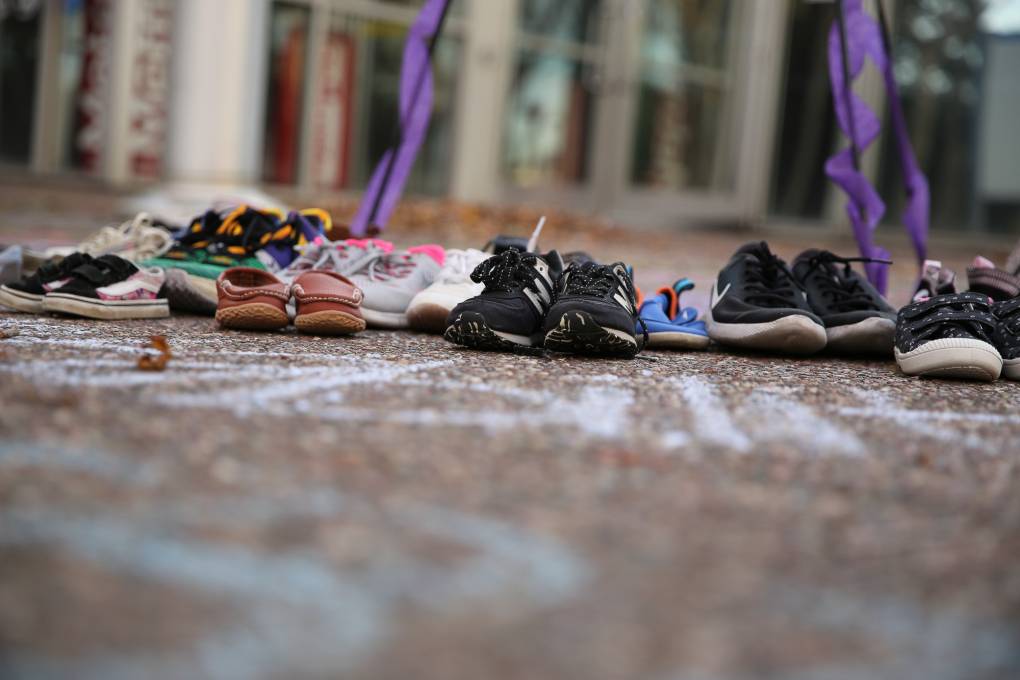
"caption": "Children's shoes on Tuesday, Jan. 14, 2025. A new state report says delays and gaps in investigations by Alameda County’s child welfare agency leave children at risk.\r\n",
"credit": "Joseph Geha/KQED",
"altTag": null,
"description": null,
"imgSizes": {
"medium": {
"file": "https://cdn.kqed.org/wp-content/uploads/sites/10/2025/01/240114-SCCDCFS-JG-2-800x533.jpg",
"width": 800,
"height": 533,
"mimeType": "image/jpeg"
},
"large": {
"file": "https://cdn.kqed.org/wp-content/uploads/sites/10/2025/01/240114-SCCDCFS-JG-2-1020x680.jpg",
"width": 1020,
"height": 680,
"mimeType": "image/jpeg"
},
"thumbnail": {
"file": "https://cdn.kqed.org/wp-content/uploads/sites/10/2025/01/240114-SCCDCFS-JG-2-160x107.jpg",
"width": 160,
"height": 107,
"mimeType": "image/jpeg"
},
"1536x1536": {
"file": "https://cdn.kqed.org/wp-content/uploads/sites/10/2025/01/240114-SCCDCFS-JG-2-1536x1024.jpg",
"width": 1536,
"height": 1024,
"mimeType": "image/jpeg"
},
"post-thumbnail": {
"file": "https://cdn.kqed.org/wp-content/uploads/sites/10/2025/01/240114-SCCDCFS-JG-2-672x372.jpg",
"width": 672,
"height": 372,
"mimeType": "image/jpeg"
},
"twentyfourteen-full-width": {
"file": "https://cdn.kqed.org/wp-content/uploads/sites/10/2025/01/240114-SCCDCFS-JG-2-1038x576.jpg",
"width": 1038,
"height": 576,
"mimeType": "image/jpeg"
},
"full-width": {
"file": "https://cdn.kqed.org/wp-content/uploads/sites/10/2025/01/240114-SCCDCFS-JG-2-1920x1280.jpg",
"width": 1920,
"height": 1280,
"mimeType": "image/jpeg"
},
"kqedFullSize": {
"file": "https://cdn.kqed.org/wp-content/uploads/sites/10/2025/01/240114-SCCDCFS-JG-2.jpg",
"width": 2000,
"height": 1333
}
},
"isLoading": false,
"fetchFailed": false
},
"news_12045494": {
"type": "attachments",
"id": "news_12045494",
"meta": {
"index": "attachments_1716263798",
"site": "news",
"id": "12045494",
"found": true
},
"title": "250620-TENDERLOIN INSTANT CAMERAS-48-KQED",
"publishDate": 1750681706,
"status": "inherit",
"parent": 12054193,
"modified": 1757026807,
"caption": "(Mohammed Haidar Khaled)",
"credit": null,
"altTag": null,
"description": null,
"imgSizes": {
"thumbnail": {
"file": "https://cdn.kqed.org/wp-content/uploads/sites/10/2025/06/250620-TENDERLOIN-INSTANT-CAMERAS-48-KQED-160x106.jpg",
"width": 160,
"height": 106,
"mimeType": "image/jpeg"
},
"1536x1536": {
"file": "https://cdn.kqed.org/wp-content/uploads/sites/10/2025/06/250620-TENDERLOIN-INSTANT-CAMERAS-48-KQED-1536x1018.jpg",
"width": 1536,
"height": 1018,
"mimeType": "image/jpeg"
},
"post-thumbnail": {
"file": "https://cdn.kqed.org/wp-content/uploads/sites/10/2025/06/250620-TENDERLOIN-INSTANT-CAMERAS-48-KQED-672x372.jpg",
"width": 672,
"height": 372,
"mimeType": "image/jpeg"
},
"twentyfourteen-full-width": {
"file": "https://cdn.kqed.org/wp-content/uploads/sites/10/2025/06/250620-TENDERLOIN-INSTANT-CAMERAS-48-KQED-1038x576.jpg",
"width": 1038,
"height": 576,
"mimeType": "image/jpeg"
},
"kqedFullSize": {
"file": "https://cdn.kqed.org/wp-content/uploads/sites/10/2025/06/250620-TENDERLOIN-INSTANT-CAMERAS-48-KQED.jpg",
"width": 2000,
"height": 1326
}
},
"isLoading": false,
"fetchFailed": false
},
"news_12055839": {
"type": "attachments",
"id": "news_12055839",
"meta": {
"index": "attachments_1716263798",
"site": "news",
"id": "12055839",
"found": true
},
"title": "250912-FREE BOOKS FROM DOLLY PARTON-MD-08-KQED-1",
"publishDate": 1757717558,
"status": "inherit",
"parent": 0,
"modified": 1757717569,
"caption": "Mayor Daniel Lurie reads a children's book to a group of children at the Main Library in San Francisco at an event celebrating a new partnership between city officials and Dolly Parton’s Imagination Library on Sept. 12, 2025.",
"credit": "Martin do Nascimento/KQED",
"altTag": null,
"description": null,
"imgSizes": {
"thumbnail": {
"file": "https://cdn.kqed.org/wp-content/uploads/sites/10/2025/09/250912-FREE-BOOKS-FROM-DOLLY-PARTON-MD-08-KQED-1-160x107.jpg",
"width": 160,
"height": 107,
"mimeType": "image/jpeg"
},
"1536x1536": {
"file": "https://cdn.kqed.org/wp-content/uploads/sites/10/2025/09/250912-FREE-BOOKS-FROM-DOLLY-PARTON-MD-08-KQED-1-1536x1025.jpg",
"width": 1536,
"height": 1025,
"mimeType": "image/jpeg"
},
"post-thumbnail": {
"file": "https://cdn.kqed.org/wp-content/uploads/sites/10/2025/09/250912-FREE-BOOKS-FROM-DOLLY-PARTON-MD-08-KQED-1-672x372.jpg",
"width": 672,
"height": 372,
"mimeType": "image/jpeg"
},
"twentyfourteen-full-width": {
"file": "https://cdn.kqed.org/wp-content/uploads/sites/10/2025/09/250912-FREE-BOOKS-FROM-DOLLY-PARTON-MD-08-KQED-1-1038x576.jpg",
"width": 1038,
"height": 576,
"mimeType": "image/jpeg"
},
"kqedFullSize": {
"file": "https://cdn.kqed.org/wp-content/uploads/sites/10/2025/09/250912-FREE-BOOKS-FROM-DOLLY-PARTON-MD-08-KQED-1.jpg",
"width": 2000,
"height": 1334
}
},
"isLoading": false,
"fetchFailed": false
},
"news_12045496": {
"type": "attachments",
"id": "news_12045496",
"meta": {
"index": "attachments_1716263798",
"site": "news",
"id": "12045496",
"found": true
},
"title": "250620-TENDERLOIN INSTANT CAMERAS-50-KQED",
"publishDate": 1750681714,
"status": "inherit",
"parent": 0,
"modified": 1756489111,
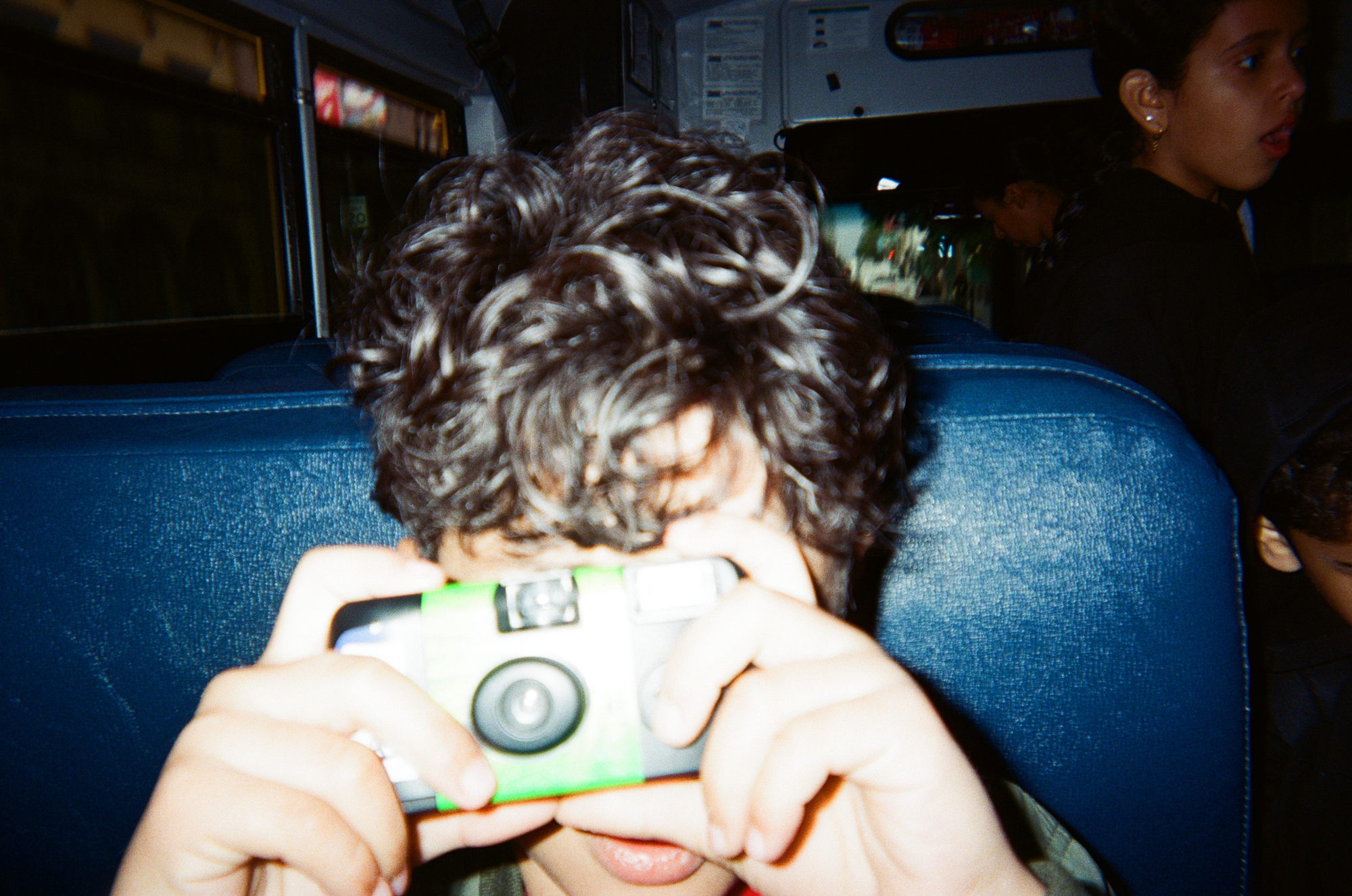
"caption": "In an effort to present a different perspective on the San Francisco's Tenderloin neighborhood, KQED collaborated with 826 Valencia, Tenderloin Center to invite 28 students from grades two to five to document their lives using disposable cameras.",
"credit": "Mohammed Haidar Khaled",
"altTag": null,
"description": null,
"imgSizes": {
"thumbnail": {
"file": "https://cdn.kqed.org/wp-content/uploads/sites/10/2025/06/250620-TENDERLOIN-INSTANT-CAMERAS-50-KQED-160x106.jpg",
"width": 160,
"height": 106,
"mimeType": "image/jpeg"
},
"1536x1536": {
"file": "https://cdn.kqed.org/wp-content/uploads/sites/10/2025/06/250620-TENDERLOIN-INSTANT-CAMERAS-50-KQED-1536x1018.jpg",
"width": 1536,
"height": 1018,
"mimeType": "image/jpeg"
},
"post-thumbnail": {
"file": "https://cdn.kqed.org/wp-content/uploads/sites/10/2025/06/250620-TENDERLOIN-INSTANT-CAMERAS-50-KQED-672x372.jpg",
"width": 672,
"height": 372,
"mimeType": "image/jpeg"
},
"twentyfourteen-full-width": {
"file": "https://cdn.kqed.org/wp-content/uploads/sites/10/2025/06/250620-TENDERLOIN-INSTANT-CAMERAS-50-KQED-1038x576.jpg",
"width": 1038,
"height": 576,
"mimeType": "image/jpeg"
},
"kqedFullSize": {
"file": "https://cdn.kqed.org/wp-content/uploads/sites/10/2025/06/250620-TENDERLOIN-INSTANT-CAMERAS-50-KQED.jpg",
"width": 2000,
"height": 1326
}
},
"isLoading": false,
"fetchFailed": false
},
"news_12054023": {
"type": "attachments",
"id": "news_12054023",
"meta": {
"index": "attachments_1716263798",
"site": "news",
"id": "12054023",
"found": true
},
"title": "250827-CLIMATERESILIENTCHILDCARECENTER-04-BL-KQED",
"publishDate": 1756338810,
"status": "inherit",
"parent": 0,
"modified": 1756338960,
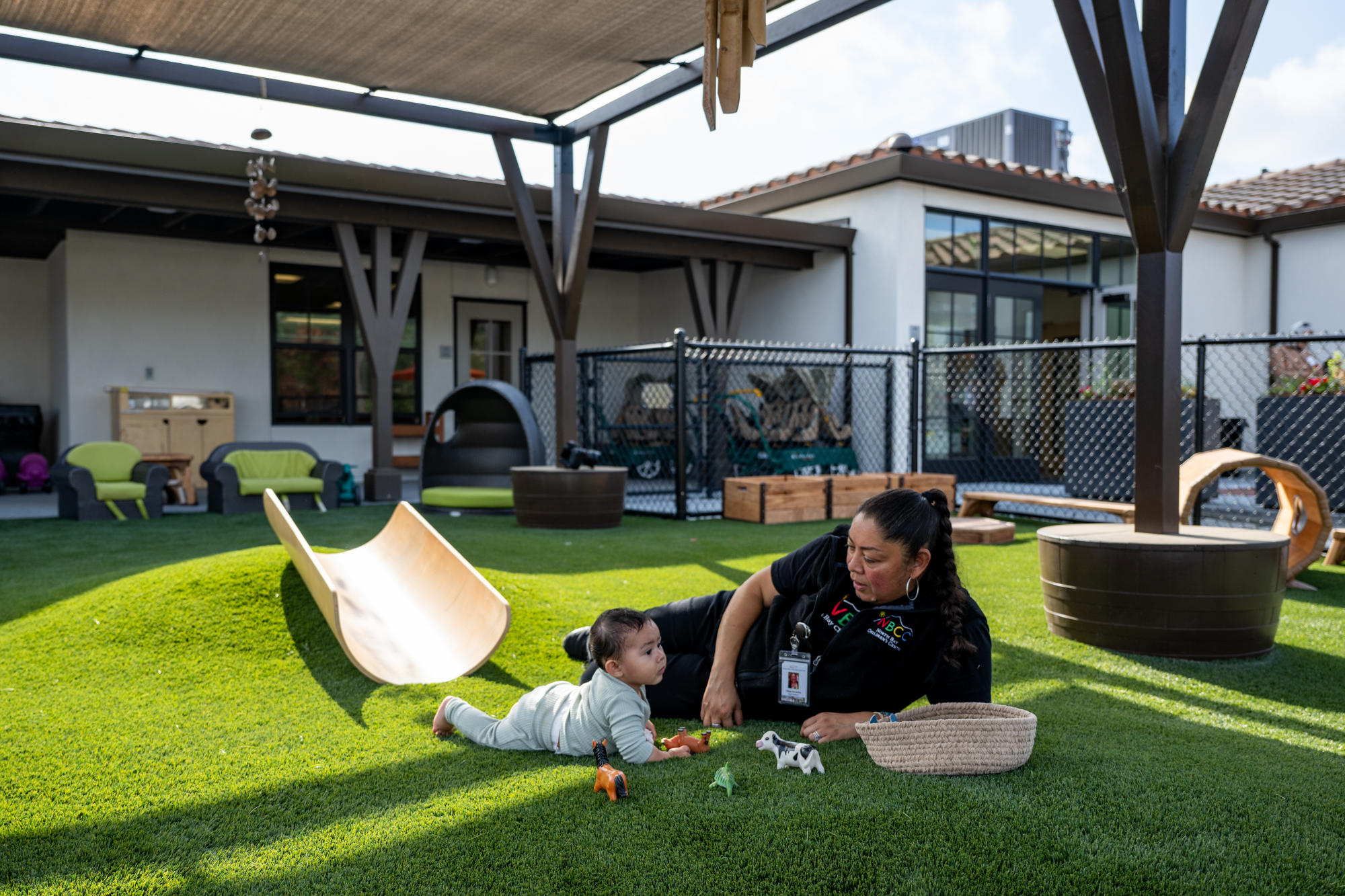
"caption": "Laly Cervantes, master head teacher for infant programs at the North Bay Children’s Center, works with young children at the Novato location on Aug. 27, 2025.",
"credit": "Beth LaBerge/KQED",
"altTag": null,
"description": null,
"imgSizes": {
"thumbnail": {
"file": "https://cdn.kqed.org/wp-content/uploads/sites/10/2025/08/250827-CLIMATERESILIENTCHILDCARECENTER-04-BL-KQED-160x107.jpg",
"width": 160,
"height": 107,
"mimeType": "image/jpeg"
},
"1536x1536": {
"file": "https://cdn.kqed.org/wp-content/uploads/sites/10/2025/08/250827-CLIMATERESILIENTCHILDCARECENTER-04-BL-KQED-1536x1024.jpg",
"width": 1536,
"height": 1024,
"mimeType": "image/jpeg"
},
"post-thumbnail": {
"file": "https://cdn.kqed.org/wp-content/uploads/sites/10/2025/08/250827-CLIMATERESILIENTCHILDCARECENTER-04-BL-KQED-672x372.jpg",
"width": 672,
"height": 372,
"mimeType": "image/jpeg"
},
"twentyfourteen-full-width": {
"file": "https://cdn.kqed.org/wp-content/uploads/sites/10/2025/08/250827-CLIMATERESILIENTCHILDCARECENTER-04-BL-KQED-1038x576.jpg",
"width": 1038,
"height": 576,
"mimeType": "image/jpeg"
},
"kqedFullSize": {
"file": "https://cdn.kqed.org/wp-content/uploads/sites/10/2025/08/250827-CLIMATERESILIENTCHILDCARECENTER-04-BL-KQED.jpg",
"width": 2000,
"height": 1333
}
},
"isLoading": false,
"fetchFailed": false
},
"news_12052484": {
"type": "attachments",
"id": "news_12052484",
"meta": {
"index": "attachments_1716263798",
"site": "news",
"id": "12052484",
"found": true
},
"title": "240520-TKParentsDilemma-32-BL_qed",
"publishDate": 1755299415,
"status": "inherit",
"parent": 0,
"modified": 1755299436,
"caption": "Galilea (right), 5, reads alongside classmates in a transitional kindergarten class at Holbrook Language Academy in Concord on May 20, 2024.",
"credit": "Beth LaBerge/KQED",
"altTag": null,
"description": null,
"imgSizes": {
"thumbnail": {
"file": "https://cdn.kqed.org/wp-content/uploads/sites/10/2025/08/240520-TKParentsDilemma-32-BL_qed-160x107.jpg",
"width": 160,
"height": 107,
"mimeType": "image/jpeg"
},
"1536x1536": {
"file": "https://cdn.kqed.org/wp-content/uploads/sites/10/2025/08/240520-TKParentsDilemma-32-BL_qed-1536x1024.jpg",
"width": 1536,
"height": 1024,
"mimeType": "image/jpeg"
},
"post-thumbnail": {
"file": "https://cdn.kqed.org/wp-content/uploads/sites/10/2025/08/240520-TKParentsDilemma-32-BL_qed-672x372.jpg",
"width": 672,
"height": 372,
"mimeType": "image/jpeg"
},
"twentyfourteen-full-width": {
"file": "https://cdn.kqed.org/wp-content/uploads/sites/10/2025/08/240520-TKParentsDilemma-32-BL_qed-1038x576.jpg",
"width": 1038,
"height": 576,
"mimeType": "image/jpeg"
},
"kqedFullSize": {
"file": "https://cdn.kqed.org/wp-content/uploads/sites/10/2025/08/240520-TKParentsDilemma-32-BL_qed.jpg",
"width": 2000,
"height": 1333
}
},
"isLoading": false,
"fetchFailed": false
},
"news_12051204": {
"type": "attachments",
"id": "news_12051204",
"meta": {
"index": "attachments_1716263798",
"site": "news",
"id": "12051204",
"found": true
},
"title": "250806-PALESTINIANCHILDREN-05-KQED",
"publishDate": 1754524592,
"status": "inherit",
"parent": 0,
"modified": 1754524683,
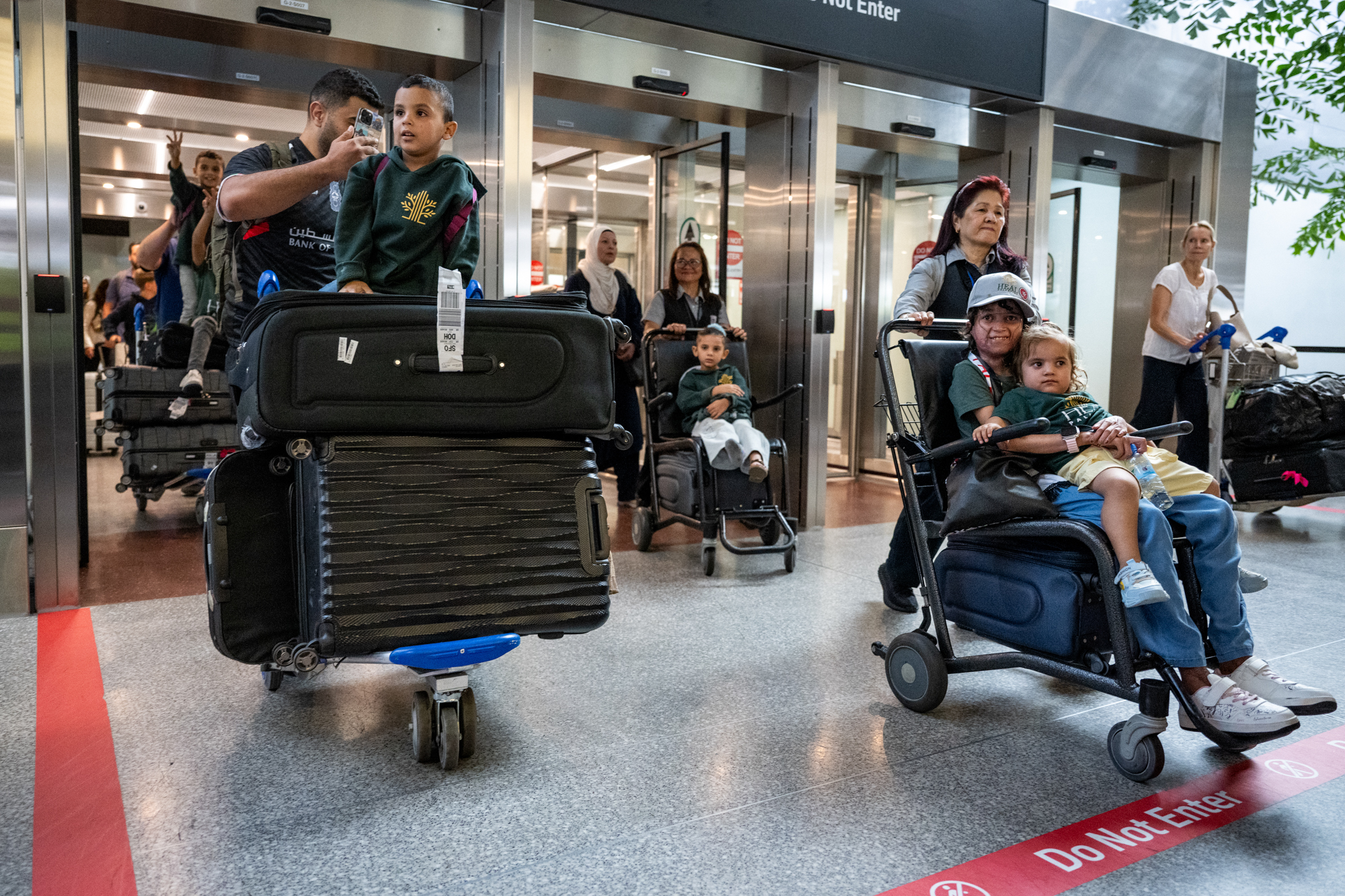
"caption": "Injured Palestinian children from Gaza arrive at San Francisco International Airport on Aug. 6, 2025, to begin lifesaving medical care, in an effort led by the humanitarian nonprofit HEAL Palestine.",
"credit": "Beth LaBerge/KQED",
"altTag": null,
"description": null,
"imgSizes": {
"thumbnail": {
"file": "https://cdn.kqed.org/wp-content/uploads/sites/10/2025/08/250806-PALESTINIANCHILDREN-05-KQED-160x107.jpg",
"width": 160,
"height": 107,
"mimeType": "image/jpeg"
},
"kqedFullSize": {
"file": "https://cdn.kqed.org/wp-content/uploads/sites/10/2025/08/250806-PALESTINIANCHILDREN-05-KQED.jpg",
"width": 2000,
"height": 1333
}
},
"isLoading": false,
"fetchFailed": false
},
"news_12050041": {
"type": "attachments",
"id": "news_12050041",
"meta": {
"index": "attachments_1716263798",
"site": "news",
"id": "12050041",
"found": true
},
"title": "Planes at San Francisco International Airport (SFO)",
"publishDate": 1753737069,
"status": "inherit",
"parent": 12050036,
"modified": 1753737789,
"caption": "A Delta Airlines plane lands at San Francisco International Airport (SFO) in San Francisco, California, on July 24, 2025. ",
"credit": "Tayfun Coskun/Anadolu via Getty Images",
"altTag": null,
"description": null,
"imgSizes": {
"thumbnail": {
"file": "https://cdn.kqed.org/wp-content/uploads/sites/10/2025/07/DeltaSFOGetty-160x107.jpg",
"width": 160,
"height": 107,
"mimeType": "image/jpeg"
},
"1536x1536": {
"file": "https://cdn.kqed.org/wp-content/uploads/sites/10/2025/07/DeltaSFOGetty-1536x1023.jpg",
"width": 1536,
"height": 1023,
"mimeType": "image/jpeg"
},
"post-thumbnail": {
"file": "https://cdn.kqed.org/wp-content/uploads/sites/10/2025/07/DeltaSFOGetty-672x372.jpg",
"width": 672,
"height": 372,
"mimeType": "image/jpeg"
},
"twentyfourteen-full-width": {
"file": "https://cdn.kqed.org/wp-content/uploads/sites/10/2025/07/DeltaSFOGetty-1038x576.jpg",
"width": 1038,
"height": 576,
"mimeType": "image/jpeg"
},
"kqedFullSize": {
"file": "https://cdn.kqed.org/wp-content/uploads/sites/10/2025/07/DeltaSFOGetty.jpg",
"width": 2000,
"height": 1332
}
},
"isLoading": false,
"fetchFailed": false
},
"news_12049539": {
"type": "attachments",
"id": "news_12049539",
"meta": {
"index": "attachments_1716263798",
"site": "news",
"id": "12049539",
"found": true
},
"title": "250723-SHELTERFAMILIES-05-BL-KQED",
"publishDate": 1753377367,
"status": "inherit",
"parent": 0,
"modified": 1753377375,
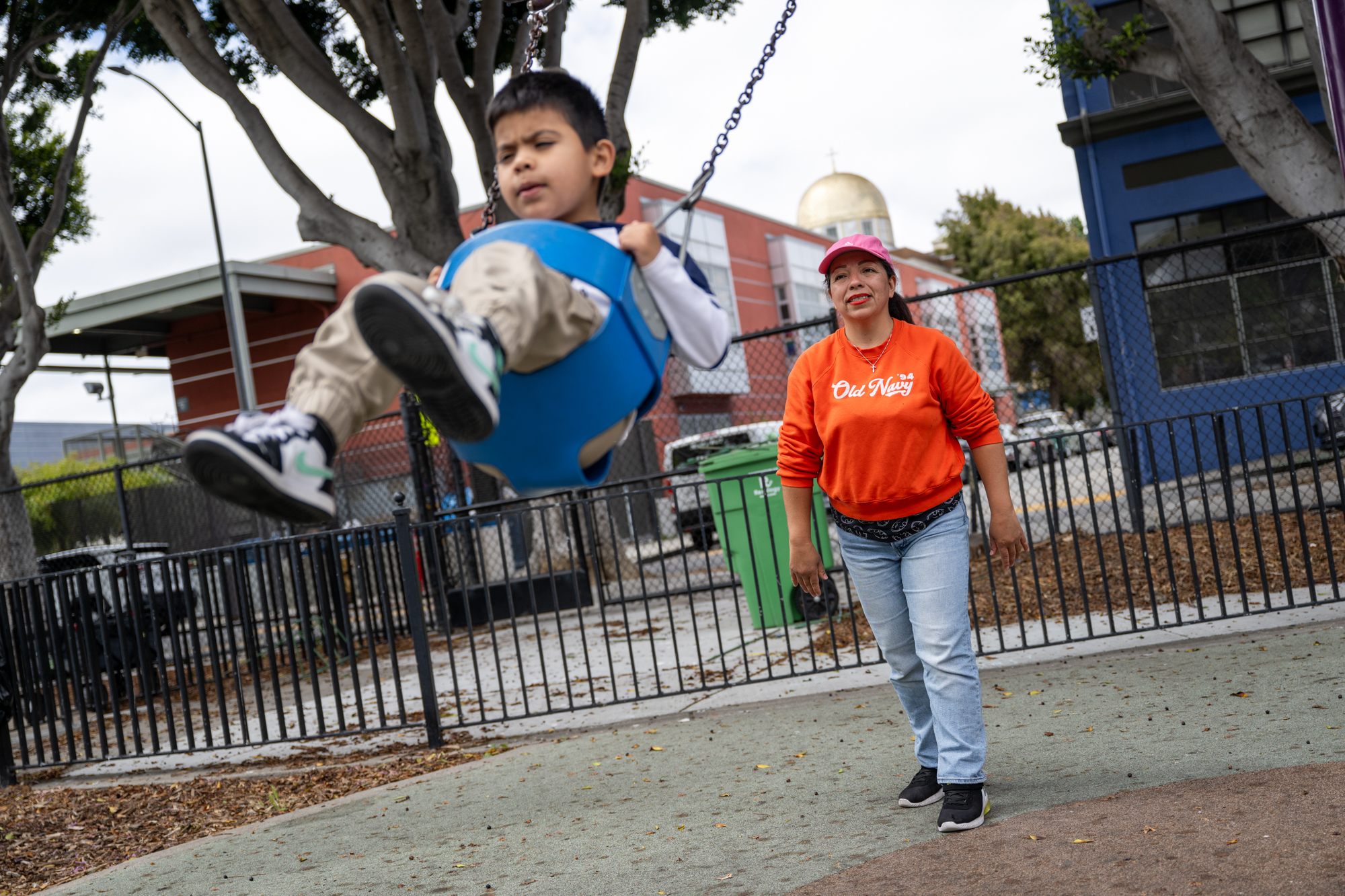
"caption": "Maritza Salinas pushes her son, Matthew, 6, on a swing at a playground in San Francisco on July 22, 2025.",
"credit": "Beth LaBerge/KQED",
"altTag": null,
"description": null,
"imgSizes": {
"thumbnail": {
"file": "https://cdn.kqed.org/wp-content/uploads/sites/10/2025/07/250723-SHELTERFAMILIES-05-BL-KQED-160x107.jpg",
"width": 160,
"height": 107,
"mimeType": "image/jpeg"
},
"1536x1536": {
"file": "https://cdn.kqed.org/wp-content/uploads/sites/10/2025/07/250723-SHELTERFAMILIES-05-BL-KQED-1536x1024.jpg",
"width": 1536,
"height": 1024,
"mimeType": "image/jpeg"
},
"post-thumbnail": {
"file": "https://cdn.kqed.org/wp-content/uploads/sites/10/2025/07/250723-SHELTERFAMILIES-05-BL-KQED-672x372.jpg",
"width": 672,
"height": 372,
"mimeType": "image/jpeg"
},
"twentyfourteen-full-width": {
"file": "https://cdn.kqed.org/wp-content/uploads/sites/10/2025/07/250723-SHELTERFAMILIES-05-BL-KQED-1038x576.jpg",
"width": 1038,
"height": 576,
"mimeType": "image/jpeg"
},
"kqedFullSize": {
"file": "https://cdn.kqed.org/wp-content/uploads/sites/10/2025/07/250723-SHELTERFAMILIES-05-BL-KQED.jpg",
"width": 2000,
"height": 1333
}
},
"isLoading": false,
"fetchFailed": false
},
"news_12049328": {
"type": "attachments",
"id": "news_12049328",
"meta": {
"index": "attachments_1716263798",
"site": "news",
"id": "12049328",
"found": true
},
"title": "240610-HomelessFamilies-12-BL_qed",
"publishDate": 1753290695,
"status": "inherit",
"parent": 12049323,
"modified": 1753290712,
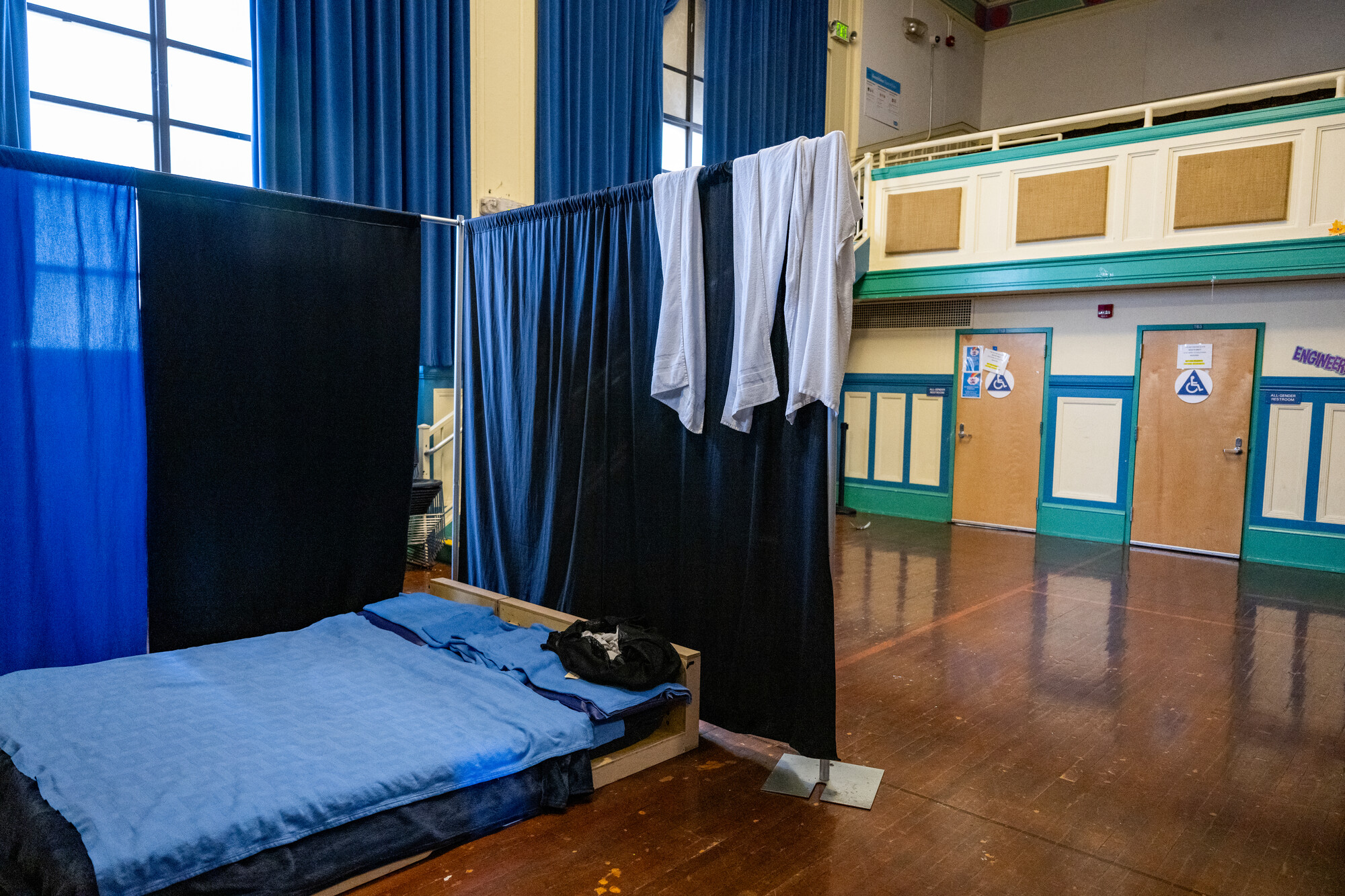
"caption": "Shelter beds are set up in an auditorium at Buena Vista Horace Mann Community School on June 10, 2024, which operates as one of San Francisco's largest homeless shelters. The nonprofit Dolores Street Community Services runs the shelter after hours and during the summer when school is not in session for San Francisco Unified School District students and their families.",
"credit": "Beth LaBerge/KQED",
"altTag": null,
"description": null,
"imgSizes": {
"thumbnail": {
"file": "https://cdn.kqed.org/wp-content/uploads/sites/10/2025/07/240610-HomelessFamilies-12-BL_qed-160x107.jpg",
"width": 160,
"height": 107,
"mimeType": "image/jpeg"
},
"1536x1536": {
"file": "https://cdn.kqed.org/wp-content/uploads/sites/10/2025/07/240610-HomelessFamilies-12-BL_qed-1536x1024.jpg",
"width": 1536,
"height": 1024,
"mimeType": "image/jpeg"
},
"post-thumbnail": {
"file": "https://cdn.kqed.org/wp-content/uploads/sites/10/2025/07/240610-HomelessFamilies-12-BL_qed-672x372.jpg",
"width": 672,
"height": 372,
"mimeType": "image/jpeg"
},
"twentyfourteen-full-width": {
"file": "https://cdn.kqed.org/wp-content/uploads/sites/10/2025/07/240610-HomelessFamilies-12-BL_qed-1038x576.jpg",
"width": 1038,
"height": 576,
"mimeType": "image/jpeg"
},
"kqedFullSize": {
"file": "https://cdn.kqed.org/wp-content/uploads/sites/10/2025/07/240610-HomelessFamilies-12-BL_qed.jpg",
"width": 2000,
"height": 1333
}
},
"isLoading": false,
"fetchFailed": false
},
"news_12045063": {
"type": "attachments",
"id": "news_12045063",
"meta": {
"index": "attachments_1716263798",
"site": "news",
"id": "12045063",
"found": true
},
"title": "things-to-do-with-kids-bay-area",
"publishDate": 1750347778,
"status": "inherit",
"parent": 12045055,
"modified": 1750452471,
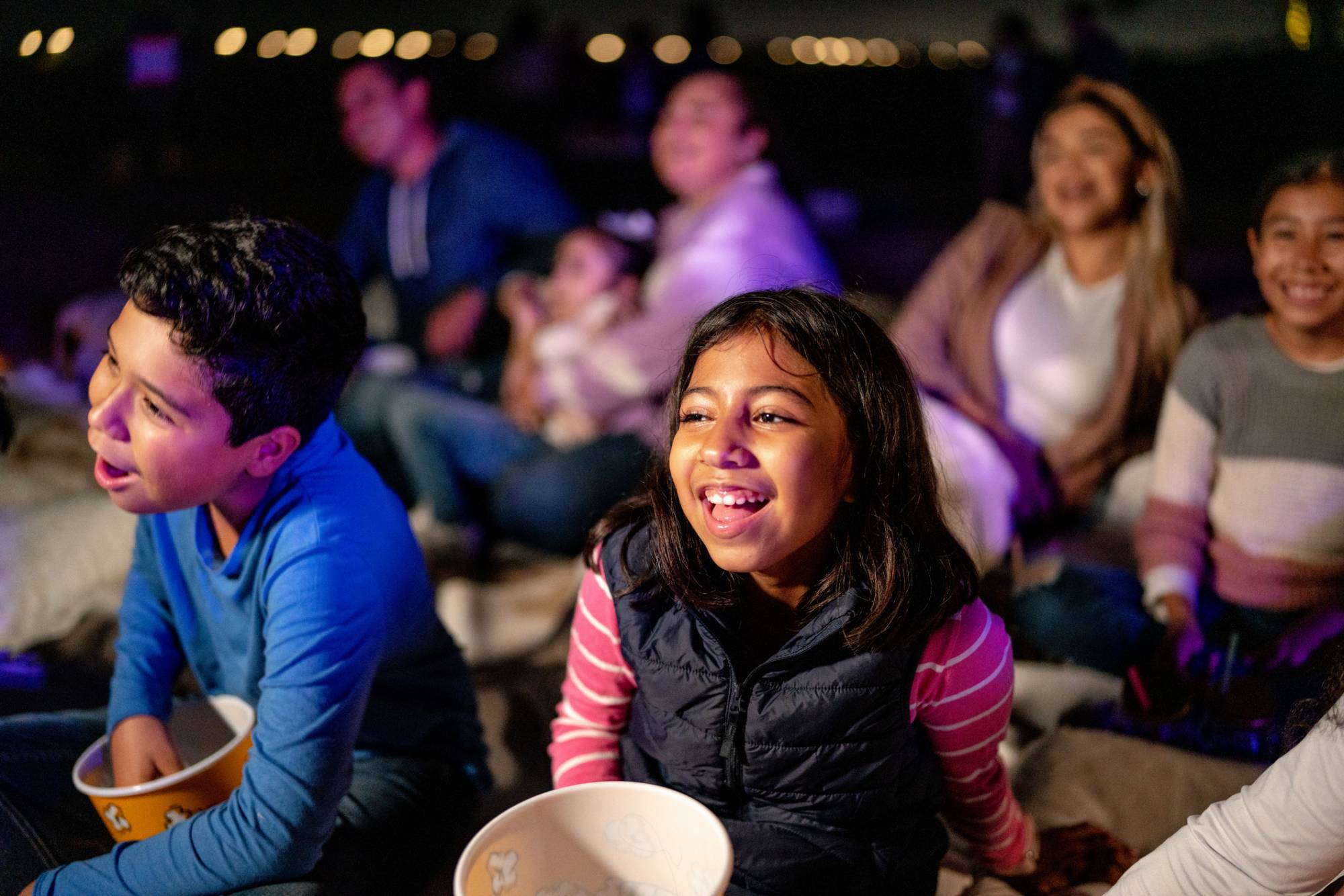
"caption": "This summer the Bay Area will be spoiled for options when it comes to outdoor movie screenings for the kids. ",
"credit": "iStock/Getty Images Plus",
"altTag": null,
"description": null,
"imgSizes": {
"medium": {
"file": "https://cdn.kqed.org/wp-content/uploads/sites/10/2025/06/GettyImages-1450590312-2000x1334.jpg",
"width": 2000,
"height": 1334,
"mimeType": "image/jpeg"
},
"large": {
"file": "https://cdn.kqed.org/wp-content/uploads/sites/10/2025/06/GettyImages-1450590312-2000x1334.jpg",
"width": 2000,
"height": 1334,
"mimeType": "image/jpeg"
},
"thumbnail": {
"file": "https://cdn.kqed.org/wp-content/uploads/sites/10/2025/06/GettyImages-1450590312-160x107.jpg",
"width": 160,
"height": 107,
"mimeType": "image/jpeg"
},
"1536x1536": {
"file": "https://cdn.kqed.org/wp-content/uploads/sites/10/2025/06/GettyImages-1450590312-1536x1024.jpg",
"width": 1536,
"height": 1024,
"mimeType": "image/jpeg"
},
"2048x2048": {
"file": "https://cdn.kqed.org/wp-content/uploads/sites/10/2025/06/GettyImages-1450590312-2048x1366.jpg",
"width": 2048,
"height": 1366,
"mimeType": "image/jpeg"
},
"post-thumbnail": {
"file": "https://cdn.kqed.org/wp-content/uploads/sites/10/2025/06/GettyImages-1450590312-672x372.jpg",
"width": 672,
"height": 372,
"mimeType": "image/jpeg"
},
"twentyfourteen-full-width": {
"file": "https://cdn.kqed.org/wp-content/uploads/sites/10/2025/06/GettyImages-1450590312-1038x576.jpg",
"width": 1038,
"height": 576,
"mimeType": "image/jpeg"
},
"full-width": {
"file": "https://cdn.kqed.org/wp-content/uploads/sites/10/2025/06/GettyImages-1450590312-2000x1334.jpg",
"width": 2000,
"height": 1334,
"mimeType": "image/jpeg"
},
"kqedFullSize": {
"file": "https://cdn.kqed.org/wp-content/uploads/sites/10/2025/06/GettyImages-1450590312.jpg",
"width": 2120,
"height": 1414
}
},
"isLoading": false,
"fetchFailed": false
},
"news_12041523": {
"type": "attachments",
"id": "news_12041523",
"meta": {
"index": "attachments_1716263798",
"site": "news",
"id": "12041523",
"found": true
},
"title": "SFPlayground1",
"publishDate": 1748035531,
"status": "inherit",
"parent": 12041470,
"modified": 1748036173,
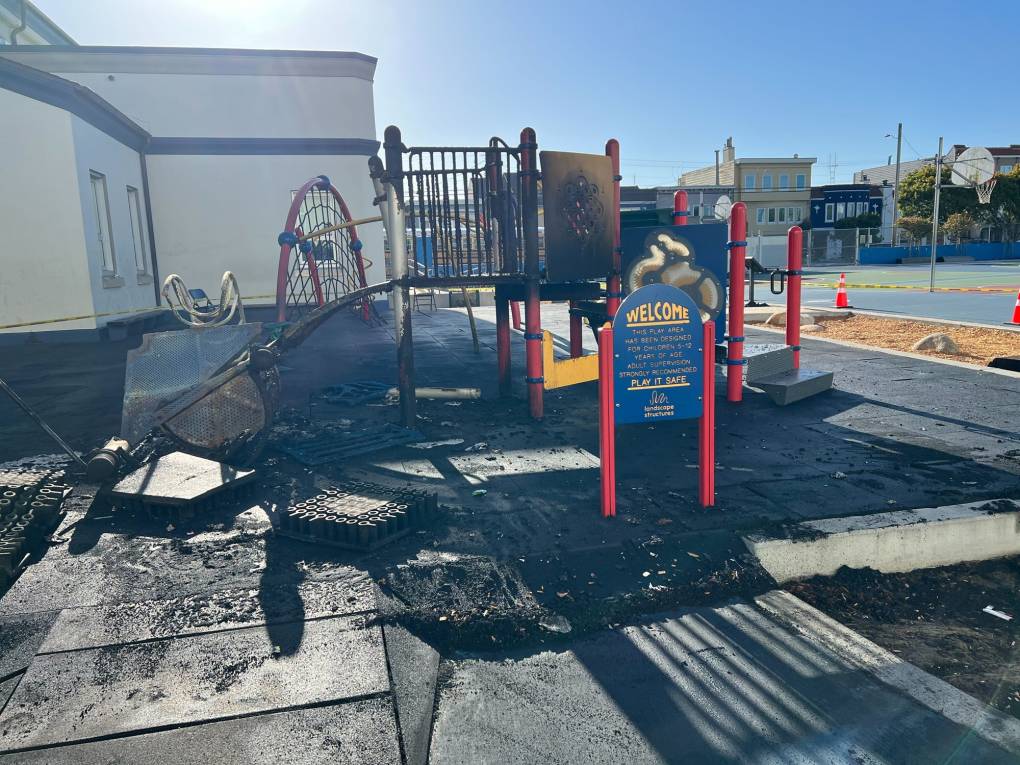
"caption": "Charred remains of the playground at Lafayette Elementary School in San Francisco, one of two westside playgrounds — along with Lincoln Park — destroyed in a string of four fires this month. Authorities are investigating the cause.",
"credit": "Courtesy of Hallie Albert",
"altTag": null,
"description": null,
"imgSizes": {
"medium": {
"file": "https://cdn.kqed.org/wp-content/uploads/sites/10/2025/05/SFPlayground1-800x600.jpg",
"width": 800,
"height": 600,
"mimeType": "image/jpeg"
},
"large": {
"file": "https://cdn.kqed.org/wp-content/uploads/sites/10/2025/05/SFPlayground1-1020x765.jpg",
"width": 1020,
"height": 765,
"mimeType": "image/jpeg"
},
"thumbnail": {
"file": "https://cdn.kqed.org/wp-content/uploads/sites/10/2025/05/SFPlayground1-160x120.jpg",
"width": 160,
"height": 120,
"mimeType": "image/jpeg"
},
"1536x1536": {
"file": "https://cdn.kqed.org/wp-content/uploads/sites/10/2025/05/SFPlayground1-1536x1152.jpg",
"width": 1536,
"height": 1152,
"mimeType": "image/jpeg"
},
"post-thumbnail": {
"file": "https://cdn.kqed.org/wp-content/uploads/sites/10/2025/05/SFPlayground1-672x372.jpg",
"width": 672,
"height": 372,
"mimeType": "image/jpeg"
},
"twentyfourteen-full-width": {
"file": "https://cdn.kqed.org/wp-content/uploads/sites/10/2025/05/SFPlayground1-1038x576.jpg",
"width": 1038,
"height": 576,
"mimeType": "image/jpeg"
},
"full-width": {
"file": "https://cdn.kqed.org/wp-content/uploads/sites/10/2025/05/SFPlayground1-1920x1440.jpg",
"width": 1920,
"height": 1440,
"mimeType": "image/jpeg"
},
"kqedFullSize": {
"file": "https://cdn.kqed.org/wp-content/uploads/sites/10/2025/05/SFPlayground1.jpg",
"width": 2000,
"height": 1500
}
},
"isLoading": false,
"fetchFailed": false
}
},
"audioPlayerReducer": {
"postId": "stream_live",
"isPaused": true,
"isPlaying": false,
"pfsActive": false,
"pledgeModalIsOpen": true,
"playerDrawerIsOpen": false,
"liveAudioPlayStartedAt": 0,
"liveAudioPlayContext": ""
},
"authorsReducer": {
"byline_news_12054193": {
"type": "authors",
"id": "byline_news_12054193",
"meta": {
"override": true
},
"slug": "byline_news_12054193",
"name": "Cami Dominguez",
"isLoading": false
},
"carlysevern": {
"type": "authors",
"id": "3243",
"meta": {
"index": "authors_1716337520",
"id": "3243",
"found": true
},
"name": "Carly Severn",
"firstName": "Carly",
"lastName": "Severn",
"slug": "carlysevern",
"email": "csevern@kqed.org",
"display_author_email": false,
"staff_mastheads": [
"news"
],
"title": "Senior Editor, Audience News ",
"bio": "Carly is KQED's Senior Editor of Audience News on the Digital News team, and has reported for the California Report Magazine, Bay Curious and KQED Arts. She's formerly the host of \u003ca href=\"http://ww2.kqed.org/pop/category/the-cooler/\" rel=\"noopener noreferrer\">The Cooler\u003c/a> podcast.",
"avatar": "https://secure.gravatar.com/avatar/54037bf5c128fe678f0ef26cec97a93f2e7f220a22d7285703328f12c42c1b1d?s=600&d=blank&r=g",
"twitter": "teacupinthebay",
"bluesky": null,
"facebook": null,
"instagram": null,
"linkedin": null,
"sites": [
{
"site": "",
"roles": [
"editor"
]
},
{
"site": "arts",
"roles": [
"editor"
]
},
{
"site": "news",
"roles": [
"administrator"
]
},
{
"site": "pop",
"roles": [
"editor"
]
},
{
"site": "futureofyou",
"roles": [
"editor"
]
},
{
"site": "about",
"roles": [
"administrator"
]
},
{
"site": "mindshift",
"roles": [
"editor"
]
},
{
"site": "bayareabites",
"roles": [
"editor"
]
},
{
"site": "stateofhealth",
"roles": [
"editor"
]
},
{
"site": "science",
"roles": [
"editor"
]
},
{
"site": "food",
"roles": [
"contributor"
]
},
{
"site": "forum",
"roles": [
"editor"
]
},
{
"site": "perspectives",
"roles": [
"administrator"
]
},
{
"site": "liveblog",
"roles": [
"editor"
]
}
],
"headData": {
"title": "Carly Severn | KQED",
"description": "Senior Editor, Audience News ",
"ogImgSrc": "https://secure.gravatar.com/avatar/54037bf5c128fe678f0ef26cec97a93f2e7f220a22d7285703328f12c42c1b1d?s=600&d=blank&r=g",
"twImgSrc": "https://secure.gravatar.com/avatar/54037bf5c128fe678f0ef26cec97a93f2e7f220a22d7285703328f12c42c1b1d?s=600&d=blank&r=g"
},
"isLoading": false,
"link": "/author/carlysevern"
},
"ecruzguevarra": {
"type": "authors",
"id": "8654",
"meta": {
"index": "authors_1716337520",
"id": "8654",
"found": true
},
"name": "Ericka Cruz Guevarra",
"firstName": "Ericka",
"lastName": "Cruz Guevarra",
"slug": "ecruzguevarra",
"email": "ecruzguevarra@kqed.org",
"display_author_email": true,
"staff_mastheads": [
"news"
],
"title": "Producer, The Bay Podcast",
"bio": "Ericka Cruz Guevarra is host of \u003ca href=\"https://www.kqed.org/podcasts/thebay\">\u003cem>The Bay\u003c/em>\u003c/a> podcast at KQED. Before host, she was the show’s producer. Her work in that capacity includes a three-part reported series on policing in Vallejo, which won a 2020 excellence in journalism award from the Society of Professional Journalists. Ericka has worked as a breaking news reporter at Oregon Public Broadcasting, helped produce the Code Switch podcast, and was KQED’s inaugural Raul Ramirez Diversity Fund intern. She’s also an alumna of NPR’s Next Generation Radio program. Send her an email if you have strong feelings about whether Fairfield and Suisun City are the Bay. Ericka is represented by SAG-AFTRA.",
"avatar": "https://secure.gravatar.com/avatar/accefc1de4bafc7e234b69bcb9b6f6536c130fd84709bc3069ef11a78787e1bb?s=600&d=blank&r=g",
"twitter": "NotoriousECG",
"bluesky": null,
"facebook": null,
"instagram": null,
"linkedin": null,
"sites": [
{
"site": "arts",
"roles": [
"subscriber"
]
},
{
"site": "news",
"roles": [
"editor",
"manage_categories"
]
},
{
"site": "futureofyou",
"roles": [
"subscriber"
]
},
{
"site": "stateofhealth",
"roles": [
"subscriber"
]
},
{
"site": "science",
"roles": [
"editor"
]
},
{
"site": "forum",
"roles": [
"subscriber"
]
}
],
"headData": {
"title": "Ericka Cruz Guevarra | KQED",
"description": "Producer, The Bay Podcast",
"ogImgSrc": "https://secure.gravatar.com/avatar/accefc1de4bafc7e234b69bcb9b6f6536c130fd84709bc3069ef11a78787e1bb?s=600&d=blank&r=g",
"twImgSrc": "https://secure.gravatar.com/avatar/accefc1de4bafc7e234b69bcb9b6f6536c130fd84709bc3069ef11a78787e1bb?s=600&d=blank&r=g"
},
"isLoading": false,
"link": "/author/ecruzguevarra"
},
"amontecillo": {
"type": "authors",
"id": "11649",
"meta": {
"index": "authors_1716337520",
"id": "11649",
"found": true
},
"name": "Alan Montecillo",
"firstName": "Alan",
"lastName": "Montecillo",
"slug": "amontecillo",
"email": "amontecillo@kqed.org",
"display_author_email": false,
"staff_mastheads": [
"news"
],
"title": "KQED Contributor",
"bio": "Alan Montecillo is the senior editor of \u003cem>\u003ca href=\"http://kqed.org/thebay\">The Bay\u003c/a>, \u003c/em> KQED's local news podcast. Before moving to the Bay Area, he worked as a senior talk show producer for WILL in Champaign-Urbana, Illinois and at Oregon Public Broadcasting in Portland, Oregon. He has won journalism awards from the Society of Professional Journalists Northern California, the Public Media Journalists Association, The Signal Awards, and has also received a regional Edward R. Murrow award. Alan is a Filipino American from Hong Kong and a graduate of Reed College.",
"avatar": "https://secure.gravatar.com/avatar/268f53a2066899ea9efdd8a5900218b17c822d9862cbc9326cccec53ef41d349?s=600&d=blank&r=g",
"twitter": "alanmontecillo",
"bluesky": null,
"facebook": null,
"instagram": null,
"linkedin": null,
"sites": [
{
"site": "",
"roles": [
"editor"
]
},
{
"site": "news",
"roles": [
"editor",
"manage_categories"
]
}
],
"headData": {
"title": "Alan Montecillo | KQED",
"description": "KQED Contributor",
"ogImgSrc": "https://secure.gravatar.com/avatar/268f53a2066899ea9efdd8a5900218b17c822d9862cbc9326cccec53ef41d349?s=600&d=blank&r=g",
"twImgSrc": "https://secure.gravatar.com/avatar/268f53a2066899ea9efdd8a5900218b17c822d9862cbc9326cccec53ef41d349?s=600&d=blank&r=g"
},
"isLoading": false,
"link": "/author/amontecillo"
},
"jlara": {
"type": "authors",
"id": "11761",
"meta": {
"index": "authors_1716337520",
"id": "11761",
"found": true
},
"name": "Juan Carlos Lara",
"firstName": "Juan Carlos",
"lastName": "Lara",
"slug": "jlara",
"email": "jlara@kqed.org",
"display_author_email": false,
"staff_mastheads": [],
"title": "KQED Contributor",
"bio": null,
"avatar": "https://secure.gravatar.com/avatar/19e2052b9b05657c5ff2af2121846e9c?s=600&d=blank&r=g",
"twitter": null,
"facebook": null,
"instagram": null,
"linkedin": null,
"sites": [
{
"site": "arts",
"roles": [
"editor"
]
},
{
"site": "news",
"roles": [
"editor"
]
},
{
"site": "forum",
"roles": [
"editor"
]
},
{
"site": "liveblog",
"roles": [
"contributor"
]
}
],
"headData": {
"title": "Juan Carlos Lara | KQED",
"description": "KQED Contributor",
"ogImgSrc": "https://secure.gravatar.com/avatar/19e2052b9b05657c5ff2af2121846e9c?s=600&d=blank&r=g",
"twImgSrc": "https://secure.gravatar.com/avatar/19e2052b9b05657c5ff2af2121846e9c?s=600&d=blank&r=g"
},
"isLoading": false,
"link": "/author/jlara"
},
"daisynguyen": {
"type": "authors",
"id": "11829",
"meta": {
"index": "authors_1716337520",
"id": "11829",
"found": true
},
"name": "Daisy Nguyen",
"firstName": "Daisy",
"lastName": "Nguyen",
"slug": "daisynguyen",
"email": "daisynguyen@kqed.org",
"display_author_email": true,
"staff_mastheads": [
"news"
],
"title": "KQED Contributor",
"bio": "I have covered early childhood education and child care for KQED since 2022. I focus on policies aimed at increasing access to early care and education and how they shape individual lives. I've been a journalist for more than two decades, with most of that time devoted to covering breaking news throughout California for The Associated Press. I grew up in San Francisco and studied at UC Davis and Columbia University's Graduate School of Journalism. I live in Oakland with my husband and two kids.",
"avatar": "https://secure.gravatar.com/avatar/2da2127c27f7143b53ebd419800fd55f?s=600&d=blank&r=g",
"twitter": null,
"facebook": null,
"instagram": null,
"linkedin": "https://www.linkedin.com/in/daisynguyen/",
"sites": [
{
"site": "news",
"roles": [
"author"
]
},
{
"site": "liveblog",
"roles": [
"author"
]
}
],
"headData": {
"title": "Daisy Nguyen | KQED",
"description": "KQED Contributor",
"ogImgSrc": "https://secure.gravatar.com/avatar/2da2127c27f7143b53ebd419800fd55f?s=600&d=blank&r=g",
"twImgSrc": "https://secure.gravatar.com/avatar/2da2127c27f7143b53ebd419800fd55f?s=600&d=blank&r=g"
},
"isLoading": false,
"link": "/author/daisynguyen"
},
"jessicakariisa": {
"type": "authors",
"id": "11831",
"meta": {
"index": "authors_1716337520",
"id": "11831",
"found": true
},
"name": "Jessica Kariisa",
"firstName": "Jessica",
"lastName": "Kariisa",
"slug": "jessicakariisa",
"email": "jkariisa@kqed.org",
"display_author_email": false,
"staff_mastheads": [],
"title": "Producer, The Bay",
"bio": "Jessica Kariisa is the producer of The Bay. She first joined KQED as an intern for The California Report Magazine, after which she became an on-call producer. She reported a Bay Curious episode on the use of rap lyrics in criminal trials which won a Society of Professional Journalists award in 2023 for Excellence in Features Journalism and the 2023 Signal Award for Best Conversation Starter. She’s worked on podcasts for Snap Judgment and American Public Media. Before embarking on her audio career, she was a music journalist.\r\n\r\nJessica Kariisa is represented by SAG-AFTRA.",
"avatar": "https://secure.gravatar.com/avatar/522e97b28ac0b3d411621c0fde8f3419c7b71ea2c5c262c57c4bb600963f328c?s=600&d=blank&r=g",
"twitter": null,
"bluesky": null,
"facebook": null,
"instagram": null,
"linkedin": null,
"sites": [
{
"site": "arts",
"roles": [
"author"
]
},
{
"site": "news",
"roles": [
"editor",
"manage_categories"
]
}
],
"headData": {
"title": "Jessica Kariisa | KQED",
"description": "Producer, The Bay",
"ogImgSrc": "https://secure.gravatar.com/avatar/522e97b28ac0b3d411621c0fde8f3419c7b71ea2c5c262c57c4bb600963f328c?s=600&d=blank&r=g",
"twImgSrc": "https://secure.gravatar.com/avatar/522e97b28ac0b3d411621c0fde8f3419c7b71ea2c5c262c57c4bb600963f328c?s=600&d=blank&r=g"
},
"isLoading": false,
"link": "/author/jessicakariisa"
},
"sjohnson": {
"type": "authors",
"id": "11840",
"meta": {
"index": "authors_1716337520",
"id": "11840",
"found": true
},
"name": "Sydney Johnson",
"firstName": "Sydney",
"lastName": "Johnson",
"slug": "sjohnson",
"email": "sjohnson@kqed.org",
"display_author_email": false,
"staff_mastheads": [
"news"
],
"title": "KQED Reporter",
"bio": "Sydney Johnson is a general assignment reporter at KQED. She previously reported on public health and city government at the San Francisco Examiner, and before that, she covered statewide education policy for EdSource. Her reporting has won multiple local, state and national awards. Sydney is a graduate of the University of California, Berkeley and lives in San Francisco.",
"avatar": "https://secure.gravatar.com/avatar/97855f2719b72ad6190b7c535fe642c8?s=600&d=blank&r=g",
"twitter": "sydneyfjohnson",
"facebook": null,
"instagram": null,
"linkedin": null,
"sites": [
{
"site": "news",
"roles": [
"editor"
]
}
],
"headData": {
"title": "Sydney Johnson | KQED",
"description": "KQED Reporter",
"ogImgSrc": "https://secure.gravatar.com/avatar/97855f2719b72ad6190b7c535fe642c8?s=600&d=blank&r=g",
"twImgSrc": "https://secure.gravatar.com/avatar/97855f2719b72ad6190b7c535fe642c8?s=600&d=blank&r=g"
},
"isLoading": false,
"link": "/author/sjohnson"
},
"rvasquez": {
"type": "authors",
"id": "11860",
"meta": {
"index": "authors_1716337520",
"id": "11860",
"found": true
},
"name": "Rachael Vasquez",
"firstName": "Rachael",
"lastName": "Vasquez",
"slug": "rvasquez",
"email": "rvasquez@KQED.org",
"display_author_email": false,
"staff_mastheads": [
"news"
],
"title": "KQED Contributor",
"bio": "Rachael Vasquez is a weekend host and editor at KQED. She’s worked in public radio for years, most recently at Wisconsin Public Radio in Madison, Wis. where she woke up very early as a producer for the network’s statewide \"Morning Edition\" broadcast, later serving as a producer for the stations’s afternoon talk show \"Central Time,\" and going on to report on business and economics during the coronavirus pandemic. In addition to hearing her anchor the afternoon newscasts every weekend at KQED, you can find her working with a number of different teams including the weekday newsroom and \"Forum.\" Rachael is an East Bay native who loves watching old movies and cooking her abuelita’s recipes.",
"avatar": "https://secure.gravatar.com/avatar/a1defdae97cbdde04c13baacacd7c94a?s=600&d=blank&r=g",
"twitter": null,
"facebook": null,
"instagram": null,
"linkedin": null,
"sites": [
{
"site": "news",
"roles": [
"editor"
]
}
],
"headData": {
"title": "Rachael Vasquez | KQED",
"description": "KQED Contributor",
"ogImgSrc": "https://secure.gravatar.com/avatar/a1defdae97cbdde04c13baacacd7c94a?s=600&d=blank&r=g",
"twImgSrc": "https://secure.gravatar.com/avatar/a1defdae97cbdde04c13baacacd7c94a?s=600&d=blank&r=g"
},
"isLoading": false,
"link": "/author/rvasquez"
},
"nkhan": {
"type": "authors",
"id": "11867",
"meta": {
"index": "authors_1716337520",
"id": "11867",
"found": true
},
"name": "Nisa Khan",
"firstName": "Nisa",
"lastName": "Khan",
"slug": "nkhan",
"email": "nkhan@kqed.org",
"display_author_email": false,
"staff_mastheads": [],
"title": "KQED Contributor",
"bio": "Nisa Khan is a reporter for KQED's Audience News Desk. She was formerly a data reporter at Michigan Radio. She earned a Bachelor of Science in Information from the University of Michigan and a Master of Arts in Communication from Stanford University.",
"avatar": "https://secure.gravatar.com/avatar/8720459eef081ff64582b3506b124d58523e80e120704a0cbd9892533c914991?s=600&d=blank&r=g",
"twitter": "mnisakhan",
"bluesky": null,
"facebook": null,
"instagram": null,
"linkedin": null,
"sites": [
{
"site": "arts",
"roles": [
"editor"
]
},
{
"site": "news",
"roles": [
"editor"
]
},
{
"site": "science",
"roles": [
"editor",
"author"
]
},
{
"site": "forum",
"roles": [
"editor"
]
},
{
"site": "liveblog",
"roles": [
"contributor"
]
}
],
"headData": {
"title": "Nisa Khan | KQED",
"description": "KQED Contributor",
"ogImgSrc": "https://secure.gravatar.com/avatar/8720459eef081ff64582b3506b124d58523e80e120704a0cbd9892533c914991?s=600&d=blank&r=g",
"twImgSrc": "https://secure.gravatar.com/avatar/8720459eef081ff64582b3506b124d58523e80e120704a0cbd9892533c914991?s=600&d=blank&r=g"
},
"isLoading": false,
"link": "/author/nkhan"
},
"kdebenedetti": {
"type": "authors",
"id": "11913",
"meta": {
"index": "authors_1716337520",
"id": "11913",
"found": true
},
"name": "Katie DeBenedetti",
"firstName": "Katie",
"lastName": "DeBenedetti",
"slug": "kdebenedetti",
"email": "kdebenedetti@kqed.org",
"display_author_email": false,
"staff_mastheads": [
"news",
"science"
],
"title": "KQED Contributor",
"bio": "Katie DeBenedetti is a digital reporter covering daily news for the Express Desk. Prior to joining KQED as a culture reporting intern in January 2024, she covered education and city government for the Napa Valley Register.",
"avatar": "https://secure.gravatar.com/avatar/6e31073cb8f7e4214ab03f42771d0f45?s=600&d=blank&r=g",
"twitter": null,
"facebook": null,
"instagram": null,
"linkedin": null,
"sites": [
{
"site": "news",
"roles": [
"author"
]
},
{
"site": "science",
"roles": [
"author"
]
},
{
"site": "liveblog",
"roles": [
"author"
]
}
],
"headData": {
"title": "Katie DeBenedetti | KQED",
"description": "KQED Contributor",
"ogImgSrc": "https://secure.gravatar.com/avatar/6e31073cb8f7e4214ab03f42771d0f45?s=600&d=blank&r=g",
"twImgSrc": "https://secure.gravatar.com/avatar/6e31073cb8f7e4214ab03f42771d0f45?s=600&d=blank&r=g"
},
"isLoading": false,
"link": "/author/kdebenedetti"
},
"slim": {
"type": "authors",
"id": "11920",
"meta": {
"index": "authors_1716337520",
"id": "11920",
"found": true
},
"name": "Samantha Lim",
"firstName": "Samantha",
"lastName": "Lim",
"slug": "slim",
"email": "slim@KQED.org",
"display_author_email": false,
"staff_mastheads": [],
"title": "KQED Contributor",
"bio": null,
"avatar": "https://secure.gravatar.com/avatar/82e592e6c15fe1a04d385e8ad0fb0b4e?s=600&d=blank&r=g",
"twitter": null,
"facebook": null,
"instagram": null,
"linkedin": null,
"sites": [
{
"site": "news",
"roles": []
}
],
"headData": {
"title": "Samantha Lim | KQED",
"description": "KQED Contributor",
"ogImgSrc": "https://secure.gravatar.com/avatar/82e592e6c15fe1a04d385e8ad0fb0b4e?s=600&d=blank&r=g",
"twImgSrc": "https://secure.gravatar.com/avatar/82e592e6c15fe1a04d385e8ad0fb0b4e?s=600&d=blank&r=g"
},
"isLoading": false,
"link": "/author/slim"
},
"emanoukian": {
"type": "authors",
"id": "11925",
"meta": {
"index": "authors_1716337520",
"id": "11925",
"found": true
},
"name": "Elize Manoukian",
"firstName": "Elize",
"lastName": "Manoukian",
"slug": "emanoukian",
"email": "emanoukian@KQED.org",
"display_author_email": false,
"staff_mastheads": [
"news"
],
"title": "Digital News Editor",
"bio": "Elize Manoukian is an award-winning audio producer and Senior Editor on the Express Desk, KQED's digital news platform. Her work has appeared on KPFA, Interlochen Public Radio, Oregon Public Broadcast, the New York Daily News, LA Times and the San Diego Union-Tribune.",
"avatar": "https://secure.gravatar.com/avatar/4525f1a8e46ccb30933b32653d9772064cfefe3fa655eb45b3b3a80341f6bdad?s=600&d=blank&r=g",
"twitter": null,
"bluesky": null,
"facebook": null,
"instagram": null,
"linkedin": null,
"sites": [
{
"site": "arts",
"roles": [
"editor"
]
},
{
"site": "news",
"roles": [
"editor"
]
},
{
"site": "science",
"roles": [
"editor"
]
}
],
"headData": {
"title": "Elize Manoukian | KQED",
"description": "Digital News Editor",
"ogImgSrc": "https://secure.gravatar.com/avatar/4525f1a8e46ccb30933b32653d9772064cfefe3fa655eb45b3b3a80341f6bdad?s=600&d=blank&r=g",
"twImgSrc": "https://secure.gravatar.com/avatar/4525f1a8e46ccb30933b32653d9772064cfefe3fa655eb45b3b3a80341f6bdad?s=600&d=blank&r=g"
},
"isLoading": false,
"link": "/author/emanoukian"
},
"skennedy": {
"type": "authors",
"id": "11935",
"meta": {
"index": "authors_1716337520",
"id": "11935",
"found": true
},
"name": "Samantha Kennedy",
"firstName": "Samantha",
"lastName": "Kennedy",
"slug": "skennedy",
"email": "SKennedy@kqed.org",
"display_author_email": false,
"staff_mastheads": [],
"title": "KQED Contributor",
"bio": null,
"avatar": "https://secure.gravatar.com/avatar/adc7b14bf1e801793202a156ecc864d4ad505b0fd63162a2f3da0e5ba57222d0?s=600&d=blank&r=g",
"twitter": null,
"bluesky": null,
"facebook": null,
"instagram": null,
"linkedin": null,
"sites": [
{
"site": "arts",
"roles": [
"author"
]
},
{
"site": "news",
"roles": [
"editor"
]
},
{
"site": "science",
"roles": [
"editor"
]
}
],
"headData": {
"title": "Samantha Kennedy | KQED",
"description": "KQED Contributor",
"ogImgSrc": "https://secure.gravatar.com/avatar/adc7b14bf1e801793202a156ecc864d4ad505b0fd63162a2f3da0e5ba57222d0?s=600&d=blank&r=g",
"twImgSrc": "https://secure.gravatar.com/avatar/adc7b14bf1e801793202a156ecc864d4ad505b0fd63162a2f3da0e5ba57222d0?s=600&d=blank&r=g"
},
"isLoading": false,
"link": "/author/skennedy"
}
},
"pagesReducer": {
"news_tag_children": {
"type": "terms",
"id": "news_2043",
"meta": {
"index": "terms_1716263798",
"site": "news",
"id": "2043",
"score": 8.282925
},
"featImg": null,
"name": "children",
"description": null,
"taxonomy": "tag",
"headData": {
"twImgId": null,
"twTitle": null,
"ogTitle": null,
"ogImgId": null,
"twDescription": null,
"description": null,
"title": "children Archives | KQED News",
"ogDescription": null
},
"ttid": 2058,
"slug": "children",
"isLoading": false,
"title": "children",
"pageMeta": {
"site": "news",
"WpPageTemplate": "page-topic-editorial",
"currentPage": 4
},
"blocks": [
{
"blockName": "kqed/post-list",
"attrs": {
"layout": "cardArticle2",
"query": "posts/news?tag=children",
"seeMore": false,
"paginated": true,
"page": 4
}
},
{
"blockName": "kqed/ad"
}
]
}
},
"pfsSessionReducer": {},
"postsReducer": {
"stream_live": {
"type": "live",
"id": "stream_live",
"audioUrl": "https://streams.kqed.org/kqedradio",
"title": "Live Stream",
"excerpt": "Live Stream information currently unavailable.",
"link": "/radio",
"featImg": "",
"label": {
"name": "KQED Live",
"link": "/"
}
},
"stream_kqedNewscast": {
"type": "posts",
"id": "stream_kqedNewscast",
"audioUrl": "https://www.kqed.org/.stream/anon/radio/RDnews/newscast.mp3?_=1",
"title": "KQED Newscast",
"featImg": "",
"label": {
"name": "88.5 FM",
"link": "/"
}
},
"news_12057446": {
"type": "posts",
"id": "news_12057446",
"meta": {
"index": "posts_1716263798",
"site": "news",
"id": "12057446",
"score": null,
"sort": [
1758750420000
]
},
"guestAuthors": [],
"slug": "report-cites-delays-missed-warnings-in-alameda-county-child-welfare-cases",
"title": "Report Cites Delays, Missed Warnings in Alameda County Child Welfare Cases",
"publishDate": 1758750420,
"format": "standard",
"headTitle": "Report Cites Delays, Missed Warnings in Alameda County Child Welfare Cases | KQED",
"labelTerm": {
"site": "news"
},
"content": "\u003cp>\u003ca href=\"https://www.kqed.org/news/tag/alameda-county\">Alameda County’s\u003c/a> Department of Children and Family Services regularly fails to investigate allegations of child abuse and neglect in a timely manner, leaving children in potentially unsafe situations, according to a new state report.\u003c/p>\n\u003cp>In a \u003ca href=\"https://www.auditor.ca.gov/reports/2024-108/\">report\u003c/a> released Tuesday, state auditor Grant Parks found the department often did not start investigations within the required timeframe, failed to adequately report critical incidents at its Transitional Shelter Care Facility and did not ensure foster youth received necessary physical and mental health services promptly.\u003c/p>\n\u003cp>“Until the department addresses these significant shortcomings, it cannot ensure that it is taking sufficient action to address the health and safety needs of Alameda County’s youth,” Parks wrote.\u003c/p>\n\u003cp>[ad fullwidth]\u003c/p>\n\u003cp>State Sen. Aisha Wahab, D-Fremont, requested the audit last year amid ongoing concerns about the county’s foster care system, which has faced criticism after several high-profile cases where officials seemingly failed to act despite repeated warnings.\u003c/p>\n\u003cp>“I am requesting this audit due to years of issues within the Department of Children and Family Services within Alameda County’s Social Services Agency, especially concerning foster youth,” Wahab wrote in April 2024. “There are clear systemic failures and a lack of administrative planning to support foster youth with emerging and complex needs.”\u003c/p>\n\u003cp>The 2022 death of 8-year-old Sophia Mason drew criticism from family members and advocates after social workers reportedly missed multiple warnings of possible physical and sexual abuse. A \u003ca href=\"https://www.mercurynews.com/2023/04/09/this-tragedy-was-avoidable-new-records-show-how-hayward-police-found-8-year-old-sophias-mason-but-it-was-already-too-late/\">Bay Area News Group investigation\u003c/a> found that clinicians at Kaiser Permanente documented bruising and possible cigarette burns roughly six months before her death, but a social worker later concluded the concerns were unfounded.\u003c/p>\n\u003cfigure id=\"attachment_11899767\" class=\"wp-caption aligncenter\" style=\"max-width: 1920px\">\u003cimg loading=\"lazy\" decoding=\"async\" class=\"wp-image-11899767 size-full\" src=\"https://cdn.kqed.org/wp-content/uploads/sites/10/2021/12/026_SanJose_Immigration_08232021.jpg\" alt=\"Two people hold hands with late afternoon orange sunlight creating a shadow of the two people on the fence behind them.\" width=\"1920\" height=\"1280\" srcset=\"https://cdn.kqed.org/wp-content/uploads/sites/10/2021/12/026_SanJose_Immigration_08232021.jpg 1920w, https://cdn.kqed.org/wp-content/uploads/sites/10/2021/12/026_SanJose_Immigration_08232021-800x533.jpg 800w, https://cdn.kqed.org/wp-content/uploads/sites/10/2021/12/026_SanJose_Immigration_08232021-1020x680.jpg 1020w, https://cdn.kqed.org/wp-content/uploads/sites/10/2021/12/026_SanJose_Immigration_08232021-160x107.jpg 160w, https://cdn.kqed.org/wp-content/uploads/sites/10/2021/12/026_SanJose_Immigration_08232021-1536x1024.jpg 1536w\" sizes=\"auto, (max-width: 1920px) 100vw, 1920px\">\u003cfigcaption class=\"wp-caption-text\">Two people hold hands with late afternoon orange sunlight creating a shadow on Aug. 23, 2021 \u003ccite>(Beth LaBerge/KQED)\u003c/cite>\u003c/figcaption>\u003c/figure>\n\u003cp>“As a former foster youth, I know firsthand the difference that social services can make-and the damage when things aren’t up to standard. That is why we requested this audit,” Wahab said in a statement to KQED. “The findings are indisputable: Alameda County Social Services has failed too many children and families who rely on it the most. These are children in vulnerable situations and vulnerable communities.\u003c/p>\n\u003cp>“All kids deserve better, and it is unacceptable for government to fall short in its most basic duty of care. This audit is not the end of the conversation — it is a call to action. We must urgently rebuild trust, deliver accountability, and ensure every child has the support and protection they need to thrive.”\u003c/p>\n\u003cp>The county’s foster system also faced scrutiny following the 2015 fatal overdose of 3-year-old Mariah Mustafa, who had been returned to her foster home two weeks after being hospitalized for ingesting methamphetamine.\u003c/p>\n\u003cp>“Foster youth are some of the most vulnerable people in our community, especially young children,” Alameda County Board of Supervisors President David Haubert said. “We’re going to continue to up the pace of hiring new people, training them to do their job on time and effectively and hold them accountable for doing that.”\u003c/p>\n\u003cp>For immediate referrals, where youth are in imminent danger, investigations must begin within 24 hours. The audit found that the department met that standard in nearly 90% of cases.[aside postID=news_12055336 hero='https://cdn.kqed.org/wp-content/uploads/sites/10/2025/09/250911-ALAMEDASCHILDCARETAX-06-BL-KQED.jpg']For non-immediate referrals, which must begin within 10 days, investigations were started on time in only about half of cases.\u003c/p>\n\u003cp>Investigations also exceeded the required 30-day completion window. During the 2023–24 fiscal year, the average investigation for half of non-immediate referrals lasted 105 days.\u003c/p>\n\u003cp>“Although delays in initiating investigations of the referrals that we selected for review were beyond the department’s control — when, for example, the department was unable to contact a family member after repeated attempts — the department could not always demonstrate why its completion of investigations took so long,” Parks wrote.\u003c/p>\n\u003cp>The report cited high vacancy rates among child welfare workers as a contributing factor, which doubled from 17% to 34% between the 2019–20 and 2024–25 fiscal years.\u003c/p>\n\u003cp>Parks recommended that the department take several actions by January, including periodic reviews of referrals and timely supervisory review of investigation reports.\u003c/p>\n\u003cp>Other changes recommended by next October include a staff survey to identify recruitment and retention barriers, increased documentation of service referrals and at least monthly reviews to ensure youth receive services within agreed-upon time frames.\u003c/p>\n\u003cp>The county’s Social Services Agency, which houses the Department of Children and Family Services, did not return a request for comment.\u003c/p>\n\u003cp>\u003c/p>\n",
"blocks": [],
"excerpt": "A new state report says delays and gaps in investigations by Alameda County’s child welfare agency leave children at risk.",
"status": "publish",
"parent": 0,
"modified": 1758755181,
"stats": {
"hasAudio": false,
"hasVideo": false,
"hasChartOrMap": false,
"iframeSrcs": [],
"hasGoogleForm": false,
"hasGallery": false,
"hasHearkenModule": false,
"hasPolis": false,
"paragraphCount": 19,
"wordCount": 791
},
"headData": {
"title": "Report Cites Delays, Missed Warnings in Alameda County Child Welfare Cases | KQED",
"description": "A new state report says delays and gaps in investigations by Alameda County’s child welfare agency leave children at risk.",
"ogTitle": "",
"ogDescription": "",
"ogImgId": "",
"twTitle": "",
"twDescription": "",
"twImgId": "",
"schema": {
"@context": "https://schema.org",
"@type": "NewsArticle",
"headline": "Report Cites Delays, Missed Warnings in Alameda County Child Welfare Cases",
"datePublished": "2025-09-24T14:47:00-07:00",
"dateModified": "2025-09-24T16:06:21-07:00",
"image": "https://cdn.kqed.org/wp-content/uploads/2020/02/KQED-OG-Image@1x.png",
"isAccessibleForFree": "True",
"publisher": {
"@type": "NewsMediaOrganization",
"@id": "https://www.kqed.org/#organization",
"name": "KQED",
"logo": "https://cdn.kqed.org/wp-content/uploads/2020/02/KQED-OG-Image@1x.png",
"url": "https://www.kqed.org",
"sameAs": [
"https://www.facebook.com/KQED",
"https://twitter.com/KQED",
"https://www.instagram.com/kqed/",
"https://www.tiktok.com/@kqedofficial",
"https://www.linkedin.com/company/kqed",
"https://www.youtube.com/channel/UCeC0IOo7i1P_61zVUWbJ4nw"
]
}
}
},
"primaryCategory": {
"termId": 6188,
"slug": "law-and-justice",
"name": "Law and Justice"
},
"sticky": false,
"nprStoryId": "kqed-12057446",
"templateType": "standard",
"featuredImageType": "standard",
"excludeFromSiteSearch": "Include",
"articleAge": "0",
"path": "/news/12057446/report-cites-delays-missed-warnings-in-alameda-county-child-welfare-cases",
"audioTrackLength": null,
"parsedContent": [
{
"type": "contentString",
"content": "\u003cdiv class=\"post-body\">\u003cp>\u003cp>\u003ca href=\"https://www.kqed.org/news/tag/alameda-county\">Alameda County’s\u003c/a> Department of Children and Family Services regularly fails to investigate allegations of child abuse and neglect in a timely manner, leaving children in potentially unsafe situations, according to a new state report.\u003c/p>\n\u003cp>In a \u003ca href=\"https://www.auditor.ca.gov/reports/2024-108/\">report\u003c/a> released Tuesday, state auditor Grant Parks found the department often did not start investigations within the required timeframe, failed to adequately report critical incidents at its Transitional Shelter Care Facility and did not ensure foster youth received necessary physical and mental health services promptly.\u003c/p>\n\u003cp>“Until the department addresses these significant shortcomings, it cannot ensure that it is taking sufficient action to address the health and safety needs of Alameda County’s youth,” Parks wrote.\u003c/p>\n\u003cp>\u003c/p>\u003c/div>",
"attributes": {
"named": {},
"numeric": []
}
},
{
"type": "component",
"content": "",
"name": "ad",
"attributes": {
"named": {
"label": "fullwidth"
},
"numeric": [
"fullwidth"
]
}
},
{
"type": "contentString",
"content": "\u003cdiv class=\"post-body\">\u003cp>\u003c/p>\n\u003cp>State Sen. Aisha Wahab, D-Fremont, requested the audit last year amid ongoing concerns about the county’s foster care system, which has faced criticism after several high-profile cases where officials seemingly failed to act despite repeated warnings.\u003c/p>\n\u003cp>“I am requesting this audit due to years of issues within the Department of Children and Family Services within Alameda County’s Social Services Agency, especially concerning foster youth,” Wahab wrote in April 2024. “There are clear systemic failures and a lack of administrative planning to support foster youth with emerging and complex needs.”\u003c/p>\n\u003cp>The 2022 death of 8-year-old Sophia Mason drew criticism from family members and advocates after social workers reportedly missed multiple warnings of possible physical and sexual abuse. A \u003ca href=\"https://www.mercurynews.com/2023/04/09/this-tragedy-was-avoidable-new-records-show-how-hayward-police-found-8-year-old-sophias-mason-but-it-was-already-too-late/\">Bay Area News Group investigation\u003c/a> found that clinicians at Kaiser Permanente documented bruising and possible cigarette burns roughly six months before her death, but a social worker later concluded the concerns were unfounded.\u003c/p>\n\u003cfigure id=\"attachment_11899767\" class=\"wp-caption aligncenter\" style=\"max-width: 1920px\">\u003cimg loading=\"lazy\" decoding=\"async\" class=\"wp-image-11899767 size-full\" src=\"https://cdn.kqed.org/wp-content/uploads/sites/10/2021/12/026_SanJose_Immigration_08232021.jpg\" alt=\"Two people hold hands with late afternoon orange sunlight creating a shadow of the two people on the fence behind them.\" width=\"1920\" height=\"1280\" srcset=\"https://cdn.kqed.org/wp-content/uploads/sites/10/2021/12/026_SanJose_Immigration_08232021.jpg 1920w, https://cdn.kqed.org/wp-content/uploads/sites/10/2021/12/026_SanJose_Immigration_08232021-800x533.jpg 800w, https://cdn.kqed.org/wp-content/uploads/sites/10/2021/12/026_SanJose_Immigration_08232021-1020x680.jpg 1020w, https://cdn.kqed.org/wp-content/uploads/sites/10/2021/12/026_SanJose_Immigration_08232021-160x107.jpg 160w, https://cdn.kqed.org/wp-content/uploads/sites/10/2021/12/026_SanJose_Immigration_08232021-1536x1024.jpg 1536w\" sizes=\"auto, (max-width: 1920px) 100vw, 1920px\">\u003cfigcaption class=\"wp-caption-text\">Two people hold hands with late afternoon orange sunlight creating a shadow on Aug. 23, 2021 \u003ccite>(Beth LaBerge/KQED)\u003c/cite>\u003c/figcaption>\u003c/figure>\n\u003cp>“As a former foster youth, I know firsthand the difference that social services can make-and the damage when things aren’t up to standard. That is why we requested this audit,” Wahab said in a statement to KQED. “The findings are indisputable: Alameda County Social Services has failed too many children and families who rely on it the most. These are children in vulnerable situations and vulnerable communities.\u003c/p>\n\u003cp>“All kids deserve better, and it is unacceptable for government to fall short in its most basic duty of care. This audit is not the end of the conversation — it is a call to action. We must urgently rebuild trust, deliver accountability, and ensure every child has the support and protection they need to thrive.”\u003c/p>\n\u003cp>The county’s foster system also faced scrutiny following the 2015 fatal overdose of 3-year-old Mariah Mustafa, who had been returned to her foster home two weeks after being hospitalized for ingesting methamphetamine.\u003c/p>\n\u003cp>“Foster youth are some of the most vulnerable people in our community, especially young children,” Alameda County Board of Supervisors President David Haubert said. “We’re going to continue to up the pace of hiring new people, training them to do their job on time and effectively and hold them accountable for doing that.”\u003c/p>\n\u003cp>For immediate referrals, where youth are in imminent danger, investigations must begin within 24 hours. The audit found that the department met that standard in nearly 90% of cases.\u003c/p>\u003c/div>",
"attributes": {
"named": {},
"numeric": []
}
},
{
"type": "component",
"content": "",
"name": "aside",
"attributes": {
"named": {
"postid": "news_12055336",
"hero": "https://cdn.kqed.org/wp-content/uploads/sites/10/2025/09/250911-ALAMEDASCHILDCARETAX-06-BL-KQED.jpg",
"label": ""
},
"numeric": []
}
},
{
"type": "contentString",
"content": "\u003cdiv class=\"post-body\">\u003cp>For non-immediate referrals, which must begin within 10 days, investigations were started on time in only about half of cases.\u003c/p>\n\u003cp>Investigations also exceeded the required 30-day completion window. During the 2023–24 fiscal year, the average investigation for half of non-immediate referrals lasted 105 days.\u003c/p>\n\u003cp>“Although delays in initiating investigations of the referrals that we selected for review were beyond the department’s control — when, for example, the department was unable to contact a family member after repeated attempts — the department could not always demonstrate why its completion of investigations took so long,” Parks wrote.\u003c/p>\n\u003cp>The report cited high vacancy rates among child welfare workers as a contributing factor, which doubled from 17% to 34% between the 2019–20 and 2024–25 fiscal years.\u003c/p>\n\u003cp>Parks recommended that the department take several actions by January, including periodic reviews of referrals and timely supervisory review of investigation reports.\u003c/p>\n\u003cp>Other changes recommended by next October include a staff survey to identify recruitment and retention barriers, increased documentation of service referrals and at least monthly reviews to ensure youth receive services within agreed-upon time frames.\u003c/p>\n\u003cp>The county’s Social Services Agency, which houses the Department of Children and Family Services, did not return a request for comment.\u003c/p>\n\u003cp>\u003c/p>\n\u003c/div>\u003c/p>",
"attributes": {
"named": {},
"numeric": []
}
}
],
"link": "/news/12057446/report-cites-delays-missed-warnings-in-alameda-county-child-welfare-cases",
"authors": [
"11761"
],
"categories": [
"news_31795",
"news_6188",
"news_28250",
"news_8"
],
"tags": [
"news_260",
"news_2043",
"news_18143",
"news_4035",
"news_17629",
"news_33718"
],
"featImg": "news_12022252",
"label": "news"
},
"news_12057249": {
"type": "posts",
"id": "news_12057249",
"meta": {
"index": "posts_1716263798",
"site": "news",
"id": "12057249",
"score": null,
"sort": [
1758708029000
]
},
"guestAuthors": [],
"slug": "a-reporter-gave-tenderloin-kids-disposable-cameras-this-is-what-they-showed",
"title": "A Reporter Gave Tenderloin Kids Disposable Cameras. This Is What They Showed",
"publishDate": 1758708029,
"format": "audio",
"headTitle": "A Reporter Gave Tenderloin Kids Disposable Cameras. This Is What They Showed | KQED",
"labelTerm": {},
"content": "\u003cp>San Francisco’s Tenderloin neighborhood has the highest concentration of children in the city. But stories about the Tenderloin often overlook this fact.\u003c/p>\n\u003cp>So reporter Cami Dominguez worked with a local nonprofit to give kids in the neighborhood disposable cameras for a week. Today, we talk about what the photos show.\u003c/p>\n\u003cp>\u003cb>Links:\u003c/b>\u003c/p>\n\u003cul>\n\u003cli>\u003ca href=\"https://www.instagram.com/p/DOOm7biETOA/?img_index=1\">Photos Capture SF’s Tenderloin Through the Eyes of Kids Who Live There\u003c/a>\u003c/li>\n\u003c/ul>\n\u003cp>\u003cem>\u003ci>Some members of the KQED podcast team are represented by The Screen Actors Guild, American Federation of Television and Radio Artists. San Francisco Northern California Local.\u003c/i>\u003c/em>\u003c/p>\n\u003cp>\u003c!-- iframe plugin v.4.3 wordpress.org/plugins/iframe/ -->\u003cbr>\n\u003ciframe loading=\"lazy\" frameborder=\"0\" height=\"200\" scrolling=\"no\" src=\"https://playlist.megaphone.fm?e=KQINC1106136147&light=true\" width=\"100%\" class=\"iframe-class\">\u003c/iframe>\u003c/p>\n\u003cp>[ad fullwidth]\u003c/p>\n\u003cp data-encore-id=\"text\" data-slate-node=\"element\" data-slate-fragment=\"JTVCJTdCJTIydHlwZSUyMiUzQSUyMnBhcmFncmFwaCUyMiUyQyUyMmNoaWxkcmVuJTIyJTNBJTVCJTdCJTIydGV4dCUyMiUzQSUyMkVhcmxpZXIlMjB0aGlzJTIwU3ByaW5nJTJDJTIwdGhlJTIwVHJ1bXAlMjBBZG1pbmlzdHJhdGlvbiUyMGlzc3VlZCUyMGFuJTIwRXhlY3V0aXZlJTIwT3JkZXIlMjB0ZWxsaW5nJTIwVS5TLiUyME5hdGlvbmFsJTIwUGFyayUyMFNlcnZpY2UlMjBzdGFmZiUyQyUyMGluY2x1ZGluZyUyMHRob3NlJTIwaW4lMjBDYWxpZm9ybmlhJTJDJTIwdG8lMjBzY3J1YiUyMHBhcmtzJTIwb2YlMjBhbnklMjBtYXRlcmlhbHMlMjB0aGF0JTIwJUUyJTgwJTlDaW5hcHByb3ByaWF0ZWx5JTIwZGlzcGFyYWdlJTIwQW1lcmljYW5zJTIwcGFzdCUyMG9yJTIwbGl2aW5nLiVFMiU4MCU5RCUyMEFkdm9jYXRlcyUyMGFuZCUyMHBhcmslMjB3b3JrZXJzJTIwc2F5JTIwZm9sbG93aW5nJTIwdGhyb3VnaCUyMGhhcyUyMGJlZW4lMjBjb25mdXNpbmclMjBhbmQlMjBjaGFvdGljJTJDJTIwYW5kJTIwbWFueSUyMHdvcnJ5JTIwdGhhdCUyMGElMjB0cnVlJTIwcmVjb3JkJTIwb2YlMjBDYWxpZm9ybmlhJUUyJTgwJTk5cyUyMGhpc3RvcnklMjBpcyUyMGF0JTIwc3Rha2UuJUMyJUEwJTIyJTdEJTVEJTdEJTJDJTdCJTIydHlwZSUyMiUzQSUyMnBhcmFncmFwaCUyMiUyQyUyMmNoaWxkcmVuJTIyJTNBJTVCJTdCJTIydGV4dCUyMiUzQSUyMiUyMiUyQyUyMmJyJTIyJTNBdHJ1ZSU3RCU1RCU3RCUyQyU3QiUyMnR5cGUlMjIlM0ElMjJwYXJhZ3JhcGglMjIlMkMlMjJjaGlsZHJlbiUyMiUzQSU1QiU3QiUyMnRleHQlMjIlM0ElMjJUaGlzJTIwZXBpc29kZSUyMHdhcyUyMGhvc3RlZCUyMGJ5JTIwRXJpY2thJTIwQ3J1eiUyMEd1ZXZhcnJhJTIwYW5kJTIwcHJvZHVjZWQlMjBieSUyMEplc3NpY2ElMjBLYXJpaXNhJTIwYW5kJTIwQWxhbiUyME1vbnRlY2lsbG8lMjIlMkMlMjJiciUyMiUzQXRydWUlMkMlMjJpdGFsaWMlMjIlM0F0cnVlJTdEJTJDJTdCJTIyYnIlMjIlM0F0cnVlJTJDJTIydGV4dCUyMiUzQSUyMiU1Q24lNUNuJTIyJTdEJTVEJTdEJTVE\">\u003cem>This transcript is computer-generated. While our team has reviewed it, there may be errors.\u003c/em>\u003c/p>\n\u003cp>\u003cstrong>Jessica Kariisa \u003c/strong>[00:00:00] I’m Jessica Kariisa, in for Ericka Cruz Guevarra, and welcome to The Bay, local news to keep you rooted.\u003c/p>\n\u003cp>\u003cstrong>Bilal Mahmood \u003c/strong>[00:00:07] Thank you all for being here. We’re here to discuss an extremely important issue concerning our neighborhood here in the Tenderloin.\u003c/p>\n\u003cp>\u003cstrong>Jessica Kariisa \u003c/strong>[00:00:15] Back in March, there was a press conference in the Tenderloin neighborhood in San Francisco about young people getting involved in the drug trade. The neighborhood supervisor, Bilal Mahmood, spoke vividly about the dangers facing the children of the Tenderloin.\u003c/p>\n\u003cp>\u003cstrong>Bilal Mahmood \u003c/strong>[00:00:33] I’ve heard disheartening stories of children in our neighborhood who are being pulled into the drug trade, some as young as 13 years old. For the sake of our neighbors, we cannot allow this to become normalized. Every child in San Francisco deserves…\u003c/p>\n\u003cp>\u003cstrong>Jessica Kariisa \u003c/strong>[00:00:48] Reporter Cami Dominguez was covering that press conference, and it made them wonder about the experiences of kids all over the Tenderloin, which has the highest concentration of children in the city. Cami wondered not just about the hard stuff we often hear about in the news, but also what life was like for these kids every day.\u003c/p>\n\u003cp>\u003cstrong>Cami Dominguez \u003c/strong>[00:01:16] They just kept mentioning, like, oh, what about the children, the children in the Tenderloin? Like, the drug usage problem and the unhoused population, it’s like, how are children supposed to navigate this? And then that’s when I realized, what about the kids? I really wanted to hear and see that perspective from them.\u003c/p>\n\u003cp>\u003cstrong>Jessica Kariisa \u003c/strong>[00:01:34] So Cami, alongside the nonprofit 826 Valencia, gave about 20 kids in the neighborhood disposable cameras, and for one week, they documented their lives. Today, what the Tenderloin looks like from a kid’s point of view. I want to talk about the project that you were involved in. What was the idea behind it and how did it work?\u003c/p>\n\u003cp>\u003cstrong>Cami Dominguez \u003c/strong>[00:02:03] So the intent behind my project was to kind of be able to visually illustrate what it’s like to be a kid in the Tenderloin just day to day.\u003c/p>\n\u003cp>\u003cstrong>Jessica Kariisa \u003c/strong>[00:02:15] Cami Dominguez is a California local news fellow with the San Francisco Public Press. They originally reported this story for KQED.\u003c/p>\n\u003cp>\u003cstrong>Cami Dominguez \u003c/strong>[00:02:25] I emailed a bunch of after school programs in the neighborhood. 826 Valencia, which is a local nonprofit that is kind of dedicated towards helping low income community, children kind of develop their creative writing skills, they were super enthusiastic to hear about my project. It was about 20 kids. I gave them all disposable cameras and the week after that, the pictures were printed and developed for them to kind of see and look. And just kind of write about it, tell us more about why you took that picture.\u003c/p>\n\u003cp>\u003cstrong>Jessica Kariisa \u003c/strong>[00:03:00] Could you tell me a bit more about the kids that actually participated in this? Like what, you know, their ages, their backgrounds?\u003c/p>\n\u003cp>\u003cstrong>Cami Dominguez \u003c/strong>[00:03:10] So these were kids specifically that lived in the Tenderloin or that went to the Tenderloin community school. This specific group of kids were second to fifth grade and oh my god they were such a lively group of children. I went into one of their classes and they introduced me as Miss Cami and it was very phasing for me because these kids did not know how to use disposable cameras so I was just trying to give them like a step-to-step guide but they were very receptive.\u003c/p>\n\u003cp>\u003cstrong>Cami Dominguez \u003c/strong>[00:03:50] A lot of the pictures that I got back were so, like, vivid, so, oh my god, I cried when I first got those pictures.\u003c/p>\n\u003cp>\u003cstrong>Mohammed Haidar Khaled \u003c/strong>[00:03:58] This represents me in childhood.\u003c/p>\n\u003cp>\u003cstrong>Cami Dominguez \u003c/strong>[00:04:01] So one of the kids that I met was Mohammed Haidar Khaled, who is now 10 years old. He was the central figure of my story and I think took some of the most impactful images.\u003c/p>\n\u003cp>\u003cstrong>Mohammed Haidar Khaled \u003c/strong>[00:04:13] This is my friend Samira, she’s been with me since kindergarten, she loves my aunt. She’s really fun and playful.\u003c/p>\n\u003cp>\u003cstrong>Cami Dominguez \u003c/strong>[00:04:22] He documented a lot of his family, a lot of school. He took a lot pictures with his friends and when I went through all of his pictures with him and he was very intentional with every picture that he took. It was actually kind of incredible seeing the eye, the photographic eye he has.\u003c/p>\n\u003cp>\u003cstrong>Mohammed Haidar Khaled \u003c/strong>[00:04:43] This is my other parrot, the reason why she’s locked up in a cage is because people stole her two times and she’s 25.\u003c/p>\n\u003cp>\u003cstrong>Cami Dominguez \u003c/strong>[00:04:53] He took a picture of like his pet bird, he took a picture of all of his cousins, him going on like public transit, commuting to school. It was just a very well-rounded group of pictures that represented what it is like to grow up in the Tenderloin.\u003c/p>\n\u003cp>\u003cstrong>Mohammed Haidar Khaled \u003c/strong>[00:05:10] Yeah I took these pictures to remember stuff and like myself and how young I was and when I took this and how creative I was.\u003c/p>\n\u003cp>\u003cstrong>Jessica Kariisa \u003c/strong>[00:05:25] So we’re looking at this photo by Mohammed and I just love it so much. Cami, could you describe it?\u003c/p>\n\u003cp>\u003cstrong>Cami Dominguez \u003c/strong>[00:05:32] You remember those giant parachutes? That you used to have in like probably elementary where all of the kids kind of line up in a circle and they kind of toss the parachute up and then they all run underneath. I don’t know how Mohammed did this, but this picture is of one of his friends under the parachute. It’s perfectly framed. Where the friend just kind of goes in front of the camera and strikes like a simple smile. But you can see all of the kids kind of holding up the parachute.\u003c/p>\n\u003cp>\u003cstrong>Mohammed Haidar Khaled \u003c/strong>[00:06:04] This is my friend Ahmed. He took a picture when we were inside. And my friends are all around the balloon. And these are my teachers.\u003c/p>\n\u003cp>\u003cstrong>Jessica Kariisa \u003c/strong>[00:06:19] Yeah, I used to love that game so much and I feel like the smile on his friend’s face that he captured is like the exact feeling I had when playing parachute as a kid.\u003c/p>\n\u003cp>\u003cstrong>Cami Dominguez \u003c/strong>[00:06:31] It really is this perfect encapsulation and Mohammed said it himself where it’s this is a moment that only happens in childhood.\u003c/p>\n\u003cp>\u003cstrong>Mohammed Haidar Khaled \u003c/strong>[00:06:38] This is like childhood. Childhood is really fun. So you’re going to miss on childhood when you get older. So I try to take as much pictures of childhood.\u003c/p>\n\u003cp>\u003cstrong>Cami Dominguez \u003c/strong>[00:06:48] His voice was very unique. It felt very meta to talk to such a young child who had such a perspective on life that I definitely did not have as a 10-year-old.\u003c/p>\n\u003cp>\u003cstrong>Jessica Kariisa \u003c/strong>[00:07:05] It’s funny, I mean, there’s so many beautiful photos in this photo essay, you know. There’s photos of flowers and just like beautiful images of like the street being captured from outside a window. But there was a really simple image that really struck me by Miguel Parra. And it was just of like a street sign, just of Turk Street, you now. And then he writes in the accompanying paragraph that people don’t realize how beautiful the Tenderloin is, you know, and it’s like beautiful because it’s his home. Can you talk a little bit more about how the Tenderloin as a neighborhood and just like a neighborhood to be proud of showed up in these photos?\u003c/p>\n\u003cp>\u003cstrong>Cami Dominguez \u003c/strong>[00:07:46] I wanna develop that and frame that. Because it’s so simple yet so effective of what it is literally like to be in an apartment in the Tenderloin. Like, that is uniquely an angle that you would only be able to get from someone who lives in the neighborhood. I think that that was one of the more striking things to see is also the addition of the writing aspect. It was so touching because a lot of kids did include, like, this is my home, this is the Tenderloin. Like, oh, if someone’s new to San Francisco, I want to show them that the Tenderloin is beautiful.\u003c/p>\n\u003cp>\u003cstrong>Jessica Kariisa \u003c/strong>[00:08:18] Yeah, and even just capturing the feeling of being a kid, like I’m thinking of Vianney Campos’ photos. She has some really fun ones of her friends sticking their tongue out and just being really playful. Can you introduce us to her and what she told you about this experience?\u003c/p>\n\u003cp>\u003cstrong>Cami Dominguez \u003c/strong>[00:08:38] Yeah, that was one of the more fun interviews that I had.\u003c/p>\n\u003cp>\u003cstrong>Cami Dominguez \u003c/strong>[00:08:48] So Vianney Campos and her best friend, Zi-Anna Jones, they did the interview together. They were like, we’re sticking through it together. We want to go through these pictures together.\u003c/p>\n\u003cp>\u003cstrong>Cami Dominguez \u003c/strong>[00:08:58] Why did you pick this picture?\u003c/p>\n\u003cp>\u003cstrong>Vianney Campos \u003c/strong>[00:08:59] I picked this picture because it means my friendship with her means a lot. We’ve been friends since TK.\u003c/p>\n\u003cp>\u003cstrong>Cami Dominguez \u003c/strong>[00:09:07] They let me in on all of their, like, friend group, like gossip and everything.\u003c/p>\n\u003cp>\u003cstrong>Vianney Campos \u003c/strong>[00:09:13] She gets jealous sometimes.\u003c/p>\n\u003cp>\u003cstrong>Cami Dominguez \u003c/strong>[00:09:17] A lot of the pictures were on the go. I think the picture that she has of Zi-Anna that we included in the photo essay was them walking.\u003c/p>\n\u003cp>\u003cstrong>Vianney Campos \u003c/strong>[00:09:25] That’s when we were walking to the park on Wednesday.\u003c/p>\n\u003cp>\u003cstrong>Cami Dominguez \u003c/strong>[00:09:30] That kind of ties into this passage programs that they have in the Tenderoloin. So often a lot of time after school program people will kind of guide the kids through the neighborhood and just kind of get them from point A to point B. So yeah a lot of Vianney’s pictures were her and Zi’Anna at the at the park or at like some field trip that they were going to. Regardless of destination, the two of them were for sure interlinked, so it was very sweet.\u003c/p>\n\u003cp>\u003cstrong>Vianney Campos \u003c/strong>[00:10:00] Oh my gosh, I didn’t know you took that.\u003c/p>\n\u003cp>\u003cstrong>Jessica Kariisa \u003c/strong>[00:10:07] What do they say about living in the Tenderloin.\u003c/p>\n\u003cp>\u003cstrong>Cami Dominguez \u003c/strong>[00:10:11] Zi-Anna, at the end of it, you know, we had just finished going through all of their pictures and just a wrap-up question that I wanted to ask them is what does living in the tenderloins mean to you?\u003c/p>\n\u003cp>\u003cstrong>Zi-Anna Jones \u003c/strong>[00:10:23] We’re proud of living in this neighborhood, and there’s a lot of fun places to go to. And when I grew up in this neighborhood, it’s like home to me. And I have a lot family.\u003c/p>\n\u003cp>\u003cstrong>Cami Dominguez \u003c/strong>[00:10:41] That is so easily reflected in the pictures that they took because on top of taking pictures of each other, they were in conjunction of going to these parks together. It really is from a child’s perspective, it’s a certain innocence of, this neighborhood to me is my friends and the parks that I go to.\u003c/p>\n\u003cp>\u003cstrong>Jessica Kariisa \u003c/strong>[00:11:08] Yeah, how does having that experience with the kids, seeing their photos, seeing their reaction to their photos. How does that square with the conversations that we often hear about the Tenderloin, like around homelessness or drug addiction, like how do those two things sort of match up for you?\u003c/p>\n\u003cp>\u003cstrong>Cami Dominguez \u003c/strong>[00:11:28] I don’t deny that the neighborhood has its issues. I wasn’t gonna be surprised if the kids did happen to include some of that like in their pictures. Surprisingly though, none of them did. These were easily probably over like 400 pictures that we got back. None of those depicted those harder parts of the neighborhood, which doesn’t necessarily mean that the kids aren’t aware of it, but I think that that is also a part of just growing up in the neighborhood is that they see those as like, I don’t know, their neighbors. I think one of the more refreshing parts of this story is that it really does differ from that main narrative that we see coming from the Tenderloin. I think the last time I checked, there was over 600,000 views on the KQED Instagram post alone. And yeah, all of the comments, oh my god, the comments. There was, I think, the ones that touched me the most were kids that grew up in the Tenderloin, seeing the ways that people were just like, oh, more of this, we want more of these, or it’s like, yes, people want to hear from the community. And I hope that this is something that other journalists like take into consideration and kind of, you know, letting communities be able to tell their stories.\u003c/p>\n\u003cp>[ad floatright]\u003c/p>\n\u003cp>\u003cstrong>Jessica Kariisa \u003c/strong>[00:12:57] Well, Cami, thank you so much for sharing your reporting with us.\u003c/p>\n\n",
"blocks": [],
"excerpt": "San Francisco’s Tenderloin neighborhood has the highest concentration of children in the city.",
"status": "publish",
"parent": 0,
"modified": 1758738044,
"stats": {
"hasAudio": true,
"hasVideo": false,
"hasChartOrMap": false,
"iframeSrcs": [],
"hasGoogleForm": false,
"hasGallery": false,
"hasHearkenModule": false,
"hasPolis": false,
"paragraphCount": 54,
"wordCount": 2424
},
"headData": {
"title": "A Reporter Gave Tenderloin Kids Disposable Cameras. This Is What They Showed | KQED",
"description": "San Francisco’s Tenderloin neighborhood has the highest concentration of children in the city.",
"ogTitle": "",
"ogDescription": "",
"ogImgId": "",
"twTitle": "",
"twDescription": "",
"twImgId": "",
"schema": {
"@context": "https://schema.org",
"@type": "NewsArticle",
"headline": "A Reporter Gave Tenderloin Kids Disposable Cameras. This Is What They Showed",
"datePublished": "2025-09-24T03:00:29-07:00",
"dateModified": "2025-09-24T11:20:44-07:00",
"image": "https://cdn.kqed.org/wp-content/uploads/2020/02/KQED-OG-Image@1x.png",
"isAccessibleForFree": "True",
"publisher": {
"@type": "NewsMediaOrganization",
"@id": "https://www.kqed.org/#organization",
"name": "KQED",
"logo": "https://cdn.kqed.org/wp-content/uploads/2020/02/KQED-OG-Image@1x.png",
"url": "https://www.kqed.org",
"sameAs": [
"https://www.facebook.com/KQED",
"https://twitter.com/KQED",
"https://www.instagram.com/kqed/",
"https://www.tiktok.com/@kqedofficial",
"https://www.linkedin.com/company/kqed",
"https://www.youtube.com/channel/UCeC0IOo7i1P_61zVUWbJ4nw"
]
}
}
},
"primaryCategory": {
"termId": 8,
"slug": "news",
"name": "News"
},
"source": "The Bay",
"sourceUrl": "https://www.kqed.org/podcasts/thebay",
"audioUrl": "https://www.podtrac.com/pts/redirect.mp3/chrt.fm/track/G6C7C3/traffic.megaphone.fm/KQINC1106136147.mp3",
"sticky": false,
"nprStoryId": "kqed-12057249",
"templateType": "standard",
"featuredImageType": "standard",
"excludeFromSiteSearch": "Include",
"articleAge": "0",
"path": "/news/12057249/a-reporter-gave-tenderloin-kids-disposable-cameras-this-is-what-they-showed",
"audioTrackLength": null,
"parsedContent": [
{
"type": "contentString",
"content": "\u003cdiv class=\"post-body\">\u003cp>\u003cp>San Francisco’s Tenderloin neighborhood has the highest concentration of children in the city. But stories about the Tenderloin often overlook this fact.\u003c/p>\n\u003cp>So reporter Cami Dominguez worked with a local nonprofit to give kids in the neighborhood disposable cameras for a week. Today, we talk about what the photos show.\u003c/p>\n\u003cp>\u003cb>Links:\u003c/b>\u003c/p>\n\u003cul>\n\u003cli>\u003ca href=\"https://www.instagram.com/p/DOOm7biETOA/?img_index=1\">Photos Capture SF’s Tenderloin Through the Eyes of Kids Who Live There\u003c/a>\u003c/li>\n\u003c/ul>\n\u003cp>\u003cem>\u003ci>Some members of the KQED podcast team are represented by The Screen Actors Guild, American Federation of Television and Radio Artists. San Francisco Northern California Local.\u003c/i>\u003c/em>\u003c/p>\n\u003cp>\u003c!-- iframe plugin v.4.3 wordpress.org/plugins/iframe/ -->\u003cbr>\n\u003ciframe loading=\"lazy\" frameborder=\"0\" height=\"200\" scrolling=\"no\" src=\"https://playlist.megaphone.fm?e=KQINC1106136147&light=true\" width=\"100%\" class=\"iframe-class\">\u003c/iframe>\u003c/p>\n\u003cp>\u003c/p>\u003c/div>",
"attributes": {
"named": {},
"numeric": []
}
},
{
"type": "component",
"content": "",
"name": "ad",
"attributes": {
"named": {
"label": "fullwidth"
},
"numeric": [
"fullwidth"
]
}
},
{
"type": "contentString",
"content": "\u003cdiv class=\"post-body\">\u003cp>\u003c/p>\n\u003cp data-encore-id=\"text\" data-slate-node=\"element\" data-slate-fragment=\"JTVCJTdCJTIydHlwZSUyMiUzQSUyMnBhcmFncmFwaCUyMiUyQyUyMmNoaWxkcmVuJTIyJTNBJTVCJTdCJTIydGV4dCUyMiUzQSUyMkVhcmxpZXIlMjB0aGlzJTIwU3ByaW5nJTJDJTIwdGhlJTIwVHJ1bXAlMjBBZG1pbmlzdHJhdGlvbiUyMGlzc3VlZCUyMGFuJTIwRXhlY3V0aXZlJTIwT3JkZXIlMjB0ZWxsaW5nJTIwVS5TLiUyME5hdGlvbmFsJTIwUGFyayUyMFNlcnZpY2UlMjBzdGFmZiUyQyUyMGluY2x1ZGluZyUyMHRob3NlJTIwaW4lMjBDYWxpZm9ybmlhJTJDJTIwdG8lMjBzY3J1YiUyMHBhcmtzJTIwb2YlMjBhbnklMjBtYXRlcmlhbHMlMjB0aGF0JTIwJUUyJTgwJTlDaW5hcHByb3ByaWF0ZWx5JTIwZGlzcGFyYWdlJTIwQW1lcmljYW5zJTIwcGFzdCUyMG9yJTIwbGl2aW5nLiVFMiU4MCU5RCUyMEFkdm9jYXRlcyUyMGFuZCUyMHBhcmslMjB3b3JrZXJzJTIwc2F5JTIwZm9sbG93aW5nJTIwdGhyb3VnaCUyMGhhcyUyMGJlZW4lMjBjb25mdXNpbmclMjBhbmQlMjBjaGFvdGljJTJDJTIwYW5kJTIwbWFueSUyMHdvcnJ5JTIwdGhhdCUyMGElMjB0cnVlJTIwcmVjb3JkJTIwb2YlMjBDYWxpZm9ybmlhJUUyJTgwJTk5cyUyMGhpc3RvcnklMjBpcyUyMGF0JTIwc3Rha2UuJUMyJUEwJTIyJTdEJTVEJTdEJTJDJTdCJTIydHlwZSUyMiUzQSUyMnBhcmFncmFwaCUyMiUyQyUyMmNoaWxkcmVuJTIyJTNBJTVCJTdCJTIydGV4dCUyMiUzQSUyMiUyMiUyQyUyMmJyJTIyJTNBdHJ1ZSU3RCU1RCU3RCUyQyU3QiUyMnR5cGUlMjIlM0ElMjJwYXJhZ3JhcGglMjIlMkMlMjJjaGlsZHJlbiUyMiUzQSU1QiU3QiUyMnRleHQlMjIlM0ElMjJUaGlzJTIwZXBpc29kZSUyMHdhcyUyMGhvc3RlZCUyMGJ5JTIwRXJpY2thJTIwQ3J1eiUyMEd1ZXZhcnJhJTIwYW5kJTIwcHJvZHVjZWQlMjBieSUyMEplc3NpY2ElMjBLYXJpaXNhJTIwYW5kJTIwQWxhbiUyME1vbnRlY2lsbG8lMjIlMkMlMjJiciUyMiUzQXRydWUlMkMlMjJpdGFsaWMlMjIlM0F0cnVlJTdEJTJDJTdCJTIyYnIlMjIlM0F0cnVlJTJDJTIydGV4dCUyMiUzQSUyMiU1Q24lNUNuJTIyJTdEJTVEJTdEJTVE\">\u003cem>This transcript is computer-generated. While our team has reviewed it, there may be errors.\u003c/em>\u003c/p>\n\u003cp>\u003cstrong>Jessica Kariisa \u003c/strong>[00:00:00] I’m Jessica Kariisa, in for Ericka Cruz Guevarra, and welcome to The Bay, local news to keep you rooted.\u003c/p>\n\u003cp>\u003cstrong>Bilal Mahmood \u003c/strong>[00:00:07] Thank you all for being here. We’re here to discuss an extremely important issue concerning our neighborhood here in the Tenderloin.\u003c/p>\n\u003cp>\u003cstrong>Jessica Kariisa \u003c/strong>[00:00:15] Back in March, there was a press conference in the Tenderloin neighborhood in San Francisco about young people getting involved in the drug trade. The neighborhood supervisor, Bilal Mahmood, spoke vividly about the dangers facing the children of the Tenderloin.\u003c/p>\n\u003cp>\u003cstrong>Bilal Mahmood \u003c/strong>[00:00:33] I’ve heard disheartening stories of children in our neighborhood who are being pulled into the drug trade, some as young as 13 years old. For the sake of our neighbors, we cannot allow this to become normalized. Every child in San Francisco deserves…\u003c/p>\n\u003cp>\u003cstrong>Jessica Kariisa \u003c/strong>[00:00:48] Reporter Cami Dominguez was covering that press conference, and it made them wonder about the experiences of kids all over the Tenderloin, which has the highest concentration of children in the city. Cami wondered not just about the hard stuff we often hear about in the news, but also what life was like for these kids every day.\u003c/p>\n\u003cp>\u003cstrong>Cami Dominguez \u003c/strong>[00:01:16] They just kept mentioning, like, oh, what about the children, the children in the Tenderloin? Like, the drug usage problem and the unhoused population, it’s like, how are children supposed to navigate this? And then that’s when I realized, what about the kids? I really wanted to hear and see that perspective from them.\u003c/p>\n\u003cp>\u003cstrong>Jessica Kariisa \u003c/strong>[00:01:34] So Cami, alongside the nonprofit 826 Valencia, gave about 20 kids in the neighborhood disposable cameras, and for one week, they documented their lives. Today, what the Tenderloin looks like from a kid’s point of view. I want to talk about the project that you were involved in. What was the idea behind it and how did it work?\u003c/p>\n\u003cp>\u003cstrong>Cami Dominguez \u003c/strong>[00:02:03] So the intent behind my project was to kind of be able to visually illustrate what it’s like to be a kid in the Tenderloin just day to day.\u003c/p>\n\u003cp>\u003cstrong>Jessica Kariisa \u003c/strong>[00:02:15] Cami Dominguez is a California local news fellow with the San Francisco Public Press. They originally reported this story for KQED.\u003c/p>\n\u003cp>\u003cstrong>Cami Dominguez \u003c/strong>[00:02:25] I emailed a bunch of after school programs in the neighborhood. 826 Valencia, which is a local nonprofit that is kind of dedicated towards helping low income community, children kind of develop their creative writing skills, they were super enthusiastic to hear about my project. It was about 20 kids. I gave them all disposable cameras and the week after that, the pictures were printed and developed for them to kind of see and look. And just kind of write about it, tell us more about why you took that picture.\u003c/p>\n\u003cp>\u003cstrong>Jessica Kariisa \u003c/strong>[00:03:00] Could you tell me a bit more about the kids that actually participated in this? Like what, you know, their ages, their backgrounds?\u003c/p>\n\u003cp>\u003cstrong>Cami Dominguez \u003c/strong>[00:03:10] So these were kids specifically that lived in the Tenderloin or that went to the Tenderloin community school. This specific group of kids were second to fifth grade and oh my god they were such a lively group of children. I went into one of their classes and they introduced me as Miss Cami and it was very phasing for me because these kids did not know how to use disposable cameras so I was just trying to give them like a step-to-step guide but they were very receptive.\u003c/p>\n\u003cp>\u003cstrong>Cami Dominguez \u003c/strong>[00:03:50] A lot of the pictures that I got back were so, like, vivid, so, oh my god, I cried when I first got those pictures.\u003c/p>\n\u003cp>\u003cstrong>Mohammed Haidar Khaled \u003c/strong>[00:03:58] This represents me in childhood.\u003c/p>\n\u003cp>\u003cstrong>Cami Dominguez \u003c/strong>[00:04:01] So one of the kids that I met was Mohammed Haidar Khaled, who is now 10 years old. He was the central figure of my story and I think took some of the most impactful images.\u003c/p>\n\u003cp>\u003cstrong>Mohammed Haidar Khaled \u003c/strong>[00:04:13] This is my friend Samira, she’s been with me since kindergarten, she loves my aunt. She’s really fun and playful.\u003c/p>\n\u003cp>\u003cstrong>Cami Dominguez \u003c/strong>[00:04:22] He documented a lot of his family, a lot of school. He took a lot pictures with his friends and when I went through all of his pictures with him and he was very intentional with every picture that he took. It was actually kind of incredible seeing the eye, the photographic eye he has.\u003c/p>\n\u003cp>\u003cstrong>Mohammed Haidar Khaled \u003c/strong>[00:04:43] This is my other parrot, the reason why she’s locked up in a cage is because people stole her two times and she’s 25.\u003c/p>\n\u003cp>\u003cstrong>Cami Dominguez \u003c/strong>[00:04:53] He took a picture of like his pet bird, he took a picture of all of his cousins, him going on like public transit, commuting to school. It was just a very well-rounded group of pictures that represented what it is like to grow up in the Tenderloin.\u003c/p>\n\u003cp>\u003cstrong>Mohammed Haidar Khaled \u003c/strong>[00:05:10] Yeah I took these pictures to remember stuff and like myself and how young I was and when I took this and how creative I was.\u003c/p>\n\u003cp>\u003cstrong>Jessica Kariisa \u003c/strong>[00:05:25] So we’re looking at this photo by Mohammed and I just love it so much. Cami, could you describe it?\u003c/p>\n\u003cp>\u003cstrong>Cami Dominguez \u003c/strong>[00:05:32] You remember those giant parachutes? That you used to have in like probably elementary where all of the kids kind of line up in a circle and they kind of toss the parachute up and then they all run underneath. I don’t know how Mohammed did this, but this picture is of one of his friends under the parachute. It’s perfectly framed. Where the friend just kind of goes in front of the camera and strikes like a simple smile. But you can see all of the kids kind of holding up the parachute.\u003c/p>\n\u003cp>\u003cstrong>Mohammed Haidar Khaled \u003c/strong>[00:06:04] This is my friend Ahmed. He took a picture when we were inside. And my friends are all around the balloon. And these are my teachers.\u003c/p>\n\u003cp>\u003cstrong>Jessica Kariisa \u003c/strong>[00:06:19] Yeah, I used to love that game so much and I feel like the smile on his friend’s face that he captured is like the exact feeling I had when playing parachute as a kid.\u003c/p>\n\u003cp>\u003cstrong>Cami Dominguez \u003c/strong>[00:06:31] It really is this perfect encapsulation and Mohammed said it himself where it’s this is a moment that only happens in childhood.\u003c/p>\n\u003cp>\u003cstrong>Mohammed Haidar Khaled \u003c/strong>[00:06:38] This is like childhood. Childhood is really fun. So you’re going to miss on childhood when you get older. So I try to take as much pictures of childhood.\u003c/p>\n\u003cp>\u003cstrong>Cami Dominguez \u003c/strong>[00:06:48] His voice was very unique. It felt very meta to talk to such a young child who had such a perspective on life that I definitely did not have as a 10-year-old.\u003c/p>\n\u003cp>\u003cstrong>Jessica Kariisa \u003c/strong>[00:07:05] It’s funny, I mean, there’s so many beautiful photos in this photo essay, you know. There’s photos of flowers and just like beautiful images of like the street being captured from outside a window. But there was a really simple image that really struck me by Miguel Parra. And it was just of like a street sign, just of Turk Street, you now. And then he writes in the accompanying paragraph that people don’t realize how beautiful the Tenderloin is, you know, and it’s like beautiful because it’s his home. Can you talk a little bit more about how the Tenderloin as a neighborhood and just like a neighborhood to be proud of showed up in these photos?\u003c/p>\n\u003cp>\u003cstrong>Cami Dominguez \u003c/strong>[00:07:46] I wanna develop that and frame that. Because it’s so simple yet so effective of what it is literally like to be in an apartment in the Tenderloin. Like, that is uniquely an angle that you would only be able to get from someone who lives in the neighborhood. I think that that was one of the more striking things to see is also the addition of the writing aspect. It was so touching because a lot of kids did include, like, this is my home, this is the Tenderloin. Like, oh, if someone’s new to San Francisco, I want to show them that the Tenderloin is beautiful.\u003c/p>\n\u003cp>\u003cstrong>Jessica Kariisa \u003c/strong>[00:08:18] Yeah, and even just capturing the feeling of being a kid, like I’m thinking of Vianney Campos’ photos. She has some really fun ones of her friends sticking their tongue out and just being really playful. Can you introduce us to her and what she told you about this experience?\u003c/p>\n\u003cp>\u003cstrong>Cami Dominguez \u003c/strong>[00:08:38] Yeah, that was one of the more fun interviews that I had.\u003c/p>\n\u003cp>\u003cstrong>Cami Dominguez \u003c/strong>[00:08:48] So Vianney Campos and her best friend, Zi-Anna Jones, they did the interview together. They were like, we’re sticking through it together. We want to go through these pictures together.\u003c/p>\n\u003cp>\u003cstrong>Cami Dominguez \u003c/strong>[00:08:58] Why did you pick this picture?\u003c/p>\n\u003cp>\u003cstrong>Vianney Campos \u003c/strong>[00:08:59] I picked this picture because it means my friendship with her means a lot. We’ve been friends since TK.\u003c/p>\n\u003cp>\u003cstrong>Cami Dominguez \u003c/strong>[00:09:07] They let me in on all of their, like, friend group, like gossip and everything.\u003c/p>\n\u003cp>\u003cstrong>Vianney Campos \u003c/strong>[00:09:13] She gets jealous sometimes.\u003c/p>\n\u003cp>\u003cstrong>Cami Dominguez \u003c/strong>[00:09:17] A lot of the pictures were on the go. I think the picture that she has of Zi-Anna that we included in the photo essay was them walking.\u003c/p>\n\u003cp>\u003cstrong>Vianney Campos \u003c/strong>[00:09:25] That’s when we were walking to the park on Wednesday.\u003c/p>\n\u003cp>\u003cstrong>Cami Dominguez \u003c/strong>[00:09:30] That kind of ties into this passage programs that they have in the Tenderoloin. So often a lot of time after school program people will kind of guide the kids through the neighborhood and just kind of get them from point A to point B. So yeah a lot of Vianney’s pictures were her and Zi’Anna at the at the park or at like some field trip that they were going to. Regardless of destination, the two of them were for sure interlinked, so it was very sweet.\u003c/p>\n\u003cp>\u003cstrong>Vianney Campos \u003c/strong>[00:10:00] Oh my gosh, I didn’t know you took that.\u003c/p>\n\u003cp>\u003cstrong>Jessica Kariisa \u003c/strong>[00:10:07] What do they say about living in the Tenderloin.\u003c/p>\n\u003cp>\u003cstrong>Cami Dominguez \u003c/strong>[00:10:11] Zi-Anna, at the end of it, you know, we had just finished going through all of their pictures and just a wrap-up question that I wanted to ask them is what does living in the tenderloins mean to you?\u003c/p>\n\u003cp>\u003cstrong>Zi-Anna Jones \u003c/strong>[00:10:23] We’re proud of living in this neighborhood, and there’s a lot of fun places to go to. And when I grew up in this neighborhood, it’s like home to me. And I have a lot family.\u003c/p>\n\u003cp>\u003cstrong>Cami Dominguez \u003c/strong>[00:10:41] That is so easily reflected in the pictures that they took because on top of taking pictures of each other, they were in conjunction of going to these parks together. It really is from a child’s perspective, it’s a certain innocence of, this neighborhood to me is my friends and the parks that I go to.\u003c/p>\n\u003cp>\u003cstrong>Jessica Kariisa \u003c/strong>[00:11:08] Yeah, how does having that experience with the kids, seeing their photos, seeing their reaction to their photos. How does that square with the conversations that we often hear about the Tenderloin, like around homelessness or drug addiction, like how do those two things sort of match up for you?\u003c/p>\n\u003cp>\u003cstrong>Cami Dominguez \u003c/strong>[00:11:28] I don’t deny that the neighborhood has its issues. I wasn’t gonna be surprised if the kids did happen to include some of that like in their pictures. Surprisingly though, none of them did. These were easily probably over like 400 pictures that we got back. None of those depicted those harder parts of the neighborhood, which doesn’t necessarily mean that the kids aren’t aware of it, but I think that that is also a part of just growing up in the neighborhood is that they see those as like, I don’t know, their neighbors. I think one of the more refreshing parts of this story is that it really does differ from that main narrative that we see coming from the Tenderloin. I think the last time I checked, there was over 600,000 views on the KQED Instagram post alone. And yeah, all of the comments, oh my god, the comments. There was, I think, the ones that touched me the most were kids that grew up in the Tenderloin, seeing the ways that people were just like, oh, more of this, we want more of these, or it’s like, yes, people want to hear from the community. And I hope that this is something that other journalists like take into consideration and kind of, you know, letting communities be able to tell their stories.\u003c/p>\n\u003cp>\u003c/p>\u003c/div>",
"attributes": {
"named": {},
"numeric": []
}
},
{
"type": "component",
"content": "",
"name": "ad",
"attributes": {
"named": {
"label": "floatright"
},
"numeric": [
"floatright"
]
}
},
{
"type": "contentString",
"content": "\u003cdiv class=\"post-body\">\u003cp>\u003c/p>\n\u003cp>\u003cstrong>Jessica Kariisa \u003c/strong>[00:12:57] Well, Cami, thank you so much for sharing your reporting with us.\u003c/p>\n\n\u003c/div>\u003c/p>",
"attributes": {
"named": {},
"numeric": []
}
}
],
"link": "/news/12057249/a-reporter-gave-tenderloin-kids-disposable-cameras-this-is-what-they-showed",
"authors": [
"11831",
"8654",
"11649"
],
"categories": [
"news_8"
],
"tags": [
"news_2043",
"news_33812",
"news_17762",
"news_38",
"news_3181",
"news_22598"
],
"featImg": "news_12045494",
"label": "source_news_12057249"
},
"news_12055693": {
"type": "posts",
"id": "news_12055693",
"meta": {
"index": "posts_1716263798",
"site": "news",
"id": "12055693",
"score": null,
"sort": [
1757718944000
]
},
"guestAuthors": [],
"slug": "dolly-partons-imagination-library-launches-in-san-francisco",
"title": "Dolly Parton’s Imagination Library Launches in San Francisco",
"publishDate": 1757718944,
"format": "standard",
"headTitle": "Dolly Parton’s Imagination Library Launches in San Francisco | KQED",
"labelTerm": {
"site": "news"
},
"content": "\u003cp>Any San Francisco kid under the age of 5 can get a free book mailed to them every month under a new partnership announced Friday by city officials and Dolly Parton’s Imagination Library.\u003c/p>\n\u003cp>To promote the city’s participation in the country star’s popular book gifting program, Mayor Daniel Lurie got on the floor of the central library’s children’s book room and read \u003cem>Llama Llama Red Pajama\u003c/em> to a group of preschoolers.\u003c/p>\n\u003cp>“We know that when a child has access to even one book, their chance of being on track in literacy almost doubles,” he told the children, their parents and teachers who gathered to hear the announcement.\u003c/p>\n\u003cp>[ad fullwidth]\u003c/p>\n\u003cp>\u003cstrong>“\u003c/strong>We want them to discover reading early and to build a foundation that will carry them through school and through life,” he said. “With the Imagination Library, each book represents possibility. Each book moves a child closer to success.”\u003c/p>\n\u003cp>Dolly Parton launched the program 30 years ago to inspire children to read as early as possible. The program has expanded to every state in the nation, and overseas to Canada, Australia and the U.K.\u003c/p>\n\u003cfigure id=\"attachment_12055818\" class=\"wp-caption aligncenter\" style=\"max-width: 2000px\">\u003ca href=\"https://cdn.kqed.org/wp-content/uploads/sites/10/2025/09/250912-FREE-BOOKS-FROM-DOLLY-PARTON-MD-01-KQED.jpg\">\u003cimg loading=\"lazy\" decoding=\"async\" class=\"size-full wp-image-12055818\" src=\"https://cdn.kqed.org/wp-content/uploads/sites/10/2025/09/250912-FREE-BOOKS-FROM-DOLLY-PARTON-MD-01-KQED.jpg\" alt=\"\" width=\"2000\" height=\"1334\" srcset=\"https://cdn.kqed.org/wp-content/uploads/sites/10/2025/09/250912-FREE-BOOKS-FROM-DOLLY-PARTON-MD-01-KQED.jpg 2000w, https://cdn.kqed.org/wp-content/uploads/sites/10/2025/09/250912-FREE-BOOKS-FROM-DOLLY-PARTON-MD-01-KQED-160x107.jpg 160w, https://cdn.kqed.org/wp-content/uploads/sites/10/2025/09/250912-FREE-BOOKS-FROM-DOLLY-PARTON-MD-01-KQED-1536x1025.jpg 1536w\" sizes=\"auto, (max-width: 2000px) 100vw, 2000px\">\u003c/a>\u003cfigcaption class=\"wp-caption-text\">A lifesized cutout of Dolly Parton at the Main Library in San Francisco at an event celebrating a new partnership between city officials and Dolly Parton’s Imagination Library on Sept. 12, 2025. \u003ccite>(Martin do Nascimento/KQED)\u003c/cite>\u003c/figcaption>\u003c/figure>\n\u003cp>In 2022, California lawmakers approved spending $68 million to establish the Imagination Library in every county in the state. The fund covers 50% of the costs for purchasing and mailing the books, while local partners — in this case, San Francisco’s public library and Department of Early Childhood — cover the other portion. The city and county will spend $1 million to serve about 60,000 children over the next five years.\u003c/p>\n\u003cp>The Dollywood Foundation manages the ordering system, negotiates wholesale prices for the books and passes the discount on to participating programs. That means in California, it costs $15.50 per year to mail books to each child, according to Hallie Anderson, community engagement coordinator for Dolly Parton’s Imagination Library in California.\u003c/p>\n\u003cp>Anderson said California has more than 2 million children under the age of 5, making it a massive undertaking to try to reach every child. San Francisco is the 41st of 58 California counties to partner with Parton’s nonprofit, and Anderson hopes to grow the program. Usually, when the books reach kids in every county in a state, Parton shows up in person to celebrate.[aside postID=news_12053877 hero='https://cdn.kqed.org/wp-content/uploads/sites/10/2025/08/250827-CLIMATERESILIENTCHILDCARECENTER-04-BL-KQED.jpg']“We are eagerly working to make that happen and have Dolly here in California,” she said.\u003c/p>\n\u003cp>California is also the first state in the Imagination Library’s network to offer books in English and Spanish. Michael Lambert, San Francisco’s Librarian, said he wants to add books in Chinese, Tagalog and other languages to reflect the city’s diverse population.\u003c/p>\n\u003cp>A panel of early childhood literacy experts chooses books that correspond with the child’s age. Kids under one receive sturdy board books with nursery rhymes, while those about to turn 2 might get books that focus on colors, letters and numbers.\u003c/p>\n\u003cp>The first book that all children will receive in the mail, addressed to them, is \u003cem>The Little Engine That Could.\u003c/em>\u003c/p>\n\u003cp>“It’s a classic,” Anderson said, “and it really sets the tone for the program, which is exploring a whole new world of reading and believing in that journey, ‘I think I can, I think I can, I think I can.’”\u003c/p>\n\u003cp>When kids are about to turn 5, the last book sent to them will be \u003cem>Look Out Kindergarten, Here I Come!\u003c/em> to mark the next chapter of their learning journey.\u003c/p>\n\u003cp>To begin receiving free books, families can enroll at their local public library branch or \u003ca href=\"https://sfdec.org/imagination-library/\">online\u003c/a>.\u003c/p>\n\u003cp>\u003c/p>\n",
"blocks": [],
"excerpt": "Dolly Parton launched the program 30 years ago to inspire children to read as early as possible, and it has expanded to every state in the nation.",
"status": "publish",
"parent": 0,
"modified": 1757792321,
"stats": {
"hasAudio": false,
"hasVideo": false,
"hasChartOrMap": false,
"iframeSrcs": [],
"hasGoogleForm": false,
"hasGallery": false,
"hasHearkenModule": false,
"hasPolis": false,
"paragraphCount": 16,
"wordCount": 675
},
"headData": {
"title": "Dolly Parton’s Imagination Library Launches in San Francisco | KQED",
"description": "Dolly Parton launched the program 30 years ago to inspire children to read as early as possible, and it has expanded to every state in the nation.",
"ogTitle": "",
"ogDescription": "",
"ogImgId": "",
"twTitle": "",
"twDescription": "",
"twImgId": "",
"schema": {
"@context": "https://schema.org",
"@type": "NewsArticle",
"headline": "Dolly Parton’s Imagination Library Launches in San Francisco",
"datePublished": "2025-09-12T16:15:44-07:00",
"dateModified": "2025-09-13T12:38:41-07:00",
"image": "https://cdn.kqed.org/wp-content/uploads/2020/02/KQED-OG-Image@1x.png",
"isAccessibleForFree": "True",
"publisher": {
"@type": "NewsMediaOrganization",
"@id": "https://www.kqed.org/#organization",
"name": "KQED",
"logo": "https://cdn.kqed.org/wp-content/uploads/2020/02/KQED-OG-Image@1x.png",
"url": "https://www.kqed.org",
"sameAs": [
"https://www.facebook.com/KQED",
"https://twitter.com/KQED",
"https://www.instagram.com/kqed/",
"https://www.tiktok.com/@kqedofficial",
"https://www.linkedin.com/company/kqed",
"https://www.youtube.com/channel/UCeC0IOo7i1P_61zVUWbJ4nw"
]
}
}
},
"primaryCategory": {
"termId": 18540,
"slug": "education",
"name": "Education"
},
"sticky": false,
"nprStoryId": "kqed-12055693",
"templateType": "standard",
"featuredImageType": "standard",
"excludeFromSiteSearch": "Include",
"articleAge": "0",
"path": "/news/12055693/dolly-partons-imagination-library-launches-in-san-francisco",
"audioTrackLength": null,
"parsedContent": [
{
"type": "contentString",
"content": "\u003cdiv class=\"post-body\">\u003cp>\u003cp>Any San Francisco kid under the age of 5 can get a free book mailed to them every month under a new partnership announced Friday by city officials and Dolly Parton’s Imagination Library.\u003c/p>\n\u003cp>To promote the city’s participation in the country star’s popular book gifting program, Mayor Daniel Lurie got on the floor of the central library’s children’s book room and read \u003cem>Llama Llama Red Pajama\u003c/em> to a group of preschoolers.\u003c/p>\n\u003cp>“We know that when a child has access to even one book, their chance of being on track in literacy almost doubles,” he told the children, their parents and teachers who gathered to hear the announcement.\u003c/p>\n\u003cp>\u003c/p>\u003c/div>",
"attributes": {
"named": {},
"numeric": []
}
},
{
"type": "component",
"content": "",
"name": "ad",
"attributes": {
"named": {
"label": "fullwidth"
},
"numeric": [
"fullwidth"
]
}
},
{
"type": "contentString",
"content": "\u003cdiv class=\"post-body\">\u003cp>\u003c/p>\n\u003cp>\u003cstrong>“\u003c/strong>We want them to discover reading early and to build a foundation that will carry them through school and through life,” he said. “With the Imagination Library, each book represents possibility. Each book moves a child closer to success.”\u003c/p>\n\u003cp>Dolly Parton launched the program 30 years ago to inspire children to read as early as possible. The program has expanded to every state in the nation, and overseas to Canada, Australia and the U.K.\u003c/p>\n\u003cfigure id=\"attachment_12055818\" class=\"wp-caption aligncenter\" style=\"max-width: 2000px\">\u003ca href=\"https://cdn.kqed.org/wp-content/uploads/sites/10/2025/09/250912-FREE-BOOKS-FROM-DOLLY-PARTON-MD-01-KQED.jpg\">\u003cimg loading=\"lazy\" decoding=\"async\" class=\"size-full wp-image-12055818\" src=\"https://cdn.kqed.org/wp-content/uploads/sites/10/2025/09/250912-FREE-BOOKS-FROM-DOLLY-PARTON-MD-01-KQED.jpg\" alt=\"\" width=\"2000\" height=\"1334\" srcset=\"https://cdn.kqed.org/wp-content/uploads/sites/10/2025/09/250912-FREE-BOOKS-FROM-DOLLY-PARTON-MD-01-KQED.jpg 2000w, https://cdn.kqed.org/wp-content/uploads/sites/10/2025/09/250912-FREE-BOOKS-FROM-DOLLY-PARTON-MD-01-KQED-160x107.jpg 160w, https://cdn.kqed.org/wp-content/uploads/sites/10/2025/09/250912-FREE-BOOKS-FROM-DOLLY-PARTON-MD-01-KQED-1536x1025.jpg 1536w\" sizes=\"auto, (max-width: 2000px) 100vw, 2000px\">\u003c/a>\u003cfigcaption class=\"wp-caption-text\">A lifesized cutout of Dolly Parton at the Main Library in San Francisco at an event celebrating a new partnership between city officials and Dolly Parton’s Imagination Library on Sept. 12, 2025. \u003ccite>(Martin do Nascimento/KQED)\u003c/cite>\u003c/figcaption>\u003c/figure>\n\u003cp>In 2022, California lawmakers approved spending $68 million to establish the Imagination Library in every county in the state. The fund covers 50% of the costs for purchasing and mailing the books, while local partners — in this case, San Francisco’s public library and Department of Early Childhood — cover the other portion. The city and county will spend $1 million to serve about 60,000 children over the next five years.\u003c/p>\n\u003cp>The Dollywood Foundation manages the ordering system, negotiates wholesale prices for the books and passes the discount on to participating programs. That means in California, it costs $15.50 per year to mail books to each child, according to Hallie Anderson, community engagement coordinator for Dolly Parton’s Imagination Library in California.\u003c/p>\n\u003cp>Anderson said California has more than 2 million children under the age of 5, making it a massive undertaking to try to reach every child. San Francisco is the 41st of 58 California counties to partner with Parton’s nonprofit, and Anderson hopes to grow the program. Usually, when the books reach kids in every county in a state, Parton shows up in person to celebrate.\u003c/p>\u003c/div>",
"attributes": {
"named": {},
"numeric": []
}
},
{
"type": "component",
"content": "",
"name": "aside",
"attributes": {
"named": {
"postid": "news_12053877",
"hero": "https://cdn.kqed.org/wp-content/uploads/sites/10/2025/08/250827-CLIMATERESILIENTCHILDCARECENTER-04-BL-KQED.jpg",
"label": ""
},
"numeric": []
}
},
{
"type": "contentString",
"content": "\u003cdiv class=\"post-body\">\u003cp>“We are eagerly working to make that happen and have Dolly here in California,” she said.\u003c/p>\n\u003cp>California is also the first state in the Imagination Library’s network to offer books in English and Spanish. Michael Lambert, San Francisco’s Librarian, said he wants to add books in Chinese, Tagalog and other languages to reflect the city’s diverse population.\u003c/p>\n\u003cp>A panel of early childhood literacy experts chooses books that correspond with the child’s age. Kids under one receive sturdy board books with nursery rhymes, while those about to turn 2 might get books that focus on colors, letters and numbers.\u003c/p>\n\u003cp>The first book that all children will receive in the mail, addressed to them, is \u003cem>The Little Engine That Could.\u003c/em>\u003c/p>\n\u003cp>“It’s a classic,” Anderson said, “and it really sets the tone for the program, which is exploring a whole new world of reading and believing in that journey, ‘I think I can, I think I can, I think I can.’”\u003c/p>\n\u003cp>When kids are about to turn 5, the last book sent to them will be \u003cem>Look Out Kindergarten, Here I Come!\u003c/em> to mark the next chapter of their learning journey.\u003c/p>\n\u003cp>To begin receiving free books, families can enroll at their local public library branch or \u003ca href=\"https://sfdec.org/imagination-library/\">online\u003c/a>.\u003c/p>\n\u003cp>\u003c/p>\n\u003c/div>\u003c/p>",
"attributes": {
"named": {},
"numeric": []
}
}
],
"link": "/news/12055693/dolly-partons-imagination-library-launches-in-san-francisco",
"authors": [
"11829"
],
"categories": [
"news_31795",
"news_18540",
"news_8"
],
"tags": [
"news_18880",
"news_2043",
"news_32102",
"news_32928",
"news_20013",
"news_22557",
"news_38"
],
"featImg": "news_12055839",
"label": "news"
},
"news_12054193": {
"type": "posts",
"id": "news_12054193",
"meta": {
"index": "posts_1716263798",
"site": "news",
"id": "12054193",
"score": null,
"sort": [
1756990833000
]
},
"guestAuthors": [],
"slug": "photos-capture-sfs-tenderloin-through-the-eyes-of-kids-who-live-there",
"title": "Photos Capture SF’s Tenderloin Through the Eyes of Kids Who Live There",
"publishDate": 1756990833,
"format": "audio",
"headTitle": "Photos Capture SF’s Tenderloin Through the Eyes of Kids Who Live There | KQED",
"labelTerm": {
"site": "news"
},
"content": "\u003cp>Mohammed Haidar Khaled, 9, is aware that he won’t be a child forever.\u003c/p>\n\u003cp>\u003ca href=\"https://www.kqed.org/news/tag/san-francisco\">San Francisco\u003c/a>’s Tenderloin neighborhood is Khaled’s home, where he was born and raised. But he knows that change is imminent.\u003c/p>\n\u003cp>Middle school is a school year away, which means he’ll go to school outside his neighborhood. And the Tenderloin has always been the center of his life.\u003c/p>\n\u003cp>“This represents [my] childhood,” Khaled said.\u003c/p>\n\u003cp>[ad fullwidth]\u003c/p>\n\u003cfigure id=\"attachment_12045492\" class=\"wp-caption aligncenter\" style=\"max-width: 2000px\">\u003cimg loading=\"lazy\" decoding=\"async\" class=\"wp-image-12045492 size-full\" src=\"https://cdn.kqed.org/wp-content/uploads/sites/10/2025/06/250620-TENDERLOIN-INSTANT-CAMERAS-46-KQED.jpg\" alt=\"\" width=\"2000\" height=\"1326\" srcset=\"https://cdn.kqed.org/wp-content/uploads/sites/10/2025/06/250620-TENDERLOIN-INSTANT-CAMERAS-46-KQED.jpg 2000w, https://cdn.kqed.org/wp-content/uploads/sites/10/2025/06/250620-TENDERLOIN-INSTANT-CAMERAS-46-KQED-160x106.jpg 160w, https://cdn.kqed.org/wp-content/uploads/sites/10/2025/06/250620-TENDERLOIN-INSTANT-CAMERAS-46-KQED-1536x1018.jpg 1536w\" sizes=\"auto, (max-width: 2000px) 100vw, 2000px\">\u003cfigcaption class=\"wp-caption-text\">A selfie Khaled made as part of the KQED / 826 Valencia project.\u003c/figcaption>\u003c/figure>\n\u003cp>“I took these pictures to remember stuff and myself and how young I was, and when I took this and how creative I was, so I can come back to it [when I’m] older and I can see what photos I took, and I’m like, ‘Oh my god, that was me when I took it a long time ago.’”\u003c/p>\n\u003cp>But Khaled’s perception of his beloved neighborhood is different from what the headlines about the Tenderloin say.\u003c/p>\n\u003cp>Often, news about the Tenderloin focuses on harsher realities — homelessness and open-air drug markets in the neighborhood. However, the Tenderloin is also home to approximately 3,500 children, according to the 2022 Census report.*\u003c/p>\n\u003cp>The children of the Tenderloin’s perspective is one that is not often heard and less often seen.\u003c/p>\n\u003cfigure id=\"attachment_12045503\" class=\"wp-caption aligncenter\" style=\"max-width: 2000px\">\u003cimg loading=\"lazy\" decoding=\"async\" class=\"wp-image-12045503 size-full\" src=\"https://cdn.kqed.org/wp-content/uploads/sites/10/2025/06/250620-TENDERLOIN-INSTANT-CAMERAS-57-KQED.jpg\" alt=\"\" width=\"2000\" height=\"1326\" srcset=\"https://cdn.kqed.org/wp-content/uploads/sites/10/2025/06/250620-TENDERLOIN-INSTANT-CAMERAS-57-KQED.jpg 2000w, https://cdn.kqed.org/wp-content/uploads/sites/10/2025/06/250620-TENDERLOIN-INSTANT-CAMERAS-57-KQED-160x106.jpg 160w, https://cdn.kqed.org/wp-content/uploads/sites/10/2025/06/250620-TENDERLOIN-INSTANT-CAMERAS-57-KQED-1536x1018.jpg 1536w\" sizes=\"auto, (max-width: 2000px) 100vw, 2000px\">\u003cfigcaption class=\"wp-caption-text\">(Salah Boursse)\u003c/figcaption>\u003c/figure>\n\u003cp>With a disposable camera in hand, Khaled took his camera to school, parks, home and other parts of his neighborhood.\u003c/p>\n\u003cp>But Khaled wasn’t the only one.\u003c/p>\n\u003cp>In an effort to present the perspective of a community that doesn’t frequently get a spotlight, KQED collaborated with 826 Valencia, Tenderloin Center, a nonprofit embedded in the neighborhood that focuses on helping kids build up their writing skills.\u003c/p>\n\u003cp>With the help of two after-school programs partnered with \u003ca href=\"https://www.826valencia.org/\">826 Valencia\u003c/a>, a cohort of 28 students from grades two to fifth were invited to participate in a project that asked them to document their lives in the Tenderloin. Each was provided a disposable camera for a week in May.\u003c/p>\n\u003cfigure id=\"attachment_12045494\" class=\"wp-caption aligncenter\" style=\"max-width: 2000px\">\u003cimg loading=\"lazy\" decoding=\"async\" class=\"wp-image-12045494 size-full\" src=\"https://cdn.kqed.org/wp-content/uploads/sites/10/2025/06/250620-TENDERLOIN-INSTANT-CAMERAS-48-KQED.jpg\" alt=\"\" width=\"2000\" height=\"1326\" srcset=\"https://cdn.kqed.org/wp-content/uploads/sites/10/2025/06/250620-TENDERLOIN-INSTANT-CAMERAS-48-KQED.jpg 2000w, https://cdn.kqed.org/wp-content/uploads/sites/10/2025/06/250620-TENDERLOIN-INSTANT-CAMERAS-48-KQED-160x106.jpg 160w, https://cdn.kqed.org/wp-content/uploads/sites/10/2025/06/250620-TENDERLOIN-INSTANT-CAMERAS-48-KQED-1536x1018.jpg 1536w\" sizes=\"auto, (max-width: 2000px) 100vw, 2000px\">\u003cfigcaption class=\"wp-caption-text\">(Mohammed Haidar Khaled)\u003c/figcaption>\u003c/figure>\n\u003cp>“All the memories of my childhood. I was born here, the exact same spot. This is the best because there’s a lot of Muslim people over here. There’s a lot of people from my country,” Khaled said. “Allah, I’m happy to be born in this community.”\u003c/p>\n\u003cp>See a selection of the students’ photos below.\u003c/p>\n\u003cfigure id=\"attachment_12045505\" class=\"wp-caption aligncenter\" style=\"max-width: 2000px\">\u003cimg loading=\"lazy\" decoding=\"async\" class=\"wp-image-12045505 size-full\" src=\"https://cdn.kqed.org/wp-content/uploads/sites/10/2025/06/250620-TENDERLOIN-INSTANT-CAMERAS-59-KQED.jpg\" alt=\"\" width=\"2000\" height=\"1326\" srcset=\"https://cdn.kqed.org/wp-content/uploads/sites/10/2025/06/250620-TENDERLOIN-INSTANT-CAMERAS-59-KQED.jpg 2000w, https://cdn.kqed.org/wp-content/uploads/sites/10/2025/06/250620-TENDERLOIN-INSTANT-CAMERAS-59-KQED-160x106.jpg 160w, https://cdn.kqed.org/wp-content/uploads/sites/10/2025/06/250620-TENDERLOIN-INSTANT-CAMERAS-59-KQED-1536x1018.jpg 1536w\" sizes=\"auto, (max-width: 2000px) 100vw, 2000px\">\u003cfigcaption class=\"wp-caption-text\">(Salah Boursse)\u003c/figcaption>\u003c/figure>\n\u003cfigure id=\"attachment_12045504\" class=\"wp-caption aligncenter\" style=\"max-width: 2000px\">\u003cimg loading=\"lazy\" decoding=\"async\" class=\"wp-image-12045504 size-full\" src=\"https://cdn.kqed.org/wp-content/uploads/sites/10/2025/06/250620-TENDERLOIN-INSTANT-CAMERAS-58-KQED.jpg\" alt=\"\" width=\"2000\" height=\"1326\" srcset=\"https://cdn.kqed.org/wp-content/uploads/sites/10/2025/06/250620-TENDERLOIN-INSTANT-CAMERAS-58-KQED.jpg 2000w, https://cdn.kqed.org/wp-content/uploads/sites/10/2025/06/250620-TENDERLOIN-INSTANT-CAMERAS-58-KQED-160x106.jpg 160w, https://cdn.kqed.org/wp-content/uploads/sites/10/2025/06/250620-TENDERLOIN-INSTANT-CAMERAS-58-KQED-1536x1018.jpg 1536w\" sizes=\"auto, (max-width: 2000px) 100vw, 2000px\">\u003cfigcaption class=\"wp-caption-text\">(Salah Boursse)\u003c/figcaption>\u003c/figure>\n\u003cfigure id=\"attachment_12045477\" class=\"wp-caption aligncenter\" style=\"max-width: 2000px\">\u003cimg loading=\"lazy\" decoding=\"async\" class=\"wp-image-12045477 size-full\" src=\"https://cdn.kqed.org/wp-content/uploads/sites/10/2025/06/250620-TENDERLOIN-INSTANT-CAMERAS-31-KQED.jpg\" alt=\"\" width=\"2000\" height=\"1326\" srcset=\"https://cdn.kqed.org/wp-content/uploads/sites/10/2025/06/250620-TENDERLOIN-INSTANT-CAMERAS-31-KQED.jpg 2000w, https://cdn.kqed.org/wp-content/uploads/sites/10/2025/06/250620-TENDERLOIN-INSTANT-CAMERAS-31-KQED-160x106.jpg 160w, https://cdn.kqed.org/wp-content/uploads/sites/10/2025/06/250620-TENDERLOIN-INSTANT-CAMERAS-31-KQED-1536x1018.jpg 1536w\" sizes=\"auto, (max-width: 2000px) 100vw, 2000px\">\u003cfigcaption class=\"wp-caption-text\">(Rayan Karim)\u003c/figcaption>\u003c/figure>\n\u003cfigure id=\"attachment_12046324\" class=\"wp-caption aligncenter\" style=\"max-width: 2000px\">\u003cimg loading=\"lazy\" decoding=\"async\" class=\"wp-image-12046324 size-full\" src=\"https://cdn.kqed.org/wp-content/uploads/sites/10/2025/06/250620-TENDERLOIN-INSTANT-CAMERAS-12-KQED.jpg\" alt=\"\" width=\"2000\" height=\"1326\" srcset=\"https://cdn.kqed.org/wp-content/uploads/sites/10/2025/06/250620-TENDERLOIN-INSTANT-CAMERAS-12-KQED.jpg 2000w, https://cdn.kqed.org/wp-content/uploads/sites/10/2025/06/250620-TENDERLOIN-INSTANT-CAMERAS-12-KQED-160x106.jpg 160w, https://cdn.kqed.org/wp-content/uploads/sites/10/2025/06/250620-TENDERLOIN-INSTANT-CAMERAS-12-KQED-1536x1018.jpg 1536w\" sizes=\"auto, (max-width: 2000px) 100vw, 2000px\">\u003cfigcaption class=\"wp-caption-text\">(Vianney Campos)\u003c/figcaption>\u003c/figure>\n\u003cfigure id=\"attachment_12046230\" class=\"wp-caption aligncenter\" style=\"max-width: 1573px\">\u003cimg loading=\"lazy\" decoding=\"async\" class=\"wp-image-12046230 size-full\" src=\"https://cdn.kqed.org/wp-content/uploads/sites/10/2025/06/KQED-Student-Photo-Writing-dragged-2-KQED-scaled.jpg\" alt=\"\" width=\"1573\" height=\"2560\" srcset=\"https://cdn.kqed.org/wp-content/uploads/sites/10/2025/06/KQED-Student-Photo-Writing-dragged-2-KQED-scaled.jpg 1573w, https://cdn.kqed.org/wp-content/uploads/sites/10/2025/06/KQED-Student-Photo-Writing-dragged-2-KQED-160x260.jpg 160w, https://cdn.kqed.org/wp-content/uploads/sites/10/2025/06/KQED-Student-Photo-Writing-dragged-2-KQED-944x1536.jpg 944w, https://cdn.kqed.org/wp-content/uploads/sites/10/2025/06/KQED-Student-Photo-Writing-dragged-2-KQED-1258x2048.jpg 1258w\" sizes=\"auto, (max-width: 1573px) 100vw, 1573px\">\u003cfigcaption class=\"wp-caption-text\">(Miguel Parra)\u003c/figcaption>\u003c/figure>\n\u003cfigure id=\"attachment_12045451\" class=\"wp-caption aligncenter\" style=\"max-width: 2000px\">\u003cimg loading=\"lazy\" decoding=\"async\" class=\"wp-image-12045451 size-full\" src=\"https://cdn.kqed.org/wp-content/uploads/sites/10/2025/06/250620-TENDERLOIN-INSTANT-CAMERAS-05-KQED.jpg\" alt=\"\" width=\"2000\" height=\"1326\" srcset=\"https://cdn.kqed.org/wp-content/uploads/sites/10/2025/06/250620-TENDERLOIN-INSTANT-CAMERAS-05-KQED.jpg 2000w, https://cdn.kqed.org/wp-content/uploads/sites/10/2025/06/250620-TENDERLOIN-INSTANT-CAMERAS-05-KQED-160x106.jpg 160w, https://cdn.kqed.org/wp-content/uploads/sites/10/2025/06/250620-TENDERLOIN-INSTANT-CAMERAS-05-KQED-1536x1018.jpg 1536w\" sizes=\"auto, (max-width: 2000px) 100vw, 2000px\">\u003cfigcaption class=\"wp-caption-text\">(Kathy Sosa Sam)\u003c/figcaption>\u003c/figure>\n\u003cfigure id=\"attachment_12046316\" class=\"wp-caption aligncenter\" style=\"max-width: 2493px\">\u003cimg loading=\"lazy\" decoding=\"async\" class=\"wp-image-12046316 size-full\" src=\"https://cdn.kqed.org/wp-content/uploads/sites/10/2025/06/TENDERLOIN-DISPOSABLES-Quad-1.jpg\" alt=\"\" width=\"2493\" height=\"1662\" srcset=\"https://cdn.kqed.org/wp-content/uploads/sites/10/2025/06/TENDERLOIN-DISPOSABLES-Quad-1.jpg 2493w, https://cdn.kqed.org/wp-content/uploads/sites/10/2025/06/TENDERLOIN-DISPOSABLES-Quad-1-2000x1333.jpg 2000w, https://cdn.kqed.org/wp-content/uploads/sites/10/2025/06/TENDERLOIN-DISPOSABLES-Quad-1-160x107.jpg 160w, https://cdn.kqed.org/wp-content/uploads/sites/10/2025/06/TENDERLOIN-DISPOSABLES-Quad-1-1536x1024.jpg 1536w, https://cdn.kqed.org/wp-content/uploads/sites/10/2025/06/TENDERLOIN-DISPOSABLES-Quad-1-2048x1365.jpg 2048w\" sizes=\"auto, (max-width: 2493px) 100vw, 2493px\">\u003cfigcaption class=\"wp-caption-text\">(Kathy Sosa Sam)\u003c/figcaption>\u003c/figure>\n\u003cfigure id=\"attachment_12045450\" class=\"wp-caption aligncenter\" style=\"max-width: 2000px\">\u003cimg loading=\"lazy\" decoding=\"async\" class=\"wp-image-12045450 size-full\" src=\"https://cdn.kqed.org/wp-content/uploads/sites/10/2025/06/250620-TENDERLOIN-INSTANT-CAMERAS-04-KQED.jpg\" alt=\"\" width=\"2000\" height=\"1326\" srcset=\"https://cdn.kqed.org/wp-content/uploads/sites/10/2025/06/250620-TENDERLOIN-INSTANT-CAMERAS-04-KQED.jpg 2000w, https://cdn.kqed.org/wp-content/uploads/sites/10/2025/06/250620-TENDERLOIN-INSTANT-CAMERAS-04-KQED-160x106.jpg 160w, https://cdn.kqed.org/wp-content/uploads/sites/10/2025/06/250620-TENDERLOIN-INSTANT-CAMERAS-04-KQED-1536x1018.jpg 1536w\" sizes=\"auto, (max-width: 2000px) 100vw, 2000px\">\u003cfigcaption class=\"wp-caption-text\">(Kathy Sosa Sam)\u003c/figcaption>\u003c/figure>\n\u003cfigure id=\"attachment_12046233\" class=\"wp-caption aligncenter\" style=\"max-width: 1932px\">\u003cimg loading=\"lazy\" decoding=\"async\" class=\"wp-image-12046233 size-full\" src=\"https://cdn.kqed.org/wp-content/uploads/sites/10/2025/06/KQED-Student-Photo-Writing-dragged-KQED.jpg\" alt=\"\" width=\"1932\" height=\"2500\" srcset=\"https://cdn.kqed.org/wp-content/uploads/sites/10/2025/06/KQED-Student-Photo-Writing-dragged-KQED.jpg 1932w, https://cdn.kqed.org/wp-content/uploads/sites/10/2025/06/KQED-Student-Photo-Writing-dragged-KQED-160x207.jpg 160w, https://cdn.kqed.org/wp-content/uploads/sites/10/2025/06/KQED-Student-Photo-Writing-dragged-KQED-1187x1536.jpg 1187w, https://cdn.kqed.org/wp-content/uploads/sites/10/2025/06/KQED-Student-Photo-Writing-dragged-KQED-1583x2048.jpg 1583w\" sizes=\"auto, (max-width: 1932px) 100vw, 1932px\">\u003cfigcaption class=\"wp-caption-text\">(Reema Alawdi)\u003c/figcaption>\u003c/figure>\n\u003cfigure id=\"attachment_12045473\" class=\"wp-caption aligncenter\" style=\"max-width: 2000px\">\u003cimg loading=\"lazy\" decoding=\"async\" class=\"wp-image-12045473 size-full\" src=\"https://cdn.kqed.org/wp-content/uploads/sites/10/2025/06/250620-TENDERLOIN-INSTANT-CAMERAS-27-KQED.jpg\" alt=\"\" width=\"2000\" height=\"1326\" srcset=\"https://cdn.kqed.org/wp-content/uploads/sites/10/2025/06/250620-TENDERLOIN-INSTANT-CAMERAS-27-KQED.jpg 2000w, https://cdn.kqed.org/wp-content/uploads/sites/10/2025/06/250620-TENDERLOIN-INSTANT-CAMERAS-27-KQED-160x106.jpg 160w, https://cdn.kqed.org/wp-content/uploads/sites/10/2025/06/250620-TENDERLOIN-INSTANT-CAMERAS-27-KQED-1536x1018.jpg 1536w\" sizes=\"auto, (max-width: 2000px) 100vw, 2000px\">\u003cfigcaption class=\"wp-caption-text\">(Reema Alawdi)\u003c/figcaption>\u003c/figure>\n\u003cfigure id=\"attachment_12047155\" class=\"wp-caption aligncenter\" style=\"max-width: 2500px\">\u003cimg loading=\"lazy\" decoding=\"async\" class=\"wp-image-12047155 size-full\" src=\"https://cdn.kqed.org/wp-content/uploads/sites/10/2025/07/250620-TENDERLOIN-INSTANT-CAMERAS-DIPTYCH-6-KQED.jpg\" alt=\"\" width=\"2500\" height=\"832\" srcset=\"https://cdn.kqed.org/wp-content/uploads/sites/10/2025/07/250620-TENDERLOIN-INSTANT-CAMERAS-DIPTYCH-6-KQED.jpg 2500w, https://cdn.kqed.org/wp-content/uploads/sites/10/2025/07/250620-TENDERLOIN-INSTANT-CAMERAS-DIPTYCH-6-KQED-2000x666.jpg 2000w, https://cdn.kqed.org/wp-content/uploads/sites/10/2025/07/250620-TENDERLOIN-INSTANT-CAMERAS-DIPTYCH-6-KQED-160x53.jpg 160w, https://cdn.kqed.org/wp-content/uploads/sites/10/2025/07/250620-TENDERLOIN-INSTANT-CAMERAS-DIPTYCH-6-KQED-1536x511.jpg 1536w, https://cdn.kqed.org/wp-content/uploads/sites/10/2025/07/250620-TENDERLOIN-INSTANT-CAMERAS-DIPTYCH-6-KQED-2048x682.jpg 2048w\" sizes=\"auto, (max-width: 2500px) 100vw, 2500px\">\u003cfigcaption class=\"wp-caption-text\">(Mohammed Haidar Khaled; Jhaydelin Castanon Juarez)\u003c/figcaption>\u003c/figure>\n\u003cfigure id=\"attachment_12045502\" class=\"wp-caption aligncenter\" style=\"max-width: 2000px\">\u003cimg loading=\"lazy\" decoding=\"async\" class=\"wp-image-12045502 size-full\" src=\"https://cdn.kqed.org/wp-content/uploads/sites/10/2025/06/250620-TENDERLOIN-INSTANT-CAMERAS-56-KQED.jpg\" alt=\"\" width=\"2000\" height=\"1326\" srcset=\"https://cdn.kqed.org/wp-content/uploads/sites/10/2025/06/250620-TENDERLOIN-INSTANT-CAMERAS-56-KQED.jpg 2000w, https://cdn.kqed.org/wp-content/uploads/sites/10/2025/06/250620-TENDERLOIN-INSTANT-CAMERAS-56-KQED-160x106.jpg 160w, https://cdn.kqed.org/wp-content/uploads/sites/10/2025/06/250620-TENDERLOIN-INSTANT-CAMERAS-56-KQED-1536x1018.jpg 1536w\" sizes=\"auto, (max-width: 2000px) 100vw, 2000px\">\u003cfigcaption class=\"wp-caption-text\">(Salah Boursse)\u003c/figcaption>\u003c/figure>\n\u003cfigure id=\"attachment_12047150\" class=\"wp-caption aligncenter\" style=\"max-width: 2000px\">\u003cimg loading=\"lazy\" decoding=\"async\" class=\"wp-image-12047150 size-full\" src=\"https://cdn.kqed.org/wp-content/uploads/sites/10/2025/07/000001290009_8-KQED.jpg\" alt=\"\" width=\"2000\" height=\"1326\" srcset=\"https://cdn.kqed.org/wp-content/uploads/sites/10/2025/07/000001290009_8-KQED.jpg 2000w, https://cdn.kqed.org/wp-content/uploads/sites/10/2025/07/000001290009_8-KQED-160x106.jpg 160w, https://cdn.kqed.org/wp-content/uploads/sites/10/2025/07/000001290009_8-KQED-1536x1018.jpg 1536w\" sizes=\"auto, (max-width: 2000px) 100vw, 2000px\">\u003cfigcaption class=\"wp-caption-text\">(Rayan Karim)\u003c/figcaption>\u003c/figure>\n\u003cfigure id=\"attachment_12047149\" class=\"wp-caption aligncenter\" style=\"max-width: 2000px\">\u003cimg loading=\"lazy\" decoding=\"async\" class=\"wp-image-12047149 size-full\" src=\"https://cdn.kqed.org/wp-content/uploads/sites/10/2025/07/000001280008_7A-KQED.jpg\" alt=\"\" width=\"2000\" height=\"1326\" srcset=\"https://cdn.kqed.org/wp-content/uploads/sites/10/2025/07/000001280008_7A-KQED.jpg 2000w, https://cdn.kqed.org/wp-content/uploads/sites/10/2025/07/000001280008_7A-KQED-160x106.jpg 160w, https://cdn.kqed.org/wp-content/uploads/sites/10/2025/07/000001280008_7A-KQED-1536x1018.jpg 1536w\" sizes=\"auto, (max-width: 2000px) 100vw, 2000px\">\u003cfigcaption class=\"wp-caption-text\">(Jhaydelin Castanon Juarez)\u003c/figcaption>\u003c/figure>\n\u003cfigure id=\"attachment_12046232\" class=\"wp-caption aligncenter\" style=\"max-width: 1575px\">\u003cimg loading=\"lazy\" decoding=\"async\" class=\"wp-image-12046232 size-full\" src=\"https://cdn.kqed.org/wp-content/uploads/sites/10/2025/06/KQED-Student-Photo-Writing-dragged-4-KQED-scaled.jpg\" alt=\"\" width=\"1575\" height=\"2560\" srcset=\"https://cdn.kqed.org/wp-content/uploads/sites/10/2025/06/KQED-Student-Photo-Writing-dragged-4-KQED-scaled.jpg 1575w, https://cdn.kqed.org/wp-content/uploads/sites/10/2025/06/KQED-Student-Photo-Writing-dragged-4-KQED-160x260.jpg 160w, https://cdn.kqed.org/wp-content/uploads/sites/10/2025/06/KQED-Student-Photo-Writing-dragged-4-KQED-945x1536.jpg 945w, https://cdn.kqed.org/wp-content/uploads/sites/10/2025/06/KQED-Student-Photo-Writing-dragged-4-KQED-1260x2048.jpg 1260w\" sizes=\"auto, (max-width: 1575px) 100vw, 1575px\">\u003cfigcaption class=\"wp-caption-text\">(Nsimba Fungula)\u003c/figcaption>\u003c/figure>\n\u003cfigure id=\"attachment_12045498\" class=\"wp-caption aligncenter\" style=\"max-width: 2000px\">\u003cimg loading=\"lazy\" decoding=\"async\" class=\"wp-image-12045498 size-full\" src=\"https://cdn.kqed.org/wp-content/uploads/sites/10/2025/06/250620-TENDERLOIN-INSTANT-CAMERAS-52-KQED.jpg\" alt=\"\" width=\"2000\" height=\"1326\" srcset=\"https://cdn.kqed.org/wp-content/uploads/sites/10/2025/06/250620-TENDERLOIN-INSTANT-CAMERAS-52-KQED.jpg 2000w, https://cdn.kqed.org/wp-content/uploads/sites/10/2025/06/250620-TENDERLOIN-INSTANT-CAMERAS-52-KQED-160x106.jpg 160w, https://cdn.kqed.org/wp-content/uploads/sites/10/2025/06/250620-TENDERLOIN-INSTANT-CAMERAS-52-KQED-1536x1018.jpg 1536w\" sizes=\"auto, (max-width: 2000px) 100vw, 2000px\">\u003cfigcaption class=\"wp-caption-text\">(Mohammed Haidar Khaled)\u003c/figcaption>\u003c/figure>\n\u003cfigure id=\"attachment_12047152\" class=\"wp-caption aligncenter\" style=\"max-width: 2000px\">\u003cimg loading=\"lazy\" decoding=\"async\" class=\"wp-image-12047152 size-full\" src=\"https://cdn.kqed.org/wp-content/uploads/sites/10/2025/07/000041270011_11-KQED.jpg\" alt=\"\" width=\"2000\" height=\"1326\" srcset=\"https://cdn.kqed.org/wp-content/uploads/sites/10/2025/07/000041270011_11-KQED.jpg 2000w, https://cdn.kqed.org/wp-content/uploads/sites/10/2025/07/000041270011_11-KQED-160x106.jpg 160w, https://cdn.kqed.org/wp-content/uploads/sites/10/2025/07/000041270011_11-KQED-1536x1018.jpg 1536w\" sizes=\"auto, (max-width: 2000px) 100vw, 2000px\">\u003cfigcaption class=\"wp-caption-text\">(Zi’Anna Jones)\u003c/figcaption>\u003c/figure>\n\u003cfigure id=\"attachment_12046320\" class=\"wp-caption aligncenter\" style=\"max-width: 2500px\">\u003cimg loading=\"lazy\" decoding=\"async\" class=\"wp-image-12046320 size-full\" src=\"https://cdn.kqed.org/wp-content/uploads/sites/10/2025/06/TENDERLOIN-DISPOSABLES-DIPTYCH-4.jpg\" alt=\"\" width=\"2500\" height=\"829\" srcset=\"https://cdn.kqed.org/wp-content/uploads/sites/10/2025/06/TENDERLOIN-DISPOSABLES-DIPTYCH-4.jpg 2500w, https://cdn.kqed.org/wp-content/uploads/sites/10/2025/06/TENDERLOIN-DISPOSABLES-DIPTYCH-4-2000x663.jpg 2000w, https://cdn.kqed.org/wp-content/uploads/sites/10/2025/06/TENDERLOIN-DISPOSABLES-DIPTYCH-4-160x53.jpg 160w, https://cdn.kqed.org/wp-content/uploads/sites/10/2025/06/TENDERLOIN-DISPOSABLES-DIPTYCH-4-1536x509.jpg 1536w, https://cdn.kqed.org/wp-content/uploads/sites/10/2025/06/TENDERLOIN-DISPOSABLES-DIPTYCH-4-2048x679.jpg 2048w\" sizes=\"auto, (max-width: 2500px) 100vw, 2500px\">\u003cfigcaption class=\"wp-caption-text\">(Jayden Nguyen; Jenna Paul-Gin)\u003c/figcaption>\u003c/figure>\n\u003cfigure id=\"attachment_12045480\" class=\"wp-caption aligncenter\" style=\"max-width: 2000px\">\u003cimg loading=\"lazy\" decoding=\"async\" class=\"wp-image-12045480 size-full\" src=\"https://cdn.kqed.org/wp-content/uploads/sites/10/2025/06/250620-TENDERLOIN-INSTANT-CAMERAS-34-KQED.jpg\" alt=\"\" width=\"2000\" height=\"1326\" srcset=\"https://cdn.kqed.org/wp-content/uploads/sites/10/2025/06/250620-TENDERLOIN-INSTANT-CAMERAS-34-KQED.jpg 2000w, https://cdn.kqed.org/wp-content/uploads/sites/10/2025/06/250620-TENDERLOIN-INSTANT-CAMERAS-34-KQED-160x106.jpg 160w, https://cdn.kqed.org/wp-content/uploads/sites/10/2025/06/250620-TENDERLOIN-INSTANT-CAMERAS-34-KQED-1536x1018.jpg 1536w\" sizes=\"auto, (max-width: 2000px) 100vw, 2000px\">\u003cfigcaption class=\"wp-caption-text\">(Jenna Paul-Gin)\u003c/figcaption>\u003c/figure>\n\u003cfigure id=\"attachment_12045454\" class=\"wp-caption aligncenter\" style=\"max-width: 2000px\">\u003cimg loading=\"lazy\" decoding=\"async\" class=\"wp-image-12045454 size-full\" src=\"https://cdn.kqed.org/wp-content/uploads/sites/10/2025/06/250620-TENDERLOIN-INSTANT-CAMERAS-08-KQED.jpg\" alt=\"\" width=\"2000\" height=\"1326\" srcset=\"https://cdn.kqed.org/wp-content/uploads/sites/10/2025/06/250620-TENDERLOIN-INSTANT-CAMERAS-08-KQED.jpg 2000w, https://cdn.kqed.org/wp-content/uploads/sites/10/2025/06/250620-TENDERLOIN-INSTANT-CAMERAS-08-KQED-160x106.jpg 160w, https://cdn.kqed.org/wp-content/uploads/sites/10/2025/06/250620-TENDERLOIN-INSTANT-CAMERAS-08-KQED-1536x1018.jpg 1536w\" sizes=\"auto, (max-width: 2000px) 100vw, 2000px\">\u003cfigcaption class=\"wp-caption-text\">(Vianney Campos)\u003c/figcaption>\u003c/figure>\n\u003cp class=\"p1\">\u003cem>*Correction: This story was updated to more accurately reflect the number of youths living in the Tenderloin.\u003c/em>\u003c/p>\n\u003cp>Cami Dominguez is currently a \u003ca href=\"https://fellowships.journalism.berkeley.edu/cafellows/2025-cohort-of-fellows-and-newsrooms/\">California Local News Fellow\u003c/a> with the \u003ca href=\"https://www.sfpublicpress.org/\">San Francisco Public Press\u003c/a>.\u003c/p>\n\u003cp>\u003c/p>\n",
"blocks": [],
"excerpt": "KQED partnered with San Francisco Tenderloin youth organizations to get a child’s perspective of their neighborhood. ",
"status": "publish",
"parent": 0,
"modified": 1757454841,
"stats": {
"hasAudio": false,
"hasVideo": false,
"hasChartOrMap": false,
"iframeSrcs": [],
"hasGoogleForm": false,
"hasGallery": false,
"hasHearkenModule": false,
"hasPolis": false,
"paragraphCount": 17,
"wordCount": 507
},
"headData": {
"title": "Photos Capture SF’s Tenderloin Through the Eyes of Kids Who Live There | KQED",
"description": "KQED partnered with San Francisco Tenderloin youth organizations to get a child’s perspective of their neighborhood. ",
"ogTitle": "",
"ogDescription": "",
"ogImgId": "",
"twTitle": "",
"twDescription": "",
"twImgId": "",
"schema": {
"@context": "https://schema.org",
"@type": "NewsArticle",
"headline": "Photos Capture SF’s Tenderloin Through the Eyes of Kids Who Live There",
"datePublished": "2025-09-04T06:00:33-07:00",
"dateModified": "2025-09-09T14:54:01-07:00",
"image": "https://cdn.kqed.org/wp-content/uploads/2020/02/KQED-OG-Image@1x.png",
"isAccessibleForFree": "True",
"publisher": {
"@type": "NewsMediaOrganization",
"@id": "https://www.kqed.org/#organization",
"name": "KQED",
"logo": "https://cdn.kqed.org/wp-content/uploads/2020/02/KQED-OG-Image@1x.png",
"url": "https://www.kqed.org",
"sameAs": [
"https://www.facebook.com/KQED",
"https://twitter.com/KQED",
"https://www.instagram.com/kqed/",
"https://www.tiktok.com/@kqedofficial",
"https://www.linkedin.com/company/kqed",
"https://www.youtube.com/channel/UCeC0IOo7i1P_61zVUWbJ4nw"
]
}
}
},
"primaryCategory": {
"termId": 28250,
"slug": "local",
"name": "Local"
},
"audioUrl": "https://traffic.omny.fm/d/clips/0af137ef-751e-4b19-a055-aaef00d2d578/ffca7e9f-6831-41c5-bcaf-aaef00f5a073/cb8982c0-8f36-466c-8780-b34e010cfd65/audio.mp3",
"sticky": false,
"nprByline": "Cami Dominguez",
"nprStoryId": "kqed-12054193",
"templateType": "standard",
"featuredImageType": "standard",
"excludeFromSiteSearch": "Include",
"showOnAuthorArchivePages": "No",
"articleAge": "0",
"path": "/news/12054193/photos-capture-sfs-tenderloin-through-the-eyes-of-kids-who-live-there",
"audioTrackLength": null,
"parsedContent": [
{
"type": "contentString",
"content": "\u003cdiv class=\"post-body\">\u003cp>\u003cp>Mohammed Haidar Khaled, 9, is aware that he won’t be a child forever.\u003c/p>\n\u003cp>\u003ca href=\"https://www.kqed.org/news/tag/san-francisco\">San Francisco\u003c/a>’s Tenderloin neighborhood is Khaled’s home, where he was born and raised. But he knows that change is imminent.\u003c/p>\n\u003cp>Middle school is a school year away, which means he’ll go to school outside his neighborhood. And the Tenderloin has always been the center of his life.\u003c/p>\n\u003cp>“This represents [my] childhood,” Khaled said.\u003c/p>\n\u003cp>\u003c/p>\u003c/div>",
"attributes": {
"named": {},
"numeric": []
}
},
{
"type": "component",
"content": "",
"name": "ad",
"attributes": {
"named": {
"label": "fullwidth"
},
"numeric": [
"fullwidth"
]
}
},
{
"type": "contentString",
"content": "\u003cdiv class=\"post-body\">\u003cp>\u003c/p>\n\u003cfigure id=\"attachment_12045492\" class=\"wp-caption aligncenter\" style=\"max-width: 2000px\">\u003cimg loading=\"lazy\" decoding=\"async\" class=\"wp-image-12045492 size-full\" src=\"https://cdn.kqed.org/wp-content/uploads/sites/10/2025/06/250620-TENDERLOIN-INSTANT-CAMERAS-46-KQED.jpg\" alt=\"\" width=\"2000\" height=\"1326\" srcset=\"https://cdn.kqed.org/wp-content/uploads/sites/10/2025/06/250620-TENDERLOIN-INSTANT-CAMERAS-46-KQED.jpg 2000w, https://cdn.kqed.org/wp-content/uploads/sites/10/2025/06/250620-TENDERLOIN-INSTANT-CAMERAS-46-KQED-160x106.jpg 160w, https://cdn.kqed.org/wp-content/uploads/sites/10/2025/06/250620-TENDERLOIN-INSTANT-CAMERAS-46-KQED-1536x1018.jpg 1536w\" sizes=\"auto, (max-width: 2000px) 100vw, 2000px\">\u003cfigcaption class=\"wp-caption-text\">A selfie Khaled made as part of the KQED / 826 Valencia project.\u003c/figcaption>\u003c/figure>\n\u003cp>“I took these pictures to remember stuff and myself and how young I was, and when I took this and how creative I was, so I can come back to it [when I’m] older and I can see what photos I took, and I’m like, ‘Oh my god, that was me when I took it a long time ago.’”\u003c/p>\n\u003cp>But Khaled’s perception of his beloved neighborhood is different from what the headlines about the Tenderloin say.\u003c/p>\n\u003cp>Often, news about the Tenderloin focuses on harsher realities — homelessness and open-air drug markets in the neighborhood. However, the Tenderloin is also home to approximately 3,500 children, according to the 2022 Census report.*\u003c/p>\n\u003cp>The children of the Tenderloin’s perspective is one that is not often heard and less often seen.\u003c/p>\n\u003cfigure id=\"attachment_12045503\" class=\"wp-caption aligncenter\" style=\"max-width: 2000px\">\u003cimg loading=\"lazy\" decoding=\"async\" class=\"wp-image-12045503 size-full\" src=\"https://cdn.kqed.org/wp-content/uploads/sites/10/2025/06/250620-TENDERLOIN-INSTANT-CAMERAS-57-KQED.jpg\" alt=\"\" width=\"2000\" height=\"1326\" srcset=\"https://cdn.kqed.org/wp-content/uploads/sites/10/2025/06/250620-TENDERLOIN-INSTANT-CAMERAS-57-KQED.jpg 2000w, https://cdn.kqed.org/wp-content/uploads/sites/10/2025/06/250620-TENDERLOIN-INSTANT-CAMERAS-57-KQED-160x106.jpg 160w, https://cdn.kqed.org/wp-content/uploads/sites/10/2025/06/250620-TENDERLOIN-INSTANT-CAMERAS-57-KQED-1536x1018.jpg 1536w\" sizes=\"auto, (max-width: 2000px) 100vw, 2000px\">\u003cfigcaption class=\"wp-caption-text\">(Salah Boursse)\u003c/figcaption>\u003c/figure>\n\u003cp>With a disposable camera in hand, Khaled took his camera to school, parks, home and other parts of his neighborhood.\u003c/p>\n\u003cp>But Khaled wasn’t the only one.\u003c/p>\n\u003cp>In an effort to present the perspective of a community that doesn’t frequently get a spotlight, KQED collaborated with 826 Valencia, Tenderloin Center, a nonprofit embedded in the neighborhood that focuses on helping kids build up their writing skills.\u003c/p>\n\u003cp>With the help of two after-school programs partnered with \u003ca href=\"https://www.826valencia.org/\">826 Valencia\u003c/a>, a cohort of 28 students from grades two to fifth were invited to participate in a project that asked them to document their lives in the Tenderloin. Each was provided a disposable camera for a week in May.\u003c/p>\n\u003cfigure id=\"attachment_12045494\" class=\"wp-caption aligncenter\" style=\"max-width: 2000px\">\u003cimg loading=\"lazy\" decoding=\"async\" class=\"wp-image-12045494 size-full\" src=\"https://cdn.kqed.org/wp-content/uploads/sites/10/2025/06/250620-TENDERLOIN-INSTANT-CAMERAS-48-KQED.jpg\" alt=\"\" width=\"2000\" height=\"1326\" srcset=\"https://cdn.kqed.org/wp-content/uploads/sites/10/2025/06/250620-TENDERLOIN-INSTANT-CAMERAS-48-KQED.jpg 2000w, https://cdn.kqed.org/wp-content/uploads/sites/10/2025/06/250620-TENDERLOIN-INSTANT-CAMERAS-48-KQED-160x106.jpg 160w, https://cdn.kqed.org/wp-content/uploads/sites/10/2025/06/250620-TENDERLOIN-INSTANT-CAMERAS-48-KQED-1536x1018.jpg 1536w\" sizes=\"auto, (max-width: 2000px) 100vw, 2000px\">\u003cfigcaption class=\"wp-caption-text\">(Mohammed Haidar Khaled)\u003c/figcaption>\u003c/figure>\n\u003cp>“All the memories of my childhood. I was born here, the exact same spot. This is the best because there’s a lot of Muslim people over here. There’s a lot of people from my country,” Khaled said. “Allah, I’m happy to be born in this community.”\u003c/p>\n\u003cp>See a selection of the students’ photos below.\u003c/p>\n\u003cfigure id=\"attachment_12045505\" class=\"wp-caption aligncenter\" style=\"max-width: 2000px\">\u003cimg loading=\"lazy\" decoding=\"async\" class=\"wp-image-12045505 size-full\" src=\"https://cdn.kqed.org/wp-content/uploads/sites/10/2025/06/250620-TENDERLOIN-INSTANT-CAMERAS-59-KQED.jpg\" alt=\"\" width=\"2000\" height=\"1326\" srcset=\"https://cdn.kqed.org/wp-content/uploads/sites/10/2025/06/250620-TENDERLOIN-INSTANT-CAMERAS-59-KQED.jpg 2000w, https://cdn.kqed.org/wp-content/uploads/sites/10/2025/06/250620-TENDERLOIN-INSTANT-CAMERAS-59-KQED-160x106.jpg 160w, https://cdn.kqed.org/wp-content/uploads/sites/10/2025/06/250620-TENDERLOIN-INSTANT-CAMERAS-59-KQED-1536x1018.jpg 1536w\" sizes=\"auto, (max-width: 2000px) 100vw, 2000px\">\u003cfigcaption class=\"wp-caption-text\">(Salah Boursse)\u003c/figcaption>\u003c/figure>\n\u003cfigure id=\"attachment_12045504\" class=\"wp-caption aligncenter\" style=\"max-width: 2000px\">\u003cimg loading=\"lazy\" decoding=\"async\" class=\"wp-image-12045504 size-full\" src=\"https://cdn.kqed.org/wp-content/uploads/sites/10/2025/06/250620-TENDERLOIN-INSTANT-CAMERAS-58-KQED.jpg\" alt=\"\" width=\"2000\" height=\"1326\" srcset=\"https://cdn.kqed.org/wp-content/uploads/sites/10/2025/06/250620-TENDERLOIN-INSTANT-CAMERAS-58-KQED.jpg 2000w, https://cdn.kqed.org/wp-content/uploads/sites/10/2025/06/250620-TENDERLOIN-INSTANT-CAMERAS-58-KQED-160x106.jpg 160w, https://cdn.kqed.org/wp-content/uploads/sites/10/2025/06/250620-TENDERLOIN-INSTANT-CAMERAS-58-KQED-1536x1018.jpg 1536w\" sizes=\"auto, (max-width: 2000px) 100vw, 2000px\">\u003cfigcaption class=\"wp-caption-text\">(Salah Boursse)\u003c/figcaption>\u003c/figure>\n\u003cfigure id=\"attachment_12045477\" class=\"wp-caption aligncenter\" style=\"max-width: 2000px\">\u003cimg loading=\"lazy\" decoding=\"async\" class=\"wp-image-12045477 size-full\" src=\"https://cdn.kqed.org/wp-content/uploads/sites/10/2025/06/250620-TENDERLOIN-INSTANT-CAMERAS-31-KQED.jpg\" alt=\"\" width=\"2000\" height=\"1326\" srcset=\"https://cdn.kqed.org/wp-content/uploads/sites/10/2025/06/250620-TENDERLOIN-INSTANT-CAMERAS-31-KQED.jpg 2000w, https://cdn.kqed.org/wp-content/uploads/sites/10/2025/06/250620-TENDERLOIN-INSTANT-CAMERAS-31-KQED-160x106.jpg 160w, https://cdn.kqed.org/wp-content/uploads/sites/10/2025/06/250620-TENDERLOIN-INSTANT-CAMERAS-31-KQED-1536x1018.jpg 1536w\" sizes=\"auto, (max-width: 2000px) 100vw, 2000px\">\u003cfigcaption class=\"wp-caption-text\">(Rayan Karim)\u003c/figcaption>\u003c/figure>\n\u003cfigure id=\"attachment_12046324\" class=\"wp-caption aligncenter\" style=\"max-width: 2000px\">\u003cimg loading=\"lazy\" decoding=\"async\" class=\"wp-image-12046324 size-full\" src=\"https://cdn.kqed.org/wp-content/uploads/sites/10/2025/06/250620-TENDERLOIN-INSTANT-CAMERAS-12-KQED.jpg\" alt=\"\" width=\"2000\" height=\"1326\" srcset=\"https://cdn.kqed.org/wp-content/uploads/sites/10/2025/06/250620-TENDERLOIN-INSTANT-CAMERAS-12-KQED.jpg 2000w, https://cdn.kqed.org/wp-content/uploads/sites/10/2025/06/250620-TENDERLOIN-INSTANT-CAMERAS-12-KQED-160x106.jpg 160w, https://cdn.kqed.org/wp-content/uploads/sites/10/2025/06/250620-TENDERLOIN-INSTANT-CAMERAS-12-KQED-1536x1018.jpg 1536w\" sizes=\"auto, (max-width: 2000px) 100vw, 2000px\">\u003cfigcaption class=\"wp-caption-text\">(Vianney Campos)\u003c/figcaption>\u003c/figure>\n\u003cfigure id=\"attachment_12046230\" class=\"wp-caption aligncenter\" style=\"max-width: 1573px\">\u003cimg loading=\"lazy\" decoding=\"async\" class=\"wp-image-12046230 size-full\" src=\"https://cdn.kqed.org/wp-content/uploads/sites/10/2025/06/KQED-Student-Photo-Writing-dragged-2-KQED-scaled.jpg\" alt=\"\" width=\"1573\" height=\"2560\" srcset=\"https://cdn.kqed.org/wp-content/uploads/sites/10/2025/06/KQED-Student-Photo-Writing-dragged-2-KQED-scaled.jpg 1573w, https://cdn.kqed.org/wp-content/uploads/sites/10/2025/06/KQED-Student-Photo-Writing-dragged-2-KQED-160x260.jpg 160w, https://cdn.kqed.org/wp-content/uploads/sites/10/2025/06/KQED-Student-Photo-Writing-dragged-2-KQED-944x1536.jpg 944w, https://cdn.kqed.org/wp-content/uploads/sites/10/2025/06/KQED-Student-Photo-Writing-dragged-2-KQED-1258x2048.jpg 1258w\" sizes=\"auto, (max-width: 1573px) 100vw, 1573px\">\u003cfigcaption class=\"wp-caption-text\">(Miguel Parra)\u003c/figcaption>\u003c/figure>\n\u003cfigure id=\"attachment_12045451\" class=\"wp-caption aligncenter\" style=\"max-width: 2000px\">\u003cimg loading=\"lazy\" decoding=\"async\" class=\"wp-image-12045451 size-full\" src=\"https://cdn.kqed.org/wp-content/uploads/sites/10/2025/06/250620-TENDERLOIN-INSTANT-CAMERAS-05-KQED.jpg\" alt=\"\" width=\"2000\" height=\"1326\" srcset=\"https://cdn.kqed.org/wp-content/uploads/sites/10/2025/06/250620-TENDERLOIN-INSTANT-CAMERAS-05-KQED.jpg 2000w, https://cdn.kqed.org/wp-content/uploads/sites/10/2025/06/250620-TENDERLOIN-INSTANT-CAMERAS-05-KQED-160x106.jpg 160w, https://cdn.kqed.org/wp-content/uploads/sites/10/2025/06/250620-TENDERLOIN-INSTANT-CAMERAS-05-KQED-1536x1018.jpg 1536w\" sizes=\"auto, (max-width: 2000px) 100vw, 2000px\">\u003cfigcaption class=\"wp-caption-text\">(Kathy Sosa Sam)\u003c/figcaption>\u003c/figure>\n\u003cfigure id=\"attachment_12046316\" class=\"wp-caption aligncenter\" style=\"max-width: 2493px\">\u003cimg loading=\"lazy\" decoding=\"async\" class=\"wp-image-12046316 size-full\" src=\"https://cdn.kqed.org/wp-content/uploads/sites/10/2025/06/TENDERLOIN-DISPOSABLES-Quad-1.jpg\" alt=\"\" width=\"2493\" height=\"1662\" srcset=\"https://cdn.kqed.org/wp-content/uploads/sites/10/2025/06/TENDERLOIN-DISPOSABLES-Quad-1.jpg 2493w, https://cdn.kqed.org/wp-content/uploads/sites/10/2025/06/TENDERLOIN-DISPOSABLES-Quad-1-2000x1333.jpg 2000w, https://cdn.kqed.org/wp-content/uploads/sites/10/2025/06/TENDERLOIN-DISPOSABLES-Quad-1-160x107.jpg 160w, https://cdn.kqed.org/wp-content/uploads/sites/10/2025/06/TENDERLOIN-DISPOSABLES-Quad-1-1536x1024.jpg 1536w, https://cdn.kqed.org/wp-content/uploads/sites/10/2025/06/TENDERLOIN-DISPOSABLES-Quad-1-2048x1365.jpg 2048w\" sizes=\"auto, (max-width: 2493px) 100vw, 2493px\">\u003cfigcaption class=\"wp-caption-text\">(Kathy Sosa Sam)\u003c/figcaption>\u003c/figure>\n\u003cfigure id=\"attachment_12045450\" class=\"wp-caption aligncenter\" style=\"max-width: 2000px\">\u003cimg loading=\"lazy\" decoding=\"async\" class=\"wp-image-12045450 size-full\" src=\"https://cdn.kqed.org/wp-content/uploads/sites/10/2025/06/250620-TENDERLOIN-INSTANT-CAMERAS-04-KQED.jpg\" alt=\"\" width=\"2000\" height=\"1326\" srcset=\"https://cdn.kqed.org/wp-content/uploads/sites/10/2025/06/250620-TENDERLOIN-INSTANT-CAMERAS-04-KQED.jpg 2000w, https://cdn.kqed.org/wp-content/uploads/sites/10/2025/06/250620-TENDERLOIN-INSTANT-CAMERAS-04-KQED-160x106.jpg 160w, https://cdn.kqed.org/wp-content/uploads/sites/10/2025/06/250620-TENDERLOIN-INSTANT-CAMERAS-04-KQED-1536x1018.jpg 1536w\" sizes=\"auto, (max-width: 2000px) 100vw, 2000px\">\u003cfigcaption class=\"wp-caption-text\">(Kathy Sosa Sam)\u003c/figcaption>\u003c/figure>\n\u003cfigure id=\"attachment_12046233\" class=\"wp-caption aligncenter\" style=\"max-width: 1932px\">\u003cimg loading=\"lazy\" decoding=\"async\" class=\"wp-image-12046233 size-full\" src=\"https://cdn.kqed.org/wp-content/uploads/sites/10/2025/06/KQED-Student-Photo-Writing-dragged-KQED.jpg\" alt=\"\" width=\"1932\" height=\"2500\" srcset=\"https://cdn.kqed.org/wp-content/uploads/sites/10/2025/06/KQED-Student-Photo-Writing-dragged-KQED.jpg 1932w, https://cdn.kqed.org/wp-content/uploads/sites/10/2025/06/KQED-Student-Photo-Writing-dragged-KQED-160x207.jpg 160w, https://cdn.kqed.org/wp-content/uploads/sites/10/2025/06/KQED-Student-Photo-Writing-dragged-KQED-1187x1536.jpg 1187w, https://cdn.kqed.org/wp-content/uploads/sites/10/2025/06/KQED-Student-Photo-Writing-dragged-KQED-1583x2048.jpg 1583w\" sizes=\"auto, (max-width: 1932px) 100vw, 1932px\">\u003cfigcaption class=\"wp-caption-text\">(Reema Alawdi)\u003c/figcaption>\u003c/figure>\n\u003cfigure id=\"attachment_12045473\" class=\"wp-caption aligncenter\" style=\"max-width: 2000px\">\u003cimg loading=\"lazy\" decoding=\"async\" class=\"wp-image-12045473 size-full\" src=\"https://cdn.kqed.org/wp-content/uploads/sites/10/2025/06/250620-TENDERLOIN-INSTANT-CAMERAS-27-KQED.jpg\" alt=\"\" width=\"2000\" height=\"1326\" srcset=\"https://cdn.kqed.org/wp-content/uploads/sites/10/2025/06/250620-TENDERLOIN-INSTANT-CAMERAS-27-KQED.jpg 2000w, https://cdn.kqed.org/wp-content/uploads/sites/10/2025/06/250620-TENDERLOIN-INSTANT-CAMERAS-27-KQED-160x106.jpg 160w, https://cdn.kqed.org/wp-content/uploads/sites/10/2025/06/250620-TENDERLOIN-INSTANT-CAMERAS-27-KQED-1536x1018.jpg 1536w\" sizes=\"auto, (max-width: 2000px) 100vw, 2000px\">\u003cfigcaption class=\"wp-caption-text\">(Reema Alawdi)\u003c/figcaption>\u003c/figure>\n\u003cfigure id=\"attachment_12047155\" class=\"wp-caption aligncenter\" style=\"max-width: 2500px\">\u003cimg loading=\"lazy\" decoding=\"async\" class=\"wp-image-12047155 size-full\" src=\"https://cdn.kqed.org/wp-content/uploads/sites/10/2025/07/250620-TENDERLOIN-INSTANT-CAMERAS-DIPTYCH-6-KQED.jpg\" alt=\"\" width=\"2500\" height=\"832\" srcset=\"https://cdn.kqed.org/wp-content/uploads/sites/10/2025/07/250620-TENDERLOIN-INSTANT-CAMERAS-DIPTYCH-6-KQED.jpg 2500w, https://cdn.kqed.org/wp-content/uploads/sites/10/2025/07/250620-TENDERLOIN-INSTANT-CAMERAS-DIPTYCH-6-KQED-2000x666.jpg 2000w, https://cdn.kqed.org/wp-content/uploads/sites/10/2025/07/250620-TENDERLOIN-INSTANT-CAMERAS-DIPTYCH-6-KQED-160x53.jpg 160w, https://cdn.kqed.org/wp-content/uploads/sites/10/2025/07/250620-TENDERLOIN-INSTANT-CAMERAS-DIPTYCH-6-KQED-1536x511.jpg 1536w, https://cdn.kqed.org/wp-content/uploads/sites/10/2025/07/250620-TENDERLOIN-INSTANT-CAMERAS-DIPTYCH-6-KQED-2048x682.jpg 2048w\" sizes=\"auto, (max-width: 2500px) 100vw, 2500px\">\u003cfigcaption class=\"wp-caption-text\">(Mohammed Haidar Khaled; Jhaydelin Castanon Juarez)\u003c/figcaption>\u003c/figure>\n\u003cfigure id=\"attachment_12045502\" class=\"wp-caption aligncenter\" style=\"max-width: 2000px\">\u003cimg loading=\"lazy\" decoding=\"async\" class=\"wp-image-12045502 size-full\" src=\"https://cdn.kqed.org/wp-content/uploads/sites/10/2025/06/250620-TENDERLOIN-INSTANT-CAMERAS-56-KQED.jpg\" alt=\"\" width=\"2000\" height=\"1326\" srcset=\"https://cdn.kqed.org/wp-content/uploads/sites/10/2025/06/250620-TENDERLOIN-INSTANT-CAMERAS-56-KQED.jpg 2000w, https://cdn.kqed.org/wp-content/uploads/sites/10/2025/06/250620-TENDERLOIN-INSTANT-CAMERAS-56-KQED-160x106.jpg 160w, https://cdn.kqed.org/wp-content/uploads/sites/10/2025/06/250620-TENDERLOIN-INSTANT-CAMERAS-56-KQED-1536x1018.jpg 1536w\" sizes=\"auto, (max-width: 2000px) 100vw, 2000px\">\u003cfigcaption class=\"wp-caption-text\">(Salah Boursse)\u003c/figcaption>\u003c/figure>\n\u003cfigure id=\"attachment_12047150\" class=\"wp-caption aligncenter\" style=\"max-width: 2000px\">\u003cimg loading=\"lazy\" decoding=\"async\" class=\"wp-image-12047150 size-full\" src=\"https://cdn.kqed.org/wp-content/uploads/sites/10/2025/07/000001290009_8-KQED.jpg\" alt=\"\" width=\"2000\" height=\"1326\" srcset=\"https://cdn.kqed.org/wp-content/uploads/sites/10/2025/07/000001290009_8-KQED.jpg 2000w, https://cdn.kqed.org/wp-content/uploads/sites/10/2025/07/000001290009_8-KQED-160x106.jpg 160w, https://cdn.kqed.org/wp-content/uploads/sites/10/2025/07/000001290009_8-KQED-1536x1018.jpg 1536w\" sizes=\"auto, (max-width: 2000px) 100vw, 2000px\">\u003cfigcaption class=\"wp-caption-text\">(Rayan Karim)\u003c/figcaption>\u003c/figure>\n\u003cfigure id=\"attachment_12047149\" class=\"wp-caption aligncenter\" style=\"max-width: 2000px\">\u003cimg loading=\"lazy\" decoding=\"async\" class=\"wp-image-12047149 size-full\" src=\"https://cdn.kqed.org/wp-content/uploads/sites/10/2025/07/000001280008_7A-KQED.jpg\" alt=\"\" width=\"2000\" height=\"1326\" srcset=\"https://cdn.kqed.org/wp-content/uploads/sites/10/2025/07/000001280008_7A-KQED.jpg 2000w, https://cdn.kqed.org/wp-content/uploads/sites/10/2025/07/000001280008_7A-KQED-160x106.jpg 160w, https://cdn.kqed.org/wp-content/uploads/sites/10/2025/07/000001280008_7A-KQED-1536x1018.jpg 1536w\" sizes=\"auto, (max-width: 2000px) 100vw, 2000px\">\u003cfigcaption class=\"wp-caption-text\">(Jhaydelin Castanon Juarez)\u003c/figcaption>\u003c/figure>\n\u003cfigure id=\"attachment_12046232\" class=\"wp-caption aligncenter\" style=\"max-width: 1575px\">\u003cimg loading=\"lazy\" decoding=\"async\" class=\"wp-image-12046232 size-full\" src=\"https://cdn.kqed.org/wp-content/uploads/sites/10/2025/06/KQED-Student-Photo-Writing-dragged-4-KQED-scaled.jpg\" alt=\"\" width=\"1575\" height=\"2560\" srcset=\"https://cdn.kqed.org/wp-content/uploads/sites/10/2025/06/KQED-Student-Photo-Writing-dragged-4-KQED-scaled.jpg 1575w, https://cdn.kqed.org/wp-content/uploads/sites/10/2025/06/KQED-Student-Photo-Writing-dragged-4-KQED-160x260.jpg 160w, https://cdn.kqed.org/wp-content/uploads/sites/10/2025/06/KQED-Student-Photo-Writing-dragged-4-KQED-945x1536.jpg 945w, https://cdn.kqed.org/wp-content/uploads/sites/10/2025/06/KQED-Student-Photo-Writing-dragged-4-KQED-1260x2048.jpg 1260w\" sizes=\"auto, (max-width: 1575px) 100vw, 1575px\">\u003cfigcaption class=\"wp-caption-text\">(Nsimba Fungula)\u003c/figcaption>\u003c/figure>\n\u003cfigure id=\"attachment_12045498\" class=\"wp-caption aligncenter\" style=\"max-width: 2000px\">\u003cimg loading=\"lazy\" decoding=\"async\" class=\"wp-image-12045498 size-full\" src=\"https://cdn.kqed.org/wp-content/uploads/sites/10/2025/06/250620-TENDERLOIN-INSTANT-CAMERAS-52-KQED.jpg\" alt=\"\" width=\"2000\" height=\"1326\" srcset=\"https://cdn.kqed.org/wp-content/uploads/sites/10/2025/06/250620-TENDERLOIN-INSTANT-CAMERAS-52-KQED.jpg 2000w, https://cdn.kqed.org/wp-content/uploads/sites/10/2025/06/250620-TENDERLOIN-INSTANT-CAMERAS-52-KQED-160x106.jpg 160w, https://cdn.kqed.org/wp-content/uploads/sites/10/2025/06/250620-TENDERLOIN-INSTANT-CAMERAS-52-KQED-1536x1018.jpg 1536w\" sizes=\"auto, (max-width: 2000px) 100vw, 2000px\">\u003cfigcaption class=\"wp-caption-text\">(Mohammed Haidar Khaled)\u003c/figcaption>\u003c/figure>\n\u003cfigure id=\"attachment_12047152\" class=\"wp-caption aligncenter\" style=\"max-width: 2000px\">\u003cimg loading=\"lazy\" decoding=\"async\" class=\"wp-image-12047152 size-full\" src=\"https://cdn.kqed.org/wp-content/uploads/sites/10/2025/07/000041270011_11-KQED.jpg\" alt=\"\" width=\"2000\" height=\"1326\" srcset=\"https://cdn.kqed.org/wp-content/uploads/sites/10/2025/07/000041270011_11-KQED.jpg 2000w, https://cdn.kqed.org/wp-content/uploads/sites/10/2025/07/000041270011_11-KQED-160x106.jpg 160w, https://cdn.kqed.org/wp-content/uploads/sites/10/2025/07/000041270011_11-KQED-1536x1018.jpg 1536w\" sizes=\"auto, (max-width: 2000px) 100vw, 2000px\">\u003cfigcaption class=\"wp-caption-text\">(Zi’Anna Jones)\u003c/figcaption>\u003c/figure>\n\u003cfigure id=\"attachment_12046320\" class=\"wp-caption aligncenter\" style=\"max-width: 2500px\">\u003cimg loading=\"lazy\" decoding=\"async\" class=\"wp-image-12046320 size-full\" src=\"https://cdn.kqed.org/wp-content/uploads/sites/10/2025/06/TENDERLOIN-DISPOSABLES-DIPTYCH-4.jpg\" alt=\"\" width=\"2500\" height=\"829\" srcset=\"https://cdn.kqed.org/wp-content/uploads/sites/10/2025/06/TENDERLOIN-DISPOSABLES-DIPTYCH-4.jpg 2500w, https://cdn.kqed.org/wp-content/uploads/sites/10/2025/06/TENDERLOIN-DISPOSABLES-DIPTYCH-4-2000x663.jpg 2000w, https://cdn.kqed.org/wp-content/uploads/sites/10/2025/06/TENDERLOIN-DISPOSABLES-DIPTYCH-4-160x53.jpg 160w, https://cdn.kqed.org/wp-content/uploads/sites/10/2025/06/TENDERLOIN-DISPOSABLES-DIPTYCH-4-1536x509.jpg 1536w, https://cdn.kqed.org/wp-content/uploads/sites/10/2025/06/TENDERLOIN-DISPOSABLES-DIPTYCH-4-2048x679.jpg 2048w\" sizes=\"auto, (max-width: 2500px) 100vw, 2500px\">\u003cfigcaption class=\"wp-caption-text\">(Jayden Nguyen; Jenna Paul-Gin)\u003c/figcaption>\u003c/figure>\n\u003cfigure id=\"attachment_12045480\" class=\"wp-caption aligncenter\" style=\"max-width: 2000px\">\u003cimg loading=\"lazy\" decoding=\"async\" class=\"wp-image-12045480 size-full\" src=\"https://cdn.kqed.org/wp-content/uploads/sites/10/2025/06/250620-TENDERLOIN-INSTANT-CAMERAS-34-KQED.jpg\" alt=\"\" width=\"2000\" height=\"1326\" srcset=\"https://cdn.kqed.org/wp-content/uploads/sites/10/2025/06/250620-TENDERLOIN-INSTANT-CAMERAS-34-KQED.jpg 2000w, https://cdn.kqed.org/wp-content/uploads/sites/10/2025/06/250620-TENDERLOIN-INSTANT-CAMERAS-34-KQED-160x106.jpg 160w, https://cdn.kqed.org/wp-content/uploads/sites/10/2025/06/250620-TENDERLOIN-INSTANT-CAMERAS-34-KQED-1536x1018.jpg 1536w\" sizes=\"auto, (max-width: 2000px) 100vw, 2000px\">\u003cfigcaption class=\"wp-caption-text\">(Jenna Paul-Gin)\u003c/figcaption>\u003c/figure>\n\u003cfigure id=\"attachment_12045454\" class=\"wp-caption aligncenter\" style=\"max-width: 2000px\">\u003cimg loading=\"lazy\" decoding=\"async\" class=\"wp-image-12045454 size-full\" src=\"https://cdn.kqed.org/wp-content/uploads/sites/10/2025/06/250620-TENDERLOIN-INSTANT-CAMERAS-08-KQED.jpg\" alt=\"\" width=\"2000\" height=\"1326\" srcset=\"https://cdn.kqed.org/wp-content/uploads/sites/10/2025/06/250620-TENDERLOIN-INSTANT-CAMERAS-08-KQED.jpg 2000w, https://cdn.kqed.org/wp-content/uploads/sites/10/2025/06/250620-TENDERLOIN-INSTANT-CAMERAS-08-KQED-160x106.jpg 160w, https://cdn.kqed.org/wp-content/uploads/sites/10/2025/06/250620-TENDERLOIN-INSTANT-CAMERAS-08-KQED-1536x1018.jpg 1536w\" sizes=\"auto, (max-width: 2000px) 100vw, 2000px\">\u003cfigcaption class=\"wp-caption-text\">(Vianney Campos)\u003c/figcaption>\u003c/figure>\n\u003cp class=\"p1\">\u003cem>*Correction: This story was updated to more accurately reflect the number of youths living in the Tenderloin.\u003c/em>\u003c/p>\n\u003cp>Cami Dominguez is currently a \u003ca href=\"https://fellowships.journalism.berkeley.edu/cafellows/2025-cohort-of-fellows-and-newsrooms/\">California Local News Fellow\u003c/a> with the \u003ca href=\"https://www.sfpublicpress.org/\">San Francisco Public Press\u003c/a>.\u003c/p>\n\u003cp>\u003c/p>\n\u003c/div>\u003c/p>",
"attributes": {
"named": {},
"numeric": []
}
}
],
"link": "/news/12054193/photos-capture-sfs-tenderloin-through-the-eyes-of-kids-who-live-there",
"authors": [
"byline_news_12054193"
],
"categories": [
"news_31795",
"news_6266",
"news_28250",
"news_8"
],
"tags": [
"news_2043",
"news_27626",
"news_1775",
"news_2672",
"news_38",
"news_3181"
],
"featImg": "news_12045496",
"label": "news"
},
"news_12053877": {
"type": "posts",
"id": "news_12053877",
"meta": {
"index": "posts_1716263798",
"site": "news",
"id": "12053877",
"score": null,
"sort": [
1756476030000
]
},
"guestAuthors": [],
"slug": "this-new-north-bay-child-care-center-is-adapting-to-climate-change",
"title": "This New North Bay Child Care Center Is Adapting to Climate Change",
"publishDate": 1756476030,
"format": "standard",
"headTitle": "This New North Bay Child Care Center Is Adapting to Climate Change | KQED",
"labelTerm": {
"site": "news"
},
"content": "\u003cp>\u003ca href=\"https://www.kqed.org/wildfires\">Wildfire\u003c/a> smoke, extreme heat and contagious viruses — unhealthy for anyone — are especially dangerous for young bodies, so schools and \u003ca href=\"https://www.kqed.org/news/12051850/as-californias-electricity-rates-rise-parents-struggle-to-pay-their-bills\">child care\u003c/a> are often forced to close when disasters hit.\u003c/p>\n\u003cp>Since 2017, the staff at North Bay Children’s Center has seen the rippling consequences of these emergencies: parents had to drop what they were doing to pick up their children.\u003c/p>\n\u003cp>“During the fires, because of poor air quality, and during the pandemic, the natural reaction to our school districts and many of our colleagues in child care was to close,” said Susan Gilmore, CEO of the nonprofit, which operates 14 child development centers in Sonoma and Marin counties.\u003c/p>\n\u003cp>[ad fullwidth]\u003c/p>\n\u003cp>“And our parents can’t afford that,” she said. “Most of them are essential employees; they live paycheck to paycheck and cannot miss work.”\u003c/p>\n\u003cp>This week, the NBCC opened its biggest center in Novato, serving 176 infants, toddlers and preschoolers, and it’s designed to stay open amidst wildfire smoke, extreme heat and other climate-related events, and provide not just for kids but their families as well.\u003c/p>\n\u003cfigure id=\"attachment_12054027\" class=\"wp-caption aligncenter\" style=\"max-width: 2000px\">\u003cimg loading=\"lazy\" decoding=\"async\" class=\"size-full wp-image-12054027\" src=\"https://cdn.kqed.org/wp-content/uploads/sites/10/2025/08/250827-CLIMATERESILIENTCHILDCARECENTER-11-BL-KQED.jpg\" alt=\"\" width=\"2000\" height=\"1333\" srcset=\"https://cdn.kqed.org/wp-content/uploads/sites/10/2025/08/250827-CLIMATERESILIENTCHILDCARECENTER-11-BL-KQED.jpg 2000w, https://cdn.kqed.org/wp-content/uploads/sites/10/2025/08/250827-CLIMATERESILIENTCHILDCARECENTER-11-BL-KQED-160x107.jpg 160w, https://cdn.kqed.org/wp-content/uploads/sites/10/2025/08/250827-CLIMATERESILIENTCHILDCARECENTER-11-BL-KQED-1536x1024.jpg 1536w\" sizes=\"auto, (max-width: 2000px) 100vw, 2000px\">\u003cfigcaption class=\"wp-caption-text\">A preschool classroom at the North Bay Children’s Center in Novato on Aug. 27, 2025. \u003ccite>(Beth LaBerge/KQED)\u003c/cite>\u003c/figcaption>\u003c/figure>\n\u003cp>Inside, each classroom has its own climate control and filtration system to ensure the air stays cool and clean — and to minimize germs spreading from one room to another.\u003c/p>\n\u003cp>Outside, trees and shade structures protect the play yard from the heat. The ground is mostly covered in mulch and astroturf instead of asphalt, which can radiate dangerously high temperatures, cutting outdoor playtime short.\u003c/p>\n\u003cp>To extend that time, playground builders studied the sun.\u003c/p>\n\u003cfigure id=\"attachment_12054024\" class=\"wp-caption aligncenter\" style=\"max-width: 2000px\">\u003cimg loading=\"lazy\" decoding=\"async\" class=\"size-full wp-image-12054024\" src=\"https://cdn.kqed.org/wp-content/uploads/sites/10/2025/08/250827-CLIMATERESILIENTCHILDCARECENTER-05-BL-KQED.jpg\" alt=\"\" width=\"2000\" height=\"1333\" srcset=\"https://cdn.kqed.org/wp-content/uploads/sites/10/2025/08/250827-CLIMATERESILIENTCHILDCARECENTER-05-BL-KQED.jpg 2000w, https://cdn.kqed.org/wp-content/uploads/sites/10/2025/08/250827-CLIMATERESILIENTCHILDCARECENTER-05-BL-KQED-160x107.jpg 160w, https://cdn.kqed.org/wp-content/uploads/sites/10/2025/08/250827-CLIMATERESILIENTCHILDCARECENTER-05-BL-KQED-1536x1024.jpg 1536w\" sizes=\"auto, (max-width: 2000px) 100vw, 2000px\">\u003cfigcaption class=\"wp-caption-text\">A child from the infant program plays in the outdoor area at the North Bay Children’s Center in Novato on Aug. 27, 2025. \u003ccite>(Beth LaBerge/KQED)\u003c/cite>\u003c/figcaption>\u003c/figure>\n\u003cp>Babies, toddlers and kids under 5 are more vulnerable to heat exhaustion because their bodies heat up faster, and they have a harder time cooling down.\u003c/p>\n\u003cp>“We live in an area where those extreme heat days are hotter and they last longer, so we have to make sure that our environments can support what children need,” Gilmore said.\u003c/p>\n\u003cp>Crews carefully positioned fabric panels above the sandbox to provide shade as sunlight shifts, said Brian St. Peter, head of facilities for the NBCC.\u003c/p>\n\u003cfigure id=\"attachment_12054028\" class=\"wp-caption aligncenter\" style=\"max-width: 2000px\">\u003cimg loading=\"lazy\" decoding=\"async\" class=\"size-full wp-image-12054028\" src=\"https://cdn.kqed.org/wp-content/uploads/sites/10/2025/08/250827-CLIMATERESILIENTCHILDCARECENTER-12-BL-KQED.jpg\" alt=\"\" width=\"2000\" height=\"1333\" srcset=\"https://cdn.kqed.org/wp-content/uploads/sites/10/2025/08/250827-CLIMATERESILIENTCHILDCARECENTER-12-BL-KQED.jpg 2000w, https://cdn.kqed.org/wp-content/uploads/sites/10/2025/08/250827-CLIMATERESILIENTCHILDCARECENTER-12-BL-KQED-160x107.jpg 160w, https://cdn.kqed.org/wp-content/uploads/sites/10/2025/08/250827-CLIMATERESILIENTCHILDCARECENTER-12-BL-KQED-1536x1024.jpg 1536w\" sizes=\"auto, (max-width: 2000px) 100vw, 2000px\">\u003cfigcaption class=\"wp-caption-text\">Teresa Fogolini, director of Garden of Eatin’, checks on lettuce growing in the garden at the North Bay Children’s Center in Novato on Aug. 27, 2025. The program teaches children about healthy food through hands-on gardening. \u003ccite>(Beth LaBerge/KQED)\u003c/cite>\u003c/figcaption>\u003c/figure>\n\u003cp>“We really had to look at exactly where it’s coming during the summer months, just to be able to accommodate the most shade for kids where they’re actually going to be playing,” he said.\u003c/p>\n\u003cp>The $12.5 million campus is on former military land that the NBCC purchased from the federal government for $1 years ago.\u003c/p>\n\u003cp>Gilmore already had blueprints for the building in 2015, but when the 2017 North Bay wildfires devastated the region and upended the lives of many families — including teachers and other members of the staff — Gilmore said it became crucial to add design features that address climate change.\u003c/p>\n\u003cfigure id=\"attachment_12054031\" class=\"wp-caption aligncenter\" style=\"max-width: 2000px\">\u003cimg loading=\"lazy\" decoding=\"async\" class=\"size-full wp-image-12054031\" src=\"https://cdn.kqed.org/wp-content/uploads/sites/10/2025/08/250827-CLIMATERESILIENTCHILDCARECENTER-19-BL-KQED.jpg\" alt=\"\" width=\"2000\" height=\"1333\" srcset=\"https://cdn.kqed.org/wp-content/uploads/sites/10/2025/08/250827-CLIMATERESILIENTCHILDCARECENTER-19-BL-KQED.jpg 2000w, https://cdn.kqed.org/wp-content/uploads/sites/10/2025/08/250827-CLIMATERESILIENTCHILDCARECENTER-19-BL-KQED-160x107.jpg 160w, https://cdn.kqed.org/wp-content/uploads/sites/10/2025/08/250827-CLIMATERESILIENTCHILDCARECENTER-19-BL-KQED-1536x1024.jpg 1536w\" sizes=\"auto, (max-width: 2000px) 100vw, 2000px\">\u003cfigcaption class=\"wp-caption-text\">Students learn how to cut vegetables for a salad at the North Bay Children’s Center in Novato on Aug. 27, 2025. \u003ccite>(Beth LaBerge/KQED)\u003c/cite>\u003c/figcaption>\u003c/figure>\n\u003cp>To prepare for future emergencies, the new building will serve as a “resiliency hub” where families can go and be safe instead of an evacuation shelter.\u003c/p>\n\u003cp>\u003cstrong>“\u003c/strong>If they’re in a place where they can’t get to their home, it’s important that we do have enough food, we do have enough water, and that we do have space outside of the classrooms where families can gather,” she said.\u003c/p>\n\u003cp>\u003c/p>\n",
"blocks": [],
"excerpt": "Heat, wildfire and other disasters often force child care centers to close, leaving families in the lurch.",
"status": "publish",
"parent": 0,
"modified": 1756924481,
"stats": {
"hasAudio": false,
"hasVideo": false,
"hasChartOrMap": false,
"iframeSrcs": [],
"hasGoogleForm": false,
"hasGallery": false,
"hasHearkenModule": false,
"hasPolis": false,
"paragraphCount": 18,
"wordCount": 651
},
"headData": {
"title": "This New North Bay Child Care Center Is Adapting to Climate Change | KQED",
"description": "Heat, wildfire and other disasters often force child care centers to close, leaving families in the lurch.",
"ogTitle": "",
"ogDescription": "",
"ogImgId": "",
"twTitle": "",
"twDescription": "",
"twImgId": "",
"schema": {
"@context": "https://schema.org",
"@type": "NewsArticle",
"headline": "This New North Bay Child Care Center Is Adapting to Climate Change",
"datePublished": "2025-08-29T07:00:30-07:00",
"dateModified": "2025-09-03T11:34:41-07:00",
"image": "https://cdn.kqed.org/wp-content/uploads/2020/02/KQED-OG-Image@1x.png",
"isAccessibleForFree": "True",
"publisher": {
"@type": "NewsMediaOrganization",
"@id": "https://www.kqed.org/#organization",
"name": "KQED",
"logo": "https://cdn.kqed.org/wp-content/uploads/2020/02/KQED-OG-Image@1x.png",
"url": "https://www.kqed.org",
"sameAs": [
"https://www.facebook.com/KQED",
"https://twitter.com/KQED",
"https://www.instagram.com/kqed/",
"https://www.tiktok.com/@kqedofficial",
"https://www.linkedin.com/company/kqed",
"https://www.youtube.com/channel/UCeC0IOo7i1P_61zVUWbJ4nw"
]
}
}
},
"primaryCategory": {
"termId": 8,
"slug": "news",
"name": "News"
},
"audioUrl": "https://traffic.omny.fm/d/clips/0af137ef-751e-4b19-a055-aaef00d2d578/ffca7e9f-6831-41c5-bcaf-aaef00f5a073/6713fa6f-9838-43ab-998a-b34d010e11b1/audio.mp3",
"sticky": false,
"nprStoryId": "kqed-12053877",
"templateType": "standard",
"featuredImageType": "standard",
"excludeFromSiteSearch": "Include",
"articleAge": "0",
"path": "/news/12053877/this-new-north-bay-child-care-center-is-adapting-to-climate-change",
"audioTrackLength": null,
"parsedContent": [
{
"type": "contentString",
"content": "\u003cdiv class=\"post-body\">\u003cp>\u003cp>\u003ca href=\"https://www.kqed.org/wildfires\">Wildfire\u003c/a> smoke, extreme heat and contagious viruses — unhealthy for anyone — are especially dangerous for young bodies, so schools and \u003ca href=\"https://www.kqed.org/news/12051850/as-californias-electricity-rates-rise-parents-struggle-to-pay-their-bills\">child care\u003c/a> are often forced to close when disasters hit.\u003c/p>\n\u003cp>Since 2017, the staff at North Bay Children’s Center has seen the rippling consequences of these emergencies: parents had to drop what they were doing to pick up their children.\u003c/p>\n\u003cp>“During the fires, because of poor air quality, and during the pandemic, the natural reaction to our school districts and many of our colleagues in child care was to close,” said Susan Gilmore, CEO of the nonprofit, which operates 14 child development centers in Sonoma and Marin counties.\u003c/p>\n\u003cp>\u003c/p>\u003c/div>",
"attributes": {
"named": {},
"numeric": []
}
},
{
"type": "component",
"content": "",
"name": "ad",
"attributes": {
"named": {
"label": "fullwidth"
},
"numeric": [
"fullwidth"
]
}
},
{
"type": "contentString",
"content": "\u003cdiv class=\"post-body\">\u003cp>\u003c/p>\n\u003cp>“And our parents can’t afford that,” she said. “Most of them are essential employees; they live paycheck to paycheck and cannot miss work.”\u003c/p>\n\u003cp>This week, the NBCC opened its biggest center in Novato, serving 176 infants, toddlers and preschoolers, and it’s designed to stay open amidst wildfire smoke, extreme heat and other climate-related events, and provide not just for kids but their families as well.\u003c/p>\n\u003cfigure id=\"attachment_12054027\" class=\"wp-caption aligncenter\" style=\"max-width: 2000px\">\u003cimg loading=\"lazy\" decoding=\"async\" class=\"size-full wp-image-12054027\" src=\"https://cdn.kqed.org/wp-content/uploads/sites/10/2025/08/250827-CLIMATERESILIENTCHILDCARECENTER-11-BL-KQED.jpg\" alt=\"\" width=\"2000\" height=\"1333\" srcset=\"https://cdn.kqed.org/wp-content/uploads/sites/10/2025/08/250827-CLIMATERESILIENTCHILDCARECENTER-11-BL-KQED.jpg 2000w, https://cdn.kqed.org/wp-content/uploads/sites/10/2025/08/250827-CLIMATERESILIENTCHILDCARECENTER-11-BL-KQED-160x107.jpg 160w, https://cdn.kqed.org/wp-content/uploads/sites/10/2025/08/250827-CLIMATERESILIENTCHILDCARECENTER-11-BL-KQED-1536x1024.jpg 1536w\" sizes=\"auto, (max-width: 2000px) 100vw, 2000px\">\u003cfigcaption class=\"wp-caption-text\">A preschool classroom at the North Bay Children’s Center in Novato on Aug. 27, 2025. \u003ccite>(Beth LaBerge/KQED)\u003c/cite>\u003c/figcaption>\u003c/figure>\n\u003cp>Inside, each classroom has its own climate control and filtration system to ensure the air stays cool and clean — and to minimize germs spreading from one room to another.\u003c/p>\n\u003cp>Outside, trees and shade structures protect the play yard from the heat. The ground is mostly covered in mulch and astroturf instead of asphalt, which can radiate dangerously high temperatures, cutting outdoor playtime short.\u003c/p>\n\u003cp>To extend that time, playground builders studied the sun.\u003c/p>\n\u003cfigure id=\"attachment_12054024\" class=\"wp-caption aligncenter\" style=\"max-width: 2000px\">\u003cimg loading=\"lazy\" decoding=\"async\" class=\"size-full wp-image-12054024\" src=\"https://cdn.kqed.org/wp-content/uploads/sites/10/2025/08/250827-CLIMATERESILIENTCHILDCARECENTER-05-BL-KQED.jpg\" alt=\"\" width=\"2000\" height=\"1333\" srcset=\"https://cdn.kqed.org/wp-content/uploads/sites/10/2025/08/250827-CLIMATERESILIENTCHILDCARECENTER-05-BL-KQED.jpg 2000w, https://cdn.kqed.org/wp-content/uploads/sites/10/2025/08/250827-CLIMATERESILIENTCHILDCARECENTER-05-BL-KQED-160x107.jpg 160w, https://cdn.kqed.org/wp-content/uploads/sites/10/2025/08/250827-CLIMATERESILIENTCHILDCARECENTER-05-BL-KQED-1536x1024.jpg 1536w\" sizes=\"auto, (max-width: 2000px) 100vw, 2000px\">\u003cfigcaption class=\"wp-caption-text\">A child from the infant program plays in the outdoor area at the North Bay Children’s Center in Novato on Aug. 27, 2025. \u003ccite>(Beth LaBerge/KQED)\u003c/cite>\u003c/figcaption>\u003c/figure>\n\u003cp>Babies, toddlers and kids under 5 are more vulnerable to heat exhaustion because their bodies heat up faster, and they have a harder time cooling down.\u003c/p>\n\u003cp>“We live in an area where those extreme heat days are hotter and they last longer, so we have to make sure that our environments can support what children need,” Gilmore said.\u003c/p>\n\u003cp>Crews carefully positioned fabric panels above the sandbox to provide shade as sunlight shifts, said Brian St. Peter, head of facilities for the NBCC.\u003c/p>\n\u003cfigure id=\"attachment_12054028\" class=\"wp-caption aligncenter\" style=\"max-width: 2000px\">\u003cimg loading=\"lazy\" decoding=\"async\" class=\"size-full wp-image-12054028\" src=\"https://cdn.kqed.org/wp-content/uploads/sites/10/2025/08/250827-CLIMATERESILIENTCHILDCARECENTER-12-BL-KQED.jpg\" alt=\"\" width=\"2000\" height=\"1333\" srcset=\"https://cdn.kqed.org/wp-content/uploads/sites/10/2025/08/250827-CLIMATERESILIENTCHILDCARECENTER-12-BL-KQED.jpg 2000w, https://cdn.kqed.org/wp-content/uploads/sites/10/2025/08/250827-CLIMATERESILIENTCHILDCARECENTER-12-BL-KQED-160x107.jpg 160w, https://cdn.kqed.org/wp-content/uploads/sites/10/2025/08/250827-CLIMATERESILIENTCHILDCARECENTER-12-BL-KQED-1536x1024.jpg 1536w\" sizes=\"auto, (max-width: 2000px) 100vw, 2000px\">\u003cfigcaption class=\"wp-caption-text\">Teresa Fogolini, director of Garden of Eatin’, checks on lettuce growing in the garden at the North Bay Children’s Center in Novato on Aug. 27, 2025. The program teaches children about healthy food through hands-on gardening. \u003ccite>(Beth LaBerge/KQED)\u003c/cite>\u003c/figcaption>\u003c/figure>\n\u003cp>“We really had to look at exactly where it’s coming during the summer months, just to be able to accommodate the most shade for kids where they’re actually going to be playing,” he said.\u003c/p>\n\u003cp>The $12.5 million campus is on former military land that the NBCC purchased from the federal government for $1 years ago.\u003c/p>\n\u003cp>Gilmore already had blueprints for the building in 2015, but when the 2017 North Bay wildfires devastated the region and upended the lives of many families — including teachers and other members of the staff — Gilmore said it became crucial to add design features that address climate change.\u003c/p>\n\u003cfigure id=\"attachment_12054031\" class=\"wp-caption aligncenter\" style=\"max-width: 2000px\">\u003cimg loading=\"lazy\" decoding=\"async\" class=\"size-full wp-image-12054031\" src=\"https://cdn.kqed.org/wp-content/uploads/sites/10/2025/08/250827-CLIMATERESILIENTCHILDCARECENTER-19-BL-KQED.jpg\" alt=\"\" width=\"2000\" height=\"1333\" srcset=\"https://cdn.kqed.org/wp-content/uploads/sites/10/2025/08/250827-CLIMATERESILIENTCHILDCARECENTER-19-BL-KQED.jpg 2000w, https://cdn.kqed.org/wp-content/uploads/sites/10/2025/08/250827-CLIMATERESILIENTCHILDCARECENTER-19-BL-KQED-160x107.jpg 160w, https://cdn.kqed.org/wp-content/uploads/sites/10/2025/08/250827-CLIMATERESILIENTCHILDCARECENTER-19-BL-KQED-1536x1024.jpg 1536w\" sizes=\"auto, (max-width: 2000px) 100vw, 2000px\">\u003cfigcaption class=\"wp-caption-text\">Students learn how to cut vegetables for a salad at the North Bay Children’s Center in Novato on Aug. 27, 2025. \u003ccite>(Beth LaBerge/KQED)\u003c/cite>\u003c/figcaption>\u003c/figure>\n\u003cp>To prepare for future emergencies, the new building will serve as a “resiliency hub” where families can go and be safe instead of an evacuation shelter.\u003c/p>\n\u003cp>\u003cstrong>“\u003c/strong>If they’re in a place where they can’t get to their home, it’s important that we do have enough food, we do have enough water, and that we do have space outside of the classrooms where families can gather,” she said.\u003c/p>\n\u003cp>\u003c/p>\n\u003c/div>\u003c/p>",
"attributes": {
"named": {},
"numeric": []
}
}
],
"link": "/news/12053877/this-new-north-bay-child-care-center-is-adapting-to-climate-change",
"authors": [
"11829"
],
"categories": [
"news_31795",
"news_34165",
"news_18540",
"news_8"
],
"tags": [
"news_25647",
"news_18538",
"news_20754",
"news_32768",
"news_2043",
"news_29886",
"news_19204",
"news_255",
"news_32102",
"news_32928",
"news_20013",
"news_27626"
],
"featImg": "news_12054023",
"label": "news"
},
"news_12052609": {
"type": "posts",
"id": "news_12052609",
"meta": {
"index": "posts_1716263798",
"site": "news",
"id": "12052609",
"score": null,
"sort": [
1755540053000
]
},
"guestAuthors": [],
"slug": "as-transitional-kindergarten-opens-to-all-4-year-olds-sf-parents-compete-for-seats",
"title": "As Transitional Kindergarten Opens to All 4-Year-Olds, SF Parents Compete for Seats",
"publishDate": 1755540053,
"format": "standard",
"headTitle": "As Transitional Kindergarten Opens to All 4-Year-Olds, SF Parents Compete for Seats | KQED",
"labelTerm": {
"site": "news"
},
"content": "\u003cp>When Atticus Floc heard that \u003ca href=\"https://www.kqed.org/news/tag/california\">California\u003c/a> was allowing universal access to transitional kindergarten starting this school year, he enrolled his son in the San Francisco Unified School District.\u003c/p>\n\u003cp>Under new rules, any child in California who turns 4 by Sept. 1 is guaranteed a seat in a TK classroom. With a late August birthday, Floc said his little boy, Ryden, just barely made the cutoff, but he was ready.\u003c/p>\n\u003cp>“TK would be great because it’s like a head start on everything. Me and my wife both felt this would be wonderful for our son to have,” Floc said, adding that Ryden would benefit most from socializing with kids his age.\u003c/p>\n\u003cp>[ad fullwidth]\u003c/p>\n\u003cp>But the couple was dismayed to discover that the district’s complex student assignment system — known locally as “the lottery” — placed Ryden in a school across town instead of the one mere blocks from where they live in the Sunset District.\u003c/p>\n\u003cp>Now placed on long waitlists for several nearby schools, they’re wondering whether to keep Ryden home for another year under his grandparents’ care and miss out on TK.\u003c/p>\n\u003cp>“I don’t understand why it has to be like this. It’s so crazy,” he said.\u003c/p>\n\u003cfigure id=\"attachment_12052485\" class=\"wp-caption aligncenter\" style=\"max-width: 2000px\">\u003cimg loading=\"lazy\" decoding=\"async\" class=\"size-full wp-image-12052485\" src=\"https://cdn.kqed.org/wp-content/uploads/sites/10/2025/08/240520-TKParentsDilemma-60-BL_qed.jpg\" alt=\"\" width=\"2000\" height=\"1333\" srcset=\"https://cdn.kqed.org/wp-content/uploads/sites/10/2025/08/240520-TKParentsDilemma-60-BL_qed.jpg 2000w, https://cdn.kqed.org/wp-content/uploads/sites/10/2025/08/240520-TKParentsDilemma-60-BL_qed-160x107.jpg 160w, https://cdn.kqed.org/wp-content/uploads/sites/10/2025/08/240520-TKParentsDilemma-60-BL_qed-1536x1024.jpg 1536w\" sizes=\"auto, (max-width: 2000px) 100vw, 2000px\">\u003cfigcaption class=\"wp-caption-text\">Victor and Karina Buendia, along with their son Fabian, 3, pick up their daughter Galilea, 5, after a transitional kindergarten class at Holbrook Language Academy in Concord on May 20, 2024. \u003ccite>(Beth LaBerge/KQED)\u003c/cite>\u003c/figcaption>\u003c/figure>\n\u003cp>The competition, especially for a seat in a language immersion school or a school in a wealthy neighborhood, points to strong demand for TK in San Francisco. This year, SFUSD is opening 16 new transitional kindergarten classrooms to accommodate the incoming class.\u003c/p>\n\u003cp>While it’s too early to provide final enrollment data for 2025–26, the district reported in March that it received \u003ca href=\"https://www.kqed.org/news/12031802/san-francisco-public-schools-see-surge-applications-thanks-transitional-kindergarten-demand\">the largest number of applications in more than a decade\u003c/a>, and the biggest surge in applications was for TK.\u003c/p>\n\u003cp>While a recent\u003ca href=\"https://rapidsurveyproject.com/article/interest-in-using-transitional-kindergarten-is-linked-with-california-parents-awareness-of-the-program/\"> statewide survey found that fewer parents of young kids know about TK\u003c/a> than they did just a few years ago, experts say San Francisco parents are more aware of it because the city has been offering free or low-cost preschool for children since 2004. Four-year-olds in the city participate in preschool at a higher rate than their peers in other parts of the state.[aside postID=news_11989955 hero='https://cdn.kqed.org/wp-content/uploads/sites/10/2024/06/240520-TKPARENTSDILEMMA-07-BL-KQED-1020x680.jpg']\u003cstrong>“\u003c/strong>With the price of rent shooting through the sky, working families need those options,” said Henry Wong, principal of Dr. William Cobb Elementary School in Lower Pacific Heights, which has one TK classroom this year.\u003c/p>\n\u003cp>“A TK program is really wonderful in the sense [that] we’re preparing our kids for school, they’re gaining that foundation of being in a classroom and being around other children, which is very useful,” he said.\u003c/p>\n\u003cp>The district said 61% of students who applied for TK will be assigned to their first-choice school. After the main round of school assignments, the district uses waitlists to manage school enrollment, leaving many parents holding out for better options.\u003c/p>\n\u003cp>Floc said the enrollment office told him Ryden stood a better chance of getting into his neighborhood school for kindergarten than for TK, where there was only enough room for 20 students this year.\u003c/p>\n\u003cp>The district said that \u003ca href=\"https://www.kqed.org/news/11989615/california-struggles-with-classroom-space-for-transitional-kindergarten\">due to strict state standards\u003c/a> for TK that require adequate space to play indoors and outdoors, and a bathroom nearby for 4-year-olds, some schools don’t have the necessary facilities. That’s why some get assigned to a school outside of their neighborhood.\u003c/p>\n\u003cfigure id=\"attachment_12052481\" class=\"wp-caption aligncenter\" style=\"max-width: 2000px\">\u003cimg loading=\"lazy\" decoding=\"async\" class=\"size-full wp-image-12052481\" src=\"https://cdn.kqed.org/wp-content/uploads/sites/10/2025/08/250815-SF-TK-DN-02-KQED.jpg\" alt=\"\" width=\"2000\" height=\"1333\" srcset=\"https://cdn.kqed.org/wp-content/uploads/sites/10/2025/08/250815-SF-TK-DN-02-KQED.jpg 2000w, https://cdn.kqed.org/wp-content/uploads/sites/10/2025/08/250815-SF-TK-DN-02-KQED-160x107.jpg 160w, https://cdn.kqed.org/wp-content/uploads/sites/10/2025/08/250815-SF-TK-DN-02-KQED-1536x1024.jpg 1536w\" sizes=\"auto, (max-width: 2000px) 100vw, 2000px\">\u003cfigcaption class=\"wp-caption-text\">Joselyn Manigque prepares her transitional kindergarten classroom for the first day of school at Dr. William Cobb Elementary School in San Francisco on Aug. 15, 2025. \u003ccite>(Daisy Nguyen/KQED)\u003c/cite>\u003c/figcaption>\u003c/figure>\n\u003cp>As Floc and his wife consider their options, he said his top priority is ensuring his son experiences continuity.\u003c/p>\n\u003cp>“We don’t want to put our son in that position where he’s on the other side of town making friends, and then having to sever those friendships,” Floc said. “We’d rather have him start fresh, knowing that he’s going to stay in one school, and he’s going to make friends and that they’re going to be lasting friendships.”\u003c/p>\n\u003cp>The school district has long promised to \u003ca href=\"https://www.sfusd.edu/schools/enroll/student-assignment-policy/student-assignment-changes\">overhaul the current student assignment \u003c/a>system, which was intended to create racial and socioeconomic diversity at each school but hasn’t achieved that goal. The district said it will allow families to choose a school within their designated zone, but hasn’t said when it will introduce the new system.\u003c/p>\n\u003cp>It’s also \u003ca href=\"https://docs.google.com/presentation/d/1e1gbAcdJErRUKIeJ9-nP8GdZ5METxrvWo8ONivgz5Oc/edit?slide=id.g1fa15ff0a8_0_140#slide=id.g1fa15ff0a8_0_140\">proposing to create a “feeder system”\u003c/a> starting in the next school year, in which TK students who are grouped in the same classroom at a site with appropriate facilities for 4-year-olds would automatically move up to kindergarten at their neighborhood elementary school together.\u003c/p>\n\u003cfigure id=\"attachment_12052480\" class=\"wp-caption aligncenter\" style=\"max-width: 2000px\">\u003cimg loading=\"lazy\" decoding=\"async\" class=\"size-full wp-image-12052480\" src=\"https://cdn.kqed.org/wp-content/uploads/sites/10/2025/08/250815-SF-TK-DN-01-KQED.jpg\" alt=\"\" width=\"2000\" height=\"1500\" srcset=\"https://cdn.kqed.org/wp-content/uploads/sites/10/2025/08/250815-SF-TK-DN-01-KQED.jpg 2000w, https://cdn.kqed.org/wp-content/uploads/sites/10/2025/08/250815-SF-TK-DN-01-KQED-160x120.jpg 160w, https://cdn.kqed.org/wp-content/uploads/sites/10/2025/08/250815-SF-TK-DN-01-KQED-1536x1152.jpg 1536w\" sizes=\"auto, (max-width: 2000px) 100vw, 2000px\">\u003cfigcaption class=\"wp-caption-text\">Joselyn Manigque’s transitional kindergarten classroom at Dr. William Cobb Elementary School in San Francisco on Aug. 15, 2025. \u003ccite>(Daisy Nguyen/KQED)\u003c/cite>\u003c/figcaption>\u003c/figure>\n\u003cp>“I think we’re moving in that direction where we want our families to be within walking distance of their schools or closer, you know, so that they’re not traveling across the city on multiple buses to get there,” Wong said.\u003c/p>\n\u003cp>Besides the TK classroom, Cobb includes a separate wing for a part-day state preschool program for children under 4. Wong said having the program at the same school site helps ease the transition when young learners move to the next grade level, and allows parents to build their community.\u003c/p>\n\u003cp>“That continuity is very powerful in the sense that it’s good for the families and it’s good for this school,” he said. “You understand how schools work. You get to know the staff. We understand the needs of the family.”\u003c/p>\n\u003cp>The school’s new TK teacher, Joselyn Manigque, taught in the preschool classroom at Cobb last year. That means some of the incoming transitional kindergarteners will see a familiar face when they start on Monday.\u003c/p>\n\u003cp>“They’re excited,” Manigque said. “They know me, and I know them and where they’re at developmentally.”\u003c/p>\n\u003cp>\u003c/p>\n",
"blocks": [],
"excerpt": "SFUSD is opening 16 new TK classrooms to accommodate the incoming class. But waitlists, especially for language immersion schools or those in wealthy neighborhoods, point to strong demand.",
"status": "publish",
"parent": 0,
"modified": 1755714458,
"stats": {
"hasAudio": false,
"hasVideo": false,
"hasChartOrMap": false,
"iframeSrcs": [],
"hasGoogleForm": false,
"hasGallery": false,
"hasHearkenModule": false,
"hasPolis": false,
"paragraphCount": 24,
"wordCount": 1088
},
"headData": {
"title": "As Transitional Kindergarten Opens to All 4-Year-Olds, SF Parents Compete for Seats | KQED",
"description": "SFUSD is opening 16 new TK classrooms to accommodate the incoming class. But waitlists, especially for language immersion schools or those in wealthy neighborhoods, point to strong demand.",
"ogTitle": "",
"ogDescription": "",
"ogImgId": "",
"twTitle": "",
"twDescription": "",
"twImgId": "",
"schema": {
"@context": "https://schema.org",
"@type": "NewsArticle",
"headline": "As Transitional Kindergarten Opens to All 4-Year-Olds, SF Parents Compete for Seats",
"datePublished": "2025-08-18T11:00:53-07:00",
"dateModified": "2025-08-20T11:27:38-07:00",
"image": "https://cdn.kqed.org/wp-content/uploads/2020/02/KQED-OG-Image@1x.png",
"isAccessibleForFree": "True",
"publisher": {
"@type": "NewsMediaOrganization",
"@id": "https://www.kqed.org/#organization",
"name": "KQED",
"logo": "https://cdn.kqed.org/wp-content/uploads/2020/02/KQED-OG-Image@1x.png",
"url": "https://www.kqed.org",
"sameAs": [
"https://www.facebook.com/KQED",
"https://twitter.com/KQED",
"https://www.instagram.com/kqed/",
"https://www.tiktok.com/@kqedofficial",
"https://www.linkedin.com/company/kqed",
"https://www.youtube.com/channel/UCeC0IOo7i1P_61zVUWbJ4nw"
]
}
}
},
"primaryCategory": {
"termId": 8,
"slug": "news",
"name": "News"
},
"audioUrl": "https://traffic.omny.fm/d/clips/0af137ef-751e-4b19-a055-aaef00d2d578/ffca7e9f-6831-41c5-bcaf-aaef00f5a073/7185f179-3d94-475d-becf-b33f01101ee2/audio.mp3",
"sticky": false,
"nprStoryId": "kqed-12052609",
"templateType": "standard",
"featuredImageType": "standard",
"excludeFromSiteSearch": "Include",
"articleAge": "0",
"path": "/news/12052609/as-transitional-kindergarten-opens-to-all-4-year-olds-sf-parents-compete-for-seats",
"audioTrackLength": null,
"parsedContent": [
{
"type": "contentString",
"content": "\u003cdiv class=\"post-body\">\u003cp>\u003cp>When Atticus Floc heard that \u003ca href=\"https://www.kqed.org/news/tag/california\">California\u003c/a> was allowing universal access to transitional kindergarten starting this school year, he enrolled his son in the San Francisco Unified School District.\u003c/p>\n\u003cp>Under new rules, any child in California who turns 4 by Sept. 1 is guaranteed a seat in a TK classroom. With a late August birthday, Floc said his little boy, Ryden, just barely made the cutoff, but he was ready.\u003c/p>\n\u003cp>“TK would be great because it’s like a head start on everything. Me and my wife both felt this would be wonderful for our son to have,” Floc said, adding that Ryden would benefit most from socializing with kids his age.\u003c/p>\n\u003cp>\u003c/p>\u003c/div>",
"attributes": {
"named": {},
"numeric": []
}
},
{
"type": "component",
"content": "",
"name": "ad",
"attributes": {
"named": {
"label": "fullwidth"
},
"numeric": [
"fullwidth"
]
}
},
{
"type": "contentString",
"content": "\u003cdiv class=\"post-body\">\u003cp>\u003c/p>\n\u003cp>But the couple was dismayed to discover that the district’s complex student assignment system — known locally as “the lottery” — placed Ryden in a school across town instead of the one mere blocks from where they live in the Sunset District.\u003c/p>\n\u003cp>Now placed on long waitlists for several nearby schools, they’re wondering whether to keep Ryden home for another year under his grandparents’ care and miss out on TK.\u003c/p>\n\u003cp>“I don’t understand why it has to be like this. It’s so crazy,” he said.\u003c/p>\n\u003cfigure id=\"attachment_12052485\" class=\"wp-caption aligncenter\" style=\"max-width: 2000px\">\u003cimg loading=\"lazy\" decoding=\"async\" class=\"size-full wp-image-12052485\" src=\"https://cdn.kqed.org/wp-content/uploads/sites/10/2025/08/240520-TKParentsDilemma-60-BL_qed.jpg\" alt=\"\" width=\"2000\" height=\"1333\" srcset=\"https://cdn.kqed.org/wp-content/uploads/sites/10/2025/08/240520-TKParentsDilemma-60-BL_qed.jpg 2000w, https://cdn.kqed.org/wp-content/uploads/sites/10/2025/08/240520-TKParentsDilemma-60-BL_qed-160x107.jpg 160w, https://cdn.kqed.org/wp-content/uploads/sites/10/2025/08/240520-TKParentsDilemma-60-BL_qed-1536x1024.jpg 1536w\" sizes=\"auto, (max-width: 2000px) 100vw, 2000px\">\u003cfigcaption class=\"wp-caption-text\">Victor and Karina Buendia, along with their son Fabian, 3, pick up their daughter Galilea, 5, after a transitional kindergarten class at Holbrook Language Academy in Concord on May 20, 2024. \u003ccite>(Beth LaBerge/KQED)\u003c/cite>\u003c/figcaption>\u003c/figure>\n\u003cp>The competition, especially for a seat in a language immersion school or a school in a wealthy neighborhood, points to strong demand for TK in San Francisco. This year, SFUSD is opening 16 new transitional kindergarten classrooms to accommodate the incoming class.\u003c/p>\n\u003cp>While it’s too early to provide final enrollment data for 2025–26, the district reported in March that it received \u003ca href=\"https://www.kqed.org/news/12031802/san-francisco-public-schools-see-surge-applications-thanks-transitional-kindergarten-demand\">the largest number of applications in more than a decade\u003c/a>, and the biggest surge in applications was for TK.\u003c/p>\n\u003cp>While a recent\u003ca href=\"https://rapidsurveyproject.com/article/interest-in-using-transitional-kindergarten-is-linked-with-california-parents-awareness-of-the-program/\"> statewide survey found that fewer parents of young kids know about TK\u003c/a> than they did just a few years ago, experts say San Francisco parents are more aware of it because the city has been offering free or low-cost preschool for children since 2004. Four-year-olds in the city participate in preschool at a higher rate than their peers in other parts of the state.\u003c/p>\u003c/div>",
"attributes": {
"named": {},
"numeric": []
}
},
{
"type": "component",
"content": "",
"name": "aside",
"attributes": {
"named": {
"postid": "news_11989955",
"hero": "https://cdn.kqed.org/wp-content/uploads/sites/10/2024/06/240520-TKPARENTSDILEMMA-07-BL-KQED-1020x680.jpg",
"label": ""
},
"numeric": []
}
},
{
"type": "contentString",
"content": "\u003cdiv class=\"post-body\">\u003cp>\u003cstrong>“\u003c/strong>With the price of rent shooting through the sky, working families need those options,” said Henry Wong, principal of Dr. William Cobb Elementary School in Lower Pacific Heights, which has one TK classroom this year.\u003c/p>\n\u003cp>“A TK program is really wonderful in the sense [that] we’re preparing our kids for school, they’re gaining that foundation of being in a classroom and being around other children, which is very useful,” he said.\u003c/p>\n\u003cp>The district said 61% of students who applied for TK will be assigned to their first-choice school. After the main round of school assignments, the district uses waitlists to manage school enrollment, leaving many parents holding out for better options.\u003c/p>\n\u003cp>Floc said the enrollment office told him Ryden stood a better chance of getting into his neighborhood school for kindergarten than for TK, where there was only enough room for 20 students this year.\u003c/p>\n\u003cp>The district said that \u003ca href=\"https://www.kqed.org/news/11989615/california-struggles-with-classroom-space-for-transitional-kindergarten\">due to strict state standards\u003c/a> for TK that require adequate space to play indoors and outdoors, and a bathroom nearby for 4-year-olds, some schools don’t have the necessary facilities. That’s why some get assigned to a school outside of their neighborhood.\u003c/p>\n\u003cfigure id=\"attachment_12052481\" class=\"wp-caption aligncenter\" style=\"max-width: 2000px\">\u003cimg loading=\"lazy\" decoding=\"async\" class=\"size-full wp-image-12052481\" src=\"https://cdn.kqed.org/wp-content/uploads/sites/10/2025/08/250815-SF-TK-DN-02-KQED.jpg\" alt=\"\" width=\"2000\" height=\"1333\" srcset=\"https://cdn.kqed.org/wp-content/uploads/sites/10/2025/08/250815-SF-TK-DN-02-KQED.jpg 2000w, https://cdn.kqed.org/wp-content/uploads/sites/10/2025/08/250815-SF-TK-DN-02-KQED-160x107.jpg 160w, https://cdn.kqed.org/wp-content/uploads/sites/10/2025/08/250815-SF-TK-DN-02-KQED-1536x1024.jpg 1536w\" sizes=\"auto, (max-width: 2000px) 100vw, 2000px\">\u003cfigcaption class=\"wp-caption-text\">Joselyn Manigque prepares her transitional kindergarten classroom for the first day of school at Dr. William Cobb Elementary School in San Francisco on Aug. 15, 2025. \u003ccite>(Daisy Nguyen/KQED)\u003c/cite>\u003c/figcaption>\u003c/figure>\n\u003cp>As Floc and his wife consider their options, he said his top priority is ensuring his son experiences continuity.\u003c/p>\n\u003cp>“We don’t want to put our son in that position where he’s on the other side of town making friends, and then having to sever those friendships,” Floc said. “We’d rather have him start fresh, knowing that he’s going to stay in one school, and he’s going to make friends and that they’re going to be lasting friendships.”\u003c/p>\n\u003cp>The school district has long promised to \u003ca href=\"https://www.sfusd.edu/schools/enroll/student-assignment-policy/student-assignment-changes\">overhaul the current student assignment \u003c/a>system, which was intended to create racial and socioeconomic diversity at each school but hasn’t achieved that goal. The district said it will allow families to choose a school within their designated zone, but hasn’t said when it will introduce the new system.\u003c/p>\n\u003cp>It’s also \u003ca href=\"https://docs.google.com/presentation/d/1e1gbAcdJErRUKIeJ9-nP8GdZ5METxrvWo8ONivgz5Oc/edit?slide=id.g1fa15ff0a8_0_140#slide=id.g1fa15ff0a8_0_140\">proposing to create a “feeder system”\u003c/a> starting in the next school year, in which TK students who are grouped in the same classroom at a site with appropriate facilities for 4-year-olds would automatically move up to kindergarten at their neighborhood elementary school together.\u003c/p>\n\u003cfigure id=\"attachment_12052480\" class=\"wp-caption aligncenter\" style=\"max-width: 2000px\">\u003cimg loading=\"lazy\" decoding=\"async\" class=\"size-full wp-image-12052480\" src=\"https://cdn.kqed.org/wp-content/uploads/sites/10/2025/08/250815-SF-TK-DN-01-KQED.jpg\" alt=\"\" width=\"2000\" height=\"1500\" srcset=\"https://cdn.kqed.org/wp-content/uploads/sites/10/2025/08/250815-SF-TK-DN-01-KQED.jpg 2000w, https://cdn.kqed.org/wp-content/uploads/sites/10/2025/08/250815-SF-TK-DN-01-KQED-160x120.jpg 160w, https://cdn.kqed.org/wp-content/uploads/sites/10/2025/08/250815-SF-TK-DN-01-KQED-1536x1152.jpg 1536w\" sizes=\"auto, (max-width: 2000px) 100vw, 2000px\">\u003cfigcaption class=\"wp-caption-text\">Joselyn Manigque’s transitional kindergarten classroom at Dr. William Cobb Elementary School in San Francisco on Aug. 15, 2025. \u003ccite>(Daisy Nguyen/KQED)\u003c/cite>\u003c/figcaption>\u003c/figure>\n\u003cp>“I think we’re moving in that direction where we want our families to be within walking distance of their schools or closer, you know, so that they’re not traveling across the city on multiple buses to get there,” Wong said.\u003c/p>\n\u003cp>Besides the TK classroom, Cobb includes a separate wing for a part-day state preschool program for children under 4. Wong said having the program at the same school site helps ease the transition when young learners move to the next grade level, and allows parents to build their community.\u003c/p>\n\u003cp>“That continuity is very powerful in the sense that it’s good for the families and it’s good for this school,” he said. “You understand how schools work. You get to know the staff. We understand the needs of the family.”\u003c/p>\n\u003cp>The school’s new TK teacher, Joselyn Manigque, taught in the preschool classroom at Cobb last year. That means some of the incoming transitional kindergarteners will see a familiar face when they start on Monday.\u003c/p>\n\u003cp>“They’re excited,” Manigque said. “They know me, and I know them and where they’re at developmentally.”\u003c/p>\n\u003cp>\u003c/p>\n\u003c/div>\u003c/p>",
"attributes": {
"named": {},
"numeric": []
}
}
],
"link": "/news/12052609/as-transitional-kindergarten-opens-to-all-4-year-olds-sf-parents-compete-for-seats",
"authors": [
"11829"
],
"categories": [
"news_31795",
"news_18540",
"news_28250",
"news_8"
],
"tags": [
"news_1386",
"news_18538",
"news_2043",
"news_32102",
"news_32928",
"news_29460",
"news_20013",
"news_38",
"news_2252"
],
"featImg": "news_12052484",
"label": "news"
},
"news_12050908": {
"type": "posts",
"id": "news_12050908",
"meta": {
"index": "posts_1716263798",
"site": "news",
"id": "12050908",
"score": null,
"sort": [
1754568053000
]
},
"guestAuthors": [],
"slug": "injured-palestinian-children-from-gaza-arrive-in-san-francisco-for-treatment",
"title": "Injured Palestinian Children From Gaza Arrive in San Francisco for Treatment",
"publishDate": 1754568053,
"format": "standard",
"headTitle": "Injured Palestinian Children From Gaza Arrive in San Francisco for Treatment | KQED",
"labelTerm": {
"site": "news"
},
"content": "\u003cp>Two critically injured Palestinian children and their families arrived in the Bay Area on Wednesday for long-term treatment as part of what organizers call the largest single medical evacuation of injured children from \u003ca href=\"https://www.kqed.org/news/tag/gaza\">Gaza\u003c/a> to the United States.\u003c/p>\n\u003cp>Dozens of supporters — some wearing keffiyehs, others holding Palestinian flags or balloons — gathered at \u003ca href=\"https://www.kqed.org/news/tag/san-francisco-international-airport\">San Francisco International Airport\u003c/a>’s arrivals hall to welcome Ghazal, 6, Layan, 14, and their families following a monthslong evacuation effort from their homes or shelters in Gaza.\u003c/p>\n\u003cp>Ghazal was injured in an explosion after being displaced from her home in Rafah, a southern city where many Palestinians fled to avoid bombardments in the north. Layan was burned and hit with shrapnel in the bombing of a school.\u003c/p>\n\u003cp>[ad fullwidth]\u003c/p>\n\u003cp>A third child, Anas, 8, arrived at San Francisco International Airport on Tuesday with leg injuries from a bombing.\u003c/p>\n\u003cp>The three are part of the 11 children evacuated to cities across the country — including San José, Seattle and Dallas — that Heal Palestine, the group that arranged the evacuations, called the largest single medical evacuation of injured children from Gaza.\u003c/p>\n\u003cp>“As you can imagine, it’s been one block after the next,” Dr. Mohammad Subeh, a Palestinian American emergency room doctor in the South Bay who has taken two \u003ca href=\"https://www.kqed.org/news/11999445/south-bay-doctor-returns-to-gaza\">humanitarian trips to Gaza \u003c/a>to offer medical services, told KQED at the airport. “It’s really a miracle in and of itself that they’ve just arrived. We’ve been waiting for this day for a long, long time.”\u003c/p>\n\u003cfigure id=\"attachment_12051206\" class=\"wp-caption aligncenter\" style=\"max-width: 2000px\">\u003cimg loading=\"lazy\" decoding=\"async\" class=\"size-full wp-image-12051206\" src=\"https://cdn.kqed.org/wp-content/uploads/sites/10/2025/08/250806-PALESTINIANCHILDREN-15-KQED.jpg\" alt=\"\" width=\"2000\" height=\"1333\" srcset=\"https://cdn.kqed.org/wp-content/uploads/sites/10/2025/08/250806-PALESTINIANCHILDREN-15-KQED.jpg 2000w, https://cdn.kqed.org/wp-content/uploads/sites/10/2025/08/250806-PALESTINIANCHILDREN-15-KQED-160x107.jpg 160w, https://cdn.kqed.org/wp-content/uploads/sites/10/2025/08/250806-PALESTINIANCHILDREN-15-KQED-1536x1024.jpg 1536w\" sizes=\"auto, (max-width: 2000px) 100vw, 2000px\">\u003cfigcaption class=\"wp-caption-text\">Anas, 8, who sustained leg injuries in a bombing and arrived from Gaza a day earlier for medical treatment, holds a balloon at San Francisco International Airport on Aug. 6, 2025, while sitting next to Dr. Mohammad Subeh, a Palestinian American emergency room doctor. \u003ccite>(Beth LaBerge/KQED)\u003c/cite>\u003c/figcaption>\u003c/figure>\n\u003cp>The welcome group, which included Anas, held a large sign reading “Welcome Leyan, Anas, Ghazal,” trailed by two rows of keffiyehs that served as makeshift barriers for their supporters to crowd around.\u003c/p>\n\u003cp>Anas, who Subeh treated in Gaza immediately after his injury in February, flashed a toothy grin upon seeing the doctor.\u003c/p>\n\u003cp>“It feels like a dream that he’s here in front of me right now,” said Subeh, who crouched down to eye level with Anas as the boy leaned on his crutches. “It feels surreal.”\u003c/p>\n\u003cp>According to Subeh, after USAID funding cuts affected the hospital where he was working, Anas moved to a tent with his uncle. Subeh last saw him in July.[aside postID=news_12050131 hero='https://cdn.kqed.org/wp-content/uploads/sites/10/2025/06/PalestinianDetainees4.jpg']Subeh had initially notified advocates of the need to evacuate the children.\u003c/p>\n\u003cp>But the process to secure evacuations is lengthy, complicated and can be dangerous, said Dr. Zeena Salman, a pediatrician and co-founder of Heal Palestine.\u003c/p>\n\u003cp>“They may have to go to a different hospital that’s further away, they may have to be under bombardment to try and seek the evaluations that are necessary to get the right documentation to get approval from the local health ministry,” Salman told KQED.\u003c/p>\n\u003cp>Part of the evacuation process is having the children undergo nutrition assessments because “every child in Gaza now is facing malnutrition and starvation,” Salman said.\u003c/p>\n\u003cp>“This is a man-made starvation, particularly of children who are the most vulnerable because they’re growing, so they need that energy more than anyone else,” Salman said. “And we know when we do this to them, it can cause irreversible health damage.”\u003c/p>\n\u003cp>Subeh said that, especially in cases like Anas’, malnutrition would play a role in how well injuries heal.\u003c/p>\n\u003cfigure id=\"attachment_12051205\" class=\"wp-caption aligncenter\" style=\"max-width: 2000px\">\u003cimg loading=\"lazy\" decoding=\"async\" class=\"size-full wp-image-12051205\" src=\"https://cdn.kqed.org/wp-content/uploads/sites/10/2025/08/250806-PALESTINIANCHILDREN-12-KQED.jpg\" alt=\"\" width=\"2000\" height=\"1333\" srcset=\"https://cdn.kqed.org/wp-content/uploads/sites/10/2025/08/250806-PALESTINIANCHILDREN-12-KQED.jpg 2000w, https://cdn.kqed.org/wp-content/uploads/sites/10/2025/08/250806-PALESTINIANCHILDREN-12-KQED-160x107.jpg 160w, https://cdn.kqed.org/wp-content/uploads/sites/10/2025/08/250806-PALESTINIANCHILDREN-12-KQED-1536x1024.jpg 1536w\" sizes=\"auto, (max-width: 2000px) 100vw, 2000px\">\u003cfigcaption class=\"wp-caption-text\">Injured Palestinian children and their families from Gaza arrive at San Francisco International Airport on Aug. 6, 2025, to begin lifesaving medical care, in an effort led by the humanitarian nonprofit HEAL Palestine. \u003ccite>(Beth LaBerge/KQED)\u003c/cite>\u003c/figcaption>\u003c/figure>\n\u003cp>“Anas has half of his tibia — his shin bone — shattered. We have to do bone grafting, and how his body accepts those bone grafts is going to be based off of that fundamental nutritional health,” Subeh said.\u003c/p>\n\u003cp>Salman added that getting approval from the Israeli government is a major barrier, and at times, officials have only approved 10% of requests to leave Gaza. Those who are approved aren’t allowed to take anything with them.[aside postID=news_12049575 hero='https://cdn.kqed.org/wp-content/uploads/sites/10/2025/07/GazaHumanitarianCrisisJuly2025Getty.jpg']“We have children who are bilateral amputees — who’ve lost both of their legs — and had wheelchairs taken away from them at the checkpoint,” Salman said.\u003c/p>\n\u003cp>Though the journey is perilous, Salman said it is necessary because Gaza’s healthcare system has been destroyed in the last nearly two years of war.\u003c/p>\n\u003cp>“There’s multiple layers of obstruction that are happening, but the healthcare infrastructure is unlike anything we’ll ever see,” Subeh said. “I can’t imagine it getting worse, but every time I say that, something new happens.”\u003c/p>\n\u003cp>More than 18,000 children have been killed in Gaza in the last 22 months, an average of 28 children per day, according to the United Nations Children’s Fund.\u003c/p>\n\u003cp>Human rights and advocacy groups have heavily criticized the Israeli Defense Forces for what some, including former U.S. President Joe Biden, have described as indiscriminate bombing of Gaza.\u003c/p>\n\u003cp>A United Nations special committee investigating Israeli practices regarding conditions imposed upon the Palestinian people cited the use of heavy bombs and the use of starvation in a report last year, to conclude that Israel’s warfare in Gaza is consistent with the characteristics of \u003ca href=\"https://www.ohchr.org/en/press-releases/2024/11/un-special-committee-finds-israels-warfare-methods-gaza-consistent-genocide\">genocide\u003c/a>.\u003c/p>\n\u003cfigure id=\"attachment_12051203\" class=\"wp-caption aligncenter\" style=\"max-width: 2000px\">\u003cimg loading=\"lazy\" decoding=\"async\" class=\"size-full wp-image-12051203\" src=\"https://cdn.kqed.org/wp-content/uploads/sites/10/2025/08/250806-PALESTINIANCHILDREN-01-KQED.jpg\" alt=\"\" width=\"2000\" height=\"1333\" srcset=\"https://cdn.kqed.org/wp-content/uploads/sites/10/2025/08/250806-PALESTINIANCHILDREN-01-KQED.jpg 2000w, https://cdn.kqed.org/wp-content/uploads/sites/10/2025/08/250806-PALESTINIANCHILDREN-01-KQED-160x107.jpg 160w, https://cdn.kqed.org/wp-content/uploads/sites/10/2025/08/250806-PALESTINIANCHILDREN-01-KQED-1536x1024.jpg 1536w\" sizes=\"auto, (max-width: 2000px) 100vw, 2000px\">\u003cfigcaption class=\"wp-caption-text\">Anas, 8, who sustained leg injuries in a bombing and arrived from Gaza a day earlier for medical treatment, talks with a member of HEAL Palestine while waiting for other children to arrive at San Francisco International Airport on Aug. 6, 2025. \u003ccite>(Beth LaBerge/KQED)\u003c/cite>\u003c/figcaption>\u003c/figure>\n\u003cp>“Israel’s means and methods of warfare, including its indiscriminate bombing campaign, resulted in the widespread killing of civilians and mass destruction of civilian infrastructure, raising grave concerns of violations under international humanitarian law,” the committee wrote.\u003c/p>\n\u003cp>Israel has rejected claims of genocide and defended its actions, stating that civilians are given advanced notice to evacuate areas where they plan to conduct military operations, while also blaming Hamas for establishing itself in population centers.\u003c/p>\n\u003cp>But as Israeli offensive operations have swept the entirety of the Gaza Strip, many advocates say that Palestinians have nowhere to go.\u003c/p>\n\u003cp>When Layan, Ghazal and their families finally arrived at SFO, the crowd erupted in cheers.\u003c/p>\n\u003cp>Ghazal, the younger girl, apparently overwhelmed by the grand reception, began to cry. Volunteers asked the crowd to move back, and the girl was given a balloon.\u003c/p>\n\u003cp>Subeh greeted Layan, whom he had also treated in Gaza.\u003c/p>\n\u003cp>“I just can’t believe how much weight she’s lost. She’s 14 years old, malnourished, severe burns to her face and her body, it’s just astonishing,” Subeh said. “Layan’s mom was just telling me how hard it’s been to find a meal. She was just afraid Layan wouldn’t even make it.”\u003c/p>\n\u003cp>[ad floatright]\u003c/p>\n",
"blocks": [],
"excerpt": "The arrival of the three Palestinian children in San Francisco this week is part of the largest single medical evacuation of injured children from Gaza to the United States, advocates said. ",
"status": "publish",
"parent": 0,
"modified": 1754584609,
"stats": {
"hasAudio": false,
"hasVideo": false,
"hasChartOrMap": false,
"iframeSrcs": [],
"hasGoogleForm": false,
"hasGallery": false,
"hasHearkenModule": false,
"hasPolis": false,
"paragraphCount": 31,
"wordCount": 1239
},
"headData": {
"title": "Injured Palestinian Children From Gaza Arrive in San Francisco for Treatment | KQED",
"description": "The arrival of the three Palestinian children in San Francisco this week is part of the largest single medical evacuation of injured children from Gaza to the United States, advocates said. ",
"ogTitle": "",
"ogDescription": "",
"ogImgId": "",
"twTitle": "",
"twDescription": "",
"twImgId": "",
"schema": {
"@context": "https://schema.org",
"@type": "NewsArticle",
"headline": "Injured Palestinian Children From Gaza Arrive in San Francisco for Treatment",
"datePublished": "2025-08-07T05:00:53-07:00",
"dateModified": "2025-08-07T09:36:49-07:00",
"image": "https://cdn.kqed.org/wp-content/uploads/2020/02/KQED-OG-Image@1x.png",
"isAccessibleForFree": "True",
"publisher": {
"@type": "NewsMediaOrganization",
"@id": "https://www.kqed.org/#organization",
"name": "KQED",
"logo": "https://cdn.kqed.org/wp-content/uploads/2020/02/KQED-OG-Image@1x.png",
"url": "https://www.kqed.org",
"sameAs": [
"https://www.facebook.com/KQED",
"https://twitter.com/KQED",
"https://www.instagram.com/kqed/",
"https://www.tiktok.com/@kqedofficial",
"https://www.linkedin.com/company/kqed",
"https://www.youtube.com/channel/UCeC0IOo7i1P_61zVUWbJ4nw"
]
}
}
},
"primaryCategory": {
"termId": 8,
"slug": "news",
"name": "News"
},
"audioUrl": "https://traffic.omny.fm/d/clips/0af137ef-751e-4b19-a055-aaef00d2d578/ffca7e9f-6831-41c5-bcaf-aaef00f5a073/c9074e40-dd15-40a1-96ec-b332010b4396/audio.mp3",
"sticky": false,
"nprStoryId": "kqed-12050908",
"templateType": "standard",
"featuredImageType": "standard",
"excludeFromSiteSearch": "Include",
"articleAge": "0",
"path": "/news/12050908/injured-palestinian-children-from-gaza-arrive-in-san-francisco-for-treatment",
"audioTrackLength": null,
"parsedContent": [
{
"type": "contentString",
"content": "\u003cdiv class=\"post-body\">\u003cp>\u003cp>Two critically injured Palestinian children and their families arrived in the Bay Area on Wednesday for long-term treatment as part of what organizers call the largest single medical evacuation of injured children from \u003ca href=\"https://www.kqed.org/news/tag/gaza\">Gaza\u003c/a> to the United States.\u003c/p>\n\u003cp>Dozens of supporters — some wearing keffiyehs, others holding Palestinian flags or balloons — gathered at \u003ca href=\"https://www.kqed.org/news/tag/san-francisco-international-airport\">San Francisco International Airport\u003c/a>’s arrivals hall to welcome Ghazal, 6, Layan, 14, and their families following a monthslong evacuation effort from their homes or shelters in Gaza.\u003c/p>\n\u003cp>Ghazal was injured in an explosion after being displaced from her home in Rafah, a southern city where many Palestinians fled to avoid bombardments in the north. Layan was burned and hit with shrapnel in the bombing of a school.\u003c/p>\n\u003cp>\u003c/p>\u003c/div>",
"attributes": {
"named": {},
"numeric": []
}
},
{
"type": "component",
"content": "",
"name": "ad",
"attributes": {
"named": {
"label": "fullwidth"
},
"numeric": [
"fullwidth"
]
}
},
{
"type": "contentString",
"content": "\u003cdiv class=\"post-body\">\u003cp>\u003c/p>\n\u003cp>A third child, Anas, 8, arrived at San Francisco International Airport on Tuesday with leg injuries from a bombing.\u003c/p>\n\u003cp>The three are part of the 11 children evacuated to cities across the country — including San José, Seattle and Dallas — that Heal Palestine, the group that arranged the evacuations, called the largest single medical evacuation of injured children from Gaza.\u003c/p>\n\u003cp>“As you can imagine, it’s been one block after the next,” Dr. Mohammad Subeh, a Palestinian American emergency room doctor in the South Bay who has taken two \u003ca href=\"https://www.kqed.org/news/11999445/south-bay-doctor-returns-to-gaza\">humanitarian trips to Gaza \u003c/a>to offer medical services, told KQED at the airport. “It’s really a miracle in and of itself that they’ve just arrived. We’ve been waiting for this day for a long, long time.”\u003c/p>\n\u003cfigure id=\"attachment_12051206\" class=\"wp-caption aligncenter\" style=\"max-width: 2000px\">\u003cimg loading=\"lazy\" decoding=\"async\" class=\"size-full wp-image-12051206\" src=\"https://cdn.kqed.org/wp-content/uploads/sites/10/2025/08/250806-PALESTINIANCHILDREN-15-KQED.jpg\" alt=\"\" width=\"2000\" height=\"1333\" srcset=\"https://cdn.kqed.org/wp-content/uploads/sites/10/2025/08/250806-PALESTINIANCHILDREN-15-KQED.jpg 2000w, https://cdn.kqed.org/wp-content/uploads/sites/10/2025/08/250806-PALESTINIANCHILDREN-15-KQED-160x107.jpg 160w, https://cdn.kqed.org/wp-content/uploads/sites/10/2025/08/250806-PALESTINIANCHILDREN-15-KQED-1536x1024.jpg 1536w\" sizes=\"auto, (max-width: 2000px) 100vw, 2000px\">\u003cfigcaption class=\"wp-caption-text\">Anas, 8, who sustained leg injuries in a bombing and arrived from Gaza a day earlier for medical treatment, holds a balloon at San Francisco International Airport on Aug. 6, 2025, while sitting next to Dr. Mohammad Subeh, a Palestinian American emergency room doctor. \u003ccite>(Beth LaBerge/KQED)\u003c/cite>\u003c/figcaption>\u003c/figure>\n\u003cp>The welcome group, which included Anas, held a large sign reading “Welcome Leyan, Anas, Ghazal,” trailed by two rows of keffiyehs that served as makeshift barriers for their supporters to crowd around.\u003c/p>\n\u003cp>Anas, who Subeh treated in Gaza immediately after his injury in February, flashed a toothy grin upon seeing the doctor.\u003c/p>\n\u003cp>“It feels like a dream that he’s here in front of me right now,” said Subeh, who crouched down to eye level with Anas as the boy leaned on his crutches. “It feels surreal.”\u003c/p>\n\u003cp>According to Subeh, after USAID funding cuts affected the hospital where he was working, Anas moved to a tent with his uncle. Subeh last saw him in July.\u003c/p>\u003c/div>",
"attributes": {
"named": {},
"numeric": []
}
},
{
"type": "component",
"content": "",
"name": "aside",
"attributes": {
"named": {
"postid": "news_12050131",
"hero": "https://cdn.kqed.org/wp-content/uploads/sites/10/2025/06/PalestinianDetainees4.jpg",
"label": ""
},
"numeric": []
}
},
{
"type": "contentString",
"content": "\u003cdiv class=\"post-body\">\u003cp>Subeh had initially notified advocates of the need to evacuate the children.\u003c/p>\n\u003cp>But the process to secure evacuations is lengthy, complicated and can be dangerous, said Dr. Zeena Salman, a pediatrician and co-founder of Heal Palestine.\u003c/p>\n\u003cp>“They may have to go to a different hospital that’s further away, they may have to be under bombardment to try and seek the evaluations that are necessary to get the right documentation to get approval from the local health ministry,” Salman told KQED.\u003c/p>\n\u003cp>Part of the evacuation process is having the children undergo nutrition assessments because “every child in Gaza now is facing malnutrition and starvation,” Salman said.\u003c/p>\n\u003cp>“This is a man-made starvation, particularly of children who are the most vulnerable because they’re growing, so they need that energy more than anyone else,” Salman said. “And we know when we do this to them, it can cause irreversible health damage.”\u003c/p>\n\u003cp>Subeh said that, especially in cases like Anas’, malnutrition would play a role in how well injuries heal.\u003c/p>\n\u003cfigure id=\"attachment_12051205\" class=\"wp-caption aligncenter\" style=\"max-width: 2000px\">\u003cimg loading=\"lazy\" decoding=\"async\" class=\"size-full wp-image-12051205\" src=\"https://cdn.kqed.org/wp-content/uploads/sites/10/2025/08/250806-PALESTINIANCHILDREN-12-KQED.jpg\" alt=\"\" width=\"2000\" height=\"1333\" srcset=\"https://cdn.kqed.org/wp-content/uploads/sites/10/2025/08/250806-PALESTINIANCHILDREN-12-KQED.jpg 2000w, https://cdn.kqed.org/wp-content/uploads/sites/10/2025/08/250806-PALESTINIANCHILDREN-12-KQED-160x107.jpg 160w, https://cdn.kqed.org/wp-content/uploads/sites/10/2025/08/250806-PALESTINIANCHILDREN-12-KQED-1536x1024.jpg 1536w\" sizes=\"auto, (max-width: 2000px) 100vw, 2000px\">\u003cfigcaption class=\"wp-caption-text\">Injured Palestinian children and their families from Gaza arrive at San Francisco International Airport on Aug. 6, 2025, to begin lifesaving medical care, in an effort led by the humanitarian nonprofit HEAL Palestine. \u003ccite>(Beth LaBerge/KQED)\u003c/cite>\u003c/figcaption>\u003c/figure>\n\u003cp>“Anas has half of his tibia — his shin bone — shattered. We have to do bone grafting, and how his body accepts those bone grafts is going to be based off of that fundamental nutritional health,” Subeh said.\u003c/p>\n\u003cp>Salman added that getting approval from the Israeli government is a major barrier, and at times, officials have only approved 10% of requests to leave Gaza. Those who are approved aren’t allowed to take anything with them.\u003c/p>\u003c/div>",
"attributes": {
"named": {},
"numeric": []
}
},
{
"type": "component",
"content": "",
"name": "aside",
"attributes": {
"named": {
"postid": "news_12049575",
"hero": "https://cdn.kqed.org/wp-content/uploads/sites/10/2025/07/GazaHumanitarianCrisisJuly2025Getty.jpg",
"label": ""
},
"numeric": []
}
},
{
"type": "contentString",
"content": "\u003cdiv class=\"post-body\">\u003cp>“We have children who are bilateral amputees — who’ve lost both of their legs — and had wheelchairs taken away from them at the checkpoint,” Salman said.\u003c/p>\n\u003cp>Though the journey is perilous, Salman said it is necessary because Gaza’s healthcare system has been destroyed in the last nearly two years of war.\u003c/p>\n\u003cp>“There’s multiple layers of obstruction that are happening, but the healthcare infrastructure is unlike anything we’ll ever see,” Subeh said. “I can’t imagine it getting worse, but every time I say that, something new happens.”\u003c/p>\n\u003cp>More than 18,000 children have been killed in Gaza in the last 22 months, an average of 28 children per day, according to the United Nations Children’s Fund.\u003c/p>\n\u003cp>Human rights and advocacy groups have heavily criticized the Israeli Defense Forces for what some, including former U.S. President Joe Biden, have described as indiscriminate bombing of Gaza.\u003c/p>\n\u003cp>A United Nations special committee investigating Israeli practices regarding conditions imposed upon the Palestinian people cited the use of heavy bombs and the use of starvation in a report last year, to conclude that Israel’s warfare in Gaza is consistent with the characteristics of \u003ca href=\"https://www.ohchr.org/en/press-releases/2024/11/un-special-committee-finds-israels-warfare-methods-gaza-consistent-genocide\">genocide\u003c/a>.\u003c/p>\n\u003cfigure id=\"attachment_12051203\" class=\"wp-caption aligncenter\" style=\"max-width: 2000px\">\u003cimg loading=\"lazy\" decoding=\"async\" class=\"size-full wp-image-12051203\" src=\"https://cdn.kqed.org/wp-content/uploads/sites/10/2025/08/250806-PALESTINIANCHILDREN-01-KQED.jpg\" alt=\"\" width=\"2000\" height=\"1333\" srcset=\"https://cdn.kqed.org/wp-content/uploads/sites/10/2025/08/250806-PALESTINIANCHILDREN-01-KQED.jpg 2000w, https://cdn.kqed.org/wp-content/uploads/sites/10/2025/08/250806-PALESTINIANCHILDREN-01-KQED-160x107.jpg 160w, https://cdn.kqed.org/wp-content/uploads/sites/10/2025/08/250806-PALESTINIANCHILDREN-01-KQED-1536x1024.jpg 1536w\" sizes=\"auto, (max-width: 2000px) 100vw, 2000px\">\u003cfigcaption class=\"wp-caption-text\">Anas, 8, who sustained leg injuries in a bombing and arrived from Gaza a day earlier for medical treatment, talks with a member of HEAL Palestine while waiting for other children to arrive at San Francisco International Airport on Aug. 6, 2025. \u003ccite>(Beth LaBerge/KQED)\u003c/cite>\u003c/figcaption>\u003c/figure>\n\u003cp>“Israel’s means and methods of warfare, including its indiscriminate bombing campaign, resulted in the widespread killing of civilians and mass destruction of civilian infrastructure, raising grave concerns of violations under international humanitarian law,” the committee wrote.\u003c/p>\n\u003cp>Israel has rejected claims of genocide and defended its actions, stating that civilians are given advanced notice to evacuate areas where they plan to conduct military operations, while also blaming Hamas for establishing itself in population centers.\u003c/p>\n\u003cp>But as Israeli offensive operations have swept the entirety of the Gaza Strip, many advocates say that Palestinians have nowhere to go.\u003c/p>\n\u003cp>When Layan, Ghazal and their families finally arrived at SFO, the crowd erupted in cheers.\u003c/p>\n\u003cp>Ghazal, the younger girl, apparently overwhelmed by the grand reception, began to cry. Volunteers asked the crowd to move back, and the girl was given a balloon.\u003c/p>\n\u003cp>Subeh greeted Layan, whom he had also treated in Gaza.\u003c/p>\n\u003cp>“I just can’t believe how much weight she’s lost. She’s 14 years old, malnourished, severe burns to her face and her body, it’s just astonishing,” Subeh said. “Layan’s mom was just telling me how hard it’s been to find a meal. She was just afraid Layan wouldn’t even make it.”\u003c/p>\n\u003cp>\u003c/p>\u003c/div>",
"attributes": {
"named": {},
"numeric": []
}
},
{
"type": "component",
"content": "",
"name": "ad",
"attributes": {
"named": {
"label": "floatright"
},
"numeric": [
"floatright"
]
}
},
{
"type": "contentString",
"content": "\u003cdiv class=\"post-body\">\u003cp>\u003c/p>\n\u003c/div>\u003c/p>",
"attributes": {
"named": {},
"numeric": []
}
}
],
"link": "/news/12050908/injured-palestinian-children-from-gaza-arrive-in-san-francisco-for-treatment",
"authors": [
"11761",
"11935"
],
"categories": [
"news_31795",
"news_8",
"news_13"
],
"tags": [
"news_18538",
"news_2043",
"news_29886",
"news_27626",
"news_34377",
"news_6631",
"news_32406",
"news_33333",
"news_29475",
"news_33440",
"news_17968",
"news_38",
"news_2767",
"news_451"
],
"featImg": "news_12051204",
"label": "news"
},
"news_12050036": {
"type": "posts",
"id": "news_12050036",
"meta": {
"index": "posts_1716263798",
"site": "news",
"id": "12050036",
"score": null,
"sort": [
1753737215000
]
},
"guestAuthors": [],
"slug": "delta-pilot-arrested-at-sfo-is-identified-as-suspect-in-child-sex-abuse-case",
"title": "Delta Pilot Arrested at SFO Is Identified as Suspect in Child Sex Abuse Case",
"publishDate": 1753737215,
"format": "standard",
"headTitle": "Delta Pilot Arrested at SFO Is Identified as Suspect in Child Sex Abuse Case | KQED",
"labelTerm": {
"site": "news"
},
"content": "\u003cp>A Delta Air Lines copilot was arrested and dragged off a plane by federal agents on suspicion of child sexual abuse just moments after landing in \u003ca href=\"https://www.kqed.org/news/tag/san-francisco\">San Francisco\u003c/a> on Saturday night, the Contra Costa County Sheriff’s Office confirmed Monday.\u003c/p>\n\u003cp>Rustom Bhagwagar, 34, a former San Ramon resident who currently lives in Florida, was detained just after 9:30 p.m. Saturday after the flight from Minneapolis landed and passengers were preparing to deplane.\u003c/p>\n\u003cp>The Contra Costa County Sheriff’s Office said in a statement that it had been investigating Bhagwagar as the primary suspect in a case related to sex crimes against a child since April 2025, when authorities learned he was an airline pilot due to fly into San Francisco International Airport on July 26.\u003c/p>\n\u003cp>[ad fullwidth]\u003c/p>\n\u003cp>Detectives obtained a Ramey warrant — a court-ordered arrest warrant issued before a suspect is charged, usually obtained when time is of the essence or evidence needs to be preserved — and boarded the plane with the assistance of Homeland Security Investigations.\u003c/p>\n\u003cp>In an email to KQED, a passenger described a group of law enforcement officers who “stormed the cockpit,” pushing their way through the aisles wearing HSI and sheriff’s badges and carrying guns, before handcuffing the copilot and removing him from the plane. A second set of officers retrieved Bhagwagar’s luggage and personal belongings.[aside postID=news_12049532 hero='https://cdn.kqed.org/wp-content/uploads/sites/10/2025/07/RodrigoSantosSFGetty.jpg']Stunned witnesses initially thought the officers on the scene with HSI badges were immigration enforcement.\u003c/p>\n\u003cp>“Everyone was confused and in disbelief at what was happening,” Sarah Christianson, a passenger seated in first class, wrote to KQED. “The 10 people that forced their way to the cockpit didn’t say much aside from ‘clear the aisle, sit down,’ but we did hear a few of them say they were there for ‘immigration.’”\u003c/p>\n\u003cp>The remaining pilot and the flight crew also appeared “shocked” and told passengers that they didn’t know what was happening, Christianson said.\u003c/p>\n\u003cp>In a statement, a Delta Air Lines spokesperson said the company has “zero tolerance for unlawful conduct” and will fully cooperate with law enforcement.\u003c/p>\n\u003cp>“We are appalled by reports of the charges related to the arrest and the individual in question has been suspended pending an investigation,” the spokesperson said.\u003c/p>\n\u003cp>SF Gate reported that Bhagwagar previously \u003ca href=\"https://www.city-data.com/pilots/san-ramon-city-california.html\">registered\u003c/a> as a pilot with an address in San Ramon on his license.\u003c/p>\n\u003cp>Bhagwagar is being held at the Martinez Detention Facility on five counts of oral copulation with a child under 10, in lieu of $5 million bail.\u003c/p>\n\u003cp>\u003c/p>\n",
"blocks": [],
"excerpt": "Rustom Bhagwagar, 34, a former San Ramon resident who currently lives in Florida, was arrested and dragged off a plane by federal agents just after landing in San Francisco on Saturday.",
"status": "publish",
"parent": 0,
"modified": 1753738219,
"stats": {
"hasAudio": false,
"hasVideo": false,
"hasChartOrMap": false,
"iframeSrcs": [],
"hasGoogleForm": false,
"hasGallery": false,
"hasHearkenModule": false,
"hasPolis": false,
"paragraphCount": 13,
"wordCount": 455
},
"headData": {
"title": "Delta Pilot Arrested at SFO Is Identified as Suspect in Child Sex Abuse Case | KQED",
"description": "Rustom Bhagwagar, 34, a former San Ramon resident who currently lives in Florida, was arrested and dragged off a plane by federal agents just after landing in San Francisco on Saturday.",
"ogTitle": "",
"ogDescription": "",
"ogImgId": "",
"twTitle": "",
"twDescription": "",
"twImgId": "",
"schema": {
"@context": "https://schema.org",
"@type": "NewsArticle",
"headline": "Delta Pilot Arrested at SFO Is Identified as Suspect in Child Sex Abuse Case",
"datePublished": "2025-07-28T14:13:35-07:00",
"dateModified": "2025-07-28T14:30:19-07:00",
"image": "https://cdn.kqed.org/wp-content/uploads/2020/02/KQED-OG-Image@1x.png",
"isAccessibleForFree": "True",
"publisher": {
"@type": "NewsMediaOrganization",
"@id": "https://www.kqed.org/#organization",
"name": "KQED",
"logo": "https://cdn.kqed.org/wp-content/uploads/2020/02/KQED-OG-Image@1x.png",
"url": "https://www.kqed.org",
"sameAs": [
"https://www.facebook.com/KQED",
"https://twitter.com/KQED",
"https://www.instagram.com/kqed/",
"https://www.tiktok.com/@kqedofficial",
"https://www.linkedin.com/company/kqed",
"https://www.youtube.com/channel/UCeC0IOo7i1P_61zVUWbJ4nw"
]
}
}
},
"primaryCategory": {
"termId": 8,
"slug": "news",
"name": "News"
},
"sticky": false,
"nprStoryId": "kqed-12050036",
"templateType": "standard",
"featuredImageType": "standard",
"excludeFromSiteSearch": "Include",
"articleAge": "0",
"path": "/news/12050036/delta-pilot-arrested-at-sfo-is-identified-as-suspect-in-child-sex-abuse-case",
"audioTrackLength": null,
"parsedContent": [
{
"type": "contentString",
"content": "\u003cdiv class=\"post-body\">\u003cp>\u003cp>A Delta Air Lines copilot was arrested and dragged off a plane by federal agents on suspicion of child sexual abuse just moments after landing in \u003ca href=\"https://www.kqed.org/news/tag/san-francisco\">San Francisco\u003c/a> on Saturday night, the Contra Costa County Sheriff’s Office confirmed Monday.\u003c/p>\n\u003cp>Rustom Bhagwagar, 34, a former San Ramon resident who currently lives in Florida, was detained just after 9:30 p.m. Saturday after the flight from Minneapolis landed and passengers were preparing to deplane.\u003c/p>\n\u003cp>The Contra Costa County Sheriff’s Office said in a statement that it had been investigating Bhagwagar as the primary suspect in a case related to sex crimes against a child since April 2025, when authorities learned he was an airline pilot due to fly into San Francisco International Airport on July 26.\u003c/p>\n\u003cp>\u003c/p>\u003c/div>",
"attributes": {
"named": {},
"numeric": []
}
},
{
"type": "component",
"content": "",
"name": "ad",
"attributes": {
"named": {
"label": "fullwidth"
},
"numeric": [
"fullwidth"
]
}
},
{
"type": "contentString",
"content": "\u003cdiv class=\"post-body\">\u003cp>\u003c/p>\n\u003cp>Detectives obtained a Ramey warrant — a court-ordered arrest warrant issued before a suspect is charged, usually obtained when time is of the essence or evidence needs to be preserved — and boarded the plane with the assistance of Homeland Security Investigations.\u003c/p>\n\u003cp>In an email to KQED, a passenger described a group of law enforcement officers who “stormed the cockpit,” pushing their way through the aisles wearing HSI and sheriff’s badges and carrying guns, before handcuffing the copilot and removing him from the plane. A second set of officers retrieved Bhagwagar’s luggage and personal belongings.\u003c/p>\u003c/div>",
"attributes": {
"named": {},
"numeric": []
}
},
{
"type": "component",
"content": "",
"name": "aside",
"attributes": {
"named": {
"postid": "news_12049532",
"hero": "https://cdn.kqed.org/wp-content/uploads/sites/10/2025/07/RodrigoSantosSFGetty.jpg",
"label": ""
},
"numeric": []
}
},
{
"type": "contentString",
"content": "\u003cdiv class=\"post-body\">\u003cp>Stunned witnesses initially thought the officers on the scene with HSI badges were immigration enforcement.\u003c/p>\n\u003cp>“Everyone was confused and in disbelief at what was happening,” Sarah Christianson, a passenger seated in first class, wrote to KQED. “The 10 people that forced their way to the cockpit didn’t say much aside from ‘clear the aisle, sit down,’ but we did hear a few of them say they were there for ‘immigration.’”\u003c/p>\n\u003cp>The remaining pilot and the flight crew also appeared “shocked” and told passengers that they didn’t know what was happening, Christianson said.\u003c/p>\n\u003cp>In a statement, a Delta Air Lines spokesperson said the company has “zero tolerance for unlawful conduct” and will fully cooperate with law enforcement.\u003c/p>\n\u003cp>“We are appalled by reports of the charges related to the arrest and the individual in question has been suspended pending an investigation,” the spokesperson said.\u003c/p>\n\u003cp>SF Gate reported that Bhagwagar previously \u003ca href=\"https://www.city-data.com/pilots/san-ramon-city-california.html\">registered\u003c/a> as a pilot with an address in San Ramon on his license.\u003c/p>\n\u003cp>Bhagwagar is being held at the Martinez Detention Facility on five counts of oral copulation with a child under 10, in lieu of $5 million bail.\u003c/p>\n\u003cp>\u003c/p>\n\u003c/div>\u003c/p>",
"attributes": {
"named": {},
"numeric": []
}
}
],
"link": "/news/12050036/delta-pilot-arrested-at-sfo-is-identified-as-suspect-in-child-sex-abuse-case",
"authors": [
"11860",
"11925"
],
"categories": [
"news_31795",
"news_34167",
"news_28250",
"news_8",
"news_1397"
],
"tags": [
"news_5559",
"news_2043",
"news_17725",
"news_18863",
"news_18352",
"news_22608",
"news_19954",
"news_22456",
"news_38",
"news_2767",
"news_2700",
"news_1527",
"news_451",
"news_20517"
],
"featImg": "news_12050041",
"label": "news"
},
"news_12049612": {
"type": "posts",
"id": "news_12049612",
"meta": {
"index": "posts_1716263798",
"site": "news",
"id": "12049612",
"score": null,
"sort": [
1753624827000
]
},
"guestAuthors": [],
"slug": "sf-families-win-shelter-extension-rights-still-face-long-waits-for-housing",
"title": "SF Families Win Shelter Extension Rights, Still Face Long Waits for Housing",
"publishDate": 1753624827,
"format": "standard",
"headTitle": "SF Families Win Shelter Extension Rights, Still Face Long Waits for Housing | KQED",
"labelTerm": {
"site": "news"
},
"content": "\u003cp>Space is limited in the \u003ca href=\"https://www.kqed.org/news/tag/soma\">South of Market\u003c/a> kitchen Maritza Salinas shares, so she gets up around 5:30 a.m. to make breakfast for her three kids.\u003c/p>\n\u003cp>It’s just one way living in a homeless shelter shapes her daily routine. On top of parenting duties, she frequently checks in with a case worker and looks for updates on the availability of a permanent home.\u003c/p>\n\u003cp>The cycle of moving in and out of shelters weighs heavily on Salinas and is especially hard for her 6-year-old son, who has autism. She dreams of the day she can bring them to a home they can stay in for good.\u003c/p>\n\u003cp>[ad fullwidth]\u003c/p>\n\u003cp>“I want to say to my kids, ‘We got a key. We’re going to our place,’” Salinas said while pushing a stroller with her two young children on Market Street. Her 4-year-old daughter often asks when they’re going to go home. “That’s one of the hardest things for me as a mom.”\u003c/p>\n\u003cp>San Francisco has intensified efforts to clear street-level homelessness, a key issue in Mayor Daniel Lurie’s \u003ca href=\"https://www.kqed.org/news/12047353/heres-why-sf-homeless-advocates-are-glad-lurie-ditched-push-for-1500-shelter-beds\">campaign platform\u003c/a>. Yet hundreds of families living in shelters still lack stable housing each night, as the city struggles with a shortage of affordable homes and limited subsidies for residents with extremely low income.\u003c/p>\n\u003cfigure id=\"attachment_12049536\" class=\"wp-caption aligncenter\" style=\"max-width: 2000px\">\u003cimg loading=\"lazy\" decoding=\"async\" class=\"size-full wp-image-12049536\" src=\"https://cdn.kqed.org/wp-content/uploads/sites/10/2025/07/250723-SHELTERFAMILIES-03-BL-KQED.jpg\" alt=\"\" width=\"2000\" height=\"1333\" srcset=\"https://cdn.kqed.org/wp-content/uploads/sites/10/2025/07/250723-SHELTERFAMILIES-03-BL-KQED.jpg 2000w, https://cdn.kqed.org/wp-content/uploads/sites/10/2025/07/250723-SHELTERFAMILIES-03-BL-KQED-160x107.jpg 160w, https://cdn.kqed.org/wp-content/uploads/sites/10/2025/07/250723-SHELTERFAMILIES-03-BL-KQED-1536x1024.jpg 1536w\" sizes=\"auto, (max-width: 2000px) 100vw, 2000px\">\u003cfigcaption class=\"wp-caption-text\">Maritza Salinas plays with her daughter Ranea, 4, at a playground in San Francisco on July 22, 2025. \u003ccite>(Beth LaBerge/KQED)\u003c/cite>\u003c/figcaption>\u003c/figure>\n\u003cp>Salinas has experienced homelessness since leaving an abusive relationship in 2022. She stayed in cars, on sidewalks and multiple shelters for domestic violence survivors before arriving at her current spot, Harbor House.\u003c/p>\n\u003cp>She’s on one of the city’s waitlists for housing, but her time at Harbor House is running out. She knows this feeling of stress and worry well. Last year, while at another shelter, she requested an extension to avoid ending up on the streets while her housing application was pending.\u003c/p>\n\u003cp>The process was confusing and frequently left her panicked about whether she’d have a place to live at the end of the month.\u003c/p>\n\u003cp>“It sounds so easy, but I was being pushed away,” Salinas said. “What am I supposed to do, you know? Where do I need to go?”[aside postID=news_12049323 hero='https://cdn.kqed.org/wp-content/uploads/sites/10/2025/07/240610-HomelessFamilies-12-BL_qed.jpg']San Francisco is \u003ca href=\"https://www.kqed.org/news/12049323/sf-homeless-agency-walks-back-more-restrictive-policy-on-family-shelter-stays\">making it easier for families to remain in temporary shelters\u003c/a> longer starting this fall, according to a Department of Homelessness and Supportive Housing memo sent to the board of supervisors this month. Beginning Oct. 1, people in temporary family shelters can apply for an unlimited number of 90-day extensions, so long as they meet eligibility requirements.\u003c/p>\n\u003cp>The policy shift came after months of pushback against a rule implemented in December that required families to apply for 30-day extensions after their initial 90-day stay.\u003c/p>\n\u003cp>“This win would not have happened without homeless families coming to City Hall themselves to tell their stories and organizing the community for months on end,” Supervisor Jackie Fielder, who advocated for the policy change, said in a statement.\u003c/p>\n\u003cp>It’s a welcome change for those repeatedly filing extension applications while waiting for permanent housing.\u003c/p>\n\u003cp>“We started receiving eviction notices almost every month,” said Yaneth Perez, who lives in the Oasis shelter, in a press statement. Perez and Salinas have both organized alongside groups such as Faith in Action and the Coalition on Homelessness, advocating for more funding and resources for homeless families. “It created incredible stress and anxiety for us and our kids.” Advocates held press conferences outside schools to protest the evictions and met with Mayor Lurie in February. “We’re glad he’s finally listening,” Perez said.\u003c/p>\n\u003cfigure id=\"attachment_12049534\" class=\"wp-caption aligncenter\" style=\"max-width: 2000px\">\u003cimg loading=\"lazy\" decoding=\"async\" class=\"size-full wp-image-12049534\" src=\"https://cdn.kqed.org/wp-content/uploads/sites/10/2025/07/250722-SHELTERFAMILIES-07-BL-KQED.jpg\" alt=\"\" width=\"2000\" height=\"1333\" srcset=\"https://cdn.kqed.org/wp-content/uploads/sites/10/2025/07/250722-SHELTERFAMILIES-07-BL-KQED.jpg 2000w, https://cdn.kqed.org/wp-content/uploads/sites/10/2025/07/250722-SHELTERFAMILIES-07-BL-KQED-160x107.jpg 160w, https://cdn.kqed.org/wp-content/uploads/sites/10/2025/07/250722-SHELTERFAMILIES-07-BL-KQED-1536x1024.jpg 1536w\" sizes=\"auto, (max-width: 2000px) 100vw, 2000px\">\u003cfigcaption class=\"wp-caption-text\">Maritza Salinas and her daughter Ranea, 4, and son Matthew, 6, attend a rally at City Hall in San Francisco on July 22, 2025, in opposition to a citywide RV ban. \u003ccite>(Beth LaBerge/KQED)\u003c/cite>\u003c/figcaption>\u003c/figure>\n\u003cp>But extensions don’t resolve the underlying need for more affordable housing.\u003c/p>\n\u003cp>Just 13% of people in San Francisco shelters exited into permanent housing, according \u003ca href=\"https://media.api.sf.gov/documents/CON_Shelter_Assessment_Report.pdf\" target=\"_blank\" rel=\"noopener\">to a March 2025 report\u003c/a> from the city controller.\u003c/p>\n\u003cp>That’s one of the fundamental problems, said Christin Evans, vice chair of the city’s homelessness oversight body. “When people come into shelter, they’re seeking assistance to secure stable housing. They don’t want to remain in the shelter,” she said.\u003c/p>\n\u003cp>Since taking office, Lurie has set up a public-private fund to build out more transitional beds, passed legislation to speed up contracts for homelessness service providers, and opened up a new drop-in facility for mental health care. The city has also \u003ca href=\"https://www.sfchronicle.com/sf/article/illegal-lodging-arrests-are-soaring-in-s-f-20269807.php\">increased citations and arrests\u003c/a> for people sleeping outside and is clearing more encampments.[aside postID=news_12044180 hero='https://cdn.kqed.org/wp-content/uploads/sites/10/2025/06/20250428_WarrantlessSearches_GC-29_qed.jpg']However, Lurie has \u003ca href=\"https://www.kqed.org/news/12047353/heres-why-sf-homeless-advocates-are-glad-lurie-ditched-push-for-1500-shelter-beds\">walked back a key\u003c/a> campaign trail promise to build 1,500 shelter beds within his first six months in office. Now, he’s focused on moving people more quickly through the homelessness response system and building more behavioral health and drug treatment beds.\u003c/p>\n\u003cp>\u003ca href=\"https://www.kqed.org/news/12041773/san-francisco-mayor-daniel-lurie-plans-to-cut-1400-jobs-in-city-budget-proposal\">His $16 billion budget\u003c/a> aligns with those new priorities. The board of supervisors approved his plan to reallocate funding for permanent supportive housing to improve existing parts of the shelter system. The budget deal restored $30 million for rental subsidies for homeless families, which was previously on the chopping block.\u003c/p>\n\u003cp>But Lurie’s initial budget proposal did not include any new investments in addressing family homelessness. Advocates and experts were alarmed, pointing out that the number of families experiencing homelessness nearly doubled from 2022 to 2024, \u003ca href=\"https://media.api.sf.gov/documents/2024_PIT_Slide_Brief.pdf\" target=\"_blank\" rel=\"noopener\">according to the city’s 2024 Point in Time count\u003c/a> of the homeless population.\u003c/p>\n\u003cp>“We have limited funds going to rapid rehousing vouchers and permanent supportive housing placements, and there are very long waitlists for people to get those resources,” Evans said.\u003c/p>\n\u003cp>Still, advocates for unhoused families celebrated the shelter extension policy and additions to the budget. Lurie praised the change, too.\u003c/p>\n\u003cfigure id=\"attachment_12036906\" class=\"wp-caption aligncenter\" style=\"max-width: 2000px\">\u003cimg loading=\"lazy\" decoding=\"async\" class=\"size-full wp-image-12036906\" src=\"https://cdn.kqed.org/wp-content/uploads/sites/10/2025/04/250418-SFPDFILE-35-BL-KQED.jpg\" alt=\"\" width=\"2000\" height=\"1333\" srcset=\"https://cdn.kqed.org/wp-content/uploads/sites/10/2025/04/250418-SFPDFILE-35-BL-KQED.jpg 2000w, https://cdn.kqed.org/wp-content/uploads/sites/10/2025/04/250418-SFPDFILE-35-BL-KQED-800x533.jpg 800w, https://cdn.kqed.org/wp-content/uploads/sites/10/2025/04/250418-SFPDFILE-35-BL-KQED-1020x680.jpg 1020w, https://cdn.kqed.org/wp-content/uploads/sites/10/2025/04/250418-SFPDFILE-35-BL-KQED-160x107.jpg 160w, https://cdn.kqed.org/wp-content/uploads/sites/10/2025/04/250418-SFPDFILE-35-BL-KQED-1536x1024.jpg 1536w, https://cdn.kqed.org/wp-content/uploads/sites/10/2025/04/250418-SFPDFILE-35-BL-KQED-1920x1280.jpg 1920w\" sizes=\"auto, (max-width: 2000px) 100vw, 2000px\">\u003cfigcaption class=\"wp-caption-text\">Mayor Daniel Lurie speaks with San Francisco Homeless Outreach Team members at 16th and Mission streets in San Francisco on April 18, 2025. \u003ccite>(Beth LaBerge/KQED)\u003c/cite>\u003c/figcaption>\u003c/figure>\n\u003cp>“So many families get stuck in our system, with kids growing up year after year in temporary shelter without a path to stable, permanent housing. Meanwhile, thousands of people sleep on the street every night, and the city has few indoor options to offer because our shelters are full,” Lurie said in a statement. “When government isn’t afraid to try things and listen to feedback, we can craft thoughtful, effective policies, and that’s what we’ve done here.”\u003c/p>\n\u003cp>But experts say the city still needs far more places for residents with extremely low income to live so shelter stays are brief and new people can move in and out.\u003c/p>\n\u003cp>Without that, efforts to open more shelter beds and improve flow through the system overall will fall short, said Margot Kushel, an expert on homelessness based at UCSF.\u003c/p>\n\u003cp>“Time limits are an effort to spread the limited resource of shelters around, but the only way to truly create enough shelter spots is to have reasonable options for people to leave shelter with housing,” Kushel said in an email. “We need to be sure that we create housing that front-line workers can afford, that those on disability can afford. And that is really hard to do, because the numbers don’t always pencil out.”\u003c/p>\n\u003cfigure id=\"attachment_12049537\" class=\"wp-caption aligncenter\" style=\"max-width: 2000px\">\u003cimg loading=\"lazy\" decoding=\"async\" class=\"size-full wp-image-12049537\" src=\"https://cdn.kqed.org/wp-content/uploads/sites/10/2025/07/250723-SHELTERFAMILIES-06-BL-KQED.jpg\" alt=\"\" width=\"2000\" height=\"1333\" srcset=\"https://cdn.kqed.org/wp-content/uploads/sites/10/2025/07/250723-SHELTERFAMILIES-06-BL-KQED.jpg 2000w, https://cdn.kqed.org/wp-content/uploads/sites/10/2025/07/250723-SHELTERFAMILIES-06-BL-KQED-160x107.jpg 160w, https://cdn.kqed.org/wp-content/uploads/sites/10/2025/07/250723-SHELTERFAMILIES-06-BL-KQED-1536x1024.jpg 1536w\" sizes=\"auto, (max-width: 2000px) 100vw, 2000px\">\u003cfigcaption class=\"wp-caption-text\">Maritza Salinas hugs her daughter, Ranea, 4, at a playground in San Francisco on July 22, 2025. \u003ccite>(Beth LaBerge/KQED)\u003c/cite>\u003c/figcaption>\u003c/figure>\n\u003cp>Mothers like Salinas are meanwhile stuck in line while trying to give their children a reliable routine.\u003c/p>\n\u003cp>Between check-ins with her case worker, she likes to walk her kids to a park near their shelter. In a stroller so large Salinas struggles to take it on the bus, her daughter looks up while chatting away about robots and “minions,” the yellow one-eyed characters from the movie \u003cem>Despicable Me\u003c/em>. Her son sits in the front of the carriage, playing a game on his iPad with headphones on.\u003c/p>\n\u003cp>Salinas is still on a waitlist for a subsidized three-bedroom unit, and doesn’t know if she’ll need to seek another extension after her 90-day stay at the shelter is up.\u003c/p>\n\u003cp>“You’re placed on a waiting list and you don’t know how many people are before you,” she said. “I’m just hoping for one of these days to be able to say to my kids, ‘We have a home to go to, and you’re going to have a room, with butterflies on the walls, and we’re going to be happy.’”\u003c/p>\n\u003cp>[ad floatright]\u003c/p>\n",
"blocks": [],
"excerpt": "San Francisco has intensified encampment sweeps, yet hundreds of sheltered families face long waits for stable housing, even as new policies extend shelter stays and Mayor Lurie shifts funding toward short-term solutions.",
"status": "publish",
"parent": 0,
"modified": 1753642303,
"stats": {
"hasAudio": false,
"hasVideo": false,
"hasChartOrMap": false,
"iframeSrcs": [],
"hasGoogleForm": false,
"hasGallery": false,
"hasHearkenModule": false,
"hasPolis": false,
"paragraphCount": 31,
"wordCount": 1521
},
"headData": {
"title": "SF Families Win Shelter Extension Rights, Still Face Long Waits for Housing | KQED",
"description": "San Francisco has intensified encampment sweeps, yet hundreds of sheltered families face long waits for stable housing, even as new policies extend shelter stays and Mayor Lurie shifts funding toward short-term solutions.",
"ogTitle": "",
"ogDescription": "",
"ogImgId": "",
"twTitle": "",
"twDescription": "",
"twImgId": "",
"schema": {
"@context": "https://schema.org",
"@type": "NewsArticle",
"headline": "SF Families Win Shelter Extension Rights, Still Face Long Waits for Housing",
"datePublished": "2025-07-27T07:00:27-07:00",
"dateModified": "2025-07-27T11:51:43-07:00",
"image": "https://cdn.kqed.org/wp-content/uploads/2020/02/KQED-OG-Image@1x.png",
"isAccessibleForFree": "True",
"publisher": {
"@type": "NewsMediaOrganization",
"@id": "https://www.kqed.org/#organization",
"name": "KQED",
"logo": "https://cdn.kqed.org/wp-content/uploads/2020/02/KQED-OG-Image@1x.png",
"url": "https://www.kqed.org",
"sameAs": [
"https://www.facebook.com/KQED",
"https://twitter.com/KQED",
"https://www.instagram.com/kqed/",
"https://www.tiktok.com/@kqedofficial",
"https://www.linkedin.com/company/kqed",
"https://www.youtube.com/channel/UCeC0IOo7i1P_61zVUWbJ4nw"
]
}
}
},
"primaryCategory": {
"termId": 8,
"slug": "news",
"name": "News"
},
"sticky": false,
"nprStoryId": "kqed-12049612",
"templateType": "standard",
"featuredImageType": "standard",
"excludeFromSiteSearch": "Include",
"articleAge": "0",
"path": "/news/12049612/sf-families-win-shelter-extension-rights-still-face-long-waits-for-housing",
"audioTrackLength": null,
"parsedContent": [
{
"type": "contentString",
"content": "\u003cdiv class=\"post-body\">\u003cp>\u003cp>Space is limited in the \u003ca href=\"https://www.kqed.org/news/tag/soma\">South of Market\u003c/a> kitchen Maritza Salinas shares, so she gets up around 5:30 a.m. to make breakfast for her three kids.\u003c/p>\n\u003cp>It’s just one way living in a homeless shelter shapes her daily routine. On top of parenting duties, she frequently checks in with a case worker and looks for updates on the availability of a permanent home.\u003c/p>\n\u003cp>The cycle of moving in and out of shelters weighs heavily on Salinas and is especially hard for her 6-year-old son, who has autism. She dreams of the day she can bring them to a home they can stay in for good.\u003c/p>\n\u003cp>\u003c/p>\u003c/div>",
"attributes": {
"named": {},
"numeric": []
}
},
{
"type": "component",
"content": "",
"name": "ad",
"attributes": {
"named": {
"label": "fullwidth"
},
"numeric": [
"fullwidth"
]
}
},
{
"type": "contentString",
"content": "\u003cdiv class=\"post-body\">\u003cp>\u003c/p>\n\u003cp>“I want to say to my kids, ‘We got a key. We’re going to our place,’” Salinas said while pushing a stroller with her two young children on Market Street. Her 4-year-old daughter often asks when they’re going to go home. “That’s one of the hardest things for me as a mom.”\u003c/p>\n\u003cp>San Francisco has intensified efforts to clear street-level homelessness, a key issue in Mayor Daniel Lurie’s \u003ca href=\"https://www.kqed.org/news/12047353/heres-why-sf-homeless-advocates-are-glad-lurie-ditched-push-for-1500-shelter-beds\">campaign platform\u003c/a>. Yet hundreds of families living in shelters still lack stable housing each night, as the city struggles with a shortage of affordable homes and limited subsidies for residents with extremely low income.\u003c/p>\n\u003cfigure id=\"attachment_12049536\" class=\"wp-caption aligncenter\" style=\"max-width: 2000px\">\u003cimg loading=\"lazy\" decoding=\"async\" class=\"size-full wp-image-12049536\" src=\"https://cdn.kqed.org/wp-content/uploads/sites/10/2025/07/250723-SHELTERFAMILIES-03-BL-KQED.jpg\" alt=\"\" width=\"2000\" height=\"1333\" srcset=\"https://cdn.kqed.org/wp-content/uploads/sites/10/2025/07/250723-SHELTERFAMILIES-03-BL-KQED.jpg 2000w, https://cdn.kqed.org/wp-content/uploads/sites/10/2025/07/250723-SHELTERFAMILIES-03-BL-KQED-160x107.jpg 160w, https://cdn.kqed.org/wp-content/uploads/sites/10/2025/07/250723-SHELTERFAMILIES-03-BL-KQED-1536x1024.jpg 1536w\" sizes=\"auto, (max-width: 2000px) 100vw, 2000px\">\u003cfigcaption class=\"wp-caption-text\">Maritza Salinas plays with her daughter Ranea, 4, at a playground in San Francisco on July 22, 2025. \u003ccite>(Beth LaBerge/KQED)\u003c/cite>\u003c/figcaption>\u003c/figure>\n\u003cp>Salinas has experienced homelessness since leaving an abusive relationship in 2022. She stayed in cars, on sidewalks and multiple shelters for domestic violence survivors before arriving at her current spot, Harbor House.\u003c/p>\n\u003cp>She’s on one of the city’s waitlists for housing, but her time at Harbor House is running out. She knows this feeling of stress and worry well. Last year, while at another shelter, she requested an extension to avoid ending up on the streets while her housing application was pending.\u003c/p>\n\u003cp>The process was confusing and frequently left her panicked about whether she’d have a place to live at the end of the month.\u003c/p>\n\u003cp>“It sounds so easy, but I was being pushed away,” Salinas said. “What am I supposed to do, you know? Where do I need to go?”\u003c/p>\u003c/div>",
"attributes": {
"named": {},
"numeric": []
}
},
{
"type": "component",
"content": "",
"name": "aside",
"attributes": {
"named": {
"postid": "news_12049323",
"hero": "https://cdn.kqed.org/wp-content/uploads/sites/10/2025/07/240610-HomelessFamilies-12-BL_qed.jpg",
"label": ""
},
"numeric": []
}
},
{
"type": "contentString",
"content": "\u003cdiv class=\"post-body\">\u003cp>San Francisco is \u003ca href=\"https://www.kqed.org/news/12049323/sf-homeless-agency-walks-back-more-restrictive-policy-on-family-shelter-stays\">making it easier for families to remain in temporary shelters\u003c/a> longer starting this fall, according to a Department of Homelessness and Supportive Housing memo sent to the board of supervisors this month. Beginning Oct. 1, people in temporary family shelters can apply for an unlimited number of 90-day extensions, so long as they meet eligibility requirements.\u003c/p>\n\u003cp>The policy shift came after months of pushback against a rule implemented in December that required families to apply for 30-day extensions after their initial 90-day stay.\u003c/p>\n\u003cp>“This win would not have happened without homeless families coming to City Hall themselves to tell their stories and organizing the community for months on end,” Supervisor Jackie Fielder, who advocated for the policy change, said in a statement.\u003c/p>\n\u003cp>It’s a welcome change for those repeatedly filing extension applications while waiting for permanent housing.\u003c/p>\n\u003cp>“We started receiving eviction notices almost every month,” said Yaneth Perez, who lives in the Oasis shelter, in a press statement. Perez and Salinas have both organized alongside groups such as Faith in Action and the Coalition on Homelessness, advocating for more funding and resources for homeless families. “It created incredible stress and anxiety for us and our kids.” Advocates held press conferences outside schools to protest the evictions and met with Mayor Lurie in February. “We’re glad he’s finally listening,” Perez said.\u003c/p>\n\u003cfigure id=\"attachment_12049534\" class=\"wp-caption aligncenter\" style=\"max-width: 2000px\">\u003cimg loading=\"lazy\" decoding=\"async\" class=\"size-full wp-image-12049534\" src=\"https://cdn.kqed.org/wp-content/uploads/sites/10/2025/07/250722-SHELTERFAMILIES-07-BL-KQED.jpg\" alt=\"\" width=\"2000\" height=\"1333\" srcset=\"https://cdn.kqed.org/wp-content/uploads/sites/10/2025/07/250722-SHELTERFAMILIES-07-BL-KQED.jpg 2000w, https://cdn.kqed.org/wp-content/uploads/sites/10/2025/07/250722-SHELTERFAMILIES-07-BL-KQED-160x107.jpg 160w, https://cdn.kqed.org/wp-content/uploads/sites/10/2025/07/250722-SHELTERFAMILIES-07-BL-KQED-1536x1024.jpg 1536w\" sizes=\"auto, (max-width: 2000px) 100vw, 2000px\">\u003cfigcaption class=\"wp-caption-text\">Maritza Salinas and her daughter Ranea, 4, and son Matthew, 6, attend a rally at City Hall in San Francisco on July 22, 2025, in opposition to a citywide RV ban. \u003ccite>(Beth LaBerge/KQED)\u003c/cite>\u003c/figcaption>\u003c/figure>\n\u003cp>But extensions don’t resolve the underlying need for more affordable housing.\u003c/p>\n\u003cp>Just 13% of people in San Francisco shelters exited into permanent housing, according \u003ca href=\"https://media.api.sf.gov/documents/CON_Shelter_Assessment_Report.pdf\" target=\"_blank\" rel=\"noopener\">to a March 2025 report\u003c/a> from the city controller.\u003c/p>\n\u003cp>That’s one of the fundamental problems, said Christin Evans, vice chair of the city’s homelessness oversight body. “When people come into shelter, they’re seeking assistance to secure stable housing. They don’t want to remain in the shelter,” she said.\u003c/p>\n\u003cp>Since taking office, Lurie has set up a public-private fund to build out more transitional beds, passed legislation to speed up contracts for homelessness service providers, and opened up a new drop-in facility for mental health care. The city has also \u003ca href=\"https://www.sfchronicle.com/sf/article/illegal-lodging-arrests-are-soaring-in-s-f-20269807.php\">increased citations and arrests\u003c/a> for people sleeping outside and is clearing more encampments.\u003c/p>\u003c/div>",
"attributes": {
"named": {},
"numeric": []
}
},
{
"type": "component",
"content": "",
"name": "aside",
"attributes": {
"named": {
"postid": "news_12044180",
"hero": "https://cdn.kqed.org/wp-content/uploads/sites/10/2025/06/20250428_WarrantlessSearches_GC-29_qed.jpg",
"label": ""
},
"numeric": []
}
},
{
"type": "contentString",
"content": "\u003cdiv class=\"post-body\">\u003cp>However, Lurie has \u003ca href=\"https://www.kqed.org/news/12047353/heres-why-sf-homeless-advocates-are-glad-lurie-ditched-push-for-1500-shelter-beds\">walked back a key\u003c/a> campaign trail promise to build 1,500 shelter beds within his first six months in office. Now, he’s focused on moving people more quickly through the homelessness response system and building more behavioral health and drug treatment beds.\u003c/p>\n\u003cp>\u003ca href=\"https://www.kqed.org/news/12041773/san-francisco-mayor-daniel-lurie-plans-to-cut-1400-jobs-in-city-budget-proposal\">His $16 billion budget\u003c/a> aligns with those new priorities. The board of supervisors approved his plan to reallocate funding for permanent supportive housing to improve existing parts of the shelter system. The budget deal restored $30 million for rental subsidies for homeless families, which was previously on the chopping block.\u003c/p>\n\u003cp>But Lurie’s initial budget proposal did not include any new investments in addressing family homelessness. Advocates and experts were alarmed, pointing out that the number of families experiencing homelessness nearly doubled from 2022 to 2024, \u003ca href=\"https://media.api.sf.gov/documents/2024_PIT_Slide_Brief.pdf\" target=\"_blank\" rel=\"noopener\">according to the city’s 2024 Point in Time count\u003c/a> of the homeless population.\u003c/p>\n\u003cp>“We have limited funds going to rapid rehousing vouchers and permanent supportive housing placements, and there are very long waitlists for people to get those resources,” Evans said.\u003c/p>\n\u003cp>Still, advocates for unhoused families celebrated the shelter extension policy and additions to the budget. Lurie praised the change, too.\u003c/p>\n\u003cfigure id=\"attachment_12036906\" class=\"wp-caption aligncenter\" style=\"max-width: 2000px\">\u003cimg loading=\"lazy\" decoding=\"async\" class=\"size-full wp-image-12036906\" src=\"https://cdn.kqed.org/wp-content/uploads/sites/10/2025/04/250418-SFPDFILE-35-BL-KQED.jpg\" alt=\"\" width=\"2000\" height=\"1333\" srcset=\"https://cdn.kqed.org/wp-content/uploads/sites/10/2025/04/250418-SFPDFILE-35-BL-KQED.jpg 2000w, https://cdn.kqed.org/wp-content/uploads/sites/10/2025/04/250418-SFPDFILE-35-BL-KQED-800x533.jpg 800w, https://cdn.kqed.org/wp-content/uploads/sites/10/2025/04/250418-SFPDFILE-35-BL-KQED-1020x680.jpg 1020w, https://cdn.kqed.org/wp-content/uploads/sites/10/2025/04/250418-SFPDFILE-35-BL-KQED-160x107.jpg 160w, https://cdn.kqed.org/wp-content/uploads/sites/10/2025/04/250418-SFPDFILE-35-BL-KQED-1536x1024.jpg 1536w, https://cdn.kqed.org/wp-content/uploads/sites/10/2025/04/250418-SFPDFILE-35-BL-KQED-1920x1280.jpg 1920w\" sizes=\"auto, (max-width: 2000px) 100vw, 2000px\">\u003cfigcaption class=\"wp-caption-text\">Mayor Daniel Lurie speaks with San Francisco Homeless Outreach Team members at 16th and Mission streets in San Francisco on April 18, 2025. \u003ccite>(Beth LaBerge/KQED)\u003c/cite>\u003c/figcaption>\u003c/figure>\n\u003cp>“So many families get stuck in our system, with kids growing up year after year in temporary shelter without a path to stable, permanent housing. Meanwhile, thousands of people sleep on the street every night, and the city has few indoor options to offer because our shelters are full,” Lurie said in a statement. “When government isn’t afraid to try things and listen to feedback, we can craft thoughtful, effective policies, and that’s what we’ve done here.”\u003c/p>\n\u003cp>But experts say the city still needs far more places for residents with extremely low income to live so shelter stays are brief and new people can move in and out.\u003c/p>\n\u003cp>Without that, efforts to open more shelter beds and improve flow through the system overall will fall short, said Margot Kushel, an expert on homelessness based at UCSF.\u003c/p>\n\u003cp>“Time limits are an effort to spread the limited resource of shelters around, but the only way to truly create enough shelter spots is to have reasonable options for people to leave shelter with housing,” Kushel said in an email. “We need to be sure that we create housing that front-line workers can afford, that those on disability can afford. And that is really hard to do, because the numbers don’t always pencil out.”\u003c/p>\n\u003cfigure id=\"attachment_12049537\" class=\"wp-caption aligncenter\" style=\"max-width: 2000px\">\u003cimg loading=\"lazy\" decoding=\"async\" class=\"size-full wp-image-12049537\" src=\"https://cdn.kqed.org/wp-content/uploads/sites/10/2025/07/250723-SHELTERFAMILIES-06-BL-KQED.jpg\" alt=\"\" width=\"2000\" height=\"1333\" srcset=\"https://cdn.kqed.org/wp-content/uploads/sites/10/2025/07/250723-SHELTERFAMILIES-06-BL-KQED.jpg 2000w, https://cdn.kqed.org/wp-content/uploads/sites/10/2025/07/250723-SHELTERFAMILIES-06-BL-KQED-160x107.jpg 160w, https://cdn.kqed.org/wp-content/uploads/sites/10/2025/07/250723-SHELTERFAMILIES-06-BL-KQED-1536x1024.jpg 1536w\" sizes=\"auto, (max-width: 2000px) 100vw, 2000px\">\u003cfigcaption class=\"wp-caption-text\">Maritza Salinas hugs her daughter, Ranea, 4, at a playground in San Francisco on July 22, 2025. \u003ccite>(Beth LaBerge/KQED)\u003c/cite>\u003c/figcaption>\u003c/figure>\n\u003cp>Mothers like Salinas are meanwhile stuck in line while trying to give their children a reliable routine.\u003c/p>\n\u003cp>Between check-ins with her case worker, she likes to walk her kids to a park near their shelter. In a stroller so large Salinas struggles to take it on the bus, her daughter looks up while chatting away about robots and “minions,” the yellow one-eyed characters from the movie \u003cem>Despicable Me\u003c/em>. Her son sits in the front of the carriage, playing a game on his iPad with headphones on.\u003c/p>\n\u003cp>Salinas is still on a waitlist for a subsidized three-bedroom unit, and doesn’t know if she’ll need to seek another extension after her 90-day stay at the shelter is up.\u003c/p>\n\u003cp>“You’re placed on a waiting list and you don’t know how many people are before you,” she said. “I’m just hoping for one of these days to be able to say to my kids, ‘We have a home to go to, and you’re going to have a room, with butterflies on the walls, and we’re going to be happy.’”\u003c/p>\n\u003cp>\u003c/p>\u003c/div>",
"attributes": {
"named": {},
"numeric": []
}
},
{
"type": "component",
"content": "",
"name": "ad",
"attributes": {
"named": {
"label": "floatright"
},
"numeric": [
"floatright"
]
}
},
{
"type": "contentString",
"content": "\u003cdiv class=\"post-body\">\u003cp>\u003c/p>\n\u003c/div>\u003c/p>",
"attributes": {
"named": {},
"numeric": []
}
}
],
"link": "/news/12049612/sf-families-win-shelter-extension-rights-still-face-long-waits-for-housing",
"authors": [
"11840"
],
"categories": [
"news_6266",
"news_28250",
"news_8"
],
"tags": [
"news_3921",
"news_2043",
"news_34055",
"news_23333",
"news_35213",
"news_4020",
"news_1775",
"news_38",
"news_3327"
],
"featImg": "news_12049539",
"label": "news"
},
"news_12049323": {
"type": "posts",
"id": "news_12049323",
"meta": {
"index": "posts_1716263798",
"site": "news",
"id": "12049323",
"score": null,
"sort": [
1753299126000
]
},
"guestAuthors": [],
"slug": "sf-homeless-agency-walks-back-more-restrictive-policy-on-family-shelter-stays",
"title": "SF Homeless Agency Walks Back More Restrictive Policy on Family Shelter Stays",
"publishDate": 1753299126,
"format": "standard",
"headTitle": "SF Homeless Agency Walks Back More Restrictive Policy on Family Shelter Stays | KQED",
"labelTerm": {
"site": "news"
},
"content": "\u003cp>San Francisco will make it easier for \u003ca href=\"https://www.kqed.org/news/12029619/luries-nonprofit-giving-san-francisco-11-million-prevent-family-homelessness\">families\u003c/a> to remain in its temporary shelters for longer this fall, according to a Department of Homelessness and Supportive Housing memo sent to the Board of Supervisors this month.\u003c/p>\n\u003cp>Beginning Oct. 1, the department will allow people in its temporary family shelter system to apply for an unlimited number of 90-day extensions, so long as they meet eligibility requirements.\u003c/p>\n\u003cp>The policy shift comes after months of pushback against a reinstated rule, implemented in December, that requires families to apply for 30-day extensions after their initial 90-day stay in one of the temporary shelters.\u003c/p>\n\u003cp>[ad fullwidth]\u003c/p>\n\u003cp>“In response to listening sessions with families using the shelter system, analysis of shelter outcomes data, and input from our service providers, HSH is moving forward with making the following changes to the Family Shelter Length of Stay policy,” the July 8 memo from HSH’s Executive Director Shireen McSpadden reads.\u003c/p>\n\u003cp>Currently, families enrolled in either of the department’s temporary family housing programs — which offer 14-day emergency and 90-day temporary shelter placements — are eligible for 30-day extensions, as long as they continue to engage with case managers and search for more stable housing. The shelter itself can approve the first three-monthlong stints itself, but additional extensions require HSH’s approval.\u003c/p>\n\u003cfigure id=\"attachment_12041396\" class=\"wp-caption aligncenter\" style=\"max-width: 2000px\">\u003cimg loading=\"lazy\" decoding=\"async\" class=\"size-full wp-image-12041396\" src=\"https://cdn.kqed.org/wp-content/uploads/sites/10/2025/05/250128-SFImmigration-25-BL_qed.jpg\" alt=\"\" width=\"2000\" height=\"1333\" srcset=\"https://cdn.kqed.org/wp-content/uploads/sites/10/2025/05/250128-SFImmigration-25-BL_qed.jpg 2000w, https://cdn.kqed.org/wp-content/uploads/sites/10/2025/05/250128-SFImmigration-25-BL_qed-800x533.jpg 800w, https://cdn.kqed.org/wp-content/uploads/sites/10/2025/05/250128-SFImmigration-25-BL_qed-1020x680.jpg 1020w, https://cdn.kqed.org/wp-content/uploads/sites/10/2025/05/250128-SFImmigration-25-BL_qed-160x107.jpg 160w, https://cdn.kqed.org/wp-content/uploads/sites/10/2025/05/250128-SFImmigration-25-BL_qed-1536x1024.jpg 1536w, https://cdn.kqed.org/wp-content/uploads/sites/10/2025/05/250128-SFImmigration-25-BL_qed-1920x1280.jpg 1920w\" sizes=\"auto, (max-width: 2000px) 100vw, 2000px\">\u003cfigcaption class=\"wp-caption-text\">San Francisco Supervisor Jackie Fielder speaks during a press conference with elected and public safety officials and labor leaders in front of City Hall in San Francisco on Tuesday, Jan. 28, 2025, to reaffirm San Francisco’s commitment to being a Sanctuary City. \u003ccite>(Beth LaBerge/KQED)\u003c/cite>\u003c/figcaption>\u003c/figure>\n\u003cp>Among the leading critics of the limited-extensions policy, which was suspended during the pandemic, was Supervisor Jackie Fielder, who said eviction warnings sent to families at the end of their 90-day housing placement “caused undue harm and stress.”\u003c/p>\n\u003cp>In April, Fielder proposed legislation that would allow families to receive extensions to remain in shelters for up to a year as they search for permanent accommodations.\u003c/p>\n\u003cp>“[The new policy] was designed to protect children who were at risk of being sent back out to the street under the previous policy,” she said in a statement provided Wednesday.\u003c/p>\n\u003cp>When she put forward the legislation, cosponsored by Supervisors Shamann Walton, Chyanne Chen, Myrna Melgar and Connie Chan, Fielder \u003ca href=\"https://www.sfchronicle.com/sf/article/s-f-leader-pushes-back-on-90-days-family-shelter-20275675.php\">told the \u003cem>San Francisco Chronicle\u003c/em>\u003c/a> that Mayor Daniel Lurie’s office had refused to direct HSH to rescind the December policy when she asked.[aside postID=news_12048307 hero='https://cdn.kqed.org/wp-content/uploads/sites/10/2025/07/240130-HomelessCount-24-BL_qed.jpg']Now, the department appears to be bending to the supervisors’ requests.\u003c/p>\n\u003cp>The changes HSH plans to make will make extensions longer. Shelter providers will be allowed to authorize a first 90-day extension themselves, while HSH will need to grant further extensions.\u003c/p>\n\u003cp>Christin Evans, the vice chair of San Francisco’s Homelessness Oversight Commission, said the new policy will help prevent families who are seeking more permanent housing from slipping \u003ca href=\"https://www.kqed.org/news/12047353/heres-why-sf-homeless-advocates-are-glad-lurie-ditched-push-for-1500-shelter-beds\">back into unsheltered homelessness\u003c/a>. She said there are hundreds of families vying for a limited number of support services, including rapid re-housing vouchers and supportive housing placements.\u003c/p>\n\u003cp>“There are very long waitlists for people to get those resources,” she told KQED. “It’s really concerning that they know that there’s these limited resources and they’re essentially giving people very limited time in the shelter and knowing that this will result in people reentering homelessness, unsheltered homelessness.”\u003c/p>\n\u003cp>HSH said the updated policy reflects conversations with service providers and families as well as an analysis of shelter outcome data, which revealed that the gap threatened to let families in the supportive housing system backslide.\u003c/p>\n\u003cp>“This updated policy leads with compassion for those in shelter trying to provide for their families while helping them access permanent housing opportunities,” Mayor Daniel Lurie said in a statement. “And it will help encourage flow in our system, opening up much-needed space for families on the street right now.\u003c/p>\n\u003cp>“When government isn’t afraid to try things and listen to feedback, we can craft thoughtful, effective policies, and that’s what we’ve done here,” he said.\u003c/p>\n\u003cp>\u003cem>KQED’s \u003c/em>\u003ca href=\"https://www.kqed.org/author/sjohnson\">\u003cem>Sydney Johnson\u003c/em>\u003c/a>\u003cem> contributed to this report.\u003c/em>\u003c/p>\n\u003cp>\u003c/p>\n",
"blocks": [],
"excerpt": "San Francisco will make it easier for families to stay in temporary shelters for longer, following criticism from some supervisors and advocates of limits put in place in December.",
"status": "publish",
"parent": 0,
"modified": 1753299992,
"stats": {
"hasAudio": false,
"hasVideo": false,
"hasChartOrMap": false,
"iframeSrcs": [],
"hasGoogleForm": false,
"hasGallery": false,
"hasHearkenModule": false,
"hasPolis": false,
"paragraphCount": 18,
"wordCount": 730
},
"headData": {
"title": "SF Homeless Agency Walks Back More Restrictive Policy on Family Shelter Stays | KQED",
"description": "San Francisco will make it easier for families to stay in temporary shelters for longer, following criticism from some supervisors and advocates of limits put in place in December.",
"ogTitle": "",
"ogDescription": "",
"ogImgId": "",
"twTitle": "",
"twDescription": "",
"twImgId": "",
"schema": {
"@context": "https://schema.org",
"@type": "NewsArticle",
"headline": "SF Homeless Agency Walks Back More Restrictive Policy on Family Shelter Stays",
"datePublished": "2025-07-23T12:32:06-07:00",
"dateModified": "2025-07-23T12:46:32-07:00",
"image": "https://cdn.kqed.org/wp-content/uploads/2020/02/KQED-OG-Image@1x.png",
"isAccessibleForFree": "True",
"publisher": {
"@type": "NewsMediaOrganization",
"@id": "https://www.kqed.org/#organization",
"name": "KQED",
"logo": "https://cdn.kqed.org/wp-content/uploads/2020/02/KQED-OG-Image@1x.png",
"url": "https://www.kqed.org",
"sameAs": [
"https://www.facebook.com/KQED",
"https://twitter.com/KQED",
"https://www.instagram.com/kqed/",
"https://www.tiktok.com/@kqedofficial",
"https://www.linkedin.com/company/kqed",
"https://www.youtube.com/channel/UCeC0IOo7i1P_61zVUWbJ4nw"
]
}
}
},
"primaryCategory": {
"termId": 8,
"slug": "news",
"name": "News"
},
"sticky": false,
"nprStoryId": "kqed-12049323",
"templateType": "standard",
"featuredImageType": "standard",
"excludeFromSiteSearch": "Include",
"articleAge": "0",
"path": "/news/12049323/sf-homeless-agency-walks-back-more-restrictive-policy-on-family-shelter-stays",
"audioTrackLength": null,
"parsedContent": [
{
"type": "contentString",
"content": "\u003cdiv class=\"post-body\">\u003cp>\u003cp>San Francisco will make it easier for \u003ca href=\"https://www.kqed.org/news/12029619/luries-nonprofit-giving-san-francisco-11-million-prevent-family-homelessness\">families\u003c/a> to remain in its temporary shelters for longer this fall, according to a Department of Homelessness and Supportive Housing memo sent to the Board of Supervisors this month.\u003c/p>\n\u003cp>Beginning Oct. 1, the department will allow people in its temporary family shelter system to apply for an unlimited number of 90-day extensions, so long as they meet eligibility requirements.\u003c/p>\n\u003cp>The policy shift comes after months of pushback against a reinstated rule, implemented in December, that requires families to apply for 30-day extensions after their initial 90-day stay in one of the temporary shelters.\u003c/p>\n\u003cp>\u003c/p>\u003c/div>",
"attributes": {
"named": {},
"numeric": []
}
},
{
"type": "component",
"content": "",
"name": "ad",
"attributes": {
"named": {
"label": "fullwidth"
},
"numeric": [
"fullwidth"
]
}
},
{
"type": "contentString",
"content": "\u003cdiv class=\"post-body\">\u003cp>\u003c/p>\n\u003cp>“In response to listening sessions with families using the shelter system, analysis of shelter outcomes data, and input from our service providers, HSH is moving forward with making the following changes to the Family Shelter Length of Stay policy,” the July 8 memo from HSH’s Executive Director Shireen McSpadden reads.\u003c/p>\n\u003cp>Currently, families enrolled in either of the department’s temporary family housing programs — which offer 14-day emergency and 90-day temporary shelter placements — are eligible for 30-day extensions, as long as they continue to engage with case managers and search for more stable housing. The shelter itself can approve the first three-monthlong stints itself, but additional extensions require HSH’s approval.\u003c/p>\n\u003cfigure id=\"attachment_12041396\" class=\"wp-caption aligncenter\" style=\"max-width: 2000px\">\u003cimg loading=\"lazy\" decoding=\"async\" class=\"size-full wp-image-12041396\" src=\"https://cdn.kqed.org/wp-content/uploads/sites/10/2025/05/250128-SFImmigration-25-BL_qed.jpg\" alt=\"\" width=\"2000\" height=\"1333\" srcset=\"https://cdn.kqed.org/wp-content/uploads/sites/10/2025/05/250128-SFImmigration-25-BL_qed.jpg 2000w, https://cdn.kqed.org/wp-content/uploads/sites/10/2025/05/250128-SFImmigration-25-BL_qed-800x533.jpg 800w, https://cdn.kqed.org/wp-content/uploads/sites/10/2025/05/250128-SFImmigration-25-BL_qed-1020x680.jpg 1020w, https://cdn.kqed.org/wp-content/uploads/sites/10/2025/05/250128-SFImmigration-25-BL_qed-160x107.jpg 160w, https://cdn.kqed.org/wp-content/uploads/sites/10/2025/05/250128-SFImmigration-25-BL_qed-1536x1024.jpg 1536w, https://cdn.kqed.org/wp-content/uploads/sites/10/2025/05/250128-SFImmigration-25-BL_qed-1920x1280.jpg 1920w\" sizes=\"auto, (max-width: 2000px) 100vw, 2000px\">\u003cfigcaption class=\"wp-caption-text\">San Francisco Supervisor Jackie Fielder speaks during a press conference with elected and public safety officials and labor leaders in front of City Hall in San Francisco on Tuesday, Jan. 28, 2025, to reaffirm San Francisco’s commitment to being a Sanctuary City. \u003ccite>(Beth LaBerge/KQED)\u003c/cite>\u003c/figcaption>\u003c/figure>\n\u003cp>Among the leading critics of the limited-extensions policy, which was suspended during the pandemic, was Supervisor Jackie Fielder, who said eviction warnings sent to families at the end of their 90-day housing placement “caused undue harm and stress.”\u003c/p>\n\u003cp>In April, Fielder proposed legislation that would allow families to receive extensions to remain in shelters for up to a year as they search for permanent accommodations.\u003c/p>\n\u003cp>“[The new policy] was designed to protect children who were at risk of being sent back out to the street under the previous policy,” she said in a statement provided Wednesday.\u003c/p>\n\u003cp>When she put forward the legislation, cosponsored by Supervisors Shamann Walton, Chyanne Chen, Myrna Melgar and Connie Chan, Fielder \u003ca href=\"https://www.sfchronicle.com/sf/article/s-f-leader-pushes-back-on-90-days-family-shelter-20275675.php\">told the \u003cem>San Francisco Chronicle\u003c/em>\u003c/a> that Mayor Daniel Lurie’s office had refused to direct HSH to rescind the December policy when she asked.\u003c/p>\u003c/div>",
"attributes": {
"named": {},
"numeric": []
}
},
{
"type": "component",
"content": "",
"name": "aside",
"attributes": {
"named": {
"postid": "news_12048307",
"hero": "https://cdn.kqed.org/wp-content/uploads/sites/10/2025/07/240130-HomelessCount-24-BL_qed.jpg",
"label": ""
},
"numeric": []
}
},
{
"type": "contentString",
"content": "\u003cdiv class=\"post-body\">\u003cp>Now, the department appears to be bending to the supervisors’ requests.\u003c/p>\n\u003cp>The changes HSH plans to make will make extensions longer. Shelter providers will be allowed to authorize a first 90-day extension themselves, while HSH will need to grant further extensions.\u003c/p>\n\u003cp>Christin Evans, the vice chair of San Francisco’s Homelessness Oversight Commission, said the new policy will help prevent families who are seeking more permanent housing from slipping \u003ca href=\"https://www.kqed.org/news/12047353/heres-why-sf-homeless-advocates-are-glad-lurie-ditched-push-for-1500-shelter-beds\">back into unsheltered homelessness\u003c/a>. She said there are hundreds of families vying for a limited number of support services, including rapid re-housing vouchers and supportive housing placements.\u003c/p>\n\u003cp>“There are very long waitlists for people to get those resources,” she told KQED. “It’s really concerning that they know that there’s these limited resources and they’re essentially giving people very limited time in the shelter and knowing that this will result in people reentering homelessness, unsheltered homelessness.”\u003c/p>\n\u003cp>HSH said the updated policy reflects conversations with service providers and families as well as an analysis of shelter outcome data, which revealed that the gap threatened to let families in the supportive housing system backslide.\u003c/p>\n\u003cp>“This updated policy leads with compassion for those in shelter trying to provide for their families while helping them access permanent housing opportunities,” Mayor Daniel Lurie said in a statement. “And it will help encourage flow in our system, opening up much-needed space for families on the street right now.\u003c/p>\n\u003cp>“When government isn’t afraid to try things and listen to feedback, we can craft thoughtful, effective policies, and that’s what we’ve done here,” he said.\u003c/p>\n\u003cp>\u003cem>KQED’s \u003c/em>\u003ca href=\"https://www.kqed.org/author/sjohnson\">\u003cem>Sydney Johnson\u003c/em>\u003c/a>\u003cem> contributed to this report.\u003c/em>\u003c/p>\n\u003cp>\u003c/p>\n\u003c/div>\u003c/p>",
"attributes": {
"named": {},
"numeric": []
}
}
],
"link": "/news/12049323/sf-homeless-agency-walks-back-more-restrictive-policy-on-family-shelter-stays",
"authors": [
"11913"
],
"categories": [
"news_6266",
"news_28250",
"news_8"
],
"tags": [
"news_3921",
"news_2043",
"news_23333",
"news_27626",
"news_35213",
"news_4020",
"news_1775",
"news_38",
"news_3327"
],
"featImg": "news_12049328",
"label": "news"
},
"news_12045055": {
"type": "posts",
"id": "news_12045055",
"meta": {
"index": "posts_1716263798",
"site": "news",
"id": "12045055",
"score": null,
"sort": [
1750444236000
]
},
"guestAuthors": [],
"slug": "outdoor-movie-screenings-for-kids-around-the-bay-area-this-summer",
"title": "Outdoor Movie Screenings for Kids Around the Bay Area This Summer",
"publishDate": 1750444236,
"format": "standard",
"headTitle": "Outdoor Movie Screenings for Kids Around the Bay Area This Summer | KQED",
"labelTerm": {
"site": "news"
},
"content": "\u003cp>If you’re looking for things to do with kids in the Bay Area this summer, you might be especially spoiled for outdoor family-friendly movie screenings.\u003c/p>\n\u003cp>Despite \u003ca href=\"https://www.kqed.org/arts/13975608/sundown-cinema-canceled-san-francisco-movie-series\"> the abrupt demise of San Francisco’s beloved Sundown Cinema\u003c/a> outdoor film series, many cities and countries in the Bay are hosting their own movie screenings in local parks and public spaces — and they’re usually free.\u003c/p>\n\u003cp>Keep reading for our list of movies for kids being screened around the Bay Area this summer.\u003c/p>\n\u003cp>\u003cstrong>Jump straight to where to watch outdoor kids’ movies in:\u003c/strong>\u003c/p>\n\u003cul>\n\u003cli>\u003cstrong>\u003ca href=\"#things-to-do-with-kids-bay-area-movies-east-bay\">East Bay\u003c/a>\u003c/strong>\u003c/li>\n\u003cli>\u003cstrong>\u003ca href=\"#things-to-do-with-kids-bay-area-movies-north-bay\">North Bay\u003c/a>\u003c/strong>\u003c/li>\n\u003cli>\u003cstrong>\u003ca href=\"#things-to-do-with-kids-bay-area-movies-south-bay\">South Bay\u003c/a>\u003c/strong>\u003c/li>\n\u003c/ul>\n\u003cp>[ad fullwidth]\u003c/p>\n\u003ch2>\u003cstrong>Watching movies outdoors in the Bay Area: Tips for first-timers\u003c/strong>\u003c/h2>\n\u003cp>These movies usually start just after dusk around 8:30 p.m., so audiences can see the projected screen as clearly as possible. It’s a good idea to get to the “theater” early to secure a good view of the screen. Most screenings don’t require a ticket or reservation, but some of the special showings do ask for an RSVP.\u003c/p>\n\u003cp>[aside postID=news_12044161 hero='https://cdn.kqed.org/wp-content/uploads/sites/10/2025/06/inntown-3-2000x1333.jpg']\u003c/p>\n\u003cp>Before heading out to any show, be sure to check the weather and see if the screening will continue in the event of rain or other disruptive weather.\u003c/p>\n\u003cp>For the comfiest experience bring picnic blankets, a sweater and (non-crackling) snacks. A camping chair could offer you the most comfort, but be mindful you’re not blocking anyone’s view of the screen with your set-up. Remember that some venues may also discourage — or outright prohibit — pets or alcohol.\u003c/p>\n\u003cp>If you are seeking captions for an outdoor movie, you may need to contact the city’s parks and recreation department at least two days in advance. For example, for the Berkeley showings, contact the city at least two days before the screening at jolee@berkeleyca.gov or (510) 926-1458, and for Santa Cruz shows, call (831) 423-5590. According to \u003ca href=\"https://beachboardwalk.com/movies/\">the Santa Cruz Movies on the Beach website\u003c/a>, a “limited number of assistive listening devices (ALDs) are available for check-out at the Mini Golf Kiosk inside Neptune’s Kingdom.”\u003c/p>\n\u003ch2>\u003cstrong>Bay Area outdoor movie screenings for families this summer \u003c/strong>\u003c/h2>\n\u003cfigure id=\"attachment_12045064\" class=\"wp-caption aligncenter\" style=\"max-width: 1024px\">\u003cimg loading=\"lazy\" decoding=\"async\" class=\"size-full wp-image-12045064\" src=\"https://cdn.kqed.org/wp-content/uploads/sites/10/2025/06/GettyImages-1298826859.jpg\" alt=\"\" width=\"1024\" height=\"653\" srcset=\"https://cdn.kqed.org/wp-content/uploads/sites/10/2025/06/GettyImages-1298826859.jpg 1024w, https://cdn.kqed.org/wp-content/uploads/sites/10/2025/06/GettyImages-1298826859-160x102.jpg 160w\" sizes=\"auto, (max-width: 1024px) 100vw, 1024px\">\u003cfigcaption class=\"wp-caption-text\">Thrive City is the district surrounding the Chase Center arena in San Francisco where the film ‘Wicked’ will be screened on July 19. \u003ccite>(San Francisco Chronicle/Hearst Newspapers via Getty Images)\u003c/cite>\u003c/figcaption>\u003c/figure>\n\u003cp>\u003cstrong>San Francisco \u003c/strong>\u003c/p>\n\u003cp>\u003ca href=\"https://www.chasecenter.com/thrive-city/\">Thrive City at Chase Center\u003c/a> will \u003ca href=\"https://www.chasecenter.com/events/blankets-and-blockbusters-20250719/\">screen \u003cem>Wicked \u003c/em>on July 19.\u003c/a>\u003c/p>\n\u003cp>\u003cstrong>\u003ca id=\"things-to-do-with-kids-bay-area-movies-east-bay\">\u003c/a>East Bay: Berkeley \u003c/strong>\u003c/p>\n\u003cp>Berkeley has \u003ca href=\"https://berkeleyca.gov/community-recreation/news/summer-evening-movies-berkeley-parks\">a free series of children’s movies running through September\u003c/a> at its various parks — and one screening of \u003ca href=\"https://ca-berkeley.civicrec.com/CA/berkeley-ca/catalog?filter=c2VhcmNoPTIzOTA3MzY%3D\">\u003cem>Finding Dory\u003c/em> at its pools\u003c/a>.\u003c/p>\n\u003cul>\n\u003cli>\u003cem>The Wild Robot: \u003c/em>June 27, San Pablo Park\u003c/li>\n\u003cli>\u003cem>Cars 3\u003c/em>: July 11, Glendale La Loma Park\u003c/li>\n\u003cli>\u003cem>Finding Dory\u003c/em>: July 18 at West Campus Pool (registration required)\u003c/li>\n\u003cli>\u003cem>IF\u003c/em>: July 25, Live Oak Park, 1301 Shattuck Avenue\u003c/li>\n\u003cli>\u003cem>Despicable Me 4\u003c/em>: Aug. 8, Cedar Rose Park\u003c/li>\n\u003cli>\u003cem>Sonic the Hedgehog 3\u003c/em>: Aug. 22, Grove Park\u003c/li>\n\u003cli>\u003cem>Wicked\u003c/em>: Sept. 5, Willard Park\u003c/li>\n\u003cli>\u003cem>Inside Out 2\u003c/em>: Sept. 12, Codornices Park,\u003c/li>\n\u003c/ul>\n\u003cp>\u003cstrong>East Bay: Oakland \u003c/strong>\u003c/p>\n\u003cp>Oakland offers its \u003ca href=\"https://www.visitoakland.com/event/jack-london-square%3A-waterfront-flicks/33905/\">Waterfront Flicks\u003c/a> series in Jack London Square from July 12 to August 16, including classics like \u003cem>Space Jam:\u003c/em>\u003c/p>\n\u003cul>\n\u003cli>\u003cem>Space Jam: \u003c/em>July 12\u003c/li>\n\u003cli>\u003cem>The Princess and The Frog:\u003c/em> July 19\u003c/li>\n\u003cli>\u003cem>Minions: \u003c/em>July 26\u003c/li>\n\u003cli>\u003cem>Despicable Me 4: \u003c/em>August 9[aside postID=news_12042763 hero='https://cdn.kqed.org/wp-content/uploads/sites/10/2025/06/GettyImages-2167750287-1020x680.jpg']\u003c/li>\n\u003c/ul>\n\u003cp>\u003cstrong>East Bay: Alameda \u003c/strong>\u003c/p>\n\u003cp>Alameda Parks and Recreation Department is \u003ca href=\"https://www.alamedaca.gov/files/assets/public/v/1/departments/alameda/rec-and-park/arpd-pdfs/spring-apr-may/2025-starlight-movies-in-the-park-flyer.pdf\">hosting six children’s movies\u003c/a> outdoors this summer — all of them free except for a showing of the seminal \u003cem>Sky High \u003c/em>ticketed at $15 per person:\u003c/p>\n\u003cul>\n\u003cli>\u003cem>Despicable Me 4: \u003c/em>July 27\u003c/li>\n\u003cli>\u003cem>Sky High: \u003c/em>July 18\u003c/li>\n\u003cli>\u003cem>The Wild Robot: \u003c/em>July 25\u003c/li>\n\u003cli>\u003cem>Mufasa: The Lion King: \u003c/em>Aug. 22\u003c/li>\n\u003cli>\u003cem>Sonic the Hedgehog 3: \u003c/em>Sept. 26\u003c/li>\n\u003c/ul>\n\u003cp>\u003cstrong>East Bay: Antioch \u003c/strong>\u003c/p>\n\u003cp>Antioch is organizing \u003ca href=\"https://www.antiochca.gov/outdoor-movie-night/\">several free movie screenings\u003c/a> in July\u003cem>. \u003c/em>A food truck will also be available, as well as first-come, first-served popcorn and refreshments.\u003c/p>\n\u003cul>\n\u003cli>\u003cem>Moana 2\u003c/em>: July 10\u003c/li>\n\u003cli>\u003cem>A Goofy Movie\u003c/em>: July 17\u003c/li>\n\u003cli>\u003cem>The Parent Trap \u003c/em>(1998): July 24\u003c/li>\n\u003cli>\u003cem>Holes: \u003c/em>July 31\u003c/li>\n\u003c/ul>\n\u003cp>\u003cstrong>More East Bay outdoor movie screenings for families this summer\u003c/strong>\u003c/p>\n\u003cul>\n\u003cli>\u003ca href=\"https://www.pinole.gov/calendar/?title=movie\">Pinole outdoor movie screenings\u003c/a>\u003c/li>\n\u003cli>\u003ca href=\"https://piedmont.ca.gov/cms/one.aspx?portalId=13659823&pageId=14128087¤tDate=2025-07-01&todaysDate=2025-04-30&view=monthly\">Piedmont outdoor movie screenings\u003c/a>\u003c/li>\n\u003cli>\u003ca href=\"https://www.danville.ca.gov/calendar.aspx?Keywords=moonlight&startDate=&enddate=&CID=39,31,25,22,14,28,43,24,40&showPastEvents=false\">Danville outdoor movie screenings\u003c/a>\u003c/li>\n\u003cli>\u003ca href=\"https://dublin.ca.gov/1327/Picnic-Flix\">Dublin outdoor movie screenings\u003c/a>\u003c/li>\n\u003cli>\u003ca href=\"https://www.haywardrec.org/calendar.aspx?Keywords=movie&startDate=&enddate=&CID=35,23,43,28,14,29,31,40,27&showPastEvents=false\">Hayward outdoor movie screenings\u003c/a>\u003c/li>\n\u003cli>\u003ca href=\"https://www.herculesca.gov/Home/Components/Calendar/Event/9316/269?npage=5&toggle=allupcoming\">Hercules outdoor movie screenings\u003c/a>\u003c/li>\n\u003cli>\u003ca href=\"https://www.ci.emeryville.ca.us/calendar.aspx?Keywords=movie&startDate=&enddate=&CID=20,14&showPastEvents=false\">Emeryville outdoor movie screenings\u003c/a> (use arrows to see the calendar)\u003c/li>\n\u003cli>\u003ca href=\"https://www.cityofmartinez.org/home/showpublisheddocument/4785/638772105373270000\">Martinez outdoor movie screenings\u003c/a>\u003c/li>\n\u003cli>\u003ca href=\"https://www.unioncity.org/419/Community-Events\">Union City outdoor movie screenings\u003c/a>\u003c/li>\n\u003cli>\u003ca href=\"https://www.walnutcreekca.gov/community/what-s-happening/city-events-calendar/-curm-6/-cury-2025/-selcat-31\">Walnut Creek outdoor movie screenings\u003c/a>[aside postID=news_11979339 hero='https://cdn.kqed.org/wp-content/uploads/sites/10/2024/03/GettyImages-1244474782_qut.jpg']\u003c/li>\n\u003c/ul>\n\u003cp>\u003cstrong>\u003ca id=\"things-to-do-with-kids-bay-area-movies-north-bay\">\u003c/a>North Bay: Mill Valley \u003c/strong>\u003c/p>\n\u003cp>\u003ca href=\"https://www.cityofmillvalley.gov/840/Movies-in-the-Park\">Mill Valley’s Friday outdoor movie series\u003c/a> returns to Old Mill Park, and stretches into the fall.\u003c/p>\n\u003cul>\n\u003cli>\u003cem>Luca\u003c/em>: August 1\u003c/li>\n\u003cli>\u003cem>Inside Out 2:\u003c/em> September 5\u003c/li>\n\u003cli>\u003cem>The Little Mermaid (2023)\u003c/em>: October 3rd\u003c/li>\n\u003c/ul>\n\u003cp>\u003cstrong>North Bay: Santa Rosa\u003c/strong>\u003c/p>\n\u003cp>Santa Rosa’s Howarth Park will host\u003ca href=\"https://www.srcity.org/2170/Movies-in-the-Park\"> five Friday night outdoor movies for children \u003c/a>from August 15 to September 12, with films still to be announced. You’ll also find food vendors and pre-movie activities for kids.\u003c/p>\n\u003cp>\u003cstrong>\u003ca id=\"things-to-do-with-kids-bay-area-movies-south-bay\">\u003c/a>South Bay: San José \u003c/strong>\u003c/p>\n\u003cp>San José has not one but \u003cem>two \u003c/em>outdoor movie series. Firstly, \u003ca href=\"https://www.sanjoseca.gov/your-government/departments-offices/parks-recreation-neighborhood-services/programs-activities/placemaking\">Viva Parks Association’s “Free Movie Nights Under the Stars,”\u003c/a> offers family screenings in parks around the city parks:\u003c/p>\n\u003cul>\n\u003cli>\u003cem>A Goofy Movie\u003c/em>: June 26, Lake Cunningham Action Sports Park\u003c/li>\n\u003cli>\u003cem>Despicable Me 4\u003c/em>: July 3, Cahill Park\u003c/li>\n\u003cli>\u003cem>Inside Out 2\u003c/em>: July 10, Silver Leaf Park\u003c/li>\n\u003cli>\u003cem>The Emoji Movie\u003c/em>: July 17, Mercado Park\u003c/li>\n\u003cli>\u003cem>The Lady and the Tramp\u003c/em>: July 24, Cimarron Park\u003c/li>\n\u003cli>\u003cem>Migration\u003c/em>: July 31, Starbird Park\u003c/li>\n\u003cli>\u003cem>The Garfield Movie\u003c/em>: August 7, Rubino Park\u003c/li>\n\u003cli>\u003cem>How to Train Your Dragon\u003c/em>: The Hidden World: August 14, Kelley Park\u003c/li>\n\u003cli>\u003cem>Moana 2\u003c/em>: August 21, Brigadoon Park\u003c/li>\n\u003cli>\u003cem>Sonic the Hedgehog 3\u003c/em>: August 28, Calahan Park\u003c/li>\n\u003c/ul>\n\u003cp>Over in St. James’ Park, \u003ca href=\"https://sjdowntown.com/starlight-cinema/\">the Downtown San José Starlight Cinema series\u003c/a> will present three movies this summer, with pre-movie entertainment:\u003c/p>\n\u003cul>\n\u003cli>School of Rock: June 29\u003c/li>\n\u003cli>Nacho Libre: July 13\u003c/li>\n\u003cli>A Minecraft Movie: July 27\u003c/li>\n\u003c/ul>\n\u003cp>\u003cstrong>More South Bay outdoor movie screenings for families this summer\u003c/strong>\u003c/p>\n\u003cul>\n\u003cli>\u003ca href=\"https://www.paloalto.gov/Events-Directory/Community-Services/Family-Movie-Night-Series\">Palo Alto\u003c/a>\u003c/li>\n\u003cli>\u003ca href=\"https://www.ci.millbrae.ca.us/355/Movies\">Millbrae\u003c/a>\u003c/li>\n\u003cli>\u003ca href=\"https://www.redwoodcity.org/residents/redwood-city-events/movies\">Redwood City\u003c/a>\u003c/li>\n\u003cli>\u003ca href=\"https://www.mountainview.gov/our-city/departments/community-services/special-events/summer-outdoor-movie-night-series\">Mountain View\u003c/a>\u003c/li>\n\u003c/ul>\n\u003ch2>\u003cstrong>Further afield: Movies for kids on the beach in Santa Cruz \u003c/strong>\u003c/h2>\n\u003cp>Yes, it’s a drive from the Bay Area. But Santa Cruz’s free movie screenings take place right on the beach, in front of the historic Colonnade — with \u003ca href=\"https://beachboardwalk.com/movies/\">films on offer every Friday except the Fourth of July\u003c/a>.\u003c/p>\n\u003cul>\n\u003cli>\u003cem>Men in Black\u003c/em>: June 20\u003c/li>\n\u003cli>\u003cem>Ghostbusters \u003c/em>(1984): June 27\u003c/li>\n\u003cli>\u003cem>Jumanji \u003c/em>(1995): July 11\u003c/li>\n\u003cli>\u003cem>Clueless\u003c/em>: July 18\u003c/li>\n\u003cli>\u003cem>The Wizard of Oz\u003c/em>: July 25\u003c/li>\n\u003cli>\u003cem>Despicable Me 4\u003c/em>: August 1\u003c/li>\n\u003cli>\u003cem>The Goonies\u003c/em>: August 8\u003c/li>\n\u003c/ul>\n\u003cp>\u003c/p>\n",
"blocks": [],
"excerpt": "Our summer guide to outdoor movie screenings for kids and families across the Bay Area and beyond. ",
"status": "publish",
"parent": 0,
"modified": 1750452644,
"stats": {
"hasAudio": false,
"hasVideo": false,
"hasChartOrMap": false,
"iframeSrcs": [],
"hasGoogleForm": false,
"hasGallery": false,
"hasHearkenModule": false,
"hasPolis": false,
"paragraphCount": 31,
"wordCount": 1123
},
"headData": {
"title": "Outdoor Movie Screenings for Kids Around the Bay Area This Summer | KQED",
"description": "Our summer guide to outdoor movie screenings for kids and families across the Bay Area and beyond. ",
"ogTitle": "",
"ogDescription": "",
"ogImgId": "",
"twTitle": "",
"twDescription": "",
"twImgId": "",
"schema": {
"@context": "https://schema.org",
"@type": "NewsArticle",
"headline": "Outdoor Movie Screenings for Kids Around the Bay Area This Summer",
"datePublished": "2025-06-20T11:30:36-07:00",
"dateModified": "2025-06-20T13:50:44-07:00",
"image": "https://cdn.kqed.org/wp-content/uploads/2020/02/KQED-OG-Image@1x.png",
"isAccessibleForFree": "True",
"publisher": {
"@type": "NewsMediaOrganization",
"@id": "https://www.kqed.org/#organization",
"name": "KQED",
"logo": "https://cdn.kqed.org/wp-content/uploads/2020/02/KQED-OG-Image@1x.png",
"url": "https://www.kqed.org",
"sameAs": [
"https://www.facebook.com/KQED",
"https://twitter.com/KQED",
"https://www.instagram.com/kqed/",
"https://www.tiktok.com/@kqedofficial",
"https://www.linkedin.com/company/kqed",
"https://www.youtube.com/channel/UCeC0IOo7i1P_61zVUWbJ4nw"
]
}
}
},
"sticky": false,
"nprStoryId": "kqed-12045055",
"templateType": "standard",
"featuredImageType": "standard",
"excludeFromSiteSearch": "Include",
"articleAge": "0",
"path": "/news/12045055/outdoor-movie-screenings-for-kids-around-the-bay-area-this-summer",
"audioTrackLength": null,
"parsedContent": [
{
"type": "contentString",
"content": "\u003cdiv class=\"post-body\">\u003cp>\u003cp>If you’re looking for things to do with kids in the Bay Area this summer, you might be especially spoiled for outdoor family-friendly movie screenings.\u003c/p>\n\u003cp>Despite \u003ca href=\"https://www.kqed.org/arts/13975608/sundown-cinema-canceled-san-francisco-movie-series\"> the abrupt demise of San Francisco’s beloved Sundown Cinema\u003c/a> outdoor film series, many cities and countries in the Bay are hosting their own movie screenings in local parks and public spaces — and they’re usually free.\u003c/p>\n\u003cp>Keep reading for our list of movies for kids being screened around the Bay Area this summer.\u003c/p>\n\u003cp>\u003cstrong>Jump straight to where to watch outdoor kids’ movies in:\u003c/strong>\u003c/p>\n\u003cul>\n\u003cli>\u003cstrong>\u003ca href=\"#things-to-do-with-kids-bay-area-movies-east-bay\">East Bay\u003c/a>\u003c/strong>\u003c/li>\n\u003cli>\u003cstrong>\u003ca href=\"#things-to-do-with-kids-bay-area-movies-north-bay\">North Bay\u003c/a>\u003c/strong>\u003c/li>\n\u003cli>\u003cstrong>\u003ca href=\"#things-to-do-with-kids-bay-area-movies-south-bay\">South Bay\u003c/a>\u003c/strong>\u003c/li>\n\u003c/ul>\n\u003cp>\u003c/p>\u003c/div>",
"attributes": {
"named": {},
"numeric": []
}
},
{
"type": "component",
"content": "",
"name": "ad",
"attributes": {
"named": {
"label": "fullwidth"
},
"numeric": [
"fullwidth"
]
}
},
{
"type": "contentString",
"content": "\u003cdiv class=\"post-body\">\u003cp>\u003c/p>\n\u003ch2>\u003cstrong>Watching movies outdoors in the Bay Area: Tips for first-timers\u003c/strong>\u003c/h2>\n\u003cp>These movies usually start just after dusk around 8:30 p.m., so audiences can see the projected screen as clearly as possible. It’s a good idea to get to the “theater” early to secure a good view of the screen. Most screenings don’t require a ticket or reservation, but some of the special showings do ask for an RSVP.\u003c/p>\n\u003cp>\u003c/p>\u003c/div>",
"attributes": {
"named": {},
"numeric": []
}
},
{
"type": "component",
"content": "",
"name": "aside",
"attributes": {
"named": {
"postid": "news_12044161",
"hero": "https://cdn.kqed.org/wp-content/uploads/sites/10/2025/06/inntown-3-2000x1333.jpg",
"label": ""
},
"numeric": []
}
},
{
"type": "contentString",
"content": "\u003cdiv class=\"post-body\">\u003cp>\u003c/p>\n\u003cp>Before heading out to any show, be sure to check the weather and see if the screening will continue in the event of rain or other disruptive weather.\u003c/p>\n\u003cp>For the comfiest experience bring picnic blankets, a sweater and (non-crackling) snacks. A camping chair could offer you the most comfort, but be mindful you’re not blocking anyone’s view of the screen with your set-up. Remember that some venues may also discourage — or outright prohibit — pets or alcohol.\u003c/p>\n\u003cp>If you are seeking captions for an outdoor movie, you may need to contact the city’s parks and recreation department at least two days in advance. For example, for the Berkeley showings, contact the city at least two days before the screening at jolee@berkeleyca.gov or (510) 926-1458, and for Santa Cruz shows, call (831) 423-5590. According to \u003ca href=\"https://beachboardwalk.com/movies/\">the Santa Cruz Movies on the Beach website\u003c/a>, a “limited number of assistive listening devices (ALDs) are available for check-out at the Mini Golf Kiosk inside Neptune’s Kingdom.”\u003c/p>\n\u003ch2>\u003cstrong>Bay Area outdoor movie screenings for families this summer \u003c/strong>\u003c/h2>\n\u003cfigure id=\"attachment_12045064\" class=\"wp-caption aligncenter\" style=\"max-width: 1024px\">\u003cimg loading=\"lazy\" decoding=\"async\" class=\"size-full wp-image-12045064\" src=\"https://cdn.kqed.org/wp-content/uploads/sites/10/2025/06/GettyImages-1298826859.jpg\" alt=\"\" width=\"1024\" height=\"653\" srcset=\"https://cdn.kqed.org/wp-content/uploads/sites/10/2025/06/GettyImages-1298826859.jpg 1024w, https://cdn.kqed.org/wp-content/uploads/sites/10/2025/06/GettyImages-1298826859-160x102.jpg 160w\" sizes=\"auto, (max-width: 1024px) 100vw, 1024px\">\u003cfigcaption class=\"wp-caption-text\">Thrive City is the district surrounding the Chase Center arena in San Francisco where the film ‘Wicked’ will be screened on July 19. \u003ccite>(San Francisco Chronicle/Hearst Newspapers via Getty Images)\u003c/cite>\u003c/figcaption>\u003c/figure>\n\u003cp>\u003cstrong>San Francisco \u003c/strong>\u003c/p>\n\u003cp>\u003ca href=\"https://www.chasecenter.com/thrive-city/\">Thrive City at Chase Center\u003c/a> will \u003ca href=\"https://www.chasecenter.com/events/blankets-and-blockbusters-20250719/\">screen \u003cem>Wicked \u003c/em>on July 19.\u003c/a>\u003c/p>\n\u003cp>\u003cstrong>\u003ca id=\"things-to-do-with-kids-bay-area-movies-east-bay\">\u003c/a>East Bay: Berkeley \u003c/strong>\u003c/p>\n\u003cp>Berkeley has \u003ca href=\"https://berkeleyca.gov/community-recreation/news/summer-evening-movies-berkeley-parks\">a free series of children’s movies running through September\u003c/a> at its various parks — and one screening of \u003ca href=\"https://ca-berkeley.civicrec.com/CA/berkeley-ca/catalog?filter=c2VhcmNoPTIzOTA3MzY%3D\">\u003cem>Finding Dory\u003c/em> at its pools\u003c/a>.\u003c/p>\n\u003cul>\n\u003cli>\u003cem>The Wild Robot: \u003c/em>June 27, San Pablo Park\u003c/li>\n\u003cli>\u003cem>Cars 3\u003c/em>: July 11, Glendale La Loma Park\u003c/li>\n\u003cli>\u003cem>Finding Dory\u003c/em>: July 18 at West Campus Pool (registration required)\u003c/li>\n\u003cli>\u003cem>IF\u003c/em>: July 25, Live Oak Park, 1301 Shattuck Avenue\u003c/li>\n\u003cli>\u003cem>Despicable Me 4\u003c/em>: Aug. 8, Cedar Rose Park\u003c/li>\n\u003cli>\u003cem>Sonic the Hedgehog 3\u003c/em>: Aug. 22, Grove Park\u003c/li>\n\u003cli>\u003cem>Wicked\u003c/em>: Sept. 5, Willard Park\u003c/li>\n\u003cli>\u003cem>Inside Out 2\u003c/em>: Sept. 12, Codornices Park,\u003c/li>\n\u003c/ul>\n\u003cp>\u003cstrong>East Bay: Oakland \u003c/strong>\u003c/p>\n\u003cp>Oakland offers its \u003ca href=\"https://www.visitoakland.com/event/jack-london-square%3A-waterfront-flicks/33905/\">Waterfront Flicks\u003c/a> series in Jack London Square from July 12 to August 16, including classics like \u003cem>Space Jam:\u003c/em>\u003c/p>\n\u003cul>\n\u003cli>\u003cem>Space Jam: \u003c/em>July 12\u003c/li>\n\u003cli>\u003cem>The Princess and The Frog:\u003c/em> July 19\u003c/li>\n\u003cli>\u003cem>Minions: \u003c/em>July 26\u003c/li>\n\u003cli>\u003cem>Despicable Me 4: \u003c/em>August 9\u003c/p>\u003c/div>",
"attributes": {
"named": {},
"numeric": []
}
},
{
"type": "component",
"content": "",
"name": "aside",
"attributes": {
"named": {
"postid": "news_12042763",
"hero": "https://cdn.kqed.org/wp-content/uploads/sites/10/2025/06/GettyImages-2167750287-1020x680.jpg",
"label": ""
},
"numeric": []
}
},
{
"type": "contentString",
"content": "\u003cdiv class=\"post-body\">\u003cp>\u003c/li>\n\u003c/ul>\n\u003cp>\u003cstrong>East Bay: Alameda \u003c/strong>\u003c/p>\n\u003cp>Alameda Parks and Recreation Department is \u003ca href=\"https://www.alamedaca.gov/files/assets/public/v/1/departments/alameda/rec-and-park/arpd-pdfs/spring-apr-may/2025-starlight-movies-in-the-park-flyer.pdf\">hosting six children’s movies\u003c/a> outdoors this summer — all of them free except for a showing of the seminal \u003cem>Sky High \u003c/em>ticketed at $15 per person:\u003c/p>\n\u003cul>\n\u003cli>\u003cem>Despicable Me 4: \u003c/em>July 27\u003c/li>\n\u003cli>\u003cem>Sky High: \u003c/em>July 18\u003c/li>\n\u003cli>\u003cem>The Wild Robot: \u003c/em>July 25\u003c/li>\n\u003cli>\u003cem>Mufasa: The Lion King: \u003c/em>Aug. 22\u003c/li>\n\u003cli>\u003cem>Sonic the Hedgehog 3: \u003c/em>Sept. 26\u003c/li>\n\u003c/ul>\n\u003cp>\u003cstrong>East Bay: Antioch \u003c/strong>\u003c/p>\n\u003cp>Antioch is organizing \u003ca href=\"https://www.antiochca.gov/outdoor-movie-night/\">several free movie screenings\u003c/a> in July\u003cem>. \u003c/em>A food truck will also be available, as well as first-come, first-served popcorn and refreshments.\u003c/p>\n\u003cul>\n\u003cli>\u003cem>Moana 2\u003c/em>: July 10\u003c/li>\n\u003cli>\u003cem>A Goofy Movie\u003c/em>: July 17\u003c/li>\n\u003cli>\u003cem>The Parent Trap \u003c/em>(1998): July 24\u003c/li>\n\u003cli>\u003cem>Holes: \u003c/em>July 31\u003c/li>\n\u003c/ul>\n\u003cp>\u003cstrong>More East Bay outdoor movie screenings for families this summer\u003c/strong>\u003c/p>\n\u003cul>\n\u003cli>\u003ca href=\"https://www.pinole.gov/calendar/?title=movie\">Pinole outdoor movie screenings\u003c/a>\u003c/li>\n\u003cli>\u003ca href=\"https://piedmont.ca.gov/cms/one.aspx?portalId=13659823&pageId=14128087¤tDate=2025-07-01&todaysDate=2025-04-30&view=monthly\">Piedmont outdoor movie screenings\u003c/a>\u003c/li>\n\u003cli>\u003ca href=\"https://www.danville.ca.gov/calendar.aspx?Keywords=moonlight&startDate=&enddate=&CID=39,31,25,22,14,28,43,24,40&showPastEvents=false\">Danville outdoor movie screenings\u003c/a>\u003c/li>\n\u003cli>\u003ca href=\"https://dublin.ca.gov/1327/Picnic-Flix\">Dublin outdoor movie screenings\u003c/a>\u003c/li>\n\u003cli>\u003ca href=\"https://www.haywardrec.org/calendar.aspx?Keywords=movie&startDate=&enddate=&CID=35,23,43,28,14,29,31,40,27&showPastEvents=false\">Hayward outdoor movie screenings\u003c/a>\u003c/li>\n\u003cli>\u003ca href=\"https://www.herculesca.gov/Home/Components/Calendar/Event/9316/269?npage=5&toggle=allupcoming\">Hercules outdoor movie screenings\u003c/a>\u003c/li>\n\u003cli>\u003ca href=\"https://www.ci.emeryville.ca.us/calendar.aspx?Keywords=movie&startDate=&enddate=&CID=20,14&showPastEvents=false\">Emeryville outdoor movie screenings\u003c/a> (use arrows to see the calendar)\u003c/li>\n\u003cli>\u003ca href=\"https://www.cityofmartinez.org/home/showpublisheddocument/4785/638772105373270000\">Martinez outdoor movie screenings\u003c/a>\u003c/li>\n\u003cli>\u003ca href=\"https://www.unioncity.org/419/Community-Events\">Union City outdoor movie screenings\u003c/a>\u003c/li>\n\u003cli>\u003ca href=\"https://www.walnutcreekca.gov/community/what-s-happening/city-events-calendar/-curm-6/-cury-2025/-selcat-31\">Walnut Creek outdoor movie screenings\u003c/a>\u003c/p>\u003c/div>",
"attributes": {
"named": {},
"numeric": []
}
},
{
"type": "component",
"content": "",
"name": "aside",
"attributes": {
"named": {
"postid": "news_11979339",
"hero": "https://cdn.kqed.org/wp-content/uploads/sites/10/2024/03/GettyImages-1244474782_qut.jpg",
"label": ""
},
"numeric": []
}
},
{
"type": "contentString",
"content": "\u003cdiv class=\"post-body\">\u003cp>\u003c/li>\n\u003c/ul>\n\u003cp>\u003cstrong>\u003ca id=\"things-to-do-with-kids-bay-area-movies-north-bay\">\u003c/a>North Bay: Mill Valley \u003c/strong>\u003c/p>\n\u003cp>\u003ca href=\"https://www.cityofmillvalley.gov/840/Movies-in-the-Park\">Mill Valley’s Friday outdoor movie series\u003c/a> returns to Old Mill Park, and stretches into the fall.\u003c/p>\n\u003cul>\n\u003cli>\u003cem>Luca\u003c/em>: August 1\u003c/li>\n\u003cli>\u003cem>Inside Out 2:\u003c/em> September 5\u003c/li>\n\u003cli>\u003cem>The Little Mermaid (2023)\u003c/em>: October 3rd\u003c/li>\n\u003c/ul>\n\u003cp>\u003cstrong>North Bay: Santa Rosa\u003c/strong>\u003c/p>\n\u003cp>Santa Rosa’s Howarth Park will host\u003ca href=\"https://www.srcity.org/2170/Movies-in-the-Park\"> five Friday night outdoor movies for children \u003c/a>from August 15 to September 12, with films still to be announced. You’ll also find food vendors and pre-movie activities for kids.\u003c/p>\n\u003cp>\u003cstrong>\u003ca id=\"things-to-do-with-kids-bay-area-movies-south-bay\">\u003c/a>South Bay: San José \u003c/strong>\u003c/p>\n\u003cp>San José has not one but \u003cem>two \u003c/em>outdoor movie series. Firstly, \u003ca href=\"https://www.sanjoseca.gov/your-government/departments-offices/parks-recreation-neighborhood-services/programs-activities/placemaking\">Viva Parks Association’s “Free Movie Nights Under the Stars,”\u003c/a> offers family screenings in parks around the city parks:\u003c/p>\n\u003cul>\n\u003cli>\u003cem>A Goofy Movie\u003c/em>: June 26, Lake Cunningham Action Sports Park\u003c/li>\n\u003cli>\u003cem>Despicable Me 4\u003c/em>: July 3, Cahill Park\u003c/li>\n\u003cli>\u003cem>Inside Out 2\u003c/em>: July 10, Silver Leaf Park\u003c/li>\n\u003cli>\u003cem>The Emoji Movie\u003c/em>: July 17, Mercado Park\u003c/li>\n\u003cli>\u003cem>The Lady and the Tramp\u003c/em>: July 24, Cimarron Park\u003c/li>\n\u003cli>\u003cem>Migration\u003c/em>: July 31, Starbird Park\u003c/li>\n\u003cli>\u003cem>The Garfield Movie\u003c/em>: August 7, Rubino Park\u003c/li>\n\u003cli>\u003cem>How to Train Your Dragon\u003c/em>: The Hidden World: August 14, Kelley Park\u003c/li>\n\u003cli>\u003cem>Moana 2\u003c/em>: August 21, Brigadoon Park\u003c/li>\n\u003cli>\u003cem>Sonic the Hedgehog 3\u003c/em>: August 28, Calahan Park\u003c/li>\n\u003c/ul>\n\u003cp>Over in St. James’ Park, \u003ca href=\"https://sjdowntown.com/starlight-cinema/\">the Downtown San José Starlight Cinema series\u003c/a> will present three movies this summer, with pre-movie entertainment:\u003c/p>\n\u003cul>\n\u003cli>School of Rock: June 29\u003c/li>\n\u003cli>Nacho Libre: July 13\u003c/li>\n\u003cli>A Minecraft Movie: July 27\u003c/li>\n\u003c/ul>\n\u003cp>\u003cstrong>More South Bay outdoor movie screenings for families this summer\u003c/strong>\u003c/p>\n\u003cul>\n\u003cli>\u003ca href=\"https://www.paloalto.gov/Events-Directory/Community-Services/Family-Movie-Night-Series\">Palo Alto\u003c/a>\u003c/li>\n\u003cli>\u003ca href=\"https://www.ci.millbrae.ca.us/355/Movies\">Millbrae\u003c/a>\u003c/li>\n\u003cli>\u003ca href=\"https://www.redwoodcity.org/residents/redwood-city-events/movies\">Redwood City\u003c/a>\u003c/li>\n\u003cli>\u003ca href=\"https://www.mountainview.gov/our-city/departments/community-services/special-events/summer-outdoor-movie-night-series\">Mountain View\u003c/a>\u003c/li>\n\u003c/ul>\n\u003ch2>\u003cstrong>Further afield: Movies for kids on the beach in Santa Cruz \u003c/strong>\u003c/h2>\n\u003cp>Yes, it’s a drive from the Bay Area. But Santa Cruz’s free movie screenings take place right on the beach, in front of the historic Colonnade — with \u003ca href=\"https://beachboardwalk.com/movies/\">films on offer every Friday except the Fourth of July\u003c/a>.\u003c/p>\n\u003cul>\n\u003cli>\u003cem>Men in Black\u003c/em>: June 20\u003c/li>\n\u003cli>\u003cem>Ghostbusters \u003c/em>(1984): June 27\u003c/li>\n\u003cli>\u003cem>Jumanji \u003c/em>(1995): July 11\u003c/li>\n\u003cli>\u003cem>Clueless\u003c/em>: July 18\u003c/li>\n\u003cli>\u003cem>The Wizard of Oz\u003c/em>: July 25\u003c/li>\n\u003cli>\u003cem>Despicable Me 4\u003c/em>: August 1\u003c/li>\n\u003cli>\u003cem>The Goonies\u003c/em>: August 8\u003c/li>\n\u003c/ul>\n\u003cp>\u003c/p>\n\u003c/div>\u003c/p>",
"attributes": {
"named": {},
"numeric": []
}
}
],
"link": "/news/12045055/outdoor-movie-screenings-for-kids-around-the-bay-area-this-summer",
"authors": [
"11867",
"3243"
],
"categories": [
"news_223",
"news_34168",
"news_28250",
"news_8"
],
"tags": [
"news_32662",
"news_32707",
"news_2043",
"news_17762",
"news_26702",
"news_701"
],
"featImg": "news_12045063",
"label": "news"
},
"news_12041470": {
"type": "posts",
"id": "news_12041470",
"meta": {
"index": "posts_1716263798",
"site": "news",
"id": "12041470",
"score": null,
"sort": [
1748036613000
]
},
"guestAuthors": [],
"slug": "suspicious-playground-fires-parents-neighbors-sfs-outer-richmond-on-edge",
"title": "Suspicious Playground Fires Have Parents, Neighbors in SF’s Outer Richmond on Edge",
"publishDate": 1748036613,
"format": "standard",
"headTitle": "Suspicious Playground Fires Have Parents, Neighbors in SF’s Outer Richmond on Edge | KQED",
"labelTerm": {
"site": "news"
},
"content": "\u003cp>A series of fires that have destroyed two playgrounds in San Francisco’s \u003ca href=\"https://www.kqed.org/news/12033966/sfs-single-family-home-neighborhoods-apartments-65-story-towers-downtown\">Outer Richmond\u003c/a> in the last week have frightened residents and raised suspicions of foul play, with little known about who or what started the blazes.\u003c/p>\n\u003cp>San Francisco firefighters and police officers are investigating four fires that have broken out in the neighborhood this month, but no suspects have been identified and no arrests have been made.\u003c/p>\n\u003cp>The most recent two fires burned down playgrounds at Lafayette Elementary School and Lincoln Park just a few days before summer vacation begins.\u003c/p>\n\u003cp>[ad fullwidth]\u003c/p>\n\u003cp>“It’s just unreasonable to believe that these could be random, unassociated acts when they are so close together in location and temporal proximity,” said Hallie Albert, vice president of Lafayette’s Parent Teacher Association. “It raises the very reasonable suspicion that they are connected, and that leaves us all very concerned.”\u003c/p>\n\u003cp>Albert, who is also the parent of a fourth-grader at Lafayette, said a sense of fear and anxiety has pervaded the school community, although it varies from person to person. If someone did intentionally start the fires, parents are mostly worried that it could happen again at other play structures and areas frequented by children, she said.\u003c/p>\n\u003cfigure id=\"attachment_12041527\" class=\"wp-caption aligncenter\" style=\"max-width: 2000px\">\u003cimg loading=\"lazy\" decoding=\"async\" class=\"wp-image-12041527 size-full\" src=\"https://cdn.kqed.org/wp-content/uploads/sites/10/2025/05/SFPlayground2.jpg\" alt=\"\" width=\"2000\" height=\"1500\" srcset=\"https://cdn.kqed.org/wp-content/uploads/sites/10/2025/05/SFPlayground2.jpg 2000w, https://cdn.kqed.org/wp-content/uploads/sites/10/2025/05/SFPlayground2-800x600.jpg 800w, https://cdn.kqed.org/wp-content/uploads/sites/10/2025/05/SFPlayground2-1020x765.jpg 1020w, https://cdn.kqed.org/wp-content/uploads/sites/10/2025/05/SFPlayground2-160x120.jpg 160w, https://cdn.kqed.org/wp-content/uploads/sites/10/2025/05/SFPlayground2-1536x1152.jpg 1536w, https://cdn.kqed.org/wp-content/uploads/sites/10/2025/05/SFPlayground2-1920x1440.jpg 1920w\" sizes=\"auto, (max-width: 2000px) 100vw, 2000px\">\u003cfigcaption class=\"wp-caption-text\">The playground at Lafayette Elementary School in San Francisco’s Outer Richmond was destroyed in a suspicious fire, one of four blazes under investigation in the neighborhood this month. \u003ccite>(Courtesy of Hallie Albert)\u003c/cite>\u003c/figcaption>\u003c/figure>\n\u003cp>The fires’ causes have not been determined. Samuel Menchaca, a spokesperson for the \u003ca href=\"https://www.kqed.org/news/tag/san-francisco-fire-department\">San Francisco Fire Department\u003c/a>, said firefighters and officers are taking their investigations seriously and urged people to report anything suspicious or abnormal in the area right away.\u003c/p>\n\u003cp>The first fire broke out on May 1, when firefighters responded around 1:30 a.m. to calls of a storage container burning outside Lafayette Elementary School. The container, which stored thousands of dollars’ worth of PTA merchandise, games, decorations and other event supplies, was completely destroyed, Albert said.\u003c/p>\n\u003cp>On May 10, a small fire was reported at the playground at Lincoln Park around 11 p.m. It burned a hole through a slide, but there was no further damage.[aside postID=news_12041112 hero='https://cdn.kqed.org/wp-content/uploads/sites/10/2025/05/IMG_6619_qed-1020x599.jpg']Earlier this week, a second fire broke out at Lafayette Elementary School around 10:30 p.m. on May 18, completely destroying the school’s playground. All that was left of the structure when devastated parents arrived at the school the next morning was twisted metal, rubble and ash. Fortunately, no one was hurt.\u003c/p>\n\u003cp>Over the next few days, parents and school staff helped to clean up the site. Many of them also volunteered to decorate the fence surrounding the playground. It is now adorned with a colorful display of ribbons and flowers, Albert said.\u003c/p>\n\u003cp>On Wednesday, community members met with school officials and local authorities to discuss the fire and to figure out the next steps.\u003c/p>\n\u003cp>Parents expressed concern over the safety of their children, some of whom were coming home from school with soot and ash on their clothes. The school assured them that emergency procedures were in place, and a cleaning crew was sent out to clear away the debris, Albert said.\u003c/p>\n\u003cfigure id=\"attachment_12041532\" class=\"wp-caption alignleft\" style=\"max-width: 640px\">\u003cimg loading=\"lazy\" decoding=\"async\" class=\"size-large wp-image-12041532\" src=\"https://cdn.kqed.org/wp-content/uploads/sites/10/2025/05/SFPlayground3-1020x1360.jpg\" alt=\"\" width=\"640\" height=\"853\" srcset=\"https://cdn.kqed.org/wp-content/uploads/sites/10/2025/05/SFPlayground3-1020x1360.jpg 1020w, https://cdn.kqed.org/wp-content/uploads/sites/10/2025/05/SFPlayground3-800x1066.jpg 800w, https://cdn.kqed.org/wp-content/uploads/sites/10/2025/05/SFPlayground3-160x213.jpg 160w, https://cdn.kqed.org/wp-content/uploads/sites/10/2025/05/SFPlayground3-1152x1536.jpg 1152w, https://cdn.kqed.org/wp-content/uploads/sites/10/2025/05/SFPlayground3-1536x2048.jpg 1536w, https://cdn.kqed.org/wp-content/uploads/sites/10/2025/05/SFPlayground3-scaled.jpg 1920w\" sizes=\"auto, (max-width: 640px) 100vw, 640px\">\u003cfigcaption class=\"wp-caption-text\">Parents and school staff spent several days cleaning up the site and transforming the playground fence into a vibrant display adorned with colorful ribbons and flowers. \u003ccite>(Courtesy of Erin Montoya)\u003c/cite>\u003c/figcaption>\u003c/figure>\n\u003cp>Another parent asked whether the fire at Lafayette had any connection to the one at Lincoln Park. According to Albert, it was the first time any of them had heard the word “arson” being used to describe what may have happened.\u003c/p>\n\u003cp>“We understand that two incidents in a short time are concerning, and we are working closely with the Fire Department to investigate both cases,” Katrina Kincade, a spokesperson for the \u003ca href=\"https://www.kqed.org/news/tag/sfusd\">San Francisco Unified School District\u003c/a>, said in a statement to KQED. “Until the investigation is complete, we are not making assumptions about the causes of the fires.”\u003c/p>\n\u003cp>A few hours after the community meeting ended on Wednesday, firefighters responded to another emergency call at Lincoln Park around 11 p.m. A second fire had occurred at the park’s play structure, and the damage was far worse than before.\u003c/p>\n\u003cp>According to Daniel Montes, a spokesperson for the San Francisco Recreation and Parks Department, the playground was almost entirely destroyed. All that remains is a small play area for toddlers that was untouched by the fire.\u003c/p>\n\u003cp>“It’s disheartening to see vandalism in any park,” Montes said. “The play area has been effectively destroyed, and this is a treasured space for kids and families in the Richmond neighborhood. We are still trying to assess the damage, but it is closed off to the public for now.”\u003c/p>\n\u003cp>As summer vacation starts, Albert said she’s trying to figure out new ways to keep her children entertained outdoors without some of the play structures that were previously available.\u003c/p>\n\u003cp>“One of the reasons many of us live and love living in Outer Richmond is because we have a more mellowed feel while still being in the city. Our kids are able to go out and be in the neighborhood and play,” she said. “It’s really quite sad and disheartening that they no longer have the spaces that have been burned.”\u003c/p>\n\u003cp>\u003c/p>\n",
"blocks": [],
"excerpt": "The two most recent of four fires this month in the westside San Francisco neighborhood destroyed playgrounds at Lafayette Elementary School and Lincoln Park. Authorities are investigating.",
"status": "publish",
"parent": 0,
"modified": 1748038123,
"stats": {
"hasAudio": false,
"hasVideo": false,
"hasChartOrMap": false,
"iframeSrcs": [],
"hasGoogleForm": false,
"hasGallery": false,
"hasHearkenModule": false,
"hasPolis": false,
"paragraphCount": 20,
"wordCount": 917
},
"headData": {
"title": "Suspicious Playground Fires Have Parents, Neighbors in SF’s Outer Richmond on Edge | KQED",
"description": "The two most recent of four fires this month in the westside San Francisco neighborhood destroyed playgrounds at Lafayette Elementary School and Lincoln Park. Authorities are investigating.",
"ogTitle": "",
"ogDescription": "",
"ogImgId": "",
"twTitle": "",
"twDescription": "",
"twImgId": "",
"schema": {
"@context": "https://schema.org",
"@type": "NewsArticle",
"headline": "Suspicious Playground Fires Have Parents, Neighbors in SF’s Outer Richmond on Edge",
"datePublished": "2025-05-23T14:43:33-07:00",
"dateModified": "2025-05-23T15:08:43-07:00",
"image": "https://cdn.kqed.org/wp-content/uploads/2020/02/KQED-OG-Image@1x.png",
"isAccessibleForFree": "True",
"publisher": {
"@type": "NewsMediaOrganization",
"@id": "https://www.kqed.org/#organization",
"name": "KQED",
"logo": "https://cdn.kqed.org/wp-content/uploads/2020/02/KQED-OG-Image@1x.png",
"url": "https://www.kqed.org",
"sameAs": [
"https://www.facebook.com/KQED",
"https://twitter.com/KQED",
"https://www.instagram.com/kqed/",
"https://www.tiktok.com/@kqedofficial",
"https://www.linkedin.com/company/kqed",
"https://www.youtube.com/channel/UCeC0IOo7i1P_61zVUWbJ4nw"
]
}
}
},
"sticky": false,
"nprStoryId": "kqed-12041470",
"templateType": "standard",
"featuredImageType": "standard",
"excludeFromSiteSearch": "Include",
"articleAge": "0",
"path": "/news/12041470/suspicious-playground-fires-parents-neighbors-sfs-outer-richmond-on-edge",
"audioTrackLength": null,
"parsedContent": [
{
"type": "contentString",
"content": "\u003cdiv class=\"post-body\">\u003cp>\u003cp>A series of fires that have destroyed two playgrounds in San Francisco’s \u003ca href=\"https://www.kqed.org/news/12033966/sfs-single-family-home-neighborhoods-apartments-65-story-towers-downtown\">Outer Richmond\u003c/a> in the last week have frightened residents and raised suspicions of foul play, with little known about who or what started the blazes.\u003c/p>\n\u003cp>San Francisco firefighters and police officers are investigating four fires that have broken out in the neighborhood this month, but no suspects have been identified and no arrests have been made.\u003c/p>\n\u003cp>The most recent two fires burned down playgrounds at Lafayette Elementary School and Lincoln Park just a few days before summer vacation begins.\u003c/p>\n\u003cp>\u003c/p>\u003c/div>",
"attributes": {
"named": {},
"numeric": []
}
},
{
"type": "component",
"content": "",
"name": "ad",
"attributes": {
"named": {
"label": "fullwidth"
},
"numeric": [
"fullwidth"
]
}
},
{
"type": "contentString",
"content": "\u003cdiv class=\"post-body\">\u003cp>\u003c/p>\n\u003cp>“It’s just unreasonable to believe that these could be random, unassociated acts when they are so close together in location and temporal proximity,” said Hallie Albert, vice president of Lafayette’s Parent Teacher Association. “It raises the very reasonable suspicion that they are connected, and that leaves us all very concerned.”\u003c/p>\n\u003cp>Albert, who is also the parent of a fourth-grader at Lafayette, said a sense of fear and anxiety has pervaded the school community, although it varies from person to person. If someone did intentionally start the fires, parents are mostly worried that it could happen again at other play structures and areas frequented by children, she said.\u003c/p>\n\u003cfigure id=\"attachment_12041527\" class=\"wp-caption aligncenter\" style=\"max-width: 2000px\">\u003cimg loading=\"lazy\" decoding=\"async\" class=\"wp-image-12041527 size-full\" src=\"https://cdn.kqed.org/wp-content/uploads/sites/10/2025/05/SFPlayground2.jpg\" alt=\"\" width=\"2000\" height=\"1500\" srcset=\"https://cdn.kqed.org/wp-content/uploads/sites/10/2025/05/SFPlayground2.jpg 2000w, https://cdn.kqed.org/wp-content/uploads/sites/10/2025/05/SFPlayground2-800x600.jpg 800w, https://cdn.kqed.org/wp-content/uploads/sites/10/2025/05/SFPlayground2-1020x765.jpg 1020w, https://cdn.kqed.org/wp-content/uploads/sites/10/2025/05/SFPlayground2-160x120.jpg 160w, https://cdn.kqed.org/wp-content/uploads/sites/10/2025/05/SFPlayground2-1536x1152.jpg 1536w, https://cdn.kqed.org/wp-content/uploads/sites/10/2025/05/SFPlayground2-1920x1440.jpg 1920w\" sizes=\"auto, (max-width: 2000px) 100vw, 2000px\">\u003cfigcaption class=\"wp-caption-text\">The playground at Lafayette Elementary School in San Francisco’s Outer Richmond was destroyed in a suspicious fire, one of four blazes under investigation in the neighborhood this month. \u003ccite>(Courtesy of Hallie Albert)\u003c/cite>\u003c/figcaption>\u003c/figure>\n\u003cp>The fires’ causes have not been determined. Samuel Menchaca, a spokesperson for the \u003ca href=\"https://www.kqed.org/news/tag/san-francisco-fire-department\">San Francisco Fire Department\u003c/a>, said firefighters and officers are taking their investigations seriously and urged people to report anything suspicious or abnormal in the area right away.\u003c/p>\n\u003cp>The first fire broke out on May 1, when firefighters responded around 1:30 a.m. to calls of a storage container burning outside Lafayette Elementary School. The container, which stored thousands of dollars’ worth of PTA merchandise, games, decorations and other event supplies, was completely destroyed, Albert said.\u003c/p>\n\u003cp>On May 10, a small fire was reported at the playground at Lincoln Park around 11 p.m. It burned a hole through a slide, but there was no further damage.\u003c/p>\u003c/div>",
"attributes": {
"named": {},
"numeric": []
}
},
{
"type": "component",
"content": "",
"name": "aside",
"attributes": {
"named": {
"postid": "news_12041112",
"hero": "https://cdn.kqed.org/wp-content/uploads/sites/10/2025/05/IMG_6619_qed-1020x599.jpg",
"label": ""
},
"numeric": []
}
},
{
"type": "contentString",
"content": "\u003cdiv class=\"post-body\">\u003cp>Earlier this week, a second fire broke out at Lafayette Elementary School around 10:30 p.m. on May 18, completely destroying the school’s playground. All that was left of the structure when devastated parents arrived at the school the next morning was twisted metal, rubble and ash. Fortunately, no one was hurt.\u003c/p>\n\u003cp>Over the next few days, parents and school staff helped to clean up the site. Many of them also volunteered to decorate the fence surrounding the playground. It is now adorned with a colorful display of ribbons and flowers, Albert said.\u003c/p>\n\u003cp>On Wednesday, community members met with school officials and local authorities to discuss the fire and to figure out the next steps.\u003c/p>\n\u003cp>Parents expressed concern over the safety of their children, some of whom were coming home from school with soot and ash on their clothes. The school assured them that emergency procedures were in place, and a cleaning crew was sent out to clear away the debris, Albert said.\u003c/p>\n\u003cfigure id=\"attachment_12041532\" class=\"wp-caption alignleft\" style=\"max-width: 640px\">\u003cimg loading=\"lazy\" decoding=\"async\" class=\"size-large wp-image-12041532\" src=\"https://cdn.kqed.org/wp-content/uploads/sites/10/2025/05/SFPlayground3-1020x1360.jpg\" alt=\"\" width=\"640\" height=\"853\" srcset=\"https://cdn.kqed.org/wp-content/uploads/sites/10/2025/05/SFPlayground3-1020x1360.jpg 1020w, https://cdn.kqed.org/wp-content/uploads/sites/10/2025/05/SFPlayground3-800x1066.jpg 800w, https://cdn.kqed.org/wp-content/uploads/sites/10/2025/05/SFPlayground3-160x213.jpg 160w, https://cdn.kqed.org/wp-content/uploads/sites/10/2025/05/SFPlayground3-1152x1536.jpg 1152w, https://cdn.kqed.org/wp-content/uploads/sites/10/2025/05/SFPlayground3-1536x2048.jpg 1536w, https://cdn.kqed.org/wp-content/uploads/sites/10/2025/05/SFPlayground3-scaled.jpg 1920w\" sizes=\"auto, (max-width: 640px) 100vw, 640px\">\u003cfigcaption class=\"wp-caption-text\">Parents and school staff spent several days cleaning up the site and transforming the playground fence into a vibrant display adorned with colorful ribbons and flowers. \u003ccite>(Courtesy of Erin Montoya)\u003c/cite>\u003c/figcaption>\u003c/figure>\n\u003cp>Another parent asked whether the fire at Lafayette had any connection to the one at Lincoln Park. According to Albert, it was the first time any of them had heard the word “arson” being used to describe what may have happened.\u003c/p>\n\u003cp>“We understand that two incidents in a short time are concerning, and we are working closely with the Fire Department to investigate both cases,” Katrina Kincade, a spokesperson for the \u003ca href=\"https://www.kqed.org/news/tag/sfusd\">San Francisco Unified School District\u003c/a>, said in a statement to KQED. “Until the investigation is complete, we are not making assumptions about the causes of the fires.”\u003c/p>\n\u003cp>A few hours after the community meeting ended on Wednesday, firefighters responded to another emergency call at Lincoln Park around 11 p.m. A second fire had occurred at the park’s play structure, and the damage was far worse than before.\u003c/p>\n\u003cp>According to Daniel Montes, a spokesperson for the San Francisco Recreation and Parks Department, the playground was almost entirely destroyed. All that remains is a small play area for toddlers that was untouched by the fire.\u003c/p>\n\u003cp>“It’s disheartening to see vandalism in any park,” Montes said. “The play area has been effectively destroyed, and this is a treasured space for kids and families in the Richmond neighborhood. We are still trying to assess the damage, but it is closed off to the public for now.”\u003c/p>\n\u003cp>As summer vacation starts, Albert said she’s trying to figure out new ways to keep her children entertained outdoors without some of the play structures that were previously available.\u003c/p>\n\u003cp>“One of the reasons many of us live and love living in Outer Richmond is because we have a more mellowed feel while still being in the city. Our kids are able to go out and be in the neighborhood and play,” she said. “It’s really quite sad and disheartening that they no longer have the spaces that have been burned.”\u003c/p>\n\u003cp>\u003c/p>\n\u003c/div>\u003c/p>",
"attributes": {
"named": {},
"numeric": []
}
}
],
"link": "/news/12041470/suspicious-playground-fires-parents-neighbors-sfs-outer-richmond-on-edge",
"authors": [
"11920"
],
"categories": [
"news_34167",
"news_28250",
"news_8"
],
"tags": [
"news_24350",
"news_2043",
"news_17626",
"news_17725",
"news_22456",
"news_20516",
"news_38"
],
"featImg": "news_12041523",
"label": "news"
}
},
"podcastsReducer": {
"isFetching": false,
"fetchFailed": false,
"hasFetched": false,
"podcasts": {}
},
"radioProgramsReducer": {
"isFetching": false,
"fetchFailed": false,
"hasFetched": false,
"radioPrograms": {}
},
"radioSearchSegmentsReducer": {},
"programsReducer": {
"all-things-considered": {
"id": "all-things-considered",
"title": "All Things Considered",
"info": "Every weekday, \u003cem>All Things Considered\u003c/em> hosts Robert Siegel, Audie Cornish, Ari Shapiro, and Kelly McEvers present the program's trademark mix of news, interviews, commentaries, reviews, and offbeat features. Michel Martin hosts on the weekends.",
"airtime": "MON-FRI 1pm-2pm, 4:30pm-6:30pm\u003cbr />SAT-SUN 5pm-6pm",
"imageSrc": "https://cdn.kqed.org/wp-content/uploads/2024/04/All-Things-Considered-Podcast-Tile-360x360-1.jpg",
"officialWebsiteLink": "https://www.npr.org/programs/all-things-considered/",
"meta": {
"site": "news",
"source": "npr"
},
"link": "/radio/program/all-things-considered"
},
"american-suburb-podcast": {
"id": "american-suburb-podcast",
"title": "American Suburb: The Podcast",
"tagline": "The flip side of gentrification, told through one town",
"info": "Gentrification is changing cities across America, forcing people from neighborhoods they have long called home. Call them the displaced. Now those priced out of the Bay Area are looking for a better life in an unlikely place. American Suburb follows this migration to one California town along the Delta, 45 miles from San Francisco. But is this once sleepy suburb ready for them?",
"imageSrc": "https://cdn.kqed.org/wp-content/uploads/2024/04/American-Suburb-Podcast-Tile-703x703-1.jpg",
"officialWebsiteLink": "/news/series/american-suburb-podcast",
"meta": {
"site": "news",
"source": "kqed",
"order": 19
},
"link": "/news/series/american-suburb-podcast/",
"subscribe": {
"npr": "https://rpb3r.app.goo.gl/RBrW",
"apple": "https://itunes.apple.com/WebObjects/MZStore.woa/wa/viewPodcast?mt=2&id=1287748328",
"tuneIn": "https://tunein.com/radio/American-Suburb-p1086805/",
"rss": "https://ww2.kqed.org/news/series/american-suburb-podcast/feed/podcast",
"google": "https://podcasts.google.com/feed/aHR0cHM6Ly9mZWVkcy5tZWdhcGhvbmUuZm0vS1FJTkMzMDExODgxNjA5"
}
},
"baycurious": {
"id": "baycurious",
"title": "Bay Curious",
"tagline": "Exploring the Bay Area, one question at a time",
"info": "KQED’s new podcast, Bay Curious, gets to the bottom of the mysteries — both profound and peculiar — that give the Bay Area its unique identity. And we’ll do it with your help! You ask the questions. You decide what Bay Curious investigates. And you join us on the journey to find the answers.",
"imageSrc": "https://cdn.kqed.org/wp-content/uploads/2024/04/Bay-Curious-Podcast-Tile-703x703-1.jpg",
"imageAlt": "KQED Bay Curious",
"officialWebsiteLink": "/news/series/baycurious",
"meta": {
"site": "news",
"source": "kqed",
"order": 3
},
"link": "/podcasts/baycurious",
"subscribe": {
"apple": "https://podcasts.apple.com/us/podcast/bay-curious/id1172473406",
"npr": "https://www.npr.org/podcasts/500557090/bay-curious",
"rss": "https://ww2.kqed.org/news/category/bay-curious-podcast/feed/podcast",
"amazon": "https://music.amazon.com/podcasts/9a90d476-aa04-455d-9a4c-0871ed6216d4/bay-curious",
"stitcher": "https://www.stitcher.com/podcast/kqed/bay-curious",
"spotify": "https://open.spotify.com/show/6O76IdmhixfijmhTZLIJ8k"
}
},
"bbc-world-service": {
"id": "bbc-world-service",
"title": "BBC World Service",
"info": "The day's top stories from BBC News compiled twice daily in the week, once at weekends.",
"airtime": "MON-FRI 9pm-10pm, TUE-FRI 1am-2am",
"imageSrc": "https://cdn.kqed.org/wp-content/uploads/2024/04/BBC-World-Service-Podcast-Tile-360x360-1.jpg",
"officialWebsiteLink": "https://www.bbc.co.uk/sounds/play/live:bbc_world_service",
"meta": {
"site": "news",
"source": "BBC World Service"
},
"link": "/radio/program/bbc-world-service",
"subscribe": {
"apple": "https://itunes.apple.com/us/podcast/global-news-podcast/id135067274?mt=2",
"tuneIn": "https://tunein.com/radio/BBC-World-Service-p455581/",
"rss": "https://podcasts.files.bbci.co.uk/p02nq0gn.rss"
}
},
"californiareport": {
"id": "californiareport",
"title": "The California Report",
"tagline": "California, day by day",
"info": "KQED’s statewide radio news program providing daily coverage of issues, trends and public policy decisions.",
"imageSrc": "https://cdn.kqed.org/wp-content/uploads/2024/04/The-California-Report-Podcast-Tile-703x703-1.jpg",
"imageAlt": "KQED The California Report",
"officialWebsiteLink": "/californiareport",
"meta": {
"site": "news",
"source": "kqed",
"order": 8
},
"link": "/californiareport",
"subscribe": {
"apple": "https://podcasts.apple.com/us/podcast/kqeds-the-california-report/id79681292",
"amazon": "https://music.amazon.com/podcasts/26099305-72af-4542-9dde-ac1807fe36d5/kqed-s-the-california-report",
"npr": "https://www.npr.org/podcasts/432285393/the-california-report",
"stitcher": "https://www.stitcher.com/podcast/kqedfm-kqeds-the-california-report-podcast-8838",
"rss": "https://ww2.kqed.org/news/tag/tcram/feed/podcast"
}
},
"californiareportmagazine": {
"id": "californiareportmagazine",
"title": "The California Report Magazine",
"tagline": "Your state, your stories",
"info": "Every week, The California Report Magazine takes you on a road trip for the ears: to visit the places and meet the people who make California unique. The in-depth storytelling podcast from the California Report.",
"airtime": "FRI 4:30pm-5pm, 6:30pm-7pm, 11pm-11:30pm",
"imageSrc": "https://cdn.kqed.org/wp-content/uploads/2024/04/The-California-Report-Magazine-Podcast-Tile-703x703-1.jpg",
"imageAlt": "KQED The California Report Magazine",
"officialWebsiteLink": "/californiareportmagazine",
"meta": {
"site": "news",
"source": "kqed",
"order": 10
},
"link": "/californiareportmagazine",
"subscribe": {
"apple": "https://podcasts.apple.com/us/podcast/the-california-report-magazine/id1314750545",
"google": "https://podcasts.google.com/feed/aHR0cHM6Ly9mZWVkcy5tZWdhcGhvbmUuZm0vS1FJTkM3NjkwNjk1OTAz",
"npr": "https://www.npr.org/podcasts/564733126/the-california-report-magazine",
"stitcher": "https://www.stitcher.com/podcast/kqed/the-california-report-magazine",
"rss": "https://ww2.kqed.org/news/tag/tcrmag/feed/podcast"
}
},
"city-arts": {
"id": "city-arts",
"title": "City Arts & Lectures",
"info": "A one-hour radio program to hear celebrated writers, artists and thinkers address contemporary ideas and values, often discussing the creative process. Please note: tapes or transcripts are not available",
"imageSrc": "https://ww2.kqed.org/radio/wp-content/uploads/sites/50/2018/05/cityartsandlecture-300x300.jpg",
"officialWebsiteLink": "https://www.cityarts.net/",
"airtime": "SUN 1pm-2pm, TUE 10pm, WED 1am",
"meta": {
"site": "news",
"source": "City Arts & Lectures"
},
"link": "https://www.cityarts.net",
"subscribe": {
"tuneIn": "https://tunein.com/radio/City-Arts-and-Lectures-p692/",
"rss": "https://www.cityarts.net/feed/"
}
},
"closealltabs": {
"id": "closealltabs",
"title": "Close All Tabs",
"tagline": "Your irreverent guide to the trends redefining our world",
"info": "Close All Tabs breaks down how digital culture shapes our world through thoughtful insights and irreverent humor.",
"imageSrc": "https://cdn.kqed.org/wp-content/uploads/2025/02/CAT_2_Tile-scaled.jpg",
"imageAlt": "KQED Close All Tabs",
"officialWebsiteLink": "/podcasts/closealltabs",
"meta": {
"site": "news",
"source": "kqed",
"order": 1
},
"link": "/podcasts/closealltabs",
"subscribe": {
"apple": "https://podcasts.apple.com/us/podcast/close-all-tabs/id214663465",
"rss": "https://feeds.megaphone.fm/KQINC6993880386",
"amazon": "https://music.amazon.com/podcasts/92d9d4ac-67a3-4eed-b10a-fb45d45b1ef2/close-all-tabs",
"spotify": "https://open.spotify.com/show/6LAJFHnGK1pYXYzv6SIol6?si=deb0cae19813417c"
}
},
"code-switch-life-kit": {
"id": "code-switch-life-kit",
"title": "Code Switch / Life Kit",
"info": "\u003cem>Code Switch\u003c/em>, which listeners will hear in the first part of the hour, has fearless and much-needed conversations about race. Hosted by journalists of color, the show tackles the subject of race head-on, exploring how it impacts every part of society — from politics and pop culture to history, sports and more.\u003cbr />\u003cbr />\u003cem>Life Kit\u003c/em>, which will be in the second part of the hour, guides you through spaces and feelings no one prepares you for — from finances to mental health, from workplace microaggressions to imposter syndrome, from relationships to parenting. The show features experts with real world experience and shares their knowledge. Because everyone needs a little help being human.\u003cbr />\u003cbr />\u003ca href=\"https://www.npr.org/podcasts/510312/codeswitch\">\u003cem>Code Switch\u003c/em> offical site and podcast\u003c/a>\u003cbr />\u003ca href=\"https://www.npr.org/lifekit\">\u003cem>Life Kit\u003c/em> offical site and podcast\u003c/a>\u003cbr />",
"airtime": "SUN 9pm-10pm",
"imageSrc": "https://cdn.kqed.org/wp-content/uploads/2024/04/Code-Switch-Life-Kit-Podcast-Tile-360x360-1.jpg",
"meta": {
"site": "radio",
"source": "npr"
},
"link": "/radio/program/code-switch-life-kit",
"subscribe": {
"apple": "https://podcasts.apple.com/podcast/1112190608?mt=2&at=11l79Y&ct=nprdirectory",
"google": "https://podcasts.google.com/feed/aHR0cHM6Ly93d3cubnByLm9yZy9yc3MvcG9kY2FzdC5waHA_aWQ9NTEwMzEy",
"spotify": "https://open.spotify.com/show/3bExJ9JQpkwNhoHvaIIuyV",
"rss": "https://feeds.npr.org/510312/podcast.xml"
}
},
"commonwealth-club": {
"id": "commonwealth-club",
"title": "Commonwealth Club of California Podcast",
"info": "The Commonwealth Club of California is the nation's oldest and largest public affairs forum. As a non-partisan forum, The Club brings to the public airwaves diverse viewpoints on important topics. The Club's weekly radio broadcast - the oldest in the U.S., dating back to 1924 - is carried across the nation on public radio stations and is now podcasting. Our website archive features audio of our recent programs, as well as selected speeches from our long and distinguished history. This podcast feed is usually updated twice a week and is always un-edited.",
"airtime": "THU 10pm, FRI 1am",
"imageSrc": "https://cdn.kqed.org/wp-content/uploads/2024/04/Commonwealth-Club-Podcast-Tile-360x360-1.jpg",
"officialWebsiteLink": "https://www.commonwealthclub.org/podcasts",
"meta": {
"site": "news",
"source": "Commonwealth Club of California"
},
"link": "/radio/program/commonwealth-club",
"subscribe": {
"apple": "https://itunes.apple.com/us/podcast/commonwealth-club-of-california-podcast/id976334034?mt=2",
"google": "https://podcasts.google.com/feed/aHR0cDovL3d3dy5jb21tb253ZWFsdGhjbHViLm9yZy9hdWRpby9wb2RjYXN0L3dlZWtseS54bWw",
"tuneIn": "https://tunein.com/radio/Commonwealth-Club-of-California-p1060/"
}
},
"forum": {
"id": "forum",
"title": "Forum",
"tagline": "The conversation starts here",
"info": "KQED’s live call-in program discussing local, state, national and international issues, as well as in-depth interviews.",
"airtime": "MON-FRI 9am-11am, 10pm-11pm",
"imageSrc": "https://cdn.kqed.org/wp-content/uploads/2024/04/Forum-Podcast-Tile-703x703-1.jpg",
"imageAlt": "KQED Forum with Mina Kim and Alexis Madrigal",
"officialWebsiteLink": "/forum",
"meta": {
"site": "news",
"source": "kqed",
"order": 9
},
"link": "/forum",
"subscribe": {
"apple": "https://podcasts.apple.com/us/podcast/kqeds-forum/id73329719",
"google": "https://podcasts.google.com/feed/aHR0cHM6Ly9mZWVkcy5tZWdhcGhvbmUuZm0vS1FJTkM5NTU3MzgxNjMz",
"npr": "https://www.npr.org/podcasts/432307980/forum",
"stitcher": "https://www.stitcher.com/podcast/kqedfm-kqeds-forum-podcast",
"rss": "https://feeds.megaphone.fm/KQINC9557381633"
}
},
"freakonomics-radio": {
"id": "freakonomics-radio",
"title": "Freakonomics Radio",
"info": "Freakonomics Radio is a one-hour award-winning podcast and public-radio project hosted by Stephen Dubner, with co-author Steve Levitt as a regular guest. It is produced in partnership with WNYC.",
"imageSrc": "https://ww2.kqed.org/news/wp-content/uploads/sites/10/2018/05/freakonomicsRadio.png",
"officialWebsiteLink": "http://freakonomics.com/",
"airtime": "SUN 1am-2am, SAT 3pm-4pm",
"meta": {
"site": "radio",
"source": "WNYC"
},
"link": "/radio/program/freakonomics-radio",
"subscribe": {
"npr": "https://rpb3r.app.goo.gl/4s8b",
"apple": "https://itunes.apple.com/us/podcast/freakonomics-radio/id354668519",
"tuneIn": "https://tunein.com/podcasts/WNYC-Podcasts/Freakonomics-Radio-p272293/",
"rss": "https://feeds.feedburner.com/freakonomicsradio"
}
},
"fresh-air": {
"id": "fresh-air",
"title": "Fresh Air",
"info": "Hosted by Terry Gross, \u003cem>Fresh Air from WHYY\u003c/em> is the Peabody Award-winning weekday magazine of contemporary arts and issues. One of public radio's most popular programs, Fresh Air features intimate conversations with today's biggest luminaries.",
"airtime": "MON-FRI 7pm-8pm",
"imageSrc": "https://cdn.kqed.org/wp-content/uploads/2024/04/Fresh-Air-Podcast-Tile-360x360-1.jpg",
"officialWebsiteLink": "https://www.npr.org/programs/fresh-air/",
"meta": {
"site": "radio",
"source": "npr"
},
"link": "/radio/program/fresh-air",
"subscribe": {
"npr": "https://rpb3r.app.goo.gl/4s8b",
"apple": "https://itunes.apple.com/WebObjects/MZStore.woa/wa/viewPodcast?s=143441&mt=2&id=214089682&at=11l79Y&ct=nprdirectory",
"tuneIn": "https://tunein.com/radio/Fresh-Air-p17/",
"rss": "https://feeds.npr.org/381444908/podcast.xml"
}
},
"here-and-now": {
"id": "here-and-now",
"title": "Here & Now",
"info": "A live production of NPR and WBUR Boston, in collaboration with stations across the country, Here & Now reflects the fluid world of news as it's happening in the middle of the day, with timely, in-depth news, interviews and conversation. Hosted by Robin Young, Jeremy Hobson and Tonya Mosley.",
"airtime": "MON-THU 11am-12pm",
"imageSrc": "https://cdn.kqed.org/wp-content/uploads/2024/04/Here-And-Now-Podcast-Tile-360x360-1.jpg",
"officialWebsiteLink": "http://www.wbur.org/hereandnow",
"meta": {
"site": "news",
"source": "npr"
},
"link": "/radio/program/here-and-now",
"subsdcribe": {
"apple": "https://itunes.apple.com/WebObjects/MZStore.woa/wa/viewPodcast?mt=2&id=426698661",
"tuneIn": "https://tunein.com/radio/Here--Now-p211/",
"rss": "https://feeds.npr.org/510051/podcast.xml"
}
},
"hidden-brain": {
"id": "hidden-brain",
"title": "Hidden Brain",
"info": "Shankar Vedantam uses science and storytelling to reveal the unconscious patterns that drive human behavior, shape our choices and direct our relationships.",
"imageSrc": "https://ww2.kqed.org/radio/wp-content/uploads/sites/50/2018/05/hiddenbrain.jpg",
"officialWebsiteLink": "https://www.npr.org/series/423302056/hidden-brain",
"airtime": "SUN 7pm-8pm",
"meta": {
"site": "news",
"source": "NPR"
},
"link": "/radio/program/hidden-brain",
"subscribe": {
"apple": "https://itunes.apple.com/us/podcast/hidden-brain/id1028908750?mt=2",
"tuneIn": "https://tunein.com/podcasts/Science-Podcasts/Hidden-Brain-p787503/",
"rss": "https://feeds.npr.org/510308/podcast.xml"
}
},
"how-i-built-this": {
"id": "how-i-built-this",
"title": "How I Built This with Guy Raz",
"info": "Guy Raz dives into the stories behind some of the world's best known companies. How I Built This weaves a narrative journey about innovators, entrepreneurs and idealists—and the movements they built.",
"imageSrc": "https://ww2.kqed.org/news/wp-content/uploads/sites/10/2018/05/howIBuiltThis.png",
"officialWebsiteLink": "https://www.npr.org/podcasts/510313/how-i-built-this",
"airtime": "SUN 7:30pm-8pm",
"meta": {
"site": "news",
"source": "npr"
},
"link": "/radio/program/how-i-built-this",
"subscribe": {
"npr": "https://rpb3r.app.goo.gl/3zxy",
"apple": "https://itunes.apple.com/us/podcast/how-i-built-this-with-guy-raz/id1150510297?mt=2",
"tuneIn": "https://tunein.com/podcasts/Arts--Culture-Podcasts/How-I-Built-This-p910896/",
"rss": "https://feeds.npr.org/510313/podcast.xml"
}
},
"hyphenacion": {
"id": "hyphenacion",
"title": "Hyphenación",
"tagline": "Where conversation and cultura meet",
"info": "What kind of no sabo word is Hyphenación? For us, it’s about living within a hyphenation. Like being a third-gen Mexican-American from the Texas border now living that Bay Area Chicano life. Like Xorje! Each week we bring together a couple of hyphenated Latinos to talk all about personal life choices: family, careers, relationships, belonging … everything is on the table. ",
"imageSrc": "https://cdn.kqed.org/wp-content/uploads/2025/03/Hyphenacion_FinalAssets_PodcastTile.png",
"imageAlt": "KQED Hyphenación",
"officialWebsiteLink": "/podcasts/hyphenacion",
"meta": {
"site": "news",
"source": "kqed",
"order": 15
},
"link": "/podcasts/hyphenacion",
"subscribe": {
"apple": "https://podcasts.apple.com/us/podcast/hyphenaci%C3%B3n/id1191591838",
"spotify": "https://open.spotify.com/show/2p3Fifq96nw9BPcmFdIq0o?si=39209f7b25774f38",
"youtube": "https://www.youtube.com/c/kqedarts",
"amazon": "https://music.amazon.com/podcasts/6c3dd23c-93fb-4aab-97ba-1725fa6315f1/hyphenaci%C3%B3n",
"rss": "https://feeds.megaphone.fm/KQINC2275451163"
}
},
"jerrybrown": {
"id": "jerrybrown",
"title": "The Political Mind of Jerry Brown",
"tagline": "Lessons from a lifetime in politics",
"info": "The Political Mind of Jerry Brown brings listeners the wisdom of the former Governor, Mayor, and presidential candidate. Scott Shafer interviewed Brown for more than 40 hours, covering the former governor's life and half-century in the political game – and Brown has some lessons he'd like to share. ",
"imageSrc": "https://cdn.kqed.org/wp-content/uploads/2024/04/The-Political-Mind-of-Jerry-Brown-Podcast-Tile-703x703-1.jpg",
"imageAlt": "KQED The Political Mind of Jerry Brown",
"officialWebsiteLink": "/podcasts/jerrybrown",
"meta": {
"site": "news",
"source": "kqed",
"order": 18
},
"link": "/podcasts/jerrybrown",
"subscribe": {
"npr": "https://www.npr.org/podcasts/790253322/the-political-mind-of-jerry-brown",
"apple": "https://itunes.apple.com/us/podcast/id1492194549",
"rss": "https://ww2.kqed.org/news/series/jerrybrown/feed/podcast/",
"tuneIn": "http://tun.in/pjGcK",
"stitcher": "https://www.stitcher.com/podcast/kqed/the-political-mind-of-jerry-brown",
"spotify": "https://open.spotify.com/show/54C1dmuyFyKMFttY6X2j6r?si=K8SgRCoISNK6ZbjpXrX5-w",
"amazon": "https://music.amazon.com/podcasts/44420f75-3b0e-4301-ab3b-16da6b09e543/the-political-mind-of-jerry-brown"
}
},
"latino-usa": {
"id": "latino-usa",
"title": "Latino USA",
"airtime": "MON 1am-2am, SUN 6pm-7pm",
"info": "Latino USA, the radio journal of news and culture, is the only national, English-language radio program produced from a Latino perspective.",
"imageSrc": "https://ww2.kqed.org/radio/wp-content/uploads/sites/50/2018/04/latinoUsa.jpg",
"officialWebsiteLink": "http://latinousa.org/",
"meta": {
"site": "news",
"source": "npr"
},
"link": "/radio/program/latino-usa",
"subscribe": {
"npr": "https://rpb3r.app.goo.gl/xtTd",
"apple": "https://itunes.apple.com/WebObjects/MZStore.woa/wa/viewPodcast?s=143441&mt=2&id=79681317&at=11l79Y&ct=nprdirectory",
"tuneIn": "https://tunein.com/radio/Latino-USA-p621/",
"rss": "https://feeds.npr.org/510016/podcast.xml"
}
},
"marketplace": {
"id": "marketplace",
"title": "Marketplace",
"info": "Our flagship program, helmed by Kai Ryssdal, examines what the day in money delivered, through stories, conversations, newsworthy numbers and more. Updated Monday through Friday at about 3:30 p.m. PT.",
"airtime": "MON-FRI 4pm-4:30pm, MON-WED 6:30pm-7pm",
"imageSrc": "https://cdn.kqed.org/wp-content/uploads/2024/04/Marketplace-Podcast-Tile-360x360-1.jpg",
"officialWebsiteLink": "https://www.marketplace.org/",
"meta": {
"site": "news",
"source": "American Public Media"
},
"link": "/radio/program/marketplace",
"subscribe": {
"apple": "https://itunes.apple.com/WebObjects/MZStore.woa/wa/viewPodcast?s=143441&mt=2&id=201853034&at=11l79Y&ct=nprdirectory",
"tuneIn": "https://tunein.com/radio/APM-Marketplace-p88/",
"rss": "https://feeds.publicradio.org/public_feeds/marketplace-pm/rss/rss"
}
},
"masters-of-scale": {
"id": "masters-of-scale",
"title": "Masters of Scale",
"info": "Masters of Scale is an original podcast in which LinkedIn co-founder and Greylock Partner Reid Hoffman sets out to describe and prove theories that explain how great entrepreneurs take their companies from zero to a gazillion in ingenious fashion.",
"airtime": "Every other Wednesday June 12 through October 16 at 8pm (repeats Thursdays at 2am)",
"imageSrc": "https://cdn.kqed.org/wp-content/uploads/2024/04/Masters-of-Scale-Podcast-Tile-360x360-1.jpg",
"officialWebsiteLink": "https://mastersofscale.com/",
"meta": {
"site": "radio",
"source": "WaitWhat"
},
"link": "/radio/program/masters-of-scale",
"subscribe": {
"apple": "http://mastersofscale.app.link/",
"rss": "https://rss.art19.com/masters-of-scale"
}
},
"mindshift": {
"id": "mindshift",
"title": "MindShift",
"tagline": "A podcast about the future of learning and how we raise our kids",
"info": "The MindShift podcast explores the innovations in education that are shaping how kids learn. Hosts Ki Sung and Katrina Schwartz introduce listeners to educators, researchers, parents and students who are developing effective ways to improve how kids learn. We cover topics like how fed-up administrators are developing surprising tactics to deal with classroom disruptions; how listening to podcasts are helping kids develop reading skills; the consequences of overparenting; and why interdisciplinary learning can engage students on all ends of the traditional achievement spectrum. This podcast is part of the MindShift education site, a division of KQED News. KQED is an NPR/PBS member station based in San Francisco. You can also visit the MindShift website for episodes and supplemental blog posts or tweet us \u003ca href=\"https://twitter.com/MindShiftKQED\">@MindShiftKQED\u003c/a> or visit us at \u003ca href=\"/mindshift\">MindShift.KQED.org\u003c/a>",
"imageSrc": "https://cdn.kqed.org/wp-content/uploads/2024/04/Mindshift-Podcast-Tile-703x703-1.jpg",
"imageAlt": "KQED MindShift: How We Will Learn",
"officialWebsiteLink": "/mindshift/",
"meta": {
"site": "news",
"source": "kqed",
"order": 12
},
"link": "/podcasts/mindshift",
"subscribe": {
"apple": "https://podcasts.apple.com/us/podcast/mindshift-podcast/id1078765985",
"google": "https://podcasts.google.com/feed/aHR0cHM6Ly9mZWVkcy5tZWdhcGhvbmUuZm0vS1FJTkM1NzY0NjAwNDI5",
"npr": "https://www.npr.org/podcasts/464615685/mind-shift-podcast",
"stitcher": "https://www.stitcher.com/podcast/kqed/stories-teachers-share",
"spotify": "https://open.spotify.com/show/0MxSpNYZKNprFLCl7eEtyx"
}
},
"morning-edition": {
"id": "morning-edition",
"title": "Morning Edition",
"info": "\u003cem>Morning Edition\u003c/em> takes listeners around the country and the world with multi-faceted stories and commentaries every weekday. Hosts Steve Inskeep, David Greene and Rachel Martin bring you the latest breaking news and features to prepare you for the day.",
"airtime": "MON-FRI 3am-9am",
"imageSrc": "https://cdn.kqed.org/wp-content/uploads/2024/04/Morning-Edition-Podcast-Tile-360x360-1.jpg",
"officialWebsiteLink": "https://www.npr.org/programs/morning-edition/",
"meta": {
"site": "news",
"source": "npr"
},
"link": "/radio/program/morning-edition"
},
"onourwatch": {
"id": "onourwatch",
"title": "On Our Watch",
"tagline": "Deeply-reported investigative journalism",
"info": "For decades, the process for how police police themselves has been inconsistent – if not opaque. In some states, like California, these proceedings were completely hidden. After a new police transparency law unsealed scores of internal affairs files, our reporters set out to examine these cases and the shadow world of police discipline. On Our Watch brings listeners into the rooms where officers are questioned and witnesses are interrogated to find out who this system is really protecting. Is it the officers, or the public they've sworn to serve?",
"imageSrc": "https://cdn.kqed.org/wp-content/uploads/2024/04/On-Our-Watch-Podcast-Tile-703x703-1.jpg",
"imageAlt": "On Our Watch from NPR and KQED",
"officialWebsiteLink": "/podcasts/onourwatch",
"meta": {
"site": "news",
"source": "kqed",
"order": 11
},
"link": "/podcasts/onourwatch",
"subscribe": {
"apple": "https://podcasts.apple.com/podcast/id1567098962",
"google": "https://podcasts.google.com/feed/aHR0cHM6Ly9mZWVkcy5ucHIub3JnLzUxMDM2MC9wb2RjYXN0LnhtbD9zYz1nb29nbGVwb2RjYXN0cw",
"npr": "https://rpb3r.app.goo.gl/onourwatch",
"spotify": "https://open.spotify.com/show/0OLWoyizopu6tY1XiuX70x",
"tuneIn": "https://tunein.com/radio/On-Our-Watch-p1436229/",
"stitcher": "https://www.stitcher.com/show/on-our-watch",
"rss": "https://feeds.npr.org/510360/podcast.xml"
}
},
"on-the-media": {
"id": "on-the-media",
"title": "On The Media",
"info": "Our weekly podcast explores how the media 'sausage' is made, casts an incisive eye on fluctuations in the marketplace of ideas, and examines threats to the freedom of information and expression in America and abroad. For one hour a week, the show tries to lift the veil from the process of \"making media,\" especially news media, because it's through that lens that we see the world and the world sees us",
"airtime": "SUN 2pm-3pm, MON 12am-1am",
"imageSrc": "https://ww2.kqed.org/radio/wp-content/uploads/sites/50/2018/04/onTheMedia.png",
"officialWebsiteLink": "https://www.wnycstudios.org/shows/otm",
"meta": {
"site": "news",
"source": "wnyc"
},
"link": "/radio/program/on-the-media",
"subscribe": {
"apple": "https://itunes.apple.com/us/podcast/on-the-media/id73330715?mt=2",
"tuneIn": "https://tunein.com/radio/On-the-Media-p69/",
"rss": "http://feeds.wnyc.org/onthemedia"
}
},
"pbs-newshour": {
"id": "pbs-newshour",
"title": "PBS NewsHour",
"info": "Analysis, background reports and updates from the PBS NewsHour putting today's news in context.",
"airtime": "MON-FRI 3pm-4pm",
"imageSrc": "https://cdn.kqed.org/wp-content/uploads/2024/04/PBS-News-Hour-Podcast-Tile-360x360-1.jpg",
"officialWebsiteLink": "https://www.pbs.org/newshour/",
"meta": {
"site": "news",
"source": "pbs"
},
"link": "/radio/program/pbs-newshour",
"subscribe": {
"apple": "https://itunes.apple.com/us/podcast/pbs-newshour-full-show/id394432287?mt=2",
"tuneIn": "https://tunein.com/radio/PBS-NewsHour---Full-Show-p425698/",
"rss": "https://www.pbs.org/newshour/feeds/rss/podcasts/show"
}
},
"perspectives": {
"id": "perspectives",
"title": "Perspectives",
"tagline": "KQED's series of daily listener commentaries since 1991",
"info": "KQED's series of daily listener commentaries since 1991.",
"imageSrc": "https://cdn.kqed.org/wp-content/uploads/2025/01/Perspectives_Tile_Final.jpg",
"imageAlt": "KQED Perspectives",
"officialWebsiteLink": "/perspectives/",
"meta": {
"site": "radio",
"source": "kqed",
"order": 14
},
"link": "/perspectives",
"subscribe": {
"apple": "https://podcasts.apple.com/us/podcast/id73801135",
"npr": "https://www.npr.org/podcasts/432309616/perspectives",
"rss": "https://ww2.kqed.org/perspectives/category/perspectives/feed/",
"google": "https://podcasts.google.com/feed/aHR0cHM6Ly93dzIua3FlZC5vcmcvcGVyc3BlY3RpdmVzL2NhdGVnb3J5L3BlcnNwZWN0aXZlcy9mZWVkLw"
}
},
"planet-money": {
"id": "planet-money",
"title": "Planet Money",
"info": "The economy explained. Imagine you could call up a friend and say, Meet me at the bar and tell me what's going on with the economy. Now imagine that's actually a fun evening.",
"airtime": "SUN 3pm-4pm",
"imageSrc": "https://ww2.kqed.org/radio/wp-content/uploads/sites/50/2018/04/planetmoney.jpg",
"officialWebsiteLink": "https://www.npr.org/sections/money/",
"meta": {
"site": "news",
"source": "npr"
},
"link": "/radio/program/planet-money",
"subscribe": {
"npr": "https://rpb3r.app.goo.gl/M4f5",
"apple": "https://itunes.apple.com/us/podcast/planet-money/id290783428?mt=2",
"tuneIn": "https://tunein.com/podcasts/Business--Economics-Podcasts/Planet-Money-p164680/",
"rss": "https://feeds.npr.org/510289/podcast.xml"
}
},
"politicalbreakdown": {
"id": "politicalbreakdown",
"title": "Political Breakdown",
"tagline": "Politics from a personal perspective",
"info": "Political Breakdown is a new series that explores the political intersection of California and the nation. Each week hosts Scott Shafer and Marisa Lagos are joined with a new special guest to unpack politics -- with personality — and offer an insider’s glimpse at how politics happens.",
"airtime": "THU 6:30pm-7pm",
"imageSrc": "https://cdn.kqed.org/wp-content/uploads/2024/04/Political-Breakdown-2024-Podcast-Tile-703x703-1.jpg",
"imageAlt": "KQED Political Breakdown",
"officialWebsiteLink": "/podcasts/politicalbreakdown",
"meta": {
"site": "radio",
"source": "kqed",
"order": 5
},
"link": "/podcasts/politicalbreakdown",
"subscribe": {
"apple": "https://podcasts.apple.com/us/podcast/political-breakdown/id1327641087",
"amazon": "https://music.amazon.com/podcasts/e0c2d153-ad36-4c8d-901d-f1da6a724824/political-breakdown",
"npr": "https://www.npr.org/podcasts/572155894/political-breakdown",
"stitcher": "https://www.stitcher.com/podcast/kqed/political-breakdown",
"spotify": "https://open.spotify.com/show/07RVyIjIdk2WDuVehvBMoN",
"rss": "https://ww2.kqed.org/news/tag/political-breakdown/feed/podcast"
}
},
"possible": {
"id": "possible",
"title": "Possible",
"info": "Possible is hosted by entrepreneur Reid Hoffman and writer Aria Finger. Together in Possible, Hoffman and Finger lead enlightening discussions about building a brighter collective future. The show features interviews with visionary guests like Trevor Noah, Sam Altman and Janette Sadik-Khan. Possible paints an optimistic portrait of the world we can create through science, policy, business, art and our shared humanity. It asks: What if everything goes right for once? How can we get there? Each episode also includes a short fiction story generated by advanced AI GPT-4, serving as a thought-provoking springboard to speculate how humanity could leverage technology for good.",
"airtime": "SUN 2pm",
"imageSrc": "https://cdn.kqed.org/wp-content/uploads/2024/04/Possible-Podcast-Tile-360x360-1.jpg",
"officialWebsiteLink": "https://www.possible.fm/",
"meta": {
"site": "news",
"source": "Possible"
},
"link": "/radio/program/possible",
"subscribe": {
"apple": "https://podcasts.apple.com/us/podcast/possible/id1677184070",
"spotify": "https://open.spotify.com/show/730YpdUSNlMyPQwNnyjp4k"
}
},
"pri-the-world": {
"id": "pri-the-world",
"title": "PRI's The World: Latest Edition",
"info": "Each weekday, host Marco Werman and his team of producers bring you the world's most interesting stories in an hour of radio that reminds us just how small our planet really is.",
"airtime": "MON-FRI 2pm-3pm",
"imageSrc": "https://cdn.kqed.org/wp-content/uploads/2024/04/The-World-Podcast-Tile-360x360-1.jpg",
"officialWebsiteLink": "https://www.pri.org/programs/the-world",
"meta": {
"site": "news",
"source": "PRI"
},
"link": "/radio/program/pri-the-world",
"subscribe": {
"apple": "https://itunes.apple.com/us/podcast/pris-the-world-latest-edition/id278196007?mt=2",
"tuneIn": "https://tunein.com/podcasts/News--Politics-Podcasts/PRIs-The-World-p24/",
"rss": "http://feeds.feedburner.com/pri/theworld"
}
},
"radiolab": {
"id": "radiolab",
"title": "Radiolab",
"info": "A two-time Peabody Award-winner, Radiolab is an investigation told through sounds and stories, and centered around one big idea. In the Radiolab world, information sounds like music and science and culture collide. Hosted by Jad Abumrad and Robert Krulwich, the show is designed for listeners who demand skepticism, but appreciate wonder. WNYC Studios is the producer of other leading podcasts including Freakonomics Radio, Death, Sex & Money, On the Media and many more.",
"airtime": "SUN 12am-1am, SAT 2pm-3pm",
"imageSrc": "https://ww2.kqed.org/radio/wp-content/uploads/sites/50/2018/04/radiolab1400.png",
"officialWebsiteLink": "https://www.wnycstudios.org/shows/radiolab/",
"meta": {
"site": "science",
"source": "WNYC"
},
"link": "/radio/program/radiolab",
"subscribe": {
"apple": "https://itunes.apple.com/us/podcast/radiolab/id152249110?mt=2",
"tuneIn": "https://tunein.com/radio/RadioLab-p68032/",
"rss": "https://feeds.wnyc.org/radiolab"
}
},
"reveal": {
"id": "reveal",
"title": "Reveal",
"info": "Created by The Center for Investigative Reporting and PRX, Reveal is public radios first one-hour weekly radio show and podcast dedicated to investigative reporting. Credible, fact based and without a partisan agenda, Reveal combines the power and artistry of driveway moment storytelling with data-rich reporting on critically important issues. The result is stories that inform and inspire, arming our listeners with information to right injustices, hold the powerful accountable and improve lives.Reveal is hosted by Al Letson and showcases the award-winning work of CIR and newsrooms large and small across the nation. In a radio and podcast market crowded with choices, Reveal focuses on important and often surprising stories that illuminate the world for our listeners.",
"airtime": "SAT 4pm-5pm",
"imageSrc": "https://ww2.kqed.org/radio/wp-content/uploads/sites/50/2018/04/reveal300px.png",
"officialWebsiteLink": "https://www.revealnews.org/episodes/",
"meta": {
"site": "news",
"source": "npr"
},
"link": "/radio/program/reveal",
"subscribe": {
"apple": "https://itunes.apple.com/us/podcast/reveal/id886009669",
"tuneIn": "https://tunein.com/radio/Reveal-p679597/",
"rss": "http://feeds.revealradio.org/revealpodcast"
}
},
"rightnowish": {
"id": "rightnowish",
"title": "Rightnowish",
"tagline": "Art is where you find it",
"info": "Rightnowish digs into life in the Bay Area right now… ish. Journalist Pendarvis Harshaw takes us to galleries painted on the sides of liquor stores in West Oakland. We'll dance in warehouses in the Bayview, make smoothies with kids in South Berkeley, and listen to classical music in a 1984 Cutlass Supreme in Richmond. Every week, Pen talks to movers and shakers about how the Bay Area shapes what they create, and how they shape the place we call home.",
"imageSrc": "https://cdn.kqed.org/wp-content/uploads/2024/04/Rightnowish-Podcast-Tile-500x500-1.jpg",
"imageAlt": "KQED Rightnowish with Pendarvis Harshaw",
"officialWebsiteLink": "/podcasts/rightnowish",
"meta": {
"site": "arts",
"source": "kqed",
"order": 16
},
"link": "/podcasts/rightnowish",
"subscribe": {
"npr": "https://www.npr.org/podcasts/721590300/rightnowish",
"rss": "https://ww2.kqed.org/arts/programs/rightnowish/feed/podcast",
"apple": "https://podcasts.apple.com/us/podcast/rightnowish/id1482187648",
"stitcher": "https://www.stitcher.com/podcast/kqed/rightnowish",
"google": "https://podcasts.google.com/feed/aHR0cHM6Ly9mZWVkcy5tZWdhcGhvbmUuZm0vS1FJTkMxMjU5MTY3NDc4",
"spotify": "https://open.spotify.com/show/7kEJuafTzTVan7B78ttz1I"
}
},
"science-friday": {
"id": "science-friday",
"title": "Science Friday",
"info": "Science Friday is a weekly science talk show, broadcast live over public radio stations nationwide. Each week, the show focuses on science topics that are in the news and tries to bring an educated, balanced discussion to bear on the scientific issues at hand. Panels of expert guests join host Ira Flatow, a veteran science journalist, to discuss science and to take questions from listeners during the call-in portion of the program.",
"airtime": "FRI 11am-1pm",
"imageSrc": "https://cdn.kqed.org/wp-content/uploads/2024/04/Science-Friday-Podcast-Tile-360x360-1.jpg",
"officialWebsiteLink": "https://www.wnycstudios.org/shows/science-friday",
"meta": {
"site": "news",
"source": "npr"
},
"link": "/radio/program/science-friday",
"subscribe": {
"apple": "https://itunes.apple.com/WebObjects/MZStore.woa/wa/viewPodcast?s=143441&mt=2&id=73329284&at=11l79Y&ct=nprdirectory",
"tuneIn": "https://tunein.com/radio/Science-Friday-p394/",
"rss": "http://feeds.wnyc.org/science-friday"
}
},
"snap-judgment": {
"id": "snap-judgment",
"title": "Snap Judgment",
"tagline": "Real stories with killer beats",
"info": "The Snap Judgment radio show and podcast mixes real stories with killer beats to produce cinematic, dramatic radio. Snap's musical brand of storytelling dares listeners to see the world through the eyes of another. This is storytelling... with a BEAT!! Snap first aired on public radio stations nationwide in July 2010. Today, Snap Judgment airs on over 450 public radio stations and is brought to the airwaves by KQED & PRX.",
"airtime": "SAT 1pm-2pm, 9pm-10pm",
"imageSrc": "https://cdn.kqed.org/wp-content/uploads/2024/05/Snap-Judgment-Podcast-Tile-703x703-1.jpg",
"imageAlt": "KQED Snap Judgment",
"officialWebsiteLink": "https://snapjudgment.org",
"meta": {
"site": "arts",
"source": "kqed",
"order": 4
},
"link": "https://snapjudgment.org",
"subscribe": {
"apple": "https://podcasts.apple.com/us/podcast/snap-judgment/id283657561",
"npr": "https://www.npr.org/podcasts/449018144/snap-judgment",
"stitcher": "https://www.pandora.com/podcast/snap-judgment/PC:241?source=stitcher-sunset",
"spotify": "https://open.spotify.com/show/3Cct7ZWmxHNAtLgBTqjC5v",
"rss": "https://snap.feed.snapjudgment.org/"
}
},
"soldout": {
"id": "soldout",
"title": "SOLD OUT: Rethinking Housing in America",
"tagline": "A new future for housing",
"info": "Sold Out: Rethinking Housing in America",
"imageSrc": "https://cdn.kqed.org/wp-content/uploads/2024/04/Sold-Out-Podcast-Tile-703x703-1.jpg",
"imageAlt": "KQED Sold Out: Rethinking Housing in America",
"officialWebsiteLink": "/podcasts/soldout",
"meta": {
"site": "news",
"source": "kqed",
"order": 13
},
"link": "/podcasts/soldout",
"subscribe": {
"npr": "https://www.npr.org/podcasts/911586047/s-o-l-d-o-u-t-a-new-future-for-housing",
"apple": "https://podcasts.apple.com/us/podcast/introducing-sold-out-rethinking-housing-in-america/id1531354937",
"rss": "https://feeds.megaphone.fm/soldout",
"spotify": "https://open.spotify.com/show/38dTBSk2ISFoPiyYNoKn1X",
"stitcher": "https://www.stitcher.com/podcast/kqed/sold-out-rethinking-housing-in-america",
"tunein": "https://tunein.com/radio/SOLD-OUT-Rethinking-Housing-in-America-p1365871/"
}
},
"spooked": {
"id": "spooked",
"title": "Spooked",
"tagline": "True-life supernatural stories",
"info": "",
"imageSrc": "https://cdn.kqed.org/wp-content/uploads/2024/10/Spooked-Podcast-Tile-703x703-1.jpg",
"imageAlt": "KQED Spooked",
"officialWebsiteLink": "https://spookedpodcast.org/",
"meta": {
"site": "news",
"source": "kqed",
"order": 7
},
"link": "https://spookedpodcast.org/",
"subscribe": {
"apple": "https://podcasts.apple.com/us/podcast/spooked/id1279361017",
"npr": "https://www.npr.org/podcasts/549547848/snap-judgment-presents-spooked",
"spotify": "https://open.spotify.com/show/76571Rfl3m7PLJQZKQIGCT",
"rss": "https://feeds.simplecast.com/TBotaapn"
}
},
"tech-nation": {
"id": "tech-nation",
"title": "Tech Nation Radio Podcast",
"info": "Tech Nation is a weekly public radio program, hosted by Dr. Moira Gunn. Founded in 1993, it has grown from a simple interview show to a multi-faceted production, featuring conversations with noted technology and science leaders, and a weekly science and technology-related commentary.",
"airtime": "FRI 10pm",
"imageSrc": "https://cdn.kqed.org/wp-content/uploads/2024/04/Tech-Nation-Radio-Podcast-Tile-360x360-1.jpg",
"officialWebsiteLink": "http://technation.podomatic.com/",
"meta": {
"site": "science",
"source": "Tech Nation Media"
},
"link": "/radio/program/tech-nation",
"subscribe": {
"rss": "https://technation.podomatic.com/rss2.xml"
}
},
"ted-radio-hour": {
"id": "ted-radio-hour",
"title": "TED Radio Hour",
"info": "The TED Radio Hour is a journey through fascinating ideas, astonishing inventions, fresh approaches to old problems, and new ways to think and create.",
"airtime": "SUN 3pm-4pm, SAT 10pm-11pm",
"imageSrc": "https://ww2.kqed.org/radio/wp-content/uploads/sites/50/2018/04/tedRadioHour.jpg",
"officialWebsiteLink": "https://www.npr.org/programs/ted-radio-hour/?showDate=2018-06-22",
"meta": {
"site": "news",
"source": "npr"
},
"link": "/radio/program/ted-radio-hour",
"subscribe": {
"npr": "https://rpb3r.app.goo.gl/8vsS",
"apple": "https://itunes.apple.com/WebObjects/MZStore.woa/wa/viewPodcast?s=143441&mt=2&id=523121474&at=11l79Y&ct=nprdirectory",
"tuneIn": "https://tunein.com/radio/TED-Radio-Hour-p418021/",
"rss": "https://feeds.npr.org/510298/podcast.xml"
}
},
"thebay": {
"id": "thebay",
"title": "The Bay",
"tagline": "Local news to keep you rooted",
"info": "Host Devin Katayama walks you through the biggest story of the day with reporters and newsmakers.",
"imageSrc": "https://cdn.kqed.org/wp-content/uploads/2024/04/The-Bay-Podcast-Tile-703x703-1.jpg",
"imageAlt": "KQED The Bay",
"officialWebsiteLink": "/podcasts/thebay",
"meta": {
"site": "radio",
"source": "kqed",
"order": 2
},
"link": "/podcasts/thebay",
"subscribe": {
"apple": "https://podcasts.apple.com/us/podcast/the-bay/id1350043452",
"amazon": "https://music.amazon.com/podcasts/d800ea4c-7a2c-42f2-b861-edaf78a5db0b/the-bay",
"npr": "https://www.npr.org/podcasts/586725995/the-bay",
"stitcher": "https://www.stitcher.com/podcast/kqed/the-bay",
"spotify": "https://open.spotify.com/show/4BIKBKIujizLHlIlBNaAqQ",
"rss": "https://feeds.megaphone.fm/KQINC8259786327"
}
},
"thelatest": {
"id": "thelatest",
"title": "The Latest",
"tagline": "Trusted local news in real time",
"info": "",
"imageSrc": "https://cdn.kqed.org/wp-content/uploads/2025/05/The-Latest-2025-Podcast-Tile-703x703-1.jpg",
"imageAlt": "KQED The Latest",
"officialWebsiteLink": "/thelatest",
"meta": {
"site": "news",
"source": "kqed",
"order": 6
},
"link": "/thelatest",
"subscribe": {
"apple": "https://podcasts.apple.com/us/podcast/the-latest-from-kqed/id1197721799",
"npr": "https://www.npr.org/podcasts/1257949365/the-latest-from-k-q-e-d",
"spotify": "https://open.spotify.com/show/5KIIXMgM9GTi5AepwOYvIZ?si=bd3053fec7244dba",
"rss": "https://feeds.megaphone.fm/KQINC9137121918"
}
},
"theleap": {
"id": "theleap",
"title": "The Leap",
"tagline": "What if you closed your eyes, and jumped?",
"info": "Stories about people making dramatic, risky changes, told by award-winning public radio reporter Judy Campbell.",
"imageSrc": "https://cdn.kqed.org/wp-content/uploads/2024/04/The-Leap-Podcast-Tile-703x703-1.jpg",
"imageAlt": "KQED The Leap",
"officialWebsiteLink": "/podcasts/theleap",
"meta": {
"site": "news",
"source": "kqed",
"order": 17
},
"link": "/podcasts/theleap",
"subscribe": {
"apple": "https://podcasts.apple.com/us/podcast/the-leap/id1046668171",
"npr": "https://www.npr.org/podcasts/447248267/the-leap",
"stitcher": "https://www.stitcher.com/podcast/kqed/the-leap",
"spotify": "https://open.spotify.com/show/3sSlVHHzU0ytLwuGs1SD1U",
"rss": "https://ww2.kqed.org/news/programs/the-leap/feed/podcast"
}
},
"the-moth-radio-hour": {
"id": "the-moth-radio-hour",
"title": "The Moth Radio Hour",
"info": "Since its launch in 1997, The Moth has presented thousands of true stories, told live and without notes, to standing-room-only crowds worldwide. Moth storytellers stand alone, under a spotlight, with only a microphone and a roomful of strangers. The storyteller and the audience embark on a high-wire act of shared experience which is both terrifying and exhilarating. Since 2008, The Moth podcast has featured many of our favorite stories told live on Moth stages around the country. For information on all of our programs and live events, visit themoth.org.",
"airtime": "SAT 8pm-9pm and SUN 11am-12pm",
"imageSrc": "https://ww2.kqed.org/radio/wp-content/uploads/sites/50/2018/04/theMoth.jpg",
"officialWebsiteLink": "https://themoth.org/",
"meta": {
"site": "arts",
"source": "prx"
},
"link": "/radio/program/the-moth-radio-hour",
"subscribe": {
"apple": "https://itunes.apple.com/us/podcast/the-moth-podcast/id275699983?mt=2",
"tuneIn": "https://tunein.com/radio/The-Moth-p273888/",
"rss": "http://feeds.themoth.org/themothpodcast"
}
},
"the-new-yorker-radio-hour": {
"id": "the-new-yorker-radio-hour",
"title": "The New Yorker Radio Hour",
"info": "The New Yorker Radio Hour is a weekly program presented by the magazine's editor, David Remnick, and produced by WNYC Studios and The New Yorker. Each episode features a diverse mix of interviews, profiles, storytelling, and an occasional burst of humor inspired by the magazine, and shaped by its writers, artists, and editors. This isn't a radio version of a magazine, but something all its own, reflecting the rich possibilities of audio storytelling and conversation. Theme music for the show was composed and performed by Merrill Garbus of tUnE-YArDs.",
"airtime": "SAT 10am-11am",
"imageSrc": "https://cdn.kqed.org/wp-content/uploads/2024/04/The-New-Yorker-Podcast-Tile-360x360-1.jpg",
"officialWebsiteLink": "https://www.wnycstudios.org/shows/tnyradiohour",
"meta": {
"site": "arts",
"source": "WNYC"
},
"link": "/radio/program/the-new-yorker-radio-hour",
"subscribe": {
"apple": "https://itunes.apple.com/us/podcast/id1050430296",
"tuneIn": "https://tunein.com/podcasts/WNYC-Podcasts/New-Yorker-Radio-Hour-p803804/",
"rss": "https://feeds.feedburner.com/newyorkerradiohour"
}
},
"the-sam-sanders-show": {
"id": "the-sam-sanders-show",
"title": "The Sam Sanders Show",
"info": "One of public radio's most dynamic voices, Sam Sanders helped launch The NPR Politics Podcast and hosted NPR's hit show It's Been A Minute. Now, the award-winning host returns with something brand new, The Sam Sanders Show. Every week, Sam Sanders and friends dig into the culture that shapes our lives: what's driving the biggest trends, how artists really think, and even the memes you can't stop scrolling past. Sam is beloved for his way of unpacking the world and bringing you up close to fresh currents and engaging conversations. The Sam Sanders Show is smart, funny and always a good time.",
"airtime": "FRI 12-1pm AND SAT 11am-12pm",
"imageSrc": "https://cdn.kqed.org/wp-content/uploads/2025/11/The-Sam-Sanders-Show-Podcast-Tile-400x400-1.jpg",
"officialWebsiteLink": "https://www.kcrw.com/shows/the-sam-sanders-show/latest",
"meta": {
"site": "arts",
"source": "KCRW"
},
"link": "https://www.kcrw.com/shows/the-sam-sanders-show/latest",
"subscribe": {
"rss": "https://feed.cdnstream1.com/zjb/feed/download/ac/28/59/ac28594c-e1d0-4231-8728-61865cdc80e8.xml"
}
},
"the-splendid-table": {
"id": "the-splendid-table",
"title": "The Splendid Table",
"info": "\u003cem>The Splendid Table\u003c/em> hosts our nation's conversations about cooking, sustainability and food culture.",
"imageSrc": "https://cdn.kqed.org/wp-content/uploads/2024/04/The-Splendid-Table-Podcast-Tile-360x360-1.jpg",
"officialWebsiteLink": "https://www.splendidtable.org/",
"airtime": "SUN 10-11 pm",
"meta": {
"site": "radio",
"source": "npr"
},
"link": "/radio/program/the-splendid-table"
},
"this-american-life": {
"id": "this-american-life",
"title": "This American Life",
"info": "This American Life is a weekly public radio show, heard by 2.2 million people on more than 500 stations. Another 2.5 million people download the weekly podcast. It is hosted by Ira Glass, produced in collaboration with Chicago Public Media, delivered to stations by PRX The Public Radio Exchange, and has won all of the major broadcasting awards.",
"airtime": "SAT 12pm-1pm, 7pm-8pm",
"imageSrc": "https://ww2.kqed.org/radio/wp-content/uploads/sites/50/2018/04/thisAmericanLife.png",
"officialWebsiteLink": "https://www.thisamericanlife.org/",
"meta": {
"site": "news",
"source": "wbez"
},
"link": "/radio/program/this-american-life",
"subscribe": {
"apple": "https://itunes.apple.com/WebObjects/MZStore.woa/wa/viewPodcast?s=143441&mt=2&id=201671138&at=11l79Y&ct=nprdirectory",
"rss": "https://www.thisamericanlife.org/podcast/rss.xml"
}
},
"tinydeskradio": {
"id": "tinydeskradio",
"title": "Tiny Desk Radio",
"info": "We're bringing the best of Tiny Desk to the airwaves, only on public radio.",
"airtime": "SUN 8pm and SAT 9pm",
"imageSrc": "https://cdn.kqed.org/wp-content/uploads/2025/04/300x300-For-Member-Station-Logo-Tiny-Desk-Radio-@2x.png",
"officialWebsiteLink": "https://www.npr.org/series/g-s1-52030/tiny-desk-radio",
"meta": {
"site": "news",
"source": "npr"
},
"link": "/radio/program/tinydeskradio",
"subscribe": {
"rss": "https://feeds.npr.org/g-s1-52030/rss.xml"
}
},
"wait-wait-dont-tell-me": {
"id": "wait-wait-dont-tell-me",
"title": "Wait Wait... Don't Tell Me!",
"info": "Peter Sagal and Bill Kurtis host the weekly NPR News quiz show alongside some of the best and brightest news and entertainment personalities.",
"airtime": "SUN 10am-11am, SAT 11am-12pm, SAT 6pm-7pm",
"imageSrc": "https://cdn.kqed.org/wp-content/uploads/2024/04/Wait-Wait-Podcast-Tile-300x300-1.jpg",
"officialWebsiteLink": "https://www.npr.org/programs/wait-wait-dont-tell-me/",
"meta": {
"site": "news",
"source": "npr"
},
"link": "/radio/program/wait-wait-dont-tell-me",
"subscribe": {
"npr": "https://rpb3r.app.goo.gl/Xogv",
"apple": "https://itunes.apple.com/WebObjects/MZStore.woa/wa/viewPodcast?s=143441&mt=2&id=121493804&at=11l79Y&ct=nprdirectory",
"tuneIn": "https://tunein.com/radio/Wait-Wait-Dont-Tell-Me-p46/",
"rss": "https://feeds.npr.org/344098539/podcast.xml"
}
},
"weekend-edition-saturday": {
"id": "weekend-edition-saturday",
"title": "Weekend Edition Saturday",
"info": "Weekend Edition Saturday wraps up the week's news and offers a mix of analysis and features on a wide range of topics, including arts, sports, entertainment, and human interest stories. The two-hour program is hosted by NPR's Peabody Award-winning Scott Simon.",
"airtime": "SAT 5am-10am",
"imageSrc": "https://cdn.kqed.org/wp-content/uploads/2024/04/Weekend-Edition-Podcast-Tile-360x360-1.jpg",
"officialWebsiteLink": "https://www.npr.org/programs/weekend-edition-saturday/",
"meta": {
"site": "news",
"source": "npr"
},
"link": "/radio/program/weekend-edition-saturday"
},
"weekend-edition-sunday": {
"id": "weekend-edition-sunday",
"title": "Weekend Edition Sunday",
"info": "Weekend Edition Sunday features interviews with newsmakers, artists, scientists, politicians, musicians, writers, theologians and historians. The program has covered news events from Nelson Mandela's 1990 release from a South African prison to the capture of Saddam Hussein.",
"airtime": "SUN 5am-10am",
"imageSrc": "https://cdn.kqed.org/wp-content/uploads/2024/04/Weekend-Edition-Podcast-Tile-360x360-1.jpg",
"officialWebsiteLink": "https://www.npr.org/programs/weekend-edition-sunday/",
"meta": {
"site": "news",
"source": "npr"
},
"link": "/radio/program/weekend-edition-sunday"
}
},
"racesReducer": {},
"racesGenElectionReducer": {},
"racesGenElection2026Reducer": {},
"radioSchedulesReducer": {},
"listsReducer": {
"posts/news?tag=children": {
"isFetching": false,
"latestQuery": {
"from": 36,
"size": 12
},
"vitalsOnly": false,
"totalRequested": 12,
"isLoading": false,
"isLoadingMore": true,
"total": {
"value": 129,
"relation": "eq"
},
"items": [
"news_12057446",
"news_12057249",
"news_12055693",
"news_12054193",
"news_12053877",
"news_12052609",
"news_12050908",
"news_12050036",
"news_12049612",
"news_12049323",
"news_12045055",
"news_12041470"
],
"complete": true
}
},
"recallGuideReducer": {
"intros": {},
"policy": {},
"candidates": {}
},
"savedArticleReducer": {
"articles": [],
"status": {}
},
"newslettersReducer": {
"isFetching": false,
"fetchFailed": false,
"hasFetched": false,
"newsletters": {},
"isSubscribing": false,
"isUnsubscribing": false,
"subscribedNewsletters": {}
},
"termsReducer": {
"about": {
"name": "About",
"type": "terms",
"id": "about",
"slug": "about",
"link": "/about",
"taxonomy": "site"
},
"arts": {
"name": "Arts & Culture",
"grouping": [
"arts",
"pop",
"trulyca"
],
"description": "KQED Arts provides daily in-depth coverage of the Bay Area's music, art, film, performing arts, literature and arts news, as well as cultural commentary and criticism.",
"type": "terms",
"id": "arts",
"slug": "arts",
"link": "/arts",
"taxonomy": "site"
},
"artschool": {
"name": "Art School",
"parent": "arts",
"type": "terms",
"id": "artschool",
"slug": "artschool",
"link": "/artschool",
"taxonomy": "site"
},
"bayareabites": {
"name": "KQED food",
"grouping": [
"food",
"bayareabites",
"checkplease"
],
"parent": "food",
"type": "terms",
"id": "bayareabites",
"slug": "bayareabites",
"link": "/food",
"taxonomy": "site"
},
"bayareahiphop": {
"name": "Bay Area Hiphop",
"type": "terms",
"id": "bayareahiphop",
"slug": "bayareahiphop",
"link": "/bayareahiphop",
"taxonomy": "site"
},
"campaign21": {
"name": "Campaign 21",
"type": "terms",
"id": "campaign21",
"slug": "campaign21",
"link": "/campaign21",
"taxonomy": "site"
},
"careers": {
"name": "Careers",
"type": "terms",
"id": "careers",
"slug": "careers",
"link": "/careers",
"taxonomy": "site"
},
"checkplease": {
"name": "KQED food",
"grouping": [
"food",
"bayareabites",
"checkplease"
],
"parent": "food",
"type": "terms",
"id": "checkplease",
"slug": "checkplease",
"link": "/food",
"taxonomy": "site"
},
"education": {
"name": "Education",
"grouping": [
"education"
],
"type": "terms",
"id": "education",
"slug": "education",
"link": "/education",
"taxonomy": "site"
},
"elections": {
"name": "Elections",
"type": "terms",
"id": "elections",
"slug": "elections",
"link": "/elections",
"taxonomy": "site"
},
"events": {
"name": "Events",
"type": "terms",
"id": "events",
"slug": "events",
"link": "/events",
"taxonomy": "site"
},
"event": {
"name": "Event",
"alias": "events",
"type": "terms",
"id": "event",
"slug": "event",
"link": "/event",
"taxonomy": "site"
},
"filmschoolshorts": {
"name": "Film School Shorts",
"type": "terms",
"id": "filmschoolshorts",
"slug": "filmschoolshorts",
"link": "/filmschoolshorts",
"taxonomy": "site"
},
"food": {
"name": "KQED food",
"grouping": [
"food",
"bayareabites",
"checkplease"
],
"type": "terms",
"id": "food",
"slug": "food",
"link": "/food",
"taxonomy": "site"
},
"forum": {
"name": "Forum",
"relatedContentQuery": "posts/forum?",
"parent": "news",
"type": "terms",
"id": "forum",
"slug": "forum",
"link": "/forum",
"taxonomy": "site"
},
"futureofyou": {
"name": "Future of You",
"grouping": [
"science",
"futureofyou"
],
"parent": "science",
"type": "terms",
"id": "futureofyou",
"slug": "futureofyou",
"link": "/futureofyou",
"taxonomy": "site"
},
"jpepinheart": {
"name": "KQED food",
"relatedContentQuery": "posts/food,bayareabites,checkplease",
"parent": "food",
"type": "terms",
"id": "jpepinheart",
"slug": "jpepinheart",
"link": "/food",
"taxonomy": "site"
},
"liveblog": {
"name": "Live Blog",
"type": "terms",
"id": "liveblog",
"slug": "liveblog",
"link": "/liveblog",
"taxonomy": "site"
},
"livetv": {
"name": "Live TV",
"parent": "tv",
"type": "terms",
"id": "livetv",
"slug": "livetv",
"link": "/livetv",
"taxonomy": "site"
},
"lowdown": {
"name": "The Lowdown",
"relatedContentQuery": "posts/lowdown?",
"parent": "news",
"type": "terms",
"id": "lowdown",
"slug": "lowdown",
"link": "/lowdown",
"taxonomy": "site"
},
"mindshift": {
"name": "Mindshift",
"parent": "news",
"description": "MindShift explores the future of education by highlighting the innovative – and sometimes counterintuitive – ways educators and parents are helping all children succeed.",
"type": "terms",
"id": "mindshift",
"slug": "mindshift",
"link": "/mindshift",
"taxonomy": "site"
},
"news": {
"name": "News",
"grouping": [
"news",
"forum"
],
"type": "terms",
"id": "news",
"slug": "news",
"link": "/news",
"taxonomy": "site"
},
"newsletters": {
"name": "newsletters",
"type": "terms",
"id": "newsletters",
"slug": "newsletters",
"link": "/newsletters",
"taxonomy": "site"
},
"perspectives": {
"name": "Perspectives",
"parent": "radio",
"type": "terms",
"id": "perspectives",
"slug": "perspectives",
"link": "/perspectives",
"taxonomy": "site"
},
"podcasts": {
"name": "Podcasts",
"type": "terms",
"id": "podcasts",
"slug": "podcasts",
"link": "/podcasts",
"taxonomy": "site"
},
"pop": {
"name": "Pop",
"parent": "arts",
"type": "terms",
"id": "pop",
"slug": "pop",
"link": "/pop",
"taxonomy": "site"
},
"pressroom": {
"name": "Pressroom",
"type": "terms",
"id": "pressroom",
"slug": "pressroom",
"link": "/pressroom",
"taxonomy": "site"
},
"quest": {
"name": "Quest",
"parent": "science",
"type": "terms",
"id": "quest",
"slug": "quest",
"link": "/quest",
"taxonomy": "site"
},
"radio": {
"name": "Radio",
"grouping": [
"forum",
"perspectives"
],
"description": "Listen to KQED Public Radio – home of Forum and The California Report – on 88.5 FM in San Francisco, 89.3 FM in Sacramento, 88.3 FM in Santa Rosa and 88.1 FM in Martinez.",
"type": "terms",
"id": "radio",
"slug": "radio",
"link": "/radio",
"taxonomy": "site"
},
"root": {
"name": "KQED",
"image": "https://ww2.kqed.org/app/uploads/2020/02/KQED-OG-Image@1x.png",
"imageWidth": 1200,
"imageHeight": 630,
"headData": {
"title": "KQED | News, Radio, Podcasts, TV | Public Media for Northern California",
"description": "KQED provides public radio, television, and independent reporting on issues that matter to the Bay Area. We’re the NPR and PBS member station for Northern California."
},
"type": "terms",
"id": "root",
"slug": "root",
"link": "/root",
"taxonomy": "site"
},
"science": {
"name": "Science",
"grouping": [
"science",
"futureofyou"
],
"description": "KQED Science brings you award-winning science and environment coverage from the Bay Area and beyond.",
"type": "terms",
"id": "science",
"slug": "science",
"link": "/science",
"taxonomy": "site"
},
"stateofhealth": {
"name": "State of Health",
"parent": "science",
"type": "terms",
"id": "stateofhealth",
"slug": "stateofhealth",
"link": "/stateofhealth",
"taxonomy": "site"
},
"support": {
"name": "Support",
"type": "terms",
"id": "support",
"slug": "support",
"link": "/support",
"taxonomy": "site"
},
"thedolist": {
"name": "The Do List",
"parent": "arts",
"type": "terms",
"id": "thedolist",
"slug": "thedolist",
"link": "/thedolist",
"taxonomy": "site"
},
"trulyca": {
"name": "Truly CA",
"grouping": [
"arts",
"pop",
"trulyca"
],
"parent": "arts",
"type": "terms",
"id": "trulyca",
"slug": "trulyca",
"link": "/trulyca",
"taxonomy": "site"
},
"tv": {
"name": "TV",
"type": "terms",
"id": "tv",
"slug": "tv",
"link": "/tv",
"taxonomy": "site"
},
"voterguide": {
"name": "Voter Guide",
"parent": "elections",
"alias": "elections",
"type": "terms",
"id": "voterguide",
"slug": "voterguide",
"link": "/voterguide",
"taxonomy": "site"
},
"guiaelectoral": {
"name": "Guia Electoral",
"parent": "elections",
"alias": "elections",
"type": "terms",
"id": "guiaelectoral",
"slug": "guiaelectoral",
"link": "/guiaelectoral",
"taxonomy": "site"
},
"news_tag_children": {
"isLoading": true
},
"news_2043": {
"type": "terms",
"id": "news_2043",
"meta": {
"index": "terms_1716263798",
"site": "news",
"id": "2043",
"found": true
},
"relationships": {},
"featImg": null,
"name": "children",
"description": null,
"taxonomy": "tag",
"headData": {
"twImgId": null,
"twTitle": null,
"ogTitle": null,
"ogImgId": null,
"twDescription": null,
"description": null,
"title": "children Archives | KQED News",
"ogDescription": null
},
"ttid": 2058,
"slug": "children",
"isLoading": false,
"link": "/news/tag/children"
},
"source_news_12057249": {
"type": "terms",
"id": "source_news_12057249",
"meta": {
"override": true
},
"name": "The Bay",
"link": "https://www.kqed.org/podcasts/thebay",
"isLoading": false
},
"news_31795": {
"type": "terms",
"id": "news_31795",
"meta": {
"index": "terms_1716263798",
"site": "news",
"id": "31795",
"found": true
},
"relationships": {},
"featImg": null,
"name": "California",
"description": null,
"taxonomy": "category",
"headData": {
"twImgId": null,
"twTitle": null,
"ogTitle": null,
"ogImgId": null,
"twDescription": null,
"description": null,
"title": "California Archives | KQED News",
"ogDescription": null
},
"ttid": 31812,
"slug": "california",
"isLoading": false,
"link": "/news/category/california"
},
"news_6188": {
"type": "terms",
"id": "news_6188",
"meta": {
"index": "terms_1716263798",
"site": "news",
"id": "6188",
"found": true
},
"relationships": {},
"featImg": null,
"name": "Law and Justice",
"description": null,
"taxonomy": "category",
"headData": {
"twImgId": null,
"twTitle": null,
"ogTitle": null,
"ogImgId": null,
"twDescription": null,
"description": null,
"title": "Law and Justice Archives | KQED News",
"ogDescription": null
},
"ttid": 6212,
"slug": "law-and-justice",
"isLoading": false,
"link": "/news/category/law-and-justice"
},
"news_28250": {
"type": "terms",
"id": "news_28250",
"meta": {
"index": "terms_1716263798",
"site": "news",
"id": "28250",
"found": true
},
"relationships": {},
"featImg": null,
"name": "Local",
"description": null,
"taxonomy": "category",
"headData": {
"twImgId": null,
"twTitle": null,
"ogTitle": null,
"ogImgId": null,
"twDescription": null,
"description": null,
"title": "Local Archives | KQED News",
"ogDescription": null
},
"ttid": 28267,
"slug": "local",
"isLoading": false,
"link": "/news/category/local"
},
"news_8": {
"type": "terms",
"id": "news_8",
"meta": {
"index": "terms_1716263798",
"site": "news",
"id": "8",
"found": true
},
"relationships": {},
"featImg": null,
"name": "News",
"description": null,
"taxonomy": "category",
"headData": {
"twImgId": null,
"twTitle": null,
"ogTitle": null,
"ogImgId": null,
"twDescription": null,
"description": null,
"title": "News Archives | KQED News",
"ogDescription": null
},
"ttid": 8,
"slug": "news",
"isLoading": false,
"link": "/news/category/news"
},
"news_260": {
"type": "terms",
"id": "news_260",
"meta": {
"index": "terms_1716263798",
"site": "news",
"id": "260",
"found": true
},
"relationships": {},
"featImg": null,
"name": "Alameda County",
"description": null,
"taxonomy": "tag",
"headData": {
"twImgId": null,
"twTitle": null,
"ogTitle": null,
"ogImgId": null,
"twDescription": null,
"description": null,
"title": "Alameda County Archives | KQED News",
"ogDescription": null
},
"ttid": 268,
"slug": "alameda-county",
"isLoading": false,
"link": "/news/tag/alameda-county"
},
"news_18143": {
"type": "terms",
"id": "news_18143",
"meta": {
"index": "terms_1716263798",
"site": "news",
"id": "18143",
"found": true
},
"relationships": {},
"featImg": null,
"name": "family",
"description": null,
"taxonomy": "tag",
"headData": {
"twImgId": null,
"twTitle": null,
"ogTitle": null,
"ogImgId": null,
"twDescription": null,
"description": null,
"title": "family Archives | KQED News",
"ogDescription": null
},
"ttid": 18177,
"slug": "family",
"isLoading": false,
"link": "/news/tag/family"
},
"news_4035": {
"type": "terms",
"id": "news_4035",
"meta": {
"index": "terms_1716263798",
"site": "news",
"id": "4035",
"found": true
},
"relationships": {},
"featImg": null,
"name": "foster care",
"description": null,
"taxonomy": "tag",
"headData": {
"twImgId": null,
"twTitle": null,
"ogTitle": null,
"ogImgId": null,
"twDescription": null,
"description": null,
"title": "foster care Archives | KQED News",
"ogDescription": null
},
"ttid": 4054,
"slug": "foster-care",
"isLoading": false,
"link": "/news/tag/foster-care"
},
"news_17629": {
"type": "terms",
"id": "news_17629",
"meta": {
"index": "terms_1716263798",
"site": "news",
"id": "17629",
"found": true
},
"relationships": {},
"featImg": null,
"name": "foster kids",
"description": null,
"taxonomy": "tag",
"headData": {
"twImgId": null,
"twTitle": null,
"ogTitle": null,
"ogImgId": null,
"twDescription": null,
"description": null,
"title": "foster kids Archives | KQED News",
"ogDescription": null
},
"ttid": 17663,
"slug": "foster-kids",
"isLoading": false,
"link": "/news/tag/foster-kids"
},
"news_33718": {
"type": "terms",
"id": "news_33718",
"meta": {
"index": "terms_1716263798",
"site": "news",
"id": "33718",
"found": true
},
"relationships": {},
"name": "foster youth",
"slug": "foster-youth",
"taxonomy": "tag",
"description": null,
"featImg": null,
"headData": {
"title": "foster youth | KQED News",
"description": null,
"ogTitle": null,
"ogDescription": null,
"ogImgId": null,
"twTitle": null,
"twDescription": null,
"twImgId": null,
"metaRobotsNoIndex": "noindex"
},
"ttid": 33735,
"isLoading": false,
"link": "/news/tag/foster-youth"
},
"news_33738": {
"type": "terms",
"id": "news_33738",
"meta": {
"index": "terms_1716263798",
"site": "news",
"id": "33738",
"found": true
},
"relationships": {},
"featImg": null,
"name": "California",
"description": null,
"taxonomy": "interest",
"headData": {
"twImgId": null,
"twTitle": null,
"ogTitle": null,
"ogImgId": null,
"twDescription": null,
"description": null,
"title": "California Archives | KQED News",
"ogDescription": null
},
"ttid": 33755,
"slug": "california",
"isLoading": false,
"link": "/news/interest/california"
},
"news_33741": {
"type": "terms",
"id": "news_33741",
"meta": {
"index": "terms_1716263798",
"site": "news",
"id": "33741",
"found": true
},
"relationships": {},
"featImg": null,
"name": "East Bay",
"description": null,
"taxonomy": "interest",
"headData": {
"twImgId": null,
"twTitle": null,
"ogTitle": null,
"ogImgId": null,
"twDescription": null,
"description": null,
"title": "East Bay Archives | KQED News",
"ogDescription": null
},
"ttid": 33758,
"slug": "east-bay",
"isLoading": false,
"link": "/news/interest/east-bay"
},
"news_33733": {
"type": "terms",
"id": "news_33733",
"meta": {
"index": "terms_1716263798",
"site": "news",
"id": "33733",
"found": true
},
"relationships": {},
"featImg": null,
"name": "News",
"description": null,
"taxonomy": "interest",
"headData": {
"twImgId": null,
"twTitle": null,
"ogTitle": null,
"ogImgId": null,
"twDescription": null,
"description": null,
"title": "News Archives | KQED News",
"ogDescription": null
},
"ttid": 33750,
"slug": "news",
"isLoading": false,
"link": "/news/interest/news"
},
"news_33812": {
"type": "terms",
"id": "news_33812",
"meta": {
"index": "terms_1716263798",
"site": "news",
"id": "33812",
"found": true
},
"relationships": {},
"featImg": null,
"name": "Interests",
"description": null,
"taxonomy": "tag",
"headData": {
"twImgId": null,
"twTitle": null,
"ogTitle": null,
"ogImgId": null,
"twDescription": null,
"description": null,
"title": "Interests Archives | KQED News",
"ogDescription": null
},
"ttid": 33829,
"slug": "interests",
"isLoading": false,
"link": "/news/tag/interests"
},
"news_17762": {
"type": "terms",
"id": "news_17762",
"meta": {
"index": "terms_1716263798",
"site": "news",
"id": "17762",
"found": true
},
"relationships": {},
"featImg": null,
"name": "kids",
"description": null,
"taxonomy": "tag",
"headData": {
"twImgId": null,
"twTitle": null,
"ogTitle": null,
"ogImgId": null,
"twDescription": null,
"description": null,
"title": "kids Archives | KQED News",
"ogDescription": null
},
"ttid": 17796,
"slug": "kids",
"isLoading": false,
"link": "/news/tag/kids"
},
"news_38": {
"type": "terms",
"id": "news_38",
"meta": {
"index": "terms_1716263798",
"site": "news",
"id": "38",
"found": true
},
"relationships": {},
"featImg": null,
"name": "San Francisco",
"description": null,
"taxonomy": "tag",
"headData": {
"twImgId": null,
"twTitle": null,
"ogTitle": null,
"ogImgId": null,
"twDescription": null,
"description": null,
"title": "San Francisco Archives | KQED News",
"ogDescription": null
},
"ttid": 58,
"slug": "san-francisco",
"isLoading": false,
"link": "/news/tag/san-francisco"
},
"news_3181": {
"type": "terms",
"id": "news_3181",
"meta": {
"index": "terms_1716263798",
"site": "news",
"id": "3181",
"found": true
},
"relationships": {},
"featImg": null,
"name": "Tenderloin",
"description": null,
"taxonomy": "tag",
"headData": {
"twImgId": null,
"twTitle": null,
"ogTitle": null,
"ogImgId": null,
"twDescription": null,
"description": null,
"title": "Tenderloin Archives | KQED News",
"ogDescription": null
},
"ttid": 3199,
"slug": "tenderloin",
"isLoading": false,
"link": "/news/tag/tenderloin"
},
"news_22598": {
"type": "terms",
"id": "news_22598",
"meta": {
"index": "terms_1716263798",
"site": "news",
"id": "22598",
"found": true
},
"relationships": {},
"featImg": null,
"name": "The Bay",
"description": "\u003cimg class=\"alignnone size-medium wp-image-11638190\" src=\"https://ww2.kqed.org/news/wp-content/uploads/sites/10/2018/02/TheBay_1200x6301.png\" alt=\"\" />\r\n\u003cbr/>\r\n\r\nEvery good story starts local. So that’s where we start. \u003ci>The Bay\u003c/i> is storytelling for daily news. KQED host Devin Katayama talks with reporters to help us make sense of what’s happening in the Bay Area. One story. One conversation. One idea.\r\n\r\n\u003cstrong>Subscribe to The Bay:\u003c/strong>\r\n\r\n\u003ca href=\"https://itunes.apple.com/us/podcast/the-bay/id1350043452?mt=2\">\u003cimg src=\"https://ww2.kqed.org/news/wp-content/uploads/sites/10/2018/01/Listen_on_Apple_Podcasts_sRGB_US-e1515635079510.png\" />\u003c/a>",
"taxonomy": "tag",
"headData": {
"twImgId": null,
"twTitle": null,
"ogTitle": null,
"ogImgId": null,
"twDescription": null,
"description": "Every good story starts local. So that’s where we start. The Bay is storytelling for daily news. KQED host Devin Katayama talks with reporters to help us make sense of what’s happening in the Bay Area. One story. One conversation. One idea. Subscribe to The Bay:",
"title": "The Bay Archives | KQED News",
"ogDescription": null
},
"ttid": 22615,
"slug": "the-bay",
"isLoading": false,
"link": "/news/tag/the-bay"
},
"news_18540": {
"type": "terms",
"id": "news_18540",
"meta": {
"index": "terms_1716263798",
"site": "news",
"id": "18540",
"found": true
},
"relationships": {},
"featImg": null,
"name": "Education",
"description": null,
"taxonomy": "category",
"headData": {
"twImgId": null,
"twTitle": null,
"ogTitle": null,
"ogImgId": null,
"twDescription": null,
"description": null,
"title": "Education Archives | KQED News",
"ogDescription": null
},
"ttid": 2595,
"slug": "education",
"isLoading": false,
"link": "/news/category/education"
},
"news_18880": {
"type": "terms",
"id": "news_18880",
"meta": {
"index": "terms_1716263798",
"site": "news",
"id": "18880",
"found": true
},
"relationships": {},
"featImg": null,
"name": "books",
"description": null,
"taxonomy": "tag",
"headData": {
"twImgId": null,
"twTitle": null,
"ogTitle": null,
"ogImgId": null,
"twDescription": null,
"description": null,
"title": "books Archives | KQED News",
"ogDescription": null
},
"ttid": 18897,
"slug": "books",
"isLoading": false,
"link": "/news/tag/books"
},
"news_32102": {
"type": "terms",
"id": "news_32102",
"meta": {
"index": "terms_1716263798",
"site": "news",
"id": "32102",
"found": true
},
"relationships": {},
"featImg": null,
"name": "early childhood education and care",
"description": null,
"taxonomy": "tag",
"headData": {
"twImgId": null,
"twTitle": null,
"ogTitle": null,
"ogImgId": null,
"twDescription": null,
"description": null,
"title": "early childhood education and care Archives | KQED News",
"ogDescription": null
},
"ttid": 32119,
"slug": "early-childhood-education-and-care",
"isLoading": false,
"link": "/news/tag/early-childhood-education-and-care"
},
"news_32928": {
"type": "terms",
"id": "news_32928",
"meta": {
"index": "terms_1716263798",
"site": "news",
"id": "32928",
"found": true
},
"relationships": {},
"featImg": null,
"name": "early childhood services",
"description": null,
"taxonomy": "tag",
"headData": {
"twImgId": null,
"twTitle": null,
"ogTitle": null,
"ogImgId": null,
"twDescription": null,
"description": null,
"title": "early childhood services Archives | KQED News",
"ogDescription": null
},
"ttid": 32945,
"slug": "early-childhood-services",
"isLoading": false,
"link": "/news/tag/early-childhood-services"
},
"news_20013": {
"type": "terms",
"id": "news_20013",
"meta": {
"index": "terms_1716263798",
"site": "news",
"id": "20013",
"found": true
},
"relationships": {},
"featImg": null,
"name": "education",
"description": null,
"taxonomy": "tag",
"headData": {
"twImgId": null,
"twTitle": null,
"ogTitle": null,
"ogImgId": null,
"twDescription": null,
"description": null,
"title": "education Archives | KQED News",
"ogDescription": null
},
"ttid": 20030,
"slug": "education",
"isLoading": false,
"link": "/news/tag/education"
},
"news_22557": {
"type": "terms",
"id": "news_22557",
"meta": {
"index": "terms_1716263798",
"site": "news",
"id": "22557",
"found": true
},
"relationships": {},
"featImg": null,
"name": "Literature",
"description": null,
"taxonomy": "tag",
"headData": {
"twImgId": null,
"twTitle": null,
"ogTitle": null,
"ogImgId": null,
"twDescription": null,
"description": null,
"title": "Literature Archives | KQED News",
"ogDescription": null
},
"ttid": 22574,
"slug": "literature",
"isLoading": false,
"link": "/news/tag/literature"
},
"news_33746": {
"type": "terms",
"id": "news_33746",
"meta": {
"index": "terms_1716263798",
"site": "news",
"id": "33746",
"found": true
},
"relationships": {},
"featImg": null,
"name": "Education",
"description": null,
"taxonomy": "interest",
"headData": {
"twImgId": null,
"twTitle": null,
"ogTitle": null,
"ogImgId": null,
"twDescription": null,
"description": null,
"title": "Education Archives | KQED News",
"ogDescription": null
},
"ttid": 33763,
"slug": "education",
"isLoading": false,
"link": "/news/interest/education"
},
"news_33729": {
"type": "terms",
"id": "news_33729",
"meta": {
"index": "terms_1716263798",
"site": "news",
"id": "33729",
"found": true
},
"relationships": {},
"featImg": null,
"name": "San Francisco",
"description": null,
"taxonomy": "interest",
"headData": {
"twImgId": null,
"twTitle": null,
"ogTitle": null,
"ogImgId": null,
"twDescription": null,
"description": null,
"title": "San Francisco Archives | KQED News",
"ogDescription": null
},
"ttid": 33746,
"slug": "san-francisco",
"isLoading": false,
"link": "/news/interest/san-francisco"
},
"news_6266": {
"type": "terms",
"id": "news_6266",
"meta": {
"index": "terms_1716263798",
"site": "news",
"id": "6266",
"found": true
},
"relationships": {},
"featImg": null,
"name": "Housing",
"description": null,
"taxonomy": "category",
"headData": {
"twImgId": null,
"twTitle": null,
"ogTitle": null,
"ogImgId": null,
"twDescription": null,
"description": null,
"title": "Housing Archives | KQED News",
"ogDescription": null
},
"ttid": 6290,
"slug": "housing",
"isLoading": false,
"link": "/news/category/housing"
},
"news_27626": {
"type": "terms",
"id": "news_27626",
"meta": {
"index": "terms_1716263798",
"site": "news",
"id": "27626",
"found": true
},
"relationships": {},
"featImg": null,
"name": "featured-news",
"description": null,
"taxonomy": "tag",
"headData": {
"twImgId": null,
"twTitle": null,
"ogTitle": null,
"ogImgId": null,
"twDescription": null,
"description": null,
"title": "featured-news Archives | KQED News",
"ogDescription": null
},
"ttid": 27643,
"slug": "featured-news",
"isLoading": false,
"link": "/news/tag/featured-news"
},
"news_1775": {
"type": "terms",
"id": "news_1775",
"meta": {
"index": "terms_1716263798",
"site": "news",
"id": "1775",
"found": true
},
"relationships": {},
"featImg": null,
"name": "housing",
"description": null,
"taxonomy": "tag",
"headData": {
"twImgId": null,
"twTitle": null,
"ogTitle": null,
"ogImgId": null,
"twDescription": null,
"description": null,
"title": "housing Archives | KQED News",
"ogDescription": null
},
"ttid": 1790,
"slug": "housing",
"isLoading": false,
"link": "/news/tag/housing"
},
"news_2672": {
"type": "terms",
"id": "news_2672",
"meta": {
"index": "terms_1716263798",
"site": "news",
"id": "2672",
"found": true
},
"relationships": {},
"featImg": null,
"name": "Photography",
"description": "Witness the Bay Area through captivating images and compelling narratives. Explore the latest visually-driven storytelling by KQED and immerse yourself in the heart of our community.",
"taxonomy": "tag",
"headData": {
"twImgId": null,
"twTitle": null,
"ogTitle": null,
"ogImgId": null,
"twDescription": null,
"description": "Witness the Bay Area through captivating images and compelling narratives. Explore the latest visually-driven storytelling by KQED and immerse yourself in the heart of our community.",
"title": "Photography Archives | KQED News",
"ogDescription": null
},
"ttid": 2689,
"slug": "photography",
"isLoading": false,
"link": "/news/tag/photography"
},
"news_33739": {
"type": "terms",
"id": "news_33739",
"meta": {
"index": "terms_1716263798",
"site": "news",
"id": "33739",
"found": true
},
"relationships": {},
"featImg": null,
"name": "Housing",
"description": null,
"taxonomy": "interest",
"headData": {
"twImgId": null,
"twTitle": null,
"ogTitle": null,
"ogImgId": null,
"twDescription": null,
"description": null,
"title": "Housing Archives | KQED News",
"ogDescription": null
},
"ttid": 33756,
"slug": "housing",
"isLoading": false,
"link": "/news/interest/housing"
},
"news_34165": {
"type": "terms",
"id": "news_34165",
"meta": {
"index": "terms_1716263798",
"site": "news",
"id": "34165",
"found": true
},
"relationships": {},
"name": "Climate",
"slug": "climate",
"taxonomy": "category",
"description": null,
"featImg": null,
"headData": {
"title": "Climate Archives | KQED News",
"description": null,
"ogTitle": null,
"ogDescription": null,
"ogImgId": null,
"twTitle": null,
"twDescription": null,
"twImgId": null
},
"ttid": 34182,
"isLoading": false,
"link": "/news/category/climate"
},
"news_25647": {
"type": "terms",
"id": "news_25647",
"meta": {
"index": "terms_1716263798",
"site": "news",
"id": "25647",
"found": true
},
"relationships": {},
"name": "affordable child care",
"slug": "affordable-child-care",
"taxonomy": "tag",
"description": null,
"featImg": null,
"headData": {
"title": "affordable child care | KQED News",
"description": null,
"ogTitle": null,
"ogDescription": null,
"ogImgId": null,
"twTitle": null,
"twDescription": null,
"twImgId": null,
"metaRobotsNoIndex": "noindex"
},
"ttid": 25664,
"isLoading": false,
"link": "/news/tag/affordable-child-care"
},
"news_18538": {
"type": "terms",
"id": "news_18538",
"meta": {
"index": "terms_1716263798",
"site": "news",
"id": "18538",
"found": true
},
"relationships": {},
"featImg": null,
"name": "California",
"description": null,
"taxonomy": "tag",
"headData": {
"twImgId": null,
"twTitle": null,
"ogTitle": null,
"ogImgId": null,
"twDescription": null,
"description": null,
"title": "California Archives | KQED News",
"ogDescription": null
},
"ttid": 31,
"slug": "california",
"isLoading": false,
"link": "/news/tag/california"
},
"news_20754": {
"type": "terms",
"id": "news_20754",
"meta": {
"index": "terms_1716263798",
"site": "news",
"id": "20754",
"found": true
},
"relationships": {},
"featImg": null,
"name": "child care",
"description": null,
"taxonomy": "tag",
"headData": {
"twImgId": null,
"twTitle": null,
"ogTitle": null,
"ogImgId": null,
"twDescription": null,
"description": null,
"title": "child care Archives | KQED News",
"ogDescription": null
},
"ttid": 20771,
"slug": "child-care",
"isLoading": false,
"link": "/news/tag/child-care"
},
"news_32768": {
"type": "terms",
"id": "news_32768",
"meta": {
"index": "terms_1716263798",
"site": "news",
"id": "32768",
"found": true
},
"relationships": {},
"featImg": null,
"name": "child care centers",
"description": null,
"taxonomy": "tag",
"headData": {
"twImgId": null,
"twTitle": null,
"ogTitle": null,
"ogImgId": null,
"twDescription": null,
"description": null,
"title": "child care centers Archives | KQED News",
"ogDescription": null
},
"ttid": 32785,
"slug": "child-care-centers",
"isLoading": false,
"link": "/news/tag/child-care-centers"
},
"news_29886": {
"type": "terms",
"id": "news_29886",
"meta": {
"index": "terms_1716263798",
"site": "news",
"id": "29886",
"found": true
},
"relationships": {},
"featImg": null,
"name": "children's health",
"description": null,
"taxonomy": "tag",
"headData": {
"twImgId": null,
"twTitle": null,
"ogTitle": null,
"ogImgId": null,
"twDescription": null,
"description": null,
"title": "children's health Archives | KQED News",
"ogDescription": null
},
"ttid": 29903,
"slug": "childrens-health",
"isLoading": false,
"link": "/news/tag/childrens-health"
},
"news_19204": {
"type": "terms",
"id": "news_19204",
"meta": {
"index": "terms_1716263798",
"site": "news",
"id": "19204",
"found": true
},
"relationships": {},
"featImg": null,
"name": "climate",
"description": null,
"taxonomy": "tag",
"headData": {
"twImgId": null,
"twTitle": null,
"ogTitle": null,
"ogImgId": null,
"twDescription": null,
"description": null,
"title": "climate Archives | KQED News",
"ogDescription": null
},
"ttid": 19221,
"slug": "climate",
"isLoading": false,
"link": "/news/tag/climate"
},
"news_255": {
"type": "terms",
"id": "news_255",
"meta": {
"index": "terms_1716263798",
"site": "news",
"id": "255",
"found": true
},
"relationships": {},
"featImg": null,
"name": "climate change",
"description": null,
"taxonomy": "tag",
"headData": {
"twImgId": null,
"twTitle": null,
"ogTitle": null,
"ogImgId": null,
"twDescription": null,
"description": null,
"title": "climate change Archives | KQED News",
"ogDescription": null
},
"ttid": 263,
"slug": "climate-change",
"isLoading": false,
"link": "/news/tag/climate-change"
},
"news_33750": {
"type": "terms",
"id": "news_33750",
"meta": {
"index": "terms_1716263798",
"site": "news",
"id": "33750",
"found": true
},
"relationships": {},
"featImg": null,
"name": "Climate",
"description": null,
"taxonomy": "interest",
"headData": {
"twImgId": null,
"twTitle": null,
"ogTitle": null,
"ogImgId": null,
"twDescription": null,
"description": null,
"title": "Climate Archives | KQED News",
"ogDescription": null
},
"ttid": 33767,
"slug": "climate",
"isLoading": false,
"link": "/news/interest/climate"
},
"news_1386": {
"type": "terms",
"id": "news_1386",
"meta": {
"index": "terms_1716263798",
"site": "news",
"id": "1386",
"found": true
},
"relationships": {},
"featImg": null,
"name": "Bay Area",
"description": null,
"taxonomy": "tag",
"headData": {
"twImgId": null,
"twTitle": null,
"ogTitle": null,
"ogImgId": null,
"twDescription": null,
"description": null,
"title": "Bay Area Archives | KQED News",
"ogDescription": null
},
"ttid": 1398,
"slug": "bay-area",
"isLoading": false,
"link": "/news/tag/bay-area"
},
"news_29460": {
"type": "terms",
"id": "news_29460",
"meta": {
"index": "terms_1716263798",
"site": "news",
"id": "29460",
"found": true
},
"relationships": {},
"featImg": null,
"name": "early education",
"description": null,
"taxonomy": "tag",
"headData": {
"twImgId": null,
"twTitle": null,
"ogTitle": null,
"ogImgId": null,
"twDescription": null,
"description": null,
"title": "early education Archives | KQED News",
"ogDescription": null
},
"ttid": 29477,
"slug": "early-education",
"isLoading": false,
"link": "/news/tag/early-education"
},
"news_2252": {
"type": "terms",
"id": "news_2252",
"meta": {
"index": "terms_1716263798",
"site": "news",
"id": "2252",
"found": true
},
"relationships": {},
"featImg": null,
"name": "transitional kindergarten",
"description": null,
"taxonomy": "tag",
"headData": {
"twImgId": null,
"twTitle": null,
"ogTitle": null,
"ogImgId": null,
"twDescription": null,
"description": null,
"title": "transitional kindergarten Archives | KQED News",
"ogDescription": null
},
"ttid": 2267,
"slug": "transitional-kindergarten",
"isLoading": false,
"link": "/news/tag/transitional-kindergarten"
},
"news_13": {
"type": "terms",
"id": "news_13",
"meta": {
"index": "terms_1716263798",
"site": "news",
"id": "13",
"found": true
},
"relationships": {},
"name": "Politics",
"slug": "politics",
"taxonomy": "category",
"description": null,
"featImg": null,
"headData": {
"title": "Politics | KQED News",
"description": null,
"ogTitle": null,
"ogDescription": null,
"ogImgId": null,
"twTitle": null,
"twDescription": null,
"twImgId": null
},
"ttid": 13,
"isLoading": false,
"link": "/news/category/politics"
},
"news_34377": {
"type": "terms",
"id": "news_34377",
"meta": {
"index": "terms_1716263798",
"site": "news",
"id": "34377",
"found": true
},
"relationships": {},
"name": "featured-politics",
"slug": "featured-politics",
"taxonomy": "tag",
"description": null,
"featImg": null,
"headData": {
"title": "featured-politics Archives | KQED News",
"description": null,
"ogTitle": null,
"ogDescription": null,
"ogImgId": null,
"twTitle": null,
"twDescription": null,
"twImgId": null
},
"ttid": 34394,
"isLoading": false,
"link": "/news/tag/featured-politics"
},
"news_6631": {
"type": "terms",
"id": "news_6631",
"meta": {
"index": "terms_1716263798",
"site": "news",
"id": "6631",
"found": true
},
"relationships": {},
"featImg": null,
"name": "Gaza",
"description": null,
"taxonomy": "tag",
"headData": {
"twImgId": null,
"twTitle": null,
"ogTitle": null,
"ogImgId": null,
"twDescription": null,
"description": null,
"title": "Gaza Archives | KQED News",
"ogDescription": null
},
"ttid": 6655,
"slug": "gaza",
"isLoading": false,
"link": "/news/tag/gaza"
},
"news_32406": {
"type": "terms",
"id": "news_32406",
"meta": {
"index": "terms_1716263798",
"site": "news",
"id": "32406",
"found": true
},
"relationships": {},
"featImg": null,
"name": "humanitarian aid",
"description": null,
"taxonomy": "tag",
"headData": {
"twImgId": null,
"twTitle": null,
"ogTitle": null,
"ogImgId": null,
"twDescription": null,
"description": null,
"title": "humanitarian aid Archives | KQED News",
"ogDescription": null
},
"ttid": 32423,
"slug": "humanitarian-aid",
"isLoading": false,
"link": "/news/tag/humanitarian-aid"
},
"news_33333": {
"type": "terms",
"id": "news_33333",
"meta": {
"index": "terms_1716263798",
"site": "news",
"id": "33333",
"found": true
},
"relationships": {},
"featImg": null,
"name": "Israel-Hamas War",
"description": null,
"taxonomy": "tag",
"headData": {
"twImgId": null,
"twTitle": null,
"ogTitle": null,
"ogImgId": null,
"twDescription": null,
"description": null,
"title": "Israel-Hamas War Archives | KQED News",
"ogDescription": null
},
"ttid": 33350,
"slug": "israel-hamas-war",
"isLoading": false,
"link": "/news/tag/israel-hamas-war"
},
"news_29475": {
"type": "terms",
"id": "news_29475",
"meta": {
"index": "terms_1716263798",
"site": "news",
"id": "29475",
"found": true
},
"relationships": {},
"featImg": null,
"name": "palestine",
"description": null,
"taxonomy": "tag",
"headData": {
"twImgId": null,
"twTitle": null,
"ogTitle": null,
"ogImgId": null,
"twDescription": null,
"description": null,
"title": "palestine Archives | KQED News",
"ogDescription": null
},
"ttid": 29492,
"slug": "palestine",
"isLoading": false,
"link": "/news/tag/palestine"
},
"news_33440": {
"type": "terms",
"id": "news_33440",
"meta": {
"index": "terms_1716263798",
"site": "news",
"id": "33440",
"found": true
},
"relationships": {},
"featImg": null,
"name": "Palestinians",
"description": null,
"taxonomy": "tag",
"headData": {
"twImgId": null,
"twTitle": null,
"ogTitle": null,
"ogImgId": null,
"twDescription": null,
"description": null,
"title": "Palestinians Archives | KQED News",
"ogDescription": null
},
"ttid": 33457,
"slug": "palestinians",
"isLoading": false,
"link": "/news/tag/palestinians"
},
"news_17968": {
"type": "terms",
"id": "news_17968",
"meta": {
"index": "terms_1716263798",
"site": "news",
"id": "17968",
"found": true
},
"relationships": {},
"name": "Politics",
"slug": "politics",
"taxonomy": "tag",
"description": null,
"featImg": null,
"headData": {
"title": "Politics | KQED News",
"description": null,
"ogTitle": null,
"ogDescription": null,
"ogImgId": null,
"twTitle": null,
"twDescription": null,
"twImgId": null
},
"ttid": 18002,
"isLoading": false,
"link": "/news/tag/politics"
},
"news_2767": {
"type": "terms",
"id": "news_2767",
"meta": {
"index": "terms_1716263798",
"site": "news",
"id": "2767",
"found": true
},
"relationships": {},
"featImg": null,
"name": "San Francisco international Airport",
"description": null,
"taxonomy": "tag",
"headData": {
"twImgId": null,
"twTitle": null,
"ogTitle": null,
"ogImgId": null,
"twDescription": null,
"description": null,
"title": "San Francisco international Airport Archives | KQED News",
"ogDescription": null
},
"ttid": 2785,
"slug": "san-francisco-international-airport",
"isLoading": false,
"link": "/news/tag/san-francisco-international-airport"
},
"news_451": {
"type": "terms",
"id": "news_451",
"meta": {
"index": "terms_1716263798",
"site": "news",
"id": "451",
"found": true
},
"relationships": {},
"featImg": null,
"name": "SFO",
"description": null,
"taxonomy": "tag",
"headData": {
"twImgId": null,
"twTitle": null,
"ogTitle": null,
"ogImgId": null,
"twDescription": null,
"description": null,
"title": "SFO Archives | KQED News",
"ogDescription": null
},
"ttid": 460,
"slug": "sfo",
"isLoading": false,
"link": "/news/tag/sfo"
},
"news_33734": {
"type": "terms",
"id": "news_33734",
"meta": {
"index": "terms_1716263798",
"site": "news",
"id": "33734",
"found": true
},
"relationships": {},
"featImg": null,
"name": "Local Politics",
"description": null,
"taxonomy": "interest",
"headData": {
"twImgId": null,
"twTitle": null,
"ogTitle": null,
"ogImgId": null,
"twDescription": null,
"description": null,
"title": "Local Politics Archives | KQED News",
"ogDescription": null
},
"ttid": 33751,
"slug": "local-politics",
"isLoading": false,
"link": "/news/interest/local-politics"
},
"news_34167": {
"type": "terms",
"id": "news_34167",
"meta": {
"index": "terms_1716263798",
"site": "news",
"id": "34167",
"found": true
},
"relationships": {},
"name": "Criminal Justice",
"slug": "criminal-justice",
"taxonomy": "category",
"description": null,
"featImg": null,
"headData": {
"title": "Criminal Justice Archives | KQED News",
"description": null,
"ogTitle": null,
"ogDescription": null,
"ogImgId": null,
"twTitle": null,
"twDescription": null,
"twImgId": null
},
"ttid": 34184,
"isLoading": false,
"link": "/news/category/criminal-justice"
},
"news_1397": {
"type": "terms",
"id": "news_1397",
"meta": {
"index": "terms_1716263798",
"site": "news",
"id": "1397",
"found": true
},
"relationships": {},
"featImg": null,
"name": "Transportation",
"description": null,
"taxonomy": "category",
"headData": {
"twImgId": null,
"twTitle": null,
"ogTitle": null,
"ogImgId": null,
"twDescription": null,
"description": null,
"title": "Transportation Archives | KQED News",
"ogDescription": null
},
"ttid": 1409,
"slug": "transportation",
"isLoading": false,
"link": "/news/category/transportation"
},
"news_5559": {
"type": "terms",
"id": "news_5559",
"meta": {
"index": "terms_1716263798",
"site": "news",
"id": "5559",
"found": true
},
"relationships": {},
"featImg": null,
"name": "child abuse",
"description": null,
"taxonomy": "tag",
"headData": {
"twImgId": null,
"twTitle": null,
"ogTitle": null,
"ogImgId": null,
"twDescription": null,
"description": null,
"title": "child abuse Archives | KQED News",
"ogDescription": null
},
"ttid": 5582,
"slug": "child-abuse",
"isLoading": false,
"link": "/news/tag/child-abuse"
},
"news_17725": {
"type": "terms",
"id": "news_17725",
"meta": {
"index": "terms_1716263798",
"site": "news",
"id": "17725",
"found": true
},
"relationships": {},
"featImg": null,
"name": "criminal justice",
"description": null,
"taxonomy": "tag",
"headData": {
"twImgId": null,
"twTitle": null,
"ogTitle": null,
"ogImgId": null,
"twDescription": null,
"description": null,
"title": "criminal justice Archives | KQED News",
"ogDescription": null
},
"ttid": 17759,
"slug": "criminal-justice",
"isLoading": false,
"link": "/news/tag/criminal-justice"
},
"news_18863": {
"type": "terms",
"id": "news_18863",
"meta": {
"index": "terms_1716263798",
"site": "news",
"id": "18863",
"found": true
},
"relationships": {},
"featImg": null,
"name": "Delta",
"description": null,
"taxonomy": "tag",
"headData": {
"twImgId": null,
"twTitle": null,
"ogTitle": null,
"ogImgId": null,
"twDescription": null,
"description": null,
"title": "Delta Archives | KQED News",
"ogDescription": null
},
"ttid": 18880,
"slug": "delta",
"isLoading": false,
"link": "/news/tag/delta"
},
"news_18352": {
"type": "terms",
"id": "news_18352",
"meta": {
"index": "terms_1716263798",
"site": "news",
"id": "18352",
"found": true
},
"relationships": {},
"featImg": null,
"name": "East Bay",
"description": null,
"taxonomy": "tag",
"headData": {
"twImgId": null,
"twTitle": null,
"ogTitle": null,
"ogImgId": null,
"twDescription": null,
"description": null,
"title": "East Bay Archives | KQED News",
"ogDescription": null
},
"ttid": 18386,
"slug": "east-bay",
"isLoading": false,
"link": "/news/tag/east-bay"
},
"news_22608": {
"type": "terms",
"id": "news_22608",
"meta": {
"index": "terms_1716263798",
"site": "news",
"id": "22608",
"found": true
},
"relationships": {},
"featImg": null,
"name": "Florida",
"description": null,
"taxonomy": "tag",
"headData": {
"twImgId": null,
"twTitle": null,
"ogTitle": null,
"ogImgId": null,
"twDescription": null,
"description": null,
"title": "Florida Archives | KQED News",
"ogDescription": null
},
"ttid": 22625,
"slug": "florida",
"isLoading": false,
"link": "/news/tag/florida"
},
"news_19954": {
"type": "terms",
"id": "news_19954",
"meta": {
"index": "terms_1716263798",
"site": "news",
"id": "19954",
"found": true
},
"relationships": {},
"featImg": null,
"name": "Law and Justice",
"description": null,
"taxonomy": "tag",
"headData": {
"twImgId": null,
"twTitle": null,
"ogTitle": null,
"ogImgId": null,
"twDescription": null,
"description": null,
"title": "Law and Justice Archives | KQED News",
"ogDescription": null
},
"ttid": 19971,
"slug": "law-and-justice",
"isLoading": false,
"link": "/news/tag/law-and-justice"
},
"news_22456": {
"type": "terms",
"id": "news_22456",
"meta": {
"index": "terms_1716263798",
"site": "news",
"id": "22456",
"found": true
},
"relationships": {},
"featImg": null,
"name": "public safety",
"description": null,
"taxonomy": "tag",
"headData": {
"twImgId": null,
"twTitle": null,
"ogTitle": null,
"ogImgId": null,
"twDescription": null,
"description": null,
"title": "public safety Archives | KQED News",
"ogDescription": null
},
"ttid": 22473,
"slug": "public-safety",
"isLoading": false,
"link": "/news/tag/public-safety"
},
"news_2700": {
"type": "terms",
"id": "news_2700",
"meta": {
"index": "terms_1716263798",
"site": "news",
"id": "2700",
"found": true
},
"relationships": {},
"featImg": null,
"name": "sexual abuse",
"description": null,
"taxonomy": "tag",
"headData": {
"twImgId": null,
"twTitle": null,
"ogTitle": null,
"ogImgId": null,
"twDescription": null,
"description": null,
"title": "sexual abuse Archives | KQED News",
"ogDescription": null
},
"ttid": 2718,
"slug": "sexual-abuse",
"isLoading": false,
"link": "/news/tag/sexual-abuse"
},
"news_1527": {
"type": "terms",
"id": "news_1527",
"meta": {
"index": "terms_1716263798",
"site": "news",
"id": "1527",
"found": true
},
"relationships": {},
"featImg": null,
"name": "sexual assault",
"description": null,
"taxonomy": "tag",
"headData": {
"twImgId": null,
"twTitle": null,
"ogTitle": null,
"ogImgId": null,
"twDescription": null,
"description": null,
"title": "sexual assault Archives | KQED News",
"ogDescription": null
},
"ttid": 1539,
"slug": "sexual-assault",
"isLoading": false,
"link": "/news/tag/sexual-assault"
},
"news_20517": {
"type": "terms",
"id": "news_20517",
"meta": {
"index": "terms_1716263798",
"site": "news",
"id": "20517",
"found": true
},
"relationships": {},
"featImg": null,
"name": "transportation",
"description": null,
"taxonomy": "tag",
"headData": {
"twImgId": null,
"twTitle": null,
"ogTitle": null,
"ogImgId": null,
"twDescription": null,
"description": null,
"title": "transportation Archives | KQED News",
"ogDescription": null
},
"ttid": 20534,
"slug": "transportation",
"isLoading": false,
"link": "/news/tag/transportation"
},
"news_33745": {
"type": "terms",
"id": "news_33745",
"meta": {
"index": "terms_1716263798",
"site": "news",
"id": "33745",
"found": true
},
"relationships": {},
"featImg": null,
"name": "Criminal Justice",
"description": null,
"taxonomy": "interest",
"headData": {
"twImgId": null,
"twTitle": null,
"ogTitle": null,
"ogImgId": null,
"twDescription": null,
"description": null,
"title": "Criminal Justice Archives | KQED News",
"ogDescription": null
},
"ttid": 33762,
"slug": "criminal-justice",
"isLoading": false,
"link": "/news/interest/criminal-justice"
},
"news_3921": {
"type": "terms",
"id": "news_3921",
"meta": {
"index": "terms_1716263798",
"site": "news",
"id": "3921",
"found": true
},
"relationships": {},
"featImg": null,
"name": "affordable housing",
"description": null,
"taxonomy": "tag",
"headData": {
"twImgId": null,
"twTitle": null,
"ogTitle": null,
"ogImgId": null,
"twDescription": null,
"description": null,
"title": "affordable housing Archives | KQED News",
"ogDescription": null
},
"ttid": 3940,
"slug": "affordable-housing",
"isLoading": false,
"link": "/news/tag/affordable-housing"
},
"news_34055": {
"type": "terms",
"id": "news_34055",
"meta": {
"index": "terms_1716263798",
"site": "news",
"id": "34055",
"found": true
},
"relationships": {},
"name": "Daniel Lurie",
"slug": "daniel-lurie",
"taxonomy": "tag",
"description": null,
"featImg": null,
"headData": {
"title": "Daniel Lurie | KQED News",
"description": null,
"ogTitle": null,
"ogDescription": null,
"ogImgId": null,
"twTitle": null,
"twDescription": null,
"twImgId": null
},
"ttid": 34072,
"isLoading": false,
"link": "/news/tag/daniel-lurie"
},
"news_23333": {
"type": "terms",
"id": "news_23333",
"meta": {
"index": "terms_1716263798",
"site": "news",
"id": "23333",
"found": true
},
"relationships": {},
"featImg": null,
"name": "families",
"description": null,
"taxonomy": "tag",
"headData": {
"twImgId": null,
"twTitle": null,
"ogTitle": null,
"ogImgId": null,
"twDescription": null,
"description": null,
"title": "families Archives | KQED News",
"ogDescription": null
},
"ttid": 23350,
"slug": "families",
"isLoading": false,
"link": "/news/tag/families"
},
"news_35213": {
"type": "terms",
"id": "news_35213",
"meta": {
"index": "terms_1716263798",
"site": "news",
"id": "35213",
"found": true
},
"relationships": {},
"name": "homeless shelters",
"slug": "homeless-shelters",
"taxonomy": "tag",
"description": null,
"featImg": null,
"headData": {
"title": "homeless shelters | KQED News",
"description": null,
"ogTitle": null,
"ogDescription": null,
"ogImgId": null,
"twTitle": null,
"twDescription": null,
"twImgId": null
},
"ttid": 35230,
"isLoading": false,
"link": "/news/tag/homeless-shelters"
},
"news_4020": {
"type": "terms",
"id": "news_4020",
"meta": {
"index": "terms_1716263798",
"site": "news",
"id": "4020",
"found": true
},
"relationships": {},
"name": "Homelessness",
"slug": "homelessness",
"taxonomy": "tag",
"description": null,
"featImg": null,
"headData": {
"title": "Homelessness | KQED News",
"description": null,
"ogTitle": null,
"ogDescription": null,
"ogImgId": null,
"twTitle": null,
"twDescription": null,
"twImgId": null,
"metaRobotsNoIndex": "index"
},
"ttid": 4039,
"isLoading": false,
"link": "/news/tag/homelessness"
},
"news_3327": {
"type": "terms",
"id": "news_3327",
"meta": {
"index": "terms_1716263798",
"site": "news",
"id": "3327",
"found": true
},
"relationships": {},
"featImg": null,
"name": "shelter",
"description": null,
"taxonomy": "tag",
"headData": {
"twImgId": null,
"twTitle": null,
"ogTitle": null,
"ogImgId": null,
"twDescription": null,
"description": null,
"title": "shelter Archives | KQED News",
"ogDescription": null
},
"ttid": 3345,
"slug": "shelter",
"isLoading": false,
"link": "/news/tag/shelter"
},
"news_223": {
"type": "terms",
"id": "news_223",
"meta": {
"index": "terms_1716263798",
"site": "news",
"id": "223",
"found": true
},
"relationships": {},
"featImg": null,
"name": "Arts and Culture",
"description": null,
"taxonomy": "category",
"headData": {
"twImgId": null,
"twTitle": null,
"ogTitle": null,
"ogImgId": null,
"twDescription": null,
"description": null,
"title": "Arts and Culture Archives | KQED News",
"ogDescription": null
},
"ttid": 231,
"slug": "arts-and-culture",
"isLoading": false,
"link": "/news/category/arts-and-culture"
},
"news_34168": {
"type": "terms",
"id": "news_34168",
"meta": {
"index": "terms_1716263798",
"site": "news",
"id": "34168",
"found": true
},
"relationships": {},
"name": "Guides and Explainers",
"slug": "guides-and-explainers",
"taxonomy": "category",
"description": null,
"featImg": null,
"headData": {
"title": "Guides and Explainers Archives | KQED News",
"description": null,
"ogTitle": null,
"ogDescription": null,
"ogImgId": null,
"twTitle": null,
"twDescription": null,
"twImgId": null
},
"ttid": 34185,
"isLoading": false,
"link": "/news/category/guides-and-explainers"
},
"news_32662": {
"type": "terms",
"id": "news_32662",
"meta": {
"index": "terms_1716263798",
"site": "news",
"id": "32662",
"found": true
},
"relationships": {},
"featImg": null,
"name": "arts and culture",
"description": null,
"taxonomy": "tag",
"headData": {
"twImgId": null,
"twTitle": null,
"ogTitle": null,
"ogImgId": null,
"twDescription": null,
"description": null,
"title": "arts and culture Archives | KQED News",
"ogDescription": null
},
"ttid": 32679,
"slug": "arts-and-culture",
"isLoading": false,
"link": "/news/tag/arts-and-culture"
},
"news_32707": {
"type": "terms",
"id": "news_32707",
"meta": {
"index": "terms_1716263798",
"site": "news",
"id": "32707",
"found": true
},
"relationships": {},
"featImg": null,
"name": "audience-news",
"description": null,
"taxonomy": "tag",
"headData": {
"twImgId": null,
"twTitle": null,
"ogTitle": null,
"ogImgId": null,
"twDescription": null,
"description": null,
"title": "audience-news Archives | KQED News",
"ogDescription": null
},
"ttid": 32724,
"slug": "audience-news",
"isLoading": false,
"link": "/news/tag/audience-news"
},
"news_26702": {
"type": "terms",
"id": "news_26702",
"meta": {
"index": "terms_1716263798",
"site": "news",
"id": "26702",
"found": true
},
"relationships": {},
"featImg": null,
"name": "KQED guides",
"description": null,
"taxonomy": "tag",
"headData": {
"twImgId": null,
"twTitle": null,
"ogTitle": null,
"ogImgId": null,
"twDescription": null,
"description": null,
"title": "KQED guides Archives | KQED News",
"ogDescription": null
},
"ttid": 26719,
"slug": "kqed-guides",
"isLoading": false,
"link": "/news/tag/kqed-guides"
},
"news_701": {
"type": "terms",
"id": "news_701",
"meta": {
"index": "terms_1716263798",
"site": "news",
"id": "701",
"found": true
},
"relationships": {},
"featImg": null,
"name": "movies",
"description": null,
"taxonomy": "tag",
"headData": {
"twImgId": null,
"twTitle": null,
"ogTitle": null,
"ogImgId": null,
"twDescription": null,
"description": null,
"title": "movies Archives | KQED News",
"ogDescription": null
},
"ttid": 710,
"slug": "movies",
"isLoading": false,
"link": "/news/tag/movies"
},
"news_33736": {
"type": "terms",
"id": "news_33736",
"meta": {
"index": "terms_1716263798",
"site": "news",
"id": "33736",
"found": true
},
"relationships": {},
"featImg": null,
"name": "Arts and Culture",
"description": null,
"taxonomy": "interest",
"headData": {
"twImgId": null,
"twTitle": null,
"ogTitle": null,
"ogImgId": null,
"twDescription": null,
"description": null,
"title": "Arts and Culture Archives | KQED News",
"ogDescription": null
},
"ttid": 33753,
"slug": "arts-and-culture",
"isLoading": false,
"link": "/news/interest/arts-and-culture"
},
"news_33749": {
"type": "terms",
"id": "news_33749",
"meta": {
"index": "terms_1716263798",
"site": "news",
"id": "33749",
"found": true
},
"relationships": {},
"featImg": null,
"name": "Entertainment",
"description": null,
"taxonomy": "interest",
"headData": {
"twImgId": null,
"twTitle": null,
"ogTitle": null,
"ogImgId": null,
"twDescription": null,
"description": null,
"title": "Entertainment Archives | KQED News",
"ogDescription": null
},
"ttid": 33766,
"slug": "entertainment",
"isLoading": false,
"link": "/news/interest/entertainment"
},
"news_33740": {
"type": "terms",
"id": "news_33740",
"meta": {
"index": "terms_1716263798",
"site": "news",
"id": "33740",
"found": true
},
"relationships": {},
"featImg": null,
"name": "Events",
"description": null,
"taxonomy": "interest",
"headData": {
"twImgId": null,
"twTitle": null,
"ogTitle": null,
"ogImgId": null,
"twDescription": null,
"description": null,
"title": "Events Archives | KQED News",
"ogDescription": null
},
"ttid": 33757,
"slug": "events",
"isLoading": false,
"link": "/news/interest/events"
},
"news_33743": {
"type": "terms",
"id": "news_33743",
"meta": {
"index": "terms_1716263798",
"site": "news",
"id": "33743",
"found": true
},
"relationships": {},
"featImg": null,
"name": "North Bay",
"description": null,
"taxonomy": "interest",
"headData": {
"twImgId": null,
"twTitle": null,
"ogTitle": null,
"ogImgId": null,
"twDescription": null,
"description": null,
"title": "North Bay Archives | KQED News",
"ogDescription": null
},
"ttid": 33760,
"slug": "north-bay",
"isLoading": false,
"link": "/news/interest/north-bay"
},
"news_33731": {
"type": "terms",
"id": "news_33731",
"meta": {
"index": "terms_1716263798",
"site": "news",
"id": "33731",
"found": true
},
"relationships": {},
"featImg": null,
"name": "South Bay",
"description": null,
"taxonomy": "interest",
"headData": {
"twImgId": null,
"twTitle": null,
"ogTitle": null,
"ogImgId": null,
"twDescription": null,
"description": null,
"title": "South Bay Archives | KQED News",
"ogDescription": null
},
"ttid": 33748,
"slug": "south-bay",
"isLoading": false,
"link": "/news/interest/south-bay"
},
"news_24350": {
"type": "terms",
"id": "news_24350",
"meta": {
"index": "terms_1716263798",
"site": "news",
"id": "24350",
"found": true
},
"relationships": {},
"featImg": null,
"name": "arson",
"description": null,
"taxonomy": "tag",
"headData": {
"twImgId": null,
"twTitle": null,
"ogTitle": null,
"ogImgId": null,
"twDescription": null,
"description": null,
"title": "arson Archives | KQED News",
"ogDescription": null
},
"ttid": 24367,
"slug": "arson",
"isLoading": false,
"link": "/news/tag/arson"
},
"news_17626": {
"type": "terms",
"id": "news_17626",
"meta": {
"index": "terms_1716263798",
"site": "news",
"id": "17626",
"found": true
},
"relationships": {},
"featImg": null,
"name": "crime",
"description": null,
"taxonomy": "tag",
"headData": {
"twImgId": null,
"twTitle": null,
"ogTitle": null,
"ogImgId": null,
"twDescription": null,
"description": null,
"title": "crime Archives | KQED News",
"ogDescription": null
},
"ttid": 17660,
"slug": "crime",
"isLoading": false,
"link": "/news/tag/crime"
},
"news_20516": {
"type": "terms",
"id": "news_20516",
"meta": {
"index": "terms_1716263798",
"site": "news",
"id": "20516",
"found": true
},
"relationships": {},
"featImg": null,
"name": "public schools",
"description": null,
"taxonomy": "tag",
"headData": {
"twImgId": null,
"twTitle": null,
"ogTitle": null,
"ogImgId": null,
"twDescription": null,
"description": null,
"title": "public schools Archives | KQED News",
"ogDescription": null
},
"ttid": 20533,
"slug": "public-schools",
"isLoading": false,
"link": "/news/tag/public-schools"
}
},
"userPermissionsReducer": {
"wpLoggedIn": false
},
"eventsReducer": {},
"fssReducer": {},
"tvDailyScheduleReducer": {},
"tvWeeklyScheduleReducer": {},
"tvPrimetimeScheduleReducer": {},
"tvMonthlyScheduleReducer": {},
"userAccountReducer": {
"user": {
"email": null,
"emailStatus": "EMAIL_UNVALIDATED",
"loggedStatus": "LOGGED_OUT",
"loggingChecked": false,
"articles": [],
"firstName": null,
"lastName": null,
"phoneNumber": null,
"fetchingMembership": false,
"membershipError": false,
"memberships": [
{
"id": null,
"startDate": null,
"firstName": null,
"lastName": null,
"familyNumber": null,
"memberNumber": null,
"memberSince": null,
"expirationDate": null,
"pfsEligible": false,
"isSustaining": false,
"membershipLevel": "Prospect",
"membershipStatus": "Non Member",
"lastGiftDate": null,
"renewalDate": null,
"lastDonationAmount": null
}
]
},
"authModal": {
"isOpen": false,
"view": "LANDING_VIEW"
},
"error": null
},
"youthMediaReducer": {},
"checkPleaseReducer": {
"filterData": {
"region": {
"key": "Restaurant Region",
"filters": [
"Any Region"
]
},
"cuisine": {
"key": "Restaurant Cuisine",
"filters": [
"Any Cuisine"
]
}
},
"restaurantDataById": {},
"restaurantIdsSorted": [],
"error": null
},
"userAgentReducer": {
"userAgent": "Mozilla/5.0 AppleWebKit/537.36 (KHTML, like Gecko; compatible; ClaudeBot/1.0; +claudebot@anthropic.com)",
"isBot": true
},
"requestOutcomesReducer": {
"notFound": []
}
}