window.__IS_SSR__=true
window.__INITIAL_STATE__={
"attachmentsReducer": {
"audio_0": {
"type": "attachments",
"id": "audio_0",
"imgSizes": {
"kqedFullSize": {
"file": "https://ww2.kqed.org/news/wp-content/themes/KQED-unified/img/audio_bgs/background0.jpg"
}
}
},
"audio_1": {
"type": "attachments",
"id": "audio_1",
"imgSizes": {
"kqedFullSize": {
"file": "https://ww2.kqed.org/news/wp-content/themes/KQED-unified/img/audio_bgs/background1.jpg"
}
}
},
"audio_2": {
"type": "attachments",
"id": "audio_2",
"imgSizes": {
"kqedFullSize": {
"file": "https://ww2.kqed.org/news/wp-content/themes/KQED-unified/img/audio_bgs/background2.jpg"
}
}
},
"audio_3": {
"type": "attachments",
"id": "audio_3",
"imgSizes": {
"kqedFullSize": {
"file": "https://ww2.kqed.org/news/wp-content/themes/KQED-unified/img/audio_bgs/background3.jpg"
}
}
},
"audio_4": {
"type": "attachments",
"id": "audio_4",
"imgSizes": {
"kqedFullSize": {
"file": "https://ww2.kqed.org/news/wp-content/themes/KQED-unified/img/audio_bgs/background4.jpg"
}
}
},
"placeholder": {
"type": "attachments",
"id": "placeholder",
"imgSizes": {
"thumbnail": {
"file": "https://cdn.kqed.org/wp-content/uploads/2024/12/KQED-Default-Image-816638274-2000x1333-1-160x107.jpg",
"width": 160,
"height": 107,
"mimeType": "image/jpeg"
},
"medium": {
"file": "https://cdn.kqed.org/wp-content/uploads/2024/12/KQED-Default-Image-816638274-2000x1333-1-800x533.jpg",
"width": 800,
"height": 533,
"mimeType": "image/jpeg"
},
"medium_large": {
"file": "https://cdn.kqed.org/wp-content/uploads/2024/12/KQED-Default-Image-816638274-2000x1333-1-768x512.jpg",
"width": 768,
"height": 512,
"mimeType": "image/jpeg"
},
"large": {
"file": "https://cdn.kqed.org/wp-content/uploads/2024/12/KQED-Default-Image-816638274-2000x1333-1-1020x680.jpg",
"width": 1020,
"height": 680,
"mimeType": "image/jpeg"
},
"1536x1536": {
"file": "https://cdn.kqed.org/wp-content/uploads/2024/12/KQED-Default-Image-816638274-2000x1333-1-1536x1024.jpg",
"width": 1536,
"height": 1024,
"mimeType": "image/jpeg"
},
"fd-lrg": {
"file": "https://cdn.kqed.org/wp-content/uploads/2024/12/KQED-Default-Image-816638274-2000x1333-1-1536x1024.jpg",
"width": 1536,
"height": 1024,
"mimeType": "image/jpeg"
},
"fd-med": {
"file": "https://cdn.kqed.org/wp-content/uploads/2024/12/KQED-Default-Image-816638274-2000x1333-1-1020x680.jpg",
"width": 1020,
"height": 680,
"mimeType": "image/jpeg"
},
"fd-sm": {
"file": "https://cdn.kqed.org/wp-content/uploads/2024/12/KQED-Default-Image-816638274-2000x1333-1-800x533.jpg",
"width": 800,
"height": 533,
"mimeType": "image/jpeg"
},
"post-thumbnail": {
"file": "https://cdn.kqed.org/wp-content/uploads/2024/12/KQED-Default-Image-816638274-2000x1333-1-672x372.jpg",
"width": 672,
"height": 372,
"mimeType": "image/jpeg"
},
"twentyfourteen-full-width": {
"file": "https://cdn.kqed.org/wp-content/uploads/2024/12/KQED-Default-Image-816638274-2000x1333-1-1038x576.jpg",
"width": 1038,
"height": 576,
"mimeType": "image/jpeg"
},
"xxsmall": {
"file": "https://cdn.kqed.org/wp-content/uploads/2024/12/KQED-Default-Image-816638274-2000x1333-1-160x107.jpg",
"width": 160,
"height": 107,
"mimeType": "image/jpeg"
},
"xsmall": {
"file": "https://cdn.kqed.org/wp-content/uploads/2024/12/KQED-Default-Image-816638274-2000x1333-1-672x372.jpg",
"width": 672,
"height": 372,
"mimeType": "image/jpeg"
},
"small": {
"file": "https://cdn.kqed.org/wp-content/uploads/2024/12/KQED-Default-Image-816638274-2000x1333-1-672x372.jpg",
"width": 672,
"height": 372,
"mimeType": "image/jpeg"
},
"xlarge": {
"file": "https://cdn.kqed.org/wp-content/uploads/2024/12/KQED-Default-Image-816638274-2000x1333-1-1020x680.jpg",
"width": 1020,
"height": 680,
"mimeType": "image/jpeg"
},
"full-width": {
"file": "https://cdn.kqed.org/wp-content/uploads/2024/12/KQED-Default-Image-816638274-2000x1333-1-1920x1280.jpg",
"width": 1920,
"height": 1280,
"mimeType": "image/jpeg"
},
"guest-author-32": {
"file": "https://cdn.kqed.org/wp-content/uploads/2025/01/KQED-Default-Image-816638274-1333x1333-1-160x160.jpg",
"width": 32,
"height": 32,
"mimeType": "image/jpeg"
},
"guest-author-50": {
"file": "https://cdn.kqed.org/wp-content/uploads/2025/01/KQED-Default-Image-816638274-1333x1333-1-160x160.jpg",
"width": 50,
"height": 50,
"mimeType": "image/jpeg"
},
"guest-author-64": {
"file": "https://cdn.kqed.org/wp-content/uploads/2025/01/KQED-Default-Image-816638274-1333x1333-1-160x160.jpg",
"width": 64,
"height": 64,
"mimeType": "image/jpeg"
},
"guest-author-96": {
"file": "https://cdn.kqed.org/wp-content/uploads/2025/01/KQED-Default-Image-816638274-1333x1333-1-160x160.jpg",
"width": 96,
"height": 96,
"mimeType": "image/jpeg"
},
"guest-author-128": {
"file": "https://cdn.kqed.org/wp-content/uploads/2025/01/KQED-Default-Image-816638274-1333x1333-1-160x160.jpg",
"width": 128,
"height": 128,
"mimeType": "image/jpeg"
},
"detail": {
"file": "https://cdn.kqed.org/wp-content/uploads/2025/01/KQED-Default-Image-816638274-1333x1333-1-160x160.jpg",
"width": 160,
"height": 160,
"mimeType": "image/jpeg"
},
"kqedFullSize": {
"file": "https://cdn.kqed.org/wp-content/uploads/2024/12/KQED-Default-Image-816638274-2000x1333-1.jpg",
"width": 2000,
"height": 1333
}
}
},
"futureofyou_440815": {
"type": "attachments",
"id": "futureofyou_440815",
"meta": {
"index": "attachments_1716263798",
"site": "futureofyou",
"id": "440815",
"found": true
},
"parent": 440806,
"imgSizes": {
"small": {
"file": "https://ww2.kqed.org/app/uploads/sites/13/2018/04/Kristina-Olson-UW-750x500-520x278.gif",
"width": 520,
"mimeType": "image/gif",
"height": 278
},
"thumbnail": {
"file": "https://ww2.kqed.org/app/uploads/sites/13/2018/04/Kristina-Olson-UW-750x500-160x85.gif",
"width": 160,
"mimeType": "image/gif",
"height": 85
},
"post-thumbnail": {
"file": "https://ww2.kqed.org/app/uploads/sites/13/2018/04/Kristina-Olson-UW-750x500-672x372.gif",
"width": 672,
"mimeType": "image/gif",
"height": 372
},
"xsmall": {
"file": "https://ww2.kqed.org/app/uploads/sites/13/2018/04/Kristina-Olson-UW-750x500-375x200.gif",
"width": 375,
"mimeType": "image/gif",
"height": 200
},
"kqedFullSize": {
"file": "https://ww2.kqed.org/app/uploads/sites/13/2018/04/Kristina-Olson-UW-750x500.gif",
"width": 742,
"height": 396
},
"guest-author-50": {
"file": "https://ww2.kqed.org/app/uploads/sites/13/2018/04/Kristina-Olson-UW-750x500-50x50.gif",
"width": 50,
"mimeType": "image/gif",
"height": 50
},
"guest-author-96": {
"file": "https://ww2.kqed.org/app/uploads/sites/13/2018/04/Kristina-Olson-UW-750x500-96x96.gif",
"width": 96,
"mimeType": "image/gif",
"height": 96
},
"guest-author-64": {
"file": "https://ww2.kqed.org/app/uploads/sites/13/2018/04/Kristina-Olson-UW-750x500-64x64.gif",
"width": 64,
"mimeType": "image/gif",
"height": 64
},
"detail": {
"file": "https://ww2.kqed.org/app/uploads/sites/13/2018/04/Kristina-Olson-UW-750x500-150x150.gif",
"width": 150,
"mimeType": "image/gif",
"height": 150
},
"guest-author-32": {
"file": "https://ww2.kqed.org/app/uploads/sites/13/2018/04/Kristina-Olson-UW-750x500-32x32.gif",
"width": 32,
"mimeType": "image/gif",
"height": 32
},
"guest-author-128": {
"file": "https://ww2.kqed.org/app/uploads/sites/13/2018/04/Kristina-Olson-UW-750x500-128x128.gif",
"width": 128,
"mimeType": "image/gif",
"height": 128
},
"xxsmall": {
"file": "https://ww2.kqed.org/app/uploads/sites/13/2018/04/Kristina-Olson-UW-750x500-240x128.gif",
"width": 240,
"mimeType": "image/gif",
"height": 128
}
},
"publishDate": 1523664912,
"modified": 1523664934,
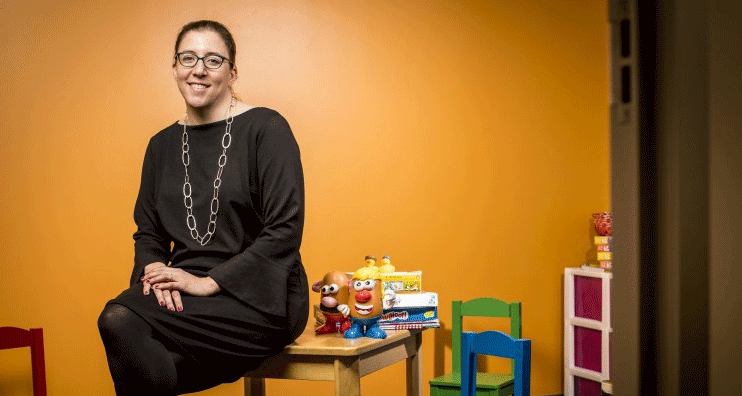
"caption": "Kristina Olson, associate professor of psychology at the University of Washington, has won the National Science Foundation’s Alan T. Waterman Award, given to one outstanding scientist under age 40.",
"description": null,
"title": "Kristina-Olson-UW-750x500",
"credit": "Dennis Wise/University of Washington",
"status": "inherit",
"isLoading": false,
"fetchFailed": false
},
"news_11649869": {
"type": "attachments",
"id": "news_11649869",
"meta": {
"index": "attachments_1716263798",
"site": "news",
"id": "11649869",
"found": true
},
"parent": 11649835,
"imgSizes": {
"small": {
"file": "https://ww2.kqed.org/app/uploads/sites/10/2018/02/CHildren-running-520x293.jpg",
"width": 520,
"mimeType": "image/jpeg",
"height": 293
},
"twentyfourteen-full-width": {
"file": "https://ww2.kqed.org/app/uploads/sites/10/2018/02/CHildren-running-1038x576.jpg",
"width": 1038,
"mimeType": "image/jpeg",
"height": 576
},
"thumbnail": {
"file": "https://ww2.kqed.org/app/uploads/sites/10/2018/02/CHildren-running-160x90.jpg",
"width": 160,
"mimeType": "image/jpeg",
"height": 90
},
"fd-sm": {
"file": "https://ww2.kqed.org/app/uploads/sites/10/2018/02/CHildren-running-960x540.jpg",
"width": 960,
"mimeType": "image/jpeg",
"height": 540
},
"post-thumbnail": {
"file": "https://ww2.kqed.org/app/uploads/sites/10/2018/02/CHildren-running-672x372.jpg",
"width": 672,
"mimeType": "image/jpeg",
"height": 372
},
"xsmall": {
"file": "https://ww2.kqed.org/app/uploads/sites/10/2018/02/CHildren-running-375x211.jpg",
"width": 375,
"mimeType": "image/jpeg",
"height": 211
},
"kqedFullSize": {
"file": "https://ww2.kqed.org/app/uploads/sites/10/2018/02/CHildren-running.jpg",
"width": 1365,
"height": 768
},
"large": {
"file": "https://ww2.kqed.org/app/uploads/sites/10/2018/02/CHildren-running-1020x574.jpg",
"width": 1020,
"mimeType": "image/jpeg",
"height": 574
},
"xlarge": {
"file": "https://ww2.kqed.org/app/uploads/sites/10/2018/02/CHildren-running-1180x664.jpg",
"width": 1180,
"mimeType": "image/jpeg",
"height": 664
},
"guest-author-50": {
"file": "https://ww2.kqed.org/app/uploads/sites/10/2018/02/CHildren-running-50x50.jpg",
"width": 50,
"mimeType": "image/jpeg",
"height": 50
},
"guest-author-96": {
"file": "https://ww2.kqed.org/app/uploads/sites/10/2018/02/CHildren-running-96x96.jpg",
"width": 96,
"mimeType": "image/jpeg",
"height": 96
},
"medium": {
"file": "https://ww2.kqed.org/app/uploads/sites/10/2018/02/CHildren-running-800x450.jpg",
"width": 800,
"mimeType": "image/jpeg",
"height": 450
},
"guest-author-64": {
"file": "https://ww2.kqed.org/app/uploads/sites/10/2018/02/CHildren-running-64x64.jpg",
"width": 64,
"mimeType": "image/jpeg",
"height": 64
},
"guest-author-32": {
"file": "https://ww2.kqed.org/app/uploads/sites/10/2018/02/CHildren-running-32x32.jpg",
"width": 32,
"mimeType": "image/jpeg",
"height": 32
},
"fd-med": {
"file": "https://ww2.kqed.org/app/uploads/sites/10/2018/02/CHildren-running-1180x664.jpg",
"width": 1180,
"mimeType": "image/jpeg",
"height": 664
},
"detail": {
"file": "https://ww2.kqed.org/app/uploads/sites/10/2018/02/CHildren-running-150x150.jpg",
"width": 150,
"mimeType": "image/jpeg",
"height": 150
},
"guest-author-128": {
"file": "https://ww2.kqed.org/app/uploads/sites/10/2018/02/CHildren-running-128x128.jpg",
"width": 128,
"mimeType": "image/jpeg",
"height": 128
},
"xxsmall": {
"file": "https://ww2.kqed.org/app/uploads/sites/10/2018/02/CHildren-running-240x135.jpg",
"width": 240,
"mimeType": "image/jpeg",
"height": 135
}
},
"publishDate": 1518559994,
"modified": 1518568047,
"caption": "Children play at Community United Elementary School in Oakland.",
"description": "Children play at Community United Elementary School.",
"title": "Chldren running",
"credit": "Adam Grossberg/KQED",
"status": "inherit",
"isLoading": false,
"fetchFailed": false
},
"news_11640831": {
"type": "attachments",
"id": "news_11640831",
"meta": {
"index": "attachments_1716263798",
"site": "news",
"id": "11640831",
"found": true
},
"parent": 11640830,
"imgSizes": {
"small": {
"file": "https://ww2.kqed.org/app/uploads/sites/10/2018/01/gettyimages-900266968_wide-18a70ea76c2be7323636c141d5d8610ac4871505-520x292.jpg",
"width": 520,
"mimeType": "image/jpeg",
"height": 292
},
"twentyfourteen-full-width": {
"file": "https://ww2.kqed.org/app/uploads/sites/10/2018/01/gettyimages-900266968_wide-18a70ea76c2be7323636c141d5d8610ac4871505-1038x576.jpg",
"width": 1038,
"mimeType": "image/jpeg",
"height": 576
},
"thumbnail": {
"file": "https://ww2.kqed.org/app/uploads/sites/10/2018/01/gettyimages-900266968_wide-18a70ea76c2be7323636c141d5d8610ac4871505-160x90.jpg",
"width": 160,
"mimeType": "image/jpeg",
"height": 90
},
"fd-sm": {
"file": "https://ww2.kqed.org/app/uploads/sites/10/2018/01/gettyimages-900266968_wide-18a70ea76c2be7323636c141d5d8610ac4871505-960x540.jpg",
"width": 960,
"mimeType": "image/jpeg",
"height": 540
},
"post-thumbnail": {
"file": "https://ww2.kqed.org/app/uploads/sites/10/2018/01/gettyimages-900266968_wide-18a70ea76c2be7323636c141d5d8610ac4871505-672x372.jpg",
"width": 672,
"mimeType": "image/jpeg",
"height": 372
},
"xsmall": {
"file": "https://ww2.kqed.org/app/uploads/sites/10/2018/01/gettyimages-900266968_wide-18a70ea76c2be7323636c141d5d8610ac4871505-375x211.jpg",
"width": 375,
"mimeType": "image/jpeg",
"height": 211
},
"kqedFullSize": {
"file": "https://ww2.kqed.org/app/uploads/sites/10/2018/01/gettyimages-900266968_wide-18a70ea76c2be7323636c141d5d8610ac4871505-e1515450240567.jpg",
"width": 1920,
"height": 1080
},
"large": {
"file": "https://ww2.kqed.org/app/uploads/sites/10/2018/01/gettyimages-900266968_wide-18a70ea76c2be7323636c141d5d8610ac4871505-1020x574.jpg",
"width": 1020,
"mimeType": "image/jpeg",
"height": 574
},
"xlarge": {
"file": "https://ww2.kqed.org/app/uploads/sites/10/2018/01/gettyimages-900266968_wide-18a70ea76c2be7323636c141d5d8610ac4871505-1180x664.jpg",
"width": 1180,
"mimeType": "image/jpeg",
"height": 664
},
"guest-author-50": {
"file": "https://ww2.kqed.org/app/uploads/sites/10/2018/01/gettyimages-900266968_wide-18a70ea76c2be7323636c141d5d8610ac4871505-50x50.jpg",
"width": 50,
"mimeType": "image/jpeg",
"height": 50
},
"guest-author-96": {
"file": "https://ww2.kqed.org/app/uploads/sites/10/2018/01/gettyimages-900266968_wide-18a70ea76c2be7323636c141d5d8610ac4871505-96x96.jpg",
"width": 96,
"mimeType": "image/jpeg",
"height": 96
},
"medium": {
"file": "https://ww2.kqed.org/app/uploads/sites/10/2018/01/gettyimages-900266968_wide-18a70ea76c2be7323636c141d5d8610ac4871505-800x450.jpg",
"width": 800,
"mimeType": "image/jpeg",
"height": 450
},
"guest-author-64": {
"file": "https://ww2.kqed.org/app/uploads/sites/10/2018/01/gettyimages-900266968_wide-18a70ea76c2be7323636c141d5d8610ac4871505-64x64.jpg",
"width": 64,
"mimeType": "image/jpeg",
"height": 64
},
"guest-author-32": {
"file": "https://ww2.kqed.org/app/uploads/sites/10/2018/01/gettyimages-900266968_wide-18a70ea76c2be7323636c141d5d8610ac4871505-32x32.jpg",
"width": 32,
"mimeType": "image/jpeg",
"height": 32
},
"fd-lrg": {
"file": "https://ww2.kqed.org/app/uploads/sites/10/2018/01/gettyimages-900266968_wide-18a70ea76c2be7323636c141d5d8610ac4871505-1920x1080.jpg",
"width": 1920,
"mimeType": "image/jpeg",
"height": 1080
},
"fd-med": {
"file": "https://ww2.kqed.org/app/uploads/sites/10/2018/01/gettyimages-900266968_wide-18a70ea76c2be7323636c141d5d8610ac4871505-1180x664.jpg",
"width": 1180,
"mimeType": "image/jpeg",
"height": 664
},
"full-width": {
"file": "https://ww2.kqed.org/app/uploads/sites/10/2018/01/gettyimages-900266968_wide-18a70ea76c2be7323636c141d5d8610ac4871505-1920x1080.jpg",
"width": 1920,
"mimeType": "image/jpeg",
"height": 1080
},
"detail": {
"file": "https://ww2.kqed.org/app/uploads/sites/10/2018/01/gettyimages-900266968_wide-18a70ea76c2be7323636c141d5d8610ac4871505-150x150.jpg",
"width": 150,
"mimeType": "image/jpeg",
"height": 150
},
"guest-author-128": {
"file": "https://ww2.kqed.org/app/uploads/sites/10/2018/01/gettyimages-900266968_wide-18a70ea76c2be7323636c141d5d8610ac4871505-128x128.jpg",
"width": 128,
"mimeType": "image/jpeg",
"height": 128
},
"xxsmall": {
"file": "https://ww2.kqed.org/app/uploads/sites/10/2018/01/gettyimages-900266968_wide-18a70ea76c2be7323636c141d5d8610ac4871505-240x135.jpg",
"width": 240,
"mimeType": "image/jpeg",
"height": 135
}
},
"publishDate": 1515450145,
"modified": 1515450262,
"caption": "Apple is being urged to help protect young users of its smartphones and tablets, with two investors citing problems that have been linked with spending too much time on social media and looking at screens.",
"description": "Apple is being urged to help protect young users of its smartphones and tablets, with two investors citing problems that have been linked with spending too much time on social media and looking at screens",
"title": "Apple is being urged to help protect young users of its smartphones and tablets, with two investors citing problems that have been linked with spending too much time on social media and looking at screens.",
"credit": "Matthias Balk/AFP/Getty Images",
"status": "inherit",
"isLoading": false,
"fetchFailed": false
},
"news_11638865": {
"type": "attachments",
"id": "news_11638865",
"meta": {
"index": "attachments_1716263798",
"site": "news",
"id": "11638865",
"found": true
},
"parent": 11638862,
"imgSizes": {
"small": {
"file": "https://ww2.kqed.org/app/uploads/sites/10/2017/12/KidWThermometer-520x347.jpg",
"width": 520,
"mimeType": "image/jpeg",
"height": 347
},
"twentyfourteen-full-width": {
"file": "https://ww2.kqed.org/app/uploads/sites/10/2017/12/KidWThermometer-1038x576.jpg",
"width": 1038,
"mimeType": "image/jpeg",
"height": 576
},
"thumbnail": {
"file": "https://ww2.kqed.org/app/uploads/sites/10/2017/12/KidWThermometer-160x107.jpg",
"width": 160,
"mimeType": "image/jpeg",
"height": 107
},
"fd-sm": {
"file": "https://ww2.kqed.org/app/uploads/sites/10/2017/12/KidWThermometer-960x640.jpg",
"width": 960,
"mimeType": "image/jpeg",
"height": 640
},
"post-thumbnail": {
"file": "https://ww2.kqed.org/app/uploads/sites/10/2017/12/KidWThermometer-672x372.jpg",
"width": 672,
"mimeType": "image/jpeg",
"height": 372
},
"xsmall": {
"file": "https://ww2.kqed.org/app/uploads/sites/10/2017/12/KidWThermometer-375x250.jpg",
"width": 375,
"mimeType": "image/jpeg",
"height": 250
},
"kqedFullSize": {
"file": "https://ww2.kqed.org/app/uploads/sites/10/2017/12/KidWThermometer.jpg",
"width": 1920,
"height": 1280
},
"large": {
"file": "https://ww2.kqed.org/app/uploads/sites/10/2017/12/KidWThermometer-1020x680.jpg",
"width": 1020,
"mimeType": "image/jpeg",
"height": 680
},
"xlarge": {
"file": "https://ww2.kqed.org/app/uploads/sites/10/2017/12/KidWThermometer-1180x787.jpg",
"width": 1180,
"mimeType": "image/jpeg",
"height": 787
},
"guest-author-50": {
"file": "https://ww2.kqed.org/app/uploads/sites/10/2017/12/KidWThermometer-50x50.jpg",
"width": 50,
"mimeType": "image/jpeg",
"height": 50
},
"guest-author-96": {
"file": "https://ww2.kqed.org/app/uploads/sites/10/2017/12/KidWThermometer-96x96.jpg",
"width": 96,
"mimeType": "image/jpeg",
"height": 96
},
"medium": {
"file": "https://ww2.kqed.org/app/uploads/sites/10/2017/12/KidWThermometer-800x533.jpg",
"width": 800,
"mimeType": "image/jpeg",
"height": 533
},
"guest-author-64": {
"file": "https://ww2.kqed.org/app/uploads/sites/10/2017/12/KidWThermometer-64x64.jpg",
"width": 64,
"mimeType": "image/jpeg",
"height": 64
},
"guest-author-32": {
"file": "https://ww2.kqed.org/app/uploads/sites/10/2017/12/KidWThermometer-32x32.jpg",
"width": 32,
"mimeType": "image/jpeg",
"height": 32
},
"fd-lrg": {
"file": "https://ww2.kqed.org/app/uploads/sites/10/2017/12/KidWThermometer-1920x1280.jpg",
"width": 1920,
"mimeType": "image/jpeg",
"height": 1280
},
"fd-med": {
"file": "https://ww2.kqed.org/app/uploads/sites/10/2017/12/KidWThermometer-1180x787.jpg",
"width": 1180,
"mimeType": "image/jpeg",
"height": 787
},
"full-width": {
"file": "https://ww2.kqed.org/app/uploads/sites/10/2017/12/KidWThermometer-1920x1280.jpg",
"width": 1920,
"mimeType": "image/jpeg",
"height": 1280
},
"detail": {
"file": "https://ww2.kqed.org/app/uploads/sites/10/2017/12/KidWThermometer-150x150.jpg",
"width": 150,
"mimeType": "image/jpeg",
"height": 150
},
"guest-author-128": {
"file": "https://ww2.kqed.org/app/uploads/sites/10/2017/12/KidWThermometer-128x128.jpg",
"width": 128,
"mimeType": "image/jpeg",
"height": 128
},
"xxsmall": {
"file": "https://ww2.kqed.org/app/uploads/sites/10/2017/12/KidWThermometer-240x160.jpg",
"width": 240,
"mimeType": "image/jpeg",
"height": 160
}
},
"publishDate": 1513899576,
"modified": 1513900309,
"caption": "Without congressional action, California expects its federal funds for CHIP to run out by early January.",
"description": "Without congressional action, California expects its federal funds for CHIP to run out by early January.",
"title": "KidWThermometer",
"credit": "Getty Images",
"status": "inherit",
"isLoading": false,
"fetchFailed": false
},
"news_11633404": {
"type": "attachments",
"id": "news_11633404",
"meta": {
"index": "attachments_1716263798",
"site": "news",
"id": "11633404",
"found": true
},
"parent": 11633394,
"imgSizes": {
"small": {
"file": "https://ww2.kqed.org/app/uploads/sites/10/2017/11/BandaidHeadKid-520x346.jpg",
"width": 520,
"mimeType": "image/jpeg",
"height": 346
},
"twentyfourteen-full-width": {
"file": "https://ww2.kqed.org/app/uploads/sites/10/2017/11/BandaidHeadKid-1038x576.jpg",
"width": 1038,
"mimeType": "image/jpeg",
"height": 576
},
"thumbnail": {
"file": "https://ww2.kqed.org/app/uploads/sites/10/2017/11/BandaidHeadKid-160x107.jpg",
"width": 160,
"mimeType": "image/jpeg",
"height": 107
},
"fd-sm": {
"file": "https://ww2.kqed.org/app/uploads/sites/10/2017/11/BandaidHeadKid-960x640.jpg",
"width": 960,
"mimeType": "image/jpeg",
"height": 640
},
"post-thumbnail": {
"file": "https://ww2.kqed.org/app/uploads/sites/10/2017/11/BandaidHeadKid-672x372.jpg",
"width": 672,
"mimeType": "image/jpeg",
"height": 372
},
"xsmall": {
"file": "https://ww2.kqed.org/app/uploads/sites/10/2017/11/BandaidHeadKid-375x250.jpg",
"width": 375,
"mimeType": "image/jpeg",
"height": 250
},
"kqedFullSize": {
"file": "https://ww2.kqed.org/app/uploads/sites/10/2017/11/BandaidHeadKid.jpg",
"width": 1920,
"height": 1279
},
"large": {
"file": "https://ww2.kqed.org/app/uploads/sites/10/2017/11/BandaidHeadKid-1020x679.jpg",
"width": 1020,
"mimeType": "image/jpeg",
"height": 679
},
"xlarge": {
"file": "https://ww2.kqed.org/app/uploads/sites/10/2017/11/BandaidHeadKid-1180x786.jpg",
"width": 1180,
"mimeType": "image/jpeg",
"height": 786
},
"guest-author-50": {
"file": "https://ww2.kqed.org/app/uploads/sites/10/2017/11/BandaidHeadKid-50x50.jpg",
"width": 50,
"mimeType": "image/jpeg",
"height": 50
},
"guest-author-96": {
"file": "https://ww2.kqed.org/app/uploads/sites/10/2017/11/BandaidHeadKid-96x96.jpg",
"width": 96,
"mimeType": "image/jpeg",
"height": 96
},
"medium": {
"file": "https://ww2.kqed.org/app/uploads/sites/10/2017/11/BandaidHeadKid-800x533.jpg",
"width": 800,
"mimeType": "image/jpeg",
"height": 533
},
"guest-author-64": {
"file": "https://ww2.kqed.org/app/uploads/sites/10/2017/11/BandaidHeadKid-64x64.jpg",
"width": 64,
"mimeType": "image/jpeg",
"height": 64
},
"guest-author-32": {
"file": "https://ww2.kqed.org/app/uploads/sites/10/2017/11/BandaidHeadKid-32x32.jpg",
"width": 32,
"mimeType": "image/jpeg",
"height": 32
},
"fd-lrg": {
"file": "https://ww2.kqed.org/app/uploads/sites/10/2017/11/BandaidHeadKid-1920x1279.jpg",
"width": 1920,
"mimeType": "image/jpeg",
"height": 1279
},
"fd-med": {
"file": "https://ww2.kqed.org/app/uploads/sites/10/2017/11/BandaidHeadKid-1180x786.jpg",
"width": 1180,
"mimeType": "image/jpeg",
"height": 786
},
"full-width": {
"file": "https://ww2.kqed.org/app/uploads/sites/10/2017/11/BandaidHeadKid-1920x1279.jpg",
"width": 1920,
"mimeType": "image/jpeg",
"height": 1279
},
"detail": {
"file": "https://ww2.kqed.org/app/uploads/sites/10/2017/11/BandaidHeadKid-150x150.jpg",
"width": 150,
"mimeType": "image/jpeg",
"height": 150
},
"guest-author-128": {
"file": "https://ww2.kqed.org/app/uploads/sites/10/2017/11/BandaidHeadKid-128x128.jpg",
"width": 128,
"mimeType": "image/jpeg",
"height": 128
},
"xxsmall": {
"file": "https://ww2.kqed.org/app/uploads/sites/10/2017/11/BandaidHeadKid-240x160.jpg",
"width": 240,
"mimeType": "image/jpeg",
"height": 160
}
},
"publishDate": 1511820745,
"modified": 1511820782,
"caption": null,
"description": null,
"title": "BandaidHeadKid",
"credit": "DAVID GALLAGHER/FLICKR",
"status": "inherit",
"isLoading": false,
"fetchFailed": false
},
"news_11624643": {
"type": "attachments",
"id": "news_11624643",
"meta": {
"index": "attachments_1716263798",
"site": "news",
"id": "11624643",
"found": true
},
"parent": 11624597,
"imgSizes": {
"small": {
"file": "https://ww2.kqed.org/app/uploads/sites/10/2017/10/RS27591_cspezza04-qut-520x390.jpg",
"width": 520,
"mimeType": "image/jpeg",
"height": 390
},
"twentyfourteen-full-width": {
"file": "https://ww2.kqed.org/app/uploads/sites/10/2017/10/RS27591_cspezza04-qut-1038x576.jpg",
"width": 1038,
"mimeType": "image/jpeg",
"height": 576
},
"thumbnail": {
"file": "https://ww2.kqed.org/app/uploads/sites/10/2017/10/RS27591_cspezza04-qut-160x120.jpg",
"width": 160,
"mimeType": "image/jpeg",
"height": 120
},
"fd-sm": {
"file": "https://ww2.kqed.org/app/uploads/sites/10/2017/10/RS27591_cspezza04-qut-960x720.jpg",
"width": 960,
"mimeType": "image/jpeg",
"height": 720
},
"post-thumbnail": {
"file": "https://ww2.kqed.org/app/uploads/sites/10/2017/10/RS27591_cspezza04-qut-672x372.jpg",
"width": 672,
"mimeType": "image/jpeg",
"height": 372
},
"xsmall": {
"file": "https://ww2.kqed.org/app/uploads/sites/10/2017/10/RS27591_cspezza04-qut-375x281.jpg",
"width": 375,
"mimeType": "image/jpeg",
"height": 281
},
"kqedFullSize": {
"file": "https://ww2.kqed.org/app/uploads/sites/10/2017/10/RS27591_cspezza04-qut.jpg",
"width": 1280,
"height": 960
},
"large": {
"file": "https://ww2.kqed.org/app/uploads/sites/10/2017/10/RS27591_cspezza04-qut-1020x765.jpg",
"width": 1020,
"mimeType": "image/jpeg",
"height": 765
},
"xlarge": {
"file": "https://ww2.kqed.org/app/uploads/sites/10/2017/10/RS27591_cspezza04-qut-1180x885.jpg",
"width": 1180,
"mimeType": "image/jpeg",
"height": 885
},
"guest-author-50": {
"file": "https://ww2.kqed.org/app/uploads/sites/10/2017/10/RS27591_cspezza04-qut-50x50.jpg",
"width": 50,
"mimeType": "image/jpeg",
"height": 50
},
"guest-author-96": {
"file": "https://ww2.kqed.org/app/uploads/sites/10/2017/10/RS27591_cspezza04-qut-96x96.jpg",
"width": 96,
"mimeType": "image/jpeg",
"height": 96
},
"medium": {
"file": "https://ww2.kqed.org/app/uploads/sites/10/2017/10/RS27591_cspezza04-qut-800x600.jpg",
"width": 800,
"mimeType": "image/jpeg",
"height": 600
},
"guest-author-64": {
"file": "https://ww2.kqed.org/app/uploads/sites/10/2017/10/RS27591_cspezza04-qut-64x64.jpg",
"width": 64,
"mimeType": "image/jpeg",
"height": 64
},
"guest-author-32": {
"file": "https://ww2.kqed.org/app/uploads/sites/10/2017/10/RS27591_cspezza04-qut-32x32.jpg",
"width": 32,
"mimeType": "image/jpeg",
"height": 32
},
"fd-med": {
"file": "https://ww2.kqed.org/app/uploads/sites/10/2017/10/RS27591_cspezza04-qut-1180x885.jpg",
"width": 1180,
"mimeType": "image/jpeg",
"height": 885
},
"detail": {
"file": "https://ww2.kqed.org/app/uploads/sites/10/2017/10/RS27591_cspezza04-qut-150x150.jpg",
"width": 150,
"mimeType": "image/jpeg",
"height": 150
},
"guest-author-128": {
"file": "https://ww2.kqed.org/app/uploads/sites/10/2017/10/RS27591_cspezza04-qut-128x128.jpg",
"width": 128,
"mimeType": "image/jpeg",
"height": 128
},
"xxsmall": {
"file": "https://ww2.kqed.org/app/uploads/sites/10/2017/10/RS27591_cspezza04-qut-240x180.jpg",
"width": 240,
"mimeType": "image/jpeg",
"height": 180
}
},
"publishDate": 1508445126,
"modified": 1508451227,
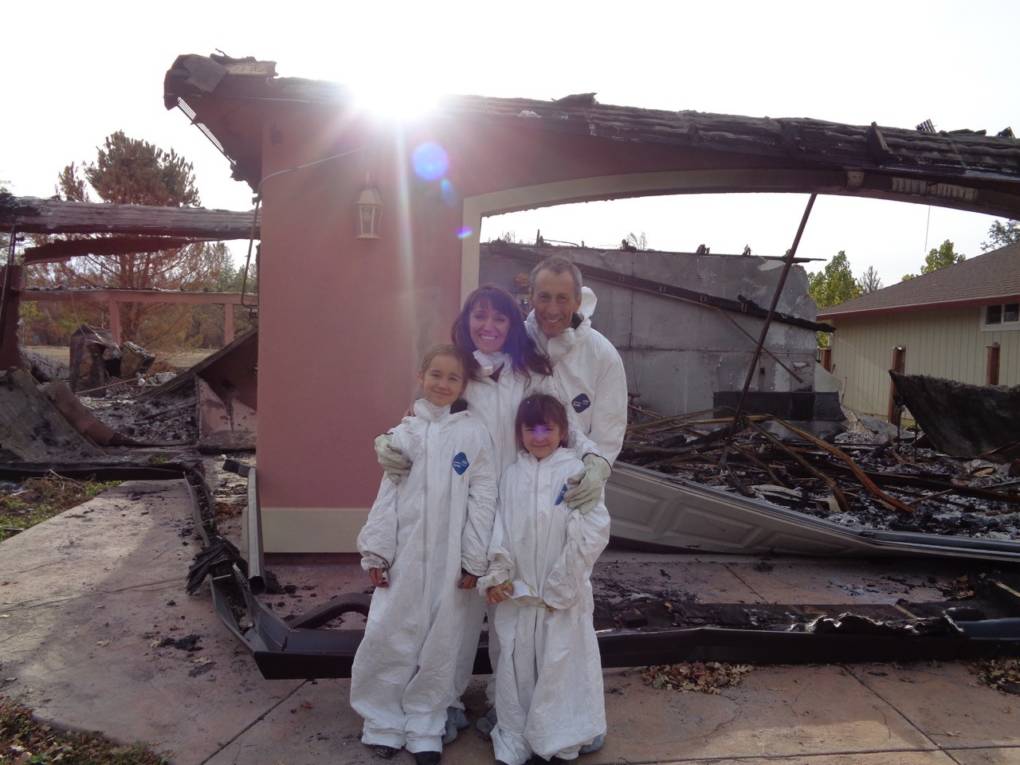
"caption": "The Valley Fire swept through the Spezzas' rural community of Middletown in Lake County in September 2015, destroying 1,300 homes -- including their own. Shown here are mom Carolynn, daughters Vienna (left) and Lucia, and dad Joe. The family purchased a home in Middletown one year after the fire. \"We were too exhausted from the insurance process to rebuild,\" Carolynn Spezza said.",
"description": null,
"title": "RS27591_cspezza04-qut",
"credit": "Courtesy of Carolynn Spezza",
"status": "inherit",
"isLoading": false,
"fetchFailed": false
},
"news_11621547": {
"type": "attachments",
"id": "news_11621547",
"meta": {
"index": "attachments_1716263798",
"site": "news",
"id": "11621547",
"found": true
},
"parent": 11621457,
"imgSizes": {
"small": {
"file": "https://ww2.kqed.org/app/uploads/sites/10/2017/10/RS27191_alt_643-520x390.jpg",
"width": 520,
"mimeType": "image/jpeg",
"height": 390
},
"twentyfourteen-full-width": {
"file": "https://ww2.kqed.org/app/uploads/sites/10/2017/10/RS27191_alt_643-1038x576.jpg",
"width": 1038,
"mimeType": "image/jpeg",
"height": 576
},
"thumbnail": {
"file": "https://ww2.kqed.org/app/uploads/sites/10/2017/10/RS27191_alt_643-160x120.jpg",
"width": 160,
"mimeType": "image/jpeg",
"height": 120
},
"fd-sm": {
"file": "https://ww2.kqed.org/app/uploads/sites/10/2017/10/RS27191_alt_643-960x720.jpg",
"width": 960,
"mimeType": "image/jpeg",
"height": 720
},
"post-thumbnail": {
"file": "https://ww2.kqed.org/app/uploads/sites/10/2017/10/RS27191_alt_643-672x372.jpg",
"width": 672,
"mimeType": "image/jpeg",
"height": 372
},
"xsmall": {
"file": "https://ww2.kqed.org/app/uploads/sites/10/2017/10/RS27191_alt_643-375x281.jpg",
"width": 375,
"mimeType": "image/jpeg",
"height": 281
},
"kqedFullSize": {
"file": "https://ww2.kqed.org/app/uploads/sites/10/2017/10/RS27191_alt_643.jpg",
"width": 3264,
"height": 2448
},
"large": {
"file": "https://ww2.kqed.org/app/uploads/sites/10/2017/10/RS27191_alt_643-1020x765.jpg",
"width": 1020,
"mimeType": "image/jpeg",
"height": 765
},
"xlarge": {
"file": "https://ww2.kqed.org/app/uploads/sites/10/2017/10/RS27191_alt_643-1180x885.jpg",
"width": 1180,
"mimeType": "image/jpeg",
"height": 885
},
"guest-author-50": {
"file": "https://ww2.kqed.org/app/uploads/sites/10/2017/10/RS27191_alt_643-50x50.jpg",
"width": 50,
"mimeType": "image/jpeg",
"height": 50
},
"guest-author-96": {
"file": "https://ww2.kqed.org/app/uploads/sites/10/2017/10/RS27191_alt_643-96x96.jpg",
"width": 96,
"mimeType": "image/jpeg",
"height": 96
},
"medium": {
"file": "https://ww2.kqed.org/app/uploads/sites/10/2017/10/RS27191_alt_643-800x600.jpg",
"width": 800,
"mimeType": "image/jpeg",
"height": 600
},
"guest-author-64": {
"file": "https://ww2.kqed.org/app/uploads/sites/10/2017/10/RS27191_alt_643-64x64.jpg",
"width": 64,
"mimeType": "image/jpeg",
"height": 64
},
"guest-author-32": {
"file": "https://ww2.kqed.org/app/uploads/sites/10/2017/10/RS27191_alt_643-32x32.jpg",
"width": 32,
"mimeType": "image/jpeg",
"height": 32
},
"fd-lrg": {
"file": "https://ww2.kqed.org/app/uploads/sites/10/2017/10/RS27191_alt_643-1920x1440.jpg",
"width": 1920,
"mimeType": "image/jpeg",
"height": 1440
},
"fd-med": {
"file": "https://ww2.kqed.org/app/uploads/sites/10/2017/10/RS27191_alt_643-1180x885.jpg",
"width": 1180,
"mimeType": "image/jpeg",
"height": 885
},
"full-width": {
"file": "https://ww2.kqed.org/app/uploads/sites/10/2017/10/RS27191_alt_643-1920x1440.jpg",
"width": 1920,
"mimeType": "image/jpeg",
"height": 1440
},
"detail": {
"file": "https://ww2.kqed.org/app/uploads/sites/10/2017/10/RS27191_alt_643-150x150.jpg",
"width": 150,
"mimeType": "image/jpeg",
"height": 150
},
"guest-author-128": {
"file": "https://ww2.kqed.org/app/uploads/sites/10/2017/10/RS27191_alt_643-128x128.jpg",
"width": 128,
"mimeType": "image/jpeg",
"height": 128
},
"xxsmall": {
"file": "https://ww2.kqed.org/app/uploads/sites/10/2017/10/RS27191_alt_643-240x180.jpg",
"width": 240,
"mimeType": "image/jpeg",
"height": 180
}
},
"publishDate": 1507328512,
"modified": 1507340072,
"caption": "Brad Porter picks up one of his three kids at an elementary school.",
"description": null,
"title": "RS27191_alt_643",
"credit": "Farida Jhabvala Romero/KQED",
"status": "inherit",
"isLoading": false,
"fetchFailed": false
},
"news_11577818": {
"type": "attachments",
"id": "news_11577818",
"meta": {
"index": "attachments_1716263798",
"site": "news",
"id": "11577818",
"found": true
},
"parent": 11576149,
"imgSizes": {
"small": {
"file": "https://ww2.kqed.org/app/uploads/sites/10/2017/07/KidsPlaying1-520x357.jpg",
"width": 520,
"mimeType": "image/jpeg",
"height": 357
},
"twentyfourteen-full-width": {
"file": "https://ww2.kqed.org/app/uploads/sites/10/2017/07/KidsPlaying1-1038x576.jpg",
"width": 1038,
"mimeType": "image/jpeg",
"height": 576
},
"thumbnail": {
"file": "https://ww2.kqed.org/app/uploads/sites/10/2017/07/KidsPlaying1-160x110.jpg",
"width": 160,
"mimeType": "image/jpeg",
"height": 110
},
"fd-sm": {
"file": "https://ww2.kqed.org/app/uploads/sites/10/2017/07/KidsPlaying1-960x660.jpg",
"width": 960,
"mimeType": "image/jpeg",
"height": 660
},
"post-thumbnail": {
"file": "https://ww2.kqed.org/app/uploads/sites/10/2017/07/KidsPlaying1-672x372.jpg",
"width": 672,
"mimeType": "image/jpeg",
"height": 372
},
"xsmall": {
"file": "https://ww2.kqed.org/app/uploads/sites/10/2017/07/KidsPlaying1-375x258.jpg",
"width": 375,
"mimeType": "image/jpeg",
"height": 258
},
"kqedFullSize": {
"file": "https://ww2.kqed.org/app/uploads/sites/10/2017/07/KidsPlaying1.jpg",
"width": 1920,
"height": 1319
},
"large": {
"file": "https://ww2.kqed.org/app/uploads/sites/10/2017/07/KidsPlaying1-1020x701.jpg",
"width": 1020,
"mimeType": "image/jpeg",
"height": 701
},
"xlarge": {
"file": "https://ww2.kqed.org/app/uploads/sites/10/2017/07/KidsPlaying1-1180x811.jpg",
"width": 1180,
"mimeType": "image/jpeg",
"height": 811
},
"guest-author-50": {
"file": "https://ww2.kqed.org/app/uploads/sites/10/2017/07/KidsPlaying1-50x50.jpg",
"width": 50,
"mimeType": "image/jpeg",
"height": 50
},
"guest-author-96": {
"file": "https://ww2.kqed.org/app/uploads/sites/10/2017/07/KidsPlaying1-96x96.jpg",
"width": 96,
"mimeType": "image/jpeg",
"height": 96
},
"medium": {
"file": "https://ww2.kqed.org/app/uploads/sites/10/2017/07/KidsPlaying1-800x550.jpg",
"width": 800,
"mimeType": "image/jpeg",
"height": 550
},
"guest-author-64": {
"file": "https://ww2.kqed.org/app/uploads/sites/10/2017/07/KidsPlaying1-64x64.jpg",
"width": 64,
"mimeType": "image/jpeg",
"height": 64
},
"guest-author-32": {
"file": "https://ww2.kqed.org/app/uploads/sites/10/2017/07/KidsPlaying1-32x32.jpg",
"width": 32,
"mimeType": "image/jpeg",
"height": 32
},
"fd-lrg": {
"file": "https://ww2.kqed.org/app/uploads/sites/10/2017/07/KidsPlaying1-1920x1319.jpg",
"width": 1920,
"mimeType": "image/jpeg",
"height": 1319
},
"fd-med": {
"file": "https://ww2.kqed.org/app/uploads/sites/10/2017/07/KidsPlaying1-1180x811.jpg",
"width": 1180,
"mimeType": "image/jpeg",
"height": 811
},
"full-width": {
"file": "https://ww2.kqed.org/app/uploads/sites/10/2017/07/KidsPlaying1-1920x1319.jpg",
"width": 1920,
"mimeType": "image/jpeg",
"height": 1319
},
"detail": {
"file": "https://ww2.kqed.org/app/uploads/sites/10/2017/07/KidsPlaying1-150x150.jpg",
"width": 150,
"mimeType": "image/jpeg",
"height": 150
},
"guest-author-128": {
"file": "https://ww2.kqed.org/app/uploads/sites/10/2017/07/KidsPlaying1-128x128.jpg",
"width": 128,
"mimeType": "image/jpeg",
"height": 128
},
"xxsmall": {
"file": "https://ww2.kqed.org/app/uploads/sites/10/2017/07/KidsPlaying1-240x165.jpg",
"width": 240,
"mimeType": "image/jpeg",
"height": 165
}
},
"publishDate": 1500579177,
"modified": 1500579246,
"caption": "The Play Everywhere program is designed to bring play into the lives of kids in low-income neighborhoods.",
"description": "The Play Everywhere program is designed to bring play into the lives of kids in low-income neighborhoods.",
"title": "KidsPlaying1",
"credit": "David Gorn/KQED",
"status": "inherit",
"isLoading": false,
"fetchFailed": false
},
"news_11371338": {
"type": "attachments",
"id": "news_11371338",
"meta": {
"index": "attachments_1716263798",
"site": "news",
"id": "11371338",
"found": true
},
"parent": 11371335,
"imgSizes": {
"small": {
"file": "https://ww2.kqed.org/app/uploads/sites/10/2017/03/KnowYourRightsSalazar-520x366.jpg",
"width": 520,
"mimeType": "image/jpeg",
"height": 366
},
"twentyfourteen-full-width": {
"file": "https://ww2.kqed.org/app/uploads/sites/10/2017/03/KnowYourRightsSalazar-1038x576.jpg",
"width": 1038,
"mimeType": "image/jpeg",
"height": 576
},
"thumbnail": {
"file": "https://ww2.kqed.org/app/uploads/sites/10/2017/03/KnowYourRightsSalazar-160x113.jpg",
"width": 160,
"mimeType": "image/jpeg",
"height": 113
},
"fd-sm": {
"file": "https://ww2.kqed.org/app/uploads/sites/10/2017/03/KnowYourRightsSalazar-960x676.jpg",
"width": 960,
"mimeType": "image/jpeg",
"height": 676
},
"post-thumbnail": {
"file": "https://ww2.kqed.org/app/uploads/sites/10/2017/03/KnowYourRightsSalazar-672x372.jpg",
"width": 672,
"mimeType": "image/jpeg",
"height": 372
},
"xsmall": {
"file": "https://ww2.kqed.org/app/uploads/sites/10/2017/03/KnowYourRightsSalazar-375x264.jpg",
"width": 375,
"mimeType": "image/jpeg",
"height": 264
},
"kqedFullSize": {
"file": "https://ww2.kqed.org/app/uploads/sites/10/2017/03/KnowYourRightsSalazar.jpg",
"width": 1920,
"height": 1352
},
"large": {
"file": "https://ww2.kqed.org/app/uploads/sites/10/2017/03/KnowYourRightsSalazar-1020x718.jpg",
"width": 1020,
"mimeType": "image/jpeg",
"height": 718
},
"xlarge": {
"file": "https://ww2.kqed.org/app/uploads/sites/10/2017/03/KnowYourRightsSalazar-1180x831.jpg",
"width": 1180,
"mimeType": "image/jpeg",
"height": 831
},
"guest-author-50": {
"file": "https://ww2.kqed.org/app/uploads/sites/10/2017/03/KnowYourRightsSalazar-50x50.jpg",
"width": 50,
"mimeType": "image/jpeg",
"height": 50
},
"guest-author-96": {
"file": "https://ww2.kqed.org/app/uploads/sites/10/2017/03/KnowYourRightsSalazar-96x96.jpg",
"width": 96,
"mimeType": "image/jpeg",
"height": 96
},
"medium": {
"file": "https://ww2.kqed.org/app/uploads/sites/10/2017/03/KnowYourRightsSalazar-800x563.jpg",
"width": 800,
"mimeType": "image/jpeg",
"height": 563
},
"guest-author-64": {
"file": "https://ww2.kqed.org/app/uploads/sites/10/2017/03/KnowYourRightsSalazar-64x64.jpg",
"width": 64,
"mimeType": "image/jpeg",
"height": 64
},
"guest-author-32": {
"file": "https://ww2.kqed.org/app/uploads/sites/10/2017/03/KnowYourRightsSalazar-32x32.jpg",
"width": 32,
"mimeType": "image/jpeg",
"height": 32
},
"fd-lrg": {
"file": "https://ww2.kqed.org/app/uploads/sites/10/2017/03/KnowYourRightsSalazar-1920x1352.jpg",
"width": 1920,
"mimeType": "image/jpeg",
"height": 1352
},
"fd-med": {
"file": "https://ww2.kqed.org/app/uploads/sites/10/2017/03/KnowYourRightsSalazar-1180x831.jpg",
"width": 1180,
"mimeType": "image/jpeg",
"height": 831
},
"full-width": {
"file": "https://ww2.kqed.org/app/uploads/sites/10/2017/03/KnowYourRightsSalazar-1920x1352.jpg",
"width": 1920,
"mimeType": "image/jpeg",
"height": 1352
},
"detail": {
"file": "https://ww2.kqed.org/app/uploads/sites/10/2017/03/KnowYourRightsSalazar-150x150.jpg",
"width": 150,
"mimeType": "image/jpeg",
"height": 150
},
"guest-author-128": {
"file": "https://ww2.kqed.org/app/uploads/sites/10/2017/03/KnowYourRightsSalazar-128x128.jpg",
"width": 128,
"mimeType": "image/jpeg",
"height": 128
},
"xxsmall": {
"file": "https://ww2.kqed.org/app/uploads/sites/10/2017/03/KnowYourRightsSalazar-240x169.jpg",
"width": 240,
"mimeType": "image/jpeg",
"height": 169
}
},
"publishDate": 1490222174,
"modified": 1490311628,
"caption": "Hugo Salazar from the Orange County Labor Federation gives a know-your-rights talk to immigrants waiting to sign power-of-attorney documents in case they are detained or deported. ",
"description": "Hugo Salazar from the Orange County Labor Federation gives a know your rights talk to immigrants waiting to sign power of attorney documents in case they are detained or deported. ",
"title": "KnowYourRightsSalazar",
"credit": "Jill Replogle/KPCC",
"status": "inherit",
"isLoading": false,
"fetchFailed": false
},
"futureofyou_341968": {
"type": "attachments",
"id": "futureofyou_341968",
"meta": {
"index": "attachments_1716263798",
"site": "futureofyou",
"id": "341968",
"found": true
},
"parent": 338935,
"imgSizes": {
"small": {
"file": "https://ww2.kqed.org/app/uploads/sites/13/2017/02/homeopathic-520x520.jpg",
"width": 520,
"mimeType": "image/jpeg",
"height": 520
},
"twentyfourteen-full-width": {
"file": "https://ww2.kqed.org/app/uploads/sites/13/2017/02/homeopathic-1038x576.jpg",
"width": 1038,
"mimeType": "image/jpeg",
"height": 576
},
"thumbnail": {
"file": "https://ww2.kqed.org/app/uploads/sites/13/2017/02/homeopathic-160x160.jpg",
"width": 160,
"mimeType": "image/jpeg",
"height": 160
},
"fd-sm": {
"file": "https://ww2.kqed.org/app/uploads/sites/13/2017/02/homeopathic-960x960.jpg",
"width": 960,
"mimeType": "image/jpeg",
"height": 960
},
"post-thumbnail": {
"file": "https://ww2.kqed.org/app/uploads/sites/13/2017/02/homeopathic-672x372.jpg",
"width": 672,
"mimeType": "image/jpeg",
"height": 372
},
"xsmall": {
"file": "https://ww2.kqed.org/app/uploads/sites/13/2017/02/homeopathic-375x375.jpg",
"width": 375,
"mimeType": "image/jpeg",
"height": 375
},
"kqedFullSize": {
"file": "https://ww2.kqed.org/app/uploads/sites/13/2017/02/homeopathic.jpg",
"width": 1600,
"height": 1600
},
"large": {
"file": "https://ww2.kqed.org/app/uploads/sites/13/2017/02/homeopathic-1020x1020.jpg",
"width": 1020,
"mimeType": "image/jpeg",
"height": 1020
},
"xlarge": {
"file": "https://ww2.kqed.org/app/uploads/sites/13/2017/02/homeopathic-1180x1180.jpg",
"width": 1180,
"mimeType": "image/jpeg",
"height": 1180
},
"guest-author-50": {
"file": "https://ww2.kqed.org/app/uploads/sites/13/2017/02/homeopathic-50x50.jpg",
"width": 50,
"mimeType": "image/jpeg",
"height": 50
},
"guest-author-96": {
"file": "https://ww2.kqed.org/app/uploads/sites/13/2017/02/homeopathic-96x96.jpg",
"width": 96,
"mimeType": "image/jpeg",
"height": 96
},
"medium": {
"file": "https://ww2.kqed.org/app/uploads/sites/13/2017/02/homeopathic-800x800.jpg",
"width": 800,
"mimeType": "image/jpeg",
"height": 800
},
"guest-author-64": {
"file": "https://ww2.kqed.org/app/uploads/sites/13/2017/02/homeopathic-64x64.jpg",
"width": 64,
"mimeType": "image/jpeg",
"height": 64
},
"guest-author-32": {
"file": "https://ww2.kqed.org/app/uploads/sites/13/2017/02/homeopathic-32x32.jpg",
"width": 32,
"mimeType": "image/jpeg",
"height": 32
},
"fd-med": {
"file": "https://ww2.kqed.org/app/uploads/sites/13/2017/02/homeopathic-1180x1180.jpg",
"width": 1180,
"mimeType": "image/jpeg",
"height": 1180
},
"detail": {
"file": "https://ww2.kqed.org/app/uploads/sites/13/2017/02/homeopathic-150x150.jpg",
"width": 150,
"mimeType": "image/jpeg",
"height": 150
},
"medium_large": {
"file": "https://ww2.kqed.org/app/uploads/sites/13/2017/02/homeopathic-768x768.jpg",
"width": 768,
"mimeType": "image/jpeg",
"height": 768
},
"guest-author-128": {
"file": "https://ww2.kqed.org/app/uploads/sites/13/2017/02/homeopathic-128x128.jpg",
"width": 128,
"mimeType": "image/jpeg",
"height": 128
},
"xxsmall": {
"file": "https://ww2.kqed.org/app/uploads/sites/13/2017/02/homeopathic-240x240.jpg",
"width": 240,
"mimeType": "image/jpeg",
"height": 240
}
},
"publishDate": 1487801359,
"modified": 1487801507,
"caption": "A review of FDA records shows that some babies who were given Hyland’s teething products had repeated seizures, became delirious or turned blue and died. ",
"description": null,
"title": "homeopathic",
"credit": "Photo from FDA",
"status": "inherit",
"isLoading": false,
"fetchFailed": false
},
"news_11332070": {
"type": "attachments",
"id": "news_11332070",
"meta": {
"index": "attachments_1716263798",
"site": "news",
"id": "11332070",
"found": true
},
"parent": 11330094,
"imgSizes": {
"small": {
"file": "https://ww2.kqed.org/app/uploads/sites/10/2017/02/KidHoldingCell-520x347.jpg",
"width": 520,
"mimeType": "image/jpeg",
"height": 347
},
"twentyfourteen-full-width": {
"file": "https://ww2.kqed.org/app/uploads/sites/10/2017/02/KidHoldingCell-1038x576.jpg",
"width": 1038,
"mimeType": "image/jpeg",
"height": 576
},
"thumbnail": {
"file": "https://ww2.kqed.org/app/uploads/sites/10/2017/02/KidHoldingCell-160x107.jpg",
"width": 160,
"mimeType": "image/jpeg",
"height": 107
},
"fd-sm": {
"file": "https://ww2.kqed.org/app/uploads/sites/10/2017/02/KidHoldingCell-960x640.jpg",
"width": 960,
"mimeType": "image/jpeg",
"height": 640
},
"post-thumbnail": {
"file": "https://ww2.kqed.org/app/uploads/sites/10/2017/02/KidHoldingCell-672x372.jpg",
"width": 672,
"mimeType": "image/jpeg",
"height": 372
},
"xsmall": {
"file": "https://ww2.kqed.org/app/uploads/sites/10/2017/02/KidHoldingCell-375x250.jpg",
"width": 375,
"mimeType": "image/jpeg",
"height": 250
},
"kqedFullSize": {
"file": "https://ww2.kqed.org/app/uploads/sites/10/2017/02/KidHoldingCell.jpg",
"width": 1920,
"height": 1280
},
"large": {
"file": "https://ww2.kqed.org/app/uploads/sites/10/2017/02/KidHoldingCell-1020x680.jpg",
"width": 1020,
"mimeType": "image/jpeg",
"height": 680
},
"xlarge": {
"file": "https://ww2.kqed.org/app/uploads/sites/10/2017/02/KidHoldingCell-1180x787.jpg",
"width": 1180,
"mimeType": "image/jpeg",
"height": 787
},
"guest-author-50": {
"file": "https://ww2.kqed.org/app/uploads/sites/10/2017/02/KidHoldingCell-50x50.jpg",
"width": 50,
"mimeType": "image/jpeg",
"height": 50
},
"guest-author-96": {
"file": "https://ww2.kqed.org/app/uploads/sites/10/2017/02/KidHoldingCell-96x96.jpg",
"width": 96,
"mimeType": "image/jpeg",
"height": 96
},
"medium": {
"file": "https://ww2.kqed.org/app/uploads/sites/10/2017/02/KidHoldingCell-800x533.jpg",
"width": 800,
"mimeType": "image/jpeg",
"height": 533
},
"guest-author-64": {
"file": "https://ww2.kqed.org/app/uploads/sites/10/2017/02/KidHoldingCell-64x64.jpg",
"width": 64,
"mimeType": "image/jpeg",
"height": 64
},
"guest-author-32": {
"file": "https://ww2.kqed.org/app/uploads/sites/10/2017/02/KidHoldingCell-32x32.jpg",
"width": 32,
"mimeType": "image/jpeg",
"height": 32
},
"fd-lrg": {
"file": "https://ww2.kqed.org/app/uploads/sites/10/2017/02/KidHoldingCell-1920x1280.jpg",
"width": 1920,
"mimeType": "image/jpeg",
"height": 1280
},
"fd-med": {
"file": "https://ww2.kqed.org/app/uploads/sites/10/2017/02/KidHoldingCell-1180x787.jpg",
"width": 1180,
"mimeType": "image/jpeg",
"height": 787
},
"full-width": {
"file": "https://ww2.kqed.org/app/uploads/sites/10/2017/02/KidHoldingCell-1920x1280.jpg",
"width": 1920,
"mimeType": "image/jpeg",
"height": 1280
},
"detail": {
"file": "https://ww2.kqed.org/app/uploads/sites/10/2017/02/KidHoldingCell-150x150.jpg",
"width": 150,
"mimeType": "image/jpeg",
"height": 150
},
"guest-author-128": {
"file": "https://ww2.kqed.org/app/uploads/sites/10/2017/02/KidHoldingCell-128x128.jpg",
"width": 128,
"mimeType": "image/jpeg",
"height": 128
},
"xxsmall": {
"file": "https://ww2.kqed.org/app/uploads/sites/10/2017/02/KidHoldingCell-240x160.jpg",
"width": 240,
"mimeType": "image/jpeg",
"height": 160
}
},
"publishDate": 1487973963,
"modified": 1487974141,
"caption": "Central American immigrants, including unaccompanied children, wait to be transported after turning themselves in to Border Patrol agents in 2015 near Rio Grande City, Texas. Under the new DHS guidelines, anyone \"who facilitates the illegal smuggling\" of a child into the U.S. could be deported by immigration agencies or referred for criminal prosecution.",
"description": "Central American immigrants, including unaccompanied children, wait to be transported after turning themselves in to Border Patrol agents in 2015 near Rio Grande City, Texas. Under the new DHS guidelines, anyone \"who facilitates the illegal smuggling\" of a child into the U.S. could be deported by immigration agencies or referred for criminal prosecution.",
"title": "KidHoldingCell",
"credit": "John Moore/Getty Images",
"status": "inherit",
"isLoading": false,
"fetchFailed": false
},
"arts_12730893": {
"type": "attachments",
"id": "arts_12730893",
"meta": {
"index": "attachments_1716263798",
"site": "arts",
"id": "12730893",
"found": true
},
"parent": 0,
"imgSizes": {
"small": {
"file": "https://ww2.kqed.org/app/uploads/sites/2/2017/02/002-e1486671690483-520x293.jpg",
"width": 520,
"mimeType": "image/jpeg",
"height": 293
},
"twentyfourteen-full-width": {
"file": "https://ww2.kqed.org/app/uploads/sites/2/2017/02/002-e1486671690483-1038x576.jpg",
"width": 1038,
"mimeType": "image/jpeg",
"height": 576
},
"thumbnail": {
"file": "https://ww2.kqed.org/app/uploads/sites/2/2017/02/002-e1486671690483-160x90.jpg",
"width": 160,
"mimeType": "image/jpeg",
"height": 90
},
"fd-sm": {
"file": "https://ww2.kqed.org/app/uploads/sites/2/2017/02/002-e1486671690483-960x540.jpg",
"width": 960,
"mimeType": "image/jpeg",
"height": 540
},
"post-thumbnail": {
"file": "https://ww2.kqed.org/app/uploads/sites/2/2017/02/002-e1486671690483-672x372.jpg",
"width": 672,
"mimeType": "image/jpeg",
"height": 372
},
"xsmall": {
"file": "https://ww2.kqed.org/app/uploads/sites/2/2017/02/002-e1486671690483-375x211.jpg",
"width": 375,
"mimeType": "image/jpeg",
"height": 211
},
"kqedFullSize": {
"file": "https://ww2.kqed.org/app/uploads/sites/2/2017/02/002-e1486671690483.jpg",
"width": 2048,
"height": 1152
},
"large": {
"file": "https://ww2.kqed.org/app/uploads/sites/2/2017/02/002-e1486671690483-1020x574.jpg",
"width": 1020,
"mimeType": "image/jpeg",
"height": 574
},
"xlarge": {
"file": "https://ww2.kqed.org/app/uploads/sites/2/2017/02/002-e1486671690483-1180x664.jpg",
"width": 1180,
"mimeType": "image/jpeg",
"height": 664
},
"guest-author-50": {
"file": "https://ww2.kqed.org/app/uploads/sites/2/2017/02/002-e1486671690483-50x50.jpg",
"width": 50,
"mimeType": "image/jpeg",
"height": 50
},
"guest-author-96": {
"file": "https://ww2.kqed.org/app/uploads/sites/2/2017/02/002-e1486671690483-96x96.jpg",
"width": 96,
"mimeType": "image/jpeg",
"height": 96
},
"medium": {
"file": "https://ww2.kqed.org/app/uploads/sites/2/2017/02/002-e1486671690483-800x450.jpg",
"width": 800,
"mimeType": "image/jpeg",
"height": 450
},
"guest-author-64": {
"file": "https://ww2.kqed.org/app/uploads/sites/2/2017/02/002-e1486671690483-64x64.jpg",
"width": 64,
"mimeType": "image/jpeg",
"height": 64
},
"guest-author-32": {
"file": "https://ww2.kqed.org/app/uploads/sites/2/2017/02/002-e1486671690483-32x32.jpg",
"width": 32,
"mimeType": "image/jpeg",
"height": 32
},
"fd-lrg": {
"file": "https://ww2.kqed.org/app/uploads/sites/2/2017/02/002-e1486671690483-1920x1080.jpg",
"width": 1920,
"mimeType": "image/jpeg",
"height": 1080
},
"fd-med": {
"file": "https://ww2.kqed.org/app/uploads/sites/2/2017/02/002-e1486671690483-1180x664.jpg",
"width": 1180,
"mimeType": "image/jpeg",
"height": 664
},
"full-width": {
"file": "https://ww2.kqed.org/app/uploads/sites/2/2017/02/002-e1486671690483-1920x1080.jpg",
"width": 1920,
"mimeType": "image/jpeg",
"height": 1080
},
"detail": {
"file": "https://ww2.kqed.org/app/uploads/sites/2/2017/02/002-e1486671690483-150x150.jpg",
"width": 150,
"mimeType": "image/jpeg",
"height": 150
},
"medium_large": {
"file": "https://ww2.kqed.org/app/uploads/sites/2/2017/02/002-e1486671690483-768x432.jpg",
"width": 768,
"mimeType": "image/jpeg",
"height": 432
},
"guest-author-128": {
"file": "https://ww2.kqed.org/app/uploads/sites/2/2017/02/002-e1486671690483-128x128.jpg",
"width": 128,
"mimeType": "image/jpeg",
"height": 128
},
"xxsmall": {
"file": "https://ww2.kqed.org/app/uploads/sites/2/2017/02/002-e1486671690483-240x135.jpg",
"width": 240,
"mimeType": "image/jpeg",
"height": 135
}
},
"publishDate": 1486414310,
"modified": 1486414795,
"caption": "Janine Macbeth, at work on an illustration for a Blood Orange Press book for kids",
"description": "Janine Macbeth, at work on an illustration for a Blood Orange Press book for kids",
"title": "Janine Macbeth, at work on an illustration for a Blood Orange Press book for kids",
"credit": "Photo: Cy Musiker/KQED",
"status": "inherit",
"isLoading": false,
"fetchFailed": false
}
},
"audioPlayerReducer": {
"postId": "stream_live",
"isPaused": true,
"isPlaying": false,
"pfsActive": false,
"pledgeModalIsOpen": true,
"playerDrawerIsOpen": false,
"liveAudioPlayStartedAt": 0,
"liveAudioPlayContext": ""
},
"authorsReducer": {
"byline_futureofyou_440806": {
"type": "authors",
"id": "byline_futureofyou_440806",
"meta": {
"override": true
},
"slug": "byline_futureofyou_440806",
"name": "David Crary\u003cbr />Associated Press",
"isLoading": false
},
"byline_news_11640830": {
"type": "authors",
"id": "byline_news_11640830",
"meta": {
"override": true
},
"slug": "byline_news_11640830",
"name": "Bill Chappell",
"isLoading": false
},
"byline_news_11638862": {
"type": "authors",
"id": "byline_news_11638862",
"meta": {
"override": true
},
"slug": "byline_news_11638862",
"name": "\u003cstrong>\u003ca href=\"https://calmatters.org/articles/author/elizabeth-aguilera/\">Elizabeth Aguilera\u003c/a>\u003c/strong>",
"isLoading": false
},
"byline_news_11633394": {
"type": "authors",
"id": "byline_news_11633394",
"meta": {
"override": true
},
"slug": "byline_news_11633394",
"name": "\u003cstrong>\u003ca href=\"http://www.scpr.org/about/people/staff/michelle-faust\">Michelle Faust\u003c/a>\u003c/strong>",
"isLoading": false
},
"byline_news_11624597": {
"type": "authors",
"id": "byline_news_11624597",
"meta": {
"override": true
},
"slug": "byline_news_11624597",
"name": "\u003cstrong>Carolynn Spezza\u003c/strong>",
"isLoading": false
},
"byline_news_11371335": {
"type": "authors",
"id": "byline_news_11371335",
"meta": {
"override": true
},
"slug": "byline_news_11371335",
"name": "\u003cstrong>\u003ca href=\"http://www.scpr.org/about/people/staff/jill-replogle\">Jill Replogle\u003c/a>\u003c/strong>\u003cbr>\u003ca href=\"http://www.scpr.org/\">KPCC\u003c/a>\u003c/strong>",
"isLoading": false
},
"byline_futureofyou_338935": {
"type": "authors",
"id": "byline_futureofyou_338935",
"meta": {
"override": true
},
"slug": "byline_futureofyou_338935",
"name": "Sheila Kaplan\u003cbr />\u003ca href=\"https://www.statnews.com/\">STAT\u003c/a>",
"isLoading": false
},
"cmusiker": {
"type": "authors",
"id": "32",
"meta": {
"index": "authors_1716337520",
"id": "32",
"found": true
},
"name": "Cy Musiker",
"firstName": "Cy",
"lastName": "Musiker",
"slug": "cmusiker",
"email": "cmusiker@kqed.org",
"display_author_email": false,
"staff_mastheads": [],
"title": "KQED Contributor",
"bio": "Cy Musiker is a former co-host of The Do List and a former reporter covering the arts for KQED News and The California Report. He loves live performance, especially great theater, jazz, roots music, anything by Mahler. Cy has an MJ from UC Berkeley's School of Journalism, and got his BA from Hampshire College. His work has been recognized by the Society for Professional Journalists with their Sigma Delta Chi Award for Public Service in Journalism. When he can, Cy likes to swim in Tomales Bay, run with his dog in the East Bay Hills, and hike the Sierra.",
"avatar": "https://secure.gravatar.com/avatar/05eaba5c5696ce8f062e4ea2df428a43?s=600&d=blank&r=g",
"twitter": null,
"facebook": null,
"instagram": null,
"linkedin": null,
"sites": [
{
"site": "arts",
"roles": [
"Contributor",
"subscriber"
]
},
{
"site": "news",
"roles": [
"author"
]
},
{
"site": "bayareabites",
"roles": [
"contributor"
]
}
],
"headData": {
"title": "Cy Musiker | KQED",
"description": "KQED Contributor",
"ogImgSrc": "https://secure.gravatar.com/avatar/05eaba5c5696ce8f062e4ea2df428a43?s=600&d=blank&r=g",
"twImgSrc": "https://secure.gravatar.com/avatar/05eaba5c5696ce8f062e4ea2df428a43?s=600&d=blank&r=g"
},
"isLoading": false,
"link": "/author/cmusiker"
},
"dgorn": {
"type": "authors",
"id": "8656",
"meta": {
"index": "authors_1716337520",
"id": "8656",
"found": true
},
"name": "David Gorn",
"firstName": "David",
"lastName": "Gorn",
"slug": "dgorn",
"email": "dgorn+donotmail@sbcglobal.net",
"display_author_email": false,
"staff_mastheads": [],
"title": "KQED Contributor",
"bio": "David Gorn is the former Deputy News Director of KQED Radio. His public radio pieces have appeared on NPR, the World, Marketplace and the California Report.",
"avatar": "https://secure.gravatar.com/avatar/a6ad3e1eec1712e19b986b9395614010?s=600&d=blank&r=g",
"twitter": null,
"facebook": null,
"instagram": null,
"linkedin": null,
"sites": [
{
"site": "news",
"roles": [
"subscriber"
]
},
{
"site": "futureofyou",
"roles": [
"author"
]
},
{
"site": "science",
"roles": [
"author"
]
},
{
"site": "quest",
"roles": [
"editor"
]
}
],
"headData": {
"title": "David Gorn | KQED",
"description": "KQED Contributor",
"ogImgSrc": "https://secure.gravatar.com/avatar/a6ad3e1eec1712e19b986b9395614010?s=600&d=blank&r=g",
"twImgSrc": "https://secure.gravatar.com/avatar/a6ad3e1eec1712e19b986b9395614010?s=600&d=blank&r=g"
},
"isLoading": false,
"link": "/author/dgorn"
},
"fjhabvala": {
"type": "authors",
"id": "8659",
"meta": {
"index": "authors_1716337520",
"id": "8659",
"found": true
},
"name": "Farida Jhabvala Romero",
"firstName": "Farida",
"lastName": "Jhabvala Romero",
"slug": "fjhabvala",
"email": "fjhabvala@kqed.org",
"display_author_email": true,
"staff_mastheads": [
"news"
],
"title": "KQED Contributor",
"bio": "Farida Jhabvala Romero is a Labor Correspondent for KQED. She previously covered immigration. Farida was \u003ca href=\"https://www.ccnma.org/2022-most-influential-latina-journalists\">named\u003c/a> one of the 10 Most Influential Latina Journalists in California in 2022 by the California Chicano News Media Association. Her work has won awards from the Society of Professional Journalists (Northern California), as well as a national and regional Edward M. Murrow Award for the collaborative reporting projects “Dangerous Air” and “Graying California.” Before joining KQED, Farida worked as a producer at Radio Bilingüe, a national public radio network. Farida earned her master’s degree in journalism from Stanford University.",
"avatar": "https://secure.gravatar.com/avatar/f9f022d4e2609741874222a1e9d41f48fea74011aa7c615eef91d9a50c944ebe?s=600&d=blank&r=g",
"twitter": "FaridaJhabvala",
"bluesky": null,
"facebook": null,
"instagram": null,
"linkedin": "https://www.linkedin.com/in/faridajhabvala/",
"sites": [
{
"site": "news",
"roles": [
"editor"
]
},
{
"site": "stateofhealth",
"roles": [
"author"
]
},
{
"site": "liveblog",
"roles": [
"author"
]
}
],
"headData": {
"title": "Farida Jhabvala Romero | KQED",
"description": "KQED Contributor",
"ogImgSrc": "https://secure.gravatar.com/avatar/f9f022d4e2609741874222a1e9d41f48fea74011aa7c615eef91d9a50c944ebe?s=600&d=blank&r=g",
"twImgSrc": "https://secure.gravatar.com/avatar/f9f022d4e2609741874222a1e9d41f48fea74011aa7c615eef91d9a50c944ebe?s=600&d=blank&r=g"
},
"isLoading": false,
"link": "/author/fjhabvala"
},
"korr": {
"type": "authors",
"id": "11200",
"meta": {
"index": "authors_1716337520",
"id": "11200",
"found": true
},
"name": "Katie Orr",
"firstName": "Katie",
"lastName": "Orr",
"slug": "korr",
"email": "korr@kqed.org",
"display_author_email": false,
"staff_mastheads": [],
"title": "KQED Contributor",
"bio": "Katie Orr was a Sacramento-based reporter for KQED's Politics and Government Desk, covering the state Capitol and a variety of issues including women in politics, voting and elections and legislation. Prior to joining KQED in 2016, Katie was state government reporter for Capital Public Radio in Sacramento. She's also worked for KPBS in San Diego, where she covered City Hall.\r\n\r\nKatie received her masters degree in political science from San Diego State University and holds a Bachelors degree in broadcast journalism from Arizona State University.\r\n\r\nIn 2015 Katie won a national Clarion Award for a series of stories she did on women in California politics. She's been honored by the Society for Professional Journalists and, in 2013, was named by \u003cem>The Washington Post\u003c/em> as one of the country's top state Capitol reporters. She's also reported for the award-winning documentary series \u003cem>The View from Here \u003c/em>and was part of the team that won national PRNDI and Gabriel Awards in 2015. She lives in Sacramento with her husband. Twitter: @1KatieOrr",
"avatar": "https://secure.gravatar.com/avatar/41a40b25845adc78f50808670860449e?s=600&d=blank&r=g",
"twitter": "1katieorr",
"facebook": null,
"instagram": null,
"linkedin": null,
"sites": [
{
"site": "news",
"roles": [
"subscriber"
]
},
{
"site": "stateofhealth",
"roles": [
"author"
]
},
{
"site": "forum",
"roles": [
"author"
]
}
],
"headData": {
"title": "Katie Orr | KQED",
"description": "KQED Contributor",
"ogImgSrc": "https://secure.gravatar.com/avatar/41a40b25845adc78f50808670860449e?s=600&d=blank&r=g",
"twImgSrc": "https://secure.gravatar.com/avatar/41a40b25845adc78f50808670860449e?s=600&d=blank&r=g"
},
"isLoading": false,
"link": "/author/korr"
}
},
"pagesReducer": {
"news_tag_children": {
"type": "terms",
"id": "news_2043",
"meta": {
"index": "terms_1716263798",
"site": "news",
"id": "2043",
"score": 8.282905
},
"featImg": null,
"name": "children",
"description": null,
"taxonomy": "tag",
"headData": {
"twImgId": null,
"twTitle": null,
"ogTitle": null,
"ogImgId": null,
"twDescription": null,
"description": null,
"title": "children Archives | KQED News",
"ogDescription": null
},
"ttid": 2058,
"slug": "children",
"isLoading": false,
"title": "children",
"pageMeta": {
"site": "news",
"WpPageTemplate": "page-topic-editorial",
"currentPage": 10
},
"blocks": [
{
"blockName": "kqed/post-list",
"attrs": {
"layout": "cardArticle2",
"query": "posts/news?tag=children",
"seeMore": false,
"paginated": true,
"page": 10
}
},
{
"blockName": "kqed/ad"
}
]
}
},
"pfsSessionReducer": {},
"postsReducer": {
"stream_live": {
"type": "live",
"id": "stream_live",
"audioUrl": "https://streams.kqed.org/kqedradio",
"title": "Live Stream",
"excerpt": "Live Stream information currently unavailable.",
"link": "/radio",
"featImg": "",
"label": {
"name": "KQED Live",
"link": "/"
}
},
"stream_kqedNewscast": {
"type": "posts",
"id": "stream_kqedNewscast",
"audioUrl": "https://www.kqed.org/.stream/anon/radio/RDnews/newscast.mp3?_=1",
"title": "KQED Newscast",
"featImg": "",
"label": {
"name": "88.5 FM",
"link": "/"
}
},
"futureofyou_440806": {
"type": "posts",
"id": "futureofyou_440806",
"meta": {
"index": "posts_1716263798",
"site": "futureofyou",
"id": "440806",
"score": null,
"sort": [
1523656607000
]
},
"parent": 0,
"labelTerm": {},
"blocks": [],
"publishDate": 1523656607,
"format": "standard",
"disqusTitle": "Federal Government Awards $1 Million for Study of Transgender Children",
"title": "Federal Government Awards $1 Million for Study of Transgender Children",
"headTitle": "KQED Future of You | KQED Science",
"content": "\u003cp>The first large-scale, national study of transgender children, including some as young as 3, is poised to expand thanks to a five-year, $1 million grant awarded Thursday by the National Science Foundation to the professor leading the project.\u003c/p>\n\u003cp>University of Washington psychologist Kristina Olson, 36, was named winner of the NSF's annual Alan T. Waterman Award, the government's highest honor for scientists still in the early phases of their careers. The NSF said the choice was unanimous, and noted that pediatricians are already using her findings to raise awareness about gender diversity.\u003c/p>\n\u003cp>While the award citation honors Olson for a broad range of her research on children's perceptions, she has become best known as creator and leader of the TransYouth Project, which is widely considered the most ambitious long-term study of transgender children being conducted in the U.S.\u003c/p>\n\u003cp>Launched in 2013, the project has recruited more than 300 children ages 3-12 from 45 states, with the goal of tracking their development over 20 years. The NSF grant will help Olson maintain the study as many of the children go through adolescence; she hopes to continue it into their adulthood.\u003c/p>\n\u003cp>\"'Transgender children' is a category we have so little scientific knowledge about,\" says Olson. \"I'm interested in their experience of feeling you are in a social category that other people don't think you're a part of.\"\u003c/p>\n\u003cp>[ad fullwidth]\u003c/p>\n\u003cp>Some of the study's early findings were reported two years ago in the journal Pediatrics — notably that the 73 children being tracked at that time had rates of depression and anxiety no higher than non-transgender children in control groups. The trans children were supported by their families and allowed to live openly as the gender they identify with — suggesting to Olson that family support was a key to avoiding the mental health problems identified in studies of other transgender youths.\u003c/p>\n\u003cp>\"In a very scientific way, our study shows that this group of kids is doing really, really well,\" she said in a telephone interview.\u003c/p>\n\u003cp>She hopes the NSF grant will enable her to expand the study to encompass youths who are in the process of gender transition but haven't completed it. Some of the funds will be used for Olson's work on other topics, including race and inequality, and also to support research opportunities for undergraduates.\u003c/p>\n\u003cp>The TransYouth Project received positive coverage following the Pediatrics article, but Olson's research also has been the target of criticism. An article last year in The Federalist, a conservative online magazine, asserted that it was \"utterly ridiculous\" to open a study on gender identity to a 3-year-old child \"who is just learning to use the bathroom, spell his name, and the days of the week.\"\u003c/p>\n\u003cp>However, Olson said children of that age, whether transgender or not, show awareness of gender identity in many ways, through their self-descriptions, what they wear, who they prefer to play with.\u003c/p>\n\u003cp>\"People frequently compare early-identifying trans children with those who go through phases of believing they are cats or dinosaurs or who have imaginary friends,\" Olson wrote recently. \"Yet decades of work on gender development suggests these are precisely the ages at which nearly all kids are coming to understand their own and others' gender identities.\"\u003c/p>\n\u003cp>Olson said some critics incorrectly concluded that gender-altering surgery is being performed on the prepubescent children in her study.\u003c/p>\n\u003cp>She also stresses that the parents of the children already had decided to help them make a gender-identity transition — she's not the one advocating for that. Even before she met the children, they were identifying with a gender different from the one they were born with — often adopting a new name, and different clothing, toys, activities and friends.\u003c/p>\n\u003cp>Among those skeptical of the study is Andrew Walker, a parent of two small children who is director of policy studies for the Southern Baptist Convention's Ethics & Religious Liberty Commission.\u003c/p>\n\u003cp>\"I am highly suspect of allowing children to be mature agents in determining this level of self-understanding,\" he said. \"That seems to be highly problematic and borderline reckless... putting drastically catastrophic decisions about a child's life in the child's hands.\"\u003c/p>\n\u003cp>He also questioned the appropriateness of investing federal funds in \"what is ultimately an ideological, contestable issue — the notion of gender fluidity.\"\u003c/p>\n\u003cp>Olson said the vitriol directed at her, via email and social media, became so extreme that she avoided talking to the media for about eight months.\u003c/p>\n\u003cp>\"It doesn't feel good to have people saying negative things about you,\" she said. \"You just have to keep going.\"\u003c/p>\n\u003cp>Cheryl Kaiser, chair of the UW psychology department, described Olson's foray into the project as a \"striking act of bravery.\"\u003c/p>\n\u003cp>\u003c/p>\n\u003cp>Olson is the first psychologist to receive the Waterman Award, which was established by Congress in 1975.\u003c/p>\n\n",
"disqusIdentifier": "440806 https://ww2.kqed.org/futureofyou/?p=440806",
"disqusUrl": "https://ww2.kqed.org/futureofyou/2018/04/13/federal-government-awards-1-million-for-study-of-transgender-children/",
"stats": {
"hasVideo": false,
"hasChartOrMap": false,
"hasAudio": false,
"hasPolis": false,
"wordCount": 821,
"hasGoogleForm": false,
"hasGallery": false,
"hasHearkenModule": false,
"iframeSrcs": [],
"paragraphCount": 22
},
"modified": 1535389209,
"excerpt": "The first large-scale, national study of transgender children, including some as young as 3, is poised to expand thanks to a five-year, $1 million grant awarded Thursday by the National Science Foundation.",
"headData": {
"twImgId": "",
"twTitle": "",
"ogTitle": "",
"ogImgId": "",
"twDescription": "",
"description": "The first large-scale, national study of transgender children, including some as young as 3, is poised to expand thanks to a five-year, $1 million grant awarded Thursday by the National Science Foundation.",
"title": "Federal Government Awards $1 Million for Study of Transgender Children | KQED",
"ogDescription": "",
"schema": {
"@context": "https://schema.org",
"@type": "Article",
"headline": "Federal Government Awards $1 Million for Study of Transgender Children",
"datePublished": "2018-04-13T14:56:47-07:00",
"dateModified": "2018-08-27T10:00:09-07:00",
"image": "https://cdn.kqed.org/wp-content/uploads/2020/02/KQED-OG-Image@1x.png"
}
},
"guestAuthors": [],
"slug": "federal-government-awards-1-million-for-study-of-transgender-children",
"status": "publish",
"nprByline": "David Crary\u003cbr />Associated Press",
"source": "Health",
"path": "/futureofyou/440806/federal-government-awards-1-million-for-study-of-transgender-children",
"audioTrackLength": null,
"parsedContent": [
{
"type": "contentString",
"content": "\u003cdiv class=\"post-body\">\u003cp>\u003cp>The first large-scale, national study of transgender children, including some as young as 3, is poised to expand thanks to a five-year, $1 million grant awarded Thursday by the National Science Foundation to the professor leading the project.\u003c/p>\n\u003cp>University of Washington psychologist Kristina Olson, 36, was named winner of the NSF's annual Alan T. Waterman Award, the government's highest honor for scientists still in the early phases of their careers. The NSF said the choice was unanimous, and noted that pediatricians are already using her findings to raise awareness about gender diversity.\u003c/p>\n\u003cp>While the award citation honors Olson for a broad range of her research on children's perceptions, she has become best known as creator and leader of the TransYouth Project, which is widely considered the most ambitious long-term study of transgender children being conducted in the U.S.\u003c/p>\n\u003cp>Launched in 2013, the project has recruited more than 300 children ages 3-12 from 45 states, with the goal of tracking their development over 20 years. The NSF grant will help Olson maintain the study as many of the children go through adolescence; she hopes to continue it into their adulthood.\u003c/p>\n\u003cp>\"'Transgender children' is a category we have so little scientific knowledge about,\" says Olson. \"I'm interested in their experience of feeling you are in a social category that other people don't think you're a part of.\"\u003c/p>\n\u003cp>\u003c/p>\u003c/div>",
"attributes": {
"named": {},
"numeric": []
}
},
{
"type": "component",
"content": "",
"name": "ad",
"attributes": {
"named": {
"label": "fullwidth"
},
"numeric": [
"fullwidth"
]
}
},
{
"type": "contentString",
"content": "\u003cdiv class=\"post-body\">\u003cp>\u003c/p>\n\u003cp>Some of the study's early findings were reported two years ago in the journal Pediatrics — notably that the 73 children being tracked at that time had rates of depression and anxiety no higher than non-transgender children in control groups. The trans children were supported by their families and allowed to live openly as the gender they identify with — suggesting to Olson that family support was a key to avoiding the mental health problems identified in studies of other transgender youths.\u003c/p>\n\u003cp>\"In a very scientific way, our study shows that this group of kids is doing really, really well,\" she said in a telephone interview.\u003c/p>\n\u003cp>She hopes the NSF grant will enable her to expand the study to encompass youths who are in the process of gender transition but haven't completed it. Some of the funds will be used for Olson's work on other topics, including race and inequality, and also to support research opportunities for undergraduates.\u003c/p>\n\u003cp>The TransYouth Project received positive coverage following the Pediatrics article, but Olson's research also has been the target of criticism. An article last year in The Federalist, a conservative online magazine, asserted that it was \"utterly ridiculous\" to open a study on gender identity to a 3-year-old child \"who is just learning to use the bathroom, spell his name, and the days of the week.\"\u003c/p>\n\u003cp>However, Olson said children of that age, whether transgender or not, show awareness of gender identity in many ways, through their self-descriptions, what they wear, who they prefer to play with.\u003c/p>\n\u003cp>\"People frequently compare early-identifying trans children with those who go through phases of believing they are cats or dinosaurs or who have imaginary friends,\" Olson wrote recently. \"Yet decades of work on gender development suggests these are precisely the ages at which nearly all kids are coming to understand their own and others' gender identities.\"\u003c/p>\n\u003cp>Olson said some critics incorrectly concluded that gender-altering surgery is being performed on the prepubescent children in her study.\u003c/p>\n\u003cp>She also stresses that the parents of the children already had decided to help them make a gender-identity transition — she's not the one advocating for that. Even before she met the children, they were identifying with a gender different from the one they were born with — often adopting a new name, and different clothing, toys, activities and friends.\u003c/p>\n\u003cp>Among those skeptical of the study is Andrew Walker, a parent of two small children who is director of policy studies for the Southern Baptist Convention's Ethics & Religious Liberty Commission.\u003c/p>\n\u003cp>\"I am highly suspect of allowing children to be mature agents in determining this level of self-understanding,\" he said. \"That seems to be highly problematic and borderline reckless... putting drastically catastrophic decisions about a child's life in the child's hands.\"\u003c/p>\n\u003cp>He also questioned the appropriateness of investing federal funds in \"what is ultimately an ideological, contestable issue — the notion of gender fluidity.\"\u003c/p>\n\u003cp>Olson said the vitriol directed at her, via email and social media, became so extreme that she avoided talking to the media for about eight months.\u003c/p>\n\u003cp>\"It doesn't feel good to have people saying negative things about you,\" she said. \"You just have to keep going.\"\u003c/p>\n\u003cp>Cheryl Kaiser, chair of the UW psychology department, described Olson's foray into the project as a \"striking act of bravery.\"\u003c/p>\n\u003cp>\u003c/p>\n\u003cp>Olson is the first psychologist to receive the Waterman Award, which was established by Congress in 1975.\u003c/p>\n\n\u003c/div>\u003c/p>",
"attributes": {
"named": {},
"numeric": []
}
}
],
"link": "/futureofyou/440806/federal-government-awards-1-million-for-study-of-transgender-children",
"authors": [
"byline_futureofyou_440806"
],
"categories": [
"futureofyou_452",
"futureofyou_73"
],
"tags": [
"futureofyou_80",
"futureofyou_1482",
"futureofyou_1018"
],
"featImg": "futureofyou_440815",
"label": "source_futureofyou_440806"
},
"news_11649835": {
"type": "posts",
"id": "news_11649835",
"meta": {
"index": "posts_1716263798",
"site": "news",
"id": "11649835",
"score": null,
"sort": [
1518706239000
]
},
"parent": 0,
"labelTerm": {
"site": "news",
"term": 72
},
"blocks": [],
"publishDate": 1518706239,
"format": "audio",
"disqusTitle": "Can Gubernatorial Candidates Tackle Childhood Poverty?",
"title": "Can Gubernatorial Candidates Tackle Childhood Poverty?",
"headTitle": "The California Report | KQED News",
"content": "\u003cp>Living in poverty is hard. If anyone knows that it’s Jessica Bartholow, with the \u003ca href=\"https://wclp.org/\">Western Center on Law & Poverty\u003c/a>.\u003c/p>\n\u003cp>“There were times we went without food. We moved a lot because we couldn’t afford rent,\" she said.\u003c/p>\n\u003cp>Bartholow grew up in a working-class family in Northern California. But then her father got injured and began to struggle with addiction. Her mom began working less so she could take care of him. Before long, the family could no longer make ends meet.\u003c/p>\n\u003cp>\"We went bankrupt because there were medical emergencies that couldn’t be paid for,\" she said. \"There were medical emergencies that we didn’t seek help for.”\u003c/p>\n\u003cp>Bartholow says the goal for the next governor shouldn’t be to make poverty more bearable for people through assistance programs -- it should be to end poverty completely. In California nearly 2 million kids, or 20 percent, \u003ca href=\"https://www.childrennow.org/files/7715/1613/3234/Children_Now_2018_Report_Card.pdf\">live in poverty\u003c/a>.\u003c/p>\n\u003cp>[ad fullwidth]\u003c/p>\n\u003cp>And while Bartholow said the situation is dire, the current governor’s race gives her some hope.\u003c/p>\n\u003cp>“We have candidates who have long-standing campaign goals to address poverty,\" she said. \"We have candidates who have stepped forward in a big way to call for the end of childhood poverty.”\u003c/p>\n\u003cfigure id=\"attachment_11625372\" class=\"wp-caption aligncenter\" style=\"max-width: 800px\">\u003cimg class=\"size-medium wp-image-11625372\" src=\"https://ww2.kqed.org/news/wp-content/uploads/sites/10/2017/10/RS27686_Gov-Forum-qut-800x815.jpg\" alt=\"(L-R) Lt. Gov. Gavin Newsom, former State Superintendent of Public Instruction Delanie Eastin, state treasurer John Chiang, and former Los Angeles Mayor Antonio Villaraigosa participated in a governor candidate forum on Sunday, October 22, 2017.\" width=\"800\" height=\"815\" srcset=\"https://ww2.kqed.org/app/uploads/sites/10/2017/10/RS27686_Gov-Forum-qut-800x815.jpg 800w, https://ww2.kqed.org/app/uploads/sites/10/2017/10/RS27686_Gov-Forum-qut-160x163.jpg 160w, https://ww2.kqed.org/app/uploads/sites/10/2017/10/RS27686_Gov-Forum-qut-1020x1039.jpg 1020w, https://ww2.kqed.org/app/uploads/sites/10/2017/10/RS27686_Gov-Forum-qut-1180x1203.jpg 1180w, https://ww2.kqed.org/app/uploads/sites/10/2017/10/RS27686_Gov-Forum-qut-960x978.jpg 960w, https://ww2.kqed.org/app/uploads/sites/10/2017/10/RS27686_Gov-Forum-qut-240x245.jpg 240w, https://ww2.kqed.org/app/uploads/sites/10/2017/10/RS27686_Gov-Forum-qut-375x382.jpg 375w, https://ww2.kqed.org/app/uploads/sites/10/2017/10/RS27686_Gov-Forum-qut-520x530.jpg 520w, https://ww2.kqed.org/app/uploads/sites/10/2017/10/RS27686_Gov-Forum-qut-32x32.jpg 32w, https://ww2.kqed.org/app/uploads/sites/10/2017/10/RS27686_Gov-Forum-qut-50x50.jpg 50w, https://ww2.kqed.org/app/uploads/sites/10/2017/10/RS27686_Gov-Forum-qut-64x64.jpg 64w, https://ww2.kqed.org/app/uploads/sites/10/2017/10/RS27686_Gov-Forum-qut.jpg 1256w\" sizes=\"(max-width: 800px) 100vw, 800px\">\u003cfigcaption class=\"wp-caption-text\">(L-R) Lt. Gov. Gavin Newsom, former state Superintendent of Public Instruction Delaine Eastin, state Treasurer John Chiang, and former Los Angeles Mayor Antonio Villaraigosa participated in a governor candidate forum on Sunday, Oct. 22, 2017. \u003ccite>(Photos courtesy of Wikicommons)\u003c/cite>\u003c/figcaption>\u003c/figure>\n\u003cp>Former Los Angeles Mayor Antonio Villaraigosa grew up poor. He said he’d take on child poverty in several ways, including scrutinizing the state’s welfare system, known as CalWORKS.\u003c/p>\n\u003cp>“I intend to focus on early child education, critical, on universal preschool, on full-day kindergarten,\" he said. \"I think we need to make sure CalWORKS is working for people.”\u003c/p>\n\u003cp>Lt. Gov. Gavin Newsom believes intervention needs to start between the ages of zero and 3 to ensure kids are ready for school.\u003c/p>\n\u003cp>\"When our state and society allows kids to waste their God-given potential because they aren't given the tools to succeed, then we are only hurting ourselves,\" Newsom said. \"Ending childhood poverty will be the North Star of my administration because it's the right thing to do.\"\u003c/p>\n\u003cp>[contextly_sidebar id=\"ccxarDx0cPN946pf8C8M2w8GkX2HO3tk\"]\u003c/p>\n\u003cp>State Treasure John Chiang said California has an obligation to address childhood poverty and that he would take a comprehensive approach.\u003c/p>\n\u003cp>\"I strongly support the \u003ca href=\"https://leginfo.legislature.ca.gov/faces/billTextClient.xhtml?bill_id=201720180AB1520\">Lifting Children and Families Out of Poverty Act\u003c/a>, as well as robust investments in home visiting programs, after-school and summer school programs, workforce development and affordable housing,\" he said. \"I also strongly support free child care and universal pre-kindergarten that provide children with every opportunity to succeed and achieve the American Dream, and school meal and summer food programs that address hunger and food security in our communities.\"\u003c/p>\n\u003cp>Former State Superintendent of Public Instruction Delaine Eastin has an eight-point plan to address child poverty. It includes getting homeless children off the streets, building more affordable housing, offering three months of fully paid maternity leave and providing access to child care and universal preschool.\u003c/p>\n\u003cp>\"Child care and preschool costs as much as rent or college in California,\" she said. \"So we need to take away this burden from poor families, while offering young children from all economic backgrounds the chance for their best start.\"\u003c/p>\n\u003cp>Of course, paying for all these noble ideas is the hard part.\u003c/p>\n\u003cp>When candidates or advocates talk about \"changing priorities,\" that means spending \u003cem>less\u003c/em> on something else. But what?\u003c/p>\n\u003cfigure id=\"attachment_11418994\" class=\"wp-caption aligncenter\" style=\"max-width: 639px\">\u003cimg class=\"size-full wp-image-11418994\" src=\"https://ww2.kqed.org/news/wp-content/uploads/sites/10/2017/04/Cox.jpg\" alt=\"Republican venture capitalist John Cox is running for California governor in 2018.\" width=\"639\" height=\"720\" srcset=\"https://ww2.kqed.org/app/uploads/sites/10/2017/04/Cox.jpg 639w, https://ww2.kqed.org/app/uploads/sites/10/2017/04/Cox-160x180.jpg 160w, https://ww2.kqed.org/app/uploads/sites/10/2017/04/Cox-240x270.jpg 240w, https://ww2.kqed.org/app/uploads/sites/10/2017/04/Cox-375x423.jpg 375w, https://ww2.kqed.org/app/uploads/sites/10/2017/04/Cox-520x586.jpg 520w\" sizes=\"(max-width: 639px) 100vw, 639px\">\u003cfigcaption class=\"wp-caption-text\">Republican venture capitalist John Cox is running for California governor in 2018. \u003ccite>(Courtesy John Cox Campaign)\u003c/cite>\u003c/figcaption>\u003c/figure>\n\u003cp>Republican businessman John Cox says California’s Democratic leaders are waging a war on the poor and middle class.\u003c/p>\n\u003cp>\"Our schools are failing underprivileged children because the politicians care more about teacher union contributions than they do about kids,\" he said. \"They disproportionately attack the poor with regressive gas and sales taxes, while imposing regulations that have made it impossible to build affordable housing.\"\u003c/p>\n\u003cp>Two other Republican candidates -- Assemblyman Travis Allen and former congressman Doug Ose -- did not reply to a request for comment by publication time.\u003c/p>\n\u003cp>Alissa Anderson, senior policy analyst with the \u003ca href=\"http://calbudgetcenter.org/\">California Budget & Policy Center\u003c/a>, said there are a number of good policy options for reducing child poverty in the state.\u003c/p>\n\u003cp>[contextly_sidebar id=\"Pb0DnFaU54yhjyNHVHpaVuA8BPf3uind\"]\u003c/p>\n\u003cp>\"Among the best approaches would be further strengthening the California Earned Income Tax Credit to reach more working families and provide larger credits,\" she said, \"increasing CalWORKs grants to help families moving from welfare to work, and funding more early care and education slots, which would free up family income for other expenses and help mitigate poverty's effects on children.\"\u003c/p>\n\u003cp>Ted Lempert, president of \u003ca href=\"https://www.childrennow.org/\">Children Now\u003c/a>, is thrilled the candidates are talking about poverty. He says increasing access to affordable child care, expanding state-funded preschool and transitional kindergarten, and connecting more new parents with home visiting programs are critical. But perhaps the most crucial element is ensuring the campaign trail talk translates to action.\u003c/p>\n\u003cp>“These are not insurmountable problems,\" he said. \"Let’s band together and really prioritize solving this because the resources are there, just our prioritization is off.”\u003c/p>\n\u003cp>\u003c/p>\n\u003cp>Lempert said between a projected state budget surplus and some potential tax measures, the state should be able to direct more money toward ending child poverty. He and other advocates are hopeful California’s next governor will do just that.\u003c/p>\n\n",
"disqusIdentifier": "11649835 https://ww2.kqed.org/news/?p=11649835",
"disqusUrl": "https://ww2.kqed.org/news/2018/02/15/can-gubernatorial-candidates-tackle-childhood-poverty/",
"stats": {
"hasVideo": false,
"hasChartOrMap": false,
"hasAudio": false,
"hasPolis": false,
"wordCount": 929,
"hasGoogleForm": false,
"hasGallery": false,
"hasHearkenModule": false,
"iframeSrcs": [],
"paragraphCount": 29
},
"modified": 1526084710,
"excerpt": "The leading candidates for governor say tackling childhood poverty is crucial. So what will it take?",
"headData": {
"twImgId": "",
"twTitle": "",
"ogTitle": "",
"ogImgId": "",
"twDescription": "",
"description": "The leading candidates for governor say tackling childhood poverty is crucial. So what will it take?",
"title": "Can Gubernatorial Candidates Tackle Childhood Poverty? | KQED",
"ogDescription": "",
"schema": {
"@context": "https://schema.org",
"@type": "NewsArticle",
"headline": "Can Gubernatorial Candidates Tackle Childhood Poverty?",
"datePublished": "2018-02-15T06:50:39-08:00",
"dateModified": "2018-05-11T17:25:10-07:00",
"image": "https://cdn.kqed.org/wp-content/uploads/2020/02/KQED-OG-Image@1x.png",
"isAccessibleForFree": "True",
"publisher": {
"@type": "NewsMediaOrganization",
"@id": "https://www.kqed.org/#organization",
"name": "KQED",
"logo": "https://cdn.kqed.org/wp-content/uploads/2020/02/KQED-OG-Image@1x.png",
"url": "https://www.kqed.org",
"sameAs": [
"https://www.facebook.com/KQED",
"https://twitter.com/KQED",
"https://www.instagram.com/kqed/",
"https://www.tiktok.com/@kqedofficial",
"https://www.linkedin.com/company/kqed",
"https://www.youtube.com/channel/UCeC0IOo7i1P_61zVUWbJ4nw"
]
}
}
},
"guestAuthors": [],
"slug": "can-gubernatorial-candidates-tackle-childhood-poverty",
"status": "publish",
"audioUrl": "https://www.kqed.org/.stream/anon/radio/tcr/2018/02/OrrChildPovertyandGovCandidates.mp3",
"path": "/news/11649835/can-gubernatorial-candidates-tackle-childhood-poverty",
"audioDuration": 234000,
"audioTrackLength": null,
"parsedContent": [
{
"type": "contentString",
"content": "\u003cdiv class=\"post-body\">\u003cp>\u003cp>Living in poverty is hard. If anyone knows that it’s Jessica Bartholow, with the \u003ca href=\"https://wclp.org/\">Western Center on Law & Poverty\u003c/a>.\u003c/p>\n\u003cp>“There were times we went without food. We moved a lot because we couldn’t afford rent,\" she said.\u003c/p>\n\u003cp>Bartholow grew up in a working-class family in Northern California. But then her father got injured and began to struggle with addiction. Her mom began working less so she could take care of him. Before long, the family could no longer make ends meet.\u003c/p>\n\u003cp>\"We went bankrupt because there were medical emergencies that couldn’t be paid for,\" she said. \"There were medical emergencies that we didn’t seek help for.”\u003c/p>\n\u003cp>Bartholow says the goal for the next governor shouldn’t be to make poverty more bearable for people through assistance programs -- it should be to end poverty completely. In California nearly 2 million kids, or 20 percent, \u003ca href=\"https://www.childrennow.org/files/7715/1613/3234/Children_Now_2018_Report_Card.pdf\">live in poverty\u003c/a>.\u003c/p>\n\u003cp>\u003c/p>\u003c/div>",
"attributes": {
"named": {},
"numeric": []
}
},
{
"type": "component",
"content": "",
"name": "ad",
"attributes": {
"named": {
"label": "fullwidth"
},
"numeric": [
"fullwidth"
]
}
},
{
"type": "contentString",
"content": "\u003cdiv class=\"post-body\">\u003cp>\u003c/p>\n\u003cp>And while Bartholow said the situation is dire, the current governor’s race gives her some hope.\u003c/p>\n\u003cp>“We have candidates who have long-standing campaign goals to address poverty,\" she said. \"We have candidates who have stepped forward in a big way to call for the end of childhood poverty.”\u003c/p>\n\u003cfigure id=\"attachment_11625372\" class=\"wp-caption aligncenter\" style=\"max-width: 800px\">\u003cimg class=\"size-medium wp-image-11625372\" src=\"https://ww2.kqed.org/news/wp-content/uploads/sites/10/2017/10/RS27686_Gov-Forum-qut-800x815.jpg\" alt=\"(L-R) Lt. Gov. Gavin Newsom, former State Superintendent of Public Instruction Delanie Eastin, state treasurer John Chiang, and former Los Angeles Mayor Antonio Villaraigosa participated in a governor candidate forum on Sunday, October 22, 2017.\" width=\"800\" height=\"815\" srcset=\"https://ww2.kqed.org/app/uploads/sites/10/2017/10/RS27686_Gov-Forum-qut-800x815.jpg 800w, https://ww2.kqed.org/app/uploads/sites/10/2017/10/RS27686_Gov-Forum-qut-160x163.jpg 160w, https://ww2.kqed.org/app/uploads/sites/10/2017/10/RS27686_Gov-Forum-qut-1020x1039.jpg 1020w, https://ww2.kqed.org/app/uploads/sites/10/2017/10/RS27686_Gov-Forum-qut-1180x1203.jpg 1180w, https://ww2.kqed.org/app/uploads/sites/10/2017/10/RS27686_Gov-Forum-qut-960x978.jpg 960w, https://ww2.kqed.org/app/uploads/sites/10/2017/10/RS27686_Gov-Forum-qut-240x245.jpg 240w, https://ww2.kqed.org/app/uploads/sites/10/2017/10/RS27686_Gov-Forum-qut-375x382.jpg 375w, https://ww2.kqed.org/app/uploads/sites/10/2017/10/RS27686_Gov-Forum-qut-520x530.jpg 520w, https://ww2.kqed.org/app/uploads/sites/10/2017/10/RS27686_Gov-Forum-qut-32x32.jpg 32w, https://ww2.kqed.org/app/uploads/sites/10/2017/10/RS27686_Gov-Forum-qut-50x50.jpg 50w, https://ww2.kqed.org/app/uploads/sites/10/2017/10/RS27686_Gov-Forum-qut-64x64.jpg 64w, https://ww2.kqed.org/app/uploads/sites/10/2017/10/RS27686_Gov-Forum-qut.jpg 1256w\" sizes=\"(max-width: 800px) 100vw, 800px\">\u003cfigcaption class=\"wp-caption-text\">(L-R) Lt. Gov. Gavin Newsom, former state Superintendent of Public Instruction Delaine Eastin, state Treasurer John Chiang, and former Los Angeles Mayor Antonio Villaraigosa participated in a governor candidate forum on Sunday, Oct. 22, 2017. \u003ccite>(Photos courtesy of Wikicommons)\u003c/cite>\u003c/figcaption>\u003c/figure>\n\u003cp>Former Los Angeles Mayor Antonio Villaraigosa grew up poor. He said he’d take on child poverty in several ways, including scrutinizing the state’s welfare system, known as CalWORKS.\u003c/p>\n\u003cp>“I intend to focus on early child education, critical, on universal preschool, on full-day kindergarten,\" he said. \"I think we need to make sure CalWORKS is working for people.”\u003c/p>\n\u003cp>Lt. Gov. Gavin Newsom believes intervention needs to start between the ages of zero and 3 to ensure kids are ready for school.\u003c/p>\n\u003cp>\"When our state and society allows kids to waste their God-given potential because they aren't given the tools to succeed, then we are only hurting ourselves,\" Newsom said. \"Ending childhood poverty will be the North Star of my administration because it's the right thing to do.\"\u003c/p>\n\u003cp>\u003c/p>\u003cp>\u003c/p>\u003cp>\u003c/p>\n\u003cp>State Treasure John Chiang said California has an obligation to address childhood poverty and that he would take a comprehensive approach.\u003c/p>\n\u003cp>\"I strongly support the \u003ca href=\"https://leginfo.legislature.ca.gov/faces/billTextClient.xhtml?bill_id=201720180AB1520\">Lifting Children and Families Out of Poverty Act\u003c/a>, as well as robust investments in home visiting programs, after-school and summer school programs, workforce development and affordable housing,\" he said. \"I also strongly support free child care and universal pre-kindergarten that provide children with every opportunity to succeed and achieve the American Dream, and school meal and summer food programs that address hunger and food security in our communities.\"\u003c/p>\n\u003cp>Former State Superintendent of Public Instruction Delaine Eastin has an eight-point plan to address child poverty. It includes getting homeless children off the streets, building more affordable housing, offering three months of fully paid maternity leave and providing access to child care and universal preschool.\u003c/p>\n\u003cp>\"Child care and preschool costs as much as rent or college in California,\" she said. \"So we need to take away this burden from poor families, while offering young children from all economic backgrounds the chance for their best start.\"\u003c/p>\n\u003cp>Of course, paying for all these noble ideas is the hard part.\u003c/p>\n\u003cp>When candidates or advocates talk about \"changing priorities,\" that means spending \u003cem>less\u003c/em> on something else. But what?\u003c/p>\n\u003cfigure id=\"attachment_11418994\" class=\"wp-caption aligncenter\" style=\"max-width: 639px\">\u003cimg class=\"size-full wp-image-11418994\" src=\"https://ww2.kqed.org/news/wp-content/uploads/sites/10/2017/04/Cox.jpg\" alt=\"Republican venture capitalist John Cox is running for California governor in 2018.\" width=\"639\" height=\"720\" srcset=\"https://ww2.kqed.org/app/uploads/sites/10/2017/04/Cox.jpg 639w, https://ww2.kqed.org/app/uploads/sites/10/2017/04/Cox-160x180.jpg 160w, https://ww2.kqed.org/app/uploads/sites/10/2017/04/Cox-240x270.jpg 240w, https://ww2.kqed.org/app/uploads/sites/10/2017/04/Cox-375x423.jpg 375w, https://ww2.kqed.org/app/uploads/sites/10/2017/04/Cox-520x586.jpg 520w\" sizes=\"(max-width: 639px) 100vw, 639px\">\u003cfigcaption class=\"wp-caption-text\">Republican venture capitalist John Cox is running for California governor in 2018. \u003ccite>(Courtesy John Cox Campaign)\u003c/cite>\u003c/figcaption>\u003c/figure>\n\u003cp>Republican businessman John Cox says California’s Democratic leaders are waging a war on the poor and middle class.\u003c/p>\n\u003cp>\"Our schools are failing underprivileged children because the politicians care more about teacher union contributions than they do about kids,\" he said. \"They disproportionately attack the poor with regressive gas and sales taxes, while imposing regulations that have made it impossible to build affordable housing.\"\u003c/p>\n\u003cp>Two other Republican candidates -- Assemblyman Travis Allen and former congressman Doug Ose -- did not reply to a request for comment by publication time.\u003c/p>\n\u003cp>Alissa Anderson, senior policy analyst with the \u003ca href=\"http://calbudgetcenter.org/\">California Budget & Policy Center\u003c/a>, said there are a number of good policy options for reducing child poverty in the state.\u003c/p>\n\u003cp>\u003c/p>\u003cp>\u003c/p>\u003cp>\u003c/p>\n\u003cp>\"Among the best approaches would be further strengthening the California Earned Income Tax Credit to reach more working families and provide larger credits,\" she said, \"increasing CalWORKs grants to help families moving from welfare to work, and funding more early care and education slots, which would free up family income for other expenses and help mitigate poverty's effects on children.\"\u003c/p>\n\u003cp>Ted Lempert, president of \u003ca href=\"https://www.childrennow.org/\">Children Now\u003c/a>, is thrilled the candidates are talking about poverty. He says increasing access to affordable child care, expanding state-funded preschool and transitional kindergarten, and connecting more new parents with home visiting programs are critical. But perhaps the most crucial element is ensuring the campaign trail talk translates to action.\u003c/p>\n\u003cp>“These are not insurmountable problems,\" he said. \"Let’s band together and really prioritize solving this because the resources are there, just our prioritization is off.”\u003c/p>\n\u003cp>\u003c/p>\n\u003cp>Lempert said between a projected state budget surplus and some potential tax measures, the state should be able to direct more money toward ending child poverty. He and other advocates are hopeful California’s next governor will do just that.\u003c/p>\n\n\u003c/div>\u003c/p>",
"attributes": {
"named": {},
"numeric": []
}
}
],
"link": "/news/11649835/can-gubernatorial-candidates-tackle-childhood-poverty",
"authors": [
"11200"
],
"programs": [
"news_72"
],
"categories": [
"news_18540",
"news_8",
"news_13"
],
"tags": [
"news_17627",
"news_2043",
"news_21109",
"news_16",
"news_23202",
"news_592",
"news_20737",
"news_1585",
"news_17286"
],
"featImg": "news_11649869",
"label": "news_72"
},
"news_11640830": {
"type": "posts",
"id": "news_11640830",
"meta": {
"index": "posts_1716263798",
"site": "news",
"id": "11640830",
"score": null,
"sort": [
1515450845000
]
},
"parent": 0,
"labelTerm": {},
"blocks": [],
"publishDate": 1515450845,
"format": "image",
"disqusTitle": "Large Shareholders Ask Apple to Help Wean Digital-Addicted Youths",
"title": "Large Shareholders Ask Apple to Help Wean Digital-Addicted Youths",
"headTitle": "The California Report | KQED News",
"content": "\u003cp>Citing the popularity of Apple's phones and tablets among children and teenagers, two large investors say the company should do more to help parents protect their kids from the risks of digital addiction and the side effects of social media.\u003c/p>\n\u003cp>Together, California's teacher pension fund, or CalSTRS, and the Jana Partners investment group own more than $2 billion in Apple stock. In a letter to the tech giant's board, they're calling on Apple to give parents options beyond a \"binary\" system in which tools and functions are either freely available or closed off.\u003c/p>\n\u003cp>Warning against handing a child or teenager \"the same phone as a 40-year-old,\" the investors had these suggestions for Apple:\u003c/p>\n\u003cblockquote>\u003cp>\"For example, the initial setup menu could be expanded so that, just as users choose a language and time zone, parents can enter the age of the user and be given age-appropriate setup options based on the best available research including limiting screen time, restricting use to certain hours, reducing the available number of social media sites, setting up parental monitoring, and many other options.\"\u003c/p>\u003c/blockquote>\n\u003cp>Better controls, CalSTRS and Jana said, could help minimize \"unintentional negative consequences\" of overusing digital devices and spending too much time on social media. They urged Apple to apply its knack for innovation to help protect the physical and mental health of its youngest users.\u003c/p>\n\u003cp>[contextly_sidebar id=\"MCK6QauIuLkz04mJMRuleQv4IAD6Pj8Z\"]\u003c/p>\n\u003cp>\"The average American teenager who uses a smart phone receives her first phone at age 10 and spends over 4.5 hours a day on it (excluding texting and talking),\" the investors wrote, adding that \"78 percent of teens check their phones at least hourly and 50 percent report feeling 'addicted' to their phones.\"\u003c/p>\n\u003cp>[ad fullwidth]\u003c/p>\n\u003cp>To spread awareness of the issue, CalSTRS and Jana created a website, \u003ca href=\"https://thinkdifferentlyaboutkids.com\">Think Differently About Kids\u003c/a>.\u003c/p>\n\u003cp>Detailing some of the consequences of heavy smartphone use, the investors cited an inability to focus in class, along with a greater risk of depression and anxiety. Their letter to Apple also said researchers have found that \"U.S. teenagers who spend 3 hours a day or more on electronic devices are 35 percent more likely, and those who spend 5 hours or more are 71 percent more likely, to have a risk factor for suicide than those who spend less than 1 hour.\"\u003c/p>\n\u003cp>The letter cited work by Jean Twenge, a psychology professor at San Diego State University who has written a book called \u003cem>iGen\u003c/em>, about what she has called troubling trends in teens feeling isolated, depressed and helpless, as she told \u003ca href=\"http://www.kpbs.org/news/2017/aug/29/sdsu-professor-how-smartphones-have-changed-teens/\">member station KPBS\u003c/a> last year.\u003c/p>\n\u003cp>\"The happiest teens have phones but use them < 2 hrs/day,\" \u003ca href=\"https://twitter.com/jean_twenge/status/950133154597150721\">Twenge said in a tweet\u003c/a> welcoming the Apple investors' letter. She added, \"More parents would buy phones if they were easier to set up safely for kids. Win-win both ethically & financially.\"\u003c/p>\n\u003cfigure id=\"attachment_11640843\" class=\"wp-caption aligncenter\" style=\"max-width: 800px\">\u003cimg class=\"size-medium wp-image-11640843\" src=\"https://ww2.kqed.org/news/wp-content/uploads/sites/10/2018/01/KidWIphoneX-800x517.jpg\" alt=\"A child tries out an iPhone X at an Apple store in Japan.\" width=\"800\" height=\"517\" srcset=\"https://ww2.kqed.org/app/uploads/sites/10/2018/01/KidWIphoneX-800x517.jpg 800w, https://ww2.kqed.org/app/uploads/sites/10/2018/01/KidWIphoneX-160x103.jpg 160w, https://ww2.kqed.org/app/uploads/sites/10/2018/01/KidWIphoneX-1020x659.jpg 1020w, https://ww2.kqed.org/app/uploads/sites/10/2018/01/KidWIphoneX.jpg 1920w, https://ww2.kqed.org/app/uploads/sites/10/2018/01/KidWIphoneX-1180x762.jpg 1180w, https://ww2.kqed.org/app/uploads/sites/10/2018/01/KidWIphoneX-960x620.jpg 960w, https://ww2.kqed.org/app/uploads/sites/10/2018/01/KidWIphoneX-240x155.jpg 240w, https://ww2.kqed.org/app/uploads/sites/10/2018/01/KidWIphoneX-375x242.jpg 375w, https://ww2.kqed.org/app/uploads/sites/10/2018/01/KidWIphoneX-520x336.jpg 520w\" sizes=\"(max-width: 800px) 100vw, 800px\">\u003cfigcaption class=\"wp-caption-text\">A child tries out an iPhone X at an Apple store in Japan. \u003ccite>(Tomohiro Ohsumi/Getty Images)\u003c/cite>\u003c/figcaption>\u003c/figure>\n\u003cp>Acknowledging that social media companies try to make their apps and websites \"as addictive and time-consuming as possible,\" CalSTRS and Jana said Apple could boost both goodwill from parents and demand for its products if it did more to minimize the chances of harm and overuse.\u003c/p>\n\u003cp>The two investors said Apple should study how technology affects child development and report its findings, much as it would handle environmental and supply chain issues.\u003c/p>\n\u003cp>As smartphones and social media have become ubiquitous, they've also been identified as bringing a new suite of potential problems into play for those who overuse them.\u003c/p>\n\u003cp>\u003ca href=\"https://www.npr.org/sections/health-shots/2017/05/18/527799301/is-internet-addiction-real\">NPR's Shots blog\u003c/a> reported last year:\u003c/p>\n\u003cblockquote>\u003cp>\" 'Digital addictions,' whether to social media, video games, texting, shopping or pornography, are not official mental disorders listed in the latest edition of the Diagnostic and Statistical Manual of Mental Disorders (DSM-V), and there's a debate among psychologists about whether that should change.\u003c/p>\n\u003cp>\".... Some people studying the condition compare the development of an Internet addiction to that of a gambling disorder (sometimes called gambling addiction), which \u003cem>is\u003c/em> included in the DSM-V. With gambling, even though most of the time when you're sitting in front of a slot machine you don't win, every once in a while you do. And that intermittent reward is what hooks people.\"\u003c/p>\u003c/blockquote>\n\u003cp>[contextly_sidebar id=\"dVVpgvOHcwuMfh7o8pLJDf9vAYrs1x4q\"]\u003c/p>\n\u003cp>Overuse of digital devices has prompted a debate over whether tablets and phones are the problem — or if the addiction is best ascribed to either the internet itself or to social media.\u003c/p>\n\u003cp>\u003c/p>\n\u003cp>With their letter to Apple, CalSTRS and Jana said they are suggesting that an approach to all three of those areas could begin by focusing on just one of them.\u003c/p>\n\u003cdiv class=\"fullattribution\">Copyright 2018 NPR. To see more, visit http://www.npr.org/.\u003cimg src=\"https://www.google-analytics.com/__utm.gif?utmac=UA-5828686-4&utmdt=Large+Shareholders+Ask+Apple+To+Help+Wean+Digital-Addicted+Youths&utme=8(APIKey)9(MDAxOTAwOTE4MDEyMTkxMDAzNjczZDljZA004)\">\u003c/div>\n\n",
"disqusIdentifier": "11640830 https://ww2.kqed.org/news/?p=11640830",
"disqusUrl": "https://ww2.kqed.org/news/2018/01/08/large-shareholders-ask-apple-to-help-wean-digital-addicted-youths/",
"stats": {
"hasVideo": false,
"hasChartOrMap": false,
"hasAudio": false,
"hasPolis": false,
"wordCount": 791,
"hasGoogleForm": false,
"hasGallery": false,
"hasHearkenModule": false,
"iframeSrcs": [],
"paragraphCount": 22
},
"modified": 1515457834,
"excerpt": "Suggestions range from entering the user's age when setting up a phone to setting time limits on screen time and confining the use of iPhones and iPads to certain hours.",
"headData": {
"twImgId": "",
"twTitle": "",
"ogTitle": "",
"ogImgId": "",
"twDescription": "",
"description": "Suggestions range from entering the user's age when setting up a phone to setting time limits on screen time and confining the use of iPhones and iPads to certain hours.",
"title": "Large Shareholders Ask Apple to Help Wean Digital-Addicted Youths | KQED",
"ogDescription": "",
"schema": {
"@context": "https://schema.org",
"@type": "NewsArticle",
"headline": "Large Shareholders Ask Apple to Help Wean Digital-Addicted Youths",
"datePublished": "2018-01-08T14:34:05-08:00",
"dateModified": "2018-01-08T16:30:34-08:00",
"image": "https://cdn.kqed.org/wp-content/uploads/2020/02/KQED-OG-Image@1x.png",
"isAccessibleForFree": "True",
"publisher": {
"@type": "NewsMediaOrganization",
"@id": "https://www.kqed.org/#organization",
"name": "KQED",
"logo": "https://cdn.kqed.org/wp-content/uploads/2020/02/KQED-OG-Image@1x.png",
"url": "https://www.kqed.org",
"sameAs": [
"https://www.facebook.com/KQED",
"https://twitter.com/KQED",
"https://www.instagram.com/kqed/",
"https://www.tiktok.com/@kqedofficial",
"https://www.linkedin.com/company/kqed",
"https://www.youtube.com/channel/UCeC0IOo7i1P_61zVUWbJ4nw"
]
}
}
},
"guestAuthors": [],
"slug": "large-shareholders-ask-apple-to-help-wean-digital-addicted-youths",
"status": "publish",
"sourceUrl": "https://www.npr.org/",
"nprApiLink": "http://api.npr.org/query?id=576541828&apiKey=MDAxOTAwOTE4MDEyMTkxMDAzNjczZDljZA004",
"nprByline": "Bill Chappell",
"nprStoryDate": "Mon, 08 Jan 2018 16:17:50 -0500",
"nprLastModifiedDate": "Mon, 08 Jan 2018 16:17:50 -0500",
"nprHtmlLink": "https://www.npr.org/sections/thetwo-way/2018/01/08/576541828/large-shareholders-ask-apple-to-help-wean-digital-addicted-youths?ft=nprml&f=576541828",
"nprImageAgency": "AFP/Getty Images",
"nprImageCredit": "Matthias Balk",
"source": "NPR",
"nprStoryId": "576541828",
"nprRetrievedStory": "1",
"nprPubDate": "Mon, 08 Jan 2018 16:17:00 -0500",
"path": "/news/11640830/large-shareholders-ask-apple-to-help-wean-digital-addicted-youths",
"audioTrackLength": null,
"parsedContent": [
{
"type": "contentString",
"content": "\u003cdiv class=\"post-body\">\u003cp>\u003cp>Citing the popularity of Apple's phones and tablets among children and teenagers, two large investors say the company should do more to help parents protect their kids from the risks of digital addiction and the side effects of social media.\u003c/p>\n\u003cp>Together, California's teacher pension fund, or CalSTRS, and the Jana Partners investment group own more than $2 billion in Apple stock. In a letter to the tech giant's board, they're calling on Apple to give parents options beyond a \"binary\" system in which tools and functions are either freely available or closed off.\u003c/p>\n\u003cp>Warning against handing a child or teenager \"the same phone as a 40-year-old,\" the investors had these suggestions for Apple:\u003c/p>\n\u003cblockquote>\u003cp>\"For example, the initial setup menu could be expanded so that, just as users choose a language and time zone, parents can enter the age of the user and be given age-appropriate setup options based on the best available research including limiting screen time, restricting use to certain hours, reducing the available number of social media sites, setting up parental monitoring, and many other options.\"\u003c/p>\u003c/blockquote>\n\u003cp>Better controls, CalSTRS and Jana said, could help minimize \"unintentional negative consequences\" of overusing digital devices and spending too much time on social media. They urged Apple to apply its knack for innovation to help protect the physical and mental health of its youngest users.\u003c/p>\n\u003cp>\u003c/p>\u003cp>\u003c/p>\u003cp>\u003c/p>\n\u003cp>\"The average American teenager who uses a smart phone receives her first phone at age 10 and spends over 4.5 hours a day on it (excluding texting and talking),\" the investors wrote, adding that \"78 percent of teens check their phones at least hourly and 50 percent report feeling 'addicted' to their phones.\"\u003c/p>\n\u003cp>\u003c/p>\u003c/div>",
"attributes": {
"named": {},
"numeric": []
}
},
{
"type": "component",
"content": "",
"name": "ad",
"attributes": {
"named": {
"label": "fullwidth"
},
"numeric": [
"fullwidth"
]
}
},
{
"type": "contentString",
"content": "\u003cdiv class=\"post-body\">\u003cp>\u003c/p>\n\u003cp>To spread awareness of the issue, CalSTRS and Jana created a website, \u003ca href=\"https://thinkdifferentlyaboutkids.com\">Think Differently About Kids\u003c/a>.\u003c/p>\n\u003cp>Detailing some of the consequences of heavy smartphone use, the investors cited an inability to focus in class, along with a greater risk of depression and anxiety. Their letter to Apple also said researchers have found that \"U.S. teenagers who spend 3 hours a day or more on electronic devices are 35 percent more likely, and those who spend 5 hours or more are 71 percent more likely, to have a risk factor for suicide than those who spend less than 1 hour.\"\u003c/p>\n\u003cp>The letter cited work by Jean Twenge, a psychology professor at San Diego State University who has written a book called \u003cem>iGen\u003c/em>, about what she has called troubling trends in teens feeling isolated, depressed and helpless, as she told \u003ca href=\"http://www.kpbs.org/news/2017/aug/29/sdsu-professor-how-smartphones-have-changed-teens/\">member station KPBS\u003c/a> last year.\u003c/p>\n\u003cp>\"The happiest teens have phones but use them < 2 hrs/day,\" \u003ca href=\"https://twitter.com/jean_twenge/status/950133154597150721\">Twenge said in a tweet\u003c/a> welcoming the Apple investors' letter. She added, \"More parents would buy phones if they were easier to set up safely for kids. Win-win both ethically & financially.\"\u003c/p>\n\u003cfigure id=\"attachment_11640843\" class=\"wp-caption aligncenter\" style=\"max-width: 800px\">\u003cimg class=\"size-medium wp-image-11640843\" src=\"https://ww2.kqed.org/news/wp-content/uploads/sites/10/2018/01/KidWIphoneX-800x517.jpg\" alt=\"A child tries out an iPhone X at an Apple store in Japan.\" width=\"800\" height=\"517\" srcset=\"https://ww2.kqed.org/app/uploads/sites/10/2018/01/KidWIphoneX-800x517.jpg 800w, https://ww2.kqed.org/app/uploads/sites/10/2018/01/KidWIphoneX-160x103.jpg 160w, https://ww2.kqed.org/app/uploads/sites/10/2018/01/KidWIphoneX-1020x659.jpg 1020w, https://ww2.kqed.org/app/uploads/sites/10/2018/01/KidWIphoneX.jpg 1920w, https://ww2.kqed.org/app/uploads/sites/10/2018/01/KidWIphoneX-1180x762.jpg 1180w, https://ww2.kqed.org/app/uploads/sites/10/2018/01/KidWIphoneX-960x620.jpg 960w, https://ww2.kqed.org/app/uploads/sites/10/2018/01/KidWIphoneX-240x155.jpg 240w, https://ww2.kqed.org/app/uploads/sites/10/2018/01/KidWIphoneX-375x242.jpg 375w, https://ww2.kqed.org/app/uploads/sites/10/2018/01/KidWIphoneX-520x336.jpg 520w\" sizes=\"(max-width: 800px) 100vw, 800px\">\u003cfigcaption class=\"wp-caption-text\">A child tries out an iPhone X at an Apple store in Japan. \u003ccite>(Tomohiro Ohsumi/Getty Images)\u003c/cite>\u003c/figcaption>\u003c/figure>\n\u003cp>Acknowledging that social media companies try to make their apps and websites \"as addictive and time-consuming as possible,\" CalSTRS and Jana said Apple could boost both goodwill from parents and demand for its products if it did more to minimize the chances of harm and overuse.\u003c/p>\n\u003cp>The two investors said Apple should study how technology affects child development and report its findings, much as it would handle environmental and supply chain issues.\u003c/p>\n\u003cp>As smartphones and social media have become ubiquitous, they've also been identified as bringing a new suite of potential problems into play for those who overuse them.\u003c/p>\n\u003cp>\u003ca href=\"https://www.npr.org/sections/health-shots/2017/05/18/527799301/is-internet-addiction-real\">NPR's Shots blog\u003c/a> reported last year:\u003c/p>\n\u003cblockquote>\u003cp>\" 'Digital addictions,' whether to social media, video games, texting, shopping or pornography, are not official mental disorders listed in the latest edition of the Diagnostic and Statistical Manual of Mental Disorders (DSM-V), and there's a debate among psychologists about whether that should change.\u003c/p>\n\u003cp>\".... Some people studying the condition compare the development of an Internet addiction to that of a gambling disorder (sometimes called gambling addiction), which \u003cem>is\u003c/em> included in the DSM-V. With gambling, even though most of the time when you're sitting in front of a slot machine you don't win, every once in a while you do. And that intermittent reward is what hooks people.\"\u003c/p>\u003c/blockquote>\n\u003cp>\u003c/p>\u003cp>\u003c/p>\u003cp>\u003c/p>\n\u003cp>Overuse of digital devices has prompted a debate over whether tablets and phones are the problem — or if the addiction is best ascribed to either the internet itself or to social media.\u003c/p>\n\u003cp>\u003c/p>\n\u003cp>With their letter to Apple, CalSTRS and Jana said they are suggesting that an approach to all three of those areas could begin by focusing on just one of them.\u003c/p>\n\u003cdiv class=\"fullattribution\">Copyright 2018 NPR. To see more, visit http://www.npr.org/.\u003cimg src=\"https://www.google-analytics.com/__utm.gif?utmac=UA-5828686-4&utmdt=Large+Shareholders+Ask+Apple+To+Help+Wean+Digital-Addicted+Youths&utme=8(APIKey)9(MDAxOTAwOTE4MDEyMTkxMDAzNjczZDljZA004)\">\u003c/div>\n\n\u003c/div>\u003c/p>",
"attributes": {
"named": {},
"numeric": []
}
}
],
"link": "/news/11640830/large-shareholders-ask-apple-to-help-wean-digital-addicted-youths",
"authors": [
"byline_news_11640830"
],
"programs": [
"news_6944",
"news_72"
],
"categories": [
"news_18540",
"news_457",
"news_8",
"news_356",
"news_248"
],
"tags": [
"news_21434",
"news_19182",
"news_2043",
"news_4950",
"news_17286"
],
"affiliates": [
"news_253"
],
"featImg": "news_11640831",
"label": "source_news_11640830"
},
"news_11638862": {
"type": "posts",
"id": "news_11638862",
"meta": {
"index": "posts_1716263798",
"site": "news",
"id": "11638862",
"score": null,
"sort": [
1513900788000
]
},
"guestAuthors": [],
"slug": "are-tens-of-thousands-of-california-kids-about-to-lose-their-health-care",
"title": "Are Tens of Thousands of California Kids About to Lose Their Health Care?",
"publishDate": 1513900788,
"format": "image",
"headTitle": "Are Tens of Thousands of California Kids About to Lose Their Health Care? | KQED",
"labelTerm": {},
"content": "\u003cp>When Alice Mayall rushed her daughter Hannah to the hospital for a head injury after a water polo tournament a few years ago, she didn’t think twice about whether she could afford it. Her daughter was covered by the Children’s Health Insurance Program.\u003c/p>\n\u003cp>Mayall is a self-employed psychologist in Livermore, in the Bay Area, and the mostly federally funded program has helped her get through tough economic times over the years by insuring her twins. It has kept her kids healthy when she needed to give up work hours to be at home with her son Owen, who is autistic.\u003c/p>\n\u003cp>“What ends up being an ongoing issue with any of these publicly funded programs is the uncertainty, especially with what is going on right now,” she said.\u003c/p>\n\u003cp>She was referring to the question of whether Congress will reauthorize funding for \u003ca href=\"https://www.medicaid.gov/chip/index.html\">CHIP\u003c/a>, a program that covers more than 1.3 million California children, including hers, but now hangs in the balance. Federal funding expired in September, and state officials are considering what to do if Congress doesn’t act soon—perhaps this week. Coverage for about 32,000 residents is at risk most immediately.\u003c/p>\n\u003cp>CHIP has benefited from bipartisan support since its inception in 1997, and lawmakers from both sides of the aisle in Washington say they want to renew it. But there’s been disagreement over where the money should come from, and Congress has lately been focused on the tax overhaul.\u003c/p>\n\u003cp>[ad fullwidth]\u003c/p>\n\u003cp>\u003c!-- iframe plugin v.4.3 wordpress.org/plugins/iframe/ -->\u003cbr>\n\u003ciframe loading=\"lazy\" src=\"https://e.infogram.com/07c11dda-cfbe-4978-82e2-54cf61d85939?src=embed\" title=\"CHIP children age\" width=\"800\" height=\"700\" scrolling=\"no\" frameborder=\"0\" style=\"border:none;\" allowfullscreen=\"allowfullscreen\" class=\"iframe-class\">\u003c/iframe>\u003c/p>\n\u003cp>CHIP covers children and pregnant women in families that earn too much to qualify for Medi-Cal, the federal and state health care program for California’s lowest-income residents, but not enough to afford private insurance. These families earn between 108 percent and 266 percent of the \u003ca href=\"http://www.dhcs.ca.gov/services/medi-cal/eligibility/Documents/ACWDL2017/ACWDL17-10.pdf\">federal poverty level\u003c/a>, up to about $65,000 for a family of four, depending on the children’s ages.\u003c/p>\n\u003cp>Without congressional action, California expects its federal funds to run out by early January, if not sooner, leaving state officials to figure out how to make up the difference, which could involve taking money from other programs.\u003c/p>\n\u003cp>“It’s a Sophie’s choice we shouldn’t have to make,” said Anthony Wright, executive director of \u003ca href=\"http://health-access.org/\">Health Access California\u003c/a>, which advocates for consumers. “Part of the evil genius of this is that the cuts show up at the state level and forces state lawmakers to make tough choices.”\u003c/p>\n\u003caside class=\"pullquote alignright\">‘I believe we need to make sure these children are insured. I can’t imagine that we would not make up the difference.’\u003ccite>Ed Hernandez, Calif. Senate Committee on Health chairman\u003c/cite>\u003c/aside>\n\u003cp>California received $3.1 billion from the federal government for the program for the last federal fiscal year, which ended Sept. 30. Those funds make up 88 percent of the costs, said H.D. Palmer, spokesman for the Department of Finance. The state picks up the rest, about $734 million.\u003c/p>\n\u003cp>Families in some other states have begun receiving notices that their insurance is going to end. But not in California.\u003c/p>\n\u003cp>When California expanded Medi-Cal under the Affordable Care Act in 2014, it \u003ca href=\"https://www.medicaid.gov/CHIP/Downloads/CA/CACurrentStatePlan.pdf\">rolled\u003c/a> in nearly all CHIP recipients for administrative purposes. The state \u003ca href=\"https://ccf.georgetown.edu/wp-content/uploads/2017/05/MOE-fact-sheet-FINAL.pdf\">agreed\u003c/a> with the federal government to keep them enrolled through September 2019.\u003c/p>\n\u003cp>The remaining 32,000 are in families with slightly higher incomes—up to $79,000 for four—and would no longer be eligible for any publicly funded coverage if CHIP, which in California used to be called Healthy Families, were eliminated. This group includes recipients in three county programs, in San Francisco, Santa Clara and San Mateo Counties, said Anthony Cava, spokesman for California’s Department of Health Care Services.\u003c/p>\n\u003cp>If the state decides to continue covering them, its options include absorbing all of the costs or helping the families pay for insurance on the Obamacare exchange, according to Wright.\u003c/p>\n\u003cp>What it would cost to cover the majority of the 1.3 million recipients if Congress demurs is unclear. Palmer noted that the state could be on the hook for the entire $3.1 billion that Washington had been providing if California is required to maintain most of its current coverage, or the federal government could agree to pay half, as it does for regular Medi-Cal patients.\u003c/p>\n\u003cp>\u003c!-- iframe plugin v.4.3 wordpress.org/plugins/iframe/ -->\u003cbr>\n\u003ciframe loading=\"lazy\" src=\"https://e.infogram.com/f50abe23-4352-450a-84a0-68027585a343?src=embed\" title=\"Chidren's Health Insurance\" width=\"800\" height=\"700\" scrolling=\"no\" frameborder=\"0\" style=\"border:none;\" allowfullscreen=\"allowfullscreen\" class=\"iframe-class\">\u003c/iframe>\u003c/p>\n\u003cp>“The worst-case scenario is that the kids still stay in Medi-Cal and we do the 50/50 match,” said Democratic state Sen. Ed Hernandez of Azusa, chairman of the Senate \u003ca href=\"http://shea.senate.ca.gov/\">Committee\u003c/a> on Health. “I believe we need to make sure these children are insured. I can’t imagine that we would not make up the difference.”\u003c/p>\n\u003cp>The Legislature anticipated a cut in the federal funding and budgeted an extra $396 million for CHIP through June 30, which could allow the program to limp along until the next budget is worked out in mid-2018, Hernandez said. Gov. Jerry Brown will give the Legislature his proposal for that budget by January 10. It is likely to contain possibilities for CHIP funding, especially if Congress’ intentions remain murky, Palmer said.\u003c/p>\n\u003cp>Hernandez said that if the state has to fund the program, “then something else has to suffer.”\u003c/p>\n\u003cp>The state could reduce the cost by altering eligibility requirements for adults, lowering payments to doctors, hospitals and other health care providers or changing the menu of benefits, said Kelly Hardy, senior managing director of health policy at Children Now, a research and advocacy organization. She said none of those are great options.\u003c/p>\n\u003cp>However, she said, “the state has made a commitment toward a culture of coverage. I would be really surprised if the state went back on that promise.”\u003c/p>\n\u003cp>\u003c/p>\n\u003cp>\u003cem>CALmatters.org is a nonprofit, nonpartisan media venture explaining California policies and politics\u003c/em>\u003c/p>\n\n",
"blocks": [],
"excerpt": "Federal funding for CHIP, which covers more than 1.3 million California kids, expired in Sept. State officials are considering what to do if Congress doesn’t act soon.",
"status": "publish",
"parent": 0,
"modified": 1738187010,
"stats": {
"hasAudio": false,
"hasVideo": false,
"hasChartOrMap": true,
"iframeSrcs": [
"https://e.infogram.com/07c11dda-cfbe-4978-82e2-54cf61d85939",
"https://e.infogram.com/f50abe23-4352-450a-84a0-68027585a343"
],
"hasGoogleForm": false,
"hasGallery": false,
"hasHearkenModule": false,
"hasPolis": false,
"paragraphCount": 24,
"wordCount": 979
},
"headData": {
"title": "Are Tens of Thousands of California Kids About to Lose Their Health Care? | KQED",
"description": "Federal funding for CHIP, which covers more than 1.3 million California kids, expired in Sept. State officials are considering what to do if Congress doesn’t act soon.",
"ogTitle": "",
"ogDescription": "",
"ogImgId": "",
"twTitle": "",
"twDescription": "",
"twImgId": "",
"schema": {
"@context": "https://schema.org",
"@type": "NewsArticle",
"headline": "Are Tens of Thousands of California Kids About to Lose Their Health Care?",
"datePublished": "2017-12-21T15:59:48-08:00",
"dateModified": "2025-01-29T13:43:30-08:00",
"image": "https://cdn.kqed.org/wp-content/uploads/2020/02/KQED-OG-Image@1x.png",
"isAccessibleForFree": "True",
"publisher": {
"@type": "NewsMediaOrganization",
"@id": "https://www.kqed.org/#organization",
"name": "KQED",
"logo": "https://cdn.kqed.org/wp-content/uploads/2020/02/KQED-OG-Image@1x.png",
"url": "https://www.kqed.org",
"sameAs": [
"https://www.facebook.com/KQED",
"https://twitter.com/KQED",
"https://www.instagram.com/kqed/",
"https://www.tiktok.com/@kqedofficial",
"https://www.linkedin.com/company/kqed",
"https://www.youtube.com/channel/UCeC0IOo7i1P_61zVUWbJ4nw"
]
}
}
},
"source": "CALmatters",
"sourceUrl": "https://calmatters.org/",
"sticky": false,
"nprByline": "\u003cstrong>\u003ca href=\"https://calmatters.org/articles/author/elizabeth-aguilera/\">Elizabeth Aguilera\u003c/a>\u003c/strong>",
"path": "/news/11638862/are-tens-of-thousands-of-california-kids-about-to-lose-their-health-care",
"audioTrackLength": null,
"parsedContent": [
{
"type": "contentString",
"content": "\u003cdiv class=\"post-body\">\u003cp>\u003cp>When Alice Mayall rushed her daughter Hannah to the hospital for a head injury after a water polo tournament a few years ago, she didn’t think twice about whether she could afford it. Her daughter was covered by the Children’s Health Insurance Program.\u003c/p>\n\u003cp>Mayall is a self-employed psychologist in Livermore, in the Bay Area, and the mostly federally funded program has helped her get through tough economic times over the years by insuring her twins. It has kept her kids healthy when she needed to give up work hours to be at home with her son Owen, who is autistic.\u003c/p>\n\u003cp>“What ends up being an ongoing issue with any of these publicly funded programs is the uncertainty, especially with what is going on right now,” she said.\u003c/p>\n\u003cp>She was referring to the question of whether Congress will reauthorize funding for \u003ca href=\"https://www.medicaid.gov/chip/index.html\">CHIP\u003c/a>, a program that covers more than 1.3 million California children, including hers, but now hangs in the balance. Federal funding expired in September, and state officials are considering what to do if Congress doesn’t act soon—perhaps this week. Coverage for about 32,000 residents is at risk most immediately.\u003c/p>\n\u003cp>CHIP has benefited from bipartisan support since its inception in 1997, and lawmakers from both sides of the aisle in Washington say they want to renew it. But there’s been disagreement over where the money should come from, and Congress has lately been focused on the tax overhaul.\u003c/p>\n\u003cp>\u003c/p>\u003c/div>",
"attributes": {
"named": {},
"numeric": []
}
},
{
"type": "component",
"content": "",
"name": "ad",
"attributes": {
"named": {
"label": "fullwidth"
},
"numeric": [
"fullwidth"
]
}
},
{
"type": "contentString",
"content": "\u003cdiv class=\"post-body\">\u003cp>\u003c/p>\n\u003cp>\u003c!-- iframe plugin v.4.3 wordpress.org/plugins/iframe/ -->\u003cbr>\n\u003ciframe loading=\"lazy\" src=\"https://e.infogram.com/07c11dda-cfbe-4978-82e2-54cf61d85939?src=embed\" title=\"CHIP children age\" width=\"800\" height=\"700\" scrolling=\"no\" frameborder=\"0\" style=\"border:none;\" allowfullscreen=\"allowfullscreen\" class=\"iframe-class\">\u003c/iframe>\u003c/p>\n\u003cp>CHIP covers children and pregnant women in families that earn too much to qualify for Medi-Cal, the federal and state health care program for California’s lowest-income residents, but not enough to afford private insurance. These families earn between 108 percent and 266 percent of the \u003ca href=\"http://www.dhcs.ca.gov/services/medi-cal/eligibility/Documents/ACWDL2017/ACWDL17-10.pdf\">federal poverty level\u003c/a>, up to about $65,000 for a family of four, depending on the children’s ages.\u003c/p>\n\u003cp>Without congressional action, California expects its federal funds to run out by early January, if not sooner, leaving state officials to figure out how to make up the difference, which could involve taking money from other programs.\u003c/p>\n\u003cp>“It’s a Sophie’s choice we shouldn’t have to make,” said Anthony Wright, executive director of \u003ca href=\"http://health-access.org/\">Health Access California\u003c/a>, which advocates for consumers. “Part of the evil genius of this is that the cuts show up at the state level and forces state lawmakers to make tough choices.”\u003c/p>\n\u003caside class=\"pullquote alignright\">‘I believe we need to make sure these children are insured. I can’t imagine that we would not make up the difference.’\u003ccite>Ed Hernandez, Calif. Senate Committee on Health chairman\u003c/cite>\u003c/aside>\n\u003cp>California received $3.1 billion from the federal government for the program for the last federal fiscal year, which ended Sept. 30. Those funds make up 88 percent of the costs, said H.D. Palmer, spokesman for the Department of Finance. The state picks up the rest, about $734 million.\u003c/p>\n\u003cp>Families in some other states have begun receiving notices that their insurance is going to end. But not in California.\u003c/p>\n\u003cp>When California expanded Medi-Cal under the Affordable Care Act in 2014, it \u003ca href=\"https://www.medicaid.gov/CHIP/Downloads/CA/CACurrentStatePlan.pdf\">rolled\u003c/a> in nearly all CHIP recipients for administrative purposes. The state \u003ca href=\"https://ccf.georgetown.edu/wp-content/uploads/2017/05/MOE-fact-sheet-FINAL.pdf\">agreed\u003c/a> with the federal government to keep them enrolled through September 2019.\u003c/p>\n\u003cp>The remaining 32,000 are in families with slightly higher incomes—up to $79,000 for four—and would no longer be eligible for any publicly funded coverage if CHIP, which in California used to be called Healthy Families, were eliminated. This group includes recipients in three county programs, in San Francisco, Santa Clara and San Mateo Counties, said Anthony Cava, spokesman for California’s Department of Health Care Services.\u003c/p>\n\u003cp>If the state decides to continue covering them, its options include absorbing all of the costs or helping the families pay for insurance on the Obamacare exchange, according to Wright.\u003c/p>\n\u003cp>What it would cost to cover the majority of the 1.3 million recipients if Congress demurs is unclear. Palmer noted that the state could be on the hook for the entire $3.1 billion that Washington had been providing if California is required to maintain most of its current coverage, or the federal government could agree to pay half, as it does for regular Medi-Cal patients.\u003c/p>\n\u003cp>\u003c!-- iframe plugin v.4.3 wordpress.org/plugins/iframe/ -->\u003cbr>\n\u003ciframe loading=\"lazy\" src=\"https://e.infogram.com/f50abe23-4352-450a-84a0-68027585a343?src=embed\" title=\"Chidren's Health Insurance\" width=\"800\" height=\"700\" scrolling=\"no\" frameborder=\"0\" style=\"border:none;\" allowfullscreen=\"allowfullscreen\" class=\"iframe-class\">\u003c/iframe>\u003c/p>\n\u003cp>“The worst-case scenario is that the kids still stay in Medi-Cal and we do the 50/50 match,” said Democratic state Sen. Ed Hernandez of Azusa, chairman of the Senate \u003ca href=\"http://shea.senate.ca.gov/\">Committee\u003c/a> on Health. “I believe we need to make sure these children are insured. I can’t imagine that we would not make up the difference.”\u003c/p>\n\u003cp>The Legislature anticipated a cut in the federal funding and budgeted an extra $396 million for CHIP through June 30, which could allow the program to limp along until the next budget is worked out in mid-2018, Hernandez said. Gov. Jerry Brown will give the Legislature his proposal for that budget by January 10. It is likely to contain possibilities for CHIP funding, especially if Congress’ intentions remain murky, Palmer said.\u003c/p>\n\u003cp>Hernandez said that if the state has to fund the program, “then something else has to suffer.”\u003c/p>\n\u003cp>The state could reduce the cost by altering eligibility requirements for adults, lowering payments to doctors, hospitals and other health care providers or changing the menu of benefits, said Kelly Hardy, senior managing director of health policy at Children Now, a research and advocacy organization. She said none of those are great options.\u003c/p>\n\u003cp>However, she said, “the state has made a commitment toward a culture of coverage. I would be really surprised if the state went back on that promise.”\u003c/p>\n\u003cp>\u003c/p>\n\u003cp>\u003cem>CALmatters.org is a nonprofit, nonpartisan media venture explaining California policies and politics\u003c/em>\u003c/p>\n\n\u003c/div>\u003c/p>",
"attributes": {
"named": {},
"numeric": []
}
}
],
"link": "/news/11638862/are-tens-of-thousands-of-california-kids-about-to-lose-their-health-care",
"authors": [
"byline_news_11638862"
],
"programs": [
"news_6944",
"news_72"
],
"categories": [
"news_34167",
"news_457",
"news_8",
"news_33520",
"news_13"
],
"tags": [
"news_2043",
"news_17725",
"news_18543",
"news_17286"
],
"affiliates": [
"news_18481"
],
"featImg": "news_11638865",
"label": "source_news_11638862"
},
"news_11633394": {
"type": "posts",
"id": "news_11633394",
"meta": {
"index": "posts_1716263798",
"site": "news",
"id": "11633394",
"score": null,
"sort": [
1511822000000
]
},
"guestAuthors": [],
"slug": "california-could-lose-2-7-billion-in-kids-health-funding-and-theres-no-backup-plan",
"title": "California Could Lose $2.7 Billion in Kids' Health Funding - and There's No Backup Plan",
"publishDate": 1511822000,
"format": "standard",
"headTitle": "California Could Lose $2.7 Billion in Kids’ Health Funding – and There’s No Backup Plan | KQED",
"labelTerm": {},
"content": "\u003cp>Nearly two months after Congress \u003ca href=\"https://ww2.kqed.org/stateofhealth/2017/10/04/california-frets-over-funding-after-congress-misses-health-care-deadlines/\" target=\"_blank\" rel=\"noopener\">missed its deadline\u003c/a> to renew funding for the Children’s Health Insurance Program (CHIP), California is just a few weeks away from exhausting its reserves, and doesn’t yet have a plan to replace the $2.7 billion in federal support it stands to lose.\u003c/p>\n\u003cp>“The reason that there’s no plan B is that there’s no good options,” said Anthony Wright, executive director of the advocacy group Health Access.\u003c/p>\n\u003cp>CHIP provides Medi-Cal coverage for children whose parents make too much to qualify for the program. The cutoff point is 266 percent of the federal poverty level, or about $65,000 for a family of four.\u003c/p>\n\u003cp>California officials project the state will run out of money for the program around the end of the year. Even if it does, California is legally obligated to continue providing coverage for almost all of the children who qualify. Pregnant women, who make up less than 2 percent of those in the program, would lose their coverage without a new infusion of federal dollars.\u003c/p>\n\u003cp>[contextly_sidebar id=”KktSpouU4WPkvQw6HMHZPmzyc9plkikj”]\u003c/p>\n\u003cp>Last year 2 million California children received health care through CHIP.\u003c/p>\n\u003cp>[ad fullwidth]\u003c/p>\n\u003cp>Since the federal government funds 90 percent of the $3 billion program, Gov. Jerry Brown and the state Legislature would have to find new sources for the money elsewhere in the budget.\u003c/p>\n\u003cp>The office of Assemblyman Jim Wood (D-Healdsburg), chairman of the Assembly Health Committee, acknowledged that the Legislature doesn’t have a backup plan at this point. Wood recently attended a Sacramento rally to urge Congress to renew both CHIP and a federal grant program for community health centers.\u003c/p>\n\u003cp>“We wait while health care for these children and adults hangs in the balance,” he said, adding that he came to the rally “to demand that Congress act now to reauthorize this critical funding and recognize that these people are not numbers — they are our family members, our neighbors and our friends.”\u003c/p>\n\u003caside class=\"pullquote alignright\">‘I really don’t see a way for the state to close a budget gap of that size without hurting kids and families.’\u003ccite>Kelly Hardy, Children Now\u003c/cite>\u003c/aside>\n\u003cp>Sen. Ed Hernandez (D-West Covina), chair of the Senate Health Committee, did not respond to requests for comment.\u003c/p>\n\u003cp>If Congress fails to renew the money before it runs out, “the state would be forced into a Sophie’s Choice,” said Wright.\u003c/p>\n\u003cp>Lawmakers would have to make cuts, “if not to children’s coverage then to other critical programs and services,” he said.\u003c/p>\n\u003cp>Kelly Hardy, senior managing director of health policy for the advocacy group Children Now, agreed.\u003c/p>\n\u003cp>“I really don’t see a way for the state to close a budget gap of that size without hurting kids and families,” she said.\u003c/p>\n\u003cp>\u003c/p>\n\u003cp>The state doesn’t have a backup plan because it’s counting on Congress — which has backed CHIP for years on a bipartisan basis — to ultimately renew the program, said Wright.\u003c/p>\n\n",
"blocks": [],
"excerpt": "The state is counting on Congress to renew the Children’s Health Insurance Program. If not, California will be forced to face some tough choices.",
"status": "publish",
"parent": 0,
"modified": 1738187015,
"stats": {
"hasAudio": false,
"hasVideo": false,
"hasChartOrMap": false,
"iframeSrcs": [],
"hasGoogleForm": false,
"hasGallery": false,
"hasHearkenModule": false,
"hasPolis": false,
"paragraphCount": 17,
"wordCount": 517
},
"headData": {
"title": "California Could Lose $2.7 Billion in Kids' Health Funding - and There's No Backup Plan | KQED",
"description": "The state is counting on Congress to renew the Children’s Health Insurance Program. If not, California will be forced to face some tough choices.",
"ogTitle": "",
"ogDescription": "",
"ogImgId": "",
"twTitle": "",
"twDescription": "",
"twImgId": "",
"schema": {
"@context": "https://schema.org",
"@type": "NewsArticle",
"headline": "California Could Lose $2.7 Billion in Kids' Health Funding - and There's No Backup Plan",
"datePublished": "2017-11-27T14:33:20-08:00",
"dateModified": "2025-01-29T13:43:35-08:00",
"image": "https://cdn.kqed.org/wp-content/uploads/2020/02/KQED-OG-Image@1x.png",
"isAccessibleForFree": "True",
"publisher": {
"@type": "NewsMediaOrganization",
"@id": "https://www.kqed.org/#organization",
"name": "KQED",
"logo": "https://cdn.kqed.org/wp-content/uploads/2020/02/KQED-OG-Image@1x.png",
"url": "https://www.kqed.org",
"sameAs": [
"https://www.facebook.com/KQED",
"https://twitter.com/KQED",
"https://www.instagram.com/kqed/",
"https://www.tiktok.com/@kqedofficial",
"https://www.linkedin.com/company/kqed",
"https://www.youtube.com/channel/UCeC0IOo7i1P_61zVUWbJ4nw"
]
}
}
},
"source": "KPCC",
"sourceUrl": "http://www.scpr.org/",
"sticky": false,
"nprByline": "\u003cstrong>\u003ca href=\"http://www.scpr.org/about/people/staff/michelle-faust\">Michelle Faust\u003c/a>\u003c/strong>",
"path": "/news/11633394/california-could-lose-2-7-billion-in-kids-health-funding-and-theres-no-backup-plan",
"audioTrackLength": null,
"parsedContent": [
{
"type": "contentString",
"content": "\u003cdiv class=\"post-body\">\u003cp>\u003cp>Nearly two months after Congress \u003ca href=\"https://ww2.kqed.org/stateofhealth/2017/10/04/california-frets-over-funding-after-congress-misses-health-care-deadlines/\" target=\"_blank\" rel=\"noopener\">missed its deadline\u003c/a> to renew funding for the Children’s Health Insurance Program (CHIP), California is just a few weeks away from exhausting its reserves, and doesn’t yet have a plan to replace the $2.7 billion in federal support it stands to lose.\u003c/p>\n\u003cp>“The reason that there’s no plan B is that there’s no good options,” said Anthony Wright, executive director of the advocacy group Health Access.\u003c/p>\n\u003cp>CHIP provides Medi-Cal coverage for children whose parents make too much to qualify for the program. The cutoff point is 266 percent of the federal poverty level, or about $65,000 for a family of four.\u003c/p>\n\u003cp>California officials project the state will run out of money for the program around the end of the year. Even if it does, California is legally obligated to continue providing coverage for almost all of the children who qualify. Pregnant women, who make up less than 2 percent of those in the program, would lose their coverage without a new infusion of federal dollars.\u003c/p>\n\u003cp>\u003c/p>\u003cp>\u003c/p>\u003cp>\u003c/p>\n\u003cp>Last year 2 million California children received health care through CHIP.\u003c/p>\n\u003cp>\u003c/p>\u003c/div>",
"attributes": {
"named": {},
"numeric": []
}
},
{
"type": "component",
"content": "",
"name": "ad",
"attributes": {
"named": {
"label": "fullwidth"
},
"numeric": [
"fullwidth"
]
}
},
{
"type": "contentString",
"content": "\u003cdiv class=\"post-body\">\u003cp>\u003c/p>\n\u003cp>Since the federal government funds 90 percent of the $3 billion program, Gov. Jerry Brown and the state Legislature would have to find new sources for the money elsewhere in the budget.\u003c/p>\n\u003cp>The office of Assemblyman Jim Wood (D-Healdsburg), chairman of the Assembly Health Committee, acknowledged that the Legislature doesn’t have a backup plan at this point. Wood recently attended a Sacramento rally to urge Congress to renew both CHIP and a federal grant program for community health centers.\u003c/p>\n\u003cp>“We wait while health care for these children and adults hangs in the balance,” he said, adding that he came to the rally “to demand that Congress act now to reauthorize this critical funding and recognize that these people are not numbers — they are our family members, our neighbors and our friends.”\u003c/p>\n\u003caside class=\"pullquote alignright\">‘I really don’t see a way for the state to close a budget gap of that size without hurting kids and families.’\u003ccite>Kelly Hardy, Children Now\u003c/cite>\u003c/aside>\n\u003cp>Sen. Ed Hernandez (D-West Covina), chair of the Senate Health Committee, did not respond to requests for comment.\u003c/p>\n\u003cp>If Congress fails to renew the money before it runs out, “the state would be forced into a Sophie’s Choice,” said Wright.\u003c/p>\n\u003cp>Lawmakers would have to make cuts, “if not to children’s coverage then to other critical programs and services,” he said.\u003c/p>\n\u003cp>Kelly Hardy, senior managing director of health policy for the advocacy group Children Now, agreed.\u003c/p>\n\u003cp>“I really don’t see a way for the state to close a budget gap of that size without hurting kids and families,” she said.\u003c/p>\n\u003cp>\u003c/p>\n\u003cp>The state doesn’t have a backup plan because it’s counting on Congress — which has backed CHIP for years on a bipartisan basis — to ultimately renew the program, said Wright.\u003c/p>\n\n\u003c/div>\u003c/p>",
"attributes": {
"named": {},
"numeric": []
}
}
],
"link": "/news/11633394/california-could-lose-2-7-billion-in-kids-health-funding-and-theres-no-backup-plan",
"authors": [
"byline_news_11633394"
],
"programs": [
"news_6944",
"news_72"
],
"categories": [
"news_457",
"news_8",
"news_33520",
"news_13"
],
"tags": [
"news_2043",
"news_20149",
"news_18543",
"news_17286"
],
"affiliates": [
"news_7055"
],
"featImg": "news_11633404",
"label": "source_news_11633394"
},
"news_11624597": {
"type": "posts",
"id": "news_11624597",
"meta": {
"index": "posts_1716263798",
"site": "news",
"id": "11624597",
"score": null,
"sort": [
1508454605000
]
},
"guestAuthors": [],
"slug": "parenting-through-disaster-advice-from-a-mom-who-did-it",
"title": "Parenting Through Disaster: Tips From a Mom Who Did It",
"publishDate": 1508454605,
"format": "standard",
"headTitle": "Parenting Through Disaster: Tips From a Mom Who Did It | KQED",
"labelTerm": {
"term": 72,
"site": "news"
},
"content": "\u003cp>\u003cem>This post was originally published in 2017, and therefore doesn’t include COVID-19 safety or social distancing guidance. Please be sure to follow the advice below in a way that keeps your loved ones safe during the pandemic.\u003c/em>\u003c/p>\n\u003cp>First, I am so sorry. As a mother who lost a home two years ago and is currently experiencing the Tubbs Fire, I get it. Surviving an emotional, logistical nightmare may be hard, but navigating a nightmare while simultaneously nurturing children through it is even harder. This is exhausting work.\u003c/p>\n\u003cp>Below are a few things that helped our family survive wildfire evacuation and home loss. I hope a few may be useful in caring for your hurting children … because, truly, the last thing you need right now or a few months from now are children that are completely falling apart. Or worse: shutting down emotionally.\u003c/p>\n\u003cp>\u003cstrong>A. Create opportunities for a sense of control and “container”\u003c/strong>\u003c/p>\n\u003cp>\u003cstrong>1. Keep individually packaged snacks and drinks in your trunk.\u003c/strong> These are useful in giving children a small sense of control over their chaotic world, as well as in keeping blood sugar level when you need a few more minutes at a store or in a meeting.\u003c/p>\n\u003cp>[ad fullwidth]\u003c/p>\n\u003cp>\u003cstrong>2. Find a way to create a small space a child can retreat within and keep their few belongings.\u003c/strong> For instance, create a soft, blanketed space under a shelter cot or consider purchasing a pop-up tent designed for play or to fit over a twin bed. These spaces are particularly vital for children with sensitive nervous systems. Blanketed spaces can also be created in a hotel room under a table or in a closet.\u003c/p>\n\u003cp>\u003cstrong>3. Purchase card games or board games to play as a family.\u003c/strong> Games like Uno and Go Fish can be stored in a glove compartment or purse … and require little brainpower for exhausted parents. Games can create a “container of family” at a restaurant, shelter, hotel or sparsely furnished home. If used regularly, games can also create a sense of routine for children overwhelmed by the sudden disorder in their lives.\u003c/p>\n\u003cfigure id=\"attachment_11624647\" class=\"wp-caption aligncenter\" style=\"max-width: 800px\">\u003cimg loading=\"lazy\" decoding=\"async\" class=\"size-medium wp-image-11624647\" src=\"https://ww2.kqed.org/news/wp-content/uploads/sites/10/2017/10/RS27590_cspezza02-qut-800x600.jpg\" alt=\"\" width=\"800\" height=\"600\" srcset=\"https://cdn.kqed.org/wp-content/uploads/sites/10/2017/10/RS27590_cspezza02-qut-800x600.jpg 800w, https://cdn.kqed.org/wp-content/uploads/sites/10/2017/10/RS27590_cspezza02-qut-160x120.jpg 160w, https://cdn.kqed.org/wp-content/uploads/sites/10/2017/10/RS27590_cspezza02-qut-1020x765.jpg 1020w, https://cdn.kqed.org/wp-content/uploads/sites/10/2017/10/RS27590_cspezza02-qut-1180x885.jpg 1180w, https://cdn.kqed.org/wp-content/uploads/sites/10/2017/10/RS27590_cspezza02-qut-960x720.jpg 960w, https://cdn.kqed.org/wp-content/uploads/sites/10/2017/10/RS27590_cspezza02-qut-240x180.jpg 240w, https://cdn.kqed.org/wp-content/uploads/sites/10/2017/10/RS27590_cspezza02-qut-375x281.jpg 375w, https://cdn.kqed.org/wp-content/uploads/sites/10/2017/10/RS27590_cspezza02-qut-520x390.jpg 520w, https://cdn.kqed.org/wp-content/uploads/sites/10/2017/10/RS27590_cspezza02-qut.jpg 1280w\" sizes=\"(max-width: 800px) 100vw, 800px\">\u003cfigcaption class=\"wp-caption-text\">The Valley Fire swept through the Spezzas’ rural community of Middletown in Lake County in September 2015, destroying 1,300 homes — including their own. Joe Spezza and his daughters, Vienna (left), and Lucia, are gathered at the family’s former home. \u003ccite>(Courtesy of Carolynn Spezza)\u003c/cite>\u003c/figcaption>\u003c/figure>\n\u003cp>\u003cstrong>\u003cbr>\nB. Create meaning\u003c/strong>\u003c/p>\n\u003cp>\u003cstrong>1. During mealtime, tell stories from your childhood about when you overcame hardship.\u003c/strong> This communicates to children your family’s legacy of being overcomers. It also communicates your firm belief that they will survive this experience.\u003c/p>\n\u003cp>\u003cstrong>2. Highlight the helpers.\u003c/strong> Routinely begin conversations about the people helping your family and your community. Explain how when bad things happen in life we talk about the hardship, but we also focus on the beauty of kindness and love that flows in to surround that hardship.\u003c/p>\n\u003cp>\u003cstrong>3. Give kids vocabulary to express the feelings in their bodies.\u003c/strong> Use words such as tight, tense, confused, trapped, sad, angry and worried. Also emphasize empowering words such as tenacity, family, community and kindness. Language centers of the brain can go off-line during trauma, yet we need them to make sense of our experience to guard against potential long-term effects from trauma.\u003c/p>\n\u003cfigure id=\"attachment_11624651\" class=\"wp-caption alignnone\" style=\"max-width: 800px\">\u003cimg loading=\"lazy\" decoding=\"async\" class=\"size-medium wp-image-11624651\" src=\"https://ww2.kqed.org/news/wp-content/uploads/sites/10/2017/10/RS27593_cspezza06-qut-800x749.jpg\" alt=\"\" width=\"800\" height=\"749\" srcset=\"https://cdn.kqed.org/wp-content/uploads/sites/10/2017/10/RS27593_cspezza06-qut-800x749.jpg 800w, https://cdn.kqed.org/wp-content/uploads/sites/10/2017/10/RS27593_cspezza06-qut-160x150.jpg 160w, https://cdn.kqed.org/wp-content/uploads/sites/10/2017/10/RS27593_cspezza06-qut-1020x954.jpg 1020w, https://cdn.kqed.org/wp-content/uploads/sites/10/2017/10/RS27593_cspezza06-qut-960x898.jpg 960w, https://cdn.kqed.org/wp-content/uploads/sites/10/2017/10/RS27593_cspezza06-qut-240x225.jpg 240w, https://cdn.kqed.org/wp-content/uploads/sites/10/2017/10/RS27593_cspezza06-qut-375x351.jpg 375w, https://cdn.kqed.org/wp-content/uploads/sites/10/2017/10/RS27593_cspezza06-qut-520x487.jpg 520w, https://cdn.kqed.org/wp-content/uploads/sites/10/2017/10/RS27593_cspezza06-qut.jpg 1026w\" sizes=\"(max-width: 800px) 100vw, 800px\">\u003cfigcaption class=\"wp-caption-text\">The Valley Fire swept through the Spezzas’ rural community of Middletown in Lake County in September 2015, destroying 1,300 homes — including their own. Pictured here is Vienna at the site of the family’s former home. \u003ccite>(Courtesy of Carolynn Spezza)\u003c/cite>\u003c/figcaption>\u003c/figure>\n\u003cp>\u003cstrong>C. Show children how healthy adults handle trauma\u003c/strong>\u003c/p>\n\u003cp>\u003cstrong>1. If two parents are available, take turns being with the children.\u003c/strong> Commit to the parent who is with the children to being off his/her phone as much as logistically possible.\u003c/p>\n\u003cp>\u003cstrong>2. If friends and family are offering to help, work with your children to create a list of ways people can support you.\u003c/strong> Include a short list of your child’s favorite books, meals or outings (if relevant). In doing this together, you are modeling how to proactively turn to relationships and receive kindness during times of stress.\u003c/p>\n\u003cp>\u003cstrong>3. Move your body and get your kids moving theirs.\u003c/strong> Bodies pump out stress hormones during trauma to make extra movement possible. Movement is both helpful and critical during stress to ensure stress hormones do not damage the body. If opportunities for large movement activities such as swimming are restricted, be a fierce leader and spearhead games of running down hallways, seeing who can run in a circle the longest, bear crawls, hopping on one/two feet, or wiggling toes to work out stress. Hopscotch and flat “obstacle” courses can be created using sidewalk chalk, tape, pillows and towels. (I know: Playing with kids may feel like the LAST thing you want to do right now. But time spent moving and playing with your kids will pay dividends in the long haul. Fake it till you make it.)\u003c/p>\n\u003cp>\u003cstrong>D. Take care of your body\u003c/strong>\u003c/p>\n\u003cp>\u003cstrong>1. Challenge yourself to turn away from screens and toward people.\u003c/strong>\u003c/p>\n\u003cp>\u003cstrong>2. Eat vegetables, protein and whole grains.\u003c/strong> You need your body to feel as agile as possible right now.\u003c/p>\n\u003cp>\u003cstrong>3. Stay away from things that will decrease time in “deep sleep.”\u003c/strong> Most importantly: (a) avoid caffeine after lunch, (b) turn off your phone at least one hour before bedtime, and (c) minimize alcohol. Your kids will need you tomorrow and need you to rest. You may technically sleep for a few hours after caffeine, screens and alcohol, but it will not be the deep sleep that rejuvenates your brain. If sleep seems impossible, try focusing your mind on slowly repeating the lines of a favorite verse, poem or calming statement. When you awake in the middle of the night, quickly focus on the words of your simple, calming verse or sentence. (Your mind will drift. Just keep trying.) Again, your children need you to sleep.\u003c/p>\n\u003cp>\u003cstrong>*The Magic of Caring, Responsive Adults\u003c/strong>\u003c/p>\n\u003cp>A growing body of research indicates the No. 1 “protective factor” for resilient children is the presence of caring, responsive adults. During the coming months, you will likely hear adults flippantly minimize children’s experience of powerlessness and chaos with, “Oh, children are resilient.” Please remember, children possess immature nervous systems and need adults to guide them in establishing a sense of stability and in developing healthy coping mechanisms. Wrapping a sense of safety, control and the opportunity to express emotions is critical to ensuring that, in the long term, children will indeed be resilient.\u003c/p>\n\u003cp>Giving children time feels daunting when there are phone calls to return, news to catch up on … and the problem of figuring out how to feed kids their next meal. Consider reminding yourself, “This is what mammals do. We work endlessly for the sake of our kids. I’ve got this.”\u003c/p>\n\u003cfigure id=\"attachment_11624648\" class=\"wp-caption alignright\" style=\"max-width: 480px\">\u003cimg loading=\"lazy\" decoding=\"async\" class=\"wp-image-11624648 size-full\" src=\"https://ww2.kqed.org/news/wp-content/uploads/sites/10/2017/10/RS27589_cspezza01-qut.jpg\" alt=\"\" width=\"480\" height=\"640\" srcset=\"https://cdn.kqed.org/wp-content/uploads/sites/10/2017/10/RS27589_cspezza01-qut.jpg 480w, https://cdn.kqed.org/wp-content/uploads/sites/10/2017/10/RS27589_cspezza01-qut-160x213.jpg 160w, https://cdn.kqed.org/wp-content/uploads/sites/10/2017/10/RS27589_cspezza01-qut-240x320.jpg 240w, https://cdn.kqed.org/wp-content/uploads/sites/10/2017/10/RS27589_cspezza01-qut-375x500.jpg 375w\" sizes=\"(max-width: 480px) 100vw, 480px\">\u003cfigcaption class=\"wp-caption-text\">Lucia (left) and Vienna Spezza at the site of the family’s former home in Middletown in Lake County. \u003ccite>(Courtesy of Gina Tassinari)\u003c/cite>\u003c/figcaption>\u003c/figure>\n\u003cp>Parenting children in a caring, responsive way while scrambling to survive is a steep mountain to climb. If you find yourself in a position of parenting in the midst of not just evacuation, but also losing your home and rebuilding your life in the wake of a wildfire, your task is even steeper. Perfection is not required, nor is it possible during this time. Instead, consider creating a mental list of three things you can do for your child each day to provide the container of love, stability and “being seen.” According to research, just holding children while listening to them talk or cry can be the most valuable gift of all.\u003c/p>\n\u003cp>Our family offers tender wishes of grace during this most difficult time.\u003c/p>\n\u003cp>Gently,\u003cbr>\nCarolynn Spezza\u003c/p>\n\u003cp>P.S. My younger daughter just reminded me that among the most helpful things we did for her during the Valley Fire was to let her choose a notebook and pencil to have as her very own. With all my exhausting work and failures during that time, it feels curious that a $2 notebook is what stuck with her the most.\u003c/p>\n\u003cp>\u003cem>(NOTE: The Spezzas had to temporarily evacuate their home on Oct. 11, 2017, due to the Tubbs Fire but were later able to return.)\u003c/em>\u003c/p>\n\u003cp>Now, as the smoke outside the window is getting thicker and my children are waiting for attention, I am not allocating time to add references to a few items above. Please forgive me. Most ideas come from my years as a social worker, research associate in youth development, and perhaps most useful, my years as a mama.\u003c/p>\n\u003cp>[ad floatright]\u003c/p>\n\u003cp>\u003cem>Spezza contributed this piece in response to a callout from KQED seeking advice from wildfire survivors to those currently experiencing the California blazes. One year after losing their home, they bought a house in Middletown: “We were too exhausted from the insurance process to rebuild,” Spezza said. \u003c/em>\u003c/p>\n\n",
"blocks": [],
"excerpt": "Carolynn Spezza and her family lost their home in a wildfire, but she still had to find ways to make her two young children feel safe and loved.",
"status": "publish",
"parent": 0,
"modified": 1722635115,
"stats": {
"hasAudio": false,
"hasVideo": false,
"hasChartOrMap": false,
"iframeSrcs": [],
"hasGoogleForm": false,
"hasGallery": false,
"hasHearkenModule": false,
"hasPolis": false,
"paragraphCount": 31,
"wordCount": 1510
},
"headData": {
"title": "Parenting Through Disaster: Tips From a Mom Who Did It | KQED",
"description": "Carolynn Spezza and her family lost their home in a wildfire, but she still had to find ways to make her two young children feel safe and loved.",
"ogTitle": "",
"ogDescription": "",
"ogImgId": "",
"twTitle": "",
"twDescription": "",
"twImgId": "",
"schema": {
"@context": "https://schema.org",
"@type": "NewsArticle",
"headline": "Parenting Through Disaster: Tips From a Mom Who Did It",
"datePublished": "2017-10-19T16:10:05-07:00",
"dateModified": "2024-08-02T14:45:15-07:00",
"image": "https://cdn.kqed.org/wp-content/uploads/2020/02/KQED-OG-Image@1x.png",
"isAccessibleForFree": "True",
"publisher": {
"@type": "NewsMediaOrganization",
"@id": "https://www.kqed.org/#organization",
"name": "KQED",
"logo": "https://cdn.kqed.org/wp-content/uploads/2020/02/KQED-OG-Image@1x.png",
"url": "https://www.kqed.org",
"sameAs": [
"https://www.facebook.com/KQED",
"https://twitter.com/KQED",
"https://www.instagram.com/kqed/",
"https://www.tiktok.com/@kqedofficial",
"https://www.linkedin.com/company/kqed",
"https://www.youtube.com/channel/UCeC0IOo7i1P_61zVUWbJ4nw"
]
}
}
},
"sticky": false,
"nprByline": "\u003cstrong>Carolynn Spezza\u003c/strong>",
"path": "/news/11624597/parenting-through-disaster-advice-from-a-mom-who-did-it",
"audioTrackLength": null,
"parsedContent": [
{
"type": "contentString",
"content": "\u003cdiv class=\"post-body\">\u003cp>\u003cp>\u003cem>This post was originally published in 2017, and therefore doesn’t include COVID-19 safety or social distancing guidance. Please be sure to follow the advice below in a way that keeps your loved ones safe during the pandemic.\u003c/em>\u003c/p>\n\u003cp>First, I am so sorry. As a mother who lost a home two years ago and is currently experiencing the Tubbs Fire, I get it. Surviving an emotional, logistical nightmare may be hard, but navigating a nightmare while simultaneously nurturing children through it is even harder. This is exhausting work.\u003c/p>\n\u003cp>Below are a few things that helped our family survive wildfire evacuation and home loss. I hope a few may be useful in caring for your hurting children … because, truly, the last thing you need right now or a few months from now are children that are completely falling apart. Or worse: shutting down emotionally.\u003c/p>\n\u003cp>\u003cstrong>A. Create opportunities for a sense of control and “container”\u003c/strong>\u003c/p>\n\u003cp>\u003cstrong>1. Keep individually packaged snacks and drinks in your trunk.\u003c/strong> These are useful in giving children a small sense of control over their chaotic world, as well as in keeping blood sugar level when you need a few more minutes at a store or in a meeting.\u003c/p>\n\u003cp>\u003c/p>\u003c/div>",
"attributes": {
"named": {},
"numeric": []
}
},
{
"type": "component",
"content": "",
"name": "ad",
"attributes": {
"named": {
"label": "fullwidth"
},
"numeric": [
"fullwidth"
]
}
},
{
"type": "contentString",
"content": "\u003cdiv class=\"post-body\">\u003cp>\u003c/p>\n\u003cp>\u003cstrong>2. Find a way to create a small space a child can retreat within and keep their few belongings.\u003c/strong> For instance, create a soft, blanketed space under a shelter cot or consider purchasing a pop-up tent designed for play or to fit over a twin bed. These spaces are particularly vital for children with sensitive nervous systems. Blanketed spaces can also be created in a hotel room under a table or in a closet.\u003c/p>\n\u003cp>\u003cstrong>3. Purchase card games or board games to play as a family.\u003c/strong> Games like Uno and Go Fish can be stored in a glove compartment or purse … and require little brainpower for exhausted parents. Games can create a “container of family” at a restaurant, shelter, hotel or sparsely furnished home. If used regularly, games can also create a sense of routine for children overwhelmed by the sudden disorder in their lives.\u003c/p>\n\u003cfigure id=\"attachment_11624647\" class=\"wp-caption aligncenter\" style=\"max-width: 800px\">\u003cimg loading=\"lazy\" decoding=\"async\" class=\"size-medium wp-image-11624647\" src=\"https://ww2.kqed.org/news/wp-content/uploads/sites/10/2017/10/RS27590_cspezza02-qut-800x600.jpg\" alt=\"\" width=\"800\" height=\"600\" srcset=\"https://cdn.kqed.org/wp-content/uploads/sites/10/2017/10/RS27590_cspezza02-qut-800x600.jpg 800w, https://cdn.kqed.org/wp-content/uploads/sites/10/2017/10/RS27590_cspezza02-qut-160x120.jpg 160w, https://cdn.kqed.org/wp-content/uploads/sites/10/2017/10/RS27590_cspezza02-qut-1020x765.jpg 1020w, https://cdn.kqed.org/wp-content/uploads/sites/10/2017/10/RS27590_cspezza02-qut-1180x885.jpg 1180w, https://cdn.kqed.org/wp-content/uploads/sites/10/2017/10/RS27590_cspezza02-qut-960x720.jpg 960w, https://cdn.kqed.org/wp-content/uploads/sites/10/2017/10/RS27590_cspezza02-qut-240x180.jpg 240w, https://cdn.kqed.org/wp-content/uploads/sites/10/2017/10/RS27590_cspezza02-qut-375x281.jpg 375w, https://cdn.kqed.org/wp-content/uploads/sites/10/2017/10/RS27590_cspezza02-qut-520x390.jpg 520w, https://cdn.kqed.org/wp-content/uploads/sites/10/2017/10/RS27590_cspezza02-qut.jpg 1280w\" sizes=\"(max-width: 800px) 100vw, 800px\">\u003cfigcaption class=\"wp-caption-text\">The Valley Fire swept through the Spezzas’ rural community of Middletown in Lake County in September 2015, destroying 1,300 homes — including their own. Joe Spezza and his daughters, Vienna (left), and Lucia, are gathered at the family’s former home. \u003ccite>(Courtesy of Carolynn Spezza)\u003c/cite>\u003c/figcaption>\u003c/figure>\n\u003cp>\u003cstrong>\u003cbr>\nB. Create meaning\u003c/strong>\u003c/p>\n\u003cp>\u003cstrong>1. During mealtime, tell stories from your childhood about when you overcame hardship.\u003c/strong> This communicates to children your family’s legacy of being overcomers. It also communicates your firm belief that they will survive this experience.\u003c/p>\n\u003cp>\u003cstrong>2. Highlight the helpers.\u003c/strong> Routinely begin conversations about the people helping your family and your community. Explain how when bad things happen in life we talk about the hardship, but we also focus on the beauty of kindness and love that flows in to surround that hardship.\u003c/p>\n\u003cp>\u003cstrong>3. Give kids vocabulary to express the feelings in their bodies.\u003c/strong> Use words such as tight, tense, confused, trapped, sad, angry and worried. Also emphasize empowering words such as tenacity, family, community and kindness. Language centers of the brain can go off-line during trauma, yet we need them to make sense of our experience to guard against potential long-term effects from trauma.\u003c/p>\n\u003cfigure id=\"attachment_11624651\" class=\"wp-caption alignnone\" style=\"max-width: 800px\">\u003cimg loading=\"lazy\" decoding=\"async\" class=\"size-medium wp-image-11624651\" src=\"https://ww2.kqed.org/news/wp-content/uploads/sites/10/2017/10/RS27593_cspezza06-qut-800x749.jpg\" alt=\"\" width=\"800\" height=\"749\" srcset=\"https://cdn.kqed.org/wp-content/uploads/sites/10/2017/10/RS27593_cspezza06-qut-800x749.jpg 800w, https://cdn.kqed.org/wp-content/uploads/sites/10/2017/10/RS27593_cspezza06-qut-160x150.jpg 160w, https://cdn.kqed.org/wp-content/uploads/sites/10/2017/10/RS27593_cspezza06-qut-1020x954.jpg 1020w, https://cdn.kqed.org/wp-content/uploads/sites/10/2017/10/RS27593_cspezza06-qut-960x898.jpg 960w, https://cdn.kqed.org/wp-content/uploads/sites/10/2017/10/RS27593_cspezza06-qut-240x225.jpg 240w, https://cdn.kqed.org/wp-content/uploads/sites/10/2017/10/RS27593_cspezza06-qut-375x351.jpg 375w, https://cdn.kqed.org/wp-content/uploads/sites/10/2017/10/RS27593_cspezza06-qut-520x487.jpg 520w, https://cdn.kqed.org/wp-content/uploads/sites/10/2017/10/RS27593_cspezza06-qut.jpg 1026w\" sizes=\"(max-width: 800px) 100vw, 800px\">\u003cfigcaption class=\"wp-caption-text\">The Valley Fire swept through the Spezzas’ rural community of Middletown in Lake County in September 2015, destroying 1,300 homes — including their own. Pictured here is Vienna at the site of the family’s former home. \u003ccite>(Courtesy of Carolynn Spezza)\u003c/cite>\u003c/figcaption>\u003c/figure>\n\u003cp>\u003cstrong>C. Show children how healthy adults handle trauma\u003c/strong>\u003c/p>\n\u003cp>\u003cstrong>1. If two parents are available, take turns being with the children.\u003c/strong> Commit to the parent who is with the children to being off his/her phone as much as logistically possible.\u003c/p>\n\u003cp>\u003cstrong>2. If friends and family are offering to help, work with your children to create a list of ways people can support you.\u003c/strong> Include a short list of your child’s favorite books, meals or outings (if relevant). In doing this together, you are modeling how to proactively turn to relationships and receive kindness during times of stress.\u003c/p>\n\u003cp>\u003cstrong>3. Move your body and get your kids moving theirs.\u003c/strong> Bodies pump out stress hormones during trauma to make extra movement possible. Movement is both helpful and critical during stress to ensure stress hormones do not damage the body. If opportunities for large movement activities such as swimming are restricted, be a fierce leader and spearhead games of running down hallways, seeing who can run in a circle the longest, bear crawls, hopping on one/two feet, or wiggling toes to work out stress. Hopscotch and flat “obstacle” courses can be created using sidewalk chalk, tape, pillows and towels. (I know: Playing with kids may feel like the LAST thing you want to do right now. But time spent moving and playing with your kids will pay dividends in the long haul. Fake it till you make it.)\u003c/p>\n\u003cp>\u003cstrong>D. Take care of your body\u003c/strong>\u003c/p>\n\u003cp>\u003cstrong>1. Challenge yourself to turn away from screens and toward people.\u003c/strong>\u003c/p>\n\u003cp>\u003cstrong>2. Eat vegetables, protein and whole grains.\u003c/strong> You need your body to feel as agile as possible right now.\u003c/p>\n\u003cp>\u003cstrong>3. Stay away from things that will decrease time in “deep sleep.”\u003c/strong> Most importantly: (a) avoid caffeine after lunch, (b) turn off your phone at least one hour before bedtime, and (c) minimize alcohol. Your kids will need you tomorrow and need you to rest. You may technically sleep for a few hours after caffeine, screens and alcohol, but it will not be the deep sleep that rejuvenates your brain. If sleep seems impossible, try focusing your mind on slowly repeating the lines of a favorite verse, poem or calming statement. When you awake in the middle of the night, quickly focus on the words of your simple, calming verse or sentence. (Your mind will drift. Just keep trying.) Again, your children need you to sleep.\u003c/p>\n\u003cp>\u003cstrong>*The Magic of Caring, Responsive Adults\u003c/strong>\u003c/p>\n\u003cp>A growing body of research indicates the No. 1 “protective factor” for resilient children is the presence of caring, responsive adults. During the coming months, you will likely hear adults flippantly minimize children’s experience of powerlessness and chaos with, “Oh, children are resilient.” Please remember, children possess immature nervous systems and need adults to guide them in establishing a sense of stability and in developing healthy coping mechanisms. Wrapping a sense of safety, control and the opportunity to express emotions is critical to ensuring that, in the long term, children will indeed be resilient.\u003c/p>\n\u003cp>Giving children time feels daunting when there are phone calls to return, news to catch up on … and the problem of figuring out how to feed kids their next meal. Consider reminding yourself, “This is what mammals do. We work endlessly for the sake of our kids. I’ve got this.”\u003c/p>\n\u003cfigure id=\"attachment_11624648\" class=\"wp-caption alignright\" style=\"max-width: 480px\">\u003cimg loading=\"lazy\" decoding=\"async\" class=\"wp-image-11624648 size-full\" src=\"https://ww2.kqed.org/news/wp-content/uploads/sites/10/2017/10/RS27589_cspezza01-qut.jpg\" alt=\"\" width=\"480\" height=\"640\" srcset=\"https://cdn.kqed.org/wp-content/uploads/sites/10/2017/10/RS27589_cspezza01-qut.jpg 480w, https://cdn.kqed.org/wp-content/uploads/sites/10/2017/10/RS27589_cspezza01-qut-160x213.jpg 160w, https://cdn.kqed.org/wp-content/uploads/sites/10/2017/10/RS27589_cspezza01-qut-240x320.jpg 240w, https://cdn.kqed.org/wp-content/uploads/sites/10/2017/10/RS27589_cspezza01-qut-375x500.jpg 375w\" sizes=\"(max-width: 480px) 100vw, 480px\">\u003cfigcaption class=\"wp-caption-text\">Lucia (left) and Vienna Spezza at the site of the family’s former home in Middletown in Lake County. \u003ccite>(Courtesy of Gina Tassinari)\u003c/cite>\u003c/figcaption>\u003c/figure>\n\u003cp>Parenting children in a caring, responsive way while scrambling to survive is a steep mountain to climb. If you find yourself in a position of parenting in the midst of not just evacuation, but also losing your home and rebuilding your life in the wake of a wildfire, your task is even steeper. Perfection is not required, nor is it possible during this time. Instead, consider creating a mental list of three things you can do for your child each day to provide the container of love, stability and “being seen.” According to research, just holding children while listening to them talk or cry can be the most valuable gift of all.\u003c/p>\n\u003cp>Our family offers tender wishes of grace during this most difficult time.\u003c/p>\n\u003cp>Gently,\u003cbr>\nCarolynn Spezza\u003c/p>\n\u003cp>P.S. My younger daughter just reminded me that among the most helpful things we did for her during the Valley Fire was to let her choose a notebook and pencil to have as her very own. With all my exhausting work and failures during that time, it feels curious that a $2 notebook is what stuck with her the most.\u003c/p>\n\u003cp>\u003cem>(NOTE: The Spezzas had to temporarily evacuate their home on Oct. 11, 2017, due to the Tubbs Fire but were later able to return.)\u003c/em>\u003c/p>\n\u003cp>Now, as the smoke outside the window is getting thicker and my children are waiting for attention, I am not allocating time to add references to a few items above. Please forgive me. Most ideas come from my years as a social worker, research associate in youth development, and perhaps most useful, my years as a mama.\u003c/p>\n\u003cp>\u003c/p>\u003c/div>",
"attributes": {
"named": {},
"numeric": []
}
},
{
"type": "component",
"content": "",
"name": "ad",
"attributes": {
"named": {
"label": "floatright"
},
"numeric": [
"floatright"
]
}
},
{
"type": "contentString",
"content": "\u003cdiv class=\"post-body\">\u003cp>\u003c/p>\n\u003cp>\u003cem>Spezza contributed this piece in response to a callout from KQED seeking advice from wildfire survivors to those currently experiencing the California blazes. One year after losing their home, they bought a house in Middletown: “We were too exhausted from the insurance process to rebuild,” Spezza said. \u003c/em>\u003c/p>\n\n\u003c/div>\u003c/p>",
"attributes": {
"named": {},
"numeric": []
}
}
],
"link": "/news/11624597/parenting-through-disaster-advice-from-a-mom-who-did-it",
"authors": [
"byline_news_11624597"
],
"programs": [
"news_6944",
"news_72"
],
"categories": [
"news_457",
"news_8"
],
"tags": [
"news_2043",
"news_881",
"news_21774",
"news_689",
"news_4463"
],
"featImg": "news_11624643",
"label": "news_72"
},
"news_11621457": {
"type": "posts",
"id": "news_11621457",
"meta": {
"index": "posts_1716263798",
"site": "news",
"id": "11621457",
"score": null,
"sort": [
1507340202000
]
},
"parent": 0,
"labelTerm": {
"site": "news",
"term": 72
},
"blocks": [],
"publishDate": 1507340202,
"format": "audio",
"disqusTitle": "Talking to Kids About Violence: Experts Weigh In",
"title": "Talking to Kids About Violence: Experts Weigh In",
"headTitle": "The California Report | KQED News",
"content": "\u003cp>The day after \u003ca href=\"https://ww2.kqed.org/news/tag/las-vegas-shooting/\">a shooter in Las Vegas massacred 58 people and wounded hundreds of others at a country music festival\u003c/a>, San Francisco dad Brad Porter braced for a conversation with his teen son about the news.\u003c/p>\n\u003cp>\"We are probably discussing it later tonight,\" said Porter earlier this week. \"You got to have an open dialogue or it can get worse in the mindset of the child, you know?\"\u003c/p>\n\u003cp>Porter was keenly aware of how news about tragedies can cause fear and anxiety in kids. In 2015, Porter was working at a UPS facility just blocks away from the site of \u003ca href=\"https://ww2.kqed.org/news/2015/12/04/authorities-release-names-of-the-14-people-killed-in-san-bernardino-shooting/\">an attack that killed 14 people at a Christmas party\u003c/a> in San Bernardino.\u003c/p>\n\u003cp>His son Marco, a sixth grader at the time, was very worried for his dad's safety. So when Porter returned home, he and his wife sat down to answer their son's questions as honestly as they could, and at the same time reassure him their family was safe.\u003c/p>\n\u003cp>\"It was hard to explain, but he just needed to understand what was happening,\" said Porter, 39, a former substitute teacher. \"It's not about being fearful. It's about being aware.\"\u003c/p>\n\u003cp>[ad fullwidth]\u003c/p>\n\u003cp>Sticking to the facts—mass public shootings in the U.S. are still quite rare—and answering kids' questions in words they can understand is a good strategy for caregivers to help children cope with news of tragedies and avoid becoming unnecessarily fearful, according to psychologists.\u003c/p>\n\u003cp>\"Let your children's questions be your guide,\" said Dr. Stephen Brock, a psychology professor at California State University, Sacramento. \"As children grow and mature, it is appropriate to engage them in more sophisticated and direct conversations.\"\u003c/p>\n\u003cp>Parents can first check-in with their kids to gauge the extent that an event is frightening or confusing to them. Questions such as 'Have you heard about....?' or 'What are your friends saying about...?' should help parents assess how much information kids need and are ready for, said Brock.\u003c/p>\n\u003cp>\"But don't force the conversation,\" said Brock, who helped develop a National Association of School Psychologists\u003ca href=\"https://www.nasponline.org/resources-and-publications/resources/school-safety-and-crisis/talking-to-children-about-violence-tips-for-parents-and-teachers\" target=\"_blank\" rel=\"noopener\"> tip sheet\u003c/a> on talking to children about violence.\u003c/p>\n\u003cp>\"If you ask a child if they've heard about Las Vegas and they say no, just tell them 'OK, if you hear anything let me know. Happy to answer questions for you,'\" he said. \"And then don't push it.\"\u003c/p>\n\u003cp>Still, starting those conversations can be incredibly hard, said Dr. Robin Gurwitch, a psychiatry professor at Duke University who has worked with communities after the Sandy Hook Elementary School shooting and hurricane Katrina.\u003c/p>\n\u003cp>\"We have to take a deep breath and give ourselves a little pep talk to start it,\" said Gurwitch. \"Not talking to children can make things harder for them. \u003cspan style=\"font-weight: 400\">In today's day and age, it is unusual for children to not hear about an event,\u003c/span>\u003cb> \u003c/b>particularly as they get older.\"\u003c/p>\n\u003cp>Gurwitch remembers having to tell her young daughter she was going back to work in the aftermath of the Oklahoma City bombing in 1995, which killed 168 people. Gurwitch and her family lived in the city at the time.\u003c/p>\n\u003cp>\u003cspan style=\"font-weight: 400\">\"She just knew that mommy was going to help. And in her five-year-old mind, she knew I would be safe because I had my cell phone and she could stay connected to me no matter where I was,\" said Gurwitch. \"But it was important to have that conversation with her in words that she could understand about what happened.\"\u003c/span>\u003c/p>\n\u003cp>\u003cspan style=\"font-weight: 400\">Addressing this difficult subject will help children and teens feel that they can be open with their caregivers about other challenges in their lives, said Gurwitch.\u003c/span>\u003c/p>\n\u003cp>\u003cspan style=\"font-weight: 400\">\"Everything from feeling bullied at school to other events that touch our children's lives, they'll know that 'Gosh, my parents can talk about the tough stuff, so I can talk to them about anything,'\" said Gurwitch.\u003c/span>\u003cspan style=\"font-weight: 400\"> \u003c/span>\u003cspan style=\"font-weight: 400\">\u003cbr>\n\u003c/span>\u003c/p>\n\u003cp>Gurwitch also recommends limiting young children's news media exposure, in particular. Last but not least, caregivers should take care of themselves and manage their own stress levels so they can be effective in supporting their kids, she said.\u003c/p>\n\u003cp>\"T\u003cspan style=\"font-weight: 400\">aking our own breaks from media reports, getting sleep, finding things that you enjoy, whether it's taking a walk or playing with your pets,\" she said. \"All that can help us \u003c/span>\u003cspan style=\"font-weight: 400\">when we are feeling stress.\"\u003c/span>\u003cspan style=\"font-weight: 400\">\u003cbr>\n\u003c/span>\u003c/p>\n\u003cp>\u003c/p>\n\u003cp>\u003cem>Gurwitch recommends these additional resources from the American Psychological Association and the National Child Traumatic Stress Network:\u003c/em>\u003c/p>\n\u003cul>\n\u003cli>\u003cem>\u003ca href=\"http://www.apa.org/helpcenter/talking-to-children.aspx\" target=\"_blank\" rel=\"noopener\">How to talk to children about difficult news\u003c/a>\u003c/em>\u003c/li>\n\u003cli>\u003cem>\u003ca href=\"http://www.nctsn.org/sites/default/files/assets/pdfs/parents_guidelines_for_helping_teens_after_the_recent_attacks.pdf\" target=\"_blank\" rel=\"noopener\">Parent guidelines for helping youth after the latest shooting\u003c/a>\u003c/em>\u003c/li>\n\u003cli>\u003cem>\u003ca href=\"http://www.apa.org/helpcenter/mass-shooting.aspx?utm_content=1506951022&utm_medium=social&utm_source=twitter\" target=\"_blank\" rel=\"noopener\">Managing your distress is the aftermath of a shooting\u003c/a>\u003c/em>\u003c/li>\n\u003c/ul>\n\n",
"disqusIdentifier": "11621457 https://ww2.kqed.org/news/?p=11621457",
"disqusUrl": "https://ww2.kqed.org/news/2017/10/06/talking-to-kids-about-violence-experts-weigh-in/",
"stats": {
"hasVideo": false,
"hasChartOrMap": false,
"hasAudio": false,
"hasPolis": false,
"wordCount": 777,
"hasGoogleForm": false,
"hasGallery": false,
"hasHearkenModule": false,
"iframeSrcs": [],
"paragraphCount": 21
},
"modified": 1507344664,
"excerpt": "Psychologists say you should stick to the facts and answer kids' questions in words they can understand depending on their age.",
"headData": {
"twImgId": "",
"twTitle": "",
"ogTitle": "",
"ogImgId": "",
"twDescription": "",
"description": "Psychologists say you should stick to the facts and answer kids' questions in words they can understand depending on their age.",
"title": "Talking to Kids About Violence: Experts Weigh In | KQED",
"ogDescription": "",
"schema": {
"@context": "https://schema.org",
"@type": "NewsArticle",
"headline": "Talking to Kids About Violence: Experts Weigh In",
"datePublished": "2017-10-06T18:36:42-07:00",
"dateModified": "2017-10-06T19:51:04-07:00",
"image": "https://cdn.kqed.org/wp-content/uploads/2020/02/KQED-OG-Image@1x.png",
"isAccessibleForFree": "True",
"publisher": {
"@type": "NewsMediaOrganization",
"@id": "https://www.kqed.org/#organization",
"name": "KQED",
"logo": "https://cdn.kqed.org/wp-content/uploads/2020/02/KQED-OG-Image@1x.png",
"url": "https://www.kqed.org",
"sameAs": [
"https://www.facebook.com/KQED",
"https://twitter.com/KQED",
"https://www.instagram.com/kqed/",
"https://www.tiktok.com/@kqedofficial",
"https://www.linkedin.com/company/kqed",
"https://www.youtube.com/channel/UCeC0IOo7i1P_61zVUWbJ4nw"
]
}
}
},
"guestAuthors": [],
"slug": "talking-to-kids-about-violence-experts-weigh-in",
"status": "publish",
"audioUrl": "https://www.kqed.org/.stream/anon/radio/tcr/2017/10/TCRAM171004b.mp3",
"path": "/news/11621457/talking-to-kids-about-violence-experts-weigh-in",
"audioDuration": 178000,
"audioTrackLength": null,
"parsedContent": [
{
"type": "contentString",
"content": "\u003cdiv class=\"post-body\">\u003cp>\u003cp>The day after \u003ca href=\"https://ww2.kqed.org/news/tag/las-vegas-shooting/\">a shooter in Las Vegas massacred 58 people and wounded hundreds of others at a country music festival\u003c/a>, San Francisco dad Brad Porter braced for a conversation with his teen son about the news.\u003c/p>\n\u003cp>\"We are probably discussing it later tonight,\" said Porter earlier this week. \"You got to have an open dialogue or it can get worse in the mindset of the child, you know?\"\u003c/p>\n\u003cp>Porter was keenly aware of how news about tragedies can cause fear and anxiety in kids. In 2015, Porter was working at a UPS facility just blocks away from the site of \u003ca href=\"https://ww2.kqed.org/news/2015/12/04/authorities-release-names-of-the-14-people-killed-in-san-bernardino-shooting/\">an attack that killed 14 people at a Christmas party\u003c/a> in San Bernardino.\u003c/p>\n\u003cp>His son Marco, a sixth grader at the time, was very worried for his dad's safety. So when Porter returned home, he and his wife sat down to answer their son's questions as honestly as they could, and at the same time reassure him their family was safe.\u003c/p>\n\u003cp>\"It was hard to explain, but he just needed to understand what was happening,\" said Porter, 39, a former substitute teacher. \"It's not about being fearful. It's about being aware.\"\u003c/p>\n\u003cp>\u003c/p>\u003c/div>",
"attributes": {
"named": {},
"numeric": []
}
},
{
"type": "component",
"content": "",
"name": "ad",
"attributes": {
"named": {
"label": "fullwidth"
},
"numeric": [
"fullwidth"
]
}
},
{
"type": "contentString",
"content": "\u003cdiv class=\"post-body\">\u003cp>\u003c/p>\n\u003cp>Sticking to the facts—mass public shootings in the U.S. are still quite rare—and answering kids' questions in words they can understand is a good strategy for caregivers to help children cope with news of tragedies and avoid becoming unnecessarily fearful, according to psychologists.\u003c/p>\n\u003cp>\"Let your children's questions be your guide,\" said Dr. Stephen Brock, a psychology professor at California State University, Sacramento. \"As children grow and mature, it is appropriate to engage them in more sophisticated and direct conversations.\"\u003c/p>\n\u003cp>Parents can first check-in with their kids to gauge the extent that an event is frightening or confusing to them. Questions such as 'Have you heard about....?' or 'What are your friends saying about...?' should help parents assess how much information kids need and are ready for, said Brock.\u003c/p>\n\u003cp>\"But don't force the conversation,\" said Brock, who helped develop a National Association of School Psychologists\u003ca href=\"https://www.nasponline.org/resources-and-publications/resources/school-safety-and-crisis/talking-to-children-about-violence-tips-for-parents-and-teachers\" target=\"_blank\" rel=\"noopener\"> tip sheet\u003c/a> on talking to children about violence.\u003c/p>\n\u003cp>\"If you ask a child if they've heard about Las Vegas and they say no, just tell them 'OK, if you hear anything let me know. Happy to answer questions for you,'\" he said. \"And then don't push it.\"\u003c/p>\n\u003cp>Still, starting those conversations can be incredibly hard, said Dr. Robin Gurwitch, a psychiatry professor at Duke University who has worked with communities after the Sandy Hook Elementary School shooting and hurricane Katrina.\u003c/p>\n\u003cp>\"We have to take a deep breath and give ourselves a little pep talk to start it,\" said Gurwitch. \"Not talking to children can make things harder for them. \u003cspan style=\"font-weight: 400\">In today's day and age, it is unusual for children to not hear about an event,\u003c/span>\u003cb> \u003c/b>particularly as they get older.\"\u003c/p>\n\u003cp>Gurwitch remembers having to tell her young daughter she was going back to work in the aftermath of the Oklahoma City bombing in 1995, which killed 168 people. Gurwitch and her family lived in the city at the time.\u003c/p>\n\u003cp>\u003cspan style=\"font-weight: 400\">\"She just knew that mommy was going to help. And in her five-year-old mind, she knew I would be safe because I had my cell phone and she could stay connected to me no matter where I was,\" said Gurwitch. \"But it was important to have that conversation with her in words that she could understand about what happened.\"\u003c/span>\u003c/p>\n\u003cp>\u003cspan style=\"font-weight: 400\">Addressing this difficult subject will help children and teens feel that they can be open with their caregivers about other challenges in their lives, said Gurwitch.\u003c/span>\u003c/p>\n\u003cp>\u003cspan style=\"font-weight: 400\">\"Everything from feeling bullied at school to other events that touch our children's lives, they'll know that 'Gosh, my parents can talk about the tough stuff, so I can talk to them about anything,'\" said Gurwitch.\u003c/span>\u003cspan style=\"font-weight: 400\"> \u003c/span>\u003cspan style=\"font-weight: 400\">\u003cbr>\n\u003c/span>\u003c/p>\n\u003cp>Gurwitch also recommends limiting young children's news media exposure, in particular. Last but not least, caregivers should take care of themselves and manage their own stress levels so they can be effective in supporting their kids, she said.\u003c/p>\n\u003cp>\"T\u003cspan style=\"font-weight: 400\">aking our own breaks from media reports, getting sleep, finding things that you enjoy, whether it's taking a walk or playing with your pets,\" she said. \"All that can help us \u003c/span>\u003cspan style=\"font-weight: 400\">when we are feeling stress.\"\u003c/span>\u003cspan style=\"font-weight: 400\">\u003cbr>\n\u003c/span>\u003c/p>\n\u003cp>\u003c/p>\n\u003cp>\u003cem>Gurwitch recommends these additional resources from the American Psychological Association and the National Child Traumatic Stress Network:\u003c/em>\u003c/p>\n\u003cul>\n\u003cli>\u003cem>\u003ca href=\"http://www.apa.org/helpcenter/talking-to-children.aspx\" target=\"_blank\" rel=\"noopener\">How to talk to children about difficult news\u003c/a>\u003c/em>\u003c/li>\n\u003cli>\u003cem>\u003ca href=\"http://www.nctsn.org/sites/default/files/assets/pdfs/parents_guidelines_for_helping_teens_after_the_recent_attacks.pdf\" target=\"_blank\" rel=\"noopener\">Parent guidelines for helping youth after the latest shooting\u003c/a>\u003c/em>\u003c/li>\n\u003cli>\u003cem>\u003ca href=\"http://www.apa.org/helpcenter/mass-shooting.aspx?utm_content=1506951022&utm_medium=social&utm_source=twitter\" target=\"_blank\" rel=\"noopener\">Managing your distress is the aftermath of a shooting\u003c/a>\u003c/em>\u003c/li>\n\u003c/ul>\n\n\u003c/div>\u003c/p>",
"attributes": {
"named": {},
"numeric": []
}
}
],
"link": "/news/11621457/talking-to-kids-about-violence-experts-weigh-in",
"authors": [
"8659"
],
"programs": [
"news_6944",
"news_72"
],
"categories": [
"news_18540",
"news_457",
"news_8"
],
"tags": [
"news_2043",
"news_21720",
"news_18939",
"news_2109"
],
"featImg": "news_11621547",
"label": "news_72"
},
"news_11576149": {
"type": "posts",
"id": "news_11576149",
"meta": {
"index": "posts_1716263798",
"site": "news",
"id": "11576149",
"score": null,
"sort": [
1500925306000
]
},
"parent": 0,
"labelTerm": {
"site": "news",
"term": 72
},
"blocks": [],
"publishDate": 1500925306,
"format": "audio",
"disqusTitle": "Group Aims to Make Safe Places for Low-Income Kids to Play in L.A.",
"title": "Group Aims to Make Safe Places for Low-Income Kids to Play in L.A.",
"headTitle": "The California Report | KQED News",
"content": "\u003cp>For children in low-income urban neighborhoods in California, there's often no safe place to play.\u003c/p>\n\u003cp>Building playgrounds is a start, but a pilot program in Los Angeles wants to take a different approach: putting play where you wouldn't expect it, and where kids can use it.\u003c/p>\n\u003cp>\"Let's Play Everywhere Los Angeles\" is \u003ca href=\"https://kaboom.org/playability/play_everywhere/los_angeles\">launching this summer\u003c/a> in L.A., aiming to convert some of the urban spaces that children visit every day -- like vacant lots, bus stops or laundromats -- into places where they can play. It's the brainchild of KaBOOM, a nonprofit that will build 10 such projects in the city.\u003c/p>\n\u003caside class=\"pullquote alignright\">'Playgrounds are great. But there’s equity issues around play, and sometimes it’s not the easiest option to take your child physically to a playground.'\u003ccite>Jen De Melo, KaBOOM\u003c/cite>\u003c/aside>\n\u003cp>\"Sometimes single-parent families don’t have that luxury to drop off their kids at the park,\" said L.A. Deputy Mayor Barbara Romero, who is tasked with expanding parks and play opportunities in the city's underserved neighborhoods. \"So how do we build interim play areas for kids who can't get to a park?\"\u003c/p>\n\u003cp>In other cities and states where KaBOOM has rolled out projects, people have come up with a variety of answers: A laundromat in Vermont became a puppet theater for kids; a bus stop shelter in the Central Valley was transformed into an interactive game station.\u003c/p>\n\u003cp>[ad fullwidth]\u003c/p>\n\u003cp>Many people think of play as a luxury, but for kids it’s a necessity to build the social, physical and emotional skills they need to become healthy adults, said Jen De Melo, of KaBOOM.\u003c/p>\n\u003cp>De Melo builds traditional playgrounds across the country, but she said they aren't the only answer.\u003c/p>\n\u003cp>\"Playgrounds are great, don’t get me wrong, I love them,\" she said. \"But there’s equity issues around play, and sometimes it’s not the easiest choice or the easiest option to take your child physically to a playground.\"\u003c/p>\n\u003cfigure id=\"attachment_11577812\" class=\"wp-caption aligncenter\" style=\"max-width: 800px\">\u003cimg class=\"size-medium wp-image-11577812\" src=\"https://ww2.kqed.org/news/wp-content/uploads/sites/10/2017/07/JenDeMelo-800x579.jpg\" alt=\"Jen De Melo sits at a park in Richmond, which closed off an adjoining street to help open a playground to the neighborhood beyond its normal boundary. De Melo works for the nonprofit Kaboom!, which is sponsoring a pilot program in Los Angeles to fund 10 projects that incorporate play into kids' everyday lives.\" width=\"800\" height=\"579\" srcset=\"https://ww2.kqed.org/app/uploads/sites/10/2017/07/JenDeMelo-800x579.jpg 800w, https://ww2.kqed.org/app/uploads/sites/10/2017/07/JenDeMelo-160x116.jpg 160w, https://ww2.kqed.org/app/uploads/sites/10/2017/07/JenDeMelo-1020x738.jpg 1020w, https://ww2.kqed.org/app/uploads/sites/10/2017/07/JenDeMelo.jpg 1920w, https://ww2.kqed.org/app/uploads/sites/10/2017/07/JenDeMelo-1180x854.jpg 1180w, https://ww2.kqed.org/app/uploads/sites/10/2017/07/JenDeMelo-960x695.jpg 960w, https://ww2.kqed.org/app/uploads/sites/10/2017/07/JenDeMelo-240x174.jpg 240w, https://ww2.kqed.org/app/uploads/sites/10/2017/07/JenDeMelo-375x271.jpg 375w, https://ww2.kqed.org/app/uploads/sites/10/2017/07/JenDeMelo-520x376.jpg 520w\" sizes=\"(max-width: 800px) 100vw, 800px\">\u003cfigcaption class=\"wp-caption-text\">Jen De Melo sits at a park in Richmond, which closed off an adjoining street to help open a playground to the neighborhood beyond its normal boundary. De Melo works for the nonprofit Kaboom, which is sponsoring a pilot program in Los Angeles to fund 10 projects that incorporate play into kids' everyday lives. \u003ccite>(David Gorn/KQED)\u003c/cite>\u003c/figcaption>\u003c/figure>\n\u003cp>For Janice Galindo, a single mom to a 3-year-old boy, it's not a question of nearby access to a park or playground, it's being able to find the time for kids to play there. She's concerned about safety, too.\u003c/p>\n\u003cp>But she does see the benefits of having a space where her boy can play: On a recent day at \u003ca href=\"http://parks.lacounty.gov/wps/portal/dpr/Parks/Ruben_F_Salazar_Park\">Ruben Salazar Park\u003c/a> in east L.A., she watched him play with two other kids, which also helps him to improve his social skills.\u003c/p>\n\u003cp>\"Within five minutes, he had two little girlfriends already,\" said Galindo, 26. \"And I was like, 'Wow. This is fun for him.' \"\u003c/p>\n\u003cp>Galindo grew up a few blocks from Ruben Salazar Park, but she almost never played there.\u003c/p>\n\u003cp>\"I didn’t really play at a park because my parents worked a lot,\" she says.\u003c/p>\n\u003cp>That gets to the heart of the Play Everywhere pilot project: Kids often have to tag along with their parents on errands, or join them at work -- meaning play opportunities at playgrounds are limited.\u003c/p>\n\u003cp>That’s the case for every family in her neighborhood, Galindo said. Even though a traditional playground may be just down the block, that doesn't mean kids will use it.\u003c/p>\n\u003cp>Back in her office in L.A.'s city hall, Romero said \"Let's Play Everywhere\" is an idea that might ripple out and take on a life of its own.\u003c/p>\n\u003cp>For instance, if one laundromat with a puppet theater or dress-up play stage starts to draw more parents to it because of its imaginative play area, other laundromats might start installing their own.\u003c/p>\n\u003cp>\u003c/p>\n\u003cp>\"Change needs to happen,\" De Melo said. \"Really making play an easy choice by having it in lots of spaces, not just playgrounds.\"\u003c/p>\n\n",
"disqusIdentifier": "11576149 https://ww2.kqed.org/news/?p=11576149",
"disqusUrl": "https://ww2.kqed.org/news/2017/07/24/group-aims-to-make-safe-places-for-low-income-kids-to-play-in-l-a/",
"stats": {
"hasVideo": false,
"hasChartOrMap": false,
"hasAudio": false,
"hasPolis": false,
"wordCount": 715,
"hasGoogleForm": false,
"hasGallery": false,
"hasHearkenModule": false,
"iframeSrcs": [],
"paragraphCount": 20
},
"modified": 1500931277,
"excerpt": "The Play Everywhere project goes beyond building playgrounds — it looks at redesigning urban spaces.",
"headData": {
"twImgId": "",
"twTitle": "",
"ogTitle": "",
"ogImgId": "",
"twDescription": "",
"description": "The Play Everywhere project goes beyond building playgrounds — it looks at redesigning urban spaces.",
"title": "Group Aims to Make Safe Places for Low-Income Kids to Play in L.A. | KQED",
"ogDescription": "",
"schema": {
"@context": "https://schema.org",
"@type": "NewsArticle",
"headline": "Group Aims to Make Safe Places for Low-Income Kids to Play in L.A.",
"datePublished": "2017-07-24T12:41:46-07:00",
"dateModified": "2017-07-24T14:21:17-07:00",
"image": "https://cdn.kqed.org/wp-content/uploads/2020/02/KQED-OG-Image@1x.png",
"isAccessibleForFree": "True",
"publisher": {
"@type": "NewsMediaOrganization",
"@id": "https://www.kqed.org/#organization",
"name": "KQED",
"logo": "https://cdn.kqed.org/wp-content/uploads/2020/02/KQED-OG-Image@1x.png",
"url": "https://www.kqed.org",
"sameAs": [
"https://www.facebook.com/KQED",
"https://twitter.com/KQED",
"https://www.instagram.com/kqed/",
"https://www.tiktok.com/@kqedofficial",
"https://www.linkedin.com/company/kqed",
"https://www.youtube.com/channel/UCeC0IOo7i1P_61zVUWbJ4nw"
]
}
}
},
"guestAuthors": [],
"slug": "group-aims-to-make-safe-places-for-low-income-kids-to-play-in-l-a",
"status": "publish",
"audioUrl": "http://www.kqed.org/.stream/anon/radio/tcr/2017/07/2017-07-20d-tcr.mp3",
"guestFields": "0",
"path": "/news/11576149/group-aims-to-make-safe-places-for-low-income-kids-to-play-in-l-a",
"audioTrackLength": null,
"parsedContent": [
{
"type": "contentString",
"content": "\u003cdiv class=\"post-body\">\u003cp>\u003cp>For children in low-income urban neighborhoods in California, there's often no safe place to play.\u003c/p>\n\u003cp>Building playgrounds is a start, but a pilot program in Los Angeles wants to take a different approach: putting play where you wouldn't expect it, and where kids can use it.\u003c/p>\n\u003cp>\"Let's Play Everywhere Los Angeles\" is \u003ca href=\"https://kaboom.org/playability/play_everywhere/los_angeles\">launching this summer\u003c/a> in L.A., aiming to convert some of the urban spaces that children visit every day -- like vacant lots, bus stops or laundromats -- into places where they can play. It's the brainchild of KaBOOM, a nonprofit that will build 10 such projects in the city.\u003c/p>\n\u003caside class=\"pullquote alignright\">'Playgrounds are great. But there’s equity issues around play, and sometimes it’s not the easiest option to take your child physically to a playground.'\u003ccite>Jen De Melo, KaBOOM\u003c/cite>\u003c/aside>\n\u003cp>\"Sometimes single-parent families don’t have that luxury to drop off their kids at the park,\" said L.A. Deputy Mayor Barbara Romero, who is tasked with expanding parks and play opportunities in the city's underserved neighborhoods. \"So how do we build interim play areas for kids who can't get to a park?\"\u003c/p>\n\u003cp>In other cities and states where KaBOOM has rolled out projects, people have come up with a variety of answers: A laundromat in Vermont became a puppet theater for kids; a bus stop shelter in the Central Valley was transformed into an interactive game station.\u003c/p>\n\u003cp>\u003c/p>\u003c/div>",
"attributes": {
"named": {},
"numeric": []
}
},
{
"type": "component",
"content": "",
"name": "ad",
"attributes": {
"named": {
"label": "fullwidth"
},
"numeric": [
"fullwidth"
]
}
},
{
"type": "contentString",
"content": "\u003cdiv class=\"post-body\">\u003cp>\u003c/p>\n\u003cp>Many people think of play as a luxury, but for kids it’s a necessity to build the social, physical and emotional skills they need to become healthy adults, said Jen De Melo, of KaBOOM.\u003c/p>\n\u003cp>De Melo builds traditional playgrounds across the country, but she said they aren't the only answer.\u003c/p>\n\u003cp>\"Playgrounds are great, don’t get me wrong, I love them,\" she said. \"But there’s equity issues around play, and sometimes it’s not the easiest choice or the easiest option to take your child physically to a playground.\"\u003c/p>\n\u003cfigure id=\"attachment_11577812\" class=\"wp-caption aligncenter\" style=\"max-width: 800px\">\u003cimg class=\"size-medium wp-image-11577812\" src=\"https://ww2.kqed.org/news/wp-content/uploads/sites/10/2017/07/JenDeMelo-800x579.jpg\" alt=\"Jen De Melo sits at a park in Richmond, which closed off an adjoining street to help open a playground to the neighborhood beyond its normal boundary. De Melo works for the nonprofit Kaboom!, which is sponsoring a pilot program in Los Angeles to fund 10 projects that incorporate play into kids' everyday lives.\" width=\"800\" height=\"579\" srcset=\"https://ww2.kqed.org/app/uploads/sites/10/2017/07/JenDeMelo-800x579.jpg 800w, https://ww2.kqed.org/app/uploads/sites/10/2017/07/JenDeMelo-160x116.jpg 160w, https://ww2.kqed.org/app/uploads/sites/10/2017/07/JenDeMelo-1020x738.jpg 1020w, https://ww2.kqed.org/app/uploads/sites/10/2017/07/JenDeMelo.jpg 1920w, https://ww2.kqed.org/app/uploads/sites/10/2017/07/JenDeMelo-1180x854.jpg 1180w, https://ww2.kqed.org/app/uploads/sites/10/2017/07/JenDeMelo-960x695.jpg 960w, https://ww2.kqed.org/app/uploads/sites/10/2017/07/JenDeMelo-240x174.jpg 240w, https://ww2.kqed.org/app/uploads/sites/10/2017/07/JenDeMelo-375x271.jpg 375w, https://ww2.kqed.org/app/uploads/sites/10/2017/07/JenDeMelo-520x376.jpg 520w\" sizes=\"(max-width: 800px) 100vw, 800px\">\u003cfigcaption class=\"wp-caption-text\">Jen De Melo sits at a park in Richmond, which closed off an adjoining street to help open a playground to the neighborhood beyond its normal boundary. De Melo works for the nonprofit Kaboom, which is sponsoring a pilot program in Los Angeles to fund 10 projects that incorporate play into kids' everyday lives. \u003ccite>(David Gorn/KQED)\u003c/cite>\u003c/figcaption>\u003c/figure>\n\u003cp>For Janice Galindo, a single mom to a 3-year-old boy, it's not a question of nearby access to a park or playground, it's being able to find the time for kids to play there. She's concerned about safety, too.\u003c/p>\n\u003cp>But she does see the benefits of having a space where her boy can play: On a recent day at \u003ca href=\"http://parks.lacounty.gov/wps/portal/dpr/Parks/Ruben_F_Salazar_Park\">Ruben Salazar Park\u003c/a> in east L.A., she watched him play with two other kids, which also helps him to improve his social skills.\u003c/p>\n\u003cp>\"Within five minutes, he had two little girlfriends already,\" said Galindo, 26. \"And I was like, 'Wow. This is fun for him.' \"\u003c/p>\n\u003cp>Galindo grew up a few blocks from Ruben Salazar Park, but she almost never played there.\u003c/p>\n\u003cp>\"I didn’t really play at a park because my parents worked a lot,\" she says.\u003c/p>\n\u003cp>That gets to the heart of the Play Everywhere pilot project: Kids often have to tag along with their parents on errands, or join them at work -- meaning play opportunities at playgrounds are limited.\u003c/p>\n\u003cp>That’s the case for every family in her neighborhood, Galindo said. Even though a traditional playground may be just down the block, that doesn't mean kids will use it.\u003c/p>\n\u003cp>Back in her office in L.A.'s city hall, Romero said \"Let's Play Everywhere\" is an idea that might ripple out and take on a life of its own.\u003c/p>\n\u003cp>For instance, if one laundromat with a puppet theater or dress-up play stage starts to draw more parents to it because of its imaginative play area, other laundromats might start installing their own.\u003c/p>\n\u003cp>\u003c/p>\n\u003cp>\"Change needs to happen,\" De Melo said. \"Really making play an easy choice by having it in lots of spaces, not just playgrounds.\"\u003c/p>\n\n\u003c/div>\u003c/p>",
"attributes": {
"named": {},
"numeric": []
}
}
],
"link": "/news/11576149/group-aims-to-make-safe-places-for-low-income-kids-to-play-in-l-a",
"authors": [
"8656"
],
"programs": [
"news_72"
],
"categories": [
"news_18540",
"news_19906",
"news_457",
"news_8"
],
"tags": [
"news_2043",
"news_17762",
"news_4",
"news_17286"
],
"featImg": "news_11577818",
"label": "news_72"
},
"news_11371335": {
"type": "posts",
"id": "news_11371335",
"meta": {
"index": "posts_1716263798",
"site": "news",
"id": "11371335",
"score": null,
"sort": [
1490305314000
]
},
"parent": 0,
"labelTerm": {
"site": "news",
"term": 72
},
"blocks": [],
"publishDate": 1490305314,
"format": "standard",
"disqusTitle": "What About My Kids If I’m Deported? Immigrants Get Help With Powers of Attorney",
"title": "What About My Kids If I’m Deported? Immigrants Get Help With Powers of Attorney",
"headTitle": "The California Report | KQED News",
"content": "\u003cp>\"\u003cem>Buenos días\u003c/em>, are you coming for a power of attorney?\"\u003c/p>\n\u003cp>That's how Hugo Salazar recently greeted a woman outside the door of the Orange County Labor Federation office in Anaheim.\u003c/p>\n\u003cp>“\u003cem>Sí\u003c/em>,\" the woman replied, and headed back to her car to round up the rest of her family.\u003c/p>\n\u003cp>Since January, Salazar and his colleagues at the Labor Federation -- an umbrella group for 95 unions in Orange County -- have helped several hundred immigrant families complete power-of-attorney documents designating someone to look after their affairs in case they’re detained by immigration authorities or deported.\u003c/p>\n\u003cp>\"We understood that many of our union members had family members who were undocumented,\" Salazar said, though he declined to estimate how many. \"And we see that literally people were having no plan of action.\"\u003c/p>\n\u003cp>[ad fullwidth]\u003c/p>\n\u003cp>Most clients are using notarized letters to designate someone to look after minor children or to liquidate property. At mass weekend clinics the Labor Federation has held, people have come from San Diego, Imperial and San Bernardino counties -- even Las Vegas -- to establish powers of attorney.\u003c/p>\n\u003cp>“Communities are afraid, they’re anxious. But we’re getting prepared,” said Salazar.\u003c/p>\n\u003cp>[contextly_sidebar id=\"ozhrxIgT3ML0wFvyjde3IUpH4fUGcMLL\"]\u003c/p>\n\u003cp>Orange County is home to some 250,000 people living in the country illegally, according to the \u003ca href=\"http://www.ppic.org/main/publication_show.asp?i=818\">Public Policy Institute of California\u003c/a> -- about one in 12 residents.\u003c/p>\n\u003cp>A month after the Trump administration issued an executive order outlining expanded priorities for deportation, the consequences of the new policy are still taking shape on the ground.\u003c/p>\n\u003cp>Observers say they haven’t seen a spike in deportations in Orange County, but several high-profile incidents -- like the Los Angeles man who was detained by Immigration and Customs Enforcement officers after dropping his daughter off at school -- have put the immigrant community on edge.\u003c/p>\n\u003cp>Many are preparing for the worst, including taking measures to ensure their children will be cared for if immigration officials come knocking.\u003c/p>\n\u003cp>Cecilia Melgoza came to a recent Labor Federation clinic to assign her friend Elizabeth Marcado, a U.S. citizen, to take care of her 4-year-old daughter in case she is detained.\u003c/p>\n\u003cp>Melgoza came to the U.S. four years ago and doesn’t have legal residency.\u003c/p>\n\u003cp>“All the talk of your kids being given up for adoption or put in foster care is really scary,” Melgoza said in Spanish. “I wanted to make sure my daughter would be safe with someone who was born here.”\u003c/p>\n\u003cp>Marcado said she was ready to accept the responsibility of caring for Melgoza's daughter, if need be, until mother and daughter could be reunited. She's the one who suggested Melgoza sign a power of attorney.\u003c/p>\n\u003cp>\"It feels bad to know that it comes to this point where you have to be protected somehow or protect your kids, but I feel that nowadays it's necessary,\" Marcado said.\u003c/p>\n\u003cp>[contextly_sidebar id=\"FpdwuRbiBBtYdgEM30hD08WftK8nWm5i\"]\u003c/p>\n\u003cp>Immigration lawyers are quick to point out that a power of attorney doesn’t transfer custody of a child. It just authorizes someone to care for the child temporarily in the absence of the child’s legal guardian and to make decision on behalf of the guardian.\u003c/p>\n\u003cp>Salazar from the labor federation said he emphasizes to immigrant families that establishing a power of attorney is just one step they should be taking to get prepared. School districts often have their own unique form establishing who can pick a child up from school if the parent is absent.\u003c/p>\n\u003cp>While families waited to sign powers of attorney at the recent clinic, Salazar quizzed clients on what to do if ICE officials show up at their door: Don’t open it; Ask them to slip paperwork under the door; Check to see if it’s a warrant signed by a judge.\u003c/p>\n\u003cp>He handed out a one-page comic illustrating the scenario and told people to put it on their refrigerator or tape it to the front door.\u003c/p>\n\u003cp>His organization has also been handing out lists of resources intended to help people deported to Tijuana, with addresses of shelters, medical centers and government offices.\u003c/p>\n\u003cp>On a recent evening, Jessica Rojas from the ACLU gave an immigrant rights presentation to around 100 people gathered in the auditorium of Savanna High School in Anaheim. Many listened through headsets as a volunteer translated her words into Spanish.\u003c/p>\n\u003cp>\"The first thing I want to mention is that everyone, regardless of citizenship status, is afforded constitutional rights,” she said, talking through bullet points written on a well-worn pad of butcher paper.\u003c/p>\n\u003cp>Afterward, a student group peddled snacks outside to raise funds. Marta Rivera, who attended the event, has lived in the U.S. illegally for 28 years. She and her husband own a home and recently bought a car. They have two daughters who are U.S. citizens.\u003c/p>\n\u003cp>Rivera said she and her husband recently signed a power of attorney giving their 21-year-old daughter authority over their assets in case they’re deported. They also assigned her to care for her 14-year-old sister, if need be.\u003c/p>\n\u003cp>Rivera said she’s constantly worried about getting detained, especially at bus stops as she travels to and from housecleaning jobs. But if she does get deported, she said at least she’d get to see her parents and another of her daughters who lives in Mexico with her two children.\u003c/p>\n\u003cp>\u003c/p>\n\u003cp>“As we say, my heart would again be split into two, here and there,” she said.\u003c/p>\n\n",
"disqusIdentifier": "11371335 https://ww2.kqed.org/news/?p=11371335",
"disqusUrl": "https://ww2.kqed.org/news/2017/03/23/what-about-my-kids-if-im-deported-immigrants-get-help-with-powers-of-attorney/",
"stats": {
"hasVideo": false,
"hasChartOrMap": false,
"hasAudio": false,
"hasPolis": false,
"wordCount": 964,
"hasGoogleForm": false,
"hasGallery": false,
"hasHearkenModule": false,
"iframeSrcs": [],
"paragraphCount": 31
},
"modified": 1490311771,
"excerpt": "A union group is helping hundreds of families complete power-of-attorney documents, designating someone to look after their affairs in case they’re detained or deported.",
"headData": {
"twImgId": "",
"twTitle": "",
"ogTitle": "",
"ogImgId": "",
"twDescription": "",
"description": "A union group is helping hundreds of families complete power-of-attorney documents, designating someone to look after their affairs in case they’re detained or deported.",
"title": "What About My Kids If I’m Deported? Immigrants Get Help With Powers of Attorney | KQED",
"ogDescription": "",
"schema": {
"@context": "https://schema.org",
"@type": "NewsArticle",
"headline": "What About My Kids If I’m Deported? Immigrants Get Help With Powers of Attorney",
"datePublished": "2017-03-23T14:41:54-07:00",
"dateModified": "2017-03-23T16:29:31-07:00",
"image": "https://cdn.kqed.org/wp-content/uploads/2020/02/KQED-OG-Image@1x.png",
"isAccessibleForFree": "True",
"publisher": {
"@type": "NewsMediaOrganization",
"@id": "https://www.kqed.org/#organization",
"name": "KQED",
"logo": "https://cdn.kqed.org/wp-content/uploads/2020/02/KQED-OG-Image@1x.png",
"url": "https://www.kqed.org",
"sameAs": [
"https://www.facebook.com/KQED",
"https://twitter.com/KQED",
"https://www.instagram.com/kqed/",
"https://www.tiktok.com/@kqedofficial",
"https://www.linkedin.com/company/kqed",
"https://www.youtube.com/channel/UCeC0IOo7i1P_61zVUWbJ4nw"
]
}
}
},
"guestAuthors": [],
"slug": "what-about-my-kids-if-im-deported-immigrants-get-help-with-powers-of-attorney",
"status": "publish",
"nprByline": "\u003cstrong>\u003ca href=\"http://www.scpr.org/about/people/staff/jill-replogle\">Jill Replogle\u003c/a>\u003c/strong>\u003cbr>\u003ca href=\"http://www.scpr.org/\">KPCC\u003c/a>\u003c/strong>",
"path": "/news/11371335/what-about-my-kids-if-im-deported-immigrants-get-help-with-powers-of-attorney",
"audioTrackLength": null,
"parsedContent": [
{
"type": "contentString",
"content": "\u003cdiv class=\"post-body\">\u003cp>\u003cp>\"\u003cem>Buenos días\u003c/em>, are you coming for a power of attorney?\"\u003c/p>\n\u003cp>That's how Hugo Salazar recently greeted a woman outside the door of the Orange County Labor Federation office in Anaheim.\u003c/p>\n\u003cp>“\u003cem>Sí\u003c/em>,\" the woman replied, and headed back to her car to round up the rest of her family.\u003c/p>\n\u003cp>Since January, Salazar and his colleagues at the Labor Federation -- an umbrella group for 95 unions in Orange County -- have helped several hundred immigrant families complete power-of-attorney documents designating someone to look after their affairs in case they’re detained by immigration authorities or deported.\u003c/p>\n\u003cp>\"We understood that many of our union members had family members who were undocumented,\" Salazar said, though he declined to estimate how many. \"And we see that literally people were having no plan of action.\"\u003c/p>\n\u003cp>\u003c/p>\u003c/div>",
"attributes": {
"named": {},
"numeric": []
}
},
{
"type": "component",
"content": "",
"name": "ad",
"attributes": {
"named": {
"label": "fullwidth"
},
"numeric": [
"fullwidth"
]
}
},
{
"type": "contentString",
"content": "\u003cdiv class=\"post-body\">\u003cp>\u003c/p>\n\u003cp>Most clients are using notarized letters to designate someone to look after minor children or to liquidate property. At mass weekend clinics the Labor Federation has held, people have come from San Diego, Imperial and San Bernardino counties -- even Las Vegas -- to establish powers of attorney.\u003c/p>\n\u003cp>“Communities are afraid, they’re anxious. But we’re getting prepared,” said Salazar.\u003c/p>\n\u003cp>\u003c/p>\u003cp>\u003c/p>\u003cp>\u003c/p>\n\u003cp>Orange County is home to some 250,000 people living in the country illegally, according to the \u003ca href=\"http://www.ppic.org/main/publication_show.asp?i=818\">Public Policy Institute of California\u003c/a> -- about one in 12 residents.\u003c/p>\n\u003cp>A month after the Trump administration issued an executive order outlining expanded priorities for deportation, the consequences of the new policy are still taking shape on the ground.\u003c/p>\n\u003cp>Observers say they haven’t seen a spike in deportations in Orange County, but several high-profile incidents -- like the Los Angeles man who was detained by Immigration and Customs Enforcement officers after dropping his daughter off at school -- have put the immigrant community on edge.\u003c/p>\n\u003cp>Many are preparing for the worst, including taking measures to ensure their children will be cared for if immigration officials come knocking.\u003c/p>\n\u003cp>Cecilia Melgoza came to a recent Labor Federation clinic to assign her friend Elizabeth Marcado, a U.S. citizen, to take care of her 4-year-old daughter in case she is detained.\u003c/p>\n\u003cp>Melgoza came to the U.S. four years ago and doesn’t have legal residency.\u003c/p>\n\u003cp>“All the talk of your kids being given up for adoption or put in foster care is really scary,” Melgoza said in Spanish. “I wanted to make sure my daughter would be safe with someone who was born here.”\u003c/p>\n\u003cp>Marcado said she was ready to accept the responsibility of caring for Melgoza's daughter, if need be, until mother and daughter could be reunited. She's the one who suggested Melgoza sign a power of attorney.\u003c/p>\n\u003cp>\"It feels bad to know that it comes to this point where you have to be protected somehow or protect your kids, but I feel that nowadays it's necessary,\" Marcado said.\u003c/p>\n\u003cp>\u003c/p>\u003cp>\u003c/p>\u003cp>\u003c/p>\n\u003cp>Immigration lawyers are quick to point out that a power of attorney doesn’t transfer custody of a child. It just authorizes someone to care for the child temporarily in the absence of the child’s legal guardian and to make decision on behalf of the guardian.\u003c/p>\n\u003cp>Salazar from the labor federation said he emphasizes to immigrant families that establishing a power of attorney is just one step they should be taking to get prepared. School districts often have their own unique form establishing who can pick a child up from school if the parent is absent.\u003c/p>\n\u003cp>While families waited to sign powers of attorney at the recent clinic, Salazar quizzed clients on what to do if ICE officials show up at their door: Don’t open it; Ask them to slip paperwork under the door; Check to see if it’s a warrant signed by a judge.\u003c/p>\n\u003cp>He handed out a one-page comic illustrating the scenario and told people to put it on their refrigerator or tape it to the front door.\u003c/p>\n\u003cp>His organization has also been handing out lists of resources intended to help people deported to Tijuana, with addresses of shelters, medical centers and government offices.\u003c/p>\n\u003cp>On a recent evening, Jessica Rojas from the ACLU gave an immigrant rights presentation to around 100 people gathered in the auditorium of Savanna High School in Anaheim. Many listened through headsets as a volunteer translated her words into Spanish.\u003c/p>\n\u003cp>\"The first thing I want to mention is that everyone, regardless of citizenship status, is afforded constitutional rights,” she said, talking through bullet points written on a well-worn pad of butcher paper.\u003c/p>\n\u003cp>Afterward, a student group peddled snacks outside to raise funds. Marta Rivera, who attended the event, has lived in the U.S. illegally for 28 years. She and her husband own a home and recently bought a car. They have two daughters who are U.S. citizens.\u003c/p>\n\u003cp>Rivera said she and her husband recently signed a power of attorney giving their 21-year-old daughter authority over their assets in case they’re deported. They also assigned her to care for her 14-year-old sister, if need be.\u003c/p>\n\u003cp>Rivera said she’s constantly worried about getting detained, especially at bus stops as she travels to and from housecleaning jobs. But if she does get deported, she said at least she’d get to see her parents and another of her daughters who lives in Mexico with her two children.\u003c/p>\n\u003cp>\u003c/p>\n\u003cp>“As we say, my heart would again be split into two, here and there,” she said.\u003c/p>\n\n\u003c/div>\u003c/p>",
"attributes": {
"named": {},
"numeric": []
}
}
],
"link": "/news/11371335/what-about-my-kids-if-im-deported-immigrants-get-help-with-powers-of-attorney",
"authors": [
"byline_news_11371335"
],
"programs": [
"news_72"
],
"categories": [
"news_1169",
"news_6188",
"news_8"
],
"tags": [
"news_2043",
"news_18143",
"news_17286",
"news_244"
],
"affiliates": [
"news_7055"
],
"featImg": "news_11371338",
"label": "news_72"
},
"futureofyou_338935": {
"type": "posts",
"id": "futureofyou_338935",
"meta": {
"index": "posts_1716263798",
"site": "futureofyou",
"id": "338935",
"score": null,
"sort": [
1487961866000
]
},
"parent": 0,
"labelTerm": {},
"blocks": [],
"publishDate": 1487961866,
"format": "aside",
"disqusTitle": "Hundreds of Babies Reported Harmed by Homeopathic Product",
"title": "Hundreds of Babies Reported Harmed by Homeopathic Product",
"headTitle": "KQED Future of You | KQED Science",
"content": "\u003cp>Case 7682299: Aug. 1, 2010. A mother gives her toddler three homeopathic pills to relieve her teething pain. Within minutes, the baby stops breathing.\u003c/p>\n\u003cp>“My daughter had a seizure, lost consciousness, and stopped breathing about 30 minutes after I gave her three Hyland’s Teething Tablets,” the mother later told the Food and Drug Administration. “She had to receive mouth-to-mouth CPR to resume breathing and was brought to the hospital.”\u003c/p>\n\u003cp>The company, \u003ca href=\"https://www.hylands.com/\" target=\"_blank\">Hyland’s\u003c/a>, promotes “safe, effective, and natural health solutions” that appeal to parents seeking alternative treatments. But the agency would soon hear much more about Hyland’s teething products. Staff at the FDA would come to consider Case 7682299 one of the luckier outcomes.\u003c/p>\n\u003cfigure id=\"attachment_341968\" class=\"wp-caption alignright\" style=\"max-width: 800px\">\u003cimg class=\"wp-image-341968 size-medium\" src=\"https://ww2.kqed.org/futureofyou/wp-content/uploads/sites/13/2017/02/homeopathic-800x800.jpg\" alt=\"A review of FDA records shows that some babies who were given Hyland’s teething products had repeated seizures, became delirious or turned blue and died. \" width=\"800\" height=\"800\" srcset=\"https://ww2.kqed.org/app/uploads/sites/13/2017/02/homeopathic-800x800.jpg 800w, https://ww2.kqed.org/app/uploads/sites/13/2017/02/homeopathic-160x160.jpg 160w, https://ww2.kqed.org/app/uploads/sites/13/2017/02/homeopathic-768x768.jpg 768w, https://ww2.kqed.org/app/uploads/sites/13/2017/02/homeopathic-1020x1020.jpg 1020w, https://ww2.kqed.org/app/uploads/sites/13/2017/02/homeopathic-1180x1180.jpg 1180w, https://ww2.kqed.org/app/uploads/sites/13/2017/02/homeopathic-960x960.jpg 960w, https://ww2.kqed.org/app/uploads/sites/13/2017/02/homeopathic-240x240.jpg 240w, https://ww2.kqed.org/app/uploads/sites/13/2017/02/homeopathic-375x375.jpg 375w, https://ww2.kqed.org/app/uploads/sites/13/2017/02/homeopathic-520x520.jpg 520w, https://ww2.kqed.org/app/uploads/sites/13/2017/02/homeopathic-32x32.jpg 32w, https://ww2.kqed.org/app/uploads/sites/13/2017/02/homeopathic-50x50.jpg 50w, https://ww2.kqed.org/app/uploads/sites/13/2017/02/homeopathic-64x64.jpg 64w, https://ww2.kqed.org/app/uploads/sites/13/2017/02/homeopathic-96x96.jpg 96w, https://ww2.kqed.org/app/uploads/sites/13/2017/02/homeopathic-128x128.jpg 128w, https://ww2.kqed.org/app/uploads/sites/13/2017/02/homeopathic-150x150.jpg 150w, https://ww2.kqed.org/app/uploads/sites/13/2017/02/homeopathic.jpg 1600w\" sizes=\"(max-width: 800px) 100vw, 800px\">\u003cfigcaption class=\"wp-caption-text\">A review of FDA records shows that some babies who were given Hyland’s teething products had repeated seizures, became delirious or turned blue and died. \u003ccite>(Photo from FDA)\u003c/cite>\u003c/figcaption>\u003c/figure>\n\u003cp>A review of FDA records obtained by STAT under the Freedom of Information Act paints a far grimmer picture: Babies who were given Hyland’s teething products turned blue and died. Babies had repeated seizures. Babies became delirious. Babies were airlifted to the hospital, where emergency room staff tried to figure out what had caused their legs and arms to start twitching.\u003cstrong> \u003c/strong>\u003c/p>\n\u003cp>Over a 10-year period, from 2006 to 2016, the FDA collected reports of “adverse events” in more than 370 children who had used Hyland’s homeopathic teething tablets or gel, a similar product that is applied directly to a baby’s gums. Agency records show eight cases in which babies were reported to have died after taking Hyland’s products, though the FDA says the question of whether those products caused the deaths is still under review.\u003c/p>\n\u003cp>[ad fullwidth]\u003c/p>\n\u003cp>(The agency is also investigating two other deaths tied to teething remedies but declined to confirm the manufacturer of the products or provide the case reports.)\u003c/p>\n\u003cp>Following an \u003ca href=\"http://www.fda.gov/NewsEvents/Newsroom/PressAnnouncements/ucm523468.htm\" target=\"_blank\">FDA warning in September\u003c/a>, Hyland’s said that it \u003ca href=\"https://www.hylands.com/hylands-discontinues-teething-tablets-and-gels\" target=\"_blank\">would no longer manufacture\u003c/a> the teething products. But they remained on some store shelves for months, and are still available on the internet. They likely continue to be used in homes nationwide.\u003c/p>\n\u003cp>Hyland’s, a 114-year-old private company based in Los Angeles, is the nation’s largest homeopathic business. It insists its products are safe and says the FDA has failed to show there is a scientific link between them and infant seizures or other complications.\u003c/p>\n\u003cp>“That doesn’t mean that children don’t have a sensitivity to a product. There is a lot of sensitivity on kids’ parts and we have to watch carefully,” said a spokeswoman, Mary Borneman. “It’s not something that condemns the entire product line.”\u003c/p>\n\u003cp>Behind each of the FDA case numbers are angry and, in some cases, heartbroken parents. But a STAT examination — and the first detailed look at the case reports — also raises questions over the response of regulators.\u003c/p>\n\u003cp>It took four years until the FDA pushed Hyland’s to reformulate its remedies, in 2010. In the seven years since then, there has been a steady stream of reports of adverse events tied to Hyland’s homeopathic teething products.\u003c/p>\n\u003cp>“The FDA could bring the hammer down on them,” said Sarah Sorscher, an attorney for the nonprofit Public Citizen Health Research Group. “But it doesn’t. At the point where you have infants being hospitalized and deaths reported, it’s simply not acceptable for the agency to delay in taking action.”\u003c/p>\n\u003cp>An FDA spokeswoman defended the agency’s handling of the matter.\u003c/p>\n\u003cp>“It is important to note that while adverse event reports give us some information about a product and serious injuries or deaths related to use of a particular product, they often indicate situations that require additional analysis and do not constitute conclusive evidence of a problem with the product,” the spokeswoman, Lyndsay Meyer, said in a statement.\u003c/p>\n\u003cp>Despite the FDA’s difficulty in proving Hyland’s products harmed children, some doctors had no doubt.\u003c/p>\n\u003cp>In case 462749, dated Sept. 15, 2011, a physician sent Hyland’s a handwritten note, stating his patient, a 5-month-old girl, was unresponsive for 45 minutes after taking its teething tablets.\u003c/p>\n\u003cp>“I am sure this was not an allergic reaction,” he wrote. “I would like you to report it, find a contact at the FDA, so we can start an investigation and pull this dangerous, unregulated product from the shelves.”\u003c/p>\n\u003cp>One mother wrote the company to say her son’s pupils dilated “like marbles with big black eyes.” Another described seizures her daughter continued to have after taking the tablets and told the company, “I hate hate hate u for this.”\u003c/p>\n\u003cfigure id=\"attachment_342003\" class=\"wp-caption aligncenter\" style=\"max-width: 800px\">\u003cimg class=\"wp-image-342003 size-medium\" src=\"https://ww2.kqed.org/futureofyou/wp-content/uploads/sites/13/2017/02/homeophathadverse-800x450.jpg\" alt=\"homeophathadverse\" width=\"800\" height=\"450\" srcset=\"https://ww2.kqed.org/app/uploads/sites/13/2017/02/homeophathadverse-800x450.jpg 800w, https://ww2.kqed.org/app/uploads/sites/13/2017/02/homeophathadverse-160x90.jpg 160w, https://ww2.kqed.org/app/uploads/sites/13/2017/02/homeophathadverse-768x432.jpg 768w, https://ww2.kqed.org/app/uploads/sites/13/2017/02/homeophathadverse-1020x574.jpg 1020w, https://ww2.kqed.org/app/uploads/sites/13/2017/02/homeophathadverse.jpg 1920w, https://ww2.kqed.org/app/uploads/sites/13/2017/02/homeophathadverse-1180x664.jpg 1180w, https://ww2.kqed.org/app/uploads/sites/13/2017/02/homeophathadverse-960x540.jpg 960w, https://ww2.kqed.org/app/uploads/sites/13/2017/02/homeophathadverse-240x135.jpg 240w, https://ww2.kqed.org/app/uploads/sites/13/2017/02/homeophathadverse-375x211.jpg 375w, https://ww2.kqed.org/app/uploads/sites/13/2017/02/homeophathadverse-520x293.jpg 520w\" sizes=\"(max-width: 800px) 100vw, 800px\">\u003cfigcaption class=\"wp-caption-text\">Adverse event report on Hyland' teething tablets, sent to FDA. \u003ccite>(Photo by STAT)\u003c/cite>\u003c/figcaption>\u003c/figure>\n\u003cp>\u003cstrong>An Industry Giant in a Giant Industry\u003c/strong>\u003c/p>\n\u003cp>Hyland’s and its parent company, Standard Homeopathy Co., are considered major players in the homeopathic market. CEO \u003ca href=\"https://www.hylands.com/meet-the-team/jay-borneman\" target=\"_blank\">John P. Borneman\u003c/a> comes from a family that has been in the business for generations, and is president of the industry group that publishes the Homeopathic Pharmacopeia, a compendium that serves as the bible of the industry.\u003c/p>\n\u003cp>The company sells dozens of products for pain relief, stress, sleep problems, allergies, flu, and other maladies.\u003c/p>\n\u003cp>As with all homeopathic treatments, Hyland’s products are based on a theory that patients can benefit from highly diluted natural substances that, in their original form, might make people sick.\u003c/p>\n\u003cp>Despite a lack of scientific evidence that homeopathic remedies work, they are ubiquitous.\u003c/p>\n\u003cp>Homeopathy has become a multibillion-dollar industry. Its products are big sellers around the world, and popular with adherents from Cher to Prince Charles. The industry also has political clout: It has been able to exempt itself from many rules proposed by Congress and the FDA over the years.\u003c/p>\n\u003cp>Unlike pharmaceutical company-produced drugs, homeopathic products don’t have to prove that they are effective at treating anything in particular before going on the market. It is left to the FDA’s drug division to determine whether they are unsafe after they are on the market — a difficult task since the adverse event reports are generally considered to represent only a fraction of the actual incidents and may lack sufficient information to allow for thorough investigations.\u003c/p>\n\u003cp>“If I’m working in the emergency room and I have a family that comes in with a seizing infant, I may not have the wherewithal to get the history of homeopathic use,” said Dr. Edward W. Boyer, a toxicologist in Harvard Medical School’s emergency medicine department.\u003c/p>\n\u003cp>In some cases, parents assume that products described as natural remedies, as is the case with Hyland’s tablets and gels, could not possibly result in complications, and never mention their use to a doctor. Without sufficient evidence of a problem, the FDA lacks what it needs to use the enforcement tools it does have.\u003c/p>\n\u003cp>For Karinna Talbott, a 26-year-old mother in Colorado Springs, the fact that Hyland’s teething products were labeled “natural” made her lower her guard.\u003c/p>\n\u003cp>“When our fourth kiddo comes around and starts teething at three months, we were like, ‘OK, what can we do to give him some relief?’” Talbott said. “Someone told us about the teething tablets and we thought, ‘give them a try.' ’’\u003c/p>\n\u003cp>Shortly after her son began taking the tablets, she said, his hands began twitching.\u003c/p>\n\u003cp>“We didn’t correlate it to the teething tablets,” Talbott said. “And his symptoms got worse, went to his arms and his feet. Sometimes they all happened together.”\u003c/p>\n\u003cp>Talbott said her doctor was at first uncertain as to the cause. But when they stopped giving him the tablets, the seizures also stopped.\u003c/p>\n\u003cp>“The neurologist said, maybe he was a little sensitive to the products in the teething tablet.”\u003c/p>\n\u003cp>\u003cstrong>‘Deadly nightshade’\u003c/strong>\u003c/p>\n\u003cp>In investigating Hyland’s teething products, the FDA focused on an ingredient known as atropa belladonna, an herb known colloquially as “deadly nightshade.”\u003c/p>\n\u003cp>In diluted form, the substance is not expected to pose any health risk. In 2010, however, FDA inspectors who examined Hyland’s facilities criticized the company for substandard manufacturing practices and found inconsistent levels of atropa belladonna in its products.\u003c/p>\n\u003cp>The agency issued a public warning, noting “reports of serious adverse events in children taking this product that are consistent with belladonna toxicity.”\u003c/p>\n\u003cp>It also noted that “infants are very susceptible to the neurotoxicity of drugs” because of how the body distributes and responds to drugs, and noted that “absorption of belladonna from the skin and mouth was fairly rapid.”\u003c/p>\n\u003cp>The company voluntarily took the products off shelves and agreed to reformulate them, although it insisted they were safe.\u003c/p>\n\u003cp>“We felt it was the right thing to do so that parents didn’t have to be concerned about the product,” said Borneman, the spokeswoman.\u003c/p>\n\u003cp>But the number of serious adverse events tied by the FDA to the products kept climbing. Some pediatricians and neurologists concluded the tablets and gels were the cause. Many parents wrote to the FDA, accusingly, asking why the pills were still on the market.\u003c/p>\n\u003cp>“My son had 3 of Hyland’s Teething Tablets,” a mother told FDA on Feb. 13, 2012, noting that the product appeared to have caused several seizures. “I am shocked at the popularity of this product, which is growing, and the lack of knowledge among parents, as well as the lack of warnings on the labels. Parents desperately need to be warned about this product if it is going to stay on the shelves!!!! Please do something!”\u003c/p>\n\u003cp>In September 2016, the \u003ca href=\"http://www.fda.gov/NewsEvents/Newsroom/PressAnnouncements/ucm523468.htm\" target=\"_blank\">FDA announced\u003c/a> that it was investigating more adverse events reports and recommended that consumers stop using Hyland’s and other homeopathic teething products and dispose of any in their possession. Some stores, including Target and CVS, which sold Hyland’s and other homeopathic teething products, pulled them in response.\u003c/p>\n\u003cp>The FDA also asked Hyland’s to recall its products again. But this time Hyland’s stood its ground, and the agency has no authority to enforce a recall of homeopathic products.\u003c/p>\n\u003cp>Borneman said the company’s “pharmacovigilance program,” a product safety review system launched after 2010, offers proof that the treatments are safe.\u003c/p>\n\u003cp>“Homeopathic medicine has a very large margin of safety,” she said. “Our testing ensures there’s not too much belladonna in any bottle” of tablets.\u003c/p>\n\u003cp>At the same time, the company decided to stop manufacturing the teething tablets. In an \u003ca href=\"https://www.hylands.com/hylands-discontinues-teething-tablets-and-gels\" target=\"_blank\">open letter to customers\u003c/a>, Hyland’s said the FDA warning had “created confusion among parents.”\u003c/p>\n\u003cp>“Putting you in a position of having to choose who to trust in the face of contradictory information is burdensome and undermines the FDA,” the company said, while insisting Hyland’s products, “including those you already have, are safe for use.”\u003c/p>\n\u003cp>Several weeks ago, on Jan. 27, the FDA \u003ca href=\"http://www.fda.gov/NewsEvents/Newsroom/PressAnnouncements/ucm538684.htm\" target=\"_blank\">issued another warning\u003c/a>, saying that laboratory analysis of Hyland’s teething tablets found levels of belladonna “sometimes far exceeding the amount claimed on the label.” The agency warned consumers not to use the products and to seek medical care immediately if their child has seizures, difficulty breathing, lethargy, muscle weakness, or other problems after using homeopathic teething products.\u003c/p>\n\u003cp>The FDA also said there was no evidence that they actually worked.\u003c/p>\n\u003cfigure id=\"attachment_342006\" class=\"wp-caption aligncenter\" style=\"max-width: 768px\">\u003cimg class=\"wp-image-342006 size-full\" src=\"https://ww2.kqed.org/futureofyou/wp-content/uploads/sites/13/2017/02/homeopathicevent.jpg\" alt=\"homeopathicevent\" width=\"768\" height=\"432\" srcset=\"https://ww2.kqed.org/app/uploads/sites/13/2017/02/homeopathicevent.jpg 768w, https://ww2.kqed.org/app/uploads/sites/13/2017/02/homeopathicevent-160x90.jpg 160w, https://ww2.kqed.org/app/uploads/sites/13/2017/02/homeopathicevent-240x135.jpg 240w, https://ww2.kqed.org/app/uploads/sites/13/2017/02/homeopathicevent-375x211.jpg 375w, https://ww2.kqed.org/app/uploads/sites/13/2017/02/homeopathicevent-520x293.jpg 520w\" sizes=\"(max-width: 768px) 100vw, 768px\">\u003cfigcaption class=\"wp-caption-text\">Report sent to FDA by a physician. \u003ccite>(Photo by STAT)\u003c/cite>\u003c/figcaption>\u003c/figure>\n\u003cp>\u003cstrong>Cracks in the FDA’s Authority\u003c/strong>\u003c/p>\n\u003cp>With concerns about toxic levels of belladonna, and the sheer number of cases of adverse events, some critics — and parents — say the FDA should have moved faster in the case of Hyland’s.\u003c/p>\n\u003cp>But they also acknowledge that the episode underlines the cracks in the agency’s regulatory power when it comes to homeopathic products. There is no set mathematical formula or official standard that spells out how many sick or deceased children must be reported before the FDA seizes a company’s inventory or levies fines or shuts it down.\u003c/p>\n\u003cp>Critics say the fact that homeopathic products are generally highly diluted has kept them on the FDA’s back burner.\u003c/p>\n\u003cp>“It’s low on their priority list,” said Dr. Aaron S. Kesselheim, who \u003ca href=\"http://www.nejm.org/doi/full/10.1056/NEJMp1513393#t=article\" target=\"_blank\">coauthored a paper\u003c/a> in the New England Journal of Medicine last year on the subject. “FDA for a long time just kind of deferred on homeopathic products because they are mostly inert and so diluted. The harm comes from people wasting their money, or diverting them from things that do work.”\u003c/p>\n\u003cp>In the case of some of Hyland’s products, however, Kesselheim believes that the toxic levels of belladonna show a substantial safety problem, putting a responsibility on FDA to respond.\u003c/p>\n\u003cp>One problem the FDA has in doing so is a matter of staffing: The agency has a medical officer review each report from manufacturers, but it doesn’t have someone who can routinely follow up with the patient, the patient’s family, or physician for missing records necessary to take a serious enforcement action.\u003c/p>\n\u003cp>“Is it fair to criticize FDA for the time lag between 2010 and now?” says Patricia Zettler, a former FDA counsel and associate law professor at Georgia State University. “I think the agency is in a tough position, with these kinds of products and with adverse event reports in general. They are not necessarily a perfect indication of something happening with a drug.”\u003c/p>\n\u003cp>“That said,” Zettler added, “it does sound like this is a product the agency was concerned about. It’s tough to parse out whether two reports of seizures should have been enough, or three or 10. There’s a balance the agency has to strike between acting quickly on safety information and not overreacting to something that may not actually be caused by the product.”\u003c/p>\n\u003cp>Public Citizen’s Sorscher said criminal cases take years to pursue, so the FDA would much prefer voluntary compliance.\u003c/p>\n\u003cp>“They don’t have a mechanism to say, ‘this ingredient is unsafe, nobody should sell it,’” she said. “It might be time for Congress to give FDA a standard and say, you can issue a regulation saying no one can make it anymore.”\u003c/p>\n\u003cp>Outraged by the standoff between FDA and Hyland’s, Connecticut Democratic Representative Rosa DeLauro \u003ca href=\"https://delauro.house.gov/media-center/press-releases/delauro-introduces-bill-give-fda-mandatory-recall-authority-over-drugs\" target=\"_blank\">introduced a bill last week\u003c/a> called the Recall Unsafe Drugs Act. The proposal would give the FDA mandatory recall authority over homeopathic products and drugs.\u003c/p>\n\u003cp>“Hyland’s refusal to recall its teething tablets, despite numerous health and safety warnings from the FDA, is downright shameful,” DeLauro said, adding that the company “is choosing instead to prioritize the company’s profits and reputation before the safety of our children.”\u003c/p>\n\u003cp>“As it stands the FDA would have to go through an arduous legal process to take action against manufacturers such as Hyland’s. This is unacceptable and threatens the health and safety of American families.’’\u003c/p>\n\u003cp>For the parents of Case 10723317, any action would come too late. A mother reported that on July 9, 2014, her 9-month-old daughter died after being given two teething tablets, crushed, for the first time. She gave her infant the tablets, then a bottle, and then left her to sleep. When she checked on her 45 minutes later, she was dead in her crib, beside a puddle of vomit.\u003c/p>\n\u003cp>Five months later, after reading online reports suggesting babies may experience seizures after taking belladonna, she contacted Hyland’s.\u003c/p>\n\u003cp>“Customer did not request a refund or replacement,” noted the Hyland’s staffer who filed the report with the FDA. Hyland’s also noted that it was not able to test the bottle, because the customer threw it away.\u003c/p>\n\u003cp>“Due to the limited information provided by the reporter no further investigation is possible at this time of this incident,” the company concluded.\u003c/p>\n\u003cp>\u003cem>Ike Swetlitz contributed reporting.\u003c/em>\u003c/p>\n\u003cp>[ad floatright]\u003c/p>\n\u003cp>\u003cem>This \u003ca href=\"https://www.statnews.com/2017/02/21/hylands-homeopathic-teething-fda/\" target=\"_blank\">story\u003c/a> was originally published by STAT, an online publication of Boston Globe Media that covers health, medicine, and scientific discovery.\u003c/em>\u003c/p>\n\n",
"disqusIdentifier": "338935 https://ww2.kqed.org/futureofyou/?p=338935",
"disqusUrl": "https://ww2.kqed.org/futureofyou/2017/02/24/hundreds-of-babies-reported-harmed-by-homeopathic-product/",
"stats": {
"hasVideo": false,
"hasChartOrMap": false,
"hasAudio": false,
"hasPolis": false,
"wordCount": 2799,
"hasGoogleForm": false,
"hasGallery": false,
"hasHearkenModule": false,
"iframeSrcs": [],
"paragraphCount": 72
},
"modified": 1488214874,
"excerpt": "The FDA has collected reports of 'adverse events' in over 370 children who used Hyland’s homeopathic teething products, and the agency is investigating whether the products caused the deaths of eight babies. ",
"headData": {
"twImgId": "",
"twTitle": "",
"ogTitle": "",
"ogImgId": "",
"twDescription": "",
"description": "The FDA has collected reports of 'adverse events' in over 370 children who used Hyland’s homeopathic teething products, and the agency is investigating whether the products caused the deaths of eight babies. ",
"title": "Hundreds of Babies Reported Harmed by Homeopathic Product | KQED",
"ogDescription": "",
"schema": {
"@context": "https://schema.org",
"@type": "Article",
"headline": "Hundreds of Babies Reported Harmed by Homeopathic Product",
"datePublished": "2017-02-24T10:44:26-08:00",
"dateModified": "2017-02-27T09:01:14-08:00",
"image": "https://cdn.kqed.org/wp-content/uploads/2020/02/KQED-OG-Image@1x.png"
}
},
"guestAuthors": [],
"slug": "hundreds-of-babies-reported-harmed-by-homeopathic-product",
"status": "publish",
"nprByline": "Sheila Kaplan\u003cbr />\u003ca href=\"https://www.statnews.com/\">STAT\u003c/a>",
"source": "STAT",
"path": "/futureofyou/338935/hundreds-of-babies-reported-harmed-by-homeopathic-product",
"audioTrackLength": null,
"parsedContent": [
{
"type": "contentString",
"content": "\u003cdiv class=\"post-body\">\u003cp>\u003cp>Case 7682299: Aug. 1, 2010. A mother gives her toddler three homeopathic pills to relieve her teething pain. Within minutes, the baby stops breathing.\u003c/p>\n\u003cp>“My daughter had a seizure, lost consciousness, and stopped breathing about 30 minutes after I gave her three Hyland’s Teething Tablets,” the mother later told the Food and Drug Administration. “She had to receive mouth-to-mouth CPR to resume breathing and was brought to the hospital.”\u003c/p>\n\u003cp>The company, \u003ca href=\"https://www.hylands.com/\" target=\"_blank\">Hyland’s\u003c/a>, promotes “safe, effective, and natural health solutions” that appeal to parents seeking alternative treatments. But the agency would soon hear much more about Hyland’s teething products. Staff at the FDA would come to consider Case 7682299 one of the luckier outcomes.\u003c/p>\n\u003cfigure id=\"attachment_341968\" class=\"wp-caption alignright\" style=\"max-width: 800px\">\u003cimg class=\"wp-image-341968 size-medium\" src=\"https://ww2.kqed.org/futureofyou/wp-content/uploads/sites/13/2017/02/homeopathic-800x800.jpg\" alt=\"A review of FDA records shows that some babies who were given Hyland’s teething products had repeated seizures, became delirious or turned blue and died. \" width=\"800\" height=\"800\" srcset=\"https://ww2.kqed.org/app/uploads/sites/13/2017/02/homeopathic-800x800.jpg 800w, https://ww2.kqed.org/app/uploads/sites/13/2017/02/homeopathic-160x160.jpg 160w, https://ww2.kqed.org/app/uploads/sites/13/2017/02/homeopathic-768x768.jpg 768w, https://ww2.kqed.org/app/uploads/sites/13/2017/02/homeopathic-1020x1020.jpg 1020w, https://ww2.kqed.org/app/uploads/sites/13/2017/02/homeopathic-1180x1180.jpg 1180w, https://ww2.kqed.org/app/uploads/sites/13/2017/02/homeopathic-960x960.jpg 960w, https://ww2.kqed.org/app/uploads/sites/13/2017/02/homeopathic-240x240.jpg 240w, https://ww2.kqed.org/app/uploads/sites/13/2017/02/homeopathic-375x375.jpg 375w, https://ww2.kqed.org/app/uploads/sites/13/2017/02/homeopathic-520x520.jpg 520w, https://ww2.kqed.org/app/uploads/sites/13/2017/02/homeopathic-32x32.jpg 32w, https://ww2.kqed.org/app/uploads/sites/13/2017/02/homeopathic-50x50.jpg 50w, https://ww2.kqed.org/app/uploads/sites/13/2017/02/homeopathic-64x64.jpg 64w, https://ww2.kqed.org/app/uploads/sites/13/2017/02/homeopathic-96x96.jpg 96w, https://ww2.kqed.org/app/uploads/sites/13/2017/02/homeopathic-128x128.jpg 128w, https://ww2.kqed.org/app/uploads/sites/13/2017/02/homeopathic-150x150.jpg 150w, https://ww2.kqed.org/app/uploads/sites/13/2017/02/homeopathic.jpg 1600w\" sizes=\"(max-width: 800px) 100vw, 800px\">\u003cfigcaption class=\"wp-caption-text\">A review of FDA records shows that some babies who were given Hyland’s teething products had repeated seizures, became delirious or turned blue and died. \u003ccite>(Photo from FDA)\u003c/cite>\u003c/figcaption>\u003c/figure>\n\u003cp>A review of FDA records obtained by STAT under the Freedom of Information Act paints a far grimmer picture: Babies who were given Hyland’s teething products turned blue and died. Babies had repeated seizures. Babies became delirious. Babies were airlifted to the hospital, where emergency room staff tried to figure out what had caused their legs and arms to start twitching.\u003cstrong> \u003c/strong>\u003c/p>\n\u003cp>Over a 10-year period, from 2006 to 2016, the FDA collected reports of “adverse events” in more than 370 children who had used Hyland’s homeopathic teething tablets or gel, a similar product that is applied directly to a baby’s gums. Agency records show eight cases in which babies were reported to have died after taking Hyland’s products, though the FDA says the question of whether those products caused the deaths is still under review.\u003c/p>\n\u003cp>\u003c/p>\u003c/div>",
"attributes": {
"named": {},
"numeric": []
}
},
{
"type": "component",
"content": "",
"name": "ad",
"attributes": {
"named": {
"label": "fullwidth"
},
"numeric": [
"fullwidth"
]
}
},
{
"type": "contentString",
"content": "\u003cdiv class=\"post-body\">\u003cp>\u003c/p>\n\u003cp>(The agency is also investigating two other deaths tied to teething remedies but declined to confirm the manufacturer of the products or provide the case reports.)\u003c/p>\n\u003cp>Following an \u003ca href=\"http://www.fda.gov/NewsEvents/Newsroom/PressAnnouncements/ucm523468.htm\" target=\"_blank\">FDA warning in September\u003c/a>, Hyland’s said that it \u003ca href=\"https://www.hylands.com/hylands-discontinues-teething-tablets-and-gels\" target=\"_blank\">would no longer manufacture\u003c/a> the teething products. But they remained on some store shelves for months, and are still available on the internet. They likely continue to be used in homes nationwide.\u003c/p>\n\u003cp>Hyland’s, a 114-year-old private company based in Los Angeles, is the nation’s largest homeopathic business. It insists its products are safe and says the FDA has failed to show there is a scientific link between them and infant seizures or other complications.\u003c/p>\n\u003cp>“That doesn’t mean that children don’t have a sensitivity to a product. There is a lot of sensitivity on kids’ parts and we have to watch carefully,” said a spokeswoman, Mary Borneman. “It’s not something that condemns the entire product line.”\u003c/p>\n\u003cp>Behind each of the FDA case numbers are angry and, in some cases, heartbroken parents. But a STAT examination — and the first detailed look at the case reports — also raises questions over the response of regulators.\u003c/p>\n\u003cp>It took four years until the FDA pushed Hyland’s to reformulate its remedies, in 2010. In the seven years since then, there has been a steady stream of reports of adverse events tied to Hyland’s homeopathic teething products.\u003c/p>\n\u003cp>“The FDA could bring the hammer down on them,” said Sarah Sorscher, an attorney for the nonprofit Public Citizen Health Research Group. “But it doesn’t. At the point where you have infants being hospitalized and deaths reported, it’s simply not acceptable for the agency to delay in taking action.”\u003c/p>\n\u003cp>An FDA spokeswoman defended the agency’s handling of the matter.\u003c/p>\n\u003cp>“It is important to note that while adverse event reports give us some information about a product and serious injuries or deaths related to use of a particular product, they often indicate situations that require additional analysis and do not constitute conclusive evidence of a problem with the product,” the spokeswoman, Lyndsay Meyer, said in a statement.\u003c/p>\n\u003cp>Despite the FDA’s difficulty in proving Hyland’s products harmed children, some doctors had no doubt.\u003c/p>\n\u003cp>In case 462749, dated Sept. 15, 2011, a physician sent Hyland’s a handwritten note, stating his patient, a 5-month-old girl, was unresponsive for 45 minutes after taking its teething tablets.\u003c/p>\n\u003cp>“I am sure this was not an allergic reaction,” he wrote. “I would like you to report it, find a contact at the FDA, so we can start an investigation and pull this dangerous, unregulated product from the shelves.”\u003c/p>\n\u003cp>One mother wrote the company to say her son’s pupils dilated “like marbles with big black eyes.” Another described seizures her daughter continued to have after taking the tablets and told the company, “I hate hate hate u for this.”\u003c/p>\n\u003cfigure id=\"attachment_342003\" class=\"wp-caption aligncenter\" style=\"max-width: 800px\">\u003cimg class=\"wp-image-342003 size-medium\" src=\"https://ww2.kqed.org/futureofyou/wp-content/uploads/sites/13/2017/02/homeophathadverse-800x450.jpg\" alt=\"homeophathadverse\" width=\"800\" height=\"450\" srcset=\"https://ww2.kqed.org/app/uploads/sites/13/2017/02/homeophathadverse-800x450.jpg 800w, https://ww2.kqed.org/app/uploads/sites/13/2017/02/homeophathadverse-160x90.jpg 160w, https://ww2.kqed.org/app/uploads/sites/13/2017/02/homeophathadverse-768x432.jpg 768w, https://ww2.kqed.org/app/uploads/sites/13/2017/02/homeophathadverse-1020x574.jpg 1020w, https://ww2.kqed.org/app/uploads/sites/13/2017/02/homeophathadverse.jpg 1920w, https://ww2.kqed.org/app/uploads/sites/13/2017/02/homeophathadverse-1180x664.jpg 1180w, https://ww2.kqed.org/app/uploads/sites/13/2017/02/homeophathadverse-960x540.jpg 960w, https://ww2.kqed.org/app/uploads/sites/13/2017/02/homeophathadverse-240x135.jpg 240w, https://ww2.kqed.org/app/uploads/sites/13/2017/02/homeophathadverse-375x211.jpg 375w, https://ww2.kqed.org/app/uploads/sites/13/2017/02/homeophathadverse-520x293.jpg 520w\" sizes=\"(max-width: 800px) 100vw, 800px\">\u003cfigcaption class=\"wp-caption-text\">Adverse event report on Hyland' teething tablets, sent to FDA. \u003ccite>(Photo by STAT)\u003c/cite>\u003c/figcaption>\u003c/figure>\n\u003cp>\u003cstrong>An Industry Giant in a Giant Industry\u003c/strong>\u003c/p>\n\u003cp>Hyland’s and its parent company, Standard Homeopathy Co., are considered major players in the homeopathic market. CEO \u003ca href=\"https://www.hylands.com/meet-the-team/jay-borneman\" target=\"_blank\">John P. Borneman\u003c/a> comes from a family that has been in the business for generations, and is president of the industry group that publishes the Homeopathic Pharmacopeia, a compendium that serves as the bible of the industry.\u003c/p>\n\u003cp>The company sells dozens of products for pain relief, stress, sleep problems, allergies, flu, and other maladies.\u003c/p>\n\u003cp>As with all homeopathic treatments, Hyland’s products are based on a theory that patients can benefit from highly diluted natural substances that, in their original form, might make people sick.\u003c/p>\n\u003cp>Despite a lack of scientific evidence that homeopathic remedies work, they are ubiquitous.\u003c/p>\n\u003cp>Homeopathy has become a multibillion-dollar industry. Its products are big sellers around the world, and popular with adherents from Cher to Prince Charles. The industry also has political clout: It has been able to exempt itself from many rules proposed by Congress and the FDA over the years.\u003c/p>\n\u003cp>Unlike pharmaceutical company-produced drugs, homeopathic products don’t have to prove that they are effective at treating anything in particular before going on the market. It is left to the FDA’s drug division to determine whether they are unsafe after they are on the market — a difficult task since the adverse event reports are generally considered to represent only a fraction of the actual incidents and may lack sufficient information to allow for thorough investigations.\u003c/p>\n\u003cp>“If I’m working in the emergency room and I have a family that comes in with a seizing infant, I may not have the wherewithal to get the history of homeopathic use,” said Dr. Edward W. Boyer, a toxicologist in Harvard Medical School’s emergency medicine department.\u003c/p>\n\u003cp>In some cases, parents assume that products described as natural remedies, as is the case with Hyland’s tablets and gels, could not possibly result in complications, and never mention their use to a doctor. Without sufficient evidence of a problem, the FDA lacks what it needs to use the enforcement tools it does have.\u003c/p>\n\u003cp>For Karinna Talbott, a 26-year-old mother in Colorado Springs, the fact that Hyland’s teething products were labeled “natural” made her lower her guard.\u003c/p>\n\u003cp>“When our fourth kiddo comes around and starts teething at three months, we were like, ‘OK, what can we do to give him some relief?’” Talbott said. “Someone told us about the teething tablets and we thought, ‘give them a try.' ’’\u003c/p>\n\u003cp>Shortly after her son began taking the tablets, she said, his hands began twitching.\u003c/p>\n\u003cp>“We didn’t correlate it to the teething tablets,” Talbott said. “And his symptoms got worse, went to his arms and his feet. Sometimes they all happened together.”\u003c/p>\n\u003cp>Talbott said her doctor was at first uncertain as to the cause. But when they stopped giving him the tablets, the seizures also stopped.\u003c/p>\n\u003cp>“The neurologist said, maybe he was a little sensitive to the products in the teething tablet.”\u003c/p>\n\u003cp>\u003cstrong>‘Deadly nightshade’\u003c/strong>\u003c/p>\n\u003cp>In investigating Hyland’s teething products, the FDA focused on an ingredient known as atropa belladonna, an herb known colloquially as “deadly nightshade.”\u003c/p>\n\u003cp>In diluted form, the substance is not expected to pose any health risk. In 2010, however, FDA inspectors who examined Hyland’s facilities criticized the company for substandard manufacturing practices and found inconsistent levels of atropa belladonna in its products.\u003c/p>\n\u003cp>The agency issued a public warning, noting “reports of serious adverse events in children taking this product that are consistent with belladonna toxicity.”\u003c/p>\n\u003cp>It also noted that “infants are very susceptible to the neurotoxicity of drugs” because of how the body distributes and responds to drugs, and noted that “absorption of belladonna from the skin and mouth was fairly rapid.”\u003c/p>\n\u003cp>The company voluntarily took the products off shelves and agreed to reformulate them, although it insisted they were safe.\u003c/p>\n\u003cp>“We felt it was the right thing to do so that parents didn’t have to be concerned about the product,” said Borneman, the spokeswoman.\u003c/p>\n\u003cp>But the number of serious adverse events tied by the FDA to the products kept climbing. Some pediatricians and neurologists concluded the tablets and gels were the cause. Many parents wrote to the FDA, accusingly, asking why the pills were still on the market.\u003c/p>\n\u003cp>“My son had 3 of Hyland’s Teething Tablets,” a mother told FDA on Feb. 13, 2012, noting that the product appeared to have caused several seizures. “I am shocked at the popularity of this product, which is growing, and the lack of knowledge among parents, as well as the lack of warnings on the labels. Parents desperately need to be warned about this product if it is going to stay on the shelves!!!! Please do something!”\u003c/p>\n\u003cp>In September 2016, the \u003ca href=\"http://www.fda.gov/NewsEvents/Newsroom/PressAnnouncements/ucm523468.htm\" target=\"_blank\">FDA announced\u003c/a> that it was investigating more adverse events reports and recommended that consumers stop using Hyland’s and other homeopathic teething products and dispose of any in their possession. Some stores, including Target and CVS, which sold Hyland’s and other homeopathic teething products, pulled them in response.\u003c/p>\n\u003cp>The FDA also asked Hyland’s to recall its products again. But this time Hyland’s stood its ground, and the agency has no authority to enforce a recall of homeopathic products.\u003c/p>\n\u003cp>Borneman said the company’s “pharmacovigilance program,” a product safety review system launched after 2010, offers proof that the treatments are safe.\u003c/p>\n\u003cp>“Homeopathic medicine has a very large margin of safety,” she said. “Our testing ensures there’s not too much belladonna in any bottle” of tablets.\u003c/p>\n\u003cp>At the same time, the company decided to stop manufacturing the teething tablets. In an \u003ca href=\"https://www.hylands.com/hylands-discontinues-teething-tablets-and-gels\" target=\"_blank\">open letter to customers\u003c/a>, Hyland’s said the FDA warning had “created confusion among parents.”\u003c/p>\n\u003cp>“Putting you in a position of having to choose who to trust in the face of contradictory information is burdensome and undermines the FDA,” the company said, while insisting Hyland’s products, “including those you already have, are safe for use.”\u003c/p>\n\u003cp>Several weeks ago, on Jan. 27, the FDA \u003ca href=\"http://www.fda.gov/NewsEvents/Newsroom/PressAnnouncements/ucm538684.htm\" target=\"_blank\">issued another warning\u003c/a>, saying that laboratory analysis of Hyland’s teething tablets found levels of belladonna “sometimes far exceeding the amount claimed on the label.” The agency warned consumers not to use the products and to seek medical care immediately if their child has seizures, difficulty breathing, lethargy, muscle weakness, or other problems after using homeopathic teething products.\u003c/p>\n\u003cp>The FDA also said there was no evidence that they actually worked.\u003c/p>\n\u003cfigure id=\"attachment_342006\" class=\"wp-caption aligncenter\" style=\"max-width: 768px\">\u003cimg class=\"wp-image-342006 size-full\" src=\"https://ww2.kqed.org/futureofyou/wp-content/uploads/sites/13/2017/02/homeopathicevent.jpg\" alt=\"homeopathicevent\" width=\"768\" height=\"432\" srcset=\"https://ww2.kqed.org/app/uploads/sites/13/2017/02/homeopathicevent.jpg 768w, https://ww2.kqed.org/app/uploads/sites/13/2017/02/homeopathicevent-160x90.jpg 160w, https://ww2.kqed.org/app/uploads/sites/13/2017/02/homeopathicevent-240x135.jpg 240w, https://ww2.kqed.org/app/uploads/sites/13/2017/02/homeopathicevent-375x211.jpg 375w, https://ww2.kqed.org/app/uploads/sites/13/2017/02/homeopathicevent-520x293.jpg 520w\" sizes=\"(max-width: 768px) 100vw, 768px\">\u003cfigcaption class=\"wp-caption-text\">Report sent to FDA by a physician. \u003ccite>(Photo by STAT)\u003c/cite>\u003c/figcaption>\u003c/figure>\n\u003cp>\u003cstrong>Cracks in the FDA’s Authority\u003c/strong>\u003c/p>\n\u003cp>With concerns about toxic levels of belladonna, and the sheer number of cases of adverse events, some critics — and parents — say the FDA should have moved faster in the case of Hyland’s.\u003c/p>\n\u003cp>But they also acknowledge that the episode underlines the cracks in the agency’s regulatory power when it comes to homeopathic products. There is no set mathematical formula or official standard that spells out how many sick or deceased children must be reported before the FDA seizes a company’s inventory or levies fines or shuts it down.\u003c/p>\n\u003cp>Critics say the fact that homeopathic products are generally highly diluted has kept them on the FDA’s back burner.\u003c/p>\n\u003cp>“It’s low on their priority list,” said Dr. Aaron S. Kesselheim, who \u003ca href=\"http://www.nejm.org/doi/full/10.1056/NEJMp1513393#t=article\" target=\"_blank\">coauthored a paper\u003c/a> in the New England Journal of Medicine last year on the subject. “FDA for a long time just kind of deferred on homeopathic products because they are mostly inert and so diluted. The harm comes from people wasting their money, or diverting them from things that do work.”\u003c/p>\n\u003cp>In the case of some of Hyland’s products, however, Kesselheim believes that the toxic levels of belladonna show a substantial safety problem, putting a responsibility on FDA to respond.\u003c/p>\n\u003cp>One problem the FDA has in doing so is a matter of staffing: The agency has a medical officer review each report from manufacturers, but it doesn’t have someone who can routinely follow up with the patient, the patient’s family, or physician for missing records necessary to take a serious enforcement action.\u003c/p>\n\u003cp>“Is it fair to criticize FDA for the time lag between 2010 and now?” says Patricia Zettler, a former FDA counsel and associate law professor at Georgia State University. “I think the agency is in a tough position, with these kinds of products and with adverse event reports in general. They are not necessarily a perfect indication of something happening with a drug.”\u003c/p>\n\u003cp>“That said,” Zettler added, “it does sound like this is a product the agency was concerned about. It’s tough to parse out whether two reports of seizures should have been enough, or three or 10. There’s a balance the agency has to strike between acting quickly on safety information and not overreacting to something that may not actually be caused by the product.”\u003c/p>\n\u003cp>Public Citizen’s Sorscher said criminal cases take years to pursue, so the FDA would much prefer voluntary compliance.\u003c/p>\n\u003cp>“They don’t have a mechanism to say, ‘this ingredient is unsafe, nobody should sell it,’” she said. “It might be time for Congress to give FDA a standard and say, you can issue a regulation saying no one can make it anymore.”\u003c/p>\n\u003cp>Outraged by the standoff between FDA and Hyland’s, Connecticut Democratic Representative Rosa DeLauro \u003ca href=\"https://delauro.house.gov/media-center/press-releases/delauro-introduces-bill-give-fda-mandatory-recall-authority-over-drugs\" target=\"_blank\">introduced a bill last week\u003c/a> called the Recall Unsafe Drugs Act. The proposal would give the FDA mandatory recall authority over homeopathic products and drugs.\u003c/p>\n\u003cp>“Hyland’s refusal to recall its teething tablets, despite numerous health and safety warnings from the FDA, is downright shameful,” DeLauro said, adding that the company “is choosing instead to prioritize the company’s profits and reputation before the safety of our children.”\u003c/p>\n\u003cp>“As it stands the FDA would have to go through an arduous legal process to take action against manufacturers such as Hyland’s. This is unacceptable and threatens the health and safety of American families.’’\u003c/p>\n\u003cp>For the parents of Case 10723317, any action would come too late. A mother reported that on July 9, 2014, her 9-month-old daughter died after being given two teething tablets, crushed, for the first time. She gave her infant the tablets, then a bottle, and then left her to sleep. When she checked on her 45 minutes later, she was dead in her crib, beside a puddle of vomit.\u003c/p>\n\u003cp>Five months later, after reading online reports suggesting babies may experience seizures after taking belladonna, she contacted Hyland’s.\u003c/p>\n\u003cp>“Customer did not request a refund or replacement,” noted the Hyland’s staffer who filed the report with the FDA. Hyland’s also noted that it was not able to test the bottle, because the customer threw it away.\u003c/p>\n\u003cp>“Due to the limited information provided by the reporter no further investigation is possible at this time of this incident,” the company concluded.\u003c/p>\n\u003cp>\u003cem>Ike Swetlitz contributed reporting.\u003c/em>\u003c/p>\n\u003cp>\u003c/p>\u003c/div>",
"attributes": {
"named": {},
"numeric": []
}
},
{
"type": "component",
"content": "",
"name": "ad",
"attributes": {
"named": {
"label": "floatright"
},
"numeric": [
"floatright"
]
}
},
{
"type": "contentString",
"content": "\u003cdiv class=\"post-body\">\u003cp>\u003c/p>\n\u003cp>\u003cem>This \u003ca href=\"https://www.statnews.com/2017/02/21/hylands-homeopathic-teething-fda/\" target=\"_blank\">story\u003c/a> was originally published by STAT, an online publication of Boston Globe Media that covers health, medicine, and scientific discovery.\u003c/em>\u003c/p>\n\n\u003c/div>\u003c/p>",
"attributes": {
"named": {},
"numeric": []
}
}
],
"link": "/futureofyou/338935/hundreds-of-babies-reported-harmed-by-homeopathic-product",
"authors": [
"byline_futureofyou_338935"
],
"categories": [
"futureofyou_452",
"futureofyou_1062",
"futureofyou_1",
"futureofyou_73"
],
"tags": [
"futureofyou_972",
"futureofyou_1193",
"futureofyou_38",
"futureofyou_1192",
"futureofyou_1191"
],
"featImg": "futureofyou_341968",
"label": "source_futureofyou_338935"
},
"news_11330094": {
"type": "posts",
"id": "news_11330094",
"meta": {
"index": "posts_1716263798",
"site": "news",
"id": "11330094",
"score": null,
"sort": [
1487972812000
]
},
"parent": 0,
"labelTerm": {
"site": "news",
"term": 72
},
"blocks": [],
"publishDate": 1487972812,
"format": "image",
"disqusTitle": "Parents Who Pay for Undocumented Children to Enter U.S. Could Be Prosecuted",
"title": "Parents Who Pay for Undocumented Children to Enter U.S. Could Be Prosecuted",
"headTitle": "The California Report | KQED News",
"content": "\u003cp>Immigrant parents who pay smugglers to bring their undocumented children into the United States could face criminal prosecution or deportation, under new directives issued by the Department of Homeland Security this week.\u003c/p>\n\u003cp>\"Regardless of the desires of family reunification, or conditions in other countries, the smuggling or trafficking of alien children is intolerable,\" reads the new \u003ca href=\"https://www.dhs.gov/publication/implementing-presidents-border-security-and-immigration-enforcement-improvement-policies\" target=\"_blank\">DHS memorandum\u003c/a> addressed to heads of immigration agencies and signed by Secretary John Kelly.\u003c/p>\n\u003cp>The Trump administration's policy shift is a stark departure from past immigration enforcement practices, which did not generally penalize relatives -- regardless of their immigration status -- who retrieved unaccompanied minors detained by U.S. authorities.\u003c/p>\n\u003cp>California is one of the two states in the nation that receives the greatest number of unaccompanied child migrants (the other is Texas). The majority of these children are fleeing three Central American countries plagued by violence and poverty -- El Salvador, Honduras and Guatemala.\u003c/p>\n\u003cp>More than 153,000 minors traveling without a legal guardian were detained at the U.S.-Mexico border and released to parents and other sponsors in the last three years, according to \u003ca href=\"https://www.acf.hhs.gov/orr/programs/ucs/state-by-state-uc-placed-sponsors\" target=\"_blank\">figures\u003c/a> from the Office of Refugee Resettlement, the agency entrusted with the care of unaccompanied migrant kids.\u003c/p>\n\u003cp>[ad fullwidth]\u003c/p>\n\u003cp>[audio src=\"http://www.kqed.org/.stream/anon/radio/tcr/2017/02/2017-02-23d-tcr.mp3\" Image=\"https://ww2.kqed.org/news/wp-content/uploads/sites/10/2017/02/ChildBorderPatrol-800x533.jpg\" Title=\"Parents Who Pay for Undocumented Children to Enter U.S. Could Be Deported\" program=\"The California Report\"]\u003c/p>\n\u003cp>Rafael Lopez was one of them. He embarked on the perilous journey out of his native El Salvador when he was 17, bringing only a backpack with some clothes, his birth certificate and a rosary.\u003c/p>\n\u003cp>\"I prayed a lot,\" said Lopez, now 19, at his home south of San Francisco. \"My whole trip I was praying. I was really scared.\"\u003c/p>\n\u003cp>Young people trying to reach the U.S. are vulnerable to sexual assault, robbery, kidnapping and other crimes as they travel through Guatemala and Mexico. Lopez's parents knew the risks, but they went ahead and paid smugglers over $8,000 to guide him by bus, foot and finally a boat across the Rio Grande into Texas.\u003c/p>\n\u003cp>Lopez's mother, Estela, said the decision to bring her son to the U.S. was heart-wrenching. But she said he couldn't stay in El Salvador because the danger there was greater. Members of a notoriously violent gang, the Mara Salvatrucha or MS-13, had knocked on Lopez's door and threatened to kill him unless he joined, she said.\u003c/p>\n\u003cp>\"If he joins the gangs, they kill him, if he doesn't join, it’s the same,\" she said, in Spanish. \"What forces us to put our children’s lives at risk with a trip to the border is we want them to be away from danger. At least here he has a chance to live.\"\u003c/p>\n\u003cfigure id=\"attachment_11331906\" class=\"wp-caption aligncenter\" style=\"max-width: 800px\">\u003cimg class=\"size-medium wp-image-11331906\" src=\"https://ww2.kqed.org/news/wp-content/uploads/sites/10/2017/02/TrainMigrants-800x545.jpg\" alt=\"Migrants ride a train in Chiapas state, Mexico, on June 20, 2015. Hundreds of Central American migrants travel through Mexico on their way to the United States.\" width=\"800\" height=\"545\" srcset=\"https://ww2.kqed.org/app/uploads/sites/10/2017/02/TrainMigrants-800x545.jpg 800w, https://ww2.kqed.org/app/uploads/sites/10/2017/02/TrainMigrants-160x109.jpg 160w, https://ww2.kqed.org/app/uploads/sites/10/2017/02/TrainMigrants-1020x694.jpg 1020w, https://ww2.kqed.org/app/uploads/sites/10/2017/02/TrainMigrants.jpg 1920w, https://ww2.kqed.org/app/uploads/sites/10/2017/02/TrainMigrants-1180x803.jpg 1180w, https://ww2.kqed.org/app/uploads/sites/10/2017/02/TrainMigrants-960x654.jpg 960w, https://ww2.kqed.org/app/uploads/sites/10/2017/02/TrainMigrants-240x163.jpg 240w, https://ww2.kqed.org/app/uploads/sites/10/2017/02/TrainMigrants-375x255.jpg 375w, https://ww2.kqed.org/app/uploads/sites/10/2017/02/TrainMigrants-520x354.jpg 520w\" sizes=\"(max-width: 800px) 100vw, 800px\">\u003cfigcaption class=\"wp-caption-text\">Migrants ride a train in Chiapas state, Mexico, on June 20, 2015. Hundreds of Central American migrants travel through Mexico on their way to the United States. \u003ccite>(ALFREDO ESTRELLA/AFP/Getty Images)\u003c/cite>\u003c/figcaption>\u003c/figure>\n\u003cp>Supporters of the new immigration enforcement policy believe the Obama administration was too lenient in the way it handled the resettlement of unaccompanied minors. That, in turn, encouraged more undocumented parents to use smugglers to bring their children to the U.S., said Jessica Vaughan, director of policy studies at the Center for Immigration Studies, a think tank that favors restricting immigration. She said she welcomed the Trump administration's tougher stance.\u003c/p>\n\u003cp>\"These steps will help put a stop to this surge of illegal arrivals from Central America and to this practice of parents paying criminal organizations for bringing kids illegally,\" said Vaughan. \"We are returning to a common-sense interpretation of our immigration laws.\"\u003c/p>\n\u003cp>Meanwhile, attorneys who represent unaccompanied children in U.S. asylum claims believe the new directive penalizing relatives will hurt children who would otherwise qualify for legal protections in this country.\u003c/p>\n\u003cp>[contextly_sidebar id=\"GXgTmWJXB5EtQqlACLxJ3y8M7BXrGB9u\"]\u003c/p>\n\u003cp>\"On a moral level, on a human level, on a practical level, this policy is just so wrong,\" said Helen Beasley, an attorney with Community Legal Services in East Palo Alto.\u003c/p>\n\u003cp>Beasley expects undocumented parents will now be hesitant to undergo the background checks necessary for their children to be released to them from immigration custody. And that hesitancy will mean that kids spend more time in detention, she predicted.\u003c/p>\n\u003cp>\"Being in custody is incredibly traumatic for children,\" said Beasley. \"They may be less likely to articulate the trauma that they’ve suffered in their home countries that would qualify them for legal relief.\"\u003c/p>\n\u003cp>She added that children could be deported more swiftly if they don't have the help of a parent or guardian to find a lawyer and apply for asylum or other legal protections.\u003c/p>\n\u003cfigure id=\"attachment_11331912\" class=\"wp-caption aligncenter\" style=\"max-width: 800px\">\u003cimg class=\"size-medium wp-image-11331912\" src=\"https://ww2.kqed.org/news/wp-content/uploads/sites/10/2017/02/HoldingCellSleep-800x614.jpg\" alt=\"Two children sleep in a holding cell as hundreds of mostly Central American immigrant kids were being processed and held at the U.S. Customs and Border Protection Nogales Placement Center on June 18, 2014, in Nogales, Arizona.\" width=\"800\" height=\"614\" srcset=\"https://ww2.kqed.org/app/uploads/sites/10/2017/02/HoldingCellSleep-800x614.jpg 800w, https://ww2.kqed.org/app/uploads/sites/10/2017/02/HoldingCellSleep-160x123.jpg 160w, https://ww2.kqed.org/app/uploads/sites/10/2017/02/HoldingCellSleep-1020x783.jpg 1020w, https://ww2.kqed.org/app/uploads/sites/10/2017/02/HoldingCellSleep.jpg 1920w, https://ww2.kqed.org/app/uploads/sites/10/2017/02/HoldingCellSleep-1180x906.jpg 1180w, https://ww2.kqed.org/app/uploads/sites/10/2017/02/HoldingCellSleep-960x737.jpg 960w, https://ww2.kqed.org/app/uploads/sites/10/2017/02/HoldingCellSleep-240x184.jpg 240w, https://ww2.kqed.org/app/uploads/sites/10/2017/02/HoldingCellSleep-375x288.jpg 375w, https://ww2.kqed.org/app/uploads/sites/10/2017/02/HoldingCellSleep-520x399.jpg 520w\" sizes=\"(max-width: 800px) 100vw, 800px\">\u003cfigcaption class=\"wp-caption-text\">Two children sleep in a holding cell as hundreds of mostly Central American immigrant kids were being processed and held at the U.S. Customs and Border Protection Nogales Placement Center on June 18, 2014, in Nogales, Arizona. \u003ccite>(Ross D. Franklin-Pool/Getty Images)\u003c/cite>\u003c/figcaption>\u003c/figure>\n\u003cp>In Rafael Lopez's case, his father stepped forward to get him out of the custody of the Office of Refugee Resettlement. Lopez then applied for asylum with the help of an attorney at Catholic Charities, a nonprofit that has represented dozens of unaccompanied child migrants in the San Francisco Bay Area in the last year.\u003c/p>\n\u003cp>Lopez said he won his asylum case just last month.\u003c/p>\n\u003cp>Now that he is safe here, Lopez is making plans for his future. He said he aims to go to college and study business administration and journalism. For the present, he is working full-time at an auto body shop and taking English lessons.\u003c/p>\n\u003cp>But Lopez worries the new Homeland Security policies will make it tougher for other young people like himself to flee threats and violence in Central America and reunite with their relatives in this country.\u003c/p>\n\u003cp>\"I can’t imagine how it’s going to be now,\" said Lopez. \"It’s going to be horrible for those kids.\"\u003c/p>\n\u003cp>The new guidelines also call for restricting the interpretation of an \"unaccompanied\" child, which could strip special protections for minors after they are released by immigration authorities to a parent or legal guardian in the U.S. Those children would most likely have to defend their request for asylum before an immigration judge, rather than in an interview with an asylum officer trained to work with kids.\u003c/p>\n\u003cp>[ad floatright]\u003c/p>\n\u003cp>Beasley said the minors she represents often need mental health services to open up about their trauma, and the ability to answer questions about their case in a \"non-adversarial\" asylum office -- rather than an immigration court -- is key for their claim to succeed.\u003c/p>\n\n",
"disqusIdentifier": "11330094 https://ww2.kqed.org/news/?p=11330094",
"disqusUrl": "https://ww2.kqed.org/news/2017/02/24/parents-who-pay-for-undocumented-children-to-enter-u-s-could-be-prosecuted/",
"stats": {
"hasVideo": false,
"hasChartOrMap": false,
"hasAudio": true,
"hasPolis": false,
"wordCount": 1172,
"hasGoogleForm": false,
"hasGallery": false,
"hasHearkenModule": false,
"iframeSrcs": [],
"paragraphCount": 27
},
"modified": 1487987817,
"excerpt": "Authorities could deport or prosecute anyone who facilitates smuggling a child, a new Homeland Security memo says.",
"headData": {
"twImgId": "",
"twTitle": "",
"ogTitle": "",
"ogImgId": "",
"twDescription": "",
"description": "Authorities could deport or prosecute anyone who facilitates smuggling a child, a new Homeland Security memo says.",
"title": "Parents Who Pay for Undocumented Children to Enter U.S. Could Be Prosecuted | KQED",
"ogDescription": "",
"schema": {
"@context": "https://schema.org",
"@type": "NewsArticle",
"headline": "Parents Who Pay for Undocumented Children to Enter U.S. Could Be Prosecuted",
"datePublished": "2017-02-24T13:46:52-08:00",
"dateModified": "2017-02-24T17:56:57-08:00",
"image": "https://cdn.kqed.org/wp-content/uploads/2020/02/KQED-OG-Image@1x.png",
"isAccessibleForFree": "True",
"publisher": {
"@type": "NewsMediaOrganization",
"@id": "https://www.kqed.org/#organization",
"name": "KQED",
"logo": "https://cdn.kqed.org/wp-content/uploads/2020/02/KQED-OG-Image@1x.png",
"url": "https://www.kqed.org",
"sameAs": [
"https://www.facebook.com/KQED",
"https://twitter.com/KQED",
"https://www.instagram.com/kqed/",
"https://www.tiktok.com/@kqedofficial",
"https://www.linkedin.com/company/kqed",
"https://www.youtube.com/channel/UCeC0IOo7i1P_61zVUWbJ4nw"
]
}
}
},
"guestAuthors": [],
"slug": "parents-who-pay-for-undocumented-children-to-enter-u-s-could-be-prosecuted",
"status": "publish",
"path": "/news/11330094/parents-who-pay-for-undocumented-children-to-enter-u-s-could-be-prosecuted",
"audioTrackLength": null,
"parsedContent": [
{
"type": "contentString",
"content": "\u003cdiv class=\"post-body\">\u003cp>\u003cp>Immigrant parents who pay smugglers to bring their undocumented children into the United States could face criminal prosecution or deportation, under new directives issued by the Department of Homeland Security this week.\u003c/p>\n\u003cp>\"Regardless of the desires of family reunification, or conditions in other countries, the smuggling or trafficking of alien children is intolerable,\" reads the new \u003ca href=\"https://www.dhs.gov/publication/implementing-presidents-border-security-and-immigration-enforcement-improvement-policies\" target=\"_blank\">DHS memorandum\u003c/a> addressed to heads of immigration agencies and signed by Secretary John Kelly.\u003c/p>\n\u003cp>The Trump administration's policy shift is a stark departure from past immigration enforcement practices, which did not generally penalize relatives -- regardless of their immigration status -- who retrieved unaccompanied minors detained by U.S. authorities.\u003c/p>\n\u003cp>California is one of the two states in the nation that receives the greatest number of unaccompanied child migrants (the other is Texas). The majority of these children are fleeing three Central American countries plagued by violence and poverty -- El Salvador, Honduras and Guatemala.\u003c/p>\n\u003cp>More than 153,000 minors traveling without a legal guardian were detained at the U.S.-Mexico border and released to parents and other sponsors in the last three years, according to \u003ca href=\"https://www.acf.hhs.gov/orr/programs/ucs/state-by-state-uc-placed-sponsors\" target=\"_blank\">figures\u003c/a> from the Office of Refugee Resettlement, the agency entrusted with the care of unaccompanied migrant kids.\u003c/p>\n\u003cp>\u003c/p>\u003c/div>",
"attributes": {
"named": {},
"numeric": []
}
},
{
"type": "component",
"content": "",
"name": "ad",
"attributes": {
"named": {
"label": "fullwidth"
},
"numeric": [
"fullwidth"
]
}
},
{
"type": "contentString",
"content": "\u003cdiv class=\"post-body\">\u003cp>\u003c/p>\n\u003cp>\u003c/p>\u003c/div>",
"attributes": {
"named": {},
"numeric": []
}
},
{
"type": "component",
"content": "",
"name": "audio",
"attributes": {
"named": {
"src": "http://www.kqed.org/.stream/anon/radio/tcr/2017/02/2017-02-23d-tcr.mp3",
"image": "https://ww2.kqed.org/news/wp-content/uploads/sites/10/2017/02/ChildBorderPatrol-800x533.jpg",
"title": "Parents Who Pay for Undocumented Children to Enter U.S. Could Be Deported",
"program": "The California Report",
"label": ""
},
"numeric": []
}
},
{
"type": "contentString",
"content": "\u003cdiv class=\"post-body\">\u003cp>\u003c/p>\n\u003cp>Rafael Lopez was one of them. He embarked on the perilous journey out of his native El Salvador when he was 17, bringing only a backpack with some clothes, his birth certificate and a rosary.\u003c/p>\n\u003cp>\"I prayed a lot,\" said Lopez, now 19, at his home south of San Francisco. \"My whole trip I was praying. I was really scared.\"\u003c/p>\n\u003cp>Young people trying to reach the U.S. are vulnerable to sexual assault, robbery, kidnapping and other crimes as they travel through Guatemala and Mexico. Lopez's parents knew the risks, but they went ahead and paid smugglers over $8,000 to guide him by bus, foot and finally a boat across the Rio Grande into Texas.\u003c/p>\n\u003cp>Lopez's mother, Estela, said the decision to bring her son to the U.S. was heart-wrenching. But she said he couldn't stay in El Salvador because the danger there was greater. Members of a notoriously violent gang, the Mara Salvatrucha or MS-13, had knocked on Lopez's door and threatened to kill him unless he joined, she said.\u003c/p>\n\u003cp>\"If he joins the gangs, they kill him, if he doesn't join, it’s the same,\" she said, in Spanish. \"What forces us to put our children’s lives at risk with a trip to the border is we want them to be away from danger. At least here he has a chance to live.\"\u003c/p>\n\u003cfigure id=\"attachment_11331906\" class=\"wp-caption aligncenter\" style=\"max-width: 800px\">\u003cimg class=\"size-medium wp-image-11331906\" src=\"https://ww2.kqed.org/news/wp-content/uploads/sites/10/2017/02/TrainMigrants-800x545.jpg\" alt=\"Migrants ride a train in Chiapas state, Mexico, on June 20, 2015. Hundreds of Central American migrants travel through Mexico on their way to the United States.\" width=\"800\" height=\"545\" srcset=\"https://ww2.kqed.org/app/uploads/sites/10/2017/02/TrainMigrants-800x545.jpg 800w, https://ww2.kqed.org/app/uploads/sites/10/2017/02/TrainMigrants-160x109.jpg 160w, https://ww2.kqed.org/app/uploads/sites/10/2017/02/TrainMigrants-1020x694.jpg 1020w, https://ww2.kqed.org/app/uploads/sites/10/2017/02/TrainMigrants.jpg 1920w, https://ww2.kqed.org/app/uploads/sites/10/2017/02/TrainMigrants-1180x803.jpg 1180w, https://ww2.kqed.org/app/uploads/sites/10/2017/02/TrainMigrants-960x654.jpg 960w, https://ww2.kqed.org/app/uploads/sites/10/2017/02/TrainMigrants-240x163.jpg 240w, https://ww2.kqed.org/app/uploads/sites/10/2017/02/TrainMigrants-375x255.jpg 375w, https://ww2.kqed.org/app/uploads/sites/10/2017/02/TrainMigrants-520x354.jpg 520w\" sizes=\"(max-width: 800px) 100vw, 800px\">\u003cfigcaption class=\"wp-caption-text\">Migrants ride a train in Chiapas state, Mexico, on June 20, 2015. Hundreds of Central American migrants travel through Mexico on their way to the United States. \u003ccite>(ALFREDO ESTRELLA/AFP/Getty Images)\u003c/cite>\u003c/figcaption>\u003c/figure>\n\u003cp>Supporters of the new immigration enforcement policy believe the Obama administration was too lenient in the way it handled the resettlement of unaccompanied minors. That, in turn, encouraged more undocumented parents to use smugglers to bring their children to the U.S., said Jessica Vaughan, director of policy studies at the Center for Immigration Studies, a think tank that favors restricting immigration. She said she welcomed the Trump administration's tougher stance.\u003c/p>\n\u003cp>\"These steps will help put a stop to this surge of illegal arrivals from Central America and to this practice of parents paying criminal organizations for bringing kids illegally,\" said Vaughan. \"We are returning to a common-sense interpretation of our immigration laws.\"\u003c/p>\n\u003cp>Meanwhile, attorneys who represent unaccompanied children in U.S. asylum claims believe the new directive penalizing relatives will hurt children who would otherwise qualify for legal protections in this country.\u003c/p>\n\u003cp>\u003c/p>\u003cp>\u003c/p>\u003cp>\u003c/p>\n\u003cp>\"On a moral level, on a human level, on a practical level, this policy is just so wrong,\" said Helen Beasley, an attorney with Community Legal Services in East Palo Alto.\u003c/p>\n\u003cp>Beasley expects undocumented parents will now be hesitant to undergo the background checks necessary for their children to be released to them from immigration custody. And that hesitancy will mean that kids spend more time in detention, she predicted.\u003c/p>\n\u003cp>\"Being in custody is incredibly traumatic for children,\" said Beasley. \"They may be less likely to articulate the trauma that they’ve suffered in their home countries that would qualify them for legal relief.\"\u003c/p>\n\u003cp>She added that children could be deported more swiftly if they don't have the help of a parent or guardian to find a lawyer and apply for asylum or other legal protections.\u003c/p>\n\u003cfigure id=\"attachment_11331912\" class=\"wp-caption aligncenter\" style=\"max-width: 800px\">\u003cimg class=\"size-medium wp-image-11331912\" src=\"https://ww2.kqed.org/news/wp-content/uploads/sites/10/2017/02/HoldingCellSleep-800x614.jpg\" alt=\"Two children sleep in a holding cell as hundreds of mostly Central American immigrant kids were being processed and held at the U.S. Customs and Border Protection Nogales Placement Center on June 18, 2014, in Nogales, Arizona.\" width=\"800\" height=\"614\" srcset=\"https://ww2.kqed.org/app/uploads/sites/10/2017/02/HoldingCellSleep-800x614.jpg 800w, https://ww2.kqed.org/app/uploads/sites/10/2017/02/HoldingCellSleep-160x123.jpg 160w, https://ww2.kqed.org/app/uploads/sites/10/2017/02/HoldingCellSleep-1020x783.jpg 1020w, https://ww2.kqed.org/app/uploads/sites/10/2017/02/HoldingCellSleep.jpg 1920w, https://ww2.kqed.org/app/uploads/sites/10/2017/02/HoldingCellSleep-1180x906.jpg 1180w, https://ww2.kqed.org/app/uploads/sites/10/2017/02/HoldingCellSleep-960x737.jpg 960w, https://ww2.kqed.org/app/uploads/sites/10/2017/02/HoldingCellSleep-240x184.jpg 240w, https://ww2.kqed.org/app/uploads/sites/10/2017/02/HoldingCellSleep-375x288.jpg 375w, https://ww2.kqed.org/app/uploads/sites/10/2017/02/HoldingCellSleep-520x399.jpg 520w\" sizes=\"(max-width: 800px) 100vw, 800px\">\u003cfigcaption class=\"wp-caption-text\">Two children sleep in a holding cell as hundreds of mostly Central American immigrant kids were being processed and held at the U.S. Customs and Border Protection Nogales Placement Center on June 18, 2014, in Nogales, Arizona. \u003ccite>(Ross D. Franklin-Pool/Getty Images)\u003c/cite>\u003c/figcaption>\u003c/figure>\n\u003cp>In Rafael Lopez's case, his father stepped forward to get him out of the custody of the Office of Refugee Resettlement. Lopez then applied for asylum with the help of an attorney at Catholic Charities, a nonprofit that has represented dozens of unaccompanied child migrants in the San Francisco Bay Area in the last year.\u003c/p>\n\u003cp>Lopez said he won his asylum case just last month.\u003c/p>\n\u003cp>Now that he is safe here, Lopez is making plans for his future. He said he aims to go to college and study business administration and journalism. For the present, he is working full-time at an auto body shop and taking English lessons.\u003c/p>\n\u003cp>But Lopez worries the new Homeland Security policies will make it tougher for other young people like himself to flee threats and violence in Central America and reunite with their relatives in this country.\u003c/p>\n\u003cp>\"I can’t imagine how it’s going to be now,\" said Lopez. \"It’s going to be horrible for those kids.\"\u003c/p>\n\u003cp>The new guidelines also call for restricting the interpretation of an \"unaccompanied\" child, which could strip special protections for minors after they are released by immigration authorities to a parent or legal guardian in the U.S. Those children would most likely have to defend their request for asylum before an immigration judge, rather than in an interview with an asylum officer trained to work with kids.\u003c/p>\n\u003cp>\u003c/p>\u003c/div>",
"attributes": {
"named": {},
"numeric": []
}
},
{
"type": "component",
"content": "",
"name": "ad",
"attributes": {
"named": {
"label": "floatright"
},
"numeric": [
"floatright"
]
}
},
{
"type": "contentString",
"content": "\u003cdiv class=\"post-body\">\u003cp>\u003c/p>\n\u003cp>Beasley said the minors she represents often need mental health services to open up about their trauma, and the ability to answer questions about their case in a \"non-adversarial\" asylum office -- rather than an immigration court -- is key for their claim to succeed.\u003c/p>\n\n\u003c/div>\u003c/p>",
"attributes": {
"named": {},
"numeric": []
}
}
],
"link": "/news/11330094/parents-who-pay-for-undocumented-children-to-enter-u-s-could-be-prosecuted",
"authors": [
"8659"
],
"programs": [
"news_6944",
"news_72"
],
"categories": [
"news_1169",
"news_6188",
"news_8",
"news_13"
],
"tags": [
"news_20575",
"news_2043",
"news_1323",
"news_17286",
"news_17041",
"news_6886"
],
"featImg": "news_11332070",
"label": "news_72"
},
"arts_12744505": {
"type": "posts",
"id": "arts_12744505",
"meta": {
"index": "posts_1716263798",
"site": "arts",
"id": "12744505",
"score": null,
"sort": [
1486774828000
]
},
"guestAuthors": [],
"slug": "a-push-for-diversity-in-kid-lit-led-by-two-bay-area-startups",
"title": "Two Bay Area Startups Push for Diversity in Kid-Lit",
"publishDate": 1486774828,
"format": "audio",
"headTitle": "Two Bay Area Startups Push for Diversity in Kid-Lit | KQED",
"labelTerm": {
"site": "arts"
},
"content": "\u003cp>It’s story time at the \u003ca href=\"http://www.oaklandlibrary.org/locations/dimond-branch\" target=\"_blank\" rel=\"noopener\">Dimond Branch \u003c/a>of the Oakland Public Library, and librarian Miriam Medow sits before a group of about 30 kids and parents — black, white, Latino, Asian American and Arab American. First Medow leads them in a song where everyone gets to blow raspberries, and then she reads about the all-animal cast in\u003ca href=\"http://www.publishersweekly.com/978-0-316-20063-9\" target=\"_blank\" rel=\"noopener\"> \u003cem>Mr. Tiger Goes Wild\u003c/em>.\u003c/a> Medow says one of the toughest parts of her job is finding enough books that reflect this very diverse neighborhood.\u003c/p>\n\u003cfigure id=\"attachment_12730328\" class=\"wp-caption aligncenter\" style=\"max-width: 800px\">\u003cimg loading=\"lazy\" decoding=\"async\" class=\"size-medium wp-image-12730328\" src=\"https://ww2.kqed.org/arts/wp-content/uploads/sites/2/2017/02/006-e1486754443442-800x546.jpg\" alt=\"Librarian Miriam Medow runs the weekly story time at the Dimond Branch of the Oakland Public Library\" width=\"800\" height=\"546\" srcset=\"https://cdn.kqed.org/wp-content/uploads/sites/2/2017/02/006-e1486754443442-800x546.jpg 800w, https://cdn.kqed.org/wp-content/uploads/sites/2/2017/02/006-e1486754443442-160x109.jpg 160w, https://cdn.kqed.org/wp-content/uploads/sites/2/2017/02/006-e1486754443442-768x524.jpg 768w, https://cdn.kqed.org/wp-content/uploads/sites/2/2017/02/006-e1486754443442-1020x696.jpg 1020w, https://cdn.kqed.org/wp-content/uploads/sites/2/2017/02/006-e1486754443442-1920x1311.jpg 1920w, https://cdn.kqed.org/wp-content/uploads/sites/2/2017/02/006-e1486754443442-1180x805.jpg 1180w, https://cdn.kqed.org/wp-content/uploads/sites/2/2017/02/006-e1486754443442-960x655.jpg 960w, https://cdn.kqed.org/wp-content/uploads/sites/2/2017/02/006-e1486754443442-240x164.jpg 240w, https://cdn.kqed.org/wp-content/uploads/sites/2/2017/02/006-e1486754443442-375x256.jpg 375w, https://cdn.kqed.org/wp-content/uploads/sites/2/2017/02/006-e1486754443442-520x355.jpg 520w, https://cdn.kqed.org/wp-content/uploads/sites/2/2017/02/006-e1486754443442.jpg 2032w\" sizes=\"(max-width: 800px) 100vw, 800px\">\u003cfigcaption class=\"wp-caption-text\">Librarian Miriam Medow runs the weekly story time at the Dimond Branch of the Oakland Public Library. \u003ccite>(Photo: Cy Musiker/KQED)\u003c/cite>\u003c/figcaption>\u003c/figure>\n\u003cp>“That means a great variety of races and religions and sexualities and experiences of disability and so much more,” Medow said in an interview.\u003c/p>\n\u003cp>Every child, Medow said, quoting an old publishing ideal, should be able to read books that are both a window on the world, and a reflection of their own lives. But when I asked if she finds enough of those books, she said, “No. Never enough. Not yet.”\u003c/p>\n\u003cp>That’s a concern for Solomon Makoni, a Zimbabwean American with a white wife who brought their three year-old son Tadashe to Medow’s story time.\u003c/p>\n\u003cfigure id=\"attachment_12730329\" class=\"wp-caption aligncenter\" style=\"max-width: 800px\">\u003cimg loading=\"lazy\" decoding=\"async\" class=\"size-medium wp-image-12730329\" src=\"https://ww2.kqed.org/arts/wp-content/uploads/sites/2/2017/02/007-e1486754507632-800x534.jpg\" alt=\"Solomon Makoni and his son Tadashe at story time at the Dimond Branch of the Oakland Public Library\" width=\"800\" height=\"534\" srcset=\"https://cdn.kqed.org/wp-content/uploads/sites/2/2017/02/007-e1486754507632-800x534.jpg 800w, https://cdn.kqed.org/wp-content/uploads/sites/2/2017/02/007-e1486754507632-160x107.jpg 160w, https://cdn.kqed.org/wp-content/uploads/sites/2/2017/02/007-e1486754507632-768x513.jpg 768w, https://cdn.kqed.org/wp-content/uploads/sites/2/2017/02/007-e1486754507632-1020x681.jpg 1020w, https://cdn.kqed.org/wp-content/uploads/sites/2/2017/02/007-e1486754507632-1920x1282.jpg 1920w, https://cdn.kqed.org/wp-content/uploads/sites/2/2017/02/007-e1486754507632-1180x788.jpg 1180w, https://cdn.kqed.org/wp-content/uploads/sites/2/2017/02/007-e1486754507632-960x641.jpg 960w, https://cdn.kqed.org/wp-content/uploads/sites/2/2017/02/007-e1486754507632-240x160.jpg 240w, https://cdn.kqed.org/wp-content/uploads/sites/2/2017/02/007-e1486754507632-375x250.jpg 375w, https://cdn.kqed.org/wp-content/uploads/sites/2/2017/02/007-e1486754507632-520x347.jpg 520w, https://cdn.kqed.org/wp-content/uploads/sites/2/2017/02/007-e1486754507632.jpg 2048w\" sizes=\"(max-width: 800px) 100vw, 800px\">\u003cfigcaption class=\"wp-caption-text\">Solomon Makoni and his son Tadashe at story time at the Dimond Branch of the Oakland Public Library. \u003ccite>(Photo: Cy Musiker/KQED)\u003c/cite>\u003c/figcaption>\u003c/figure>\n\u003cp>“We both want him to see himself in the books that he reads,” Makoni said. “To teach him he’s no different. And once you see yourself among your books, or see superheroes who look like you, then you can dream big.”\u003c/p>\n\u003cp>[ad fullwidth]\u003c/p>\n\u003cp>More than half of U.S. children under the age of five are like Tadashe — children of color. But only about 14 percent of the kids’ books published in 2015 were authored by or featured people of color.\u003c/p>\n\u003cp>Those statistics come from the \u003ca href=\"https://ccbc.education.wisc.edu/\" target=\"_blank\" rel=\"noopener\">Cooperative Children’s Book Center at the University of Wisconsin\u003c/a>, where Megan Schliesman is a librarian, and has been tracking diversity numbers since 2002.\u003c/p>\n\u003cp>“And they’re always abysmally low,” Schliesman said.\u003c/p>\n\u003cp>The issue, Schliesman said, is one that comes up again and again among librarians and publishers at conferences on children’s books around the country.\u003c/p>\n\u003cp>“There are overall good intentions in the publishing industry,” Schliesman said, “but I think there is a big gap between those good intentions and the reality of what is being published for children and teenagers.”\u003c/p>\n\u003ch3>Two Local Startups\u003c/h3>\n\u003cp>Back in Oakland, Janine Macbeth is trying to close that gap.\u003c/p>\n\u003cp>“I can attest to the fact that our communities are hungry for these books,” she said.\u003c/p>\n\u003cfigure id=\"attachment_12730894\" class=\"wp-caption aligncenter\" style=\"max-width: 800px\">\u003cimg loading=\"lazy\" decoding=\"async\" class=\"size-medium wp-image-12730894\" src=\"https://ww2.kqed.org/arts/wp-content/uploads/sites/2/2017/02/001-e1486754390964-800x548.jpg\" alt=\"Janine Macbeth, founder and publisher of Blood Orange Press\" width=\"800\" height=\"548\" srcset=\"https://cdn.kqed.org/wp-content/uploads/sites/2/2017/02/001-e1486754390964-800x548.jpg 800w, https://cdn.kqed.org/wp-content/uploads/sites/2/2017/02/001-e1486754390964-160x110.jpg 160w, https://cdn.kqed.org/wp-content/uploads/sites/2/2017/02/001-e1486754390964-768x526.jpg 768w, https://cdn.kqed.org/wp-content/uploads/sites/2/2017/02/001-e1486754390964-1020x698.jpg 1020w, https://cdn.kqed.org/wp-content/uploads/sites/2/2017/02/001-e1486754390964-1920x1314.jpg 1920w, https://cdn.kqed.org/wp-content/uploads/sites/2/2017/02/001-e1486754390964-1180x808.jpg 1180w, https://cdn.kqed.org/wp-content/uploads/sites/2/2017/02/001-e1486754390964-960x657.jpg 960w, https://cdn.kqed.org/wp-content/uploads/sites/2/2017/02/001-e1486754390964-240x164.jpg 240w, https://cdn.kqed.org/wp-content/uploads/sites/2/2017/02/001-e1486754390964-375x257.jpg 375w, https://cdn.kqed.org/wp-content/uploads/sites/2/2017/02/001-e1486754390964-520x356.jpg 520w, https://cdn.kqed.org/wp-content/uploads/sites/2/2017/02/001-e1486754390964.jpg 2048w\" sizes=\"(max-width: 800px) 100vw, 800px\">\u003cfigcaption class=\"wp-caption-text\">Janine Macbeth, founder and publisher of Blood Orange Press. \u003ccite>(Photo: Cy Musiker/KQED)\u003c/cite>\u003c/figcaption>\u003c/figure>\n\u003cp>Macbeth is the founder of \u003ca href=\"http://www.bloodorangepress.com/\" target=\"_blank\" rel=\"noopener\">Blood Orange Press\u003c/a>, a kids book publisher devoted to making kid-lit more diverse, and we’re sitting in her office and studio, really the walk-in closet of her bedroom.\u003c/p>\n\u003cp>Macbeth, who lives just a few blocks from the Dimond Library, shows me an illustration for one of the three books she’s published, a story about a Latino boy who defies gender rules. “The author, Laurin Mayeno, based the book on her son,” Macbeth said, “who, when he was in preschool, wanted to be a princess for the school parade.”\u003c/p>\n\u003cp>https://www.youtube.com/watch?v=mMDkCxRjq2I\u003c/p>\n\u003cp>Macbeth is mixed race, Chinese American on her mom’s side, African American on her dad’s. She loved libraries and books as a kid. “But I noticed that my community wasn’t reflected in the books,” she said, choking up a bit. “So I started to think that books weren’t an option for me, because of my race.”\u003c/p>\n\u003cp>She gave up her dream in college, but a few years ago, Macbeth said, she worked up her courage and founded Blood Orange Press with a small Kickstarter campaign. “I’m going to create an institution that embraces our stories, and sees them as worthy of being shared.”\u003c/p>\n\u003cp>Macbeth’s print runs are tiny, just five to 10 thousand books. But she’s part of a ripple of change in the big ocean of publishing. Across the bay in San Francisco, there’s another ripple from Maya Christina Gonzalez.\u003c/p>\n\u003cp>“I always joke that they accidentally let me in, as a radical, queer, Chicana,” Gonzalez said. “I’m not the normal voice you tend to hear.”\u003c/p>\n\u003cfigure id=\"attachment_12730327\" class=\"wp-caption aligncenter\" style=\"max-width: 800px\">\u003cimg loading=\"lazy\" decoding=\"async\" class=\"size-medium wp-image-12730327\" src=\"https://ww2.kqed.org/arts/wp-content/uploads/sites/2/2017/02/005-e1486754593454-800x535.jpg\" alt=\"Maya Christina Gonzalez with some her self-published books in her Mission District studio\" width=\"800\" height=\"535\" srcset=\"https://cdn.kqed.org/wp-content/uploads/sites/2/2017/02/005-e1486754593454-800x535.jpg 800w, https://cdn.kqed.org/wp-content/uploads/sites/2/2017/02/005-e1486754593454-160x107.jpg 160w, https://cdn.kqed.org/wp-content/uploads/sites/2/2017/02/005-e1486754593454-768x514.jpg 768w, https://cdn.kqed.org/wp-content/uploads/sites/2/2017/02/005-e1486754593454-1020x682.jpg 1020w, https://cdn.kqed.org/wp-content/uploads/sites/2/2017/02/005-e1486754593454-1920x1284.jpg 1920w, https://cdn.kqed.org/wp-content/uploads/sites/2/2017/02/005-e1486754593454-1180x789.jpg 1180w, https://cdn.kqed.org/wp-content/uploads/sites/2/2017/02/005-e1486754593454-960x642.jpg 960w, https://cdn.kqed.org/wp-content/uploads/sites/2/2017/02/005-e1486754593454-240x161.jpg 240w, https://cdn.kqed.org/wp-content/uploads/sites/2/2017/02/005-e1486754593454-375x251.jpg 375w, https://cdn.kqed.org/wp-content/uploads/sites/2/2017/02/005-e1486754593454-520x348.jpg 520w, https://cdn.kqed.org/wp-content/uploads/sites/2/2017/02/005-e1486754593454.jpg 2012w\" sizes=\"(max-width: 800px) 100vw, 800px\">\u003cfigcaption class=\"wp-caption-text\">Maya Christina Gonzalez with some her self-published books in her Mission District studio \u003ccite>(Photo: Cy Musiker/KQED)\u003c/cite>\u003c/figcaption>\u003c/figure>\n\u003cp>Gonzalez runs \u003ca href=\"http://www.reflectionpress.com/\" target=\"_blank\" rel=\"noopener\">Reflection Press\u003c/a> out of a tiny Mission District Studio, where we talked while slightly crouched under the low ceiling and surrounded by dolls and mirrors and fabrics to inspire Gonzalez’s illustrations. She’s an award-winning illustrator and author, writing and illustrating 20 multicultural books for traditional publishers, and more at her own press. The newest book from Reflection Press, written the day after the fall election, is \u003ca href=\"http://www.reflectionpress.com/our-books/when-a-bully-is-president/\" target=\"_blank\" rel=\"noopener\">\u003cem>When a Bully Becomes President.\u003c/em> \u003c/a>\u003c/p>\n\u003ch3>A Nationwide Movement\u003c/h3>\n\u003cp>These two Bay Area startups aren’t so alone: they’re part of a recent wave of attention for diversity in kids books, led by \u003ca href=\"http://weneeddiversebooks.org/\" target=\"_blank\" rel=\"noopener\">We Need Diverse Books\u003c/a> (WNDB), a two year-old social media network with more than thirty thousand followers. The group came together after a 2014 publishing conference featuring an all-white, all-male children’s literacy panel.\u003c/p>\n\u003cp>https://www.youtube.com/watch?v=mrrh0G-OkBw\u003c/p>\n\u003cp>“And social media gave a visual to the message,” said Dhonielle Clayton, an African American author in New York City who is also Chief Operating Officer for WNDB. “So we got to see a lot of different kinds of kids, and different kinds of families on Facebook and Snapchat. And we’d hear from teenagers and kids saying things like, ‘I’m in a wheelchair, and yes, I would love to be the hero of my own story.’”\u003c/p>\n\u003cp>Clayton said WNDB has set up a fund to provide grants to writers of color, and help pay for internships in the publishing industry, which is dominated by straight, white women.\u003c/p>\n\u003cfigure id=\"attachment_12749157\" class=\"wp-caption alignright\" style=\"max-width: 800px\">\u003cimg loading=\"lazy\" decoding=\"async\" class=\"size-medium wp-image-12749157\" src=\"https://ww2.kqed.org/arts/wp-content/uploads/sites/2/2017/02/Lee-and-Low-800x299.jpg\" alt=\"Lee and Low Books is a rare publisher specializing in multicultural books\" width=\"800\" height=\"299\" srcset=\"https://cdn.kqed.org/wp-content/uploads/sites/2/2017/02/Lee-and-Low-800x299.jpg 800w, https://cdn.kqed.org/wp-content/uploads/sites/2/2017/02/Lee-and-Low-160x60.jpg 160w, https://cdn.kqed.org/wp-content/uploads/sites/2/2017/02/Lee-and-Low-768x287.jpg 768w, https://cdn.kqed.org/wp-content/uploads/sites/2/2017/02/Lee-and-Low-1020x382.jpg 1020w, https://cdn.kqed.org/wp-content/uploads/sites/2/2017/02/Lee-and-Low-960x359.jpg 960w, https://cdn.kqed.org/wp-content/uploads/sites/2/2017/02/Lee-and-Low-240x90.jpg 240w, https://cdn.kqed.org/wp-content/uploads/sites/2/2017/02/Lee-and-Low-375x140.jpg 375w, https://cdn.kqed.org/wp-content/uploads/sites/2/2017/02/Lee-and-Low-520x194.jpg 520w, https://cdn.kqed.org/wp-content/uploads/sites/2/2017/02/Lee-and-Low.jpg 1024w\" sizes=\"(max-width: 800px) 100vw, 800px\">\u003cfigcaption class=\"wp-caption-text\">Lee and Low Books is a rare publisher specializing in multicultural books. \u003ccite>(Photo: Courtesy of Lee and Low Books)\u003c/cite>\u003c/figcaption>\u003c/figure>\n\u003cp>“The publishing industry is not keeping pace with what the world really looks like and how it’s changing demographically,” said Jason Low, who runs \u003ca href=\"https://www.leeandlow.com/\" target=\"_blank\" rel=\"noopener\">Lee and Low Books\u003c/a>, the only major U.S. publisher specializing in multicultural books.\u003c/p>\n\u003ch3>Why the Numbers are Low\u003c/h3>\n\u003cp>“The barriers for the mainstream publishers are really about perception,” Low said in a phone interview. “There is a widely outdated but constantly reinforced belief out there that diverse books simply don’t sell, and that’s not true.”\u003c/p>\n\u003cp>That bias is getting a small test from one industry giant. Crown Books for Younger Readers, part of Penguin Random House, has just released an anthology called \u003ca href=\"http://www.penguinrandomhouse.com/books/530007/flying-lessons-and-other-stories-by-ellen-oh/9781101934593/\" target=\"_blank\" rel=\"noopener\">\u003cem>Flying Lessons\u003c/em>\u003c/a>, edited by WNDB President \u003ca href=\"http://www.ellenoh.com/index1.html\" target=\"_blank\" rel=\"noopener\">Ellen Oh\u003c/a>, with profits going to the group. Phoebe Yeh is an editor with Crown.\u003c/p>\n\u003cp>“Finally people are waking up and realizing we need to figure this out together,” Yeh said.\u003c/p>\n\u003cp>Just as the #OscarsSoWhite social media campaign put pressure on Hollywood, We Need Diverse Books is pushing major kids book publishers to diversify.\u003c/p>\n\u003cp>“You know, maybe not this year,” Yeh said, “but in the next few years, the stats are going to look different.”\u003c/p>\n\u003cp>Megan Schliesman at the Cooperative Children’s Book Center said her fellow librarians have a responsibility as well, especially in a state where many work in small rural communities.\u003c/p>\n\u003cp>“If we are just letting those books sit on the shelf,” Schliesman said, “what message is it sending for kids in a predominantly white community about who we are collectively? Visibility says, ‘You matter. You matter in this classroom and school, you matter in this library, you matter in this community.’”\u003c/p>\n\u003ch3>What’s at Stake\u003c/h3>\n\u003cp>Many of those in the diverse kid-lit effort say the stakes are very high now, with a president who, they say, seems willing to scapegoat groups based on race or religion.\u003c/p>\n\u003cp>“I think the last year has shown us what can happen,” said Jason Low, “when someone in a leadership role dismisses large cross-sections of American based on ethnicity, gender and religious beliefs.\u003c/p>\n\u003cp>“I believe that if Donald Trump read diverse books while growing up, he would not be the same person he is today.”\u003c/p>\n\u003cp>That may seem a stretch, but back at the Dimond Library, I met Silwan Ali, a 13-year-old in a headscarf who came to story time with her little brother. I asked for her thoughts on Donald Trump, and his statements critical of Muslims.\u003c/p>\n\u003cp>“Yeah. I know Donald Trump,” she said. “Sometimes he really infuriates our feelings.” I asked her if it might change his mind if he read some of the books she’s reading about respecting diversity.\u003c/p>\n\u003cp>“It would mean to him a lot,” she said, “because he didn’t really know what our culture means.”\u003c/p>\n\u003cp>[ad floatright]\u003c/p>\n\u003cp>\u003cimg loading=\"lazy\" decoding=\"async\" class=\"aligncenter size-medium wp-image-12127869\" src=\"https://ww2.kqed.org/arts/wp-content/uploads/sites/2/2016/09/Q.Logo_.Break_-800x78.jpg\" alt=\"Q.Logo.Break\" width=\"800\" height=\"78\" srcset=\"https://cdn.kqed.org/wp-content/uploads/sites/2/2016/09/Q.Logo_.Break_.jpg 800w, https://cdn.kqed.org/wp-content/uploads/sites/2/2016/09/Q.Logo_.Break_-400x39.jpg 400w, https://cdn.kqed.org/wp-content/uploads/sites/2/2016/09/Q.Logo_.Break_-768x75.jpg 768w\" sizes=\"(max-width: 800px) 100vw, 800px\">\u003c/p>\n\n",
"blocks": [],
"excerpt": "Two small Bay Area publishers push for more diversity in children's books, aiming for a different social climate.",
"status": "publish",
"parent": 0,
"modified": 1726785741,
"stats": {
"hasAudio": false,
"hasVideo": true,
"hasChartOrMap": false,
"iframeSrcs": [],
"hasGoogleForm": false,
"hasGallery": false,
"hasHearkenModule": false,
"hasPolis": false,
"paragraphCount": 39,
"wordCount": 1594
},
"headData": {
"title": "Two Bay Area Startups Push for Diversity in Kid-Lit | KQED",
"description": "Two small Bay Area publishers push for more diversity in children's books, aiming for a different social climate.",
"ogTitle": "",
"ogDescription": "",
"ogImgId": "",
"twTitle": "",
"twDescription": "",
"twImgId": "",
"schema": {
"@context": "https://schema.org",
"@type": "Article",
"headline": "Two Bay Area Startups Push for Diversity in Kid-Lit",
"datePublished": "2017-02-10T17:00:28-08:00",
"dateModified": "2024-09-19T15:42:21-07:00",
"image": "https://cdn.kqed.org/wp-content/uploads/2020/02/KQED-OG-Image@1x.png"
}
},
"audioUrl": "http://www.kqed.org/.stream/anon/radio/tcrmag/2017/02/2017-02-10c-tcrmag.mp3",
"guestFields": "0",
"sticky": false,
"path": "/arts/12744505/a-push-for-diversity-in-kid-lit-led-by-two-bay-area-startups",
"audioTrackLength": null,
"parsedContent": [
{
"type": "contentString",
"content": "\u003cdiv class=\"post-body\">\u003cp>\u003cp>It’s story time at the \u003ca href=\"http://www.oaklandlibrary.org/locations/dimond-branch\" target=\"_blank\" rel=\"noopener\">Dimond Branch \u003c/a>of the Oakland Public Library, and librarian Miriam Medow sits before a group of about 30 kids and parents — black, white, Latino, Asian American and Arab American. First Medow leads them in a song where everyone gets to blow raspberries, and then she reads about the all-animal cast in\u003ca href=\"http://www.publishersweekly.com/978-0-316-20063-9\" target=\"_blank\" rel=\"noopener\"> \u003cem>Mr. Tiger Goes Wild\u003c/em>.\u003c/a> Medow says one of the toughest parts of her job is finding enough books that reflect this very diverse neighborhood.\u003c/p>\n\u003cfigure id=\"attachment_12730328\" class=\"wp-caption aligncenter\" style=\"max-width: 800px\">\u003cimg loading=\"lazy\" decoding=\"async\" class=\"size-medium wp-image-12730328\" src=\"https://ww2.kqed.org/arts/wp-content/uploads/sites/2/2017/02/006-e1486754443442-800x546.jpg\" alt=\"Librarian Miriam Medow runs the weekly story time at the Dimond Branch of the Oakland Public Library\" width=\"800\" height=\"546\" srcset=\"https://cdn.kqed.org/wp-content/uploads/sites/2/2017/02/006-e1486754443442-800x546.jpg 800w, https://cdn.kqed.org/wp-content/uploads/sites/2/2017/02/006-e1486754443442-160x109.jpg 160w, https://cdn.kqed.org/wp-content/uploads/sites/2/2017/02/006-e1486754443442-768x524.jpg 768w, https://cdn.kqed.org/wp-content/uploads/sites/2/2017/02/006-e1486754443442-1020x696.jpg 1020w, https://cdn.kqed.org/wp-content/uploads/sites/2/2017/02/006-e1486754443442-1920x1311.jpg 1920w, https://cdn.kqed.org/wp-content/uploads/sites/2/2017/02/006-e1486754443442-1180x805.jpg 1180w, https://cdn.kqed.org/wp-content/uploads/sites/2/2017/02/006-e1486754443442-960x655.jpg 960w, https://cdn.kqed.org/wp-content/uploads/sites/2/2017/02/006-e1486754443442-240x164.jpg 240w, https://cdn.kqed.org/wp-content/uploads/sites/2/2017/02/006-e1486754443442-375x256.jpg 375w, https://cdn.kqed.org/wp-content/uploads/sites/2/2017/02/006-e1486754443442-520x355.jpg 520w, https://cdn.kqed.org/wp-content/uploads/sites/2/2017/02/006-e1486754443442.jpg 2032w\" sizes=\"(max-width: 800px) 100vw, 800px\">\u003cfigcaption class=\"wp-caption-text\">Librarian Miriam Medow runs the weekly story time at the Dimond Branch of the Oakland Public Library. \u003ccite>(Photo: Cy Musiker/KQED)\u003c/cite>\u003c/figcaption>\u003c/figure>\n\u003cp>“That means a great variety of races and religions and sexualities and experiences of disability and so much more,” Medow said in an interview.\u003c/p>\n\u003cp>Every child, Medow said, quoting an old publishing ideal, should be able to read books that are both a window on the world, and a reflection of their own lives. But when I asked if she finds enough of those books, she said, “No. Never enough. Not yet.”\u003c/p>\n\u003cp>That’s a concern for Solomon Makoni, a Zimbabwean American with a white wife who brought their three year-old son Tadashe to Medow’s story time.\u003c/p>\n\u003cfigure id=\"attachment_12730329\" class=\"wp-caption aligncenter\" style=\"max-width: 800px\">\u003cimg loading=\"lazy\" decoding=\"async\" class=\"size-medium wp-image-12730329\" src=\"https://ww2.kqed.org/arts/wp-content/uploads/sites/2/2017/02/007-e1486754507632-800x534.jpg\" alt=\"Solomon Makoni and his son Tadashe at story time at the Dimond Branch of the Oakland Public Library\" width=\"800\" height=\"534\" srcset=\"https://cdn.kqed.org/wp-content/uploads/sites/2/2017/02/007-e1486754507632-800x534.jpg 800w, https://cdn.kqed.org/wp-content/uploads/sites/2/2017/02/007-e1486754507632-160x107.jpg 160w, https://cdn.kqed.org/wp-content/uploads/sites/2/2017/02/007-e1486754507632-768x513.jpg 768w, https://cdn.kqed.org/wp-content/uploads/sites/2/2017/02/007-e1486754507632-1020x681.jpg 1020w, https://cdn.kqed.org/wp-content/uploads/sites/2/2017/02/007-e1486754507632-1920x1282.jpg 1920w, https://cdn.kqed.org/wp-content/uploads/sites/2/2017/02/007-e1486754507632-1180x788.jpg 1180w, https://cdn.kqed.org/wp-content/uploads/sites/2/2017/02/007-e1486754507632-960x641.jpg 960w, https://cdn.kqed.org/wp-content/uploads/sites/2/2017/02/007-e1486754507632-240x160.jpg 240w, https://cdn.kqed.org/wp-content/uploads/sites/2/2017/02/007-e1486754507632-375x250.jpg 375w, https://cdn.kqed.org/wp-content/uploads/sites/2/2017/02/007-e1486754507632-520x347.jpg 520w, https://cdn.kqed.org/wp-content/uploads/sites/2/2017/02/007-e1486754507632.jpg 2048w\" sizes=\"(max-width: 800px) 100vw, 800px\">\u003cfigcaption class=\"wp-caption-text\">Solomon Makoni and his son Tadashe at story time at the Dimond Branch of the Oakland Public Library. \u003ccite>(Photo: Cy Musiker/KQED)\u003c/cite>\u003c/figcaption>\u003c/figure>\n\u003cp>“We both want him to see himself in the books that he reads,” Makoni said. “To teach him he’s no different. And once you see yourself among your books, or see superheroes who look like you, then you can dream big.”\u003c/p>\n\u003cp>\u003c/p>\u003c/div>",
"attributes": {
"named": {},
"numeric": []
}
},
{
"type": "component",
"content": "",
"name": "ad",
"attributes": {
"named": {
"label": "fullwidth"
},
"numeric": [
"fullwidth"
]
}
},
{
"type": "contentString",
"content": "\u003cdiv class=\"post-body\">\u003cp>\u003c/p>\n\u003cp>More than half of U.S. children under the age of five are like Tadashe — children of color. But only about 14 percent of the kids’ books published in 2015 were authored by or featured people of color.\u003c/p>\n\u003cp>Those statistics come from the \u003ca href=\"https://ccbc.education.wisc.edu/\" target=\"_blank\" rel=\"noopener\">Cooperative Children’s Book Center at the University of Wisconsin\u003c/a>, where Megan Schliesman is a librarian, and has been tracking diversity numbers since 2002.\u003c/p>\n\u003cp>“And they’re always abysmally low,” Schliesman said.\u003c/p>\n\u003cp>The issue, Schliesman said, is one that comes up again and again among librarians and publishers at conferences on children’s books around the country.\u003c/p>\n\u003cp>“There are overall good intentions in the publishing industry,” Schliesman said, “but I think there is a big gap between those good intentions and the reality of what is being published for children and teenagers.”\u003c/p>\n\u003ch3>Two Local Startups\u003c/h3>\n\u003cp>Back in Oakland, Janine Macbeth is trying to close that gap.\u003c/p>\n\u003cp>“I can attest to the fact that our communities are hungry for these books,” she said.\u003c/p>\n\u003cfigure id=\"attachment_12730894\" class=\"wp-caption aligncenter\" style=\"max-width: 800px\">\u003cimg loading=\"lazy\" decoding=\"async\" class=\"size-medium wp-image-12730894\" src=\"https://ww2.kqed.org/arts/wp-content/uploads/sites/2/2017/02/001-e1486754390964-800x548.jpg\" alt=\"Janine Macbeth, founder and publisher of Blood Orange Press\" width=\"800\" height=\"548\" srcset=\"https://cdn.kqed.org/wp-content/uploads/sites/2/2017/02/001-e1486754390964-800x548.jpg 800w, https://cdn.kqed.org/wp-content/uploads/sites/2/2017/02/001-e1486754390964-160x110.jpg 160w, https://cdn.kqed.org/wp-content/uploads/sites/2/2017/02/001-e1486754390964-768x526.jpg 768w, https://cdn.kqed.org/wp-content/uploads/sites/2/2017/02/001-e1486754390964-1020x698.jpg 1020w, https://cdn.kqed.org/wp-content/uploads/sites/2/2017/02/001-e1486754390964-1920x1314.jpg 1920w, https://cdn.kqed.org/wp-content/uploads/sites/2/2017/02/001-e1486754390964-1180x808.jpg 1180w, https://cdn.kqed.org/wp-content/uploads/sites/2/2017/02/001-e1486754390964-960x657.jpg 960w, https://cdn.kqed.org/wp-content/uploads/sites/2/2017/02/001-e1486754390964-240x164.jpg 240w, https://cdn.kqed.org/wp-content/uploads/sites/2/2017/02/001-e1486754390964-375x257.jpg 375w, https://cdn.kqed.org/wp-content/uploads/sites/2/2017/02/001-e1486754390964-520x356.jpg 520w, https://cdn.kqed.org/wp-content/uploads/sites/2/2017/02/001-e1486754390964.jpg 2048w\" sizes=\"(max-width: 800px) 100vw, 800px\">\u003cfigcaption class=\"wp-caption-text\">Janine Macbeth, founder and publisher of Blood Orange Press. \u003ccite>(Photo: Cy Musiker/KQED)\u003c/cite>\u003c/figcaption>\u003c/figure>\n\u003cp>Macbeth is the founder of \u003ca href=\"http://www.bloodorangepress.com/\" target=\"_blank\" rel=\"noopener\">Blood Orange Press\u003c/a>, a kids book publisher devoted to making kid-lit more diverse, and we’re sitting in her office and studio, really the walk-in closet of her bedroom.\u003c/p>\n\u003cp>Macbeth, who lives just a few blocks from the Dimond Library, shows me an illustration for one of the three books she’s published, a story about a Latino boy who defies gender rules. “The author, Laurin Mayeno, based the book on her son,” Macbeth said, “who, when he was in preschool, wanted to be a princess for the school parade.”\u003c/p>\u003c/p>\u003cp>\u003cspan class='utils-parseShortcode-shortcodes-__youtubeShortcode__embedYoutube'>\n \u003cspan class='utils-parseShortcode-shortcodes-__youtubeShortcode__embedYoutubeInside'>\n \u003ciframe\n loading='lazy'\n class='utils-parseShortcode-shortcodes-__youtubeShortcode__youtubePlayer'\n type='text/html'\n src='//www.youtube.com/embed/mMDkCxRjq2I'\n title='//www.youtube.com/embed/mMDkCxRjq2I'\n allowfullscreen='true'\n style='border:0;'>\u003c/iframe>\n \u003c/span>\n \u003c/span>\u003c/p>\u003cp>\u003cp>Macbeth is mixed race, Chinese American on her mom’s side, African American on her dad’s. She loved libraries and books as a kid. “But I noticed that my community wasn’t reflected in the books,” she said, choking up a bit. “So I started to think that books weren’t an option for me, because of my race.”\u003c/p>\n\u003cp>She gave up her dream in college, but a few years ago, Macbeth said, she worked up her courage and founded Blood Orange Press with a small Kickstarter campaign. “I’m going to create an institution that embraces our stories, and sees them as worthy of being shared.”\u003c/p>\n\u003cp>Macbeth’s print runs are tiny, just five to 10 thousand books. But she’s part of a ripple of change in the big ocean of publishing. Across the bay in San Francisco, there’s another ripple from Maya Christina Gonzalez.\u003c/p>\n\u003cp>“I always joke that they accidentally let me in, as a radical, queer, Chicana,” Gonzalez said. “I’m not the normal voice you tend to hear.”\u003c/p>\n\u003cfigure id=\"attachment_12730327\" class=\"wp-caption aligncenter\" style=\"max-width: 800px\">\u003cimg loading=\"lazy\" decoding=\"async\" class=\"size-medium wp-image-12730327\" src=\"https://ww2.kqed.org/arts/wp-content/uploads/sites/2/2017/02/005-e1486754593454-800x535.jpg\" alt=\"Maya Christina Gonzalez with some her self-published books in her Mission District studio\" width=\"800\" height=\"535\" srcset=\"https://cdn.kqed.org/wp-content/uploads/sites/2/2017/02/005-e1486754593454-800x535.jpg 800w, https://cdn.kqed.org/wp-content/uploads/sites/2/2017/02/005-e1486754593454-160x107.jpg 160w, https://cdn.kqed.org/wp-content/uploads/sites/2/2017/02/005-e1486754593454-768x514.jpg 768w, https://cdn.kqed.org/wp-content/uploads/sites/2/2017/02/005-e1486754593454-1020x682.jpg 1020w, https://cdn.kqed.org/wp-content/uploads/sites/2/2017/02/005-e1486754593454-1920x1284.jpg 1920w, https://cdn.kqed.org/wp-content/uploads/sites/2/2017/02/005-e1486754593454-1180x789.jpg 1180w, https://cdn.kqed.org/wp-content/uploads/sites/2/2017/02/005-e1486754593454-960x642.jpg 960w, https://cdn.kqed.org/wp-content/uploads/sites/2/2017/02/005-e1486754593454-240x161.jpg 240w, https://cdn.kqed.org/wp-content/uploads/sites/2/2017/02/005-e1486754593454-375x251.jpg 375w, https://cdn.kqed.org/wp-content/uploads/sites/2/2017/02/005-e1486754593454-520x348.jpg 520w, https://cdn.kqed.org/wp-content/uploads/sites/2/2017/02/005-e1486754593454.jpg 2012w\" sizes=\"(max-width: 800px) 100vw, 800px\">\u003cfigcaption class=\"wp-caption-text\">Maya Christina Gonzalez with some her self-published books in her Mission District studio \u003ccite>(Photo: Cy Musiker/KQED)\u003c/cite>\u003c/figcaption>\u003c/figure>\n\u003cp>Gonzalez runs \u003ca href=\"http://www.reflectionpress.com/\" target=\"_blank\" rel=\"noopener\">Reflection Press\u003c/a> out of a tiny Mission District Studio, where we talked while slightly crouched under the low ceiling and surrounded by dolls and mirrors and fabrics to inspire Gonzalez’s illustrations. She’s an award-winning illustrator and author, writing and illustrating 20 multicultural books for traditional publishers, and more at her own press. The newest book from Reflection Press, written the day after the fall election, is \u003ca href=\"http://www.reflectionpress.com/our-books/when-a-bully-is-president/\" target=\"_blank\" rel=\"noopener\">\u003cem>When a Bully Becomes President.\u003c/em> \u003c/a>\u003c/p>\n\u003ch3>A Nationwide Movement\u003c/h3>\n\u003cp>These two Bay Area startups aren’t so alone: they’re part of a recent wave of attention for diversity in kids books, led by \u003ca href=\"http://weneeddiversebooks.org/\" target=\"_blank\" rel=\"noopener\">We Need Diverse Books\u003c/a> (WNDB), a two year-old social media network with more than thirty thousand followers. The group came together after a 2014 publishing conference featuring an all-white, all-male children’s literacy panel.\u003c/p>\u003c/p>\u003cp>\u003cspan class='utils-parseShortcode-shortcodes-__youtubeShortcode__embedYoutube'>\n \u003cspan class='utils-parseShortcode-shortcodes-__youtubeShortcode__embedYoutubeInside'>\n \u003ciframe\n loading='lazy'\n class='utils-parseShortcode-shortcodes-__youtubeShortcode__youtubePlayer'\n type='text/html'\n src='//www.youtube.com/embed/mrrh0G-OkBw'\n title='//www.youtube.com/embed/mrrh0G-OkBw'\n allowfullscreen='true'\n style='border:0;'>\u003c/iframe>\n \u003c/span>\n \u003c/span>\u003c/p>\u003cp>\u003cp>“And social media gave a visual to the message,” said Dhonielle Clayton, an African American author in New York City who is also Chief Operating Officer for WNDB. “So we got to see a lot of different kinds of kids, and different kinds of families on Facebook and Snapchat. And we’d hear from teenagers and kids saying things like, ‘I’m in a wheelchair, and yes, I would love to be the hero of my own story.’”\u003c/p>\n\u003cp>Clayton said WNDB has set up a fund to provide grants to writers of color, and help pay for internships in the publishing industry, which is dominated by straight, white women.\u003c/p>\n\u003cfigure id=\"attachment_12749157\" class=\"wp-caption alignright\" style=\"max-width: 800px\">\u003cimg loading=\"lazy\" decoding=\"async\" class=\"size-medium wp-image-12749157\" src=\"https://ww2.kqed.org/arts/wp-content/uploads/sites/2/2017/02/Lee-and-Low-800x299.jpg\" alt=\"Lee and Low Books is a rare publisher specializing in multicultural books\" width=\"800\" height=\"299\" srcset=\"https://cdn.kqed.org/wp-content/uploads/sites/2/2017/02/Lee-and-Low-800x299.jpg 800w, https://cdn.kqed.org/wp-content/uploads/sites/2/2017/02/Lee-and-Low-160x60.jpg 160w, https://cdn.kqed.org/wp-content/uploads/sites/2/2017/02/Lee-and-Low-768x287.jpg 768w, https://cdn.kqed.org/wp-content/uploads/sites/2/2017/02/Lee-and-Low-1020x382.jpg 1020w, https://cdn.kqed.org/wp-content/uploads/sites/2/2017/02/Lee-and-Low-960x359.jpg 960w, https://cdn.kqed.org/wp-content/uploads/sites/2/2017/02/Lee-and-Low-240x90.jpg 240w, https://cdn.kqed.org/wp-content/uploads/sites/2/2017/02/Lee-and-Low-375x140.jpg 375w, https://cdn.kqed.org/wp-content/uploads/sites/2/2017/02/Lee-and-Low-520x194.jpg 520w, https://cdn.kqed.org/wp-content/uploads/sites/2/2017/02/Lee-and-Low.jpg 1024w\" sizes=\"(max-width: 800px) 100vw, 800px\">\u003cfigcaption class=\"wp-caption-text\">Lee and Low Books is a rare publisher specializing in multicultural books. \u003ccite>(Photo: Courtesy of Lee and Low Books)\u003c/cite>\u003c/figcaption>\u003c/figure>\n\u003cp>“The publishing industry is not keeping pace with what the world really looks like and how it’s changing demographically,” said Jason Low, who runs \u003ca href=\"https://www.leeandlow.com/\" target=\"_blank\" rel=\"noopener\">Lee and Low Books\u003c/a>, the only major U.S. publisher specializing in multicultural books.\u003c/p>\n\u003ch3>Why the Numbers are Low\u003c/h3>\n\u003cp>“The barriers for the mainstream publishers are really about perception,” Low said in a phone interview. “There is a widely outdated but constantly reinforced belief out there that diverse books simply don’t sell, and that’s not true.”\u003c/p>\n\u003cp>That bias is getting a small test from one industry giant. Crown Books for Younger Readers, part of Penguin Random House, has just released an anthology called \u003ca href=\"http://www.penguinrandomhouse.com/books/530007/flying-lessons-and-other-stories-by-ellen-oh/9781101934593/\" target=\"_blank\" rel=\"noopener\">\u003cem>Flying Lessons\u003c/em>\u003c/a>, edited by WNDB President \u003ca href=\"http://www.ellenoh.com/index1.html\" target=\"_blank\" rel=\"noopener\">Ellen Oh\u003c/a>, with profits going to the group. Phoebe Yeh is an editor with Crown.\u003c/p>\n\u003cp>“Finally people are waking up and realizing we need to figure this out together,” Yeh said.\u003c/p>\n\u003cp>Just as the #OscarsSoWhite social media campaign put pressure on Hollywood, We Need Diverse Books is pushing major kids book publishers to diversify.\u003c/p>\n\u003cp>“You know, maybe not this year,” Yeh said, “but in the next few years, the stats are going to look different.”\u003c/p>\n\u003cp>Megan Schliesman at the Cooperative Children’s Book Center said her fellow librarians have a responsibility as well, especially in a state where many work in small rural communities.\u003c/p>\n\u003cp>“If we are just letting those books sit on the shelf,” Schliesman said, “what message is it sending for kids in a predominantly white community about who we are collectively? Visibility says, ‘You matter. You matter in this classroom and school, you matter in this library, you matter in this community.’”\u003c/p>\n\u003ch3>What’s at Stake\u003c/h3>\n\u003cp>Many of those in the diverse kid-lit effort say the stakes are very high now, with a president who, they say, seems willing to scapegoat groups based on race or religion.\u003c/p>\n\u003cp>“I think the last year has shown us what can happen,” said Jason Low, “when someone in a leadership role dismisses large cross-sections of American based on ethnicity, gender and religious beliefs.\u003c/p>\n\u003cp>“I believe that if Donald Trump read diverse books while growing up, he would not be the same person he is today.”\u003c/p>\n\u003cp>That may seem a stretch, but back at the Dimond Library, I met Silwan Ali, a 13-year-old in a headscarf who came to story time with her little brother. I asked for her thoughts on Donald Trump, and his statements critical of Muslims.\u003c/p>\n\u003cp>“Yeah. I know Donald Trump,” she said. “Sometimes he really infuriates our feelings.” I asked her if it might change his mind if he read some of the books she’s reading about respecting diversity.\u003c/p>\n\u003cp>“It would mean to him a lot,” she said, “because he didn’t really know what our culture means.”\u003c/p>\n\u003cp>\u003c/p>\u003c/div>",
"attributes": {
"named": {},
"numeric": []
}
},
{
"type": "component",
"content": "",
"name": "ad",
"attributes": {
"named": {
"label": "floatright"
},
"numeric": [
"floatright"
]
}
},
{
"type": "contentString",
"content": "\u003cdiv class=\"post-body\">\u003cp>\u003c/p>\n\u003cp>\u003cimg loading=\"lazy\" decoding=\"async\" class=\"aligncenter size-medium wp-image-12127869\" src=\"https://ww2.kqed.org/arts/wp-content/uploads/sites/2/2016/09/Q.Logo_.Break_-800x78.jpg\" alt=\"Q.Logo.Break\" width=\"800\" height=\"78\" srcset=\"https://cdn.kqed.org/wp-content/uploads/sites/2/2016/09/Q.Logo_.Break_.jpg 800w, https://cdn.kqed.org/wp-content/uploads/sites/2/2016/09/Q.Logo_.Break_-400x39.jpg 400w, https://cdn.kqed.org/wp-content/uploads/sites/2/2016/09/Q.Logo_.Break_-768x75.jpg 768w\" sizes=\"(max-width: 800px) 100vw, 800px\">\u003c/p>\n\n\u003c/div>\u003c/p>",
"attributes": {
"named": {},
"numeric": []
}
}
],
"link": "/arts/12744505/a-push-for-diversity-in-kid-lit-led-by-two-bay-area-startups",
"authors": [
"32"
],
"categories": [
"arts_1",
"arts_73",
"arts_235"
],
"tags": [
"arts_1683",
"arts_1119",
"arts_1118"
],
"featImg": "arts_12730893",
"label": "arts"
}
},
"podcastsReducer": {
"isFetching": false,
"fetchFailed": false,
"hasFetched": false,
"podcasts": {}
},
"radioProgramsReducer": {
"isFetching": false,
"fetchFailed": false,
"hasFetched": false,
"radioPrograms": {}
},
"radioSearchSegmentsReducer": {},
"programsReducer": {
"all-things-considered": {
"id": "all-things-considered",
"title": "All Things Considered",
"info": "Every weekday, \u003cem>All Things Considered\u003c/em> hosts Robert Siegel, Audie Cornish, Ari Shapiro, and Kelly McEvers present the program's trademark mix of news, interviews, commentaries, reviews, and offbeat features. Michel Martin hosts on the weekends.",
"airtime": "MON-FRI 1pm-2pm, 4:30pm-6:30pm\u003cbr />SAT-SUN 5pm-6pm",
"imageSrc": "https://cdn.kqed.org/wp-content/uploads/2024/04/All-Things-Considered-Podcast-Tile-360x360-1.jpg",
"officialWebsiteLink": "https://www.npr.org/programs/all-things-considered/",
"meta": {
"site": "news",
"source": "npr"
},
"link": "/radio/program/all-things-considered"
},
"american-suburb-podcast": {
"id": "american-suburb-podcast",
"title": "American Suburb: The Podcast",
"tagline": "The flip side of gentrification, told through one town",
"info": "Gentrification is changing cities across America, forcing people from neighborhoods they have long called home. Call them the displaced. Now those priced out of the Bay Area are looking for a better life in an unlikely place. American Suburb follows this migration to one California town along the Delta, 45 miles from San Francisco. But is this once sleepy suburb ready for them?",
"imageSrc": "https://cdn.kqed.org/wp-content/uploads/2024/04/American-Suburb-Podcast-Tile-703x703-1.jpg",
"officialWebsiteLink": "/news/series/american-suburb-podcast",
"meta": {
"site": "news",
"source": "kqed",
"order": 19
},
"link": "/news/series/american-suburb-podcast/",
"subscribe": {
"npr": "https://rpb3r.app.goo.gl/RBrW",
"apple": "https://itunes.apple.com/WebObjects/MZStore.woa/wa/viewPodcast?mt=2&id=1287748328",
"tuneIn": "https://tunein.com/radio/American-Suburb-p1086805/",
"rss": "https://ww2.kqed.org/news/series/american-suburb-podcast/feed/podcast",
"google": "https://podcasts.google.com/feed/aHR0cHM6Ly9mZWVkcy5tZWdhcGhvbmUuZm0vS1FJTkMzMDExODgxNjA5"
}
},
"baycurious": {
"id": "baycurious",
"title": "Bay Curious",
"tagline": "Exploring the Bay Area, one question at a time",
"info": "KQED’s new podcast, Bay Curious, gets to the bottom of the mysteries — both profound and peculiar — that give the Bay Area its unique identity. And we’ll do it with your help! You ask the questions. You decide what Bay Curious investigates. And you join us on the journey to find the answers.",
"imageSrc": "https://cdn.kqed.org/wp-content/uploads/2024/04/Bay-Curious-Podcast-Tile-703x703-1.jpg",
"imageAlt": "KQED Bay Curious",
"officialWebsiteLink": "/news/series/baycurious",
"meta": {
"site": "news",
"source": "kqed",
"order": 3
},
"link": "/podcasts/baycurious",
"subscribe": {
"apple": "https://podcasts.apple.com/us/podcast/bay-curious/id1172473406",
"npr": "https://www.npr.org/podcasts/500557090/bay-curious",
"rss": "https://ww2.kqed.org/news/category/bay-curious-podcast/feed/podcast",
"amazon": "https://music.amazon.com/podcasts/9a90d476-aa04-455d-9a4c-0871ed6216d4/bay-curious",
"stitcher": "https://www.stitcher.com/podcast/kqed/bay-curious",
"spotify": "https://open.spotify.com/show/6O76IdmhixfijmhTZLIJ8k"
}
},
"bbc-world-service": {
"id": "bbc-world-service",
"title": "BBC World Service",
"info": "The day's top stories from BBC News compiled twice daily in the week, once at weekends.",
"airtime": "MON-FRI 9pm-10pm, TUE-FRI 1am-2am",
"imageSrc": "https://cdn.kqed.org/wp-content/uploads/2024/04/BBC-World-Service-Podcast-Tile-360x360-1.jpg",
"officialWebsiteLink": "https://www.bbc.co.uk/sounds/play/live:bbc_world_service",
"meta": {
"site": "news",
"source": "BBC World Service"
},
"link": "/radio/program/bbc-world-service",
"subscribe": {
"apple": "https://itunes.apple.com/us/podcast/global-news-podcast/id135067274?mt=2",
"tuneIn": "https://tunein.com/radio/BBC-World-Service-p455581/",
"rss": "https://podcasts.files.bbci.co.uk/p02nq0gn.rss"
}
},
"californiareport": {
"id": "californiareport",
"title": "The California Report",
"tagline": "California, day by day",
"info": "KQED’s statewide radio news program providing daily coverage of issues, trends and public policy decisions.",
"imageSrc": "https://cdn.kqed.org/wp-content/uploads/2024/04/The-California-Report-Podcast-Tile-703x703-1.jpg",
"imageAlt": "KQED The California Report",
"officialWebsiteLink": "/californiareport",
"meta": {
"site": "news",
"source": "kqed",
"order": 8
},
"link": "/californiareport",
"subscribe": {
"apple": "https://podcasts.apple.com/us/podcast/kqeds-the-california-report/id79681292",
"amazon": "https://music.amazon.com/podcasts/26099305-72af-4542-9dde-ac1807fe36d5/kqed-s-the-california-report",
"npr": "https://www.npr.org/podcasts/432285393/the-california-report",
"stitcher": "https://www.stitcher.com/podcast/kqedfm-kqeds-the-california-report-podcast-8838",
"rss": "https://ww2.kqed.org/news/tag/tcram/feed/podcast"
}
},
"californiareportmagazine": {
"id": "californiareportmagazine",
"title": "The California Report Magazine",
"tagline": "Your state, your stories",
"info": "Every week, The California Report Magazine takes you on a road trip for the ears: to visit the places and meet the people who make California unique. The in-depth storytelling podcast from the California Report.",
"airtime": "FRI 4:30pm-5pm, 6:30pm-7pm, 11pm-11:30pm",
"imageSrc": "https://cdn.kqed.org/wp-content/uploads/2024/04/The-California-Report-Magazine-Podcast-Tile-703x703-1.jpg",
"imageAlt": "KQED The California Report Magazine",
"officialWebsiteLink": "/californiareportmagazine",
"meta": {
"site": "news",
"source": "kqed",
"order": 10
},
"link": "/californiareportmagazine",
"subscribe": {
"apple": "https://podcasts.apple.com/us/podcast/the-california-report-magazine/id1314750545",
"google": "https://podcasts.google.com/feed/aHR0cHM6Ly9mZWVkcy5tZWdhcGhvbmUuZm0vS1FJTkM3NjkwNjk1OTAz",
"npr": "https://www.npr.org/podcasts/564733126/the-california-report-magazine",
"stitcher": "https://www.stitcher.com/podcast/kqed/the-california-report-magazine",
"rss": "https://ww2.kqed.org/news/tag/tcrmag/feed/podcast"
}
},
"city-arts": {
"id": "city-arts",
"title": "City Arts & Lectures",
"info": "A one-hour radio program to hear celebrated writers, artists and thinkers address contemporary ideas and values, often discussing the creative process. Please note: tapes or transcripts are not available",
"imageSrc": "https://ww2.kqed.org/radio/wp-content/uploads/sites/50/2018/05/cityartsandlecture-300x300.jpg",
"officialWebsiteLink": "https://www.cityarts.net/",
"airtime": "SUN 1pm-2pm, TUE 10pm, WED 1am",
"meta": {
"site": "news",
"source": "City Arts & Lectures"
},
"link": "https://www.cityarts.net",
"subscribe": {
"tuneIn": "https://tunein.com/radio/City-Arts-and-Lectures-p692/",
"rss": "https://www.cityarts.net/feed/"
}
},
"closealltabs": {
"id": "closealltabs",
"title": "Close All Tabs",
"tagline": "Your irreverent guide to the trends redefining our world",
"info": "Close All Tabs breaks down how digital culture shapes our world through thoughtful insights and irreverent humor.",
"imageSrc": "https://cdn.kqed.org/wp-content/uploads/2025/02/CAT_2_Tile-scaled.jpg",
"imageAlt": "KQED Close All Tabs",
"officialWebsiteLink": "/podcasts/closealltabs",
"meta": {
"site": "news",
"source": "kqed",
"order": 1
},
"link": "/podcasts/closealltabs",
"subscribe": {
"apple": "https://podcasts.apple.com/us/podcast/close-all-tabs/id214663465",
"rss": "https://feeds.megaphone.fm/KQINC6993880386",
"amazon": "https://music.amazon.com/podcasts/92d9d4ac-67a3-4eed-b10a-fb45d45b1ef2/close-all-tabs",
"spotify": "https://open.spotify.com/show/6LAJFHnGK1pYXYzv6SIol6?si=deb0cae19813417c"
}
},
"code-switch-life-kit": {
"id": "code-switch-life-kit",
"title": "Code Switch / Life Kit",
"info": "\u003cem>Code Switch\u003c/em>, which listeners will hear in the first part of the hour, has fearless and much-needed conversations about race. Hosted by journalists of color, the show tackles the subject of race head-on, exploring how it impacts every part of society — from politics and pop culture to history, sports and more.\u003cbr />\u003cbr />\u003cem>Life Kit\u003c/em>, which will be in the second part of the hour, guides you through spaces and feelings no one prepares you for — from finances to mental health, from workplace microaggressions to imposter syndrome, from relationships to parenting. The show features experts with real world experience and shares their knowledge. Because everyone needs a little help being human.\u003cbr />\u003cbr />\u003ca href=\"https://www.npr.org/podcasts/510312/codeswitch\">\u003cem>Code Switch\u003c/em> offical site and podcast\u003c/a>\u003cbr />\u003ca href=\"https://www.npr.org/lifekit\">\u003cem>Life Kit\u003c/em> offical site and podcast\u003c/a>\u003cbr />",
"airtime": "SUN 9pm-10pm",
"imageSrc": "https://cdn.kqed.org/wp-content/uploads/2024/04/Code-Switch-Life-Kit-Podcast-Tile-360x360-1.jpg",
"meta": {
"site": "radio",
"source": "npr"
},
"link": "/radio/program/code-switch-life-kit",
"subscribe": {
"apple": "https://podcasts.apple.com/podcast/1112190608?mt=2&at=11l79Y&ct=nprdirectory",
"google": "https://podcasts.google.com/feed/aHR0cHM6Ly93d3cubnByLm9yZy9yc3MvcG9kY2FzdC5waHA_aWQ9NTEwMzEy",
"spotify": "https://open.spotify.com/show/3bExJ9JQpkwNhoHvaIIuyV",
"rss": "https://feeds.npr.org/510312/podcast.xml"
}
},
"commonwealth-club": {
"id": "commonwealth-club",
"title": "Commonwealth Club of California Podcast",
"info": "The Commonwealth Club of California is the nation's oldest and largest public affairs forum. As a non-partisan forum, The Club brings to the public airwaves diverse viewpoints on important topics. The Club's weekly radio broadcast - the oldest in the U.S., dating back to 1924 - is carried across the nation on public radio stations and is now podcasting. Our website archive features audio of our recent programs, as well as selected speeches from our long and distinguished history. This podcast feed is usually updated twice a week and is always un-edited.",
"airtime": "THU 10pm, FRI 1am",
"imageSrc": "https://cdn.kqed.org/wp-content/uploads/2024/04/Commonwealth-Club-Podcast-Tile-360x360-1.jpg",
"officialWebsiteLink": "https://www.commonwealthclub.org/podcasts",
"meta": {
"site": "news",
"source": "Commonwealth Club of California"
},
"link": "/radio/program/commonwealth-club",
"subscribe": {
"apple": "https://itunes.apple.com/us/podcast/commonwealth-club-of-california-podcast/id976334034?mt=2",
"google": "https://podcasts.google.com/feed/aHR0cDovL3d3dy5jb21tb253ZWFsdGhjbHViLm9yZy9hdWRpby9wb2RjYXN0L3dlZWtseS54bWw",
"tuneIn": "https://tunein.com/radio/Commonwealth-Club-of-California-p1060/"
}
},
"forum": {
"id": "forum",
"title": "Forum",
"tagline": "The conversation starts here",
"info": "KQED’s live call-in program discussing local, state, national and international issues, as well as in-depth interviews.",
"airtime": "MON-FRI 9am-11am, 10pm-11pm",
"imageSrc": "https://cdn.kqed.org/wp-content/uploads/2024/04/Forum-Podcast-Tile-703x703-1.jpg",
"imageAlt": "KQED Forum with Mina Kim and Alexis Madrigal",
"officialWebsiteLink": "/forum",
"meta": {
"site": "news",
"source": "kqed",
"order": 9
},
"link": "/forum",
"subscribe": {
"apple": "https://podcasts.apple.com/us/podcast/kqeds-forum/id73329719",
"google": "https://podcasts.google.com/feed/aHR0cHM6Ly9mZWVkcy5tZWdhcGhvbmUuZm0vS1FJTkM5NTU3MzgxNjMz",
"npr": "https://www.npr.org/podcasts/432307980/forum",
"stitcher": "https://www.stitcher.com/podcast/kqedfm-kqeds-forum-podcast",
"rss": "https://feeds.megaphone.fm/KQINC9557381633"
}
},
"freakonomics-radio": {
"id": "freakonomics-radio",
"title": "Freakonomics Radio",
"info": "Freakonomics Radio is a one-hour award-winning podcast and public-radio project hosted by Stephen Dubner, with co-author Steve Levitt as a regular guest. It is produced in partnership with WNYC.",
"imageSrc": "https://ww2.kqed.org/news/wp-content/uploads/sites/10/2018/05/freakonomicsRadio.png",
"officialWebsiteLink": "http://freakonomics.com/",
"airtime": "SUN 1am-2am, SAT 3pm-4pm",
"meta": {
"site": "radio",
"source": "WNYC"
},
"link": "/radio/program/freakonomics-radio",
"subscribe": {
"npr": "https://rpb3r.app.goo.gl/4s8b",
"apple": "https://itunes.apple.com/us/podcast/freakonomics-radio/id354668519",
"tuneIn": "https://tunein.com/podcasts/WNYC-Podcasts/Freakonomics-Radio-p272293/",
"rss": "https://feeds.feedburner.com/freakonomicsradio"
}
},
"fresh-air": {
"id": "fresh-air",
"title": "Fresh Air",
"info": "Hosted by Terry Gross, \u003cem>Fresh Air from WHYY\u003c/em> is the Peabody Award-winning weekday magazine of contemporary arts and issues. One of public radio's most popular programs, Fresh Air features intimate conversations with today's biggest luminaries.",
"airtime": "MON-FRI 7pm-8pm",
"imageSrc": "https://cdn.kqed.org/wp-content/uploads/2024/04/Fresh-Air-Podcast-Tile-360x360-1.jpg",
"officialWebsiteLink": "https://www.npr.org/programs/fresh-air/",
"meta": {
"site": "radio",
"source": "npr"
},
"link": "/radio/program/fresh-air",
"subscribe": {
"npr": "https://rpb3r.app.goo.gl/4s8b",
"apple": "https://itunes.apple.com/WebObjects/MZStore.woa/wa/viewPodcast?s=143441&mt=2&id=214089682&at=11l79Y&ct=nprdirectory",
"tuneIn": "https://tunein.com/radio/Fresh-Air-p17/",
"rss": "https://feeds.npr.org/381444908/podcast.xml"
}
},
"here-and-now": {
"id": "here-and-now",
"title": "Here & Now",
"info": "A live production of NPR and WBUR Boston, in collaboration with stations across the country, Here & Now reflects the fluid world of news as it's happening in the middle of the day, with timely, in-depth news, interviews and conversation. Hosted by Robin Young, Jeremy Hobson and Tonya Mosley.",
"airtime": "MON-THU 11am-12pm",
"imageSrc": "https://cdn.kqed.org/wp-content/uploads/2024/04/Here-And-Now-Podcast-Tile-360x360-1.jpg",
"officialWebsiteLink": "http://www.wbur.org/hereandnow",
"meta": {
"site": "news",
"source": "npr"
},
"link": "/radio/program/here-and-now",
"subsdcribe": {
"apple": "https://itunes.apple.com/WebObjects/MZStore.woa/wa/viewPodcast?mt=2&id=426698661",
"tuneIn": "https://tunein.com/radio/Here--Now-p211/",
"rss": "https://feeds.npr.org/510051/podcast.xml"
}
},
"hidden-brain": {
"id": "hidden-brain",
"title": "Hidden Brain",
"info": "Shankar Vedantam uses science and storytelling to reveal the unconscious patterns that drive human behavior, shape our choices and direct our relationships.",
"imageSrc": "https://ww2.kqed.org/radio/wp-content/uploads/sites/50/2018/05/hiddenbrain.jpg",
"officialWebsiteLink": "https://www.npr.org/series/423302056/hidden-brain",
"airtime": "SUN 7pm-8pm",
"meta": {
"site": "news",
"source": "NPR"
},
"link": "/radio/program/hidden-brain",
"subscribe": {
"apple": "https://itunes.apple.com/us/podcast/hidden-brain/id1028908750?mt=2",
"tuneIn": "https://tunein.com/podcasts/Science-Podcasts/Hidden-Brain-p787503/",
"rss": "https://feeds.npr.org/510308/podcast.xml"
}
},
"how-i-built-this": {
"id": "how-i-built-this",
"title": "How I Built This with Guy Raz",
"info": "Guy Raz dives into the stories behind some of the world's best known companies. How I Built This weaves a narrative journey about innovators, entrepreneurs and idealists—and the movements they built.",
"imageSrc": "https://ww2.kqed.org/news/wp-content/uploads/sites/10/2018/05/howIBuiltThis.png",
"officialWebsiteLink": "https://www.npr.org/podcasts/510313/how-i-built-this",
"airtime": "SUN 7:30pm-8pm",
"meta": {
"site": "news",
"source": "npr"
},
"link": "/radio/program/how-i-built-this",
"subscribe": {
"npr": "https://rpb3r.app.goo.gl/3zxy",
"apple": "https://itunes.apple.com/us/podcast/how-i-built-this-with-guy-raz/id1150510297?mt=2",
"tuneIn": "https://tunein.com/podcasts/Arts--Culture-Podcasts/How-I-Built-This-p910896/",
"rss": "https://feeds.npr.org/510313/podcast.xml"
}
},
"hyphenacion": {
"id": "hyphenacion",
"title": "Hyphenación",
"tagline": "Where conversation and cultura meet",
"info": "What kind of no sabo word is Hyphenación? For us, it’s about living within a hyphenation. Like being a third-gen Mexican-American from the Texas border now living that Bay Area Chicano life. Like Xorje! Each week we bring together a couple of hyphenated Latinos to talk all about personal life choices: family, careers, relationships, belonging … everything is on the table. ",
"imageSrc": "https://cdn.kqed.org/wp-content/uploads/2025/03/Hyphenacion_FinalAssets_PodcastTile.png",
"imageAlt": "KQED Hyphenación",
"officialWebsiteLink": "/podcasts/hyphenacion",
"meta": {
"site": "news",
"source": "kqed",
"order": 15
},
"link": "/podcasts/hyphenacion",
"subscribe": {
"apple": "https://podcasts.apple.com/us/podcast/hyphenaci%C3%B3n/id1191591838",
"spotify": "https://open.spotify.com/show/2p3Fifq96nw9BPcmFdIq0o?si=39209f7b25774f38",
"youtube": "https://www.youtube.com/c/kqedarts",
"amazon": "https://music.amazon.com/podcasts/6c3dd23c-93fb-4aab-97ba-1725fa6315f1/hyphenaci%C3%B3n",
"rss": "https://feeds.megaphone.fm/KQINC2275451163"
}
},
"jerrybrown": {
"id": "jerrybrown",
"title": "The Political Mind of Jerry Brown",
"tagline": "Lessons from a lifetime in politics",
"info": "The Political Mind of Jerry Brown brings listeners the wisdom of the former Governor, Mayor, and presidential candidate. Scott Shafer interviewed Brown for more than 40 hours, covering the former governor's life and half-century in the political game – and Brown has some lessons he'd like to share. ",
"imageSrc": "https://cdn.kqed.org/wp-content/uploads/2024/04/The-Political-Mind-of-Jerry-Brown-Podcast-Tile-703x703-1.jpg",
"imageAlt": "KQED The Political Mind of Jerry Brown",
"officialWebsiteLink": "/podcasts/jerrybrown",
"meta": {
"site": "news",
"source": "kqed",
"order": 18
},
"link": "/podcasts/jerrybrown",
"subscribe": {
"npr": "https://www.npr.org/podcasts/790253322/the-political-mind-of-jerry-brown",
"apple": "https://itunes.apple.com/us/podcast/id1492194549",
"rss": "https://ww2.kqed.org/news/series/jerrybrown/feed/podcast/",
"tuneIn": "http://tun.in/pjGcK",
"stitcher": "https://www.stitcher.com/podcast/kqed/the-political-mind-of-jerry-brown",
"spotify": "https://open.spotify.com/show/54C1dmuyFyKMFttY6X2j6r?si=K8SgRCoISNK6ZbjpXrX5-w",
"amazon": "https://music.amazon.com/podcasts/44420f75-3b0e-4301-ab3b-16da6b09e543/the-political-mind-of-jerry-brown"
}
},
"latino-usa": {
"id": "latino-usa",
"title": "Latino USA",
"airtime": "MON 1am-2am, SUN 6pm-7pm",
"info": "Latino USA, the radio journal of news and culture, is the only national, English-language radio program produced from a Latino perspective.",
"imageSrc": "https://ww2.kqed.org/radio/wp-content/uploads/sites/50/2018/04/latinoUsa.jpg",
"officialWebsiteLink": "http://latinousa.org/",
"meta": {
"site": "news",
"source": "npr"
},
"link": "/radio/program/latino-usa",
"subscribe": {
"npr": "https://rpb3r.app.goo.gl/xtTd",
"apple": "https://itunes.apple.com/WebObjects/MZStore.woa/wa/viewPodcast?s=143441&mt=2&id=79681317&at=11l79Y&ct=nprdirectory",
"tuneIn": "https://tunein.com/radio/Latino-USA-p621/",
"rss": "https://feeds.npr.org/510016/podcast.xml"
}
},
"marketplace": {
"id": "marketplace",
"title": "Marketplace",
"info": "Our flagship program, helmed by Kai Ryssdal, examines what the day in money delivered, through stories, conversations, newsworthy numbers and more. Updated Monday through Friday at about 3:30 p.m. PT.",
"airtime": "MON-FRI 4pm-4:30pm, MON-WED 6:30pm-7pm",
"imageSrc": "https://cdn.kqed.org/wp-content/uploads/2024/04/Marketplace-Podcast-Tile-360x360-1.jpg",
"officialWebsiteLink": "https://www.marketplace.org/",
"meta": {
"site": "news",
"source": "American Public Media"
},
"link": "/radio/program/marketplace",
"subscribe": {
"apple": "https://itunes.apple.com/WebObjects/MZStore.woa/wa/viewPodcast?s=143441&mt=2&id=201853034&at=11l79Y&ct=nprdirectory",
"tuneIn": "https://tunein.com/radio/APM-Marketplace-p88/",
"rss": "https://feeds.publicradio.org/public_feeds/marketplace-pm/rss/rss"
}
},
"masters-of-scale": {
"id": "masters-of-scale",
"title": "Masters of Scale",
"info": "Masters of Scale is an original podcast in which LinkedIn co-founder and Greylock Partner Reid Hoffman sets out to describe and prove theories that explain how great entrepreneurs take their companies from zero to a gazillion in ingenious fashion.",
"airtime": "Every other Wednesday June 12 through October 16 at 8pm (repeats Thursdays at 2am)",
"imageSrc": "https://cdn.kqed.org/wp-content/uploads/2024/04/Masters-of-Scale-Podcast-Tile-360x360-1.jpg",
"officialWebsiteLink": "https://mastersofscale.com/",
"meta": {
"site": "radio",
"source": "WaitWhat"
},
"link": "/radio/program/masters-of-scale",
"subscribe": {
"apple": "http://mastersofscale.app.link/",
"rss": "https://rss.art19.com/masters-of-scale"
}
},
"mindshift": {
"id": "mindshift",
"title": "MindShift",
"tagline": "A podcast about the future of learning and how we raise our kids",
"info": "The MindShift podcast explores the innovations in education that are shaping how kids learn. Hosts Ki Sung and Katrina Schwartz introduce listeners to educators, researchers, parents and students who are developing effective ways to improve how kids learn. We cover topics like how fed-up administrators are developing surprising tactics to deal with classroom disruptions; how listening to podcasts are helping kids develop reading skills; the consequences of overparenting; and why interdisciplinary learning can engage students on all ends of the traditional achievement spectrum. This podcast is part of the MindShift education site, a division of KQED News. KQED is an NPR/PBS member station based in San Francisco. You can also visit the MindShift website for episodes and supplemental blog posts or tweet us \u003ca href=\"https://twitter.com/MindShiftKQED\">@MindShiftKQED\u003c/a> or visit us at \u003ca href=\"/mindshift\">MindShift.KQED.org\u003c/a>",
"imageSrc": "https://cdn.kqed.org/wp-content/uploads/2024/04/Mindshift-Podcast-Tile-703x703-1.jpg",
"imageAlt": "KQED MindShift: How We Will Learn",
"officialWebsiteLink": "/mindshift/",
"meta": {
"site": "news",
"source": "kqed",
"order": 12
},
"link": "/podcasts/mindshift",
"subscribe": {
"apple": "https://podcasts.apple.com/us/podcast/mindshift-podcast/id1078765985",
"google": "https://podcasts.google.com/feed/aHR0cHM6Ly9mZWVkcy5tZWdhcGhvbmUuZm0vS1FJTkM1NzY0NjAwNDI5",
"npr": "https://www.npr.org/podcasts/464615685/mind-shift-podcast",
"stitcher": "https://www.stitcher.com/podcast/kqed/stories-teachers-share",
"spotify": "https://open.spotify.com/show/0MxSpNYZKNprFLCl7eEtyx"
}
},
"morning-edition": {
"id": "morning-edition",
"title": "Morning Edition",
"info": "\u003cem>Morning Edition\u003c/em> takes listeners around the country and the world with multi-faceted stories and commentaries every weekday. Hosts Steve Inskeep, David Greene and Rachel Martin bring you the latest breaking news and features to prepare you for the day.",
"airtime": "MON-FRI 3am-9am",
"imageSrc": "https://cdn.kqed.org/wp-content/uploads/2024/04/Morning-Edition-Podcast-Tile-360x360-1.jpg",
"officialWebsiteLink": "https://www.npr.org/programs/morning-edition/",
"meta": {
"site": "news",
"source": "npr"
},
"link": "/radio/program/morning-edition"
},
"onourwatch": {
"id": "onourwatch",
"title": "On Our Watch",
"tagline": "Deeply-reported investigative journalism",
"info": "For decades, the process for how police police themselves has been inconsistent – if not opaque. In some states, like California, these proceedings were completely hidden. After a new police transparency law unsealed scores of internal affairs files, our reporters set out to examine these cases and the shadow world of police discipline. On Our Watch brings listeners into the rooms where officers are questioned and witnesses are interrogated to find out who this system is really protecting. Is it the officers, or the public they've sworn to serve?",
"imageSrc": "https://cdn.kqed.org/wp-content/uploads/2024/04/On-Our-Watch-Podcast-Tile-703x703-1.jpg",
"imageAlt": "On Our Watch from NPR and KQED",
"officialWebsiteLink": "/podcasts/onourwatch",
"meta": {
"site": "news",
"source": "kqed",
"order": 11
},
"link": "/podcasts/onourwatch",
"subscribe": {
"apple": "https://podcasts.apple.com/podcast/id1567098962",
"google": "https://podcasts.google.com/feed/aHR0cHM6Ly9mZWVkcy5ucHIub3JnLzUxMDM2MC9wb2RjYXN0LnhtbD9zYz1nb29nbGVwb2RjYXN0cw",
"npr": "https://rpb3r.app.goo.gl/onourwatch",
"spotify": "https://open.spotify.com/show/0OLWoyizopu6tY1XiuX70x",
"tuneIn": "https://tunein.com/radio/On-Our-Watch-p1436229/",
"stitcher": "https://www.stitcher.com/show/on-our-watch",
"rss": "https://feeds.npr.org/510360/podcast.xml"
}
},
"on-the-media": {
"id": "on-the-media",
"title": "On The Media",
"info": "Our weekly podcast explores how the media 'sausage' is made, casts an incisive eye on fluctuations in the marketplace of ideas, and examines threats to the freedom of information and expression in America and abroad. For one hour a week, the show tries to lift the veil from the process of \"making media,\" especially news media, because it's through that lens that we see the world and the world sees us",
"airtime": "SUN 2pm-3pm, MON 12am-1am",
"imageSrc": "https://ww2.kqed.org/radio/wp-content/uploads/sites/50/2018/04/onTheMedia.png",
"officialWebsiteLink": "https://www.wnycstudios.org/shows/otm",
"meta": {
"site": "news",
"source": "wnyc"
},
"link": "/radio/program/on-the-media",
"subscribe": {
"apple": "https://itunes.apple.com/us/podcast/on-the-media/id73330715?mt=2",
"tuneIn": "https://tunein.com/radio/On-the-Media-p69/",
"rss": "http://feeds.wnyc.org/onthemedia"
}
},
"pbs-newshour": {
"id": "pbs-newshour",
"title": "PBS NewsHour",
"info": "Analysis, background reports and updates from the PBS NewsHour putting today's news in context.",
"airtime": "MON-FRI 3pm-4pm",
"imageSrc": "https://cdn.kqed.org/wp-content/uploads/2024/04/PBS-News-Hour-Podcast-Tile-360x360-1.jpg",
"officialWebsiteLink": "https://www.pbs.org/newshour/",
"meta": {
"site": "news",
"source": "pbs"
},
"link": "/radio/program/pbs-newshour",
"subscribe": {
"apple": "https://itunes.apple.com/us/podcast/pbs-newshour-full-show/id394432287?mt=2",
"tuneIn": "https://tunein.com/radio/PBS-NewsHour---Full-Show-p425698/",
"rss": "https://www.pbs.org/newshour/feeds/rss/podcasts/show"
}
},
"perspectives": {
"id": "perspectives",
"title": "Perspectives",
"tagline": "KQED's series of daily listener commentaries since 1991",
"info": "KQED's series of daily listener commentaries since 1991.",
"imageSrc": "https://cdn.kqed.org/wp-content/uploads/2025/01/Perspectives_Tile_Final.jpg",
"imageAlt": "KQED Perspectives",
"officialWebsiteLink": "/perspectives/",
"meta": {
"site": "radio",
"source": "kqed",
"order": 14
},
"link": "/perspectives",
"subscribe": {
"apple": "https://podcasts.apple.com/us/podcast/id73801135",
"npr": "https://www.npr.org/podcasts/432309616/perspectives",
"rss": "https://ww2.kqed.org/perspectives/category/perspectives/feed/",
"google": "https://podcasts.google.com/feed/aHR0cHM6Ly93dzIua3FlZC5vcmcvcGVyc3BlY3RpdmVzL2NhdGVnb3J5L3BlcnNwZWN0aXZlcy9mZWVkLw"
}
},
"planet-money": {
"id": "planet-money",
"title": "Planet Money",
"info": "The economy explained. Imagine you could call up a friend and say, Meet me at the bar and tell me what's going on with the economy. Now imagine that's actually a fun evening.",
"airtime": "SUN 3pm-4pm",
"imageSrc": "https://ww2.kqed.org/radio/wp-content/uploads/sites/50/2018/04/planetmoney.jpg",
"officialWebsiteLink": "https://www.npr.org/sections/money/",
"meta": {
"site": "news",
"source": "npr"
},
"link": "/radio/program/planet-money",
"subscribe": {
"npr": "https://rpb3r.app.goo.gl/M4f5",
"apple": "https://itunes.apple.com/us/podcast/planet-money/id290783428?mt=2",
"tuneIn": "https://tunein.com/podcasts/Business--Economics-Podcasts/Planet-Money-p164680/",
"rss": "https://feeds.npr.org/510289/podcast.xml"
}
},
"politicalbreakdown": {
"id": "politicalbreakdown",
"title": "Political Breakdown",
"tagline": "Politics from a personal perspective",
"info": "Political Breakdown is a new series that explores the political intersection of California and the nation. Each week hosts Scott Shafer and Marisa Lagos are joined with a new special guest to unpack politics -- with personality — and offer an insider’s glimpse at how politics happens.",
"airtime": "THU 6:30pm-7pm",
"imageSrc": "https://cdn.kqed.org/wp-content/uploads/2024/04/Political-Breakdown-2024-Podcast-Tile-703x703-1.jpg",
"imageAlt": "KQED Political Breakdown",
"officialWebsiteLink": "/podcasts/politicalbreakdown",
"meta": {
"site": "radio",
"source": "kqed",
"order": 5
},
"link": "/podcasts/politicalbreakdown",
"subscribe": {
"apple": "https://podcasts.apple.com/us/podcast/political-breakdown/id1327641087",
"amazon": "https://music.amazon.com/podcasts/e0c2d153-ad36-4c8d-901d-f1da6a724824/political-breakdown",
"npr": "https://www.npr.org/podcasts/572155894/political-breakdown",
"stitcher": "https://www.stitcher.com/podcast/kqed/political-breakdown",
"spotify": "https://open.spotify.com/show/07RVyIjIdk2WDuVehvBMoN",
"rss": "https://ww2.kqed.org/news/tag/political-breakdown/feed/podcast"
}
},
"possible": {
"id": "possible",
"title": "Possible",
"info": "Possible is hosted by entrepreneur Reid Hoffman and writer Aria Finger. Together in Possible, Hoffman and Finger lead enlightening discussions about building a brighter collective future. The show features interviews with visionary guests like Trevor Noah, Sam Altman and Janette Sadik-Khan. Possible paints an optimistic portrait of the world we can create through science, policy, business, art and our shared humanity. It asks: What if everything goes right for once? How can we get there? Each episode also includes a short fiction story generated by advanced AI GPT-4, serving as a thought-provoking springboard to speculate how humanity could leverage technology for good.",
"airtime": "SUN 2pm",
"imageSrc": "https://cdn.kqed.org/wp-content/uploads/2024/04/Possible-Podcast-Tile-360x360-1.jpg",
"officialWebsiteLink": "https://www.possible.fm/",
"meta": {
"site": "news",
"source": "Possible"
},
"link": "/radio/program/possible",
"subscribe": {
"apple": "https://podcasts.apple.com/us/podcast/possible/id1677184070",
"spotify": "https://open.spotify.com/show/730YpdUSNlMyPQwNnyjp4k"
}
},
"pri-the-world": {
"id": "pri-the-world",
"title": "PRI's The World: Latest Edition",
"info": "Each weekday, host Marco Werman and his team of producers bring you the world's most interesting stories in an hour of radio that reminds us just how small our planet really is.",
"airtime": "MON-FRI 2pm-3pm",
"imageSrc": "https://cdn.kqed.org/wp-content/uploads/2024/04/The-World-Podcast-Tile-360x360-1.jpg",
"officialWebsiteLink": "https://www.pri.org/programs/the-world",
"meta": {
"site": "news",
"source": "PRI"
},
"link": "/radio/program/pri-the-world",
"subscribe": {
"apple": "https://itunes.apple.com/us/podcast/pris-the-world-latest-edition/id278196007?mt=2",
"tuneIn": "https://tunein.com/podcasts/News--Politics-Podcasts/PRIs-The-World-p24/",
"rss": "http://feeds.feedburner.com/pri/theworld"
}
},
"radiolab": {
"id": "radiolab",
"title": "Radiolab",
"info": "A two-time Peabody Award-winner, Radiolab is an investigation told through sounds and stories, and centered around one big idea. In the Radiolab world, information sounds like music and science and culture collide. Hosted by Jad Abumrad and Robert Krulwich, the show is designed for listeners who demand skepticism, but appreciate wonder. WNYC Studios is the producer of other leading podcasts including Freakonomics Radio, Death, Sex & Money, On the Media and many more.",
"airtime": "SUN 12am-1am, SAT 2pm-3pm",
"imageSrc": "https://ww2.kqed.org/radio/wp-content/uploads/sites/50/2018/04/radiolab1400.png",
"officialWebsiteLink": "https://www.wnycstudios.org/shows/radiolab/",
"meta": {
"site": "science",
"source": "WNYC"
},
"link": "/radio/program/radiolab",
"subscribe": {
"apple": "https://itunes.apple.com/us/podcast/radiolab/id152249110?mt=2",
"tuneIn": "https://tunein.com/radio/RadioLab-p68032/",
"rss": "https://feeds.wnyc.org/radiolab"
}
},
"reveal": {
"id": "reveal",
"title": "Reveal",
"info": "Created by The Center for Investigative Reporting and PRX, Reveal is public radios first one-hour weekly radio show and podcast dedicated to investigative reporting. Credible, fact based and without a partisan agenda, Reveal combines the power and artistry of driveway moment storytelling with data-rich reporting on critically important issues. The result is stories that inform and inspire, arming our listeners with information to right injustices, hold the powerful accountable and improve lives.Reveal is hosted by Al Letson and showcases the award-winning work of CIR and newsrooms large and small across the nation. In a radio and podcast market crowded with choices, Reveal focuses on important and often surprising stories that illuminate the world for our listeners.",
"airtime": "SAT 4pm-5pm",
"imageSrc": "https://ww2.kqed.org/radio/wp-content/uploads/sites/50/2018/04/reveal300px.png",
"officialWebsiteLink": "https://www.revealnews.org/episodes/",
"meta": {
"site": "news",
"source": "npr"
},
"link": "/radio/program/reveal",
"subscribe": {
"apple": "https://itunes.apple.com/us/podcast/reveal/id886009669",
"tuneIn": "https://tunein.com/radio/Reveal-p679597/",
"rss": "http://feeds.revealradio.org/revealpodcast"
}
},
"rightnowish": {
"id": "rightnowish",
"title": "Rightnowish",
"tagline": "Art is where you find it",
"info": "Rightnowish digs into life in the Bay Area right now… ish. Journalist Pendarvis Harshaw takes us to galleries painted on the sides of liquor stores in West Oakland. We'll dance in warehouses in the Bayview, make smoothies with kids in South Berkeley, and listen to classical music in a 1984 Cutlass Supreme in Richmond. Every week, Pen talks to movers and shakers about how the Bay Area shapes what they create, and how they shape the place we call home.",
"imageSrc": "https://cdn.kqed.org/wp-content/uploads/2024/04/Rightnowish-Podcast-Tile-500x500-1.jpg",
"imageAlt": "KQED Rightnowish with Pendarvis Harshaw",
"officialWebsiteLink": "/podcasts/rightnowish",
"meta": {
"site": "arts",
"source": "kqed",
"order": 16
},
"link": "/podcasts/rightnowish",
"subscribe": {
"npr": "https://www.npr.org/podcasts/721590300/rightnowish",
"rss": "https://ww2.kqed.org/arts/programs/rightnowish/feed/podcast",
"apple": "https://podcasts.apple.com/us/podcast/rightnowish/id1482187648",
"stitcher": "https://www.stitcher.com/podcast/kqed/rightnowish",
"google": "https://podcasts.google.com/feed/aHR0cHM6Ly9mZWVkcy5tZWdhcGhvbmUuZm0vS1FJTkMxMjU5MTY3NDc4",
"spotify": "https://open.spotify.com/show/7kEJuafTzTVan7B78ttz1I"
}
},
"science-friday": {
"id": "science-friday",
"title": "Science Friday",
"info": "Science Friday is a weekly science talk show, broadcast live over public radio stations nationwide. Each week, the show focuses on science topics that are in the news and tries to bring an educated, balanced discussion to bear on the scientific issues at hand. Panels of expert guests join host Ira Flatow, a veteran science journalist, to discuss science and to take questions from listeners during the call-in portion of the program.",
"airtime": "FRI 11am-1pm",
"imageSrc": "https://cdn.kqed.org/wp-content/uploads/2024/04/Science-Friday-Podcast-Tile-360x360-1.jpg",
"officialWebsiteLink": "https://www.wnycstudios.org/shows/science-friday",
"meta": {
"site": "news",
"source": "npr"
},
"link": "/radio/program/science-friday",
"subscribe": {
"apple": "https://itunes.apple.com/WebObjects/MZStore.woa/wa/viewPodcast?s=143441&mt=2&id=73329284&at=11l79Y&ct=nprdirectory",
"tuneIn": "https://tunein.com/radio/Science-Friday-p394/",
"rss": "http://feeds.wnyc.org/science-friday"
}
},
"snap-judgment": {
"id": "snap-judgment",
"title": "Snap Judgment",
"tagline": "Real stories with killer beats",
"info": "The Snap Judgment radio show and podcast mixes real stories with killer beats to produce cinematic, dramatic radio. Snap's musical brand of storytelling dares listeners to see the world through the eyes of another. This is storytelling... with a BEAT!! Snap first aired on public radio stations nationwide in July 2010. Today, Snap Judgment airs on over 450 public radio stations and is brought to the airwaves by KQED & PRX.",
"airtime": "SAT 1pm-2pm, 9pm-10pm",
"imageSrc": "https://cdn.kqed.org/wp-content/uploads/2024/05/Snap-Judgment-Podcast-Tile-703x703-1.jpg",
"imageAlt": "KQED Snap Judgment",
"officialWebsiteLink": "https://snapjudgment.org",
"meta": {
"site": "arts",
"source": "kqed",
"order": 4
},
"link": "https://snapjudgment.org",
"subscribe": {
"apple": "https://podcasts.apple.com/us/podcast/snap-judgment/id283657561",
"npr": "https://www.npr.org/podcasts/449018144/snap-judgment",
"stitcher": "https://www.pandora.com/podcast/snap-judgment/PC:241?source=stitcher-sunset",
"spotify": "https://open.spotify.com/show/3Cct7ZWmxHNAtLgBTqjC5v",
"rss": "https://snap.feed.snapjudgment.org/"
}
},
"soldout": {
"id": "soldout",
"title": "SOLD OUT: Rethinking Housing in America",
"tagline": "A new future for housing",
"info": "Sold Out: Rethinking Housing in America",
"imageSrc": "https://cdn.kqed.org/wp-content/uploads/2024/04/Sold-Out-Podcast-Tile-703x703-1.jpg",
"imageAlt": "KQED Sold Out: Rethinking Housing in America",
"officialWebsiteLink": "/podcasts/soldout",
"meta": {
"site": "news",
"source": "kqed",
"order": 13
},
"link": "/podcasts/soldout",
"subscribe": {
"npr": "https://www.npr.org/podcasts/911586047/s-o-l-d-o-u-t-a-new-future-for-housing",
"apple": "https://podcasts.apple.com/us/podcast/introducing-sold-out-rethinking-housing-in-america/id1531354937",
"rss": "https://feeds.megaphone.fm/soldout",
"spotify": "https://open.spotify.com/show/38dTBSk2ISFoPiyYNoKn1X",
"stitcher": "https://www.stitcher.com/podcast/kqed/sold-out-rethinking-housing-in-america",
"tunein": "https://tunein.com/radio/SOLD-OUT-Rethinking-Housing-in-America-p1365871/"
}
},
"spooked": {
"id": "spooked",
"title": "Spooked",
"tagline": "True-life supernatural stories",
"info": "",
"imageSrc": "https://cdn.kqed.org/wp-content/uploads/2024/10/Spooked-Podcast-Tile-703x703-1.jpg",
"imageAlt": "KQED Spooked",
"officialWebsiteLink": "https://spookedpodcast.org/",
"meta": {
"site": "news",
"source": "kqed",
"order": 7
},
"link": "https://spookedpodcast.org/",
"subscribe": {
"apple": "https://podcasts.apple.com/us/podcast/spooked/id1279361017",
"npr": "https://www.npr.org/podcasts/549547848/snap-judgment-presents-spooked",
"spotify": "https://open.spotify.com/show/76571Rfl3m7PLJQZKQIGCT",
"rss": "https://feeds.simplecast.com/TBotaapn"
}
},
"tech-nation": {
"id": "tech-nation",
"title": "Tech Nation Radio Podcast",
"info": "Tech Nation is a weekly public radio program, hosted by Dr. Moira Gunn. Founded in 1993, it has grown from a simple interview show to a multi-faceted production, featuring conversations with noted technology and science leaders, and a weekly science and technology-related commentary.",
"airtime": "FRI 10pm",
"imageSrc": "https://cdn.kqed.org/wp-content/uploads/2024/04/Tech-Nation-Radio-Podcast-Tile-360x360-1.jpg",
"officialWebsiteLink": "http://technation.podomatic.com/",
"meta": {
"site": "science",
"source": "Tech Nation Media"
},
"link": "/radio/program/tech-nation",
"subscribe": {
"rss": "https://technation.podomatic.com/rss2.xml"
}
},
"ted-radio-hour": {
"id": "ted-radio-hour",
"title": "TED Radio Hour",
"info": "The TED Radio Hour is a journey through fascinating ideas, astonishing inventions, fresh approaches to old problems, and new ways to think and create.",
"airtime": "SUN 3pm-4pm, SAT 10pm-11pm",
"imageSrc": "https://ww2.kqed.org/radio/wp-content/uploads/sites/50/2018/04/tedRadioHour.jpg",
"officialWebsiteLink": "https://www.npr.org/programs/ted-radio-hour/?showDate=2018-06-22",
"meta": {
"site": "news",
"source": "npr"
},
"link": "/radio/program/ted-radio-hour",
"subscribe": {
"npr": "https://rpb3r.app.goo.gl/8vsS",
"apple": "https://itunes.apple.com/WebObjects/MZStore.woa/wa/viewPodcast?s=143441&mt=2&id=523121474&at=11l79Y&ct=nprdirectory",
"tuneIn": "https://tunein.com/radio/TED-Radio-Hour-p418021/",
"rss": "https://feeds.npr.org/510298/podcast.xml"
}
},
"thebay": {
"id": "thebay",
"title": "The Bay",
"tagline": "Local news to keep you rooted",
"info": "Host Devin Katayama walks you through the biggest story of the day with reporters and newsmakers.",
"imageSrc": "https://cdn.kqed.org/wp-content/uploads/2024/04/The-Bay-Podcast-Tile-703x703-1.jpg",
"imageAlt": "KQED The Bay",
"officialWebsiteLink": "/podcasts/thebay",
"meta": {
"site": "radio",
"source": "kqed",
"order": 2
},
"link": "/podcasts/thebay",
"subscribe": {
"apple": "https://podcasts.apple.com/us/podcast/the-bay/id1350043452",
"amazon": "https://music.amazon.com/podcasts/d800ea4c-7a2c-42f2-b861-edaf78a5db0b/the-bay",
"npr": "https://www.npr.org/podcasts/586725995/the-bay",
"stitcher": "https://www.stitcher.com/podcast/kqed/the-bay",
"spotify": "https://open.spotify.com/show/4BIKBKIujizLHlIlBNaAqQ",
"rss": "https://feeds.megaphone.fm/KQINC8259786327"
}
},
"thelatest": {
"id": "thelatest",
"title": "The Latest",
"tagline": "Trusted local news in real time",
"info": "",
"imageSrc": "https://cdn.kqed.org/wp-content/uploads/2025/05/The-Latest-2025-Podcast-Tile-703x703-1.jpg",
"imageAlt": "KQED The Latest",
"officialWebsiteLink": "/thelatest",
"meta": {
"site": "news",
"source": "kqed",
"order": 6
},
"link": "/thelatest",
"subscribe": {
"apple": "https://podcasts.apple.com/us/podcast/the-latest-from-kqed/id1197721799",
"npr": "https://www.npr.org/podcasts/1257949365/the-latest-from-k-q-e-d",
"spotify": "https://open.spotify.com/show/5KIIXMgM9GTi5AepwOYvIZ?si=bd3053fec7244dba",
"rss": "https://feeds.megaphone.fm/KQINC9137121918"
}
},
"theleap": {
"id": "theleap",
"title": "The Leap",
"tagline": "What if you closed your eyes, and jumped?",
"info": "Stories about people making dramatic, risky changes, told by award-winning public radio reporter Judy Campbell.",
"imageSrc": "https://cdn.kqed.org/wp-content/uploads/2024/04/The-Leap-Podcast-Tile-703x703-1.jpg",
"imageAlt": "KQED The Leap",
"officialWebsiteLink": "/podcasts/theleap",
"meta": {
"site": "news",
"source": "kqed",
"order": 17
},
"link": "/podcasts/theleap",
"subscribe": {
"apple": "https://podcasts.apple.com/us/podcast/the-leap/id1046668171",
"npr": "https://www.npr.org/podcasts/447248267/the-leap",
"stitcher": "https://www.stitcher.com/podcast/kqed/the-leap",
"spotify": "https://open.spotify.com/show/3sSlVHHzU0ytLwuGs1SD1U",
"rss": "https://ww2.kqed.org/news/programs/the-leap/feed/podcast"
}
},
"the-moth-radio-hour": {
"id": "the-moth-radio-hour",
"title": "The Moth Radio Hour",
"info": "Since its launch in 1997, The Moth has presented thousands of true stories, told live and without notes, to standing-room-only crowds worldwide. Moth storytellers stand alone, under a spotlight, with only a microphone and a roomful of strangers. The storyteller and the audience embark on a high-wire act of shared experience which is both terrifying and exhilarating. Since 2008, The Moth podcast has featured many of our favorite stories told live on Moth stages around the country. For information on all of our programs and live events, visit themoth.org.",
"airtime": "SAT 8pm-9pm and SUN 11am-12pm",
"imageSrc": "https://ww2.kqed.org/radio/wp-content/uploads/sites/50/2018/04/theMoth.jpg",
"officialWebsiteLink": "https://themoth.org/",
"meta": {
"site": "arts",
"source": "prx"
},
"link": "/radio/program/the-moth-radio-hour",
"subscribe": {
"apple": "https://itunes.apple.com/us/podcast/the-moth-podcast/id275699983?mt=2",
"tuneIn": "https://tunein.com/radio/The-Moth-p273888/",
"rss": "http://feeds.themoth.org/themothpodcast"
}
},
"the-new-yorker-radio-hour": {
"id": "the-new-yorker-radio-hour",
"title": "The New Yorker Radio Hour",
"info": "The New Yorker Radio Hour is a weekly program presented by the magazine's editor, David Remnick, and produced by WNYC Studios and The New Yorker. Each episode features a diverse mix of interviews, profiles, storytelling, and an occasional burst of humor inspired by the magazine, and shaped by its writers, artists, and editors. This isn't a radio version of a magazine, but something all its own, reflecting the rich possibilities of audio storytelling and conversation. Theme music for the show was composed and performed by Merrill Garbus of tUnE-YArDs.",
"airtime": "SAT 10am-11am",
"imageSrc": "https://cdn.kqed.org/wp-content/uploads/2024/04/The-New-Yorker-Podcast-Tile-360x360-1.jpg",
"officialWebsiteLink": "https://www.wnycstudios.org/shows/tnyradiohour",
"meta": {
"site": "arts",
"source": "WNYC"
},
"link": "/radio/program/the-new-yorker-radio-hour",
"subscribe": {
"apple": "https://itunes.apple.com/us/podcast/id1050430296",
"tuneIn": "https://tunein.com/podcasts/WNYC-Podcasts/New-Yorker-Radio-Hour-p803804/",
"rss": "https://feeds.feedburner.com/newyorkerradiohour"
}
},
"the-sam-sanders-show": {
"id": "the-sam-sanders-show",
"title": "The Sam Sanders Show",
"info": "One of public radio's most dynamic voices, Sam Sanders helped launch The NPR Politics Podcast and hosted NPR's hit show It's Been A Minute. Now, the award-winning host returns with something brand new, The Sam Sanders Show. Every week, Sam Sanders and friends dig into the culture that shapes our lives: what's driving the biggest trends, how artists really think, and even the memes you can't stop scrolling past. Sam is beloved for his way of unpacking the world and bringing you up close to fresh currents and engaging conversations. The Sam Sanders Show is smart, funny and always a good time.",
"airtime": "FRI 12-1pm AND SAT 11am-12pm",
"imageSrc": "https://cdn.kqed.org/wp-content/uploads/2025/11/The-Sam-Sanders-Show-Podcast-Tile-400x400-1.jpg",
"officialWebsiteLink": "https://www.kcrw.com/shows/the-sam-sanders-show/latest",
"meta": {
"site": "arts",
"source": "KCRW"
},
"link": "https://www.kcrw.com/shows/the-sam-sanders-show/latest",
"subscribe": {
"rss": "https://feed.cdnstream1.com/zjb/feed/download/ac/28/59/ac28594c-e1d0-4231-8728-61865cdc80e8.xml"
}
},
"the-splendid-table": {
"id": "the-splendid-table",
"title": "The Splendid Table",
"info": "\u003cem>The Splendid Table\u003c/em> hosts our nation's conversations about cooking, sustainability and food culture.",
"imageSrc": "https://cdn.kqed.org/wp-content/uploads/2024/04/The-Splendid-Table-Podcast-Tile-360x360-1.jpg",
"officialWebsiteLink": "https://www.splendidtable.org/",
"airtime": "SUN 10-11 pm",
"meta": {
"site": "radio",
"source": "npr"
},
"link": "/radio/program/the-splendid-table"
},
"this-american-life": {
"id": "this-american-life",
"title": "This American Life",
"info": "This American Life is a weekly public radio show, heard by 2.2 million people on more than 500 stations. Another 2.5 million people download the weekly podcast. It is hosted by Ira Glass, produced in collaboration with Chicago Public Media, delivered to stations by PRX The Public Radio Exchange, and has won all of the major broadcasting awards.",
"airtime": "SAT 12pm-1pm, 7pm-8pm",
"imageSrc": "https://ww2.kqed.org/radio/wp-content/uploads/sites/50/2018/04/thisAmericanLife.png",
"officialWebsiteLink": "https://www.thisamericanlife.org/",
"meta": {
"site": "news",
"source": "wbez"
},
"link": "/radio/program/this-american-life",
"subscribe": {
"apple": "https://itunes.apple.com/WebObjects/MZStore.woa/wa/viewPodcast?s=143441&mt=2&id=201671138&at=11l79Y&ct=nprdirectory",
"rss": "https://www.thisamericanlife.org/podcast/rss.xml"
}
},
"tinydeskradio": {
"id": "tinydeskradio",
"title": "Tiny Desk Radio",
"info": "We're bringing the best of Tiny Desk to the airwaves, only on public radio.",
"airtime": "SUN 8pm and SAT 9pm",
"imageSrc": "https://cdn.kqed.org/wp-content/uploads/2025/04/300x300-For-Member-Station-Logo-Tiny-Desk-Radio-@2x.png",
"officialWebsiteLink": "https://www.npr.org/series/g-s1-52030/tiny-desk-radio",
"meta": {
"site": "news",
"source": "npr"
},
"link": "/radio/program/tinydeskradio",
"subscribe": {
"rss": "https://feeds.npr.org/g-s1-52030/rss.xml"
}
},
"wait-wait-dont-tell-me": {
"id": "wait-wait-dont-tell-me",
"title": "Wait Wait... Don't Tell Me!",
"info": "Peter Sagal and Bill Kurtis host the weekly NPR News quiz show alongside some of the best and brightest news and entertainment personalities.",
"airtime": "SUN 10am-11am, SAT 11am-12pm, SAT 6pm-7pm",
"imageSrc": "https://cdn.kqed.org/wp-content/uploads/2024/04/Wait-Wait-Podcast-Tile-300x300-1.jpg",
"officialWebsiteLink": "https://www.npr.org/programs/wait-wait-dont-tell-me/",
"meta": {
"site": "news",
"source": "npr"
},
"link": "/radio/program/wait-wait-dont-tell-me",
"subscribe": {
"npr": "https://rpb3r.app.goo.gl/Xogv",
"apple": "https://itunes.apple.com/WebObjects/MZStore.woa/wa/viewPodcast?s=143441&mt=2&id=121493804&at=11l79Y&ct=nprdirectory",
"tuneIn": "https://tunein.com/radio/Wait-Wait-Dont-Tell-Me-p46/",
"rss": "https://feeds.npr.org/344098539/podcast.xml"
}
},
"weekend-edition-saturday": {
"id": "weekend-edition-saturday",
"title": "Weekend Edition Saturday",
"info": "Weekend Edition Saturday wraps up the week's news and offers a mix of analysis and features on a wide range of topics, including arts, sports, entertainment, and human interest stories. The two-hour program is hosted by NPR's Peabody Award-winning Scott Simon.",
"airtime": "SAT 5am-10am",
"imageSrc": "https://cdn.kqed.org/wp-content/uploads/2024/04/Weekend-Edition-Podcast-Tile-360x360-1.jpg",
"officialWebsiteLink": "https://www.npr.org/programs/weekend-edition-saturday/",
"meta": {
"site": "news",
"source": "npr"
},
"link": "/radio/program/weekend-edition-saturday"
},
"weekend-edition-sunday": {
"id": "weekend-edition-sunday",
"title": "Weekend Edition Sunday",
"info": "Weekend Edition Sunday features interviews with newsmakers, artists, scientists, politicians, musicians, writers, theologians and historians. The program has covered news events from Nelson Mandela's 1990 release from a South African prison to the capture of Saddam Hussein.",
"airtime": "SUN 5am-10am",
"imageSrc": "https://cdn.kqed.org/wp-content/uploads/2024/04/Weekend-Edition-Podcast-Tile-360x360-1.jpg",
"officialWebsiteLink": "https://www.npr.org/programs/weekend-edition-sunday/",
"meta": {
"site": "news",
"source": "npr"
},
"link": "/radio/program/weekend-edition-sunday"
}
},
"racesReducer": {},
"racesGenElectionReducer": {},
"racesGenElection2026Reducer": {},
"radioSchedulesReducer": {},
"listsReducer": {
"posts/news?tag=children": {
"isFetching": false,
"latestQuery": {
"from": 108,
"size": 12
},
"vitalsOnly": false,
"totalRequested": 12,
"isLoading": false,
"isLoadingMore": true,
"total": {
"value": 129,
"relation": "eq"
},
"items": [
"futureofyou_440806",
"news_11649835",
"news_11640830",
"news_11638862",
"news_11633394",
"news_11624597",
"news_11621457",
"news_11576149",
"news_11371335",
"futureofyou_338935",
"news_11330094",
"arts_12744505"
],
"complete": true
}
},
"recallGuideReducer": {
"intros": {},
"policy": {},
"candidates": {}
},
"savedArticleReducer": {
"articles": [],
"status": {}
},
"newslettersReducer": {
"isFetching": false,
"fetchFailed": false,
"hasFetched": false,
"newsletters": {},
"isSubscribing": false,
"isUnsubscribing": false,
"subscribedNewsletters": {}
},
"termsReducer": {
"about": {
"name": "About",
"type": "terms",
"id": "about",
"slug": "about",
"link": "/about",
"taxonomy": "site"
},
"arts": {
"name": "Arts & Culture",
"grouping": [
"arts",
"pop",
"trulyca"
],
"description": "KQED Arts provides daily in-depth coverage of the Bay Area's music, art, film, performing arts, literature and arts news, as well as cultural commentary and criticism.",
"type": "terms",
"id": "arts",
"slug": "arts",
"link": "/arts",
"taxonomy": "site"
},
"artschool": {
"name": "Art School",
"parent": "arts",
"type": "terms",
"id": "artschool",
"slug": "artschool",
"link": "/artschool",
"taxonomy": "site"
},
"bayareabites": {
"name": "KQED food",
"grouping": [
"food",
"bayareabites",
"checkplease"
],
"parent": "food",
"type": "terms",
"id": "bayareabites",
"slug": "bayareabites",
"link": "/food",
"taxonomy": "site"
},
"bayareahiphop": {
"name": "Bay Area Hiphop",
"type": "terms",
"id": "bayareahiphop",
"slug": "bayareahiphop",
"link": "/bayareahiphop",
"taxonomy": "site"
},
"campaign21": {
"name": "Campaign 21",
"type": "terms",
"id": "campaign21",
"slug": "campaign21",
"link": "/campaign21",
"taxonomy": "site"
},
"careers": {
"name": "Careers",
"type": "terms",
"id": "careers",
"slug": "careers",
"link": "/careers",
"taxonomy": "site"
},
"checkplease": {
"name": "KQED food",
"grouping": [
"food",
"bayareabites",
"checkplease"
],
"parent": "food",
"type": "terms",
"id": "checkplease",
"slug": "checkplease",
"link": "/food",
"taxonomy": "site"
},
"education": {
"name": "Education",
"grouping": [
"education"
],
"type": "terms",
"id": "education",
"slug": "education",
"link": "/education",
"taxonomy": "site"
},
"elections": {
"name": "Elections",
"type": "terms",
"id": "elections",
"slug": "elections",
"link": "/elections",
"taxonomy": "site"
},
"events": {
"name": "Events",
"type": "terms",
"id": "events",
"slug": "events",
"link": "/events",
"taxonomy": "site"
},
"event": {
"name": "Event",
"alias": "events",
"type": "terms",
"id": "event",
"slug": "event",
"link": "/event",
"taxonomy": "site"
},
"filmschoolshorts": {
"name": "Film School Shorts",
"type": "terms",
"id": "filmschoolshorts",
"slug": "filmschoolshorts",
"link": "/filmschoolshorts",
"taxonomy": "site"
},
"food": {
"name": "KQED food",
"grouping": [
"food",
"bayareabites",
"checkplease"
],
"type": "terms",
"id": "food",
"slug": "food",
"link": "/food",
"taxonomy": "site"
},
"forum": {
"name": "Forum",
"relatedContentQuery": "posts/forum?",
"parent": "news",
"type": "terms",
"id": "forum",
"slug": "forum",
"link": "/forum",
"taxonomy": "site"
},
"futureofyou": {
"name": "Future of You",
"grouping": [
"science",
"futureofyou"
],
"parent": "science",
"type": "terms",
"id": "futureofyou",
"slug": "futureofyou",
"link": "/futureofyou",
"taxonomy": "site"
},
"jpepinheart": {
"name": "KQED food",
"relatedContentQuery": "posts/food,bayareabites,checkplease",
"parent": "food",
"type": "terms",
"id": "jpepinheart",
"slug": "jpepinheart",
"link": "/food",
"taxonomy": "site"
},
"liveblog": {
"name": "Live Blog",
"type": "terms",
"id": "liveblog",
"slug": "liveblog",
"link": "/liveblog",
"taxonomy": "site"
},
"livetv": {
"name": "Live TV",
"parent": "tv",
"type": "terms",
"id": "livetv",
"slug": "livetv",
"link": "/livetv",
"taxonomy": "site"
},
"lowdown": {
"name": "The Lowdown",
"relatedContentQuery": "posts/lowdown?",
"parent": "news",
"type": "terms",
"id": "lowdown",
"slug": "lowdown",
"link": "/lowdown",
"taxonomy": "site"
},
"mindshift": {
"name": "Mindshift",
"parent": "news",
"description": "MindShift explores the future of education by highlighting the innovative – and sometimes counterintuitive – ways educators and parents are helping all children succeed.",
"type": "terms",
"id": "mindshift",
"slug": "mindshift",
"link": "/mindshift",
"taxonomy": "site"
},
"news": {
"name": "News",
"grouping": [
"news",
"forum"
],
"type": "terms",
"id": "news",
"slug": "news",
"link": "/news",
"taxonomy": "site"
},
"newsletters": {
"name": "newsletters",
"type": "terms",
"id": "newsletters",
"slug": "newsletters",
"link": "/newsletters",
"taxonomy": "site"
},
"perspectives": {
"name": "Perspectives",
"parent": "radio",
"type": "terms",
"id": "perspectives",
"slug": "perspectives",
"link": "/perspectives",
"taxonomy": "site"
},
"podcasts": {
"name": "Podcasts",
"type": "terms",
"id": "podcasts",
"slug": "podcasts",
"link": "/podcasts",
"taxonomy": "site"
},
"pop": {
"name": "Pop",
"parent": "arts",
"type": "terms",
"id": "pop",
"slug": "pop",
"link": "/pop",
"taxonomy": "site"
},
"pressroom": {
"name": "Pressroom",
"type": "terms",
"id": "pressroom",
"slug": "pressroom",
"link": "/pressroom",
"taxonomy": "site"
},
"quest": {
"name": "Quest",
"parent": "science",
"type": "terms",
"id": "quest",
"slug": "quest",
"link": "/quest",
"taxonomy": "site"
},
"radio": {
"name": "Radio",
"grouping": [
"forum",
"perspectives"
],
"description": "Listen to KQED Public Radio – home of Forum and The California Report – on 88.5 FM in San Francisco, 89.3 FM in Sacramento, 88.3 FM in Santa Rosa and 88.1 FM in Martinez.",
"type": "terms",
"id": "radio",
"slug": "radio",
"link": "/radio",
"taxonomy": "site"
},
"root": {
"name": "KQED",
"image": "https://ww2.kqed.org/app/uploads/2020/02/KQED-OG-Image@1x.png",
"imageWidth": 1200,
"imageHeight": 630,
"headData": {
"title": "KQED | News, Radio, Podcasts, TV | Public Media for Northern California",
"description": "KQED provides public radio, television, and independent reporting on issues that matter to the Bay Area. We’re the NPR and PBS member station for Northern California."
},
"type": "terms",
"id": "root",
"slug": "root",
"link": "/root",
"taxonomy": "site"
},
"science": {
"name": "Science",
"grouping": [
"science",
"futureofyou"
],
"description": "KQED Science brings you award-winning science and environment coverage from the Bay Area and beyond.",
"type": "terms",
"id": "science",
"slug": "science",
"link": "/science",
"taxonomy": "site"
},
"stateofhealth": {
"name": "State of Health",
"parent": "science",
"type": "terms",
"id": "stateofhealth",
"slug": "stateofhealth",
"link": "/stateofhealth",
"taxonomy": "site"
},
"support": {
"name": "Support",
"type": "terms",
"id": "support",
"slug": "support",
"link": "/support",
"taxonomy": "site"
},
"thedolist": {
"name": "The Do List",
"parent": "arts",
"type": "terms",
"id": "thedolist",
"slug": "thedolist",
"link": "/thedolist",
"taxonomy": "site"
},
"trulyca": {
"name": "Truly CA",
"grouping": [
"arts",
"pop",
"trulyca"
],
"parent": "arts",
"type": "terms",
"id": "trulyca",
"slug": "trulyca",
"link": "/trulyca",
"taxonomy": "site"
},
"tv": {
"name": "TV",
"type": "terms",
"id": "tv",
"slug": "tv",
"link": "/tv",
"taxonomy": "site"
},
"voterguide": {
"name": "Voter Guide",
"parent": "elections",
"alias": "elections",
"type": "terms",
"id": "voterguide",
"slug": "voterguide",
"link": "/voterguide",
"taxonomy": "site"
},
"guiaelectoral": {
"name": "Guia Electoral",
"parent": "elections",
"alias": "elections",
"type": "terms",
"id": "guiaelectoral",
"slug": "guiaelectoral",
"link": "/guiaelectoral",
"taxonomy": "site"
},
"news_tag_children": {
"isLoading": true
},
"news_2043": {
"type": "terms",
"id": "news_2043",
"meta": {
"index": "terms_1716263798",
"site": "news",
"id": "2043",
"found": true
},
"relationships": {},
"featImg": null,
"name": "children",
"description": null,
"taxonomy": "tag",
"headData": {
"twImgId": null,
"twTitle": null,
"ogTitle": null,
"ogImgId": null,
"twDescription": null,
"description": null,
"title": "children Archives | KQED News",
"ogDescription": null
},
"ttid": 2058,
"slug": "children",
"isLoading": false,
"link": "/news/tag/children"
},
"source_futureofyou_440806": {
"type": "terms",
"id": "source_futureofyou_440806",
"meta": {
"override": true
},
"name": "Health",
"isLoading": false
},
"source_news_11640830": {
"type": "terms",
"id": "source_news_11640830",
"meta": {
"override": true
},
"name": "NPR",
"link": "https://www.npr.org/",
"isLoading": false
},
"source_news_11638862": {
"type": "terms",
"id": "source_news_11638862",
"meta": {
"override": true
},
"name": "CALmatters",
"link": "https://calmatters.org/",
"isLoading": false
},
"source_news_11633394": {
"type": "terms",
"id": "source_news_11633394",
"meta": {
"override": true
},
"name": "KPCC",
"link": "http://www.scpr.org/",
"isLoading": false
},
"source_futureofyou_338935": {
"type": "terms",
"id": "source_futureofyou_338935",
"meta": {
"override": true
},
"name": "STAT",
"isLoading": false
},
"futureofyou_452": {
"type": "terms",
"id": "futureofyou_452",
"meta": {
"index": "terms_1716263798",
"site": "futureofyou",
"id": "452",
"found": true
},
"relationships": {},
"featImg": null,
"name": "Health Policy",
"description": null,
"taxonomy": "category",
"headData": {
"twImgId": null,
"twTitle": null,
"ogTitle": null,
"ogImgId": null,
"twDescription": null,
"description": null,
"title": "Health Policy Archives | KQED Arts",
"ogDescription": null
},
"ttid": 452,
"slug": "health-policy",
"isLoading": false,
"link": "/futureofyou/category/health-policy"
},
"futureofyou_73": {
"type": "terms",
"id": "futureofyou_73",
"meta": {
"index": "terms_1716263798",
"site": "futureofyou",
"id": "73",
"found": true
},
"relationships": {},
"featImg": null,
"name": "KQED News",
"description": null,
"taxonomy": "category",
"headData": {
"twImgId": null,
"twTitle": null,
"ogTitle": null,
"ogImgId": null,
"twDescription": null,
"description": null,
"title": "KQED News Archives | KQED Arts",
"ogDescription": null
},
"ttid": 73,
"slug": "kqed-news",
"isLoading": false,
"link": "/futureofyou/category/kqed-news"
},
"futureofyou_80": {
"type": "terms",
"id": "futureofyou_80",
"meta": {
"index": "terms_1716263798",
"site": "futureofyou",
"id": "80",
"found": true
},
"relationships": {},
"featImg": null,
"name": "kqedscience",
"description": null,
"taxonomy": "tag",
"headData": {
"twImgId": null,
"twTitle": null,
"ogTitle": null,
"ogImgId": null,
"twDescription": null,
"description": null,
"title": "kqedscience Archives | KQED Arts",
"ogDescription": null
},
"ttid": 80,
"slug": "kqedscience",
"isLoading": false,
"link": "/futureofyou/tag/kqedscience"
},
"futureofyou_1482": {
"type": "terms",
"id": "futureofyou_1482",
"meta": {
"index": "terms_1716263798",
"site": "futureofyou",
"id": "1482",
"found": true
},
"relationships": {},
"featImg": null,
"name": "Kristina Olson",
"description": null,
"taxonomy": "tag",
"headData": {
"twImgId": null,
"twTitle": null,
"ogTitle": null,
"ogImgId": null,
"twDescription": null,
"description": null,
"title": "Kristina Olson Archives | KQED Arts",
"ogDescription": null
},
"ttid": 1482,
"slug": "kristina-olson",
"isLoading": false,
"link": "/futureofyou/tag/kristina-olson"
},
"futureofyou_1018": {
"type": "terms",
"id": "futureofyou_1018",
"meta": {
"index": "terms_1716263798",
"site": "futureofyou",
"id": "1018",
"found": true
},
"relationships": {},
"featImg": null,
"name": "transgender",
"description": null,
"taxonomy": "tag",
"headData": {
"twImgId": null,
"twTitle": null,
"ogTitle": null,
"ogImgId": null,
"twDescription": null,
"description": null,
"title": "transgender Archives | KQED Arts",
"ogDescription": null
},
"ttid": 1018,
"slug": "transgender",
"isLoading": false,
"link": "/futureofyou/tag/transgender"
},
"news_72": {
"type": "terms",
"id": "news_72",
"meta": {
"index": "terms_1716263798",
"site": "news",
"id": "72",
"found": true
},
"relationships": {},
"featImg": "https://ww2.kqed.org/app/uploads/sites/10/2014/10/TCR-2-Logo-Web-Banners-03.png",
"name": "The California Report",
"description": null,
"taxonomy": "program",
"headData": {
"twImgId": null,
"twTitle": null,
"ogTitle": null,
"ogImgId": null,
"twDescription": null,
"description": null,
"title": "The California Report Archives | KQED News",
"ogDescription": null
},
"ttid": 6969,
"slug": "the-california-report",
"isLoading": false,
"link": "/news/program/the-california-report"
},
"news_18540": {
"type": "terms",
"id": "news_18540",
"meta": {
"index": "terms_1716263798",
"site": "news",
"id": "18540",
"found": true
},
"relationships": {},
"featImg": null,
"name": "Education",
"description": null,
"taxonomy": "category",
"headData": {
"twImgId": null,
"twTitle": null,
"ogTitle": null,
"ogImgId": null,
"twDescription": null,
"description": null,
"title": "Education Archives | KQED News",
"ogDescription": null
},
"ttid": 2595,
"slug": "education",
"isLoading": false,
"link": "/news/category/education"
},
"news_8": {
"type": "terms",
"id": "news_8",
"meta": {
"index": "terms_1716263798",
"site": "news",
"id": "8",
"found": true
},
"relationships": {},
"featImg": null,
"name": "News",
"description": null,
"taxonomy": "category",
"headData": {
"twImgId": null,
"twTitle": null,
"ogTitle": null,
"ogImgId": null,
"twDescription": null,
"description": null,
"title": "News Archives | KQED News",
"ogDescription": null
},
"ttid": 8,
"slug": "news",
"isLoading": false,
"link": "/news/category/news"
},
"news_13": {
"type": "terms",
"id": "news_13",
"meta": {
"index": "terms_1716263798",
"site": "news",
"id": "13",
"found": true
},
"relationships": {},
"name": "Politics",
"slug": "politics",
"taxonomy": "category",
"description": null,
"featImg": null,
"headData": {
"title": "Politics | KQED News",
"description": null,
"ogTitle": null,
"ogDescription": null,
"ogImgId": null,
"twTitle": null,
"twDescription": null,
"twImgId": null
},
"ttid": 13,
"isLoading": false,
"link": "/news/category/politics"
},
"news_17627": {
"type": "terms",
"id": "news_17627",
"meta": {
"index": "terms_1716263798",
"site": "news",
"id": "17627",
"found": true
},
"relationships": {},
"featImg": null,
"name": "Antonio Villaraigosa",
"description": null,
"taxonomy": "tag",
"headData": {
"twImgId": null,
"twTitle": null,
"ogTitle": null,
"ogImgId": null,
"twDescription": null,
"description": null,
"title": "Antonio Villaraigosa Archives | KQED News",
"ogDescription": null
},
"ttid": 17661,
"slug": "antonio-villaraigosa",
"isLoading": false,
"link": "/news/tag/antonio-villaraigosa"
},
"news_21109": {
"type": "terms",
"id": "news_21109",
"meta": {
"index": "terms_1716263798",
"site": "news",
"id": "21109",
"found": true
},
"relationships": {},
"featImg": null,
"name": "delaine eastin",
"description": null,
"taxonomy": "tag",
"headData": {
"twImgId": null,
"twTitle": null,
"ogTitle": null,
"ogImgId": null,
"twDescription": null,
"description": null,
"title": "delaine eastin Archives | KQED News",
"ogDescription": null
},
"ttid": 21126,
"slug": "delaine-eastin",
"isLoading": false,
"link": "/news/tag/delaine-eastin"
},
"news_16": {
"type": "terms",
"id": "news_16",
"meta": {
"index": "terms_1716263798",
"site": "news",
"id": "16",
"found": true
},
"relationships": {},
"featImg": null,
"name": "Gavin Newsom",
"description": null,
"taxonomy": "tag",
"headData": {
"twImgId": null,
"twTitle": null,
"ogTitle": null,
"ogImgId": null,
"twDescription": null,
"description": null,
"title": "Gavin Newsom Archives | KQED News",
"ogDescription": null
},
"ttid": 16,
"slug": "gavin-newsom",
"isLoading": false,
"link": "/news/tag/gavin-newsom"
},
"news_23202": {
"type": "terms",
"id": "news_23202",
"meta": {
"index": "terms_1716263798",
"site": "news",
"id": "23202",
"found": true
},
"relationships": {},
"featImg": null,
"name": "Governor 2018",
"description": null,
"taxonomy": "tag",
"headData": {
"twImgId": null,
"twTitle": null,
"ogTitle": null,
"ogImgId": null,
"twDescription": null,
"description": null,
"title": "Governor 2018 Archives | KQED News",
"ogDescription": null
},
"ttid": 23219,
"slug": "governor-2018",
"isLoading": false,
"link": "/news/tag/governor-2018"
},
"news_592": {
"type": "terms",
"id": "news_592",
"meta": {
"index": "terms_1716263798",
"site": "news",
"id": "592",
"found": true
},
"relationships": {},
"featImg": null,
"name": "John Chiang",
"description": null,
"taxonomy": "tag",
"headData": {
"twImgId": null,
"twTitle": null,
"ogTitle": null,
"ogImgId": null,
"twDescription": null,
"description": null,
"title": "John Chiang Archives | KQED News",
"ogDescription": null
},
"ttid": 601,
"slug": "john-chiang",
"isLoading": false,
"link": "/news/tag/john-chiang"
},
"news_20737": {
"type": "terms",
"id": "news_20737",
"meta": {
"index": "terms_1716263798",
"site": "news",
"id": "20737",
"found": true
},
"relationships": {},
"featImg": null,
"name": "john cox",
"description": null,
"taxonomy": "tag",
"headData": {
"twImgId": null,
"twTitle": null,
"ogTitle": null,
"ogImgId": null,
"twDescription": null,
"description": null,
"title": "john cox Archives | KQED News",
"ogDescription": null
},
"ttid": 20754,
"slug": "john-cox",
"isLoading": false,
"link": "/news/tag/john-cox"
},
"news_1585": {
"type": "terms",
"id": "news_1585",
"meta": {
"index": "terms_1716263798",
"site": "news",
"id": "1585",
"found": true
},
"relationships": {},
"featImg": null,
"name": "poverty",
"description": null,
"taxonomy": "tag",
"headData": {
"twImgId": null,
"twTitle": null,
"ogTitle": null,
"ogImgId": null,
"twDescription": null,
"description": null,
"title": "poverty Archives | KQED News",
"ogDescription": null
},
"ttid": 1597,
"slug": "poverty",
"isLoading": false,
"link": "/news/tag/poverty"
},
"news_17286": {
"type": "terms",
"id": "news_17286",
"meta": {
"index": "terms_1716263798",
"site": "news",
"id": "17286",
"found": true
},
"relationships": {},
"featImg": null,
"name": "tcr",
"description": null,
"taxonomy": "tag",
"headData": {
"twImgId": null,
"twTitle": null,
"ogTitle": null,
"ogImgId": null,
"twDescription": null,
"description": null,
"title": "tcr Archives | KQED News",
"ogDescription": null
},
"ttid": 17318,
"slug": "tcr",
"isLoading": false,
"link": "/news/tag/tcr"
},
"news_6944": {
"type": "terms",
"id": "news_6944",
"meta": {
"index": "terms_1716263798",
"site": "news",
"id": "6944",
"found": true
},
"relationships": {},
"featImg": "https://ww2.kqed.org/app/uploads/sites/10/2014/10/News-Fix-Logo-Web-Banners-04.png",
"name": "News Fix",
"description": null,
"taxonomy": "program",
"headData": {
"twImgId": null,
"twTitle": null,
"ogTitle": null,
"ogImgId": null,
"twDescription": null,
"description": "The News Fix is a daily news podcast from KQED that breaks down the latest headlines and provides in-depth analysis of the stories that matter to the Bay Area.",
"title": "News Fix - Daily Dose of Bay Area News | KQED",
"ogDescription": null
},
"ttid": 6968,
"slug": "news-fix",
"isLoading": false,
"link": "/news/program/news-fix"
},
"news_457": {
"type": "terms",
"id": "news_457",
"meta": {
"index": "terms_1716263798",
"site": "news",
"id": "457",
"found": true
},
"relationships": {},
"featImg": null,
"name": "Health",
"description": null,
"taxonomy": "category",
"headData": {
"twImgId": null,
"twTitle": null,
"ogTitle": null,
"ogImgId": null,
"twDescription": null,
"description": null,
"title": "Health Archives | KQED News",
"ogDescription": null
},
"ttid": 16998,
"slug": "health",
"isLoading": false,
"link": "/news/category/health"
},
"news_356": {
"type": "terms",
"id": "news_356",
"meta": {
"index": "terms_1716263798",
"site": "news",
"id": "356",
"found": true
},
"relationships": {},
"featImg": null,
"name": "Science",
"description": null,
"taxonomy": "category",
"headData": {
"twImgId": null,
"twTitle": null,
"ogTitle": null,
"ogImgId": null,
"twDescription": null,
"description": null,
"title": "Science Archives | KQED News",
"ogDescription": null
},
"ttid": 364,
"slug": "science",
"isLoading": false,
"link": "/news/category/science"
},
"news_248": {
"type": "terms",
"id": "news_248",
"meta": {
"index": "terms_1716263798",
"site": "news",
"id": "248",
"found": true
},
"relationships": {},
"featImg": null,
"name": "Technology",
"description": null,
"taxonomy": "category",
"headData": {
"twImgId": null,
"twTitle": null,
"ogTitle": null,
"ogImgId": null,
"twDescription": null,
"description": null,
"title": "Technology Archives | KQED News",
"ogDescription": null
},
"ttid": 256,
"slug": "technology",
"isLoading": false,
"link": "/news/category/technology"
},
"news_21434": {
"type": "terms",
"id": "news_21434",
"meta": {
"index": "terms_1716263798",
"site": "news",
"id": "21434",
"found": true
},
"relationships": {},
"featImg": null,
"name": "addiction",
"description": null,
"taxonomy": "tag",
"headData": {
"twImgId": null,
"twTitle": null,
"ogTitle": null,
"ogImgId": null,
"twDescription": null,
"description": null,
"title": "addiction Archives | KQED News",
"ogDescription": null
},
"ttid": 21451,
"slug": "addiction",
"isLoading": false,
"link": "/news/tag/addiction"
},
"news_19182": {
"type": "terms",
"id": "news_19182",
"meta": {
"index": "terms_1716263798",
"site": "news",
"id": "19182",
"found": true
},
"relationships": {},
"featImg": null,
"name": "Apple",
"description": null,
"taxonomy": "tag",
"headData": {
"twImgId": null,
"twTitle": null,
"ogTitle": null,
"ogImgId": null,
"twDescription": null,
"description": null,
"title": "Apple Archives | KQED News",
"ogDescription": null
},
"ttid": 19199,
"slug": "apple",
"isLoading": false,
"link": "/news/tag/apple"
},
"news_4950": {
"type": "terms",
"id": "news_4950",
"meta": {
"index": "terms_1716263798",
"site": "news",
"id": "4950",
"found": true
},
"relationships": {},
"featImg": null,
"name": "smartphones",
"description": null,
"taxonomy": "tag",
"headData": {
"twImgId": null,
"twTitle": null,
"ogTitle": null,
"ogImgId": null,
"twDescription": null,
"description": null,
"title": "smartphones Archives | KQED News",
"ogDescription": null
},
"ttid": 4969,
"slug": "smartphones",
"isLoading": false,
"link": "/news/tag/smartphones"
},
"news_253": {
"type": "terms",
"id": "news_253",
"meta": {
"index": "terms_1716263798",
"site": "news",
"id": "253",
"found": true
},
"relationships": {},
"featImg": null,
"name": "NPR",
"description": null,
"taxonomy": "affiliate",
"headData": {
"twImgId": null,
"twTitle": null,
"ogTitle": null,
"ogImgId": null,
"twDescription": null,
"description": "KQED is the NPR station for the Bay Area, providing award-winning news, programming, and community engagement.",
"title": "NPR Archives - Get the Latest News and Reports from California | KQED",
"ogDescription": null
},
"ttid": 7083,
"slug": "npr",
"isLoading": false,
"link": "/news/affiliate/npr"
},
"news_34167": {
"type": "terms",
"id": "news_34167",
"meta": {
"index": "terms_1716263798",
"site": "news",
"id": "34167",
"found": true
},
"relationships": {},
"name": "Criminal Justice",
"slug": "criminal-justice",
"taxonomy": "category",
"description": null,
"featImg": null,
"headData": {
"title": "Criminal Justice Archives | KQED News",
"description": null,
"ogTitle": null,
"ogDescription": null,
"ogImgId": null,
"twTitle": null,
"twDescription": null,
"twImgId": null
},
"ttid": 34184,
"isLoading": false,
"link": "/news/category/criminal-justice"
},
"news_33520": {
"type": "terms",
"id": "news_33520",
"meta": {
"index": "terms_1716263798",
"site": "news",
"id": "33520",
"found": true
},
"relationships": {},
"featImg": null,
"name": "Podcast",
"description": null,
"taxonomy": "category",
"headData": {
"twImgId": null,
"twTitle": null,
"ogTitle": null,
"ogImgId": null,
"twDescription": null,
"description": null,
"title": "Podcast Archives | KQED News",
"ogDescription": null
},
"ttid": 33537,
"slug": "podcast",
"isLoading": false,
"link": "/news/category/podcast"
},
"news_17725": {
"type": "terms",
"id": "news_17725",
"meta": {
"index": "terms_1716263798",
"site": "news",
"id": "17725",
"found": true
},
"relationships": {},
"featImg": null,
"name": "criminal justice",
"description": null,
"taxonomy": "tag",
"headData": {
"twImgId": null,
"twTitle": null,
"ogTitle": null,
"ogImgId": null,
"twDescription": null,
"description": null,
"title": "criminal justice Archives | KQED News",
"ogDescription": null
},
"ttid": 17759,
"slug": "criminal-justice",
"isLoading": false,
"link": "/news/tag/criminal-justice"
},
"news_18543": {
"type": "terms",
"id": "news_18543",
"meta": {
"index": "terms_1716263798",
"site": "news",
"id": "18543",
"found": true
},
"relationships": {},
"featImg": null,
"name": "Health",
"description": null,
"taxonomy": "tag",
"headData": {
"twImgId": null,
"twTitle": null,
"ogTitle": null,
"ogImgId": null,
"twDescription": null,
"description": null,
"title": "Health Archives | KQED News",
"ogDescription": null
},
"ttid": 466,
"slug": "health",
"isLoading": false,
"link": "/news/tag/health"
},
"news_18481": {
"type": "terms",
"id": "news_18481",
"meta": {
"index": "terms_1716263798",
"site": "news",
"id": "18481",
"found": true
},
"relationships": {},
"featImg": null,
"name": "CALmatters",
"description": null,
"taxonomy": "affiliate",
"headData": {
"twImgId": null,
"twTitle": null,
"ogTitle": null,
"ogImgId": null,
"twDescription": null,
"description": null,
"title": "CALmatters Archives | KQED Arts",
"ogDescription": null
},
"ttid": 18515,
"slug": "calmatters",
"isLoading": false,
"link": "/news/affiliate/calmatters"
},
"news_20149": {
"type": "terms",
"id": "news_20149",
"meta": {
"index": "terms_1716263798",
"site": "news",
"id": "20149",
"found": true
},
"relationships": {},
"featImg": null,
"name": "Congress",
"description": null,
"taxonomy": "tag",
"headData": {
"twImgId": null,
"twTitle": null,
"ogTitle": null,
"ogImgId": null,
"twDescription": null,
"description": null,
"title": "Congress Archives | KQED News",
"ogDescription": null
},
"ttid": 20166,
"slug": "congress",
"isLoading": false,
"link": "/news/tag/congress"
},
"news_7055": {
"type": "terms",
"id": "news_7055",
"meta": {
"index": "terms_1716263798",
"site": "news",
"id": "7055",
"found": true
},
"relationships": {},
"featImg": null,
"name": "KPCC",
"description": null,
"taxonomy": "affiliate",
"headData": {
"twImgId": null,
"twTitle": null,
"ogTitle": null,
"ogImgId": null,
"twDescription": null,
"description": null,
"title": "KPCC Archives | KQED Arts",
"ogDescription": null
},
"ttid": 7082,
"slug": "kpcc",
"isLoading": false,
"link": "/news/affiliate/kpcc"
},
"news_881": {
"type": "terms",
"id": "news_881",
"meta": {
"index": "terms_1716263798",
"site": "news",
"id": "881",
"found": true
},
"relationships": {},
"featImg": null,
"name": "Natural Disasters",
"description": null,
"taxonomy": "tag",
"headData": {
"twImgId": null,
"twTitle": null,
"ogTitle": null,
"ogImgId": null,
"twDescription": null,
"description": null,
"title": "Natural Disasters Archives | KQED News",
"ogDescription": null
},
"ttid": 891,
"slug": "natural-disasters",
"isLoading": false,
"link": "/news/tag/natural-disasters"
},
"news_21774": {
"type": "terms",
"id": "news_21774",
"meta": {
"index": "terms_1716263798",
"site": "news",
"id": "21774",
"found": true
},
"relationships": {},
"featImg": null,
"name": "North Bay Fires Information",
"description": "Follow the below articles to find shelters, track the fires, official updates, how to protect your health and how to donate.",
"taxonomy": "tag",
"headData": {
"twImgId": null,
"twTitle": null,
"ogTitle": null,
"ogImgId": null,
"twDescription": null,
"description": "Follow the below articles to find shelters, track the fires, official updates, how to protect your health and how to donate.",
"title": "North Bay Fires Information Archives | KQED News",
"ogDescription": null
},
"ttid": 21791,
"slug": "north-bay-fires-information",
"isLoading": false,
"link": "/news/tag/north-bay-fires-information"
},
"news_689": {
"type": "terms",
"id": "news_689",
"meta": {
"index": "terms_1716263798",
"site": "news",
"id": "689",
"found": true
},
"relationships": {},
"featImg": null,
"name": "Parenting",
"description": null,
"taxonomy": "tag",
"headData": {
"twImgId": null,
"twTitle": null,
"ogTitle": null,
"ogImgId": null,
"twDescription": null,
"description": null,
"title": "Parenting Archives | KQED News",
"ogDescription": null
},
"ttid": 698,
"slug": "parenting",
"isLoading": false,
"link": "/news/tag/parenting"
},
"news_4463": {
"type": "terms",
"id": "news_4463",
"meta": {
"index": "terms_1716263798",
"site": "news",
"id": "4463",
"found": true
},
"relationships": {},
"featImg": null,
"name": "wildfires",
"description": null,
"taxonomy": "tag",
"headData": {
"twImgId": null,
"twTitle": null,
"ogTitle": null,
"ogImgId": null,
"twDescription": null,
"description": null,
"title": "wildfires Archives | KQED News",
"ogDescription": null
},
"ttid": 4482,
"slug": "wildfires",
"isLoading": false,
"link": "/news/tag/wildfires"
},
"news_21720": {
"type": "terms",
"id": "news_21720",
"meta": {
"index": "terms_1716263798",
"site": "news",
"id": "21720",
"found": true
},
"relationships": {},
"featImg": null,
"name": "Las Vegas shooting",
"description": null,
"taxonomy": "tag",
"headData": {
"twImgId": null,
"twTitle": null,
"ogTitle": null,
"ogImgId": null,
"twDescription": null,
"description": null,
"title": "Las Vegas shooting Archives | KQED News",
"ogDescription": null
},
"ttid": 21737,
"slug": "las-vegas-shooting",
"isLoading": false,
"link": "/news/tag/las-vegas-shooting"
},
"news_18939": {
"type": "terms",
"id": "news_18939",
"meta": {
"index": "terms_1716263798",
"site": "news",
"id": "18939",
"found": true
},
"relationships": {},
"featImg": null,
"name": "mass shootings",
"description": null,
"taxonomy": "tag",
"headData": {
"twImgId": null,
"twTitle": null,
"ogTitle": null,
"ogImgId": null,
"twDescription": null,
"description": null,
"title": "mass shootings Archives | KQED News",
"ogDescription": null
},
"ttid": 18956,
"slug": "mass-shootings",
"isLoading": false,
"link": "/news/tag/mass-shootings"
},
"news_2109": {
"type": "terms",
"id": "news_2109",
"meta": {
"index": "terms_1716263798",
"site": "news",
"id": "2109",
"found": true
},
"relationships": {},
"featImg": null,
"name": "mental health",
"description": null,
"taxonomy": "tag",
"headData": {
"twImgId": null,
"twTitle": null,
"ogTitle": null,
"ogImgId": null,
"twDescription": null,
"description": null,
"title": "mental health Archives | KQED News",
"ogDescription": null
},
"ttid": 2124,
"slug": "mental-health",
"isLoading": false,
"link": "/news/tag/mental-health"
},
"news_19906": {
"type": "terms",
"id": "news_19906",
"meta": {
"index": "terms_1716263798",
"site": "news",
"id": "19906",
"found": true
},
"relationships": {},
"featImg": null,
"name": "Environment",
"description": null,
"taxonomy": "category",
"headData": {
"twImgId": null,
"twTitle": null,
"ogTitle": null,
"ogImgId": null,
"twDescription": null,
"description": null,
"title": "Environment Archives | KQED News",
"ogDescription": null
},
"ttid": 19923,
"slug": "environment",
"isLoading": false,
"link": "/news/category/environment"
},
"news_17762": {
"type": "terms",
"id": "news_17762",
"meta": {
"index": "terms_1716263798",
"site": "news",
"id": "17762",
"found": true
},
"relationships": {},
"featImg": null,
"name": "kids",
"description": null,
"taxonomy": "tag",
"headData": {
"twImgId": null,
"twTitle": null,
"ogTitle": null,
"ogImgId": null,
"twDescription": null,
"description": null,
"title": "kids Archives | KQED News",
"ogDescription": null
},
"ttid": 17796,
"slug": "kids",
"isLoading": false,
"link": "/news/tag/kids"
},
"news_4": {
"type": "terms",
"id": "news_4",
"meta": {
"index": "terms_1716263798",
"site": "news",
"id": "4",
"found": true
},
"relationships": {},
"featImg": null,
"name": "los angeles",
"description": null,
"taxonomy": "tag",
"headData": {
"twImgId": null,
"twTitle": null,
"ogTitle": null,
"ogImgId": null,
"twDescription": null,
"description": null,
"title": "los angeles Archives | KQED News",
"ogDescription": null
},
"ttid": 4,
"slug": "los-angeles",
"isLoading": false,
"link": "/news/tag/los-angeles"
},
"news_1169": {
"type": "terms",
"id": "news_1169",
"meta": {
"index": "terms_1716263798",
"site": "news",
"id": "1169",
"found": true
},
"relationships": {},
"featImg": null,
"name": "Immigration",
"description": null,
"taxonomy": "category",
"headData": {
"twImgId": null,
"twTitle": null,
"ogTitle": null,
"ogImgId": null,
"twDescription": null,
"description": null,
"title": "Immigration Archives | KQED News",
"ogDescription": null
},
"ttid": 1180,
"slug": "immigration",
"isLoading": false,
"link": "/news/category/immigration"
},
"news_6188": {
"type": "terms",
"id": "news_6188",
"meta": {
"index": "terms_1716263798",
"site": "news",
"id": "6188",
"found": true
},
"relationships": {},
"featImg": null,
"name": "Law and Justice",
"description": null,
"taxonomy": "category",
"headData": {
"twImgId": null,
"twTitle": null,
"ogTitle": null,
"ogImgId": null,
"twDescription": null,
"description": null,
"title": "Law and Justice Archives | KQED News",
"ogDescription": null
},
"ttid": 6212,
"slug": "law-and-justice",
"isLoading": false,
"link": "/news/category/law-and-justice"
},
"news_18143": {
"type": "terms",
"id": "news_18143",
"meta": {
"index": "terms_1716263798",
"site": "news",
"id": "18143",
"found": true
},
"relationships": {},
"featImg": null,
"name": "family",
"description": null,
"taxonomy": "tag",
"headData": {
"twImgId": null,
"twTitle": null,
"ogTitle": null,
"ogImgId": null,
"twDescription": null,
"description": null,
"title": "family Archives | KQED News",
"ogDescription": null
},
"ttid": 18177,
"slug": "family",
"isLoading": false,
"link": "/news/tag/family"
},
"news_244": {
"type": "terms",
"id": "news_244",
"meta": {
"index": "terms_1716263798",
"site": "news",
"id": "244",
"found": true
},
"relationships": {},
"featImg": null,
"name": "undocumented immigrants",
"description": null,
"taxonomy": "tag",
"headData": {
"twImgId": null,
"twTitle": null,
"ogTitle": null,
"ogImgId": null,
"twDescription": null,
"description": null,
"title": "undocumented immigrants Archives | KQED News",
"ogDescription": null
},
"ttid": 252,
"slug": "undocumented-immigrants",
"isLoading": false,
"link": "/news/tag/undocumented-immigrants"
},
"futureofyou_1062": {
"type": "terms",
"id": "futureofyou_1062",
"meta": {
"index": "terms_1716263798",
"site": "futureofyou",
"id": "1062",
"found": true
},
"relationships": {},
"featImg": null,
"name": "Hope/Hype",
"description": null,
"taxonomy": "category",
"headData": {
"twImgId": null,
"twTitle": null,
"ogTitle": null,
"ogImgId": null,
"twDescription": null,
"description": null,
"title": "Hope/Hype Archives | KQED Arts",
"ogDescription": null
},
"ttid": 1062,
"slug": "hopehype",
"isLoading": false,
"link": "/futureofyou/category/hopehype"
},
"futureofyou_1": {
"type": "terms",
"id": "futureofyou_1",
"meta": {
"index": "terms_1716263798",
"site": "futureofyou",
"id": "1",
"found": true
},
"relationships": {},
"featImg": null,
"name": "KQED Future Of You",
"description": null,
"taxonomy": "category",
"headData": {
"twImgId": null,
"twTitle": null,
"ogTitle": null,
"ogImgId": null,
"twDescription": null,
"description": null,
"title": "KQED Future Of You Archives | KQED Arts",
"ogDescription": null
},
"ttid": 1,
"slug": "future-of-you",
"isLoading": false,
"link": "/futureofyou/category/future-of-you"
},
"futureofyou_972": {
"type": "terms",
"id": "futureofyou_972",
"meta": {
"index": "terms_1716263798",
"site": "futureofyou",
"id": "972",
"found": true
},
"relationships": {},
"featImg": null,
"name": "alternative medicine",
"description": null,
"taxonomy": "tag",
"headData": {
"twImgId": null,
"twTitle": null,
"ogTitle": null,
"ogImgId": null,
"twDescription": null,
"description": null,
"title": "alternative medicine Archives | KQED Arts",
"ogDescription": null
},
"ttid": 972,
"slug": "alternative-medicine",
"isLoading": false,
"link": "/futureofyou/tag/alternative-medicine"
},
"futureofyou_1193": {
"type": "terms",
"id": "futureofyou_1193",
"meta": {
"index": "terms_1716263798",
"site": "futureofyou",
"id": "1193",
"found": true
},
"relationships": {},
"featImg": null,
"name": "atropa belladonna",
"description": null,
"taxonomy": "tag",
"headData": {
"twImgId": null,
"twTitle": null,
"ogTitle": null,
"ogImgId": null,
"twDescription": null,
"description": null,
"title": "atropa belladonna Archives | KQED Arts",
"ogDescription": null
},
"ttid": 1193,
"slug": "atropa-belladonna",
"isLoading": false,
"link": "/futureofyou/tag/atropa-belladonna"
},
"futureofyou_38": {
"type": "terms",
"id": "futureofyou_38",
"meta": {
"index": "terms_1716263798",
"site": "futureofyou",
"id": "38",
"found": true
},
"relationships": {},
"featImg": null,
"name": "FDA",
"description": null,
"taxonomy": "tag",
"headData": {
"twImgId": null,
"twTitle": null,
"ogTitle": null,
"ogImgId": null,
"twDescription": null,
"description": null,
"title": "FDA Archives | KQED Arts",
"ogDescription": null
},
"ttid": 38,
"slug": "fda",
"isLoading": false,
"link": "/futureofyou/tag/fda"
},
"futureofyou_1192": {
"type": "terms",
"id": "futureofyou_1192",
"meta": {
"index": "terms_1716263798",
"site": "futureofyou",
"id": "1192",
"found": true
},
"relationships": {},
"featImg": null,
"name": "homeopathy",
"description": null,
"taxonomy": "tag",
"headData": {
"twImgId": null,
"twTitle": null,
"ogTitle": null,
"ogImgId": null,
"twDescription": null,
"description": null,
"title": "homeopathy Archives | KQED Arts",
"ogDescription": null
},
"ttid": 1192,
"slug": "homeopathy",
"isLoading": false,
"link": "/futureofyou/tag/homeopathy"
},
"futureofyou_1191": {
"type": "terms",
"id": "futureofyou_1191",
"meta": {
"index": "terms_1716263798",
"site": "futureofyou",
"id": "1191",
"found": true
},
"relationships": {},
"featImg": null,
"name": "Hyland's",
"description": null,
"taxonomy": "tag",
"headData": {
"twImgId": null,
"twTitle": null,
"ogTitle": null,
"ogImgId": null,
"twDescription": null,
"description": null,
"title": "Hyland's Archives | KQED Arts",
"ogDescription": null
},
"ttid": 1191,
"slug": "hylands",
"isLoading": false,
"link": "/futureofyou/tag/hylands"
},
"news_20575": {
"type": "terms",
"id": "news_20575",
"meta": {
"index": "terms_1716263798",
"site": "news",
"id": "20575",
"found": true
},
"relationships": {},
"featImg": null,
"name": "Central America",
"description": null,
"taxonomy": "tag",
"headData": {
"twImgId": null,
"twTitle": null,
"ogTitle": null,
"ogImgId": null,
"twDescription": null,
"description": null,
"title": "Central America Archives | KQED News",
"ogDescription": null
},
"ttid": 20592,
"slug": "central-america",
"isLoading": false,
"link": "/news/tag/central-america"
},
"news_1323": {
"type": "terms",
"id": "news_1323",
"meta": {
"index": "terms_1716263798",
"site": "news",
"id": "1323",
"found": true
},
"relationships": {},
"featImg": null,
"name": "Donald Trump",
"description": null,
"taxonomy": "tag",
"headData": {
"twImgId": null,
"twTitle": null,
"ogTitle": null,
"ogImgId": null,
"twDescription": null,
"description": null,
"title": "Donald Trump Archives | KQED News",
"ogDescription": null
},
"ttid": 1335,
"slug": "donald-trump",
"isLoading": false,
"link": "/news/tag/donald-trump"
},
"news_17041": {
"type": "terms",
"id": "news_17041",
"meta": {
"index": "terms_1716263798",
"site": "news",
"id": "17041",
"found": true
},
"relationships": {},
"featImg": null,
"name": "the-california-report-featured",
"description": null,
"taxonomy": "tag",
"headData": {
"twImgId": null,
"twTitle": null,
"ogTitle": null,
"ogImgId": null,
"twDescription": null,
"description": null,
"title": "the-california-report-featured Archives | KQED News",
"ogDescription": null
},
"ttid": 17067,
"slug": "the-california-report-featured",
"isLoading": false,
"link": "/news/tag/the-california-report-featured"
},
"news_6886": {
"type": "terms",
"id": "news_6886",
"meta": {
"index": "terms_1716263798",
"site": "news",
"id": "6886",
"found": true
},
"relationships": {},
"featImg": null,
"name": "unaccompanied minors",
"description": null,
"taxonomy": "tag",
"headData": {
"twImgId": null,
"twTitle": null,
"ogTitle": null,
"ogImgId": null,
"twDescription": null,
"description": null,
"title": "unaccompanied minors Archives | KQED News",
"ogDescription": null
},
"ttid": 6910,
"slug": "unaccompanied-minors",
"isLoading": false,
"link": "/news/tag/unaccompanied-minors"
},
"arts_1": {
"type": "terms",
"id": "arts_1",
"meta": {
"index": "terms_1716263798",
"site": "arts",
"id": "1",
"found": true
},
"relationships": {},
"featImg": null,
"name": "Arts",
"description": null,
"taxonomy": "category",
"headData": {
"twImgId": null,
"twTitle": null,
"ogTitle": null,
"ogImgId": null,
"twDescription": null,
"description": null,
"title": "Arts Archives | KQED Arts",
"ogDescription": null
},
"ttid": 1,
"slug": "arts",
"isLoading": false,
"link": "/arts/category/arts"
},
"arts_73": {
"type": "terms",
"id": "arts_73",
"meta": {
"index": "terms_1716263798",
"site": "arts",
"id": "73",
"found": true
},
"relationships": {},
"featImg": null,
"name": "Books",
"description": null,
"taxonomy": "category",
"headData": {
"twImgId": null,
"twTitle": null,
"ogTitle": null,
"ogImgId": null,
"twDescription": null,
"description": null,
"title": "Books Archives | KQED Arts",
"ogDescription": null
},
"ttid": 74,
"slug": "literature",
"isLoading": false,
"link": "/arts/category/literature"
},
"arts_235": {
"type": "terms",
"id": "arts_235",
"meta": {
"index": "terms_1716263798",
"site": "arts",
"id": "235",
"found": true
},
"relationships": {},
"featImg": null,
"name": "News",
"description": null,
"taxonomy": "category",
"headData": {
"twImgId": null,
"twTitle": null,
"ogTitle": null,
"ogImgId": null,
"twDescription": null,
"description": null,
"title": "News Archives | KQED Arts",
"ogDescription": null
},
"ttid": 236,
"slug": "news",
"isLoading": false,
"link": "/arts/category/news"
},
"arts_1683": {
"type": "terms",
"id": "arts_1683",
"meta": {
"index": "terms_1716263798",
"site": "arts",
"id": "1683",
"found": true
},
"relationships": {},
"featImg": null,
"name": "childrens books",
"description": null,
"taxonomy": "tag",
"headData": {
"twImgId": null,
"twTitle": null,
"ogTitle": null,
"ogImgId": null,
"twDescription": null,
"description": null,
"title": "childrens books Archives | KQED Arts",
"ogDescription": null
},
"ttid": 1695,
"slug": "childrens-books",
"isLoading": false,
"link": "/arts/tag/childrens-books"
},
"arts_1119": {
"type": "terms",
"id": "arts_1119",
"meta": {
"index": "terms_1716263798",
"site": "arts",
"id": "1119",
"found": true
},
"relationships": {},
"featImg": null,
"name": "feature",
"description": null,
"taxonomy": "tag",
"headData": {
"twImgId": null,
"twTitle": null,
"ogTitle": null,
"ogImgId": null,
"twDescription": null,
"description": null,
"title": "feature Archives | KQED Arts",
"ogDescription": null
},
"ttid": 1136,
"slug": "feature",
"isLoading": false,
"link": "/arts/tag/feature"
},
"arts_1118": {
"type": "terms",
"id": "arts_1118",
"meta": {
"index": "terms_1716263798",
"site": "arts",
"id": "1118",
"found": true
},
"relationships": {},
"featImg": null,
"name": "featured",
"description": null,
"taxonomy": "tag",
"headData": {
"twImgId": null,
"twTitle": null,
"ogTitle": null,
"ogImgId": null,
"twDescription": null,
"description": null,
"title": "featured Archives | KQED Arts",
"ogDescription": null
},
"ttid": 1135,
"slug": "featured",
"isLoading": false,
"link": "/arts/tag/featured"
}
},
"userPermissionsReducer": {
"wpLoggedIn": false
},
"eventsReducer": {},
"fssReducer": {},
"tvDailyScheduleReducer": {},
"tvWeeklyScheduleReducer": {},
"tvPrimetimeScheduleReducer": {},
"tvMonthlyScheduleReducer": {},
"userAccountReducer": {
"user": {
"email": null,
"emailStatus": "EMAIL_UNVALIDATED",
"loggedStatus": "LOGGED_OUT",
"loggingChecked": false,
"articles": [],
"firstName": null,
"lastName": null,
"phoneNumber": null,
"fetchingMembership": false,
"membershipError": false,
"memberships": [
{
"id": null,
"startDate": null,
"firstName": null,
"lastName": null,
"familyNumber": null,
"memberNumber": null,
"memberSince": null,
"expirationDate": null,
"pfsEligible": false,
"isSustaining": false,
"membershipLevel": "Prospect",
"membershipStatus": "Non Member",
"lastGiftDate": null,
"renewalDate": null,
"lastDonationAmount": null
}
]
},
"authModal": {
"isOpen": false,
"view": "LANDING_VIEW"
},
"error": null
},
"youthMediaReducer": {},
"checkPleaseReducer": {
"filterData": {
"region": {
"key": "Restaurant Region",
"filters": [
"Any Region"
]
},
"cuisine": {
"key": "Restaurant Cuisine",
"filters": [
"Any Cuisine"
]
}
},
"restaurantDataById": {},
"restaurantIdsSorted": [],
"error": null
},
"userAgentReducer": {
"userAgent": "Mozilla/5.0 AppleWebKit/537.36 (KHTML, like Gecko; compatible; ClaudeBot/1.0; +claudebot@anthropic.com)",
"isBot": true
},
"requestOutcomesReducer": {
"notFound": []
}
}