window.__IS_SSR__=true
window.__INITIAL_STATE__={
"attachmentsReducer": {
"audio_0": {
"type": "attachments",
"id": "audio_0",
"imgSizes": {
"kqedFullSize": {
"file": "https://ww2.kqed.org/news/wp-content/themes/KQED-unified/img/audio_bgs/background0.jpg"
}
}
},
"audio_1": {
"type": "attachments",
"id": "audio_1",
"imgSizes": {
"kqedFullSize": {
"file": "https://ww2.kqed.org/news/wp-content/themes/KQED-unified/img/audio_bgs/background1.jpg"
}
}
},
"audio_2": {
"type": "attachments",
"id": "audio_2",
"imgSizes": {
"kqedFullSize": {
"file": "https://ww2.kqed.org/news/wp-content/themes/KQED-unified/img/audio_bgs/background2.jpg"
}
}
},
"audio_3": {
"type": "attachments",
"id": "audio_3",
"imgSizes": {
"kqedFullSize": {
"file": "https://ww2.kqed.org/news/wp-content/themes/KQED-unified/img/audio_bgs/background3.jpg"
}
}
},
"audio_4": {
"type": "attachments",
"id": "audio_4",
"imgSizes": {
"kqedFullSize": {
"file": "https://ww2.kqed.org/news/wp-content/themes/KQED-unified/img/audio_bgs/background4.jpg"
}
}
},
"placeholder": {
"type": "attachments",
"id": "placeholder",
"imgSizes": {
"thumbnail": {
"file": "https://cdn.kqed.org/wp-content/uploads/2024/12/KQED-Default-Image-816638274-2000x1333-1-160x107.jpg",
"width": 160,
"height": 107,
"mimeType": "image/jpeg"
},
"medium": {
"file": "https://cdn.kqed.org/wp-content/uploads/2024/12/KQED-Default-Image-816638274-2000x1333-1-800x533.jpg",
"width": 800,
"height": 533,
"mimeType": "image/jpeg"
},
"medium_large": {
"file": "https://cdn.kqed.org/wp-content/uploads/2024/12/KQED-Default-Image-816638274-2000x1333-1-768x512.jpg",
"width": 768,
"height": 512,
"mimeType": "image/jpeg"
},
"large": {
"file": "https://cdn.kqed.org/wp-content/uploads/2024/12/KQED-Default-Image-816638274-2000x1333-1-1020x680.jpg",
"width": 1020,
"height": 680,
"mimeType": "image/jpeg"
},
"1536x1536": {
"file": "https://cdn.kqed.org/wp-content/uploads/2024/12/KQED-Default-Image-816638274-2000x1333-1-1536x1024.jpg",
"width": 1536,
"height": 1024,
"mimeType": "image/jpeg"
},
"fd-lrg": {
"file": "https://cdn.kqed.org/wp-content/uploads/2024/12/KQED-Default-Image-816638274-2000x1333-1-1536x1024.jpg",
"width": 1536,
"height": 1024,
"mimeType": "image/jpeg"
},
"fd-med": {
"file": "https://cdn.kqed.org/wp-content/uploads/2024/12/KQED-Default-Image-816638274-2000x1333-1-1020x680.jpg",
"width": 1020,
"height": 680,
"mimeType": "image/jpeg"
},
"fd-sm": {
"file": "https://cdn.kqed.org/wp-content/uploads/2024/12/KQED-Default-Image-816638274-2000x1333-1-800x533.jpg",
"width": 800,
"height": 533,
"mimeType": "image/jpeg"
},
"post-thumbnail": {
"file": "https://cdn.kqed.org/wp-content/uploads/2024/12/KQED-Default-Image-816638274-2000x1333-1-672x372.jpg",
"width": 672,
"height": 372,
"mimeType": "image/jpeg"
},
"twentyfourteen-full-width": {
"file": "https://cdn.kqed.org/wp-content/uploads/2024/12/KQED-Default-Image-816638274-2000x1333-1-1038x576.jpg",
"width": 1038,
"height": 576,
"mimeType": "image/jpeg"
},
"xxsmall": {
"file": "https://cdn.kqed.org/wp-content/uploads/2024/12/KQED-Default-Image-816638274-2000x1333-1-160x107.jpg",
"width": 160,
"height": 107,
"mimeType": "image/jpeg"
},
"xsmall": {
"file": "https://cdn.kqed.org/wp-content/uploads/2024/12/KQED-Default-Image-816638274-2000x1333-1-672x372.jpg",
"width": 672,
"height": 372,
"mimeType": "image/jpeg"
},
"small": {
"file": "https://cdn.kqed.org/wp-content/uploads/2024/12/KQED-Default-Image-816638274-2000x1333-1-672x372.jpg",
"width": 672,
"height": 372,
"mimeType": "image/jpeg"
},
"xlarge": {
"file": "https://cdn.kqed.org/wp-content/uploads/2024/12/KQED-Default-Image-816638274-2000x1333-1-1020x680.jpg",
"width": 1020,
"height": 680,
"mimeType": "image/jpeg"
},
"full-width": {
"file": "https://cdn.kqed.org/wp-content/uploads/2024/12/KQED-Default-Image-816638274-2000x1333-1-1920x1280.jpg",
"width": 1920,
"height": 1280,
"mimeType": "image/jpeg"
},
"guest-author-32": {
"file": "https://cdn.kqed.org/wp-content/uploads/2025/01/KQED-Default-Image-816638274-1333x1333-1-160x160.jpg",
"width": 32,
"height": 32,
"mimeType": "image/jpeg"
},
"guest-author-50": {
"file": "https://cdn.kqed.org/wp-content/uploads/2025/01/KQED-Default-Image-816638274-1333x1333-1-160x160.jpg",
"width": 50,
"height": 50,
"mimeType": "image/jpeg"
},
"guest-author-64": {
"file": "https://cdn.kqed.org/wp-content/uploads/2025/01/KQED-Default-Image-816638274-1333x1333-1-160x160.jpg",
"width": 64,
"height": 64,
"mimeType": "image/jpeg"
},
"guest-author-96": {
"file": "https://cdn.kqed.org/wp-content/uploads/2025/01/KQED-Default-Image-816638274-1333x1333-1-160x160.jpg",
"width": 96,
"height": 96,
"mimeType": "image/jpeg"
},
"guest-author-128": {
"file": "https://cdn.kqed.org/wp-content/uploads/2025/01/KQED-Default-Image-816638274-1333x1333-1-160x160.jpg",
"width": 128,
"height": 128,
"mimeType": "image/jpeg"
},
"detail": {
"file": "https://cdn.kqed.org/wp-content/uploads/2025/01/KQED-Default-Image-816638274-1333x1333-1-160x160.jpg",
"width": 160,
"height": 160,
"mimeType": "image/jpeg"
},
"kqedFullSize": {
"file": "https://cdn.kqed.org/wp-content/uploads/2024/12/KQED-Default-Image-816638274-2000x1333-1.jpg",
"width": 2000,
"height": 1333
}
}
},
"news_11794849": {
"type": "attachments",
"id": "news_11794849",
"meta": {
"index": "attachments_1716263798",
"site": "news",
"id": "11794849",
"found": true
},
"parent": 11794815,
"imgSizes": {
"apple_news_ca_landscape_5_5": {
"file": "https://ww2.kqed.org/app/uploads/sites/10/2020/01/GettyImages-93572495_1920x-1044x783.jpg",
"width": 1044,
"mimeType": "image/jpeg",
"height": 783
},
"apple_news_ca_square_4_0": {
"file": "https://ww2.kqed.org/app/uploads/sites/10/2020/01/GettyImages-93572495_1920x-470x470.jpg",
"width": 470,
"mimeType": "image/jpeg",
"height": 470
},
"twentyfourteen-full-width": {
"file": "https://ww2.kqed.org/app/uploads/sites/10/2020/01/GettyImages-93572495_1920x-1038x576.jpg",
"width": 1038,
"mimeType": "image/jpeg",
"height": 576
},
"thumbnail": {
"file": "https://ww2.kqed.org/app/uploads/sites/10/2020/01/GettyImages-93572495_1920x-160x105.jpg",
"width": 160,
"mimeType": "image/jpeg",
"height": 105
},
"post-thumbnail": {
"file": "https://ww2.kqed.org/app/uploads/sites/10/2020/01/GettyImages-93572495_1920x-672x372.jpg",
"width": 672,
"mimeType": "image/jpeg",
"height": 372
},
"kqedFullSize": {
"file": "https://ww2.kqed.org/app/uploads/sites/10/2020/01/GettyImages-93572495_1920x.jpg",
"width": 1920,
"height": 1261
},
"apple_news_ca_landscape_4_7": {
"file": "https://ww2.kqed.org/app/uploads/sites/10/2020/01/GettyImages-93572495_1920x-632x474.jpg",
"width": 632,
"mimeType": "image/jpeg",
"height": 474
},
"large": {
"file": "https://ww2.kqed.org/app/uploads/sites/10/2020/01/GettyImages-93572495_1920x-1020x670.jpg",
"width": 1020,
"mimeType": "image/jpeg",
"height": 670
},
"complete_open_graph": {
"file": "https://ww2.kqed.org/app/uploads/sites/10/2020/01/GettyImages-93572495_1920x-1200x788.jpg",
"width": 1200,
"mimeType": "image/jpeg",
"height": 788
},
"apple_news_ca_landscape_4_0": {
"file": "https://ww2.kqed.org/app/uploads/sites/10/2020/01/GettyImages-93572495_1920x-536x402.jpg",
"width": 536,
"mimeType": "image/jpeg",
"height": 402
},
"apple_news_ca_portrait_12_9": {
"file": "https://ww2.kqed.org/app/uploads/sites/10/2020/01/GettyImages-93572495_1920x-1122x1261.jpg",
"width": 1122,
"mimeType": "image/jpeg",
"height": 1261
},
"medium": {
"file": "https://ww2.kqed.org/app/uploads/sites/10/2020/01/GettyImages-93572495_1920x-800x525.jpg",
"width": 800,
"mimeType": "image/jpeg",
"height": 525
},
"apple_news_ca_portrait_4_0": {
"file": "https://ww2.kqed.org/app/uploads/sites/10/2020/01/GettyImages-93572495_1920x-354x472.jpg",
"width": 354,
"mimeType": "image/jpeg",
"height": 472
},
"apple_news_ca_portrait_9_7": {
"file": "https://ww2.kqed.org/app/uploads/sites/10/2020/01/GettyImages-93572495_1920x-840x1120.jpg",
"width": 840,
"mimeType": "image/jpeg",
"height": 1120
},
"apple_news_ca_landscape_12_9": {
"file": "https://ww2.kqed.org/app/uploads/sites/10/2020/01/GettyImages-93572495_1920x-1832x1261.jpg",
"width": 1832,
"mimeType": "image/jpeg",
"height": 1261
},
"apple_news_ca_square_9_7": {
"file": "https://ww2.kqed.org/app/uploads/sites/10/2020/01/GettyImages-93572495_1920x-1104x1104.jpg",
"width": 1104,
"mimeType": "image/jpeg",
"height": 1104
},
"apple_news_ca_portrait_4_7": {
"file": "https://ww2.kqed.org/app/uploads/sites/10/2020/01/GettyImages-93572495_1920x-414x552.jpg",
"width": 414,
"mimeType": "image/jpeg",
"height": 552
},
"apple_news_ca_square_12_9": {
"file": "https://ww2.kqed.org/app/uploads/sites/10/2020/01/GettyImages-93572495_1920x-1472x1261.jpg",
"width": 1472,
"mimeType": "image/jpeg",
"height": 1261
},
"apple_news_ca_portrait_5_5": {
"file": "https://ww2.kqed.org/app/uploads/sites/10/2020/01/GettyImages-93572495_1920x-687x916.jpg",
"width": 687,
"mimeType": "image/jpeg",
"height": 916
},
"full-width": {
"file": "https://ww2.kqed.org/app/uploads/sites/10/2020/01/GettyImages-93572495_1920x-1920x1261.jpg",
"width": 1920,
"mimeType": "image/jpeg",
"height": 1261
},
"apple_news_ca_square_4_7": {
"file": "https://ww2.kqed.org/app/uploads/sites/10/2020/01/GettyImages-93572495_1920x-550x550.jpg",
"width": 550,
"mimeType": "image/jpeg",
"height": 550
},
"apple_news_ca_landscape_9_7": {
"file": "https://ww2.kqed.org/app/uploads/sites/10/2020/01/GettyImages-93572495_1920x-1376x1032.jpg",
"width": 1376,
"mimeType": "image/jpeg",
"height": 1032
},
"apple_news_ca_square_5_5": {
"file": "https://ww2.kqed.org/app/uploads/sites/10/2020/01/GettyImages-93572495_1920x-912x912.jpg",
"width": 912,
"mimeType": "image/jpeg",
"height": 912
}
},
"publishDate": 1578521278,
"modified": 1578523428,
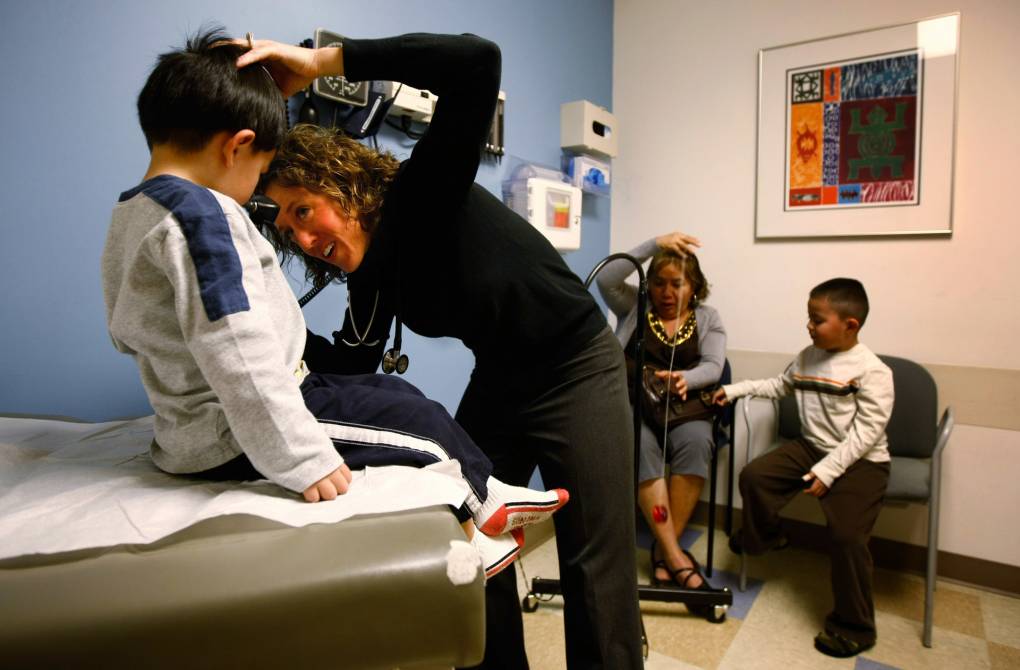
"caption": "Routine pediatric visits for millions of California children this year could involve questions about touchy family topics.",
"description": "Routine pediatric visits for millions of California children this year could involve questions about touchy family topics.",
"title": "Non-Profit Health Clinics Care For Uninsured",
"credit": "John Moore/Getty Images",
"status": "inherit",
"isLoading": false,
"fetchFailed": false
},
"news_11743829": {
"type": "attachments",
"id": "news_11743829",
"meta": {
"index": "attachments_1716263798",
"site": "news",
"id": "11743829",
"found": true
},
"parent": 11742455,
"imgSizes": {
"twentyfourteen-full-width": {
"file": "https://ww2.kqed.org/app/uploads/sites/10/2019/04/glenmills190430-1038x576.jpg",
"width": 1038,
"mimeType": "image/jpeg",
"height": 576
},
"thumbnail": {
"file": "https://ww2.kqed.org/app/uploads/sites/10/2019/04/glenmills190430-160x92.jpg",
"width": 160,
"mimeType": "image/jpeg",
"height": 92
},
"post-thumbnail": {
"file": "https://ww2.kqed.org/app/uploads/sites/10/2019/04/glenmills190430-672x372.jpg",
"width": 672,
"mimeType": "image/jpeg",
"height": 372
},
"kqedFullSize": {
"file": "https://ww2.kqed.org/app/uploads/sites/10/2019/04/glenmills190430.jpg",
"width": 1920,
"height": 1104
},
"large": {
"file": "https://ww2.kqed.org/app/uploads/sites/10/2019/04/glenmills190430-1020x587.jpg",
"width": 1020,
"mimeType": "image/jpeg",
"height": 587
},
"complete_open_graph": {
"file": "https://ww2.kqed.org/app/uploads/sites/10/2019/04/glenmills190430-1200x690.jpg",
"width": 1200,
"mimeType": "image/jpeg",
"height": 690
},
"full-width": {
"file": "https://ww2.kqed.org/app/uploads/sites/10/2019/04/glenmills190430-1920x1104.jpg",
"width": 1920,
"mimeType": "image/jpeg",
"height": 1104
},
"medium": {
"file": "https://ww2.kqed.org/app/uploads/sites/10/2019/04/glenmills190430-800x460.jpg",
"width": 800,
"mimeType": "image/jpeg",
"height": 460
}
},
"publishDate": 1556641307,
"modified": 1571708488,
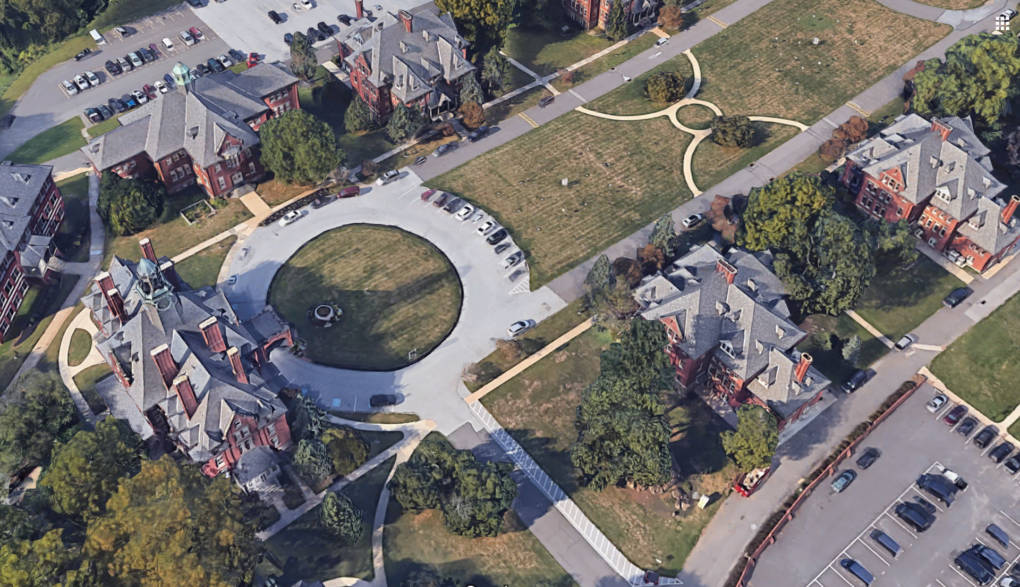
"caption": "An aerial view of the central campus area at the Glen Mills Schools outside Philadelphia.",
"description": "An aerial view of the central campus area at the Glen Mills Schools outside Philadelphia.",
"title": "Glen Mills Schools",
"credit": "Google Earth",
"status": "inherit",
"isLoading": false,
"fetchFailed": false
},
"news_11779147": {
"type": "attachments",
"id": "news_11779147",
"meta": {
"index": "attachments_1716263798",
"site": "news",
"id": "11779147",
"found": true
},
"parent": 11778695,
"imgSizes": {
"apple_news_ca_landscape_5_5": {
"file": "https://ww2.kqed.org/app/uploads/sites/10/2019/10/RS39462_RS39453_STEM-Camp-v2-qut-1044x783.jpg",
"width": 1044,
"mimeType": "image/jpeg",
"height": 783
},
"apple_news_ca_square_4_0": {
"file": "https://ww2.kqed.org/app/uploads/sites/10/2019/10/RS39462_RS39453_STEM-Camp-v2-qut-470x470.jpg",
"width": 470,
"mimeType": "image/jpeg",
"height": 470
},
"twentyfourteen-full-width": {
"file": "https://ww2.kqed.org/app/uploads/sites/10/2019/10/RS39462_RS39453_STEM-Camp-v2-qut-1038x576.jpg",
"width": 1038,
"mimeType": "image/jpeg",
"height": 576
},
"thumbnail": {
"file": "https://ww2.kqed.org/app/uploads/sites/10/2019/10/RS39462_RS39453_STEM-Camp-v2-qut-160x120.jpg",
"width": 160,
"mimeType": "image/jpeg",
"height": 120
},
"post-thumbnail": {
"file": "https://ww2.kqed.org/app/uploads/sites/10/2019/10/RS39462_RS39453_STEM-Camp-v2-qut-672x372.jpg",
"width": 672,
"mimeType": "image/jpeg",
"height": 372
},
"kqedFullSize": {
"file": "https://ww2.kqed.org/app/uploads/sites/10/2019/10/RS39462_RS39453_STEM-Camp-v2-qut.jpg",
"width": 1920,
"height": 1440
},
"apple_news_ca_landscape_4_7": {
"file": "https://ww2.kqed.org/app/uploads/sites/10/2019/10/RS39462_RS39453_STEM-Camp-v2-qut-632x474.jpg",
"width": 632,
"mimeType": "image/jpeg",
"height": 474
},
"large": {
"file": "https://ww2.kqed.org/app/uploads/sites/10/2019/10/RS39462_RS39453_STEM-Camp-v2-qut-1020x765.jpg",
"width": 1020,
"mimeType": "image/jpeg",
"height": 765
},
"complete_open_graph": {
"file": "https://ww2.kqed.org/app/uploads/sites/10/2019/10/RS39462_RS39453_STEM-Camp-v2-qut-1200x900.jpg",
"width": 1200,
"mimeType": "image/jpeg",
"height": 900
},
"apple_news_ca_landscape_4_0": {
"file": "https://ww2.kqed.org/app/uploads/sites/10/2019/10/RS39462_RS39453_STEM-Camp-v2-qut-536x402.jpg",
"width": 536,
"mimeType": "image/jpeg",
"height": 402
},
"apple_news_ca_portrait_12_9": {
"file": "https://ww2.kqed.org/app/uploads/sites/10/2019/10/RS39462_RS39453_STEM-Camp-v2-qut-1122x1440.jpg",
"width": 1122,
"mimeType": "image/jpeg",
"height": 1440
},
"medium": {
"file": "https://ww2.kqed.org/app/uploads/sites/10/2019/10/RS39462_RS39453_STEM-Camp-v2-qut-800x600.jpg",
"width": 800,
"mimeType": "image/jpeg",
"height": 600
},
"apple_news_ca_portrait_4_0": {
"file": "https://ww2.kqed.org/app/uploads/sites/10/2019/10/RS39462_RS39453_STEM-Camp-v2-qut-354x472.jpg",
"width": 354,
"mimeType": "image/jpeg",
"height": 472
},
"apple_news_ca_portrait_9_7": {
"file": "https://ww2.kqed.org/app/uploads/sites/10/2019/10/RS39462_RS39453_STEM-Camp-v2-qut-840x1120.jpg",
"width": 840,
"mimeType": "image/jpeg",
"height": 1120
},
"apple_news_ca_landscape_12_9": {
"file": "https://ww2.kqed.org/app/uploads/sites/10/2019/10/RS39462_RS39453_STEM-Camp-v2-qut-1832x1374.jpg",
"width": 1832,
"mimeType": "image/jpeg",
"height": 1374
},
"apple_news_ca_square_9_7": {
"file": "https://ww2.kqed.org/app/uploads/sites/10/2019/10/RS39462_RS39453_STEM-Camp-v2-qut-1104x1104.jpg",
"width": 1104,
"mimeType": "image/jpeg",
"height": 1104
},
"apple_news_ca_portrait_4_7": {
"file": "https://ww2.kqed.org/app/uploads/sites/10/2019/10/RS39462_RS39453_STEM-Camp-v2-qut-414x552.jpg",
"width": 414,
"mimeType": "image/jpeg",
"height": 552
},
"apple_news_ca_square_12_9": {
"file": "https://ww2.kqed.org/app/uploads/sites/10/2019/10/RS39462_RS39453_STEM-Camp-v2-qut-1472x1440.jpg",
"width": 1472,
"mimeType": "image/jpeg",
"height": 1440
},
"apple_news_ca_portrait_5_5": {
"file": "https://ww2.kqed.org/app/uploads/sites/10/2019/10/RS39462_RS39453_STEM-Camp-v2-qut-687x916.jpg",
"width": 687,
"mimeType": "image/jpeg",
"height": 916
},
"full-width": {
"file": "https://ww2.kqed.org/app/uploads/sites/10/2019/10/RS39462_RS39453_STEM-Camp-v2-qut-1920x1440.jpg",
"width": 1920,
"mimeType": "image/jpeg",
"height": 1440
},
"apple_news_ca_square_4_7": {
"file": "https://ww2.kqed.org/app/uploads/sites/10/2019/10/RS39462_RS39453_STEM-Camp-v2-qut-550x550.jpg",
"width": 550,
"mimeType": "image/jpeg",
"height": 550
},
"apple_news_ca_landscape_9_7": {
"file": "https://ww2.kqed.org/app/uploads/sites/10/2019/10/RS39462_RS39453_STEM-Camp-v2-qut-1376x1032.jpg",
"width": 1376,
"mimeType": "image/jpeg",
"height": 1032
},
"apple_news_ca_square_5_5": {
"file": "https://ww2.kqed.org/app/uploads/sites/10/2019/10/RS39462_RS39453_STEM-Camp-v2-qut-912x912.jpg",
"width": 912,
"mimeType": "image/jpeg",
"height": 912
}
},
"publishDate": 1570669358,
"modified": 1570669452,
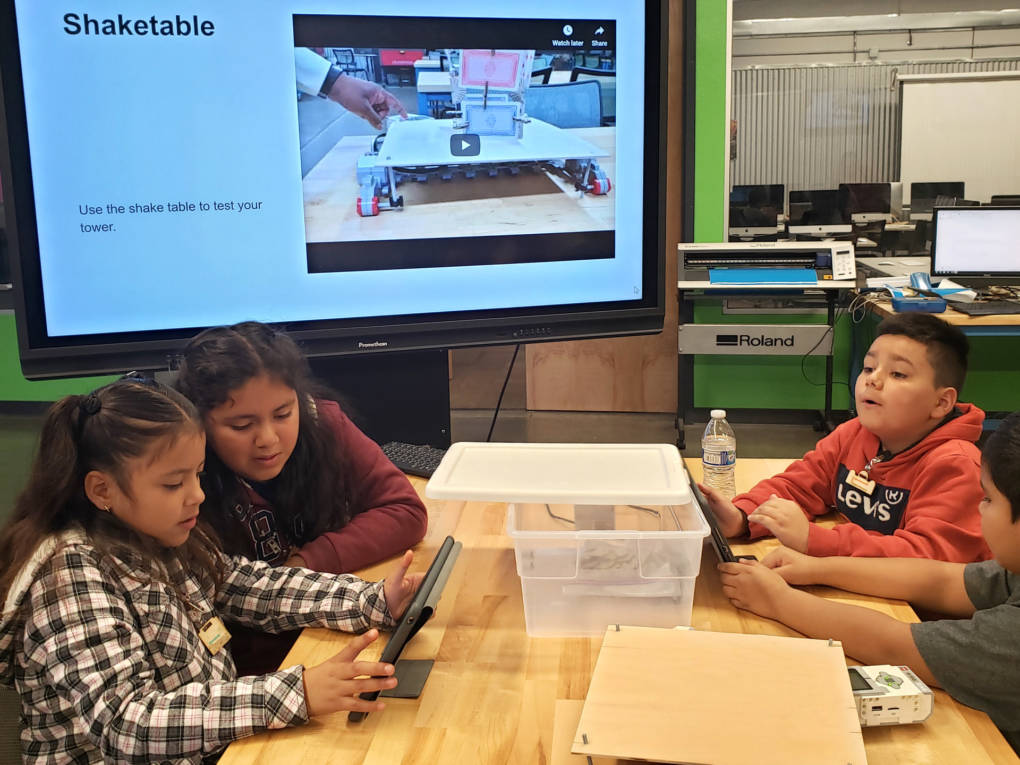
"caption": "Students prepare to build card towers on table-top earthquake simulators as part of a STEM class in the Migrant Education Program for farm worker students.",
"description": "Students prepare to build card towers on table-top earthquake simulators as part of a STEM class in the Migrant Education Program for farm worker students.",
"title": "Migrant Education Program-students",
"credit": "Katie Orr/KQED",
"status": "inherit",
"isLoading": false,
"fetchFailed": false
},
"news_11768542": {
"type": "attachments",
"id": "news_11768542",
"meta": {
"index": "attachments_1716263798",
"site": "news",
"id": "11768542",
"found": true
},
"parent": 11768419,
"imgSizes": {
"apple_news_ca_landscape_5_5": {
"file": "https://ww2.kqed.org/app/uploads/sites/10/2019/08/08192019_childsupport_Lam_crop-1044x773.png",
"width": 1044,
"mimeType": "image/png",
"height": 773
},
"apple_news_ca_square_4_0": {
"file": "https://ww2.kqed.org/app/uploads/sites/10/2019/08/08192019_childsupport_Lam_crop-470x470.png",
"width": 470,
"mimeType": "image/png",
"height": 470
},
"twentyfourteen-full-width": {
"file": "https://ww2.kqed.org/app/uploads/sites/10/2019/08/08192019_childsupport_Lam_crop-1038x576.png",
"width": 1038,
"mimeType": "image/png",
"height": 576
},
"thumbnail": {
"file": "https://ww2.kqed.org/app/uploads/sites/10/2019/08/08192019_childsupport_Lam_crop-160x110.png",
"width": 160,
"mimeType": "image/png",
"height": 110
},
"post-thumbnail": {
"file": "https://ww2.kqed.org/app/uploads/sites/10/2019/08/08192019_childsupport_Lam_crop-672x372.png",
"width": 672,
"mimeType": "image/png",
"height": 372
},
"kqedFullSize": {
"file": "https://ww2.kqed.org/app/uploads/sites/10/2019/08/08192019_childsupport_Lam_crop.png",
"width": 1124,
"height": 773
},
"apple_news_ca_landscape_4_7": {
"file": "https://ww2.kqed.org/app/uploads/sites/10/2019/08/08192019_childsupport_Lam_crop-632x474.png",
"width": 632,
"mimeType": "image/png",
"height": 474
},
"large": {
"file": "https://ww2.kqed.org/app/uploads/sites/10/2019/08/08192019_childsupport_Lam_crop-1020x701.png",
"width": 1020,
"mimeType": "image/png",
"height": 701
},
"apple_news_ca_landscape_4_0": {
"file": "https://ww2.kqed.org/app/uploads/sites/10/2019/08/08192019_childsupport_Lam_crop-536x402.png",
"width": 536,
"mimeType": "image/png",
"height": 402
},
"apple_news_ca_portrait_12_9": {
"file": "https://ww2.kqed.org/app/uploads/sites/10/2019/08/08192019_childsupport_Lam_crop-1122x773.png",
"width": 1122,
"mimeType": "image/png",
"height": 773
},
"medium": {
"file": "https://ww2.kqed.org/app/uploads/sites/10/2019/08/08192019_childsupport_Lam_crop-800x550.png",
"width": 800,
"mimeType": "image/png",
"height": 550
},
"apple_news_ca_portrait_4_0": {
"file": "https://ww2.kqed.org/app/uploads/sites/10/2019/08/08192019_childsupport_Lam_crop-354x472.png",
"width": 354,
"mimeType": "image/png",
"height": 472
},
"apple_news_ca_portrait_9_7": {
"file": "https://ww2.kqed.org/app/uploads/sites/10/2019/08/08192019_childsupport_Lam_crop-840x773.png",
"width": 840,
"mimeType": "image/png",
"height": 773
},
"apple_news_ca_square_9_7": {
"file": "https://ww2.kqed.org/app/uploads/sites/10/2019/08/08192019_childsupport_Lam_crop-1104x773.png",
"width": 1104,
"mimeType": "image/png",
"height": 773
},
"apple_news_ca_portrait_4_7": {
"file": "https://ww2.kqed.org/app/uploads/sites/10/2019/08/08192019_childsupport_Lam_crop-414x552.png",
"width": 414,
"mimeType": "image/png",
"height": 552
},
"apple_news_ca_portrait_5_5": {
"file": "https://ww2.kqed.org/app/uploads/sites/10/2019/08/08192019_childsupport_Lam_crop-687x773.png",
"width": 687,
"mimeType": "image/png",
"height": 773
},
"apple_news_ca_square_4_7": {
"file": "https://ww2.kqed.org/app/uploads/sites/10/2019/08/08192019_childsupport_Lam_crop-550x550.png",
"width": 550,
"mimeType": "image/png",
"height": 550
},
"apple_news_ca_square_5_5": {
"file": "https://ww2.kqed.org/app/uploads/sites/10/2019/08/08192019_childsupport_Lam_crop-912x773.png",
"width": 912,
"mimeType": "image/png",
"height": 773
}
},
"publishDate": 1566256785,
"modified": 1566256848,
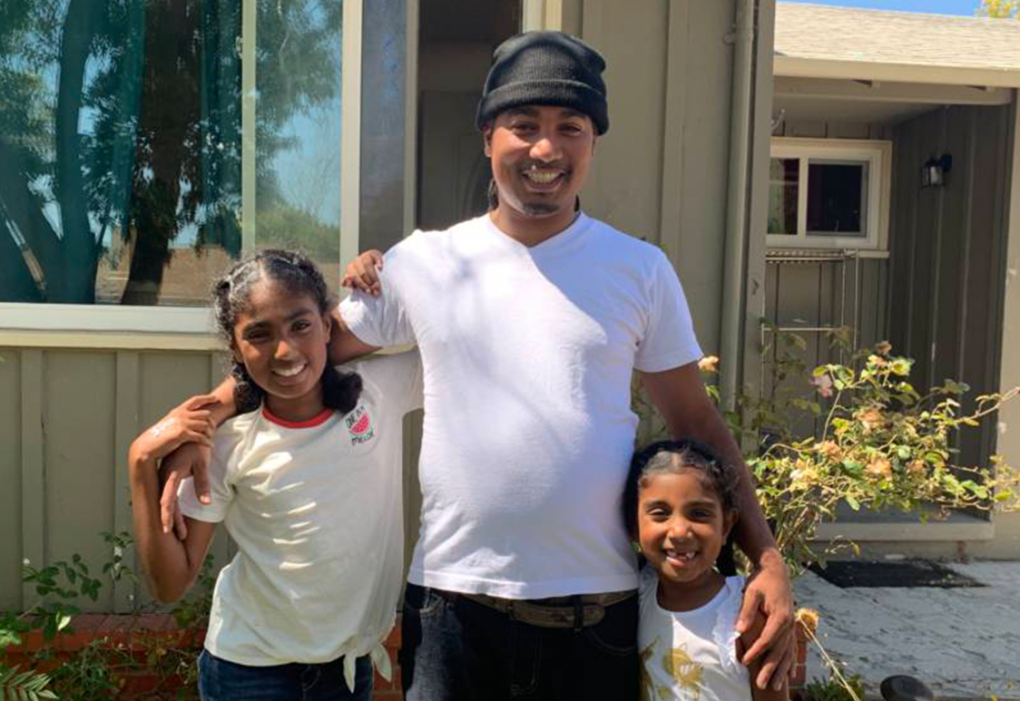
"caption": "Thomas Lam Jr. stands with his daughters. Aryanna, 10, and Rhiannan, 5, outside his Vallejo home. Lam owed $6,000 in child support debt but the money was going to the government, not his girls.",
"description": null,
"title": "08192019_childsupport_Lam_crop",
"credit": "Marisa Lagos/KQED",
"status": "inherit",
"isLoading": false,
"fetchFailed": false
},
"news_11739137": {
"type": "attachments",
"id": "news_11739137",
"meta": {
"index": "attachments_1716263798",
"site": "news",
"id": "11739137",
"found": true
},
"parent": 11738215,
"imgSizes": {
"apple_news_ca_landscape_5_5": {
"file": "https://ww2.kqed.org/app/uploads/sites/10/2019/04/RS36473_Blake-Family-1044x783.jpeg",
"width": 1044,
"mimeType": "image/jpeg",
"height": 783
},
"apple_news_ca_square_4_0": {
"file": "https://ww2.kqed.org/app/uploads/sites/10/2019/04/RS36473_Blake-Family-470x470.jpeg",
"width": 470,
"mimeType": "image/jpeg",
"height": 470
},
"twentyfourteen-full-width": {
"file": "https://ww2.kqed.org/app/uploads/sites/10/2019/04/RS36473_Blake-Family-1038x576.jpeg",
"width": 1038,
"mimeType": "image/jpeg",
"height": 576
},
"thumbnail": {
"file": "https://ww2.kqed.org/app/uploads/sites/10/2019/04/RS36473_Blake-Family-160x127.jpeg",
"width": 160,
"mimeType": "image/jpeg",
"height": 127
},
"post-thumbnail": {
"file": "https://ww2.kqed.org/app/uploads/sites/10/2019/04/RS36473_Blake-Family-672x372.jpeg",
"width": 672,
"mimeType": "image/jpeg",
"height": 372
},
"kqedFullSize": {
"file": "https://ww2.kqed.org/app/uploads/sites/10/2019/04/RS36473_Blake-Family.jpeg",
"width": 1242,
"height": 989
},
"apple_news_ca_landscape_4_7": {
"file": "https://ww2.kqed.org/app/uploads/sites/10/2019/04/RS36473_Blake-Family-632x474.jpeg",
"width": 632,
"mimeType": "image/jpeg",
"height": 474
},
"large": {
"file": "https://ww2.kqed.org/app/uploads/sites/10/2019/04/RS36473_Blake-Family-1020x812.jpeg",
"width": 1020,
"mimeType": "image/jpeg",
"height": 812
},
"complete_open_graph": {
"file": "https://ww2.kqed.org/app/uploads/sites/10/2019/04/RS36473_Blake-Family-1200x956.jpeg",
"width": 1200,
"mimeType": "image/jpeg",
"height": 956
},
"guest-author-50": {
"file": "https://ww2.kqed.org/app/uploads/sites/10/2019/04/RS36473_Blake-Family-50x50.jpeg",
"width": 50,
"mimeType": "image/jpeg",
"height": 50
},
"guest-author-96": {
"file": "https://ww2.kqed.org/app/uploads/sites/10/2019/04/RS36473_Blake-Family-96x96.jpeg",
"width": 96,
"mimeType": "image/jpeg",
"height": 96
},
"apple_news_ca_landscape_4_0": {
"file": "https://ww2.kqed.org/app/uploads/sites/10/2019/04/RS36473_Blake-Family-536x402.jpeg",
"width": 536,
"mimeType": "image/jpeg",
"height": 402
},
"apple_news_ca_portrait_12_9": {
"file": "https://ww2.kqed.org/app/uploads/sites/10/2019/04/RS36473_Blake-Family-1122x989.jpeg",
"width": 1122,
"mimeType": "image/jpeg",
"height": 989
},
"medium": {
"file": "https://ww2.kqed.org/app/uploads/sites/10/2019/04/RS36473_Blake-Family-800x637.jpeg",
"width": 800,
"mimeType": "image/jpeg",
"height": 637
},
"guest-author-64": {
"file": "https://ww2.kqed.org/app/uploads/sites/10/2019/04/RS36473_Blake-Family-64x64.jpeg",
"width": 64,
"mimeType": "image/jpeg",
"height": 64
},
"guest-author-32": {
"file": "https://ww2.kqed.org/app/uploads/sites/10/2019/04/RS36473_Blake-Family-32x32.jpeg",
"width": 32,
"mimeType": "image/jpeg",
"height": 32
},
"apple_news_ca_portrait_4_0": {
"file": "https://ww2.kqed.org/app/uploads/sites/10/2019/04/RS36473_Blake-Family-354x472.jpeg",
"width": 354,
"mimeType": "image/jpeg",
"height": 472
},
"apple_news_ca_portrait_9_7": {
"file": "https://ww2.kqed.org/app/uploads/sites/10/2019/04/RS36473_Blake-Family-840x989.jpeg",
"width": 840,
"mimeType": "image/jpeg",
"height": 989
},
"apple_news_ca_square_9_7": {
"file": "https://ww2.kqed.org/app/uploads/sites/10/2019/04/RS36473_Blake-Family-1104x989.jpeg",
"width": 1104,
"mimeType": "image/jpeg",
"height": 989
},
"apple_news_ca_portrait_4_7": {
"file": "https://ww2.kqed.org/app/uploads/sites/10/2019/04/RS36473_Blake-Family-414x552.jpeg",
"width": 414,
"mimeType": "image/jpeg",
"height": 552
},
"apple_news_ca_portrait_5_5": {
"file": "https://ww2.kqed.org/app/uploads/sites/10/2019/04/RS36473_Blake-Family-687x916.jpeg",
"width": 687,
"mimeType": "image/jpeg",
"height": 916
},
"apple_news_ca_square_4_7": {
"file": "https://ww2.kqed.org/app/uploads/sites/10/2019/04/RS36473_Blake-Family-550x550.jpeg",
"width": 550,
"mimeType": "image/jpeg",
"height": 550
},
"guest-author-128": {
"file": "https://ww2.kqed.org/app/uploads/sites/10/2019/04/RS36473_Blake-Family-128x128.jpeg",
"width": 128,
"mimeType": "image/jpeg",
"height": 128
},
"apple_news_ca_square_5_5": {
"file": "https://ww2.kqed.org/app/uploads/sites/10/2019/04/RS36473_Blake-Family-912x912.jpeg",
"width": 912,
"mimeType": "image/jpeg",
"height": 912
}
},
"publishDate": 1554923732,
"modified": 1554923774,
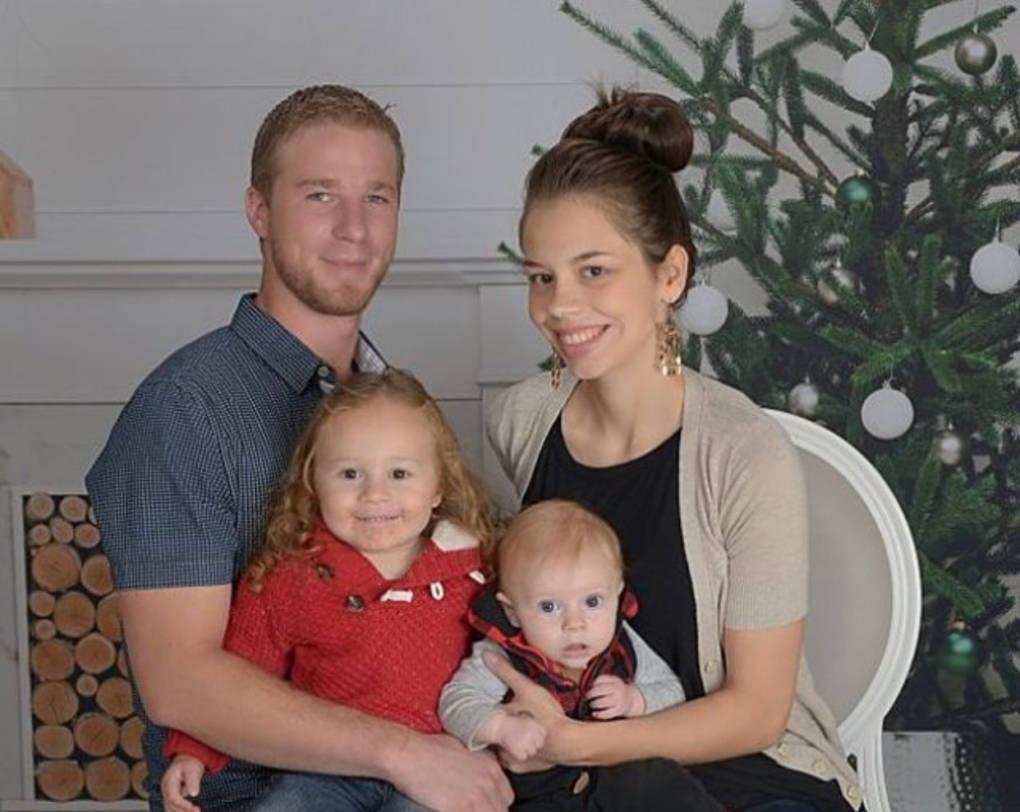
"caption": "Blake Richardson with his sons Elias Andrew Richardson, Aiden Pax Richardson and his wife Desiree D’Ambrosio. Richardson took paid family leave after the births of his sons. But he couldn't afford to take the full six weeks he was entitled to.",
"description": "Blake Richardson with his sons Elias Andrew Richardson, Aiden Pax Richardson and his wife Desiree D’Ambrosio. Richardson took paid family leave after the births of his sons. But he couldn't afford to take the full six weeks he was entitled to.",
"title": "RS36473_Blake Family",
"credit": "Courtesy Blake Richardson",
"status": "inherit",
"isLoading": false,
"fetchFailed": false
},
"news_11737226": {
"type": "attachments",
"id": "news_11737226",
"meta": {
"index": "attachments_1716263798",
"site": "news",
"id": "11737226",
"found": true
},
"parent": 11737207,
"imgSizes": {
"post-thumbnail": {
"file": "https://ww2.kqed.org/app/uploads/sites/10/2019/04/Bobbie-2-672x372.jpg",
"width": 672,
"mimeType": "image/jpeg",
"height": 372
},
"kqedFullSize": {
"file": "https://ww2.kqed.org/app/uploads/sites/10/2019/04/Bobbie-2.jpg",
"width": 1920,
"height": 1552
},
"guest-author-50": {
"file": "https://ww2.kqed.org/app/uploads/sites/10/2019/04/Bobbie-2-50x50.jpg",
"width": 50,
"mimeType": "image/jpeg",
"height": 50
},
"guest-author-96": {
"file": "https://ww2.kqed.org/app/uploads/sites/10/2019/04/Bobbie-2-96x96.jpg",
"width": 96,
"mimeType": "image/jpeg",
"height": 96
},
"apple_news_ca_portrait_12_9": {
"file": "https://ww2.kqed.org/app/uploads/sites/10/2019/04/Bobbie-2-1122x1496.jpg",
"width": 1122,
"mimeType": "image/jpeg",
"height": 1496
},
"medium": {
"file": "https://ww2.kqed.org/app/uploads/sites/10/2019/04/Bobbie-2-800x647.jpg",
"width": 800,
"mimeType": "image/jpeg",
"height": 647
},
"guest-author-32": {
"file": "https://ww2.kqed.org/app/uploads/sites/10/2019/04/Bobbie-2-32x32.jpg",
"width": 32,
"mimeType": "image/jpeg",
"height": 32
},
"apple_news_ca_portrait_9_7": {
"file": "https://ww2.kqed.org/app/uploads/sites/10/2019/04/Bobbie-2-840x1120.jpg",
"width": 840,
"mimeType": "image/jpeg",
"height": 1120
},
"apple_news_ca_square_9_7": {
"file": "https://ww2.kqed.org/app/uploads/sites/10/2019/04/Bobbie-2-1104x1104.jpg",
"width": 1104,
"mimeType": "image/jpeg",
"height": 1104
},
"apple_news_ca_portrait_4_7": {
"file": "https://ww2.kqed.org/app/uploads/sites/10/2019/04/Bobbie-2-414x552.jpg",
"width": 414,
"mimeType": "image/jpeg",
"height": 552
},
"apple_news_ca_square_12_9": {
"file": "https://ww2.kqed.org/app/uploads/sites/10/2019/04/Bobbie-2-1472x1472.jpg",
"width": 1472,
"mimeType": "image/jpeg",
"height": 1472
},
"apple_news_ca_portrait_5_5": {
"file": "https://ww2.kqed.org/app/uploads/sites/10/2019/04/Bobbie-2-687x916.jpg",
"width": 687,
"mimeType": "image/jpeg",
"height": 916
},
"apple_news_ca_square_4_7": {
"file": "https://ww2.kqed.org/app/uploads/sites/10/2019/04/Bobbie-2-550x550.jpg",
"width": 550,
"mimeType": "image/jpeg",
"height": 550
},
"apple_news_ca_square_5_5": {
"file": "https://ww2.kqed.org/app/uploads/sites/10/2019/04/Bobbie-2-912x912.jpg",
"width": 912,
"mimeType": "image/jpeg",
"height": 912
},
"apple_news_ca_landscape_5_5": {
"file": "https://ww2.kqed.org/app/uploads/sites/10/2019/04/Bobbie-2-1044x783.jpg",
"width": 1044,
"mimeType": "image/jpeg",
"height": 783
},
"apple_news_ca_square_4_0": {
"file": "https://ww2.kqed.org/app/uploads/sites/10/2019/04/Bobbie-2-470x470.jpg",
"width": 470,
"mimeType": "image/jpeg",
"height": 470
},
"twentyfourteen-full-width": {
"file": "https://ww2.kqed.org/app/uploads/sites/10/2019/04/Bobbie-2-1038x576.jpg",
"width": 1038,
"mimeType": "image/jpeg",
"height": 576
},
"thumbnail": {
"file": "https://ww2.kqed.org/app/uploads/sites/10/2019/04/Bobbie-2-160x129.jpg",
"width": 160,
"mimeType": "image/jpeg",
"height": 129
},
"apple_news_ca_landscape_4_7": {
"file": "https://ww2.kqed.org/app/uploads/sites/10/2019/04/Bobbie-2-632x474.jpg",
"width": 632,
"mimeType": "image/jpeg",
"height": 474
},
"large": {
"file": "https://ww2.kqed.org/app/uploads/sites/10/2019/04/Bobbie-2-1020x825.jpg",
"width": 1020,
"mimeType": "image/jpeg",
"height": 825
},
"complete_open_graph": {
"file": "https://ww2.kqed.org/app/uploads/sites/10/2019/04/Bobbie-2-1200x970.jpg",
"width": 1200,
"mimeType": "image/jpeg",
"height": 970
},
"apple_news_ca_landscape_4_0": {
"file": "https://ww2.kqed.org/app/uploads/sites/10/2019/04/Bobbie-2-536x402.jpg",
"width": 536,
"mimeType": "image/jpeg",
"height": 402
},
"guest-author-64": {
"file": "https://ww2.kqed.org/app/uploads/sites/10/2019/04/Bobbie-2-64x64.jpg",
"width": 64,
"mimeType": "image/jpeg",
"height": 64
},
"apple_news_ca_portrait_4_0": {
"file": "https://ww2.kqed.org/app/uploads/sites/10/2019/04/Bobbie-2-354x472.jpg",
"width": 354,
"mimeType": "image/jpeg",
"height": 472
},
"apple_news_ca_landscape_12_9": {
"file": "https://ww2.kqed.org/app/uploads/sites/10/2019/04/Bobbie-2-1832x1374.jpg",
"width": 1832,
"mimeType": "image/jpeg",
"height": 1374
},
"full-width": {
"file": "https://ww2.kqed.org/app/uploads/sites/10/2019/04/Bobbie-2-1920x1552.jpg",
"width": 1920,
"mimeType": "image/jpeg",
"height": 1552
},
"guest-author-128": {
"file": "https://ww2.kqed.org/app/uploads/sites/10/2019/04/Bobbie-2-128x128.jpg",
"width": 128,
"mimeType": "image/jpeg",
"height": 128
},
"apple_news_ca_landscape_9_7": {
"file": "https://ww2.kqed.org/app/uploads/sites/10/2019/04/Bobbie-2-1376x1032.jpg",
"width": 1376,
"mimeType": "image/jpeg",
"height": 1032
}
},
"publishDate": 1554231338,
"modified": 1554412896,
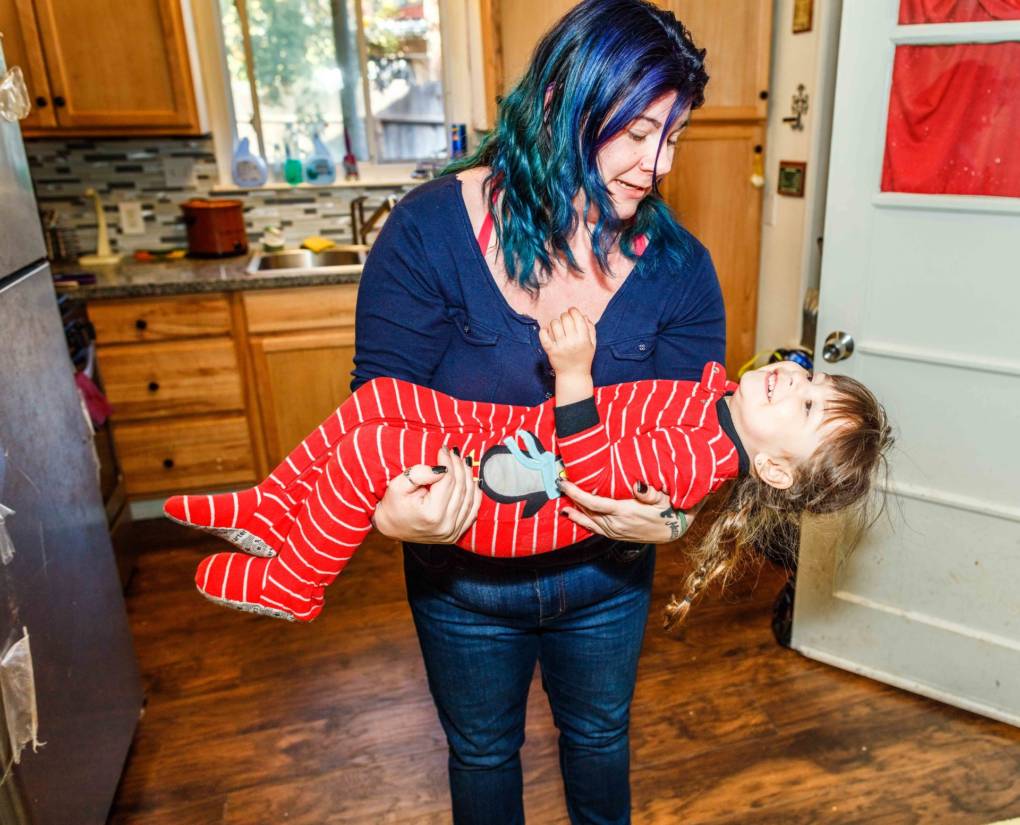
"caption": "Balancing work, child care and affordable housing is a daily reality for Bobbie Allison, shown here with her 3-year-old daughter, Alorra, at their home in Atwater. ",
"description": "Balancing work, child care and affordable housing are a daily reality for Bobbie Allison, shown here with her three-year-old daughter, Alorra. ",
"title": "Starting Blocks",
"credit": "Matt Rogers/KQED",
"status": "inherit",
"isLoading": false,
"fetchFailed": false
},
"news_11737448": {
"type": "attachments",
"id": "news_11737448",
"meta": {
"index": "attachments_1716263798",
"site": "news",
"id": "11737448",
"found": true
},
"parent": 11736901,
"imgSizes": {
"post-thumbnail": {
"file": "https://ww2.kqed.org/app/uploads/sites/10/2019/04/Norma-and-Alex-Merced-Baby-672x372.jpg",
"width": 672,
"mimeType": "image/jpeg",
"height": 372
},
"kqedFullSize": {
"file": "https://ww2.kqed.org/app/uploads/sites/10/2019/04/Norma-and-Alex-Merced-Baby.jpg",
"width": 1920,
"height": 1681
},
"guest-author-50": {
"file": "https://ww2.kqed.org/app/uploads/sites/10/2019/04/Norma-and-Alex-Merced-Baby-50x50.jpg",
"width": 50,
"mimeType": "image/jpeg",
"height": 50
},
"guest-author-96": {
"file": "https://ww2.kqed.org/app/uploads/sites/10/2019/04/Norma-and-Alex-Merced-Baby-96x96.jpg",
"width": 96,
"mimeType": "image/jpeg",
"height": 96
},
"apple_news_ca_portrait_12_9": {
"file": "https://ww2.kqed.org/app/uploads/sites/10/2019/04/Norma-and-Alex-Merced-Baby-1122x1496.jpg",
"width": 1122,
"mimeType": "image/jpeg",
"height": 1496
},
"medium": {
"file": "https://ww2.kqed.org/app/uploads/sites/10/2019/04/Norma-and-Alex-Merced-Baby-800x700.jpg",
"width": 800,
"mimeType": "image/jpeg",
"height": 700
},
"guest-author-32": {
"file": "https://ww2.kqed.org/app/uploads/sites/10/2019/04/Norma-and-Alex-Merced-Baby-32x32.jpg",
"width": 32,
"mimeType": "image/jpeg",
"height": 32
},
"apple_news_ca_portrait_9_7": {
"file": "https://ww2.kqed.org/app/uploads/sites/10/2019/04/Norma-and-Alex-Merced-Baby-840x1120.jpg",
"width": 840,
"mimeType": "image/jpeg",
"height": 1120
},
"apple_news_ca_square_9_7": {
"file": "https://ww2.kqed.org/app/uploads/sites/10/2019/04/Norma-and-Alex-Merced-Baby-1104x1104.jpg",
"width": 1104,
"mimeType": "image/jpeg",
"height": 1104
},
"apple_news_ca_portrait_4_7": {
"file": "https://ww2.kqed.org/app/uploads/sites/10/2019/04/Norma-and-Alex-Merced-Baby-414x552.jpg",
"width": 414,
"mimeType": "image/jpeg",
"height": 552
},
"apple_news_ca_square_12_9": {
"file": "https://ww2.kqed.org/app/uploads/sites/10/2019/04/Norma-and-Alex-Merced-Baby-1472x1472.jpg",
"width": 1472,
"mimeType": "image/jpeg",
"height": 1472
},
"apple_news_ca_portrait_5_5": {
"file": "https://ww2.kqed.org/app/uploads/sites/10/2019/04/Norma-and-Alex-Merced-Baby-687x916.jpg",
"width": 687,
"mimeType": "image/jpeg",
"height": 916
},
"apple_news_ca_square_4_7": {
"file": "https://ww2.kqed.org/app/uploads/sites/10/2019/04/Norma-and-Alex-Merced-Baby-550x550.jpg",
"width": 550,
"mimeType": "image/jpeg",
"height": 550
},
"apple_news_ca_square_5_5": {
"file": "https://ww2.kqed.org/app/uploads/sites/10/2019/04/Norma-and-Alex-Merced-Baby-912x912.jpg",
"width": 912,
"mimeType": "image/jpeg",
"height": 912
},
"apple_news_ca_landscape_5_5": {
"file": "https://ww2.kqed.org/app/uploads/sites/10/2019/04/Norma-and-Alex-Merced-Baby-1044x783.jpg",
"width": 1044,
"mimeType": "image/jpeg",
"height": 783
},
"apple_news_ca_square_4_0": {
"file": "https://ww2.kqed.org/app/uploads/sites/10/2019/04/Norma-and-Alex-Merced-Baby-470x470.jpg",
"width": 470,
"mimeType": "image/jpeg",
"height": 470
},
"twentyfourteen-full-width": {
"file": "https://ww2.kqed.org/app/uploads/sites/10/2019/04/Norma-and-Alex-Merced-Baby-1038x576.jpg",
"width": 1038,
"mimeType": "image/jpeg",
"height": 576
},
"thumbnail": {
"file": "https://ww2.kqed.org/app/uploads/sites/10/2019/04/Norma-and-Alex-Merced-Baby-160x140.jpg",
"width": 160,
"mimeType": "image/jpeg",
"height": 140
},
"apple_news_ca_landscape_4_7": {
"file": "https://ww2.kqed.org/app/uploads/sites/10/2019/04/Norma-and-Alex-Merced-Baby-632x474.jpg",
"width": 632,
"mimeType": "image/jpeg",
"height": 474
},
"large": {
"file": "https://ww2.kqed.org/app/uploads/sites/10/2019/04/Norma-and-Alex-Merced-Baby-1020x893.jpg",
"width": 1020,
"mimeType": "image/jpeg",
"height": 893
},
"complete_open_graph": {
"file": "https://ww2.kqed.org/app/uploads/sites/10/2019/04/Norma-and-Alex-Merced-Baby-1200x1051.jpg",
"width": 1200,
"mimeType": "image/jpeg",
"height": 1051
},
"apple_news_ca_landscape_4_0": {
"file": "https://ww2.kqed.org/app/uploads/sites/10/2019/04/Norma-and-Alex-Merced-Baby-536x402.jpg",
"width": 536,
"mimeType": "image/jpeg",
"height": 402
},
"guest-author-64": {
"file": "https://ww2.kqed.org/app/uploads/sites/10/2019/04/Norma-and-Alex-Merced-Baby-64x64.jpg",
"width": 64,
"mimeType": "image/jpeg",
"height": 64
},
"apple_news_ca_portrait_4_0": {
"file": "https://ww2.kqed.org/app/uploads/sites/10/2019/04/Norma-and-Alex-Merced-Baby-354x472.jpg",
"width": 354,
"mimeType": "image/jpeg",
"height": 472
},
"apple_news_ca_landscape_12_9": {
"file": "https://ww2.kqed.org/app/uploads/sites/10/2019/04/Norma-and-Alex-Merced-Baby-1832x1374.jpg",
"width": 1832,
"mimeType": "image/jpeg",
"height": 1374
},
"full-width": {
"file": "https://ww2.kqed.org/app/uploads/sites/10/2019/04/Norma-and-Alex-Merced-Baby-1920x1681.jpg",
"width": 1920,
"mimeType": "image/jpeg",
"height": 1681
},
"guest-author-128": {
"file": "https://ww2.kqed.org/app/uploads/sites/10/2019/04/Norma-and-Alex-Merced-Baby-128x128.jpg",
"width": 128,
"mimeType": "image/jpeg",
"height": 128
},
"apple_news_ca_landscape_9_7": {
"file": "https://ww2.kqed.org/app/uploads/sites/10/2019/04/Norma-and-Alex-Merced-Baby-1376x1032.jpg",
"width": 1376,
"mimeType": "image/jpeg",
"height": 1032
}
},
"publishDate": 1554251637,
"modified": 1554251668,
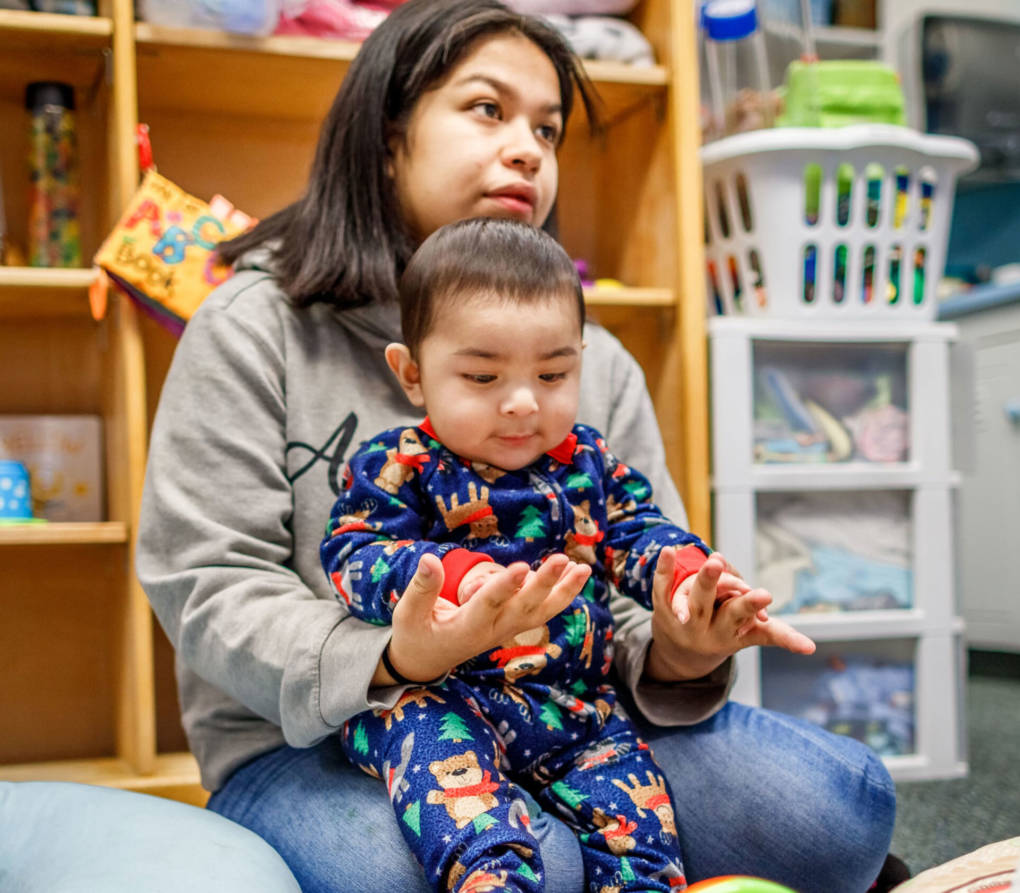
"caption": "Merced County resident Norma Sandoval and her four-month-old son Alex barely get by, even with the state's generous social safety net.",
"description": "Merced County resident Norma Sandoval and her four-month-old son Alex barely get by, even with the state's generous social safety net.",
"title": "Norma-and-Alex-Merced-Baby",
"credit": "Matt Rogers/KQED",
"status": "inherit",
"isLoading": false,
"fetchFailed": false
},
"news_11671745": {
"type": "attachments",
"id": "news_11671745",
"meta": {
"index": "attachments_1716263798",
"site": "news",
"id": "11671745",
"found": true
},
"parent": 11671736,
"imgSizes": {
"small": {
"file": "https://ww2.kqed.org/app/uploads/sites/10/2018/05/TenderloinKidsMain-520x351.jpg",
"width": 520,
"mimeType": "image/jpeg",
"height": 351
},
"twentyfourteen-full-width": {
"file": "https://ww2.kqed.org/app/uploads/sites/10/2018/05/TenderloinKidsMain-1038x576.jpg",
"width": 1038,
"mimeType": "image/jpeg",
"height": 576
},
"thumbnail": {
"file": "https://ww2.kqed.org/app/uploads/sites/10/2018/05/TenderloinKidsMain-160x108.jpg",
"width": 160,
"mimeType": "image/jpeg",
"height": 108
},
"fd-sm": {
"file": "https://ww2.kqed.org/app/uploads/sites/10/2018/05/TenderloinKidsMain-960x648.jpg",
"width": 960,
"mimeType": "image/jpeg",
"height": 648
},
"post-thumbnail": {
"file": "https://ww2.kqed.org/app/uploads/sites/10/2018/05/TenderloinKidsMain-672x372.jpg",
"width": 672,
"mimeType": "image/jpeg",
"height": 372
},
"xsmall": {
"file": "https://ww2.kqed.org/app/uploads/sites/10/2018/05/TenderloinKidsMain-375x253.jpg",
"width": 375,
"mimeType": "image/jpeg",
"height": 253
},
"kqedFullSize": {
"file": "https://ww2.kqed.org/app/uploads/sites/10/2018/05/TenderloinKidsMain.jpg",
"width": 1920,
"height": 1296
},
"large": {
"file": "https://ww2.kqed.org/app/uploads/sites/10/2018/05/TenderloinKidsMain-1020x689.jpg",
"width": 1020,
"mimeType": "image/jpeg",
"height": 689
},
"xlarge": {
"file": "https://ww2.kqed.org/app/uploads/sites/10/2018/05/TenderloinKidsMain-1180x797.jpg",
"width": 1180,
"mimeType": "image/jpeg",
"height": 797
},
"complete_open_graph": {
"file": "https://ww2.kqed.org/app/uploads/sites/10/2018/05/TenderloinKidsMain-1200x810.jpg",
"width": 1200,
"mimeType": "image/jpeg",
"height": 810
},
"guest-author-50": {
"file": "https://ww2.kqed.org/app/uploads/sites/10/2018/05/TenderloinKidsMain-50x50.jpg",
"width": 50,
"mimeType": "image/jpeg",
"height": 50
},
"guest-author-96": {
"file": "https://ww2.kqed.org/app/uploads/sites/10/2018/05/TenderloinKidsMain-96x96.jpg",
"width": 96,
"mimeType": "image/jpeg",
"height": 96
},
"medium": {
"file": "https://ww2.kqed.org/app/uploads/sites/10/2018/05/TenderloinKidsMain-800x540.jpg",
"width": 800,
"mimeType": "image/jpeg",
"height": 540
},
"guest-author-64": {
"file": "https://ww2.kqed.org/app/uploads/sites/10/2018/05/TenderloinKidsMain-64x64.jpg",
"width": 64,
"mimeType": "image/jpeg",
"height": 64
},
"guest-author-32": {
"file": "https://ww2.kqed.org/app/uploads/sites/10/2018/05/TenderloinKidsMain-32x32.jpg",
"width": 32,
"mimeType": "image/jpeg",
"height": 32
},
"fd-lrg": {
"file": "https://ww2.kqed.org/app/uploads/sites/10/2018/05/TenderloinKidsMain-1920x1296.jpg",
"width": 1920,
"mimeType": "image/jpeg",
"height": 1296
},
"fd-med": {
"file": "https://ww2.kqed.org/app/uploads/sites/10/2018/05/TenderloinKidsMain-1180x797.jpg",
"width": 1180,
"mimeType": "image/jpeg",
"height": 797
},
"full-width": {
"file": "https://ww2.kqed.org/app/uploads/sites/10/2018/05/TenderloinKidsMain-1920x1296.jpg",
"width": 1920,
"mimeType": "image/jpeg",
"height": 1296
},
"detail": {
"file": "https://ww2.kqed.org/app/uploads/sites/10/2018/05/TenderloinKidsMain-150x150.jpg",
"width": 150,
"mimeType": "image/jpeg",
"height": 150
},
"guest-author-128": {
"file": "https://ww2.kqed.org/app/uploads/sites/10/2018/05/TenderloinKidsMain-128x128.jpg",
"width": 128,
"mimeType": "image/jpeg",
"height": 128
},
"xxsmall": {
"file": "https://ww2.kqed.org/app/uploads/sites/10/2018/05/TenderloinKidsMain-240x162.jpg",
"width": 240,
"mimeType": "image/jpeg",
"height": 162
}
},
"publishDate": 1527800343,
"modified": 1554155976,
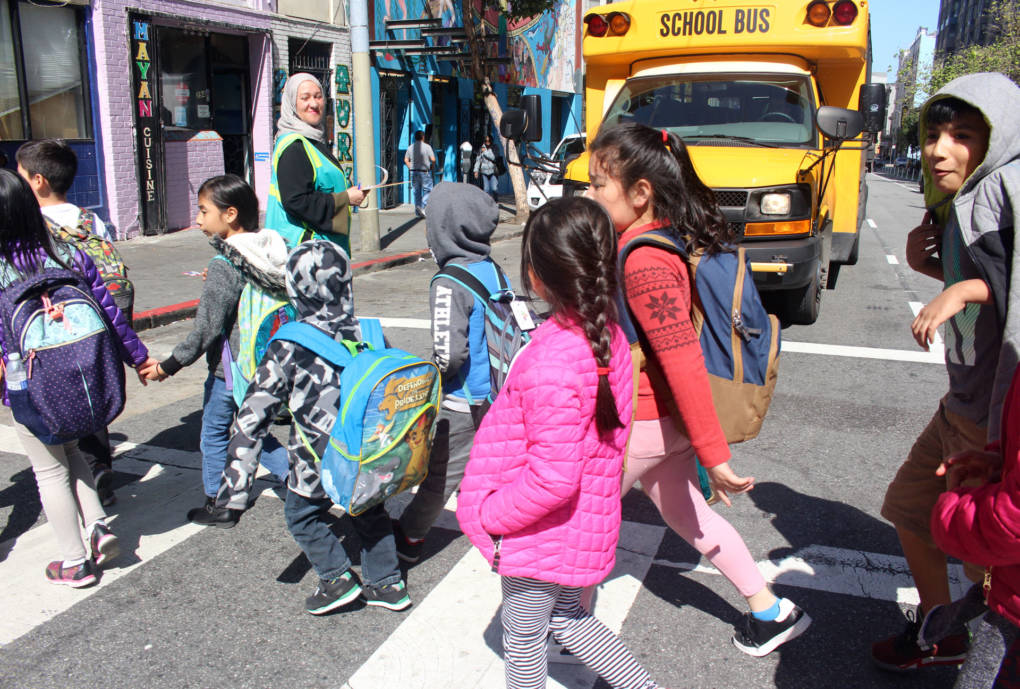
"caption": "Elementary school students cross Turk Street in San Francisco as Safe Passage volunteer Tatiana Alabsi observes them on April 24, 2018. ",
"description": "Elementary school students cross Turk Street in San Francisco as Safe Passage volunteer Tatiana Alabsi observes them on April 24, 2018. ",
"title": "TenderloinKidsMain",
"credit": "Farida Jhabvala Romero/KQED",
"status": "inherit",
"isLoading": false,
"fetchFailed": false
},
"news_11735569": {
"type": "attachments",
"id": "news_11735569",
"meta": {
"index": "attachments_1716263798",
"site": "news",
"id": "11735569",
"found": true
},
"parent": 11735556,
"imgSizes": {
"post-thumbnail": {
"file": "https://ww2.kqed.org/app/uploads/sites/10/2019/03/bay-curious-kids-kqed-672x372.jpg",
"width": 672,
"mimeType": "image/jpeg",
"height": 372
},
"kqedFullSize": {
"file": "https://ww2.kqed.org/app/uploads/sites/10/2019/03/bay-curious-kids-kqed.jpg",
"width": 1920,
"height": 1080
},
"guest-author-50": {
"file": "https://ww2.kqed.org/app/uploads/sites/10/2019/03/bay-curious-kids-kqed-50x50.jpg",
"width": 50,
"mimeType": "image/jpeg",
"height": 50
},
"guest-author-96": {
"file": "https://ww2.kqed.org/app/uploads/sites/10/2019/03/bay-curious-kids-kqed-96x96.jpg",
"width": 96,
"mimeType": "image/jpeg",
"height": 96
},
"apple_news_ca_portrait_12_9": {
"file": "https://ww2.kqed.org/app/uploads/sites/10/2019/03/bay-curious-kids-kqed-1122x1080.jpg",
"width": 1122,
"mimeType": "image/jpeg",
"height": 1080
},
"medium": {
"file": "https://ww2.kqed.org/app/uploads/sites/10/2019/03/bay-curious-kids-kqed-800x450.jpg",
"width": 800,
"mimeType": "image/jpeg",
"height": 450
},
"guest-author-32": {
"file": "https://ww2.kqed.org/app/uploads/sites/10/2019/03/bay-curious-kids-kqed-32x32.jpg",
"width": 32,
"mimeType": "image/jpeg",
"height": 32
},
"apple_news_ca_portrait_9_7": {
"file": "https://ww2.kqed.org/app/uploads/sites/10/2019/03/bay-curious-kids-kqed-840x1080.jpg",
"width": 840,
"mimeType": "image/jpeg",
"height": 1080
},
"apple_news_ca_square_9_7": {
"file": "https://ww2.kqed.org/app/uploads/sites/10/2019/03/bay-curious-kids-kqed-1104x1080.jpg",
"width": 1104,
"mimeType": "image/jpeg",
"height": 1080
},
"apple_news_ca_portrait_4_7": {
"file": "https://ww2.kqed.org/app/uploads/sites/10/2019/03/bay-curious-kids-kqed-414x552.jpg",
"width": 414,
"mimeType": "image/jpeg",
"height": 552
},
"apple_news_ca_square_12_9": {
"file": "https://ww2.kqed.org/app/uploads/sites/10/2019/03/bay-curious-kids-kqed-1472x1080.jpg",
"width": 1472,
"mimeType": "image/jpeg",
"height": 1080
},
"apple_news_ca_portrait_5_5": {
"file": "https://ww2.kqed.org/app/uploads/sites/10/2019/03/bay-curious-kids-kqed-687x916.jpg",
"width": 687,
"mimeType": "image/jpeg",
"height": 916
},
"apple_news_ca_square_4_7": {
"file": "https://ww2.kqed.org/app/uploads/sites/10/2019/03/bay-curious-kids-kqed-550x550.jpg",
"width": 550,
"mimeType": "image/jpeg",
"height": 550
},
"apple_news_ca_square_5_5": {
"file": "https://ww2.kqed.org/app/uploads/sites/10/2019/03/bay-curious-kids-kqed-912x912.jpg",
"width": 912,
"mimeType": "image/jpeg",
"height": 912
},
"apple_news_ca_landscape_5_5": {
"file": "https://ww2.kqed.org/app/uploads/sites/10/2019/03/bay-curious-kids-kqed-1044x783.jpg",
"width": 1044,
"mimeType": "image/jpeg",
"height": 783
},
"apple_news_ca_square_4_0": {
"file": "https://ww2.kqed.org/app/uploads/sites/10/2019/03/bay-curious-kids-kqed-470x470.jpg",
"width": 470,
"mimeType": "image/jpeg",
"height": 470
},
"twentyfourteen-full-width": {
"file": "https://ww2.kqed.org/app/uploads/sites/10/2019/03/bay-curious-kids-kqed-1038x576.jpg",
"width": 1038,
"mimeType": "image/jpeg",
"height": 576
},
"thumbnail": {
"file": "https://ww2.kqed.org/app/uploads/sites/10/2019/03/bay-curious-kids-kqed-160x90.jpg",
"width": 160,
"mimeType": "image/jpeg",
"height": 90
},
"apple_news_ca_landscape_4_7": {
"file": "https://ww2.kqed.org/app/uploads/sites/10/2019/03/bay-curious-kids-kqed-632x474.jpg",
"width": 632,
"mimeType": "image/jpeg",
"height": 474
},
"large": {
"file": "https://ww2.kqed.org/app/uploads/sites/10/2019/03/bay-curious-kids-kqed-1020x574.jpg",
"width": 1020,
"mimeType": "image/jpeg",
"height": 574
},
"complete_open_graph": {
"file": "https://ww2.kqed.org/app/uploads/sites/10/2019/03/bay-curious-kids-kqed-1200x675.jpg",
"width": 1200,
"mimeType": "image/jpeg",
"height": 675
},
"apple_news_ca_landscape_4_0": {
"file": "https://ww2.kqed.org/app/uploads/sites/10/2019/03/bay-curious-kids-kqed-536x402.jpg",
"width": 536,
"mimeType": "image/jpeg",
"height": 402
},
"guest-author-64": {
"file": "https://ww2.kqed.org/app/uploads/sites/10/2019/03/bay-curious-kids-kqed-64x64.jpg",
"width": 64,
"mimeType": "image/jpeg",
"height": 64
},
"apple_news_ca_portrait_4_0": {
"file": "https://ww2.kqed.org/app/uploads/sites/10/2019/03/bay-curious-kids-kqed-354x472.jpg",
"width": 354,
"mimeType": "image/jpeg",
"height": 472
},
"apple_news_ca_landscape_12_9": {
"file": "https://ww2.kqed.org/app/uploads/sites/10/2019/03/bay-curious-kids-kqed-1832x1080.jpg",
"width": 1832,
"mimeType": "image/jpeg",
"height": 1080
},
"full-width": {
"file": "https://ww2.kqed.org/app/uploads/sites/10/2019/03/bay-curious-kids-kqed-1920x1080.jpg",
"width": 1920,
"mimeType": "image/jpeg",
"height": 1080
},
"guest-author-128": {
"file": "https://ww2.kqed.org/app/uploads/sites/10/2019/03/bay-curious-kids-kqed-128x128.jpg",
"width": 128,
"mimeType": "image/jpeg",
"height": 128
},
"apple_news_ca_landscape_9_7": {
"file": "https://ww2.kqed.org/app/uploads/sites/10/2019/03/bay-curious-kids-kqed-1376x1032.jpg",
"width": 1376,
"mimeType": "image/jpeg",
"height": 1032
}
},
"publishDate": 1553636273,
"modified": 1553639618,
"caption": "While San Francisco doesn't have many children, the surrounding area falls in line with other metro regions. ",
"description": "While San Francisco doesn't have many children, the surrounding area falls in line with other metro regions. ",
"title": "bay-curious-kids-kqed",
"credit": "Elena Lacey/KQED",
"status": "inherit",
"isLoading": false,
"fetchFailed": false
},
"news_11716250": {
"type": "attachments",
"id": "news_11716250",
"meta": {
"index": "attachments_1716263798",
"site": "news",
"id": "11716250",
"found": true
},
"parent": 11715956,
"imgSizes": {
"twentyfourteen-full-width": {
"file": "https://ww2.kqed.org/app/uploads/sites/10/2019/01/RS34628_GettyImages-1058495872-qut-1038x576.jpg",
"width": 1038,
"mimeType": "image/jpeg",
"height": 576
},
"thumbnail": {
"file": "https://ww2.kqed.org/app/uploads/sites/10/2019/01/RS34628_GettyImages-1058495872-qut-160x96.jpg",
"width": 160,
"mimeType": "image/jpeg",
"height": 96
},
"post-thumbnail": {
"file": "https://ww2.kqed.org/app/uploads/sites/10/2019/01/RS34628_GettyImages-1058495872-qut-672x372.jpg",
"width": 672,
"mimeType": "image/jpeg",
"height": 372
},
"kqedFullSize": {
"file": "https://ww2.kqed.org/app/uploads/sites/10/2019/01/RS34628_GettyImages-1058495872-qut.jpg",
"width": 1920,
"height": 1151
},
"large": {
"file": "https://ww2.kqed.org/app/uploads/sites/10/2019/01/RS34628_GettyImages-1058495872-qut-1020x611.jpg",
"width": 1020,
"mimeType": "image/jpeg",
"height": 611
},
"complete_open_graph": {
"file": "https://ww2.kqed.org/app/uploads/sites/10/2019/01/RS34628_GettyImages-1058495872-qut-1200x719.jpg",
"width": 1200,
"mimeType": "image/jpeg",
"height": 719
},
"guest-author-50": {
"file": "https://ww2.kqed.org/app/uploads/sites/10/2019/01/RS34628_GettyImages-1058495872-qut-50x50.jpg",
"width": 50,
"mimeType": "image/jpeg",
"height": 50
},
"guest-author-96": {
"file": "https://ww2.kqed.org/app/uploads/sites/10/2019/01/RS34628_GettyImages-1058495872-qut-96x96.jpg",
"width": 96,
"mimeType": "image/jpeg",
"height": 96
},
"medium": {
"file": "https://ww2.kqed.org/app/uploads/sites/10/2019/01/RS34628_GettyImages-1058495872-qut-800x480.jpg",
"width": 800,
"mimeType": "image/jpeg",
"height": 480
},
"guest-author-64": {
"file": "https://ww2.kqed.org/app/uploads/sites/10/2019/01/RS34628_GettyImages-1058495872-qut-64x64.jpg",
"width": 64,
"mimeType": "image/jpeg",
"height": 64
},
"guest-author-32": {
"file": "https://ww2.kqed.org/app/uploads/sites/10/2019/01/RS34628_GettyImages-1058495872-qut-32x32.jpg",
"width": 32,
"mimeType": "image/jpeg",
"height": 32
},
"full-width": {
"file": "https://ww2.kqed.org/app/uploads/sites/10/2019/01/RS34628_GettyImages-1058495872-qut-1920x1151.jpg",
"width": 1920,
"mimeType": "image/jpeg",
"height": 1151
},
"detail": {
"file": "https://ww2.kqed.org/app/uploads/sites/10/2019/01/RS34628_GettyImages-1058495872-qut-150x150.jpg",
"width": 150,
"mimeType": "image/jpeg",
"height": 150
},
"guest-author-128": {
"file": "https://ww2.kqed.org/app/uploads/sites/10/2019/01/RS34628_GettyImages-1058495872-qut-128x128.jpg",
"width": 128,
"mimeType": "image/jpeg",
"height": 128
}
},
"publishDate": 1546814996,
"modified": 1546909271,
"caption": "Gov. Gavin Newsom will have a lot of people to please as he lays out his first state budget proposal this week.",
"description": "Gov. Gavin Newsom will have a lot of people to please as he lays out his first state budget proposal this week.",
"title": "US-POLITICS-VOTE-ELECTIONS",
"credit": "FREDERIC J. BROWN/AFP/Getty Images",
"status": "inherit",
"isLoading": false,
"fetchFailed": false
},
"news_11712227": {
"type": "attachments",
"id": "news_11712227",
"meta": {
"index": "attachments_1716263798",
"site": "news",
"id": "11712227",
"found": true
},
"parent": 11712226,
"imgSizes": {
"twentyfourteen-full-width": {
"file": "https://ww2.kqed.org/app/uploads/sites/10/2018/12/gettyimages-978850072_wide-1d56b36498435da28ef8c6db8ba6693cfc3666f1-1038x576.jpg",
"width": 1038,
"mimeType": "image/jpeg",
"height": 576
},
"thumbnail": {
"file": "https://ww2.kqed.org/app/uploads/sites/10/2018/12/gettyimages-978850072_wide-1d56b36498435da28ef8c6db8ba6693cfc3666f1-160x90.jpg",
"width": 160,
"mimeType": "image/jpeg",
"height": 90
},
"post-thumbnail": {
"file": "https://ww2.kqed.org/app/uploads/sites/10/2018/12/gettyimages-978850072_wide-1d56b36498435da28ef8c6db8ba6693cfc3666f1-672x372.jpg",
"width": 672,
"mimeType": "image/jpeg",
"height": 372
},
"kqedFullSize": {
"file": "https://ww2.kqed.org/app/uploads/sites/10/2018/12/gettyimages-978850072_wide-1d56b36498435da28ef8c6db8ba6693cfc3666f1.jpg",
"width": 2995,
"height": 1685
},
"large": {
"file": "https://ww2.kqed.org/app/uploads/sites/10/2018/12/gettyimages-978850072_wide-1d56b36498435da28ef8c6db8ba6693cfc3666f1-1020x574.jpg",
"width": 1020,
"mimeType": "image/jpeg",
"height": 574
},
"complete_open_graph": {
"file": "https://ww2.kqed.org/app/uploads/sites/10/2018/12/gettyimages-978850072_wide-1d56b36498435da28ef8c6db8ba6693cfc3666f1-1200x675.jpg",
"width": 1200,
"mimeType": "image/jpeg",
"height": 675
},
"guest-author-50": {
"file": "https://ww2.kqed.org/app/uploads/sites/10/2018/12/gettyimages-978850072_wide-1d56b36498435da28ef8c6db8ba6693cfc3666f1-50x50.jpg",
"width": 50,
"mimeType": "image/jpeg",
"height": 50
},
"guest-author-96": {
"file": "https://ww2.kqed.org/app/uploads/sites/10/2018/12/gettyimages-978850072_wide-1d56b36498435da28ef8c6db8ba6693cfc3666f1-96x96.jpg",
"width": 96,
"mimeType": "image/jpeg",
"height": 96
},
"medium": {
"file": "https://ww2.kqed.org/app/uploads/sites/10/2018/12/gettyimages-978850072_wide-1d56b36498435da28ef8c6db8ba6693cfc3666f1-800x450.jpg",
"width": 800,
"mimeType": "image/jpeg",
"height": 450
},
"guest-author-64": {
"file": "https://ww2.kqed.org/app/uploads/sites/10/2018/12/gettyimages-978850072_wide-1d56b36498435da28ef8c6db8ba6693cfc3666f1-64x64.jpg",
"width": 64,
"mimeType": "image/jpeg",
"height": 64
},
"guest-author-32": {
"file": "https://ww2.kqed.org/app/uploads/sites/10/2018/12/gettyimages-978850072_wide-1d56b36498435da28ef8c6db8ba6693cfc3666f1-32x32.jpg",
"width": 32,
"mimeType": "image/jpeg",
"height": 32
},
"full-width": {
"file": "https://ww2.kqed.org/app/uploads/sites/10/2018/12/gettyimages-978850072_wide-1d56b36498435da28ef8c6db8ba6693cfc3666f1-1920x1080.jpg",
"width": 1920,
"mimeType": "image/jpeg",
"height": 1080
},
"detail": {
"file": "https://ww2.kqed.org/app/uploads/sites/10/2018/12/gettyimages-978850072_wide-1d56b36498435da28ef8c6db8ba6693cfc3666f1-150x150.jpg",
"width": 150,
"mimeType": "image/jpeg",
"height": 150
},
"guest-author-128": {
"file": "https://ww2.kqed.org/app/uploads/sites/10/2018/12/gettyimages-978850072_wide-1d56b36498435da28ef8c6db8ba6693cfc3666f1-128x128.jpg",
"width": 128,
"mimeType": "image/jpeg",
"height": 128
}
},
"publishDate": 1544727821,
"modified": 1544731646,
"caption": "Children and workers are at a tent encampment in June near the Tornillo Port of Entry in Tornillo, Texas.",
"description": null,
"title": "Children and workers are at a tent encampment in June near the Tornillo Port of Entry in Tornillo, Texas.",
"credit": "Joe Raedle/Getty Images",
"status": "inherit",
"isLoading": false,
"fetchFailed": false
},
"news_11693104": {
"type": "attachments",
"id": "news_11693104",
"meta": {
"index": "attachments_1716263798",
"site": "news",
"id": "11693104",
"found": true
},
"parent": 11693088,
"imgSizes": {
"small": {
"file": "https://ww2.kqed.org/app/uploads/sites/10/2018/09/DentistCalMatters-520x347.jpg",
"width": 520,
"mimeType": "image/jpeg",
"height": 347
},
"twentyfourteen-full-width": {
"file": "https://ww2.kqed.org/app/uploads/sites/10/2018/09/DentistCalMatters-1038x576.jpg",
"width": 1038,
"mimeType": "image/jpeg",
"height": 576
},
"thumbnail": {
"file": "https://ww2.kqed.org/app/uploads/sites/10/2018/09/DentistCalMatters-160x107.jpg",
"width": 160,
"mimeType": "image/jpeg",
"height": 107
},
"fd-sm": {
"file": "https://ww2.kqed.org/app/uploads/sites/10/2018/09/DentistCalMatters-960x640.jpg",
"width": 960,
"mimeType": "image/jpeg",
"height": 640
},
"post-thumbnail": {
"file": "https://ww2.kqed.org/app/uploads/sites/10/2018/09/DentistCalMatters-672x372.jpg",
"width": 672,
"mimeType": "image/jpeg",
"height": 372
},
"xsmall": {
"file": "https://ww2.kqed.org/app/uploads/sites/10/2018/09/DentistCalMatters-375x250.jpg",
"width": 375,
"mimeType": "image/jpeg",
"height": 250
},
"kqedFullSize": {
"file": "https://ww2.kqed.org/app/uploads/sites/10/2018/09/DentistCalMatters.jpg",
"width": 1920,
"height": 1280
},
"large": {
"file": "https://ww2.kqed.org/app/uploads/sites/10/2018/09/DentistCalMatters-1020x680.jpg",
"width": 1020,
"mimeType": "image/jpeg",
"height": 680
},
"xlarge": {
"file": "https://ww2.kqed.org/app/uploads/sites/10/2018/09/DentistCalMatters-1180x787.jpg",
"width": 1180,
"mimeType": "image/jpeg",
"height": 787
},
"complete_open_graph": {
"file": "https://ww2.kqed.org/app/uploads/sites/10/2018/09/DentistCalMatters-1200x800.jpg",
"width": 1200,
"mimeType": "image/jpeg",
"height": 800
},
"guest-author-50": {
"file": "https://ww2.kqed.org/app/uploads/sites/10/2018/09/DentistCalMatters-50x50.jpg",
"width": 50,
"mimeType": "image/jpeg",
"height": 50
},
"guest-author-96": {
"file": "https://ww2.kqed.org/app/uploads/sites/10/2018/09/DentistCalMatters-96x96.jpg",
"width": 96,
"mimeType": "image/jpeg",
"height": 96
},
"medium": {
"file": "https://ww2.kqed.org/app/uploads/sites/10/2018/09/DentistCalMatters-800x533.jpg",
"width": 800,
"mimeType": "image/jpeg",
"height": 533
},
"guest-author-64": {
"file": "https://ww2.kqed.org/app/uploads/sites/10/2018/09/DentistCalMatters-64x64.jpg",
"width": 64,
"mimeType": "image/jpeg",
"height": 64
},
"guest-author-32": {
"file": "https://ww2.kqed.org/app/uploads/sites/10/2018/09/DentistCalMatters-32x32.jpg",
"width": 32,
"mimeType": "image/jpeg",
"height": 32
},
"fd-lrg": {
"file": "https://ww2.kqed.org/app/uploads/sites/10/2018/09/DentistCalMatters-1920x1280.jpg",
"width": 1920,
"mimeType": "image/jpeg",
"height": 1280
},
"fd-med": {
"file": "https://ww2.kqed.org/app/uploads/sites/10/2018/09/DentistCalMatters-1180x787.jpg",
"width": 1180,
"mimeType": "image/jpeg",
"height": 787
},
"full-width": {
"file": "https://ww2.kqed.org/app/uploads/sites/10/2018/09/DentistCalMatters-1920x1280.jpg",
"width": 1920,
"mimeType": "image/jpeg",
"height": 1280
},
"detail": {
"file": "https://ww2.kqed.org/app/uploads/sites/10/2018/09/DentistCalMatters-150x150.jpg",
"width": 150,
"mimeType": "image/jpeg",
"height": 150
},
"guest-author-128": {
"file": "https://ww2.kqed.org/app/uploads/sites/10/2018/09/DentistCalMatters-128x128.jpg",
"width": 128,
"mimeType": "image/jpeg",
"height": 128
},
"xxsmall": {
"file": "https://ww2.kqed.org/app/uploads/sites/10/2018/09/DentistCalMatters-240x160.jpg",
"width": 240,
"mimeType": "image/jpeg",
"height": 160
}
},
"publishDate": 1537225413,
"modified": 1537225461,
"caption": "As California officials try to improve dental care for patients in need, Long Beach dentist John Blake works with patient Nelson Phan.",
"description": "As California officials try to improve dental care for patients in need, Long Beach dentist John Blake works with patient Nelson Phan.",
"title": "DentistCalMatters",
"credit": "Iris Schneider/CALmatters",
"status": "inherit",
"isLoading": false,
"fetchFailed": false
}
},
"audioPlayerReducer": {
"postId": "stream_live",
"isPaused": true,
"isPlaying": false,
"pfsActive": false,
"pledgeModalIsOpen": true,
"playerDrawerIsOpen": false,
"liveAudioPlayStartedAt": 0,
"liveAudioPlayContext": ""
},
"authorsReducer": {
"byline_news_11794815": {
"type": "authors",
"id": "byline_news_11794815",
"meta": {
"override": true
},
"slug": "byline_news_11794815",
"name": "\u003ca href=\"https://khn.org/news/author/barbara-feder-ostrov/\">Barbara Feder Ostrov\u003ca />",
"isLoading": false
},
"byline_news_11737207": {
"type": "authors",
"id": "byline_news_11737207",
"meta": {
"override": true
},
"slug": "byline_news_11737207",
"name": "\u003cstrong>\u003ca href=\"https://twitter.com/deepafern\">Deepa Fernandes\u003c/a>\u003c/strong>",
"isLoading": false
},
"byline_news_11736901": {
"type": "authors",
"id": "byline_news_11736901",
"meta": {
"override": true
},
"slug": "byline_news_11736901",
"name": "\u003cstrong>\u003ca href=\"https://twitter.com/deepafern\">Deepa Fernandes\u003c/a>\u003c/strong>",
"isLoading": false
},
"byline_news_11712226": {
"type": "authors",
"id": "byline_news_11712226",
"meta": {
"override": true
},
"slug": "byline_news_11712226",
"name": "John Burnett",
"isLoading": false
},
"lisapickoffwhite-2": {
"type": "authors",
"id": "199",
"meta": {
"index": "authors_1716337520",
"id": "199",
"found": true
},
"name": "Lisa Pickoff-White",
"firstName": "Lisa",
"lastName": "Pickoff-White",
"slug": "lisapickoffwhite-2",
"email": "lpickoffwhite@kqed.org",
"display_author_email": false,
"staff_mastheads": [
"news"
],
"title": "Data Journalist, Senior Producer",
"bio": "Lisa Pickoff-White is KQED's data reporter. Lisa specializes in simplifying complex topics and bringing them to life through compelling visuals, including photography and data visualizations. She previously has worked at the Center for Investigative Reporting and other national outlets. Her work has been honored with awards from the Online News Association, Investigative Reporters and Editors, the Society of Professional Journalists and SXSW Interactive. \u003cstrong> \u003c/strong>",
"avatar": "https://secure.gravatar.com/avatar/5513c5f3967df792aa65bee2501e84d6?s=600&d=blank&r=g",
"twitter": "pickoffwhite",
"facebook": null,
"instagram": null,
"linkedin": null,
"sites": [
{
"site": "",
"roles": [
"editor"
]
},
{
"site": "arts",
"roles": []
},
{
"site": "news",
"roles": [
"administrator"
]
},
{
"site": "about",
"roles": [
"editor"
]
},
{
"site": "stateofhealth",
"roles": [
"administrator"
]
},
{
"site": "science",
"roles": [
"editor"
]
},
{
"site": "quest",
"roles": [
"editor"
]
},
{
"site": "forum",
"roles": [
"editor"
]
}
],
"headData": {
"title": "Lisa Pickoff-White | KQED",
"description": "Data Journalist, Senior Producer",
"ogImgSrc": "https://secure.gravatar.com/avatar/5513c5f3967df792aa65bee2501e84d6?s=600&d=blank&r=g",
"twImgSrc": "https://secure.gravatar.com/avatar/5513c5f3967df792aa65bee2501e84d6?s=600&d=blank&r=g"
},
"isLoading": false,
"link": "/author/lisapickoffwhite-2"
},
"gmarzorati": {
"type": "authors",
"id": "227",
"meta": {
"index": "authors_1716337520",
"id": "227",
"found": true
},
"name": "Guy Marzorati",
"firstName": "Guy",
"lastName": "Marzorati",
"slug": "gmarzorati",
"email": "gmarzorati@KQED.org",
"display_author_email": true,
"staff_mastheads": [
"news"
],
"title": "Correspondent",
"bio": "Guy Marzorati is a correspondent on KQED's California Politics and Government Desk, based in San Jose. A graduate of Santa Clara University, Guy joined KQED in 2013. He reports on state and local politics and produces KQED's digital voter guide.",
"avatar": "https://secure.gravatar.com/avatar/e7038b8dbfd55b104369b76b1cd0b9de?s=600&d=blank&r=g",
"twitter": "guymarzorati",
"facebook": null,
"instagram": null,
"linkedin": null,
"sites": [
{
"site": "",
"roles": [
"editor"
]
},
{
"site": "news",
"roles": [
"editor"
]
},
{
"site": "science",
"roles": [
"editor"
]
},
{
"site": "forum",
"roles": [
"editor"
]
},
{
"site": "elections",
"roles": [
"editor"
]
},
{
"site": "liveblog",
"roles": [
"editor"
]
}
],
"headData": {
"title": "Guy Marzorati | KQED",
"description": "Correspondent",
"ogImgSrc": "https://secure.gravatar.com/avatar/e7038b8dbfd55b104369b76b1cd0b9de?s=600&d=blank&r=g",
"twImgSrc": "https://secure.gravatar.com/avatar/e7038b8dbfd55b104369b76b1cd0b9de?s=600&d=blank&r=g"
},
"isLoading": false,
"link": "/author/gmarzorati"
},
"tgoldberg": {
"type": "authors",
"id": "258",
"meta": {
"index": "authors_1716337520",
"id": "258",
"found": true
},
"name": "Ted Goldberg",
"firstName": "Ted",
"lastName": "Goldberg",
"slug": "tgoldberg",
"email": "tgoldberg@kqed.org",
"display_author_email": true,
"staff_mastheads": [
"news"
],
"title": "KQED Managing Editor, News and Newscasts",
"bio": "Ted Goldberg is Managing Editor of News and Newscasts at KQED. His main reporting beat is the Bay Area's oil refining industry.\r\n\r\nPrior to joining KQED in 2014, Ted worked at CBS News and WCBS AM in New York and Bay City News and KCBS Radio in San Francisco. He graduated from Oberlin College in Ohio in 1998.",
"avatar": "https://secure.gravatar.com/avatar/30ce2e4fe89135e104f89be2394d16225b9d36c121b5b3cb7651ce642978b96f?s=600&d=blank&r=g",
"twitter": "TedrickG",
"bluesky": null,
"facebook": null,
"instagram": null,
"linkedin": null,
"sites": [
{
"site": "news",
"roles": [
"editor"
]
},
{
"site": "science",
"roles": [
"editor"
]
}
],
"headData": {
"title": "Ted Goldberg | KQED",
"description": "KQED Managing Editor, News and Newscasts",
"ogImgSrc": "https://secure.gravatar.com/avatar/30ce2e4fe89135e104f89be2394d16225b9d36c121b5b3cb7651ce642978b96f?s=600&d=blank&r=g",
"twImgSrc": "https://secure.gravatar.com/avatar/30ce2e4fe89135e104f89be2394d16225b9d36c121b5b3cb7651ce642978b96f?s=600&d=blank&r=g"
},
"isLoading": false,
"link": "/author/tgoldberg"
},
"mlagos": {
"type": "authors",
"id": "3239",
"meta": {
"index": "authors_1716337520",
"id": "3239",
"found": true
},
"name": "Marisa Lagos",
"firstName": "Marisa",
"lastName": "Lagos",
"slug": "mlagos",
"email": "mlagos@kqed.org",
"display_author_email": false,
"staff_mastheads": [
"news"
],
"title": "KQED Contributor",
"bio": "Marisa Lagos is a correspondent for KQED’s California Politics and Government Desk and co-hosts the award-winning show and podcast, Political Breakdown. At KQED, Lagos also conducts reporting, analysis and investigations into state, local and national politics for radio, TV, online and onstage. In 2022, she and co-host, Scott Shafer, moderated the only gubernatorial debate in California. In 2020, the \u003ci>Washington Post\u003c/i> named her one of the top political journalists in California; she was nominated for a Peabody and won several other awards for her work investigating the 2017 California wildfires. She has worked at the \u003ci>San Francisco Chronicle\u003c/i>, \u003ci>San Francisco Examiner\u003c/i> and \u003ci>Los Angeles Times\u003c/i>. A UC Santa Barbara graduate, she lives in San Francisco with her two sons and husband.",
"avatar": "https://secure.gravatar.com/avatar/a261a0d3696fc066871ef96b85b5e7d2?s=600&d=blank&r=g",
"twitter": "@mlagos",
"facebook": null,
"instagram": null,
"linkedin": null,
"sites": [
{
"site": "arts",
"roles": [
"author"
]
},
{
"site": "news",
"roles": [
"editor"
]
},
{
"site": "science",
"roles": [
"editor"
]
},
{
"site": "forum",
"roles": [
"author"
]
},
{
"site": "liveblog",
"roles": [
"author"
]
}
],
"headData": {
"title": "Marisa Lagos | KQED",
"description": "KQED Contributor",
"ogImgSrc": "https://secure.gravatar.com/avatar/a261a0d3696fc066871ef96b85b5e7d2?s=600&d=blank&r=g",
"twImgSrc": "https://secure.gravatar.com/avatar/a261a0d3696fc066871ef96b85b5e7d2?s=600&d=blank&r=g"
},
"isLoading": false,
"link": "/author/mlagos"
},
"dgorn": {
"type": "authors",
"id": "8656",
"meta": {
"index": "authors_1716337520",
"id": "8656",
"found": true
},
"name": "David Gorn",
"firstName": "David",
"lastName": "Gorn",
"slug": "dgorn",
"email": "dgorn+donotmail@sbcglobal.net",
"display_author_email": false,
"staff_mastheads": [],
"title": "KQED Contributor",
"bio": "David Gorn is the former Deputy News Director of KQED Radio. His public radio pieces have appeared on NPR, the World, Marketplace and the California Report.",
"avatar": "https://secure.gravatar.com/avatar/a6ad3e1eec1712e19b986b9395614010?s=600&d=blank&r=g",
"twitter": null,
"facebook": null,
"instagram": null,
"linkedin": null,
"sites": [
{
"site": "news",
"roles": [
"subscriber"
]
},
{
"site": "futureofyou",
"roles": [
"author"
]
},
{
"site": "science",
"roles": [
"author"
]
},
{
"site": "quest",
"roles": [
"editor"
]
}
],
"headData": {
"title": "David Gorn | KQED",
"description": "KQED Contributor",
"ogImgSrc": "https://secure.gravatar.com/avatar/a6ad3e1eec1712e19b986b9395614010?s=600&d=blank&r=g",
"twImgSrc": "https://secure.gravatar.com/avatar/a6ad3e1eec1712e19b986b9395614010?s=600&d=blank&r=g"
},
"isLoading": false,
"link": "/author/dgorn"
},
"korr": {
"type": "authors",
"id": "11200",
"meta": {
"index": "authors_1716337520",
"id": "11200",
"found": true
},
"name": "Katie Orr",
"firstName": "Katie",
"lastName": "Orr",
"slug": "korr",
"email": "korr@kqed.org",
"display_author_email": false,
"staff_mastheads": [],
"title": "KQED Contributor",
"bio": "Katie Orr was a Sacramento-based reporter for KQED's Politics and Government Desk, covering the state Capitol and a variety of issues including women in politics, voting and elections and legislation. Prior to joining KQED in 2016, Katie was state government reporter for Capital Public Radio in Sacramento. She's also worked for KPBS in San Diego, where she covered City Hall.\r\n\r\nKatie received her masters degree in political science from San Diego State University and holds a Bachelors degree in broadcast journalism from Arizona State University.\r\n\r\nIn 2015 Katie won a national Clarion Award for a series of stories she did on women in California politics. She's been honored by the Society for Professional Journalists and, in 2013, was named by \u003cem>The Washington Post\u003c/em> as one of the country's top state Capitol reporters. She's also reported for the award-winning documentary series \u003cem>The View from Here \u003c/em>and was part of the team that won national PRNDI and Gabriel Awards in 2015. She lives in Sacramento with her husband. Twitter: @1KatieOrr",
"avatar": "https://secure.gravatar.com/avatar/41a40b25845adc78f50808670860449e?s=600&d=blank&r=g",
"twitter": "1katieorr",
"facebook": null,
"instagram": null,
"linkedin": null,
"sites": [
{
"site": "news",
"roles": [
"subscriber"
]
},
{
"site": "stateofhealth",
"roles": [
"author"
]
},
{
"site": "forum",
"roles": [
"author"
]
}
],
"headData": {
"title": "Katie Orr | KQED",
"description": "KQED Contributor",
"ogImgSrc": "https://secure.gravatar.com/avatar/41a40b25845adc78f50808670860449e?s=600&d=blank&r=g",
"twImgSrc": "https://secure.gravatar.com/avatar/41a40b25845adc78f50808670860449e?s=600&d=blank&r=g"
},
"isLoading": false,
"link": "/author/korr"
}
},
"pagesReducer": {
"news_tag_children": {
"type": "terms",
"id": "news_2043",
"meta": {
"index": "terms_1716263798",
"site": "news",
"id": "2043",
"score": 8.282925
},
"featImg": null,
"name": "children",
"description": null,
"taxonomy": "tag",
"headData": {
"twImgId": null,
"twTitle": null,
"ogTitle": null,
"ogImgId": null,
"twDescription": null,
"description": null,
"title": "children Archives | KQED News",
"ogDescription": null
},
"ttid": 2058,
"slug": "children",
"isLoading": false,
"title": "children",
"pageMeta": {
"site": "news",
"WpPageTemplate": "page-topic-editorial",
"currentPage": 8
},
"blocks": [
{
"blockName": "kqed/post-list",
"attrs": {
"layout": "cardArticle2",
"query": "posts/news?tag=children",
"seeMore": false,
"paginated": true,
"page": 8
}
},
{
"blockName": "kqed/ad"
}
]
}
},
"pfsSessionReducer": {},
"postsReducer": {
"stream_live": {
"type": "live",
"id": "stream_live",
"audioUrl": "https://streams.kqed.org/kqedradio",
"title": "Live Stream",
"excerpt": "Live Stream information currently unavailable.",
"link": "/radio",
"featImg": "",
"label": {
"name": "KQED Live",
"link": "/"
}
},
"stream_kqedNewscast": {
"type": "posts",
"id": "stream_kqedNewscast",
"audioUrl": "https://www.kqed.org/.stream/anon/radio/RDnews/newscast.mp3?_=1",
"title": "KQED Newscast",
"featImg": "",
"label": {
"name": "88.5 FM",
"link": "/"
}
},
"news_11794815": {
"type": "posts",
"id": "news_11794815",
"meta": {
"index": "posts_1716263798",
"site": "news",
"id": "11794815",
"score": null,
"sort": [
1578523754000
]
},
"guestAuthors": [],
"slug": "5-things-to-know-as-california-starts-screening-children-for-toxic-stress",
"title": "5 Things to Know as California Starts Screening Children for Toxic Stress",
"publishDate": 1578523754,
"format": "standard",
"headTitle": "5 Things to Know as California Starts Screening Children for Toxic Stress | KQED",
"labelTerm": {},
"content": "\u003cp>Starting this year, routine pediatric visits for millions of California children could involve questions about touchy family topics, such as divorce, unstable housing or a parent who struggles with alcoholism.\u003c/p>\n\u003cp>California now will pay doctors to screen patients for traumatic events known as adverse childhood experiences, or ACEs, if the patient is covered by Medi-Cal.\u003c/p>\n\u003cp>The screening program is rooted in \u003ca href=\"https://californiahealthline.org/news/california-looks-to-lead-nation-aces-screening-childhood-trauma/\" target=\"_blank\" rel=\"noopener noreferrer\">decades of research\u003c/a> that suggests children who endure sustained stress in their day-to-day lives undergo biochemical changes to their brains and bodies that can dramatically increase their risk of developing serious health problems, including heart disease, asthma, depression and cancer.\u003c/p>\n\u003cp>Health and welfare advocates hope that widespread screening of children for ACEs, accompanied by early intervention, will help reduce the ongoing stresses and skirt the onset of physical illness, or at least ensure an illness is treated.\u003c/p>\n\u003cp>[pullquote size=\"medium\" align=\"right\" citation=\"Dr. Dayna Long, a pediatrician at UCSF\"]‘We’re not going to make all the hard things go away, but we can help families build resilience and reduce stress.’[/pullquote]\u003c/p>\n\u003cp>The higher the number of such adverse events — and so, the higher a child’s ACEs “score” — the higher the risk of chronic illness and premature death. About 63% of Californians have experienced at least one adverse childhood event, and nearly 18% have faced four or more, according to state health officials.\u003c/p>\n\u003cp>California is the first state to create a formal reimbursement strategy for ACEs screening, and the program will be open to both children and adults enrolled in Medi-Cal. The initiative is part of a larger \u003ca href=\"https://www.dhcs.ca.gov/Documents/ACEs-AWARE-INITIATIVE.pdf\" target=\"_blank\" rel=\"noopener noreferrer\">ACEs awareness campaign\u003c/a> championed by the state’s first surgeon general, \u003ca href=\"https://www.ted.com/talks/nadine_burke_harris_how_childhood_trauma_affects_health_across_a_lifetime/discussion?CMP\" target=\"_blank\" rel=\"noopener noreferrer\">Dr. Nadine Burke Harris\u003c/a>, who is a national leader in the ACEs movement.\u003c/p>\n\u003cp>The public health impact could be significant as Medi-Cal covers 5.3 million kids — roughly 40% of all California children — and 6.3 million adults.\u003c/p>\n\u003cp>“It is a profound shift that’s going to change the type of prevention and management we do with families,” said Dr. Dayna Long, a pediatrician who is director of the Center for Child and Community Health at UCSF Benioff Children’s Hospital Oakland and helped develop the state-approved screening tool for children and teens. “We’re not going to make all the hard things go away, but we can help families build resilience and reduce stress.”\u003c/p>\n\u003cp>Here are five key things to know about ACEs and the state’s new screening program:\u003c/p>\n\u003ch4>1. How it Works\u003c/h4>\n\u003cp>At a typical well-child visit, parents or caregivers will be asked to fill out a state-approved \u003ca href=\"https://www.acesaware.org/wp-content/uploads/2019/12/PEARLS-Tool-Child-Parent-Caregiver-Report-De-Identified-English.pdf\" target=\"_blank\" rel=\"noopener noreferrer\">questionnaire\u003c/a> about potentially stressful experiences in their children’s lives. For children under age 12, caregivers fill out the survey. Young people ages 12-19 will complete their own questionnaire in addition to their caregivers’ questionnaire.\u003c/p>\n\u003cp>The questions will touch on 10 categories of adversity spanning the first 18 years of life: physical, emotional or sexual abuse; physical or emotional neglect; and experiences that could indicate household dysfunction, such as a parent who has a serious mental illness or addiction, having parents who are incarcerated or living in a home with domestic violence.\u003c/p>\n\u003cp>[aside postID=mindshift_54373 label='Does every moment matter?' hero=\"https://cdn.kqed.org/wp-content/uploads/sites/23/2019/09/happy-childhood-photos-de61f9ac60f2b9d24a1196c86e0d47be30eebaea-1020x765.jpg\"]The screening will measure for experiences that could regularly trigger fear and anxiety, including homelessness, not having enough food or the right kinds of food, and growing up in a neighborhood marred by drugs and violence.\u003c/p>\n\u003cp>Dr. Long acknowledged some caregivers and children might be reluctant or unwilling to disclose sensitive information, particularly if they fear shame or repercussions. “We acknowledge it takes time to build trust,” she said. “But we want to encourage families to have hard conversations with their doctors and to understand how stressful events over the life of the child are impacting that child’s health.”\u003c/p>\n\u003cp>Physicians will review the responses and discuss them with caregivers during the visit. Doctors will have access to free online training on how to communicate with families and connect them to community resources. Physicians will be eligible for a $29 reimbursement for each Medi-Cal patient screened.\u003c/p>\n\u003cp>The responses are considered confidential patient information and won’t be shared with state officials. But researchers hope that aggregated information will be studied to improve care for patients with high ACEs scores.\u003c/p>\n\u003ch4>2. Screenings Are Voluntary\u003c/h4>\n\u003cp>Doctors do not need to offer them, and patients and their caregivers do not have to participate. Doctors will need to complete online training before they can be paid for screening patients. The state will cover the costs of screening once a year for children and once in a lifetime for adults. But children are the main focus of the screening campaign.\u003c/p>\n\u003cp>[ad fullwidth]\u003c/p>\n\u003ch4>3. What Happens After the Screening Is Less Clear\u003c/h4>\n\u003cp>Community clinics often have social workers or “navigators” available to connect families to aid like food stamps or counseling. Doctors in private practice, however, are less likely to have those resources, said Dr. Eric Ball, an Orange County pediatrician who served on a committee advising the surgeon general on the ACEs campaign. Ball said local chapters of the American Academy of Pediatrics will work to educate doctors on how to help children who register high ACEs scores, because social services vary so much by county.\u003c/p>\n\u003cp>Doctors “are not going to get rich doing ACEs screenings, that’s not the point,” Ball said. “If we can pick up kids at higher risk for these issues down the road and mitigate it, that’s really exciting to me.”\u003c/p>\n\u003ch4>4. Researchers Aren’t Yet Sure Which Interventions Will Best Help Kids With High ACEs Scores\u003c/h4>\n\u003cp>Long and her UCSF Benioff colleagues are \u003ca href=\"https://clinicaltrials.ucsf.edu/trial/NCT04182906\" target=\"_blank\" rel=\"noopener noreferrer\">continuing to study\u003c/a> how well the ACEs screening works and what interventions might be most effective. It’s one thing to help hungry families sign up for food stamps and free school lunches. It’s less clear how to help a child whose parent is in prison. Researchers have identified protective factors that can help children better resist the effects of toxic stress, including nurturing relationships with trusted adults, such as grandparents or teachers.\u003c/p>\n\u003cp>“The fact of screening is also an intervention,” Long said. “Being able to sit in a room with a pediatrician is not going to make those hard experiences go away, but it creates a freedom to talk about some things that are solvable. That’s therapeutic in and of itself.”\u003c/p>\n\u003ch4>5. Not Everyone Agrees That Widespread ACEs Screening Is a Good Idea\u003c/h4>\n\u003cp>Sociologist David Finkelhor, director of the Crimes against Children Research Center at the University of New Hampshire, is among those who caution that universal screening for ACEs is premature, given there is little consensus about the potential negative effects of screening or the best interventions.\u003c/p>\n\u003cp>[aside postID=\"science_1938819,news_11724781,futureofyou_439851\" label=\"Related Coverage\"]“The good news is that we are focusing on these adversities that are clearly the source of so many downstream health and mental health problems,” Finkelhor said. “But the bad news is we’re moving way too fast, before we know how to best conduct this kind of screening and intervention, and we could get it wrong with pretty disastrous consequences.”\u003c/p>\n\u003cp>“Mostly, we don’t know what to do with somebody who has a high ACE score,” he said. “There are already long waits to get into family counseling or child mental health programs.”\u003c/p>\n\u003cp>For example, a doctor might be legally required to report previous abuse to authorities, upending a family even if the child no longer is exposed to the abuser, Finkelhor said.\u003c/p>\n\u003cp>“These are tough questions,” Long of UCSF acknowledged. Still, she said, screening is important, because it encourages physicians to engage in difficult conversations they might not otherwise have and pushes clinics to create links to supportive services and resources.\u003c/p>\n\u003cp>“That is the next phase, and that is important,” Long said. “We’re doing this because we care about your child and want them to grow into healthy adults.”\u003c/p>\n\u003cp>\u003cem>This \u003ca href=\"https://khn.org/\" target=\"_blank\" rel=\"noopener noreferrer\">KHN\u003c/a> story first published on \u003ca href=\"http://www.californiahealthline.org/\" target=\"_blank\" rel=\"noopener noreferrer\">California Healthline\u003c/a>, a service of the \u003ca href=\"http://www.chcf.org/\" target=\"_blank\" rel=\"noopener noreferrer\">California Health Care Foundation\u003c/a>.\u003c/em>\u003c/p>\n\u003cp>\u003cem>\u003ca href=\"http://www.kaiserhealthnews.org/\" target=\"_blank\" rel=\"noopener noreferrer\">Kaiser Health News\u003c/a> (KHN) is a national health policy news service. It is an editorially independent program of the \u003ca href=\"http://www.kff.org/\" target=\"_blank\" rel=\"noopener noreferrer\">Henry J. Kaiser Family Foundation\u003c/a> which is not affiliated with Kaiser Permanente.\u003c/em>\u003c/p>\n\u003cp>[ad floatright]\u003c/p>\n",
"blocks": [],
"excerpt": "California now will pay doctors to screen patients for traumatic events known as adverse childhood experiences, or ACEs, if the patient is covered by Medi-Cal.",
"status": "publish",
"parent": 0,
"modified": 1726007433,
"stats": {
"hasAudio": false,
"hasVideo": false,
"hasChartOrMap": false,
"iframeSrcs": [],
"hasGoogleForm": false,
"hasGallery": false,
"hasHearkenModule": false,
"hasPolis": false,
"paragraphCount": 31,
"wordCount": 1462
},
"headData": {
"title": "5 Things to Know as California Starts Screening Children for Toxic Stress | KQED",
"description": "California now will pay doctors to screen patients for traumatic events known as adverse childhood experiences, or ACEs, if the patient is covered by Medi-Cal.",
"ogTitle": "",
"ogDescription": "",
"ogImgId": "",
"twTitle": "",
"twDescription": "",
"twImgId": "",
"schema": {
"@context": "https://schema.org",
"@type": "NewsArticle",
"headline": "5 Things to Know as California Starts Screening Children for Toxic Stress",
"datePublished": "2020-01-08T14:49:14-08:00",
"dateModified": "2024-09-10T15:30:33-07:00",
"image": "https://cdn.kqed.org/wp-content/uploads/2020/02/KQED-OG-Image@1x.png",
"isAccessibleForFree": "True",
"publisher": {
"@type": "NewsMediaOrganization",
"@id": "https://www.kqed.org/#organization",
"name": "KQED",
"logo": "https://cdn.kqed.org/wp-content/uploads/2020/02/KQED-OG-Image@1x.png",
"url": "https://www.kqed.org",
"sameAs": [
"https://www.facebook.com/KQED",
"https://twitter.com/KQED",
"https://www.instagram.com/kqed/",
"https://www.tiktok.com/@kqedofficial",
"https://www.linkedin.com/company/kqed",
"https://www.youtube.com/channel/UCeC0IOo7i1P_61zVUWbJ4nw"
]
}
}
},
"source": "Kaiser Health News",
"sourceUrl": "https://khn.org/",
"sticky": false,
"nprByline": "\u003ca href=\"https://khn.org/news/author/barbara-feder-ostrov/\">Barbara Feder Ostrov\u003ca />",
"path": "/news/11794815/5-things-to-know-as-california-starts-screening-children-for-toxic-stress",
"audioTrackLength": null,
"parsedContent": [
{
"type": "contentString",
"content": "\u003cdiv class=\"post-body\">\u003cp>\u003cp>Starting this year, routine pediatric visits for millions of California children could involve questions about touchy family topics, such as divorce, unstable housing or a parent who struggles with alcoholism.\u003c/p>\n\u003cp>California now will pay doctors to screen patients for traumatic events known as adverse childhood experiences, or ACEs, if the patient is covered by Medi-Cal.\u003c/p>\n\u003cp>The screening program is rooted in \u003ca href=\"https://californiahealthline.org/news/california-looks-to-lead-nation-aces-screening-childhood-trauma/\" target=\"_blank\" rel=\"noopener noreferrer\">decades of research\u003c/a> that suggests children who endure sustained stress in their day-to-day lives undergo biochemical changes to their brains and bodies that can dramatically increase their risk of developing serious health problems, including heart disease, asthma, depression and cancer.\u003c/p>\n\u003cp>Health and welfare advocates hope that widespread screening of children for ACEs, accompanied by early intervention, will help reduce the ongoing stresses and skirt the onset of physical illness, or at least ensure an illness is treated.\u003c/p>\n\u003cp>\u003c/p>\u003c/div>",
"attributes": {
"named": {},
"numeric": []
}
},
{
"type": "component",
"content": "‘We’re not going to make all the hard things go away, but we can help families build resilience and reduce stress.’",
"name": "pullquote",
"attributes": {
"named": {
"size": "medium",
"align": "right",
"citation": "Dr. Dayna Long, a pediatrician at UCSF",
"label": ""
},
"numeric": []
}
},
{
"type": "contentString",
"content": "\u003cdiv class=\"post-body\">\u003cp>\u003c/p>\n\u003cp>The higher the number of such adverse events — and so, the higher a child’s ACEs “score” — the higher the risk of chronic illness and premature death. About 63% of Californians have experienced at least one adverse childhood event, and nearly 18% have faced four or more, according to state health officials.\u003c/p>\n\u003cp>California is the first state to create a formal reimbursement strategy for ACEs screening, and the program will be open to both children and adults enrolled in Medi-Cal. The initiative is part of a larger \u003ca href=\"https://www.dhcs.ca.gov/Documents/ACEs-AWARE-INITIATIVE.pdf\" target=\"_blank\" rel=\"noopener noreferrer\">ACEs awareness campaign\u003c/a> championed by the state’s first surgeon general, \u003ca href=\"https://www.ted.com/talks/nadine_burke_harris_how_childhood_trauma_affects_health_across_a_lifetime/discussion?CMP\" target=\"_blank\" rel=\"noopener noreferrer\">Dr. Nadine Burke Harris\u003c/a>, who is a national leader in the ACEs movement.\u003c/p>\n\u003cp>The public health impact could be significant as Medi-Cal covers 5.3 million kids — roughly 40% of all California children — and 6.3 million adults.\u003c/p>\n\u003cp>“It is a profound shift that’s going to change the type of prevention and management we do with families,” said Dr. Dayna Long, a pediatrician who is director of the Center for Child and Community Health at UCSF Benioff Children’s Hospital Oakland and helped develop the state-approved screening tool for children and teens. “We’re not going to make all the hard things go away, but we can help families build resilience and reduce stress.”\u003c/p>\n\u003cp>Here are five key things to know about ACEs and the state’s new screening program:\u003c/p>\n\u003ch4>1. How it Works\u003c/h4>\n\u003cp>At a typical well-child visit, parents or caregivers will be asked to fill out a state-approved \u003ca href=\"https://www.acesaware.org/wp-content/uploads/2019/12/PEARLS-Tool-Child-Parent-Caregiver-Report-De-Identified-English.pdf\" target=\"_blank\" rel=\"noopener noreferrer\">questionnaire\u003c/a> about potentially stressful experiences in their children’s lives. For children under age 12, caregivers fill out the survey. Young people ages 12-19 will complete their own questionnaire in addition to their caregivers’ questionnaire.\u003c/p>\n\u003cp>The questions will touch on 10 categories of adversity spanning the first 18 years of life: physical, emotional or sexual abuse; physical or emotional neglect; and experiences that could indicate household dysfunction, such as a parent who has a serious mental illness or addiction, having parents who are incarcerated or living in a home with domestic violence.\u003c/p>\n\u003cp>\u003c/p>\u003c/div>",
"attributes": {
"named": {},
"numeric": []
}
},
{
"type": "component",
"content": "",
"name": "aside",
"attributes": {
"named": {
"postid": "mindshift_54373",
"label": "Does every moment matter? ",
"hero": "https://cdn.kqed.org/wp-content/uploads/sites/23/2019/09/happy-childhood-photos-de61f9ac60f2b9d24a1196c86e0d47be30eebaea-1020x765.jpg"
},
"numeric": []
}
},
{
"type": "contentString",
"content": "\u003cdiv class=\"post-body\">\u003cp>The screening will measure for experiences that could regularly trigger fear and anxiety, including homelessness, not having enough food or the right kinds of food, and growing up in a neighborhood marred by drugs and violence.\u003c/p>\n\u003cp>Dr. Long acknowledged some caregivers and children might be reluctant or unwilling to disclose sensitive information, particularly if they fear shame or repercussions. “We acknowledge it takes time to build trust,” she said. “But we want to encourage families to have hard conversations with their doctors and to understand how stressful events over the life of the child are impacting that child’s health.”\u003c/p>\n\u003cp>Physicians will review the responses and discuss them with caregivers during the visit. Doctors will have access to free online training on how to communicate with families and connect them to community resources. Physicians will be eligible for a $29 reimbursement for each Medi-Cal patient screened.\u003c/p>\n\u003cp>The responses are considered confidential patient information and won’t be shared with state officials. But researchers hope that aggregated information will be studied to improve care for patients with high ACEs scores.\u003c/p>\n\u003ch4>2. Screenings Are Voluntary\u003c/h4>\n\u003cp>Doctors do not need to offer them, and patients and their caregivers do not have to participate. Doctors will need to complete online training before they can be paid for screening patients. The state will cover the costs of screening once a year for children and once in a lifetime for adults. But children are the main focus of the screening campaign.\u003c/p>\n\u003cp>\u003c/p>\u003c/div>",
"attributes": {
"named": {},
"numeric": []
}
},
{
"type": "component",
"content": "",
"name": "ad",
"attributes": {
"named": {
"label": "fullwidth"
},
"numeric": [
"fullwidth"
]
}
},
{
"type": "contentString",
"content": "\u003cdiv class=\"post-body\">\u003cp>\u003c/p>\n\u003ch4>3. What Happens After the Screening Is Less Clear\u003c/h4>\n\u003cp>Community clinics often have social workers or “navigators” available to connect families to aid like food stamps or counseling. Doctors in private practice, however, are less likely to have those resources, said Dr. Eric Ball, an Orange County pediatrician who served on a committee advising the surgeon general on the ACEs campaign. Ball said local chapters of the American Academy of Pediatrics will work to educate doctors on how to help children who register high ACEs scores, because social services vary so much by county.\u003c/p>\n\u003cp>Doctors “are not going to get rich doing ACEs screenings, that’s not the point,” Ball said. “If we can pick up kids at higher risk for these issues down the road and mitigate it, that’s really exciting to me.”\u003c/p>\n\u003ch4>4. Researchers Aren’t Yet Sure Which Interventions Will Best Help Kids With High ACEs Scores\u003c/h4>\n\u003cp>Long and her UCSF Benioff colleagues are \u003ca href=\"https://clinicaltrials.ucsf.edu/trial/NCT04182906\" target=\"_blank\" rel=\"noopener noreferrer\">continuing to study\u003c/a> how well the ACEs screening works and what interventions might be most effective. It’s one thing to help hungry families sign up for food stamps and free school lunches. It’s less clear how to help a child whose parent is in prison. Researchers have identified protective factors that can help children better resist the effects of toxic stress, including nurturing relationships with trusted adults, such as grandparents or teachers.\u003c/p>\n\u003cp>“The fact of screening is also an intervention,” Long said. “Being able to sit in a room with a pediatrician is not going to make those hard experiences go away, but it creates a freedom to talk about some things that are solvable. That’s therapeutic in and of itself.”\u003c/p>\n\u003ch4>5. Not Everyone Agrees That Widespread ACEs Screening Is a Good Idea\u003c/h4>\n\u003cp>Sociologist David Finkelhor, director of the Crimes against Children Research Center at the University of New Hampshire, is among those who caution that universal screening for ACEs is premature, given there is little consensus about the potential negative effects of screening or the best interventions.\u003c/p>\n\u003cp>\u003c/p>\u003c/div>",
"attributes": {
"named": {},
"numeric": []
}
},
{
"type": "component",
"content": "",
"name": "aside",
"attributes": {
"named": {
"postid": "science_1938819,news_11724781,futureofyou_439851",
"label": "Related Coverage "
},
"numeric": []
}
},
{
"type": "contentString",
"content": "\u003cdiv class=\"post-body\">\u003cp>“The good news is that we are focusing on these adversities that are clearly the source of so many downstream health and mental health problems,” Finkelhor said. “But the bad news is we’re moving way too fast, before we know how to best conduct this kind of screening and intervention, and we could get it wrong with pretty disastrous consequences.”\u003c/p>\n\u003cp>“Mostly, we don’t know what to do with somebody who has a high ACE score,” he said. “There are already long waits to get into family counseling or child mental health programs.”\u003c/p>\n\u003cp>For example, a doctor might be legally required to report previous abuse to authorities, upending a family even if the child no longer is exposed to the abuser, Finkelhor said.\u003c/p>\n\u003cp>“These are tough questions,” Long of UCSF acknowledged. Still, she said, screening is important, because it encourages physicians to engage in difficult conversations they might not otherwise have and pushes clinics to create links to supportive services and resources.\u003c/p>\n\u003cp>“That is the next phase, and that is important,” Long said. “We’re doing this because we care about your child and want them to grow into healthy adults.”\u003c/p>\n\u003cp>\u003cem>This \u003ca href=\"https://khn.org/\" target=\"_blank\" rel=\"noopener noreferrer\">KHN\u003c/a> story first published on \u003ca href=\"http://www.californiahealthline.org/\" target=\"_blank\" rel=\"noopener noreferrer\">California Healthline\u003c/a>, a service of the \u003ca href=\"http://www.chcf.org/\" target=\"_blank\" rel=\"noopener noreferrer\">California Health Care Foundation\u003c/a>.\u003c/em>\u003c/p>\n\u003cp>\u003cem>\u003ca href=\"http://www.kaiserhealthnews.org/\" target=\"_blank\" rel=\"noopener noreferrer\">Kaiser Health News\u003c/a> (KHN) is a national health policy news service. It is an editorially independent program of the \u003ca href=\"http://www.kff.org/\" target=\"_blank\" rel=\"noopener noreferrer\">Henry J. Kaiser Family Foundation\u003c/a> which is not affiliated with Kaiser Permanente.\u003c/em>\u003c/p>\n\u003cp>\u003c/p>\u003c/div>",
"attributes": {
"named": {},
"numeric": []
}
},
{
"type": "component",
"content": "",
"name": "ad",
"attributes": {
"named": {
"label": "floatright"
},
"numeric": [
"floatright"
]
}
},
{
"type": "contentString",
"content": "\u003cdiv class=\"post-body\">\u003cp>\u003c/p>\n\u003c/div>\u003c/p>",
"attributes": {
"named": {},
"numeric": []
}
}
],
"link": "/news/11794815/5-things-to-know-as-california-starts-screening-children-for-toxic-stress",
"authors": [
"byline_news_11794815"
],
"programs": [
"news_72"
],
"categories": [
"news_457",
"news_8"
],
"tags": [
"news_2043",
"news_18543",
"news_17762",
"news_2605",
"news_2138",
"news_20292"
],
"featImg": "news_11794849",
"label": "source_news_11794815"
},
"news_11778345": {
"type": "posts",
"id": "news_11778345",
"meta": {
"index": "posts_1716263798",
"site": "news",
"id": "11778345",
"score": null,
"sort": [
1571745901000
]
},
"guestAuthors": [],
"slug": "despite-denials-sf-officials-knew-of-abuse-at-reform-school-where-city-sent-juveniles",
"title": "Despite Denials, SF Officials Knew of Abuse at Reform School Where City Sent Juveniles",
"publishDate": 1571745901,
"format": "standard",
"headTitle": "Despite Denials, SF Officials Knew of Abuse at Reform School Where City Sent Juveniles | KQED",
"labelTerm": {
"site": "news"
},
"content": "\u003cp>A San Francisco teenager claimed in late 2015 that counselors at a now shuttered Pennsylvania reform school assaulted kids at the facility, allegations that were substantiated by California regulators and that contradict statements made by San Francisco’s top juvenile justice official.[pullquote size=\"medium\" align=\"right\" citation=\"Unidentified San Francisco Teen\"]‘Some body have to do something about this tell them I don’t feel safe here. And that staff is threat me. I love you mom.’[/pullquote]\u003c/p>\n\u003cp>“The staff in here be fighting the kids up in here. Some of them be jumping us,” the unidentified juvenile wrote in the letter postmarked Sept. 11, 2015, to his mother about his experience at the Glen Mills Schools in suburban Philadelphia. The letter is transcribed in California investigative reports obtained by KQED.\u003c/p>\n\u003cp>“Today the P.M. Senior Counselor was punching me in my chest and neck. He told me he was going to throw me down a flight of stairs and that he could kill me and get away with it,” the teen wrote. “He constantly threats us that he go beat us up.”\u003c/p>\n\u003cp>In February, a Philadelphia Inquirer \u003ca href=\"https://www.inquirer.com/crime/a/glen-mills-schools-pa-abuse-juvenile-investigation-20190220.html\" target=\"_blank\" rel=\"noopener\">investigation\u003c/a> revealed allegations of extreme physical abuse by some staff at Glen Mills, which was considered the nation’s oldest “reform school” for male youth.\u003c/p>\n\u003cp>The newspaper’s reporting, which also pointed to efforts by the schools’ officials to cover up the allegations, led Pennsylvania regulators to close the school’s campus, revoke its licenses and pull out juveniles housed there. Glen Mills is appealing the closure.\u003c/p>\n\u003cp>[ad fullwidth]\u003c/p>\n\u003cp>\u003ca href=\"https://www.kqed.org/news/11742455/how-california-teens-wound-up-at-pennsylvania-school-accused-of-battering-students\" target=\"_blank\" rel=\"noopener\">For years California counties sent scores of teenage boys in trouble with the law to Glen Mills\u003c/a>, one of a number of facilities outside California used for juvenile placement.\u003c/p>\n\u003cp>Allen Nance, San Francisco’s top juvenile probation official, told KQED in April that he had never heard of problems from any of the some 30 boys the city had sent to Glen Mills over the last decade.\u003c/p>\n\u003cp>Nance, who recently lost a political battle to stop the closure — in late 2021 — of the juvenile hall he runs, said then that his department was “very fond” of the school.\u003c/p>\n\u003cp>[aside postID=news_11742455 hero=\"https://ww2.kqed.org/news/wp-content/uploads/sites/10/2019/04/Glenn-Mills-Presser.jpg\"]“In fact, among our juvenile justice practitioners, Glen Mills was one of the more popular placement sites for some our most difficult-to-place youth,” Nance said then. “We were fortunate to not have had any bad experiences with Glen Mills.”\u003c/p>\n\u003cp>That contradicts documents obtained from the California Department of Social Services through a California Public Records Act request that show San Francisco officials were aware of the boy’s claim of widespread abuse at Glen Mills and kept in the loop on the department’s investigation into them.\u003c/p>\n\u003cp>In response to questions last week about the state investigation omitted from his previous answers, Nance said he has requested that his staff research the matter and he would respond when he had more information. He failed to provide an explanation in time for a Monday deadline.\u003c/p>\n\u003cp>The allegations came to the attention of state regulators after the boy’s mother called Dorothy Ellis, a deputy probation officer in San Francisco’s Juvenile Probation Department, the records show. Ellis then referred the information to the state Department of Social Services.\u003c/p>\n\u003cp>“Hello Carol and Ron I am sending this email to report an allegation of abuse at Glen Mills,” Ellis wrote in a Sept. 16, 2015, email.\u003c/p>\n\u003cp>The boy’s letter prompted an investigations by California social services officials, who are required to certify out-of-state facilities where juveniles are placed and investigate allegations of abuse at those places.\u003c/p>\n\u003cfigure id=\"attachment_11781578\" class=\"wp-caption alignnone\" style=\"max-width: 800px\">\u003cimg loading=\"lazy\" decoding=\"async\" class=\"size-medium wp-image-11781578\" src=\"https://ww2.kqed.org/news/wp-content/uploads/sites/10/2019/10/GM-2-800x322.jpg\" alt=\"An excerpt from investigatory records provided by the California Department of Social Services quoting a September 2015 letter a San Francisco boy housed at the Glen Mills Schools in Pennsylvania wrote alleging abuse at the hands of staff.\" width=\"800\" height=\"322\" srcset=\"https://cdn.kqed.org/wp-content/uploads/sites/10/2019/10/GM-2-800x322.jpg 800w, https://cdn.kqed.org/wp-content/uploads/sites/10/2019/10/GM-2-160x64.jpg 160w, https://cdn.kqed.org/wp-content/uploads/sites/10/2019/10/GM-2-1020x410.jpg 1020w, https://cdn.kqed.org/wp-content/uploads/sites/10/2019/10/GM-2.jpg 1157w\" sizes=\"(max-width: 800px) 100vw, 800px\">\u003cfigcaption class=\"wp-caption-text\">An excerpt from investigatory records provided by the California Department of Social Services quoting a September 2015 letter a San Francisco boy housed at the Glen Mills Schools in Pennsylvania wrote alleging abuse at the hands of staff. \u003ccite>(Via California Department of Social Services)\u003c/cite>\u003c/figcaption>\u003c/figure>\n\u003cp>The teen’s letter recounts abuse toward him and others at the reform school.\u003c/p>\n\u003cp>“The other staff pair up and try to fight the kids. Nobody does a thing about it and the kids to scared to say anything about it. He beat up three other kids giving one of them a black eye,” the San Francisco boy wrote to his mother.\u003c/p>\n\u003cp>The boy asked her to call his probation officer or the officer’s supervisor.\u003c/p>\n\u003cp>“Some body have to do something about this tell them I don’t feel safe here. And that staff is threat me. I love you mom,” he wrote.\u003c/p>\n\u003cp>A California Department of Social Services analyst investigated the accusations, which included interviewing the boy and other kids at Glen Mills.\u003c/p>\n\u003cp>California officials sent their findings to the Pennsylvania Department of Human Services on Oct. 12, 2015, naming the staff member accused of abuse, and substantiating the teen’s claims.\u003c/p>\n\u003cp>“It is our stance that staff Eric Adams is indeed conducting acts of physical pain including punching resulting in client injury and fear,” the analyst, Ronald Leslie, wrote. “As a result, we do not feel California youth are safe in his presence.”\u003c/p>\n\u003cp>Glen Mills placed Adams on administrative leave the next day. A week later he was fired, representing the only case in which an investigation from California regulators led to the termination of an employee at the Pennsylvania reform school, according to Adam Weintraub, a spokesman for the state Department of Social Services.\u003c/p>\n\u003cp>Jeff Jubelirer, a spokesman for Glen Mills, would not provide more details about the case other than to confirm that Adams was fired in a move prompted by California’s review.\u003c/p>\n\u003cp>“Mr. Adams was terminated surrounding allegations of abuse that were substantiated by the state of California,” Jubelirer said in an email.\u003c/p>\n\u003cp>According to his LinkedIn page, Adams worked at Glen Mills for close to three years.\u003c/p>\n\u003cp>Adams declined to comment.\u003c/p>\n\u003cp>San Francisco stopped sending juveniles to Glen Mills in 2016, San Francisco juvenile probation chief Nance said last spring. He said then that the decision to halt the relationship with the reform school had nothing to do with concerns about abuse there.\u003c/p>\n\u003cp>In the weeks after the Inquirer published its investigation into Glen Mills, Pennsylvania regulators closed the campus and revoked its licenses, a move that Glen Mills has appealed.\u003c/p>\n\u003cp>[ad floatright]\u003c/p>\n\u003cp>\u003cem>You can find more on the Inquirer’s investigation into Glen Mills and its aftermath by visiting the \u003ca href=\"https://www.inquirer.com/author/gartner_lisa/\" target=\"_blank\" rel=\"noopener\">author page\u003c/a> of the reporter who broke the story, \u003ca href=\"https://twitter.com/lisagartner\" target=\"_blank\" rel=\"noopener\">Lisa Gartner\u003c/a>. \u003c/em>\u003c/p>\n\n",
"blocks": [],
"excerpt": "Top San Francisco juvenile probation official earlier said he heard no claims of abuse at Glen Mills, located in suburban Philadelphia.",
"status": "publish",
"parent": 0,
"modified": 1721120972,
"stats": {
"hasAudio": false,
"hasVideo": false,
"hasChartOrMap": false,
"iframeSrcs": [],
"hasGoogleForm": false,
"hasGallery": false,
"hasHearkenModule": false,
"hasPolis": false,
"paragraphCount": 31,
"wordCount": 1137
},
"headData": {
"title": "Despite Denials, SF Officials Knew of Abuse at Reform School Where City Sent Juveniles | KQED",
"description": "Top San Francisco juvenile probation official earlier said he heard no claims of abuse at Glen Mills, located in suburban Philadelphia.",
"ogTitle": "",
"ogDescription": "",
"ogImgId": "",
"twTitle": "",
"twDescription": "",
"twImgId": "",
"schema": {
"@context": "https://schema.org",
"@type": "NewsArticle",
"headline": "Despite Denials, SF Officials Knew of Abuse at Reform School Where City Sent Juveniles",
"datePublished": "2019-10-22T05:05:01-07:00",
"dateModified": "2024-07-16T02:09:32-07:00",
"image": "https://cdn.kqed.org/wp-content/uploads/2020/02/KQED-OG-Image@1x.png",
"isAccessibleForFree": "True",
"publisher": {
"@type": "NewsMediaOrganization",
"@id": "https://www.kqed.org/#organization",
"name": "KQED",
"logo": "https://cdn.kqed.org/wp-content/uploads/2020/02/KQED-OG-Image@1x.png",
"url": "https://www.kqed.org",
"sameAs": [
"https://www.facebook.com/KQED",
"https://twitter.com/KQED",
"https://www.instagram.com/kqed/",
"https://www.tiktok.com/@kqedofficial",
"https://www.linkedin.com/company/kqed",
"https://www.youtube.com/channel/UCeC0IOo7i1P_61zVUWbJ4nw"
]
}
}
},
"sticky": false,
"path": "/news/11778345/despite-denials-sf-officials-knew-of-abuse-at-reform-school-where-city-sent-juveniles",
"audioTrackLength": null,
"parsedContent": [
{
"type": "contentString",
"content": "\u003cdiv class=\"post-body\">\u003cp>\u003cp>A San Francisco teenager claimed in late 2015 that counselors at a now shuttered Pennsylvania reform school assaulted kids at the facility, allegations that were substantiated by California regulators and that contradict statements made by San Francisco’s top juvenile justice official.\u003c/p>\u003c/div>",
"attributes": {
"named": {},
"numeric": []
}
},
{
"type": "component",
"content": "‘Some body have to do something about this tell them I don’t feel safe here. And that staff is threat me. I love you mom.’",
"name": "pullquote",
"attributes": {
"named": {
"size": "medium",
"align": "right",
"citation": "Unidentified San Francisco Teen",
"label": ""
},
"numeric": []
}
},
{
"type": "contentString",
"content": "\u003cdiv class=\"post-body\">\u003cp>\u003c/p>\n\u003cp>“The staff in here be fighting the kids up in here. Some of them be jumping us,” the unidentified juvenile wrote in the letter postmarked Sept. 11, 2015, to his mother about his experience at the Glen Mills Schools in suburban Philadelphia. The letter is transcribed in California investigative reports obtained by KQED.\u003c/p>\n\u003cp>“Today the P.M. Senior Counselor was punching me in my chest and neck. He told me he was going to throw me down a flight of stairs and that he could kill me and get away with it,” the teen wrote. “He constantly threats us that he go beat us up.”\u003c/p>\n\u003cp>In February, a Philadelphia Inquirer \u003ca href=\"https://www.inquirer.com/crime/a/glen-mills-schools-pa-abuse-juvenile-investigation-20190220.html\" target=\"_blank\" rel=\"noopener\">investigation\u003c/a> revealed allegations of extreme physical abuse by some staff at Glen Mills, which was considered the nation’s oldest “reform school” for male youth.\u003c/p>\n\u003cp>The newspaper’s reporting, which also pointed to efforts by the schools’ officials to cover up the allegations, led Pennsylvania regulators to close the school’s campus, revoke its licenses and pull out juveniles housed there. Glen Mills is appealing the closure.\u003c/p>\n\u003cp>\u003c/p>\u003c/div>",
"attributes": {
"named": {},
"numeric": []
}
},
{
"type": "component",
"content": "",
"name": "ad",
"attributes": {
"named": {
"label": "fullwidth"
},
"numeric": [
"fullwidth"
]
}
},
{
"type": "contentString",
"content": "\u003cdiv class=\"post-body\">\u003cp>\u003c/p>\n\u003cp>\u003ca href=\"https://www.kqed.org/news/11742455/how-california-teens-wound-up-at-pennsylvania-school-accused-of-battering-students\" target=\"_blank\" rel=\"noopener\">For years California counties sent scores of teenage boys in trouble with the law to Glen Mills\u003c/a>, one of a number of facilities outside California used for juvenile placement.\u003c/p>\n\u003cp>Allen Nance, San Francisco’s top juvenile probation official, told KQED in April that he had never heard of problems from any of the some 30 boys the city had sent to Glen Mills over the last decade.\u003c/p>\n\u003cp>Nance, who recently lost a political battle to stop the closure — in late 2021 — of the juvenile hall he runs, said then that his department was “very fond” of the school.\u003c/p>\n\u003cp>\u003c/p>\u003c/div>",
"attributes": {
"named": {},
"numeric": []
}
},
{
"type": "component",
"content": "",
"name": "aside",
"attributes": {
"named": {
"postid": "news_11742455",
"hero": "https://ww2.kqed.org/news/wp-content/uploads/sites/10/2019/04/Glenn-Mills-Presser.jpg",
"label": ""
},
"numeric": []
}
},
{
"type": "contentString",
"content": "\u003cdiv class=\"post-body\">\u003cp>“In fact, among our juvenile justice practitioners, Glen Mills was one of the more popular placement sites for some our most difficult-to-place youth,” Nance said then. “We were fortunate to not have had any bad experiences with Glen Mills.”\u003c/p>\n\u003cp>That contradicts documents obtained from the California Department of Social Services through a California Public Records Act request that show San Francisco officials were aware of the boy’s claim of widespread abuse at Glen Mills and kept in the loop on the department’s investigation into them.\u003c/p>\n\u003cp>In response to questions last week about the state investigation omitted from his previous answers, Nance said he has requested that his staff research the matter and he would respond when he had more information. He failed to provide an explanation in time for a Monday deadline.\u003c/p>\n\u003cp>The allegations came to the attention of state regulators after the boy’s mother called Dorothy Ellis, a deputy probation officer in San Francisco’s Juvenile Probation Department, the records show. Ellis then referred the information to the state Department of Social Services.\u003c/p>\n\u003cp>“Hello Carol and Ron I am sending this email to report an allegation of abuse at Glen Mills,” Ellis wrote in a Sept. 16, 2015, email.\u003c/p>\n\u003cp>The boy’s letter prompted an investigations by California social services officials, who are required to certify out-of-state facilities where juveniles are placed and investigate allegations of abuse at those places.\u003c/p>\n\u003cfigure id=\"attachment_11781578\" class=\"wp-caption alignnone\" style=\"max-width: 800px\">\u003cimg loading=\"lazy\" decoding=\"async\" class=\"size-medium wp-image-11781578\" src=\"https://ww2.kqed.org/news/wp-content/uploads/sites/10/2019/10/GM-2-800x322.jpg\" alt=\"An excerpt from investigatory records provided by the California Department of Social Services quoting a September 2015 letter a San Francisco boy housed at the Glen Mills Schools in Pennsylvania wrote alleging abuse at the hands of staff.\" width=\"800\" height=\"322\" srcset=\"https://cdn.kqed.org/wp-content/uploads/sites/10/2019/10/GM-2-800x322.jpg 800w, https://cdn.kqed.org/wp-content/uploads/sites/10/2019/10/GM-2-160x64.jpg 160w, https://cdn.kqed.org/wp-content/uploads/sites/10/2019/10/GM-2-1020x410.jpg 1020w, https://cdn.kqed.org/wp-content/uploads/sites/10/2019/10/GM-2.jpg 1157w\" sizes=\"(max-width: 800px) 100vw, 800px\">\u003cfigcaption class=\"wp-caption-text\">An excerpt from investigatory records provided by the California Department of Social Services quoting a September 2015 letter a San Francisco boy housed at the Glen Mills Schools in Pennsylvania wrote alleging abuse at the hands of staff. \u003ccite>(Via California Department of Social Services)\u003c/cite>\u003c/figcaption>\u003c/figure>\n\u003cp>The teen’s letter recounts abuse toward him and others at the reform school.\u003c/p>\n\u003cp>“The other staff pair up and try to fight the kids. Nobody does a thing about it and the kids to scared to say anything about it. He beat up three other kids giving one of them a black eye,” the San Francisco boy wrote to his mother.\u003c/p>\n\u003cp>The boy asked her to call his probation officer or the officer’s supervisor.\u003c/p>\n\u003cp>“Some body have to do something about this tell them I don’t feel safe here. And that staff is threat me. I love you mom,” he wrote.\u003c/p>\n\u003cp>A California Department of Social Services analyst investigated the accusations, which included interviewing the boy and other kids at Glen Mills.\u003c/p>\n\u003cp>California officials sent their findings to the Pennsylvania Department of Human Services on Oct. 12, 2015, naming the staff member accused of abuse, and substantiating the teen’s claims.\u003c/p>\n\u003cp>“It is our stance that staff Eric Adams is indeed conducting acts of physical pain including punching resulting in client injury and fear,” the analyst, Ronald Leslie, wrote. “As a result, we do not feel California youth are safe in his presence.”\u003c/p>\n\u003cp>Glen Mills placed Adams on administrative leave the next day. A week later he was fired, representing the only case in which an investigation from California regulators led to the termination of an employee at the Pennsylvania reform school, according to Adam Weintraub, a spokesman for the state Department of Social Services.\u003c/p>\n\u003cp>Jeff Jubelirer, a spokesman for Glen Mills, would not provide more details about the case other than to confirm that Adams was fired in a move prompted by California’s review.\u003c/p>\n\u003cp>“Mr. Adams was terminated surrounding allegations of abuse that were substantiated by the state of California,” Jubelirer said in an email.\u003c/p>\n\u003cp>According to his LinkedIn page, Adams worked at Glen Mills for close to three years.\u003c/p>\n\u003cp>Adams declined to comment.\u003c/p>\n\u003cp>San Francisco stopped sending juveniles to Glen Mills in 2016, San Francisco juvenile probation chief Nance said last spring. He said then that the decision to halt the relationship with the reform school had nothing to do with concerns about abuse there.\u003c/p>\n\u003cp>In the weeks after the Inquirer published its investigation into Glen Mills, Pennsylvania regulators closed the campus and revoked its licenses, a move that Glen Mills has appealed.\u003c/p>\n\u003cp>\u003c/p>\u003c/div>",
"attributes": {
"named": {},
"numeric": []
}
},
{
"type": "component",
"content": "",
"name": "ad",
"attributes": {
"named": {
"label": "floatright"
},
"numeric": [
"floatright"
]
}
},
{
"type": "contentString",
"content": "\u003cdiv class=\"post-body\">\u003cp>\u003c/p>\n\u003cp>\u003cem>You can find more on the Inquirer’s investigation into Glen Mills and its aftermath by visiting the \u003ca href=\"https://www.inquirer.com/author/gartner_lisa/\" target=\"_blank\" rel=\"noopener\">author page\u003c/a> of the reporter who broke the story, \u003ca href=\"https://twitter.com/lisagartner\" target=\"_blank\" rel=\"noopener\">Lisa Gartner\u003c/a>. \u003c/em>\u003c/p>\n\n\u003c/div>\u003c/p>",
"attributes": {
"named": {},
"numeric": []
}
}
],
"link": "/news/11778345/despite-denials-sf-officials-knew-of-abuse-at-reform-school-where-city-sent-juveniles",
"authors": [
"258"
],
"categories": [
"news_18540",
"news_6188",
"news_8"
],
"tags": [
"news_5559",
"news_2043",
"news_20013",
"news_19542",
"news_1107",
"news_34073",
"news_38"
],
"featImg": "news_11743829",
"label": "news"
},
"news_11778695": {
"type": "posts",
"id": "news_11778695",
"meta": {
"index": "posts_1716263798",
"site": "news",
"id": "11778695",
"score": null,
"sort": [
1570694456000
]
},
"parent": 0,
"labelTerm": {
"site": "news"
},
"blocks": [],
"publishDate": 1570694456,
"format": "standard",
"title": "Why Aren’t Migrant Students Enrolling in an Education Program Designed Just for Them?",
"headTitle": "Why Aren’t Migrant Students Enrolling in an Education Program Designed Just for Them? | KQED",
"content": "\u003cp>On a recent fall day at the \u003ca href=\"https://www.sjcoe.org/\">San Joaquin County Office of Education\u003c/a>, groups of children built delicate towers out of playing cards balanced on small tabletop earthquake simulators. Their teacher came around and one by one turned on the simulators as the students waited breathlessly to see which tower would stand the tallest after the shaking stopped.\u003c/p>\n\u003cp>The class is part of the federally funded \u003ca href=\"https://oese.ed.gov/offices/office-of-migrant-education/migrant-education-program/\">Migrant Education Program\u003c/a>, and the roughly 30 students in attendance were all children of farmworkers. The program offers extra instruction — after school, on weekends and during breaks — to kids who might otherwise fall behind academically as their families move around with the harvest.\u003c/p>\n\u003cp>“We learn a lot about science and it helps us get ready for [the] school year,” said fifth grader Alexys Chaves, who added that his favorite part was building robots.\u003c/p>\n\u003cp>But over the past decade, the program has seen a significant drop in enrollment across the state and nationally. Those numbers are reflected in the area centered around Stockton, where the program is run by Manuel Nuñez, a regional director of migrant education.\u003c/p>\n\u003cp>“When I first started with this region back in ‘01, we had about 21,000,” Nuñez said. “Currently we’re at about 2,200. So that’s a huge drop off.”\u003c/p>\n\u003cp>[aside label=\"MORE EDUCATION COVERAGE\" tag=\"education\"]\u003c/p>\n\u003cp>California, which is home to one in three of the country’s migrant students, \u003ca href=\"https://www.cde.ca.gov/sp/me/mt/programs.asp\">runs the largest program in the nation\u003c/a>, where 90% of the students are Latino.\u003c/p>\n\u003cp>The reasons for the decline in enrollment are complex, said Nuñez. It’s getting tougher to qualify for the program and there are fewer migrant workers as people take jobs in different fields. Then there’s the political atmosphere: Nuñez said that under the Trump administration, many migrant families are reluctant to sign up, even if their children could benefit.\u003c/p>\n\u003cp>Nuñez said they don’t ask about immigration status, but he and others say that fear persists in the community.\u003c/p>\n\u003cp>“Many times when we have staff go out and they’re talking to families and interviewing them to qualify for the program, they’re hesitant to give us information,” Nuñez said. “Especially because they know we’re a federal program.”\u003c/p>\n\u003cp>[ad fullwidth]\u003c/p>\n\u003cp>“Part of what we’re trying to do is empower those parents to support their students in their education,” Nuñez added. “So when we don’t have those parents coming in, they’re losing out on that part. So it’s impacting their students, too.”\u003c/p>\n\u003cp>Veronica Aguilar, director of the English Learner Support Division at the California Department of Education, said migrant education programs across the state are seeing a similar decline in enrollment. She is concerned the program’s budget could take a hit next year, which could hurt the 82,000 students enrolled statewide.\u003c/p>\n\u003cp>“We do anticipate next year seeing some fluctuation only because there are rules that are changing in terms of how the allocation to the states are given,” Aguilar said.\u003c/p>\n\u003cp>Nuñez said he knows first hand how hard migrant labor can be.\u003c/p>\n\u003cp>“I did it from when I was 7 years old until 18,” he said. “When the other kids were happy about summer, my brothers and I were like, ‘Oh, summer.’ ”\u003c/p>\n\u003cp>While Nuñez and his brothers spent the hot summer months working in the fields to help their family, they all participated in the migrant education program during the school year. He credits the program with helping him see college as an option and to imagine a different future.\u003c/p>\n\u003cp>It’s the same message Nuñez is trying to spread today.\u003c/p>\n\u003cp>“We’re trying to show the kids, too, that there’s something out there for them besides what life they know,” he said.\u003c/p>\n\u003cp>For now, the message is getting through to seventh grader Jennifer Sandoval.\u003c/p>\n\u003cp>“We get to do a lot of fun things,” she said. “I think we’re going to start building robots. And last year I came and it was a lot of fun because you get to do competitions.”\u003c/p>\n\u003cp>Sandoval wants to be a doctor when she grows up. It’s kids like her that keep Nuñez motivated, although he acknowledges the program might look different in the future.\u003c/p>\n\u003cp>\u003c/p>\n",
"stats": {
"hasVideo": false,
"hasChartOrMap": false,
"hasAudio": false,
"hasPolis": false,
"wordCount": 774,
"hasGoogleForm": false,
"hasGallery": false,
"hasHearkenModule": false,
"iframeSrcs": [],
"paragraphCount": 23
},
"modified": 1701974597,
"excerpt": "One out of every three migrant farmworker students lives in California, yet a federal program offering extra academic help has seen a marked decline in enrollment.",
"headData": {
"twImgId": "",
"twTitle": "",
"ogTitle": "",
"ogImgId": "",
"twDescription": "",
"description": "One out of every three migrant farmworker students lives in California, yet a federal program offering extra academic help has seen a marked decline in enrollment.",
"title": "Why Aren’t Migrant Students Enrolling in an Education Program Designed Just for Them? | KQED",
"ogDescription": "",
"schema": {
"@context": "https://schema.org",
"@type": "NewsArticle",
"headline": "Why Aren’t Migrant Students Enrolling in an Education Program Designed Just for Them?",
"datePublished": "2019-10-10T01:00:56-07:00",
"dateModified": "2023-12-07T10:43:17-08:00",
"image": "https://cdn.kqed.org/wp-content/uploads/2020/02/KQED-OG-Image@1x.png",
"isAccessibleForFree": "True",
"publisher": {
"@type": "NewsMediaOrganization",
"@id": "https://www.kqed.org/#organization",
"name": "KQED",
"logo": "https://cdn.kqed.org/wp-content/uploads/2020/02/KQED-OG-Image@1x.png",
"url": "https://www.kqed.org",
"sameAs": [
"https://www.facebook.com/KQED",
"https://twitter.com/KQED",
"https://www.instagram.com/kqed/",
"https://www.tiktok.com/@kqedofficial",
"https://www.linkedin.com/company/kqed",
"https://www.youtube.com/channel/UCeC0IOo7i1P_61zVUWbJ4nw"
]
}
}
},
"guestAuthors": [],
"slug": "fewer-students-enrolling-in-countrys-largest-academic-assistance-program-for-migrant-families",
"status": "publish",
"sticky": false,
"path": "/news/11778695/fewer-students-enrolling-in-countrys-largest-academic-assistance-program-for-migrant-families",
"audioTrackLength": null,
"parsedContent": [
{
"type": "contentString",
"content": "\u003cdiv class=\"post-body\">\u003cp>\u003cp>On a recent fall day at the \u003ca href=\"https://www.sjcoe.org/\">San Joaquin County Office of Education\u003c/a>, groups of children built delicate towers out of playing cards balanced on small tabletop earthquake simulators. Their teacher came around and one by one turned on the simulators as the students waited breathlessly to see which tower would stand the tallest after the shaking stopped.\u003c/p>\n\u003cp>The class is part of the federally funded \u003ca href=\"https://oese.ed.gov/offices/office-of-migrant-education/migrant-education-program/\">Migrant Education Program\u003c/a>, and the roughly 30 students in attendance were all children of farmworkers. The program offers extra instruction — after school, on weekends and during breaks — to kids who might otherwise fall behind academically as their families move around with the harvest.\u003c/p>\n\u003cp>“We learn a lot about science and it helps us get ready for [the] school year,” said fifth grader Alexys Chaves, who added that his favorite part was building robots.\u003c/p>\n\u003cp>But over the past decade, the program has seen a significant drop in enrollment across the state and nationally. Those numbers are reflected in the area centered around Stockton, where the program is run by Manuel Nuñez, a regional director of migrant education.\u003c/p>\n\u003cp>“When I first started with this region back in ‘01, we had about 21,000,” Nuñez said. “Currently we’re at about 2,200. So that’s a huge drop off.”\u003c/p>\n\u003cp>\u003c/p>\u003c/div>",
"attributes": {
"named": {},
"numeric": []
}
},
{
"type": "component",
"content": "",
"name": "aside",
"attributes": {
"named": {
"label": "MORE EDUCATION COVERAGE ",
"tag": "education"
},
"numeric": []
}
},
{
"type": "contentString",
"content": "\u003cdiv class=\"post-body\">\u003cp>\u003c/p>\n\u003cp>California, which is home to one in three of the country’s migrant students, \u003ca href=\"https://www.cde.ca.gov/sp/me/mt/programs.asp\">runs the largest program in the nation\u003c/a>, where 90% of the students are Latino.\u003c/p>\n\u003cp>The reasons for the decline in enrollment are complex, said Nuñez. It’s getting tougher to qualify for the program and there are fewer migrant workers as people take jobs in different fields. Then there’s the political atmosphere: Nuñez said that under the Trump administration, many migrant families are reluctant to sign up, even if their children could benefit.\u003c/p>\n\u003cp>Nuñez said they don’t ask about immigration status, but he and others say that fear persists in the community.\u003c/p>\n\u003cp>“Many times when we have staff go out and they’re talking to families and interviewing them to qualify for the program, they’re hesitant to give us information,” Nuñez said. “Especially because they know we’re a federal program.”\u003c/p>\n\u003cp>\u003c/p>\u003c/div>",
"attributes": {
"named": {},
"numeric": []
}
},
{
"type": "component",
"content": "",
"name": "ad",
"attributes": {
"named": {
"label": "fullwidth"
},
"numeric": [
"fullwidth"
]
}
},
{
"type": "contentString",
"content": "\u003cdiv class=\"post-body\">\u003cp>\u003c/p>\n\u003cp>“Part of what we’re trying to do is empower those parents to support their students in their education,” Nuñez added. “So when we don’t have those parents coming in, they’re losing out on that part. So it’s impacting their students, too.”\u003c/p>\n\u003cp>Veronica Aguilar, director of the English Learner Support Division at the California Department of Education, said migrant education programs across the state are seeing a similar decline in enrollment. She is concerned the program’s budget could take a hit next year, which could hurt the 82,000 students enrolled statewide.\u003c/p>\n\u003cp>“We do anticipate next year seeing some fluctuation only because there are rules that are changing in terms of how the allocation to the states are given,” Aguilar said.\u003c/p>\n\u003cp>Nuñez said he knows first hand how hard migrant labor can be.\u003c/p>\n\u003cp>“I did it from when I was 7 years old until 18,” he said. “When the other kids were happy about summer, my brothers and I were like, ‘Oh, summer.’ ”\u003c/p>\n\u003cp>While Nuñez and his brothers spent the hot summer months working in the fields to help their family, they all participated in the migrant education program during the school year. He credits the program with helping him see college as an option and to imagine a different future.\u003c/p>\n\u003cp>It’s the same message Nuñez is trying to spread today.\u003c/p>\n\u003cp>“We’re trying to show the kids, too, that there’s something out there for them besides what life they know,” he said.\u003c/p>\n\u003cp>For now, the message is getting through to seventh grader Jennifer Sandoval.\u003c/p>\n\u003cp>“We get to do a lot of fun things,” she said. “I think we’re going to start building robots. And last year I came and it was a lot of fun because you get to do competitions.”\u003c/p>\n\u003cp>Sandoval wants to be a doctor when she grows up. It’s kids like her that keep Nuñez motivated, although he acknowledges the program might look different in the future.\u003c/p>\n\u003cp>\u003c/p>\n\u003c/div>\u003c/p>",
"attributes": {
"named": {},
"numeric": []
}
}
],
"link": "/news/11778695/fewer-students-enrolling-in-countrys-largest-academic-assistance-program-for-migrant-families",
"authors": [
"11200"
],
"categories": [
"news_1169",
"news_8",
"news_13"
],
"tags": [
"news_2043",
"news_1323",
"news_20013",
"news_6793"
],
"featImg": "news_11779147",
"label": "news"
},
"news_11768419": {
"type": "posts",
"id": "news_11768419",
"meta": {
"index": "posts_1716263798",
"site": "news",
"id": "11768419",
"score": null,
"sort": [
1566306028000
]
},
"guestAuthors": [],
"slug": "for-low-income-parents-most-child-support-goes-to-the-state-not-the-kids",
"title": "For Low-Income Parents, Most Child Support Goes to the State — Not the Kids",
"publishDate": 1566306028,
"format": "audio",
"headTitle": "For Low-Income Parents, Most Child Support Goes to the State — Not the Kids | KQED",
"labelTerm": {
"term": 72,
"site": "news"
},
"content": "\u003cp>Thomas Lam Jr. says he has always tried to do right by his two daughters, but for a while, he found himself in an untenable situation: His child support payments were eating up most of his income, but \u003ca href=\"https://tippingpoint.org/wp-content/uploads/2019/04/The-Payback-Problem.pdf\">most of the money wasn’t even going to his kids\u003c/a>.\u003c/p>\n\u003cp>Lam’s case isn’t isolated: Some 250,000 families in California only get $50 a month in child support payments because they’re receiving government assistance, like welfare or Medi-Cal. The rest of the money — $950 per month in Lam’s case at the time — goes to the government to repay the public for those safety net programs that his children’s mother received.\u003c/p>\n\u003cp>“It felt like, what’s the point of working?” Lam, 36, said recently as he waited for his daughters, ages 5 and 10, to arrive at his Vallejo home. “They’re taking all the money. I still had to pay for my kids’ food, clothes and all this other stuff, but it just seemed impossible to do all of that.”\u003c/p>\n\u003cp>[pullquote size='medium' align='right' citation='State Sen. Nancy Skinner, who is trying to change state child support laws']‘It’s like we’re trying to get blood from a turnip, blood from a stone.’[/pullquote]\u003c/p>\n\u003cp>Making matters worse, Lam owed much more more than his monthly $1,000 child support payment. Because he’d fallen behind on payments, the state was charging him 10% interest. All told, he owed around $6,000; if he didn’t pay, he could lose his driver’s license, or even go to jail.\u003c/p>\n\u003cp>[ad fullwidth]\u003c/p>\n\u003cp>\u003ca href=\"https://tippingpoint.org/wp-content/uploads/2019/04/The-Payback-Problem.pdf\">Studies\u003c/a> show that 70% of child support debt in California is owed to the government, and much of it is owed by very low-income parents. The median annual income of parents paying child support in California is about $14,600.\u003c/p>\n\u003cp>In 2018, those parents paid nearly $370 million in child support to the government. A \u003ca href=\"https://www.urban.org/research/publication/relief-government-owed-child-support-debt-and-its-effects-parents-and-children\">new study released Monday\u003c/a> by the Urban Institute found that the debt isn’t only hurting the parents: It’s impacting their relationship with their kids.\u003c/p>\n\u003cp>“It’s so absurd,” said State Sen. Nancy Skinner, D-Oakland, who wants to change state child support laws. “It’s like we’re trying to get blood from a turnip, blood from a stone.”\u003c/p>\n\u003cp>\u003cspan style=\"font-weight: 400\">[pullquote size='medium' align='right' citation='Jamie Austin, Tipping Point Community']‘This is really tearing families apart psychologically.’[/pullquote]\u003c/span>Skinner is pushing a bill this year that would increase the amount of child support that goes to families. Under \u003ca href=\"http://leginfo.legislature.ca.gov/faces/billNavClient.xhtml?bill_id=201920200SB337\">SB337\u003c/a>, families with one kid would get $100 a month instead of $50, and families with two ore more children would receive $200. \u003ca href=\"http://leginfo.legislature.ca.gov/faces/billNavClient.xhtml?bill_id=201920200AB1092\">Another bill\u003c/a> would eliminate the interest charged on child support debt.\u003c/p>\n\u003cp>Skinner’s bill was initially more ambitious, calling for 100% of child support payments to flow to families. But lawmakers in the Senate watered it down, concerned it would cost the state too much money.\u003c/p>\n\u003cp>Still, Skinner said, even the more modest amounts could make a huge difference. She noted that for a parent working for minimum wage, a few hundred dollars every month is a lot of money, and for families living in poverty, every extra cent can help.\u003c/p>\n\u003cp>\u003cspan style=\"font-weight: 400\">[aside tag='childhood-poverty' label='Related Coverage']\u003c/span>\u003c/p>\n\u003cp>If most of the child support payment goes to the government, “what’s the motivation to pay?” she asked.\u003c/p>\n\u003cp>“The studies show that if we can assure the parent who has to pay that the money is actually going to his children, the more likely he is to be willing to pay,” said Skinner.\u003c/p>\n\u003cp>As part of the Urban Institute study, a group of anti-poverty organizations helped to pay down the child care debt of 32 mothers and fathers. \u003ca href=\"https://www.urban.org/research/publication/relief-government-owed-child-support-debt-and-its-effects-parents-and-children\">The study\u003c/a> found that the debt relief made significant impacts on the lives of the parents who owed the money as well as their children, including:\u003c/p>\n\u003cul>\n\u003cli>The parents consistently paid their monthly child support payments on time.\u003c/li>\n\u003cli>The parents’ credit scores, housing status and overall financial situations improved, and they were more likely to be able to get a job.\u003c/li>\n\u003cli>The parents’ relationships with their children and their co-parents improved.\u003c/li>\n\u003c/ul>\n\u003cp>That last benefit is as important as the financial gains, said Jamie Austin at Tipping Point Community, a non-profit that helped fund Urban Institute’s study. Austin said the research showed that many parents, both the ones paying and the ones who are supposed to receive child support, were unaware of how the system works.\u003c/p>\n\u003cp>“This is really tearing families apart psychologically,\u003cstrong>“\u003c/strong> Austin said. “We heard stories of mothers and fathers avoiding each other, always arguing about money … because of these financial troubles that really had nothing to do with the family and everything to do with the government policy.”\u003c/p>\n\u003cp>Lam was one of the participants in the debt relief study, and he said the change was dramatic. He was able to lower his monthly payments to a more affordable amount — $560 a month.\u003c/p>\n\u003cp>The lack of debt and lower payments freed Lam up to spend money on his daughters when they are with him, which he said is nearly half of the time.\u003c/p>\n\u003cp>“I love my kids. They changed my life. They made me a better man … The hard earned money I do make, I want that to go toward my kids. I have no problem paying child support,” he said. “But it should be fair.”\u003c/p>\n\u003cp>\u003c/p>\n\u003cp>\u003ci>\u003cspan style=\"font-weight: 400\">Correction Aug. 20: The original version of this story said child support payments reimburse welfare and food stamp programs. In fact, parents’ payments do not pay back food stamps, but they do pay back Medi-Cal.\u003c/span>\u003c/i>\u003c/p>\n\n",
"blocks": [],
"excerpt": "Some 250,000 families in California receive only $50 per month in child support because they're on government assistance. The rest of the money goes back to the state to pay for those public safety net programs.",
"status": "publish",
"parent": 0,
"modified": 1721122308,
"stats": {
"hasAudio": false,
"hasVideo": false,
"hasChartOrMap": false,
"iframeSrcs": [],
"hasGoogleForm": false,
"hasGallery": false,
"hasHearkenModule": false,
"hasPolis": false,
"paragraphCount": 23,
"wordCount": 998
},
"headData": {
"title": "For Low-Income Parents, Most Child Support Goes to the State — Not the Kids | KQED",
"description": "Some 250,000 families in California receive only $50 per month in child support because they're on government assistance. The rest of the money goes back to the state to pay for those public safety net programs.",
"ogTitle": "",
"ogDescription": "",
"ogImgId": "",
"twTitle": "",
"twDescription": "",
"twImgId": "",
"schema": {
"@context": "https://schema.org",
"@type": "NewsArticle",
"headline": "For Low-Income Parents, Most Child Support Goes to the State — Not the Kids",
"datePublished": "2019-08-20T06:00:28-07:00",
"dateModified": "2024-07-16T02:31:48-07:00",
"image": "https://cdn.kqed.org/wp-content/uploads/2020/02/KQED-OG-Image@1x.png",
"isAccessibleForFree": "True",
"publisher": {
"@type": "NewsMediaOrganization",
"@id": "https://www.kqed.org/#organization",
"name": "KQED",
"logo": "https://cdn.kqed.org/wp-content/uploads/2020/02/KQED-OG-Image@1x.png",
"url": "https://www.kqed.org",
"sameAs": [
"https://www.facebook.com/KQED",
"https://twitter.com/KQED",
"https://www.instagram.com/kqed/",
"https://www.tiktok.com/@kqedofficial",
"https://www.linkedin.com/company/kqed",
"https://www.youtube.com/channel/UCeC0IOo7i1P_61zVUWbJ4nw"
]
}
}
},
"audioUrl": "https://www.kqed.org/.stream/anon/radio/tcr/2019/08/288331LagosChildSupport.mp3",
"sticky": false,
"audioTrackLength": 181,
"path": "/news/11768419/for-low-income-parents-most-child-support-goes-to-the-state-not-the-kids",
"audioDuration": 181000,
"parsedContent": [
{
"type": "contentString",
"content": "\u003cdiv class=\"post-body\">\u003cp>\u003cp>Thomas Lam Jr. says he has always tried to do right by his two daughters, but for a while, he found himself in an untenable situation: His child support payments were eating up most of his income, but \u003ca href=\"https://tippingpoint.org/wp-content/uploads/2019/04/The-Payback-Problem.pdf\">most of the money wasn’t even going to his kids\u003c/a>.\u003c/p>\n\u003cp>Lam’s case isn’t isolated: Some 250,000 families in California only get $50 a month in child support payments because they’re receiving government assistance, like welfare or Medi-Cal. The rest of the money — $950 per month in Lam’s case at the time — goes to the government to repay the public for those safety net programs that his children’s mother received.\u003c/p>\n\u003cp>“It felt like, what’s the point of working?” Lam, 36, said recently as he waited for his daughters, ages 5 and 10, to arrive at his Vallejo home. “They’re taking all the money. I still had to pay for my kids’ food, clothes and all this other stuff, but it just seemed impossible to do all of that.”\u003c/p>\n\u003cp>\u003c/p>\u003c/div>",
"attributes": {
"named": {},
"numeric": []
}
},
{
"type": "component",
"content": "‘It’s like we’re trying to get blood from a turnip, blood from a stone.’",
"name": "pullquote",
"attributes": {
"named": {
"size": "medium",
"align": "right",
"citation": "State Sen. Nancy Skinner, who is trying to change state child support laws",
"label": ""
},
"numeric": []
}
},
{
"type": "contentString",
"content": "\u003cdiv class=\"post-body\">\u003cp>\u003c/p>\n\u003cp>Making matters worse, Lam owed much more more than his monthly $1,000 child support payment. Because he’d fallen behind on payments, the state was charging him 10% interest. All told, he owed around $6,000; if he didn’t pay, he could lose his driver’s license, or even go to jail.\u003c/p>\n\u003cp>\u003c/p>\u003c/div>",
"attributes": {
"named": {},
"numeric": []
}
},
{
"type": "component",
"content": "",
"name": "ad",
"attributes": {
"named": {
"label": "fullwidth"
},
"numeric": [
"fullwidth"
]
}
},
{
"type": "contentString",
"content": "\u003cdiv class=\"post-body\">\u003cp>\u003c/p>\n\u003cp>\u003ca href=\"https://tippingpoint.org/wp-content/uploads/2019/04/The-Payback-Problem.pdf\">Studies\u003c/a> show that 70% of child support debt in California is owed to the government, and much of it is owed by very low-income parents. The median annual income of parents paying child support in California is about $14,600.\u003c/p>\n\u003cp>In 2018, those parents paid nearly $370 million in child support to the government. A \u003ca href=\"https://www.urban.org/research/publication/relief-government-owed-child-support-debt-and-its-effects-parents-and-children\">new study released Monday\u003c/a> by the Urban Institute found that the debt isn’t only hurting the parents: It’s impacting their relationship with their kids.\u003c/p>\n\u003cp>“It’s so absurd,” said State Sen. Nancy Skinner, D-Oakland, who wants to change state child support laws. “It’s like we’re trying to get blood from a turnip, blood from a stone.”\u003c/p>\n\u003cp>\u003cspan style=\"font-weight: 400\">\u003c/p>\u003c/div>",
"attributes": {
"named": {},
"numeric": []
}
},
{
"type": "component",
"content": "‘This is really tearing families apart psychologically.’",
"name": "pullquote",
"attributes": {
"named": {
"size": "medium",
"align": "right",
"citation": "Jamie Austin, Tipping Point Community",
"label": ""
},
"numeric": []
}
},
{
"type": "contentString",
"content": "\u003cdiv class=\"post-body\">\u003cp>\u003c/span>Skinner is pushing a bill this year that would increase the amount of child support that goes to families. Under \u003ca href=\"http://leginfo.legislature.ca.gov/faces/billNavClient.xhtml?bill_id=201920200SB337\">SB337\u003c/a>, families with one kid would get $100 a month instead of $50, and families with two ore more children would receive $200. \u003ca href=\"http://leginfo.legislature.ca.gov/faces/billNavClient.xhtml?bill_id=201920200AB1092\">Another bill\u003c/a> would eliminate the interest charged on child support debt.\u003c/p>\n\u003cp>Skinner’s bill was initially more ambitious, calling for 100% of child support payments to flow to families. But lawmakers in the Senate watered it down, concerned it would cost the state too much money.\u003c/p>\n\u003cp>Still, Skinner said, even the more modest amounts could make a huge difference. She noted that for a parent working for minimum wage, a few hundred dollars every month is a lot of money, and for families living in poverty, every extra cent can help.\u003c/p>\n\u003cp>\u003cspan style=\"font-weight: 400\">\u003c/p>\u003c/div>",
"attributes": {
"named": {},
"numeric": []
}
},
{
"type": "component",
"content": "",
"name": "aside",
"attributes": {
"named": {
"tag": "childhood-poverty",
"label": "Related Coverage "
},
"numeric": []
}
},
{
"type": "contentString",
"content": "\u003cdiv class=\"post-body\">\u003cp>\u003c/span>\u003c/p>\n\u003cp>If most of the child support payment goes to the government, “what’s the motivation to pay?” she asked.\u003c/p>\n\u003cp>“The studies show that if we can assure the parent who has to pay that the money is actually going to his children, the more likely he is to be willing to pay,” said Skinner.\u003c/p>\n\u003cp>As part of the Urban Institute study, a group of anti-poverty organizations helped to pay down the child care debt of 32 mothers and fathers. \u003ca href=\"https://www.urban.org/research/publication/relief-government-owed-child-support-debt-and-its-effects-parents-and-children\">The study\u003c/a> found that the debt relief made significant impacts on the lives of the parents who owed the money as well as their children, including:\u003c/p>\n\u003cul>\n\u003cli>The parents consistently paid their monthly child support payments on time.\u003c/li>\n\u003cli>The parents’ credit scores, housing status and overall financial situations improved, and they were more likely to be able to get a job.\u003c/li>\n\u003cli>The parents’ relationships with their children and their co-parents improved.\u003c/li>\n\u003c/ul>\n\u003cp>That last benefit is as important as the financial gains, said Jamie Austin at Tipping Point Community, a non-profit that helped fund Urban Institute’s study. Austin said the research showed that many parents, both the ones paying and the ones who are supposed to receive child support, were unaware of how the system works.\u003c/p>\n\u003cp>“This is really tearing families apart psychologically,\u003cstrong>“\u003c/strong> Austin said. “We heard stories of mothers and fathers avoiding each other, always arguing about money … because of these financial troubles that really had nothing to do with the family and everything to do with the government policy.”\u003c/p>\n\u003cp>Lam was one of the participants in the debt relief study, and he said the change was dramatic. He was able to lower his monthly payments to a more affordable amount — $560 a month.\u003c/p>\n\u003cp>The lack of debt and lower payments freed Lam up to spend money on his daughters when they are with him, which he said is nearly half of the time.\u003c/p>\n\u003cp>“I love my kids. They changed my life. They made me a better man … The hard earned money I do make, I want that to go toward my kids. I have no problem paying child support,” he said. “But it should be fair.”\u003c/p>\n\u003cp>\u003c/p>\n\u003cp>\u003ci>\u003cspan style=\"font-weight: 400\">Correction Aug. 20: The original version of this story said child support payments reimburse welfare and food stamp programs. In fact, parents’ payments do not pay back food stamps, but they do pay back Medi-Cal.\u003c/span>\u003c/i>\u003c/p>\n\n\u003c/div>\u003c/p>",
"attributes": {
"named": {},
"numeric": []
}
}
],
"link": "/news/11768419/for-low-income-parents-most-child-support-goes-to-the-state-not-the-kids",
"authors": [
"3239"
],
"programs": [
"news_72"
],
"categories": [
"news_457",
"news_8",
"news_13"
],
"tags": [
"news_22569",
"news_2043",
"news_21405",
"news_23333",
"news_19542",
"news_2960",
"news_3673",
"news_23596",
"news_17041",
"news_18176"
],
"featImg": "news_11768542",
"label": "news_72"
},
"news_11738215": {
"type": "posts",
"id": "news_11738215",
"meta": {
"index": "posts_1716263798",
"site": "news",
"id": "11738215",
"score": null,
"sort": [
1554969613000
]
},
"guestAuthors": [],
"slug": "participation-in-californias-paid-family-leave-program-is-grown-but-whos-benefiting",
"title": "Participation in California's Paid Family Leave Program is Growing, But Who's Benefiting?",
"publishDate": 1554969613,
"format": "standard",
"headTitle": "Participation in California’s Paid Family Leave Program is Growing, But Who’s Benefiting? | KQED",
"labelTerm": {},
"content": "\u003cp>Unlike workers in a lot of other states, many Californians have access to a state-run paid family leave program. Participation in the program is growing. But some lawmakers and others are concerned about who’s benefiting the most from paid leave — and who can’t afford to.\u003c/p>\n\u003cp>Santa Rosa union pipe-fitter apprentice Blake Richardson was able to take a bit of paid leave after both of his sons were born. But it didn’t work out quite the way he planned.\u003c/p>\n\u003cp>“With the first one, I remember applying for it, and I think we didn’t really see a payment from it until about two and a half, three weeks in,” he said.\u003c/p>\n\u003cp>When the payment arrived, Richardson soon realized it was too small to support his family and he quickly returned to work. His problem was common. In California paid leave is funded through a one percent tax on wages. It covers between 60 and 70 percent of salary. UC Berkeley Education and Public Policy Professor Bruce Fuller said that means people who make more, benefit more.\u003c/p>\n\u003cp>“It’s primarily upper middle class dads that are showing the steepest gain and interest in the program,” he said.\u003c/p>\n\u003cp>[ad fullwidth]\u003c/p>\n\u003cp>Fuller recently co-wrote \u003ca href=\"https://gse.berkeley.edu/sites/default/files/paid_family_leave_in_california_-_march_2019_-_land_fuller.pdf\">a report on the state’s paid leave program\u003c/a>. The way the tax is structured, wages are only taxed up to about $118,000 a year. That means high wage earners end up effectively paying a lower tax rate while getting a bigger payout.\u003c/p>\n\u003cp>Governor Gavin Newsom’s Chief of Staff Ann O’Leary has researched paid leave programs and says they need to be more fair to people who don’t make as much.\u003c/p>\n\u003cp>“We literally have made no progress for low wage workers in terms of paid family leave and paid parental leave,” she said. “Too many women have been left out and low wage men as well.”\u003c/p>\n\u003cp>Newsom’s administration has proposed \u003ca href=\"http://www.ebudget.ca.gov/2019-20/pdf/BudgetSummary/EarlyChildhood.pdf\">eventually expanding paid leave\u003c/a> to six months per new baby. It will also evaluate whether recent increases in how much workers receive on leave have helped low-income families use the program.\u003c/p>\n\u003cp>In that same vein, Assemblywoman Lorena Gonzalez (D-San Diego) is authoring a bill, \u003ca href=\"http://leginfo.legislature.ca.gov/faces/billNavClient.xhtml?bill_id=201920200AB196\">AB 196\u003c/a>, that would provide full wage replacement for eligible workers.\u003c/p>\n\u003cp>“We pass all these laws on accommodations for breastfeeding and child care,” she said. “But we know the best thing for a child and that mother is to stay home with the baby.”\u003c/p>\n\u003cp>The cost of Gonzalez’s bill is not yet know. Increases in the wage replacement could be paid for in a variety of ways, including lowering the reserve requirement for the \u003ca href=\"https://www.edd.ca.gov/about_edd/Quick_Statistics.htm\">Disability Insurance Fund\u003c/a> which currently contains \u003ca href=\"https://www.edd.ca.gov/about_edd/pdf/qsdi-Fund_Balance.pdf\">more than $3 billion\u003c/a>.\u003c/p>\n\u003cp>\u003c/p>\n\u003cp>Another measure from Sen. Hannah-Beth Jackson (D-Santa Barbara), \u003ca href=\"http://leginfo.legislature.ca.gov/faces/billNavClient.xhtml?bill_id=201920200SB135\">SB 135\u003c/a>, would expand the number of companies required to allow unpaid, job-protected leave.\u003c/p>\n\n",
"blocks": [],
"excerpt": "New research finds the program isn't working for many of those who need it the most.",
"status": "publish",
"parent": 0,
"modified": 1723498487,
"stats": {
"hasAudio": false,
"hasVideo": false,
"hasChartOrMap": false,
"iframeSrcs": [],
"hasGoogleForm": false,
"hasGallery": false,
"hasHearkenModule": false,
"hasPolis": false,
"paragraphCount": 15,
"wordCount": 504
},
"headData": {
"title": "Participation in California's Paid Family Leave Program is Growing, But Who's Benefiting? | KQED",
"description": "New research finds the program isn't working for many of those who need it the most.",
"ogTitle": "",
"ogDescription": "",
"ogImgId": "",
"twTitle": "",
"twDescription": "",
"twImgId": "",
"schema": {
"@context": "https://schema.org",
"@type": "NewsArticle",
"headline": "Participation in California's Paid Family Leave Program is Growing, But Who's Benefiting?",
"datePublished": "2019-04-11T01:00:13-07:00",
"dateModified": "2024-08-12T14:34:47-07:00",
"image": "https://cdn.kqed.org/wp-content/uploads/2020/02/KQED-OG-Image@1x.png",
"isAccessibleForFree": "True",
"publisher": {
"@type": "NewsMediaOrganization",
"@id": "https://www.kqed.org/#organization",
"name": "KQED",
"logo": "https://cdn.kqed.org/wp-content/uploads/2020/02/KQED-OG-Image@1x.png",
"url": "https://www.kqed.org",
"sameAs": [
"https://www.facebook.com/KQED",
"https://twitter.com/KQED",
"https://www.instagram.com/kqed/",
"https://www.tiktok.com/@kqedofficial",
"https://www.linkedin.com/company/kqed",
"https://www.youtube.com/channel/UCeC0IOo7i1P_61zVUWbJ4nw"
]
}
}
},
"source": "Food",
"sourceUrl": "https://www.kqed.org/food",
"sticky": false,
"path": "/news/11738215/participation-in-californias-paid-family-leave-program-is-grown-but-whos-benefiting",
"audioTrackLength": null,
"parsedContent": [
{
"type": "contentString",
"content": "\u003cdiv class=\"post-body\">\u003cp>\u003cp>Unlike workers in a lot of other states, many Californians have access to a state-run paid family leave program. Participation in the program is growing. But some lawmakers and others are concerned about who’s benefiting the most from paid leave — and who can’t afford to.\u003c/p>\n\u003cp>Santa Rosa union pipe-fitter apprentice Blake Richardson was able to take a bit of paid leave after both of his sons were born. But it didn’t work out quite the way he planned.\u003c/p>\n\u003cp>“With the first one, I remember applying for it, and I think we didn’t really see a payment from it until about two and a half, three weeks in,” he said.\u003c/p>\n\u003cp>When the payment arrived, Richardson soon realized it was too small to support his family and he quickly returned to work. His problem was common. In California paid leave is funded through a one percent tax on wages. It covers between 60 and 70 percent of salary. UC Berkeley Education and Public Policy Professor Bruce Fuller said that means people who make more, benefit more.\u003c/p>\n\u003cp>“It’s primarily upper middle class dads that are showing the steepest gain and interest in the program,” he said.\u003c/p>\n\u003cp>\u003c/p>\u003c/div>",
"attributes": {
"named": {},
"numeric": []
}
},
{
"type": "component",
"content": "",
"name": "ad",
"attributes": {
"named": {
"label": "fullwidth"
},
"numeric": [
"fullwidth"
]
}
},
{
"type": "contentString",
"content": "\u003cdiv class=\"post-body\">\u003cp>\u003c/p>\n\u003cp>Fuller recently co-wrote \u003ca href=\"https://gse.berkeley.edu/sites/default/files/paid_family_leave_in_california_-_march_2019_-_land_fuller.pdf\">a report on the state’s paid leave program\u003c/a>. The way the tax is structured, wages are only taxed up to about $118,000 a year. That means high wage earners end up effectively paying a lower tax rate while getting a bigger payout.\u003c/p>\n\u003cp>Governor Gavin Newsom’s Chief of Staff Ann O’Leary has researched paid leave programs and says they need to be more fair to people who don’t make as much.\u003c/p>\n\u003cp>“We literally have made no progress for low wage workers in terms of paid family leave and paid parental leave,” she said. “Too many women have been left out and low wage men as well.”\u003c/p>\n\u003cp>Newsom’s administration has proposed \u003ca href=\"http://www.ebudget.ca.gov/2019-20/pdf/BudgetSummary/EarlyChildhood.pdf\">eventually expanding paid leave\u003c/a> to six months per new baby. It will also evaluate whether recent increases in how much workers receive on leave have helped low-income families use the program.\u003c/p>\n\u003cp>In that same vein, Assemblywoman Lorena Gonzalez (D-San Diego) is authoring a bill, \u003ca href=\"http://leginfo.legislature.ca.gov/faces/billNavClient.xhtml?bill_id=201920200AB196\">AB 196\u003c/a>, that would provide full wage replacement for eligible workers.\u003c/p>\n\u003cp>“We pass all these laws on accommodations for breastfeeding and child care,” she said. “But we know the best thing for a child and that mother is to stay home with the baby.”\u003c/p>\n\u003cp>The cost of Gonzalez’s bill is not yet know. Increases in the wage replacement could be paid for in a variety of ways, including lowering the reserve requirement for the \u003ca href=\"https://www.edd.ca.gov/about_edd/Quick_Statistics.htm\">Disability Insurance Fund\u003c/a> which currently contains \u003ca href=\"https://www.edd.ca.gov/about_edd/pdf/qsdi-Fund_Balance.pdf\">more than $3 billion\u003c/a>.\u003c/p>\n\u003cp>\u003c/p>\n\u003cp>Another measure from Sen. Hannah-Beth Jackson (D-Santa Barbara), \u003ca href=\"http://leginfo.legislature.ca.gov/faces/billNavClient.xhtml?bill_id=201920200SB135\">SB 135\u003c/a>, would expand the number of companies required to allow unpaid, job-protected leave.\u003c/p>\n\n\u003c/div>\u003c/p>",
"attributes": {
"named": {},
"numeric": []
}
}
],
"link": "/news/11738215/participation-in-californias-paid-family-leave-program-is-grown-but-whos-benefiting",
"authors": [
"11200"
],
"programs": [
"news_72"
],
"series": [
"news_25328"
],
"categories": [
"news_8",
"news_13"
],
"tags": [
"news_2043",
"news_20013",
"news_16",
"news_25405",
"news_25327"
],
"featImg": "news_11739137",
"label": "source_news_11738215"
},
"news_11737207": {
"type": "posts",
"id": "news_11737207",
"meta": {
"index": "posts_1716263798",
"site": "news",
"id": "11737207",
"score": null,
"sort": [
1554361358000
]
},
"guestAuthors": [],
"slug": "without-affordable-child-care-escaping-poverty-is-tough",
"title": "Without Affordable Child Care, Escaping Poverty Is Tough",
"publishDate": 1554361358,
"format": "audio",
"headTitle": "Without Affordable Child Care, Escaping Poverty Is Tough | KQED",
"labelTerm": {
"term": 72,
"site": "news"
},
"content": "\u003cp>In a community center in a low-income area of Merced, Monica Adrian of the county education office and a few teachers played games and held story time for parents and children.\u003c/p>\n\u003cp>[aside tag='starting-blocks' label='The Starting Blocks Series']\u003c/p>\n\u003cp>As they sang “The Wheels on the Bus,” they showed parents how to engage children beyond singing. “What color is the bus?” asked one teacher. “Yellow,” called out the chorus of kids. “And show me your hands, what do the tires do?” “They go round and round,” the children replied.\u003c/p>\n\u003cp>Instantly, the kids made giant circles with their arms. Their faces shone with excitement as they looked around at peers and their parents.\u003c/p>\n\u003cp>The teachers were trying to model brain-building games and activities for parents since many of them are stuck at home with young children due to the drastic shortage of child care options for low-income families in the region. The playgroup is a gap filler of sorts, a once-a-week outing for children who cannot get a seat in preschool. Merced County in the Central Valley uses federal and state dollars to provide infant, toddler and preschool care, but the majority of children still miss out.\u003c/p>\n\u003cp>[ad fullwidth]\u003c/p>\n\u003cp>Lack of access to quality child care is felt hard in Merced County, where early childhood poverty is particularly acute. In the county, \u003ca href=\"https://www.kidsdata.org/blog/?p=8727\" target=\"_blank\" rel=\"noopener\">43 percent\u003c/a> of all children under the age of 3 — or nearly 4,800 youth — are impoverished, according to Kidsdata. Statewide, \u003ca href=\"https://www.kidsdata.org/blog/?p=8727\" target=\"_blank\" rel=\"noopener\">285,000 families\u003c/a> with children under 5 live in poverty, according to data from the Population Reference Bureau and Kidsdata that’s based on U.S. Census statistics for 2017.\u003c/p>\n\u003cfigure id=\"attachment_11737744\" class=\"wp-caption alignnone\" style=\"max-width: 800px\">\u003cimg loading=\"lazy\" decoding=\"async\" class=\"wp-image-11737744 size-medium\" src=\"https://ww2.kqed.org/news/wp-content/uploads/sites/10/2019/04/04042019_Without-Affordable-Child-Care-Escaping-Poverty-is-Tough_trampoline-qut-800x508.jpg\" alt=\"Ayla, 9, Alorra, 3, Aden, 6, Alilith, 5, enjoy the trampoline their mother, Bobbie Allison, recently bought and assembled for them. Allison said she had to leave Merced to find a landlord willing to accept her Section 8 housing voucher. It's far from child care and work in Merced, but in Atwater her children have a backyard where the trampoline and several rescued factory chickens provide the main entertainment.\" width=\"800\" height=\"508\" srcset=\"https://cdn.kqed.org/wp-content/uploads/sites/10/2019/04/04042019_Without-Affordable-Child-Care-Escaping-Poverty-is-Tough_trampoline-qut-800x508.jpg 800w, https://cdn.kqed.org/wp-content/uploads/sites/10/2019/04/04042019_Without-Affordable-Child-Care-Escaping-Poverty-is-Tough_trampoline-qut-160x102.jpg 160w, https://cdn.kqed.org/wp-content/uploads/sites/10/2019/04/04042019_Without-Affordable-Child-Care-Escaping-Poverty-is-Tough_trampoline-qut-1020x648.jpg 1020w, https://cdn.kqed.org/wp-content/uploads/sites/10/2019/04/04042019_Without-Affordable-Child-Care-Escaping-Poverty-is-Tough_trampoline-qut-1200x762.jpg 1200w, https://cdn.kqed.org/wp-content/uploads/sites/10/2019/04/04042019_Without-Affordable-Child-Care-Escaping-Poverty-is-Tough_trampoline-qut.jpg 1920w\" sizes=\"(max-width: 800px) 100vw, 800px\">\u003cfigcaption class=\"wp-caption-text\">Ayla, 9, Alorra, 3, Aden, 6, and Alilith, 5, enjoy the trampoline their mother, Bobbie Allison, recently bought and assembled for them. Allison said she had to leave Merced for Atwater to find a landlord willing to accept her Section 8 housing voucher. Merced is where child care is, but in Atwater her children have a backyard where the trampoline and several rescued factory chickens provide the main entertainment. \u003ccite>(Matt Rogers for KQED)\u003c/cite>\u003c/figcaption>\u003c/figure>\n\u003cp>Merced County, however, is booming: It is home to the newest UC school, it has experienced the top personal income growth of any region in the country over the last five years, and manufacturing is making a comeback, resulting in new jobs. What these economic indicators leave out is children like the ones attending the county-run playgroup. Merced is a place where prosperity sits alongside entrenched poverty.\u003c/p>\n\u003cp>So officials like Adrian, of the Merced County Office of Education, are doing their best with limited resources. Adrian wants parents to know how easy it is to stimulate and engage their little ones and give them critical brain development skills.\u003c/p>\n\u003cp>“We want to make sure that parents are getting support and education, so that they can be providing the same kinds of support and early experiences [as a preschool],” she said.\u003c/p>\n\u003cfigure id=\"attachment_11737746\" class=\"wp-caption alignnone\" style=\"max-width: 800px\">\u003cimg loading=\"lazy\" decoding=\"async\" class=\"size-medium wp-image-11737746\" src=\"https://ww2.kqed.org/news/wp-content/uploads/sites/10/2019/04/04042019_Without-Affordable-Child-Care-Escaping-Poverty-is-Tough_bobbie-qut-800x573.jpg\" alt=\"Bobbie Allison, a single mom, prepares dinner for her four children. Making her meager budget stretch to buy fresh food is a challenge. She relies on the milk and cheese the WIC program gives her for her youngest, Alorra.\" width=\"800\" height=\"573\" srcset=\"https://cdn.kqed.org/wp-content/uploads/sites/10/2019/04/04042019_Without-Affordable-Child-Care-Escaping-Poverty-is-Tough_bobbie-qut-800x573.jpg 800w, https://cdn.kqed.org/wp-content/uploads/sites/10/2019/04/04042019_Without-Affordable-Child-Care-Escaping-Poverty-is-Tough_bobbie-qut-160x115.jpg 160w, https://cdn.kqed.org/wp-content/uploads/sites/10/2019/04/04042019_Without-Affordable-Child-Care-Escaping-Poverty-is-Tough_bobbie-qut-1020x730.jpg 1020w, https://cdn.kqed.org/wp-content/uploads/sites/10/2019/04/04042019_Without-Affordable-Child-Care-Escaping-Poverty-is-Tough_bobbie-qut-1200x859.jpg 1200w, https://cdn.kqed.org/wp-content/uploads/sites/10/2019/04/04042019_Without-Affordable-Child-Care-Escaping-Poverty-is-Tough_bobbie-qut.jpg 1920w\" sizes=\"(max-width: 800px) 100vw, 800px\">\u003cfigcaption class=\"wp-caption-text\">Bobbie Allison prepares dinner for her four children. Making her meager budget stretch to buy fresh food is a challenge. She relies on the milk and cheese the WIC program gives her for her youngest, Alorra. \u003ccite>(Matt Rogers for KQED)\u003c/cite>\u003c/figcaption>\u003c/figure>\n\u003cp>\u003cstrong>Limited Spots in Government-Subsidized Child Care\u003c/strong>\u003c/p>\n\u003cp>There are limited spots in government-subsidized child care programs in the county. In 2017, government-licensed child care slots were available for only 19 percent of children with working parents in the area.\u003c/p>\n\u003cp>Alorra Allison, 3, and her sister, Alilith, 4, are on waiting lists for the highly coveted spots. “I’m hoping she’ll [Alorra] be able to get into a Head Start [program] next year,” said her mother, Bobbie Allison.\u003c/p>\n\u003cp>For Allison, a single mother raising four kids, solving the child care piece of her puzzle could dramatically alter her chances of finding better-paying work. Right now, the family lives in Atwater, a 30-minute drive from Merced in the Central Valley, because that’s where they can find an affordable rental — and a landlord who will accept their Section 8 housing voucher — amid the state’s housing crisis. But the child care is in Merced, as is Allison’s occasional work at 7-Eleven.\u003c/p>\n\u003cp>“It’s so stressful as a parent, any parent, regardless of your economic situation, to balance child care and work,” said Adrian.\u003c/p>\n\u003cfigure id=\"attachment_11737747\" class=\"wp-caption alignnone\" style=\"max-width: 800px\">\u003cimg loading=\"lazy\" decoding=\"async\" class=\"size-medium wp-image-11737747\" src=\"https://ww2.kqed.org/news/wp-content/uploads/sites/10/2019/04/04042019_Without-Affordable-Child-Care-Escaping-Poverty-is-Tough_chicken-qut-800x690.jpg\" alt=\"Aden, 6, with one of the family's several rescued factory chickens in Atwater.\" width=\"800\" height=\"690\" srcset=\"https://cdn.kqed.org/wp-content/uploads/sites/10/2019/04/04042019_Without-Affordable-Child-Care-Escaping-Poverty-is-Tough_chicken-qut-800x690.jpg 800w, https://cdn.kqed.org/wp-content/uploads/sites/10/2019/04/04042019_Without-Affordable-Child-Care-Escaping-Poverty-is-Tough_chicken-qut-160x138.jpg 160w, https://cdn.kqed.org/wp-content/uploads/sites/10/2019/04/04042019_Without-Affordable-Child-Care-Escaping-Poverty-is-Tough_chicken-qut-1020x880.jpg 1020w, https://cdn.kqed.org/wp-content/uploads/sites/10/2019/04/04042019_Without-Affordable-Child-Care-Escaping-Poverty-is-Tough_chicken-qut-1200x1035.jpg 1200w, https://cdn.kqed.org/wp-content/uploads/sites/10/2019/04/04042019_Without-Affordable-Child-Care-Escaping-Poverty-is-Tough_chicken-qut.jpg 1920w\" sizes=\"(max-width: 800px) 100vw, 800px\">\u003cfigcaption class=\"wp-caption-text\">Aden, 6, with one of the family’s several rescued factory chickens in Atwater. \u003ccite>(Matt Rogers for KQED)\u003c/cite>\u003c/figcaption>\u003c/figure>\n\u003cp>Bobbie Allison feels lucky to have found a house with a yard in Atwater. And while they don’t have much else, her children have a trampoline and some chickens in the yard to provide some entertainment.\u003c/p>\n\u003cp>But what they don’t always have is water and electricity. Those utility bills add up and no welfare program helps to cover them.\u003c/p>\n\u003cp>“I’ve had to borrow money from family and friends about three times since we moved here to pay for [utilities] or to turn it back on,” Allison said.\u003c/p>\n\u003cp>Allison can’t afford to buy any of her kids’ school photos, nor a new pair of shoes for 6-year-old Aden, who runs everywhere and wears out shoes constantly. Her children don’t do extracurricular activities since there is no money for dance classes or gymnastics. Allison doesn’t own a computer and can’t afford internet service, so when she applies for jobs she relies on the data plan that comes with her cellphone.\u003c/p>\n\u003cp>But a computer, dance classes and new shoes are just nice frills. What Allison wants most is a stable job and quality child care for her two youngest children, both of whom are “ready for it,” she said. “They count, they (say) their colors, they know their ABCs.”\u003c/p>\n\u003cfigure id=\"attachment_11737745\" class=\"wp-caption alignnone\" style=\"max-width: 800px\">\u003cimg loading=\"lazy\" decoding=\"async\" class=\"size-medium wp-image-11737745\" src=\"https://ww2.kqed.org/news/wp-content/uploads/sites/10/2019/04/04042019_Without-Affordable-Child-Care-Escaping-Poverty-is-Tough_Atwater-qut-800x546.jpg\" alt=\"A scene from Atwater in the Central Valley in early 2019.\" width=\"800\" height=\"546\" srcset=\"https://cdn.kqed.org/wp-content/uploads/sites/10/2019/04/04042019_Without-Affordable-Child-Care-Escaping-Poverty-is-Tough_Atwater-qut-800x546.jpg 800w, https://cdn.kqed.org/wp-content/uploads/sites/10/2019/04/04042019_Without-Affordable-Child-Care-Escaping-Poverty-is-Tough_Atwater-qut-160x109.jpg 160w, https://cdn.kqed.org/wp-content/uploads/sites/10/2019/04/04042019_Without-Affordable-Child-Care-Escaping-Poverty-is-Tough_Atwater-qut-1020x696.jpg 1020w, https://cdn.kqed.org/wp-content/uploads/sites/10/2019/04/04042019_Without-Affordable-Child-Care-Escaping-Poverty-is-Tough_Atwater-qut-1200x819.jpg 1200w, https://cdn.kqed.org/wp-content/uploads/sites/10/2019/04/04042019_Without-Affordable-Child-Care-Escaping-Poverty-is-Tough_Atwater-qut.jpg 1920w\" sizes=\"(max-width: 800px) 100vw, 800px\">\u003cfigcaption class=\"wp-caption-text\">A scene from Atwater in the Central Valley in early 2019. \u003ccite>(Matt Rogers for KQED)\u003c/cite>\u003c/figcaption>\u003c/figure>\n\u003cp>\u003cstrong>‘Mom Could Use a Break Every Now and Again’\u003c/strong>\u003c/p>\n\u003cp>The reality of being a single mom, holding down a job and looking after four kids with limited child care can be overwhelming.\u003c/p>\n\u003cp>“Mom could use a break every now and again,” Allison told her kids with a chuckle.\u003c/p>\n\u003cp>Parents do need a break: Stress builds up and even a baby will absorb it, said David Lockridge, an expert in childhood trauma.\u003c/p>\n\u003cp>“The nervous system is either set up to be soothed and to be calm or it is set up to be constantly on fight, flight or freeze,” said Lockridge, whose work is based on a \u003ca href=\"https://www.cdc.gov/violenceprevention/childabuseandneglect/acestudy/about.html\" target=\"_blank\" rel=\"noopener\">major study\u003c/a> done in the mid-1990s by the Centers for Disease Control and Prevention and Kaiser Permanente.\u003c/p>\n\u003cfigure id=\"attachment_11737748\" class=\"wp-caption alignnone\" style=\"max-width: 800px\">\u003cimg loading=\"lazy\" decoding=\"async\" class=\"size-medium wp-image-11737748\" src=\"https://ww2.kqed.org/news/wp-content/uploads/sites/10/2019/04/04042019_Without-Affordable-Child-Care-Escaping-Poverty-is-Tough_hug-qut-800x632.jpg\" alt=\"Allison family in a group hug on a recent afternoon in the backyard of their rental home in Atwater.\" width=\"800\" height=\"632\" srcset=\"https://cdn.kqed.org/wp-content/uploads/sites/10/2019/04/04042019_Without-Affordable-Child-Care-Escaping-Poverty-is-Tough_hug-qut-800x632.jpg 800w, https://cdn.kqed.org/wp-content/uploads/sites/10/2019/04/04042019_Without-Affordable-Child-Care-Escaping-Poverty-is-Tough_hug-qut-160x126.jpg 160w, https://cdn.kqed.org/wp-content/uploads/sites/10/2019/04/04042019_Without-Affordable-Child-Care-Escaping-Poverty-is-Tough_hug-qut-1020x806.jpg 1020w, https://cdn.kqed.org/wp-content/uploads/sites/10/2019/04/04042019_Without-Affordable-Child-Care-Escaping-Poverty-is-Tough_hug-qut-1200x948.jpg 1200w, https://cdn.kqed.org/wp-content/uploads/sites/10/2019/04/04042019_Without-Affordable-Child-Care-Escaping-Poverty-is-Tough_hug-qut.jpg 1920w\" sizes=\"(max-width: 800px) 100vw, 800px\">\u003cfigcaption class=\"wp-caption-text\">Allison family in a group hug on a recent afternoon in the backyard of their rental home in Atwater. \u003ccite>(Matt Rogers for KQED)\u003c/cite>\u003c/figcaption>\u003c/figure>\n\u003cp>The findings showed that childhood traumas lead to long-term and lingering bad health outcomes later in life. Lockridge’s organization in Merced, ACE Overcomers, works to educate people about childhood trauma.\u003c/p>\n\u003cp>“If that poverty affects the stress level of the parents, that’s going to be felt by the children,” he said. “People are actually wearing out years earlier because their homeostasis, their thermometer, was ramped up too high because of early childhood adversity.”\u003c/p>\n\u003cp>It might seem that babies and toddlers are too young and won’t remember their early impoverished years, but the impacts get stored in the body, Lockridge said. “Whether or not a child is cognitively aware of what is going on, their body keeps score.”\u003c/p>\n\u003cp>Bobbie Allison said she doesn’t feel good about the life that she is providing for her children, but she doesn’t know what more she can do. She hopes to figure out a job with Foster Farms in the area, get her children into Head Start, and begin to get ahead.\u003c/p>\n\u003cp>[ad floatright]\u003c/p>\n\u003cp>\u003cem>Deepa Fernandes is an Early Childhood reporting fellow at Pacific Oaks College. The fellowship is funded in part by First 5 LA.\u003c/em>\u003c/p>\n\n",
"blocks": [],
"excerpt": "In Merced County, 43 percent of children under age 3 — or nearly 4,800 youth — are impoverished. The county uses federal and state dollars to provide infant, toddler and preschool care, but most children still miss out.\r\n\r\nLack of access to quality child care is felt hard in Merced County, where early childhood poverty is particularly acute. In the county, \u003ca href=\"https://www.kidsdata.org/blog/?p=8727\" target=\"_blank\" rel=\"noopener\">43 percent\u003c/a> of all children under the age of three — or nearly 4,800 youth — are impoverished",
"status": "publish",
"parent": 0,
"modified": 1726008663,
"stats": {
"hasAudio": false,
"hasVideo": false,
"hasChartOrMap": false,
"iframeSrcs": [],
"hasGoogleForm": false,
"hasGallery": false,
"hasHearkenModule": false,
"hasPolis": false,
"paragraphCount": 31,
"wordCount": 1369
},
"headData": {
"title": "Without Affordable Child Care, Escaping Poverty Is Tough | KQED",
"description": "In Merced County, 43 percent of children under age 3 — or nearly 4,800 youth — are impoverished. The county uses federal and state dollars to provide infant, toddler and preschool care, but most children still miss out.\r\n\r\nLack of access to quality child care is felt hard in Merced County, where early childhood poverty is particularly acute. In the county, 43 percent of all children under the age of three — or nearly 4,800 youth — are impoverished",
"ogTitle": "",
"ogDescription": "",
"ogImgId": "",
"twTitle": "",
"twDescription": "",
"twImgId": "",
"schema": {
"@context": "https://schema.org",
"@type": "NewsArticle",
"headline": "Without Affordable Child Care, Escaping Poverty Is Tough",
"datePublished": "2019-04-04T00:02:38-07:00",
"dateModified": "2024-09-10T15:51:03-07:00",
"image": "https://cdn.kqed.org/wp-content/uploads/2020/02/KQED-OG-Image@1x.png",
"isAccessibleForFree": "True",
"publisher": {
"@type": "NewsMediaOrganization",
"@id": "https://www.kqed.org/#organization",
"name": "KQED",
"logo": "https://cdn.kqed.org/wp-content/uploads/2020/02/KQED-OG-Image@1x.png",
"url": "https://www.kqed.org",
"sameAs": [
"https://www.facebook.com/KQED",
"https://twitter.com/KQED",
"https://www.instagram.com/kqed/",
"https://www.tiktok.com/@kqedofficial",
"https://www.linkedin.com/company/kqed",
"https://www.youtube.com/channel/UCeC0IOo7i1P_61zVUWbJ4nw"
]
}
}
},
"audioUrl": "https://www.kqed.org/.stream/anon/radio/RDnews/2019/04/FernandesBabyPovertyPt2.mp3",
"sticky": false,
"nprByline": "\u003cstrong>\u003ca href=\"https://twitter.com/deepafern\">Deepa Fernandes\u003c/a>\u003c/strong>",
"audioTrackLength": 430,
"path": "/news/11737207/without-affordable-child-care-escaping-poverty-is-tough",
"parsedContent": [
{
"type": "contentString",
"content": "\u003cdiv class=\"post-body\">\u003cp>\u003cp>In a community center in a low-income area of Merced, Monica Adrian of the county education office and a few teachers played games and held story time for parents and children.\u003c/p>\n\u003cp>\u003c/p>\u003c/div>",
"attributes": {
"named": {},
"numeric": []
}
},
{
"type": "component",
"content": "",
"name": "aside",
"attributes": {
"named": {
"tag": "starting-blocks",
"label": "The Starting Blocks Series "
},
"numeric": []
}
},
{
"type": "contentString",
"content": "\u003cdiv class=\"post-body\">\u003cp>\u003c/p>\n\u003cp>As they sang “The Wheels on the Bus,” they showed parents how to engage children beyond singing. “What color is the bus?” asked one teacher. “Yellow,” called out the chorus of kids. “And show me your hands, what do the tires do?” “They go round and round,” the children replied.\u003c/p>\n\u003cp>Instantly, the kids made giant circles with their arms. Their faces shone with excitement as they looked around at peers and their parents.\u003c/p>\n\u003cp>The teachers were trying to model brain-building games and activities for parents since many of them are stuck at home with young children due to the drastic shortage of child care options for low-income families in the region. The playgroup is a gap filler of sorts, a once-a-week outing for children who cannot get a seat in preschool. Merced County in the Central Valley uses federal and state dollars to provide infant, toddler and preschool care, but the majority of children still miss out.\u003c/p>\n\u003cp>\u003c/p>\u003c/div>",
"attributes": {
"named": {},
"numeric": []
}
},
{
"type": "component",
"content": "",
"name": "ad",
"attributes": {
"named": {
"label": "fullwidth"
},
"numeric": [
"fullwidth"
]
}
},
{
"type": "contentString",
"content": "\u003cdiv class=\"post-body\">\u003cp>\u003c/p>\n\u003cp>Lack of access to quality child care is felt hard in Merced County, where early childhood poverty is particularly acute. In the county, \u003ca href=\"https://www.kidsdata.org/blog/?p=8727\" target=\"_blank\" rel=\"noopener\">43 percent\u003c/a> of all children under the age of 3 — or nearly 4,800 youth — are impoverished, according to Kidsdata. Statewide, \u003ca href=\"https://www.kidsdata.org/blog/?p=8727\" target=\"_blank\" rel=\"noopener\">285,000 families\u003c/a> with children under 5 live in poverty, according to data from the Population Reference Bureau and Kidsdata that’s based on U.S. Census statistics for 2017.\u003c/p>\n\u003cfigure id=\"attachment_11737744\" class=\"wp-caption alignnone\" style=\"max-width: 800px\">\u003cimg loading=\"lazy\" decoding=\"async\" class=\"wp-image-11737744 size-medium\" src=\"https://ww2.kqed.org/news/wp-content/uploads/sites/10/2019/04/04042019_Without-Affordable-Child-Care-Escaping-Poverty-is-Tough_trampoline-qut-800x508.jpg\" alt=\"Ayla, 9, Alorra, 3, Aden, 6, Alilith, 5, enjoy the trampoline their mother, Bobbie Allison, recently bought and assembled for them. Allison said she had to leave Merced to find a landlord willing to accept her Section 8 housing voucher. It's far from child care and work in Merced, but in Atwater her children have a backyard where the trampoline and several rescued factory chickens provide the main entertainment.\" width=\"800\" height=\"508\" srcset=\"https://cdn.kqed.org/wp-content/uploads/sites/10/2019/04/04042019_Without-Affordable-Child-Care-Escaping-Poverty-is-Tough_trampoline-qut-800x508.jpg 800w, https://cdn.kqed.org/wp-content/uploads/sites/10/2019/04/04042019_Without-Affordable-Child-Care-Escaping-Poverty-is-Tough_trampoline-qut-160x102.jpg 160w, https://cdn.kqed.org/wp-content/uploads/sites/10/2019/04/04042019_Without-Affordable-Child-Care-Escaping-Poverty-is-Tough_trampoline-qut-1020x648.jpg 1020w, https://cdn.kqed.org/wp-content/uploads/sites/10/2019/04/04042019_Without-Affordable-Child-Care-Escaping-Poverty-is-Tough_trampoline-qut-1200x762.jpg 1200w, https://cdn.kqed.org/wp-content/uploads/sites/10/2019/04/04042019_Without-Affordable-Child-Care-Escaping-Poverty-is-Tough_trampoline-qut.jpg 1920w\" sizes=\"(max-width: 800px) 100vw, 800px\">\u003cfigcaption class=\"wp-caption-text\">Ayla, 9, Alorra, 3, Aden, 6, and Alilith, 5, enjoy the trampoline their mother, Bobbie Allison, recently bought and assembled for them. Allison said she had to leave Merced for Atwater to find a landlord willing to accept her Section 8 housing voucher. Merced is where child care is, but in Atwater her children have a backyard where the trampoline and several rescued factory chickens provide the main entertainment. \u003ccite>(Matt Rogers for KQED)\u003c/cite>\u003c/figcaption>\u003c/figure>\n\u003cp>Merced County, however, is booming: It is home to the newest UC school, it has experienced the top personal income growth of any region in the country over the last five years, and manufacturing is making a comeback, resulting in new jobs. What these economic indicators leave out is children like the ones attending the county-run playgroup. Merced is a place where prosperity sits alongside entrenched poverty.\u003c/p>\n\u003cp>So officials like Adrian, of the Merced County Office of Education, are doing their best with limited resources. Adrian wants parents to know how easy it is to stimulate and engage their little ones and give them critical brain development skills.\u003c/p>\n\u003cp>“We want to make sure that parents are getting support and education, so that they can be providing the same kinds of support and early experiences [as a preschool],” she said.\u003c/p>\n\u003cfigure id=\"attachment_11737746\" class=\"wp-caption alignnone\" style=\"max-width: 800px\">\u003cimg loading=\"lazy\" decoding=\"async\" class=\"size-medium wp-image-11737746\" src=\"https://ww2.kqed.org/news/wp-content/uploads/sites/10/2019/04/04042019_Without-Affordable-Child-Care-Escaping-Poverty-is-Tough_bobbie-qut-800x573.jpg\" alt=\"Bobbie Allison, a single mom, prepares dinner for her four children. Making her meager budget stretch to buy fresh food is a challenge. She relies on the milk and cheese the WIC program gives her for her youngest, Alorra.\" width=\"800\" height=\"573\" srcset=\"https://cdn.kqed.org/wp-content/uploads/sites/10/2019/04/04042019_Without-Affordable-Child-Care-Escaping-Poverty-is-Tough_bobbie-qut-800x573.jpg 800w, https://cdn.kqed.org/wp-content/uploads/sites/10/2019/04/04042019_Without-Affordable-Child-Care-Escaping-Poverty-is-Tough_bobbie-qut-160x115.jpg 160w, https://cdn.kqed.org/wp-content/uploads/sites/10/2019/04/04042019_Without-Affordable-Child-Care-Escaping-Poverty-is-Tough_bobbie-qut-1020x730.jpg 1020w, https://cdn.kqed.org/wp-content/uploads/sites/10/2019/04/04042019_Without-Affordable-Child-Care-Escaping-Poverty-is-Tough_bobbie-qut-1200x859.jpg 1200w, https://cdn.kqed.org/wp-content/uploads/sites/10/2019/04/04042019_Without-Affordable-Child-Care-Escaping-Poverty-is-Tough_bobbie-qut.jpg 1920w\" sizes=\"(max-width: 800px) 100vw, 800px\">\u003cfigcaption class=\"wp-caption-text\">Bobbie Allison prepares dinner for her four children. Making her meager budget stretch to buy fresh food is a challenge. She relies on the milk and cheese the WIC program gives her for her youngest, Alorra. \u003ccite>(Matt Rogers for KQED)\u003c/cite>\u003c/figcaption>\u003c/figure>\n\u003cp>\u003cstrong>Limited Spots in Government-Subsidized Child Care\u003c/strong>\u003c/p>\n\u003cp>There are limited spots in government-subsidized child care programs in the county. In 2017, government-licensed child care slots were available for only 19 percent of children with working parents in the area.\u003c/p>\n\u003cp>Alorra Allison, 3, and her sister, Alilith, 4, are on waiting lists for the highly coveted spots. “I’m hoping she’ll [Alorra] be able to get into a Head Start [program] next year,” said her mother, Bobbie Allison.\u003c/p>\n\u003cp>For Allison, a single mother raising four kids, solving the child care piece of her puzzle could dramatically alter her chances of finding better-paying work. Right now, the family lives in Atwater, a 30-minute drive from Merced in the Central Valley, because that’s where they can find an affordable rental — and a landlord who will accept their Section 8 housing voucher — amid the state’s housing crisis. But the child care is in Merced, as is Allison’s occasional work at 7-Eleven.\u003c/p>\n\u003cp>“It’s so stressful as a parent, any parent, regardless of your economic situation, to balance child care and work,” said Adrian.\u003c/p>\n\u003cfigure id=\"attachment_11737747\" class=\"wp-caption alignnone\" style=\"max-width: 800px\">\u003cimg loading=\"lazy\" decoding=\"async\" class=\"size-medium wp-image-11737747\" src=\"https://ww2.kqed.org/news/wp-content/uploads/sites/10/2019/04/04042019_Without-Affordable-Child-Care-Escaping-Poverty-is-Tough_chicken-qut-800x690.jpg\" alt=\"Aden, 6, with one of the family's several rescued factory chickens in Atwater.\" width=\"800\" height=\"690\" srcset=\"https://cdn.kqed.org/wp-content/uploads/sites/10/2019/04/04042019_Without-Affordable-Child-Care-Escaping-Poverty-is-Tough_chicken-qut-800x690.jpg 800w, https://cdn.kqed.org/wp-content/uploads/sites/10/2019/04/04042019_Without-Affordable-Child-Care-Escaping-Poverty-is-Tough_chicken-qut-160x138.jpg 160w, https://cdn.kqed.org/wp-content/uploads/sites/10/2019/04/04042019_Without-Affordable-Child-Care-Escaping-Poverty-is-Tough_chicken-qut-1020x880.jpg 1020w, https://cdn.kqed.org/wp-content/uploads/sites/10/2019/04/04042019_Without-Affordable-Child-Care-Escaping-Poverty-is-Tough_chicken-qut-1200x1035.jpg 1200w, https://cdn.kqed.org/wp-content/uploads/sites/10/2019/04/04042019_Without-Affordable-Child-Care-Escaping-Poverty-is-Tough_chicken-qut.jpg 1920w\" sizes=\"(max-width: 800px) 100vw, 800px\">\u003cfigcaption class=\"wp-caption-text\">Aden, 6, with one of the family’s several rescued factory chickens in Atwater. \u003ccite>(Matt Rogers for KQED)\u003c/cite>\u003c/figcaption>\u003c/figure>\n\u003cp>Bobbie Allison feels lucky to have found a house with a yard in Atwater. And while they don’t have much else, her children have a trampoline and some chickens in the yard to provide some entertainment.\u003c/p>\n\u003cp>But what they don’t always have is water and electricity. Those utility bills add up and no welfare program helps to cover them.\u003c/p>\n\u003cp>“I’ve had to borrow money from family and friends about three times since we moved here to pay for [utilities] or to turn it back on,” Allison said.\u003c/p>\n\u003cp>Allison can’t afford to buy any of her kids’ school photos, nor a new pair of shoes for 6-year-old Aden, who runs everywhere and wears out shoes constantly. Her children don’t do extracurricular activities since there is no money for dance classes or gymnastics. Allison doesn’t own a computer and can’t afford internet service, so when she applies for jobs she relies on the data plan that comes with her cellphone.\u003c/p>\n\u003cp>But a computer, dance classes and new shoes are just nice frills. What Allison wants most is a stable job and quality child care for her two youngest children, both of whom are “ready for it,” she said. “They count, they (say) their colors, they know their ABCs.”\u003c/p>\n\u003cfigure id=\"attachment_11737745\" class=\"wp-caption alignnone\" style=\"max-width: 800px\">\u003cimg loading=\"lazy\" decoding=\"async\" class=\"size-medium wp-image-11737745\" src=\"https://ww2.kqed.org/news/wp-content/uploads/sites/10/2019/04/04042019_Without-Affordable-Child-Care-Escaping-Poverty-is-Tough_Atwater-qut-800x546.jpg\" alt=\"A scene from Atwater in the Central Valley in early 2019.\" width=\"800\" height=\"546\" srcset=\"https://cdn.kqed.org/wp-content/uploads/sites/10/2019/04/04042019_Without-Affordable-Child-Care-Escaping-Poverty-is-Tough_Atwater-qut-800x546.jpg 800w, https://cdn.kqed.org/wp-content/uploads/sites/10/2019/04/04042019_Without-Affordable-Child-Care-Escaping-Poverty-is-Tough_Atwater-qut-160x109.jpg 160w, https://cdn.kqed.org/wp-content/uploads/sites/10/2019/04/04042019_Without-Affordable-Child-Care-Escaping-Poverty-is-Tough_Atwater-qut-1020x696.jpg 1020w, https://cdn.kqed.org/wp-content/uploads/sites/10/2019/04/04042019_Without-Affordable-Child-Care-Escaping-Poverty-is-Tough_Atwater-qut-1200x819.jpg 1200w, https://cdn.kqed.org/wp-content/uploads/sites/10/2019/04/04042019_Without-Affordable-Child-Care-Escaping-Poverty-is-Tough_Atwater-qut.jpg 1920w\" sizes=\"(max-width: 800px) 100vw, 800px\">\u003cfigcaption class=\"wp-caption-text\">A scene from Atwater in the Central Valley in early 2019. \u003ccite>(Matt Rogers for KQED)\u003c/cite>\u003c/figcaption>\u003c/figure>\n\u003cp>\u003cstrong>‘Mom Could Use a Break Every Now and Again’\u003c/strong>\u003c/p>\n\u003cp>The reality of being a single mom, holding down a job and looking after four kids with limited child care can be overwhelming.\u003c/p>\n\u003cp>“Mom could use a break every now and again,” Allison told her kids with a chuckle.\u003c/p>\n\u003cp>Parents do need a break: Stress builds up and even a baby will absorb it, said David Lockridge, an expert in childhood trauma.\u003c/p>\n\u003cp>“The nervous system is either set up to be soothed and to be calm or it is set up to be constantly on fight, flight or freeze,” said Lockridge, whose work is based on a \u003ca href=\"https://www.cdc.gov/violenceprevention/childabuseandneglect/acestudy/about.html\" target=\"_blank\" rel=\"noopener\">major study\u003c/a> done in the mid-1990s by the Centers for Disease Control and Prevention and Kaiser Permanente.\u003c/p>\n\u003cfigure id=\"attachment_11737748\" class=\"wp-caption alignnone\" style=\"max-width: 800px\">\u003cimg loading=\"lazy\" decoding=\"async\" class=\"size-medium wp-image-11737748\" src=\"https://ww2.kqed.org/news/wp-content/uploads/sites/10/2019/04/04042019_Without-Affordable-Child-Care-Escaping-Poverty-is-Tough_hug-qut-800x632.jpg\" alt=\"Allison family in a group hug on a recent afternoon in the backyard of their rental home in Atwater.\" width=\"800\" height=\"632\" srcset=\"https://cdn.kqed.org/wp-content/uploads/sites/10/2019/04/04042019_Without-Affordable-Child-Care-Escaping-Poverty-is-Tough_hug-qut-800x632.jpg 800w, https://cdn.kqed.org/wp-content/uploads/sites/10/2019/04/04042019_Without-Affordable-Child-Care-Escaping-Poverty-is-Tough_hug-qut-160x126.jpg 160w, https://cdn.kqed.org/wp-content/uploads/sites/10/2019/04/04042019_Without-Affordable-Child-Care-Escaping-Poverty-is-Tough_hug-qut-1020x806.jpg 1020w, https://cdn.kqed.org/wp-content/uploads/sites/10/2019/04/04042019_Without-Affordable-Child-Care-Escaping-Poverty-is-Tough_hug-qut-1200x948.jpg 1200w, https://cdn.kqed.org/wp-content/uploads/sites/10/2019/04/04042019_Without-Affordable-Child-Care-Escaping-Poverty-is-Tough_hug-qut.jpg 1920w\" sizes=\"(max-width: 800px) 100vw, 800px\">\u003cfigcaption class=\"wp-caption-text\">Allison family in a group hug on a recent afternoon in the backyard of their rental home in Atwater. \u003ccite>(Matt Rogers for KQED)\u003c/cite>\u003c/figcaption>\u003c/figure>\n\u003cp>The findings showed that childhood traumas lead to long-term and lingering bad health outcomes later in life. Lockridge’s organization in Merced, ACE Overcomers, works to educate people about childhood trauma.\u003c/p>\n\u003cp>“If that poverty affects the stress level of the parents, that’s going to be felt by the children,” he said. “People are actually wearing out years earlier because their homeostasis, their thermometer, was ramped up too high because of early childhood adversity.”\u003c/p>\n\u003cp>It might seem that babies and toddlers are too young and won’t remember their early impoverished years, but the impacts get stored in the body, Lockridge said. “Whether or not a child is cognitively aware of what is going on, their body keeps score.”\u003c/p>\n\u003cp>Bobbie Allison said she doesn’t feel good about the life that she is providing for her children, but she doesn’t know what more she can do. She hopes to figure out a job with Foster Farms in the area, get her children into Head Start, and begin to get ahead.\u003c/p>\n\u003cp>\u003c/p>\u003c/div>",
"attributes": {
"named": {},
"numeric": []
}
},
{
"type": "component",
"content": "",
"name": "ad",
"attributes": {
"named": {
"label": "floatright"
},
"numeric": [
"floatright"
]
}
},
{
"type": "contentString",
"content": "\u003cdiv class=\"post-body\">\u003cp>\u003c/p>\n\u003cp>\u003cem>Deepa Fernandes is an Early Childhood reporting fellow at Pacific Oaks College. The fellowship is funded in part by First 5 LA.\u003c/em>\u003c/p>\n\n\u003c/div>\u003c/p>",
"attributes": {
"named": {},
"numeric": []
}
}
],
"link": "/news/11737207/without-affordable-child-care-escaping-poverty-is-tough",
"authors": [
"byline_news_11737207"
],
"programs": [
"news_72"
],
"series": [
"news_25328"
],
"categories": [
"news_18540",
"news_457",
"news_6266",
"news_8",
"news_13"
],
"tags": [
"news_20754",
"news_22569",
"news_2043",
"news_20013",
"news_19542",
"news_18543",
"news_1585",
"news_25327",
"news_17041"
],
"featImg": "news_11737226",
"label": "news_72"
},
"news_11736901": {
"type": "posts",
"id": "news_11736901",
"meta": {
"index": "posts_1716263798",
"site": "news",
"id": "11736901",
"score": null,
"sort": [
1554274896000
]
},
"guestAuthors": [],
"slug": "childhood-poverty-californias-moral-outrage",
"title": "Childhood Poverty: California's 'Moral Outrage'",
"publishDate": 1554274896,
"format": "audio",
"headTitle": "Childhood Poverty: California’s ‘Moral Outrage’ | KQED",
"labelTerm": {
"term": 72,
"site": "news"
},
"content": "\u003cp>[dropcap]W[/dropcap]hen Norma Sandoval of Merced looks at her baby son Alex, and really stares into his eyes, she sees a wise, old man. His eyebrows have this way of zigging and then zagging, he sucks his lips into his mouth as if he is pondering the universe. He makes Sandoval laugh, because really, what could a four-month old be contemplating? For Sandoval, Alex is the best thing in her life, which is otherwise full of challenges.\u003c/p>\n\u003cp>Like many first-time moms, Sandoval has been on a steep learning curve caring for Alex. She gets a lot of help from her own mother, who has eight other children, and from the child care workers who care for Alex while she finishes high school.\u003c/p>\n\u003cp>Sandoval’s mother was a teen when she had her, and despite swearing she wouldn’t do the same, here she is at 17 with a four-month old.\u003c/p>\n\u003cp>“I would see all these mothers so young and I would be like, oh my god they’re so stupid, how did they get pregnant so early,” Sandoval said. She laughed and added, “and then I got pregnant and now I’m like them.”\u003c/p>\n\u003cp>Sandoval knows what everyone thinks of her being a teen mom, but she is resolute — she wants the best for her baby.\u003c/p>\n\u003cp>[ad fullwidth]\u003c/p>\n\u003cp>His mom’s determination might mean Alex will have a very bright future ahead of him, but right now he is part of a statistic that doesn’t bode well for his life chances: \u003ca href=\"https://www.kidsdata.org/blog/?p=8727\" target=\"_blank\" rel=\"noopener\">43 percent of all children under three years-old in Merced county live in poverty\u003c/a>. Sandoval doesn’t know a single person her age who isn’t struggling to make ends meet. It’s just how life is, she said.\u003c/p>\n\u003cp>Poverty has long been a political football, and the current polarized climate lays bare the tussle. At one end, child poverty has been called a “moral outrage” by California’s progressive governor, Gavin Newsom, who has vowed to end it. At the other end of the political spectrum, Housing and Urban Development Secretary Ben Carson has said poverty is a “state of mind,” echoing the Trump administration position that government aid is not the answer.\u003c/p>\n\u003cp>Almost two decades ago, Norma Sandoval was herself born into an impoverished family. Her father, an immigrant from Mexico, went off daily to work the fields and her mother ran an ad-hoc childcare service out of their tiny apartment, mostly to help other families so parents could go work in the fields while she looked after the children.\u003c/p>\n\u003cp>[aside label=\"The Starting Blocks Series\" tag=\"starting-blocks\"]\u003c/p>\n\u003cp>Despite both her parents working full-time much of her life, in her 17 years, Sandoval nor her parents have been able to climb above their challenging economic circumstances. So, like her mother before her, and \u003ca href=\"https://www.kidsdata.org/PovertyDeeperLook\" target=\"_blank\" rel=\"noopener\">285,162 parents statewide\u003c/a>, she too now raises her baby while living below the federal poverty line.\u003c/p>\n\u003cp>Sandoval has all the usual concerns and anxieties of a 17-year-old, but on a recent Wednesday morning she was particularly worried about how many times Alex had pooped. Her brow was deeply creased as she discussed what to do with Emily Maltva, the lead teacher at the child development center that sits on the campus of Yosemite High School where Sandoval is a junior.\u003c/p>\n\u003cp>“He pooped like twice,” Sandoval told Maltva. “I changed him and then like 10 minutes later he pooped again.” Maltva reassured her that this was completely normal for a baby. Then Sandoval confessed that it wasn’t really the pooping that worried her. Diapers are expensive. Sandoval’s brow furrowed further.\u003c/p>\n\u003cp>“We don’t have like that money or nothing,” she confessed. “But I don’t think money makes you a good mother or not,” she said, declaring that she was a very good mother for Alex. Not having money just makes things harder, Sandoval said as she prepared Alex for the half-hour trudge to her boyfriend’s parents’ apartment where they are currently living.\u003c/p>\n\u003cp>“Child poverty in California is definitely a serious problem,” said Sara Kimberlin, senior policy analyst with the California Budget and Policy Center (CBPC).\u003c/p>\n\u003cp>It’s a problem that has gotten steadily worse over the years as the numbers of babies and children living in poverty has increased. The numbers are stark. One in five babies and toddlers in California were born into poverty in the last few years. That’s down from five years ago when one quarter of all babies statewide lived below the federal poverty line. In some places it is much higher, like Alex’s home, in Merced County, and the counties of Glenn, Colusa, Trinity and Tehama, where almost half of all babies born start life in impoverished families.\u003c/p>\n\u003ch3>Is California’s Housing Crisis to Blame?\u003c/h3>\n\u003cp>The earliest data on early childhood poverty came soon after standards for measuring poverty were first developed in the 1960s. By 1970 — one of the first years this data for young children was collected — about 14 percent of kids under five were poor in California. That number climbed steadily over the years. In 2012 it was 26 percent of all children statewide, according to Census and American Community Survey data.\u003c/p>\n\u003cp>More recent studies, like one from the San Francisco-based Center for the Next Generation, highlight the long-term economic threat posed by California’s high rates of childhood poverty.\u003c/p>\n\u003cp>So how did the baby poverty numbers get so high? The answer has little to do with babies themselves. While the cost of diapers and infant formula has risen, Kimberlin points to macro-economic factors that have seen more families fall below the poverty line.\u003c/p>\n\u003cp>The CBPC’s Kimberlin said California’s rising housing costs have perhaps been the biggest factor in pushing more families out from self sufficiency.\u003c/p>\n\u003cp>“From 2006 to 2016, rents in California rose by about three times as much median annual earnings for a full-time worker,” said Kimberlin. “That just creates a long-term problem where more and more families find themselves squeezed trying to cover their basic costs.”\u003c/p>\n\u003cp>When the 2008 subprime mortgage crisis hit, the number of California children under two-years-old in poverty climbed steeply, Kimberlin said. “The great recession definitely made things worse.”\u003c/p>\n\u003cfigure id=\"attachment_11737459\" class=\"wp-caption aligncenter\" style=\"max-width: 800px\">\u003cimg loading=\"lazy\" decoding=\"async\" class=\"size-medium wp-image-11737459\" src=\"https://ww2.kqed.org/news/wp-content/uploads/sites/10/2019/04/Alex-And-Mom-Mobile-800x544.jpg\" alt=\"Alex Sandoval, age four months, begins his day at a child care center with his mom, Norma, playing with one of his favorite toys. Norma attends Yosemite High School while Alex attends the child care center attached to the school.\" width=\"800\" height=\"544\" srcset=\"https://cdn.kqed.org/wp-content/uploads/sites/10/2019/04/Alex-And-Mom-Mobile-800x544.jpg 800w, https://cdn.kqed.org/wp-content/uploads/sites/10/2019/04/Alex-And-Mom-Mobile-160x109.jpg 160w, https://cdn.kqed.org/wp-content/uploads/sites/10/2019/04/Alex-And-Mom-Mobile-1020x694.jpg 1020w, https://cdn.kqed.org/wp-content/uploads/sites/10/2019/04/Alex-And-Mom-Mobile-1200x816.jpg 1200w, https://cdn.kqed.org/wp-content/uploads/sites/10/2019/04/Alex-And-Mom-Mobile.jpg 1920w\" sizes=\"(max-width: 800px) 100vw, 800px\">\u003cfigcaption class=\"wp-caption-text\">Alex Sandoval, age four months, begins his day at a child care center with his mom, Norma, playing with one of his favorite toys. Norma attends Yosemite High School while Alex attends the child care center attached to the school. \u003ccite>(Matt Rogers/KQED)\u003c/cite>\u003c/figcaption>\u003c/figure>\n\u003cp>Kimberlin said the recession’s impact can be traced to the spike in impoverished babies and toddlers. One of the most decisive budget cuts in the years of the recession was to subsidized child care that the state of California provided for low-income families. So add to the stagnating wages and high housing costs the “shrinking availability of affordable childcare,” and Kimberlin said and you have “a perfect storm that really made it difficult for families with children to make ends meet.”\u003c/p>\n\u003cp>Yet during the years of the recession, many Californians suffered, and the worsening situation for the state’s youngest residents didn’t sound alarm bells. Many children who are now in elementary school were babies and toddlers during the recession. They missed out on quality early education as preschool seats disappeared after 2008, and parents had to figure out babysitting or drop out of the workforce. With less family income the nutrition they received in their critical early development years was likely poorer, too.\u003c/p>\n\u003cp>Lori Turk of the Lucile Packard Foundation for Children’s Health (LPFCH) wonders why the moral outrage at the increasing child poverty numbers isn’t more widespread.\u003c/p>\n\u003cp>“One in five babies being born into poverty in California is just absolutely unforgivable,” Turk said. During the recession years, one quarter of all babies were born into poverty.\u003c/p>\n\u003cp>Perhaps the demographics of the impoverished babies and toddlers has something to do with the lack of attention and action. In California it’s disproportionately babies of color that are born into poverty, something Turk said has nothing to do with the babies themselves. “Really this is about historical discriminatory practices.”\u003c/p>\n\u003cp>Each year Kidsdata, a project of LPFCH, releases a report documenting the number of children in poverty. Turk said the high numbers of children of color in poverty comes from the discrimination their parents have suffered over the years. “For housing, for employment, the parents may be treated differently,” she said.\u003c/p>\n\u003cp>It has been well documented that African-Americans, Latinos and other immigrant groups \u003ca href=\"https://www.washingtonpost.com/news/wonk/wp/2018/03/28/redlining-was-banned-50-years-ago-its-still-hurting-minorities-today/?noredirect=on&utm_term=.f359268f5cfc\" target=\"_blank\" rel=\"noopener\">have encountered redlining in housing\u003c/a>, \u003ca href=\"https://www.revealnews.org/article/for-people-of-color-banks-are-shutting-the-door-to-homeownership/\" target=\"_blank\" rel=\"noopener\">banks not lending to them\u003c/a>, and \u003ca href=\"https://www.forbes.com/sites/eriksherman/2017/09/16/job-discrimination-against-blacks-and-latinos-has-changed-little-or-none-in-25-years/#8f4a5fc51e3e\" target=\"_blank\" rel=\"noopener\">outright discrimination in the job market\u003c/a>.\u003c/p>\n\u003cp>Turk said if a parent deals with discrimination when they try to rent a home, or in the job market, “there’s a trickle down effect [to] their babies and their children.” Unstable employment and housing “means then their babies are directly impacted by this,” Turk said.\u003c/p>\n\u003ch3>Social Safety Net Helps\u003c/h3>\n\u003cp>In California, poor families are not completely on their own. Experts estimate that the child poverty numbers would be almost 15 percent higher — around one in three kids — if it wasn’t for the social safety net, a tapestry of local, state and federal programs that give help to impoverished families. From Section 8 housing vouchers, to food stamps, cash aid and subsidized preschool, the welfare benefits in California are robust.\u003c/p>\n\u003cp>“There is funding for providing healthful food, milk or other dairy products. There’s subsidies for parent to make sure they’re in housing for their children. There are child care subsidies,” Turk said.\u003c/p>\n\u003cp>She said these programs are clearly helping families from falling into complete disaster. Norma Sandoval agrees.\u003c/p>\n\u003cp>“My mom she works, my dad works, my boyfriend’s parents they work, so no one would be able to watch the baby,” Sandoval said.\u003c/p>\n\u003cp>She gets MediCal for her baby and food stamps, both state and federally funded programs. Her child care is also free, paid to her high school child care center by the state of California. But she’s one of the lucky ones. \u003ca href=\"https://calbudgetcenter.org/resources/1-2-million-california-children-eligible-subsidized-child-care-not-receive-services-state-programs-2015/\" target=\"_blank\" rel=\"noopener\">According to a 2016 report\u003c/a> from the California Budget and Policy Center, six out of seven parents eligible for child care subsidies did not get them, and the waiting list can be more than 1 million people.\u003c/p>\n\u003cp>“I think if I didn’t have child care I wouldn’t make it,” Sandoval said.\u003c/p>\n\u003cfigure id=\"attachment_11737401\" class=\"wp-caption aligncenter\" style=\"max-width: 800px\">\u003cimg loading=\"lazy\" decoding=\"async\" class=\"size-medium wp-image-11737401\" src=\"https://ww2.kqed.org/news/wp-content/uploads/sites/10/2019/04/Baby-in-Mirror-800x668.jpg\" alt=\"Merced County resident Norma Sandoval holds her four-month-old son, Alex.\" width=\"800\" height=\"668\" srcset=\"https://cdn.kqed.org/wp-content/uploads/sites/10/2019/04/Baby-in-Mirror-800x668.jpg 800w, https://cdn.kqed.org/wp-content/uploads/sites/10/2019/04/Baby-in-Mirror-160x134.jpg 160w, https://cdn.kqed.org/wp-content/uploads/sites/10/2019/04/Baby-in-Mirror-1020x852.jpg 1020w, https://cdn.kqed.org/wp-content/uploads/sites/10/2019/04/Baby-in-Mirror-1200x1003.jpg 1200w, https://cdn.kqed.org/wp-content/uploads/sites/10/2019/04/Baby-in-Mirror.jpg 1920w\" sizes=\"(max-width: 800px) 100vw, 800px\">\u003cfigcaption class=\"wp-caption-text\">Merced County resident Norma Sandoval holds her four-month-old son, Alex. \u003ccite>(Matt Rogers/KQED)\u003c/cite>\u003c/figcaption>\u003c/figure>\n\u003cp>Despite the subsidies she gets, Sandoval still can’t buy all the basics for her baby. So she leans on her family, her unofficial safety net. She doesn’t pay rent to her boyfriend’s parents, and her own parents buy her extra food and the baby’s diapers, which add up to a lot.\u003c/p>\n\u003cp>And while the safety net that holds parents like Sandoval is working, it’s also a byzantine system to navigate. It’s something that Monika Grasley, president of a nonprofit community organization in Merced called Lifeline CDC, sees parents struggle with every day.\u003c/p>\n\u003cp>“I don’t understand why we have food stamps that allow us to buy junk food but do not provide diapers, it makes no sense to me,” Grasley said. “So what it encourages parents to do is sell their food stamps so they can purchase diapers for their babies.” And with less resources, parents tend to choose the cheapest food option for their children, which oftentimes have little nutritional value, she said.\u003c/p>\n\u003cp>Grasley said there are also many issues that impoverished families deal with for which government help is limited or nonexistent. Many that she works with don’t have transportation. They struggle to find child care, and some don’t even have a cell phone.\u003c/p>\n\u003cp>“It’s all about how do I survive, not how do I thrive,” Grasley said.\u003c/p>\n\u003cp>Norma Sandoval herself grew up with very little. But she wants better for her baby.\u003c/p>\n\u003cp>“Slowly slowly we’re going to learn, slowly we’re going to get that help that we need to get a better life for us and our kids,” Sandoval said.\u003c/p>\n\u003cp>And so, on top of everything else she is juggling, Sandoval shows up to Yosemite High School which has a special program for teen moms like her. She’s got big dreams.\u003c/p>\n\u003cp>“My plan is to finish high school, go to college and be a nurse,” Sandoval said. She admits before getting pregnant she hated school and used to ditch classes often. Now she wouldn’t do that, “because I have a baby and I want a better life for him and me.”\u003c/p>\n\u003cp>\u003cem>Note: This story is part of KQED’s series \u003ca href=\"https://www.kqed.org/news/series/starting-blocks\" target=\"_blank\" rel=\"noopener\">Starting Blocks\u003c/a>, which is examining the hurdles faced by California’s kids, especially those in low income families.\u003c/em>\u003c/p>\n\u003cp>[ad floatright]\u003c/p>\n\u003cp>\u003cem>Deepa Fernandes is an Early Childhood reporting fellow at Pacific Oaks College, which is funded in part by First 5 LA.\u003c/em>\u003c/p>\n\n",
"blocks": [],
"excerpt": "A lack of affordable housing and scarce subsidized child care are two reasons why California has the nation's highest rate of child poverty.",
"status": "publish",
"parent": 0,
"modified": 1721120526,
"stats": {
"hasAudio": false,
"hasVideo": false,
"hasChartOrMap": false,
"iframeSrcs": [],
"hasGoogleForm": false,
"hasGallery": false,
"hasHearkenModule": false,
"hasPolis": false,
"paragraphCount": 48,
"wordCount": 2275
},
"headData": {
"title": "Childhood Poverty: California's 'Moral Outrage' | KQED",
"description": "A lack of affordable housing and scarce subsidized child care are two reasons why California has the nation's highest rate of child poverty.",
"ogTitle": "",
"ogDescription": "",
"ogImgId": "",
"twTitle": "",
"twDescription": "",
"twImgId": "",
"schema": {
"@context": "https://schema.org",
"@type": "NewsArticle",
"headline": "Childhood Poverty: California's 'Moral Outrage'",
"datePublished": "2019-04-03T00:01:36-07:00",
"dateModified": "2024-07-16T02:02:06-07:00",
"image": "https://cdn.kqed.org/wp-content/uploads/2020/02/KQED-OG-Image@1x.png",
"isAccessibleForFree": "True",
"publisher": {
"@type": "NewsMediaOrganization",
"@id": "https://www.kqed.org/#organization",
"name": "KQED",
"logo": "https://cdn.kqed.org/wp-content/uploads/2020/02/KQED-OG-Image@1x.png",
"url": "https://www.kqed.org",
"sameAs": [
"https://www.facebook.com/KQED",
"https://twitter.com/KQED",
"https://www.instagram.com/kqed/",
"https://www.tiktok.com/@kqedofficial",
"https://www.linkedin.com/company/kqed",
"https://www.youtube.com/channel/UCeC0IOo7i1P_61zVUWbJ4nw"
]
}
}
},
"audioUrl": "https://www.kqed.org/.stream/anon/radio/RDnews/2019/04/FernandesBabyPovertypart1.mp3",
"sticky": false,
"nprByline": "\u003cstrong>\u003ca href=\"https://twitter.com/deepafern\">Deepa Fernandes\u003c/a>\u003c/strong>",
"audioTrackLength": 312,
"path": "/news/11736901/childhood-poverty-californias-moral-outrage",
"audioDuration": 312000,
"parsedContent": [
{
"type": "contentString",
"content": "\u003cdiv class=\"post-body\">\u003cp>\u003cp>\u003c/p>\u003cp>\u003cspan class=\"utils-parseShortcode-shortcodes-__dropcapShortcode__dropcap\">W\u003c/span>\u003c/p>\u003cp>hen Norma Sandoval of Merced looks at her baby son Alex, and really stares into his eyes, she sees a wise, old man. His eyebrows have this way of zigging and then zagging, he sucks his lips into his mouth as if he is pondering the universe. He makes Sandoval laugh, because really, what could a four-month old be contemplating? For Sandoval, Alex is the best thing in her life, which is otherwise full of challenges.\u003c/p>\n\u003cp>Like many first-time moms, Sandoval has been on a steep learning curve caring for Alex. She gets a lot of help from her own mother, who has eight other children, and from the child care workers who care for Alex while she finishes high school.\u003c/p>\n\u003cp>Sandoval’s mother was a teen when she had her, and despite swearing she wouldn’t do the same, here she is at 17 with a four-month old.\u003c/p>\n\u003cp>“I would see all these mothers so young and I would be like, oh my god they’re so stupid, how did they get pregnant so early,” Sandoval said. She laughed and added, “and then I got pregnant and now I’m like them.”\u003c/p>\n\u003cp>Sandoval knows what everyone thinks of her being a teen mom, but she is resolute — she wants the best for her baby.\u003c/p>\n\u003cp>\u003c/p>\u003c/div>",
"attributes": {
"named": {},
"numeric": []
}
},
{
"type": "component",
"content": "",
"name": "ad",
"attributes": {
"named": {
"label": "fullwidth"
},
"numeric": [
"fullwidth"
]
}
},
{
"type": "contentString",
"content": "\u003cdiv class=\"post-body\">\u003cp>\u003c/p>\n\u003cp>His mom’s determination might mean Alex will have a very bright future ahead of him, but right now he is part of a statistic that doesn’t bode well for his life chances: \u003ca href=\"https://www.kidsdata.org/blog/?p=8727\" target=\"_blank\" rel=\"noopener\">43 percent of all children under three years-old in Merced county live in poverty\u003c/a>. Sandoval doesn’t know a single person her age who isn’t struggling to make ends meet. It’s just how life is, she said.\u003c/p>\n\u003cp>Poverty has long been a political football, and the current polarized climate lays bare the tussle. At one end, child poverty has been called a “moral outrage” by California’s progressive governor, Gavin Newsom, who has vowed to end it. At the other end of the political spectrum, Housing and Urban Development Secretary Ben Carson has said poverty is a “state of mind,” echoing the Trump administration position that government aid is not the answer.\u003c/p>\n\u003cp>Almost two decades ago, Norma Sandoval was herself born into an impoverished family. Her father, an immigrant from Mexico, went off daily to work the fields and her mother ran an ad-hoc childcare service out of their tiny apartment, mostly to help other families so parents could go work in the fields while she looked after the children.\u003c/p>\n\u003cp>\u003c/p>\u003c/div>",
"attributes": {
"named": {},
"numeric": []
}
},
{
"type": "component",
"content": "",
"name": "aside",
"attributes": {
"named": {
"label": "The Starting Blocks Series ",
"tag": "starting-blocks"
},
"numeric": []
}
},
{
"type": "contentString",
"content": "\u003cdiv class=\"post-body\">\u003cp>\u003c/p>\n\u003cp>Despite both her parents working full-time much of her life, in her 17 years, Sandoval nor her parents have been able to climb above their challenging economic circumstances. So, like her mother before her, and \u003ca href=\"https://www.kidsdata.org/PovertyDeeperLook\" target=\"_blank\" rel=\"noopener\">285,162 parents statewide\u003c/a>, she too now raises her baby while living below the federal poverty line.\u003c/p>\n\u003cp>Sandoval has all the usual concerns and anxieties of a 17-year-old, but on a recent Wednesday morning she was particularly worried about how many times Alex had pooped. Her brow was deeply creased as she discussed what to do with Emily Maltva, the lead teacher at the child development center that sits on the campus of Yosemite High School where Sandoval is a junior.\u003c/p>\n\u003cp>“He pooped like twice,” Sandoval told Maltva. “I changed him and then like 10 minutes later he pooped again.” Maltva reassured her that this was completely normal for a baby. Then Sandoval confessed that it wasn’t really the pooping that worried her. Diapers are expensive. Sandoval’s brow furrowed further.\u003c/p>\n\u003cp>“We don’t have like that money or nothing,” she confessed. “But I don’t think money makes you a good mother or not,” she said, declaring that she was a very good mother for Alex. Not having money just makes things harder, Sandoval said as she prepared Alex for the half-hour trudge to her boyfriend’s parents’ apartment where they are currently living.\u003c/p>\n\u003cp>“Child poverty in California is definitely a serious problem,” said Sara Kimberlin, senior policy analyst with the California Budget and Policy Center (CBPC).\u003c/p>\n\u003cp>It’s a problem that has gotten steadily worse over the years as the numbers of babies and children living in poverty has increased. The numbers are stark. One in five babies and toddlers in California were born into poverty in the last few years. That’s down from five years ago when one quarter of all babies statewide lived below the federal poverty line. In some places it is much higher, like Alex’s home, in Merced County, and the counties of Glenn, Colusa, Trinity and Tehama, where almost half of all babies born start life in impoverished families.\u003c/p>\n\u003ch3>Is California’s Housing Crisis to Blame?\u003c/h3>\n\u003cp>The earliest data on early childhood poverty came soon after standards for measuring poverty were first developed in the 1960s. By 1970 — one of the first years this data for young children was collected — about 14 percent of kids under five were poor in California. That number climbed steadily over the years. In 2012 it was 26 percent of all children statewide, according to Census and American Community Survey data.\u003c/p>\n\u003cp>More recent studies, like one from the San Francisco-based Center for the Next Generation, highlight the long-term economic threat posed by California’s high rates of childhood poverty.\u003c/p>\n\u003cp>So how did the baby poverty numbers get so high? The answer has little to do with babies themselves. While the cost of diapers and infant formula has risen, Kimberlin points to macro-economic factors that have seen more families fall below the poverty line.\u003c/p>\n\u003cp>The CBPC’s Kimberlin said California’s rising housing costs have perhaps been the biggest factor in pushing more families out from self sufficiency.\u003c/p>\n\u003cp>“From 2006 to 2016, rents in California rose by about three times as much median annual earnings for a full-time worker,” said Kimberlin. “That just creates a long-term problem where more and more families find themselves squeezed trying to cover their basic costs.”\u003c/p>\n\u003cp>When the 2008 subprime mortgage crisis hit, the number of California children under two-years-old in poverty climbed steeply, Kimberlin said. “The great recession definitely made things worse.”\u003c/p>\n\u003cfigure id=\"attachment_11737459\" class=\"wp-caption aligncenter\" style=\"max-width: 800px\">\u003cimg loading=\"lazy\" decoding=\"async\" class=\"size-medium wp-image-11737459\" src=\"https://ww2.kqed.org/news/wp-content/uploads/sites/10/2019/04/Alex-And-Mom-Mobile-800x544.jpg\" alt=\"Alex Sandoval, age four months, begins his day at a child care center with his mom, Norma, playing with one of his favorite toys. Norma attends Yosemite High School while Alex attends the child care center attached to the school.\" width=\"800\" height=\"544\" srcset=\"https://cdn.kqed.org/wp-content/uploads/sites/10/2019/04/Alex-And-Mom-Mobile-800x544.jpg 800w, https://cdn.kqed.org/wp-content/uploads/sites/10/2019/04/Alex-And-Mom-Mobile-160x109.jpg 160w, https://cdn.kqed.org/wp-content/uploads/sites/10/2019/04/Alex-And-Mom-Mobile-1020x694.jpg 1020w, https://cdn.kqed.org/wp-content/uploads/sites/10/2019/04/Alex-And-Mom-Mobile-1200x816.jpg 1200w, https://cdn.kqed.org/wp-content/uploads/sites/10/2019/04/Alex-And-Mom-Mobile.jpg 1920w\" sizes=\"(max-width: 800px) 100vw, 800px\">\u003cfigcaption class=\"wp-caption-text\">Alex Sandoval, age four months, begins his day at a child care center with his mom, Norma, playing with one of his favorite toys. Norma attends Yosemite High School while Alex attends the child care center attached to the school. \u003ccite>(Matt Rogers/KQED)\u003c/cite>\u003c/figcaption>\u003c/figure>\n\u003cp>Kimberlin said the recession’s impact can be traced to the spike in impoverished babies and toddlers. One of the most decisive budget cuts in the years of the recession was to subsidized child care that the state of California provided for low-income families. So add to the stagnating wages and high housing costs the “shrinking availability of affordable childcare,” and Kimberlin said and you have “a perfect storm that really made it difficult for families with children to make ends meet.”\u003c/p>\n\u003cp>Yet during the years of the recession, many Californians suffered, and the worsening situation for the state’s youngest residents didn’t sound alarm bells. Many children who are now in elementary school were babies and toddlers during the recession. They missed out on quality early education as preschool seats disappeared after 2008, and parents had to figure out babysitting or drop out of the workforce. With less family income the nutrition they received in their critical early development years was likely poorer, too.\u003c/p>\n\u003cp>Lori Turk of the Lucile Packard Foundation for Children’s Health (LPFCH) wonders why the moral outrage at the increasing child poverty numbers isn’t more widespread.\u003c/p>\n\u003cp>“One in five babies being born into poverty in California is just absolutely unforgivable,” Turk said. During the recession years, one quarter of all babies were born into poverty.\u003c/p>\n\u003cp>Perhaps the demographics of the impoverished babies and toddlers has something to do with the lack of attention and action. In California it’s disproportionately babies of color that are born into poverty, something Turk said has nothing to do with the babies themselves. “Really this is about historical discriminatory practices.”\u003c/p>\n\u003cp>Each year Kidsdata, a project of LPFCH, releases a report documenting the number of children in poverty. Turk said the high numbers of children of color in poverty comes from the discrimination their parents have suffered over the years. “For housing, for employment, the parents may be treated differently,” she said.\u003c/p>\n\u003cp>It has been well documented that African-Americans, Latinos and other immigrant groups \u003ca href=\"https://www.washingtonpost.com/news/wonk/wp/2018/03/28/redlining-was-banned-50-years-ago-its-still-hurting-minorities-today/?noredirect=on&utm_term=.f359268f5cfc\" target=\"_blank\" rel=\"noopener\">have encountered redlining in housing\u003c/a>, \u003ca href=\"https://www.revealnews.org/article/for-people-of-color-banks-are-shutting-the-door-to-homeownership/\" target=\"_blank\" rel=\"noopener\">banks not lending to them\u003c/a>, and \u003ca href=\"https://www.forbes.com/sites/eriksherman/2017/09/16/job-discrimination-against-blacks-and-latinos-has-changed-little-or-none-in-25-years/#8f4a5fc51e3e\" target=\"_blank\" rel=\"noopener\">outright discrimination in the job market\u003c/a>.\u003c/p>\n\u003cp>Turk said if a parent deals with discrimination when they try to rent a home, or in the job market, “there’s a trickle down effect [to] their babies and their children.” Unstable employment and housing “means then their babies are directly impacted by this,” Turk said.\u003c/p>\n\u003ch3>Social Safety Net Helps\u003c/h3>\n\u003cp>In California, poor families are not completely on their own. Experts estimate that the child poverty numbers would be almost 15 percent higher — around one in three kids — if it wasn’t for the social safety net, a tapestry of local, state and federal programs that give help to impoverished families. From Section 8 housing vouchers, to food stamps, cash aid and subsidized preschool, the welfare benefits in California are robust.\u003c/p>\n\u003cp>“There is funding for providing healthful food, milk or other dairy products. There’s subsidies for parent to make sure they’re in housing for their children. There are child care subsidies,” Turk said.\u003c/p>\n\u003cp>She said these programs are clearly helping families from falling into complete disaster. Norma Sandoval agrees.\u003c/p>\n\u003cp>“My mom she works, my dad works, my boyfriend’s parents they work, so no one would be able to watch the baby,” Sandoval said.\u003c/p>\n\u003cp>She gets MediCal for her baby and food stamps, both state and federally funded programs. Her child care is also free, paid to her high school child care center by the state of California. But she’s one of the lucky ones. \u003ca href=\"https://calbudgetcenter.org/resources/1-2-million-california-children-eligible-subsidized-child-care-not-receive-services-state-programs-2015/\" target=\"_blank\" rel=\"noopener\">According to a 2016 report\u003c/a> from the California Budget and Policy Center, six out of seven parents eligible for child care subsidies did not get them, and the waiting list can be more than 1 million people.\u003c/p>\n\u003cp>“I think if I didn’t have child care I wouldn’t make it,” Sandoval said.\u003c/p>\n\u003cfigure id=\"attachment_11737401\" class=\"wp-caption aligncenter\" style=\"max-width: 800px\">\u003cimg loading=\"lazy\" decoding=\"async\" class=\"size-medium wp-image-11737401\" src=\"https://ww2.kqed.org/news/wp-content/uploads/sites/10/2019/04/Baby-in-Mirror-800x668.jpg\" alt=\"Merced County resident Norma Sandoval holds her four-month-old son, Alex.\" width=\"800\" height=\"668\" srcset=\"https://cdn.kqed.org/wp-content/uploads/sites/10/2019/04/Baby-in-Mirror-800x668.jpg 800w, https://cdn.kqed.org/wp-content/uploads/sites/10/2019/04/Baby-in-Mirror-160x134.jpg 160w, https://cdn.kqed.org/wp-content/uploads/sites/10/2019/04/Baby-in-Mirror-1020x852.jpg 1020w, https://cdn.kqed.org/wp-content/uploads/sites/10/2019/04/Baby-in-Mirror-1200x1003.jpg 1200w, https://cdn.kqed.org/wp-content/uploads/sites/10/2019/04/Baby-in-Mirror.jpg 1920w\" sizes=\"(max-width: 800px) 100vw, 800px\">\u003cfigcaption class=\"wp-caption-text\">Merced County resident Norma Sandoval holds her four-month-old son, Alex. \u003ccite>(Matt Rogers/KQED)\u003c/cite>\u003c/figcaption>\u003c/figure>\n\u003cp>Despite the subsidies she gets, Sandoval still can’t buy all the basics for her baby. So she leans on her family, her unofficial safety net. She doesn’t pay rent to her boyfriend’s parents, and her own parents buy her extra food and the baby’s diapers, which add up to a lot.\u003c/p>\n\u003cp>And while the safety net that holds parents like Sandoval is working, it’s also a byzantine system to navigate. It’s something that Monika Grasley, president of a nonprofit community organization in Merced called Lifeline CDC, sees parents struggle with every day.\u003c/p>\n\u003cp>“I don’t understand why we have food stamps that allow us to buy junk food but do not provide diapers, it makes no sense to me,” Grasley said. “So what it encourages parents to do is sell their food stamps so they can purchase diapers for their babies.” And with less resources, parents tend to choose the cheapest food option for their children, which oftentimes have little nutritional value, she said.\u003c/p>\n\u003cp>Grasley said there are also many issues that impoverished families deal with for which government help is limited or nonexistent. Many that she works with don’t have transportation. They struggle to find child care, and some don’t even have a cell phone.\u003c/p>\n\u003cp>“It’s all about how do I survive, not how do I thrive,” Grasley said.\u003c/p>\n\u003cp>Norma Sandoval herself grew up with very little. But she wants better for her baby.\u003c/p>\n\u003cp>“Slowly slowly we’re going to learn, slowly we’re going to get that help that we need to get a better life for us and our kids,” Sandoval said.\u003c/p>\n\u003cp>And so, on top of everything else she is juggling, Sandoval shows up to Yosemite High School which has a special program for teen moms like her. She’s got big dreams.\u003c/p>\n\u003cp>“My plan is to finish high school, go to college and be a nurse,” Sandoval said. She admits before getting pregnant she hated school and used to ditch classes often. Now she wouldn’t do that, “because I have a baby and I want a better life for him and me.”\u003c/p>\n\u003cp>\u003cem>Note: This story is part of KQED’s series \u003ca href=\"https://www.kqed.org/news/series/starting-blocks\" target=\"_blank\" rel=\"noopener\">Starting Blocks\u003c/a>, which is examining the hurdles faced by California’s kids, especially those in low income families.\u003c/em>\u003c/p>\n\u003cp>\u003c/p>\u003c/div>",
"attributes": {
"named": {},
"numeric": []
}
},
{
"type": "component",
"content": "",
"name": "ad",
"attributes": {
"named": {
"label": "floatright"
},
"numeric": [
"floatright"
]
}
},
{
"type": "contentString",
"content": "\u003cdiv class=\"post-body\">\u003cp>\u003c/p>\n\u003cp>\u003cem>Deepa Fernandes is an Early Childhood reporting fellow at Pacific Oaks College, which is funded in part by First 5 LA.\u003c/em>\u003c/p>\n\n\u003c/div>\u003c/p>",
"attributes": {
"named": {},
"numeric": []
}
}
],
"link": "/news/11736901/childhood-poverty-californias-moral-outrage",
"authors": [
"byline_news_11736901"
],
"programs": [
"news_72"
],
"series": [
"news_25328"
],
"categories": [
"news_1758",
"news_457",
"news_6266",
"news_8",
"news_13"
],
"tags": [
"news_3921",
"news_20754",
"news_22569",
"news_2043",
"news_20013",
"news_18143",
"news_19542",
"news_21358",
"news_1585",
"news_25327",
"news_17041"
],
"featImg": "news_11737448",
"label": "news_72"
},
"news_11737005": {
"type": "posts",
"id": "news_11737005",
"meta": {
"index": "posts_1716263798",
"site": "news",
"id": "11737005",
"score": null,
"sort": [
1554188566000
]
},
"guestAuthors": [],
"slug": "california-kids-are-falling-behind-in-education-what-is-the-state-doing-to-help",
"title": "California Kids Are Falling Behind in Education and More. What Is the State Doing to Help?",
"publishDate": 1554188566,
"format": "audio",
"headTitle": "California Kids Are Falling Behind in Education and More. What Is the State Doing to Help? | KQED",
"labelTerm": {
"term": 72,
"site": "news"
},
"content": "\u003cp>\u003cem>In KQED’s new series, \u003ca href=\"https://www.kqed.org/news/series/starting-blocks\">Starting Blocks\u003c/a>, we’ll look more closely at why California has failed to gain traction on addressing the needs of kids and what it will take to change that.\u003c/em>\u003c/p>\n\u003cp>From his first minutes as governor, Gavin Newsom made it clear helping children was going to be a big part of his administration when his two-year-old son, Dutch, walked onto the stage during his inaugural address. Newsom scooped him up and kept talking.\u003c/p>\n\u003cp>“My wife Jennifer and I have four children,” he said. “There’s nothing more important, I hope you can tell, than giving them a good and happy life.”\u003c/p>\n\u003cp>But in that same speech, Newsom made clear he realizes not all kids are as lucky as his own. He listed some of the issues California has to deal with to improve the lives of kids.\u003c/p>\n\u003cp>“An achievement gap in our schools and a readiness gap that holds back millions of our kids. And too many of our children know the ache of chronic hunger,” he said.\u003c/p>\n\u003cp>[ad fullwidth]\u003c/p>\n\u003cp>About \u003ca href=\"https://www.kidsdata.org/region/2/california/summary#37/family-economics\">20 percent of California children live in poverty — that number is higher for black and Latino kids. \u003c/a>And, depending on their grade, nearly 60 percent of school children aren’t proficient in \u003ca href=\"https://www.kidsdata.org/topic/127/readingproficiency/Bar#fmt=133&loc=2&tf=88&pdist=33&ch=1249,1250,623,1251,624,1252,1253,1255&sort=loc\">reading\u003c/a> or \u003ca href=\"https://scorecard.childrennow.org/?ind=mathStandards8&yr=1\">math\u003c/a>.\u003c/p>\n\u003cp>“Kids in California are not faring well and there’s really no excuse for that,” said Ted Lempert, president of Children Now, a California advocacy group.\u003c/p>\n\u003cp>“We’re obviously a strong economy. We’re relatively high in taxes. We’re a progressive state,” Lempert said. “There’s really no excuse for the fact that far too many of our kids aren’t getting the basic support to reach their potential.”\u003c/p>\n\u003cp>\u003c!-- iframe plugin v.4.3 wordpress.org/plugins/iframe/ -->\u003cbr>\n\u003ciframe loading=\"lazy\" src=\"https://scorecard.childrennow.org/\" width=\"100%\" height=\"500\" scrolling=\"yes\" class=\"iframe-class\" frameborder=\"0\">\u003c/iframe>\u003c/p>\n\u003cp>Lempert gives Newsom credit for focusing on early childhood in his budget. The governor has proposed investing in \u003ca href=\"http://www.ebudget.ca.gov/2019-20/pdf/BudgetSummary/EarlyChildhood.pdf\">universal full-day kindergarten, universal preschool and improving access to state subsidized child care\u003c/a>. Lempert said those issues are critical to making sure kids from poor families get equal opportunities.\u003c/p>\n\u003cp>[aside tag='starting-blocks' label='Starting Blocks']\u003c/p>\n\u003cp>“Wealthy families are spending an enormous amount of money to make sure their kids have those services early on. Too many kids have absolutely nothing,” he said.\u003c/p>\n\u003cp>The legislature is trying to address the unequal playing field, too. At a \u003ca href=\"https://speaker.asmdc.org/blue-ribbon-commission-early-childhood-education\">recent hearing on early childhood education\u003c/a>, Assembly Speaker Anthony Rendon said investing in young children is one of the most important things the state can do.\u003c/p>\n\u003cp>“It’s early childhood education that turns around communities,” he said. “It’s early childhood education that breaks the cycle of poverty in families.”\u003c/p>\n\u003cp>Republicans are quick to point out that California’s problems persist despite Democrats controlling the state for nearly a decade.\u003c/p>\n\u003cp>“We have people that don’t feel safe in their own communities. We’ve become 45th when it comes to education. We are the poverty capital of the country,” said Jessica Patterson, chair of the California GOP.\u003c/p>\n\u003cp>[pullquote size='small' align='right' citation='Ted Lempert, president of Children Now']‘There’s really no excuse for the fact that far too many of our kids aren’t getting the basic support to reach their potential.’[/pullquote]\u003c/p>\n\u003cp>While specific rankings vary, California is consistently ranked high when it comes to poverty rates, especially when accounting for cost of living, and it falls toward the bottom of the list for education.\u003c/p>\n\u003cp>Education is just one of the challenges children face, and for too long, there hasn’t been the political will to help them, Lempert said.\u003c/p>\n\u003cp>\u003c/p>\n\u003cp>“We have kids facing huge immigration challenges, kids facing racism, kids facing trauma,” he said. “But the majority of the public is saying we need to make sure every kid has the support they need. And yet that’s not getting translated into political action.”\u003c/p>\n\n",
"blocks": [],
"excerpt": "California's more than nine million kids are dealing with high levels of poverty, the effects of income inequality and uneven educational opportunities.",
"status": "publish",
"parent": 0,
"modified": 1721120532,
"stats": {
"hasAudio": false,
"hasVideo": false,
"hasChartOrMap": true,
"iframeSrcs": [
"https://scorecard.childrennow.org/"
],
"hasGoogleForm": false,
"hasGallery": false,
"hasHearkenModule": false,
"hasPolis": false,
"paragraphCount": 22,
"wordCount": 675
},
"headData": {
"title": "California Kids Are Falling Behind in Education and More. What Is the State Doing to Help? | KQED",
"description": "California's more than nine million kids are dealing with high levels of poverty, the effects of income inequality and uneven educational opportunities.",
"ogTitle": "",
"ogDescription": "",
"ogImgId": "",
"twTitle": "",
"twDescription": "",
"twImgId": "",
"schema": {
"@context": "https://schema.org",
"@type": "NewsArticle",
"headline": "California Kids Are Falling Behind in Education and More. What Is the State Doing to Help?",
"datePublished": "2019-04-02T00:02:46-07:00",
"dateModified": "2024-07-16T02:02:12-07:00",
"image": "https://cdn.kqed.org/wp-content/uploads/2020/02/KQED-OG-Image@1x.png",
"isAccessibleForFree": "True",
"publisher": {
"@type": "NewsMediaOrganization",
"@id": "https://www.kqed.org/#organization",
"name": "KQED",
"logo": "https://cdn.kqed.org/wp-content/uploads/2020/02/KQED-OG-Image@1x.png",
"url": "https://www.kqed.org",
"sameAs": [
"https://www.facebook.com/KQED",
"https://twitter.com/KQED",
"https://www.instagram.com/kqed/",
"https://www.tiktok.com/@kqedofficial",
"https://www.linkedin.com/company/kqed",
"https://www.youtube.com/channel/UCeC0IOo7i1P_61zVUWbJ4nw"
]
}
}
},
"audioUrl": "https://www.kqed.org/.stream/anon/radio/RDnews/2019/04/OrrStartingBlocksPart1.mp3",
"sticky": false,
"audioTrackLength": 232,
"path": "/news/11737005/california-kids-are-falling-behind-in-education-what-is-the-state-doing-to-help",
"audioDuration": 232000,
"parsedContent": [
{
"type": "contentString",
"content": "\u003cdiv class=\"post-body\">\u003cp>\u003cp>\u003cem>In KQED’s new series, \u003ca href=\"https://www.kqed.org/news/series/starting-blocks\">Starting Blocks\u003c/a>, we’ll look more closely at why California has failed to gain traction on addressing the needs of kids and what it will take to change that.\u003c/em>\u003c/p>\n\u003cp>From his first minutes as governor, Gavin Newsom made it clear helping children was going to be a big part of his administration when his two-year-old son, Dutch, walked onto the stage during his inaugural address. Newsom scooped him up and kept talking.\u003c/p>\n\u003cp>“My wife Jennifer and I have four children,” he said. “There’s nothing more important, I hope you can tell, than giving them a good and happy life.”\u003c/p>\n\u003cp>But in that same speech, Newsom made clear he realizes not all kids are as lucky as his own. He listed some of the issues California has to deal with to improve the lives of kids.\u003c/p>\n\u003cp>“An achievement gap in our schools and a readiness gap that holds back millions of our kids. And too many of our children know the ache of chronic hunger,” he said.\u003c/p>\n\u003cp>\u003c/p>\u003c/div>",
"attributes": {
"named": {},
"numeric": []
}
},
{
"type": "component",
"content": "",
"name": "ad",
"attributes": {
"named": {
"label": "fullwidth"
},
"numeric": [
"fullwidth"
]
}
},
{
"type": "contentString",
"content": "\u003cdiv class=\"post-body\">\u003cp>\u003c/p>\n\u003cp>About \u003ca href=\"https://www.kidsdata.org/region/2/california/summary#37/family-economics\">20 percent of California children live in poverty — that number is higher for black and Latino kids. \u003c/a>And, depending on their grade, nearly 60 percent of school children aren’t proficient in \u003ca href=\"https://www.kidsdata.org/topic/127/readingproficiency/Bar#fmt=133&loc=2&tf=88&pdist=33&ch=1249,1250,623,1251,624,1252,1253,1255&sort=loc\">reading\u003c/a> or \u003ca href=\"https://scorecard.childrennow.org/?ind=mathStandards8&yr=1\">math\u003c/a>.\u003c/p>\n\u003cp>“Kids in California are not faring well and there’s really no excuse for that,” said Ted Lempert, president of Children Now, a California advocacy group.\u003c/p>\n\u003cp>“We’re obviously a strong economy. We’re relatively high in taxes. We’re a progressive state,” Lempert said. “There’s really no excuse for the fact that far too many of our kids aren’t getting the basic support to reach their potential.”\u003c/p>\n\u003cp>\u003c!-- iframe plugin v.4.3 wordpress.org/plugins/iframe/ -->\u003cbr>\n\u003ciframe loading=\"lazy\" src=\"https://scorecard.childrennow.org/\" width=\"100%\" height=\"500\" scrolling=\"yes\" class=\"iframe-class\" frameborder=\"0\">\u003c/iframe>\u003c/p>\n\u003cp>Lempert gives Newsom credit for focusing on early childhood in his budget. The governor has proposed investing in \u003ca href=\"http://www.ebudget.ca.gov/2019-20/pdf/BudgetSummary/EarlyChildhood.pdf\">universal full-day kindergarten, universal preschool and improving access to state subsidized child care\u003c/a>. Lempert said those issues are critical to making sure kids from poor families get equal opportunities.\u003c/p>\n\u003cp>\u003c/p>\u003c/div>",
"attributes": {
"named": {},
"numeric": []
}
},
{
"type": "component",
"content": "",
"name": "aside",
"attributes": {
"named": {
"tag": "starting-blocks",
"label": "Starting Blocks "
},
"numeric": []
}
},
{
"type": "contentString",
"content": "\u003cdiv class=\"post-body\">\u003cp>\u003c/p>\n\u003cp>“Wealthy families are spending an enormous amount of money to make sure their kids have those services early on. Too many kids have absolutely nothing,” he said.\u003c/p>\n\u003cp>The legislature is trying to address the unequal playing field, too. At a \u003ca href=\"https://speaker.asmdc.org/blue-ribbon-commission-early-childhood-education\">recent hearing on early childhood education\u003c/a>, Assembly Speaker Anthony Rendon said investing in young children is one of the most important things the state can do.\u003c/p>\n\u003cp>“It’s early childhood education that turns around communities,” he said. “It’s early childhood education that breaks the cycle of poverty in families.”\u003c/p>\n\u003cp>Republicans are quick to point out that California’s problems persist despite Democrats controlling the state for nearly a decade.\u003c/p>\n\u003cp>“We have people that don’t feel safe in their own communities. We’ve become 45th when it comes to education. We are the poverty capital of the country,” said Jessica Patterson, chair of the California GOP.\u003c/p>\n\u003cp>\u003c/p>\u003c/div>",
"attributes": {
"named": {},
"numeric": []
}
},
{
"type": "component",
"content": "‘There’s really no excuse for the fact that far too many of our kids aren’t getting the basic support to reach their potential.’",
"name": "pullquote",
"attributes": {
"named": {
"size": "small",
"align": "right",
"citation": "Ted Lempert, president of Children Now",
"label": ""
},
"numeric": []
}
},
{
"type": "contentString",
"content": "\u003cdiv class=\"post-body\">\u003cp>\u003c/p>\n\u003cp>While specific rankings vary, California is consistently ranked high when it comes to poverty rates, especially when accounting for cost of living, and it falls toward the bottom of the list for education.\u003c/p>\n\u003cp>Education is just one of the challenges children face, and for too long, there hasn’t been the political will to help them, Lempert said.\u003c/p>\n\u003cp>\u003c/p>\n\u003cp>“We have kids facing huge immigration challenges, kids facing racism, kids facing trauma,” he said. “But the majority of the public is saying we need to make sure every kid has the support they need. And yet that’s not getting translated into political action.”\u003c/p>\n\n\u003c/div>\u003c/p>",
"attributes": {
"named": {},
"numeric": []
}
}
],
"link": "/news/11737005/california-kids-are-falling-behind-in-education-what-is-the-state-doing-to-help",
"authors": [
"11200"
],
"programs": [
"news_72"
],
"series": [
"news_25328"
],
"categories": [
"news_18540",
"news_8",
"news_13"
],
"tags": [
"news_2043",
"news_3306",
"news_20013",
"news_19542",
"news_16",
"news_25327",
"news_17041"
],
"featImg": "news_11671745",
"label": "news_72"
},
"news_11735556": {
"type": "posts",
"id": "news_11735556",
"meta": {
"index": "posts_1716263798",
"site": "news",
"id": "11735556",
"score": null,
"sort": [
1553767237000
]
},
"parent": 0,
"labelTerm": {},
"blocks": [],
"publishDate": 1553767237,
"format": "image",
"title": "Where Do Kids Live in the Bay Area?",
"headTitle": "Where Do Kids Live in the Bay Area? | KQED",
"content": "\u003cp>Renee Watkins is worried that something is missing from her quiet street, lined with single-family homes in the Berkeley Hills. Families.\u003c/p>\n\u003cp>Even though Renee lives just a few blocks from an elementary school, she says she rarely sees kids in the neighborhood.\u003c/p>\n\u003cp>“Where I live, I’d say half the people are over 70. Perhaps I’m exaggerating, but it’s amazing how many people are old. And on the other hand I see hardly any children,” she says.\u003c/p>\n\u003cp>[baycuriouspodcastinfo]\u003c/p>\n\u003cp>Renee’s partially right. There are more elderly people in her neighborhood than children. In 2017, about 31 percent of the people who lived around Renee were 65 or over and about 17 percent were under 18, according to data from the U.S. Census Bureau.\u003c/p>\n\u003cp>The number of children living in a neighborhood varies dramatically throughout the Bay Area. Although San Francisco is known for having very few children, the Bay Area as a whole is not that different from other major metropolitan areas. Contra Costa County has the largest percentage of children in the Bay Area, while Santa Clara County has the most children, according to U.S. Census Bureau data.\u003c/p>\n\u003cp>\u003c!-- iframe plugin v.4.3 wordpress.org/plugins/iframe/ -->\u003cbr>\n\u003ciframe loading=\"lazy\" title=\"Where are children in the Bay Area?\" aria-label=\"Column Chart\" src=\"//datawrapper.dwcdn.net/MkhSf/2/\" scrolling=\"no\" frameborder=\"0\" width=\"600\" height=\"400\" class=\"iframe-class\">\u003c/iframe>\u003c/p>\n\u003cp>Where children live in the Bay Area has changed over the decades, but the percentage of children as part of the population has not drastically changed since the 1990s.\u003c/p>\n\u003cp>\u003c!-- iframe plugin v.4.3 wordpress.org/plugins/iframe/ -->\u003cbr>\n\u003ciframe loading=\"lazy\" title=\"Bay Area Children Under 18\" aria-label=\"Column Chart\" src=\"//datawrapper.dwcdn.net/h5jlx/2/\" scrolling=\"no\" frameborder=\"0\" width=\"600\" height=\"400\" class=\"iframe-class\">\u003c/iframe>\u003c/p>\n\u003cp>People with children are looking for single-family homes, says Cynthia Kroll, the head economist at the Association of Bay Area Governments, and those homes tend to be in the suburbs.\u003c/p>\n\u003cp>Demographics and affordability tend to impact where in the suburbs families are moving at any point. For instance, right now there’s a shift happening in older neighborhoods, like Renee’s in the Berkeley Hills.\u003c/p>\n\u003cp>[ad fullwidth]\u003c/p>\n\u003cp>“There are many parts of the Bay Area where older households are still living there. People are aging in place, they haven’t moved elsewhere,” Kroll says.\u003c/p>\n\u003cp>When older residents do leave their homes, new families are moving in.\u003c/p>\n\u003cp>“Someplace, like Marin County, is actually starting to inch up in the proportion of children they have total in their population,” Kroll says. “They have been one of the oldest counties.”\u003c/p>\n\u003cp>But a lot of families can’t afford to live in Marin, even if there is a growing housing stock there. Affordability is a major reason there’s been an increase in families in places like Contra Costa and Solano counties, Kroll says.\u003c/p>\n\u003cp>All of this may change though, as several nationwide demographic trends collide. For one, millennials are having fewer children and delaying home ownership. That could change where people live in the future. Regional planners, like Kroll, are tasked with considering things like emissions and commute times when deciding where and what kinds of housing to build.\u003c/p>\n\u003cp>“There’s a lot of focus on density of housing. And that means more multifamily, less single-family housing,” Kroll says.\u003c/p>\n\u003cp>So while families may continue to move to the outskirts of the Bay Area now, things could look different in a few decades.\u003c/p>\n\u003cp>\u003c/p>\n",
"stats": {
"hasVideo": false,
"hasChartOrMap": true,
"hasAudio": false,
"hasPolis": false,
"wordCount": 524,
"hasGoogleForm": false,
"hasGallery": false,
"hasHearkenModule": false,
"iframeSrcs": [
"//datawrapper.dwcdn.net/MkhSf/2/",
"//datawrapper.dwcdn.net/h5jlx/2/"
],
"paragraphCount": 20
},
"modified": 1700591363,
"excerpt": "This interactive map gives you a close look at where families are living in the San Francisco Bay Area.",
"headData": {
"twImgId": "",
"twTitle": "",
"ogTitle": "",
"ogImgId": "",
"twDescription": "",
"description": "This interactive map gives you a close look at where families are living in the San Francisco Bay Area.",
"title": "Where Do Kids Live in the Bay Area? | KQED",
"ogDescription": "",
"schema": {
"@context": "https://schema.org",
"@type": "NewsArticle",
"headline": "Where Do Kids Live in the Bay Area?",
"datePublished": "2019-03-28T03:00:37-07:00",
"dateModified": "2023-11-21T10:29:23-08:00",
"image": "https://cdn.kqed.org/wp-content/uploads/2020/02/KQED-OG-Image@1x.png",
"isAccessibleForFree": "True",
"publisher": {
"@type": "NewsMediaOrganization",
"@id": "https://www.kqed.org/#organization",
"name": "KQED",
"logo": "https://cdn.kqed.org/wp-content/uploads/2020/02/KQED-OG-Image@1x.png",
"url": "https://www.kqed.org",
"sameAs": [
"https://www.facebook.com/KQED",
"https://twitter.com/KQED",
"https://www.instagram.com/kqed/",
"https://www.tiktok.com/@kqedofficial",
"https://www.linkedin.com/company/kqed",
"https://www.youtube.com/channel/UCeC0IOo7i1P_61zVUWbJ4nw"
]
}
}
},
"guestAuthors": [],
"slug": "map-where-do-kids-live-in-the-bay-area",
"status": "publish",
"sourceUrl": "https://www.kqed.org/news/series/baycurious",
"excludeFromSiteSearch": "Include",
"audioTrackLength": 895,
"source": "Bay Curious",
"articleAge": "0",
"path": "/news/11735556/map-where-do-kids-live-in-the-bay-area",
"audioUrl": "https://www.kqed.org/.stream/anon/radio/new-bay-curious/2019/03/LightningRound.mp3",
"audioDuration": 895000,
"parsedContent": [
{
"type": "contentString",
"content": "\u003cdiv class=\"post-body\">\u003cp>\u003cp>Renee Watkins is worried that something is missing from her quiet street, lined with single-family homes in the Berkeley Hills. Families.\u003c/p>\n\u003cp>Even though Renee lives just a few blocks from an elementary school, she says she rarely sees kids in the neighborhood.\u003c/p>\n\u003cp>“Where I live, I’d say half the people are over 70. Perhaps I’m exaggerating, but it’s amazing how many people are old. And on the other hand I see hardly any children,” she says.\u003c/p>\n\u003cp>\u003c/p>\u003cp>\u003caside class=\"alignleft utils-parseShortcode-shortcodes-__bayCuriousPodcastShortcode__bayCurious\">\u003cimg src=https://cdn.kqed.org/wp-content/uploads/2023/02/bayCuriousLogo.png alt=\"Bay Curious Podcast\" loading=\"lazy\" />\n \u003ca href=\"/news/series/baycurious\">Bay Curious\u003c/a> is a podcast that answers your questions about the Bay Area.\n Subscribe on \u003ca href=\"https://itunes.apple.com/us/podcast/bay-curious/id1172473406\" target=\"_blank\" rel=\"noopener noreferrer\">Apple Podcasts\u003c/a>,\n \u003ca href=\"http://www.npr.org/podcasts/500557090/bay-curious\" target=\"_blank\" rel=\"noopener noreferrer\">NPR One\u003c/a> or your favorite podcast platform.\u003c/aside>\u003c/p>\u003cp>\u003c/p>\n\u003cp>Renee’s partially right. There are more elderly people in her neighborhood than children. In 2017, about 31 percent of the people who lived around Renee were 65 or over and about 17 percent were under 18, according to data from the U.S. Census Bureau.\u003c/p>\n\u003cp>The number of children living in a neighborhood varies dramatically throughout the Bay Area. Although San Francisco is known for having very few children, the Bay Area as a whole is not that different from other major metropolitan areas. Contra Costa County has the largest percentage of children in the Bay Area, while Santa Clara County has the most children, according to U.S. Census Bureau data.\u003c/p>\n\u003cp>\u003c!-- iframe plugin v.4.3 wordpress.org/plugins/iframe/ -->\u003cbr>\n\u003ciframe loading=\"lazy\" title=\"Where are children in the Bay Area?\" aria-label=\"Column Chart\" src=\"//datawrapper.dwcdn.net/MkhSf/2/\" scrolling=\"no\" frameborder=\"0\" width=\"600\" height=\"400\" class=\"iframe-class\">\u003c/iframe>\u003c/p>\n\u003cp>Where children live in the Bay Area has changed over the decades, but the percentage of children as part of the population has not drastically changed since the 1990s.\u003c/p>\n\u003cp>\u003c!-- iframe plugin v.4.3 wordpress.org/plugins/iframe/ -->\u003cbr>\n\u003ciframe loading=\"lazy\" title=\"Bay Area Children Under 18\" aria-label=\"Column Chart\" src=\"//datawrapper.dwcdn.net/h5jlx/2/\" scrolling=\"no\" frameborder=\"0\" width=\"600\" height=\"400\" class=\"iframe-class\">\u003c/iframe>\u003c/p>\n\u003cp>People with children are looking for single-family homes, says Cynthia Kroll, the head economist at the Association of Bay Area Governments, and those homes tend to be in the suburbs.\u003c/p>\n\u003cp>Demographics and affordability tend to impact where in the suburbs families are moving at any point. For instance, right now there’s a shift happening in older neighborhoods, like Renee’s in the Berkeley Hills.\u003c/p>\n\u003cp>\u003c/p>\u003c/div>",
"attributes": {
"named": {},
"numeric": []
}
},
{
"type": "component",
"content": "",
"name": "ad",
"attributes": {
"named": {
"label": "fullwidth"
},
"numeric": [
"fullwidth"
]
}
},
{
"type": "contentString",
"content": "\u003cdiv class=\"post-body\">\u003cp>\u003c/p>\n\u003cp>“There are many parts of the Bay Area where older households are still living there. People are aging in place, they haven’t moved elsewhere,” Kroll says.\u003c/p>\n\u003cp>When older residents do leave their homes, new families are moving in.\u003c/p>\n\u003cp>“Someplace, like Marin County, is actually starting to inch up in the proportion of children they have total in their population,” Kroll says. “They have been one of the oldest counties.”\u003c/p>\n\u003cp>But a lot of families can’t afford to live in Marin, even if there is a growing housing stock there. Affordability is a major reason there’s been an increase in families in places like Contra Costa and Solano counties, Kroll says.\u003c/p>\n\u003cp>All of this may change though, as several nationwide demographic trends collide. For one, millennials are having fewer children and delaying home ownership. That could change where people live in the future. Regional planners, like Kroll, are tasked with considering things like emissions and commute times when deciding where and what kinds of housing to build.\u003c/p>\n\u003cp>“There’s a lot of focus on density of housing. And that means more multifamily, less single-family housing,” Kroll says.\u003c/p>\n\u003cp>So while families may continue to move to the outskirts of the Bay Area now, things could look different in a few decades.\u003c/p>\n\u003cp>\u003c/p>\n\u003c/div>\u003c/p>",
"attributes": {
"named": {},
"numeric": []
}
}
],
"link": "/news/11735556/map-where-do-kids-live-in-the-bay-area",
"authors": [
"199"
],
"programs": [
"news_33523"
],
"series": [
"news_17986"
],
"categories": [
"news_8",
"news_33520"
],
"tags": [
"news_997",
"news_2043",
"news_22665",
"news_17762",
"news_4341",
"news_994"
],
"featImg": "news_11735569",
"label": "source_news_11735556"
},
"news_11715956": {
"type": "posts",
"id": "news_11715956",
"meta": {
"index": "posts_1716263798",
"site": "news",
"id": "11715956",
"score": null,
"sort": [
1546934508000
]
},
"guestAuthors": [],
"slug": "heres-what-california-interest-groups-want-to-see-in-gavin-newsoms-budget",
"title": "Here's What California Interest Groups Want to See in Gavin Newsom's Budget",
"publishDate": 1546934508,
"format": "standard",
"headTitle": "Here’s What California Interest Groups Want to See in Gavin Newsom’s Budget | KQED",
"labelTerm": {
"term": 72,
"site": "news"
},
"content": "\u003cp>After Gavin Newsom took the oath of office Monday — \u003ca href=\"https://www.kqed.org/news/11716306/a-family-affair-as-gavin-newsom-becomes-californias-40th-governor\" target=\"_blank\" rel=\"noopener\">becoming California’s 40th governor\u003c/a> — attention in the capital is turning to the state budget, Newsom’s first opportunity to officially lay out his administration’s policy priorities.\u003c/p>\n\u003cp>As the most progressive Democrat elected to the state’s highest office in decades, groups on the left \u003ca href=\"https://www.kqed.org/news/11703925/high-expectations-on-the-left-for-governor-elect-gavin-newsom\" target=\"_blank\" rel=\"noopener\">have high expectations\u003c/a> for funding on issues like child care, housing and health care.\u003c/p>\n\u003cp>The latter was addressed on Newsom’s first day in office, when the new governor announced he will \u003ca href=\"https://www.kqed.org/news/11716531/newsoms-first-act-as-governor-expanding-health-coverage\" target=\"_blank\" rel=\"noopener\">propose expanding Medi-Cal\u003c/a> coverage to undocumented immigrants up to age 26.\u003c/p>\n\u003cp>But with state coffers currently flush with cash, interest groups and Democratic legislators will surely press the new governor to spend more of it on their other priorities. Traditionally powerful Sacramento groups representing business and agriculture are also hoping to have their needs addressed in Newsom’s initial spending plan.\u003c/p>\n\u003cp>KQED reached out to a dozen different organizations to ask what they’d like to see from Newsom’s first budget. Here are some of their responses:\u003c/p>\n\u003cp>[ad fullwidth]\u003c/p>\n\u003cfigure id=\"attachment_11716247\" class=\"wp-caption alignright\" style=\"max-width: 188px\">\u003cimg loading=\"lazy\" decoding=\"async\" class=\"wp-image-11716247 size-full\" src=\"https://ww2.kqed.org/news/wp-content/uploads/sites/10/2019/01/Herald-Mike-Legislative-Advocate-2.jpg\" alt=\"\" width=\"188\" height=\"215\" srcset=\"https://cdn.kqed.org/wp-content/uploads/sites/10/2019/01/Herald-Mike-Legislative-Advocate-2.jpg 188w, https://cdn.kqed.org/wp-content/uploads/sites/10/2019/01/Herald-Mike-Legislative-Advocate-2-160x183.jpg 160w\" sizes=\"auto, (max-width: 188px) 100vw, 188px\">\u003cfigcaption class=\"wp-caption-text\">Mike Herald\u003c/figcaption>\u003c/figure>\n\u003cp>\u003cstrong>Mike Herald, director of policy advocacy, \u003ca href=\"https://wclp.org/\" target=\"_blank\" rel=\"noopener\">Western Center on Law and Poverty\u003c/a>\u003c/strong>\u003c/p>\n\u003cp>“Western Center on Law and Poverty would like to see Governor Newsom end deep poverty for all \u003ca href=\"https://www.cdss.ca.gov/CalWORKS\" target=\"_blank\" rel=\"noopener\">CalWORKS\u003c/a> (California’s public assistance program) families by increasing CalWORKS grants above 50 percent of the federal poverty level.”\u003c/p>\n\u003cfigure id=\"attachment_11715988\" class=\"wp-caption alignright\" style=\"max-width: 185px\">\u003cimg loading=\"lazy\" decoding=\"async\" class=\" wp-image-11715988\" src=\"https://ww2.kqed.org/news/wp-content/uploads/sites/10/2019/01/R.-Jacobsen-2014.2.jpg\" alt=\"\" width=\"185\" height=\"187\" srcset=\"https://cdn.kqed.org/wp-content/uploads/sites/10/2019/01/R.-Jacobsen-2014.2.jpg 102w, https://cdn.kqed.org/wp-content/uploads/sites/10/2019/01/R.-Jacobsen-2014.2-32x32.jpg 32w, https://cdn.kqed.org/wp-content/uploads/sites/10/2019/01/R.-Jacobsen-2014.2-50x50.jpg 50w, https://cdn.kqed.org/wp-content/uploads/sites/10/2019/01/R.-Jacobsen-2014.2-64x64.jpg 64w, https://cdn.kqed.org/wp-content/uploads/sites/10/2019/01/R.-Jacobsen-2014.2-96x96.jpg 96w\" sizes=\"auto, (max-width: 185px) 100vw, 185px\">\u003cfigcaption class=\"wp-caption-text\">Ryan Jacobsen\u003c/figcaption>\u003c/figure>\n\u003cp>\u003cstrong>Ryan Jacobsen, CEO/executive director, \u003ca href=\"http://www.fcfb.org/\" target=\"_blank\" rel=\"noopener\">Fresno County Farm Bureau\u003c/a>\u003c/strong>\u003c/p>\n\u003cp>“The Central Valley faces many challenges over the next few years but none greater than the Sustainable Groundwater Management Act (SGMA). Combined with recently adopted increases in the minimum flow requirements to the Delta and water cutbacks from over the past decade, SGMA will have devastating, community-wide impacts. We hope to see Governor Newsom propose resources towards better understanding and mitigating the impacts of SGMA as well as contributing additional finances to capital projects that actually yield water supplies. State and local investment towards SGMA compliance is needed immediately and long-term in order to soften the impending losses.”\u003c/p>\n\u003cfigure id=\"attachment_11715964\" class=\"wp-caption alignright\" style=\"max-width: 190px\">\u003cimg loading=\"lazy\" decoding=\"async\" class=\" wp-image-11715964\" src=\"https://ww2.kqed.org/news/wp-content/uploads/sites/10/2019/01/lempert.jpeg\" alt=\"\" width=\"190\" height=\"190\" srcset=\"https://cdn.kqed.org/wp-content/uploads/sites/10/2019/01/lempert.jpeg 400w, https://cdn.kqed.org/wp-content/uploads/sites/10/2019/01/lempert-160x160.jpeg 160w, https://cdn.kqed.org/wp-content/uploads/sites/10/2019/01/lempert-32x32.jpeg 32w, https://cdn.kqed.org/wp-content/uploads/sites/10/2019/01/lempert-50x50.jpeg 50w, https://cdn.kqed.org/wp-content/uploads/sites/10/2019/01/lempert-64x64.jpeg 64w, https://cdn.kqed.org/wp-content/uploads/sites/10/2019/01/lempert-96x96.jpeg 96w, https://cdn.kqed.org/wp-content/uploads/sites/10/2019/01/lempert-128x128.jpeg 128w, https://cdn.kqed.org/wp-content/uploads/sites/10/2019/01/lempert-150x150.jpeg 150w\" sizes=\"auto, (max-width: 190px) 100vw, 190px\">\u003cfigcaption class=\"wp-caption-text\">Ted Lempert\u003c/figcaption>\u003c/figure>\n\u003cp>\u003cstrong>Ted Lempert, president, \u003ca href=\"https://www.childrennow.org/\" target=\"_blank\" rel=\"noopener\">Children Now\u003c/a>\u003c/strong>\u003c/p>\n\u003cp>“We hope to see Governor Newsom proposes significant funding to support the whole child. In addition to his \u003ca href=\"https://www.latimes.com/politics/essential/la-pol-ca-essential-politics-may-2018-gov-elect-gavin-newsom-will-propose-1546395091-htmlstory.html\" target=\"_blank\" rel=\"noopener\">proposed investments\u003c/a> in early care and education, we hope to see additional funding for STEM education, especially early math and science for kids-of-color and girls, which will strengthen his focus on early childhood programs and school readiness.”\u003c/p>\n\u003cfigure id=\"attachment_11715974\" class=\"wp-caption alignright\" style=\"max-width: 188px\">\u003cimg loading=\"lazy\" decoding=\"async\" class=\" wp-image-11715974\" src=\"https://ww2.kqed.org/news/wp-content/uploads/sites/10/2019/01/Tyrone-Buckley-Housing-California-headshot-1-1024x684-800x534.jpg\" alt=\"\" width=\"188\" height=\"125\" srcset=\"https://cdn.kqed.org/wp-content/uploads/sites/10/2019/01/Tyrone-Buckley-Housing-California-headshot-1-1024x684-800x534.jpg 800w, https://cdn.kqed.org/wp-content/uploads/sites/10/2019/01/Tyrone-Buckley-Housing-California-headshot-1-1024x684-160x107.jpg 160w, https://cdn.kqed.org/wp-content/uploads/sites/10/2019/01/Tyrone-Buckley-Housing-California-headshot-1-1024x684-1020x681.jpg 1020w, https://cdn.kqed.org/wp-content/uploads/sites/10/2019/01/Tyrone-Buckley-Housing-California-headshot-1-1024x684.jpg 1024w\" sizes=\"auto, (max-width: 188px) 100vw, 188px\">\u003cfigcaption class=\"wp-caption-text\">Tyrone Buckley\u003c/figcaption>\u003c/figure>\n\u003cp>\u003cstrong>Tyrone Buckley, policy director at \u003ca href=\"https://www.housingca.org/\" target=\"_blank\" rel=\"noopener\">Housing California\u003cimg loading=\"lazy\" decoding=\"async\" class=\"alignnone size-medium wp-image-11715972\" src=\"https://ww2.kqed.org/news/wp-content/uploads/sites/10/2019/01/buckley.jpg\" alt=\"\" width=\"1\" height=\"1\">\u003c/a>\u003c/strong>\u003c/p>\n\u003cp>“We hope to see Gov. Newsom surpass previous administrations by dedicating an ongoing portion of the budget to provide stable, affordable homes for the 1.5 million low-income families over-burdened by housing costs and the 130,000 Californians experiencing homelessness on any given night, which is the foundation we need if the new administration is committed to racial, health, and economic equity.”\u003c/p>\n\u003cfigure id=\"attachment_11715977\" class=\"wp-caption alignright\" style=\"max-width: 185px\">\u003cimg loading=\"lazy\" decoding=\"async\" class=\" wp-image-11715977\" src=\"https://ww2.kqed.org/news/wp-content/uploads/sites/10/2019/01/jim-wunderman.jpg\" alt=\"\" width=\"185\" height=\"150\" srcset=\"https://cdn.kqed.org/wp-content/uploads/sites/10/2019/01/jim-wunderman.jpg 734w, https://cdn.kqed.org/wp-content/uploads/sites/10/2019/01/jim-wunderman-160x130.jpg 160w\" sizes=\"auto, (max-width: 185px) 100vw, 185px\">\u003cfigcaption class=\"wp-caption-text\">Jim Wunderman\u003c/figcaption>\u003c/figure>\n\u003cp>\u003cstrong>Jim Wunderman, president and CEO of the \u003ca href=\"http://www.bayareacouncil.org/\" target=\"_blank\" rel=\"noopener\">Bay Area Council\u003c/a>\u003c/strong>\u003c/p>\n\u003cp>“We hope Governor Newsom takes a measured approach to any new spending, focusing on California’s long-term fiscal stability and making strategic investments in critical areas like housing, transportation and education. We’re extremely excited about Gov. Newsom’s announcement to invest almost $2 billion in early education and child care, two areas that can return huge dividends for our economy and quality of life. Even more effective than spending precious public dollars to address California’s biggest challenges is focusing on legislative and policy reforms that can leverage the power of the marketplace to spur investment.”\u003c/p>\n\u003cfigure id=\"attachment_11716557\" class=\"wp-caption alignright\" style=\"max-width: 160px\">\u003cimg loading=\"lazy\" decoding=\"async\" class=\"size-thumbnail wp-image-11716557\" src=\"https://ww2.kqed.org/news/wp-content/uploads/sites/10/2019/01/RobersonS-160x185.jpg\" alt=\"Stephanie Roberson\" width=\"160\" height=\"185\" srcset=\"https://cdn.kqed.org/wp-content/uploads/sites/10/2019/01/RobersonS-160x185.jpg 160w, https://cdn.kqed.org/wp-content/uploads/sites/10/2019/01/RobersonS-800x925.jpg 800w, https://cdn.kqed.org/wp-content/uploads/sites/10/2019/01/RobersonS-1020x1179.jpg 1020w, https://cdn.kqed.org/wp-content/uploads/sites/10/2019/01/RobersonS-1038x1200.jpg 1038w, https://cdn.kqed.org/wp-content/uploads/sites/10/2019/01/RobersonS.jpg 1200w\" sizes=\"auto, (max-width: 160px) 100vw, 160px\">\u003cfigcaption class=\"wp-caption-text\">Stephanie Roberson\u003c/figcaption>\u003c/figure>\n\u003cp>\u003cstrong>Stephanie Roberson, Government Relations Director, \u003ca href=\"https://www.nationalnursesunited.org/california-nurses-association\" target=\"_blank\" rel=\"noopener\">California Nurses Association\u003c/a>\u003c/strong>\u003c/p>\n\u003cp>“CNA supports funding that would restore the infrastructure of our communities, including but not limited to public education, access to safety net healthcare, and balancing a full budget. Apart from the budget, our priority for this next governor is to fully implement a \u003cem>Medicare for All\u003c/em> system in the state of California. This system is the best system that can cover all residents where they can enjoy comprehensive, safe, therapeutic health care, not just more insurance.”\u003c/p>\n\u003cfigure id=\"attachment_11716249\" class=\"wp-caption alignright\" style=\"max-width: 160px\">\u003cimg loading=\"lazy\" decoding=\"async\" class=\"wp-image-11716249 size-thumbnail\" src=\"https://ww2.kqed.org/news/wp-content/uploads/sites/10/2019/01/Lenore-Anderson-1-160x182.jpg\" alt=\"\" width=\"160\" height=\"182\" srcset=\"https://cdn.kqed.org/wp-content/uploads/sites/10/2019/01/Lenore-Anderson-1-160x182.jpg 160w, https://cdn.kqed.org/wp-content/uploads/sites/10/2019/01/Lenore-Anderson-1.jpg 678w\" sizes=\"auto, (max-width: 160px) 100vw, 160px\">\u003cfigcaption class=\"wp-caption-text\">Lenore Anderson\u003c/figcaption>\u003c/figure>\n\u003cp>\u003cstrong>Lenore Anderson, executive director of \u003ca href=\"https://safeandjust.org/\" target=\"_blank\" rel=\"noopener\">Californians for Safety and Justice\u003c/a>\u003c/strong>\u003c/p>\n\u003cp>“Despite major progress on criminal justice reform and reducing incarceration, the prison budget has remained stubbornly high. We would like to see a reduction in state prison spending in this budget and subsequent budgets and a corollary increase in investments in mental health treatment.”\u003c/p>\n\u003cp>\u003c/p>\n",
"blocks": [],
"excerpt": "Groups representing agriculture, health care, housing, business and child care interests share their wish lists.",
"status": "publish",
"parent": 0,
"modified": 1738186937,
"stats": {
"hasAudio": false,
"hasVideo": false,
"hasChartOrMap": false,
"iframeSrcs": [],
"hasGoogleForm": false,
"hasGallery": false,
"hasHearkenModule": false,
"hasPolis": false,
"paragraphCount": 21,
"wordCount": 759
},
"headData": {
"title": "Here's What California Interest Groups Want to See in Gavin Newsom's Budget | KQED",
"description": "Groups representing agriculture, health care, housing, business and child care interests share their wish lists.",
"ogTitle": "",
"ogDescription": "",
"ogImgId": "",
"twTitle": "",
"twDescription": "",
"twImgId": "",
"schema": {
"@context": "https://schema.org",
"@type": "NewsArticle",
"headline": "Here's What California Interest Groups Want to See in Gavin Newsom's Budget",
"datePublished": "2019-01-08T00:01:48-08:00",
"dateModified": "2025-01-29T13:42:17-08:00",
"image": "https://cdn.kqed.org/wp-content/uploads/2020/02/KQED-OG-Image@1x.png",
"isAccessibleForFree": "True",
"publisher": {
"@type": "NewsMediaOrganization",
"@id": "https://www.kqed.org/#organization",
"name": "KQED",
"logo": "https://cdn.kqed.org/wp-content/uploads/2020/02/KQED-OG-Image@1x.png",
"url": "https://www.kqed.org",
"sameAs": [
"https://www.facebook.com/KQED",
"https://twitter.com/KQED",
"https://www.instagram.com/kqed/",
"https://www.tiktok.com/@kqedofficial",
"https://www.linkedin.com/company/kqed",
"https://www.youtube.com/channel/UCeC0IOo7i1P_61zVUWbJ4nw"
]
}
}
},
"sticky": false,
"path": "/news/11715956/heres-what-california-interest-groups-want-to-see-in-gavin-newsoms-budget",
"audioTrackLength": null,
"parsedContent": [
{
"type": "contentString",
"content": "\u003cdiv class=\"post-body\">\u003cp>\u003cp>After Gavin Newsom took the oath of office Monday — \u003ca href=\"https://www.kqed.org/news/11716306/a-family-affair-as-gavin-newsom-becomes-californias-40th-governor\" target=\"_blank\" rel=\"noopener\">becoming California’s 40th governor\u003c/a> — attention in the capital is turning to the state budget, Newsom’s first opportunity to officially lay out his administration’s policy priorities.\u003c/p>\n\u003cp>As the most progressive Democrat elected to the state’s highest office in decades, groups on the left \u003ca href=\"https://www.kqed.org/news/11703925/high-expectations-on-the-left-for-governor-elect-gavin-newsom\" target=\"_blank\" rel=\"noopener\">have high expectations\u003c/a> for funding on issues like child care, housing and health care.\u003c/p>\n\u003cp>The latter was addressed on Newsom’s first day in office, when the new governor announced he will \u003ca href=\"https://www.kqed.org/news/11716531/newsoms-first-act-as-governor-expanding-health-coverage\" target=\"_blank\" rel=\"noopener\">propose expanding Medi-Cal\u003c/a> coverage to undocumented immigrants up to age 26.\u003c/p>\n\u003cp>But with state coffers currently flush with cash, interest groups and Democratic legislators will surely press the new governor to spend more of it on their other priorities. Traditionally powerful Sacramento groups representing business and agriculture are also hoping to have their needs addressed in Newsom’s initial spending plan.\u003c/p>\n\u003cp>KQED reached out to a dozen different organizations to ask what they’d like to see from Newsom’s first budget. Here are some of their responses:\u003c/p>\n\u003cp>\u003c/p>\u003c/div>",
"attributes": {
"named": {},
"numeric": []
}
},
{
"type": "component",
"content": "",
"name": "ad",
"attributes": {
"named": {
"label": "fullwidth"
},
"numeric": [
"fullwidth"
]
}
},
{
"type": "contentString",
"content": "\u003cdiv class=\"post-body\">\u003cp>\u003c/p>\n\u003cfigure id=\"attachment_11716247\" class=\"wp-caption alignright\" style=\"max-width: 188px\">\u003cimg loading=\"lazy\" decoding=\"async\" class=\"wp-image-11716247 size-full\" src=\"https://ww2.kqed.org/news/wp-content/uploads/sites/10/2019/01/Herald-Mike-Legislative-Advocate-2.jpg\" alt=\"\" width=\"188\" height=\"215\" srcset=\"https://cdn.kqed.org/wp-content/uploads/sites/10/2019/01/Herald-Mike-Legislative-Advocate-2.jpg 188w, https://cdn.kqed.org/wp-content/uploads/sites/10/2019/01/Herald-Mike-Legislative-Advocate-2-160x183.jpg 160w\" sizes=\"auto, (max-width: 188px) 100vw, 188px\">\u003cfigcaption class=\"wp-caption-text\">Mike Herald\u003c/figcaption>\u003c/figure>\n\u003cp>\u003cstrong>Mike Herald, director of policy advocacy, \u003ca href=\"https://wclp.org/\" target=\"_blank\" rel=\"noopener\">Western Center on Law and Poverty\u003c/a>\u003c/strong>\u003c/p>\n\u003cp>“Western Center on Law and Poverty would like to see Governor Newsom end deep poverty for all \u003ca href=\"https://www.cdss.ca.gov/CalWORKS\" target=\"_blank\" rel=\"noopener\">CalWORKS\u003c/a> (California’s public assistance program) families by increasing CalWORKS grants above 50 percent of the federal poverty level.”\u003c/p>\n\u003cfigure id=\"attachment_11715988\" class=\"wp-caption alignright\" style=\"max-width: 185px\">\u003cimg loading=\"lazy\" decoding=\"async\" class=\" wp-image-11715988\" src=\"https://ww2.kqed.org/news/wp-content/uploads/sites/10/2019/01/R.-Jacobsen-2014.2.jpg\" alt=\"\" width=\"185\" height=\"187\" srcset=\"https://cdn.kqed.org/wp-content/uploads/sites/10/2019/01/R.-Jacobsen-2014.2.jpg 102w, https://cdn.kqed.org/wp-content/uploads/sites/10/2019/01/R.-Jacobsen-2014.2-32x32.jpg 32w, https://cdn.kqed.org/wp-content/uploads/sites/10/2019/01/R.-Jacobsen-2014.2-50x50.jpg 50w, https://cdn.kqed.org/wp-content/uploads/sites/10/2019/01/R.-Jacobsen-2014.2-64x64.jpg 64w, https://cdn.kqed.org/wp-content/uploads/sites/10/2019/01/R.-Jacobsen-2014.2-96x96.jpg 96w\" sizes=\"auto, (max-width: 185px) 100vw, 185px\">\u003cfigcaption class=\"wp-caption-text\">Ryan Jacobsen\u003c/figcaption>\u003c/figure>\n\u003cp>\u003cstrong>Ryan Jacobsen, CEO/executive director, \u003ca href=\"http://www.fcfb.org/\" target=\"_blank\" rel=\"noopener\">Fresno County Farm Bureau\u003c/a>\u003c/strong>\u003c/p>\n\u003cp>“The Central Valley faces many challenges over the next few years but none greater than the Sustainable Groundwater Management Act (SGMA). Combined with recently adopted increases in the minimum flow requirements to the Delta and water cutbacks from over the past decade, SGMA will have devastating, community-wide impacts. We hope to see Governor Newsom propose resources towards better understanding and mitigating the impacts of SGMA as well as contributing additional finances to capital projects that actually yield water supplies. State and local investment towards SGMA compliance is needed immediately and long-term in order to soften the impending losses.”\u003c/p>\n\u003cfigure id=\"attachment_11715964\" class=\"wp-caption alignright\" style=\"max-width: 190px\">\u003cimg loading=\"lazy\" decoding=\"async\" class=\" wp-image-11715964\" src=\"https://ww2.kqed.org/news/wp-content/uploads/sites/10/2019/01/lempert.jpeg\" alt=\"\" width=\"190\" height=\"190\" srcset=\"https://cdn.kqed.org/wp-content/uploads/sites/10/2019/01/lempert.jpeg 400w, https://cdn.kqed.org/wp-content/uploads/sites/10/2019/01/lempert-160x160.jpeg 160w, https://cdn.kqed.org/wp-content/uploads/sites/10/2019/01/lempert-32x32.jpeg 32w, https://cdn.kqed.org/wp-content/uploads/sites/10/2019/01/lempert-50x50.jpeg 50w, https://cdn.kqed.org/wp-content/uploads/sites/10/2019/01/lempert-64x64.jpeg 64w, https://cdn.kqed.org/wp-content/uploads/sites/10/2019/01/lempert-96x96.jpeg 96w, https://cdn.kqed.org/wp-content/uploads/sites/10/2019/01/lempert-128x128.jpeg 128w, https://cdn.kqed.org/wp-content/uploads/sites/10/2019/01/lempert-150x150.jpeg 150w\" sizes=\"auto, (max-width: 190px) 100vw, 190px\">\u003cfigcaption class=\"wp-caption-text\">Ted Lempert\u003c/figcaption>\u003c/figure>\n\u003cp>\u003cstrong>Ted Lempert, president, \u003ca href=\"https://www.childrennow.org/\" target=\"_blank\" rel=\"noopener\">Children Now\u003c/a>\u003c/strong>\u003c/p>\n\u003cp>“We hope to see Governor Newsom proposes significant funding to support the whole child. In addition to his \u003ca href=\"https://www.latimes.com/politics/essential/la-pol-ca-essential-politics-may-2018-gov-elect-gavin-newsom-will-propose-1546395091-htmlstory.html\" target=\"_blank\" rel=\"noopener\">proposed investments\u003c/a> in early care and education, we hope to see additional funding for STEM education, especially early math and science for kids-of-color and girls, which will strengthen his focus on early childhood programs and school readiness.”\u003c/p>\n\u003cfigure id=\"attachment_11715974\" class=\"wp-caption alignright\" style=\"max-width: 188px\">\u003cimg loading=\"lazy\" decoding=\"async\" class=\" wp-image-11715974\" src=\"https://ww2.kqed.org/news/wp-content/uploads/sites/10/2019/01/Tyrone-Buckley-Housing-California-headshot-1-1024x684-800x534.jpg\" alt=\"\" width=\"188\" height=\"125\" srcset=\"https://cdn.kqed.org/wp-content/uploads/sites/10/2019/01/Tyrone-Buckley-Housing-California-headshot-1-1024x684-800x534.jpg 800w, https://cdn.kqed.org/wp-content/uploads/sites/10/2019/01/Tyrone-Buckley-Housing-California-headshot-1-1024x684-160x107.jpg 160w, https://cdn.kqed.org/wp-content/uploads/sites/10/2019/01/Tyrone-Buckley-Housing-California-headshot-1-1024x684-1020x681.jpg 1020w, https://cdn.kqed.org/wp-content/uploads/sites/10/2019/01/Tyrone-Buckley-Housing-California-headshot-1-1024x684.jpg 1024w\" sizes=\"auto, (max-width: 188px) 100vw, 188px\">\u003cfigcaption class=\"wp-caption-text\">Tyrone Buckley\u003c/figcaption>\u003c/figure>\n\u003cp>\u003cstrong>Tyrone Buckley, policy director at \u003ca href=\"https://www.housingca.org/\" target=\"_blank\" rel=\"noopener\">Housing California\u003cimg loading=\"lazy\" decoding=\"async\" class=\"alignnone size-medium wp-image-11715972\" src=\"https://ww2.kqed.org/news/wp-content/uploads/sites/10/2019/01/buckley.jpg\" alt=\"\" width=\"1\" height=\"1\">\u003c/a>\u003c/strong>\u003c/p>\n\u003cp>“We hope to see Gov. Newsom surpass previous administrations by dedicating an ongoing portion of the budget to provide stable, affordable homes for the 1.5 million low-income families over-burdened by housing costs and the 130,000 Californians experiencing homelessness on any given night, which is the foundation we need if the new administration is committed to racial, health, and economic equity.”\u003c/p>\n\u003cfigure id=\"attachment_11715977\" class=\"wp-caption alignright\" style=\"max-width: 185px\">\u003cimg loading=\"lazy\" decoding=\"async\" class=\" wp-image-11715977\" src=\"https://ww2.kqed.org/news/wp-content/uploads/sites/10/2019/01/jim-wunderman.jpg\" alt=\"\" width=\"185\" height=\"150\" srcset=\"https://cdn.kqed.org/wp-content/uploads/sites/10/2019/01/jim-wunderman.jpg 734w, https://cdn.kqed.org/wp-content/uploads/sites/10/2019/01/jim-wunderman-160x130.jpg 160w\" sizes=\"auto, (max-width: 185px) 100vw, 185px\">\u003cfigcaption class=\"wp-caption-text\">Jim Wunderman\u003c/figcaption>\u003c/figure>\n\u003cp>\u003cstrong>Jim Wunderman, president and CEO of the \u003ca href=\"http://www.bayareacouncil.org/\" target=\"_blank\" rel=\"noopener\">Bay Area Council\u003c/a>\u003c/strong>\u003c/p>\n\u003cp>“We hope Governor Newsom takes a measured approach to any new spending, focusing on California’s long-term fiscal stability and making strategic investments in critical areas like housing, transportation and education. We’re extremely excited about Gov. Newsom’s announcement to invest almost $2 billion in early education and child care, two areas that can return huge dividends for our economy and quality of life. Even more effective than spending precious public dollars to address California’s biggest challenges is focusing on legislative and policy reforms that can leverage the power of the marketplace to spur investment.”\u003c/p>\n\u003cfigure id=\"attachment_11716557\" class=\"wp-caption alignright\" style=\"max-width: 160px\">\u003cimg loading=\"lazy\" decoding=\"async\" class=\"size-thumbnail wp-image-11716557\" src=\"https://ww2.kqed.org/news/wp-content/uploads/sites/10/2019/01/RobersonS-160x185.jpg\" alt=\"Stephanie Roberson\" width=\"160\" height=\"185\" srcset=\"https://cdn.kqed.org/wp-content/uploads/sites/10/2019/01/RobersonS-160x185.jpg 160w, https://cdn.kqed.org/wp-content/uploads/sites/10/2019/01/RobersonS-800x925.jpg 800w, https://cdn.kqed.org/wp-content/uploads/sites/10/2019/01/RobersonS-1020x1179.jpg 1020w, https://cdn.kqed.org/wp-content/uploads/sites/10/2019/01/RobersonS-1038x1200.jpg 1038w, https://cdn.kqed.org/wp-content/uploads/sites/10/2019/01/RobersonS.jpg 1200w\" sizes=\"auto, (max-width: 160px) 100vw, 160px\">\u003cfigcaption class=\"wp-caption-text\">Stephanie Roberson\u003c/figcaption>\u003c/figure>\n\u003cp>\u003cstrong>Stephanie Roberson, Government Relations Director, \u003ca href=\"https://www.nationalnursesunited.org/california-nurses-association\" target=\"_blank\" rel=\"noopener\">California Nurses Association\u003c/a>\u003c/strong>\u003c/p>\n\u003cp>“CNA supports funding that would restore the infrastructure of our communities, including but not limited to public education, access to safety net healthcare, and balancing a full budget. Apart from the budget, our priority for this next governor is to fully implement a \u003cem>Medicare for All\u003c/em> system in the state of California. This system is the best system that can cover all residents where they can enjoy comprehensive, safe, therapeutic health care, not just more insurance.”\u003c/p>\n\u003cfigure id=\"attachment_11716249\" class=\"wp-caption alignright\" style=\"max-width: 160px\">\u003cimg loading=\"lazy\" decoding=\"async\" class=\"wp-image-11716249 size-thumbnail\" src=\"https://ww2.kqed.org/news/wp-content/uploads/sites/10/2019/01/Lenore-Anderson-1-160x182.jpg\" alt=\"\" width=\"160\" height=\"182\" srcset=\"https://cdn.kqed.org/wp-content/uploads/sites/10/2019/01/Lenore-Anderson-1-160x182.jpg 160w, https://cdn.kqed.org/wp-content/uploads/sites/10/2019/01/Lenore-Anderson-1.jpg 678w\" sizes=\"auto, (max-width: 160px) 100vw, 160px\">\u003cfigcaption class=\"wp-caption-text\">Lenore Anderson\u003c/figcaption>\u003c/figure>\n\u003cp>\u003cstrong>Lenore Anderson, executive director of \u003ca href=\"https://safeandjust.org/\" target=\"_blank\" rel=\"noopener\">Californians for Safety and Justice\u003c/a>\u003c/strong>\u003c/p>\n\u003cp>“Despite major progress on criminal justice reform and reducing incarceration, the prison budget has remained stubbornly high. We would like to see a reduction in state prison spending in this budget and subsequent budgets and a corollary increase in investments in mental health treatment.”\u003c/p>\n\u003cp>\u003c/p>\n\u003c/div>\u003c/p>",
"attributes": {
"named": {},
"numeric": []
}
}
],
"link": "/news/11715956/heres-what-california-interest-groups-want-to-see-in-gavin-newsoms-budget",
"authors": [
"227"
],
"programs": [
"news_72"
],
"categories": [
"news_1758",
"news_18540",
"news_19906",
"news_457",
"news_6188",
"news_8",
"news_33520",
"news_13"
],
"tags": [
"news_4092",
"news_1759",
"news_20754",
"news_2043",
"news_16",
"news_24715",
"news_18543",
"news_2605",
"news_17041"
],
"featImg": "news_11716250",
"label": "news_72"
},
"news_11712226": {
"type": "posts",
"id": "news_11712226",
"meta": {
"index": "posts_1716263798",
"site": "news",
"id": "11712226",
"score": null,
"sort": [
1544730199000
]
},
"parent": 0,
"labelTerm": {},
"blocks": [],
"publishDate": 1544730199,
"format": "standard",
"disqusTitle": "Almost 15,000 Migrant Children Now Held at Nearly Full Shelters",
"title": "Almost 15,000 Migrant Children Now Held at Nearly Full Shelters",
"headTitle": "The California Report | KQED News",
"content": "\u003cp>The number of immigrant children being held in government custody has reached almost 15,000, putting a network of federally contracted shelters across the country near capacity.\u003c/p>\n\u003cp>The national network of more than 100 shelters is 92 percent full, according to the Department of Health and Human Services. The situation is forcing the government to consider a range of options, possibly including releasing children more quickly to sponsors in the United States or expanding the already crowded shelter network.\u003c/p>\n\u003cp>Most of the migrant children are teenage boys from Central America who travel to the border alone. Many are escaping poverty or gangs, and they plan to ask for asylum and ultimately find work or go to school in the U.S.\u003c/p>\n\u003cp>Waves of these so-called unaccompanied children have arrived in recent years, and the numbers are on the rise again. In November, according to Customs and Border Protection, an average of 175 unaccompanied children crossed the southern border every day.\u003c/p>\n\u003cp>The largest migrant youth shelter in the country is in Tornillo in remote west Texas. About 2,800 children live in heated, sand-colored tents set up on a patch of desert a few hundred yards from the Rio Grande.\u003c/p>\n\u003cp>[ad fullwidth]\u003c/p>\n\u003cp>\u003c!-- iframe plugin v.4.3 wordpress.org/plugins/iframe/ -->\u003cbr>\n\u003ciframe src=\"https://www.npr.org/player/embed/676300525/676346867\" width=\"100%\" height=\"290\" frameborder=\"0\" scrolling=\"no\" is unsustainable on the table. continue to look for options that don jeopardize child safety incentive never in best interest of a especially when it extended bad mental and physical health. class=\"iframe-class\">\u003c/iframe>\u003cbr>\n is inherently a violent place. Now you have a massive detention facility where you have thousands of children detained there. It's deplorable,\" Perez said.\u003c/p>\n\u003cp>Last month, the Office of Inspector General at Health and Human Services identified two \"significant vulnerabilities\" at Tornillo. The contractor, BCFS, did not conduct FBI fingerprint background checks on its 2,000 staffers, though it had performed routine criminal background checks. And the facility lacked enough mental health clinicians for the swelling number of children.\u003c/p>\n\u003cp>The nonprofit says it is addressing both deficiencies.\u003c/p>\n\u003cp>\u003c/p>\n\u003cp>BCSF officials have defended the camp, insisting that it is not a detention facility and that the employees are not guards. They say every child has access to three hot meals, snacks, education classes, medical care, soccer games, movie nights and, soon, Christmas festivities.\u003c/p>\n\u003cdiv class=\"fullattribution\">Copyright 2018 NPR. To see more, visit https://www.npr.org.\u003cimg src=\"https://www.google-analytics.com/__utm.gif?utmac=UA-5828686-4&utmdt=Almost+15%2C000+Migrant+Children+Now+Held+At+Nearly+Full+Shelters&utme=8(APIKey)9(MDAxOTAwOTE4MDEyMTkxMDAzNjczZDljZA004)\">\u003c/div>\n\n",
"disqusIdentifier": "11712226 https://ww2.kqed.org/news/?p=11712226",
"disqusUrl": "https://ww2.kqed.org/news/2018/12/13/almost-15000-migrant-children-now-held-at-nearly-full-shelters/",
"stats": {
"hasVideo": false,
"hasChartOrMap": false,
"hasAudio": false,
"hasPolis": false,
"wordCount": 346,
"hasGoogleForm": false,
"hasGallery": false,
"hasHearkenModule": false,
"iframeSrcs": [],
"paragraphCount": 11
},
"modified": 1544752063,
"excerpt": "With government shelters across the country nearing capacity, officials are considering a range of options, from releasing the children more quickly to building more tent cities.",
"headData": {
"twImgId": "",
"twTitle": "",
"ogTitle": "",
"ogImgId": "",
"twDescription": "",
"description": "With government shelters across the country nearing capacity, officials are considering a range of options, from releasing the children more quickly to building more tent cities.",
"title": "Almost 15,000 Migrant Children Now Held at Nearly Full Shelters | KQED",
"ogDescription": "",
"schema": {
"@context": "https://schema.org",
"@type": "NewsArticle",
"headline": "Almost 15,000 Migrant Children Now Held at Nearly Full Shelters",
"datePublished": "2018-12-13T11:43:19-08:00",
"dateModified": "2018-12-13T17:47:43-08:00",
"image": "https://cdn.kqed.org/wp-content/uploads/2020/02/KQED-OG-Image@1x.png",
"isAccessibleForFree": "True",
"publisher": {
"@type": "NewsMediaOrganization",
"@id": "https://www.kqed.org/#organization",
"name": "KQED",
"logo": "https://cdn.kqed.org/wp-content/uploads/2020/02/KQED-OG-Image@1x.png",
"url": "https://www.kqed.org",
"sameAs": [
"https://www.facebook.com/KQED",
"https://twitter.com/KQED",
"https://www.instagram.com/kqed/",
"https://www.tiktok.com/@kqedofficial",
"https://www.linkedin.com/company/kqed",
"https://www.youtube.com/channel/UCeC0IOo7i1P_61zVUWbJ4nw"
]
}
}
},
"guestAuthors": [],
"slug": "almost-15000-migrant-children-now-held-at-nearly-full-shelters",
"status": "publish",
"nprApiLink": "http://api.npr.org/query?id=676300525&apiKey=MDAxOTAwOTE4MDEyMTkxMDAzNjczZDljZA004",
"nprStoryDate": "Thu, 13 Dec 2018 05:00:00 -0500",
"nprLastModifiedDate": "Thu, 13 Dec 2018 10:42:22 -0500",
"nprHtmlLink": "https://www.npr.org/2018/12/13/676300525/almost-15-000-migrant-children-now-held-at-nearly-full-shelters?ft=nprml&f=676300525",
"nprAudio": "https://ondemand.npr.org/anon.npr-mp3/npr/me/2018/12/20181213_me_almost_15000_migrant_children_now_held_at_nearly_full_shelters.mp3?orgId=1&topicId=1003&d=235&p=3&story=676300525&ft=nprml&f=676300525",
"nprImageAgency": "Getty Images",
"source": "NPR",
"nprAudioM3u": "http://api.npr.org/m3u/1676346867-3ab909.m3u?orgId=1&topicId=1003&d=235&p=3&story=676300525&ft=nprml&f=676300525",
"nprStoryId": "676300525",
"sourceUrl": "www.npr.org",
"nprByline": "John Burnett",
"audioTrackLength": 236,
"nprImageCredit": "Joe Raedle",
"nprRetrievedStory": "1",
"nprPubDate": "Thu, 13 Dec 2018 10:42:00 -0500",
"path": "/news/11712226/almost-15000-migrant-children-now-held-at-nearly-full-shelters",
"audioUrl": "https://ondemand.npr.org/anon.npr-mp3/npr/me/2018/12/20181213_me_almost_15000_migrant_children_now_held_at_nearly_full_shelters.mp3?orgId=1&topicId=1003&d=235&p=3&story=676300525&ft=nprml&f=676300525",
"parsedContent": [
{
"type": "contentString",
"content": "\u003cdiv class=\"post-body\">\u003cp>\u003cp>The number of immigrant children being held in government custody has reached almost 15,000, putting a network of federally contracted shelters across the country near capacity.\u003c/p>\n\u003cp>The national network of more than 100 shelters is 92 percent full, according to the Department of Health and Human Services. The situation is forcing the government to consider a range of options, possibly including releasing children more quickly to sponsors in the United States or expanding the already crowded shelter network.\u003c/p>\n\u003cp>Most of the migrant children are teenage boys from Central America who travel to the border alone. Many are escaping poverty or gangs, and they plan to ask for asylum and ultimately find work or go to school in the U.S.\u003c/p>\n\u003cp>Waves of these so-called unaccompanied children have arrived in recent years, and the numbers are on the rise again. In November, according to Customs and Border Protection, an average of 175 unaccompanied children crossed the southern border every day.\u003c/p>\n\u003cp>The largest migrant youth shelter in the country is in Tornillo in remote west Texas. About 2,800 children live in heated, sand-colored tents set up on a patch of desert a few hundred yards from the Rio Grande.\u003c/p>\n\u003cp>\u003c/p>\u003c/div>",
"attributes": {
"named": {},
"numeric": []
}
},
{
"type": "component",
"content": "",
"name": "ad",
"attributes": {
"named": {
"label": "fullwidth"
},
"numeric": [
"fullwidth"
]
}
},
{
"type": "contentString",
"content": "\u003cdiv class=\"post-body\">\u003cp>\u003c/p>\n\u003cp>\u003c!-- iframe plugin v.4.3 wordpress.org/plugins/iframe/ -->\u003cbr>\n\u003ciframe src=\"https://www.npr.org/player/embed/676300525/676346867\" width=\"100%\" height=\"290\" frameborder=\"0\" scrolling=\"no\" is unsustainable on the table. continue to look for options that don jeopardize child safety incentive never in best interest of a especially when it extended bad mental and physical health. class=\"iframe-class\">\u003c/iframe>\u003cbr>\n is inherently a violent place. Now you have a massive detention facility where you have thousands of children detained there. It's deplorable,\" Perez said.\u003c/p>\n\u003cp>Last month, the Office of Inspector General at Health and Human Services identified two \"significant vulnerabilities\" at Tornillo. The contractor, BCFS, did not conduct FBI fingerprint background checks on its 2,000 staffers, though it had performed routine criminal background checks. And the facility lacked enough mental health clinicians for the swelling number of children.\u003c/p>\n\u003cp>The nonprofit says it is addressing both deficiencies.\u003c/p>\n\u003cp>\u003c/p>\n\u003cp>BCSF officials have defended the camp, insisting that it is not a detention facility and that the employees are not guards. They say every child has access to three hot meals, snacks, education classes, medical care, soccer games, movie nights and, soon, Christmas festivities.\u003c/p>\n\u003cdiv class=\"fullattribution\">Copyright 2018 NPR. To see more, visit https://www.npr.org.\u003cimg src=\"https://www.google-analytics.com/__utm.gif?utmac=UA-5828686-4&utmdt=Almost+15%2C000+Migrant+Children+Now+Held+At+Nearly+Full+Shelters&utme=8(APIKey)9(MDAxOTAwOTE4MDEyMTkxMDAzNjczZDljZA004)\">\u003c/div>\n\n\u003c/div>\u003c/p>",
"attributes": {
"named": {},
"numeric": []
}
}
],
"link": "/news/11712226/almost-15000-migrant-children-now-held-at-nearly-full-shelters",
"authors": [
"byline_news_11712226"
],
"programs": [
"news_72"
],
"categories": [
"news_1169",
"news_8"
],
"tags": [
"news_2043",
"news_6884",
"news_20202",
"news_23138",
"news_23524"
],
"affiliates": [
"news_253"
],
"featImg": "news_11712227",
"label": "source_news_11712226"
},
"news_11693088": {
"type": "posts",
"id": "news_11693088",
"meta": {
"index": "posts_1716263798",
"site": "news",
"id": "11693088",
"score": null,
"sort": [
1537226513000
]
},
"guestAuthors": [],
"slug": "in-california-saving-teeth-and-money-one-mouth-at-a-time",
"title": "In California, Saving Teeth and Money — One Mouth at a Time",
"publishDate": 1537226513,
"format": "standard",
"headTitle": "In California, Saving Teeth and Money — One Mouth at a Time | KQED",
"labelTerm": {},
"content": "\u003cp>At the children’s dental clinic that Dr. John Blake runs in Long Beach, toddlers come in all the time with problems so severe they need root canals.\u003c/p>\n\u003cp>Children as young as 2 or 3 show up with blackened teeth and swollen faces, unable to eat because of the pain and in need of whole mouth restorations.\u003c/p>\n\u003cp>“It’s rampant,” Blake said, “and it’s really a disaster to see.”\u003c/p>\n\u003cp>In California, the state with the highest \u003ca href=\"https://www.census.gov/data/tables/2018/demo/income-poverty/p60-263.html\" target=\"_blank\" rel=\"noopener\">poverty\u003c/a> rate, tooth decay in children outpaces the national average. Hoping to save both teeth and money, the state is addressing the problem with an overhaul of Denti-Cal, part of the Medi-Cal health system for low-income Californians.\u003c/p>\n\u003cp>Pilot programs are underway to get more kids into a dentist’s chair, and the state plans to kick off an educational campaign next month. Officials have also reduced red tape, streamlined billing, raised payments to dentists and offered cash to those willing to accept more state patients.\u003c/p>\n\u003cp>[ad fullwidth]\u003c/p>\n\u003cp>The moves fit into a larger state \u003ca href=\"https://calmatters.org/articles/category/california/health/wellness/\" target=\"_blank\" rel=\"noopener\">focus\u003c/a> on prevention as a way to reduce chronic conditions, emergency care, surgeries and the high related treatment costs. Medi-Cal covers about a third of Californians and consumes more than $100 billion annually in state and federal money. Denti-Cal accounts for about 2 percent of that, or just under $2 billion.\u003c/p>\n\u003cp>Not long ago, Blake said, he was exasperated by the state program; some of its payment rates were “almost comically low.” His nonprofit clinic had mostly Denti-Cal patients, and he needed private donations to fund about half of his operating expenses. The system was a constant hassle, with unnecessary paperwork and delayed payments.\u003c/p>\n\u003cp>“I was one of the fiercest critics of Denti-Cal,” Blake said. “I can remember sitting before the Legislature and telling them, ‘This is not a functional program.'”\u003c/p>\n\u003cp>But in the past few years, the state has aside money for rate increases — $210 million in the current budget. It has also signed up hundreds more dentists, expanded the number of patients seen by individual providers and placed new emphasis on prevention, according to the California Department of Health Care Services, which oversees Medi-Cal.\u003c/p>\n\u003cp>“Now I have to give them some praise,” Blake said. Almost all of the problems and possible solutions he testified about years ago have been addressed or implemented, he said — although he’ll continue fundraising because the increases still don’t meet his costs.\u003c/p>\n\u003cp>“These changes at Denti-Cal are great … And I can tell you,” he said with a little chuckle, “I don’t think I’ve ever used ‘great’ and ‘Denti-Cal’ in the same sentence before.”\u003c/p>\n\u003cp>\u003c!-- iframe plugin v.4.3 wordpress.org/plugins/iframe/ -->\u003cbr>\n\u003ciframe loading=\"lazy\" src=\"https://e.infogram.com/2a4c428a-2547-4669-98e0-b381186e5d66?src=embed\" title=\"Cavities in California's children\" width=\"800\" height=\"850\" scrolling=\"no\" frameborder=\"0\" style=\"border:none;\" allowfullscreen=\"allowfullscreen\" class=\"iframe-class\">\u003c/iframe>\u003c/p>\n\u003cp>The Little Hoover Commission, a state oversight panel, has also pushed for change.\u003c/p>\n\u003cp>It initiated public hearings in 2015 to examine Denti-Cal’s rock-bottom utilization rates — at the time, only a third of enrolled children ages 3 and younger had seen a dentist in the previous year. The commission issued a damning \u003ca href=\"http://www.lhc.ca.gov/sites/lhc.ca.gov/files/Reports/230/Report230.pdf\" target=\"_blank\" rel=\"noopener\">report\u003c/a> in 2016 that called the system “broken” and one of the state’s “greatest deficiencies.”\u003c/p>\n\u003cp>“It’s not there still,” Blake said, adding that payments now are about 30 percent of what he’d get from private insurance — better than the 25 percent or so he used to get, but not enough. And “paperwork is still a factor,” he said.\u003c/p>\n\u003cp>Signing up dentists with a negative view of Denti-Cal has been a big challenge for the department. But the latest data shows a turn. A recent \u003ca href=\"http://www.dhcs.ca.gov/provgovpart/Documents/Medi-Cal2020DY13-Q3ProgressReport.pdf\" target=\"_blank\" rel=\"noopener\">report\u003c/a> from the Department of Health Care Services says that, from July 2017 to March 2018, 360 new providers joined Denti-Cal, bringing the participant total to nearly 10,000.\u003c/p>\n\u003cp>And from 2014 to 2016, the department \u003ca href=\"http://www.dhcs.ca.gov/provgovpart/Documents/DTIPY1FinalReport.pdf\" target=\"_blank\" rel=\"noopener\">reported\u003c/a>, the number of dentists seeing 10 or more Denti-Cal children rose by more than 6 percent, which means roughly 400 more dentists across the state have expanded their practices to include more low-income kids. Cash bonuses go to those who expand their Denti-Cal load by 2 percent, a target that will grow to 10 percent over five years.\u003c/p>\n\u003cp>In addition, the state has:\u003c/p>\n\u003cul>\n\u003cli>Expanded teledentistry efforts, allowing providers to supervise some care remotely, increasing their availability to underserved areas.\u003c/li>\n\u003cli>Switched to electronic billing and trimmed paperwork requirements.\u003c/li>\n\u003cli>Begun testing ways to reach more patients and offer better preventive services, through the pilot programs across California. In Sonoma County, for instance, the goal is to eliminate new cavities in 75 percent of children within five years.\u003c/li>\n\u003cli>Appointed a state dental director, Jayanth Kumar, charged with reducing oral-health disparities in California and developing a statewide oral-health plan in coordination with multiple government agencies.\u003c/li>\n\u003c/ul>\n\u003cp>Harvey Lee is chief dental officer for the nonprofit Healthy Smiles for Kids, which provides care to low-income children in Orange County. He said the Denti-Cal changes helped convince him to treat low-income youngsters, outside of his fee-for-service practice in Irvine.\u003c/p>\n\u003cp>He had heard “the nightmare stories of waiting for six months to get approval” as a provider, … and the red tape, … submission of X-rays and so forth just to get pennies on the dollar.”\u003c/p>\n\u003cp>But he was approved in a week. A Denti-Cal representative even came to his office to help with his application. Lee said the payments aren’t as high as what he gets in private practice, but “the increase helps.”\u003c/p>\n\u003cp>“Most dentists just know the old Denti-Cal, but they don’t know the little nuances in how it was improved,” Lee said. He’s treating a high volume of Denti-Cal patients through teledentistry.\u003c/p>\n\u003cp>With that kind of innovation, said Alani Jackson, chief of dental services at the Department of Health Care Services, “it’s like we’re riding the right wave of change.”\u003c/p>\n\u003cp>The main goal of the system overhaul is to establish a dental “home” for patients, where one dentist coordinates care for an individual or family. That can help lead to a lifetime of better oral health, Jackson said. And lower costs for the state.\u003c/p>\n\u003cp>In particular, the department is focusing on children 6 and younger. Jackson said the pilot program in Orange County includes presentations at schools. “We’re going to where the kids are,” she said.\u003c/p>\n\u003cp>There’s still work to do, Jackson and her staff acknowledge. And their successes must be maintained for the long term. Katie Andrew, oral health senior associate at Children Now, a nonprofit health advocacy group in Sacramento, agreed.\u003c/p>\n\u003cp>“For patients,” Andrew said, “this hasn’t been a dramatic change. Many still don’t know about Denti-Cal benefits, and in the rural counties especially, there just aren’t enough providers.”\u003c/p>\n\u003cp>Blake said it will take “many years to rebuild that system of care and earn back the trust of California’s dentists … Many dentists are waiting in the wings to see if this can be sustained.”\u003c/p>\n\u003cp>Meanwhile, Lee expressed surprise at how much it means to him to care for low-income, high-need patients.\u003c/p>\n\u003cp>“I never really thought I’d enjoy this part of being a dentist,” Lee said. “But it’s wonderful. I mean, you’re not doing it to make money, you do it because there’s a need.”\u003c/p>\n\u003cp>[ad floatright]\u003c/p>\n\u003cp>\u003ca href=\"http://calmatters.org/\">\u003cem>CALmatters.org\u003c/em>\u003c/a>\u003cem> is a nonprofit, nonpartisan media venture explaining California policies and politics. This is the fifth article in a series on state efforts to foster healthy living as a way to reduce chronic illness.\u003c/em>\u003c/p>\n\n",
"blocks": [],
"excerpt": "Tooth decay in California's children outpaces the national average. The state is addressing the problem with an overhaul of Denti-Cal, part of the Medi-Cal health system for low-income Californians.",
"status": "publish",
"parent": 0,
"modified": 1721109581,
"stats": {
"hasAudio": false,
"hasVideo": false,
"hasChartOrMap": true,
"iframeSrcs": [
"https://e.infogram.com/2a4c428a-2547-4669-98e0-b381186e5d66"
],
"hasGoogleForm": false,
"hasGallery": false,
"hasHearkenModule": false,
"hasPolis": false,
"paragraphCount": 33,
"wordCount": 1329
},
"headData": {
"title": "In California, Saving Teeth and Money — One Mouth at a Time | KQED",
"description": "Tooth decay in California's children outpaces the national average. The state is addressing the problem with an overhaul of Denti-Cal, part of the Medi-Cal health system for low-income Californians.",
"ogTitle": "",
"ogDescription": "",
"ogImgId": "",
"twTitle": "",
"twDescription": "",
"twImgId": "",
"schema": {
"@context": "https://schema.org",
"@type": "NewsArticle",
"headline": "In California, Saving Teeth and Money — One Mouth at a Time",
"datePublished": "2018-09-17T16:21:53-07:00",
"dateModified": "2024-07-15T22:59:41-07:00",
"image": "https://cdn.kqed.org/wp-content/uploads/2020/02/KQED-OG-Image@1x.png",
"isAccessibleForFree": "True",
"publisher": {
"@type": "NewsMediaOrganization",
"@id": "https://www.kqed.org/#organization",
"name": "KQED",
"logo": "https://cdn.kqed.org/wp-content/uploads/2020/02/KQED-OG-Image@1x.png",
"url": "https://www.kqed.org",
"sameAs": [
"https://www.facebook.com/KQED",
"https://twitter.com/KQED",
"https://www.instagram.com/kqed/",
"https://www.tiktok.com/@kqedofficial",
"https://www.linkedin.com/company/kqed",
"https://www.youtube.com/channel/UCeC0IOo7i1P_61zVUWbJ4nw"
]
}
}
},
"source": "CALmatters",
"sourceUrl": "https://calmatters.org/",
"sticky": false,
"path": "/news/11693088/in-california-saving-teeth-and-money-one-mouth-at-a-time",
"audioTrackLength": null,
"parsedContent": [
{
"type": "contentString",
"content": "\u003cdiv class=\"post-body\">\u003cp>\u003cp>At the children’s dental clinic that Dr. John Blake runs in Long Beach, toddlers come in all the time with problems so severe they need root canals.\u003c/p>\n\u003cp>Children as young as 2 or 3 show up with blackened teeth and swollen faces, unable to eat because of the pain and in need of whole mouth restorations.\u003c/p>\n\u003cp>“It’s rampant,” Blake said, “and it’s really a disaster to see.”\u003c/p>\n\u003cp>In California, the state with the highest \u003ca href=\"https://www.census.gov/data/tables/2018/demo/income-poverty/p60-263.html\" target=\"_blank\" rel=\"noopener\">poverty\u003c/a> rate, tooth decay in children outpaces the national average. Hoping to save both teeth and money, the state is addressing the problem with an overhaul of Denti-Cal, part of the Medi-Cal health system for low-income Californians.\u003c/p>\n\u003cp>Pilot programs are underway to get more kids into a dentist’s chair, and the state plans to kick off an educational campaign next month. Officials have also reduced red tape, streamlined billing, raised payments to dentists and offered cash to those willing to accept more state patients.\u003c/p>\n\u003cp>\u003c/p>\u003c/div>",
"attributes": {
"named": {},
"numeric": []
}
},
{
"type": "component",
"content": "",
"name": "ad",
"attributes": {
"named": {
"label": "fullwidth"
},
"numeric": [
"fullwidth"
]
}
},
{
"type": "contentString",
"content": "\u003cdiv class=\"post-body\">\u003cp>\u003c/p>\n\u003cp>The moves fit into a larger state \u003ca href=\"https://calmatters.org/articles/category/california/health/wellness/\" target=\"_blank\" rel=\"noopener\">focus\u003c/a> on prevention as a way to reduce chronic conditions, emergency care, surgeries and the high related treatment costs. Medi-Cal covers about a third of Californians and consumes more than $100 billion annually in state and federal money. Denti-Cal accounts for about 2 percent of that, or just under $2 billion.\u003c/p>\n\u003cp>Not long ago, Blake said, he was exasperated by the state program; some of its payment rates were “almost comically low.” His nonprofit clinic had mostly Denti-Cal patients, and he needed private donations to fund about half of his operating expenses. The system was a constant hassle, with unnecessary paperwork and delayed payments.\u003c/p>\n\u003cp>“I was one of the fiercest critics of Denti-Cal,” Blake said. “I can remember sitting before the Legislature and telling them, ‘This is not a functional program.'”\u003c/p>\n\u003cp>But in the past few years, the state has aside money for rate increases — $210 million in the current budget. It has also signed up hundreds more dentists, expanded the number of patients seen by individual providers and placed new emphasis on prevention, according to the California Department of Health Care Services, which oversees Medi-Cal.\u003c/p>\n\u003cp>“Now I have to give them some praise,” Blake said. Almost all of the problems and possible solutions he testified about years ago have been addressed or implemented, he said — although he’ll continue fundraising because the increases still don’t meet his costs.\u003c/p>\n\u003cp>“These changes at Denti-Cal are great … And I can tell you,” he said with a little chuckle, “I don’t think I’ve ever used ‘great’ and ‘Denti-Cal’ in the same sentence before.”\u003c/p>\n\u003cp>\u003c!-- iframe plugin v.4.3 wordpress.org/plugins/iframe/ -->\u003cbr>\n\u003ciframe loading=\"lazy\" src=\"https://e.infogram.com/2a4c428a-2547-4669-98e0-b381186e5d66?src=embed\" title=\"Cavities in California's children\" width=\"800\" height=\"850\" scrolling=\"no\" frameborder=\"0\" style=\"border:none;\" allowfullscreen=\"allowfullscreen\" class=\"iframe-class\">\u003c/iframe>\u003c/p>\n\u003cp>The Little Hoover Commission, a state oversight panel, has also pushed for change.\u003c/p>\n\u003cp>It initiated public hearings in 2015 to examine Denti-Cal’s rock-bottom utilization rates — at the time, only a third of enrolled children ages 3 and younger had seen a dentist in the previous year. The commission issued a damning \u003ca href=\"http://www.lhc.ca.gov/sites/lhc.ca.gov/files/Reports/230/Report230.pdf\" target=\"_blank\" rel=\"noopener\">report\u003c/a> in 2016 that called the system “broken” and one of the state’s “greatest deficiencies.”\u003c/p>\n\u003cp>“It’s not there still,” Blake said, adding that payments now are about 30 percent of what he’d get from private insurance — better than the 25 percent or so he used to get, but not enough. And “paperwork is still a factor,” he said.\u003c/p>\n\u003cp>Signing up dentists with a negative view of Denti-Cal has been a big challenge for the department. But the latest data shows a turn. A recent \u003ca href=\"http://www.dhcs.ca.gov/provgovpart/Documents/Medi-Cal2020DY13-Q3ProgressReport.pdf\" target=\"_blank\" rel=\"noopener\">report\u003c/a> from the Department of Health Care Services says that, from July 2017 to March 2018, 360 new providers joined Denti-Cal, bringing the participant total to nearly 10,000.\u003c/p>\n\u003cp>And from 2014 to 2016, the department \u003ca href=\"http://www.dhcs.ca.gov/provgovpart/Documents/DTIPY1FinalReport.pdf\" target=\"_blank\" rel=\"noopener\">reported\u003c/a>, the number of dentists seeing 10 or more Denti-Cal children rose by more than 6 percent, which means roughly 400 more dentists across the state have expanded their practices to include more low-income kids. Cash bonuses go to those who expand their Denti-Cal load by 2 percent, a target that will grow to 10 percent over five years.\u003c/p>\n\u003cp>In addition, the state has:\u003c/p>\n\u003cul>\n\u003cli>Expanded teledentistry efforts, allowing providers to supervise some care remotely, increasing their availability to underserved areas.\u003c/li>\n\u003cli>Switched to electronic billing and trimmed paperwork requirements.\u003c/li>\n\u003cli>Begun testing ways to reach more patients and offer better preventive services, through the pilot programs across California. In Sonoma County, for instance, the goal is to eliminate new cavities in 75 percent of children within five years.\u003c/li>\n\u003cli>Appointed a state dental director, Jayanth Kumar, charged with reducing oral-health disparities in California and developing a statewide oral-health plan in coordination with multiple government agencies.\u003c/li>\n\u003c/ul>\n\u003cp>Harvey Lee is chief dental officer for the nonprofit Healthy Smiles for Kids, which provides care to low-income children in Orange County. He said the Denti-Cal changes helped convince him to treat low-income youngsters, outside of his fee-for-service practice in Irvine.\u003c/p>\n\u003cp>He had heard “the nightmare stories of waiting for six months to get approval” as a provider, … and the red tape, … submission of X-rays and so forth just to get pennies on the dollar.”\u003c/p>\n\u003cp>But he was approved in a week. A Denti-Cal representative even came to his office to help with his application. Lee said the payments aren’t as high as what he gets in private practice, but “the increase helps.”\u003c/p>\n\u003cp>“Most dentists just know the old Denti-Cal, but they don’t know the little nuances in how it was improved,” Lee said. He’s treating a high volume of Denti-Cal patients through teledentistry.\u003c/p>\n\u003cp>With that kind of innovation, said Alani Jackson, chief of dental services at the Department of Health Care Services, “it’s like we’re riding the right wave of change.”\u003c/p>\n\u003cp>The main goal of the system overhaul is to establish a dental “home” for patients, where one dentist coordinates care for an individual or family. That can help lead to a lifetime of better oral health, Jackson said. And lower costs for the state.\u003c/p>\n\u003cp>In particular, the department is focusing on children 6 and younger. Jackson said the pilot program in Orange County includes presentations at schools. “We’re going to where the kids are,” she said.\u003c/p>\n\u003cp>There’s still work to do, Jackson and her staff acknowledge. And their successes must be maintained for the long term. Katie Andrew, oral health senior associate at Children Now, a nonprofit health advocacy group in Sacramento, agreed.\u003c/p>\n\u003cp>“For patients,” Andrew said, “this hasn’t been a dramatic change. Many still don’t know about Denti-Cal benefits, and in the rural counties especially, there just aren’t enough providers.”\u003c/p>\n\u003cp>Blake said it will take “many years to rebuild that system of care and earn back the trust of California’s dentists … Many dentists are waiting in the wings to see if this can be sustained.”\u003c/p>\n\u003cp>Meanwhile, Lee expressed surprise at how much it means to him to care for low-income, high-need patients.\u003c/p>\n\u003cp>“I never really thought I’d enjoy this part of being a dentist,” Lee said. “But it’s wonderful. I mean, you’re not doing it to make money, you do it because there’s a need.”\u003c/p>\n\u003cp>\u003c/p>\u003c/div>",
"attributes": {
"named": {},
"numeric": []
}
},
{
"type": "component",
"content": "",
"name": "ad",
"attributes": {
"named": {
"label": "floatright"
},
"numeric": [
"floatright"
]
}
},
{
"type": "contentString",
"content": "\u003cdiv class=\"post-body\">\u003cp>\u003c/p>\n\u003cp>\u003ca href=\"http://calmatters.org/\">\u003cem>CALmatters.org\u003c/em>\u003c/a>\u003cem> is a nonprofit, nonpartisan media venture explaining California policies and politics. This is the fifth article in a series on state efforts to foster healthy living as a way to reduce chronic illness.\u003c/em>\u003c/p>\n\n\u003c/div>\u003c/p>",
"attributes": {
"named": {},
"numeric": []
}
}
],
"link": "/news/11693088/in-california-saving-teeth-and-money-one-mouth-at-a-time",
"authors": [
"8656"
],
"programs": [
"news_72"
],
"categories": [
"news_457",
"news_8",
"news_13"
],
"tags": [
"news_2043",
"news_18543",
"news_2605",
"news_1585"
],
"affiliates": [
"news_18481"
],
"featImg": "news_11693104",
"label": "source_news_11693088"
}
},
"podcastsReducer": {
"isFetching": false,
"fetchFailed": false,
"hasFetched": false,
"podcasts": {}
},
"radioProgramsReducer": {
"isFetching": false,
"fetchFailed": false,
"hasFetched": false,
"radioPrograms": {}
},
"radioSearchSegmentsReducer": {},
"programsReducer": {
"all-things-considered": {
"id": "all-things-considered",
"title": "All Things Considered",
"info": "Every weekday, \u003cem>All Things Considered\u003c/em> hosts Robert Siegel, Audie Cornish, Ari Shapiro, and Kelly McEvers present the program's trademark mix of news, interviews, commentaries, reviews, and offbeat features. Michel Martin hosts on the weekends.",
"airtime": "MON-FRI 1pm-2pm, 4:30pm-6:30pm\u003cbr />SAT-SUN 5pm-6pm",
"imageSrc": "https://cdn.kqed.org/wp-content/uploads/2024/04/All-Things-Considered-Podcast-Tile-360x360-1.jpg",
"officialWebsiteLink": "https://www.npr.org/programs/all-things-considered/",
"meta": {
"site": "news",
"source": "npr"
},
"link": "/radio/program/all-things-considered"
},
"american-suburb-podcast": {
"id": "american-suburb-podcast",
"title": "American Suburb: The Podcast",
"tagline": "The flip side of gentrification, told through one town",
"info": "Gentrification is changing cities across America, forcing people from neighborhoods they have long called home. Call them the displaced. Now those priced out of the Bay Area are looking for a better life in an unlikely place. American Suburb follows this migration to one California town along the Delta, 45 miles from San Francisco. But is this once sleepy suburb ready for them?",
"imageSrc": "https://cdn.kqed.org/wp-content/uploads/2024/04/American-Suburb-Podcast-Tile-703x703-1.jpg",
"officialWebsiteLink": "/news/series/american-suburb-podcast",
"meta": {
"site": "news",
"source": "kqed",
"order": 19
},
"link": "/news/series/american-suburb-podcast/",
"subscribe": {
"npr": "https://rpb3r.app.goo.gl/RBrW",
"apple": "https://itunes.apple.com/WebObjects/MZStore.woa/wa/viewPodcast?mt=2&id=1287748328",
"tuneIn": "https://tunein.com/radio/American-Suburb-p1086805/",
"rss": "https://ww2.kqed.org/news/series/american-suburb-podcast/feed/podcast",
"google": "https://podcasts.google.com/feed/aHR0cHM6Ly9mZWVkcy5tZWdhcGhvbmUuZm0vS1FJTkMzMDExODgxNjA5"
}
},
"baycurious": {
"id": "baycurious",
"title": "Bay Curious",
"tagline": "Exploring the Bay Area, one question at a time",
"info": "KQED’s new podcast, Bay Curious, gets to the bottom of the mysteries — both profound and peculiar — that give the Bay Area its unique identity. And we’ll do it with your help! You ask the questions. You decide what Bay Curious investigates. And you join us on the journey to find the answers.",
"imageSrc": "https://cdn.kqed.org/wp-content/uploads/2024/04/Bay-Curious-Podcast-Tile-703x703-1.jpg",
"imageAlt": "KQED Bay Curious",
"officialWebsiteLink": "/news/series/baycurious",
"meta": {
"site": "news",
"source": "kqed",
"order": 3
},
"link": "/podcasts/baycurious",
"subscribe": {
"apple": "https://podcasts.apple.com/us/podcast/bay-curious/id1172473406",
"npr": "https://www.npr.org/podcasts/500557090/bay-curious",
"rss": "https://ww2.kqed.org/news/category/bay-curious-podcast/feed/podcast",
"amazon": "https://music.amazon.com/podcasts/9a90d476-aa04-455d-9a4c-0871ed6216d4/bay-curious",
"stitcher": "https://www.stitcher.com/podcast/kqed/bay-curious",
"spotify": "https://open.spotify.com/show/6O76IdmhixfijmhTZLIJ8k"
}
},
"bbc-world-service": {
"id": "bbc-world-service",
"title": "BBC World Service",
"info": "The day's top stories from BBC News compiled twice daily in the week, once at weekends.",
"airtime": "MON-FRI 9pm-10pm, TUE-FRI 1am-2am",
"imageSrc": "https://cdn.kqed.org/wp-content/uploads/2024/04/BBC-World-Service-Podcast-Tile-360x360-1.jpg",
"officialWebsiteLink": "https://www.bbc.co.uk/sounds/play/live:bbc_world_service",
"meta": {
"site": "news",
"source": "BBC World Service"
},
"link": "/radio/program/bbc-world-service",
"subscribe": {
"apple": "https://itunes.apple.com/us/podcast/global-news-podcast/id135067274?mt=2",
"tuneIn": "https://tunein.com/radio/BBC-World-Service-p455581/",
"rss": "https://podcasts.files.bbci.co.uk/p02nq0gn.rss"
}
},
"californiareport": {
"id": "californiareport",
"title": "The California Report",
"tagline": "California, day by day",
"info": "KQED’s statewide radio news program providing daily coverage of issues, trends and public policy decisions.",
"imageSrc": "https://cdn.kqed.org/wp-content/uploads/2024/04/The-California-Report-Podcast-Tile-703x703-1.jpg",
"imageAlt": "KQED The California Report",
"officialWebsiteLink": "/californiareport",
"meta": {
"site": "news",
"source": "kqed",
"order": 8
},
"link": "/californiareport",
"subscribe": {
"apple": "https://podcasts.apple.com/us/podcast/kqeds-the-california-report/id79681292",
"amazon": "https://music.amazon.com/podcasts/26099305-72af-4542-9dde-ac1807fe36d5/kqed-s-the-california-report",
"npr": "https://www.npr.org/podcasts/432285393/the-california-report",
"stitcher": "https://www.stitcher.com/podcast/kqedfm-kqeds-the-california-report-podcast-8838",
"rss": "https://ww2.kqed.org/news/tag/tcram/feed/podcast"
}
},
"californiareportmagazine": {
"id": "californiareportmagazine",
"title": "The California Report Magazine",
"tagline": "Your state, your stories",
"info": "Every week, The California Report Magazine takes you on a road trip for the ears: to visit the places and meet the people who make California unique. The in-depth storytelling podcast from the California Report.",
"airtime": "FRI 4:30pm-5pm, 6:30pm-7pm, 11pm-11:30pm",
"imageSrc": "https://cdn.kqed.org/wp-content/uploads/2024/04/The-California-Report-Magazine-Podcast-Tile-703x703-1.jpg",
"imageAlt": "KQED The California Report Magazine",
"officialWebsiteLink": "/californiareportmagazine",
"meta": {
"site": "news",
"source": "kqed",
"order": 10
},
"link": "/californiareportmagazine",
"subscribe": {
"apple": "https://podcasts.apple.com/us/podcast/the-california-report-magazine/id1314750545",
"google": "https://podcasts.google.com/feed/aHR0cHM6Ly9mZWVkcy5tZWdhcGhvbmUuZm0vS1FJTkM3NjkwNjk1OTAz",
"npr": "https://www.npr.org/podcasts/564733126/the-california-report-magazine",
"stitcher": "https://www.stitcher.com/podcast/kqed/the-california-report-magazine",
"rss": "https://ww2.kqed.org/news/tag/tcrmag/feed/podcast"
}
},
"city-arts": {
"id": "city-arts",
"title": "City Arts & Lectures",
"info": "A one-hour radio program to hear celebrated writers, artists and thinkers address contemporary ideas and values, often discussing the creative process. Please note: tapes or transcripts are not available",
"imageSrc": "https://ww2.kqed.org/radio/wp-content/uploads/sites/50/2018/05/cityartsandlecture-300x300.jpg",
"officialWebsiteLink": "https://www.cityarts.net/",
"airtime": "SUN 1pm-2pm, TUE 10pm, WED 1am",
"meta": {
"site": "news",
"source": "City Arts & Lectures"
},
"link": "https://www.cityarts.net",
"subscribe": {
"tuneIn": "https://tunein.com/radio/City-Arts-and-Lectures-p692/",
"rss": "https://www.cityarts.net/feed/"
}
},
"closealltabs": {
"id": "closealltabs",
"title": "Close All Tabs",
"tagline": "Your irreverent guide to the trends redefining our world",
"info": "Close All Tabs breaks down how digital culture shapes our world through thoughtful insights and irreverent humor.",
"imageSrc": "https://cdn.kqed.org/wp-content/uploads/2025/02/CAT_2_Tile-scaled.jpg",
"imageAlt": "KQED Close All Tabs",
"officialWebsiteLink": "/podcasts/closealltabs",
"meta": {
"site": "news",
"source": "kqed",
"order": 1
},
"link": "/podcasts/closealltabs",
"subscribe": {
"apple": "https://podcasts.apple.com/us/podcast/close-all-tabs/id214663465",
"rss": "https://feeds.megaphone.fm/KQINC6993880386",
"amazon": "https://music.amazon.com/podcasts/92d9d4ac-67a3-4eed-b10a-fb45d45b1ef2/close-all-tabs",
"spotify": "https://open.spotify.com/show/6LAJFHnGK1pYXYzv6SIol6?si=deb0cae19813417c"
}
},
"code-switch-life-kit": {
"id": "code-switch-life-kit",
"title": "Code Switch / Life Kit",
"info": "\u003cem>Code Switch\u003c/em>, which listeners will hear in the first part of the hour, has fearless and much-needed conversations about race. Hosted by journalists of color, the show tackles the subject of race head-on, exploring how it impacts every part of society — from politics and pop culture to history, sports and more.\u003cbr />\u003cbr />\u003cem>Life Kit\u003c/em>, which will be in the second part of the hour, guides you through spaces and feelings no one prepares you for — from finances to mental health, from workplace microaggressions to imposter syndrome, from relationships to parenting. The show features experts with real world experience and shares their knowledge. Because everyone needs a little help being human.\u003cbr />\u003cbr />\u003ca href=\"https://www.npr.org/podcasts/510312/codeswitch\">\u003cem>Code Switch\u003c/em> offical site and podcast\u003c/a>\u003cbr />\u003ca href=\"https://www.npr.org/lifekit\">\u003cem>Life Kit\u003c/em> offical site and podcast\u003c/a>\u003cbr />",
"airtime": "SUN 9pm-10pm",
"imageSrc": "https://cdn.kqed.org/wp-content/uploads/2024/04/Code-Switch-Life-Kit-Podcast-Tile-360x360-1.jpg",
"meta": {
"site": "radio",
"source": "npr"
},
"link": "/radio/program/code-switch-life-kit",
"subscribe": {
"apple": "https://podcasts.apple.com/podcast/1112190608?mt=2&at=11l79Y&ct=nprdirectory",
"google": "https://podcasts.google.com/feed/aHR0cHM6Ly93d3cubnByLm9yZy9yc3MvcG9kY2FzdC5waHA_aWQ9NTEwMzEy",
"spotify": "https://open.spotify.com/show/3bExJ9JQpkwNhoHvaIIuyV",
"rss": "https://feeds.npr.org/510312/podcast.xml"
}
},
"commonwealth-club": {
"id": "commonwealth-club",
"title": "Commonwealth Club of California Podcast",
"info": "The Commonwealth Club of California is the nation's oldest and largest public affairs forum. As a non-partisan forum, The Club brings to the public airwaves diverse viewpoints on important topics. The Club's weekly radio broadcast - the oldest in the U.S., dating back to 1924 - is carried across the nation on public radio stations and is now podcasting. Our website archive features audio of our recent programs, as well as selected speeches from our long and distinguished history. This podcast feed is usually updated twice a week and is always un-edited.",
"airtime": "THU 10pm, FRI 1am",
"imageSrc": "https://cdn.kqed.org/wp-content/uploads/2024/04/Commonwealth-Club-Podcast-Tile-360x360-1.jpg",
"officialWebsiteLink": "https://www.commonwealthclub.org/podcasts",
"meta": {
"site": "news",
"source": "Commonwealth Club of California"
},
"link": "/radio/program/commonwealth-club",
"subscribe": {
"apple": "https://itunes.apple.com/us/podcast/commonwealth-club-of-california-podcast/id976334034?mt=2",
"google": "https://podcasts.google.com/feed/aHR0cDovL3d3dy5jb21tb253ZWFsdGhjbHViLm9yZy9hdWRpby9wb2RjYXN0L3dlZWtseS54bWw",
"tuneIn": "https://tunein.com/radio/Commonwealth-Club-of-California-p1060/"
}
},
"forum": {
"id": "forum",
"title": "Forum",
"tagline": "The conversation starts here",
"info": "KQED’s live call-in program discussing local, state, national and international issues, as well as in-depth interviews.",
"airtime": "MON-FRI 9am-11am, 10pm-11pm",
"imageSrc": "https://cdn.kqed.org/wp-content/uploads/2024/04/Forum-Podcast-Tile-703x703-1.jpg",
"imageAlt": "KQED Forum with Mina Kim and Alexis Madrigal",
"officialWebsiteLink": "/forum",
"meta": {
"site": "news",
"source": "kqed",
"order": 9
},
"link": "/forum",
"subscribe": {
"apple": "https://podcasts.apple.com/us/podcast/kqeds-forum/id73329719",
"google": "https://podcasts.google.com/feed/aHR0cHM6Ly9mZWVkcy5tZWdhcGhvbmUuZm0vS1FJTkM5NTU3MzgxNjMz",
"npr": "https://www.npr.org/podcasts/432307980/forum",
"stitcher": "https://www.stitcher.com/podcast/kqedfm-kqeds-forum-podcast",
"rss": "https://feeds.megaphone.fm/KQINC9557381633"
}
},
"freakonomics-radio": {
"id": "freakonomics-radio",
"title": "Freakonomics Radio",
"info": "Freakonomics Radio is a one-hour award-winning podcast and public-radio project hosted by Stephen Dubner, with co-author Steve Levitt as a regular guest. It is produced in partnership with WNYC.",
"imageSrc": "https://ww2.kqed.org/news/wp-content/uploads/sites/10/2018/05/freakonomicsRadio.png",
"officialWebsiteLink": "http://freakonomics.com/",
"airtime": "SUN 1am-2am, SAT 3pm-4pm",
"meta": {
"site": "radio",
"source": "WNYC"
},
"link": "/radio/program/freakonomics-radio",
"subscribe": {
"npr": "https://rpb3r.app.goo.gl/4s8b",
"apple": "https://itunes.apple.com/us/podcast/freakonomics-radio/id354668519",
"tuneIn": "https://tunein.com/podcasts/WNYC-Podcasts/Freakonomics-Radio-p272293/",
"rss": "https://feeds.feedburner.com/freakonomicsradio"
}
},
"fresh-air": {
"id": "fresh-air",
"title": "Fresh Air",
"info": "Hosted by Terry Gross, \u003cem>Fresh Air from WHYY\u003c/em> is the Peabody Award-winning weekday magazine of contemporary arts and issues. One of public radio's most popular programs, Fresh Air features intimate conversations with today's biggest luminaries.",
"airtime": "MON-FRI 7pm-8pm",
"imageSrc": "https://cdn.kqed.org/wp-content/uploads/2024/04/Fresh-Air-Podcast-Tile-360x360-1.jpg",
"officialWebsiteLink": "https://www.npr.org/programs/fresh-air/",
"meta": {
"site": "radio",
"source": "npr"
},
"link": "/radio/program/fresh-air",
"subscribe": {
"npr": "https://rpb3r.app.goo.gl/4s8b",
"apple": "https://itunes.apple.com/WebObjects/MZStore.woa/wa/viewPodcast?s=143441&mt=2&id=214089682&at=11l79Y&ct=nprdirectory",
"tuneIn": "https://tunein.com/radio/Fresh-Air-p17/",
"rss": "https://feeds.npr.org/381444908/podcast.xml"
}
},
"here-and-now": {
"id": "here-and-now",
"title": "Here & Now",
"info": "A live production of NPR and WBUR Boston, in collaboration with stations across the country, Here & Now reflects the fluid world of news as it's happening in the middle of the day, with timely, in-depth news, interviews and conversation. Hosted by Robin Young, Jeremy Hobson and Tonya Mosley.",
"airtime": "MON-THU 11am-12pm",
"imageSrc": "https://cdn.kqed.org/wp-content/uploads/2024/04/Here-And-Now-Podcast-Tile-360x360-1.jpg",
"officialWebsiteLink": "http://www.wbur.org/hereandnow",
"meta": {
"site": "news",
"source": "npr"
},
"link": "/radio/program/here-and-now",
"subsdcribe": {
"apple": "https://itunes.apple.com/WebObjects/MZStore.woa/wa/viewPodcast?mt=2&id=426698661",
"tuneIn": "https://tunein.com/radio/Here--Now-p211/",
"rss": "https://feeds.npr.org/510051/podcast.xml"
}
},
"hidden-brain": {
"id": "hidden-brain",
"title": "Hidden Brain",
"info": "Shankar Vedantam uses science and storytelling to reveal the unconscious patterns that drive human behavior, shape our choices and direct our relationships.",
"imageSrc": "https://ww2.kqed.org/radio/wp-content/uploads/sites/50/2018/05/hiddenbrain.jpg",
"officialWebsiteLink": "https://www.npr.org/series/423302056/hidden-brain",
"airtime": "SUN 7pm-8pm",
"meta": {
"site": "news",
"source": "NPR"
},
"link": "/radio/program/hidden-brain",
"subscribe": {
"apple": "https://itunes.apple.com/us/podcast/hidden-brain/id1028908750?mt=2",
"tuneIn": "https://tunein.com/podcasts/Science-Podcasts/Hidden-Brain-p787503/",
"rss": "https://feeds.npr.org/510308/podcast.xml"
}
},
"how-i-built-this": {
"id": "how-i-built-this",
"title": "How I Built This with Guy Raz",
"info": "Guy Raz dives into the stories behind some of the world's best known companies. How I Built This weaves a narrative journey about innovators, entrepreneurs and idealists—and the movements they built.",
"imageSrc": "https://ww2.kqed.org/news/wp-content/uploads/sites/10/2018/05/howIBuiltThis.png",
"officialWebsiteLink": "https://www.npr.org/podcasts/510313/how-i-built-this",
"airtime": "SUN 7:30pm-8pm",
"meta": {
"site": "news",
"source": "npr"
},
"link": "/radio/program/how-i-built-this",
"subscribe": {
"npr": "https://rpb3r.app.goo.gl/3zxy",
"apple": "https://itunes.apple.com/us/podcast/how-i-built-this-with-guy-raz/id1150510297?mt=2",
"tuneIn": "https://tunein.com/podcasts/Arts--Culture-Podcasts/How-I-Built-This-p910896/",
"rss": "https://feeds.npr.org/510313/podcast.xml"
}
},
"hyphenacion": {
"id": "hyphenacion",
"title": "Hyphenación",
"tagline": "Where conversation and cultura meet",
"info": "What kind of no sabo word is Hyphenación? For us, it’s about living within a hyphenation. Like being a third-gen Mexican-American from the Texas border now living that Bay Area Chicano life. Like Xorje! Each week we bring together a couple of hyphenated Latinos to talk all about personal life choices: family, careers, relationships, belonging … everything is on the table. ",
"imageSrc": "https://cdn.kqed.org/wp-content/uploads/2025/03/Hyphenacion_FinalAssets_PodcastTile.png",
"imageAlt": "KQED Hyphenación",
"officialWebsiteLink": "/podcasts/hyphenacion",
"meta": {
"site": "news",
"source": "kqed",
"order": 15
},
"link": "/podcasts/hyphenacion",
"subscribe": {
"apple": "https://podcasts.apple.com/us/podcast/hyphenaci%C3%B3n/id1191591838",
"spotify": "https://open.spotify.com/show/2p3Fifq96nw9BPcmFdIq0o?si=39209f7b25774f38",
"youtube": "https://www.youtube.com/c/kqedarts",
"amazon": "https://music.amazon.com/podcasts/6c3dd23c-93fb-4aab-97ba-1725fa6315f1/hyphenaci%C3%B3n",
"rss": "https://feeds.megaphone.fm/KQINC2275451163"
}
},
"jerrybrown": {
"id": "jerrybrown",
"title": "The Political Mind of Jerry Brown",
"tagline": "Lessons from a lifetime in politics",
"info": "The Political Mind of Jerry Brown brings listeners the wisdom of the former Governor, Mayor, and presidential candidate. Scott Shafer interviewed Brown for more than 40 hours, covering the former governor's life and half-century in the political game – and Brown has some lessons he'd like to share. ",
"imageSrc": "https://cdn.kqed.org/wp-content/uploads/2024/04/The-Political-Mind-of-Jerry-Brown-Podcast-Tile-703x703-1.jpg",
"imageAlt": "KQED The Political Mind of Jerry Brown",
"officialWebsiteLink": "/podcasts/jerrybrown",
"meta": {
"site": "news",
"source": "kqed",
"order": 18
},
"link": "/podcasts/jerrybrown",
"subscribe": {
"npr": "https://www.npr.org/podcasts/790253322/the-political-mind-of-jerry-brown",
"apple": "https://itunes.apple.com/us/podcast/id1492194549",
"rss": "https://ww2.kqed.org/news/series/jerrybrown/feed/podcast/",
"tuneIn": "http://tun.in/pjGcK",
"stitcher": "https://www.stitcher.com/podcast/kqed/the-political-mind-of-jerry-brown",
"spotify": "https://open.spotify.com/show/54C1dmuyFyKMFttY6X2j6r?si=K8SgRCoISNK6ZbjpXrX5-w",
"amazon": "https://music.amazon.com/podcasts/44420f75-3b0e-4301-ab3b-16da6b09e543/the-political-mind-of-jerry-brown"
}
},
"latino-usa": {
"id": "latino-usa",
"title": "Latino USA",
"airtime": "MON 1am-2am, SUN 6pm-7pm",
"info": "Latino USA, the radio journal of news and culture, is the only national, English-language radio program produced from a Latino perspective.",
"imageSrc": "https://ww2.kqed.org/radio/wp-content/uploads/sites/50/2018/04/latinoUsa.jpg",
"officialWebsiteLink": "http://latinousa.org/",
"meta": {
"site": "news",
"source": "npr"
},
"link": "/radio/program/latino-usa",
"subscribe": {
"npr": "https://rpb3r.app.goo.gl/xtTd",
"apple": "https://itunes.apple.com/WebObjects/MZStore.woa/wa/viewPodcast?s=143441&mt=2&id=79681317&at=11l79Y&ct=nprdirectory",
"tuneIn": "https://tunein.com/radio/Latino-USA-p621/",
"rss": "https://feeds.npr.org/510016/podcast.xml"
}
},
"marketplace": {
"id": "marketplace",
"title": "Marketplace",
"info": "Our flagship program, helmed by Kai Ryssdal, examines what the day in money delivered, through stories, conversations, newsworthy numbers and more. Updated Monday through Friday at about 3:30 p.m. PT.",
"airtime": "MON-FRI 4pm-4:30pm, MON-WED 6:30pm-7pm",
"imageSrc": "https://cdn.kqed.org/wp-content/uploads/2024/04/Marketplace-Podcast-Tile-360x360-1.jpg",
"officialWebsiteLink": "https://www.marketplace.org/",
"meta": {
"site": "news",
"source": "American Public Media"
},
"link": "/radio/program/marketplace",
"subscribe": {
"apple": "https://itunes.apple.com/WebObjects/MZStore.woa/wa/viewPodcast?s=143441&mt=2&id=201853034&at=11l79Y&ct=nprdirectory",
"tuneIn": "https://tunein.com/radio/APM-Marketplace-p88/",
"rss": "https://feeds.publicradio.org/public_feeds/marketplace-pm/rss/rss"
}
},
"masters-of-scale": {
"id": "masters-of-scale",
"title": "Masters of Scale",
"info": "Masters of Scale is an original podcast in which LinkedIn co-founder and Greylock Partner Reid Hoffman sets out to describe and prove theories that explain how great entrepreneurs take their companies from zero to a gazillion in ingenious fashion.",
"airtime": "Every other Wednesday June 12 through October 16 at 8pm (repeats Thursdays at 2am)",
"imageSrc": "https://cdn.kqed.org/wp-content/uploads/2024/04/Masters-of-Scale-Podcast-Tile-360x360-1.jpg",
"officialWebsiteLink": "https://mastersofscale.com/",
"meta": {
"site": "radio",
"source": "WaitWhat"
},
"link": "/radio/program/masters-of-scale",
"subscribe": {
"apple": "http://mastersofscale.app.link/",
"rss": "https://rss.art19.com/masters-of-scale"
}
},
"mindshift": {
"id": "mindshift",
"title": "MindShift",
"tagline": "A podcast about the future of learning and how we raise our kids",
"info": "The MindShift podcast explores the innovations in education that are shaping how kids learn. Hosts Ki Sung and Katrina Schwartz introduce listeners to educators, researchers, parents and students who are developing effective ways to improve how kids learn. We cover topics like how fed-up administrators are developing surprising tactics to deal with classroom disruptions; how listening to podcasts are helping kids develop reading skills; the consequences of overparenting; and why interdisciplinary learning can engage students on all ends of the traditional achievement spectrum. This podcast is part of the MindShift education site, a division of KQED News. KQED is an NPR/PBS member station based in San Francisco. You can also visit the MindShift website for episodes and supplemental blog posts or tweet us \u003ca href=\"https://twitter.com/MindShiftKQED\">@MindShiftKQED\u003c/a> or visit us at \u003ca href=\"/mindshift\">MindShift.KQED.org\u003c/a>",
"imageSrc": "https://cdn.kqed.org/wp-content/uploads/2024/04/Mindshift-Podcast-Tile-703x703-1.jpg",
"imageAlt": "KQED MindShift: How We Will Learn",
"officialWebsiteLink": "/mindshift/",
"meta": {
"site": "news",
"source": "kqed",
"order": 12
},
"link": "/podcasts/mindshift",
"subscribe": {
"apple": "https://podcasts.apple.com/us/podcast/mindshift-podcast/id1078765985",
"google": "https://podcasts.google.com/feed/aHR0cHM6Ly9mZWVkcy5tZWdhcGhvbmUuZm0vS1FJTkM1NzY0NjAwNDI5",
"npr": "https://www.npr.org/podcasts/464615685/mind-shift-podcast",
"stitcher": "https://www.stitcher.com/podcast/kqed/stories-teachers-share",
"spotify": "https://open.spotify.com/show/0MxSpNYZKNprFLCl7eEtyx"
}
},
"morning-edition": {
"id": "morning-edition",
"title": "Morning Edition",
"info": "\u003cem>Morning Edition\u003c/em> takes listeners around the country and the world with multi-faceted stories and commentaries every weekday. Hosts Steve Inskeep, David Greene and Rachel Martin bring you the latest breaking news and features to prepare you for the day.",
"airtime": "MON-FRI 3am-9am",
"imageSrc": "https://cdn.kqed.org/wp-content/uploads/2024/04/Morning-Edition-Podcast-Tile-360x360-1.jpg",
"officialWebsiteLink": "https://www.npr.org/programs/morning-edition/",
"meta": {
"site": "news",
"source": "npr"
},
"link": "/radio/program/morning-edition"
},
"onourwatch": {
"id": "onourwatch",
"title": "On Our Watch",
"tagline": "Deeply-reported investigative journalism",
"info": "For decades, the process for how police police themselves has been inconsistent – if not opaque. In some states, like California, these proceedings were completely hidden. After a new police transparency law unsealed scores of internal affairs files, our reporters set out to examine these cases and the shadow world of police discipline. On Our Watch brings listeners into the rooms where officers are questioned and witnesses are interrogated to find out who this system is really protecting. Is it the officers, or the public they've sworn to serve?",
"imageSrc": "https://cdn.kqed.org/wp-content/uploads/2024/04/On-Our-Watch-Podcast-Tile-703x703-1.jpg",
"imageAlt": "On Our Watch from NPR and KQED",
"officialWebsiteLink": "/podcasts/onourwatch",
"meta": {
"site": "news",
"source": "kqed",
"order": 11
},
"link": "/podcasts/onourwatch",
"subscribe": {
"apple": "https://podcasts.apple.com/podcast/id1567098962",
"google": "https://podcasts.google.com/feed/aHR0cHM6Ly9mZWVkcy5ucHIub3JnLzUxMDM2MC9wb2RjYXN0LnhtbD9zYz1nb29nbGVwb2RjYXN0cw",
"npr": "https://rpb3r.app.goo.gl/onourwatch",
"spotify": "https://open.spotify.com/show/0OLWoyizopu6tY1XiuX70x",
"tuneIn": "https://tunein.com/radio/On-Our-Watch-p1436229/",
"stitcher": "https://www.stitcher.com/show/on-our-watch",
"rss": "https://feeds.npr.org/510360/podcast.xml"
}
},
"on-the-media": {
"id": "on-the-media",
"title": "On The Media",
"info": "Our weekly podcast explores how the media 'sausage' is made, casts an incisive eye on fluctuations in the marketplace of ideas, and examines threats to the freedom of information and expression in America and abroad. For one hour a week, the show tries to lift the veil from the process of \"making media,\" especially news media, because it's through that lens that we see the world and the world sees us",
"airtime": "SUN 2pm-3pm, MON 12am-1am",
"imageSrc": "https://ww2.kqed.org/radio/wp-content/uploads/sites/50/2018/04/onTheMedia.png",
"officialWebsiteLink": "https://www.wnycstudios.org/shows/otm",
"meta": {
"site": "news",
"source": "wnyc"
},
"link": "/radio/program/on-the-media",
"subscribe": {
"apple": "https://itunes.apple.com/us/podcast/on-the-media/id73330715?mt=2",
"tuneIn": "https://tunein.com/radio/On-the-Media-p69/",
"rss": "http://feeds.wnyc.org/onthemedia"
}
},
"pbs-newshour": {
"id": "pbs-newshour",
"title": "PBS NewsHour",
"info": "Analysis, background reports and updates from the PBS NewsHour putting today's news in context.",
"airtime": "MON-FRI 3pm-4pm",
"imageSrc": "https://cdn.kqed.org/wp-content/uploads/2024/04/PBS-News-Hour-Podcast-Tile-360x360-1.jpg",
"officialWebsiteLink": "https://www.pbs.org/newshour/",
"meta": {
"site": "news",
"source": "pbs"
},
"link": "/radio/program/pbs-newshour",
"subscribe": {
"apple": "https://itunes.apple.com/us/podcast/pbs-newshour-full-show/id394432287?mt=2",
"tuneIn": "https://tunein.com/radio/PBS-NewsHour---Full-Show-p425698/",
"rss": "https://www.pbs.org/newshour/feeds/rss/podcasts/show"
}
},
"perspectives": {
"id": "perspectives",
"title": "Perspectives",
"tagline": "KQED's series of daily listener commentaries since 1991",
"info": "KQED's series of daily listener commentaries since 1991.",
"imageSrc": "https://cdn.kqed.org/wp-content/uploads/2025/01/Perspectives_Tile_Final.jpg",
"imageAlt": "KQED Perspectives",
"officialWebsiteLink": "/perspectives/",
"meta": {
"site": "radio",
"source": "kqed",
"order": 14
},
"link": "/perspectives",
"subscribe": {
"apple": "https://podcasts.apple.com/us/podcast/id73801135",
"npr": "https://www.npr.org/podcasts/432309616/perspectives",
"rss": "https://ww2.kqed.org/perspectives/category/perspectives/feed/",
"google": "https://podcasts.google.com/feed/aHR0cHM6Ly93dzIua3FlZC5vcmcvcGVyc3BlY3RpdmVzL2NhdGVnb3J5L3BlcnNwZWN0aXZlcy9mZWVkLw"
}
},
"planet-money": {
"id": "planet-money",
"title": "Planet Money",
"info": "The economy explained. Imagine you could call up a friend and say, Meet me at the bar and tell me what's going on with the economy. Now imagine that's actually a fun evening.",
"airtime": "SUN 3pm-4pm",
"imageSrc": "https://ww2.kqed.org/radio/wp-content/uploads/sites/50/2018/04/planetmoney.jpg",
"officialWebsiteLink": "https://www.npr.org/sections/money/",
"meta": {
"site": "news",
"source": "npr"
},
"link": "/radio/program/planet-money",
"subscribe": {
"npr": "https://rpb3r.app.goo.gl/M4f5",
"apple": "https://itunes.apple.com/us/podcast/planet-money/id290783428?mt=2",
"tuneIn": "https://tunein.com/podcasts/Business--Economics-Podcasts/Planet-Money-p164680/",
"rss": "https://feeds.npr.org/510289/podcast.xml"
}
},
"politicalbreakdown": {
"id": "politicalbreakdown",
"title": "Political Breakdown",
"tagline": "Politics from a personal perspective",
"info": "Political Breakdown is a new series that explores the political intersection of California and the nation. Each week hosts Scott Shafer and Marisa Lagos are joined with a new special guest to unpack politics -- with personality — and offer an insider’s glimpse at how politics happens.",
"airtime": "THU 6:30pm-7pm",
"imageSrc": "https://cdn.kqed.org/wp-content/uploads/2024/04/Political-Breakdown-2024-Podcast-Tile-703x703-1.jpg",
"imageAlt": "KQED Political Breakdown",
"officialWebsiteLink": "/podcasts/politicalbreakdown",
"meta": {
"site": "radio",
"source": "kqed",
"order": 5
},
"link": "/podcasts/politicalbreakdown",
"subscribe": {
"apple": "https://podcasts.apple.com/us/podcast/political-breakdown/id1327641087",
"amazon": "https://music.amazon.com/podcasts/e0c2d153-ad36-4c8d-901d-f1da6a724824/political-breakdown",
"npr": "https://www.npr.org/podcasts/572155894/political-breakdown",
"stitcher": "https://www.stitcher.com/podcast/kqed/political-breakdown",
"spotify": "https://open.spotify.com/show/07RVyIjIdk2WDuVehvBMoN",
"rss": "https://ww2.kqed.org/news/tag/political-breakdown/feed/podcast"
}
},
"possible": {
"id": "possible",
"title": "Possible",
"info": "Possible is hosted by entrepreneur Reid Hoffman and writer Aria Finger. Together in Possible, Hoffman and Finger lead enlightening discussions about building a brighter collective future. The show features interviews with visionary guests like Trevor Noah, Sam Altman and Janette Sadik-Khan. Possible paints an optimistic portrait of the world we can create through science, policy, business, art and our shared humanity. It asks: What if everything goes right for once? How can we get there? Each episode also includes a short fiction story generated by advanced AI GPT-4, serving as a thought-provoking springboard to speculate how humanity could leverage technology for good.",
"airtime": "SUN 2pm",
"imageSrc": "https://cdn.kqed.org/wp-content/uploads/2024/04/Possible-Podcast-Tile-360x360-1.jpg",
"officialWebsiteLink": "https://www.possible.fm/",
"meta": {
"site": "news",
"source": "Possible"
},
"link": "/radio/program/possible",
"subscribe": {
"apple": "https://podcasts.apple.com/us/podcast/possible/id1677184070",
"spotify": "https://open.spotify.com/show/730YpdUSNlMyPQwNnyjp4k"
}
},
"pri-the-world": {
"id": "pri-the-world",
"title": "PRI's The World: Latest Edition",
"info": "Each weekday, host Marco Werman and his team of producers bring you the world's most interesting stories in an hour of radio that reminds us just how small our planet really is.",
"airtime": "MON-FRI 2pm-3pm",
"imageSrc": "https://cdn.kqed.org/wp-content/uploads/2024/04/The-World-Podcast-Tile-360x360-1.jpg",
"officialWebsiteLink": "https://www.pri.org/programs/the-world",
"meta": {
"site": "news",
"source": "PRI"
},
"link": "/radio/program/pri-the-world",
"subscribe": {
"apple": "https://itunes.apple.com/us/podcast/pris-the-world-latest-edition/id278196007?mt=2",
"tuneIn": "https://tunein.com/podcasts/News--Politics-Podcasts/PRIs-The-World-p24/",
"rss": "http://feeds.feedburner.com/pri/theworld"
}
},
"radiolab": {
"id": "radiolab",
"title": "Radiolab",
"info": "A two-time Peabody Award-winner, Radiolab is an investigation told through sounds and stories, and centered around one big idea. In the Radiolab world, information sounds like music and science and culture collide. Hosted by Jad Abumrad and Robert Krulwich, the show is designed for listeners who demand skepticism, but appreciate wonder. WNYC Studios is the producer of other leading podcasts including Freakonomics Radio, Death, Sex & Money, On the Media and many more.",
"airtime": "SUN 12am-1am, SAT 2pm-3pm",
"imageSrc": "https://ww2.kqed.org/radio/wp-content/uploads/sites/50/2018/04/radiolab1400.png",
"officialWebsiteLink": "https://www.wnycstudios.org/shows/radiolab/",
"meta": {
"site": "science",
"source": "WNYC"
},
"link": "/radio/program/radiolab",
"subscribe": {
"apple": "https://itunes.apple.com/us/podcast/radiolab/id152249110?mt=2",
"tuneIn": "https://tunein.com/radio/RadioLab-p68032/",
"rss": "https://feeds.wnyc.org/radiolab"
}
},
"reveal": {
"id": "reveal",
"title": "Reveal",
"info": "Created by The Center for Investigative Reporting and PRX, Reveal is public radios first one-hour weekly radio show and podcast dedicated to investigative reporting. Credible, fact based and without a partisan agenda, Reveal combines the power and artistry of driveway moment storytelling with data-rich reporting on critically important issues. The result is stories that inform and inspire, arming our listeners with information to right injustices, hold the powerful accountable and improve lives.Reveal is hosted by Al Letson and showcases the award-winning work of CIR and newsrooms large and small across the nation. In a radio and podcast market crowded with choices, Reveal focuses on important and often surprising stories that illuminate the world for our listeners.",
"airtime": "SAT 4pm-5pm",
"imageSrc": "https://ww2.kqed.org/radio/wp-content/uploads/sites/50/2018/04/reveal300px.png",
"officialWebsiteLink": "https://www.revealnews.org/episodes/",
"meta": {
"site": "news",
"source": "npr"
},
"link": "/radio/program/reveal",
"subscribe": {
"apple": "https://itunes.apple.com/us/podcast/reveal/id886009669",
"tuneIn": "https://tunein.com/radio/Reveal-p679597/",
"rss": "http://feeds.revealradio.org/revealpodcast"
}
},
"rightnowish": {
"id": "rightnowish",
"title": "Rightnowish",
"tagline": "Art is where you find it",
"info": "Rightnowish digs into life in the Bay Area right now… ish. Journalist Pendarvis Harshaw takes us to galleries painted on the sides of liquor stores in West Oakland. We'll dance in warehouses in the Bayview, make smoothies with kids in South Berkeley, and listen to classical music in a 1984 Cutlass Supreme in Richmond. Every week, Pen talks to movers and shakers about how the Bay Area shapes what they create, and how they shape the place we call home.",
"imageSrc": "https://cdn.kqed.org/wp-content/uploads/2024/04/Rightnowish-Podcast-Tile-500x500-1.jpg",
"imageAlt": "KQED Rightnowish with Pendarvis Harshaw",
"officialWebsiteLink": "/podcasts/rightnowish",
"meta": {
"site": "arts",
"source": "kqed",
"order": 16
},
"link": "/podcasts/rightnowish",
"subscribe": {
"npr": "https://www.npr.org/podcasts/721590300/rightnowish",
"rss": "https://ww2.kqed.org/arts/programs/rightnowish/feed/podcast",
"apple": "https://podcasts.apple.com/us/podcast/rightnowish/id1482187648",
"stitcher": "https://www.stitcher.com/podcast/kqed/rightnowish",
"google": "https://podcasts.google.com/feed/aHR0cHM6Ly9mZWVkcy5tZWdhcGhvbmUuZm0vS1FJTkMxMjU5MTY3NDc4",
"spotify": "https://open.spotify.com/show/7kEJuafTzTVan7B78ttz1I"
}
},
"science-friday": {
"id": "science-friday",
"title": "Science Friday",
"info": "Science Friday is a weekly science talk show, broadcast live over public radio stations nationwide. Each week, the show focuses on science topics that are in the news and tries to bring an educated, balanced discussion to bear on the scientific issues at hand. Panels of expert guests join host Ira Flatow, a veteran science journalist, to discuss science and to take questions from listeners during the call-in portion of the program.",
"airtime": "FRI 11am-1pm",
"imageSrc": "https://cdn.kqed.org/wp-content/uploads/2024/04/Science-Friday-Podcast-Tile-360x360-1.jpg",
"officialWebsiteLink": "https://www.wnycstudios.org/shows/science-friday",
"meta": {
"site": "news",
"source": "npr"
},
"link": "/radio/program/science-friday",
"subscribe": {
"apple": "https://itunes.apple.com/WebObjects/MZStore.woa/wa/viewPodcast?s=143441&mt=2&id=73329284&at=11l79Y&ct=nprdirectory",
"tuneIn": "https://tunein.com/radio/Science-Friday-p394/",
"rss": "http://feeds.wnyc.org/science-friday"
}
},
"snap-judgment": {
"id": "snap-judgment",
"title": "Snap Judgment",
"tagline": "Real stories with killer beats",
"info": "The Snap Judgment radio show and podcast mixes real stories with killer beats to produce cinematic, dramatic radio. Snap's musical brand of storytelling dares listeners to see the world through the eyes of another. This is storytelling... with a BEAT!! Snap first aired on public radio stations nationwide in July 2010. Today, Snap Judgment airs on over 450 public radio stations and is brought to the airwaves by KQED & PRX.",
"airtime": "SAT 1pm-2pm, 9pm-10pm",
"imageSrc": "https://cdn.kqed.org/wp-content/uploads/2024/05/Snap-Judgment-Podcast-Tile-703x703-1.jpg",
"imageAlt": "KQED Snap Judgment",
"officialWebsiteLink": "https://snapjudgment.org",
"meta": {
"site": "arts",
"source": "kqed",
"order": 4
},
"link": "https://snapjudgment.org",
"subscribe": {
"apple": "https://podcasts.apple.com/us/podcast/snap-judgment/id283657561",
"npr": "https://www.npr.org/podcasts/449018144/snap-judgment",
"stitcher": "https://www.pandora.com/podcast/snap-judgment/PC:241?source=stitcher-sunset",
"spotify": "https://open.spotify.com/show/3Cct7ZWmxHNAtLgBTqjC5v",
"rss": "https://snap.feed.snapjudgment.org/"
}
},
"soldout": {
"id": "soldout",
"title": "SOLD OUT: Rethinking Housing in America",
"tagline": "A new future for housing",
"info": "Sold Out: Rethinking Housing in America",
"imageSrc": "https://cdn.kqed.org/wp-content/uploads/2024/04/Sold-Out-Podcast-Tile-703x703-1.jpg",
"imageAlt": "KQED Sold Out: Rethinking Housing in America",
"officialWebsiteLink": "/podcasts/soldout",
"meta": {
"site": "news",
"source": "kqed",
"order": 13
},
"link": "/podcasts/soldout",
"subscribe": {
"npr": "https://www.npr.org/podcasts/911586047/s-o-l-d-o-u-t-a-new-future-for-housing",
"apple": "https://podcasts.apple.com/us/podcast/introducing-sold-out-rethinking-housing-in-america/id1531354937",
"rss": "https://feeds.megaphone.fm/soldout",
"spotify": "https://open.spotify.com/show/38dTBSk2ISFoPiyYNoKn1X",
"stitcher": "https://www.stitcher.com/podcast/kqed/sold-out-rethinking-housing-in-america",
"tunein": "https://tunein.com/radio/SOLD-OUT-Rethinking-Housing-in-America-p1365871/"
}
},
"spooked": {
"id": "spooked",
"title": "Spooked",
"tagline": "True-life supernatural stories",
"info": "",
"imageSrc": "https://cdn.kqed.org/wp-content/uploads/2024/10/Spooked-Podcast-Tile-703x703-1.jpg",
"imageAlt": "KQED Spooked",
"officialWebsiteLink": "https://spookedpodcast.org/",
"meta": {
"site": "news",
"source": "kqed",
"order": 7
},
"link": "https://spookedpodcast.org/",
"subscribe": {
"apple": "https://podcasts.apple.com/us/podcast/spooked/id1279361017",
"npr": "https://www.npr.org/podcasts/549547848/snap-judgment-presents-spooked",
"spotify": "https://open.spotify.com/show/76571Rfl3m7PLJQZKQIGCT",
"rss": "https://feeds.simplecast.com/TBotaapn"
}
},
"tech-nation": {
"id": "tech-nation",
"title": "Tech Nation Radio Podcast",
"info": "Tech Nation is a weekly public radio program, hosted by Dr. Moira Gunn. Founded in 1993, it has grown from a simple interview show to a multi-faceted production, featuring conversations with noted technology and science leaders, and a weekly science and technology-related commentary.",
"airtime": "FRI 10pm",
"imageSrc": "https://cdn.kqed.org/wp-content/uploads/2024/04/Tech-Nation-Radio-Podcast-Tile-360x360-1.jpg",
"officialWebsiteLink": "http://technation.podomatic.com/",
"meta": {
"site": "science",
"source": "Tech Nation Media"
},
"link": "/radio/program/tech-nation",
"subscribe": {
"rss": "https://technation.podomatic.com/rss2.xml"
}
},
"ted-radio-hour": {
"id": "ted-radio-hour",
"title": "TED Radio Hour",
"info": "The TED Radio Hour is a journey through fascinating ideas, astonishing inventions, fresh approaches to old problems, and new ways to think and create.",
"airtime": "SUN 3pm-4pm, SAT 10pm-11pm",
"imageSrc": "https://ww2.kqed.org/radio/wp-content/uploads/sites/50/2018/04/tedRadioHour.jpg",
"officialWebsiteLink": "https://www.npr.org/programs/ted-radio-hour/?showDate=2018-06-22",
"meta": {
"site": "news",
"source": "npr"
},
"link": "/radio/program/ted-radio-hour",
"subscribe": {
"npr": "https://rpb3r.app.goo.gl/8vsS",
"apple": "https://itunes.apple.com/WebObjects/MZStore.woa/wa/viewPodcast?s=143441&mt=2&id=523121474&at=11l79Y&ct=nprdirectory",
"tuneIn": "https://tunein.com/radio/TED-Radio-Hour-p418021/",
"rss": "https://feeds.npr.org/510298/podcast.xml"
}
},
"thebay": {
"id": "thebay",
"title": "The Bay",
"tagline": "Local news to keep you rooted",
"info": "Host Devin Katayama walks you through the biggest story of the day with reporters and newsmakers.",
"imageSrc": "https://cdn.kqed.org/wp-content/uploads/2024/04/The-Bay-Podcast-Tile-703x703-1.jpg",
"imageAlt": "KQED The Bay",
"officialWebsiteLink": "/podcasts/thebay",
"meta": {
"site": "radio",
"source": "kqed",
"order": 2
},
"link": "/podcasts/thebay",
"subscribe": {
"apple": "https://podcasts.apple.com/us/podcast/the-bay/id1350043452",
"amazon": "https://music.amazon.com/podcasts/d800ea4c-7a2c-42f2-b861-edaf78a5db0b/the-bay",
"npr": "https://www.npr.org/podcasts/586725995/the-bay",
"stitcher": "https://www.stitcher.com/podcast/kqed/the-bay",
"spotify": "https://open.spotify.com/show/4BIKBKIujizLHlIlBNaAqQ",
"rss": "https://feeds.megaphone.fm/KQINC8259786327"
}
},
"thelatest": {
"id": "thelatest",
"title": "The Latest",
"tagline": "Trusted local news in real time",
"info": "",
"imageSrc": "https://cdn.kqed.org/wp-content/uploads/2025/05/The-Latest-2025-Podcast-Tile-703x703-1.jpg",
"imageAlt": "KQED The Latest",
"officialWebsiteLink": "/thelatest",
"meta": {
"site": "news",
"source": "kqed",
"order": 6
},
"link": "/thelatest",
"subscribe": {
"apple": "https://podcasts.apple.com/us/podcast/the-latest-from-kqed/id1197721799",
"npr": "https://www.npr.org/podcasts/1257949365/the-latest-from-k-q-e-d",
"spotify": "https://open.spotify.com/show/5KIIXMgM9GTi5AepwOYvIZ?si=bd3053fec7244dba",
"rss": "https://feeds.megaphone.fm/KQINC9137121918"
}
},
"theleap": {
"id": "theleap",
"title": "The Leap",
"tagline": "What if you closed your eyes, and jumped?",
"info": "Stories about people making dramatic, risky changes, told by award-winning public radio reporter Judy Campbell.",
"imageSrc": "https://cdn.kqed.org/wp-content/uploads/2024/04/The-Leap-Podcast-Tile-703x703-1.jpg",
"imageAlt": "KQED The Leap",
"officialWebsiteLink": "/podcasts/theleap",
"meta": {
"site": "news",
"source": "kqed",
"order": 17
},
"link": "/podcasts/theleap",
"subscribe": {
"apple": "https://podcasts.apple.com/us/podcast/the-leap/id1046668171",
"npr": "https://www.npr.org/podcasts/447248267/the-leap",
"stitcher": "https://www.stitcher.com/podcast/kqed/the-leap",
"spotify": "https://open.spotify.com/show/3sSlVHHzU0ytLwuGs1SD1U",
"rss": "https://ww2.kqed.org/news/programs/the-leap/feed/podcast"
}
},
"the-moth-radio-hour": {
"id": "the-moth-radio-hour",
"title": "The Moth Radio Hour",
"info": "Since its launch in 1997, The Moth has presented thousands of true stories, told live and without notes, to standing-room-only crowds worldwide. Moth storytellers stand alone, under a spotlight, with only a microphone and a roomful of strangers. The storyteller and the audience embark on a high-wire act of shared experience which is both terrifying and exhilarating. Since 2008, The Moth podcast has featured many of our favorite stories told live on Moth stages around the country. For information on all of our programs and live events, visit themoth.org.",
"airtime": "SAT 8pm-9pm and SUN 11am-12pm",
"imageSrc": "https://ww2.kqed.org/radio/wp-content/uploads/sites/50/2018/04/theMoth.jpg",
"officialWebsiteLink": "https://themoth.org/",
"meta": {
"site": "arts",
"source": "prx"
},
"link": "/radio/program/the-moth-radio-hour",
"subscribe": {
"apple": "https://itunes.apple.com/us/podcast/the-moth-podcast/id275699983?mt=2",
"tuneIn": "https://tunein.com/radio/The-Moth-p273888/",
"rss": "http://feeds.themoth.org/themothpodcast"
}
},
"the-new-yorker-radio-hour": {
"id": "the-new-yorker-radio-hour",
"title": "The New Yorker Radio Hour",
"info": "The New Yorker Radio Hour is a weekly program presented by the magazine's editor, David Remnick, and produced by WNYC Studios and The New Yorker. Each episode features a diverse mix of interviews, profiles, storytelling, and an occasional burst of humor inspired by the magazine, and shaped by its writers, artists, and editors. This isn't a radio version of a magazine, but something all its own, reflecting the rich possibilities of audio storytelling and conversation. Theme music for the show was composed and performed by Merrill Garbus of tUnE-YArDs.",
"airtime": "SAT 10am-11am",
"imageSrc": "https://cdn.kqed.org/wp-content/uploads/2024/04/The-New-Yorker-Podcast-Tile-360x360-1.jpg",
"officialWebsiteLink": "https://www.wnycstudios.org/shows/tnyradiohour",
"meta": {
"site": "arts",
"source": "WNYC"
},
"link": "/radio/program/the-new-yorker-radio-hour",
"subscribe": {
"apple": "https://itunes.apple.com/us/podcast/id1050430296",
"tuneIn": "https://tunein.com/podcasts/WNYC-Podcasts/New-Yorker-Radio-Hour-p803804/",
"rss": "https://feeds.feedburner.com/newyorkerradiohour"
}
},
"the-sam-sanders-show": {
"id": "the-sam-sanders-show",
"title": "The Sam Sanders Show",
"info": "One of public radio's most dynamic voices, Sam Sanders helped launch The NPR Politics Podcast and hosted NPR's hit show It's Been A Minute. Now, the award-winning host returns with something brand new, The Sam Sanders Show. Every week, Sam Sanders and friends dig into the culture that shapes our lives: what's driving the biggest trends, how artists really think, and even the memes you can't stop scrolling past. Sam is beloved for his way of unpacking the world and bringing you up close to fresh currents and engaging conversations. The Sam Sanders Show is smart, funny and always a good time.",
"airtime": "FRI 12-1pm AND SAT 11am-12pm",
"imageSrc": "https://cdn.kqed.org/wp-content/uploads/2025/11/The-Sam-Sanders-Show-Podcast-Tile-400x400-1.jpg",
"officialWebsiteLink": "https://www.kcrw.com/shows/the-sam-sanders-show/latest",
"meta": {
"site": "arts",
"source": "KCRW"
},
"link": "https://www.kcrw.com/shows/the-sam-sanders-show/latest",
"subscribe": {
"rss": "https://feed.cdnstream1.com/zjb/feed/download/ac/28/59/ac28594c-e1d0-4231-8728-61865cdc80e8.xml"
}
},
"the-splendid-table": {
"id": "the-splendid-table",
"title": "The Splendid Table",
"info": "\u003cem>The Splendid Table\u003c/em> hosts our nation's conversations about cooking, sustainability and food culture.",
"imageSrc": "https://cdn.kqed.org/wp-content/uploads/2024/04/The-Splendid-Table-Podcast-Tile-360x360-1.jpg",
"officialWebsiteLink": "https://www.splendidtable.org/",
"airtime": "SUN 10-11 pm",
"meta": {
"site": "radio",
"source": "npr"
},
"link": "/radio/program/the-splendid-table"
},
"this-american-life": {
"id": "this-american-life",
"title": "This American Life",
"info": "This American Life is a weekly public radio show, heard by 2.2 million people on more than 500 stations. Another 2.5 million people download the weekly podcast. It is hosted by Ira Glass, produced in collaboration with Chicago Public Media, delivered to stations by PRX The Public Radio Exchange, and has won all of the major broadcasting awards.",
"airtime": "SAT 12pm-1pm, 7pm-8pm",
"imageSrc": "https://ww2.kqed.org/radio/wp-content/uploads/sites/50/2018/04/thisAmericanLife.png",
"officialWebsiteLink": "https://www.thisamericanlife.org/",
"meta": {
"site": "news",
"source": "wbez"
},
"link": "/radio/program/this-american-life",
"subscribe": {
"apple": "https://itunes.apple.com/WebObjects/MZStore.woa/wa/viewPodcast?s=143441&mt=2&id=201671138&at=11l79Y&ct=nprdirectory",
"rss": "https://www.thisamericanlife.org/podcast/rss.xml"
}
},
"tinydeskradio": {
"id": "tinydeskradio",
"title": "Tiny Desk Radio",
"info": "We're bringing the best of Tiny Desk to the airwaves, only on public radio.",
"airtime": "SUN 8pm and SAT 9pm",
"imageSrc": "https://cdn.kqed.org/wp-content/uploads/2025/04/300x300-For-Member-Station-Logo-Tiny-Desk-Radio-@2x.png",
"officialWebsiteLink": "https://www.npr.org/series/g-s1-52030/tiny-desk-radio",
"meta": {
"site": "news",
"source": "npr"
},
"link": "/radio/program/tinydeskradio",
"subscribe": {
"rss": "https://feeds.npr.org/g-s1-52030/rss.xml"
}
},
"wait-wait-dont-tell-me": {
"id": "wait-wait-dont-tell-me",
"title": "Wait Wait... Don't Tell Me!",
"info": "Peter Sagal and Bill Kurtis host the weekly NPR News quiz show alongside some of the best and brightest news and entertainment personalities.",
"airtime": "SUN 10am-11am, SAT 11am-12pm, SAT 6pm-7pm",
"imageSrc": "https://cdn.kqed.org/wp-content/uploads/2024/04/Wait-Wait-Podcast-Tile-300x300-1.jpg",
"officialWebsiteLink": "https://www.npr.org/programs/wait-wait-dont-tell-me/",
"meta": {
"site": "news",
"source": "npr"
},
"link": "/radio/program/wait-wait-dont-tell-me",
"subscribe": {
"npr": "https://rpb3r.app.goo.gl/Xogv",
"apple": "https://itunes.apple.com/WebObjects/MZStore.woa/wa/viewPodcast?s=143441&mt=2&id=121493804&at=11l79Y&ct=nprdirectory",
"tuneIn": "https://tunein.com/radio/Wait-Wait-Dont-Tell-Me-p46/",
"rss": "https://feeds.npr.org/344098539/podcast.xml"
}
},
"weekend-edition-saturday": {
"id": "weekend-edition-saturday",
"title": "Weekend Edition Saturday",
"info": "Weekend Edition Saturday wraps up the week's news and offers a mix of analysis and features on a wide range of topics, including arts, sports, entertainment, and human interest stories. The two-hour program is hosted by NPR's Peabody Award-winning Scott Simon.",
"airtime": "SAT 5am-10am",
"imageSrc": "https://cdn.kqed.org/wp-content/uploads/2024/04/Weekend-Edition-Podcast-Tile-360x360-1.jpg",
"officialWebsiteLink": "https://www.npr.org/programs/weekend-edition-saturday/",
"meta": {
"site": "news",
"source": "npr"
},
"link": "/radio/program/weekend-edition-saturday"
},
"weekend-edition-sunday": {
"id": "weekend-edition-sunday",
"title": "Weekend Edition Sunday",
"info": "Weekend Edition Sunday features interviews with newsmakers, artists, scientists, politicians, musicians, writers, theologians and historians. The program has covered news events from Nelson Mandela's 1990 release from a South African prison to the capture of Saddam Hussein.",
"airtime": "SUN 5am-10am",
"imageSrc": "https://cdn.kqed.org/wp-content/uploads/2024/04/Weekend-Edition-Podcast-Tile-360x360-1.jpg",
"officialWebsiteLink": "https://www.npr.org/programs/weekend-edition-sunday/",
"meta": {
"site": "news",
"source": "npr"
},
"link": "/radio/program/weekend-edition-sunday"
}
},
"racesReducer": {},
"racesGenElectionReducer": {},
"racesGenElection2026Reducer": {},
"radioSchedulesReducer": {},
"listsReducer": {
"posts/news?tag=children": {
"isFetching": false,
"latestQuery": {
"from": 84,
"size": 12
},
"vitalsOnly": false,
"totalRequested": 12,
"isLoading": false,
"isLoadingMore": true,
"total": {
"value": 129,
"relation": "eq"
},
"items": [
"news_11794815",
"news_11778345",
"news_11778695",
"news_11768419",
"news_11738215",
"news_11737207",
"news_11736901",
"news_11737005",
"news_11735556",
"news_11715956",
"news_11712226",
"news_11693088"
],
"complete": true
}
},
"recallGuideReducer": {
"intros": {},
"policy": {},
"candidates": {}
},
"savedArticleReducer": {
"articles": [],
"status": {}
},
"newslettersReducer": {
"isFetching": false,
"fetchFailed": false,
"hasFetched": false,
"newsletters": {},
"isSubscribing": false,
"isUnsubscribing": false,
"subscribedNewsletters": {}
},
"termsReducer": {
"about": {
"name": "About",
"type": "terms",
"id": "about",
"slug": "about",
"link": "/about",
"taxonomy": "site"
},
"arts": {
"name": "Arts & Culture",
"grouping": [
"arts",
"pop",
"trulyca"
],
"description": "KQED Arts provides daily in-depth coverage of the Bay Area's music, art, film, performing arts, literature and arts news, as well as cultural commentary and criticism.",
"type": "terms",
"id": "arts",
"slug": "arts",
"link": "/arts",
"taxonomy": "site"
},
"artschool": {
"name": "Art School",
"parent": "arts",
"type": "terms",
"id": "artschool",
"slug": "artschool",
"link": "/artschool",
"taxonomy": "site"
},
"bayareabites": {
"name": "KQED food",
"grouping": [
"food",
"bayareabites",
"checkplease"
],
"parent": "food",
"type": "terms",
"id": "bayareabites",
"slug": "bayareabites",
"link": "/food",
"taxonomy": "site"
},
"bayareahiphop": {
"name": "Bay Area Hiphop",
"type": "terms",
"id": "bayareahiphop",
"slug": "bayareahiphop",
"link": "/bayareahiphop",
"taxonomy": "site"
},
"campaign21": {
"name": "Campaign 21",
"type": "terms",
"id": "campaign21",
"slug": "campaign21",
"link": "/campaign21",
"taxonomy": "site"
},
"careers": {
"name": "Careers",
"type": "terms",
"id": "careers",
"slug": "careers",
"link": "/careers",
"taxonomy": "site"
},
"checkplease": {
"name": "KQED food",
"grouping": [
"food",
"bayareabites",
"checkplease"
],
"parent": "food",
"type": "terms",
"id": "checkplease",
"slug": "checkplease",
"link": "/food",
"taxonomy": "site"
},
"education": {
"name": "Education",
"grouping": [
"education"
],
"type": "terms",
"id": "education",
"slug": "education",
"link": "/education",
"taxonomy": "site"
},
"elections": {
"name": "Elections",
"type": "terms",
"id": "elections",
"slug": "elections",
"link": "/elections",
"taxonomy": "site"
},
"events": {
"name": "Events",
"type": "terms",
"id": "events",
"slug": "events",
"link": "/events",
"taxonomy": "site"
},
"event": {
"name": "Event",
"alias": "events",
"type": "terms",
"id": "event",
"slug": "event",
"link": "/event",
"taxonomy": "site"
},
"filmschoolshorts": {
"name": "Film School Shorts",
"type": "terms",
"id": "filmschoolshorts",
"slug": "filmschoolshorts",
"link": "/filmschoolshorts",
"taxonomy": "site"
},
"food": {
"name": "KQED food",
"grouping": [
"food",
"bayareabites",
"checkplease"
],
"type": "terms",
"id": "food",
"slug": "food",
"link": "/food",
"taxonomy": "site"
},
"forum": {
"name": "Forum",
"relatedContentQuery": "posts/forum?",
"parent": "news",
"type": "terms",
"id": "forum",
"slug": "forum",
"link": "/forum",
"taxonomy": "site"
},
"futureofyou": {
"name": "Future of You",
"grouping": [
"science",
"futureofyou"
],
"parent": "science",
"type": "terms",
"id": "futureofyou",
"slug": "futureofyou",
"link": "/futureofyou",
"taxonomy": "site"
},
"jpepinheart": {
"name": "KQED food",
"relatedContentQuery": "posts/food,bayareabites,checkplease",
"parent": "food",
"type": "terms",
"id": "jpepinheart",
"slug": "jpepinheart",
"link": "/food",
"taxonomy": "site"
},
"liveblog": {
"name": "Live Blog",
"type": "terms",
"id": "liveblog",
"slug": "liveblog",
"link": "/liveblog",
"taxonomy": "site"
},
"livetv": {
"name": "Live TV",
"parent": "tv",
"type": "terms",
"id": "livetv",
"slug": "livetv",
"link": "/livetv",
"taxonomy": "site"
},
"lowdown": {
"name": "The Lowdown",
"relatedContentQuery": "posts/lowdown?",
"parent": "news",
"type": "terms",
"id": "lowdown",
"slug": "lowdown",
"link": "/lowdown",
"taxonomy": "site"
},
"mindshift": {
"name": "Mindshift",
"parent": "news",
"description": "MindShift explores the future of education by highlighting the innovative – and sometimes counterintuitive – ways educators and parents are helping all children succeed.",
"type": "terms",
"id": "mindshift",
"slug": "mindshift",
"link": "/mindshift",
"taxonomy": "site"
},
"news": {
"name": "News",
"grouping": [
"news",
"forum"
],
"type": "terms",
"id": "news",
"slug": "news",
"link": "/news",
"taxonomy": "site"
},
"newsletters": {
"name": "newsletters",
"type": "terms",
"id": "newsletters",
"slug": "newsletters",
"link": "/newsletters",
"taxonomy": "site"
},
"perspectives": {
"name": "Perspectives",
"parent": "radio",
"type": "terms",
"id": "perspectives",
"slug": "perspectives",
"link": "/perspectives",
"taxonomy": "site"
},
"podcasts": {
"name": "Podcasts",
"type": "terms",
"id": "podcasts",
"slug": "podcasts",
"link": "/podcasts",
"taxonomy": "site"
},
"pop": {
"name": "Pop",
"parent": "arts",
"type": "terms",
"id": "pop",
"slug": "pop",
"link": "/pop",
"taxonomy": "site"
},
"pressroom": {
"name": "Pressroom",
"type": "terms",
"id": "pressroom",
"slug": "pressroom",
"link": "/pressroom",
"taxonomy": "site"
},
"quest": {
"name": "Quest",
"parent": "science",
"type": "terms",
"id": "quest",
"slug": "quest",
"link": "/quest",
"taxonomy": "site"
},
"radio": {
"name": "Radio",
"grouping": [
"forum",
"perspectives"
],
"description": "Listen to KQED Public Radio – home of Forum and The California Report – on 88.5 FM in San Francisco, 89.3 FM in Sacramento, 88.3 FM in Santa Rosa and 88.1 FM in Martinez.",
"type": "terms",
"id": "radio",
"slug": "radio",
"link": "/radio",
"taxonomy": "site"
},
"root": {
"name": "KQED",
"image": "https://ww2.kqed.org/app/uploads/2020/02/KQED-OG-Image@1x.png",
"imageWidth": 1200,
"imageHeight": 630,
"headData": {
"title": "KQED | News, Radio, Podcasts, TV | Public Media for Northern California",
"description": "KQED provides public radio, television, and independent reporting on issues that matter to the Bay Area. We’re the NPR and PBS member station for Northern California."
},
"type": "terms",
"id": "root",
"slug": "root",
"link": "/root",
"taxonomy": "site"
},
"science": {
"name": "Science",
"grouping": [
"science",
"futureofyou"
],
"description": "KQED Science brings you award-winning science and environment coverage from the Bay Area and beyond.",
"type": "terms",
"id": "science",
"slug": "science",
"link": "/science",
"taxonomy": "site"
},
"stateofhealth": {
"name": "State of Health",
"parent": "science",
"type": "terms",
"id": "stateofhealth",
"slug": "stateofhealth",
"link": "/stateofhealth",
"taxonomy": "site"
},
"support": {
"name": "Support",
"type": "terms",
"id": "support",
"slug": "support",
"link": "/support",
"taxonomy": "site"
},
"thedolist": {
"name": "The Do List",
"parent": "arts",
"type": "terms",
"id": "thedolist",
"slug": "thedolist",
"link": "/thedolist",
"taxonomy": "site"
},
"trulyca": {
"name": "Truly CA",
"grouping": [
"arts",
"pop",
"trulyca"
],
"parent": "arts",
"type": "terms",
"id": "trulyca",
"slug": "trulyca",
"link": "/trulyca",
"taxonomy": "site"
},
"tv": {
"name": "TV",
"type": "terms",
"id": "tv",
"slug": "tv",
"link": "/tv",
"taxonomy": "site"
},
"voterguide": {
"name": "Voter Guide",
"parent": "elections",
"alias": "elections",
"type": "terms",
"id": "voterguide",
"slug": "voterguide",
"link": "/voterguide",
"taxonomy": "site"
},
"guiaelectoral": {
"name": "Guia Electoral",
"parent": "elections",
"alias": "elections",
"type": "terms",
"id": "guiaelectoral",
"slug": "guiaelectoral",
"link": "/guiaelectoral",
"taxonomy": "site"
},
"news_tag_children": {
"isLoading": true
},
"news_2043": {
"type": "terms",
"id": "news_2043",
"meta": {
"index": "terms_1716263798",
"site": "news",
"id": "2043",
"found": true
},
"relationships": {},
"featImg": null,
"name": "children",
"description": null,
"taxonomy": "tag",
"headData": {
"twImgId": null,
"twTitle": null,
"ogTitle": null,
"ogImgId": null,
"twDescription": null,
"description": null,
"title": "children Archives | KQED News",
"ogDescription": null
},
"ttid": 2058,
"slug": "children",
"isLoading": false,
"link": "/news/tag/children"
},
"source_news_11794815": {
"type": "terms",
"id": "source_news_11794815",
"meta": {
"override": true
},
"name": "Kaiser Health News",
"link": "https://khn.org/",
"isLoading": false
},
"source_news_11738215": {
"type": "terms",
"id": "source_news_11738215",
"meta": {
"override": true
},
"name": "Food",
"link": "https://www.kqed.org/food",
"isLoading": false
},
"source_news_11735556": {
"type": "terms",
"id": "source_news_11735556",
"meta": {
"override": true
},
"name": "Bay Curious",
"link": "https://www.kqed.org/news/series/baycurious",
"isLoading": false
},
"source_news_11712226": {
"type": "terms",
"id": "source_news_11712226",
"meta": {
"override": true
},
"name": "NPR",
"link": "www.npr.org",
"isLoading": false
},
"source_news_11693088": {
"type": "terms",
"id": "source_news_11693088",
"meta": {
"override": true
},
"name": "CALmatters",
"link": "https://calmatters.org/",
"isLoading": false
},
"news_72": {
"type": "terms",
"id": "news_72",
"meta": {
"index": "terms_1716263798",
"site": "news",
"id": "72",
"found": true
},
"relationships": {},
"featImg": "https://ww2.kqed.org/app/uploads/sites/10/2014/10/TCR-2-Logo-Web-Banners-03.png",
"name": "The California Report",
"description": null,
"taxonomy": "program",
"headData": {
"twImgId": null,
"twTitle": null,
"ogTitle": null,
"ogImgId": null,
"twDescription": null,
"description": null,
"title": "The California Report Archives | KQED News",
"ogDescription": null
},
"ttid": 6969,
"slug": "the-california-report",
"isLoading": false,
"link": "/news/program/the-california-report"
},
"news_457": {
"type": "terms",
"id": "news_457",
"meta": {
"index": "terms_1716263798",
"site": "news",
"id": "457",
"found": true
},
"relationships": {},
"featImg": null,
"name": "Health",
"description": null,
"taxonomy": "category",
"headData": {
"twImgId": null,
"twTitle": null,
"ogTitle": null,
"ogImgId": null,
"twDescription": null,
"description": null,
"title": "Health Archives | KQED News",
"ogDescription": null
},
"ttid": 16998,
"slug": "health",
"isLoading": false,
"link": "/news/category/health"
},
"news_8": {
"type": "terms",
"id": "news_8",
"meta": {
"index": "terms_1716263798",
"site": "news",
"id": "8",
"found": true
},
"relationships": {},
"featImg": null,
"name": "News",
"description": null,
"taxonomy": "category",
"headData": {
"twImgId": null,
"twTitle": null,
"ogTitle": null,
"ogImgId": null,
"twDescription": null,
"description": null,
"title": "News Archives | KQED News",
"ogDescription": null
},
"ttid": 8,
"slug": "news",
"isLoading": false,
"link": "/news/category/news"
},
"news_18543": {
"type": "terms",
"id": "news_18543",
"meta": {
"index": "terms_1716263798",
"site": "news",
"id": "18543",
"found": true
},
"relationships": {},
"featImg": null,
"name": "Health",
"description": null,
"taxonomy": "tag",
"headData": {
"twImgId": null,
"twTitle": null,
"ogTitle": null,
"ogImgId": null,
"twDescription": null,
"description": null,
"title": "Health Archives | KQED News",
"ogDescription": null
},
"ttid": 466,
"slug": "health",
"isLoading": false,
"link": "/news/tag/health"
},
"news_17762": {
"type": "terms",
"id": "news_17762",
"meta": {
"index": "terms_1716263798",
"site": "news",
"id": "17762",
"found": true
},
"relationships": {},
"featImg": null,
"name": "kids",
"description": null,
"taxonomy": "tag",
"headData": {
"twImgId": null,
"twTitle": null,
"ogTitle": null,
"ogImgId": null,
"twDescription": null,
"description": null,
"title": "kids Archives | KQED News",
"ogDescription": null
},
"ttid": 17796,
"slug": "kids",
"isLoading": false,
"link": "/news/tag/kids"
},
"news_2605": {
"type": "terms",
"id": "news_2605",
"meta": {
"index": "terms_1716263798",
"site": "news",
"id": "2605",
"found": true
},
"relationships": {},
"featImg": null,
"name": "Medi-Cal",
"description": null,
"taxonomy": "tag",
"headData": {
"twImgId": null,
"twTitle": null,
"ogTitle": null,
"ogImgId": null,
"twDescription": null,
"description": null,
"title": "Medi-Cal Archives | KQED News",
"ogDescription": null
},
"ttid": 2621,
"slug": "medi-cal",
"isLoading": false,
"link": "/news/tag/medi-cal"
},
"news_2138": {
"type": "terms",
"id": "news_2138",
"meta": {
"index": "terms_1716263798",
"site": "news",
"id": "2138",
"found": true
},
"relationships": {},
"featImg": null,
"name": "trauma",
"description": null,
"taxonomy": "tag",
"headData": {
"twImgId": null,
"twTitle": null,
"ogTitle": null,
"ogImgId": null,
"twDescription": null,
"description": null,
"title": "trauma Archives | KQED News",
"ogDescription": null
},
"ttid": 2153,
"slug": "trauma",
"isLoading": false,
"link": "/news/tag/trauma"
},
"news_20292": {
"type": "terms",
"id": "news_20292",
"meta": {
"index": "terms_1716263798",
"site": "news",
"id": "20292",
"found": true
},
"relationships": {},
"featImg": null,
"name": "UC San Francisco",
"description": null,
"taxonomy": "tag",
"headData": {
"twImgId": null,
"twTitle": null,
"ogTitle": null,
"ogImgId": null,
"twDescription": null,
"description": null,
"title": "UC San Francisco Archives | KQED News",
"ogDescription": null
},
"ttid": 20309,
"slug": "uc-san-francisco",
"isLoading": false,
"link": "/news/tag/uc-san-francisco"
},
"news_18540": {
"type": "terms",
"id": "news_18540",
"meta": {
"index": "terms_1716263798",
"site": "news",
"id": "18540",
"found": true
},
"relationships": {},
"featImg": null,
"name": "Education",
"description": null,
"taxonomy": "category",
"headData": {
"twImgId": null,
"twTitle": null,
"ogTitle": null,
"ogImgId": null,
"twDescription": null,
"description": null,
"title": "Education Archives | KQED News",
"ogDescription": null
},
"ttid": 2595,
"slug": "education",
"isLoading": false,
"link": "/news/category/education"
},
"news_6188": {
"type": "terms",
"id": "news_6188",
"meta": {
"index": "terms_1716263798",
"site": "news",
"id": "6188",
"found": true
},
"relationships": {},
"featImg": null,
"name": "Law and Justice",
"description": null,
"taxonomy": "category",
"headData": {
"twImgId": null,
"twTitle": null,
"ogTitle": null,
"ogImgId": null,
"twDescription": null,
"description": null,
"title": "Law and Justice Archives | KQED News",
"ogDescription": null
},
"ttid": 6212,
"slug": "law-and-justice",
"isLoading": false,
"link": "/news/category/law-and-justice"
},
"news_5559": {
"type": "terms",
"id": "news_5559",
"meta": {
"index": "terms_1716263798",
"site": "news",
"id": "5559",
"found": true
},
"relationships": {},
"featImg": null,
"name": "child abuse",
"description": null,
"taxonomy": "tag",
"headData": {
"twImgId": null,
"twTitle": null,
"ogTitle": null,
"ogImgId": null,
"twDescription": null,
"description": null,
"title": "child abuse Archives | KQED News",
"ogDescription": null
},
"ttid": 5582,
"slug": "child-abuse",
"isLoading": false,
"link": "/news/tag/child-abuse"
},
"news_20013": {
"type": "terms",
"id": "news_20013",
"meta": {
"index": "terms_1716263798",
"site": "news",
"id": "20013",
"found": true
},
"relationships": {},
"featImg": null,
"name": "education",
"description": null,
"taxonomy": "tag",
"headData": {
"twImgId": null,
"twTitle": null,
"ogTitle": null,
"ogImgId": null,
"twDescription": null,
"description": null,
"title": "education Archives | KQED News",
"ogDescription": null
},
"ttid": 20030,
"slug": "education",
"isLoading": false,
"link": "/news/tag/education"
},
"news_19542": {
"type": "terms",
"id": "news_19542",
"meta": {
"index": "terms_1716263798",
"site": "news",
"id": "19542",
"found": true
},
"relationships": {},
"featImg": null,
"name": "featured",
"description": null,
"taxonomy": "tag",
"headData": {
"twImgId": null,
"twTitle": null,
"ogTitle": null,
"ogImgId": null,
"twDescription": null,
"description": null,
"title": "featured Archives | KQED News",
"ogDescription": null
},
"ttid": 19559,
"slug": "featured",
"isLoading": false,
"link": "/news/tag/featured"
},
"news_1107": {
"type": "terms",
"id": "news_1107",
"meta": {
"index": "terms_1716263798",
"site": "news",
"id": "1107",
"found": true
},
"relationships": {},
"featImg": null,
"name": "juvenile justice",
"description": null,
"taxonomy": "tag",
"headData": {
"twImgId": null,
"twTitle": null,
"ogTitle": null,
"ogImgId": null,
"twDescription": null,
"description": null,
"title": "juvenile justice Archives | KQED News",
"ogDescription": null
},
"ttid": 1118,
"slug": "juvenile-justice",
"isLoading": false,
"link": "/news/tag/juvenile-justice"
},
"news_34073": {
"type": "terms",
"id": "news_34073",
"meta": {
"index": "terms_1716263798",
"site": "news",
"id": "34073",
"found": true
},
"relationships": {},
"featImg": null,
"name": "national",
"description": null,
"taxonomy": "tag",
"headData": {
"twImgId": null,
"twTitle": null,
"ogTitle": null,
"ogImgId": null,
"twDescription": null,
"description": null,
"title": "national Archives | KQED News",
"ogDescription": null
},
"ttid": 34090,
"slug": "national",
"isLoading": false,
"link": "/news/tag/national"
},
"news_38": {
"type": "terms",
"id": "news_38",
"meta": {
"index": "terms_1716263798",
"site": "news",
"id": "38",
"found": true
},
"relationships": {},
"featImg": null,
"name": "San Francisco",
"description": null,
"taxonomy": "tag",
"headData": {
"twImgId": null,
"twTitle": null,
"ogTitle": null,
"ogImgId": null,
"twDescription": null,
"description": null,
"title": "San Francisco Archives | KQED News",
"ogDescription": null
},
"ttid": 58,
"slug": "san-francisco",
"isLoading": false,
"link": "/news/tag/san-francisco"
},
"news_1169": {
"type": "terms",
"id": "news_1169",
"meta": {
"index": "terms_1716263798",
"site": "news",
"id": "1169",
"found": true
},
"relationships": {},
"featImg": null,
"name": "Immigration",
"description": null,
"taxonomy": "category",
"headData": {
"twImgId": null,
"twTitle": null,
"ogTitle": null,
"ogImgId": null,
"twDescription": null,
"description": null,
"title": "Immigration Archives | KQED News",
"ogDescription": null
},
"ttid": 1180,
"slug": "immigration",
"isLoading": false,
"link": "/news/category/immigration"
},
"news_13": {
"type": "terms",
"id": "news_13",
"meta": {
"index": "terms_1716263798",
"site": "news",
"id": "13",
"found": true
},
"relationships": {},
"name": "Politics",
"slug": "politics",
"taxonomy": "category",
"description": null,
"featImg": null,
"headData": {
"title": "Politics | KQED News",
"description": null,
"ogTitle": null,
"ogDescription": null,
"ogImgId": null,
"twTitle": null,
"twDescription": null,
"twImgId": null
},
"ttid": 13,
"isLoading": false,
"link": "/news/category/politics"
},
"news_1323": {
"type": "terms",
"id": "news_1323",
"meta": {
"index": "terms_1716263798",
"site": "news",
"id": "1323",
"found": true
},
"relationships": {},
"featImg": null,
"name": "Donald Trump",
"description": null,
"taxonomy": "tag",
"headData": {
"twImgId": null,
"twTitle": null,
"ogTitle": null,
"ogImgId": null,
"twDescription": null,
"description": null,
"title": "Donald Trump Archives | KQED News",
"ogDescription": null
},
"ttid": 1335,
"slug": "donald-trump",
"isLoading": false,
"link": "/news/tag/donald-trump"
},
"news_6793": {
"type": "terms",
"id": "news_6793",
"meta": {
"index": "terms_1716263798",
"site": "news",
"id": "6793",
"found": true
},
"relationships": {},
"featImg": null,
"name": "STEM",
"description": null,
"taxonomy": "tag",
"headData": {
"twImgId": null,
"twTitle": null,
"ogTitle": null,
"ogImgId": null,
"twDescription": null,
"description": null,
"title": "STEM Archives | KQED News",
"ogDescription": null
},
"ttid": 6817,
"slug": "stem",
"isLoading": false,
"link": "/news/tag/stem"
},
"news_22569": {
"type": "terms",
"id": "news_22569",
"meta": {
"index": "terms_1716263798",
"site": "news",
"id": "22569",
"found": true
},
"relationships": {},
"featImg": null,
"name": "childhood poverty",
"description": null,
"taxonomy": "tag",
"headData": {
"twImgId": null,
"twTitle": null,
"ogTitle": null,
"ogImgId": null,
"twDescription": null,
"description": null,
"title": "childhood poverty Archives | KQED News",
"ogDescription": null
},
"ttid": 22586,
"slug": "childhood-poverty",
"isLoading": false,
"link": "/news/tag/childhood-poverty"
},
"news_21405": {
"type": "terms",
"id": "news_21405",
"meta": {
"index": "terms_1716263798",
"site": "news",
"id": "21405",
"found": true
},
"relationships": {},
"featImg": null,
"name": "equity",
"description": null,
"taxonomy": "tag",
"headData": {
"twImgId": null,
"twTitle": null,
"ogTitle": null,
"ogImgId": null,
"twDescription": null,
"description": null,
"title": "equity Archives | KQED News",
"ogDescription": null
},
"ttid": 21422,
"slug": "equity",
"isLoading": false,
"link": "/news/tag/equity"
},
"news_23333": {
"type": "terms",
"id": "news_23333",
"meta": {
"index": "terms_1716263798",
"site": "news",
"id": "23333",
"found": true
},
"relationships": {},
"featImg": null,
"name": "families",
"description": null,
"taxonomy": "tag",
"headData": {
"twImgId": null,
"twTitle": null,
"ogTitle": null,
"ogImgId": null,
"twDescription": null,
"description": null,
"title": "families Archives | KQED News",
"ogDescription": null
},
"ttid": 23350,
"slug": "families",
"isLoading": false,
"link": "/news/tag/families"
},
"news_2960": {
"type": "terms",
"id": "news_2960",
"meta": {
"index": "terms_1716263798",
"site": "news",
"id": "2960",
"found": true
},
"relationships": {},
"featImg": null,
"name": "legislation",
"description": null,
"taxonomy": "tag",
"headData": {
"twImgId": null,
"twTitle": null,
"ogTitle": null,
"ogImgId": null,
"twDescription": null,
"description": null,
"title": "legislation Archives | KQED News",
"ogDescription": null
},
"ttid": 2978,
"slug": "legislation",
"isLoading": false,
"link": "/news/tag/legislation"
},
"news_3673": {
"type": "terms",
"id": "news_3673",
"meta": {
"index": "terms_1716263798",
"site": "news",
"id": "3673",
"found": true
},
"relationships": {},
"featImg": null,
"name": "Nancy Skinner",
"description": null,
"taxonomy": "tag",
"headData": {
"twImgId": null,
"twTitle": null,
"ogTitle": null,
"ogImgId": null,
"twDescription": null,
"description": null,
"title": "Nancy Skinner Archives | KQED News",
"ogDescription": null
},
"ttid": 3691,
"slug": "nancy-skinner",
"isLoading": false,
"link": "/news/tag/nancy-skinner"
},
"news_23596": {
"type": "terms",
"id": "news_23596",
"meta": {
"index": "terms_1716263798",
"site": "news",
"id": "23596",
"found": true
},
"relationships": {},
"featImg": null,
"name": "State Legislature",
"description": null,
"taxonomy": "tag",
"headData": {
"twImgId": null,
"twTitle": null,
"ogTitle": null,
"ogImgId": null,
"twDescription": null,
"description": null,
"title": "State Legislature Archives | KQED News",
"ogDescription": null
},
"ttid": 23613,
"slug": "state-legislature",
"isLoading": false,
"link": "/news/tag/state-legislature"
},
"news_17041": {
"type": "terms",
"id": "news_17041",
"meta": {
"index": "terms_1716263798",
"site": "news",
"id": "17041",
"found": true
},
"relationships": {},
"featImg": null,
"name": "the-california-report-featured",
"description": null,
"taxonomy": "tag",
"headData": {
"twImgId": null,
"twTitle": null,
"ogTitle": null,
"ogImgId": null,
"twDescription": null,
"description": null,
"title": "the-california-report-featured Archives | KQED News",
"ogDescription": null
},
"ttid": 17067,
"slug": "the-california-report-featured",
"isLoading": false,
"link": "/news/tag/the-california-report-featured"
},
"news_18176": {
"type": "terms",
"id": "news_18176",
"meta": {
"index": "terms_1716263798",
"site": "news",
"id": "18176",
"found": true
},
"relationships": {},
"featImg": null,
"name": "welfare",
"description": null,
"taxonomy": "tag",
"headData": {
"twImgId": null,
"twTitle": null,
"ogTitle": null,
"ogImgId": null,
"twDescription": null,
"description": null,
"title": "welfare Archives | KQED News",
"ogDescription": null
},
"ttid": 18210,
"slug": "welfare",
"isLoading": false,
"link": "/news/tag/welfare"
},
"news_25328": {
"type": "terms",
"id": "news_25328",
"meta": {
"index": "terms_1716263798",
"site": "news",
"id": "25328",
"found": true
},
"relationships": {},
"featImg": null,
"name": "Starting Blocks",
"description": "<img src=\"https://ww2.kqed.org/news/wp-content/uploads/sites/10/2019/03/startingblocks_v1-800x450.jpg\" alt=\"\" width=\"800\" height=\"450\" class=\"alignnone size-medium wp-image-11736117\" />",
"taxonomy": "series",
"headData": {
"twImgId": null,
"twTitle": null,
"ogTitle": null,
"ogImgId": null,
"twDescription": null,
"description": "<img src=\"https://ww2.kqed.org/news/wp-content/uploads/sites/10/2019/03/startingblocks_v1-800x450.jpg\" alt=\"\" width=\"800\" height=\"450\" class=\"alignnone size-medium wp-image-11736117\" />",
"title": "Starting Blocks Archives | KQED News",
"ogDescription": null
},
"ttid": 25345,
"slug": "starting-blocks",
"isLoading": false,
"link": "/news/series/starting-blocks"
},
"news_16": {
"type": "terms",
"id": "news_16",
"meta": {
"index": "terms_1716263798",
"site": "news",
"id": "16",
"found": true
},
"relationships": {},
"featImg": null,
"name": "Gavin Newsom",
"description": null,
"taxonomy": "tag",
"headData": {
"twImgId": null,
"twTitle": null,
"ogTitle": null,
"ogImgId": null,
"twDescription": null,
"description": null,
"title": "Gavin Newsom Archives | KQED News",
"ogDescription": null
},
"ttid": 16,
"slug": "gavin-newsom",
"isLoading": false,
"link": "/news/tag/gavin-newsom"
},
"news_25405": {
"type": "terms",
"id": "news_25405",
"meta": {
"index": "terms_1716263798",
"site": "news",
"id": "25405",
"found": true
},
"relationships": {},
"featImg": null,
"name": "Paid Family Leave",
"description": null,
"taxonomy": "tag",
"headData": {
"twImgId": null,
"twTitle": null,
"ogTitle": null,
"ogImgId": null,
"twDescription": null,
"description": null,
"title": "Paid Family Leave Archives | KQED News",
"ogDescription": null
},
"ttid": 25422,
"slug": "paid-family-leave",
"isLoading": false,
"link": "/news/tag/paid-family-leave"
},
"news_25327": {
"type": "terms",
"id": "news_25327",
"meta": {
"index": "terms_1716263798",
"site": "news",
"id": "25327",
"found": true
},
"relationships": {},
"featImg": null,
"name": "Starting Blocks",
"description": "\u003cimg class=\"alignnone size-medium wp-image-11736117\" src=\"https://ww2.kqed.org/news/wp-content/uploads/sites/10/2019/03/startingblocks_v1-800x450.jpg\" alt=\"\" width=\"800\" height=\"450\" />\r\n\r\nCalifornia likes to think of itself as “the nation’s coming attractions” or “the place where tomorrow is invented.” No question California does generate ideas, policies and technology that quickly spread across the country. But at the same time, for all California’s wealth, intellectual capital, energy and overall promise the state often fails at providing for the basic needs of its children.",
"taxonomy": "tag",
"headData": {
"twImgId": null,
"twTitle": null,
"ogTitle": null,
"ogImgId": null,
"twDescription": null,
"description": "California likes to think of itself as “the nation’s coming attractions” or “the place where tomorrow is invented.” No question California does generate ideas, policies and technology that quickly spread across the country. But at the same time, for all California’s wealth, intellectual capital, energy and overall promise the state often fails at providing for the basic needs of its children.",
"title": "Starting Blocks Archives | KQED News",
"ogDescription": null
},
"ttid": 25344,
"slug": "starting-blocks",
"isLoading": false,
"link": "/news/tag/starting-blocks"
},
"news_6266": {
"type": "terms",
"id": "news_6266",
"meta": {
"index": "terms_1716263798",
"site": "news",
"id": "6266",
"found": true
},
"relationships": {},
"featImg": null,
"name": "Housing",
"description": null,
"taxonomy": "category",
"headData": {
"twImgId": null,
"twTitle": null,
"ogTitle": null,
"ogImgId": null,
"twDescription": null,
"description": null,
"title": "Housing Archives | KQED News",
"ogDescription": null
},
"ttid": 6290,
"slug": "housing",
"isLoading": false,
"link": "/news/category/housing"
},
"news_20754": {
"type": "terms",
"id": "news_20754",
"meta": {
"index": "terms_1716263798",
"site": "news",
"id": "20754",
"found": true
},
"relationships": {},
"featImg": null,
"name": "child care",
"description": null,
"taxonomy": "tag",
"headData": {
"twImgId": null,
"twTitle": null,
"ogTitle": null,
"ogImgId": null,
"twDescription": null,
"description": null,
"title": "child care Archives | KQED News",
"ogDescription": null
},
"ttid": 20771,
"slug": "child-care",
"isLoading": false,
"link": "/news/tag/child-care"
},
"news_1585": {
"type": "terms",
"id": "news_1585",
"meta": {
"index": "terms_1716263798",
"site": "news",
"id": "1585",
"found": true
},
"relationships": {},
"featImg": null,
"name": "poverty",
"description": null,
"taxonomy": "tag",
"headData": {
"twImgId": null,
"twTitle": null,
"ogTitle": null,
"ogImgId": null,
"twDescription": null,
"description": null,
"title": "poverty Archives | KQED News",
"ogDescription": null
},
"ttid": 1597,
"slug": "poverty",
"isLoading": false,
"link": "/news/tag/poverty"
},
"news_1758": {
"type": "terms",
"id": "news_1758",
"meta": {
"index": "terms_1716263798",
"site": "news",
"id": "1758",
"found": true
},
"relationships": {},
"featImg": null,
"name": "Economy",
"description": null,
"taxonomy": "category",
"headData": {
"twImgId": null,
"twTitle": null,
"ogTitle": null,
"ogImgId": null,
"twDescription": null,
"description": "Full coverage of the economy",
"title": "Economy Archives | KQED News",
"ogDescription": null
},
"ttid": 2648,
"slug": "economy",
"isLoading": false,
"link": "/news/category/economy"
},
"news_3921": {
"type": "terms",
"id": "news_3921",
"meta": {
"index": "terms_1716263798",
"site": "news",
"id": "3921",
"found": true
},
"relationships": {},
"featImg": null,
"name": "affordable housing",
"description": null,
"taxonomy": "tag",
"headData": {
"twImgId": null,
"twTitle": null,
"ogTitle": null,
"ogImgId": null,
"twDescription": null,
"description": null,
"title": "affordable housing Archives | KQED News",
"ogDescription": null
},
"ttid": 3940,
"slug": "affordable-housing",
"isLoading": false,
"link": "/news/tag/affordable-housing"
},
"news_18143": {
"type": "terms",
"id": "news_18143",
"meta": {
"index": "terms_1716263798",
"site": "news",
"id": "18143",
"found": true
},
"relationships": {},
"featImg": null,
"name": "family",
"description": null,
"taxonomy": "tag",
"headData": {
"twImgId": null,
"twTitle": null,
"ogTitle": null,
"ogImgId": null,
"twDescription": null,
"description": null,
"title": "family Archives | KQED News",
"ogDescription": null
},
"ttid": 18177,
"slug": "family",
"isLoading": false,
"link": "/news/tag/family"
},
"news_21358": {
"type": "terms",
"id": "news_21358",
"meta": {
"index": "terms_1716263798",
"site": "news",
"id": "21358",
"found": true
},
"relationships": {},
"featImg": null,
"name": "housing crisis",
"description": null,
"taxonomy": "tag",
"headData": {
"twImgId": null,
"twTitle": null,
"ogTitle": null,
"ogImgId": null,
"twDescription": null,
"description": null,
"title": "housing crisis Archives | KQED News",
"ogDescription": null
},
"ttid": 21375,
"slug": "housing-crisis",
"isLoading": false,
"link": "/news/tag/housing-crisis"
},
"news_3306": {
"type": "terms",
"id": "news_3306",
"meta": {
"index": "terms_1716263798",
"site": "news",
"id": "3306",
"found": true
},
"relationships": {},
"featImg": null,
"name": "Children Now",
"description": null,
"taxonomy": "tag",
"headData": {
"twImgId": null,
"twTitle": null,
"ogTitle": null,
"ogImgId": null,
"twDescription": null,
"description": null,
"title": "Children Now Archives | KQED News",
"ogDescription": null
},
"ttid": 3324,
"slug": "children-now",
"isLoading": false,
"link": "/news/tag/children-now"
},
"news_33523": {
"type": "terms",
"id": "news_33523",
"meta": {
"index": "terms_1716263798",
"site": "news",
"id": "33523",
"found": true
},
"relationships": {},
"featImg": null,
"name": "Bay Curious",
"description": null,
"taxonomy": "program",
"headData": {
"twImgId": null,
"twTitle": null,
"ogTitle": null,
"ogImgId": null,
"twDescription": null,
"description": null,
"title": "Bay Curious Archives | KQED News",
"ogDescription": null
},
"ttid": 33540,
"slug": "bay-curious",
"isLoading": false,
"link": "/news/program/bay-curious"
},
"news_17986": {
"type": "terms",
"id": "news_17986",
"meta": {
"index": "terms_1716263798",
"site": "news",
"id": "17986",
"found": true
},
"relationships": {},
"featImg": "https://ww2.kqed.org/app/uploads/sites/10/2016/11/BayCuriousLogoFinal01-e1493662037229.png",
"name": "Bay Curious",
"description": "\u003ch2>A podcast exploring the Bay Area one question at a time\u003c/h2>\r\n\r\n\u003caside>\r\n\u003cdiv style=\"width: 100%; padding-right: 20px;\">\r\n\r\nKQED’s \u003cstrong>Bay Curious\u003c/strong> gets to the bottom of the mysteries — both profound and peculiar — that give the Bay Area its unique identity. And we’ll do it with your help! You ask the questions. You decide what Bay Curious investigates. And you join us on the journey to find the answers.\r\n\u003cbr />\r\n\u003cspan class=\"alignleft\">\u003ca href=\"https://itunes.apple.com/us/podcast/id1172473406\">\u003cimg width=\"75px\" src=\"https://ww2.kqed.org/news/wp-content/uploads/sites/10/2016/11/DownloadOniTunes_100x100.png\">\u003c/a> \u003ca href=\"https://goo.gl/app/playmusic?ibi=com.google.PlayMusic&isi=691797987&ius=googleplaymusic&link=https://play.google.com/music/m/Ipi2mc5aqfen4nr2daayiziiyuy?t%3DBay_Curious\">\u003cimg width=\"75px\" src=\"https://ww2.kqed.org/news/wp-content/uploads/sites/10/2016/11/Google_Play_100x100.png\">\u003c/a>\u003c/span>\u003c/div>\r\n\u003c/aside> \r\n\u003ch2>What's your question?\u003c/h2>\r\n\u003cdiv id=\"huxq6\" class=\"curiosity-module\" data-pym-src=\"//modules.wearehearken.com/kqed/curiosity_modules/133\">\u003c/div>\r\n\u003cscript src=\"//assets.wearehearken.com/production/thirdparty/p.m.js\">\u003c/script>\r\n\u003ch2>Bay Curious monthly newsletter\u003c/h2>\r\nWe're launching it soon! \u003ca href=\"https://docs.google.com/forms/d/e/1FAIpQLSdEtzbyNbSQkRHCCAkKhoGiAl3Bd0zWxhk0ZseJ1KH_o_ZDjQ/viewform\" target=\"_blank\">Sign up\u003c/a> so you don't miss it when it drops.\r\n",
"taxonomy": "series",
"headData": {
"twImgId": null,
"twTitle": null,
"ogTitle": null,
"ogImgId": null,
"twDescription": null,
"description": "A podcast exploring the Bay Area one question at a time KQED’s Bay Curious gets to the bottom of the mysteries — both profound and peculiar — that give the Bay Area its unique identity. And we’ll do it with your help! You ask the questions. You decide what Bay Curious investigates. And you join us on the journey to find the answers. What's your question? Bay Curious monthly newsletter We're launching it soon! Sign up so you don't miss it when it drops.",
"title": "Bay Curious Archives | KQED News",
"ogDescription": null
},
"ttid": 18020,
"slug": "baycurious",
"isLoading": false,
"link": "/news/series/baycurious"
},
"news_33520": {
"type": "terms",
"id": "news_33520",
"meta": {
"index": "terms_1716263798",
"site": "news",
"id": "33520",
"found": true
},
"relationships": {},
"featImg": null,
"name": "Podcast",
"description": null,
"taxonomy": "category",
"headData": {
"twImgId": null,
"twTitle": null,
"ogTitle": null,
"ogImgId": null,
"twDescription": null,
"description": null,
"title": "Podcast Archives | KQED News",
"ogDescription": null
},
"ttid": 33537,
"slug": "podcast",
"isLoading": false,
"link": "/news/category/podcast"
},
"news_997": {
"type": "terms",
"id": "news_997",
"meta": {
"index": "terms_1716263798",
"site": "news",
"id": "997",
"found": true
},
"relationships": {},
"featImg": null,
"name": "Bay Area census",
"description": null,
"taxonomy": "tag",
"headData": {
"twImgId": null,
"twTitle": null,
"ogTitle": null,
"ogImgId": null,
"twDescription": null,
"description": null,
"title": "Bay Area census Archives | KQED News",
"ogDescription": null
},
"ttid": 1007,
"slug": "bay-area-census",
"isLoading": false,
"link": "/news/tag/bay-area-census"
},
"news_22665": {
"type": "terms",
"id": "news_22665",
"meta": {
"index": "terms_1716263798",
"site": "news",
"id": "22665",
"found": true
},
"relationships": {},
"featImg": null,
"name": "Demographics",
"description": null,
"taxonomy": "tag",
"headData": {
"twImgId": null,
"twTitle": null,
"ogTitle": null,
"ogImgId": null,
"twDescription": null,
"description": null,
"title": "Demographics Archives | KQED News",
"ogDescription": null
},
"ttid": 22682,
"slug": "demographics",
"isLoading": false,
"link": "/news/tag/demographics"
},
"news_4341": {
"type": "terms",
"id": "news_4341",
"meta": {
"index": "terms_1716263798",
"site": "news",
"id": "4341",
"found": true
},
"relationships": {},
"featImg": null,
"name": "population",
"description": null,
"taxonomy": "tag",
"headData": {
"twImgId": null,
"twTitle": null,
"ogTitle": null,
"ogImgId": null,
"twDescription": null,
"description": null,
"title": "population Archives | KQED News",
"ogDescription": null
},
"ttid": 4360,
"slug": "population",
"isLoading": false,
"link": "/news/tag/population"
},
"news_994": {
"type": "terms",
"id": "news_994",
"meta": {
"index": "terms_1716263798",
"site": "news",
"id": "994",
"found": true
},
"relationships": {},
"featImg": null,
"name": "U.S. Census",
"description": null,
"taxonomy": "tag",
"headData": {
"twImgId": null,
"twTitle": null,
"ogTitle": null,
"ogImgId": null,
"twDescription": null,
"description": null,
"title": "U.S. Census Archives | KQED News",
"ogDescription": null
},
"ttid": 1004,
"slug": "u-s-census",
"isLoading": false,
"link": "/news/tag/u-s-census"
},
"news_19906": {
"type": "terms",
"id": "news_19906",
"meta": {
"index": "terms_1716263798",
"site": "news",
"id": "19906",
"found": true
},
"relationships": {},
"featImg": null,
"name": "Environment",
"description": null,
"taxonomy": "category",
"headData": {
"twImgId": null,
"twTitle": null,
"ogTitle": null,
"ogImgId": null,
"twDescription": null,
"description": null,
"title": "Environment Archives | KQED News",
"ogDescription": null
},
"ttid": 19923,
"slug": "environment",
"isLoading": false,
"link": "/news/category/environment"
},
"news_4092": {
"type": "terms",
"id": "news_4092",
"meta": {
"index": "terms_1716263798",
"site": "news",
"id": "4092",
"found": true
},
"relationships": {},
"featImg": null,
"name": "agriculture",
"description": null,
"taxonomy": "tag",
"headData": {
"twImgId": null,
"twTitle": null,
"ogTitle": null,
"ogImgId": null,
"twDescription": null,
"description": null,
"title": "agriculture Archives | KQED News",
"ogDescription": null
},
"ttid": 4111,
"slug": "agriculture-2",
"isLoading": false,
"link": "/news/tag/agriculture-2"
},
"news_1759": {
"type": "terms",
"id": "news_1759",
"meta": {
"index": "terms_1716263798",
"site": "news",
"id": "1759",
"found": true
},
"relationships": {},
"featImg": null,
"name": "budget",
"description": null,
"taxonomy": "tag",
"headData": {
"twImgId": null,
"twTitle": null,
"ogTitle": null,
"ogImgId": null,
"twDescription": null,
"description": null,
"title": "budget Archives | KQED News",
"ogDescription": null
},
"ttid": 1772,
"slug": "budget",
"isLoading": false,
"link": "/news/tag/budget"
},
"news_24715": {
"type": "terms",
"id": "news_24715",
"meta": {
"index": "terms_1716263798",
"site": "news",
"id": "24715",
"found": true
},
"relationships": {},
"featImg": null,
"name": "guvtransition",
"description": null,
"taxonomy": "tag",
"headData": {
"twImgId": null,
"twTitle": null,
"ogTitle": null,
"ogImgId": null,
"twDescription": null,
"description": null,
"title": "guvtransition Archives | KQED News",
"ogDescription": null
},
"ttid": 24732,
"slug": "guvtransition",
"isLoading": false,
"link": "/news/tag/guvtransition"
},
"news_6884": {
"type": "terms",
"id": "news_6884",
"meta": {
"index": "terms_1716263798",
"site": "news",
"id": "6884",
"found": true
},
"relationships": {},
"featImg": null,
"name": "ICE detention",
"description": null,
"taxonomy": "tag",
"headData": {
"twImgId": null,
"twTitle": null,
"ogTitle": null,
"ogImgId": null,
"twDescription": null,
"description": null,
"title": "ICE detention Archives | KQED News",
"ogDescription": null
},
"ttid": 6908,
"slug": "ice-detention",
"isLoading": false,
"link": "/news/tag/ice-detention"
},
"news_20202": {
"type": "terms",
"id": "news_20202",
"meta": {
"index": "terms_1716263798",
"site": "news",
"id": "20202",
"found": true
},
"relationships": {},
"featImg": null,
"name": "immigration",
"description": null,
"taxonomy": "tag",
"headData": {
"twImgId": null,
"twTitle": null,
"ogTitle": null,
"ogImgId": null,
"twDescription": null,
"description": null,
"title": "immigration Archives | KQED News",
"ogDescription": null
},
"ttid": 20219,
"slug": "immigration",
"isLoading": false,
"link": "/news/tag/immigration"
},
"news_23138": {
"type": "terms",
"id": "news_23138",
"meta": {
"index": "terms_1716263798",
"site": "news",
"id": "23138",
"found": true
},
"relationships": {},
"featImg": null,
"name": "migrant caravan",
"description": null,
"taxonomy": "tag",
"headData": {
"twImgId": null,
"twTitle": null,
"ogTitle": null,
"ogImgId": null,
"twDescription": null,
"description": null,
"title": "migrant caravan Archives | KQED News",
"ogDescription": null
},
"ttid": 23155,
"slug": "migrant-caravan",
"isLoading": false,
"link": "/news/tag/migrant-caravan"
},
"news_23524": {
"type": "terms",
"id": "news_23524",
"meta": {
"index": "terms_1716263798",
"site": "news",
"id": "23524",
"found": true
},
"relationships": {},
"featImg": null,
"name": "migrant children",
"description": null,
"taxonomy": "tag",
"headData": {
"twImgId": null,
"twTitle": null,
"ogTitle": null,
"ogImgId": null,
"twDescription": null,
"description": null,
"title": "migrant children Archives | KQED News",
"ogDescription": null
},
"ttid": 23541,
"slug": "migrant-children",
"isLoading": false,
"link": "/news/tag/migrant-children"
},
"news_253": {
"type": "terms",
"id": "news_253",
"meta": {
"index": "terms_1716263798",
"site": "news",
"id": "253",
"found": true
},
"relationships": {},
"featImg": null,
"name": "NPR",
"description": null,
"taxonomy": "affiliate",
"headData": {
"twImgId": null,
"twTitle": null,
"ogTitle": null,
"ogImgId": null,
"twDescription": null,
"description": "KQED is the NPR station for the Bay Area, providing award-winning news, programming, and community engagement.",
"title": "NPR Archives - Get the Latest News and Reports from California | KQED",
"ogDescription": null
},
"ttid": 7083,
"slug": "npr",
"isLoading": false,
"link": "/news/affiliate/npr"
},
"news_18481": {
"type": "terms",
"id": "news_18481",
"meta": {
"index": "terms_1716263798",
"site": "news",
"id": "18481",
"found": true
},
"relationships": {},
"featImg": null,
"name": "CALmatters",
"description": null,
"taxonomy": "affiliate",
"headData": {
"twImgId": null,
"twTitle": null,
"ogTitle": null,
"ogImgId": null,
"twDescription": null,
"description": null,
"title": "CALmatters Archives | KQED Arts",
"ogDescription": null
},
"ttid": 18515,
"slug": "calmatters",
"isLoading": false,
"link": "/news/affiliate/calmatters"
}
},
"userPermissionsReducer": {
"wpLoggedIn": false
},
"eventsReducer": {},
"fssReducer": {},
"tvDailyScheduleReducer": {},
"tvWeeklyScheduleReducer": {},
"tvPrimetimeScheduleReducer": {},
"tvMonthlyScheduleReducer": {},
"userAccountReducer": {
"user": {
"email": null,
"emailStatus": "EMAIL_UNVALIDATED",
"loggedStatus": "LOGGED_OUT",
"loggingChecked": false,
"articles": [],
"firstName": null,
"lastName": null,
"phoneNumber": null,
"fetchingMembership": false,
"membershipError": false,
"memberships": [
{
"id": null,
"startDate": null,
"firstName": null,
"lastName": null,
"familyNumber": null,
"memberNumber": null,
"memberSince": null,
"expirationDate": null,
"pfsEligible": false,
"isSustaining": false,
"membershipLevel": "Prospect",
"membershipStatus": "Non Member",
"lastGiftDate": null,
"renewalDate": null,
"lastDonationAmount": null
}
]
},
"authModal": {
"isOpen": false,
"view": "LANDING_VIEW"
},
"error": null
},
"youthMediaReducer": {},
"checkPleaseReducer": {
"filterData": {
"region": {
"key": "Restaurant Region",
"filters": [
"Any Region"
]
},
"cuisine": {
"key": "Restaurant Cuisine",
"filters": [
"Any Cuisine"
]
}
},
"restaurantDataById": {},
"restaurantIdsSorted": [],
"error": null
},
"userAgentReducer": {
"userAgent": "Mozilla/5.0 AppleWebKit/537.36 (KHTML, like Gecko; compatible; ClaudeBot/1.0; +claudebot@anthropic.com)",
"isBot": true
},
"requestOutcomesReducer": {
"notFound": []
}
}