window.__IS_SSR__=true
window.__INITIAL_STATE__={
"attachmentsReducer": {
"audio_0": {
"type": "attachments",
"id": "audio_0",
"imgSizes": {
"kqedFullSize": {
"file": "https://ww2.kqed.org/news/wp-content/themes/KQED-unified/img/audio_bgs/background0.jpg"
}
}
},
"audio_1": {
"type": "attachments",
"id": "audio_1",
"imgSizes": {
"kqedFullSize": {
"file": "https://ww2.kqed.org/news/wp-content/themes/KQED-unified/img/audio_bgs/background1.jpg"
}
}
},
"audio_2": {
"type": "attachments",
"id": "audio_2",
"imgSizes": {
"kqedFullSize": {
"file": "https://ww2.kqed.org/news/wp-content/themes/KQED-unified/img/audio_bgs/background2.jpg"
}
}
},
"audio_3": {
"type": "attachments",
"id": "audio_3",
"imgSizes": {
"kqedFullSize": {
"file": "https://ww2.kqed.org/news/wp-content/themes/KQED-unified/img/audio_bgs/background3.jpg"
}
}
},
"audio_4": {
"type": "attachments",
"id": "audio_4",
"imgSizes": {
"kqedFullSize": {
"file": "https://ww2.kqed.org/news/wp-content/themes/KQED-unified/img/audio_bgs/background4.jpg"
}
}
},
"placeholder": {
"type": "attachments",
"id": "placeholder",
"imgSizes": {
"thumbnail": {
"file": "https://cdn.kqed.org/wp-content/uploads/2024/12/KQED-Default-Image-816638274-2000x1333-1-160x107.jpg",
"width": 160,
"height": 107,
"mimeType": "image/jpeg"
},
"medium": {
"file": "https://cdn.kqed.org/wp-content/uploads/2024/12/KQED-Default-Image-816638274-2000x1333-1-800x533.jpg",
"width": 800,
"height": 533,
"mimeType": "image/jpeg"
},
"medium_large": {
"file": "https://cdn.kqed.org/wp-content/uploads/2024/12/KQED-Default-Image-816638274-2000x1333-1-768x512.jpg",
"width": 768,
"height": 512,
"mimeType": "image/jpeg"
},
"large": {
"file": "https://cdn.kqed.org/wp-content/uploads/2024/12/KQED-Default-Image-816638274-2000x1333-1-1020x680.jpg",
"width": 1020,
"height": 680,
"mimeType": "image/jpeg"
},
"1536x1536": {
"file": "https://cdn.kqed.org/wp-content/uploads/2024/12/KQED-Default-Image-816638274-2000x1333-1-1536x1024.jpg",
"width": 1536,
"height": 1024,
"mimeType": "image/jpeg"
},
"fd-lrg": {
"file": "https://cdn.kqed.org/wp-content/uploads/2024/12/KQED-Default-Image-816638274-2000x1333-1-1536x1024.jpg",
"width": 1536,
"height": 1024,
"mimeType": "image/jpeg"
},
"fd-med": {
"file": "https://cdn.kqed.org/wp-content/uploads/2024/12/KQED-Default-Image-816638274-2000x1333-1-1020x680.jpg",
"width": 1020,
"height": 680,
"mimeType": "image/jpeg"
},
"fd-sm": {
"file": "https://cdn.kqed.org/wp-content/uploads/2024/12/KQED-Default-Image-816638274-2000x1333-1-800x533.jpg",
"width": 800,
"height": 533,
"mimeType": "image/jpeg"
},
"post-thumbnail": {
"file": "https://cdn.kqed.org/wp-content/uploads/2024/12/KQED-Default-Image-816638274-2000x1333-1-672x372.jpg",
"width": 672,
"height": 372,
"mimeType": "image/jpeg"
},
"twentyfourteen-full-width": {
"file": "https://cdn.kqed.org/wp-content/uploads/2024/12/KQED-Default-Image-816638274-2000x1333-1-1038x576.jpg",
"width": 1038,
"height": 576,
"mimeType": "image/jpeg"
},
"xxsmall": {
"file": "https://cdn.kqed.org/wp-content/uploads/2024/12/KQED-Default-Image-816638274-2000x1333-1-160x107.jpg",
"width": 160,
"height": 107,
"mimeType": "image/jpeg"
},
"xsmall": {
"file": "https://cdn.kqed.org/wp-content/uploads/2024/12/KQED-Default-Image-816638274-2000x1333-1-672x372.jpg",
"width": 672,
"height": 372,
"mimeType": "image/jpeg"
},
"small": {
"file": "https://cdn.kqed.org/wp-content/uploads/2024/12/KQED-Default-Image-816638274-2000x1333-1-672x372.jpg",
"width": 672,
"height": 372,
"mimeType": "image/jpeg"
},
"xlarge": {
"file": "https://cdn.kqed.org/wp-content/uploads/2024/12/KQED-Default-Image-816638274-2000x1333-1-1020x680.jpg",
"width": 1020,
"height": 680,
"mimeType": "image/jpeg"
},
"full-width": {
"file": "https://cdn.kqed.org/wp-content/uploads/2024/12/KQED-Default-Image-816638274-2000x1333-1-1920x1280.jpg",
"width": 1920,
"height": 1280,
"mimeType": "image/jpeg"
},
"guest-author-32": {
"file": "https://cdn.kqed.org/wp-content/uploads/2025/01/KQED-Default-Image-816638274-1333x1333-1-160x160.jpg",
"width": 32,
"height": 32,
"mimeType": "image/jpeg"
},
"guest-author-50": {
"file": "https://cdn.kqed.org/wp-content/uploads/2025/01/KQED-Default-Image-816638274-1333x1333-1-160x160.jpg",
"width": 50,
"height": 50,
"mimeType": "image/jpeg"
},
"guest-author-64": {
"file": "https://cdn.kqed.org/wp-content/uploads/2025/01/KQED-Default-Image-816638274-1333x1333-1-160x160.jpg",
"width": 64,
"height": 64,
"mimeType": "image/jpeg"
},
"guest-author-96": {
"file": "https://cdn.kqed.org/wp-content/uploads/2025/01/KQED-Default-Image-816638274-1333x1333-1-160x160.jpg",
"width": 96,
"height": 96,
"mimeType": "image/jpeg"
},
"guest-author-128": {
"file": "https://cdn.kqed.org/wp-content/uploads/2025/01/KQED-Default-Image-816638274-1333x1333-1-160x160.jpg",
"width": 128,
"height": 128,
"mimeType": "image/jpeg"
},
"detail": {
"file": "https://cdn.kqed.org/wp-content/uploads/2025/01/KQED-Default-Image-816638274-1333x1333-1-160x160.jpg",
"width": 160,
"height": 160,
"mimeType": "image/jpeg"
},
"kqedFullSize": {
"file": "https://cdn.kqed.org/wp-content/uploads/2024/12/KQED-Default-Image-816638274-2000x1333-1.jpg",
"width": 2000,
"height": 1333
}
}
},
"news_12048751": {
"type": "attachments",
"id": "news_12048751",
"meta": {
"index": "attachments_1716263798",
"site": "news",
"id": "12048751",
"found": true
},
"title": "250716-SFFixItClinic-18-BL_qed",
"publishDate": 1752860737,
"status": "inherit",
"parent": 12052092,
"modified": 1755208673,
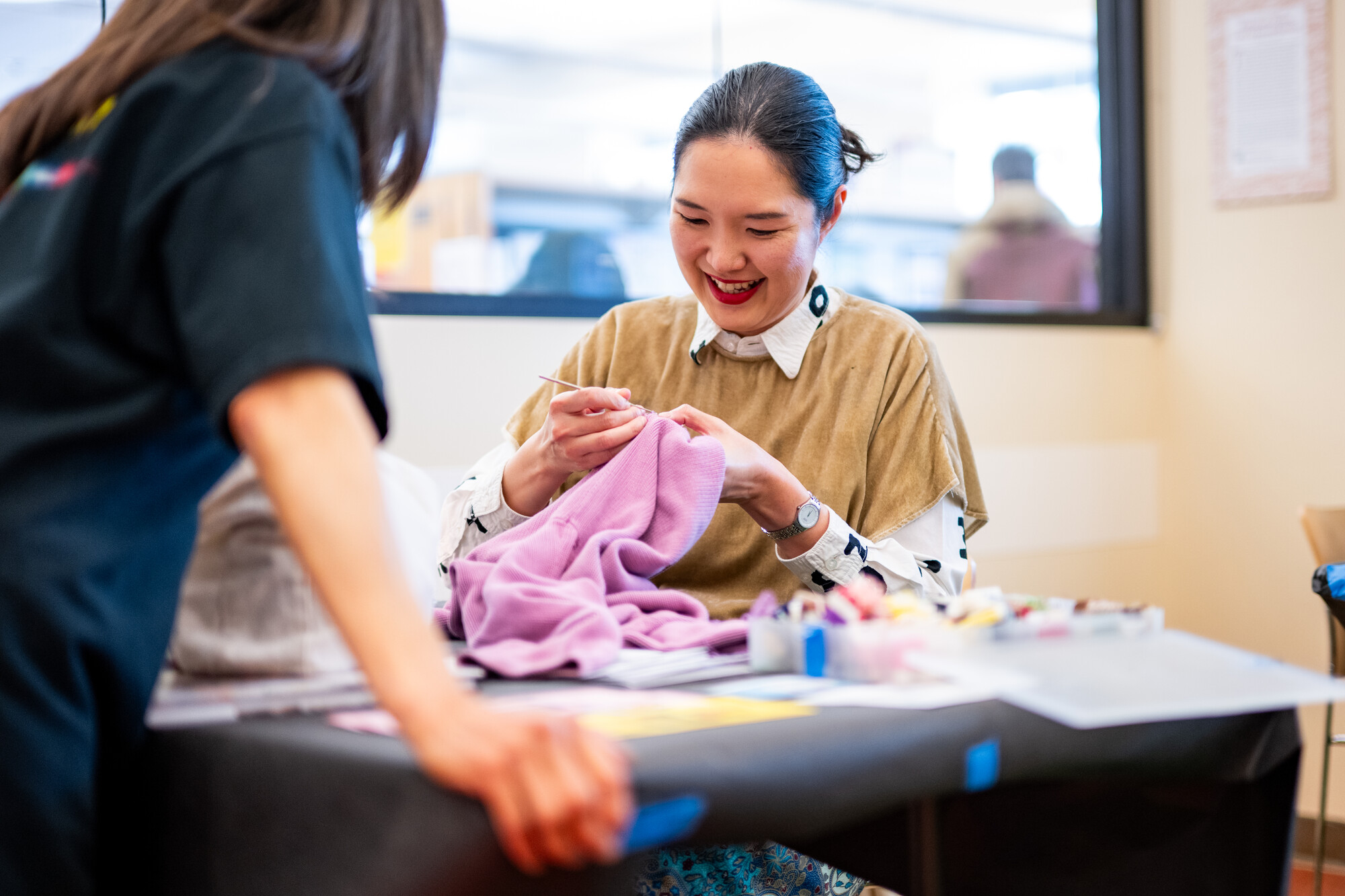
"caption": "Mira Musank works with a participant to repair her sweater during a Fix-It Clinic Clothing Repair workshop at the Glen Park Branch Library in San Francisco on July 16, 2025. During the workshop, teachers from SCRAP offer hands-on fixes and mending tips. SCRAP is a nonprofit creative reuse center that provides arts and environmental education using donated materials.",
"credit": "Beth LaBerge/KQED",
"altTag": null,
"description": null,
"imgSizes": {
"thumbnail": {
"file": "https://cdn.kqed.org/wp-content/uploads/sites/10/2025/07/250716-SFFixItClinic-18-BL_qed-160x107.jpg",
"width": 160,
"height": 107,
"mimeType": "image/jpeg"
},
"1536x1536": {
"file": "https://cdn.kqed.org/wp-content/uploads/sites/10/2025/07/250716-SFFixItClinic-18-BL_qed-1536x1024.jpg",
"width": 1536,
"height": 1024,
"mimeType": "image/jpeg"
},
"post-thumbnail": {
"file": "https://cdn.kqed.org/wp-content/uploads/sites/10/2025/07/250716-SFFixItClinic-18-BL_qed-672x372.jpg",
"width": 672,
"height": 372,
"mimeType": "image/jpeg"
},
"twentyfourteen-full-width": {
"file": "https://cdn.kqed.org/wp-content/uploads/sites/10/2025/07/250716-SFFixItClinic-18-BL_qed-1038x576.jpg",
"width": 1038,
"height": 576,
"mimeType": "image/jpeg"
},
"kqedFullSize": {
"file": "https://cdn.kqed.org/wp-content/uploads/sites/10/2025/07/250716-SFFixItClinic-18-BL_qed.jpg",
"width": 2000,
"height": 1333
}
},
"isLoading": false,
"fetchFailed": false
},
"news_12052401": {
"type": "attachments",
"id": "news_12052401",
"meta": {
"index": "attachments_1716263798",
"site": "news",
"id": "12052401",
"found": true
},
"title": "Bay Area Residents Cool Off At Alameda Beach During Heat Wave",
"publishDate": 1755284030,
"status": "inherit",
"parent": 12052393,
"modified": 1781119267,
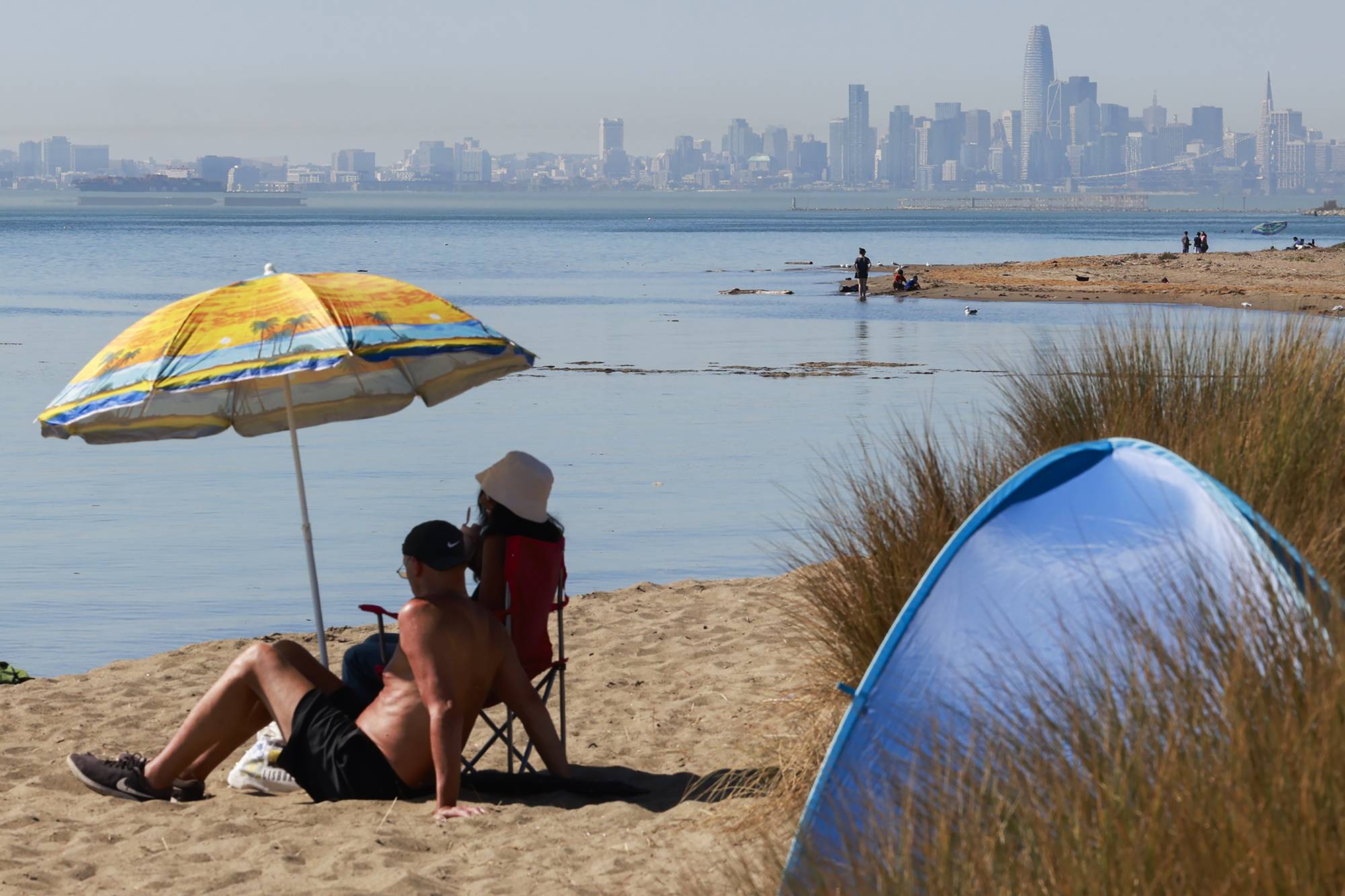
"caption": "Residents lounge near the water on Alameda Beach in Alameda, California, Wednesday, Oct. 2, 2024, during an exceptional heat wave across the Bay Area and inland. ",
"credit": "Jessica Christian/San Francisco Chronicle via Getty Images",
"altTag": null,
"description": null,
"imgSizes": {
"medium": {
"file": "https://cdn.kqed.org/wp-content/uploads/sites/10/2025/08/GettyImages-2175515837-2000x1333.jpg",
"width": 2000,
"height": 1333,
"mimeType": "image/jpeg"
},
"large": {
"file": "https://cdn.kqed.org/wp-content/uploads/sites/10/2025/08/GettyImages-2175515837-2000x1333.jpg",
"width": 2000,
"height": 1333,
"mimeType": "image/jpeg"
},
"thumbnail": {
"file": "https://cdn.kqed.org/wp-content/uploads/sites/10/2025/08/GettyImages-2175515837-160x107.jpg",
"width": 160,
"height": 107,
"mimeType": "image/jpeg"
},
"1536x1536": {
"file": "https://cdn.kqed.org/wp-content/uploads/sites/10/2025/08/GettyImages-2175515837-1536x1024.jpg",
"width": 1536,
"height": 1024,
"mimeType": "image/jpeg"
},
"2048x2048": {
"file": "https://cdn.kqed.org/wp-content/uploads/sites/10/2025/08/GettyImages-2175515837-2048x1365.jpg",
"width": 2048,
"height": 1365,
"mimeType": "image/jpeg"
},
"post-thumbnail": {
"file": "https://cdn.kqed.org/wp-content/uploads/sites/10/2025/08/GettyImages-2175515837-672x372.jpg",
"width": 672,
"height": 372,
"mimeType": "image/jpeg"
},
"twentyfourteen-full-width": {
"file": "https://cdn.kqed.org/wp-content/uploads/sites/10/2025/08/GettyImages-2175515837-1038x576.jpg",
"width": 1038,
"height": 576,
"mimeType": "image/jpeg"
},
"full-width": {
"file": "https://cdn.kqed.org/wp-content/uploads/sites/10/2025/08/GettyImages-2175515837-2000x1333.jpg",
"width": 2000,
"height": 1333,
"mimeType": "image/jpeg"
},
"kqedFullSize": {
"file": "https://cdn.kqed.org/wp-content/uploads/sites/10/2025/08/GettyImages-2175515837-scaled-e1781119253267.jpg",
"width": 2000,
"height": 1333
}
},
"isLoading": false,
"fetchFailed": false
},
"news_12048754": {
"type": "attachments",
"id": "news_12048754",
"meta": {
"index": "attachments_1716263798",
"site": "news",
"id": "12048754",
"found": true
},
"title": "250716-SFFixItClinic-25-BL_qed",
"publishDate": 1752860749,
"status": "inherit",
"parent": 0,
"modified": 1752860763,
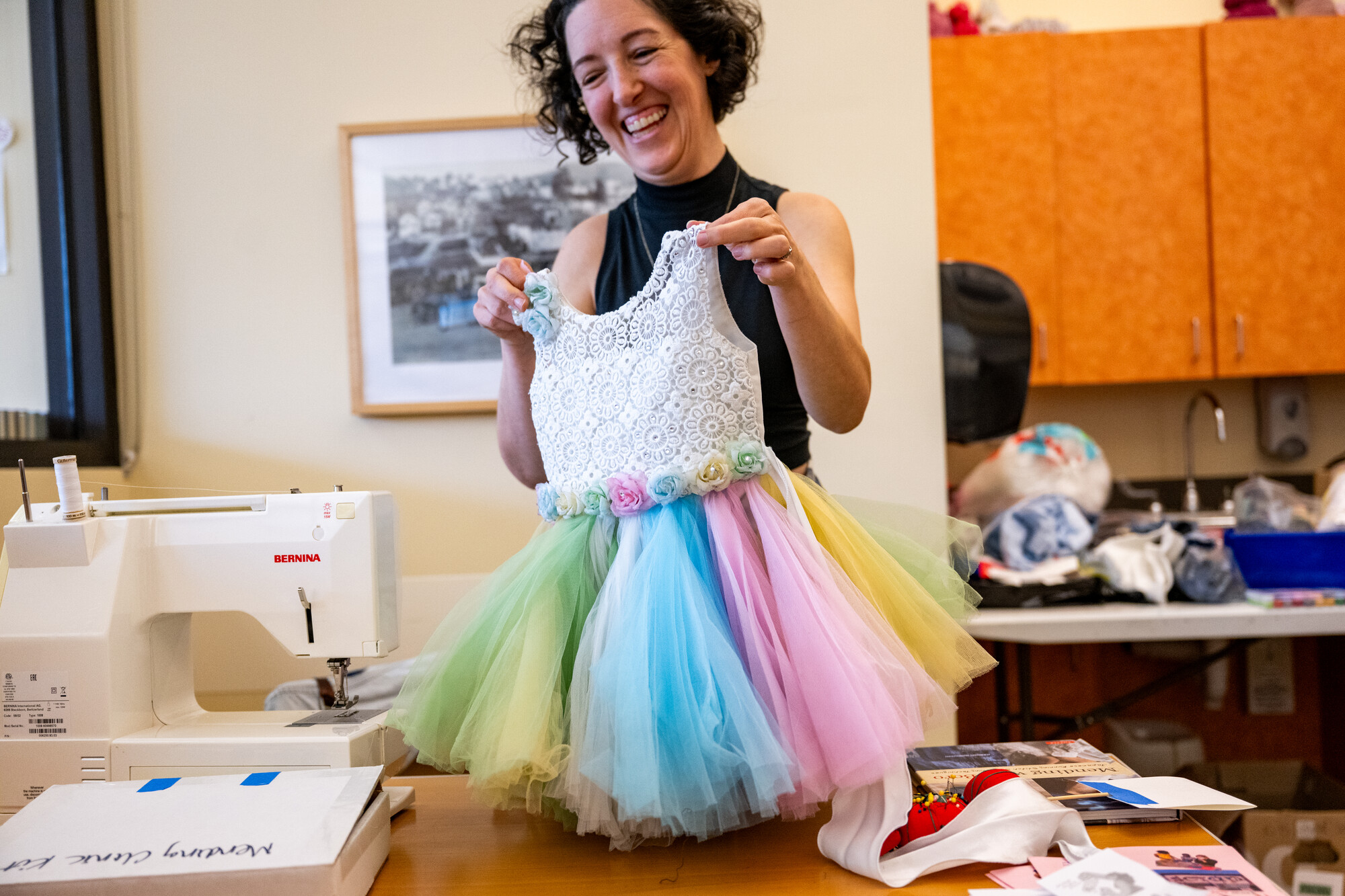
"caption": "Radha Weaver repairs a tutu dress for a mother and daughter during a Fix-It Clinic Clothing Repair workshop at the Glen Park Branch Library in San Francisco on July 16, 2025. During the workshop, teachers from SCRAP offer hands-on fixes and mending tips. SCRAP is a nonprofit creative reuse center that provides arts and environmental education using donated materials.",
"credit": "Beth LaBerge/KQED",
"altTag": null,
"description": null,
"imgSizes": {
"thumbnail": {
"file": "https://cdn.kqed.org/wp-content/uploads/sites/10/2025/07/250716-SFFixItClinic-25-BL_qed-160x107.jpg",
"width": 160,
"height": 107,
"mimeType": "image/jpeg"
},
"1536x1536": {
"file": "https://cdn.kqed.org/wp-content/uploads/sites/10/2025/07/250716-SFFixItClinic-25-BL_qed-1536x1024.jpg",
"width": 1536,
"height": 1024,
"mimeType": "image/jpeg"
},
"post-thumbnail": {
"file": "https://cdn.kqed.org/wp-content/uploads/sites/10/2025/07/250716-SFFixItClinic-25-BL_qed-672x372.jpg",
"width": 672,
"height": 372,
"mimeType": "image/jpeg"
},
"twentyfourteen-full-width": {
"file": "https://cdn.kqed.org/wp-content/uploads/sites/10/2025/07/250716-SFFixItClinic-25-BL_qed-1038x576.jpg",
"width": 1038,
"height": 576,
"mimeType": "image/jpeg"
},
"kqedFullSize": {
"file": "https://cdn.kqed.org/wp-content/uploads/sites/10/2025/07/250716-SFFixItClinic-25-BL_qed.jpg",
"width": 2000,
"height": 1333
}
},
"isLoading": false,
"fetchFailed": false
},
"news_12052259": {
"type": "attachments",
"id": "news_12052259",
"meta": {
"index": "attachments_1716263798",
"site": "news",
"id": "12052259",
"found": true
},
"title": null,
"publishDate": 1755205539,
"status": "inherit",
"parent": 12052217,
"modified": 1755213544,
"caption": null,
"credit": "SDI Productions/Getty Images",
"altTag": null,
"description": null,
"imgSizes": {
"thumbnail": {
"file": "https://cdn.kqed.org/wp-content/uploads/sites/10/2025/08/ImmigrationLawyerGetty-160x90.jpg",
"width": 160,
"height": 90,
"mimeType": "image/jpeg"
},
"1536x1536": {
"file": "https://cdn.kqed.org/wp-content/uploads/sites/10/2025/08/ImmigrationLawyerGetty-1536x864.jpg",
"width": 1536,
"height": 864,
"mimeType": "image/jpeg"
},
"post-thumbnail": {
"file": "https://cdn.kqed.org/wp-content/uploads/sites/10/2025/08/ImmigrationLawyerGetty-672x372.jpg",
"width": 672,
"height": 372,
"mimeType": "image/jpeg"
},
"twentyfourteen-full-width": {
"file": "https://cdn.kqed.org/wp-content/uploads/sites/10/2025/08/ImmigrationLawyerGetty-1038x576.jpg",
"width": 1038,
"height": 576,
"mimeType": "image/jpeg"
},
"kqedFullSize": {
"file": "https://cdn.kqed.org/wp-content/uploads/sites/10/2025/08/ImmigrationLawyerGetty.jpg",
"width": 2000,
"height": 1125
}
},
"isLoading": false,
"fetchFailed": false
},
"news_12052277": {
"type": "attachments",
"id": "news_12052277",
"meta": {
"index": "attachments_1716263798",
"site": "news",
"id": "12052277",
"found": true
},
"title": "California Governor Newsom Makes Announcement On Gerrymandering In Response To Trump's Efforts In Texas",
"publishDate": 1755208309,
"status": "inherit",
"parent": 12052064,
"modified": 1755215051,
"caption": "Gov. Gavin Newsom speaks about the “Election Rigging Response Act” as U.S. Sen. Alex Padilla, D-California, (left) looks on at a press conference at the Democracy Center, Japanese American National Museum, on Aug. 14, 2025, in Los Angeles. Newsom spoke about a possible California referendum on redistricting to counter the legislative effort to add five Republican House seats in the state of Texas.",
"credit": "Mario Tama/Getty Images",
"altTag": null,
"description": null,
"imgSizes": {
"thumbnail": {
"file": "https://cdn.kqed.org/wp-content/uploads/sites/10/2025/08/GavinNewsomRedistrictingCAGetty-160x108.jpg",
"width": 160,
"height": 108,
"mimeType": "image/jpeg"
},
"1536x1536": {
"file": "https://cdn.kqed.org/wp-content/uploads/sites/10/2025/08/GavinNewsomRedistrictingCAGetty-1536x1034.jpg",
"width": 1536,
"height": 1034,
"mimeType": "image/jpeg"
},
"post-thumbnail": {
"file": "https://cdn.kqed.org/wp-content/uploads/sites/10/2025/08/GavinNewsomRedistrictingCAGetty-672x372.jpg",
"width": 672,
"height": 372,
"mimeType": "image/jpeg"
},
"twentyfourteen-full-width": {
"file": "https://cdn.kqed.org/wp-content/uploads/sites/10/2025/08/GavinNewsomRedistrictingCAGetty-1038x576.jpg",
"width": 1038,
"height": 576,
"mimeType": "image/jpeg"
},
"kqedFullSize": {
"file": "https://cdn.kqed.org/wp-content/uploads/sites/10/2025/08/GavinNewsomRedistrictingCAGetty.jpg",
"width": 2000,
"height": 1346
}
},
"isLoading": false,
"fetchFailed": false
},
"news_12048135": {
"type": "attachments",
"id": "news_12048135",
"meta": {
"index": "attachments_1716263798",
"site": "news",
"id": "12048135",
"found": true
},
"title": "Protests Erupt In L.A. County Sparked By Federal Immigration Raids",
"publishDate": 1752605450,
"status": "inherit",
"parent": 12048121,
"modified": 1779816898,
"caption": "Federal agents guard outside of a federal building and Immigration and Customs Enforcement (ICE) detention center in downtown Los Angeles as demonstrations continue after a series of immigration raids began June 13, 2025, in Los Angeles. Tensions in the city remain high after the Trump administration called in the National Guard and the Marines against the wishes of city leaders.",
"credit": "Spencer Platt/Getty Images",
"altTag": null,
"description": null,
"imgSizes": {
"medium": {
"file": "https://cdn.kqed.org/wp-content/uploads/sites/10/2025/07/GettyImages-2220045842-2000x1334.jpg",
"width": 2000,
"height": 1334,
"mimeType": "image/jpeg"
},
"large": {
"file": "https://cdn.kqed.org/wp-content/uploads/sites/10/2025/07/GettyImages-2220045842-2000x1334.jpg",
"width": 2000,
"height": 1334,
"mimeType": "image/jpeg"
},
"thumbnail": {
"file": "https://cdn.kqed.org/wp-content/uploads/sites/10/2025/07/GettyImages-2220045842-160x107.jpg",
"width": 160,
"height": 107,
"mimeType": "image/jpeg"
},
"1536x1536": {
"file": "https://cdn.kqed.org/wp-content/uploads/sites/10/2025/07/GettyImages-2220045842-1536x1025.jpg",
"width": 1536,
"height": 1025,
"mimeType": "image/jpeg"
},
"2048x2048": {
"file": "https://cdn.kqed.org/wp-content/uploads/sites/10/2025/07/GettyImages-2220045842-2048x1366.jpg",
"width": 2048,
"height": 1366,
"mimeType": "image/jpeg"
},
"post-thumbnail": {
"file": "https://cdn.kqed.org/wp-content/uploads/sites/10/2025/07/GettyImages-2220045842-672x372.jpg",
"width": 672,
"height": 372,
"mimeType": "image/jpeg"
},
"twentyfourteen-full-width": {
"file": "https://cdn.kqed.org/wp-content/uploads/sites/10/2025/07/GettyImages-2220045842-1038x576.jpg",
"width": 1038,
"height": 576,
"mimeType": "image/jpeg"
},
"full-width": {
"file": "https://cdn.kqed.org/wp-content/uploads/sites/10/2025/07/GettyImages-2220045842-2000x1334.jpg",
"width": 2000,
"height": 1334,
"mimeType": "image/jpeg"
},
"kqedFullSize": {
"file": "https://cdn.kqed.org/wp-content/uploads/sites/10/2025/07/GettyImages-2220045842-scaled-e1752857672682.jpg",
"width": 2000,
"height": 1334
}
},
"isLoading": false,
"fetchFailed": false
},
"news_12051970": {
"type": "attachments",
"id": "news_12051970",
"meta": {
"index": "attachments_1716263798",
"site": "news",
"id": "12051970",
"found": true
},
"title": "Immigration California Lawsuit",
"publishDate": 1755042034,
"status": "inherit",
"parent": 12051954,
"modified": 1761004716,
"caption": "Federal agents stage at MacArthur Park on July 7, 2025, in Los Angeles, California. ",
"credit": "Damian Dovarganes/AP Photo",
"altTag": null,
"description": null,
"imgSizes": {
"thumbnail": {
"file": "https://cdn.kqed.org/wp-content/uploads/sites/10/2025/08/NationalGuardTrumpAP-160x107.jpg",
"width": 160,
"height": 107,
"mimeType": "image/jpeg"
},
"1536x1536": {
"file": "https://cdn.kqed.org/wp-content/uploads/sites/10/2025/08/NationalGuardTrumpAP-1536x1027.jpg",
"width": 1536,
"height": 1027,
"mimeType": "image/jpeg"
},
"post-thumbnail": {
"file": "https://cdn.kqed.org/wp-content/uploads/sites/10/2025/08/NationalGuardTrumpAP-672x372.jpg",
"width": 672,
"height": 372,
"mimeType": "image/jpeg"
},
"twentyfourteen-full-width": {
"file": "https://cdn.kqed.org/wp-content/uploads/sites/10/2025/08/NationalGuardTrumpAP-1038x576.jpg",
"width": 1038,
"height": 576,
"mimeType": "image/jpeg"
},
"kqedFullSize": {
"file": "https://cdn.kqed.org/wp-content/uploads/sites/10/2025/08/NationalGuardTrumpAP.jpg",
"width": 2000,
"height": 1337
}
},
"isLoading": false,
"fetchFailed": false
},
"news_12052116": {
"type": "attachments",
"id": "news_12052116",
"meta": {
"index": "attachments_1716263798",
"site": "news",
"id": "12052116",
"found": true
},
"title": "080725-Self-Checkout-IS-CM",
"publishDate": 1755127920,
"status": "inherit",
"parent": 12052115,
"modified": 1755127938,
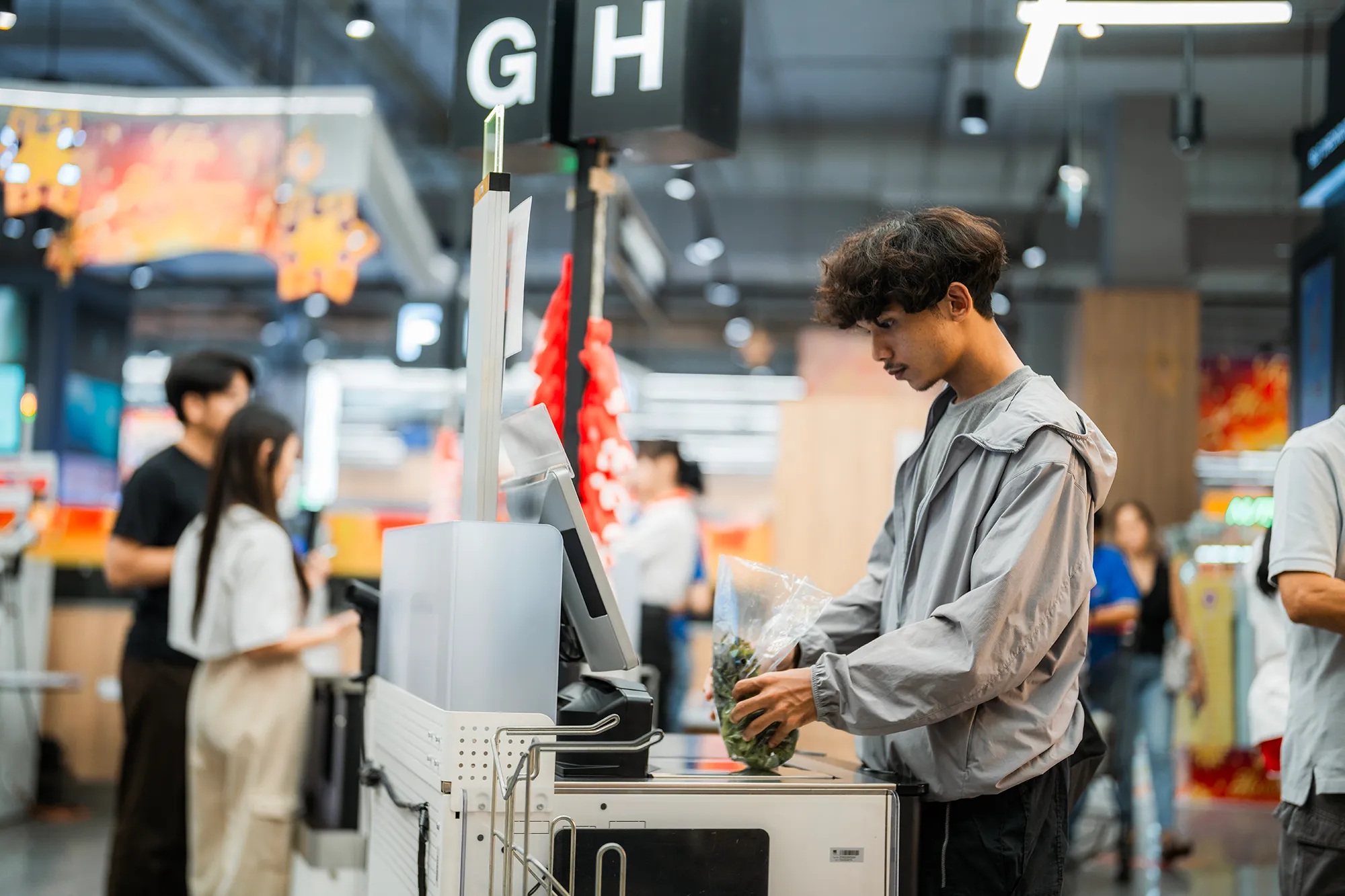
"caption": "A person uses a self-checkout machine at a store. ",
"credit": "Photo via iStock Photo",
"altTag": null,
"description": null,
"imgSizes": {
"thumbnail": {
"file": "https://cdn.kqed.org/wp-content/uploads/sites/10/2025/08/080725-Self-Checkout-IS-CM-160x107.jpg",
"width": 160,
"height": 107,
"mimeType": "image/jpeg"
},
"1536x1536": {
"file": "https://cdn.kqed.org/wp-content/uploads/sites/10/2025/08/080725-Self-Checkout-IS-CM-1536x1024.jpg",
"width": 1536,
"height": 1024,
"mimeType": "image/jpeg"
},
"post-thumbnail": {
"file": "https://cdn.kqed.org/wp-content/uploads/sites/10/2025/08/080725-Self-Checkout-IS-CM-672x372.jpg",
"width": 672,
"height": 372,
"mimeType": "image/jpeg"
},
"twentyfourteen-full-width": {
"file": "https://cdn.kqed.org/wp-content/uploads/sites/10/2025/08/080725-Self-Checkout-IS-CM-1038x576.jpg",
"width": 1038,
"height": 576,
"mimeType": "image/jpeg"
},
"kqedFullSize": {
"file": "https://cdn.kqed.org/wp-content/uploads/sites/10/2025/08/080725-Self-Checkout-IS-CM.jpg",
"width": 2000,
"height": 1333
}
},
"isLoading": false,
"fetchFailed": false
},
"news_12040230": {
"type": "attachments",
"id": "news_12040230",
"meta": {
"index": "attachments_1716263798",
"site": "news",
"id": "12040230",
"found": true
},
"title": "250512-SEAGULLCOUNTY-26-BL-KQED",
"publishDate": 1747265874,
"status": "inherit",
"parent": 0,
"modified": 1747265985,
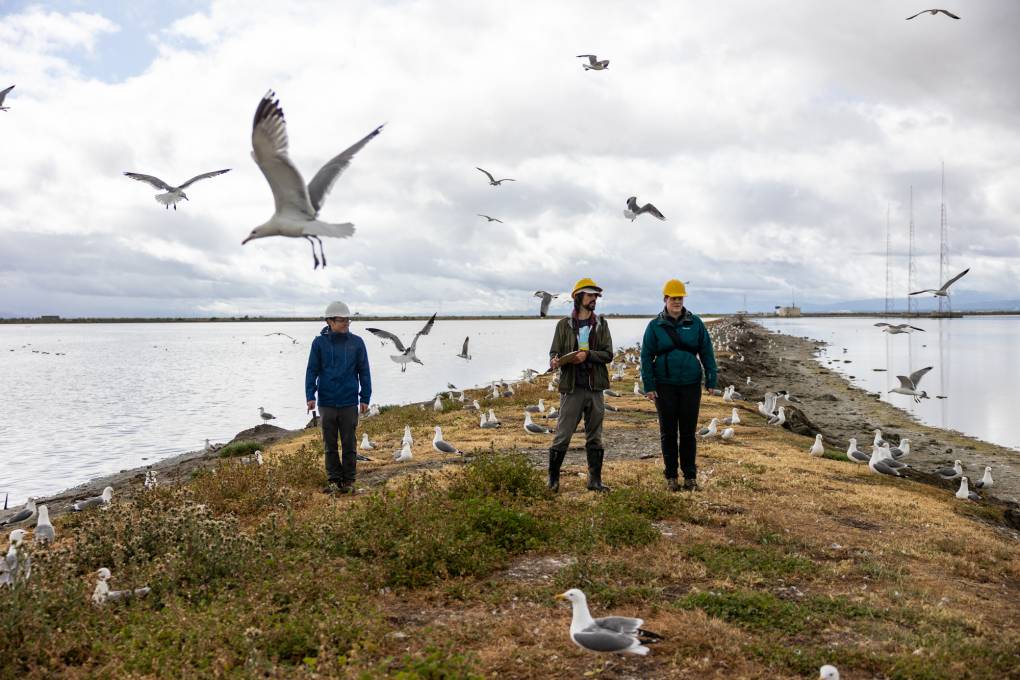
"caption": "A team led by Nathan Van Schmidt (center), science director at the San Francisco Bay Bird Observatory, and Amy Parsons, lead biologist, conducts a California gull nest survey near the Dumbarton Bridge in Fremont on May 12, 2025.",
"credit": "Beth LaBerge/KQED",
"altTag": null,
"description": null,
"imgSizes": {
"medium": {
"file": "https://cdn.kqed.org/wp-content/uploads/sites/10/2025/05/250512-SEAGULLCOUNTY-26-BL-KQED-800x533.jpg",
"width": 800,
"height": 533,
"mimeType": "image/jpeg"
},
"large": {
"file": "https://cdn.kqed.org/wp-content/uploads/sites/10/2025/05/250512-SEAGULLCOUNTY-26-BL-KQED-1020x680.jpg",
"width": 1020,
"height": 680,
"mimeType": "image/jpeg"
},
"thumbnail": {
"file": "https://cdn.kqed.org/wp-content/uploads/sites/10/2025/05/250512-SEAGULLCOUNTY-26-BL-KQED-160x107.jpg",
"width": 160,
"height": 107,
"mimeType": "image/jpeg"
},
"1536x1536": {
"file": "https://cdn.kqed.org/wp-content/uploads/sites/10/2025/05/250512-SEAGULLCOUNTY-26-BL-KQED-1536x1024.jpg",
"width": 1536,
"height": 1024,
"mimeType": "image/jpeg"
},
"post-thumbnail": {
"file": "https://cdn.kqed.org/wp-content/uploads/sites/10/2025/05/250512-SEAGULLCOUNTY-26-BL-KQED-672x372.jpg",
"width": 672,
"height": 372,
"mimeType": "image/jpeg"
},
"twentyfourteen-full-width": {
"file": "https://cdn.kqed.org/wp-content/uploads/sites/10/2025/05/250512-SEAGULLCOUNTY-26-BL-KQED-1038x576.jpg",
"width": 1038,
"height": 576,
"mimeType": "image/jpeg"
},
"full-width": {
"file": "https://cdn.kqed.org/wp-content/uploads/sites/10/2025/05/250512-SEAGULLCOUNTY-26-BL-KQED-1920x1280.jpg",
"width": 1920,
"height": 1280,
"mimeType": "image/jpeg"
},
"kqedFullSize": {
"file": "https://cdn.kqed.org/wp-content/uploads/sites/10/2025/05/250512-SEAGULLCOUNTY-26-BL-KQED.jpg",
"width": 2000,
"height": 1333
}
},
"isLoading": false,
"fetchFailed": false
},
"news_12014213": {
"type": "attachments",
"id": "news_12014213",
"meta": {
"index": "attachments_1716263798",
"site": "news",
"id": "12014213",
"found": true
},
"title": "Stanford campus on May 30, 2023.",
"publishDate": 1731521794,
"status": "inherit",
"parent": 0,
"modified": 1733786946,
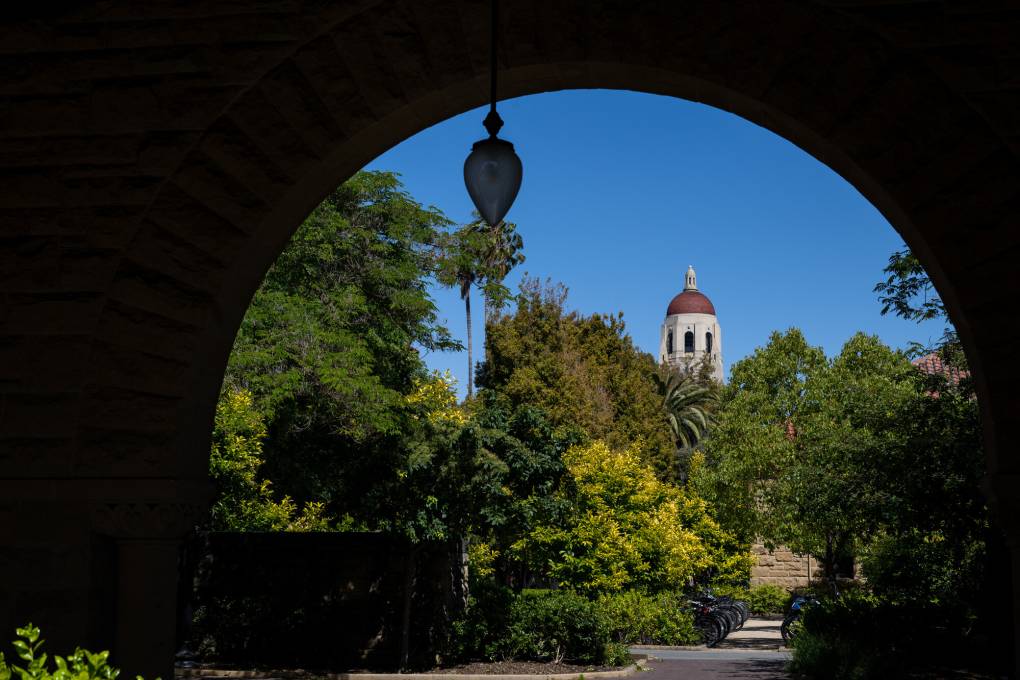
"caption": "Stanford University campus on May 30, 2023.",
"credit": "Beth LaBerge/KQED",
"altTag": null,
"description": null,
"imgSizes": {
"medium": {
"file": "https://cdn.kqed.org/wp-content/uploads/sites/10/2024/11/005_KQED_StanfordGradUnion_05302023_qed-800x533.jpg",
"width": 800,
"height": 533,
"mimeType": "image/jpeg"
},
"large": {
"file": "https://cdn.kqed.org/wp-content/uploads/sites/10/2024/11/005_KQED_StanfordGradUnion_05302023_qed-1020x680.jpg",
"width": 1020,
"height": 680,
"mimeType": "image/jpeg"
},
"thumbnail": {
"file": "https://cdn.kqed.org/wp-content/uploads/sites/10/2024/11/005_KQED_StanfordGradUnion_05302023_qed-160x107.jpg",
"width": 160,
"height": 107,
"mimeType": "image/jpeg"
},
"1536x1536": {
"file": "https://cdn.kqed.org/wp-content/uploads/sites/10/2024/11/005_KQED_StanfordGradUnion_05302023_qed-1536x1024.jpg",
"width": 1536,
"height": 1024,
"mimeType": "image/jpeg"
},
"post-thumbnail": {
"file": "https://cdn.kqed.org/wp-content/uploads/sites/10/2024/11/005_KQED_StanfordGradUnion_05302023_qed-672x372.jpg",
"width": 672,
"height": 372,
"mimeType": "image/jpeg"
},
"twentyfourteen-full-width": {
"file": "https://cdn.kqed.org/wp-content/uploads/sites/10/2024/11/005_KQED_StanfordGradUnion_05302023_qed-1038x576.jpg",
"width": 1038,
"height": 576,
"mimeType": "image/jpeg"
},
"full-width": {
"file": "https://cdn.kqed.org/wp-content/uploads/sites/10/2024/11/005_KQED_StanfordGradUnion_05302023_qed-1920x1280.jpg",
"width": 1920,
"height": 1280,
"mimeType": "image/jpeg"
},
"kqedFullSize": {
"file": "https://cdn.kqed.org/wp-content/uploads/sites/10/2024/11/005_KQED_StanfordGradUnion_05302023_qed.jpg",
"width": 2000,
"height": 1333
}
},
"isLoading": false,
"fetchFailed": false
},
"news_12051669": {
"type": "attachments",
"id": "news_12051669",
"meta": {
"index": "attachments_1716263798",
"site": "news",
"id": "12051669",
"found": true
},
"title": "Latino man with worker",
"publishDate": 1754875927,
"status": "inherit",
"parent": 12051668,
"modified": 1755111061,
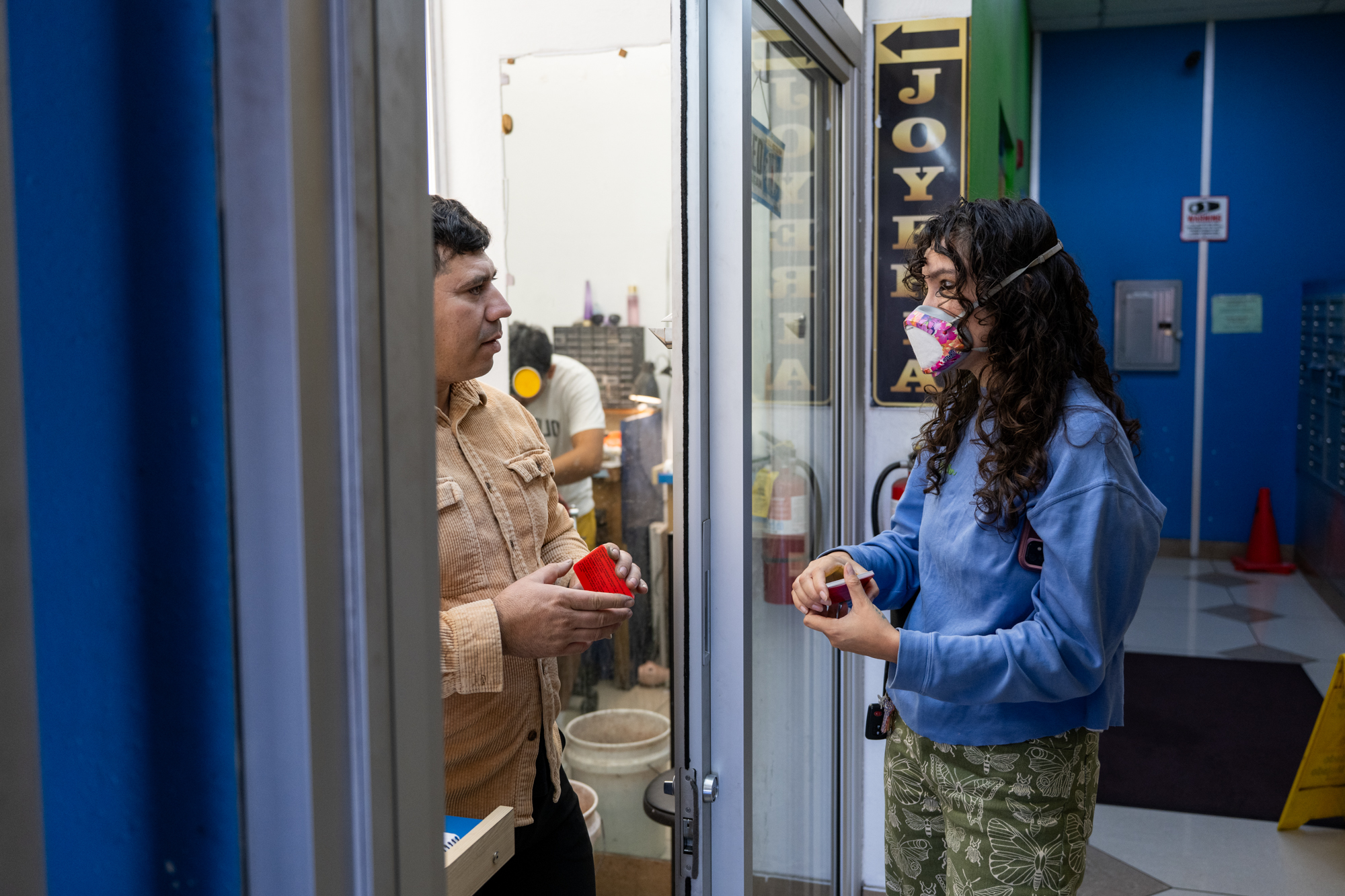
"caption": "Socorro Montaño (derecha), coordinadora de la Red de Respuesta Rápida, habla con Luis Urbino sobre cómo reportar actividades del ICE y los esfuerzos de la red para verificar avistamientos en San José, el 21 de julio de 2025. La Red de Respuesta Rápida opera una línea directa para movilizar voluntarios y apoyar a familias inmigrantes durante acciones del ICE.",
"credit": "Beth LaBerge/KQED",
"altTag": "Dos personas hablan afuera de un negocio dentro de una plaza comercial.",
"description": null,
"imgSizes": {
"thumbnail": {
"file": "https://cdn.kqed.org/wp-content/uploads/sites/10/2025/08/Latino-man-with-worker-160x107.jpg",
"width": 160,
"height": 107,
"mimeType": "image/jpeg"
},
"1536x1536": {
"file": "https://cdn.kqed.org/wp-content/uploads/sites/10/2025/08/Latino-man-with-worker-1536x1024.jpg",
"width": 1536,
"height": 1024,
"mimeType": "image/jpeg"
},
"post-thumbnail": {
"file": "https://cdn.kqed.org/wp-content/uploads/sites/10/2025/08/Latino-man-with-worker-672x372.jpg",
"width": 672,
"height": 372,
"mimeType": "image/jpeg"
},
"twentyfourteen-full-width": {
"file": "https://cdn.kqed.org/wp-content/uploads/sites/10/2025/08/Latino-man-with-worker-1038x576.jpg",
"width": 1038,
"height": 576,
"mimeType": "image/jpeg"
},
"kqedFullSize": {
"file": "https://cdn.kqed.org/wp-content/uploads/sites/10/2025/08/Latino-man-with-worker.jpg",
"width": 2000,
"height": 1333
}
},
"isLoading": false,
"fetchFailed": false
},
"news_12051419": {
"type": "attachments",
"id": "news_12051419",
"meta": {
"index": "attachments_1716263798",
"site": "news",
"id": "12051419",
"found": true
},
"title": "250806-SHANICEROBINSONRESILIENCE_00065_TV-KQED",
"publishDate": 1754660895,
"status": "inherit",
"parent": 0,
"modified": 1754956305,
"caption": "Shanice Robinson poses for a portrait in her bedroom in Richmond on August 6, 2025. Shanice Robinson, who is a visiting assistant professor at San Francisco State University, a teacher for incarcerated people and an author of “Gangster’s Scholar: Love Behind Bars,\" works to advocate for those affected by the prison system.",
"credit": "Tâm Vũ/KQED",
"altTag": null,
"description": null,
"imgSizes": {
"thumbnail": {
"file": "https://cdn.kqed.org/wp-content/uploads/sites/10/2025/08/250806-SHANICEROBINSONRESILIENCE_00065_TV-KQED-160x107.jpg",
"width": 160,
"height": 107,
"mimeType": "image/jpeg"
},
"1536x1536": {
"file": "https://cdn.kqed.org/wp-content/uploads/sites/10/2025/08/250806-SHANICEROBINSONRESILIENCE_00065_TV-KQED-1536x1024.jpg",
"width": 1536,
"height": 1024,
"mimeType": "image/jpeg"
},
"post-thumbnail": {
"file": "https://cdn.kqed.org/wp-content/uploads/sites/10/2025/08/250806-SHANICEROBINSONRESILIENCE_00065_TV-KQED-672x372.jpg",
"width": 672,
"height": 372,
"mimeType": "image/jpeg"
},
"twentyfourteen-full-width": {
"file": "https://cdn.kqed.org/wp-content/uploads/sites/10/2025/08/250806-SHANICEROBINSONRESILIENCE_00065_TV-KQED-1038x576.jpg",
"width": 1038,
"height": 576,
"mimeType": "image/jpeg"
},
"kqedFullSize": {
"file": "https://cdn.kqed.org/wp-content/uploads/sites/10/2025/08/250806-SHANICEROBINSONRESILIENCE_00065_TV-KQED.jpg",
"width": 2000,
"height": 1333
}
},
"isLoading": false,
"fetchFailed": false
}
},
"audioPlayerReducer": {
"postId": "stream_live",
"isPaused": true,
"isPlaying": false,
"pfsActive": false,
"pledgeModalIsOpen": true,
"playerDrawerIsOpen": false,
"liveAudioPlayStartedAt": 0,
"liveAudioPlayContext": ""
},
"authorsReducer": {
"byline_news_12052115": {
"type": "authors",
"id": "byline_news_12052115",
"meta": {
"override": true
},
"slug": "byline_news_12052115",
"name": "Maya C. Miller, CalMatters",
"isLoading": false
},
"gmarzorati": {
"type": "authors",
"id": "227",
"meta": {
"index": "authors_1716337520",
"id": "227",
"found": true
},
"name": "Guy Marzorati",
"firstName": "Guy",
"lastName": "Marzorati",
"slug": "gmarzorati",
"email": "gmarzorati@KQED.org",
"display_author_email": true,
"staff_mastheads": [
"news"
],
"title": "Correspondent",
"bio": "Guy Marzorati is a correspondent on KQED's California Politics and Government Desk, based in San Jose. A graduate of Santa Clara University, Guy joined KQED in 2013. He reports on state and local politics and produces KQED's digital voter guide.",
"avatar": "https://secure.gravatar.com/avatar/e7038b8dbfd55b104369b76b1cd0b9de?s=600&d=blank&r=g",
"twitter": "guymarzorati",
"facebook": null,
"instagram": null,
"linkedin": null,
"sites": [
{
"site": "",
"roles": [
"editor"
]
},
{
"site": "news",
"roles": [
"editor"
]
},
{
"site": "science",
"roles": [
"editor"
]
},
{
"site": "forum",
"roles": [
"editor"
]
},
{
"site": "elections",
"roles": [
"editor"
]
},
{
"site": "liveblog",
"roles": [
"editor"
]
}
],
"headData": {
"title": "Guy Marzorati | KQED",
"description": "Correspondent",
"ogImgSrc": "https://secure.gravatar.com/avatar/e7038b8dbfd55b104369b76b1cd0b9de?s=600&d=blank&r=g",
"twImgSrc": "https://secure.gravatar.com/avatar/e7038b8dbfd55b104369b76b1cd0b9de?s=600&d=blank&r=g"
},
"isLoading": false,
"link": "/author/gmarzorati"
},
"kqed": {
"type": "authors",
"id": "236",
"meta": {
"index": "authors_1716337520",
"id": "236",
"found": true
},
"name": "KQED News Staff",
"firstName": "KQED News Staff",
"lastName": null,
"slug": "kqed",
"email": "faq@kqed.org",
"display_author_email": false,
"staff_mastheads": [],
"title": null,
"bio": null,
"avatar": "https://secure.gravatar.com/avatar/ef0e801a68c4c54afa9180db14084167?s=600&d=blank&r=g",
"twitter": null,
"facebook": null,
"instagram": null,
"linkedin": null,
"sites": [
{
"site": "arts",
"roles": [
"contributor"
]
},
{
"site": "news",
"roles": [
"editor"
]
},
{
"site": "futureofyou",
"roles": [
"author"
]
}
],
"headData": {
"title": "KQED News Staff | KQED",
"description": null,
"ogImgSrc": "https://secure.gravatar.com/avatar/ef0e801a68c4c54afa9180db14084167?s=600&d=blank&r=g",
"twImgSrc": "https://secure.gravatar.com/avatar/ef0e801a68c4c54afa9180db14084167?s=600&d=blank&r=g"
},
"isLoading": false,
"link": "/author/kqed"
},
"btaylor": {
"type": "authors",
"id": "11365",
"meta": {
"index": "authors_1716337520",
"id": "11365",
"found": true
},
"name": "Bianca Taylor",
"firstName": "Bianca",
"lastName": "Taylor",
"slug": "btaylor",
"email": "btaylor@KQED.org",
"display_author_email": false,
"staff_mastheads": [
"news"
],
"title": "Host and Producer ",
"bio": "Bianca Taylor is a news producer and host of KQED's The Latest podcast.\r\n\r\nHer work with KQED has been honored by the Society of Professional Journalists NorCal, the Webby's, the Regional Murrow Awards, and ONA. She has also worked with NPR, the BBC World Service, and the Washington Post Creative Group.\r\n\r\nBianca is represented by SAG-AFTRA.",
"avatar": "https://secure.gravatar.com/avatar/6b9d3f6552dd10470c5d1c2e58cfe717?s=600&d=blank&r=g",
"twitter": "SoundsLkeBianca",
"facebook": null,
"instagram": null,
"linkedin": null,
"sites": [
{
"site": "arts",
"roles": [
"editor"
]
},
{
"site": "news",
"roles": [
"edit_others_posts",
"editor"
]
},
{
"site": "pop",
"roles": [
"editor"
]
},
{
"site": "bayareabites",
"roles": [
"author"
]
},
{
"site": "science",
"roles": [
"editor"
]
},
{
"site": "forum",
"roles": [
"editor"
]
},
{
"site": "radio",
"roles": [
"editor"
]
},
{
"site": "podcasts",
"roles": [
"editor"
]
}
],
"headData": {
"title": "Bianca Taylor | KQED",
"description": "Host and Producer ",
"ogImgSrc": "https://secure.gravatar.com/avatar/6b9d3f6552dd10470c5d1c2e58cfe717?s=600&d=blank&r=g",
"twImgSrc": "https://secure.gravatar.com/avatar/6b9d3f6552dd10470c5d1c2e58cfe717?s=600&d=blank&r=g"
},
"isLoading": false,
"link": "/author/btaylor"
},
"ccabreralomeli": {
"type": "authors",
"id": "11708",
"meta": {
"index": "authors_1716337520",
"id": "11708",
"found": true
},
"name": "Carlos Cabrera-Lomelí",
"firstName": "Carlos",
"lastName": "Cabrera-Lomelí",
"slug": "ccabreralomeli",
"email": "ccabreralomeli@KQED.org",
"display_author_email": true,
"staff_mastheads": [
"news"
],
"title": "Community Reporter",
"bio": "Carlos Cabrera-Lomelí is a community reporter with KQED's digital engagement team. He also reports and co-produces for KQED's bilingual news hub KQED en Español. He grew up in San Francisco's Mission District and has previously worked with Univision, 48 Hills and REFORMA in Mexico City.",
"avatar": "https://secure.gravatar.com/avatar/c309be9665e484f887b818c89e273ecc673004f426f36b24d00a4d813a2e0518?s=600&d=blank&r=g",
"twitter": "@LomeliCabrera",
"bluesky": null,
"facebook": null,
"instagram": null,
"linkedin": null,
"sites": [
{
"site": "arts",
"roles": [
"editor"
]
},
{
"site": "news",
"roles": [
"editor"
]
},
{
"site": "about",
"roles": [
"editor"
]
},
{
"site": "science",
"roles": [
"editor"
]
},
{
"site": "perspectives",
"roles": [
"editor"
]
},
{
"site": "elections",
"roles": [
"editor"
]
},
{
"site": "liveblog",
"roles": [
"contributor"
]
}
],
"headData": {
"title": "Carlos Cabrera-Lomelí | KQED",
"description": "Community Reporter",
"ogImgSrc": "https://secure.gravatar.com/avatar/c309be9665e484f887b818c89e273ecc673004f426f36b24d00a4d813a2e0518?s=600&d=blank&r=g",
"twImgSrc": "https://secure.gravatar.com/avatar/c309be9665e484f887b818c89e273ecc673004f426f36b24d00a4d813a2e0518?s=600&d=blank&r=g"
},
"isLoading": false,
"link": "/author/ccabreralomeli"
},
"sjohnson": {
"type": "authors",
"id": "11840",
"meta": {
"index": "authors_1716337520",
"id": "11840",
"found": true
},
"name": "Sydney Johnson",
"firstName": "Sydney",
"lastName": "Johnson",
"slug": "sjohnson",
"email": "sjohnson@kqed.org",
"display_author_email": false,
"staff_mastheads": [
"news"
],
"title": "KQED Reporter",
"bio": "Sydney Johnson is a general assignment reporter at KQED. She previously reported on public health and city government at the San Francisco Examiner, and before that, she covered statewide education policy for EdSource. Her reporting has won multiple local, state and national awards. Sydney is a graduate of the University of California, Berkeley and lives in San Francisco.",
"avatar": "https://secure.gravatar.com/avatar/97855f2719b72ad6190b7c535fe642c8?s=600&d=blank&r=g",
"twitter": "sydneyfjohnson",
"facebook": null,
"instagram": null,
"linkedin": null,
"sites": [
{
"site": "news",
"roles": [
"editor"
]
}
],
"headData": {
"title": "Sydney Johnson | KQED",
"description": "KQED Reporter",
"ogImgSrc": "https://secure.gravatar.com/avatar/97855f2719b72ad6190b7c535fe642c8?s=600&d=blank&r=g",
"twImgSrc": "https://secure.gravatar.com/avatar/97855f2719b72ad6190b7c535fe642c8?s=600&d=blank&r=g"
},
"isLoading": false,
"link": "/author/sjohnson"
},
"pbartolone": {
"type": "authors",
"id": "11879",
"meta": {
"index": "authors_1716337520",
"id": "11879",
"found": true
},
"name": "Pauline Bartolone",
"firstName": "Pauline",
"lastName": "Bartolone",
"slug": "pbartolone",
"email": "pbartolone@kqed.org",
"display_author_email": false,
"staff_mastheads": [],
"title": "KQED Contributor",
"bio": "Pauline Bartolone has been a journalist for two decades, specializing in longform audio storytelling. Before editing and producing for podcasts like Bay Curious, she was a health care journalist for public radio and print outlets such as CalMatters and Kaiser Health News. Her reporting has won several regional Edward R. Murrow awards, national recognition from the Society of Professional Journalists and a first-place prize from the Association of Health Care Journalists.\r\n\r\nPauline’s work has aired frequently on National Public Radio, and bylines have appeared in The Los Angeles Times, CNN.com, Washingtonpost.com, USA Today and Scientific American.\r\n\r\nPauline has lived in Northern California for 20 years. Her other passions are crafts (now done in collaboration with her daughter) and the Brazilian martial art of capoeira.",
"avatar": "https://secure.gravatar.com/avatar/95001c30374b0d3878007af9cf1e120a?s=600&d=blank&r=g",
"twitter": "pbartolone",
"facebook": null,
"instagram": null,
"linkedin": null,
"sites": [
{
"site": "news",
"roles": [
"editor"
]
},
{
"site": "podcasts",
"roles": [
"subscriber"
]
}
],
"headData": {
"title": "Pauline Bartolone | KQED",
"description": "KQED Contributor",
"ogImgSrc": "https://secure.gravatar.com/avatar/95001c30374b0d3878007af9cf1e120a?s=600&d=blank&r=g",
"twImgSrc": "https://secure.gravatar.com/avatar/95001c30374b0d3878007af9cf1e120a?s=600&d=blank&r=g"
},
"isLoading": false,
"link": "/author/pbartolone"
},
"kdebenedetti": {
"type": "authors",
"id": "11913",
"meta": {
"index": "authors_1716337520",
"id": "11913",
"found": true
},
"name": "Katie DeBenedetti",
"firstName": "Katie",
"lastName": "DeBenedetti",
"slug": "kdebenedetti",
"email": "kdebenedetti@kqed.org",
"display_author_email": false,
"staff_mastheads": [
"news",
"science"
],
"title": "KQED Contributor",
"bio": "Katie DeBenedetti is a digital reporter covering daily news for the Express Desk. Prior to joining KQED as a culture reporting intern in January 2024, she covered education and city government for the Napa Valley Register.",
"avatar": "https://secure.gravatar.com/avatar/6e31073cb8f7e4214ab03f42771d0f45?s=600&d=blank&r=g",
"twitter": null,
"facebook": null,
"instagram": null,
"linkedin": null,
"sites": [
{
"site": "news",
"roles": [
"author"
]
},
{
"site": "science",
"roles": [
"author"
]
},
{
"site": "liveblog",
"roles": [
"author"
]
}
],
"headData": {
"title": "Katie DeBenedetti | KQED",
"description": "KQED Contributor",
"ogImgSrc": "https://secure.gravatar.com/avatar/6e31073cb8f7e4214ab03f42771d0f45?s=600&d=blank&r=g",
"twImgSrc": "https://secure.gravatar.com/avatar/6e31073cb8f7e4214ab03f42771d0f45?s=600&d=blank&r=g"
},
"isLoading": false,
"link": "/author/kdebenedetti"
},
"gzada": {
"type": "authors",
"id": "11929",
"meta": {
"index": "authors_1716337520",
"id": "11929",
"found": true
},
"name": "Gilare Zada",
"firstName": "Gilare",
"lastName": "Zada",
"slug": "gzada",
"email": "gzada@kqed.org",
"display_author_email": true,
"staff_mastheads": [
"news"
],
"title": null,
"bio": "Gilare Zada is a Kurdish-American from San Diego, CA. Storytelling, fitness, and binge reading are some of her passions outside of news reporting. Her work has appeared in Mission Local, the Peninsula Press, the San Francisco Press Club, and more. She also writes as a class correspondent for the Stanford Magazine - go Card!",
"avatar": "https://secure.gravatar.com/avatar/33a75f2b947669a488a805edec3fbf3838c1cedaedda710e983770633b4d6a75?s=600&d=blank&r=g",
"twitter": null,
"bluesky": null,
"facebook": null,
"instagram": null,
"linkedin": null,
"sites": [
{
"site": "arts",
"roles": [
"editor"
]
},
{
"site": "news",
"roles": [
"editor",
"contributor"
]
},
{
"site": "science",
"roles": [
"editor"
]
}
],
"headData": {
"title": "Gilare Zada | KQED",
"description": null,
"ogImgSrc": "https://secure.gravatar.com/avatar/33a75f2b947669a488a805edec3fbf3838c1cedaedda710e983770633b4d6a75?s=600&d=blank&r=g",
"twImgSrc": "https://secure.gravatar.com/avatar/33a75f2b947669a488a805edec3fbf3838c1cedaedda710e983770633b4d6a75?s=600&d=blank&r=g"
},
"isLoading": false,
"link": "/author/gzada"
},
"sprabha": {
"type": "authors",
"id": "11976",
"meta": {
"index": "authors_1716337520",
"id": "11976",
"found": true
},
"name": "Srishti Prabha",
"firstName": "Srishti",
"lastName": "Prabha",
"slug": "sprabha",
"email": "sprabha@KQED.org",
"display_author_email": false,
"staff_mastheads": [],
"title": "KQED Contributor",
"bio": "Srishti Prabha is producer and reporter for KQED.",
"avatar": "https://secure.gravatar.com/avatar/cc4d8ef770090714faad7e1d24857f806d09340456c5734167b9a6361b175d7d?s=600&d=blank&r=g",
"twitter": null,
"bluesky": null,
"facebook": null,
"instagram": null,
"linkedin": null,
"sites": [
{
"site": "news",
"roles": [
"editor"
]
}
],
"headData": {
"title": "Srishti Prabha | KQED",
"description": "KQED Contributor",
"ogImgSrc": "https://secure.gravatar.com/avatar/cc4d8ef770090714faad7e1d24857f806d09340456c5734167b9a6361b175d7d?s=600&d=blank&r=g",
"twImgSrc": "https://secure.gravatar.com/avatar/cc4d8ef770090714faad7e1d24857f806d09340456c5734167b9a6361b175d7d?s=600&d=blank&r=g"
},
"isLoading": false,
"link": "/author/sprabha"
}
},
"pagesReducer": {
"news_tag_california": {
"type": "terms",
"id": "news_18538",
"meta": {
"index": "terms_1716263798",
"site": "news",
"id": "18538",
"score": 6.845103
},
"featImg": null,
"name": "California",
"description": null,
"taxonomy": "tag",
"headData": {
"twImgId": null,
"twTitle": null,
"ogTitle": null,
"ogImgId": null,
"twDescription": null,
"description": null,
"title": "California Archives | KQED News",
"ogDescription": null
},
"ttid": 31,
"slug": "california",
"isLoading": false,
"title": "California",
"pageMeta": {
"site": "news",
"WpPageTemplate": "page-topic-editorial",
"currentPage": 64
},
"blocks": [
{
"blockName": "kqed/post-list",
"attrs": {
"layout": "cardArticle2",
"query": "posts/news?tag=california",
"seeMore": false,
"paginated": true,
"page": 64
}
},
{
"blockName": "kqed/ad"
}
]
}
},
"pfsSessionReducer": {},
"postsReducer": {
"stream_live": {
"type": "live",
"id": "stream_live",
"audioUrl": "https://streams.kqed.org/kqedradio",
"title": "Live Stream",
"excerpt": "Live Stream information currently unavailable.",
"link": "/radio",
"featImg": "",
"label": {
"name": "KQED Live",
"link": "/"
}
},
"stream_kqedNewscast": {
"type": "posts",
"id": "stream_kqedNewscast",
"audioUrl": "https://www.kqed.org/.stream/anon/radio/RDnews/newscast.mp3?_=1",
"title": "KQED Newscast",
"featImg": "",
"label": {
"name": "88.5 FM",
"link": "/"
}
},
"news_12051858": {
"type": "posts",
"id": "news_12051858",
"meta": {
"index": "posts_1716263798",
"site": "news",
"id": "12051858",
"score": null,
"sort": [
1755284402000
]
},
"guestAuthors": [],
"slug": "rebuilding-a-lost-home-a-beloved-garment-and-a-treasured-radio",
"title": "Rebuilding a Lost Home, a Beloved Garment, and a Treasured Radio",
"publishDate": 1755284402,
"format": "standard",
"headTitle": "Rebuilding a Lost Home, a Beloved Garment, and a Treasured Radio | KQED",
"labelTerm": {},
"content": "\u003cp>\u003cem>\u003ca href=\"http://itunes.apple.com/us/podcast/the-california-report-magazine/id1314750545?mt=2\" target=\"_blank\" rel=\"noopener noreferrer\">Listen to this and more in-depth storytelling by subscribing to The California Report Magazine podcast.\u003c/a>\u003c/em>\u003c/p>\n\u003cdiv class=\"routes-Site-routes-Post-SinglePost-__SinglePost__mpost_Title\">\n\u003ch2>\u003ca href=\"https://afrolanews.org/2025/07/we-are-not-moving-on-how-a-pasadena-church-is-helping-one-senior-through-wildfire-recovery/\">\u003cb>How a Pasadena Church is Helping One Senior Through Wildfire Recovery\u003c/b>\u003c/a>\u003c/h2>\n\u003cp>\u003cspan style=\"font-weight: 400\">It’s been more than seven months since the Eaton Fire tore across Altadena, just east of Los Angeles. Rebuilding homes and neighborhoods could take years – a daunting timeline, especially for seniors. Local advocates worry that many elders within Altadena’s historic Black community won’t be able to rebuild. Afro LA’s Corinne Ruff has this story of how members of a church in Pasadena are coming together to support an elder congregant as she works to rebuild her home, and her life. \u003c/span>\u003c/p>\n\u003ch2>\u003ca href=\"https://www.kqed.org/news/12052092/fix-a-zipper-and-save-the-planet-at-san-franciscos-free-clothing-repair-clinics\">\u003cb>Fix a Zipper and Save the Planet at San Francisco’s Free Clothing Repair Clinics\u003c/b>\u003c/a>\u003c/h2>\n\u003cp>\u003cspan style=\"font-weight: 400\">Usually public libraries are quiet spaces, but on a recent evening in San Francisco’s Glen Park neighborhood, the building was buzzing with the sound of sewing machines. Once a month, libraries around the city transform into pop-up clothing repair clinics. On the face of it, it’s a chance to patch that hole in your go-to jacket or finally fix that broken zipper on your skirt, but the goal of the program is to help residents reuse items, and keep them out of the landfill. KQED’s Bianca Taylor takes us inside.\u003c/span>\u003c/p>\n\u003ch2>\u003ca href=\"https://www.kqed.org/news/12047317/how-a-1957-vintage-radio-rekindled-a-daughters-bond-with-her-dad\">\u003cb>Repairing a 1957 Vintage Radio Rekindled a Daughter’s Bond With Her Dad\u003c/b>\u003c/a>\u003c/h2>\n\u003cp>\u003cspan style=\"font-weight: 400\">For reporter Rachael Myrow, radio has long been a fixture in her life – not just through her career in public broadcasting, but also through a connection to her father. Fred Myrow was an LA composer who wrote soundtracks to films like \u003c/span>\u003ci>\u003cspan style=\"font-weight: 400\">Soylent Green\u003c/span>\u003c/i>\u003cspan style=\"font-weight: 400\"> and \u003c/span>\u003ci>\u003cspan style=\"font-weight: 400\">Phantasm\u003c/span>\u003c/i>\u003cspan style=\"font-weight: 400\">. She tells us how discovering her father’s beloved old radio has strengthened their bond many years after his death. \u003c/span>\u003c/p>\n\u003ch2>\u003ca href=\"https://www.kqed.org/news/11889331/whats-behind-one-of-californias-most-ubiquitous-bumper-stickers\">\u003cb>The Truth Behind One of the State’s Most Ubiquitous Bumper Stickers \u003c/b>\u003c/a>\u003c/h2>\n\u003cp>\u003cspan style=\"font-weight: 400\">We’ve all seen them before: those bright yellow bumper stickers that read “Mystery Spot” in black lettering. But what, actually, happens at the Mystery Spot? In 2021, reporter Amanda Font followed the story to the heart of the Santa Cruz Mountains for our Hidden Gems series. \u003c/span>\u003c/p>\n\u003c/div>\n\u003cp>[ad fullwidth]\u003c/p>\u003cp>\u003c/p>\n",
"blocks": [],
"excerpt": null,
"status": "publish",
"parent": 0,
"modified": 1755639356,
"stats": {
"hasAudio": false,
"hasVideo": false,
"hasChartOrMap": false,
"iframeSrcs": [],
"hasGoogleForm": false,
"hasGallery": false,
"hasHearkenModule": false,
"hasPolis": false,
"paragraphCount": 7,
"wordCount": 379
},
"headData": {
"title": "Rebuilding a Lost Home, a Beloved Garment, and a Treasured Radio | KQED",
"description": "Listen to this and more in-depth storytelling by subscribing to The California Report Magazine podcast. How a Pasadena Church is Helping One Senior Through Wildfire Recovery It’s been more than seven months since the Eaton Fire tore across Altadena, just east of Los Angeles. Rebuilding homes and neighborhoods could take years – a daunting timeline, especially for seniors. Local advocates worry that many elders within Altadena’s historic Black community won’t be able to rebuild. Afro LA’s Corinne Ruff has this story of how members of a church in Pasadena are coming together to support an elder congregant as she works",
"ogTitle": "",
"ogDescription": "",
"ogImgId": "",
"twTitle": "",
"twDescription": "",
"twImgId": "",
"schema": {
"@context": "https://schema.org",
"@type": "NewsArticle",
"headline": "Rebuilding a Lost Home, a Beloved Garment, and a Treasured Radio",
"datePublished": "2025-08-15T12:00:02-07:00",
"dateModified": "2025-08-19T14:35:56-07:00",
"image": "https://cdn.kqed.org/wp-content/uploads/2020/02/KQED-OG-Image@1x.png",
"isAccessibleForFree": "True",
"publisher": {
"@type": "NewsMediaOrganization",
"@id": "https://www.kqed.org/#organization",
"name": "KQED",
"logo": "https://cdn.kqed.org/wp-content/uploads/2020/02/KQED-OG-Image@1x.png",
"url": "https://www.kqed.org",
"sameAs": [
"https://www.facebook.com/KQED",
"https://twitter.com/KQED",
"https://www.instagram.com/kqed/",
"https://www.tiktok.com/@kqedofficial",
"https://www.linkedin.com/company/kqed",
"https://www.youtube.com/channel/UCeC0IOo7i1P_61zVUWbJ4nw"
]
}
}
},
"primaryCategory": {
"termId": 31795,
"slug": "california",
"name": "California"
},
"source": "The California Report Magazine",
"sourceUrl": "https://www.kqed.org/news/tag/tcrmag/ ",
"audioUrl": "https://www.podtrac.com/pts/redirect.mp3/chrt.fm/track/G6C7C3/traffic.megaphone.fm/KQINC5537019779.mp3?updated=1755637643",
"sticky": false,
"templateType": "standard",
"featuredImageType": "standard",
"excludeFromSiteSearch": "Include",
"articleAge": "0",
"path": "/news/12051858/rebuilding-a-lost-home-a-beloved-garment-and-a-treasured-radio",
"audioTrackLength": null,
"parsedContent": [
{
"type": "contentString",
"content": "\u003cdiv class=\"post-body\">\u003cp>\u003cp>\u003cem>\u003ca href=\"http://itunes.apple.com/us/podcast/the-california-report-magazine/id1314750545?mt=2\" target=\"_blank\" rel=\"noopener noreferrer\">Listen to this and more in-depth storytelling by subscribing to The California Report Magazine podcast.\u003c/a>\u003c/em>\u003c/p>\n\u003cdiv class=\"routes-Site-routes-Post-SinglePost-__SinglePost__mpost_Title\">\n\u003ch2>\u003ca href=\"https://afrolanews.org/2025/07/we-are-not-moving-on-how-a-pasadena-church-is-helping-one-senior-through-wildfire-recovery/\">\u003cb>How a Pasadena Church is Helping One Senior Through Wildfire Recovery\u003c/b>\u003c/a>\u003c/h2>\n\u003cp>\u003cspan style=\"font-weight: 400\">It’s been more than seven months since the Eaton Fire tore across Altadena, just east of Los Angeles. Rebuilding homes and neighborhoods could take years – a daunting timeline, especially for seniors. Local advocates worry that many elders within Altadena’s historic Black community won’t be able to rebuild. Afro LA’s Corinne Ruff has this story of how members of a church in Pasadena are coming together to support an elder congregant as she works to rebuild her home, and her life. \u003c/span>\u003c/p>\n\u003ch2>\u003ca href=\"https://www.kqed.org/news/12052092/fix-a-zipper-and-save-the-planet-at-san-franciscos-free-clothing-repair-clinics\">\u003cb>Fix a Zipper and Save the Planet at San Francisco’s Free Clothing Repair Clinics\u003c/b>\u003c/a>\u003c/h2>\n\u003cp>\u003cspan style=\"font-weight: 400\">Usually public libraries are quiet spaces, but on a recent evening in San Francisco’s Glen Park neighborhood, the building was buzzing with the sound of sewing machines. Once a month, libraries around the city transform into pop-up clothing repair clinics. On the face of it, it’s a chance to patch that hole in your go-to jacket or finally fix that broken zipper on your skirt, but the goal of the program is to help residents reuse items, and keep them out of the landfill. KQED’s Bianca Taylor takes us inside.\u003c/span>\u003c/p>\n\u003ch2>\u003ca href=\"https://www.kqed.org/news/12047317/how-a-1957-vintage-radio-rekindled-a-daughters-bond-with-her-dad\">\u003cb>Repairing a 1957 Vintage Radio Rekindled a Daughter’s Bond With Her Dad\u003c/b>\u003c/a>\u003c/h2>\n\u003cp>\u003cspan style=\"font-weight: 400\">For reporter Rachael Myrow, radio has long been a fixture in her life – not just through her career in public broadcasting, but also through a connection to her father. Fred Myrow was an LA composer who wrote soundtracks to films like \u003c/span>\u003ci>\u003cspan style=\"font-weight: 400\">Soylent Green\u003c/span>\u003c/i>\u003cspan style=\"font-weight: 400\"> and \u003c/span>\u003ci>\u003cspan style=\"font-weight: 400\">Phantasm\u003c/span>\u003c/i>\u003cspan style=\"font-weight: 400\">. She tells us how discovering her father’s beloved old radio has strengthened their bond many years after his death. \u003c/span>\u003c/p>\n\u003ch2>\u003ca href=\"https://www.kqed.org/news/11889331/whats-behind-one-of-californias-most-ubiquitous-bumper-stickers\">\u003cb>The Truth Behind One of the State’s Most Ubiquitous Bumper Stickers \u003c/b>\u003c/a>\u003c/h2>\n\u003cp>\u003cspan style=\"font-weight: 400\">We’ve all seen them before: those bright yellow bumper stickers that read “Mystery Spot” in black lettering. But what, actually, happens at the Mystery Spot? In 2021, reporter Amanda Font followed the story to the heart of the Santa Cruz Mountains for our Hidden Gems series. \u003c/span>\u003c/p>\n\u003c/div>\n\u003cp>\u003c/p>\u003c/div>",
"attributes": {
"named": {},
"numeric": []
}
},
{
"type": "component",
"content": "",
"name": "ad",
"attributes": {
"named": {
"label": "fullwidth"
},
"numeric": [
"fullwidth"
]
}
},
{
"type": "contentString",
"content": "\u003cdiv class=\"post-body\">\u003cp>\u003c/p>\u003cp>\u003c/p>\n\u003c/div>\u003c/p>",
"attributes": {
"named": {},
"numeric": []
}
}
],
"link": "/news/12051858/rebuilding-a-lost-home-a-beloved-garment-and-a-treasured-radio",
"authors": [
"236"
],
"programs": [
"news_72",
"news_26731"
],
"categories": [
"news_31795",
"news_33520"
],
"tags": [
"news_18538"
],
"featImg": "news_12048751",
"label": "source_news_12051858"
},
"news_12052393": {
"type": "posts",
"id": "news_12052393",
"meta": {
"index": "posts_1716263798",
"site": "news",
"id": "12052393",
"score": null,
"sort": [
1755284335000
]
},
"guestAuthors": [],
"slug": "sun-and-strong-winds-come-to-the-bay-area-before-a-chillier-weekend",
"title": "Sun and Strong Winds Come to the Bay Area Before a Chillier Weekend",
"publishDate": 1755284335,
"format": "standard",
"headTitle": "Sun and Strong Winds Come to the Bay Area Before a Chillier Weekend | KQED",
"labelTerm": {
"site": "news"
},
"content": "\u003cp>The Bay Area is getting a tease of warm \u003ca href=\"https://www.kqed.org/news/tag/bay-area-weather\">weather\u003c/a> on Friday, with temperatures up to 90 degrees inland and in the 70s along the coast.\u003c/p>\n\u003cp>But the summer heat won’t last, according to the National Weather Service. Friday’s sun will fade just as quickly as it came, making room for an unseasonably chilly weekend, believe it or not.\u003c/p>\n\u003cp>“Over the weekend itself, temperatures are going to nosedive,” said Matt Mehle, a lead meteorologist at the weather service’s Bay Area office. “We’re going to see temperatures drop by about 5 to 8 degrees on Saturday, and even more cooling is expected by Sunday.”\u003c/p>\n\u003cp>[ad fullwidth]\u003c/p>\n\u003cp>Thanks to an area of high atmospheric pressure passing over the Bay Area on Friday, those heading outdoors might finally be able to \u003ca href=\"https://www.kqed.org/science/1997911/cool-for-the-summer-bay-area-sweater-weather-could-linger-into-august\">swap out their layers\u003c/a> for sunglasses and SPF. In the East and North Bay regions, temperatures will hit the 80s and peak in the 90s inland, while the coast should reach the high 60s or low 70s.\u003c/p>\n\u003cp>But you might still want to bring a sweatshirt, since strong winds are expected to pick up through the afternoon and evening, hitting speeds up to 40 mph, according to Mehle.\u003c/p>\n\u003cfigure id=\"attachment_12041156\" class=\"wp-caption aligncenter\" style=\"max-width: 2000px\">\u003ca href=\"https://cdn.kqed.org/wp-content/uploads/sites/10/2025/05/250210-SurferSewage-16-BL_qed.jpg\">\u003cimg loading=\"lazy\" decoding=\"async\" class=\"size-full wp-image-12041156\" src=\"https://cdn.kqed.org/wp-content/uploads/sites/10/2025/05/250210-SurferSewage-16-BL_qed.jpg\" alt=\"\" width=\"2000\" height=\"1333\" srcset=\"https://cdn.kqed.org/wp-content/uploads/sites/10/2025/05/250210-SurferSewage-16-BL_qed.jpg 2000w, https://cdn.kqed.org/wp-content/uploads/sites/10/2025/05/250210-SurferSewage-16-BL_qed-800x533.jpg 800w, https://cdn.kqed.org/wp-content/uploads/sites/10/2025/05/250210-SurferSewage-16-BL_qed-1020x680.jpg 1020w, https://cdn.kqed.org/wp-content/uploads/sites/10/2025/05/250210-SurferSewage-16-BL_qed-160x107.jpg 160w, https://cdn.kqed.org/wp-content/uploads/sites/10/2025/05/250210-SurferSewage-16-BL_qed-1536x1024.jpg 1536w, https://cdn.kqed.org/wp-content/uploads/sites/10/2025/05/250210-SurferSewage-16-BL_qed-1920x1280.jpg 1920w\" sizes=\"auto, (max-width: 2000px) 100vw, 2000px\">\u003c/a>\u003cfigcaption class=\"wp-caption-text\">A surfer catches a wave at Ocean Beach in San Francisco on Feb. 10, 2025. \u003ccite>(Beth LaBerge/KQED)\u003c/cite>\u003c/figcaption>\u003c/figure>\n\u003cp>Light to moderate gusts will extend through the morning, gaining speed throughout the afternoon. West and northwest winds will reach their height on Friday evening before tapering off by dawn on Saturday.\u003c/p>\n\u003cp>Mehle said the wind will hit coastal and high elevation areas especially hard.\u003c/p>\n\u003cp>“We would not be surprised if we see some winds up to about 50 mph along portions of our coastline,” he said. “If you are \u003ca href=\"https://www.kqed.org/news/12049568/best-bay-area-hikes-for-cold-gloomy-weather\">recreating outdoors\u003c/a> and you’re moving inland or away from the coast — [to the] East Bay Hills or North Bay Mountains — you’re going to see windy conditions as well.”[aside postID=news_11878134 hero='https://cdn.kqed.org/wp-content/uploads/sites/10/2024/09/GettyImages-2175344883-1020x680.jpg']The afternoon gales mean an increased risk of downed trees, flying debris and power outages, and will likely make for rougher water on the Pacific Ocean. The National Weather Service has issued a small craft advisory along the coast from Point Reyes to Pescadero that lasts until 3 p.m. Friday, and another around the Suisun Bay and the San Francisco Bay north of the Bay Bridge that begins at 3 p.m. and extends through Saturday evening.\u003c/p>\n\u003cp>“We do have some marine-related hazards out,” Mehle said. “This afternoon, if you’re recreating inside San Francisco Bay on a smaller boat or paddleboarding or kayaking, just be mindful that we’ve got small craft advisories up for those winds.”\u003c/p>\n\u003cp>While heightened winds mean the usual increased risks for power outages, downed trees and wildfire, Mehle said fire risk won’t reach red flag warning or fire watch levels, since humidity isn’t expected to dip too low.\u003c/p>\n\u003cp>Looking ahead to next week, another peak in the Bay Area’s temperatures is expected on Wednesday and Thursday, and Mehle said projections through the end of the month are looking similarly sunny.\u003c/p>\n\u003cp>“The current eight-to-14-day outlook has above-normal temperatures for much of the West, including California, and that will take us all the way through the end of August,” he said.\u003c/p>\n\u003cp>\u003c/p>\n",
"blocks": [],
"excerpt": "The Bay Area is expected to see temperatures up to 90 degrees inland and in the 70s along the coast on Friday. Strong winds will pick up through the afternoon and evening.",
"status": "publish",
"parent": 0,
"modified": 1755285564,
"stats": {
"hasAudio": false,
"hasVideo": false,
"hasChartOrMap": false,
"iframeSrcs": [],
"hasGoogleForm": false,
"hasGallery": false,
"hasHearkenModule": false,
"hasPolis": false,
"paragraphCount": 14,
"wordCount": 588
},
"headData": {
"title": "Sun and Strong Winds Come to the Bay Area Before a Chillier Weekend | KQED",
"description": "The Bay Area is expected to see temperatures up to 90 degrees inland and in the 70s along the coast on Friday. Strong winds will pick up through the afternoon and evening.",
"ogTitle": "",
"ogDescription": "",
"ogImgId": "",
"twTitle": "",
"twDescription": "",
"twImgId": "",
"schema": {
"@context": "https://schema.org",
"@type": "NewsArticle",
"headline": "Sun and Strong Winds Come to the Bay Area Before a Chillier Weekend",
"datePublished": "2025-08-15T11:58:55-07:00",
"dateModified": "2025-08-15T12:19:24-07:00",
"image": "https://cdn.kqed.org/wp-content/uploads/2020/02/KQED-OG-Image@1x.png",
"isAccessibleForFree": "True",
"publisher": {
"@type": "NewsMediaOrganization",
"@id": "https://www.kqed.org/#organization",
"name": "KQED",
"logo": "https://cdn.kqed.org/wp-content/uploads/2020/02/KQED-OG-Image@1x.png",
"url": "https://www.kqed.org",
"sameAs": [
"https://www.facebook.com/KQED",
"https://twitter.com/KQED",
"https://www.instagram.com/kqed/",
"https://www.tiktok.com/@kqedofficial",
"https://www.linkedin.com/company/kqed",
"https://www.youtube.com/channel/UCeC0IOo7i1P_61zVUWbJ4nw"
]
}
}
},
"primaryCategory": {
"termId": 8,
"slug": "news",
"name": "News"
},
"sticky": false,
"nprStoryId": "kqed-12052393",
"templateType": "standard",
"featuredImageType": "standard",
"excludeFromSiteSearch": "Include",
"articleAge": "0",
"path": "/news/12052393/sun-and-strong-winds-come-to-the-bay-area-before-a-chillier-weekend",
"audioTrackLength": null,
"parsedContent": [
{
"type": "contentString",
"content": "\u003cdiv class=\"post-body\">\u003cp>\u003cp>The Bay Area is getting a tease of warm \u003ca href=\"https://www.kqed.org/news/tag/bay-area-weather\">weather\u003c/a> on Friday, with temperatures up to 90 degrees inland and in the 70s along the coast.\u003c/p>\n\u003cp>But the summer heat won’t last, according to the National Weather Service. Friday’s sun will fade just as quickly as it came, making room for an unseasonably chilly weekend, believe it or not.\u003c/p>\n\u003cp>“Over the weekend itself, temperatures are going to nosedive,” said Matt Mehle, a lead meteorologist at the weather service’s Bay Area office. “We’re going to see temperatures drop by about 5 to 8 degrees on Saturday, and even more cooling is expected by Sunday.”\u003c/p>\n\u003cp>\u003c/p>\u003c/div>",
"attributes": {
"named": {},
"numeric": []
}
},
{
"type": "component",
"content": "",
"name": "ad",
"attributes": {
"named": {
"label": "fullwidth"
},
"numeric": [
"fullwidth"
]
}
},
{
"type": "contentString",
"content": "\u003cdiv class=\"post-body\">\u003cp>\u003c/p>\n\u003cp>Thanks to an area of high atmospheric pressure passing over the Bay Area on Friday, those heading outdoors might finally be able to \u003ca href=\"https://www.kqed.org/science/1997911/cool-for-the-summer-bay-area-sweater-weather-could-linger-into-august\">swap out their layers\u003c/a> for sunglasses and SPF. In the East and North Bay regions, temperatures will hit the 80s and peak in the 90s inland, while the coast should reach the high 60s or low 70s.\u003c/p>\n\u003cp>But you might still want to bring a sweatshirt, since strong winds are expected to pick up through the afternoon and evening, hitting speeds up to 40 mph, according to Mehle.\u003c/p>\n\u003cfigure id=\"attachment_12041156\" class=\"wp-caption aligncenter\" style=\"max-width: 2000px\">\u003ca href=\"https://cdn.kqed.org/wp-content/uploads/sites/10/2025/05/250210-SurferSewage-16-BL_qed.jpg\">\u003cimg loading=\"lazy\" decoding=\"async\" class=\"size-full wp-image-12041156\" src=\"https://cdn.kqed.org/wp-content/uploads/sites/10/2025/05/250210-SurferSewage-16-BL_qed.jpg\" alt=\"\" width=\"2000\" height=\"1333\" srcset=\"https://cdn.kqed.org/wp-content/uploads/sites/10/2025/05/250210-SurferSewage-16-BL_qed.jpg 2000w, https://cdn.kqed.org/wp-content/uploads/sites/10/2025/05/250210-SurferSewage-16-BL_qed-800x533.jpg 800w, https://cdn.kqed.org/wp-content/uploads/sites/10/2025/05/250210-SurferSewage-16-BL_qed-1020x680.jpg 1020w, https://cdn.kqed.org/wp-content/uploads/sites/10/2025/05/250210-SurferSewage-16-BL_qed-160x107.jpg 160w, https://cdn.kqed.org/wp-content/uploads/sites/10/2025/05/250210-SurferSewage-16-BL_qed-1536x1024.jpg 1536w, https://cdn.kqed.org/wp-content/uploads/sites/10/2025/05/250210-SurferSewage-16-BL_qed-1920x1280.jpg 1920w\" sizes=\"auto, (max-width: 2000px) 100vw, 2000px\">\u003c/a>\u003cfigcaption class=\"wp-caption-text\">A surfer catches a wave at Ocean Beach in San Francisco on Feb. 10, 2025. \u003ccite>(Beth LaBerge/KQED)\u003c/cite>\u003c/figcaption>\u003c/figure>\n\u003cp>Light to moderate gusts will extend through the morning, gaining speed throughout the afternoon. West and northwest winds will reach their height on Friday evening before tapering off by dawn on Saturday.\u003c/p>\n\u003cp>Mehle said the wind will hit coastal and high elevation areas especially hard.\u003c/p>\n\u003cp>“We would not be surprised if we see some winds up to about 50 mph along portions of our coastline,” he said. “If you are \u003ca href=\"https://www.kqed.org/news/12049568/best-bay-area-hikes-for-cold-gloomy-weather\">recreating outdoors\u003c/a> and you’re moving inland or away from the coast — [to the] East Bay Hills or North Bay Mountains — you’re going to see windy conditions as well.”\u003c/p>\u003c/div>",
"attributes": {
"named": {},
"numeric": []
}
},
{
"type": "component",
"content": "",
"name": "aside",
"attributes": {
"named": {
"postid": "news_11878134",
"hero": "https://cdn.kqed.org/wp-content/uploads/sites/10/2024/09/GettyImages-2175344883-1020x680.jpg",
"label": ""
},
"numeric": []
}
},
{
"type": "contentString",
"content": "\u003cdiv class=\"post-body\">\u003cp>The afternoon gales mean an increased risk of downed trees, flying debris and power outages, and will likely make for rougher water on the Pacific Ocean. The National Weather Service has issued a small craft advisory along the coast from Point Reyes to Pescadero that lasts until 3 p.m. Friday, and another around the Suisun Bay and the San Francisco Bay north of the Bay Bridge that begins at 3 p.m. and extends through Saturday evening.\u003c/p>\n\u003cp>“We do have some marine-related hazards out,” Mehle said. “This afternoon, if you’re recreating inside San Francisco Bay on a smaller boat or paddleboarding or kayaking, just be mindful that we’ve got small craft advisories up for those winds.”\u003c/p>\n\u003cp>While heightened winds mean the usual increased risks for power outages, downed trees and wildfire, Mehle said fire risk won’t reach red flag warning or fire watch levels, since humidity isn’t expected to dip too low.\u003c/p>\n\u003cp>Looking ahead to next week, another peak in the Bay Area’s temperatures is expected on Wednesday and Thursday, and Mehle said projections through the end of the month are looking similarly sunny.\u003c/p>\n\u003cp>“The current eight-to-14-day outlook has above-normal temperatures for much of the West, including California, and that will take us all the way through the end of August,” he said.\u003c/p>\n\u003cp>\u003c/p>\n\u003c/div>\u003c/p>",
"attributes": {
"named": {},
"numeric": []
}
}
],
"link": "/news/12052393/sun-and-strong-winds-come-to-the-bay-area-before-a-chillier-weekend",
"authors": [
"11913"
],
"categories": [
"news_34165",
"news_28250",
"news_8"
],
"tags": [
"news_1386",
"news_34945",
"news_18538",
"news_19204",
"news_2929",
"news_18578",
"news_3"
],
"featImg": "news_12052401",
"label": "news"
},
"news_12052092": {
"type": "posts",
"id": "news_12052092",
"meta": {
"index": "posts_1716263798",
"site": "news",
"id": "12052092",
"score": null,
"sort": [
1755270034000
]
},
"guestAuthors": [],
"slug": "fix-a-zipper-and-save-the-planet-at-san-franciscos-free-clothing-repair-clinics",
"title": "Fix a Zipper and Save the Planet at San Francisco’s Free Clothing Repair Clinics",
"publishDate": 1755270034,
"format": "standard",
"headTitle": "Fix a Zipper and Save the Planet at San Francisco’s Free Clothing Repair Clinics | KQED",
"labelTerm": {
"term": 26731,
"site": "news"
},
"content": "\u003cp>On a Wednesday night in July, the normally quiet Glen Park branch of the\u003ca href=\"https://www.kqed.org/news/tag/san-francisco-public-library\"> San Francisco Public Library\u003c/a> hummed with the sounds of clacking sewing machines, upbeat music and people chatting. But no librarians were shushing, because for a few hours, the library had been officially transformed into a clothing repair clinic.\u003c/p>\n\u003cp>Mollie Agahi stood at the front of the line of people waiting to be matched with an expert clothing mender. She brought with her a half-completed yellow dress she hoped to turn into a nightgown, but the process was slow-going without a sewing machine at home.\u003c/p>\n\u003cp>Luckily, that wasn’t a problem for Christine Haynes, who greeted Agahi cheerfully and got to work with her tools.\u003c/p>\n\u003cp>[ad fullwidth]\u003c/p>\n\u003cp>“We’re just going to secure it with the machine,” Haynes said. “It’s going to be lovely.”\u003c/p>\n\u003cp>Haynes is one of the five sewing experts paid to work at these \u003ca href=\"https://sfpl.org/events/2025/08/16/workshop-fix-it-clinic-clothing-repair\">Fix-It Clinics\u003c/a>, which happen once a month at library branches around San Francisco. The clinics are run by a partnership between \u003ca href=\"https://www.sfenvironment.org/\">SF Environment\u003c/a>, the \u003ca href=\"https://sfpl.org/\">San Francisco Public Library\u003c/a> and \u003ca href=\"https://www.scrap-sf.org/\">SCRAP\u003c/a>, an SF-based nonprofit that promotes creative reuse. Since the clinics launched in 2023, 235 articles of clothing have been repaired.\u003c/p>\n\u003cfigure id=\"attachment_12048751\" class=\"wp-caption aligncenter\" style=\"max-width: 2000px\">\u003ca href=\"https://cdn.kqed.org/wp-content/uploads/sites/10/2025/07/250716-SFFixItClinic-18-BL_qed.jpg\">\u003cimg loading=\"lazy\" decoding=\"async\" class=\"size-full wp-image-12048751\" src=\"https://cdn.kqed.org/wp-content/uploads/sites/10/2025/07/250716-SFFixItClinic-18-BL_qed.jpg\" alt=\"\" width=\"2000\" height=\"1333\" srcset=\"https://cdn.kqed.org/wp-content/uploads/sites/10/2025/07/250716-SFFixItClinic-18-BL_qed.jpg 2000w, https://cdn.kqed.org/wp-content/uploads/sites/10/2025/07/250716-SFFixItClinic-18-BL_qed-160x107.jpg 160w, https://cdn.kqed.org/wp-content/uploads/sites/10/2025/07/250716-SFFixItClinic-18-BL_qed-1536x1024.jpg 1536w\" sizes=\"auto, (max-width: 2000px) 100vw, 2000px\">\u003c/a>\u003cfigcaption class=\"wp-caption-text\">Mira Musank works with a participant to repair her sweater during a Fix-It Clinic Clothing Repair workshop at the Glen Park Branch Library in San Francisco on July 16, 2025. During the workshop, teachers from SCRAP offer hands-on fixes and mending tips. SCRAP is a nonprofit creative reuse center that provides arts and environmental education using donated materials. \u003ccite>(Beth LaBerge/KQED)\u003c/cite>\u003c/figcaption>\u003c/figure>\n\u003cp>Danielle Grant, SCRAP’s Program Director, said the purpose of the clinics is to “inspire people to keep their clothes in their closets longer, to get the most wear out of their clothes that they can and to rethink their relationship to buying things.”\u003c/p>\n\u003cp>The clinics are first-come, first-served and free to attend. Participants also don’t need to know anything about sewing — a fact that Grant said makes the workshops extra accessible.\u003c/p>\n\u003cp>“We definitely have fans,” Grant said. “There are people who show up every month.”\u003c/p>\n\u003cp>Some of the items repaired in July included a cozy pajama shirt with a hole in it, a multicolored tutu dress with a broken zipper and a sentimental seat cushion.\u003c/p>\n\u003cp>Mei Zhang brought a pair of her favorite jeans that were starting to wear out in the seat.[aside postID=arts_13975661 hero='https://ww2.kqed.org/app/uploads/sites/2/2023/11/231108-TheLab-48-BL_2000-1020x680.jpg']“I’ve tried repairing them myself by sewing over the edges, but they’re still starting to wear,” she said.\u003c/p>\n\u003cp>If it weren’t for the Fix-It Clinic, Zhang said she probably would have “cried a little bit, held on to them for years and then thrown them out.”\u003c/p>\n\u003cp>Those jeans would have been part of the 11 thousand tons of textiles that wind up in SF’s landfill every year, according to a spokesperson for SF Environment. While this is only 4% of the total landfill waste, even this small amount of textile waste can be dangerous. State and \u003ca href=\"https://www.thenationshealth.org/content/55/3/1.1\">global studies\u003c/a> show that synthetic fibers from clothing dumped in landfills leak microplastics into soil and water systems, and release harmful greenhouse gases.\u003c/p>\n\u003cp>That’s why removing and reducing textiles from the landfill is the city’s “top priority,” according to Freddy Coronado, who helps run the Fix-It Clinics as SF Environment’s Residential Zero Waste Assistant Coordinator.\u003c/p>\n\u003cfigure id=\"attachment_12048752\" class=\"wp-caption aligncenter\" style=\"max-width: 2000px\">\u003ca href=\"https://cdn.kqed.org/wp-content/uploads/sites/10/2025/07/250716-SFFixItClinic-19-BL_qed.jpg\">\u003cimg loading=\"lazy\" decoding=\"async\" class=\"size-full wp-image-12048752\" src=\"https://cdn.kqed.org/wp-content/uploads/sites/10/2025/07/250716-SFFixItClinic-19-BL_qed.jpg\" alt=\"\" width=\"2000\" height=\"1333\" srcset=\"https://cdn.kqed.org/wp-content/uploads/sites/10/2025/07/250716-SFFixItClinic-19-BL_qed.jpg 2000w, https://cdn.kqed.org/wp-content/uploads/sites/10/2025/07/250716-SFFixItClinic-19-BL_qed-160x107.jpg 160w, https://cdn.kqed.org/wp-content/uploads/sites/10/2025/07/250716-SFFixItClinic-19-BL_qed-1536x1024.jpg 1536w\" sizes=\"auto, (max-width: 2000px) 100vw, 2000px\">\u003c/a>\u003cfigcaption class=\"wp-caption-text\">Sewing expert Tria Connell works to patch a hole in a jacket during a Fix-It Clinic Clothing Repair workshop at the Glen Park Branch Library in San Francisco on July 16, 2025. During the workshop, teachers from SCRAP offer hands-on fixes and mending tips. SCRAP is a nonprofit creative reuse center that provides arts and environmental education using donated materials. \u003ccite>(Beth LaBerge/KQED)\u003c/cite>\u003c/figcaption>\u003c/figure>\n\u003cp>“We do have really environmentally conscious people, but we consume a lot,” he said. “We launched the repair clinics to get people comfortable with the idea of extending the lifespan of clothing by repairing it.”\u003c/p>\n\u003cp>The state of California is also trying to tackle the problem of textile waste. In 2024, Gov. Gavin Newsom signed the \u003ca href=\"https://calmatters.digitaldemocracy.org/bills/ca_202320240sb707\">Responsible Textile Recovery Act\u003c/a>, requiring apparel and textile producers to have a plan for collecting, repairing and recycling their products. It’s the first program of its kind in the nation.\u003c/p>\n\u003cp>After two hours, the library returned to its quiet lull. Twenty-five people left with a beloved piece of clothing ready for another wear, which is 25 fewer things in the city’s landfill.\u003c/p>\n\u003cp>And anyone who didn’t make it that night could always come back next month.\u003c/p>\n\u003cp>\u003c/p>\n",
"blocks": [],
"excerpt": "Free monthly clothing repair clinics give people’s favorite worn goods a second life, and help reduce the amount of toxic textile pollution in San Francisco’s landfills. ",
"status": "publish",
"parent": 0,
"modified": 1755637304,
"stats": {
"hasAudio": false,
"hasVideo": false,
"hasChartOrMap": false,
"iframeSrcs": [],
"hasGoogleForm": false,
"hasGallery": false,
"hasHearkenModule": false,
"hasPolis": false,
"paragraphCount": 19,
"wordCount": 822
},
"headData": {
"title": "Fix a Zipper and Save the Planet at San Francisco’s Free Clothing Repair Clinics | KQED",
"description": "Free monthly clothing repair clinics give people’s favorite worn goods a second life, and help reduce the amount of toxic textile pollution in San Francisco’s landfills. ",
"ogTitle": "",
"ogDescription": "",
"ogImgId": "",
"twTitle": "",
"twDescription": "",
"twImgId": "",
"schema": {
"@context": "https://schema.org",
"@type": "NewsArticle",
"headline": "Fix a Zipper and Save the Planet at San Francisco’s Free Clothing Repair Clinics",
"datePublished": "2025-08-15T08:00:34-07:00",
"dateModified": "2025-08-19T14:01:44-07:00",
"image": "https://cdn.kqed.org/wp-content/uploads/2020/02/KQED-OG-Image@1x.png",
"isAccessibleForFree": "True",
"publisher": {
"@type": "NewsMediaOrganization",
"@id": "https://www.kqed.org/#organization",
"name": "KQED",
"logo": "https://cdn.kqed.org/wp-content/uploads/2020/02/KQED-OG-Image@1x.png",
"url": "https://www.kqed.org",
"sameAs": [
"https://www.facebook.com/KQED",
"https://twitter.com/KQED",
"https://www.instagram.com/kqed/",
"https://www.tiktok.com/@kqedofficial",
"https://www.linkedin.com/company/kqed",
"https://www.youtube.com/channel/UCeC0IOo7i1P_61zVUWbJ4nw"
]
}
}
},
"primaryCategory": {
"termId": 8,
"slug": "news",
"name": "News"
},
"audioUrl": "https://traffic.omny.fm/d/clips/0af137ef-751e-4b19-a055-aaef00d2d578/ffca7e9f-6831-41c5-bcaf-aaef00f5a073/e3bcea17-9120-4ea7-8a70-b338011f82f5/audio.mp3?accessToken=eyJhbGciOiJIUzI1NiIsImtpZCI6IjlzYTZ6N20wdUVtT0VhcnZBUGdxVHciLCJ0eXAiOiJKV1QifQ.eyJjbGlwIjoiZTNiY2VhMTctOTEyMC00ZWE3LThhNzAtYjMzODAxMWY4MmY1IiwiYWRzIjowfQ.-hvgyuz7iKHYqfpw5sJm7DZYC1Gw3DFH_Z7cU6EihZk",
"sticky": false,
"nprStoryId": "kqed-12052092",
"templateType": "standard",
"featuredImageType": "standard",
"excludeFromSiteSearch": "Include",
"showOnAuthorArchivePages": "No",
"articleAge": "0",
"path": "/news/12052092/fix-a-zipper-and-save-the-planet-at-san-franciscos-free-clothing-repair-clinics",
"audioTrackLength": null,
"parsedContent": [
{
"type": "contentString",
"content": "\u003cdiv class=\"post-body\">\u003cp>\u003cp>On a Wednesday night in July, the normally quiet Glen Park branch of the\u003ca href=\"https://www.kqed.org/news/tag/san-francisco-public-library\"> San Francisco Public Library\u003c/a> hummed with the sounds of clacking sewing machines, upbeat music and people chatting. But no librarians were shushing, because for a few hours, the library had been officially transformed into a clothing repair clinic.\u003c/p>\n\u003cp>Mollie Agahi stood at the front of the line of people waiting to be matched with an expert clothing mender. She brought with her a half-completed yellow dress she hoped to turn into a nightgown, but the process was slow-going without a sewing machine at home.\u003c/p>\n\u003cp>Luckily, that wasn’t a problem for Christine Haynes, who greeted Agahi cheerfully and got to work with her tools.\u003c/p>\n\u003cp>\u003c/p>\u003c/div>",
"attributes": {
"named": {},
"numeric": []
}
},
{
"type": "component",
"content": "",
"name": "ad",
"attributes": {
"named": {
"label": "fullwidth"
},
"numeric": [
"fullwidth"
]
}
},
{
"type": "contentString",
"content": "\u003cdiv class=\"post-body\">\u003cp>\u003c/p>\n\u003cp>“We’re just going to secure it with the machine,” Haynes said. “It’s going to be lovely.”\u003c/p>\n\u003cp>Haynes is one of the five sewing experts paid to work at these \u003ca href=\"https://sfpl.org/events/2025/08/16/workshop-fix-it-clinic-clothing-repair\">Fix-It Clinics\u003c/a>, which happen once a month at library branches around San Francisco. The clinics are run by a partnership between \u003ca href=\"https://www.sfenvironment.org/\">SF Environment\u003c/a>, the \u003ca href=\"https://sfpl.org/\">San Francisco Public Library\u003c/a> and \u003ca href=\"https://www.scrap-sf.org/\">SCRAP\u003c/a>, an SF-based nonprofit that promotes creative reuse. Since the clinics launched in 2023, 235 articles of clothing have been repaired.\u003c/p>\n\u003cfigure id=\"attachment_12048751\" class=\"wp-caption aligncenter\" style=\"max-width: 2000px\">\u003ca href=\"https://cdn.kqed.org/wp-content/uploads/sites/10/2025/07/250716-SFFixItClinic-18-BL_qed.jpg\">\u003cimg loading=\"lazy\" decoding=\"async\" class=\"size-full wp-image-12048751\" src=\"https://cdn.kqed.org/wp-content/uploads/sites/10/2025/07/250716-SFFixItClinic-18-BL_qed.jpg\" alt=\"\" width=\"2000\" height=\"1333\" srcset=\"https://cdn.kqed.org/wp-content/uploads/sites/10/2025/07/250716-SFFixItClinic-18-BL_qed.jpg 2000w, https://cdn.kqed.org/wp-content/uploads/sites/10/2025/07/250716-SFFixItClinic-18-BL_qed-160x107.jpg 160w, https://cdn.kqed.org/wp-content/uploads/sites/10/2025/07/250716-SFFixItClinic-18-BL_qed-1536x1024.jpg 1536w\" sizes=\"auto, (max-width: 2000px) 100vw, 2000px\">\u003c/a>\u003cfigcaption class=\"wp-caption-text\">Mira Musank works with a participant to repair her sweater during a Fix-It Clinic Clothing Repair workshop at the Glen Park Branch Library in San Francisco on July 16, 2025. During the workshop, teachers from SCRAP offer hands-on fixes and mending tips. SCRAP is a nonprofit creative reuse center that provides arts and environmental education using donated materials. \u003ccite>(Beth LaBerge/KQED)\u003c/cite>\u003c/figcaption>\u003c/figure>\n\u003cp>Danielle Grant, SCRAP’s Program Director, said the purpose of the clinics is to “inspire people to keep their clothes in their closets longer, to get the most wear out of their clothes that they can and to rethink their relationship to buying things.”\u003c/p>\n\u003cp>The clinics are first-come, first-served and free to attend. Participants also don’t need to know anything about sewing — a fact that Grant said makes the workshops extra accessible.\u003c/p>\n\u003cp>“We definitely have fans,” Grant said. “There are people who show up every month.”\u003c/p>\n\u003cp>Some of the items repaired in July included a cozy pajama shirt with a hole in it, a multicolored tutu dress with a broken zipper and a sentimental seat cushion.\u003c/p>\n\u003cp>Mei Zhang brought a pair of her favorite jeans that were starting to wear out in the seat.\u003c/p>\u003c/div>",
"attributes": {
"named": {},
"numeric": []
}
},
{
"type": "component",
"content": "",
"name": "aside",
"attributes": {
"named": {
"postid": "arts_13975661",
"hero": "https://ww2.kqed.org/app/uploads/sites/2/2023/11/231108-TheLab-48-BL_2000-1020x680.jpg",
"label": ""
},
"numeric": []
}
},
{
"type": "contentString",
"content": "\u003cdiv class=\"post-body\">\u003cp>“I’ve tried repairing them myself by sewing over the edges, but they’re still starting to wear,” she said.\u003c/p>\n\u003cp>If it weren’t for the Fix-It Clinic, Zhang said she probably would have “cried a little bit, held on to them for years and then thrown them out.”\u003c/p>\n\u003cp>Those jeans would have been part of the 11 thousand tons of textiles that wind up in SF’s landfill every year, according to a spokesperson for SF Environment. While this is only 4% of the total landfill waste, even this small amount of textile waste can be dangerous. State and \u003ca href=\"https://www.thenationshealth.org/content/55/3/1.1\">global studies\u003c/a> show that synthetic fibers from clothing dumped in landfills leak microplastics into soil and water systems, and release harmful greenhouse gases.\u003c/p>\n\u003cp>That’s why removing and reducing textiles from the landfill is the city’s “top priority,” according to Freddy Coronado, who helps run the Fix-It Clinics as SF Environment’s Residential Zero Waste Assistant Coordinator.\u003c/p>\n\u003cfigure id=\"attachment_12048752\" class=\"wp-caption aligncenter\" style=\"max-width: 2000px\">\u003ca href=\"https://cdn.kqed.org/wp-content/uploads/sites/10/2025/07/250716-SFFixItClinic-19-BL_qed.jpg\">\u003cimg loading=\"lazy\" decoding=\"async\" class=\"size-full wp-image-12048752\" src=\"https://cdn.kqed.org/wp-content/uploads/sites/10/2025/07/250716-SFFixItClinic-19-BL_qed.jpg\" alt=\"\" width=\"2000\" height=\"1333\" srcset=\"https://cdn.kqed.org/wp-content/uploads/sites/10/2025/07/250716-SFFixItClinic-19-BL_qed.jpg 2000w, https://cdn.kqed.org/wp-content/uploads/sites/10/2025/07/250716-SFFixItClinic-19-BL_qed-160x107.jpg 160w, https://cdn.kqed.org/wp-content/uploads/sites/10/2025/07/250716-SFFixItClinic-19-BL_qed-1536x1024.jpg 1536w\" sizes=\"auto, (max-width: 2000px) 100vw, 2000px\">\u003c/a>\u003cfigcaption class=\"wp-caption-text\">Sewing expert Tria Connell works to patch a hole in a jacket during a Fix-It Clinic Clothing Repair workshop at the Glen Park Branch Library in San Francisco on July 16, 2025. During the workshop, teachers from SCRAP offer hands-on fixes and mending tips. SCRAP is a nonprofit creative reuse center that provides arts and environmental education using donated materials. \u003ccite>(Beth LaBerge/KQED)\u003c/cite>\u003c/figcaption>\u003c/figure>\n\u003cp>“We do have really environmentally conscious people, but we consume a lot,” he said. “We launched the repair clinics to get people comfortable with the idea of extending the lifespan of clothing by repairing it.”\u003c/p>\n\u003cp>The state of California is also trying to tackle the problem of textile waste. In 2024, Gov. Gavin Newsom signed the \u003ca href=\"https://calmatters.digitaldemocracy.org/bills/ca_202320240sb707\">Responsible Textile Recovery Act\u003c/a>, requiring apparel and textile producers to have a plan for collecting, repairing and recycling their products. It’s the first program of its kind in the nation.\u003c/p>\n\u003cp>After two hours, the library returned to its quiet lull. Twenty-five people left with a beloved piece of clothing ready for another wear, which is 25 fewer things in the city’s landfill.\u003c/p>\n\u003cp>And anyone who didn’t make it that night could always come back next month.\u003c/p>\n\u003cp>\u003c/p>\n\u003c/div>\u003c/p>",
"attributes": {
"named": {},
"numeric": []
}
}
],
"link": "/news/12052092/fix-a-zipper-and-save-the-planet-at-san-franciscos-free-clothing-repair-clinics",
"authors": [
"11365"
],
"programs": [
"news_72",
"news_26731"
],
"categories": [
"news_31795",
"news_8",
"news_34018"
],
"tags": [
"news_18538",
"news_27626",
"news_17996",
"news_34506",
"news_38"
],
"featImg": "news_12048754",
"label": "news_26731"
},
"news_12052217": {
"type": "posts",
"id": "news_12052217",
"meta": {
"index": "posts_1716263798",
"site": "news",
"id": "12052217",
"score": null,
"sort": [
1755255616000
]
},
"guestAuthors": [],
"slug": "immigration-lawyers-bay-area-common-scams-notario-fraud",
"title": "Looking for an Immigration Lawyer? Don’t Fall for These Scams",
"publishDate": 1755255616,
"format": "standard",
"headTitle": "Looking for an Immigration Lawyer? Don’t Fall for These Scams | KQED",
"labelTerm": {
"site": "news"
},
"content": "\u003cp>\u003cem>\u003ca href=\"https://www.kqed.org/news/12052932/busca-abogado-inmigracion-cuidado-estafas\">\u003cstrong>Leer en español\u003c/strong>\u003c/a>\u003c/em>\u003c/p>\n\u003cp>It’s been 24 years since a woman now residing in \u003ca href=\"https://www.kqed.org/news/tag/san-francisco\">San Francisco\u003c/a> last saw her eldest children in Guatemala.\u003c/p>\n\u003cp>“I’ve given everything trying to find a way to visit my children there,” said the woman, who works cleaning houses. She now has a young son here in California, and because she is undocumented, she risks being unable to reenter the U.S. if she ever travels back to Guatemala. (KQED is not using the woman’s name because she fears being detained or deported if publicly identified due to her immigration status.)\u003c/p>\n\u003cp>“All this time here, I’ve never found a way to figure out my situation,” she said. “When you’re trying to see the people you love once more, you’re willing to do anything.”\u003c/p>\n\u003cp>[ad fullwidth]\u003c/p>\n\u003cp>And unfortunately, her desperation made her a target for fraud, she said.\u003c/p>\n\u003ch2>‘Fear and uncertainty’\u003c/h2>\n\u003cp>While scrolling Facebook in 2023, she saw a post from a man claiming to be a successful immigration lawyer — with experience handling complicated cases like hers. After she messaged him, “he promised that he could make me a permanent resident within three months,” she said.\u003c/p>\n\u003cp>In exchange, she sent over her personal documents and $500 via money order. But when she tried contacting the California law firm where the man claimed to work, this office told her he wasn’t employed there.[aside postID=news_12013522 hero='https://cdn.kqed.org/wp-content/uploads/sites/10/2024/11/GettyImages-1171173643-1020x765.jpg']\u003c/p>\n\u003cp>When a family friend suggested that they ask the man for his law license. “That’s when he got very defensive, and just kept asking why I would want that,” she said. “After that call, he blocked me.”\u003c/p>\n\u003cp>That’s when she realized: “He pretended to be a lawyer and he scammed me.”\u003c/p>\n\u003cp>This woman’s experience is not unique. Every year, \u003ca href=\"https://www.kvpr.org/government-politics/2021-05-27/fresno-city-council-approves-measure-targeting-immigration-fraud\">immigrant families across California\u003c/a> fall prey to individuals claiming to be immigration lawyers, and President Donald Trump’s \u003ca href=\"https://www.npr.org/2025/07/03/nx-s1-5454891/sharpest-growth-in-ice-detention-population-people-with-no-criminal-convictions\">aggressive deportation policy\u003c/a> has made many in the undocumented community desperate to find any type of legal help.\u003c/p>\n\u003cp>State officials are now asking people to be on high alert for potential fraud amid this tense environment.\u003c/p>\n\u003cfigure id=\"attachment_11959336\" class=\"wp-caption aligncenter\" style=\"max-width: 2000px\">\u003cimg loading=\"lazy\" decoding=\"async\" class=\"size-full wp-image-11959336\" src=\"https://cdn.kqed.org/wp-content/uploads/sites/10/2023/08/230828-ROB-BONTA-AP-MJS-KQED.jpg\" alt=\"A man wearing a navy blue suit, white shirt and blue foulard tie speaks into a microphone.\" width=\"2000\" height=\"1333\" srcset=\"https://cdn.kqed.org/wp-content/uploads/sites/10/2023/08/230828-ROB-BONTA-AP-MJS-KQED.jpg 2000w, https://cdn.kqed.org/wp-content/uploads/sites/10/2023/08/230828-ROB-BONTA-AP-MJS-KQED-800x533.jpg 800w, https://cdn.kqed.org/wp-content/uploads/sites/10/2023/08/230828-ROB-BONTA-AP-MJS-KQED-1020x680.jpg 1020w, https://cdn.kqed.org/wp-content/uploads/sites/10/2023/08/230828-ROB-BONTA-AP-MJS-KQED-160x107.jpg 160w, https://cdn.kqed.org/wp-content/uploads/sites/10/2023/08/230828-ROB-BONTA-AP-MJS-KQED-1536x1024.jpg 1536w, https://cdn.kqed.org/wp-content/uploads/sites/10/2023/08/230828-ROB-BONTA-AP-MJS-KQED-1920x1280.jpg 1920w\" sizes=\"auto, (max-width: 2000px) 100vw, 2000px\">\u003cfigcaption class=\"wp-caption-text\">California Attorney General Rob Bonta fields questions during a press conference on Monday, Aug. 28, 2023, in Los Angeles. \u003ccite>(Marcio Jose Sanchez/AP Photo)\u003c/cite>\u003c/figcaption>\u003c/figure>\n\u003cp>“Families across the country are experiencing fear and uncertainty as a result of President Trump’s inhumane immigration agenda — and scammers are paying attention,” Attorney General Rob Bonta said in a statement \u003ca href=\"https://oag.ca.gov/news/press-releases/attorney-general-bonta-issues-consumer-alert-notario-fraud-obtaining-immigration\">released on July 27\u003c/a>.\u003c/p>\n\u003cp>Keep reading for what to know about immigration fraud and how to spot a potential scam.\u003c/p>\n\u003ch2>The types of immigration fraud to watch for\u003c/h2>\n\u003cp>When seeking legal help for an immigration case, fraud can happen in different ways and can be perpetrated by different kinds of people:\u003c/p>\n\u003cp>\u003cstrong>Notario fraud\u003c/strong>\u003c/p>\n\u003cp>\u003cem>When a U.S.-based notary public insists to prospective clients that they are qualified to give legal advice, despite this being untrue. \u003c/em>\u003c/p>\n\u003cp>In many Latin American countries — including Mexico, Colombia and Argentina — notaries, or notario públicos, are trained as lawyers. This means that in these countries, they can prepare important legal documents like wills and contracts.\u003c/p>\n\u003cp>Victims incorrectly believe that this is also true in the U.S. legal system, even though notaries and lawyers are two completely different professions in the U.S. \u003ca href=\"#Jumpstraighttomoreinformationaboutnotariofraud\">Jump straight to more information about notario fraud.\u003c/a>\u003c/p>\n\u003cp>\u003cstrong>Invalid legal license\u003c/strong>\u003c/p>\n\u003cp>\u003cem>When someone who previously worked as a lawyer in their country of origin claims they can offer legal services in the United States.\u003c/em>[aside postID=news_12052198 hero='https://cdn.kqed.org/wp-content/uploads/sites/10/2025/07/GettyImages-2220045842-2000x1334.jpg']In most legal proceedings, the lawyer who represents you must be licensed in the state where you are, but for immigration law, your lawyer \u003ca href=\"https://www.uscis.gov/sites/default/files/document/outreach-engagements/USCIS_Institute_of_Museum_and_Library_Services_Webinar-The_Unauthorized_Practice_of_Immigration_Law.pdf\">\u003cem>can \u003c/em>be licensed in any U.S. state or territory\u003c/a>. However, \u003ca href=\"#theymustbecertifiedtopracticelawintheUSnotanothercountry\">they must be certified to practice law in the U.S., not another country.\u003c/a>\u003c/p>\n\u003cp>\u003cstrong>Identity fraud\u003c/strong>\u003c/p>\n\u003cp>\u003cem>When an individual claims to be a licensed attorney when they have no professional legal background whatsoever, or impersonates the identity of a real-life lawyer.\u003c/em>\u003c/p>\n\u003cp>“Immigration services is not something that just anyone can do,” said Hugo Meza, Santa Clara County deputy district attorney. For years, Santa Clara County officials have worked \u003ca href=\"https://sheriff.santaclaracounty.gov/news/press-releases/immigration-fraud-investigation\">to identify and stop individuals\u003c/a> falsely claiming to be immigration attorneys.\u003c/p>\n\u003cp>“These bad actors will sometimes take all the money and never render any services,” he said. But what could be even \u003cem>worse\u003c/em>, said Meza, is when a fraudster actually does provide a legal service, “and then they provide it in a wrong way.”\u003c/p>\n\u003cp>This, Meza said, “can really ruin someone’s chances in a complex legal process.”\u003c/p>\n\u003ch2>Who can actually offer legal services for an immigration case?\u003c/h2>\n\u003cp>In the U.S., only an attorney licensed by a state bar can represent someone in court, that is, someone accredited by the professional association that sets quality standards for legal services in your state.\u003c/p>\n\u003cp>However, immigration law is federal, and any person licensed in any U.S. state or territory can practice it. This means you can be represented by a lawyer licensed in a state different from where you live.\u003c/p>\n\u003cp>“Attorneys can handle all aspects of a case; they can represent someone before an immigration office and even give legal advice,” Meza said. “But in order to have that authority, you must overcome a lot of layers of scrutiny.”\u003c/p>\n\u003cp>For someone to work as an attorney in California, they must:[aside postID=news_12047018 hero='https://cdn.kqed.org/wp-content/uploads/sites/10/2025/07/IMG_1067-2000x1500.jpg']\u003c/p>\n\u003cul>\n\u003cli>Graduate from law school (a law degree is different from an undergraduate degree) or successfully complete an apprenticeship with the \u003ca href=\"http://calbar.ca.gov/Admissions/Requirements/Education/Legal-Education/Law-Office-or-Judges-Chamber\">Law Office Study Program\u003c/a>;\u003c/li>\n\u003cli>Pass the \u003ca href=\"https://www.calbar.ca.gov/Admissions/Examinations/California-Bar-Examination\">state Bar Examination\u003c/a>, the test all attorneys must pass if they want to practice law in California; and\u003c/li>\n\u003cli>Maintain their certification and stay in good standing with the state Bar Association, which investigates cases of attorney misconduct.\u003c/li>\n\u003c/ul>\n\u003cp>When looking for an immigration attorney, you may also see ads for “immigration consultants.” These are professionals who can translate important documents, help you complete certain applications or provide general background information on the American immigration system.\u003c/p>\n\u003cp>“But not anyone can decide to be an immigration consultant,” Meza said, and these people have to conform to certain regulations, too. California requires that \u003ca href=\"https://www.sos.ca.gov/business-programs/special-filings/immigration-consultant-checklist\">every person offering services as an immigration consultant\u003c/a> must:\u003c/p>\n\u003cul>\n\u003cli>Pass a background check with state officials;\u003c/li>\n\u003cli>Be registered with the Secretary of State’s office; and\u003c/li>\n\u003cli>\u003ca href=\"https://www.sos.ca.gov/business-programs/special-filings/immigration-consultant-qualifications\">Secure a $100,000 bond from an insurer or surety company\u003c/a> to establish trust with clients.\u003c/li>\n\u003c/ul>\n\u003cfigure id=\"attachment_11949809\" class=\"wp-caption alignnone\" style=\"max-width: 2560px\">\u003cimg loading=\"lazy\" decoding=\"async\" class=\"wp-image-11949809 size-full\" src=\"https://cdn.kqed.org/wp-content/uploads/sites/10/2023/05/GettyImages-867421140-scaled.jpg\" alt=\"Young businesswoman looks at a computer screen thoughtfully.\" width=\"2560\" height=\"1707\" srcset=\"https://cdn.kqed.org/wp-content/uploads/sites/10/2023/05/GettyImages-867421140-scaled.jpg 2560w, https://cdn.kqed.org/wp-content/uploads/sites/10/2023/05/GettyImages-867421140-800x533.jpg 800w, https://cdn.kqed.org/wp-content/uploads/sites/10/2023/05/GettyImages-867421140-1020x680.jpg 1020w, https://cdn.kqed.org/wp-content/uploads/sites/10/2023/05/GettyImages-867421140-160x107.jpg 160w, https://cdn.kqed.org/wp-content/uploads/sites/10/2023/05/GettyImages-867421140-1536x1024.jpg 1536w, https://cdn.kqed.org/wp-content/uploads/sites/10/2023/05/GettyImages-867421140-2048x1365.jpg 2048w, https://cdn.kqed.org/wp-content/uploads/sites/10/2023/05/GettyImages-867421140-1920x1280.jpg 1920w\" sizes=\"auto, (max-width: 2560px) 100vw, 2560px\">\u003cfigcaption class=\"wp-caption-text\">What should you know about choosing a trustworthy immigration lawyer? \u003ccite>(Luis Alvarez/Getty Images)\u003c/cite>\u003c/figcaption>\u003c/figure>\n\u003ch2>\u003ca id=\"Jumpstraighttomoreinformationaboutnotariofraud\">\u003c/a>Why can’t a notary help me in my immigration case?\u003c/h2>\n\u003cp>“Notaries here typically don’t have any special qualification to do any kind of immigration law,” said Ronald Lee, San Francisco deputy city attorney. But some notary publics incorrectly promote themselves to suggest they offer immigration services, he said. “By saying that they are notarios, they are causing confusion for a lot of people in terms of their actual qualifications.”\u003c/p>\n\u003cp>In the U.S., the role of notaries is to “notarize” important documents, like a contract or copies of personal documents, like a passport.\u003c/p>\n\u003cp>This means they confirm that the person presenting the document is who they say they are, and if the document involved is a contract, that the parties signing it are willingly entering into this agreement.\u003c/p>\n\u003cp>“In no way, shape or form do they have the same responsibilities as a lawyer,” Meza said.\u003c/p>\n\u003ch2>What are some red flags to spot a potential immigration scam?\u003c/h2>\n\u003cp>When someone has worked for years and had to pass through multiple levels of accreditation, they should be willing to talk about this, Meza said. “If you ask people about their background in this field and they don’t want to talk about it?” he said. ”That’s a red flag.”\u003c/p>\n\u003cp>The most important question you can ask to confirm that this person is actually licensed to practice law is: “What is your attorney bar number?”\u003c/p>\n\u003cp>Why: Licensed attorneys must have received a number specific to them from the state bar. \u003ca href=\"https://apps.calbar.ca.gov/attorney/LicenseeSearch/QuickSearch\">You can then look this number up online in the State Bar of California’s attorney search tool\u003c/a> to make sure who you’re speaking to is telling the truth about who they are.[aside postID=news_12050993 hero='https://cdn.kqed.org/wp-content/uploads/sites/10/2025/07/250718-RIDEALONGRAPIDRESPONSE-10-BL-KQED.jpg']If this attorney shares that they are licensed in another state, they can still represent you — but it’s a good idea to nonetheless look them up in their home state’s bar. Most states have \u003ca href=\"https://www.americanbar.org/groups/legal_services/flh-home/flh-bar-directories-and-lawyer-finders/\">an attorney search tool available online\u003c/a>. Experts recommend you confirm an attorney’s bar number \u003cem>before \u003c/em>making any payments — or sharing your personal documents with them.\u003c/p>\n\u003cp>Some questions you can also ask to make sure that this person can provide you with the legal services you are looking for:\u003c/p>\n\u003cul>\n\u003cli>“Have you worked on cases similar to mine?”\u003c/li>\n\u003cli>“Are you a member of any professional groups or organizations related to immigration law?”\u003c/li>\n\u003cli>“Where can I find more information about you online?”\u003c/li>\n\u003c/ul>\n\u003cp>Other red flags to watch for when it comes to verifying your immigration lawyer:\u003c/p>\n\u003cp>\u003cstrong>Blank documents:\u003c/strong> If you are asked to sign a blank form and told that everything else will be taken care of, be wary. A blank document can later be altered, and you may find yourself in a contract you did not actually agree to. “Always ask for copies of everything. Get everything explained to you,” Meza said.\u003c/p>\n\u003cp>\u003cstrong>Cash only:\u003c/strong> Stay alert if you are told that only cash payments are accepted. “Fraudsters want to do stuff under the table. They don’t want a lot of paper trail,” Meza said.\u003c/p>\n\u003cp>\u003cstrong>Costs keep increasing:\u003c/strong> “They’re always saying that a hiccup came up and they’re asking for more and more money,” Meza said. “That’s a big red flag.” Before you sign anything, make sure you and your attorney have clearly established how much you will pay for their services.\u003c/p>\n\u003cp>\u003cstrong>Overly optimistic promises:\u003c/strong> Immigration law is extremely complicated, and many immigration benefits can take many months, if not years. Be wary of people promising you very quick, positive results.\u003c/p>\n\u003cp>“In the legal field, you never know what might come out in a trial or how a judge might decide a case,” Meza said. “If anyone’s promising you a specific permit or immigration status, that’s also someone who I would probably turn away [from] and look for someone else.”\u003c/p>\n\u003cfigure id=\"attachment_11756647\" class=\"wp-caption alignnone\" style=\"max-width: 1920px\">\u003cimg loading=\"lazy\" decoding=\"async\" class=\"wp-image-11756647 size-full\" src=\"https://cdn.kqed.org/wp-content/uploads/sites/10/2019/06/iStock-1155523595-e1561227391685.jpg\" alt=\"Judge Gavel hammer wood\" width=\"1920\" height=\"1280\">\u003cfigcaption class=\"wp-caption-text\">What should you know about choosing a trustworthy immigration lawyer? \u003ccite>(iStock)\u003c/cite>\u003c/figcaption>\u003c/figure>\n\u003ch2>\u003ca id=\"theymustbecertifiedtopracticelawintheUSnotanothercountry\">\u003c/a>Can someone who is only licensed to practice law in another country help me?\u003c/h2>\n\u003cp>San José immigrant organizers recently told KQED they’re aware of individuals offering immigration legal services when they are only certified to practice law in their home country, but not in the U.S.\u003c/p>\n\u003cp>According to \u003ca href=\"https://www.uscis.gov/scams-fraud-and-misconduct/avoid-scams/find-legal-services#:~:text=An%20attorney%20who%20is:,Recognized%20Organizations%20and%20Accredited%20Representatives.\">U.S. Citizenship and Immigration Services\u003c/a>, any attorney who offers legal representation \u003cem>must \u003c/em>be eligible to practice law in a U.S. state or territory or the District of Columbia. They must also be in compliance with the professional standards set by their state’s bar.\u003c/p>\n\u003cp>If someone claims to be an attorney in another country but they are not licensed anywhere within the U.S., they cannot offer you legal services as a lawyer in the U.S.\u003c/p>\n\u003cp>If they are a lawyer but licensed in another state — Texas, for example — they \u003cem>can\u003c/em> offer immigration legal services to someone living in California. This is because \u003ca href=\"https://www.uscis.gov/sites/default/files/document/outreach-engagements/USCIS_Institute_of_Museum_and_Library_Services_Webinar-The_Unauthorized_Practice_of_Immigration_Law.pdf\">immigration law is federal\u003c/a>, and a person licensed in any U.S. state or territory can practice it.\u003c/p>\n\u003cp>If you connect with an immigration attorney in another state, experts still recommend that you verify that they have a valid license.\u003c/p>\n\u003cp>[ad floatright]\u003c/p>\n",
"blocks": [],
"excerpt": "What to know about the different types of immigration fraud — plus how to spot a potential scam.",
"status": "publish",
"parent": 0,
"modified": 1755897132,
"stats": {
"hasAudio": false,
"hasVideo": false,
"hasChartOrMap": false,
"iframeSrcs": [],
"hasGoogleForm": false,
"hasGallery": false,
"hasHearkenModule": false,
"hasPolis": false,
"paragraphCount": 52,
"wordCount": 2091
},
"headData": {
"title": "Looking for an Immigration Lawyer? Don’t Fall for These Scams | KQED",
"description": "What to know about the different types of immigration fraud — plus how to spot a potential scam.",
"ogTitle": "",
"ogDescription": "",
"ogImgId": "",
"twTitle": "",
"twDescription": "",
"twImgId": "",
"translatedArticles": [
{
"path": "/news/12052217/immigration-lawyers-bay-area-common-scams-notario-fraud",
"lang": "en"
},
{
"path": "/news/12052932/busca-abogado-inmigracion-cuidado-estafas",
"lang": "es"
}
],
"schema": {
"@context": "https://schema.org",
"@type": "NewsArticle",
"headline": "Looking for an Immigration Lawyer? Don’t Fall for These Scams",
"datePublished": "2025-08-15T04:00:16-07:00",
"dateModified": "2025-08-22T14:12:12-07:00",
"image": "https://cdn.kqed.org/wp-content/uploads/2020/02/KQED-OG-Image@1x.png",
"isAccessibleForFree": "True",
"publisher": {
"@type": "NewsMediaOrganization",
"@id": "https://www.kqed.org/#organization",
"name": "KQED",
"logo": "https://cdn.kqed.org/wp-content/uploads/2020/02/KQED-OG-Image@1x.png",
"url": "https://www.kqed.org",
"sameAs": [
"https://www.facebook.com/KQED",
"https://twitter.com/KQED",
"https://www.instagram.com/kqed/",
"https://www.tiktok.com/@kqedofficial",
"https://www.linkedin.com/company/kqed",
"https://www.youtube.com/channel/UCeC0IOo7i1P_61zVUWbJ4nw"
]
}
}
},
"primaryCategory": {
"termId": 8,
"slug": "news",
"name": "News"
},
"sticky": false,
"nprStoryId": "kqed-12052217",
"templateType": "standard",
"featuredImageType": "standard",
"excludeFromSiteSearch": "Include",
"articleAge": "0",
"path": "/news/12052217/immigration-lawyers-bay-area-common-scams-notario-fraud",
"audioTrackLength": null,
"parsedContent": [
{
"type": "contentString",
"content": "\u003cdiv class=\"post-body\">\u003cp>\u003cp>\u003cem>\u003ca href=\"https://www.kqed.org/news/12052932/busca-abogado-inmigracion-cuidado-estafas\">\u003cstrong>Leer en español\u003c/strong>\u003c/a>\u003c/em>\u003c/p>\n\u003cp>It’s been 24 years since a woman now residing in \u003ca href=\"https://www.kqed.org/news/tag/san-francisco\">San Francisco\u003c/a> last saw her eldest children in Guatemala.\u003c/p>\n\u003cp>“I’ve given everything trying to find a way to visit my children there,” said the woman, who works cleaning houses. She now has a young son here in California, and because she is undocumented, she risks being unable to reenter the U.S. if she ever travels back to Guatemala. (KQED is not using the woman’s name because she fears being detained or deported if publicly identified due to her immigration status.)\u003c/p>\n\u003cp>“All this time here, I’ve never found a way to figure out my situation,” she said. “When you’re trying to see the people you love once more, you’re willing to do anything.”\u003c/p>\n\u003cp>\u003c/p>\u003c/div>",
"attributes": {
"named": {},
"numeric": []
}
},
{
"type": "component",
"content": "",
"name": "ad",
"attributes": {
"named": {
"label": "fullwidth"
},
"numeric": [
"fullwidth"
]
}
},
{
"type": "contentString",
"content": "\u003cdiv class=\"post-body\">\u003cp>\u003c/p>\n\u003cp>And unfortunately, her desperation made her a target for fraud, she said.\u003c/p>\n\u003ch2>‘Fear and uncertainty’\u003c/h2>\n\u003cp>While scrolling Facebook in 2023, she saw a post from a man claiming to be a successful immigration lawyer — with experience handling complicated cases like hers. After she messaged him, “he promised that he could make me a permanent resident within three months,” she said.\u003c/p>\n\u003cp>In exchange, she sent over her personal documents and $500 via money order. But when she tried contacting the California law firm where the man claimed to work, this office told her he wasn’t employed there.\u003c/p>\u003c/div>",
"attributes": {
"named": {},
"numeric": []
}
},
{
"type": "component",
"content": "",
"name": "aside",
"attributes": {
"named": {
"postid": "news_12013522",
"hero": "https://cdn.kqed.org/wp-content/uploads/sites/10/2024/11/GettyImages-1171173643-1020x765.jpg",
"label": ""
},
"numeric": []
}
},
{
"type": "contentString",
"content": "\u003cdiv class=\"post-body\">\u003cp>\u003c/p>\n\u003cp>When a family friend suggested that they ask the man for his law license. “That’s when he got very defensive, and just kept asking why I would want that,” she said. “After that call, he blocked me.”\u003c/p>\n\u003cp>That’s when she realized: “He pretended to be a lawyer and he scammed me.”\u003c/p>\n\u003cp>This woman’s experience is not unique. Every year, \u003ca href=\"https://www.kvpr.org/government-politics/2021-05-27/fresno-city-council-approves-measure-targeting-immigration-fraud\">immigrant families across California\u003c/a> fall prey to individuals claiming to be immigration lawyers, and President Donald Trump’s \u003ca href=\"https://www.npr.org/2025/07/03/nx-s1-5454891/sharpest-growth-in-ice-detention-population-people-with-no-criminal-convictions\">aggressive deportation policy\u003c/a> has made many in the undocumented community desperate to find any type of legal help.\u003c/p>\n\u003cp>State officials are now asking people to be on high alert for potential fraud amid this tense environment.\u003c/p>\n\u003cfigure id=\"attachment_11959336\" class=\"wp-caption aligncenter\" style=\"max-width: 2000px\">\u003cimg loading=\"lazy\" decoding=\"async\" class=\"size-full wp-image-11959336\" src=\"https://cdn.kqed.org/wp-content/uploads/sites/10/2023/08/230828-ROB-BONTA-AP-MJS-KQED.jpg\" alt=\"A man wearing a navy blue suit, white shirt and blue foulard tie speaks into a microphone.\" width=\"2000\" height=\"1333\" srcset=\"https://cdn.kqed.org/wp-content/uploads/sites/10/2023/08/230828-ROB-BONTA-AP-MJS-KQED.jpg 2000w, https://cdn.kqed.org/wp-content/uploads/sites/10/2023/08/230828-ROB-BONTA-AP-MJS-KQED-800x533.jpg 800w, https://cdn.kqed.org/wp-content/uploads/sites/10/2023/08/230828-ROB-BONTA-AP-MJS-KQED-1020x680.jpg 1020w, https://cdn.kqed.org/wp-content/uploads/sites/10/2023/08/230828-ROB-BONTA-AP-MJS-KQED-160x107.jpg 160w, https://cdn.kqed.org/wp-content/uploads/sites/10/2023/08/230828-ROB-BONTA-AP-MJS-KQED-1536x1024.jpg 1536w, https://cdn.kqed.org/wp-content/uploads/sites/10/2023/08/230828-ROB-BONTA-AP-MJS-KQED-1920x1280.jpg 1920w\" sizes=\"auto, (max-width: 2000px) 100vw, 2000px\">\u003cfigcaption class=\"wp-caption-text\">California Attorney General Rob Bonta fields questions during a press conference on Monday, Aug. 28, 2023, in Los Angeles. \u003ccite>(Marcio Jose Sanchez/AP Photo)\u003c/cite>\u003c/figcaption>\u003c/figure>\n\u003cp>“Families across the country are experiencing fear and uncertainty as a result of President Trump’s inhumane immigration agenda — and scammers are paying attention,” Attorney General Rob Bonta said in a statement \u003ca href=\"https://oag.ca.gov/news/press-releases/attorney-general-bonta-issues-consumer-alert-notario-fraud-obtaining-immigration\">released on July 27\u003c/a>.\u003c/p>\n\u003cp>Keep reading for what to know about immigration fraud and how to spot a potential scam.\u003c/p>\n\u003ch2>The types of immigration fraud to watch for\u003c/h2>\n\u003cp>When seeking legal help for an immigration case, fraud can happen in different ways and can be perpetrated by different kinds of people:\u003c/p>\n\u003cp>\u003cstrong>Notario fraud\u003c/strong>\u003c/p>\n\u003cp>\u003cem>When a U.S.-based notary public insists to prospective clients that they are qualified to give legal advice, despite this being untrue. \u003c/em>\u003c/p>\n\u003cp>In many Latin American countries — including Mexico, Colombia and Argentina — notaries, or notario públicos, are trained as lawyers. This means that in these countries, they can prepare important legal documents like wills and contracts.\u003c/p>\n\u003cp>Victims incorrectly believe that this is also true in the U.S. legal system, even though notaries and lawyers are two completely different professions in the U.S. \u003ca href=\"#Jumpstraighttomoreinformationaboutnotariofraud\">Jump straight to more information about notario fraud.\u003c/a>\u003c/p>\n\u003cp>\u003cstrong>Invalid legal license\u003c/strong>\u003c/p>\n\u003cp>\u003cem>When someone who previously worked as a lawyer in their country of origin claims they can offer legal services in the United States.\u003c/em>\u003c/p>\u003c/div>",
"attributes": {
"named": {},
"numeric": []
}
},
{
"type": "component",
"content": "",
"name": "aside",
"attributes": {
"named": {
"postid": "news_12052198",
"hero": "https://cdn.kqed.org/wp-content/uploads/sites/10/2025/07/GettyImages-2220045842-2000x1334.jpg",
"label": ""
},
"numeric": []
}
},
{
"type": "contentString",
"content": "\u003cdiv class=\"post-body\">\u003cp>In most legal proceedings, the lawyer who represents you must be licensed in the state where you are, but for immigration law, your lawyer \u003ca href=\"https://www.uscis.gov/sites/default/files/document/outreach-engagements/USCIS_Institute_of_Museum_and_Library_Services_Webinar-The_Unauthorized_Practice_of_Immigration_Law.pdf\">\u003cem>can \u003c/em>be licensed in any U.S. state or territory\u003c/a>. However, \u003ca href=\"#theymustbecertifiedtopracticelawintheUSnotanothercountry\">they must be certified to practice law in the U.S., not another country.\u003c/a>\u003c/p>\n\u003cp>\u003cstrong>Identity fraud\u003c/strong>\u003c/p>\n\u003cp>\u003cem>When an individual claims to be a licensed attorney when they have no professional legal background whatsoever, or impersonates the identity of a real-life lawyer.\u003c/em>\u003c/p>\n\u003cp>“Immigration services is not something that just anyone can do,” said Hugo Meza, Santa Clara County deputy district attorney. For years, Santa Clara County officials have worked \u003ca href=\"https://sheriff.santaclaracounty.gov/news/press-releases/immigration-fraud-investigation\">to identify and stop individuals\u003c/a> falsely claiming to be immigration attorneys.\u003c/p>\n\u003cp>“These bad actors will sometimes take all the money and never render any services,” he said. But what could be even \u003cem>worse\u003c/em>, said Meza, is when a fraudster actually does provide a legal service, “and then they provide it in a wrong way.”\u003c/p>\n\u003cp>This, Meza said, “can really ruin someone’s chances in a complex legal process.”\u003c/p>\n\u003ch2>Who can actually offer legal services for an immigration case?\u003c/h2>\n\u003cp>In the U.S., only an attorney licensed by a state bar can represent someone in court, that is, someone accredited by the professional association that sets quality standards for legal services in your state.\u003c/p>\n\u003cp>However, immigration law is federal, and any person licensed in any U.S. state or territory can practice it. This means you can be represented by a lawyer licensed in a state different from where you live.\u003c/p>\n\u003cp>“Attorneys can handle all aspects of a case; they can represent someone before an immigration office and even give legal advice,” Meza said. “But in order to have that authority, you must overcome a lot of layers of scrutiny.”\u003c/p>\n\u003cp>For someone to work as an attorney in California, they must:\u003c/p>\u003c/div>",
"attributes": {
"named": {},
"numeric": []
}
},
{
"type": "component",
"content": "",
"name": "aside",
"attributes": {
"named": {
"postid": "news_12047018",
"hero": "https://cdn.kqed.org/wp-content/uploads/sites/10/2025/07/IMG_1067-2000x1500.jpg",
"label": ""
},
"numeric": []
}
},
{
"type": "contentString",
"content": "\u003cdiv class=\"post-body\">\u003cp>\u003c/p>\n\u003cul>\n\u003cli>Graduate from law school (a law degree is different from an undergraduate degree) or successfully complete an apprenticeship with the \u003ca href=\"http://calbar.ca.gov/Admissions/Requirements/Education/Legal-Education/Law-Office-or-Judges-Chamber\">Law Office Study Program\u003c/a>;\u003c/li>\n\u003cli>Pass the \u003ca href=\"https://www.calbar.ca.gov/Admissions/Examinations/California-Bar-Examination\">state Bar Examination\u003c/a>, the test all attorneys must pass if they want to practice law in California; and\u003c/li>\n\u003cli>Maintain their certification and stay in good standing with the state Bar Association, which investigates cases of attorney misconduct.\u003c/li>\n\u003c/ul>\n\u003cp>When looking for an immigration attorney, you may also see ads for “immigration consultants.” These are professionals who can translate important documents, help you complete certain applications or provide general background information on the American immigration system.\u003c/p>\n\u003cp>“But not anyone can decide to be an immigration consultant,” Meza said, and these people have to conform to certain regulations, too. California requires that \u003ca href=\"https://www.sos.ca.gov/business-programs/special-filings/immigration-consultant-checklist\">every person offering services as an immigration consultant\u003c/a> must:\u003c/p>\n\u003cul>\n\u003cli>Pass a background check with state officials;\u003c/li>\n\u003cli>Be registered with the Secretary of State’s office; and\u003c/li>\n\u003cli>\u003ca href=\"https://www.sos.ca.gov/business-programs/special-filings/immigration-consultant-qualifications\">Secure a $100,000 bond from an insurer or surety company\u003c/a> to establish trust with clients.\u003c/li>\n\u003c/ul>\n\u003cfigure id=\"attachment_11949809\" class=\"wp-caption alignnone\" style=\"max-width: 2560px\">\u003cimg loading=\"lazy\" decoding=\"async\" class=\"wp-image-11949809 size-full\" src=\"https://cdn.kqed.org/wp-content/uploads/sites/10/2023/05/GettyImages-867421140-scaled.jpg\" alt=\"Young businesswoman looks at a computer screen thoughtfully.\" width=\"2560\" height=\"1707\" srcset=\"https://cdn.kqed.org/wp-content/uploads/sites/10/2023/05/GettyImages-867421140-scaled.jpg 2560w, https://cdn.kqed.org/wp-content/uploads/sites/10/2023/05/GettyImages-867421140-800x533.jpg 800w, https://cdn.kqed.org/wp-content/uploads/sites/10/2023/05/GettyImages-867421140-1020x680.jpg 1020w, https://cdn.kqed.org/wp-content/uploads/sites/10/2023/05/GettyImages-867421140-160x107.jpg 160w, https://cdn.kqed.org/wp-content/uploads/sites/10/2023/05/GettyImages-867421140-1536x1024.jpg 1536w, https://cdn.kqed.org/wp-content/uploads/sites/10/2023/05/GettyImages-867421140-2048x1365.jpg 2048w, https://cdn.kqed.org/wp-content/uploads/sites/10/2023/05/GettyImages-867421140-1920x1280.jpg 1920w\" sizes=\"auto, (max-width: 2560px) 100vw, 2560px\">\u003cfigcaption class=\"wp-caption-text\">What should you know about choosing a trustworthy immigration lawyer? \u003ccite>(Luis Alvarez/Getty Images)\u003c/cite>\u003c/figcaption>\u003c/figure>\n\u003ch2>\u003ca id=\"Jumpstraighttomoreinformationaboutnotariofraud\">\u003c/a>Why can’t a notary help me in my immigration case?\u003c/h2>\n\u003cp>“Notaries here typically don’t have any special qualification to do any kind of immigration law,” said Ronald Lee, San Francisco deputy city attorney. But some notary publics incorrectly promote themselves to suggest they offer immigration services, he said. “By saying that they are notarios, they are causing confusion for a lot of people in terms of their actual qualifications.”\u003c/p>\n\u003cp>In the U.S., the role of notaries is to “notarize” important documents, like a contract or copies of personal documents, like a passport.\u003c/p>\n\u003cp>This means they confirm that the person presenting the document is who they say they are, and if the document involved is a contract, that the parties signing it are willingly entering into this agreement.\u003c/p>\n\u003cp>“In no way, shape or form do they have the same responsibilities as a lawyer,” Meza said.\u003c/p>\n\u003ch2>What are some red flags to spot a potential immigration scam?\u003c/h2>\n\u003cp>When someone has worked for years and had to pass through multiple levels of accreditation, they should be willing to talk about this, Meza said. “If you ask people about their background in this field and they don’t want to talk about it?” he said. ”That’s a red flag.”\u003c/p>\n\u003cp>The most important question you can ask to confirm that this person is actually licensed to practice law is: “What is your attorney bar number?”\u003c/p>\n\u003cp>Why: Licensed attorneys must have received a number specific to them from the state bar. \u003ca href=\"https://apps.calbar.ca.gov/attorney/LicenseeSearch/QuickSearch\">You can then look this number up online in the State Bar of California’s attorney search tool\u003c/a> to make sure who you’re speaking to is telling the truth about who they are.\u003c/p>\u003c/div>",
"attributes": {
"named": {},
"numeric": []
}
},
{
"type": "component",
"content": "",
"name": "aside",
"attributes": {
"named": {
"postid": "news_12050993",
"hero": "https://cdn.kqed.org/wp-content/uploads/sites/10/2025/07/250718-RIDEALONGRAPIDRESPONSE-10-BL-KQED.jpg",
"label": ""
},
"numeric": []
}
},
{
"type": "contentString",
"content": "\u003cdiv class=\"post-body\">\u003cp>If this attorney shares that they are licensed in another state, they can still represent you — but it’s a good idea to nonetheless look them up in their home state’s bar. Most states have \u003ca href=\"https://www.americanbar.org/groups/legal_services/flh-home/flh-bar-directories-and-lawyer-finders/\">an attorney search tool available online\u003c/a>. Experts recommend you confirm an attorney’s bar number \u003cem>before \u003c/em>making any payments — or sharing your personal documents with them.\u003c/p>\n\u003cp>Some questions you can also ask to make sure that this person can provide you with the legal services you are looking for:\u003c/p>\n\u003cul>\n\u003cli>“Have you worked on cases similar to mine?”\u003c/li>\n\u003cli>“Are you a member of any professional groups or organizations related to immigration law?”\u003c/li>\n\u003cli>“Where can I find more information about you online?”\u003c/li>\n\u003c/ul>\n\u003cp>Other red flags to watch for when it comes to verifying your immigration lawyer:\u003c/p>\n\u003cp>\u003cstrong>Blank documents:\u003c/strong> If you are asked to sign a blank form and told that everything else will be taken care of, be wary. A blank document can later be altered, and you may find yourself in a contract you did not actually agree to. “Always ask for copies of everything. Get everything explained to you,” Meza said.\u003c/p>\n\u003cp>\u003cstrong>Cash only:\u003c/strong> Stay alert if you are told that only cash payments are accepted. “Fraudsters want to do stuff under the table. They don’t want a lot of paper trail,” Meza said.\u003c/p>\n\u003cp>\u003cstrong>Costs keep increasing:\u003c/strong> “They’re always saying that a hiccup came up and they’re asking for more and more money,” Meza said. “That’s a big red flag.” Before you sign anything, make sure you and your attorney have clearly established how much you will pay for their services.\u003c/p>\n\u003cp>\u003cstrong>Overly optimistic promises:\u003c/strong> Immigration law is extremely complicated, and many immigration benefits can take many months, if not years. Be wary of people promising you very quick, positive results.\u003c/p>\n\u003cp>“In the legal field, you never know what might come out in a trial or how a judge might decide a case,” Meza said. “If anyone’s promising you a specific permit or immigration status, that’s also someone who I would probably turn away [from] and look for someone else.”\u003c/p>\n\u003cfigure id=\"attachment_11756647\" class=\"wp-caption alignnone\" style=\"max-width: 1920px\">\u003cimg loading=\"lazy\" decoding=\"async\" class=\"wp-image-11756647 size-full\" src=\"https://cdn.kqed.org/wp-content/uploads/sites/10/2019/06/iStock-1155523595-e1561227391685.jpg\" alt=\"Judge Gavel hammer wood\" width=\"1920\" height=\"1280\">\u003cfigcaption class=\"wp-caption-text\">What should you know about choosing a trustworthy immigration lawyer? \u003ccite>(iStock)\u003c/cite>\u003c/figcaption>\u003c/figure>\n\u003ch2>\u003ca id=\"theymustbecertifiedtopracticelawintheUSnotanothercountry\">\u003c/a>Can someone who is only licensed to practice law in another country help me?\u003c/h2>\n\u003cp>San José immigrant organizers recently told KQED they’re aware of individuals offering immigration legal services when they are only certified to practice law in their home country, but not in the U.S.\u003c/p>\n\u003cp>According to \u003ca href=\"https://www.uscis.gov/scams-fraud-and-misconduct/avoid-scams/find-legal-services#:~:text=An%20attorney%20who%20is:,Recognized%20Organizations%20and%20Accredited%20Representatives.\">U.S. Citizenship and Immigration Services\u003c/a>, any attorney who offers legal representation \u003cem>must \u003c/em>be eligible to practice law in a U.S. state or territory or the District of Columbia. They must also be in compliance with the professional standards set by their state’s bar.\u003c/p>\n\u003cp>If someone claims to be an attorney in another country but they are not licensed anywhere within the U.S., they cannot offer you legal services as a lawyer in the U.S.\u003c/p>\n\u003cp>If they are a lawyer but licensed in another state — Texas, for example — they \u003cem>can\u003c/em> offer immigration legal services to someone living in California. This is because \u003ca href=\"https://www.uscis.gov/sites/default/files/document/outreach-engagements/USCIS_Institute_of_Museum_and_Library_Services_Webinar-The_Unauthorized_Practice_of_Immigration_Law.pdf\">immigration law is federal\u003c/a>, and a person licensed in any U.S. state or territory can practice it.\u003c/p>\n\u003cp>If you connect with an immigration attorney in another state, experts still recommend that you verify that they have a valid license.\u003c/p>\n\u003cp>\u003c/p>\u003c/div>",
"attributes": {
"named": {},
"numeric": []
}
},
{
"type": "component",
"content": "",
"name": "ad",
"attributes": {
"named": {
"label": "floatright"
},
"numeric": [
"floatright"
]
}
},
{
"type": "contentString",
"content": "\u003cdiv class=\"post-body\">\u003cp>\u003c/p>\n\u003c/div>\u003c/p>",
"attributes": {
"named": {},
"numeric": []
}
}
],
"link": "/news/12052217/immigration-lawyers-bay-area-common-scams-notario-fraud",
"authors": [
"11708"
],
"categories": [
"news_31795",
"news_34168",
"news_1169",
"news_28250",
"news_8",
"news_13"
],
"tags": [
"news_32707",
"news_18538",
"news_4750",
"news_1323",
"news_27626",
"news_35606",
"news_20579",
"news_17708",
"news_20202",
"news_35278",
"news_17968",
"news_4308",
"news_20529",
"news_244"
],
"featImg": "news_12052259",
"label": "news"
},
"news_12052064": {
"type": "posts",
"id": "news_12052064",
"meta": {
"index": "posts_1716263798",
"site": "news",
"id": "12052064",
"score": null,
"sort": [
1755213350000
]
},
"guestAuthors": [],
"slug": "newsom-calls-for-special-election-to-redraw-californias-congressional-maps",
"title": "Newsom Calls for Special Election to Redraw California’s Congressional Maps",
"publishDate": 1755213350,
"format": "standard",
"headTitle": "Newsom Calls for Special Election to Redraw California’s Congressional Maps | KQED",
"labelTerm": {
"site": "news"
},
"content": "\u003cp>Gov. Gavin Newsom promised to give California voters “the power to stand up to [President Donald] Trump,” in what amounted to a campaign kickoff on Thursday for a November ballot measure to \u003ca href=\"https://www.kqed.org/news/12051462/redistricting-battle-heats-up-between-texas-and-california\">redraw the state’s congressional lines\u003c/a>.\u003c/p>\n\u003cp>Newsom is \u003ca href=\"https://www.kqed.org/news/12049973/newsoms-break-the-glass-plan-sets-up-california-midterm-redistricting-fight\">asking voters to approve\u003c/a> new district lines that would open the door for Democrats to win five additional House seats in California. The measure is a direct response to a gerrymandering effort in Texas, directed by Trump and \u003ca href=\"https://www.npr.org/2025/08/14/nx-s1-5501537/texas-california-gerrymandering-redistricting\">other Republican-led\u003c/a> states.\u003c/p>\n\u003cp>The battle over political maps is the latest flash point between \u003ca href=\"https://www.kqed.org/news/12043766/newsom-tries-to-find-political-footing-in-clash-with-trump\">Trump and Newsom\u003c/a>. As the governor spoke inside the Japanese American National Museum in Los Angeles, Customs and Border Protection agents patrolled the plaza outside.\u003c/p>\n\u003cp>[ad fullwidth]\u003c/p>\n\u003cp>With fellow Democrats in the state Legislature \u003ca href=\"https://www.kqed.org/news/12051494/california-democrats-back-newsom-plan-to-redraw-congressional-maps-for-2026\">now on board\u003c/a> with the redistricting plan, Newsom is turning his attention to the larger challenge ahead: convincing California voters to set aside a political map \u003ca href=\"https://www.kqed.org/news/12050983/californias-political-maps-are-drawn-independently-will-newsom-change-that\">drawn by an independent commission \u003c/a>in favor of a plan aimed at helping Democrats retake the U.S. House of Representatives in 2026.\u003c/p>\n\u003cp>“Donald Trump does not play fair, you’ve seen that over and over again,” Newsom said. “I’m just not going to sit back and be complicit, and I don’t think the people of the state of California are going to be complicit this November.”\u003c/p>\n\u003cp>A POLITICO-Citrin Center-Possibility Lab \u003ca href=\"https://www.politico.com/f/?id=00000198-a50a-d204-a5bb-b56fc79c0000\">survey\u003c/a> released Thursday signaled potential hesitancy among voters to follow Newsom’s call. The poll found 64% of California voters support keeping the independent commission, compared to 36% who want to hand congressional redistricting to the state Legislature.\u003c/p>\n\u003cfigure id=\"attachment_11661956\" class=\"wp-caption aligncenter\" style=\"max-width: 2000px\">\u003cimg loading=\"lazy\" decoding=\"async\" class=\"wp-image-11661956 size-full\" src=\"https://cdn.kqed.org/wp-content/uploads/sites/10/2018/04/GettyImages-632868706-e1755213057323.jpg\" alt=\"\" width=\"2000\" height=\"1505\">\u003cfigcaption class=\"wp-caption-text\">The California State flag flies outside City Hall in Los Angeles. \u003ccite>(Mark Ralston/AFP via Getty Images)\u003c/cite>\u003c/figcaption>\u003c/figure>\n\u003cp>The poll’s question was framed around the role of the commission, which was created by voters in 2008 and given the power to draw House district lines in 2010. Supporters of the independent maps have praised the commission’s inclusive process and credited the system with fostering competitive congressional elections in the state.\u003c/p>\n\u003cp>But Newsom’s campaign will instead focus on the \u003ca href=\"https://www.kqed.org/news/12050346/will-newsoms-maps-bring-the-fight-democrats-desire\">political stakes\u003c/a> for Democrats and the opportunity to provide a check on Trump by breaking the Republican hold on Congress. Roughly 60% of California voters regularly support Democrats in statewide elections, and the Nov. 4 vote could give restless Democratic voters an opportunity to hit back at the GOP.\u003c/p>\n\u003cp>“This isn’t about redistricting,” Los Angeles Assemblymember Isaac Bryan said. “This is about whether we will let the authoritarian in the White House break our democracy while we sit silent.”[aside postID=news_12051699 hero='https://cdn.kqed.org/wp-content/uploads/sites/10/2025/08/AP25221029877312-2000x1333.jpg']In a video \u003ca href=\"https://x.com/GovPressOffice/status/1956061011225780421\">posted on X\u003c/a> by Newsom’s press office, more than a dozen CBP agents appeared to gather outside the rally. In the recording, CBP El Centro Sector Chief Gregory Bovino said his officers were “here making Los Angeles a safer place. Since we don’t have politicians that will do that, we do that ourselves.”\u003c/p>\n\u003cp>In response to questions about CBP’s presence at the event, a spokesperson referred KQED to a \u003ca href=\"https://x.com/TriciaOhio/status/1956091260952871189\">post on X\u003c/a> by Tricia McLaughlin, assistant secretary at the Department of Homeland Security, who wrote that CBP “patrols all areas of Los Angeles every day with over 40 teams on the ground to make LA safe.”\u003c/p>\n\u003cp>Inside the rally, leaders of California’s powerful labor unions appeared alongside the governor and other elected Democrats, and promised to throw their financial and organizing heft behind the redistricting measure.\u003c/p>\n\u003cp>The campaign against the redistricting measure could be a coalition of unlikely bedfellows.\u003c/p>\n\u003cp>California Republicans are united against the idea, as the new maps could pose political peril for the party’s nine-member congressional caucus. Also in opposition: The League of Women Voters and former California Gov. Arnold Schwarzenegger, who led the push to create the independent commission.\u003c/p>\n\u003cfigure id=\"attachment_12011723\" class=\"wp-caption aligncenter\" style=\"max-width: 2000px\">\u003cimg loading=\"lazy\" decoding=\"async\" class=\"size-full wp-image-12011723\" src=\"https://cdn.kqed.org/wp-content/uploads/sites/10/2024/10/GettyImages-2172604467.jpg\" alt=\"\" width=\"2000\" height=\"1341\" srcset=\"https://cdn.kqed.org/wp-content/uploads/sites/10/2024/10/GettyImages-2172604467.jpg 2000w, https://cdn.kqed.org/wp-content/uploads/sites/10/2024/10/GettyImages-2172604467-800x536.jpg 800w, https://cdn.kqed.org/wp-content/uploads/sites/10/2024/10/GettyImages-2172604467-1020x684.jpg 1020w, https://cdn.kqed.org/wp-content/uploads/sites/10/2024/10/GettyImages-2172604467-160x107.jpg 160w, https://cdn.kqed.org/wp-content/uploads/sites/10/2024/10/GettyImages-2172604467-1536x1030.jpg 1536w, https://cdn.kqed.org/wp-content/uploads/sites/10/2024/10/GettyImages-2172604467-1920x1287.jpg 1920w\" sizes=\"auto, (max-width: 2000px) 100vw, 2000px\">\u003cfigcaption class=\"wp-caption-text\">Former California Gov. Arnold Schwarzenegger arrives at an event where he received an honorary degree from the Hertie School on Sept. 17, 2024, in Berlin. The award is in honor of Schwarzenegger’s commitment to climate protection and civil society. \u003ccite>(Sean Gallup/Getty Images)\u003c/cite>\u003c/figcaption>\u003c/figure>\n\u003cp>“Voters created the independent commission to block this kind of insider scheme,” Assembly Republican Leader James Gallagher said in a statement. “Newsom wants to tear it up to help his political allies rig the maps for the next decade.”\u003c/p>\n\u003cp>Financial muscle could come from Charles Munger Jr., a longtime Republican donor who bankrolled the 2008 and 2010 redistricting measures. Earlier this week, Munger relaunched a campaign committee to oppose Newsom’s measure.\u003c/p>\n\u003cp>“Charles Munger will vigorously defend the reforms he helped pass, including nonpartisan redistricting,” Munger spokesperson Amy Thoma Tan said in a statement. “His previous success in passing ballot measures in California means he knows exactly what is needed to be successful. We will have the resources necessary to make our coalition heard.”\u003c/p>\n\u003cp>The proposed congressional map, which Newsom said will last through the 2030 election, will be released as soon as Friday. The state Legislature will vote on the map and a constitutional amendment placing the issue on the ballot when the Senate and Assembly return from summer recess on Monday.\u003c/p>\n\u003cp>The Secretary of State’s office has given lawmakers an Aug. 22 deadline to call a special election for Nov. 4. Newsom and Democratic leaders have said there will be language in the proposal that will nullify California’s map change if Republican-led states drop their gerrymandering efforts.\u003c/p>\n\u003cp>The Legislature’s vote to place the map measure on the ballot appears to be a foregone conclusion. Newsom’s campaign arm released a video on Thursday that asks voters to support the “Election Rigging Response Act” on Nov. 4.\u003c/p>\n\u003cp>\u003c/p>\n",
"blocks": [],
"excerpt": "Newsom is asking California voters to approve new maps to help Democrats in a nationwide redistricting battle. Customs and Border Protection agents showed up to the campaign rally.",
"status": "publish",
"parent": 0,
"modified": 1759426039,
"stats": {
"hasAudio": false,
"hasVideo": false,
"hasChartOrMap": false,
"iframeSrcs": [],
"hasGoogleForm": false,
"hasGallery": false,
"hasHearkenModule": false,
"hasPolis": false,
"paragraphCount": 21,
"wordCount": 996
},
"headData": {
"title": "Newsom Calls for Special Election to Redraw California’s Congressional Maps | KQED",
"description": "Newsom is asking California voters to approve new maps to help Democrats in a nationwide redistricting battle. Customs and Border Protection agents showed up to the campaign rally.",
"ogTitle": "",
"ogDescription": "",
"ogImgId": "",
"twTitle": "",
"twDescription": "",
"twImgId": "",
"schema": {
"@context": "https://schema.org",
"@type": "NewsArticle",
"headline": "Newsom Calls for Special Election to Redraw California’s Congressional Maps",
"datePublished": "2025-08-14T16:15:50-07:00",
"dateModified": "2025-10-02T10:27:19-07:00",
"image": "https://cdn.kqed.org/wp-content/uploads/2020/02/KQED-OG-Image@1x.png",
"isAccessibleForFree": "True",
"publisher": {
"@type": "NewsMediaOrganization",
"@id": "https://www.kqed.org/#organization",
"name": "KQED",
"logo": "https://cdn.kqed.org/wp-content/uploads/2020/02/KQED-OG-Image@1x.png",
"url": "https://www.kqed.org",
"sameAs": [
"https://www.facebook.com/KQED",
"https://twitter.com/KQED",
"https://www.instagram.com/kqed/",
"https://www.tiktok.com/@kqedofficial",
"https://www.linkedin.com/company/kqed",
"https://www.youtube.com/channel/UCeC0IOo7i1P_61zVUWbJ4nw"
]
}
}
},
"primaryCategory": {
"termId": 8,
"slug": "news",
"name": "News"
},
"audioUrl": "https://traffic.omny.fm/d/clips/0af137ef-751e-4b19-a055-aaef00d2d578/ffca7e9f-6831-41c5-bcaf-aaef00f5a073/e89281c9-b2d0-4696-8c30-b33a000ac7b6/audio.mp3",
"sticky": false,
"nprStoryId": "kqed-12052064",
"templateType": "standard",
"featuredImageType": "standard",
"excludeFromSiteSearch": "Include",
"articleAge": "0",
"path": "/news/12052064/newsom-calls-for-special-election-to-redraw-californias-congressional-maps",
"audioTrackLength": null,
"parsedContent": [
{
"type": "contentString",
"content": "\u003cdiv class=\"post-body\">\u003cp>\u003cp>Gov. Gavin Newsom promised to give California voters “the power to stand up to [President Donald] Trump,” in what amounted to a campaign kickoff on Thursday for a November ballot measure to \u003ca href=\"https://www.kqed.org/news/12051462/redistricting-battle-heats-up-between-texas-and-california\">redraw the state’s congressional lines\u003c/a>.\u003c/p>\n\u003cp>Newsom is \u003ca href=\"https://www.kqed.org/news/12049973/newsoms-break-the-glass-plan-sets-up-california-midterm-redistricting-fight\">asking voters to approve\u003c/a> new district lines that would open the door for Democrats to win five additional House seats in California. The measure is a direct response to a gerrymandering effort in Texas, directed by Trump and \u003ca href=\"https://www.npr.org/2025/08/14/nx-s1-5501537/texas-california-gerrymandering-redistricting\">other Republican-led\u003c/a> states.\u003c/p>\n\u003cp>The battle over political maps is the latest flash point between \u003ca href=\"https://www.kqed.org/news/12043766/newsom-tries-to-find-political-footing-in-clash-with-trump\">Trump and Newsom\u003c/a>. As the governor spoke inside the Japanese American National Museum in Los Angeles, Customs and Border Protection agents patrolled the plaza outside.\u003c/p>\n\u003cp>\u003c/p>\u003c/div>",
"attributes": {
"named": {},
"numeric": []
}
},
{
"type": "component",
"content": "",
"name": "ad",
"attributes": {
"named": {
"label": "fullwidth"
},
"numeric": [
"fullwidth"
]
}
},
{
"type": "contentString",
"content": "\u003cdiv class=\"post-body\">\u003cp>\u003c/p>\n\u003cp>With fellow Democrats in the state Legislature \u003ca href=\"https://www.kqed.org/news/12051494/california-democrats-back-newsom-plan-to-redraw-congressional-maps-for-2026\">now on board\u003c/a> with the redistricting plan, Newsom is turning his attention to the larger challenge ahead: convincing California voters to set aside a political map \u003ca href=\"https://www.kqed.org/news/12050983/californias-political-maps-are-drawn-independently-will-newsom-change-that\">drawn by an independent commission \u003c/a>in favor of a plan aimed at helping Democrats retake the U.S. House of Representatives in 2026.\u003c/p>\n\u003cp>“Donald Trump does not play fair, you’ve seen that over and over again,” Newsom said. “I’m just not going to sit back and be complicit, and I don’t think the people of the state of California are going to be complicit this November.”\u003c/p>\n\u003cp>A POLITICO-Citrin Center-Possibility Lab \u003ca href=\"https://www.politico.com/f/?id=00000198-a50a-d204-a5bb-b56fc79c0000\">survey\u003c/a> released Thursday signaled potential hesitancy among voters to follow Newsom’s call. The poll found 64% of California voters support keeping the independent commission, compared to 36% who want to hand congressional redistricting to the state Legislature.\u003c/p>\n\u003cfigure id=\"attachment_11661956\" class=\"wp-caption aligncenter\" style=\"max-width: 2000px\">\u003cimg loading=\"lazy\" decoding=\"async\" class=\"wp-image-11661956 size-full\" src=\"https://cdn.kqed.org/wp-content/uploads/sites/10/2018/04/GettyImages-632868706-e1755213057323.jpg\" alt=\"\" width=\"2000\" height=\"1505\">\u003cfigcaption class=\"wp-caption-text\">The California State flag flies outside City Hall in Los Angeles. \u003ccite>(Mark Ralston/AFP via Getty Images)\u003c/cite>\u003c/figcaption>\u003c/figure>\n\u003cp>The poll’s question was framed around the role of the commission, which was created by voters in 2008 and given the power to draw House district lines in 2010. Supporters of the independent maps have praised the commission’s inclusive process and credited the system with fostering competitive congressional elections in the state.\u003c/p>\n\u003cp>But Newsom’s campaign will instead focus on the \u003ca href=\"https://www.kqed.org/news/12050346/will-newsoms-maps-bring-the-fight-democrats-desire\">political stakes\u003c/a> for Democrats and the opportunity to provide a check on Trump by breaking the Republican hold on Congress. Roughly 60% of California voters regularly support Democrats in statewide elections, and the Nov. 4 vote could give restless Democratic voters an opportunity to hit back at the GOP.\u003c/p>\n\u003cp>“This isn’t about redistricting,” Los Angeles Assemblymember Isaac Bryan said. “This is about whether we will let the authoritarian in the White House break our democracy while we sit silent.”\u003c/p>\u003c/div>",
"attributes": {
"named": {},
"numeric": []
}
},
{
"type": "component",
"content": "",
"name": "aside",
"attributes": {
"named": {
"postid": "news_12051699",
"hero": "https://cdn.kqed.org/wp-content/uploads/sites/10/2025/08/AP25221029877312-2000x1333.jpg",
"label": ""
},
"numeric": []
}
},
{
"type": "contentString",
"content": "\u003cdiv class=\"post-body\">\u003cp>In a video \u003ca href=\"https://x.com/GovPressOffice/status/1956061011225780421\">posted on X\u003c/a> by Newsom’s press office, more than a dozen CBP agents appeared to gather outside the rally. In the recording, CBP El Centro Sector Chief Gregory Bovino said his officers were “here making Los Angeles a safer place. Since we don’t have politicians that will do that, we do that ourselves.”\u003c/p>\n\u003cp>In response to questions about CBP’s presence at the event, a spokesperson referred KQED to a \u003ca href=\"https://x.com/TriciaOhio/status/1956091260952871189\">post on X\u003c/a> by Tricia McLaughlin, assistant secretary at the Department of Homeland Security, who wrote that CBP “patrols all areas of Los Angeles every day with over 40 teams on the ground to make LA safe.”\u003c/p>\n\u003cp>Inside the rally, leaders of California’s powerful labor unions appeared alongside the governor and other elected Democrats, and promised to throw their financial and organizing heft behind the redistricting measure.\u003c/p>\n\u003cp>The campaign against the redistricting measure could be a coalition of unlikely bedfellows.\u003c/p>\n\u003cp>California Republicans are united against the idea, as the new maps could pose political peril for the party’s nine-member congressional caucus. Also in opposition: The League of Women Voters and former California Gov. Arnold Schwarzenegger, who led the push to create the independent commission.\u003c/p>\n\u003cfigure id=\"attachment_12011723\" class=\"wp-caption aligncenter\" style=\"max-width: 2000px\">\u003cimg loading=\"lazy\" decoding=\"async\" class=\"size-full wp-image-12011723\" src=\"https://cdn.kqed.org/wp-content/uploads/sites/10/2024/10/GettyImages-2172604467.jpg\" alt=\"\" width=\"2000\" height=\"1341\" srcset=\"https://cdn.kqed.org/wp-content/uploads/sites/10/2024/10/GettyImages-2172604467.jpg 2000w, https://cdn.kqed.org/wp-content/uploads/sites/10/2024/10/GettyImages-2172604467-800x536.jpg 800w, https://cdn.kqed.org/wp-content/uploads/sites/10/2024/10/GettyImages-2172604467-1020x684.jpg 1020w, https://cdn.kqed.org/wp-content/uploads/sites/10/2024/10/GettyImages-2172604467-160x107.jpg 160w, https://cdn.kqed.org/wp-content/uploads/sites/10/2024/10/GettyImages-2172604467-1536x1030.jpg 1536w, https://cdn.kqed.org/wp-content/uploads/sites/10/2024/10/GettyImages-2172604467-1920x1287.jpg 1920w\" sizes=\"auto, (max-width: 2000px) 100vw, 2000px\">\u003cfigcaption class=\"wp-caption-text\">Former California Gov. Arnold Schwarzenegger arrives at an event where he received an honorary degree from the Hertie School on Sept. 17, 2024, in Berlin. The award is in honor of Schwarzenegger’s commitment to climate protection and civil society. \u003ccite>(Sean Gallup/Getty Images)\u003c/cite>\u003c/figcaption>\u003c/figure>\n\u003cp>“Voters created the independent commission to block this kind of insider scheme,” Assembly Republican Leader James Gallagher said in a statement. “Newsom wants to tear it up to help his political allies rig the maps for the next decade.”\u003c/p>\n\u003cp>Financial muscle could come from Charles Munger Jr., a longtime Republican donor who bankrolled the 2008 and 2010 redistricting measures. Earlier this week, Munger relaunched a campaign committee to oppose Newsom’s measure.\u003c/p>\n\u003cp>“Charles Munger will vigorously defend the reforms he helped pass, including nonpartisan redistricting,” Munger spokesperson Amy Thoma Tan said in a statement. “His previous success in passing ballot measures in California means he knows exactly what is needed to be successful. We will have the resources necessary to make our coalition heard.”\u003c/p>\n\u003cp>The proposed congressional map, which Newsom said will last through the 2030 election, will be released as soon as Friday. The state Legislature will vote on the map and a constitutional amendment placing the issue on the ballot when the Senate and Assembly return from summer recess on Monday.\u003c/p>\n\u003cp>The Secretary of State’s office has given lawmakers an Aug. 22 deadline to call a special election for Nov. 4. Newsom and Democratic leaders have said there will be language in the proposal that will nullify California’s map change if Republican-led states drop their gerrymandering efforts.\u003c/p>\n\u003cp>The Legislature’s vote to place the map measure on the ballot appears to be a foregone conclusion. Newsom’s campaign arm released a video on Thursday that asks voters to support the “Election Rigging Response Act” on Nov. 4.\u003c/p>\n\u003cp>\u003c/p>\n\u003c/div>\u003c/p>",
"attributes": {
"named": {},
"numeric": []
}
}
],
"link": "/news/12052064/newsom-calls-for-special-election-to-redraw-californias-congressional-maps",
"authors": [
"227"
],
"categories": [
"news_31795",
"news_8",
"news_13"
],
"tags": [
"news_19112",
"news_18538",
"news_20251",
"news_3976",
"news_35929",
"news_16",
"news_17968",
"news_35928",
"news_282",
"news_3674",
"news_21540",
"news_35732"
],
"featImg": "news_12052277",
"label": "news"
},
"news_12052198": {
"type": "posts",
"id": "news_12052198",
"meta": {
"index": "posts_1716263798",
"site": "news",
"id": "12052198",
"score": null,
"sort": [
1755200388000
]
},
"guestAuthors": [],
"slug": "teen-arrested-in-ice-raid-at-an-oakland-home-detained-out-of-state-attorney-says",
"title": "Teen Arrested in ICE Raid at an Oakland Home Detained Out of State, Attorney Says",
"publishDate": 1755200388,
"format": "standard",
"headTitle": "Teen Arrested in ICE Raid at an Oakland Home Detained Out of State, Attorney Says | KQED",
"labelTerm": {
"site": "news"
},
"content": "\u003cp>\u003cem>Updated 1:40 p.m. Thursday\u003c/em>\u003c/p>\n\u003cp>A teenager and a 21-year-old with a developmental disability arrested by immigration officials in \u003ca href=\"https://www.kqed.org/news/tag/oakland\">Oakland\u003c/a> this week have been sent to detention centers outside of the state, according to an \u003ca href=\"https://www.kqed.org/news/tag/alameda-county\">Alameda County\u003c/a> immigration nonprofit.\u003c/p>\n\u003cp>The two young people, who are now being held in New York and Washington, were among six detained after Immigration and Customs Enforcement agents raided an East Oakland home on Tuesday, according to Abby Sullivan Engen, the immigration director at Centro Legal de La Raza in Oakland.\u003c/p>\n\u003cp>“We understand that an individual or a group of people was being investigated in some way, but … all of these other people got swept up by ICE. They, in their discretion, decided to arrest not only law-abiding adults, [but] a 17-year-old child and an adult with Down syndrome,” she said.\u003c/p>\n\u003cp>[ad fullwidth]\u003c/p>\n\u003cp>On Thursday morning, Centro Legal learned that the minor had been transferred to New York, where he is presumably being held at a youth detention center operated by the Department of Health and Human Services. The 21-year-old with Down syndrome was taken to a detention center in Tacoma, Washington. At least some of the other adults were also transferred to Washington, though Engen said Centro Legal does not know all of their statuses.\u003c/p>\n\u003cp>The six people, some of whom advocates believe are related, were detained at their home near 79th Street and Hillside Road in East Oakland.\u003c/p>\n\u003cp>Shortly after the raid, the county’s rapid response hotline received a call from a detained individual’s family member.\u003c/p>\n\u003cp>While Engen said she hadn’t seen any proof of a warrant to search the house, she said that in most instances where ICE detains people at private residences, it happens when someone inside allows ICE access. Although people have the right not to open their doors, it often feels like they cannot in the moment, she said.\u003c/p>\n\u003cp>After the arrests, all of the individuals were first taken to ICE’s field office in San Francisco.\u003c/p>\n\u003cp>At a press conference Thursday, Nikolas De Bremaeker, one of Centro Legal’s attorneys who has been in communication with the detained individuals, said the minor, a 17-year-old boy, was forced to remain in a cement-floored holding cell for hours with just a piece of plastic to use as a blanket.\u003c/p>\n\u003cp>“He was terrified. He was in tears,” De Bremaeker said. “When I had to explain that his family members had been transferred, he burrowed down in tears, just feeling left behind.”\u003c/p>\n\u003cp>In the evening, he was taken to sleep at a hotel before being returned to custody at the office on Wednesday morning. While it is illegal under federal law for ICE to detain a minor for more than 24 hours in facilities that don’t meet specific standards in most cases, Engen said a hotel stay does not constitute release.\u003c/p>\n\u003cp>“He wasn’t released to a hotel where he had freedom of movement,” she said. “He was brought to a hotel where he was then being guarded by ICE overnight.”[aside postID=news_12051954 hero='https://cdn.kqed.org/wp-content/uploads/sites/10/2025/08/NationalGuardTrumpAP.jpg']Engen added that the others were forced to stay in the immigration office overnight, which isn’t set up to house people. ICE’s policy says detainees should not be kept in holding facilities for more than 12 hours, “absent exceptional circumstances.”\u003c/p>\n\u003cp>“We’ve heard reports of people being held there overnight, sleeping on the floor with no mattress, no blankets, inadequate food, inadequate water,” she said. “We haven’t been able to get detailed reports of the conditions of these specific people, [but] with many others in similar circumstances, we’ve gotten confirmation that they’re held in very inhumane conditions.”\u003c/p>\n\u003cp>One of Centro Legal’s attorneys, Nikolas De Bremaeker, has been advocating for the minor and the young adult with Down syndrome to be released, but was given very little contact with the detainees before their transfers out of state on Thursday, Engen told KQED.\u003c/p>\n\u003cp>“They operate in the shadows. They do everything possible to prevent attorneys from having access to their clients,” she said, adding that the young people have also been prohibited from communicating with their families. “Other than very, very minimal contact last night, [both] have been prohibited from having any contact with family members, which is blatantly illegal given their inability to — the minor being underage and the adult being disabled — to consent to things, sign documents themselves.”\u003c/p>\n\u003cp>ICE did not respond to KQED’s request for comment by the time of publication.\u003c/p>\n\u003cp>Engen said the incident should be a reminder that people have the right to decline ICE officials’ entrance to their homes and can revoke permission at any time.\u003c/p>\n\u003cp>“This wasn’t an instance of ICE roaming the streets or roaming a neighborhood looking for people; it’s just an example to highlight the importance of knowing what your rights are,” she said. “Once they are allowed into your home, [ICE] can pick up anybody they see, and that appears to be exactly what happened here.”\u003c/p>\n\u003cp>KQED’s \u003ca href=\"https://www.kqed.org/author/ahall\">Alex Hall \u003c/a>contributed to this report.\u003c/p>\n\u003cp>\u003c/p>\n",
"blocks": [],
"excerpt": "ICE officers raided an East Oakland home on Tuesday, detaining six people — including a minor and an adult with Down syndrome. ",
"status": "publish",
"parent": 0,
"modified": 1755279552,
"stats": {
"hasAudio": false,
"hasVideo": false,
"hasChartOrMap": false,
"iframeSrcs": [],
"hasGoogleForm": false,
"hasGallery": false,
"hasHearkenModule": false,
"hasPolis": false,
"paragraphCount": 22,
"wordCount": 909
},
"headData": {
"title": "Teen Arrested in ICE Raid at an Oakland Home Detained Out of State, Attorney Says | KQED",
"description": "ICE officers raided an East Oakland home on Tuesday, detaining six people — including a minor and an adult with Down syndrome. ",
"ogTitle": "",
"ogDescription": "",
"ogImgId": "",
"twTitle": "",
"twDescription": "",
"twImgId": "",
"schema": {
"@context": "https://schema.org",
"@type": "NewsArticle",
"headline": "Teen Arrested in ICE Raid at an Oakland Home Detained Out of State, Attorney Says",
"datePublished": "2025-08-14T12:39:48-07:00",
"dateModified": "2025-08-15T10:39:12-07:00",
"image": "https://cdn.kqed.org/wp-content/uploads/2020/02/KQED-OG-Image@1x.png",
"isAccessibleForFree": "True",
"publisher": {
"@type": "NewsMediaOrganization",
"@id": "https://www.kqed.org/#organization",
"name": "KQED",
"logo": "https://cdn.kqed.org/wp-content/uploads/2020/02/KQED-OG-Image@1x.png",
"url": "https://www.kqed.org",
"sameAs": [
"https://www.facebook.com/KQED",
"https://twitter.com/KQED",
"https://www.instagram.com/kqed/",
"https://www.tiktok.com/@kqedofficial",
"https://www.linkedin.com/company/kqed",
"https://www.youtube.com/channel/UCeC0IOo7i1P_61zVUWbJ4nw"
]
}
}
},
"primaryCategory": {
"termId": 8,
"slug": "news",
"name": "News"
},
"sticky": false,
"nprStoryId": "kqed-12052198",
"templateType": "standard",
"featuredImageType": "standard",
"excludeFromSiteSearch": "Include",
"articleAge": "0",
"path": "/news/12052198/teen-arrested-in-ice-raid-at-an-oakland-home-detained-out-of-state-attorney-says",
"audioTrackLength": null,
"parsedContent": [
{
"type": "contentString",
"content": "\u003cdiv class=\"post-body\">\u003cp>\u003cp>\u003cem>Updated 1:40 p.m. Thursday\u003c/em>\u003c/p>\n\u003cp>A teenager and a 21-year-old with a developmental disability arrested by immigration officials in \u003ca href=\"https://www.kqed.org/news/tag/oakland\">Oakland\u003c/a> this week have been sent to detention centers outside of the state, according to an \u003ca href=\"https://www.kqed.org/news/tag/alameda-county\">Alameda County\u003c/a> immigration nonprofit.\u003c/p>\n\u003cp>The two young people, who are now being held in New York and Washington, were among six detained after Immigration and Customs Enforcement agents raided an East Oakland home on Tuesday, according to Abby Sullivan Engen, the immigration director at Centro Legal de La Raza in Oakland.\u003c/p>\n\u003cp>“We understand that an individual or a group of people was being investigated in some way, but … all of these other people got swept up by ICE. They, in their discretion, decided to arrest not only law-abiding adults, [but] a 17-year-old child and an adult with Down syndrome,” she said.\u003c/p>\n\u003cp>\u003c/p>\u003c/div>",
"attributes": {
"named": {},
"numeric": []
}
},
{
"type": "component",
"content": "",
"name": "ad",
"attributes": {
"named": {
"label": "fullwidth"
},
"numeric": [
"fullwidth"
]
}
},
{
"type": "contentString",
"content": "\u003cdiv class=\"post-body\">\u003cp>\u003c/p>\n\u003cp>On Thursday morning, Centro Legal learned that the minor had been transferred to New York, where he is presumably being held at a youth detention center operated by the Department of Health and Human Services. The 21-year-old with Down syndrome was taken to a detention center in Tacoma, Washington. At least some of the other adults were also transferred to Washington, though Engen said Centro Legal does not know all of their statuses.\u003c/p>\n\u003cp>The six people, some of whom advocates believe are related, were detained at their home near 79th Street and Hillside Road in East Oakland.\u003c/p>\n\u003cp>Shortly after the raid, the county’s rapid response hotline received a call from a detained individual’s family member.\u003c/p>\n\u003cp>While Engen said she hadn’t seen any proof of a warrant to search the house, she said that in most instances where ICE detains people at private residences, it happens when someone inside allows ICE access. Although people have the right not to open their doors, it often feels like they cannot in the moment, she said.\u003c/p>\n\u003cp>After the arrests, all of the individuals were first taken to ICE’s field office in San Francisco.\u003c/p>\n\u003cp>At a press conference Thursday, Nikolas De Bremaeker, one of Centro Legal’s attorneys who has been in communication with the detained individuals, said the minor, a 17-year-old boy, was forced to remain in a cement-floored holding cell for hours with just a piece of plastic to use as a blanket.\u003c/p>\n\u003cp>“He was terrified. He was in tears,” De Bremaeker said. “When I had to explain that his family members had been transferred, he burrowed down in tears, just feeling left behind.”\u003c/p>\n\u003cp>In the evening, he was taken to sleep at a hotel before being returned to custody at the office on Wednesday morning. While it is illegal under federal law for ICE to detain a minor for more than 24 hours in facilities that don’t meet specific standards in most cases, Engen said a hotel stay does not constitute release.\u003c/p>\n\u003cp>“He wasn’t released to a hotel where he had freedom of movement,” she said. “He was brought to a hotel where he was then being guarded by ICE overnight.”\u003c/p>\u003c/div>",
"attributes": {
"named": {},
"numeric": []
}
},
{
"type": "component",
"content": "",
"name": "aside",
"attributes": {
"named": {
"postid": "news_12051954",
"hero": "https://cdn.kqed.org/wp-content/uploads/sites/10/2025/08/NationalGuardTrumpAP.jpg",
"label": ""
},
"numeric": []
}
},
{
"type": "contentString",
"content": "\u003cdiv class=\"post-body\">\u003cp>Engen added that the others were forced to stay in the immigration office overnight, which isn’t set up to house people. ICE’s policy says detainees should not be kept in holding facilities for more than 12 hours, “absent exceptional circumstances.”\u003c/p>\n\u003cp>“We’ve heard reports of people being held there overnight, sleeping on the floor with no mattress, no blankets, inadequate food, inadequate water,” she said. “We haven’t been able to get detailed reports of the conditions of these specific people, [but] with many others in similar circumstances, we’ve gotten confirmation that they’re held in very inhumane conditions.”\u003c/p>\n\u003cp>One of Centro Legal’s attorneys, Nikolas De Bremaeker, has been advocating for the minor and the young adult with Down syndrome to be released, but was given very little contact with the detainees before their transfers out of state on Thursday, Engen told KQED.\u003c/p>\n\u003cp>“They operate in the shadows. They do everything possible to prevent attorneys from having access to their clients,” she said, adding that the young people have also been prohibited from communicating with their families. “Other than very, very minimal contact last night, [both] have been prohibited from having any contact with family members, which is blatantly illegal given their inability to — the minor being underage and the adult being disabled — to consent to things, sign documents themselves.”\u003c/p>\n\u003cp>ICE did not respond to KQED’s request for comment by the time of publication.\u003c/p>\n\u003cp>Engen said the incident should be a reminder that people have the right to decline ICE officials’ entrance to their homes and can revoke permission at any time.\u003c/p>\n\u003cp>“This wasn’t an instance of ICE roaming the streets or roaming a neighborhood looking for people; it’s just an example to highlight the importance of knowing what your rights are,” she said. “Once they are allowed into your home, [ICE] can pick up anybody they see, and that appears to be exactly what happened here.”\u003c/p>\n\u003cp>KQED’s \u003ca href=\"https://www.kqed.org/author/ahall\">Alex Hall \u003c/a>contributed to this report.\u003c/p>\n\u003cp>\u003c/p>\n\u003c/div>\u003c/p>",
"attributes": {
"named": {},
"numeric": []
}
}
],
"link": "/news/12052198/teen-arrested-in-ice-raid-at-an-oakland-home-detained-out-of-state-attorney-says",
"authors": [
"11913"
],
"categories": [
"news_31795",
"news_1169",
"news_28250",
"news_8",
"news_13"
],
"tags": [
"news_22185",
"news_18538",
"news_4750",
"news_1323",
"news_18352",
"news_27626",
"news_16",
"news_35606",
"news_17708",
"news_20202",
"news_34054",
"news_22456",
"news_6501",
"news_20529",
"news_244"
],
"featImg": "news_12048135",
"label": "news"
},
"news_12051954": {
"type": "posts",
"id": "news_12051954",
"meta": {
"index": "posts_1716263798",
"site": "news",
"id": "12051954",
"score": null,
"sort": [
1755176450000
]
},
"guestAuthors": [],
"slug": "judge-to-rule-whether-trumps-use-of-troops-in-la-violated-federal-law",
"title": "Judge to Rule Whether Trump’s Use of Troops in LA Violated Federal Law",
"publishDate": 1755176450,
"format": "standard",
"headTitle": "Judge to Rule Whether Trump’s Use of Troops in LA Violated Federal Law | KQED",
"labelTerm": {
"site": "news"
},
"content": "\u003cp>Attorneys for the state and federal governments gave their final arguments on Wednesday over the legality of President Donald Trump’s \u003ca href=\"https://www.kqed.org/news/12051797/california-argues-trumps-use-of-troops-in-l-a-violated-federal-law\">ongoing deployment of the National Guard\u003c/a> in Southern California.\u003c/p>\n\u003cp>The three-day court hearing wrapped up the day after Trump announced he could send National Guard troops to other U.S. cities, such as Washington, D.C., and Oakland, to address local crime rates.\u003c/p>\n\u003cp>Earlier this year, California Attorney General Rob Bonta sued the Trump Administration over the mobilization of around 4,000 California National Guard members and 700 Marines to Los Angeles to clamp down on protests against immigration enforcement raids.\u003c/p>\n\u003cp>[ad fullwidth]\u003c/p>\n\u003cp>Closing arguments hinged on whether the president violated a federal law restricting the use of the U.S. military for domestic law enforcement purposes, the Posse Comitatus Act.\u003c/p>\n\u003cp>“It’s a president who, over the wishes of the local officials, is deciding to send in the National Guard, saying things are terrible on the ground,” said Jessica Levinson, professor at Loyola Law School, on KQED’s Political Breakdown. “For California, what they’re arguing in this case is essentially, do you have the power to send in the troops? And once the troops are here, did they violate the Posse Comitatus Act?”\u003c/p>\n\u003cfigure id=\"attachment_12046313\" class=\"wp-caption aligncenter\" style=\"max-width: 2000px\">\u003cimg loading=\"lazy\" decoding=\"async\" class=\"size-full wp-image-12046313\" src=\"https://cdn.kqed.org/wp-content/uploads/sites/10/2025/06/GavinNewsomGetty2.jpg\" alt=\"\" width=\"2000\" height=\"1333\" srcset=\"https://cdn.kqed.org/wp-content/uploads/sites/10/2025/06/GavinNewsomGetty2.jpg 2000w, https://cdn.kqed.org/wp-content/uploads/sites/10/2025/06/GavinNewsomGetty2-160x107.jpg 160w, https://cdn.kqed.org/wp-content/uploads/sites/10/2025/06/GavinNewsomGetty2-1536x1024.jpg 1536w\" sizes=\"auto, (max-width: 2000px) 100vw, 2000px\">\u003cfigcaption class=\"wp-caption-text\">Gov. Gavin Newsom speaks after U.S. District Judge Charles Breyer granted an emergency temporary restraining order to stop President Trump’s deployment of the California National Guard, on Thursday, June 12, 2025, at the California State Supreme Court building in San Francisco. \u003ccite>(Santiago Mejia/San Francisco Chronicle via Getty Images)\u003c/cite>\u003c/figcaption>\u003c/figure>\n\u003cp>Senior District Judge Charles R. Breyer is expected to decide in the coming weeks.\u003c/p>\n\u003cp>“The judge will do some line drawing to say, ‘I understand the line between what is acceptable for the federal government to do with the Marines and National Guard and what’s not acceptable,’ and then will say there is evidence of if they did or did not cross that line,” said David Levine, professor of law at UC Law San Francisco.\u003c/p>\n\u003cp>U.S. attorneys argued that Trump adhered to federal law that prohibits presidents from ordering the military to enforce law domestically, with few exceptions, by limiting military actions to protecting federal officers.\u003c/p>\n\u003cp>Deputy Assistant Attorney General Eric Hamilton described protests in Los Angeles as a “rebellion” and deemed them a risk.[aside postID=news_12051699 hero='https://cdn.kqed.org/wp-content/uploads/sites/10/2025/08/AP25221029877312-2000x1333.jpg']Breyer said the reasoning behind the order was vague, and asked attorneys to define legal limits on the president sending the military in to enforce federal law.\u003c/p>\n\u003cp>“We’re going to see federal officers everywhere if the president determines there’s risk,” Breyer said. “There’s a big difference between a violation of the law and the inability to address the violation of the law by (local) law enforcement.\u003c/p>\n\u003cp>“That’s what police officers do every day. They walk the streets, they see violations of the law, and they take appropriate actions that they can take. Is there any evidence that local law enforcement, the SWAT teams or any local law enforcement were unable to enforce the law?”\u003c/p>\n\u003cp>Around 300 troops are still stationed in California, down from more than 4,000 earlier this spring. California argued the deployment violated state police power and is asking Judge Breyer to order the Trump administration to return control of the remaining troops to Gov. Gavin Newsom. The governor is the commander-in-chief of each state’s National Guard.\u003c/p>\n\u003cp>While there are rare instances where the president has taken state resources and federalized them, “most of the time it’s with [the state in] cooperation during an emergency,” Levine said, pointing to incidents like Hurricane Katrina.\u003c/p>\n\u003cp>California Deputy Attorney General Meghan Strong argued that recent incidents, such as when National Guard soldiers in Humvees arrived at Los Angeles’s MacArthur Park this July, lacked a clear cause.\u003c/p>\n\u003cfigure id=\"attachment_11903923\" class=\"wp-caption aligncenter\" style=\"max-width: 1920px\">\u003cimg loading=\"lazy\" decoding=\"async\" class=\"size-full wp-image-11903923\" src=\"https://cdn.kqed.org/wp-content/uploads/sites/10/2022/02/Crosswalk2-scaled-e1643926956960.jpg\" alt=\"A lone person crossing a broad street, with the sun rising behind her.\" width=\"1920\" height=\"1439\">\u003cfigcaption class=\"wp-caption-text\">A woman crosses a large boulevard in Los Angeles’ MacArthur Park neighborhood. \u003ccite>(Saul Gonzalez/KQED)\u003c/cite>\u003c/figcaption>\u003c/figure>\n\u003cp>The action “harms quasi-sovereign interest in the health and wellbeing of residents … Shows of force like that in MacArthur Park are designed to strike fear in civilians so they will obey and comply with law enforcement and military commands alike,” Strong said. “The operations that the federal government and the military were engaging in escalated tensions and caused further harm to the state and its civilians.”\u003c/p>\n\u003cp>Experts following the case closely say this is a unique case that has not been tested before in court.\u003c/p>\n\u003cp>The U.S. Constitution limits presidential and military power on domestic soil in the Third Amendment. But, “besides the Third Amendment, the president has huge amounts of power over the military,” Levine said.\u003c/p>\n\u003cp>The Posse Comitatus Act is a relic of the Reconstruction period, passed after several southern states sought to prohibit the federal government from using the military to protect recently freed slaves after the Emancipation Proclamation.\u003c/p>\n\u003cp>On Wednesday, both parties argued whether a federal judge has the authority to rein in the president’s use of the military domestically. The defendants argued that the state has no standing to base their case on Posse Comitatus because it falls under federal criminal law.\u003c/p>\n\u003cp>Strong said on Tuesday that the military could assist federal law enforcement at any time danger may be present and can protect federal buildings.\u003c/p>\n\u003cp>The outcome of California’s lawsuit against Trump for deploying troops in Los Angeles, however, may not necessarily establish precedent in other jurisdictions.\u003c/p>\n\u003cp>“Whatever Breyer rules, it’s only binding on these parties, and could be persuasive in other legal cases, but not binding,” Levine said. “The president hasn’t yet moved into Republican controlled states. If he moves into Houston, he’ll have an eager conversation with Gov. Abbot. Until we get to another blue state, we might not face this problem.”\u003c/p>\n\u003cp>\u003cem>KQED reporter \u003ca href=\"https://www.kqed.org/author/bkrans\">Brian Krans\u003c/a> and \u003ca href=\"https://www.kqed.org/author/jsmall\">Julie Small\u003c/a> contributed to this report. \u003c/em>\u003c/p>\n\u003cp>\u003c/p>\n",
"blocks": [],
"excerpt": "Attorneys for the State of California argued that President Trump bulldozed a federal law restricting the use of the U.S. military for domestic law enforcement purposes.",
"status": "publish",
"parent": 0,
"modified": 1755189110,
"stats": {
"hasAudio": false,
"hasVideo": false,
"hasChartOrMap": false,
"iframeSrcs": [],
"hasGoogleForm": false,
"hasGallery": false,
"hasHearkenModule": false,
"hasPolis": false,
"paragraphCount": 25,
"wordCount": 1029
},
"headData": {
"title": "Judge to Rule Whether Trump’s Use of Troops in LA Violated Federal Law | KQED",
"description": "Attorneys for the State of California argued that President Trump bulldozed a federal law restricting the use of the U.S. military for domestic law enforcement purposes.",
"ogTitle": "",
"ogDescription": "",
"ogImgId": "",
"twTitle": "",
"twDescription": "",
"twImgId": "",
"schema": {
"@context": "https://schema.org",
"@type": "NewsArticle",
"headline": "Judge to Rule Whether Trump’s Use of Troops in LA Violated Federal Law",
"datePublished": "2025-08-14T06:00:50-07:00",
"dateModified": "2025-08-14T09:31:50-07:00",
"image": "https://cdn.kqed.org/wp-content/uploads/2020/02/KQED-OG-Image@1x.png",
"isAccessibleForFree": "True",
"publisher": {
"@type": "NewsMediaOrganization",
"@id": "https://www.kqed.org/#organization",
"name": "KQED",
"logo": "https://cdn.kqed.org/wp-content/uploads/2020/02/KQED-OG-Image@1x.png",
"url": "https://www.kqed.org",
"sameAs": [
"https://www.facebook.com/KQED",
"https://twitter.com/KQED",
"https://www.instagram.com/kqed/",
"https://www.tiktok.com/@kqedofficial",
"https://www.linkedin.com/company/kqed",
"https://www.youtube.com/channel/UCeC0IOo7i1P_61zVUWbJ4nw"
]
}
}
},
"primaryCategory": {
"termId": 8,
"slug": "news",
"name": "News"
},
"sticky": false,
"nprStoryId": "kqed-12051954",
"templateType": "standard",
"featuredImageType": "standard",
"excludeFromSiteSearch": "Include",
"articleAge": "0",
"path": "/news/12051954/judge-to-rule-whether-trumps-use-of-troops-in-la-violated-federal-law",
"audioTrackLength": null,
"parsedContent": [
{
"type": "contentString",
"content": "\u003cdiv class=\"post-body\">\u003cp>\u003cp>Attorneys for the state and federal governments gave their final arguments on Wednesday over the legality of President Donald Trump’s \u003ca href=\"https://www.kqed.org/news/12051797/california-argues-trumps-use-of-troops-in-l-a-violated-federal-law\">ongoing deployment of the National Guard\u003c/a> in Southern California.\u003c/p>\n\u003cp>The three-day court hearing wrapped up the day after Trump announced he could send National Guard troops to other U.S. cities, such as Washington, D.C., and Oakland, to address local crime rates.\u003c/p>\n\u003cp>Earlier this year, California Attorney General Rob Bonta sued the Trump Administration over the mobilization of around 4,000 California National Guard members and 700 Marines to Los Angeles to clamp down on protests against immigration enforcement raids.\u003c/p>\n\u003cp>\u003c/p>\u003c/div>",
"attributes": {
"named": {},
"numeric": []
}
},
{
"type": "component",
"content": "",
"name": "ad",
"attributes": {
"named": {
"label": "fullwidth"
},
"numeric": [
"fullwidth"
]
}
},
{
"type": "contentString",
"content": "\u003cdiv class=\"post-body\">\u003cp>\u003c/p>\n\u003cp>Closing arguments hinged on whether the president violated a federal law restricting the use of the U.S. military for domestic law enforcement purposes, the Posse Comitatus Act.\u003c/p>\n\u003cp>“It’s a president who, over the wishes of the local officials, is deciding to send in the National Guard, saying things are terrible on the ground,” said Jessica Levinson, professor at Loyola Law School, on KQED’s Political Breakdown. “For California, what they’re arguing in this case is essentially, do you have the power to send in the troops? And once the troops are here, did they violate the Posse Comitatus Act?”\u003c/p>\n\u003cfigure id=\"attachment_12046313\" class=\"wp-caption aligncenter\" style=\"max-width: 2000px\">\u003cimg loading=\"lazy\" decoding=\"async\" class=\"size-full wp-image-12046313\" src=\"https://cdn.kqed.org/wp-content/uploads/sites/10/2025/06/GavinNewsomGetty2.jpg\" alt=\"\" width=\"2000\" height=\"1333\" srcset=\"https://cdn.kqed.org/wp-content/uploads/sites/10/2025/06/GavinNewsomGetty2.jpg 2000w, https://cdn.kqed.org/wp-content/uploads/sites/10/2025/06/GavinNewsomGetty2-160x107.jpg 160w, https://cdn.kqed.org/wp-content/uploads/sites/10/2025/06/GavinNewsomGetty2-1536x1024.jpg 1536w\" sizes=\"auto, (max-width: 2000px) 100vw, 2000px\">\u003cfigcaption class=\"wp-caption-text\">Gov. Gavin Newsom speaks after U.S. District Judge Charles Breyer granted an emergency temporary restraining order to stop President Trump’s deployment of the California National Guard, on Thursday, June 12, 2025, at the California State Supreme Court building in San Francisco. \u003ccite>(Santiago Mejia/San Francisco Chronicle via Getty Images)\u003c/cite>\u003c/figcaption>\u003c/figure>\n\u003cp>Senior District Judge Charles R. Breyer is expected to decide in the coming weeks.\u003c/p>\n\u003cp>“The judge will do some line drawing to say, ‘I understand the line between what is acceptable for the federal government to do with the Marines and National Guard and what’s not acceptable,’ and then will say there is evidence of if they did or did not cross that line,” said David Levine, professor of law at UC Law San Francisco.\u003c/p>\n\u003cp>U.S. attorneys argued that Trump adhered to federal law that prohibits presidents from ordering the military to enforce law domestically, with few exceptions, by limiting military actions to protecting federal officers.\u003c/p>\n\u003cp>Deputy Assistant Attorney General Eric Hamilton described protests in Los Angeles as a “rebellion” and deemed them a risk.\u003c/p>\u003c/div>",
"attributes": {
"named": {},
"numeric": []
}
},
{
"type": "component",
"content": "",
"name": "aside",
"attributes": {
"named": {
"postid": "news_12051699",
"hero": "https://cdn.kqed.org/wp-content/uploads/sites/10/2025/08/AP25221029877312-2000x1333.jpg",
"label": ""
},
"numeric": []
}
},
{
"type": "contentString",
"content": "\u003cdiv class=\"post-body\">\u003cp>Breyer said the reasoning behind the order was vague, and asked attorneys to define legal limits on the president sending the military in to enforce federal law.\u003c/p>\n\u003cp>“We’re going to see federal officers everywhere if the president determines there’s risk,” Breyer said. “There’s a big difference between a violation of the law and the inability to address the violation of the law by (local) law enforcement.\u003c/p>\n\u003cp>“That’s what police officers do every day. They walk the streets, they see violations of the law, and they take appropriate actions that they can take. Is there any evidence that local law enforcement, the SWAT teams or any local law enforcement were unable to enforce the law?”\u003c/p>\n\u003cp>Around 300 troops are still stationed in California, down from more than 4,000 earlier this spring. California argued the deployment violated state police power and is asking Judge Breyer to order the Trump administration to return control of the remaining troops to Gov. Gavin Newsom. The governor is the commander-in-chief of each state’s National Guard.\u003c/p>\n\u003cp>While there are rare instances where the president has taken state resources and federalized them, “most of the time it’s with [the state in] cooperation during an emergency,” Levine said, pointing to incidents like Hurricane Katrina.\u003c/p>\n\u003cp>California Deputy Attorney General Meghan Strong argued that recent incidents, such as when National Guard soldiers in Humvees arrived at Los Angeles’s MacArthur Park this July, lacked a clear cause.\u003c/p>\n\u003cfigure id=\"attachment_11903923\" class=\"wp-caption aligncenter\" style=\"max-width: 1920px\">\u003cimg loading=\"lazy\" decoding=\"async\" class=\"size-full wp-image-11903923\" src=\"https://cdn.kqed.org/wp-content/uploads/sites/10/2022/02/Crosswalk2-scaled-e1643926956960.jpg\" alt=\"A lone person crossing a broad street, with the sun rising behind her.\" width=\"1920\" height=\"1439\">\u003cfigcaption class=\"wp-caption-text\">A woman crosses a large boulevard in Los Angeles’ MacArthur Park neighborhood. \u003ccite>(Saul Gonzalez/KQED)\u003c/cite>\u003c/figcaption>\u003c/figure>\n\u003cp>The action “harms quasi-sovereign interest in the health and wellbeing of residents … Shows of force like that in MacArthur Park are designed to strike fear in civilians so they will obey and comply with law enforcement and military commands alike,” Strong said. “The operations that the federal government and the military were engaging in escalated tensions and caused further harm to the state and its civilians.”\u003c/p>\n\u003cp>Experts following the case closely say this is a unique case that has not been tested before in court.\u003c/p>\n\u003cp>The U.S. Constitution limits presidential and military power on domestic soil in the Third Amendment. But, “besides the Third Amendment, the president has huge amounts of power over the military,” Levine said.\u003c/p>\n\u003cp>The Posse Comitatus Act is a relic of the Reconstruction period, passed after several southern states sought to prohibit the federal government from using the military to protect recently freed slaves after the Emancipation Proclamation.\u003c/p>\n\u003cp>On Wednesday, both parties argued whether a federal judge has the authority to rein in the president’s use of the military domestically. The defendants argued that the state has no standing to base their case on Posse Comitatus because it falls under federal criminal law.\u003c/p>\n\u003cp>Strong said on Tuesday that the military could assist federal law enforcement at any time danger may be present and can protect federal buildings.\u003c/p>\n\u003cp>The outcome of California’s lawsuit against Trump for deploying troops in Los Angeles, however, may not necessarily establish precedent in other jurisdictions.\u003c/p>\n\u003cp>“Whatever Breyer rules, it’s only binding on these parties, and could be persuasive in other legal cases, but not binding,” Levine said. “The president hasn’t yet moved into Republican controlled states. If he moves into Houston, he’ll have an eager conversation with Gov. Abbot. Until we get to another blue state, we might not face this problem.”\u003c/p>\n\u003cp>\u003cem>KQED reporter \u003ca href=\"https://www.kqed.org/author/bkrans\">Brian Krans\u003c/a> and \u003ca href=\"https://www.kqed.org/author/jsmall\">Julie Small\u003c/a> contributed to this report. \u003c/em>\u003c/p>\n\u003cp>\u003c/p>\n\u003c/div>\u003c/p>",
"attributes": {
"named": {},
"numeric": []
}
}
],
"link": "/news/12051954/judge-to-rule-whether-trumps-use-of-troops-in-la-violated-federal-law",
"authors": [
"11840"
],
"categories": [
"news_31795",
"news_8",
"news_13"
],
"tags": [
"news_18538",
"news_20098",
"news_17626",
"news_17725",
"news_1323",
"news_34377",
"news_16",
"news_35606",
"news_20202",
"news_19954",
"news_4",
"news_35532",
"news_79",
"news_17968",
"news_38"
],
"featImg": "news_12051970",
"label": "news"
},
"news_12052115": {
"type": "posts",
"id": "news_12052115",
"meta": {
"index": "posts_1716263798",
"site": "news",
"id": "12052115",
"score": null,
"sort": [
1755172844000
]
},
"guestAuthors": [],
"slug": "california-grocery-prices-could-rise-if-this-self-checkout-bill-passes-grocers-argue",
"title": "California Grocery Prices Could Rise if This Self-Checkout Bill Passes, Grocers Argue",
"publishDate": 1755172844,
"format": "standard",
"headTitle": "California Grocery Prices Could Rise if This Self-Checkout Bill Passes, Grocers Argue | KQED",
"labelTerm": {
"term": 18481,
"site": "news"
},
"content": "\u003cp>\u003cem>This story was originally published by \u003ca href=\"https://calmatters.org/\">CalMatters\u003c/a>. \u003ca href=\"https://calmatters.org/subscribe-to-calmatters/\">Sign up\u003c/a> for their newsletters.\u003c/em>\u003c/p>\n\u003cp>It’s been a long day at work, and you still need to stop by the store on your way home.\u003c/p>\n\u003cp>To spare yourself more social interaction, you make a beeline for the self-checkout station, praying for a quick and painless transaction.\u003c/p>\n\u003cp>“Please wait, help is on the way,” the machine’s feminine voice coos, taunting you as you try desperately to flag down a clerk.\u003c/p>\n\u003cp>[ad fullwidth]\u003c/p>\n\u003cp>Following a \u003ca href=\"https://calmatters.digitaldemocracy.org/bills/ca_202320240sb1446\">failed, union-backed effort last year\u003c/a> to strictly regulate self-checkout machines, California Democrats are trying again to set guidelines that they say will improve the efficiency of self-service stations across the state’s grocery, drug and big box stores.\u003c/p>\n\u003cp>\u003ca href=\"https://calmatters.digitaldemocracy.org/bills/ca_202520260sb442\">Senate Bill 442\u003c/a>, from Los Angeles \u003ca href=\"https://calmatters.digitaldemocracy.org/legislators/lola-smallwood-cuevas-113915?utm_medium=email&utm_medium=email&utm_source=ActiveCampaign&utm_content=How+big+a+role+for+Newsom+in+Harris+campaign%3F&utm_campaign=WhatMatters\">Sen. Lola Smallwood-Cuevas\u003c/a>, who chairs the Senate committee on labor and public employment, would require stores to have at least one dedicated worker there to help self-service customers. Stores would also be required to operate at least one traditional staffed checkout lane at all times and restrict the type and number of items a customer could bring through self-checkout.\u003c/p>\n\u003cfigure id=\"attachment_11994152\" class=\"wp-caption aligncenter\" style=\"max-width: 2560px\">\u003ca href=\"https://cdn.kqed.org/wp-content/uploads/sites/10/2024/07/gettyimages-1464818047-scaled.jpeg\">\u003cimg loading=\"lazy\" decoding=\"async\" class=\"size-full wp-image-11994152\" src=\"https://cdn.kqed.org/wp-content/uploads/sites/10/2024/07/gettyimages-1464818047-scaled.jpeg\" alt=\"Sale priced bags of Lay's potato chips.\" width=\"2560\" height=\"1802\" srcset=\"https://cdn.kqed.org/wp-content/uploads/sites/10/2024/07/gettyimages-1464818047-scaled.jpeg 2560w, https://cdn.kqed.org/wp-content/uploads/sites/10/2024/07/gettyimages-1464818047-800x563.jpeg 800w, https://cdn.kqed.org/wp-content/uploads/sites/10/2024/07/gettyimages-1464818047-1020x718.jpeg 1020w, https://cdn.kqed.org/wp-content/uploads/sites/10/2024/07/gettyimages-1464818047-160x113.jpeg 160w, https://cdn.kqed.org/wp-content/uploads/sites/10/2024/07/gettyimages-1464818047-1536x1081.jpeg 1536w, https://cdn.kqed.org/wp-content/uploads/sites/10/2024/07/gettyimages-1464818047-2048x1442.jpeg 2048w, https://cdn.kqed.org/wp-content/uploads/sites/10/2024/07/gettyimages-1464818047-1920x1352.jpeg 1920w\" sizes=\"auto, (max-width: 2560px) 100vw, 2560px\">\u003c/a>\u003cfigcaption class=\"wp-caption-text\">Sale priced bags of Lay’s potato chips are displayed on a shelf at a grocery store on February 10, 2023 in San Rafael. \u003ccite>(Justin Sullivan/Getty Images)\u003c/cite>\u003c/figcaption>\u003c/figure>\n\u003cp>“This is about supporting our workforce, to make sure that they’re safe, but mostly to also make sure that they’re providing the level of service that customers expect and deserve,” said Smallwood-Cuevas on the Senate floor earlier this summer before the bill passed that chamber 26-10.\u003c/p>\n\u003cp>But the state’s business community, especially its grocers, still opposes the effort. Instead, without pointing to concrete studies or evidence, they say more regulations will drive up prices due to added labor costs that companies will pass along to consumers.\u003c/p>\n\u003cp>“This seems like a clear example of why Californians pay the highest prices for groceries, regardless of what checkout line they go through,” said Daniel Conway, a lobbyist for the California Grocers Association, at \u003ca href=\"https://calmatters.digitaldemocracy.org/hearings/259477?t=756&f=88548c0715cc05096c1f1ce461c9a104\">an Assembly Labor and Employment Committee hearing\u003c/a> in June.[aside postID=news_12047129 hero='https://cdn.kqed.org/wp-content/uploads/sites/10/2025/07/55950722_qed.jpg']It’s not surprising that Smallwood-Cuevas, a former labor organizer herself, is carrying such a bill given her close alignment with the two union heavyweights cosponsoring the legislation: the California Labor Federation and the United Food and Commercial Workers. She votes their way more than 95% of the time, \u003ca href=\"https://calmatters.digitaldemocracy.org/legislators/lola-smallwood-cuevas-113915?utm_medium=email&utm_medium=email&utm_source=ActiveCampaign&utm_content=How+big+a+role+for+Newsom+in+Harris+campaign%3F&utm_campaign=WhatMatters\">according to the Digital Democracy database\u003c/a>, and has received nearly $30,000 in total campaign contributions from the groups since 2021.\u003c/p>\n\u003cp>Under the measure, stores would have to display signs that limit customers to 15 items or fewer in the self-checkout lanes and also designate one employee whose only assigned duties are to monitor the stands. Notably, the bill explicitly states that stores would not be penalized for failing to enforce the item limit, a condition that the business groups say is nonsensical. Proponents of the provision argue that signs will increase peer pressure and self-policing without strict enforcement.\u003c/p>\n\u003ch2>More items banned from self-checkout\u003c/h2>\n\u003cp>And building on a 2011 law that banned the sale of alcohol at self-checkout stations, another union-backed effort, Smallwood-Cuevas’s new bill would expand the ban to any items that require identification to buy, such as tobacco products, and anything with anti-theft security devices that must be removed by an employee.\u003c/p>\n\u003cp>Stores that want to add new self-service checkout stations must notify employees and their unions in writing at least 60 days in advance or face a $1,000 penalty per violation per day.\u003c/p>\n\u003cp>Democrats have largely voiced support for Smallwood-Cuevas’s bill, calling it a much needed remedy for the headache that is self-checkout.\u003c/p>\n\u003cp>\u003ca href=\"https://calmatters.digitaldemocracy.org/legislators/ash-kalra-100938\">Assemblymember Ash Kalra\u003c/a>, a San Jose Democrat, scoffed at Conway’s assertion that self-checkout is an efficient and preferable choice for customers and said customers are often forced to use them since stores have reduced the number of cashiers.[aside postID=news_12036939 hero='https://cdn.kqed.org/wp-content/uploads/sites/10/2025/04/250421-CHINATOWNTARIFFS-32-BL-KQED-1020x680.jpg']“I don’t know if I can disagree with more points that were just made from our friends with the grocers,” Kalra told Conway \u003ca href=\"https://calmatters.digitaldemocracy.org/hearings/259477?t=831&f=88548c0715cc05096c1f1ce461c9a104\">during the late June hearing\u003c/a>. “You must not be going to the stores if you think there’s an improved shopping experience from these self-checkouts.”\u003c/p>\n\u003cp>Opponents have expressed concern that a newly added provision in the bill would invite local municipalities to pass their own more stringent standards, as the city of Long Beach recently did, requiring stores to assign at least one clerk for every three self-checkout machines.\u003c/p>\n\u003cp>Companies warn that such a patchwork of laws would make it difficult to run stores with multiple locations, creating a burden for both owners and customers.\u003c/p>\n\u003cp>“Only a uniform, statewide approach can provide the consistency that both employers and employees need to thrive,” wrote Ryan Allain, a lobbyist for the California Retailers Association, which is currently opposed to the bill.\u003c/p>\n\u003cp>Even though Republicans admitted that they, too, despise the self-checkout process, lawmakers slammed the bill for overstepping businesses’ authority to regulate themselves and raise operating costs that would ultimately be passed along to the consumer.\u003c/p>\n\u003cp>\u003ca href=\"https://calmatters.digitaldemocracy.org/legislators/shannon-grove-77\">Sen. Shannon Grove\u003c/a>, Republican of Bakersfield, called it “completely unacceptable” for the Legislature to prevent businesses from introducing automation that could lower costs after \u003ca href=\"https://calmatters.org/politics/2025/05/california-legislature-affordability-crisis-democrats/\">committing to an affordability agenda\u003c/a>.\u003c/p>\n\u003cp>“It’s a labor thing, I get it,” said \u003ca href=\"https://calmatters.digitaldemocracy.org/legislators/kelly-seyarto-165446\">Sen. Kelly Seyarto\u003c/a>, a Murrieta Republican, on the Senate floor in June. “I’d like as many people to work as possible, but I’d also like to afford the groceries.”\u003c/p>\n\u003cp>\u003ca href=\"https://calmatters.digitaldemocracy.org/legislators/benjamin-allen-70\">Sen. Ben Allen\u003c/a>, a Democrat from El Segundo, was among a few Democrats who expressed slight hesitations about the state preemption of local rules but voted for the bill anyway.\u003c/p>\n\u003cp>“I understand you’re going to be working with the grocers on that challenge,” he said in June.\u003c/p>\n\u003cp>The bill must clear the Assembly Appropriations Committee after lawmakers return from their summer recess on Aug. 18 before it goes to the floor for a vote.\u003c/p>\n\u003cp>Tara Gallegos, a spokesperson for Gov. Gavin Newsom, wouldn’t state a position on SB 442, saying the governor’s office “doesn’t typically comment on pending legislation.”\u003c/p>\n\u003cp> \u003c/p>\n\u003cp>This article was \u003ca href=\"https://calmatters.org/politics/2025/08/california-labor-grocers-self-checkout/\">originally published on CalMatters\u003c/a> and was republished under the \u003ca href=\"https://creativecommons.org/licenses/by-nc-nd/4.0/\">Creative Commons Attribution-NonCommercial-NoDerivatives\u003c/a> license.\u003c/p>\n\u003cp> \u003c/p>\n\u003cp>[ad floatright]\u003c/p>\n",
"blocks": [],
"excerpt": "Labor unions are trying once again to regulate self-checkout lanes at California stores. This year’s bill waters down a version that died last session, but businesses still warn it will increase costs and lead to consumer frustration.",
"status": "publish",
"parent": 0,
"modified": 1755130298,
"stats": {
"hasAudio": false,
"hasVideo": false,
"hasChartOrMap": false,
"iframeSrcs": [],
"hasGoogleForm": false,
"hasGallery": false,
"hasHearkenModule": false,
"hasPolis": false,
"paragraphCount": 27,
"wordCount": 1131
},
"headData": {
"title": "California Grocery Prices Could Rise if This Self-Checkout Bill Passes, Grocers Argue | KQED",
"description": "Labor unions are trying once again to regulate self-checkout lanes at California stores. This year’s bill waters down a version that died last session, but businesses still warn it will increase costs and lead to consumer frustration.",
"ogTitle": "",
"ogDescription": "",
"ogImgId": "",
"twTitle": "",
"twDescription": "",
"twImgId": "",
"schema": {
"@context": "https://schema.org",
"@type": "NewsArticle",
"headline": "California Grocery Prices Could Rise if This Self-Checkout Bill Passes, Grocers Argue",
"datePublished": "2025-08-14T05:00:44-07:00",
"dateModified": "2025-08-13T17:11:38-07:00",
"image": "https://cdn.kqed.org/wp-content/uploads/2020/02/KQED-OG-Image@1x.png",
"isAccessibleForFree": "True",
"publisher": {
"@type": "NewsMediaOrganization",
"@id": "https://www.kqed.org/#organization",
"name": "KQED",
"logo": "https://cdn.kqed.org/wp-content/uploads/2020/02/KQED-OG-Image@1x.png",
"url": "https://www.kqed.org",
"sameAs": [
"https://www.facebook.com/KQED",
"https://twitter.com/KQED",
"https://www.instagram.com/kqed/",
"https://www.tiktok.com/@kqedofficial",
"https://www.linkedin.com/company/kqed",
"https://www.youtube.com/channel/UCeC0IOo7i1P_61zVUWbJ4nw"
]
}
}
},
"primaryCategory": {
"termId": 31795,
"slug": "california",
"name": "California"
},
"sticky": false,
"nprByline": "Maya C. Miller, CalMatters",
"nprStoryId": "kqed-12051638",
"templateType": "standard",
"featuredImageType": "standard",
"excludeFromSiteSearch": "Include",
"showOnAuthorArchivePages": "No",
"articleAge": "0",
"path": "/news/12052115/california-grocery-prices-could-rise-if-this-self-checkout-bill-passes-grocers-argue",
"audioTrackLength": null,
"parsedContent": [
{
"type": "contentString",
"content": "\u003cdiv class=\"post-body\">\u003cp>\u003cp>\u003cem>This story was originally published by \u003ca href=\"https://calmatters.org/\">CalMatters\u003c/a>. \u003ca href=\"https://calmatters.org/subscribe-to-calmatters/\">Sign up\u003c/a> for their newsletters.\u003c/em>\u003c/p>\n\u003cp>It’s been a long day at work, and you still need to stop by the store on your way home.\u003c/p>\n\u003cp>To spare yourself more social interaction, you make a beeline for the self-checkout station, praying for a quick and painless transaction.\u003c/p>\n\u003cp>“Please wait, help is on the way,” the machine’s feminine voice coos, taunting you as you try desperately to flag down a clerk.\u003c/p>\n\u003cp>\u003c/p>\u003c/div>",
"attributes": {
"named": {},
"numeric": []
}
},
{
"type": "component",
"content": "",
"name": "ad",
"attributes": {
"named": {
"label": "fullwidth"
},
"numeric": [
"fullwidth"
]
}
},
{
"type": "contentString",
"content": "\u003cdiv class=\"post-body\">\u003cp>\u003c/p>\n\u003cp>Following a \u003ca href=\"https://calmatters.digitaldemocracy.org/bills/ca_202320240sb1446\">failed, union-backed effort last year\u003c/a> to strictly regulate self-checkout machines, California Democrats are trying again to set guidelines that they say will improve the efficiency of self-service stations across the state’s grocery, drug and big box stores.\u003c/p>\n\u003cp>\u003ca href=\"https://calmatters.digitaldemocracy.org/bills/ca_202520260sb442\">Senate Bill 442\u003c/a>, from Los Angeles \u003ca href=\"https://calmatters.digitaldemocracy.org/legislators/lola-smallwood-cuevas-113915?utm_medium=email&utm_medium=email&utm_source=ActiveCampaign&utm_content=How+big+a+role+for+Newsom+in+Harris+campaign%3F&utm_campaign=WhatMatters\">Sen. Lola Smallwood-Cuevas\u003c/a>, who chairs the Senate committee on labor and public employment, would require stores to have at least one dedicated worker there to help self-service customers. Stores would also be required to operate at least one traditional staffed checkout lane at all times and restrict the type and number of items a customer could bring through self-checkout.\u003c/p>\n\u003cfigure id=\"attachment_11994152\" class=\"wp-caption aligncenter\" style=\"max-width: 2560px\">\u003ca href=\"https://cdn.kqed.org/wp-content/uploads/sites/10/2024/07/gettyimages-1464818047-scaled.jpeg\">\u003cimg loading=\"lazy\" decoding=\"async\" class=\"size-full wp-image-11994152\" src=\"https://cdn.kqed.org/wp-content/uploads/sites/10/2024/07/gettyimages-1464818047-scaled.jpeg\" alt=\"Sale priced bags of Lay's potato chips.\" width=\"2560\" height=\"1802\" srcset=\"https://cdn.kqed.org/wp-content/uploads/sites/10/2024/07/gettyimages-1464818047-scaled.jpeg 2560w, https://cdn.kqed.org/wp-content/uploads/sites/10/2024/07/gettyimages-1464818047-800x563.jpeg 800w, https://cdn.kqed.org/wp-content/uploads/sites/10/2024/07/gettyimages-1464818047-1020x718.jpeg 1020w, https://cdn.kqed.org/wp-content/uploads/sites/10/2024/07/gettyimages-1464818047-160x113.jpeg 160w, https://cdn.kqed.org/wp-content/uploads/sites/10/2024/07/gettyimages-1464818047-1536x1081.jpeg 1536w, https://cdn.kqed.org/wp-content/uploads/sites/10/2024/07/gettyimages-1464818047-2048x1442.jpeg 2048w, https://cdn.kqed.org/wp-content/uploads/sites/10/2024/07/gettyimages-1464818047-1920x1352.jpeg 1920w\" sizes=\"auto, (max-width: 2560px) 100vw, 2560px\">\u003c/a>\u003cfigcaption class=\"wp-caption-text\">Sale priced bags of Lay’s potato chips are displayed on a shelf at a grocery store on February 10, 2023 in San Rafael. \u003ccite>(Justin Sullivan/Getty Images)\u003c/cite>\u003c/figcaption>\u003c/figure>\n\u003cp>“This is about supporting our workforce, to make sure that they’re safe, but mostly to also make sure that they’re providing the level of service that customers expect and deserve,” said Smallwood-Cuevas on the Senate floor earlier this summer before the bill passed that chamber 26-10.\u003c/p>\n\u003cp>But the state’s business community, especially its grocers, still opposes the effort. Instead, without pointing to concrete studies or evidence, they say more regulations will drive up prices due to added labor costs that companies will pass along to consumers.\u003c/p>\n\u003cp>“This seems like a clear example of why Californians pay the highest prices for groceries, regardless of what checkout line they go through,” said Daniel Conway, a lobbyist for the California Grocers Association, at \u003ca href=\"https://calmatters.digitaldemocracy.org/hearings/259477?t=756&f=88548c0715cc05096c1f1ce461c9a104\">an Assembly Labor and Employment Committee hearing\u003c/a> in June.\u003c/p>\u003c/div>",
"attributes": {
"named": {},
"numeric": []
}
},
{
"type": "component",
"content": "",
"name": "aside",
"attributes": {
"named": {
"postid": "news_12047129",
"hero": "https://cdn.kqed.org/wp-content/uploads/sites/10/2025/07/55950722_qed.jpg",
"label": ""
},
"numeric": []
}
},
{
"type": "contentString",
"content": "\u003cdiv class=\"post-body\">\u003cp>It’s not surprising that Smallwood-Cuevas, a former labor organizer herself, is carrying such a bill given her close alignment with the two union heavyweights cosponsoring the legislation: the California Labor Federation and the United Food and Commercial Workers. She votes their way more than 95% of the time, \u003ca href=\"https://calmatters.digitaldemocracy.org/legislators/lola-smallwood-cuevas-113915?utm_medium=email&utm_medium=email&utm_source=ActiveCampaign&utm_content=How+big+a+role+for+Newsom+in+Harris+campaign%3F&utm_campaign=WhatMatters\">according to the Digital Democracy database\u003c/a>, and has received nearly $30,000 in total campaign contributions from the groups since 2021.\u003c/p>\n\u003cp>Under the measure, stores would have to display signs that limit customers to 15 items or fewer in the self-checkout lanes and also designate one employee whose only assigned duties are to monitor the stands. Notably, the bill explicitly states that stores would not be penalized for failing to enforce the item limit, a condition that the business groups say is nonsensical. Proponents of the provision argue that signs will increase peer pressure and self-policing without strict enforcement.\u003c/p>\n\u003ch2>More items banned from self-checkout\u003c/h2>\n\u003cp>And building on a 2011 law that banned the sale of alcohol at self-checkout stations, another union-backed effort, Smallwood-Cuevas’s new bill would expand the ban to any items that require identification to buy, such as tobacco products, and anything with anti-theft security devices that must be removed by an employee.\u003c/p>\n\u003cp>Stores that want to add new self-service checkout stations must notify employees and their unions in writing at least 60 days in advance or face a $1,000 penalty per violation per day.\u003c/p>\n\u003cp>Democrats have largely voiced support for Smallwood-Cuevas’s bill, calling it a much needed remedy for the headache that is self-checkout.\u003c/p>\n\u003cp>\u003ca href=\"https://calmatters.digitaldemocracy.org/legislators/ash-kalra-100938\">Assemblymember Ash Kalra\u003c/a>, a San Jose Democrat, scoffed at Conway’s assertion that self-checkout is an efficient and preferable choice for customers and said customers are often forced to use them since stores have reduced the number of cashiers.\u003c/p>\u003c/div>",
"attributes": {
"named": {},
"numeric": []
}
},
{
"type": "component",
"content": "",
"name": "aside",
"attributes": {
"named": {
"postid": "news_12036939",
"hero": "https://cdn.kqed.org/wp-content/uploads/sites/10/2025/04/250421-CHINATOWNTARIFFS-32-BL-KQED-1020x680.jpg",
"label": ""
},
"numeric": []
}
},
{
"type": "contentString",
"content": "\u003cdiv class=\"post-body\">\u003cp>“I don’t know if I can disagree with more points that were just made from our friends with the grocers,” Kalra told Conway \u003ca href=\"https://calmatters.digitaldemocracy.org/hearings/259477?t=831&f=88548c0715cc05096c1f1ce461c9a104\">during the late June hearing\u003c/a>. “You must not be going to the stores if you think there’s an improved shopping experience from these self-checkouts.”\u003c/p>\n\u003cp>Opponents have expressed concern that a newly added provision in the bill would invite local municipalities to pass their own more stringent standards, as the city of Long Beach recently did, requiring stores to assign at least one clerk for every three self-checkout machines.\u003c/p>\n\u003cp>Companies warn that such a patchwork of laws would make it difficult to run stores with multiple locations, creating a burden for both owners and customers.\u003c/p>\n\u003cp>“Only a uniform, statewide approach can provide the consistency that both employers and employees need to thrive,” wrote Ryan Allain, a lobbyist for the California Retailers Association, which is currently opposed to the bill.\u003c/p>\n\u003cp>Even though Republicans admitted that they, too, despise the self-checkout process, lawmakers slammed the bill for overstepping businesses’ authority to regulate themselves and raise operating costs that would ultimately be passed along to the consumer.\u003c/p>\n\u003cp>\u003ca href=\"https://calmatters.digitaldemocracy.org/legislators/shannon-grove-77\">Sen. Shannon Grove\u003c/a>, Republican of Bakersfield, called it “completely unacceptable” for the Legislature to prevent businesses from introducing automation that could lower costs after \u003ca href=\"https://calmatters.org/politics/2025/05/california-legislature-affordability-crisis-democrats/\">committing to an affordability agenda\u003c/a>.\u003c/p>\n\u003cp>“It’s a labor thing, I get it,” said \u003ca href=\"https://calmatters.digitaldemocracy.org/legislators/kelly-seyarto-165446\">Sen. Kelly Seyarto\u003c/a>, a Murrieta Republican, on the Senate floor in June. “I’d like as many people to work as possible, but I’d also like to afford the groceries.”\u003c/p>\n\u003cp>\u003ca href=\"https://calmatters.digitaldemocracy.org/legislators/benjamin-allen-70\">Sen. Ben Allen\u003c/a>, a Democrat from El Segundo, was among a few Democrats who expressed slight hesitations about the state preemption of local rules but voted for the bill anyway.\u003c/p>\n\u003cp>“I understand you’re going to be working with the grocers on that challenge,” he said in June.\u003c/p>\n\u003cp>The bill must clear the Assembly Appropriations Committee after lawmakers return from their summer recess on Aug. 18 before it goes to the floor for a vote.\u003c/p>\n\u003cp>Tara Gallegos, a spokesperson for Gov. Gavin Newsom, wouldn’t state a position on SB 442, saying the governor’s office “doesn’t typically comment on pending legislation.”\u003c/p>\n\u003cp> \u003c/p>\n\u003cp>This article was \u003ca href=\"https://calmatters.org/politics/2025/08/california-labor-grocers-self-checkout/\">originally published on CalMatters\u003c/a> and was republished under the \u003ca href=\"https://creativecommons.org/licenses/by-nc-nd/4.0/\">Creative Commons Attribution-NonCommercial-NoDerivatives\u003c/a> license.\u003c/p>\n\u003cp> \u003c/p>\n\u003cp>\u003c/p>\u003c/div>",
"attributes": {
"named": {},
"numeric": []
}
},
{
"type": "component",
"content": "",
"name": "ad",
"attributes": {
"named": {
"label": "floatright"
},
"numeric": [
"floatright"
]
}
},
{
"type": "contentString",
"content": "\u003cdiv class=\"post-body\">\u003cp>\u003c/p>\n\u003c/div>\u003c/p>",
"attributes": {
"named": {},
"numeric": []
}
}
],
"link": "/news/12052115/california-grocery-prices-could-rise-if-this-self-checkout-bill-passes-grocers-argue",
"authors": [
"byline_news_12052115"
],
"categories": [
"news_31795",
"news_24114"
],
"tags": [
"news_18538",
"news_3651",
"news_2704",
"news_333",
"news_34418"
],
"affiliates": [
"news_18481"
],
"featImg": "news_12052116",
"label": "news_18481"
},
"news_12051964": {
"type": "posts",
"id": "news_12051964",
"meta": {
"index": "posts_1716263798",
"site": "news",
"id": "12051964",
"score": null,
"sort": [
1755165620000
]
},
"guestAuthors": [],
"slug": "are-seagulls-native-or-invasive-to-the-bay-area-maybe-both",
"title": "Are California Gulls Native or Invasive to the Bay Area? Maybe Both",
"publishDate": 1755165620,
"format": "standard",
"headTitle": "Are California Gulls Native or Invasive to the Bay Area? Maybe Both | KQED",
"labelTerm": {},
"content": "\u003cp>\u003cem>\u003ca href=\"#A\">View the full episode transcript.\u003c/a>\u003c/em>\u003c/p>\n\u003cp>Seagulls are everywhere we go in the Bay Area; swooping into Giants games, crowding runways at San Jose airport and eyeing tourists’ ice cream cones at the Ferry Building.\u003c/p>\n\u003cp>To many, they’re a nuisance — not worth a second thought.\u003c/p>\n\u003cp>[baycuriouspodcastinfo]\u003c/p>\n\u003cp>But to ecologists, the California gulls represent the textbook problem of managing wildlife in a world increasingly altered by humans.\u003c/p>\n\u003cp>“The California gulls are one of the most interesting stories going on right now,” said Nathan Van Schmidt, a science director at the San Francisco Bay Bird Observatory.\u003cbr>\n[ad fullwidth]\u003cbr>\nThat’s because in the past 45 years, California gull numbers have exploded, leaving local ecologists scratching their heads about how to mitigate their impact on other bird species.\u003c/p>\n\u003ch2>Finding fertile new breeding grounds\u003c/h2>\n\u003cp>To the casual eye, most gulls look alike, but there are actually many types flying around the Bay Area; Bonaparte’s gulls, ring-billed gulls, herring gulls, western gulls and California gulls, to name a few.\u003c/p>\n\u003cp>The most common — and abundant — are the western and California gulls. They’re hard to tell apart, but western gulls are slightly bigger with pink legs instead of yellow. California gulls have always been seasonal foragers on our shores during the winter, but they’ve recently become year-round residents.\u003c/p>\n\u003cfigure id=\"attachment_12040234\" class=\"wp-caption aligncenter\" style=\"max-width: 2000px\">\u003ca href=\"https://cdn.kqed.org/wp-content/uploads/sites/10/2025/05/250512-SEAGULLCOUNTY-37-BL-KQED.jpg\">\u003cimg loading=\"lazy\" decoding=\"async\" class=\"size-full wp-image-12040234\" src=\"https://cdn.kqed.org/wp-content/uploads/sites/10/2025/05/250512-SEAGULLCOUNTY-37-BL-KQED.jpg\" alt=\"\" width=\"2000\" height=\"1333\" srcset=\"https://cdn.kqed.org/wp-content/uploads/sites/10/2025/05/250512-SEAGULLCOUNTY-37-BL-KQED.jpg 2000w, https://cdn.kqed.org/wp-content/uploads/sites/10/2025/05/250512-SEAGULLCOUNTY-37-BL-KQED-800x533.jpg 800w, https://cdn.kqed.org/wp-content/uploads/sites/10/2025/05/250512-SEAGULLCOUNTY-37-BL-KQED-1020x680.jpg 1020w, https://cdn.kqed.org/wp-content/uploads/sites/10/2025/05/250512-SEAGULLCOUNTY-37-BL-KQED-160x107.jpg 160w, https://cdn.kqed.org/wp-content/uploads/sites/10/2025/05/250512-SEAGULLCOUNTY-37-BL-KQED-1536x1024.jpg 1536w, https://cdn.kqed.org/wp-content/uploads/sites/10/2025/05/250512-SEAGULLCOUNTY-37-BL-KQED-1920x1280.jpg 1920w\" sizes=\"auto, (max-width: 2000px) 100vw, 2000px\">\u003c/a>\u003cfigcaption class=\"wp-caption-text\">A nesting California gull protects its nest during a nest survey conducted by the San Francisco Bay Bird Observatory near the Dumbarton Bridge in Fremont on May 12, 2025. \u003ccite>(Beth LaBerge/KQED)\u003c/cite>\u003c/figcaption>\u003c/figure>\n\u003cp>Historically, California gulls bred on inland saline lakes of the Mountain West during the warmer months. The gulls are considered an iconic species at California’s Mono Lake on the eastern side of the Sierra Nevada mountains. There, they found the protection of a landmass within Mono Lake called Negit Island, where they raised their young in ground nests.\u003c/p>\n\u003cp>But \u003ca href=\"https://www.asce.org/publications-and-news/civil-engineering-source/civil-engineering-magazine/article/2023/08/debate-centers-on-diversions-from-californias-mono-lake-basin\">since 1941, the city of Los Angeles has diverted water from the area\u003c/a>, causing lake levels to drop. In 1979, a land bridge appeared from the shore of Mono Lake out to Negit Island.\u003c/p>\n\u003cp>“Coyotes made it out to Negit Island and chased the gulls,” said Bartshe Miller, policy director with the \u003ca href=\"https://www.monolake.org/\">Mono Lake Committee\u003c/a>, which is trying to protect the gigantic saline lake ecosystem. “They predated on their eggs and chicks, and the gulls abandoned the nest.”\u003c/p>\n\u003cp>The next year, scientists discovered the breeding colony in the San Francisco Bay Area.\u003c/p>\n\u003cp>“A lot of gulls probably just decided, well, it’s not safe to nest at Mono Lake. And maybe they figured out there were opportunities in the South Bay,” Miller said.\u003c/p>\n\u003ch2>Gulls are voracious predators\u003c/h2>\n\u003cp>More than 40,000 California gulls now raise their young in the South Bay every year — up from a few dozen when they were discovered in 1980. At their peak in \u003ca href=\"https://www.southbayrestoration.org/sites/default/files/documents/2019_sfbbo_colonial_waterbird_report.pdf\">2013, there were more than 50\u003c/a> thousand gulls.\u003c/p>\n\u003cp>The San Francisco Bay Bird Observatory counts them every year, keeping track of their number and impact on the local ecosystem.[aside postID=news_12050357 hero='https://cdn.kqed.org/wp-content/uploads/sites/10/2025/07/250721-AFGHANSINFREMONT-11-BL-KQED.jpg']Counting them is not easy. Scientists and volunteers must wear waterproof jackets and hard hats to protect themselves from dive bombs and projectile-poop. They walk through swarms of birds, careful not to slip on the muddy levees, counting the eggs in each ground nest. The eggs are seafoam green with little brown speckles, each a little larger than a chicken egg.\u003c/p>\n\u003cp>Now that California gulls have made the Bay Area their year-round home, wildlife managers are concerned about how they’re impacting other native bird species. They feast on the eggs and chicks of birds like the threatened snowy plover, least terns, American avocets and black-necked stilts.\u003c/p>\n\u003cp>“They are pretty voracious,” said Van Schmidt.\u003c/p>\n\u003cp>In just a few decades, the California gulls have become one of the threatened plover’s biggest predators, destroying as much as a third of their young in some years.\u003c/p>\n\u003ch2>A gull management plan\u003c/h2>\n\u003cp>About a decade ago, when the number of gulls was at their highest, wildlife managers decided their threat to local native birds was too great.\u003c/p>\n\u003cp>“We were getting really concerned that this population was just spiraling out of control and wanting to get them away from these really sensitive species,” said Van Schmidt.\u003c/p>\n\u003cfigure id=\"attachment_12040226\" class=\"wp-caption aligncenter\" style=\"max-width: 2000px\">\u003ca href=\"https://cdn.kqed.org/wp-content/uploads/sites/10/2025/05/250512-SEAGULLCOUNTY-05-BL-KQED.jpg\">\u003cimg loading=\"lazy\" decoding=\"async\" class=\"size-full wp-image-12040226\" src=\"https://cdn.kqed.org/wp-content/uploads/sites/10/2025/05/250512-SEAGULLCOUNTY-05-BL-KQED.jpg\" alt=\"\" width=\"2000\" height=\"1333\" srcset=\"https://cdn.kqed.org/wp-content/uploads/sites/10/2025/05/250512-SEAGULLCOUNTY-05-BL-KQED.jpg 2000w, https://cdn.kqed.org/wp-content/uploads/sites/10/2025/05/250512-SEAGULLCOUNTY-05-BL-KQED-800x533.jpg 800w, https://cdn.kqed.org/wp-content/uploads/sites/10/2025/05/250512-SEAGULLCOUNTY-05-BL-KQED-1020x680.jpg 1020w, https://cdn.kqed.org/wp-content/uploads/sites/10/2025/05/250512-SEAGULLCOUNTY-05-BL-KQED-160x107.jpg 160w, https://cdn.kqed.org/wp-content/uploads/sites/10/2025/05/250512-SEAGULLCOUNTY-05-BL-KQED-1536x1024.jpg 1536w, https://cdn.kqed.org/wp-content/uploads/sites/10/2025/05/250512-SEAGULLCOUNTY-05-BL-KQED-1920x1280.jpg 1920w\" sizes=\"auto, (max-width: 2000px) 100vw, 2000px\">\u003c/a>\u003cfigcaption class=\"wp-caption-text\">Nathan Van Schmidt, science director with the San Francisco Bay Bird Observatory, prepares to lead a team on a California gull nest survey near the Dumbarton Bridge in Fremont on May 12, 2025. \u003ccite>(Beth LaBerge/KQED)\u003c/cite>\u003c/figcaption>\u003c/figure>\n\u003cp>They destroyed the gulls’ nests and eggs on the levees and initiated a long-term strategy to keep their population in check — depriving them of food.\u003c/p>\n\u003cp>The Newby Island landfill stretches over hundreds of acres right next to the South Bay salt ponds. Gulls feasted on the trash piles, a major reason their population ballooned.\u003c/p>\n\u003cp>So the dump hired a falconer to chase the birds away for 10 hours a day.[aside postID=news_12046670 hero='https://cdn.kqed.org/wp-content/uploads/sites/10/2025/07/MonoLakeGullsGetty1.jpg']Max Ottersbach, of \u003ca href=\"https://wingmasterfalconry.com/\">Wingmaster Falconry\u003c/a>, has a number of tactics to keep the birds from feeding. He flies three different falcons, employs two bird-chasing dogs and drives around on an ATV with a 16-foot flag waving above him.\u003c/p>\n\u003cp>“When the birds see the ATV and they see the flag and they see the dogs, they know that the danger is in the area,” said Ottersbach. “It’s all a big show to make my presence known.”\u003c/p>\n\u003cp>Early on, wildlife managers tried air cannons and even pyrotechnics to scare the gulls. But Ottersbach said only the threat from living creatures keeps the birds uncomfortable. While they no longer nest or rest at the dump, Ottersbach said, relocating them permanently is a long-term project.\u003c/p>\n\u003cp>“It’s gonna take multiple generations of seagulls learning that this just isn’t a place that they can come for a food source anymore,” said Ottersbach.\u003c/p>\n\u003ch2>What does the future hold for the gulls?\u003c/h2>\n\u003cp>Van Schmidt credits the falconer’s work at the landfill for the modest decrease in the California gull population over the last decade. But scientists don’t know whether the gulls are going somewhere else or just making fewer babies.\u003c/p>\n\u003cp>While Bay Area agencies try to keep California gull numbers down, Mono Lake advocates are tirelessly working to get their numbers up by trying to limit water diversions to Los Angeles.\u003c/p>\n\u003cfigure id=\"attachment_12040231\" class=\"wp-caption aligncenter\" style=\"max-width: 2000px\">\u003ca href=\"https://cdn.kqed.org/wp-content/uploads/sites/10/2025/05/250512-SEAGULLCOUNTY-31-BL-KQED.jpg\">\u003cimg loading=\"lazy\" decoding=\"async\" class=\"size-full wp-image-12040231\" src=\"https://cdn.kqed.org/wp-content/uploads/sites/10/2025/05/250512-SEAGULLCOUNTY-31-BL-KQED.jpg\" alt=\"\" width=\"2000\" height=\"1333\" srcset=\"https://cdn.kqed.org/wp-content/uploads/sites/10/2025/05/250512-SEAGULLCOUNTY-31-BL-KQED.jpg 2000w, https://cdn.kqed.org/wp-content/uploads/sites/10/2025/05/250512-SEAGULLCOUNTY-31-BL-KQED-800x533.jpg 800w, https://cdn.kqed.org/wp-content/uploads/sites/10/2025/05/250512-SEAGULLCOUNTY-31-BL-KQED-1020x680.jpg 1020w, https://cdn.kqed.org/wp-content/uploads/sites/10/2025/05/250512-SEAGULLCOUNTY-31-BL-KQED-160x107.jpg 160w, https://cdn.kqed.org/wp-content/uploads/sites/10/2025/05/250512-SEAGULLCOUNTY-31-BL-KQED-1536x1024.jpg 1536w, https://cdn.kqed.org/wp-content/uploads/sites/10/2025/05/250512-SEAGULLCOUNTY-31-BL-KQED-1920x1280.jpg 1920w\" sizes=\"auto, (max-width: 2000px) 100vw, 2000px\">\u003c/a>\u003cfigcaption class=\"wp-caption-text\">Nests of California gull eggs are tucked in the grass during a survey conducted by the San Francisco Bay Bird Observatory near the Dumbarton Bridge in Fremont on May 12, 2025. \u003ccite>(Beth LaBerge/KQED)\u003c/cite>\u003c/figcaption>\u003c/figure>\n\u003cp>Maintaining a large breeding colony at Mono Lake is not only good for the birds, said Bartshe Miller of the Mono Lake Committee, but it’s also a harbinger of a healthy and diverse local ecosystem.\u003c/p>\n\u003cp>\u003ca href=\"https://www.kqed.org/news/12046670/mono-lake-could-be-losing-its-california-gulls\">But in 2024, only a few hundred chicks were born at the lake\u003c/a>, the worst California gull breeding season on record. Miller said the birds belong there, where they don’t do harm.\u003c/p>\n\u003cp>“The gulls aren’t preying on other birds here,” Miller said. “There aren’t other birds nesting at Mono Lake that gulls prey on. So this is the place for them to be.”[aside postID=news_12048156 hero='https://cdn.kqed.org/wp-content/uploads/sites/10/2025/07/Hearst_Castle_Neptune_Pool_sized.jpg']California gulls present wildlife managers with an interesting quandary; they’re not thriving in their historic native breeding ground, but are flourishing in a human-engineered habitat and harming other species.\u003c/p>\n\u003cp>Ecologists are still debating the best way to manage “native invasive” species like California gulls going forward.\u003c/p>\n\u003cp>“It’s the challenge of trying to conserve multiple species on a shrinking set of habitats, where human transformation of California has been so dramatic,” Van Schmidt said. “We have to figure out how to manage that and how to balance these competing needs of all these different species.”\u003c/p>\n\u003cp>In the meantime, there have been some biodiversity wins with native birds in the Bay Area. The \u003ca href=\"https://www.sfbbo.org/wingbeat/an-update-on-snowy-plovers\">threatened snowy plovers are slowly making a comeback\u003c/a>.\u003c/p>\n\u003cp>[baycuriousquestion]\u003c/p>\n\u003ch2>\u003ca id=\"A\">\u003c/a>Episode Transcript\u003c/h2>\n\u003cp>\u003cem>This is a computer-generated transcript. While our team has reviewed it, there may be errors.\u003c/em>\u003c/p>\n\u003cp>\u003cstrong>Katrina Schwartz:\u003c/strong> Seagulls are everywhere we go in the Bay Area, swooping into Giants games at Oracle Park.\u003c/p>\n\u003cp>\u003cstrong>Clip from Giant’s game:\u003c/strong> Hey, the seagulls are here.\u003c/p>\n\u003cp>\u003cstrong>Katrina Schwartz:\u003c/strong> Making it difficult for planes to take off at the San Jose Airport.\u003c/p>\n\u003cp>\u003cstrong>News clip: \u003c/strong>1118, just hit a bird, emergency returning to San Jose.\u003c/p>\n\u003cp>\u003cstrong>Katrina Schwartz:\u003c/strong> And generally being a nuisance, ask almost anyone who has eaten anything outside, and they’ll have a seagull story.\u003c/p>\n\u003cp>\u003cstrong>Alicia Aschauer: \u003c/strong>One summer day, we were having a picnic, and my dad was grilling, and one seagull just swooped down and took an entire hamburger patty that was cooking on the grill.\u003c/p>\n\u003cp>\u003cstrong>Annie Fruit:\u003c/strong> Classic SF State lunchtime scenario, get an awesome student union burrito. Go outside to eat it. Sit down. Seagull swoops in and takes a huge bite. Absolutely disgusting, burrito ruined.\u003c/p>\n\u003cp>\u003cstrong>William Wallis: \u003c/strong>One afternoon I was sitting in behind the Ferry Building enjoying my lunch. A couple of visitors to our city were walking around enjoying ice cream cones. Out of nowhere, a seagull swooped down and took one of the scoops of ice cream atop one of their cones and flew off with it.\u003c/p>\n\u003cp>\u003cstrong>Katrina Schwartz:\u003c/strong> And of course, there’s the poop.\u003c/p>\n\u003cp>\u003cstrong>Charlotte Cheng: \u003c/strong>I was a first-grade teacher at Audubon Elementary in Foster City. It was right along the bay, so there were tons of seagulls. And for my little kids, they lined up after recess right alongside those handball courts. And when I went to pick up the kids, one of them was just standing in shock, covered in seagull poop.\u003c/p>\n\u003cp>\u003cstrong>Katrina Schwartz:\u003c/strong> Seagulls have been making their presence known in the Bay Area over the last couple decades. And no, it’s not your imagination; there are more of them. That got one Bay Curious listener wondering, are seagulls native to the Bay Area?\u003c/p>\n\u003cp>Some people think they’re dirty and pests, others find them majestic. Today’s episode is all about the California gull. We’ll take you on an expedition to count gulls, explore how these birds can be both native and invasive at the same time, and learn what ecologists are doing to keep their numbers in check. I’m Katrina Schwartz, and this is Bay Curious.\u003c/p>\n\u003cp>\u003cem>Sponsor message\u003c/em>\u003c/p>\n\u003cp>\u003cstrong>Katrina Schwartz: \u003c/strong>There are many different species of gulls flying around the Bay Area. The most common are the Western and California gulls. While both have always foraged on our shores, the California gulls used to only be seasonal visitors, but recently, they’ve become year-round residents. KQED’s Pauline Bartolone tells us why that’s a problem.\u003c/p>\n\u003cp>\u003cstrong>Pauline Bartolone: \u003c/strong>So, to answer our question-asker, are California gulls native? The answer is yes, native to the state. But when you zoom into the Bay Area, that’s when the answer gets more complex. The gulls have always come to eat on our shores during the winter, but several decades ago, they started breeding here.\u003c/p>\n\u003cp>\u003cstrong>Nathan Van Schmidt:\u003c/strong> Right now, we are at the salt ponds in Newark, California, next to Coyote Hills Regional Park.\u003c/p>\n\u003cp>\u003cstrong>Pauline Bartolone: \u003c/strong>That’s Nathan van Schmidt of the San Francisco Bay Bird Observatory. His organization has been counting bird nests here in the shallow southernmost tip of the bay for more than 40 years. Before then, these birds never bred on the levees and islands here. Then one day in 1980, they just showed up and laid eggs.\u003c/p>\n\u003cp>\u003cstrong>Nathan Van Schmidt: \u003c/strong>A breeding colony was discovered of just a few dozen of these California gulls out on historic salt pond habitats, and that looked just like their native habitat for breeding. So probably because of that, the birds started breeding there, and over the next few decades, just exploded in size.\u003c/p>\n\u003cp>\u003cstrong>Pauline Bartolone:\u003c/strong> At their peak in 2013, there were more than 50,000 gulls. Nathan’s group tracks their numbers to see if they’re harming other creatures.\u003c/p>\n\u003cp>On this wet spring morning, the gulls are in dense colonies along the pond’s edges. The birds don’t care that humans created these ponds in the bay to make commercial table salt. The gulls just like the saline water where they can feast on brine shrimp and flies.\u003c/p>\n\u003cp>\u003cstrong>Nathan Van Schmidt:\u003c/strong> These ponds in particular are some of our stinkiest ponds. There’s one or two spots out on this pond where there’s some bubbles that you can see methane coming up, all that good wetland stuff.\u003c/p>\n\u003cp>\u003cstrong>Pauline Bartolone: \u003c/strong>Nathan, at least six feet tall, stands in knee-high rubber boots with clipboard in hand, he explains to a small circle of volunteers how to help count the gulls.\u003c/p>\n\u003cp>\u003cstrong>Nathan Van Schmidt:\u003c/strong> Here we are going to be tallying the number of nests. So empty nest, one egg, two eggs, three eggs, four eggs.\u003c/p>\n\u003cp>\u003cstrong>Pauline Bartolone: \u003c/strong>The count is not an easy task, especially today. It rained this morning, and volunteers struggled to find steady footing in the mud near the nest sites.\u003c/p>\n\u003cp>\u003cstrong>Volunteer: \u003c/strong>Oh god, I’m really slipped in the mud here.\u003c/p>\n\u003cp>\u003cstrong>Nathan Van Schmidt: \u003c/strong>Who has clickers? Somebody’s gonna need to have two clickers.\u003c/p>\n\u003cp>\u003cstrong>Pauline Bartolone: \u003c/strong>Long-sleeved waterproof jackets and hard hats are a must out here. The gulls attack.\u003c/p>\n\u003cp>\u003cstrong>Nathan Van Schmidt: \u003c/strong>We need hard hats, because the gulls are quite defensive of their colonies, they will be dive bombing us. They will be bombing us with poop. I am pretty sure that is intentional.\u003c/p>\n\u003cp>\u003cstrong>Pauline Bartolone:\u003c/strong> As Nathan walks toward the nests and the levee flanked by his volunteers, the pace of the count picks up.\u003c/p>\n\u003cp>\u003cstrong>Volunteers:\u003c/strong> One egg, one egg, one egg.\u003c/p>\n\u003cp>\u003cstrong>Pauline Bartolone:\u003c/strong> Little nests are scattered all over the ground.\u003c/p>\n\u003cp>\u003cstrong>Nathan Van Schmidt:\u003c/strong> We’ll do 1e, 1d, e for that.\u003c/p>\n\u003cp>\u003cstrong>Pauline Bartolone: \u003c/strong>The eggs are sea foam green with brown speckles. They’re a little bit bigger than a chicken egg.\u003c/p>\n\u003cp>\u003cstrong>Nathan Van Schmidt: \u003c/strong>They’re sizable. They were historically eaten in large numbers by both native people of California and folks during the Gold Rush times.\u003c/p>\n\u003cp>\u003cstrong>Pauline Bartolone: \u003c/strong>It’’s a chaotic scene, walking into a swarm of birds. You have to watch where you step. There are a lot of bird poop splats, white splats everywhere. And beware of those swooping down from above.\u003c/p>\n\u003cp>\u003cstrong>Nathan Van Schmidt:\u003c/strong> That’s the attack call, if you hear it, one of them right now is going for me repeatedly, and it’s a little more ‘ehhh.’\u003c/p>\n\u003cp>\u003cstrong>Pauline Bartolone:\u003c/strong> The gulls also attack each other, protecting their chicks from hungry fellow breeders.\u003c/p>\n\u003cp>\u003cstrong>Nathan Van Schmidt:\u003c/strong> They’re pretty aggressive with each other. We will see them out there chasing each other around, defending their nests from each other. The other birds in the colony are the biggest threat to their nests.\u003c/p>\n\u003cp>\u003cstrong>Pauline Bartolone: \u003c/strong>Scientists are keeping tabs on the gull population because while they breed in the bay, they prey on their neighbors, other native birds.\u003c/p>\n\u003cp>\u003cstrong>Nathan Van Schmidt:\u003c/strong> They are pretty voracious nest predators. There are threatened species like snowy plovers that are breeding in San Francisco Bay, and there are also least terns, American avocets, black-necked stilts. They all like the islands because they’re safe from mammalian predators. But then the avian predators, like the California gulls, can be an issue.\u003c/p>\n\u003cp>\u003cstrong>Pauline Bartolone: \u003c/strong>The gulls have quickly become one of the threatened plovers, biggest predators, destroying as much as a third of their young in some years. The California gulls have only been breeding in San Francisco Bay for 45 years. So, where did they raise their young before?\u003c/p>\n\u003cp>\u003cstrong>Bartshe Miller:\u003c/strong> California gulls are definitely an iconic part of the Mono Basin. I think they’ve been nesting here for centuries and centuries.\u003c/p>\n\u003cp>\u003cstrong>Pauline Bartolone: \u003c/strong>Bartshe Miller lives on the eastern side of the Sierra near the border of Nevada. He’s a scientist with the Mono Lake committee, an organization trying to protect the gigantic saline lake. While scientists in the Bay Area want to keep California numbers down, Bartshe’s group is working full-time to bring their numbers back up.\u003c/p>\n\u003cp>\u003cstrong>Bartshe Miller: \u003c/strong>They’re beautiful birds to look at. They soar all over Mono Lake in the eastern Sierra. And every time they show up each year, it marks the passage of time and the seasons, and it tells us that they’re showing up, getting ready to breed.\u003c/p>\n\u003cp>\u003cstrong>Pauline Bartolone: \u003c/strong>Gulls are migratory, so historically, these birds foraged for food on the coast during the winter and then returned to breed and raise their young on inland saline lakes in the spring and summer. At Mono Lake, gulls found a safe place to make their nests on Negit Island, nesting on the ground there. But for decades, the lake level has been dropping, and one year, a land bridge appeared.\u003c/p>\n\u003cp>\u003cstrong>Bartshe Miller: \u003c/strong>A lot of the surrounding lake bottom was exposed. And by 1979, coyotes made it out to Negit Island and chased the gulls. I mean, they predated on their eggs and chicks, and the gulls abandoned the nests on Negit.\u003c/p>\n\u003cp>\u003cstrong>Pauline Bartolone: \u003c/strong>Water levels at Mono Lake have been dropping for a long time, since at least 1941, when streams flowing to the lake were diverted to serve the city of Los Angeles. With the lake level still nine feet below what they should be, the habitat isn’t the reliable and safe breeding ground the gulls once knew.\u003c/p>\n\u003cp>\u003cstrong>Bartshe Miller:\u003c/strong> But I think there was this point in time where a lot of gulls probably just decided, well, it’s not safe to nest at Mono Lake.\u003c/p>\n\u003cp>\u003cstrong>Pauline Bartolone: \u003c/strong>In 2024, only a few 100 chicks were born at Mono Lake, the worst California gull breeding season on record. But Mono Lake advocates say limiting water diversions to Los Angeles is critical to maintain an important breeding ground for the gulls and to preserve the area’s biodiversity.\u003c/p>\n\u003cp>\u003cstrong>Bartshe Miller:\u003c/strong> There is a strong ecological link to the health of the gulls and the health of the lake’s ecosystem.\u003c/p>\n\u003cp>\u003cstrong>Pauline Bartolone: \u003c/strong>Bartshe says these gulls belong at Mono Lake. They don’t do harm there like they do in the Bay Area.\u003c/p>\n\u003cp>\u003cstrong>Bartshe Miller:\u003c/strong> There’s been this evolutionary circumstances that’s going around here where the gulls aren’t preying on other birds here. There aren’t other birds nesting at Mono Lake that gulls prey on, so this is the place for them to be.\u003c/p>\n\u003cp>\u003cstrong>Pauline Bartolone: \u003c/strong>When it was no longer safe to breed at the traditional spot on Negit Island and Mono Lake, the gulls moved on to San Francisco Bay. When their number peaked a little over a decade ago, wildlife managers decided their threat to local native birds was too great. They started destroying the gulls’ nests and eggs on the levees.\u003c/p>\n\u003cp>\u003cstrong>Nathan Van Schmidt: \u003c/strong>We’re getting really concerned this population were just spiraling out of control and wanting to get them away from these really sensitive species.\u003c/p>\n\u003cp>\u003cstrong>Pauline Bartolone: \u003c/strong>But that was a short-term fix. They needed another strategy to tamp down on the gulls, deprive them of food. There’s a huge landfill right next to the salt ponds in the South Bay, a major reason their population exploded. The Newby Island landfill stretches over hundreds of acres. Basically, it’s a giant smorgasbord for seagulls. So about a decade ago, the dump hired one man whose full-time job is chasing the birds off trash piles. Max Ottersbach is a falconer, and that’s him talking to one of his birds of prey.\u003c/p>\n\u003cp>\u003cstrong>Max Ottersbach:\u003c/strong> I have three falcons, and each one flies one, two hours, and I try to spread that out throughout the day, for 10 hours a day.\u003c/p>\n\u003cp>\u003cstrong>Pauline Bartolone: \u003c/strong>He and his menagerie of raptors and dogs scare away the seagulls.\u003c/p>\n\u003cp>\u003cstrong>Max Ottersbach: \u003c/strong>The falcon goes up, tries to get above them as best he can, or flies towards the flock to disperse the seagulls that are in the air.\u003c/p>\n\u003cp>\u003cstrong>Pauline Bartolone: \u003c/strong>Landfill managers wouldn’t allow us to visit the dump, but we asked Max to record himself with all of his anti-gull props. The falcons are just one of his strategies. He drives around the dump on an ATV with a flag flying 16 feet in the air. Then his dogs chase after the birds.\u003c/p>\n\u003cp>\u003cstrong>Max Ottersbach:\u003c/strong> When the birds see the ATV, and they see the flag, and they see the dogs, they know that the danger is in the area. It’s all a big show to make, to make my presence known to the seagulls that we’re here and ready to rock and roll.\u003c/p>\n\u003cp>\u003cstrong>Pauline Bartolone:\u003c/strong> Max says it can feel overwhelming out there fighting a constant tide of hundreds of birds that descend on trash heaps over and over again.\u003c/p>\n\u003cp>\u003cstrong>Max Ottersbach: \u003c/strong>Seagulls are, are a force of nature. But the good thing is about seagulls is they don’t really act individually; they act in a flock. So if you can get one bird to go, then the chances of the other one going is going to be greater.\u003c/p>\n\u003cp>\u003cstrong>Pauline Bartolone:\u003c/strong> Early on, wildlife managers tried air cannons and even pyrotechnics to scare the gulls. But Max says the primal fear of living creatures is what works best. So after a decade of being chased by his dogs and falcons, the gulls aren’t nesting or resting at the dump anymore.\u003c/p>\n\u003cp>\u003cstrong>Max Ottersbach: \u003c/strong>It’s all about the long game with this project, I feel, you know, these birds are here. They’ve migrated into the bay. And so you know it’s not going to happen overnight. It’s going to take multiple generations of seagulls learning that this just isn’t a place that they can come for a food source anymore.\u003c/p>\n\u003cp>\u003cstrong>Pauline Bartolone:\u003c/strong> Nathan from the Bird Observatory says the falconer’s job may be an odd one, but it’s working. The number of breeding gulls in the South Bay is still in the 10s of 1000s, but there are fewer than the peak of over 50,000. Are the gulls going somewhere else or just making fewer babies? Scientists don’t really know.\u003c/p>\n\u003cp>Nathan says, California goals are in a weird spot. They’re not thriving at Mono Lake, their native breeding grounds, and they’re harmful to other species here in the Bay Area. There are no clear answers, he says, about the best way to manage these gulls in the future.\u003c/p>\n\u003cp>\u003cstrong>Nathan Van Schmidt: \u003c/strong>It’s the challenge of trying to conserve multiple species on a shrinking set of habitats where human transformation of California has been so dramatic. They’ve all concentrated in this weird anthropogenic habitat in South Bay, and now we have to figure out how to manage that and how to balance these competing needs of all these different species.\u003c/p>\n\u003cp>\u003cstrong>Pauline Bartolone: \u003c/strong>In the short term, there have been biodiversity wins in the Bay Area. The threatened snowy plovers, which decades ago suddenly fell prey to new gull neighbors, are slowly making a comeback.\u003c/p>\n\u003cp>\u003cstrong>Katrina Schwartz: \u003c/strong>That was KQED reporter Pauline Bartolone. Thanks to Alicia Aschauer, Annie Fruit, William Wallis and Charlotte Cheng for sharing the seagull stories you heard at the top of the episode.\u003c/p>\n\u003cp>If you’ve been enjoying Bay Curious, please consider leaving us a review in your favorite podcast app or tell a friend about the show. Both are great ways for new people to find out about us, and thank you so much for doing it.\u003c/p>\n\u003cp>Bay Curious is produced in San Francisco at member-supported KQED.\u003c/p>\n\u003cp>Our show is made by Gabriela Glueck, Christopher Beale and me, Katrina Schwartz. With extra support from Maha Sanad, Katie Sprenger, Jen Chien and everyone on team KQED.\u003c/p>\n\u003cp>Some members of the KQED podcast team are represented by the Screen Actors Guild, American Federation of Television and Radio Artists San Francisco, Northern California Local.\u003c/p>\n\u003cp>Have a great week.\u003c/p>\n\u003cp>[ad floatright]\u003c/p>\n",
"blocks": [],
"excerpt": "For almost 50 years, seagulls have been breeding in South Bay salt ponds, upending the local bird ecosystem.",
"status": "publish",
"parent": 0,
"modified": 1755193619,
"stats": {
"hasAudio": false,
"hasVideo": false,
"hasChartOrMap": false,
"iframeSrcs": [],
"hasGoogleForm": false,
"hasGallery": false,
"hasHearkenModule": true,
"hasPolis": false,
"paragraphCount": 111,
"wordCount": 4150
},
"headData": {
"title": "Are California Gulls Native or Invasive to the Bay Area? Maybe Both | KQED",
"description": "For almost 50 years, seagulls have been breeding in South Bay salt ponds, upending the local bird ecosystem.",
"ogTitle": "",
"ogDescription": "",
"ogImgId": "",
"twTitle": "",
"twDescription": "",
"twImgId": "",
"schema": {
"@context": "https://schema.org",
"@type": "NewsArticle",
"headline": "Are California Gulls Native or Invasive to the Bay Area? Maybe Both",
"datePublished": "2025-08-14T03:00:20-07:00",
"dateModified": "2025-08-14T10:46:59-07:00",
"image": "https://cdn.kqed.org/wp-content/uploads/2020/02/KQED-OG-Image@1x.png",
"isAccessibleForFree": "True",
"publisher": {
"@type": "NewsMediaOrganization",
"@id": "https://www.kqed.org/#organization",
"name": "KQED",
"logo": "https://cdn.kqed.org/wp-content/uploads/2020/02/KQED-OG-Image@1x.png",
"url": "https://www.kqed.org",
"sameAs": [
"https://www.facebook.com/KQED",
"https://twitter.com/KQED",
"https://www.instagram.com/kqed/",
"https://www.tiktok.com/@kqedofficial",
"https://www.linkedin.com/company/kqed",
"https://www.youtube.com/channel/UCeC0IOo7i1P_61zVUWbJ4nw"
]
}
}
},
"source": "Bay Curious",
"sourceUrl": "https://www.kqed.org/podcasts/baycurious",
"audioUrl": "https://dcs-spotify.megaphone.fm/KQINC7313099204.mp3?key=594ed8b5a9f47c764f7677ea6778776a[…]5c&timetoken=1755045658_97F18A0C585E5EAA2496C0DA14E211DF",
"sticky": false,
"templateType": "standard",
"featuredImageType": "standard",
"excludeFromSiteSearch": "Include",
"articleAge": "0",
"path": "/news/12051964/are-seagulls-native-or-invasive-to-the-bay-area-maybe-both",
"audioTrackLength": null,
"parsedContent": [
{
"type": "contentString",
"content": "\u003cdiv class=\"post-body\">\u003cp>\u003cp>\u003cem>\u003ca href=\"#A\">View the full episode transcript.\u003c/a>\u003c/em>\u003c/p>\n\u003cp>Seagulls are everywhere we go in the Bay Area; swooping into Giants games, crowding runways at San Jose airport and eyeing tourists’ ice cream cones at the Ferry Building.\u003c/p>\n\u003cp>To many, they’re a nuisance — not worth a second thought.\u003c/p>\n\u003cp>\u003c/p>\u003cp>\u003caside class=\"alignleft utils-parseShortcode-shortcodes-__bayCuriousPodcastShortcode__bayCurious\">\u003cimg src=https://cdn.kqed.org/wp-content/uploads/2023/02/bayCuriousLogo.png alt=\"Bay Curious Podcast\" loading=\"lazy\" />\n \u003ca href=\"/news/series/baycurious\">Bay Curious\u003c/a> is a podcast that answers your questions about the Bay Area.\n Subscribe on \u003ca href=\"https://itunes.apple.com/us/podcast/bay-curious/id1172473406\" target=\"_blank\" rel=\"noopener noreferrer\">Apple Podcasts\u003c/a>,\n \u003ca href=\"http://www.npr.org/podcasts/500557090/bay-curious\" target=\"_blank\" rel=\"noopener noreferrer\">NPR One\u003c/a> or your favorite podcast platform.\u003c/aside>\u003c/p>\u003cp>\u003c/p>\n\u003cp>But to ecologists, the California gulls represent the textbook problem of managing wildlife in a world increasingly altered by humans.\u003c/p>\n\u003cp>“The California gulls are one of the most interesting stories going on right now,” said Nathan Van Schmidt, a science director at the San Francisco Bay Bird Observatory.\u003cbr>\n\u003c/p>\u003c/div>",
"attributes": {
"named": {},
"numeric": []
}
},
{
"type": "component",
"content": "",
"name": "ad",
"attributes": {
"named": {
"label": "fullwidth"
},
"numeric": [
"fullwidth"
]
}
},
{
"type": "contentString",
"content": "\u003cdiv class=\"post-body\">\u003cp>\u003cbr>\nThat’s because in the past 45 years, California gull numbers have exploded, leaving local ecologists scratching their heads about how to mitigate their impact on other bird species.\u003c/p>\n\u003ch2>Finding fertile new breeding grounds\u003c/h2>\n\u003cp>To the casual eye, most gulls look alike, but there are actually many types flying around the Bay Area; Bonaparte’s gulls, ring-billed gulls, herring gulls, western gulls and California gulls, to name a few.\u003c/p>\n\u003cp>The most common — and abundant — are the western and California gulls. They’re hard to tell apart, but western gulls are slightly bigger with pink legs instead of yellow. California gulls have always been seasonal foragers on our shores during the winter, but they’ve recently become year-round residents.\u003c/p>\n\u003cfigure id=\"attachment_12040234\" class=\"wp-caption aligncenter\" style=\"max-width: 2000px\">\u003ca href=\"https://cdn.kqed.org/wp-content/uploads/sites/10/2025/05/250512-SEAGULLCOUNTY-37-BL-KQED.jpg\">\u003cimg loading=\"lazy\" decoding=\"async\" class=\"size-full wp-image-12040234\" src=\"https://cdn.kqed.org/wp-content/uploads/sites/10/2025/05/250512-SEAGULLCOUNTY-37-BL-KQED.jpg\" alt=\"\" width=\"2000\" height=\"1333\" srcset=\"https://cdn.kqed.org/wp-content/uploads/sites/10/2025/05/250512-SEAGULLCOUNTY-37-BL-KQED.jpg 2000w, https://cdn.kqed.org/wp-content/uploads/sites/10/2025/05/250512-SEAGULLCOUNTY-37-BL-KQED-800x533.jpg 800w, https://cdn.kqed.org/wp-content/uploads/sites/10/2025/05/250512-SEAGULLCOUNTY-37-BL-KQED-1020x680.jpg 1020w, https://cdn.kqed.org/wp-content/uploads/sites/10/2025/05/250512-SEAGULLCOUNTY-37-BL-KQED-160x107.jpg 160w, https://cdn.kqed.org/wp-content/uploads/sites/10/2025/05/250512-SEAGULLCOUNTY-37-BL-KQED-1536x1024.jpg 1536w, https://cdn.kqed.org/wp-content/uploads/sites/10/2025/05/250512-SEAGULLCOUNTY-37-BL-KQED-1920x1280.jpg 1920w\" sizes=\"auto, (max-width: 2000px) 100vw, 2000px\">\u003c/a>\u003cfigcaption class=\"wp-caption-text\">A nesting California gull protects its nest during a nest survey conducted by the San Francisco Bay Bird Observatory near the Dumbarton Bridge in Fremont on May 12, 2025. \u003ccite>(Beth LaBerge/KQED)\u003c/cite>\u003c/figcaption>\u003c/figure>\n\u003cp>Historically, California gulls bred on inland saline lakes of the Mountain West during the warmer months. The gulls are considered an iconic species at California’s Mono Lake on the eastern side of the Sierra Nevada mountains. There, they found the protection of a landmass within Mono Lake called Negit Island, where they raised their young in ground nests.\u003c/p>\n\u003cp>But \u003ca href=\"https://www.asce.org/publications-and-news/civil-engineering-source/civil-engineering-magazine/article/2023/08/debate-centers-on-diversions-from-californias-mono-lake-basin\">since 1941, the city of Los Angeles has diverted water from the area\u003c/a>, causing lake levels to drop. In 1979, a land bridge appeared from the shore of Mono Lake out to Negit Island.\u003c/p>\n\u003cp>“Coyotes made it out to Negit Island and chased the gulls,” said Bartshe Miller, policy director with the \u003ca href=\"https://www.monolake.org/\">Mono Lake Committee\u003c/a>, which is trying to protect the gigantic saline lake ecosystem. “They predated on their eggs and chicks, and the gulls abandoned the nest.”\u003c/p>\n\u003cp>The next year, scientists discovered the breeding colony in the San Francisco Bay Area.\u003c/p>\n\u003cp>“A lot of gulls probably just decided, well, it’s not safe to nest at Mono Lake. And maybe they figured out there were opportunities in the South Bay,” Miller said.\u003c/p>\n\u003ch2>Gulls are voracious predators\u003c/h2>\n\u003cp>More than 40,000 California gulls now raise their young in the South Bay every year — up from a few dozen when they were discovered in 1980. At their peak in \u003ca href=\"https://www.southbayrestoration.org/sites/default/files/documents/2019_sfbbo_colonial_waterbird_report.pdf\">2013, there were more than 50\u003c/a> thousand gulls.\u003c/p>\n\u003cp>The San Francisco Bay Bird Observatory counts them every year, keeping track of their number and impact on the local ecosystem.\u003c/p>\u003c/div>",
"attributes": {
"named": {},
"numeric": []
}
},
{
"type": "component",
"content": "",
"name": "aside",
"attributes": {
"named": {
"postid": "news_12050357",
"hero": "https://cdn.kqed.org/wp-content/uploads/sites/10/2025/07/250721-AFGHANSINFREMONT-11-BL-KQED.jpg",
"label": ""
},
"numeric": []
}
},
{
"type": "contentString",
"content": "\u003cdiv class=\"post-body\">\u003cp>Counting them is not easy. Scientists and volunteers must wear waterproof jackets and hard hats to protect themselves from dive bombs and projectile-poop. They walk through swarms of birds, careful not to slip on the muddy levees, counting the eggs in each ground nest. The eggs are seafoam green with little brown speckles, each a little larger than a chicken egg.\u003c/p>\n\u003cp>Now that California gulls have made the Bay Area their year-round home, wildlife managers are concerned about how they’re impacting other native bird species. They feast on the eggs and chicks of birds like the threatened snowy plover, least terns, American avocets and black-necked stilts.\u003c/p>\n\u003cp>“They are pretty voracious,” said Van Schmidt.\u003c/p>\n\u003cp>In just a few decades, the California gulls have become one of the threatened plover’s biggest predators, destroying as much as a third of their young in some years.\u003c/p>\n\u003ch2>A gull management plan\u003c/h2>\n\u003cp>About a decade ago, when the number of gulls was at their highest, wildlife managers decided their threat to local native birds was too great.\u003c/p>\n\u003cp>“We were getting really concerned that this population was just spiraling out of control and wanting to get them away from these really sensitive species,” said Van Schmidt.\u003c/p>\n\u003cfigure id=\"attachment_12040226\" class=\"wp-caption aligncenter\" style=\"max-width: 2000px\">\u003ca href=\"https://cdn.kqed.org/wp-content/uploads/sites/10/2025/05/250512-SEAGULLCOUNTY-05-BL-KQED.jpg\">\u003cimg loading=\"lazy\" decoding=\"async\" class=\"size-full wp-image-12040226\" src=\"https://cdn.kqed.org/wp-content/uploads/sites/10/2025/05/250512-SEAGULLCOUNTY-05-BL-KQED.jpg\" alt=\"\" width=\"2000\" height=\"1333\" srcset=\"https://cdn.kqed.org/wp-content/uploads/sites/10/2025/05/250512-SEAGULLCOUNTY-05-BL-KQED.jpg 2000w, https://cdn.kqed.org/wp-content/uploads/sites/10/2025/05/250512-SEAGULLCOUNTY-05-BL-KQED-800x533.jpg 800w, https://cdn.kqed.org/wp-content/uploads/sites/10/2025/05/250512-SEAGULLCOUNTY-05-BL-KQED-1020x680.jpg 1020w, https://cdn.kqed.org/wp-content/uploads/sites/10/2025/05/250512-SEAGULLCOUNTY-05-BL-KQED-160x107.jpg 160w, https://cdn.kqed.org/wp-content/uploads/sites/10/2025/05/250512-SEAGULLCOUNTY-05-BL-KQED-1536x1024.jpg 1536w, https://cdn.kqed.org/wp-content/uploads/sites/10/2025/05/250512-SEAGULLCOUNTY-05-BL-KQED-1920x1280.jpg 1920w\" sizes=\"auto, (max-width: 2000px) 100vw, 2000px\">\u003c/a>\u003cfigcaption class=\"wp-caption-text\">Nathan Van Schmidt, science director with the San Francisco Bay Bird Observatory, prepares to lead a team on a California gull nest survey near the Dumbarton Bridge in Fremont on May 12, 2025. \u003ccite>(Beth LaBerge/KQED)\u003c/cite>\u003c/figcaption>\u003c/figure>\n\u003cp>They destroyed the gulls’ nests and eggs on the levees and initiated a long-term strategy to keep their population in check — depriving them of food.\u003c/p>\n\u003cp>The Newby Island landfill stretches over hundreds of acres right next to the South Bay salt ponds. Gulls feasted on the trash piles, a major reason their population ballooned.\u003c/p>\n\u003cp>So the dump hired a falconer to chase the birds away for 10 hours a day.\u003c/p>\u003c/div>",
"attributes": {
"named": {},
"numeric": []
}
},
{
"type": "component",
"content": "",
"name": "aside",
"attributes": {
"named": {
"postid": "news_12046670",
"hero": "https://cdn.kqed.org/wp-content/uploads/sites/10/2025/07/MonoLakeGullsGetty1.jpg",
"label": ""
},
"numeric": []
}
},
{
"type": "contentString",
"content": "\u003cdiv class=\"post-body\">\u003cp>Max Ottersbach, of \u003ca href=\"https://wingmasterfalconry.com/\">Wingmaster Falconry\u003c/a>, has a number of tactics to keep the birds from feeding. He flies three different falcons, employs two bird-chasing dogs and drives around on an ATV with a 16-foot flag waving above him.\u003c/p>\n\u003cp>“When the birds see the ATV and they see the flag and they see the dogs, they know that the danger is in the area,” said Ottersbach. “It’s all a big show to make my presence known.”\u003c/p>\n\u003cp>Early on, wildlife managers tried air cannons and even pyrotechnics to scare the gulls. But Ottersbach said only the threat from living creatures keeps the birds uncomfortable. While they no longer nest or rest at the dump, Ottersbach said, relocating them permanently is a long-term project.\u003c/p>\n\u003cp>“It’s gonna take multiple generations of seagulls learning that this just isn’t a place that they can come for a food source anymore,” said Ottersbach.\u003c/p>\n\u003ch2>What does the future hold for the gulls?\u003c/h2>\n\u003cp>Van Schmidt credits the falconer’s work at the landfill for the modest decrease in the California gull population over the last decade. But scientists don’t know whether the gulls are going somewhere else or just making fewer babies.\u003c/p>\n\u003cp>While Bay Area agencies try to keep California gull numbers down, Mono Lake advocates are tirelessly working to get their numbers up by trying to limit water diversions to Los Angeles.\u003c/p>\n\u003cfigure id=\"attachment_12040231\" class=\"wp-caption aligncenter\" style=\"max-width: 2000px\">\u003ca href=\"https://cdn.kqed.org/wp-content/uploads/sites/10/2025/05/250512-SEAGULLCOUNTY-31-BL-KQED.jpg\">\u003cimg loading=\"lazy\" decoding=\"async\" class=\"size-full wp-image-12040231\" src=\"https://cdn.kqed.org/wp-content/uploads/sites/10/2025/05/250512-SEAGULLCOUNTY-31-BL-KQED.jpg\" alt=\"\" width=\"2000\" height=\"1333\" srcset=\"https://cdn.kqed.org/wp-content/uploads/sites/10/2025/05/250512-SEAGULLCOUNTY-31-BL-KQED.jpg 2000w, https://cdn.kqed.org/wp-content/uploads/sites/10/2025/05/250512-SEAGULLCOUNTY-31-BL-KQED-800x533.jpg 800w, https://cdn.kqed.org/wp-content/uploads/sites/10/2025/05/250512-SEAGULLCOUNTY-31-BL-KQED-1020x680.jpg 1020w, https://cdn.kqed.org/wp-content/uploads/sites/10/2025/05/250512-SEAGULLCOUNTY-31-BL-KQED-160x107.jpg 160w, https://cdn.kqed.org/wp-content/uploads/sites/10/2025/05/250512-SEAGULLCOUNTY-31-BL-KQED-1536x1024.jpg 1536w, https://cdn.kqed.org/wp-content/uploads/sites/10/2025/05/250512-SEAGULLCOUNTY-31-BL-KQED-1920x1280.jpg 1920w\" sizes=\"auto, (max-width: 2000px) 100vw, 2000px\">\u003c/a>\u003cfigcaption class=\"wp-caption-text\">Nests of California gull eggs are tucked in the grass during a survey conducted by the San Francisco Bay Bird Observatory near the Dumbarton Bridge in Fremont on May 12, 2025. \u003ccite>(Beth LaBerge/KQED)\u003c/cite>\u003c/figcaption>\u003c/figure>\n\u003cp>Maintaining a large breeding colony at Mono Lake is not only good for the birds, said Bartshe Miller of the Mono Lake Committee, but it’s also a harbinger of a healthy and diverse local ecosystem.\u003c/p>\n\u003cp>\u003ca href=\"https://www.kqed.org/news/12046670/mono-lake-could-be-losing-its-california-gulls\">But in 2024, only a few hundred chicks were born at the lake\u003c/a>, the worst California gull breeding season on record. Miller said the birds belong there, where they don’t do harm.\u003c/p>\n\u003cp>“The gulls aren’t preying on other birds here,” Miller said. “There aren’t other birds nesting at Mono Lake that gulls prey on. So this is the place for them to be.”\u003c/p>\u003c/div>",
"attributes": {
"named": {},
"numeric": []
}
},
{
"type": "component",
"content": "",
"name": "aside",
"attributes": {
"named": {
"postid": "news_12048156",
"hero": "https://cdn.kqed.org/wp-content/uploads/sites/10/2025/07/Hearst_Castle_Neptune_Pool_sized.jpg",
"label": ""
},
"numeric": []
}
},
{
"type": "contentString",
"content": "\u003cdiv class=\"post-body\">\u003cp>California gulls present wildlife managers with an interesting quandary; they’re not thriving in their historic native breeding ground, but are flourishing in a human-engineered habitat and harming other species.\u003c/p>\n\u003cp>Ecologists are still debating the best way to manage “native invasive” species like California gulls going forward.\u003c/p>\n\u003cp>“It’s the challenge of trying to conserve multiple species on a shrinking set of habitats, where human transformation of California has been so dramatic,” Van Schmidt said. “We have to figure out how to manage that and how to balance these competing needs of all these different species.”\u003c/p>\n\u003cp>In the meantime, there have been some biodiversity wins with native birds in the Bay Area. The \u003ca href=\"https://www.sfbbo.org/wingbeat/an-update-on-snowy-plovers\">threatened snowy plovers are slowly making a comeback\u003c/a>.\u003c/p>\n\u003cp>\u003c/p>\u003c/div>",
"attributes": {
"named": {},
"numeric": []
}
},
{
"type": "component",
"content": "",
"name": "baycuriousquestion",
"attributes": {
"named": {
"label": ""
},
"numeric": []
}
},
{
"type": "contentString",
"content": "\u003cdiv class=\"post-body\">\u003cp>\u003c/p>\n\u003ch2>\u003ca id=\"A\">\u003c/a>Episode Transcript\u003c/h2>\n\u003cp>\u003cem>This is a computer-generated transcript. While our team has reviewed it, there may be errors.\u003c/em>\u003c/p>\n\u003cp>\u003cstrong>Katrina Schwartz:\u003c/strong> Seagulls are everywhere we go in the Bay Area, swooping into Giants games at Oracle Park.\u003c/p>\n\u003cp>\u003cstrong>Clip from Giant’s game:\u003c/strong> Hey, the seagulls are here.\u003c/p>\n\u003cp>\u003cstrong>Katrina Schwartz:\u003c/strong> Making it difficult for planes to take off at the San Jose Airport.\u003c/p>\n\u003cp>\u003cstrong>News clip: \u003c/strong>1118, just hit a bird, emergency returning to San Jose.\u003c/p>\n\u003cp>\u003cstrong>Katrina Schwartz:\u003c/strong> And generally being a nuisance, ask almost anyone who has eaten anything outside, and they’ll have a seagull story.\u003c/p>\n\u003cp>\u003cstrong>Alicia Aschauer: \u003c/strong>One summer day, we were having a picnic, and my dad was grilling, and one seagull just swooped down and took an entire hamburger patty that was cooking on the grill.\u003c/p>\n\u003cp>\u003cstrong>Annie Fruit:\u003c/strong> Classic SF State lunchtime scenario, get an awesome student union burrito. Go outside to eat it. Sit down. Seagull swoops in and takes a huge bite. Absolutely disgusting, burrito ruined.\u003c/p>\n\u003cp>\u003cstrong>William Wallis: \u003c/strong>One afternoon I was sitting in behind the Ferry Building enjoying my lunch. A couple of visitors to our city were walking around enjoying ice cream cones. Out of nowhere, a seagull swooped down and took one of the scoops of ice cream atop one of their cones and flew off with it.\u003c/p>\n\u003cp>\u003cstrong>Katrina Schwartz:\u003c/strong> And of course, there’s the poop.\u003c/p>\n\u003cp>\u003cstrong>Charlotte Cheng: \u003c/strong>I was a first-grade teacher at Audubon Elementary in Foster City. It was right along the bay, so there were tons of seagulls. And for my little kids, they lined up after recess right alongside those handball courts. And when I went to pick up the kids, one of them was just standing in shock, covered in seagull poop.\u003c/p>\n\u003cp>\u003cstrong>Katrina Schwartz:\u003c/strong> Seagulls have been making their presence known in the Bay Area over the last couple decades. And no, it’s not your imagination; there are more of them. That got one Bay Curious listener wondering, are seagulls native to the Bay Area?\u003c/p>\n\u003cp>Some people think they’re dirty and pests, others find them majestic. Today’s episode is all about the California gull. We’ll take you on an expedition to count gulls, explore how these birds can be both native and invasive at the same time, and learn what ecologists are doing to keep their numbers in check. I’m Katrina Schwartz, and this is Bay Curious.\u003c/p>\n\u003cp>\u003cem>Sponsor message\u003c/em>\u003c/p>\n\u003cp>\u003cstrong>Katrina Schwartz: \u003c/strong>There are many different species of gulls flying around the Bay Area. The most common are the Western and California gulls. While both have always foraged on our shores, the California gulls used to only be seasonal visitors, but recently, they’ve become year-round residents. KQED’s Pauline Bartolone tells us why that’s a problem.\u003c/p>\n\u003cp>\u003cstrong>Pauline Bartolone: \u003c/strong>So, to answer our question-asker, are California gulls native? The answer is yes, native to the state. But when you zoom into the Bay Area, that’s when the answer gets more complex. The gulls have always come to eat on our shores during the winter, but several decades ago, they started breeding here.\u003c/p>\n\u003cp>\u003cstrong>Nathan Van Schmidt:\u003c/strong> Right now, we are at the salt ponds in Newark, California, next to Coyote Hills Regional Park.\u003c/p>\n\u003cp>\u003cstrong>Pauline Bartolone: \u003c/strong>That’s Nathan van Schmidt of the San Francisco Bay Bird Observatory. His organization has been counting bird nests here in the shallow southernmost tip of the bay for more than 40 years. Before then, these birds never bred on the levees and islands here. Then one day in 1980, they just showed up and laid eggs.\u003c/p>\n\u003cp>\u003cstrong>Nathan Van Schmidt: \u003c/strong>A breeding colony was discovered of just a few dozen of these California gulls out on historic salt pond habitats, and that looked just like their native habitat for breeding. So probably because of that, the birds started breeding there, and over the next few decades, just exploded in size.\u003c/p>\n\u003cp>\u003cstrong>Pauline Bartolone:\u003c/strong> At their peak in 2013, there were more than 50,000 gulls. Nathan’s group tracks their numbers to see if they’re harming other creatures.\u003c/p>\n\u003cp>On this wet spring morning, the gulls are in dense colonies along the pond’s edges. The birds don’t care that humans created these ponds in the bay to make commercial table salt. The gulls just like the saline water where they can feast on brine shrimp and flies.\u003c/p>\n\u003cp>\u003cstrong>Nathan Van Schmidt:\u003c/strong> These ponds in particular are some of our stinkiest ponds. There’s one or two spots out on this pond where there’s some bubbles that you can see methane coming up, all that good wetland stuff.\u003c/p>\n\u003cp>\u003cstrong>Pauline Bartolone: \u003c/strong>Nathan, at least six feet tall, stands in knee-high rubber boots with clipboard in hand, he explains to a small circle of volunteers how to help count the gulls.\u003c/p>\n\u003cp>\u003cstrong>Nathan Van Schmidt:\u003c/strong> Here we are going to be tallying the number of nests. So empty nest, one egg, two eggs, three eggs, four eggs.\u003c/p>\n\u003cp>\u003cstrong>Pauline Bartolone: \u003c/strong>The count is not an easy task, especially today. It rained this morning, and volunteers struggled to find steady footing in the mud near the nest sites.\u003c/p>\n\u003cp>\u003cstrong>Volunteer: \u003c/strong>Oh god, I’m really slipped in the mud here.\u003c/p>\n\u003cp>\u003cstrong>Nathan Van Schmidt: \u003c/strong>Who has clickers? Somebody’s gonna need to have two clickers.\u003c/p>\n\u003cp>\u003cstrong>Pauline Bartolone: \u003c/strong>Long-sleeved waterproof jackets and hard hats are a must out here. The gulls attack.\u003c/p>\n\u003cp>\u003cstrong>Nathan Van Schmidt: \u003c/strong>We need hard hats, because the gulls are quite defensive of their colonies, they will be dive bombing us. They will be bombing us with poop. I am pretty sure that is intentional.\u003c/p>\n\u003cp>\u003cstrong>Pauline Bartolone:\u003c/strong> As Nathan walks toward the nests and the levee flanked by his volunteers, the pace of the count picks up.\u003c/p>\n\u003cp>\u003cstrong>Volunteers:\u003c/strong> One egg, one egg, one egg.\u003c/p>\n\u003cp>\u003cstrong>Pauline Bartolone:\u003c/strong> Little nests are scattered all over the ground.\u003c/p>\n\u003cp>\u003cstrong>Nathan Van Schmidt:\u003c/strong> We’ll do 1e, 1d, e for that.\u003c/p>\n\u003cp>\u003cstrong>Pauline Bartolone: \u003c/strong>The eggs are sea foam green with brown speckles. They’re a little bit bigger than a chicken egg.\u003c/p>\n\u003cp>\u003cstrong>Nathan Van Schmidt: \u003c/strong>They’re sizable. They were historically eaten in large numbers by both native people of California and folks during the Gold Rush times.\u003c/p>\n\u003cp>\u003cstrong>Pauline Bartolone: \u003c/strong>It’’s a chaotic scene, walking into a swarm of birds. You have to watch where you step. There are a lot of bird poop splats, white splats everywhere. And beware of those swooping down from above.\u003c/p>\n\u003cp>\u003cstrong>Nathan Van Schmidt:\u003c/strong> That’s the attack call, if you hear it, one of them right now is going for me repeatedly, and it’s a little more ‘ehhh.’\u003c/p>\n\u003cp>\u003cstrong>Pauline Bartolone:\u003c/strong> The gulls also attack each other, protecting their chicks from hungry fellow breeders.\u003c/p>\n\u003cp>\u003cstrong>Nathan Van Schmidt:\u003c/strong> They’re pretty aggressive with each other. We will see them out there chasing each other around, defending their nests from each other. The other birds in the colony are the biggest threat to their nests.\u003c/p>\n\u003cp>\u003cstrong>Pauline Bartolone: \u003c/strong>Scientists are keeping tabs on the gull population because while they breed in the bay, they prey on their neighbors, other native birds.\u003c/p>\n\u003cp>\u003cstrong>Nathan Van Schmidt:\u003c/strong> They are pretty voracious nest predators. There are threatened species like snowy plovers that are breeding in San Francisco Bay, and there are also least terns, American avocets, black-necked stilts. They all like the islands because they’re safe from mammalian predators. But then the avian predators, like the California gulls, can be an issue.\u003c/p>\n\u003cp>\u003cstrong>Pauline Bartolone: \u003c/strong>The gulls have quickly become one of the threatened plovers, biggest predators, destroying as much as a third of their young in some years. The California gulls have only been breeding in San Francisco Bay for 45 years. So, where did they raise their young before?\u003c/p>\n\u003cp>\u003cstrong>Bartshe Miller:\u003c/strong> California gulls are definitely an iconic part of the Mono Basin. I think they’ve been nesting here for centuries and centuries.\u003c/p>\n\u003cp>\u003cstrong>Pauline Bartolone: \u003c/strong>Bartshe Miller lives on the eastern side of the Sierra near the border of Nevada. He’s a scientist with the Mono Lake committee, an organization trying to protect the gigantic saline lake. While scientists in the Bay Area want to keep California numbers down, Bartshe’s group is working full-time to bring their numbers back up.\u003c/p>\n\u003cp>\u003cstrong>Bartshe Miller: \u003c/strong>They’re beautiful birds to look at. They soar all over Mono Lake in the eastern Sierra. And every time they show up each year, it marks the passage of time and the seasons, and it tells us that they’re showing up, getting ready to breed.\u003c/p>\n\u003cp>\u003cstrong>Pauline Bartolone: \u003c/strong>Gulls are migratory, so historically, these birds foraged for food on the coast during the winter and then returned to breed and raise their young on inland saline lakes in the spring and summer. At Mono Lake, gulls found a safe place to make their nests on Negit Island, nesting on the ground there. But for decades, the lake level has been dropping, and one year, a land bridge appeared.\u003c/p>\n\u003cp>\u003cstrong>Bartshe Miller: \u003c/strong>A lot of the surrounding lake bottom was exposed. And by 1979, coyotes made it out to Negit Island and chased the gulls. I mean, they predated on their eggs and chicks, and the gulls abandoned the nests on Negit.\u003c/p>\n\u003cp>\u003cstrong>Pauline Bartolone: \u003c/strong>Water levels at Mono Lake have been dropping for a long time, since at least 1941, when streams flowing to the lake were diverted to serve the city of Los Angeles. With the lake level still nine feet below what they should be, the habitat isn’t the reliable and safe breeding ground the gulls once knew.\u003c/p>\n\u003cp>\u003cstrong>Bartshe Miller:\u003c/strong> But I think there was this point in time where a lot of gulls probably just decided, well, it’s not safe to nest at Mono Lake.\u003c/p>\n\u003cp>\u003cstrong>Pauline Bartolone: \u003c/strong>In 2024, only a few 100 chicks were born at Mono Lake, the worst California gull breeding season on record. But Mono Lake advocates say limiting water diversions to Los Angeles is critical to maintain an important breeding ground for the gulls and to preserve the area’s biodiversity.\u003c/p>\n\u003cp>\u003cstrong>Bartshe Miller:\u003c/strong> There is a strong ecological link to the health of the gulls and the health of the lake’s ecosystem.\u003c/p>\n\u003cp>\u003cstrong>Pauline Bartolone: \u003c/strong>Bartshe says these gulls belong at Mono Lake. They don’t do harm there like they do in the Bay Area.\u003c/p>\n\u003cp>\u003cstrong>Bartshe Miller:\u003c/strong> There’s been this evolutionary circumstances that’s going around here where the gulls aren’t preying on other birds here. There aren’t other birds nesting at Mono Lake that gulls prey on, so this is the place for them to be.\u003c/p>\n\u003cp>\u003cstrong>Pauline Bartolone: \u003c/strong>When it was no longer safe to breed at the traditional spot on Negit Island and Mono Lake, the gulls moved on to San Francisco Bay. When their number peaked a little over a decade ago, wildlife managers decided their threat to local native birds was too great. They started destroying the gulls’ nests and eggs on the levees.\u003c/p>\n\u003cp>\u003cstrong>Nathan Van Schmidt: \u003c/strong>We’re getting really concerned this population were just spiraling out of control and wanting to get them away from these really sensitive species.\u003c/p>\n\u003cp>\u003cstrong>Pauline Bartolone: \u003c/strong>But that was a short-term fix. They needed another strategy to tamp down on the gulls, deprive them of food. There’s a huge landfill right next to the salt ponds in the South Bay, a major reason their population exploded. The Newby Island landfill stretches over hundreds of acres. Basically, it’s a giant smorgasbord for seagulls. So about a decade ago, the dump hired one man whose full-time job is chasing the birds off trash piles. Max Ottersbach is a falconer, and that’s him talking to one of his birds of prey.\u003c/p>\n\u003cp>\u003cstrong>Max Ottersbach:\u003c/strong> I have three falcons, and each one flies one, two hours, and I try to spread that out throughout the day, for 10 hours a day.\u003c/p>\n\u003cp>\u003cstrong>Pauline Bartolone: \u003c/strong>He and his menagerie of raptors and dogs scare away the seagulls.\u003c/p>\n\u003cp>\u003cstrong>Max Ottersbach: \u003c/strong>The falcon goes up, tries to get above them as best he can, or flies towards the flock to disperse the seagulls that are in the air.\u003c/p>\n\u003cp>\u003cstrong>Pauline Bartolone: \u003c/strong>Landfill managers wouldn’t allow us to visit the dump, but we asked Max to record himself with all of his anti-gull props. The falcons are just one of his strategies. He drives around the dump on an ATV with a flag flying 16 feet in the air. Then his dogs chase after the birds.\u003c/p>\n\u003cp>\u003cstrong>Max Ottersbach:\u003c/strong> When the birds see the ATV, and they see the flag, and they see the dogs, they know that the danger is in the area. It’s all a big show to make, to make my presence known to the seagulls that we’re here and ready to rock and roll.\u003c/p>\n\u003cp>\u003cstrong>Pauline Bartolone:\u003c/strong> Max says it can feel overwhelming out there fighting a constant tide of hundreds of birds that descend on trash heaps over and over again.\u003c/p>\n\u003cp>\u003cstrong>Max Ottersbach: \u003c/strong>Seagulls are, are a force of nature. But the good thing is about seagulls is they don’t really act individually; they act in a flock. So if you can get one bird to go, then the chances of the other one going is going to be greater.\u003c/p>\n\u003cp>\u003cstrong>Pauline Bartolone:\u003c/strong> Early on, wildlife managers tried air cannons and even pyrotechnics to scare the gulls. But Max says the primal fear of living creatures is what works best. So after a decade of being chased by his dogs and falcons, the gulls aren’t nesting or resting at the dump anymore.\u003c/p>\n\u003cp>\u003cstrong>Max Ottersbach: \u003c/strong>It’s all about the long game with this project, I feel, you know, these birds are here. They’ve migrated into the bay. And so you know it’s not going to happen overnight. It’s going to take multiple generations of seagulls learning that this just isn’t a place that they can come for a food source anymore.\u003c/p>\n\u003cp>\u003cstrong>Pauline Bartolone:\u003c/strong> Nathan from the Bird Observatory says the falconer’s job may be an odd one, but it’s working. The number of breeding gulls in the South Bay is still in the 10s of 1000s, but there are fewer than the peak of over 50,000. Are the gulls going somewhere else or just making fewer babies? Scientists don’t really know.\u003c/p>\n\u003cp>Nathan says, California goals are in a weird spot. They’re not thriving at Mono Lake, their native breeding grounds, and they’re harmful to other species here in the Bay Area. There are no clear answers, he says, about the best way to manage these gulls in the future.\u003c/p>\n\u003cp>\u003cstrong>Nathan Van Schmidt: \u003c/strong>It’s the challenge of trying to conserve multiple species on a shrinking set of habitats where human transformation of California has been so dramatic. They’ve all concentrated in this weird anthropogenic habitat in South Bay, and now we have to figure out how to manage that and how to balance these competing needs of all these different species.\u003c/p>\n\u003cp>\u003cstrong>Pauline Bartolone: \u003c/strong>In the short term, there have been biodiversity wins in the Bay Area. The threatened snowy plovers, which decades ago suddenly fell prey to new gull neighbors, are slowly making a comeback.\u003c/p>\n\u003cp>\u003cstrong>Katrina Schwartz: \u003c/strong>That was KQED reporter Pauline Bartolone. Thanks to Alicia Aschauer, Annie Fruit, William Wallis and Charlotte Cheng for sharing the seagull stories you heard at the top of the episode.\u003c/p>\n\u003cp>If you’ve been enjoying Bay Curious, please consider leaving us a review in your favorite podcast app or tell a friend about the show. Both are great ways for new people to find out about us, and thank you so much for doing it.\u003c/p>\n\u003cp>Bay Curious is produced in San Francisco at member-supported KQED.\u003c/p>\n\u003cp>Our show is made by Gabriela Glueck, Christopher Beale and me, Katrina Schwartz. With extra support from Maha Sanad, Katie Sprenger, Jen Chien and everyone on team KQED.\u003c/p>\n\u003cp>Some members of the KQED podcast team are represented by the Screen Actors Guild, American Federation of Television and Radio Artists San Francisco, Northern California Local.\u003c/p>\n\u003cp>Have a great week.\u003c/p>\n\u003cp>\u003c/p>\u003c/div>",
"attributes": {
"named": {},
"numeric": []
}
},
{
"type": "component",
"content": "",
"name": "ad",
"attributes": {
"named": {
"label": "floatright"
},
"numeric": [
"floatright"
]
}
},
{
"type": "contentString",
"content": "\u003cdiv class=\"post-body\">\u003cp>\u003c/p>\n\u003c/div>\u003c/p>",
"attributes": {
"named": {},
"numeric": []
}
}
],
"link": "/news/12051964/are-seagulls-native-or-invasive-to-the-bay-area-maybe-both",
"authors": [
"11879"
],
"programs": [
"news_33523",
"news_34552",
"news_28779"
],
"series": [
"news_17986"
],
"categories": [
"news_19906",
"news_28250",
"news_8",
"news_33520"
],
"tags": [
"news_18132",
"news_1386",
"news_18426",
"news_18538",
"news_255",
"news_20023",
"news_21950",
"news_2672",
"news_28426",
"news_3187"
],
"featImg": "news_12040230",
"label": "source_news_12051964"
},
"news_12052024": {
"type": "posts",
"id": "news_12052024",
"meta": {
"index": "posts_1716263798",
"site": "news",
"id": "12052024",
"score": null,
"sort": [
1755126297000
]
},
"guestAuthors": [],
"slug": "california-banned-legacy-admissions-at-private-schools-stanford-is-sticking-with-it",
"title": "California Banned Legacy Admissions at Private Schools. Stanford Is Sticking With It",
"publishDate": 1755126297,
"format": "standard",
"headTitle": "California Banned Legacy Admissions at Private Schools. Stanford Is Sticking With It | KQED",
"labelTerm": {
"site": "news"
},
"content": "\u003cp>\u003ca href=\"https://www.kqed.org/news/tag/stanford-university\">Stanford University\u003c/a> will continue to use legacy and donor status in its admissions process by opting out of the state’s Cal Grant financial aid program, a move that would allow it to skirt a statewide ban on legacy admissions.\u003c/p>\n\u003cp>The announcement comes just a few weeks before \u003ca href=\"https://leginfo.legislature.ca.gov/faces/billNavClient.xhtml?bill_id=202320240AB1780\">Assembly Bill 1780\u003c/a>, which was signed into law last year, takes effect Sept. 1. The law \u003ca href=\"https://calmatters.org/education/higher-education/2024/10/college-admissions-2/\">prohibits legacy or donor-driven preferences\u003c/a> in admissions at any university “that receives, or benefits from, state-funded student financial assistance or that enrolls students who receive state-funded student financial assistance,” including private institutions like Stanford.\u003c/p>\n\u003cp>Colleges that receive state funding and continue to give legacy preference risk an increased burden of reporting requirements to the state government, as well as being publicly listed as noncompliant on the California Department of Justice’s website.\u003c/p>\n\u003cp>[ad fullwidth]\u003c/p>\n\u003cp>By withdrawing from Cal Grant, the state-funded financial aid program that provides millions of dollars a year to support hundreds of its students, Stanford will be able to continue those admissions practices without being subject to the law.\u003c/p>\n\u003cp>In a statement posted \u003ca href=\"https://news.stanford.edu/stories/2025/07/admissions-criteria-application-period\">online\u003c/a> July 29, university officials said Stanford will use university scholarship funding instead of state financial assistance programs, including Cal Grant.\u003c/p>\n\u003cp>A spokesperson for Stanford told KQED that the university will continue to evaluate how legacy status is considered in its admissions process.\u003c/p>\n\u003cfigure id=\"attachment_12052037\" class=\"wp-caption aligncenter\" style=\"max-width: 2000px\">\u003cimg loading=\"lazy\" decoding=\"async\" class=\"size-full wp-image-12052037\" src=\"https://cdn.kqed.org/wp-content/uploads/sites/10/2025/08/StanfordUniversity.jpg\" alt=\"\" width=\"2000\" height=\"1513\" srcset=\"https://cdn.kqed.org/wp-content/uploads/sites/10/2025/08/StanfordUniversity.jpg 2000w, https://cdn.kqed.org/wp-content/uploads/sites/10/2025/08/StanfordUniversity-160x121.jpg 160w, https://cdn.kqed.org/wp-content/uploads/sites/10/2025/08/StanfordUniversity-1536x1162.jpg 1536w\" sizes=\"auto, (max-width: 2000px) 100vw, 2000px\">\u003cfigcaption class=\"wp-caption-text\">One of the entrances to the Main Quad on the Stanford University campus on April 9, 2019. \u003ccite>(Rachael Myrow/KQED)\u003c/cite>\u003c/figcaption>\u003c/figure>\n\u003cp>Assemblymember Phil Ting, who introduced AB 1780, has said he was inspired to target legacy admissions by the \u003ca href=\"https://www.kqed.org/arts/13887290/lies-money-and-cheating-the-deeper-story-of-the-college-admissions-scandal\">Varsity Blues scandal\u003c/a>, in which wealthy parents paid bribes to get their children into elite schools, including Stanford, USC, UC Berkeley and UCLA through side doors.\u003c/p>\n\u003cp>Student organizers, meanwhile, have also taken aim at university admissions policies that they say favor the children of wealthy and influential parents.\u003c/p>\n\u003cp>Ryan Cieslikowski, a Stanford alum who benefited from financial aid for students from less privileged backgrounds, said his experience there led him to \u003ca href=\"https://www.joinclassaction.us/\">Class Action\u003c/a>, a nationwide nonprofit of students, alumni and faculty members who advocate for tackling classism and inequality within higher education.[aside postID=news_12050989 hero='https://ww2.kqed.org/app/uploads/sites/10/2019/03/GettyImages-1135386368-1020x679.jpg']Now a lead organizer for the nonprofit, he said his research showed schools like Stanford accept “more students from the top 1% of the income distribution than the entire bottom 50%.”\u003c/p>\n\u003cp>His fellow Stanford organizers traveled to Sacramento three times to testify before the state Legislature when AB 1780 was still in the process of becoming law.\u003c/p>\n\u003cp>“These are the various students whose children stand to benefit from legacy admissions in the future,” Cieslikowski said. “Even the people who stand to benefit from it disproportionately don’t think that their institution should practice it.”\u003c/p>\n\u003cp>He said that while the Trump administration is “exploiting America’s mistrust” of elite education for political purposes, universities should be striving to demonstrate that they serve the public interest, but “Stanford’s decision to continue legacy and donor preference does the exact opposite of that.”\u003c/p>\n\u003cp>The university’s legacy admissions statement was posted just two days before it announced sweeping \u003ca href=\"https://www.kqed.org/news/12050989/stanford-university-lays-off-363-employees-citing-trump-cuts\">layoffs\u003c/a> of over 350 employees and a $140 million budget cut.\u003c/p>\n\u003cfigure id=\"attachment_11956028\" class=\"wp-caption aligncenter\" style=\"max-width: 2000px\">\u003cimg loading=\"lazy\" decoding=\"async\" class=\"size-full wp-image-11956028\" src=\"https://cdn.kqed.org/wp-content/uploads/sites/10/2023/07/230719-STANFORD-GETTY-DM-KQED.jpg\" alt=\"An ornate sandstone-colored building with a series of arches sitting on a brick plaza.\" width=\"2000\" height=\"1320\" srcset=\"https://cdn.kqed.org/wp-content/uploads/sites/10/2023/07/230719-STANFORD-GETTY-DM-KQED.jpg 2000w, https://cdn.kqed.org/wp-content/uploads/sites/10/2023/07/230719-STANFORD-GETTY-DM-KQED-800x528.jpg 800w, https://cdn.kqed.org/wp-content/uploads/sites/10/2023/07/230719-STANFORD-GETTY-DM-KQED-1020x673.jpg 1020w, https://cdn.kqed.org/wp-content/uploads/sites/10/2023/07/230719-STANFORD-GETTY-DM-KQED-160x106.jpg 160w, https://cdn.kqed.org/wp-content/uploads/sites/10/2023/07/230719-STANFORD-GETTY-DM-KQED-1536x1014.jpg 1536w, https://cdn.kqed.org/wp-content/uploads/sites/10/2023/07/230719-STANFORD-GETTY-DM-KQED-1920x1267.jpg 1920w\" sizes=\"auto, (max-width: 2000px) 100vw, 2000px\">\u003cfigcaption class=\"wp-caption-text\">The arches of the Main Quadrangle buildings on the campus of Stanford University in Palo Alto on Oct. 2, 2021. \u003ccite>(David Madison/Getty Images)\u003c/cite>\u003c/figcaption>\u003c/figure>\n\u003cp>“Stanford has decided that accepting the disproportionately privileged children of Stanford alumni and Stanford donors is more important than taking free money from the state of California in order to provide financial aid for their low-income students,” Cieslikowski said. “Especially in the face of massive layoffs.”\u003c/p>\n\u003cp>The Stanford spokesperson did not respond to a follow-up question seeking to specify whether the decision to substitute university funding for Cal Grant was a factor or point of discussion in the budget cut.\u003c/p>\n\u003cp>Cieslikowski referenced Leland Stanford’s quote upon founding the institution in 1885: that “The children of California shall be our children.”\u003c/p>\n\u003cp>“By clinging to legacy preference, the university is sending the exact opposite message,” he said. “Saying that the children of wealthy alumni and donors come first, they shall be our children.”\u003c/p>\n\u003cp>\u003c/p>\n",
"blocks": [],
"excerpt": "Stanford University said it will continue giving admissions preference to children and relatives of alumni by withdrawing from the Cal Grant program to avoid using state financial aid.",
"status": "publish",
"parent": 0,
"modified": 1755127287,
"stats": {
"hasAudio": false,
"hasVideo": false,
"hasChartOrMap": false,
"iframeSrcs": [],
"hasGoogleForm": false,
"hasGallery": false,
"hasHearkenModule": false,
"hasPolis": false,
"paragraphCount": 19,
"wordCount": 728
},
"headData": {
"title": "California Banned Legacy Admissions at Private Schools. Stanford Is Sticking With It | KQED",
"description": "Stanford University said it will continue giving admissions preference to children and relatives of alumni by withdrawing from the Cal Grant program to avoid using state financial aid.",
"ogTitle": "",
"ogDescription": "",
"ogImgId": "",
"twTitle": "",
"twDescription": "",
"twImgId": "",
"schema": {
"@context": "https://schema.org",
"@type": "NewsArticle",
"headline": "California Banned Legacy Admissions at Private Schools. Stanford Is Sticking With It",
"datePublished": "2025-08-13T16:04:57-07:00",
"dateModified": "2025-08-13T16:21:27-07:00",
"image": "https://cdn.kqed.org/wp-content/uploads/2020/02/KQED-OG-Image@1x.png",
"isAccessibleForFree": "True",
"publisher": {
"@type": "NewsMediaOrganization",
"@id": "https://www.kqed.org/#organization",
"name": "KQED",
"logo": "https://cdn.kqed.org/wp-content/uploads/2020/02/KQED-OG-Image@1x.png",
"url": "https://www.kqed.org",
"sameAs": [
"https://www.facebook.com/KQED",
"https://twitter.com/KQED",
"https://www.instagram.com/kqed/",
"https://www.tiktok.com/@kqedofficial",
"https://www.linkedin.com/company/kqed",
"https://www.youtube.com/channel/UCeC0IOo7i1P_61zVUWbJ4nw"
]
}
}
},
"primaryCategory": {
"termId": 8,
"slug": "news",
"name": "News"
},
"sticky": false,
"nprStoryId": "kqed-12052024",
"templateType": "standard",
"featuredImageType": "standard",
"excludeFromSiteSearch": "Include",
"articleAge": "0",
"path": "/news/12052024/california-banned-legacy-admissions-at-private-schools-stanford-is-sticking-with-it",
"audioTrackLength": null,
"parsedContent": [
{
"type": "contentString",
"content": "\u003cdiv class=\"post-body\">\u003cp>\u003cp>\u003ca href=\"https://www.kqed.org/news/tag/stanford-university\">Stanford University\u003c/a> will continue to use legacy and donor status in its admissions process by opting out of the state’s Cal Grant financial aid program, a move that would allow it to skirt a statewide ban on legacy admissions.\u003c/p>\n\u003cp>The announcement comes just a few weeks before \u003ca href=\"https://leginfo.legislature.ca.gov/faces/billNavClient.xhtml?bill_id=202320240AB1780\">Assembly Bill 1780\u003c/a>, which was signed into law last year, takes effect Sept. 1. The law \u003ca href=\"https://calmatters.org/education/higher-education/2024/10/college-admissions-2/\">prohibits legacy or donor-driven preferences\u003c/a> in admissions at any university “that receives, or benefits from, state-funded student financial assistance or that enrolls students who receive state-funded student financial assistance,” including private institutions like Stanford.\u003c/p>\n\u003cp>Colleges that receive state funding and continue to give legacy preference risk an increased burden of reporting requirements to the state government, as well as being publicly listed as noncompliant on the California Department of Justice’s website.\u003c/p>\n\u003cp>\u003c/p>\u003c/div>",
"attributes": {
"named": {},
"numeric": []
}
},
{
"type": "component",
"content": "",
"name": "ad",
"attributes": {
"named": {
"label": "fullwidth"
},
"numeric": [
"fullwidth"
]
}
},
{
"type": "contentString",
"content": "\u003cdiv class=\"post-body\">\u003cp>\u003c/p>\n\u003cp>By withdrawing from Cal Grant, the state-funded financial aid program that provides millions of dollars a year to support hundreds of its students, Stanford will be able to continue those admissions practices without being subject to the law.\u003c/p>\n\u003cp>In a statement posted \u003ca href=\"https://news.stanford.edu/stories/2025/07/admissions-criteria-application-period\">online\u003c/a> July 29, university officials said Stanford will use university scholarship funding instead of state financial assistance programs, including Cal Grant.\u003c/p>\n\u003cp>A spokesperson for Stanford told KQED that the university will continue to evaluate how legacy status is considered in its admissions process.\u003c/p>\n\u003cfigure id=\"attachment_12052037\" class=\"wp-caption aligncenter\" style=\"max-width: 2000px\">\u003cimg loading=\"lazy\" decoding=\"async\" class=\"size-full wp-image-12052037\" src=\"https://cdn.kqed.org/wp-content/uploads/sites/10/2025/08/StanfordUniversity.jpg\" alt=\"\" width=\"2000\" height=\"1513\" srcset=\"https://cdn.kqed.org/wp-content/uploads/sites/10/2025/08/StanfordUniversity.jpg 2000w, https://cdn.kqed.org/wp-content/uploads/sites/10/2025/08/StanfordUniversity-160x121.jpg 160w, https://cdn.kqed.org/wp-content/uploads/sites/10/2025/08/StanfordUniversity-1536x1162.jpg 1536w\" sizes=\"auto, (max-width: 2000px) 100vw, 2000px\">\u003cfigcaption class=\"wp-caption-text\">One of the entrances to the Main Quad on the Stanford University campus on April 9, 2019. \u003ccite>(Rachael Myrow/KQED)\u003c/cite>\u003c/figcaption>\u003c/figure>\n\u003cp>Assemblymember Phil Ting, who introduced AB 1780, has said he was inspired to target legacy admissions by the \u003ca href=\"https://www.kqed.org/arts/13887290/lies-money-and-cheating-the-deeper-story-of-the-college-admissions-scandal\">Varsity Blues scandal\u003c/a>, in which wealthy parents paid bribes to get their children into elite schools, including Stanford, USC, UC Berkeley and UCLA through side doors.\u003c/p>\n\u003cp>Student organizers, meanwhile, have also taken aim at university admissions policies that they say favor the children of wealthy and influential parents.\u003c/p>\n\u003cp>Ryan Cieslikowski, a Stanford alum who benefited from financial aid for students from less privileged backgrounds, said his experience there led him to \u003ca href=\"https://www.joinclassaction.us/\">Class Action\u003c/a>, a nationwide nonprofit of students, alumni and faculty members who advocate for tackling classism and inequality within higher education.\u003c/p>\u003c/div>",
"attributes": {
"named": {},
"numeric": []
}
},
{
"type": "component",
"content": "",
"name": "aside",
"attributes": {
"named": {
"postid": "news_12050989",
"hero": "https://ww2.kqed.org/app/uploads/sites/10/2019/03/GettyImages-1135386368-1020x679.jpg",
"label": ""
},
"numeric": []
}
},
{
"type": "contentString",
"content": "\u003cdiv class=\"post-body\">\u003cp>Now a lead organizer for the nonprofit, he said his research showed schools like Stanford accept “more students from the top 1% of the income distribution than the entire bottom 50%.”\u003c/p>\n\u003cp>His fellow Stanford organizers traveled to Sacramento three times to testify before the state Legislature when AB 1780 was still in the process of becoming law.\u003c/p>\n\u003cp>“These are the various students whose children stand to benefit from legacy admissions in the future,” Cieslikowski said. “Even the people who stand to benefit from it disproportionately don’t think that their institution should practice it.”\u003c/p>\n\u003cp>He said that while the Trump administration is “exploiting America’s mistrust” of elite education for political purposes, universities should be striving to demonstrate that they serve the public interest, but “Stanford’s decision to continue legacy and donor preference does the exact opposite of that.”\u003c/p>\n\u003cp>The university’s legacy admissions statement was posted just two days before it announced sweeping \u003ca href=\"https://www.kqed.org/news/12050989/stanford-university-lays-off-363-employees-citing-trump-cuts\">layoffs\u003c/a> of over 350 employees and a $140 million budget cut.\u003c/p>\n\u003cfigure id=\"attachment_11956028\" class=\"wp-caption aligncenter\" style=\"max-width: 2000px\">\u003cimg loading=\"lazy\" decoding=\"async\" class=\"size-full wp-image-11956028\" src=\"https://cdn.kqed.org/wp-content/uploads/sites/10/2023/07/230719-STANFORD-GETTY-DM-KQED.jpg\" alt=\"An ornate sandstone-colored building with a series of arches sitting on a brick plaza.\" width=\"2000\" height=\"1320\" srcset=\"https://cdn.kqed.org/wp-content/uploads/sites/10/2023/07/230719-STANFORD-GETTY-DM-KQED.jpg 2000w, https://cdn.kqed.org/wp-content/uploads/sites/10/2023/07/230719-STANFORD-GETTY-DM-KQED-800x528.jpg 800w, https://cdn.kqed.org/wp-content/uploads/sites/10/2023/07/230719-STANFORD-GETTY-DM-KQED-1020x673.jpg 1020w, https://cdn.kqed.org/wp-content/uploads/sites/10/2023/07/230719-STANFORD-GETTY-DM-KQED-160x106.jpg 160w, https://cdn.kqed.org/wp-content/uploads/sites/10/2023/07/230719-STANFORD-GETTY-DM-KQED-1536x1014.jpg 1536w, https://cdn.kqed.org/wp-content/uploads/sites/10/2023/07/230719-STANFORD-GETTY-DM-KQED-1920x1267.jpg 1920w\" sizes=\"auto, (max-width: 2000px) 100vw, 2000px\">\u003cfigcaption class=\"wp-caption-text\">The arches of the Main Quadrangle buildings on the campus of Stanford University in Palo Alto on Oct. 2, 2021. \u003ccite>(David Madison/Getty Images)\u003c/cite>\u003c/figcaption>\u003c/figure>\n\u003cp>“Stanford has decided that accepting the disproportionately privileged children of Stanford alumni and Stanford donors is more important than taking free money from the state of California in order to provide financial aid for their low-income students,” Cieslikowski said. “Especially in the face of massive layoffs.”\u003c/p>\n\u003cp>The Stanford spokesperson did not respond to a follow-up question seeking to specify whether the decision to substitute university funding for Cal Grant was a factor or point of discussion in the budget cut.\u003c/p>\n\u003cp>Cieslikowski referenced Leland Stanford’s quote upon founding the institution in 1885: that “The children of California shall be our children.”\u003c/p>\n\u003cp>“By clinging to legacy preference, the university is sending the exact opposite message,” he said. “Saying that the children of wealthy alumni and donors come first, they shall be our children.”\u003c/p>\n\u003cp>\u003c/p>\n\u003c/div>\u003c/p>",
"attributes": {
"named": {},
"numeric": []
}
}
],
"link": "/news/12052024/california-banned-legacy-admissions-at-private-schools-stanford-is-sticking-with-it",
"authors": [
"11929"
],
"categories": [
"news_31795",
"news_18540",
"news_8"
],
"tags": [
"news_18538",
"news_22810",
"news_22809",
"news_20013",
"news_27626",
"news_35063",
"news_178",
"news_1928"
],
"featImg": "news_12014213",
"label": "news"
},
"news_12051668": {
"type": "posts",
"id": "news_12051668",
"meta": {
"index": "posts_1716263798",
"site": "news",
"id": "12051668",
"score": null,
"sort": [
1755111601000
]
},
"guestAuthors": [],
"slug": "la-red-de-respuesta-rapida-en-el-condado-de-santa-clara",
"title": "La red de respuesta rápida en San José, creada para responder al temor a ICE",
"publishDate": 1755111601,
"format": "standard",
"headTitle": "La red de respuesta rápida en San José, creada para responder al temor a ICE | KQED",
"labelTerm": {},
"content": "\u003cp>\u003ca href=\"https://www.kqed.org/news/12050993/a-day-in-the-life-of-san-joses-rapid-response-network-built-to-resist-ice-fear\">\u003cem>Read in English\u003c/em>\u003c/a>\u003c/p>\n\u003cp>Lo que hace poco fue uno de los centros comerciales más concurridos \u003ca href=\"https://www.kqed.org/news/tag/san-jose\">de San José\u003c/a> es ahora un lugar mucho más tranquilo. En la Placita Tropicana, situada en la esquina de las calles Story y King, los vestidos de quinceañera siguen brillando, las pupusas siguen chisporroteando y el pan dulce se hornea cada mañana.\u003c/p>\n\u003cp>“Pero ahora la gente tiene demasiado miedo de salir”, afirma Elizabeth Ramírez, quien trabaja en Joyería Cruz, una boutique y tienda de ropa. “A veces se corre la voz que en la Tropicana está migración y la gente se desaparece, se queda totalmente solo y las ventas bajan”.\u003c/p>\n\u003cp>Y cuando los clientes vienen, dice, a menudo tienen miedo de que haya agentes de Inmigración y Aduanas (ICE, por sus siglas en inglés) cerca. “Cuando veo esa mirada en sus caras, les doy estas tarjetas”, dice, mostrando dos juegos de tarjetas: uno rojo y otro amarillo.\u003c/p>\n\u003cp>\u003ca href=\"https://www.ilrc.org/red-cards-tarjetas-rojas\">La tarjeta roja\u003c/a>, proporcionada por el Centro de Recursos Legales para Inmigrantes, enumera los derechos que alguien tiene si se topa con agentes federales de inmigración. Pero es la tarjeta amarilla la que tiene un mensaje mucho más directo: “Protege nuestra comunidad. Si ves a la migra, ¡repórtala!”.\u003c/p>\n\u003cp>Las tarjetas amarillas son de \u003ca href=\"https://linktr.ee/rrninscc\">la Red de Respuesta Rápida en el Condado de Santa Clara\u003c/a>, una coalición de 11 organizaciones comunitarias y cientos de voluntarios que trabajan las 24 horas del día para verificar posibles avistamientos de ICE. Muchos voluntarios son inmigrantes o hijos de inmigrantes, todos impulsados por la convicción de que las familias inmigrantes tienen un hogar en San José y South Bay, sin importar su estatus migratorio.\u003c/p>\n\u003cfigure id=\"attachment_12051670\" class=\"wp-caption aligncenter\" style=\"max-width: 1536px\">\u003cimg loading=\"lazy\" decoding=\"async\" class=\"wp-image-12051670 size-full\" src=\"https://cdn.kqed.org/wp-content/uploads/sites/10/2025/08/hand-with-yellow-card.jpg\" alt=\"\" width=\"1536\" height=\"1024\" srcset=\"https://cdn.kqed.org/wp-content/uploads/sites/10/2025/08/hand-with-yellow-card.jpg 1536w, https://cdn.kqed.org/wp-content/uploads/sites/10/2025/08/hand-with-yellow-card-160x107.jpg 160w\" sizes=\"auto, (max-width: 1536px) 100vw, 1536px\">\u003cfigcaption class=\"wp-caption-text\">Socorro Montaño, coordinadora de la Red de Respuesta Rápida, habla con un dueño de negocio sobre cómo reportar actividades de ICE y los esfuerzos de la red para verificar avistamientos en San José, el 21 de julio de 2025. \u003ccite>(Beth LaBerge/KQED)\u003c/cite>\u003c/figcaption>\u003c/figure>\n\u003cp>El objetivo: difundir información fiable sobre las actividades de ICE lo más rápido posible. La línea directa de la red conecta a quien llame con voluntarios capacitados que pueden confirmar o desmentir rumores sobre operativos de inmigración. Si ICE está presente, la red alerta rápidamente a miles de miembros de la comunidad a través de las redes sociales y chats grupales.\u003c/p>\n\u003cp>La red ahora está redoblando sus esfuerzos, tomando en cuenta que el gobierno del presidente Donald Trump ha aumentado el presupuesto de ICE \u003ca href=\"https://www.cbsnews.com/news/ice-funding-big-beautiful-bill-trump-deportations/\">en 75 mil millones de dólares\u003c/a>. Cuando no están atendiendo la línea directa, los voluntarios enseñan a vecinos cómo identificar correctamente a los agentes de ICE, e incluso cómo prepararse para una posible separación familiar. Aunque el Área de la Bahía no ha visto redadas de inmigración a \u003ca href=\"https://www.kqed.org/news/12046457/much-of-las-community-of-immigrants-is-hiding-leaving-a-hole-in-the-fabric-of-the-city\">la misma escala a las que se vieron en Los Ángeles\u003c/a> a principios de este verano, los voluntarios no quieren que su comunidad sea tomada por sorpresa.\u003c/p>\n\u003cp>“Cuando la respuesta rápida envía alertas, no está pidiendo permiso al Gobierno”, afirma Socorro Montaño, codirectora de \u003ca href=\"https://www.lunalatinosunidos.org/\">Latinos Unidos por una Nueva América\u003c/a> (LUNA), un grupo con sede en San José que forma parte de \u003ca href=\"https://www.kqed.org/news/12049326/as-ice-operations-expand-how-are-immigrant-allies-responding\">la Red de Respuesta Rápida en el Condado de Santa Clara\u003c/a>. “En cuestión de minutos, la red está teniendo un impacto tangible en la vida de las personas … Es el poder del pueblo sin tener que ceder poder en la esfera política”.\u003c/p>\n\u003cp>Un viernes reciente, Montaño visitó a Ramírez en su tienda para asegurarse de que tuviera suficientes tarjetas. La red, dice Montaño, es tan fuerte como la comunidad que la impulsa. “Todos los que tienen nuestro número guardado, todos los que alguna vez nos han llamado o han compartido el número con un ser querido, forman parte de la red”.\u003c/p>\n\u003cp>“Para mí, todo esto sí sirve”, dice Ramírez. Cuando oye un rumor en WhatsApp sobre que ICE se está moviendo por San José, lo primero que ella hace es consultar la red de respuesta rápida. En cuestión de minutos, comparte con sus seres queridos la información verificada por los voluntarios. “Cada quien toma lo que necesita. Para mí, ha sido un apoyo bien grande”.\u003c/p>\n\u003cp>Cuando no están gestionando las líneas telefónicas, Montaño y otros voluntarios visitan negocios por todo el sur de la Bahía para repartir tarjetas e informar a los residentes. Su siguiente parada: una joyería y relojería situada a pocos metros, llena del zumbido y el chirrido de las máquinas de pulir.\u003c/p>\n\u003cp>“Yo soy Socorro. Mucho gusto”, se presenta Montaño. “Lo que más me importa hoy es hablarle sobre la red de respuesta rápida”.\u003c/p>\n\u003cp>Luis Urbina, el propietario de la tienda, había visto las tarjetas rojas antes, pero no sabía nada de la red. “Se paraliza uno con toda esta situación”, dice. “En verdad no sabía qué pasaría si me detuvieran. Ahora, ya lo sé.”.\u003c/p>\n\u003ch2>\u003cstrong>¿Quién contesta el teléfono?\u003c/strong>\u003c/h2>\n\u003cp>Mientras Montaño y otros difunden el mensaje, otros integrantes de la red esperan a que lleguen las llamadas. A menudo es difícil cubrir la línea directa.\u003c/p>\n\u003cp>“Cuando contestas una llamada, puedes oír lo angustiada que está la gente”, dice Carmen Torres, organizadora de Services, Immigrant Rights and Education Network (SIREN), otro grupo de la coalición. Sólo este año, la línea directa ha recibido miles de llamadas. Algunas son falsas alarmas: la gente confunde a los agentes de policía de San José con agentes de ICE.\u003c/p>\n\u003cfigure id=\"attachment_12051671\" class=\"wp-caption aligncenter\" style=\"max-width: 1536px\">\u003cimg loading=\"lazy\" decoding=\"async\" class=\"size-full wp-image-12051671\" src=\"https://cdn.kqed.org/wp-content/uploads/sites/10/2025/08/Socorro-with-two-ladies-in-the-store.jpg\" alt=\"\" width=\"1536\" height=\"1024\" srcset=\"https://cdn.kqed.org/wp-content/uploads/sites/10/2025/08/Socorro-with-two-ladies-in-the-store.jpg 1536w, https://cdn.kqed.org/wp-content/uploads/sites/10/2025/08/Socorro-with-two-ladies-in-the-store-160x107.jpg 160w\" sizes=\"auto, (max-width: 1536px) 100vw, 1536px\">\u003cfigcaption class=\"wp-caption-text\">Socorro Montaño (izquierda), una de las coordinadoras de la Red de Respuesta Rápida, habla con otros integrantes de la red en San José, el 21 de julio de 2025. La Red de Respuesta Rápida opera una línea directa para movilizar voluntarios y apoyar a familias inmigrantes durante acciones de ICE. \u003ccite>(Beth LaBerge/KQED)\u003c/cite>\u003c/figcaption>\u003c/figure>\n\u003cp>Pero a veces, las personas que llaman se sienten abrumadas por el miedo a que ICE separe a su familia. “La gente nos dice que ha estado llamando a todas partes para encontrar un abogado, pero nadie acepta nuevos casos”, dice Torres. “¿Qué más les podemos decir?”\u003c/p>\n\u003cp>“Como dicen en inglés, ‘I go to the wall’. Es un muro y no puedes hacer nada en ese momento”, agrega.\u003c/p>\n\u003cp>La demanda por servicios legales en el Área de la Bahía es tan grande en este momento que la red sólo puede movilizar abogados en situaciones urgentes. Tomando en cuenta esta limitación, SIREN también ayuda a las familias a hacer planes en caso de que un padre o tutor sea detenido.\u003c/p>\n\u003cp>“A veces, la gente se asusta solo con oír la palabra ‘planificar’, porque significa pensar que nos puede pasar lo peor”, dice María Aceves, que, junto con su marido, Eliseo, lleva más de 20 años como voluntaria en SIREN y otras iniciativas a favor de los inmigrantes. “Pero yo les digo que lo mejor que podemos hacer es estar preparados e investigar cómo prepararnos y defendernos, en lugar de quedarnos en casa con miedo”.\u003cbr>\n[ad fullwidth]\u003cbr>\nEl miedo a la deportación no sólo afecta a los negocios de San José. En las comunidades de \u003ca href=\"https://www.cnn.com/2025/07/04/us/los-angeles-ghost-towns\">inmigrantes de California\u003c/a> y del \u003ca href=\"https://www.axios.com/local/charlotte/2025/07/10/ice-immigration-business-north-carolina\">resto del país\u003c/a>, cada vez hay menos gente \u003ca href=\"https://www.univision.com/local/sacramento-kuvs/politica-sacramento/menos-ventas-mas-miedo-temor-a-los-operativos-migratorios-aleja-a-los-clientes-de-los-comercios-video\">comprando\u003c/a>, \u003ca href=\"https://www.npr.org/2025/06/11/nx-s1-5428350/immigration-crackdowns-pose-problems-to-businesses-reliant-on-those-in-u-s-illegally\">trabajando\u003c/a> o incluso \u003ca href=\"https://siepr.stanford.edu/news/student-absences-increased-under-threat-deportation-efforts-study-finds\">llevando a sus hijos a la escuela\u003c/a>. Los distritos escolares en la región del Valle Central, que han visto un aumento de las medidas de control de la inmigración, registraron un aumento medio del 22 % en ausiencias estudiantiles a principios de este año.\u003c/p>\n\u003cp>“Sabemos que [Trump] no nos va durar toda la vida. Nomás son cuatro años, pero en esos cuatro años nos pueden destruir”, dice Aceves. Como inmigrante, comprende el miedo que sienten otros miembros de su comunidad, pero insiste en que hay que afrontarlo directamente.\u003c/p>\n\u003cp>“Me dice mi hija a veces, ‘Mamá, ya no deberías de ir de voluntario'”, dice. “Pero le digo que tengo ya su edad haciendo esto. Me gusta … Ustedes ya saben lo que tienen que hacer en caso de que algo pase. Yo voy con Dios por delante de mí”.\u003c/p>\n\u003cp>Torres dice que le da gusto dar a las personas información precisa sobre operativos de inmigración para que puedan continuar con sus vidas. El lema de la red, después de todo, es “Poder, no pánico”.\u003c/p>\n\u003cp>“No sabemos lo que está pensando Trump. No sabemos lo que está pensando la migra. Pero sí sabemos cuáles derechos tenemos”, ella sostiene. “Vamos a la comunidad, les damos la información de cómo defenderse y luego venimos acá a contestar los teléfonos. Es un círculo para nosotros”.\u003c/p>\n\u003ch2>\u003cstrong>Un original de San José\u003c/strong>\u003c/h2>\n\u003cp>El sol de verano se eleva sobre Alum Rock, y el calor llena las calles de este vecindario que por décadas ha sido poblado por familias mexicanas. Montaño, acompañada de dos activistas de la organización Amigos de Guadalupe, va de negocio en negocio para hablar sobre la red de respuesta rápida.\u003c/p>\n\u003cp>Algunos vendedores las reconocen y muestran con orgullo las tarjetas rojas y amarillas que han colocado cerca de sus puertas. Otros las reciben por primera vez.\u003c/p>\n\u003cfigure id=\"attachment_12051672\" class=\"wp-caption aligncenter\" style=\"max-width: 1536px\">\u003cimg loading=\"lazy\" decoding=\"async\" class=\"size-full wp-image-12051672\" src=\"https://cdn.kqed.org/wp-content/uploads/sites/10/2025/08/business-owner-behind-display.jpg\" alt=\"\" width=\"1536\" height=\"1024\" srcset=\"https://cdn.kqed.org/wp-content/uploads/sites/10/2025/08/business-owner-behind-display.jpg 1536w, https://cdn.kqed.org/wp-content/uploads/sites/10/2025/08/business-owner-behind-display-160x107.jpg 160w\" sizes=\"auto, (max-width: 1536px) 100vw, 1536px\">\u003cfigcaption class=\"wp-caption-text\">María Moreno (centro), residente de San José por más de 40 años y dueña de una tienda de dulces, conversa con Socorro Montaño, coordinadora de la Red de Respuesta Rápida, sobre cómo reportar actividades del ICE en San José, el 21 de julio de 2025. \u003ccite>(Beth LaBerge/KQED)\u003c/cite>\u003c/figcaption>\u003c/figure>\n\u003cp>“Siempre hay que tener la tarjetita”, dice María Moreno, residente en San José desde hace más de 40 años y propietaria de una tienda de dulces en Alum Rock. “Se las voy a dar a mis clientes. Ya no hay que tener miedo cuando estemos en la calle”.\u003c/p>\n\u003cp>Muchas de las tiendas de Alum Rock pertenecen a familias mexicanas y chicanas desde hace generaciones. Pero también hay restaurantes \u003ca href=\"https://www.kqed.org/sanjosefood\">vietnamitas, sudasiáticos y colombianos\u003c/a>, lo que refleja en gran medida cómo la cultura y la economía de San José dependen de la mano de obra inmigrante. Más del 40 por ciento de la población de la ciudad \u003ca href=\"https://data.census.gov/profile/San_Jose_CCD,_Santa_Clara_County,_California?g=060XX00US0608592830\">es extranjera\u003c/a>, un porcentaje superior al de San Francisco y Nueva York.\u003c/p>\n\u003cp>Para Montaño, proteger a los inmigrantes de la ciudad de la deportación es parte de lo que significa ser de San José. Nacida y criada en la ciudad, una parte de su familia emigró recientemente de Nicaragua, mientras que la otra lleva tres generaciones viviendo en el condado de Santa Clara.\u003c/p>\n\u003cp>“Soy una chica de la Bahía”, dice. “Casi dondequiera que esté, nuestra comunidad es tan profunda y sólida que sé que puedo encontrar gente de confianza”.[aside label='Más en español' tag='kqed-en-espanol']Tras las elecciones de 2016, un pequeño grupo de voluntarios formó la red de respuesta rápida en el condado de Santa Clara. A medida que se unieron más grupos, el alcance de la red se amplió: tanto la \u003ca href=\"https://www.sanjoseca.gov/your-government/departments-offices/office-of-the-city-manager/racial-equity/immigrant-affairs/rapid-response-hotline\">ciudad de San José\u003c/a> como \u003ca href=\"https://www.santaclaracounty.gov/one-county-one-future\">funcionarios del condado\u003c/a> la incluyen ahora como recurso. Se están \u003ca href=\"https://www.ccijustice.org/carrn\">formando redes similares en todo el país\u003c/a>, inspiradas en la creencia de que las comunidades de inmigrantes pueden, con sus propia capacidad y recursos, responder al gobierno federal.\u003c/p>\n\u003cp>Ahora, Montaño y otros buscan garantizar que este trabajo pueda mantenerse durante los próximos cuatro años.\u003c/p>\n\u003cp>“Hace unas semanas, me hicieron una pregunta durante una reunión: ‘Si pudieras vivir en cualquier parte del mundo, ¿dónde vivirías?'”, cuenta Montaño. “Yo respondí, ‘San José, California’. Este es mi hogar. Y este es el hogar que estoy construyendo”.\u003c/p>\n\u003chr>\n\u003cp>\u003cem>Este artículo fue traducido por la periodista \u003ca href=\"https://www.kqed.org/author/mpena/\">María Peña\u003c/a> y esa traducción fue editada por el periodista \u003ca href=\"https://www.kqed.org/author/ccabreralomeli\">Carlos Cabrera-Lomelí\u003c/a>.\u003c/em>\u003c/p>\n\u003cp>[ad fullwidth]\u003c/p>\n\u003cp>[ad floatright]\u003c/p>\n",
"blocks": [],
"excerpt": "En una de las ciudades más grandes de California, cientos de voluntarios operan una red telefónica para proveer información fiable sobre los operativos de ICE y contener el miedo que provocan las redadas.",
"status": "publish",
"parent": 0,
"modified": 1755111825,
"stats": {
"hasAudio": false,
"hasVideo": false,
"hasChartOrMap": false,
"iframeSrcs": [],
"hasGoogleForm": false,
"hasGallery": false,
"hasHearkenModule": false,
"hasPolis": false,
"paragraphCount": 35,
"wordCount": 2308
},
"headData": {
"title": "La red de respuesta rápida en San José, creada para responder al temor a ICE | KQED",
"description": "En una de las ciudades más grandes de California, cientos de voluntarios operan una red telefónica para proveer información fiable sobre los operativos de ICE y contener el miedo que provocan las redadas.",
"ogTitle": "",
"ogDescription": "",
"ogImgId": "",
"twTitle": "",
"twDescription": "",
"twImgId": "",
"translatedArticles": [
{
"path": "/news/12050993/a-day-in-the-life-of-san-joses-rapid-response-network-built-to-resist-ice-fear",
"lang": "en"
},
{
"path": "/news/12051668/la-red-de-respuesta-rapida-en-el-condado-de-santa-clara",
"lang": "es"
}
],
"schema": {
"@context": "https://schema.org",
"@type": "NewsArticle",
"headline": "La red de respuesta rápida en San José, creada para responder al temor a ICE",
"datePublished": "2025-08-13T12:00:01-07:00",
"dateModified": "2025-08-13T12:03:45-07:00",
"image": "https://cdn.kqed.org/wp-content/uploads/2020/02/KQED-OG-Image@1x.png",
"isAccessibleForFree": "True",
"publisher": {
"@type": "NewsMediaOrganization",
"@id": "https://www.kqed.org/#organization",
"name": "KQED",
"logo": "https://cdn.kqed.org/wp-content/uploads/2020/02/KQED-OG-Image@1x.png",
"url": "https://www.kqed.org",
"sameAs": [
"https://www.facebook.com/KQED",
"https://twitter.com/KQED",
"https://www.instagram.com/kqed/",
"https://www.tiktok.com/@kqedofficial",
"https://www.linkedin.com/company/kqed",
"https://www.youtube.com/channel/UCeC0IOo7i1P_61zVUWbJ4nw"
]
}
}
},
"primaryCategory": {
"termId": 28523,
"slug": "kqed-en-espanol",
"name": "KQED en Español"
},
"source": "KQED en Español",
"sourceUrl": "https://www.kqed.org/kqedenespanol",
"sticky": false,
"nprStoryId": "kqed-12051668",
"templateType": "standard",
"featuredImageType": "standard",
"excludeFromSiteSearch": "Include",
"articleAge": "0",
"path": "/news/12051668/la-red-de-respuesta-rapida-en-el-condado-de-santa-clara",
"audioTrackLength": null,
"parsedContent": [
{
"type": "contentString",
"content": "\u003cdiv class=\"post-body\">\u003cp>\u003cp>\u003ca href=\"https://www.kqed.org/news/12050993/a-day-in-the-life-of-san-joses-rapid-response-network-built-to-resist-ice-fear\">\u003cem>Read in English\u003c/em>\u003c/a>\u003c/p>\n\u003cp>Lo que hace poco fue uno de los centros comerciales más concurridos \u003ca href=\"https://www.kqed.org/news/tag/san-jose\">de San José\u003c/a> es ahora un lugar mucho más tranquilo. En la Placita Tropicana, situada en la esquina de las calles Story y King, los vestidos de quinceañera siguen brillando, las pupusas siguen chisporroteando y el pan dulce se hornea cada mañana.\u003c/p>\n\u003cp>“Pero ahora la gente tiene demasiado miedo de salir”, afirma Elizabeth Ramírez, quien trabaja en Joyería Cruz, una boutique y tienda de ropa. “A veces se corre la voz que en la Tropicana está migración y la gente se desaparece, se queda totalmente solo y las ventas bajan”.\u003c/p>\n\u003cp>Y cuando los clientes vienen, dice, a menudo tienen miedo de que haya agentes de Inmigración y Aduanas (ICE, por sus siglas en inglés) cerca. “Cuando veo esa mirada en sus caras, les doy estas tarjetas”, dice, mostrando dos juegos de tarjetas: uno rojo y otro amarillo.\u003c/p>\n\u003cp>\u003ca href=\"https://www.ilrc.org/red-cards-tarjetas-rojas\">La tarjeta roja\u003c/a>, proporcionada por el Centro de Recursos Legales para Inmigrantes, enumera los derechos que alguien tiene si se topa con agentes federales de inmigración. Pero es la tarjeta amarilla la que tiene un mensaje mucho más directo: “Protege nuestra comunidad. Si ves a la migra, ¡repórtala!”.\u003c/p>\n\u003cp>Las tarjetas amarillas son de \u003ca href=\"https://linktr.ee/rrninscc\">la Red de Respuesta Rápida en el Condado de Santa Clara\u003c/a>, una coalición de 11 organizaciones comunitarias y cientos de voluntarios que trabajan las 24 horas del día para verificar posibles avistamientos de ICE. Muchos voluntarios son inmigrantes o hijos de inmigrantes, todos impulsados por la convicción de que las familias inmigrantes tienen un hogar en San José y South Bay, sin importar su estatus migratorio.\u003c/p>\n\u003cfigure id=\"attachment_12051670\" class=\"wp-caption aligncenter\" style=\"max-width: 1536px\">\u003cimg loading=\"lazy\" decoding=\"async\" class=\"wp-image-12051670 size-full\" src=\"https://cdn.kqed.org/wp-content/uploads/sites/10/2025/08/hand-with-yellow-card.jpg\" alt=\"\" width=\"1536\" height=\"1024\" srcset=\"https://cdn.kqed.org/wp-content/uploads/sites/10/2025/08/hand-with-yellow-card.jpg 1536w, https://cdn.kqed.org/wp-content/uploads/sites/10/2025/08/hand-with-yellow-card-160x107.jpg 160w\" sizes=\"auto, (max-width: 1536px) 100vw, 1536px\">\u003cfigcaption class=\"wp-caption-text\">Socorro Montaño, coordinadora de la Red de Respuesta Rápida, habla con un dueño de negocio sobre cómo reportar actividades de ICE y los esfuerzos de la red para verificar avistamientos en San José, el 21 de julio de 2025. \u003ccite>(Beth LaBerge/KQED)\u003c/cite>\u003c/figcaption>\u003c/figure>\n\u003cp>El objetivo: difundir información fiable sobre las actividades de ICE lo más rápido posible. La línea directa de la red conecta a quien llame con voluntarios capacitados que pueden confirmar o desmentir rumores sobre operativos de inmigración. Si ICE está presente, la red alerta rápidamente a miles de miembros de la comunidad a través de las redes sociales y chats grupales.\u003c/p>\n\u003cp>La red ahora está redoblando sus esfuerzos, tomando en cuenta que el gobierno del presidente Donald Trump ha aumentado el presupuesto de ICE \u003ca href=\"https://www.cbsnews.com/news/ice-funding-big-beautiful-bill-trump-deportations/\">en 75 mil millones de dólares\u003c/a>. Cuando no están atendiendo la línea directa, los voluntarios enseñan a vecinos cómo identificar correctamente a los agentes de ICE, e incluso cómo prepararse para una posible separación familiar. Aunque el Área de la Bahía no ha visto redadas de inmigración a \u003ca href=\"https://www.kqed.org/news/12046457/much-of-las-community-of-immigrants-is-hiding-leaving-a-hole-in-the-fabric-of-the-city\">la misma escala a las que se vieron en Los Ángeles\u003c/a> a principios de este verano, los voluntarios no quieren que su comunidad sea tomada por sorpresa.\u003c/p>\n\u003cp>“Cuando la respuesta rápida envía alertas, no está pidiendo permiso al Gobierno”, afirma Socorro Montaño, codirectora de \u003ca href=\"https://www.lunalatinosunidos.org/\">Latinos Unidos por una Nueva América\u003c/a> (LUNA), un grupo con sede en San José que forma parte de \u003ca href=\"https://www.kqed.org/news/12049326/as-ice-operations-expand-how-are-immigrant-allies-responding\">la Red de Respuesta Rápida en el Condado de Santa Clara\u003c/a>. “En cuestión de minutos, la red está teniendo un impacto tangible en la vida de las personas … Es el poder del pueblo sin tener que ceder poder en la esfera política”.\u003c/p>\n\u003cp>Un viernes reciente, Montaño visitó a Ramírez en su tienda para asegurarse de que tuviera suficientes tarjetas. La red, dice Montaño, es tan fuerte como la comunidad que la impulsa. “Todos los que tienen nuestro número guardado, todos los que alguna vez nos han llamado o han compartido el número con un ser querido, forman parte de la red”.\u003c/p>\n\u003cp>“Para mí, todo esto sí sirve”, dice Ramírez. Cuando oye un rumor en WhatsApp sobre que ICE se está moviendo por San José, lo primero que ella hace es consultar la red de respuesta rápida. En cuestión de minutos, comparte con sus seres queridos la información verificada por los voluntarios. “Cada quien toma lo que necesita. Para mí, ha sido un apoyo bien grande”.\u003c/p>\n\u003cp>Cuando no están gestionando las líneas telefónicas, Montaño y otros voluntarios visitan negocios por todo el sur de la Bahía para repartir tarjetas e informar a los residentes. Su siguiente parada: una joyería y relojería situada a pocos metros, llena del zumbido y el chirrido de las máquinas de pulir.\u003c/p>\n\u003cp>“Yo soy Socorro. Mucho gusto”, se presenta Montaño. “Lo que más me importa hoy es hablarle sobre la red de respuesta rápida”.\u003c/p>\n\u003cp>Luis Urbina, el propietario de la tienda, había visto las tarjetas rojas antes, pero no sabía nada de la red. “Se paraliza uno con toda esta situación”, dice. “En verdad no sabía qué pasaría si me detuvieran. Ahora, ya lo sé.”.\u003c/p>\n\u003ch2>\u003cstrong>¿Quién contesta el teléfono?\u003c/strong>\u003c/h2>\n\u003cp>Mientras Montaño y otros difunden el mensaje, otros integrantes de la red esperan a que lleguen las llamadas. A menudo es difícil cubrir la línea directa.\u003c/p>\n\u003cp>“Cuando contestas una llamada, puedes oír lo angustiada que está la gente”, dice Carmen Torres, organizadora de Services, Immigrant Rights and Education Network (SIREN), otro grupo de la coalición. Sólo este año, la línea directa ha recibido miles de llamadas. Algunas son falsas alarmas: la gente confunde a los agentes de policía de San José con agentes de ICE.\u003c/p>\n\u003cfigure id=\"attachment_12051671\" class=\"wp-caption aligncenter\" style=\"max-width: 1536px\">\u003cimg loading=\"lazy\" decoding=\"async\" class=\"size-full wp-image-12051671\" src=\"https://cdn.kqed.org/wp-content/uploads/sites/10/2025/08/Socorro-with-two-ladies-in-the-store.jpg\" alt=\"\" width=\"1536\" height=\"1024\" srcset=\"https://cdn.kqed.org/wp-content/uploads/sites/10/2025/08/Socorro-with-two-ladies-in-the-store.jpg 1536w, https://cdn.kqed.org/wp-content/uploads/sites/10/2025/08/Socorro-with-two-ladies-in-the-store-160x107.jpg 160w\" sizes=\"auto, (max-width: 1536px) 100vw, 1536px\">\u003cfigcaption class=\"wp-caption-text\">Socorro Montaño (izquierda), una de las coordinadoras de la Red de Respuesta Rápida, habla con otros integrantes de la red en San José, el 21 de julio de 2025. La Red de Respuesta Rápida opera una línea directa para movilizar voluntarios y apoyar a familias inmigrantes durante acciones de ICE. \u003ccite>(Beth LaBerge/KQED)\u003c/cite>\u003c/figcaption>\u003c/figure>\n\u003cp>Pero a veces, las personas que llaman se sienten abrumadas por el miedo a que ICE separe a su familia. “La gente nos dice que ha estado llamando a todas partes para encontrar un abogado, pero nadie acepta nuevos casos”, dice Torres. “¿Qué más les podemos decir?”\u003c/p>\n\u003cp>“Como dicen en inglés, ‘I go to the wall’. Es un muro y no puedes hacer nada en ese momento”, agrega.\u003c/p>\n\u003cp>La demanda por servicios legales en el Área de la Bahía es tan grande en este momento que la red sólo puede movilizar abogados en situaciones urgentes. Tomando en cuenta esta limitación, SIREN también ayuda a las familias a hacer planes en caso de que un padre o tutor sea detenido.\u003c/p>\n\u003cp>“A veces, la gente se asusta solo con oír la palabra ‘planificar’, porque significa pensar que nos puede pasar lo peor”, dice María Aceves, que, junto con su marido, Eliseo, lleva más de 20 años como voluntaria en SIREN y otras iniciativas a favor de los inmigrantes. “Pero yo les digo que lo mejor que podemos hacer es estar preparados e investigar cómo prepararnos y defendernos, en lugar de quedarnos en casa con miedo”.\u003cbr>\n\u003c/p>\u003c/div>",
"attributes": {
"named": {},
"numeric": []
}
},
{
"type": "component",
"content": "",
"name": "ad",
"attributes": {
"named": {
"label": "fullwidth"
},
"numeric": [
"fullwidth"
]
}
},
{
"type": "contentString",
"content": "\u003cdiv class=\"post-body\">\u003cp>\u003cbr>\nEl miedo a la deportación no sólo afecta a los negocios de San José. En las comunidades de \u003ca href=\"https://www.cnn.com/2025/07/04/us/los-angeles-ghost-towns\">inmigrantes de California\u003c/a> y del \u003ca href=\"https://www.axios.com/local/charlotte/2025/07/10/ice-immigration-business-north-carolina\">resto del país\u003c/a>, cada vez hay menos gente \u003ca href=\"https://www.univision.com/local/sacramento-kuvs/politica-sacramento/menos-ventas-mas-miedo-temor-a-los-operativos-migratorios-aleja-a-los-clientes-de-los-comercios-video\">comprando\u003c/a>, \u003ca href=\"https://www.npr.org/2025/06/11/nx-s1-5428350/immigration-crackdowns-pose-problems-to-businesses-reliant-on-those-in-u-s-illegally\">trabajando\u003c/a> o incluso \u003ca href=\"https://siepr.stanford.edu/news/student-absences-increased-under-threat-deportation-efforts-study-finds\">llevando a sus hijos a la escuela\u003c/a>. Los distritos escolares en la región del Valle Central, que han visto un aumento de las medidas de control de la inmigración, registraron un aumento medio del 22 % en ausiencias estudiantiles a principios de este año.\u003c/p>\n\u003cp>“Sabemos que [Trump] no nos va durar toda la vida. Nomás son cuatro años, pero en esos cuatro años nos pueden destruir”, dice Aceves. Como inmigrante, comprende el miedo que sienten otros miembros de su comunidad, pero insiste en que hay que afrontarlo directamente.\u003c/p>\n\u003cp>“Me dice mi hija a veces, ‘Mamá, ya no deberías de ir de voluntario'”, dice. “Pero le digo que tengo ya su edad haciendo esto. Me gusta … Ustedes ya saben lo que tienen que hacer en caso de que algo pase. Yo voy con Dios por delante de mí”.\u003c/p>\n\u003cp>Torres dice que le da gusto dar a las personas información precisa sobre operativos de inmigración para que puedan continuar con sus vidas. El lema de la red, después de todo, es “Poder, no pánico”.\u003c/p>\n\u003cp>“No sabemos lo que está pensando Trump. No sabemos lo que está pensando la migra. Pero sí sabemos cuáles derechos tenemos”, ella sostiene. “Vamos a la comunidad, les damos la información de cómo defenderse y luego venimos acá a contestar los teléfonos. Es un círculo para nosotros”.\u003c/p>\n\u003ch2>\u003cstrong>Un original de San José\u003c/strong>\u003c/h2>\n\u003cp>El sol de verano se eleva sobre Alum Rock, y el calor llena las calles de este vecindario que por décadas ha sido poblado por familias mexicanas. Montaño, acompañada de dos activistas de la organización Amigos de Guadalupe, va de negocio en negocio para hablar sobre la red de respuesta rápida.\u003c/p>\n\u003cp>Algunos vendedores las reconocen y muestran con orgullo las tarjetas rojas y amarillas que han colocado cerca de sus puertas. Otros las reciben por primera vez.\u003c/p>\n\u003cfigure id=\"attachment_12051672\" class=\"wp-caption aligncenter\" style=\"max-width: 1536px\">\u003cimg loading=\"lazy\" decoding=\"async\" class=\"size-full wp-image-12051672\" src=\"https://cdn.kqed.org/wp-content/uploads/sites/10/2025/08/business-owner-behind-display.jpg\" alt=\"\" width=\"1536\" height=\"1024\" srcset=\"https://cdn.kqed.org/wp-content/uploads/sites/10/2025/08/business-owner-behind-display.jpg 1536w, https://cdn.kqed.org/wp-content/uploads/sites/10/2025/08/business-owner-behind-display-160x107.jpg 160w\" sizes=\"auto, (max-width: 1536px) 100vw, 1536px\">\u003cfigcaption class=\"wp-caption-text\">María Moreno (centro), residente de San José por más de 40 años y dueña de una tienda de dulces, conversa con Socorro Montaño, coordinadora de la Red de Respuesta Rápida, sobre cómo reportar actividades del ICE en San José, el 21 de julio de 2025. \u003ccite>(Beth LaBerge/KQED)\u003c/cite>\u003c/figcaption>\u003c/figure>\n\u003cp>“Siempre hay que tener la tarjetita”, dice María Moreno, residente en San José desde hace más de 40 años y propietaria de una tienda de dulces en Alum Rock. “Se las voy a dar a mis clientes. Ya no hay que tener miedo cuando estemos en la calle”.\u003c/p>\n\u003cp>Muchas de las tiendas de Alum Rock pertenecen a familias mexicanas y chicanas desde hace generaciones. Pero también hay restaurantes \u003ca href=\"https://www.kqed.org/sanjosefood\">vietnamitas, sudasiáticos y colombianos\u003c/a>, lo que refleja en gran medida cómo la cultura y la economía de San José dependen de la mano de obra inmigrante. Más del 40 por ciento de la población de la ciudad \u003ca href=\"https://data.census.gov/profile/San_Jose_CCD,_Santa_Clara_County,_California?g=060XX00US0608592830\">es extranjera\u003c/a>, un porcentaje superior al de San Francisco y Nueva York.\u003c/p>\n\u003cp>Para Montaño, proteger a los inmigrantes de la ciudad de la deportación es parte de lo que significa ser de San José. Nacida y criada en la ciudad, una parte de su familia emigró recientemente de Nicaragua, mientras que la otra lleva tres generaciones viviendo en el condado de Santa Clara.\u003c/p>\n\u003cp>“Soy una chica de la Bahía”, dice. “Casi dondequiera que esté, nuestra comunidad es tan profunda y sólida que sé que puedo encontrar gente de confianza”.\u003c/p>\u003c/div>",
"attributes": {
"named": {},
"numeric": []
}
},
{
"type": "component",
"content": "",
"name": "aside",
"attributes": {
"named": {
"label": "Más en español ",
"tag": "kqed-en-espanol"
},
"numeric": []
}
},
{
"type": "contentString",
"content": "\u003cdiv class=\"post-body\">\u003cp>Tras las elecciones de 2016, un pequeño grupo de voluntarios formó la red de respuesta rápida en el condado de Santa Clara. A medida que se unieron más grupos, el alcance de la red se amplió: tanto la \u003ca href=\"https://www.sanjoseca.gov/your-government/departments-offices/office-of-the-city-manager/racial-equity/immigrant-affairs/rapid-response-hotline\">ciudad de San José\u003c/a> como \u003ca href=\"https://www.santaclaracounty.gov/one-county-one-future\">funcionarios del condado\u003c/a> la incluyen ahora como recurso. Se están \u003ca href=\"https://www.ccijustice.org/carrn\">formando redes similares en todo el país\u003c/a>, inspiradas en la creencia de que las comunidades de inmigrantes pueden, con sus propia capacidad y recursos, responder al gobierno federal.\u003c/p>\n\u003cp>Ahora, Montaño y otros buscan garantizar que este trabajo pueda mantenerse durante los próximos cuatro años.\u003c/p>\n\u003cp>“Hace unas semanas, me hicieron una pregunta durante una reunión: ‘Si pudieras vivir en cualquier parte del mundo, ¿dónde vivirías?'”, cuenta Montaño. “Yo respondí, ‘San José, California’. Este es mi hogar. Y este es el hogar que estoy construyendo”.\u003c/p>\n\u003chr>\n\u003cp>\u003cem>Este artículo fue traducido por la periodista \u003ca href=\"https://www.kqed.org/author/mpena/\">María Peña\u003c/a> y esa traducción fue editada por el periodista \u003ca href=\"https://www.kqed.org/author/ccabreralomeli\">Carlos Cabrera-Lomelí\u003c/a>.\u003c/em>\u003c/p>\n\u003cp>\u003c/p>\u003c/div>",
"attributes": {
"named": {},
"numeric": []
}
},
{
"type": "component",
"content": "",
"name": "ad",
"attributes": {
"named": {
"label": "fullwidth"
},
"numeric": [
"fullwidth"
]
}
},
{
"type": "contentString",
"content": "\u003cdiv class=\"post-body\">\u003cp>\u003c/p>\n\u003cp>\u003c/p>\u003c/div>",
"attributes": {
"named": {},
"numeric": []
}
},
{
"type": "component",
"content": "",
"name": "ad",
"attributes": {
"named": {
"label": "floatright"
},
"numeric": [
"floatright"
]
}
},
{
"type": "contentString",
"content": "\u003cdiv class=\"post-body\">\u003cp>\u003c/p>\n\u003c/div>\u003c/p>",
"attributes": {
"named": {},
"numeric": []
}
}
],
"link": "/news/12051668/la-red-de-respuesta-rapida-en-el-condado-de-santa-clara",
"authors": [
"11708"
],
"series": [
"news_28487"
],
"categories": [
"news_31795",
"news_1169",
"news_28523",
"news_8",
"news_13"
],
"tags": [
"news_18538",
"news_28586",
"news_35606",
"news_17708",
"news_20202",
"news_27775",
"news_28444",
"news_18541",
"news_20529",
"news_244"
],
"featImg": "news_12051669",
"label": "source_news_12051668"
},
"news_12051769": {
"type": "posts",
"id": "news_12051769",
"meta": {
"index": "posts_1716263798",
"site": "news",
"id": "12051769",
"score": null,
"sort": [
1755093640000
]
},
"guestAuthors": [],
"slug": "the-gangsters-scholar-richmonds-shanice-robinson-on-loving-a-man-serving-life",
"title": "The Gangster’s Scholar: Richmond’s Shanice Robinson on Loving a Man Serving Life",
"publishDate": 1755093640,
"format": "standard",
"headTitle": "The Gangster’s Scholar: Richmond’s Shanice Robinson on Loving a Man Serving Life | KQED",
"labelTerm": {
"term": 26731,
"site": "news"
},
"content": "\u003cp>\u003cem>This story is part of The California Report Magazine’s \u003ca href=\"https://www.kqed.org/news/tag/resilience\">series about resilient Californians\u003c/a>, and what lessons they may have for the rest of us.\u003c/em>\u003c/p>\n\u003cp>Shanice Robinson grew up in \u003ca href=\"https://www.kqed.org/arts/tag/richmond\">Richmond\u003c/a>, where she first met her future husband, Joe “Fatter” Blacknell.\u003c/p>\n\u003cp>“I didn’t even like my husband growing up,” she recalled. “I thought that he was just like a very obnoxious, flamboyant person.”\u003c/p>\n\u003cp>Years later, while Blacknell was incarcerated and serving multiple life sentences, their lives converged again — this time bound by the shared grief over losing loved ones. Their marriage, carried across prison walls and sustained through letters and short visits, has led Robinson to question the boundaries society draws around love and redemption.\u003c/p>\n\u003cp>[ad fullwidth]\u003c/p>\n\u003cp>In April, Robinson released her memoir — \u003ca href=\"https://bookshop.org/p/books/the-gangsters-scholar-love-behind-bars-shanice-nicole-robinson/22508568\">\u003cem>The Gangster’s Scholar: Love Behind Bars\u003c/em>\u003c/a> — which details her experience and practical insight around stigmas surrounding prison culture and the critical role families play in the rehabilitation process.\u003c/p>\n\u003cp>An educator, author and mother, Robinson earned her Ph.D. in Educational Leadership from San Francisco State University while raising two children and navigating unstable housing, financial strain and a long-distance marriage with an incarcerated spouse.\u003c/p>\n\u003cfigure id=\"attachment_12051423\" class=\"wp-caption aligncenter\" style=\"max-width: 2000px\">\u003ca href=\"https://cdn.kqed.org/wp-content/uploads/sites/10/2025/08/250806-SHANICEROBINSONRESILIENCE_00295_TV-KQED.jpg\">\u003cimg loading=\"lazy\" decoding=\"async\" class=\"size-full wp-image-12051423\" src=\"https://cdn.kqed.org/wp-content/uploads/sites/10/2025/08/250806-SHANICEROBINSONRESILIENCE_00295_TV-KQED.jpg\" alt=\"\" width=\"2000\" height=\"1333\" srcset=\"https://cdn.kqed.org/wp-content/uploads/sites/10/2025/08/250806-SHANICEROBINSONRESILIENCE_00295_TV-KQED.jpg 2000w, https://cdn.kqed.org/wp-content/uploads/sites/10/2025/08/250806-SHANICEROBINSONRESILIENCE_00295_TV-KQED-160x107.jpg 160w, https://cdn.kqed.org/wp-content/uploads/sites/10/2025/08/250806-SHANICEROBINSONRESILIENCE_00295_TV-KQED-1536x1024.jpg 1536w\" sizes=\"auto, (max-width: 2000px) 100vw, 2000px\">\u003c/a>\u003cfigcaption class=\"wp-caption-text\">Photos of Joe ‘Fatter’ Blacknell (left) and Shanice Robinson (right) hang on Robinson’s wall in Richmond on August 6, 2025. Shanice Robinson, who is a visiting assistant professor at San Francisco State University, a teacher for incarcerated people and an author of “Gangster’s Scholar: Love Behind Bars”, works to advocate for those affected by the prison system. \u003ccite>(Tâm Vũ/KQED)\u003c/cite>\u003c/figcaption>\u003c/figure>\n\u003cp>Today, as Senior Director of Culture and Social Justice at SF State, she teaches in university classrooms and inside correctional facilities. Her work focuses on dismantling the school-to-prison pipeline and amplifying the voices of Black students and incarcerated people — a mission shaped as much by her scholarship as by the life she leads at home.\u003c/p>\n\u003cp>Robinson spoke with \u003ca href=\"https://www.kqed.org/californiareportmagazine\">The California Report Magazine\u003c/a>’s \u003ca href=\"https://www.kqed.org/author/vrancano\">Vanessa Rancaño\u003c/a> as part of our series on resilience. Below are excerpts from their conversation, edited for brevity and clarity. For the full interview, listen to the audio linked at the top of this story.\u003c/p>\n\u003ch2>On becoming a scholar and a mother\u003c/h2>\n\u003cp>My mom and dad worked really hard to provide a decent life for me. My dad’s a retired police officer, my mom’s a retired teacher, but they set aside money for me to go to school.\u003c/p>\n\u003cp>Everything they worked really hard to prevent me from becoming a walking statistic, I became that unintentionally, unconsciously, because I was making poor life choices as a young adult, and that culminated into me having two young kids.\u003c/p>\n\u003cp>My mom and dad said, “It’s either you go to school and you finish or we’re gonna put you out.” When I had my kids, that gave me a sense of life purpose and a greater motivation to finish school.\u003c/p>\n\u003ch2>On meeting her husband and confronting his experience\u003c/h2>\n\u003cp>His dad passed away, and I learned about it through an article that popped up on my newsfeed. Once I saw it, I instantly called my mom, and then I reached out to him, and I said, “Hey, I heard about your dad — just want to offer my condolences.[aside postID=news_12049545 hero='https://cdn.kqed.org/wp-content/uploads/sites/10/2025/07/GettyImages-1290177307-2000x1280.jpg']I was able to go visit him, and we just stayed connected. I feel like we were bonded through grief because I also was going through losing my grandmother the year before. And I feel grief is what kind of brought us back together full circle.\u003c/p>\n\u003cp>I went to private school, but Joe didn’t have that opportunity. And because there was a lack of intervention from the school side, not only did he have diagnosed learning disabilities, but he had undiagnosed mental health issues.\u003c/p>\n\u003cp>Prison or jail, in general, doesn’t help people. I think that we need some trauma-informed, restorative approaches to support people who are struggling with PTSD, struggling with abandonment issues, trust issues, child neglect. That’s where I utilize my resilience to help him. It’s almost like having to re-raise a child because I’m teaching him things that I feel like he should have learned from his family, and that’s what sometimes makes the relationship hard.\u003c/p>\n\u003ch2>On maintaining love while apart\u003c/h2>\n\u003cp>Because we were friends first, it’s easy for him and I to adapt to our circumstances. If I’m on my way to work, we use that as an opportunity to talk, to joke, he’s able to video call me, and I’m able to see him three days a week.\u003c/p>\n\u003cp>I think what keeps us really close is we treat our marriage like any other marriage. Some people have stigmatized prison relationships, but love is love, and our marriage isn’t any less valid than someone who’s having a traditional marriage.\u003c/p>\n\u003cfigure id=\"attachment_12051420\" class=\"wp-caption aligncenter\" style=\"max-width: 2000px\">\u003ca href=\"https://cdn.kqed.org/wp-content/uploads/sites/10/2025/08/250806-SHANICEROBINSONRESILIENCE_00139_TV-KQED.jpg\">\u003cimg loading=\"lazy\" decoding=\"async\" class=\"size-full wp-image-12051420\" src=\"https://cdn.kqed.org/wp-content/uploads/sites/10/2025/08/250806-SHANICEROBINSONRESILIENCE_00139_TV-KQED.jpg\" alt=\"\" width=\"2000\" height=\"1333\" srcset=\"https://cdn.kqed.org/wp-content/uploads/sites/10/2025/08/250806-SHANICEROBINSONRESILIENCE_00139_TV-KQED.jpg 2000w, https://cdn.kqed.org/wp-content/uploads/sites/10/2025/08/250806-SHANICEROBINSONRESILIENCE_00139_TV-KQED-160x107.jpg 160w, https://cdn.kqed.org/wp-content/uploads/sites/10/2025/08/250806-SHANICEROBINSONRESILIENCE_00139_TV-KQED-1536x1024.jpg 1536w\" sizes=\"auto, (max-width: 2000px) 100vw, 2000px\">\u003c/a>\u003cfigcaption class=\"wp-caption-text\">Shanice Robinson holds a Build-A-Bear that contains a recorded voice message from her husband, Joe ‘Fatter’ Blacknell, who is incarcerated, in her Richmond bedroom on August 6, 2025. Shanice Robinson, who is a visiting assistant professor at San Francisco State University, a teacher for incarcerated people, and an author of “Gangster’s Scholar: Love Behind Bars”, works to advocate for those affected by the prison system. \u003ccite>(Tâm Vũ/KQED)\u003c/cite>\u003c/figcaption>\u003c/figure>\n\u003cp>On visiting days, we treat it like a date. There’s board games, there’s puzzles, we can take pictures, watch movies, and we just try to humanize that experience as much as possible.\u003c/p>\n\u003cp>[Joe] was like, “Why don’t you record my voice and you put it in a Build-a-Bear? So when you miss me, you can just hold on to the Build-a-Bear.” I go to sleep with my bear, especially like when I’m really sad and I just need to hear his voice.\u003c/p>\n\u003ch2>On the weight of judgment\u003c/h2>\n\u003cp>It’s really hurtful when people don’t give me a chance to show who I am as a person outside of my husband. I’m an individual, but now that I’m married to him, I feel like I live in the shadow of his headline — I live the shadow of his life sentence.\u003c/p>\n\u003cp>And I feel it’s unfair to me to not be able to be who I truly am as a full person. And that’s part of who I am, being married to this man.\u003c/p>\n\u003cp>It’s also hard to try to be there and support him while I feel my character is being assassinated just for loving this person.\u003c/p>\n\u003ch2>On resilience as part of the Black experience\u003c/h2>\n\u003cp>As a Black person, we are born with a bull’s-eye on our back. We often have to code-switch and shift our identities just to coexist and adapt to what the mainstream society says we have to be.[aside postID=news_12040453 hero='https://cdn.kqed.org/wp-content/uploads/sites/10/2025/05/250509-JOHN-POWELL-MD-02-KQED-3-1020x680.jpg']I would say resilience to me is not about the absence of struggle, it’s having the audacity to dream beyond it.\u003c/p>\n\u003cp>Finding hope in the most unlikely of places, I think that that’s super important. To be able to teach within the carceral system, I utilize my lived experience that’s rooted in love, rooted in loss, but also rooted in resilience to empower other people looking for that sense of hope.\u003c/p>\n\u003cp>I actually got the idea to do that through my husband. He told me, “Since you love doing all this research and obviously you like helping me, why don’t you use your superpower to help people beyond me?”\u003c/p>\n\u003ch2>On her husband’s resilience\u003c/h2>\n\u003cp>Seeing him have so much resilience, even from where he is, [he is] not letting life get him down. He’s in a GED program and doing a lot of self-help programs. He wants to mentor children who are also system-impacted through Juvenile Hall, so they can learn from his lived experience, so that way they won’t make the same life choices that he’s made. I think it’s super cool that he is trying to use himself as a resource to say, “don’t do this.”\u003c/p>\n\u003cfigure id=\"attachment_12051421\" class=\"wp-caption aligncenter\" style=\"max-width: 2000px\">\u003ca href=\"https://cdn.kqed.org/wp-content/uploads/sites/10/2025/08/250806-SHANICEROBINSONRESILIENCE_00212_TV-KQED.jpg\">\u003cimg loading=\"lazy\" decoding=\"async\" class=\"size-full wp-image-12051421\" src=\"https://cdn.kqed.org/wp-content/uploads/sites/10/2025/08/250806-SHANICEROBINSONRESILIENCE_00212_TV-KQED.jpg\" alt=\"\" width=\"2000\" height=\"1333\" srcset=\"https://cdn.kqed.org/wp-content/uploads/sites/10/2025/08/250806-SHANICEROBINSONRESILIENCE_00212_TV-KQED.jpg 2000w, https://cdn.kqed.org/wp-content/uploads/sites/10/2025/08/250806-SHANICEROBINSONRESILIENCE_00212_TV-KQED-160x107.jpg 160w, https://cdn.kqed.org/wp-content/uploads/sites/10/2025/08/250806-SHANICEROBINSONRESILIENCE_00212_TV-KQED-1536x1024.jpg 1536w\" sizes=\"auto, (max-width: 2000px) 100vw, 2000px\">\u003c/a>\u003cfigcaption class=\"wp-caption-text\">Shanice Robinson points to childhood photos of her and her husband, Joe ‘Fatter’ Blacknell, who is incarcerated, in the book she wrote, “Gangster’s Scholar: Love Behind Bars, in her Richmond bedroom on August 6, 2025.” \u003ccite>(Tâm Vũ/KQED)\u003c/cite>\u003c/figcaption>\u003c/figure>\n\u003ch2>On how to love from behind bars\u003c/h2>\n\u003cp>I would encourage people to focus on things that are tangible. While you can’t be Superman or Superwoman to change the circumstances of individuals, speak life into them through positive affirmations.\u003c/p>\n\u003cp>Write nice letters for them so they can hold it near and dear to them, so when they’re thinking of you, they can pull out that letter, they can put out that card or look at those pictures.\u003c/p>\n\u003cp>Me and my husband, we have matching necklaces with our pictures in a locket. And so when we’re together, he has the other half of the heart. I have his face, he has mine. We put it together, and that way, we still have a piece of each other.\u003c/p>\n\u003cp>Don’t give up hope, pray, because there’s always light at the end of the tunnel. There’s always new laws, there’s always organizations that are trying to help people.\u003c/p>\n\u003cp>[ad floatright]\u003c/p>\n",
"blocks": [],
"excerpt": "Bay Area educator Shanice Robinson shares what she discovered writing Love Behind Bars, a memoir about romantic relationships, America’s prison system and resilience. ",
"status": "publish",
"parent": 0,
"modified": 1769795104,
"stats": {
"hasAudio": false,
"hasVideo": false,
"hasChartOrMap": false,
"iframeSrcs": [],
"hasGoogleForm": false,
"hasGallery": false,
"hasHearkenModule": false,
"hasPolis": false,
"paragraphCount": 31,
"wordCount": 1679
},
"headData": {
"title": "The Gangster’s Scholar: Richmond’s Shanice Robinson on Loving a Man Serving Life | KQED",
"description": "Bay Area educator Shanice Robinson shares what she discovered writing Love Behind Bars, a memoir about romantic relationships, America’s prison system and resilience. ",
"ogTitle": "",
"ogDescription": "",
"ogImgId": "",
"twTitle": "",
"twDescription": "",
"twImgId": "",
"schema": {
"@context": "https://schema.org",
"@type": "NewsArticle",
"headline": "The Gangster’s Scholar: Richmond’s Shanice Robinson on Loving a Man Serving Life",
"datePublished": "2025-08-13T07:00:40-07:00",
"dateModified": "2026-01-30T09:45:04-08:00",
"image": "https://cdn.kqed.org/wp-content/uploads/2020/02/KQED-OG-Image@1x.png",
"isAccessibleForFree": "True",
"publisher": {
"@type": "NewsMediaOrganization",
"@id": "https://www.kqed.org/#organization",
"name": "KQED",
"logo": "https://cdn.kqed.org/wp-content/uploads/2020/02/KQED-OG-Image@1x.png",
"url": "https://www.kqed.org",
"sameAs": [
"https://www.facebook.com/KQED",
"https://twitter.com/KQED",
"https://www.instagram.com/kqed/",
"https://www.tiktok.com/@kqedofficial",
"https://www.linkedin.com/company/kqed",
"https://www.youtube.com/channel/UCeC0IOo7i1P_61zVUWbJ4nw"
]
}
}
},
"primaryCategory": {
"termId": 8,
"slug": "news",
"name": "News"
},
"audioUrl": "https://traffic.omny.fm/d/clips/0af137ef-751e-4b19-a055-aaef00d2d578/ffca7e9f-6831-41c5-bcaf-aaef00f5a073/5c4d3c99-1e17-4182-bbad-b3310177fb64/audio.mp3",
"sticky": false,
"WpOldSlug": "the-eaton-fire-hit-caltech-scientists-close-to-home-now-theyre-studying-the-toxic-aftermath-2",
"nprStoryId": "kqed-12051769",
"templateType": "standard",
"featuredImageType": "standard",
"excludeFromSiteSearch": "Include",
"showOnAuthorArchivePages": "No",
"articleAge": "0",
"path": "/news/12051769/the-gangsters-scholar-richmonds-shanice-robinson-on-loving-a-man-serving-life",
"audioTrackLength": null,
"parsedContent": [
{
"type": "contentString",
"content": "\u003cdiv class=\"post-body\">\u003cp>\u003cp>\u003cem>This story is part of The California Report Magazine’s \u003ca href=\"https://www.kqed.org/news/tag/resilience\">series about resilient Californians\u003c/a>, and what lessons they may have for the rest of us.\u003c/em>\u003c/p>\n\u003cp>Shanice Robinson grew up in \u003ca href=\"https://www.kqed.org/arts/tag/richmond\">Richmond\u003c/a>, where she first met her future husband, Joe “Fatter” Blacknell.\u003c/p>\n\u003cp>“I didn’t even like my husband growing up,” she recalled. “I thought that he was just like a very obnoxious, flamboyant person.”\u003c/p>\n\u003cp>Years later, while Blacknell was incarcerated and serving multiple life sentences, their lives converged again — this time bound by the shared grief over losing loved ones. Their marriage, carried across prison walls and sustained through letters and short visits, has led Robinson to question the boundaries society draws around love and redemption.\u003c/p>\n\u003cp>\u003c/p>\u003c/div>",
"attributes": {
"named": {},
"numeric": []
}
},
{
"type": "component",
"content": "",
"name": "ad",
"attributes": {
"named": {
"label": "fullwidth"
},
"numeric": [
"fullwidth"
]
}
},
{
"type": "contentString",
"content": "\u003cdiv class=\"post-body\">\u003cp>\u003c/p>\n\u003cp>In April, Robinson released her memoir — \u003ca href=\"https://bookshop.org/p/books/the-gangsters-scholar-love-behind-bars-shanice-nicole-robinson/22508568\">\u003cem>The Gangster’s Scholar: Love Behind Bars\u003c/em>\u003c/a> — which details her experience and practical insight around stigmas surrounding prison culture and the critical role families play in the rehabilitation process.\u003c/p>\n\u003cp>An educator, author and mother, Robinson earned her Ph.D. in Educational Leadership from San Francisco State University while raising two children and navigating unstable housing, financial strain and a long-distance marriage with an incarcerated spouse.\u003c/p>\n\u003cfigure id=\"attachment_12051423\" class=\"wp-caption aligncenter\" style=\"max-width: 2000px\">\u003ca href=\"https://cdn.kqed.org/wp-content/uploads/sites/10/2025/08/250806-SHANICEROBINSONRESILIENCE_00295_TV-KQED.jpg\">\u003cimg loading=\"lazy\" decoding=\"async\" class=\"size-full wp-image-12051423\" src=\"https://cdn.kqed.org/wp-content/uploads/sites/10/2025/08/250806-SHANICEROBINSONRESILIENCE_00295_TV-KQED.jpg\" alt=\"\" width=\"2000\" height=\"1333\" srcset=\"https://cdn.kqed.org/wp-content/uploads/sites/10/2025/08/250806-SHANICEROBINSONRESILIENCE_00295_TV-KQED.jpg 2000w, https://cdn.kqed.org/wp-content/uploads/sites/10/2025/08/250806-SHANICEROBINSONRESILIENCE_00295_TV-KQED-160x107.jpg 160w, https://cdn.kqed.org/wp-content/uploads/sites/10/2025/08/250806-SHANICEROBINSONRESILIENCE_00295_TV-KQED-1536x1024.jpg 1536w\" sizes=\"auto, (max-width: 2000px) 100vw, 2000px\">\u003c/a>\u003cfigcaption class=\"wp-caption-text\">Photos of Joe ‘Fatter’ Blacknell (left) and Shanice Robinson (right) hang on Robinson’s wall in Richmond on August 6, 2025. Shanice Robinson, who is a visiting assistant professor at San Francisco State University, a teacher for incarcerated people and an author of “Gangster’s Scholar: Love Behind Bars”, works to advocate for those affected by the prison system. \u003ccite>(Tâm Vũ/KQED)\u003c/cite>\u003c/figcaption>\u003c/figure>\n\u003cp>Today, as Senior Director of Culture and Social Justice at SF State, she teaches in university classrooms and inside correctional facilities. Her work focuses on dismantling the school-to-prison pipeline and amplifying the voices of Black students and incarcerated people — a mission shaped as much by her scholarship as by the life she leads at home.\u003c/p>\n\u003cp>Robinson spoke with \u003ca href=\"https://www.kqed.org/californiareportmagazine\">The California Report Magazine\u003c/a>’s \u003ca href=\"https://www.kqed.org/author/vrancano\">Vanessa Rancaño\u003c/a> as part of our series on resilience. Below are excerpts from their conversation, edited for brevity and clarity. For the full interview, listen to the audio linked at the top of this story.\u003c/p>\n\u003ch2>On becoming a scholar and a mother\u003c/h2>\n\u003cp>My mom and dad worked really hard to provide a decent life for me. My dad’s a retired police officer, my mom’s a retired teacher, but they set aside money for me to go to school.\u003c/p>\n\u003cp>Everything they worked really hard to prevent me from becoming a walking statistic, I became that unintentionally, unconsciously, because I was making poor life choices as a young adult, and that culminated into me having two young kids.\u003c/p>\n\u003cp>My mom and dad said, “It’s either you go to school and you finish or we’re gonna put you out.” When I had my kids, that gave me a sense of life purpose and a greater motivation to finish school.\u003c/p>\n\u003ch2>On meeting her husband and confronting his experience\u003c/h2>\n\u003cp>His dad passed away, and I learned about it through an article that popped up on my newsfeed. Once I saw it, I instantly called my mom, and then I reached out to him, and I said, “Hey, I heard about your dad — just want to offer my condolences.\u003c/p>\u003c/div>",
"attributes": {
"named": {},
"numeric": []
}
},
{
"type": "component",
"content": "",
"name": "aside",
"attributes": {
"named": {
"postid": "news_12049545",
"hero": "https://cdn.kqed.org/wp-content/uploads/sites/10/2025/07/GettyImages-1290177307-2000x1280.jpg",
"label": ""
},
"numeric": []
}
},
{
"type": "contentString",
"content": "\u003cdiv class=\"post-body\">\u003cp>I was able to go visit him, and we just stayed connected. I feel like we were bonded through grief because I also was going through losing my grandmother the year before. And I feel grief is what kind of brought us back together full circle.\u003c/p>\n\u003cp>I went to private school, but Joe didn’t have that opportunity. And because there was a lack of intervention from the school side, not only did he have diagnosed learning disabilities, but he had undiagnosed mental health issues.\u003c/p>\n\u003cp>Prison or jail, in general, doesn’t help people. I think that we need some trauma-informed, restorative approaches to support people who are struggling with PTSD, struggling with abandonment issues, trust issues, child neglect. That’s where I utilize my resilience to help him. It’s almost like having to re-raise a child because I’m teaching him things that I feel like he should have learned from his family, and that’s what sometimes makes the relationship hard.\u003c/p>\n\u003ch2>On maintaining love while apart\u003c/h2>\n\u003cp>Because we were friends first, it’s easy for him and I to adapt to our circumstances. If I’m on my way to work, we use that as an opportunity to talk, to joke, he’s able to video call me, and I’m able to see him three days a week.\u003c/p>\n\u003cp>I think what keeps us really close is we treat our marriage like any other marriage. Some people have stigmatized prison relationships, but love is love, and our marriage isn’t any less valid than someone who’s having a traditional marriage.\u003c/p>\n\u003cfigure id=\"attachment_12051420\" class=\"wp-caption aligncenter\" style=\"max-width: 2000px\">\u003ca href=\"https://cdn.kqed.org/wp-content/uploads/sites/10/2025/08/250806-SHANICEROBINSONRESILIENCE_00139_TV-KQED.jpg\">\u003cimg loading=\"lazy\" decoding=\"async\" class=\"size-full wp-image-12051420\" src=\"https://cdn.kqed.org/wp-content/uploads/sites/10/2025/08/250806-SHANICEROBINSONRESILIENCE_00139_TV-KQED.jpg\" alt=\"\" width=\"2000\" height=\"1333\" srcset=\"https://cdn.kqed.org/wp-content/uploads/sites/10/2025/08/250806-SHANICEROBINSONRESILIENCE_00139_TV-KQED.jpg 2000w, https://cdn.kqed.org/wp-content/uploads/sites/10/2025/08/250806-SHANICEROBINSONRESILIENCE_00139_TV-KQED-160x107.jpg 160w, https://cdn.kqed.org/wp-content/uploads/sites/10/2025/08/250806-SHANICEROBINSONRESILIENCE_00139_TV-KQED-1536x1024.jpg 1536w\" sizes=\"auto, (max-width: 2000px) 100vw, 2000px\">\u003c/a>\u003cfigcaption class=\"wp-caption-text\">Shanice Robinson holds a Build-A-Bear that contains a recorded voice message from her husband, Joe ‘Fatter’ Blacknell, who is incarcerated, in her Richmond bedroom on August 6, 2025. Shanice Robinson, who is a visiting assistant professor at San Francisco State University, a teacher for incarcerated people, and an author of “Gangster’s Scholar: Love Behind Bars”, works to advocate for those affected by the prison system. \u003ccite>(Tâm Vũ/KQED)\u003c/cite>\u003c/figcaption>\u003c/figure>\n\u003cp>On visiting days, we treat it like a date. There’s board games, there’s puzzles, we can take pictures, watch movies, and we just try to humanize that experience as much as possible.\u003c/p>\n\u003cp>[Joe] was like, “Why don’t you record my voice and you put it in a Build-a-Bear? So when you miss me, you can just hold on to the Build-a-Bear.” I go to sleep with my bear, especially like when I’m really sad and I just need to hear his voice.\u003c/p>\n\u003ch2>On the weight of judgment\u003c/h2>\n\u003cp>It’s really hurtful when people don’t give me a chance to show who I am as a person outside of my husband. I’m an individual, but now that I’m married to him, I feel like I live in the shadow of his headline — I live the shadow of his life sentence.\u003c/p>\n\u003cp>And I feel it’s unfair to me to not be able to be who I truly am as a full person. And that’s part of who I am, being married to this man.\u003c/p>\n\u003cp>It’s also hard to try to be there and support him while I feel my character is being assassinated just for loving this person.\u003c/p>\n\u003ch2>On resilience as part of the Black experience\u003c/h2>\n\u003cp>As a Black person, we are born with a bull’s-eye on our back. We often have to code-switch and shift our identities just to coexist and adapt to what the mainstream society says we have to be.\u003c/p>\u003c/div>",
"attributes": {
"named": {},
"numeric": []
}
},
{
"type": "component",
"content": "",
"name": "aside",
"attributes": {
"named": {
"postid": "news_12040453",
"hero": "https://cdn.kqed.org/wp-content/uploads/sites/10/2025/05/250509-JOHN-POWELL-MD-02-KQED-3-1020x680.jpg",
"label": ""
},
"numeric": []
}
},
{
"type": "contentString",
"content": "\u003cdiv class=\"post-body\">\u003cp>I would say resilience to me is not about the absence of struggle, it’s having the audacity to dream beyond it.\u003c/p>\n\u003cp>Finding hope in the most unlikely of places, I think that that’s super important. To be able to teach within the carceral system, I utilize my lived experience that’s rooted in love, rooted in loss, but also rooted in resilience to empower other people looking for that sense of hope.\u003c/p>\n\u003cp>I actually got the idea to do that through my husband. He told me, “Since you love doing all this research and obviously you like helping me, why don’t you use your superpower to help people beyond me?”\u003c/p>\n\u003ch2>On her husband’s resilience\u003c/h2>\n\u003cp>Seeing him have so much resilience, even from where he is, [he is] not letting life get him down. He’s in a GED program and doing a lot of self-help programs. He wants to mentor children who are also system-impacted through Juvenile Hall, so they can learn from his lived experience, so that way they won’t make the same life choices that he’s made. I think it’s super cool that he is trying to use himself as a resource to say, “don’t do this.”\u003c/p>\n\u003cfigure id=\"attachment_12051421\" class=\"wp-caption aligncenter\" style=\"max-width: 2000px\">\u003ca href=\"https://cdn.kqed.org/wp-content/uploads/sites/10/2025/08/250806-SHANICEROBINSONRESILIENCE_00212_TV-KQED.jpg\">\u003cimg loading=\"lazy\" decoding=\"async\" class=\"size-full wp-image-12051421\" src=\"https://cdn.kqed.org/wp-content/uploads/sites/10/2025/08/250806-SHANICEROBINSONRESILIENCE_00212_TV-KQED.jpg\" alt=\"\" width=\"2000\" height=\"1333\" srcset=\"https://cdn.kqed.org/wp-content/uploads/sites/10/2025/08/250806-SHANICEROBINSONRESILIENCE_00212_TV-KQED.jpg 2000w, https://cdn.kqed.org/wp-content/uploads/sites/10/2025/08/250806-SHANICEROBINSONRESILIENCE_00212_TV-KQED-160x107.jpg 160w, https://cdn.kqed.org/wp-content/uploads/sites/10/2025/08/250806-SHANICEROBINSONRESILIENCE_00212_TV-KQED-1536x1024.jpg 1536w\" sizes=\"auto, (max-width: 2000px) 100vw, 2000px\">\u003c/a>\u003cfigcaption class=\"wp-caption-text\">Shanice Robinson points to childhood photos of her and her husband, Joe ‘Fatter’ Blacknell, who is incarcerated, in the book she wrote, “Gangster’s Scholar: Love Behind Bars, in her Richmond bedroom on August 6, 2025.” \u003ccite>(Tâm Vũ/KQED)\u003c/cite>\u003c/figcaption>\u003c/figure>\n\u003ch2>On how to love from behind bars\u003c/h2>\n\u003cp>I would encourage people to focus on things that are tangible. While you can’t be Superman or Superwoman to change the circumstances of individuals, speak life into them through positive affirmations.\u003c/p>\n\u003cp>Write nice letters for them so they can hold it near and dear to them, so when they’re thinking of you, they can pull out that letter, they can put out that card or look at those pictures.\u003c/p>\n\u003cp>Me and my husband, we have matching necklaces with our pictures in a locket. And so when we’re together, he has the other half of the heart. I have his face, he has mine. We put it together, and that way, we still have a piece of each other.\u003c/p>\n\u003cp>Don’t give up hope, pray, because there’s always light at the end of the tunnel. There’s always new laws, there’s always organizations that are trying to help people.\u003c/p>\n\u003cp>\u003c/p>\u003c/div>",
"attributes": {
"named": {},
"numeric": []
}
},
{
"type": "component",
"content": "",
"name": "ad",
"attributes": {
"named": {
"label": "floatright"
},
"numeric": [
"floatright"
]
}
},
{
"type": "contentString",
"content": "\u003cdiv class=\"post-body\">\u003cp>\u003c/p>\n\u003c/div>\u003c/p>",
"attributes": {
"named": {},
"numeric": []
}
}
],
"link": "/news/12051769/the-gangsters-scholar-richmonds-shanice-robinson-on-loving-a-man-serving-life",
"authors": [
"11976"
],
"programs": [
"news_72",
"news_26731"
],
"categories": [
"news_31795",
"news_8",
"news_34018"
],
"tags": [
"news_32662",
"news_18538",
"news_616",
"news_27626",
"news_17996",
"news_35872",
"news_35871",
"news_18365",
"news_579",
"news_20851",
"news_30162"
],
"featImg": "news_12051419",
"label": "news_26731"
}
},
"podcastsReducer": {
"isFetching": false,
"fetchFailed": false,
"hasFetched": false,
"podcasts": {}
},
"radioProgramsReducer": {
"isFetching": false,
"fetchFailed": false,
"hasFetched": false,
"radioPrograms": {}
},
"programsReducer": {
"all-things-considered": {
"id": "all-things-considered",
"title": "All Things Considered",
"info": "Every weekday, \u003cem>All Things Considered\u003c/em> hosts Robert Siegel, Audie Cornish, Ari Shapiro, and Kelly McEvers present the program's trademark mix of news, interviews, commentaries, reviews, and offbeat features. Michel Martin hosts on the weekends.",
"airtime": "MON-FRI 1pm-2pm, 4:30pm-6:30pm\u003cbr />SAT-SUN 5pm-6pm",
"imageSrc": "https://cdn.kqed.org/wp-content/uploads/2024/04/All-Things-Considered-Podcast-Tile-360x360-1.jpg",
"officialWebsiteLink": "https://www.npr.org/programs/all-things-considered/",
"meta": {
"site": "news",
"source": "npr"
},
"link": "/radio/program/all-things-considered"
},
"american-suburb-podcast": {
"id": "american-suburb-podcast",
"title": "American Suburb: The Podcast",
"tagline": "The flip side of gentrification, told through one town",
"info": "Gentrification is changing cities across America, forcing people from neighborhoods they have long called home. Call them the displaced. Now those priced out of the Bay Area are looking for a better life in an unlikely place. American Suburb follows this migration to one California town along the Delta, 45 miles from San Francisco. But is this once sleepy suburb ready for them?",
"imageSrc": "https://cdn.kqed.org/wp-content/uploads/2024/04/American-Suburb-Podcast-Tile-703x703-1.jpg",
"officialWebsiteLink": "/news/series/american-suburb-podcast",
"meta": {
"site": "news",
"source": "kqed",
"order": 19
},
"link": "/news/series/american-suburb-podcast/",
"subscribe": {
"npr": "https://rpb3r.app.goo.gl/RBrW",
"apple": "https://itunes.apple.com/WebObjects/MZStore.woa/wa/viewPodcast?mt=2&id=1287748328",
"tuneIn": "https://tunein.com/radio/American-Suburb-p1086805/",
"rss": "https://ww2.kqed.org/news/series/american-suburb-podcast/feed/podcast",
"google": "https://podcasts.google.com/feed/aHR0cHM6Ly9mZWVkcy5tZWdhcGhvbmUuZm0vS1FJTkMzMDExODgxNjA5"
}
},
"baycurious": {
"id": "baycurious",
"title": "Bay Curious",
"tagline": "Exploring the Bay Area, one question at a time",
"info": "KQED’s new podcast, Bay Curious, gets to the bottom of the mysteries — both profound and peculiar — that give the Bay Area its unique identity. And we’ll do it with your help! You ask the questions. You decide what Bay Curious investigates. And you join us on the journey to find the answers.",
"imageSrc": "https://cdn.kqed.org/wp-content/uploads/2024/04/Bay-Curious-Podcast-Tile-703x703-1.jpg",
"imageAlt": "KQED Bay Curious",
"officialWebsiteLink": "/news/series/baycurious",
"meta": {
"site": "news",
"source": "kqed",
"order": 3
},
"link": "/podcasts/baycurious",
"subscribe": {
"apple": "https://podcasts.apple.com/us/podcast/bay-curious/id1172473406",
"npr": "https://www.npr.org/podcasts/500557090/bay-curious",
"rss": "https://ww2.kqed.org/news/category/bay-curious-podcast/feed/podcast",
"amazon": "https://music.amazon.com/podcasts/9a90d476-aa04-455d-9a4c-0871ed6216d4/bay-curious",
"stitcher": "https://www.stitcher.com/podcast/kqed/bay-curious",
"spotify": "https://open.spotify.com/show/6O76IdmhixfijmhTZLIJ8k"
}
},
"bbc-world-service": {
"id": "bbc-world-service",
"title": "BBC World Service",
"info": "The day's top stories from BBC News compiled twice daily in the week, once at weekends.",
"airtime": "MON-FRI 9pm-10pm, TUE-FRI 1am-2am",
"imageSrc": "https://cdn.kqed.org/wp-content/uploads/2024/04/BBC-World-Service-Podcast-Tile-360x360-1.jpg",
"officialWebsiteLink": "https://www.bbc.co.uk/sounds/play/live:bbc_world_service",
"meta": {
"site": "news",
"source": "BBC World Service"
},
"link": "/radio/program/bbc-world-service",
"subscribe": {
"apple": "https://itunes.apple.com/us/podcast/global-news-podcast/id135067274?mt=2",
"tuneIn": "https://tunein.com/radio/BBC-World-Service-p455581/",
"rss": "https://podcasts.files.bbci.co.uk/p02nq0gn.rss"
}
},
"californiareport": {
"id": "californiareport",
"title": "The California Report",
"tagline": "California, day by day",
"info": "KQED’s statewide radio news program providing daily coverage of issues, trends and public policy decisions.",
"imageSrc": "https://cdn.kqed.org/wp-content/uploads/2024/04/The-California-Report-Podcast-Tile-703x703-1.jpg",
"imageAlt": "KQED The California Report",
"officialWebsiteLink": "/californiareport",
"meta": {
"site": "news",
"source": "kqed",
"order": 8
},
"link": "/californiareport",
"subscribe": {
"apple": "https://podcasts.apple.com/us/podcast/kqeds-the-california-report/id79681292",
"amazon": "https://music.amazon.com/podcasts/26099305-72af-4542-9dde-ac1807fe36d5/kqed-s-the-california-report",
"npr": "https://www.npr.org/podcasts/432285393/the-california-report",
"stitcher": "https://www.stitcher.com/podcast/kqedfm-kqeds-the-california-report-podcast-8838",
"rss": "https://ww2.kqed.org/news/tag/tcram/feed/podcast"
}
},
"californiareportmagazine": {
"id": "californiareportmagazine",
"title": "The California Report Magazine",
"tagline": "Your state, your stories",
"info": "Every week, The California Report Magazine takes you on a road trip for the ears: to visit the places and meet the people who make California unique. The in-depth storytelling podcast from the California Report.",
"airtime": "FRI 4:30pm-5pm, 6:30pm-7pm, 11pm-11:30pm",
"imageSrc": "https://cdn.kqed.org/wp-content/uploads/2024/04/The-California-Report-Magazine-Podcast-Tile-703x703-1.jpg",
"imageAlt": "KQED The California Report Magazine",
"officialWebsiteLink": "/californiareportmagazine",
"meta": {
"site": "news",
"source": "kqed",
"order": 10
},
"link": "/californiareportmagazine",
"subscribe": {
"apple": "https://podcasts.apple.com/us/podcast/the-california-report-magazine/id1314750545",
"google": "https://podcasts.google.com/feed/aHR0cHM6Ly9mZWVkcy5tZWdhcGhvbmUuZm0vS1FJTkM3NjkwNjk1OTAz",
"npr": "https://www.npr.org/podcasts/564733126/the-california-report-magazine",
"stitcher": "https://www.stitcher.com/podcast/kqed/the-california-report-magazine",
"rss": "https://ww2.kqed.org/news/tag/tcrmag/feed/podcast"
}
},
"city-arts": {
"id": "city-arts",
"title": "City Arts & Lectures",
"info": "A one-hour radio program to hear celebrated writers, artists and thinkers address contemporary ideas and values, often discussing the creative process. Please note: tapes or transcripts are not available",
"imageSrc": "https://ww2.kqed.org/radio/wp-content/uploads/sites/50/2018/05/cityartsandlecture-300x300.jpg",
"officialWebsiteLink": "https://www.cityarts.net/",
"airtime": "SUN 1pm-2pm, TUE 10pm, WED 1am",
"meta": {
"site": "news",
"source": "City Arts & Lectures"
},
"link": "https://www.cityarts.net",
"subscribe": {
"tuneIn": "https://tunein.com/radio/City-Arts-and-Lectures-p692/",
"rss": "https://www.cityarts.net/feed/"
}
},
"closealltabs": {
"id": "closealltabs",
"title": "Close All Tabs",
"tagline": "Your irreverent guide to the trends redefining our world",
"info": "Close All Tabs breaks down how digital culture shapes our world through thoughtful insights and irreverent humor.",
"imageSrc": "https://cdn.kqed.org/wp-content/uploads/2025/02/CAT_2_Tile-scaled.jpg",
"imageAlt": "KQED Close All Tabs",
"officialWebsiteLink": "/podcasts/closealltabs",
"meta": {
"site": "news",
"source": "kqed",
"order": 1
},
"link": "/podcasts/closealltabs",
"subscribe": {
"apple": "https://podcasts.apple.com/us/podcast/close-all-tabs/id214663465",
"rss": "https://feeds.megaphone.fm/KQINC6993880386",
"amazon": "https://music.amazon.com/podcasts/92d9d4ac-67a3-4eed-b10a-fb45d45b1ef2/close-all-tabs",
"spotify": "https://open.spotify.com/show/6LAJFHnGK1pYXYzv6SIol6?si=deb0cae19813417c"
}
},
"code-switch-life-kit": {
"id": "code-switch-life-kit",
"title": "Code Switch / Life Kit",
"info": "\u003cem>Code Switch\u003c/em>, which listeners will hear in the first part of the hour, has fearless and much-needed conversations about race. Hosted by journalists of color, the show tackles the subject of race head-on, exploring how it impacts every part of society — from politics and pop culture to history, sports and more.\u003cbr />\u003cbr />\u003cem>Life Kit\u003c/em>, which will be in the second part of the hour, guides you through spaces and feelings no one prepares you for — from finances to mental health, from workplace microaggressions to imposter syndrome, from relationships to parenting. The show features experts with real world experience and shares their knowledge. Because everyone needs a little help being human.\u003cbr />\u003cbr />\u003ca href=\"https://www.npr.org/podcasts/510312/codeswitch\">\u003cem>Code Switch\u003c/em> offical site and podcast\u003c/a>\u003cbr />\u003ca href=\"https://www.npr.org/lifekit\">\u003cem>Life Kit\u003c/em> offical site and podcast\u003c/a>\u003cbr />",
"airtime": "SUN 9pm-10pm",
"imageSrc": "https://cdn.kqed.org/wp-content/uploads/2024/04/Code-Switch-Life-Kit-Podcast-Tile-360x360-1.jpg",
"meta": {
"site": "radio",
"source": "npr"
},
"link": "/radio/program/code-switch-life-kit",
"subscribe": {
"apple": "https://podcasts.apple.com/podcast/1112190608?mt=2&at=11l79Y&ct=nprdirectory",
"google": "https://podcasts.google.com/feed/aHR0cHM6Ly93d3cubnByLm9yZy9yc3MvcG9kY2FzdC5waHA_aWQ9NTEwMzEy",
"spotify": "https://open.spotify.com/show/3bExJ9JQpkwNhoHvaIIuyV",
"rss": "https://feeds.npr.org/510312/podcast.xml"
}
},
"commonwealth-club": {
"id": "commonwealth-club",
"title": "Commonwealth Club of California Podcast",
"info": "The Commonwealth Club of California is the nation's oldest and largest public affairs forum. As a non-partisan forum, The Club brings to the public airwaves diverse viewpoints on important topics. The Club's weekly radio broadcast - the oldest in the U.S., dating back to 1924 - is carried across the nation on public radio stations and is now podcasting. Our website archive features audio of our recent programs, as well as selected speeches from our long and distinguished history. This podcast feed is usually updated twice a week and is always un-edited.",
"airtime": "THU 10pm, FRI 1am",
"imageSrc": "https://cdn.kqed.org/wp-content/uploads/2024/04/Commonwealth-Club-Podcast-Tile-360x360-1.jpg",
"officialWebsiteLink": "https://www.commonwealthclub.org/podcasts",
"meta": {
"site": "news",
"source": "Commonwealth Club of California"
},
"link": "/radio/program/commonwealth-club",
"subscribe": {
"apple": "https://itunes.apple.com/us/podcast/commonwealth-club-of-california-podcast/id976334034?mt=2",
"google": "https://podcasts.google.com/feed/aHR0cDovL3d3dy5jb21tb253ZWFsdGhjbHViLm9yZy9hdWRpby9wb2RjYXN0L3dlZWtseS54bWw",
"tuneIn": "https://tunein.com/radio/Commonwealth-Club-of-California-p1060/"
}
},
"forum": {
"id": "forum",
"title": "Forum",
"tagline": "The conversation starts here",
"info": "KQED’s live call-in program discussing local, state, national and international issues, as well as in-depth interviews.",
"airtime": "MON-FRI 9am-11am, 10pm-11pm",
"imageSrc": "https://cdn.kqed.org/wp-content/uploads/2024/04/Forum-Podcast-Tile-703x703-1.jpg",
"imageAlt": "KQED Forum with Mina Kim and Alexis Madrigal",
"officialWebsiteLink": "/forum",
"meta": {
"site": "news",
"source": "kqed",
"order": 9
},
"link": "/forum",
"subscribe": {
"apple": "https://podcasts.apple.com/us/podcast/kqeds-forum/id73329719",
"google": "https://podcasts.google.com/feed/aHR0cHM6Ly9mZWVkcy5tZWdhcGhvbmUuZm0vS1FJTkM5NTU3MzgxNjMz",
"npr": "https://www.npr.org/podcasts/432307980/forum",
"stitcher": "https://www.stitcher.com/podcast/kqedfm-kqeds-forum-podcast",
"rss": "https://feeds.megaphone.fm/KQINC9557381633"
}
},
"freakonomics-radio": {
"id": "freakonomics-radio",
"title": "Freakonomics Radio",
"info": "Freakonomics Radio is a one-hour award-winning podcast and public-radio project hosted by Stephen Dubner, with co-author Steve Levitt as a regular guest. It is produced in partnership with WNYC.",
"imageSrc": "https://ww2.kqed.org/news/wp-content/uploads/sites/10/2018/05/freakonomicsRadio.png",
"officialWebsiteLink": "http://freakonomics.com/",
"airtime": "SUN 1am-2am, SAT 3pm-4pm",
"meta": {
"site": "radio",
"source": "WNYC"
},
"link": "/radio/program/freakonomics-radio",
"subscribe": {
"npr": "https://rpb3r.app.goo.gl/4s8b",
"apple": "https://itunes.apple.com/us/podcast/freakonomics-radio/id354668519",
"tuneIn": "https://tunein.com/podcasts/WNYC-Podcasts/Freakonomics-Radio-p272293/",
"rss": "https://feeds.feedburner.com/freakonomicsradio"
}
},
"fresh-air": {
"id": "fresh-air",
"title": "Fresh Air",
"info": "Hosted by Terry Gross, \u003cem>Fresh Air from WHYY\u003c/em> is the Peabody Award-winning weekday magazine of contemporary arts and issues. One of public radio's most popular programs, Fresh Air features intimate conversations with today's biggest luminaries.",
"airtime": "MON-FRI 7pm-8pm",
"imageSrc": "https://cdn.kqed.org/wp-content/uploads/2024/04/Fresh-Air-Podcast-Tile-360x360-1.jpg",
"officialWebsiteLink": "https://www.npr.org/programs/fresh-air/",
"meta": {
"site": "radio",
"source": "npr"
},
"link": "/radio/program/fresh-air",
"subscribe": {
"npr": "https://rpb3r.app.goo.gl/4s8b",
"apple": "https://itunes.apple.com/WebObjects/MZStore.woa/wa/viewPodcast?s=143441&mt=2&id=214089682&at=11l79Y&ct=nprdirectory",
"tuneIn": "https://tunein.com/radio/Fresh-Air-p17/",
"rss": "https://feeds.npr.org/381444908/podcast.xml"
}
},
"here-and-now": {
"id": "here-and-now",
"title": "Here & Now",
"info": "A live production of NPR and WBUR Boston, in collaboration with stations across the country, Here & Now reflects the fluid world of news as it's happening in the middle of the day, with timely, in-depth news, interviews and conversation. Hosted by Robin Young, Jeremy Hobson and Tonya Mosley.",
"airtime": "MON-THU 11am-12pm",
"imageSrc": "https://cdn.kqed.org/wp-content/uploads/2024/04/Here-And-Now-Podcast-Tile-360x360-1.jpg",
"officialWebsiteLink": "http://www.wbur.org/hereandnow",
"meta": {
"site": "news",
"source": "npr"
},
"link": "/radio/program/here-and-now",
"subsdcribe": {
"apple": "https://itunes.apple.com/WebObjects/MZStore.woa/wa/viewPodcast?mt=2&id=426698661",
"tuneIn": "https://tunein.com/radio/Here--Now-p211/",
"rss": "https://feeds.npr.org/510051/podcast.xml"
}
},
"hidden-brain": {
"id": "hidden-brain",
"title": "Hidden Brain",
"info": "Shankar Vedantam uses science and storytelling to reveal the unconscious patterns that drive human behavior, shape our choices and direct our relationships.",
"imageSrc": "https://ww2.kqed.org/radio/wp-content/uploads/sites/50/2018/05/hiddenbrain.jpg",
"officialWebsiteLink": "https://www.npr.org/series/423302056/hidden-brain",
"airtime": "SUN 7pm-8pm",
"meta": {
"site": "news",
"source": "NPR"
},
"link": "/radio/program/hidden-brain",
"subscribe": {
"apple": "https://itunes.apple.com/us/podcast/hidden-brain/id1028908750?mt=2",
"tuneIn": "https://tunein.com/podcasts/Science-Podcasts/Hidden-Brain-p787503/",
"rss": "https://feeds.npr.org/510308/podcast.xml"
}
},
"how-i-built-this": {
"id": "how-i-built-this",
"title": "How I Built This with Guy Raz",
"info": "Guy Raz dives into the stories behind some of the world's best known companies. How I Built This weaves a narrative journey about innovators, entrepreneurs and idealists—and the movements they built.",
"imageSrc": "https://ww2.kqed.org/news/wp-content/uploads/sites/10/2018/05/howIBuiltThis.png",
"officialWebsiteLink": "https://www.npr.org/podcasts/510313/how-i-built-this",
"airtime": "SUN 7:30pm-8pm",
"meta": {
"site": "news",
"source": "npr"
},
"link": "/radio/program/how-i-built-this",
"subscribe": {
"npr": "https://rpb3r.app.goo.gl/3zxy",
"apple": "https://itunes.apple.com/us/podcast/how-i-built-this-with-guy-raz/id1150510297?mt=2",
"tuneIn": "https://tunein.com/podcasts/Arts--Culture-Podcasts/How-I-Built-This-p910896/",
"rss": "https://feeds.npr.org/510313/podcast.xml"
}
},
"hyphenacion": {
"id": "hyphenacion",
"title": "Hyphenación",
"tagline": "Where conversation and cultura meet",
"info": "What kind of no sabo word is Hyphenación? For us, it’s about living within a hyphenation. Like being a third-gen Mexican-American from the Texas border now living that Bay Area Chicano life. Like Xorje! Each week we bring together a couple of hyphenated Latinos to talk all about personal life choices: family, careers, relationships, belonging … everything is on the table. ",
"imageSrc": "https://cdn.kqed.org/wp-content/uploads/2025/03/Hyphenacion_FinalAssets_PodcastTile.png",
"imageAlt": "KQED Hyphenación",
"officialWebsiteLink": "/podcasts/hyphenacion",
"meta": {
"site": "news",
"source": "kqed",
"order": 15
},
"link": "/podcasts/hyphenacion",
"subscribe": {
"apple": "https://podcasts.apple.com/us/podcast/hyphenaci%C3%B3n/id1191591838",
"spotify": "https://open.spotify.com/show/2p3Fifq96nw9BPcmFdIq0o?si=39209f7b25774f38",
"youtube": "https://www.youtube.com/c/kqedarts",
"amazon": "https://music.amazon.com/podcasts/6c3dd23c-93fb-4aab-97ba-1725fa6315f1/hyphenaci%C3%B3n",
"rss": "https://feeds.megaphone.fm/KQINC2275451163"
}
},
"jerrybrown": {
"id": "jerrybrown",
"title": "The Political Mind of Jerry Brown",
"tagline": "Lessons from a lifetime in politics",
"info": "The Political Mind of Jerry Brown brings listeners the wisdom of the former Governor, Mayor, and presidential candidate. Scott Shafer interviewed Brown for more than 40 hours, covering the former governor's life and half-century in the political game – and Brown has some lessons he'd like to share. ",
"imageSrc": "https://cdn.kqed.org/wp-content/uploads/2024/04/The-Political-Mind-of-Jerry-Brown-Podcast-Tile-703x703-1.jpg",
"imageAlt": "KQED The Political Mind of Jerry Brown",
"officialWebsiteLink": "/podcasts/jerrybrown",
"meta": {
"site": "news",
"source": "kqed",
"order": 18
},
"link": "/podcasts/jerrybrown",
"subscribe": {
"npr": "https://www.npr.org/podcasts/790253322/the-political-mind-of-jerry-brown",
"apple": "https://itunes.apple.com/us/podcast/id1492194549",
"rss": "https://ww2.kqed.org/news/series/jerrybrown/feed/podcast/",
"tuneIn": "http://tun.in/pjGcK",
"stitcher": "https://www.stitcher.com/podcast/kqed/the-political-mind-of-jerry-brown",
"spotify": "https://open.spotify.com/show/54C1dmuyFyKMFttY6X2j6r?si=K8SgRCoISNK6ZbjpXrX5-w",
"amazon": "https://music.amazon.com/podcasts/44420f75-3b0e-4301-ab3b-16da6b09e543/the-political-mind-of-jerry-brown"
}
},
"latino-usa": {
"id": "latino-usa",
"title": "Latino USA",
"airtime": "MON 1am-2am, SUN 6pm-7pm",
"info": "Latino USA, the radio journal of news and culture, is the only national, English-language radio program produced from a Latino perspective.",
"imageSrc": "https://ww2.kqed.org/radio/wp-content/uploads/sites/50/2018/04/latinoUsa.jpg",
"officialWebsiteLink": "http://latinousa.org/",
"meta": {
"site": "news",
"source": "npr"
},
"link": "/radio/program/latino-usa",
"subscribe": {
"npr": "https://rpb3r.app.goo.gl/xtTd",
"apple": "https://itunes.apple.com/WebObjects/MZStore.woa/wa/viewPodcast?s=143441&mt=2&id=79681317&at=11l79Y&ct=nprdirectory",
"tuneIn": "https://tunein.com/radio/Latino-USA-p621/",
"rss": "https://feeds.npr.org/510016/podcast.xml"
}
},
"marketplace": {
"id": "marketplace",
"title": "Marketplace",
"info": "Our flagship program, helmed by Kai Ryssdal, examines what the day in money delivered, through stories, conversations, newsworthy numbers and more. Updated Monday through Friday at about 3:30 p.m. PT.",
"airtime": "MON-FRI 4pm-4:30pm, MON-WED 6:30pm-7pm",
"imageSrc": "https://cdn.kqed.org/wp-content/uploads/2024/04/Marketplace-Podcast-Tile-360x360-1.jpg",
"officialWebsiteLink": "https://www.marketplace.org/",
"meta": {
"site": "news",
"source": "American Public Media"
},
"link": "/radio/program/marketplace",
"subscribe": {
"apple": "https://itunes.apple.com/WebObjects/MZStore.woa/wa/viewPodcast?s=143441&mt=2&id=201853034&at=11l79Y&ct=nprdirectory",
"tuneIn": "https://tunein.com/radio/APM-Marketplace-p88/",
"rss": "https://feeds.publicradio.org/public_feeds/marketplace-pm/rss/rss"
}
},
"masters-of-scale": {
"id": "masters-of-scale",
"title": "Masters of Scale",
"info": "Masters of Scale is an original podcast in which LinkedIn co-founder and Greylock Partner Reid Hoffman sets out to describe and prove theories that explain how great entrepreneurs take their companies from zero to a gazillion in ingenious fashion.",
"airtime": "Every other Wednesday June 12 through October 16 at 8pm (repeats Thursdays at 2am)",
"imageSrc": "https://cdn.kqed.org/wp-content/uploads/2024/04/Masters-of-Scale-Podcast-Tile-360x360-1.jpg",
"officialWebsiteLink": "https://mastersofscale.com/",
"meta": {
"site": "radio",
"source": "WaitWhat"
},
"link": "/radio/program/masters-of-scale",
"subscribe": {
"apple": "http://mastersofscale.app.link/",
"rss": "https://rss.art19.com/masters-of-scale"
}
},
"mindshift": {
"id": "mindshift",
"title": "MindShift",
"tagline": "A podcast about the future of learning and how we raise our kids",
"info": "The MindShift podcast explores the innovations in education that are shaping how kids learn. Hosts Ki Sung and Katrina Schwartz introduce listeners to educators, researchers, parents and students who are developing effective ways to improve how kids learn. We cover topics like how fed-up administrators are developing surprising tactics to deal with classroom disruptions; how listening to podcasts are helping kids develop reading skills; the consequences of overparenting; and why interdisciplinary learning can engage students on all ends of the traditional achievement spectrum. This podcast is part of the MindShift education site, a division of KQED News. KQED is an NPR/PBS member station based in San Francisco. You can also visit the MindShift website for episodes and supplemental blog posts or tweet us \u003ca href=\"https://twitter.com/MindShiftKQED\">@MindShiftKQED\u003c/a> or visit us at \u003ca href=\"/mindshift\">MindShift.KQED.org\u003c/a>",
"imageSrc": "https://cdn.kqed.org/wp-content/uploads/2024/04/Mindshift-Podcast-Tile-703x703-1.jpg",
"imageAlt": "KQED MindShift: How We Will Learn",
"officialWebsiteLink": "/mindshift/",
"meta": {
"site": "news",
"source": "kqed",
"order": 12
},
"link": "/podcasts/mindshift",
"subscribe": {
"apple": "https://podcasts.apple.com/us/podcast/mindshift-podcast/id1078765985",
"google": "https://podcasts.google.com/feed/aHR0cHM6Ly9mZWVkcy5tZWdhcGhvbmUuZm0vS1FJTkM1NzY0NjAwNDI5",
"npr": "https://www.npr.org/podcasts/464615685/mind-shift-podcast",
"stitcher": "https://www.stitcher.com/podcast/kqed/stories-teachers-share",
"spotify": "https://open.spotify.com/show/0MxSpNYZKNprFLCl7eEtyx"
}
},
"morning-edition": {
"id": "morning-edition",
"title": "Morning Edition",
"info": "\u003cem>Morning Edition\u003c/em> takes listeners around the country and the world with multi-faceted stories and commentaries every weekday. Hosts Steve Inskeep, David Greene and Rachel Martin bring you the latest breaking news and features to prepare you for the day.",
"airtime": "MON-FRI 3am-9am",
"imageSrc": "https://cdn.kqed.org/wp-content/uploads/2024/04/Morning-Edition-Podcast-Tile-360x360-1.jpg",
"officialWebsiteLink": "https://www.npr.org/programs/morning-edition/",
"meta": {
"site": "news",
"source": "npr"
},
"link": "/radio/program/morning-edition"
},
"onourwatch": {
"id": "onourwatch",
"title": "On Our Watch",
"tagline": "Deeply-reported investigative journalism",
"info": "For decades, the process for how police police themselves has been inconsistent – if not opaque. In some states, like California, these proceedings were completely hidden. After a new police transparency law unsealed scores of internal affairs files, our reporters set out to examine these cases and the shadow world of police discipline. On Our Watch brings listeners into the rooms where officers are questioned and witnesses are interrogated to find out who this system is really protecting. Is it the officers, or the public they've sworn to serve?",
"imageSrc": "https://cdn.kqed.org/wp-content/uploads/2024/04/On-Our-Watch-Podcast-Tile-703x703-1.jpg",
"imageAlt": "On Our Watch from NPR and KQED",
"officialWebsiteLink": "/podcasts/onourwatch",
"meta": {
"site": "news",
"source": "kqed",
"order": 11
},
"link": "/podcasts/onourwatch",
"subscribe": {
"apple": "https://podcasts.apple.com/podcast/id1567098962",
"google": "https://podcasts.google.com/feed/aHR0cHM6Ly9mZWVkcy5ucHIub3JnLzUxMDM2MC9wb2RjYXN0LnhtbD9zYz1nb29nbGVwb2RjYXN0cw",
"npr": "https://rpb3r.app.goo.gl/onourwatch",
"spotify": "https://open.spotify.com/show/0OLWoyizopu6tY1XiuX70x",
"tuneIn": "https://tunein.com/radio/On-Our-Watch-p1436229/",
"stitcher": "https://www.stitcher.com/show/on-our-watch",
"rss": "https://feeds.npr.org/510360/podcast.xml"
}
},
"on-the-media": {
"id": "on-the-media",
"title": "On The Media",
"info": "Our weekly podcast explores how the media 'sausage' is made, casts an incisive eye on fluctuations in the marketplace of ideas, and examines threats to the freedom of information and expression in America and abroad. For one hour a week, the show tries to lift the veil from the process of \"making media,\" especially news media, because it's through that lens that we see the world and the world sees us",
"airtime": "SUN 2pm-3pm, MON 12am-1am",
"imageSrc": "https://ww2.kqed.org/radio/wp-content/uploads/sites/50/2018/04/onTheMedia.png",
"officialWebsiteLink": "https://www.wnycstudios.org/shows/otm",
"meta": {
"site": "news",
"source": "wnyc"
},
"link": "/radio/program/on-the-media",
"subscribe": {
"apple": "https://itunes.apple.com/us/podcast/on-the-media/id73330715?mt=2",
"tuneIn": "https://tunein.com/radio/On-the-Media-p69/",
"rss": "http://feeds.wnyc.org/onthemedia"
}
},
"pbs-newshour": {
"id": "pbs-newshour",
"title": "PBS NewsHour",
"info": "Analysis, background reports and updates from the PBS NewsHour putting today's news in context.",
"airtime": "MON-FRI 3pm-4pm",
"imageSrc": "https://cdn.kqed.org/wp-content/uploads/2024/04/PBS-News-Hour-Podcast-Tile-360x360-1.jpg",
"officialWebsiteLink": "https://www.pbs.org/newshour/",
"meta": {
"site": "news",
"source": "pbs"
},
"link": "/radio/program/pbs-newshour",
"subscribe": {
"apple": "https://itunes.apple.com/us/podcast/pbs-newshour-full-show/id394432287?mt=2",
"tuneIn": "https://tunein.com/radio/PBS-NewsHour---Full-Show-p425698/",
"rss": "https://www.pbs.org/newshour/feeds/rss/podcasts/show"
}
},
"perspectives": {
"id": "perspectives",
"title": "Perspectives",
"tagline": "KQED's series of daily listener commentaries since 1991",
"info": "KQED's series of daily listener commentaries since 1991.",
"imageSrc": "https://cdn.kqed.org/wp-content/uploads/2025/01/Perspectives_Tile_Final.jpg",
"imageAlt": "KQED Perspectives",
"officialWebsiteLink": "/perspectives/",
"meta": {
"site": "radio",
"source": "kqed",
"order": 14
},
"link": "/perspectives",
"subscribe": {
"apple": "https://podcasts.apple.com/us/podcast/id73801135",
"npr": "https://www.npr.org/podcasts/432309616/perspectives",
"rss": "https://ww2.kqed.org/perspectives/category/perspectives/feed/",
"google": "https://podcasts.google.com/feed/aHR0cHM6Ly93dzIua3FlZC5vcmcvcGVyc3BlY3RpdmVzL2NhdGVnb3J5L3BlcnNwZWN0aXZlcy9mZWVkLw"
}
},
"planet-money": {
"id": "planet-money",
"title": "Planet Money",
"info": "The economy explained. Imagine you could call up a friend and say, Meet me at the bar and tell me what's going on with the economy. Now imagine that's actually a fun evening.",
"airtime": "SUN 3pm-4pm",
"imageSrc": "https://ww2.kqed.org/radio/wp-content/uploads/sites/50/2018/04/planetmoney.jpg",
"officialWebsiteLink": "https://www.npr.org/sections/money/",
"meta": {
"site": "news",
"source": "npr"
},
"link": "/radio/program/planet-money",
"subscribe": {
"npr": "https://rpb3r.app.goo.gl/M4f5",
"apple": "https://itunes.apple.com/us/podcast/planet-money/id290783428?mt=2",
"tuneIn": "https://tunein.com/podcasts/Business--Economics-Podcasts/Planet-Money-p164680/",
"rss": "https://feeds.npr.org/510289/podcast.xml"
}
},
"politicalbreakdown": {
"id": "politicalbreakdown",
"title": "Political Breakdown",
"tagline": "Politics from a personal perspective",
"info": "Political Breakdown is a new series that explores the political intersection of California and the nation. Each week hosts Scott Shafer and Marisa Lagos are joined with a new special guest to unpack politics -- with personality — and offer an insider’s glimpse at how politics happens.",
"airtime": "THU 6:30pm-7pm",
"imageSrc": "https://cdn.kqed.org/wp-content/uploads/2024/04/Political-Breakdown-2024-Podcast-Tile-703x703-1.jpg",
"imageAlt": "KQED Political Breakdown",
"officialWebsiteLink": "/podcasts/politicalbreakdown",
"meta": {
"site": "radio",
"source": "kqed",
"order": 5
},
"link": "/podcasts/politicalbreakdown",
"subscribe": {
"apple": "https://podcasts.apple.com/us/podcast/political-breakdown/id1327641087",
"amazon": "https://music.amazon.com/podcasts/e0c2d153-ad36-4c8d-901d-f1da6a724824/political-breakdown",
"npr": "https://www.npr.org/podcasts/572155894/political-breakdown",
"stitcher": "https://www.stitcher.com/podcast/kqed/political-breakdown",
"spotify": "https://open.spotify.com/show/07RVyIjIdk2WDuVehvBMoN",
"rss": "https://ww2.kqed.org/news/tag/political-breakdown/feed/podcast"
}
},
"possible": {
"id": "possible",
"title": "Possible",
"info": "Possible is hosted by entrepreneur Reid Hoffman and writer Aria Finger. Together in Possible, Hoffman and Finger lead enlightening discussions about building a brighter collective future. The show features interviews with visionary guests like Trevor Noah, Sam Altman and Janette Sadik-Khan. Possible paints an optimistic portrait of the world we can create through science, policy, business, art and our shared humanity. It asks: What if everything goes right for once? How can we get there? Each episode also includes a short fiction story generated by advanced AI GPT-4, serving as a thought-provoking springboard to speculate how humanity could leverage technology for good.",
"airtime": "SUN 2pm",
"imageSrc": "https://cdn.kqed.org/wp-content/uploads/2024/04/Possible-Podcast-Tile-360x360-1.jpg",
"officialWebsiteLink": "https://www.possible.fm/",
"meta": {
"site": "news",
"source": "Possible"
},
"link": "/radio/program/possible",
"subscribe": {
"apple": "https://podcasts.apple.com/us/podcast/possible/id1677184070",
"spotify": "https://open.spotify.com/show/730YpdUSNlMyPQwNnyjp4k"
}
},
"pri-the-world": {
"id": "pri-the-world",
"title": "PRI's The World: Latest Edition",
"info": "Each weekday, host Marco Werman and his team of producers bring you the world's most interesting stories in an hour of radio that reminds us just how small our planet really is.",
"airtime": "MON-FRI 2pm-3pm",
"imageSrc": "https://cdn.kqed.org/wp-content/uploads/2024/04/The-World-Podcast-Tile-360x360-1.jpg",
"officialWebsiteLink": "https://www.pri.org/programs/the-world",
"meta": {
"site": "news",
"source": "PRI"
},
"link": "/radio/program/pri-the-world",
"subscribe": {
"apple": "https://itunes.apple.com/us/podcast/pris-the-world-latest-edition/id278196007?mt=2",
"tuneIn": "https://tunein.com/podcasts/News--Politics-Podcasts/PRIs-The-World-p24/",
"rss": "http://feeds.feedburner.com/pri/theworld"
}
},
"radiolab": {
"id": "radiolab",
"title": "Radiolab",
"info": "A two-time Peabody Award-winner, Radiolab is an investigation told through sounds and stories, and centered around one big idea. In the Radiolab world, information sounds like music and science and culture collide. Hosted by Jad Abumrad and Robert Krulwich, the show is designed for listeners who demand skepticism, but appreciate wonder. WNYC Studios is the producer of other leading podcasts including Freakonomics Radio, Death, Sex & Money, On the Media and many more.",
"airtime": "SUN 12am-1am, SAT 2pm-3pm",
"imageSrc": "https://ww2.kqed.org/radio/wp-content/uploads/sites/50/2018/04/radiolab1400.png",
"officialWebsiteLink": "https://www.wnycstudios.org/shows/radiolab/",
"meta": {
"site": "science",
"source": "WNYC"
},
"link": "/radio/program/radiolab",
"subscribe": {
"apple": "https://itunes.apple.com/us/podcast/radiolab/id152249110?mt=2",
"tuneIn": "https://tunein.com/radio/RadioLab-p68032/",
"rss": "https://feeds.wnyc.org/radiolab"
}
},
"reveal": {
"id": "reveal",
"title": "Reveal",
"info": "Created by The Center for Investigative Reporting and PRX, Reveal is public radios first one-hour weekly radio show and podcast dedicated to investigative reporting. Credible, fact based and without a partisan agenda, Reveal combines the power and artistry of driveway moment storytelling with data-rich reporting on critically important issues. The result is stories that inform and inspire, arming our listeners with information to right injustices, hold the powerful accountable and improve lives.Reveal is hosted by Al Letson and showcases the award-winning work of CIR and newsrooms large and small across the nation. In a radio and podcast market crowded with choices, Reveal focuses on important and often surprising stories that illuminate the world for our listeners.",
"airtime": "SAT 4pm-5pm",
"imageSrc": "https://ww2.kqed.org/radio/wp-content/uploads/sites/50/2018/04/reveal300px.png",
"officialWebsiteLink": "https://www.revealnews.org/episodes/",
"meta": {
"site": "news",
"source": "npr"
},
"link": "/radio/program/reveal",
"subscribe": {
"apple": "https://itunes.apple.com/us/podcast/reveal/id886009669",
"tuneIn": "https://tunein.com/radio/Reveal-p679597/",
"rss": "http://feeds.revealradio.org/revealpodcast"
}
},
"rightnowish": {
"id": "rightnowish",
"title": "Rightnowish",
"tagline": "Art is where you find it",
"info": "Rightnowish digs into life in the Bay Area right now… ish. Journalist Pendarvis Harshaw takes us to galleries painted on the sides of liquor stores in West Oakland. We'll dance in warehouses in the Bayview, make smoothies with kids in South Berkeley, and listen to classical music in a 1984 Cutlass Supreme in Richmond. Every week, Pen talks to movers and shakers about how the Bay Area shapes what they create, and how they shape the place we call home.",
"imageSrc": "https://cdn.kqed.org/wp-content/uploads/2024/04/Rightnowish-Podcast-Tile-500x500-1.jpg",
"imageAlt": "KQED Rightnowish with Pendarvis Harshaw",
"officialWebsiteLink": "/podcasts/rightnowish",
"meta": {
"site": "arts",
"source": "kqed",
"order": 16
},
"link": "/podcasts/rightnowish",
"subscribe": {
"npr": "https://www.npr.org/podcasts/721590300/rightnowish",
"rss": "https://ww2.kqed.org/arts/programs/rightnowish/feed/podcast",
"apple": "https://podcasts.apple.com/us/podcast/rightnowish/id1482187648",
"stitcher": "https://www.stitcher.com/podcast/kqed/rightnowish",
"google": "https://podcasts.google.com/feed/aHR0cHM6Ly9mZWVkcy5tZWdhcGhvbmUuZm0vS1FJTkMxMjU5MTY3NDc4",
"spotify": "https://open.spotify.com/show/7kEJuafTzTVan7B78ttz1I"
}
},
"science-friday": {
"id": "science-friday",
"title": "Science Friday",
"info": "Science Friday is a weekly science talk show, broadcast live over public radio stations nationwide. Each week, the show focuses on science topics that are in the news and tries to bring an educated, balanced discussion to bear on the scientific issues at hand. Panels of expert guests join host Ira Flatow, a veteran science journalist, to discuss science and to take questions from listeners during the call-in portion of the program.",
"airtime": "FRI 11am-1pm",
"imageSrc": "https://cdn.kqed.org/wp-content/uploads/2024/04/Science-Friday-Podcast-Tile-360x360-1.jpg",
"officialWebsiteLink": "https://www.wnycstudios.org/shows/science-friday",
"meta": {
"site": "news",
"source": "npr"
},
"link": "/radio/program/science-friday",
"subscribe": {
"apple": "https://itunes.apple.com/WebObjects/MZStore.woa/wa/viewPodcast?s=143441&mt=2&id=73329284&at=11l79Y&ct=nprdirectory",
"tuneIn": "https://tunein.com/radio/Science-Friday-p394/",
"rss": "http://feeds.wnyc.org/science-friday"
}
},
"snap-judgment": {
"id": "snap-judgment",
"title": "Snap Judgment",
"tagline": "Real stories with killer beats",
"info": "The Snap Judgment radio show and podcast mixes real stories with killer beats to produce cinematic, dramatic radio. Snap's musical brand of storytelling dares listeners to see the world through the eyes of another. This is storytelling... with a BEAT!! Snap first aired on public radio stations nationwide in July 2010. Today, Snap Judgment airs on over 450 public radio stations and is brought to the airwaves by KQED & PRX.",
"airtime": "SAT 1pm-2pm, 9pm-10pm",
"imageSrc": "https://cdn.kqed.org/wp-content/uploads/2024/05/Snap-Judgment-Podcast-Tile-703x703-1.jpg",
"imageAlt": "KQED Snap Judgment",
"officialWebsiteLink": "https://snapjudgment.org",
"meta": {
"site": "arts",
"source": "kqed",
"order": 4
},
"link": "https://snapjudgment.org",
"subscribe": {
"apple": "https://podcasts.apple.com/us/podcast/snap-judgment/id283657561",
"npr": "https://www.npr.org/podcasts/449018144/snap-judgment",
"stitcher": "https://www.pandora.com/podcast/snap-judgment/PC:241?source=stitcher-sunset",
"spotify": "https://open.spotify.com/show/3Cct7ZWmxHNAtLgBTqjC5v",
"rss": "https://snap.feed.snapjudgment.org/"
}
},
"soldout": {
"id": "soldout",
"title": "SOLD OUT: Rethinking Housing in America",
"tagline": "A new future for housing",
"info": "Sold Out: Rethinking Housing in America",
"imageSrc": "https://cdn.kqed.org/wp-content/uploads/2024/04/Sold-Out-Podcast-Tile-703x703-1.jpg",
"imageAlt": "KQED Sold Out: Rethinking Housing in America",
"officialWebsiteLink": "/podcasts/soldout",
"meta": {
"site": "news",
"source": "kqed",
"order": 13
},
"link": "/podcasts/soldout",
"subscribe": {
"npr": "https://www.npr.org/podcasts/911586047/s-o-l-d-o-u-t-a-new-future-for-housing",
"apple": "https://podcasts.apple.com/us/podcast/introducing-sold-out-rethinking-housing-in-america/id1531354937",
"rss": "https://feeds.megaphone.fm/soldout",
"spotify": "https://open.spotify.com/show/38dTBSk2ISFoPiyYNoKn1X",
"stitcher": "https://www.stitcher.com/podcast/kqed/sold-out-rethinking-housing-in-america",
"tunein": "https://tunein.com/radio/SOLD-OUT-Rethinking-Housing-in-America-p1365871/"
}
},
"spooked": {
"id": "spooked",
"title": "Spooked",
"tagline": "True-life supernatural stories",
"info": "",
"imageSrc": "https://cdn.kqed.org/wp-content/uploads/2024/10/Spooked-Podcast-Tile-703x703-1.jpg",
"imageAlt": "KQED Spooked",
"officialWebsiteLink": "https://spookedpodcast.org/",
"meta": {
"site": "news",
"source": "kqed",
"order": 7
},
"link": "https://spookedpodcast.org/",
"subscribe": {
"apple": "https://podcasts.apple.com/us/podcast/spooked/id1279361017",
"npr": "https://www.npr.org/podcasts/549547848/snap-judgment-presents-spooked",
"spotify": "https://open.spotify.com/show/76571Rfl3m7PLJQZKQIGCT",
"rss": "https://feeds.simplecast.com/TBotaapn"
}
},
"tech-nation": {
"id": "tech-nation",
"title": "Tech Nation Radio Podcast",
"info": "Tech Nation is a weekly public radio program, hosted by Dr. Moira Gunn. Founded in 1993, it has grown from a simple interview show to a multi-faceted production, featuring conversations with noted technology and science leaders, and a weekly science and technology-related commentary.",
"airtime": "FRI 10pm",
"imageSrc": "https://cdn.kqed.org/wp-content/uploads/2024/04/Tech-Nation-Radio-Podcast-Tile-360x360-1.jpg",
"officialWebsiteLink": "http://technation.podomatic.com/",
"meta": {
"site": "science",
"source": "Tech Nation Media"
},
"link": "/radio/program/tech-nation",
"subscribe": {
"rss": "https://technation.podomatic.com/rss2.xml"
}
},
"ted-radio-hour": {
"id": "ted-radio-hour",
"title": "TED Radio Hour",
"info": "The TED Radio Hour is a journey through fascinating ideas, astonishing inventions, fresh approaches to old problems, and new ways to think and create.",
"airtime": "SUN 3pm-4pm, SAT 10pm-11pm",
"imageSrc": "https://ww2.kqed.org/radio/wp-content/uploads/sites/50/2018/04/tedRadioHour.jpg",
"officialWebsiteLink": "https://www.npr.org/programs/ted-radio-hour/?showDate=2018-06-22",
"meta": {
"site": "news",
"source": "npr"
},
"link": "/radio/program/ted-radio-hour",
"subscribe": {
"npr": "https://rpb3r.app.goo.gl/8vsS",
"apple": "https://itunes.apple.com/WebObjects/MZStore.woa/wa/viewPodcast?s=143441&mt=2&id=523121474&at=11l79Y&ct=nprdirectory",
"tuneIn": "https://tunein.com/radio/TED-Radio-Hour-p418021/",
"rss": "https://feeds.npr.org/510298/podcast.xml"
}
},
"thebay": {
"id": "thebay",
"title": "The Bay",
"tagline": "Local news to keep you rooted",
"info": "Host Devin Katayama walks you through the biggest story of the day with reporters and newsmakers.",
"imageSrc": "https://cdn.kqed.org/wp-content/uploads/2024/04/The-Bay-Podcast-Tile-703x703-1.jpg",
"imageAlt": "KQED The Bay",
"officialWebsiteLink": "/podcasts/thebay",
"meta": {
"site": "radio",
"source": "kqed",
"order": 2
},
"link": "/podcasts/thebay",
"subscribe": {
"apple": "https://podcasts.apple.com/us/podcast/the-bay/id1350043452",
"amazon": "https://music.amazon.com/podcasts/d800ea4c-7a2c-42f2-b861-edaf78a5db0b/the-bay",
"npr": "https://www.npr.org/podcasts/586725995/the-bay",
"stitcher": "https://www.stitcher.com/podcast/kqed/the-bay",
"spotify": "https://open.spotify.com/show/4BIKBKIujizLHlIlBNaAqQ",
"rss": "https://feeds.megaphone.fm/KQINC8259786327"
}
},
"thelatest": {
"id": "thelatest",
"title": "The Latest",
"tagline": "Trusted local news in real time",
"info": "",
"imageSrc": "https://cdn.kqed.org/wp-content/uploads/2025/05/The-Latest-2025-Podcast-Tile-703x703-1.jpg",
"imageAlt": "KQED The Latest",
"officialWebsiteLink": "/thelatest",
"meta": {
"site": "news",
"source": "kqed",
"order": 6
},
"link": "/thelatest",
"subscribe": {
"apple": "https://podcasts.apple.com/us/podcast/the-latest-from-kqed/id1197721799",
"npr": "https://www.npr.org/podcasts/1257949365/the-latest-from-k-q-e-d",
"spotify": "https://open.spotify.com/show/5KIIXMgM9GTi5AepwOYvIZ?si=bd3053fec7244dba",
"rss": "https://feeds.megaphone.fm/KQINC9137121918"
}
},
"theleap": {
"id": "theleap",
"title": "The Leap",
"tagline": "What if you closed your eyes, and jumped?",
"info": "Stories about people making dramatic, risky changes, told by award-winning public radio reporter Judy Campbell.",
"imageSrc": "https://cdn.kqed.org/wp-content/uploads/2024/04/The-Leap-Podcast-Tile-703x703-1.jpg",
"imageAlt": "KQED The Leap",
"officialWebsiteLink": "/podcasts/theleap",
"meta": {
"site": "news",
"source": "kqed",
"order": 17
},
"link": "/podcasts/theleap",
"subscribe": {
"apple": "https://podcasts.apple.com/us/podcast/the-leap/id1046668171",
"npr": "https://www.npr.org/podcasts/447248267/the-leap",
"stitcher": "https://www.stitcher.com/podcast/kqed/the-leap",
"spotify": "https://open.spotify.com/show/3sSlVHHzU0ytLwuGs1SD1U",
"rss": "https://ww2.kqed.org/news/programs/the-leap/feed/podcast"
}
},
"the-moth-radio-hour": {
"id": "the-moth-radio-hour",
"title": "The Moth Radio Hour",
"info": "Since its launch in 1997, The Moth has presented thousands of true stories, told live and without notes, to standing-room-only crowds worldwide. Moth storytellers stand alone, under a spotlight, with only a microphone and a roomful of strangers. The storyteller and the audience embark on a high-wire act of shared experience which is both terrifying and exhilarating. Since 2008, The Moth podcast has featured many of our favorite stories told live on Moth stages around the country. For information on all of our programs and live events, visit themoth.org.",
"airtime": "SAT 8pm-9pm and SUN 11am-12pm",
"imageSrc": "https://ww2.kqed.org/radio/wp-content/uploads/sites/50/2018/04/theMoth.jpg",
"officialWebsiteLink": "https://themoth.org/",
"meta": {
"site": "arts",
"source": "prx"
},
"link": "/radio/program/the-moth-radio-hour",
"subscribe": {
"apple": "https://itunes.apple.com/us/podcast/the-moth-podcast/id275699983?mt=2",
"tuneIn": "https://tunein.com/radio/The-Moth-p273888/",
"rss": "http://feeds.themoth.org/themothpodcast"
}
},
"the-new-yorker-radio-hour": {
"id": "the-new-yorker-radio-hour",
"title": "The New Yorker Radio Hour",
"info": "The New Yorker Radio Hour is a weekly program presented by the magazine's editor, David Remnick, and produced by WNYC Studios and The New Yorker. Each episode features a diverse mix of interviews, profiles, storytelling, and an occasional burst of humor inspired by the magazine, and shaped by its writers, artists, and editors. This isn't a radio version of a magazine, but something all its own, reflecting the rich possibilities of audio storytelling and conversation. Theme music for the show was composed and performed by Merrill Garbus of tUnE-YArDs.",
"airtime": "SAT 10am-11am",
"imageSrc": "https://cdn.kqed.org/wp-content/uploads/2024/04/The-New-Yorker-Podcast-Tile-360x360-1.jpg",
"officialWebsiteLink": "https://www.wnycstudios.org/shows/tnyradiohour",
"meta": {
"site": "arts",
"source": "WNYC"
},
"link": "/radio/program/the-new-yorker-radio-hour",
"subscribe": {
"apple": "https://itunes.apple.com/us/podcast/id1050430296",
"tuneIn": "https://tunein.com/podcasts/WNYC-Podcasts/New-Yorker-Radio-Hour-p803804/",
"rss": "https://feeds.feedburner.com/newyorkerradiohour"
}
},
"the-sam-sanders-show": {
"id": "the-sam-sanders-show",
"title": "The Sam Sanders Show",
"info": "One of public radio's most dynamic voices, Sam Sanders helped launch The NPR Politics Podcast and hosted NPR's hit show It's Been A Minute. Now, the award-winning host returns with something brand new, The Sam Sanders Show. Every week, Sam Sanders and friends dig into the culture that shapes our lives: what's driving the biggest trends, how artists really think, and even the memes you can't stop scrolling past. Sam is beloved for his way of unpacking the world and bringing you up close to fresh currents and engaging conversations. The Sam Sanders Show is smart, funny and always a good time.",
"airtime": "FRI 12-1pm AND SAT 11am-12pm",
"imageSrc": "https://cdn.kqed.org/wp-content/uploads/2025/11/The-Sam-Sanders-Show-Podcast-Tile-400x400-1.jpg",
"officialWebsiteLink": "https://www.kcrw.com/shows/the-sam-sanders-show/latest",
"meta": {
"site": "arts",
"source": "KCRW"
},
"link": "https://www.kcrw.com/shows/the-sam-sanders-show/latest",
"subscribe": {
"rss": "https://feed.cdnstream1.com/zjb/feed/download/ac/28/59/ac28594c-e1d0-4231-8728-61865cdc80e8.xml"
}
},
"the-splendid-table": {
"id": "the-splendid-table",
"title": "The Splendid Table",
"info": "\u003cem>The Splendid Table\u003c/em> hosts our nation's conversations about cooking, sustainability and food culture.",
"imageSrc": "https://cdn.kqed.org/wp-content/uploads/2024/04/The-Splendid-Table-Podcast-Tile-360x360-1.jpg",
"officialWebsiteLink": "https://www.splendidtable.org/",
"airtime": "SUN 10-11 pm",
"meta": {
"site": "radio",
"source": "npr"
},
"link": "/radio/program/the-splendid-table"
},
"this-american-life": {
"id": "this-american-life",
"title": "This American Life",
"info": "This American Life is a weekly public radio show, heard by 2.2 million people on more than 500 stations. Another 2.5 million people download the weekly podcast. It is hosted by Ira Glass, produced in collaboration with Chicago Public Media, delivered to stations by PRX The Public Radio Exchange, and has won all of the major broadcasting awards.",
"airtime": "SAT 12pm-1pm, 7pm-8pm",
"imageSrc": "https://ww2.kqed.org/radio/wp-content/uploads/sites/50/2018/04/thisAmericanLife.png",
"officialWebsiteLink": "https://www.thisamericanlife.org/",
"meta": {
"site": "news",
"source": "wbez"
},
"link": "/radio/program/this-american-life",
"subscribe": {
"apple": "https://itunes.apple.com/WebObjects/MZStore.woa/wa/viewPodcast?s=143441&mt=2&id=201671138&at=11l79Y&ct=nprdirectory",
"rss": "https://www.thisamericanlife.org/podcast/rss.xml"
}
},
"tinydeskradio": {
"id": "tinydeskradio",
"title": "Tiny Desk Radio",
"info": "We're bringing the best of Tiny Desk to the airwaves, only on public radio.",
"airtime": "SUN 8pm and SAT 9pm",
"imageSrc": "https://cdn.kqed.org/wp-content/uploads/2025/04/300x300-For-Member-Station-Logo-Tiny-Desk-Radio-@2x.png",
"officialWebsiteLink": "https://www.npr.org/series/g-s1-52030/tiny-desk-radio",
"meta": {
"site": "news",
"source": "npr"
},
"link": "/radio/program/tinydeskradio",
"subscribe": {
"rss": "https://feeds.npr.org/g-s1-52030/rss.xml"
}
},
"wait-wait-dont-tell-me": {
"id": "wait-wait-dont-tell-me",
"title": "Wait Wait... Don't Tell Me!",
"info": "Peter Sagal and Bill Kurtis host the weekly NPR News quiz show alongside some of the best and brightest news and entertainment personalities.",
"airtime": "SUN 10am-11am, SAT 11am-12pm, SAT 6pm-7pm",
"imageSrc": "https://cdn.kqed.org/wp-content/uploads/2024/04/Wait-Wait-Podcast-Tile-300x300-1.jpg",
"officialWebsiteLink": "https://www.npr.org/programs/wait-wait-dont-tell-me/",
"meta": {
"site": "news",
"source": "npr"
},
"link": "/radio/program/wait-wait-dont-tell-me",
"subscribe": {
"npr": "https://rpb3r.app.goo.gl/Xogv",
"apple": "https://itunes.apple.com/WebObjects/MZStore.woa/wa/viewPodcast?s=143441&mt=2&id=121493804&at=11l79Y&ct=nprdirectory",
"tuneIn": "https://tunein.com/radio/Wait-Wait-Dont-Tell-Me-p46/",
"rss": "https://feeds.npr.org/344098539/podcast.xml"
}
},
"weekend-edition-saturday": {
"id": "weekend-edition-saturday",
"title": "Weekend Edition Saturday",
"info": "Weekend Edition Saturday wraps up the week's news and offers a mix of analysis and features on a wide range of topics, including arts, sports, entertainment, and human interest stories. The two-hour program is hosted by NPR's Peabody Award-winning Scott Simon.",
"airtime": "SAT 5am-10am",
"imageSrc": "https://cdn.kqed.org/wp-content/uploads/2024/04/Weekend-Edition-Podcast-Tile-360x360-1.jpg",
"officialWebsiteLink": "https://www.npr.org/programs/weekend-edition-saturday/",
"meta": {
"site": "news",
"source": "npr"
},
"link": "/radio/program/weekend-edition-saturday"
},
"weekend-edition-sunday": {
"id": "weekend-edition-sunday",
"title": "Weekend Edition Sunday",
"info": "Weekend Edition Sunday features interviews with newsmakers, artists, scientists, politicians, musicians, writers, theologians and historians. The program has covered news events from Nelson Mandela's 1990 release from a South African prison to the capture of Saddam Hussein.",
"airtime": "SUN 5am-10am",
"imageSrc": "https://cdn.kqed.org/wp-content/uploads/2024/04/Weekend-Edition-Podcast-Tile-360x360-1.jpg",
"officialWebsiteLink": "https://www.npr.org/programs/weekend-edition-sunday/",
"meta": {
"site": "news",
"source": "npr"
},
"link": "/radio/program/weekend-edition-sunday"
}
},
"racesReducer": {},
"racesGenElectionReducer": {},
"racesGenElection2026Reducer": {},
"radioSchedulesReducer": {},
"listsReducer": {
"posts/news?tag=california": {
"isFetching": false,
"latestQuery": {
"from": 756,
"size": 12
},
"vitalsOnly": false,
"totalRequested": 12,
"isLoading": false,
"isLoadingMore": true,
"total": {
"value": 2771,
"relation": "eq"
},
"items": [
"news_12051858",
"news_12052393",
"news_12052092",
"news_12052217",
"news_12052064",
"news_12052198",
"news_12051954",
"news_12052115",
"news_12051964",
"news_12052024",
"news_12051668",
"news_12051769"
],
"complete": true
}
},
"recallGuideReducer": {
"intros": {},
"policy": {},
"candidates": {}
},
"savedArticleReducer": {
"articles": [],
"status": {}
},
"newslettersReducer": {
"isFetching": false,
"fetchFailed": false,
"hasFetched": false,
"newsletters": {},
"isSubscribing": false,
"isUnsubscribing": false,
"subscribedNewsletters": {}
},
"termsReducer": {
"about": {
"name": "About",
"type": "terms",
"id": "about",
"slug": "about",
"link": "/about",
"taxonomy": "site"
},
"arts": {
"name": "Arts & Culture",
"grouping": [
"arts",
"pop",
"trulyca"
],
"description": "KQED Arts provides daily in-depth coverage of the Bay Area's music, art, film, performing arts, literature and arts news, as well as cultural commentary and criticism.",
"type": "terms",
"id": "arts",
"slug": "arts",
"link": "/arts",
"taxonomy": "site"
},
"artschool": {
"name": "Art School",
"parent": "arts",
"type": "terms",
"id": "artschool",
"slug": "artschool",
"link": "/artschool",
"taxonomy": "site"
},
"bayareabites": {
"name": "KQED food",
"grouping": [
"food",
"bayareabites",
"checkplease"
],
"parent": "food",
"type": "terms",
"id": "bayareabites",
"slug": "bayareabites",
"link": "/food",
"taxonomy": "site"
},
"bayareahiphop": {
"name": "Bay Area Hiphop",
"type": "terms",
"id": "bayareahiphop",
"slug": "bayareahiphop",
"link": "/bayareahiphop",
"taxonomy": "site"
},
"campaign21": {
"name": "Campaign 21",
"type": "terms",
"id": "campaign21",
"slug": "campaign21",
"link": "/campaign21",
"taxonomy": "site"
},
"careers": {
"name": "Careers",
"type": "terms",
"id": "careers",
"slug": "careers",
"link": "/careers",
"taxonomy": "site"
},
"checkplease": {
"name": "KQED food",
"grouping": [
"food",
"bayareabites",
"checkplease"
],
"parent": "food",
"type": "terms",
"id": "checkplease",
"slug": "checkplease",
"link": "/food",
"taxonomy": "site"
},
"education": {
"name": "Education",
"grouping": [
"education"
],
"type": "terms",
"id": "education",
"slug": "education",
"link": "/education",
"taxonomy": "site"
},
"elections": {
"name": "Elections",
"type": "terms",
"id": "elections",
"slug": "elections",
"link": "/elections",
"taxonomy": "site"
},
"events": {
"name": "Events",
"type": "terms",
"id": "events",
"slug": "events",
"link": "/events",
"taxonomy": "site"
},
"event": {
"name": "Event",
"alias": "events",
"type": "terms",
"id": "event",
"slug": "event",
"link": "/event",
"taxonomy": "site"
},
"filmschoolshorts": {
"name": "Film School Shorts",
"type": "terms",
"id": "filmschoolshorts",
"slug": "filmschoolshorts",
"link": "/filmschoolshorts",
"taxonomy": "site"
},
"food": {
"name": "KQED food",
"grouping": [
"food",
"bayareabites",
"checkplease"
],
"type": "terms",
"id": "food",
"slug": "food",
"link": "/food",
"taxonomy": "site"
},
"forum": {
"name": "Forum",
"relatedContentQuery": "posts/forum?",
"parent": "news",
"type": "terms",
"id": "forum",
"slug": "forum",
"link": "/forum",
"taxonomy": "site"
},
"futureofyou": {
"name": "Future of You",
"grouping": [
"science",
"futureofyou"
],
"parent": "science",
"type": "terms",
"id": "futureofyou",
"slug": "futureofyou",
"link": "/futureofyou",
"taxonomy": "site"
},
"jpepinheart": {
"name": "KQED food",
"relatedContentQuery": "posts/food,bayareabites,checkplease",
"parent": "food",
"type": "terms",
"id": "jpepinheart",
"slug": "jpepinheart",
"link": "/food",
"taxonomy": "site"
},
"liveblog": {
"name": "Live Blog",
"type": "terms",
"id": "liveblog",
"slug": "liveblog",
"link": "/liveblog",
"taxonomy": "site"
},
"livetv": {
"name": "Live TV",
"parent": "tv",
"type": "terms",
"id": "livetv",
"slug": "livetv",
"link": "/livetv",
"taxonomy": "site"
},
"lowdown": {
"name": "The Lowdown",
"relatedContentQuery": "posts/lowdown?",
"parent": "news",
"type": "terms",
"id": "lowdown",
"slug": "lowdown",
"link": "/lowdown",
"taxonomy": "site"
},
"mindshift": {
"name": "Mindshift",
"parent": "news",
"description": "MindShift explores the future of education by highlighting the innovative – and sometimes counterintuitive – ways educators and parents are helping all children succeed.",
"type": "terms",
"id": "mindshift",
"slug": "mindshift",
"link": "/mindshift",
"taxonomy": "site"
},
"news": {
"name": "News",
"grouping": [
"news",
"forum"
],
"type": "terms",
"id": "news",
"slug": "news",
"link": "/news",
"taxonomy": "site"
},
"newsletters": {
"name": "newsletters",
"type": "terms",
"id": "newsletters",
"slug": "newsletters",
"link": "/newsletters",
"taxonomy": "site"
},
"perspectives": {
"name": "Perspectives",
"parent": "radio",
"type": "terms",
"id": "perspectives",
"slug": "perspectives",
"link": "/perspectives",
"taxonomy": "site"
},
"podcasts": {
"name": "Podcasts",
"type": "terms",
"id": "podcasts",
"slug": "podcasts",
"link": "/podcasts",
"taxonomy": "site"
},
"pop": {
"name": "Pop",
"parent": "arts",
"type": "terms",
"id": "pop",
"slug": "pop",
"link": "/pop",
"taxonomy": "site"
},
"pressroom": {
"name": "Pressroom",
"type": "terms",
"id": "pressroom",
"slug": "pressroom",
"link": "/pressroom",
"taxonomy": "site"
},
"quest": {
"name": "Quest",
"parent": "science",
"type": "terms",
"id": "quest",
"slug": "quest",
"link": "/quest",
"taxonomy": "site"
},
"radio": {
"name": "Radio",
"grouping": [
"forum",
"perspectives"
],
"description": "Listen to KQED Public Radio – home of Forum and The California Report – on 88.5 FM in San Francisco, 89.3 FM in Sacramento, 88.3 FM in Santa Rosa and 88.1 FM in Martinez.",
"type": "terms",
"id": "radio",
"slug": "radio",
"link": "/radio",
"taxonomy": "site"
},
"root": {
"name": "KQED",
"image": "https://ww2.kqed.org/app/uploads/2020/02/KQED-OG-Image@1x.png",
"imageWidth": 1200,
"imageHeight": 630,
"headData": {
"title": "KQED | News, Radio, Podcasts, TV | Public Media for Northern California",
"description": "KQED provides public radio, television, and independent reporting on issues that matter to the Bay Area. We’re the NPR and PBS member station for Northern California."
},
"type": "terms",
"id": "root",
"slug": "root",
"link": "/root",
"taxonomy": "site"
},
"science": {
"name": "Science",
"grouping": [
"science",
"futureofyou"
],
"description": "KQED Science brings you award-winning science and environment coverage from the Bay Area and beyond.",
"type": "terms",
"id": "science",
"slug": "science",
"link": "/science",
"taxonomy": "site"
},
"stateofhealth": {
"name": "State of Health",
"parent": "science",
"type": "terms",
"id": "stateofhealth",
"slug": "stateofhealth",
"link": "/stateofhealth",
"taxonomy": "site"
},
"support": {
"name": "Support",
"type": "terms",
"id": "support",
"slug": "support",
"link": "/support",
"taxonomy": "site"
},
"thedolist": {
"name": "The Do List",
"parent": "arts",
"type": "terms",
"id": "thedolist",
"slug": "thedolist",
"link": "/thedolist",
"taxonomy": "site"
},
"trulyca": {
"name": "Truly CA",
"grouping": [
"arts",
"pop",
"trulyca"
],
"parent": "arts",
"type": "terms",
"id": "trulyca",
"slug": "trulyca",
"link": "/trulyca",
"taxonomy": "site"
},
"tv": {
"name": "TV",
"type": "terms",
"id": "tv",
"slug": "tv",
"link": "/tv",
"taxonomy": "site"
},
"voterguide": {
"name": "Voter Guide",
"parent": "elections",
"alias": "elections",
"type": "terms",
"id": "voterguide",
"slug": "voterguide",
"link": "/voterguide",
"taxonomy": "site"
},
"guiaelectoral": {
"name": "Guia Electoral",
"parent": "elections",
"alias": "elections",
"type": "terms",
"id": "guiaelectoral",
"slug": "guiaelectoral",
"link": "/guiaelectoral",
"taxonomy": "site"
},
"news_tag_california": {
"isLoading": true
},
"news_18538": {
"type": "terms",
"id": "news_18538",
"meta": {
"index": "terms_1716263798",
"site": "news",
"id": "18538",
"found": true
},
"relationships": {},
"featImg": null,
"name": "California",
"description": null,
"taxonomy": "tag",
"headData": {
"twImgId": null,
"twTitle": null,
"ogTitle": null,
"ogImgId": null,
"twDescription": null,
"description": null,
"title": "California Archives | KQED News",
"ogDescription": null
},
"ttid": 31,
"slug": "california",
"isLoading": false,
"link": "/news/tag/california"
},
"source_news_12051858": {
"type": "terms",
"id": "source_news_12051858",
"meta": {
"override": true
},
"name": "The California Report Magazine",
"link": "https://www.kqed.org/news/tag/tcrmag/ ",
"isLoading": false
},
"source_news_12051964": {
"type": "terms",
"id": "source_news_12051964",
"meta": {
"override": true
},
"name": "Bay Curious",
"link": "https://www.kqed.org/podcasts/baycurious",
"isLoading": false
},
"source_news_12051668": {
"type": "terms",
"id": "source_news_12051668",
"meta": {
"override": true
},
"name": "KQED en Español",
"link": "https://www.kqed.org/kqedenespanol",
"isLoading": false
},
"news_72": {
"type": "terms",
"id": "news_72",
"meta": {
"index": "terms_1716263798",
"site": "news",
"id": "72",
"found": true
},
"relationships": {},
"featImg": "https://ww2.kqed.org/app/uploads/sites/10/2014/10/TCR-2-Logo-Web-Banners-03.png",
"name": "The California Report",
"description": null,
"taxonomy": "program",
"headData": {
"twImgId": null,
"twTitle": null,
"ogTitle": null,
"ogImgId": null,
"twDescription": null,
"description": null,
"title": "The California Report Archives | KQED News",
"ogDescription": null
},
"ttid": 6969,
"slug": "the-california-report",
"isLoading": false,
"link": "/news/program/the-california-report"
},
"news_26731": {
"type": "terms",
"id": "news_26731",
"meta": {
"index": "terms_1716263798",
"site": "news",
"id": "26731",
"found": true
},
"relationships": {},
"featImg": null,
"name": "The California Report Magazine",
"description": null,
"taxonomy": "program",
"headData": {
"twImgId": null,
"twTitle": null,
"ogTitle": null,
"ogImgId": null,
"twDescription": null,
"description": null,
"title": "The California Report Magazine Archives | KQED News",
"ogDescription": null
},
"ttid": 26748,
"slug": "the-california-report-magazine",
"isLoading": false,
"link": "/news/program/the-california-report-magazine"
},
"news_31795": {
"type": "terms",
"id": "news_31795",
"meta": {
"index": "terms_1716263798",
"site": "news",
"id": "31795",
"found": true
},
"relationships": {},
"featImg": null,
"name": "California",
"description": null,
"taxonomy": "category",
"headData": {
"twImgId": null,
"twTitle": null,
"ogTitle": null,
"ogImgId": null,
"twDescription": null,
"description": null,
"title": "California Archives | KQED News",
"ogDescription": null
},
"ttid": 31812,
"slug": "california",
"isLoading": false,
"link": "/news/category/california"
},
"news_33520": {
"type": "terms",
"id": "news_33520",
"meta": {
"index": "terms_1716263798",
"site": "news",
"id": "33520",
"found": true
},
"relationships": {},
"featImg": null,
"name": "Podcast",
"description": null,
"taxonomy": "category",
"headData": {
"twImgId": null,
"twTitle": null,
"ogTitle": null,
"ogImgId": null,
"twDescription": null,
"description": null,
"title": "Podcast Archives | KQED News",
"ogDescription": null
},
"ttid": 33537,
"slug": "podcast",
"isLoading": false,
"link": "/news/category/podcast"
},
"news_34165": {
"type": "terms",
"id": "news_34165",
"meta": {
"index": "terms_1716263798",
"site": "news",
"id": "34165",
"found": true
},
"relationships": {},
"name": "Climate",
"slug": "climate",
"taxonomy": "category",
"description": null,
"featImg": null,
"headData": {
"title": "Climate Archives | KQED News",
"description": null,
"ogTitle": null,
"ogDescription": null,
"ogImgId": null,
"twTitle": null,
"twDescription": null,
"twImgId": null
},
"ttid": 34182,
"isLoading": false,
"link": "/news/category/climate"
},
"news_28250": {
"type": "terms",
"id": "news_28250",
"meta": {
"index": "terms_1716263798",
"site": "news",
"id": "28250",
"found": true
},
"relationships": {},
"featImg": null,
"name": "Local",
"description": null,
"taxonomy": "category",
"headData": {
"twImgId": null,
"twTitle": null,
"ogTitle": null,
"ogImgId": null,
"twDescription": null,
"description": null,
"title": "Local Archives | KQED News",
"ogDescription": null
},
"ttid": 28267,
"slug": "local",
"isLoading": false,
"link": "/news/category/local"
},
"news_8": {
"type": "terms",
"id": "news_8",
"meta": {
"index": "terms_1716263798",
"site": "news",
"id": "8",
"found": true
},
"relationships": {},
"featImg": null,
"name": "News",
"description": null,
"taxonomy": "category",
"headData": {
"twImgId": null,
"twTitle": null,
"ogTitle": null,
"ogImgId": null,
"twDescription": null,
"description": null,
"title": "News Archives | KQED News",
"ogDescription": null
},
"ttid": 8,
"slug": "news",
"isLoading": false,
"link": "/news/category/news"
},
"news_1386": {
"type": "terms",
"id": "news_1386",
"meta": {
"index": "terms_1716263798",
"site": "news",
"id": "1386",
"found": true
},
"relationships": {},
"featImg": null,
"name": "Bay Area",
"description": null,
"taxonomy": "tag",
"headData": {
"twImgId": null,
"twTitle": null,
"ogTitle": null,
"ogImgId": null,
"twDescription": null,
"description": null,
"title": "Bay Area Archives | KQED News",
"ogDescription": null
},
"ttid": 1398,
"slug": "bay-area",
"isLoading": false,
"link": "/news/tag/bay-area"
},
"news_34945": {
"type": "terms",
"id": "news_34945",
"meta": {
"index": "terms_1716263798",
"site": "news",
"id": "34945",
"found": true
},
"relationships": {},
"name": "bay area weather",
"slug": "bay-area-weather",
"taxonomy": "tag",
"description": null,
"featImg": null,
"headData": {
"title": "bay area weather | KQED News",
"description": null,
"ogTitle": null,
"ogDescription": null,
"ogImgId": null,
"twTitle": null,
"twDescription": null,
"twImgId": null
},
"ttid": 34962,
"isLoading": false,
"link": "/news/tag/bay-area-weather"
},
"news_19204": {
"type": "terms",
"id": "news_19204",
"meta": {
"index": "terms_1716263798",
"site": "news",
"id": "19204",
"found": true
},
"relationships": {},
"featImg": null,
"name": "climate",
"description": null,
"taxonomy": "tag",
"headData": {
"twImgId": null,
"twTitle": null,
"ogTitle": null,
"ogImgId": null,
"twDescription": null,
"description": null,
"title": "climate Archives | KQED News",
"ogDescription": null
},
"ttid": 19221,
"slug": "climate",
"isLoading": false,
"link": "/news/tag/climate"
},
"news_2929": {
"type": "terms",
"id": "news_2929",
"meta": {
"index": "terms_1716263798",
"site": "news",
"id": "2929",
"found": true
},
"relationships": {},
"featImg": null,
"name": "heat",
"description": null,
"taxonomy": "tag",
"headData": {
"twImgId": null,
"twTitle": null,
"ogTitle": null,
"ogImgId": null,
"twDescription": null,
"description": null,
"title": "heat Archives | KQED News",
"ogDescription": null
},
"ttid": 2947,
"slug": "heat",
"isLoading": false,
"link": "/news/tag/heat"
},
"news_18578": {
"type": "terms",
"id": "news_18578",
"meta": {
"index": "terms_1716263798",
"site": "news",
"id": "18578",
"found": true
},
"relationships": {},
"featImg": null,
"name": "heat wave",
"description": null,
"taxonomy": "tag",
"headData": {
"twImgId": null,
"twTitle": null,
"ogTitle": null,
"ogImgId": null,
"twDescription": null,
"description": null,
"title": "heat wave Archives | KQED News",
"ogDescription": null
},
"ttid": 18595,
"slug": "heat-wave",
"isLoading": false,
"link": "/news/tag/heat-wave"
},
"news_3": {
"type": "terms",
"id": "news_3",
"meta": {
"index": "terms_1716263798",
"site": "news",
"id": "3",
"found": true
},
"relationships": {},
"featImg": null,
"name": "weather",
"description": null,
"taxonomy": "tag",
"headData": {
"twImgId": null,
"twTitle": null,
"ogTitle": null,
"ogImgId": null,
"twDescription": null,
"description": null,
"title": "weather Archives | KQED News",
"ogDescription": null
},
"ttid": 3,
"slug": "weather",
"isLoading": false,
"link": "/news/tag/weather"
},
"news_33738": {
"type": "terms",
"id": "news_33738",
"meta": {
"index": "terms_1716263798",
"site": "news",
"id": "33738",
"found": true
},
"relationships": {},
"featImg": null,
"name": "California",
"description": null,
"taxonomy": "interest",
"headData": {
"twImgId": null,
"twTitle": null,
"ogTitle": null,
"ogImgId": null,
"twDescription": null,
"description": null,
"title": "California Archives | KQED News",
"ogDescription": null
},
"ttid": 33755,
"slug": "california",
"isLoading": false,
"link": "/news/interest/california"
},
"news_33750": {
"type": "terms",
"id": "news_33750",
"meta": {
"index": "terms_1716263798",
"site": "news",
"id": "33750",
"found": true
},
"relationships": {},
"featImg": null,
"name": "Climate",
"description": null,
"taxonomy": "interest",
"headData": {
"twImgId": null,
"twTitle": null,
"ogTitle": null,
"ogImgId": null,
"twDescription": null,
"description": null,
"title": "Climate Archives | KQED News",
"ogDescription": null
},
"ttid": 33767,
"slug": "climate",
"isLoading": false,
"link": "/news/interest/climate"
},
"news_33733": {
"type": "terms",
"id": "news_33733",
"meta": {
"index": "terms_1716263798",
"site": "news",
"id": "33733",
"found": true
},
"relationships": {},
"featImg": null,
"name": "News",
"description": null,
"taxonomy": "interest",
"headData": {
"twImgId": null,
"twTitle": null,
"ogTitle": null,
"ogImgId": null,
"twDescription": null,
"description": null,
"title": "News Archives | KQED News",
"ogDescription": null
},
"ttid": 33750,
"slug": "news",
"isLoading": false,
"link": "/news/interest/news"
},
"news_34018": {
"type": "terms",
"id": "news_34018",
"meta": {
"index": "terms_1716263798",
"site": "news",
"id": "34018",
"found": true
},
"relationships": {},
"featImg": null,
"name": "tcr",
"description": null,
"taxonomy": "category",
"headData": {
"twImgId": null,
"twTitle": null,
"ogTitle": null,
"ogImgId": null,
"twDescription": null,
"description": null,
"title": "tcr Archives | KQED News",
"ogDescription": null
},
"ttid": 34035,
"slug": "tcr",
"isLoading": false,
"link": "/news/category/tcr"
},
"news_27626": {
"type": "terms",
"id": "news_27626",
"meta": {
"index": "terms_1716263798",
"site": "news",
"id": "27626",
"found": true
},
"relationships": {},
"featImg": null,
"name": "featured-news",
"description": null,
"taxonomy": "tag",
"headData": {
"twImgId": null,
"twTitle": null,
"ogTitle": null,
"ogImgId": null,
"twDescription": null,
"description": null,
"title": "featured-news Archives | KQED News",
"ogDescription": null
},
"ttid": 27643,
"slug": "featured-news",
"isLoading": false,
"link": "/news/tag/featured-news"
},
"news_17996": {
"type": "terms",
"id": "news_17996",
"meta": {
"index": "terms_1716263798",
"site": "news",
"id": "17996",
"found": true
},
"relationships": {},
"featImg": null,
"name": "News",
"description": null,
"taxonomy": "tag",
"headData": {
"twImgId": null,
"twTitle": null,
"ogTitle": null,
"ogImgId": null,
"twDescription": null,
"description": null,
"title": "News Archives | KQED News",
"ogDescription": null
},
"ttid": 18030,
"slug": "news",
"isLoading": false,
"link": "/news/tag/news"
},
"news_34506": {
"type": "terms",
"id": "news_34506",
"meta": {
"index": "terms_1716263798",
"site": "news",
"id": "34506",
"found": true
},
"relationships": {},
"name": "right to repair",
"slug": "right-to-repair",
"taxonomy": "tag",
"description": null,
"featImg": null,
"headData": {
"title": "right to repair | KQED News",
"description": null,
"ogTitle": null,
"ogDescription": null,
"ogImgId": null,
"twTitle": null,
"twDescription": null,
"twImgId": null,
"metaRobotsNoIndex": "noindex"
},
"ttid": 34523,
"isLoading": false,
"link": "/news/tag/right-to-repair"
},
"news_38": {
"type": "terms",
"id": "news_38",
"meta": {
"index": "terms_1716263798",
"site": "news",
"id": "38",
"found": true
},
"relationships": {},
"featImg": null,
"name": "San Francisco",
"description": null,
"taxonomy": "tag",
"headData": {
"twImgId": null,
"twTitle": null,
"ogTitle": null,
"ogImgId": null,
"twDescription": null,
"description": null,
"title": "San Francisco Archives | KQED News",
"ogDescription": null
},
"ttid": 58,
"slug": "san-francisco",
"isLoading": false,
"link": "/news/tag/san-francisco"
},
"news_33729": {
"type": "terms",
"id": "news_33729",
"meta": {
"index": "terms_1716263798",
"site": "news",
"id": "33729",
"found": true
},
"relationships": {},
"featImg": null,
"name": "San Francisco",
"description": null,
"taxonomy": "interest",
"headData": {
"twImgId": null,
"twTitle": null,
"ogTitle": null,
"ogImgId": null,
"twDescription": null,
"description": null,
"title": "San Francisco Archives | KQED News",
"ogDescription": null
},
"ttid": 33746,
"slug": "san-francisco",
"isLoading": false,
"link": "/news/interest/san-francisco"
},
"news_34168": {
"type": "terms",
"id": "news_34168",
"meta": {
"index": "terms_1716263798",
"site": "news",
"id": "34168",
"found": true
},
"relationships": {},
"name": "Guides and Explainers",
"slug": "guides-and-explainers",
"taxonomy": "category",
"description": null,
"featImg": null,
"headData": {
"title": "Guides and Explainers Archives | KQED News",
"description": null,
"ogTitle": null,
"ogDescription": null,
"ogImgId": null,
"twTitle": null,
"twDescription": null,
"twImgId": null
},
"ttid": 34185,
"isLoading": false,
"link": "/news/category/guides-and-explainers"
},
"news_1169": {
"type": "terms",
"id": "news_1169",
"meta": {
"index": "terms_1716263798",
"site": "news",
"id": "1169",
"found": true
},
"relationships": {},
"featImg": null,
"name": "Immigration",
"description": null,
"taxonomy": "category",
"headData": {
"twImgId": null,
"twTitle": null,
"ogTitle": null,
"ogImgId": null,
"twDescription": null,
"description": null,
"title": "Immigration Archives | KQED News",
"ogDescription": null
},
"ttid": 1180,
"slug": "immigration",
"isLoading": false,
"link": "/news/category/immigration"
},
"news_13": {
"type": "terms",
"id": "news_13",
"meta": {
"index": "terms_1716263798",
"site": "news",
"id": "13",
"found": true
},
"relationships": {},
"name": "Politics",
"slug": "politics",
"taxonomy": "category",
"description": null,
"featImg": null,
"headData": {
"title": "Politics | KQED News",
"description": null,
"ogTitle": null,
"ogDescription": null,
"ogImgId": null,
"twTitle": null,
"twDescription": null,
"twImgId": null
},
"ttid": 13,
"isLoading": false,
"link": "/news/category/politics"
},
"news_32707": {
"type": "terms",
"id": "news_32707",
"meta": {
"index": "terms_1716263798",
"site": "news",
"id": "32707",
"found": true
},
"relationships": {},
"featImg": null,
"name": "audience-news",
"description": null,
"taxonomy": "tag",
"headData": {
"twImgId": null,
"twTitle": null,
"ogTitle": null,
"ogImgId": null,
"twDescription": null,
"description": null,
"title": "audience-news Archives | KQED News",
"ogDescription": null
},
"ttid": 32724,
"slug": "audience-news",
"isLoading": false,
"link": "/news/tag/audience-news"
},
"news_4750": {
"type": "terms",
"id": "news_4750",
"meta": {
"index": "terms_1716263798",
"site": "news",
"id": "4750",
"found": true
},
"relationships": {},
"featImg": null,
"name": "civil rights",
"description": null,
"taxonomy": "tag",
"headData": {
"twImgId": null,
"twTitle": null,
"ogTitle": null,
"ogImgId": null,
"twDescription": null,
"description": null,
"title": "civil rights Archives | KQED News",
"ogDescription": null
},
"ttid": 4769,
"slug": "civil-rights",
"isLoading": false,
"link": "/news/tag/civil-rights"
},
"news_1323": {
"type": "terms",
"id": "news_1323",
"meta": {
"index": "terms_1716263798",
"site": "news",
"id": "1323",
"found": true
},
"relationships": {},
"featImg": null,
"name": "Donald Trump",
"description": null,
"taxonomy": "tag",
"headData": {
"twImgId": null,
"twTitle": null,
"ogTitle": null,
"ogImgId": null,
"twDescription": null,
"description": null,
"title": "Donald Trump Archives | KQED News",
"ogDescription": null
},
"ttid": 1335,
"slug": "donald-trump",
"isLoading": false,
"link": "/news/tag/donald-trump"
},
"news_35606": {
"type": "terms",
"id": "news_35606",
"meta": {
"index": "terms_1716263798",
"site": "news",
"id": "35606",
"found": true
},
"relationships": {},
"name": "ICE raids",
"slug": "ice-raids",
"taxonomy": "tag",
"description": null,
"featImg": null,
"headData": {
"title": "ICE raids | KQED News",
"description": null,
"ogTitle": null,
"ogDescription": null,
"ogImgId": null,
"twTitle": null,
"twDescription": null,
"twImgId": null
},
"ttid": 35623,
"isLoading": false,
"link": "/news/tag/ice-raids"
},
"news_20579": {
"type": "terms",
"id": "news_20579",
"meta": {
"index": "terms_1716263798",
"site": "news",
"id": "20579",
"found": true
},
"relationships": {},
"featImg": null,
"name": "immigrant rights",
"description": null,
"taxonomy": "tag",
"headData": {
"twImgId": null,
"twTitle": null,
"ogTitle": null,
"ogImgId": null,
"twDescription": null,
"description": null,
"title": "immigrant rights Archives | KQED News",
"ogDescription": null
},
"ttid": 20596,
"slug": "immigrant-rights",
"isLoading": false,
"link": "/news/tag/immigrant-rights"
},
"news_17708": {
"type": "terms",
"id": "news_17708",
"meta": {
"index": "terms_1716263798",
"site": "news",
"id": "17708",
"found": true
},
"relationships": {},
"featImg": null,
"name": "immigrants",
"description": null,
"taxonomy": "tag",
"headData": {
"twImgId": null,
"twTitle": null,
"ogTitle": null,
"ogImgId": null,
"twDescription": null,
"description": null,
"title": "immigrants Archives | KQED News",
"ogDescription": null
},
"ttid": 17742,
"slug": "immigrants",
"isLoading": false,
"link": "/news/tag/immigrants"
},
"news_20202": {
"type": "terms",
"id": "news_20202",
"meta": {
"index": "terms_1716263798",
"site": "news",
"id": "20202",
"found": true
},
"relationships": {},
"featImg": null,
"name": "immigration",
"description": null,
"taxonomy": "tag",
"headData": {
"twImgId": null,
"twTitle": null,
"ogTitle": null,
"ogImgId": null,
"twDescription": null,
"description": null,
"title": "immigration Archives | KQED News",
"ogDescription": null
},
"ttid": 20219,
"slug": "immigration",
"isLoading": false,
"link": "/news/tag/immigration"
},
"news_35278": {
"type": "terms",
"id": "news_35278",
"meta": {
"index": "terms_1716263798",
"site": "news",
"id": "35278",
"found": true
},
"relationships": {},
"name": "Immigration Raids",
"slug": "immigration-raids",
"taxonomy": "tag",
"description": null,
"featImg": null,
"headData": {
"title": "Immigration Raids | KQED News",
"description": null,
"ogTitle": null,
"ogDescription": null,
"ogImgId": null,
"twTitle": null,
"twDescription": null,
"twImgId": null
},
"ttid": 35295,
"isLoading": false,
"link": "/news/tag/immigration-raids"
},
"news_17968": {
"type": "terms",
"id": "news_17968",
"meta": {
"index": "terms_1716263798",
"site": "news",
"id": "17968",
"found": true
},
"relationships": {},
"name": "Politics",
"slug": "politics",
"taxonomy": "tag",
"description": null,
"featImg": null,
"headData": {
"title": "Politics | KQED News",
"description": null,
"ogTitle": null,
"ogDescription": null,
"ogImgId": null,
"twTitle": null,
"twDescription": null,
"twImgId": null
},
"ttid": 18002,
"isLoading": false,
"link": "/news/tag/politics"
},
"news_4308": {
"type": "terms",
"id": "news_4308",
"meta": {
"index": "terms_1716263798",
"site": "news",
"id": "4308",
"found": true
},
"relationships": {},
"featImg": null,
"name": "scam",
"description": null,
"taxonomy": "tag",
"headData": {
"twImgId": null,
"twTitle": null,
"ogTitle": null,
"ogImgId": null,
"twDescription": null,
"description": null,
"title": "scam Archives | KQED News",
"ogDescription": null
},
"ttid": 4327,
"slug": "scam",
"isLoading": false,
"link": "/news/tag/scam"
},
"news_20529": {
"type": "terms",
"id": "news_20529",
"meta": {
"index": "terms_1716263798",
"site": "news",
"id": "20529",
"found": true
},
"relationships": {},
"featImg": null,
"name": "U.S. Immigration and Customs Enforcement",
"description": null,
"taxonomy": "tag",
"headData": {
"twImgId": null,
"twTitle": null,
"ogTitle": null,
"ogImgId": null,
"twDescription": null,
"description": null,
"title": "U.S. Immigration and Customs Enforcement Archives | KQED News",
"ogDescription": null
},
"ttid": 20546,
"slug": "u-s-immigration-and-customs-enforcement",
"isLoading": false,
"link": "/news/tag/u-s-immigration-and-customs-enforcement"
},
"news_244": {
"type": "terms",
"id": "news_244",
"meta": {
"index": "terms_1716263798",
"site": "news",
"id": "244",
"found": true
},
"relationships": {},
"featImg": null,
"name": "undocumented immigrants",
"description": null,
"taxonomy": "tag",
"headData": {
"twImgId": null,
"twTitle": null,
"ogTitle": null,
"ogImgId": null,
"twDescription": null,
"description": null,
"title": "undocumented immigrants Archives | KQED News",
"ogDescription": null
},
"ttid": 252,
"slug": "undocumented-immigrants",
"isLoading": false,
"link": "/news/tag/undocumented-immigrants"
},
"news_33748": {
"type": "terms",
"id": "news_33748",
"meta": {
"index": "terms_1716263798",
"site": "news",
"id": "33748",
"found": true
},
"relationships": {},
"featImg": null,
"name": "Immigration",
"description": null,
"taxonomy": "interest",
"headData": {
"twImgId": null,
"twTitle": null,
"ogTitle": null,
"ogImgId": null,
"twDescription": null,
"description": null,
"title": "Immigration Archives | KQED News",
"ogDescription": null
},
"ttid": 33765,
"slug": "immigration",
"isLoading": false,
"link": "/news/interest/immigration"
},
"news_19112": {
"type": "terms",
"id": "news_19112",
"meta": {
"index": "terms_1716263798",
"site": "news",
"id": "19112",
"found": true
},
"relationships": {},
"featImg": null,
"name": "Alex Padilla",
"description": null,
"taxonomy": "tag",
"headData": {
"twImgId": null,
"twTitle": null,
"ogTitle": null,
"ogImgId": null,
"twDescription": null,
"description": null,
"title": "Alex Padilla Archives | KQED News",
"ogDescription": null
},
"ttid": 19129,
"slug": "alex-padilla",
"isLoading": false,
"link": "/news/tag/alex-padilla"
},
"news_20251": {
"type": "terms",
"id": "news_20251",
"meta": {
"index": "terms_1716263798",
"site": "news",
"id": "20251",
"found": true
},
"relationships": {},
"featImg": null,
"name": "California Democrats",
"description": null,
"taxonomy": "tag",
"headData": {
"twImgId": null,
"twTitle": null,
"ogTitle": null,
"ogImgId": null,
"twDescription": null,
"description": null,
"title": "California Democrats Archives | KQED News",
"ogDescription": null
},
"ttid": 20268,
"slug": "california-democrats",
"isLoading": false,
"link": "/news/tag/california-democrats"
},
"news_3976": {
"type": "terms",
"id": "news_3976",
"meta": {
"index": "terms_1716263798",
"site": "news",
"id": "3976",
"found": true
},
"relationships": {},
"featImg": null,
"name": "California Republicans",
"description": null,
"taxonomy": "tag",
"headData": {
"twImgId": null,
"twTitle": null,
"ogTitle": null,
"ogImgId": null,
"twDescription": null,
"description": null,
"title": "California Republicans Archives | KQED News",
"ogDescription": null
},
"ttid": 3995,
"slug": "california-republicans",
"isLoading": false,
"link": "/news/tag/california-republicans"
},
"news_35929": {
"type": "terms",
"id": "news_35929",
"meta": {
"index": "terms_1716263798",
"site": "news",
"id": "35929",
"found": true
},
"relationships": {},
"name": "Election 2025",
"slug": "election-2025",
"taxonomy": "tag",
"description": null,
"featImg": null,
"headData": {
"title": "Election 2025 | KQED News",
"description": null,
"ogTitle": null,
"ogDescription": null,
"ogImgId": null,
"twTitle": null,
"twDescription": null,
"twImgId": null
},
"ttid": 35946,
"isLoading": false,
"link": "/news/tag/election-2025"
},
"news_16": {
"type": "terms",
"id": "news_16",
"meta": {
"index": "terms_1716263798",
"site": "news",
"id": "16",
"found": true
},
"relationships": {},
"featImg": null,
"name": "Gavin Newsom",
"description": null,
"taxonomy": "tag",
"headData": {
"twImgId": null,
"twTitle": null,
"ogTitle": null,
"ogImgId": null,
"twDescription": null,
"description": null,
"title": "Gavin Newsom Archives | KQED News",
"ogDescription": null
},
"ttid": 16,
"slug": "gavin-newsom",
"isLoading": false,
"link": "/news/tag/gavin-newsom"
},
"news_35928": {
"type": "terms",
"id": "news_35928",
"meta": {
"index": "terms_1716263798",
"site": "news",
"id": "35928",
"found": true
},
"relationships": {},
"name": "Proposition 50",
"slug": "proposition-50",
"taxonomy": "tag",
"description": null,
"featImg": null,
"headData": {
"title": "Proposition 50 | KQED News",
"description": null,
"ogTitle": null,
"ogDescription": null,
"ogImgId": null,
"twTitle": null,
"twDescription": null,
"twImgId": null
},
"ttid": 35945,
"isLoading": false,
"link": "/news/tag/proposition-50"
},
"news_282": {
"type": "terms",
"id": "news_282",
"meta": {
"index": "terms_1716263798",
"site": "news",
"id": "282",
"found": true
},
"relationships": {},
"featImg": null,
"name": "redistricting",
"description": null,
"taxonomy": "tag",
"headData": {
"twImgId": null,
"twTitle": null,
"ogTitle": null,
"ogImgId": null,
"twDescription": null,
"description": null,
"title": "redistricting Archives | KQED News",
"ogDescription": null
},
"ttid": 290,
"slug": "redistricting",
"isLoading": false,
"link": "/news/tag/redistricting"
},
"news_3674": {
"type": "terms",
"id": "news_3674",
"meta": {
"index": "terms_1716263798",
"site": "news",
"id": "3674",
"found": true
},
"relationships": {},
"featImg": null,
"name": "Rob Bonta",
"description": null,
"taxonomy": "tag",
"headData": {
"twImgId": null,
"twTitle": null,
"ogTitle": null,
"ogImgId": null,
"twDescription": null,
"description": null,
"title": "Rob Bonta Archives | KQED News",
"ogDescription": null
},
"ttid": 3692,
"slug": "rob-bonta",
"isLoading": false,
"link": "/news/tag/rob-bonta"
},
"news_21540": {
"type": "terms",
"id": "news_21540",
"meta": {
"index": "terms_1716263798",
"site": "news",
"id": "21540",
"found": true
},
"relationships": {},
"featImg": null,
"name": "Texas",
"description": null,
"taxonomy": "tag",
"headData": {
"twImgId": null,
"twTitle": null,
"ogTitle": null,
"ogImgId": null,
"twDescription": null,
"description": null,
"title": "Texas Archives | KQED News",
"ogDescription": null
},
"ttid": 21557,
"slug": "texas",
"isLoading": false,
"link": "/news/tag/texas"
},
"news_35732": {
"type": "terms",
"id": "news_35732",
"meta": {
"index": "terms_1716263798",
"site": "news",
"id": "35732",
"found": true
},
"relationships": {},
"name": "texas redistricting",
"slug": "texas-redistricting",
"taxonomy": "tag",
"description": null,
"featImg": null,
"headData": {
"title": "texas redistricting | KQED News",
"description": null,
"ogTitle": null,
"ogDescription": null,
"ogImgId": null,
"twTitle": null,
"twDescription": null,
"twImgId": null
},
"ttid": 35749,
"isLoading": false,
"link": "/news/tag/texas-redistricting"
},
"news_33734": {
"type": "terms",
"id": "news_33734",
"meta": {
"index": "terms_1716263798",
"site": "news",
"id": "33734",
"found": true
},
"relationships": {},
"featImg": null,
"name": "Local Politics",
"description": null,
"taxonomy": "interest",
"headData": {
"twImgId": null,
"twTitle": null,
"ogTitle": null,
"ogImgId": null,
"twDescription": null,
"description": null,
"title": "Local Politics Archives | KQED News",
"ogDescription": null
},
"ttid": 33751,
"slug": "local-politics",
"isLoading": false,
"link": "/news/interest/local-politics"
},
"news_22185": {
"type": "terms",
"id": "news_22185",
"meta": {
"index": "terms_1716263798",
"site": "news",
"id": "22185",
"found": true
},
"relationships": {},
"featImg": null,
"name": "Barbara Lee",
"description": null,
"taxonomy": "tag",
"headData": {
"twImgId": null,
"twTitle": null,
"ogTitle": null,
"ogImgId": null,
"twDescription": null,
"description": null,
"title": "Barbara Lee Archives | KQED News",
"ogDescription": null
},
"ttid": 22202,
"slug": "barbara-lee",
"isLoading": false,
"link": "/news/tag/barbara-lee"
},
"news_18352": {
"type": "terms",
"id": "news_18352",
"meta": {
"index": "terms_1716263798",
"site": "news",
"id": "18352",
"found": true
},
"relationships": {},
"featImg": null,
"name": "East Bay",
"description": null,
"taxonomy": "tag",
"headData": {
"twImgId": null,
"twTitle": null,
"ogTitle": null,
"ogImgId": null,
"twDescription": null,
"description": null,
"title": "East Bay Archives | KQED News",
"ogDescription": null
},
"ttid": 18386,
"slug": "east-bay",
"isLoading": false,
"link": "/news/tag/east-bay"
},
"news_34054": {
"type": "terms",
"id": "news_34054",
"meta": {
"index": "terms_1716263798",
"site": "news",
"id": "34054",
"found": true
},
"relationships": {},
"featImg": null,
"name": "oakland",
"description": null,
"taxonomy": "tag",
"headData": {
"twImgId": null,
"twTitle": null,
"ogTitle": null,
"ogImgId": null,
"twDescription": null,
"description": null,
"title": "oakland Archives | KQED News",
"ogDescription": null
},
"ttid": 34071,
"slug": "oakland",
"isLoading": false,
"link": "/news/tag/oakland"
},
"news_22456": {
"type": "terms",
"id": "news_22456",
"meta": {
"index": "terms_1716263798",
"site": "news",
"id": "22456",
"found": true
},
"relationships": {},
"featImg": null,
"name": "public safety",
"description": null,
"taxonomy": "tag",
"headData": {
"twImgId": null,
"twTitle": null,
"ogTitle": null,
"ogImgId": null,
"twDescription": null,
"description": null,
"title": "public safety Archives | KQED News",
"ogDescription": null
},
"ttid": 22473,
"slug": "public-safety",
"isLoading": false,
"link": "/news/tag/public-safety"
},
"news_6501": {
"type": "terms",
"id": "news_6501",
"meta": {
"index": "terms_1716263798",
"site": "news",
"id": "6501",
"found": true
},
"relationships": {},
"featImg": null,
"name": "racial profiling",
"description": null,
"taxonomy": "tag",
"headData": {
"twImgId": null,
"twTitle": null,
"ogTitle": null,
"ogImgId": null,
"twDescription": null,
"description": null,
"title": "racial profiling Archives | KQED News",
"ogDescription": null
},
"ttid": 6525,
"slug": "racial-profiling",
"isLoading": false,
"link": "/news/tag/racial-profiling"
},
"news_33730": {
"type": "terms",
"id": "news_33730",
"meta": {
"index": "terms_1716263798",
"site": "news",
"id": "33730",
"found": true
},
"relationships": {},
"featImg": null,
"name": "Oakland",
"description": null,
"taxonomy": "interest",
"headData": {
"twImgId": null,
"twTitle": null,
"ogTitle": null,
"ogImgId": null,
"twDescription": null,
"description": null,
"title": "Oakland Archives | KQED News",
"ogDescription": null
},
"ttid": 33747,
"slug": "oakland",
"isLoading": false,
"link": "/news/interest/oakland"
},
"news_20098": {
"type": "terms",
"id": "news_20098",
"meta": {
"index": "terms_1716263798",
"site": "news",
"id": "20098",
"found": true
},
"relationships": {},
"featImg": null,
"name": "California National Guard",
"description": null,
"taxonomy": "tag",
"headData": {
"twImgId": null,
"twTitle": null,
"ogTitle": null,
"ogImgId": null,
"twDescription": null,
"description": null,
"title": "California National Guard Archives | KQED News",
"ogDescription": null
},
"ttid": 20115,
"slug": "california-national-guard",
"isLoading": false,
"link": "/news/tag/california-national-guard"
},
"news_17626": {
"type": "terms",
"id": "news_17626",
"meta": {
"index": "terms_1716263798",
"site": "news",
"id": "17626",
"found": true
},
"relationships": {},
"featImg": null,
"name": "crime",
"description": null,
"taxonomy": "tag",
"headData": {
"twImgId": null,
"twTitle": null,
"ogTitle": null,
"ogImgId": null,
"twDescription": null,
"description": null,
"title": "crime Archives | KQED News",
"ogDescription": null
},
"ttid": 17660,
"slug": "crime",
"isLoading": false,
"link": "/news/tag/crime"
},
"news_17725": {
"type": "terms",
"id": "news_17725",
"meta": {
"index": "terms_1716263798",
"site": "news",
"id": "17725",
"found": true
},
"relationships": {},
"featImg": null,
"name": "criminal justice",
"description": null,
"taxonomy": "tag",
"headData": {
"twImgId": null,
"twTitle": null,
"ogTitle": null,
"ogImgId": null,
"twDescription": null,
"description": null,
"title": "criminal justice Archives | KQED News",
"ogDescription": null
},
"ttid": 17759,
"slug": "criminal-justice",
"isLoading": false,
"link": "/news/tag/criminal-justice"
},
"news_34377": {
"type": "terms",
"id": "news_34377",
"meta": {
"index": "terms_1716263798",
"site": "news",
"id": "34377",
"found": true
},
"relationships": {},
"name": "featured-politics",
"slug": "featured-politics",
"taxonomy": "tag",
"description": null,
"featImg": null,
"headData": {
"title": "featured-politics Archives | KQED News",
"description": null,
"ogTitle": null,
"ogDescription": null,
"ogImgId": null,
"twTitle": null,
"twDescription": null,
"twImgId": null
},
"ttid": 34394,
"isLoading": false,
"link": "/news/tag/featured-politics"
},
"news_19954": {
"type": "terms",
"id": "news_19954",
"meta": {
"index": "terms_1716263798",
"site": "news",
"id": "19954",
"found": true
},
"relationships": {},
"featImg": null,
"name": "Law and Justice",
"description": null,
"taxonomy": "tag",
"headData": {
"twImgId": null,
"twTitle": null,
"ogTitle": null,
"ogImgId": null,
"twDescription": null,
"description": null,
"title": "Law and Justice Archives | KQED News",
"ogDescription": null
},
"ttid": 19971,
"slug": "law-and-justice",
"isLoading": false,
"link": "/news/tag/law-and-justice"
},
"news_4": {
"type": "terms",
"id": "news_4",
"meta": {
"index": "terms_1716263798",
"site": "news",
"id": "4",
"found": true
},
"relationships": {},
"featImg": null,
"name": "los angeles",
"description": null,
"taxonomy": "tag",
"headData": {
"twImgId": null,
"twTitle": null,
"ogTitle": null,
"ogImgId": null,
"twDescription": null,
"description": null,
"title": "los angeles Archives | KQED News",
"ogDescription": null
},
"ttid": 4,
"slug": "los-angeles",
"isLoading": false,
"link": "/news/tag/los-angeles"
},
"news_35532": {
"type": "terms",
"id": "news_35532",
"meta": {
"index": "terms_1716263798",
"site": "news",
"id": "35532",
"found": true
},
"relationships": {},
"name": "los angeles protests",
"slug": "los-angeles-protests",
"taxonomy": "tag",
"description": null,
"featImg": null,
"headData": {
"title": "los angeles protests | KQED News",
"description": null,
"ogTitle": null,
"ogDescription": null,
"ogImgId": null,
"twTitle": null,
"twDescription": null,
"twImgId": null
},
"ttid": 35549,
"isLoading": false,
"link": "/news/tag/los-angeles-protests"
},
"news_79": {
"type": "terms",
"id": "news_79",
"meta": {
"index": "terms_1716263798",
"site": "news",
"id": "79",
"found": true
},
"relationships": {},
"featImg": null,
"name": "National Guard",
"description": null,
"taxonomy": "tag",
"headData": {
"twImgId": null,
"twTitle": null,
"ogTitle": null,
"ogImgId": null,
"twDescription": null,
"description": null,
"title": "National Guard Archives | KQED News",
"ogDescription": null
},
"ttid": 80,
"slug": "national-guard",
"isLoading": false,
"link": "/news/tag/national-guard"
},
"news_24114": {
"type": "terms",
"id": "news_24114",
"meta": {
"index": "terms_1716263798",
"site": "news",
"id": "24114",
"found": true
},
"relationships": {},
"featImg": null,
"name": "Food",
"description": null,
"taxonomy": "category",
"headData": {
"twImgId": null,
"twTitle": null,
"ogTitle": null,
"ogImgId": null,
"twDescription": null,
"description": null,
"title": "Food Archives | KQED News",
"ogDescription": null
},
"ttid": 24131,
"slug": "food",
"isLoading": false,
"link": "/news/category/food"
},
"news_3651": {
"type": "terms",
"id": "news_3651",
"meta": {
"index": "terms_1716263798",
"site": "news",
"id": "3651",
"found": true
},
"relationships": {},
"featImg": null,
"name": "California economy",
"description": null,
"taxonomy": "tag",
"headData": {
"twImgId": null,
"twTitle": null,
"ogTitle": null,
"ogImgId": null,
"twDescription": null,
"description": null,
"title": "California economy Archives | KQED News",
"ogDescription": null
},
"ttid": 3669,
"slug": "california-economy",
"isLoading": false,
"link": "/news/tag/california-economy"
},
"news_2704": {
"type": "terms",
"id": "news_2704",
"meta": {
"index": "terms_1716263798",
"site": "news",
"id": "2704",
"found": true
},
"relationships": {},
"featImg": null,
"name": "California Legislature",
"description": null,
"taxonomy": "tag",
"headData": {
"twImgId": null,
"twTitle": null,
"ogTitle": null,
"ogImgId": null,
"twDescription": null,
"description": null,
"title": "California Legislature Archives | KQED News",
"ogDescription": null
},
"ttid": 2722,
"slug": "california-legislature",
"isLoading": false,
"link": "/news/tag/california-legislature"
},
"news_333": {
"type": "terms",
"id": "news_333",
"meta": {
"index": "terms_1716263798",
"site": "news",
"id": "333",
"found": true
},
"relationships": {},
"featImg": null,
"name": "Food",
"description": null,
"taxonomy": "tag",
"headData": {
"twImgId": null,
"twTitle": null,
"ogTitle": null,
"ogImgId": null,
"twDescription": null,
"description": null,
"title": "Food Archives | KQED News",
"ogDescription": null
},
"ttid": 341,
"slug": "food",
"isLoading": false,
"link": "/news/tag/food"
},
"news_34418": {
"type": "terms",
"id": "news_34418",
"meta": {
"index": "terms_1716263798",
"site": "news",
"id": "34418",
"found": true
},
"relationships": {},
"name": "grocery prices",
"slug": "grocery-prices",
"taxonomy": "tag",
"description": null,
"featImg": null,
"headData": {
"title": "grocery prices | KQED News",
"description": null,
"ogTitle": null,
"ogDescription": null,
"ogImgId": null,
"twTitle": null,
"twDescription": null,
"twImgId": null
},
"ttid": 34435,
"isLoading": false,
"link": "/news/tag/grocery-prices"
},
"news_18481": {
"type": "terms",
"id": "news_18481",
"meta": {
"index": "terms_1716263798",
"site": "news",
"id": "18481",
"found": true
},
"relationships": {},
"featImg": null,
"name": "CALmatters",
"description": null,
"taxonomy": "affiliate",
"headData": {
"twImgId": null,
"twTitle": null,
"ogTitle": null,
"ogImgId": null,
"twDescription": null,
"description": null,
"title": "CALmatters Archives | KQED Arts",
"ogDescription": null
},
"ttid": 18515,
"slug": "calmatters",
"isLoading": false,
"link": "/news/affiliate/calmatters"
},
"news_33746": {
"type": "terms",
"id": "news_33746",
"meta": {
"index": "terms_1716263798",
"site": "news",
"id": "33746",
"found": true
},
"relationships": {},
"featImg": null,
"name": "Education",
"description": null,
"taxonomy": "interest",
"headData": {
"twImgId": null,
"twTitle": null,
"ogTitle": null,
"ogImgId": null,
"twDescription": null,
"description": null,
"title": "Education Archives | KQED News",
"ogDescription": null
},
"ttid": 33763,
"slug": "education",
"isLoading": false,
"link": "/news/interest/education"
},
"news_33523": {
"type": "terms",
"id": "news_33523",
"meta": {
"index": "terms_1716263798",
"site": "news",
"id": "33523",
"found": true
},
"relationships": {},
"featImg": null,
"name": "Bay Curious",
"description": null,
"taxonomy": "program",
"headData": {
"twImgId": null,
"twTitle": null,
"ogTitle": null,
"ogImgId": null,
"twDescription": null,
"description": null,
"title": "Bay Curious Archives | KQED News",
"ogDescription": null
},
"ttid": 33540,
"slug": "bay-curious",
"isLoading": false,
"link": "/news/program/bay-curious"
},
"news_34552": {
"type": "terms",
"id": "news_34552",
"meta": {
"index": "terms_1716263798",
"site": "news",
"id": "34552",
"found": true
},
"relationships": {},
"name": "baycurious",
"slug": "baycurious",
"taxonomy": "program",
"description": null,
"featImg": null,
"headData": {
"title": "baycurious | KQED News",
"description": null,
"ogTitle": null,
"ogDescription": null,
"ogImgId": null,
"twTitle": null,
"twDescription": null,
"twImgId": null
},
"ttid": 34569,
"isLoading": false,
"link": "/news/program/baycurious"
},
"news_28779": {
"type": "terms",
"id": "news_28779",
"meta": {
"index": "terms_1716263798",
"site": "news",
"id": "28779",
"found": true
},
"relationships": {},
"featImg": null,
"name": "The Bay",
"description": null,
"taxonomy": "program",
"headData": {
"twImgId": null,
"twTitle": null,
"ogTitle": null,
"ogImgId": null,
"twDescription": null,
"description": "The Bay is a daily news and culture program from KQED that covers the latest headlines, trends, and stories that matter to the Bay Area.",
"title": "The Bay Area Archives | KQED",
"ogDescription": null
},
"ttid": 28796,
"slug": "the-bay",
"isLoading": false,
"link": "/news/program/the-bay"
},
"news_17986": {
"type": "terms",
"id": "news_17986",
"meta": {
"index": "terms_1716263798",
"site": "news",
"id": "17986",
"found": true
},
"relationships": {},
"featImg": "https://ww2.kqed.org/app/uploads/sites/10/2016/11/BayCuriousLogoFinal01-e1493662037229.png",
"name": "Bay Curious",
"description": "\u003ch2>A podcast exploring the Bay Area one question at a time\u003c/h2>\r\n\r\n\u003caside>\r\n\u003cdiv style=\"width: 100%; padding-right: 20px;\">\r\n\r\nKQED’s \u003cstrong>Bay Curious\u003c/strong> gets to the bottom of the mysteries — both profound and peculiar — that give the Bay Area its unique identity. And we’ll do it with your help! You ask the questions. You decide what Bay Curious investigates. And you join us on the journey to find the answers.\r\n\u003cbr />\r\n\u003cspan class=\"alignleft\">\u003ca href=\"https://itunes.apple.com/us/podcast/id1172473406\">\u003cimg width=\"75px\" src=\"https://ww2.kqed.org/news/wp-content/uploads/sites/10/2016/11/DownloadOniTunes_100x100.png\">\u003c/a> \u003ca href=\"https://goo.gl/app/playmusic?ibi=com.google.PlayMusic&isi=691797987&ius=googleplaymusic&link=https://play.google.com/music/m/Ipi2mc5aqfen4nr2daayiziiyuy?t%3DBay_Curious\">\u003cimg width=\"75px\" src=\"https://ww2.kqed.org/news/wp-content/uploads/sites/10/2016/11/Google_Play_100x100.png\">\u003c/a>\u003c/span>\u003c/div>\r\n\u003c/aside> \r\n\u003ch2>What's your question?\u003c/h2>\r\n\u003cdiv id=\"huxq6\" class=\"curiosity-module\" data-pym-src=\"//modules.wearehearken.com/kqed/curiosity_modules/133\">\u003c/div>\r\n\u003cscript src=\"//assets.wearehearken.com/production/thirdparty/p.m.js\">\u003c/script>\r\n\u003ch2>Bay Curious monthly newsletter\u003c/h2>\r\nWe're launching it soon! \u003ca href=\"https://docs.google.com/forms/d/e/1FAIpQLSdEtzbyNbSQkRHCCAkKhoGiAl3Bd0zWxhk0ZseJ1KH_o_ZDjQ/viewform\" target=\"_blank\">Sign up\u003c/a> so you don't miss it when it drops.\r\n",
"taxonomy": "series",
"headData": {
"twImgId": null,
"twTitle": null,
"ogTitle": null,
"ogImgId": null,
"twDescription": null,
"description": "A podcast exploring the Bay Area one question at a time KQED’s Bay Curious gets to the bottom of the mysteries — both profound and peculiar — that give the Bay Area its unique identity. And we’ll do it with your help! You ask the questions. You decide what Bay Curious investigates. And you join us on the journey to find the answers. What's your question? Bay Curious monthly newsletter We're launching it soon! Sign up so you don't miss it when it drops.",
"title": "Bay Curious Archives | KQED News",
"ogDescription": null
},
"ttid": 18020,
"slug": "baycurious",
"isLoading": false,
"link": "/news/series/baycurious"
},
"news_19906": {
"type": "terms",
"id": "news_19906",
"meta": {
"index": "terms_1716263798",
"site": "news",
"id": "19906",
"found": true
},
"relationships": {},
"featImg": null,
"name": "Environment",
"description": null,
"taxonomy": "category",
"headData": {
"twImgId": null,
"twTitle": null,
"ogTitle": null,
"ogImgId": null,
"twDescription": null,
"description": null,
"title": "Environment Archives | KQED News",
"ogDescription": null
},
"ttid": 19923,
"slug": "environment",
"isLoading": false,
"link": "/news/category/environment"
},
"news_18132": {
"type": "terms",
"id": "news_18132",
"meta": {
"index": "terms_1716263798",
"site": "news",
"id": "18132",
"found": true
},
"relationships": {},
"featImg": null,
"name": "animals",
"description": null,
"taxonomy": "tag",
"headData": {
"twImgId": null,
"twTitle": null,
"ogTitle": null,
"ogImgId": null,
"twDescription": null,
"description": null,
"title": "animals Archives | KQED News",
"ogDescription": null
},
"ttid": 18166,
"slug": "animals",
"isLoading": false,
"link": "/news/tag/animals"
},
"news_18426": {
"type": "terms",
"id": "news_18426",
"meta": {
"index": "terms_1716263798",
"site": "news",
"id": "18426",
"found": true
},
"relationships": {},
"featImg": null,
"name": "Bay Curious",
"description": null,
"taxonomy": "tag",
"headData": {
"twImgId": null,
"twTitle": null,
"ogTitle": null,
"ogImgId": null,
"twDescription": null,
"description": null,
"title": "Bay Curious Archives | KQED News",
"ogDescription": null
},
"ttid": 18460,
"slug": "bay-curious",
"isLoading": false,
"link": "/news/tag/bay-curious"
},
"news_255": {
"type": "terms",
"id": "news_255",
"meta": {
"index": "terms_1716263798",
"site": "news",
"id": "255",
"found": true
},
"relationships": {},
"featImg": null,
"name": "climate change",
"description": null,
"taxonomy": "tag",
"headData": {
"twImgId": null,
"twTitle": null,
"ogTitle": null,
"ogImgId": null,
"twDescription": null,
"description": null,
"title": "climate change Archives | KQED News",
"ogDescription": null
},
"ttid": 263,
"slug": "climate-change",
"isLoading": false,
"link": "/news/tag/climate-change"
},
"news_20023": {
"type": "terms",
"id": "news_20023",
"meta": {
"index": "terms_1716263798",
"site": "news",
"id": "20023",
"found": true
},
"relationships": {},
"featImg": null,
"name": "environment",
"description": null,
"taxonomy": "tag",
"headData": {
"twImgId": null,
"twTitle": null,
"ogTitle": null,
"ogImgId": null,
"twDescription": null,
"description": null,
"title": "environment Archives | KQED News",
"ogDescription": null
},
"ttid": 20040,
"slug": "environment",
"isLoading": false,
"link": "/news/tag/environment"
},
"news_21950": {
"type": "terms",
"id": "news_21950",
"meta": {
"index": "terms_1716263798",
"site": "news",
"id": "21950",
"found": true
},
"relationships": {},
"featImg": null,
"name": "nature",
"description": null,
"taxonomy": "tag",
"headData": {
"twImgId": null,
"twTitle": null,
"ogTitle": null,
"ogImgId": null,
"twDescription": null,
"description": null,
"title": "nature Archives | KQED News",
"ogDescription": null
},
"ttid": 21967,
"slug": "nature",
"isLoading": false,
"link": "/news/tag/nature"
},
"news_2672": {
"type": "terms",
"id": "news_2672",
"meta": {
"index": "terms_1716263798",
"site": "news",
"id": "2672",
"found": true
},
"relationships": {},
"featImg": null,
"name": "Photography",
"description": "Witness the Bay Area through captivating images and compelling narratives. Explore the latest visually-driven storytelling by KQED and immerse yourself in the heart of our community.",
"taxonomy": "tag",
"headData": {
"twImgId": null,
"twTitle": null,
"ogTitle": null,
"ogImgId": null,
"twDescription": null,
"description": "Witness the Bay Area through captivating images and compelling narratives. Explore the latest visually-driven storytelling by KQED and immerse yourself in the heart of our community.",
"title": "Photography Archives | KQED News",
"ogDescription": null
},
"ttid": 2689,
"slug": "photography",
"isLoading": false,
"link": "/news/tag/photography"
},
"news_28426": {
"type": "terms",
"id": "news_28426",
"meta": {
"index": "terms_1716263798",
"site": "news",
"id": "28426",
"found": true
},
"relationships": {},
"featImg": null,
"name": "podcast",
"description": null,
"taxonomy": "tag",
"headData": {
"twImgId": null,
"twTitle": null,
"ogTitle": null,
"ogImgId": null,
"twDescription": null,
"description": null,
"title": "podcast Archives | KQED News",
"ogDescription": null
},
"ttid": 28443,
"slug": "podcast",
"isLoading": false,
"link": "/news/tag/podcast"
},
"news_3187": {
"type": "terms",
"id": "news_3187",
"meta": {
"index": "terms_1716263798",
"site": "news",
"id": "3187",
"found": true
},
"relationships": {},
"featImg": null,
"name": "science",
"description": null,
"taxonomy": "tag",
"headData": {
"twImgId": null,
"twTitle": null,
"ogTitle": null,
"ogImgId": null,
"twDescription": null,
"description": null,
"title": "science Archives | KQED News",
"ogDescription": null
},
"ttid": 3205,
"slug": "science-2",
"isLoading": false,
"link": "/news/tag/science-2"
},
"news_18540": {
"type": "terms",
"id": "news_18540",
"meta": {
"index": "terms_1716263798",
"site": "news",
"id": "18540",
"found": true
},
"relationships": {},
"featImg": null,
"name": "Education",
"description": null,
"taxonomy": "category",
"headData": {
"twImgId": null,
"twTitle": null,
"ogTitle": null,
"ogImgId": null,
"twDescription": null,
"description": null,
"title": "Education Archives | KQED News",
"ogDescription": null
},
"ttid": 2595,
"slug": "education",
"isLoading": false,
"link": "/news/category/education"
},
"news_22810": {
"type": "terms",
"id": "news_22810",
"meta": {
"index": "terms_1716263798",
"site": "news",
"id": "22810",
"found": true
},
"relationships": {},
"featImg": null,
"name": "college access",
"description": null,
"taxonomy": "tag",
"headData": {
"twImgId": null,
"twTitle": null,
"ogTitle": null,
"ogImgId": null,
"twDescription": null,
"description": null,
"title": "college access Archives | KQED News",
"ogDescription": null
},
"ttid": 22827,
"slug": "college-access",
"isLoading": false,
"link": "/news/tag/college-access"
},
"news_22809": {
"type": "terms",
"id": "news_22809",
"meta": {
"index": "terms_1716263798",
"site": "news",
"id": "22809",
"found": true
},
"relationships": {},
"featImg": null,
"name": "college admissions",
"description": null,
"taxonomy": "tag",
"headData": {
"twImgId": null,
"twTitle": null,
"ogTitle": null,
"ogImgId": null,
"twDescription": null,
"description": null,
"title": "college admissions Archives | KQED News",
"ogDescription": null
},
"ttid": 22826,
"slug": "college-admissions",
"isLoading": false,
"link": "/news/tag/college-admissions"
},
"news_20013": {
"type": "terms",
"id": "news_20013",
"meta": {
"index": "terms_1716263798",
"site": "news",
"id": "20013",
"found": true
},
"relationships": {},
"featImg": null,
"name": "education",
"description": null,
"taxonomy": "tag",
"headData": {
"twImgId": null,
"twTitle": null,
"ogTitle": null,
"ogImgId": null,
"twDescription": null,
"description": null,
"title": "education Archives | KQED News",
"ogDescription": null
},
"ttid": 20030,
"slug": "education",
"isLoading": false,
"link": "/news/tag/education"
},
"news_35063": {
"type": "terms",
"id": "news_35063",
"meta": {
"index": "terms_1716263798",
"site": "news",
"id": "35063",
"found": true
},
"relationships": {},
"name": "federal funding",
"slug": "federal-funding",
"taxonomy": "tag",
"description": null,
"featImg": null,
"headData": {
"title": "federal funding | KQED News",
"description": null,
"ogTitle": null,
"ogDescription": null,
"ogImgId": null,
"twTitle": null,
"twDescription": null,
"twImgId": null
},
"ttid": 35080,
"isLoading": false,
"link": "/news/tag/federal-funding"
},
"news_178": {
"type": "terms",
"id": "news_178",
"meta": {
"index": "terms_1716263798",
"site": "news",
"id": "178",
"found": true
},
"relationships": {},
"featImg": null,
"name": "Stanford",
"description": null,
"taxonomy": "tag",
"headData": {
"twImgId": null,
"twTitle": null,
"ogTitle": null,
"ogImgId": null,
"twDescription": null,
"description": null,
"title": "Stanford Archives | KQED News",
"ogDescription": null
},
"ttid": 185,
"slug": "stanford",
"isLoading": false,
"link": "/news/tag/stanford"
},
"news_1928": {
"type": "terms",
"id": "news_1928",
"meta": {
"index": "terms_1716263798",
"site": "news",
"id": "1928",
"found": true
},
"relationships": {},
"featImg": null,
"name": "Stanford University",
"description": null,
"taxonomy": "tag",
"headData": {
"twImgId": null,
"twTitle": null,
"ogTitle": null,
"ogImgId": null,
"twDescription": null,
"description": null,
"title": "Stanford University Archives | KQED News",
"ogDescription": null
},
"ttid": 1943,
"slug": "stanford-university",
"isLoading": false,
"link": "/news/tag/stanford-university"
},
"news_33731": {
"type": "terms",
"id": "news_33731",
"meta": {
"index": "terms_1716263798",
"site": "news",
"id": "33731",
"found": true
},
"relationships": {},
"featImg": null,
"name": "South Bay",
"description": null,
"taxonomy": "interest",
"headData": {
"twImgId": null,
"twTitle": null,
"ogTitle": null,
"ogImgId": null,
"twDescription": null,
"description": null,
"title": "South Bay Archives | KQED News",
"ogDescription": null
},
"ttid": 33748,
"slug": "south-bay",
"isLoading": false,
"link": "/news/interest/south-bay"
},
"news_28487": {
"type": "terms",
"id": "news_28487",
"meta": {
"index": "terms_1716263798",
"site": "news",
"id": "28487",
"found": true
},
"relationships": {},
"featImg": null,
"name": "KQED en Espanol",
"description": null,
"taxonomy": "series",
"headData": {
"twImgId": null,
"twTitle": null,
"ogTitle": null,
"ogImgId": null,
"twDescription": null,
"description": null,
"title": "KQED en Espanol Archives | KQED News",
"ogDescription": null
},
"ttid": 28504,
"slug": "kqed-en-espanol",
"isLoading": false,
"link": "/news/series/kqed-en-espanol"
},
"news_28523": {
"type": "terms",
"id": "news_28523",
"meta": {
"index": "terms_1716263798",
"site": "news",
"id": "28523",
"found": true
},
"relationships": {},
"featImg": null,
"name": "KQED en Español",
"description": null,
"taxonomy": "category",
"headData": {
"twImgId": null,
"twTitle": null,
"ogTitle": null,
"ogImgId": null,
"twDescription": null,
"description": null,
"title": "KQED en Español Archives | KQED News",
"ogDescription": null
},
"ttid": 28540,
"slug": "kqed-en-espanol",
"isLoading": false,
"link": "/news/category/kqed-en-espanol"
},
"news_28586": {
"type": "terms",
"id": "news_28586",
"meta": {
"index": "terms_1716263798",
"site": "news",
"id": "28586",
"found": true
},
"relationships": {},
"featImg": null,
"name": "en español",
"description": null,
"taxonomy": "tag",
"headData": {
"twImgId": null,
"twTitle": null,
"ogTitle": null,
"ogImgId": null,
"twDescription": null,
"description": null,
"title": "en español Archives | KQED News",
"ogDescription": null
},
"ttid": 28603,
"slug": "en-espanol",
"isLoading": false,
"link": "/news/tag/en-espanol"
},
"news_27775": {
"type": "terms",
"id": "news_27775",
"meta": {
"index": "terms_1716263798",
"site": "news",
"id": "27775",
"found": true
},
"relationships": {},
"featImg": null,
"name": "kqed en español",
"description": null,
"taxonomy": "tag",
"headData": {
"twImgId": null,
"twTitle": null,
"ogTitle": null,
"ogImgId": null,
"twDescription": null,
"description": null,
"title": "kqed en español Archives | KQED News",
"ogDescription": null
},
"ttid": 27792,
"slug": "kqed-en-espanol",
"isLoading": false,
"link": "/news/tag/kqed-en-espanol"
},
"news_28444": {
"type": "terms",
"id": "news_28444",
"meta": {
"index": "terms_1716263798",
"site": "news",
"id": "28444",
"found": true
},
"relationships": {},
"featImg": null,
"name": "kqedenespanol",
"description": null,
"taxonomy": "tag",
"headData": {
"twImgId": null,
"twTitle": null,
"ogTitle": null,
"ogImgId": null,
"twDescription": null,
"description": null,
"title": "kqedenespanol Archives | KQED News",
"ogDescription": null
},
"ttid": 28461,
"slug": "kqedenespanol",
"isLoading": false,
"link": "/news/tag/kqedenespanol"
},
"news_18541": {
"type": "terms",
"id": "news_18541",
"meta": {
"index": "terms_1716263798",
"site": "news",
"id": "18541",
"found": true
},
"relationships": {},
"featImg": null,
"name": "San Jose",
"description": null,
"taxonomy": "tag",
"headData": {
"twImgId": null,
"twTitle": null,
"ogTitle": null,
"ogImgId": null,
"twDescription": null,
"description": null,
"title": "San Jose Archives | KQED News",
"ogDescription": null
},
"ttid": 91,
"slug": "san-jose",
"isLoading": false,
"link": "/news/tag/san-jose"
},
"news_32662": {
"type": "terms",
"id": "news_32662",
"meta": {
"index": "terms_1716263798",
"site": "news",
"id": "32662",
"found": true
},
"relationships": {},
"featImg": null,
"name": "arts and culture",
"description": null,
"taxonomy": "tag",
"headData": {
"twImgId": null,
"twTitle": null,
"ogTitle": null,
"ogImgId": null,
"twDescription": null,
"description": null,
"title": "arts and culture Archives | KQED News",
"ogDescription": null
},
"ttid": 32679,
"slug": "arts-and-culture",
"isLoading": false,
"link": "/news/tag/arts-and-culture"
},
"news_616": {
"type": "terms",
"id": "news_616",
"meta": {
"index": "terms_1716263798",
"site": "news",
"id": "616",
"found": true
},
"relationships": {},
"featImg": null,
"name": "California prisons",
"description": null,
"taxonomy": "tag",
"headData": {
"twImgId": null,
"twTitle": null,
"ogTitle": null,
"ogImgId": null,
"twDescription": null,
"description": null,
"title": "California prisons Archives | KQED News",
"ogDescription": null
},
"ttid": 625,
"slug": "california-prisons",
"isLoading": false,
"link": "/news/tag/california-prisons"
},
"news_35872": {
"type": "terms",
"id": "news_35872",
"meta": {
"index": "terms_1716263798",
"site": "news",
"id": "35872",
"found": true
},
"relationships": {},
"name": "Resilience",
"slug": "resilience",
"taxonomy": "tag",
"description": "This story is part of The California Report Magazine’s series about resilient Californians, and what lessons they may have for the rest of us.",
"featImg": null,
"headData": {
"title": "Resilience | KQED News",
"description": "This story is part of The California Report Magazine’s series about resilient Californians, and what lessons they may have for the rest of us.",
"ogTitle": null,
"ogDescription": null,
"ogImgId": null,
"twTitle": null,
"twDescription": null,
"twImgId": null
},
"ttid": 35889,
"isLoading": false,
"link": "/news/tag/resilience"
},
"news_35871": {
"type": "terms",
"id": "news_35871",
"meta": {
"index": "terms_1716263798",
"site": "news",
"id": "35871",
"found": true
},
"relationships": {},
"name": "ResilientCA",
"slug": "resilientca",
"taxonomy": "tag",
"description": null,
"featImg": null,
"headData": {
"title": "ResilientCA | KQED News",
"description": null,
"ogTitle": null,
"ogDescription": null,
"ogImgId": null,
"twTitle": null,
"twDescription": null,
"twImgId": null
},
"ttid": 35888,
"isLoading": false,
"link": "/news/tag/resilientca"
},
"news_18365": {
"type": "terms",
"id": "news_18365",
"meta": {
"index": "terms_1716263798",
"site": "news",
"id": "18365",
"found": true
},
"relationships": {},
"featImg": null,
"name": "restorative justice",
"description": null,
"taxonomy": "tag",
"headData": {
"twImgId": null,
"twTitle": null,
"ogTitle": null,
"ogImgId": null,
"twDescription": null,
"description": null,
"title": "restorative justice Archives | KQED News",
"ogDescription": null
},
"ttid": 18399,
"slug": "restorative-justice",
"isLoading": false,
"link": "/news/tag/restorative-justice"
},
"news_579": {
"type": "terms",
"id": "news_579",
"meta": {
"index": "terms_1716263798",
"site": "news",
"id": "579",
"found": true
},
"relationships": {},
"featImg": null,
"name": "Richmond",
"description": null,
"taxonomy": "tag",
"headData": {
"twImgId": null,
"twTitle": null,
"ogTitle": null,
"ogImgId": null,
"twDescription": null,
"description": null,
"title": "Richmond Archives | KQED News",
"ogDescription": null
},
"ttid": 2717,
"slug": "richmond",
"isLoading": false,
"link": "/news/tag/richmond"
},
"news_20851": {
"type": "terms",
"id": "news_20851",
"meta": {
"index": "terms_1716263798",
"site": "news",
"id": "20851",
"found": true
},
"relationships": {},
"featImg": null,
"name": "The California Report",
"description": null,
"taxonomy": "tag",
"headData": {
"twImgId": null,
"twTitle": null,
"ogTitle": null,
"ogImgId": null,
"twDescription": null,
"description": null,
"title": "The California Report Archives | KQED News",
"ogDescription": null
},
"ttid": 20868,
"slug": "the-california-report",
"isLoading": false,
"link": "/news/tag/the-california-report"
},
"news_30162": {
"type": "terms",
"id": "news_30162",
"meta": {
"index": "terms_1716263798",
"site": "news",
"id": "30162",
"found": true
},
"relationships": {},
"featImg": null,
"name": "The California Report Magazine",
"description": null,
"taxonomy": "tag",
"headData": {
"twImgId": null,
"twTitle": null,
"ogTitle": null,
"ogImgId": null,
"twDescription": null,
"description": null,
"title": "The California Report Magazine Archives | KQED News",
"ogDescription": null
},
"ttid": 30179,
"slug": "the-california-report-magazine",
"isLoading": false,
"link": "/news/tag/the-california-report-magazine"
}
},
"userPermissionsReducer": {
"wpLoggedIn": false
},
"eventsReducer": {},
"fssReducer": {},
"tvDailyScheduleReducer": {},
"tvWeeklyScheduleReducer": {},
"tvPrimetimeScheduleReducer": {},
"tvMonthlyScheduleReducer": {},
"userAccountReducer": {
"user": {
"email": null,
"emailStatus": "EMAIL_UNVALIDATED",
"loggedStatus": "LOGGED_OUT",
"loggingChecked": false,
"articles": [],
"firstName": null,
"lastName": null,
"phoneNumber": null,
"fetchingMembership": false,
"membershipError": false,
"memberships": [
{
"id": null,
"startDate": null,
"firstName": null,
"lastName": null,
"familyNumber": null,
"memberNumber": null,
"memberSince": null,
"expirationDate": null,
"pfsEligible": false,
"isSustaining": false,
"membershipLevel": "Prospect",
"membershipStatus": "Non Member",
"lastGiftDate": null,
"renewalDate": null,
"lastDonationAmount": null
}
]
},
"authModal": {
"isOpen": false,
"view": "LANDING_VIEW"
},
"error": null
},
"youthMediaReducer": {},
"checkPleaseReducer": {
"filterData": {
"region": {
"key": "Restaurant Region",
"filters": [
"Any Region"
]
},
"cuisine": {
"key": "Restaurant Cuisine",
"filters": [
"Any Cuisine"
]
}
},
"restaurantDataById": {},
"restaurantIdsSorted": [],
"error": null
},
"userAgentReducer": {
"userAgent": "Mozilla/5.0 AppleWebKit/537.36 (KHTML, like Gecko; compatible; ClaudeBot/1.0; +claudebot@anthropic.com)",
"isBot": true
}
}