window.__IS_SSR__=true
window.__INITIAL_STATE__={
"attachmentsReducer": {
"audio_0": {
"type": "attachments",
"id": "audio_0",
"imgSizes": {
"kqedFullSize": {
"file": "https://ww2.kqed.org/news/wp-content/themes/KQED-unified/img/audio_bgs/background0.jpg"
}
}
},
"audio_1": {
"type": "attachments",
"id": "audio_1",
"imgSizes": {
"kqedFullSize": {
"file": "https://ww2.kqed.org/news/wp-content/themes/KQED-unified/img/audio_bgs/background1.jpg"
}
}
},
"audio_2": {
"type": "attachments",
"id": "audio_2",
"imgSizes": {
"kqedFullSize": {
"file": "https://ww2.kqed.org/news/wp-content/themes/KQED-unified/img/audio_bgs/background2.jpg"
}
}
},
"audio_3": {
"type": "attachments",
"id": "audio_3",
"imgSizes": {
"kqedFullSize": {
"file": "https://ww2.kqed.org/news/wp-content/themes/KQED-unified/img/audio_bgs/background3.jpg"
}
}
},
"audio_4": {
"type": "attachments",
"id": "audio_4",
"imgSizes": {
"kqedFullSize": {
"file": "https://ww2.kqed.org/news/wp-content/themes/KQED-unified/img/audio_bgs/background4.jpg"
}
}
},
"placeholder": {
"type": "attachments",
"id": "placeholder",
"imgSizes": {
"thumbnail": {
"file": "https://cdn.kqed.org/wp-content/uploads/2024/12/KQED-Default-Image-816638274-2000x1333-1-160x107.jpg",
"width": 160,
"height": 107,
"mimeType": "image/jpeg"
},
"medium": {
"file": "https://cdn.kqed.org/wp-content/uploads/2024/12/KQED-Default-Image-816638274-2000x1333-1-800x533.jpg",
"width": 800,
"height": 533,
"mimeType": "image/jpeg"
},
"medium_large": {
"file": "https://cdn.kqed.org/wp-content/uploads/2024/12/KQED-Default-Image-816638274-2000x1333-1-768x512.jpg",
"width": 768,
"height": 512,
"mimeType": "image/jpeg"
},
"large": {
"file": "https://cdn.kqed.org/wp-content/uploads/2024/12/KQED-Default-Image-816638274-2000x1333-1-1020x680.jpg",
"width": 1020,
"height": 680,
"mimeType": "image/jpeg"
},
"1536x1536": {
"file": "https://cdn.kqed.org/wp-content/uploads/2024/12/KQED-Default-Image-816638274-2000x1333-1-1536x1024.jpg",
"width": 1536,
"height": 1024,
"mimeType": "image/jpeg"
},
"fd-lrg": {
"file": "https://cdn.kqed.org/wp-content/uploads/2024/12/KQED-Default-Image-816638274-2000x1333-1-1536x1024.jpg",
"width": 1536,
"height": 1024,
"mimeType": "image/jpeg"
},
"fd-med": {
"file": "https://cdn.kqed.org/wp-content/uploads/2024/12/KQED-Default-Image-816638274-2000x1333-1-1020x680.jpg",
"width": 1020,
"height": 680,
"mimeType": "image/jpeg"
},
"fd-sm": {
"file": "https://cdn.kqed.org/wp-content/uploads/2024/12/KQED-Default-Image-816638274-2000x1333-1-800x533.jpg",
"width": 800,
"height": 533,
"mimeType": "image/jpeg"
},
"post-thumbnail": {
"file": "https://cdn.kqed.org/wp-content/uploads/2024/12/KQED-Default-Image-816638274-2000x1333-1-672x372.jpg",
"width": 672,
"height": 372,
"mimeType": "image/jpeg"
},
"twentyfourteen-full-width": {
"file": "https://cdn.kqed.org/wp-content/uploads/2024/12/KQED-Default-Image-816638274-2000x1333-1-1038x576.jpg",
"width": 1038,
"height": 576,
"mimeType": "image/jpeg"
},
"xxsmall": {
"file": "https://cdn.kqed.org/wp-content/uploads/2024/12/KQED-Default-Image-816638274-2000x1333-1-160x107.jpg",
"width": 160,
"height": 107,
"mimeType": "image/jpeg"
},
"xsmall": {
"file": "https://cdn.kqed.org/wp-content/uploads/2024/12/KQED-Default-Image-816638274-2000x1333-1-672x372.jpg",
"width": 672,
"height": 372,
"mimeType": "image/jpeg"
},
"small": {
"file": "https://cdn.kqed.org/wp-content/uploads/2024/12/KQED-Default-Image-816638274-2000x1333-1-672x372.jpg",
"width": 672,
"height": 372,
"mimeType": "image/jpeg"
},
"xlarge": {
"file": "https://cdn.kqed.org/wp-content/uploads/2024/12/KQED-Default-Image-816638274-2000x1333-1-1020x680.jpg",
"width": 1020,
"height": 680,
"mimeType": "image/jpeg"
},
"full-width": {
"file": "https://cdn.kqed.org/wp-content/uploads/2024/12/KQED-Default-Image-816638274-2000x1333-1-1920x1280.jpg",
"width": 1920,
"height": 1280,
"mimeType": "image/jpeg"
},
"guest-author-32": {
"file": "https://cdn.kqed.org/wp-content/uploads/2025/01/KQED-Default-Image-816638274-1333x1333-1-160x160.jpg",
"width": 32,
"height": 32,
"mimeType": "image/jpeg"
},
"guest-author-50": {
"file": "https://cdn.kqed.org/wp-content/uploads/2025/01/KQED-Default-Image-816638274-1333x1333-1-160x160.jpg",
"width": 50,
"height": 50,
"mimeType": "image/jpeg"
},
"guest-author-64": {
"file": "https://cdn.kqed.org/wp-content/uploads/2025/01/KQED-Default-Image-816638274-1333x1333-1-160x160.jpg",
"width": 64,
"height": 64,
"mimeType": "image/jpeg"
},
"guest-author-96": {
"file": "https://cdn.kqed.org/wp-content/uploads/2025/01/KQED-Default-Image-816638274-1333x1333-1-160x160.jpg",
"width": 96,
"height": 96,
"mimeType": "image/jpeg"
},
"guest-author-128": {
"file": "https://cdn.kqed.org/wp-content/uploads/2025/01/KQED-Default-Image-816638274-1333x1333-1-160x160.jpg",
"width": 128,
"height": 128,
"mimeType": "image/jpeg"
},
"detail": {
"file": "https://cdn.kqed.org/wp-content/uploads/2025/01/KQED-Default-Image-816638274-1333x1333-1-160x160.jpg",
"width": 160,
"height": 160,
"mimeType": "image/jpeg"
},
"kqedFullSize": {
"file": "https://cdn.kqed.org/wp-content/uploads/2024/12/KQED-Default-Image-816638274-2000x1333-1.jpg",
"width": 2000,
"height": 1333
}
}
},
"news_11843210": {
"type": "attachments",
"id": "news_11843210",
"meta": {
"index": "attachments_1716263798",
"site": "news",
"id": "11843210",
"found": true
},
"parent": 11843123,
"imgSizes": {
"apple_news_ca_landscape_5_5": {
"file": "https://cdn.kqed.org/wp-content/uploads/sites/10/2020/10/RS45263_001_KQED_ElectionStockPhotos_TikaHall_10062020-qut-1044x783.jpg",
"width": 1044,
"mimeType": "image/jpeg",
"height": 783
},
"apple_news_ca_square_4_0": {
"file": "https://cdn.kqed.org/wp-content/uploads/sites/10/2020/10/RS45263_001_KQED_ElectionStockPhotos_TikaHall_10062020-qut-470x470.jpg",
"width": 470,
"mimeType": "image/jpeg",
"height": 470
},
"twentyfourteen-full-width": {
"file": "https://cdn.kqed.org/wp-content/uploads/sites/10/2020/10/RS45263_001_KQED_ElectionStockPhotos_TikaHall_10062020-qut-1038x576.jpg",
"width": 1038,
"mimeType": "image/jpeg",
"height": 576
},
"thumbnail": {
"file": "https://cdn.kqed.org/wp-content/uploads/sites/10/2020/10/RS45263_001_KQED_ElectionStockPhotos_TikaHall_10062020-qut-160x107.jpg",
"width": 160,
"mimeType": "image/jpeg",
"height": 107
},
"post-thumbnail": {
"file": "https://cdn.kqed.org/wp-content/uploads/sites/10/2020/10/RS45263_001_KQED_ElectionStockPhotos_TikaHall_10062020-qut-672x372.jpg",
"width": 672,
"mimeType": "image/jpeg",
"height": 372
},
"kqedFullSize": {
"file": "https://cdn.kqed.org/wp-content/uploads/sites/10/2020/10/RS45263_001_KQED_ElectionStockPhotos_TikaHall_10062020-qut.jpg",
"width": 1920,
"height": 1280
},
"apple_news_ca_landscape_4_7": {
"file": "https://cdn.kqed.org/wp-content/uploads/sites/10/2020/10/RS45263_001_KQED_ElectionStockPhotos_TikaHall_10062020-qut-632x474.jpg",
"width": 632,
"mimeType": "image/jpeg",
"height": 474
},
"large": {
"file": "https://cdn.kqed.org/wp-content/uploads/sites/10/2020/10/RS45263_001_KQED_ElectionStockPhotos_TikaHall_10062020-qut-1020x680.jpg",
"width": 1020,
"mimeType": "image/jpeg",
"height": 680
},
"apple_news_ca_landscape_4_0": {
"file": "https://cdn.kqed.org/wp-content/uploads/sites/10/2020/10/RS45263_001_KQED_ElectionStockPhotos_TikaHall_10062020-qut-536x402.jpg",
"width": 536,
"mimeType": "image/jpeg",
"height": 402
},
"apple_news_ca_portrait_12_9": {
"file": "https://cdn.kqed.org/wp-content/uploads/sites/10/2020/10/RS45263_001_KQED_ElectionStockPhotos_TikaHall_10062020-qut-1122x1280.jpg",
"width": 1122,
"mimeType": "image/jpeg",
"height": 1280
},
"medium": {
"file": "https://cdn.kqed.org/wp-content/uploads/sites/10/2020/10/RS45263_001_KQED_ElectionStockPhotos_TikaHall_10062020-qut-800x533.jpg",
"width": 800,
"mimeType": "image/jpeg",
"height": 533
},
"apple_news_ca_portrait_4_0": {
"file": "https://cdn.kqed.org/wp-content/uploads/sites/10/2020/10/RS45263_001_KQED_ElectionStockPhotos_TikaHall_10062020-qut-354x472.jpg",
"width": 354,
"mimeType": "image/jpeg",
"height": 472
},
"apple_news_ca_portrait_9_7": {
"file": "https://cdn.kqed.org/wp-content/uploads/sites/10/2020/10/RS45263_001_KQED_ElectionStockPhotos_TikaHall_10062020-qut-840x1120.jpg",
"width": 840,
"mimeType": "image/jpeg",
"height": 1120
},
"apple_news_ca_landscape_12_9": {
"file": "https://cdn.kqed.org/wp-content/uploads/sites/10/2020/10/RS45263_001_KQED_ElectionStockPhotos_TikaHall_10062020-qut-1832x1280.jpg",
"width": 1832,
"mimeType": "image/jpeg",
"height": 1280
},
"apple_news_ca_square_9_7": {
"file": "https://cdn.kqed.org/wp-content/uploads/sites/10/2020/10/RS45263_001_KQED_ElectionStockPhotos_TikaHall_10062020-qut-1104x1104.jpg",
"width": 1104,
"mimeType": "image/jpeg",
"height": 1104
},
"1536x1536": {
"file": "https://cdn.kqed.org/wp-content/uploads/sites/10/2020/10/RS45263_001_KQED_ElectionStockPhotos_TikaHall_10062020-qut-1536x1024.jpg",
"width": 1536,
"mimeType": "image/jpeg",
"height": 1024
},
"apple_news_ca_portrait_4_7": {
"file": "https://cdn.kqed.org/wp-content/uploads/sites/10/2020/10/RS45263_001_KQED_ElectionStockPhotos_TikaHall_10062020-qut-414x552.jpg",
"width": 414,
"mimeType": "image/jpeg",
"height": 552
},
"apple_news_ca_square_12_9": {
"file": "https://cdn.kqed.org/wp-content/uploads/sites/10/2020/10/RS45263_001_KQED_ElectionStockPhotos_TikaHall_10062020-qut-1472x1280.jpg",
"width": 1472,
"mimeType": "image/jpeg",
"height": 1280
},
"apple_news_ca_portrait_5_5": {
"file": "https://cdn.kqed.org/wp-content/uploads/sites/10/2020/10/RS45263_001_KQED_ElectionStockPhotos_TikaHall_10062020-qut-687x916.jpg",
"width": 687,
"mimeType": "image/jpeg",
"height": 916
},
"apple_news_ca_square_4_7": {
"file": "https://cdn.kqed.org/wp-content/uploads/sites/10/2020/10/RS45263_001_KQED_ElectionStockPhotos_TikaHall_10062020-qut-550x550.jpg",
"width": 550,
"mimeType": "image/jpeg",
"height": 550
},
"apple_news_ca_landscape_9_7": {
"file": "https://cdn.kqed.org/wp-content/uploads/sites/10/2020/10/RS45263_001_KQED_ElectionStockPhotos_TikaHall_10062020-qut-1376x1032.jpg",
"width": 1376,
"mimeType": "image/jpeg",
"height": 1032
},
"apple_news_ca_square_5_5": {
"file": "https://cdn.kqed.org/wp-content/uploads/sites/10/2020/10/RS45263_001_KQED_ElectionStockPhotos_TikaHall_10062020-qut-912x912.jpg",
"width": 912,
"mimeType": "image/jpeg",
"height": 912
}
},
"publishDate": 1603321981,
"modified": 1706906764,
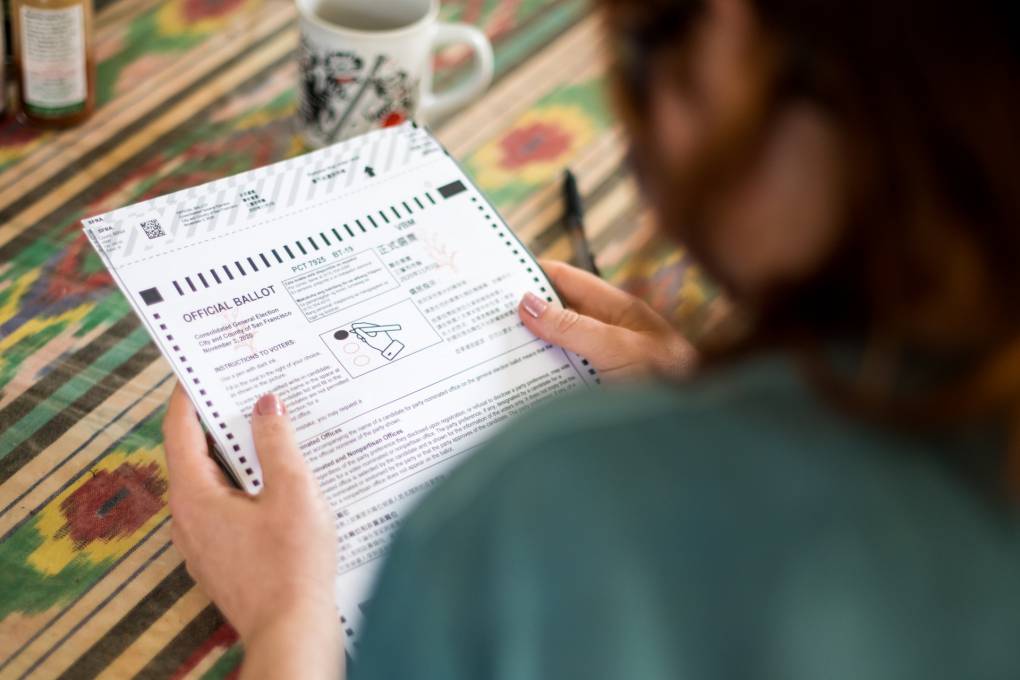
"caption": "A San Francisco resident fills out their mail-in ballot on Oct. 6, 2020.",
"description": "A San Francisco resident fills out their mail-in ballot on Oct. 6, 2020.",
"title": "how-to-fix-ballot-mistake",
"credit": "Beth LaBerge/KQED",
"status": "inherit",
"altTag": "A person wearing a green shirt holds a ballot.",
"isLoading": false,
"fetchFailed": false
},
"news_11914235": {
"type": "attachments",
"id": "news_11914235",
"meta": {
"index": "attachments_1716263798",
"site": "news",
"id": "11914235",
"found": true
},
"parent": 11913903,
"imgSizes": {
"twentyfourteen-full-width": {
"file": "https://cdn.kqed.org/wp-content/uploads/sites/10/2022/05/ballot-inserted-into-red-ballot-box-1038x576.jpg",
"width": 1038,
"mimeType": "image/jpeg",
"height": 576
},
"thumbnail": {
"file": "https://cdn.kqed.org/wp-content/uploads/sites/10/2022/05/ballot-inserted-into-red-ballot-box-160x107.jpg",
"width": 160,
"mimeType": "image/jpeg",
"height": 107
},
"post-thumbnail": {
"file": "https://cdn.kqed.org/wp-content/uploads/sites/10/2022/05/ballot-inserted-into-red-ballot-box-672x372.jpg",
"width": 672,
"mimeType": "image/jpeg",
"height": 372
},
"kqedFullSize": {
"file": "https://cdn.kqed.org/wp-content/uploads/sites/10/2022/05/ballot-inserted-into-red-ballot-box.jpg",
"width": 1536,
"height": 1024
},
"large": {
"file": "https://cdn.kqed.org/wp-content/uploads/sites/10/2022/05/ballot-inserted-into-red-ballot-box-1020x680.jpg",
"width": 1020,
"mimeType": "image/jpeg",
"height": 680
},
"medium": {
"file": "https://cdn.kqed.org/wp-content/uploads/sites/10/2022/05/ballot-inserted-into-red-ballot-box-800x533.jpg",
"width": 800,
"mimeType": "image/jpeg",
"height": 533
}
},
"publishDate": 1652661144,
"modified": 1706809757,
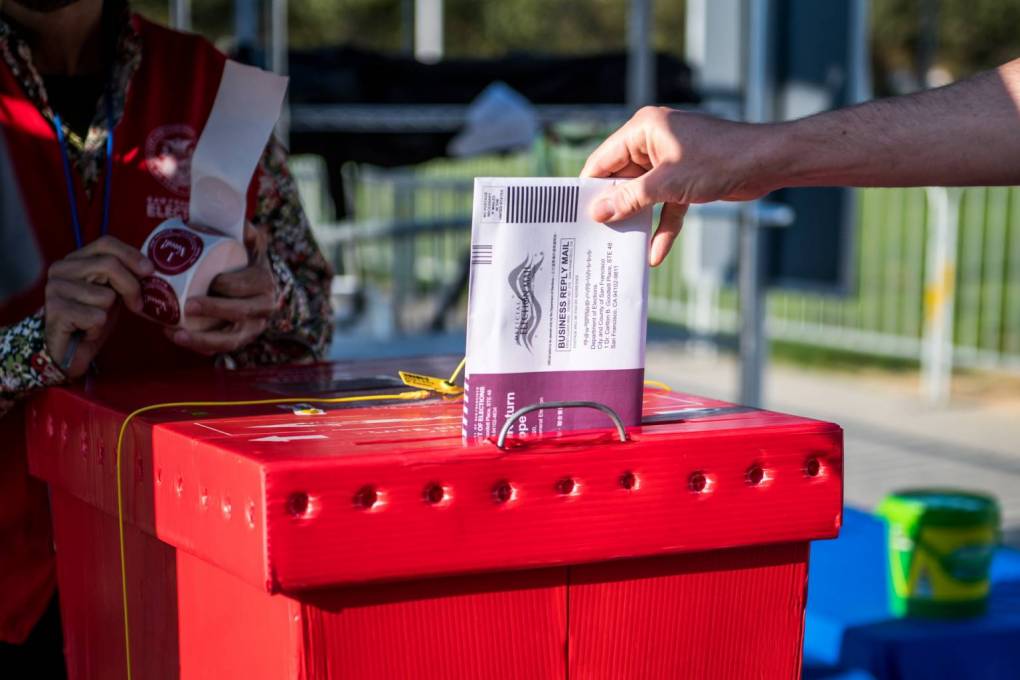
"caption": "Once you've filled out your ballot, where can you submit it?",
"description": null,
"title": "where-is-my-ballot-drop-box",
"credit": "Beth LaBerge/KQED",
"status": "inherit",
"altTag": "A hand places a ballot into a red ballot box.",
"isLoading": false,
"fetchFailed": false
},
"news_11976639": {
"type": "attachments",
"id": "news_11976639",
"meta": {
"index": "attachments_1716263798",
"site": "news",
"id": "11976639",
"found": true
},
"title": "California Reparations",
"publishDate": 1708556757,
"status": "inherit",
"parent": 11976617,
"modified": 1712086259,
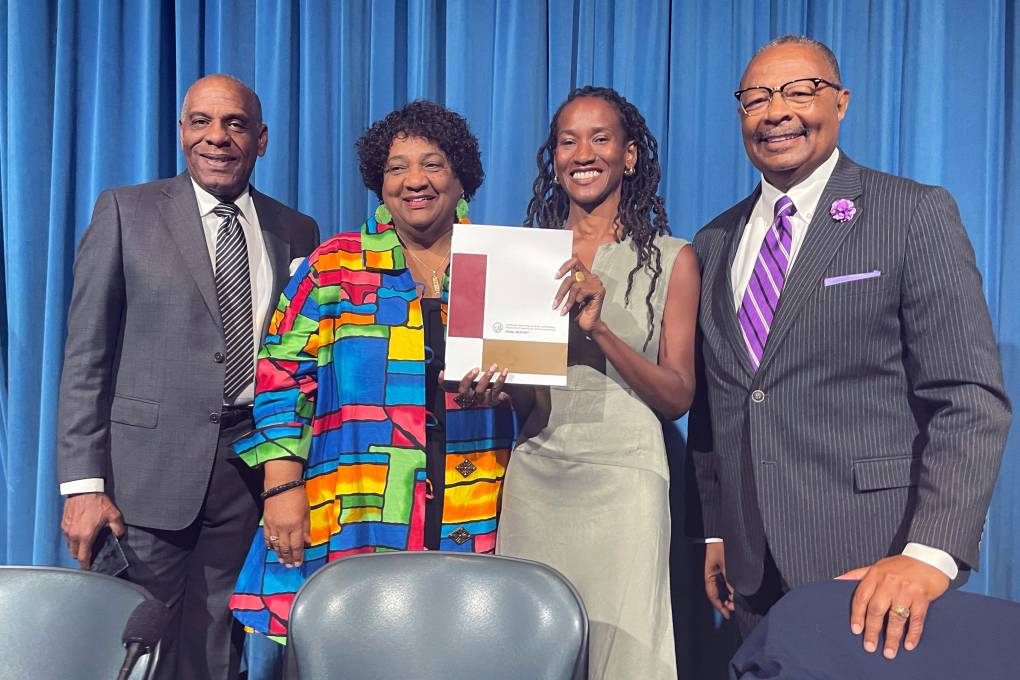
"caption": "From left, state Sen. Steven Bradford, Secretary of State Shirley Weber, task force member Lisa Holder and Assemblymember Reggie Jones-Sawyer hold up a final report of the California Task Force to Study and Develop Reparation Proposals for African Americans during a hearing in Sacramento on June 29, 2023.",
"credit": "Haven Daley/AP",
"altTag": "A group of men and women pose for a photo onstage.",
"description": null,
"imgSizes": {
"medium": {
"file": "https://cdn.kqed.org/wp-content/uploads/sites/10/2024/02/AP24032786348814-800x533.jpg",
"width": 800,
"height": 533,
"mimeType": "image/jpeg"
},
"large": {
"file": "https://cdn.kqed.org/wp-content/uploads/sites/10/2024/02/AP24032786348814-1020x680.jpg",
"width": 1020,
"height": 680,
"mimeType": "image/jpeg"
},
"thumbnail": {
"file": "https://cdn.kqed.org/wp-content/uploads/sites/10/2024/02/AP24032786348814-160x107.jpg",
"width": 160,
"height": 107,
"mimeType": "image/jpeg"
},
"1536x1536": {
"file": "https://cdn.kqed.org/wp-content/uploads/sites/10/2024/02/AP24032786348814-1536x1024.jpg",
"width": 1536,
"height": 1024,
"mimeType": "image/jpeg"
},
"2048x2048": {
"file": "https://cdn.kqed.org/wp-content/uploads/sites/10/2024/02/AP24032786348814-2048x1365.jpg",
"width": 2048,
"height": 1365,
"mimeType": "image/jpeg"
},
"post-thumbnail": {
"file": "https://cdn.kqed.org/wp-content/uploads/sites/10/2024/02/AP24032786348814-672x372.jpg",
"width": 672,
"height": 372,
"mimeType": "image/jpeg"
},
"twentyfourteen-full-width": {
"file": "https://cdn.kqed.org/wp-content/uploads/sites/10/2024/02/AP24032786348814-1038x576.jpg",
"width": 1038,
"height": 576,
"mimeType": "image/jpeg"
},
"full-width": {
"file": "https://cdn.kqed.org/wp-content/uploads/sites/10/2024/02/AP24032786348814-1920x1280.jpg",
"width": 1920,
"height": 1280,
"mimeType": "image/jpeg"
},
"kqedFullSize": {
"file": "https://cdn.kqed.org/wp-content/uploads/sites/10/2024/02/AP24032786348814-scaled-e1760735466495.jpg",
"width": 2000,
"height": 1334
}
},
"isLoading": false,
"fetchFailed": false
},
"news_11976355": {
"type": "attachments",
"id": "news_11976355",
"meta": {
"index": "attachments_1716263798",
"site": "news",
"id": "11976355",
"found": true
},
"parent": 11976332,
"imgSizes": {
"twentyfourteen-full-width": {
"file": "https://cdn.kqed.org/wp-content/uploads/sites/10/2024/02/OOW-S2-—-Ep3-Val-holding-Valentino-Photo1920x1080-1038x576.png",
"width": 1038,
"mimeType": "image/png",
"height": 576
},
"thumbnail": {
"file": "https://cdn.kqed.org/wp-content/uploads/sites/10/2024/02/OOW-S2-—-Ep3-Val-holding-Valentino-Photo1920x1080-160x90.png",
"width": 160,
"mimeType": "image/png",
"height": 90
},
"post-thumbnail": {
"file": "https://cdn.kqed.org/wp-content/uploads/sites/10/2024/02/OOW-S2-—-Ep3-Val-holding-Valentino-Photo1920x1080-672x372.png",
"width": 672,
"mimeType": "image/png",
"height": 372
},
"kqedFullSize": {
"file": "https://cdn.kqed.org/wp-content/uploads/sites/10/2024/02/OOW-S2-—-Ep3-Val-holding-Valentino-Photo1920x1080.png?ver=1708394613",
"width": 1920,
"height": 1080
},
"large": {
"file": "https://cdn.kqed.org/wp-content/uploads/sites/10/2024/02/OOW-S2-—-Ep3-Val-holding-Valentino-Photo1920x1080-1020x574.png",
"width": 1020,
"mimeType": "image/png",
"height": 574
},
"1536x1536": {
"file": "https://cdn.kqed.org/wp-content/uploads/sites/10/2024/02/OOW-S2-—-Ep3-Val-holding-Valentino-Photo1920x1080-1536x864.png",
"width": 1536,
"mimeType": "image/png",
"height": 864
},
"medium": {
"file": "https://cdn.kqed.org/wp-content/uploads/sites/10/2024/02/OOW-S2-—-Ep3-Val-holding-Valentino-Photo1920x1080-800x450.png",
"width": 800,
"mimeType": "image/png",
"height": 450
}
},
"publishDate": 1708394369,
"modified": 1712653398,
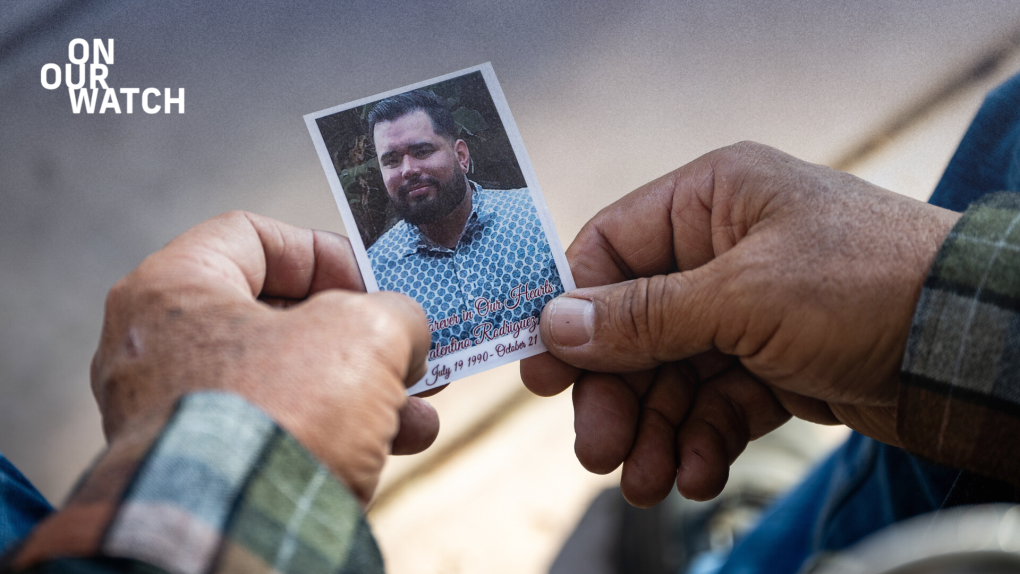
"caption": "Valentino Rodriguez Sr. holds a photo of his son Valentino at his home in Sacramento on Nov. 30, 2023. Valentino Rodriquez Jr was a correctional officer at California State Prison, Sacramento, before he died in October 2020 of an accidental fentanyl overdose after complaining of harassment and threats from officers at the prison.",
"description": null,
"title": "OOW S2 — Ep3 Val holding Valentino Photo(1920x1080)",
"credit": "Beth LaBerge",
"status": "inherit",
"altTag": "A man's hands hold a small photo of a young latino man with a black beard wearing a blue patterned shirt.",
"isLoading": false,
"fetchFailed": false
},
"news_11976294": {
"type": "attachments",
"id": "news_11976294",
"meta": {
"index": "attachments_1716263798",
"site": "news",
"id": "11976294",
"found": true
},
"parent": 11976293,
"imgSizes": {
"twentyfourteen-full-width": {
"file": "https://cdn.kqed.org/wp-content/uploads/sites/10/2024/02/37171854475_48cedb447b_k-1038x576.jpg",
"width": 1038,
"mimeType": "image/jpeg",
"height": 576
},
"thumbnail": {
"file": "https://cdn.kqed.org/wp-content/uploads/sites/10/2024/02/37171854475_48cedb447b_k-160x107.jpg",
"width": 160,
"mimeType": "image/jpeg",
"height": 107
},
"post-thumbnail": {
"file": "https://cdn.kqed.org/wp-content/uploads/sites/10/2024/02/37171854475_48cedb447b_k-672x372.jpg",
"width": 672,
"mimeType": "image/jpeg",
"height": 372
},
"kqedFullSize": {
"file": "https://cdn.kqed.org/wp-content/uploads/sites/10/2024/02/37171854475_48cedb447b_k.jpg",
"width": 2048,
"height": 1365
},
"large": {
"file": "https://cdn.kqed.org/wp-content/uploads/sites/10/2024/02/37171854475_48cedb447b_k-1020x680.jpg",
"width": 1020,
"mimeType": "image/jpeg",
"height": 680
},
"1536x1536": {
"file": "https://cdn.kqed.org/wp-content/uploads/sites/10/2024/02/37171854475_48cedb447b_k-1536x1024.jpg",
"width": 1536,
"mimeType": "image/jpeg",
"height": 1024
},
"full-width": {
"file": "https://cdn.kqed.org/wp-content/uploads/sites/10/2024/02/37171854475_48cedb447b_k-1920x1280.jpg",
"width": 1920,
"mimeType": "image/jpeg",
"height": 1280
},
"medium": {
"file": "https://cdn.kqed.org/wp-content/uploads/sites/10/2024/02/37171854475_48cedb447b_k-800x533.jpg",
"width": 800,
"mimeType": "image/jpeg",
"height": 533
}
},
"publishDate": 1708198135,
"modified": 1708198247,
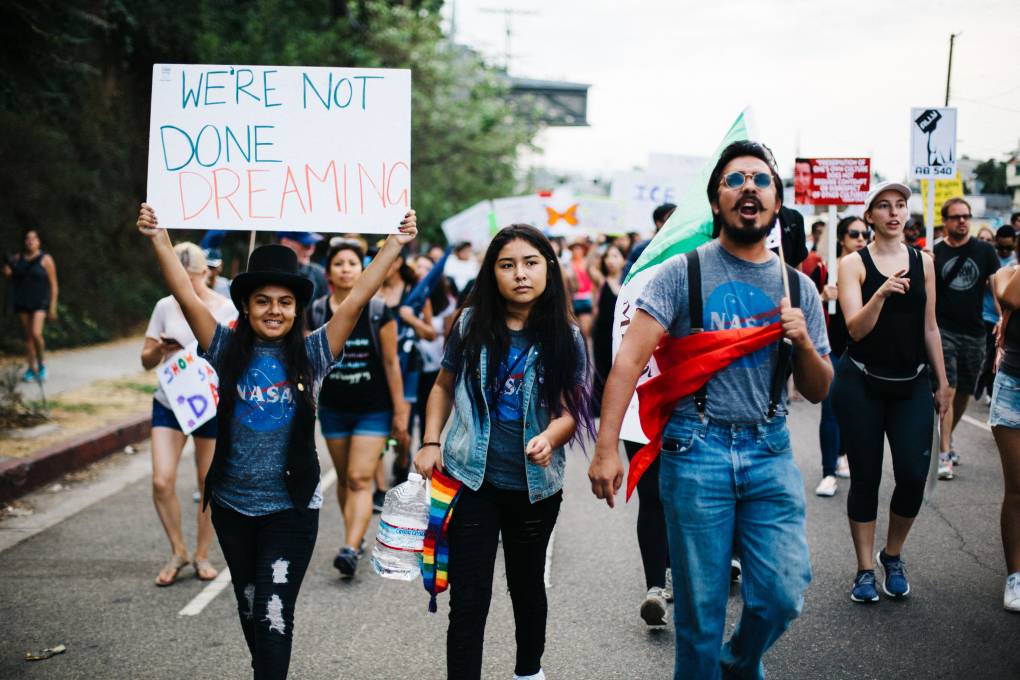
"caption": "March for immigrant rights in Los Angeles in September 2017.",
"description": null,
"title": "37171854475_48cedb447b_k",
"credit": "Molly Adams/Flickr",
"status": "inherit",
"altTag": "People protesting, including adults and children, with a young girl holding a sign that says \"We're not done dreaming.\"",
"isLoading": false,
"fetchFailed": false
},
"news_11975585": {
"type": "attachments",
"id": "news_11975585",
"meta": {
"index": "attachments_1716263798",
"site": "news",
"id": "11975585",
"found": true
},
"parent": 11975582,
"imgSizes": {
"twentyfourteen-full-width": {
"file": "https://cdn.kqed.org/wp-content/uploads/sites/10/2024/02/image_123650291-1038x576.jpg",
"width": 1038,
"mimeType": "image/jpeg",
"height": 576
},
"thumbnail": {
"file": "https://cdn.kqed.org/wp-content/uploads/sites/10/2024/02/image_123650291-160x120.jpg",
"width": 160,
"mimeType": "image/jpeg",
"height": 120
},
"post-thumbnail": {
"file": "https://cdn.kqed.org/wp-content/uploads/sites/10/2024/02/image_123650291-672x372.jpg",
"width": 672,
"mimeType": "image/jpeg",
"height": 372
},
"kqedFullSize": {
"file": "https://cdn.kqed.org/wp-content/uploads/sites/10/2024/02/image_123650291.jpg",
"width": 2560,
"height": 1920
},
"2048x2048": {
"file": "https://cdn.kqed.org/wp-content/uploads/sites/10/2024/02/image_123650291-2048x1536.jpg",
"width": 2048,
"mimeType": "image/jpeg",
"height": 1536
},
"large": {
"file": "https://cdn.kqed.org/wp-content/uploads/sites/10/2024/02/image_123650291-1020x765.jpg",
"width": 1020,
"mimeType": "image/jpeg",
"height": 765
},
"1536x1536": {
"file": "https://cdn.kqed.org/wp-content/uploads/sites/10/2024/02/image_123650291-1536x1152.jpg",
"width": 1536,
"mimeType": "image/jpeg",
"height": 1152
},
"full-width": {
"file": "https://cdn.kqed.org/wp-content/uploads/sites/10/2024/02/image_123650291-1920x1440.jpg",
"width": 1920,
"mimeType": "image/jpeg",
"height": 1440
},
"medium": {
"file": "https://cdn.kqed.org/wp-content/uploads/sites/10/2024/02/image_123650291-800x600.jpg",
"width": 800,
"mimeType": "image/jpeg",
"height": 600
}
},
"publishDate": 1707768514,
"modified": 1707768559,
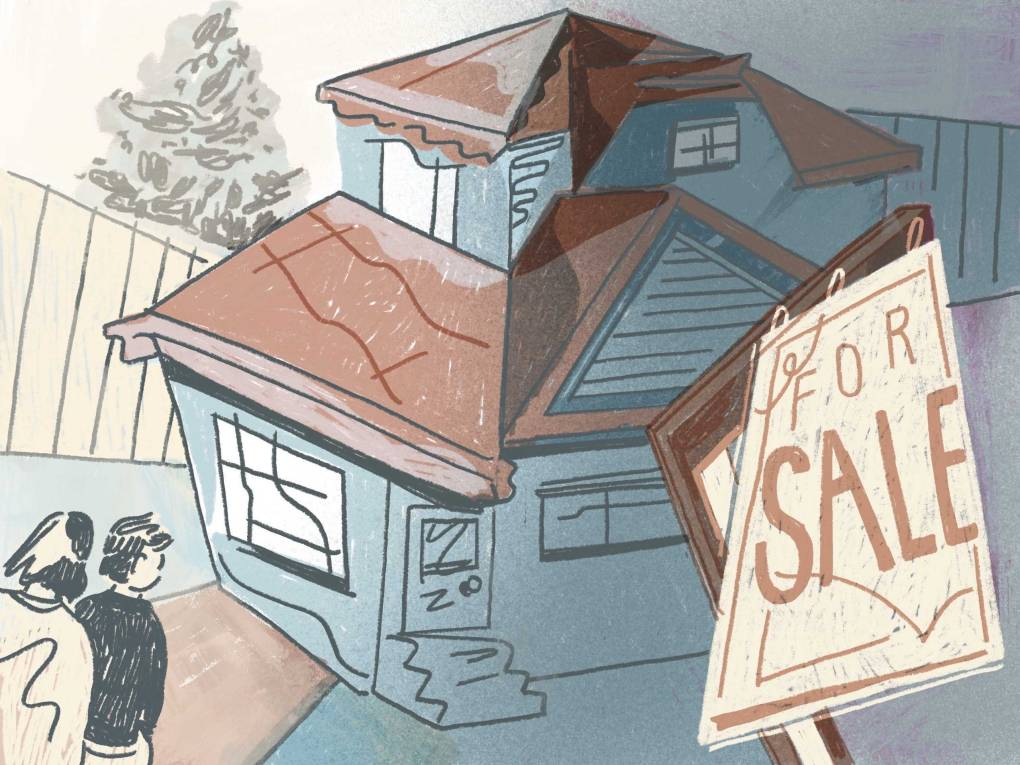
"caption": "Proposition 19, which voters narrowly passed in 2020, aimed to give a tax break to older Californians looking to downsize. But the new law also changed the math for people inheriting a home, complicating an already emotional decision.",
"description": null,
"title": "image_123650291",
"credit": "Anna Vignet/KQED",
"status": "inherit",
"altTag": "A graphic of a house for sale.",
"isLoading": false,
"fetchFailed": false
},
"news_11975634": {
"type": "attachments",
"id": "news_11975634",
"meta": {
"index": "attachments_1716263798",
"site": "news",
"id": "11975634",
"found": true
},
"parent": 0,
"imgSizes": {
"twentyfourteen-full-width": {
"file": "https://cdn.kqed.org/wp-content/uploads/sites/10/2024/02/OOW-S2-—-Valentino-and-Mimy-Wedding-1920x1080-1-1038x576.png",
"width": 1038,
"mimeType": "image/png",
"height": 576
},
"thumbnail": {
"file": "https://cdn.kqed.org/wp-content/uploads/sites/10/2024/02/OOW-S2-—-Valentino-and-Mimy-Wedding-1920x1080-1-160x90.png",
"width": 160,
"mimeType": "image/png",
"height": 90
},
"post-thumbnail": {
"file": "https://cdn.kqed.org/wp-content/uploads/sites/10/2024/02/OOW-S2-—-Valentino-and-Mimy-Wedding-1920x1080-1-672x372.png",
"width": 672,
"mimeType": "image/png",
"height": 372
},
"kqedFullSize": {
"file": "https://cdn.kqed.org/wp-content/uploads/sites/10/2024/02/OOW-S2-—-Valentino-and-Mimy-Wedding-1920x1080-1.png",
"width": 1920,
"height": 1080
},
"large": {
"file": "https://cdn.kqed.org/wp-content/uploads/sites/10/2024/02/OOW-S2-—-Valentino-and-Mimy-Wedding-1920x1080-1-1020x574.png",
"width": 1020,
"mimeType": "image/png",
"height": 574
},
"1536x1536": {
"file": "https://cdn.kqed.org/wp-content/uploads/sites/10/2024/02/OOW-S2-—-Valentino-and-Mimy-Wedding-1920x1080-1-1536x864.png",
"width": 1536,
"mimeType": "image/png",
"height": 864
},
"medium": {
"file": "https://cdn.kqed.org/wp-content/uploads/sites/10/2024/02/OOW-S2-—-Valentino-and-Mimy-Wedding-1920x1080-1-800x450.png",
"width": 800,
"mimeType": "image/png",
"height": 450
}
},
"publishDate": 1707785160,
"modified": 1707795087,
"caption": "Valentino and Mimy Rodriguez stand together on the dais of a cathedral in downtown Sacramento.",
"description": null,
"title": "OOW S2 — Valentino and Mimy Wedding",
"credit": null,
"status": "inherit",
"altTag": "A man wearing a dark suit and a woman wearing a white wedding dress stand next to each other on the steps of a dais inside a cathedral. They are facing with their backs towards the camera, the man on the left and the woman on the right. The cathedral is ornately decorated with gold crosses, latin words embossed in gold stretching across a wooden beam and archway above the couple. An officiant stands before them, a man with gray hair and goatee and glasses. The wooden pews are filled with people.",
"isLoading": false,
"fetchFailed": false
},
"news_11975577": {
"type": "attachments",
"id": "news_11975577",
"meta": {
"index": "attachments_1716263798",
"site": "news",
"id": "11975577",
"found": true
},
"parent": 11975553,
"imgSizes": {
"twentyfourteen-full-width": {
"file": "https://cdn.kqed.org/wp-content/uploads/sites/10/2024/02/Edsource_IMG_0002-1-1024x768-2-1024x576.jpeg",
"width": 1024,
"mimeType": "image/jpeg",
"height": 576
},
"thumbnail": {
"file": "https://cdn.kqed.org/wp-content/uploads/sites/10/2024/02/Edsource_IMG_0002-1-1024x768-2-160x120.jpeg",
"width": 160,
"mimeType": "image/jpeg",
"height": 120
},
"post-thumbnail": {
"file": "https://cdn.kqed.org/wp-content/uploads/sites/10/2024/02/Edsource_IMG_0002-1-1024x768-2-672x372.jpeg",
"width": 672,
"mimeType": "image/jpeg",
"height": 372
},
"kqedFullSize": {
"file": "https://cdn.kqed.org/wp-content/uploads/sites/10/2024/02/Edsource_IMG_0002-1-1024x768-2.jpeg",
"width": 1024,
"height": 768
},
"large": {
"file": "https://cdn.kqed.org/wp-content/uploads/sites/10/2024/02/Edsource_IMG_0002-1-1024x768-2-1020x765.jpeg",
"width": 1020,
"mimeType": "image/jpeg",
"height": 765
},
"medium": {
"file": "https://cdn.kqed.org/wp-content/uploads/sites/10/2024/02/Edsource_IMG_0002-1-1024x768-2-800x600.jpeg",
"width": 800,
"mimeType": "image/jpeg",
"height": 600
}
},
"publishDate": 1707765729,
"modified": 1707765962,
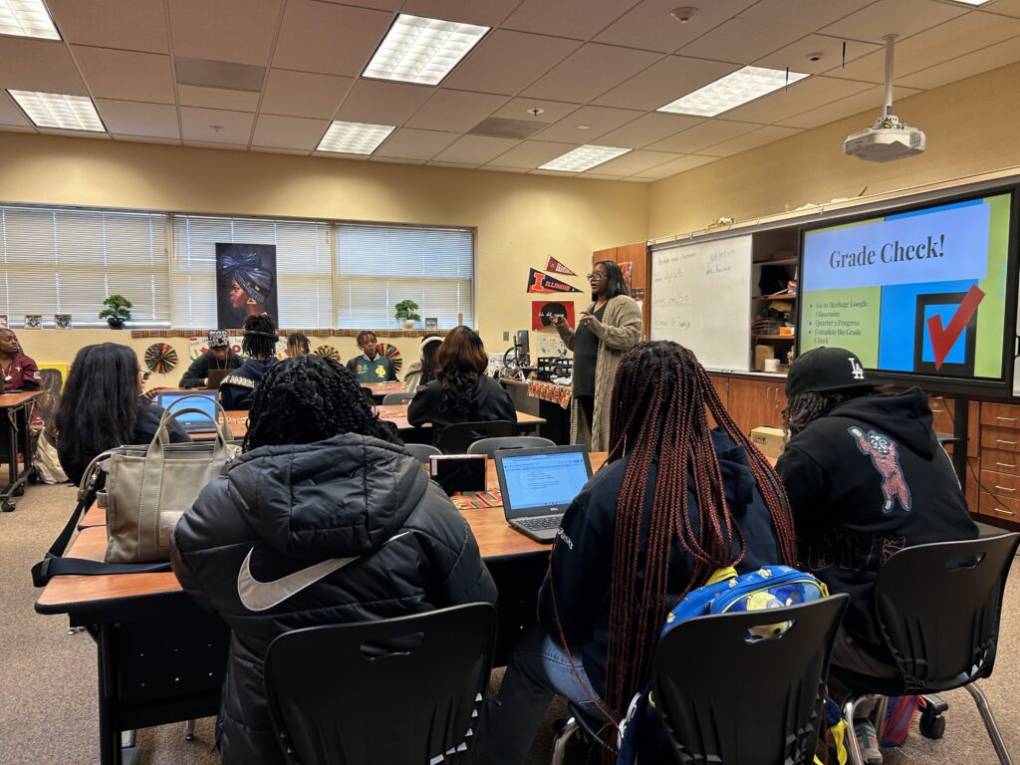
"caption": "Aleka Jackson-Jarrell is the coordinator of the Heritage Program at Adelanto High in California's High Desert. She regularly meets with Black students at the school to make sure they stay on track to graduate and meet A-G requirements that enable them to apply to a public university.",
"description": null,
"title": "Edsource_IMG_0002-1-1024x768",
"credit": "Emma Gallegos/EdSource",
"status": "inherit",
"altTag": "A classroom of students.",
"isLoading": false,
"fetchFailed": false
},
"news_11974964": {
"type": "attachments",
"id": "news_11974964",
"meta": {
"index": "attachments_1716263798",
"site": "news",
"id": "11974964",
"found": true
},
"parent": 11974963,
"imgSizes": {
"twentyfourteen-full-width": {
"file": "https://cdn.kqed.org/wp-content/uploads/sites/10/2024/02/072023_Yurok-Salmon-Counting_SN_CM_12-copy-1038x576.jpg",
"width": 1038,
"mimeType": "image/jpeg",
"height": 576
},
"thumbnail": {
"file": "https://cdn.kqed.org/wp-content/uploads/sites/10/2024/02/072023_Yurok-Salmon-Counting_SN_CM_12-copy-160x107.jpg",
"width": 160,
"mimeType": "image/jpeg",
"height": 107
},
"post-thumbnail": {
"file": "https://cdn.kqed.org/wp-content/uploads/sites/10/2024/02/072023_Yurok-Salmon-Counting_SN_CM_12-copy-672x372.jpg",
"width": 672,
"mimeType": "image/jpeg",
"height": 372
},
"kqedFullSize": {
"file": "https://cdn.kqed.org/wp-content/uploads/sites/10/2024/02/072023_Yurok-Salmon-Counting_SN_CM_12-copy.jpg",
"width": 2000,
"height": 1333
},
"large": {
"file": "https://cdn.kqed.org/wp-content/uploads/sites/10/2024/02/072023_Yurok-Salmon-Counting_SN_CM_12-copy-1020x680.jpg",
"width": 1020,
"mimeType": "image/jpeg",
"height": 680
},
"1536x1536": {
"file": "https://cdn.kqed.org/wp-content/uploads/sites/10/2024/02/072023_Yurok-Salmon-Counting_SN_CM_12-copy-1536x1024.jpg",
"width": 1536,
"mimeType": "image/jpeg",
"height": 1024
},
"full-width": {
"file": "https://cdn.kqed.org/wp-content/uploads/sites/10/2024/02/072023_Yurok-Salmon-Counting_SN_CM_12-copy-1920x1280.jpg",
"width": 1920,
"mimeType": "image/jpeg",
"height": 1280
},
"medium": {
"file": "https://cdn.kqed.org/wp-content/uploads/sites/10/2024/02/072023_Yurok-Salmon-Counting_SN_CM_12-copy-800x533.jpg",
"width": 800,
"mimeType": "image/jpeg",
"height": 533
}
},
"publishDate": 1707330735,
"modified": 1707330823,
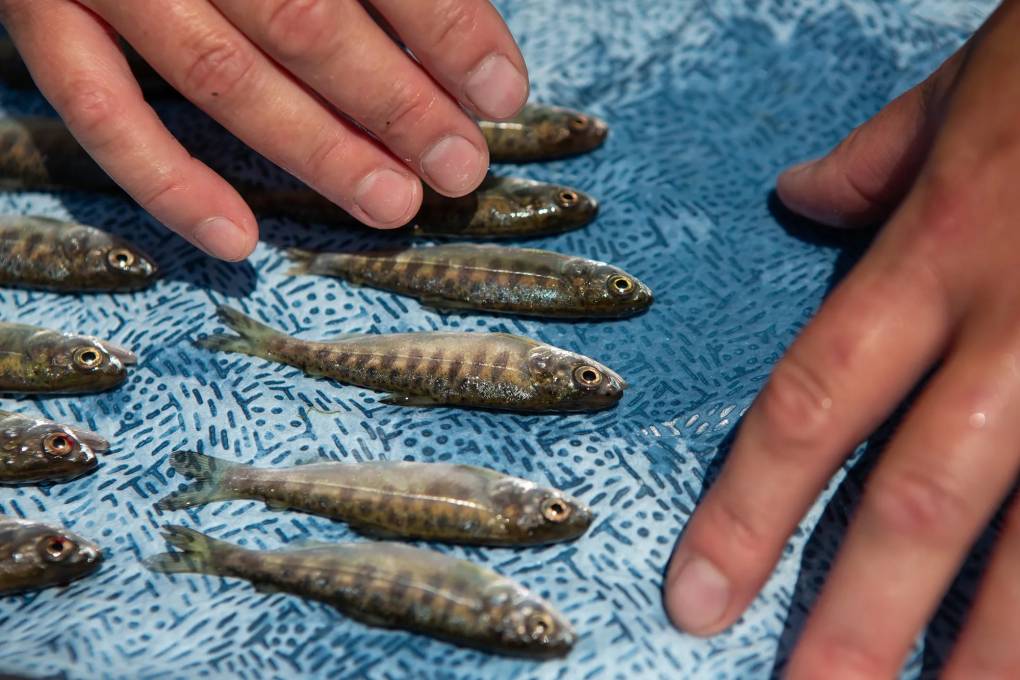
"caption": "Juvenile chinook salmon collected for lab testing on the Klamath River near Weitchpec on July 20, 2023.",
"description": null,
"title": "072023_Yurok-Salmon-Counting_SN_CM_12 copy",
"credit": "Semantha Norris/CalMatters",
"status": "inherit",
"altTag": "Two hands and some baby fish laid out beneath them.",
"isLoading": false,
"fetchFailed": false
},
"news_11974811": {
"type": "attachments",
"id": "news_11974811",
"meta": {
"index": "attachments_1716263798",
"site": "news",
"id": "11974811",
"found": true
},
"parent": 11974744,
"imgSizes": {
"twentyfourteen-full-width": {
"file": "https://cdn.kqed.org/wp-content/uploads/sites/10/2024/02/MOTOR_FA-KQED-1038x576.jpg",
"width": 1038,
"mimeType": "image/jpeg",
"height": 576
},
"thumbnail": {
"file": "https://cdn.kqed.org/wp-content/uploads/sites/10/2024/02/MOTOR_FA-KQED-160x104.jpg",
"width": 160,
"mimeType": "image/jpeg",
"height": 104
},
"post-thumbnail": {
"file": "https://cdn.kqed.org/wp-content/uploads/sites/10/2024/02/MOTOR_FA-KQED-672x372.jpg",
"width": 672,
"mimeType": "image/jpeg",
"height": 372
},
"kqedFullSize": {
"file": "https://cdn.kqed.org/wp-content/uploads/sites/10/2024/02/MOTOR_FA-KQED.jpg",
"width": 2000,
"height": 1294
},
"large": {
"file": "https://cdn.kqed.org/wp-content/uploads/sites/10/2024/02/MOTOR_FA-KQED-1020x660.jpg",
"width": 1020,
"mimeType": "image/jpeg",
"height": 660
},
"1536x1536": {
"file": "https://cdn.kqed.org/wp-content/uploads/sites/10/2024/02/MOTOR_FA-KQED-1536x994.jpg",
"width": 1536,
"mimeType": "image/jpeg",
"height": 994
},
"full-width": {
"file": "https://cdn.kqed.org/wp-content/uploads/sites/10/2024/02/MOTOR_FA-KQED-1920x1242.jpg",
"width": 1920,
"mimeType": "image/jpeg",
"height": 1242
},
"medium": {
"file": "https://cdn.kqed.org/wp-content/uploads/sites/10/2024/02/MOTOR_FA-KQED-800x518.jpg",
"width": 800,
"mimeType": "image/jpeg",
"height": 518
}
},
"publishDate": 1707239762,
"modified": 1707352152,
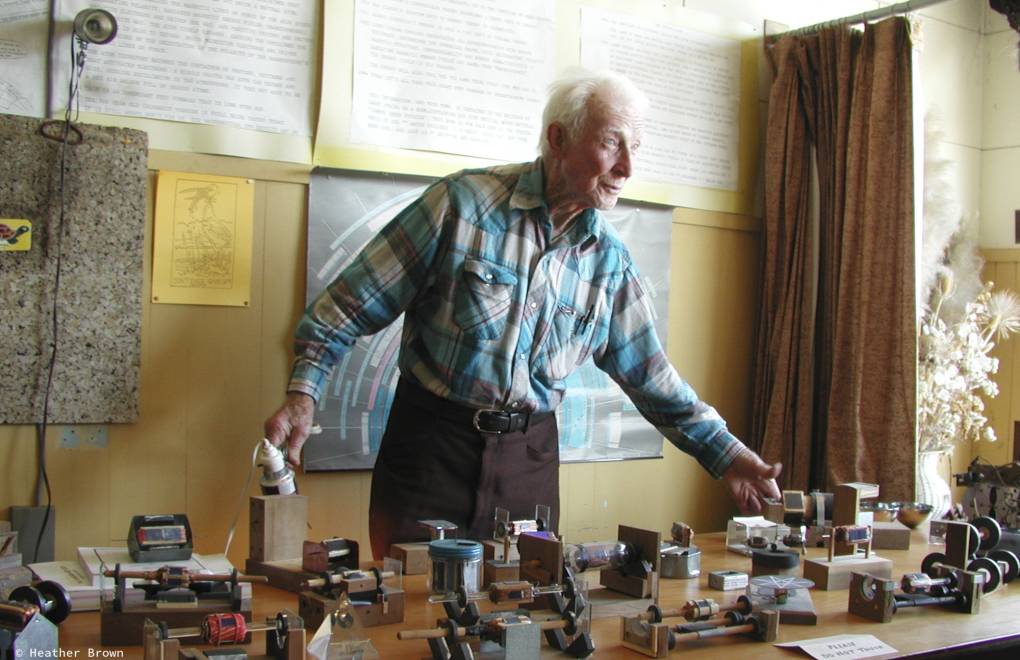
"caption": "Larry Spring inside his shop, wearing his signature blue plaid shirt, showing off an array of solar motors on the table.",
"description": null,
"title": "MOTOR_FA-KQED",
"credit": "Courtesy Larry Spring Museum",
"status": "inherit",
"altTag": "An older man wearing a plaid top stands in front of a yellow wall with a table of motors.",
"isLoading": false,
"fetchFailed": false
},
"news_11974761": {
"type": "attachments",
"id": "news_11974761",
"meta": {
"index": "attachments_1716263798",
"site": "news",
"id": "11974761",
"found": true
},
"parent": 11974730,
"imgSizes": {
"twentyfourteen-full-width": {
"file": "https://cdn.kqed.org/wp-content/uploads/sites/10/2024/02/Episode-1_WP-white-logo-top-1038x576.png",
"width": 1038,
"mimeType": "image/png",
"height": 576
},
"thumbnail": {
"file": "https://cdn.kqed.org/wp-content/uploads/sites/10/2024/02/Episode-1_WP-white-logo-top-160x90.png",
"width": 160,
"mimeType": "image/png",
"height": 90
},
"post-thumbnail": {
"file": "https://cdn.kqed.org/wp-content/uploads/sites/10/2024/02/Episode-1_WP-white-logo-top-672x372.png",
"width": 672,
"mimeType": "image/png",
"height": 372
},
"kqedFullSize": {
"file": "https://cdn.kqed.org/wp-content/uploads/sites/10/2024/02/Episode-1_WP-white-logo-top.png",
"width": 1920,
"height": 1080
},
"large": {
"file": "https://cdn.kqed.org/wp-content/uploads/sites/10/2024/02/Episode-1_WP-white-logo-top-1020x574.png",
"width": 1020,
"mimeType": "image/png",
"height": 574
},
"1536x1536": {
"file": "https://cdn.kqed.org/wp-content/uploads/sites/10/2024/02/Episode-1_WP-white-logo-top-1536x864.png",
"width": 1536,
"mimeType": "image/png",
"height": 864
},
"medium": {
"file": "https://cdn.kqed.org/wp-content/uploads/sites/10/2024/02/Episode-1_WP-white-logo-top-800x450.png",
"width": 800,
"mimeType": "image/png",
"height": 450
}
},
"publishDate": 1707174253,
"modified": 1707174285,
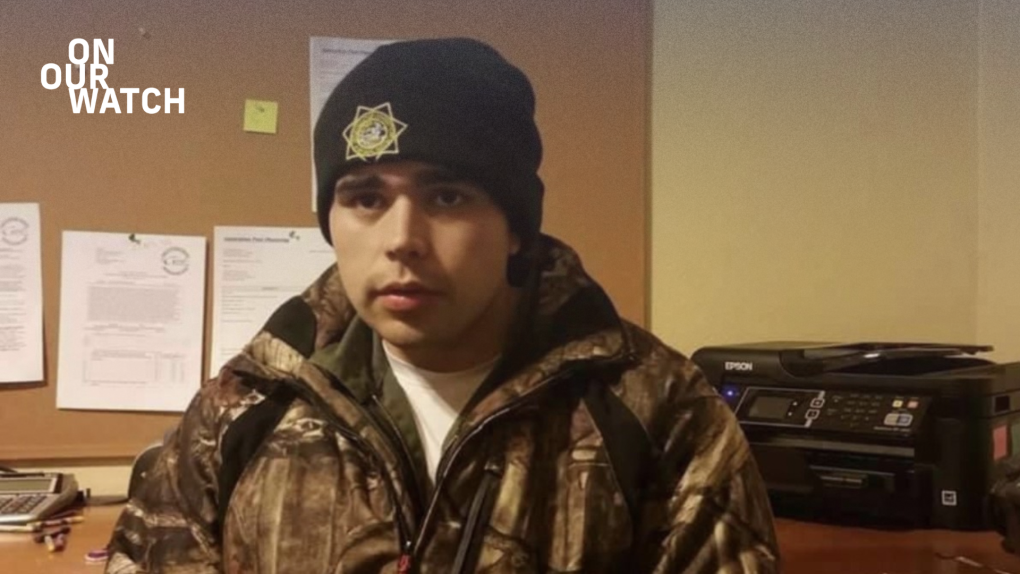
"caption": "Correctional Officer Valentino Rodriguez poses for a photo while on duty at California State Prison Sacramento, or \"New Folsom.\"",
"description": null,
"title": "Episode 1_WP white logo top",
"credit": null,
"status": "inherit",
"altTag": "A young man looks at the camera, wearing an official Department of Corrections beanie and a patterned jacket over his uniform. He sits in a nondescript office in front of a bulletin board and a printer.",
"isLoading": false,
"fetchFailed": false
},
"news_11974696": {
"type": "attachments",
"id": "news_11974696",
"meta": {
"index": "attachments_1716263798",
"site": "news",
"id": "11974696",
"found": true
},
"parent": 11974695,
"imgSizes": {
"twentyfourteen-full-width": {
"file": "https://cdn.kqed.org/wp-content/uploads/sites/10/2024/02/AP24030772665124-1038x576.jpg",
"width": 1038,
"mimeType": "image/jpeg",
"height": 576
},
"thumbnail": {
"file": "https://cdn.kqed.org/wp-content/uploads/sites/10/2024/02/AP24030772665124-160x107.jpg",
"width": 160,
"mimeType": "image/jpeg",
"height": 107
},
"post-thumbnail": {
"file": "https://cdn.kqed.org/wp-content/uploads/sites/10/2024/02/AP24030772665124-672x372.jpg",
"width": 672,
"mimeType": "image/jpeg",
"height": 372
},
"kqedFullSize": {
"file": "https://cdn.kqed.org/wp-content/uploads/sites/10/2024/02/AP24030772665124-scaled.jpg",
"width": 2560,
"height": 1707
},
"2048x2048": {
"file": "https://cdn.kqed.org/wp-content/uploads/sites/10/2024/02/AP24030772665124-2048x1365.jpg",
"width": 2048,
"mimeType": "image/jpeg",
"height": 1365
},
"large": {
"file": "https://cdn.kqed.org/wp-content/uploads/sites/10/2024/02/AP24030772665124-1020x680.jpg",
"width": 1020,
"mimeType": "image/jpeg",
"height": 680
},
"1536x1536": {
"file": "https://cdn.kqed.org/wp-content/uploads/sites/10/2024/02/AP24030772665124-1536x1024.jpg",
"width": 1536,
"mimeType": "image/jpeg",
"height": 1024
},
"full-width": {
"file": "https://cdn.kqed.org/wp-content/uploads/sites/10/2024/02/AP24030772665124-1920x1280.jpg",
"width": 1920,
"mimeType": "image/jpeg",
"height": 1280
},
"medium": {
"file": "https://cdn.kqed.org/wp-content/uploads/sites/10/2024/02/AP24030772665124-800x533.jpg",
"width": 800,
"mimeType": "image/jpeg",
"height": 533
}
},
"publishDate": 1707149878,
"modified": 1709694975,
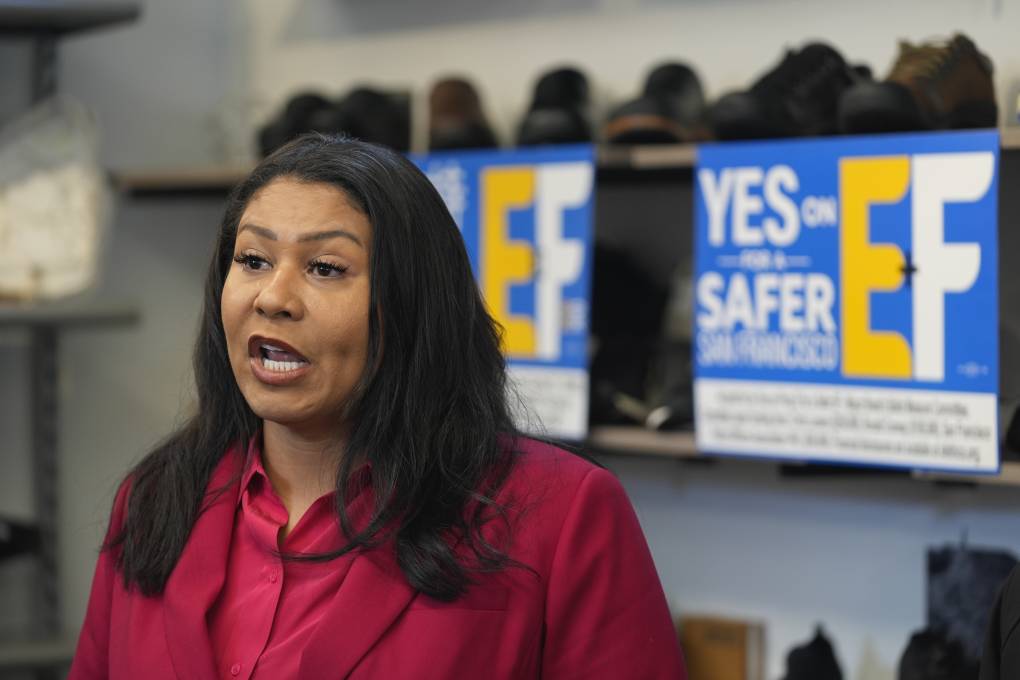
"caption": "San Francisco Mayor London Breed speaks during a news conference to promote Proposition E and F at the Footprint retail store in San Francisco on Thursday, Jan. 25, 2024. ",
"description": null,
"title": "London Breed",
"credit": "Eric Risberg/AP Photo",
"status": "inherit",
"altTag": "San Francisco Mayor London Breed is pictured speaking inside of a business.",
"isLoading": false,
"fetchFailed": false
}
},
"audioPlayerReducer": {
"postId": "stream_live",
"isPaused": true,
"isPlaying": false,
"pfsActive": false,
"pledgeModalIsOpen": true,
"playerDrawerIsOpen": false,
"liveAudioPlayStartedAt": 0,
"liveAudioPlayContext": ""
},
"authorsReducer": {
"byline_news_11976293": {
"type": "authors",
"id": "byline_news_11976293",
"meta": {
"override": true
},
"slug": "byline_news_11976293",
"name": "\u003ca href=\"https://edsource.org/author/mseshadri\">Mallika Seshadri\u003c/a>",
"isLoading": false
},
"byline_news_11975553": {
"type": "authors",
"id": "byline_news_11975553",
"meta": {
"override": true
},
"slug": "byline_news_11975553",
"name": "\u003ca href=\"https://edsource.org/author/egallegos\">Emma Gallegos \u003c/a> and \u003ca href=\"https://edsource.org/author/dwillis\">Daniel J. Willis \u003c/a>",
"isLoading": false
},
"byline_news_11974963": {
"type": "authors",
"id": "byline_news_11974963",
"meta": {
"override": true
},
"slug": "byline_news_11974963",
"name": "\u003ca href=\"https://calmatters.org/author/rachel-becker/\">Rachel Becker\u003c/a>",
"isLoading": false
},
"byline_news_11974695": {
"type": "authors",
"id": "byline_news_11974695",
"meta": {
"override": true
},
"slug": "byline_news_11974695",
"name": "\u003ca href=\"https://apnews.com/\">Janie Har\u003c/a> \u003cbr> Associated Press",
"isLoading": false
},
"gmarzorati": {
"type": "authors",
"id": "227",
"meta": {
"index": "authors_1716337520",
"id": "227",
"found": true
},
"name": "Guy Marzorati",
"firstName": "Guy",
"lastName": "Marzorati",
"slug": "gmarzorati",
"email": "gmarzorati@KQED.org",
"display_author_email": true,
"staff_mastheads": [
"news"
],
"title": "Correspondent",
"bio": "Guy Marzorati is a correspondent on KQED's California Politics and Government Desk, based in San Jose. A graduate of Santa Clara University, Guy joined KQED in 2013. He reports on state and local politics and produces KQED's digital voter guide.",
"avatar": "https://secure.gravatar.com/avatar/e7038b8dbfd55b104369b76b1cd0b9de?s=600&d=blank&r=g",
"twitter": "guymarzorati",
"facebook": null,
"instagram": null,
"linkedin": null,
"sites": [
{
"site": "",
"roles": [
"editor"
]
},
{
"site": "news",
"roles": [
"editor"
]
},
{
"site": "science",
"roles": [
"editor"
]
},
{
"site": "forum",
"roles": [
"editor"
]
},
{
"site": "elections",
"roles": [
"editor"
]
},
{
"site": "liveblog",
"roles": [
"editor"
]
}
],
"headData": {
"title": "Guy Marzorati | KQED",
"description": "Correspondent",
"ogImgSrc": "https://secure.gravatar.com/avatar/e7038b8dbfd55b104369b76b1cd0b9de?s=600&d=blank&r=g",
"twImgSrc": "https://secure.gravatar.com/avatar/e7038b8dbfd55b104369b76b1cd0b9de?s=600&d=blank&r=g"
},
"isLoading": false,
"link": "/author/gmarzorati"
},
"katrinaschwartz": {
"type": "authors",
"id": "234",
"meta": {
"index": "authors_1716337520",
"id": "234",
"found": true
},
"name": "Katrina Schwartz",
"firstName": "Katrina",
"lastName": "Schwartz",
"slug": "katrinaschwartz",
"email": "kschwartz@kqed.org",
"display_author_email": false,
"staff_mastheads": [
"news"
],
"title": "Producer",
"bio": "Katrina Schwartz is a journalist based in San Francisco. She's worked at KPCC public radio in LA and has reported on air and online for KQED since 2010. She covered how teaching and learning is changing for MindShift between 2012 and 2020. She is the co-host of the MindShift podcast and now produces KQED's Bay Curious podcast.",
"avatar": "https://secure.gravatar.com/avatar/edb4ee79070447a018538c9aae6eeecf28786515b8a0c30e43b6b7dce5aa44c8?s=600&d=blank&r=g",
"twitter": "kschwart",
"bluesky": null,
"facebook": null,
"instagram": null,
"linkedin": null,
"sites": [
{
"site": "news",
"roles": [
"editor"
]
},
{
"site": "mindshift",
"roles": [
"administrator"
]
},
{
"site": "stateofhealth",
"roles": [
"author"
]
},
{
"site": "science",
"roles": [
"editor"
]
}
],
"headData": {
"title": "Katrina Schwartz | KQED",
"description": "Producer",
"ogImgSrc": "https://secure.gravatar.com/avatar/edb4ee79070447a018538c9aae6eeecf28786515b8a0c30e43b6b7dce5aa44c8?s=600&d=blank&r=g",
"twImgSrc": "https://secure.gravatar.com/avatar/edb4ee79070447a018538c9aae6eeecf28786515b8a0c30e43b6b7dce5aa44c8?s=600&d=blank&r=g"
},
"isLoading": false,
"link": "/author/katrinaschwartz"
},
"carlysevern": {
"type": "authors",
"id": "3243",
"meta": {
"index": "authors_1716337520",
"id": "3243",
"found": true
},
"name": "Carly Severn",
"firstName": "Carly",
"lastName": "Severn",
"slug": "carlysevern",
"email": "csevern@kqed.org",
"display_author_email": false,
"staff_mastheads": [
"news"
],
"title": "Senior Editor, Audience News ",
"bio": "Carly is KQED's Senior Editor of Audience News on the Digital News team, and has reported for the California Report Magazine, Bay Curious and KQED Arts. She's formerly the host of \u003ca href=\"http://ww2.kqed.org/pop/category/the-cooler/\" rel=\"noopener noreferrer\">The Cooler\u003c/a> podcast.",
"avatar": "https://secure.gravatar.com/avatar/2d8d6765f186e64c798cf7f0c8088a41?s=600&d=blank&r=g",
"twitter": "teacupinthebay",
"facebook": null,
"instagram": null,
"linkedin": null,
"sites": [
{
"site": "",
"roles": [
"editor"
]
},
{
"site": "arts",
"roles": [
"editor"
]
},
{
"site": "news",
"roles": [
"administrator"
]
},
{
"site": "pop",
"roles": [
"editor"
]
},
{
"site": "futureofyou",
"roles": [
"editor"
]
},
{
"site": "about",
"roles": [
"administrator"
]
},
{
"site": "mindshift",
"roles": [
"editor"
]
},
{
"site": "bayareabites",
"roles": [
"editor"
]
},
{
"site": "stateofhealth",
"roles": [
"editor"
]
},
{
"site": "science",
"roles": [
"editor"
]
},
{
"site": "food",
"roles": [
"contributor"
]
},
{
"site": "forum",
"roles": [
"editor"
]
},
{
"site": "perspectives",
"roles": [
"administrator"
]
},
{
"site": "liveblog",
"roles": [
"editor"
]
}
],
"headData": {
"title": "Carly Severn | KQED",
"description": "Senior Editor, Audience News ",
"ogImgSrc": "https://secure.gravatar.com/avatar/2d8d6765f186e64c798cf7f0c8088a41?s=600&d=blank&r=g",
"twImgSrc": "https://secure.gravatar.com/avatar/2d8d6765f186e64c798cf7f0c8088a41?s=600&d=blank&r=g"
},
"isLoading": false,
"link": "/author/carlysevern"
},
"jsmall": {
"type": "authors",
"id": "6625",
"meta": {
"index": "authors_1716337520",
"id": "6625",
"found": true
},
"name": "Julie Small",
"firstName": "Julie",
"lastName": "Small",
"slug": "jsmall",
"email": "jsmall@kqed.org",
"display_author_email": true,
"staff_mastheads": [
"news"
],
"title": "KQED Contributor",
"bio": "Julie Small reports on criminal justice and immigration.\r\n\r\nShe was part of a team at KQED awarded a regional 2019 Edward R. Murrow award for continuing coverage of the Trump Administration's family separation policy.\r\n\r\nThe Society for Professional Journalists recognized Julie's 2018 \u003ca href=\"https://www.kqed.org/news/11636262/the-officer-tased-him-31-times-the-sheriff-called-his-death-an-accident\">reporting\u003c/a> on the San Joaquin County Sheriff's \u003ca href=\"https://www.kqed.org/news/11634689/autopsy-doctors-sheriff-overrode-death-findings-to-protect-law-enforcement\">interference\u003c/a> in death investigations with an Excellence in Journalism Award for Ongoing Coverage.\r\n\r\nJulie's\u003ca href=\"https://www.kqed.org/news/11039666/two-mentally-ill-inmates-died-one-month-in-santa-clara\"> reporting\u003c/a> with Lisa Pickoff-White on the treatment of mentally ill offenders in California jails earned a 2017 regional Edward R. Murrow Award for news reporting and an investigative reporting award from the SPJ of Northern California.\r\n\r\nBefore joining KQED, Julie covered government and politics in Sacramento for Southern California Public Radio (SCPR). Her 2010 \u003ca href=\"https://www.scpr.org/specials/prisonmedical/\">series\u003c/a> on lapses in California’s prison medical care also won a regional Edward R. Murrow Award for investigative reporting and a Golden Mic Award from the RTNDA of Southern California.\r\n\r\nJulie began her career in journalism in 2000 as the deputy foreign editor for public radio's \u003cem>Marketplace, \u003c/em>while earning her master's degree in journalism from USC’s Annenberg School of Communication.",
"avatar": "https://secure.gravatar.com/avatar/4baedf201468df97be97c2a9dd7585d0?s=600&d=blank&r=g",
"twitter": "@SmallRadio2",
"facebook": null,
"instagram": null,
"linkedin": null,
"sites": [
{
"site": "news",
"roles": [
"editor"
]
},
{
"site": "stateofhealth",
"roles": [
"author"
]
},
{
"site": "science",
"roles": [
"author"
]
}
],
"headData": {
"title": "Julie Small | KQED",
"description": "KQED Contributor",
"ogImgSrc": "https://secure.gravatar.com/avatar/4baedf201468df97be97c2a9dd7585d0?s=600&d=blank&r=g",
"twImgSrc": "https://secure.gravatar.com/avatar/4baedf201468df97be97c2a9dd7585d0?s=600&d=blank&r=g"
},
"isLoading": false,
"link": "/author/jsmall"
},
"slewis": {
"type": "authors",
"id": "8676",
"meta": {
"index": "authors_1716337520",
"id": "8676",
"found": true
},
"name": "Sukey Lewis",
"firstName": "Sukey",
"lastName": "Lewis",
"slug": "slewis",
"email": "slewis@kqed.org",
"display_author_email": true,
"staff_mastheads": [
"news"
],
"title": "KQED Contributor",
"bio": "Sukey Lewis is a criminal justice reporter and host of \u003cem>On Our Watch\u003c/em>, a new podcast from NPR and KQED about the shadow world of police discipline. In 2018, she co-founded the California Reporting Project, a coalition of newsrooms across the state focused on obtaining previously sealed internal affairs records from law enforcement. In addition to her reporting on police accountability, Sukey has investigated the bail bonds industry, California's wildfires and the high cost of prison phone calls. Sukey earned a master's degree in journalism from the University of California at Berkeley. Send news tips to slewis@kqed.org.",
"avatar": "https://secure.gravatar.com/avatar/03fd6b21024f99d8b0a1966654586de7?s=600&d=blank&r=g",
"twitter": "SukeyLewis",
"facebook": null,
"instagram": null,
"linkedin": null,
"sites": [
{
"site": "news",
"roles": [
"author",
"edit_others_posts"
]
}
],
"headData": {
"title": "Sukey Lewis | KQED",
"description": "KQED Contributor",
"ogImgSrc": "https://secure.gravatar.com/avatar/03fd6b21024f99d8b0a1966654586de7?s=600&d=blank&r=g",
"twImgSrc": "https://secure.gravatar.com/avatar/03fd6b21024f99d8b0a1966654586de7?s=600&d=blank&r=g"
},
"isLoading": false,
"link": "/author/slewis"
},
"abandlamudi": {
"type": "authors",
"id": "11672",
"meta": {
"index": "authors_1716337520",
"id": "11672",
"found": true
},
"name": "Adhiti Bandlamudi",
"firstName": "Adhiti",
"lastName": "Bandlamudi",
"slug": "abandlamudi",
"email": "abandlamudi@kqed.org",
"display_author_email": false,
"staff_mastheads": [
"news"
],
"title": "KQED Housing Reporter",
"bio": "Adhiti Bandlamudi reports for KQED's Housing desk. She focuses on how housing gets built across the Bay Area. Before joining KQED in 2020, she reported for WUNC in Durham, North Carolina, WABE in Atlanta, Georgia and Capital Public Radio in Sacramento. In 2017, she was awarded a Kroc Fellowship at NPR where she reported on everything from sprinkles to the Golden State Killer's arrest. When she's not reporting, she's baking new recipes in her kitchen or watching movies with friends and family. She's originally from Georgia and has strong opinions about Great British Bake Off.",
"avatar": "https://secure.gravatar.com/avatar/868129c8b257bb99a3500e2c86a65400?s=600&d=mm&r=g",
"twitter": "oddity_adhiti",
"facebook": null,
"instagram": null,
"linkedin": null,
"sites": [
{
"site": "arts",
"roles": [
"author"
]
},
{
"site": "news",
"roles": [
"editor"
]
},
{
"site": "liveblog",
"roles": [
"author"
]
}
],
"headData": {
"title": "Adhiti Bandlamudi | KQED",
"description": "KQED Housing Reporter",
"ogImgSrc": "https://secure.gravatar.com/avatar/868129c8b257bb99a3500e2c86a65400?s=600&d=mm&r=g",
"twImgSrc": "https://secure.gravatar.com/avatar/868129c8b257bb99a3500e2c86a65400?s=600&d=mm&r=g"
},
"isLoading": false,
"link": "/author/abandlamudi"
}
},
"pagesReducer": {
"news_tag_california": {
"type": "terms",
"id": "news_18538",
"meta": {
"index": "terms_1716263798",
"site": "news",
"id": "18538",
"score": 6.845124
},
"featImg": null,
"name": "California",
"description": null,
"taxonomy": "tag",
"headData": {
"twImgId": null,
"twTitle": null,
"ogTitle": null,
"ogImgId": null,
"twDescription": null,
"description": null,
"title": "California Archives | KQED News",
"ogDescription": null
},
"ttid": 31,
"slug": "california",
"isLoading": false,
"title": "California",
"pageMeta": {
"site": "news",
"WpPageTemplate": "page-topic-editorial",
"currentPage": 144
},
"blocks": [
{
"blockName": "kqed/post-list",
"attrs": {
"layout": "cardArticle2",
"query": "posts/news?tag=california",
"seeMore": false,
"paginated": true,
"page": 144
}
},
{
"blockName": "kqed/ad"
}
]
}
},
"pfsSessionReducer": {},
"postsReducer": {
"stream_live": {
"type": "live",
"id": "stream_live",
"audioUrl": "https://streams.kqed.org/kqedradio",
"title": "Live Stream",
"excerpt": "Live Stream information currently unavailable.",
"link": "/radio",
"featImg": "",
"label": {
"name": "KQED Live",
"link": "/"
}
},
"stream_kqedNewscast": {
"type": "posts",
"id": "stream_kqedNewscast",
"audioUrl": "https://www.kqed.org/.stream/anon/radio/RDnews/newscast.mp3?_=1",
"title": "KQED Newscast",
"featImg": "",
"label": {
"name": "88.5 FM",
"link": "/"
}
},
"news_11974391": {
"type": "posts",
"id": "news_11974391",
"meta": {
"index": "posts_1716263798",
"site": "news",
"id": "11974391",
"score": null,
"sort": [
1708977342000
]
},
"guestAuthors": [],
"slug": "i-made-a-mistake-on-my-ballot-how-to-fix-presidential-primary-california-election-2024",
"title": "How to Correct a Mistake on Your Ballot for the 2024 California Primary Election",
"publishDate": 1708977342,
"format": "image",
"headTitle": "How to Correct a Mistake on Your Ballot for the 2024 California Primary Election | KQED",
"labelTerm": {
"site": "news"
},
"content": "\u003cul>\n\u003cli>\u003cstrong>Looking for up-to-date information about correcting a mistake on your ballot for the 2024 presidential election instead? \u003ca href=\"https://www.kqed.org/news/12003469/election-2024-how-to-correct-a-mistake-on-your-ballot-correction\">Read our guide to fixing a mistake on your 2024 ballot before Election Day on Nov. 5.\u003c/a>\u003c/strong>\u003c/li>\n\u003c/ul>\n\u003cp>2024 is another big election year — and before the general election in November that’ll decide the next president of the United States, \u003ca href=\"https://www.kqed.org/news/11973915/california-primary-election-2024-find-your-early-voting-site-or-ballot-drop-off-location\">California has our Presidential Primary Election\u003c/a>.\u003c/p>\n\u003cp>Election Day — your last day to vote — is around the corner on Tuesday, March 5. And if you’re a registered California voter, your ballot should already have arrived in your mailbox (and if it hasn’t, \u003ca href=\"#missingballot\">here’s what to do about a missing ballot\u003c/a>.)\u003c/p>\n\u003cp>But what if you make a mistake on your ballot as you’re filling it out? Or you’re just not sure how to fill it out in the first place?\u003c/p>\n\u003cp>Read on to learn how to fill out your ballot, how important your signature is, and your options if you need to start again with a fresh ballot. And if you’re looking for information about what’s on your ballot, \u003ca href=\"https://www.kqed.org/voterguide\">take a look at KQED’s Voter Guide\u003c/a>, which unpacks ballot measures and compares candidates in the most important races in the Bay Area.\u003c/p>\n\u003cp>\u003cstrong>Jump straight to:\u003c/strong>\u003c/p>\n\u003cul>\n\u003cli>\u003cstrong>\u003ca href=\"#mistake\">I made a mistake on my ballot. How do I fix it?\u003c/a>\u003c/strong>\u003c/li>\n\u003cli>\u003cstrong> \u003ca href=\"#missingballot\">My ballot is missing or hasn’t arrived. What should I do?\u003c/a>\u003c/strong>\u003c/li>\n\u003c/ul>\n\u003ch2>First of all: Am I registered to vote?\u003c/h2>\n\u003cp>\u003ca href=\"https://www.sos.ca.gov/elections/voter-registration/\">If you’ve changed your name or the political party choice\u003c/a> you previously registered to vote with, you’ll need to \u003ca href=\"https://www.sos.ca.gov/elections/voter-registration/\">re-register\u003c/a>. And if you’re unsure whether you’re already registered to vote or can’t remember which party preference you already have, \u003ca href=\"https://voterstatus.sos.ca.gov/\">check your voter registration details\u003c/a> ASAP.[aside postID=\"news_11973915,news_11974134\" label=\"More Election Guides\"]\u003c/p>\n\u003cp>Making sure you’re registered — and to the right address — is crucial for getting your ballot on time and being able to vote. Read more about how to \u003ca href=\"#missingballot\">make sure you receive your ballot and what to do if your ballot hasn’t arrived\u003c/a>.\u003c/p>\n\u003cul>\n\u003cli>\u003cstrong>\u003ca href=\"#tellus\">Tell us: What else do you need to know about voting in 2024?\u003c/a>\u003c/strong>\u003c/li>\n\u003c/ul>\n\u003cp>If you want to \u003ca href=\"https://www.kqed.org/news/11974134/no-party-preference-how-to-vote-california-presidential-primary\">vote in the March presidential primary\u003c/a> for a candidate from the Democratic Party, the American Independent Party or the Libertarian Party, you’ll either need to register as a member of one of those parties or\u003ca href=\"https://www.kqed.org/news/11974134/no-party-preference-how-to-vote-california-presidential-primary\"> request a cross-over ballot if you want to be a no party preference voter\u003c/a>. But if you want to vote in either the Green Party, the Peace and Freedom Party or the Republican Party’s presidential primaries, \u003ca href=\"https://www.kqed.org/news/11974134/no-party-preference-how-to-vote-california-presidential-primary\">you should register to vote as a member of the party you want to vote for\u003c/a> (or reregister as one if you’re already registered as a no party preference voter.)\u003c/p>\n\u003cp>An important note: The official deadline to\u003ca href=\"https://www.sos.ca.gov/elections/voter-registration/\"> register online to vote \u003c/a>at \u003ca href=\"https://registertovote.ca.gov/\">registertovote.ca.gov\u003c/a> was back on Feb. 20. But if you missed the deadline to register (or reregister) online, don’t panic: After Feb. 20, you can still complete the \u003ca href=\"https://www.sos.ca.gov/elections/voter-registration/same-day-reg/\">same-day voter registration\u003c/a> process (also known as “conditional voting”) and request your ballot in person at your county elections office or polling location, up until when polls close at 8 p.m. on Election Day, March 5. You just don’t have the online option any longer.\u003c/p>\n\u003cfigure id=\"attachment_11841798\" class=\"wp-caption aligncenter\" style=\"max-width: 1920px\">\u003cimg loading=\"lazy\" decoding=\"async\" class=\"size-full wp-image-11841798\" src=\"https://ww2.kqed.org/app/uploads/sites/10/2020/10/RS45270_008_KQED_ElectionStockPhotos_TikaHall_10062020-qut.jpg\" alt=\"\" width=\"1920\" height=\"1280\" srcset=\"https://cdn.kqed.org/wp-content/uploads/sites/10/2020/10/RS45270_008_KQED_ElectionStockPhotos_TikaHall_10062020-qut.jpg 1920w, https://cdn.kqed.org/wp-content/uploads/sites/10/2020/10/RS45270_008_KQED_ElectionStockPhotos_TikaHall_10062020-qut-800x533.jpg 800w, https://cdn.kqed.org/wp-content/uploads/sites/10/2020/10/RS45270_008_KQED_ElectionStockPhotos_TikaHall_10062020-qut-1020x680.jpg 1020w, https://cdn.kqed.org/wp-content/uploads/sites/10/2020/10/RS45270_008_KQED_ElectionStockPhotos_TikaHall_10062020-qut-160x107.jpg 160w, https://cdn.kqed.org/wp-content/uploads/sites/10/2020/10/RS45270_008_KQED_ElectionStockPhotos_TikaHall_10062020-qut-1536x1024.jpg 1536w\" sizes=\"(max-width: 1920px) 100vw, 1920px\">\u003cfigcaption class=\"wp-caption-text\">A San Francisco resident drops their mail-in ballot into a mailbox on Oct. 6, 2020. \u003ccite>(Beth LaBerge/KQED)\u003c/cite>\u003c/figcaption>\u003c/figure>\n\u003ch2>My ballot has arrived, but there are no presidential candidates on it. Why?\u003c/h2>\n\u003cp>A person who is\u003ca href=\"https://www.kqed.org/news/11795384/whos-down-with-npp-what-to-know-about-no-party-preference-voting-in-californias-primary\"> registered to vote as “no party preference” \u003c/a>(sometimes referred to as an “independent”) will automatically receive a ballot without presidential candidates on it. If that’s you, you’ll need to take action to receive a new ballot and be able to vote in California’s presidential primary election.\u003c/p>\n\u003cp>So if you do, in fact, want to cast a vote for a presidential candidate in the primary, do not fill out and submit that first ballot you were sent. If you do, \u003ca href=\"https://www.kqed.org/news/11974134/no-party-preference-how-to-vote-california-presidential-primary\">you will not be able to fill out any new ballot with presidential candidates on it\u003c/a> because you will have already voted by submitting that first ballot.\u003c/p>\n\u003cp>Instead, you can\u003ca href=\"https://www.kqed.org/news/11974134/no-party-preference-how-to-vote-california-presidential-primary\"> follow these steps depending on which party you want to vote for\u003c/a>, and your original ballot will be canceled. Luckily, you have until polls close on 8 p.m. Election Day itself to take action.\u003c/p>\n\u003cp>(Your NPP status will also prevent you from voting for candidates for party central committees, the governing body of the local political parties. Those elections are only open to party members. But NPP voters won’t have to take any action to vote in the primary for U.S. Senate or state legislature.)\u003c/p>\n\u003ch2>Do I \u003cem>have\u003c/em> to vote by mail?\u003c/h2>\n\u003cp>No. Since 2020, \u003ca href=\"https://www.sos.ca.gov/elections/voter-registration/vote-mail\">every registered voter in California now receives a mail-in ballot by default, \u003c/a>without having to request it as in previous years. But voting by mail is still one option open to you.\u003c/p>\n\u003cp>\u003ca href=\"https://www.kqed.org/news/11973915/california-primary-election-2024-find-your-early-voting-site-or-ballot-drop-off-location#find\">You can still vote in person, either at an early voting location before or on Election Day (March 5) itself.\u003c/a> If you live in Alameda, Marin, Napa, San Mateo, Santa Clara or Sonoma, Vote Centers in your county opened on Feb. 24 (or earlier in some cases), where you can go in person. Assigned voting locations will open a little later in San Francisco, Contra Costa or Solano for those counties’ voters, although some early voting sites will be available in those counties — for example, at your county elections office. \u003ca href=\"https://caearlyvoting.sos.ca.gov/\">See where early voting will open in your county.\u003c/a>\u003c/p>\n\u003ch2>How do I return my ballot when I’ve completed it?\u003c/h2>\n\u003cp>Ballots can be returned through the Postal Service (the return postage is already paid) or dropped off at a \u003ca href=\"https://caearlyvoting.sos.ca.gov/\">voting location or in a ballot drop box\u003c/a>.\u003c/p>\n\u003cp>Keep in mind that the Postal Service must postmark your ballot envelope by the end of Election Day for your vote to count — and the last collection at many mailboxes is 5 p.m. If it’s getting late in the day on March 5, you might consider using a county drop box instead of a USPS mailbox.\u003c/p>\n\u003cp>\u003ca href=\"https://www.kqed.org/news/11973915/california-primary-election-2024-find-your-early-voting-site-or-ballot-drop-off-location\">Read more about how to return your ballot in the Bay Area.\u003c/a>\u003c/p>\n\u003ch2>\u003ca id=\"mistake\">\u003c/a>How do I fix a mistake on my ballot?\u003c/h2>\n\u003cp>It’s important to note that each county is slightly different on how they’d prefer you to address a mistake on your ballot and will often provide specific details about corrections \u003cem>on\u003c/em> the ballot itself. If you have a specific question about your ballot that isn’t answered here, you can always \u003ca href=\"#contact\">contact your local county elections office for advice and instructions\u003c/a>.\u003c/p>\n\u003cp>\u003cstrong>What if I have problems with my signature?\u003c/strong>\u003c/p>\n\u003cp>When you’re done filling out your ballot, you must sign the envelope. But two big mistakes people make with their signatures are:\u003c/p>\n\u003cul>\n\u003cli>Forgetting to sign their ballot entirely.\u003c/li>\n\u003cli>Making a signature that doesn’t match the signature they made when they registered to vote.\u003c/li>\n\u003c/ul>\n\u003cp>Why \u003cem>wouldn’t\u003c/em> your signature match the one on file? If you registered to vote at a young age, maybe your signature has changed over time. Or perhaps you registered to vote at the DMV and provided your signature on a screen with a stylus, which doesn’t quite replicate how you’d make your signature with a pen on paper.\u003c/p>\n\u003cp>If you registered this way, one simple way to avoid any signature problems is to take a quick glance at the signature that’s on your driver’s license or state ID — because that’s the one you want your ballot signature to match.\u003c/p>\n\u003cp>Even if you didn’t register at the DMV, that signature on your most recent license or state ID is still very likely the one to emulate. That’s because when you register to vote online, your county elections office electronically requests a copy of the signature the DMV \u003cem>currently\u003c/em> has for you, and this information is regularly updated.\u003c/p>\n\u003cp>To further set your mind at rest, know that California isn’t an “exact match” state and doesn’t demand voters’ signatures 100% replicate the signature that’s on file.\u003c/p>\n\u003cp>\u003cstrong>What if I just don’t know my ‘correct’ signature I’m registered to vote with?\u003c/strong>\u003c/p>\n\u003cp>If you’re \u003cem>really\u003c/em> worried about the signature on your envelope not matching the signature you’re registered to vote with, there are two good solutions.\u003c/p>\n\u003cp>One: If it’s on or before Feb. 20, you can \u003ca href=\"https://registertovote.ca.gov/\">reregister to vote with your current signature\u003c/a> to be sure that the state now has your most recent one on file. If you are reregistering after Feb. 20, you’d need to complete the \u003ca href=\"https://www.sos.ca.gov/elections/voter-registration/same-day-reg/\">same-day voter registration\u003c/a> process (also known as “conditional voting”) and request your ballot in person at your county elections office or polling location.\u003c/p>\n\u003cp>Two: In 2021, Kim Alexander, president of the nonpartisan \u003ca href=\"https://www.calvoter.org/\">California Voter Foundation\u003c/a>, told us there’s another solution if you’re worried about your signature: Go vote in person, if you’re able.\u003c/p>\n\u003cp>That’s because the signature only goes on your ballot’s \u003cem>envelope\u003c/em> — and if you’re voting in person, there’s no envelope because that ballot then goes straight into the ballot box without needing that envelope at all.\u003c/p>\n\u003cp>“So if you want that satisfaction of seeing your ballot drop in the box and know that it’s not going to get held up because of some signature issue, you can go and vote in person,” Alexander said.\u003c/p>\n\u003cp>\u003cstrong>I already mailed my ballot, but now I’m paranoid about my signature. What if I messed it up?\u003c/strong>\u003c/p>\n\u003cp>Rest assured: There’s a whole system in place to help you correct your mistake.\u003c/p>\n\u003cp>If your county’s election office detects a signature mismatch on your ballot, they’ll reach out to you via mail to verify and work with you to correct it so that your ballot can be counted after all. It’s called “curing” a ballot.\u003c/p>\n\u003cp>This system is also applied when it looks like a member of a voter’s family might have signed their ballot instead of the voter. This happens a \u003cem>surprising\u003c/em> amount when one household has several voters who all receive a ballot in the mail.\u003c/p>\n\u003cp>One way to get peace of mind: \u003ca href=\"https://california.ballottrax.net/voter/\">Sign up to track your ballot\u003c/a>, and you’ll find out about any issues with your ballot or your signature quickly.\u003c/p>\n\u003cfigure id=\"attachment_11842571\" class=\"wp-caption alignnone\" style=\"max-width: 1920px\">\u003cimg loading=\"lazy\" decoding=\"async\" class=\"size-full wp-image-11842571\" src=\"https://ww2.kqed.org/app/uploads/sites/10/2020/10/RS45341_023_KQED_SanFrancisco_Election2020_TanyaYule_10092020-qut.jpg\" alt=\"\" width=\"1920\" height=\"1280\" srcset=\"https://cdn.kqed.org/wp-content/uploads/sites/10/2020/10/RS45341_023_KQED_SanFrancisco_Election2020_TanyaYule_10092020-qut.jpg 1920w, https://cdn.kqed.org/wp-content/uploads/sites/10/2020/10/RS45341_023_KQED_SanFrancisco_Election2020_TanyaYule_10092020-qut-800x533.jpg 800w, https://cdn.kqed.org/wp-content/uploads/sites/10/2020/10/RS45341_023_KQED_SanFrancisco_Election2020_TanyaYule_10092020-qut-1020x680.jpg 1020w, https://cdn.kqed.org/wp-content/uploads/sites/10/2020/10/RS45341_023_KQED_SanFrancisco_Election2020_TanyaYule_10092020-qut-160x107.jpg 160w, https://cdn.kqed.org/wp-content/uploads/sites/10/2020/10/RS45341_023_KQED_SanFrancisco_Election2020_TanyaYule_10092020-qut-1536x1024.jpg 1536w\" sizes=\"(max-width: 1920px) 100vw, 1920px\">\u003cfigcaption class=\"wp-caption-text\">A San Francisco resident hands their mail-in ballot to US Postal Service employee Elmer Padilla on Oct. 9, 2020. \u003ccite>(Beth LaBerge/KQED)\u003c/cite>\u003c/figcaption>\u003c/figure>\n\u003cp>\u003cstrong>I marked my ballot in a way I didn’t intend. How do I fix it?\u003c/strong>\u003c/p>\n\u003cp>First, don’t panic. People make mistakes on ballots and find good ways to correct them.\u003c/p>\n\u003cp>Counties give different directions to voters about what to do if they make a mistake (remember: Read the instructions!), but you can usually simply x out the choice you didn’t intend.\u003c/p>\n\u003cp>The job of county elections officials — once they’ve verified your signature — is to make sure your ballot can be read correctly. If that means that your corrections on your ballot have resulted in readability issues, officials working in teams of two will actually remake it for you according to the intent you’ve signaled with your corrections.\u003c/p>\n\u003cp>Some counties, like Alameda, ask that you actually contact them first if you make a serious mistake — including voting for the wrong candidate — so they can send you a replacement ballot. So, wherever you live, it’s a good idea to check with your local elections office first to see what \u003cem>they\u003c/em> recommend if you make a mistake.\u003c/p>\n\u003cp>And remember, there’s \u003cem>always\u003c/em> this option …\u003c/p>\n\u003cp>\u003cstrong>What if I just want a new ballot?\u003c/strong>\u003c/p>\n\u003cp>If you’ve made a big mistake on your ballot — too big to fix — your best plan of action may be to focus on getting a new one. You can:\u003c/p>\n\u003cul>\n\u003cli>Call your county elections office and ask them to cancel that ballot and issue a new one to you.\u003c/li>\n\u003cli>Go to your county elections office with your spoiled ballot during business hours and vote right there at the counter.\u003c/li>\n\u003cli>Take advantage of the early voting options available in many counties.\u003c/li>\n\u003cli>Go to a voting site on Election Day, March 5, turn in your spoiled ballot there, and get a new ballot.\u003c/li>\n\u003c/ul>\n\u003cp>You can also do this if you’ve accidentally damaged your ballot in some way (coffee spills happen).\u003c/p>\n\u003cfigure id=\"attachment_11843241\" class=\"wp-caption alignnone\" style=\"max-width: 1920px\">\u003cimg loading=\"lazy\" decoding=\"async\" class=\"size-full wp-image-11843241\" src=\"https://ww2.kqed.org/app/uploads/sites/10/2020/10/RS45338_019_KQED_SanFrancisco_Election2020_TanyaYule_10092020-qut.jpg\" alt=\"\" width=\"1920\" height=\"1280\" srcset=\"https://cdn.kqed.org/wp-content/uploads/sites/10/2020/10/RS45338_019_KQED_SanFrancisco_Election2020_TanyaYule_10092020-qut.jpg 1920w, https://cdn.kqed.org/wp-content/uploads/sites/10/2020/10/RS45338_019_KQED_SanFrancisco_Election2020_TanyaYule_10092020-qut-800x533.jpg 800w, https://cdn.kqed.org/wp-content/uploads/sites/10/2020/10/RS45338_019_KQED_SanFrancisco_Election2020_TanyaYule_10092020-qut-1020x680.jpg 1020w, https://cdn.kqed.org/wp-content/uploads/sites/10/2020/10/RS45338_019_KQED_SanFrancisco_Election2020_TanyaYule_10092020-qut-160x107.jpg 160w, https://cdn.kqed.org/wp-content/uploads/sites/10/2020/10/RS45338_019_KQED_SanFrancisco_Election2020_TanyaYule_10092020-qut-1536x1024.jpg 1536w\" sizes=\"(max-width: 1920px) 100vw, 1920px\">\u003cfigcaption class=\"wp-caption-text\">A San Francisco resident puts on an ‘I Voted!’ sticker after completing their mail-in ballot on Oct. 9, 2020. \u003ccite>(Beth LaBerge/KQED)\u003c/cite>\u003c/figcaption>\u003c/figure>\n\u003cp>\u003cstrong>I think I put the wrong date on my envelope.\u003c/strong>\u003c/p>\n\u003cp>First off, that date should be the date you signed your envelope — not your date of birth. (We had many questions during the 2020 election about this.)\u003c/p>\n\u003cp>But if you’re worried you messed up the date, don’t worry. Elections officials said that the date they’re \u003cem>really\u003c/em> looking for is the date that the ballot is postmarked to make sure it was submitted on time.\u003c/p>\n\u003cp>Election officials will only truly scrutinize the date you’ve written if they receive your ballot \u003cem>after\u003c/em> Election Day.\u003c/p>\n\u003cp>“Like maybe you mailed it Monday before Election Day,” John Gardner, assistant registrar of voters for Solano County, told us in 2020. “That’s when we have to start looking at postmarks on the ballot, or date that the voter signed the envelope, to determine if we can count the ballot or not.”\u003c/p>\n\u003cp>And if you haven’t mailed your envelope yet, it’s an easy fix: Just clearly cross out the incorrect date on the envelope and write in the correct one above it.\u003c/p>\n\u003cp>\u003cstrong>What if I use assistive technology to complete forms?\u003c/strong>\u003c/p>\n\u003cp>Getting physical assistance with filling out your ballot from someone you trust is always fine, whether you’re voting at home or at a voting site. You just need to make sure your signature is your own and matches the one you’re registered to vote with.\u003c/p>\n\u003cp>Disabled voters can also choose to use the \u003ca href=\"https://www.sos.ca.gov/elections/voting-resources/remote-accessible-vote-mail\">Remote Accessible Vote-by-Mail \u003c/a>system to vote privately and independently at home, using their usual assistive device on their home computer to fill out the ballot on their screen and then print and mail it.\u003c/p>\n\u003cp>Every voting location in California is also equipped with an accessible voting unit. Here, voters with blindness or low vision or who have a disability that limits their dexterity will be able to use the assistive device of their choice that allows them to vote privately and independently.\u003c/p>\n\u003cp>\u003cstrong>How can I make sure my mail-in ballot gets there on time? \u003c/strong>\u003c/p>\n\u003cp>Remember, one big reason that ballots get disqualified in elections is that voters mail them too late: either too late on Election Day itself (after U.S. Postal Service mailboxes have already been collected) or after Election Day.\u003c/p>\n\u003cp>To be counted in this election, your ballot must be postmarked on Election Day, March 5, at the latest. \u003ca href=\"https://www.sos.ca.gov/elections/upcoming-elections/pres-prim-march-2024?mc_cid=638980d345&mc_eid=b5c444f6a0\">Your ballot has seven days — until March 12. \u003c/a>\u003ca href=\"https://www.sos.ca.gov/elections/upcoming-elections/pres-prim-march-2024?mc_cid=638980d345&mc_eid=b5c444f6a0\">— \u003c/a>\u003ca href=\"https://www.sos.ca.gov/elections/upcoming-elections/pres-prim-march-2024?mc_cid=638980d345&mc_eid=b5c444f6a0\">to reach your county elections office.\u003c/a>\u003c/p>\n\u003cp>So, in this election, it’s as crucial as ever to make sure you have a plan for voting on time — and if you’re not voting in person, that means making sure you get your ballot into a mailbox or into a secure voting drop box, at a polling location or your county elections office, by the time polls close on March 5.\u003c/p>\n\u003ch2>A few other common ballot mistakes to watch out for …\u003c/h2>\n\u003cp>\u003cstrong>Make sure you’re filling out and signing the ballot and envelope with \u003cem>your\u003c/em> name on it:\u003c/strong> It’s common to see partners or roommates accidentally mix up their ballots. So make sure you’re signing the document that bears your name.\u003c/p>\n\u003cp>\u003cstrong>Make sure you use a black or blue pen:\u003c/strong> It reads better, and it doesn’t slow workers down when they have to check to see what voter intent was. (Don’t use a felt-tip or a Sharpie that bleeds through the paper and marks other pages on your ballot.)\u003c/p>\n\u003cp>\u003cstrong>Don’t mail an empty envelope:\u003c/strong> It does happen. Keeping your envelope and your ballot together in your home might be a helpful way of avoiding this problem. And, of course, when you’re ready to mail your ballot, make sure it’s actually inside the envelope before you seal it.\u003c/p>\n\u003cp>\u003cstrong>Don’t bother with a stamp:\u003c/strong> Your ballot envelope is postage-paid. You don’t need it.\u003c/p>\n\u003cfigure id=\"attachment_11879395\" class=\"wp-caption alignnone\" style=\"max-width: 1920px\">\u003cimg loading=\"lazy\" decoding=\"async\" class=\"size-full wp-image-11879395\" src=\"https://ww2.kqed.org/app/uploads/sites/10/2021/06/Oakland-by-Beth.jpg\" alt=\"\" width=\"1920\" height=\"1280\" srcset=\"https://cdn.kqed.org/wp-content/uploads/sites/10/2021/06/Oakland-by-Beth.jpg 1920w, https://cdn.kqed.org/wp-content/uploads/sites/10/2021/06/Oakland-by-Beth-800x533.jpg 800w, https://cdn.kqed.org/wp-content/uploads/sites/10/2021/06/Oakland-by-Beth-1020x680.jpg 1020w, https://cdn.kqed.org/wp-content/uploads/sites/10/2021/06/Oakland-by-Beth-160x107.jpg 160w, https://cdn.kqed.org/wp-content/uploads/sites/10/2021/06/Oakland-by-Beth-1536x1024.jpg 1536w\" sizes=\"(max-width: 1920px) 100vw, 1920px\">\u003cfigcaption class=\"wp-caption-text\">Bei Kao holds her ‘I Voted’ sticker after voting in Oakland on Oct. 27, 2020. \u003ccite>(Beth LaBerge/KQED)\u003c/cite>\u003c/figcaption>\u003c/figure>\n\u003ch2>\u003ca id=\"missingballot\">\u003c/a>My ballot is missing or hasn’t arrived. What should I do?\u003c/h2>\n\u003cp>If your ballot still hasn’t materialized this close to Election Day on March 5, don’t panic: You have options. Here’s what to do:\u003c/p>\n\u003cp>\u003cstrong>Check that you’re actually registered to vote — and to the right address.\u003c/strong>\u003c/p>\n\u003cp>\u003ca href=\"https://voterstatus.sos.ca.gov/\">Input your details on the secretary of state’s voter status page\u003c/a> to check your registration status. This will show whether you’re actually registered to vote and to which address. It should also show whether your ballot was mailed out.\u003c/p>\n\u003cp>You can also use \u003ca href=\"https://california.ballottrax.net/voter/\">the Where’s My Ballot? Tool\u003c/a> to check whether your ballot has been sent.\u003c/p>\n\u003cp>\u003cstrong>If you’re registered to the wrong address, you can update it before Feb. 20. \u003c/strong>\u003c/p>\n\u003cp>If you update your voter registration and address using \u003ca href=\"https://voterstatus.sos.ca.gov/\">the secretary of state’s voter status page\u003c/a> before the Feb. 20 deadline to register online, your county will cancel the ballot that went to your old address and send you a new one.\u003c/p>\n\u003cp>And if it turns out your ballot \u003ci>was \u003c/i>missing because your voter registration wasn’t updated, don’t feel bad — people move all the time and forget to update their registrations accordingly.\u003c/p>\n\u003cp>Updating your address at the post office doesn’t, in fact, update your voter registration. The DMV, on the other hand, \u003cem>will\u003c/em> update your voter registration details if you update your address with them.\u003c/p>\n\u003cp>\u003cstrong>If your voter registration address was correct but your ballot never showed up, you still have options.\u003c/strong>\u003c/p>\n\u003cp>If it’s more than six days before Election Day, you can \u003ca href=\"https://www.sos.ca.gov/elections/voting-resources/county-elections-offices\">call your county elections office \u003c/a>and ask them to send a new ballot. \u003ca href=\"https://www.kqed.org/news/11973915/11973915-revision-v1#countylist\">Jump straight to our list of Bay Area county elections offices\u003c/a>.\u003c/p>\n\u003cp>Your county elections office won’t mail you a ballot six days or less before Election Day because it can’t be sure the ballot will reach you in time. So, if you’re trying to get a ballot in the immediate run-up to Election Day, go to your county elections office in person and request one at the counter.\u003c/p>\n\u003cp>Starting Feb. 5, your county elections office is open for early voting through Election Day on March 5, so you could also go there during opening hours and vote right there in person. \u003ca href=\"https://caearlyvoting.sos.ca.gov/\">More early voting locations will be opening throughout February.\u003c/a>\u003c/p>\n\u003cp>And remember, if you’re \u003cem>not\u003c/em> actually registered to vote, you always have the option of \u003ca href=\"https://www.sos.ca.gov/elections/voter-registration/same-day-reg\">same-day voter registration\u003c/a> (also known as conditional voter registration) at a voting location, where you can then fill out and submit your ballot, too.\u003c/p>\n\u003cp>[ad fullwidth]\u003c/p>\n\u003ch2>\u003ca id=\"contact\">\u003c/a>Contact your county directly\u003c/h2>\n\u003cp>Across the Bay Area, elections officials are encouraging voters to reach out — early — with any questions or concerns. Here’s the contact information for your county:\u003c/p>\n\u003cul>\n\u003cli>\u003cstrong>\u003ca href=\"https://www.acvote.org/index\">Alameda\u003c/a>\u003c/strong>: For information about voting by mail, registration and polling place lookup, call 510-267-8683.\u003c/li>\n\u003cli>\u003cstrong>\u003ca href=\"https://www.cocovote.us\">Contra Costa\u003c/a>\u003c/strong>: Call 925-335-7800 or email voter.services@vote.cccounty.us.\u003c/li>\n\u003cli>\u003cstrong>\u003ca href=\"https://www.marincounty.org/depts/rv\">Marin\u003c/a>\u003c/strong>: Call 415-473-6456 or go to the Marin County elections webpage to \u003ca href=\"https://www.marincounty.org/depts/rv/contact-us\">send a form email\u003c/a>.\u003c/li>\n\u003cli>\u003cstrong>\u003ca href=\"https://www.countyofnapa.org/396/Elections\">Napa\u003c/a>\u003c/strong>: Call 707-253-4321 or email the elections office at elections@countyofnapa.org.\u003c/li>\n\u003cli>\u003cstrong>\u003ca href=\"https://sfelections.sfgov.org\">San Francisco\u003c/a>\u003c/strong>: Call 415-554-4375 or email sfvote@sfgov.org.\u003c/li>\n\u003cli>\u003cstrong>\u003ca href=\"https://www.smcacre.org/elections\">San Mateo\u003c/a>\u003c/strong>: Call 888-762-8683 or email registrar@smcacre.org.\u003c/li>\n\u003cli>\u003ca href=\"https://www.sccgov.org/sites/rov/Pages/Registrar-of-Voters.aspx\">\u003cstrong>Santa Clara\u003c/strong>\u003c/a>: Call toll-free at 866-430-VOTE (8683) or email registrar@rov.sccgov.org.\u003c/li>\n\u003cli>\u003cstrong>\u003ca href=\"https://www.solanocounty.com/depts/rov/default.asp\">Solano\u003c/a>\u003c/strong>\u003cstrong>: \u003c/strong>Call 707-784-6675 or 888-933-VOTE (8683). You can also email elections@solanocounty.com.\u003c/li>\n\u003cli>\u003cstrong>\u003ca href=\"https://sonomacounty.ca.gov/CRA/Registrar-of-Voters/\">Sonoma\u003c/a>\u003c/strong>: Call 707-565-6800 or toll-free at 800-750-8683.\u003c/li>\n\u003c/ul>\n\u003cp>The state also has a full list of \u003ca href=\"https://www.sos.ca.gov/elections/voting-resources/county-elections-offices/\">every county elections office in California\u003c/a>.\u003c/p>\n\u003cp>Bookmark \u003ca href=\"https://www.sos.ca.gov/elections/upcoming-elections/pres-prim-march-2024?mc_cid=638980d345&mc_eid=b5c444f6a0\">the state’s full list of deadlines for the California Presidential Primary Election\u003c/a>.\u003c/p>\n\u003ch2>\u003ca id=\"tellus\">\u003c/a>Tell us: What else do you need information about?\u003c/h2>\n\u003cp>At KQED News, we know that it can sometimes be hard to track down the answers to navigate life in the Bay Area in 2024. We’ve published \u003ca href=\"https://www.kqed.org/news/tag/coronavirus-resources-and-explainers\">clear, practical explainers and guides about COVID-19\u003c/a>, \u003ca href=\"https://www.kqed.org/news/11936674/how-to-prepare-for-this-weeks-atmospheric-river-storm-sandbags-emergency-kits-and-more\">how to cope with intense winter weather\u003c/a> and \u003ca href=\"https://www.kqed.org/news/11821950/how-to-safely-attend-a-protest-in-the-bay-area\">how to exercise your right to protest safely\u003c/a>.\u003c/p>\n\u003cp>So tell us: What do you need to know more about? Tell us, and you could see your question answered online or on social media. What you submit will make our reporting stronger and help us decide what to cover here on our site and on KQED Public Radio, too.\u003c/p>\n\u003cp>[hearken id=\"10483\" src=\"https://modules.wearehearken.com/kqed/embed/10483.js\"]\u003c/p>\n\u003cp>[ad floatright]\u003c/p>\n",
"blocks": [],
"excerpt": "You made a mistake on your ballot. What now? From the signatures to how to correct an answer you didn't intend, we have answers to your questions about voting in the 2024 Presidential Primary Election. ",
"status": "publish",
"parent": 0,
"modified": 1728598497,
"stats": {
"hasAudio": false,
"hasVideo": false,
"hasChartOrMap": false,
"iframeSrcs": [],
"hasGoogleForm": false,
"hasGallery": false,
"hasHearkenModule": true,
"hasPolis": false,
"paragraphCount": 84,
"wordCount": 3703
},
"headData": {
"title": "How to Correct a Mistake on Your Ballot for the 2024 California Primary Election | KQED",
"description": "You made a mistake on your ballot. What now? From the signatures to how to correct an answer you didn't intend, we have answers to your questions about voting in the 2024 Presidential Primary Election. ",
"ogTitle": "",
"ogDescription": "",
"ogImgId": "",
"twTitle": "",
"twDescription": "",
"twImgId": "",
"schema": {
"@context": "https://schema.org",
"@type": "NewsArticle",
"headline": "How to Correct a Mistake on Your Ballot for the 2024 California Primary Election",
"datePublished": "2024-02-26T11:55:42-08:00",
"dateModified": "2024-10-10T15:14:57-07:00",
"image": "https://cdn.kqed.org/wp-content/uploads/2020/02/KQED-OG-Image@1x.png",
"isAccessibleForFree": "True",
"publisher": {
"@type": "NewsMediaOrganization",
"@id": "https://www.kqed.org/#organization",
"name": "KQED",
"logo": "https://cdn.kqed.org/wp-content/uploads/2020/02/KQED-OG-Image@1x.png",
"url": "https://www.kqed.org",
"sameAs": [
"https://www.facebook.com/KQED",
"https://twitter.com/KQED",
"https://www.instagram.com/kqed/",
"https://www.tiktok.com/@kqedofficial",
"https://www.linkedin.com/company/kqed",
"https://www.youtube.com/channel/UCeC0IOo7i1P_61zVUWbJ4nw"
]
}
}
},
"sticky": false,
"excludeFromSiteSearch": "Include",
"articleAge": "0",
"path": "/news/11974391/i-made-a-mistake-on-my-ballot-how-to-fix-presidential-primary-california-election-2024",
"audioTrackLength": null,
"parsedContent": [
{
"type": "contentString",
"content": "\u003cdiv class=\"post-body\">\u003cp>\u003cul>\n\u003cli>\u003cstrong>Looking for up-to-date information about correcting a mistake on your ballot for the 2024 presidential election instead? \u003ca href=\"https://www.kqed.org/news/12003469/election-2024-how-to-correct-a-mistake-on-your-ballot-correction\">Read our guide to fixing a mistake on your 2024 ballot before Election Day on Nov. 5.\u003c/a>\u003c/strong>\u003c/li>\n\u003c/ul>\n\u003cp>2024 is another big election year — and before the general election in November that’ll decide the next president of the United States, \u003ca href=\"https://www.kqed.org/news/11973915/california-primary-election-2024-find-your-early-voting-site-or-ballot-drop-off-location\">California has our Presidential Primary Election\u003c/a>.\u003c/p>\n\u003cp>Election Day — your last day to vote — is around the corner on Tuesday, March 5. And if you’re a registered California voter, your ballot should already have arrived in your mailbox (and if it hasn’t, \u003ca href=\"#missingballot\">here’s what to do about a missing ballot\u003c/a>.)\u003c/p>\n\u003cp>But what if you make a mistake on your ballot as you’re filling it out? Or you’re just not sure how to fill it out in the first place?\u003c/p>\n\u003cp>Read on to learn how to fill out your ballot, how important your signature is, and your options if you need to start again with a fresh ballot. And if you’re looking for information about what’s on your ballot, \u003ca href=\"https://www.kqed.org/voterguide\">take a look at KQED’s Voter Guide\u003c/a>, which unpacks ballot measures and compares candidates in the most important races in the Bay Area.\u003c/p>\n\u003cp>\u003cstrong>Jump straight to:\u003c/strong>\u003c/p>\n\u003cul>\n\u003cli>\u003cstrong>\u003ca href=\"#mistake\">I made a mistake on my ballot. How do I fix it?\u003c/a>\u003c/strong>\u003c/li>\n\u003cli>\u003cstrong> \u003ca href=\"#missingballot\">My ballot is missing or hasn’t arrived. What should I do?\u003c/a>\u003c/strong>\u003c/li>\n\u003c/ul>\n\u003ch2>First of all: Am I registered to vote?\u003c/h2>\n\u003cp>\u003ca href=\"https://www.sos.ca.gov/elections/voter-registration/\">If you’ve changed your name or the political party choice\u003c/a> you previously registered to vote with, you’ll need to \u003ca href=\"https://www.sos.ca.gov/elections/voter-registration/\">re-register\u003c/a>. And if you’re unsure whether you’re already registered to vote or can’t remember which party preference you already have, \u003ca href=\"https://voterstatus.sos.ca.gov/\">check your voter registration details\u003c/a> ASAP.\u003c/p>\u003c/div>",
"attributes": {
"named": {},
"numeric": []
}
},
{
"type": "component",
"content": "",
"name": "aside",
"attributes": {
"named": {
"postid": "news_11973915,news_11974134",
"label": "More Election Guides "
},
"numeric": []
}
},
{
"type": "contentString",
"content": "\u003cdiv class=\"post-body\">\u003cp>\u003c/p>\n\u003cp>Making sure you’re registered — and to the right address — is crucial for getting your ballot on time and being able to vote. Read more about how to \u003ca href=\"#missingballot\">make sure you receive your ballot and what to do if your ballot hasn’t arrived\u003c/a>.\u003c/p>\n\u003cul>\n\u003cli>\u003cstrong>\u003ca href=\"#tellus\">Tell us: What else do you need to know about voting in 2024?\u003c/a>\u003c/strong>\u003c/li>\n\u003c/ul>\n\u003cp>If you want to \u003ca href=\"https://www.kqed.org/news/11974134/no-party-preference-how-to-vote-california-presidential-primary\">vote in the March presidential primary\u003c/a> for a candidate from the Democratic Party, the American Independent Party or the Libertarian Party, you’ll either need to register as a member of one of those parties or\u003ca href=\"https://www.kqed.org/news/11974134/no-party-preference-how-to-vote-california-presidential-primary\"> request a cross-over ballot if you want to be a no party preference voter\u003c/a>. But if you want to vote in either the Green Party, the Peace and Freedom Party or the Republican Party’s presidential primaries, \u003ca href=\"https://www.kqed.org/news/11974134/no-party-preference-how-to-vote-california-presidential-primary\">you should register to vote as a member of the party you want to vote for\u003c/a> (or reregister as one if you’re already registered as a no party preference voter.)\u003c/p>\n\u003cp>An important note: The official deadline to\u003ca href=\"https://www.sos.ca.gov/elections/voter-registration/\"> register online to vote \u003c/a>at \u003ca href=\"https://registertovote.ca.gov/\">registertovote.ca.gov\u003c/a> was back on Feb. 20. But if you missed the deadline to register (or reregister) online, don’t panic: After Feb. 20, you can still complete the \u003ca href=\"https://www.sos.ca.gov/elections/voter-registration/same-day-reg/\">same-day voter registration\u003c/a> process (also known as “conditional voting”) and request your ballot in person at your county elections office or polling location, up until when polls close at 8 p.m. on Election Day, March 5. You just don’t have the online option any longer.\u003c/p>\n\u003cfigure id=\"attachment_11841798\" class=\"wp-caption aligncenter\" style=\"max-width: 1920px\">\u003cimg loading=\"lazy\" decoding=\"async\" class=\"size-full wp-image-11841798\" src=\"https://ww2.kqed.org/app/uploads/sites/10/2020/10/RS45270_008_KQED_ElectionStockPhotos_TikaHall_10062020-qut.jpg\" alt=\"\" width=\"1920\" height=\"1280\" srcset=\"https://cdn.kqed.org/wp-content/uploads/sites/10/2020/10/RS45270_008_KQED_ElectionStockPhotos_TikaHall_10062020-qut.jpg 1920w, https://cdn.kqed.org/wp-content/uploads/sites/10/2020/10/RS45270_008_KQED_ElectionStockPhotos_TikaHall_10062020-qut-800x533.jpg 800w, https://cdn.kqed.org/wp-content/uploads/sites/10/2020/10/RS45270_008_KQED_ElectionStockPhotos_TikaHall_10062020-qut-1020x680.jpg 1020w, https://cdn.kqed.org/wp-content/uploads/sites/10/2020/10/RS45270_008_KQED_ElectionStockPhotos_TikaHall_10062020-qut-160x107.jpg 160w, https://cdn.kqed.org/wp-content/uploads/sites/10/2020/10/RS45270_008_KQED_ElectionStockPhotos_TikaHall_10062020-qut-1536x1024.jpg 1536w\" sizes=\"(max-width: 1920px) 100vw, 1920px\">\u003cfigcaption class=\"wp-caption-text\">A San Francisco resident drops their mail-in ballot into a mailbox on Oct. 6, 2020. \u003ccite>(Beth LaBerge/KQED)\u003c/cite>\u003c/figcaption>\u003c/figure>\n\u003ch2>My ballot has arrived, but there are no presidential candidates on it. Why?\u003c/h2>\n\u003cp>A person who is\u003ca href=\"https://www.kqed.org/news/11795384/whos-down-with-npp-what-to-know-about-no-party-preference-voting-in-californias-primary\"> registered to vote as “no party preference” \u003c/a>(sometimes referred to as an “independent”) will automatically receive a ballot without presidential candidates on it. If that’s you, you’ll need to take action to receive a new ballot and be able to vote in California’s presidential primary election.\u003c/p>\n\u003cp>So if you do, in fact, want to cast a vote for a presidential candidate in the primary, do not fill out and submit that first ballot you were sent. If you do, \u003ca href=\"https://www.kqed.org/news/11974134/no-party-preference-how-to-vote-california-presidential-primary\">you will not be able to fill out any new ballot with presidential candidates on it\u003c/a> because you will have already voted by submitting that first ballot.\u003c/p>\n\u003cp>Instead, you can\u003ca href=\"https://www.kqed.org/news/11974134/no-party-preference-how-to-vote-california-presidential-primary\"> follow these steps depending on which party you want to vote for\u003c/a>, and your original ballot will be canceled. Luckily, you have until polls close on 8 p.m. Election Day itself to take action.\u003c/p>\n\u003cp>(Your NPP status will also prevent you from voting for candidates for party central committees, the governing body of the local political parties. Those elections are only open to party members. But NPP voters won’t have to take any action to vote in the primary for U.S. Senate or state legislature.)\u003c/p>\n\u003ch2>Do I \u003cem>have\u003c/em> to vote by mail?\u003c/h2>\n\u003cp>No. Since 2020, \u003ca href=\"https://www.sos.ca.gov/elections/voter-registration/vote-mail\">every registered voter in California now receives a mail-in ballot by default, \u003c/a>without having to request it as in previous years. But voting by mail is still one option open to you.\u003c/p>\n\u003cp>\u003ca href=\"https://www.kqed.org/news/11973915/california-primary-election-2024-find-your-early-voting-site-or-ballot-drop-off-location#find\">You can still vote in person, either at an early voting location before or on Election Day (March 5) itself.\u003c/a> If you live in Alameda, Marin, Napa, San Mateo, Santa Clara or Sonoma, Vote Centers in your county opened on Feb. 24 (or earlier in some cases), where you can go in person. Assigned voting locations will open a little later in San Francisco, Contra Costa or Solano for those counties’ voters, although some early voting sites will be available in those counties — for example, at your county elections office. \u003ca href=\"https://caearlyvoting.sos.ca.gov/\">See where early voting will open in your county.\u003c/a>\u003c/p>\n\u003ch2>How do I return my ballot when I’ve completed it?\u003c/h2>\n\u003cp>Ballots can be returned through the Postal Service (the return postage is already paid) or dropped off at a \u003ca href=\"https://caearlyvoting.sos.ca.gov/\">voting location or in a ballot drop box\u003c/a>.\u003c/p>\n\u003cp>Keep in mind that the Postal Service must postmark your ballot envelope by the end of Election Day for your vote to count — and the last collection at many mailboxes is 5 p.m. If it’s getting late in the day on March 5, you might consider using a county drop box instead of a USPS mailbox.\u003c/p>\n\u003cp>\u003ca href=\"https://www.kqed.org/news/11973915/california-primary-election-2024-find-your-early-voting-site-or-ballot-drop-off-location\">Read more about how to return your ballot in the Bay Area.\u003c/a>\u003c/p>\n\u003ch2>\u003ca id=\"mistake\">\u003c/a>How do I fix a mistake on my ballot?\u003c/h2>\n\u003cp>It’s important to note that each county is slightly different on how they’d prefer you to address a mistake on your ballot and will often provide specific details about corrections \u003cem>on\u003c/em> the ballot itself. If you have a specific question about your ballot that isn’t answered here, you can always \u003ca href=\"#contact\">contact your local county elections office for advice and instructions\u003c/a>.\u003c/p>\n\u003cp>\u003cstrong>What if I have problems with my signature?\u003c/strong>\u003c/p>\n\u003cp>When you’re done filling out your ballot, you must sign the envelope. But two big mistakes people make with their signatures are:\u003c/p>\n\u003cul>\n\u003cli>Forgetting to sign their ballot entirely.\u003c/li>\n\u003cli>Making a signature that doesn’t match the signature they made when they registered to vote.\u003c/li>\n\u003c/ul>\n\u003cp>Why \u003cem>wouldn’t\u003c/em> your signature match the one on file? If you registered to vote at a young age, maybe your signature has changed over time. Or perhaps you registered to vote at the DMV and provided your signature on a screen with a stylus, which doesn’t quite replicate how you’d make your signature with a pen on paper.\u003c/p>\n\u003cp>If you registered this way, one simple way to avoid any signature problems is to take a quick glance at the signature that’s on your driver’s license or state ID — because that’s the one you want your ballot signature to match.\u003c/p>\n\u003cp>Even if you didn’t register at the DMV, that signature on your most recent license or state ID is still very likely the one to emulate. That’s because when you register to vote online, your county elections office electronically requests a copy of the signature the DMV \u003cem>currently\u003c/em> has for you, and this information is regularly updated.\u003c/p>\n\u003cp>To further set your mind at rest, know that California isn’t an “exact match” state and doesn’t demand voters’ signatures 100% replicate the signature that’s on file.\u003c/p>\n\u003cp>\u003cstrong>What if I just don’t know my ‘correct’ signature I’m registered to vote with?\u003c/strong>\u003c/p>\n\u003cp>If you’re \u003cem>really\u003c/em> worried about the signature on your envelope not matching the signature you’re registered to vote with, there are two good solutions.\u003c/p>\n\u003cp>One: If it’s on or before Feb. 20, you can \u003ca href=\"https://registertovote.ca.gov/\">reregister to vote with your current signature\u003c/a> to be sure that the state now has your most recent one on file. If you are reregistering after Feb. 20, you’d need to complete the \u003ca href=\"https://www.sos.ca.gov/elections/voter-registration/same-day-reg/\">same-day voter registration\u003c/a> process (also known as “conditional voting”) and request your ballot in person at your county elections office or polling location.\u003c/p>\n\u003cp>Two: In 2021, Kim Alexander, president of the nonpartisan \u003ca href=\"https://www.calvoter.org/\">California Voter Foundation\u003c/a>, told us there’s another solution if you’re worried about your signature: Go vote in person, if you’re able.\u003c/p>\n\u003cp>That’s because the signature only goes on your ballot’s \u003cem>envelope\u003c/em> — and if you’re voting in person, there’s no envelope because that ballot then goes straight into the ballot box without needing that envelope at all.\u003c/p>\n\u003cp>“So if you want that satisfaction of seeing your ballot drop in the box and know that it’s not going to get held up because of some signature issue, you can go and vote in person,” Alexander said.\u003c/p>\n\u003cp>\u003cstrong>I already mailed my ballot, but now I’m paranoid about my signature. What if I messed it up?\u003c/strong>\u003c/p>\n\u003cp>Rest assured: There’s a whole system in place to help you correct your mistake.\u003c/p>\n\u003cp>If your county’s election office detects a signature mismatch on your ballot, they’ll reach out to you via mail to verify and work with you to correct it so that your ballot can be counted after all. It’s called “curing” a ballot.\u003c/p>\n\u003cp>This system is also applied when it looks like a member of a voter’s family might have signed their ballot instead of the voter. This happens a \u003cem>surprising\u003c/em> amount when one household has several voters who all receive a ballot in the mail.\u003c/p>\n\u003cp>One way to get peace of mind: \u003ca href=\"https://california.ballottrax.net/voter/\">Sign up to track your ballot\u003c/a>, and you’ll find out about any issues with your ballot or your signature quickly.\u003c/p>\n\u003cfigure id=\"attachment_11842571\" class=\"wp-caption alignnone\" style=\"max-width: 1920px\">\u003cimg loading=\"lazy\" decoding=\"async\" class=\"size-full wp-image-11842571\" src=\"https://ww2.kqed.org/app/uploads/sites/10/2020/10/RS45341_023_KQED_SanFrancisco_Election2020_TanyaYule_10092020-qut.jpg\" alt=\"\" width=\"1920\" height=\"1280\" srcset=\"https://cdn.kqed.org/wp-content/uploads/sites/10/2020/10/RS45341_023_KQED_SanFrancisco_Election2020_TanyaYule_10092020-qut.jpg 1920w, https://cdn.kqed.org/wp-content/uploads/sites/10/2020/10/RS45341_023_KQED_SanFrancisco_Election2020_TanyaYule_10092020-qut-800x533.jpg 800w, https://cdn.kqed.org/wp-content/uploads/sites/10/2020/10/RS45341_023_KQED_SanFrancisco_Election2020_TanyaYule_10092020-qut-1020x680.jpg 1020w, https://cdn.kqed.org/wp-content/uploads/sites/10/2020/10/RS45341_023_KQED_SanFrancisco_Election2020_TanyaYule_10092020-qut-160x107.jpg 160w, https://cdn.kqed.org/wp-content/uploads/sites/10/2020/10/RS45341_023_KQED_SanFrancisco_Election2020_TanyaYule_10092020-qut-1536x1024.jpg 1536w\" sizes=\"(max-width: 1920px) 100vw, 1920px\">\u003cfigcaption class=\"wp-caption-text\">A San Francisco resident hands their mail-in ballot to US Postal Service employee Elmer Padilla on Oct. 9, 2020. \u003ccite>(Beth LaBerge/KQED)\u003c/cite>\u003c/figcaption>\u003c/figure>\n\u003cp>\u003cstrong>I marked my ballot in a way I didn’t intend. How do I fix it?\u003c/strong>\u003c/p>\n\u003cp>First, don’t panic. People make mistakes on ballots and find good ways to correct them.\u003c/p>\n\u003cp>Counties give different directions to voters about what to do if they make a mistake (remember: Read the instructions!), but you can usually simply x out the choice you didn’t intend.\u003c/p>\n\u003cp>The job of county elections officials — once they’ve verified your signature — is to make sure your ballot can be read correctly. If that means that your corrections on your ballot have resulted in readability issues, officials working in teams of two will actually remake it for you according to the intent you’ve signaled with your corrections.\u003c/p>\n\u003cp>Some counties, like Alameda, ask that you actually contact them first if you make a serious mistake — including voting for the wrong candidate — so they can send you a replacement ballot. So, wherever you live, it’s a good idea to check with your local elections office first to see what \u003cem>they\u003c/em> recommend if you make a mistake.\u003c/p>\n\u003cp>And remember, there’s \u003cem>always\u003c/em> this option …\u003c/p>\n\u003cp>\u003cstrong>What if I just want a new ballot?\u003c/strong>\u003c/p>\n\u003cp>If you’ve made a big mistake on your ballot — too big to fix — your best plan of action may be to focus on getting a new one. You can:\u003c/p>\n\u003cul>\n\u003cli>Call your county elections office and ask them to cancel that ballot and issue a new one to you.\u003c/li>\n\u003cli>Go to your county elections office with your spoiled ballot during business hours and vote right there at the counter.\u003c/li>\n\u003cli>Take advantage of the early voting options available in many counties.\u003c/li>\n\u003cli>Go to a voting site on Election Day, March 5, turn in your spoiled ballot there, and get a new ballot.\u003c/li>\n\u003c/ul>\n\u003cp>You can also do this if you’ve accidentally damaged your ballot in some way (coffee spills happen).\u003c/p>\n\u003cfigure id=\"attachment_11843241\" class=\"wp-caption alignnone\" style=\"max-width: 1920px\">\u003cimg loading=\"lazy\" decoding=\"async\" class=\"size-full wp-image-11843241\" src=\"https://ww2.kqed.org/app/uploads/sites/10/2020/10/RS45338_019_KQED_SanFrancisco_Election2020_TanyaYule_10092020-qut.jpg\" alt=\"\" width=\"1920\" height=\"1280\" srcset=\"https://cdn.kqed.org/wp-content/uploads/sites/10/2020/10/RS45338_019_KQED_SanFrancisco_Election2020_TanyaYule_10092020-qut.jpg 1920w, https://cdn.kqed.org/wp-content/uploads/sites/10/2020/10/RS45338_019_KQED_SanFrancisco_Election2020_TanyaYule_10092020-qut-800x533.jpg 800w, https://cdn.kqed.org/wp-content/uploads/sites/10/2020/10/RS45338_019_KQED_SanFrancisco_Election2020_TanyaYule_10092020-qut-1020x680.jpg 1020w, https://cdn.kqed.org/wp-content/uploads/sites/10/2020/10/RS45338_019_KQED_SanFrancisco_Election2020_TanyaYule_10092020-qut-160x107.jpg 160w, https://cdn.kqed.org/wp-content/uploads/sites/10/2020/10/RS45338_019_KQED_SanFrancisco_Election2020_TanyaYule_10092020-qut-1536x1024.jpg 1536w\" sizes=\"(max-width: 1920px) 100vw, 1920px\">\u003cfigcaption class=\"wp-caption-text\">A San Francisco resident puts on an ‘I Voted!’ sticker after completing their mail-in ballot on Oct. 9, 2020. \u003ccite>(Beth LaBerge/KQED)\u003c/cite>\u003c/figcaption>\u003c/figure>\n\u003cp>\u003cstrong>I think I put the wrong date on my envelope.\u003c/strong>\u003c/p>\n\u003cp>First off, that date should be the date you signed your envelope — not your date of birth. (We had many questions during the 2020 election about this.)\u003c/p>\n\u003cp>But if you’re worried you messed up the date, don’t worry. Elections officials said that the date they’re \u003cem>really\u003c/em> looking for is the date that the ballot is postmarked to make sure it was submitted on time.\u003c/p>\n\u003cp>Election officials will only truly scrutinize the date you’ve written if they receive your ballot \u003cem>after\u003c/em> Election Day.\u003c/p>\n\u003cp>“Like maybe you mailed it Monday before Election Day,” John Gardner, assistant registrar of voters for Solano County, told us in 2020. “That’s when we have to start looking at postmarks on the ballot, or date that the voter signed the envelope, to determine if we can count the ballot or not.”\u003c/p>\n\u003cp>And if you haven’t mailed your envelope yet, it’s an easy fix: Just clearly cross out the incorrect date on the envelope and write in the correct one above it.\u003c/p>\n\u003cp>\u003cstrong>What if I use assistive technology to complete forms?\u003c/strong>\u003c/p>\n\u003cp>Getting physical assistance with filling out your ballot from someone you trust is always fine, whether you’re voting at home or at a voting site. You just need to make sure your signature is your own and matches the one you’re registered to vote with.\u003c/p>\n\u003cp>Disabled voters can also choose to use the \u003ca href=\"https://www.sos.ca.gov/elections/voting-resources/remote-accessible-vote-mail\">Remote Accessible Vote-by-Mail \u003c/a>system to vote privately and independently at home, using their usual assistive device on their home computer to fill out the ballot on their screen and then print and mail it.\u003c/p>\n\u003cp>Every voting location in California is also equipped with an accessible voting unit. Here, voters with blindness or low vision or who have a disability that limits their dexterity will be able to use the assistive device of their choice that allows them to vote privately and independently.\u003c/p>\n\u003cp>\u003cstrong>How can I make sure my mail-in ballot gets there on time? \u003c/strong>\u003c/p>\n\u003cp>Remember, one big reason that ballots get disqualified in elections is that voters mail them too late: either too late on Election Day itself (after U.S. Postal Service mailboxes have already been collected) or after Election Day.\u003c/p>\n\u003cp>To be counted in this election, your ballot must be postmarked on Election Day, March 5, at the latest. \u003ca href=\"https://www.sos.ca.gov/elections/upcoming-elections/pres-prim-march-2024?mc_cid=638980d345&mc_eid=b5c444f6a0\">Your ballot has seven days — until March 12. \u003c/a>\u003ca href=\"https://www.sos.ca.gov/elections/upcoming-elections/pres-prim-march-2024?mc_cid=638980d345&mc_eid=b5c444f6a0\">— \u003c/a>\u003ca href=\"https://www.sos.ca.gov/elections/upcoming-elections/pres-prim-march-2024?mc_cid=638980d345&mc_eid=b5c444f6a0\">to reach your county elections office.\u003c/a>\u003c/p>\n\u003cp>So, in this election, it’s as crucial as ever to make sure you have a plan for voting on time — and if you’re not voting in person, that means making sure you get your ballot into a mailbox or into a secure voting drop box, at a polling location or your county elections office, by the time polls close on March 5.\u003c/p>\n\u003ch2>A few other common ballot mistakes to watch out for …\u003c/h2>\n\u003cp>\u003cstrong>Make sure you’re filling out and signing the ballot and envelope with \u003cem>your\u003c/em> name on it:\u003c/strong> It’s common to see partners or roommates accidentally mix up their ballots. So make sure you’re signing the document that bears your name.\u003c/p>\n\u003cp>\u003cstrong>Make sure you use a black or blue pen:\u003c/strong> It reads better, and it doesn’t slow workers down when they have to check to see what voter intent was. (Don’t use a felt-tip or a Sharpie that bleeds through the paper and marks other pages on your ballot.)\u003c/p>\n\u003cp>\u003cstrong>Don’t mail an empty envelope:\u003c/strong> It does happen. Keeping your envelope and your ballot together in your home might be a helpful way of avoiding this problem. And, of course, when you’re ready to mail your ballot, make sure it’s actually inside the envelope before you seal it.\u003c/p>\n\u003cp>\u003cstrong>Don’t bother with a stamp:\u003c/strong> Your ballot envelope is postage-paid. You don’t need it.\u003c/p>\n\u003cfigure id=\"attachment_11879395\" class=\"wp-caption alignnone\" style=\"max-width: 1920px\">\u003cimg loading=\"lazy\" decoding=\"async\" class=\"size-full wp-image-11879395\" src=\"https://ww2.kqed.org/app/uploads/sites/10/2021/06/Oakland-by-Beth.jpg\" alt=\"\" width=\"1920\" height=\"1280\" srcset=\"https://cdn.kqed.org/wp-content/uploads/sites/10/2021/06/Oakland-by-Beth.jpg 1920w, https://cdn.kqed.org/wp-content/uploads/sites/10/2021/06/Oakland-by-Beth-800x533.jpg 800w, https://cdn.kqed.org/wp-content/uploads/sites/10/2021/06/Oakland-by-Beth-1020x680.jpg 1020w, https://cdn.kqed.org/wp-content/uploads/sites/10/2021/06/Oakland-by-Beth-160x107.jpg 160w, https://cdn.kqed.org/wp-content/uploads/sites/10/2021/06/Oakland-by-Beth-1536x1024.jpg 1536w\" sizes=\"(max-width: 1920px) 100vw, 1920px\">\u003cfigcaption class=\"wp-caption-text\">Bei Kao holds her ‘I Voted’ sticker after voting in Oakland on Oct. 27, 2020. \u003ccite>(Beth LaBerge/KQED)\u003c/cite>\u003c/figcaption>\u003c/figure>\n\u003ch2>\u003ca id=\"missingballot\">\u003c/a>My ballot is missing or hasn’t arrived. What should I do?\u003c/h2>\n\u003cp>If your ballot still hasn’t materialized this close to Election Day on March 5, don’t panic: You have options. Here’s what to do:\u003c/p>\n\u003cp>\u003cstrong>Check that you’re actually registered to vote — and to the right address.\u003c/strong>\u003c/p>\n\u003cp>\u003ca href=\"https://voterstatus.sos.ca.gov/\">Input your details on the secretary of state’s voter status page\u003c/a> to check your registration status. This will show whether you’re actually registered to vote and to which address. It should also show whether your ballot was mailed out.\u003c/p>\n\u003cp>You can also use \u003ca href=\"https://california.ballottrax.net/voter/\">the Where’s My Ballot? Tool\u003c/a> to check whether your ballot has been sent.\u003c/p>\n\u003cp>\u003cstrong>If you’re registered to the wrong address, you can update it before Feb. 20. \u003c/strong>\u003c/p>\n\u003cp>If you update your voter registration and address using \u003ca href=\"https://voterstatus.sos.ca.gov/\">the secretary of state’s voter status page\u003c/a> before the Feb. 20 deadline to register online, your county will cancel the ballot that went to your old address and send you a new one.\u003c/p>\n\u003cp>And if it turns out your ballot \u003ci>was \u003c/i>missing because your voter registration wasn’t updated, don’t feel bad — people move all the time and forget to update their registrations accordingly.\u003c/p>\n\u003cp>Updating your address at the post office doesn’t, in fact, update your voter registration. The DMV, on the other hand, \u003cem>will\u003c/em> update your voter registration details if you update your address with them.\u003c/p>\n\u003cp>\u003cstrong>If your voter registration address was correct but your ballot never showed up, you still have options.\u003c/strong>\u003c/p>\n\u003cp>If it’s more than six days before Election Day, you can \u003ca href=\"https://www.sos.ca.gov/elections/voting-resources/county-elections-offices\">call your county elections office \u003c/a>and ask them to send a new ballot. \u003ca href=\"https://www.kqed.org/news/11973915/11973915-revision-v1#countylist\">Jump straight to our list of Bay Area county elections offices\u003c/a>.\u003c/p>\n\u003cp>Your county elections office won’t mail you a ballot six days or less before Election Day because it can’t be sure the ballot will reach you in time. So, if you’re trying to get a ballot in the immediate run-up to Election Day, go to your county elections office in person and request one at the counter.\u003c/p>\n\u003cp>Starting Feb. 5, your county elections office is open for early voting through Election Day on March 5, so you could also go there during opening hours and vote right there in person. \u003ca href=\"https://caearlyvoting.sos.ca.gov/\">More early voting locations will be opening throughout February.\u003c/a>\u003c/p>\n\u003cp>And remember, if you’re \u003cem>not\u003c/em> actually registered to vote, you always have the option of \u003ca href=\"https://www.sos.ca.gov/elections/voter-registration/same-day-reg\">same-day voter registration\u003c/a> (also known as conditional voter registration) at a voting location, where you can then fill out and submit your ballot, too.\u003c/p>\n\u003cp>\u003c/p>\u003c/div>",
"attributes": {
"named": {},
"numeric": []
}
},
{
"type": "component",
"content": "",
"name": "ad",
"attributes": {
"named": {
"label": "fullwidth"
},
"numeric": [
"fullwidth"
]
}
},
{
"type": "contentString",
"content": "\u003cdiv class=\"post-body\">\u003cp>\u003c/p>\n\u003ch2>\u003ca id=\"contact\">\u003c/a>Contact your county directly\u003c/h2>\n\u003cp>Across the Bay Area, elections officials are encouraging voters to reach out — early — with any questions or concerns. Here’s the contact information for your county:\u003c/p>\n\u003cul>\n\u003cli>\u003cstrong>\u003ca href=\"https://www.acvote.org/index\">Alameda\u003c/a>\u003c/strong>: For information about voting by mail, registration and polling place lookup, call 510-267-8683.\u003c/li>\n\u003cli>\u003cstrong>\u003ca href=\"https://www.cocovote.us\">Contra Costa\u003c/a>\u003c/strong>: Call 925-335-7800 or email voter.services@vote.cccounty.us.\u003c/li>\n\u003cli>\u003cstrong>\u003ca href=\"https://www.marincounty.org/depts/rv\">Marin\u003c/a>\u003c/strong>: Call 415-473-6456 or go to the Marin County elections webpage to \u003ca href=\"https://www.marincounty.org/depts/rv/contact-us\">send a form email\u003c/a>.\u003c/li>\n\u003cli>\u003cstrong>\u003ca href=\"https://www.countyofnapa.org/396/Elections\">Napa\u003c/a>\u003c/strong>: Call 707-253-4321 or email the elections office at elections@countyofnapa.org.\u003c/li>\n\u003cli>\u003cstrong>\u003ca href=\"https://sfelections.sfgov.org\">San Francisco\u003c/a>\u003c/strong>: Call 415-554-4375 or email sfvote@sfgov.org.\u003c/li>\n\u003cli>\u003cstrong>\u003ca href=\"https://www.smcacre.org/elections\">San Mateo\u003c/a>\u003c/strong>: Call 888-762-8683 or email registrar@smcacre.org.\u003c/li>\n\u003cli>\u003ca href=\"https://www.sccgov.org/sites/rov/Pages/Registrar-of-Voters.aspx\">\u003cstrong>Santa Clara\u003c/strong>\u003c/a>: Call toll-free at 866-430-VOTE (8683) or email registrar@rov.sccgov.org.\u003c/li>\n\u003cli>\u003cstrong>\u003ca href=\"https://www.solanocounty.com/depts/rov/default.asp\">Solano\u003c/a>\u003c/strong>\u003cstrong>: \u003c/strong>Call 707-784-6675 or 888-933-VOTE (8683). You can also email elections@solanocounty.com.\u003c/li>\n\u003cli>\u003cstrong>\u003ca href=\"https://sonomacounty.ca.gov/CRA/Registrar-of-Voters/\">Sonoma\u003c/a>\u003c/strong>: Call 707-565-6800 or toll-free at 800-750-8683.\u003c/li>\n\u003c/ul>\n\u003cp>The state also has a full list of \u003ca href=\"https://www.sos.ca.gov/elections/voting-resources/county-elections-offices/\">every county elections office in California\u003c/a>.\u003c/p>\n\u003cp>Bookmark \u003ca href=\"https://www.sos.ca.gov/elections/upcoming-elections/pres-prim-march-2024?mc_cid=638980d345&mc_eid=b5c444f6a0\">the state’s full list of deadlines for the California Presidential Primary Election\u003c/a>.\u003c/p>\n\u003ch2>\u003ca id=\"tellus\">\u003c/a>Tell us: What else do you need information about?\u003c/h2>\n\u003cp>At KQED News, we know that it can sometimes be hard to track down the answers to navigate life in the Bay Area in 2024. We’ve published \u003ca href=\"https://www.kqed.org/news/tag/coronavirus-resources-and-explainers\">clear, practical explainers and guides about COVID-19\u003c/a>, \u003ca href=\"https://www.kqed.org/news/11936674/how-to-prepare-for-this-weeks-atmospheric-river-storm-sandbags-emergency-kits-and-more\">how to cope with intense winter weather\u003c/a> and \u003ca href=\"https://www.kqed.org/news/11821950/how-to-safely-attend-a-protest-in-the-bay-area\">how to exercise your right to protest safely\u003c/a>.\u003c/p>\n\u003cp>So tell us: What do you need to know more about? Tell us, and you could see your question answered online or on social media. What you submit will make our reporting stronger and help us decide what to cover here on our site and on KQED Public Radio, too.\u003c/p>\n\u003cp>\u003c/p>\u003c/div>",
"attributes": {
"named": {},
"numeric": []
}
},
{
"type": "component",
"content": "",
"name": "hearken",
"attributes": {
"named": {
"id": "10483",
"src": "https://modules.wearehearken.com/kqed/embed/10483.js",
"label": ""
},
"numeric": []
}
},
{
"type": "contentString",
"content": "\u003cdiv class=\"post-body\">\u003cp>\u003c/p>\n\u003cp>\u003c/p>\u003c/div>",
"attributes": {
"named": {},
"numeric": []
}
},
{
"type": "component",
"content": "",
"name": "ad",
"attributes": {
"named": {
"label": "floatright"
},
"numeric": [
"floatright"
]
}
},
{
"type": "contentString",
"content": "\u003cdiv class=\"post-body\">\u003cp>\u003c/p>\n\u003c/div>\u003c/p>",
"attributes": {
"named": {},
"numeric": []
}
}
],
"link": "/news/11974391/i-made-a-mistake-on-my-ballot-how-to-fix-presidential-primary-california-election-2024",
"authors": [
"3243",
"227"
],
"categories": [
"news_8",
"news_13"
],
"tags": [
"news_32707",
"news_18538",
"news_28756",
"news_32839",
"news_28639",
"news_27626",
"news_28403",
"news_23969",
"news_17968",
"news_2027"
],
"featImg": "news_11843210",
"label": "news"
},
"news_11973915": {
"type": "posts",
"id": "news_11973915",
"meta": {
"index": "posts_1716263798",
"site": "news",
"id": "11973915",
"score": null,
"sort": [
1708717021000
]
},
"guestAuthors": [],
"slug": "california-primary-election-2024-find-your-early-voting-site-or-ballot-drop-off-location",
"title": "Find Your Early Voting Site or Ballot Drop-Off Location for the 2024 California Primary Election",
"publishDate": 1708717021,
"format": "standard",
"headTitle": "Find Your Early Voting Site or Ballot Drop-Off Location for the 2024 California Primary Election | KQED",
"labelTerm": {
"site": "news"
},
"content": "\u003cp>\u003cem>Updated noon, Friday\u003c/em>\u003c/p>\n\u003cp>\u003ca href=\"https://www.sos.ca.gov/elections/primary-elections-california\">California’s 2024 Primary Election is almost upon us\u003c/a>, and most registered voters should have received their ballot in the mail.\u003c/p>\n\u003cp>While Election Day itself is Tuesday, March 5, you have several options for casting your vote before then. So keep reading if you’re a Bay Area resident still wondering where to drop off your completed mail-in ballot, where you can vote early in person, or how to find your polling place on Election Day.\u003c/p>\n\u003cp>And if you’re looking for information about what’s on your ballot, \u003ca href=\"https://www.kqed.org/voterguide\">take a look at KQED’s Voter Guide\u003c/a>, which unpacks ballot measures and compares candidates in the most important races in the Bay Area.\u003c/p>\n\u003cp>\u003cstrong>Jump straight to:\u003c/strong>\u003c/p>\n\u003cul>\n\u003cli>\u003cstrong>\u003ca href=\"#nopartypreference\">Why are there no presidential candidates on the ballot I received?\u003c/a>\u003c/strong>\u003c/li>\n\u003cli>\u003cstrong>\u003ca href=\"#missingballot\">My ballot hasn’t arrived yet. When should I worry?\u003c/a>\u003c/strong>\u003c/li>\n\u003cli>\u003cstrong>\u003ca href=\"#countylist\">I need to contact my county direct about voting\u003c/a>\u003c/strong>\u003c/li>\n\u003c/ul>\n\u003cp>If you’re concerned you might have made a mistake when filling out your ballot, read our guide to \u003ca href=\"https://www.kqed.org/news/11974391/i-made-a-mistake-on-my-ballot-how-to-fix-presidential-primary-california-election-2024\">addressing common errors on your ballot (\u003cem>before\u003c/em> you mail it)\u003c/a> — and find out how to get a fresh ballot or vote in person if you really messed up. You can also learn \u003ca href=\"https://www.kqed.org/news/11974134/no-party-preference-how-to-vote-california-presidential-primary\">how to vote in California’s presidential primary election if you’re registered as a “no party preference” voter.\u003c/a>\u003c/p>\n\u003cp>\u003cstrong>Jump straight to: \u003c/strong>\u003c/p>\n\u003cul>\n\u003cli>\u003cstrong>\u003ca href=\"#find\">How to find my early voting site or ballot drop-off location\u003c/a>\u003c/strong>\u003c/li>\n\u003cli>\u003cstrong>\u003ca href=\"#county\">How to find my polling place for Election Day\u003c/a>\u003c/strong>\u003c/li>\n\u003c/ul>\n\u003ch2>Can I mail my ballot through the Postal Service?\u003c/h2>\n\u003cp>Yes, you can mail your completed ballot via the U.S. Postal Service at any regular collection box. The envelope is postage paid, so it doesn’t require a stamp, and it’ll be counted as long as it’s \u003ca href=\"https://www.sos.ca.gov/elections/upcoming-elections/pres-prim-march-2024?mc_cid=638980d345&mc_eid=b5c444f6a0\">postmarked by Election Day (March 5) and arrives at your county registrar’s office by March 12.\u003c/a>\u003c/p>\n\u003cul>\n\u003cli>\u003cstrong>\u003ca href=\"#tellus\">Tell us: What else do you need to know about voting in the 2024 primary election right now?\u003c/a>\u003c/strong>\u003c/li>\n\u003c/ul>\n\u003cp>If you’re planning to mail your ballot on Election Day, be \u003cem>very\u003c/em> sure you don’t miss the last collection time for that specific mailbox (which at many locations is 5 p.m. or earlier). You also shouldn’t drop off your ballot on Election Day at a post office that’s already closed. Doing either will mean your ballot will not be postmarked on Election Day and won’t be counted when it reaches your county’s election office.\u003c/p>\n\u003ch2>Can I drop off my ballot in a drop box or at a voting location?\u003c/h2>\n\u003cp>Once you complete your mail-in ballot, you can drop it off at an official drop box or voting location instead of mailing it via a U.S. Postal Service collection box. \u003ca href=\"https://www.sos.ca.gov/elections/upcoming-elections/pres-prim-march-2024?mc_cid=638980d345&mc_eid=b5c444f6a0\">Ballot drop boxes open by Feb. 6\u003c/a>. \u003cstrong>\u003ca href=\"#find\">Find your nearest drop box or voting location\u003c/a>\u003ca href=\"#find\">.\u003c/a>\u003c/strong>\u003c/p>\n\u003cp>A few reasons you might prefer to hand-deliver your completed ballot:\u003c/p>\n\u003cul>\n\u003cli>\u003cstrong>Peace of mind:\u003c/strong> There’s a satisfaction that comes with knowing your ballot should now travel straight to your county elections office rather than going through USPS collection and sorting for delivery.\u003c/li>\n\u003cli>\u003cstrong>Timing:\u003c/strong> If Election Day is drawing near, using a drop box or a voting location to drop off your ballot directly is the best way to be sure it’ll reach your county elections office in time to be counted.\u003c/li>\n\u003cli>\u003cstrong>Assistance:\u003c/strong> If you drop off your ballot at a voting location during operating hours and you have a few lingering questions about your ballot or the process, chances are good that you’ll find someone there to help answer them.\u003c/li>\n\u003c/ul>\n\u003cp>Regardless of how you deliver it, you can \u003ca href=\"https://california.ballottrax.net/voter/\">sign up to track your ballot’s progress with the “Where’s My Ballot?” online tool\u003c/a> and be reassured it’s on its way to being counted. And if you’re still waiting to receive your ballot entirely, you can use that same tool to verify it was sent out. \u003ca href=\"#missingballot\">Jump straight to what to do if you haven’t received your ballot yet.\u003c/a>\u003c/p>\n\u003cfigure id=\"attachment_11841859\" class=\"wp-caption alignnone\" style=\"max-width: 1920px\">\u003cimg loading=\"lazy\" decoding=\"async\" class=\"wp-image-11841859 size-full\" src=\"https://ww2.kqed.org/app/uploads/sites/10/2020/10/RS45273_002_KQED_ElectionStockPhotos_JoshYule_10062020-qut.jpg\" alt=\"Hand holding ballot drops it in red cardboard ballot box\" width=\"1920\" height=\"1280\" srcset=\"https://cdn.kqed.org/wp-content/uploads/sites/10/2020/10/RS45273_002_KQED_ElectionStockPhotos_JoshYule_10062020-qut.jpg 1920w, https://cdn.kqed.org/wp-content/uploads/sites/10/2020/10/RS45273_002_KQED_ElectionStockPhotos_JoshYule_10062020-qut-800x533.jpg 800w, https://cdn.kqed.org/wp-content/uploads/sites/10/2020/10/RS45273_002_KQED_ElectionStockPhotos_JoshYule_10062020-qut-1020x680.jpg 1020w, https://cdn.kqed.org/wp-content/uploads/sites/10/2020/10/RS45273_002_KQED_ElectionStockPhotos_JoshYule_10062020-qut-160x107.jpg 160w, https://cdn.kqed.org/wp-content/uploads/sites/10/2020/10/RS45273_002_KQED_ElectionStockPhotos_JoshYule_10062020-qut-1536x1024.jpg 1536w\" sizes=\"(max-width: 1920px) 100vw, 1920px\">\u003cfigcaption class=\"wp-caption-text\">A San Francisco resident drops off a mail-in ballot at a voting center near City Hall on Oct. 6, 2020. \u003ccite>(Beth LaBerge/KQED)\u003c/cite>\u003c/figcaption>\u003c/figure>\n\u003ch2>I want to vote in person. When is early voting available in the Bay Area?\u003c/h2>\n\u003cp>Starting Feb. 5, in-person voting is available at every county registrar’s office (also known as your county’s elections office) in the Bay Area. \u003ca href=\"https://www.sos.ca.gov/elections/voting-resources/county-elections-offices\">Find your county registrar’s office and opening hours.\u003c/a>\u003c/p>\n\u003cp>More \u003ca href=\"https://caearlyvoting.sos.ca.gov/\">early voting locations are open\u003c/a> across the Bay Area starting Feb. 24. \u003ca href=\"#find\">Find where to vote early in your county and when those locations open.\u003c/a>\u003c/p>\n\u003cp>Remember: If you’d like to cast a ballot in person, it’s a good idea to bring the blank ballot you were mailed, as some counties may require you to vote provisionally if you don’t bring it. If you’re issued a new ballot when you vote in person, any ballot you left at home will be canceled.\u003c/p>\n\u003cp>[aside postID=news_11974134 hero='https://cdn.kqed.org/wp-content/uploads/sites/10/2024/01/008_KQED_Election_CityHallSF_02262020_4220_qut-1020x680.jpg']Provisional votes are subject to extra checks — confirming that you’re actually registered to vote in California, or that you didn’t already complete and mail your ballot — and this extra layer of confirmation takes time. That means that although your vote will eventually be counted, it might not be tallied on Election Day itself.\u003c/p>\n\u003cp>Through Feb. 20, you can register to vote online at \u003ca href=\"https://registertovote.ca.gov/\">registertovote.ca.gov\u003c/a>. But if you miss that deadline, don’t worry: You can still \u003ca href=\"https://www.sos.ca.gov/elections/upcoming-elections/pres-prim-march-2024?mc_cid=638980d345&mc_eid=b5c444f6a0\">register in person\u003c/a> at your county elections office or an open voting location after that via the \u003ca href=\"https://www.sos.ca.gov/elections/voter-registration/same-day-reg/\">same day registration\u003c/a> (also known as conditional voter registration). This system enables you to fill out and submit your ballot then and there, up until when polls close at 8 p.m. on Election Day, March 5.\u003c/p>\n\u003cp>In addition to voter registration, many voting locations also offer replacement ballots, accessible voting machines and language assistance.\u003c/p>\n\u003ch2>\u003ca id=\"find\">\u003c/a>\u003cstrong>How can I find my early voting site or ballot drop-off?\u003c/strong>\u003c/h2>\n\u003cul>\n\u003cli>Visit the \u003ca href=\"https://caearlyvoting.sos.ca.gov/\">state of California lookup tool\u003c/a>, where you will:\n\u003cul>\n\u003cli>Enter your county (adding your city or ZIP code will give more localized results, but it’s optional).\u003c/li>\n\u003cli>Check the “Early Voting” and/or “Drop Off Location” boxes.\u003c/li>\n\u003cli>Hit “Search” to see all the early voting and drop-off locations in that area.\u003c/li>\n\u003c/ul>\n\u003c/li>\n\u003c/ul>\n\u003cp>If you vote early in your county, remember that voting hours may differ by location, and some locations may not be open every day.\u003c/p>\n\u003ch2>\u003ca id=\"missingballot\">\u003c/a>My ballot hasn’t arrived yet. When should I worry?\u003c/h2>\n\u003cp>If you’re worried that your ballot hasn’t arrived yet, make sure you’re not worrying \u003cem>too\u003c/em> early, as the deadline for counties to send out ballots was Feb. 5.\u003c/p>\n\u003cp>But if it gets to late February and your ballot still hasn’t materialized, don’t panic: You have options. Here’s what to do:\u003c/p>\n\u003cp>\u003cstrong>Check that you’re actually registered to vote — and to the right address.\u003c/strong>\u003c/p>\n\u003cp>\u003ca href=\"https://voterstatus.sos.ca.gov/\">Input your details on the secretary of state’s voter status page\u003c/a> to check your registration status. This will show whether you’re actually registered to vote and to which address. It should also show whether your ballot was mailed out.\u003c/p>\n\u003cp>You can also use \u003ca href=\"https://california.ballottrax.net/voter/\">the Where’s My Ballot? Tool\u003c/a> to check whether your ballot has been sent.\u003c/p>\n\u003cp>\u003cstrong>If you’re registered to the wrong address, you can update it before Feb. 20. \u003c/strong>\u003c/p>\n\u003cp>If you update your voter registration and address using \u003ca href=\"https://voterstatus.sos.ca.gov/\">the secretary of state’s voter status page\u003c/a> before the Feb. 20 deadline to register online, your county will cancel the ballot that went to your old address and send you a new one.\u003c/p>\n\u003cp>And if it turns out your ballot \u003ci>was \u003c/i>missing because your voter registration wasn’t updated, don’t feel bad — people move all the time and forget to update their registrations accordingly.\u003c/p>\n\u003cp>Updating your address at the post office doesn’t, in fact, update your voter registration. The DMV, on the other hand, \u003cem>will\u003c/em> update your voter registration details if you update your address with them.\u003c/p>\n\u003cp>\u003cstrong>If your voter registration address was correct but your ballot never showed up, you still have options.\u003c/strong>\u003c/p>\n\u003cp>If it’s more than six days before Election Day, you can \u003ca href=\"https://www.sos.ca.gov/elections/voting-resources/county-elections-offices\">call your county elections office \u003c/a>and ask them to send a new ballot. \u003ca href=\"#countylist\">Jump straight to our list of Bay Area county elections offices\u003c/a>.\u003c/p>\n\u003cp>Your county elections office won’t mail you a ballot six days or less before Election Day because it can’t be sure the ballot will reach you in time. So, if you’re trying to get a ballot in the immediate run-up to Election Day, go to your county elections office in person and request one at the counter.\u003c/p>\n\u003cp>From Feb. 5, your county elections office will be open for early voting through Election Day on March 5, so you could also go there in person during opening hours and vote right there at the counter. \u003ca href=\"https://caearlyvoting.sos.ca.gov/\">More early voting locations will be opening throughout February.\u003c/a>\u003c/p>\n\u003cp>And remember, if you’re \u003cem>not\u003c/em> actually registered to vote, you always have the option of \u003ca href=\"https://www.sos.ca.gov/elections/voter-registration/same-day-reg\">same-day voter registration\u003c/a> (also known as conditional voter registration) at a voting location, where you can then fill out and submit your ballot, too.\u003c/p>\n\u003cp>[ad fullwidth]\u003c/p>\n\u003ch2>\u003ca id=\"nopartypreference\">\u003c/a>My ballot has arrived, but there are no presidential candidates on it. Why?\u003c/h2>\n\u003cp>A person who is\u003ca href=\"https://www.kqed.org/news/11795384/whos-down-with-npp-what-to-know-about-no-party-preference-voting-in-californias-primary\"> registered to vote as “no party preference” \u003c/a>(NPP, or sometimes referred to as an “independent”) will automatically receive a ballot without presidential candidates on it. If that’s you, you’ll need to take action to receive a new ballot and be able to vote in California’s presidential primary election.\u003c/p>\n\u003cp>So if you do, in fact, want to cast a vote for a presidential candidate in the primary, do not fill out and submit that first ballot you were sent. If you do, \u003ca href=\"https://www.kqed.org/news/11974134/no-party-preference-how-to-vote-california-presidential-primary\">you will not be able to fill out any new ballot with presidential candidates on it\u003c/a> because you will have already voted by submitting that first ballot.\u003c/p>\n\u003cp>Instead, you can\u003ca href=\"https://www.kqed.org/news/11974134/no-party-preference-how-to-vote-california-presidential-primary\"> follow these steps depending on which party you want to vote for\u003c/a>, and your original ballot will be canceled. Luckily, you have until Election Day itself to take action.\u003c/p>\n\u003cp>Your no party preference status will also prevent you from voting for candidates for party central committees, the governing body of the local political parties. Those elections are only open to party members. But NPP voters won’t have to take any action to vote in the primary for U.S. Senate or state legislature.\u003c/p>\n\u003ch2>\u003ca id=\"county\">\u003c/a>\u003cstrong>Where can I vote in person on Election Day?\u003c/strong>\u003c/h2>\n\u003cp>If you live in San Francisco, Contra Costa or Solano counties, you are assigned a specific polling place, though Contra Costa County election officials say they can process your ballot no matter where you show up to vote. Voting at the county registrar’s office (at City Hall, in San Francisco’s case) is still an option on Election Day.\u003c/p>\n\u003cp>If you live in Alameda, Marin, Napa, San Mateo, Santa Clara or Sonoma counties, you can vote at any voting location, including your county registrar’s office.\u003c/p>\n\u003cp>You can \u003ca href=\"https://www.sos.ca.gov/elections/polling-place\">find your polling place through the state’s lookup tool\u003c/a>, although please note that this information will only become available closer to Election Day.\u003c/p>\n\u003cp>If you’re hoping to vote in person, be sure to check your mail-in ballot well before Election Day to see where you can vote and whether you’ve been assigned a specific polling place. And again, remember: Even if you live in a county that assigns you a particular polling place, you can still vote at \u003ca href=\"https://www.sos.ca.gov/elections/voting-resources/county-elections-offices\">your county registrar’s office\u003c/a>.\u003c/p>\n\u003ch2>\u003ca id=\"countylist\">\u003c/a>How can I contact my county directly about voting?\u003c/h2>\n\u003cp>Across the Bay Area, elections officials are encouraging voters to reach out — early — with any questions or concerns. Here’s the contact information for your county:\u003c/p>\n\u003cul>\n\u003cli>\u003cstrong>\u003ca href=\"https://www.acvote.org/index\">Alameda\u003c/a>\u003c/strong>: For information about voting by mail, registration and polling place lookup, call 510-267-8683.\u003c/li>\n\u003cli>\u003cstrong>\u003ca href=\"https://www.cocovote.us/\">Contra Costa\u003c/a>\u003c/strong>: Call 925-335-7800 or email voter.services@vote.cccounty.us.\u003c/li>\n\u003cli>\u003cstrong>\u003ca href=\"https://www.marincounty.org/depts/rv\">Marin\u003c/a>\u003c/strong>: Call 415-473-6456 or go to the Marin County elections webpage to \u003ca href=\"https://www.marincounty.org/depts/rv/contact-us\">send a form email\u003c/a>.\u003c/li>\n\u003cli>\u003cstrong>\u003ca href=\"https://www.countyofnapa.org/396/Elections\">Napa\u003c/a>\u003c/strong>: Call 707-253-4321 or email the elections office at elections@countyofnapa.org.\u003c/li>\n\u003cli>\u003cstrong>\u003ca href=\"https://sfelections.sfgov.org/\">San Francisco\u003c/a>\u003c/strong>: Call 415-554-4375 or email sfvote@sfgov.org.\u003c/li>\n\u003cli>\u003cstrong>\u003ca href=\"https://www.smcacre.org/elections\">San Mateo\u003c/a>\u003c/strong>: Call 888-762-8683 or email registrar@smcacre.org.\u003c/li>\n\u003cli>\u003ca href=\"https://www.sccgov.org/sites/rov/Pages/Registrar-of-Voters.aspx\">\u003cstrong>Santa Clara\u003c/strong>\u003c/a>: Call toll-free at 866-430-VOTE (8683) or email registrar@rov.sccgov.org.\u003c/li>\n\u003cli>\u003cstrong>\u003ca href=\"https://www.solanocounty.com/depts/rov/default.asp\">Solano\u003c/a>\u003c/strong>\u003cstrong>: \u003c/strong>Call 707-784-6675 or 888-933-VOTE (8683). You can also email elections@solanocounty.com.\u003c/li>\n\u003cli>\u003cstrong>\u003ca href=\"https://sonomacounty.ca.gov/CRA/Registrar-of-Voters/\">Sonoma\u003c/a>\u003c/strong>: Call 707-565-6800 or toll-free at 800-750-8683.\u003c/li>\n\u003c/ul>\n\u003cp>The state also has a full list of \u003ca href=\"https://www.sos.ca.gov/elections/voting-resources/county-elections-offices/\">every county elections office in California\u003c/a>.\u003c/p>\n\u003ch2>\u003ca id=\"tellus\">\u003c/a>Tell us: What else do you need information about?\u003c/h2>\n\u003cp>At KQED News, we know that it can sometimes be hard to track down the answers to navigate life in the Bay Area in 2024. We’ve published \u003ca href=\"https://www.kqed.org/news/tag/coronavirus-resources-and-explainers\">clear, practical explainers and guides about COVID-19\u003c/a>, \u003ca href=\"https://www.kqed.org/news/11936674/how-to-prepare-for-this-weeks-atmospheric-river-storm-sandbags-emergency-kits-and-more\">how to cope with intense winter weather\u003c/a>, and \u003ca href=\"https://www.kqed.org/news/11821950/how-to-safely-attend-a-protest-in-the-bay-area\">how to exercise your right to protest safely\u003c/a>.\u003c/p>\n\u003cp>So tell us: What do you need to know more about? Tell us, and you could see your question answered online or on social media. What you submit will make our reporting stronger and help us decide what to cover here on our site and on KQED Public Radio, too.\u003c/p>\n\u003cp>[hearken id=\"10483\" src=\"https://modules.wearehearken.com/kqed/embed/10483.js\"]\u003c/p>\n\u003cp>[ad floatright]\u003c/p>\n",
"blocks": [],
"excerpt": "The 2024 primary election is almost here. Here's how to find your early voting location, where to drop off your mail-in ballot and what to do if your ballot takes a while to show up.",
"status": "publish",
"parent": 0,
"modified": 1721157695,
"stats": {
"hasAudio": false,
"hasVideo": false,
"hasChartOrMap": false,
"iframeSrcs": [],
"hasGoogleForm": false,
"hasGallery": false,
"hasHearkenModule": true,
"hasPolis": false,
"paragraphCount": 48,
"wordCount": 2366
},
"headData": {
"title": "Find Your Early Voting Site or Ballot Drop-Off Location for the 2024 California Primary Election | KQED",
"description": "Early voting in California has begun. Here's how to find your early voting location, or where to drop off your mail-in ballot.",
"ogTitle": "",
"ogDescription": "",
"ogImgId": "",
"twTitle": "",
"twDescription": "",
"twImgId": "",
"socialDescription": "Early voting in California has begun. Here's how to find your early voting location, or where to drop off your mail-in ballot.",
"schema": {
"@context": "https://schema.org",
"@type": "NewsArticle",
"headline": "Find Your Early Voting Site or Ballot Drop-Off Location for the 2024 California Primary Election",
"datePublished": "2024-02-23T11:37:01-08:00",
"dateModified": "2024-07-16T12:21:35-07:00",
"image": "https://cdn.kqed.org/wp-content/uploads/2020/02/KQED-OG-Image@1x.png",
"isAccessibleForFree": "True",
"publisher": {
"@type": "NewsMediaOrganization",
"@id": "https://www.kqed.org/#organization",
"name": "KQED",
"logo": "https://cdn.kqed.org/wp-content/uploads/2020/02/KQED-OG-Image@1x.png",
"url": "https://www.kqed.org",
"sameAs": [
"https://www.facebook.com/KQED",
"https://twitter.com/KQED",
"https://www.instagram.com/kqed/",
"https://www.tiktok.com/@kqedofficial",
"https://www.linkedin.com/company/kqed",
"https://www.youtube.com/channel/UCeC0IOo7i1P_61zVUWbJ4nw"
]
}
}
},
"sticky": false,
"excludeFromSiteSearch": "Include",
"articleAge": "0",
"path": "/news/11973915/california-primary-election-2024-find-your-early-voting-site-or-ballot-drop-off-location",
"audioTrackLength": null,
"parsedContent": [
{
"type": "contentString",
"content": "\u003cdiv class=\"post-body\">\u003cp>\u003cp>\u003cem>Updated noon, Friday\u003c/em>\u003c/p>\n\u003cp>\u003ca href=\"https://www.sos.ca.gov/elections/primary-elections-california\">California’s 2024 Primary Election is almost upon us\u003c/a>, and most registered voters should have received their ballot in the mail.\u003c/p>\n\u003cp>While Election Day itself is Tuesday, March 5, you have several options for casting your vote before then. So keep reading if you’re a Bay Area resident still wondering where to drop off your completed mail-in ballot, where you can vote early in person, or how to find your polling place on Election Day.\u003c/p>\n\u003cp>And if you’re looking for information about what’s on your ballot, \u003ca href=\"https://www.kqed.org/voterguide\">take a look at KQED’s Voter Guide\u003c/a>, which unpacks ballot measures and compares candidates in the most important races in the Bay Area.\u003c/p>\n\u003cp>\u003cstrong>Jump straight to:\u003c/strong>\u003c/p>\n\u003cul>\n\u003cli>\u003cstrong>\u003ca href=\"#nopartypreference\">Why are there no presidential candidates on the ballot I received?\u003c/a>\u003c/strong>\u003c/li>\n\u003cli>\u003cstrong>\u003ca href=\"#missingballot\">My ballot hasn’t arrived yet. When should I worry?\u003c/a>\u003c/strong>\u003c/li>\n\u003cli>\u003cstrong>\u003ca href=\"#countylist\">I need to contact my county direct about voting\u003c/a>\u003c/strong>\u003c/li>\n\u003c/ul>\n\u003cp>If you’re concerned you might have made a mistake when filling out your ballot, read our guide to \u003ca href=\"https://www.kqed.org/news/11974391/i-made-a-mistake-on-my-ballot-how-to-fix-presidential-primary-california-election-2024\">addressing common errors on your ballot (\u003cem>before\u003c/em> you mail it)\u003c/a> — and find out how to get a fresh ballot or vote in person if you really messed up. You can also learn \u003ca href=\"https://www.kqed.org/news/11974134/no-party-preference-how-to-vote-california-presidential-primary\">how to vote in California’s presidential primary election if you’re registered as a “no party preference” voter.\u003c/a>\u003c/p>\n\u003cp>\u003cstrong>Jump straight to: \u003c/strong>\u003c/p>\n\u003cul>\n\u003cli>\u003cstrong>\u003ca href=\"#find\">How to find my early voting site or ballot drop-off location\u003c/a>\u003c/strong>\u003c/li>\n\u003cli>\u003cstrong>\u003ca href=\"#county\">How to find my polling place for Election Day\u003c/a>\u003c/strong>\u003c/li>\n\u003c/ul>\n\u003ch2>Can I mail my ballot through the Postal Service?\u003c/h2>\n\u003cp>Yes, you can mail your completed ballot via the U.S. Postal Service at any regular collection box. The envelope is postage paid, so it doesn’t require a stamp, and it’ll be counted as long as it’s \u003ca href=\"https://www.sos.ca.gov/elections/upcoming-elections/pres-prim-march-2024?mc_cid=638980d345&mc_eid=b5c444f6a0\">postmarked by Election Day (March 5) and arrives at your county registrar’s office by March 12.\u003c/a>\u003c/p>\n\u003cul>\n\u003cli>\u003cstrong>\u003ca href=\"#tellus\">Tell us: What else do you need to know about voting in the 2024 primary election right now?\u003c/a>\u003c/strong>\u003c/li>\n\u003c/ul>\n\u003cp>If you’re planning to mail your ballot on Election Day, be \u003cem>very\u003c/em> sure you don’t miss the last collection time for that specific mailbox (which at many locations is 5 p.m. or earlier). You also shouldn’t drop off your ballot on Election Day at a post office that’s already closed. Doing either will mean your ballot will not be postmarked on Election Day and won’t be counted when it reaches your county’s election office.\u003c/p>\n\u003ch2>Can I drop off my ballot in a drop box or at a voting location?\u003c/h2>\n\u003cp>Once you complete your mail-in ballot, you can drop it off at an official drop box or voting location instead of mailing it via a U.S. Postal Service collection box. \u003ca href=\"https://www.sos.ca.gov/elections/upcoming-elections/pres-prim-march-2024?mc_cid=638980d345&mc_eid=b5c444f6a0\">Ballot drop boxes open by Feb. 6\u003c/a>. \u003cstrong>\u003ca href=\"#find\">Find your nearest drop box or voting location\u003c/a>\u003ca href=\"#find\">.\u003c/a>\u003c/strong>\u003c/p>\n\u003cp>A few reasons you might prefer to hand-deliver your completed ballot:\u003c/p>\n\u003cul>\n\u003cli>\u003cstrong>Peace of mind:\u003c/strong> There’s a satisfaction that comes with knowing your ballot should now travel straight to your county elections office rather than going through USPS collection and sorting for delivery.\u003c/li>\n\u003cli>\u003cstrong>Timing:\u003c/strong> If Election Day is drawing near, using a drop box or a voting location to drop off your ballot directly is the best way to be sure it’ll reach your county elections office in time to be counted.\u003c/li>\n\u003cli>\u003cstrong>Assistance:\u003c/strong> If you drop off your ballot at a voting location during operating hours and you have a few lingering questions about your ballot or the process, chances are good that you’ll find someone there to help answer them.\u003c/li>\n\u003c/ul>\n\u003cp>Regardless of how you deliver it, you can \u003ca href=\"https://california.ballottrax.net/voter/\">sign up to track your ballot’s progress with the “Where’s My Ballot?” online tool\u003c/a> and be reassured it’s on its way to being counted. And if you’re still waiting to receive your ballot entirely, you can use that same tool to verify it was sent out. \u003ca href=\"#missingballot\">Jump straight to what to do if you haven’t received your ballot yet.\u003c/a>\u003c/p>\n\u003cfigure id=\"attachment_11841859\" class=\"wp-caption alignnone\" style=\"max-width: 1920px\">\u003cimg loading=\"lazy\" decoding=\"async\" class=\"wp-image-11841859 size-full\" src=\"https://ww2.kqed.org/app/uploads/sites/10/2020/10/RS45273_002_KQED_ElectionStockPhotos_JoshYule_10062020-qut.jpg\" alt=\"Hand holding ballot drops it in red cardboard ballot box\" width=\"1920\" height=\"1280\" srcset=\"https://cdn.kqed.org/wp-content/uploads/sites/10/2020/10/RS45273_002_KQED_ElectionStockPhotos_JoshYule_10062020-qut.jpg 1920w, https://cdn.kqed.org/wp-content/uploads/sites/10/2020/10/RS45273_002_KQED_ElectionStockPhotos_JoshYule_10062020-qut-800x533.jpg 800w, https://cdn.kqed.org/wp-content/uploads/sites/10/2020/10/RS45273_002_KQED_ElectionStockPhotos_JoshYule_10062020-qut-1020x680.jpg 1020w, https://cdn.kqed.org/wp-content/uploads/sites/10/2020/10/RS45273_002_KQED_ElectionStockPhotos_JoshYule_10062020-qut-160x107.jpg 160w, https://cdn.kqed.org/wp-content/uploads/sites/10/2020/10/RS45273_002_KQED_ElectionStockPhotos_JoshYule_10062020-qut-1536x1024.jpg 1536w\" sizes=\"(max-width: 1920px) 100vw, 1920px\">\u003cfigcaption class=\"wp-caption-text\">A San Francisco resident drops off a mail-in ballot at a voting center near City Hall on Oct. 6, 2020. \u003ccite>(Beth LaBerge/KQED)\u003c/cite>\u003c/figcaption>\u003c/figure>\n\u003ch2>I want to vote in person. When is early voting available in the Bay Area?\u003c/h2>\n\u003cp>Starting Feb. 5, in-person voting is available at every county registrar’s office (also known as your county’s elections office) in the Bay Area. \u003ca href=\"https://www.sos.ca.gov/elections/voting-resources/county-elections-offices\">Find your county registrar’s office and opening hours.\u003c/a>\u003c/p>\n\u003cp>More \u003ca href=\"https://caearlyvoting.sos.ca.gov/\">early voting locations are open\u003c/a> across the Bay Area starting Feb. 24. \u003ca href=\"#find\">Find where to vote early in your county and when those locations open.\u003c/a>\u003c/p>\n\u003cp>Remember: If you’d like to cast a ballot in person, it’s a good idea to bring the blank ballot you were mailed, as some counties may require you to vote provisionally if you don’t bring it. If you’re issued a new ballot when you vote in person, any ballot you left at home will be canceled.\u003c/p>\n\u003cp>\u003c/p>\u003c/div>",
"attributes": {
"named": {},
"numeric": []
}
},
{
"type": "component",
"content": "",
"name": "aside",
"attributes": {
"named": {
"postid": "news_11974134",
"hero": "https://cdn.kqed.org/wp-content/uploads/sites/10/2024/01/008_KQED_Election_CityHallSF_02262020_4220_qut-1020x680.jpg",
"label": ""
},
"numeric": []
}
},
{
"type": "contentString",
"content": "\u003cdiv class=\"post-body\">\u003cp>Provisional votes are subject to extra checks — confirming that you’re actually registered to vote in California, or that you didn’t already complete and mail your ballot — and this extra layer of confirmation takes time. That means that although your vote will eventually be counted, it might not be tallied on Election Day itself.\u003c/p>\n\u003cp>Through Feb. 20, you can register to vote online at \u003ca href=\"https://registertovote.ca.gov/\">registertovote.ca.gov\u003c/a>. But if you miss that deadline, don’t worry: You can still \u003ca href=\"https://www.sos.ca.gov/elections/upcoming-elections/pres-prim-march-2024?mc_cid=638980d345&mc_eid=b5c444f6a0\">register in person\u003c/a> at your county elections office or an open voting location after that via the \u003ca href=\"https://www.sos.ca.gov/elections/voter-registration/same-day-reg/\">same day registration\u003c/a> (also known as conditional voter registration). This system enables you to fill out and submit your ballot then and there, up until when polls close at 8 p.m. on Election Day, March 5.\u003c/p>\n\u003cp>In addition to voter registration, many voting locations also offer replacement ballots, accessible voting machines and language assistance.\u003c/p>\n\u003ch2>\u003ca id=\"find\">\u003c/a>\u003cstrong>How can I find my early voting site or ballot drop-off?\u003c/strong>\u003c/h2>\n\u003cul>\n\u003cli>Visit the \u003ca href=\"https://caearlyvoting.sos.ca.gov/\">state of California lookup tool\u003c/a>, where you will:\n\u003cul>\n\u003cli>Enter your county (adding your city or ZIP code will give more localized results, but it’s optional).\u003c/li>\n\u003cli>Check the “Early Voting” and/or “Drop Off Location” boxes.\u003c/li>\n\u003cli>Hit “Search” to see all the early voting and drop-off locations in that area.\u003c/li>\n\u003c/ul>\n\u003c/li>\n\u003c/ul>\n\u003cp>If you vote early in your county, remember that voting hours may differ by location, and some locations may not be open every day.\u003c/p>\n\u003ch2>\u003ca id=\"missingballot\">\u003c/a>My ballot hasn’t arrived yet. When should I worry?\u003c/h2>\n\u003cp>If you’re worried that your ballot hasn’t arrived yet, make sure you’re not worrying \u003cem>too\u003c/em> early, as the deadline for counties to send out ballots was Feb. 5.\u003c/p>\n\u003cp>But if it gets to late February and your ballot still hasn’t materialized, don’t panic: You have options. Here’s what to do:\u003c/p>\n\u003cp>\u003cstrong>Check that you’re actually registered to vote — and to the right address.\u003c/strong>\u003c/p>\n\u003cp>\u003ca href=\"https://voterstatus.sos.ca.gov/\">Input your details on the secretary of state’s voter status page\u003c/a> to check your registration status. This will show whether you’re actually registered to vote and to which address. It should also show whether your ballot was mailed out.\u003c/p>\n\u003cp>You can also use \u003ca href=\"https://california.ballottrax.net/voter/\">the Where’s My Ballot? Tool\u003c/a> to check whether your ballot has been sent.\u003c/p>\n\u003cp>\u003cstrong>If you’re registered to the wrong address, you can update it before Feb. 20. \u003c/strong>\u003c/p>\n\u003cp>If you update your voter registration and address using \u003ca href=\"https://voterstatus.sos.ca.gov/\">the secretary of state’s voter status page\u003c/a> before the Feb. 20 deadline to register online, your county will cancel the ballot that went to your old address and send you a new one.\u003c/p>\n\u003cp>And if it turns out your ballot \u003ci>was \u003c/i>missing because your voter registration wasn’t updated, don’t feel bad — people move all the time and forget to update their registrations accordingly.\u003c/p>\n\u003cp>Updating your address at the post office doesn’t, in fact, update your voter registration. The DMV, on the other hand, \u003cem>will\u003c/em> update your voter registration details if you update your address with them.\u003c/p>\n\u003cp>\u003cstrong>If your voter registration address was correct but your ballot never showed up, you still have options.\u003c/strong>\u003c/p>\n\u003cp>If it’s more than six days before Election Day, you can \u003ca href=\"https://www.sos.ca.gov/elections/voting-resources/county-elections-offices\">call your county elections office \u003c/a>and ask them to send a new ballot. \u003ca href=\"#countylist\">Jump straight to our list of Bay Area county elections offices\u003c/a>.\u003c/p>\n\u003cp>Your county elections office won’t mail you a ballot six days or less before Election Day because it can’t be sure the ballot will reach you in time. So, if you’re trying to get a ballot in the immediate run-up to Election Day, go to your county elections office in person and request one at the counter.\u003c/p>\n\u003cp>From Feb. 5, your county elections office will be open for early voting through Election Day on March 5, so you could also go there in person during opening hours and vote right there at the counter. \u003ca href=\"https://caearlyvoting.sos.ca.gov/\">More early voting locations will be opening throughout February.\u003c/a>\u003c/p>\n\u003cp>And remember, if you’re \u003cem>not\u003c/em> actually registered to vote, you always have the option of \u003ca href=\"https://www.sos.ca.gov/elections/voter-registration/same-day-reg\">same-day voter registration\u003c/a> (also known as conditional voter registration) at a voting location, where you can then fill out and submit your ballot, too.\u003c/p>\n\u003cp>\u003c/p>\u003c/div>",
"attributes": {
"named": {},
"numeric": []
}
},
{
"type": "component",
"content": "",
"name": "ad",
"attributes": {
"named": {
"label": "fullwidth"
},
"numeric": [
"fullwidth"
]
}
},
{
"type": "contentString",
"content": "\u003cdiv class=\"post-body\">\u003cp>\u003c/p>\n\u003ch2>\u003ca id=\"nopartypreference\">\u003c/a>My ballot has arrived, but there are no presidential candidates on it. Why?\u003c/h2>\n\u003cp>A person who is\u003ca href=\"https://www.kqed.org/news/11795384/whos-down-with-npp-what-to-know-about-no-party-preference-voting-in-californias-primary\"> registered to vote as “no party preference” \u003c/a>(NPP, or sometimes referred to as an “independent”) will automatically receive a ballot without presidential candidates on it. If that’s you, you’ll need to take action to receive a new ballot and be able to vote in California’s presidential primary election.\u003c/p>\n\u003cp>So if you do, in fact, want to cast a vote for a presidential candidate in the primary, do not fill out and submit that first ballot you were sent. If you do, \u003ca href=\"https://www.kqed.org/news/11974134/no-party-preference-how-to-vote-california-presidential-primary\">you will not be able to fill out any new ballot with presidential candidates on it\u003c/a> because you will have already voted by submitting that first ballot.\u003c/p>\n\u003cp>Instead, you can\u003ca href=\"https://www.kqed.org/news/11974134/no-party-preference-how-to-vote-california-presidential-primary\"> follow these steps depending on which party you want to vote for\u003c/a>, and your original ballot will be canceled. Luckily, you have until Election Day itself to take action.\u003c/p>\n\u003cp>Your no party preference status will also prevent you from voting for candidates for party central committees, the governing body of the local political parties. Those elections are only open to party members. But NPP voters won’t have to take any action to vote in the primary for U.S. Senate or state legislature.\u003c/p>\n\u003ch2>\u003ca id=\"county\">\u003c/a>\u003cstrong>Where can I vote in person on Election Day?\u003c/strong>\u003c/h2>\n\u003cp>If you live in San Francisco, Contra Costa or Solano counties, you are assigned a specific polling place, though Contra Costa County election officials say they can process your ballot no matter where you show up to vote. Voting at the county registrar’s office (at City Hall, in San Francisco’s case) is still an option on Election Day.\u003c/p>\n\u003cp>If you live in Alameda, Marin, Napa, San Mateo, Santa Clara or Sonoma counties, you can vote at any voting location, including your county registrar’s office.\u003c/p>\n\u003cp>You can \u003ca href=\"https://www.sos.ca.gov/elections/polling-place\">find your polling place through the state’s lookup tool\u003c/a>, although please note that this information will only become available closer to Election Day.\u003c/p>\n\u003cp>If you’re hoping to vote in person, be sure to check your mail-in ballot well before Election Day to see where you can vote and whether you’ve been assigned a specific polling place. And again, remember: Even if you live in a county that assigns you a particular polling place, you can still vote at \u003ca href=\"https://www.sos.ca.gov/elections/voting-resources/county-elections-offices\">your county registrar’s office\u003c/a>.\u003c/p>\n\u003ch2>\u003ca id=\"countylist\">\u003c/a>How can I contact my county directly about voting?\u003c/h2>\n\u003cp>Across the Bay Area, elections officials are encouraging voters to reach out — early — with any questions or concerns. Here’s the contact information for your county:\u003c/p>\n\u003cul>\n\u003cli>\u003cstrong>\u003ca href=\"https://www.acvote.org/index\">Alameda\u003c/a>\u003c/strong>: For information about voting by mail, registration and polling place lookup, call 510-267-8683.\u003c/li>\n\u003cli>\u003cstrong>\u003ca href=\"https://www.cocovote.us/\">Contra Costa\u003c/a>\u003c/strong>: Call 925-335-7800 or email voter.services@vote.cccounty.us.\u003c/li>\n\u003cli>\u003cstrong>\u003ca href=\"https://www.marincounty.org/depts/rv\">Marin\u003c/a>\u003c/strong>: Call 415-473-6456 or go to the Marin County elections webpage to \u003ca href=\"https://www.marincounty.org/depts/rv/contact-us\">send a form email\u003c/a>.\u003c/li>\n\u003cli>\u003cstrong>\u003ca href=\"https://www.countyofnapa.org/396/Elections\">Napa\u003c/a>\u003c/strong>: Call 707-253-4321 or email the elections office at elections@countyofnapa.org.\u003c/li>\n\u003cli>\u003cstrong>\u003ca href=\"https://sfelections.sfgov.org/\">San Francisco\u003c/a>\u003c/strong>: Call 415-554-4375 or email sfvote@sfgov.org.\u003c/li>\n\u003cli>\u003cstrong>\u003ca href=\"https://www.smcacre.org/elections\">San Mateo\u003c/a>\u003c/strong>: Call 888-762-8683 or email registrar@smcacre.org.\u003c/li>\n\u003cli>\u003ca href=\"https://www.sccgov.org/sites/rov/Pages/Registrar-of-Voters.aspx\">\u003cstrong>Santa Clara\u003c/strong>\u003c/a>: Call toll-free at 866-430-VOTE (8683) or email registrar@rov.sccgov.org.\u003c/li>\n\u003cli>\u003cstrong>\u003ca href=\"https://www.solanocounty.com/depts/rov/default.asp\">Solano\u003c/a>\u003c/strong>\u003cstrong>: \u003c/strong>Call 707-784-6675 or 888-933-VOTE (8683). You can also email elections@solanocounty.com.\u003c/li>\n\u003cli>\u003cstrong>\u003ca href=\"https://sonomacounty.ca.gov/CRA/Registrar-of-Voters/\">Sonoma\u003c/a>\u003c/strong>: Call 707-565-6800 or toll-free at 800-750-8683.\u003c/li>\n\u003c/ul>\n\u003cp>The state also has a full list of \u003ca href=\"https://www.sos.ca.gov/elections/voting-resources/county-elections-offices/\">every county elections office in California\u003c/a>.\u003c/p>\n\u003ch2>\u003ca id=\"tellus\">\u003c/a>Tell us: What else do you need information about?\u003c/h2>\n\u003cp>At KQED News, we know that it can sometimes be hard to track down the answers to navigate life in the Bay Area in 2024. We’ve published \u003ca href=\"https://www.kqed.org/news/tag/coronavirus-resources-and-explainers\">clear, practical explainers and guides about COVID-19\u003c/a>, \u003ca href=\"https://www.kqed.org/news/11936674/how-to-prepare-for-this-weeks-atmospheric-river-storm-sandbags-emergency-kits-and-more\">how to cope with intense winter weather\u003c/a>, and \u003ca href=\"https://www.kqed.org/news/11821950/how-to-safely-attend-a-protest-in-the-bay-area\">how to exercise your right to protest safely\u003c/a>.\u003c/p>\n\u003cp>So tell us: What do you need to know more about? Tell us, and you could see your question answered online or on social media. What you submit will make our reporting stronger and help us decide what to cover here on our site and on KQED Public Radio, too.\u003c/p>\n\u003cp>\u003c/p>\u003c/div>",
"attributes": {
"named": {},
"numeric": []
}
},
{
"type": "component",
"content": "",
"name": "hearken",
"attributes": {
"named": {
"id": "10483",
"src": "https://modules.wearehearken.com/kqed/embed/10483.js",
"label": ""
},
"numeric": []
}
},
{
"type": "contentString",
"content": "\u003cdiv class=\"post-body\">\u003cp>\u003c/p>\n\u003cp>\u003c/p>\u003c/div>",
"attributes": {
"named": {},
"numeric": []
}
},
{
"type": "component",
"content": "",
"name": "ad",
"attributes": {
"named": {
"label": "floatright"
},
"numeric": [
"floatright"
]
}
},
{
"type": "contentString",
"content": "\u003cdiv class=\"post-body\">\u003cp>\u003c/p>\n\u003c/div>\u003c/p>",
"attributes": {
"named": {},
"numeric": []
}
}
],
"link": "/news/11973915/california-primary-election-2024-find-your-early-voting-site-or-ballot-drop-off-location",
"authors": [
"3243",
"227"
],
"categories": [
"news_8",
"news_13"
],
"tags": [
"news_32707",
"news_18538",
"news_28632",
"news_32839",
"news_28639",
"news_27626",
"news_28403",
"news_17968",
"news_27808",
"news_2027"
],
"featImg": "news_11914235",
"label": "news"
},
"news_11976617": {
"type": "posts",
"id": "news_11976617",
"meta": {
"index": "posts_1716263798",
"site": "news",
"id": "11976617",
"score": null,
"sort": [
1708557750000
]
},
"guestAuthors": [],
"slug": "state-lawmakers-propose-14-bills-to-provide-reparations-for-black-californians",
"title": "State Lawmakers Propose 14 Bills to Provide Reparations for Black Californians",
"publishDate": 1708557750,
"format": "standard",
"headTitle": "State Lawmakers Propose 14 Bills to Provide Reparations for Black Californians | KQED",
"labelTerm": {
"term": 34369,
"site": "news"
},
"content": "\u003cp>On Wednesday, California Legislative Black Caucus members announced the 14 reparations bills they are prioritizing this year — a day after the first of those bills won approval at a committee hearing.\u003c/p>\n\u003cp>The bills are inspired by recommendations from the California Reparations Task Force, which detailed how the state government had supported slavery and dozens of discriminatory laws in a \u003ca href=\"https://oag.ca.gov/ab3121/report\">1,000-page report\u003c/a> released last summer.\u003c/p>\n\u003cp>[ad fullwidth]\u003c/p>\n\u003cp>\u003cstrong>Why it matters:\u003c/strong> California is the first state in the country to consider providing reparations to Black residents. The state’s task force was created in the months after George Floyd’s murder. State lawmakers committed to exploring how decades of discriminatory policies contributed to Black residents facing higher rates of incarceration, having less wealth and suffering worse health outcomes than other racial groups. Now, the lawmakers will be asked to turn their promises into votes.\u003c/p>\n\u003cp>\u003cstrong>By the numbers\u003c/strong>: Fourteen. That’s the number of reparations bills the Legislative Black Caucus is prioritizing this year. None of them spell out direct cash payments to Black residents. Instead, the reparations bills include ideas ranging from limiting solitary confinement in state prisons to starting a grant program to enroll more descendants of slavery in STEM-related career technical education programs. [aside label='More on Reparations' tag='california-reparations']\u003cstrong>Between the lines: \u003c/strong>Wednesday’s press conference was the second rollout of reparations bills. Or the third if you count a solo press call held by state Sen. Steven Bradford, D-Gardena, on his reparations proposals. The uneven rollout has been \u003ca href=\"https://www.kqed.org/news/11975619/11975619\">criticized as disorganized and lacking a cohesive vision\u003c/a> — critiques which lawmakers hoped to put to rest by laying out the reparations bills they will be prioritizing.\u003c/p>\n\u003cp>\u003cstrong>The latest: \u003c/strong>On Tuesday, the Assembly Judiciary Committee approved ACR 135, a resolution acknowledging \u003ca href=\"https://www.kqed.org/news/11942302/californias-legislature-has-roots-in-slavery-are-lawmakers-ready-to-confront-that\">the role of California lawmakers who worked to advance slavery\u003c/a> in the state. All nine Democrats on the committee voted to support the resolution, while the three Republicans abstained.\u003c/p>\n\u003cp>\u003cstrong>Warning signs: \u003c/strong>Asm. Diane Dixon, R-Newport Beach, was one of the Republicans who abstained, saying she had not yet read the report. She condemned racist laws passed by early state lawmakers but drew a line. “As California legislators today, we can be proud that in the second half — it took a long time — of the 20th century, we became a national leader in extending civil rights to African Americans and others,” she said. Her statement drew rebukes from members of the Black Caucus, who said discriminatory policies have continued in the state.\u003c/p>\n\u003cp>\u003cstrong>What’s next:\u003c/strong> The bills touted on Wednesday must now clear policy committees in either the Senate or the Assembly by April 26.\u003c/p>\n\u003cp>\u003cstrong>What they’re saying:\u003c/strong> California Legislative Black Caucus Chair Lori Wilson, D-Suisun City, is setting a high bar for the 14 bills before the legislative session ends on Aug. 31. “Success looks like our priority package getting done,” she said.\u003c/p>\n\u003cp>\u003c/p>\n",
"blocks": [],
"excerpt": "California Legislative Black Caucus members announced the 14 reparations bills they are prioritizing in 2024. Now, the bills must clear policy committees in the Senate or the Assembly by April 26.",
"status": "publish",
"parent": 0,
"modified": 1725920256,
"stats": {
"hasAudio": false,
"hasVideo": false,
"hasChartOrMap": false,
"iframeSrcs": [],
"hasGoogleForm": false,
"hasGallery": false,
"hasHearkenModule": false,
"hasPolis": false,
"paragraphCount": 10,
"wordCount": 495
},
"headData": {
"title": "State Lawmakers Propose 14 Bills to Provide Reparations for Black Californians | KQED",
"description": "California Legislative Black Caucus members announced the 14 reparations bills they are prioritizing in 2024. Now, the bills must clear policy committees in the Senate or the Assembly by April 26.",
"ogTitle": "",
"ogDescription": "",
"ogImgId": "",
"twTitle": "",
"twDescription": "",
"twImgId": "",
"schema": {
"@context": "https://schema.org",
"@type": "NewsArticle",
"headline": "State Lawmakers Propose 14 Bills to Provide Reparations for Black Californians",
"datePublished": "2024-02-21T15:22:30-08:00",
"dateModified": "2024-09-09T15:17:36-07:00",
"image": "https://cdn.kqed.org/wp-content/uploads/2020/02/KQED-OG-Image@1x.png",
"isAccessibleForFree": "True",
"publisher": {
"@type": "NewsMediaOrganization",
"@id": "https://www.kqed.org/#organization",
"name": "KQED",
"logo": "https://cdn.kqed.org/wp-content/uploads/2020/02/KQED-OG-Image@1x.png",
"url": "https://www.kqed.org",
"sameAs": [
"https://www.facebook.com/KQED",
"https://twitter.com/KQED",
"https://www.instagram.com/kqed/",
"https://www.tiktok.com/@kqedofficial",
"https://www.linkedin.com/company/kqed",
"https://www.youtube.com/channel/UCeC0IOo7i1P_61zVUWbJ4nw"
]
}
}
},
"audioUrl": "https://traffic.omny.fm/d/clips/0af137ef-751e-4b19-a055-aaef00d2d578/ffca7e9f-6831-4[…]f-aaef00f5a073/dbfe53d6-e92d-41da-b745-b11e01101047/audio.mp3",
"sticky": false,
"excludeFromSiteSearch": "Include",
"articleAge": "0",
"path": "/news/11976617/state-lawmakers-propose-14-bills-to-provide-reparations-for-black-californians",
"audioTrackLength": null,
"parsedContent": [
{
"type": "contentString",
"content": "\u003cdiv class=\"post-body\">\u003cp>\u003cp>On Wednesday, California Legislative Black Caucus members announced the 14 reparations bills they are prioritizing this year — a day after the first of those bills won approval at a committee hearing.\u003c/p>\n\u003cp>The bills are inspired by recommendations from the California Reparations Task Force, which detailed how the state government had supported slavery and dozens of discriminatory laws in a \u003ca href=\"https://oag.ca.gov/ab3121/report\">1,000-page report\u003c/a> released last summer.\u003c/p>\n\u003cp>\u003c/p>\u003c/div>",
"attributes": {
"named": {},
"numeric": []
}
},
{
"type": "component",
"content": "",
"name": "ad",
"attributes": {
"named": {
"label": "fullwidth"
},
"numeric": [
"fullwidth"
]
}
},
{
"type": "contentString",
"content": "\u003cdiv class=\"post-body\">\u003cp>\u003c/p>\n\u003cp>\u003cstrong>Why it matters:\u003c/strong> California is the first state in the country to consider providing reparations to Black residents. The state’s task force was created in the months after George Floyd’s murder. State lawmakers committed to exploring how decades of discriminatory policies contributed to Black residents facing higher rates of incarceration, having less wealth and suffering worse health outcomes than other racial groups. Now, the lawmakers will be asked to turn their promises into votes.\u003c/p>\n\u003cp>\u003cstrong>By the numbers\u003c/strong>: Fourteen. That’s the number of reparations bills the Legislative Black Caucus is prioritizing this year. None of them spell out direct cash payments to Black residents. Instead, the reparations bills include ideas ranging from limiting solitary confinement in state prisons to starting a grant program to enroll more descendants of slavery in STEM-related career technical education programs. \u003c/p>\u003c/div>",
"attributes": {
"named": {},
"numeric": []
}
},
{
"type": "component",
"content": "",
"name": "aside",
"attributes": {
"named": {
"label": "More on Reparations ",
"tag": "california-reparations"
},
"numeric": []
}
},
{
"type": "contentString",
"content": "\u003cdiv class=\"post-body\">\u003cp>\u003cstrong>Between the lines: \u003c/strong>Wednesday’s press conference was the second rollout of reparations bills. Or the third if you count a solo press call held by state Sen. Steven Bradford, D-Gardena, on his reparations proposals. The uneven rollout has been \u003ca href=\"https://www.kqed.org/news/11975619/11975619\">criticized as disorganized and lacking a cohesive vision\u003c/a> — critiques which lawmakers hoped to put to rest by laying out the reparations bills they will be prioritizing.\u003c/p>\n\u003cp>\u003cstrong>The latest: \u003c/strong>On Tuesday, the Assembly Judiciary Committee approved ACR 135, a resolution acknowledging \u003ca href=\"https://www.kqed.org/news/11942302/californias-legislature-has-roots-in-slavery-are-lawmakers-ready-to-confront-that\">the role of California lawmakers who worked to advance slavery\u003c/a> in the state. All nine Democrats on the committee voted to support the resolution, while the three Republicans abstained.\u003c/p>\n\u003cp>\u003cstrong>Warning signs: \u003c/strong>Asm. Diane Dixon, R-Newport Beach, was one of the Republicans who abstained, saying she had not yet read the report. She condemned racist laws passed by early state lawmakers but drew a line. “As California legislators today, we can be proud that in the second half — it took a long time — of the 20th century, we became a national leader in extending civil rights to African Americans and others,” she said. Her statement drew rebukes from members of the Black Caucus, who said discriminatory policies have continued in the state.\u003c/p>\n\u003cp>\u003cstrong>What’s next:\u003c/strong> The bills touted on Wednesday must now clear policy committees in either the Senate or the Assembly by April 26.\u003c/p>\n\u003cp>\u003cstrong>What they’re saying:\u003c/strong> California Legislative Black Caucus Chair Lori Wilson, D-Suisun City, is setting a high bar for the 14 bills before the legislative session ends on Aug. 31. “Success looks like our priority package getting done,” she said.\u003c/p>\n\u003cp>\u003c/p>\n\u003c/div>\u003c/p>",
"attributes": {
"named": {},
"numeric": []
}
}
],
"link": "/news/11976617/state-lawmakers-propose-14-bills-to-provide-reparations-for-black-californians",
"authors": [
"227"
],
"series": [
"news_34369"
],
"categories": [
"news_8"
],
"tags": [
"news_30656",
"news_28272",
"news_18538",
"news_30345",
"news_30652",
"news_33935",
"news_27626",
"news_2923"
],
"featImg": "news_11976639",
"label": "news_34369"
},
"news_11976332": {
"type": "posts",
"id": "news_11976332",
"meta": {
"index": "posts_1716263798",
"site": "news",
"id": "11976332",
"score": null,
"sort": [
1708426852000
]
},
"guestAuthors": [],
"slug": "3-superhero-s2-new-folsom",
"title": "3. Superhero | S2: New Folsom",
"publishDate": 1708426852,
"format": "audio",
"headTitle": "3. Superhero | S2: New Folsom | KQED",
"labelTerm": {
"term": 33521,
"site": "news"
},
"content": "\u003cp>\u003ca href=\"#episode-transcript\">\u003ci>\u003cspan style=\"font-weight: 400\">View the full episode transcript.\u003c/span>\u003c/i>\u003c/a>\u003c/p>\n\u003cp>\u003cspan style=\"font-weight: 400\">Valentino’s unexpected death just days after a confidential meeting with the prison’s warden leaves his grieving father with a tangle of questions and suspicions. When law enforcement and prison leadership fail to act, Val Sr. finds an ally in Sgt. Kevin Steele, a senior officer who’d taken Valentino under his wing. The two men have a shared mission–to find justice for Valentino. \u003c/span>\u003c/p>\n\u003ch5 id=\"embed-code\" class=\"inconsolata\">\n\u003c!-- iframe plugin v.4.3 wordpress.org/plugins/iframe/ -->\u003cbr>\n\u003ciframe loading=\"lazy\" frameborder=\"0\" height=\"200\" scrolling=\"no\" src=\"https://playlist.megaphone.fm/?e=KQINC6682214865\" width=\"100%\" class=\"iframe-class\">\u003c/iframe>\u003cbr>\n\u003c/h5>\n\u003cp> \u003c/p>\n\u003cp>\u003cb>Resources\u003c/b>\u003c/p>\n\u003cp>\u003cspan style=\"font-weight: 400\">If you are currently in crisis, you can dial 988 [U.S.] to reach the National Suicide and Crisis Lifeline.\u003c/span>\u003c/p>\n\u003cp>\u003ca href=\"https://www.samhsa.gov/find-help/national-helpline\">\u003cspan style=\"font-weight: 400\">SAMHSA National Help Line\u003c/span>\u003c/a>\u003cbr>\n\u003ca href=\"https://988lifeline.org/\">\u003cspan style=\"font-weight: 400\">988 Suicide and Crisis Lifeline\u003c/span>\u003c/a>\u003cbr>\n\u003ca href=\"https://www.nami.org/help\">\u003cspan style=\"font-weight: 400\">NAMI (National Alliance on Mental Illness) Helpline\u003c/span>\u003c/a>\u003cbr>\n\u003ca href=\"https://www.hhs.gov/programs/prevention-and-wellness/mental-health-substance-abuse/index.html\">US Health and Human Services\u003c/a>\u003cbr>\n\u003ca href=\"https://warmline.org/warmdir.html\">\u003cspan style=\"font-weight: 400\">Warmline Directory\u003c/span>\u003c/a>\u003c/p>\n\u003cp> \u003c/p>\n\u003cp>\u003ci>\u003cspan style=\"font-weight: 400\">The \u003c/span>\u003c/i>\u003ca href=\"https://journalism.berkeley.edu/programs/mj/investigative-reporting/\">\u003ci>\u003cspan style=\"font-weight: 400\">Investigative Reporting Program\u003c/span>\u003c/i>\u003c/a>\u003ci>\u003cspan style=\"font-weight: 400\"> at UC Berkeley’s Graduate School of Journalism was a key partner in making Season 2 of On Our Watch.\u003c/span>\u003c/i>\u003c/p>\n\u003cp>\u003ci>\u003cspan style=\"font-weight: 400\">The records obtained for this project are part of the\u003c/span>\u003c/i>\u003ca href=\"https://projects.scpr.org/california-reporting-project/\">\u003ci>\u003cspan style=\"font-weight: 400\"> California Reporting Project\u003c/span>\u003c/i>\u003c/a>\u003ci>\u003cspan style=\"font-weight: 400\">, a coalition of news organizations in California. If you have tips or feedback about this series please reach out to us at \u003c/span>\u003c/i>\u003ca href=\"mailto:onourwatch@kqed.org\">\u003ci>\u003cspan style=\"font-weight: 400\">onourwatch@kqed.org\u003c/span>\u003c/i>\u003c/a>\u003ci>\u003cspan style=\"font-weight: 400\">. \u003c/span>\u003c/i>\u003c/p>\n\u003cp>[ad fullwidth]\u003c/p>\n\u003cp> \u003c/p>\n\u003ch2 id=\"episode-transcript\">Episode Transcript\u003c/h2>\n\u003cp> \u003c/p>\n\u003cp>\u003cb>Producer: \u003c/b>Before we start, I just wanted to give you a heads up that this episode references drug use and a violent homicide. If you or someone you know needs support, we’ve got links to resources in the episode description.\u003c/p>\n\u003cp>\u003cb>Sukey Lewis:\u003c/b> Nine days after Valentino Rodriguez died, Valentino’s family held a viewing and then a memorial mass.\u003c/p>\n\u003cp>\u003cb>Valentino Rodriguez, Sr:\u003c/b> We had mass outside, underneath a big oak tree at the local, uh, grammar Catholic school.\u003c/p>\n\u003cp>\u003cb>Sukey Lewis: \u003c/b>After the mass, Val Sr. and his other son, Gregory, and some of the other guys in the family, carried the casket to the hearse.\u003c/p>\n\u003cp>\u003cb>Valentino Rodriguez, Sr:\u003c/b> We put him inside and then we took our gloves off and left them on the casket with a flower. I could’ve sat there all day. Even though he was in that box, I knew he was there, I knew he was close, yeah.\u003c/p>\n\u003cp>\u003cb>Mimy Rodriguez:\u003c/b> And then we had, a- a celebration of life after, but we had that celebration of life at the same place where we had our wedding.\u003c/p>\n\u003cp>\u003cb>Sukey Lewis:\u003c/b> Family and friends were there, setting up food and talking to each other.\u003c/p>\n\u003cp>\u003cb>Mimy Rodriguez:\u003c/b> I just remember just sitting there. Like with my arms crossed, just looking into the crowd like… I was dancing right there with him, you know?\u003c/p>\n\u003cp>\u003cb>Sukey Lewis:\u003c/b> It was difficult to wrap her head around.\u003c/p>\n\u003cp>\u003cb>Mimy Rodriguez:\u003c/b> I just- just looked past all of it, just like, what are we celebrating? And I was just so hurt and I went home and just screamed.\u003c/p>\n\u003cp>\u003cb>Sukey Lewis:\u003c/b> Val Sr. tells my colleague Julie Small he was also overwhelmed.\u003c/p>\n\u003cp>\u003cb>Valentino Rodriguez, Sr:\u003c/b> I- I ended up finding my way to a corner, away from people and just a small group of cousins and friends and they opened up a bottle of tequila and I just drank and then, uh, after that I didn’t feel anything, you know. And- and that was helpful.\u003c/p>\n\u003cp>\u003cb>Julie Small:\u003c/b> When did you first see Sergeant Steele?\u003c/p>\n\u003cp>\u003cb>Valentino Rodriguez, Sr:\u003c/b> After they closed the casket. Uh, people were sort of lining up to hug us. You know, I noticed I’d seen somebody out of place.\u003c/p>\n\u003cp>\u003cb>Sukey Lewis:\u003c/b> A man, bald, with piercing blue eyes stood a little ways back in the line and Val Sr. had the sense that he was intent on getting to the front.\u003c/p>\n\u003cp>\u003cb>Valentino Rodriguez, Sr:\u003c/b> As he got- as he got closer, I- I could see his face was sad. Uh, but he just seemed so strong, you know, coming up. I- I still didn’t know his name, but he grabbed my shoulders and- and he said, “If you need me for anything, I can help you.”\u003c/p>\n\u003cp>\u003ci>[Theme song]\u003c/i>\u003c/p>\n\u003cp>\u003cb>Sukey Lewis:\u003c/b> When a death is so unexpected and its timing feels so coincidental, it’s bound to raise questions. Some of them are big and unknowable, but there are others that do have answers. In the days after his son’s funeral, Val Sr. began to look for them and what he didn’t know yet is that he’d find a partner in that pursuit, a man who also wanted justice for Valentino, but whose mission also went far beyond that. I’m Sukey Lewis. This is \u003ci>On Our Watch\u003c/i> Season Two: New Folsom.\u003c/p>\n\u003cp>\u003ci>[Music break]\u003c/i>\u003c/p>\n\u003cp>A couple weeks after the funeral, the results of the coroner’s investigation had come back. It determined that Valentino had accidentally overdosed on fentanyl and notes smoking paraphernalia was found at the scene. But to Val Sr., that just answered the question of what killed him, but not why or where the lethal drug had come from.\u003c/p>\n\u003cp>\u003cb>Valentino Rodriguez, Sr:\u003c/b> My agenda was to find out the source of the fentanyl, where it came from.\u003c/p>\n\u003cp>\u003cb>Sukey Lewis:\u003c/b> Val Sr., with help from his wife Erma, started going through Valentino’s phone records, tracking where he went on the last day of his life, and all the people he spoke to.\u003c/p>\n\u003cp>\u003cb>Valentino Rodriguez, Sr:\u003c/b> I had her identify every number, whether they were clients of Val’s from our company or friends or whoever. I just wanted his track, uh, what he was doing, uh, 24 hours before that and all the way up to his death.\u003c/p>\n\u003cp>\u003cem>[Music]\u003c/em>\u003c/p>\n\u003cp>\u003cb>Sukey Lewis:\u003c/b> In his living room, Val Sr. shows me the call log from Valentino’s phone provider. It’s got Erma’s handwriting on it, where she’s written people’s names next to the phone numbers they were able to identify.\u003c/p>\n\u003cp>So, who’s [redacted]?\u003c/p>\n\u003cp>\u003cb>Valentino Rodriguez, Sr:\u003c/b> A guy in the neighborhood.\u003c/p>\n\u003cp>\u003cb>Sukey Lewis:\u003c/b> What was his- What was his relationship with-\u003c/p>\n\u003cp>\u003cb>Valentino Rodriguez, Sr:\u003c/b> He sells- he sells drugs\u003c/p>\n\u003cp>\u003cb>Sukey Lewis:\u003c/b> Oh really?\u003c/p>\n\u003cp>\u003cb>Valentino Rodriguez, Sr:\u003c/b> That’s why I went to visit him. Yeah.\u003c/p>\n\u003cp>\u003cb>Sukey Lewis:\u003c/b> This guy I’m asking Val Sr. about was a man who lived nearby who’d known Valentino for a long time. He’d even been invited to the wedding, but according to Val Sr., and according to text messages in Valentino’s phone, he was also someone who could get you pain pills. This man did not agree to go on the record with us, and because these are potentially criminal allegations, we’ll just call him a guy from the neighborhood. On the last day of his life, Valentino made six short calls to this guy’s number.\u003c/p>\n\u003cp>\u003cb>Valentino Rodriguez, Sr:\u003c/b> You can see they’re all-\u003c/p>\n\u003cp>\u003cb>Sukey Lewis:\u003c/b> Mm-hmm.\u003c/p>\n\u003cp>\u003cb>Valentino Rodriguez, Sr:\u003c/b> … One minute, one minute like-\u003c/p>\n\u003cp>\u003cb>Sukey Lewis:\u003c/b> Yeah.\u003c/p>\n\u003cp>Val Sr. thinks maybe he couldn’t get through and he tried someone else.\u003c/p>\n\u003cp>\u003cb>Valentino Rodriguez, Sr:\u003c/b> He calls this number here.\u003c/p>\n\u003cp>\u003cb>Sukey Lewis:\u003c/b> All right.\u003c/p>\n\u003cp>\u003cb>Valentino Rodriguez, Sr:\u003c/b> It’s a burn phone.\u003c/p>\n\u003cp>\u003cb>Sukey Lewis:\u003c/b> He calls it a burner phone, but we don’t actually know if that’s true. We do know these calls came in from numbers that were not in Valentino’s contacts. We tried calling these numbers too, and one goes to a generic voicemail. We left a message, but no one got back to us. The other was associated with the nearby Air Force base, but we weren’t able to identify why anyone would be calling him from that number. These calls — to the guy from the neighborhood, from unknown numbers — for Val Sr., these were clues that could lead to the source of the fentanyl, but he needed help.\u003c/p>\n\u003cp>\u003cb>Valentino Rodriguez, Sr:\u003c/b> The West Sacramento Police Department were the first people that I tried to push to find out where this came from. I needed someone to search his phone records, burn phones. Where did this come from?\u003c/p>\n\u003cp>\u003cb>Sukey Lewis:\u003c/b> He thought the police, who had collected evidence the night Valentino died – you know, Ring cameras, his medication, his gun – would be looking on the streets for the source of the fentanyl. But there was another possibility that Val Sr. couldn’t shake.\u003c/p>\n\u003cp>\u003ci>[Dramatic music]\u003c/i>\u003c/p>\n\u003cp>\u003cb>Valentino Rodriguez, Sr:\u003c/b> If it didn’t come from the street then where’d it come from?\u003c/p>\n\u003cp>\u003cb>Sukey Lewis:\u003c/b> Had the fentanyl come from someone at the prison? And as Val Sr. went through Valentino phone himself, it was this possibility that seemed to gain more and more weight. He read through his son’s texts and there was the harassment and slurs, but he also found messages between Valentino and other officers that appeared to be about secrets being kept, evidence lockers being left open, an emoji of a red and yellow pill. We still don’t know exactly what these text messages meant, but Val Sr. couldn’t help wondering, was this evidence that other officers knew about Valentino’s drug problem and used it as leverage in some way? And who else knew that Valentino had been in the warden’s office just days before he died? Val Sr. knew at least one person who did, Sergeant Kevin Steele, the man who’d hugged him at his son’s funeral and offered to help, the man who’d also texted Valentino on the last day of his life.\u003c/p>\n\u003cp>\u003cb>Valentino Rodriguez, Sr:\u003c/b> So, I remember sitting in my office, trying to concentrate on working.\u003c/p>\n\u003cp>\u003cb>Sukey Lewis:\u003c/b> He tells my colleague Julie that he decided to send Steele a text.\u003c/p>\n\u003cp>\u003cb>Valentino Rodriguez, Sr:\u003c/b> So I asked him, “Are you still running the race?”\u003c/p>\n\u003cp>\u003cb>Julie Small:\u003c/b> What were you thinking when you first sent Steele that text message?\u003c/p>\n\u003cp>\u003cb>Valentino Rodriguez, Sr:\u003c/b> It meant that Kevin found out that Val had came forward to turn in some, uh, information of corruption, um, that there’s two sides over there and Val talks about the two sides and he talks about it in that- in that text message, that he doesn’t want anyone on this side or that side to know that he came forward.\u003c/p>\n\u003cp>\u003cb>Sukey Lewis:\u003c/b> That text message goes on. Valentino says, “It took a lot out of me to relive the truth.” In reply, Steele writes, “Dude, you are my superhero. It is bad right now. Stay strong, I got you. Steele.”\u003c/p>\n\u003cp>Reading these text messages after Valentino’s death, Val Sr. didn’t yet know exactly who was on the other side, but it appeared at least Steele was on the side of his son.\u003c/p>\n\u003cp>\u003cb>Julie Small:\u003c/b> Could you trust Sergeant Steele when you first met him?\u003c/p>\n\u003cp>\u003cb>Valentino Rodriguez, Sr:\u003c/b> My feelers came up right away. I just couldn’t find any reason not to. I- I had just realized that whether I trust him or not, this is a way for me to, uh, get my voice over there, you know.\u003c/p>\n\u003cp>\u003cb>Julie Small:\u003c/b> Over where?\u003c/p>\n\u003cp>\u003cb>Valentino Rodriguez, Sr:\u003c/b> To that prison. I’m gonna start by talking to somebody ’cause nobody’s talking to me.\u003c/p>\n\u003cp>\u003cb>Sukey Lewis:\u003c/b> Val Sr. says that day in his office, Steele texted him back right away, “Valentino’s voice will never be silenced. I promise.” And Steele again offered his help.\u003c/p>\n\u003cp>\u003cb>Valentino Rodriguez, Sr:\u003c/b> He always said that he would facilitate anything I needed, you know, as far as who to contact.\u003c/p>\n\u003cp>\u003cem>[Music]\u003c/em>\u003c/p>\n\u003cp>\u003cb>Sukey Lewis:\u003c/b> Steele had worked for CDCR for about 20 years when he met Val Sr., and he’d risen to the rank of sergeant and was in the Investigative Services Unit, The Squad at New Folsom. People who worked with him say he was really respected and he had a lot of responsibilities, from drug testing officers to leading annual trainings.\u003c/p>\n\u003cp>\u003cb>Valentino Rodriguez, Sr:\u003c/b> He used to tell me that he would get there, uh, 30 minutes before to start working and wouldn’t even clock in. He said, “Val I just- I just love my job.”\u003c/p>\n\u003cp>\u003cb>Sukey Lewis:\u003c/b> He also had a lot of connections. As part of his role in the ISU prepping criminal cases and evidence, he communicated with the district attorney’s office, the FBI, and the prison’s internal affairs team on big investigations. This world of the prison and law enforcement that Val Sr. was just dipping his toe in, it was the water that Steele swam in every day, and so when someone from CDCR got in touch, Val Sr. turned to Steele to help him decide who to trust.\u003c/p>\n\u003cp>\u003cb>Valentino Rodriguez, Sr:\u003c/b> I asked him who Chris McGraw was.\u003c/p>\n\u003cp>\u003cb>Sukey Lewis:\u003c/b> Over text, Steele told him McGraw is a special agent from CDCR’s office of internal affairs and not just a local guy from New Folsom, but from headquarters.\u003c/p>\n\u003cp>\u003cb>Valentino Rodriguez, Sr:\u003c/b> I asked him, “Are they good guys?” Because I didn’t know who to reach out to or who to turn to.\u003c/p>\n\u003cp>\u003cb>Sukey Lewis:\u003c/b> Steele responded, “Yes, that is the best course to move forward. Steele” Just a note in case you’ve noticed, yes, Steele signs his text messages.\u003c/p>\n\u003cp>\u003cb>Valentino Rodriguez, Sr:\u003c/b> He said they were- they were- they were good guys and I just told him, “I’m- I’m trusting you, Steele.”\u003c/p>\n\u003cp>\u003cb>Sukey Lewis:\u003c/b> With Steele’s assurance, Val Sr. talked to McGraw, who he says told him to file a formal written complaint.\u003c/p>\n\u003cp>\u003cb>Valentino Rodriguez, Sr:\u003c/b> He told me that, “The first thing you have to do is send a complaint, that way you’ll have, uh, rights.”\u003c/p>\n\u003cp>\u003cb>Sukey Lewis:\u003c/b> McGraw did not respond to our request for comment. Val Sr. says he gave McGraw a digital copy of his son’s phone. Internal affairs would focus on the allegation that officers in the ISU discriminated against Valentino and harassed him, which could result in discipline or firing, or even a criminal referral if investigators found officers broke the law. Steele also put Val Sr. in contact with another agency, the FBI.\u003c/p>\n\u003cp>\u003cb>Valentino Rodriguez, Sr:\u003c/b> Kevin gave me some cards and said, “Hey, you need to talk to this guy Val, he’ll help you.”\u003c/p>\n\u003cp>\u003cb>Sukey Lewis:\u003c/b> If there was a public corruption element to Valentino’s case, if somehow Valentino had been targeted by other officers aiming to silence him, if officers abused their position for their own gain in some other way, the FBI would be the ones to look into it. In December, Val Sr. handed off Valentino’s physical phone to an FBI agent named Sean Lister.\u003c/p>\n\u003cp>\u003cb>Valentino Rodriguez, Sr:\u003c/b> I straight up told him, “I feel that the fentanyl was sent to get rid of him because he knew of a lot of bad things.” And he goes, “That would be interesting.” I says, “Well, it would be interesting, but very hard to prove.”\u003c/p>\n\u003cp>\u003cb>Sukey Lewis:\u003c/b> Val Sr. says he got the sense the FBI weren’t really that interested in his son’s case, but Steele had a lot of faith in both internal affairs and the feds.\u003c/p>\n\u003cp>\u003cb>Valentino Rodriguez, Sr:\u003c/b> He always thought that they were gonna do something right, and in my mind I was thinking, “No, no they’re not.”\u003c/p>\n\u003cp>\u003cb>Sukey Lewis:\u003c/b> But at this point, Val Sr. has communicated with three different agencies about different aspects of the case. He’d spoken to the West Sacramento Police to see if they were looking for the source of the fentanyl on the street, he’d filed a formal written complaint about Valentino’s harassment with the office of internal affairs, and he’d handed the phone to the FBI. If there was a public corruption element, the FBI could investigate.\u003c/p>\n\u003cp>\u003cb>Valentino Rodriguez, Sr:\u003c/b> One day Kevin told me, “Hey, Val.” I go, “Yeah.” He goes, “You know, this story’s much bigger than your son.” And I says, “I know. I realize that.”\u003c/p>\n\u003cp>\u003ci>[Music]\u003c/i>\u003c/p>\n\u003cp>\u003cb>Sukey Lewis:\u003c/b> And Steele started to share with Val Sr. what he’d been communicating about with the FBI.\u003c/p>\n\u003cp>\u003cb>Valentino Rodriguez, Sr:\u003c/b> His biggest agenda was that homicide that took place.\u003c/p>\n\u003cp>\u003cb>Sukey Lewis:\u003c/b> The stabbing of Luis Giovanny Aguilar in the day room, that video that Valentino had shown his dad at the Christmas party.\u003c/p>\n\u003cp>\u003cb>Valentino Rodriguez, Sr:\u003c/b> Kevin told me that he told Sean Lister that that was a perfect murder.\u003c/p>\n\u003cp>\u003cb>Sukey Lewis:\u003c/b> The FBI special agent Sean Lister.\u003c/p>\n\u003cp>\u003cb>Valentino Rodriguez, Sr:\u003c/b> And I was thinking in my head, “What? My son?” But Kevin told me, no, um, the perfect murder was this homicide that had happened on — the B8 homicide he called it.\u003c/p>\n\u003cp>\u003cb>Sukey Lewis:\u003c/b> Steele called it the B8 homicide because that was the name of the housing unit at New Folsom where it happened. We reached out to Special Agent Lister, but he declined to comment on the case. The FBI says they can’t comment, but an agent did confirm the investigation is still pending.\u003c/p>\n\u003cp>\u003ci>[Ad break]\u003c/i>\u003c/p>\n\u003cp>\u003cb>Sukey Lewis:\u003c/b> To understand some of the reasons why Sergeant Kevin Steele may have thought the homicide of Luis Giovanny Aguilar was worth reporting to the FBI, Julie and I got on a Zoom call with this woman.\u003c/p>\n\u003cp>\u003cb>Zoom voice:\u003c/b> Recording in progress.\u003c/p>\n\u003cp>\u003cb>Claudia Bohorquez:\u003c/b> My name is Claudia Bohorquez and, um, I’m an, an attorney. Luis Giovanny Aguilar is, uh, my, my client’s son.\u003c/p>\n\u003cp>\u003cb>Sukey Lewis:\u003c/b> Aguilar’s mother is pursuing a lawsuit against prison officials, including the officers who were on duty in the unit that day.\u003c/p>\n\u003cp>\u003cb>Claudia Bohorquez:\u003c/b> Either they weren’t there or they were deliberately indifferent, they didn’t care, uh, what was going on, or as we alleged, they, they planned it. They were part of it.\u003c/p>\n\u003cp>\u003cb>Sukey Lewis:\u003c/b> In court filings, prison officials deny these allegations. A CDCR spokesperson said there is an active investigation involving outside law enforcement, and that the agency cannot comment on this case. At the time, B8 was a super high security segregation unit, the type that is often used to hold people who are considered especially violent or dangerous, or as a punishment for people who’ve committed new crimes while in prison. They’re generally held in solitary cells.\u003c/p>\n\u003cp>\u003cb>Claudia Bohorquez:\u003c/b> Anytime they’re out of their cell they’re handcuffed, they’re shackled.\u003c/p>\n\u003cp>\u003cb>Sukey Lewis:\u003c/b> Claudia explains the day of the murder.\u003c/p>\n\u003cp>\u003cb>Claudia Bohorquez:\u003c/b> Basically, on that day, December 12th, 2019…\u003c/p>\n\u003cp>\u003cb>Sukey Lewis:\u003c/b> Three men…\u003c/p>\n\u003cp>\u003cb>Claudia Bohorquez:\u003c/b> Mr. Aguilar and the other two inmates who, who participated in the stabbing, Anthony Rodriguez and Cody Taylor…\u003c/p>\n\u003cp>\u003cb>Sukey Lewis:\u003c/b> …Were brought down the stairs from their cells on the second tier of the unit into the day room, an open area with fixed desks and chairs on the first floor, outside the lower tier cells. All three were shackled by their ankles to metal chairs.\u003c/p>\n\u003cp>\u003cb>Claudia Bohorquez:\u003c/b> Our allegation is that the two inmates, Rodriguez and Taylor, uh, were able to uncuff themselves, free themselves, and that they ran up, uh, or walked up the stairs to, um, another cell that was on the second floor and retrieved weapons.\u003c/p>\n\u003cp>\u003cb>Sukey Lewis:\u003c/b> They got makeshift metal knives from the cell of a man named Dion Green who was a shot caller in the prison. Taylor and Rodriguez then came back down the stairs.\u003c/p>\n\u003cp>\u003cb>Claudia Bohorquez:\u003c/b> And, um, proceeded to stab my client to death fif- more than 55 times.\u003c/p>\n\u003cp>\u003cb>Sukey Lewis:\u003c/b> And no officer used deadly force to stop them.\u003c/p>\n\u003cp>\u003ci>[Music ends]\u003c/i>\u003c/p>\n\u003cp>\u003cb>Sukey Lewis:\u003c/b> The lawsuit that Claudia filed claims Aguilar was targeted by officers in retaliation for attacking a guard about a week before he was killed. And there are three big pieces of evidence or arguments the lawsuit relies on to back up its allegations: what I call the rumor, the practice run, and the Britt case. First off, there was the rumor. The lawsuit claims that officers spread a rumor that Aguilar was a child sex offender.\u003c/p>\n\u003cp>\u003cb>Claudia Bohorquez:\u003c/b> It’s common knowledge that, um, inmates that go in as child molesters and sex offenders get treated [laughs] very badly in prison. They don’t like sex offenders, they especially don’t like child sex offenders.\u003c/p>\n\u003cp>\u003cb>Sukey Lewis:\u003c/b> The lawsuit alleges that officers did this on purpose to put a target on Aguilar’s back.\u003c/p>\n\u003cp>\u003cb>Claudia Bohorquez:\u003c/b> “How do we get some inmates to help us out and get this guy Aguilar? Well, let’s tell them he’s a sex offender, then they’ll go, go along with it.”\u003c/p>\n\u003cp>\u003cb>Sukey Lewis:\u003c/b> Prison officials have denied that officers spread this rumor in court filings. And to be clear, Aguilar was in prison for stealing a vehicle and fleeing police. He also had an earlier conviction for domestic violence. But our review of his criminal record from CDCR found no convictions for child molestation or sexual offenses. Secondly, there was the practice run.\u003c/p>\n\u003cp>\u003ci>[Dramatic music]\u003c/i>\u003c/p>\n\u003cp>\u003cb>Claudia Bohorquez:\u003c/b> One of the inmates who actually, who was one of the inmates that stabbed my client, he, a week earlier, in the same day room, had taken off his restraints from the day room, the chair, and gone upstairs, um, and come back down. And, um…\u003c/p>\n\u003cp>\u003cb>Sukey Lewis:\u003c/b> So basically like, “Okay, I’m gonna try this, see what happens if I take off my restraints and go up and get it.” Or something?\u003c/p>\n\u003cp>\u003cb>Claudia Bohorquez:\u003c/b> Yeah. Uh, yeah, I can’t really explain it other than it was done, and again, no repercussions seem to have come from it.\u003c/p>\n\u003cp>\u003cb>Sukey Lewis:\u003c/b> This was captured by surveillance cameras in the unit according to sources who have seen the video. A man slipping out of his shackles in full view of the control booth. Again, this is in a restricted unit where no one’s allowed to go anywhere without an officer escort and restraints.\u003c/p>\n\u003cp>The final big anomaly Claudia references in this suit is the Britt Case, an incident that at the very least should’ve put prison officials on notice. Two months before the Aguilar murder, the same three men, Taylor, Rodriguez and Green coordinated a nearly identical attempted murder of a man named Michael Britt. Taylor and Rodriguez slipped their shackles and stabbed him repeatedly in the day room. Dion Green claimed responsibility, saying he ordered the hit. Britt was an enemy of his.\u003c/p>\n\u003cp>\u003cb>Claudia Bohorquez:\u003c/b> Britt was, he wasn’t killed, but he was assaulted very badly.\u003c/p>\n\u003cp>\u003cb>Sukey Lewis:\u003c/b> By the same guys. And so, have you… do you have any idea, like, how they were allowed to remain together at the same facility?\u003c/p>\n\u003cp>\u003cb>Claudia Bohorquez:\u003c/b> No. (laughs)\u003c/p>\n\u003cp>\u003cb>Sukey Lewis:\u003c/b> This was kind of shocking. These three men had clearly conspired to kill someone and proven they could outsmart the security measures, even in a restricted unit like this. But the prison didn’t separate the men or move them to a different area. A CDCR spokesperson told me that they have a robust system to keep enemies apart, and that as a general matter, they do separate people they identify as crime partners. CDCR would not comment on why this did not happen in this case.\u003c/p>\n\u003cp>\u003cb>Claudia Bohorquez:\u003c/b> This was horrific, this was unfair, this should’ve never happened. It just should’ve never happened.\u003c/p>\n\u003cp>\u003cb>Sukey Lewis:\u003c/b> The lawsuit against CDCR is ongoing.\u003c/p>\n\u003cp>\u003ci>[Music]\u003c/i>\u003c/p>\n\u003cp>From internal records and what he told Val Sr., it seems like Steele had gotten involved in the case as he usually did. It was his job to prep the evidence for criminal charges against Green, Rodriguez and Taylor for the district attorney. The official explanation that was reflected in Valentino’s report was that it was a gang killing. But as Steele looked through the evidence and talked to the suspects, he began to discover these anomalies and have doubts about that as a motive. And it seems like Steele did what he always did, he reported what he was finding to prison leaders and to the FBI. But now, more than a year after the murder, he told Val Sr. he was frustrated. Prison officials weren’t taking his allegations seriously.\u003c/p>\n\u003cp>\u003cb>Valentino Rodriguez, Sr:\u003c/b> Sometimes he was so, uh, passionate about what was going on, and angry, that he couldn’t bottle it and he would just tell me, and, and I would listen.\u003c/p>\n\u003cp>\u003cb>Sukey Lewis:\u003c/b> Val Sr. listened to him, but he says all these incidents and details of the homicide, that was all Steele’s agenda.\u003c/p>\n\u003cp>\u003cb>Valentino Rodriguez, Sr:\u003c/b> I’ll, I’ll be really honest, I, I just didn’t care. I… Mine was I wanna know why the hell Val wrote this.\u003c/p>\n\u003cp>\u003cb>Sukey Lewis:\u003c/b> It wasn’t unusual for someone in Valentino’s position to be tapped to write a report like this. But Val Sr. still questioned why he was picked on this particular case. There were other officers in the gang unit who’d collected evidence right after Aguilar was killed.\u003c/p>\n\u003cp>\u003cb>Valentino Rodriguez, Sr:\u003c/b> They had been here for 15 years, they are the ones that write this stuff. They were there that night, but they gave it to him. Why?\u003c/p>\n\u003cp>\u003cb>Sukey Lewis:\u003c/b> As Val Sr. learned more about the homicide from Steele, and the evidence of a potential conspiracy involving officers, he had to wonder if writing that report was connected to his son’s death.\u003c/p>\n\u003cp>\u003cb>Valentino Rodriguez, Sr:\u003c/b> Who told him to? You know, why did they encourage him to and congratulate him as airtight? I, I… That’s what I wanted to know.\u003c/p>\n\u003cp>\u003cb>Sukey Lewis:\u003c/b> What Val Sr. is referring to are these text messages on Valentino’s phone from two supervisors in the ISU. They appear to be coaching him about how to establish the connection between the homicide and the gang motive. Once he turns the report in, his boss texts again saying gang investigators were happy with this report and had called it, quote, “airtight.”\u003c/p>\n\u003cp>\u003ci>[Music]\u003c/i>\u003c/p>\n\u003cp>From one angle, these texts could be innocent, just a boss giving their subordinate direction and encouragement. But to Val Sr., everything was beginning to look suspect.\u003c/p>\n\u003cp>\u003cb>Valentino Rodriguez, Sr:\u003c/b> My son’s passing was very coincidental and it benefited some really bad people.\u003c/p>\n\u003cp>\u003cb>Sukey Lewis:\u003c/b> Because if Valentino had inside knowledge that officers played a role in Aguilar’s homicide, that knowledge died with him.\u003c/p>\n\u003cp>\u003ci>[Ad break]\u003c/i>\u003c/p>\n\u003cp>After Valentino Rodriguez died, his wife Mimy couldn’t stay in their house. But bit by bit, she did start the hard task of going through their stuff.\u003c/p>\n\u003cp>\u003cb>Mimy Rodriguez: \u003c/b>A friend of mine at the time, she came with me to the house to help just clear things out. I mean, we just found so many empty baggies, and I was just, I was distraught, and she was shocked. It was right in front of me, but I didn’t, I didn’t know what I was looking for, little plastic twisted up baggies that were ripped at the end. There was so many of them, and I just remember being so angry at myself, like, why didn’t I see this before? Why didn’t I notice something? Why didn’t I push more?\u003c/p>\n\u003cp>\u003cb>Sukey Lewis:\u003c/b> Another time, she and Valentino’s sister Monique had a plan to rip out the old carpets in the house.\u003c/p>\n\u003cp>\u003cb>Mimy Rodriguez:\u003c/b> That day I felt like crap, and I texted her, I said, “Monique, I’m so sorry, I, I, I can’t go today. It’s just been hard.” And she texted back like, “It’s okay. It’s hard every day.” But she went and ripped it up, and I remember the carpets were thrown out on the side of the house, and there’s a sliding door there, and I went out there just to look at the carpets. There was a little balloon there, a little black balloon.\u003c/p>\n\u003cp>And I was like, “What the heck? What is this?” So I grab it and I open it because I’m curious, and there’s just white powder in there, and I got scared. So I call Val Sr. and I go, “I found something.” And he goes, “What is it?” And he immediately came to the house, and I showed him, I was like, “What is this?” He’s like, “Where did you find it?” And I was like, “It was, it was sitting blank- just right there on the floor next to the carpets.”\u003c/p>\n\u003cp>\u003cb>Sukey Lewis:\u003c/b> She gave Val Sr. the balloon along with some white pills she’d found while cleaning out the kitchen.\u003c/p>\n\u003cp>\u003cb>Mimy Rodriguez:\u003c/b> They were slid all the way in the corner in the back of, like, a box of oatmeal that was unopened.\u003c/p>\n\u003cp>\u003cb>Sukey Lewis:\u003c/b> To Val Sr., the pills, the black balloon, it all looked like evidence, evidence from the prison or evidence that might be tied to his son’s death. Thanks to his son’s work as an investigator, Val Sr. knew that in prison, drugs are often wrapped in balloons into little packages called bindles that can be passed from person to person, swallowed and then later fished out of the toilet, hopefully still protected by the plastic balloon.\u003c/p>\n\u003cp>When he died, Valentino hadn’t worked at the prison for nine months, so what was he doing with this bindle in his house? Val Sr. says he went to the three different agencies he believed were investigating different aspects of his son’s death: CDCR, the West Sacramento Police Department, and the FBI.\u003c/p>\n\u003cp>\u003cb>Valentino Rodriguez, Sr:\u003c/b> I told each one of them that I, I found this, this drug bindle, it’s from the prison. “Well, how do you know?” “Because my son’s… that’s what he did.”\u003c/p>\n\u003cp>\u003cb>Julie Small:\u003c/b> Did anybody take, um, possession of the bindle? No agency that was investigating-\u003c/p>\n\u003cp>\u003cb>Valentino Rodriguez, Sr:\u003c/b> They don’t even wanna talk about it.\u003c/p>\n\u003cp>\u003ci>[Music]\u003c/i>\u003c/p>\n\u003cp>I, I remember it was in, in the a- in the afternoon at work. Erma had run in with her phone and said, “Val, Val, I got him on the phone,” because I, I wasn’t having any luck with anybody.\u003c/p>\n\u003cp>\u003cb>Sukey Lewis:\u003c/b> It was the West Sacramento Police Chief on the phone. Val Sr. asked the chief what they were doing. Had they made any progress finding the source of the fentanyl? But the chief said his department wasn’t investigating.\u003c/p>\n\u003cp>\u003cb>Valentino Rodriguez, Sr:\u003c/b> I began to get emotional on the phone and I told him, “You guys don’t care about him, he was a whistleblower, this is what happened, that was what happened.” And he goes, “Val, we do care about your son.”\u003c/p>\n\u003cp>\u003cb>Sukey Lewis:\u003c/b> We spoke to the West Sacramento Police Chief later and he confirmed that he spoke with Val Sr., but they have very different memories of what was said in this conversation. According to what Val Sr. remembers…\u003c/p>\n\u003cp>\u003cb>Valentino Rodriguez, Sr:\u003c/b> That’s when he told me, “I was told not to investigate this,” plain and simple. I’m not gonna lie about that. Um, I says, “Well, so there’s not, uh, there’s not an investigation?” He goes, “Not, not with us.”\u003c/p>\n\u003cp>\u003cb>Sukey Lewis:\u003c/b> According to the chief, he never said they were told not to investigate. The police had not found any evidence of a crime at the scene, and their policy at the time was not to do a further investigation of accidental overdose cases.\u003c/p>\n\u003cp>\u003cb>Valentino Rodriguez, Sr:\u003c/b> I says, “So just look for the source of the fentanyl. I can do that. I have everything, you know, I have his phone records.” And that’s when he told me, “Val, they’re not looking on the streets.”\u003c/p>\n\u003cp>\u003cb>Julie Small:\u003c/b> What did it mean to you when the police chief said, “They’re not looking on the streets”?\u003c/p>\n\u003cp>\u003cb>Valentino Rodriguez, Sr:\u003c/b> That meant exactly what I was thinking, that they’re looking into the prison to see if it came from there, that’s… that’s the way I took it.\u003c/p>\n\u003cp>\u003cb>Sukey Lewis:\u003c/b> Val Sr. took this to mean that they meant the Feds and Internal Affairs. And this statement from the chief was a signal that while the police investigation was closed, those agencies were still investigating his son’s death, and that those agencies thought the source of the fentanyl was inside New Folsom Prison.\u003c/p>\n\u003cp>The chief told us Val Sr. misunderstood him, that he meant something much more procedural, that the prison would not be the ones to look on the streets, that just wasn’t their jurisdiction. Without a recording of this call, it’s impossible to know whose version is accurate, but whatever was really said during this call, what Val Sr. took away from it, was an acknowledgement of his suspicions that everything he uncovered pointed back to New Folsom, and a belief that someone was still looking into the source of the fentanyl.\u003c/p>\n\u003cp>\u003cb>Valentino Rodriguez, Sr:\u003c/b> And I wept and I started talking. I says, “They… I think they killed him.” You know? “I think they sent that shit.”\u003c/p>\n\u003cp>\u003cb>Sukey Lewis:\u003c/b> Val Sr. really had no one to talk to about his suspicions and fears, except for Sergeant Steele. The two men had bonded over their shared grief, and they began to share other aspects of their lives. Steele told Val Sr. about his time in the military.\u003c/p>\n\u003cp>\u003cb>Valentino Rodriguez, Sr:\u003c/b> He served a couple of terms in Iraq.\u003c/p>\n\u003cp>\u003cb>Sukey Lewis:\u003c/b> They shared their faith.\u003c/p>\n\u003cp>\u003cb>Valentino Rodriguez, Sr:\u003c/b> He would send me scripture, I’d send him scripture.\u003c/p>\n\u003cp>\u003cb>Sukey Lewis:\u003c/b> And country music songs.\u003c/p>\n\u003cp>\u003cb>Valentino Rodriguez, Sr:\u003c/b> Um, He’s… He was like the complete package, and uh, we had, uh, a lot of stuff in common.\u003c/p>\n\u003cp>\u003cb>Sukey Lewis:\u003c/b>They’re around the same age, in their fifties, and both loved antique cars.\u003c/p>\n\u003cp>\u003cb>Valentino Rodriguez, Sr:\u003c/b> He used to call me his kindred spirit all the time.\u003c/p>\n\u003cp>\u003cb>Sukey Lewis:\u003c/b> But, Val Sr. says there was an undercurrent to their relationship. He could feel that Steele was torn.\u003c/p>\n\u003cp>\u003cb>Valentino Rodriguez, Sr:\u003c/b> He was feeling that it was his civil duty to be, uh, on my side, my son’s side. I got the impression. But, at the same time, he was still an officer who- with Folsom Prison.\u003c/p>\n\u003cp>\u003cb>Sukey Lewis:\u003c/b> And that conflict was heating up.\u003c/p>\n\u003cp>\u003cb>Chris McGraw:\u003c/b> Hi there, Sergeant Steele. Special Agent Chris McGraw, calling you again, February the 8th-\u003c/p>\n\u003cp>\u003cb>Sukey Lewis:\u003c/b> Since Valentino’s death, Steele had received multiple direct orders from the warden, and from that internal affairs agent, Chris McGraw.\u003c/p>\n\u003cp>\u003cb>Chris McGraw:\u003c/b> … to immediately seize all forms of communication with all members of the Rodriguez family, unless I am present or if I am participating in the communication along with you, uh-\u003c/p>\n\u003cp>\u003cb>Sukey Lewis:\u003c/b> CDCR did not want Steele talking to Val Sr., or anyone else in his family.\u003c/p>\n\u003cp>\u003cb>Chris McGraw:\u003c/b> … um, please review your email. I will send you a follow-up email.\u003c/p>\n\u003cp>\u003cb>Sukey Lewis:\u003c/b> This was an order that Steele disobeyed. And the reason we have this voicemail, is because he sent it to Val Sr..\u003c/p>\n\u003cp>\u003cb>Chris McGraw:\u003c/b> Uh, thank you so much, and have a good day.\u003c/p>\n\u003cp>\u003ci>[Music]\u003c/i>\u003c/p>\n\u003cp>\u003cb>Sukey Lewis:\u003c/b> That decision to stay in contact with Val Sr. in defiance of his superiors, would have far-reaching implications, for Steele’s job, and his life. And from what we know of Steele, it seems probable that he didn’t make that decision lightly. According to multiple people who knew him well, each of the steps that Steele took were governed by his exacting and deeply held principles, and feeling of duty.\u003c/p>\n\u003cp>\u003cb>Valentino Rodriguez, Sr:\u003c/b> He was an officer. He took an oath and he was just doing what an officer should do. You know, and be just, that was his job.\u003c/p>\n\u003cp>\u003cb>Sukey Lewis:\u003c/b> And as 2020 turned to 2021, that feeling of duty led him to do something radical.\u003c/p>\n\u003cp>On January 4th, he sent a memo to the warden. Here’s Julie.\u003c/p>\n\u003cp>\u003cb>Julie Small:\u003c/b> The subject line is, “ISU entrenched corruption and uninhibited harassment.”\u003c/p>\n\u003cp>\u003cb>Sukey Lewis:\u003c/b> It’s a document that we requested from CDCR, but so far, the agency has not disclosed it. But we did get a copy from Val Sr.. Steele shared it with him. It’s nine pages long, so we’re not gonna read all of it, but Steele talks about ISU staff claiming false overtime.\u003c/p>\n\u003cp>\u003cb>Julie Small:\u003c/b> “Rodriguez also shared details of how some of the ISU officers would plant drugs and weapons on inmates, in an effort to have to work overtime hours to finish the reports.”\u003c/p>\n\u003cp>\u003ci>[Driving music]\u003c/i>\u003c/p>\n\u003cp>\u003cb>Sukey Lewis:\u003c/b> And he writes that Valentino told him that ISU officers would threaten to plant drugs in places that would get him in trouble.\u003c/p>\n\u003cp>\u003cb>Julie Small:\u003c/b> “This was used as a point of leverage to keep CO Rodriguez from reporting this unscrupulous behaviors.”\u003c/p>\n\u003cp>\u003cb>Sukey Lewis:\u003c/b> He writes a lot about Valentino’s boss, Sergeant David Anderson, and how Steele also felt harassed and intimidated by him.\u003c/p>\n\u003cp>\u003cb>Julie Small:\u003c/b> “Sergeant Anderson called me a snake in front of other ISU IGI officers.”\u003c/p>\n\u003cp>\u003cb>Sukey Lewis:\u003c/b> Anderson did not respond to multiple requests for comment. But while significant, Steele’s allegations go far beyond the dysfunction of the ISU squad. It’s clear, Steele is a person who keeps track. Like a prosecutor building his case, he lays out these bullet points.\u003c/p>\n\u003cp>\u003cb>Julie Small:\u003c/b> “Inmates discovered at the hospital with injuries in consistency with-”\u003c/p>\n\u003cp>\u003cb>Sukey Lewis:\u003c/b> Incarcerated people with broken ribs, head injuries and busted teeth.\u003c/p>\n\u003cp>\u003cb>Julie Small:\u003c/b> “… for example, mental health staff, asphyxiation, carbon monoxide poisoning. Mail room staff, drug overdose and decease, suicidal staff, times two…”\u003c/p>\n\u003cp>\u003cb>Sukey Lewis:\u003c/b> An alarming number of employees in crisis.\u003c/p>\n\u003cp>\u003cb>Julie Small:\u003c/b> “… CSP Sacramento is sending more water instead of urine for testing than any other institution-”\u003c/p>\n\u003cp>\u003cb>Sukey Lewis:\u003c/b> A dangerously inadequate drug testing program.\u003c/p>\n\u003cp>\u003cb>Julie Small:\u003c/b> “…the 2019 B8 homicide inconsistencies were immediately-”\u003c/p>\n\u003cp>\u003cb>Sukey Lewis:\u003c/b> And the murder of Luis Giovanny Aguilar. The list touches on nearly every aspect of the institution. His language is forceful, he names names and points fingers.\u003c/p>\n\u003cp>\u003cb>Julie Small:\u003c/b> “You should consider the very likely possibility that during your superintendence of CSP Sacramento, more staff will be charged for criminal activity than any other institution within the state.”\u003c/p>\n\u003cp>\u003cb>Sukey Lewis:\u003c/b> CDCR said Warden Jeff Lynch cannot speak to us about personnel matters. A spokesperson said the agency takes all allegations of officer misconduct seriously and has a process to make sure all complaints are, “properly, fairly, and thoroughly reviewed.” They did not respond to specific questions about whether Steele’s allegations in this memo were investigated.\u003c/p>\n\u003cp>When Julie and I read through this memo, we were pretty stunned.\u003c/p>\n\u003cp>\u003cb>Sukey Lewis:\u003c/b> How startling of a document is this, in comparison, you know, to what you’ve seen over your years of reporting?\u003c/p>\n\u003cp>\u003cb>Julie Small:\u003c/b> I mean, the allegations about ordering murders are- are very shocking. To have an- a correctional officer, a high-ranking sergeant in an investigative unit, releasing this kind of, um, detailed report about misconduct, illegal activity, even murder, I don’t know of another time that that’s happened.\u003c/p>\n\u003cp>\u003cb>Sukey Lewis:\u003c/b> Mm-hmm.\u003c/p>\n\u003cp>\u003cb>Julie Small:\u003c/b> We’d been trying to understand the system from the outside, and it was amazing to discover there’d been someone trying to expose it from the inside, and he’d left behind this memo, like a map for us to follow.\u003c/p>\n\u003cp>\u003ci>[Music]\u003c/i>\u003c/p>\n\u003cp>\u003cstrong>Sukey Lewis:\u003c/strong> The first step was into our own files. We’d built up a database of hundreds of internal records and dozens of recordings, related to violent and even deadly use of force incidents. All the stuff that was supposed to be public record under a new transparency law, but that we’d spent the last four years fighting, and even suing for. When we cross-referenced the names from Steele’s memo with our database, we discovered that we had those cases in our files, and we realized that his memo could help us unlock the meaning of these incidents, the patterns that they showed.\u003c/p>\n\u003cp>There were three names in particular of incarcerated people who ended up in the hospital with injuries that didn’t make sense. We decided to try and contact them. One of them had died, but it looked like two of them were still in prison, and so I wrote to them.\u003c/p>\n\u003cp>“Dear Mr. Navaro.\u003c/p>\n\u003cp>Dear Mr. Uribe.\u003c/p>\n\u003cp>I’m a reported with the NPR station-\u003c/p>\n\u003cp>… I received some records from CDCR that detail an incident-\u003c/p>\n\u003cp>… badly injured on March 31st.-\u003c/p>\n\u003cp>… On May 2nd, 2017.\u003c/p>\n\u003cp>… Please give me a call on the number below, or send me a letter.”\u003c/p>\n\u003cp>I put these letters in the mail and hoped someone would call me back.\u003c/p>\n\u003cp>\u003cb>Julie Small:\u003c/b> Did Kevin know that handing him that memo would probably end his career?\u003c/p>\n\u003cp>\u003cb>Valentino Rodriguez, Sr:\u003c/b> He didn’t seem concerned when he sent that, he didn’t say, “Oh, man, this is gonna end my career.” He just felt that he was doing the right thing and there wasn’t a problem with it, to be really honest. So, he didn’t see beyond that.\u003c/p>\n\u003cp>\u003cb>Julie Small:\u003c/b> Mm-hmm.\u003c/p>\n\u003cp>\u003cb>Valentino Rodriguez, Sr:\u003c/b> And it was weird because I did. I definitely knew he was en- he was ending his- his career with CDCR. He had other priorities. He had other obligations, and that was to tell the truth. He just had tunnel vision for that.\u003c/p>\n\u003cp>\u003cb>Sukey Lewis:\u003c/b> Val Sr. remembers Steele reading the memo to him over the phone.\u003c/p>\n\u003cp>\u003cb>Valentino Rodriguez, Sr:\u003c/b> I says, “Holy smokes, this is very powerful. The walls are gonna fall, you know,” and it didn’t.\u003c/p>\n\u003cp>\u003ci>[Dramatic music]\u003c/i>\u003c/p>\n\u003cp>\u003cb>Sukey Lewis:\u003c/b> We don’t know exactly how the warden reacted when he got Steele’s memo in his inbox, but we do know Steele decided he was done with the institution, and it was time for him to leave. So he put together a plan, he was gonna move across the country, to Miller County in Missouri, a place he’d visited as a reserve officer for the Air Force. A place where he hoped no one could find him. But he wasn’t quitting, he’d accrued a ton of leave that he’d never taken. He’d use that up and then retire.\u003c/p>\n\u003cp>Before he left town, Val Sr. and his wife, Erma, invited Steele to come over to the house for a barbecue.\u003c/p>\n\u003cp>\u003cb>Erma Rodriguez:\u003c/b> We made tri-tip and we had our kids there, we gave him a little gift. He was there with his wife, Lily, and his dad. So, my parents were there, my mother-in-law and my kids, and we just sat around and talked and he was talking to everybody, and his wife was hugging everyone.\u003c/p>\n\u003cp>\u003cb>Valentino Rodriguez, Sr:\u003c/b> He just glowed, man. This is how he was, he was so polite and respectable and considerate. And he just moved around and I just, “Ah, I don’t have to talk to him,” ’cause he was just, like, just talking to everybody, so that was cool for me ’cause I was cooking, I was busy.\u003c/p>\n\u003cp>\u003cb>Sukey Lewis:\u003c/b> After they ate, Val Sr. presented him with a plaque that he’d had made. A clear pyramid with a photo of his son Valentino inside, and a brass name plate. Steele had always called Valentino a superhero.\u003c/p>\n\u003cp>\u003cb>Valentino Rodriguez, Sr:\u003c/b> So I put on here, “From your superhero, to my kindred spirit,” picture, and he cried, and then, uh, he had a hard time taking. (laughs) Uh, so then, he got in the- in the car and left after that.\u003c/p>\n\u003cp>\u003cb>Sukey Lewis:\u003c/b> Steele and his wife and their dogs made their way across the country to Miller County. The two men were now nearly 2000 miles away from each other, but in their talks on the phone, they grew even closer.\u003c/p>\n\u003cp>\u003cb>Valentino Rodriguez, Sr:\u003c/b> He would even tell me, “I love you,” you know, which was kind of odd for me, as a man. We just- I didn’t grow up- you know, throwing that word around. (laughs) I don’t think he did either, you know, but, uh, I remember one day I walked in and I had him on speakerphone and he goes, “I love you man,” and I go, “Oh, okay.” (laughs) And I hung up.\u003c/p>\n\u003cp>\u003cb>Sukey Lewis:\u003c/b> Erma overhead the whole thing.\u003c/p>\n\u003cp>\u003cb>Erma Rodriguez:\u003c/b> Like, “Why don’t you say, ‘I love you’ back?”\u003c/p>\n\u003cp>\u003cb>Valentino Rodriguez, Sr:\u003c/b> (laughs)\u003c/p>\n\u003cp>\u003cb>Erma Rodriguez:\u003c/b> “Uh, I’m just not that kind of person,” (laughs) and I just- he feels- yeah, he just feels weird. (laughs) I think you end up did saying it one time, didn’t you?\u003c/p>\n\u003cp>\u003cb>Valentino Rodriguez, Sr:\u003c/b> Yeah. I told him, um, and that felt funny, but I told him, “I love you buddy.” (laughs)\u003c/p>\n\u003cp>\u003cb>Erma Rodriguez:\u003c/b> (laughs)\u003c/p>\n\u003cp>\u003ci>[Music]\u003c/i>\u003c/p>\n\u003cp>\u003cb>Sukey Lewis:\u003c/b> In fact, Val Sr. was one of the few people who knew where Steele was living. Steele didn’t feel safe. He told people he was close to that after he’d confronted prison leaders with evidence he’d collected about officer misconduct, he’d been getting weird text messages, and vaguely threatening voicemails from unknown numbers.\u003c/p>\n\u003cp>In his calls with Val Sr., Steele talked about how easy it would be for his enemies to hire someone to kill him. But if they came, he was prepared. He had guns and two doberman pinschers. So those fears didn’t stop him, he’d left California, but he hadn’t abandoned his friend or their mission.\u003c/p>\n\u003cp>\u003cb>Valentino Rodriguez, Sr:\u003c/b> He assured me that he would be able to work laterally and do more outside the prison.\u003c/p>\n\u003cp>\u003cb>Sukey Lewis:\u003c/b> Mm.\u003c/p>\n\u003cp>\u003cb>Valentino Rodriguez, Sr:\u003c/b> And I didn’t understand what he meant by that.\u003c/p>\n\u003cp>\u003cb>Sukey Lewis:\u003c/b> In February 2021, Steele fired off another memo. This one addressed to the head of the entire state agency: Secretary Kathleen Allison. It’s about what he calls the corruption and failed leadership at New Folsom. This memo has fewer details, but the focus is on the inaction of higher-ups. How multiple supervisors were aware of the harassment Valentino received, and failed to do anything about it.\u003c/p>\n\u003cp>\u003cb>Julie Small:\u003c/b> “No staff member or person should have been the victim of what correctional officer Rodriguez endured at the hands of CSP Sacramento ISU office supervisors and staff members.”\u003c/p>\n\u003cp>\u003cb>Sukey Lewis:\u003c/b> And in his writing, you can really feel Steele’s frustration, and even more than that, the betrayal. He’d been a true believer.\u003c/p>\n\u003cp>\u003cb>Julie Small:\u003c/b> “I’m not a disgruntled employee seeking vengeance. Instead, I was a witness to an ISU which became engulfed in corruption and watched as integrity was forced to cower in terror and fear of retaliation.”\u003c/p>\n\u003cp>\u003ci>[Music]\u003c/i>\u003c/p>\n\u003cp>\u003cb>Sukey Lewis:\u003c/b> Around the same time this memo was sent, a notice was posted at the entrance gate of New Folsom prison. Beneath a photograph of Steele’s face, it states, “Effective immediately, Kevin Steele is not to be permitted on institution grounds.” CDCR did not respond to questions about why Steele was banned from the prison. Steele himself would come to find out he was under investigation by internal affairs. He felt he had no choice but to work outside the system he’d been a part of for 20 years.\u003c/p>\n\u003cp>\u003ci>[Ad break]\u003c/i>\u003c/p>\n\u003cp>The two men, Val Sr. and Kevin Steele, with their twin agendas, started working to expose the prison and put pressure on those supposedly ongoing investigations in another way, this time through the press.\u003c/p>\n\u003cp>\u003cb>Julie Small:\u003c/b> How did you come to that decision?\u003c/p>\n\u003cp>\u003cb>Valentino Rodriguez, Sr:\u003c/b> That was hard decision to make.\u003c/p>\n\u003cp>\u003cb>Sukey Lewis:\u003c/b> Val Sr. tells Julie, at first he wanted to give prison officials and law enforcement the chance to investigate.\u003c/p>\n\u003cp>\u003cb>Valentino Rodriguez, Sr:\u003c/b> So I waited, and then finally I just- I just got tired of waiting. So, I made the call.\u003c/p>\n\u003cp>\u003ci>[Music]\u003c/i>\u003c/p>\n\u003cp>\u003cb>Sukey Lewis:\u003c/b> He spoke to a newspaper reporter named Wes Venteicher, who worked at the local paper, The Sacramento Bee. He now writes for Politico. Wes says he’d covered prisons before, but this story was different.\u003c/p>\n\u003cp>\u003cb>Wes Venteicher:\u003c/b> It was certainly kind of one of the darkest places I’ve (laughs) gone as a reporter.\u003c/p>\n\u003cp>\u003cb>Sukey Lewis:\u003c/b> When you were going through this process and talking to people, you talked to correctional officers, you know, was it difficult to get people to go on the record for it because of fears, or…\u003c/p>\n\u003cp>\u003cb>Wes Venteicher:\u003c/b> Yes, of course. Uh, everybody’s really scared of retaliation, and that’s part of the whole story with Val. You know, some people described it as like a high-school-like atmosphere, where everybody knows everybody, and then, um, it’s really easy for someone to be shunned, and then that makes them, makes their work more dangerous and their job more dangerous. So, nobody who was s- an employed correctional officer, and even a couple of the retired ones I talked to were not willing to go on the record.\u003c/p>\n\u003cp>\u003cb>Sukey Lewis:\u003c/b> Wes says something that really stuck out to him, and that there just isn’t enough research on, is the long-term impact of doing this work.\u003c/p>\n\u003cp>\u003cb>Wes Venteicher:\u003c/b> One thing I had wanted to look into was just the pattern of the mental health treatment, and the medications that people are prescribed, and does anyone actually end up healing or getting better after suffering through some of this stuff? Or is there just this trail of broken former correctional officers out there?\u003c/p>\n\u003cp>\u003cb>Sukey Lewis:\u003c/b> We tell him this is something we are looking into. Wes’s article, titled Correctional Officer’s Death Exposes Hazing, Toxic Culture at California Prison, published in April of 2021. It’s how we first heard about Valentino’s death, and it goes into the discrimination that Valentino faced.\u003c/p>\n\u003cp>\u003cb>Valentino Rodriguez, Sr:\u003c/b> Once that article hit, Garland was walked off, and a lot of stuff started to happen over there.\u003c/p>\n\u003cp>\u003cb>Sukey Lewis:\u003c/b> Daniel Garland, the guy who’d called Valentino homophobic slurs, Marcus Jordan, the one who’d used the N-word, were both under investigation, along with other officers in the ISU. Steele texted, “Justice is beginning to simmer, Steele.” But Val Sr.’s response was a lot more measured.\u003c/p>\n\u003cp>\u003cb>Valentino Rodriguez, Sr:\u003c/b> I thought that, “Okay, that’s, uh, that’s nu- step one. That’s good. Everything else from here on out is going to be systematic. They’re doing something,” but they didn’t do shit after that. It was just like, “Here’s a piece of raw meat,” and that’s it.\u003c/p>\n\u003cp>\u003cb>Sukey Lewis:\u003c/b> That internal affairs investigation that had started with Chris McGraw, resulted in the dismissal of Marcus Jordan and Daniel Garland. Among other things, the department found their treatment of Valentino violated state employee laws and the department’s code of conduct. Two other guys on the squad got a 10% pay cut. One of them had called Valentino Half-Patch, and they’d both chimed in with derogatory texts in the group thread. But these four officers appealed their discipline. Like all correctional officers, they’d have access to an extensive appeals process and representation by union lawyers. The lawyer for those four officers declined to let us speak to her clients for this podcast.\u003c/p>\n\u003cp>She wrote in an email, “CDCR imposed excessive and unreasonable discipline against my clients for personal communications between work friends on their personal cell phones that took place almost entirely off duty.” And she said her clients are still fighting to overturn this discipline.\u003c/p>\n\u003cp>There was a big shakeup in the squad, and the institution reassigned basically all the officers who’d worked with Valentino. But the people who were really in charge, like Warden Jeff Lynch, remained in charge.\u003c/p>\n\u003cp>\u003cb>Julie Small:\u003c/b> What were you hoping would happen when the Sacramento Bee article came out?\u003c/p>\n\u003cp>\u003cb>Valentino Rodriguez, Sr:\u003c/b> I was hoping for what I’m hoping for now, closure, and everyone throws that J-word around, but just justice.\u003c/p>\n\u003cp>\u003ci>[Upbeat music]\u003c/i>\u003c/p>\n\u003cp>\u003cb>Sukey Lewis:\u003c/b> The article did get some important attention, though. A guy in the district attorney’s office for Yolo County, where West Sacramento is located and where Valentino died, saw his death by fentanyl as part of a pattern. Overdoses from the lethal drug were skyrocketing in the state.\u003c/p>\n\u003cp>\u003cb>Newscast:\u003c/b> Mostly from fentanyl overdoses, last year in California alone.\u003c/p>\n\u003cp>\u003cb>Sukey Lewis:\u003c/b> And in the county.\u003c/p>\n\u003cp>\u003cb>Newscast:\u003c/b> We’ve seen over a dozen people die of fentanyl-related overdoses in the last year-and-a-half.\u003c/p>\n\u003cp>\u003cb>Sukey Lewis:\u003c/b> In June, this is two months after the article came out in the paper, the DA’s office issued a press release.\u003c/p>\n\u003cp>\u003cb>Newscast:\u003c/b> DA Reisig compares it to DUI offenders who break the law again and kill someone in the process. They’ll be looking at…\u003c/p>\n\u003cp>\u003cb>Sukey Lewis:\u003c/b> They were changing their policy. Fentanyl deaths were now going to be investigated as potential homicides.\u003c/p>\n\u003cp>\u003cb>Newscast:\u003c/b> If you’re selling that drug knowing that it may be laced with fentanyl, and somebody dies, you should pay the price.\u003c/p>\n\u003cp>\u003cb>Newscast:\u003c/b> …a few grains of salt of fentanyl can kill you.\u003c/p>\n\u003cp>\u003cb>Newscast:\u003c/b> DA Jeff Reisig is confident the policy will hold up if challenged.\u003c/p>\n\u003cp>\u003cb>Sukey Lewis:\u003c/b> And these cases would be investigated by a special regional task force called Safe Streets, that involved the FBI, Sacramento County Law Enforcement, and a representative from the Yolo County DA’s Office. At the bottom of their release, the DA’s office included a photo of one of the victims of the recent uptick in fentanyl poisoning. It was Valentino Rodriguez, in his CDCR uniform, on the day he graduated from the academy.\u003c/p>\n\u003cp>The new FBI agent on the case, part of that Safe Streets task force, got in touch with Val Sr. via email. Quote-\u003c/p>\n\u003cp>\u003cb>Julie Small:\u003c/b> “We are looking into/investigating the death of your son with several groups inside the FBI, as well as our local agency partners. Being as there are several complications to your son’s passing, the investigation is going to be more complex and time-consuming.”\u003c/p>\n\u003cp>\u003cb>Valentino Rodriguez, Sr:\u003c/b> Initially, I was told, “This is a very complicated case. It’s going to take time. You need to be patient for several reasons.”\u003c/p>\n\u003cp>\u003cb>Sukey Lewis:\u003c/b> But just a little while later, Val Sr. says the agent called back and said he was closing his investigation.\u003c/p>\n\u003cp>\u003cb>Valentino Rodriguez, Sr:\u003c/b> I asked him why, he goes, “There’s nothing on the phone.” I says, “There’s all kinds of stuff on the phone.” He’s got phone records, he’s got two burn calls, I mean there’s all kinds of stuff.\u003c/p>\n\u003cp>\u003cb>Sukey Lewis:\u003c/b> In an email, the FBI said they could not comment on the Safe Streets task force or any potential investigation into Valentino’s death. Val Sr. felt like he was stuck in a game of hot potato, being passed from one agency to another.\u003c/p>\n\u003cp>\u003cb>Valentino Rodriguez, Sr:\u003c/b> This, all this is like, like overwhelming.\u003c/p>\n\u003cp>\u003cb>Sukey Lewis:\u003c/b> And this long journey of disappointments he’s been on, it’s part of why he’s agreed to talk to Julie and me, and share all the evidence he’s gathered, so we can try to figure out what’s going on here, and if there’s something law enforcement missed.\u003c/p>\n\u003cp>\u003cb>Julie Small:\u003c/b> Did you find the bindle ever?\u003c/p>\n\u003cp>\u003cb>Sukey Lewis:\u003c/b> On one of our trips to Val Sr.’s home in West Sacramento he goes to a bookshelf in his living room and he pulls out a plastic pill bottle. He hands it to Julie, who holds it up to the light.\u003c/p>\n\u003cp>\u003cb>Valentino Rodriguez, Sr:\u003c/b> So in there is, um, a balloon, small balloon-\u003c/p>\n\u003cp>\u003cb>Sukey Lewis:\u003c/b> Inside the bottle there’s a zip-lock baggie with a white pill and two capsules in it, and a small round package about the size of a nickel, wrapped in black plastic, which Val Sr. believes came from New Folsom.\u003c/p>\n\u003cp>\u003cb>Valentino Rodriguez, Sr:\u003c/b> … and then these baggies, which on Val’s phone, shows these are the way he, you would log into evidence.\u003c/p>\n\u003cp>\u003cstrong>Sukey Lewis:\u003c/strong> Mm-hmm.\u003c/p>\n\u003cp>\u003cb>Valentino Rodriguez, Sr:\u003c/b> I don’t know what’s inside the capsules.\u003c/p>\n\u003cp>\u003cb>Sukey Lewis:\u003c/b> Mm-hmm.\u003c/p>\n\u003cp>\u003cb>Julie Small:\u003c/b> Okay, well s- we’ll try to figure out what we can do to have this analyzed.\u003c/p>\n\u003cp>\u003cb>Valentino Rodriguez, Sr:\u003c/b> I’m curious what’s in the balloon.\u003c/p>\n\u003cp>\u003cb>Sukey Lewis:\u003c/b> We want to find out if what’s in the bindle or the pills matches the drugs in Valentino’s system when he died, so Julie and our producer, Steven Rascón, ship it off to a place that does forensic drug testing for law enforcement, and then we jump on a call.\u003c/p>\n\u003cp>\u003ci>[Sound FX – Zoom chime]\u003c/i>\u003c/p>\n\u003cp>So do you have to, um, like package this a certain way?\u003c/p>\n\u003cp>\u003cb>Julie Small:\u003c/b> Yeah. It gets a special packaging, double plastic zip-lock bags, and also the canister that you dropped it into, and twisted, and closed, and, um, yeah, and then bubble wrap around that.\u003c/p>\n\u003cp>\u003cb>Sukey Lewis:\u003c/b> All right, cool. So it’s on its way? It’s like literally in the mail on its way to the-\u003c/p>\n\u003cp>\u003cb>Julie Small:\u003c/b> Yes.\u003c/p>\n\u003cp>\u003cb>Steven Rascón:\u003c/b> Yeah, so that’s like you, we can cross that off, which is great.\u003c/p>\n\u003cp>\u003cb>Sukey Lewis:\u003c/b> That’s awesome.\u003c/p>\n\u003cp>The company says it’ll take 30 to 60 days to get the results back.\u003c/p>\n\u003cp>\u003ci>[Outro Music]\u003c/i>\u003c/p>\n\u003cp>Coming up next time, we start to get a sense of what it was like to be incarcerated at New Folsom.\u003c/p>\n\u003cp>\u003cb>Incarcerated Man:\u003c/b> They would cuff us, you know, handcuff us and beat us, you know? And, um, wasn’t a whole lot we could do.\u003c/p>\n\u003cp>\u003cb>Sukey Lewis:\u003c/b> And one of the guys I wrote to from Steele’s memo calls me back.\u003c/p>\n\u003cp>\u003cb>Incarcerated man:\u003c/b> You got to be strong, man. Come on, Sukey. If you let shit like this get to you, then, man, all this shit’s for nothing, man. You got to stay strong. Don’t worry about me. I can handle my own. You got to stay strong. You got to f- do this til the end, how they say like ’til the wheels fall off.\u003c/p>\n\u003cp>\u003cb>Sukey Lewis:\u003c/b> Finally, we get a deeper sense of Steele’s mission.\u003c/p>\n\u003cp>\u003cb>Woman:\u003c/b> The only good thing that kept me going, there was this, uh, officer. His name is Mr. Steele. If it wasn’t for him, my son wouldn’t be alive today.\u003c/p>\n\u003cp>\u003ci>[Credits Music]\u003c/i>\u003c/p>\n\u003cp>\u003cb>Sukey Lewis:\u003c/b> You’re listening to \u003ci>On Our Watch\u003c/i> Season 2, New Folsom, from KQED. If you have any tips or feedback about the series, you can email us at onourwatch@kqed.org. You can also leave us a review on Apple Podcasts.\u003c/p>\n\u003cp>This series is reported by me, Sukey Lewis, and Julie Small. It’s edited by Victoria Mauleón. It’s produced and scored by Steven Rascón and Chris Egusa. Sound design and mixing by Tarek Fouda. Jen Chien is KQED’s director of podcasts, and she executive produced the series. Meticulous fact-checking by Mark Betancourt.\u003c/p>\n\u003cp>Additional research for this episode by Kathleen Quinn and Laura Fitzgerald, students in the Investigative Reporting Program at UC Berkeley’s Graduate School of Journalism, whose chair, David Barstow, provided valuable support for the whole series.\u003c/p>\n\u003cp>Special thanks to Rahsaan Thomas of Ear Hustle, Sandhya Dirks of NPR, and KQED health correspondent April Dembosky. Original music by Ramtin Arablouei, including our theme song. Additional music from APM Music and Audio Network.\u003c/p>\n\u003cp>Funding for On Our Watch is provided in part by Arnold Ventures and the California Endowment. And thanks to KQED’s Otis R. Taylor Jr., Managing Editor of News and Enterprise, Ethan Toven-Lindsey, our vice president of news, and Chief Content Officer Holly Kernan.\u003c/p>\n\u003cp>Thanks for listening.\u003c/p>\n\u003cp>[ad floatright]\u003c/p>\n",
"blocks": [],
"excerpt": null,
"status": "publish",
"parent": 0,
"modified": 1726870739,
"stats": {
"hasAudio": true,
"hasVideo": false,
"hasChartOrMap": false,
"iframeSrcs": [],
"hasGoogleForm": false,
"hasGallery": false,
"hasHearkenModule": false,
"hasPolis": false,
"paragraphCount": 336,
"wordCount": 10399
},
"headData": {
"title": "3. Superhero | S2: New Folsom | KQED",
"description": "Valentino’s unexpected death just days after a confidential meeting with the prison’s warden leaves his grieving father with a tangle of questions and suspicions. When law enforcement and prison leadership fail to act, Val Sr. finds an ally in Sgt. Kevin Steele, a senior officer who’d taken Valentino under his wing. The two men have a shared mission–to find justice for Valentino. ",
"ogTitle": "",
"ogDescription": "",
"ogImgId": "",
"twTitle": "",
"twDescription": "",
"twImgId": "",
"socialDescription": "Valentino’s unexpected death just days after a confidential meeting with the prison’s warden leaves his grieving father with a tangle of questions and suspicions. When law enforcement and prison leadership fail to act, Val Sr. finds an ally in Sgt. Kevin Steele, a senior officer who’d taken Valentino under his wing. The two men have a shared mission–to find justice for Valentino. ",
"schema": {
"@context": "https://schema.org",
"@type": "NewsArticle",
"headline": "3. Superhero | S2: New Folsom",
"datePublished": "2024-02-20T03:00:52-08:00",
"dateModified": "2024-09-20T15:18:59-07:00",
"image": "https://cdn.kqed.org/wp-content/uploads/2020/02/KQED-OG-Image@1x.png",
"isAccessibleForFree": "True",
"publisher": {
"@type": "NewsMediaOrganization",
"@id": "https://www.kqed.org/#organization",
"name": "KQED",
"logo": "https://cdn.kqed.org/wp-content/uploads/2020/02/KQED-OG-Image@1x.png",
"url": "https://www.kqed.org",
"sameAs": [
"https://www.facebook.com/KQED",
"https://twitter.com/KQED",
"https://www.instagram.com/kqed/",
"https://www.tiktok.com/@kqedofficial",
"https://www.linkedin.com/company/kqed",
"https://www.youtube.com/channel/UCeC0IOo7i1P_61zVUWbJ4nw"
]
}
}
},
"audioUrl": "https://chrt.fm/track/G6C7C3/traffic.megaphone.fm/KQINC6682214865.mp3?updated=1708384938",
"sticky": false,
"excludeFromSiteSearch": "Include",
"articleAge": "0",
"path": "/news/11976332/3-superhero-s2-new-folsom",
"audioTrackLength": null,
"parsedContent": [
{
"type": "contentString",
"content": "\u003cdiv class=\"post-body\">\u003cp>\u003cp>\u003ca href=\"#episode-transcript\">\u003ci>\u003cspan style=\"font-weight: 400\">View the full episode transcript.\u003c/span>\u003c/i>\u003c/a>\u003c/p>\n\u003cp>\u003cspan style=\"font-weight: 400\">Valentino’s unexpected death just days after a confidential meeting with the prison’s warden leaves his grieving father with a tangle of questions and suspicions. When law enforcement and prison leadership fail to act, Val Sr. finds an ally in Sgt. Kevin Steele, a senior officer who’d taken Valentino under his wing. The two men have a shared mission–to find justice for Valentino. \u003c/span>\u003c/p>\n\u003ch5 id=\"embed-code\" class=\"inconsolata\">\n\u003c!-- iframe plugin v.4.3 wordpress.org/plugins/iframe/ -->\u003cbr>\n\u003ciframe loading=\"lazy\" frameborder=\"0\" height=\"200\" scrolling=\"no\" src=\"https://playlist.megaphone.fm/?e=KQINC6682214865\" width=\"100%\" class=\"iframe-class\">\u003c/iframe>\u003cbr>\n\u003c/h5>\n\u003cp> \u003c/p>\n\u003cp>\u003cb>Resources\u003c/b>\u003c/p>\n\u003cp>\u003cspan style=\"font-weight: 400\">If you are currently in crisis, you can dial 988 [U.S.] to reach the National Suicide and Crisis Lifeline.\u003c/span>\u003c/p>\n\u003cp>\u003ca href=\"https://www.samhsa.gov/find-help/national-helpline\">\u003cspan style=\"font-weight: 400\">SAMHSA National Help Line\u003c/span>\u003c/a>\u003cbr>\n\u003ca href=\"https://988lifeline.org/\">\u003cspan style=\"font-weight: 400\">988 Suicide and Crisis Lifeline\u003c/span>\u003c/a>\u003cbr>\n\u003ca href=\"https://www.nami.org/help\">\u003cspan style=\"font-weight: 400\">NAMI (National Alliance on Mental Illness) Helpline\u003c/span>\u003c/a>\u003cbr>\n\u003ca href=\"https://www.hhs.gov/programs/prevention-and-wellness/mental-health-substance-abuse/index.html\">US Health and Human Services\u003c/a>\u003cbr>\n\u003ca href=\"https://warmline.org/warmdir.html\">\u003cspan style=\"font-weight: 400\">Warmline Directory\u003c/span>\u003c/a>\u003c/p>\n\u003cp> \u003c/p>\n\u003cp>\u003ci>\u003cspan style=\"font-weight: 400\">The \u003c/span>\u003c/i>\u003ca href=\"https://journalism.berkeley.edu/programs/mj/investigative-reporting/\">\u003ci>\u003cspan style=\"font-weight: 400\">Investigative Reporting Program\u003c/span>\u003c/i>\u003c/a>\u003ci>\u003cspan style=\"font-weight: 400\"> at UC Berkeley’s Graduate School of Journalism was a key partner in making Season 2 of On Our Watch.\u003c/span>\u003c/i>\u003c/p>\n\u003cp>\u003ci>\u003cspan style=\"font-weight: 400\">The records obtained for this project are part of the\u003c/span>\u003c/i>\u003ca href=\"https://projects.scpr.org/california-reporting-project/\">\u003ci>\u003cspan style=\"font-weight: 400\"> California Reporting Project\u003c/span>\u003c/i>\u003c/a>\u003ci>\u003cspan style=\"font-weight: 400\">, a coalition of news organizations in California. If you have tips or feedback about this series please reach out to us at \u003c/span>\u003c/i>\u003ca href=\"mailto:onourwatch@kqed.org\">\u003ci>\u003cspan style=\"font-weight: 400\">onourwatch@kqed.org\u003c/span>\u003c/i>\u003c/a>\u003ci>\u003cspan style=\"font-weight: 400\">. \u003c/span>\u003c/i>\u003c/p>\n\u003cp>\u003c/p>\u003c/div>",
"attributes": {
"named": {},
"numeric": []
}
},
{
"type": "component",
"content": "",
"name": "ad",
"attributes": {
"named": {
"label": "fullwidth"
},
"numeric": [
"fullwidth"
]
}
},
{
"type": "contentString",
"content": "\u003cdiv class=\"post-body\">\u003c/div>",
"attributes": {
"named": {},
"numeric": []
}
},
{
"type": "contentString",
"content": "\u003cdiv class=\"post-content post-body\">\u003ch2 id=\"episode-transcript\">Episode Transcript\u003c/h2>\n\u003cp> \u003c/p>\n\u003cp>\u003cb>Producer: \u003c/b>Before we start, I just wanted to give you a heads up that this episode references drug use and a violent homicide. If you or someone you know needs support, we’ve got links to resources in the episode description.\u003c/p>\n\u003cp>\u003cb>Sukey Lewis:\u003c/b> Nine days after Valentino Rodriguez died, Valentino’s family held a viewing and then a memorial mass.\u003c/p>\n\u003cp>\u003cb>Valentino Rodriguez, Sr:\u003c/b> We had mass outside, underneath a big oak tree at the local, uh, grammar Catholic school.\u003c/p>\n\u003cp>\u003cb>Sukey Lewis: \u003c/b>After the mass, Val Sr. and his other son, Gregory, and some of the other guys in the family, carried the casket to the hearse.\u003c/p>\n\u003cp>\u003cb>Valentino Rodriguez, Sr:\u003c/b> We put him inside and then we took our gloves off and left them on the casket with a flower. I could’ve sat there all day. Even though he was in that box, I knew he was there, I knew he was close, yeah.\u003c/p>\n\u003cp>\u003cb>Mimy Rodriguez:\u003c/b> And then we had, a- a celebration of life after, but we had that celebration of life at the same place where we had our wedding.\u003c/p>\n\u003cp>\u003cb>Sukey Lewis:\u003c/b> Family and friends were there, setting up food and talking to each other.\u003c/p>\n\u003cp>\u003cb>Mimy Rodriguez:\u003c/b> I just remember just sitting there. Like with my arms crossed, just looking into the crowd like… I was dancing right there with him, you know?\u003c/p>\n\u003cp>\u003cb>Sukey Lewis:\u003c/b> It was difficult to wrap her head around.\u003c/p>\n\u003cp>\u003cb>Mimy Rodriguez:\u003c/b> I just- just looked past all of it, just like, what are we celebrating? And I was just so hurt and I went home and just screamed.\u003c/p>\n\u003cp>\u003cb>Sukey Lewis:\u003c/b> Val Sr. tells my colleague Julie Small he was also overwhelmed.\u003c/p>\n\u003cp>\u003cb>Valentino Rodriguez, Sr:\u003c/b> I- I ended up finding my way to a corner, away from people and just a small group of cousins and friends and they opened up a bottle of tequila and I just drank and then, uh, after that I didn’t feel anything, you know. And- and that was helpful.\u003c/p>\n\u003cp>\u003cb>Julie Small:\u003c/b> When did you first see Sergeant Steele?\u003c/p>\n\u003cp>\u003cb>Valentino Rodriguez, Sr:\u003c/b> After they closed the casket. Uh, people were sort of lining up to hug us. You know, I noticed I’d seen somebody out of place.\u003c/p>\n\u003cp>\u003cb>Sukey Lewis:\u003c/b> A man, bald, with piercing blue eyes stood a little ways back in the line and Val Sr. had the sense that he was intent on getting to the front.\u003c/p>\n\u003cp>\u003cb>Valentino Rodriguez, Sr:\u003c/b> As he got- as he got closer, I- I could see his face was sad. Uh, but he just seemed so strong, you know, coming up. I- I still didn’t know his name, but he grabbed my shoulders and- and he said, “If you need me for anything, I can help you.”\u003c/p>\n\u003cp>\u003ci>[Theme song]\u003c/i>\u003c/p>\n\u003cp>\u003cb>Sukey Lewis:\u003c/b> When a death is so unexpected and its timing feels so coincidental, it’s bound to raise questions. Some of them are big and unknowable, but there are others that do have answers. In the days after his son’s funeral, Val Sr. began to look for them and what he didn’t know yet is that he’d find a partner in that pursuit, a man who also wanted justice for Valentino, but whose mission also went far beyond that. I’m Sukey Lewis. This is \u003ci>On Our Watch\u003c/i> Season Two: New Folsom.\u003c/p>\n\u003cp>\u003ci>[Music break]\u003c/i>\u003c/p>\n\u003cp>A couple weeks after the funeral, the results of the coroner’s investigation had come back. It determined that Valentino had accidentally overdosed on fentanyl and notes smoking paraphernalia was found at the scene. But to Val Sr., that just answered the question of what killed him, but not why or where the lethal drug had come from.\u003c/p>\n\u003cp>\u003cb>Valentino Rodriguez, Sr:\u003c/b> My agenda was to find out the source of the fentanyl, where it came from.\u003c/p>\n\u003cp>\u003cb>Sukey Lewis:\u003c/b> Val Sr., with help from his wife Erma, started going through Valentino’s phone records, tracking where he went on the last day of his life, and all the people he spoke to.\u003c/p>\n\u003cp>\u003cb>Valentino Rodriguez, Sr:\u003c/b> I had her identify every number, whether they were clients of Val’s from our company or friends or whoever. I just wanted his track, uh, what he was doing, uh, 24 hours before that and all the way up to his death.\u003c/p>\n\u003cp>\u003cem>[Music]\u003c/em>\u003c/p>\n\u003cp>\u003cb>Sukey Lewis:\u003c/b> In his living room, Val Sr. shows me the call log from Valentino’s phone provider. It’s got Erma’s handwriting on it, where she’s written people’s names next to the phone numbers they were able to identify.\u003c/p>\n\u003cp>So, who’s [redacted]?\u003c/p>\n\u003cp>\u003cb>Valentino Rodriguez, Sr:\u003c/b> A guy in the neighborhood.\u003c/p>\n\u003cp>\u003cb>Sukey Lewis:\u003c/b> What was his- What was his relationship with-\u003c/p>\n\u003cp>\u003cb>Valentino Rodriguez, Sr:\u003c/b> He sells- he sells drugs\u003c/p>\n\u003cp>\u003cb>Sukey Lewis:\u003c/b> Oh really?\u003c/p>\n\u003cp>\u003cb>Valentino Rodriguez, Sr:\u003c/b> That’s why I went to visit him. Yeah.\u003c/p>\n\u003cp>\u003cb>Sukey Lewis:\u003c/b> This guy I’m asking Val Sr. about was a man who lived nearby who’d known Valentino for a long time. He’d even been invited to the wedding, but according to Val Sr., and according to text messages in Valentino’s phone, he was also someone who could get you pain pills. This man did not agree to go on the record with us, and because these are potentially criminal allegations, we’ll just call him a guy from the neighborhood. On the last day of his life, Valentino made six short calls to this guy’s number.\u003c/p>\n\u003cp>\u003cb>Valentino Rodriguez, Sr:\u003c/b> You can see they’re all-\u003c/p>\n\u003cp>\u003cb>Sukey Lewis:\u003c/b> Mm-hmm.\u003c/p>\n\u003cp>\u003cb>Valentino Rodriguez, Sr:\u003c/b> … One minute, one minute like-\u003c/p>\n\u003cp>\u003cb>Sukey Lewis:\u003c/b> Yeah.\u003c/p>\n\u003cp>Val Sr. thinks maybe he couldn’t get through and he tried someone else.\u003c/p>\n\u003cp>\u003cb>Valentino Rodriguez, Sr:\u003c/b> He calls this number here.\u003c/p>\n\u003cp>\u003cb>Sukey Lewis:\u003c/b> All right.\u003c/p>\n\u003cp>\u003cb>Valentino Rodriguez, Sr:\u003c/b> It’s a burn phone.\u003c/p>\n\u003cp>\u003cb>Sukey Lewis:\u003c/b> He calls it a burner phone, but we don’t actually know if that’s true. We do know these calls came in from numbers that were not in Valentino’s contacts. We tried calling these numbers too, and one goes to a generic voicemail. We left a message, but no one got back to us. The other was associated with the nearby Air Force base, but we weren’t able to identify why anyone would be calling him from that number. These calls — to the guy from the neighborhood, from unknown numbers — for Val Sr., these were clues that could lead to the source of the fentanyl, but he needed help.\u003c/p>\n\u003cp>\u003cb>Valentino Rodriguez, Sr:\u003c/b> The West Sacramento Police Department were the first people that I tried to push to find out where this came from. I needed someone to search his phone records, burn phones. Where did this come from?\u003c/p>\n\u003cp>\u003cb>Sukey Lewis:\u003c/b> He thought the police, who had collected evidence the night Valentino died – you know, Ring cameras, his medication, his gun – would be looking on the streets for the source of the fentanyl. But there was another possibility that Val Sr. couldn’t shake.\u003c/p>\n\u003cp>\u003ci>[Dramatic music]\u003c/i>\u003c/p>\n\u003cp>\u003cb>Valentino Rodriguez, Sr:\u003c/b> If it didn’t come from the street then where’d it come from?\u003c/p>\n\u003cp>\u003cb>Sukey Lewis:\u003c/b> Had the fentanyl come from someone at the prison? And as Val Sr. went through Valentino phone himself, it was this possibility that seemed to gain more and more weight. He read through his son’s texts and there was the harassment and slurs, but he also found messages between Valentino and other officers that appeared to be about secrets being kept, evidence lockers being left open, an emoji of a red and yellow pill. We still don’t know exactly what these text messages meant, but Val Sr. couldn’t help wondering, was this evidence that other officers knew about Valentino’s drug problem and used it as leverage in some way? And who else knew that Valentino had been in the warden’s office just days before he died? Val Sr. knew at least one person who did, Sergeant Kevin Steele, the man who’d hugged him at his son’s funeral and offered to help, the man who’d also texted Valentino on the last day of his life.\u003c/p>\n\u003cp>\u003cb>Valentino Rodriguez, Sr:\u003c/b> So, I remember sitting in my office, trying to concentrate on working.\u003c/p>\n\u003cp>\u003cb>Sukey Lewis:\u003c/b> He tells my colleague Julie that he decided to send Steele a text.\u003c/p>\n\u003cp>\u003cb>Valentino Rodriguez, Sr:\u003c/b> So I asked him, “Are you still running the race?”\u003c/p>\n\u003cp>\u003cb>Julie Small:\u003c/b> What were you thinking when you first sent Steele that text message?\u003c/p>\n\u003cp>\u003cb>Valentino Rodriguez, Sr:\u003c/b> It meant that Kevin found out that Val had came forward to turn in some, uh, information of corruption, um, that there’s two sides over there and Val talks about the two sides and he talks about it in that- in that text message, that he doesn’t want anyone on this side or that side to know that he came forward.\u003c/p>\n\u003cp>\u003cb>Sukey Lewis:\u003c/b> That text message goes on. Valentino says, “It took a lot out of me to relive the truth.” In reply, Steele writes, “Dude, you are my superhero. It is bad right now. Stay strong, I got you. Steele.”\u003c/p>\n\u003cp>Reading these text messages after Valentino’s death, Val Sr. didn’t yet know exactly who was on the other side, but it appeared at least Steele was on the side of his son.\u003c/p>\n\u003cp>\u003cb>Julie Small:\u003c/b> Could you trust Sergeant Steele when you first met him?\u003c/p>\n\u003cp>\u003cb>Valentino Rodriguez, Sr:\u003c/b> My feelers came up right away. I just couldn’t find any reason not to. I- I had just realized that whether I trust him or not, this is a way for me to, uh, get my voice over there, you know.\u003c/p>\n\u003cp>\u003cb>Julie Small:\u003c/b> Over where?\u003c/p>\n\u003cp>\u003cb>Valentino Rodriguez, Sr:\u003c/b> To that prison. I’m gonna start by talking to somebody ’cause nobody’s talking to me.\u003c/p>\n\u003cp>\u003cb>Sukey Lewis:\u003c/b> Val Sr. says that day in his office, Steele texted him back right away, “Valentino’s voice will never be silenced. I promise.” And Steele again offered his help.\u003c/p>\n\u003cp>\u003cb>Valentino Rodriguez, Sr:\u003c/b> He always said that he would facilitate anything I needed, you know, as far as who to contact.\u003c/p>\n\u003cp>\u003cem>[Music]\u003c/em>\u003c/p>\n\u003cp>\u003cb>Sukey Lewis:\u003c/b> Steele had worked for CDCR for about 20 years when he met Val Sr., and he’d risen to the rank of sergeant and was in the Investigative Services Unit, The Squad at New Folsom. People who worked with him say he was really respected and he had a lot of responsibilities, from drug testing officers to leading annual trainings.\u003c/p>\n\u003cp>\u003cb>Valentino Rodriguez, Sr:\u003c/b> He used to tell me that he would get there, uh, 30 minutes before to start working and wouldn’t even clock in. He said, “Val I just- I just love my job.”\u003c/p>\n\u003cp>\u003cb>Sukey Lewis:\u003c/b> He also had a lot of connections. As part of his role in the ISU prepping criminal cases and evidence, he communicated with the district attorney’s office, the FBI, and the prison’s internal affairs team on big investigations. This world of the prison and law enforcement that Val Sr. was just dipping his toe in, it was the water that Steele swam in every day, and so when someone from CDCR got in touch, Val Sr. turned to Steele to help him decide who to trust.\u003c/p>\n\u003cp>\u003cb>Valentino Rodriguez, Sr:\u003c/b> I asked him who Chris McGraw was.\u003c/p>\n\u003cp>\u003cb>Sukey Lewis:\u003c/b> Over text, Steele told him McGraw is a special agent from CDCR’s office of internal affairs and not just a local guy from New Folsom, but from headquarters.\u003c/p>\n\u003cp>\u003cb>Valentino Rodriguez, Sr:\u003c/b> I asked him, “Are they good guys?” Because I didn’t know who to reach out to or who to turn to.\u003c/p>\n\u003cp>\u003cb>Sukey Lewis:\u003c/b> Steele responded, “Yes, that is the best course to move forward. Steele” Just a note in case you’ve noticed, yes, Steele signs his text messages.\u003c/p>\n\u003cp>\u003cb>Valentino Rodriguez, Sr:\u003c/b> He said they were- they were- they were good guys and I just told him, “I’m- I’m trusting you, Steele.”\u003c/p>\n\u003cp>\u003cb>Sukey Lewis:\u003c/b> With Steele’s assurance, Val Sr. talked to McGraw, who he says told him to file a formal written complaint.\u003c/p>\n\u003cp>\u003cb>Valentino Rodriguez, Sr:\u003c/b> He told me that, “The first thing you have to do is send a complaint, that way you’ll have, uh, rights.”\u003c/p>\n\u003cp>\u003cb>Sukey Lewis:\u003c/b> McGraw did not respond to our request for comment. Val Sr. says he gave McGraw a digital copy of his son’s phone. Internal affairs would focus on the allegation that officers in the ISU discriminated against Valentino and harassed him, which could result in discipline or firing, or even a criminal referral if investigators found officers broke the law. Steele also put Val Sr. in contact with another agency, the FBI.\u003c/p>\n\u003cp>\u003cb>Valentino Rodriguez, Sr:\u003c/b> Kevin gave me some cards and said, “Hey, you need to talk to this guy Val, he’ll help you.”\u003c/p>\n\u003cp>\u003cb>Sukey Lewis:\u003c/b> If there was a public corruption element to Valentino’s case, if somehow Valentino had been targeted by other officers aiming to silence him, if officers abused their position for their own gain in some other way, the FBI would be the ones to look into it. In December, Val Sr. handed off Valentino’s physical phone to an FBI agent named Sean Lister.\u003c/p>\n\u003cp>\u003cb>Valentino Rodriguez, Sr:\u003c/b> I straight up told him, “I feel that the fentanyl was sent to get rid of him because he knew of a lot of bad things.” And he goes, “That would be interesting.” I says, “Well, it would be interesting, but very hard to prove.”\u003c/p>\n\u003cp>\u003cb>Sukey Lewis:\u003c/b> Val Sr. says he got the sense the FBI weren’t really that interested in his son’s case, but Steele had a lot of faith in both internal affairs and the feds.\u003c/p>\n\u003cp>\u003cb>Valentino Rodriguez, Sr:\u003c/b> He always thought that they were gonna do something right, and in my mind I was thinking, “No, no they’re not.”\u003c/p>\n\u003cp>\u003cb>Sukey Lewis:\u003c/b> But at this point, Val Sr. has communicated with three different agencies about different aspects of the case. He’d spoken to the West Sacramento Police to see if they were looking for the source of the fentanyl on the street, he’d filed a formal written complaint about Valentino’s harassment with the office of internal affairs, and he’d handed the phone to the FBI. If there was a public corruption element, the FBI could investigate.\u003c/p>\n\u003cp>\u003cb>Valentino Rodriguez, Sr:\u003c/b> One day Kevin told me, “Hey, Val.” I go, “Yeah.” He goes, “You know, this story’s much bigger than your son.” And I says, “I know. I realize that.”\u003c/p>\n\u003cp>\u003ci>[Music]\u003c/i>\u003c/p>\n\u003cp>\u003cb>Sukey Lewis:\u003c/b> And Steele started to share with Val Sr. what he’d been communicating about with the FBI.\u003c/p>\n\u003cp>\u003cb>Valentino Rodriguez, Sr:\u003c/b> His biggest agenda was that homicide that took place.\u003c/p>\n\u003cp>\u003cb>Sukey Lewis:\u003c/b> The stabbing of Luis Giovanny Aguilar in the day room, that video that Valentino had shown his dad at the Christmas party.\u003c/p>\n\u003cp>\u003cb>Valentino Rodriguez, Sr:\u003c/b> Kevin told me that he told Sean Lister that that was a perfect murder.\u003c/p>\n\u003cp>\u003cb>Sukey Lewis:\u003c/b> The FBI special agent Sean Lister.\u003c/p>\n\u003cp>\u003cb>Valentino Rodriguez, Sr:\u003c/b> And I was thinking in my head, “What? My son?” But Kevin told me, no, um, the perfect murder was this homicide that had happened on — the B8 homicide he called it.\u003c/p>\n\u003cp>\u003cb>Sukey Lewis:\u003c/b> Steele called it the B8 homicide because that was the name of the housing unit at New Folsom where it happened. We reached out to Special Agent Lister, but he declined to comment on the case. The FBI says they can’t comment, but an agent did confirm the investigation is still pending.\u003c/p>\n\u003cp>\u003ci>[Ad break]\u003c/i>\u003c/p>\n\u003cp>\u003cb>Sukey Lewis:\u003c/b> To understand some of the reasons why Sergeant Kevin Steele may have thought the homicide of Luis Giovanny Aguilar was worth reporting to the FBI, Julie and I got on a Zoom call with this woman.\u003c/p>\n\u003cp>\u003cb>Zoom voice:\u003c/b> Recording in progress.\u003c/p>\n\u003cp>\u003cb>Claudia Bohorquez:\u003c/b> My name is Claudia Bohorquez and, um, I’m an, an attorney. Luis Giovanny Aguilar is, uh, my, my client’s son.\u003c/p>\n\u003cp>\u003cb>Sukey Lewis:\u003c/b> Aguilar’s mother is pursuing a lawsuit against prison officials, including the officers who were on duty in the unit that day.\u003c/p>\n\u003cp>\u003cb>Claudia Bohorquez:\u003c/b> Either they weren’t there or they were deliberately indifferent, they didn’t care, uh, what was going on, or as we alleged, they, they planned it. They were part of it.\u003c/p>\n\u003cp>\u003cb>Sukey Lewis:\u003c/b> In court filings, prison officials deny these allegations. A CDCR spokesperson said there is an active investigation involving outside law enforcement, and that the agency cannot comment on this case. At the time, B8 was a super high security segregation unit, the type that is often used to hold people who are considered especially violent or dangerous, or as a punishment for people who’ve committed new crimes while in prison. They’re generally held in solitary cells.\u003c/p>\n\u003cp>\u003cb>Claudia Bohorquez:\u003c/b> Anytime they’re out of their cell they’re handcuffed, they’re shackled.\u003c/p>\n\u003cp>\u003cb>Sukey Lewis:\u003c/b> Claudia explains the day of the murder.\u003c/p>\n\u003cp>\u003cb>Claudia Bohorquez:\u003c/b> Basically, on that day, December 12th, 2019…\u003c/p>\n\u003cp>\u003cb>Sukey Lewis:\u003c/b> Three men…\u003c/p>\n\u003cp>\u003cb>Claudia Bohorquez:\u003c/b> Mr. Aguilar and the other two inmates who, who participated in the stabbing, Anthony Rodriguez and Cody Taylor…\u003c/p>\n\u003cp>\u003cb>Sukey Lewis:\u003c/b> …Were brought down the stairs from their cells on the second tier of the unit into the day room, an open area with fixed desks and chairs on the first floor, outside the lower tier cells. All three were shackled by their ankles to metal chairs.\u003c/p>\n\u003cp>\u003cb>Claudia Bohorquez:\u003c/b> Our allegation is that the two inmates, Rodriguez and Taylor, uh, were able to uncuff themselves, free themselves, and that they ran up, uh, or walked up the stairs to, um, another cell that was on the second floor and retrieved weapons.\u003c/p>\n\u003cp>\u003cb>Sukey Lewis:\u003c/b> They got makeshift metal knives from the cell of a man named Dion Green who was a shot caller in the prison. Taylor and Rodriguez then came back down the stairs.\u003c/p>\n\u003cp>\u003cb>Claudia Bohorquez:\u003c/b> And, um, proceeded to stab my client to death fif- more than 55 times.\u003c/p>\n\u003cp>\u003cb>Sukey Lewis:\u003c/b> And no officer used deadly force to stop them.\u003c/p>\n\u003cp>\u003ci>[Music ends]\u003c/i>\u003c/p>\n\u003cp>\u003cb>Sukey Lewis:\u003c/b> The lawsuit that Claudia filed claims Aguilar was targeted by officers in retaliation for attacking a guard about a week before he was killed. And there are three big pieces of evidence or arguments the lawsuit relies on to back up its allegations: what I call the rumor, the practice run, and the Britt case. First off, there was the rumor. The lawsuit claims that officers spread a rumor that Aguilar was a child sex offender.\u003c/p>\n\u003cp>\u003cb>Claudia Bohorquez:\u003c/b> It’s common knowledge that, um, inmates that go in as child molesters and sex offenders get treated [laughs] very badly in prison. They don’t like sex offenders, they especially don’t like child sex offenders.\u003c/p>\n\u003cp>\u003cb>Sukey Lewis:\u003c/b> The lawsuit alleges that officers did this on purpose to put a target on Aguilar’s back.\u003c/p>\n\u003cp>\u003cb>Claudia Bohorquez:\u003c/b> “How do we get some inmates to help us out and get this guy Aguilar? Well, let’s tell them he’s a sex offender, then they’ll go, go along with it.”\u003c/p>\n\u003cp>\u003cb>Sukey Lewis:\u003c/b> Prison officials have denied that officers spread this rumor in court filings. And to be clear, Aguilar was in prison for stealing a vehicle and fleeing police. He also had an earlier conviction for domestic violence. But our review of his criminal record from CDCR found no convictions for child molestation or sexual offenses. Secondly, there was the practice run.\u003c/p>\n\u003cp>\u003ci>[Dramatic music]\u003c/i>\u003c/p>\n\u003cp>\u003cb>Claudia Bohorquez:\u003c/b> One of the inmates who actually, who was one of the inmates that stabbed my client, he, a week earlier, in the same day room, had taken off his restraints from the day room, the chair, and gone upstairs, um, and come back down. And, um…\u003c/p>\n\u003cp>\u003cb>Sukey Lewis:\u003c/b> So basically like, “Okay, I’m gonna try this, see what happens if I take off my restraints and go up and get it.” Or something?\u003c/p>\n\u003cp>\u003cb>Claudia Bohorquez:\u003c/b> Yeah. Uh, yeah, I can’t really explain it other than it was done, and again, no repercussions seem to have come from it.\u003c/p>\n\u003cp>\u003cb>Sukey Lewis:\u003c/b> This was captured by surveillance cameras in the unit according to sources who have seen the video. A man slipping out of his shackles in full view of the control booth. Again, this is in a restricted unit where no one’s allowed to go anywhere without an officer escort and restraints.\u003c/p>\n\u003cp>The final big anomaly Claudia references in this suit is the Britt Case, an incident that at the very least should’ve put prison officials on notice. Two months before the Aguilar murder, the same three men, Taylor, Rodriguez and Green coordinated a nearly identical attempted murder of a man named Michael Britt. Taylor and Rodriguez slipped their shackles and stabbed him repeatedly in the day room. Dion Green claimed responsibility, saying he ordered the hit. Britt was an enemy of his.\u003c/p>\n\u003cp>\u003cb>Claudia Bohorquez:\u003c/b> Britt was, he wasn’t killed, but he was assaulted very badly.\u003c/p>\n\u003cp>\u003cb>Sukey Lewis:\u003c/b> By the same guys. And so, have you… do you have any idea, like, how they were allowed to remain together at the same facility?\u003c/p>\n\u003cp>\u003cb>Claudia Bohorquez:\u003c/b> No. (laughs)\u003c/p>\n\u003cp>\u003cb>Sukey Lewis:\u003c/b> This was kind of shocking. These three men had clearly conspired to kill someone and proven they could outsmart the security measures, even in a restricted unit like this. But the prison didn’t separate the men or move them to a different area. A CDCR spokesperson told me that they have a robust system to keep enemies apart, and that as a general matter, they do separate people they identify as crime partners. CDCR would not comment on why this did not happen in this case.\u003c/p>\n\u003cp>\u003cb>Claudia Bohorquez:\u003c/b> This was horrific, this was unfair, this should’ve never happened. It just should’ve never happened.\u003c/p>\n\u003cp>\u003cb>Sukey Lewis:\u003c/b> The lawsuit against CDCR is ongoing.\u003c/p>\n\u003cp>\u003ci>[Music]\u003c/i>\u003c/p>\n\u003cp>From internal records and what he told Val Sr., it seems like Steele had gotten involved in the case as he usually did. It was his job to prep the evidence for criminal charges against Green, Rodriguez and Taylor for the district attorney. The official explanation that was reflected in Valentino’s report was that it was a gang killing. But as Steele looked through the evidence and talked to the suspects, he began to discover these anomalies and have doubts about that as a motive. And it seems like Steele did what he always did, he reported what he was finding to prison leaders and to the FBI. But now, more than a year after the murder, he told Val Sr. he was frustrated. Prison officials weren’t taking his allegations seriously.\u003c/p>\n\u003cp>\u003cb>Valentino Rodriguez, Sr:\u003c/b> Sometimes he was so, uh, passionate about what was going on, and angry, that he couldn’t bottle it and he would just tell me, and, and I would listen.\u003c/p>\n\u003cp>\u003cb>Sukey Lewis:\u003c/b> Val Sr. listened to him, but he says all these incidents and details of the homicide, that was all Steele’s agenda.\u003c/p>\n\u003cp>\u003cb>Valentino Rodriguez, Sr:\u003c/b> I’ll, I’ll be really honest, I, I just didn’t care. I… Mine was I wanna know why the hell Val wrote this.\u003c/p>\n\u003cp>\u003cb>Sukey Lewis:\u003c/b> It wasn’t unusual for someone in Valentino’s position to be tapped to write a report like this. But Val Sr. still questioned why he was picked on this particular case. There were other officers in the gang unit who’d collected evidence right after Aguilar was killed.\u003c/p>\n\u003cp>\u003cb>Valentino Rodriguez, Sr:\u003c/b> They had been here for 15 years, they are the ones that write this stuff. They were there that night, but they gave it to him. Why?\u003c/p>\n\u003cp>\u003cb>Sukey Lewis:\u003c/b> As Val Sr. learned more about the homicide from Steele, and the evidence of a potential conspiracy involving officers, he had to wonder if writing that report was connected to his son’s death.\u003c/p>\n\u003cp>\u003cb>Valentino Rodriguez, Sr:\u003c/b> Who told him to? You know, why did they encourage him to and congratulate him as airtight? I, I… That’s what I wanted to know.\u003c/p>\n\u003cp>\u003cb>Sukey Lewis:\u003c/b> What Val Sr. is referring to are these text messages on Valentino’s phone from two supervisors in the ISU. They appear to be coaching him about how to establish the connection between the homicide and the gang motive. Once he turns the report in, his boss texts again saying gang investigators were happy with this report and had called it, quote, “airtight.”\u003c/p>\n\u003cp>\u003ci>[Music]\u003c/i>\u003c/p>\n\u003cp>From one angle, these texts could be innocent, just a boss giving their subordinate direction and encouragement. But to Val Sr., everything was beginning to look suspect.\u003c/p>\n\u003cp>\u003cb>Valentino Rodriguez, Sr:\u003c/b> My son’s passing was very coincidental and it benefited some really bad people.\u003c/p>\n\u003cp>\u003cb>Sukey Lewis:\u003c/b> Because if Valentino had inside knowledge that officers played a role in Aguilar’s homicide, that knowledge died with him.\u003c/p>\n\u003cp>\u003ci>[Ad break]\u003c/i>\u003c/p>\n\u003cp>After Valentino Rodriguez died, his wife Mimy couldn’t stay in their house. But bit by bit, she did start the hard task of going through their stuff.\u003c/p>\n\u003cp>\u003cb>Mimy Rodriguez: \u003c/b>A friend of mine at the time, she came with me to the house to help just clear things out. I mean, we just found so many empty baggies, and I was just, I was distraught, and she was shocked. It was right in front of me, but I didn’t, I didn’t know what I was looking for, little plastic twisted up baggies that were ripped at the end. There was so many of them, and I just remember being so angry at myself, like, why didn’t I see this before? Why didn’t I notice something? Why didn’t I push more?\u003c/p>\n\u003cp>\u003cb>Sukey Lewis:\u003c/b> Another time, she and Valentino’s sister Monique had a plan to rip out the old carpets in the house.\u003c/p>\n\u003cp>\u003cb>Mimy Rodriguez:\u003c/b> That day I felt like crap, and I texted her, I said, “Monique, I’m so sorry, I, I, I can’t go today. It’s just been hard.” And she texted back like, “It’s okay. It’s hard every day.” But she went and ripped it up, and I remember the carpets were thrown out on the side of the house, and there’s a sliding door there, and I went out there just to look at the carpets. There was a little balloon there, a little black balloon.\u003c/p>\n\u003cp>And I was like, “What the heck? What is this?” So I grab it and I open it because I’m curious, and there’s just white powder in there, and I got scared. So I call Val Sr. and I go, “I found something.” And he goes, “What is it?” And he immediately came to the house, and I showed him, I was like, “What is this?” He’s like, “Where did you find it?” And I was like, “It was, it was sitting blank- just right there on the floor next to the carpets.”\u003c/p>\n\u003cp>\u003cb>Sukey Lewis:\u003c/b> She gave Val Sr. the balloon along with some white pills she’d found while cleaning out the kitchen.\u003c/p>\n\u003cp>\u003cb>Mimy Rodriguez:\u003c/b> They were slid all the way in the corner in the back of, like, a box of oatmeal that was unopened.\u003c/p>\n\u003cp>\u003cb>Sukey Lewis:\u003c/b> To Val Sr., the pills, the black balloon, it all looked like evidence, evidence from the prison or evidence that might be tied to his son’s death. Thanks to his son’s work as an investigator, Val Sr. knew that in prison, drugs are often wrapped in balloons into little packages called bindles that can be passed from person to person, swallowed and then later fished out of the toilet, hopefully still protected by the plastic balloon.\u003c/p>\n\u003cp>When he died, Valentino hadn’t worked at the prison for nine months, so what was he doing with this bindle in his house? Val Sr. says he went to the three different agencies he believed were investigating different aspects of his son’s death: CDCR, the West Sacramento Police Department, and the FBI.\u003c/p>\n\u003cp>\u003cb>Valentino Rodriguez, Sr:\u003c/b> I told each one of them that I, I found this, this drug bindle, it’s from the prison. “Well, how do you know?” “Because my son’s… that’s what he did.”\u003c/p>\n\u003cp>\u003cb>Julie Small:\u003c/b> Did anybody take, um, possession of the bindle? No agency that was investigating-\u003c/p>\n\u003cp>\u003cb>Valentino Rodriguez, Sr:\u003c/b> They don’t even wanna talk about it.\u003c/p>\n\u003cp>\u003ci>[Music]\u003c/i>\u003c/p>\n\u003cp>I, I remember it was in, in the a- in the afternoon at work. Erma had run in with her phone and said, “Val, Val, I got him on the phone,” because I, I wasn’t having any luck with anybody.\u003c/p>\n\u003cp>\u003cb>Sukey Lewis:\u003c/b> It was the West Sacramento Police Chief on the phone. Val Sr. asked the chief what they were doing. Had they made any progress finding the source of the fentanyl? But the chief said his department wasn’t investigating.\u003c/p>\n\u003cp>\u003cb>Valentino Rodriguez, Sr:\u003c/b> I began to get emotional on the phone and I told him, “You guys don’t care about him, he was a whistleblower, this is what happened, that was what happened.” And he goes, “Val, we do care about your son.”\u003c/p>\n\u003cp>\u003cb>Sukey Lewis:\u003c/b> We spoke to the West Sacramento Police Chief later and he confirmed that he spoke with Val Sr., but they have very different memories of what was said in this conversation. According to what Val Sr. remembers…\u003c/p>\n\u003cp>\u003cb>Valentino Rodriguez, Sr:\u003c/b> That’s when he told me, “I was told not to investigate this,” plain and simple. I’m not gonna lie about that. Um, I says, “Well, so there’s not, uh, there’s not an investigation?” He goes, “Not, not with us.”\u003c/p>\n\u003cp>\u003cb>Sukey Lewis:\u003c/b> According to the chief, he never said they were told not to investigate. The police had not found any evidence of a crime at the scene, and their policy at the time was not to do a further investigation of accidental overdose cases.\u003c/p>\n\u003cp>\u003cb>Valentino Rodriguez, Sr:\u003c/b> I says, “So just look for the source of the fentanyl. I can do that. I have everything, you know, I have his phone records.” And that’s when he told me, “Val, they’re not looking on the streets.”\u003c/p>\n\u003cp>\u003cb>Julie Small:\u003c/b> What did it mean to you when the police chief said, “They’re not looking on the streets”?\u003c/p>\n\u003cp>\u003cb>Valentino Rodriguez, Sr:\u003c/b> That meant exactly what I was thinking, that they’re looking into the prison to see if it came from there, that’s… that’s the way I took it.\u003c/p>\n\u003cp>\u003cb>Sukey Lewis:\u003c/b> Val Sr. took this to mean that they meant the Feds and Internal Affairs. And this statement from the chief was a signal that while the police investigation was closed, those agencies were still investigating his son’s death, and that those agencies thought the source of the fentanyl was inside New Folsom Prison.\u003c/p>\n\u003cp>The chief told us Val Sr. misunderstood him, that he meant something much more procedural, that the prison would not be the ones to look on the streets, that just wasn’t their jurisdiction. Without a recording of this call, it’s impossible to know whose version is accurate, but whatever was really said during this call, what Val Sr. took away from it, was an acknowledgement of his suspicions that everything he uncovered pointed back to New Folsom, and a belief that someone was still looking into the source of the fentanyl.\u003c/p>\n\u003cp>\u003cb>Valentino Rodriguez, Sr:\u003c/b> And I wept and I started talking. I says, “They… I think they killed him.” You know? “I think they sent that shit.”\u003c/p>\n\u003cp>\u003cb>Sukey Lewis:\u003c/b> Val Sr. really had no one to talk to about his suspicions and fears, except for Sergeant Steele. The two men had bonded over their shared grief, and they began to share other aspects of their lives. Steele told Val Sr. about his time in the military.\u003c/p>\n\u003cp>\u003cb>Valentino Rodriguez, Sr:\u003c/b> He served a couple of terms in Iraq.\u003c/p>\n\u003cp>\u003cb>Sukey Lewis:\u003c/b> They shared their faith.\u003c/p>\n\u003cp>\u003cb>Valentino Rodriguez, Sr:\u003c/b> He would send me scripture, I’d send him scripture.\u003c/p>\n\u003cp>\u003cb>Sukey Lewis:\u003c/b> And country music songs.\u003c/p>\n\u003cp>\u003cb>Valentino Rodriguez, Sr:\u003c/b> Um, He’s… He was like the complete package, and uh, we had, uh, a lot of stuff in common.\u003c/p>\n\u003cp>\u003cb>Sukey Lewis:\u003c/b>They’re around the same age, in their fifties, and both loved antique cars.\u003c/p>\n\u003cp>\u003cb>Valentino Rodriguez, Sr:\u003c/b> He used to call me his kindred spirit all the time.\u003c/p>\n\u003cp>\u003cb>Sukey Lewis:\u003c/b> But, Val Sr. says there was an undercurrent to their relationship. He could feel that Steele was torn.\u003c/p>\n\u003cp>\u003cb>Valentino Rodriguez, Sr:\u003c/b> He was feeling that it was his civil duty to be, uh, on my side, my son’s side. I got the impression. But, at the same time, he was still an officer who- with Folsom Prison.\u003c/p>\n\u003cp>\u003cb>Sukey Lewis:\u003c/b> And that conflict was heating up.\u003c/p>\n\u003cp>\u003cb>Chris McGraw:\u003c/b> Hi there, Sergeant Steele. Special Agent Chris McGraw, calling you again, February the 8th-\u003c/p>\n\u003cp>\u003cb>Sukey Lewis:\u003c/b> Since Valentino’s death, Steele had received multiple direct orders from the warden, and from that internal affairs agent, Chris McGraw.\u003c/p>\n\u003cp>\u003cb>Chris McGraw:\u003c/b> … to immediately seize all forms of communication with all members of the Rodriguez family, unless I am present or if I am participating in the communication along with you, uh-\u003c/p>\n\u003cp>\u003cb>Sukey Lewis:\u003c/b> CDCR did not want Steele talking to Val Sr., or anyone else in his family.\u003c/p>\n\u003cp>\u003cb>Chris McGraw:\u003c/b> … um, please review your email. I will send you a follow-up email.\u003c/p>\n\u003cp>\u003cb>Sukey Lewis:\u003c/b> This was an order that Steele disobeyed. And the reason we have this voicemail, is because he sent it to Val Sr..\u003c/p>\n\u003cp>\u003cb>Chris McGraw:\u003c/b> Uh, thank you so much, and have a good day.\u003c/p>\n\u003cp>\u003ci>[Music]\u003c/i>\u003c/p>\n\u003cp>\u003cb>Sukey Lewis:\u003c/b> That decision to stay in contact with Val Sr. in defiance of his superiors, would have far-reaching implications, for Steele’s job, and his life. And from what we know of Steele, it seems probable that he didn’t make that decision lightly. According to multiple people who knew him well, each of the steps that Steele took were governed by his exacting and deeply held principles, and feeling of duty.\u003c/p>\n\u003cp>\u003cb>Valentino Rodriguez, Sr:\u003c/b> He was an officer. He took an oath and he was just doing what an officer should do. You know, and be just, that was his job.\u003c/p>\n\u003cp>\u003cb>Sukey Lewis:\u003c/b> And as 2020 turned to 2021, that feeling of duty led him to do something radical.\u003c/p>\n\u003cp>On January 4th, he sent a memo to the warden. Here’s Julie.\u003c/p>\n\u003cp>\u003cb>Julie Small:\u003c/b> The subject line is, “ISU entrenched corruption and uninhibited harassment.”\u003c/p>\n\u003cp>\u003cb>Sukey Lewis:\u003c/b> It’s a document that we requested from CDCR, but so far, the agency has not disclosed it. But we did get a copy from Val Sr.. Steele shared it with him. It’s nine pages long, so we’re not gonna read all of it, but Steele talks about ISU staff claiming false overtime.\u003c/p>\n\u003cp>\u003cb>Julie Small:\u003c/b> “Rodriguez also shared details of how some of the ISU officers would plant drugs and weapons on inmates, in an effort to have to work overtime hours to finish the reports.”\u003c/p>\n\u003cp>\u003ci>[Driving music]\u003c/i>\u003c/p>\n\u003cp>\u003cb>Sukey Lewis:\u003c/b> And he writes that Valentino told him that ISU officers would threaten to plant drugs in places that would get him in trouble.\u003c/p>\n\u003cp>\u003cb>Julie Small:\u003c/b> “This was used as a point of leverage to keep CO Rodriguez from reporting this unscrupulous behaviors.”\u003c/p>\n\u003cp>\u003cb>Sukey Lewis:\u003c/b> He writes a lot about Valentino’s boss, Sergeant David Anderson, and how Steele also felt harassed and intimidated by him.\u003c/p>\n\u003cp>\u003cb>Julie Small:\u003c/b> “Sergeant Anderson called me a snake in front of other ISU IGI officers.”\u003c/p>\n\u003cp>\u003cb>Sukey Lewis:\u003c/b> Anderson did not respond to multiple requests for comment. But while significant, Steele’s allegations go far beyond the dysfunction of the ISU squad. It’s clear, Steele is a person who keeps track. Like a prosecutor building his case, he lays out these bullet points.\u003c/p>\n\u003cp>\u003cb>Julie Small:\u003c/b> “Inmates discovered at the hospital with injuries in consistency with-”\u003c/p>\n\u003cp>\u003cb>Sukey Lewis:\u003c/b> Incarcerated people with broken ribs, head injuries and busted teeth.\u003c/p>\n\u003cp>\u003cb>Julie Small:\u003c/b> “… for example, mental health staff, asphyxiation, carbon monoxide poisoning. Mail room staff, drug overdose and decease, suicidal staff, times two…”\u003c/p>\n\u003cp>\u003cb>Sukey Lewis:\u003c/b> An alarming number of employees in crisis.\u003c/p>\n\u003cp>\u003cb>Julie Small:\u003c/b> “… CSP Sacramento is sending more water instead of urine for testing than any other institution-”\u003c/p>\n\u003cp>\u003cb>Sukey Lewis:\u003c/b> A dangerously inadequate drug testing program.\u003c/p>\n\u003cp>\u003cb>Julie Small:\u003c/b> “…the 2019 B8 homicide inconsistencies were immediately-”\u003c/p>\n\u003cp>\u003cb>Sukey Lewis:\u003c/b> And the murder of Luis Giovanny Aguilar. The list touches on nearly every aspect of the institution. His language is forceful, he names names and points fingers.\u003c/p>\n\u003cp>\u003cb>Julie Small:\u003c/b> “You should consider the very likely possibility that during your superintendence of CSP Sacramento, more staff will be charged for criminal activity than any other institution within the state.”\u003c/p>\n\u003cp>\u003cb>Sukey Lewis:\u003c/b> CDCR said Warden Jeff Lynch cannot speak to us about personnel matters. A spokesperson said the agency takes all allegations of officer misconduct seriously and has a process to make sure all complaints are, “properly, fairly, and thoroughly reviewed.” They did not respond to specific questions about whether Steele’s allegations in this memo were investigated.\u003c/p>\n\u003cp>When Julie and I read through this memo, we were pretty stunned.\u003c/p>\n\u003cp>\u003cb>Sukey Lewis:\u003c/b> How startling of a document is this, in comparison, you know, to what you’ve seen over your years of reporting?\u003c/p>\n\u003cp>\u003cb>Julie Small:\u003c/b> I mean, the allegations about ordering murders are- are very shocking. To have an- a correctional officer, a high-ranking sergeant in an investigative unit, releasing this kind of, um, detailed report about misconduct, illegal activity, even murder, I don’t know of another time that that’s happened.\u003c/p>\n\u003cp>\u003cb>Sukey Lewis:\u003c/b> Mm-hmm.\u003c/p>\n\u003cp>\u003cb>Julie Small:\u003c/b> We’d been trying to understand the system from the outside, and it was amazing to discover there’d been someone trying to expose it from the inside, and he’d left behind this memo, like a map for us to follow.\u003c/p>\n\u003cp>\u003ci>[Music]\u003c/i>\u003c/p>\n\u003cp>\u003cstrong>Sukey Lewis:\u003c/strong> The first step was into our own files. We’d built up a database of hundreds of internal records and dozens of recordings, related to violent and even deadly use of force incidents. All the stuff that was supposed to be public record under a new transparency law, but that we’d spent the last four years fighting, and even suing for. When we cross-referenced the names from Steele’s memo with our database, we discovered that we had those cases in our files, and we realized that his memo could help us unlock the meaning of these incidents, the patterns that they showed.\u003c/p>\n\u003cp>There were three names in particular of incarcerated people who ended up in the hospital with injuries that didn’t make sense. We decided to try and contact them. One of them had died, but it looked like two of them were still in prison, and so I wrote to them.\u003c/p>\n\u003cp>“Dear Mr. Navaro.\u003c/p>\n\u003cp>Dear Mr. Uribe.\u003c/p>\n\u003cp>I’m a reported with the NPR station-\u003c/p>\n\u003cp>… I received some records from CDCR that detail an incident-\u003c/p>\n\u003cp>… badly injured on March 31st.-\u003c/p>\n\u003cp>… On May 2nd, 2017.\u003c/p>\n\u003cp>… Please give me a call on the number below, or send me a letter.”\u003c/p>\n\u003cp>I put these letters in the mail and hoped someone would call me back.\u003c/p>\n\u003cp>\u003cb>Julie Small:\u003c/b> Did Kevin know that handing him that memo would probably end his career?\u003c/p>\n\u003cp>\u003cb>Valentino Rodriguez, Sr:\u003c/b> He didn’t seem concerned when he sent that, he didn’t say, “Oh, man, this is gonna end my career.” He just felt that he was doing the right thing and there wasn’t a problem with it, to be really honest. So, he didn’t see beyond that.\u003c/p>\n\u003cp>\u003cb>Julie Small:\u003c/b> Mm-hmm.\u003c/p>\n\u003cp>\u003cb>Valentino Rodriguez, Sr:\u003c/b> And it was weird because I did. I definitely knew he was en- he was ending his- his career with CDCR. He had other priorities. He had other obligations, and that was to tell the truth. He just had tunnel vision for that.\u003c/p>\n\u003cp>\u003cb>Sukey Lewis:\u003c/b> Val Sr. remembers Steele reading the memo to him over the phone.\u003c/p>\n\u003cp>\u003cb>Valentino Rodriguez, Sr:\u003c/b> I says, “Holy smokes, this is very powerful. The walls are gonna fall, you know,” and it didn’t.\u003c/p>\n\u003cp>\u003ci>[Dramatic music]\u003c/i>\u003c/p>\n\u003cp>\u003cb>Sukey Lewis:\u003c/b> We don’t know exactly how the warden reacted when he got Steele’s memo in his inbox, but we do know Steele decided he was done with the institution, and it was time for him to leave. So he put together a plan, he was gonna move across the country, to Miller County in Missouri, a place he’d visited as a reserve officer for the Air Force. A place where he hoped no one could find him. But he wasn’t quitting, he’d accrued a ton of leave that he’d never taken. He’d use that up and then retire.\u003c/p>\n\u003cp>Before he left town, Val Sr. and his wife, Erma, invited Steele to come over to the house for a barbecue.\u003c/p>\n\u003cp>\u003cb>Erma Rodriguez:\u003c/b> We made tri-tip and we had our kids there, we gave him a little gift. He was there with his wife, Lily, and his dad. So, my parents were there, my mother-in-law and my kids, and we just sat around and talked and he was talking to everybody, and his wife was hugging everyone.\u003c/p>\n\u003cp>\u003cb>Valentino Rodriguez, Sr:\u003c/b> He just glowed, man. This is how he was, he was so polite and respectable and considerate. And he just moved around and I just, “Ah, I don’t have to talk to him,” ’cause he was just, like, just talking to everybody, so that was cool for me ’cause I was cooking, I was busy.\u003c/p>\n\u003cp>\u003cb>Sukey Lewis:\u003c/b> After they ate, Val Sr. presented him with a plaque that he’d had made. A clear pyramid with a photo of his son Valentino inside, and a brass name plate. Steele had always called Valentino a superhero.\u003c/p>\n\u003cp>\u003cb>Valentino Rodriguez, Sr:\u003c/b> So I put on here, “From your superhero, to my kindred spirit,” picture, and he cried, and then, uh, he had a hard time taking. (laughs) Uh, so then, he got in the- in the car and left after that.\u003c/p>\n\u003cp>\u003cb>Sukey Lewis:\u003c/b> Steele and his wife and their dogs made their way across the country to Miller County. The two men were now nearly 2000 miles away from each other, but in their talks on the phone, they grew even closer.\u003c/p>\n\u003cp>\u003cb>Valentino Rodriguez, Sr:\u003c/b> He would even tell me, “I love you,” you know, which was kind of odd for me, as a man. We just- I didn’t grow up- you know, throwing that word around. (laughs) I don’t think he did either, you know, but, uh, I remember one day I walked in and I had him on speakerphone and he goes, “I love you man,” and I go, “Oh, okay.” (laughs) And I hung up.\u003c/p>\n\u003cp>\u003cb>Sukey Lewis:\u003c/b> Erma overhead the whole thing.\u003c/p>\n\u003cp>\u003cb>Erma Rodriguez:\u003c/b> Like, “Why don’t you say, ‘I love you’ back?”\u003c/p>\n\u003cp>\u003cb>Valentino Rodriguez, Sr:\u003c/b> (laughs)\u003c/p>\n\u003cp>\u003cb>Erma Rodriguez:\u003c/b> “Uh, I’m just not that kind of person,” (laughs) and I just- he feels- yeah, he just feels weird. (laughs) I think you end up did saying it one time, didn’t you?\u003c/p>\n\u003cp>\u003cb>Valentino Rodriguez, Sr:\u003c/b> Yeah. I told him, um, and that felt funny, but I told him, “I love you buddy.” (laughs)\u003c/p>\n\u003cp>\u003cb>Erma Rodriguez:\u003c/b> (laughs)\u003c/p>\n\u003cp>\u003ci>[Music]\u003c/i>\u003c/p>\n\u003cp>\u003cb>Sukey Lewis:\u003c/b> In fact, Val Sr. was one of the few people who knew where Steele was living. Steele didn’t feel safe. He told people he was close to that after he’d confronted prison leaders with evidence he’d collected about officer misconduct, he’d been getting weird text messages, and vaguely threatening voicemails from unknown numbers.\u003c/p>\n\u003cp>In his calls with Val Sr., Steele talked about how easy it would be for his enemies to hire someone to kill him. But if they came, he was prepared. He had guns and two doberman pinschers. So those fears didn’t stop him, he’d left California, but he hadn’t abandoned his friend or their mission.\u003c/p>\n\u003cp>\u003cb>Valentino Rodriguez, Sr:\u003c/b> He assured me that he would be able to work laterally and do more outside the prison.\u003c/p>\n\u003cp>\u003cb>Sukey Lewis:\u003c/b> Mm.\u003c/p>\n\u003cp>\u003cb>Valentino Rodriguez, Sr:\u003c/b> And I didn’t understand what he meant by that.\u003c/p>\n\u003cp>\u003cb>Sukey Lewis:\u003c/b> In February 2021, Steele fired off another memo. This one addressed to the head of the entire state agency: Secretary Kathleen Allison. It’s about what he calls the corruption and failed leadership at New Folsom. This memo has fewer details, but the focus is on the inaction of higher-ups. How multiple supervisors were aware of the harassment Valentino received, and failed to do anything about it.\u003c/p>\n\u003cp>\u003cb>Julie Small:\u003c/b> “No staff member or person should have been the victim of what correctional officer Rodriguez endured at the hands of CSP Sacramento ISU office supervisors and staff members.”\u003c/p>\n\u003cp>\u003cb>Sukey Lewis:\u003c/b> And in his writing, you can really feel Steele’s frustration, and even more than that, the betrayal. He’d been a true believer.\u003c/p>\n\u003cp>\u003cb>Julie Small:\u003c/b> “I’m not a disgruntled employee seeking vengeance. Instead, I was a witness to an ISU which became engulfed in corruption and watched as integrity was forced to cower in terror and fear of retaliation.”\u003c/p>\n\u003cp>\u003ci>[Music]\u003c/i>\u003c/p>\n\u003cp>\u003cb>Sukey Lewis:\u003c/b> Around the same time this memo was sent, a notice was posted at the entrance gate of New Folsom prison. Beneath a photograph of Steele’s face, it states, “Effective immediately, Kevin Steele is not to be permitted on institution grounds.” CDCR did not respond to questions about why Steele was banned from the prison. Steele himself would come to find out he was under investigation by internal affairs. He felt he had no choice but to work outside the system he’d been a part of for 20 years.\u003c/p>\n\u003cp>\u003ci>[Ad break]\u003c/i>\u003c/p>\n\u003cp>The two men, Val Sr. and Kevin Steele, with their twin agendas, started working to expose the prison and put pressure on those supposedly ongoing investigations in another way, this time through the press.\u003c/p>\n\u003cp>\u003cb>Julie Small:\u003c/b> How did you come to that decision?\u003c/p>\n\u003cp>\u003cb>Valentino Rodriguez, Sr:\u003c/b> That was hard decision to make.\u003c/p>\n\u003cp>\u003cb>Sukey Lewis:\u003c/b> Val Sr. tells Julie, at first he wanted to give prison officials and law enforcement the chance to investigate.\u003c/p>\n\u003cp>\u003cb>Valentino Rodriguez, Sr:\u003c/b> So I waited, and then finally I just- I just got tired of waiting. So, I made the call.\u003c/p>\n\u003cp>\u003ci>[Music]\u003c/i>\u003c/p>\n\u003cp>\u003cb>Sukey Lewis:\u003c/b> He spoke to a newspaper reporter named Wes Venteicher, who worked at the local paper, The Sacramento Bee. He now writes for Politico. Wes says he’d covered prisons before, but this story was different.\u003c/p>\n\u003cp>\u003cb>Wes Venteicher:\u003c/b> It was certainly kind of one of the darkest places I’ve (laughs) gone as a reporter.\u003c/p>\n\u003cp>\u003cb>Sukey Lewis:\u003c/b> When you were going through this process and talking to people, you talked to correctional officers, you know, was it difficult to get people to go on the record for it because of fears, or…\u003c/p>\n\u003cp>\u003cb>Wes Venteicher:\u003c/b> Yes, of course. Uh, everybody’s really scared of retaliation, and that’s part of the whole story with Val. You know, some people described it as like a high-school-like atmosphere, where everybody knows everybody, and then, um, it’s really easy for someone to be shunned, and then that makes them, makes their work more dangerous and their job more dangerous. So, nobody who was s- an employed correctional officer, and even a couple of the retired ones I talked to were not willing to go on the record.\u003c/p>\n\u003cp>\u003cb>Sukey Lewis:\u003c/b> Wes says something that really stuck out to him, and that there just isn’t enough research on, is the long-term impact of doing this work.\u003c/p>\n\u003cp>\u003cb>Wes Venteicher:\u003c/b> One thing I had wanted to look into was just the pattern of the mental health treatment, and the medications that people are prescribed, and does anyone actually end up healing or getting better after suffering through some of this stuff? Or is there just this trail of broken former correctional officers out there?\u003c/p>\n\u003cp>\u003cb>Sukey Lewis:\u003c/b> We tell him this is something we are looking into. Wes’s article, titled Correctional Officer’s Death Exposes Hazing, Toxic Culture at California Prison, published in April of 2021. It’s how we first heard about Valentino’s death, and it goes into the discrimination that Valentino faced.\u003c/p>\n\u003cp>\u003cb>Valentino Rodriguez, Sr:\u003c/b> Once that article hit, Garland was walked off, and a lot of stuff started to happen over there.\u003c/p>\n\u003cp>\u003cb>Sukey Lewis:\u003c/b> Daniel Garland, the guy who’d called Valentino homophobic slurs, Marcus Jordan, the one who’d used the N-word, were both under investigation, along with other officers in the ISU. Steele texted, “Justice is beginning to simmer, Steele.” But Val Sr.’s response was a lot more measured.\u003c/p>\n\u003cp>\u003cb>Valentino Rodriguez, Sr:\u003c/b> I thought that, “Okay, that’s, uh, that’s nu- step one. That’s good. Everything else from here on out is going to be systematic. They’re doing something,” but they didn’t do shit after that. It was just like, “Here’s a piece of raw meat,” and that’s it.\u003c/p>\n\u003cp>\u003cb>Sukey Lewis:\u003c/b> That internal affairs investigation that had started with Chris McGraw, resulted in the dismissal of Marcus Jordan and Daniel Garland. Among other things, the department found their treatment of Valentino violated state employee laws and the department’s code of conduct. Two other guys on the squad got a 10% pay cut. One of them had called Valentino Half-Patch, and they’d both chimed in with derogatory texts in the group thread. But these four officers appealed their discipline. Like all correctional officers, they’d have access to an extensive appeals process and representation by union lawyers. The lawyer for those four officers declined to let us speak to her clients for this podcast.\u003c/p>\n\u003cp>She wrote in an email, “CDCR imposed excessive and unreasonable discipline against my clients for personal communications between work friends on their personal cell phones that took place almost entirely off duty.” And she said her clients are still fighting to overturn this discipline.\u003c/p>\n\u003cp>There was a big shakeup in the squad, and the institution reassigned basically all the officers who’d worked with Valentino. But the people who were really in charge, like Warden Jeff Lynch, remained in charge.\u003c/p>\n\u003cp>\u003cb>Julie Small:\u003c/b> What were you hoping would happen when the Sacramento Bee article came out?\u003c/p>\n\u003cp>\u003cb>Valentino Rodriguez, Sr:\u003c/b> I was hoping for what I’m hoping for now, closure, and everyone throws that J-word around, but just justice.\u003c/p>\n\u003cp>\u003ci>[Upbeat music]\u003c/i>\u003c/p>\n\u003cp>\u003cb>Sukey Lewis:\u003c/b> The article did get some important attention, though. A guy in the district attorney’s office for Yolo County, where West Sacramento is located and where Valentino died, saw his death by fentanyl as part of a pattern. Overdoses from the lethal drug were skyrocketing in the state.\u003c/p>\n\u003cp>\u003cb>Newscast:\u003c/b> Mostly from fentanyl overdoses, last year in California alone.\u003c/p>\n\u003cp>\u003cb>Sukey Lewis:\u003c/b> And in the county.\u003c/p>\n\u003cp>\u003cb>Newscast:\u003c/b> We’ve seen over a dozen people die of fentanyl-related overdoses in the last year-and-a-half.\u003c/p>\n\u003cp>\u003cb>Sukey Lewis:\u003c/b> In June, this is two months after the article came out in the paper, the DA’s office issued a press release.\u003c/p>\n\u003cp>\u003cb>Newscast:\u003c/b> DA Reisig compares it to DUI offenders who break the law again and kill someone in the process. They’ll be looking at…\u003c/p>\n\u003cp>\u003cb>Sukey Lewis:\u003c/b> They were changing their policy. Fentanyl deaths were now going to be investigated as potential homicides.\u003c/p>\n\u003cp>\u003cb>Newscast:\u003c/b> If you’re selling that drug knowing that it may be laced with fentanyl, and somebody dies, you should pay the price.\u003c/p>\n\u003cp>\u003cb>Newscast:\u003c/b> …a few grains of salt of fentanyl can kill you.\u003c/p>\n\u003cp>\u003cb>Newscast:\u003c/b> DA Jeff Reisig is confident the policy will hold up if challenged.\u003c/p>\n\u003cp>\u003cb>Sukey Lewis:\u003c/b> And these cases would be investigated by a special regional task force called Safe Streets, that involved the FBI, Sacramento County Law Enforcement, and a representative from the Yolo County DA’s Office. At the bottom of their release, the DA’s office included a photo of one of the victims of the recent uptick in fentanyl poisoning. It was Valentino Rodriguez, in his CDCR uniform, on the day he graduated from the academy.\u003c/p>\n\u003cp>The new FBI agent on the case, part of that Safe Streets task force, got in touch with Val Sr. via email. Quote-\u003c/p>\n\u003cp>\u003cb>Julie Small:\u003c/b> “We are looking into/investigating the death of your son with several groups inside the FBI, as well as our local agency partners. Being as there are several complications to your son’s passing, the investigation is going to be more complex and time-consuming.”\u003c/p>\n\u003cp>\u003cb>Valentino Rodriguez, Sr:\u003c/b> Initially, I was told, “This is a very complicated case. It’s going to take time. You need to be patient for several reasons.”\u003c/p>\n\u003cp>\u003cb>Sukey Lewis:\u003c/b> But just a little while later, Val Sr. says the agent called back and said he was closing his investigation.\u003c/p>\n\u003cp>\u003cb>Valentino Rodriguez, Sr:\u003c/b> I asked him why, he goes, “There’s nothing on the phone.” I says, “There’s all kinds of stuff on the phone.” He’s got phone records, he’s got two burn calls, I mean there’s all kinds of stuff.\u003c/p>\n\u003cp>\u003cb>Sukey Lewis:\u003c/b> In an email, the FBI said they could not comment on the Safe Streets task force or any potential investigation into Valentino’s death. Val Sr. felt like he was stuck in a game of hot potato, being passed from one agency to another.\u003c/p>\n\u003cp>\u003cb>Valentino Rodriguez, Sr:\u003c/b> This, all this is like, like overwhelming.\u003c/p>\n\u003cp>\u003cb>Sukey Lewis:\u003c/b> And this long journey of disappointments he’s been on, it’s part of why he’s agreed to talk to Julie and me, and share all the evidence he’s gathered, so we can try to figure out what’s going on here, and if there’s something law enforcement missed.\u003c/p>\n\u003cp>\u003cb>Julie Small:\u003c/b> Did you find the bindle ever?\u003c/p>\n\u003cp>\u003cb>Sukey Lewis:\u003c/b> On one of our trips to Val Sr.’s home in West Sacramento he goes to a bookshelf in his living room and he pulls out a plastic pill bottle. He hands it to Julie, who holds it up to the light.\u003c/p>\n\u003cp>\u003cb>Valentino Rodriguez, Sr:\u003c/b> So in there is, um, a balloon, small balloon-\u003c/p>\n\u003cp>\u003cb>Sukey Lewis:\u003c/b> Inside the bottle there’s a zip-lock baggie with a white pill and two capsules in it, and a small round package about the size of a nickel, wrapped in black plastic, which Val Sr. believes came from New Folsom.\u003c/p>\n\u003cp>\u003cb>Valentino Rodriguez, Sr:\u003c/b> … and then these baggies, which on Val’s phone, shows these are the way he, you would log into evidence.\u003c/p>\n\u003cp>\u003cstrong>Sukey Lewis:\u003c/strong> Mm-hmm.\u003c/p>\n\u003cp>\u003cb>Valentino Rodriguez, Sr:\u003c/b> I don’t know what’s inside the capsules.\u003c/p>\n\u003cp>\u003cb>Sukey Lewis:\u003c/b> Mm-hmm.\u003c/p>\n\u003cp>\u003cb>Julie Small:\u003c/b> Okay, well s- we’ll try to figure out what we can do to have this analyzed.\u003c/p>\n\u003cp>\u003cb>Valentino Rodriguez, Sr:\u003c/b> I’m curious what’s in the balloon.\u003c/p>\n\u003cp>\u003cb>Sukey Lewis:\u003c/b> We want to find out if what’s in the bindle or the pills matches the drugs in Valentino’s system when he died, so Julie and our producer, Steven Rascón, ship it off to a place that does forensic drug testing for law enforcement, and then we jump on a call.\u003c/p>\n\u003cp>\u003ci>[Sound FX – Zoom chime]\u003c/i>\u003c/p>\n\u003cp>So do you have to, um, like package this a certain way?\u003c/p>\n\u003cp>\u003cb>Julie Small:\u003c/b> Yeah. It gets a special packaging, double plastic zip-lock bags, and also the canister that you dropped it into, and twisted, and closed, and, um, yeah, and then bubble wrap around that.\u003c/p>\n\u003cp>\u003cb>Sukey Lewis:\u003c/b> All right, cool. So it’s on its way? It’s like literally in the mail on its way to the-\u003c/p>\n\u003cp>\u003cb>Julie Small:\u003c/b> Yes.\u003c/p>\n\u003cp>\u003cb>Steven Rascón:\u003c/b> Yeah, so that’s like you, we can cross that off, which is great.\u003c/p>\n\u003cp>\u003cb>Sukey Lewis:\u003c/b> That’s awesome.\u003c/p>\n\u003cp>The company says it’ll take 30 to 60 days to get the results back.\u003c/p>\n\u003cp>\u003ci>[Outro Music]\u003c/i>\u003c/p>\n\u003cp>Coming up next time, we start to get a sense of what it was like to be incarcerated at New Folsom.\u003c/p>\n\u003cp>\u003cb>Incarcerated Man:\u003c/b> They would cuff us, you know, handcuff us and beat us, you know? And, um, wasn’t a whole lot we could do.\u003c/p>\n\u003cp>\u003cb>Sukey Lewis:\u003c/b> And one of the guys I wrote to from Steele’s memo calls me back.\u003c/p>\n\u003cp>\u003cb>Incarcerated man:\u003c/b> You got to be strong, man. Come on, Sukey. If you let shit like this get to you, then, man, all this shit’s for nothing, man. You got to stay strong. Don’t worry about me. I can handle my own. You got to stay strong. You got to f- do this til the end, how they say like ’til the wheels fall off.\u003c/p>\n\u003cp>\u003cb>Sukey Lewis:\u003c/b> Finally, we get a deeper sense of Steele’s mission.\u003c/p>\n\u003cp>\u003cb>Woman:\u003c/b> The only good thing that kept me going, there was this, uh, officer. His name is Mr. Steele. If it wasn’t for him, my son wouldn’t be alive today.\u003c/p>\n\u003cp>\u003ci>[Credits Music]\u003c/i>\u003c/p>\n\u003cp>\u003cb>Sukey Lewis:\u003c/b> You’re listening to \u003ci>On Our Watch\u003c/i> Season 2, New Folsom, from KQED. If you have any tips or feedback about the series, you can email us at onourwatch@kqed.org. You can also leave us a review on Apple Podcasts.\u003c/p>\n\u003cp>This series is reported by me, Sukey Lewis, and Julie Small. It’s edited by Victoria Mauleón. It’s produced and scored by Steven Rascón and Chris Egusa. Sound design and mixing by Tarek Fouda. Jen Chien is KQED’s director of podcasts, and she executive produced the series. Meticulous fact-checking by Mark Betancourt.\u003c/p>\n\u003cp>Additional research for this episode by Kathleen Quinn and Laura Fitzgerald, students in the Investigative Reporting Program at UC Berkeley’s Graduate School of Journalism, whose chair, David Barstow, provided valuable support for the whole series.\u003c/p>\n\u003cp>Special thanks to Rahsaan Thomas of Ear Hustle, Sandhya Dirks of NPR, and KQED health correspondent April Dembosky. Original music by Ramtin Arablouei, including our theme song. Additional music from APM Music and Audio Network.\u003c/p>\n\u003cp>Funding for On Our Watch is provided in part by Arnold Ventures and the California Endowment. And thanks to KQED’s Otis R. Taylor Jr., Managing Editor of News and Enterprise, Ethan Toven-Lindsey, our vice president of news, and Chief Content Officer Holly Kernan.\u003c/p>\n\u003cp>Thanks for listening.\u003c/p>\n\u003cp>\u003c/p>\n\u003c/div>"
}
],
"link": "/news/11976332/3-superhero-s2-new-folsom",
"authors": [
"8676",
"6625"
],
"programs": [
"news_33521"
],
"categories": [
"news_34167",
"news_6188",
"news_33520"
],
"tags": [
"news_18538",
"news_17725",
"news_29466",
"news_1471"
],
"featImg": "news_11976355",
"label": "news_33521"
},
"news_11976293": {
"type": "posts",
"id": "news_11976293",
"meta": {
"index": "posts_1716263798",
"site": "news",
"id": "11976293",
"score": null,
"sort": [
1708207230000
]
},
"parent": 0,
"labelTerm": {},
"blocks": [],
"publishDate": 1708207230,
"format": "standard",
"title": "Research Finds Immigration Enforcement Hurts Students and Hinders Schoolwork — but Schools Offer Support",
"headTitle": "Research Finds Immigration Enforcement Hurts Students and Hinders Schoolwork — but Schools Offer Support | KQED",
"content": "\u003cp>Immigrant students’ schoolwork and experience in the classroom often suffer in the presence of immigration enforcement — with 60% of teachers and school staff reporting poorer academic performance, and nearly half noting increased rates of bullying against these students, UCLA-based researchers found.\u003c/p>\n\u003cp>“Instead of focusing on their education, these students struggle with this uncertainty and, as a result, are often absent from school or inattentive. Their teachers also struggle to motivate them and sometimes to protect them,” reads a recent \u003ca class=\"external\" href=\"https://transformschools.ucla.edu/research/the-impact-of-a-broken-immigration-system-on-us-students-and-schools/\" target=\"_blank\" rel=\"noopener\">policy brief\u003c/a> by \u003ca class=\"external\" href=\"https://www.google.com/url?q=https://transformschools.ucla.edu&sa=D&source=docs&ust=1708046037332511&usg=AOvVaw2dVTCzF8pcegM5zmQ92H96\" target=\"_blank\" rel=\"noopener\">UCLA’s Center for the Transformation of Schools\u003c/a>, \u003ca class=\"external\" href=\"https://latino.ucla.edu/\" target=\"_blank\" rel=\"noopener\">Latino Policy and Politics Institute\u003c/a>, and \u003ca class=\"external\" href=\"https://www.civilrightsproject.ucla.edu/#:~:text=The%20mission%20of%20the%20Civil,resolved%20to%20achieve%20racial%20and\" target=\"_blank\" rel=\"noopener\">Civil Rights Project/Proyecto Derechos Civiles\u003c/a>.\u003c/p>\n\u003cp>“The broken immigration system hurts schools and creates victims across the spectrum of race and ethnicity in the United States, but it is especially acute for these students.”\u003c/p>\n\u003cp>\u003c!-- iframe plugin v.4.3 wordpress.org/plugins/iframe/ -->\u003cbr>\n\u003ciframe loading=\"lazy\" src=\"https://flo.uri.sh/visualisation/16782222/embed\" width=\"800\" height=\"600\" scrolling=\"yes\" class=\"iframe-class\" frameborder=\"0\">\u003c/iframe>\u003c/p>\n\u003cp>According to UCLA’s policy brief, children of “unauthorized immigrants” between the ages of 6 and 16 are 14% more likely to repeat a grade, while those aged 14 to 17 are 18% more likely to drop out of school altogether.\u003c/p>\n\u003cp>One of the most common reasons for students to miss class or drop out is the pressure to work full time to support family members financially, said Yesenia Arroyo, the principal of LAUSD’s RFK School for the Visual Arts and Humanities, where roughly 80% of students are immigrants.\u003c/p>\n\u003cp>She added that she works closely with her school’s counseling staff to connect regularly with students about their academic progress. They also try to find \u003ca class=\"external\" href=\"https://www.linkedlearning.org/\" target=\"_blank\" rel=\"noopener\">Linked Learning\u003c/a> opportunities, where students develop real-world experience, and paid internships — which can help students earn while remaining in school or pursuing their interests.\u003c/p>\n\u003cp>[pullquote align=\"right\" size=\"medium\" citation=\"UCLA and Civil Rights Project policy brief\"]‘The broken immigration system hurts schools and creates victims across the spectrum of race and ethnicity in the United States, but it is especially acute for these students.’[/pullquote]“A part of it is really understanding the community that we serve,” Arroyo said, “understanding the students that we serve, understanding what are the challenges and ensuring that we are matching resources, that we’re listening first — that we’re really listening.”\u003c/p>\n\u003cp>Schools and community organizations throughout Los Angeles have taken various approaches to support students who are undocumented or have family members who are — including running a one-of-a-kind high school in Korea Town with an onsite immigration clinic and engaging the services of community organizers to help connect families with resources.\u003c/p>\n\u003cp>“What’s happening in one school, unfortunately, is not something that’s always happening in other schools. And I’m sure that there’s other great leaders that are doing great things. It would be nice to learn from what others are doing,” Arroyo said.\u003c/p>\n\u003cp>“There’s so many different tasks, so much work that we need to do. I wish we had more time to collaborate with other leaders to ensure that we are sharing resources and ideas, so that we are not working in isolation.”\u003c/p>\n\u003ch2 class=\"wp-block-heading\">‘Wraparound’ support\u003c/h2>\n\u003cp>While it is impossible for teachers, administrators and the district as a whole to always know which students are undocumented and in need of support, schools and community organizations have taken various approaches to provide basic assistance.\u003c/p>\n\u003cp>A spokesperson for the Los Angeles Unified School District said that while the district follows the law and does not “collect information or inquire about immigration status,” it supports all students, irrespective of their immigration status.\u003c/p>\n\u003cp>“Schools assist families with affidavits, for example, to ensure students are enrolled, and families are connected to appropriate services and support, even if enrollment documents aren’t available,” the spokesperson said.\u003c/p>\n\u003cp>[pullquote align=\"right\" size=\"medium\" citation=\"Rosie Arroyo, senior program officer of immigration, California Community Foundation\"]‘It’s about survival. And right now, there’s a lot of multilayered challenges communities are facing, from being able to make it on a day-by-day basis and having access to resources around just food.’[/pullquote]Meanwhile, 34 of LAUSD’s schools are also community schools, which provide “wraparound” services — from meals to medical assistance — that advocates say are critical for students who are undocumented.\u003c/p>\n\u003cp>Rosie Arroyo (not related to Yesenia), a senior program officer of immigration at the \u003ca class=\"external\" href=\"https://www.calfund.org/\" target=\"_blank\" rel=\"noopener\">California Community Foundation\u003c/a>, a nonprofit organization based in Los Angeles that aims to address systemic challenges facing various communities throughout the region, said housing and mental health resources are in especially high demand for these students and their families.\u003c/p>\n\u003cp>“It’s about survival,” Arroyo said. “And right now, there’s a lot of multilayered challenges communities are facing, from being able to make it on a day-by-day basis and having access to resources around just food.”\u003c/p>\n\u003cp>As a community school, the School for the Visual Arts and Humanities holds workshops for families every Wednesday, covering a range of topics, from housing to special education and how to access community resources.\u003c/p>\n\u003cp>At least a fifth of the school’s parents attend, which principal Arroyo said is particularly difficult to achieve with parents who often work multiple jobs, and because parental involvement usually decreases as students get older.\u003c/p>\n\u003cp>Mental health support has also been a big concern at the school — especially as a lot of the students are grappling with serious trauma and lack confidence. Roughly 65% of the behavioral incidents reported to the district by the schools are related to students’ struggles with mental health issues, the principal said, adding that the COVID-19 pandemic only exacerbated those challenges.\u003c/p>\n\u003cp>[ad fullwidth]\u003c/p>\n\u003cp>The school now has a QR system posted throughout campus that students can scan to schedule a visit with the school counselor. About a fifth of the students request to see a counselor on a weekly basis, Arroyo added.\u003c/p>\n\u003cp>“A lot of them have been through a lot of trauma on their way into the country. They’ve been abused; they’ve seen death,” she said. “It would be great if we had a system in place to address all these issues that our students come with and provide them with resources.”\u003c/p>\n\u003ch2 class=\"wp-block-heading\">Legal backing\u003c/h2>\n\u003cp>Beyond receiving assistance with basic needs, access to legal services and some understanding of individual rights is critical for students, advocates say.\u003c/p>\n\u003cp>In addition to the support it provides its students as a community school, the School for the Visual Arts and Humanities partnered with \u003ca class=\"external\" href=\"https://law.ucla.edu/academics/experiential-program/law-clinic-courses/immigrant-family-legal-clinic/immigrant-family-legal-clinic-resources\" target=\"_blank\" rel=\"noopener\">UCLA\u003c/a> in 2019 to launch a permanent one-of-a-kind legal clinic. The clinic space is specifically designed to support students whose families need legal guidance or backing.\u003c/p>\n\u003cp>The RFK Immigrant Family Legal Clinic “is a blessing for our families and for our students, because they have resources that they, perhaps, would not go out on their own to get,” Arroyo said, adding that more than 80% of the students at her school were not born in the U.S., and about 20% immigrated within the past two years.\u003c/p>\n\u003cp>Most of the recent arrivals are from southern Mexico, Central America and South America, though there are students from other parts of the world, including Korea, Russia and Bangladesh.\u003c/p>\n\u003cp>[pullquote align=\"right\" size=\"medium\" citation=\"Nina Rabin, director, RFK Immigrant Family Legal Clinic\"]‘The kids are just kind of incredible — what they take on and how much they’re just survivors and resilient. They have so much potential and … there’s so much that’s so, so difficult and unfair about their situation in this country.’[/pullquote]The legal clinic’s team — comprised of a director, manager, two staff attorneys and up to a dozen law students — provides students and families with one-time consultations and, in some cases, legal representation. They are also present in classrooms, during “coffee with the principal” events and during weekly workshops for families — allowing the clinic to become “a trusting face” which Arroyo said is “key to ensuring that our families are actually taking advantage of those resources.”\u003c/p>\n\u003cp>“The clinic has allowed us to relieve stress and anxiety, but there’s just so many kids who don’t have that,” said Nina Rabin, the clinic’s director who also teaches at UCLA.\u003c/p>\n\u003cp>“I just love the school. It’s such a special place.”\u003c/p>\n\u003cp>As more students arrive from around the world and the clinic earns more trust from the communities it serves, the demand grows. The clinic recently expanded to a second location on the same campus.\u003c/p>\n\u003cp>Currently, the team has more than 120 cases\u003cstrong> \u003c/strong>on its docket, many of them already prepared and sitting in a long, backlogged process that can take years, Rabin said.\u003c/p>\n\u003cp>In any given week, the clinic has roughly a dozen “really active cases” — and they prioritize families that are seeking asylum and students who are eligible for certain visas that only people under the age of 21 can apply for.\u003c/p>\n\u003cp>While “there’s definitely a need beyond what we can currently fill,” Rabin said, the clinic also tries to give more immediate attention to high-need families, unaccompanied minors and those with imminent hearings.\u003c/p>\n\u003cp>“The kids are just kind of incredible — what they take on and how much they’re just survivors and resilient,” Rabin said.\u003c/p>\n\u003cp>“They have so much potential and … there’s so much that’s so, so difficult and unfair about their situation in this country. And so, being able to intervene with this possibility of getting full status at this really prime time in their life, I think is really rewarding when it works, and it has been working. We’ve been getting a lot of kids on that pathway.”\u003c/p>\n\u003cp>[aside label=\"Related Stories\" postID=\"news_11973789,news_11969685,news_11970802,news_11957693\"]Through her Facebook group \u003ca class=\"external\" href=\"https://www.facebook.com/groups/1176163479411915\" target=\"_blank\" rel=\"noopener\">Our Voice/Nuestra Voz\u003c/a>, Evelyn Aleman organizes live-streams\u003cstrong> \u003c/strong>and virtual workshops every Friday. Most of the group’s LAUSD parents, she said, are either in fully undocumented or mixed-status families and are looking to find ways to support and advocate for their children in school.\u003c/p>\n\u003cp>Usually, she said, 20 to 30 parents attend the Zoom sessions, while up to 400 might opt to stream them later.\u003c/p>\n\u003cp>“We continuously ask our parents ‘OK, what information would you like us to bring to Our Voice?’” Aleman said. “Consistently, they’ll say, in addition to education, but primarily, they’ll say, immigrant rights.”\u003c/p>\n\u003cp>This year, Aleman is partnering with the \u003ca class=\"external\" href=\"https://www.chirla.org/\" target=\"_blank\" rel=\"noopener\">Coalition for Humane Immigrant Rights of Los Angeles\u003c/a> to host a 10-workshop series — each week discussing a different topic.\u003c/p>\n\u003cp>The topics related to immigration status will include: “know your rights,” “public charge,” “DACA,” “resources for undocumented students,” “citizenship” and “notario fraud prevention + referrals for non-profit immigration legal services.”\u003c/p>\n\u003cp>Building trust with undocumented and mixed-status families is critical, she said, because many remain wary of fraudulent attorneys and notaries because of their prior experiences or the experiences of people they know.\u003c/p>\n\u003cp>“They take their money, and they run,” Aleman said. “The families lose hundreds, if not thousands, of dollars investing with the hope … that they’ll help them.”\u003c/p>\n\u003ch2 class=\"wp-block-heading\">Moving forward\u003c/h2>\n\u003cp>To support students who are undocumented or from mixed-status families, the UCLA brief emphasizes the importance of investing in community schools, participating in partnerships with community-based organizations and providing “Know Your Rights” guidance from the California Department of Education.\u003c/p>\n\u003cp>The brief also urges school districts to hire more counselors and school support staff, improve diversity in the ranks of teachers and offer more professional development opportunities.\u003c/p>\n\u003cp>[pullquote align=\"right\" size=\"medium\" citation=\"Lucrecia Santibañez, faculty co-director, Center for the Transformation of Schools\"]‘It is everybody’s problem because kids in schools, even when they themselves are not undocumented, they’re feeling the fear, they’re feeling the uncertainty.’[/pullquote]Lucrecia Santibañez, the faculty co-director of the Center for the Transformation of Schools, co-author of the brief, said expanding support for teachers is key because some may not know how to handle a situation where an undocumented student comes forward.\u003c/p>\n\u003cp>“Teachers themselves have to be really careful about having these conversations. They obviously want to support the kids, they want to support their families,” Santibañez said. These situations add to teachers’ stress and create more work for them. Being better prepared to handle them would be a big help, she said.\u003c/p>\n\u003cp>Santibañez also emphasized the negative psychological impacts of anti-immigrant rhetoric — not only for students who might be undocumented or come from mixed-status families, but for all students.\u003c/p>\n\u003cp>“If I’m here legally, I may get comfortable in saying, ‘Well, that’s somebody else’s problem, right? I’m not going to get deported. My kids aren’t going to come home and not see me because I got sent back,’” Santibañez said.\u003c/p>\n\u003cp>“It is actually our problem. It is everybody’s problem because kids in schools, even when they themselves are not undocumented, they’re feeling the fear, they’re feeling the uncertainty.”\u003c/p>\n\u003cp>\u003ca href=\"https://edsource.org/2024/immigration-enforcement-hinders-performance-in-school-heres-how-communities-are-helping/705983\">\u003cem>This story originally appeared in EdSource.\u003c/em>\u003c/a>\u003c/p>\n\u003cp>[ad floatright]\u003c/p>\n",
"stats": {
"hasVideo": false,
"hasChartOrMap": true,
"hasAudio": false,
"hasPolis": false,
"wordCount": 2313,
"hasGoogleForm": false,
"hasGallery": false,
"hasHearkenModule": false,
"iframeSrcs": [
"https://flo.uri.sh/visualisation/16782222/embed"
],
"paragraphCount": 52
},
"modified": 1708203546,
"excerpt": "According to UCLA's policy brief, children of 'unauthorized immigrants' between the ages of 6 and 16 are 14% more likely to repeat a grade, while those aged 14 to 17 are 18% more likely to drop out of school altogether.",
"headData": {
"twImgId": "",
"twTitle": "",
"ogTitle": "",
"ogImgId": "",
"twDescription": "",
"description": "According to UCLA's policy brief, children of 'unauthorized immigrants' between the ages of 6 and 16 are 14% more likely to repeat a grade, while those aged 14 to 17 are 18% more likely to drop out of school altogether.",
"title": "Research Finds Immigration Enforcement Hurts Students and Hinders Schoolwork — but Schools Offer Support | KQED",
"ogDescription": "",
"schema": {
"@context": "https://schema.org",
"@type": "NewsArticle",
"headline": "Research Finds Immigration Enforcement Hurts Students and Hinders Schoolwork — but Schools Offer Support",
"datePublished": "2024-02-17T14:00:30-08:00",
"dateModified": "2024-02-17T12:59:06-08:00",
"image": "https://cdn.kqed.org/wp-content/uploads/2020/02/KQED-OG-Image@1x.png",
"isAccessibleForFree": "True",
"publisher": {
"@type": "NewsMediaOrganization",
"@id": "https://www.kqed.org/#organization",
"name": "KQED",
"logo": "https://cdn.kqed.org/wp-content/uploads/2020/02/KQED-OG-Image@1x.png",
"url": "https://www.kqed.org",
"sameAs": [
"https://www.facebook.com/KQED",
"https://twitter.com/KQED",
"https://www.instagram.com/kqed/",
"https://www.tiktok.com/@kqedofficial",
"https://www.linkedin.com/company/kqed",
"https://www.youtube.com/channel/UCeC0IOo7i1P_61zVUWbJ4nw"
]
}
}
},
"guestAuthors": [],
"slug": "research-finds-immigration-enforcement-hurts-students-and-hinders-schoolwork-but-schools-offer-support",
"status": "publish",
"sourceUrl": "https://edsource.org/",
"nprByline": "\u003ca href=\"https://edsource.org/author/mseshadri\">Mallika Seshadri\u003c/a>",
"excludeFromSiteSearch": "Include",
"sticky": false,
"source": "edsource",
"showOnAuthorArchivePages": "No",
"articleAge": "0",
"path": "/news/11976293/research-finds-immigration-enforcement-hurts-students-and-hinders-schoolwork-but-schools-offer-support",
"audioTrackLength": null,
"parsedContent": [
{
"type": "contentString",
"content": "\u003cdiv class=\"post-body\">\u003cp>\u003cp>Immigrant students’ schoolwork and experience in the classroom often suffer in the presence of immigration enforcement — with 60% of teachers and school staff reporting poorer academic performance, and nearly half noting increased rates of bullying against these students, UCLA-based researchers found.\u003c/p>\n\u003cp>“Instead of focusing on their education, these students struggle with this uncertainty and, as a result, are often absent from school or inattentive. Their teachers also struggle to motivate them and sometimes to protect them,” reads a recent \u003ca class=\"external\" href=\"https://transformschools.ucla.edu/research/the-impact-of-a-broken-immigration-system-on-us-students-and-schools/\" target=\"_blank\" rel=\"noopener\">policy brief\u003c/a> by \u003ca class=\"external\" href=\"https://www.google.com/url?q=https://transformschools.ucla.edu&sa=D&source=docs&ust=1708046037332511&usg=AOvVaw2dVTCzF8pcegM5zmQ92H96\" target=\"_blank\" rel=\"noopener\">UCLA’s Center for the Transformation of Schools\u003c/a>, \u003ca class=\"external\" href=\"https://latino.ucla.edu/\" target=\"_blank\" rel=\"noopener\">Latino Policy and Politics Institute\u003c/a>, and \u003ca class=\"external\" href=\"https://www.civilrightsproject.ucla.edu/#:~:text=The%20mission%20of%20the%20Civil,resolved%20to%20achieve%20racial%20and\" target=\"_blank\" rel=\"noopener\">Civil Rights Project/Proyecto Derechos Civiles\u003c/a>.\u003c/p>\n\u003cp>“The broken immigration system hurts schools and creates victims across the spectrum of race and ethnicity in the United States, but it is especially acute for these students.”\u003c/p>\n\u003cp>\u003c!-- iframe plugin v.4.3 wordpress.org/plugins/iframe/ -->\u003cbr>\n\u003ciframe loading=\"lazy\" src=\"https://flo.uri.sh/visualisation/16782222/embed\" width=\"800\" height=\"600\" scrolling=\"yes\" class=\"iframe-class\" frameborder=\"0\">\u003c/iframe>\u003c/p>\n\u003cp>According to UCLA’s policy brief, children of “unauthorized immigrants” between the ages of 6 and 16 are 14% more likely to repeat a grade, while those aged 14 to 17 are 18% more likely to drop out of school altogether.\u003c/p>\n\u003cp>One of the most common reasons for students to miss class or drop out is the pressure to work full time to support family members financially, said Yesenia Arroyo, the principal of LAUSD’s RFK School for the Visual Arts and Humanities, where roughly 80% of students are immigrants.\u003c/p>\n\u003cp>She added that she works closely with her school’s counseling staff to connect regularly with students about their academic progress. They also try to find \u003ca class=\"external\" href=\"https://www.linkedlearning.org/\" target=\"_blank\" rel=\"noopener\">Linked Learning\u003c/a> opportunities, where students develop real-world experience, and paid internships — which can help students earn while remaining in school or pursuing their interests.\u003c/p>\n\u003cp>\u003c/p>\u003c/div>",
"attributes": {
"named": {},
"numeric": []
}
},
{
"type": "component",
"content": "‘The broken immigration system hurts schools and creates victims across the spectrum of race and ethnicity in the United States, but it is especially acute for these students.’",
"name": "pullquote",
"attributes": {
"named": {
"align": "right",
"size": "medium",
"citation": "UCLA and Civil Rights Project policy brief",
"label": ""
},
"numeric": []
}
},
{
"type": "contentString",
"content": "\u003cdiv class=\"post-body\">\u003cp>“A part of it is really understanding the community that we serve,” Arroyo said, “understanding the students that we serve, understanding what are the challenges and ensuring that we are matching resources, that we’re listening first — that we’re really listening.”\u003c/p>\n\u003cp>Schools and community organizations throughout Los Angeles have taken various approaches to support students who are undocumented or have family members who are — including running a one-of-a-kind high school in Korea Town with an onsite immigration clinic and engaging the services of community organizers to help connect families with resources.\u003c/p>\n\u003cp>“What’s happening in one school, unfortunately, is not something that’s always happening in other schools. And I’m sure that there’s other great leaders that are doing great things. It would be nice to learn from what others are doing,” Arroyo said.\u003c/p>\n\u003cp>“There’s so many different tasks, so much work that we need to do. I wish we had more time to collaborate with other leaders to ensure that we are sharing resources and ideas, so that we are not working in isolation.”\u003c/p>\n\u003ch2 class=\"wp-block-heading\">‘Wraparound’ support\u003c/h2>\n\u003cp>While it is impossible for teachers, administrators and the district as a whole to always know which students are undocumented and in need of support, schools and community organizations have taken various approaches to provide basic assistance.\u003c/p>\n\u003cp>A spokesperson for the Los Angeles Unified School District said that while the district follows the law and does not “collect information or inquire about immigration status,” it supports all students, irrespective of their immigration status.\u003c/p>\n\u003cp>“Schools assist families with affidavits, for example, to ensure students are enrolled, and families are connected to appropriate services and support, even if enrollment documents aren’t available,” the spokesperson said.\u003c/p>\n\u003cp>\u003c/p>\u003c/div>",
"attributes": {
"named": {},
"numeric": []
}
},
{
"type": "component",
"content": "‘It’s about survival. And right now, there’s a lot of multilayered challenges communities are facing, from being able to make it on a day-by-day basis and having access to resources around just food.’",
"name": "pullquote",
"attributes": {
"named": {
"align": "right",
"size": "medium",
"citation": "Rosie Arroyo, senior program officer of immigration, California Community Foundation",
"label": ""
},
"numeric": []
}
},
{
"type": "contentString",
"content": "\u003cdiv class=\"post-body\">\u003cp>Meanwhile, 34 of LAUSD’s schools are also community schools, which provide “wraparound” services — from meals to medical assistance — that advocates say are critical for students who are undocumented.\u003c/p>\n\u003cp>Rosie Arroyo (not related to Yesenia), a senior program officer of immigration at the \u003ca class=\"external\" href=\"https://www.calfund.org/\" target=\"_blank\" rel=\"noopener\">California Community Foundation\u003c/a>, a nonprofit organization based in Los Angeles that aims to address systemic challenges facing various communities throughout the region, said housing and mental health resources are in especially high demand for these students and their families.\u003c/p>\n\u003cp>“It’s about survival,” Arroyo said. “And right now, there’s a lot of multilayered challenges communities are facing, from being able to make it on a day-by-day basis and having access to resources around just food.”\u003c/p>\n\u003cp>As a community school, the School for the Visual Arts and Humanities holds workshops for families every Wednesday, covering a range of topics, from housing to special education and how to access community resources.\u003c/p>\n\u003cp>At least a fifth of the school’s parents attend, which principal Arroyo said is particularly difficult to achieve with parents who often work multiple jobs, and because parental involvement usually decreases as students get older.\u003c/p>\n\u003cp>Mental health support has also been a big concern at the school — especially as a lot of the students are grappling with serious trauma and lack confidence. Roughly 65% of the behavioral incidents reported to the district by the schools are related to students’ struggles with mental health issues, the principal said, adding that the COVID-19 pandemic only exacerbated those challenges.\u003c/p>\n\u003cp>\u003c/p>\u003c/div>",
"attributes": {
"named": {},
"numeric": []
}
},
{
"type": "component",
"content": "",
"name": "ad",
"attributes": {
"named": {
"label": "fullwidth"
},
"numeric": [
"fullwidth"
]
}
},
{
"type": "contentString",
"content": "\u003cdiv class=\"post-body\">\u003cp>\u003c/p>\n\u003cp>The school now has a QR system posted throughout campus that students can scan to schedule a visit with the school counselor. About a fifth of the students request to see a counselor on a weekly basis, Arroyo added.\u003c/p>\n\u003cp>“A lot of them have been through a lot of trauma on their way into the country. They’ve been abused; they’ve seen death,” she said. “It would be great if we had a system in place to address all these issues that our students come with and provide them with resources.”\u003c/p>\n\u003ch2 class=\"wp-block-heading\">Legal backing\u003c/h2>\n\u003cp>Beyond receiving assistance with basic needs, access to legal services and some understanding of individual rights is critical for students, advocates say.\u003c/p>\n\u003cp>In addition to the support it provides its students as a community school, the School for the Visual Arts and Humanities partnered with \u003ca class=\"external\" href=\"https://law.ucla.edu/academics/experiential-program/law-clinic-courses/immigrant-family-legal-clinic/immigrant-family-legal-clinic-resources\" target=\"_blank\" rel=\"noopener\">UCLA\u003c/a> in 2019 to launch a permanent one-of-a-kind legal clinic. The clinic space is specifically designed to support students whose families need legal guidance or backing.\u003c/p>\n\u003cp>The RFK Immigrant Family Legal Clinic “is a blessing for our families and for our students, because they have resources that they, perhaps, would not go out on their own to get,” Arroyo said, adding that more than 80% of the students at her school were not born in the U.S., and about 20% immigrated within the past two years.\u003c/p>\n\u003cp>Most of the recent arrivals are from southern Mexico, Central America and South America, though there are students from other parts of the world, including Korea, Russia and Bangladesh.\u003c/p>\n\u003cp>\u003c/p>\u003c/div>",
"attributes": {
"named": {},
"numeric": []
}
},
{
"type": "component",
"content": "‘The kids are just kind of incredible — what they take on and how much they’re just survivors and resilient. They have so much potential and … there’s so much that’s so, so difficult and unfair about their situation in this country.’",
"name": "pullquote",
"attributes": {
"named": {
"align": "right",
"size": "medium",
"citation": "Nina Rabin, director, RFK Immigrant Family Legal Clinic",
"label": ""
},
"numeric": []
}
},
{
"type": "contentString",
"content": "\u003cdiv class=\"post-body\">\u003cp>The legal clinic’s team — comprised of a director, manager, two staff attorneys and up to a dozen law students — provides students and families with one-time consultations and, in some cases, legal representation. They are also present in classrooms, during “coffee with the principal” events and during weekly workshops for families — allowing the clinic to become “a trusting face” which Arroyo said is “key to ensuring that our families are actually taking advantage of those resources.”\u003c/p>\n\u003cp>“The clinic has allowed us to relieve stress and anxiety, but there’s just so many kids who don’t have that,” said Nina Rabin, the clinic’s director who also teaches at UCLA.\u003c/p>\n\u003cp>“I just love the school. It’s such a special place.”\u003c/p>\n\u003cp>As more students arrive from around the world and the clinic earns more trust from the communities it serves, the demand grows. The clinic recently expanded to a second location on the same campus.\u003c/p>\n\u003cp>Currently, the team has more than 120 cases\u003cstrong> \u003c/strong>on its docket, many of them already prepared and sitting in a long, backlogged process that can take years, Rabin said.\u003c/p>\n\u003cp>In any given week, the clinic has roughly a dozen “really active cases” — and they prioritize families that are seeking asylum and students who are eligible for certain visas that only people under the age of 21 can apply for.\u003c/p>\n\u003cp>While “there’s definitely a need beyond what we can currently fill,” Rabin said, the clinic also tries to give more immediate attention to high-need families, unaccompanied minors and those with imminent hearings.\u003c/p>\n\u003cp>“The kids are just kind of incredible — what they take on and how much they’re just survivors and resilient,” Rabin said.\u003c/p>\n\u003cp>“They have so much potential and … there’s so much that’s so, so difficult and unfair about their situation in this country. And so, being able to intervene with this possibility of getting full status at this really prime time in their life, I think is really rewarding when it works, and it has been working. We’ve been getting a lot of kids on that pathway.”\u003c/p>\n\u003cp>\u003c/p>\u003c/div>",
"attributes": {
"named": {},
"numeric": []
}
},
{
"type": "component",
"content": "",
"name": "aside",
"attributes": {
"named": {
"label": "Related Stories ",
"postid": "news_11973789,news_11969685,news_11970802,news_11957693"
},
"numeric": []
}
},
{
"type": "contentString",
"content": "\u003cdiv class=\"post-body\">\u003cp>Through her Facebook group \u003ca class=\"external\" href=\"https://www.facebook.com/groups/1176163479411915\" target=\"_blank\" rel=\"noopener\">Our Voice/Nuestra Voz\u003c/a>, Evelyn Aleman organizes live-streams\u003cstrong> \u003c/strong>and virtual workshops every Friday. Most of the group’s LAUSD parents, she said, are either in fully undocumented or mixed-status families and are looking to find ways to support and advocate for their children in school.\u003c/p>\n\u003cp>Usually, she said, 20 to 30 parents attend the Zoom sessions, while up to 400 might opt to stream them later.\u003c/p>\n\u003cp>“We continuously ask our parents ‘OK, what information would you like us to bring to Our Voice?’” Aleman said. “Consistently, they’ll say, in addition to education, but primarily, they’ll say, immigrant rights.”\u003c/p>\n\u003cp>This year, Aleman is partnering with the \u003ca class=\"external\" href=\"https://www.chirla.org/\" target=\"_blank\" rel=\"noopener\">Coalition for Humane Immigrant Rights of Los Angeles\u003c/a> to host a 10-workshop series — each week discussing a different topic.\u003c/p>\n\u003cp>The topics related to immigration status will include: “know your rights,” “public charge,” “DACA,” “resources for undocumented students,” “citizenship” and “notario fraud prevention + referrals for non-profit immigration legal services.”\u003c/p>\n\u003cp>Building trust with undocumented and mixed-status families is critical, she said, because many remain wary of fraudulent attorneys and notaries because of their prior experiences or the experiences of people they know.\u003c/p>\n\u003cp>“They take their money, and they run,” Aleman said. “The families lose hundreds, if not thousands, of dollars investing with the hope … that they’ll help them.”\u003c/p>\n\u003ch2 class=\"wp-block-heading\">Moving forward\u003c/h2>\n\u003cp>To support students who are undocumented or from mixed-status families, the UCLA brief emphasizes the importance of investing in community schools, participating in partnerships with community-based organizations and providing “Know Your Rights” guidance from the California Department of Education.\u003c/p>\n\u003cp>The brief also urges school districts to hire more counselors and school support staff, improve diversity in the ranks of teachers and offer more professional development opportunities.\u003c/p>\n\u003cp>\u003c/p>\u003c/div>",
"attributes": {
"named": {},
"numeric": []
}
},
{
"type": "component",
"content": "‘It is everybody’s problem because kids in schools, even when they themselves are not undocumented, they’re feeling the fear, they’re feeling the uncertainty.’",
"name": "pullquote",
"attributes": {
"named": {
"align": "right",
"size": "medium",
"citation": "Lucrecia Santibañez, faculty co-director, Center for the Transformation of Schools",
"label": ""
},
"numeric": []
}
},
{
"type": "contentString",
"content": "\u003cdiv class=\"post-body\">\u003cp>Lucrecia Santibañez, the faculty co-director of the Center for the Transformation of Schools, co-author of the brief, said expanding support for teachers is key because some may not know how to handle a situation where an undocumented student comes forward.\u003c/p>\n\u003cp>“Teachers themselves have to be really careful about having these conversations. They obviously want to support the kids, they want to support their families,” Santibañez said. These situations add to teachers’ stress and create more work for them. Being better prepared to handle them would be a big help, she said.\u003c/p>\n\u003cp>Santibañez also emphasized the negative psychological impacts of anti-immigrant rhetoric — not only for students who might be undocumented or come from mixed-status families, but for all students.\u003c/p>\n\u003cp>“If I’m here legally, I may get comfortable in saying, ‘Well, that’s somebody else’s problem, right? I’m not going to get deported. My kids aren’t going to come home and not see me because I got sent back,’” Santibañez said.\u003c/p>\n\u003cp>“It is actually our problem. It is everybody’s problem because kids in schools, even when they themselves are not undocumented, they’re feeling the fear, they’re feeling the uncertainty.”\u003c/p>\n\u003cp>\u003ca href=\"https://edsource.org/2024/immigration-enforcement-hinders-performance-in-school-heres-how-communities-are-helping/705983\">\u003cem>This story originally appeared in EdSource.\u003c/em>\u003c/a>\u003c/p>\n\u003cp>\u003c/p>\u003c/div>",
"attributes": {
"named": {},
"numeric": []
}
},
{
"type": "component",
"content": "",
"name": "ad",
"attributes": {
"named": {
"label": "floatright"
},
"numeric": [
"floatright"
]
}
},
{
"type": "contentString",
"content": "\u003cdiv class=\"post-body\">\u003cp>\u003c/p>\n\u003c/div>\u003c/p>",
"attributes": {
"named": {},
"numeric": []
}
}
],
"link": "/news/11976293/research-finds-immigration-enforcement-hurts-students-and-hinders-schoolwork-but-schools-offer-support",
"authors": [
"byline_news_11976293"
],
"categories": [
"news_18540",
"news_1169",
"news_8"
],
"tags": [
"news_18538",
"news_20013",
"news_27626",
"news_27924",
"news_20202",
"news_2998"
],
"featImg": "news_11976294",
"label": "source_news_11976293"
},
"news_11975582": {
"type": "posts",
"id": "news_11975582",
"meta": {
"index": "posts_1716263798",
"site": "news",
"id": "11975582",
"score": null,
"sort": [
1707854404000
]
},
"parent": 0,
"labelTerm": {
"site": "news",
"term": 72
},
"blocks": [],
"publishDate": 1707854404,
"format": "standard",
"title": "Inheriting a Home in California? Here's What You Need to Know",
"headTitle": "Inheriting a Home in California? Here’s What You Need to Know | KQED",
"content": "\u003cp>If you’re expecting to inherit a home in California, you might need to find a “for sale” sign. \u003ca href=\"https://www.kqed.org/news/11841414/what-you-need-to-know-about-proposition-19-and-property-tax-transfers-transcript\">That’s because Proposition 19\u003c/a> has made it much harder to keep that house.\u003c/p>\n\u003cp>Before the proposition narrowly passed in 2020, parents could pass down their home and their very low property tax rate to their children. But Proposition 19 changed that. Now, the property’s value gets reassessed at the time of transfer, and the property taxes could rise along with it. It’s confusing for some who can’t decide whether they should sell or keep their newly inherited property.\u003c/p>\n\u003cp>For many people in California, inheriting a home their parents bought decades earlier — when the cost of housing was much more affordable concerning average salaries — is the only way they’ll be able to own a home. If you’re in this situation, keep reading for some factors to consider:\u003c/p>\n\u003cp>[ad fullwidth]\u003c/p>\n\u003ch2>Do you plan to live in the house you inherit?\u003c/h2>\n\u003cp>There are some benefits for people who choose to make an inherited property their primary residence. If you plan to live in the inherited home, you can apply to have up to $1 million excluded from the tax reassessment as long as you move into the home within a year of the transfer. [pullquote size=\"medium\" align=\"right\" citation=\"Alicia Gamez, attorney, specializing in California taxation law, estate planning, trust and probate law\"]‘I have seen circumstances where the property tax reassessment really threatens a family’s ability to stay in their neighborhood.’[/pullquote]Despite those benefits, there are some downsides, said Alicia Gamez, an attorney specializing in California taxation law, estate planning, trust and probate law. If a family’s home is a multi-unit building, where the parents live in one unit while their children live in other units, only the parents’ unit will qualify for a reassessment exemption. The other units, where the children live, would get reassessed.\u003c/p>\n\u003cp>“I have seen circumstances where the property tax reassessment really threatens a family’s ability to stay in their neighborhood,” Gamez said.\u003c/p>\n\u003cp>Gamez said situations can differ based on the circumstances of families. If the home requires repairs, those can add up, and deciding to live in the home is even more expensive and complicated. If siblings are involved, selling and splitting the money may be easier than having one sibling buy out the others.\u003c/p>\n\u003cp>If the children already own a home, they might not want to move. In that case, they can choose to sell the inherited property or rent it out.\u003c/p>\n\u003ch2>Do you plan to rent out the inherited house?\u003c/h2>\n\u003cp>Rather than selling the inherited property, many inheritors chose to rent out the home and collect a passive income. Before Proposition 19 passed, the inheritors could keep the low property tax rate. [aside label='More on Housing' tag='housing']Some people called this the “\u003ca href=\"https://calmatters.org/economy/2018/08/prop-13-jeff-bridges-property-taxes-inheritance-estate-california/\">Lebowski loophole\u003c/a>” because the law allowed people like actor Jeff Bridges and his siblings to \u003ca href=\"https://www.latimes.com/politics/la-pol-ca-california-property-taxes-elites-201808-htmlstory.html\">pay $5,700 in annual property taxes\u003c/a> on the Malibu beach house his parents bought in the 1950s while renting it out for $15,995 a month.\u003c/p>\n\u003cp>But now, if you plan to rent out the property you inherit, the property’s value will be reassessed and could result in a steep increase in property taxes.\u003c/p>\n\u003cp>Gamez said Proposition 19 also aimed to fix some of the “market anomalies” created by decades of unusually low tax rates.\u003c/p>\n\u003cp>“There were people in San Francisco who had real estate that was vacant, and it only cost them $600 a year in property taxes,” she said. “They chose not to sell it because it was an appreciating asset with very low overhead.”\u003c/p>\n\u003cp>With Proposition 19, she said, “It’s going to cost them tens of thousands of dollars to just hold it.”\u003c/p>\n\u003ch2>Why was Proposition 19 passed in the first place?\u003c/h2>\n\u003cp>Proposition 19, officially called the Home Protection for Seniors, Severely Disabled, Families and Victims of Wildfire or Natural Disasters Act, aimed to help people 55 years and older downsize from larger, single-family homes into smaller houses.\u003c/p>\n\u003cp>The \u003ca href=\"https://www.car.org/knowledge/brokers/Prop-19\">California Association of Realtors\u003c/a> lobbied in favor of the proposition and promised it would “open up tens of thousands of housing opportunities,” making the homes “more readily available for first-time homeowners, families and Californians throughout the state.”\u003c/p>\n\u003cp>Thanks to Proposition 19, people looking to downsize into a smaller home or condo can keep their low tax rate if they purchase a home of equal or lesser value.\u003c/p>\n\u003cp>Of the money generated through the increased property taxes this new law is expected to generate, 80% funds fire suppression efforts for local special districts and the rest goes to the State Department of Forestry and Fire Protection.\u003c/p>\n\u003ch2>Is there a chance Proposition 19 will be overturned?\u003c/h2>\n\u003cp>Some property owners across the state want to \u003ca href=\"https://reinstate58.hjta.org/\">repeal Proposition 19\u003c/a> and bring the issue in front of voters, but the movement is still small. [pullquote size=\"medium\" align=\"right\" citation=\"Kern Singh, attorney, specializing in estate law\"]‘I’m a real estate investor myself, and I haven’t taken any drastic measures. I’m waiting to see how this pans out in the long run.’[/pullquote]Kern Singh, an attorney who specializes in estate law, said some of his clients considered transferring their property to their children immediately, rather than waiting for the property to increase in value, as a way to maintain a lower tax rate. But he said he’s urging those clients to wait and see what happens with Proposition 19.\u003c/p>\n\u003cp>“I’m a real estate investor myself, and I haven’t taken any drastic measures,” he said. “I’m waiting to see how this pans out in the long run.”\u003c/p>\n\u003cp>Gamez is a bit more skeptical about any repeal effort, especially as more people purchase homes in California and pay steep property taxes, often for older properties.\u003c/p>\n\u003cp>“I think that for every person who has a super low property tax basis, they have several neighbors who do not,” she said. “Are those neighbors going to vote to let their neighbor keep their 1979 property tax basis? I think there are a lot of people who feel significant resentment towards having not been born here in the first place.”\u003c/p>\n\u003cp>[ad floatright]\u003c/p>\n",
"stats": {
"hasVideo": false,
"hasChartOrMap": false,
"hasAudio": false,
"hasPolis": false,
"wordCount": 1093,
"hasGoogleForm": false,
"hasGallery": false,
"hasHearkenModule": false,
"iframeSrcs": [],
"paragraphCount": 22
},
"modified": 1707858552,
"excerpt": "Proposition 19, which voters narrowly passed in 2020, aimed to give a tax break to older Californians looking to downsize. But the new law also changed the math for people inheriting a home, complicating an already emotional decision.",
"headData": {
"twImgId": "",
"twTitle": "",
"ogTitle": "",
"ogImgId": "",
"twDescription": "",
"description": "Proposition 19, which voters narrowly passed in 2020, aimed to give a tax break to older Californians looking to downsize. But the new law also changed the math for people inheriting a home, complicating an already emotional decision.",
"title": "Inheriting a Home in California? Here's What You Need to Know | KQED",
"ogDescription": "",
"schema": {
"@context": "https://schema.org",
"@type": "NewsArticle",
"headline": "Inheriting a Home in California? Here's What You Need to Know",
"datePublished": "2024-02-13T12:00:04-08:00",
"dateModified": "2024-02-13T13:09:12-08:00",
"image": "https://cdn.kqed.org/wp-content/uploads/2020/02/KQED-OG-Image@1x.png",
"isAccessibleForFree": "True",
"publisher": {
"@type": "NewsMediaOrganization",
"@id": "https://www.kqed.org/#organization",
"name": "KQED",
"logo": "https://cdn.kqed.org/wp-content/uploads/2020/02/KQED-OG-Image@1x.png",
"url": "https://www.kqed.org",
"sameAs": [
"https://www.facebook.com/KQED",
"https://twitter.com/KQED",
"https://www.instagram.com/kqed/",
"https://www.tiktok.com/@kqedofficial",
"https://www.linkedin.com/company/kqed",
"https://www.youtube.com/channel/UCeC0IOo7i1P_61zVUWbJ4nw"
]
}
}
},
"guestAuthors": [],
"slug": "inheriting-a-home-in-california-heres-what-you-need-to-know",
"status": "publish",
"excludeFromSiteSearch": "Include",
"sticky": false,
"articleAge": "0",
"path": "/news/11975582/inheriting-a-home-in-california-heres-what-you-need-to-know",
"audioTrackLength": null,
"parsedContent": [
{
"type": "contentString",
"content": "\u003cdiv class=\"post-body\">\u003cp>\u003cp>If you’re expecting to inherit a home in California, you might need to find a “for sale” sign. \u003ca href=\"https://www.kqed.org/news/11841414/what-you-need-to-know-about-proposition-19-and-property-tax-transfers-transcript\">That’s because Proposition 19\u003c/a> has made it much harder to keep that house.\u003c/p>\n\u003cp>Before the proposition narrowly passed in 2020, parents could pass down their home and their very low property tax rate to their children. But Proposition 19 changed that. Now, the property’s value gets reassessed at the time of transfer, and the property taxes could rise along with it. It’s confusing for some who can’t decide whether they should sell or keep their newly inherited property.\u003c/p>\n\u003cp>For many people in California, inheriting a home their parents bought decades earlier — when the cost of housing was much more affordable concerning average salaries — is the only way they’ll be able to own a home. If you’re in this situation, keep reading for some factors to consider:\u003c/p>\n\u003cp>\u003c/p>\u003c/div>",
"attributes": {
"named": {},
"numeric": []
}
},
{
"type": "component",
"content": "",
"name": "ad",
"attributes": {
"named": {
"label": "fullwidth"
},
"numeric": [
"fullwidth"
]
}
},
{
"type": "contentString",
"content": "\u003cdiv class=\"post-body\">\u003cp>\u003c/p>\n\u003ch2>Do you plan to live in the house you inherit?\u003c/h2>\n\u003cp>There are some benefits for people who choose to make an inherited property their primary residence. If you plan to live in the inherited home, you can apply to have up to $1 million excluded from the tax reassessment as long as you move into the home within a year of the transfer. \u003c/p>\u003c/div>",
"attributes": {
"named": {},
"numeric": []
}
},
{
"type": "component",
"content": "‘I have seen circumstances where the property tax reassessment really threatens a family’s ability to stay in their neighborhood.’",
"name": "pullquote",
"attributes": {
"named": {
"size": "medium",
"align": "right",
"citation": "Alicia Gamez, attorney, specializing in California taxation law, estate planning, trust and probate law",
"label": ""
},
"numeric": []
}
},
{
"type": "contentString",
"content": "\u003cdiv class=\"post-body\">\u003cp>Despite those benefits, there are some downsides, said Alicia Gamez, an attorney specializing in California taxation law, estate planning, trust and probate law. If a family’s home is a multi-unit building, where the parents live in one unit while their children live in other units, only the parents’ unit will qualify for a reassessment exemption. The other units, where the children live, would get reassessed.\u003c/p>\n\u003cp>“I have seen circumstances where the property tax reassessment really threatens a family’s ability to stay in their neighborhood,” Gamez said.\u003c/p>\n\u003cp>Gamez said situations can differ based on the circumstances of families. If the home requires repairs, those can add up, and deciding to live in the home is even more expensive and complicated. If siblings are involved, selling and splitting the money may be easier than having one sibling buy out the others.\u003c/p>\n\u003cp>If the children already own a home, they might not want to move. In that case, they can choose to sell the inherited property or rent it out.\u003c/p>\n\u003ch2>Do you plan to rent out the inherited house?\u003c/h2>\n\u003cp>Rather than selling the inherited property, many inheritors chose to rent out the home and collect a passive income. Before Proposition 19 passed, the inheritors could keep the low property tax rate. \u003c/p>\u003c/div>",
"attributes": {
"named": {},
"numeric": []
}
},
{
"type": "component",
"content": "",
"name": "aside",
"attributes": {
"named": {
"label": "More on Housing ",
"tag": "housing"
},
"numeric": []
}
},
{
"type": "contentString",
"content": "\u003cdiv class=\"post-body\">\u003cp>Some people called this the “\u003ca href=\"https://calmatters.org/economy/2018/08/prop-13-jeff-bridges-property-taxes-inheritance-estate-california/\">Lebowski loophole\u003c/a>” because the law allowed people like actor Jeff Bridges and his siblings to \u003ca href=\"https://www.latimes.com/politics/la-pol-ca-california-property-taxes-elites-201808-htmlstory.html\">pay $5,700 in annual property taxes\u003c/a> on the Malibu beach house his parents bought in the 1950s while renting it out for $15,995 a month.\u003c/p>\n\u003cp>But now, if you plan to rent out the property you inherit, the property’s value will be reassessed and could result in a steep increase in property taxes.\u003c/p>\n\u003cp>Gamez said Proposition 19 also aimed to fix some of the “market anomalies” created by decades of unusually low tax rates.\u003c/p>\n\u003cp>“There were people in San Francisco who had real estate that was vacant, and it only cost them $600 a year in property taxes,” she said. “They chose not to sell it because it was an appreciating asset with very low overhead.”\u003c/p>\n\u003cp>With Proposition 19, she said, “It’s going to cost them tens of thousands of dollars to just hold it.”\u003c/p>\n\u003ch2>Why was Proposition 19 passed in the first place?\u003c/h2>\n\u003cp>Proposition 19, officially called the Home Protection for Seniors, Severely Disabled, Families and Victims of Wildfire or Natural Disasters Act, aimed to help people 55 years and older downsize from larger, single-family homes into smaller houses.\u003c/p>\n\u003cp>The \u003ca href=\"https://www.car.org/knowledge/brokers/Prop-19\">California Association of Realtors\u003c/a> lobbied in favor of the proposition and promised it would “open up tens of thousands of housing opportunities,” making the homes “more readily available for first-time homeowners, families and Californians throughout the state.”\u003c/p>\n\u003cp>Thanks to Proposition 19, people looking to downsize into a smaller home or condo can keep their low tax rate if they purchase a home of equal or lesser value.\u003c/p>\n\u003cp>Of the money generated through the increased property taxes this new law is expected to generate, 80% funds fire suppression efforts for local special districts and the rest goes to the State Department of Forestry and Fire Protection.\u003c/p>\n\u003ch2>Is there a chance Proposition 19 will be overturned?\u003c/h2>\n\u003cp>Some property owners across the state want to \u003ca href=\"https://reinstate58.hjta.org/\">repeal Proposition 19\u003c/a> and bring the issue in front of voters, but the movement is still small. \u003c/p>\u003c/div>",
"attributes": {
"named": {},
"numeric": []
}
},
{
"type": "component",
"content": "‘I’m a real estate investor myself, and I haven’t taken any drastic measures. I’m waiting to see how this pans out in the long run.’",
"name": "pullquote",
"attributes": {
"named": {
"size": "medium",
"align": "right",
"citation": "Kern Singh, attorney, specializing in estate law",
"label": ""
},
"numeric": []
}
},
{
"type": "contentString",
"content": "\u003cdiv class=\"post-body\">\u003cp>Kern Singh, an attorney who specializes in estate law, said some of his clients considered transferring their property to their children immediately, rather than waiting for the property to increase in value, as a way to maintain a lower tax rate. But he said he’s urging those clients to wait and see what happens with Proposition 19.\u003c/p>\n\u003cp>“I’m a real estate investor myself, and I haven’t taken any drastic measures,” he said. “I’m waiting to see how this pans out in the long run.”\u003c/p>\n\u003cp>Gamez is a bit more skeptical about any repeal effort, especially as more people purchase homes in California and pay steep property taxes, often for older properties.\u003c/p>\n\u003cp>“I think that for every person who has a super low property tax basis, they have several neighbors who do not,” she said. “Are those neighbors going to vote to let their neighbor keep their 1979 property tax basis? I think there are a lot of people who feel significant resentment towards having not been born here in the first place.”\u003c/p>\n\u003cp>\u003c/p>\u003c/div>",
"attributes": {
"named": {},
"numeric": []
}
},
{
"type": "component",
"content": "",
"name": "ad",
"attributes": {
"named": {
"label": "floatright"
},
"numeric": [
"floatright"
]
}
},
{
"type": "contentString",
"content": "\u003cdiv class=\"post-body\">\u003cp>\u003c/p>\n\u003c/div>\u003c/p>",
"attributes": {
"named": {},
"numeric": []
}
}
],
"link": "/news/11975582/inheriting-a-home-in-california-heres-what-you-need-to-know",
"authors": [
"11672"
],
"programs": [
"news_72"
],
"categories": [
"news_6266",
"news_8"
],
"tags": [
"news_32707",
"news_18538",
"news_27626",
"news_1775"
],
"featImg": "news_11975585",
"label": "news_72"
},
"news_11975624": {
"type": "posts",
"id": "news_11975624",
"meta": {
"index": "posts_1716263798",
"site": "news",
"id": "11975624",
"score": null,
"sort": [
1707822007000
]
},
"guestAuthors": [],
"slug": "2-running-the-race-s2-new-folsom",
"title": "2. Running the Race | S2: New Folsom",
"publishDate": 1707822007,
"format": "audio",
"headTitle": "2. Running the Race | S2: New Folsom | KQED",
"labelTerm": {
"term": 33521,
"site": "news"
},
"content": "\u003cp>\u003ca href=\"#episode-transcript\">\u003ci>\u003cspan style=\"font-weight: 400\">View the full episode transcript.\u003c/span>\u003c/i>\u003c/a>\u003c/p>\n\u003cp>\u003cspan style=\"font-weight: 400\">Consumed with stress and fed up with how he’s being treated, Valentino Rodriguez reaches a breaking point at work. A veteran officer and mentor to Valentino starts looking into the murder that happened in the dayroom. Valentino and Mimy get married, then Valentino goes in for a final meeting with the warden of New Folsom. \u003c/span>\u003c/p>\n\u003cp>\u003c!-- iframe plugin v.4.3 wordpress.org/plugins/iframe/ -->\u003cbr>\n\u003ciframe loading=\"lazy\" frameborder=\"0\" height=\"200\" scrolling=\"no\" src=\"https://playlist.megaphone.fm/?e=KQINC3540456241\" width=\"100%\" class=\"iframe-class\">\u003c/iframe>\u003c/p>\n\u003cp>\u003cb>Resources\u003c/b>\u003c/p>\n\u003cp>\u003cspan style=\"font-weight: 400\">If you are currently in crisis, you can dial 988 [U.S.] to reach the National Suicide and Crisis Lifeline.\u003c/span>\u003c/p>\n\u003cp>\u003ca href=\"https://www.samhsa.gov/find-help/national-helpline\">\u003cspan style=\"font-weight: 400\">SAMHSA National Help Line\u003c/span>\u003c/a>\u003cbr>\n\u003ca href=\"https://988lifeline.org/\">\u003cspan style=\"font-weight: 400\">988 Suicide and Crisis Lifeline\u003c/span>\u003c/a>\u003cbr>\n\u003ca href=\"https://www.nami.org/help\">\u003cspan style=\"font-weight: 400\">NAMI (National Alliance on Mental Illness) Helpline\u003c/span>\u003c/a>\u003cbr>\n\u003ca href=\"https://www.hhs.gov/programs/prevention-and-wellness/mental-health-substance-abuse/index.html\">US Health and Human Services\u003c/a>\u003cbr>\n\u003ca href=\"https://warmline.org/warmdir.html\">\u003cspan style=\"font-weight: 400\">Warmline Directory\u003c/span>\u003c/a>\u003c/p>\n\u003cp> \u003c/p>\n\u003cp>\u003ci>\u003cspan style=\"font-weight: 400\">The \u003c/span>\u003c/i>\u003ca href=\"https://journalism.berkeley.edu/programs/mj/investigative-reporting/\">\u003ci>\u003cspan style=\"font-weight: 400\">Investigative Reporting Program\u003c/span>\u003c/i>\u003c/a>\u003ci>\u003cspan style=\"font-weight: 400\"> at UC Berkeley’s Graduate School of Journalism was a key partner in making Season 2 of On Our Watch. \u003c/span>\u003c/i>\u003ci>\u003cspan style=\"font-weight: 400\">The records obtained for this project are part of the\u003c/span>\u003c/i>\u003ca href=\"https://projects.scpr.org/california-reporting-project/\">\u003ci>\u003cspan style=\"font-weight: 400\"> California Reporting Project\u003c/span>\u003c/i>\u003c/a>\u003ci>\u003cspan style=\"font-weight: 400\">, a coalition of news organizations in California. \u003c/span>\u003c/i>\u003c/p>\n\u003cp>\u003ci>\u003cspan style=\"font-weight: 400\">If you have tips or feedback about this series please reach out to us at \u003c/span>\u003c/i>\u003ca href=\"mailto:onourwatch@kqed.org\">\u003ci>\u003cspan style=\"font-weight: 400\">onourwatch@kqed.org\u003c/span>\u003c/i>\u003c/a>\u003ci>\u003cspan style=\"font-weight: 400\">. \u003c/span>\u003c/i>\u003c/p>\n\u003cp>[ad fullwidth]\u003c/p>\n\u003cp> \u003c/p>\n\u003ch2 id=\"episode-transcript\">Episode Transcript\u003c/h2>\n\u003cp> \u003c/p>\n\u003cp>\u003cb>Producer:\u003c/b> Before we start, I just wanted to give you a heads-up that this episode references violent incidents, discriminatory language, and substance use disorder. We also talk about someone’s death by fentanyl poisoning. If you or someone you know needs support, we’ve got links to resources in the episode description.\u003c/p>\n\u003cp>\u003ci>[Music]\u003c/i>\u003c/p>\n\u003cp>\u003cb>Sukey Lewis:\u003c/b> Okay, so it’s me Sukey and Julie, and Steven, and we’re here at Julie’s house. Two days after, we saw Val and Erma and got the phone, and we’re just–\u003c/p>\n\u003cp>\u003cb>Sukey Lewis:\u003c/b> We’re back from our trip to West Sacramento where I first got to meet the parents of Officer Valentino Rodriguez. And our reporting team is clustered around a computer screen. We don’t know exactly what we’re gonna find on the hard drive that Val Senior handed over in his office.\u003c/p>\n\u003cp>\u003cb>Sukey Lewis: \u003c/b>Looking through kinda the materials that are on here that are many, many tens of gigabytes of information, um, and trying to figure out, like, what’s going on here.\u003c/p>\n\u003cp>\u003cb>Sukey Lewis:\u003c/b> It contains evidence he’s been able to put together over the past two years as he turned from grieving dad into an investigator trying to solve the riddle of his son’s death and how it might be connected to the place where he worked, New Folsom Prison.\u003c/p>\n\u003cp>\u003cb>Julie Small:\u003c/b> It’s a letter.\u003c/p>\n\u003cp>\u003cb>Sukey Lewis:\u003c/b> Yeah, yeah.\u003c/p>\n\u003cp>\u003cb>Julie Small:\u003c/b> Um, then a statement.\u003c/p>\n\u003cp>\u003cb>Sukey Lewis:\u003c/b> Also on the drive is what we’re looking at right now – a duplicate of Valentino’s cellphone, with messages going all the way back to 2017.\u003c/p>\n\u003cp>\u003cb>Steven Rascon:\u003c/b> Oh, incoming. Incoming, outgoing\u003c/p>\n\u003cp>\u003cb>Sukey Lewis:\u003c/b> Mm-hmm.\u003c/p>\n\u003cp>\u003cb>Sukey Lewis:\u003c/b> We’ve gotten hundreds of documents through public record requests. But they’re all steeped in official language, and some are so redacted they barely make sense. What Valentino’s phone promises is both so much more intimate and so much more telling.\u003c/p>\n\u003cp>\u003cb>Julie Small:\u003c/b> What is that? Holy shit.\u003c/p>\n\u003cp>\u003cb>Sukey Lewis:\u003c/b> About what it was like to work at New Folsom, but also about who Val was.\u003c/p>\n\u003cp>\u003cb>Valentino Rodriguez, Jr:\u003c/b> [sings] Super dog, super dog.\u003c/p>\n\u003cp>\u003cb>Sukey Lewis:\u003c/b> A guy who sings to his dog.\u003c/p>\n\u003cp>\u003cb>Valentino Rodriguez, Jr:\u003c/b> This is about Daisy the super dog\u003c/p>\n\u003cp>\u003cb>Valentino Rodriguez, Sr & Jr:\u003c/b> See you on the other side.\u003c/p>\n\u003cp>\u003cb>Valentino Rodriguez, Jr:\u003c/b> All right, let’s go.\u003c/p>\n\u003cp>\u003cb>Valentino Rodriguez, Sr:\u003c/b> Lean back. Look behind you\u003c/p>\n\u003cp>\u003cb>Sukey Lewis:\u003c/b> Zip lines with his dad.\u003c/p>\n\u003cp>\u003cb>Valentino Rodriguez, Sr: \u003c/b>This way.\u003c/p>\n\u003cp>\u003cb>Valentino Rodriguez, Jr: \u003c/b>Woo-hoo\u003c/p>\n\u003cp>\u003cb>Sukey Lewis:\u003c/b> A man who was loved.\u003c/p>\n\u003cp>\u003cb>Mimy Rodriguez:\u003c/b> Hello, my love, um, I’m gonna see you after work. Also, I’m-I’m gonna try to get off early so we can do something.\u003c/p>\n\u003cp>\u003cb>Sukey Lewis:\u003c/b> And we can see his text messages with the guys he worked with at the prison.\u003c/p>\n\u003cp>\u003cb>Julie Small: \u003c/b>Woah. It’s all of them, all the–\u003c/p>\n\u003cp>\u003cb>Sukey:\u003c/b> Oh, all right.\u003c/p>\n\u003cp>\u003cb>Julie Small:\u003c/b> Yeah, these are the group texts.\u003c/p>\n\u003cp>\u003cb>Sukey Lewis:\u003c/b> And one message jumps out at us.\u003c/p>\n\u003cp>\u003cb>Julie Small:\u003c/b> Interesting. When’s the date on that one?\u003c/p>\n\u003cp>\u003cb>Steven Rascon:\u003c/b> Okay.\u003c/p>\n\u003cp>\u003cb>Sukey Lewis:\u003c/b> It’s on the day, the day he died.\u003c/p>\n\u003cp>\u003cb>Steven Rascon:\u003c/b> Oh, he texted Steele the day he died.\u003c/p>\n\u003cp>\u003cb>Julie Small:\u003c/b> Wow.\u003c/p>\n\u003cp>\u003cb>Sukey Lewis: \u003c/b>I think it’s from Steele.\u003c/p>\n\u003cp>\u003cb>Julie Small:\u003c/b> Oh it’s from Steele.\u003c/p>\n\u003cp>\u003cb>Sukey Lewis:\u003c/b> Sergeant Kevin Steele, the Bruce Willis-looking, former military guy who was kind of a mentor to Valentino. Just hours before Valentino died, in October 2020, the sergeant reaches out with this cryptic message.\u003c/p>\n\u003cp>\u003cb>Sukey Lewis:\u003c/b> “I think you already know I did not set up the course, but I am running the race. Steele.”\u003c/p>\n\u003cp>\u003cb>Sukey Lewis:\u003c/b> Valentino Texts back.\u003c/p>\n\u003cp>\u003cb>Sukey Lewis:\u003c/b> “Awesome, I just hope that I am not mentioned at all to anyone, not even to those who know my involvement. Not even among people I trust. Iwish that for everyone on this side of the race, my name is left out of everything.” So, they’re talking in some kind of code, right? “I did not set up the course, but I am running the race.”\u003c/p>\n\u003cp>\u003cb>Julie Small:\u003c/b> Right.\u003c/p>\n\u003cp>\u003cb>Sukey Lewis:\u003c/b> But since both of these men have died, we’re going to have to figure out what these texts mean on our own.\u003c/p>\n\u003cp>\u003ci>[Theme music]\u003c/i>\u003c/p>\n\u003cp>\u003cb>Sukey Lewis:\u003c/b> As we sift through Valentino’s phone, his photos and videos, voice memos, and notes, along with the documents we’ve gotten from the prison, we’re hoping to find answers. What was Valentino going through? What would lead him to turn on his team? And what was the race he and Steele were running? And we’re also looking to understand the choices made by people in positions of power that he reached out to for help, people who were supposed to act and didn’t. I’m Sukey Lewis. This is \u003ci>On Our Watch,\u003c/i> Season 2: New Folsom.\u003c/p>\n\u003cp>\u003ci>[Music]\u003c/i>\u003c/p>\n\u003cp>\u003cb>Valentino Rodriguez, Sr:\u003c/b> You can read this so you get to know more about him.\u003c/p>\n\u003cp>\u003cb>Sukey Lewis:\u003c/b> Yeah.\u003c/p>\n\u003cp>\u003cb>Valentino Rodriguez, Sr:\u003c/b> What he was going through… but don’t-don’t copy this.\u003c/p>\n\u003cp>\u003cb>Sukey Lewis:\u003c/b> Okay.\u003c/p>\n\u003cp>\u003cb>Valentino Rodriguez, Sr: \u003c/b>Yeah, or use it maybe– I mean, you can like, uh–\u003c/p>\n\u003cp>\u003cb>Sukey Lewis:\u003c/b> We’d started looking into Valentino’s story to see if the death of this whistleblower was connected to all those cases we’d found showing off the charts’ use of force at New Folsom. But Val Senior was already way ahead of us in investigating his son’s death. So every few weeks, my co-reporter, Julie, would meet up with Val Senior to get more of the evidence he’d collected and she’d share what we were finding with him.\u003c/p>\n\u003cp>\u003cb>Julie Small: \u003c/b>So we’ve started a database of the guard’s names and then different allegations against them. And then-\u003c/p>\n\u003cp>\u003cb>Sukey Lewis:\u003c/b> Building this relationship with Val Senior has been tricky. He’s grieving and he feels like he was burned by other people who said they’d look into his son’s death and then dropped it.\u003c/p>\n\u003cp>\u003cb>Valentino Rodriguez, Sr: \u003c/b>Oh, I just-I just want this to work both ways–\u003c/p>\n\u003cp>\u003cb>Julie Small: \u003c/b>Right.\u003c/p>\n\u003cp>\u003cb>Valentino Rodriguez, Sr:\u003c/b> Right?\u003c/p>\n\u003cp>\u003cb>Julie Small:\u003c/b> Okay.\u003c/p>\n\u003cp>\u003cb>Valentino Rodriguez, Sr:\u003c/b> I need to know what you’re doing.\u003c/p>\n\u003cp>\u003cb>Julie Small:\u003c/b> Okay.\u003c/p>\n\u003cp>\u003cb>Valentino Rodriguez, Sr:\u003c/b> That’s all I’ve ever asked. I might even– I-I– nobody even knows we’re having these meetings other than my wife.\u003c/p>\n\u003cp>\u003cb>Sukey Lewis:\u003c/b> He says he’s not trying to swear our reporting, and it doesn’t seem like he is, but it does feel like he’s still testing us to see how serious we are about this investigation.\u003c/p>\n\u003cp>\u003cb>Valentino Rodriguez, Sr:\u003c/b> You go through stuff and you decide, right? I don’t want to paint a picture.\u003c/p>\n\u003cp>\u003cb>Julie Small:\u003c/b> Right.\u003c/p>\n\u003cp>\u003cb>Valentino Rodriguez, Sr:\u003c/b> I never have.\u003c/p>\n\u003cp>\u003cb>Julie Small:\u003c/b> Okay.\u003c/p>\n\u003cp>\u003cb>Valentino Rodriguez, Sr:\u003c/b> I’m not gonna bullshit nobody and, uh, ruin anyone’s lives. I just want-I just want the truth told, that– that’s all I’m doing.\u003c/p>\n\u003cp>\u003cb>Julie Small: \u003c/b>Yeah.\u003c/p>\n\u003cp>\u003cb>Sukey Lewis:\u003c/b> That’s what we want too, but after years of working as reporters, Julie and I both know the truth can be a really complicated thing. Take the harassment Valentino experienced from the squad. As we go through Valentino’s phone, we can see that he was called ugly names. But we can also see that Valentino sometimes used offensive language too, calling his gaming friend a homophobic slur or sending a GIF of a swinging penis.\u003c/p>\n\u003cp>These guys, ’cause they’re all guys on these text threads, work in a prison. Their conversations are dark and their jokes are not usually kind.\u003c/p>\n\u003cp>\u003ci>[Dramatic music] \u003c/i>\u003c/p>\n\u003cp>But there’s also a particular edge of nastiness to some of the other guys’ texts that feels different than Valentino’s off-color joking. One of our producers agreed to read some of them so you can hear what was being said. Heads up, it’s vulgar, but we’ve bleeped the slurs.\u003c/p>\n\u003cp>\u003cb>Producer: \u003c/b>“Is that the jizz from A Facility? Drink up. In your mouth, you f––. Tell your lady I said hi. You f––. Send a picture of your girl’s ass.”\u003c/p>\n\u003cp>\u003cb>Sukey Lewis: \u003c/b>Those messages are all from this one guy, Daniel Garland. And Valentino doesn’t usually take the bait, but there is this one time where you can see he just snaps. It starts with Valentino texting the group something totally innocuous: how to log in to a new HR system for vacation requests. He’s just being helpful. And Garland writes back-\u003c/p>\n\u003cp>\u003cb>Producer:\u003c/b> Who gives a fuck f––?!\u003c/p>\n\u003cp>\u003cb>Sukey Lewis:\u003c/b> That’s when Valentino loses it and says, “Go fuck yourself, you dumb shit.” And this is what Garland does in response. He sends this weird video to the group, and it’s of a guy who’s probably in his early 20s, in a black and red sweatshirt at what looks like the gym talking straight into the camera.\u003c/p>\n\u003cp>\u003cb>Garland’s Son:\u003c/b> If you ever get outta the pocket again I’m gonna slap your fat ass.\u003c/p>\n\u003cp>\u003cb>Valentino Rodriguez, Sr:\u003c/b> You ever get out of pocket again I’m gonna slap your fat ass. That was a flat-out threat. And when he got to work, uh, they laughed at him. They laughed about it.\u003c/p>\n\u003cp>\u003cb>Sukey Lewis:\u003c/b> The guy saying he was gonna slap Valentino was actually Garland’s son. For Valentino, this was the last straw. Garland had been insulting him since he joined the squad about a year earlier. CDCR does have a no-tolerance policy against discrimination and harassment, which these text messages fell outside the lines of. In an email, an attorney for Garland and some of the other officers in those text threads stated that her clients never bullied, hazed, or harassed Officer Rodriguez while he worked at the prison.\u003c/p>\n\u003cp>She said the officers coped with their stressful and violent workplace in different ways, but that they “Genuinely cared for and supported each other.” When Valentino first got that video from Garland’s son, he told his dad it wasn’t a big deal. But he told other people it really bothered him. It was clear he couldn’t take much more of this.\u003c/p>\n\u003cp>\u003cb>Valentino Rodriguez, Sr:\u003c/b> In the back of my head, I kept thinking all the time, “Well, the warden knows who he is. He’s gonna take care of him. There’s people that’ll take care of him. That’s-that’s not the case.\u003c/p>\n\u003cp>\u003ci>[Droning music]\u003c/i>\u003c/p>\n\u003cp>\u003cb>Sukey Lewis:\u003c/b> Just after the new year, January 2020, Valentino had a lot going on. He was pissed off at the team about the Garland incident and he was stressed about that gruesome stabbing that happened in the day room. The one with the video that he showed his dad, Valentino was still working on writing his reports for that. He’d worked so hard to get here, achieved his dream of being an investigator. But now all he could think about was quitting. He wrote this note into his phone.\u003c/p>\n\u003cp>\u003cb>Julie Small:\u003c/b> It’s entitled, “Reasons to Leave. Harassment, disrespect.”\u003c/p>\n\u003cp>\u003cb>Valentino Rodriguez, Sr: \u003c/b>“Disrespect, threats, whistleblower violations.”\u003c/p>\n\u003cp>\u003cb>Julie Small:\u003c/b> “Whistleblower violations.”\u003c/p>\n\u003cp>\u003cb>Valentino Rodriguez, Sr: \u003c/b>“Voted off team.”\u003c/p>\n\u003cp>\u003cb>Julie Small:\u003c/b> “Keep your mouth shut, or you’ll be fired. You do stupid work.”\u003c/p>\n\u003cp>\u003cb>Valentino Rodriguez, Sr:\u003c/b> “You do stupid work, they do important shit.”\u003c/p>\n\u003cp>\u003cb>Sukey Lewis:\u003c/b> Just so you know, in his text messages, Valentino complains that the person telling him to stay quiet and demeaning his work was his boss, the new head of the unit, a guy named Sergeant David Anderson. Anderson was also on some of the terrible text threads, so it doesn’t look like Valentino felt like he could turn to him to step in. Anderson did not respond to multiple requests for comment. Valentino’s reasons go on.\u003c/p>\n\u003cp>\u003cb>Valentino Rodriguez, Sr:\u003c/b> “Depressed.”\u003c/p>\n\u003cp>\u003cb>Julie Small:\u003c/b> “No money, bad health.”\u003c/p>\n\u003cp>\u003cb>Valentino Rodriguez, Sr:\u003c/b> I’ll work for Dad. Be happy.\u003c/p>\n\u003cp>\u003cb>Julie Small:\u003c/b> Be happy.\u003c/p>\n\u003cp>\u003ci>[Music]\u003c/i>\u003c/p>\n\u003cp>\u003cb>Sukey Lewis:\u003c/b> Around the same time that he wrote that note, he also texted a friend that he was getting out soon. He had a plan to stick around for a few months and then switch to a part-time position where he could work a few shifts and still get benefits. But a couple of weeks later, his plans to try and stick it out fell apart.\u003c/p>\n\u003cp>\u003cb>Mimy Rodriguez:\u003c/b> I remember him coming home and telling me that he broke down to the assistant warden.\u003c/p>\n\u003cp>\u003cb>Sukey Lewis:\u003c/b> That’s Mimy Rodriguez, Valentino’s wife.\u003c/p>\n\u003cp>\u003cb>Mimy Rodriguez:\u003c/b> And he was sobbing and he had told her how he felt about things and he felt just like everything was kind of closing in on him.\u003c/p>\n\u003cp>\u003cb>Sukey Lewis:\u003c/b> She tells Julie and me that Valentino had a really rough day at work. The person he fell apart in front of was Gena Jones, the chief deputy warden of the prison. She was in charge of the squad, the investigative services unit.\u003c/p>\n\u003cp>\u003cb>Mimy Rodriguez:\u003c/b> And I remember sitting on the couch with him and him saying, “I left work. I left, and it’s gone. I’m not gonna be there anymore. I broke down to the assistant warden.” And I guess he opened up to her about everything that was going on. I remember this very clearly. He said, “This is my identity.” He’s like, “I feel like I’ve given up on everything. I feel like I gave up on my job.” And I was like, “No, you didn’t give up. Valentino, you’re doing this for you.” He’s like, “No, I gave up. This is who I am, and I-I don’t know who I am anymore.”\u003c/p>\n\u003cp>\u003cb>Sukey Lewis:\u003c/b> Mimy says something else happened in this meeting too. She says Valentino made some serious allegations about his fellow officers.\u003c/p>\n\u003cp>\u003cb>Mimy Rodriguez:\u003c/b> That officers could have been planting drugs on inmates, could have been planting drugs on, uh, other officers. And I know that he was very nervous to talk to anybody because he didn’t want anyone to retaliate.\u003c/p>\n\u003cp>\u003cb>Sukey Lewis:\u003c/b> Mimy’s memory of this incident is all we have to go on, but this is important because from what we’ve been able to figure out, this would be the first time Valentino told higher-ups in charge of the investigative services unit that the squad, the very officers investigating crimes in the prison, might be committing serious misconduct. Mimy says at the time, she didn’t fully consider the implications of that—what kind of obligation to report or investigate that Valentino’s allegations might have triggered for Jones. But now she does.\u003c/p>\n\u003cp>\u003cb>Mimy Rodriguez:\u003c/b> I do believe that at that time, she had a right to say something or at least reported, mentioned something, write it down, document it, if anything, but from what I understand, nothing was even documented, which I find very interesting.\u003c/p>\n\u003cp>\u003cb>Sukey Lewis:\u003c/b> To be clear, Mimy says, Valentino also didn’t wanna make an official report. There’s an unwritten code among correctional officers: never tell on each other. But as a supervisor, Jones did have an explicit obligation to act immediately to stop the harassment.\u003c/p>\n\u003cp>\u003cb>Mimy Rodriguez:\u003c/b> I remember specifically saying, “Valentino, if-if-if these people are bothering you and hurting you, you need to report that.” But he was– he didn’t want it to go back to him. He didn’t want it to get traced back that he had said anything about the team or that, um, any type of retaliation could have happened to him or his work.\u003c/p>\n\u003cp>\u003cb>Sukey Lewis:\u003c/b> Now, everyone’s memory is imperfect and Mimy wasn’t in this meeting with Jones, so we don’t know for sure what he told her the day he broke down. But we did hear that this happened from another officer who didn’t wanna go on the record, but he confirmed that he’d also heard that Valentino had made these allegations to Jones.\u003c/p>\n\u003cp>We asked CDCR if Jones had been questioned about this incident or her knowledge of discriminatory behavior in the unit, but the agency declined to comment. We asked for an interview with Jones, but a CDCR spokeswoman declined stating that wardens can’t talk about personnel matters.\u003c/p>\n\u003cp>\u003ci>[Driving music]\u003c/i>\u003c/p>\n\u003cp>The only action we know for sure the chief deputy warden took was to put Valentino out on medical leave for stress. That worker’s compensation claim was tied to an incident that happened years earlier, back in 2017, where Valentino wound up in the hospital.\u003c/p>\n\u003cp>\u003cb>Captain:\u003c/b> Hey Rodriguez, just calling to see how you’re doing.\u003c/p>\n\u003cp>\u003cb>Sukey Lewis:\u003c/b> A captain left this voicemail on his phone.\u003c/p>\n\u003cp>\u003cb>Captain:\u003c/b> Good job toughing it out yesterday. But man, you need to take it easy. If, uh- if that really is a concussion, enjoy your time. Hopefully, uh, you catch up on any Netflix that you’re behind on.\u003c/p>\n\u003cp>\u003cb>Sukey Lewis:\u003c/b> He wasn’t in the squad yet. He was still just a regular officer. And one day after yard time, they were lining up the incarcerated people to search them and escort them back to their cells. Among them was this one guy named Amon Morrison.\u003c/p>\n\u003cp>\u003cb>Amon Morrison:\u003c/b> Hello?\u003c/p>\n\u003cp>\u003cb>Sukey Lewis:\u003c/b> Hi, is this Amon?\u003c/p>\n\u003cp>\u003cb>Amon Morrison:\u003c/b> It’s Amon.\u003c/p>\n\u003cp>\u003cb>Sukey Lewis:\u003c/b> Amon, sorry.\u003c/p>\n\u003cp>\u003cb>Sukey Lewis:\u003c/b> I actually tracked him down, a prison in Corcoran in central California. The call was really bad quality, but he says he had an illegal phone on him that day. So when they were lining him up to search him and take him back to his cell, he got paranoid and he ran.\u003c/p>\n\u003cp>\u003cb>Amon Morrison:\u003c/b> I had the phone, I got paranoid, and they’re like here. I’m like, “Man, I’m good.” And then, you know, I ran- where I was gonna go, I had no idea. I wasn’t even, you know what I’m saying? Like where I’m gonna go?\u003c/p>\n\u003cp>\u003cb>Sukey Lewis:\u003c/b> Of course, this is a prison. There’s nowhere to go. Valentino tried to tackle him and they both hit the wall.\u003c/p>\n\u003cp>\u003cb>Amon Morrison:\u003c/b> We both ran into the wall– when we both ran into the wall, I heard his head hit, well I hit my head like- like with a loud noise. It was like a “clunk,” like a–\u003c/p>\n\u003cp>\u003cb>Sukey Lewis:\u003c/b> “Clunk,” he says their heads hit the wall.\u003c/p>\n\u003cp>\u003cb>Amon Morrison:\u003c/b> I heard another like “clunk,” and it sounded like it could have been his head or whatever it was. I don’t know. I didn’t know the cause of it, but then I fell to the ground.\u003c/p>\n\u003cp>\u003cb>Sukey Lewis:\u003c/b> He fell on the ground. But Morrison and Valentino’s versions of this story are different. Valentino’s report, which we found a draft of on his phone, says that Morrison hit him with his elbow, knocking his head into the wall. Morrison says he never hit Valentino. He just panicked and ran. Still, he was charged with battery and assault.\u003c/p>\n\u003cp>\u003cb>Sukey Lewis:\u003c/b> And what– ’cause I know you were charged with assault with a deadly weapon, right? Like what was the deadly weapon?\u003c/p>\n\u003cp>\u003cb>Amon Morrison:\u003c/b> [laughs] I’m the deadly weapon. [laughs] I swear it’s like a game I like. I don’t, there is no deadly weapon!\u003c/p>\n\u003cp>\u003ci>[Music]\u003c/i>\u003c/p>\n\u003cp>\u003cb>Sukey Lewis:\u003c/b> We simply don’t know what exactly took place. But we do know Valentino went to the hospital with a concussion and that his report became the basis for criminal charges against Morrison, charges he’s still fighting.\u003c/p>\n\u003cp>\u003cb>Sukey Lewis:\u003c/b> All right, bye.\u003c/p>\n\u003cp>\u003cb>Amon Morrison:\u003c/b> All right, have a good day. Bye.\u003c/p>\n\u003cp>\u003cb>Sukey Lewis:\u003c/b> At first, the incident didn’t seem like that big of a deal to Valentino. Over text message, he sounds upbeat and he tells a friend that he’s been prescribed some medication for his injuries. “They gave me Norcos though, and Valium,” he texted. “Whoop whoop.” Norco contains the opioid Hydrocodone. Eventually, a psychologist diagnosed Valentino with anxiety and depression, and at some point he started having panic attacks. Looking at his medical records, his symptoms weren’t all because of this one altercation, though. He also witnessed terrible things at New Folsom—homicides and beatings. And along with the rejection and alienation he felt from his team, it seems like this created a powerful and traumatic feedback loop.\u003c/p>\n\u003cp>\u003ci>[Music]\u003c/i>\u003c/p>\n\u003cp>In January 2020, just before Valentino decided to leave the prison for stress, something else happened. One day Mimy came home from work and the house was completely dark.\u003c/p>\n\u003cp>\u003cb>Mimy Rodriguez:\u003c/b> He was just sick. Like it was the kind of sickness I’ve never seen. It didn’t look like the flu because he didn’t- he wasn’t throwing up the way a flu would make you throw up. But he was sweating and he was attempting to throw up and he was crying and he was upset. And I got scared and I didn’t know what was going on. And I told him we should go to the doctor. But he said, “No, it’s fine.”\u003c/p>\n\u003cp>\u003cb>Sukey Lewis:\u003c/b> The next day he wasn’t any better.\u003c/p>\n\u003cp>\u003cb>Mimy Rodriguez:\u003c/b> I look at him and I go, Valentino, what’s going on? You’re- I’ve never seen you like this. Tell me what’s going on. What finally made him open up to me is I said, “It looks like you have something to tell me, but you just don’t wanna tell me.” And then he just told me, “I’ve been struggling with something.”\u003c/p>\n\u003cp>\u003cb>Sukey Lewis:\u003c/b> He was in withdrawal. Like a lot of people affected by the opioid epidemic, Valentino had become dependent on pain pills. He’d dealt with this before, years earlier when he was in college. He called his parents for help and they got him into rehab. He told Mimy this time he felt like he could stop using on his own.\u003c/p>\n\u003cp>\u003cb>Mimy Rodriguez:\u003c/b> And my goal was like, “Okay, what can we do to get past this? This– you bringing this up to me, okay, great, how can we do this? Well, we have to go to therapy. We have to do these things.” At one point I was like, “Well, rehab?” Because I know that’s common, right? He was like, “No, it’s not that bad,” or “No, it’s not to that extent.”\u003c/p>\n\u003cp>\u003cb>Sukey Lewis:\u003c/b> In hindsight, after everything that happened, Mimy says she wishes she’d done things differently.\u003c/p>\n\u003cp>\u003cb>Mimy Rodriguez:\u003c/b> I wish I would’ve reached out to his parents ’cause he-he told me not to say anything, but I just wanted him to know that he can trust me and that I loved him and we were gonna get past this.\u003c/p>\n\u003cp>\u003cb>Sukey Lewis:\u003c/b> Mimy kept her word to Valentino. And though he was privately struggling, he presented a different face to most of his friends and family. His parents, Val Sr. and Erma, say they had no idea this was going on.\u003c/p>\n\u003cp>\u003ci>[Upbeat music]\u003c/i>\u003c/p>\n\u003cp>They were happy he was out of the prison and even better, he was coming to work with them at the family pool business.\u003c/p>\n\u003cp>\u003cb>Valentino Rodriguez, Sr:\u003c/b> When he quit over there, I just felt like I had him all to myself. He was coming here and working all the time with me and his brother, and, um, was always happy. He worked really hard. He was very thorough. My customers loved him.\u003c/p>\n\u003cp>\u003cb>Customer 1:\u003c/b> Hi, Valentino. You were out here and gave us a estimate to resurface our pool.\u003c/p>\n\u003cp>\u003cb>Customer 2:\u003c/b> Hi, Valentino.\u003c/p>\n\u003cp>\u003cb>Customer 3:\u003c/b> Hey, Valentino.\u003c/p>\n\u003cp>\u003cb>Customer 4:\u003c/b> Hey, Valentino.\u003c/p>\n\u003cp>\u003cb>Customer 5:\u003c/b> Just checking in to see if you were able to send off the quote for us for a pool replastering.\u003c/p>\n\u003cp>\u003cb>Customer 6:\u003c/b> I got the bid, I think I’d like to go with you.\u003c/p>\n\u003cp>\u003cb>Customer 7:\u003c/b> Your family finished our pool on Tuesday, it looks great.\u003c/p>\n\u003cp>\u003cb>Sukey Lewis:\u003c/b> Val Senior’s grandfather had gotten into the pool business years earlier and Val Sr. carried it on, creating generation pool plastering. Valentino’s mom, Erma, co-owns the business and largely runs the administrative side of things, and his younger brother, Gregory, is a skilled tradesman in plastering and pool construction. Val Sr. says Valentino’s specialty was sales.\u003c/p>\n\u003cp>\u003cb>Valentino Rodriguez, Sr:\u003c/b> When he’d come in the office, sometimes he’d tell me what he did all day at work and I would- I would joke with him and tell him to turn around and I’d pat him on the back.\u003c/p>\n\u003cp>\u003cb>Sukey Lewis:\u003c/b> Valentino loved getting his dad’s approval.\u003c/p>\n\u003cp>\u003cb>Valentino Rodriguez, Sr:\u003c/b> And he was just like, “Oh, that feels good, dad.” [laughter] I said, “All right.” [laughs] Yeah.\u003c/p>\n\u003cp>\u003cb>Sukey Lewis:\u003c/b> Then COVID-19 hit and there was the statewide shutdown. The pandemic was scary and things were uncertain, of course, but Val Senior remembers it as this golden time that he got to spend with his kids. None of them had anywhere else to go. Valentino would come over and they’d just hang out in the backyard and swim in the pool. Val Sr. says it was on one of these warm summer afternoons in 2020, Valentino was over at the house and they were barbecuing.\u003c/p>\n\u003cp>\u003cb>Valentino Rodriguez, Sr:\u003c/b> My world was just turning perfectly. Everything was just going good and we were swimming in the backyard and, you know, eating and just laughing.\u003c/p>\n\u003cp>\u003cb>Sukey Lewis:\u003c/b> But then he noticed he hadn’t seen Valentino for a couple of hours.\u003c/p>\n\u003cp>\u003cb>Valentino Rodriguez, Sr:\u003c/b> And I says, “Where-where’s– where the hell is Val at?” And he’s in front, he’s on the phone with the prison. I says, “What the hell do they want? He left that job.”\u003c/p>\n\u003cp>\u003cb>Sukey Lewis:\u003c/b> Valentino had been out of the prison for a few months.\u003c/p>\n\u003cp>\u003cb>Valentino Rodriguez, Sr:\u003c/b> So I walked out to the front and he was talking and talking, and I just looked at him and moments later, he-he came in the backyard and I said, “What-what’d the prison want?”\u003c/p>\n\u003cp>\u003cb>Sukey Lewis:\u003c/b> It was Sergeant Kevin Steele, his old mentor, who was still working in the investigative services unit at New Folsom.\u003c/p>\n\u003cp>\u003cb>Valentino Rodriguez, Sr:\u003c/b> He goes, “Oh man, dad,” and he told me about the Aguilar homicide. The video he showed me-\u003c/p>\n\u003cp>\u003cb>Sukey Lewis:\u003c/b> The one he showed him at the Christmas party—of the man, Luis Giovanny Aguilar, being stabbed while he was shackled in the day room.\u003c/p>\n\u003cp>\u003cb>Valentino Rodriguez, Sr:\u003c/b> It was, according to Kevin, was actually orchestrated by officers to get rid of that inmate.\u003c/p>\n\u003cp>\u003cb>Sukey Lewis:\u003c/b> What Valentino was telling his dad was that this guy, Sergeant Steele, had found evidence that officers had played a role in that brutal murder.\u003c/p>\n\u003cp>\u003cb>Valentino Rodriguez, Sr:\u003c/b> He said, “Kevin, unveiled this, uncovered this, and now those guys over there at the prison, they-they don’t like him too much because he’s-he’s turning in this information, this-this evidence.”\u003c/p>\n\u003cp>\u003cb>Sukey Lewis:\u003c/b> Clearly, Steele was making a really big allegation that officers set up a man to be murdered in prison. CDCR said it cannot comment on this case, and CDCR officials have denied these allegations in court filings. However, multiple sources have told us the FBI is investigating the incident and the prison is still facing a federal civil rights lawsuit from Aguilar’s family. We’re gonna talk to the people that Steele talked to and share the evidence we’ve uncovered in a later episode. We really wish we knew what Valentino knew about this incident and if this call from Steele was the first he’d heard of allegations about officers’ involvement in the killing, but we just don’t. It’s a crucial question because Val Senior would come to believe that his son’s death may not have been an accident—that his son was targeted at least in part for what he knew about this incident. To date, we have not uncovered any evidence that Valentino was purposely killed. But in order to help Val Senior understand what happened to his son, we also needed to understand how he came to believe this. At the time, Val Sr. says Valentino downplayed his role in the incident.\u003c/p>\n\u003cp>\u003cb>Valentino Rodriguez, Sr:\u003c/b> Are you gonna be in trouble for that? And he goes, “No, dad, I-I wasn’t there. I just did what they told me to do and wrote it the way they told me to.”\u003c/p>\n\u003cp>\u003cb>Sukey Lewis:\u003c/b> If Valentino did know something was off from the beginning, it’s not reflected in the reports that we’ve seen, which were leaked by a confidential source. In these documents, Valentino writes that Luis Giovanny Aguilar was in a prison gang and that he was killed by rival gang members. Aguilar’s family disputes this version of events. Valentino doesn’t write anything about guards being behind the murder.\u003c/p>\n\u003cp>\u003cb>Valentino Rodriguez, Sr:\u003c/b> I just stayed in my own lane and just continued on with my day and my own life. That’s Val’s world. Uh, he’s got it handled. The state of California’s got it handled. The warden’s got it handled. All that’s being taken care of… and it wasn’t- it wasn’t taken care of.\u003c/p>\n\u003cp>\u003ci>[Dramatic music]\u003c/i>\u003c/p>\n\u003cp>\u003cb>Sukey Lewis:\u003c/b> Val Senior says they never talked about the homicide again and he thought his son was doing fine.\u003c/p>\n\u003cp>\u003cb>Mimy Rodriguez:\u003c/b> He was doing really well for his dad, but I can tell that as much as he loved working for his father- ’cause he did, he loved his dad. He wanted– he missed his job.\u003c/p>\n\u003cp>\u003cb>Sukey Lewis:\u003c/b> At home, Mimy could tell Valentino was not fine.\u003c/p>\n\u003cp>\u003cb>Mimy Rodriguez:\u003c/b> He wasn’t at the prison physically, but mentally he was still there. He was still talking to people from the prison. He was still reaching out to people- people from the prison were reaching out to him, telling him what was going on within the prison. He-he had not at all let that go.\u003c/p>\n\u003cp>\u003cb>Sukey Lewis:\u003c/b> Mimy tells my reporting partner, Julie, that Valentino’s health at this time wasn’t good. His doctors were concerned about his blood pressure and he’d gained a lot of weight. She says he was also getting increasingly paranoid and frightened. He would rarely leave the house and even at home, he’d set up elaborate security devices.\u003c/p>\n\u003cp>\u003cb>Mimy Rodriguez:\u003c/b> He was nervous about anybody coming to the house. At one point, he had put things at the door, so if someone opened it you can hear the door open. He also– like he had a gun and he would sleep with it just to make sure. And I’m like, “What? Who’s coming?” And I would ask him, like, “Is everything okay? You know, who’s– who are you nervous about coming? What is going on?”\u003c/p>\n\u003cp>\u003cb>Julie Small:\u003c/b> Would he ever answer that question?\u003c/p>\n\u003cp>\u003cb>Mimy Rodriguez:\u003c/b> No. He would just tell me not to worry.\u003c/p>\n\u003cp>\u003cb>Sukey Lewis:\u003c/b> She did worry. But she also saw that he was taking steps to get help: seeing a therapist, taking medication, and trying to eat healthier.\u003c/p>\n\u003cp>\u003cb>Mimy Rodriguez:\u003c/b> I just kept reassuring him like, “Just let– let’s let this year pass. We’re almost there. Just breathe.”\u003c/p>\n\u003cp>\u003ci>[Upbeat music]\u003c/i>\u003c/p>\n\u003cp>\u003cb>Sukey Lewis:\u003c/b> Mimy was trying everything she could, and she thought maybe if they finally made things official, it could jumpstart their future together and they could leave behind the things that were holding him back. They’d been engaged for over two years now, but had put their wedding on hold because of COVID-19 restrictions. As the summer of 2020 went on, it looked like things might be opening up again and they decided to go for it.\u003c/p>\n\u003cp>\u003cb>Mimy Rodriguez:\u003c/b> We ended up just saying, eff it, we’re just gonna- we’re just gonna get married.\u003c/p>\n\u003cp>\u003cb>Sukey Lewis:\u003c/b> Even if they couldn’t have a huge gathering inside, they could have the reception at the family business on the patio and grassy lawn next to the warehouse.\u003c/p>\n\u003cp>\u003cb>Mimy Rodriguez:\u003c/b> They have a little– they have like an outside venue. They have a little patio, they have a little patch of grass. Like it’s a- it’s a really nice little spot.\u003c/p>\n\u003cp>\u003cb>Sukey Lewis:\u003c/b> They organize the wedding in a month.\u003c/p>\n\u003cp>\u003cb>Julie Small:\u003c/b> Full-size render… movies.\u003c/p>\n\u003cp>\u003cb>Sukey Lewis:\u003c/b> Okay, could we go back to the chats for a second?\u003c/p>\n\u003cp>\u003cb>Sukey Lewis:\u003c/b> As we look through Valentino’s phone from this time period, September, 2020, we can see it’s all a flurry of invitations: getting the taco guy to cater, a bachelor party near Lake Tahoe… But then we find a long text exchange that’s got a very different tone.\u003c/p>\n\u003cp>\u003cb>Julie Small:\u003c/b> Uh, this is the beginning of the conversation with Strohmaier. This is shorter, but, um–\u003c/p>\n\u003cp>\u003cb>Sukey Lewis:\u003c/b> Brandon Strohmaier is a Sergeant Valentino knew from the ISU squad, but from a different division. Importantly, Strohmaier worked in internal affairs.\u003c/p>\n\u003cp>\u003cb>Julie Small:\u003c/b> He tells him that he’s gonna get married. He is, you know, moving on and he’s just started therapy. And Strohmaier says, “It sounds great. You left a place that isn’t good for everyone, and I think you made a good decision that will benefit you in the future. Congrats on the marriage.”\u003c/p>\n\u003cp>\u003cb>Sukey Lewis:\u003c/b> In response, Valentino launches into all the stuff he’s kept in about his boss, Sergeant David Anderson.\u003c/p>\n\u003cp>\u003cb>Julie Small:\u003c/b> “Yeah, bro. I wasn’t happy. I wasn’t respected, and I was being fucked with like crazy by Anderson and the guys. Some unbelievable shit. Threatening to be fired with my job dangling in front of me daily, couldn’t get help, and had expectations placed on me way higher than everyone else. I kept it all to myself and tried to power through it, but at the end, it was too much. And it wasn’t worth losing my fiance or maybe even someday my life over.” Oh God.\u003c/p>\n\u003cp>\u003cb>Sukey Lewis:\u003c/b> Mmm.\u003c/p>\n\u003cp>\u003cb>Sukey Lewis:\u003c/b> This text thread goes on for pages. Valentino tells Strohmaier the homophobic slurs that Daniel Garland would call him and about how another guy named Marcus Jordan would also use the “N” word and call Black incarcerated people monkeys. And Valentino tells Strohmaier these guys would say explicit and demeaning things about Mimy too. That she was, “Sucking and fucking other men,” and repeat anti-Black, and misogynist stereotypes.”\u003c/p>\n\u003cp>\u003cb>Julie Small:\u003c/b> “I hated it, man. I loved the work. I loved the investigations. I loved winning. But I hate being in that office.”\u003c/p>\n\u003cp>\u003cb>Sukey Lewis:\u003c/b> He tells Strohmaier how Anderson threatened him.\u003c/p>\n\u003cp>\u003cb>Julie Small:\u003c/b> “If you say anything or open your mouth, I’ll fucking replace you like that.” Snap finger.\u003c/p>\n\u003cp>\u003cb>Sukey Lewis:\u003c/b> Again, Anderson has not responded to requests for comment. Over text, Strohmaier says he wishes he knew all this was going on. “I put zero blame on you,” Valentino texts back.\u003c/p>\n\u003cp>\u003cb>Julie Small:\u003c/b> “I’ll say this, though. That team is broken. There is shit they do, say, or don’t do that could cause everyone from the warden down to get the boot. It’s my fault for not standing up to begin with. I sold my pride for the job, and it wasn’t worth it.”\u003c/p>\n\u003cp>\u003cb>Sukey Lewis:\u003c/b> But he ends on a positive note.\u003c/p>\n\u003cp>\u003cb>Julie Small:\u003c/b> “My life’s good now, man. I’m a lot happier. My relationship is 1,000 times better than before. She’s happier. My family is happier. They had been worrying about me for a while. I’m moving forward.”\u003c/p>\n\u003cp>\u003cb>Sukey Lewis:\u003c/b> We check out the date on these messages.\u003c/p>\n\u003cp>\u003cb>Julie Small:\u003c/b> That’s 9/19/2020. So a month before– a month, and a day before he’s dead.\u003c/p>\n\u003cp>\u003cb>Sukey Lewis:\u003c/b> In her email, the lawyer for Jordan, Garland, and two other officers denied that her clients harassed Valentino. And she also said there are, “No allegations or findings that any conduct by my clients in any way contributed to Officer Rodriguez’s death.”\u003c/p>\n\u003cp>\u003ci>[Music]\u003c/i>\u003c/p>\n\u003cp>\u003cb>Emcee:\u003c/b> So it is my privilege to introduce to you Mr. And Mrs. Valentino and Irma Rodriguez. You may kiss the bride. Un beso.\u003c/p>\n\u003cp>\u003cb>Sukey Lewis:\u003c/b> On a hot day in early October, Valentino and Mimy, whose given name is actually Irma, just like his mom, got married.\u003c/p>\n\u003cp>\u003cb>Mimy Rodriguez:\u003c/b> I wore this big white ball gown with– it was– it had a cream undertone, and then it had, like white lace and it sparkled. It was- it was really nice.\u003c/p>\n\u003cp>\u003cb>Sukey Lewis:\u003c/b> Her long veil covered the dais steps in the cathedral in downtown Sacramento.\u003c/p>\n\u003cp>\u003cb>Mimy Rodriguez:\u003c/b> The church was beautiful. I mean, so many people showed up. My parents, were- they both walked me down the aisle, and then at the end of the aisle, I got to say, you know, I got to see his parents, and it was just nice.\u003c/p>\n\u003cp>\u003cb>Sukey Lewis:\u003c/b> Mimy and Valentino rode to the reception in one of Val Sr.’s classic cars, a ’64 Impala.\u003c/p>\n\u003cp>\u003cb>Emcee:\u003c/b> Ladies and gentlemen, it is an honor for me to introduce Irma and Valentino’s first dance as husband and wife.\u003c/p>\n\u003cp>\u003ci>[Music]\u003c/i>\u003c/p>\n\u003cp>\u003cb>Song: \u003c/b>I would need a million words\u003c/p>\n\u003cp>If I tried to define\u003c/p>\n\u003cp>All the things you mean to me, yeah\u003c/p>\n\u003cp>For you, I’d die a thousand lives\u003c/p>\n\u003cp>\u003cb>Mimy Rodriguez:\u003c/b> Our song was 17 by Pink Sweats. So I just wanted to commemorate how this song was us being young and in love. And I was gonna love him until the very end.\u003c/p>\n\u003cp>\u003ci>[Music]\u003c/i>\u003c/p>\n\u003cp>\u003cb>Song:\u003c/b> Special kind of energy\u003c/p>\n\u003cp>‘Cause love is born when hearts collide\u003c/p>\n\u003cp>Every time you touch me\u003c/p>\n\u003cp>You remind me that I’m still alive\u003c/p>\n\u003cp>\u003cb>Mimy Rodriguez:\u003c/b> He wrote me a letter the morning of our wedding and same thing, just I love you. And it was- it was beautiful. But the speech was amazing.\u003c/p>\n\u003cp>\u003ci>[Music]\u003c/i>\u003c/p>\n\u003cp>\u003cb>Song: \u003c/b>So promise you’ll never change\u003c/p>\n\u003cp>And I’ll always be the same\u003c/p>\n\u003cp>\u003cb>Valentino Rodriguez, Jr:\u003c/b> Check, check. I want to thank everyone for coming tonight.\u003c/p>\n\u003cp>\u003cb>Sukey Lewis:\u003c/b> In this video of their wedding reception, Valentino holds Mimy at his left aside.\u003c/p>\n\u003cp>\u003cb>Valentino Rodriguez, Jr:\u003c/b> I have a great partner in life. I couldn’t ask for anything different.\u003c/p>\n\u003cp>\u003cb>Sukey Lewis:\u003c/b> His arm wrapped around her, he’s wearing a burgundy shirt and a black vest.\u003c/p>\n\u003cp>\u003cb>Valentino Rodriguez, Jr:\u003c/b> You know, this-this whole wedding, I felt it strange that I wasn’t nervous or I wasn’t dreading the day. I was excited and I wanted it to happen. Uh, and it clicked with me when I was standing up there on the altar today that I’m right where I’m supposed to be in life.\u003c/p>\n\u003cp>\u003cb>Sukey Lewis:\u003c/b> Mimy leans her head into his shoulder. She’s changed out of the white gown into a dress covered in black lace.\u003c/p>\n\u003cp>\u003cb>Valentino Rodriguez, Jr:\u003c/b> I love you, Erma.\u003c/p>\n\u003cp>\u003cb>Mimy Rodriguez:\u003c/b> I love you too.\u003c/p>\n\u003cp>\u003cb>Valentino Rodriguez, Jr:\u003c/b> You are truly the love of my life. I’m excited to spend the rest of my life with you. I can’t wait to make babies, and see where the future goes. [cheering]\u003c/p>\n\u003cp>\u003cb>Sukey Lewis:\u003c/b> He hands her the mic.\u003c/p>\n\u003cp>\u003cb>Mimy Rodriguez:\u003c/b> You know, I– when I first met Val, I loved him. I’m going to be honest with every single one of you and just as my sister said she thought it was crazy but honestly I didn’t. I wake up every day and I look at him and I just– I don’t want to look at anyone else.\u003c/p>\n\u003cp>\u003cb>Valentino Rodriguez, Jr:\u003c/b> I told her on our third date, which was our third day knowing each other, that I loved her. So that’s how that’s how much I knew.\u003c/p>\n\u003cp>\u003cb>Mimy Rodriguez:\u003c/b> Yeah, he’s crazy.\u003c/p>\n\u003cp>\u003cb>Sukey Lewis:\u003c/b> Mimy thanks everyone including family members who came all the way from Mexico.\u003c/p>\n\u003cp>\u003cb>Mimy Rodriguez:\u003c/b> [Spanish language]\u003c/p>\n\u003cp>\u003cb>Sukey Lewis:\u003c/b> Valentino thanks Mimy’s family, and he thanks her friends for keeping her company when he couldn’t be there. And he toasts his parents.\u003c/p>\n\u003cp>\u003cb>Valentino Rodriguez, Jr:\u003c/b> It’s one of the first memories I have with my dad is us go– walking into a movie theater on a rainy day. A man taking off his jacket, holding it over his date’s head. And my dad stopped and said, “No matter what you do in life, I want that you to be a man like that, that cherishes your woman.” Please, have a good rest of the night. We’ll party until we run out of money for the DJ or we run out of alcohol. Cheers.\u003c/p>\n\u003cp>\u003ci>[Music]\u003c/i>\u003c/p>\n\u003cp>\u003cb>Mimy Rodriguez:\u003c/b> It was a perfect day. For a long time he was so stuck on the prison, and I think for that day specifically, it just kind of brought him into a place of, like, “I am getting married. I’m moving forward with my life.”\u003c/p>\n\u003cp>\u003cb>Sukey Lewis:\u003c/b> But less than two weeks after his wedding day, on October 15th, Valentino went back to New Folsom to meet with the warden, the man who’s the head of the whole prison, Jeff Lynch.\u003c/p>\n\u003cp>\u003cb>Mimy Rodriguez:\u003c/b> He told me that he went to go talk to the warden about all the corruption that was going on within the prison, at least within the officers that he was working with.\u003c/p>\n\u003cp>\u003ci>[Dramatic music]\u003c/i>\u003c/p>\n\u003cp>\u003cb>Sukey Lewis:\u003c/b> Strohmaier, that internal affairs sergeant, had forwarded that long text thread between him and Valentino with all the names and the slurs straight to the warden. Now, Valentino was in the warden’s office, telling him in person about the harassment he’d received.\u003c/p>\n\u003cp>\u003cb>Mimy Rodriguez:\u003c/b> He told me that he had told the warden about this one sergeant. I believe he was the sergeant of that team, how he put his hands around his neck. And he said, “I can make it look like an accident.”\u003c/p>\n\u003cp>\u003cb>Sukey Lewis:\u003c/b> We only have Mimy’s account of this specific allegation. But we do know that Valentino talked about threats from Sergeant Anderson and members with the squad. Documents and recorded testimony Warden Lynch later gave about this meeting largely corroborate Mimy’s account of what was discussed. Valentino told the warden that ISU officers planted contraband on incarcerated people.\u003c/p>\n\u003cp>\u003cb>Mimy Rodriguez:\u003c/b> He spoke to the warden for some time, so I’m assuming there was a lot more said.\u003c/p>\n\u003cp>\u003cb>Sukey Lewis:\u003c/b> CDCR did not respond to questions about this meeting and said the warden can’t comment on personnel matters. As Valentino was leaving the prison, he texted the internal affairs Sergeant Strohmaier, “Let me know how things turn out. Also, I’m not telling Steele or anyone I was up there.” “10/4,” Strohmaier responded. When Valentino got back home, Mimy says he seemed lighter, like a big weight had been lifted off his chest.\u003c/p>\n\u003cp>\u003cb>Mimy Rodriguez:\u003c/b> He felt confident that the warden was gonna help.\u003c/p>\n\u003cp>\u003cb>Julie Small:\u003c/b> Mhmm.\u003c/p>\n\u003cp>\u003cb>Mimy Rodriguez:\u003c/b> He was happy coming home.\u003c/p>\n\u003cp>\u003cb>Sukey Lewis:\u003c/b> And that evening after the prison, Valentino texted his dad.\u003c/p>\n\u003cp>\u003cb>Valentino Rodriguez, Sr:\u003c/b> Uh, October the 15th. And, um, he just texted me out of the blue, “I love you, pop.”\u003c/p>\n\u003cp>\u003cb>Sukey Lewis:\u003c/b> Val Sr. texted him back, “I love you too, kiddo.” Val senior says his son mentioned the meeting to him too. He says he told the warden everything.\u003c/p>\n\u003cp>\u003cb>Valentino Rodriguez, Sr:\u003c/b> And when he emphasized everything, he’d always say everything.\u003c/p>\n\u003cp>\u003cb>Sukey Lewis:\u003c/b> What Valentino meant by “everything,” we still don’t know. One thing we really wanted to know is did Valentino talk to the warden about the murder of Luis Giovanny Aguilar. But so far, none of the documents or testimony we’ve been able to get address this, and Mimy and Val Sr. say they don’t know. We do know that after the meeting, the warden had asked Valentino to write up all his allegations into an official report.\u003c/p>\n\u003cp>\u003cb>Mimy Rodriguez:\u003c/b> He was asked to write a memo, but he didn’t do it. He should have done it. But he never got a chance to write the memo.\u003c/p>\n\u003cp>\u003cb>Sukey Lewis:\u003c/b> Six days later, on October 21st, 2020, Mimy came home from having dinner with her girlfriends and found Valentino slumped over in the bathroom and called 911.\u003c/p>\n\u003cp>\u003cb>911 ER:\u003c/b> Edward 20. Edward 25.\u003c/p>\n\u003cp>\u003cb>911 Dispatch:\u003c/b> 20.\u003c/p>\n\u003cp>\u003cb>911 ER:\u003c/b> They’re saying this male is unconscious. We’re giving CPR instructions.\u003c/p>\n\u003cp>\u003cb>911 Dispatch: \u003c/b>Copy.\u003c/p>\n\u003cp>\u003cb>Sukey Lewis:\u003c/b> It was around nine o’clock at night, Val Sr. remembers. He was already in bed, watching TV after a long day.\u003c/p>\n\u003cp>\u003cb>Valentino Rodriguez, Sr:\u003c/b> The phone rings.\u003c/p>\n\u003cp>\u003cb>Sukey Lewis:\u003c/b> It’s his other son, Gregory. A friend had heard something on the police scanner and texted him.\u003c/p>\n\u003cp>\u003cb>Gregory Rodriguez:\u003c/b> I call my dad and I go, “Hey, uh, we need to go down to Val’s house.”\u003c/p>\n\u003cp>\u003cb>Valentino Rodriguez, Sr:\u003c/b> And he just says, “Dad, there’s something going on at Val’s.”\u003c/p>\n\u003cp>\u003cb>Gregory Rodriguez:\u003c/b> Goes, “What am I supposed to do?”\u003c/p>\n\u003cp>\u003cb>Valentino Rodriguez, Sr:\u003c/b> I didn’t feel panic or anything, I just stayed really quiet.\u003c/p>\n\u003cp>\u003cb>Gregory Rodriguez:\u003c/b> I go, “Dad, just pick me up. Let’s go.” He goes, “Okay.”\u003c/p>\n\u003cp>\u003cb>Valentino Rodriguez, Sr:\u003c/b> “Yeah, let’s-let’s go over there.”\u003c/p>\n\u003cp>\u003cb>Gregory Rodriguez:\u003c/b> We get there and, um-\u003c/p>\n\u003cp>\u003cb>Valentino Rodriguez, Sr:\u003c/b> And then an ambulance was leaving with the lights off. So I remember feeling relieved, like, “Oh, good, nobody got hurt.” So I started to pull up. It was really dark.\u003c/p>\n\u003cp>\u003cb>Gregory Rodriguez:\u003c/b> We get out and there’s a cop that meets us at the end of the driveway.\u003c/p>\n\u003cp>\u003cb>Valentino Rodriguez, Sr:\u003c/b> I asked, “Is Val here?” He says, “My sergeant will come on and talk to you.” So Greg says, “Come on man, tell us something.” He kind of grins.\u003c/p>\n\u003cp>\u003cb>Gregory Rodriguez:\u003c/b> My dad asked where Val was, and the cop used a term like he was dead.\u003c/p>\n\u003cp>\u003cb>Valentino Rodriguez, Sr:\u003c/b> Just says he’s deceased.\u003c/p>\n\u003cp>\u003cb>Gregory Rodriguez:\u003c/b> Right away, my dad just fell to the ground and I was in shock. You know, I just couldn’t believe it. Uh, when I say I couldn’t believe what I was hearing, it was literally I could not believe it.\u003c/p>\n\u003cp>\u003cb>Sukey Lewis:\u003c/b> Val Sr. thought his son’s body must have been in that ambulance.\u003c/p>\n\u003cp>\u003cb>Valentino Rodriguez, Sr:\u003c/b> Uh, I just started to think, “I need to tell my wife.”\u003c/p>\n\u003cp>\u003cb>Gregory Rodriguez:\u003c/b> I go, “Hey, just go home to mom.” I go, “I’ll stay here.” And I was there for about an hour by myself.\u003c/p>\n\u003cp>\u003cb>Valentino Rodriguez, Sr:\u003c/b> And I walked in and my wife was on the couch sitting on her legs, and she looked at me and she’s, “What happened?” And I-I just told her, “He died.” I didn’t know how else to say it. I remember standing there. She passed out. She woke up and she was crying, “Where is he? Let’s go see him at the hospital. Is he still alive?” And then I realized, I don’t even know where he’s at. And, uh, the phone rang, it was Greg, and he says, “Dad.” I go, “Yeah.” “Val’s here. He’s in the house.” I can’t remember who the heck was driving, but we drove.\u003c/p>\n\u003cp>\u003cb>Gregory Rodriguez:\u003c/b> My mom and dad and my sisters pulled up to the house and my mom took off running in the house and-\u003c/p>\n\u003cp>\u003cb>Valentino Rodriguez, Sr:\u003c/b> And there he was on the floor with his arms stretched out. And, uh, he was all purple. I just- I just looked at him, you know, and she jumped on him right away and started holding him, crying, saying, “He’s cold, you know, wake up, Val.” She was telling me to wake him up. I had to reach underneath her arms and-and pull her out.\u003c/p>\n\u003cp>\u003cb>Gregory Rodriguez:\u003c/b> Finally, she gets up and they take off.\u003c/p>\n\u003cp>\u003cb>Valentino Rodriguez, Sr:\u003c/b> On the way out, I looked at the cop and I says, “I-I want a full toxicology report.” And he says, “Oh, yeah.”\u003c/p>\n\u003cp>\u003cb>Sukey Lewis:\u003c/b> Eventually, they all went home and Valentino’s body was taken to the coroner so they could do an autopsy and start doing those tests. The coroner’s report notes that the house is still full of wrapped and unwrapped gifts from the couple’s wedding. Valentino’s mom has difficulty speaking about that night. It’s almost too much for her to put into words. And after they went home, she called his phone three times. She gave us permission to play one of the messages she left for him.\u003c/p>\n\u003cp>\u003cb>Erma Rodriguez:\u003c/b> “Val, you can come back. I know you can. Please. Please. Please, come back. Please.” [crying]\u003c/p>\n\u003cp>\u003ci>[Music]\u003c/i>\u003c/p>\n\u003cp>\u003cb>Sukey Lewis:\u003c/b> After Valentino’s death, calls of condolence came in and people stopped by the shop, but there was one call in particular that Val Sr. kept waiting for.\u003c/p>\n\u003cp>\u003cb>Valentino Rodriguez, Sr:\u003c/b> It didn’t ring like-like it never happened. And I says, “Man, this is really weird. It’s like, I haven’t got a phone call from the prison?” I was under this stupid impression that the warden would call me and say, “Hey, you know, I’m sorry about your son. Um, he was a good man. We’re gonna make sure we’re gonna find out.” You know, nothing. It was just-just complete silence.\u003c/p>\n\u003cp>\u003cb>Sukey Lewis:\u003c/b> The warden never called.\u003c/p>\n\u003cp>\u003ci>[Theme music]\u003c/i>\u003c/p>\n\u003cp>\u003cb>Sukey Lewis:\u003c/b> Coming up next time, Val Sr. reaches out to a source inside New Folsom.\u003c/p>\n\u003cp>\u003cb>Valentino Rodriguez, Sr:\u003c/b> I text him and I asked him, “Are you still running the race?” He said, “What race?”\u003c/p>\n\u003cp>\u003cb>CDCR Agent:\u003c/b> You are hereby directed to cease all communication with any and all employees of California State Prison Sacramento regarding Correctional Officer Valentino Rodriguez.\u003c/p>\n\u003cp>\u003cb>Julie Small:\u003c/b> The allegation is about ordering murders are-are very shocking. To have a correctional officer, a high-ranking sergeant in an investigative unit, releasing this kind of, uh, detailed report about misconduct, illegal activity, even murder. I don’t Know of another time that that’s happened.\u003c/p>\n\u003cp>\u003ci>[Credits music]\u003c/i>\u003c/p>\n\u003cp>\u003cb>Sukey Lewis:\u003c/b> You’re listening to On Our Watch Season Two: New Folsom from KQED.\u003c/p>\n\u003cp>If you have any tips or feedback about the series, you can email us at: onourwatch@kqed.org. You can also leave us a review in Apple podcasts.\u003c/p>\n\u003cp>The series is reported by me, Sukey Lewis, and Julie Small. It’s edited by Victoria Mauleon. It’s produced and scored by Steven Rascón and Chris Egusa. Sound design and mixing by Tarek Fouda. Jen Chien is KQED’s director of podcasts and she executive produced the series. Meticulous fact checking by Mark Betancourt. Additional research for this episode by Cayla Mihalovich, Kathleen Quinn, and Laura Fitzgerald—students in the Investigative Reporting Program at UC Berkeley’s Graduate School of Journalism, whose chair David Barstow provided valuable support to the whole series.\u003c/p>\n\u003cp>Special thanks to Rahsaan Thomas of Ear Hustle, Sandhya Dirks of NPR and KQED Health Correspondent April Dembosky.\u003c/p>\n\u003cp>Original music by Ramtin Arablouei, including our theme song. Additional music from APM Music and Audio Network.\u003c/p>\n\u003cp>Funding for On Our Watch is provided in part by Arnold Ventures and the California Endowment.\u003c/p>\n\u003cp>And thanks to KQED’s Otis R. Taylor Jr., Managing Editor of News and Enterprise, Ethan Tovan-Lindsey our Vice President of News, and chief content officer Holly Kernan.\u003c/p>\n\u003cp>Thanks for listening.\u003c/p>\n\u003cp>[ad floatright]\u003c/p>\n",
"blocks": [],
"excerpt": null,
"status": "publish",
"parent": 0,
"modified": 1726870742,
"stats": {
"hasAudio": true,
"hasVideo": false,
"hasChartOrMap": false,
"iframeSrcs": [],
"hasGoogleForm": false,
"hasGallery": false,
"hasHearkenModule": false,
"hasPolis": false,
"paragraphCount": 329,
"wordCount": 9363
},
"headData": {
"title": "2. Running the Race | S2: New Folsom | KQED",
"description": "Consumed with stress and fed up with how he’s being treated, Valentino Rodriguez reaches a breaking point at work. A veteran officer and mentor to Valentino starts looking into the murder that happened in the dayroom. Valentino and Mimy get married, then Valentino goes in for a final meeting with the warden of New Folsom. ",
"ogTitle": "",
"ogDescription": "",
"ogImgId": "",
"twTitle": "",
"twDescription": "",
"twImgId": "",
"socialDescription": "Consumed with stress and fed up with how he’s being treated, Valentino Rodriguez reaches a breaking point at work. A veteran officer and mentor to Valentino starts looking into the murder that happened in the dayroom. Valentino and Mimy get married, then Valentino goes in for a final meeting with the warden of New Folsom. ",
"schema": {
"@context": "https://schema.org",
"@type": "NewsArticle",
"headline": "2. Running the Race | S2: New Folsom",
"datePublished": "2024-02-13T03:00:07-08:00",
"dateModified": "2024-09-20T15:19:02-07:00",
"image": "https://cdn.kqed.org/wp-content/uploads/2020/02/KQED-OG-Image@1x.png",
"isAccessibleForFree": "True",
"publisher": {
"@type": "NewsMediaOrganization",
"@id": "https://www.kqed.org/#organization",
"name": "KQED",
"logo": "https://cdn.kqed.org/wp-content/uploads/2020/02/KQED-OG-Image@1x.png",
"url": "https://www.kqed.org",
"sameAs": [
"https://www.facebook.com/KQED",
"https://twitter.com/KQED",
"https://www.instagram.com/kqed/",
"https://www.tiktok.com/@kqedofficial",
"https://www.linkedin.com/company/kqed",
"https://www.youtube.com/channel/UCeC0IOo7i1P_61zVUWbJ4nw"
]
}
}
},
"audioUrl": "https://chrt.fm/track/G6C7C3/traffic.megaphone.fm/KQINC3540456241.mp3?updated=1707783117",
"sticky": false,
"excludeFromSiteSearch": "Include",
"articleAge": "0",
"path": "/news/11975624/2-running-the-race-s2-new-folsom",
"audioTrackLength": null,
"parsedContent": [
{
"type": "contentString",
"content": "\u003cdiv class=\"post-body\">\u003cp>\u003cp>\u003ca href=\"#episode-transcript\">\u003ci>\u003cspan style=\"font-weight: 400\">View the full episode transcript.\u003c/span>\u003c/i>\u003c/a>\u003c/p>\n\u003cp>\u003cspan style=\"font-weight: 400\">Consumed with stress and fed up with how he’s being treated, Valentino Rodriguez reaches a breaking point at work. A veteran officer and mentor to Valentino starts looking into the murder that happened in the dayroom. Valentino and Mimy get married, then Valentino goes in for a final meeting with the warden of New Folsom. \u003c/span>\u003c/p>\n\u003cp>\u003c!-- iframe plugin v.4.3 wordpress.org/plugins/iframe/ -->\u003cbr>\n\u003ciframe loading=\"lazy\" frameborder=\"0\" height=\"200\" scrolling=\"no\" src=\"https://playlist.megaphone.fm/?e=KQINC3540456241\" width=\"100%\" class=\"iframe-class\">\u003c/iframe>\u003c/p>\n\u003cp>\u003cb>Resources\u003c/b>\u003c/p>\n\u003cp>\u003cspan style=\"font-weight: 400\">If you are currently in crisis, you can dial 988 [U.S.] to reach the National Suicide and Crisis Lifeline.\u003c/span>\u003c/p>\n\u003cp>\u003ca href=\"https://www.samhsa.gov/find-help/national-helpline\">\u003cspan style=\"font-weight: 400\">SAMHSA National Help Line\u003c/span>\u003c/a>\u003cbr>\n\u003ca href=\"https://988lifeline.org/\">\u003cspan style=\"font-weight: 400\">988 Suicide and Crisis Lifeline\u003c/span>\u003c/a>\u003cbr>\n\u003ca href=\"https://www.nami.org/help\">\u003cspan style=\"font-weight: 400\">NAMI (National Alliance on Mental Illness) Helpline\u003c/span>\u003c/a>\u003cbr>\n\u003ca href=\"https://www.hhs.gov/programs/prevention-and-wellness/mental-health-substance-abuse/index.html\">US Health and Human Services\u003c/a>\u003cbr>\n\u003ca href=\"https://warmline.org/warmdir.html\">\u003cspan style=\"font-weight: 400\">Warmline Directory\u003c/span>\u003c/a>\u003c/p>\n\u003cp> \u003c/p>\n\u003cp>\u003ci>\u003cspan style=\"font-weight: 400\">The \u003c/span>\u003c/i>\u003ca href=\"https://journalism.berkeley.edu/programs/mj/investigative-reporting/\">\u003ci>\u003cspan style=\"font-weight: 400\">Investigative Reporting Program\u003c/span>\u003c/i>\u003c/a>\u003ci>\u003cspan style=\"font-weight: 400\"> at UC Berkeley’s Graduate School of Journalism was a key partner in making Season 2 of On Our Watch. \u003c/span>\u003c/i>\u003ci>\u003cspan style=\"font-weight: 400\">The records obtained for this project are part of the\u003c/span>\u003c/i>\u003ca href=\"https://projects.scpr.org/california-reporting-project/\">\u003ci>\u003cspan style=\"font-weight: 400\"> California Reporting Project\u003c/span>\u003c/i>\u003c/a>\u003ci>\u003cspan style=\"font-weight: 400\">, a coalition of news organizations in California. \u003c/span>\u003c/i>\u003c/p>\n\u003cp>\u003ci>\u003cspan style=\"font-weight: 400\">If you have tips or feedback about this series please reach out to us at \u003c/span>\u003c/i>\u003ca href=\"mailto:onourwatch@kqed.org\">\u003ci>\u003cspan style=\"font-weight: 400\">onourwatch@kqed.org\u003c/span>\u003c/i>\u003c/a>\u003ci>\u003cspan style=\"font-weight: 400\">. \u003c/span>\u003c/i>\u003c/p>\n\u003cp>\u003c/p>\u003c/div>",
"attributes": {
"named": {},
"numeric": []
}
},
{
"type": "component",
"content": "",
"name": "ad",
"attributes": {
"named": {
"label": "fullwidth"
},
"numeric": [
"fullwidth"
]
}
},
{
"type": "contentString",
"content": "\u003cdiv class=\"post-body\">\u003c/div>",
"attributes": {
"named": {},
"numeric": []
}
},
{
"type": "contentString",
"content": "\u003cdiv class=\"post-content post-body\">\u003ch2 id=\"episode-transcript\">Episode Transcript\u003c/h2>\n\u003cp> \u003c/p>\n\u003cp>\u003cb>Producer:\u003c/b> Before we start, I just wanted to give you a heads-up that this episode references violent incidents, discriminatory language, and substance use disorder. We also talk about someone’s death by fentanyl poisoning. If you or someone you know needs support, we’ve got links to resources in the episode description.\u003c/p>\n\u003cp>\u003ci>[Music]\u003c/i>\u003c/p>\n\u003cp>\u003cb>Sukey Lewis:\u003c/b> Okay, so it’s me Sukey and Julie, and Steven, and we’re here at Julie’s house. Two days after, we saw Val and Erma and got the phone, and we’re just–\u003c/p>\n\u003cp>\u003cb>Sukey Lewis:\u003c/b> We’re back from our trip to West Sacramento where I first got to meet the parents of Officer Valentino Rodriguez. And our reporting team is clustered around a computer screen. We don’t know exactly what we’re gonna find on the hard drive that Val Senior handed over in his office.\u003c/p>\n\u003cp>\u003cb>Sukey Lewis: \u003c/b>Looking through kinda the materials that are on here that are many, many tens of gigabytes of information, um, and trying to figure out, like, what’s going on here.\u003c/p>\n\u003cp>\u003cb>Sukey Lewis:\u003c/b> It contains evidence he’s been able to put together over the past two years as he turned from grieving dad into an investigator trying to solve the riddle of his son’s death and how it might be connected to the place where he worked, New Folsom Prison.\u003c/p>\n\u003cp>\u003cb>Julie Small:\u003c/b> It’s a letter.\u003c/p>\n\u003cp>\u003cb>Sukey Lewis:\u003c/b> Yeah, yeah.\u003c/p>\n\u003cp>\u003cb>Julie Small:\u003c/b> Um, then a statement.\u003c/p>\n\u003cp>\u003cb>Sukey Lewis:\u003c/b> Also on the drive is what we’re looking at right now – a duplicate of Valentino’s cellphone, with messages going all the way back to 2017.\u003c/p>\n\u003cp>\u003cb>Steven Rascon:\u003c/b> Oh, incoming. Incoming, outgoing\u003c/p>\n\u003cp>\u003cb>Sukey Lewis:\u003c/b> Mm-hmm.\u003c/p>\n\u003cp>\u003cb>Sukey Lewis:\u003c/b> We’ve gotten hundreds of documents through public record requests. But they’re all steeped in official language, and some are so redacted they barely make sense. What Valentino’s phone promises is both so much more intimate and so much more telling.\u003c/p>\n\u003cp>\u003cb>Julie Small:\u003c/b> What is that? Holy shit.\u003c/p>\n\u003cp>\u003cb>Sukey Lewis:\u003c/b> About what it was like to work at New Folsom, but also about who Val was.\u003c/p>\n\u003cp>\u003cb>Valentino Rodriguez, Jr:\u003c/b> [sings] Super dog, super dog.\u003c/p>\n\u003cp>\u003cb>Sukey Lewis:\u003c/b> A guy who sings to his dog.\u003c/p>\n\u003cp>\u003cb>Valentino Rodriguez, Jr:\u003c/b> This is about Daisy the super dog\u003c/p>\n\u003cp>\u003cb>Valentino Rodriguez, Sr & Jr:\u003c/b> See you on the other side.\u003c/p>\n\u003cp>\u003cb>Valentino Rodriguez, Jr:\u003c/b> All right, let’s go.\u003c/p>\n\u003cp>\u003cb>Valentino Rodriguez, Sr:\u003c/b> Lean back. Look behind you\u003c/p>\n\u003cp>\u003cb>Sukey Lewis:\u003c/b> Zip lines with his dad.\u003c/p>\n\u003cp>\u003cb>Valentino Rodriguez, Sr: \u003c/b>This way.\u003c/p>\n\u003cp>\u003cb>Valentino Rodriguez, Jr: \u003c/b>Woo-hoo\u003c/p>\n\u003cp>\u003cb>Sukey Lewis:\u003c/b> A man who was loved.\u003c/p>\n\u003cp>\u003cb>Mimy Rodriguez:\u003c/b> Hello, my love, um, I’m gonna see you after work. Also, I’m-I’m gonna try to get off early so we can do something.\u003c/p>\n\u003cp>\u003cb>Sukey Lewis:\u003c/b> And we can see his text messages with the guys he worked with at the prison.\u003c/p>\n\u003cp>\u003cb>Julie Small: \u003c/b>Woah. It’s all of them, all the–\u003c/p>\n\u003cp>\u003cb>Sukey:\u003c/b> Oh, all right.\u003c/p>\n\u003cp>\u003cb>Julie Small:\u003c/b> Yeah, these are the group texts.\u003c/p>\n\u003cp>\u003cb>Sukey Lewis:\u003c/b> And one message jumps out at us.\u003c/p>\n\u003cp>\u003cb>Julie Small:\u003c/b> Interesting. When’s the date on that one?\u003c/p>\n\u003cp>\u003cb>Steven Rascon:\u003c/b> Okay.\u003c/p>\n\u003cp>\u003cb>Sukey Lewis:\u003c/b> It’s on the day, the day he died.\u003c/p>\n\u003cp>\u003cb>Steven Rascon:\u003c/b> Oh, he texted Steele the day he died.\u003c/p>\n\u003cp>\u003cb>Julie Small:\u003c/b> Wow.\u003c/p>\n\u003cp>\u003cb>Sukey Lewis: \u003c/b>I think it’s from Steele.\u003c/p>\n\u003cp>\u003cb>Julie Small:\u003c/b> Oh it’s from Steele.\u003c/p>\n\u003cp>\u003cb>Sukey Lewis:\u003c/b> Sergeant Kevin Steele, the Bruce Willis-looking, former military guy who was kind of a mentor to Valentino. Just hours before Valentino died, in October 2020, the sergeant reaches out with this cryptic message.\u003c/p>\n\u003cp>\u003cb>Sukey Lewis:\u003c/b> “I think you already know I did not set up the course, but I am running the race. Steele.”\u003c/p>\n\u003cp>\u003cb>Sukey Lewis:\u003c/b> Valentino Texts back.\u003c/p>\n\u003cp>\u003cb>Sukey Lewis:\u003c/b> “Awesome, I just hope that I am not mentioned at all to anyone, not even to those who know my involvement. Not even among people I trust. Iwish that for everyone on this side of the race, my name is left out of everything.” So, they’re talking in some kind of code, right? “I did not set up the course, but I am running the race.”\u003c/p>\n\u003cp>\u003cb>Julie Small:\u003c/b> Right.\u003c/p>\n\u003cp>\u003cb>Sukey Lewis:\u003c/b> But since both of these men have died, we’re going to have to figure out what these texts mean on our own.\u003c/p>\n\u003cp>\u003ci>[Theme music]\u003c/i>\u003c/p>\n\u003cp>\u003cb>Sukey Lewis:\u003c/b> As we sift through Valentino’s phone, his photos and videos, voice memos, and notes, along with the documents we’ve gotten from the prison, we’re hoping to find answers. What was Valentino going through? What would lead him to turn on his team? And what was the race he and Steele were running? And we’re also looking to understand the choices made by people in positions of power that he reached out to for help, people who were supposed to act and didn’t. I’m Sukey Lewis. This is \u003ci>On Our Watch,\u003c/i> Season 2: New Folsom.\u003c/p>\n\u003cp>\u003ci>[Music]\u003c/i>\u003c/p>\n\u003cp>\u003cb>Valentino Rodriguez, Sr:\u003c/b> You can read this so you get to know more about him.\u003c/p>\n\u003cp>\u003cb>Sukey Lewis:\u003c/b> Yeah.\u003c/p>\n\u003cp>\u003cb>Valentino Rodriguez, Sr:\u003c/b> What he was going through… but don’t-don’t copy this.\u003c/p>\n\u003cp>\u003cb>Sukey Lewis:\u003c/b> Okay.\u003c/p>\n\u003cp>\u003cb>Valentino Rodriguez, Sr: \u003c/b>Yeah, or use it maybe– I mean, you can like, uh–\u003c/p>\n\u003cp>\u003cb>Sukey Lewis:\u003c/b> We’d started looking into Valentino’s story to see if the death of this whistleblower was connected to all those cases we’d found showing off the charts’ use of force at New Folsom. But Val Senior was already way ahead of us in investigating his son’s death. So every few weeks, my co-reporter, Julie, would meet up with Val Senior to get more of the evidence he’d collected and she’d share what we were finding with him.\u003c/p>\n\u003cp>\u003cb>Julie Small: \u003c/b>So we’ve started a database of the guard’s names and then different allegations against them. And then-\u003c/p>\n\u003cp>\u003cb>Sukey Lewis:\u003c/b> Building this relationship with Val Senior has been tricky. He’s grieving and he feels like he was burned by other people who said they’d look into his son’s death and then dropped it.\u003c/p>\n\u003cp>\u003cb>Valentino Rodriguez, Sr: \u003c/b>Oh, I just-I just want this to work both ways–\u003c/p>\n\u003cp>\u003cb>Julie Small: \u003c/b>Right.\u003c/p>\n\u003cp>\u003cb>Valentino Rodriguez, Sr:\u003c/b> Right?\u003c/p>\n\u003cp>\u003cb>Julie Small:\u003c/b> Okay.\u003c/p>\n\u003cp>\u003cb>Valentino Rodriguez, Sr:\u003c/b> I need to know what you’re doing.\u003c/p>\n\u003cp>\u003cb>Julie Small:\u003c/b> Okay.\u003c/p>\n\u003cp>\u003cb>Valentino Rodriguez, Sr:\u003c/b> That’s all I’ve ever asked. I might even– I-I– nobody even knows we’re having these meetings other than my wife.\u003c/p>\n\u003cp>\u003cb>Sukey Lewis:\u003c/b> He says he’s not trying to swear our reporting, and it doesn’t seem like he is, but it does feel like he’s still testing us to see how serious we are about this investigation.\u003c/p>\n\u003cp>\u003cb>Valentino Rodriguez, Sr:\u003c/b> You go through stuff and you decide, right? I don’t want to paint a picture.\u003c/p>\n\u003cp>\u003cb>Julie Small:\u003c/b> Right.\u003c/p>\n\u003cp>\u003cb>Valentino Rodriguez, Sr:\u003c/b> I never have.\u003c/p>\n\u003cp>\u003cb>Julie Small:\u003c/b> Okay.\u003c/p>\n\u003cp>\u003cb>Valentino Rodriguez, Sr:\u003c/b> I’m not gonna bullshit nobody and, uh, ruin anyone’s lives. I just want-I just want the truth told, that– that’s all I’m doing.\u003c/p>\n\u003cp>\u003cb>Julie Small: \u003c/b>Yeah.\u003c/p>\n\u003cp>\u003cb>Sukey Lewis:\u003c/b> That’s what we want too, but after years of working as reporters, Julie and I both know the truth can be a really complicated thing. Take the harassment Valentino experienced from the squad. As we go through Valentino’s phone, we can see that he was called ugly names. But we can also see that Valentino sometimes used offensive language too, calling his gaming friend a homophobic slur or sending a GIF of a swinging penis.\u003c/p>\n\u003cp>These guys, ’cause they’re all guys on these text threads, work in a prison. Their conversations are dark and their jokes are not usually kind.\u003c/p>\n\u003cp>\u003ci>[Dramatic music] \u003c/i>\u003c/p>\n\u003cp>But there’s also a particular edge of nastiness to some of the other guys’ texts that feels different than Valentino’s off-color joking. One of our producers agreed to read some of them so you can hear what was being said. Heads up, it’s vulgar, but we’ve bleeped the slurs.\u003c/p>\n\u003cp>\u003cb>Producer: \u003c/b>“Is that the jizz from A Facility? Drink up. In your mouth, you f––. Tell your lady I said hi. You f––. Send a picture of your girl’s ass.”\u003c/p>\n\u003cp>\u003cb>Sukey Lewis: \u003c/b>Those messages are all from this one guy, Daniel Garland. And Valentino doesn’t usually take the bait, but there is this one time where you can see he just snaps. It starts with Valentino texting the group something totally innocuous: how to log in to a new HR system for vacation requests. He’s just being helpful. And Garland writes back-\u003c/p>\n\u003cp>\u003cb>Producer:\u003c/b> Who gives a fuck f––?!\u003c/p>\n\u003cp>\u003cb>Sukey Lewis:\u003c/b> That’s when Valentino loses it and says, “Go fuck yourself, you dumb shit.” And this is what Garland does in response. He sends this weird video to the group, and it’s of a guy who’s probably in his early 20s, in a black and red sweatshirt at what looks like the gym talking straight into the camera.\u003c/p>\n\u003cp>\u003cb>Garland’s Son:\u003c/b> If you ever get outta the pocket again I’m gonna slap your fat ass.\u003c/p>\n\u003cp>\u003cb>Valentino Rodriguez, Sr:\u003c/b> You ever get out of pocket again I’m gonna slap your fat ass. That was a flat-out threat. And when he got to work, uh, they laughed at him. They laughed about it.\u003c/p>\n\u003cp>\u003cb>Sukey Lewis:\u003c/b> The guy saying he was gonna slap Valentino was actually Garland’s son. For Valentino, this was the last straw. Garland had been insulting him since he joined the squad about a year earlier. CDCR does have a no-tolerance policy against discrimination and harassment, which these text messages fell outside the lines of. In an email, an attorney for Garland and some of the other officers in those text threads stated that her clients never bullied, hazed, or harassed Officer Rodriguez while he worked at the prison.\u003c/p>\n\u003cp>She said the officers coped with their stressful and violent workplace in different ways, but that they “Genuinely cared for and supported each other.” When Valentino first got that video from Garland’s son, he told his dad it wasn’t a big deal. But he told other people it really bothered him. It was clear he couldn’t take much more of this.\u003c/p>\n\u003cp>\u003cb>Valentino Rodriguez, Sr:\u003c/b> In the back of my head, I kept thinking all the time, “Well, the warden knows who he is. He’s gonna take care of him. There’s people that’ll take care of him. That’s-that’s not the case.\u003c/p>\n\u003cp>\u003ci>[Droning music]\u003c/i>\u003c/p>\n\u003cp>\u003cb>Sukey Lewis:\u003c/b> Just after the new year, January 2020, Valentino had a lot going on. He was pissed off at the team about the Garland incident and he was stressed about that gruesome stabbing that happened in the day room. The one with the video that he showed his dad, Valentino was still working on writing his reports for that. He’d worked so hard to get here, achieved his dream of being an investigator. But now all he could think about was quitting. He wrote this note into his phone.\u003c/p>\n\u003cp>\u003cb>Julie Small:\u003c/b> It’s entitled, “Reasons to Leave. Harassment, disrespect.”\u003c/p>\n\u003cp>\u003cb>Valentino Rodriguez, Sr: \u003c/b>“Disrespect, threats, whistleblower violations.”\u003c/p>\n\u003cp>\u003cb>Julie Small:\u003c/b> “Whistleblower violations.”\u003c/p>\n\u003cp>\u003cb>Valentino Rodriguez, Sr: \u003c/b>“Voted off team.”\u003c/p>\n\u003cp>\u003cb>Julie Small:\u003c/b> “Keep your mouth shut, or you’ll be fired. You do stupid work.”\u003c/p>\n\u003cp>\u003cb>Valentino Rodriguez, Sr:\u003c/b> “You do stupid work, they do important shit.”\u003c/p>\n\u003cp>\u003cb>Sukey Lewis:\u003c/b> Just so you know, in his text messages, Valentino complains that the person telling him to stay quiet and demeaning his work was his boss, the new head of the unit, a guy named Sergeant David Anderson. Anderson was also on some of the terrible text threads, so it doesn’t look like Valentino felt like he could turn to him to step in. Anderson did not respond to multiple requests for comment. Valentino’s reasons go on.\u003c/p>\n\u003cp>\u003cb>Valentino Rodriguez, Sr:\u003c/b> “Depressed.”\u003c/p>\n\u003cp>\u003cb>Julie Small:\u003c/b> “No money, bad health.”\u003c/p>\n\u003cp>\u003cb>Valentino Rodriguez, Sr:\u003c/b> I’ll work for Dad. Be happy.\u003c/p>\n\u003cp>\u003cb>Julie Small:\u003c/b> Be happy.\u003c/p>\n\u003cp>\u003ci>[Music]\u003c/i>\u003c/p>\n\u003cp>\u003cb>Sukey Lewis:\u003c/b> Around the same time that he wrote that note, he also texted a friend that he was getting out soon. He had a plan to stick around for a few months and then switch to a part-time position where he could work a few shifts and still get benefits. But a couple of weeks later, his plans to try and stick it out fell apart.\u003c/p>\n\u003cp>\u003cb>Mimy Rodriguez:\u003c/b> I remember him coming home and telling me that he broke down to the assistant warden.\u003c/p>\n\u003cp>\u003cb>Sukey Lewis:\u003c/b> That’s Mimy Rodriguez, Valentino’s wife.\u003c/p>\n\u003cp>\u003cb>Mimy Rodriguez:\u003c/b> And he was sobbing and he had told her how he felt about things and he felt just like everything was kind of closing in on him.\u003c/p>\n\u003cp>\u003cb>Sukey Lewis:\u003c/b> She tells Julie and me that Valentino had a really rough day at work. The person he fell apart in front of was Gena Jones, the chief deputy warden of the prison. She was in charge of the squad, the investigative services unit.\u003c/p>\n\u003cp>\u003cb>Mimy Rodriguez:\u003c/b> And I remember sitting on the couch with him and him saying, “I left work. I left, and it’s gone. I’m not gonna be there anymore. I broke down to the assistant warden.” And I guess he opened up to her about everything that was going on. I remember this very clearly. He said, “This is my identity.” He’s like, “I feel like I’ve given up on everything. I feel like I gave up on my job.” And I was like, “No, you didn’t give up. Valentino, you’re doing this for you.” He’s like, “No, I gave up. This is who I am, and I-I don’t know who I am anymore.”\u003c/p>\n\u003cp>\u003cb>Sukey Lewis:\u003c/b> Mimy says something else happened in this meeting too. She says Valentino made some serious allegations about his fellow officers.\u003c/p>\n\u003cp>\u003cb>Mimy Rodriguez:\u003c/b> That officers could have been planting drugs on inmates, could have been planting drugs on, uh, other officers. And I know that he was very nervous to talk to anybody because he didn’t want anyone to retaliate.\u003c/p>\n\u003cp>\u003cb>Sukey Lewis:\u003c/b> Mimy’s memory of this incident is all we have to go on, but this is important because from what we’ve been able to figure out, this would be the first time Valentino told higher-ups in charge of the investigative services unit that the squad, the very officers investigating crimes in the prison, might be committing serious misconduct. Mimy says at the time, she didn’t fully consider the implications of that—what kind of obligation to report or investigate that Valentino’s allegations might have triggered for Jones. But now she does.\u003c/p>\n\u003cp>\u003cb>Mimy Rodriguez:\u003c/b> I do believe that at that time, she had a right to say something or at least reported, mentioned something, write it down, document it, if anything, but from what I understand, nothing was even documented, which I find very interesting.\u003c/p>\n\u003cp>\u003cb>Sukey Lewis:\u003c/b> To be clear, Mimy says, Valentino also didn’t wanna make an official report. There’s an unwritten code among correctional officers: never tell on each other. But as a supervisor, Jones did have an explicit obligation to act immediately to stop the harassment.\u003c/p>\n\u003cp>\u003cb>Mimy Rodriguez:\u003c/b> I remember specifically saying, “Valentino, if-if-if these people are bothering you and hurting you, you need to report that.” But he was– he didn’t want it to go back to him. He didn’t want it to get traced back that he had said anything about the team or that, um, any type of retaliation could have happened to him or his work.\u003c/p>\n\u003cp>\u003cb>Sukey Lewis:\u003c/b> Now, everyone’s memory is imperfect and Mimy wasn’t in this meeting with Jones, so we don’t know for sure what he told her the day he broke down. But we did hear that this happened from another officer who didn’t wanna go on the record, but he confirmed that he’d also heard that Valentino had made these allegations to Jones.\u003c/p>\n\u003cp>We asked CDCR if Jones had been questioned about this incident or her knowledge of discriminatory behavior in the unit, but the agency declined to comment. We asked for an interview with Jones, but a CDCR spokeswoman declined stating that wardens can’t talk about personnel matters.\u003c/p>\n\u003cp>\u003ci>[Driving music]\u003c/i>\u003c/p>\n\u003cp>The only action we know for sure the chief deputy warden took was to put Valentino out on medical leave for stress. That worker’s compensation claim was tied to an incident that happened years earlier, back in 2017, where Valentino wound up in the hospital.\u003c/p>\n\u003cp>\u003cb>Captain:\u003c/b> Hey Rodriguez, just calling to see how you’re doing.\u003c/p>\n\u003cp>\u003cb>Sukey Lewis:\u003c/b> A captain left this voicemail on his phone.\u003c/p>\n\u003cp>\u003cb>Captain:\u003c/b> Good job toughing it out yesterday. But man, you need to take it easy. If, uh- if that really is a concussion, enjoy your time. Hopefully, uh, you catch up on any Netflix that you’re behind on.\u003c/p>\n\u003cp>\u003cb>Sukey Lewis:\u003c/b> He wasn’t in the squad yet. He was still just a regular officer. And one day after yard time, they were lining up the incarcerated people to search them and escort them back to their cells. Among them was this one guy named Amon Morrison.\u003c/p>\n\u003cp>\u003cb>Amon Morrison:\u003c/b> Hello?\u003c/p>\n\u003cp>\u003cb>Sukey Lewis:\u003c/b> Hi, is this Amon?\u003c/p>\n\u003cp>\u003cb>Amon Morrison:\u003c/b> It’s Amon.\u003c/p>\n\u003cp>\u003cb>Sukey Lewis:\u003c/b> Amon, sorry.\u003c/p>\n\u003cp>\u003cb>Sukey Lewis:\u003c/b> I actually tracked him down, a prison in Corcoran in central California. The call was really bad quality, but he says he had an illegal phone on him that day. So when they were lining him up to search him and take him back to his cell, he got paranoid and he ran.\u003c/p>\n\u003cp>\u003cb>Amon Morrison:\u003c/b> I had the phone, I got paranoid, and they’re like here. I’m like, “Man, I’m good.” And then, you know, I ran- where I was gonna go, I had no idea. I wasn’t even, you know what I’m saying? Like where I’m gonna go?\u003c/p>\n\u003cp>\u003cb>Sukey Lewis:\u003c/b> Of course, this is a prison. There’s nowhere to go. Valentino tried to tackle him and they both hit the wall.\u003c/p>\n\u003cp>\u003cb>Amon Morrison:\u003c/b> We both ran into the wall– when we both ran into the wall, I heard his head hit, well I hit my head like- like with a loud noise. It was like a “clunk,” like a–\u003c/p>\n\u003cp>\u003cb>Sukey Lewis:\u003c/b> “Clunk,” he says their heads hit the wall.\u003c/p>\n\u003cp>\u003cb>Amon Morrison:\u003c/b> I heard another like “clunk,” and it sounded like it could have been his head or whatever it was. I don’t know. I didn’t know the cause of it, but then I fell to the ground.\u003c/p>\n\u003cp>\u003cb>Sukey Lewis:\u003c/b> He fell on the ground. But Morrison and Valentino’s versions of this story are different. Valentino’s report, which we found a draft of on his phone, says that Morrison hit him with his elbow, knocking his head into the wall. Morrison says he never hit Valentino. He just panicked and ran. Still, he was charged with battery and assault.\u003c/p>\n\u003cp>\u003cb>Sukey Lewis:\u003c/b> And what– ’cause I know you were charged with assault with a deadly weapon, right? Like what was the deadly weapon?\u003c/p>\n\u003cp>\u003cb>Amon Morrison:\u003c/b> [laughs] I’m the deadly weapon. [laughs] I swear it’s like a game I like. I don’t, there is no deadly weapon!\u003c/p>\n\u003cp>\u003ci>[Music]\u003c/i>\u003c/p>\n\u003cp>\u003cb>Sukey Lewis:\u003c/b> We simply don’t know what exactly took place. But we do know Valentino went to the hospital with a concussion and that his report became the basis for criminal charges against Morrison, charges he’s still fighting.\u003c/p>\n\u003cp>\u003cb>Sukey Lewis:\u003c/b> All right, bye.\u003c/p>\n\u003cp>\u003cb>Amon Morrison:\u003c/b> All right, have a good day. Bye.\u003c/p>\n\u003cp>\u003cb>Sukey Lewis:\u003c/b> At first, the incident didn’t seem like that big of a deal to Valentino. Over text message, he sounds upbeat and he tells a friend that he’s been prescribed some medication for his injuries. “They gave me Norcos though, and Valium,” he texted. “Whoop whoop.” Norco contains the opioid Hydrocodone. Eventually, a psychologist diagnosed Valentino with anxiety and depression, and at some point he started having panic attacks. Looking at his medical records, his symptoms weren’t all because of this one altercation, though. He also witnessed terrible things at New Folsom—homicides and beatings. And along with the rejection and alienation he felt from his team, it seems like this created a powerful and traumatic feedback loop.\u003c/p>\n\u003cp>\u003ci>[Music]\u003c/i>\u003c/p>\n\u003cp>In January 2020, just before Valentino decided to leave the prison for stress, something else happened. One day Mimy came home from work and the house was completely dark.\u003c/p>\n\u003cp>\u003cb>Mimy Rodriguez:\u003c/b> He was just sick. Like it was the kind of sickness I’ve never seen. It didn’t look like the flu because he didn’t- he wasn’t throwing up the way a flu would make you throw up. But he was sweating and he was attempting to throw up and he was crying and he was upset. And I got scared and I didn’t know what was going on. And I told him we should go to the doctor. But he said, “No, it’s fine.”\u003c/p>\n\u003cp>\u003cb>Sukey Lewis:\u003c/b> The next day he wasn’t any better.\u003c/p>\n\u003cp>\u003cb>Mimy Rodriguez:\u003c/b> I look at him and I go, Valentino, what’s going on? You’re- I’ve never seen you like this. Tell me what’s going on. What finally made him open up to me is I said, “It looks like you have something to tell me, but you just don’t wanna tell me.” And then he just told me, “I’ve been struggling with something.”\u003c/p>\n\u003cp>\u003cb>Sukey Lewis:\u003c/b> He was in withdrawal. Like a lot of people affected by the opioid epidemic, Valentino had become dependent on pain pills. He’d dealt with this before, years earlier when he was in college. He called his parents for help and they got him into rehab. He told Mimy this time he felt like he could stop using on his own.\u003c/p>\n\u003cp>\u003cb>Mimy Rodriguez:\u003c/b> And my goal was like, “Okay, what can we do to get past this? This– you bringing this up to me, okay, great, how can we do this? Well, we have to go to therapy. We have to do these things.” At one point I was like, “Well, rehab?” Because I know that’s common, right? He was like, “No, it’s not that bad,” or “No, it’s not to that extent.”\u003c/p>\n\u003cp>\u003cb>Sukey Lewis:\u003c/b> In hindsight, after everything that happened, Mimy says she wishes she’d done things differently.\u003c/p>\n\u003cp>\u003cb>Mimy Rodriguez:\u003c/b> I wish I would’ve reached out to his parents ’cause he-he told me not to say anything, but I just wanted him to know that he can trust me and that I loved him and we were gonna get past this.\u003c/p>\n\u003cp>\u003cb>Sukey Lewis:\u003c/b> Mimy kept her word to Valentino. And though he was privately struggling, he presented a different face to most of his friends and family. His parents, Val Sr. and Erma, say they had no idea this was going on.\u003c/p>\n\u003cp>\u003ci>[Upbeat music]\u003c/i>\u003c/p>\n\u003cp>They were happy he was out of the prison and even better, he was coming to work with them at the family pool business.\u003c/p>\n\u003cp>\u003cb>Valentino Rodriguez, Sr:\u003c/b> When he quit over there, I just felt like I had him all to myself. He was coming here and working all the time with me and his brother, and, um, was always happy. He worked really hard. He was very thorough. My customers loved him.\u003c/p>\n\u003cp>\u003cb>Customer 1:\u003c/b> Hi, Valentino. You were out here and gave us a estimate to resurface our pool.\u003c/p>\n\u003cp>\u003cb>Customer 2:\u003c/b> Hi, Valentino.\u003c/p>\n\u003cp>\u003cb>Customer 3:\u003c/b> Hey, Valentino.\u003c/p>\n\u003cp>\u003cb>Customer 4:\u003c/b> Hey, Valentino.\u003c/p>\n\u003cp>\u003cb>Customer 5:\u003c/b> Just checking in to see if you were able to send off the quote for us for a pool replastering.\u003c/p>\n\u003cp>\u003cb>Customer 6:\u003c/b> I got the bid, I think I’d like to go with you.\u003c/p>\n\u003cp>\u003cb>Customer 7:\u003c/b> Your family finished our pool on Tuesday, it looks great.\u003c/p>\n\u003cp>\u003cb>Sukey Lewis:\u003c/b> Val Senior’s grandfather had gotten into the pool business years earlier and Val Sr. carried it on, creating generation pool plastering. Valentino’s mom, Erma, co-owns the business and largely runs the administrative side of things, and his younger brother, Gregory, is a skilled tradesman in plastering and pool construction. Val Sr. says Valentino’s specialty was sales.\u003c/p>\n\u003cp>\u003cb>Valentino Rodriguez, Sr:\u003c/b> When he’d come in the office, sometimes he’d tell me what he did all day at work and I would- I would joke with him and tell him to turn around and I’d pat him on the back.\u003c/p>\n\u003cp>\u003cb>Sukey Lewis:\u003c/b> Valentino loved getting his dad’s approval.\u003c/p>\n\u003cp>\u003cb>Valentino Rodriguez, Sr:\u003c/b> And he was just like, “Oh, that feels good, dad.” [laughter] I said, “All right.” [laughs] Yeah.\u003c/p>\n\u003cp>\u003cb>Sukey Lewis:\u003c/b> Then COVID-19 hit and there was the statewide shutdown. The pandemic was scary and things were uncertain, of course, but Val Senior remembers it as this golden time that he got to spend with his kids. None of them had anywhere else to go. Valentino would come over and they’d just hang out in the backyard and swim in the pool. Val Sr. says it was on one of these warm summer afternoons in 2020, Valentino was over at the house and they were barbecuing.\u003c/p>\n\u003cp>\u003cb>Valentino Rodriguez, Sr:\u003c/b> My world was just turning perfectly. Everything was just going good and we were swimming in the backyard and, you know, eating and just laughing.\u003c/p>\n\u003cp>\u003cb>Sukey Lewis:\u003c/b> But then he noticed he hadn’t seen Valentino for a couple of hours.\u003c/p>\n\u003cp>\u003cb>Valentino Rodriguez, Sr:\u003c/b> And I says, “Where-where’s– where the hell is Val at?” And he’s in front, he’s on the phone with the prison. I says, “What the hell do they want? He left that job.”\u003c/p>\n\u003cp>\u003cb>Sukey Lewis:\u003c/b> Valentino had been out of the prison for a few months.\u003c/p>\n\u003cp>\u003cb>Valentino Rodriguez, Sr:\u003c/b> So I walked out to the front and he was talking and talking, and I just looked at him and moments later, he-he came in the backyard and I said, “What-what’d the prison want?”\u003c/p>\n\u003cp>\u003cb>Sukey Lewis:\u003c/b> It was Sergeant Kevin Steele, his old mentor, who was still working in the investigative services unit at New Folsom.\u003c/p>\n\u003cp>\u003cb>Valentino Rodriguez, Sr:\u003c/b> He goes, “Oh man, dad,” and he told me about the Aguilar homicide. The video he showed me-\u003c/p>\n\u003cp>\u003cb>Sukey Lewis:\u003c/b> The one he showed him at the Christmas party—of the man, Luis Giovanny Aguilar, being stabbed while he was shackled in the day room.\u003c/p>\n\u003cp>\u003cb>Valentino Rodriguez, Sr:\u003c/b> It was, according to Kevin, was actually orchestrated by officers to get rid of that inmate.\u003c/p>\n\u003cp>\u003cb>Sukey Lewis:\u003c/b> What Valentino was telling his dad was that this guy, Sergeant Steele, had found evidence that officers had played a role in that brutal murder.\u003c/p>\n\u003cp>\u003cb>Valentino Rodriguez, Sr:\u003c/b> He said, “Kevin, unveiled this, uncovered this, and now those guys over there at the prison, they-they don’t like him too much because he’s-he’s turning in this information, this-this evidence.”\u003c/p>\n\u003cp>\u003cb>Sukey Lewis:\u003c/b> Clearly, Steele was making a really big allegation that officers set up a man to be murdered in prison. CDCR said it cannot comment on this case, and CDCR officials have denied these allegations in court filings. However, multiple sources have told us the FBI is investigating the incident and the prison is still facing a federal civil rights lawsuit from Aguilar’s family. We’re gonna talk to the people that Steele talked to and share the evidence we’ve uncovered in a later episode. We really wish we knew what Valentino knew about this incident and if this call from Steele was the first he’d heard of allegations about officers’ involvement in the killing, but we just don’t. It’s a crucial question because Val Senior would come to believe that his son’s death may not have been an accident—that his son was targeted at least in part for what he knew about this incident. To date, we have not uncovered any evidence that Valentino was purposely killed. But in order to help Val Senior understand what happened to his son, we also needed to understand how he came to believe this. At the time, Val Sr. says Valentino downplayed his role in the incident.\u003c/p>\n\u003cp>\u003cb>Valentino Rodriguez, Sr:\u003c/b> Are you gonna be in trouble for that? And he goes, “No, dad, I-I wasn’t there. I just did what they told me to do and wrote it the way they told me to.”\u003c/p>\n\u003cp>\u003cb>Sukey Lewis:\u003c/b> If Valentino did know something was off from the beginning, it’s not reflected in the reports that we’ve seen, which were leaked by a confidential source. In these documents, Valentino writes that Luis Giovanny Aguilar was in a prison gang and that he was killed by rival gang members. Aguilar’s family disputes this version of events. Valentino doesn’t write anything about guards being behind the murder.\u003c/p>\n\u003cp>\u003cb>Valentino Rodriguez, Sr:\u003c/b> I just stayed in my own lane and just continued on with my day and my own life. That’s Val’s world. Uh, he’s got it handled. The state of California’s got it handled. The warden’s got it handled. All that’s being taken care of… and it wasn’t- it wasn’t taken care of.\u003c/p>\n\u003cp>\u003ci>[Dramatic music]\u003c/i>\u003c/p>\n\u003cp>\u003cb>Sukey Lewis:\u003c/b> Val Senior says they never talked about the homicide again and he thought his son was doing fine.\u003c/p>\n\u003cp>\u003cb>Mimy Rodriguez:\u003c/b> He was doing really well for his dad, but I can tell that as much as he loved working for his father- ’cause he did, he loved his dad. He wanted– he missed his job.\u003c/p>\n\u003cp>\u003cb>Sukey Lewis:\u003c/b> At home, Mimy could tell Valentino was not fine.\u003c/p>\n\u003cp>\u003cb>Mimy Rodriguez:\u003c/b> He wasn’t at the prison physically, but mentally he was still there. He was still talking to people from the prison. He was still reaching out to people- people from the prison were reaching out to him, telling him what was going on within the prison. He-he had not at all let that go.\u003c/p>\n\u003cp>\u003cb>Sukey Lewis:\u003c/b> Mimy tells my reporting partner, Julie, that Valentino’s health at this time wasn’t good. His doctors were concerned about his blood pressure and he’d gained a lot of weight. She says he was also getting increasingly paranoid and frightened. He would rarely leave the house and even at home, he’d set up elaborate security devices.\u003c/p>\n\u003cp>\u003cb>Mimy Rodriguez:\u003c/b> He was nervous about anybody coming to the house. At one point, he had put things at the door, so if someone opened it you can hear the door open. He also– like he had a gun and he would sleep with it just to make sure. And I’m like, “What? Who’s coming?” And I would ask him, like, “Is everything okay? You know, who’s– who are you nervous about coming? What is going on?”\u003c/p>\n\u003cp>\u003cb>Julie Small:\u003c/b> Would he ever answer that question?\u003c/p>\n\u003cp>\u003cb>Mimy Rodriguez:\u003c/b> No. He would just tell me not to worry.\u003c/p>\n\u003cp>\u003cb>Sukey Lewis:\u003c/b> She did worry. But she also saw that he was taking steps to get help: seeing a therapist, taking medication, and trying to eat healthier.\u003c/p>\n\u003cp>\u003cb>Mimy Rodriguez:\u003c/b> I just kept reassuring him like, “Just let– let’s let this year pass. We’re almost there. Just breathe.”\u003c/p>\n\u003cp>\u003ci>[Upbeat music]\u003c/i>\u003c/p>\n\u003cp>\u003cb>Sukey Lewis:\u003c/b> Mimy was trying everything she could, and she thought maybe if they finally made things official, it could jumpstart their future together and they could leave behind the things that were holding him back. They’d been engaged for over two years now, but had put their wedding on hold because of COVID-19 restrictions. As the summer of 2020 went on, it looked like things might be opening up again and they decided to go for it.\u003c/p>\n\u003cp>\u003cb>Mimy Rodriguez:\u003c/b> We ended up just saying, eff it, we’re just gonna- we’re just gonna get married.\u003c/p>\n\u003cp>\u003cb>Sukey Lewis:\u003c/b> Even if they couldn’t have a huge gathering inside, they could have the reception at the family business on the patio and grassy lawn next to the warehouse.\u003c/p>\n\u003cp>\u003cb>Mimy Rodriguez:\u003c/b> They have a little– they have like an outside venue. They have a little patio, they have a little patch of grass. Like it’s a- it’s a really nice little spot.\u003c/p>\n\u003cp>\u003cb>Sukey Lewis:\u003c/b> They organize the wedding in a month.\u003c/p>\n\u003cp>\u003cb>Julie Small:\u003c/b> Full-size render… movies.\u003c/p>\n\u003cp>\u003cb>Sukey Lewis:\u003c/b> Okay, could we go back to the chats for a second?\u003c/p>\n\u003cp>\u003cb>Sukey Lewis:\u003c/b> As we look through Valentino’s phone from this time period, September, 2020, we can see it’s all a flurry of invitations: getting the taco guy to cater, a bachelor party near Lake Tahoe… But then we find a long text exchange that’s got a very different tone.\u003c/p>\n\u003cp>\u003cb>Julie Small:\u003c/b> Uh, this is the beginning of the conversation with Strohmaier. This is shorter, but, um–\u003c/p>\n\u003cp>\u003cb>Sukey Lewis:\u003c/b> Brandon Strohmaier is a Sergeant Valentino knew from the ISU squad, but from a different division. Importantly, Strohmaier worked in internal affairs.\u003c/p>\n\u003cp>\u003cb>Julie Small:\u003c/b> He tells him that he’s gonna get married. He is, you know, moving on and he’s just started therapy. And Strohmaier says, “It sounds great. You left a place that isn’t good for everyone, and I think you made a good decision that will benefit you in the future. Congrats on the marriage.”\u003c/p>\n\u003cp>\u003cb>Sukey Lewis:\u003c/b> In response, Valentino launches into all the stuff he’s kept in about his boss, Sergeant David Anderson.\u003c/p>\n\u003cp>\u003cb>Julie Small:\u003c/b> “Yeah, bro. I wasn’t happy. I wasn’t respected, and I was being fucked with like crazy by Anderson and the guys. Some unbelievable shit. Threatening to be fired with my job dangling in front of me daily, couldn’t get help, and had expectations placed on me way higher than everyone else. I kept it all to myself and tried to power through it, but at the end, it was too much. And it wasn’t worth losing my fiance or maybe even someday my life over.” Oh God.\u003c/p>\n\u003cp>\u003cb>Sukey Lewis:\u003c/b> Mmm.\u003c/p>\n\u003cp>\u003cb>Sukey Lewis:\u003c/b> This text thread goes on for pages. Valentino tells Strohmaier the homophobic slurs that Daniel Garland would call him and about how another guy named Marcus Jordan would also use the “N” word and call Black incarcerated people monkeys. And Valentino tells Strohmaier these guys would say explicit and demeaning things about Mimy too. That she was, “Sucking and fucking other men,” and repeat anti-Black, and misogynist stereotypes.”\u003c/p>\n\u003cp>\u003cb>Julie Small:\u003c/b> “I hated it, man. I loved the work. I loved the investigations. I loved winning. But I hate being in that office.”\u003c/p>\n\u003cp>\u003cb>Sukey Lewis:\u003c/b> He tells Strohmaier how Anderson threatened him.\u003c/p>\n\u003cp>\u003cb>Julie Small:\u003c/b> “If you say anything or open your mouth, I’ll fucking replace you like that.” Snap finger.\u003c/p>\n\u003cp>\u003cb>Sukey Lewis:\u003c/b> Again, Anderson has not responded to requests for comment. Over text, Strohmaier says he wishes he knew all this was going on. “I put zero blame on you,” Valentino texts back.\u003c/p>\n\u003cp>\u003cb>Julie Small:\u003c/b> “I’ll say this, though. That team is broken. There is shit they do, say, or don’t do that could cause everyone from the warden down to get the boot. It’s my fault for not standing up to begin with. I sold my pride for the job, and it wasn’t worth it.”\u003c/p>\n\u003cp>\u003cb>Sukey Lewis:\u003c/b> But he ends on a positive note.\u003c/p>\n\u003cp>\u003cb>Julie Small:\u003c/b> “My life’s good now, man. I’m a lot happier. My relationship is 1,000 times better than before. She’s happier. My family is happier. They had been worrying about me for a while. I’m moving forward.”\u003c/p>\n\u003cp>\u003cb>Sukey Lewis:\u003c/b> We check out the date on these messages.\u003c/p>\n\u003cp>\u003cb>Julie Small:\u003c/b> That’s 9/19/2020. So a month before– a month, and a day before he’s dead.\u003c/p>\n\u003cp>\u003cb>Sukey Lewis:\u003c/b> In her email, the lawyer for Jordan, Garland, and two other officers denied that her clients harassed Valentino. And she also said there are, “No allegations or findings that any conduct by my clients in any way contributed to Officer Rodriguez’s death.”\u003c/p>\n\u003cp>\u003ci>[Music]\u003c/i>\u003c/p>\n\u003cp>\u003cb>Emcee:\u003c/b> So it is my privilege to introduce to you Mr. And Mrs. Valentino and Irma Rodriguez. You may kiss the bride. Un beso.\u003c/p>\n\u003cp>\u003cb>Sukey Lewis:\u003c/b> On a hot day in early October, Valentino and Mimy, whose given name is actually Irma, just like his mom, got married.\u003c/p>\n\u003cp>\u003cb>Mimy Rodriguez:\u003c/b> I wore this big white ball gown with– it was– it had a cream undertone, and then it had, like white lace and it sparkled. It was- it was really nice.\u003c/p>\n\u003cp>\u003cb>Sukey Lewis:\u003c/b> Her long veil covered the dais steps in the cathedral in downtown Sacramento.\u003c/p>\n\u003cp>\u003cb>Mimy Rodriguez:\u003c/b> The church was beautiful. I mean, so many people showed up. My parents, were- they both walked me down the aisle, and then at the end of the aisle, I got to say, you know, I got to see his parents, and it was just nice.\u003c/p>\n\u003cp>\u003cb>Sukey Lewis:\u003c/b> Mimy and Valentino rode to the reception in one of Val Sr.’s classic cars, a ’64 Impala.\u003c/p>\n\u003cp>\u003cb>Emcee:\u003c/b> Ladies and gentlemen, it is an honor for me to introduce Irma and Valentino’s first dance as husband and wife.\u003c/p>\n\u003cp>\u003ci>[Music]\u003c/i>\u003c/p>\n\u003cp>\u003cb>Song: \u003c/b>I would need a million words\u003c/p>\n\u003cp>If I tried to define\u003c/p>\n\u003cp>All the things you mean to me, yeah\u003c/p>\n\u003cp>For you, I’d die a thousand lives\u003c/p>\n\u003cp>\u003cb>Mimy Rodriguez:\u003c/b> Our song was 17 by Pink Sweats. So I just wanted to commemorate how this song was us being young and in love. And I was gonna love him until the very end.\u003c/p>\n\u003cp>\u003ci>[Music]\u003c/i>\u003c/p>\n\u003cp>\u003cb>Song:\u003c/b> Special kind of energy\u003c/p>\n\u003cp>‘Cause love is born when hearts collide\u003c/p>\n\u003cp>Every time you touch me\u003c/p>\n\u003cp>You remind me that I’m still alive\u003c/p>\n\u003cp>\u003cb>Mimy Rodriguez:\u003c/b> He wrote me a letter the morning of our wedding and same thing, just I love you. And it was- it was beautiful. But the speech was amazing.\u003c/p>\n\u003cp>\u003ci>[Music]\u003c/i>\u003c/p>\n\u003cp>\u003cb>Song: \u003c/b>So promise you’ll never change\u003c/p>\n\u003cp>And I’ll always be the same\u003c/p>\n\u003cp>\u003cb>Valentino Rodriguez, Jr:\u003c/b> Check, check. I want to thank everyone for coming tonight.\u003c/p>\n\u003cp>\u003cb>Sukey Lewis:\u003c/b> In this video of their wedding reception, Valentino holds Mimy at his left aside.\u003c/p>\n\u003cp>\u003cb>Valentino Rodriguez, Jr:\u003c/b> I have a great partner in life. I couldn’t ask for anything different.\u003c/p>\n\u003cp>\u003cb>Sukey Lewis:\u003c/b> His arm wrapped around her, he’s wearing a burgundy shirt and a black vest.\u003c/p>\n\u003cp>\u003cb>Valentino Rodriguez, Jr:\u003c/b> You know, this-this whole wedding, I felt it strange that I wasn’t nervous or I wasn’t dreading the day. I was excited and I wanted it to happen. Uh, and it clicked with me when I was standing up there on the altar today that I’m right where I’m supposed to be in life.\u003c/p>\n\u003cp>\u003cb>Sukey Lewis:\u003c/b> Mimy leans her head into his shoulder. She’s changed out of the white gown into a dress covered in black lace.\u003c/p>\n\u003cp>\u003cb>Valentino Rodriguez, Jr:\u003c/b> I love you, Erma.\u003c/p>\n\u003cp>\u003cb>Mimy Rodriguez:\u003c/b> I love you too.\u003c/p>\n\u003cp>\u003cb>Valentino Rodriguez, Jr:\u003c/b> You are truly the love of my life. I’m excited to spend the rest of my life with you. I can’t wait to make babies, and see where the future goes. [cheering]\u003c/p>\n\u003cp>\u003cb>Sukey Lewis:\u003c/b> He hands her the mic.\u003c/p>\n\u003cp>\u003cb>Mimy Rodriguez:\u003c/b> You know, I– when I first met Val, I loved him. I’m going to be honest with every single one of you and just as my sister said she thought it was crazy but honestly I didn’t. I wake up every day and I look at him and I just– I don’t want to look at anyone else.\u003c/p>\n\u003cp>\u003cb>Valentino Rodriguez, Jr:\u003c/b> I told her on our third date, which was our third day knowing each other, that I loved her. So that’s how that’s how much I knew.\u003c/p>\n\u003cp>\u003cb>Mimy Rodriguez:\u003c/b> Yeah, he’s crazy.\u003c/p>\n\u003cp>\u003cb>Sukey Lewis:\u003c/b> Mimy thanks everyone including family members who came all the way from Mexico.\u003c/p>\n\u003cp>\u003cb>Mimy Rodriguez:\u003c/b> [Spanish language]\u003c/p>\n\u003cp>\u003cb>Sukey Lewis:\u003c/b> Valentino thanks Mimy’s family, and he thanks her friends for keeping her company when he couldn’t be there. And he toasts his parents.\u003c/p>\n\u003cp>\u003cb>Valentino Rodriguez, Jr:\u003c/b> It’s one of the first memories I have with my dad is us go– walking into a movie theater on a rainy day. A man taking off his jacket, holding it over his date’s head. And my dad stopped and said, “No matter what you do in life, I want that you to be a man like that, that cherishes your woman.” Please, have a good rest of the night. We’ll party until we run out of money for the DJ or we run out of alcohol. Cheers.\u003c/p>\n\u003cp>\u003ci>[Music]\u003c/i>\u003c/p>\n\u003cp>\u003cb>Mimy Rodriguez:\u003c/b> It was a perfect day. For a long time he was so stuck on the prison, and I think for that day specifically, it just kind of brought him into a place of, like, “I am getting married. I’m moving forward with my life.”\u003c/p>\n\u003cp>\u003cb>Sukey Lewis:\u003c/b> But less than two weeks after his wedding day, on October 15th, Valentino went back to New Folsom to meet with the warden, the man who’s the head of the whole prison, Jeff Lynch.\u003c/p>\n\u003cp>\u003cb>Mimy Rodriguez:\u003c/b> He told me that he went to go talk to the warden about all the corruption that was going on within the prison, at least within the officers that he was working with.\u003c/p>\n\u003cp>\u003ci>[Dramatic music]\u003c/i>\u003c/p>\n\u003cp>\u003cb>Sukey Lewis:\u003c/b> Strohmaier, that internal affairs sergeant, had forwarded that long text thread between him and Valentino with all the names and the slurs straight to the warden. Now, Valentino was in the warden’s office, telling him in person about the harassment he’d received.\u003c/p>\n\u003cp>\u003cb>Mimy Rodriguez:\u003c/b> He told me that he had told the warden about this one sergeant. I believe he was the sergeant of that team, how he put his hands around his neck. And he said, “I can make it look like an accident.”\u003c/p>\n\u003cp>\u003cb>Sukey Lewis:\u003c/b> We only have Mimy’s account of this specific allegation. But we do know that Valentino talked about threats from Sergeant Anderson and members with the squad. Documents and recorded testimony Warden Lynch later gave about this meeting largely corroborate Mimy’s account of what was discussed. Valentino told the warden that ISU officers planted contraband on incarcerated people.\u003c/p>\n\u003cp>\u003cb>Mimy Rodriguez:\u003c/b> He spoke to the warden for some time, so I’m assuming there was a lot more said.\u003c/p>\n\u003cp>\u003cb>Sukey Lewis:\u003c/b> CDCR did not respond to questions about this meeting and said the warden can’t comment on personnel matters. As Valentino was leaving the prison, he texted the internal affairs Sergeant Strohmaier, “Let me know how things turn out. Also, I’m not telling Steele or anyone I was up there.” “10/4,” Strohmaier responded. When Valentino got back home, Mimy says he seemed lighter, like a big weight had been lifted off his chest.\u003c/p>\n\u003cp>\u003cb>Mimy Rodriguez:\u003c/b> He felt confident that the warden was gonna help.\u003c/p>\n\u003cp>\u003cb>Julie Small:\u003c/b> Mhmm.\u003c/p>\n\u003cp>\u003cb>Mimy Rodriguez:\u003c/b> He was happy coming home.\u003c/p>\n\u003cp>\u003cb>Sukey Lewis:\u003c/b> And that evening after the prison, Valentino texted his dad.\u003c/p>\n\u003cp>\u003cb>Valentino Rodriguez, Sr:\u003c/b> Uh, October the 15th. And, um, he just texted me out of the blue, “I love you, pop.”\u003c/p>\n\u003cp>\u003cb>Sukey Lewis:\u003c/b> Val Sr. texted him back, “I love you too, kiddo.” Val senior says his son mentioned the meeting to him too. He says he told the warden everything.\u003c/p>\n\u003cp>\u003cb>Valentino Rodriguez, Sr:\u003c/b> And when he emphasized everything, he’d always say everything.\u003c/p>\n\u003cp>\u003cb>Sukey Lewis:\u003c/b> What Valentino meant by “everything,” we still don’t know. One thing we really wanted to know is did Valentino talk to the warden about the murder of Luis Giovanny Aguilar. But so far, none of the documents or testimony we’ve been able to get address this, and Mimy and Val Sr. say they don’t know. We do know that after the meeting, the warden had asked Valentino to write up all his allegations into an official report.\u003c/p>\n\u003cp>\u003cb>Mimy Rodriguez:\u003c/b> He was asked to write a memo, but he didn’t do it. He should have done it. But he never got a chance to write the memo.\u003c/p>\n\u003cp>\u003cb>Sukey Lewis:\u003c/b> Six days later, on October 21st, 2020, Mimy came home from having dinner with her girlfriends and found Valentino slumped over in the bathroom and called 911.\u003c/p>\n\u003cp>\u003cb>911 ER:\u003c/b> Edward 20. Edward 25.\u003c/p>\n\u003cp>\u003cb>911 Dispatch:\u003c/b> 20.\u003c/p>\n\u003cp>\u003cb>911 ER:\u003c/b> They’re saying this male is unconscious. We’re giving CPR instructions.\u003c/p>\n\u003cp>\u003cb>911 Dispatch: \u003c/b>Copy.\u003c/p>\n\u003cp>\u003cb>Sukey Lewis:\u003c/b> It was around nine o’clock at night, Val Sr. remembers. He was already in bed, watching TV after a long day.\u003c/p>\n\u003cp>\u003cb>Valentino Rodriguez, Sr:\u003c/b> The phone rings.\u003c/p>\n\u003cp>\u003cb>Sukey Lewis:\u003c/b> It’s his other son, Gregory. A friend had heard something on the police scanner and texted him.\u003c/p>\n\u003cp>\u003cb>Gregory Rodriguez:\u003c/b> I call my dad and I go, “Hey, uh, we need to go down to Val’s house.”\u003c/p>\n\u003cp>\u003cb>Valentino Rodriguez, Sr:\u003c/b> And he just says, “Dad, there’s something going on at Val’s.”\u003c/p>\n\u003cp>\u003cb>Gregory Rodriguez:\u003c/b> Goes, “What am I supposed to do?”\u003c/p>\n\u003cp>\u003cb>Valentino Rodriguez, Sr:\u003c/b> I didn’t feel panic or anything, I just stayed really quiet.\u003c/p>\n\u003cp>\u003cb>Gregory Rodriguez:\u003c/b> I go, “Dad, just pick me up. Let’s go.” He goes, “Okay.”\u003c/p>\n\u003cp>\u003cb>Valentino Rodriguez, Sr:\u003c/b> “Yeah, let’s-let’s go over there.”\u003c/p>\n\u003cp>\u003cb>Gregory Rodriguez:\u003c/b> We get there and, um-\u003c/p>\n\u003cp>\u003cb>Valentino Rodriguez, Sr:\u003c/b> And then an ambulance was leaving with the lights off. So I remember feeling relieved, like, “Oh, good, nobody got hurt.” So I started to pull up. It was really dark.\u003c/p>\n\u003cp>\u003cb>Gregory Rodriguez:\u003c/b> We get out and there’s a cop that meets us at the end of the driveway.\u003c/p>\n\u003cp>\u003cb>Valentino Rodriguez, Sr:\u003c/b> I asked, “Is Val here?” He says, “My sergeant will come on and talk to you.” So Greg says, “Come on man, tell us something.” He kind of grins.\u003c/p>\n\u003cp>\u003cb>Gregory Rodriguez:\u003c/b> My dad asked where Val was, and the cop used a term like he was dead.\u003c/p>\n\u003cp>\u003cb>Valentino Rodriguez, Sr:\u003c/b> Just says he’s deceased.\u003c/p>\n\u003cp>\u003cb>Gregory Rodriguez:\u003c/b> Right away, my dad just fell to the ground and I was in shock. You know, I just couldn’t believe it. Uh, when I say I couldn’t believe what I was hearing, it was literally I could not believe it.\u003c/p>\n\u003cp>\u003cb>Sukey Lewis:\u003c/b> Val Sr. thought his son’s body must have been in that ambulance.\u003c/p>\n\u003cp>\u003cb>Valentino Rodriguez, Sr:\u003c/b> Uh, I just started to think, “I need to tell my wife.”\u003c/p>\n\u003cp>\u003cb>Gregory Rodriguez:\u003c/b> I go, “Hey, just go home to mom.” I go, “I’ll stay here.” And I was there for about an hour by myself.\u003c/p>\n\u003cp>\u003cb>Valentino Rodriguez, Sr:\u003c/b> And I walked in and my wife was on the couch sitting on her legs, and she looked at me and she’s, “What happened?” And I-I just told her, “He died.” I didn’t know how else to say it. I remember standing there. She passed out. She woke up and she was crying, “Where is he? Let’s go see him at the hospital. Is he still alive?” And then I realized, I don’t even know where he’s at. And, uh, the phone rang, it was Greg, and he says, “Dad.” I go, “Yeah.” “Val’s here. He’s in the house.” I can’t remember who the heck was driving, but we drove.\u003c/p>\n\u003cp>\u003cb>Gregory Rodriguez:\u003c/b> My mom and dad and my sisters pulled up to the house and my mom took off running in the house and-\u003c/p>\n\u003cp>\u003cb>Valentino Rodriguez, Sr:\u003c/b> And there he was on the floor with his arms stretched out. And, uh, he was all purple. I just- I just looked at him, you know, and she jumped on him right away and started holding him, crying, saying, “He’s cold, you know, wake up, Val.” She was telling me to wake him up. I had to reach underneath her arms and-and pull her out.\u003c/p>\n\u003cp>\u003cb>Gregory Rodriguez:\u003c/b> Finally, she gets up and they take off.\u003c/p>\n\u003cp>\u003cb>Valentino Rodriguez, Sr:\u003c/b> On the way out, I looked at the cop and I says, “I-I want a full toxicology report.” And he says, “Oh, yeah.”\u003c/p>\n\u003cp>\u003cb>Sukey Lewis:\u003c/b> Eventually, they all went home and Valentino’s body was taken to the coroner so they could do an autopsy and start doing those tests. The coroner’s report notes that the house is still full of wrapped and unwrapped gifts from the couple’s wedding. Valentino’s mom has difficulty speaking about that night. It’s almost too much for her to put into words. And after they went home, she called his phone three times. She gave us permission to play one of the messages she left for him.\u003c/p>\n\u003cp>\u003cb>Erma Rodriguez:\u003c/b> “Val, you can come back. I know you can. Please. Please. Please, come back. Please.” [crying]\u003c/p>\n\u003cp>\u003ci>[Music]\u003c/i>\u003c/p>\n\u003cp>\u003cb>Sukey Lewis:\u003c/b> After Valentino’s death, calls of condolence came in and people stopped by the shop, but there was one call in particular that Val Sr. kept waiting for.\u003c/p>\n\u003cp>\u003cb>Valentino Rodriguez, Sr:\u003c/b> It didn’t ring like-like it never happened. And I says, “Man, this is really weird. It’s like, I haven’t got a phone call from the prison?” I was under this stupid impression that the warden would call me and say, “Hey, you know, I’m sorry about your son. Um, he was a good man. We’re gonna make sure we’re gonna find out.” You know, nothing. It was just-just complete silence.\u003c/p>\n\u003cp>\u003cb>Sukey Lewis:\u003c/b> The warden never called.\u003c/p>\n\u003cp>\u003ci>[Theme music]\u003c/i>\u003c/p>\n\u003cp>\u003cb>Sukey Lewis:\u003c/b> Coming up next time, Val Sr. reaches out to a source inside New Folsom.\u003c/p>\n\u003cp>\u003cb>Valentino Rodriguez, Sr:\u003c/b> I text him and I asked him, “Are you still running the race?” He said, “What race?”\u003c/p>\n\u003cp>\u003cb>CDCR Agent:\u003c/b> You are hereby directed to cease all communication with any and all employees of California State Prison Sacramento regarding Correctional Officer Valentino Rodriguez.\u003c/p>\n\u003cp>\u003cb>Julie Small:\u003c/b> The allegation is about ordering murders are-are very shocking. To have a correctional officer, a high-ranking sergeant in an investigative unit, releasing this kind of, uh, detailed report about misconduct, illegal activity, even murder. I don’t Know of another time that that’s happened.\u003c/p>\n\u003cp>\u003ci>[Credits music]\u003c/i>\u003c/p>\n\u003cp>\u003cb>Sukey Lewis:\u003c/b> You’re listening to On Our Watch Season Two: New Folsom from KQED.\u003c/p>\n\u003cp>If you have any tips or feedback about the series, you can email us at: onourwatch@kqed.org. You can also leave us a review in Apple podcasts.\u003c/p>\n\u003cp>The series is reported by me, Sukey Lewis, and Julie Small. It’s edited by Victoria Mauleon. It’s produced and scored by Steven Rascón and Chris Egusa. Sound design and mixing by Tarek Fouda. Jen Chien is KQED’s director of podcasts and she executive produced the series. Meticulous fact checking by Mark Betancourt. Additional research for this episode by Cayla Mihalovich, Kathleen Quinn, and Laura Fitzgerald—students in the Investigative Reporting Program at UC Berkeley’s Graduate School of Journalism, whose chair David Barstow provided valuable support to the whole series.\u003c/p>\n\u003cp>Special thanks to Rahsaan Thomas of Ear Hustle, Sandhya Dirks of NPR and KQED Health Correspondent April Dembosky.\u003c/p>\n\u003cp>Original music by Ramtin Arablouei, including our theme song. Additional music from APM Music and Audio Network.\u003c/p>\n\u003cp>Funding for On Our Watch is provided in part by Arnold Ventures and the California Endowment.\u003c/p>\n\u003cp>And thanks to KQED’s Otis R. Taylor Jr., Managing Editor of News and Enterprise, Ethan Tovan-Lindsey our Vice President of News, and chief content officer Holly Kernan.\u003c/p>\n\u003cp>Thanks for listening.\u003c/p>\n\u003cp>\u003c/p>\n\u003c/div>"
}
],
"link": "/news/11975624/2-running-the-race-s2-new-folsom",
"authors": [
"8676",
"6625"
],
"programs": [
"news_33521"
],
"categories": [
"news_34167",
"news_6188",
"news_33520"
],
"tags": [
"news_18538",
"news_17725",
"news_29466",
"news_1471"
],
"featImg": "news_11975634",
"label": "news_33521"
},
"news_11975553": {
"type": "posts",
"id": "news_11975553",
"meta": {
"index": "posts_1716263798",
"site": "news",
"id": "11975553",
"score": null,
"sort": [
1707775244000
]
},
"parent": 0,
"labelTerm": {},
"blocks": [],
"publishDate": 1707775244,
"format": "standard",
"title": "Half of California High School Seniors Are Unprepared for State University Requirements",
"headTitle": "Half of California High School Seniors Are Unprepared for State University Requirements | KQED",
"content": "\u003cp>Christian Robinson always planned to go to college, but when she graduated from Adelanto High School in California’s High Desert, she felt aimless. Without a plan or preparation for higher education, she decided to go to work instead.\u003c/p>\n\u003cp>She regrets that now.\u003c/p>\n\u003cp>“I wish I would have gone straight into college because I would have had everything done, finished and over with,” said Robinson, who, at 20, is now enrolling at Victor Valley College.\u003c/p>\n\u003cp>[pullquote size=\"medium\" align=\"right\" citation=\"Melissa Valenzuela-Stookey, director of P-16 research for Ed Trust-West\"]‘These kinds of numbers should be treated as a five-alarm fire.’[/pullquote]Currently, Robinson juggles two jobs, working for a security company and serving fast food. She wishes she had received more guidance about attending college from her school.\u003c/p>\n\u003cp>Robinson’s story was typical for Black students at Adelanto High School, where over 8 out of 10 Black students graduated in 2020 without the college prep courses — known as A-G — required for admission to California’s public universities.\u003c/p>\n\u003cp>The path has been different for her younger brother, MarQuan Thornton, currently a high school senior at Adelanto. Months away from graduation, Thornton is one of a small group of students deciding not whether he will go to college but which one.\u003c/p>\n\u003cfigure id=\"attachment_11975561\" class=\"wp-caption alignright\" style=\"max-width: 768px\">\u003cimg loading=\"lazy\" decoding=\"async\" class=\"wp-image-11975561 size-full\" src=\"https://cdn.kqed.org/wp-content/uploads/sites/10/2024/02/Edsource_2_IMG_0022-768x576-1.jpeg\" alt=\"\" width=\"768\" height=\"576\" srcset=\"https://cdn.kqed.org/wp-content/uploads/sites/10/2024/02/Edsource_2_IMG_0022-768x576-1.jpeg 768w, https://cdn.kqed.org/wp-content/uploads/sites/10/2024/02/Edsource_2_IMG_0022-768x576-1-160x120.jpeg 160w\" sizes=\"(max-width: 768px) 100vw, 768px\">\u003cfigcaption class=\"wp-caption-text\">MarQuan Thornton is a senior at Adelanto High in California’s High Desert. He credits the Heritage Program at his school, aimed at Black students, for helping to keep him on track for attending college. \u003ccite>(Emma Gallegos/EdSource)\u003c/cite>\u003c/figcaption>\u003c/figure>\n\u003cp>Thornton has worked hard but recognizes that the key difference between his trajectory and his sister’s is the support he’s getting from school that did not exist during his sister’s time there.\u003c/p>\n\u003cp>Three years after his sister graduated, his high school began the Heritage Program to ensure that Black students like him are on track to complete their A-G requirements.\u003c/p>\n\u003cp>Thornton knows he’s on track to meet the requirements that will make him eligible to attend a state university.\u003c/p>\n\u003cp>“If she (Christian Robinson) had this type of chance when she was in high school, she probably would have been where I am at,” Thornton said. “I can see the difference.”\u003c/p>\n\u003cp>While the vast majority of students in California — 86% of seniors in 2023 — graduate from high school, most — 56% in 2023 — do not complete their A-G requirements, according to an EdSource analysis of data from the California Department of Education. EdSource’s analysis found that Black and Latino students are the hardest hit.\u003c/p>\n\u003cp>In 2023, 68% of Black students and 64% of Latino students did not meet A-G requirements, compared with 26% of Asian students and 48% of white students, according to EdSource’s analysis.\u003c/p>\n\u003cp>\u003c!-- iframe plugin v.4.3 wordpress.org/plugins/iframe/ -->\u003cbr>\n\u003ciframe loading=\"lazy\" src=\"https://flo.uri.sh/visualisation/16412611/embed\" title=\"Interactive or visual content\" class=\"flourish-embed-iframe\" width=\"800\" height=\"800\" scrolling=\"yes\" frameborder=\"0\">\u003c/iframe>\u003c/p>\n\u003cp>The highest non-completion group is foster students at 88%, followed by disabled students at 85% and English learners at 82%.\u003c/p>\n\u003cp>“These kinds of numbers should be treated as a five-alarm fire,” said Melissa Valenzuela-Stookey, director of P-16 research for Ed Trust-West, a nonprofit that advocates for justice in education.\u003c/p>\n\u003cp>Valenzuela-Stookey said high school graduates are being shut out of affordable four-year public college options because they are not getting the support they need to complete the A-G coursework.\u003c/p>\n\u003cp>“Our education systems urgently need to invest more in our students of color,” Valenzuela-Stookey said.\u003c/p>\n\u003cp>As Robinson neared graduation in the early days of the pandemic, she said everyone, even teachers, seemed to lose track of how to prepare students for college and life after high school.\u003c/p>\n\u003cp>But long before the pandemic, the district was not preparing its Black students to meet their A-G requirements and be ready for higher education, according to Ratmony Yee, assistant superintendent of educational services for Victor Valley Union High.\u003c/p>\n\u003cp>Robinson’s mother, Crystal Francisco, said she is proud of how hard her daughter works to earn her own money. But she concurs that if Heritage had been around, Robinson might have gone straight to college.\u003c/p>\n\u003cp>“She probably would have gone a different way,” Francisco said.\u003c/p>\n\u003cp>\u003c!-- iframe plugin v.4.3 wordpress.org/plugins/iframe/ -->\u003cbr>\n\u003ciframe loading=\"lazy\" src=\"https://flo.uri.sh/visualisation/16412809/embed\" title=\"Interactive or visual content\" class=\"flourish-embed-iframe\" width=\"800\" height=\"800\" scrolling=\"yes\" frameborder=\"0\">\u003c/iframe>\u003c/p>\n\u003ch2>Snapshot of California\u003c/h2>\n\u003cp>Of 1,766 high schools in California, about half graduated more than 56% of students lacking the required college preparatory courses.\u003c/p>\n\u003cp>Fewer than 2 out of 10 students met A-G rates in 2023 in many northern counties, such as Lake, Del Norte, Plumas, Lassen, Nevada, Tehama, Trinity. Just 3 out of 10 students in Kern, Merced, Tulare and Kings counties met the requirements. That compares to the Bay Area in San Mateo, Santa Clara, Alameda and Marin counties, where more than 5 out of 10 students met A-G requirements.\u003c/p>\n\u003cp>\u003cimg loading=\"lazy\" decoding=\"async\" class=\"alignnone size-medium wp-image-11975572\" src=\"https://cdn.kqed.org/wp-content/uploads/sites/10/2024/02/EdSource_graphic-800x528.png\" alt=\"Graphic showing that to attend a UC or CSU requires that a student takes 15 courses in seven areas: history, English, math, science, foreign language, arts and an elective. Each category has its own letter, A-G, which is where the requirements get their name.\" width=\"800\" height=\"528\" srcset=\"https://cdn.kqed.org/wp-content/uploads/sites/10/2024/02/EdSource_graphic-800x528.png 800w, https://cdn.kqed.org/wp-content/uploads/sites/10/2024/02/EdSource_graphic-1020x673.png 1020w, https://cdn.kqed.org/wp-content/uploads/sites/10/2024/02/EdSource_graphic-160x106.png 160w, https://cdn.kqed.org/wp-content/uploads/sites/10/2024/02/EdSource_graphic.png 1118w\" sizes=\"(max-width: 800px) 100vw, 800px\">\u003c/p>\n\u003cp>Improving low A-G completion rates has been a longtime goal of both educators and state policymakers. Still, it’s a problem that resists easy answers or quick fixes, said Sherrie Reed, executive director of the California Education Lab at UC Davis and a researcher with Policy Analysis for California Education (PACE), an independent research nonprofit affiliated with several California universities.\u003c/p>\n\u003cp>The idea of simply aligning the state’s minimum high school requirements with A-G requirements hasn’t gained steam because of the concern that it would result in fewer students graduating, said Mayra Lara, the director of Southern California partnerships and engagement with Ed Trust-West.\u003c/p>\n\u003ch3 style=\"padding-left: 40px\">What are A-G requirements?\u003c/h3>\n\u003cp style=\"padding-left: 40px\">\u003cem>The details of A-G requirements can be arcane, especially for students and parents who are not familiar with the college admissions process. The state requires students to complete a minimum of 13 courses to receive a high school diploma.\u003c/em>\u003c/p>\n\u003cp style=\"padding-left: 40px\">\u003cem>But to attend a UC or CSU requires that a student takes 15 courses in seven areas: history, English, math, science, foreign language, arts and an elective. Each category has its own letter, A-G, which is where the requirements get their name.\u003c/em>\u003c/p>\n\u003cp style=\"padding-left: 40px\">\u003cem>These courses overlap with high school requirements, but they are also more rigorous. For instance, three years of English are required to graduate from high school, while A-G eligibility requires four years. Only one of those years can include English as a Second Language or English Language Development — courses that English learners are often enrolled in.\u003c/em>\u003c/p>\n\u003cp style=\"padding-left: 40px\">\u003cem>Low grades are a common way students fall off the A-G track. A “D” is considered a passing grade for a high school diploma, but A-G classes require at least a “C” to count as eligible.\u003c/em>\u003c/p>\n\u003cp>The state, instead, has offered carrots for districts working on improving poor A-G rates, especially those that have a large marginalized student population, such as those who are low-income, English learners, homeless or have a disability. In 2021–22, the state set aside over $547 million for the \u003ca href=\"https://www.cde.ca.gov/fg/fo/profile.asp?id=5785&recID=5785\">A-G Completion Improvement Grant Program\u003c/a>. The state has also pushed dual enrollment and career technical education to the high school curriculum, both of which can help students meet their A-G requirements.\u003c/p>\n\u003cp>Progress has been slow. The number of students who have met A-G requirements statewide has ticked up just shy of four points over the last six years.\u003c/p>\n\u003cp>Understanding why any given student may or may not meet A-G requirements requires examining what is happening in a particular region or district, as well as disparities within schools.\u003c/p>\n\u003cp>“The answer is that it is all of that,” Reed said. “No one factor accounts for it.”\u003c/p>\n\u003cp>Some students said that graduating without meeting A-G requirements sent them the message that they were not college material.\u003c/p>\n\u003cp>Brock Wooster-Mills, 20, said he felt “doomed to fail” as a student with a disability attending Liberty High School in Bakersfield, where 49% of students do not meet A-G requirements.\u003c/p>\n\u003cp>Partial hearing loss had affected Wooster-Mills’ ability to speak and follow lessons in elementary school. But even when his hearing improved, his counselors in the Kern High School District wouldn’t allow him to transfer into required A-G courses such as French and geometry.\u003c/p>\n\u003cp>[aside tag=\"education\" label=\"More Education Stories\"]He remembers one special education teacher telling his class they likely wouldn’t even attend a community college, but Wooster-Mills said he always knew he was capable of more. He enrolled in Bakersfield College in 2021, the fall after he graduated.\u003c/p>\n\u003cp>He’s now in his sixth semester, but his lack of academic confidence and inadequate preparation continue to dog him. In high school, he had never been taught how to write an essay. He had never studied a foreign language, which made Spanish daunting. He failed the first time he took it.\u003c/p>\n\u003cp>“I feel like I’m still behind,” he said. “I wasn’t taught what I was supposed to be taught.”\u003c/p>\n\u003ch2>College increasingly important for economy\u003c/h2>\n\u003cp>Researchers said preparing students for college is increasingly important for the American economy. By 2031, 72% of jobs will require a college degree or post-secondary education, such as an associate degree, \u003ca href=\"https://cew.georgetown.edu/cew-reports/projections2031/\">according to the Georgetown University Center on Education and the Workforce\u003c/a>.\u003c/p>\n\u003cp>Most high schools in the state — 91.4% of traditional district schools, according to PACE — do offer a full slate of A-G coursework that puts them on track for college. But the degree of access students get to those courses or support, once they have enrolled, varies greatly, resulting in wide disparities between groups of students.\u003c/p>\n\u003cp>[aside label=\"Interactive Map\" link1=\"https://edsource.org/2024/interactive-map-most-california-high-school-students-dont-take-courses-needed-to-apply-to-csu-or-uc/705550, Most California high school students don't take courses needed to apply to CSU or UC\"]PACE released a \u003ca href=\"http://blog.csba.org/ag-completion/\">series of briefs and reports\u003c/a> on the A-G completion rates in summer 2023, noting that access to rigorous coursework — whether dual enrollment, Advanced Placement or other college preparatory courses — can profoundly change the trajectory of a student’s life. These courses not only set students up for college admission but make it more likely that a student will pursue college in the first place.\u003c/p>\n\u003cp>Researchers found that some high schools do not offer the full range of A-G courses. In 2018–19, 2.5% of schools offered no A-G courses, and another 6% only offered some A-G courses. The list also includes small and rural schools that struggle to hire teachers who are qualified to teach A-G required classes in fields such as math, science or foreign language.\u003c/p>\n\u003cp>However, 84% of schools that do not offer a full range of A-G courses are charter schools focused primarily on credit recovery for students at risk of not graduating from high school. Charter schools tend to be outliers in both directions; schools with the highest and lowest A-G rates — where fewer than 40% or greater than 80% of students meet A-G requirement — tend to be charters.\u003c/p>\n\u003ch2>Changes in high school can help\u003c/h2>\n\u003cp>Adelanto High is a part of Victor Valley Union High School District, which serves communities in the High Desert, including Victorville. Cheap, abundant land attracts residents priced out of the Southern California housing market, but there is little economic opportunity. Unemployment is high, and so is the poverty rate.\u003c/p>\n\u003cp>“The kids get stuck here because there’s a cycle of poverty,” said Aleka Jackson-Jarrell, the coordinator of the Heritage program at Adelanto High.\u003c/p>\n\u003cp>Educators in Victor Valley Union High said that beyond ensuring that students have all of their options open to them upon graduation, it is not their role to choose a path for students. Military or trade school are options celebrated at the school, but educators tell students that a bachelor’s degree will be key for most students who aim to earn better wages and escape the cycle of poverty.\u003c/p>\n\u003cp>“Money talks,” said Yee, assistant superintendent of instructional services for Victor Valley Union High.\u003c/p>\n\u003cp>District leaders said ensuring that students meet their A-G requirements opens up two key options for students: being eligible to apply for a CSU or UC school and having the preparation to succeed at a community college.\u003c/p>\n\u003cp>Like much of inland California, the rate of students completing their A-G is low in Victor Valley Union High. In 2016–17, 13% of students in the district completed their A-G coursework, but it has been improving: that number rose to 29% last year.\u003c/p>\n\u003cp>Victor Valley Union High has been making districtwide changes that administrators said are key to putting more students on track for A-G completion.\u003c/p>\n\u003cp>Scheduling is important, Yee said. Creating a master schedule that prioritizes disabled students or English learners ensures these students aren’t missing A-G coursework because of a scheduling conflict. Some schools also build tutoring into daily schedules for struggling students.\u003c/p>\n\u003cp>The district studied students’ transcripts to figure out how to improve their chances of meeting A-G requirements. For instance, they found that students who took foreign language classes as freshmen or sophomores were more likely to fulfill this requirement because they had time to retake classes to make up for any poor grades. Students are now required to begin their foreign language courses by sophomore year.\u003c/p>\n\u003cp>Victor Valley Union High also rolled out two programs aimed specifically at groups of students that were struggling the most: Black students and long-term English learners.\u003c/p>\n\u003ch2>Homing in on groups who need the most help\u003c/h2>\n\u003cp>The Heritage program, aimed at Black students like MarQuan Thornton, was piloted in 2022–23 at Adelanto High. Beginning sophomore year, every Black student in this High Desert school is automatically enrolled in this program that ensures students are prepared for graduation as well as college and a career.\u003c/p>\n\u003cp>Thornton said the program had helped him, even ensuring he made up classes he struggled with during his sophomore year. He now boasts a 3.7 GPA.\u003c/p>\n\u003cp>A-G completion rates for Black students at his high school improved. In 2021–22, 6% of Black students met their A-G. The following year, when Heritage began, that number jumped to 26%.\u003c/p>\n\u003cp>Because of its early success, the program is not only being rolled out at other campuses in the district but is also being used as a model for Legacy, a program aimed at long-term English learners.\u003c/p>\n\u003cp>Students in both Heritage and Legacy are sorted into four groups. Level 1 students are on track to graduate from high school with A-G requirements, while Level 4 students may be in danger of not graduating from high school at all. The coordinators hold monthly sessions with each group on topics ranging from filling out the FAFSA form or making up failed classes to basic life skills students need when approaching adulthood. Students also visit college campuses.\u003c/p>\n\u003cp>Parents are invited for workshops at school to understand the importance of A-G classes and learn how to support — and perhaps badger — their children into staying on track.\u003c/p>\n\u003cp>Heritage coordinator Jackson-Jarrell said that having a background similar to her students’ helps her connect with them. She dropped out of high school when she was younger. She tells students that earning degrees — starting with an associate degree and ultimately obtaining a doctorate — helped her go from making $4.25 an hour to making six figures.\u003c/p>\n\u003cp>Her counterpart at Silverado High, Jose Velasco, teaches Spanish and runs the Legacy program. Like many of his students, Velasco is a child of immigrants whose first language was Spanish. He checks in to make sure students have access to bilingual aides so that they can understand the content in their college preparatory classes, such as geometry or history.\u003c/p>\n\u003cp>When Heritage first began, Jackson-Jarrell experienced pushback from non-Black teachers, parents and students questioning the need for a program focused solely on one group of students and pointing to other programs, such as AVID, that focused on college and career readiness.\u003c/p>\n\u003cp>“We were hit with questions like, ‘Why is this program just for Black students? It’s not fair,’” she said.\u003c/p>\n\u003cp>Jackson-Jarrell would tell them that the data was showing that overwhelmingly, Black students need the most support meeting A-G requirements and that they have unique needs and challenges that Heritage addresses. When students visit college campuses, they try to imagine themselves fitting in. Not seeing Black students on campus can reinforce the idea that they don’t belong on a college campus.\u003c/p>\n\u003cp>“They’re looking for themselves,” Jackson-Jarrell said. “They feel like they don’t belong.”\u003c/p>\n\u003cp>So, Heritage will often ensure that when they visit campuses, they can meet directly with students from the Black student resource centers. This upcoming spring, Heritage students are invited on a tour through the American South, visiting historically Black colleges and universities. Legacy makes a point of visiting with Latino student groups on campus for similar purposes.\u003c/p>\n\u003cp>Jackson-Jarrell said that programs like Heritage and Legacy are important for the community’s economic development and hopes to see more programs like them in other districts in the High Desert.\u003c/p>\n\u003cp>Superintendent Carl Coles concurs. Increasing the rigor of students’ coursework and preparing them for higher education doesn’t just set students up for success; it improves the prospects of their families and the larger community. The district’s renewed focus on A-G requirements, he said, goes right to the core of why education is so important.\u003c/p>\n\u003cp>Coles said, “It really is so that every kid can live a life of purpose.”\u003c/p>\n\u003cp>\u003ca href=\"https://edsource.org/2024/most-california-high-school-seniors-shut-out-of-even-applying-to-the-states-universities/705635\">\u003cem>This story originally appeared on EdSource.\u003c/em>\u003c/a>\u003c/p>\n\u003cp>[ad fullwidth]\u003c/p>\n\u003cp>[ad floatright]\u003c/p>\n",
"stats": {
"hasVideo": false,
"hasChartOrMap": true,
"hasAudio": false,
"hasPolis": false,
"wordCount": 2986,
"hasGoogleForm": false,
"hasGallery": false,
"hasHearkenModule": false,
"iframeSrcs": [
"https://flo.uri.sh/visualisation/16412611/embed",
"https://flo.uri.sh/visualisation/16412809/embed"
],
"paragraphCount": 71
},
"modified": 1707937164,
"excerpt": "Of 1,766 high schools in California, about half graduated more than 56% of students lacking the required college preparatory courses. ",
"headData": {
"twImgId": "",
"twTitle": "",
"ogTitle": "",
"ogImgId": "",
"twDescription": "",
"description": "Of 1,766 high schools in California, about half graduated more than 56% of students lacking the required college preparatory courses. ",
"title": "Half of California High School Seniors Are Unprepared for State University Requirements | KQED",
"ogDescription": "",
"schema": {
"@context": "https://schema.org",
"@type": "NewsArticle",
"headline": "Half of California High School Seniors Are Unprepared for State University Requirements",
"datePublished": "2024-02-12T14:00:44-08:00",
"dateModified": "2024-02-14T10:59:24-08:00",
"image": "https://cdn.kqed.org/wp-content/uploads/2020/02/KQED-OG-Image@1x.png",
"isAccessibleForFree": "True",
"publisher": {
"@type": "NewsMediaOrganization",
"@id": "https://www.kqed.org/#organization",
"name": "KQED",
"logo": "https://cdn.kqed.org/wp-content/uploads/2020/02/KQED-OG-Image@1x.png",
"url": "https://www.kqed.org",
"sameAs": [
"https://www.facebook.com/KQED",
"https://twitter.com/KQED",
"https://www.instagram.com/kqed/",
"https://www.tiktok.com/@kqedofficial",
"https://www.linkedin.com/company/kqed",
"https://www.youtube.com/channel/UCeC0IOo7i1P_61zVUWbJ4nw"
]
}
}
},
"guestAuthors": [],
"slug": "half-of-california-high-school-seniors-are-unprepared-for-state-university-requirements",
"status": "publish",
"sourceUrl": "https://edsource.org/",
"nprByline": "\u003ca href=\"https://edsource.org/author/egallegos\">Emma Gallegos \u003c/a> and \u003ca href=\"https://edsource.org/author/dwillis\">Daniel J. Willis \u003c/a>",
"excludeFromSiteSearch": "Include",
"sticky": false,
"source": "Edsource",
"showOnAuthorArchivePages": "No",
"articleAge": "0",
"path": "/news/11975553/half-of-california-high-school-seniors-are-unprepared-for-state-university-requirements",
"audioTrackLength": null,
"parsedContent": [
{
"type": "contentString",
"content": "\u003cdiv class=\"post-body\">\u003cp>\u003cp>Christian Robinson always planned to go to college, but when she graduated from Adelanto High School in California’s High Desert, she felt aimless. Without a plan or preparation for higher education, she decided to go to work instead.\u003c/p>\n\u003cp>She regrets that now.\u003c/p>\n\u003cp>“I wish I would have gone straight into college because I would have had everything done, finished and over with,” said Robinson, who, at 20, is now enrolling at Victor Valley College.\u003c/p>\n\u003cp>\u003c/p>\u003c/div>",
"attributes": {
"named": {},
"numeric": []
}
},
{
"type": "component",
"content": "‘These kinds of numbers should be treated as a five-alarm fire.’",
"name": "pullquote",
"attributes": {
"named": {
"size": "medium",
"align": "right",
"citation": "Melissa Valenzuela-Stookey, director of P-16 research for Ed Trust-West",
"label": ""
},
"numeric": []
}
},
{
"type": "contentString",
"content": "\u003cdiv class=\"post-body\">\u003cp>Currently, Robinson juggles two jobs, working for a security company and serving fast food. She wishes she had received more guidance about attending college from her school.\u003c/p>\n\u003cp>Robinson’s story was typical for Black students at Adelanto High School, where over 8 out of 10 Black students graduated in 2020 without the college prep courses — known as A-G — required for admission to California’s public universities.\u003c/p>\n\u003cp>The path has been different for her younger brother, MarQuan Thornton, currently a high school senior at Adelanto. Months away from graduation, Thornton is one of a small group of students deciding not whether he will go to college but which one.\u003c/p>\n\u003cfigure id=\"attachment_11975561\" class=\"wp-caption alignright\" style=\"max-width: 768px\">\u003cimg loading=\"lazy\" decoding=\"async\" class=\"wp-image-11975561 size-full\" src=\"https://cdn.kqed.org/wp-content/uploads/sites/10/2024/02/Edsource_2_IMG_0022-768x576-1.jpeg\" alt=\"\" width=\"768\" height=\"576\" srcset=\"https://cdn.kqed.org/wp-content/uploads/sites/10/2024/02/Edsource_2_IMG_0022-768x576-1.jpeg 768w, https://cdn.kqed.org/wp-content/uploads/sites/10/2024/02/Edsource_2_IMG_0022-768x576-1-160x120.jpeg 160w\" sizes=\"(max-width: 768px) 100vw, 768px\">\u003cfigcaption class=\"wp-caption-text\">MarQuan Thornton is a senior at Adelanto High in California’s High Desert. He credits the Heritage Program at his school, aimed at Black students, for helping to keep him on track for attending college. \u003ccite>(Emma Gallegos/EdSource)\u003c/cite>\u003c/figcaption>\u003c/figure>\n\u003cp>Thornton has worked hard but recognizes that the key difference between his trajectory and his sister’s is the support he’s getting from school that did not exist during his sister’s time there.\u003c/p>\n\u003cp>Three years after his sister graduated, his high school began the Heritage Program to ensure that Black students like him are on track to complete their A-G requirements.\u003c/p>\n\u003cp>Thornton knows he’s on track to meet the requirements that will make him eligible to attend a state university.\u003c/p>\n\u003cp>“If she (Christian Robinson) had this type of chance when she was in high school, she probably would have been where I am at,” Thornton said. “I can see the difference.”\u003c/p>\n\u003cp>While the vast majority of students in California — 86% of seniors in 2023 — graduate from high school, most — 56% in 2023 — do not complete their A-G requirements, according to an EdSource analysis of data from the California Department of Education. EdSource’s analysis found that Black and Latino students are the hardest hit.\u003c/p>\n\u003cp>In 2023, 68% of Black students and 64% of Latino students did not meet A-G requirements, compared with 26% of Asian students and 48% of white students, according to EdSource’s analysis.\u003c/p>\n\u003cp>\u003c!-- iframe plugin v.4.3 wordpress.org/plugins/iframe/ -->\u003cbr>\n\u003ciframe loading=\"lazy\" src=\"https://flo.uri.sh/visualisation/16412611/embed\" title=\"Interactive or visual content\" class=\"flourish-embed-iframe\" width=\"800\" height=\"800\" scrolling=\"yes\" frameborder=\"0\">\u003c/iframe>\u003c/p>\n\u003cp>The highest non-completion group is foster students at 88%, followed by disabled students at 85% and English learners at 82%.\u003c/p>\n\u003cp>“These kinds of numbers should be treated as a five-alarm fire,” said Melissa Valenzuela-Stookey, director of P-16 research for Ed Trust-West, a nonprofit that advocates for justice in education.\u003c/p>\n\u003cp>Valenzuela-Stookey said high school graduates are being shut out of affordable four-year public college options because they are not getting the support they need to complete the A-G coursework.\u003c/p>\n\u003cp>“Our education systems urgently need to invest more in our students of color,” Valenzuela-Stookey said.\u003c/p>\n\u003cp>As Robinson neared graduation in the early days of the pandemic, she said everyone, even teachers, seemed to lose track of how to prepare students for college and life after high school.\u003c/p>\n\u003cp>But long before the pandemic, the district was not preparing its Black students to meet their A-G requirements and be ready for higher education, according to Ratmony Yee, assistant superintendent of educational services for Victor Valley Union High.\u003c/p>\n\u003cp>Robinson’s mother, Crystal Francisco, said she is proud of how hard her daughter works to earn her own money. But she concurs that if Heritage had been around, Robinson might have gone straight to college.\u003c/p>\n\u003cp>“She probably would have gone a different way,” Francisco said.\u003c/p>\n\u003cp>\u003c!-- iframe plugin v.4.3 wordpress.org/plugins/iframe/ -->\u003cbr>\n\u003ciframe loading=\"lazy\" src=\"https://flo.uri.sh/visualisation/16412809/embed\" title=\"Interactive or visual content\" class=\"flourish-embed-iframe\" width=\"800\" height=\"800\" scrolling=\"yes\" frameborder=\"0\">\u003c/iframe>\u003c/p>\n\u003ch2>Snapshot of California\u003c/h2>\n\u003cp>Of 1,766 high schools in California, about half graduated more than 56% of students lacking the required college preparatory courses.\u003c/p>\n\u003cp>Fewer than 2 out of 10 students met A-G rates in 2023 in many northern counties, such as Lake, Del Norte, Plumas, Lassen, Nevada, Tehama, Trinity. Just 3 out of 10 students in Kern, Merced, Tulare and Kings counties met the requirements. That compares to the Bay Area in San Mateo, Santa Clara, Alameda and Marin counties, where more than 5 out of 10 students met A-G requirements.\u003c/p>\n\u003cp>\u003cimg loading=\"lazy\" decoding=\"async\" class=\"alignnone size-medium wp-image-11975572\" src=\"https://cdn.kqed.org/wp-content/uploads/sites/10/2024/02/EdSource_graphic-800x528.png\" alt=\"Graphic showing that to attend a UC or CSU requires that a student takes 15 courses in seven areas: history, English, math, science, foreign language, arts and an elective. Each category has its own letter, A-G, which is where the requirements get their name.\" width=\"800\" height=\"528\" srcset=\"https://cdn.kqed.org/wp-content/uploads/sites/10/2024/02/EdSource_graphic-800x528.png 800w, https://cdn.kqed.org/wp-content/uploads/sites/10/2024/02/EdSource_graphic-1020x673.png 1020w, https://cdn.kqed.org/wp-content/uploads/sites/10/2024/02/EdSource_graphic-160x106.png 160w, https://cdn.kqed.org/wp-content/uploads/sites/10/2024/02/EdSource_graphic.png 1118w\" sizes=\"(max-width: 800px) 100vw, 800px\">\u003c/p>\n\u003cp>Improving low A-G completion rates has been a longtime goal of both educators and state policymakers. Still, it’s a problem that resists easy answers or quick fixes, said Sherrie Reed, executive director of the California Education Lab at UC Davis and a researcher with Policy Analysis for California Education (PACE), an independent research nonprofit affiliated with several California universities.\u003c/p>\n\u003cp>The idea of simply aligning the state’s minimum high school requirements with A-G requirements hasn’t gained steam because of the concern that it would result in fewer students graduating, said Mayra Lara, the director of Southern California partnerships and engagement with Ed Trust-West.\u003c/p>\n\u003ch3 style=\"padding-left: 40px\">What are A-G requirements?\u003c/h3>\n\u003cp style=\"padding-left: 40px\">\u003cem>The details of A-G requirements can be arcane, especially for students and parents who are not familiar with the college admissions process. The state requires students to complete a minimum of 13 courses to receive a high school diploma.\u003c/em>\u003c/p>\n\u003cp style=\"padding-left: 40px\">\u003cem>But to attend a UC or CSU requires that a student takes 15 courses in seven areas: history, English, math, science, foreign language, arts and an elective. Each category has its own letter, A-G, which is where the requirements get their name.\u003c/em>\u003c/p>\n\u003cp style=\"padding-left: 40px\">\u003cem>These courses overlap with high school requirements, but they are also more rigorous. For instance, three years of English are required to graduate from high school, while A-G eligibility requires four years. Only one of those years can include English as a Second Language or English Language Development — courses that English learners are often enrolled in.\u003c/em>\u003c/p>\n\u003cp style=\"padding-left: 40px\">\u003cem>Low grades are a common way students fall off the A-G track. A “D” is considered a passing grade for a high school diploma, but A-G classes require at least a “C” to count as eligible.\u003c/em>\u003c/p>\n\u003cp>The state, instead, has offered carrots for districts working on improving poor A-G rates, especially those that have a large marginalized student population, such as those who are low-income, English learners, homeless or have a disability. In 2021–22, the state set aside over $547 million for the \u003ca href=\"https://www.cde.ca.gov/fg/fo/profile.asp?id=5785&recID=5785\">A-G Completion Improvement Grant Program\u003c/a>. The state has also pushed dual enrollment and career technical education to the high school curriculum, both of which can help students meet their A-G requirements.\u003c/p>\n\u003cp>Progress has been slow. The number of students who have met A-G requirements statewide has ticked up just shy of four points over the last six years.\u003c/p>\n\u003cp>Understanding why any given student may or may not meet A-G requirements requires examining what is happening in a particular region or district, as well as disparities within schools.\u003c/p>\n\u003cp>“The answer is that it is all of that,” Reed said. “No one factor accounts for it.”\u003c/p>\n\u003cp>Some students said that graduating without meeting A-G requirements sent them the message that they were not college material.\u003c/p>\n\u003cp>Brock Wooster-Mills, 20, said he felt “doomed to fail” as a student with a disability attending Liberty High School in Bakersfield, where 49% of students do not meet A-G requirements.\u003c/p>\n\u003cp>Partial hearing loss had affected Wooster-Mills’ ability to speak and follow lessons in elementary school. But even when his hearing improved, his counselors in the Kern High School District wouldn’t allow him to transfer into required A-G courses such as French and geometry.\u003c/p>\n\u003cp>\u003c/p>\u003c/div>",
"attributes": {
"named": {},
"numeric": []
}
},
{
"type": "component",
"content": "",
"name": "aside",
"attributes": {
"named": {
"tag": "education",
"label": "More Education Stories "
},
"numeric": []
}
},
{
"type": "contentString",
"content": "\u003cdiv class=\"post-body\">\u003cp>He remembers one special education teacher telling his class they likely wouldn’t even attend a community college, but Wooster-Mills said he always knew he was capable of more. He enrolled in Bakersfield College in 2021, the fall after he graduated.\u003c/p>\n\u003cp>He’s now in his sixth semester, but his lack of academic confidence and inadequate preparation continue to dog him. In high school, he had never been taught how to write an essay. He had never studied a foreign language, which made Spanish daunting. He failed the first time he took it.\u003c/p>\n\u003cp>“I feel like I’m still behind,” he said. “I wasn’t taught what I was supposed to be taught.”\u003c/p>\n\u003ch2>College increasingly important for economy\u003c/h2>\n\u003cp>Researchers said preparing students for college is increasingly important for the American economy. By 2031, 72% of jobs will require a college degree or post-secondary education, such as an associate degree, \u003ca href=\"https://cew.georgetown.edu/cew-reports/projections2031/\">according to the Georgetown University Center on Education and the Workforce\u003c/a>.\u003c/p>\n\u003cp>Most high schools in the state — 91.4% of traditional district schools, according to PACE — do offer a full slate of A-G coursework that puts them on track for college. But the degree of access students get to those courses or support, once they have enrolled, varies greatly, resulting in wide disparities between groups of students.\u003c/p>\n\u003cp>\u003c/p>\u003c/div>",
"attributes": {
"named": {},
"numeric": []
}
},
{
"type": "component",
"content": "",
"name": "aside",
"attributes": {
"named": {
"label": "Interactive Map ",
"link1": "https://edsource.org/2024/interactive-map-most-california-high-school-students-dont-take-courses-needed-to-apply-to-csu-or-uc/705550, Most California high school students don't take courses needed to apply to CSU or UC"
},
"numeric": []
}
},
{
"type": "contentString",
"content": "\u003cdiv class=\"post-body\">\u003cp>PACE released a \u003ca href=\"http://blog.csba.org/ag-completion/\">series of briefs and reports\u003c/a> on the A-G completion rates in summer 2023, noting that access to rigorous coursework — whether dual enrollment, Advanced Placement or other college preparatory courses — can profoundly change the trajectory of a student’s life. These courses not only set students up for college admission but make it more likely that a student will pursue college in the first place.\u003c/p>\n\u003cp>Researchers found that some high schools do not offer the full range of A-G courses. In 2018–19, 2.5% of schools offered no A-G courses, and another 6% only offered some A-G courses. The list also includes small and rural schools that struggle to hire teachers who are qualified to teach A-G required classes in fields such as math, science or foreign language.\u003c/p>\n\u003cp>However, 84% of schools that do not offer a full range of A-G courses are charter schools focused primarily on credit recovery for students at risk of not graduating from high school. Charter schools tend to be outliers in both directions; schools with the highest and lowest A-G rates — where fewer than 40% or greater than 80% of students meet A-G requirement — tend to be charters.\u003c/p>\n\u003ch2>Changes in high school can help\u003c/h2>\n\u003cp>Adelanto High is a part of Victor Valley Union High School District, which serves communities in the High Desert, including Victorville. Cheap, abundant land attracts residents priced out of the Southern California housing market, but there is little economic opportunity. Unemployment is high, and so is the poverty rate.\u003c/p>\n\u003cp>“The kids get stuck here because there’s a cycle of poverty,” said Aleka Jackson-Jarrell, the coordinator of the Heritage program at Adelanto High.\u003c/p>\n\u003cp>Educators in Victor Valley Union High said that beyond ensuring that students have all of their options open to them upon graduation, it is not their role to choose a path for students. Military or trade school are options celebrated at the school, but educators tell students that a bachelor’s degree will be key for most students who aim to earn better wages and escape the cycle of poverty.\u003c/p>\n\u003cp>“Money talks,” said Yee, assistant superintendent of instructional services for Victor Valley Union High.\u003c/p>\n\u003cp>District leaders said ensuring that students meet their A-G requirements opens up two key options for students: being eligible to apply for a CSU or UC school and having the preparation to succeed at a community college.\u003c/p>\n\u003cp>Like much of inland California, the rate of students completing their A-G is low in Victor Valley Union High. In 2016–17, 13% of students in the district completed their A-G coursework, but it has been improving: that number rose to 29% last year.\u003c/p>\n\u003cp>Victor Valley Union High has been making districtwide changes that administrators said are key to putting more students on track for A-G completion.\u003c/p>\n\u003cp>Scheduling is important, Yee said. Creating a master schedule that prioritizes disabled students or English learners ensures these students aren’t missing A-G coursework because of a scheduling conflict. Some schools also build tutoring into daily schedules for struggling students.\u003c/p>\n\u003cp>The district studied students’ transcripts to figure out how to improve their chances of meeting A-G requirements. For instance, they found that students who took foreign language classes as freshmen or sophomores were more likely to fulfill this requirement because they had time to retake classes to make up for any poor grades. Students are now required to begin their foreign language courses by sophomore year.\u003c/p>\n\u003cp>Victor Valley Union High also rolled out two programs aimed specifically at groups of students that were struggling the most: Black students and long-term English learners.\u003c/p>\n\u003ch2>Homing in on groups who need the most help\u003c/h2>\n\u003cp>The Heritage program, aimed at Black students like MarQuan Thornton, was piloted in 2022–23 at Adelanto High. Beginning sophomore year, every Black student in this High Desert school is automatically enrolled in this program that ensures students are prepared for graduation as well as college and a career.\u003c/p>\n\u003cp>Thornton said the program had helped him, even ensuring he made up classes he struggled with during his sophomore year. He now boasts a 3.7 GPA.\u003c/p>\n\u003cp>A-G completion rates for Black students at his high school improved. In 2021–22, 6% of Black students met their A-G. The following year, when Heritage began, that number jumped to 26%.\u003c/p>\n\u003cp>Because of its early success, the program is not only being rolled out at other campuses in the district but is also being used as a model for Legacy, a program aimed at long-term English learners.\u003c/p>\n\u003cp>Students in both Heritage and Legacy are sorted into four groups. Level 1 students are on track to graduate from high school with A-G requirements, while Level 4 students may be in danger of not graduating from high school at all. The coordinators hold monthly sessions with each group on topics ranging from filling out the FAFSA form or making up failed classes to basic life skills students need when approaching adulthood. Students also visit college campuses.\u003c/p>\n\u003cp>Parents are invited for workshops at school to understand the importance of A-G classes and learn how to support — and perhaps badger — their children into staying on track.\u003c/p>\n\u003cp>Heritage coordinator Jackson-Jarrell said that having a background similar to her students’ helps her connect with them. She dropped out of high school when she was younger. She tells students that earning degrees — starting with an associate degree and ultimately obtaining a doctorate — helped her go from making $4.25 an hour to making six figures.\u003c/p>\n\u003cp>Her counterpart at Silverado High, Jose Velasco, teaches Spanish and runs the Legacy program. Like many of his students, Velasco is a child of immigrants whose first language was Spanish. He checks in to make sure students have access to bilingual aides so that they can understand the content in their college preparatory classes, such as geometry or history.\u003c/p>\n\u003cp>When Heritage first began, Jackson-Jarrell experienced pushback from non-Black teachers, parents and students questioning the need for a program focused solely on one group of students and pointing to other programs, such as AVID, that focused on college and career readiness.\u003c/p>\n\u003cp>“We were hit with questions like, ‘Why is this program just for Black students? It’s not fair,’” she said.\u003c/p>\n\u003cp>Jackson-Jarrell would tell them that the data was showing that overwhelmingly, Black students need the most support meeting A-G requirements and that they have unique needs and challenges that Heritage addresses. When students visit college campuses, they try to imagine themselves fitting in. Not seeing Black students on campus can reinforce the idea that they don’t belong on a college campus.\u003c/p>\n\u003cp>“They’re looking for themselves,” Jackson-Jarrell said. “They feel like they don’t belong.”\u003c/p>\n\u003cp>So, Heritage will often ensure that when they visit campuses, they can meet directly with students from the Black student resource centers. This upcoming spring, Heritage students are invited on a tour through the American South, visiting historically Black colleges and universities. Legacy makes a point of visiting with Latino student groups on campus for similar purposes.\u003c/p>\n\u003cp>Jackson-Jarrell said that programs like Heritage and Legacy are important for the community’s economic development and hopes to see more programs like them in other districts in the High Desert.\u003c/p>\n\u003cp>Superintendent Carl Coles concurs. Increasing the rigor of students’ coursework and preparing them for higher education doesn’t just set students up for success; it improves the prospects of their families and the larger community. The district’s renewed focus on A-G requirements, he said, goes right to the core of why education is so important.\u003c/p>\n\u003cp>Coles said, “It really is so that every kid can live a life of purpose.”\u003c/p>\n\u003cp>\u003ca href=\"https://edsource.org/2024/most-california-high-school-seniors-shut-out-of-even-applying-to-the-states-universities/705635\">\u003cem>This story originally appeared on EdSource.\u003c/em>\u003c/a>\u003c/p>\n\u003cp>\u003c/p>\u003c/div>",
"attributes": {
"named": {},
"numeric": []
}
},
{
"type": "component",
"content": "",
"name": "ad",
"attributes": {
"named": {
"label": "fullwidth"
},
"numeric": [
"fullwidth"
]
}
},
{
"type": "contentString",
"content": "\u003cdiv class=\"post-body\">\u003cp>\u003c/p>\n\u003cp>\u003c/p>\u003c/div>",
"attributes": {
"named": {},
"numeric": []
}
},
{
"type": "component",
"content": "",
"name": "ad",
"attributes": {
"named": {
"label": "floatright"
},
"numeric": [
"floatright"
]
}
},
{
"type": "contentString",
"content": "\u003cdiv class=\"post-body\">\u003cp>\u003c/p>\n\u003c/div>\u003c/p>",
"attributes": {
"named": {},
"numeric": []
}
}
],
"link": "/news/11975553/half-of-california-high-school-seniors-are-unprepared-for-state-university-requirements",
"authors": [
"byline_news_11975553"
],
"categories": [
"news_31795",
"news_18540",
"news_8"
],
"tags": [
"news_18538",
"news_29912",
"news_20013",
"news_27626"
],
"featImg": "news_11975577",
"label": "source_news_11975553"
},
"news_11974963": {
"type": "posts",
"id": "news_11974963",
"meta": {
"index": "posts_1716263798",
"site": "news",
"id": "11974963",
"score": null,
"sort": [
1707422403000
]
},
"parent": 0,
"labelTerm": {
"site": "news",
"term": 18481
},
"blocks": [],
"publishDate": 1707422403,
"format": "standard",
"title": "Saving Salmon: Newsom Unveils Blueprint for Ending Decades-Long Decline",
"headTitle": "Saving Salmon: Newsom Unveils Blueprint for Ending Decades-Long Decline | KQED",
"content": "\u003cp>With salmon populations throughout California declining for decades and \u003ca href=\"https://caltrout.org/wp-content/uploads/2017/05/SOS-II-Fish-in-Hot-Water-Report.pdf\">facing the threat of extinction (PDF)\u003c/a>, Gov. Gavin Newsom on Tuesday \u003ca href=\"https://www.gov.ca.gov/wp-content/uploads/2024/01/Salmon-Strategy-for-a-Hotter-Drier-Future.pdf\">unveiled a state strategy (PDF)\u003c/a> aimed at protecting and restoring the iconic species “amidst hotter and drier weather exacerbated by climate change.”\u003c/p>\n\u003cp>The blueprint calls for tearing down dams and improving passages for migrating salmon, restoring flows in key waterways, modernizing hatcheries to raise fish and taking other steps to help chinook, coho, steelhead and other migrating fish.\u003c/p>\n\u003cp>“We’re doubling down to make sure this species not only adapts in the face of extreme weather but remains a fixture of California’s natural beauty and ecosystems for generations to come,” Newsom said in \u003ca href=\"http://:%20https//www.gov.ca.gov/2024/01/30/governor-newsom-launches-californias-salmon-strategy-for-a-hotter-drier-future/\">a statement\u003c/a>.\u003c/p>\n\u003cp>\u003c!-- iframe plugin v.4.3 wordpress.org/plugins/iframe/ -->\u003cbr>\n\u003ciframe loading=\"lazy\" src=\"https://datawrapper.dwcdn.net/91bCe/4/\" width=\"800\" height=\"600\" scrolling=\"yes\" class=\"iframe-class\" frameborder=\"0\">\u003c/iframe>\u003c/p>\n\u003cp>Fewer than \u003ca href=\"https://nrm.dfg.ca.gov/FileHandler.ashx?DocumentID=84381&inline\">80,000 Central Valley fall-run chinook salmon\u003c/a> — a mainstay of the state’s salmon fishery — returned to spawn in 2022, according to the California Department of Fish and Wildlife. It’s a decline of nearly 40% from the previous year and the lowest since 2009. Last year, all salmon fishing was canceled in California and much of Oregon due to low numbers projected to return from the Pacific.\u003c/p>\n\u003cp>The threats to California’s salmon are many — dams that block migration, diversions that drain rivers, ocean conditions and climate change. And the effects of the decline are wide-ranging: loss of fishery jobs, impacts on tribes’ food security and cultures, no local supplies for restaurants and consumers, and more.\u003c/p>\n\u003cp>[pullquote align=\"right\" size=\"medium\" citation=\"Gov. Gavin Newsom\"]‘We’re doubling down to make sure this species not only adapts in the face of extreme weather but remains a fixture of California’s natural beauty and ecosystems for generations to come.’[/pullquote]Many of the projects and solutions outlined in Newsom’s report are already underway, or under the direction of the federal government, tribes and conservation groups. Included are the \u003ca href=\"https://calmatters.org/environment/2023/08/klamath-river-dams-demolition/\">historic demolition of four aging hydroelectric dams on the Klamath River\u003c/a> and reintroduction of \u003ca href=\"https://calmatters.org/environment/2022/12/chinook-salmon-california-mccloud-river/\">endangered Sacramento River winter-run chinook eggs\u003c/a> to the McCloud River upstream of Lake Shasta.\u003c/p>\n\u003cp>Regulatory efforts include establishing minimum flows on the \u003ca href=\"https://calmatters.org/environment/2023/12/klamath-basin-tribes-ranchers-water-salmon/\">fiercely contested Scott and Shasta Rivers\u003c/a> and the long-delayed and \u003ca href=\"https://calmatters.org/environment/water/2023/09/california-delta-bay-plan/\">controversial management plan for the Bay-Delta\u003c/a>, the heart of the state’s water supply.\u003c/p>\n\u003cp>Some environmental groups called the plan a ploy to burnish Newsom’s image after taking other steps that jeopardized salmon: his waiver of \u003ca href=\"https://calmatters.org/environment/2023/02/water-board-waives-environmental-rules-delta-water/\">water quality requirements in the Delta\u003c/a> that protect salmon, his support of a controversial pact with \u003ca href=\"https://calmatters.org/environment/water/2023/09/california-delta-bay-plan/\">major water suppliers\u003c/a>, and his backing \u003ca href=\"https://calmatters.org/environment/2022/06/california-water-delta-tunnel/\">of the Delta tunnel project\u003c/a>, which the state’s environmental assessment warned \u003ca href=\"https://calmatters.org/environment/2022/07/delta-tunnel-water-report/\">could put salmon at risk\u003c/a>.\u003c/p>\n\u003cp>Scott Artis, executive director of the Golden State Salmon Association, said in a statement that the plan is “packed full of good stuff that we have been fighting to get for years,” but said, “It conflicts with what the Newsom administration has been doing for years to devastate California’s most important salmon runs.”\u003c/p>\n\u003cp>“What it potentially boils down to is conveniently timed smoke and mirrors,” he added.\u003c/p>\n\u003cfigure id=\"attachment_11974965\" class=\"wp-caption alignnone\" style=\"max-width: 1568px\">\u003cimg loading=\"lazy\" decoding=\"async\" class=\"size-full wp-image-11974965\" src=\"https://cdn.kqed.org/wp-content/uploads/sites/10/2024/02/082217-Salmon-Fishing-CM-01-copy.jpg\" alt=\"Three fish freshly caught.\" width=\"1568\" height=\"1046\" srcset=\"https://cdn.kqed.org/wp-content/uploads/sites/10/2024/02/082217-Salmon-Fishing-CM-01-copy.jpg 1568w, https://cdn.kqed.org/wp-content/uploads/sites/10/2024/02/082217-Salmon-Fishing-CM-01-copy-800x534.jpg 800w, https://cdn.kqed.org/wp-content/uploads/sites/10/2024/02/082217-Salmon-Fishing-CM-01-copy-1020x680.jpg 1020w, https://cdn.kqed.org/wp-content/uploads/sites/10/2024/02/082217-Salmon-Fishing-CM-01-copy-160x107.jpg 160w, https://cdn.kqed.org/wp-content/uploads/sites/10/2024/02/082217-Salmon-Fishing-CM-01-copy-1536x1025.jpg 1536w\" sizes=\"(max-width: 1568px) 100vw, 1568px\">\u003cfigcaption class=\"wp-caption-text\">Freshly caught salmon from the San Francisco Bay Area on Aug. 22, 2017. \u003ccite>(Courtesy of Andrew Bland)\u003c/cite>\u003c/figcaption>\u003c/figure>\n\u003cp>The plan “is a repackaging of victories by tribes and environmental and fishing organizations across the state, which were hard-fought and which happened to fall on Governor Newsom’s watch,” said Jon Rosenfield, science director of San Francisco Baykeeper.\u003c/p>\n\u003cp>“The governor has spent his entire administration resisting new protections for salmon, waiving existing protections, making sure his water board didn’t adopt new regulatory safeguards that everyone agrees are necessary,” he said. “And now, in the sixth year of his administration, he’s got a plan, which doesn’t include any of the fixes that the best available science says are necessary.”\u003c/p>\n\u003cp>For instance, he said the state should stop promoting major water diversions like \u003ca href=\"https://calmatters.org/environment/2022/06/california-water-delta-tunnel/\">the Delta tunnel\u003c/a> and \u003ca href=\"https://calmatters.org/environment/2023/02/california-sites-reservoir/\">Sites Reservoir\u003c/a> and instead reduce demand for water, particularly among growers. He also raised concerns that the administration has backed voluntary agreements with major water suppliers related to Bay-Delta flows that could undermine and supplant science-based, mandatory standards developed by the state.\u003c/p>\n\u003cp>[aside label=\"Related Stories\" postID=\"news_11954645,news_11957340,news_11974205\"]Though Newsom’s strategy pledges to complete these long-awaited standards for the Bay-Delta by the end of 2025, it also says they “could include potential Voluntary Agreements.”\u003c/p>\n\u003cp>The U.S. Environmental Protection Agency \u003ca href=\"https://www.epa.gov/system/files/documents/2024-01/epa-comments-on-sept-2023-ca-swrcb-sac-delta-draft-staff-report-2024-01-19.pdf\">has said these agreements (PDF)\u003c/a> “do not provide flow to ensure year-round protection or protection in critical dry years” and that the flows are “not large enough to adequately restore and protect aquatic ecosystems.”\u003c/p>\n\u003cp>California Trout, a conservation organization, welcomed Newsom’s support for habitat restoration and demolishing barriers \u003ca href=\"https://caltrout.org/campaigns/eel-river-dams\">like the Scott and Cape Horn dams,\u003c/a> which block fish migration on the Eel River. PG&E released its \u003ca href=\"https://www.pottervalleysurrenderproceeding.com/\">preliminary plans for removing these dams in November\u003c/a>.\u003c/p>\n\u003cp>“These actions are critical and urgent in light of climate change,” Darren Mierau, CalTrout program director in the North Coast region, said in a statement.\u003c/p>\n\u003cp>\u003ca href=\"https://caltrout.org/wp-content/uploads/2017/05/SOS-II-Fish-in-Hot-Water-Report.pdf\">California Trout and UC Davis scientists predict that the state (PDF)\u003c/a> will lose nearly \u003ca href=\"https://caltrout.org/sos/native-species\">half of its native salmon and trout species\u003c/a> in the next 50 years if conditions continue unchanged.\u003c/p>\n\u003cp>“After 10 years of rapidly intensifying drought with episodic bouts of rain and snow events, salmon are not doing well,” Newsom’s salmon plan says.\u003c/p>\n\u003cp>Newsom’s strategy document comes with the heavy caveat that “it will require time, effort, and funding” and that the pace “will depend upon the feasibility and availability of resources and competing priorities.”\u003c/p>\n\u003cp>\u003c!-- iframe plugin v.4.3 wordpress.org/plugins/iframe/ -->\u003cbr>\n\u003ciframe loading=\"lazy\" src=\"https://calmatters-salmon-habitat-lost-dams.netlify.app/?initialWidth=780&childId=pymTarget&parentTitle=Newsom%20unveils%20blueprint%20for%20ending%20decades-long%20salmon%20decline-%20CalMatters&parentUrl=https%3A%2F%2Fcalmatters.org%2Fenvironment%2F2024%2F01%2Fcalifornia-salmon-newsom-plan%2F\" width=\"800\" height=\"850\" scrolling=\"yes\" class=\"iframe-class\" frameborder=\"0\">\u003c/iframe>\u003c/p>\n\u003cp>The strategy takes aim at the many dams, large and small, that choke off nearly 90% of spawning and rearing habitat in cool mountain streams. It lists efforts underway to demolish dams on the Eel River that impound water in Lake and Mendocino counties and impede Southern California steelhead, an endangered species, in Los Angeles and Ventura counties. Several projects would remove or reduce barriers on the Feather River, including upgrades to parts of the Oroville-Thermalito complex.\u003c/p>\n\u003cp>\u003ca href=\"https://calmatters.org/environment/2022/12/chinook-salmon-california-mccloud-river/\">Also included are projects to reintroduce salmon in rivers across the state, such as an effort already begun on the McCloud River, where chinook salmon haven’t spawned for over 80 years.\u003c/a>\u003c/p>\n\u003cp>The wide-ranging strategy also calls for improving hatcheries that raise fish to introduce into the wild and updating data collection about stream flows, temperature and salmon migration.\u003c/p>\n\u003cp>“The future of California salmon is up to us all,” the plan concludes.\u003c/p>\n\u003cp>[ad fullwidth]\u003c/p>\n\u003cp>[ad floatright]\u003c/p>\n",
"stats": {
"hasVideo": false,
"hasChartOrMap": true,
"hasAudio": false,
"hasPolis": false,
"wordCount": 1163,
"hasGoogleForm": false,
"hasGallery": false,
"hasHearkenModule": false,
"iframeSrcs": [
"https://datawrapper.dwcdn.net/91bCe/4/",
"https://calmatters-salmon-habitat-lost-dams.netlify.app/"
],
"paragraphCount": 28
},
"modified": 1707347837,
"excerpt": "Newsom’s plan includes dam removals and restoring river flows to save chinook and other salmon runs that are collapsing, but conservation groups call it too little, too late.",
"headData": {
"twImgId": "",
"twTitle": "",
"ogTitle": "",
"ogImgId": "",
"twDescription": "",
"description": "Newsom’s plan includes dam removals and restoring river flows to save chinook and other salmon runs that are collapsing, but conservation groups call it too little, too late.",
"title": "Saving Salmon: Newsom Unveils Blueprint for Ending Decades-Long Decline | KQED",
"ogDescription": "",
"schema": {
"@context": "https://schema.org",
"@type": "NewsArticle",
"headline": "Saving Salmon: Newsom Unveils Blueprint for Ending Decades-Long Decline",
"datePublished": "2024-02-08T12:00:03-08:00",
"dateModified": "2024-02-07T15:17:17-08:00",
"image": "https://cdn.kqed.org/wp-content/uploads/2020/02/KQED-OG-Image@1x.png",
"isAccessibleForFree": "True",
"publisher": {
"@type": "NewsMediaOrganization",
"@id": "https://www.kqed.org/#organization",
"name": "KQED",
"logo": "https://cdn.kqed.org/wp-content/uploads/2020/02/KQED-OG-Image@1x.png",
"url": "https://www.kqed.org",
"sameAs": [
"https://www.facebook.com/KQED",
"https://twitter.com/KQED",
"https://www.instagram.com/kqed/",
"https://www.tiktok.com/@kqedofficial",
"https://www.linkedin.com/company/kqed",
"https://www.youtube.com/channel/UCeC0IOo7i1P_61zVUWbJ4nw"
]
}
}
},
"guestAuthors": [],
"slug": "saving-salmon-newsom-unveils-blueprint-for-ending-decades-long-decline",
"status": "publish",
"nprByline": "\u003ca href=\"https://calmatters.org/author/rachel-becker/\">Rachel Becker\u003c/a>",
"excludeFromSiteSearch": "Include",
"sticky": false,
"showOnAuthorArchivePages": "No",
"articleAge": "0",
"path": "/news/11974963/saving-salmon-newsom-unveils-blueprint-for-ending-decades-long-decline",
"audioTrackLength": null,
"parsedContent": [
{
"type": "contentString",
"content": "\u003cdiv class=\"post-body\">\u003cp>\u003cp>With salmon populations throughout California declining for decades and \u003ca href=\"https://caltrout.org/wp-content/uploads/2017/05/SOS-II-Fish-in-Hot-Water-Report.pdf\">facing the threat of extinction (PDF)\u003c/a>, Gov. Gavin Newsom on Tuesday \u003ca href=\"https://www.gov.ca.gov/wp-content/uploads/2024/01/Salmon-Strategy-for-a-Hotter-Drier-Future.pdf\">unveiled a state strategy (PDF)\u003c/a> aimed at protecting and restoring the iconic species “amidst hotter and drier weather exacerbated by climate change.”\u003c/p>\n\u003cp>The blueprint calls for tearing down dams and improving passages for migrating salmon, restoring flows in key waterways, modernizing hatcheries to raise fish and taking other steps to help chinook, coho, steelhead and other migrating fish.\u003c/p>\n\u003cp>“We’re doubling down to make sure this species not only adapts in the face of extreme weather but remains a fixture of California’s natural beauty and ecosystems for generations to come,” Newsom said in \u003ca href=\"http://:%20https//www.gov.ca.gov/2024/01/30/governor-newsom-launches-californias-salmon-strategy-for-a-hotter-drier-future/\">a statement\u003c/a>.\u003c/p>\n\u003cp>\u003c!-- iframe plugin v.4.3 wordpress.org/plugins/iframe/ -->\u003cbr>\n\u003ciframe loading=\"lazy\" src=\"https://datawrapper.dwcdn.net/91bCe/4/\" width=\"800\" height=\"600\" scrolling=\"yes\" class=\"iframe-class\" frameborder=\"0\">\u003c/iframe>\u003c/p>\n\u003cp>Fewer than \u003ca href=\"https://nrm.dfg.ca.gov/FileHandler.ashx?DocumentID=84381&inline\">80,000 Central Valley fall-run chinook salmon\u003c/a> — a mainstay of the state’s salmon fishery — returned to spawn in 2022, according to the California Department of Fish and Wildlife. It’s a decline of nearly 40% from the previous year and the lowest since 2009. Last year, all salmon fishing was canceled in California and much of Oregon due to low numbers projected to return from the Pacific.\u003c/p>\n\u003cp>The threats to California’s salmon are many — dams that block migration, diversions that drain rivers, ocean conditions and climate change. And the effects of the decline are wide-ranging: loss of fishery jobs, impacts on tribes’ food security and cultures, no local supplies for restaurants and consumers, and more.\u003c/p>\n\u003cp>\u003c/p>\u003c/div>",
"attributes": {
"named": {},
"numeric": []
}
},
{
"type": "component",
"content": "‘We’re doubling down to make sure this species not only adapts in the face of extreme weather but remains a fixture of California’s natural beauty and ecosystems for generations to come.’",
"name": "pullquote",
"attributes": {
"named": {
"align": "right",
"size": "medium",
"citation": "Gov. Gavin Newsom",
"label": ""
},
"numeric": []
}
},
{
"type": "contentString",
"content": "\u003cdiv class=\"post-body\">\u003cp>Many of the projects and solutions outlined in Newsom’s report are already underway, or under the direction of the federal government, tribes and conservation groups. Included are the \u003ca href=\"https://calmatters.org/environment/2023/08/klamath-river-dams-demolition/\">historic demolition of four aging hydroelectric dams on the Klamath River\u003c/a> and reintroduction of \u003ca href=\"https://calmatters.org/environment/2022/12/chinook-salmon-california-mccloud-river/\">endangered Sacramento River winter-run chinook eggs\u003c/a> to the McCloud River upstream of Lake Shasta.\u003c/p>\n\u003cp>Regulatory efforts include establishing minimum flows on the \u003ca href=\"https://calmatters.org/environment/2023/12/klamath-basin-tribes-ranchers-water-salmon/\">fiercely contested Scott and Shasta Rivers\u003c/a> and the long-delayed and \u003ca href=\"https://calmatters.org/environment/water/2023/09/california-delta-bay-plan/\">controversial management plan for the Bay-Delta\u003c/a>, the heart of the state’s water supply.\u003c/p>\n\u003cp>Some environmental groups called the plan a ploy to burnish Newsom’s image after taking other steps that jeopardized salmon: his waiver of \u003ca href=\"https://calmatters.org/environment/2023/02/water-board-waives-environmental-rules-delta-water/\">water quality requirements in the Delta\u003c/a> that protect salmon, his support of a controversial pact with \u003ca href=\"https://calmatters.org/environment/water/2023/09/california-delta-bay-plan/\">major water suppliers\u003c/a>, and his backing \u003ca href=\"https://calmatters.org/environment/2022/06/california-water-delta-tunnel/\">of the Delta tunnel project\u003c/a>, which the state’s environmental assessment warned \u003ca href=\"https://calmatters.org/environment/2022/07/delta-tunnel-water-report/\">could put salmon at risk\u003c/a>.\u003c/p>\n\u003cp>Scott Artis, executive director of the Golden State Salmon Association, said in a statement that the plan is “packed full of good stuff that we have been fighting to get for years,” but said, “It conflicts with what the Newsom administration has been doing for years to devastate California’s most important salmon runs.”\u003c/p>\n\u003cp>“What it potentially boils down to is conveniently timed smoke and mirrors,” he added.\u003c/p>\n\u003cfigure id=\"attachment_11974965\" class=\"wp-caption alignnone\" style=\"max-width: 1568px\">\u003cimg loading=\"lazy\" decoding=\"async\" class=\"size-full wp-image-11974965\" src=\"https://cdn.kqed.org/wp-content/uploads/sites/10/2024/02/082217-Salmon-Fishing-CM-01-copy.jpg\" alt=\"Three fish freshly caught.\" width=\"1568\" height=\"1046\" srcset=\"https://cdn.kqed.org/wp-content/uploads/sites/10/2024/02/082217-Salmon-Fishing-CM-01-copy.jpg 1568w, https://cdn.kqed.org/wp-content/uploads/sites/10/2024/02/082217-Salmon-Fishing-CM-01-copy-800x534.jpg 800w, https://cdn.kqed.org/wp-content/uploads/sites/10/2024/02/082217-Salmon-Fishing-CM-01-copy-1020x680.jpg 1020w, https://cdn.kqed.org/wp-content/uploads/sites/10/2024/02/082217-Salmon-Fishing-CM-01-copy-160x107.jpg 160w, https://cdn.kqed.org/wp-content/uploads/sites/10/2024/02/082217-Salmon-Fishing-CM-01-copy-1536x1025.jpg 1536w\" sizes=\"(max-width: 1568px) 100vw, 1568px\">\u003cfigcaption class=\"wp-caption-text\">Freshly caught salmon from the San Francisco Bay Area on Aug. 22, 2017. \u003ccite>(Courtesy of Andrew Bland)\u003c/cite>\u003c/figcaption>\u003c/figure>\n\u003cp>The plan “is a repackaging of victories by tribes and environmental and fishing organizations across the state, which were hard-fought and which happened to fall on Governor Newsom’s watch,” said Jon Rosenfield, science director of San Francisco Baykeeper.\u003c/p>\n\u003cp>“The governor has spent his entire administration resisting new protections for salmon, waiving existing protections, making sure his water board didn’t adopt new regulatory safeguards that everyone agrees are necessary,” he said. “And now, in the sixth year of his administration, he’s got a plan, which doesn’t include any of the fixes that the best available science says are necessary.”\u003c/p>\n\u003cp>For instance, he said the state should stop promoting major water diversions like \u003ca href=\"https://calmatters.org/environment/2022/06/california-water-delta-tunnel/\">the Delta tunnel\u003c/a> and \u003ca href=\"https://calmatters.org/environment/2023/02/california-sites-reservoir/\">Sites Reservoir\u003c/a> and instead reduce demand for water, particularly among growers. He also raised concerns that the administration has backed voluntary agreements with major water suppliers related to Bay-Delta flows that could undermine and supplant science-based, mandatory standards developed by the state.\u003c/p>\n\u003cp>\u003c/p>\u003c/div>",
"attributes": {
"named": {},
"numeric": []
}
},
{
"type": "component",
"content": "",
"name": "aside",
"attributes": {
"named": {
"label": "Related Stories ",
"postid": "news_11954645,news_11957340,news_11974205"
},
"numeric": []
}
},
{
"type": "contentString",
"content": "\u003cdiv class=\"post-body\">\u003cp>Though Newsom’s strategy pledges to complete these long-awaited standards for the Bay-Delta by the end of 2025, it also says they “could include potential Voluntary Agreements.”\u003c/p>\n\u003cp>The U.S. Environmental Protection Agency \u003ca href=\"https://www.epa.gov/system/files/documents/2024-01/epa-comments-on-sept-2023-ca-swrcb-sac-delta-draft-staff-report-2024-01-19.pdf\">has said these agreements (PDF)\u003c/a> “do not provide flow to ensure year-round protection or protection in critical dry years” and that the flows are “not large enough to adequately restore and protect aquatic ecosystems.”\u003c/p>\n\u003cp>California Trout, a conservation organization, welcomed Newsom’s support for habitat restoration and demolishing barriers \u003ca href=\"https://caltrout.org/campaigns/eel-river-dams\">like the Scott and Cape Horn dams,\u003c/a> which block fish migration on the Eel River. PG&E released its \u003ca href=\"https://www.pottervalleysurrenderproceeding.com/\">preliminary plans for removing these dams in November\u003c/a>.\u003c/p>\n\u003cp>“These actions are critical and urgent in light of climate change,” Darren Mierau, CalTrout program director in the North Coast region, said in a statement.\u003c/p>\n\u003cp>\u003ca href=\"https://caltrout.org/wp-content/uploads/2017/05/SOS-II-Fish-in-Hot-Water-Report.pdf\">California Trout and UC Davis scientists predict that the state (PDF)\u003c/a> will lose nearly \u003ca href=\"https://caltrout.org/sos/native-species\">half of its native salmon and trout species\u003c/a> in the next 50 years if conditions continue unchanged.\u003c/p>\n\u003cp>“After 10 years of rapidly intensifying drought with episodic bouts of rain and snow events, salmon are not doing well,” Newsom’s salmon plan says.\u003c/p>\n\u003cp>Newsom’s strategy document comes with the heavy caveat that “it will require time, effort, and funding” and that the pace “will depend upon the feasibility and availability of resources and competing priorities.”\u003c/p>\n\u003cp>\u003c!-- iframe plugin v.4.3 wordpress.org/plugins/iframe/ -->\u003cbr>\n\u003ciframe loading=\"lazy\" src=\"https://calmatters-salmon-habitat-lost-dams.netlify.app/?initialWidth=780&childId=pymTarget&parentTitle=Newsom%20unveils%20blueprint%20for%20ending%20decades-long%20salmon%20decline-%20CalMatters&parentUrl=https%3A%2F%2Fcalmatters.org%2Fenvironment%2F2024%2F01%2Fcalifornia-salmon-newsom-plan%2F\" width=\"800\" height=\"850\" scrolling=\"yes\" class=\"iframe-class\" frameborder=\"0\">\u003c/iframe>\u003c/p>\n\u003cp>The strategy takes aim at the many dams, large and small, that choke off nearly 90% of spawning and rearing habitat in cool mountain streams. It lists efforts underway to demolish dams on the Eel River that impound water in Lake and Mendocino counties and impede Southern California steelhead, an endangered species, in Los Angeles and Ventura counties. Several projects would remove or reduce barriers on the Feather River, including upgrades to parts of the Oroville-Thermalito complex.\u003c/p>\n\u003cp>\u003ca href=\"https://calmatters.org/environment/2022/12/chinook-salmon-california-mccloud-river/\">Also included are projects to reintroduce salmon in rivers across the state, such as an effort already begun on the McCloud River, where chinook salmon haven’t spawned for over 80 years.\u003c/a>\u003c/p>\n\u003cp>The wide-ranging strategy also calls for improving hatcheries that raise fish to introduce into the wild and updating data collection about stream flows, temperature and salmon migration.\u003c/p>\n\u003cp>“The future of California salmon is up to us all,” the plan concludes.\u003c/p>\n\u003cp>\u003c/p>\u003c/div>",
"attributes": {
"named": {},
"numeric": []
}
},
{
"type": "component",
"content": "",
"name": "ad",
"attributes": {
"named": {
"label": "fullwidth"
},
"numeric": [
"fullwidth"
]
}
},
{
"type": "contentString",
"content": "\u003cdiv class=\"post-body\">\u003cp>\u003c/p>\n\u003cp>\u003c/p>\u003c/div>",
"attributes": {
"named": {},
"numeric": []
}
},
{
"type": "component",
"content": "",
"name": "ad",
"attributes": {
"named": {
"label": "floatright"
},
"numeric": [
"floatright"
]
}
},
{
"type": "contentString",
"content": "\u003cdiv class=\"post-body\">\u003cp>\u003c/p>\n\u003c/div>\u003c/p>",
"attributes": {
"named": {},
"numeric": []
}
}
],
"link": "/news/11974963/saving-salmon-newsom-unveils-blueprint-for-ending-decades-long-decline",
"authors": [
"byline_news_11974963"
],
"categories": [
"news_8",
"news_356"
],
"tags": [
"news_18538",
"news_21074",
"news_27626",
"news_32571",
"news_3531"
],
"affiliates": [
"news_18481"
],
"featImg": "news_11974964",
"label": "news_18481"
},
"news_11974744": {
"type": "posts",
"id": "news_11974744",
"meta": {
"index": "posts_1716263798",
"site": "news",
"id": "11974744",
"score": null,
"sort": [
1707393659000
]
},
"parent": 0,
"labelTerm": {},
"blocks": [],
"publishDate": 1707393659,
"format": "standard",
"title": "How Fort Bragg's Larry Spring Museum Preserves Creativity in California",
"headTitle": "How Fort Bragg’s Larry Spring Museum Preserves Creativity in California | KQED",
"content": "\u003cp>Walking into \u003ca href=\"http://larryspringmuseum.org/\">the Larry Spring Museum\u003c/a> in downtown Fort Bragg is an experience in sensory overload. The space is small, just two rooms, but they are full of interesting objects that call for closer attention. The central table is covered in small mechanisms that whirl when a direct light shines on them. Other tactile exhibits line the walls and the shelves are covered in whimsical wooden figurines that look like woodland creatures. [pullquote size=\"medium\" align=\"right\" citation=\"Anne Maureen McKeating, executive director of the museum\"]‘I think when people discover it, they’re pretty happy with themselves.’[/pullquote]\u003c/p>\n\u003cp>“It’s one of those little treasures that’s off the beaten path,” said Anne Maureen McKeating, the museum’s executive director. “And I think when people discover it, they’re pretty happy with themselves.”\u003c/p>\n\u003cp>In the corner, a video of an older man in a blue checked shirt runs on a loop. He beckons viewers inside, saying:\u003c/p>\n\u003cp>“Hello, you folks seem to be interested in what’s in this shop, this electromagnetic experimental shop. Why don’t you come on in, and I’ll show you a lot more.”\u003c/p>\n\u003cp>This is Larry Spring, the man behind this collection. Spring spent most of his life in Fort Bragg, Mendocino County. He owned the Larry Spring Zenith Television Shop, where he sold and repaired TVs. Now, his shop is the museum. He also installed antennas in people’s homes.\u003c/p>\n\u003cp>“He was the guy that brought TV to the North Coast,” McKeating said.\u003c/p>\n\u003cp>[ad fullwidth]\u003c/p>\n\u003cp>Through that work, he got curious about radio waves and electromagnetism. As a boy, he’d been fascinated by radios, \u003ca href=\"http://larryspringmuseum.org/larryspring\">tinkering with oatmeal boxes, wire coils and galena crystals to pick up radio stations from San Francisco\u003c/a>. Later, he was a pilot during WWII, specializing in radio wave transmission. He loved to experiment, observe and make improvements, but he had no formal training in science. Once he got access to larger TV antennas, his hobby felt more meaningful. He thought what he was observing differed a bit from what traditional textbooks teach about electromagnetic waves.\u003c/p>\n\u003cp>“In his library, I have a whole bunch of textbooks filled with marginalia and corrections around how electromagnetism works,” McKeating said. “So, for him, electromagnetism is a result of two weightless, massless spheres, that he calls \u003ca href=\"http://larryspringmuseum.org/models\">magnespheres\u003c/a>, and they change in size and speed according to their purpose. So rather than, the waveform or the particle we traditionally understand as being energy, for him, it’s these magnespheres.”\u003c/p>\n\u003cp>https://www.youtube.com/watch?v=nzgIvzlGofE\u003c/p>\n\u003cp>While Spring’s theories may have deviated from traditional science, McKeating admires his boundless curiosity and desire to explain the world in simple terms that people from any background can understand.\u003c/p>\n\u003cp>“Larry didn’t have a lot of use for the world being described in mathematics. That model for him was very dense,” McKeating said. For Larry, it was his keen powers of observation that made the world real to him.”\u003c/p>\n\u003cp>He loved physics. He wanted to make the invisible world visible. As he got older, he increasingly spent his time at his shop building models and holding three-hour lectures about his theories that no one could interrupt. He was able to devote his time in this way, in part because he had done well in real estate.\u003c/p>\n\u003cp>https://www.youtube.com/watch?v=sFRQWcv2oiw\u003c/p>\n\u003cp>“He worked in real estate because, yes, he wanted to gain some money, but also, he was a good citizen and really believed in sharing the wealth,” McKeating said. “If he knew of local families [for whom their] homes had gone into foreclosure, he would buy up the homes and give them back to the families.”\u003c/p>\n\u003cp>And, he earned enough from his real estate business to close the TV repair store and turn it into “a school of common sense physics.”\u003c/p>\n\u003cp>The Larry Spring Museum is essentially a display of his models, collections and theories. McKeating cautions that not all Spring’s theories made perfect sense, but the items he amassed over his lifetime have their unique charm. [aside tag=\"hidden-gems, rocks\" label=\"More Related Stories\"]“It’s a constellation of objects, one might say, an amalgamation of art and science and all that lies in between,” McKeating said. “And it’s kind of the in-between-ness that people really are interested in.”\u003c/p>\n\u003cp>That’s certainly true for her. She came by this collection in a roundabout way. Her friend, Heather Brown, worked with Spring. When he died in 2009, he left his collection and the building to Brown. McKeating volunteered to help Brown sort and organize all of the items. But when Brown herself passed away a few years later, McKeating’s name was on the will, and she inherited it.\u003c/p>\n\u003cp>“I am interested in odd little collections and place-based production,” McKeating said. “So the collection itself is right up my alley. I love the models. There [are] a lot of paintings that Larry did as well.”\u003c/p>\n\u003cp>Some of the most delightful things in the museum are Spring’s solar motors. He attached solar panels to different models that then spin an object or play music using magnetic propulsion.\u003c/p>\n\u003cp>“He wanted to know how the world worked,” McKeating said. “And these are the ways in which he decided were a good way for him to learn. I think they’re wonderful. They’re like little kinetic sculptures to me, and he’s clearly taken time to make them aesthetically pleasing.”\u003c/p>\n\u003cp>The little woods creatures are also delightful, but Spring didn’t think of them as sculptures. For him, they are an extension of his keen powers of observation — he’d notice sticks in the woods that resembled a beaver or a dancing person and then enhance those features until they looked even more like what he’d observed.\u003c/p>\n\u003cfigure id=\"attachment_11974810\" class=\"wp-caption alignright\" style=\"max-width: 800px\">\u003cimg loading=\"lazy\" decoding=\"async\" class=\"size-medium wp-image-11974810\" src=\"https://cdn.kqed.org/wp-content/uploads/sites/10/2024/02/LARRYMOTOR-KQED-800x1067.jpg\" alt=\"Black and white photo of Larry Spring with motor.\" width=\"800\" height=\"1067\" srcset=\"https://cdn.kqed.org/wp-content/uploads/sites/10/2024/02/LARRYMOTOR-KQED-800x1067.jpg 800w, https://cdn.kqed.org/wp-content/uploads/sites/10/2024/02/LARRYMOTOR-KQED-1020x1360.jpg 1020w, https://cdn.kqed.org/wp-content/uploads/sites/10/2024/02/LARRYMOTOR-KQED-160x213.jpg 160w, https://cdn.kqed.org/wp-content/uploads/sites/10/2024/02/LARRYMOTOR-KQED-1152x1536.jpg 1152w, https://cdn.kqed.org/wp-content/uploads/sites/10/2024/02/LARRYMOTOR-KQED.jpg 1500w\" sizes=\"(max-width: 800px) 100vw, 800px\">\u003cfigcaption class=\"wp-caption-text\">Larry Spring with his Mendocino Brushless Levitating Solar Motor. \u003ccite>(Courtesy Larry Spring Museum)\u003c/cite>\u003c/figcaption>\u003c/figure>\n\u003cp>“But he didn’t identify as an artist,” McKeating said. “He identified as an experimenter. So it’s pretty interesting because a lot of people experience this place as just kind of an overwhelming curiosity cabinet.”\u003c/p>\n\u003cp>Other visitor favorites include a “rock dinner party” and Spring’s “picture rocks.” The rock dinner party is spread out on a yellow Formica table. Each item on the table looks like a common element of a dinner party — glasses full of wine or water, slices of ham and cheese, brussels sprouts — but they are actually rocks. It’s a delightful illusion.\u003c/p>\n\u003cp>The “picture rocks” are cross sections of rock that somehow look like landscape paintings.\u003c/p>\n\u003cp>“His label for this particular cabinet is, ‘the oldest pictures in the world painted by Mother Nature millions of years ago,’” McKeating said. “They do look like pictures. People use [their] imagination to create something out of what they’re seeing.”\u003c/p>\n\u003cp>One of the things McKeating loves most about the items in the museum is their impermanence. Spring was a regular guy, curious about the world around him and creating models out of the materials he had available to him — pop tops, music boxes, tinfoil. That makes it a challenge to maintain the items on display, some of which are already deteriorating.\u003c/p>\n\u003cp>“I don’t think it’s a bad thing to show the passage of time with these kinds of artifacts,” McKeating said. “In a sense, I look at it as curated decay. Its value is in being all together in this particular place, in this particular building.”\u003c/p>\n\u003cfigure id=\"attachment_11974809\" class=\"wp-caption alignnone\" style=\"max-width: 800px\">\u003cimg loading=\"lazy\" decoding=\"async\" class=\"size-medium wp-image-11974809\" src=\"https://cdn.kqed.org/wp-content/uploads/sites/10/2024/02/LARRYLOUISESM-KQED-800x533.jpg\" alt=\"A man and woman stand holding a frame.\" width=\"800\" height=\"533\" srcset=\"https://cdn.kqed.org/wp-content/uploads/sites/10/2024/02/LARRYLOUISESM-KQED-800x533.jpg 800w, https://cdn.kqed.org/wp-content/uploads/sites/10/2024/02/LARRYLOUISESM-KQED-1020x679.jpg 1020w, https://cdn.kqed.org/wp-content/uploads/sites/10/2024/02/LARRYLOUISESM-KQED-160x107.jpg 160w, https://cdn.kqed.org/wp-content/uploads/sites/10/2024/02/LARRYLOUISESM-KQED-1536x1023.jpg 1536w, https://cdn.kqed.org/wp-content/uploads/sites/10/2024/02/LARRYLOUISESM-KQED-1920x1279.jpg 1920w, https://cdn.kqed.org/wp-content/uploads/sites/10/2024/02/LARRYLOUISESM-KQED.jpg 2000w\" sizes=\"(max-width: 800px) 100vw, 800px\">\u003cfigcaption class=\"wp-caption-text\">Larry Spring and his wife, Louise, demonstrate one of Larry’s theories. \u003ccite>(Courtesy Larry Spring Museum)\u003c/cite>\u003c/figcaption>\u003c/figure>\n\u003cp>And Larry is still in the building, too. He was cremated, and his ashes are kept inside a wood burl lamp standing on the desk, watching over the place he loved so much.\u003c/p>\n\u003cp>The Larry Spring Museum is a volunteer-run non-profit museum in Fort Bragg and is open by appointment.\u003c/p>\n\u003cp>[ad floatright]\u003c/p>\n",
"stats": {
"hasVideo": true,
"hasChartOrMap": false,
"hasAudio": false,
"hasPolis": false,
"wordCount": 1406,
"hasGoogleForm": false,
"hasGallery": false,
"hasHearkenModule": false,
"iframeSrcs": [],
"paragraphCount": 29
},
"modified": 1707416123,
"excerpt": "The museum boasts a delightfully unique collection of natural and manmade items that offer a window into one man’s curiosity.",
"headData": {
"twImgId": "",
"twTitle": "",
"ogTitle": "",
"ogImgId": "",
"twDescription": "",
"description": "The museum boasts a delightfully unique collection of natural and manmade items that offer a window into one man’s curiosity.",
"title": "How Fort Bragg's Larry Spring Museum Preserves Creativity in California | KQED",
"ogDescription": "",
"schema": {
"@context": "https://schema.org",
"@type": "NewsArticle",
"headline": "How Fort Bragg's Larry Spring Museum Preserves Creativity in California",
"datePublished": "2024-02-08T04:00:59-08:00",
"dateModified": "2024-02-08T10:15:23-08:00",
"image": "https://cdn.kqed.org/wp-content/uploads/2020/02/KQED-OG-Image@1x.png",
"isAccessibleForFree": "True",
"publisher": {
"@type": "NewsMediaOrganization",
"@id": "https://www.kqed.org/#organization",
"name": "KQED",
"logo": "https://cdn.kqed.org/wp-content/uploads/2020/02/KQED-OG-Image@1x.png",
"url": "https://www.kqed.org",
"sameAs": [
"https://www.facebook.com/KQED",
"https://twitter.com/KQED",
"https://www.instagram.com/kqed/",
"https://www.tiktok.com/@kqedofficial",
"https://www.linkedin.com/company/kqed",
"https://www.youtube.com/channel/UCeC0IOo7i1P_61zVUWbJ4nw"
]
}
}
},
"guestAuthors": [],
"slug": "how-fort-braggs-larry-spring-museum-preserves-creativity-in-california",
"status": "publish",
"sourceUrl": "https://www.kqed.org/californiareportmagazine",
"audioUrl": "https://traffic.omny.fm/d/clips/0af137ef-751e-4b19-a055-aaef00d2d578/ffca7e9f-6831-41c5-bcaf-aaef00f5a073/57223b67-5dd4-44b5-ab52-b10e017a79ee/audio.mp3",
"excludeFromSiteSearch": "Include",
"sticky": false,
"source": "The California Report Magazine",
"articleAge": "0",
"path": "/news/11974744/how-fort-braggs-larry-spring-museum-preserves-creativity-in-california",
"audioTrackLength": null,
"parsedContent": [
{
"type": "contentString",
"content": "\u003cdiv class=\"post-body\">\u003cp>\u003cp>Walking into \u003ca href=\"http://larryspringmuseum.org/\">the Larry Spring Museum\u003c/a> in downtown Fort Bragg is an experience in sensory overload. The space is small, just two rooms, but they are full of interesting objects that call for closer attention. The central table is covered in small mechanisms that whirl when a direct light shines on them. Other tactile exhibits line the walls and the shelves are covered in whimsical wooden figurines that look like woodland creatures. \u003c/p>\u003c/div>",
"attributes": {
"named": {},
"numeric": []
}
},
{
"type": "component",
"content": "‘I think when people discover it, they’re pretty happy with themselves.’",
"name": "pullquote",
"attributes": {
"named": {
"size": "medium",
"align": "right",
"citation": "Anne Maureen McKeating, executive director of the museum",
"label": ""
},
"numeric": []
}
},
{
"type": "contentString",
"content": "\u003cdiv class=\"post-body\">\u003cp>\u003c/p>\n\u003cp>“It’s one of those little treasures that’s off the beaten path,” said Anne Maureen McKeating, the museum’s executive director. “And I think when people discover it, they’re pretty happy with themselves.”\u003c/p>\n\u003cp>In the corner, a video of an older man in a blue checked shirt runs on a loop. He beckons viewers inside, saying:\u003c/p>\n\u003cp>“Hello, you folks seem to be interested in what’s in this shop, this electromagnetic experimental shop. Why don’t you come on in, and I’ll show you a lot more.”\u003c/p>\n\u003cp>This is Larry Spring, the man behind this collection. Spring spent most of his life in Fort Bragg, Mendocino County. He owned the Larry Spring Zenith Television Shop, where he sold and repaired TVs. Now, his shop is the museum. He also installed antennas in people’s homes.\u003c/p>\n\u003cp>“He was the guy that brought TV to the North Coast,” McKeating said.\u003c/p>\n\u003cp>\u003c/p>\u003c/div>",
"attributes": {
"named": {},
"numeric": []
}
},
{
"type": "component",
"content": "",
"name": "ad",
"attributes": {
"named": {
"label": "fullwidth"
},
"numeric": [
"fullwidth"
]
}
},
{
"type": "contentString",
"content": "\u003cdiv class=\"post-body\">\u003cp>\u003c/p>\n\u003cp>Through that work, he got curious about radio waves and electromagnetism. As a boy, he’d been fascinated by radios, \u003ca href=\"http://larryspringmuseum.org/larryspring\">tinkering with oatmeal boxes, wire coils and galena crystals to pick up radio stations from San Francisco\u003c/a>. Later, he was a pilot during WWII, specializing in radio wave transmission. He loved to experiment, observe and make improvements, but he had no formal training in science. Once he got access to larger TV antennas, his hobby felt more meaningful. He thought what he was observing differed a bit from what traditional textbooks teach about electromagnetic waves.\u003c/p>\n\u003cp>“In his library, I have a whole bunch of textbooks filled with marginalia and corrections around how electromagnetism works,” McKeating said. “So, for him, electromagnetism is a result of two weightless, massless spheres, that he calls \u003ca href=\"http://larryspringmuseum.org/models\">magnespheres\u003c/a>, and they change in size and speed according to their purpose. So rather than, the waveform or the particle we traditionally understand as being energy, for him, it’s these magnespheres.”\u003c/p>\u003c/p>\u003cp>\u003cspan class='utils-parseShortcode-shortcodes-__youtubeShortcode__embedYoutube'>\n \u003cspan class='utils-parseShortcode-shortcodes-__youtubeShortcode__embedYoutubeInside'>\n \u003ciframe\n loading='lazy'\n class='utils-parseShortcode-shortcodes-__youtubeShortcode__youtubePlayer'\n type='text/html'\n src='//www.youtube.com/embed/nzgIvzlGofE'\n title='//www.youtube.com/embed/nzgIvzlGofE'\n allowfullscreen='true'\n style='border:0;'>\u003c/iframe>\n \u003c/span>\n \u003c/span>\u003c/p>\u003cp>\u003cp>While Spring’s theories may have deviated from traditional science, McKeating admires his boundless curiosity and desire to explain the world in simple terms that people from any background can understand.\u003c/p>\n\u003cp>“Larry didn’t have a lot of use for the world being described in mathematics. That model for him was very dense,” McKeating said. For Larry, it was his keen powers of observation that made the world real to him.”\u003c/p>\n\u003cp>He loved physics. He wanted to make the invisible world visible. As he got older, he increasingly spent his time at his shop building models and holding three-hour lectures about his theories that no one could interrupt. He was able to devote his time in this way, in part because he had done well in real estate.\u003c/p>\u003c/p>\u003cp>\u003cspan class='utils-parseShortcode-shortcodes-__youtubeShortcode__embedYoutube'>\n \u003cspan class='utils-parseShortcode-shortcodes-__youtubeShortcode__embedYoutubeInside'>\n \u003ciframe\n loading='lazy'\n class='utils-parseShortcode-shortcodes-__youtubeShortcode__youtubePlayer'\n type='text/html'\n src='//www.youtube.com/embed/sFRQWcv2oiw'\n title='//www.youtube.com/embed/sFRQWcv2oiw'\n allowfullscreen='true'\n style='border:0;'>\u003c/iframe>\n \u003c/span>\n \u003c/span>\u003c/p>\u003cp>\u003cp>“He worked in real estate because, yes, he wanted to gain some money, but also, he was a good citizen and really believed in sharing the wealth,” McKeating said. “If he knew of local families [for whom their] homes had gone into foreclosure, he would buy up the homes and give them back to the families.”\u003c/p>\n\u003cp>And, he earned enough from his real estate business to close the TV repair store and turn it into “a school of common sense physics.”\u003c/p>\n\u003cp>The Larry Spring Museum is essentially a display of his models, collections and theories. McKeating cautions that not all Spring’s theories made perfect sense, but the items he amassed over his lifetime have their unique charm. \u003c/p>\u003c/div>",
"attributes": {
"named": {},
"numeric": []
}
},
{
"type": "component",
"content": "",
"name": "aside",
"attributes": {
"named": {
"tag": "hidden-gems, rocks",
"label": "More Related Stories "
},
"numeric": []
}
},
{
"type": "contentString",
"content": "\u003cdiv class=\"post-body\">\u003cp>“It’s a constellation of objects, one might say, an amalgamation of art and science and all that lies in between,” McKeating said. “And it’s kind of the in-between-ness that people really are interested in.”\u003c/p>\n\u003cp>That’s certainly true for her. She came by this collection in a roundabout way. Her friend, Heather Brown, worked with Spring. When he died in 2009, he left his collection and the building to Brown. McKeating volunteered to help Brown sort and organize all of the items. But when Brown herself passed away a few years later, McKeating’s name was on the will, and she inherited it.\u003c/p>\n\u003cp>“I am interested in odd little collections and place-based production,” McKeating said. “So the collection itself is right up my alley. I love the models. There [are] a lot of paintings that Larry did as well.”\u003c/p>\n\u003cp>Some of the most delightful things in the museum are Spring’s solar motors. He attached solar panels to different models that then spin an object or play music using magnetic propulsion.\u003c/p>\n\u003cp>“He wanted to know how the world worked,” McKeating said. “And these are the ways in which he decided were a good way for him to learn. I think they’re wonderful. They’re like little kinetic sculptures to me, and he’s clearly taken time to make them aesthetically pleasing.”\u003c/p>\n\u003cp>The little woods creatures are also delightful, but Spring didn’t think of them as sculptures. For him, they are an extension of his keen powers of observation — he’d notice sticks in the woods that resembled a beaver or a dancing person and then enhance those features until they looked even more like what he’d observed.\u003c/p>\n\u003cfigure id=\"attachment_11974810\" class=\"wp-caption alignright\" style=\"max-width: 800px\">\u003cimg loading=\"lazy\" decoding=\"async\" class=\"size-medium wp-image-11974810\" src=\"https://cdn.kqed.org/wp-content/uploads/sites/10/2024/02/LARRYMOTOR-KQED-800x1067.jpg\" alt=\"Black and white photo of Larry Spring with motor.\" width=\"800\" height=\"1067\" srcset=\"https://cdn.kqed.org/wp-content/uploads/sites/10/2024/02/LARRYMOTOR-KQED-800x1067.jpg 800w, https://cdn.kqed.org/wp-content/uploads/sites/10/2024/02/LARRYMOTOR-KQED-1020x1360.jpg 1020w, https://cdn.kqed.org/wp-content/uploads/sites/10/2024/02/LARRYMOTOR-KQED-160x213.jpg 160w, https://cdn.kqed.org/wp-content/uploads/sites/10/2024/02/LARRYMOTOR-KQED-1152x1536.jpg 1152w, https://cdn.kqed.org/wp-content/uploads/sites/10/2024/02/LARRYMOTOR-KQED.jpg 1500w\" sizes=\"(max-width: 800px) 100vw, 800px\">\u003cfigcaption class=\"wp-caption-text\">Larry Spring with his Mendocino Brushless Levitating Solar Motor. \u003ccite>(Courtesy Larry Spring Museum)\u003c/cite>\u003c/figcaption>\u003c/figure>\n\u003cp>“But he didn’t identify as an artist,” McKeating said. “He identified as an experimenter. So it’s pretty interesting because a lot of people experience this place as just kind of an overwhelming curiosity cabinet.”\u003c/p>\n\u003cp>Other visitor favorites include a “rock dinner party” and Spring’s “picture rocks.” The rock dinner party is spread out on a yellow Formica table. Each item on the table looks like a common element of a dinner party — glasses full of wine or water, slices of ham and cheese, brussels sprouts — but they are actually rocks. It’s a delightful illusion.\u003c/p>\n\u003cp>The “picture rocks” are cross sections of rock that somehow look like landscape paintings.\u003c/p>\n\u003cp>“His label for this particular cabinet is, ‘the oldest pictures in the world painted by Mother Nature millions of years ago,’” McKeating said. “They do look like pictures. People use [their] imagination to create something out of what they’re seeing.”\u003c/p>\n\u003cp>One of the things McKeating loves most about the items in the museum is their impermanence. Spring was a regular guy, curious about the world around him and creating models out of the materials he had available to him — pop tops, music boxes, tinfoil. That makes it a challenge to maintain the items on display, some of which are already deteriorating.\u003c/p>\n\u003cp>“I don’t think it’s a bad thing to show the passage of time with these kinds of artifacts,” McKeating said. “In a sense, I look at it as curated decay. Its value is in being all together in this particular place, in this particular building.”\u003c/p>\n\u003cfigure id=\"attachment_11974809\" class=\"wp-caption alignnone\" style=\"max-width: 800px\">\u003cimg loading=\"lazy\" decoding=\"async\" class=\"size-medium wp-image-11974809\" src=\"https://cdn.kqed.org/wp-content/uploads/sites/10/2024/02/LARRYLOUISESM-KQED-800x533.jpg\" alt=\"A man and woman stand holding a frame.\" width=\"800\" height=\"533\" srcset=\"https://cdn.kqed.org/wp-content/uploads/sites/10/2024/02/LARRYLOUISESM-KQED-800x533.jpg 800w, https://cdn.kqed.org/wp-content/uploads/sites/10/2024/02/LARRYLOUISESM-KQED-1020x679.jpg 1020w, https://cdn.kqed.org/wp-content/uploads/sites/10/2024/02/LARRYLOUISESM-KQED-160x107.jpg 160w, https://cdn.kqed.org/wp-content/uploads/sites/10/2024/02/LARRYLOUISESM-KQED-1536x1023.jpg 1536w, https://cdn.kqed.org/wp-content/uploads/sites/10/2024/02/LARRYLOUISESM-KQED-1920x1279.jpg 1920w, https://cdn.kqed.org/wp-content/uploads/sites/10/2024/02/LARRYLOUISESM-KQED.jpg 2000w\" sizes=\"(max-width: 800px) 100vw, 800px\">\u003cfigcaption class=\"wp-caption-text\">Larry Spring and his wife, Louise, demonstrate one of Larry’s theories. \u003ccite>(Courtesy Larry Spring Museum)\u003c/cite>\u003c/figcaption>\u003c/figure>\n\u003cp>And Larry is still in the building, too. He was cremated, and his ashes are kept inside a wood burl lamp standing on the desk, watching over the place he loved so much.\u003c/p>\n\u003cp>The Larry Spring Museum is a volunteer-run non-profit museum in Fort Bragg and is open by appointment.\u003c/p>\n\u003cp>\u003c/p>\u003c/div>",
"attributes": {
"named": {},
"numeric": []
}
},
{
"type": "component",
"content": "",
"name": "ad",
"attributes": {
"named": {
"label": "floatright"
},
"numeric": [
"floatright"
]
}
},
{
"type": "contentString",
"content": "\u003cdiv class=\"post-body\">\u003cp>\u003c/p>\n\u003c/div>\u003c/p>",
"attributes": {
"named": {},
"numeric": []
}
}
],
"link": "/news/11974744/how-fort-braggs-larry-spring-museum-preserves-creativity-in-california",
"authors": [
"234"
],
"programs": [
"news_26731"
],
"series": [
"news_29825"
],
"categories": [
"news_31795",
"news_8",
"news_356"
],
"tags": [
"news_18538",
"news_27626",
"news_19623",
"news_33799",
"news_22018"
],
"featImg": "news_11974811",
"label": "source_news_11974744"
},
"news_11974730": {
"type": "posts",
"id": "news_11974730",
"meta": {
"index": "posts_1716263798",
"site": "news",
"id": "11974730",
"score": null,
"sort": [
1707217211000
]
},
"guestAuthors": [],
"slug": "1-welcome-to-the-family-s2-new-folsom",
"title": "1. Welcome to the Family | S2: New Folsom",
"publishDate": 1707217211,
"format": "audio",
"headTitle": "1. Welcome to the Family | S2: New Folsom | KQED",
"labelTerm": {
"term": 33521,
"site": "news"
},
"content": "\u003cp>\u003ca href=\"#episode-transcript\">\u003ci>\u003cspan style=\"font-weight: 400\">View the full episode transcript.\u003c/span>\u003c/i>\u003c/a>\u003c/p>\n\u003cp>\u003cspan style=\"font-weight: 400\">Soon after correctional officer Valentino Rodriguez starts working at New Folsom prison, he gets caught up in a bad incident. An incarcerated man ends up in the hospital with horrific injuries, and the prison starts an investigation. Valentino feels pressured to back up his fellow officers’ version of the story, even though he thinks it might not be the truth. \u003c/span>\u003cspan style=\"font-weight: 400\">Then he gets an opportunity he’s dreamed of — to join an elite unit investigating crimes in the prison.\u003c/span>\u003c/p>\n\u003cp>\u003c!-- iframe plugin v.4.3 wordpress.org/plugins/iframe/ -->\u003cbr>\n\u003ciframe loading=\"lazy\" frameborder=\"0\" height=\"200\" scrolling=\"no\" src=\"https://playlist.megaphone.fm/?e=KQINC7715585512\" width=\"100%\" class=\"iframe-class\">\u003c/iframe>\u003c/p>\n\u003cp>\u003cb>Resources\u003c/b>\u003c/p>\n\u003cp>\u003cspan style=\"font-weight: 400\">If you are currently in crisis, you can dial 988 [U.S.] to reach the National Suicide and Crisis Lifeline.\u003c/span>\u003c/p>\n\u003cp>\u003ca href=\"https://www.samhsa.gov/find-help/national-helpline\">SAMHSA National Help Line\u003c/a>\u003cbr>\n\u003ca href=\"https://988lifeline.org/\">988 Suicide and Crisis Lifeline\u003c/a>\u003cbr>\n\u003ca href=\"https://www.nami.org/help\">NAMI (National Alliance on Mental Illness) Helpline\u003c/a>\u003cbr>\n\u003ca href=\"https://www.hhs.gov/programs/prevention-and-wellness/mental-health-substance-abuse/index.html\">US Health and Human Services\u003c/a>\u003cbr>\n\u003ca href=\"https://warmline.org/warmdir.html\">Warmline Directory\u003c/a>\u003c/p>\n\u003cp> \u003c/p>\n\u003cp>\u003ci>\u003cspan style=\"font-weight: 400\">The \u003c/span>\u003c/i>\u003ca href=\"https://journalism.berkeley.edu/programs/mj/investigative-reporting/\">\u003ci>\u003cspan style=\"font-weight: 400\">Investigative Reporting Program\u003c/span>\u003c/i>\u003c/a>\u003ci>\u003cspan style=\"font-weight: 400\"> at UC Berkeley’s Graduate School of Journalism was a key partner in making Season 2 of On Our Watch. \u003c/span>\u003c/i>\u003ci>\u003cspan style=\"font-weight: 400\">The records obtained for this project are part of the\u003c/span>\u003c/i>\u003ca href=\"https://projects.scpr.org/california-reporting-project/\">\u003ci>\u003cspan style=\"font-weight: 400\"> California Reporting Project\u003c/span>\u003c/i>\u003c/a>\u003ci>\u003cspan style=\"font-weight: 400\">, a coalition of news organizations in California. \u003c/span>\u003c/i>\u003c/p>\n\u003cp>[ad fullwidth]\u003c/p>\n\u003cp> \u003c/p>\n\u003ch2 id=\"episode-transcript\">Episode Transcript\u003c/h2>\n\u003cp> \u003c/p>\n\u003cp>\u003cstrong>Narrator: \u003c/strong>This is a series investigating some of the difficult things that happened to the people who live and work inside California’s prisons. So we wanted to give you a heads up that this episode touches on intense topics including substance use, state violence, and self-harm. If you need support, we’ve got links to resources in the episode description. The story begins with a death that is intense and upsetting.\u003c/p>\n\u003cp>\u003cstrong>Mimy Rodriguez: \u003c/strong>I park my car and I walk in the house and he’s not on the couch.\u003c/p>\n\u003cp>\u003cstrong>Sukey Lewis: \u003c/strong>On October 21st, 2020, Mimy Rodriguez came home from having dinner with her friends and called out to her husband, Valentino Rodriguez.\u003c/p>\n\u003cp>\u003cstrong>Mimy Rodriguez: \u003c/strong>So I go Val, Val where are you? And all the lights were on in the house. And I go into the kitchen, he’s not in the kitchen. So I go into our bedroom and he’s not in our bedroom. And I knew something was wrong. And, I go, Val? Val where are you? And I run into the bathroom and he’s just, he’s on his knees. He’s on his knees with his head up against the wall, hunched over. And I just scream. And I had my Airpods in. So I go Siri, call 911. So Siri calls 911.\u003c/p>\n\u003cp>\u003cstrong>911 Audio: \u003c/strong>20:45, 26 seconds, October 21, 2020. \u003cem>[phone dialing sounds]\u003c/em>\u003c/p>\n\u003cp>\u003cstrong>Mimy Rodriguez\u003c/strong>: [inaudible] Wake up baby, I love you. I love you.\u003c/p>\n\u003cp>\u003cstrong>911 Audio: \u003c/strong>911, what is your emergency.\u003c/p>\n\u003cp>\u003cstrong>Mimy Rodriguez:\u003c/strong> [inaudible]\u003c/p>\n\u003cp>\u003cstrong>911 Audio: \u003c/strong>Ma’am you have to give her the address, again.\u003c/p>\n\u003cp>\u003cstrong>Mimy Rodriguez:\u003c/strong> On the call, she’s like hello and I go, please– like please help me. I’m scared. I don’t know what to do. This has happened, he’s dead, please.\u003c/p>\n\u003cp>\u003cstrong>911 Audio: \u003c/strong>Please tell me what happened.\u003c/p>\n\u003cp>\u003cstrong>Mimy Rodriguez: \u003c/strong>And I’m screaming and I’m going to grab him. And I pull him back, and I put his head back and he has vomit coming out of his mouth.\u003c/p>\n\u003cp>\u003cstrong>Sukey Lewis: \u003c/strong>The 911 operator tells Mimy to perform CPR on him.\u003c/p>\n\u003cp>\u003cstrong>911 Audio:\u003c/strong> Hard and fast, twice per second. Okay, we want to make sure the chest comes up all the way in between pumps. Ok, we’re gonna do this 600 times until help can take over. We’re going to count together. Okay? 1234. One. Two. Three. Four.\u003c/p>\n\u003cp>\u003cstrong>Sukey Lewis: \u003c/strong>Valentino’s hands were purple and he wasn’t breathing.\u003c/p>\n\u003cp>\u003cstrong>911 Audio: \u003c/strong>Is that front door open, are they’re going to be able to get in to you? [Mimy inaudible] It is open? Okay. Keep going, keep doing the chest compressions. Is anybody else in the house with you? Keep going…\u003c/p>\n\u003cp>\u003cstrong>Mimy Rodriguez: \u003c/strong>Eventually the police came. I don’t know how fast. I think like two minutes, or three. But she kept telling me she’s like, they’re outside.\u003c/p>\n\u003cp>\u003cstrong>911 Audio: \u003c/strong>Great job just hang in there, one, two, three, four, one, two, three, they’re parking right now, they’re almost to you.\u003c/p>\n\u003cp>\u003cstrong>Mimy Rodriguez: \u003c/strong>And I was like, just open the door. Just come inside, please. Like seven officers ran in.\u003c/p>\n\u003cp>\u003cstrong>911 Audio: \u003c/strong>Please!\u003c/p>\n\u003cp>\u003cstrong>Mimy Rodriguez: \u003c/strong>And I was I was like, I’m in the bathroom. Help me. And I said, save him, please save him.\u003c/p>\n\u003cp>\u003cstrong>Sukey Lewis: \u003c/strong>The police pulled her out of the house and had her sit in the back of a squad car. They told her they needed to ask her some questions.\u003c/p>\n\u003cp>\u003cstrong>Mimy Rodriguez: \u003c/strong>The officer that was trying to talk to me was this lady, and she, she’s like, how? What happened? She goes, what do you, how did this happen? I was like, I don’t know, but it’s his job. And I just kept saying, it’s his job. This is all because of his job. She goes, where does he work? And I’m like, he works at CDCR.\u003c/p>\n\u003cp>\u003cstrong>Sukey Lewis: \u003c/strong>CDCR, the California Department of Corrections and Rehabilitation.\u003c/p>\n\u003cp>\u003cstrong>Mimy Rodriguez: \u003c/strong>\u003cem>[sobbing]\u003c/em> It’s this stupid job. It just, it just overtook his life, his thoughts, everything that like he stood for.\u003c/p>\n\u003cp>\u003cstrong>[THEME MUSIC]\u003c/strong>\u003c/p>\n\u003cp>\u003cstrong> \u003c/strong>\u003cstrong>Sukey Lewis: \u003c/strong>Correctional officer Valentino Rodriguez was 30 years old when he died. He’d worked for the department for about five years. Like a lot of officers, that time changed him, especially the time he spent inside the walls of this one prison, New Folsom. This is a story about that place, about broken promises and unwritten rules, and who gets hurt when the system that promises to keep us safe is bent on protecting itself. I’m Sukey Lewis. This is On Our watch, Season Two: New Folsom.\u003c/p>\n\u003cp>\u003cstrong>GPS:\u003c/strong> Go past these lights. Then at the next set. Turn left. Stay in the second lane…\u003c/p>\n\u003cp>\u003cstrong>Sukey Lewis: \u003c/strong>A little more than two years after Officer Valentino Rodriguez died, in December 2022, our reporting team went to go see his family.\u003c/p>\n\u003cp>\u003cstrong>GPS:\u003c/strong> Half a mile. Turn right.\u003c/p>\n\u003cp>\u003cstrong>Sukey Lewis: \u003c/strong>We’re driving from the Bay Area through rice paddies and apple orchards to West Sacramento, a city on the outskirts of the state capital.\u003c/p>\n\u003cp>\u003cstrong>Julie Small: \u003c/strong>Everything about this case just raises questions.\u003c/p>\n\u003cp>\u003cstrong>Sukey Lewis: \u003c/strong>That’s my co-reporter, Julie Small. The official cause of Valentino’s death was fentanyl intoxication. But his family, and especially his father, Val Sr, still aren’t satisfied with how it was investigated.\u003c/p>\n\u003cp>\u003cstrong>Julie Small: \u003c/strong>Maybe the answers are benign, but because they’re unanswered, I think, you know. Yeah. Makes you think the worst or it certainly, Val keeps going over and over in his head, Val Sr, trying to tie up the loose ends.\u003c/p>\n\u003cp>\u003cstrong>Sukey Lewis:\u003c/strong> We also think there might be more to the story of Valentino’s death because he was a whistleblower. He’d reported corruption and abuse by his fellow officers just days before he died.\u003c/p>\n\u003cp>\u003cstrong>Sukey Lewis: \u003c/strong>But they said no signs of…\u003c/p>\n\u003cp>\u003cstrong>Julie Small: \u003c/strong>No signs of foul play.\u003c/p>\n\u003cp>\u003cstrong>Sukey Lewis: \u003c/strong>Julie’s been talking to Val Sr for the past few months. It’s taken a while to gain his trust. Today, Steven Rascón, our producer, is along to record.\u003c/p>\n\u003cp>\u003cstrong>Steven Rascón: \u003c/strong>So today’s, like, an icebreaker?\u003c/p>\n\u003cp>\u003cstrong>Julie Small: \u003c/strong>I think so.\u003c/p>\n\u003cp>\u003cstrong>Sukey Lewis: \u003c/strong>It’s my first chance to meet Valentino’s parents, Valentino Rodriguez Sr. And his wife, Erma.\u003c/p>\n\u003cp>\u003cstrong>Steven Rascón: \u003c/strong>This one.\u003c/p>\n\u003cp>\u003cstrong>Julie Small:\u003c/strong> Are you rolling?\u003c/p>\n\u003cp>\u003cstrong>\u003cem>[greeting sounds]\u003c/em>\u003c/strong>\u003c/p>\n\u003cp>\u003cstrong>Sukey Lewis: \u003c/strong>Inside, the walls are covered with photos. They’ve got a good-looking family. Five grandchildren, at the time. And their four adult kids.\u003c/p>\n\u003cp>\u003cstrong>Erma Rodriguez: \u003c/strong>And one thing about them, all four of them, just sat there and talked, made fun of each other, and laughed.\u003c/p>\n\u003cp>\u003cstrong>Valentino Rodriguez Sr.: \u003c/strong>The kids were really close.\u003c/p>\n\u003cp>\u003cstrong>Sukey Lewis: \u003c/strong>In a couple weeks the family’s planning to get together. But of course, one of them will be missing: Valentino. It’ll be their third Christmas without him.\u003c/p>\n\u003cp>\u003cstrong>Erma Rodriguez: \u003c/strong>I was in the fog for a good year.\u003c/p>\n\u003cp>\u003cstrong>Valentino Rodriguez Sr.: \u003c/strong>It’s a different fog, now.\u003c/p>\n\u003cp>\u003cstrong>Sukey Lewis: \u003c/strong>For his dad, Valentino’s death started him on this search to find answers–from the police, the FBI, the prison. He wants to understand what happened to his son and why, and who’s responsible. But instead of finding answers, Val Sr just keeps finding more questions.\u003c/p>\n\u003cp>\u003cstrong>Valentino Rodriguez Sr.: \u003c/strong>This thing is just all tangled. I’m just trying to untangle it.\u003c/p>\n\u003cp>\u003cstrong>Sukey Lewis: \u003c/strong>Now, Val Senior says he feels like a stereotype out of a true crime series on TV. The grieving parent on a quest for justice.\u003c/p>\n\u003cp>\u003cstrong>Valentino Rodriguez Sr.: \u003c/strong>And here I am, in the driver’s seat. And uh, I couldn’t do it any other way. But I never wanted to be that person on TV. Right? Just consumed with it.\u003c/p>\n\u003cp>\u003cstrong>Sukey Lewis: \u003c/strong>Yeah. Would you, be able to tell us, like, your favorite story of your son?\u003c/p>\n\u003cp>\u003cstrong>Erma Rodriguez: \u003c/strong>Him? With him? There’s a lot. We have four kids, and they’re all completely different.\u003c/p>\n\u003cp>\u003cstrong>Sukey Lewis: \u003c/strong>Valentino was their second child and the oldest boy. As we sit around the dining room table, Erma pulls out some of the stuff she saved over the years: his first communion prayer book, a newspaper clipping from when he made student of the week.\u003c/p>\n\u003cp>\u003cstrong>Erma Rodriguez: \u003c/strong>I remember his third grade teacher said he was a very good writer. She told him one day he was going to be a writer, and she couldn’t wait to hear his stories because he used to like to write. I still have all those, with little pictures…\u003c/p>\n\u003cp>\u003cstrong>Sukey Lewis: \u003c/strong>Erma points out Valentino in a Little League team photo. He looks about 11 or 12. She says he wasn’t any good at baseball.\u003c/p>\n\u003cp>\u003cstrong>Erma Rodriguez: \u003c/strong>And he wasn’t very good at soccer either. And I had all four kids playing, so it was like every Saturday I’m driving around all over Sacramento taking them. And I tell him one day, why do you run around with your eyes closed? He’s like, I would pretend I was an airplane flying in the air. \u003cem>[laughter]\u003c/em>\u003c/p>\n\u003cp>\u003cstrong>Valentino Rodriguez Sr.: \u003c/strong>I remember when I used to watch him go wrestle. He’d always lose. But, after he was done, he’d be talking to the guy that beat him up. Yeah. Being friendly\u003c/p>\n\u003cp>\u003cstrong>Erma Rodriguez:\u003c/strong>Yeah. He’d be talking to them… \u003cem>[laughing]\u003c/em>\u003c/p>\n\u003cp>\u003cstrong>Sukey Lewis: \u003c/strong>They tell us this was typical Valentino. Goofy, dreamy, smart, eager to turn enemies into friends. After college, when he told them he was going to train to be a correctional officer, his parents were kind of surprised. They weren’t a law enforcement family. But he’d have job security and good benefits. Val Senior says he remembers the day his son graduated from the academy. It was May 1st, 2015, and he looked out over this ocean of young faces. His son was among the about 200 cadets sworn in that day.\u003c/p>\n\u003cp>\u003cstrong>Academy Ceremony: \u003c/strong>Raise your right hand and repeat after me.\u003c/p>\n\u003cp>\u003cstrong>Sukey Lewis: \u003c/strong>This is tape from a more recent graduation, reciting the same oath Valentino took.\u003c/p>\n\u003cp>\u003cstrong>Academy Ceremony: \u003c/strong>I, state your name, recognize the badge of my office. As a symbol of public faith.\u003c/p>\n\u003cp>\u003cstrong>Sukey Lewis: \u003c/strong>Photos from that day show Valentino in his Class A uniform– creases sharp, his hair neatly combed. They promise to protect the innocent.\u003c/p>\n\u003cp>\u003cstrong>Academy Ceremony: \u003c/strong>Dedicating myself before all present…\u003c/p>\n\u003cp>\u003cstrong>Sukey Lewis: \u003c/strong>To be honest. And to hold each other accountable.\u003c/p>\n\u003cp>\u003cstrong>Academy Ceremony: \u003c/strong>Congratulations, and welcome to the family. \u003cem>[applause]\u003c/em>\u003c/p>\n\u003cp>\u003cstrong>Sukey Lewis: \u003c/strong>One of Valentino’s first assignments was working on death row at San Quentin State Prison, the oldest prison in California. He’d often carpool to work with a bunch of other correctional officers. And on the way back, they’d get dropped off at In-N-Out Burger.\u003c/p>\n\u003cp>\u003cstrong>Mimy Rodriguez: \u003c/strong>I was a cashier, and he’d come in, in his little green suit. He’s so cute, and his little boots.\u003c/p>\n\u003cp>\u003cstrong>Sukey Lewis: \u003c/strong>That’s Mimy again, talking to my colleague Julie. She calls him cute, but Valentino was not a little man. He was five foot seven and at least 200 pounds, clean shaven, with dark hair and big brown eyes.\u003c/p>\n\u003cp>\u003cstrong>Mimy Rodriguez: \u003c/strong>So his order was a three by three ketchup only, no salt. With a cheese fry no salt, and then a large 7Up. So I knew his order from the moment… because, of course, you know, the cute guy comes in. I’m going to memorize his order!\u003c/p>\n\u003cp>\u003cstrong>Sukey Lewis: \u003c/strong>Mimy recognized Valentino from a party she’d gone to at his house, thrown by his brother Greg.\u003c/p>\n\u003cp>\u003cstrong>Mimy Rodriguez: \u003c/strong>I was like, oh, how are you? And he’s like, good. And I think in his mind he’s like, who is this girl? I know your brother! And he’s like, what? And he was just, hecka weirded out. And in my head it’s going great, right? But he started coming to In-N-Out more often, and I would give him free burgers or shakes, when my manager wasn’t looking.\u003c/p>\n\u003cp>\u003cstrong>Sukey Lewis: \u003c/strong>And they started messaging on Facebook.\u003c/p>\n\u003cp>\u003cstrong>Mimy Rodriguez: \u003c/strong>And he’s like, hey, I haven’t seen you. Like, did you switch jobs? And I’m like, oh, this boy texted me, or this boy messaged me. And I was like, hello, yes, hi! It was just me being all excited. He was a kid at heart, very playful.\u003c/p>\n\u003cp>\u003cstrong>Sukey Lewis: \u003c/strong>They’d play video games together and watch movies, and they liked introducing each other to new things: food, music or art… This one time they went out to a sip and paint night at a local spot.\u003c/p>\n\u003cp>\u003cstrong>Mimy Rodriguez:\u003c/strong> He was kind of nervous. I think he just, it was a new thing for him. But we had gone to a paint night with one of my coworkers, and, we went on a double date and he painted this really nice picture. It was supposed to be of a pelican at the end of a bridge, but he changed it. And it’s a painting of him and his dad.\u003c/p>\n\u003cp>\u003cstrong>Sukey Lewis: \u003c/strong>The scene is of the two of them from behind– a boy and his father, sitting side by side with their fishing poles in the water. Wispy white clouds over the horizon.\u003c/p>\n\u003cp>\u003cstrong>Mimy Rodriguez: \u003c/strong>And he gave it to his dad after we got back.\u003c/p>\n\u003cp>\u003cstrong>Sukey Lewis: \u003c/strong>Mimi says they fell hard for each other, and just two months after they started dating, her roommate moved out and she needed to find a new place to live.\u003c/p>\n\u003cp>\u003cstrong>Mimy Rodriguez: \u003c/strong>I was going to move into my brother’s house, but he was like, no, you should move in with me. And I’m like, no, this is kind of soon. And he’s like, come on, think about it.\u003c/p>\n\u003cp>\u003cstrong>Sukey Lewis: \u003c/strong>Valentino’s mom had helped him find a cute little house just about five miles away from their place in West Sacramento. Mimy moved in. And it was right around this time that Valentino got what he saw as a big break, an opportunity to work in a different prison.\u003c/p>\n\u003cp>\u003cstrong>Mimy Rodriguez: \u003c/strong>He specifically chose Folsom.\u003c/p>\n\u003cp>\u003cstrong>Sukey Lewis: \u003c/strong>The official name of New Folsom is California State Prison, Sacramento, or CSP SAC. It’s called New Folsom because it was built back in the 80s, next to the old Folsom Prison that was made famous by country singer Johnny Cash.\u003c/p>\n\u003cp>\u003cstrong>Johnny Cash: \u003c/strong>Okay. Hello, I’m Johnny Cash.\u003c/p>\n\u003cp>\u003cstrong>Sukey Lewis: \u003c/strong>He wrote a song called Folsom Prison Blues and then later recorded this performance live at the prison.\u003c/p>\n\u003cp>\u003cstrong>Johnny Cash:\u003c/strong> I hear the train coming, it’s rolling round the bed, and I ain’t seen the sunshine, since I don’t know when.\u003c/p>\n\u003cp>\u003cstrong>Sukey Lewis: \u003c/strong>You can actually see the guard towers of Old Folsom from New Folsom Prison. They’ve got a medieval castle kind of look to them. New Folsom, on the other hand, where Valentino was transferring to, has a more industrial, utilitarian look. A lot of razor wire and gray concrete. It’s a high security prison that the state set up to accommodate people with risky medical conditions and mental health needs. It also houses active gang members and people who’ve been convicted of some of the most serious crimes.\u003c/p>\n\u003cp>\u003cstrong>Mimy Rodriguez: \u003c/strong>He said he wanted to go there because it was the most…He said it was the most dangerous prison in California. But he described it as there was just a lot of, activity there with officers, with inmates, and he just wanted to be in there.\u003c/p>\n\u003cp>\u003cstrong>Sukey Lewis: \u003c/strong>There are a lot of infamous prisons in this country, and a fair number here in California. There’s San Quentin with its death row, the state’s first supermax, Pelican Bay. Corcoran, where in the 90s, officers allegedly set up gladiator style fights between rival gangs and then shot incarcerated people to stop the fights. But as we dug through a bunch of data and public records, we realized in the past decade, New Folsom has been the most violent prison in the state, and that violence is committed by people who are locked up, and officers. We found that in the six years after 2014, New Folsom officers used serious force, meaning they either badly injured someone or used deadly force, at a rate three times higher than any other prison in the state. This was stunning to us. CDCR declined our multiple requests to comment on this finding. I’ve done quite a bit of reporting on prisons, and Julie’s been reporting on prisons for even longer. New Folsom just wasn’t on our radar in the same way. We’ll dig into those numbers more later. But for now, it’s important to know that with just a year of experience as a correctional officer, this is the environment Valentino was walking into. Mimy says he was looking forward to it.\u003c/p>\n\u003cp>\u003cstrong>Mimy Rodriguez: \u003c/strong>He was excited to go into this prison. He was excited for the work. He was excited for what he was going to learn.\u003c/p>\n\u003cp>\u003cstrong>Sukey Lewis: \u003c/strong>He wanted to be an investigator in this elite squad called the ISU or the Investigative Services Unit. A prison is like its own city, and the ISU squad are like the police force of the prison. They’ve got a K-9 unit, a gang investigation unit, a prosecution division, and one for internal affairs to look into complaints of excessive force or allegations of officer corruption. Walking through New Folsom, the squad stood out. They had special black and green patches on their uniforms. And unlike regular officers, they could bring their cell phones into work. They could also go anywhere in the prison they wanted—total access. Valentino’s goal was to earn his patch and get into that squad. But first he had to pay his dues.\u003c/p>\n\u003cp>\u003cstrong>[break]\u003c/strong>\u003c/p>\n\u003cp>\u003cstrong>Sukey Lewis: \u003c/strong>Officer Valentino Rodriguez’s first assignment was working in the prison’s psychiatric unit, guarding one of the most vulnerable and difficult parts of the population: people with severe mental illnesses. I’ve talked to a number of people incarcerated in this unit, and it sounds like a really tough place to be. It can be very loud and chaotic. Sometimes the people in this unit are angry and confrontational, while others are simply terrified or heavily medicated. And officers like Valentino are required to get training in how to prevent incarcerated people from hurting each other and themselves. Valentino had been working at New Folsom and in this unit for just a few months when he got caught up in a really bad incident that Val Senior says was a turning point for him. An incarcerated man ended up in the hospital with broken bones and injuries to his face and head. So investigators started looking into how the man got those injuries. We were able to get the tapes and paperwork for that incident. Just to note, we noticed a lot of inconsistencies in what people say happened. The incarcerated man’s story changes a bit. One officer contradicts himself, and other officers have slightly different versions of the incident. You’ll also hear some places where the department has redacted the audio.\u003c/p>\n\u003cp>\u003cstrong>IA Agent\u003c/strong>: So what we’re going to talk about is on the 12th of August, Friday, you were involved in an incident which occurred. REDACTED your cell? Where you were at before?\u003c/p>\n\u003cp>\u003cstrong>C\u003c/strong>: Yes, sir.\u003c/p>\n\u003cp>\u003cstrong>Sukey Lewis: \u003c/strong>They’re looking into this incarcerated man’s allegations that officers caused his injuries, and then lied about it.\u003c/p>\n\u003cp>\u003cstrong>IA Agent:\u003c/strong> …you made the allegation, “While trying to hang myself, the COs came in and smashed my face into the wall.” Can you tell me about that? What you mean?\u003c/p>\n\u003cp>\u003cstrong>C: \u003c/strong>Well, the whole story?\u003c/p>\n\u003cp>\u003cstrong>Sukey Lewis: \u003c/strong>Because of some sensitive details about his mental health, we decided not to use this man’s name. I’m just going to call him by the initial of his last name, C. So C tells the investigators that it all started because of the meds he was taking.\u003c/p>\n\u003cp>\u003cstrong>C:\u003c/strong> I was having a hard time on medication. When I have a hard time on medication I have side effects of committing suicide.\u003c/p>\n\u003cp>\u003cstrong>Sukey Lewis: \u003c/strong>First C says he put his head in the toilet in his cell to try and drown himself. And then C told a passing officer that he was feeling suicidal.\u003c/p>\n\u003cp>\u003cstrong>C:\u003c/strong> He put uh, a sheet, like a suicide sheet…\u003c/p>\n\u003cp>\u003cstrong>Sukey Lewis: \u003c/strong>He says the officer handed him a sheet with a noose already tied in it.\u003c/p>\n\u003cp>\u003cstrong>C: \u003c/strong>…he threw it into my cell, he said, hang yourself. So I tried to hang myself in front of him.\u003c/p>\n\u003cp>\u003cstrong>Sukey Lewis: \u003c/strong>Officers have to follow really strict rules to prevent suicides. They have to check on people in their cells every 30 minutes. When someone says they’re suicidal, officers are supposed to call mental health services right away, and that person might even get moved to a different unit or checked into a hospital. To be clear, handing someone a noose would totally violate what officers are meant to do in this situation. No officers admitted giving him a noose. A responding officer tells investigators he was doing his rounds and saw C with the sheet already tied around his neck.\u003c/p>\n\u003cp>\u003cstrong>Officer: \u003c/strong>At that time, I opened the food port, gave him multiple orders to stop.\u003c/p>\n\u003cp>\u003cstrong>Sukey Lewis: \u003c/strong>When C doesn’t respond, the officer says he sprays him with pepper spray.\u003c/p>\n\u003cp>\u003cstrong>Officer\u003c/strong>\u003cstrong>:\u003c/strong> My intent was to have, to save his life from—stopping him, from actually choking himself, from killing himself.\u003c/p>\n\u003cp>\u003cstrong>Sukey Lewis:\u003c/strong> An officer gets C to come to the door to put handcuffs on him, and he’s shackled by his feet and behind his back. And then they escort him to what’s called a decontamination cell. It’s basically a cage the size of a phone booth that they can spray a hose into to wash the pepper spray off him.\u003c/p>\n\u003cp>\u003cstrong>C: \u003c/strong>And they just, boom! They just pushed me in there, and I hit my face against the back of the cell. I went like that, boom…\u003c/p>\n\u003cp>\u003cstrong>IA Agent: \u003c/strong>This injury, that’s right there across your nose?\u003c/p>\n\u003cp>\u003cstrong>C: \u003c/strong>[inaudible] Well I hit my head and the face, like that? Boom. And then my eye and then my face and then my neck.\u003c/p>\n\u003cp>\u003cstrong>Sukey Lewis: \u003c/strong>But the officers who were escorting him tell it differently.\u003c/p>\n\u003cp>\u003cstrong>Officer: \u003c/strong>He just kept trying to pull away. So I tightened my grip and, counseled him to not, not pull away from myself…\u003c/p>\n\u003cp>\u003cstrong>Sukey Lewis: \u003c/strong>The officer says C broke away from them and lunged toward the shower.\u003c/p>\n\u003cp>\u003cstrong>Officer: \u003c/strong>And then he ended up tripping over the, there’s a lip on that shower, tripping over the bottom lip, smashing in the back of the shower. And then I immediately closed the shower, locked it.\u003c/p>\n\u003cp>\u003cstrong>Sukey Lewis: \u003c/strong>Again, C denies this.\u003c/p>\n\u003cp>\u003cstrong>IA Agent: \u003c/strong>Were you resisting at all?\u003c/p>\n\u003cp>\u003cstrong>C: \u003c/strong>I wasn’t resisting at all!\u003c/p>\n\u003cp>\u003cstrong>IA Agent:\u003c/strong> You were just walking calmly?\u003c/p>\n\u003cp>\u003cstrong>C: \u003c/strong>I was walking calmly, yeah. I mean, I didn’t get the injuries from trying to hang myself. I got the injuries from him pushing me.\u003c/p>\n\u003cp>\u003cstrong>Sukey Lewis: \u003c/strong>So to recap, according to C, he was suicidal. An officer gave him a noose, pepper sprayed him and he was forcibly thrown into a cage and injured really badly. The version officers tell is that C already had the noose. They pepper sprayed him to save his life, and he got hurt— first when he fell from his bunk, and then again when he pulled away from them and tripped face-first into the shower cage. The last account of events I’m going to walk you through is Valentino’s, because he was one of the officers who responded that day. Here he is introducing himself on tape to an investigator with the Internal Affairs Department.\u003c/p>\n\u003cp>\u003cstrong>Valentino Rodriguez Jr.: \u003c/strong>Valentino Rodriguez, correctional officer, California Department of Corrections. Yeah. Sacramento State Prison.\u003c/p>\n\u003cp>\u003cstrong>Sukey Lewis: \u003c/strong>The agent tells Valentino he’s here as a witness.\u003c/p>\n\u003cp>\u003cstrong>IA Agent: \u003c/strong>Can you give me your account of that incident?\u003c/p>\n\u003cp>\u003cstrong>Valentino Rodriguez Jr.: \u003c/strong>Heard on the radio announcement that there was a, inmate, hanging inmate, attempted hanging in two block, in D section.\u003c/p>\n\u003cp>\u003cstrong>Sukey Lewis: \u003c/strong>Valentino says he put on his gloves and rushed to the cell.\u003c/p>\n\u003cp>\u003cstrong>Valentino Rodriguez Jr.: \u003c/strong>It was apparent that he was sprayed with OC, OC pepper spray because he had, you know, spitting up mucus and a little bit of blood on his face from, from being sprayed.\u003c/p>\n\u003cp>\u003cstrong>Sukey Lewis: \u003c/strong>As the two officers took C to hose off, they walked him past Valentino, who says he saw a little bump on C’s forehead.\u003c/p>\n\u003cp>\u003cstrong>IA Agent: \u003c/strong>Could you see blood on his clothing?\u003c/p>\n\u003cp>\u003cstrong>Valentino Rodriguez Jr.: \u003c/strong>I don’t remember. I don’t remember if I could at time.\u003c/p>\n\u003cp>\u003cstrong>IA Agent: \u003c/strong>Can you now?\u003c/p>\n\u003cp>\u003cstrong>Valentino Rodriguez Jr.: \u003c/strong>No.\u003c/p>\n\u003cp>\u003cstrong>Sukey Lewis: \u003c/strong>So C goes to the shower cage with really no major injuries that Valentino could see.\u003c/p>\n\u003cp>\u003cstrong>IA Agent: \u003c/strong>At what point did you observe an injury on him?\u003c/p>\n\u003cp>\u003cstrong>Valentino Rodriguez Jr.: \u003c/strong>When the water was turned off and I walked up to the cage to open it up. I observed, some injuries to the top of his head and across his face, I think. I believe it was across the face.\u003c/p>\n\u003cp>\u003cstrong>IA Agent: \u003c/strong>Okay. Can you tell me about, describe those injuries.\u003c/p>\n\u003cp>\u003cstrong>Valentino Rodriguez Jr.: \u003c/strong>They were two gashes, like, large, large gashes.\u003c/p>\n\u003cp>\u003cstrong>Sukey Lewis: \u003c/strong>Valentino was asked to photograph C’s injuries and then take him to get medical attention. We got those pictures that he took. The man’s face is partially blacked out, but you can see a five-inch gash across his forehead, and his cheek is split open from his nose to below his cheekbone.\u003c/p>\n\u003cp>\u003cstrong>IA Agent: \u003c/strong>Is there anything else you’d like to tell me which you have not already discussed during this interview? Before I turn off the recorder, I want to remind you.\u003c/p>\n\u003cp>\u003cstrong>Sukey Lewis: \u003c/strong>It’s a big deal any time an officer gets pulled into an investigation, even just as a witness. Because lying is a fire-able offense. We know Valentino told the people closest to him about this incident.\u003c/p>\n\u003cp>\u003cstrong>Valentino Rodriguez Sr.: \u003c/strong>I remember that when it happened, he was so scared for weeks.\u003c/p>\n\u003cp>\u003cstrong>Sukey Lewis: \u003c/strong>When we got this recording through a public records request to CDCR, it was one of the things we really wanted to share with Val Senior.\u003c/p>\n\u003cp>\u003cstrong>Julie Small: \u003c/strong>You want to hear it?\u003c/p>\n\u003cp>\u003cstrong>Valentino Rodriguez Sr.: \u003c/strong>Yeah.\u003c/p>\n\u003cp>\u003cstrong>Sukey Lewis: \u003c/strong>My co-reporter Julie Small sat down with him and pressed play on the recording.\u003c/p>\n\u003cp>\u003cstrong>IA Agent: \u003c/strong>It is December 9th, 2016.\u003c/p>\n\u003cp>\u003cstrong>Sukey Lewis: \u003c/strong>Val Senior had never heard this interview with his son before.\u003c/p>\n\u003cp>\u003cstrong>Valentino Rodriguez Jr.: \u003c/strong>Yeah, he had a bump, about an inch above his eye.\u003c/p>\n\u003cp>\u003cstrong>IA Agent: \u003c/strong>Okay, do you know which eye?\u003c/p>\n\u003cp>\u003cstrong>Valentino Rodriguez Jr.: \u003c/strong>I can’t recall.\u003c/p>\n\u003cp>\u003cstrong>Julie Small: \u003c/strong>\u003cem>[to Val Sr]\u003c/em> You’re making a face? Do you think that he’s telling the truth there?\u003c/p>\n\u003cp>\u003cstrong>Valentino Rodriguez Sr.: \u003c/strong>I think, because I know my son—he has a really good memory, is really detail-orientated. And for him not to remember which side the cut was on, and certain things, is just, to me… he sounds like he’s worried right there, scared.\u003c/p>\n\u003cp>\u003cstrong>Sukey Lewis: \u003c/strong>Valentino told him that what happened during the incident was different than what those officers wrote in their reports and told investigators. But he said he felt like he had to go along with their story.\u003c/p>\n\u003cp>\u003cstrong>Valentino Rodriguez Sr.: \u003c/strong>You should have seen his face when he’d come over. That broke my heart, man, because he had a job…And he told me, Dad, you have to, you have to tell the same story because you’re on a team. Yeah. And if you don’t, then you’re the odd man out.\u003c/p>\n\u003cp>\u003cstrong>Sukey Lewis: \u003c/strong>Mimy told us something similar.\u003c/p>\n\u003cp>\u003cstrong>Mimy Rodriguez: \u003c/strong>He was told, like, hey, you know, this is what we’re writing. And it’s important that all of us have the same story, and it’s important for all of us to be on the same page. And he told me how they never really specifically said, you must do it this way. You must write it this, you must do it that. It was more of like, this is what we are doing and this is how we’re going to do it. And this is what’s important for our team, so we can all be on the same page. He felt a lot of pressure, just cause he didn’t want to lose his job.\u003c/p>\n\u003cp>\u003cstrong>Sukey Lewis: \u003c/strong>CDCR did not respond to specific questions about this incident. A spokesperson did write in an email that the agency takes all allegations of employee misconduct seriously, and there is a new process for making sure complaints are, quote, “properly, fairly and thoroughly reviewed.” The spokesperson also pointed out that there is a new system of fixed and body cameras at New Folsom. So, we don’t know exactly what the truth is about this incident. What we do know is that C was severely injured. Medical reports show he received 27 stitches. His nose was broken, and his spine was fractured in three places. Ultimately, those in charge believed the officer’s story that C fractured his back when he slipped and fell off his bunk and injured his face and head when he lunged away from officers and landed on the metal rails of the decontamination shower. And that’s the story that Valentino chose to go along with, even though he told his father it wasn’t true. This wouldn’t be the last time Valentino felt compromised by his job.\u003c/p>\n\u003cp>\u003cstrong>[break]\u003c/strong>\u003c/p>\n\u003cp>\u003cstrong>Sukey Lewis: \u003c/strong>Mimy Rodriguez told my colleague Julie and me that working in the psychiatric unit really took a toll on Valentino.\u003c/p>\n\u003cp>\u003cstrong>Mimy Rodriguez: \u003c/strong>He would talk about how draining it was, and he would come home drained.\u003c/p>\n\u003cp>\u003cstrong>Julie Small: \u003c/strong>What did that look like to you?\u003c/p>\n\u003cp>\u003cstrong>Mimy Rodriguez:\u003c/strong> I mean, he would just drag his feet. He would drag his feet, come in and he didn’t want to eat. He would shower and just go to sleep. I mean, he was just quiet.\u003c/p>\n\u003cp>\u003cstrong>Sukey Lewis: \u003c/strong>He worked double shifts so he could get more days off in a row to recharge.\u003c/p>\n\u003cp>\u003cstrong>Mimy Rodriguez: \u003c/strong>That’s when he would talk more about work. And be like, Yeah, like, you know, it was a little stressful, and I’m dealing with this or I’m talking about this, but, you know, I’m happy to go in. And he was always very enthusiastic.\u003c/p>\n\u003cp>\u003cstrong>Sukey Lewis: \u003c/strong>About two and a half years after he’d gotten to New Folsom, late 2018, Valentino’s hard work looked like it was paying off. Remember the squad, that detective unit Valentino was aiming for? An officer there went on leave for PTSD, and there was a vacancy on the team. One of the supervisors who knew Valentino thought he’d be good at the job and gave him the chance to fill in.\u003c/p>\n\u003cp>\u003cstrong>Mimy Rodriguez: \u003c/strong>He was really excited for that, but he didn’t think he was going to get that opportunity.\u003c/p>\n\u003cp>\u003cstrong>Sukey Lewis: \u003c/strong>He’d made the squad. Working in the Security and Investigations unit, but on a temporary basis. To get the position permanently, he’d have to impress the right people.\u003c/p>\n\u003cp>\u003cstrong>Mimy Rodriguez: \u003c/strong>He’s like, yes, of course, like, I’ll do it. I mean, he was ready.\u003c/p>\n\u003cp>\u003cstrong>Sukey Lewis: \u003c/strong>Valentino called to let his parents know he got promoted.\u003c/p>\n\u003cp>\u003cstrong>Valentino Rodriguez Sr.: \u003c/strong>He called his mom first, and she told me that Val got a promotion.\u003c/p>\n\u003cp>\u003cstrong>Sukey Lewis: \u003c/strong>He told them it was a really good position, one that a lot of other people wanted, and that he was the youngest on the team.\u003c/p>\n\u003cp>\u003cstrong>Valentino Rodriguez Sr.: \u003c/strong>I asked him, how’s your, how was your first day? And he goes, it’s a bunch of older guys, Dad, that have been there. He called them OGs. I said, well, how did it go? He goes, they asked, who the fuck are you?\u003c/p>\n\u003cp>\u003cstrong>Sukey Lewis: \u003c/strong>So, from the very beginning, there was tension on the team. Some of the people he worked with felt like he’d skipped the line, that he hadn’t done enough to prove himself.\u003c/p>\n\u003cp>\u003cstrong>Mimy Rodriguez: \u003c/strong>There was one time where he had asked me to make little cheesecakes. There’s a little mini pie cheesecakes that I would make, and I made a bunch for the team and like nobody had them, nobody ate them. And they would just tell him like, no, we don’t want this or we don’t want that.\u003c/p>\n\u003cp>\u003cstrong>Sukey Lewis: \u003c/strong>At first he tried to earn their acceptance by just working really hard, trying to prove that he was up to the job.\u003c/p>\n\u003cp>\u003cstrong>Mimy Rodriguez\u003c/strong>: He just continued to just put his head down and work, and I think that’s what really bothered him, that he would just try to do the right thing, and it just didn’t seem like it was enough.\u003c/p>\n\u003cp>\u003cstrong>Sukey Lewis: \u003c/strong>Valentino was making busts and working cases, but to some of his coworkers, this might have made him seem like even more of a threat because higher ups were noticing his work. Valentino was getting a reputation for being a diligent investigator, thorough, and for writing really good reports. This was a big deal because paperwork, reports, are hugely important in prison. With 115,000 people incarcerated in the state’s prisons at the time, these reports are how the agency kept track of everybody. Officers need to document everything: gang affiliations, medical needs, disability status, history of suicide, fights with staff and so on. And these reports are also the basis for disciplinary action, like sending someone to solitary confinement or charging them with a new crime. These reports hold a lot of power, and it is a crime for an officer to falsify an official report. Valentino wanted to keep moving up in the system and expanding his skills as an investigator. On the weekends when he wasn’t working, he’d pay out of pocket to go to these training events and seminars. And during these trips, he became friends with a guy named Sergeant Kevin Steele. Steele passed away in 2021, so we couldn’t interview him, but Val Senior came to know him well.\u003c/p>\n\u003cp>\u003cstrong>Valentino Rodriguez Sr.: \u003c/strong> He was about 5’ 7”… my age, maybe a little bit older, he was in good shape. You know, he shaved his head and stood straight up.\u003c/p>\n\u003cp>\u003cstrong>Sukey Lewis: \u003c/strong>Picture a Bruce Willis type in his 50s, with intense bright blue eyes. He was a military veteran and a straight shooter. Sergeant Steele also worked in the ISU. He was senior to Valentino, but he was in a different division. He was in the prosecution division. It was his job to prepare cases for the district attorney to bring criminal charges.\u003c/p>\n\u003cp>\u003cstrong>Valentino Rodriguez Sr.: \u003c/strong>He was very good at speaking and writing. Very passionate about his job, and loyal. He was very, very important to that prison for a good reason.\u003c/p>\n\u003cp>\u003cstrong>Sukey Lewis: \u003c/strong>The two officers really respected each other. Both of them were kind of law enforcement nerds committed to going the extra mile. Valentino would testify in court for Steele’s cases. All that extra training meant he was a great expert witness. And Steele became one of the few people Valentino trusted—a mentor, and someone he called regularly for advice about criminal case protocol or how to handle evidence. Things with the other guys in his division, however, were getting worse.\u003c/p>\n\u003cp>\u003cstrong>Valentino Rodriguez Sr.: \u003c/strong>Sometimes he would text the guys for help and they’d have their own group text and they would like, they wouldn’t—they didn’t want to help him.\u003c/p>\n\u003cp>\u003cstrong>Sukey Lewis: \u003c/strong>Some of these group texts are pretty awful. They mock his weight and call him half-patch to remind him he’s still just a temporary member of the squad.\u003c/p>\n\u003cp>\u003cstrong>Julie Small: \u003c/strong>Are these things that you saw after he died? Only after?\u003c/p>\n\u003cp>\u003cstrong>Valentino Rodriguez Sr.: \u003c/strong>Mm-hm. He never, he never said, look Dad, look what they’re sending. He just never…\u003c/p>\n\u003cp>\u003cstrong>Sukey Lewis: \u003c/strong>But these messages would escalate even further before they stopped. The brotherhood, the family that Valentino had been promised at his academy graduation, was nowhere to be found.\u003c/p>\n\u003cp>\u003cstrong>Valentino Rodriguez Sr.: \u003c/strong>And he used to go in on weekends to, to work, because some of the team wasn’t there to harass him. Nobody was calling him names or anything or intimidate him anyway. So he liked going there on Saturdays. I know that, he told me. He used to go to work in the mornings, and then he told me he would go into the restroom to vomit because he felt so much anxiety.\u003c/p>\n\u003cp>\u003cstrong>Sukey Lewis: \u003c/strong>An attorney for these officers declined our request to interview her clients. But she said that any allegations that any of them bullied, hazed or harassed Valentino are false. Val Senior says he wouldn’t understand until much later, the full scope of what his son was going through, or of the things he was being asked to do in the name of this team. But he did notice a change come over his son. He wasn’t sleeping, and he gained 60 pounds over the course of the year he was in the ISU squad. Sometimes when they were hanging out, he’d get this blank look on his face.\u003c/p>\n\u003cp>\u003cstrong>Valentino Rodriguez Sr.: \u003c/strong>I could tell that he was starting to build this mental mechanism where he knew how to turn things off. You know, because I used to see him stare into space, you know, and then he’d snap out of it.\u003c/p>\n\u003cp>\u003cstrong>Sukey Lewis: \u003c/strong>And this distance was coming between Valentino and Mimy too.\u003c/p>\n\u003cp>\u003cstrong>Mimy Rodriguez: \u003c/strong>What really bothered me about his job was that he was never home.\u003c/p>\n\u003cp>\u003cstrong>Sukey Lewis: \u003c/strong>They were planning to get married and have kids, but more and more she felt like Valentino was always gone. There were the overtime shifts he had to work and the milestones in their life together were passing by without him.\u003c/p>\n\u003cp>\u003cstrong>Mimy Rodriguez: \u003c/strong>I understood that it was his job and it was a requirement. But what would frustrate me is that when I would ask him, like, why coudn’t you make it? Or why couldn’t you this. He would say, well, I asked for help and no one came to help me. And I would tell him, Valentino, we’re your family. Like, we love you. You know, if something happens to you, that job is just going to replace you. But how—we can’t replace you.\u003c/p>\n\u003cp>\u003cstrong>Sukey Lewis: \u003c/strong>She remembers one holiday, maybe Thanksgiving, where she went to his family’s house for dinner.\u003c/p>\n\u003cp>\u003cstrong>Mimy Rodriguez: \u003c/strong>I remember just sitting there waiting for him in his grandma’s house. Just waiting. He couldn’t show up.\u003c/p>\n\u003cp>\u003cstrong>Sukey Lewis: \u003c/strong>Once again, Valentino had to stay late working at the prison.\u003c/p>\n\u003cp>\u003cstrong>Mimy Rodriguez: \u003c/strong>Then it like, it just broke my heart because I just felt alone. I felt really lonely. His family—very nice. I mean, don’t get me wrong, very kind people, but—I don’t want to sit next to his grandma, per se, when I can just sit next to him.\u003c/p>\n\u003cp>\u003cstrong>Sukey Lewis: \u003c/strong>It was in the midst of these pressures—Valentino was overworked, the holidays were happening, and he felt ostracized by his team—that something major happened at the prison. Val Senior says he was at the family Christmas party. Everyone was having a good time, eating and drinking. They had a game of white elephant going and they were all laughing a lot. Valentino showed up late, straight from work around 10:00 at night, and as soon as he walked in the door, Val Senior knew something was wrong.\u003c/p>\n\u003cp>\u003cstrong>Valentino Rodriguez Sr.: \u003c/strong>And I could just see his face, just like something really bothering him. I seen that look on his face before, but it was really intense.\u003c/p>\n\u003cp>\u003cstrong>Sukey Lewis: \u003c/strong>Val Senior asked him what was going on.\u003c/p>\n\u003cp>\u003cstrong>Valentino Rodriguez Sr.: \u003c/strong>And that’s when he took his phone out and he showed me the video.\u003c/p>\n\u003cp>\u003cstrong>Sukey Lewis: \u003c/strong>The scene that Val Senior saw on his son’s cell phone was incredibly violent. A video taken by surveillance cameras in one of the most high-security housing units in New Folsom. The camera angle is from inside the control booth, which looks out on two tiers of cells. Right in front of the booth there’s an open area on the ground floor called a dayroom. In this dayroom, there are these metal desks in a semicircle with clear dividers in between them. In the video, Val Senior saw a man shackled to one of these chairs with two other guys standing over him.\u003c/p>\n\u003cp>\u003cstrong>Valentino Rodriguez Sr.: \u003c/strong>This guy, this kid’s being stabbed over and over and over, and he literally would shrug your shoulders and cover his neck when they were trying to stab him in the neck. And then they would go back down on the chest, and then he would try to cover his chest by concaving his chest inward, and then they’d go back to his neck and it was just back and forth. So finally the kid threw himself on the floor, and they proceeded to just stab him—to the point to where the knives were literally hitting the ground, because every time they pulled up, his body would go up with it\u003c/p>\n\u003cp>\u003cstrong>Sukey Lewis: \u003c/strong>The man on the floor was now lifeless. Val senior watched as two attackers painted his blood across their faces. But Valentino wanted his dad to notice something else.\u003c/p>\n\u003cp>\u003cstrong>Valentino Rodriguez Sr.: \u003c/strong>He had said, lookit, dad, the guy in the tower is not even aiming, and they’re using rubber bullets.\u003c/p>\n\u003cp>\u003cstrong>Sukey Lewis: \u003c/strong>Valentino was pointing out to his dad that the officer in the control booth didn’t use his rifle to immediately stop the deadly threat. He fired his less lethal weapon that shoots rounds made out of hard foam, and he fired it way too late.\u003c/p>\n\u003cp>\u003cstrong>Valentino Rodriguez Sr.: \u003c/strong>He goes, he’s supposed to use live rounds. I tried not to emphasize or talk about or look at it. I just wanted to go on to my little Christmas party. So I told him, you know, to put that thing away. [inaudible] And he just, like, did what he does, he snapped out of it.\u003c/p>\n\u003cp>\u003cstrong>Sukey Lewis: \u003c/strong>But that wasn’t all. Valentino was also instructed to write up a particular type of confidential report for statewide gang investigators. The report was supposed to lay out how the killing was tied to a dispute between rival gangs. A lot of questions would later be raised about that report and who was really behind the murder. CDCR said it cannot comment on the case because it’s part of an active investigation. Val Senior wonders about this murder, too. His son was found dead by fentanyl intoxication less than a year after this Christmas party, and he was one of the people who suspected there was something really wrong about what happened in that dayroom at New Folsom.\u003c/p>\n\u003cp>\u003cem>[sounds of things put down on a table]\u003c/em>\u003c/p>\n\u003cp>\u003cstrong>Julie Small: \u003c/strong>You have all of the laptop to follow along? I guess. How are we gonna do this?\u003c/p>\n\u003cp>\u003cstrong>Sukey Lewis: \u003c/strong>In Val Senior’s office, at his swimming pool construction company in Sacramento, hanging on the wall, he’s got that picture that Valentino painted of the two of them sitting side by side on the edge of the dock, fishing. Sometimes he says he can still feel his son close to him, by his side.\u003c/p>\n\u003cp>\u003cstrong>Valentino Rodriguez Sr.: \u003c/strong>He’s holding my hand. He just wants me to find, find peace. And, I find parts of peace, but not completely.\u003c/p>\n\u003cp>\u003cstrong>Sukey Lewis: \u003c/strong>When Valentino was a kid and Val Senior would come home from work, he says his son would run up and pull on the sleeve of his shirt.\u003c/p>\n\u003cp>\u003cstrong>Valentino Rodriguez Sr.: \u003c/strong>Dad, Dad, Dad, Dad… But, I just feel him tugging still, you know? Yeah. I owe that to him. And I’m going to go as far as I can. And then in the end, if nothing, there’s nothing—I tried. Right? I’ll find my answers when my time comes.\u003c/p>\n\u003cp>\u003cstrong>Sukey Lewis: \u003c/strong>Since his son’s death, Val Senior has been pulled into a new role. Now he’s become the investigator.\u003c/p>\n\u003cp>\u003cstrong>Valentino Rodriguez Sr.: \u003c/strong>…shows where they got moved to, where is it at, it’s different…\u003c/p>\n\u003cp>\u003cstrong>Sukey Lewis: \u003c/strong>As our little reporting team—Julie, Steven and I—crowd around the computer in his office Val Senior shows us the evidence he’s collected about the killing of that guy in the dayroom, a 29-year-old man named Luis Giovanny Aguilar. He’s still trying to understand how and if that murder connects to his son’s death.\u003c/p>\n\u003cp>\u003cstrong>Valentino Rodriguez Sr.: \u003c/strong>There was another…\u003c/p>\n\u003cp>\u003cstrong>Julie Small: \u003c/strong>Where did this come from?\u003c/p>\n\u003cp>\u003cstrong>Valentino Rodriguez Sr.: \u003c/strong>Just people were sending me stuff. Look at they’re…\u003c/p>\n\u003cp>\u003cstrong>Julie Small: \u003c/strong>Your secret source?\u003c/p>\n\u003cp>\u003cstrong>Valentino Rodriguez Sr.: \u003c/strong>All these different sources…\u003c/p>\n\u003cp>\u003cstrong>Sukey Lewis: \u003c/strong>It’s stuff from his confidential sources who work inside New Folsom. Val Senior drags and drops the folders on his computer, one by one, onto the hard drive that we’ve brought for just this purpose.\u003c/p>\n\u003cp>\u003cstrong>Sukey Lewis: \u003c/strong>We’ll do our best to try and keep you informed about our process.\u003c/p>\n\u003cp>\u003cstrong>Valentino Rodriguez Sr.: \u003c/strong>Is this one of the bigger stories you’ve done with podcast? Or one of the most confusing or difficult?\u003c/p>\n\u003cp>\u003cstrong>Sukey Lewis: \u003c/strong>Yeah, yeah. I mean, it’s a very, it’s a very complex story. But at the same time, I think it’s really like, a really important story. Yeah.\u003c/p>\n\u003cp>\u003cstrong>Sukey Lewis: \u003c/strong>I tell him we’re looking into this because his son’s story is part of something even larger. Since 2019, when a new transparency law went into effect here in California, Julie and I have been trying to get a clear picture of what the consequences are for correctional officers who use excessive force in prison, lie on their reports, or discriminate against their colleagues. That’s been a black box for decades, hidden by laws that were lobbied for by correctional officer and police unions. Now, we’ve gotten hundreds and hundreds of documents. Some of them are related to troubling use of force incidents, like the tapes you heard earlier. And as we went through them, we discovered that a really high number of these incidents had taken place at New Folsom. When we heard there was an officer who was blowing the whistle on misconduct there and then died, we knew we had to see if there was a connection, and the answer to that question could be among the evidence Val Senior was loading onto our hard drive.\u003c/p>\n\u003cp>\u003cstrong>Julie Small: \u003c/strong>What you’re offering, by what you have, or the content that you have, the text messages, combined with all the records that we’ve requested, we’ll be able to see into the prisons and how they function in a way that really hasn’t been done much…\u003c/p>\n\u003cp>\u003cstrong>Sukey Lewis: \u003c/strong>Or ever. These records were completely secret. And we are the first people to analyze them.\u003c/p>\n\u003cp>\u003cstrong>Sukey Lewis: \u003c/strong>As we walk out of his office… \u003cem>[sounds of leaving, saying bye]\u003c/em> Val Senior hands us back the hard drive.\u003c/p>\n\u003cp>\u003cstrong>Valentino Rodriguez Sr.: \u003c/strong>But, you know, lemme know what else comes up…\u003c/p>\n\u003cp>\u003cstrong>[Closing Theme Music]\u003c/strong>\u003c/p>\n\u003cp>\u003cstrong>Sukey Lewis: \u003c/strong>Coming up next time, Valentino reaches a breaking point at work.\u003c/p>\n\u003cp>\u003cstrong>Valentino Rodriguez Sr.: \u003c/strong>That was a flat-out threat. And when he got to work, they laughed at him.\u003c/p>\n\u003cp>\u003cstrong>Mimy Rodriguez: \u003c/strong>I remember this very clearly. He said, this is my identity. He’s like, I feel like I’ve given up on everything.\u003c/p>\n\u003cp>\u003cstrong>Sukey Lewis: \u003c/strong>And someone else starts looking into the murder in the dayroom and finding clues. Clues that point the finger not just at the two men with knives, but also at New Folsom itself.\u003c/p>\n\u003cp>\u003cstrong>Sukey Lewis: \u003c/strong>When’s the date on that one? Okay, that’s the day he died.\u003c/p>\n\u003cp>\u003cstrong>Steven Rascón: \u003c/strong>Oh, he texted Steele the day he died.\u003c/p>\n\u003cp>\u003cstrong>Julie Small: \u003c/strong>Wow…\u003c/p>\n\u003cp>\u003cstrong>Sukey Lewis: \u003c/strong>That’s from Steele.\u003c/p>\n\u003cp>\u003cstrong>Sukey Lewis: \u003c/strong>You’re listening to On Our Watch Season Two, New Folsom from KQED. If you have any tips or feedback about the series, you can email us at on our watch at KQED.org. You can also leave us a review in Apple Podcasts. The series is reported by me, Sukey Lewis, and Julie Small. It’s edited by Victoria Mauleon. It’s produced and scored by Steven Rascón and Chris Agusta. Sound design and mixing by Tarek Fouda. Jen Chien is KQED’s director of podcasts, and she executive produced the series. Meticulous fact checking by Mark Betancourt. Additional research by Cayla Mihalovich and Kathleen Quinn, students in the Investigative Reporting Program at UC Berkeley’s Graduate School of Journalism. Special thanks to Rahsaan Thomas of Ear Hustle, Sandhya Dirks of NPR, KQED health correspondent April Dembosky. And to our in-house counsel, Rebecca Hopkins. Original music by Ramtin Arablouei, including our theme song. Additional music from Cameron Fraser, APM Music and Audio Network. We got tremendous support from David Barstow, chair of the Investigative Reporting Program at UC Berkeley’s Graduate School of Journalism, and graduate students Julietta Bisharyan, William Jenkins, Armon Owlia, Vera Watt, and Junyao Yang.Thanks also to UC Berkeley’s Jeremy Rue and Amanda Glazer for their data analysis. The internal records highlighted in this podcast were obtained as part of the California Reporting Project. Funding for On Our Watch is provided in part by Arnold Ventures and the California Endowment. Thank you to our managing editor of News and Enterprise, Otis R. Taylor Junior, Ethan Toven-Lindsey, our vice president of news, and KQED chief content officer Holly Kernan. Thanks for listening.\u003c/p>\n\u003cp> \u003c/p>\n\u003cp>[ad floatright]\u003c/p>\n",
"blocks": [],
"excerpt": null,
"status": "publish",
"parent": 0,
"modified": 1726870748,
"stats": {
"hasAudio": true,
"hasVideo": false,
"hasChartOrMap": false,
"iframeSrcs": [],
"hasGoogleForm": false,
"hasGallery": false,
"hasHearkenModule": false,
"hasPolis": false,
"paragraphCount": 254,
"wordCount": 8965
},
"headData": {
"title": "1. Welcome to the Family | S2: New Folsom | KQED",
"description": "Soon after correctional officer Valentino Rodriguez starts working at New Folsom prison, he gets caught up in a bad incident. An incarcerated man ends up in the hospital with horrific injuries, and the prison starts an investigation. Valentino feels pressured to back up his fellow officers' version of the story, even though he thinks it might not be the truth. Then he gets an opportunity he's dreamed of — to join an elite unit investigating crimes in the prison.",
"ogTitle": "",
"ogDescription": "",
"ogImgId": "",
"twTitle": "",
"twDescription": "",
"twImgId": "",
"socialDescription": "Soon after correctional officer Valentino Rodriguez starts working at New Folsom prison, he gets caught up in a bad incident. An incarcerated man ends up in the hospital with horrific injuries, and the prison starts an investigation. Valentino feels pressured to back up his fellow officers' version of the story, even though he thinks it might not be the truth. Then he gets an opportunity he's dreamed of — to join an elite unit investigating crimes in the prison.",
"schema": {
"@context": "https://schema.org",
"@type": "NewsArticle",
"headline": "1. Welcome to the Family | S2: New Folsom",
"datePublished": "2024-02-06T03:00:11-08:00",
"dateModified": "2024-09-20T15:19:08-07:00",
"image": "https://cdn.kqed.org/wp-content/uploads/2020/02/KQED-OG-Image@1x.png",
"isAccessibleForFree": "True",
"publisher": {
"@type": "NewsMediaOrganization",
"@id": "https://www.kqed.org/#organization",
"name": "KQED",
"logo": "https://cdn.kqed.org/wp-content/uploads/2020/02/KQED-OG-Image@1x.png",
"url": "https://www.kqed.org",
"sameAs": [
"https://www.facebook.com/KQED",
"https://twitter.com/KQED",
"https://www.instagram.com/kqed/",
"https://www.tiktok.com/@kqedofficial",
"https://www.linkedin.com/company/kqed",
"https://www.youtube.com/channel/UCeC0IOo7i1P_61zVUWbJ4nw"
]
}
}
},
"audioUrl": "https://chrt.fm/track/G6C7C3/traffic.megaphone.fm/KQINC7715585512.mp3?updated=1707163606",
"sticky": false,
"excludeFromSiteSearch": "Include",
"articleAge": "0",
"path": "/news/11974730/1-welcome-to-the-family-s2-new-folsom",
"audioTrackLength": null,
"parsedContent": [
{
"type": "contentString",
"content": "\u003cdiv class=\"post-body\">\u003cp>\u003cp>\u003ca href=\"#episode-transcript\">\u003ci>\u003cspan style=\"font-weight: 400\">View the full episode transcript.\u003c/span>\u003c/i>\u003c/a>\u003c/p>\n\u003cp>\u003cspan style=\"font-weight: 400\">Soon after correctional officer Valentino Rodriguez starts working at New Folsom prison, he gets caught up in a bad incident. An incarcerated man ends up in the hospital with horrific injuries, and the prison starts an investigation. Valentino feels pressured to back up his fellow officers’ version of the story, even though he thinks it might not be the truth. \u003c/span>\u003cspan style=\"font-weight: 400\">Then he gets an opportunity he’s dreamed of — to join an elite unit investigating crimes in the prison.\u003c/span>\u003c/p>\n\u003cp>\u003c!-- iframe plugin v.4.3 wordpress.org/plugins/iframe/ -->\u003cbr>\n\u003ciframe loading=\"lazy\" frameborder=\"0\" height=\"200\" scrolling=\"no\" src=\"https://playlist.megaphone.fm/?e=KQINC7715585512\" width=\"100%\" class=\"iframe-class\">\u003c/iframe>\u003c/p>\n\u003cp>\u003cb>Resources\u003c/b>\u003c/p>\n\u003cp>\u003cspan style=\"font-weight: 400\">If you are currently in crisis, you can dial 988 [U.S.] to reach the National Suicide and Crisis Lifeline.\u003c/span>\u003c/p>\n\u003cp>\u003ca href=\"https://www.samhsa.gov/find-help/national-helpline\">SAMHSA National Help Line\u003c/a>\u003cbr>\n\u003ca href=\"https://988lifeline.org/\">988 Suicide and Crisis Lifeline\u003c/a>\u003cbr>\n\u003ca href=\"https://www.nami.org/help\">NAMI (National Alliance on Mental Illness) Helpline\u003c/a>\u003cbr>\n\u003ca href=\"https://www.hhs.gov/programs/prevention-and-wellness/mental-health-substance-abuse/index.html\">US Health and Human Services\u003c/a>\u003cbr>\n\u003ca href=\"https://warmline.org/warmdir.html\">Warmline Directory\u003c/a>\u003c/p>\n\u003cp> \u003c/p>\n\u003cp>\u003ci>\u003cspan style=\"font-weight: 400\">The \u003c/span>\u003c/i>\u003ca href=\"https://journalism.berkeley.edu/programs/mj/investigative-reporting/\">\u003ci>\u003cspan style=\"font-weight: 400\">Investigative Reporting Program\u003c/span>\u003c/i>\u003c/a>\u003ci>\u003cspan style=\"font-weight: 400\"> at UC Berkeley’s Graduate School of Journalism was a key partner in making Season 2 of On Our Watch. \u003c/span>\u003c/i>\u003ci>\u003cspan style=\"font-weight: 400\">The records obtained for this project are part of the\u003c/span>\u003c/i>\u003ca href=\"https://projects.scpr.org/california-reporting-project/\">\u003ci>\u003cspan style=\"font-weight: 400\"> California Reporting Project\u003c/span>\u003c/i>\u003c/a>\u003ci>\u003cspan style=\"font-weight: 400\">, a coalition of news organizations in California. \u003c/span>\u003c/i>\u003c/p>\n\u003cp>\u003c/p>\u003c/div>",
"attributes": {
"named": {},
"numeric": []
}
},
{
"type": "component",
"content": "",
"name": "ad",
"attributes": {
"named": {
"label": "fullwidth"
},
"numeric": [
"fullwidth"
]
}
},
{
"type": "contentString",
"content": "\u003cdiv class=\"post-body\">\u003c/div>",
"attributes": {
"named": {},
"numeric": []
}
},
{
"type": "contentString",
"content": "\u003cdiv class=\"post-content post-body\">\u003ch2 id=\"episode-transcript\">Episode Transcript\u003c/h2>\n\u003cp> \u003c/p>\n\u003cp>\u003cstrong>Narrator: \u003c/strong>This is a series investigating some of the difficult things that happened to the people who live and work inside California’s prisons. So we wanted to give you a heads up that this episode touches on intense topics including substance use, state violence, and self-harm. If you need support, we’ve got links to resources in the episode description. The story begins with a death that is intense and upsetting.\u003c/p>\n\u003cp>\u003cstrong>Mimy Rodriguez: \u003c/strong>I park my car and I walk in the house and he’s not on the couch.\u003c/p>\n\u003cp>\u003cstrong>Sukey Lewis: \u003c/strong>On October 21st, 2020, Mimy Rodriguez came home from having dinner with her friends and called out to her husband, Valentino Rodriguez.\u003c/p>\n\u003cp>\u003cstrong>Mimy Rodriguez: \u003c/strong>So I go Val, Val where are you? And all the lights were on in the house. And I go into the kitchen, he’s not in the kitchen. So I go into our bedroom and he’s not in our bedroom. And I knew something was wrong. And, I go, Val? Val where are you? And I run into the bathroom and he’s just, he’s on his knees. He’s on his knees with his head up against the wall, hunched over. And I just scream. And I had my Airpods in. So I go Siri, call 911. So Siri calls 911.\u003c/p>\n\u003cp>\u003cstrong>911 Audio: \u003c/strong>20:45, 26 seconds, October 21, 2020. \u003cem>[phone dialing sounds]\u003c/em>\u003c/p>\n\u003cp>\u003cstrong>Mimy Rodriguez\u003c/strong>: [inaudible] Wake up baby, I love you. I love you.\u003c/p>\n\u003cp>\u003cstrong>911 Audio: \u003c/strong>911, what is your emergency.\u003c/p>\n\u003cp>\u003cstrong>Mimy Rodriguez:\u003c/strong> [inaudible]\u003c/p>\n\u003cp>\u003cstrong>911 Audio: \u003c/strong>Ma’am you have to give her the address, again.\u003c/p>\n\u003cp>\u003cstrong>Mimy Rodriguez:\u003c/strong> On the call, she’s like hello and I go, please– like please help me. I’m scared. I don’t know what to do. This has happened, he’s dead, please.\u003c/p>\n\u003cp>\u003cstrong>911 Audio: \u003c/strong>Please tell me what happened.\u003c/p>\n\u003cp>\u003cstrong>Mimy Rodriguez: \u003c/strong>And I’m screaming and I’m going to grab him. And I pull him back, and I put his head back and he has vomit coming out of his mouth.\u003c/p>\n\u003cp>\u003cstrong>Sukey Lewis: \u003c/strong>The 911 operator tells Mimy to perform CPR on him.\u003c/p>\n\u003cp>\u003cstrong>911 Audio:\u003c/strong> Hard and fast, twice per second. Okay, we want to make sure the chest comes up all the way in between pumps. Ok, we’re gonna do this 600 times until help can take over. We’re going to count together. Okay? 1234. One. Two. Three. Four.\u003c/p>\n\u003cp>\u003cstrong>Sukey Lewis: \u003c/strong>Valentino’s hands were purple and he wasn’t breathing.\u003c/p>\n\u003cp>\u003cstrong>911 Audio: \u003c/strong>Is that front door open, are they’re going to be able to get in to you? [Mimy inaudible] It is open? Okay. Keep going, keep doing the chest compressions. Is anybody else in the house with you? Keep going…\u003c/p>\n\u003cp>\u003cstrong>Mimy Rodriguez: \u003c/strong>Eventually the police came. I don’t know how fast. I think like two minutes, or three. But she kept telling me she’s like, they’re outside.\u003c/p>\n\u003cp>\u003cstrong>911 Audio: \u003c/strong>Great job just hang in there, one, two, three, four, one, two, three, they’re parking right now, they’re almost to you.\u003c/p>\n\u003cp>\u003cstrong>Mimy Rodriguez: \u003c/strong>And I was like, just open the door. Just come inside, please. Like seven officers ran in.\u003c/p>\n\u003cp>\u003cstrong>911 Audio: \u003c/strong>Please!\u003c/p>\n\u003cp>\u003cstrong>Mimy Rodriguez: \u003c/strong>And I was I was like, I’m in the bathroom. Help me. And I said, save him, please save him.\u003c/p>\n\u003cp>\u003cstrong>Sukey Lewis: \u003c/strong>The police pulled her out of the house and had her sit in the back of a squad car. They told her they needed to ask her some questions.\u003c/p>\n\u003cp>\u003cstrong>Mimy Rodriguez: \u003c/strong>The officer that was trying to talk to me was this lady, and she, she’s like, how? What happened? She goes, what do you, how did this happen? I was like, I don’t know, but it’s his job. And I just kept saying, it’s his job. This is all because of his job. She goes, where does he work? And I’m like, he works at CDCR.\u003c/p>\n\u003cp>\u003cstrong>Sukey Lewis: \u003c/strong>CDCR, the California Department of Corrections and Rehabilitation.\u003c/p>\n\u003cp>\u003cstrong>Mimy Rodriguez: \u003c/strong>\u003cem>[sobbing]\u003c/em> It’s this stupid job. It just, it just overtook his life, his thoughts, everything that like he stood for.\u003c/p>\n\u003cp>\u003cstrong>[THEME MUSIC]\u003c/strong>\u003c/p>\n\u003cp>\u003cstrong> \u003c/strong>\u003cstrong>Sukey Lewis: \u003c/strong>Correctional officer Valentino Rodriguez was 30 years old when he died. He’d worked for the department for about five years. Like a lot of officers, that time changed him, especially the time he spent inside the walls of this one prison, New Folsom. This is a story about that place, about broken promises and unwritten rules, and who gets hurt when the system that promises to keep us safe is bent on protecting itself. I’m Sukey Lewis. This is On Our watch, Season Two: New Folsom.\u003c/p>\n\u003cp>\u003cstrong>GPS:\u003c/strong> Go past these lights. Then at the next set. Turn left. Stay in the second lane…\u003c/p>\n\u003cp>\u003cstrong>Sukey Lewis: \u003c/strong>A little more than two years after Officer Valentino Rodriguez died, in December 2022, our reporting team went to go see his family.\u003c/p>\n\u003cp>\u003cstrong>GPS:\u003c/strong> Half a mile. Turn right.\u003c/p>\n\u003cp>\u003cstrong>Sukey Lewis: \u003c/strong>We’re driving from the Bay Area through rice paddies and apple orchards to West Sacramento, a city on the outskirts of the state capital.\u003c/p>\n\u003cp>\u003cstrong>Julie Small: \u003c/strong>Everything about this case just raises questions.\u003c/p>\n\u003cp>\u003cstrong>Sukey Lewis: \u003c/strong>That’s my co-reporter, Julie Small. The official cause of Valentino’s death was fentanyl intoxication. But his family, and especially his father, Val Sr, still aren’t satisfied with how it was investigated.\u003c/p>\n\u003cp>\u003cstrong>Julie Small: \u003c/strong>Maybe the answers are benign, but because they’re unanswered, I think, you know. Yeah. Makes you think the worst or it certainly, Val keeps going over and over in his head, Val Sr, trying to tie up the loose ends.\u003c/p>\n\u003cp>\u003cstrong>Sukey Lewis:\u003c/strong> We also think there might be more to the story of Valentino’s death because he was a whistleblower. He’d reported corruption and abuse by his fellow officers just days before he died.\u003c/p>\n\u003cp>\u003cstrong>Sukey Lewis: \u003c/strong>But they said no signs of…\u003c/p>\n\u003cp>\u003cstrong>Julie Small: \u003c/strong>No signs of foul play.\u003c/p>\n\u003cp>\u003cstrong>Sukey Lewis: \u003c/strong>Julie’s been talking to Val Sr for the past few months. It’s taken a while to gain his trust. Today, Steven Rascón, our producer, is along to record.\u003c/p>\n\u003cp>\u003cstrong>Steven Rascón: \u003c/strong>So today’s, like, an icebreaker?\u003c/p>\n\u003cp>\u003cstrong>Julie Small: \u003c/strong>I think so.\u003c/p>\n\u003cp>\u003cstrong>Sukey Lewis: \u003c/strong>It’s my first chance to meet Valentino’s parents, Valentino Rodriguez Sr. And his wife, Erma.\u003c/p>\n\u003cp>\u003cstrong>Steven Rascón: \u003c/strong>This one.\u003c/p>\n\u003cp>\u003cstrong>Julie Small:\u003c/strong> Are you rolling?\u003c/p>\n\u003cp>\u003cstrong>\u003cem>[greeting sounds]\u003c/em>\u003c/strong>\u003c/p>\n\u003cp>\u003cstrong>Sukey Lewis: \u003c/strong>Inside, the walls are covered with photos. They’ve got a good-looking family. Five grandchildren, at the time. And their four adult kids.\u003c/p>\n\u003cp>\u003cstrong>Erma Rodriguez: \u003c/strong>And one thing about them, all four of them, just sat there and talked, made fun of each other, and laughed.\u003c/p>\n\u003cp>\u003cstrong>Valentino Rodriguez Sr.: \u003c/strong>The kids were really close.\u003c/p>\n\u003cp>\u003cstrong>Sukey Lewis: \u003c/strong>In a couple weeks the family’s planning to get together. But of course, one of them will be missing: Valentino. It’ll be their third Christmas without him.\u003c/p>\n\u003cp>\u003cstrong>Erma Rodriguez: \u003c/strong>I was in the fog for a good year.\u003c/p>\n\u003cp>\u003cstrong>Valentino Rodriguez Sr.: \u003c/strong>It’s a different fog, now.\u003c/p>\n\u003cp>\u003cstrong>Sukey Lewis: \u003c/strong>For his dad, Valentino’s death started him on this search to find answers–from the police, the FBI, the prison. He wants to understand what happened to his son and why, and who’s responsible. But instead of finding answers, Val Sr just keeps finding more questions.\u003c/p>\n\u003cp>\u003cstrong>Valentino Rodriguez Sr.: \u003c/strong>This thing is just all tangled. I’m just trying to untangle it.\u003c/p>\n\u003cp>\u003cstrong>Sukey Lewis: \u003c/strong>Now, Val Senior says he feels like a stereotype out of a true crime series on TV. The grieving parent on a quest for justice.\u003c/p>\n\u003cp>\u003cstrong>Valentino Rodriguez Sr.: \u003c/strong>And here I am, in the driver’s seat. And uh, I couldn’t do it any other way. But I never wanted to be that person on TV. Right? Just consumed with it.\u003c/p>\n\u003cp>\u003cstrong>Sukey Lewis: \u003c/strong>Yeah. Would you, be able to tell us, like, your favorite story of your son?\u003c/p>\n\u003cp>\u003cstrong>Erma Rodriguez: \u003c/strong>Him? With him? There’s a lot. We have four kids, and they’re all completely different.\u003c/p>\n\u003cp>\u003cstrong>Sukey Lewis: \u003c/strong>Valentino was their second child and the oldest boy. As we sit around the dining room table, Erma pulls out some of the stuff she saved over the years: his first communion prayer book, a newspaper clipping from when he made student of the week.\u003c/p>\n\u003cp>\u003cstrong>Erma Rodriguez: \u003c/strong>I remember his third grade teacher said he was a very good writer. She told him one day he was going to be a writer, and she couldn’t wait to hear his stories because he used to like to write. I still have all those, with little pictures…\u003c/p>\n\u003cp>\u003cstrong>Sukey Lewis: \u003c/strong>Erma points out Valentino in a Little League team photo. He looks about 11 or 12. She says he wasn’t any good at baseball.\u003c/p>\n\u003cp>\u003cstrong>Erma Rodriguez: \u003c/strong>And he wasn’t very good at soccer either. And I had all four kids playing, so it was like every Saturday I’m driving around all over Sacramento taking them. And I tell him one day, why do you run around with your eyes closed? He’s like, I would pretend I was an airplane flying in the air. \u003cem>[laughter]\u003c/em>\u003c/p>\n\u003cp>\u003cstrong>Valentino Rodriguez Sr.: \u003c/strong>I remember when I used to watch him go wrestle. He’d always lose. But, after he was done, he’d be talking to the guy that beat him up. Yeah. Being friendly\u003c/p>\n\u003cp>\u003cstrong>Erma Rodriguez:\u003c/strong>Yeah. He’d be talking to them… \u003cem>[laughing]\u003c/em>\u003c/p>\n\u003cp>\u003cstrong>Sukey Lewis: \u003c/strong>They tell us this was typical Valentino. Goofy, dreamy, smart, eager to turn enemies into friends. After college, when he told them he was going to train to be a correctional officer, his parents were kind of surprised. They weren’t a law enforcement family. But he’d have job security and good benefits. Val Senior says he remembers the day his son graduated from the academy. It was May 1st, 2015, and he looked out over this ocean of young faces. His son was among the about 200 cadets sworn in that day.\u003c/p>\n\u003cp>\u003cstrong>Academy Ceremony: \u003c/strong>Raise your right hand and repeat after me.\u003c/p>\n\u003cp>\u003cstrong>Sukey Lewis: \u003c/strong>This is tape from a more recent graduation, reciting the same oath Valentino took.\u003c/p>\n\u003cp>\u003cstrong>Academy Ceremony: \u003c/strong>I, state your name, recognize the badge of my office. As a symbol of public faith.\u003c/p>\n\u003cp>\u003cstrong>Sukey Lewis: \u003c/strong>Photos from that day show Valentino in his Class A uniform– creases sharp, his hair neatly combed. They promise to protect the innocent.\u003c/p>\n\u003cp>\u003cstrong>Academy Ceremony: \u003c/strong>Dedicating myself before all present…\u003c/p>\n\u003cp>\u003cstrong>Sukey Lewis: \u003c/strong>To be honest. And to hold each other accountable.\u003c/p>\n\u003cp>\u003cstrong>Academy Ceremony: \u003c/strong>Congratulations, and welcome to the family. \u003cem>[applause]\u003c/em>\u003c/p>\n\u003cp>\u003cstrong>Sukey Lewis: \u003c/strong>One of Valentino’s first assignments was working on death row at San Quentin State Prison, the oldest prison in California. He’d often carpool to work with a bunch of other correctional officers. And on the way back, they’d get dropped off at In-N-Out Burger.\u003c/p>\n\u003cp>\u003cstrong>Mimy Rodriguez: \u003c/strong>I was a cashier, and he’d come in, in his little green suit. He’s so cute, and his little boots.\u003c/p>\n\u003cp>\u003cstrong>Sukey Lewis: \u003c/strong>That’s Mimy again, talking to my colleague Julie. She calls him cute, but Valentino was not a little man. He was five foot seven and at least 200 pounds, clean shaven, with dark hair and big brown eyes.\u003c/p>\n\u003cp>\u003cstrong>Mimy Rodriguez: \u003c/strong>So his order was a three by three ketchup only, no salt. With a cheese fry no salt, and then a large 7Up. So I knew his order from the moment… because, of course, you know, the cute guy comes in. I’m going to memorize his order!\u003c/p>\n\u003cp>\u003cstrong>Sukey Lewis: \u003c/strong>Mimy recognized Valentino from a party she’d gone to at his house, thrown by his brother Greg.\u003c/p>\n\u003cp>\u003cstrong>Mimy Rodriguez: \u003c/strong>I was like, oh, how are you? And he’s like, good. And I think in his mind he’s like, who is this girl? I know your brother! And he’s like, what? And he was just, hecka weirded out. And in my head it’s going great, right? But he started coming to In-N-Out more often, and I would give him free burgers or shakes, when my manager wasn’t looking.\u003c/p>\n\u003cp>\u003cstrong>Sukey Lewis: \u003c/strong>And they started messaging on Facebook.\u003c/p>\n\u003cp>\u003cstrong>Mimy Rodriguez: \u003c/strong>And he’s like, hey, I haven’t seen you. Like, did you switch jobs? And I’m like, oh, this boy texted me, or this boy messaged me. And I was like, hello, yes, hi! It was just me being all excited. He was a kid at heart, very playful.\u003c/p>\n\u003cp>\u003cstrong>Sukey Lewis: \u003c/strong>They’d play video games together and watch movies, and they liked introducing each other to new things: food, music or art… This one time they went out to a sip and paint night at a local spot.\u003c/p>\n\u003cp>\u003cstrong>Mimy Rodriguez:\u003c/strong> He was kind of nervous. I think he just, it was a new thing for him. But we had gone to a paint night with one of my coworkers, and, we went on a double date and he painted this really nice picture. It was supposed to be of a pelican at the end of a bridge, but he changed it. And it’s a painting of him and his dad.\u003c/p>\n\u003cp>\u003cstrong>Sukey Lewis: \u003c/strong>The scene is of the two of them from behind– a boy and his father, sitting side by side with their fishing poles in the water. Wispy white clouds over the horizon.\u003c/p>\n\u003cp>\u003cstrong>Mimy Rodriguez: \u003c/strong>And he gave it to his dad after we got back.\u003c/p>\n\u003cp>\u003cstrong>Sukey Lewis: \u003c/strong>Mimi says they fell hard for each other, and just two months after they started dating, her roommate moved out and she needed to find a new place to live.\u003c/p>\n\u003cp>\u003cstrong>Mimy Rodriguez: \u003c/strong>I was going to move into my brother’s house, but he was like, no, you should move in with me. And I’m like, no, this is kind of soon. And he’s like, come on, think about it.\u003c/p>\n\u003cp>\u003cstrong>Sukey Lewis: \u003c/strong>Valentino’s mom had helped him find a cute little house just about five miles away from their place in West Sacramento. Mimy moved in. And it was right around this time that Valentino got what he saw as a big break, an opportunity to work in a different prison.\u003c/p>\n\u003cp>\u003cstrong>Mimy Rodriguez: \u003c/strong>He specifically chose Folsom.\u003c/p>\n\u003cp>\u003cstrong>Sukey Lewis: \u003c/strong>The official name of New Folsom is California State Prison, Sacramento, or CSP SAC. It’s called New Folsom because it was built back in the 80s, next to the old Folsom Prison that was made famous by country singer Johnny Cash.\u003c/p>\n\u003cp>\u003cstrong>Johnny Cash: \u003c/strong>Okay. Hello, I’m Johnny Cash.\u003c/p>\n\u003cp>\u003cstrong>Sukey Lewis: \u003c/strong>He wrote a song called Folsom Prison Blues and then later recorded this performance live at the prison.\u003c/p>\n\u003cp>\u003cstrong>Johnny Cash:\u003c/strong> I hear the train coming, it’s rolling round the bed, and I ain’t seen the sunshine, since I don’t know when.\u003c/p>\n\u003cp>\u003cstrong>Sukey Lewis: \u003c/strong>You can actually see the guard towers of Old Folsom from New Folsom Prison. They’ve got a medieval castle kind of look to them. New Folsom, on the other hand, where Valentino was transferring to, has a more industrial, utilitarian look. A lot of razor wire and gray concrete. It’s a high security prison that the state set up to accommodate people with risky medical conditions and mental health needs. It also houses active gang members and people who’ve been convicted of some of the most serious crimes.\u003c/p>\n\u003cp>\u003cstrong>Mimy Rodriguez: \u003c/strong>He said he wanted to go there because it was the most…He said it was the most dangerous prison in California. But he described it as there was just a lot of, activity there with officers, with inmates, and he just wanted to be in there.\u003c/p>\n\u003cp>\u003cstrong>Sukey Lewis: \u003c/strong>There are a lot of infamous prisons in this country, and a fair number here in California. There’s San Quentin with its death row, the state’s first supermax, Pelican Bay. Corcoran, where in the 90s, officers allegedly set up gladiator style fights between rival gangs and then shot incarcerated people to stop the fights. But as we dug through a bunch of data and public records, we realized in the past decade, New Folsom has been the most violent prison in the state, and that violence is committed by people who are locked up, and officers. We found that in the six years after 2014, New Folsom officers used serious force, meaning they either badly injured someone or used deadly force, at a rate three times higher than any other prison in the state. This was stunning to us. CDCR declined our multiple requests to comment on this finding. I’ve done quite a bit of reporting on prisons, and Julie’s been reporting on prisons for even longer. New Folsom just wasn’t on our radar in the same way. We’ll dig into those numbers more later. But for now, it’s important to know that with just a year of experience as a correctional officer, this is the environment Valentino was walking into. Mimy says he was looking forward to it.\u003c/p>\n\u003cp>\u003cstrong>Mimy Rodriguez: \u003c/strong>He was excited to go into this prison. He was excited for the work. He was excited for what he was going to learn.\u003c/p>\n\u003cp>\u003cstrong>Sukey Lewis: \u003c/strong>He wanted to be an investigator in this elite squad called the ISU or the Investigative Services Unit. A prison is like its own city, and the ISU squad are like the police force of the prison. They’ve got a K-9 unit, a gang investigation unit, a prosecution division, and one for internal affairs to look into complaints of excessive force or allegations of officer corruption. Walking through New Folsom, the squad stood out. They had special black and green patches on their uniforms. And unlike regular officers, they could bring their cell phones into work. They could also go anywhere in the prison they wanted—total access. Valentino’s goal was to earn his patch and get into that squad. But first he had to pay his dues.\u003c/p>\n\u003cp>\u003cstrong>[break]\u003c/strong>\u003c/p>\n\u003cp>\u003cstrong>Sukey Lewis: \u003c/strong>Officer Valentino Rodriguez’s first assignment was working in the prison’s psychiatric unit, guarding one of the most vulnerable and difficult parts of the population: people with severe mental illnesses. I’ve talked to a number of people incarcerated in this unit, and it sounds like a really tough place to be. It can be very loud and chaotic. Sometimes the people in this unit are angry and confrontational, while others are simply terrified or heavily medicated. And officers like Valentino are required to get training in how to prevent incarcerated people from hurting each other and themselves. Valentino had been working at New Folsom and in this unit for just a few months when he got caught up in a really bad incident that Val Senior says was a turning point for him. An incarcerated man ended up in the hospital with broken bones and injuries to his face and head. So investigators started looking into how the man got those injuries. We were able to get the tapes and paperwork for that incident. Just to note, we noticed a lot of inconsistencies in what people say happened. The incarcerated man’s story changes a bit. One officer contradicts himself, and other officers have slightly different versions of the incident. You’ll also hear some places where the department has redacted the audio.\u003c/p>\n\u003cp>\u003cstrong>IA Agent\u003c/strong>: So what we’re going to talk about is on the 12th of August, Friday, you were involved in an incident which occurred. REDACTED your cell? Where you were at before?\u003c/p>\n\u003cp>\u003cstrong>C\u003c/strong>: Yes, sir.\u003c/p>\n\u003cp>\u003cstrong>Sukey Lewis: \u003c/strong>They’re looking into this incarcerated man’s allegations that officers caused his injuries, and then lied about it.\u003c/p>\n\u003cp>\u003cstrong>IA Agent:\u003c/strong> …you made the allegation, “While trying to hang myself, the COs came in and smashed my face into the wall.” Can you tell me about that? What you mean?\u003c/p>\n\u003cp>\u003cstrong>C: \u003c/strong>Well, the whole story?\u003c/p>\n\u003cp>\u003cstrong>Sukey Lewis: \u003c/strong>Because of some sensitive details about his mental health, we decided not to use this man’s name. I’m just going to call him by the initial of his last name, C. So C tells the investigators that it all started because of the meds he was taking.\u003c/p>\n\u003cp>\u003cstrong>C:\u003c/strong> I was having a hard time on medication. When I have a hard time on medication I have side effects of committing suicide.\u003c/p>\n\u003cp>\u003cstrong>Sukey Lewis: \u003c/strong>First C says he put his head in the toilet in his cell to try and drown himself. And then C told a passing officer that he was feeling suicidal.\u003c/p>\n\u003cp>\u003cstrong>C:\u003c/strong> He put uh, a sheet, like a suicide sheet…\u003c/p>\n\u003cp>\u003cstrong>Sukey Lewis: \u003c/strong>He says the officer handed him a sheet with a noose already tied in it.\u003c/p>\n\u003cp>\u003cstrong>C: \u003c/strong>…he threw it into my cell, he said, hang yourself. So I tried to hang myself in front of him.\u003c/p>\n\u003cp>\u003cstrong>Sukey Lewis: \u003c/strong>Officers have to follow really strict rules to prevent suicides. They have to check on people in their cells every 30 minutes. When someone says they’re suicidal, officers are supposed to call mental health services right away, and that person might even get moved to a different unit or checked into a hospital. To be clear, handing someone a noose would totally violate what officers are meant to do in this situation. No officers admitted giving him a noose. A responding officer tells investigators he was doing his rounds and saw C with the sheet already tied around his neck.\u003c/p>\n\u003cp>\u003cstrong>Officer: \u003c/strong>At that time, I opened the food port, gave him multiple orders to stop.\u003c/p>\n\u003cp>\u003cstrong>Sukey Lewis: \u003c/strong>When C doesn’t respond, the officer says he sprays him with pepper spray.\u003c/p>\n\u003cp>\u003cstrong>Officer\u003c/strong>\u003cstrong>:\u003c/strong> My intent was to have, to save his life from—stopping him, from actually choking himself, from killing himself.\u003c/p>\n\u003cp>\u003cstrong>Sukey Lewis:\u003c/strong> An officer gets C to come to the door to put handcuffs on him, and he’s shackled by his feet and behind his back. And then they escort him to what’s called a decontamination cell. It’s basically a cage the size of a phone booth that they can spray a hose into to wash the pepper spray off him.\u003c/p>\n\u003cp>\u003cstrong>C: \u003c/strong>And they just, boom! They just pushed me in there, and I hit my face against the back of the cell. I went like that, boom…\u003c/p>\n\u003cp>\u003cstrong>IA Agent: \u003c/strong>This injury, that’s right there across your nose?\u003c/p>\n\u003cp>\u003cstrong>C: \u003c/strong>[inaudible] Well I hit my head and the face, like that? Boom. And then my eye and then my face and then my neck.\u003c/p>\n\u003cp>\u003cstrong>Sukey Lewis: \u003c/strong>But the officers who were escorting him tell it differently.\u003c/p>\n\u003cp>\u003cstrong>Officer: \u003c/strong>He just kept trying to pull away. So I tightened my grip and, counseled him to not, not pull away from myself…\u003c/p>\n\u003cp>\u003cstrong>Sukey Lewis: \u003c/strong>The officer says C broke away from them and lunged toward the shower.\u003c/p>\n\u003cp>\u003cstrong>Officer: \u003c/strong>And then he ended up tripping over the, there’s a lip on that shower, tripping over the bottom lip, smashing in the back of the shower. And then I immediately closed the shower, locked it.\u003c/p>\n\u003cp>\u003cstrong>Sukey Lewis: \u003c/strong>Again, C denies this.\u003c/p>\n\u003cp>\u003cstrong>IA Agent: \u003c/strong>Were you resisting at all?\u003c/p>\n\u003cp>\u003cstrong>C: \u003c/strong>I wasn’t resisting at all!\u003c/p>\n\u003cp>\u003cstrong>IA Agent:\u003c/strong> You were just walking calmly?\u003c/p>\n\u003cp>\u003cstrong>C: \u003c/strong>I was walking calmly, yeah. I mean, I didn’t get the injuries from trying to hang myself. I got the injuries from him pushing me.\u003c/p>\n\u003cp>\u003cstrong>Sukey Lewis: \u003c/strong>So to recap, according to C, he was suicidal. An officer gave him a noose, pepper sprayed him and he was forcibly thrown into a cage and injured really badly. The version officers tell is that C already had the noose. They pepper sprayed him to save his life, and he got hurt— first when he fell from his bunk, and then again when he pulled away from them and tripped face-first into the shower cage. The last account of events I’m going to walk you through is Valentino’s, because he was one of the officers who responded that day. Here he is introducing himself on tape to an investigator with the Internal Affairs Department.\u003c/p>\n\u003cp>\u003cstrong>Valentino Rodriguez Jr.: \u003c/strong>Valentino Rodriguez, correctional officer, California Department of Corrections. Yeah. Sacramento State Prison.\u003c/p>\n\u003cp>\u003cstrong>Sukey Lewis: \u003c/strong>The agent tells Valentino he’s here as a witness.\u003c/p>\n\u003cp>\u003cstrong>IA Agent: \u003c/strong>Can you give me your account of that incident?\u003c/p>\n\u003cp>\u003cstrong>Valentino Rodriguez Jr.: \u003c/strong>Heard on the radio announcement that there was a, inmate, hanging inmate, attempted hanging in two block, in D section.\u003c/p>\n\u003cp>\u003cstrong>Sukey Lewis: \u003c/strong>Valentino says he put on his gloves and rushed to the cell.\u003c/p>\n\u003cp>\u003cstrong>Valentino Rodriguez Jr.: \u003c/strong>It was apparent that he was sprayed with OC, OC pepper spray because he had, you know, spitting up mucus and a little bit of blood on his face from, from being sprayed.\u003c/p>\n\u003cp>\u003cstrong>Sukey Lewis: \u003c/strong>As the two officers took C to hose off, they walked him past Valentino, who says he saw a little bump on C’s forehead.\u003c/p>\n\u003cp>\u003cstrong>IA Agent: \u003c/strong>Could you see blood on his clothing?\u003c/p>\n\u003cp>\u003cstrong>Valentino Rodriguez Jr.: \u003c/strong>I don’t remember. I don’t remember if I could at time.\u003c/p>\n\u003cp>\u003cstrong>IA Agent: \u003c/strong>Can you now?\u003c/p>\n\u003cp>\u003cstrong>Valentino Rodriguez Jr.: \u003c/strong>No.\u003c/p>\n\u003cp>\u003cstrong>Sukey Lewis: \u003c/strong>So C goes to the shower cage with really no major injuries that Valentino could see.\u003c/p>\n\u003cp>\u003cstrong>IA Agent: \u003c/strong>At what point did you observe an injury on him?\u003c/p>\n\u003cp>\u003cstrong>Valentino Rodriguez Jr.: \u003c/strong>When the water was turned off and I walked up to the cage to open it up. I observed, some injuries to the top of his head and across his face, I think. I believe it was across the face.\u003c/p>\n\u003cp>\u003cstrong>IA Agent: \u003c/strong>Okay. Can you tell me about, describe those injuries.\u003c/p>\n\u003cp>\u003cstrong>Valentino Rodriguez Jr.: \u003c/strong>They were two gashes, like, large, large gashes.\u003c/p>\n\u003cp>\u003cstrong>Sukey Lewis: \u003c/strong>Valentino was asked to photograph C’s injuries and then take him to get medical attention. We got those pictures that he took. The man’s face is partially blacked out, but you can see a five-inch gash across his forehead, and his cheek is split open from his nose to below his cheekbone.\u003c/p>\n\u003cp>\u003cstrong>IA Agent: \u003c/strong>Is there anything else you’d like to tell me which you have not already discussed during this interview? Before I turn off the recorder, I want to remind you.\u003c/p>\n\u003cp>\u003cstrong>Sukey Lewis: \u003c/strong>It’s a big deal any time an officer gets pulled into an investigation, even just as a witness. Because lying is a fire-able offense. We know Valentino told the people closest to him about this incident.\u003c/p>\n\u003cp>\u003cstrong>Valentino Rodriguez Sr.: \u003c/strong>I remember that when it happened, he was so scared for weeks.\u003c/p>\n\u003cp>\u003cstrong>Sukey Lewis: \u003c/strong>When we got this recording through a public records request to CDCR, it was one of the things we really wanted to share with Val Senior.\u003c/p>\n\u003cp>\u003cstrong>Julie Small: \u003c/strong>You want to hear it?\u003c/p>\n\u003cp>\u003cstrong>Valentino Rodriguez Sr.: \u003c/strong>Yeah.\u003c/p>\n\u003cp>\u003cstrong>Sukey Lewis: \u003c/strong>My co-reporter Julie Small sat down with him and pressed play on the recording.\u003c/p>\n\u003cp>\u003cstrong>IA Agent: \u003c/strong>It is December 9th, 2016.\u003c/p>\n\u003cp>\u003cstrong>Sukey Lewis: \u003c/strong>Val Senior had never heard this interview with his son before.\u003c/p>\n\u003cp>\u003cstrong>Valentino Rodriguez Jr.: \u003c/strong>Yeah, he had a bump, about an inch above his eye.\u003c/p>\n\u003cp>\u003cstrong>IA Agent: \u003c/strong>Okay, do you know which eye?\u003c/p>\n\u003cp>\u003cstrong>Valentino Rodriguez Jr.: \u003c/strong>I can’t recall.\u003c/p>\n\u003cp>\u003cstrong>Julie Small: \u003c/strong>\u003cem>[to Val Sr]\u003c/em> You’re making a face? Do you think that he’s telling the truth there?\u003c/p>\n\u003cp>\u003cstrong>Valentino Rodriguez Sr.: \u003c/strong>I think, because I know my son—he has a really good memory, is really detail-orientated. And for him not to remember which side the cut was on, and certain things, is just, to me… he sounds like he’s worried right there, scared.\u003c/p>\n\u003cp>\u003cstrong>Sukey Lewis: \u003c/strong>Valentino told him that what happened during the incident was different than what those officers wrote in their reports and told investigators. But he said he felt like he had to go along with their story.\u003c/p>\n\u003cp>\u003cstrong>Valentino Rodriguez Sr.: \u003c/strong>You should have seen his face when he’d come over. That broke my heart, man, because he had a job…And he told me, Dad, you have to, you have to tell the same story because you’re on a team. Yeah. And if you don’t, then you’re the odd man out.\u003c/p>\n\u003cp>\u003cstrong>Sukey Lewis: \u003c/strong>Mimy told us something similar.\u003c/p>\n\u003cp>\u003cstrong>Mimy Rodriguez: \u003c/strong>He was told, like, hey, you know, this is what we’re writing. And it’s important that all of us have the same story, and it’s important for all of us to be on the same page. And he told me how they never really specifically said, you must do it this way. You must write it this, you must do it that. It was more of like, this is what we are doing and this is how we’re going to do it. And this is what’s important for our team, so we can all be on the same page. He felt a lot of pressure, just cause he didn’t want to lose his job.\u003c/p>\n\u003cp>\u003cstrong>Sukey Lewis: \u003c/strong>CDCR did not respond to specific questions about this incident. A spokesperson did write in an email that the agency takes all allegations of employee misconduct seriously, and there is a new process for making sure complaints are, quote, “properly, fairly and thoroughly reviewed.” The spokesperson also pointed out that there is a new system of fixed and body cameras at New Folsom. So, we don’t know exactly what the truth is about this incident. What we do know is that C was severely injured. Medical reports show he received 27 stitches. His nose was broken, and his spine was fractured in three places. Ultimately, those in charge believed the officer’s story that C fractured his back when he slipped and fell off his bunk and injured his face and head when he lunged away from officers and landed on the metal rails of the decontamination shower. And that’s the story that Valentino chose to go along with, even though he told his father it wasn’t true. This wouldn’t be the last time Valentino felt compromised by his job.\u003c/p>\n\u003cp>\u003cstrong>[break]\u003c/strong>\u003c/p>\n\u003cp>\u003cstrong>Sukey Lewis: \u003c/strong>Mimy Rodriguez told my colleague Julie and me that working in the psychiatric unit really took a toll on Valentino.\u003c/p>\n\u003cp>\u003cstrong>Mimy Rodriguez: \u003c/strong>He would talk about how draining it was, and he would come home drained.\u003c/p>\n\u003cp>\u003cstrong>Julie Small: \u003c/strong>What did that look like to you?\u003c/p>\n\u003cp>\u003cstrong>Mimy Rodriguez:\u003c/strong> I mean, he would just drag his feet. He would drag his feet, come in and he didn’t want to eat. He would shower and just go to sleep. I mean, he was just quiet.\u003c/p>\n\u003cp>\u003cstrong>Sukey Lewis: \u003c/strong>He worked double shifts so he could get more days off in a row to recharge.\u003c/p>\n\u003cp>\u003cstrong>Mimy Rodriguez: \u003c/strong>That’s when he would talk more about work. And be like, Yeah, like, you know, it was a little stressful, and I’m dealing with this or I’m talking about this, but, you know, I’m happy to go in. And he was always very enthusiastic.\u003c/p>\n\u003cp>\u003cstrong>Sukey Lewis: \u003c/strong>About two and a half years after he’d gotten to New Folsom, late 2018, Valentino’s hard work looked like it was paying off. Remember the squad, that detective unit Valentino was aiming for? An officer there went on leave for PTSD, and there was a vacancy on the team. One of the supervisors who knew Valentino thought he’d be good at the job and gave him the chance to fill in.\u003c/p>\n\u003cp>\u003cstrong>Mimy Rodriguez: \u003c/strong>He was really excited for that, but he didn’t think he was going to get that opportunity.\u003c/p>\n\u003cp>\u003cstrong>Sukey Lewis: \u003c/strong>He’d made the squad. Working in the Security and Investigations unit, but on a temporary basis. To get the position permanently, he’d have to impress the right people.\u003c/p>\n\u003cp>\u003cstrong>Mimy Rodriguez: \u003c/strong>He’s like, yes, of course, like, I’ll do it. I mean, he was ready.\u003c/p>\n\u003cp>\u003cstrong>Sukey Lewis: \u003c/strong>Valentino called to let his parents know he got promoted.\u003c/p>\n\u003cp>\u003cstrong>Valentino Rodriguez Sr.: \u003c/strong>He called his mom first, and she told me that Val got a promotion.\u003c/p>\n\u003cp>\u003cstrong>Sukey Lewis: \u003c/strong>He told them it was a really good position, one that a lot of other people wanted, and that he was the youngest on the team.\u003c/p>\n\u003cp>\u003cstrong>Valentino Rodriguez Sr.: \u003c/strong>I asked him, how’s your, how was your first day? And he goes, it’s a bunch of older guys, Dad, that have been there. He called them OGs. I said, well, how did it go? He goes, they asked, who the fuck are you?\u003c/p>\n\u003cp>\u003cstrong>Sukey Lewis: \u003c/strong>So, from the very beginning, there was tension on the team. Some of the people he worked with felt like he’d skipped the line, that he hadn’t done enough to prove himself.\u003c/p>\n\u003cp>\u003cstrong>Mimy Rodriguez: \u003c/strong>There was one time where he had asked me to make little cheesecakes. There’s a little mini pie cheesecakes that I would make, and I made a bunch for the team and like nobody had them, nobody ate them. And they would just tell him like, no, we don’t want this or we don’t want that.\u003c/p>\n\u003cp>\u003cstrong>Sukey Lewis: \u003c/strong>At first he tried to earn their acceptance by just working really hard, trying to prove that he was up to the job.\u003c/p>\n\u003cp>\u003cstrong>Mimy Rodriguez\u003c/strong>: He just continued to just put his head down and work, and I think that’s what really bothered him, that he would just try to do the right thing, and it just didn’t seem like it was enough.\u003c/p>\n\u003cp>\u003cstrong>Sukey Lewis: \u003c/strong>Valentino was making busts and working cases, but to some of his coworkers, this might have made him seem like even more of a threat because higher ups were noticing his work. Valentino was getting a reputation for being a diligent investigator, thorough, and for writing really good reports. This was a big deal because paperwork, reports, are hugely important in prison. With 115,000 people incarcerated in the state’s prisons at the time, these reports are how the agency kept track of everybody. Officers need to document everything: gang affiliations, medical needs, disability status, history of suicide, fights with staff and so on. And these reports are also the basis for disciplinary action, like sending someone to solitary confinement or charging them with a new crime. These reports hold a lot of power, and it is a crime for an officer to falsify an official report. Valentino wanted to keep moving up in the system and expanding his skills as an investigator. On the weekends when he wasn’t working, he’d pay out of pocket to go to these training events and seminars. And during these trips, he became friends with a guy named Sergeant Kevin Steele. Steele passed away in 2021, so we couldn’t interview him, but Val Senior came to know him well.\u003c/p>\n\u003cp>\u003cstrong>Valentino Rodriguez Sr.: \u003c/strong> He was about 5’ 7”… my age, maybe a little bit older, he was in good shape. You know, he shaved his head and stood straight up.\u003c/p>\n\u003cp>\u003cstrong>Sukey Lewis: \u003c/strong>Picture a Bruce Willis type in his 50s, with intense bright blue eyes. He was a military veteran and a straight shooter. Sergeant Steele also worked in the ISU. He was senior to Valentino, but he was in a different division. He was in the prosecution division. It was his job to prepare cases for the district attorney to bring criminal charges.\u003c/p>\n\u003cp>\u003cstrong>Valentino Rodriguez Sr.: \u003c/strong>He was very good at speaking and writing. Very passionate about his job, and loyal. He was very, very important to that prison for a good reason.\u003c/p>\n\u003cp>\u003cstrong>Sukey Lewis: \u003c/strong>The two officers really respected each other. Both of them were kind of law enforcement nerds committed to going the extra mile. Valentino would testify in court for Steele’s cases. All that extra training meant he was a great expert witness. And Steele became one of the few people Valentino trusted—a mentor, and someone he called regularly for advice about criminal case protocol or how to handle evidence. Things with the other guys in his division, however, were getting worse.\u003c/p>\n\u003cp>\u003cstrong>Valentino Rodriguez Sr.: \u003c/strong>Sometimes he would text the guys for help and they’d have their own group text and they would like, they wouldn’t—they didn’t want to help him.\u003c/p>\n\u003cp>\u003cstrong>Sukey Lewis: \u003c/strong>Some of these group texts are pretty awful. They mock his weight and call him half-patch to remind him he’s still just a temporary member of the squad.\u003c/p>\n\u003cp>\u003cstrong>Julie Small: \u003c/strong>Are these things that you saw after he died? Only after?\u003c/p>\n\u003cp>\u003cstrong>Valentino Rodriguez Sr.: \u003c/strong>Mm-hm. He never, he never said, look Dad, look what they’re sending. He just never…\u003c/p>\n\u003cp>\u003cstrong>Sukey Lewis: \u003c/strong>But these messages would escalate even further before they stopped. The brotherhood, the family that Valentino had been promised at his academy graduation, was nowhere to be found.\u003c/p>\n\u003cp>\u003cstrong>Valentino Rodriguez Sr.: \u003c/strong>And he used to go in on weekends to, to work, because some of the team wasn’t there to harass him. Nobody was calling him names or anything or intimidate him anyway. So he liked going there on Saturdays. I know that, he told me. He used to go to work in the mornings, and then he told me he would go into the restroom to vomit because he felt so much anxiety.\u003c/p>\n\u003cp>\u003cstrong>Sukey Lewis: \u003c/strong>An attorney for these officers declined our request to interview her clients. But she said that any allegations that any of them bullied, hazed or harassed Valentino are false. Val Senior says he wouldn’t understand until much later, the full scope of what his son was going through, or of the things he was being asked to do in the name of this team. But he did notice a change come over his son. He wasn’t sleeping, and he gained 60 pounds over the course of the year he was in the ISU squad. Sometimes when they were hanging out, he’d get this blank look on his face.\u003c/p>\n\u003cp>\u003cstrong>Valentino Rodriguez Sr.: \u003c/strong>I could tell that he was starting to build this mental mechanism where he knew how to turn things off. You know, because I used to see him stare into space, you know, and then he’d snap out of it.\u003c/p>\n\u003cp>\u003cstrong>Sukey Lewis: \u003c/strong>And this distance was coming between Valentino and Mimy too.\u003c/p>\n\u003cp>\u003cstrong>Mimy Rodriguez: \u003c/strong>What really bothered me about his job was that he was never home.\u003c/p>\n\u003cp>\u003cstrong>Sukey Lewis: \u003c/strong>They were planning to get married and have kids, but more and more she felt like Valentino was always gone. There were the overtime shifts he had to work and the milestones in their life together were passing by without him.\u003c/p>\n\u003cp>\u003cstrong>Mimy Rodriguez: \u003c/strong>I understood that it was his job and it was a requirement. But what would frustrate me is that when I would ask him, like, why coudn’t you make it? Or why couldn’t you this. He would say, well, I asked for help and no one came to help me. And I would tell him, Valentino, we’re your family. Like, we love you. You know, if something happens to you, that job is just going to replace you. But how—we can’t replace you.\u003c/p>\n\u003cp>\u003cstrong>Sukey Lewis: \u003c/strong>She remembers one holiday, maybe Thanksgiving, where she went to his family’s house for dinner.\u003c/p>\n\u003cp>\u003cstrong>Mimy Rodriguez: \u003c/strong>I remember just sitting there waiting for him in his grandma’s house. Just waiting. He couldn’t show up.\u003c/p>\n\u003cp>\u003cstrong>Sukey Lewis: \u003c/strong>Once again, Valentino had to stay late working at the prison.\u003c/p>\n\u003cp>\u003cstrong>Mimy Rodriguez: \u003c/strong>Then it like, it just broke my heart because I just felt alone. I felt really lonely. His family—very nice. I mean, don’t get me wrong, very kind people, but—I don’t want to sit next to his grandma, per se, when I can just sit next to him.\u003c/p>\n\u003cp>\u003cstrong>Sukey Lewis: \u003c/strong>It was in the midst of these pressures—Valentino was overworked, the holidays were happening, and he felt ostracized by his team—that something major happened at the prison. Val Senior says he was at the family Christmas party. Everyone was having a good time, eating and drinking. They had a game of white elephant going and they were all laughing a lot. Valentino showed up late, straight from work around 10:00 at night, and as soon as he walked in the door, Val Senior knew something was wrong.\u003c/p>\n\u003cp>\u003cstrong>Valentino Rodriguez Sr.: \u003c/strong>And I could just see his face, just like something really bothering him. I seen that look on his face before, but it was really intense.\u003c/p>\n\u003cp>\u003cstrong>Sukey Lewis: \u003c/strong>Val Senior asked him what was going on.\u003c/p>\n\u003cp>\u003cstrong>Valentino Rodriguez Sr.: \u003c/strong>And that’s when he took his phone out and he showed me the video.\u003c/p>\n\u003cp>\u003cstrong>Sukey Lewis: \u003c/strong>The scene that Val Senior saw on his son’s cell phone was incredibly violent. A video taken by surveillance cameras in one of the most high-security housing units in New Folsom. The camera angle is from inside the control booth, which looks out on two tiers of cells. Right in front of the booth there’s an open area on the ground floor called a dayroom. In this dayroom, there are these metal desks in a semicircle with clear dividers in between them. In the video, Val Senior saw a man shackled to one of these chairs with two other guys standing over him.\u003c/p>\n\u003cp>\u003cstrong>Valentino Rodriguez Sr.: \u003c/strong>This guy, this kid’s being stabbed over and over and over, and he literally would shrug your shoulders and cover his neck when they were trying to stab him in the neck. And then they would go back down on the chest, and then he would try to cover his chest by concaving his chest inward, and then they’d go back to his neck and it was just back and forth. So finally the kid threw himself on the floor, and they proceeded to just stab him—to the point to where the knives were literally hitting the ground, because every time they pulled up, his body would go up with it\u003c/p>\n\u003cp>\u003cstrong>Sukey Lewis: \u003c/strong>The man on the floor was now lifeless. Val senior watched as two attackers painted his blood across their faces. But Valentino wanted his dad to notice something else.\u003c/p>\n\u003cp>\u003cstrong>Valentino Rodriguez Sr.: \u003c/strong>He had said, lookit, dad, the guy in the tower is not even aiming, and they’re using rubber bullets.\u003c/p>\n\u003cp>\u003cstrong>Sukey Lewis: \u003c/strong>Valentino was pointing out to his dad that the officer in the control booth didn’t use his rifle to immediately stop the deadly threat. He fired his less lethal weapon that shoots rounds made out of hard foam, and he fired it way too late.\u003c/p>\n\u003cp>\u003cstrong>Valentino Rodriguez Sr.: \u003c/strong>He goes, he’s supposed to use live rounds. I tried not to emphasize or talk about or look at it. I just wanted to go on to my little Christmas party. So I told him, you know, to put that thing away. [inaudible] And he just, like, did what he does, he snapped out of it.\u003c/p>\n\u003cp>\u003cstrong>Sukey Lewis: \u003c/strong>But that wasn’t all. Valentino was also instructed to write up a particular type of confidential report for statewide gang investigators. The report was supposed to lay out how the killing was tied to a dispute between rival gangs. A lot of questions would later be raised about that report and who was really behind the murder. CDCR said it cannot comment on the case because it’s part of an active investigation. Val Senior wonders about this murder, too. His son was found dead by fentanyl intoxication less than a year after this Christmas party, and he was one of the people who suspected there was something really wrong about what happened in that dayroom at New Folsom.\u003c/p>\n\u003cp>\u003cem>[sounds of things put down on a table]\u003c/em>\u003c/p>\n\u003cp>\u003cstrong>Julie Small: \u003c/strong>You have all of the laptop to follow along? I guess. How are we gonna do this?\u003c/p>\n\u003cp>\u003cstrong>Sukey Lewis: \u003c/strong>In Val Senior’s office, at his swimming pool construction company in Sacramento, hanging on the wall, he’s got that picture that Valentino painted of the two of them sitting side by side on the edge of the dock, fishing. Sometimes he says he can still feel his son close to him, by his side.\u003c/p>\n\u003cp>\u003cstrong>Valentino Rodriguez Sr.: \u003c/strong>He’s holding my hand. He just wants me to find, find peace. And, I find parts of peace, but not completely.\u003c/p>\n\u003cp>\u003cstrong>Sukey Lewis: \u003c/strong>When Valentino was a kid and Val Senior would come home from work, he says his son would run up and pull on the sleeve of his shirt.\u003c/p>\n\u003cp>\u003cstrong>Valentino Rodriguez Sr.: \u003c/strong>Dad, Dad, Dad, Dad… But, I just feel him tugging still, you know? Yeah. I owe that to him. And I’m going to go as far as I can. And then in the end, if nothing, there’s nothing—I tried. Right? I’ll find my answers when my time comes.\u003c/p>\n\u003cp>\u003cstrong>Sukey Lewis: \u003c/strong>Since his son’s death, Val Senior has been pulled into a new role. Now he’s become the investigator.\u003c/p>\n\u003cp>\u003cstrong>Valentino Rodriguez Sr.: \u003c/strong>…shows where they got moved to, where is it at, it’s different…\u003c/p>\n\u003cp>\u003cstrong>Sukey Lewis: \u003c/strong>As our little reporting team—Julie, Steven and I—crowd around the computer in his office Val Senior shows us the evidence he’s collected about the killing of that guy in the dayroom, a 29-year-old man named Luis Giovanny Aguilar. He’s still trying to understand how and if that murder connects to his son’s death.\u003c/p>\n\u003cp>\u003cstrong>Valentino Rodriguez Sr.: \u003c/strong>There was another…\u003c/p>\n\u003cp>\u003cstrong>Julie Small: \u003c/strong>Where did this come from?\u003c/p>\n\u003cp>\u003cstrong>Valentino Rodriguez Sr.: \u003c/strong>Just people were sending me stuff. Look at they’re…\u003c/p>\n\u003cp>\u003cstrong>Julie Small: \u003c/strong>Your secret source?\u003c/p>\n\u003cp>\u003cstrong>Valentino Rodriguez Sr.: \u003c/strong>All these different sources…\u003c/p>\n\u003cp>\u003cstrong>Sukey Lewis: \u003c/strong>It’s stuff from his confidential sources who work inside New Folsom. Val Senior drags and drops the folders on his computer, one by one, onto the hard drive that we’ve brought for just this purpose.\u003c/p>\n\u003cp>\u003cstrong>Sukey Lewis: \u003c/strong>We’ll do our best to try and keep you informed about our process.\u003c/p>\n\u003cp>\u003cstrong>Valentino Rodriguez Sr.: \u003c/strong>Is this one of the bigger stories you’ve done with podcast? Or one of the most confusing or difficult?\u003c/p>\n\u003cp>\u003cstrong>Sukey Lewis: \u003c/strong>Yeah, yeah. I mean, it’s a very, it’s a very complex story. But at the same time, I think it’s really like, a really important story. Yeah.\u003c/p>\n\u003cp>\u003cstrong>Sukey Lewis: \u003c/strong>I tell him we’re looking into this because his son’s story is part of something even larger. Since 2019, when a new transparency law went into effect here in California, Julie and I have been trying to get a clear picture of what the consequences are for correctional officers who use excessive force in prison, lie on their reports, or discriminate against their colleagues. That’s been a black box for decades, hidden by laws that were lobbied for by correctional officer and police unions. Now, we’ve gotten hundreds and hundreds of documents. Some of them are related to troubling use of force incidents, like the tapes you heard earlier. And as we went through them, we discovered that a really high number of these incidents had taken place at New Folsom. When we heard there was an officer who was blowing the whistle on misconduct there and then died, we knew we had to see if there was a connection, and the answer to that question could be among the evidence Val Senior was loading onto our hard drive.\u003c/p>\n\u003cp>\u003cstrong>Julie Small: \u003c/strong>What you’re offering, by what you have, or the content that you have, the text messages, combined with all the records that we’ve requested, we’ll be able to see into the prisons and how they function in a way that really hasn’t been done much…\u003c/p>\n\u003cp>\u003cstrong>Sukey Lewis: \u003c/strong>Or ever. These records were completely secret. And we are the first people to analyze them.\u003c/p>\n\u003cp>\u003cstrong>Sukey Lewis: \u003c/strong>As we walk out of his office… \u003cem>[sounds of leaving, saying bye]\u003c/em> Val Senior hands us back the hard drive.\u003c/p>\n\u003cp>\u003cstrong>Valentino Rodriguez Sr.: \u003c/strong>But, you know, lemme know what else comes up…\u003c/p>\n\u003cp>\u003cstrong>[Closing Theme Music]\u003c/strong>\u003c/p>\n\u003cp>\u003cstrong>Sukey Lewis: \u003c/strong>Coming up next time, Valentino reaches a breaking point at work.\u003c/p>\n\u003cp>\u003cstrong>Valentino Rodriguez Sr.: \u003c/strong>That was a flat-out threat. And when he got to work, they laughed at him.\u003c/p>\n\u003cp>\u003cstrong>Mimy Rodriguez: \u003c/strong>I remember this very clearly. He said, this is my identity. He’s like, I feel like I’ve given up on everything.\u003c/p>\n\u003cp>\u003cstrong>Sukey Lewis: \u003c/strong>And someone else starts looking into the murder in the dayroom and finding clues. Clues that point the finger not just at the two men with knives, but also at New Folsom itself.\u003c/p>\n\u003cp>\u003cstrong>Sukey Lewis: \u003c/strong>When’s the date on that one? Okay, that’s the day he died.\u003c/p>\n\u003cp>\u003cstrong>Steven Rascón: \u003c/strong>Oh, he texted Steele the day he died.\u003c/p>\n\u003cp>\u003cstrong>Julie Small: \u003c/strong>Wow…\u003c/p>\n\u003cp>\u003cstrong>Sukey Lewis: \u003c/strong>That’s from Steele.\u003c/p>\n\u003cp>\u003cstrong>Sukey Lewis: \u003c/strong>You’re listening to On Our Watch Season Two, New Folsom from KQED. If you have any tips or feedback about the series, you can email us at on our watch at KQED.org. You can also leave us a review in Apple Podcasts. The series is reported by me, Sukey Lewis, and Julie Small. It’s edited by Victoria Mauleon. It’s produced and scored by Steven Rascón and Chris Agusta. Sound design and mixing by Tarek Fouda. Jen Chien is KQED’s director of podcasts, and she executive produced the series. Meticulous fact checking by Mark Betancourt. Additional research by Cayla Mihalovich and Kathleen Quinn, students in the Investigative Reporting Program at UC Berkeley’s Graduate School of Journalism. Special thanks to Rahsaan Thomas of Ear Hustle, Sandhya Dirks of NPR, KQED health correspondent April Dembosky. And to our in-house counsel, Rebecca Hopkins. Original music by Ramtin Arablouei, including our theme song. Additional music from Cameron Fraser, APM Music and Audio Network. We got tremendous support from David Barstow, chair of the Investigative Reporting Program at UC Berkeley’s Graduate School of Journalism, and graduate students Julietta Bisharyan, William Jenkins, Armon Owlia, Vera Watt, and Junyao Yang.Thanks also to UC Berkeley’s Jeremy Rue and Amanda Glazer for their data analysis. The internal records highlighted in this podcast were obtained as part of the California Reporting Project. Funding for On Our Watch is provided in part by Arnold Ventures and the California Endowment. Thank you to our managing editor of News and Enterprise, Otis R. Taylor Junior, Ethan Toven-Lindsey, our vice president of news, and KQED chief content officer Holly Kernan. Thanks for listening.\u003c/p>\n\u003cp> \u003c/p>\n\u003cp>\u003c/p>\n\u003c/div>"
}
],
"link": "/news/11974730/1-welcome-to-the-family-s2-new-folsom",
"authors": [
"8676",
"6625"
],
"programs": [
"news_33521"
],
"categories": [
"news_34167",
"news_6188",
"news_33520"
],
"tags": [
"news_18538",
"news_17725",
"news_29466",
"news_1471"
],
"featImg": "news_11974761",
"label": "news_33521"
},
"news_11974695": {
"type": "posts",
"id": "news_11974695",
"meta": {
"index": "posts_1716263798",
"site": "news",
"id": "11974695",
"score": null,
"sort": [
1707151787000
]
},
"parent": 0,
"labelTerm": {
"site": "news"
},
"blocks": [],
"publishDate": 1707151787,
"format": "standard",
"title": "San Francisco Considers a Measure to Screen Welfare Recipients for Addiction",
"headTitle": "San Francisco Considers a Measure to Screen Welfare Recipients for Addiction | KQED",
"content": "\u003cp>The Democratic mayor of San Francisco is pushing a pair of controversial public safety proposals on the March 5 ballot, including one that would require single adults on welfare to be screened and treated for illegal drug addiction or else lose cash assistance.\u003c/p>\n\u003cp>\u003ca href=\"https://apnews.com/domestic-general-news-3b2cac01584f4479b7b1da0bde1c8a88\">Mayor London Breed\u003c/a> also supports a ballot measure that would grant police more crime-fighting powers, such as using drones and surveillance cameras. In November, she’ll face cranky voters in a competitive reelection bid.\u003c/p>\n\u003cp>San Francisco is in a struggle to redefine itself after the pandemic left it in economic tatters and highlighted its \u003ca style=\"font-weight: var(--font-weight-reg)\" href=\"https://apnews.com/article/coronavirus-pandemic-sports-business-health-lifestyle-538efc664e9da0d2f0831f3f3ed9a4d7\">longstanding problems\u003c/a> with homelessness, drugs and property crime. Opponents say both ballot measures are wildly out of step with San Francisco’s support for privacy and civil liberties and will only hurt the marginalized communities the city prides itself on helping. [pullquote size=\"medium\" align=\"right\" citation=\"San Francisco Mayor London Breed\"]‘They said San Francisco makes it too easy for people to access and to use drugs on the streets of the city, and we need to do something a lot more aggressive.’[/pullquote]But Breed, the first Black woman to lead San Francisco, said at a January campaign stop that residents from poorer, Black and immigrant neighborhoods are pleading for more police, and recovery advocates are demanding change as more than 800 people died of accidental overdose last year — a record fueled by the abundance of cheap and potent fentanyl.\u003c/p>\n\u003cp>“They said San Francisco makes it too easy for people to access and to use drugs on the streets of the city, and we need to do something a lot more aggressive,” Breed said at Footprint, an athletic apparel and shoe store that has been repeatedly burglarized.\u003c/p>\n\u003cp>While Breed’s name isn’t on the presidential primary ballots going out now — San Francisco uses a method where residents rank mayoral candidates by preference a single time in November — the two measures she’s pushing are. They serve as an opening salvo for her reelection campaign as she faces off against fellow moderates who say her approach to the city’s problems has been weak.\u003c/p>\n\u003cp>[ad fullwidth]\u003c/p>\n\u003cp>Violent crimes are low in San Francisco, but the city has long struggled with quality-of-life crimes.\u003c/p>\n\u003cp>Breed said rates of retail theft and auto smash-ins have declined recently, thanks in large part to strategic operations by city police. Similarly, police have stepped up enforcement of drug laws, including by issuing citations to people using drugs in public as a way to disrupt the behavior and an opportunity to persuade the person cited to seek help.\u003c/p>\n\u003cp>But she said San Francisco needs to do more.\u003c/p>\n\u003cp>If approved by voters, Proposition F would offer another way to compel treatment by allowing the city to screen single adults on local welfare for substance abuse. People found to be abusing illegal drugs would be required to enroll in treatment if they want to receive cash assistance from the city, which maxes out at just over $700 a month. [aside label='More Stories on Public Health' tag='public-health']Opponents say coercion doesn’t work and homelessness may increase if the measure passes. Drug addicts are not criminals, they say, and there are not enough treatment beds and counseling services as it is.\u003c/p>\n\u003cp>A crackdown on drugs is reminiscent of the failed war on drugs that disproportionately harmed Black families, said Chris Ballard, co-executive director of Coleman Advocates, which pushes for improvements for Black and Latino youth in San Francisco.\u003c/p>\n\u003cp>“There are more ethical ways to address the issue aside from punitive measures, and that’s the proper way to take care of a community, to show true support,” he said.\u003c/p>\n\u003cp>Yet Trent Rhorer, executive director of the San Francisco Human Services Agency, which provides cash assistance and employment services to low-income residents without dependent children, said the current situation conflicts with the agency’s mission: to improve lives.\u003c/p>\n\u003cp>“To give someone who’s addicted to fentanyl $700 a month, I don’t think it helps improve their lives,” he said. “In fact, I think it does the opposite.”\u003c/p>\n\u003cp>Compelling treatment has become more acceptable in Democratic California, despite angst over the potential loss of civil liberties, as visible signs of homelessness and mental illness, fentanyl addiction, and unsafe street behavior surge.\u003c/p>\n\u003cp>Last year, several counties rolled out an alternative mental health court created by Democratic Gov. Gavin Newsom, former mayor of San Francisco, to fast-track people with untreated schizophrenia and related disorders into care, and in March, voters will take up a statewide mental health proposition, that some say will increase involuntary treatment.\u003c/p>\n\u003cp>Rhorer said the welfare program for single adults — which serves about 9,000 people per year — already asks applicants about substance abuse, with about 20% self-reporting an issue. A data check with the Department of Public Health revealed that almost one-third of recipients have been diagnosed with a substance use disorder, he said.\u003c/p>\n\u003cp>The ballot measure would replace that question with a more rigorous screening test that an addiction specialist would verify. If substance abuse is found, Rhorer said, the specialist and applicant would agree on treatment options that include residential care, a 12-step program, individual counseling and replacement medication. [pullquote size=\"medium\" align=\"right\" citation=\"Michael Hsu, store owner, Footprint USA\"]‘You’re sending the wrong message to these criminals.’[/pullquote]There is no requirement that the person be sober, only that they make good-faith efforts to attend their program, with the hope that “at one point a light bulb will go off,” Rhorer said.\u003c/p>\n\u003cp>The measure calls for the city to pay the rent of those accepted into the program for 30 days or longer to avoid eviction. About 30% of the people who fatally overdosed in 2023 were homeless, and more were living in subsidized city housing.\u003c/p>\n\u003cp>Besides authorizing drones, cameras and other modern technologies, Proposition E would reduce paperwork so police have more time to patrol. It would also allow police to pursue more suspects by vehicle, not just in cases of a violent felony or immediate threat to public safety — a policy store owner Michael Hsu learned of the hard way.\u003c/p>\n\u003cp>Hsu has had his Footprint store broken into multiple times since he took over in 2020, most recently on Jan. 1. Police arrived as the suspects were leaving but could not pursue them because no lives were at risk. Hsu, who lost about $20,000 in merchandise and damage, called that discouraging.\u003c/p>\n\u003cp>“You’re sending the wrong message to these criminals,” he said.\u003c/p>\n\u003cp>[ad floatright]\u003c/p>\n",
"stats": {
"hasVideo": false,
"hasChartOrMap": false,
"hasAudio": false,
"hasPolis": false,
"wordCount": 1132,
"hasGoogleForm": false,
"hasGallery": false,
"hasHearkenModule": false,
"iframeSrcs": [],
"paragraphCount": 23
},
"modified": 1707162574,
"excerpt": "The Democratic mayor of San Francisco is pushing a March 5 ballot measure that would require single adults on welfare to be screened and treated for illegal drug addiction or else lose cash assistance.",
"headData": {
"twImgId": "",
"twTitle": "",
"ogTitle": "",
"ogImgId": "",
"twDescription": "",
"description": "The Democratic mayor of San Francisco is pushing a March 5 ballot measure that would require single adults on welfare to be screened and treated for illegal drug addiction or else lose cash assistance.",
"title": "San Francisco Considers a Measure to Screen Welfare Recipients for Addiction | KQED",
"ogDescription": "",
"schema": {
"@context": "https://schema.org",
"@type": "NewsArticle",
"headline": "San Francisco Considers a Measure to Screen Welfare Recipients for Addiction",
"datePublished": "2024-02-05T08:49:47-08:00",
"dateModified": "2024-02-05T11:49:34-08:00",
"image": "https://cdn.kqed.org/wp-content/uploads/2020/02/KQED-OG-Image@1x.png",
"isAccessibleForFree": "True",
"publisher": {
"@type": "NewsMediaOrganization",
"@id": "https://www.kqed.org/#organization",
"name": "KQED",
"logo": "https://cdn.kqed.org/wp-content/uploads/2020/02/KQED-OG-Image@1x.png",
"url": "https://www.kqed.org",
"sameAs": [
"https://www.facebook.com/KQED",
"https://twitter.com/KQED",
"https://www.instagram.com/kqed/",
"https://www.tiktok.com/@kqedofficial",
"https://www.linkedin.com/company/kqed",
"https://www.youtube.com/channel/UCeC0IOo7i1P_61zVUWbJ4nw"
]
}
}
},
"guestAuthors": [],
"slug": "san-francisco-considers-a-measure-to-screen-welfare-recipients-for-addiction",
"status": "publish",
"nprByline": "\u003ca href=\"https://apnews.com/\">Janie Har\u003c/a> \u003cbr> Associated Press",
"excludeFromSiteSearch": "Include",
"sticky": false,
"showOnAuthorArchivePages": "No",
"articleAge": "0",
"path": "/news/11974695/san-francisco-considers-a-measure-to-screen-welfare-recipients-for-addiction",
"audioTrackLength": null,
"parsedContent": [
{
"type": "contentString",
"content": "\u003cdiv class=\"post-body\">\u003cp>\u003cp>The Democratic mayor of San Francisco is pushing a pair of controversial public safety proposals on the March 5 ballot, including one that would require single adults on welfare to be screened and treated for illegal drug addiction or else lose cash assistance.\u003c/p>\n\u003cp>\u003ca href=\"https://apnews.com/domestic-general-news-3b2cac01584f4479b7b1da0bde1c8a88\">Mayor London Breed\u003c/a> also supports a ballot measure that would grant police more crime-fighting powers, such as using drones and surveillance cameras. In November, she’ll face cranky voters in a competitive reelection bid.\u003c/p>\n\u003cp>San Francisco is in a struggle to redefine itself after the pandemic left it in economic tatters and highlighted its \u003ca style=\"font-weight: var(--font-weight-reg)\" href=\"https://apnews.com/article/coronavirus-pandemic-sports-business-health-lifestyle-538efc664e9da0d2f0831f3f3ed9a4d7\">longstanding problems\u003c/a> with homelessness, drugs and property crime. Opponents say both ballot measures are wildly out of step with San Francisco’s support for privacy and civil liberties and will only hurt the marginalized communities the city prides itself on helping. \u003c/p>\u003c/div>",
"attributes": {
"named": {},
"numeric": []
}
},
{
"type": "component",
"content": "‘They said San Francisco makes it too easy for people to access and to use drugs on the streets of the city, and we need to do something a lot more aggressive.’",
"name": "pullquote",
"attributes": {
"named": {
"size": "medium",
"align": "right",
"citation": "San Francisco Mayor London Breed",
"label": ""
},
"numeric": []
}
},
{
"type": "contentString",
"content": "\u003cdiv class=\"post-body\">\u003cp>But Breed, the first Black woman to lead San Francisco, said at a January campaign stop that residents from poorer, Black and immigrant neighborhoods are pleading for more police, and recovery advocates are demanding change as more than 800 people died of accidental overdose last year — a record fueled by the abundance of cheap and potent fentanyl.\u003c/p>\n\u003cp>“They said San Francisco makes it too easy for people to access and to use drugs on the streets of the city, and we need to do something a lot more aggressive,” Breed said at Footprint, an athletic apparel and shoe store that has been repeatedly burglarized.\u003c/p>\n\u003cp>While Breed’s name isn’t on the presidential primary ballots going out now — San Francisco uses a method where residents rank mayoral candidates by preference a single time in November — the two measures she’s pushing are. They serve as an opening salvo for her reelection campaign as she faces off against fellow moderates who say her approach to the city’s problems has been weak.\u003c/p>\n\u003cp>\u003c/p>\u003c/div>",
"attributes": {
"named": {},
"numeric": []
}
},
{
"type": "component",
"content": "",
"name": "ad",
"attributes": {
"named": {
"label": "fullwidth"
},
"numeric": [
"fullwidth"
]
}
},
{
"type": "contentString",
"content": "\u003cdiv class=\"post-body\">\u003cp>\u003c/p>\n\u003cp>Violent crimes are low in San Francisco, but the city has long struggled with quality-of-life crimes.\u003c/p>\n\u003cp>Breed said rates of retail theft and auto smash-ins have declined recently, thanks in large part to strategic operations by city police. Similarly, police have stepped up enforcement of drug laws, including by issuing citations to people using drugs in public as a way to disrupt the behavior and an opportunity to persuade the person cited to seek help.\u003c/p>\n\u003cp>But she said San Francisco needs to do more.\u003c/p>\n\u003cp>If approved by voters, Proposition F would offer another way to compel treatment by allowing the city to screen single adults on local welfare for substance abuse. People found to be abusing illegal drugs would be required to enroll in treatment if they want to receive cash assistance from the city, which maxes out at just over $700 a month. \u003c/p>\u003c/div>",
"attributes": {
"named": {},
"numeric": []
}
},
{
"type": "component",
"content": "",
"name": "aside",
"attributes": {
"named": {
"label": "More Stories on Public Health ",
"tag": "public-health"
},
"numeric": []
}
},
{
"type": "contentString",
"content": "\u003cdiv class=\"post-body\">\u003cp>Opponents say coercion doesn’t work and homelessness may increase if the measure passes. Drug addicts are not criminals, they say, and there are not enough treatment beds and counseling services as it is.\u003c/p>\n\u003cp>A crackdown on drugs is reminiscent of the failed war on drugs that disproportionately harmed Black families, said Chris Ballard, co-executive director of Coleman Advocates, which pushes for improvements for Black and Latino youth in San Francisco.\u003c/p>\n\u003cp>“There are more ethical ways to address the issue aside from punitive measures, and that’s the proper way to take care of a community, to show true support,” he said.\u003c/p>\n\u003cp>Yet Trent Rhorer, executive director of the San Francisco Human Services Agency, which provides cash assistance and employment services to low-income residents without dependent children, said the current situation conflicts with the agency’s mission: to improve lives.\u003c/p>\n\u003cp>“To give someone who’s addicted to fentanyl $700 a month, I don’t think it helps improve their lives,” he said. “In fact, I think it does the opposite.”\u003c/p>\n\u003cp>Compelling treatment has become more acceptable in Democratic California, despite angst over the potential loss of civil liberties, as visible signs of homelessness and mental illness, fentanyl addiction, and unsafe street behavior surge.\u003c/p>\n\u003cp>Last year, several counties rolled out an alternative mental health court created by Democratic Gov. Gavin Newsom, former mayor of San Francisco, to fast-track people with untreated schizophrenia and related disorders into care, and in March, voters will take up a statewide mental health proposition, that some say will increase involuntary treatment.\u003c/p>\n\u003cp>Rhorer said the welfare program for single adults — which serves about 9,000 people per year — already asks applicants about substance abuse, with about 20% self-reporting an issue. A data check with the Department of Public Health revealed that almost one-third of recipients have been diagnosed with a substance use disorder, he said.\u003c/p>\n\u003cp>The ballot measure would replace that question with a more rigorous screening test that an addiction specialist would verify. If substance abuse is found, Rhorer said, the specialist and applicant would agree on treatment options that include residential care, a 12-step program, individual counseling and replacement medication. \u003c/p>\u003c/div>",
"attributes": {
"named": {},
"numeric": []
}
},
{
"type": "component",
"content": "‘You’re sending the wrong message to these criminals.’",
"name": "pullquote",
"attributes": {
"named": {
"size": "medium",
"align": "right",
"citation": "Michael Hsu, store owner, Footprint USA",
"label": ""
},
"numeric": []
}
},
{
"type": "contentString",
"content": "\u003cdiv class=\"post-body\">\u003cp>There is no requirement that the person be sober, only that they make good-faith efforts to attend their program, with the hope that “at one point a light bulb will go off,” Rhorer said.\u003c/p>\n\u003cp>The measure calls for the city to pay the rent of those accepted into the program for 30 days or longer to avoid eviction. About 30% of the people who fatally overdosed in 2023 were homeless, and more were living in subsidized city housing.\u003c/p>\n\u003cp>Besides authorizing drones, cameras and other modern technologies, Proposition E would reduce paperwork so police have more time to patrol. It would also allow police to pursue more suspects by vehicle, not just in cases of a violent felony or immediate threat to public safety — a policy store owner Michael Hsu learned of the hard way.\u003c/p>\n\u003cp>Hsu has had his Footprint store broken into multiple times since he took over in 2020, most recently on Jan. 1. Police arrived as the suspects were leaving but could not pursue them because no lives were at risk. Hsu, who lost about $20,000 in merchandise and damage, called that discouraging.\u003c/p>\n\u003cp>“You’re sending the wrong message to these criminals,” he said.\u003c/p>\n\u003cp>\u003c/p>\u003c/div>",
"attributes": {
"named": {},
"numeric": []
}
},
{
"type": "component",
"content": "",
"name": "ad",
"attributes": {
"named": {
"label": "floatright"
},
"numeric": [
"floatright"
]
}
},
{
"type": "contentString",
"content": "\u003cdiv class=\"post-body\">\u003cp>\u003c/p>\n\u003c/div>\u003c/p>",
"attributes": {
"named": {},
"numeric": []
}
}
],
"link": "/news/11974695/san-francisco-considers-a-measure-to-screen-welfare-recipients-for-addiction",
"authors": [
"byline_news_11974695"
],
"categories": [
"news_457",
"news_8"
],
"tags": [
"news_21434",
"news_18538",
"news_27626",
"news_18543",
"news_19960",
"news_38",
"news_18176"
],
"featImg": "news_11974696",
"label": "news"
}
},
"podcastsReducer": {
"isFetching": false,
"fetchFailed": false,
"hasFetched": false,
"podcasts": {}
},
"radioProgramsReducer": {
"isFetching": false,
"fetchFailed": false,
"hasFetched": false,
"radioPrograms": {}
},
"programsReducer": {
"all-things-considered": {
"id": "all-things-considered",
"title": "All Things Considered",
"info": "Every weekday, \u003cem>All Things Considered\u003c/em> hosts Robert Siegel, Audie Cornish, Ari Shapiro, and Kelly McEvers present the program's trademark mix of news, interviews, commentaries, reviews, and offbeat features. Michel Martin hosts on the weekends.",
"airtime": "MON-FRI 1pm-2pm, 4:30pm-6:30pm\u003cbr />SAT-SUN 5pm-6pm",
"imageSrc": "https://cdn.kqed.org/wp-content/uploads/2024/04/All-Things-Considered-Podcast-Tile-360x360-1.jpg",
"officialWebsiteLink": "https://www.npr.org/programs/all-things-considered/",
"meta": {
"site": "news",
"source": "npr"
},
"link": "/radio/program/all-things-considered"
},
"american-suburb-podcast": {
"id": "american-suburb-podcast",
"title": "American Suburb: The Podcast",
"tagline": "The flip side of gentrification, told through one town",
"info": "Gentrification is changing cities across America, forcing people from neighborhoods they have long called home. Call them the displaced. Now those priced out of the Bay Area are looking for a better life in an unlikely place. American Suburb follows this migration to one California town along the Delta, 45 miles from San Francisco. But is this once sleepy suburb ready for them?",
"imageSrc": "https://cdn.kqed.org/wp-content/uploads/2024/04/American-Suburb-Podcast-Tile-703x703-1.jpg",
"officialWebsiteLink": "/news/series/american-suburb-podcast",
"meta": {
"site": "news",
"source": "kqed",
"order": 19
},
"link": "/news/series/american-suburb-podcast/",
"subscribe": {
"npr": "https://rpb3r.app.goo.gl/RBrW",
"apple": "https://itunes.apple.com/WebObjects/MZStore.woa/wa/viewPodcast?mt=2&id=1287748328",
"tuneIn": "https://tunein.com/radio/American-Suburb-p1086805/",
"rss": "https://ww2.kqed.org/news/series/american-suburb-podcast/feed/podcast",
"google": "https://podcasts.google.com/feed/aHR0cHM6Ly9mZWVkcy5tZWdhcGhvbmUuZm0vS1FJTkMzMDExODgxNjA5"
}
},
"baycurious": {
"id": "baycurious",
"title": "Bay Curious",
"tagline": "Exploring the Bay Area, one question at a time",
"info": "KQED’s new podcast, Bay Curious, gets to the bottom of the mysteries — both profound and peculiar — that give the Bay Area its unique identity. And we’ll do it with your help! You ask the questions. You decide what Bay Curious investigates. And you join us on the journey to find the answers.",
"imageSrc": "https://cdn.kqed.org/wp-content/uploads/2024/04/Bay-Curious-Podcast-Tile-703x703-1.jpg",
"imageAlt": "KQED Bay Curious",
"officialWebsiteLink": "/news/series/baycurious",
"meta": {
"site": "news",
"source": "kqed",
"order": 3
},
"link": "/podcasts/baycurious",
"subscribe": {
"apple": "https://podcasts.apple.com/us/podcast/bay-curious/id1172473406",
"npr": "https://www.npr.org/podcasts/500557090/bay-curious",
"rss": "https://ww2.kqed.org/news/category/bay-curious-podcast/feed/podcast",
"amazon": "https://music.amazon.com/podcasts/9a90d476-aa04-455d-9a4c-0871ed6216d4/bay-curious",
"stitcher": "https://www.stitcher.com/podcast/kqed/bay-curious",
"spotify": "https://open.spotify.com/show/6O76IdmhixfijmhTZLIJ8k"
}
},
"bbc-world-service": {
"id": "bbc-world-service",
"title": "BBC World Service",
"info": "The day's top stories from BBC News compiled twice daily in the week, once at weekends.",
"airtime": "MON-FRI 9pm-10pm, TUE-FRI 1am-2am",
"imageSrc": "https://cdn.kqed.org/wp-content/uploads/2024/04/BBC-World-Service-Podcast-Tile-360x360-1.jpg",
"officialWebsiteLink": "https://www.bbc.co.uk/sounds/play/live:bbc_world_service",
"meta": {
"site": "news",
"source": "BBC World Service"
},
"link": "/radio/program/bbc-world-service",
"subscribe": {
"apple": "https://itunes.apple.com/us/podcast/global-news-podcast/id135067274?mt=2",
"tuneIn": "https://tunein.com/radio/BBC-World-Service-p455581/",
"rss": "https://podcasts.files.bbci.co.uk/p02nq0gn.rss"
}
},
"californiareport": {
"id": "californiareport",
"title": "The California Report",
"tagline": "California, day by day",
"info": "KQED’s statewide radio news program providing daily coverage of issues, trends and public policy decisions.",
"imageSrc": "https://cdn.kqed.org/wp-content/uploads/2024/04/The-California-Report-Podcast-Tile-703x703-1.jpg",
"imageAlt": "KQED The California Report",
"officialWebsiteLink": "/californiareport",
"meta": {
"site": "news",
"source": "kqed",
"order": 8
},
"link": "/californiareport",
"subscribe": {
"apple": "https://podcasts.apple.com/us/podcast/kqeds-the-california-report/id79681292",
"amazon": "https://music.amazon.com/podcasts/26099305-72af-4542-9dde-ac1807fe36d5/kqed-s-the-california-report",
"npr": "https://www.npr.org/podcasts/432285393/the-california-report",
"stitcher": "https://www.stitcher.com/podcast/kqedfm-kqeds-the-california-report-podcast-8838",
"rss": "https://ww2.kqed.org/news/tag/tcram/feed/podcast"
}
},
"californiareportmagazine": {
"id": "californiareportmagazine",
"title": "The California Report Magazine",
"tagline": "Your state, your stories",
"info": "Every week, The California Report Magazine takes you on a road trip for the ears: to visit the places and meet the people who make California unique. The in-depth storytelling podcast from the California Report.",
"airtime": "FRI 4:30pm-5pm, 6:30pm-7pm, 11pm-11:30pm",
"imageSrc": "https://cdn.kqed.org/wp-content/uploads/2024/04/The-California-Report-Magazine-Podcast-Tile-703x703-1.jpg",
"imageAlt": "KQED The California Report Magazine",
"officialWebsiteLink": "/californiareportmagazine",
"meta": {
"site": "news",
"source": "kqed",
"order": 10
},
"link": "/californiareportmagazine",
"subscribe": {
"apple": "https://podcasts.apple.com/us/podcast/the-california-report-magazine/id1314750545",
"google": "https://podcasts.google.com/feed/aHR0cHM6Ly9mZWVkcy5tZWdhcGhvbmUuZm0vS1FJTkM3NjkwNjk1OTAz",
"npr": "https://www.npr.org/podcasts/564733126/the-california-report-magazine",
"stitcher": "https://www.stitcher.com/podcast/kqed/the-california-report-magazine",
"rss": "https://ww2.kqed.org/news/tag/tcrmag/feed/podcast"
}
},
"city-arts": {
"id": "city-arts",
"title": "City Arts & Lectures",
"info": "A one-hour radio program to hear celebrated writers, artists and thinkers address contemporary ideas and values, often discussing the creative process. Please note: tapes or transcripts are not available",
"imageSrc": "https://ww2.kqed.org/radio/wp-content/uploads/sites/50/2018/05/cityartsandlecture-300x300.jpg",
"officialWebsiteLink": "https://www.cityarts.net/",
"airtime": "SUN 1pm-2pm, TUE 10pm, WED 1am",
"meta": {
"site": "news",
"source": "City Arts & Lectures"
},
"link": "https://www.cityarts.net",
"subscribe": {
"tuneIn": "https://tunein.com/radio/City-Arts-and-Lectures-p692/",
"rss": "https://www.cityarts.net/feed/"
}
},
"closealltabs": {
"id": "closealltabs",
"title": "Close All Tabs",
"tagline": "Your irreverent guide to the trends redefining our world",
"info": "Close All Tabs breaks down how digital culture shapes our world through thoughtful insights and irreverent humor.",
"imageSrc": "https://cdn.kqed.org/wp-content/uploads/2025/02/CAT_2_Tile-scaled.jpg",
"imageAlt": "KQED Close All Tabs",
"officialWebsiteLink": "/podcasts/closealltabs",
"meta": {
"site": "news",
"source": "kqed",
"order": 1
},
"link": "/podcasts/closealltabs",
"subscribe": {
"apple": "https://podcasts.apple.com/us/podcast/close-all-tabs/id214663465",
"rss": "https://feeds.megaphone.fm/KQINC6993880386",
"amazon": "https://music.amazon.com/podcasts/92d9d4ac-67a3-4eed-b10a-fb45d45b1ef2/close-all-tabs",
"spotify": "https://open.spotify.com/show/6LAJFHnGK1pYXYzv6SIol6?si=deb0cae19813417c"
}
},
"code-switch-life-kit": {
"id": "code-switch-life-kit",
"title": "Code Switch / Life Kit",
"info": "\u003cem>Code Switch\u003c/em>, which listeners will hear in the first part of the hour, has fearless and much-needed conversations about race. Hosted by journalists of color, the show tackles the subject of race head-on, exploring how it impacts every part of society — from politics and pop culture to history, sports and more.\u003cbr />\u003cbr />\u003cem>Life Kit\u003c/em>, which will be in the second part of the hour, guides you through spaces and feelings no one prepares you for — from finances to mental health, from workplace microaggressions to imposter syndrome, from relationships to parenting. The show features experts with real world experience and shares their knowledge. Because everyone needs a little help being human.\u003cbr />\u003cbr />\u003ca href=\"https://www.npr.org/podcasts/510312/codeswitch\">\u003cem>Code Switch\u003c/em> offical site and podcast\u003c/a>\u003cbr />\u003ca href=\"https://www.npr.org/lifekit\">\u003cem>Life Kit\u003c/em> offical site and podcast\u003c/a>\u003cbr />",
"airtime": "SUN 9pm-10pm",
"imageSrc": "https://cdn.kqed.org/wp-content/uploads/2024/04/Code-Switch-Life-Kit-Podcast-Tile-360x360-1.jpg",
"meta": {
"site": "radio",
"source": "npr"
},
"link": "/radio/program/code-switch-life-kit",
"subscribe": {
"apple": "https://podcasts.apple.com/podcast/1112190608?mt=2&at=11l79Y&ct=nprdirectory",
"google": "https://podcasts.google.com/feed/aHR0cHM6Ly93d3cubnByLm9yZy9yc3MvcG9kY2FzdC5waHA_aWQ9NTEwMzEy",
"spotify": "https://open.spotify.com/show/3bExJ9JQpkwNhoHvaIIuyV",
"rss": "https://feeds.npr.org/510312/podcast.xml"
}
},
"commonwealth-club": {
"id": "commonwealth-club",
"title": "Commonwealth Club of California Podcast",
"info": "The Commonwealth Club of California is the nation's oldest and largest public affairs forum. As a non-partisan forum, The Club brings to the public airwaves diverse viewpoints on important topics. The Club's weekly radio broadcast - the oldest in the U.S., dating back to 1924 - is carried across the nation on public radio stations and is now podcasting. Our website archive features audio of our recent programs, as well as selected speeches from our long and distinguished history. This podcast feed is usually updated twice a week and is always un-edited.",
"airtime": "THU 10pm, FRI 1am",
"imageSrc": "https://cdn.kqed.org/wp-content/uploads/2024/04/Commonwealth-Club-Podcast-Tile-360x360-1.jpg",
"officialWebsiteLink": "https://www.commonwealthclub.org/podcasts",
"meta": {
"site": "news",
"source": "Commonwealth Club of California"
},
"link": "/radio/program/commonwealth-club",
"subscribe": {
"apple": "https://itunes.apple.com/us/podcast/commonwealth-club-of-california-podcast/id976334034?mt=2",
"google": "https://podcasts.google.com/feed/aHR0cDovL3d3dy5jb21tb253ZWFsdGhjbHViLm9yZy9hdWRpby9wb2RjYXN0L3dlZWtseS54bWw",
"tuneIn": "https://tunein.com/radio/Commonwealth-Club-of-California-p1060/"
}
},
"forum": {
"id": "forum",
"title": "Forum",
"tagline": "The conversation starts here",
"info": "KQED’s live call-in program discussing local, state, national and international issues, as well as in-depth interviews.",
"airtime": "MON-FRI 9am-11am, 10pm-11pm",
"imageSrc": "https://cdn.kqed.org/wp-content/uploads/2024/04/Forum-Podcast-Tile-703x703-1.jpg",
"imageAlt": "KQED Forum with Mina Kim and Alexis Madrigal",
"officialWebsiteLink": "/forum",
"meta": {
"site": "news",
"source": "kqed",
"order": 9
},
"link": "/forum",
"subscribe": {
"apple": "https://podcasts.apple.com/us/podcast/kqeds-forum/id73329719",
"google": "https://podcasts.google.com/feed/aHR0cHM6Ly9mZWVkcy5tZWdhcGhvbmUuZm0vS1FJTkM5NTU3MzgxNjMz",
"npr": "https://www.npr.org/podcasts/432307980/forum",
"stitcher": "https://www.stitcher.com/podcast/kqedfm-kqeds-forum-podcast",
"rss": "https://feeds.megaphone.fm/KQINC9557381633"
}
},
"freakonomics-radio": {
"id": "freakonomics-radio",
"title": "Freakonomics Radio",
"info": "Freakonomics Radio is a one-hour award-winning podcast and public-radio project hosted by Stephen Dubner, with co-author Steve Levitt as a regular guest. It is produced in partnership with WNYC.",
"imageSrc": "https://ww2.kqed.org/news/wp-content/uploads/sites/10/2018/05/freakonomicsRadio.png",
"officialWebsiteLink": "http://freakonomics.com/",
"airtime": "SUN 1am-2am, SAT 3pm-4pm",
"meta": {
"site": "radio",
"source": "WNYC"
},
"link": "/radio/program/freakonomics-radio",
"subscribe": {
"npr": "https://rpb3r.app.goo.gl/4s8b",
"apple": "https://itunes.apple.com/us/podcast/freakonomics-radio/id354668519",
"tuneIn": "https://tunein.com/podcasts/WNYC-Podcasts/Freakonomics-Radio-p272293/",
"rss": "https://feeds.feedburner.com/freakonomicsradio"
}
},
"fresh-air": {
"id": "fresh-air",
"title": "Fresh Air",
"info": "Hosted by Terry Gross, \u003cem>Fresh Air from WHYY\u003c/em> is the Peabody Award-winning weekday magazine of contemporary arts and issues. One of public radio's most popular programs, Fresh Air features intimate conversations with today's biggest luminaries.",
"airtime": "MON-FRI 7pm-8pm",
"imageSrc": "https://cdn.kqed.org/wp-content/uploads/2024/04/Fresh-Air-Podcast-Tile-360x360-1.jpg",
"officialWebsiteLink": "https://www.npr.org/programs/fresh-air/",
"meta": {
"site": "radio",
"source": "npr"
},
"link": "/radio/program/fresh-air",
"subscribe": {
"npr": "https://rpb3r.app.goo.gl/4s8b",
"apple": "https://itunes.apple.com/WebObjects/MZStore.woa/wa/viewPodcast?s=143441&mt=2&id=214089682&at=11l79Y&ct=nprdirectory",
"tuneIn": "https://tunein.com/radio/Fresh-Air-p17/",
"rss": "https://feeds.npr.org/381444908/podcast.xml"
}
},
"here-and-now": {
"id": "here-and-now",
"title": "Here & Now",
"info": "A live production of NPR and WBUR Boston, in collaboration with stations across the country, Here & Now reflects the fluid world of news as it's happening in the middle of the day, with timely, in-depth news, interviews and conversation. Hosted by Robin Young, Jeremy Hobson and Tonya Mosley.",
"airtime": "MON-THU 11am-12pm",
"imageSrc": "https://cdn.kqed.org/wp-content/uploads/2024/04/Here-And-Now-Podcast-Tile-360x360-1.jpg",
"officialWebsiteLink": "http://www.wbur.org/hereandnow",
"meta": {
"site": "news",
"source": "npr"
},
"link": "/radio/program/here-and-now",
"subsdcribe": {
"apple": "https://itunes.apple.com/WebObjects/MZStore.woa/wa/viewPodcast?mt=2&id=426698661",
"tuneIn": "https://tunein.com/radio/Here--Now-p211/",
"rss": "https://feeds.npr.org/510051/podcast.xml"
}
},
"hidden-brain": {
"id": "hidden-brain",
"title": "Hidden Brain",
"info": "Shankar Vedantam uses science and storytelling to reveal the unconscious patterns that drive human behavior, shape our choices and direct our relationships.",
"imageSrc": "https://ww2.kqed.org/radio/wp-content/uploads/sites/50/2018/05/hiddenbrain.jpg",
"officialWebsiteLink": "https://www.npr.org/series/423302056/hidden-brain",
"airtime": "SUN 7pm-8pm",
"meta": {
"site": "news",
"source": "NPR"
},
"link": "/radio/program/hidden-brain",
"subscribe": {
"apple": "https://itunes.apple.com/us/podcast/hidden-brain/id1028908750?mt=2",
"tuneIn": "https://tunein.com/podcasts/Science-Podcasts/Hidden-Brain-p787503/",
"rss": "https://feeds.npr.org/510308/podcast.xml"
}
},
"how-i-built-this": {
"id": "how-i-built-this",
"title": "How I Built This with Guy Raz",
"info": "Guy Raz dives into the stories behind some of the world's best known companies. How I Built This weaves a narrative journey about innovators, entrepreneurs and idealists—and the movements they built.",
"imageSrc": "https://ww2.kqed.org/news/wp-content/uploads/sites/10/2018/05/howIBuiltThis.png",
"officialWebsiteLink": "https://www.npr.org/podcasts/510313/how-i-built-this",
"airtime": "SUN 7:30pm-8pm",
"meta": {
"site": "news",
"source": "npr"
},
"link": "/radio/program/how-i-built-this",
"subscribe": {
"npr": "https://rpb3r.app.goo.gl/3zxy",
"apple": "https://itunes.apple.com/us/podcast/how-i-built-this-with-guy-raz/id1150510297?mt=2",
"tuneIn": "https://tunein.com/podcasts/Arts--Culture-Podcasts/How-I-Built-This-p910896/",
"rss": "https://feeds.npr.org/510313/podcast.xml"
}
},
"hyphenacion": {
"id": "hyphenacion",
"title": "Hyphenación",
"tagline": "Where conversation and cultura meet",
"info": "What kind of no sabo word is Hyphenación? For us, it’s about living within a hyphenation. Like being a third-gen Mexican-American from the Texas border now living that Bay Area Chicano life. Like Xorje! Each week we bring together a couple of hyphenated Latinos to talk all about personal life choices: family, careers, relationships, belonging … everything is on the table. ",
"imageSrc": "https://cdn.kqed.org/wp-content/uploads/2025/03/Hyphenacion_FinalAssets_PodcastTile.png",
"imageAlt": "KQED Hyphenación",
"officialWebsiteLink": "/podcasts/hyphenacion",
"meta": {
"site": "news",
"source": "kqed",
"order": 15
},
"link": "/podcasts/hyphenacion",
"subscribe": {
"apple": "https://podcasts.apple.com/us/podcast/hyphenaci%C3%B3n/id1191591838",
"spotify": "https://open.spotify.com/show/2p3Fifq96nw9BPcmFdIq0o?si=39209f7b25774f38",
"youtube": "https://www.youtube.com/c/kqedarts",
"amazon": "https://music.amazon.com/podcasts/6c3dd23c-93fb-4aab-97ba-1725fa6315f1/hyphenaci%C3%B3n",
"rss": "https://feeds.megaphone.fm/KQINC2275451163"
}
},
"jerrybrown": {
"id": "jerrybrown",
"title": "The Political Mind of Jerry Brown",
"tagline": "Lessons from a lifetime in politics",
"info": "The Political Mind of Jerry Brown brings listeners the wisdom of the former Governor, Mayor, and presidential candidate. Scott Shafer interviewed Brown for more than 40 hours, covering the former governor's life and half-century in the political game – and Brown has some lessons he'd like to share. ",
"imageSrc": "https://cdn.kqed.org/wp-content/uploads/2024/04/The-Political-Mind-of-Jerry-Brown-Podcast-Tile-703x703-1.jpg",
"imageAlt": "KQED The Political Mind of Jerry Brown",
"officialWebsiteLink": "/podcasts/jerrybrown",
"meta": {
"site": "news",
"source": "kqed",
"order": 18
},
"link": "/podcasts/jerrybrown",
"subscribe": {
"npr": "https://www.npr.org/podcasts/790253322/the-political-mind-of-jerry-brown",
"apple": "https://itunes.apple.com/us/podcast/id1492194549",
"rss": "https://ww2.kqed.org/news/series/jerrybrown/feed/podcast/",
"tuneIn": "http://tun.in/pjGcK",
"stitcher": "https://www.stitcher.com/podcast/kqed/the-political-mind-of-jerry-brown",
"spotify": "https://open.spotify.com/show/54C1dmuyFyKMFttY6X2j6r?si=K8SgRCoISNK6ZbjpXrX5-w",
"amazon": "https://music.amazon.com/podcasts/44420f75-3b0e-4301-ab3b-16da6b09e543/the-political-mind-of-jerry-brown"
}
},
"latino-usa": {
"id": "latino-usa",
"title": "Latino USA",
"airtime": "MON 1am-2am, SUN 6pm-7pm",
"info": "Latino USA, the radio journal of news and culture, is the only national, English-language radio program produced from a Latino perspective.",
"imageSrc": "https://ww2.kqed.org/radio/wp-content/uploads/sites/50/2018/04/latinoUsa.jpg",
"officialWebsiteLink": "http://latinousa.org/",
"meta": {
"site": "news",
"source": "npr"
},
"link": "/radio/program/latino-usa",
"subscribe": {
"npr": "https://rpb3r.app.goo.gl/xtTd",
"apple": "https://itunes.apple.com/WebObjects/MZStore.woa/wa/viewPodcast?s=143441&mt=2&id=79681317&at=11l79Y&ct=nprdirectory",
"tuneIn": "https://tunein.com/radio/Latino-USA-p621/",
"rss": "https://feeds.npr.org/510016/podcast.xml"
}
},
"marketplace": {
"id": "marketplace",
"title": "Marketplace",
"info": "Our flagship program, helmed by Kai Ryssdal, examines what the day in money delivered, through stories, conversations, newsworthy numbers and more. Updated Monday through Friday at about 3:30 p.m. PT.",
"airtime": "MON-FRI 4pm-4:30pm, MON-WED 6:30pm-7pm",
"imageSrc": "https://cdn.kqed.org/wp-content/uploads/2024/04/Marketplace-Podcast-Tile-360x360-1.jpg",
"officialWebsiteLink": "https://www.marketplace.org/",
"meta": {
"site": "news",
"source": "American Public Media"
},
"link": "/radio/program/marketplace",
"subscribe": {
"apple": "https://itunes.apple.com/WebObjects/MZStore.woa/wa/viewPodcast?s=143441&mt=2&id=201853034&at=11l79Y&ct=nprdirectory",
"tuneIn": "https://tunein.com/radio/APM-Marketplace-p88/",
"rss": "https://feeds.publicradio.org/public_feeds/marketplace-pm/rss/rss"
}
},
"masters-of-scale": {
"id": "masters-of-scale",
"title": "Masters of Scale",
"info": "Masters of Scale is an original podcast in which LinkedIn co-founder and Greylock Partner Reid Hoffman sets out to describe and prove theories that explain how great entrepreneurs take their companies from zero to a gazillion in ingenious fashion.",
"airtime": "Every other Wednesday June 12 through October 16 at 8pm (repeats Thursdays at 2am)",
"imageSrc": "https://cdn.kqed.org/wp-content/uploads/2024/04/Masters-of-Scale-Podcast-Tile-360x360-1.jpg",
"officialWebsiteLink": "https://mastersofscale.com/",
"meta": {
"site": "radio",
"source": "WaitWhat"
},
"link": "/radio/program/masters-of-scale",
"subscribe": {
"apple": "http://mastersofscale.app.link/",
"rss": "https://rss.art19.com/masters-of-scale"
}
},
"mindshift": {
"id": "mindshift",
"title": "MindShift",
"tagline": "A podcast about the future of learning and how we raise our kids",
"info": "The MindShift podcast explores the innovations in education that are shaping how kids learn. Hosts Ki Sung and Katrina Schwartz introduce listeners to educators, researchers, parents and students who are developing effective ways to improve how kids learn. We cover topics like how fed-up administrators are developing surprising tactics to deal with classroom disruptions; how listening to podcasts are helping kids develop reading skills; the consequences of overparenting; and why interdisciplinary learning can engage students on all ends of the traditional achievement spectrum. This podcast is part of the MindShift education site, a division of KQED News. KQED is an NPR/PBS member station based in San Francisco. You can also visit the MindShift website for episodes and supplemental blog posts or tweet us \u003ca href=\"https://twitter.com/MindShiftKQED\">@MindShiftKQED\u003c/a> or visit us at \u003ca href=\"/mindshift\">MindShift.KQED.org\u003c/a>",
"imageSrc": "https://cdn.kqed.org/wp-content/uploads/2024/04/Mindshift-Podcast-Tile-703x703-1.jpg",
"imageAlt": "KQED MindShift: How We Will Learn",
"officialWebsiteLink": "/mindshift/",
"meta": {
"site": "news",
"source": "kqed",
"order": 12
},
"link": "/podcasts/mindshift",
"subscribe": {
"apple": "https://podcasts.apple.com/us/podcast/mindshift-podcast/id1078765985",
"google": "https://podcasts.google.com/feed/aHR0cHM6Ly9mZWVkcy5tZWdhcGhvbmUuZm0vS1FJTkM1NzY0NjAwNDI5",
"npr": "https://www.npr.org/podcasts/464615685/mind-shift-podcast",
"stitcher": "https://www.stitcher.com/podcast/kqed/stories-teachers-share",
"spotify": "https://open.spotify.com/show/0MxSpNYZKNprFLCl7eEtyx"
}
},
"morning-edition": {
"id": "morning-edition",
"title": "Morning Edition",
"info": "\u003cem>Morning Edition\u003c/em> takes listeners around the country and the world with multi-faceted stories and commentaries every weekday. Hosts Steve Inskeep, David Greene and Rachel Martin bring you the latest breaking news and features to prepare you for the day.",
"airtime": "MON-FRI 3am-9am",
"imageSrc": "https://cdn.kqed.org/wp-content/uploads/2024/04/Morning-Edition-Podcast-Tile-360x360-1.jpg",
"officialWebsiteLink": "https://www.npr.org/programs/morning-edition/",
"meta": {
"site": "news",
"source": "npr"
},
"link": "/radio/program/morning-edition"
},
"onourwatch": {
"id": "onourwatch",
"title": "On Our Watch",
"tagline": "Deeply-reported investigative journalism",
"info": "For decades, the process for how police police themselves has been inconsistent – if not opaque. In some states, like California, these proceedings were completely hidden. After a new police transparency law unsealed scores of internal affairs files, our reporters set out to examine these cases and the shadow world of police discipline. On Our Watch brings listeners into the rooms where officers are questioned and witnesses are interrogated to find out who this system is really protecting. Is it the officers, or the public they've sworn to serve?",
"imageSrc": "https://cdn.kqed.org/wp-content/uploads/2024/04/On-Our-Watch-Podcast-Tile-703x703-1.jpg",
"imageAlt": "On Our Watch from NPR and KQED",
"officialWebsiteLink": "/podcasts/onourwatch",
"meta": {
"site": "news",
"source": "kqed",
"order": 11
},
"link": "/podcasts/onourwatch",
"subscribe": {
"apple": "https://podcasts.apple.com/podcast/id1567098962",
"google": "https://podcasts.google.com/feed/aHR0cHM6Ly9mZWVkcy5ucHIub3JnLzUxMDM2MC9wb2RjYXN0LnhtbD9zYz1nb29nbGVwb2RjYXN0cw",
"npr": "https://rpb3r.app.goo.gl/onourwatch",
"spotify": "https://open.spotify.com/show/0OLWoyizopu6tY1XiuX70x",
"tuneIn": "https://tunein.com/radio/On-Our-Watch-p1436229/",
"stitcher": "https://www.stitcher.com/show/on-our-watch",
"rss": "https://feeds.npr.org/510360/podcast.xml"
}
},
"on-the-media": {
"id": "on-the-media",
"title": "On The Media",
"info": "Our weekly podcast explores how the media 'sausage' is made, casts an incisive eye on fluctuations in the marketplace of ideas, and examines threats to the freedom of information and expression in America and abroad. For one hour a week, the show tries to lift the veil from the process of \"making media,\" especially news media, because it's through that lens that we see the world and the world sees us",
"airtime": "SUN 2pm-3pm, MON 12am-1am",
"imageSrc": "https://ww2.kqed.org/radio/wp-content/uploads/sites/50/2018/04/onTheMedia.png",
"officialWebsiteLink": "https://www.wnycstudios.org/shows/otm",
"meta": {
"site": "news",
"source": "wnyc"
},
"link": "/radio/program/on-the-media",
"subscribe": {
"apple": "https://itunes.apple.com/us/podcast/on-the-media/id73330715?mt=2",
"tuneIn": "https://tunein.com/radio/On-the-Media-p69/",
"rss": "http://feeds.wnyc.org/onthemedia"
}
},
"pbs-newshour": {
"id": "pbs-newshour",
"title": "PBS NewsHour",
"info": "Analysis, background reports and updates from the PBS NewsHour putting today's news in context.",
"airtime": "MON-FRI 3pm-4pm",
"imageSrc": "https://cdn.kqed.org/wp-content/uploads/2024/04/PBS-News-Hour-Podcast-Tile-360x360-1.jpg",
"officialWebsiteLink": "https://www.pbs.org/newshour/",
"meta": {
"site": "news",
"source": "pbs"
},
"link": "/radio/program/pbs-newshour",
"subscribe": {
"apple": "https://itunes.apple.com/us/podcast/pbs-newshour-full-show/id394432287?mt=2",
"tuneIn": "https://tunein.com/radio/PBS-NewsHour---Full-Show-p425698/",
"rss": "https://www.pbs.org/newshour/feeds/rss/podcasts/show"
}
},
"perspectives": {
"id": "perspectives",
"title": "Perspectives",
"tagline": "KQED's series of daily listener commentaries since 1991",
"info": "KQED's series of daily listener commentaries since 1991.",
"imageSrc": "https://cdn.kqed.org/wp-content/uploads/2025/01/Perspectives_Tile_Final.jpg",
"imageAlt": "KQED Perspectives",
"officialWebsiteLink": "/perspectives/",
"meta": {
"site": "radio",
"source": "kqed",
"order": 14
},
"link": "/perspectives",
"subscribe": {
"apple": "https://podcasts.apple.com/us/podcast/id73801135",
"npr": "https://www.npr.org/podcasts/432309616/perspectives",
"rss": "https://ww2.kqed.org/perspectives/category/perspectives/feed/",
"google": "https://podcasts.google.com/feed/aHR0cHM6Ly93dzIua3FlZC5vcmcvcGVyc3BlY3RpdmVzL2NhdGVnb3J5L3BlcnNwZWN0aXZlcy9mZWVkLw"
}
},
"planet-money": {
"id": "planet-money",
"title": "Planet Money",
"info": "The economy explained. Imagine you could call up a friend and say, Meet me at the bar and tell me what's going on with the economy. Now imagine that's actually a fun evening.",
"airtime": "SUN 3pm-4pm",
"imageSrc": "https://ww2.kqed.org/radio/wp-content/uploads/sites/50/2018/04/planetmoney.jpg",
"officialWebsiteLink": "https://www.npr.org/sections/money/",
"meta": {
"site": "news",
"source": "npr"
},
"link": "/radio/program/planet-money",
"subscribe": {
"npr": "https://rpb3r.app.goo.gl/M4f5",
"apple": "https://itunes.apple.com/us/podcast/planet-money/id290783428?mt=2",
"tuneIn": "https://tunein.com/podcasts/Business--Economics-Podcasts/Planet-Money-p164680/",
"rss": "https://feeds.npr.org/510289/podcast.xml"
}
},
"politicalbreakdown": {
"id": "politicalbreakdown",
"title": "Political Breakdown",
"tagline": "Politics from a personal perspective",
"info": "Political Breakdown is a new series that explores the political intersection of California and the nation. Each week hosts Scott Shafer and Marisa Lagos are joined with a new special guest to unpack politics -- with personality — and offer an insider’s glimpse at how politics happens.",
"airtime": "THU 6:30pm-7pm",
"imageSrc": "https://cdn.kqed.org/wp-content/uploads/2024/04/Political-Breakdown-2024-Podcast-Tile-703x703-1.jpg",
"imageAlt": "KQED Political Breakdown",
"officialWebsiteLink": "/podcasts/politicalbreakdown",
"meta": {
"site": "radio",
"source": "kqed",
"order": 5
},
"link": "/podcasts/politicalbreakdown",
"subscribe": {
"apple": "https://podcasts.apple.com/us/podcast/political-breakdown/id1327641087",
"amazon": "https://music.amazon.com/podcasts/e0c2d153-ad36-4c8d-901d-f1da6a724824/political-breakdown",
"npr": "https://www.npr.org/podcasts/572155894/political-breakdown",
"stitcher": "https://www.stitcher.com/podcast/kqed/political-breakdown",
"spotify": "https://open.spotify.com/show/07RVyIjIdk2WDuVehvBMoN",
"rss": "https://ww2.kqed.org/news/tag/political-breakdown/feed/podcast"
}
},
"possible": {
"id": "possible",
"title": "Possible",
"info": "Possible is hosted by entrepreneur Reid Hoffman and writer Aria Finger. Together in Possible, Hoffman and Finger lead enlightening discussions about building a brighter collective future. The show features interviews with visionary guests like Trevor Noah, Sam Altman and Janette Sadik-Khan. Possible paints an optimistic portrait of the world we can create through science, policy, business, art and our shared humanity. It asks: What if everything goes right for once? How can we get there? Each episode also includes a short fiction story generated by advanced AI GPT-4, serving as a thought-provoking springboard to speculate how humanity could leverage technology for good.",
"airtime": "SUN 2pm",
"imageSrc": "https://cdn.kqed.org/wp-content/uploads/2024/04/Possible-Podcast-Tile-360x360-1.jpg",
"officialWebsiteLink": "https://www.possible.fm/",
"meta": {
"site": "news",
"source": "Possible"
},
"link": "/radio/program/possible",
"subscribe": {
"apple": "https://podcasts.apple.com/us/podcast/possible/id1677184070",
"spotify": "https://open.spotify.com/show/730YpdUSNlMyPQwNnyjp4k"
}
},
"pri-the-world": {
"id": "pri-the-world",
"title": "PRI's The World: Latest Edition",
"info": "Each weekday, host Marco Werman and his team of producers bring you the world's most interesting stories in an hour of radio that reminds us just how small our planet really is.",
"airtime": "MON-FRI 2pm-3pm",
"imageSrc": "https://cdn.kqed.org/wp-content/uploads/2024/04/The-World-Podcast-Tile-360x360-1.jpg",
"officialWebsiteLink": "https://www.pri.org/programs/the-world",
"meta": {
"site": "news",
"source": "PRI"
},
"link": "/radio/program/pri-the-world",
"subscribe": {
"apple": "https://itunes.apple.com/us/podcast/pris-the-world-latest-edition/id278196007?mt=2",
"tuneIn": "https://tunein.com/podcasts/News--Politics-Podcasts/PRIs-The-World-p24/",
"rss": "http://feeds.feedburner.com/pri/theworld"
}
},
"radiolab": {
"id": "radiolab",
"title": "Radiolab",
"info": "A two-time Peabody Award-winner, Radiolab is an investigation told through sounds and stories, and centered around one big idea. In the Radiolab world, information sounds like music and science and culture collide. Hosted by Jad Abumrad and Robert Krulwich, the show is designed for listeners who demand skepticism, but appreciate wonder. WNYC Studios is the producer of other leading podcasts including Freakonomics Radio, Death, Sex & Money, On the Media and many more.",
"airtime": "SUN 12am-1am, SAT 2pm-3pm",
"imageSrc": "https://ww2.kqed.org/radio/wp-content/uploads/sites/50/2018/04/radiolab1400.png",
"officialWebsiteLink": "https://www.wnycstudios.org/shows/radiolab/",
"meta": {
"site": "science",
"source": "WNYC"
},
"link": "/radio/program/radiolab",
"subscribe": {
"apple": "https://itunes.apple.com/us/podcast/radiolab/id152249110?mt=2",
"tuneIn": "https://tunein.com/radio/RadioLab-p68032/",
"rss": "https://feeds.wnyc.org/radiolab"
}
},
"reveal": {
"id": "reveal",
"title": "Reveal",
"info": "Created by The Center for Investigative Reporting and PRX, Reveal is public radios first one-hour weekly radio show and podcast dedicated to investigative reporting. Credible, fact based and without a partisan agenda, Reveal combines the power and artistry of driveway moment storytelling with data-rich reporting on critically important issues. The result is stories that inform and inspire, arming our listeners with information to right injustices, hold the powerful accountable and improve lives.Reveal is hosted by Al Letson and showcases the award-winning work of CIR and newsrooms large and small across the nation. In a radio and podcast market crowded with choices, Reveal focuses on important and often surprising stories that illuminate the world for our listeners.",
"airtime": "SAT 4pm-5pm",
"imageSrc": "https://ww2.kqed.org/radio/wp-content/uploads/sites/50/2018/04/reveal300px.png",
"officialWebsiteLink": "https://www.revealnews.org/episodes/",
"meta": {
"site": "news",
"source": "npr"
},
"link": "/radio/program/reveal",
"subscribe": {
"apple": "https://itunes.apple.com/us/podcast/reveal/id886009669",
"tuneIn": "https://tunein.com/radio/Reveal-p679597/",
"rss": "http://feeds.revealradio.org/revealpodcast"
}
},
"rightnowish": {
"id": "rightnowish",
"title": "Rightnowish",
"tagline": "Art is where you find it",
"info": "Rightnowish digs into life in the Bay Area right now… ish. Journalist Pendarvis Harshaw takes us to galleries painted on the sides of liquor stores in West Oakland. We'll dance in warehouses in the Bayview, make smoothies with kids in South Berkeley, and listen to classical music in a 1984 Cutlass Supreme in Richmond. Every week, Pen talks to movers and shakers about how the Bay Area shapes what they create, and how they shape the place we call home.",
"imageSrc": "https://cdn.kqed.org/wp-content/uploads/2024/04/Rightnowish-Podcast-Tile-500x500-1.jpg",
"imageAlt": "KQED Rightnowish with Pendarvis Harshaw",
"officialWebsiteLink": "/podcasts/rightnowish",
"meta": {
"site": "arts",
"source": "kqed",
"order": 16
},
"link": "/podcasts/rightnowish",
"subscribe": {
"npr": "https://www.npr.org/podcasts/721590300/rightnowish",
"rss": "https://ww2.kqed.org/arts/programs/rightnowish/feed/podcast",
"apple": "https://podcasts.apple.com/us/podcast/rightnowish/id1482187648",
"stitcher": "https://www.stitcher.com/podcast/kqed/rightnowish",
"google": "https://podcasts.google.com/feed/aHR0cHM6Ly9mZWVkcy5tZWdhcGhvbmUuZm0vS1FJTkMxMjU5MTY3NDc4",
"spotify": "https://open.spotify.com/show/7kEJuafTzTVan7B78ttz1I"
}
},
"science-friday": {
"id": "science-friday",
"title": "Science Friday",
"info": "Science Friday is a weekly science talk show, broadcast live over public radio stations nationwide. Each week, the show focuses on science topics that are in the news and tries to bring an educated, balanced discussion to bear on the scientific issues at hand. Panels of expert guests join host Ira Flatow, a veteran science journalist, to discuss science and to take questions from listeners during the call-in portion of the program.",
"airtime": "FRI 11am-1pm",
"imageSrc": "https://cdn.kqed.org/wp-content/uploads/2024/04/Science-Friday-Podcast-Tile-360x360-1.jpg",
"officialWebsiteLink": "https://www.wnycstudios.org/shows/science-friday",
"meta": {
"site": "news",
"source": "npr"
},
"link": "/radio/program/science-friday",
"subscribe": {
"apple": "https://itunes.apple.com/WebObjects/MZStore.woa/wa/viewPodcast?s=143441&mt=2&id=73329284&at=11l79Y&ct=nprdirectory",
"tuneIn": "https://tunein.com/radio/Science-Friday-p394/",
"rss": "http://feeds.wnyc.org/science-friday"
}
},
"snap-judgment": {
"id": "snap-judgment",
"title": "Snap Judgment",
"tagline": "Real stories with killer beats",
"info": "The Snap Judgment radio show and podcast mixes real stories with killer beats to produce cinematic, dramatic radio. Snap's musical brand of storytelling dares listeners to see the world through the eyes of another. This is storytelling... with a BEAT!! Snap first aired on public radio stations nationwide in July 2010. Today, Snap Judgment airs on over 450 public radio stations and is brought to the airwaves by KQED & PRX.",
"airtime": "SAT 1pm-2pm, 9pm-10pm",
"imageSrc": "https://cdn.kqed.org/wp-content/uploads/2024/05/Snap-Judgment-Podcast-Tile-703x703-1.jpg",
"imageAlt": "KQED Snap Judgment",
"officialWebsiteLink": "https://snapjudgment.org",
"meta": {
"site": "arts",
"source": "kqed",
"order": 4
},
"link": "https://snapjudgment.org",
"subscribe": {
"apple": "https://podcasts.apple.com/us/podcast/snap-judgment/id283657561",
"npr": "https://www.npr.org/podcasts/449018144/snap-judgment",
"stitcher": "https://www.pandora.com/podcast/snap-judgment/PC:241?source=stitcher-sunset",
"spotify": "https://open.spotify.com/show/3Cct7ZWmxHNAtLgBTqjC5v",
"rss": "https://snap.feed.snapjudgment.org/"
}
},
"soldout": {
"id": "soldout",
"title": "SOLD OUT: Rethinking Housing in America",
"tagline": "A new future for housing",
"info": "Sold Out: Rethinking Housing in America",
"imageSrc": "https://cdn.kqed.org/wp-content/uploads/2024/04/Sold-Out-Podcast-Tile-703x703-1.jpg",
"imageAlt": "KQED Sold Out: Rethinking Housing in America",
"officialWebsiteLink": "/podcasts/soldout",
"meta": {
"site": "news",
"source": "kqed",
"order": 13
},
"link": "/podcasts/soldout",
"subscribe": {
"npr": "https://www.npr.org/podcasts/911586047/s-o-l-d-o-u-t-a-new-future-for-housing",
"apple": "https://podcasts.apple.com/us/podcast/introducing-sold-out-rethinking-housing-in-america/id1531354937",
"rss": "https://feeds.megaphone.fm/soldout",
"spotify": "https://open.spotify.com/show/38dTBSk2ISFoPiyYNoKn1X",
"stitcher": "https://www.stitcher.com/podcast/kqed/sold-out-rethinking-housing-in-america",
"tunein": "https://tunein.com/radio/SOLD-OUT-Rethinking-Housing-in-America-p1365871/"
}
},
"spooked": {
"id": "spooked",
"title": "Spooked",
"tagline": "True-life supernatural stories",
"info": "",
"imageSrc": "https://cdn.kqed.org/wp-content/uploads/2024/10/Spooked-Podcast-Tile-703x703-1.jpg",
"imageAlt": "KQED Spooked",
"officialWebsiteLink": "https://spookedpodcast.org/",
"meta": {
"site": "news",
"source": "kqed",
"order": 7
},
"link": "https://spookedpodcast.org/",
"subscribe": {
"apple": "https://podcasts.apple.com/us/podcast/spooked/id1279361017",
"npr": "https://www.npr.org/podcasts/549547848/snap-judgment-presents-spooked",
"spotify": "https://open.spotify.com/show/76571Rfl3m7PLJQZKQIGCT",
"rss": "https://feeds.simplecast.com/TBotaapn"
}
},
"tech-nation": {
"id": "tech-nation",
"title": "Tech Nation Radio Podcast",
"info": "Tech Nation is a weekly public radio program, hosted by Dr. Moira Gunn. Founded in 1993, it has grown from a simple interview show to a multi-faceted production, featuring conversations with noted technology and science leaders, and a weekly science and technology-related commentary.",
"airtime": "FRI 10pm",
"imageSrc": "https://cdn.kqed.org/wp-content/uploads/2024/04/Tech-Nation-Radio-Podcast-Tile-360x360-1.jpg",
"officialWebsiteLink": "http://technation.podomatic.com/",
"meta": {
"site": "science",
"source": "Tech Nation Media"
},
"link": "/radio/program/tech-nation",
"subscribe": {
"rss": "https://technation.podomatic.com/rss2.xml"
}
},
"ted-radio-hour": {
"id": "ted-radio-hour",
"title": "TED Radio Hour",
"info": "The TED Radio Hour is a journey through fascinating ideas, astonishing inventions, fresh approaches to old problems, and new ways to think and create.",
"airtime": "SUN 3pm-4pm, SAT 10pm-11pm",
"imageSrc": "https://ww2.kqed.org/radio/wp-content/uploads/sites/50/2018/04/tedRadioHour.jpg",
"officialWebsiteLink": "https://www.npr.org/programs/ted-radio-hour/?showDate=2018-06-22",
"meta": {
"site": "news",
"source": "npr"
},
"link": "/radio/program/ted-radio-hour",
"subscribe": {
"npr": "https://rpb3r.app.goo.gl/8vsS",
"apple": "https://itunes.apple.com/WebObjects/MZStore.woa/wa/viewPodcast?s=143441&mt=2&id=523121474&at=11l79Y&ct=nprdirectory",
"tuneIn": "https://tunein.com/radio/TED-Radio-Hour-p418021/",
"rss": "https://feeds.npr.org/510298/podcast.xml"
}
},
"thebay": {
"id": "thebay",
"title": "The Bay",
"tagline": "Local news to keep you rooted",
"info": "Host Devin Katayama walks you through the biggest story of the day with reporters and newsmakers.",
"imageSrc": "https://cdn.kqed.org/wp-content/uploads/2024/04/The-Bay-Podcast-Tile-703x703-1.jpg",
"imageAlt": "KQED The Bay",
"officialWebsiteLink": "/podcasts/thebay",
"meta": {
"site": "radio",
"source": "kqed",
"order": 2
},
"link": "/podcasts/thebay",
"subscribe": {
"apple": "https://podcasts.apple.com/us/podcast/the-bay/id1350043452",
"amazon": "https://music.amazon.com/podcasts/d800ea4c-7a2c-42f2-b861-edaf78a5db0b/the-bay",
"npr": "https://www.npr.org/podcasts/586725995/the-bay",
"stitcher": "https://www.stitcher.com/podcast/kqed/the-bay",
"spotify": "https://open.spotify.com/show/4BIKBKIujizLHlIlBNaAqQ",
"rss": "https://feeds.megaphone.fm/KQINC8259786327"
}
},
"thelatest": {
"id": "thelatest",
"title": "The Latest",
"tagline": "Trusted local news in real time",
"info": "",
"imageSrc": "https://cdn.kqed.org/wp-content/uploads/2025/05/The-Latest-2025-Podcast-Tile-703x703-1.jpg",
"imageAlt": "KQED The Latest",
"officialWebsiteLink": "/thelatest",
"meta": {
"site": "news",
"source": "kqed",
"order": 6
},
"link": "/thelatest",
"subscribe": {
"apple": "https://podcasts.apple.com/us/podcast/the-latest-from-kqed/id1197721799",
"npr": "https://www.npr.org/podcasts/1257949365/the-latest-from-k-q-e-d",
"spotify": "https://open.spotify.com/show/5KIIXMgM9GTi5AepwOYvIZ?si=bd3053fec7244dba",
"rss": "https://feeds.megaphone.fm/KQINC9137121918"
}
},
"theleap": {
"id": "theleap",
"title": "The Leap",
"tagline": "What if you closed your eyes, and jumped?",
"info": "Stories about people making dramatic, risky changes, told by award-winning public radio reporter Judy Campbell.",
"imageSrc": "https://cdn.kqed.org/wp-content/uploads/2024/04/The-Leap-Podcast-Tile-703x703-1.jpg",
"imageAlt": "KQED The Leap",
"officialWebsiteLink": "/podcasts/theleap",
"meta": {
"site": "news",
"source": "kqed",
"order": 17
},
"link": "/podcasts/theleap",
"subscribe": {
"apple": "https://podcasts.apple.com/us/podcast/the-leap/id1046668171",
"npr": "https://www.npr.org/podcasts/447248267/the-leap",
"stitcher": "https://www.stitcher.com/podcast/kqed/the-leap",
"spotify": "https://open.spotify.com/show/3sSlVHHzU0ytLwuGs1SD1U",
"rss": "https://ww2.kqed.org/news/programs/the-leap/feed/podcast"
}
},
"the-moth-radio-hour": {
"id": "the-moth-radio-hour",
"title": "The Moth Radio Hour",
"info": "Since its launch in 1997, The Moth has presented thousands of true stories, told live and without notes, to standing-room-only crowds worldwide. Moth storytellers stand alone, under a spotlight, with only a microphone and a roomful of strangers. The storyteller and the audience embark on a high-wire act of shared experience which is both terrifying and exhilarating. Since 2008, The Moth podcast has featured many of our favorite stories told live on Moth stages around the country. For information on all of our programs and live events, visit themoth.org.",
"airtime": "SAT 8pm-9pm and SUN 11am-12pm",
"imageSrc": "https://ww2.kqed.org/radio/wp-content/uploads/sites/50/2018/04/theMoth.jpg",
"officialWebsiteLink": "https://themoth.org/",
"meta": {
"site": "arts",
"source": "prx"
},
"link": "/radio/program/the-moth-radio-hour",
"subscribe": {
"apple": "https://itunes.apple.com/us/podcast/the-moth-podcast/id275699983?mt=2",
"tuneIn": "https://tunein.com/radio/The-Moth-p273888/",
"rss": "http://feeds.themoth.org/themothpodcast"
}
},
"the-new-yorker-radio-hour": {
"id": "the-new-yorker-radio-hour",
"title": "The New Yorker Radio Hour",
"info": "The New Yorker Radio Hour is a weekly program presented by the magazine's editor, David Remnick, and produced by WNYC Studios and The New Yorker. Each episode features a diverse mix of interviews, profiles, storytelling, and an occasional burst of humor inspired by the magazine, and shaped by its writers, artists, and editors. This isn't a radio version of a magazine, but something all its own, reflecting the rich possibilities of audio storytelling and conversation. Theme music for the show was composed and performed by Merrill Garbus of tUnE-YArDs.",
"airtime": "SAT 10am-11am",
"imageSrc": "https://cdn.kqed.org/wp-content/uploads/2024/04/The-New-Yorker-Podcast-Tile-360x360-1.jpg",
"officialWebsiteLink": "https://www.wnycstudios.org/shows/tnyradiohour",
"meta": {
"site": "arts",
"source": "WNYC"
},
"link": "/radio/program/the-new-yorker-radio-hour",
"subscribe": {
"apple": "https://itunes.apple.com/us/podcast/id1050430296",
"tuneIn": "https://tunein.com/podcasts/WNYC-Podcasts/New-Yorker-Radio-Hour-p803804/",
"rss": "https://feeds.feedburner.com/newyorkerradiohour"
}
},
"the-sam-sanders-show": {
"id": "the-sam-sanders-show",
"title": "The Sam Sanders Show",
"info": "One of public radio's most dynamic voices, Sam Sanders helped launch The NPR Politics Podcast and hosted NPR's hit show It's Been A Minute. Now, the award-winning host returns with something brand new, The Sam Sanders Show. Every week, Sam Sanders and friends dig into the culture that shapes our lives: what's driving the biggest trends, how artists really think, and even the memes you can't stop scrolling past. Sam is beloved for his way of unpacking the world and bringing you up close to fresh currents and engaging conversations. The Sam Sanders Show is smart, funny and always a good time.",
"airtime": "FRI 12-1pm AND SAT 11am-12pm",
"imageSrc": "https://cdn.kqed.org/wp-content/uploads/2025/11/The-Sam-Sanders-Show-Podcast-Tile-400x400-1.jpg",
"officialWebsiteLink": "https://www.kcrw.com/shows/the-sam-sanders-show/latest",
"meta": {
"site": "arts",
"source": "KCRW"
},
"link": "https://www.kcrw.com/shows/the-sam-sanders-show/latest",
"subscribe": {
"rss": "https://feed.cdnstream1.com/zjb/feed/download/ac/28/59/ac28594c-e1d0-4231-8728-61865cdc80e8.xml"
}
},
"the-splendid-table": {
"id": "the-splendid-table",
"title": "The Splendid Table",
"info": "\u003cem>The Splendid Table\u003c/em> hosts our nation's conversations about cooking, sustainability and food culture.",
"imageSrc": "https://cdn.kqed.org/wp-content/uploads/2024/04/The-Splendid-Table-Podcast-Tile-360x360-1.jpg",
"officialWebsiteLink": "https://www.splendidtable.org/",
"airtime": "SUN 10-11 pm",
"meta": {
"site": "radio",
"source": "npr"
},
"link": "/radio/program/the-splendid-table"
},
"this-american-life": {
"id": "this-american-life",
"title": "This American Life",
"info": "This American Life is a weekly public radio show, heard by 2.2 million people on more than 500 stations. Another 2.5 million people download the weekly podcast. It is hosted by Ira Glass, produced in collaboration with Chicago Public Media, delivered to stations by PRX The Public Radio Exchange, and has won all of the major broadcasting awards.",
"airtime": "SAT 12pm-1pm, 7pm-8pm",
"imageSrc": "https://ww2.kqed.org/radio/wp-content/uploads/sites/50/2018/04/thisAmericanLife.png",
"officialWebsiteLink": "https://www.thisamericanlife.org/",
"meta": {
"site": "news",
"source": "wbez"
},
"link": "/radio/program/this-american-life",
"subscribe": {
"apple": "https://itunes.apple.com/WebObjects/MZStore.woa/wa/viewPodcast?s=143441&mt=2&id=201671138&at=11l79Y&ct=nprdirectory",
"rss": "https://www.thisamericanlife.org/podcast/rss.xml"
}
},
"tinydeskradio": {
"id": "tinydeskradio",
"title": "Tiny Desk Radio",
"info": "We're bringing the best of Tiny Desk to the airwaves, only on public radio.",
"airtime": "SUN 8pm and SAT 9pm",
"imageSrc": "https://cdn.kqed.org/wp-content/uploads/2025/04/300x300-For-Member-Station-Logo-Tiny-Desk-Radio-@2x.png",
"officialWebsiteLink": "https://www.npr.org/series/g-s1-52030/tiny-desk-radio",
"meta": {
"site": "news",
"source": "npr"
},
"link": "/radio/program/tinydeskradio",
"subscribe": {
"rss": "https://feeds.npr.org/g-s1-52030/rss.xml"
}
},
"wait-wait-dont-tell-me": {
"id": "wait-wait-dont-tell-me",
"title": "Wait Wait... Don't Tell Me!",
"info": "Peter Sagal and Bill Kurtis host the weekly NPR News quiz show alongside some of the best and brightest news and entertainment personalities.",
"airtime": "SUN 10am-11am, SAT 11am-12pm, SAT 6pm-7pm",
"imageSrc": "https://cdn.kqed.org/wp-content/uploads/2024/04/Wait-Wait-Podcast-Tile-300x300-1.jpg",
"officialWebsiteLink": "https://www.npr.org/programs/wait-wait-dont-tell-me/",
"meta": {
"site": "news",
"source": "npr"
},
"link": "/radio/program/wait-wait-dont-tell-me",
"subscribe": {
"npr": "https://rpb3r.app.goo.gl/Xogv",
"apple": "https://itunes.apple.com/WebObjects/MZStore.woa/wa/viewPodcast?s=143441&mt=2&id=121493804&at=11l79Y&ct=nprdirectory",
"tuneIn": "https://tunein.com/radio/Wait-Wait-Dont-Tell-Me-p46/",
"rss": "https://feeds.npr.org/344098539/podcast.xml"
}
},
"weekend-edition-saturday": {
"id": "weekend-edition-saturday",
"title": "Weekend Edition Saturday",
"info": "Weekend Edition Saturday wraps up the week's news and offers a mix of analysis and features on a wide range of topics, including arts, sports, entertainment, and human interest stories. The two-hour program is hosted by NPR's Peabody Award-winning Scott Simon.",
"airtime": "SAT 5am-10am",
"imageSrc": "https://cdn.kqed.org/wp-content/uploads/2024/04/Weekend-Edition-Podcast-Tile-360x360-1.jpg",
"officialWebsiteLink": "https://www.npr.org/programs/weekend-edition-saturday/",
"meta": {
"site": "news",
"source": "npr"
},
"link": "/radio/program/weekend-edition-saturday"
},
"weekend-edition-sunday": {
"id": "weekend-edition-sunday",
"title": "Weekend Edition Sunday",
"info": "Weekend Edition Sunday features interviews with newsmakers, artists, scientists, politicians, musicians, writers, theologians and historians. The program has covered news events from Nelson Mandela's 1990 release from a South African prison to the capture of Saddam Hussein.",
"airtime": "SUN 5am-10am",
"imageSrc": "https://cdn.kqed.org/wp-content/uploads/2024/04/Weekend-Edition-Podcast-Tile-360x360-1.jpg",
"officialWebsiteLink": "https://www.npr.org/programs/weekend-edition-sunday/",
"meta": {
"site": "news",
"source": "npr"
},
"link": "/radio/program/weekend-edition-sunday"
}
},
"racesReducer": {},
"racesGenElectionReducer": {},
"racesGenElection2026Reducer": {},
"radioSchedulesReducer": {},
"listsReducer": {
"posts/news?tag=california": {
"isFetching": false,
"latestQuery": {
"from": 1716,
"size": 12
},
"vitalsOnly": false,
"totalRequested": 12,
"isLoading": false,
"isLoadingMore": true,
"total": {
"value": 2773,
"relation": "eq"
},
"items": [
"news_11974391",
"news_11973915",
"news_11976617",
"news_11976332",
"news_11976293",
"news_11975582",
"news_11975624",
"news_11975553",
"news_11974963",
"news_11974744",
"news_11974730",
"news_11974695"
],
"complete": true
}
},
"recallGuideReducer": {
"intros": {},
"policy": {},
"candidates": {}
},
"savedArticleReducer": {
"articles": [],
"status": {}
},
"newslettersReducer": {
"isFetching": false,
"fetchFailed": false,
"hasFetched": false,
"newsletters": {},
"isSubscribing": false,
"isUnsubscribing": false,
"subscribedNewsletters": {}
},
"termsReducer": {
"about": {
"name": "About",
"type": "terms",
"id": "about",
"slug": "about",
"link": "/about",
"taxonomy": "site"
},
"arts": {
"name": "Arts & Culture",
"grouping": [
"arts",
"pop",
"trulyca"
],
"description": "KQED Arts provides daily in-depth coverage of the Bay Area's music, art, film, performing arts, literature and arts news, as well as cultural commentary and criticism.",
"type": "terms",
"id": "arts",
"slug": "arts",
"link": "/arts",
"taxonomy": "site"
},
"artschool": {
"name": "Art School",
"parent": "arts",
"type": "terms",
"id": "artschool",
"slug": "artschool",
"link": "/artschool",
"taxonomy": "site"
},
"bayareabites": {
"name": "KQED food",
"grouping": [
"food",
"bayareabites",
"checkplease"
],
"parent": "food",
"type": "terms",
"id": "bayareabites",
"slug": "bayareabites",
"link": "/food",
"taxonomy": "site"
},
"bayareahiphop": {
"name": "Bay Area Hiphop",
"type": "terms",
"id": "bayareahiphop",
"slug": "bayareahiphop",
"link": "/bayareahiphop",
"taxonomy": "site"
},
"campaign21": {
"name": "Campaign 21",
"type": "terms",
"id": "campaign21",
"slug": "campaign21",
"link": "/campaign21",
"taxonomy": "site"
},
"careers": {
"name": "Careers",
"type": "terms",
"id": "careers",
"slug": "careers",
"link": "/careers",
"taxonomy": "site"
},
"checkplease": {
"name": "KQED food",
"grouping": [
"food",
"bayareabites",
"checkplease"
],
"parent": "food",
"type": "terms",
"id": "checkplease",
"slug": "checkplease",
"link": "/food",
"taxonomy": "site"
},
"education": {
"name": "Education",
"grouping": [
"education"
],
"type": "terms",
"id": "education",
"slug": "education",
"link": "/education",
"taxonomy": "site"
},
"elections": {
"name": "Elections",
"type": "terms",
"id": "elections",
"slug": "elections",
"link": "/elections",
"taxonomy": "site"
},
"events": {
"name": "Events",
"type": "terms",
"id": "events",
"slug": "events",
"link": "/events",
"taxonomy": "site"
},
"event": {
"name": "Event",
"alias": "events",
"type": "terms",
"id": "event",
"slug": "event",
"link": "/event",
"taxonomy": "site"
},
"filmschoolshorts": {
"name": "Film School Shorts",
"type": "terms",
"id": "filmschoolshorts",
"slug": "filmschoolshorts",
"link": "/filmschoolshorts",
"taxonomy": "site"
},
"food": {
"name": "KQED food",
"grouping": [
"food",
"bayareabites",
"checkplease"
],
"type": "terms",
"id": "food",
"slug": "food",
"link": "/food",
"taxonomy": "site"
},
"forum": {
"name": "Forum",
"relatedContentQuery": "posts/forum?",
"parent": "news",
"type": "terms",
"id": "forum",
"slug": "forum",
"link": "/forum",
"taxonomy": "site"
},
"futureofyou": {
"name": "Future of You",
"grouping": [
"science",
"futureofyou"
],
"parent": "science",
"type": "terms",
"id": "futureofyou",
"slug": "futureofyou",
"link": "/futureofyou",
"taxonomy": "site"
},
"jpepinheart": {
"name": "KQED food",
"relatedContentQuery": "posts/food,bayareabites,checkplease",
"parent": "food",
"type": "terms",
"id": "jpepinheart",
"slug": "jpepinheart",
"link": "/food",
"taxonomy": "site"
},
"liveblog": {
"name": "Live Blog",
"type": "terms",
"id": "liveblog",
"slug": "liveblog",
"link": "/liveblog",
"taxonomy": "site"
},
"livetv": {
"name": "Live TV",
"parent": "tv",
"type": "terms",
"id": "livetv",
"slug": "livetv",
"link": "/livetv",
"taxonomy": "site"
},
"lowdown": {
"name": "The Lowdown",
"relatedContentQuery": "posts/lowdown?",
"parent": "news",
"type": "terms",
"id": "lowdown",
"slug": "lowdown",
"link": "/lowdown",
"taxonomy": "site"
},
"mindshift": {
"name": "Mindshift",
"parent": "news",
"description": "MindShift explores the future of education by highlighting the innovative – and sometimes counterintuitive – ways educators and parents are helping all children succeed.",
"type": "terms",
"id": "mindshift",
"slug": "mindshift",
"link": "/mindshift",
"taxonomy": "site"
},
"news": {
"name": "News",
"grouping": [
"news",
"forum"
],
"type": "terms",
"id": "news",
"slug": "news",
"link": "/news",
"taxonomy": "site"
},
"newsletters": {
"name": "newsletters",
"type": "terms",
"id": "newsletters",
"slug": "newsletters",
"link": "/newsletters",
"taxonomy": "site"
},
"perspectives": {
"name": "Perspectives",
"parent": "radio",
"type": "terms",
"id": "perspectives",
"slug": "perspectives",
"link": "/perspectives",
"taxonomy": "site"
},
"podcasts": {
"name": "Podcasts",
"type": "terms",
"id": "podcasts",
"slug": "podcasts",
"link": "/podcasts",
"taxonomy": "site"
},
"pop": {
"name": "Pop",
"parent": "arts",
"type": "terms",
"id": "pop",
"slug": "pop",
"link": "/pop",
"taxonomy": "site"
},
"pressroom": {
"name": "Pressroom",
"type": "terms",
"id": "pressroom",
"slug": "pressroom",
"link": "/pressroom",
"taxonomy": "site"
},
"quest": {
"name": "Quest",
"parent": "science",
"type": "terms",
"id": "quest",
"slug": "quest",
"link": "/quest",
"taxonomy": "site"
},
"radio": {
"name": "Radio",
"grouping": [
"forum",
"perspectives"
],
"description": "Listen to KQED Public Radio – home of Forum and The California Report – on 88.5 FM in San Francisco, 89.3 FM in Sacramento, 88.3 FM in Santa Rosa and 88.1 FM in Martinez.",
"type": "terms",
"id": "radio",
"slug": "radio",
"link": "/radio",
"taxonomy": "site"
},
"root": {
"name": "KQED",
"image": "https://ww2.kqed.org/app/uploads/2020/02/KQED-OG-Image@1x.png",
"imageWidth": 1200,
"imageHeight": 630,
"headData": {
"title": "KQED | News, Radio, Podcasts, TV | Public Media for Northern California",
"description": "KQED provides public radio, television, and independent reporting on issues that matter to the Bay Area. We’re the NPR and PBS member station for Northern California."
},
"type": "terms",
"id": "root",
"slug": "root",
"link": "/root",
"taxonomy": "site"
},
"science": {
"name": "Science",
"grouping": [
"science",
"futureofyou"
],
"description": "KQED Science brings you award-winning science and environment coverage from the Bay Area and beyond.",
"type": "terms",
"id": "science",
"slug": "science",
"link": "/science",
"taxonomy": "site"
},
"stateofhealth": {
"name": "State of Health",
"parent": "science",
"type": "terms",
"id": "stateofhealth",
"slug": "stateofhealth",
"link": "/stateofhealth",
"taxonomy": "site"
},
"support": {
"name": "Support",
"type": "terms",
"id": "support",
"slug": "support",
"link": "/support",
"taxonomy": "site"
},
"thedolist": {
"name": "The Do List",
"parent": "arts",
"type": "terms",
"id": "thedolist",
"slug": "thedolist",
"link": "/thedolist",
"taxonomy": "site"
},
"trulyca": {
"name": "Truly CA",
"grouping": [
"arts",
"pop",
"trulyca"
],
"parent": "arts",
"type": "terms",
"id": "trulyca",
"slug": "trulyca",
"link": "/trulyca",
"taxonomy": "site"
},
"tv": {
"name": "TV",
"type": "terms",
"id": "tv",
"slug": "tv",
"link": "/tv",
"taxonomy": "site"
},
"voterguide": {
"name": "Voter Guide",
"parent": "elections",
"alias": "elections",
"type": "terms",
"id": "voterguide",
"slug": "voterguide",
"link": "/voterguide",
"taxonomy": "site"
},
"guiaelectoral": {
"name": "Guia Electoral",
"parent": "elections",
"alias": "elections",
"type": "terms",
"id": "guiaelectoral",
"slug": "guiaelectoral",
"link": "/guiaelectoral",
"taxonomy": "site"
},
"news_tag_california": {
"isLoading": true
},
"news_18538": {
"type": "terms",
"id": "news_18538",
"meta": {
"index": "terms_1716263798",
"site": "news",
"id": "18538",
"found": true
},
"relationships": {},
"featImg": null,
"name": "California",
"description": null,
"taxonomy": "tag",
"headData": {
"twImgId": null,
"twTitle": null,
"ogTitle": null,
"ogImgId": null,
"twDescription": null,
"description": null,
"title": "California Archives | KQED News",
"ogDescription": null
},
"ttid": 31,
"slug": "california",
"isLoading": false,
"link": "/news/tag/california"
},
"source_news_11976293": {
"type": "terms",
"id": "source_news_11976293",
"meta": {
"override": true
},
"name": "edsource",
"link": "https://edsource.org/",
"isLoading": false
},
"source_news_11975553": {
"type": "terms",
"id": "source_news_11975553",
"meta": {
"override": true
},
"name": "Edsource",
"link": "https://edsource.org/",
"isLoading": false
},
"source_news_11974744": {
"type": "terms",
"id": "source_news_11974744",
"meta": {
"override": true
},
"name": "The California Report Magazine",
"link": "https://www.kqed.org/californiareportmagazine",
"isLoading": false
},
"news_8": {
"type": "terms",
"id": "news_8",
"meta": {
"index": "terms_1716263798",
"site": "news",
"id": "8",
"found": true
},
"relationships": {},
"featImg": null,
"name": "News",
"description": null,
"taxonomy": "category",
"headData": {
"twImgId": null,
"twTitle": null,
"ogTitle": null,
"ogImgId": null,
"twDescription": null,
"description": null,
"title": "News Archives | KQED News",
"ogDescription": null
},
"ttid": 8,
"slug": "news",
"isLoading": false,
"link": "/news/category/news"
},
"news_13": {
"type": "terms",
"id": "news_13",
"meta": {
"index": "terms_1716263798",
"site": "news",
"id": "13",
"found": true
},
"relationships": {},
"name": "Politics",
"slug": "politics",
"taxonomy": "category",
"description": null,
"featImg": null,
"headData": {
"title": "Politics | KQED News",
"description": null,
"ogTitle": null,
"ogDescription": null,
"ogImgId": null,
"twTitle": null,
"twDescription": null,
"twImgId": null
},
"ttid": 13,
"isLoading": false,
"link": "/news/category/politics"
},
"news_32707": {
"type": "terms",
"id": "news_32707",
"meta": {
"index": "terms_1716263798",
"site": "news",
"id": "32707",
"found": true
},
"relationships": {},
"featImg": null,
"name": "audience-news",
"description": null,
"taxonomy": "tag",
"headData": {
"twImgId": null,
"twTitle": null,
"ogTitle": null,
"ogImgId": null,
"twDescription": null,
"description": null,
"title": "audience-news Archives | KQED News",
"ogDescription": null
},
"ttid": 32724,
"slug": "audience-news",
"isLoading": false,
"link": "/news/tag/audience-news"
},
"news_28756": {
"type": "terms",
"id": "news_28756",
"meta": {
"index": "terms_1716263798",
"site": "news",
"id": "28756",
"found": true
},
"relationships": {},
"name": "Election 2020",
"slug": "election-2020",
"taxonomy": "tag",
"description": null,
"featImg": null,
"headData": {
"title": "Election 2020 | KQED News",
"description": null,
"ogTitle": null,
"ogDescription": null,
"ogImgId": null,
"twTitle": null,
"twDescription": null,
"twImgId": null
},
"ttid": 28773,
"isLoading": false,
"link": "/news/tag/election-2020"
},
"news_32839": {
"type": "terms",
"id": "news_32839",
"meta": {
"index": "terms_1716263798",
"site": "news",
"id": "32839",
"found": true
},
"relationships": {},
"featImg": null,
"name": "Election 2024",
"description": null,
"taxonomy": "tag",
"headData": {
"twImgId": null,
"twTitle": null,
"ogTitle": null,
"ogImgId": null,
"twDescription": null,
"description": null,
"title": "Election 2024 Archives | KQED News",
"ogDescription": null
},
"ttid": 32856,
"slug": "election-2024",
"isLoading": false,
"link": "/news/tag/election-2024"
},
"news_28639": {
"type": "terms",
"id": "news_28639",
"meta": {
"index": "terms_1716263798",
"site": "news",
"id": "28639",
"found": true
},
"relationships": {},
"featImg": null,
"name": "Election Explainers",
"description": null,
"taxonomy": "tag",
"headData": {
"twImgId": null,
"twTitle": null,
"ogTitle": null,
"ogImgId": null,
"twDescription": null,
"description": null,
"title": "Election Explainers Archives | KQED News",
"ogDescription": null
},
"ttid": 28656,
"slug": "election-explainers",
"isLoading": false,
"link": "/news/tag/election-explainers"
},
"news_27626": {
"type": "terms",
"id": "news_27626",
"meta": {
"index": "terms_1716263798",
"site": "news",
"id": "27626",
"found": true
},
"relationships": {},
"featImg": null,
"name": "featured-news",
"description": null,
"taxonomy": "tag",
"headData": {
"twImgId": null,
"twTitle": null,
"ogTitle": null,
"ogImgId": null,
"twDescription": null,
"description": null,
"title": "featured-news Archives | KQED News",
"ogDescription": null
},
"ttid": 27643,
"slug": "featured-news",
"isLoading": false,
"link": "/news/tag/featured-news"
},
"news_28403": {
"type": "terms",
"id": "news_28403",
"meta": {
"index": "terms_1716263798",
"site": "news",
"id": "28403",
"found": true
},
"relationships": {},
"featImg": null,
"name": "mail-in voting",
"description": null,
"taxonomy": "tag",
"headData": {
"twImgId": null,
"twTitle": null,
"ogTitle": null,
"ogImgId": null,
"twDescription": null,
"description": null,
"title": "mail-in voting Archives | KQED News",
"ogDescription": null
},
"ttid": 28420,
"slug": "mail-in-voting",
"isLoading": false,
"link": "/news/tag/mail-in-voting"
},
"news_23969": {
"type": "terms",
"id": "news_23969",
"meta": {
"index": "terms_1716263798",
"site": "news",
"id": "23969",
"found": true
},
"relationships": {},
"featImg": null,
"name": "midterms",
"description": null,
"taxonomy": "tag",
"headData": {
"twImgId": null,
"twTitle": null,
"ogTitle": null,
"ogImgId": null,
"twDescription": null,
"description": null,
"title": "midterms Archives | KQED News",
"ogDescription": null
},
"ttid": 23986,
"slug": "midterms",
"isLoading": false,
"link": "/news/tag/midterms"
},
"news_17968": {
"type": "terms",
"id": "news_17968",
"meta": {
"index": "terms_1716263798",
"site": "news",
"id": "17968",
"found": true
},
"relationships": {},
"name": "Politics",
"slug": "politics",
"taxonomy": "tag",
"description": null,
"featImg": null,
"headData": {
"title": "Politics | KQED News",
"description": null,
"ogTitle": null,
"ogDescription": null,
"ogImgId": null,
"twTitle": null,
"twDescription": null,
"twImgId": null
},
"ttid": 18002,
"isLoading": false,
"link": "/news/tag/politics"
},
"news_2027": {
"type": "terms",
"id": "news_2027",
"meta": {
"index": "terms_1716263798",
"site": "news",
"id": "2027",
"found": true
},
"relationships": {},
"featImg": null,
"name": "voting",
"description": null,
"taxonomy": "tag",
"headData": {
"twImgId": null,
"twTitle": null,
"ogTitle": null,
"ogImgId": null,
"twDescription": null,
"description": null,
"title": "voting Archives | KQED News",
"ogDescription": null
},
"ttid": 2042,
"slug": "voting",
"isLoading": false,
"link": "/news/tag/voting"
},
"news_28632": {
"type": "terms",
"id": "news_28632",
"meta": {
"index": "terms_1716263798",
"site": "news",
"id": "28632",
"found": true
},
"relationships": {},
"featImg": null,
"name": "early voting",
"description": null,
"taxonomy": "tag",
"headData": {
"twImgId": null,
"twTitle": null,
"ogTitle": null,
"ogImgId": null,
"twDescription": null,
"description": null,
"title": "early voting Archives | KQED News",
"ogDescription": null
},
"ttid": 28649,
"slug": "early-voting",
"isLoading": false,
"link": "/news/tag/early-voting"
},
"news_27808": {
"type": "terms",
"id": "news_27808",
"meta": {
"index": "terms_1716263798",
"site": "news",
"id": "27808",
"found": true
},
"relationships": {},
"featImg": null,
"name": "resource",
"description": null,
"taxonomy": "tag",
"headData": {
"twImgId": null,
"twTitle": null,
"ogTitle": null,
"ogImgId": null,
"twDescription": null,
"description": null,
"title": "resource Archives | KQED News",
"ogDescription": null
},
"ttid": 27825,
"slug": "resource",
"isLoading": false,
"link": "/news/tag/resource"
},
"news_34369": {
"type": "terms",
"id": "news_34369",
"meta": {
"index": "terms_1716263798",
"site": "news",
"id": "34369",
"found": true
},
"relationships": {},
"name": "Reparations",
"slug": "reparations",
"taxonomy": "series",
"description": null,
"featImg": null,
"headData": {
"title": "Reparations Archives | KQED News",
"description": null,
"ogTitle": null,
"ogDescription": null,
"ogImgId": null,
"twTitle": null,
"twDescription": null,
"twImgId": null
},
"ttid": 34386,
"isLoading": false,
"link": "/news/series/reparations"
},
"news_30656": {
"type": "terms",
"id": "news_30656",
"meta": {
"index": "terms_1716263798",
"site": "news",
"id": "30656",
"found": true
},
"relationships": {},
"featImg": null,
"name": "African American reparations",
"description": null,
"taxonomy": "tag",
"headData": {
"twImgId": null,
"twTitle": null,
"ogTitle": null,
"ogImgId": null,
"twDescription": null,
"description": null,
"title": "African American reparations Archives | KQED News",
"ogDescription": null
},
"ttid": 30673,
"slug": "african-american-reparations",
"isLoading": false,
"link": "/news/tag/african-american-reparations"
},
"news_28272": {
"type": "terms",
"id": "news_28272",
"meta": {
"index": "terms_1716263798",
"site": "news",
"id": "28272",
"found": true
},
"relationships": {},
"featImg": null,
"name": "black californians",
"description": null,
"taxonomy": "tag",
"headData": {
"twImgId": null,
"twTitle": null,
"ogTitle": null,
"ogImgId": null,
"twDescription": null,
"description": null,
"title": "black californians Archives | KQED News",
"ogDescription": null
},
"ttid": 28289,
"slug": "black-californians",
"isLoading": false,
"link": "/news/tag/black-californians"
},
"news_30345": {
"type": "terms",
"id": "news_30345",
"meta": {
"index": "terms_1716263798",
"site": "news",
"id": "30345",
"found": true
},
"relationships": {},
"featImg": null,
"name": "California reparations task force",
"description": null,
"taxonomy": "tag",
"headData": {
"twImgId": null,
"twTitle": null,
"ogTitle": null,
"ogImgId": null,
"twDescription": null,
"description": null,
"title": "California reparations task force Archives | KQED News",
"ogDescription": null
},
"ttid": 30362,
"slug": "california-reparations-task-force",
"isLoading": false,
"link": "/news/tag/california-reparations-task-force"
},
"news_30652": {
"type": "terms",
"id": "news_30652",
"meta": {
"index": "terms_1716263798",
"site": "news",
"id": "30652",
"found": true
},
"relationships": {},
"featImg": null,
"name": "california-reparations",
"description": null,
"taxonomy": "tag",
"headData": {
"twImgId": null,
"twTitle": null,
"ogTitle": null,
"ogImgId": null,
"twDescription": null,
"description": null,
"title": "california-reparations Archives | KQED News",
"ogDescription": null
},
"ttid": 30669,
"slug": "california-reparations",
"isLoading": false,
"link": "/news/tag/california-reparations"
},
"news_33935": {
"type": "terms",
"id": "news_33935",
"meta": {
"index": "terms_1716263798",
"site": "news",
"id": "33935",
"found": true
},
"relationships": {},
"featImg": null,
"name": "featured-california-reparations",
"description": null,
"taxonomy": "tag",
"headData": {
"twImgId": null,
"twTitle": null,
"ogTitle": null,
"ogImgId": null,
"twDescription": null,
"description": null,
"title": "featured-california-reparations Archives | KQED News",
"ogDescription": null
},
"ttid": 33952,
"slug": "featured-california-reparations",
"isLoading": false,
"link": "/news/tag/featured-california-reparations"
},
"news_2923": {
"type": "terms",
"id": "news_2923",
"meta": {
"index": "terms_1716263798",
"site": "news",
"id": "2923",
"found": true
},
"relationships": {},
"featImg": null,
"name": "reparations",
"description": null,
"taxonomy": "tag",
"headData": {
"twImgId": null,
"twTitle": null,
"ogTitle": null,
"ogImgId": null,
"twDescription": null,
"description": null,
"title": "reparations Archives | KQED News",
"ogDescription": null
},
"ttid": 2941,
"slug": "reparations",
"isLoading": false,
"link": "/news/tag/reparations"
},
"news_33738": {
"type": "terms",
"id": "news_33738",
"meta": {
"index": "terms_1716263798",
"site": "news",
"id": "33738",
"found": true
},
"relationships": {},
"featImg": null,
"name": "California",
"description": null,
"taxonomy": "interest",
"headData": {
"twImgId": null,
"twTitle": null,
"ogTitle": null,
"ogImgId": null,
"twDescription": null,
"description": null,
"title": "California Archives | KQED News",
"ogDescription": null
},
"ttid": 33755,
"slug": "california",
"isLoading": false,
"link": "/news/interest/california"
},
"news_33521": {
"type": "terms",
"id": "news_33521",
"meta": {
"index": "terms_1716263798",
"site": "news",
"id": "33521",
"found": true
},
"relationships": {},
"featImg": null,
"name": "On Our Watch",
"description": null,
"taxonomy": "program",
"headData": {
"twImgId": null,
"twTitle": null,
"ogTitle": null,
"ogImgId": null,
"twDescription": null,
"description": null,
"title": "On Our Watch Archives | KQED News",
"ogDescription": null
},
"ttid": 33538,
"slug": "on-our-watch",
"isLoading": false,
"link": "/news/program/on-our-watch"
},
"news_34167": {
"type": "terms",
"id": "news_34167",
"meta": {
"index": "terms_1716263798",
"site": "news",
"id": "34167",
"found": true
},
"relationships": {},
"name": "Criminal Justice",
"slug": "criminal-justice",
"taxonomy": "category",
"description": null,
"featImg": null,
"headData": {
"title": "Criminal Justice Archives | KQED News",
"description": null,
"ogTitle": null,
"ogDescription": null,
"ogImgId": null,
"twTitle": null,
"twDescription": null,
"twImgId": null
},
"ttid": 34184,
"isLoading": false,
"link": "/news/category/criminal-justice"
},
"news_6188": {
"type": "terms",
"id": "news_6188",
"meta": {
"index": "terms_1716263798",
"site": "news",
"id": "6188",
"found": true
},
"relationships": {},
"featImg": null,
"name": "Law and Justice",
"description": null,
"taxonomy": "category",
"headData": {
"twImgId": null,
"twTitle": null,
"ogTitle": null,
"ogImgId": null,
"twDescription": null,
"description": null,
"title": "Law and Justice Archives | KQED News",
"ogDescription": null
},
"ttid": 6212,
"slug": "law-and-justice",
"isLoading": false,
"link": "/news/category/law-and-justice"
},
"news_33520": {
"type": "terms",
"id": "news_33520",
"meta": {
"index": "terms_1716263798",
"site": "news",
"id": "33520",
"found": true
},
"relationships": {},
"featImg": null,
"name": "Podcast",
"description": null,
"taxonomy": "category",
"headData": {
"twImgId": null,
"twTitle": null,
"ogTitle": null,
"ogImgId": null,
"twDescription": null,
"description": null,
"title": "Podcast Archives | KQED News",
"ogDescription": null
},
"ttid": 33537,
"slug": "podcast",
"isLoading": false,
"link": "/news/category/podcast"
},
"news_17725": {
"type": "terms",
"id": "news_17725",
"meta": {
"index": "terms_1716263798",
"site": "news",
"id": "17725",
"found": true
},
"relationships": {},
"featImg": null,
"name": "criminal justice",
"description": null,
"taxonomy": "tag",
"headData": {
"twImgId": null,
"twTitle": null,
"ogTitle": null,
"ogImgId": null,
"twDescription": null,
"description": null,
"title": "criminal justice Archives | KQED News",
"ogDescription": null
},
"ttid": 17759,
"slug": "criminal-justice",
"isLoading": false,
"link": "/news/tag/criminal-justice"
},
"news_29466": {
"type": "terms",
"id": "news_29466",
"meta": {
"index": "terms_1716263798",
"site": "news",
"id": "29466",
"found": true
},
"relationships": {},
"featImg": null,
"name": "onourwatch",
"description": null,
"taxonomy": "tag",
"headData": {
"twImgId": null,
"twTitle": null,
"ogTitle": null,
"ogImgId": null,
"twDescription": null,
"description": null,
"title": "onourwatch Archives | KQED News",
"ogDescription": null
},
"ttid": 29483,
"slug": "onourwatch",
"isLoading": false,
"link": "/news/tag/onourwatch"
},
"news_1471": {
"type": "terms",
"id": "news_1471",
"meta": {
"index": "terms_1716263798",
"site": "news",
"id": "1471",
"found": true
},
"relationships": {},
"featImg": null,
"name": "prisons",
"description": null,
"taxonomy": "tag",
"headData": {
"twImgId": null,
"twTitle": null,
"ogTitle": null,
"ogImgId": null,
"twDescription": null,
"description": null,
"title": "prisons Archives | KQED News",
"ogDescription": null
},
"ttid": 1483,
"slug": "prisons",
"isLoading": false,
"link": "/news/tag/prisons"
},
"news_33745": {
"type": "terms",
"id": "news_33745",
"meta": {
"index": "terms_1716263798",
"site": "news",
"id": "33745",
"found": true
},
"relationships": {},
"featImg": null,
"name": "Criminal Justice",
"description": null,
"taxonomy": "interest",
"headData": {
"twImgId": null,
"twTitle": null,
"ogTitle": null,
"ogImgId": null,
"twDescription": null,
"description": null,
"title": "Criminal Justice Archives | KQED News",
"ogDescription": null
},
"ttid": 33762,
"slug": "criminal-justice",
"isLoading": false,
"link": "/news/interest/criminal-justice"
},
"news_33733": {
"type": "terms",
"id": "news_33733",
"meta": {
"index": "terms_1716263798",
"site": "news",
"id": "33733",
"found": true
},
"relationships": {},
"featImg": null,
"name": "News",
"description": null,
"taxonomy": "interest",
"headData": {
"twImgId": null,
"twTitle": null,
"ogTitle": null,
"ogImgId": null,
"twDescription": null,
"description": null,
"title": "News Archives | KQED News",
"ogDescription": null
},
"ttid": 33750,
"slug": "news",
"isLoading": false,
"link": "/news/interest/news"
},
"news_18540": {
"type": "terms",
"id": "news_18540",
"meta": {
"index": "terms_1716263798",
"site": "news",
"id": "18540",
"found": true
},
"relationships": {},
"featImg": null,
"name": "Education",
"description": null,
"taxonomy": "category",
"headData": {
"twImgId": null,
"twTitle": null,
"ogTitle": null,
"ogImgId": null,
"twDescription": null,
"description": null,
"title": "Education Archives | KQED News",
"ogDescription": null
},
"ttid": 2595,
"slug": "education",
"isLoading": false,
"link": "/news/category/education"
},
"news_1169": {
"type": "terms",
"id": "news_1169",
"meta": {
"index": "terms_1716263798",
"site": "news",
"id": "1169",
"found": true
},
"relationships": {},
"featImg": null,
"name": "Immigration",
"description": null,
"taxonomy": "category",
"headData": {
"twImgId": null,
"twTitle": null,
"ogTitle": null,
"ogImgId": null,
"twDescription": null,
"description": null,
"title": "Immigration Archives | KQED News",
"ogDescription": null
},
"ttid": 1180,
"slug": "immigration",
"isLoading": false,
"link": "/news/category/immigration"
},
"news_20013": {
"type": "terms",
"id": "news_20013",
"meta": {
"index": "terms_1716263798",
"site": "news",
"id": "20013",
"found": true
},
"relationships": {},
"featImg": null,
"name": "education",
"description": null,
"taxonomy": "tag",
"headData": {
"twImgId": null,
"twTitle": null,
"ogTitle": null,
"ogImgId": null,
"twDescription": null,
"description": null,
"title": "education Archives | KQED News",
"ogDescription": null
},
"ttid": 20030,
"slug": "education",
"isLoading": false,
"link": "/news/tag/education"
},
"news_27924": {
"type": "terms",
"id": "news_27924",
"meta": {
"index": "terms_1716263798",
"site": "news",
"id": "27924",
"found": true
},
"relationships": {},
"featImg": null,
"name": "immigrant students",
"description": null,
"taxonomy": "tag",
"headData": {
"twImgId": null,
"twTitle": null,
"ogTitle": null,
"ogImgId": null,
"twDescription": null,
"description": null,
"title": "immigrant students Archives | KQED News",
"ogDescription": null
},
"ttid": 27941,
"slug": "immigrant-students",
"isLoading": false,
"link": "/news/tag/immigrant-students"
},
"news_20202": {
"type": "terms",
"id": "news_20202",
"meta": {
"index": "terms_1716263798",
"site": "news",
"id": "20202",
"found": true
},
"relationships": {},
"featImg": null,
"name": "immigration",
"description": null,
"taxonomy": "tag",
"headData": {
"twImgId": null,
"twTitle": null,
"ogTitle": null,
"ogImgId": null,
"twDescription": null,
"description": null,
"title": "immigration Archives | KQED News",
"ogDescription": null
},
"ttid": 20219,
"slug": "immigration",
"isLoading": false,
"link": "/news/tag/immigration"
},
"news_2998": {
"type": "terms",
"id": "news_2998",
"meta": {
"index": "terms_1716263798",
"site": "news",
"id": "2998",
"found": true
},
"relationships": {},
"featImg": null,
"name": "schools",
"description": null,
"taxonomy": "tag",
"headData": {
"twImgId": null,
"twTitle": null,
"ogTitle": null,
"ogImgId": null,
"twDescription": null,
"description": null,
"title": "schools Archives | KQED News",
"ogDescription": null
},
"ttid": 3016,
"slug": "schools",
"isLoading": false,
"link": "/news/tag/schools"
},
"news_72": {
"type": "terms",
"id": "news_72",
"meta": {
"index": "terms_1716263798",
"site": "news",
"id": "72",
"found": true
},
"relationships": {},
"featImg": "https://ww2.kqed.org/app/uploads/sites/10/2014/10/TCR-2-Logo-Web-Banners-03.png",
"name": "The California Report",
"description": null,
"taxonomy": "program",
"headData": {
"twImgId": null,
"twTitle": null,
"ogTitle": null,
"ogImgId": null,
"twDescription": null,
"description": null,
"title": "The California Report Archives | KQED News",
"ogDescription": null
},
"ttid": 6969,
"slug": "the-california-report",
"isLoading": false,
"link": "/news/program/the-california-report"
},
"news_6266": {
"type": "terms",
"id": "news_6266",
"meta": {
"index": "terms_1716263798",
"site": "news",
"id": "6266",
"found": true
},
"relationships": {},
"featImg": null,
"name": "Housing",
"description": null,
"taxonomy": "category",
"headData": {
"twImgId": null,
"twTitle": null,
"ogTitle": null,
"ogImgId": null,
"twDescription": null,
"description": null,
"title": "Housing Archives | KQED News",
"ogDescription": null
},
"ttid": 6290,
"slug": "housing",
"isLoading": false,
"link": "/news/category/housing"
},
"news_1775": {
"type": "terms",
"id": "news_1775",
"meta": {
"index": "terms_1716263798",
"site": "news",
"id": "1775",
"found": true
},
"relationships": {},
"featImg": null,
"name": "housing",
"description": null,
"taxonomy": "tag",
"headData": {
"twImgId": null,
"twTitle": null,
"ogTitle": null,
"ogImgId": null,
"twDescription": null,
"description": null,
"title": "housing Archives | KQED News",
"ogDescription": null
},
"ttid": 1790,
"slug": "housing",
"isLoading": false,
"link": "/news/tag/housing"
},
"news_33739": {
"type": "terms",
"id": "news_33739",
"meta": {
"index": "terms_1716263798",
"site": "news",
"id": "33739",
"found": true
},
"relationships": {},
"featImg": null,
"name": "Housing",
"description": null,
"taxonomy": "interest",
"headData": {
"twImgId": null,
"twTitle": null,
"ogTitle": null,
"ogImgId": null,
"twDescription": null,
"description": null,
"title": "Housing Archives | KQED News",
"ogDescription": null
},
"ttid": 33756,
"slug": "housing",
"isLoading": false,
"link": "/news/interest/housing"
},
"news_31795": {
"type": "terms",
"id": "news_31795",
"meta": {
"index": "terms_1716263798",
"site": "news",
"id": "31795",
"found": true
},
"relationships": {},
"featImg": null,
"name": "California",
"description": null,
"taxonomy": "category",
"headData": {
"twImgId": null,
"twTitle": null,
"ogTitle": null,
"ogImgId": null,
"twDescription": null,
"description": null,
"title": "California Archives | KQED News",
"ogDescription": null
},
"ttid": 31812,
"slug": "california",
"isLoading": false,
"link": "/news/category/california"
},
"news_29912": {
"type": "terms",
"id": "news_29912",
"meta": {
"index": "terms_1716263798",
"site": "news",
"id": "29912",
"found": true
},
"relationships": {},
"featImg": null,
"name": "EdSource",
"description": null,
"taxonomy": "tag",
"headData": {
"twImgId": null,
"twTitle": null,
"ogTitle": null,
"ogImgId": null,
"twDescription": null,
"description": null,
"title": "EdSource Archives | KQED News",
"ogDescription": null
},
"ttid": 29929,
"slug": "edsource",
"isLoading": false,
"link": "/news/tag/edsource"
},
"news_33746": {
"type": "terms",
"id": "news_33746",
"meta": {
"index": "terms_1716263798",
"site": "news",
"id": "33746",
"found": true
},
"relationships": {},
"featImg": null,
"name": "Education",
"description": null,
"taxonomy": "interest",
"headData": {
"twImgId": null,
"twTitle": null,
"ogTitle": null,
"ogImgId": null,
"twDescription": null,
"description": null,
"title": "Education Archives | KQED News",
"ogDescription": null
},
"ttid": 33763,
"slug": "education",
"isLoading": false,
"link": "/news/interest/education"
},
"news_356": {
"type": "terms",
"id": "news_356",
"meta": {
"index": "terms_1716263798",
"site": "news",
"id": "356",
"found": true
},
"relationships": {},
"featImg": null,
"name": "Science",
"description": null,
"taxonomy": "category",
"headData": {
"twImgId": null,
"twTitle": null,
"ogTitle": null,
"ogImgId": null,
"twDescription": null,
"description": null,
"title": "Science Archives | KQED News",
"ogDescription": null
},
"ttid": 364,
"slug": "science",
"isLoading": false,
"link": "/news/category/science"
},
"news_21074": {
"type": "terms",
"id": "news_21074",
"meta": {
"index": "terms_1716263798",
"site": "news",
"id": "21074",
"found": true
},
"relationships": {},
"featImg": null,
"name": "Conservation",
"description": null,
"taxonomy": "tag",
"headData": {
"twImgId": null,
"twTitle": null,
"ogTitle": null,
"ogImgId": null,
"twDescription": null,
"description": null,
"title": "Conservation Archives | KQED News",
"ogDescription": null
},
"ttid": 21091,
"slug": "conservation",
"isLoading": false,
"link": "/news/tag/conservation"
},
"news_32571": {
"type": "terms",
"id": "news_32571",
"meta": {
"index": "terms_1716263798",
"site": "news",
"id": "32571",
"found": true
},
"relationships": {},
"featImg": null,
"name": "fish",
"description": null,
"taxonomy": "tag",
"headData": {
"twImgId": null,
"twTitle": null,
"ogTitle": null,
"ogImgId": null,
"twDescription": null,
"description": null,
"title": "fish Archives | KQED News",
"ogDescription": null
},
"ttid": 32588,
"slug": "fish",
"isLoading": false,
"link": "/news/tag/fish"
},
"news_3531": {
"type": "terms",
"id": "news_3531",
"meta": {
"index": "terms_1716263798",
"site": "news",
"id": "3531",
"found": true
},
"relationships": {},
"featImg": null,
"name": "salmon",
"description": null,
"taxonomy": "tag",
"headData": {
"twImgId": null,
"twTitle": null,
"ogTitle": null,
"ogImgId": null,
"twDescription": null,
"description": null,
"title": "salmon Archives | KQED News",
"ogDescription": null
},
"ttid": 3549,
"slug": "salmon",
"isLoading": false,
"link": "/news/tag/salmon"
},
"news_18481": {
"type": "terms",
"id": "news_18481",
"meta": {
"index": "terms_1716263798",
"site": "news",
"id": "18481",
"found": true
},
"relationships": {},
"featImg": null,
"name": "CALmatters",
"description": null,
"taxonomy": "affiliate",
"headData": {
"twImgId": null,
"twTitle": null,
"ogTitle": null,
"ogImgId": null,
"twDescription": null,
"description": null,
"title": "CALmatters Archives | KQED Arts",
"ogDescription": null
},
"ttid": 18515,
"slug": "calmatters",
"isLoading": false,
"link": "/news/affiliate/calmatters"
},
"news_26731": {
"type": "terms",
"id": "news_26731",
"meta": {
"index": "terms_1716263798",
"site": "news",
"id": "26731",
"found": true
},
"relationships": {},
"featImg": null,
"name": "The California Report Magazine",
"description": null,
"taxonomy": "program",
"headData": {
"twImgId": null,
"twTitle": null,
"ogTitle": null,
"ogImgId": null,
"twDescription": null,
"description": null,
"title": "The California Report Magazine Archives | KQED News",
"ogDescription": null
},
"ttid": 26748,
"slug": "the-california-report-magazine",
"isLoading": false,
"link": "/news/program/the-california-report-magazine"
},
"news_29825": {
"type": "terms",
"id": "news_29825",
"meta": {
"index": "terms_1716263798",
"site": "news",
"id": "29825",
"found": true
},
"relationships": {},
"featImg": null,
"name": "Hidden Gems",
"description": null,
"taxonomy": "series",
"headData": {
"twImgId": null,
"twTitle": null,
"ogTitle": null,
"ogImgId": null,
"twDescription": null,
"description": null,
"title": "Hidden Gems Archives | KQED News",
"ogDescription": null
},
"ttid": 29842,
"slug": "hidden-gems",
"isLoading": false,
"link": "/news/series/hidden-gems"
},
"news_19623": {
"type": "terms",
"id": "news_19623",
"meta": {
"index": "terms_1716263798",
"site": "news",
"id": "19623",
"found": true
},
"relationships": {},
"featImg": "https://ww2.kqed.org/app/uploads/sites/10/2016/07/Ten-Commandments.jpg",
"name": "Hidden Gems",
"description": "A roller skating rink in a church, a Prohibition-era bowling alley, and a movie set tucked into dunes along the Central Coast. We’ve put together a list of hidden gems in California. ",
"taxonomy": "tag",
"headData": {
"twImgId": null,
"twTitle": null,
"ogTitle": null,
"ogImgId": null,
"twDescription": null,
"description": "A roller skating rink in a church, a Prohibition-era bowling alley, and a movie set tucked into dunes along the Central Coast. We’ve put together a list of hidden gems in California.",
"title": "Hidden Gems Archives | KQED News",
"ogDescription": null
},
"ttid": 19640,
"slug": "hidden-gems",
"isLoading": false,
"link": "/news/tag/hidden-gems"
},
"news_22018": {
"type": "terms",
"id": "news_22018",
"meta": {
"index": "terms_1716263798",
"site": "news",
"id": "22018",
"found": true
},
"relationships": {},
"featImg": null,
"name": "TCRMag",
"description": null,
"taxonomy": "tag",
"headData": {
"twImgId": null,
"twTitle": null,
"ogTitle": null,
"ogImgId": null,
"twDescription": null,
"description": null,
"title": "TCRMag Archives | KQED News",
"ogDescription": null
},
"ttid": 22035,
"slug": "tcrmag",
"isLoading": false,
"link": "/news/tag/tcrmag"
},
"news_457": {
"type": "terms",
"id": "news_457",
"meta": {
"index": "terms_1716263798",
"site": "news",
"id": "457",
"found": true
},
"relationships": {},
"featImg": null,
"name": "Health",
"description": null,
"taxonomy": "category",
"headData": {
"twImgId": null,
"twTitle": null,
"ogTitle": null,
"ogImgId": null,
"twDescription": null,
"description": null,
"title": "Health Archives | KQED News",
"ogDescription": null
},
"ttid": 16998,
"slug": "health",
"isLoading": false,
"link": "/news/category/health"
},
"news_21434": {
"type": "terms",
"id": "news_21434",
"meta": {
"index": "terms_1716263798",
"site": "news",
"id": "21434",
"found": true
},
"relationships": {},
"featImg": null,
"name": "addiction",
"description": null,
"taxonomy": "tag",
"headData": {
"twImgId": null,
"twTitle": null,
"ogTitle": null,
"ogImgId": null,
"twDescription": null,
"description": null,
"title": "addiction Archives | KQED News",
"ogDescription": null
},
"ttid": 21451,
"slug": "addiction",
"isLoading": false,
"link": "/news/tag/addiction"
},
"news_18543": {
"type": "terms",
"id": "news_18543",
"meta": {
"index": "terms_1716263798",
"site": "news",
"id": "18543",
"found": true
},
"relationships": {},
"featImg": null,
"name": "Health",
"description": null,
"taxonomy": "tag",
"headData": {
"twImgId": null,
"twTitle": null,
"ogTitle": null,
"ogImgId": null,
"twDescription": null,
"description": null,
"title": "Health Archives | KQED News",
"ogDescription": null
},
"ttid": 466,
"slug": "health",
"isLoading": false,
"link": "/news/tag/health"
},
"news_19960": {
"type": "terms",
"id": "news_19960",
"meta": {
"index": "terms_1716263798",
"site": "news",
"id": "19960",
"found": true
},
"relationships": {},
"featImg": null,
"name": "public health",
"description": null,
"taxonomy": "tag",
"headData": {
"twImgId": null,
"twTitle": null,
"ogTitle": null,
"ogImgId": null,
"twDescription": null,
"description": null,
"title": "public health Archives | KQED News",
"ogDescription": null
},
"ttid": 19977,
"slug": "public-health",
"isLoading": false,
"link": "/news/tag/public-health"
},
"news_38": {
"type": "terms",
"id": "news_38",
"meta": {
"index": "terms_1716263798",
"site": "news",
"id": "38",
"found": true
},
"relationships": {},
"featImg": null,
"name": "San Francisco",
"description": null,
"taxonomy": "tag",
"headData": {
"twImgId": null,
"twTitle": null,
"ogTitle": null,
"ogImgId": null,
"twDescription": null,
"description": null,
"title": "San Francisco Archives | KQED News",
"ogDescription": null
},
"ttid": 58,
"slug": "san-francisco",
"isLoading": false,
"link": "/news/tag/san-francisco"
},
"news_18176": {
"type": "terms",
"id": "news_18176",
"meta": {
"index": "terms_1716263798",
"site": "news",
"id": "18176",
"found": true
},
"relationships": {},
"featImg": null,
"name": "welfare",
"description": null,
"taxonomy": "tag",
"headData": {
"twImgId": null,
"twTitle": null,
"ogTitle": null,
"ogImgId": null,
"twDescription": null,
"description": null,
"title": "welfare Archives | KQED News",
"ogDescription": null
},
"ttid": 18210,
"slug": "welfare",
"isLoading": false,
"link": "/news/tag/welfare"
}
},
"userPermissionsReducer": {
"wpLoggedIn": false
},
"eventsReducer": {},
"fssReducer": {},
"tvDailyScheduleReducer": {},
"tvWeeklyScheduleReducer": {},
"tvPrimetimeScheduleReducer": {},
"tvMonthlyScheduleReducer": {},
"userAccountReducer": {
"user": {
"email": null,
"emailStatus": "EMAIL_UNVALIDATED",
"loggedStatus": "LOGGED_OUT",
"loggingChecked": false,
"articles": [],
"firstName": null,
"lastName": null,
"phoneNumber": null,
"fetchingMembership": false,
"membershipError": false,
"memberships": [
{
"id": null,
"startDate": null,
"firstName": null,
"lastName": null,
"familyNumber": null,
"memberNumber": null,
"memberSince": null,
"expirationDate": null,
"pfsEligible": false,
"isSustaining": false,
"membershipLevel": "Prospect",
"membershipStatus": "Non Member",
"lastGiftDate": null,
"renewalDate": null,
"lastDonationAmount": null
}
]
},
"authModal": {
"isOpen": false,
"view": "LANDING_VIEW"
},
"error": null
},
"youthMediaReducer": {},
"checkPleaseReducer": {
"filterData": {
"region": {
"key": "Restaurant Region",
"filters": [
"Any Region"
]
},
"cuisine": {
"key": "Restaurant Cuisine",
"filters": [
"Any Cuisine"
]
}
},
"restaurantDataById": {},
"restaurantIdsSorted": [],
"error": null
},
"userAgentReducer": {
"userAgent": "Mozilla/5.0 AppleWebKit/537.36 (KHTML, like Gecko; compatible; ClaudeBot/1.0; +claudebot@anthropic.com)",
"isBot": true
}
}