window.__IS_SSR__=true
window.__INITIAL_STATE__={
"attachmentsReducer": {
"audio_0": {
"type": "attachments",
"id": "audio_0",
"imgSizes": {
"kqedFullSize": {
"file": "https://ww2.kqed.org/news/wp-content/themes/KQED-unified/img/audio_bgs/background0.jpg"
}
}
},
"audio_1": {
"type": "attachments",
"id": "audio_1",
"imgSizes": {
"kqedFullSize": {
"file": "https://ww2.kqed.org/news/wp-content/themes/KQED-unified/img/audio_bgs/background1.jpg"
}
}
},
"audio_2": {
"type": "attachments",
"id": "audio_2",
"imgSizes": {
"kqedFullSize": {
"file": "https://ww2.kqed.org/news/wp-content/themes/KQED-unified/img/audio_bgs/background2.jpg"
}
}
},
"audio_3": {
"type": "attachments",
"id": "audio_3",
"imgSizes": {
"kqedFullSize": {
"file": "https://ww2.kqed.org/news/wp-content/themes/KQED-unified/img/audio_bgs/background3.jpg"
}
}
},
"audio_4": {
"type": "attachments",
"id": "audio_4",
"imgSizes": {
"kqedFullSize": {
"file": "https://ww2.kqed.org/news/wp-content/themes/KQED-unified/img/audio_bgs/background4.jpg"
}
}
},
"placeholder": {
"type": "attachments",
"id": "placeholder",
"imgSizes": {
"thumbnail": {
"file": "https://cdn.kqed.org/wp-content/uploads/2024/12/KQED-Default-Image-816638274-2000x1333-1-160x107.jpg",
"width": 160,
"height": 107,
"mimeType": "image/jpeg"
},
"medium": {
"file": "https://cdn.kqed.org/wp-content/uploads/2024/12/KQED-Default-Image-816638274-2000x1333-1-800x533.jpg",
"width": 800,
"height": 533,
"mimeType": "image/jpeg"
},
"medium_large": {
"file": "https://cdn.kqed.org/wp-content/uploads/2024/12/KQED-Default-Image-816638274-2000x1333-1-768x512.jpg",
"width": 768,
"height": 512,
"mimeType": "image/jpeg"
},
"large": {
"file": "https://cdn.kqed.org/wp-content/uploads/2024/12/KQED-Default-Image-816638274-2000x1333-1-1020x680.jpg",
"width": 1020,
"height": 680,
"mimeType": "image/jpeg"
},
"1536x1536": {
"file": "https://cdn.kqed.org/wp-content/uploads/2024/12/KQED-Default-Image-816638274-2000x1333-1-1536x1024.jpg",
"width": 1536,
"height": 1024,
"mimeType": "image/jpeg"
},
"fd-lrg": {
"file": "https://cdn.kqed.org/wp-content/uploads/2024/12/KQED-Default-Image-816638274-2000x1333-1-1536x1024.jpg",
"width": 1536,
"height": 1024,
"mimeType": "image/jpeg"
},
"fd-med": {
"file": "https://cdn.kqed.org/wp-content/uploads/2024/12/KQED-Default-Image-816638274-2000x1333-1-1020x680.jpg",
"width": 1020,
"height": 680,
"mimeType": "image/jpeg"
},
"fd-sm": {
"file": "https://cdn.kqed.org/wp-content/uploads/2024/12/KQED-Default-Image-816638274-2000x1333-1-800x533.jpg",
"width": 800,
"height": 533,
"mimeType": "image/jpeg"
},
"post-thumbnail": {
"file": "https://cdn.kqed.org/wp-content/uploads/2024/12/KQED-Default-Image-816638274-2000x1333-1-672x372.jpg",
"width": 672,
"height": 372,
"mimeType": "image/jpeg"
},
"twentyfourteen-full-width": {
"file": "https://cdn.kqed.org/wp-content/uploads/2024/12/KQED-Default-Image-816638274-2000x1333-1-1038x576.jpg",
"width": 1038,
"height": 576,
"mimeType": "image/jpeg"
},
"xxsmall": {
"file": "https://cdn.kqed.org/wp-content/uploads/2024/12/KQED-Default-Image-816638274-2000x1333-1-160x107.jpg",
"width": 160,
"height": 107,
"mimeType": "image/jpeg"
},
"xsmall": {
"file": "https://cdn.kqed.org/wp-content/uploads/2024/12/KQED-Default-Image-816638274-2000x1333-1-672x372.jpg",
"width": 672,
"height": 372,
"mimeType": "image/jpeg"
},
"small": {
"file": "https://cdn.kqed.org/wp-content/uploads/2024/12/KQED-Default-Image-816638274-2000x1333-1-672x372.jpg",
"width": 672,
"height": 372,
"mimeType": "image/jpeg"
},
"xlarge": {
"file": "https://cdn.kqed.org/wp-content/uploads/2024/12/KQED-Default-Image-816638274-2000x1333-1-1020x680.jpg",
"width": 1020,
"height": 680,
"mimeType": "image/jpeg"
},
"full-width": {
"file": "https://cdn.kqed.org/wp-content/uploads/2024/12/KQED-Default-Image-816638274-2000x1333-1-1920x1280.jpg",
"width": 1920,
"height": 1280,
"mimeType": "image/jpeg"
},
"guest-author-32": {
"file": "https://cdn.kqed.org/wp-content/uploads/2025/01/KQED-Default-Image-816638274-1333x1333-1-160x160.jpg",
"width": 32,
"height": 32,
"mimeType": "image/jpeg"
},
"guest-author-50": {
"file": "https://cdn.kqed.org/wp-content/uploads/2025/01/KQED-Default-Image-816638274-1333x1333-1-160x160.jpg",
"width": 50,
"height": 50,
"mimeType": "image/jpeg"
},
"guest-author-64": {
"file": "https://cdn.kqed.org/wp-content/uploads/2025/01/KQED-Default-Image-816638274-1333x1333-1-160x160.jpg",
"width": 64,
"height": 64,
"mimeType": "image/jpeg"
},
"guest-author-96": {
"file": "https://cdn.kqed.org/wp-content/uploads/2025/01/KQED-Default-Image-816638274-1333x1333-1-160x160.jpg",
"width": 96,
"height": 96,
"mimeType": "image/jpeg"
},
"guest-author-128": {
"file": "https://cdn.kqed.org/wp-content/uploads/2025/01/KQED-Default-Image-816638274-1333x1333-1-160x160.jpg",
"width": 128,
"height": 128,
"mimeType": "image/jpeg"
},
"detail": {
"file": "https://cdn.kqed.org/wp-content/uploads/2025/01/KQED-Default-Image-816638274-1333x1333-1-160x160.jpg",
"width": 160,
"height": 160,
"mimeType": "image/jpeg"
},
"kqedFullSize": {
"file": "https://cdn.kqed.org/wp-content/uploads/2024/12/KQED-Default-Image-816638274-2000x1333-1.jpg",
"width": 2000,
"height": 1333
}
}
},
"news_12084172": {
"type": "attachments",
"id": "news_12084172",
"meta": {
"index": "attachments_1716263798",
"site": "news",
"id": "12084172",
"found": true
},
"title": "250210-SurferSewage-05-BL_qed",
"publishDate": 1779146469,
"status": "inherit",
"parent": 12084476,
"modified": 1779301569,
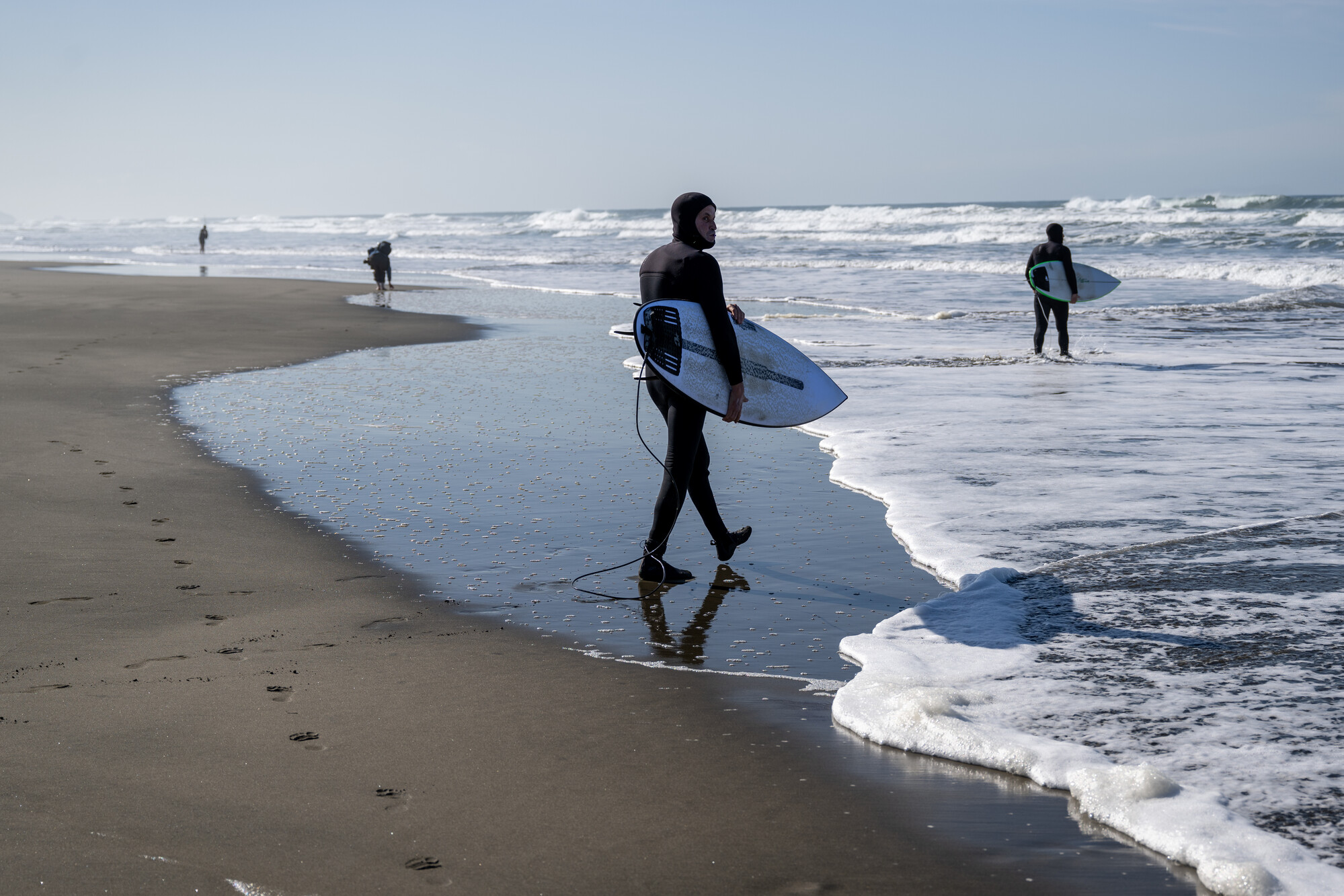
"caption": "A surfer walks in the water to surf at Ocean Beach in San Francisco on Feb. 10, 2025. The National Weather Service has warned of sneaker waves and strong rip currents through at least Wednesday.",
"credit": "Beth LaBerge/KQED",
"altTag": null,
"description": null,
"imgSizes": {
"thumbnail": {
"file": "https://cdn.kqed.org/wp-content/uploads/sites/10/2026/05/250210-SurferSewage-05-BL_qed-160x107.jpg",
"width": 160,
"height": 107,
"mimeType": "image/jpeg"
},
"1536x1536": {
"file": "https://cdn.kqed.org/wp-content/uploads/sites/10/2026/05/250210-SurferSewage-05-BL_qed-1536x1024.jpg",
"width": 1536,
"height": 1024,
"mimeType": "image/jpeg"
},
"post-thumbnail": {
"file": "https://cdn.kqed.org/wp-content/uploads/sites/10/2026/05/250210-SurferSewage-05-BL_qed-672x372.jpg",
"width": 672,
"height": 372,
"mimeType": "image/jpeg"
},
"twentyfourteen-full-width": {
"file": "https://cdn.kqed.org/wp-content/uploads/sites/10/2026/05/250210-SurferSewage-05-BL_qed-1038x576.jpg",
"width": 1038,
"height": 576,
"mimeType": "image/jpeg"
},
"npr-cds-wide": {
"file": "https://cdn.kqed.org/wp-content/uploads/sites/10/2026/05/250210-SurferSewage-05-BL_qed-1200x675.jpg",
"width": 1200,
"height": 675,
"mimeType": "image/jpeg"
},
"npr-cds-square": {
"file": "https://cdn.kqed.org/wp-content/uploads/sites/10/2026/05/250210-SurferSewage-05-BL_qed-600x600.jpg",
"width": 600,
"height": 600,
"mimeType": "image/jpeg"
},
"kqedFullSize": {
"file": "https://cdn.kqed.org/wp-content/uploads/sites/10/2026/05/250210-SurferSewage-05-BL_qed.jpg",
"width": 1999,
"height": 1333
}
},
"isLoading": false,
"fetchFailed": false
},
"news_12092374": {
"type": "attachments",
"id": "news_12092374",
"meta": {
"index": "attachments_1716263798",
"site": "news",
"id": "12092374",
"found": true
},
"title": "260723-marinasafeway-ng-15-KQED",
"publishDate": 1784836652,
"status": "inherit",
"parent": 0,
"modified": 1784836686,
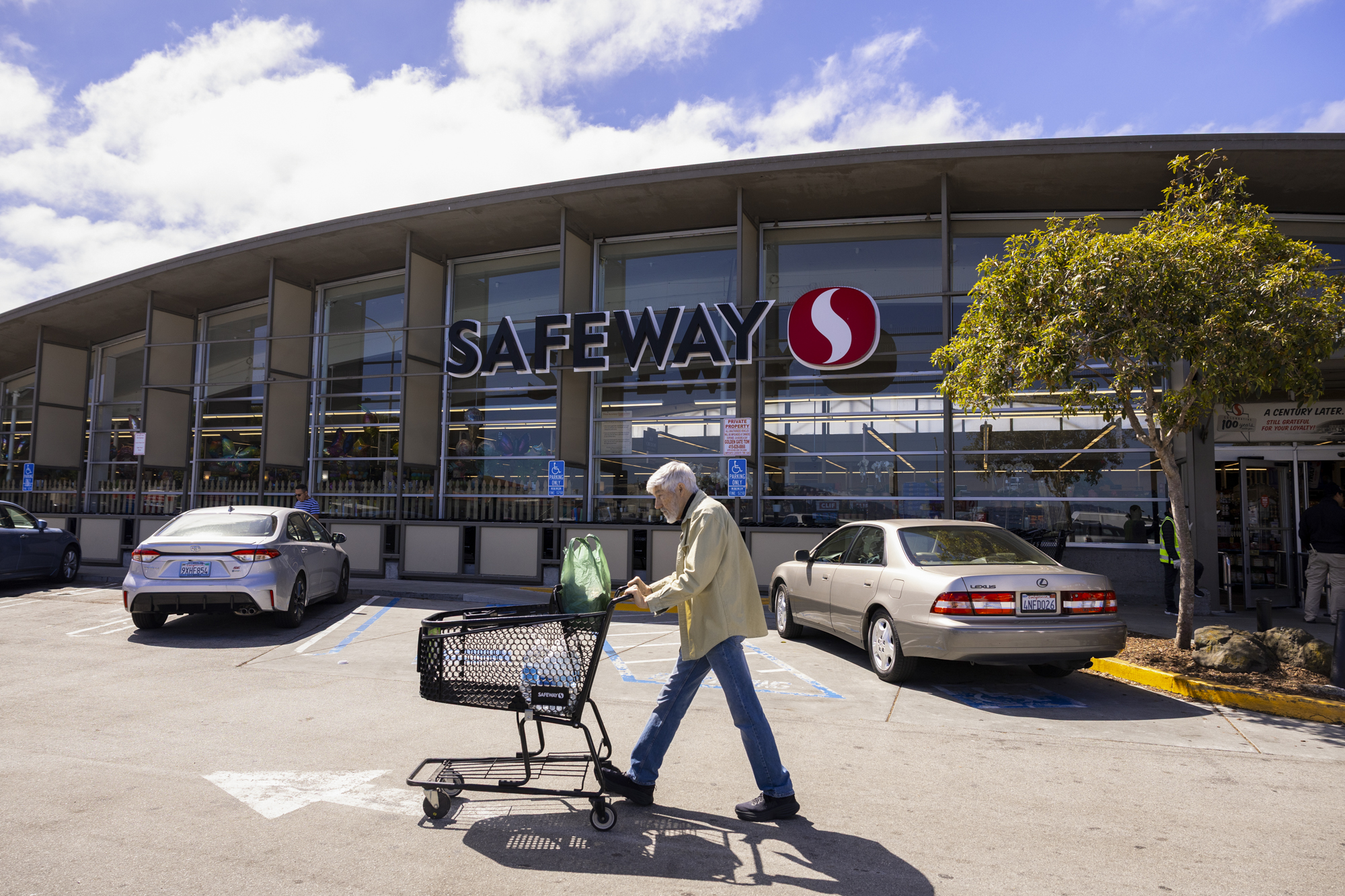
"caption": "A customer walks out of the Safeway location in San Francisco’s Marina District on July 23, 2026.",
"credit": "Nina Glick/KQED",
"altTag": null,
"description": null,
"imgSizes": {
"thumbnail": {
"file": "https://cdn.kqed.org/wp-content/uploads/sites/10/2026/07/260723-marinasafeway-ng-15-KQED-160x107.jpg",
"width": 160,
"height": 107,
"mimeType": "image/jpeg"
},
"1536x1536": {
"file": "https://cdn.kqed.org/wp-content/uploads/sites/10/2026/07/260723-marinasafeway-ng-15-KQED-1536x1024.jpg",
"width": 1536,
"height": 1024,
"mimeType": "image/jpeg"
},
"post-thumbnail": {
"file": "https://cdn.kqed.org/wp-content/uploads/sites/10/2026/07/260723-marinasafeway-ng-15-KQED-672x372.jpg",
"width": 672,
"height": 372,
"mimeType": "image/jpeg"
},
"twentyfourteen-full-width": {
"file": "https://cdn.kqed.org/wp-content/uploads/sites/10/2026/07/260723-marinasafeway-ng-15-KQED-1038x576.jpg",
"width": 1038,
"height": 576,
"mimeType": "image/jpeg"
},
"npr-cds-wide": {
"file": "https://cdn.kqed.org/wp-content/uploads/sites/10/2026/07/260723-marinasafeway-ng-15-KQED-1200x675.jpg",
"width": 1200,
"height": 675,
"mimeType": "image/jpeg"
},
"npr-cds-square": {
"file": "https://cdn.kqed.org/wp-content/uploads/sites/10/2026/07/260723-marinasafeway-ng-15-KQED-600x600.jpg",
"width": 600,
"height": 600,
"mimeType": "image/jpeg"
},
"kqedFullSize": {
"file": "https://cdn.kqed.org/wp-content/uploads/sites/10/2026/07/260723-marinasafeway-ng-15-KQED.jpg",
"width": 2000,
"height": 1333
}
},
"isLoading": false,
"fetchFailed": false
},
"news_12092554": {
"type": "attachments",
"id": "news_12092554",
"meta": {
"index": "attachments_1716263798",
"site": "news",
"id": "12092554",
"found": true
},
"title": "010820-US-Ninth-Circuit-Court-AP-CM",
"publishDate": 1784920764,
"status": "inherit",
"parent": 12092551,
"modified": 1784920785,
"caption": "The James R. Browning United States Courthouse building, a courthouse for the 9th U.S. Circuit Court of Appeals, in San Francisco on Jan. 8, 2020. ",
"credit": "Jeff Chiu/AP Photo",
"altTag": null,
"description": null,
"imgSizes": {
"thumbnail": {
"file": "https://cdn.kqed.org/wp-content/uploads/sites/10/2026/07/010820-US-Ninth-Circuit-Court-AP-CM-160x107.jpeg",
"width": 160,
"height": 107,
"mimeType": "image/jpeg"
},
"1536x1536": {
"file": "https://cdn.kqed.org/wp-content/uploads/sites/10/2026/07/010820-US-Ninth-Circuit-Court-AP-CM-1536x1024.jpeg",
"width": 1536,
"height": 1024,
"mimeType": "image/jpeg"
},
"post-thumbnail": {
"file": "https://cdn.kqed.org/wp-content/uploads/sites/10/2026/07/010820-US-Ninth-Circuit-Court-AP-CM-672x372.jpeg",
"width": 672,
"height": 372,
"mimeType": "image/jpeg"
},
"twentyfourteen-full-width": {
"file": "https://cdn.kqed.org/wp-content/uploads/sites/10/2026/07/010820-US-Ninth-Circuit-Court-AP-CM-1038x576.jpeg",
"width": 1038,
"height": 576,
"mimeType": "image/jpeg"
},
"npr-cds-wide": {
"file": "https://cdn.kqed.org/wp-content/uploads/sites/10/2026/07/010820-US-Ninth-Circuit-Court-AP-CM-1200x675.jpeg",
"width": 1200,
"height": 675,
"mimeType": "image/jpeg"
},
"npr-cds-square": {
"file": "https://cdn.kqed.org/wp-content/uploads/sites/10/2026/07/010820-US-Ninth-Circuit-Court-AP-CM-600x600.jpeg",
"width": 600,
"height": 600,
"mimeType": "image/jpeg"
},
"kqedFullSize": {
"file": "https://cdn.kqed.org/wp-content/uploads/sites/10/2026/07/010820-US-Ninth-Circuit-Court-AP-CM.jpeg",
"width": 2000,
"height": 1333
}
},
"isLoading": false,
"fetchFailed": false
},
"news_12042200": {
"type": "attachments",
"id": "news_12042200",
"meta": {
"index": "attachments_1716263798",
"site": "news",
"id": "12042200",
"found": true
},
"title": "008_KQED_630Sansome_02052020_1470_qed",
"publishDate": 1748630169,
"status": "inherit",
"parent": 12042197,
"modified": 1784932362,
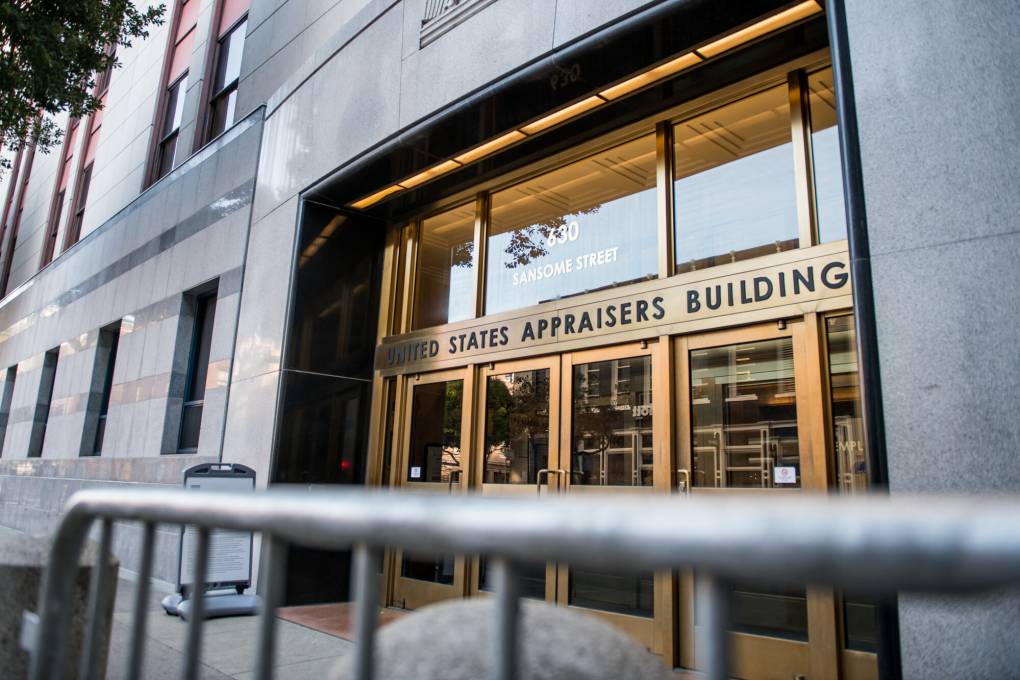
"caption": "The U.S. Immigration & Customs Enforcement building at 630 Sansome St., in San Francisco, California, on Feb. 5, 2020.",
"credit": "Beth LaBerge/KQED",
"altTag": null,
"description": null,
"imgSizes": {
"medium": {
"file": "https://cdn.kqed.org/wp-content/uploads/sites/10/2025/05/008_KQED_630Sansome_02052020_1470_qed-800x533.jpg",
"width": 800,
"height": 533,
"mimeType": "image/jpeg"
},
"large": {
"file": "https://cdn.kqed.org/wp-content/uploads/sites/10/2025/05/008_KQED_630Sansome_02052020_1470_qed-1020x680.jpg",
"width": 1020,
"height": 680,
"mimeType": "image/jpeg"
},
"thumbnail": {
"file": "https://cdn.kqed.org/wp-content/uploads/sites/10/2025/05/008_KQED_630Sansome_02052020_1470_qed-160x107.jpg",
"width": 160,
"height": 107,
"mimeType": "image/jpeg"
},
"1536x1536": {
"file": "https://cdn.kqed.org/wp-content/uploads/sites/10/2025/05/008_KQED_630Sansome_02052020_1470_qed-1536x1024.jpg",
"width": 1536,
"height": 1024,
"mimeType": "image/jpeg"
},
"post-thumbnail": {
"file": "https://cdn.kqed.org/wp-content/uploads/sites/10/2025/05/008_KQED_630Sansome_02052020_1470_qed-672x372.jpg",
"width": 672,
"height": 372,
"mimeType": "image/jpeg"
},
"twentyfourteen-full-width": {
"file": "https://cdn.kqed.org/wp-content/uploads/sites/10/2025/05/008_KQED_630Sansome_02052020_1470_qed-1038x576.jpg",
"width": 1038,
"height": 576,
"mimeType": "image/jpeg"
},
"full-width": {
"file": "https://cdn.kqed.org/wp-content/uploads/sites/10/2025/05/008_KQED_630Sansome_02052020_1470_qed-1920x1280.jpg",
"width": 1920,
"height": 1280,
"mimeType": "image/jpeg"
},
"kqedFullSize": {
"file": "https://cdn.kqed.org/wp-content/uploads/sites/10/2025/05/008_KQED_630Sansome_02052020_1470_qed.jpg",
"width": 1999,
"height": 1333
}
},
"isLoading": false,
"fetchFailed": false
},
"news_12085438": {
"type": "attachments",
"id": "news_12085438",
"meta": {
"index": "attachments_1716263798",
"site": "news",
"id": "12085438",
"found": true
},
"title": "Mail-In Ballots Are Processed In Contra Costa County Before California Primary",
"publishDate": 1780009591,
"status": "inherit",
"parent": 12084978,
"modified": 1784935376,
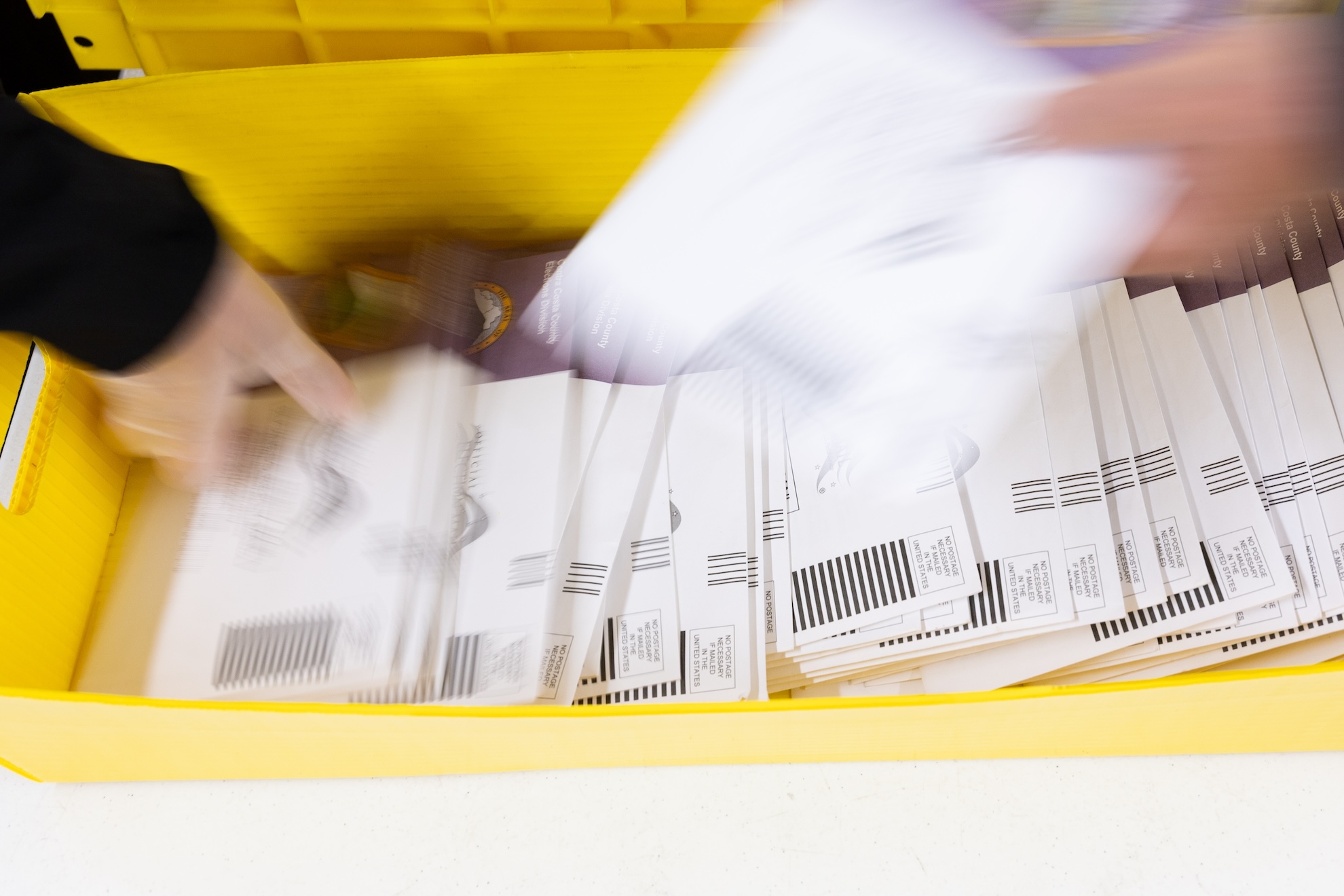
"caption": "Election workers sort ballots at Contra Costa County's election operations facility on May 27, 2026, in Martinez, California. ",
"credit": "Benjamin Fanjoy/Getty Images",
"altTag": null,
"description": "Election workers sort ballots at Contra Costa County's election operations facility on May 27, 2026 in Martinez, California. June 2 is the last day to vote in-person or return a ballot ahead of California's statewide primary election. ",
"imgSizes": {
"thumbnail": {
"file": "https://cdn.kqed.org/wp-content/uploads/sites/10/2026/05/GettyImages-2277856381-160x107.jpg",
"width": 160,
"height": 107,
"mimeType": "image/jpeg"
},
"1536x1536": {
"file": "https://cdn.kqed.org/wp-content/uploads/sites/10/2026/05/GettyImages-2277856381-1536x1024.jpg",
"width": 1536,
"height": 1024,
"mimeType": "image/jpeg"
},
"post-thumbnail": {
"file": "https://cdn.kqed.org/wp-content/uploads/sites/10/2026/05/GettyImages-2277856381-672x372.jpg",
"width": 672,
"height": 372,
"mimeType": "image/jpeg"
},
"twentyfourteen-full-width": {
"file": "https://cdn.kqed.org/wp-content/uploads/sites/10/2026/05/GettyImages-2277856381-1038x576.jpg",
"width": 1038,
"height": 576,
"mimeType": "image/jpeg"
},
"npr-cds-wide": {
"file": "https://cdn.kqed.org/wp-content/uploads/sites/10/2026/05/GettyImages-2277856381-1200x675.jpg",
"width": 1200,
"height": 675,
"mimeType": "image/jpeg"
},
"npr-cds-square": {
"file": "https://cdn.kqed.org/wp-content/uploads/sites/10/2026/05/GettyImages-2277856381-600x600.jpg",
"width": 600,
"height": 600,
"mimeType": "image/jpeg"
},
"kqedFullSize": {
"file": "https://cdn.kqed.org/wp-content/uploads/sites/10/2026/05/GettyImages-2277856381.jpg",
"width": 1980,
"height": 1320
}
},
"isLoading": false,
"fetchFailed": false
},
"news_12092618": {
"type": "attachments",
"id": "news_12092618",
"meta": {
"index": "attachments_1716263798",
"site": "news",
"id": "12092618",
"found": true
},
"title": "260724-SFO ICE-01-KQED",
"publishDate": 1784930874,
"status": "inherit",
"parent": 0,
"modified": 1784933063,
"caption": "Iryna Gorb, 38, lived in the United States for 16 years before she was detained by immigration officials at SFO this week. ",
"credit": "Courtesy of Andy Eblin",
"altTag": null,
"description": null,
"imgSizes": {
"thumbnail": {
"file": "https://cdn.kqed.org/wp-content/uploads/sites/10/2026/07/260724-SFO-ICE-01-KQED-160x107.jpeg",
"width": 160,
"height": 107,
"mimeType": "image/jpeg"
},
"1536x1536": {
"file": "https://cdn.kqed.org/wp-content/uploads/sites/10/2026/07/260724-SFO-ICE-01-KQED-1536x1025.jpeg",
"width": 1536,
"height": 1025,
"mimeType": "image/jpeg"
},
"post-thumbnail": {
"file": "https://cdn.kqed.org/wp-content/uploads/sites/10/2026/07/260724-SFO-ICE-01-KQED-672x372.jpeg",
"width": 672,
"height": 372,
"mimeType": "image/jpeg"
},
"twentyfourteen-full-width": {
"file": "https://cdn.kqed.org/wp-content/uploads/sites/10/2026/07/260724-SFO-ICE-01-KQED-1038x576.jpeg",
"width": 1038,
"height": 576,
"mimeType": "image/jpeg"
},
"npr-cds-wide": {
"file": "https://cdn.kqed.org/wp-content/uploads/sites/10/2026/07/260724-SFO-ICE-01-KQED-1200x675.jpeg",
"width": 1200,
"height": 675,
"mimeType": "image/jpeg"
},
"npr-cds-square": {
"file": "https://cdn.kqed.org/wp-content/uploads/sites/10/2026/07/260724-SFO-ICE-01-KQED-600x600.jpeg",
"width": 600,
"height": 600,
"mimeType": "image/jpeg"
},
"kqedFullSize": {
"file": "https://cdn.kqed.org/wp-content/uploads/sites/10/2026/07/260724-SFO-ICE-01-KQED.jpeg",
"width": 2000,
"height": 1334
}
},
"isLoading": false,
"fetchFailed": false
},
"news_12092435": {
"type": "attachments",
"id": "news_12092435",
"meta": {
"index": "attachments_1716263798",
"site": "news",
"id": "12092435",
"found": true
},
"title": "260723-WikimediaUnion-NG-5_qed",
"publishDate": 1784844873,
"status": "inherit",
"parent": 0,
"modified": 1784845027,
"caption": "The building at 1 Sansome St. (center), home to the Wikimedia Foundation headquarters, in San Francisco on July 23, 2026.",
"credit": "Nina Glick/KQED",
"altTag": null,
"description": null,
"imgSizes": {
"thumbnail": {
"file": "https://cdn.kqed.org/wp-content/uploads/sites/10/2026/07/260723-WikimediaUnion-NG-5_qed-160x107.jpg",
"width": 160,
"height": 107,
"mimeType": "image/jpeg"
},
"1536x1536": {
"file": "https://cdn.kqed.org/wp-content/uploads/sites/10/2026/07/260723-WikimediaUnion-NG-5_qed-1536x1024.jpg",
"width": 1536,
"height": 1024,
"mimeType": "image/jpeg"
},
"post-thumbnail": {
"file": "https://cdn.kqed.org/wp-content/uploads/sites/10/2026/07/260723-WikimediaUnion-NG-5_qed-672x372.jpg",
"width": 672,
"height": 372,
"mimeType": "image/jpeg"
},
"twentyfourteen-full-width": {
"file": "https://cdn.kqed.org/wp-content/uploads/sites/10/2026/07/260723-WikimediaUnion-NG-5_qed-1038x576.jpg",
"width": 1038,
"height": 576,
"mimeType": "image/jpeg"
},
"npr-cds-wide": {
"file": "https://cdn.kqed.org/wp-content/uploads/sites/10/2026/07/260723-WikimediaUnion-NG-5_qed-1200x675.jpg",
"width": 1200,
"height": 675,
"mimeType": "image/jpeg"
},
"npr-cds-square": {
"file": "https://cdn.kqed.org/wp-content/uploads/sites/10/2026/07/260723-WikimediaUnion-NG-5_qed-600x600.jpg",
"width": 600,
"height": 600,
"mimeType": "image/jpeg"
},
"kqedFullSize": {
"file": "https://cdn.kqed.org/wp-content/uploads/sites/10/2026/07/260723-WikimediaUnion-NG-5_qed.jpg",
"width": 2000,
"height": 1333
}
},
"isLoading": false,
"fetchFailed": false
},
"news_12086149": {
"type": "attachments",
"id": "news_12086149",
"meta": {
"index": "attachments_1716263798",
"site": "news",
"id": "12086149",
"found": true
},
"title": "260601-BRUCELEE-TV-01539-KQED",
"publishDate": 1780519068,
"status": "inherit",
"parent": 0,
"modified": 1784680331,
"caption": "Greglon Lee holds up boxing gloves signed by both Bruce Lee and his father James Lee at the apartment complex he lives in in Berkeley on June 1, 2026. Greglon Lee is the son of James Lee, a martial artist who was once Bruce Lee’s training partner.",
"credit": "Tâm Vũ/KQED",
"altTag": null,
"description": null,
"imgSizes": {
"thumbnail": {
"file": "https://cdn.kqed.org/wp-content/uploads/sites/10/2026/06/260601-BRUCELEE-TV-01539-KQED-160x107.jpg",
"width": 160,
"height": 107,
"mimeType": "image/jpeg"
},
"1536x1536": {
"file": "https://cdn.kqed.org/wp-content/uploads/sites/10/2026/06/260601-BRUCELEE-TV-01539-KQED-1536x1024.jpg",
"width": 1536,
"height": 1024,
"mimeType": "image/jpeg"
},
"post-thumbnail": {
"file": "https://cdn.kqed.org/wp-content/uploads/sites/10/2026/06/260601-BRUCELEE-TV-01539-KQED-672x372.jpg",
"width": 672,
"height": 372,
"mimeType": "image/jpeg"
},
"twentyfourteen-full-width": {
"file": "https://cdn.kqed.org/wp-content/uploads/sites/10/2026/06/260601-BRUCELEE-TV-01539-KQED-1038x576.jpg",
"width": 1038,
"height": 576,
"mimeType": "image/jpeg"
},
"npr-cds-wide": {
"file": "https://cdn.kqed.org/wp-content/uploads/sites/10/2026/06/260601-BRUCELEE-TV-01539-KQED-1200x675.jpg",
"width": 1200,
"height": 675,
"mimeType": "image/jpeg"
},
"npr-cds-square": {
"file": "https://cdn.kqed.org/wp-content/uploads/sites/10/2026/06/260601-BRUCELEE-TV-01539-KQED-600x600.jpg",
"width": 600,
"height": 600,
"mimeType": "image/jpeg"
},
"kqedFullSize": {
"file": "https://cdn.kqed.org/wp-content/uploads/sites/10/2026/06/260601-BRUCELEE-TV-01539-KQED.jpg",
"width": 2000,
"height": 1333
}
},
"isLoading": false,
"fetchFailed": false
},
"news_12092212": {
"type": "attachments",
"id": "news_12092212",
"meta": {
"index": "attachments_1716263798",
"site": "news",
"id": "12092212",
"found": true
},
"title": "CHLittleFire4",
"publishDate": 1784755944,
"status": "inherit",
"parent": 0,
"modified": 1784829799,
"caption": "Fire crews respond to the Little Fire, near near Sycamore Creek Way in Pleasanton, California, on July 21, 2026.",
"credit": "Photos Courtesy of Caden Harder/@cad3afterhours",
"altTag": null,
"description": null,
"imgSizes": {
"medium": {
"file": "https://cdn.kqed.org/wp-content/uploads/sites/10/2026/07/CHLittleFire4-2000x1333.jpg",
"width": 2000,
"height": 1333,
"mimeType": "image/jpeg"
},
"large": {
"file": "https://cdn.kqed.org/wp-content/uploads/sites/10/2026/07/CHLittleFire4-2000x1333.jpg",
"width": 2000,
"height": 1333,
"mimeType": "image/jpeg"
},
"thumbnail": {
"file": "https://cdn.kqed.org/wp-content/uploads/sites/10/2026/07/CHLittleFire4-160x107.jpg",
"width": 160,
"height": 107,
"mimeType": "image/jpeg"
},
"1536x1536": {
"file": "https://cdn.kqed.org/wp-content/uploads/sites/10/2026/07/CHLittleFire4-1536x1024.jpg",
"width": 1536,
"height": 1024,
"mimeType": "image/jpeg"
},
"2048x2048": {
"file": "https://cdn.kqed.org/wp-content/uploads/sites/10/2026/07/CHLittleFire4-2048x1365.jpg",
"width": 2048,
"height": 1365,
"mimeType": "image/jpeg"
},
"post-thumbnail": {
"file": "https://cdn.kqed.org/wp-content/uploads/sites/10/2026/07/CHLittleFire4-672x372.jpg",
"width": 672,
"height": 372,
"mimeType": "image/jpeg"
},
"twentyfourteen-full-width": {
"file": "https://cdn.kqed.org/wp-content/uploads/sites/10/2026/07/CHLittleFire4-1038x576.jpg",
"width": 1038,
"height": 576,
"mimeType": "image/jpeg"
},
"full-width": {
"file": "https://cdn.kqed.org/wp-content/uploads/sites/10/2026/07/CHLittleFire4-2000x1333.jpg",
"width": 2000,
"height": 1333,
"mimeType": "image/jpeg"
},
"npr-cds-wide": {
"file": "https://cdn.kqed.org/wp-content/uploads/sites/10/2026/07/CHLittleFire4-1200x675.jpg",
"width": 1200,
"height": 675,
"mimeType": "image/jpeg"
},
"npr-cds-square": {
"file": "https://cdn.kqed.org/wp-content/uploads/sites/10/2026/07/CHLittleFire4-600x600.jpg",
"width": 600,
"height": 600,
"mimeType": "image/jpeg"
},
"kqedFullSize": {
"file": "https://cdn.kqed.org/wp-content/uploads/sites/10/2026/07/CHLittleFire4-scaled-e1784829807356.jpg",
"width": 2000,
"height": 1333
}
},
"isLoading": false,
"fetchFailed": false
},
"news_12080230": {
"type": "attachments",
"id": "news_12080230",
"meta": {
"index": "attachments_1716263798",
"site": "news",
"id": "12080230",
"found": true
},
"title": "250128-SFImmigration-10-BL_qed",
"publishDate": 1776359834,
"status": "inherit",
"parent": 12080217,
"modified": 1776359862,
"caption": "San Francisco District Attorney Brooke Jenkins speaks during a press conference with elected and public safety officials and labor leaders in front of City Hall in San Francisco on Tuesday, Jan. 28, 2025, to reaffirm San Francisco’s commitment to being a Sanctuary City.",
"credit": "Beth LaBerge/KQED",
"altTag": null,
"description": null,
"imgSizes": {
"thumbnail": {
"file": "https://cdn.kqed.org/wp-content/uploads/sites/10/2026/04/250128-SFImmigration-10-BL_qed-160x107.jpg",
"width": 160,
"height": 107,
"mimeType": "image/jpeg"
},
"1536x1536": {
"file": "https://cdn.kqed.org/wp-content/uploads/sites/10/2026/04/250128-SFImmigration-10-BL_qed-1536x1024.jpg",
"width": 1536,
"height": 1024,
"mimeType": "image/jpeg"
},
"post-thumbnail": {
"file": "https://cdn.kqed.org/wp-content/uploads/sites/10/2026/04/250128-SFImmigration-10-BL_qed-672x372.jpg",
"width": 672,
"height": 372,
"mimeType": "image/jpeg"
},
"twentyfourteen-full-width": {
"file": "https://cdn.kqed.org/wp-content/uploads/sites/10/2026/04/250128-SFImmigration-10-BL_qed-1038x576.jpg",
"width": 1038,
"height": 576,
"mimeType": "image/jpeg"
},
"npr-cds-wide": {
"file": "https://cdn.kqed.org/wp-content/uploads/sites/10/2026/04/250128-SFImmigration-10-BL_qed-1200x675.jpg",
"width": 1200,
"height": 675,
"mimeType": "image/jpeg"
},
"npr-cds-square": {
"file": "https://cdn.kqed.org/wp-content/uploads/sites/10/2026/04/250128-SFImmigration-10-BL_qed-600x600.jpg",
"width": 600,
"height": 600,
"mimeType": "image/jpeg"
},
"kqedFullSize": {
"file": "https://cdn.kqed.org/wp-content/uploads/sites/10/2026/04/250128-SFImmigration-10-BL_qed.jpg",
"width": 2000,
"height": 1333
}
},
"isLoading": false,
"fetchFailed": false
},
"news_12092171": {
"type": "attachments",
"id": "news_12092171",
"meta": {
"index": "attachments_1716263798",
"site": "news",
"id": "12092171",
"found": true
},
"title": "Under-16s Ban On Social Media Backed By The House of Lords",
"publishDate": 1784747348,
"status": "inherit",
"parent": 12091964,
"modified": 1784747424,
"caption": "A 14-year-old boy looks at an iPhone screen displaying various social media and messaging apps on March 29, 2026, in Bath, England.",
"credit": "Anna Barclay/Getty Images",
"altTag": null,
"description": null,
"imgSizes": {
"thumbnail": {
"file": "https://cdn.kqed.org/wp-content/uploads/sites/10/2026/07/AIGetty-160x107.jpg",
"width": 160,
"height": 107,
"mimeType": "image/jpeg"
},
"1536x1536": {
"file": "https://cdn.kqed.org/wp-content/uploads/sites/10/2026/07/AIGetty-1536x1024.jpg",
"width": 1536,
"height": 1024,
"mimeType": "image/jpeg"
},
"post-thumbnail": {
"file": "https://cdn.kqed.org/wp-content/uploads/sites/10/2026/07/AIGetty-672x372.jpg",
"width": 672,
"height": 372,
"mimeType": "image/jpeg"
},
"twentyfourteen-full-width": {
"file": "https://cdn.kqed.org/wp-content/uploads/sites/10/2026/07/AIGetty-1038x576.jpg",
"width": 1038,
"height": 576,
"mimeType": "image/jpeg"
},
"npr-cds-wide": {
"file": "https://cdn.kqed.org/wp-content/uploads/sites/10/2026/07/AIGetty-1200x675.jpg",
"width": 1200,
"height": 675,
"mimeType": "image/jpeg"
},
"npr-cds-square": {
"file": "https://cdn.kqed.org/wp-content/uploads/sites/10/2026/07/AIGetty-600x600.jpg",
"width": 600,
"height": 600,
"mimeType": "image/jpeg"
},
"kqedFullSize": {
"file": "https://cdn.kqed.org/wp-content/uploads/sites/10/2026/07/AIGetty.jpg",
"width": 2000,
"height": 1333
}
},
"isLoading": false,
"fetchFailed": false
},
"news_12092226": {
"type": "attachments",
"id": "news_12092226",
"meta": {
"index": "attachments_1716263798",
"site": "news",
"id": "12092226",
"found": true
},
"title": "260718-MaledaYouthSoccer-JY-16-KQED",
"publishDate": 1784757520,
"status": "inherit",
"parent": 0,
"modified": 1784758847,
"caption": "Maleda Youth Soccer players cheer after practice at Del Monte Park in San José, California, on Saturday, July 18, 2026.",
"credit": "Juliana Yamada/KQED",
"altTag": null,
"description": null,
"imgSizes": {
"thumbnail": {
"file": "https://cdn.kqed.org/wp-content/uploads/sites/10/2026/07/260718-MaledaYouthSoccer-JY-16-KQED-160x107.jpg",
"width": 160,
"height": 107,
"mimeType": "image/jpeg"
},
"1536x1536": {
"file": "https://cdn.kqed.org/wp-content/uploads/sites/10/2026/07/260718-MaledaYouthSoccer-JY-16-KQED-1536x1024.jpg",
"width": 1536,
"height": 1024,
"mimeType": "image/jpeg"
},
"post-thumbnail": {
"file": "https://cdn.kqed.org/wp-content/uploads/sites/10/2026/07/260718-MaledaYouthSoccer-JY-16-KQED-672x372.jpg",
"width": 672,
"height": 372,
"mimeType": "image/jpeg"
},
"twentyfourteen-full-width": {
"file": "https://cdn.kqed.org/wp-content/uploads/sites/10/2026/07/260718-MaledaYouthSoccer-JY-16-KQED-1038x576.jpg",
"width": 1038,
"height": 576,
"mimeType": "image/jpeg"
},
"npr-cds-wide": {
"file": "https://cdn.kqed.org/wp-content/uploads/sites/10/2026/07/260718-MaledaYouthSoccer-JY-16-KQED-1200x675.jpg",
"width": 1200,
"height": 675,
"mimeType": "image/jpeg"
},
"npr-cds-square": {
"file": "https://cdn.kqed.org/wp-content/uploads/sites/10/2026/07/260718-MaledaYouthSoccer-JY-16-KQED-600x600.jpg",
"width": 600,
"height": 600,
"mimeType": "image/jpeg"
},
"kqedFullSize": {
"file": "https://cdn.kqed.org/wp-content/uploads/sites/10/2026/07/260718-MaledaYouthSoccer-JY-16-KQED.jpg",
"width": 2000,
"height": 1333
}
},
"isLoading": false,
"fetchFailed": false
}
},
"audioPlayerReducer": {
"postId": "stream_live",
"isPaused": true,
"isPlaying": false,
"pfsActive": false,
"pledgeModalIsOpen": true,
"playerDrawerIsOpen": false,
"liveAudioPlayStartedAt": 0,
"liveAudioPlayContext": ""
},
"authorsReducer": {
"byline_news_12092551": {
"type": "authors",
"id": "byline_news_12092551",
"meta": {
"override": true
},
"slug": "byline_news_12092551",
"name": "Adam Ashton, CalMatters",
"isLoading": false
},
"gmarzorati": {
"type": "authors",
"id": "227",
"meta": {
"index": "authors_1716337520",
"id": "227",
"found": true
},
"name": "Guy Marzorati",
"firstName": "Guy",
"lastName": "Marzorati",
"slug": "gmarzorati",
"email": "gmarzorati@KQED.org",
"display_author_email": true,
"staff_mastheads": [
"news"
],
"title": "Correspondent",
"bio": "Guy Marzorati is a correspondent on KQED's California Politics and Government Desk, based in San Jose. A graduate of Santa Clara University, Guy joined KQED in 2013. He reports on state and local politics and produces KQED's digital voter guide.",
"avatar": "https://secure.gravatar.com/avatar/e7038b8dbfd55b104369b76b1cd0b9de?s=600&d=blank&r=g",
"twitter": "guymarzorati",
"facebook": null,
"instagram": null,
"linkedin": null,
"sites": [
{
"site": "",
"roles": [
"editor"
]
},
{
"site": "news",
"roles": [
"editor"
]
},
{
"site": "science",
"roles": [
"editor"
]
},
{
"site": "forum",
"roles": [
"editor"
]
},
{
"site": "elections",
"roles": [
"editor"
]
},
{
"site": "liveblog",
"roles": [
"editor"
]
}
],
"headData": {
"title": "Guy Marzorati | KQED",
"description": "Correspondent",
"ogImgSrc": "https://secure.gravatar.com/avatar/e7038b8dbfd55b104369b76b1cd0b9de?s=600&d=blank&r=g",
"twImgSrc": "https://secure.gravatar.com/avatar/e7038b8dbfd55b104369b76b1cd0b9de?s=600&d=blank&r=g"
},
"isLoading": false,
"link": "/author/gmarzorati"
},
"ccabreralomeli": {
"type": "authors",
"id": "11708",
"meta": {
"index": "authors_1716337520",
"id": "11708",
"found": true
},
"name": "Carlos Cabrera-Lomelí",
"firstName": "Carlos",
"lastName": "Cabrera-Lomelí",
"slug": "ccabreralomeli",
"email": "ccabreralomeli@KQED.org",
"display_author_email": true,
"staff_mastheads": [
"news"
],
"title": "Community Reporter",
"bio": "Carlos Cabrera-Lomelí is a community reporter with KQED's digital engagement team. He also reports and co-produces for KQED's bilingual news hub KQED en Español. He grew up in San Francisco's Mission District and has previously worked with Univision, 48 Hills and REFORMA in Mexico City.",
"avatar": "https://secure.gravatar.com/avatar/c309be9665e484f887b818c89e273ecc673004f426f36b24d00a4d813a2e0518?s=600&d=blank&r=g",
"twitter": "@LomeliCabrera",
"bluesky": null,
"facebook": null,
"instagram": null,
"linkedin": null,
"sites": [
{
"site": "arts",
"roles": [
"editor"
]
},
{
"site": "news",
"roles": [
"editor"
]
},
{
"site": "about",
"roles": [
"editor"
]
},
{
"site": "science",
"roles": [
"editor"
]
},
{
"site": "perspectives",
"roles": [
"editor"
]
},
{
"site": "elections",
"roles": [
"editor"
]
},
{
"site": "liveblog",
"roles": [
"contributor"
]
}
],
"headData": {
"title": "Carlos Cabrera-Lomelí | KQED",
"description": "Community Reporter",
"ogImgSrc": "https://secure.gravatar.com/avatar/c309be9665e484f887b818c89e273ecc673004f426f36b24d00a4d813a2e0518?s=600&d=blank&r=g",
"twImgSrc": "https://secure.gravatar.com/avatar/c309be9665e484f887b818c89e273ecc673004f426f36b24d00a4d813a2e0518?s=600&d=blank&r=g"
},
"isLoading": false,
"link": "/author/ccabreralomeli"
},
"sjohnson": {
"type": "authors",
"id": "11840",
"meta": {
"index": "authors_1716337520",
"id": "11840",
"found": true
},
"name": "Sydney Johnson",
"firstName": "Sydney",
"lastName": "Johnson",
"slug": "sjohnson",
"email": "sjohnson@kqed.org",
"display_author_email": false,
"staff_mastheads": [
"news"
],
"title": "KQED Reporter",
"bio": "Sydney Johnson is a general assignment reporter at KQED. She previously reported on public health and city government at the San Francisco Examiner, and before that, she covered statewide education policy for EdSource. Her reporting has won multiple local, state and national awards. Sydney is a graduate of the University of California, Berkeley and lives in San Francisco.",
"avatar": "https://secure.gravatar.com/avatar/97855f2719b72ad6190b7c535fe642c8?s=600&d=blank&r=g",
"twitter": "sydneyfjohnson",
"facebook": null,
"instagram": null,
"linkedin": null,
"sites": [
{
"site": "news",
"roles": [
"editor"
]
}
],
"headData": {
"title": "Sydney Johnson | KQED",
"description": "KQED Reporter",
"ogImgSrc": "https://secure.gravatar.com/avatar/97855f2719b72ad6190b7c535fe642c8?s=600&d=blank&r=g",
"twImgSrc": "https://secure.gravatar.com/avatar/97855f2719b72ad6190b7c535fe642c8?s=600&d=blank&r=g"
},
"isLoading": false,
"link": "/author/sjohnson"
},
"kdebenedetti": {
"type": "authors",
"id": "11913",
"meta": {
"index": "authors_1716337520",
"id": "11913",
"found": true
},
"name": "Katie DeBenedetti",
"firstName": "Katie",
"lastName": "DeBenedetti",
"slug": "kdebenedetti",
"email": "kdebenedetti@kqed.org",
"display_author_email": false,
"staff_mastheads": [
"news",
"science"
],
"title": "KQED Contributor",
"bio": "Katie DeBenedetti is a digital reporter covering daily news for the Express Desk. Prior to joining KQED as a culture reporting intern in January 2024, she covered education and city government for the Napa Valley Register.",
"avatar": "https://secure.gravatar.com/avatar/6e31073cb8f7e4214ab03f42771d0f45?s=600&d=blank&r=g",
"twitter": null,
"facebook": null,
"instagram": null,
"linkedin": null,
"sites": [
{
"site": "news",
"roles": [
"author"
]
},
{
"site": "science",
"roles": [
"author"
]
},
{
"site": "liveblog",
"roles": [
"author"
]
}
],
"headData": {
"title": "Katie DeBenedetti | KQED",
"description": "KQED Contributor",
"ogImgSrc": "https://secure.gravatar.com/avatar/6e31073cb8f7e4214ab03f42771d0f45?s=600&d=blank&r=g",
"twImgSrc": "https://secure.gravatar.com/avatar/6e31073cb8f7e4214ab03f42771d0f45?s=600&d=blank&r=g"
},
"isLoading": false,
"link": "/author/kdebenedetti"
},
"emanoukian": {
"type": "authors",
"id": "11925",
"meta": {
"index": "authors_1716337520",
"id": "11925",
"found": true
},
"name": "Elize Manoukian",
"firstName": "Elize",
"lastName": "Manoukian",
"slug": "emanoukian",
"email": "emanoukian@KQED.org",
"display_author_email": false,
"staff_mastheads": [
"news"
],
"title": "Digital News Editor",
"bio": "Elize Manoukian is an award-winning audio producer and Senior Editor on the Express Desk, KQED's digital news platform. Her work has appeared on KPFA, Interlochen Public Radio, Oregon Public Broadcast, the New York Daily News, LA Times and the San Diego Union-Tribune.",
"avatar": "https://secure.gravatar.com/avatar/4525f1a8e46ccb30933b32653d9772064cfefe3fa655eb45b3b3a80341f6bdad?s=600&d=blank&r=g",
"twitter": null,
"bluesky": null,
"facebook": null,
"instagram": null,
"linkedin": null,
"sites": [
{
"site": "arts",
"roles": [
"editor"
]
},
{
"site": "news",
"roles": [
"editor"
]
},
{
"site": "science",
"roles": [
"editor"
]
}
],
"headData": {
"title": "Elize Manoukian | KQED",
"description": "Digital News Editor",
"ogImgSrc": "https://secure.gravatar.com/avatar/4525f1a8e46ccb30933b32653d9772064cfefe3fa655eb45b3b3a80341f6bdad?s=600&d=blank&r=g",
"twImgSrc": "https://secure.gravatar.com/avatar/4525f1a8e46ccb30933b32653d9772064cfefe3fa655eb45b3b3a80341f6bdad?s=600&d=blank&r=g"
},
"isLoading": false,
"link": "/author/emanoukian"
},
"aaliahmad": {
"type": "authors",
"id": "11986",
"meta": {
"index": "authors_1716337520",
"id": "11986",
"found": true
},
"name": "Ayah Ali-Ahmad",
"firstName": "Ayah",
"lastName": "Ali-Ahmad",
"slug": "aaliahmad",
"email": "aaliahmad@KQED.org",
"display_author_email": false,
"staff_mastheads": [],
"title": "KQED Contributor",
"bio": null,
"avatar": "https://secure.gravatar.com/avatar/1cf54f187a5e1064b2cfef3f3d2f1e4f93e453395d56912aca6382a6071ec3ed?s=600&d=blank&r=g",
"twitter": "ayahaliahmad",
"bluesky": null,
"facebook": null,
"instagram": null,
"linkedin": null,
"sites": [
{
"site": "news",
"roles": [
"subscriber"
]
}
],
"headData": {
"title": "Ayah Ali-Ahmad | KQED",
"description": "KQED Contributor",
"ogImgSrc": "https://secure.gravatar.com/avatar/1cf54f187a5e1064b2cfef3f3d2f1e4f93e453395d56912aca6382a6071ec3ed?s=600&d=blank&r=g",
"twImgSrc": "https://secure.gravatar.com/avatar/1cf54f187a5e1064b2cfef3f3d2f1e4f93e453395d56912aca6382a6071ec3ed?s=600&d=blank&r=g"
},
"isLoading": false,
"link": "/author/aaliahmad"
},
"ejackson": {
"type": "authors",
"id": "12003",
"meta": {
"index": "authors_1716337520",
"id": "12003",
"found": true
},
"name": "Ella Jackson",
"firstName": "Ella",
"lastName": "Jackson",
"slug": "ejackson",
"email": "ejackson@kqed.org",
"display_author_email": false,
"staff_mastheads": [],
"title": "KQED Contributor",
"bio": null,
"avatar": "https://secure.gravatar.com/avatar/3c688edc62aec1dcae096e1475956d245f72bde99cff316455871c9b22a7205b?s=600&d=blank&r=g",
"twitter": null,
"bluesky": null,
"facebook": null,
"instagram": null,
"linkedin": null,
"sites": [
{
"site": "news",
"roles": [
"author"
]
},
{
"site": "science",
"roles": [
"author"
]
}
],
"headData": {
"title": "Ella Jackson | KQED",
"description": "KQED Contributor",
"ogImgSrc": "https://secure.gravatar.com/avatar/3c688edc62aec1dcae096e1475956d245f72bde99cff316455871c9b22a7205b?s=600&d=blank&r=g",
"twImgSrc": "https://secure.gravatar.com/avatar/3c688edc62aec1dcae096e1475956d245f72bde99cff316455871c9b22a7205b?s=600&d=blank&r=g"
},
"isLoading": false,
"link": "/author/ejackson"
}
},
"pagesReducer": {
"news_tag_bay-area": {
"type": "terms",
"id": "news_1386",
"meta": {
"index": "terms_1716263798",
"site": "news",
"id": "1386",
"score": 7.788393
},
"featImg": null,
"name": "Bay Area",
"description": null,
"taxonomy": "tag",
"headData": {
"twImgId": null,
"twTitle": null,
"ogTitle": null,
"ogImgId": null,
"twDescription": null,
"description": null,
"title": "Bay Area Archives | KQED News",
"ogDescription": null
},
"ttid": 1398,
"slug": "bay-area",
"isLoading": false,
"title": "Bay Area",
"pageMeta": {
"site": "news",
"WpPageTemplate": "page-topic-editorial",
"currentPage": 11
},
"blocks": [
{
"blockName": "kqed/post-list",
"attrs": {
"layout": "cardArticle2",
"query": "posts/news?tag=bay-area",
"seeMore": false,
"paginated": true,
"page": 11
}
},
{
"blockName": "kqed/ad"
}
]
}
},
"pfsSessionReducer": {},
"postsReducer": {
"stream_live": {
"type": "live",
"id": "stream_live",
"audioUrl": "https://streams.kqed.org/kqedradio",
"title": "Live Stream",
"excerpt": "Live Stream information currently unavailable.",
"link": "/radio",
"featImg": "",
"label": {
"name": "KQED Live",
"link": "/"
}
},
"stream_kqedNewscast": {
"type": "posts",
"id": "stream_kqedNewscast",
"audioUrl": "https://www.kqed.org/.stream/anon/radio/RDnews/newscast.mp3?_=1",
"title": "KQED Newscast",
"featImg": "",
"label": {
"name": "88.5 FM",
"link": "/"
}
},
"news_12092689": {
"type": "posts",
"id": "news_12092689",
"meta": {
"index": "posts_1716263798",
"site": "news",
"id": "12092689",
"score": null,
"sort": [
1785182056000
]
},
"guestAuthors": [],
"slug": "a-bay-area-heat-wave-is-coming-along-with-beach-hazards-and-wildfires",
"title": "A Bay Area Heat Wave Is Coming, Along With Beach Hazards and Wildfire Risk",
"publishDate": 1785182056,
"format": "standard",
"headTitle": "A Bay Area Heat Wave Is Coming, Along With Beach Hazards and Wildfire Risk | KQED",
"labelTerm": {
"site": "news"
},
"content": "\u003cp>The \u003ca href=\"https://www.kqed.org/news/tag/bay-area\">Bay Area\u003c/a> is heading into its hottest stretch of the summer so far, with inland temperatures climbing toward 100 degrees by the weekend. But the heat may not be the most dangerous thing about this week’s weather.\u003c/p>\n\n\n\n\u003cp>As residents head for the coast to escape the heat, forecasters warn they will be walking into the most hazardous surf conditions of the season, driven by two distant hurricanes churning off Mexico. A weekend of dangerous waves has already prompted reports of roughly \u003ca href=\"https://forecast.weather.gov/product.php?site=mtr&issuedby=MTR&product=AFD\">25 water rescues\u003c/a> along the California coast.\u003c/p>\n\n\n\n\u003cp>“We are recommending everyone to stay away from the beach and stay out of the water, “ said Nicole Sarment, a meteorologist with the Weather Service’s Bay Area office. “I know it’s going to be hot. I know people like the beach in the summer. But it’s just so dangerous out there.”\u003c/p>\n\n\n\n\u003cfigure class=\"wp-block-image size-full\">\u003cimg loading=\"lazy\" decoding=\"async\" width=\"2000\" height=\"1358\" src=\"https://cdn.kqed.org/wp-content/uploads/sites/10/2025/07/Heat-Wave-SF-Getty.jpg\" alt=\"\" class=\"wp-image-12047560\" srcset=\"https://cdn.kqed.org/wp-content/uploads/sites/10/2025/07/Heat-Wave-SF-Getty.jpg 2000w, https://cdn.kqed.org/wp-content/uploads/sites/10/2025/07/Heat-Wave-SF-Getty-160x109.jpg 160w, https://cdn.kqed.org/wp-content/uploads/sites/10/2025/07/Heat-Wave-SF-Getty-1536x1043.jpg 1536w\" sizes=\"auto, (max-width: 2000px) 100vw, 2000px\">\u003cfigcaption class=\"wp-element-caption\">People enjoying the sun at the Palace of Fine Arts as a heat wave rolls through San Francisco on July 11, 2024. (Tayfun Coskun/Anadolu via Getty Images)\u003c/figcaption>\u003c/figure>\n\n\n\n\u003cp>Making the ocean even more threatening is that it will appear calm, Sarment said. \u003c/p>\n\n\n\n\u003cp>A long-period swell generated by hurricanes Fausto and Genevieve, the latter evolving into a Category 5 hurricane on Monday morning, is creating sneaker waves that can run far up the beach after 20 minutes or more of flat water, sweeping people and pets off dry sand and into cold, turbulent surf. Rip currents running stronger than normal can then pull even strong swimmers out to sea.\u003c/p>\n\n\n\n\u003cp>[ad fullwidth]\u003c/p>\n\u003cp>“Even if the water seems flat for 20 minutes, you can still have an unsuspecting wave run much farther, up actually on dry sand, getting people who are sleeping, walking their dogs,” Sarment said. \u003c/p>\n\n\n\n\n\n\u003cp>Her advice: stay off jetties, piers and rocks, stay out of the water, and never turn your back on the ocean. Breaking waves could reach \u003ca href=\"https://www.weather.gov/mtr/\">10 feet\u003c/a> at south- and southwest-facing beaches such as Ocean Beach, Pacifica and Santa Cruz. The Weather Service’s beach hazards warning runs through Wednesday afternoon and could extend into the weekend.\u003c/p>\n\n\n\n\u003cp>Heat is expected to peak Saturday, with the interior East Bay and North Bay potentially reaching 100 degrees, Sarment said. Temperatures across the region will run about 10 degrees above normal, though Sarment said that is not unusual for late July. \u003c/p>\n\n\n\n\u003cp>This split between a mild coast and a baking interior is the Bay Area’s signature summer pattern, thanks to \u003ca href=\"https://www.kqed.org/news/12092139/marine-layer-cools-bay-area-after-record-high-temps-with-hotter-weekend-forecast\">the marine layer\u003c/a>, the blanket of cool ocean air that acts as the region’s natural air conditioning. Under high pressure this week, that layer compresses to under 1,000 feet, Sarment said, shrinking the fog’s reach so that cooler air clings to the immediate coastline while inland valleys like Livermore roast unimpeded.\u003c/p>\n\n\n\n\u003cp>The coastal danger is not about tides or towering waves that look threatening. Sarment said it is an ocean that appears calm. The heat dries fuels quickly in the hills, and forecasters say the elevated fire threat, concentrated above the marine layer at about 2,000 feet and higher, will worsen toward the weekend as afternoon humidity in the driest spots drops toward 15%. The interior Central Coast and the region’s higher ranges, including the Diablo Range and the East Bay hills, are the areas of greatest concern.\u003c/p>\n\n\n\n\u003cfigure class=\"wp-block-image size-full\">\u003cimg loading=\"lazy\" decoding=\"async\" width=\"2000\" height=\"1333\" src=\"https://cdn.kqed.org/wp-content/uploads/sites/10/2024/06/026_KQED_HeatWaveConcord_09082022_qed.jpg\" alt=\"\" class=\"wp-image-11992382\" srcset=\"https://cdn.kqed.org/wp-content/uploads/sites/10/2024/06/026_KQED_HeatWaveConcord_09082022_qed.jpg 2000w, https://cdn.kqed.org/wp-content/uploads/sites/10/2024/06/026_KQED_HeatWaveConcord_09082022_qed-800x533.jpg 800w, https://cdn.kqed.org/wp-content/uploads/sites/10/2024/06/026_KQED_HeatWaveConcord_09082022_qed-1020x680.jpg 1020w, https://cdn.kqed.org/wp-content/uploads/sites/10/2024/06/026_KQED_HeatWaveConcord_09082022_qed-160x107.jpg 160w, https://cdn.kqed.org/wp-content/uploads/sites/10/2024/06/026_KQED_HeatWaveConcord_09082022_qed-1536x1024.jpg 1536w, https://cdn.kqed.org/wp-content/uploads/sites/10/2024/06/026_KQED_HeatWaveConcord_09082022_qed-1920x1280.jpg 1920w\" sizes=\"auto, (max-width: 2000px) 100vw, 2000px\">\u003cfigcaption class=\"wp-element-caption\">Children play in sprinklers at Meadow Homes Park in Concord on Sept. 8, 2022, as the temperature soared to 108 degrees. (Beth LaBerge/KQED)\u003c/figcaption>\u003c/figure>\n\n\n\n\u003cp>Sarment said fires \u003ca href=\"https://www.kqed.org/news/12092116/little-fire-in-east-bay-crews-halt-spread-no-structures-damaged-pleasanton-mayor-says\">like the ones so far this summer\u003c/a> frequently trace to cars, either starting as vehicle fires that spread to vegetation, or blazes sparked by people driving or parking on dry grass.\u003c/p>\n\n\n\n\u003cp>Forecasters are urging people to avoid anything that could throw a spark, warning that fires that start now are likely to spread fast.\u003c/p>\n\n\n\n\u003cp>For those who spend the days outside, whether working, camping or home with kids on summer break, the Weather Service’s guidance is to hydrate, take frequent breaks and shift strenuous activity to the cooler parts of the day. Older adults, people without air conditioning, unhoused residents, pregnant women and young children are most at risk in the heat. She reminded to never leave children or pets in an unattended vehicle.\u003c/p>\n\n\n\n\u003cp>\u003c/p>\n\u003cp>The heat is expected to build midweek and peak into the weekend, though forecasters say there is still uncertainty in how hot it ultimately gets. The Weather Service is posting updates on its website and social media accounts.\u003c/p>\n\n",
"blocks": [
{
"blockName": "core/paragraph",
"attrs": [],
"innerHTML": "\n\u003cp>The \u003ca href=\"https://www.kqed.org/news/tag/bay-area\">Bay Area\u003c/a> is heading into its hottest stretch of the summer so far, with inland temperatures climbing toward 100 degrees by the weekend. But the heat may not be the most dangerous thing about this week’s weather.\u003c/p>\n",
"innerContent": [
"\n\u003cp>The \u003ca href=\"https://www.kqed.org/news/tag/bay-area\">Bay Area\u003c/a> is heading into its hottest stretch of the summer so far, with inland temperatures climbing toward 100 degrees by the weekend. But the heat may not be the most dangerous thing about this week’s weather.\u003c/p>\n"
],
"innerBlocks": []
},
{
"blockName": "core/paragraph",
"attrs": [],
"innerHTML": "\n\u003cp>As residents head for the coast to escape the heat, forecasters warn they will be walking into the most hazardous surf conditions of the season, driven by two distant hurricanes churning off Mexico. A weekend of dangerous waves has already prompted reports of roughly \u003ca href=\"https://forecast.weather.gov/product.php?site=mtr&issuedby=MTR&product=AFD\">25 water rescues\u003c/a> along the California coast.\u003c/p>\n",
"innerContent": [
"\n\u003cp>As residents head for the coast to escape the heat, forecasters warn they will be walking into the most hazardous surf conditions of the season, driven by two distant hurricanes churning off Mexico. A weekend of dangerous waves has already prompted reports of roughly \u003ca href=\"https://forecast.weather.gov/product.php?site=mtr&issuedby=MTR&product=AFD\">25 water rescues\u003c/a> along the California coast.\u003c/p>\n"
],
"innerBlocks": []
},
{
"blockName": "core/paragraph",
"attrs": [],
"innerHTML": "\n\u003cp>“We are recommending everyone to stay away from the beach and stay out of the water, “ said Nicole Sarment, a meteorologist with the Weather Service’s Bay Area office. “I know it’s going to be hot. I know people like the beach in the summer. But it’s just so dangerous out there.”\u003c/p>\n",
"innerContent": [
"\n\u003cp>“We are recommending everyone to stay away from the beach and stay out of the water, “ said Nicole Sarment, a meteorologist with the Weather Service’s Bay Area office. “I know it’s going to be hot. I know people like the beach in the summer. But it’s just so dangerous out there.”\u003c/p>\n"
],
"innerBlocks": []
},
{
"blockName": "core/image",
"attrs": {
"id": 12047560,
"sizeSlug": "full",
"linkDestination": "none",
"imageCredit": "Tayfun Coskun/Anadolu via Getty Images",
"srcset": "https://cdn.kqed.org/wp-content/uploads/sites/10/2025/07/Heat-Wave-SF-Getty.jpg 2000w, https://cdn.kqed.org/wp-content/uploads/sites/10/2025/07/Heat-Wave-SF-Getty-160x109.jpg 160w, https://cdn.kqed.org/wp-content/uploads/sites/10/2025/07/Heat-Wave-SF-Getty-1536x1043.jpg 1536w",
"sizes": "(min-width: 992px) min(100vw, 1536px), (min-width: 768px) min(100vw, 1280px), min(100vw, 1020px)"
},
"innerHTML": "\n\u003cfigure class=\"wp-block-image size-full\">\u003cimg src=\"https://cdn.kqed.org/wp-content/uploads/sites/10/2025/07/Heat-Wave-SF-Getty.jpg\" alt=\"\" class=\"wp-image-12047560\" srcset=\"https://cdn.kqed.org/wp-content/uploads/sites/10/2025/07/Heat-Wave-SF-Getty.jpg 2000w, https://cdn.kqed.org/wp-content/uploads/sites/10/2025/07/Heat-Wave-SF-Getty-160x109.jpg 160w, https://cdn.kqed.org/wp-content/uploads/sites/10/2025/07/Heat-Wave-SF-Getty-1536x1043.jpg 1536w\" sizes=\"(min-width: 992px) min(100vw, 1536px), (min-width: 768px) min(100vw, 1280px), min(100vw, 1020px)\" />\u003cfigcaption class=\"wp-element-caption\">People enjoying the sun at the Palace of Fine Arts as a heat wave rolls through San Francisco on July 11, 2024. \u003c/figcaption>\u003c/figure>\n",
"innerContent": [
"\n\u003cfigure class=\"wp-block-image size-full\">\u003cimg src=\"https://cdn.kqed.org/wp-content/uploads/sites/10/2025/07/Heat-Wave-SF-Getty.jpg\" alt=\"\" class=\"wp-image-12047560\" />\u003cfigcaption class=\"wp-element-caption\">People enjoying the sun at the Palace of Fine Arts as a heat wave rolls through San Francisco on July 11, 2024. \u003c/figcaption>\u003c/figure>\n"
],
"innerBlocks": []
},
{
"blockName": "core/paragraph",
"attrs": [],
"innerHTML": "\n\u003cp>Making the ocean even more threatening is that it will appear calm, Sarment said. \u003c/p>\n",
"innerContent": [
"\n\u003cp>Making the ocean even more threatening is that it will appear calm, Sarment said. \u003c/p>\n"
],
"innerBlocks": []
},
{
"blockName": "core/paragraph",
"attrs": [],
"innerHTML": "\n\u003cp>A long-period swell generated by hurricanes Fausto and Genevieve, the latter evolving into a Category 5 hurricane on Monday morning, is creating sneaker waves that can run far up the beach after 20 minutes or more of flat water, sweeping people and pets off dry sand and into cold, turbulent surf. Rip currents running stronger than normal can then pull even strong swimmers out to sea.\u003c/p>\n",
"innerContent": [
"\n\u003cp>A long-period swell generated by hurricanes Fausto and Genevieve, the latter evolving into a Category 5 hurricane on Monday morning, is creating sneaker waves that can run far up the beach after 20 minutes or more of flat water, sweeping people and pets off dry sand and into cold, turbulent surf. Rip currents running stronger than normal can then pull even strong swimmers out to sea.\u003c/p>\n"
],
"innerBlocks": []
},
{
"blockName": "kqed/ad",
"attrs": {
"format": "fullwidth"
},
"innerBlocks": [],
"innerHTML": "",
"innerContent": []
},
{
"blockName": "core/paragraph",
"attrs": [],
"innerHTML": "\n\u003cp>“Even if the water seems flat for 20 minutes, you can still have an unsuspecting wave run much farther, up actually on dry sand, getting people who are sleeping, walking their dogs,” Sarment said. \u003c/p>\n",
"innerContent": [
"\n\u003cp>“Even if the water seems flat for 20 minutes, you can still have an unsuspecting wave run much farther, up actually on dry sand, getting people who are sleeping, walking their dogs,” Sarment said. \u003c/p>\n"
],
"innerBlocks": []
},
{
"blockName": "kqed-v2/related-articles",
"attrs": {
"postIds": [
"news_12092323"
],
"label": "Related Articles",
"maxPosts": 1,
"showImages": false,
"heroImage": "https://cdn.kqed.org/wp-content/uploads/sites/10/2026/04/RomanceGetty.jpg"
},
"innerHTML": "",
"innerContent": [],
"innerBlocks": []
},
{
"blockName": "core/paragraph",
"attrs": [],
"innerHTML": "\n\u003cp>Her advice: stay off jetties, piers and rocks, stay out of the water, and never turn your back on the ocean. Breaking waves could reach \u003ca href=\"https://www.weather.gov/mtr/\">10 feet\u003c/a> at south- and southwest-facing beaches such as Ocean Beach, Pacifica and Santa Cruz. The Weather Service’s beach hazards warning runs through Wednesday afternoon and could extend into the weekend.\u003c/p>\n",
"innerContent": [
"\n\u003cp>Her advice: stay off jetties, piers and rocks, stay out of the water, and never turn your back on the ocean. Breaking waves could reach \u003ca href=\"https://www.weather.gov/mtr/\">10 feet\u003c/a> at south- and southwest-facing beaches such as Ocean Beach, Pacifica and Santa Cruz. The Weather Service’s beach hazards warning runs through Wednesday afternoon and could extend into the weekend.\u003c/p>\n"
],
"innerBlocks": []
},
{
"blockName": "core/paragraph",
"attrs": [],
"innerHTML": "\n\u003cp>Heat is expected to peak Saturday, with the interior East Bay and North Bay potentially reaching 100 degrees, Sarment said. Temperatures across the region will run about 10 degrees above normal, though Sarment said that is not unusual for late July. \u003c/p>\n",
"innerContent": [
"\n\u003cp>Heat is expected to peak Saturday, with the interior East Bay and North Bay potentially reaching 100 degrees, Sarment said. Temperatures across the region will run about 10 degrees above normal, though Sarment said that is not unusual for late July. \u003c/p>\n"
],
"innerBlocks": []
},
{
"blockName": "core/paragraph",
"attrs": [],
"innerHTML": "\n\u003cp>This split between a mild coast and a baking interior is the Bay Area’s signature summer pattern, thanks to \u003ca href=\"https://www.kqed.org/news/12092139/marine-layer-cools-bay-area-after-record-high-temps-with-hotter-weekend-forecast\">the marine layer\u003c/a>, the blanket of cool ocean air that acts as the region’s natural air conditioning. Under high pressure this week, that layer compresses to under 1,000 feet, Sarment said, shrinking the fog’s reach so that cooler air clings to the immediate coastline while inland valleys like Livermore roast unimpeded.\u003c/p>\n",
"innerContent": [
"\n\u003cp>This split between a mild coast and a baking interior is the Bay Area’s signature summer pattern, thanks to \u003ca href=\"https://www.kqed.org/news/12092139/marine-layer-cools-bay-area-after-record-high-temps-with-hotter-weekend-forecast\">the marine layer\u003c/a>, the blanket of cool ocean air that acts as the region’s natural air conditioning. Under high pressure this week, that layer compresses to under 1,000 feet, Sarment said, shrinking the fog’s reach so that cooler air clings to the immediate coastline while inland valleys like Livermore roast unimpeded.\u003c/p>\n"
],
"innerBlocks": []
},
{
"blockName": "core/paragraph",
"attrs": [],
"innerHTML": "\n\u003cp>The coastal danger is not about tides or towering waves that look threatening. Sarment said it is an ocean that appears calm. The heat dries fuels quickly in the hills, and forecasters say the elevated fire threat, concentrated above the marine layer at about 2,000 feet and higher, will worsen toward the weekend as afternoon humidity in the driest spots drops toward 15%. The interior Central Coast and the region’s higher ranges, including the Diablo Range and the East Bay hills, are the areas of greatest concern.\u003c/p>\n",
"innerContent": [
"\n\u003cp>The coastal danger is not about tides or towering waves that look threatening. Sarment said it is an ocean that appears calm. The heat dries fuels quickly in the hills, and forecasters say the elevated fire threat, concentrated above the marine layer at about 2,000 feet and higher, will worsen toward the weekend as afternoon humidity in the driest spots drops toward 15%. The interior Central Coast and the region’s higher ranges, including the Diablo Range and the East Bay hills, are the areas of greatest concern.\u003c/p>\n"
],
"innerBlocks": []
},
{
"blockName": "core/image",
"attrs": {
"id": 11992382,
"sizeSlug": "full",
"linkDestination": "none",
"imageCredit": "Beth LaBerge/KQED",
"srcset": "https://cdn.kqed.org/wp-content/uploads/sites/10/2024/06/026_KQED_HeatWaveConcord_09082022_qed.jpg 2000w, https://cdn.kqed.org/wp-content/uploads/sites/10/2024/06/026_KQED_HeatWaveConcord_09082022_qed-800x533.jpg 800w, https://cdn.kqed.org/wp-content/uploads/sites/10/2024/06/026_KQED_HeatWaveConcord_09082022_qed-1020x680.jpg 1020w, https://cdn.kqed.org/wp-content/uploads/sites/10/2024/06/026_KQED_HeatWaveConcord_09082022_qed-160x107.jpg 160w, https://cdn.kqed.org/wp-content/uploads/sites/10/2024/06/026_KQED_HeatWaveConcord_09082022_qed-1536x1024.jpg 1536w, https://cdn.kqed.org/wp-content/uploads/sites/10/2024/06/026_KQED_HeatWaveConcord_09082022_qed-1920x1280.jpg 1920w",
"sizes": "(min-width: 992px) min(100vw, 1536px), (min-width: 768px) min(100vw, 1280px), min(100vw, 1020px)"
},
"innerHTML": "\n\u003cfigure class=\"wp-block-image size-full\">\u003cimg src=\"https://cdn.kqed.org/wp-content/uploads/sites/10/2024/06/026_KQED_HeatWaveConcord_09082022_qed.jpg\" alt=\"\" class=\"wp-image-11992382\" srcset=\"https://cdn.kqed.org/wp-content/uploads/sites/10/2024/06/026_KQED_HeatWaveConcord_09082022_qed.jpg 2000w, https://cdn.kqed.org/wp-content/uploads/sites/10/2024/06/026_KQED_HeatWaveConcord_09082022_qed-800x533.jpg 800w, https://cdn.kqed.org/wp-content/uploads/sites/10/2024/06/026_KQED_HeatWaveConcord_09082022_qed-1020x680.jpg 1020w, https://cdn.kqed.org/wp-content/uploads/sites/10/2024/06/026_KQED_HeatWaveConcord_09082022_qed-160x107.jpg 160w, https://cdn.kqed.org/wp-content/uploads/sites/10/2024/06/026_KQED_HeatWaveConcord_09082022_qed-1536x1024.jpg 1536w, https://cdn.kqed.org/wp-content/uploads/sites/10/2024/06/026_KQED_HeatWaveConcord_09082022_qed-1920x1280.jpg 1920w\" sizes=\"(min-width: 992px) min(100vw, 1536px), (min-width: 768px) min(100vw, 1280px), min(100vw, 1020px)\" />\u003cfigcaption class=\"wp-element-caption\">Children play in sprinklers at Meadow Homes Park in Concord on Sept. 8, 2022, as the temperature soared to 108 degrees.\u003c/figcaption>\u003c/figure>\n",
"innerContent": [
"\n\u003cfigure class=\"wp-block-image size-full\">\u003cimg src=\"https://cdn.kqed.org/wp-content/uploads/sites/10/2024/06/026_KQED_HeatWaveConcord_09082022_qed.jpg\" alt=\"\" class=\"wp-image-11992382\" />\u003cfigcaption class=\"wp-element-caption\">Children play in sprinklers at Meadow Homes Park in Concord on Sept. 8, 2022, as the temperature soared to 108 degrees.\u003c/figcaption>\u003c/figure>\n"
],
"innerBlocks": []
},
{
"blockName": "core/paragraph",
"attrs": [],
"innerHTML": "\n\u003cp>Sarment said fires \u003ca href=\"https://www.kqed.org/news/12092116/little-fire-in-east-bay-crews-halt-spread-no-structures-damaged-pleasanton-mayor-says\">like the ones so far this summer\u003c/a> frequently trace to cars, either starting as vehicle fires that spread to vegetation, or blazes sparked by people driving or parking on dry grass.\u003c/p>\n",
"innerContent": [
"\n\u003cp>Sarment said fires \u003ca href=\"https://www.kqed.org/news/12092116/little-fire-in-east-bay-crews-halt-spread-no-structures-damaged-pleasanton-mayor-says\">like the ones so far this summer\u003c/a> frequently trace to cars, either starting as vehicle fires that spread to vegetation, or blazes sparked by people driving or parking on dry grass.\u003c/p>\n"
],
"innerBlocks": []
},
{
"blockName": "core/paragraph",
"attrs": [],
"innerHTML": "\n\u003cp>Forecasters are urging people to avoid anything that could throw a spark, warning that fires that start now are likely to spread fast.\u003c/p>\n",
"innerContent": [
"\n\u003cp>Forecasters are urging people to avoid anything that could throw a spark, warning that fires that start now are likely to spread fast.\u003c/p>\n"
],
"innerBlocks": []
},
{
"blockName": "core/paragraph",
"attrs": [],
"innerHTML": "\n\u003cp>For those who spend the days outside, whether working, camping or home with kids on summer break, the Weather Service’s guidance is to hydrate, take frequent breaks and shift strenuous activity to the cooler parts of the day. Older adults, people without air conditioning, unhoused residents, pregnant women and young children are most at risk in the heat. She reminded to never leave children or pets in an unattended vehicle.\u003c/p>\n",
"innerContent": [
"\n\u003cp>For those who spend the days outside, whether working, camping or home with kids on summer break, the Weather Service’s guidance is to hydrate, take frequent breaks and shift strenuous activity to the cooler parts of the day. Older adults, people without air conditioning, unhoused residents, pregnant women and young children are most at risk in the heat. She reminded to never leave children or pets in an unattended vehicle.\u003c/p>\n"
],
"innerBlocks": []
},
{
"blockName": "kqed/ad",
"attrs": {
"format": "floatright"
},
"innerBlocks": [],
"innerHTML": "",
"innerContent": []
},
{
"blockName": "core/paragraph",
"attrs": [],
"innerHTML": "\n\u003cp>The heat is expected to build midweek and peak into the weekend, though forecasters say there is still uncertainty in how hot it ultimately gets. The Weather Service is posting updates on its website and social media accounts.\u003c/p>\n",
"innerContent": [
"\n\u003cp>The heat is expected to build midweek and peak into the weekend, though forecasters say there is still uncertainty in how hot it ultimately gets. The Weather Service is posting updates on its website and social media accounts.\u003c/p>\n"
],
"innerBlocks": []
}
],
"excerpt": "Temperatures inland could hit over 100 degrees by Saturday, but the National Weather Service says the deadlier threat is the surf, where a distant hurricane swell has already driven a weekend of water rescues.",
"status": "publish",
"parent": 0,
"modified": 1785188668,
"stats": {
"hasAudio": false,
"hasVideo": false,
"hasChartOrMap": false,
"iframeSrcs": [],
"hasGoogleForm": false,
"hasGallery": false,
"hasHearkenModule": false,
"hasPolis": false,
"paragraphCount": 16,
"wordCount": 762
},
"headData": {
"title": "A Bay Area Heat Wave Is Coming, Along With Beach Hazards and Wildfire Risk | KQED",
"description": "Temperatures inland could hit over 100 degrees by Saturday, but the National Weather Service says the deadlier threat is the surf, where a distant hurricane swell has already driven a weekend of water rescues.",
"ogTitle": "",
"ogDescription": "",
"ogImgId": "",
"twTitle": "",
"twDescription": "",
"twImgId": "",
"schema": {
"@context": "https://schema.org",
"@type": "NewsArticle",
"headline": "A Bay Area Heat Wave Is Coming, Along With Beach Hazards and Wildfire Risk",
"datePublished": "2026-07-27T12:54:16-07:00",
"dateModified": "2026-07-27T14:44:28-07:00",
"image": "https://cdn.kqed.org/wp-content/uploads/2020/02/KQED-OG-Image@1x.png",
"isAccessibleForFree": "True",
"publisher": {
"@type": "NewsMediaOrganization",
"@id": "https://www.kqed.org/#organization",
"name": "KQED",
"logo": "https://cdn.kqed.org/wp-content/uploads/2020/02/KQED-OG-Image@1x.png",
"url": "https://www.kqed.org",
"sameAs": [
"https://www.facebook.com/KQED",
"https://twitter.com/KQED",
"https://www.instagram.com/kqed/",
"https://www.tiktok.com/@kqedofficial",
"https://www.linkedin.com/company/kqed",
"https://www.youtube.com/channel/UCeC0IOo7i1P_61zVUWbJ4nw"
]
}
}
},
"primaryCategory": {
"termId": 34165,
"slug": "climate",
"name": "Climate"
},
"sticky": false,
"nprStoryId": "kqed-12092689",
"templateType": "standard",
"featuredImageType": "standard",
"excludeFromSiteSearch": "Include",
"articleAge": "0",
"path": "/news/12092689/a-bay-area-heat-wave-is-coming-along-with-beach-hazards-and-wildfires",
"audioTrackLength": null,
"parsedContent": [
{
"type": "contentString",
"content": "\u003cdiv class=\"post-body\">\u003cp>\u003cp>The \u003ca href=\"https://www.kqed.org/news/tag/bay-area\">Bay Area\u003c/a> is heading into its hottest stretch of the summer so far, with inland temperatures climbing toward 100 degrees by the weekend. But the heat may not be the most dangerous thing about this week’s weather.\u003c/p>\n\n\n\n\u003cp>As residents head for the coast to escape the heat, forecasters warn they will be walking into the most hazardous surf conditions of the season, driven by two distant hurricanes churning off Mexico. A weekend of dangerous waves has already prompted reports of roughly \u003ca href=\"https://forecast.weather.gov/product.php?site=mtr&issuedby=MTR&product=AFD\">25 water rescues\u003c/a> along the California coast.\u003c/p>\n\n\n\n\u003cp>“We are recommending everyone to stay away from the beach and stay out of the water, “ said Nicole Sarment, a meteorologist with the Weather Service’s Bay Area office. “I know it’s going to be hot. I know people like the beach in the summer. But it’s just so dangerous out there.”\u003c/p>\n\n\n\n\u003cfigure class=\"wp-block-image size-full\">\u003cimg loading=\"lazy\" decoding=\"async\" width=\"2000\" height=\"1358\" src=\"https://cdn.kqed.org/wp-content/uploads/sites/10/2025/07/Heat-Wave-SF-Getty.jpg\" alt=\"\" class=\"wp-image-12047560\" srcset=\"https://cdn.kqed.org/wp-content/uploads/sites/10/2025/07/Heat-Wave-SF-Getty.jpg 2000w, https://cdn.kqed.org/wp-content/uploads/sites/10/2025/07/Heat-Wave-SF-Getty-160x109.jpg 160w, https://cdn.kqed.org/wp-content/uploads/sites/10/2025/07/Heat-Wave-SF-Getty-1536x1043.jpg 1536w\" sizes=\"auto, (max-width: 2000px) 100vw, 2000px\">\u003cfigcaption class=\"wp-element-caption\">People enjoying the sun at the Palace of Fine Arts as a heat wave rolls through San Francisco on July 11, 2024. (Tayfun Coskun/Anadolu via Getty Images)\u003c/figcaption>\u003c/figure>\n\n\n\n\u003cp>Making the ocean even more threatening is that it will appear calm, Sarment said. \u003c/p>\n\n\n\n\u003cp>A long-period swell generated by hurricanes Fausto and Genevieve, the latter evolving into a Category 5 hurricane on Monday morning, is creating sneaker waves that can run far up the beach after 20 minutes or more of flat water, sweeping people and pets off dry sand and into cold, turbulent surf. Rip currents running stronger than normal can then pull even strong swimmers out to sea.\u003c/p>\n\n\n\n\u003cp>\u003c/p>\u003c/div>",
"attributes": {
"named": {},
"numeric": []
}
},
{
"type": "component",
"content": "",
"name": "ad",
"attributes": {
"named": {
"label": "fullwidth"
},
"numeric": [
"fullwidth"
]
}
},
{
"type": "contentString",
"content": "\u003cdiv class=\"post-body\">\u003cp>\u003c/p>\n\u003cp>“Even if the water seems flat for 20 minutes, you can still have an unsuspecting wave run much farther, up actually on dry sand, getting people who are sleeping, walking their dogs,” Sarment said. \u003c/p>\n\n\n\n\n\n\u003cp>Her advice: stay off jetties, piers and rocks, stay out of the water, and never turn your back on the ocean. Breaking waves could reach \u003ca href=\"https://www.weather.gov/mtr/\">10 feet\u003c/a> at south- and southwest-facing beaches such as Ocean Beach, Pacifica and Santa Cruz. The Weather Service’s beach hazards warning runs through Wednesday afternoon and could extend into the weekend.\u003c/p>\n\n\n\n\u003cp>Heat is expected to peak Saturday, with the interior East Bay and North Bay potentially reaching 100 degrees, Sarment said. Temperatures across the region will run about 10 degrees above normal, though Sarment said that is not unusual for late July. \u003c/p>\n\n\n\n\u003cp>This split between a mild coast and a baking interior is the Bay Area’s signature summer pattern, thanks to \u003ca href=\"https://www.kqed.org/news/12092139/marine-layer-cools-bay-area-after-record-high-temps-with-hotter-weekend-forecast\">the marine layer\u003c/a>, the blanket of cool ocean air that acts as the region’s natural air conditioning. Under high pressure this week, that layer compresses to under 1,000 feet, Sarment said, shrinking the fog’s reach so that cooler air clings to the immediate coastline while inland valleys like Livermore roast unimpeded.\u003c/p>\n\n\n\n\u003cp>The coastal danger is not about tides or towering waves that look threatening. Sarment said it is an ocean that appears calm. The heat dries fuels quickly in the hills, and forecasters say the elevated fire threat, concentrated above the marine layer at about 2,000 feet and higher, will worsen toward the weekend as afternoon humidity in the driest spots drops toward 15%. The interior Central Coast and the region’s higher ranges, including the Diablo Range and the East Bay hills, are the areas of greatest concern.\u003c/p>\n\n\n\n\u003cfigure class=\"wp-block-image size-full\">\u003cimg loading=\"lazy\" decoding=\"async\" width=\"2000\" height=\"1333\" src=\"https://cdn.kqed.org/wp-content/uploads/sites/10/2024/06/026_KQED_HeatWaveConcord_09082022_qed.jpg\" alt=\"\" class=\"wp-image-11992382\" srcset=\"https://cdn.kqed.org/wp-content/uploads/sites/10/2024/06/026_KQED_HeatWaveConcord_09082022_qed.jpg 2000w, https://cdn.kqed.org/wp-content/uploads/sites/10/2024/06/026_KQED_HeatWaveConcord_09082022_qed-800x533.jpg 800w, https://cdn.kqed.org/wp-content/uploads/sites/10/2024/06/026_KQED_HeatWaveConcord_09082022_qed-1020x680.jpg 1020w, https://cdn.kqed.org/wp-content/uploads/sites/10/2024/06/026_KQED_HeatWaveConcord_09082022_qed-160x107.jpg 160w, https://cdn.kqed.org/wp-content/uploads/sites/10/2024/06/026_KQED_HeatWaveConcord_09082022_qed-1536x1024.jpg 1536w, https://cdn.kqed.org/wp-content/uploads/sites/10/2024/06/026_KQED_HeatWaveConcord_09082022_qed-1920x1280.jpg 1920w\" sizes=\"auto, (max-width: 2000px) 100vw, 2000px\">\u003cfigcaption class=\"wp-element-caption\">Children play in sprinklers at Meadow Homes Park in Concord on Sept. 8, 2022, as the temperature soared to 108 degrees. (Beth LaBerge/KQED)\u003c/figcaption>\u003c/figure>\n\n\n\n\u003cp>Sarment said fires \u003ca href=\"https://www.kqed.org/news/12092116/little-fire-in-east-bay-crews-halt-spread-no-structures-damaged-pleasanton-mayor-says\">like the ones so far this summer\u003c/a> frequently trace to cars, either starting as vehicle fires that spread to vegetation, or blazes sparked by people driving or parking on dry grass.\u003c/p>\n\n\n\n\u003cp>Forecasters are urging people to avoid anything that could throw a spark, warning that fires that start now are likely to spread fast.\u003c/p>\n\n\n\n\u003cp>For those who spend the days outside, whether working, camping or home with kids on summer break, the Weather Service’s guidance is to hydrate, take frequent breaks and shift strenuous activity to the cooler parts of the day. Older adults, people without air conditioning, unhoused residents, pregnant women and young children are most at risk in the heat. She reminded to never leave children or pets in an unattended vehicle.\u003c/p>\n\n\n\n\u003cp>\u003c/p>\n\u003cp>The heat is expected to build midweek and peak into the weekend, though forecasters say there is still uncertainty in how hot it ultimately gets. The Weather Service is posting updates on its website and social media accounts.\u003c/p>\n\n\u003c/div>\u003c/p>",
"attributes": {
"named": {},
"numeric": []
}
}
],
"link": "/news/12092689/a-bay-area-heat-wave-is-coming-along-with-beach-hazards-and-wildfires",
"authors": [
"11986"
],
"categories": [
"news_34165",
"news_28250",
"news_8",
"news_356"
],
"tags": [
"news_1386",
"news_34945",
"news_19204",
"news_28199",
"news_2929",
"news_18578",
"news_5525",
"news_34054",
"news_38",
"news_3187",
"news_3"
],
"featImg": "news_12084172",
"label": "news"
},
"news_12092328": {
"type": "posts",
"id": "news_12092328",
"meta": {
"index": "posts_1716263798",
"site": "news",
"id": "12092328",
"score": null,
"sort": [
1785177488000
]
},
"guestAuthors": [],
"slug": "can-wealthy-san-francisco-residents-stop-a-massive-housing-redevelopment-project",
"title": "Can Marina Residents Stop a Massive San Francisco Housing Redevelopment Project?",
"publishDate": 1785177488,
"format": "standard",
"headTitle": "Can Marina Residents Stop a Massive San Francisco Housing Redevelopment Project? | KQED",
"labelTerm": {
"site": "news"
},
"content": "\u003cp>Last week, more than 300 people packed into \u003ca href=\"https://www.kqed.org/news/tag/san-francisco\">San Francisco’s Fort Mason\u003c/a> to discuss the future of the grocery store across the street. \u003c/p>\n\n\n\n\u003cp>A developer wants to replace the Marina District Safeway with two residential towers rising more than 250 feet. The project has become a lightning rod in a city struggling to keep up with affordability, demand and the state’s housing mandate and where residents often challenge development in hopes of preserving neighborhood character. \u003c/p>\n\n\n\n\u003cp>“People come here because it’s beautiful and it’s open and has a feeling of expansiveness,” said Erin Roach, president of the Marina Community Association, who helped organize the meeting. “Having a giant building is going to take that feeling of expansiveness away — let alone shade the two parks that are on two sides of it.\u003c/p>\n\n\n\n\u003cp>The town hall was the neighbors’ latest move in a \u003ca href=\"https://files.constantcontact.com/013299da001/8fb843c5-3358-4c45-8789-b429588b0c57.pdf?rdr=true\">monthslong campaign\u003c/a> to stop, or at least slow, a project they say is too big and which they don’t believe qualifies for development under state laws created to fast-track housing. \u003c/p>\n\n\n\n\u003cfigure class=\"wp-block-image size-full\">\u003cimg loading=\"lazy\" decoding=\"async\" width=\"2000\" height=\"1186\" src=\"https://cdn.kqed.org/wp-content/uploads/sites/10/2026/07/260727-MARINA-SAFEWAY-05-KQED.jpg\" alt=\"\" class=\"wp-image-12092738\" srcset=\"https://cdn.kqed.org/wp-content/uploads/sites/10/2026/07/260727-MARINA-SAFEWAY-05-KQED.jpg 2000w, https://cdn.kqed.org/wp-content/uploads/sites/10/2026/07/260727-MARINA-SAFEWAY-05-KQED-160x95.jpg 160w, https://cdn.kqed.org/wp-content/uploads/sites/10/2026/07/260727-MARINA-SAFEWAY-05-KQED-1536x911.jpg 1536w\" sizes=\"auto, (max-width: 2000px) 100vw, 2000px\">\u003cfigcaption class=\"wp-element-caption\">The Safeway at 15 Marina Blvd. in San Francisco, where developer Align Real Estate has proposed 848 apartments. \u003cbr> (Photo courtesy of Arquitectonica)\u003c/figcaption>\u003c/figure>\n\n\n\n\u003cp>Align Real Estate — the project sponsor filing on behalf of the building’s owner, Albertsons Companies — applied in December to demolish the Safeway at 11 and 15 Marina Blvd. and build two sleek glass towers with a capacity of 848 units above a different grocery store. Align and Albertsons have a development partnership with plans to redevelop multiple stores into massive developments across the Bay Area.\u003c/p>\n\n\n\n\u003cp>[ad fullwidth]\u003c/p>\n\u003cp>On July 14, the developer’s attorneys submitted revised plans they described in a letter as “modest adjustments that result in a more efficient Project.” \u003c/p>\n\n\n\n\u003cp>The changes lowered the heights of both towers — while increasing the number of units. The application also includes 86 affordable units. The project has no construction timeline or cost estimate yet, and Align said the Safeway would close during construction with a new store to open in its place. \u003c/p>\n\n\n\n\u003cp>The project uses the \u003ca href=\"https://www.kqed.org/news/11955088/why-californias-affordable-housing-crisis-threatens-its-powerful-coastal-commission\">state’s “density bonus” law\u003c/a>, which overrides local zoning to allow for taller buildings when developers commit to affordable units. Roach said, even with the latest changes, the building “remains roughly six times taller than anything around it,” leading some residents to oppose the project’s impact on the neighborhood’s scenic views.\u003c/p>\n\n\n\n\n\n\u003cp>Now, Roach and a coalition of neighborhood groups are fighting the project’s qualification under AB 2011, a state law that lets housing on commercially zoned land win approval through a ministerial process — meaning no Planning Commission vote, no Board of Supervisors vote and no environmental review under the California Environmental Quality Act, as long as the projects meet specified affordability, labor, and environmental criteria. \u003c/p>\n\n\n\n\u003cp>“We are not opposed to housing here. We would really like to see housing here,” Roach said. “But the project that’s being proposed is really difficult for this area of the Marina to handle — on health and safety reasons.”\u003c/p>\n\n\n\n\u003cp>Roach said the eastern Marina is built on fill over old wetlands and groundwater, in a liquefaction zone, atop the footprint of a former manufactured gas plant. Drilling to bedrock, she warned, could disturb buried contamination and push polluted groundwater toward neighbors’ homes. \u003c/p>\n\n\n\n\u003cp>The Marina Community Association hired an environmental attorney, then an independent soils expert who, according to Roach, found the area polluted. \u003c/p>\n\n\n\n\u003cp>“With a project this divisive, the City needs to be extraordinarily clear as to how and why approvals are granted,” Marina District Supervisor Stephen Sherrill, who has opposed the project along with some of his constituents, said in a statement. He added that Thursday’s town hall “is another step toward giving the community this transparency.”\u003c/p>\n\n\n\n\u003cp>However, the city argues the project is a strong contender for development under the law. In a July 20 letter to Sherrill, Planning Director Sarah Dennis Phillips wrote that the property is not “on the Cortese List,” a publicly available and regularly updated list of hazardous waste sites in the state. She wrote that the site is not in an earthquake fault zone or a federally designated flood hazard area. \u003c/p>\n\n\n\n\u003cfigure class=\"wp-block-image size-full\">\u003cimg loading=\"lazy\" decoding=\"async\" width=\"2000\" height=\"1333\" src=\"https://cdn.kqed.org/wp-content/uploads/sites/10/2026/07/260723-marinasafeway-ng-25-KQED.jpg\" alt=\"\" class=\"wp-image-12092376\" srcset=\"https://cdn.kqed.org/wp-content/uploads/sites/10/2026/07/260723-marinasafeway-ng-25-KQED.jpg 2000w, https://cdn.kqed.org/wp-content/uploads/sites/10/2026/07/260723-marinasafeway-ng-25-KQED-160x107.jpg 160w, https://cdn.kqed.org/wp-content/uploads/sites/10/2026/07/260723-marinasafeway-ng-25-KQED-1536x1024.jpg 1536w\" sizes=\"auto, (max-width: 2000px) 100vw, 2000px\">\u003cfigcaption class=\"wp-element-caption\">The Safeway location in San Francisco’s Marina District on July 23, 2026. (Nina Glick/KQED)\u003c/figcaption>\u003c/figure>\n\n\n\n\u003cp>A required assessment identified what the city called a “recognized environmental condition,” and Dennis Phillips wrote that a further endangerment assessment must follow. But that review, she said, happens later, during permitting and construction — overseen by the health department and the water board — and is “not part of the planning approval process under AB 2011.” \u003c/p>\n\n\n\n\u003cp>In \u003ca href=\"https://files.constantcontact.com/013299da001/a355ef17-5841-45d8-af35-b2915d7baec8.pdf?rdr=true\">June\u003c/a>, Sherrill and a coalition of neighborhood groups asked the city to find the site ineligible for development under AB 2011, arguing the law applies only where at least 75% of a site’s perimeter adjoins parcels developed with “urban uses.” About half the Safeway site instead adjoins Fort Mason and a city-owned parcel holding the Marina Yacht Harbor, Marina Green and parking — land they describe as restricted to maritime and recreational use. \u003c/p>\n\n\n\n\u003cp>The Golden Gate National Parks Conservancy and Fort Mason Center for Arts & Culture made the same argument \u003ca href=\"https://files.constantcontact.com/013299da001/c46a3e61-6b94-4a71-b8e1-1a6e4306ea32.pdf?rdr=true\">in their own letter\u003c/a>, while stressing the site “is suitable for residential development.” \u003c/p>\n\n\n\n\n\n\u003cp>However, the city’s planning department considers the site surrounded by urban uses and stands by its finding, Dennis Phillips wrote. \u003c/p>\n\n\n\n\u003cp>Align has described the Yacht Harbor parcel as a fully developed, manmade landscape — filled for the 1915 Panama-Pacific International Exposition and which now holds parking lots, yacht clubs, a fuel dock and a coffee shop. Reversing course, the developer warned, “would expose the City to significant liability” under the Housing Accountability Act, and the project would still qualify through other state pathways even without AB 2011. \u003c/p>\n\n\n\n\u003cp>The office of Assemblymember Buffy Wicks, who wrote AB 2011, said the law’s perimeter rule exists to keep it aimed at infill rather than open land. Asked whether this site belongs, the office said the real question is whether the project is going up “in an urban location along a commercial corridor,” and the answer is “unfailingly yes.”\u003c/p>\n\n\n\n\u003cp>Other local officials are split on the project.\u003c/p>\n\n\n\n\u003cp>State Sen. Scott Wiener, who co-authored AB 2011, told KQED he still supports the project. Supervisor Bilal Mahmood, who backed the project last year, said his position also stands, but added that he expects developers to “follow through on their commitments to the communities they serve, including maintaining access to essential neighborhood amenities like grocery stores.” \u003c/p>\n\n\n\n\u003cp>Mayor Daniel Lurie, who is also a District 2 resident, opposed the original proposal and his position “hasn’t changed,” a spokesperson said. \u003c/p>\n\n\n\n\u003cp>San Francisco’s Planning Department told KQED it received the revised plans July 14 and must decide by Aug. 13 whether they meet its objective standards; if the project is deemed consistent, the city would have until roughly Oct. 12 to approve it. \u003c/p>\n\n\n\n\u003cp>[ad floatright]\u003c/p>\n\u003cp>It also said it had not yet finished reviewing the project’s affordable housing plans, including whether 86 units still satisfy state requirements.\u003c/p>\n\n",
"blocks": [
{
"blockName": "core/paragraph",
"attrs": [],
"innerHTML": "\n\u003cp>Last week, more than 300 people packed into \u003ca href=\"https://www.kqed.org/news/tag/san-francisco\">San Francisco’s Fort Mason\u003c/a> to discuss the future of the grocery store across the street. \u003c/p>\n",
"innerContent": [
"\n\u003cp>Last week, more than 300 people packed into \u003ca href=\"https://www.kqed.org/news/tag/san-francisco\">San Francisco’s Fort Mason\u003c/a> to discuss the future of the grocery store across the street. \u003c/p>\n"
],
"innerBlocks": []
},
{
"blockName": "core/paragraph",
"attrs": [],
"innerHTML": "\n\u003cp>A developer wants to replace the Marina District Safeway with two residential towers rising more than 250 feet. The project has become a lightning rod in a city struggling to keep up with affordability, demand and the state’s housing mandate and where residents often challenge development in hopes of preserving neighborhood character. \u003c/p>\n",
"innerContent": [
"\n\u003cp>A developer wants to replace the Marina District Safeway with two residential towers rising more than 250 feet. The project has become a lightning rod in a city struggling to keep up with affordability, demand and the state’s housing mandate and where residents often challenge development in hopes of preserving neighborhood character. \u003c/p>\n"
],
"innerBlocks": []
},
{
"blockName": "core/paragraph",
"attrs": [],
"innerHTML": "\n\u003cp>“People come here because it’s beautiful and it’s open and has a feeling of expansiveness,” said Erin Roach, president of the Marina Community Association, who helped organize the meeting. “Having a giant building is going to take that feeling of expansiveness away — let alone shade the two parks that are on two sides of it.\u003c/p>\n",
"innerContent": [
"\n\u003cp>“People come here because it’s beautiful and it’s open and has a feeling of expansiveness,” said Erin Roach, president of the Marina Community Association, who helped organize the meeting. “Having a giant building is going to take that feeling of expansiveness away — let alone shade the two parks that are on two sides of it.\u003c/p>\n"
],
"innerBlocks": []
},
{
"blockName": "core/paragraph",
"attrs": [],
"innerHTML": "\n\u003cp>The town hall was the neighbors’ latest move in a \u003ca href=\"https://files.constantcontact.com/013299da001/8fb843c5-3358-4c45-8789-b429588b0c57.pdf?rdr=true\">monthslong campaign\u003c/a> to stop, or at least slow, a project they say is too big and which they don’t believe qualifies for development under state laws created to fast-track housing. \u003c/p>\n",
"innerContent": [
"\n\u003cp>The town hall was the neighbors’ latest move in a \u003ca href=\"https://files.constantcontact.com/013299da001/8fb843c5-3358-4c45-8789-b429588b0c57.pdf?rdr=true\">monthslong campaign\u003c/a> to stop, or at least slow, a project they say is too big and which they don’t believe qualifies for development under state laws created to fast-track housing. \u003c/p>\n"
],
"innerBlocks": []
},
{
"blockName": "core/image",
"attrs": {
"id": 12092738,
"sizeSlug": "full",
"linkDestination": "none",
"imageCredit": "Photo courtesy of Arquitectonica",
"srcset": "https://cdn.kqed.org/wp-content/uploads/sites/10/2026/07/260727-MARINA-SAFEWAY-05-KQED.jpg 2000w, https://cdn.kqed.org/wp-content/uploads/sites/10/2026/07/260727-MARINA-SAFEWAY-05-KQED-160x95.jpg 160w, https://cdn.kqed.org/wp-content/uploads/sites/10/2026/07/260727-MARINA-SAFEWAY-05-KQED-1536x911.jpg 1536w",
"sizes": "(min-width: 992px) min(100vw, 1536px), (min-width: 768px) min(100vw, 1280px), min(100vw, 1020px)"
},
"innerHTML": "\n\u003cfigure class=\"wp-block-image size-full\">\u003cimg src=\"https://cdn.kqed.org/wp-content/uploads/sites/10/2026/07/260727-MARINA-SAFEWAY-05-KQED.jpg\" alt=\"\" class=\"wp-image-12092738\" srcset=\"https://cdn.kqed.org/wp-content/uploads/sites/10/2026/07/260727-MARINA-SAFEWAY-05-KQED.jpg 2000w, https://cdn.kqed.org/wp-content/uploads/sites/10/2026/07/260727-MARINA-SAFEWAY-05-KQED-160x95.jpg 160w, https://cdn.kqed.org/wp-content/uploads/sites/10/2026/07/260727-MARINA-SAFEWAY-05-KQED-1536x911.jpg 1536w\" sizes=\"(min-width: 992px) min(100vw, 1536px), (min-width: 768px) min(100vw, 1280px), min(100vw, 1020px)\" />\u003cfigcaption class=\"wp-element-caption\">The Safeway at 15 Marina Blvd. in San Francisco, where developer Align Real Estate has proposed 848 apartments. \u003cbr>\u003c/figcaption>\u003c/figure>\n",
"innerContent": [
"\n\u003cfigure class=\"wp-block-image size-full\">\u003cimg src=\"https://cdn.kqed.org/wp-content/uploads/sites/10/2026/07/260727-MARINA-SAFEWAY-05-KQED.jpg\" alt=\"\" class=\"wp-image-12092738\" />\u003cfigcaption class=\"wp-element-caption\">The Safeway at 15 Marina Blvd. in San Francisco, where developer Align Real Estate has proposed 848 apartments. \u003cbr>\u003c/figcaption>\u003c/figure>\n"
],
"innerBlocks": []
},
{
"blockName": "core/paragraph",
"attrs": [],
"innerHTML": "\n\u003cp>Align Real Estate — the project sponsor filing on behalf of the building’s owner, Albertsons Companies — applied in December to demolish the Safeway at 11 and 15 Marina Blvd. and build two sleek glass towers with a capacity of 848 units above a different grocery store. Align and Albertsons have a development partnership with plans to redevelop multiple stores into massive developments across the Bay Area.\u003c/p>\n",
"innerContent": [
"\n\u003cp>Align Real Estate — the project sponsor filing on behalf of the building’s owner, Albertsons Companies — applied in December to demolish the Safeway at 11 and 15 Marina Blvd. and build two sleek glass towers with a capacity of 848 units above a different grocery store. Align and Albertsons have a development partnership with plans to redevelop multiple stores into massive developments across the Bay Area.\u003c/p>\n"
],
"innerBlocks": []
},
{
"blockName": "kqed/ad",
"attrs": {
"format": "fullwidth"
},
"innerBlocks": [],
"innerHTML": "",
"innerContent": []
},
{
"blockName": "core/paragraph",
"attrs": [],
"innerHTML": "\n\u003cp>On July 14, the developer’s attorneys submitted revised plans they described in a letter as “modest adjustments that result in a more efficient Project.” \u003c/p>\n",
"innerContent": [
"\n\u003cp>On July 14, the developer’s attorneys submitted revised plans they described in a letter as “modest adjustments that result in a more efficient Project.” \u003c/p>\n"
],
"innerBlocks": []
},
{
"blockName": "core/paragraph",
"attrs": [],
"innerHTML": "\n\u003cp>The changes lowered the heights of both towers — while increasing the number of units. The application also includes 86 affordable units. The project has no construction timeline or cost estimate yet, and Align said the Safeway would close during construction with a new store to open in its place. \u003c/p>\n",
"innerContent": [
"\n\u003cp>The changes lowered the heights of both towers — while increasing the number of units. The application also includes 86 affordable units. The project has no construction timeline or cost estimate yet, and Align said the Safeway would close during construction with a new store to open in its place. \u003c/p>\n"
],
"innerBlocks": []
},
{
"blockName": "core/paragraph",
"attrs": [],
"innerHTML": "\n\u003cp>The project uses the \u003ca href=\"https://www.kqed.org/news/11955088/why-californias-affordable-housing-crisis-threatens-its-powerful-coastal-commission\">state’s “density bonus” law\u003c/a>, which overrides local zoning to allow for taller buildings when developers commit to affordable units. Roach said, even with the latest changes, the building “remains roughly six times taller than anything around it,” leading some residents to oppose the project’s impact on the neighborhood’s scenic views.\u003c/p>\n",
"innerContent": [
"\n\u003cp>The project uses the \u003ca href=\"https://www.kqed.org/news/11955088/why-californias-affordable-housing-crisis-threatens-its-powerful-coastal-commission\">state’s “density bonus” law\u003c/a>, which overrides local zoning to allow for taller buildings when developers commit to affordable units. Roach said, even with the latest changes, the building “remains roughly six times taller than anything around it,” leading some residents to oppose the project’s impact on the neighborhood’s scenic views.\u003c/p>\n"
],
"innerBlocks": []
},
{
"blockName": "kqed-v2/related-articles",
"attrs": {
"postIds": [
"news_12090992"
],
"label": "Related Articles",
"maxPosts": 1,
"showImages": false,
"heroImage": "https://cdn.kqed.org/wp-content/uploads/sites/10/2026/07/260714-ALCO-BCZ-HOUSING-MD-01-KQED.jpg"
},
"innerHTML": "",
"innerContent": [],
"innerBlocks": []
},
{
"blockName": "core/paragraph",
"attrs": [],
"innerHTML": "\n\u003cp>Now, Roach and a coalition of neighborhood groups are fighting the project’s qualification under AB 2011, a state law that lets housing on commercially zoned land win approval through a ministerial process — meaning no Planning Commission vote, no Board of Supervisors vote and no environmental review under the California Environmental Quality Act, as long as the projects meet specified affordability, labor, and environmental criteria. \u003c/p>\n",
"innerContent": [
"\n\u003cp>Now, Roach and a coalition of neighborhood groups are fighting the project’s qualification under AB 2011, a state law that lets housing on commercially zoned land win approval through a ministerial process — meaning no Planning Commission vote, no Board of Supervisors vote and no environmental review under the California Environmental Quality Act, as long as the projects meet specified affordability, labor, and environmental criteria. \u003c/p>\n"
],
"innerBlocks": []
},
{
"blockName": "core/paragraph",
"attrs": [],
"innerHTML": "\n\u003cp>“We are not opposed to housing here. We would really like to see housing here,” Roach said. “But the project that’s being proposed is really difficult for this area of the Marina to handle — on health and safety reasons.”\u003c/p>\n",
"innerContent": [
"\n\u003cp>“We are not opposed to housing here. We would really like to see housing here,” Roach said. “But the project that’s being proposed is really difficult for this area of the Marina to handle — on health and safety reasons.”\u003c/p>\n"
],
"innerBlocks": []
},
{
"blockName": "core/paragraph",
"attrs": [],
"innerHTML": "\n\u003cp>Roach said the eastern Marina is built on fill over old wetlands and groundwater, in a liquefaction zone, atop the footprint of a former manufactured gas plant. Drilling to bedrock, she warned, could disturb buried contamination and push polluted groundwater toward neighbors’ homes. \u003c/p>\n",
"innerContent": [
"\n\u003cp>Roach said the eastern Marina is built on fill over old wetlands and groundwater, in a liquefaction zone, atop the footprint of a former manufactured gas plant. Drilling to bedrock, she warned, could disturb buried contamination and push polluted groundwater toward neighbors’ homes. \u003c/p>\n"
],
"innerBlocks": []
},
{
"blockName": "core/paragraph",
"attrs": [],
"innerHTML": "\n\u003cp>The Marina Community Association hired an environmental attorney, then an independent soils expert who, according to Roach, found the area polluted. \u003c/p>\n",
"innerContent": [
"\n\u003cp>The Marina Community Association hired an environmental attorney, then an independent soils expert who, according to Roach, found the area polluted. \u003c/p>\n"
],
"innerBlocks": []
},
{
"blockName": "core/paragraph",
"attrs": [],
"innerHTML": "\n\u003cp>“With a project this divisive, the City needs to be extraordinarily clear as to how and why approvals are granted,” Marina District Supervisor Stephen Sherrill, who has opposed the project along with some of his constituents, said in a statement. He added that Thursday’s town hall “is another step toward giving the community this transparency.”\u003c/p>\n",
"innerContent": [
"\n\u003cp>“With a project this divisive, the City needs to be extraordinarily clear as to how and why approvals are granted,” Marina District Supervisor Stephen Sherrill, who has opposed the project along with some of his constituents, said in a statement. He added that Thursday’s town hall “is another step toward giving the community this transparency.”\u003c/p>\n"
],
"innerBlocks": []
},
{
"blockName": "core/paragraph",
"attrs": [],
"innerHTML": "\n\u003cp>However, the city argues the project is a strong contender for development under the law. In a July 20 letter to Sherrill, Planning Director Sarah Dennis Phillips wrote that the property is not “on the Cortese List,” a publicly available and regularly updated list of hazardous waste sites in the state. She wrote that the site is not in an earthquake fault zone or a federally designated flood hazard area. \u003c/p>\n",
"innerContent": [
"\n\u003cp>However, the city argues the project is a strong contender for development under the law. In a July 20 letter to Sherrill, Planning Director Sarah Dennis Phillips wrote that the property is not “on the Cortese List,” a publicly available and regularly updated list of hazardous waste sites in the state. She wrote that the site is not in an earthquake fault zone or a federally designated flood hazard area. \u003c/p>\n"
],
"innerBlocks": []
},
{
"blockName": "core/image",
"attrs": {
"id": 12092376,
"sizeSlug": "full",
"linkDestination": "none",
"imageCredit": "Nina Glick/KQED",
"srcset": "https://cdn.kqed.org/wp-content/uploads/sites/10/2026/07/260723-marinasafeway-ng-25-KQED.jpg 2000w, https://cdn.kqed.org/wp-content/uploads/sites/10/2026/07/260723-marinasafeway-ng-25-KQED-160x107.jpg 160w, https://cdn.kqed.org/wp-content/uploads/sites/10/2026/07/260723-marinasafeway-ng-25-KQED-1536x1024.jpg 1536w",
"sizes": "(min-width: 992px) min(100vw, 1536px), (min-width: 768px) min(100vw, 1280px), min(100vw, 1020px)"
},
"innerHTML": "\n\u003cfigure class=\"wp-block-image size-full\">\u003cimg src=\"https://cdn.kqed.org/wp-content/uploads/sites/10/2026/07/260723-marinasafeway-ng-25-KQED.jpg\" alt=\"\" class=\"wp-image-12092376\" srcset=\"https://cdn.kqed.org/wp-content/uploads/sites/10/2026/07/260723-marinasafeway-ng-25-KQED.jpg 2000w, https://cdn.kqed.org/wp-content/uploads/sites/10/2026/07/260723-marinasafeway-ng-25-KQED-160x107.jpg 160w, https://cdn.kqed.org/wp-content/uploads/sites/10/2026/07/260723-marinasafeway-ng-25-KQED-1536x1024.jpg 1536w\" sizes=\"(min-width: 992px) min(100vw, 1536px), (min-width: 768px) min(100vw, 1280px), min(100vw, 1020px)\" />\u003cfigcaption class=\"wp-element-caption\">The Safeway location in San Francisco’s Marina District on July 23, 2026.\u003c/figcaption>\u003c/figure>\n",
"innerContent": [
"\n\u003cfigure class=\"wp-block-image size-full\">\u003cimg src=\"https://cdn.kqed.org/wp-content/uploads/sites/10/2026/07/260723-marinasafeway-ng-25-KQED.jpg\" alt=\"\" class=\"wp-image-12092376\" />\u003cfigcaption class=\"wp-element-caption\">The Safeway location in San Francisco’s Marina District on July 23, 2026.\u003c/figcaption>\u003c/figure>\n"
],
"innerBlocks": []
},
{
"blockName": "core/paragraph",
"attrs": [],
"innerHTML": "\n\u003cp>A required assessment identified what the city called a “recognized environmental condition,” and Dennis Phillips wrote that a further endangerment assessment must follow. But that review, she said, happens later, during permitting and construction — overseen by the health department and the water board — and is “not part of the planning approval process under AB 2011.” \u003c/p>\n",
"innerContent": [
"\n\u003cp>A required assessment identified what the city called a “recognized environmental condition,” and Dennis Phillips wrote that a further endangerment assessment must follow. But that review, she said, happens later, during permitting and construction — overseen by the health department and the water board — and is “not part of the planning approval process under AB 2011.” \u003c/p>\n"
],
"innerBlocks": []
},
{
"blockName": "core/paragraph",
"attrs": [],
"innerHTML": "\n\u003cp>In \u003ca href=\"https://files.constantcontact.com/013299da001/a355ef17-5841-45d8-af35-b2915d7baec8.pdf?rdr=true\">June\u003c/a>, Sherrill and a coalition of neighborhood groups asked the city to find the site ineligible for development under AB 2011, arguing the law applies only where at least 75% of a site’s perimeter adjoins parcels developed with “urban uses.” About half the Safeway site instead adjoins Fort Mason and a city-owned parcel holding the Marina Yacht Harbor, Marina Green and parking — land they describe as restricted to maritime and recreational use. \u003c/p>\n",
"innerContent": [
"\n\u003cp>In \u003ca href=\"https://files.constantcontact.com/013299da001/a355ef17-5841-45d8-af35-b2915d7baec8.pdf?rdr=true\">June\u003c/a>, Sherrill and a coalition of neighborhood groups asked the city to find the site ineligible for development under AB 2011, arguing the law applies only where at least 75% of a site’s perimeter adjoins parcels developed with “urban uses.” About half the Safeway site instead adjoins Fort Mason and a city-owned parcel holding the Marina Yacht Harbor, Marina Green and parking — land they describe as restricted to maritime and recreational use. \u003c/p>\n"
],
"innerBlocks": []
},
{
"blockName": "core/paragraph",
"attrs": [],
"innerHTML": "\n\u003cp>The Golden Gate National Parks Conservancy and Fort Mason Center for Arts & Culture made the same argument \u003ca href=\"https://files.constantcontact.com/013299da001/c46a3e61-6b94-4a71-b8e1-1a6e4306ea32.pdf?rdr=true\">in their own letter\u003c/a>, while stressing the site “is suitable for residential development.” \u003c/p>\n",
"innerContent": [
"\n\u003cp>The Golden Gate National Parks Conservancy and Fort Mason Center for Arts & Culture made the same argument \u003ca href=\"https://files.constantcontact.com/013299da001/c46a3e61-6b94-4a71-b8e1-1a6e4306ea32.pdf?rdr=true\">in their own letter\u003c/a>, while stressing the site “is suitable for residential development.” \u003c/p>\n"
],
"innerBlocks": []
},
{
"blockName": "kqed-v2/related-articles",
"attrs": {
"postIds": [
"news_12082404"
],
"label": "Related Articles",
"maxPosts": 1,
"showImages": false,
"heroImage": "https://cdn.kqed.org/wp-content/uploads/sites/10/2023/08/RS68208_230822-SafeStreetsProtest-18-BL-KQED.jpg"
},
"innerHTML": "",
"innerContent": [],
"innerBlocks": []
},
{
"blockName": "core/paragraph",
"attrs": [],
"innerHTML": "\n\u003cp>However, the city’s planning department considers the site surrounded by urban uses and stands by its finding, Dennis Phillips wrote. \u003c/p>\n",
"innerContent": [
"\n\u003cp>However, the city’s planning department considers the site surrounded by urban uses and stands by its finding, Dennis Phillips wrote. \u003c/p>\n"
],
"innerBlocks": []
},
{
"blockName": "core/paragraph",
"attrs": [],
"innerHTML": "\n\u003cp>Align has described the Yacht Harbor parcel as a fully developed, manmade landscape — filled for the 1915 Panama-Pacific International Exposition and which now holds parking lots, yacht clubs, a fuel dock and a coffee shop. Reversing course, the developer warned, “would expose the City to significant liability” under the Housing Accountability Act, and the project would still qualify through other state pathways even without AB 2011. \u003c/p>\n",
"innerContent": [
"\n\u003cp>Align has described the Yacht Harbor parcel as a fully developed, manmade landscape — filled for the 1915 Panama-Pacific International Exposition and which now holds parking lots, yacht clubs, a fuel dock and a coffee shop. Reversing course, the developer warned, “would expose the City to significant liability” under the Housing Accountability Act, and the project would still qualify through other state pathways even without AB 2011. \u003c/p>\n"
],
"innerBlocks": []
},
{
"blockName": "core/paragraph",
"attrs": [],
"innerHTML": "\n\u003cp>The office of Assemblymember Buffy Wicks, who wrote AB 2011, said the law’s perimeter rule exists to keep it aimed at infill rather than open land. Asked whether this site belongs, the office said the real question is whether the project is going up “in an urban location along a commercial corridor,” and the answer is “unfailingly yes.”\u003c/p>\n",
"innerContent": [
"\n\u003cp>The office of Assemblymember Buffy Wicks, who wrote AB 2011, said the law’s perimeter rule exists to keep it aimed at infill rather than open land. Asked whether this site belongs, the office said the real question is whether the project is going up “in an urban location along a commercial corridor,” and the answer is “unfailingly yes.”\u003c/p>\n"
],
"innerBlocks": []
},
{
"blockName": "core/paragraph",
"attrs": [],
"innerHTML": "\n\u003cp>Other local officials are split on the project.\u003c/p>\n",
"innerContent": [
"\n\u003cp>Other local officials are split on the project.\u003c/p>\n"
],
"innerBlocks": []
},
{
"blockName": "core/paragraph",
"attrs": [],
"innerHTML": "\n\u003cp>State Sen. Scott Wiener, who co-authored AB 2011, told KQED he still supports the project. Supervisor Bilal Mahmood, who backed the project last year, said his position also stands, but added that he expects developers to “follow through on their commitments to the communities they serve, including maintaining access to essential neighborhood amenities like grocery stores.” \u003c/p>\n",
"innerContent": [
"\n\u003cp>State Sen. Scott Wiener, who co-authored AB 2011, told KQED he still supports the project. Supervisor Bilal Mahmood, who backed the project last year, said his position also stands, but added that he expects developers to “follow through on their commitments to the communities they serve, including maintaining access to essential neighborhood amenities like grocery stores.” \u003c/p>\n"
],
"innerBlocks": []
},
{
"blockName": "core/paragraph",
"attrs": [],
"innerHTML": "\n\u003cp>Mayor Daniel Lurie, who is also a District 2 resident, opposed the original proposal and his position “hasn’t changed,” a spokesperson said. \u003c/p>\n",
"innerContent": [
"\n\u003cp>Mayor Daniel Lurie, who is also a District 2 resident, opposed the original proposal and his position “hasn’t changed,” a spokesperson said. \u003c/p>\n"
],
"innerBlocks": []
},
{
"blockName": "core/paragraph",
"attrs": [],
"innerHTML": "\n\u003cp>San Francisco’s Planning Department told KQED it received the revised plans July 14 and must decide by Aug. 13 whether they meet its objective standards; if the project is deemed consistent, the city would have until roughly Oct. 12 to approve it. \u003c/p>\n",
"innerContent": [
"\n\u003cp>San Francisco’s Planning Department told KQED it received the revised plans July 14 and must decide by Aug. 13 whether they meet its objective standards; if the project is deemed consistent, the city would have until roughly Oct. 12 to approve it. \u003c/p>\n"
],
"innerBlocks": []
},
{
"blockName": "kqed/ad",
"attrs": {
"format": "floatright"
},
"innerBlocks": [],
"innerHTML": "",
"innerContent": []
},
{
"blockName": "core/paragraph",
"attrs": [],
"innerHTML": "\n\u003cp>It also said it had not yet finished reviewing the project’s affordable housing plans, including whether 86 units still satisfy state requirements.\u003c/p>\n",
"innerContent": [
"\n\u003cp>It also said it had not yet finished reviewing the project’s affordable housing plans, including whether 86 units still satisfy state requirements.\u003c/p>\n"
],
"innerBlocks": []
}
],
"excerpt": "More than 300 residents turned out last week to oppose a plan to replace the Marina District Safeway with two residential towers — the latest effort to stop or redirect a project the city says qualifies for fast-track approval under state law.",
"status": "publish",
"parent": 0,
"modified": 1785430369,
"stats": {
"hasAudio": false,
"hasVideo": false,
"hasChartOrMap": false,
"iframeSrcs": [],
"hasGoogleForm": false,
"hasGallery": false,
"hasHearkenModule": false,
"hasPolis": false,
"paragraphCount": 27,
"wordCount": 1258
},
"headData": {
"title": "Can Marina Residents Stop a Massive San Francisco Housing Redevelopment Project? | KQED",
"description": "More than 300 residents turned out last week to oppose a plan to replace the Marina District Safeway with two residential towers — the latest effort to stop or redirect a project the city says qualifies for fast-track approval under state law.",
"ogTitle": "",
"ogDescription": "",
"ogImgId": "",
"twTitle": "",
"twDescription": "",
"twImgId": "",
"schema": {
"@context": "https://schema.org",
"@type": "NewsArticle",
"headline": "Can Marina Residents Stop a Massive San Francisco Housing Redevelopment Project?",
"datePublished": "2026-07-27T11:38:08-07:00",
"dateModified": "2026-07-30T09:52:49-07:00",
"image": "https://cdn.kqed.org/wp-content/uploads/2020/02/KQED-OG-Image@1x.png",
"isAccessibleForFree": "True",
"publisher": {
"@type": "NewsMediaOrganization",
"@id": "https://www.kqed.org/#organization",
"name": "KQED",
"logo": "https://cdn.kqed.org/wp-content/uploads/2020/02/KQED-OG-Image@1x.png",
"url": "https://www.kqed.org",
"sameAs": [
"https://www.facebook.com/KQED",
"https://twitter.com/KQED",
"https://www.instagram.com/kqed/",
"https://www.tiktok.com/@kqedofficial",
"https://www.linkedin.com/company/kqed",
"https://www.youtube.com/channel/UCeC0IOo7i1P_61zVUWbJ4nw"
]
}
}
},
"primaryCategory": {
"termId": 6266,
"slug": "housing",
"name": "Housing"
},
"sticky": false,
"nprStoryId": "kqed-12092328",
"templateType": "standard",
"featuredImageType": "standard",
"excludeFromSiteSearch": "Include",
"articleAge": "0",
"path": "/news/12092328/can-wealthy-san-francisco-residents-stop-a-massive-housing-redevelopment-project",
"audioTrackLength": null,
"parsedContent": [
{
"type": "contentString",
"content": "\u003cdiv class=\"post-body\">\u003cp>\u003cp>Last week, more than 300 people packed into \u003ca href=\"https://www.kqed.org/news/tag/san-francisco\">San Francisco’s Fort Mason\u003c/a> to discuss the future of the grocery store across the street. \u003c/p>\n\n\n\n\u003cp>A developer wants to replace the Marina District Safeway with two residential towers rising more than 250 feet. The project has become a lightning rod in a city struggling to keep up with affordability, demand and the state’s housing mandate and where residents often challenge development in hopes of preserving neighborhood character. \u003c/p>\n\n\n\n\u003cp>“People come here because it’s beautiful and it’s open and has a feeling of expansiveness,” said Erin Roach, president of the Marina Community Association, who helped organize the meeting. “Having a giant building is going to take that feeling of expansiveness away — let alone shade the two parks that are on two sides of it.\u003c/p>\n\n\n\n\u003cp>The town hall was the neighbors’ latest move in a \u003ca href=\"https://files.constantcontact.com/013299da001/8fb843c5-3358-4c45-8789-b429588b0c57.pdf?rdr=true\">monthslong campaign\u003c/a> to stop, or at least slow, a project they say is too big and which they don’t believe qualifies for development under state laws created to fast-track housing. \u003c/p>\n\n\n\n\u003cfigure class=\"wp-block-image size-full\">\u003cimg loading=\"lazy\" decoding=\"async\" width=\"2000\" height=\"1186\" src=\"https://cdn.kqed.org/wp-content/uploads/sites/10/2026/07/260727-MARINA-SAFEWAY-05-KQED.jpg\" alt=\"\" class=\"wp-image-12092738\" srcset=\"https://cdn.kqed.org/wp-content/uploads/sites/10/2026/07/260727-MARINA-SAFEWAY-05-KQED.jpg 2000w, https://cdn.kqed.org/wp-content/uploads/sites/10/2026/07/260727-MARINA-SAFEWAY-05-KQED-160x95.jpg 160w, https://cdn.kqed.org/wp-content/uploads/sites/10/2026/07/260727-MARINA-SAFEWAY-05-KQED-1536x911.jpg 1536w\" sizes=\"auto, (max-width: 2000px) 100vw, 2000px\">\u003cfigcaption class=\"wp-element-caption\">The Safeway at 15 Marina Blvd. in San Francisco, where developer Align Real Estate has proposed 848 apartments. \u003cbr> (Photo courtesy of Arquitectonica)\u003c/figcaption>\u003c/figure>\n\n\n\n\u003cp>Align Real Estate — the project sponsor filing on behalf of the building’s owner, Albertsons Companies — applied in December to demolish the Safeway at 11 and 15 Marina Blvd. and build two sleek glass towers with a capacity of 848 units above a different grocery store. Align and Albertsons have a development partnership with plans to redevelop multiple stores into massive developments across the Bay Area.\u003c/p>\n\n\n\n\u003cp>\u003c/p>\u003c/div>",
"attributes": {
"named": {},
"numeric": []
}
},
{
"type": "component",
"content": "",
"name": "ad",
"attributes": {
"named": {
"label": "fullwidth"
},
"numeric": [
"fullwidth"
]
}
},
{
"type": "contentString",
"content": "\u003cdiv class=\"post-body\">\u003cp>\u003c/p>\n\u003cp>On July 14, the developer’s attorneys submitted revised plans they described in a letter as “modest adjustments that result in a more efficient Project.” \u003c/p>\n\n\n\n\u003cp>The changes lowered the heights of both towers — while increasing the number of units. The application also includes 86 affordable units. The project has no construction timeline or cost estimate yet, and Align said the Safeway would close during construction with a new store to open in its place. \u003c/p>\n\n\n\n\u003cp>The project uses the \u003ca href=\"https://www.kqed.org/news/11955088/why-californias-affordable-housing-crisis-threatens-its-powerful-coastal-commission\">state’s “density bonus” law\u003c/a>, which overrides local zoning to allow for taller buildings when developers commit to affordable units. Roach said, even with the latest changes, the building “remains roughly six times taller than anything around it,” leading some residents to oppose the project’s impact on the neighborhood’s scenic views.\u003c/p>\n\n\n\n\n\n\u003cp>Now, Roach and a coalition of neighborhood groups are fighting the project’s qualification under AB 2011, a state law that lets housing on commercially zoned land win approval through a ministerial process — meaning no Planning Commission vote, no Board of Supervisors vote and no environmental review under the California Environmental Quality Act, as long as the projects meet specified affordability, labor, and environmental criteria. \u003c/p>\n\n\n\n\u003cp>“We are not opposed to housing here. We would really like to see housing here,” Roach said. “But the project that’s being proposed is really difficult for this area of the Marina to handle — on health and safety reasons.”\u003c/p>\n\n\n\n\u003cp>Roach said the eastern Marina is built on fill over old wetlands and groundwater, in a liquefaction zone, atop the footprint of a former manufactured gas plant. Drilling to bedrock, she warned, could disturb buried contamination and push polluted groundwater toward neighbors’ homes. \u003c/p>\n\n\n\n\u003cp>The Marina Community Association hired an environmental attorney, then an independent soils expert who, according to Roach, found the area polluted. \u003c/p>\n\n\n\n\u003cp>“With a project this divisive, the City needs to be extraordinarily clear as to how and why approvals are granted,” Marina District Supervisor Stephen Sherrill, who has opposed the project along with some of his constituents, said in a statement. He added that Thursday’s town hall “is another step toward giving the community this transparency.”\u003c/p>\n\n\n\n\u003cp>However, the city argues the project is a strong contender for development under the law. In a July 20 letter to Sherrill, Planning Director Sarah Dennis Phillips wrote that the property is not “on the Cortese List,” a publicly available and regularly updated list of hazardous waste sites in the state. She wrote that the site is not in an earthquake fault zone or a federally designated flood hazard area. \u003c/p>\n\n\n\n\u003cfigure class=\"wp-block-image size-full\">\u003cimg loading=\"lazy\" decoding=\"async\" width=\"2000\" height=\"1333\" src=\"https://cdn.kqed.org/wp-content/uploads/sites/10/2026/07/260723-marinasafeway-ng-25-KQED.jpg\" alt=\"\" class=\"wp-image-12092376\" srcset=\"https://cdn.kqed.org/wp-content/uploads/sites/10/2026/07/260723-marinasafeway-ng-25-KQED.jpg 2000w, https://cdn.kqed.org/wp-content/uploads/sites/10/2026/07/260723-marinasafeway-ng-25-KQED-160x107.jpg 160w, https://cdn.kqed.org/wp-content/uploads/sites/10/2026/07/260723-marinasafeway-ng-25-KQED-1536x1024.jpg 1536w\" sizes=\"auto, (max-width: 2000px) 100vw, 2000px\">\u003cfigcaption class=\"wp-element-caption\">The Safeway location in San Francisco’s Marina District on July 23, 2026. (Nina Glick/KQED)\u003c/figcaption>\u003c/figure>\n\n\n\n\u003cp>A required assessment identified what the city called a “recognized environmental condition,” and Dennis Phillips wrote that a further endangerment assessment must follow. But that review, she said, happens later, during permitting and construction — overseen by the health department and the water board — and is “not part of the planning approval process under AB 2011.” \u003c/p>\n\n\n\n\u003cp>In \u003ca href=\"https://files.constantcontact.com/013299da001/a355ef17-5841-45d8-af35-b2915d7baec8.pdf?rdr=true\">June\u003c/a>, Sherrill and a coalition of neighborhood groups asked the city to find the site ineligible for development under AB 2011, arguing the law applies only where at least 75% of a site’s perimeter adjoins parcels developed with “urban uses.” About half the Safeway site instead adjoins Fort Mason and a city-owned parcel holding the Marina Yacht Harbor, Marina Green and parking — land they describe as restricted to maritime and recreational use. \u003c/p>\n\n\n\n\u003cp>The Golden Gate National Parks Conservancy and Fort Mason Center for Arts & Culture made the same argument \u003ca href=\"https://files.constantcontact.com/013299da001/c46a3e61-6b94-4a71-b8e1-1a6e4306ea32.pdf?rdr=true\">in their own letter\u003c/a>, while stressing the site “is suitable for residential development.” \u003c/p>\n\n\n\n\n\n\u003cp>However, the city’s planning department considers the site surrounded by urban uses and stands by its finding, Dennis Phillips wrote. \u003c/p>\n\n\n\n\u003cp>Align has described the Yacht Harbor parcel as a fully developed, manmade landscape — filled for the 1915 Panama-Pacific International Exposition and which now holds parking lots, yacht clubs, a fuel dock and a coffee shop. Reversing course, the developer warned, “would expose the City to significant liability” under the Housing Accountability Act, and the project would still qualify through other state pathways even without AB 2011. \u003c/p>\n\n\n\n\u003cp>The office of Assemblymember Buffy Wicks, who wrote AB 2011, said the law’s perimeter rule exists to keep it aimed at infill rather than open land. Asked whether this site belongs, the office said the real question is whether the project is going up “in an urban location along a commercial corridor,” and the answer is “unfailingly yes.”\u003c/p>\n\n\n\n\u003cp>Other local officials are split on the project.\u003c/p>\n\n\n\n\u003cp>State Sen. Scott Wiener, who co-authored AB 2011, told KQED he still supports the project. Supervisor Bilal Mahmood, who backed the project last year, said his position also stands, but added that he expects developers to “follow through on their commitments to the communities they serve, including maintaining access to essential neighborhood amenities like grocery stores.” \u003c/p>\n\n\n\n\u003cp>Mayor Daniel Lurie, who is also a District 2 resident, opposed the original proposal and his position “hasn’t changed,” a spokesperson said. \u003c/p>\n\n\n\n\u003cp>San Francisco’s Planning Department told KQED it received the revised plans July 14 and must decide by Aug. 13 whether they meet its objective standards; if the project is deemed consistent, the city would have until roughly Oct. 12 to approve it. \u003c/p>\n\n\n\n\u003cp>\u003c/p>\u003c/div>",
"attributes": {
"named": {},
"numeric": []
}
},
{
"type": "component",
"content": "",
"name": "ad",
"attributes": {
"named": {
"label": "floatright"
},
"numeric": [
"floatright"
]
}
},
{
"type": "contentString",
"content": "\u003cdiv class=\"post-body\">\u003cp>\u003c/p>\n\u003cp>It also said it had not yet finished reviewing the project’s affordable housing plans, including whether 86 units still satisfy state requirements.\u003c/p>\n\n\u003c/div>\u003c/p>",
"attributes": {
"named": {},
"numeric": []
}
}
],
"link": "/news/12092328/can-wealthy-san-francisco-residents-stop-a-massive-housing-redevelopment-project",
"authors": [
"11986"
],
"categories": [
"news_6266",
"news_28250",
"news_8"
],
"tags": [
"news_3921",
"news_1386",
"news_27626",
"news_1775",
"news_4778",
"news_38"
],
"featImg": "news_12092374",
"label": "news"
},
"news_12092551": {
"type": "posts",
"id": "news_12092551",
"meta": {
"index": "posts_1716263798",
"site": "news",
"id": "12092551",
"score": null,
"sort": [
1785002426000
]
},
"guestAuthors": [],
"slug": "conviction-tossed-in-1-million-bay-area-covid-fraud-case-over-juror-bias",
"title": "Conviction Tossed in $1 Million Bay Area COVID Fraud Case Over Juror Bias",
"publishDate": 1785002426,
"format": "standard",
"headTitle": "Conviction Tossed in $1 Million Bay Area COVID Fraud Case Over Juror Bias | KQED",
"labelTerm": {},
"content": "\u003cp>\u003c!-- Creative Commons Attribution-NonCommercial-NoDerivatives https://creativecommons.org/licenses/by-nc-nd/4.0/ -->\u003c/p>\n\u003cp>\u003cem>This story was originally published by \u003ca href=\"https://calmatters.org/\">CalMatters\u003c/a>. \u003ca href=\"https://calmatters.org/subscribe-to-calmatters/\">Sign up\u003c/a> for their newsletters.\u003c/em>\u003c/p>\n\u003cp>Three years ago a federal jury threw the book at a man who allegedly carried out a $1 million \u003ca href=\"https://www.kqed.org/news/tag/covid\">COVID\u003c/a> fraud scheme while running a rehab home for parolees under a state program.\u003c/p>\n\u003cp>He was sentenced to 17 years in prison.\u003c/p>\n\u003cp>Attila Colar’s conviction fell apart this week when the 9th Circuit Court of Appeals found the judge in the case allowed \u003ca href=\"https://cdn.ca9.uscourts.gov/datastore/opinions/2026/07/21/24-396.pdf\">a juror with a disqualifying bias\u003c/a> to participate in the trial.\u003c/p>\n\u003cp>[ad fullwidth]\u003c/p>\n\u003cp>CalMatters \u003ca href=\"https://calmatters.org/justice/2023/09/california-rehab-covid-fraud-conviction/\">exposed Colar’s Bay Area operation\u003c/a>, called All Hands on Deck, in a 2023 investigation into parolee rehabilitation programs. The investigation showed California had spent \u003ca href=\"https://calmatters.org/justice/2023/07/california-prisoner-rehabilitation-centers/\">hundreds of millions of dollars\u003c/a> on the programs, but couldn’t say whether they helped anyone find a job or stay away from crime.\u003c/p>\n\u003cp>Colar was \u003ca href=\"https://www.justice.gov/usao-ndca/pr/ceo-company-providing-homes-parolees-and-probationers-sentenced-17-years-prison-bank\">convicted on 44 felony counts\u003c/a> of defrauding the Paycheck Protection Program and attempting to obstruct a federal investigation.\u003c/p>\n\u003cp>Colar, who is Black and Muslim, represented himself during parts of his trial. He asked jurors if they believed “law enforcement has a history of persecuting Black religious organizations,” according to the 9th Circuit. Colar also made statements to prospective jurors suggesting he believed he was unfairly targeted by law enforcement.\u003c/p>\n\u003cfigure id=\"attachment_12092556\" class=\"wp-caption aligncenter\" style=\"max-width: 2000px\">\u003cimg loading=\"lazy\" decoding=\"async\" class=\"size-full wp-image-12092556\" src=\"https://cdn.kqed.org/wp-content/uploads/sites/10/2026/07/081623-Colar-AHOD-AH-CM-01.jpeg\" alt=\"\" width=\"2000\" height=\"1333\" srcset=\"https://cdn.kqed.org/wp-content/uploads/sites/10/2026/07/081623-Colar-AHOD-AH-CM-01.jpeg 2000w, https://cdn.kqed.org/wp-content/uploads/sites/10/2026/07/081623-Colar-AHOD-AH-CM-01-160x107.jpeg 160w, https://cdn.kqed.org/wp-content/uploads/sites/10/2026/07/081623-Colar-AHOD-AH-CM-01-1536x1024.jpeg 1536w\" sizes=\"auto, (max-width: 2000px) 100vw, 2000px\">\u003cfigcaption class=\"wp-caption-text\">The California Department of Corrections and Rehabilitation paid Attila Colar, 51, to house and rehabilitate parolees through his Bay Area nonprofit, All Hands on Deck. A federal jury later found that Colar submitted fraudulent documents to win the contract, and that he used the identities of his tenants in a COVID benefits scheme that netted $1 million. \u003ccite>(Adriana Heldiz/CalMatters via iStock)\u003c/cite>\u003c/figcaption>\u003c/figure>\n\u003cp>One juror reacted negatively to those statements, saying when Colar spoke, “all that came out was discrimination, conspiracy theories, and police corruption.” The juror told the judge he could be impartial and had his own personal experiences with discrimination, but expressed strong skepticism to Colar’s claims of police bias and corruption.\u003c/p>\n\u003cp>Colar contested the juror’s participation, but the judge allowed him to stay. Three weeks later, the jury handed up its guilty verdict.\u003c/p>\n\u003cp>The 9th Circuit found the juror who reacted to Colar’s discrimination claim should have been removed. The appeals court noted the man’s views “were rooted in his personal experience and emotion, and he told the court in plain terms that he would not be able to set them aside.”\u003c/p>\n\u003cp>The 9th Circuit order allows for prosecutors to put Colar on trial again. The U.S. Attorney’s Office for Northern California has not yet responded to a request for comment about the decision.\u003c/p>\n\u003cp>\u003cem>This article was \u003ca href=\"https://calmatters.org/justice/2026/07/covid-fraud-conviction-overturned/\">originally published on CalMatters\u003c/a> and was republished under the \u003ca href=\"https://creativecommons.org/licenses/by-nc-nd/4.0/\">Creative Commons Attribution-NonCommercial-NoDerivatives\u003c/a> license.\u003c/em>\u003c/p>\n\u003cp>\u003c/p>\n",
"blocks": [],
"excerpt": "Atilla Colar in 2023 was convicted on 44 felony charges related to an alleged COVID benefit fraud scheme at a Bay Area parolee rehabilitation program.",
"status": "publish",
"parent": 0,
"modified": 1785003289,
"stats": {
"hasAudio": false,
"hasVideo": false,
"hasChartOrMap": false,
"iframeSrcs": [],
"hasGoogleForm": false,
"hasGallery": false,
"hasHearkenModule": false,
"hasPolis": false,
"paragraphCount": 15,
"wordCount": 463
},
"headData": {
"title": "Conviction Tossed in $1 Million Bay Area COVID Fraud Case Over Juror Bias | KQED",
"description": "Atilla Colar in 2023 was convicted on 44 felony charges related to an alleged COVID benefit fraud scheme at a Bay Area parolee rehabilitation program.",
"ogTitle": "",
"ogDescription": "",
"ogImgId": "",
"twTitle": "",
"twDescription": "",
"twImgId": "",
"schema": {
"@context": "https://schema.org",
"@type": "NewsArticle",
"headline": "Conviction Tossed in $1 Million Bay Area COVID Fraud Case Over Juror Bias",
"datePublished": "2026-07-25T11:00:26-07:00",
"dateModified": "2026-07-25T11:14:49-07:00",
"image": "https://cdn.kqed.org/wp-content/uploads/2020/02/KQED-OG-Image@1x.png",
"isAccessibleForFree": "True",
"publisher": {
"@type": "NewsMediaOrganization",
"@id": "https://www.kqed.org/#organization",
"name": "KQED",
"logo": "https://cdn.kqed.org/wp-content/uploads/2020/02/KQED-OG-Image@1x.png",
"url": "https://www.kqed.org",
"sameAs": [
"https://www.facebook.com/KQED",
"https://twitter.com/KQED",
"https://www.instagram.com/kqed/",
"https://www.tiktok.com/@kqedofficial",
"https://www.linkedin.com/company/kqed",
"https://www.youtube.com/channel/UCeC0IOo7i1P_61zVUWbJ4nw"
]
}
}
},
"primaryCategory": {
"termId": 6188,
"slug": "law-and-justice",
"name": "Law and Justice"
},
"source": "CalMatters",
"sourceUrl": "https://calmatters.org/",
"sticky": false,
"nprByline": "Adam Ashton, CalMatters",
"nprStoryId": "kqed-12092551",
"templateType": "standard",
"featuredImageType": "standard",
"excludeFromSiteSearch": "Include",
"showOnAuthorArchivePages": "No",
"articleAge": "0",
"path": "/news/12092551/conviction-tossed-in-1-million-bay-area-covid-fraud-case-over-juror-bias",
"audioTrackLength": null,
"parsedContent": [
{
"type": "contentString",
"content": "\u003cdiv class=\"post-body\">\u003cp>\u003cp>\u003c!-- Creative Commons Attribution-NonCommercial-NoDerivatives https://creativecommons.org/licenses/by-nc-nd/4.0/ -->\u003c/p>\n\u003cp>\u003cem>This story was originally published by \u003ca href=\"https://calmatters.org/\">CalMatters\u003c/a>. \u003ca href=\"https://calmatters.org/subscribe-to-calmatters/\">Sign up\u003c/a> for their newsletters.\u003c/em>\u003c/p>\n\u003cp>Three years ago a federal jury threw the book at a man who allegedly carried out a $1 million \u003ca href=\"https://www.kqed.org/news/tag/covid\">COVID\u003c/a> fraud scheme while running a rehab home for parolees under a state program.\u003c/p>\n\u003cp>He was sentenced to 17 years in prison.\u003c/p>\n\u003cp>Attila Colar’s conviction fell apart this week when the 9th Circuit Court of Appeals found the judge in the case allowed \u003ca href=\"https://cdn.ca9.uscourts.gov/datastore/opinions/2026/07/21/24-396.pdf\">a juror with a disqualifying bias\u003c/a> to participate in the trial.\u003c/p>\n\u003cp>\u003c/p>\u003c/div>",
"attributes": {
"named": {},
"numeric": []
}
},
{
"type": "component",
"content": "",
"name": "ad",
"attributes": {
"named": {
"label": "fullwidth"
},
"numeric": [
"fullwidth"
]
}
},
{
"type": "contentString",
"content": "\u003cdiv class=\"post-body\">\u003cp>\u003c/p>\n\u003cp>CalMatters \u003ca href=\"https://calmatters.org/justice/2023/09/california-rehab-covid-fraud-conviction/\">exposed Colar’s Bay Area operation\u003c/a>, called All Hands on Deck, in a 2023 investigation into parolee rehabilitation programs. The investigation showed California had spent \u003ca href=\"https://calmatters.org/justice/2023/07/california-prisoner-rehabilitation-centers/\">hundreds of millions of dollars\u003c/a> on the programs, but couldn’t say whether they helped anyone find a job or stay away from crime.\u003c/p>\n\u003cp>Colar was \u003ca href=\"https://www.justice.gov/usao-ndca/pr/ceo-company-providing-homes-parolees-and-probationers-sentenced-17-years-prison-bank\">convicted on 44 felony counts\u003c/a> of defrauding the Paycheck Protection Program and attempting to obstruct a federal investigation.\u003c/p>\n\u003cp>Colar, who is Black and Muslim, represented himself during parts of his trial. He asked jurors if they believed “law enforcement has a history of persecuting Black religious organizations,” according to the 9th Circuit. Colar also made statements to prospective jurors suggesting he believed he was unfairly targeted by law enforcement.\u003c/p>\n\u003cfigure id=\"attachment_12092556\" class=\"wp-caption aligncenter\" style=\"max-width: 2000px\">\u003cimg loading=\"lazy\" decoding=\"async\" class=\"size-full wp-image-12092556\" src=\"https://cdn.kqed.org/wp-content/uploads/sites/10/2026/07/081623-Colar-AHOD-AH-CM-01.jpeg\" alt=\"\" width=\"2000\" height=\"1333\" srcset=\"https://cdn.kqed.org/wp-content/uploads/sites/10/2026/07/081623-Colar-AHOD-AH-CM-01.jpeg 2000w, https://cdn.kqed.org/wp-content/uploads/sites/10/2026/07/081623-Colar-AHOD-AH-CM-01-160x107.jpeg 160w, https://cdn.kqed.org/wp-content/uploads/sites/10/2026/07/081623-Colar-AHOD-AH-CM-01-1536x1024.jpeg 1536w\" sizes=\"auto, (max-width: 2000px) 100vw, 2000px\">\u003cfigcaption class=\"wp-caption-text\">The California Department of Corrections and Rehabilitation paid Attila Colar, 51, to house and rehabilitate parolees through his Bay Area nonprofit, All Hands on Deck. A federal jury later found that Colar submitted fraudulent documents to win the contract, and that he used the identities of his tenants in a COVID benefits scheme that netted $1 million. \u003ccite>(Adriana Heldiz/CalMatters via iStock)\u003c/cite>\u003c/figcaption>\u003c/figure>\n\u003cp>One juror reacted negatively to those statements, saying when Colar spoke, “all that came out was discrimination, conspiracy theories, and police corruption.” The juror told the judge he could be impartial and had his own personal experiences with discrimination, but expressed strong skepticism to Colar’s claims of police bias and corruption.\u003c/p>\n\u003cp>Colar contested the juror’s participation, but the judge allowed him to stay. Three weeks later, the jury handed up its guilty verdict.\u003c/p>\n\u003cp>The 9th Circuit found the juror who reacted to Colar’s discrimination claim should have been removed. The appeals court noted the man’s views “were rooted in his personal experience and emotion, and he told the court in plain terms that he would not be able to set them aside.”\u003c/p>\n\u003cp>The 9th Circuit order allows for prosecutors to put Colar on trial again. The U.S. Attorney’s Office for Northern California has not yet responded to a request for comment about the decision.\u003c/p>\n\u003cp>\u003cem>This article was \u003ca href=\"https://calmatters.org/justice/2026/07/covid-fraud-conviction-overturned/\">originally published on CalMatters\u003c/a> and was republished under the \u003ca href=\"https://creativecommons.org/licenses/by-nc-nd/4.0/\">Creative Commons Attribution-NonCommercial-NoDerivatives\u003c/a> license.\u003c/em>\u003c/p>\n\u003cp>\u003c/p>\n\u003c/div>\u003c/p>",
"attributes": {
"named": {},
"numeric": []
}
}
],
"link": "/news/12092551/conviction-tossed-in-1-million-bay-area-covid-fraud-case-over-juror-bias",
"authors": [
"byline_news_12092551"
],
"categories": [
"news_31795",
"news_6188",
"news_8"
],
"tags": [
"news_1386",
"news_27989",
"news_23052",
"news_17835"
],
"affiliates": [
"news_18481"
],
"featImg": "news_12092554",
"label": "source_news_12092551"
},
"news_12092384": {
"type": "posts",
"id": "news_12092384",
"meta": {
"index": "posts_1716263798",
"site": "news",
"id": "12092384",
"score": null,
"sort": [
1784977200000
]
},
"guestAuthors": [],
"slug": "san-francisco-judge-to-weigh-the-fate-of-trial-in-ice-officer-assault-case",
"title": "San Francisco Judge to Weigh the Fate of Trial in ICE Officer Assault Case",
"publishDate": 1784977200,
"format": "standard",
"headTitle": "San Francisco Judge to Weigh the Fate of Trial in ICE Officer Assault Case | KQED",
"labelTerm": {
"site": "news"
},
"content": "\u003cp>A San Francisco judge will soon decide whether or not to proceed with the criminal trial of a man charged with assaulting \u003ca href=\"https://www.kqed.org/news/tag/ice\">an Immigration and Customs Enforcement officer.\u003c/a>\u003c/p>\n\n\n\n\u003cp>Caleb Alexander Ranney was arrested on Aug. 8, 2025, at 630 Sansome St., the city’s ICE field office and detention facility, after an hourslong standoff between protesters and ICE agents. \u003c/p>\n\n\n\n\u003cp>Roughly 10 protesters were outside when two vans left the building at 3:18 p.m., escorted by about a dozen uniformed officers who pointed pepper ball rifles and batons at the crowd, according to \u003ca href=\"https://missionlocal.org/2025/08/ice-tackles-detains-protesters/\">\u003cem>Mission Local\u003c/em>\u003c/a>, which obtained a video detailing the incident.\u003c/p>\n\n\n\n\u003cp>The outlet reported that ICE officers tackled and detained two protesters outside the building at around 3:25 p.m.\u003c/p>\n\n\n\n\u003cp>Protesters at the scene later told \u003cem>Mission Local\u003c/em> that approximately three minutes after detaining the protesters, officers fired pepper balls under the garage door.\u003c/p>\n\n\n\n\u003cfigure class=\"wp-block-image size-full\">\u003cimg loading=\"lazy\" decoding=\"async\" width=\"2000\" height=\"1333\" src=\"https://cdn.kqed.org/wp-content/uploads/sites/10/2025/10/251024-ICEPROTEST-09-BL-KQED.jpg\" alt=\"\" class=\"wp-image-12061608\" srcset=\"https://cdn.kqed.org/wp-content/uploads/sites/10/2025/10/251024-ICEPROTEST-09-BL-KQED.jpg 2000w, https://cdn.kqed.org/wp-content/uploads/sites/10/2025/10/251024-ICEPROTEST-09-BL-KQED-160x107.jpg 160w, https://cdn.kqed.org/wp-content/uploads/sites/10/2025/10/251024-ICEPROTEST-09-BL-KQED-1536x1024.jpg 1536w\" sizes=\"auto, (max-width: 2000px) 100vw, 2000px\">\u003cfigcaption class=\"wp-element-caption\">Led by Aztec traditional dancers, demonstrators march around the ICE Field Office on Sansome Street in San Francisco on Oct. 24, 2025, calling for the agency’s removal from the city. (Beth LaBerge/KQED)\u003c/figcaption>\u003c/figure>\n\n\n\n\u003cp>Prosecutors charged Ranney in December with two misdemeanors: assaulting a federal officer and destroying government property. They submitted the charges by information — a document that the U.S. Attorney’s Office files directly, without having to go through a grand jury.\u003c/p>\n\n\n\n\u003cp>[ad fullwidth]\u003c/p>\n\u003cp>The document alleges that Ranney “forcibly assaulted, resisted, opposed, impeded, intimidated, and interfered with” an ICE deportation officer it identifies only as “Victim One,” and that he damaged a secure vehicle entrance on the Jackson Street side of the building.\u003c/p>\n\n\n\n\u003cp>Jury selection is scheduled to begin Monday.\u003c/p>\n\n\n\n\u003cp>Ranney’s defense has asked the U.S. District Judge Thomas S. Hixson, who will preside over the trial, to consider the actions by a different officer at the scene: Federal Protective Service Inspector Stephen Glumaz. The public defenders alleged that Glumaz fired pepper ball rounds into the crowd shortly before the alleged assault. \u003c/p>\n\n\n\n\u003cp>The latest motion from Ranney’s defense marks the third allegation that the government mishandled evidence in the case. Hixson has already ruled that agents unconstitutionally searched Ranney’s backpack, and separately sanctioned the government for losing or destroying items taken from it, though he declined to dismiss the case on those grounds. \u003c/p>\n\n\n\n\u003cfigure class=\"wp-block-image size-full\">\u003cimg loading=\"lazy\" decoding=\"async\" width=\"2000\" height=\"1333\" src=\"https://cdn.kqed.org/wp-content/uploads/sites/10/2025/06/250608-ICE-OUT-OF-THE-BAY-AC-17-KQED.jpg\" alt=\"\" class=\"wp-image-12043374\" srcset=\"https://cdn.kqed.org/wp-content/uploads/sites/10/2025/06/250608-ICE-OUT-OF-THE-BAY-AC-17-KQED.jpg 2000w, https://cdn.kqed.org/wp-content/uploads/sites/10/2025/06/250608-ICE-OUT-OF-THE-BAY-AC-17-KQED-160x107.jpg 160w, https://cdn.kqed.org/wp-content/uploads/sites/10/2025/06/250608-ICE-OUT-OF-THE-BAY-AC-17-KQED-1536x1024.jpg 1536w\" sizes=\"auto, (max-width: 2000px) 100vw, 2000px\">\u003cfigcaption class=\"wp-element-caption\">Anti-ICE protesters chant over SFPD officers during a demonstration outside the ICE offices in San Francisco on June 8, 2025. (Aryk Copley for KQED)\u003c/figcaption>\u003c/figure>\n\n\n\n\u003cp>The defense now argues that those episodes amount to “a pattern of misconduct by government agents with regard to the search in this case, spoliation of evidence, and lying about it.”\u003c/p>\n\n\n\n\u003cp>In June, prosecutors left Glumaz off their witness list, and the defense subpoenaed him on July 9 to testify at trial.\u003c/p>\n\n\n\n\u003cp>According to the motion, Glumaz’s supervisor emailed him on March 25 to inform him that he had been decertified “as a PepperBall and FN303 operator” and could not possess or operate either weapon until further notice. The last line of that email, defense attorneys wrote, said the decertification was “in connection with the use of force incidents” on Aug. 8 and Aug. 20, 2025.\u003c/p>\n\n\n\n\u003cp>The motion said that prosecutors did not turn that email over until the evening of July 22 — nearly four months after it was sent — and five days before trial. \u003c/p>\n\n\n\n\u003cp>Whether Glumaz has since regained his certification is not clear from the filings.\u003c/p>\n\n\n\n\n\n\u003cp>“Not only was this the first time that the defense was made aware that Inspector Glumaz’s decertification from use of the pepper ball gun was caused by his actions on the date of the charged incident,” the motion stated, “this was also the first time the defense was made aware that Inspector Glumaz (or any other involved agent who was part of the same team) was involved in the subsequent protest on August 20, 2025.”\u003c/p>\n\n\n\n\u003cp>In an earlier filing, the defense pointed to surveillance footage, saying that it shows “a federal officer firing multiple pepper balls at unarmed protesters less than a minute before Mr. Ranney allegedly assaulted an ICE officer.” The defense said it may argue that Ranney acted in self-defense.\u003c/p>\n\n\n\n\u003cp>Under the 1963 Supreme Court ruling in \u003cem>Brady v. Maryland\u003c/em>, prosecutors must turn over evidence favorable to the defense regardless of whether or not it is requested.\u003c/p>\n\n\n\n\u003cp>The withheld material supports a claim that officers used excessive force, Assistant Public Defenders Angela Chuang and Samantha Jaffe said, and can help determine whether they were lawfully carrying out their duties when the alleged assault occurred.\u003c/p>\n\n\n\n\u003cp>None of the named officers have responded publicly, and prosecutors have not yet filed their response to the motion. Under the schedule Hixson set for July 30, the government’s response is due by end of day Friday. The judge is scheduled to take up the motion at 9 a.m. Monday — the hour the trial is set to begin.\u003c/p>\n\n\n\n\u003cfigure class=\"wp-block-image size-full\">\u003cimg loading=\"lazy\" decoding=\"async\" width=\"2000\" height=\"1333\" src=\"https://cdn.kqed.org/wp-content/uploads/sites/10/2025/06/250608-ICE-OUT-OF-THE-BAY-AC-11-KQED.jpg\" alt=\"\" class=\"wp-image-12043271\" srcset=\"https://cdn.kqed.org/wp-content/uploads/sites/10/2025/06/250608-ICE-OUT-OF-THE-BAY-AC-11-KQED.jpg 2000w, https://cdn.kqed.org/wp-content/uploads/sites/10/2025/06/250608-ICE-OUT-OF-THE-BAY-AC-11-KQED-160x107.jpg 160w, https://cdn.kqed.org/wp-content/uploads/sites/10/2025/06/250608-ICE-OUT-OF-THE-BAY-AC-11-KQED-1536x1024.jpg 1536w\" sizes=\"auto, (max-width: 2000px) 100vw, 2000px\">\u003cfigcaption class=\"wp-element-caption\">Protesters link arms during an anti-ICE protest on June 8, 2025. (Aryk Copley for KQED)\u003c/figcaption>\u003c/figure>\n\n\n\n\u003cp>Prosecutors objected at Thursday’s hearing to the defense’s follow-up discovery demands — such as personnel files, use-of-force reports, agent text messages, and records from other San Francisco protests involving the same agents. The defense’s motion said prosecutors called their demands overly broad or unworkable.\u003c/p>\n\n\n\n\u003cp>If Hixson does decline to dismiss the case, the defense said, they are asking him to instruct jurors that the government violated its disclosure obligations. That instruction would allow jurors to weigh the violation when they deliberate.\u003c/p>\n\n\n\n\u003cp>Ranney is not in custody and has been under pretrial supervision since December — when his first court appearance took place. According to the motion, Hixson warned prosecutors that failing to meet their disclosure obligations could result in dismissal.\u003c/p>\n\n\n\n\u003cp>\u003c/p>\n\u003cp>The U.S. Attorney’s Office did not immediately respond to a request for comment.\u003c/p>\n\n",
"blocks": [
{
"blockName": "core/paragraph",
"attrs": [],
"innerHTML": "\n\u003cp>A San Francisco judge will soon decide whether or not to proceed with the criminal trial of a man charged with assaulting \u003ca href=\"https://www.kqed.org/news/tag/ice\">an Immigration and Customs Enforcement officer.\u003c/a>\u003c/p>\n",
"innerContent": [
"\n\u003cp>A San Francisco judge will soon decide whether or not to proceed with the criminal trial of a man charged with assaulting \u003ca href=\"https://www.kqed.org/news/tag/ice\">an Immigration and Customs Enforcement officer.\u003c/a>\u003c/p>\n"
],
"innerBlocks": []
},
{
"blockName": "core/paragraph",
"attrs": [],
"innerHTML": "\n\u003cp>Caleb Alexander Ranney was arrested on Aug. 8, 2025, at 630 Sansome St., the city’s ICE field office and detention facility, after an hourslong standoff between protesters and ICE agents. \u003c/p>\n",
"innerContent": [
"\n\u003cp>Caleb Alexander Ranney was arrested on Aug. 8, 2025, at 630 Sansome St., the city’s ICE field office and detention facility, after an hourslong standoff between protesters and ICE agents. \u003c/p>\n"
],
"innerBlocks": []
},
{
"blockName": "core/paragraph",
"attrs": [],
"innerHTML": "\n\u003cp>Roughly 10 protesters were outside when two vans left the building at 3:18 p.m., escorted by about a dozen uniformed officers who pointed pepper ball rifles and batons at the crowd, according to \u003ca href=\"https://missionlocal.org/2025/08/ice-tackles-detains-protesters/\">\u003cem>Mission Local\u003c/em>\u003c/a>, which obtained a video detailing the incident.\u003c/p>\n",
"innerContent": [
"\n\u003cp>Roughly 10 protesters were outside when two vans left the building at 3:18 p.m., escorted by about a dozen uniformed officers who pointed pepper ball rifles and batons at the crowd, according to \u003ca href=\"https://missionlocal.org/2025/08/ice-tackles-detains-protesters/\">\u003cem>Mission Local\u003c/em>\u003c/a>, which obtained a video detailing the incident.\u003c/p>\n"
],
"innerBlocks": []
},
{
"blockName": "core/paragraph",
"attrs": [],
"innerHTML": "\n\u003cp>The outlet reported that ICE officers tackled and detained two protesters outside the building at around 3:25 p.m.\u003c/p>\n",
"innerContent": [
"\n\u003cp>The outlet reported that ICE officers tackled and detained two protesters outside the building at around 3:25 p.m.\u003c/p>\n"
],
"innerBlocks": []
},
{
"blockName": "core/paragraph",
"attrs": [],
"innerHTML": "\n\u003cp>Protesters at the scene later told \u003cem>Mission Local\u003c/em> that approximately three minutes after detaining the protesters, officers fired pepper balls under the garage door.\u003c/p>\n",
"innerContent": [
"\n\u003cp>Protesters at the scene later told \u003cem>Mission Local\u003c/em> that approximately three minutes after detaining the protesters, officers fired pepper balls under the garage door.\u003c/p>\n"
],
"innerBlocks": []
},
{
"blockName": "core/image",
"attrs": {
"id": 12061608,
"sizeSlug": "full",
"linkDestination": "none",
"imageCredit": "Beth LaBerge/KQED",
"srcset": "https://cdn.kqed.org/wp-content/uploads/sites/10/2025/10/251024-ICEPROTEST-09-BL-KQED.jpg 2000w, https://cdn.kqed.org/wp-content/uploads/sites/10/2025/10/251024-ICEPROTEST-09-BL-KQED-160x107.jpg 160w, https://cdn.kqed.org/wp-content/uploads/sites/10/2025/10/251024-ICEPROTEST-09-BL-KQED-1536x1024.jpg 1536w",
"sizes": "(min-width: 992px) min(100vw, 1536px), (min-width: 768px) min(100vw, 1280px), min(100vw, 1020px)"
},
"innerHTML": "\n\u003cfigure class=\"wp-block-image size-full\">\u003cimg src=\"https://cdn.kqed.org/wp-content/uploads/sites/10/2025/10/251024-ICEPROTEST-09-BL-KQED.jpg\" alt=\"\" class=\"wp-image-12061608\" srcset=\"https://cdn.kqed.org/wp-content/uploads/sites/10/2025/10/251024-ICEPROTEST-09-BL-KQED.jpg 2000w, https://cdn.kqed.org/wp-content/uploads/sites/10/2025/10/251024-ICEPROTEST-09-BL-KQED-160x107.jpg 160w, https://cdn.kqed.org/wp-content/uploads/sites/10/2025/10/251024-ICEPROTEST-09-BL-KQED-1536x1024.jpg 1536w\" sizes=\"(min-width: 992px) min(100vw, 1536px), (min-width: 768px) min(100vw, 1280px), min(100vw, 1020px)\" />\u003cfigcaption class=\"wp-element-caption\">Led by Aztec traditional dancers, demonstrators march around the ICE Field Office on Sansome Street in San Francisco on Oct. 24, 2025, calling for the agency’s removal from the city.\u003c/figcaption>\u003c/figure>\n",
"innerContent": [
"\n\u003cfigure class=\"wp-block-image size-full\">\u003cimg src=\"https://cdn.kqed.org/wp-content/uploads/sites/10/2025/10/251024-ICEPROTEST-09-BL-KQED.jpg\" alt=\"\" class=\"wp-image-12061608\" />\u003cfigcaption class=\"wp-element-caption\">Led by Aztec traditional dancers, demonstrators march around the ICE Field Office on Sansome Street in San Francisco on Oct. 24, 2025, calling for the agency’s removal from the city.\u003c/figcaption>\u003c/figure>\n"
],
"innerBlocks": []
},
{
"blockName": "core/paragraph",
"attrs": [],
"innerHTML": "\n\u003cp>Prosecutors charged Ranney in December with two misdemeanors: assaulting a federal officer and destroying government property. They submitted the charges by information — a document that the U.S. Attorney’s Office files directly, without having to go through a grand jury.\u003c/p>\n",
"innerContent": [
"\n\u003cp>Prosecutors charged Ranney in December with two misdemeanors: assaulting a federal officer and destroying government property. They submitted the charges by information — a document that the U.S. Attorney’s Office files directly, without having to go through a grand jury.\u003c/p>\n"
],
"innerBlocks": []
},
{
"blockName": "kqed/ad",
"attrs": {
"format": "fullwidth"
},
"innerBlocks": [],
"innerHTML": "",
"innerContent": []
},
{
"blockName": "core/paragraph",
"attrs": [],
"innerHTML": "\n\u003cp>The document alleges that Ranney “forcibly assaulted, resisted, opposed, impeded, intimidated, and interfered with” an ICE deportation officer it identifies only as “Victim One,” and that he damaged a secure vehicle entrance on the Jackson Street side of the building.\u003c/p>\n",
"innerContent": [
"\n\u003cp>The document alleges that Ranney “forcibly assaulted, resisted, opposed, impeded, intimidated, and interfered with” an ICE deportation officer it identifies only as “Victim One,” and that he damaged a secure vehicle entrance on the Jackson Street side of the building.\u003c/p>\n"
],
"innerBlocks": []
},
{
"blockName": "core/paragraph",
"attrs": [],
"innerHTML": "\n\u003cp>Jury selection is scheduled to begin Monday.\u003c/p>\n",
"innerContent": [
"\n\u003cp>Jury selection is scheduled to begin Monday.\u003c/p>\n"
],
"innerBlocks": []
},
{
"blockName": "core/paragraph",
"attrs": [],
"innerHTML": "\n\u003cp>Ranney’s defense has asked the U.S. District Judge Thomas S. Hixson, who will preside over the trial, to consider the actions by a different officer at the scene: Federal Protective Service Inspector Stephen Glumaz. The public defenders alleged that Glumaz fired pepper ball rounds into the crowd shortly before the alleged assault. \u003c/p>\n",
"innerContent": [
"\n\u003cp>Ranney’s defense has asked the U.S. District Judge Thomas S. Hixson, who will preside over the trial, to consider the actions by a different officer at the scene: Federal Protective Service Inspector Stephen Glumaz. The public defenders alleged that Glumaz fired pepper ball rounds into the crowd shortly before the alleged assault. \u003c/p>\n"
],
"innerBlocks": []
},
{
"blockName": "core/paragraph",
"attrs": [],
"innerHTML": "\n\u003cp>The latest motion from Ranney’s defense marks the third allegation that the government mishandled evidence in the case. Hixson has already ruled that agents unconstitutionally searched Ranney’s backpack, and separately sanctioned the government for losing or destroying items taken from it, though he declined to dismiss the case on those grounds. \u003c/p>\n",
"innerContent": [
"\n\u003cp>The latest motion from Ranney’s defense marks the third allegation that the government mishandled evidence in the case. Hixson has already ruled that agents unconstitutionally searched Ranney’s backpack, and separately sanctioned the government for losing or destroying items taken from it, though he declined to dismiss the case on those grounds. \u003c/p>\n"
],
"innerBlocks": []
},
{
"blockName": "core/image",
"attrs": {
"id": 12043374,
"sizeSlug": "full",
"linkDestination": "none",
"imageCredit": "Aryk Copley for KQED",
"srcset": "https://cdn.kqed.org/wp-content/uploads/sites/10/2025/06/250608-ICE-OUT-OF-THE-BAY-AC-17-KQED.jpg 2000w, https://cdn.kqed.org/wp-content/uploads/sites/10/2025/06/250608-ICE-OUT-OF-THE-BAY-AC-17-KQED-160x107.jpg 160w, https://cdn.kqed.org/wp-content/uploads/sites/10/2025/06/250608-ICE-OUT-OF-THE-BAY-AC-17-KQED-1536x1024.jpg 1536w",
"sizes": "(min-width: 992px) min(100vw, 1536px), (min-width: 768px) min(100vw, 1280px), min(100vw, 1020px)"
},
"innerHTML": "\n\u003cfigure class=\"wp-block-image size-full\">\u003cimg src=\"https://cdn.kqed.org/wp-content/uploads/sites/10/2025/06/250608-ICE-OUT-OF-THE-BAY-AC-17-KQED.jpg\" alt=\"\" class=\"wp-image-12043374\" srcset=\"https://cdn.kqed.org/wp-content/uploads/sites/10/2025/06/250608-ICE-OUT-OF-THE-BAY-AC-17-KQED.jpg 2000w, https://cdn.kqed.org/wp-content/uploads/sites/10/2025/06/250608-ICE-OUT-OF-THE-BAY-AC-17-KQED-160x107.jpg 160w, https://cdn.kqed.org/wp-content/uploads/sites/10/2025/06/250608-ICE-OUT-OF-THE-BAY-AC-17-KQED-1536x1024.jpg 1536w\" sizes=\"(min-width: 992px) min(100vw, 1536px), (min-width: 768px) min(100vw, 1280px), min(100vw, 1020px)\" />\u003cfigcaption class=\"wp-element-caption\">Anti-ICE protesters chant over SFPD officers during a demonstration outside the ICE offices in San Francisco on June 8, 2025.\u003c/figcaption>\u003c/figure>\n",
"innerContent": [
"\n\u003cfigure class=\"wp-block-image size-full\">\u003cimg src=\"https://cdn.kqed.org/wp-content/uploads/sites/10/2025/06/250608-ICE-OUT-OF-THE-BAY-AC-17-KQED.jpg\" alt=\"\" class=\"wp-image-12043374\" />\u003cfigcaption class=\"wp-element-caption\">Anti-ICE protesters chant over SFPD officers during a demonstration outside the ICE offices in San Francisco on June 8, 2025.\u003c/figcaption>\u003c/figure>\n"
],
"innerBlocks": []
},
{
"blockName": "core/paragraph",
"attrs": [],
"innerHTML": "\n\u003cp>The defense now argues that those episodes amount to “a pattern of misconduct by government agents with regard to the search in this case, spoliation of evidence, and lying about it.”\u003c/p>\n",
"innerContent": [
"\n\u003cp>The defense now argues that those episodes amount to “a pattern of misconduct by government agents with regard to the search in this case, spoliation of evidence, and lying about it.”\u003c/p>\n"
],
"innerBlocks": []
},
{
"blockName": "core/paragraph",
"attrs": [],
"innerHTML": "\n\u003cp>In June, prosecutors left Glumaz off their witness list, and the defense subpoenaed him on July 9 to testify at trial.\u003c/p>\n",
"innerContent": [
"\n\u003cp>In June, prosecutors left Glumaz off their witness list, and the defense subpoenaed him on July 9 to testify at trial.\u003c/p>\n"
],
"innerBlocks": []
},
{
"blockName": "core/paragraph",
"attrs": [],
"innerHTML": "\n\u003cp>According to the motion, Glumaz’s supervisor emailed him on March 25 to inform him that he had been decertified “as a PepperBall and FN303 operator” and could not possess or operate either weapon until further notice. The last line of that email, defense attorneys wrote, said the decertification was “in connection with the use of force incidents” on Aug. 8 and Aug. 20, 2025.\u003c/p>\n",
"innerContent": [
"\n\u003cp>According to the motion, Glumaz’s supervisor emailed him on March 25 to inform him that he had been decertified “as a PepperBall and FN303 operator” and could not possess or operate either weapon until further notice. The last line of that email, defense attorneys wrote, said the decertification was “in connection with the use of force incidents” on Aug. 8 and Aug. 20, 2025.\u003c/p>\n"
],
"innerBlocks": []
},
{
"blockName": "core/paragraph",
"attrs": [],
"innerHTML": "\n\u003cp>The motion said that prosecutors did not turn that email over until the evening of July 22 — nearly four months after it was sent — and five days before trial. \u003c/p>\n",
"innerContent": [
"\n\u003cp>The motion said that prosecutors did not turn that email over until the evening of July 22 — nearly four months after it was sent — and five days before trial. \u003c/p>\n"
],
"innerBlocks": []
},
{
"blockName": "core/paragraph",
"attrs": [],
"innerHTML": "\n\u003cp>Whether Glumaz has since regained his certification is not clear from the filings.\u003c/p>\n",
"innerContent": [
"\n\u003cp>Whether Glumaz has since regained his certification is not clear from the filings.\u003c/p>\n"
],
"innerBlocks": []
},
{
"blockName": "kqed-v2/related-articles",
"attrs": {
"postIds": [
"news_12091585"
],
"label": "Related Articles",
"maxPosts": 1,
"showImages": false,
"heroImage": "https://cdn.kqed.org/wp-content/uploads/sites/10/2025/11/GETTYIMAGES-2244764792-KQED.jpg"
},
"innerHTML": "",
"innerContent": [],
"innerBlocks": []
},
{
"blockName": "core/paragraph",
"attrs": [],
"innerHTML": "\n\u003cp>“Not only was this the first time that the defense was made aware that Inspector Glumaz’s decertification from use of the pepper ball gun was caused by his actions on the date of the charged incident,” the motion stated, “this was also the first time the defense was made aware that Inspector Glumaz (or any other involved agent who was part of the same team) was involved in the subsequent protest on August 20, 2025.”\u003c/p>\n",
"innerContent": [
"\n\u003cp>“Not only was this the first time that the defense was made aware that Inspector Glumaz’s decertification from use of the pepper ball gun was caused by his actions on the date of the charged incident,” the motion stated, “this was also the first time the defense was made aware that Inspector Glumaz (or any other involved agent who was part of the same team) was involved in the subsequent protest on August 20, 2025.”\u003c/p>\n"
],
"innerBlocks": []
},
{
"blockName": "core/paragraph",
"attrs": [],
"innerHTML": "\n\u003cp>In an earlier filing, the defense pointed to surveillance footage, saying that it shows “a federal officer firing multiple pepper balls at unarmed protesters less than a minute before Mr. Ranney allegedly assaulted an ICE officer.” The defense said it may argue that Ranney acted in self-defense.\u003c/p>\n",
"innerContent": [
"\n\u003cp>In an earlier filing, the defense pointed to surveillance footage, saying that it shows “a federal officer firing multiple pepper balls at unarmed protesters less than a minute before Mr. Ranney allegedly assaulted an ICE officer.” The defense said it may argue that Ranney acted in self-defense.\u003c/p>\n"
],
"innerBlocks": []
},
{
"blockName": "core/paragraph",
"attrs": [],
"innerHTML": "\n\u003cp>Under the 1963 Supreme Court ruling in \u003cem>Brady v. Maryland\u003c/em>, prosecutors must turn over evidence favorable to the defense regardless of whether or not it is requested.\u003c/p>\n",
"innerContent": [
"\n\u003cp>Under the 1963 Supreme Court ruling in \u003cem>Brady v. Maryland\u003c/em>, prosecutors must turn over evidence favorable to the defense regardless of whether or not it is requested.\u003c/p>\n"
],
"innerBlocks": []
},
{
"blockName": "core/paragraph",
"attrs": [],
"innerHTML": "\n\u003cp>The withheld material supports a claim that officers used excessive force, Assistant Public Defenders Angela Chuang and Samantha Jaffe said, and can help determine whether they were lawfully carrying out their duties when the alleged assault occurred.\u003c/p>\n",
"innerContent": [
"\n\u003cp>The withheld material supports a claim that officers used excessive force, Assistant Public Defenders Angela Chuang and Samantha Jaffe said, and can help determine whether they were lawfully carrying out their duties when the alleged assault occurred.\u003c/p>\n"
],
"innerBlocks": []
},
{
"blockName": "core/paragraph",
"attrs": [],
"innerHTML": "\n\u003cp>None of the named officers have responded publicly, and prosecutors have not yet filed their response to the motion. Under the schedule Hixson set for July 30, the government’s response is due by end of day Friday. The judge is scheduled to take up the motion at 9 a.m. Monday — the hour the trial is set to begin.\u003c/p>\n",
"innerContent": [
"\n\u003cp>None of the named officers have responded publicly, and prosecutors have not yet filed their response to the motion. Under the schedule Hixson set for July 30, the government’s response is due by end of day Friday. The judge is scheduled to take up the motion at 9 a.m. Monday — the hour the trial is set to begin.\u003c/p>\n"
],
"innerBlocks": []
},
{
"blockName": "core/image",
"attrs": {
"id": 12043271,
"sizeSlug": "full",
"linkDestination": "none",
"imageCredit": "Aryk Copley for KQED",
"srcset": "https://cdn.kqed.org/wp-content/uploads/sites/10/2025/06/250608-ICE-OUT-OF-THE-BAY-AC-11-KQED.jpg 2000w, https://cdn.kqed.org/wp-content/uploads/sites/10/2025/06/250608-ICE-OUT-OF-THE-BAY-AC-11-KQED-160x107.jpg 160w, https://cdn.kqed.org/wp-content/uploads/sites/10/2025/06/250608-ICE-OUT-OF-THE-BAY-AC-11-KQED-1536x1024.jpg 1536w",
"sizes": "(min-width: 992px) min(100vw, 1536px), (min-width: 768px) min(100vw, 1280px), min(100vw, 1020px)"
},
"innerHTML": "\n\u003cfigure class=\"wp-block-image size-full\">\u003cimg src=\"https://cdn.kqed.org/wp-content/uploads/sites/10/2025/06/250608-ICE-OUT-OF-THE-BAY-AC-11-KQED.jpg\" alt=\"\" class=\"wp-image-12043271\" srcset=\"https://cdn.kqed.org/wp-content/uploads/sites/10/2025/06/250608-ICE-OUT-OF-THE-BAY-AC-11-KQED.jpg 2000w, https://cdn.kqed.org/wp-content/uploads/sites/10/2025/06/250608-ICE-OUT-OF-THE-BAY-AC-11-KQED-160x107.jpg 160w, https://cdn.kqed.org/wp-content/uploads/sites/10/2025/06/250608-ICE-OUT-OF-THE-BAY-AC-11-KQED-1536x1024.jpg 1536w\" sizes=\"(min-width: 992px) min(100vw, 1536px), (min-width: 768px) min(100vw, 1280px), min(100vw, 1020px)\" />\u003cfigcaption class=\"wp-element-caption\">Protesters link arms during an anti-ICE protest on June 8, 2025.\u003c/figcaption>\u003c/figure>\n",
"innerContent": [
"\n\u003cfigure class=\"wp-block-image size-full\">\u003cimg src=\"https://cdn.kqed.org/wp-content/uploads/sites/10/2025/06/250608-ICE-OUT-OF-THE-BAY-AC-11-KQED.jpg\" alt=\"\" class=\"wp-image-12043271\" />\u003cfigcaption class=\"wp-element-caption\">Protesters link arms during an anti-ICE protest on June 8, 2025.\u003c/figcaption>\u003c/figure>\n"
],
"innerBlocks": []
},
{
"blockName": "core/paragraph",
"attrs": [],
"innerHTML": "\n\u003cp>Prosecutors objected at Thursday’s hearing to the defense’s follow-up discovery demands — such as personnel files, use-of-force reports, agent text messages, and records from other San Francisco protests involving the same agents. The defense’s motion said prosecutors called their demands overly broad or unworkable.\u003c/p>\n",
"innerContent": [
"\n\u003cp>Prosecutors objected at Thursday’s hearing to the defense’s follow-up discovery demands — such as personnel files, use-of-force reports, agent text messages, and records from other San Francisco protests involving the same agents. The defense’s motion said prosecutors called their demands overly broad or unworkable.\u003c/p>\n"
],
"innerBlocks": []
},
{
"blockName": "core/paragraph",
"attrs": [],
"innerHTML": "\n\u003cp>If Hixson does decline to dismiss the case, the defense said, they are asking him to instruct jurors that the government violated its disclosure obligations. That instruction would allow jurors to weigh the violation when they deliberate.\u003c/p>\n",
"innerContent": [
"\n\u003cp>If Hixson does decline to dismiss the case, the defense said, they are asking him to instruct jurors that the government violated its disclosure obligations. That instruction would allow jurors to weigh the violation when they deliberate.\u003c/p>\n"
],
"innerBlocks": []
},
{
"blockName": "core/paragraph",
"attrs": [],
"innerHTML": "\n\u003cp>Ranney is not in custody and has been under pretrial supervision since December — when his first court appearance took place. According to the motion, Hixson warned prosecutors that failing to meet their disclosure obligations could result in dismissal.\u003c/p>\n",
"innerContent": [
"\n\u003cp>Ranney is not in custody and has been under pretrial supervision since December — when his first court appearance took place. According to the motion, Hixson warned prosecutors that failing to meet their disclosure obligations could result in dismissal.\u003c/p>\n"
],
"innerBlocks": []
},
{
"blockName": "kqed/ad",
"attrs": {
"format": "floatright"
},
"innerBlocks": [],
"innerHTML": "",
"innerContent": []
},
{
"blockName": "core/paragraph",
"attrs": [],
"innerHTML": "\n\u003cp>The U.S. Attorney’s Office did not immediately respond to a request for comment.\u003c/p>\n",
"innerContent": [
"\n\u003cp>The U.S. Attorney’s Office did not immediately respond to a request for comment.\u003c/p>\n"
],
"innerBlocks": []
}
],
"excerpt": "Ranney’s lawyers argue that the government withheld critical evidence in his case.",
"status": "publish",
"parent": 0,
"modified": 1784934342,
"stats": {
"hasAudio": false,
"hasVideo": false,
"hasChartOrMap": false,
"iframeSrcs": [],
"hasGoogleForm": false,
"hasGallery": false,
"hasHearkenModule": false,
"hasPolis": false,
"paragraphCount": 26,
"wordCount": 1004
},
"headData": {
"title": "San Francisco Judge to Weigh the Fate of Trial in ICE Officer Assault Case | KQED",
"description": "Ranney’s lawyers argue that the government withheld critical evidence in his case.",
"ogTitle": "",
"ogDescription": "",
"ogImgId": "",
"twTitle": "",
"twDescription": "",
"twImgId": "",
"schema": {
"@context": "https://schema.org",
"@type": "NewsArticle",
"headline": "San Francisco Judge to Weigh the Fate of Trial in ICE Officer Assault Case",
"datePublished": "2026-07-25T04:00:00-07:00",
"dateModified": "2026-07-24T16:05:42-07:00",
"image": "https://cdn.kqed.org/wp-content/uploads/2020/02/KQED-OG-Image@1x.png",
"isAccessibleForFree": "True",
"publisher": {
"@type": "NewsMediaOrganization",
"@id": "https://www.kqed.org/#organization",
"name": "KQED",
"logo": "https://cdn.kqed.org/wp-content/uploads/2020/02/KQED-OG-Image@1x.png",
"url": "https://www.kqed.org",
"sameAs": [
"https://www.facebook.com/KQED",
"https://twitter.com/KQED",
"https://www.instagram.com/kqed/",
"https://www.tiktok.com/@kqedofficial",
"https://www.linkedin.com/company/kqed",
"https://www.youtube.com/channel/UCeC0IOo7i1P_61zVUWbJ4nw"
]
}
}
},
"primaryCategory": {
"termId": 1169,
"slug": "immigration",
"name": "Immigration"
},
"sticky": false,
"templateType": "standard",
"featuredImageType": "standard",
"excludeFromSiteSearch": "Include",
"articleAge": "0",
"path": "/news/12092384/san-francisco-judge-to-weigh-the-fate-of-trial-in-ice-officer-assault-case",
"audioTrackLength": null,
"parsedContent": [
{
"type": "contentString",
"content": "\u003cdiv class=\"post-body\">\u003cp>\u003cp>A San Francisco judge will soon decide whether or not to proceed with the criminal trial of a man charged with assaulting \u003ca href=\"https://www.kqed.org/news/tag/ice\">an Immigration and Customs Enforcement officer.\u003c/a>\u003c/p>\n\n\n\n\u003cp>Caleb Alexander Ranney was arrested on Aug. 8, 2025, at 630 Sansome St., the city’s ICE field office and detention facility, after an hourslong standoff between protesters and ICE agents. \u003c/p>\n\n\n\n\u003cp>Roughly 10 protesters were outside when two vans left the building at 3:18 p.m., escorted by about a dozen uniformed officers who pointed pepper ball rifles and batons at the crowd, according to \u003ca href=\"https://missionlocal.org/2025/08/ice-tackles-detains-protesters/\">\u003cem>Mission Local\u003c/em>\u003c/a>, which obtained a video detailing the incident.\u003c/p>\n\n\n\n\u003cp>The outlet reported that ICE officers tackled and detained two protesters outside the building at around 3:25 p.m.\u003c/p>\n\n\n\n\u003cp>Protesters at the scene later told \u003cem>Mission Local\u003c/em> that approximately three minutes after detaining the protesters, officers fired pepper balls under the garage door.\u003c/p>\n\n\n\n\u003cfigure class=\"wp-block-image size-full\">\u003cimg loading=\"lazy\" decoding=\"async\" width=\"2000\" height=\"1333\" src=\"https://cdn.kqed.org/wp-content/uploads/sites/10/2025/10/251024-ICEPROTEST-09-BL-KQED.jpg\" alt=\"\" class=\"wp-image-12061608\" srcset=\"https://cdn.kqed.org/wp-content/uploads/sites/10/2025/10/251024-ICEPROTEST-09-BL-KQED.jpg 2000w, https://cdn.kqed.org/wp-content/uploads/sites/10/2025/10/251024-ICEPROTEST-09-BL-KQED-160x107.jpg 160w, https://cdn.kqed.org/wp-content/uploads/sites/10/2025/10/251024-ICEPROTEST-09-BL-KQED-1536x1024.jpg 1536w\" sizes=\"auto, (max-width: 2000px) 100vw, 2000px\">\u003cfigcaption class=\"wp-element-caption\">Led by Aztec traditional dancers, demonstrators march around the ICE Field Office on Sansome Street in San Francisco on Oct. 24, 2025, calling for the agency’s removal from the city. (Beth LaBerge/KQED)\u003c/figcaption>\u003c/figure>\n\n\n\n\u003cp>Prosecutors charged Ranney in December with two misdemeanors: assaulting a federal officer and destroying government property. They submitted the charges by information — a document that the U.S. Attorney’s Office files directly, without having to go through a grand jury.\u003c/p>\n\n\n\n\u003cp>\u003c/p>\u003c/div>",
"attributes": {
"named": {},
"numeric": []
}
},
{
"type": "component",
"content": "",
"name": "ad",
"attributes": {
"named": {
"label": "fullwidth"
},
"numeric": [
"fullwidth"
]
}
},
{
"type": "contentString",
"content": "\u003cdiv class=\"post-body\">\u003cp>\u003c/p>\n\u003cp>The document alleges that Ranney “forcibly assaulted, resisted, opposed, impeded, intimidated, and interfered with” an ICE deportation officer it identifies only as “Victim One,” and that he damaged a secure vehicle entrance on the Jackson Street side of the building.\u003c/p>\n\n\n\n\u003cp>Jury selection is scheduled to begin Monday.\u003c/p>\n\n\n\n\u003cp>Ranney’s defense has asked the U.S. District Judge Thomas S. Hixson, who will preside over the trial, to consider the actions by a different officer at the scene: Federal Protective Service Inspector Stephen Glumaz. The public defenders alleged that Glumaz fired pepper ball rounds into the crowd shortly before the alleged assault. \u003c/p>\n\n\n\n\u003cp>The latest motion from Ranney’s defense marks the third allegation that the government mishandled evidence in the case. Hixson has already ruled that agents unconstitutionally searched Ranney’s backpack, and separately sanctioned the government for losing or destroying items taken from it, though he declined to dismiss the case on those grounds. \u003c/p>\n\n\n\n\u003cfigure class=\"wp-block-image size-full\">\u003cimg loading=\"lazy\" decoding=\"async\" width=\"2000\" height=\"1333\" src=\"https://cdn.kqed.org/wp-content/uploads/sites/10/2025/06/250608-ICE-OUT-OF-THE-BAY-AC-17-KQED.jpg\" alt=\"\" class=\"wp-image-12043374\" srcset=\"https://cdn.kqed.org/wp-content/uploads/sites/10/2025/06/250608-ICE-OUT-OF-THE-BAY-AC-17-KQED.jpg 2000w, https://cdn.kqed.org/wp-content/uploads/sites/10/2025/06/250608-ICE-OUT-OF-THE-BAY-AC-17-KQED-160x107.jpg 160w, https://cdn.kqed.org/wp-content/uploads/sites/10/2025/06/250608-ICE-OUT-OF-THE-BAY-AC-17-KQED-1536x1024.jpg 1536w\" sizes=\"auto, (max-width: 2000px) 100vw, 2000px\">\u003cfigcaption class=\"wp-element-caption\">Anti-ICE protesters chant over SFPD officers during a demonstration outside the ICE offices in San Francisco on June 8, 2025. (Aryk Copley for KQED)\u003c/figcaption>\u003c/figure>\n\n\n\n\u003cp>The defense now argues that those episodes amount to “a pattern of misconduct by government agents with regard to the search in this case, spoliation of evidence, and lying about it.”\u003c/p>\n\n\n\n\u003cp>In June, prosecutors left Glumaz off their witness list, and the defense subpoenaed him on July 9 to testify at trial.\u003c/p>\n\n\n\n\u003cp>According to the motion, Glumaz’s supervisor emailed him on March 25 to inform him that he had been decertified “as a PepperBall and FN303 operator” and could not possess or operate either weapon until further notice. The last line of that email, defense attorneys wrote, said the decertification was “in connection with the use of force incidents” on Aug. 8 and Aug. 20, 2025.\u003c/p>\n\n\n\n\u003cp>The motion said that prosecutors did not turn that email over until the evening of July 22 — nearly four months after it was sent — and five days before trial. \u003c/p>\n\n\n\n\u003cp>Whether Glumaz has since regained his certification is not clear from the filings.\u003c/p>\n\n\n\n\n\n\u003cp>“Not only was this the first time that the defense was made aware that Inspector Glumaz’s decertification from use of the pepper ball gun was caused by his actions on the date of the charged incident,” the motion stated, “this was also the first time the defense was made aware that Inspector Glumaz (or any other involved agent who was part of the same team) was involved in the subsequent protest on August 20, 2025.”\u003c/p>\n\n\n\n\u003cp>In an earlier filing, the defense pointed to surveillance footage, saying that it shows “a federal officer firing multiple pepper balls at unarmed protesters less than a minute before Mr. Ranney allegedly assaulted an ICE officer.” The defense said it may argue that Ranney acted in self-defense.\u003c/p>\n\n\n\n\u003cp>Under the 1963 Supreme Court ruling in \u003cem>Brady v. Maryland\u003c/em>, prosecutors must turn over evidence favorable to the defense regardless of whether or not it is requested.\u003c/p>\n\n\n\n\u003cp>The withheld material supports a claim that officers used excessive force, Assistant Public Defenders Angela Chuang and Samantha Jaffe said, and can help determine whether they were lawfully carrying out their duties when the alleged assault occurred.\u003c/p>\n\n\n\n\u003cp>None of the named officers have responded publicly, and prosecutors have not yet filed their response to the motion. Under the schedule Hixson set for July 30, the government’s response is due by end of day Friday. The judge is scheduled to take up the motion at 9 a.m. Monday — the hour the trial is set to begin.\u003c/p>\n\n\n\n\u003cfigure class=\"wp-block-image size-full\">\u003cimg loading=\"lazy\" decoding=\"async\" width=\"2000\" height=\"1333\" src=\"https://cdn.kqed.org/wp-content/uploads/sites/10/2025/06/250608-ICE-OUT-OF-THE-BAY-AC-11-KQED.jpg\" alt=\"\" class=\"wp-image-12043271\" srcset=\"https://cdn.kqed.org/wp-content/uploads/sites/10/2025/06/250608-ICE-OUT-OF-THE-BAY-AC-11-KQED.jpg 2000w, https://cdn.kqed.org/wp-content/uploads/sites/10/2025/06/250608-ICE-OUT-OF-THE-BAY-AC-11-KQED-160x107.jpg 160w, https://cdn.kqed.org/wp-content/uploads/sites/10/2025/06/250608-ICE-OUT-OF-THE-BAY-AC-11-KQED-1536x1024.jpg 1536w\" sizes=\"auto, (max-width: 2000px) 100vw, 2000px\">\u003cfigcaption class=\"wp-element-caption\">Protesters link arms during an anti-ICE protest on June 8, 2025. (Aryk Copley for KQED)\u003c/figcaption>\u003c/figure>\n\n\n\n\u003cp>Prosecutors objected at Thursday’s hearing to the defense’s follow-up discovery demands — such as personnel files, use-of-force reports, agent text messages, and records from other San Francisco protests involving the same agents. The defense’s motion said prosecutors called their demands overly broad or unworkable.\u003c/p>\n\n\n\n\u003cp>If Hixson does decline to dismiss the case, the defense said, they are asking him to instruct jurors that the government violated its disclosure obligations. That instruction would allow jurors to weigh the violation when they deliberate.\u003c/p>\n\n\n\n\u003cp>Ranney is not in custody and has been under pretrial supervision since December — when his first court appearance took place. According to the motion, Hixson warned prosecutors that failing to meet their disclosure obligations could result in dismissal.\u003c/p>\n\n\n\n\u003cp>\u003c/p>\n\u003cp>The U.S. Attorney’s Office did not immediately respond to a request for comment.\u003c/p>\n\n\u003c/div>\u003c/p>",
"attributes": {
"named": {},
"numeric": []
}
}
],
"link": "/news/12092384/san-francisco-judge-to-weigh-the-fate-of-trial-in-ice-officer-assault-case",
"authors": [
"11986"
],
"categories": [
"news_1169",
"news_6188",
"news_28250",
"news_8"
],
"tags": [
"news_1386",
"news_4750",
"news_17725",
"news_27626",
"news_21027",
"news_35957",
"news_36298",
"news_20202",
"news_19954",
"news_20529"
],
"featImg": "news_12042200",
"label": "news"
},
"news_12092639": {
"type": "posts",
"id": "news_12092639",
"meta": {
"index": "posts_1716263798",
"site": "news",
"id": "12092639",
"score": null,
"sort": [
1784934971000
]
},
"guestAuthors": [],
"slug": "california-rejected-150000-mail-ballots-marking-highest-rate-since-2014",
"title": "California Rejected 150,000 Mail Ballots, Marking Highest Rate Since 2014",
"publishDate": 1784934971,
"format": "standard",
"headTitle": "California Rejected 150,000 Mail Ballots, Marking Highest Rate Since 2014 | KQED",
"labelTerm": {
"site": "news"
},
"content": "\u003cp>California \u003ca href=\"https://www.kqed.org/electionsnews\">election\u003c/a> officials rejected nearly 150,000 ballots in the June 2 primary election, an increase of tens of thousands over recent elections, according to a report from the secretary of state’s office. \u003c/p>\n\n\n\n\u003cp>That accounted for 1.7% of all vote-by-mail ballots cast, marking the state’s highest rejection rate since 2014, according to the California Voter Foundation. Most of the rejected ballots were reported as “not received on time,” which can mean that the ballot was either postmarked after Election Day or arrived in election offices after the June 9 receipt deadline.\u003c/p>\n\n\n\n\u003cp>“It’s always troubling to see an increase,” said Kim Alexander, president of the California Voter Foundation. “Ballots rejected due to lateness are almost always because they’re postmarked too late — not because they don’t arrive during the grace period.” \u003c/p>\n\n\n\n\u003cfigure class=\"wp-block-image size-full\">\u003cimg loading=\"lazy\" decoding=\"async\" width=\"2000\" height=\"1333\" src=\"https://cdn.kqed.org/wp-content/uploads/sites/10/2026/06/CaliforniaBallotsSupremeCourtAP.jpg\" alt=\"\" class=\"wp-image-12089274\" srcset=\"https://cdn.kqed.org/wp-content/uploads/sites/10/2026/06/CaliforniaBallotsSupremeCourtAP.jpg 2000w, https://cdn.kqed.org/wp-content/uploads/sites/10/2026/06/CaliforniaBallotsSupremeCourtAP-160x107.jpg 160w, https://cdn.kqed.org/wp-content/uploads/sites/10/2026/06/CaliforniaBallotsSupremeCourtAP-1536x1024.jpg 1536w\" sizes=\"auto, (max-width: 2000px) 100vw, 2000px\">\u003cfigcaption class=\"wp-element-caption\">Ballots are sorted the day after California’s primary election at the L.A. County Ballot Processing Center on June 3, 2026, in City of Industry, California. (Jae C. Hong/AP Photo)\u003c/figcaption>\u003c/figure>\n\n\n\n\u003cp>Election officials and voting advocates attribute late ballots to changes in U.S. Postal Service practices that could result in mailpieces not being postmarked on the same day they were mailed, as well as a competitive primary for governor that \u003ca href=\"https://www.kqed.org/news/12084978/california-democrats-anxious-about-wasted-votes-are-clinging-to-their-ballots\">left many voters undecided\u003c/a> until the final days of the campaign. \u003c/p>\n\n\n\n\u003cp>“Our experience in this election was that voters were waiting until the last minute to vote a lot more than what we’ve seen in past elections,” said Matt Moreles, the registrar of voters in Santa Clara County, which had the highest rate of vote-by-mail ballot rejections in the Bay Area at 2.6%. \u003c/p>\n\n\n\n\u003cp>[ad fullwidth]\u003c/p>\n\u003cp>In California, every voter receives a ballot in the mail by default, roughly a month before Election Day. Ballots returned in the mail must be postmarked by Election Day and arrive at the county registrar’s office \u003ca href=\"https://www.kqed.org/news/12089268/supreme-court-ruling-allows-california-to-continue-accepting-ballots-after-election-day\">within a week\u003c/a> after that. \u003c/p>\n\n\n\n\n\n\u003cp>Last year, USPS officials announced \u003ca href=\"https://www.kqed.org/news/12085378/usps-changes-ballot-drop-box-near-me-deadline-california-primary-vote-for-governor\">a change in “transportation operations”\u003c/a> that resulted in some mailpieces not arriving at central processing facilities, where postmarks are applied, on the same day they are mailed. \u003c/p>\n\n\n\n\u003cp>As a result, a ballot dropped in a mailbox on Election Day in a community far from one of those hubs could receive a postmark the following day, making it ineligible to be counted. \u003c/p>\n\n\n\n\u003cp>Of the 148,241 vote-by-mail ballots left uncounted in California, 93,497 were rejected for late arrival. \u003c/p>\n\n\n\n\u003cp>“We are going to look at that as far as — is there anything we can do in our messaging to voters and in terms of educating voters about the importance of returning their ballots?” Moreles said. \u003c/p>\n\n\n\n\u003cp>A smaller number — 52,290 — were rejected because the voter either failed to sign their ballot envelope or because that signature did not match their signature on file. \u003c/p>\n\n\n\n\u003cp>California law allows election officials to resolve signature issues for weeks after Election Day. Under the process known as ballot “curing,” registrars are allowed to contact voters with a missing or mismatched signature and give them a chance to fix it.\u003c/p>\n\n\n\n\u003cp>Voting advocates argue that ballot rejections are a far more pertinent issue for state lawmakers to address than exceedingly rare cases of voter fraud. \u003c/p>\n\n\n\n\u003cfigure class=\"wp-block-image size-full\">\u003cimg loading=\"lazy\" decoding=\"async\" width=\"1980\" height=\"1320\" src=\"https://cdn.kqed.org/wp-content/uploads/sites/10/2026/01/GettyImages-2256657926.jpg\" alt=\"\" class=\"wp-image-12070782\" srcset=\"https://cdn.kqed.org/wp-content/uploads/sites/10/2026/01/GettyImages-2256657926.jpg 1980w, https://cdn.kqed.org/wp-content/uploads/sites/10/2026/01/GettyImages-2256657926-160x107.jpg 160w, https://cdn.kqed.org/wp-content/uploads/sites/10/2026/01/GettyImages-2256657926-1536x1024.jpg 1536w\" sizes=\"auto, (max-width: 1980px) 100vw, 1980px\">\u003cfigcaption class=\"wp-element-caption\">Gov. Gavin Newsom speaks to the press on the sidelines of the World Economic Forum (WEF) annual meeting in Davos on Jan. 20, 2026. (Fabrice Coffrini/AFP)\u003c/figcaption>\u003c/figure>\n\n\n\n\u003cp>In each of California’s last five statewide elections, more than 100,000 residents did not have their vote counted because their ballot arrived too late or had a signature issue. \u003c/p>\n\n\n\n\u003cp>“To me it’s always disappointing to see ballot rejection happening, because it’s a lot of work to be a California voter,” Alexander said. “But the fact that you see all of these ballots being rejected is evidence of the careful work election officials undertake each election to make sure that only valid ballots cast are counted and that nobody is voting more than once.” \u003c/p>\n\n\n\n\u003cp>Gov. Gavin Newsom and state lawmakers are hoping that an infusion of $10 million for voter education will help persuade Californians \u003ca href=\"https://www.kqed.org/news/12087984/three-ways-california-could-speed-up-vote-counting\">to vote early\u003c/a> and avoid ballot issues. \u003c/p>\n\n\n\n\u003cp>\u003c/p>\n\u003cp>The budget signed by Newsom in June includes $5 million each for the secretary of state’s office and county officials for the purpose of encouraging an earlier vote.\u003c/p>\n\n",
"blocks": [
{
"blockName": "core/paragraph",
"attrs": [],
"innerHTML": "\n\u003cp>California \u003ca href=\"https://www.kqed.org/electionsnews\">election\u003c/a> officials rejected nearly 150,000 ballots in the June 2 primary election, an increase of tens of thousands over recent elections, according to a report from the secretary of state’s office. \u003c/p>\n",
"innerContent": [
"\n\u003cp>California \u003ca href=\"https://www.kqed.org/electionsnews\">election\u003c/a> officials rejected nearly 150,000 ballots in the June 2 primary election, an increase of tens of thousands over recent elections, according to a report from the secretary of state’s office. \u003c/p>\n"
],
"innerBlocks": []
},
{
"blockName": "core/paragraph",
"attrs": [],
"innerHTML": "\n\u003cp>That accounted for 1.7% of all vote-by-mail ballots cast, marking the state’s highest rejection rate since 2014, according to the California Voter Foundation. Most of the rejected ballots were reported as “not received on time,” which can mean that the ballot was either postmarked after Election Day or arrived in election offices after the June 9 receipt deadline.\u003c/p>\n",
"innerContent": [
"\n\u003cp>That accounted for 1.7% of all vote-by-mail ballots cast, marking the state’s highest rejection rate since 2014, according to the California Voter Foundation. Most of the rejected ballots were reported as “not received on time,” which can mean that the ballot was either postmarked after Election Day or arrived in election offices after the June 9 receipt deadline.\u003c/p>\n"
],
"innerBlocks": []
},
{
"blockName": "core/paragraph",
"attrs": [],
"innerHTML": "\n\u003cp>“It’s always troubling to see an increase,” said Kim Alexander, president of the California Voter Foundation. “Ballots rejected due to lateness are almost always because they’re postmarked too late — not because they don’t arrive during the grace period.” \u003c/p>\n",
"innerContent": [
"\n\u003cp>“It’s always troubling to see an increase,” said Kim Alexander, president of the California Voter Foundation. “Ballots rejected due to lateness are almost always because they’re postmarked too late — not because they don’t arrive during the grace period.” \u003c/p>\n"
],
"innerBlocks": []
},
{
"blockName": "core/image",
"attrs": {
"id": 12089274,
"sizeSlug": "full",
"linkDestination": "none",
"imageCredit": "Jae C. Hong/AP Photo",
"srcset": "https://cdn.kqed.org/wp-content/uploads/sites/10/2026/06/CaliforniaBallotsSupremeCourtAP.jpg 2000w, https://cdn.kqed.org/wp-content/uploads/sites/10/2026/06/CaliforniaBallotsSupremeCourtAP-160x107.jpg 160w, https://cdn.kqed.org/wp-content/uploads/sites/10/2026/06/CaliforniaBallotsSupremeCourtAP-1536x1024.jpg 1536w",
"sizes": "(min-width: 992px) min(100vw, 1536px), (min-width: 768px) min(100vw, 1280px), min(100vw, 1020px)"
},
"innerHTML": "\n\u003cfigure class=\"wp-block-image size-full\">\u003cimg src=\"https://cdn.kqed.org/wp-content/uploads/sites/10/2026/06/CaliforniaBallotsSupremeCourtAP.jpg\" alt=\"\" class=\"wp-image-12089274\" srcset=\"https://cdn.kqed.org/wp-content/uploads/sites/10/2026/06/CaliforniaBallotsSupremeCourtAP.jpg 2000w, https://cdn.kqed.org/wp-content/uploads/sites/10/2026/06/CaliforniaBallotsSupremeCourtAP-160x107.jpg 160w, https://cdn.kqed.org/wp-content/uploads/sites/10/2026/06/CaliforniaBallotsSupremeCourtAP-1536x1024.jpg 1536w\" sizes=\"(min-width: 992px) min(100vw, 1536px), (min-width: 768px) min(100vw, 1280px), min(100vw, 1020px)\" />\u003cfigcaption class=\"wp-element-caption\">Ballots are sorted the day after California’s primary election at the L.A. County Ballot Processing Center on June 3, 2026, in City of Industry, California.\u003c/figcaption>\u003c/figure>\n",
"innerContent": [
"\n\u003cfigure class=\"wp-block-image size-full\">\u003cimg src=\"https://cdn.kqed.org/wp-content/uploads/sites/10/2026/06/CaliforniaBallotsSupremeCourtAP.jpg\" alt=\"\" class=\"wp-image-12089274\" />\u003cfigcaption class=\"wp-element-caption\">Ballots are sorted the day after California’s primary election at the L.A. County Ballot Processing Center on June 3, 2026, in City of Industry, California.\u003c/figcaption>\u003c/figure>\n"
],
"innerBlocks": []
},
{
"blockName": "core/paragraph",
"attrs": [],
"innerHTML": "\n\u003cp>Election officials and voting advocates attribute late ballots to changes in U.S. Postal Service practices that could result in mailpieces not being postmarked on the same day they were mailed, as well as a competitive primary for governor that \u003ca href=\"https://www.kqed.org/news/12084978/california-democrats-anxious-about-wasted-votes-are-clinging-to-their-ballots\">left many voters undecided\u003c/a> until the final days of the campaign. \u003c/p>\n",
"innerContent": [
"\n\u003cp>Election officials and voting advocates attribute late ballots to changes in U.S. Postal Service practices that could result in mailpieces not being postmarked on the same day they were mailed, as well as a competitive primary for governor that \u003ca href=\"https://www.kqed.org/news/12084978/california-democrats-anxious-about-wasted-votes-are-clinging-to-their-ballots\">left many voters undecided\u003c/a> until the final days of the campaign. \u003c/p>\n"
],
"innerBlocks": []
},
{
"blockName": "core/paragraph",
"attrs": [],
"innerHTML": "\n\u003cp>“Our experience in this election was that voters were waiting until the last minute to vote a lot more than what we’ve seen in past elections,” said Matt Moreles, the registrar of voters in Santa Clara County, which had the highest rate of vote-by-mail ballot rejections in the Bay Area at 2.6%. \u003c/p>\n",
"innerContent": [
"\n\u003cp>“Our experience in this election was that voters were waiting until the last minute to vote a lot more than what we’ve seen in past elections,” said Matt Moreles, the registrar of voters in Santa Clara County, which had the highest rate of vote-by-mail ballot rejections in the Bay Area at 2.6%. \u003c/p>\n"
],
"innerBlocks": []
},
{
"blockName": "kqed/ad",
"attrs": {
"format": "fullwidth"
},
"innerBlocks": [],
"innerHTML": "",
"innerContent": []
},
{
"blockName": "core/paragraph",
"attrs": [],
"innerHTML": "\n\u003cp>In California, every voter receives a ballot in the mail by default, roughly a month before Election Day. Ballots returned in the mail must be postmarked by Election Day and arrive at the county registrar’s office \u003ca href=\"https://www.kqed.org/news/12089268/supreme-court-ruling-allows-california-to-continue-accepting-ballots-after-election-day\">within a week\u003c/a> after that. \u003c/p>\n",
"innerContent": [
"\n\u003cp>In California, every voter receives a ballot in the mail by default, roughly a month before Election Day. Ballots returned in the mail must be postmarked by Election Day and arrive at the county registrar’s office \u003ca href=\"https://www.kqed.org/news/12089268/supreme-court-ruling-allows-california-to-continue-accepting-ballots-after-election-day\">within a week\u003c/a> after that. \u003c/p>\n"
],
"innerBlocks": []
},
{
"blockName": "kqed-v2/related-articles",
"attrs": {
"postIds": [
"news_12092573"
],
"label": "Related Articles",
"maxPosts": 1,
"showImages": false,
"heroImage": "https://cdn.kqed.org/wp-content/uploads/sites/10/2026/04/260409-SunsetDunesAnniversary-17-BL_qed.jpg"
},
"innerHTML": "",
"innerContent": [],
"innerBlocks": []
},
{
"blockName": "core/paragraph",
"attrs": [],
"innerHTML": "\n\u003cp>Last year, USPS officials announced \u003ca href=\"https://www.kqed.org/news/12085378/usps-changes-ballot-drop-box-near-me-deadline-california-primary-vote-for-governor\">a change in “transportation operations”\u003c/a> that resulted in some mailpieces not arriving at central processing facilities, where postmarks are applied, on the same day they are mailed. \u003c/p>\n",
"innerContent": [
"\n\u003cp>Last year, USPS officials announced \u003ca href=\"https://www.kqed.org/news/12085378/usps-changes-ballot-drop-box-near-me-deadline-california-primary-vote-for-governor\">a change in “transportation operations”\u003c/a> that resulted in some mailpieces not arriving at central processing facilities, where postmarks are applied, on the same day they are mailed. \u003c/p>\n"
],
"innerBlocks": []
},
{
"blockName": "core/paragraph",
"attrs": [],
"innerHTML": "\n\u003cp>As a result, a ballot dropped in a mailbox on Election Day in a community far from one of those hubs could receive a postmark the following day, making it ineligible to be counted. \u003c/p>\n",
"innerContent": [
"\n\u003cp>As a result, a ballot dropped in a mailbox on Election Day in a community far from one of those hubs could receive a postmark the following day, making it ineligible to be counted. \u003c/p>\n"
],
"innerBlocks": []
},
{
"blockName": "core/paragraph",
"attrs": [],
"innerHTML": "\n\u003cp>Of the 148,241 vote-by-mail ballots left uncounted in California, 93,497 were rejected for late arrival. \u003c/p>\n",
"innerContent": [
"\n\u003cp>Of the 148,241 vote-by-mail ballots left uncounted in California, 93,497 were rejected for late arrival. \u003c/p>\n"
],
"innerBlocks": []
},
{
"blockName": "core/paragraph",
"attrs": [],
"innerHTML": "\n\u003cp>“We are going to look at that as far as — is there anything we can do in our messaging to voters and in terms of educating voters about the importance of returning their ballots?” Moreles said. \u003c/p>\n",
"innerContent": [
"\n\u003cp>“We are going to look at that as far as — is there anything we can do in our messaging to voters and in terms of educating voters about the importance of returning their ballots?” Moreles said. \u003c/p>\n"
],
"innerBlocks": []
},
{
"blockName": "core/paragraph",
"attrs": [],
"innerHTML": "\n\u003cp>A smaller number — 52,290 — were rejected because the voter either failed to sign their ballot envelope or because that signature did not match their signature on file. \u003c/p>\n",
"innerContent": [
"\n\u003cp>A smaller number — 52,290 — were rejected because the voter either failed to sign their ballot envelope or because that signature did not match their signature on file. \u003c/p>\n"
],
"innerBlocks": []
},
{
"blockName": "core/paragraph",
"attrs": [],
"innerHTML": "\n\u003cp>California law allows election officials to resolve signature issues for weeks after Election Day. Under the process known as ballot “curing,” registrars are allowed to contact voters with a missing or mismatched signature and give them a chance to fix it.\u003c/p>\n",
"innerContent": [
"\n\u003cp>California law allows election officials to resolve signature issues for weeks after Election Day. Under the process known as ballot “curing,” registrars are allowed to contact voters with a missing or mismatched signature and give them a chance to fix it.\u003c/p>\n"
],
"innerBlocks": []
},
{
"blockName": "core/paragraph",
"attrs": [],
"innerHTML": "\n\u003cp>Voting advocates argue that ballot rejections are a far more pertinent issue for state lawmakers to address than exceedingly rare cases of voter fraud. \u003c/p>\n",
"innerContent": [
"\n\u003cp>Voting advocates argue that ballot rejections are a far more pertinent issue for state lawmakers to address than exceedingly rare cases of voter fraud. \u003c/p>\n"
],
"innerBlocks": []
},
{
"blockName": "core/image",
"attrs": {
"id": 12070782,
"sizeSlug": "full",
"linkDestination": "none",
"imageCredit": "Fabrice Coffrini/AFP",
"srcset": "https://cdn.kqed.org/wp-content/uploads/sites/10/2026/01/GettyImages-2256657926.jpg 1980w, https://cdn.kqed.org/wp-content/uploads/sites/10/2026/01/GettyImages-2256657926-160x107.jpg 160w, https://cdn.kqed.org/wp-content/uploads/sites/10/2026/01/GettyImages-2256657926-1536x1024.jpg 1536w",
"sizes": "(min-width: 992px) min(100vw, 1536px), (min-width: 768px) min(100vw, 1280px), min(100vw, 1020px)"
},
"innerHTML": "\n\u003cfigure class=\"wp-block-image size-full\">\u003cimg src=\"https://cdn.kqed.org/wp-content/uploads/sites/10/2026/01/GettyImages-2256657926.jpg\" alt=\"\" class=\"wp-image-12070782\" srcset=\"https://cdn.kqed.org/wp-content/uploads/sites/10/2026/01/GettyImages-2256657926.jpg 1980w, https://cdn.kqed.org/wp-content/uploads/sites/10/2026/01/GettyImages-2256657926-160x107.jpg 160w, https://cdn.kqed.org/wp-content/uploads/sites/10/2026/01/GettyImages-2256657926-1536x1024.jpg 1536w\" sizes=\"(min-width: 992px) min(100vw, 1536px), (min-width: 768px) min(100vw, 1280px), min(100vw, 1020px)\" />\u003cfigcaption class=\"wp-element-caption\">Gov. Gavin Newsom speaks to the press on the sidelines of the World Economic Forum (WEF) annual meeting in Davos on Jan. 20, 2026.\u003c/figcaption>\u003c/figure>\n",
"innerContent": [
"\n\u003cfigure class=\"wp-block-image size-full\">\u003cimg src=\"https://cdn.kqed.org/wp-content/uploads/sites/10/2026/01/GettyImages-2256657926.jpg\" alt=\"\" class=\"wp-image-12070782\" />\u003cfigcaption class=\"wp-element-caption\">Gov. Gavin Newsom speaks to the press on the sidelines of the World Economic Forum (WEF) annual meeting in Davos on Jan. 20, 2026.\u003c/figcaption>\u003c/figure>\n"
],
"innerBlocks": []
},
{
"blockName": "core/paragraph",
"attrs": [],
"innerHTML": "\n\u003cp>In each of California’s last five statewide elections, more than 100,000 residents did not have their vote counted because their ballot arrived too late or had a signature issue. \u003c/p>\n",
"innerContent": [
"\n\u003cp>In each of California’s last five statewide elections, more than 100,000 residents did not have their vote counted because their ballot arrived too late or had a signature issue. \u003c/p>\n"
],
"innerBlocks": []
},
{
"blockName": "core/paragraph",
"attrs": [],
"innerHTML": "\n\u003cp>“To me it’s always disappointing to see ballot rejection happening, because it’s a lot of work to be a California voter,” Alexander said. “But the fact that you see all of these ballots being rejected is evidence of the careful work election officials undertake each election to make sure that only valid ballots cast are counted and that nobody is voting more than once.” \u003c/p>\n",
"innerContent": [
"\n\u003cp>“To me it’s always disappointing to see ballot rejection happening, because it’s a lot of work to be a California voter,” Alexander said. “But the fact that you see all of these ballots being rejected is evidence of the careful work election officials undertake each election to make sure that only valid ballots cast are counted and that nobody is voting more than once.” \u003c/p>\n"
],
"innerBlocks": []
},
{
"blockName": "core/paragraph",
"attrs": [],
"innerHTML": "\n\u003cp>Gov. Gavin Newsom and state lawmakers are hoping that an infusion of $10 million for voter education will help persuade Californians \u003ca href=\"https://www.kqed.org/news/12087984/three-ways-california-could-speed-up-vote-counting\">to vote early\u003c/a> and avoid ballot issues. \u003c/p>\n",
"innerContent": [
"\n\u003cp>Gov. Gavin Newsom and state lawmakers are hoping that an infusion of $10 million for voter education will help persuade Californians \u003ca href=\"https://www.kqed.org/news/12087984/three-ways-california-could-speed-up-vote-counting\">to vote early\u003c/a> and avoid ballot issues. \u003c/p>\n"
],
"innerBlocks": []
},
{
"blockName": "kqed/ad",
"attrs": {
"format": "floatright"
},
"innerBlocks": [],
"innerHTML": "",
"innerContent": []
},
{
"blockName": "core/paragraph",
"attrs": [],
"innerHTML": "\n\u003cp>The budget signed by Newsom in June includes $5 million each for the secretary of state’s office and county officials for the purpose of encouraging an earlier vote.\u003c/p>\n",
"innerContent": [
"\n\u003cp>The budget signed by Newsom in June includes $5 million each for the secretary of state’s office and county officials for the purpose of encouraging an earlier vote.\u003c/p>\n"
],
"innerBlocks": []
}
],
"excerpt": "In the June primary, 1.7% of vote-by-mail ballots cast were rejected, in most cases because the ballot was not received on time. Election officials and advocates pointed to USPS changes and late-deciding voters.",
"status": "publish",
"parent": 0,
"modified": 1784936039,
"stats": {
"hasAudio": false,
"hasVideo": false,
"hasChartOrMap": false,
"iframeSrcs": [],
"hasGoogleForm": false,
"hasGallery": false,
"hasHearkenModule": false,
"hasPolis": false,
"paragraphCount": 19,
"wordCount": 762
},
"headData": {
"title": "California Rejected 150,000 Mail Ballots, Marking Highest Rate Since 2014 | KQED",
"description": "In the June primary, 1.7% of vote-by-mail ballots cast were rejected, in most cases because the ballot was not received on time. Election officials and advocates pointed to USPS changes and late-deciding voters.",
"ogTitle": "",
"ogDescription": "",
"ogImgId": "",
"twTitle": "",
"twDescription": "",
"twImgId": "",
"schema": {
"@context": "https://schema.org",
"@type": "NewsArticle",
"headline": "California Rejected 150,000 Mail Ballots, Marking Highest Rate Since 2014",
"datePublished": "2026-07-24T16:16:11-07:00",
"dateModified": "2026-07-24T16:33:59-07:00",
"image": "https://cdn.kqed.org/wp-content/uploads/2020/02/KQED-OG-Image@1x.png",
"isAccessibleForFree": "True",
"publisher": {
"@type": "NewsMediaOrganization",
"@id": "https://www.kqed.org/#organization",
"name": "KQED",
"logo": "https://cdn.kqed.org/wp-content/uploads/2020/02/KQED-OG-Image@1x.png",
"url": "https://www.kqed.org",
"sameAs": [
"https://www.facebook.com/KQED",
"https://twitter.com/KQED",
"https://www.instagram.com/kqed/",
"https://www.tiktok.com/@kqedofficial",
"https://www.linkedin.com/company/kqed",
"https://www.youtube.com/channel/UCeC0IOo7i1P_61zVUWbJ4nw"
]
}
}
},
"primaryCategory": {
"termId": 13,
"slug": "politics",
"name": "Politics"
},
"sticky": false,
"nprStoryId": "kqed-12092639",
"templateType": "standard",
"featuredImageType": "standard",
"excludeFromSiteSearch": "Include",
"articleAge": "0",
"path": "/news/12092639/california-rejected-150000-mail-ballots-marking-highest-rate-since-2014",
"audioTrackLength": null,
"parsedContent": [
{
"type": "contentString",
"content": "\u003cdiv class=\"post-body\">\u003cp>\u003cp>California \u003ca href=\"https://www.kqed.org/electionsnews\">election\u003c/a> officials rejected nearly 150,000 ballots in the June 2 primary election, an increase of tens of thousands over recent elections, according to a report from the secretary of state’s office. \u003c/p>\n\n\n\n\u003cp>That accounted for 1.7% of all vote-by-mail ballots cast, marking the state’s highest rejection rate since 2014, according to the California Voter Foundation. Most of the rejected ballots were reported as “not received on time,” which can mean that the ballot was either postmarked after Election Day or arrived in election offices after the June 9 receipt deadline.\u003c/p>\n\n\n\n\u003cp>“It’s always troubling to see an increase,” said Kim Alexander, president of the California Voter Foundation. “Ballots rejected due to lateness are almost always because they’re postmarked too late — not because they don’t arrive during the grace period.” \u003c/p>\n\n\n\n\u003cfigure class=\"wp-block-image size-full\">\u003cimg loading=\"lazy\" decoding=\"async\" width=\"2000\" height=\"1333\" src=\"https://cdn.kqed.org/wp-content/uploads/sites/10/2026/06/CaliforniaBallotsSupremeCourtAP.jpg\" alt=\"\" class=\"wp-image-12089274\" srcset=\"https://cdn.kqed.org/wp-content/uploads/sites/10/2026/06/CaliforniaBallotsSupremeCourtAP.jpg 2000w, https://cdn.kqed.org/wp-content/uploads/sites/10/2026/06/CaliforniaBallotsSupremeCourtAP-160x107.jpg 160w, https://cdn.kqed.org/wp-content/uploads/sites/10/2026/06/CaliforniaBallotsSupremeCourtAP-1536x1024.jpg 1536w\" sizes=\"auto, (max-width: 2000px) 100vw, 2000px\">\u003cfigcaption class=\"wp-element-caption\">Ballots are sorted the day after California’s primary election at the L.A. County Ballot Processing Center on June 3, 2026, in City of Industry, California. (Jae C. Hong/AP Photo)\u003c/figcaption>\u003c/figure>\n\n\n\n\u003cp>Election officials and voting advocates attribute late ballots to changes in U.S. Postal Service practices that could result in mailpieces not being postmarked on the same day they were mailed, as well as a competitive primary for governor that \u003ca href=\"https://www.kqed.org/news/12084978/california-democrats-anxious-about-wasted-votes-are-clinging-to-their-ballots\">left many voters undecided\u003c/a> until the final days of the campaign. \u003c/p>\n\n\n\n\u003cp>“Our experience in this election was that voters were waiting until the last minute to vote a lot more than what we’ve seen in past elections,” said Matt Moreles, the registrar of voters in Santa Clara County, which had the highest rate of vote-by-mail ballot rejections in the Bay Area at 2.6%. \u003c/p>\n\n\n\n\u003cp>\u003c/p>\u003c/div>",
"attributes": {
"named": {},
"numeric": []
}
},
{
"type": "component",
"content": "",
"name": "ad",
"attributes": {
"named": {
"label": "fullwidth"
},
"numeric": [
"fullwidth"
]
}
},
{
"type": "contentString",
"content": "\u003cdiv class=\"post-body\">\u003cp>\u003c/p>\n\u003cp>In California, every voter receives a ballot in the mail by default, roughly a month before Election Day. Ballots returned in the mail must be postmarked by Election Day and arrive at the county registrar’s office \u003ca href=\"https://www.kqed.org/news/12089268/supreme-court-ruling-allows-california-to-continue-accepting-ballots-after-election-day\">within a week\u003c/a> after that. \u003c/p>\n\n\n\n\n\n\u003cp>Last year, USPS officials announced \u003ca href=\"https://www.kqed.org/news/12085378/usps-changes-ballot-drop-box-near-me-deadline-california-primary-vote-for-governor\">a change in “transportation operations”\u003c/a> that resulted in some mailpieces not arriving at central processing facilities, where postmarks are applied, on the same day they are mailed. \u003c/p>\n\n\n\n\u003cp>As a result, a ballot dropped in a mailbox on Election Day in a community far from one of those hubs could receive a postmark the following day, making it ineligible to be counted. \u003c/p>\n\n\n\n\u003cp>Of the 148,241 vote-by-mail ballots left uncounted in California, 93,497 were rejected for late arrival. \u003c/p>\n\n\n\n\u003cp>“We are going to look at that as far as — is there anything we can do in our messaging to voters and in terms of educating voters about the importance of returning their ballots?” Moreles said. \u003c/p>\n\n\n\n\u003cp>A smaller number — 52,290 — were rejected because the voter either failed to sign their ballot envelope or because that signature did not match their signature on file. \u003c/p>\n\n\n\n\u003cp>California law allows election officials to resolve signature issues for weeks after Election Day. Under the process known as ballot “curing,” registrars are allowed to contact voters with a missing or mismatched signature and give them a chance to fix it.\u003c/p>\n\n\n\n\u003cp>Voting advocates argue that ballot rejections are a far more pertinent issue for state lawmakers to address than exceedingly rare cases of voter fraud. \u003c/p>\n\n\n\n\u003cfigure class=\"wp-block-image size-full\">\u003cimg loading=\"lazy\" decoding=\"async\" width=\"1980\" height=\"1320\" src=\"https://cdn.kqed.org/wp-content/uploads/sites/10/2026/01/GettyImages-2256657926.jpg\" alt=\"\" class=\"wp-image-12070782\" srcset=\"https://cdn.kqed.org/wp-content/uploads/sites/10/2026/01/GettyImages-2256657926.jpg 1980w, https://cdn.kqed.org/wp-content/uploads/sites/10/2026/01/GettyImages-2256657926-160x107.jpg 160w, https://cdn.kqed.org/wp-content/uploads/sites/10/2026/01/GettyImages-2256657926-1536x1024.jpg 1536w\" sizes=\"auto, (max-width: 1980px) 100vw, 1980px\">\u003cfigcaption class=\"wp-element-caption\">Gov. Gavin Newsom speaks to the press on the sidelines of the World Economic Forum (WEF) annual meeting in Davos on Jan. 20, 2026. (Fabrice Coffrini/AFP)\u003c/figcaption>\u003c/figure>\n\n\n\n\u003cp>In each of California’s last five statewide elections, more than 100,000 residents did not have their vote counted because their ballot arrived too late or had a signature issue. \u003c/p>\n\n\n\n\u003cp>“To me it’s always disappointing to see ballot rejection happening, because it’s a lot of work to be a California voter,” Alexander said. “But the fact that you see all of these ballots being rejected is evidence of the careful work election officials undertake each election to make sure that only valid ballots cast are counted and that nobody is voting more than once.” \u003c/p>\n\n\n\n\u003cp>Gov. Gavin Newsom and state lawmakers are hoping that an infusion of $10 million for voter education will help persuade Californians \u003ca href=\"https://www.kqed.org/news/12087984/three-ways-california-could-speed-up-vote-counting\">to vote early\u003c/a> and avoid ballot issues. \u003c/p>\n\n\n\n\u003cp>\u003c/p>\n\u003cp>The budget signed by Newsom in June includes $5 million each for the secretary of state’s office and county officials for the purpose of encouraging an earlier vote.\u003c/p>\n\n\u003c/div>\u003c/p>",
"attributes": {
"named": {},
"numeric": []
}
}
],
"link": "/news/12092639/california-rejected-150000-mail-ballots-marking-highest-rate-since-2014",
"authors": [
"227"
],
"categories": [
"news_31795",
"news_8",
"news_13"
],
"tags": [
"news_1386",
"news_18538",
"news_36336",
"news_36035",
"news_37190",
"news_28404",
"news_17968",
"news_20147"
],
"featImg": "news_12085438",
"label": "news"
},
"news_12092491": {
"type": "posts",
"id": "news_12092491",
"meta": {
"index": "posts_1716263798",
"site": "news",
"id": "12092491",
"score": null,
"sort": [
1784926538000
]
},
"guestAuthors": [],
"slug": "it-wasnt-right-woman-arrested-by-ice-at-sfo-is-a-san-francisco-photographer-barista",
"title": "‘It Wasn’t Right’: Woman Arrested by ICE at SFO Is a San Francisco Photographer, Barista",
"publishDate": 1784926538,
"format": "standard",
"headTitle": "‘It Wasn’t Right’: Woman Arrested by ICE at SFO Is a San Francisco Photographer, Barista | KQED",
"labelTerm": {
"site": "news"
},
"content": "\u003cp>A Ukrainian woman who has lived in the U.S. for 16 years was detained by immigration enforcement agents at \u003ca href=\"https://www.kqed.org/news/tag/san-francisco-international-airport\">San Francisco International Airport\u003c/a> on Wednesday after a flight home from Portland. \u003c/p>\n\n\n\n\u003cp>Iryna Gorb, 38, was arrested by plainclothes Immigration and Customs Enforcement agents after landing in San Francisco, where she has lived and worked for more than a decade. \u003c/p>\n\n\n\n\u003cp>She is currently in detention at \u003ca href=\"https://www.kqed.org/news/12073215/judge-orders-ice-to-provide-medical-care-in-largest-immigration-jail-in-california\">California City Detention Facility\u003c/a> in Kern County, according to Andy Eblin, who’s been a friend of Gorb’s for 13 years.\u003c/p>\n\n\n\n\u003cp>Videos of Gorb’s arrest circulated on social media Wednesday evening after Richmond City Councilmember Doria Robinson, who was traveling through the airport at the time, \u003ca href=\"https://www.facebook.com/DoriaforRichmond\">posted\u003c/a> footage of the incident on Facebook. She said two ICE agents approached Gorb in a store in Terminal 3.\u003c/p>\n\n\n\n\u003cfigure class=\"wp-block-image size-full\">\u003cimg loading=\"lazy\" decoding=\"async\" width=\"2000\" height=\"1333\" src=\"https://cdn.kqed.org/wp-content/uploads/sites/10/2025/12/251205-WCCUSDSTRIKERALLY01540_TV-KQED.jpg\" alt=\"\" class=\"wp-image-12066313\" srcset=\"https://cdn.kqed.org/wp-content/uploads/sites/10/2025/12/251205-WCCUSDSTRIKERALLY01540_TV-KQED.jpg 2000w, https://cdn.kqed.org/wp-content/uploads/sites/10/2025/12/251205-WCCUSDSTRIKERALLY01540_TV-KQED-160x107.jpg 160w, https://cdn.kqed.org/wp-content/uploads/sites/10/2025/12/251205-WCCUSDSTRIKERALLY01540_TV-KQED-1536x1024.jpg 1536w\" sizes=\"auto, (max-width: 2000px) 100vw, 2000px\">\u003cfigcaption class=\"wp-element-caption\">Doria Robinson speaks at the West Contra Costa United School District rally at Marina Bay Park in Richmond on Dec. 5, 2025. (Tâm Vũ/KQED)\u003c/figcaption>\u003c/figure>\n\n\n\n\u003cp>“They put hands on her, pulled her down to the ground and we see the agent get on top of her,” Robinson said.\u003c/p>\n\n\n\n\u003cp>[ad fullwidth]\u003c/p>\n\u003cp>In the videos, Gorb can be heard yelling: “They’re f—n ICE, I’m from Ukraine, please, somebody.”\u003c/p>\n\n\n\n\u003cp>She can be seen telling the agents to let her go, and heard saying, “You’re f—ing choking me.”\u003c/p>\n\n\n\n\u003cp>Robinson said the officials did not respond to bystanders who asked them to identify themselves. They handcuffed Gorb to an airport wheelchair and rolled her away, she said. \u003c/p>\n\n\n\n\u003cp>“It wasn’t right,” Robinson said. “It just felt in your heart and your soul that that was not right. That was not the way we should be doing things.”\u003c/p>\n\n\n\n\n\n\u003cp>Eblin said Gorb called him from an ICE field office in Stockton late Wednesday, and told him she had been detained and would be transferred to the California City Detention Facility. She asked him to tell her boss at Better Half Coffee in Nob Hill, where she is a head barista, and a few friends whom she was supposed to cat-sit for this week, that she would not be able to work. Eblin said Gorb also requested that he ask her neighbor to water her plants. \u003c/p>\n\n\n\n\u003cp>“I can’t think of a better explanation of Iryna as a person than those concerns,” Eblin said. “She’s a good person that helped out a lot.”\u003c/p>\n\n\n\n\u003cp>Eblin said she was “not certain exactly” why she was detained, and as far as he knew, she hadn’t received any paperwork regarding her visa status. \u003c/p>\n\n\n\n\u003cp>A Department of Homeland Security spokesperson said Gorb entered the U.S. lawfully in 2010 under a visa that expired in May 2011. \u003c/p>\n\n\n\n\u003cp>“Gorb overstayed her visa and remained in the United States illegally for 15 years in violation of our nation’s laws. She will remain in ICE custody pending removal proceedings,” the spokesperson said in a statement. \u003c/p>\n\n\n\n\u003cp>Eblin said Gorb moved to the U.S. to attend college in Boston before relocating to San Francisco 13 years ago. He said she’s an active part of the city’s coffee and art communities. \u003c/p>\n\n\n\u003cdiv class=\"wp-block-image\">\n\u003cfigure class=\"alignleft size-large\">\u003cimg loading=\"lazy\" decoding=\"async\" width=\"2000\" height=\"2667\" src=\"https://cdn.kqed.org/wp-content/uploads/sites/10/2026/07/260724-SFO-ICE-02-KQED-2000x2667.jpeg\" alt=\"\" class=\"wp-image-12092619\" srcset=\"https://cdn.kqed.org/wp-content/uploads/sites/10/2026/07/260724-SFO-ICE-02-KQED-2000x2667.jpeg 2000w, https://cdn.kqed.org/wp-content/uploads/sites/10/2026/07/260724-SFO-ICE-02-KQED-160x213.jpeg 160w, https://cdn.kqed.org/wp-content/uploads/sites/10/2026/07/260724-SFO-ICE-02-KQED-1152x1536.jpeg 1152w, https://cdn.kqed.org/wp-content/uploads/sites/10/2026/07/260724-SFO-ICE-02-KQED-1536x2048.jpeg 1536w, https://cdn.kqed.org/wp-content/uploads/sites/10/2026/07/260724-SFO-ICE-02-KQED-scaled.jpeg 1920w\" sizes=\"auto, (max-width: 2000px) 100vw, 2000px\">\u003cfigcaption class=\"wp-element-caption\">Iryna Gorb worked as a head barista at Better Half Coffee in Nob Hill and was an active member of San Francisco’s coffee community, according to friends. (Courtesy of Andy Eblin)\u003c/figcaption>\u003c/figure>\n\u003c/div>\n\n\n\u003cp>Gorb is a professional photographer and has run a vintage pop-up over the years, he said. \u003c/p>\n\n\n\n\u003cp>“Her absence leaves a tremendous void in our cafe and in our community,” Better Half, the coffee shop where Gorb works, posted on social media Thursday. “She has been such an important part of this space, and her presence will be deeply missed.”\u003c/p>\n\n\n\n\u003cp>Eblin said that when he was able to connect with Gorb again Thursday evening, she had been transferred to California City and sounded “substantially rattled.”\u003c/p>\n\n\n\n\u003cp>He said she’s expected to meet with an attorney on Friday afternoon. \u003c/p>\n\n\n\n\u003cp>“Our predominant concern at this point is getting her released on bond so she’s able to wait out any proceedings in a safe, dignified place and dignified setting, which California City is absolutely not,” Eblin told KQED.\u003c/p>\n\n\n\n\u003cp>According to Milli Atkinson, director of the Immigrant Legal Defense Program at the San Francisco Bar Association, immigration advocates began seeing ICE detentions at airports outside of Customs and Border Protection last year anecdotally, but in the last month, they have become a “consistent tactic.”\u003c/p>\n\n\n\n\u003cp>“What we’re seeing now is ICE showing up at airports because they have information about travelers, they have ID information,” she said. “The Department of Homeland Security includes TSA, so it just appears that TSA is now cooperating with ICE at a level that we haven’t seen before.”\u003c/p>\n\n\n\n\u003cp>SFO spokesperson Doug Yakel said via email that ICE and DHS operate outside the jurisdiction of U.S. airports, and that SFO is “not involved in any decisions about their operations, nor are we notified when they occur.”\u003c/p>\n\n\n\n\u003cp>Atkinson said for people who are not U.S. citizens, “now is not a safe time to be traveling through airports unless you’ve spoken to an attorney and you assess what risk there is.”\u003c/p>\n\n\n\n\u003cp>\u003c/p>\n\u003cp>\u003cem>KQED’s \u003c/em>\u003ca href=\"https://www.kqed.org/author/jlara\">\u003cem>Juan Carlos Lara\u003c/em>\u003c/a>\u003cem> contributed to this report.\u003c/em>\u003c/p>\n\n",
"blocks": [
{
"blockName": "core/paragraph",
"attrs": [],
"innerHTML": "\n\u003cp>A Ukrainian woman who has lived in the U.S. for 16 years was detained by immigration enforcement agents at \u003ca href=\"https://www.kqed.org/news/tag/san-francisco-international-airport\">San Francisco International Airport\u003c/a> on Wednesday after a flight home from Portland. \u003c/p>\n",
"innerContent": [
"\n\u003cp>A Ukrainian woman who has lived in the U.S. for 16 years was detained by immigration enforcement agents at \u003ca href=\"https://www.kqed.org/news/tag/san-francisco-international-airport\">San Francisco International Airport\u003c/a> on Wednesday after a flight home from Portland. \u003c/p>\n"
],
"innerBlocks": []
},
{
"blockName": "core/paragraph",
"attrs": [],
"innerHTML": "\n\u003cp>Iryna Gorb, 38, was arrested by plainclothes Immigration and Customs Enforcement agents after landing in San Francisco, where she has lived and worked for more than a decade. \u003c/p>\n",
"innerContent": [
"\n\u003cp>Iryna Gorb, 38, was arrested by plainclothes Immigration and Customs Enforcement agents after landing in San Francisco, where she has lived and worked for more than a decade. \u003c/p>\n"
],
"innerBlocks": []
},
{
"blockName": "core/paragraph",
"attrs": [],
"innerHTML": "\n\u003cp>She is currently in detention at \u003ca href=\"https://www.kqed.org/news/12073215/judge-orders-ice-to-provide-medical-care-in-largest-immigration-jail-in-california\">California City Detention Facility\u003c/a> in Kern County, according to Andy Eblin, who’s been a friend of Gorb’s for 13 years.\u003c/p>\n",
"innerContent": [
"\n\u003cp>She is currently in detention at \u003ca href=\"https://www.kqed.org/news/12073215/judge-orders-ice-to-provide-medical-care-in-largest-immigration-jail-in-california\">California City Detention Facility\u003c/a> in Kern County, according to Andy Eblin, who’s been a friend of Gorb’s for 13 years.\u003c/p>\n"
],
"innerBlocks": []
},
{
"blockName": "core/paragraph",
"attrs": [],
"innerHTML": "\n\u003cp>Videos of Gorb’s arrest circulated on social media Wednesday evening after Richmond City Councilmember Doria Robinson, who was traveling through the airport at the time, \u003ca href=\"https://www.facebook.com/DoriaforRichmond\">posted\u003c/a> footage of the incident on Facebook. She said two ICE agents approached Gorb in a store in Terminal 3.\u003c/p>\n",
"innerContent": [
"\n\u003cp>Videos of Gorb’s arrest circulated on social media Wednesday evening after Richmond City Councilmember Doria Robinson, who was traveling through the airport at the time, \u003ca href=\"https://www.facebook.com/DoriaforRichmond\">posted\u003c/a> footage of the incident on Facebook. She said two ICE agents approached Gorb in a store in Terminal 3.\u003c/p>\n"
],
"innerBlocks": []
},
{
"blockName": "core/image",
"attrs": {
"id": 12066313,
"sizeSlug": "full",
"linkDestination": "none",
"imageCredit": "Tâm Vũ/KQED",
"srcset": "https://cdn.kqed.org/wp-content/uploads/sites/10/2025/12/251205-WCCUSDSTRIKERALLY01540_TV-KQED.jpg 2000w, https://cdn.kqed.org/wp-content/uploads/sites/10/2025/12/251205-WCCUSDSTRIKERALLY01540_TV-KQED-160x107.jpg 160w, https://cdn.kqed.org/wp-content/uploads/sites/10/2025/12/251205-WCCUSDSTRIKERALLY01540_TV-KQED-1536x1024.jpg 1536w",
"sizes": "(min-width: 992px) min(100vw, 1536px), (min-width: 768px) min(100vw, 1280px), min(100vw, 1020px)"
},
"innerHTML": "\n\u003cfigure class=\"wp-block-image size-full\">\u003cimg src=\"https://cdn.kqed.org/wp-content/uploads/sites/10/2025/12/251205-WCCUSDSTRIKERALLY01540_TV-KQED.jpg\" alt=\"\" class=\"wp-image-12066313\" srcset=\"https://cdn.kqed.org/wp-content/uploads/sites/10/2025/12/251205-WCCUSDSTRIKERALLY01540_TV-KQED.jpg 2000w, https://cdn.kqed.org/wp-content/uploads/sites/10/2025/12/251205-WCCUSDSTRIKERALLY01540_TV-KQED-160x107.jpg 160w, https://cdn.kqed.org/wp-content/uploads/sites/10/2025/12/251205-WCCUSDSTRIKERALLY01540_TV-KQED-1536x1024.jpg 1536w\" sizes=\"(min-width: 992px) min(100vw, 1536px), (min-width: 768px) min(100vw, 1280px), min(100vw, 1020px)\"/>\u003cfigcaption class=\"wp-element-caption\">Doria Robinson speaks at the West Contra Costa United School District rally at Marina Bay Park in Richmond on Dec. 5, 2025.\u003c/figcaption>\u003c/figure>\n",
"innerContent": [
"\n\u003cfigure class=\"wp-block-image size-full\">\u003cimg src=\"https://cdn.kqed.org/wp-content/uploads/sites/10/2025/12/251205-WCCUSDSTRIKERALLY01540_TV-KQED.jpg\" alt=\"\" class=\"wp-image-12066313\"/>\u003cfigcaption class=\"wp-element-caption\">Doria Robinson speaks at the West Contra Costa United School District rally at Marina Bay Park in Richmond on Dec. 5, 2025.\u003c/figcaption>\u003c/figure>\n"
],
"innerBlocks": []
},
{
"blockName": "core/paragraph",
"attrs": [],
"innerHTML": "\n\u003cp>“They put hands on her, pulled her down to the ground and we see the agent get on top of her,” Robinson said.\u003c/p>\n",
"innerContent": [
"\n\u003cp>“They put hands on her, pulled her down to the ground and we see the agent get on top of her,” Robinson said.\u003c/p>\n"
],
"innerBlocks": []
},
{
"blockName": "kqed/ad",
"attrs": {
"format": "fullwidth"
},
"innerBlocks": [],
"innerHTML": "",
"innerContent": []
},
{
"blockName": "core/paragraph",
"attrs": [],
"innerHTML": "\n\u003cp>In the videos, Gorb can be heard yelling: “They’re f—n ICE, I’m from Ukraine, please, somebody.”\u003c/p>\n",
"innerContent": [
"\n\u003cp>In the videos, Gorb can be heard yelling: “They’re f—n ICE, I’m from Ukraine, please, somebody.”\u003c/p>\n"
],
"innerBlocks": []
},
{
"blockName": "core/paragraph",
"attrs": [],
"innerHTML": "\n\u003cp>She can be seen telling the agents to let her go, and heard saying, “You’re f—ing choking me.”\u003c/p>\n",
"innerContent": [
"\n\u003cp>She can be seen telling the agents to let her go, and heard saying, “You’re f—ing choking me.”\u003c/p>\n"
],
"innerBlocks": []
},
{
"blockName": "core/paragraph",
"attrs": [],
"innerHTML": "\n\u003cp>Robinson said the officials did not respond to bystanders who asked them to identify themselves. They handcuffed Gorb to an airport wheelchair and rolled her away, she said. \u003c/p>\n",
"innerContent": [
"\n\u003cp>Robinson said the officials did not respond to bystanders who asked them to identify themselves. They handcuffed Gorb to an airport wheelchair and rolled her away, she said. \u003c/p>\n"
],
"innerBlocks": []
},
{
"blockName": "core/paragraph",
"attrs": [],
"innerHTML": "\n\u003cp>“It wasn’t right,” Robinson said. “It just felt in your heart and your soul that that was not right. That was not the way we should be doing things.”\u003c/p>\n",
"innerContent": [
"\n\u003cp>“It wasn’t right,” Robinson said. “It just felt in your heart and your soul that that was not right. That was not the way we should be doing things.”\u003c/p>\n"
],
"innerBlocks": []
},
{
"blockName": "kqed-v2/related-articles",
"attrs": {
"postIds": [
"news_12091585"
],
"label": "Related Articles",
"maxPosts": 1,
"showImages": false,
"heroImage": "https://cdn.kqed.org/wp-content/uploads/sites/10/2025/11/GETTYIMAGES-2244764792-KQED.jpg"
},
"innerHTML": "",
"innerContent": [],
"innerBlocks": []
},
{
"blockName": "core/paragraph",
"attrs": [],
"innerHTML": "\n\u003cp>Eblin said Gorb called him from an ICE field office in Stockton late Wednesday, and told him she had been detained and would be transferred to the California City Detention Facility. She asked him to tell her boss at Better Half Coffee in Nob Hill, where she is a head barista, and a few friends whom she was supposed to cat-sit for this week, that she would not be able to work. Eblin said Gorb also requested that he ask her neighbor to water her plants. \u003c/p>\n",
"innerContent": [
"\n\u003cp>Eblin said Gorb called him from an ICE field office in Stockton late Wednesday, and told him she had been detained and would be transferred to the California City Detention Facility. She asked him to tell her boss at Better Half Coffee in Nob Hill, where she is a head barista, and a few friends whom she was supposed to cat-sit for this week, that she would not be able to work. Eblin said Gorb also requested that he ask her neighbor to water her plants. \u003c/p>\n"
],
"innerBlocks": []
},
{
"blockName": "core/paragraph",
"attrs": [],
"innerHTML": "\n\u003cp>“I can’t think of a better explanation of Iryna as a person than those concerns,” Eblin said. “She’s a good person that helped out a lot.”\u003c/p>\n",
"innerContent": [
"\n\u003cp>“I can’t think of a better explanation of Iryna as a person than those concerns,” Eblin said. “She’s a good person that helped out a lot.”\u003c/p>\n"
],
"innerBlocks": []
},
{
"blockName": "core/paragraph",
"attrs": [],
"innerHTML": "\n\u003cp>Eblin said she was “not certain exactly” why she was detained, and as far as he knew, she hadn’t received any paperwork regarding her visa status. \u003c/p>\n",
"innerContent": [
"\n\u003cp>Eblin said she was “not certain exactly” why she was detained, and as far as he knew, she hadn’t received any paperwork regarding her visa status. \u003c/p>\n"
],
"innerBlocks": []
},
{
"blockName": "core/paragraph",
"attrs": [],
"innerHTML": "\n\u003cp>A Department of Homeland Security spokesperson said Gorb entered the U.S. lawfully in 2010 under a visa that expired in May 2011. \u003c/p>\n",
"innerContent": [
"\n\u003cp>A Department of Homeland Security spokesperson said Gorb entered the U.S. lawfully in 2010 under a visa that expired in May 2011. \u003c/p>\n"
],
"innerBlocks": []
},
{
"blockName": "core/paragraph",
"attrs": [],
"innerHTML": "\n\u003cp>“Gorb overstayed her visa and remained in the United States illegally for 15 years in violation of our nation’s laws. She will remain in ICE custody pending removal proceedings,” the spokesperson said in a statement. \u003c/p>\n",
"innerContent": [
"\n\u003cp>“Gorb overstayed her visa and remained in the United States illegally for 15 years in violation of our nation’s laws. She will remain in ICE custody pending removal proceedings,” the spokesperson said in a statement. \u003c/p>\n"
],
"innerBlocks": []
},
{
"blockName": "core/paragraph",
"attrs": [],
"innerHTML": "\n\u003cp>Eblin said Gorb moved to the U.S. to attend college in Boston before relocating to San Francisco 13 years ago. He said she’s an active part of the city’s coffee and art communities. \u003c/p>\n",
"innerContent": [
"\n\u003cp>Eblin said Gorb moved to the U.S. to attend college in Boston before relocating to San Francisco 13 years ago. He said she’s an active part of the city’s coffee and art communities. \u003c/p>\n"
],
"innerBlocks": []
},
{
"blockName": "core/image",
"attrs": {
"id": 12092619,
"sizeSlug": "large",
"linkDestination": "none",
"align": "left",
"imageCredit": "Courtesy of Andy Eblin",
"srcset": "https://cdn.kqed.org/wp-content/uploads/sites/10/2026/07/260724-SFO-ICE-02-KQED-2000x2667.jpeg 2000w, https://cdn.kqed.org/wp-content/uploads/sites/10/2026/07/260724-SFO-ICE-02-KQED-160x213.jpeg 160w, https://cdn.kqed.org/wp-content/uploads/sites/10/2026/07/260724-SFO-ICE-02-KQED-1152x1536.jpeg 1152w, https://cdn.kqed.org/wp-content/uploads/sites/10/2026/07/260724-SFO-ICE-02-KQED-1536x2048.jpeg 1536w, https://cdn.kqed.org/wp-content/uploads/sites/10/2026/07/260724-SFO-ICE-02-KQED-scaled.jpeg 1920w",
"sizes": "(min-width: 992px) min(100vw, 1536px), (min-width: 768px) min(100vw, 1280px), min(100vw, 1020px)"
},
"innerHTML": "\n\u003cfigure class=\"wp-block-image alignleft size-large\">\u003cimg src=\"https://cdn.kqed.org/wp-content/uploads/sites/10/2026/07/260724-SFO-ICE-02-KQED-2000x2667.jpeg\" alt=\"\" class=\"wp-image-12092619\" srcset=\"https://cdn.kqed.org/wp-content/uploads/sites/10/2026/07/260724-SFO-ICE-02-KQED-2000x2667.jpeg 2000w, https://cdn.kqed.org/wp-content/uploads/sites/10/2026/07/260724-SFO-ICE-02-KQED-160x213.jpeg 160w, https://cdn.kqed.org/wp-content/uploads/sites/10/2026/07/260724-SFO-ICE-02-KQED-1152x1536.jpeg 1152w, https://cdn.kqed.org/wp-content/uploads/sites/10/2026/07/260724-SFO-ICE-02-KQED-1536x2048.jpeg 1536w, https://cdn.kqed.org/wp-content/uploads/sites/10/2026/07/260724-SFO-ICE-02-KQED-scaled.jpeg 1920w\" sizes=\"(min-width: 992px) min(100vw, 1536px), (min-width: 768px) min(100vw, 1280px), min(100vw, 1020px)\"/>\u003cfigcaption class=\"wp-element-caption\">Iryna Gorb worked as a head barista at Better Half Coffee in Nob Hill and was an active member of San Francisco’s coffee community, according to friends. \u003c/figcaption>\u003c/figure>\n",
"innerContent": [
"\n\u003cfigure class=\"wp-block-image alignleft size-large\">\u003cimg src=\"https://cdn.kqed.org/wp-content/uploads/sites/10/2026/07/260724-SFO-ICE-02-KQED-2000x2667.jpeg\" alt=\"\" class=\"wp-image-12092619\"/>\u003cfigcaption class=\"wp-element-caption\">Iryna Gorb worked as a head barista at Better Half Coffee in Nob Hill and was an active member of San Francisco’s coffee community, according to friends. \u003c/figcaption>\u003c/figure>\n"
],
"innerBlocks": []
},
{
"blockName": "core/paragraph",
"attrs": [],
"innerHTML": "\n\u003cp>Gorb is a professional photographer and has run a vintage pop-up over the years, he said. \u003c/p>\n",
"innerContent": [
"\n\u003cp>Gorb is a professional photographer and has run a vintage pop-up over the years, he said. \u003c/p>\n"
],
"innerBlocks": []
},
{
"blockName": "core/paragraph",
"attrs": [],
"innerHTML": "\n\u003cp>“Her absence leaves a tremendous void in our cafe and in our community,” Better Half, the coffee shop where Gorb works, posted on social media Thursday. “She has been such an important part of this space, and her presence will be deeply missed.”\u003c/p>\n",
"innerContent": [
"\n\u003cp>“Her absence leaves a tremendous void in our cafe and in our community,” Better Half, the coffee shop where Gorb works, posted on social media Thursday. “She has been such an important part of this space, and her presence will be deeply missed.”\u003c/p>\n"
],
"innerBlocks": []
},
{
"blockName": "core/paragraph",
"attrs": [],
"innerHTML": "\n\u003cp>Eblin said that when he was able to connect with Gorb again Thursday evening, she had been transferred to California City and sounded “substantially rattled.”\u003c/p>\n",
"innerContent": [
"\n\u003cp>Eblin said that when he was able to connect with Gorb again Thursday evening, she had been transferred to California City and sounded “substantially rattled.”\u003c/p>\n"
],
"innerBlocks": []
},
{
"blockName": "core/paragraph",
"attrs": [],
"innerHTML": "\n\u003cp>He said she’s expected to meet with an attorney on Friday afternoon. \u003c/p>\n",
"innerContent": [
"\n\u003cp>He said she’s expected to meet with an attorney on Friday afternoon. \u003c/p>\n"
],
"innerBlocks": []
},
{
"blockName": "core/paragraph",
"attrs": [],
"innerHTML": "\n\u003cp>“Our predominant concern at this point is getting her released on bond so she’s able to wait out any proceedings in a safe, dignified place and dignified setting, which California City is absolutely not,” Eblin told KQED.\u003c/p>\n",
"innerContent": [
"\n\u003cp>“Our predominant concern at this point is getting her released on bond so she’s able to wait out any proceedings in a safe, dignified place and dignified setting, which California City is absolutely not,” Eblin told KQED.\u003c/p>\n"
],
"innerBlocks": []
},
{
"blockName": "core/paragraph",
"attrs": [],
"innerHTML": "\n\u003cp>According to Milli Atkinson, director of the Immigrant Legal Defense Program at the San Francisco Bar Association, immigration advocates began seeing ICE detentions at airports outside of Customs and Border Protection last year anecdotally, but in the last month, they have become a “consistent tactic.”\u003c/p>\n",
"innerContent": [
"\n\u003cp>According to Milli Atkinson, director of the Immigrant Legal Defense Program at the San Francisco Bar Association, immigration advocates began seeing ICE detentions at airports outside of Customs and Border Protection last year anecdotally, but in the last month, they have become a “consistent tactic.”\u003c/p>\n"
],
"innerBlocks": []
},
{
"blockName": "core/paragraph",
"attrs": [],
"innerHTML": "\n\u003cp>“What we’re seeing now is ICE showing up at airports because they have information about travelers, they have ID information,” she said. “The Department of Homeland Security includes TSA, so it just appears that TSA is now cooperating with ICE at a level that we haven’t seen before.”\u003c/p>\n",
"innerContent": [
"\n\u003cp>“What we’re seeing now is ICE showing up at airports because they have information about travelers, they have ID information,” she said. “The Department of Homeland Security includes TSA, so it just appears that TSA is now cooperating with ICE at a level that we haven’t seen before.”\u003c/p>\n"
],
"innerBlocks": []
},
{
"blockName": "core/paragraph",
"attrs": [],
"innerHTML": "\n\u003cp>SFO spokesperson Doug Yakel said via email that ICE and DHS operate outside the jurisdiction of U.S. airports, and that SFO is “not involved in any decisions about their operations, nor are we notified when they occur.”\u003c/p>\n",
"innerContent": [
"\n\u003cp>SFO spokesperson Doug Yakel said via email that ICE and DHS operate outside the jurisdiction of U.S. airports, and that SFO is “not involved in any decisions about their operations, nor are we notified when they occur.”\u003c/p>\n"
],
"innerBlocks": []
},
{
"blockName": "core/paragraph",
"attrs": [],
"innerHTML": "\n\u003cp>Atkinson said for people who are not U.S. citizens, “now is not a safe time to be traveling through airports unless you’ve spoken to an attorney and you assess what risk there is.”\u003c/p>\n",
"innerContent": [
"\n\u003cp>Atkinson said for people who are not U.S. citizens, “now is not a safe time to be traveling through airports unless you’ve spoken to an attorney and you assess what risk there is.”\u003c/p>\n"
],
"innerBlocks": []
},
{
"blockName": "kqed/ad",
"attrs": {
"format": "floatright"
},
"innerBlocks": [],
"innerHTML": "",
"innerContent": []
},
{
"blockName": "core/paragraph",
"attrs": [],
"innerHTML": "\n\u003cp>\u003cem>KQED’s \u003c/em>\u003ca href=\"https://www.kqed.org/author/jlara\">\u003cem>Juan Carlos Lara\u003c/em>\u003c/a>\u003cem> contributed to this report.\u003c/em>\u003c/p>\n",
"innerContent": [
"\n\u003cp>\u003cem>KQED’s \u003c/em>\u003ca href=\"https://www.kqed.org/author/jlara\">\u003cem>Juan Carlos Lara\u003c/em>\u003c/a>\u003cem> contributed to this report.\u003c/em>\u003c/p>\n"
],
"innerBlocks": []
}
],
"excerpt": "A friend coordinating her legal aid said the 38-year-old Ukrainian immigrant is in a federal immigration detention facility in California City. ",
"status": "publish",
"parent": 0,
"modified": 1784933291,
"stats": {
"hasAudio": false,
"hasVideo": false,
"hasChartOrMap": false,
"iframeSrcs": [],
"hasGoogleForm": false,
"hasGallery": false,
"hasHearkenModule": false,
"hasPolis": false,
"paragraphCount": 27,
"wordCount": 934
},
"headData": {
"title": "‘It Wasn’t Right’: Woman Arrested by ICE at SFO Is a San Francisco Photographer, Barista | KQED",
"description": "A friend coordinating her legal aid said the 38-year-old Ukrainian immigrant is in a federal immigration detention facility in California City. ",
"ogTitle": "",
"ogDescription": "",
"ogImgId": "",
"twTitle": "",
"twDescription": "",
"twImgId": "",
"schema": {
"@context": "https://schema.org",
"@type": "NewsArticle",
"headline": "‘It Wasn’t Right’: Woman Arrested by ICE at SFO Is a San Francisco Photographer, Barista",
"datePublished": "2026-07-24T13:55:38-07:00",
"dateModified": "2026-07-24T15:48:11-07:00",
"image": "https://cdn.kqed.org/wp-content/uploads/2020/02/KQED-OG-Image@1x.png",
"isAccessibleForFree": "True",
"publisher": {
"@type": "NewsMediaOrganization",
"@id": "https://www.kqed.org/#organization",
"name": "KQED",
"logo": "https://cdn.kqed.org/wp-content/uploads/2020/02/KQED-OG-Image@1x.png",
"url": "https://www.kqed.org",
"sameAs": [
"https://www.facebook.com/KQED",
"https://twitter.com/KQED",
"https://www.instagram.com/kqed/",
"https://www.tiktok.com/@kqedofficial",
"https://www.linkedin.com/company/kqed",
"https://www.youtube.com/channel/UCeC0IOo7i1P_61zVUWbJ4nw"
]
}
}
},
"primaryCategory": {
"termId": 1169,
"slug": "immigration",
"name": "Immigration"
},
"sticky": false,
"nprStoryId": "kqed-12092491",
"templateType": "standard",
"featuredImageType": "standard",
"excludeFromSiteSearch": "Include",
"articleAge": "0",
"path": "/news/12092491/it-wasnt-right-woman-arrested-by-ice-at-sfo-is-a-san-francisco-photographer-barista",
"audioTrackLength": null,
"parsedContent": [
{
"type": "contentString",
"content": "\u003cdiv class=\"post-body\">\u003cp>\u003cp>A Ukrainian woman who has lived in the U.S. for 16 years was detained by immigration enforcement agents at \u003ca href=\"https://www.kqed.org/news/tag/san-francisco-international-airport\">San Francisco International Airport\u003c/a> on Wednesday after a flight home from Portland. \u003c/p>\n\n\n\n\u003cp>Iryna Gorb, 38, was arrested by plainclothes Immigration and Customs Enforcement agents after landing in San Francisco, where she has lived and worked for more than a decade. \u003c/p>\n\n\n\n\u003cp>She is currently in detention at \u003ca href=\"https://www.kqed.org/news/12073215/judge-orders-ice-to-provide-medical-care-in-largest-immigration-jail-in-california\">California City Detention Facility\u003c/a> in Kern County, according to Andy Eblin, who’s been a friend of Gorb’s for 13 years.\u003c/p>\n\n\n\n\u003cp>Videos of Gorb’s arrest circulated on social media Wednesday evening after Richmond City Councilmember Doria Robinson, who was traveling through the airport at the time, \u003ca href=\"https://www.facebook.com/DoriaforRichmond\">posted\u003c/a> footage of the incident on Facebook. She said two ICE agents approached Gorb in a store in Terminal 3.\u003c/p>\n\n\n\n\u003cfigure class=\"wp-block-image size-full\">\u003cimg loading=\"lazy\" decoding=\"async\" width=\"2000\" height=\"1333\" src=\"https://cdn.kqed.org/wp-content/uploads/sites/10/2025/12/251205-WCCUSDSTRIKERALLY01540_TV-KQED.jpg\" alt=\"\" class=\"wp-image-12066313\" srcset=\"https://cdn.kqed.org/wp-content/uploads/sites/10/2025/12/251205-WCCUSDSTRIKERALLY01540_TV-KQED.jpg 2000w, https://cdn.kqed.org/wp-content/uploads/sites/10/2025/12/251205-WCCUSDSTRIKERALLY01540_TV-KQED-160x107.jpg 160w, https://cdn.kqed.org/wp-content/uploads/sites/10/2025/12/251205-WCCUSDSTRIKERALLY01540_TV-KQED-1536x1024.jpg 1536w\" sizes=\"auto, (max-width: 2000px) 100vw, 2000px\">\u003cfigcaption class=\"wp-element-caption\">Doria Robinson speaks at the West Contra Costa United School District rally at Marina Bay Park in Richmond on Dec. 5, 2025. (Tâm Vũ/KQED)\u003c/figcaption>\u003c/figure>\n\n\n\n\u003cp>“They put hands on her, pulled her down to the ground and we see the agent get on top of her,” Robinson said.\u003c/p>\n\n\n\n\u003cp>\u003c/p>\u003c/div>",
"attributes": {
"named": {},
"numeric": []
}
},
{
"type": "component",
"content": "",
"name": "ad",
"attributes": {
"named": {
"label": "fullwidth"
},
"numeric": [
"fullwidth"
]
}
},
{
"type": "contentString",
"content": "\u003cdiv class=\"post-body\">\u003cp>\u003c/p>\n\u003cp>In the videos, Gorb can be heard yelling: “They’re f—n ICE, I’m from Ukraine, please, somebody.”\u003c/p>\n\n\n\n\u003cp>She can be seen telling the agents to let her go, and heard saying, “You’re f—ing choking me.”\u003c/p>\n\n\n\n\u003cp>Robinson said the officials did not respond to bystanders who asked them to identify themselves. They handcuffed Gorb to an airport wheelchair and rolled her away, she said. \u003c/p>\n\n\n\n\u003cp>“It wasn’t right,” Robinson said. “It just felt in your heart and your soul that that was not right. That was not the way we should be doing things.”\u003c/p>\n\n\n\n\n\n\u003cp>Eblin said Gorb called him from an ICE field office in Stockton late Wednesday, and told him she had been detained and would be transferred to the California City Detention Facility. She asked him to tell her boss at Better Half Coffee in Nob Hill, where she is a head barista, and a few friends whom she was supposed to cat-sit for this week, that she would not be able to work. Eblin said Gorb also requested that he ask her neighbor to water her plants. \u003c/p>\n\n\n\n\u003cp>“I can’t think of a better explanation of Iryna as a person than those concerns,” Eblin said. “She’s a good person that helped out a lot.”\u003c/p>\n\n\n\n\u003cp>Eblin said she was “not certain exactly” why she was detained, and as far as he knew, she hadn’t received any paperwork regarding her visa status. \u003c/p>\n\n\n\n\u003cp>A Department of Homeland Security spokesperson said Gorb entered the U.S. lawfully in 2010 under a visa that expired in May 2011. \u003c/p>\n\n\n\n\u003cp>“Gorb overstayed her visa and remained in the United States illegally for 15 years in violation of our nation’s laws. She will remain in ICE custody pending removal proceedings,” the spokesperson said in a statement. \u003c/p>\n\n\n\n\u003cp>Eblin said Gorb moved to the U.S. to attend college in Boston before relocating to San Francisco 13 years ago. He said she’s an active part of the city’s coffee and art communities. \u003c/p>\n\n\n\u003cdiv class=\"wp-block-image\">\n\u003cfigure class=\"alignleft size-large\">\u003cimg loading=\"lazy\" decoding=\"async\" width=\"2000\" height=\"2667\" src=\"https://cdn.kqed.org/wp-content/uploads/sites/10/2026/07/260724-SFO-ICE-02-KQED-2000x2667.jpeg\" alt=\"\" class=\"wp-image-12092619\" srcset=\"https://cdn.kqed.org/wp-content/uploads/sites/10/2026/07/260724-SFO-ICE-02-KQED-2000x2667.jpeg 2000w, https://cdn.kqed.org/wp-content/uploads/sites/10/2026/07/260724-SFO-ICE-02-KQED-160x213.jpeg 160w, https://cdn.kqed.org/wp-content/uploads/sites/10/2026/07/260724-SFO-ICE-02-KQED-1152x1536.jpeg 1152w, https://cdn.kqed.org/wp-content/uploads/sites/10/2026/07/260724-SFO-ICE-02-KQED-1536x2048.jpeg 1536w, https://cdn.kqed.org/wp-content/uploads/sites/10/2026/07/260724-SFO-ICE-02-KQED-scaled.jpeg 1920w\" sizes=\"auto, (max-width: 2000px) 100vw, 2000px\">\u003cfigcaption class=\"wp-element-caption\">Iryna Gorb worked as a head barista at Better Half Coffee in Nob Hill and was an active member of San Francisco’s coffee community, according to friends. (Courtesy of Andy Eblin)\u003c/figcaption>\u003c/figure>\n\u003c/div>\n\n\n\u003cp>Gorb is a professional photographer and has run a vintage pop-up over the years, he said. \u003c/p>\n\n\n\n\u003cp>“Her absence leaves a tremendous void in our cafe and in our community,” Better Half, the coffee shop where Gorb works, posted on social media Thursday. “She has been such an important part of this space, and her presence will be deeply missed.”\u003c/p>\n\n\n\n\u003cp>Eblin said that when he was able to connect with Gorb again Thursday evening, she had been transferred to California City and sounded “substantially rattled.”\u003c/p>\n\n\n\n\u003cp>He said she’s expected to meet with an attorney on Friday afternoon. \u003c/p>\n\n\n\n\u003cp>“Our predominant concern at this point is getting her released on bond so she’s able to wait out any proceedings in a safe, dignified place and dignified setting, which California City is absolutely not,” Eblin told KQED.\u003c/p>\n\n\n\n\u003cp>According to Milli Atkinson, director of the Immigrant Legal Defense Program at the San Francisco Bar Association, immigration advocates began seeing ICE detentions at airports outside of Customs and Border Protection last year anecdotally, but in the last month, they have become a “consistent tactic.”\u003c/p>\n\n\n\n\u003cp>“What we’re seeing now is ICE showing up at airports because they have information about travelers, they have ID information,” she said. “The Department of Homeland Security includes TSA, so it just appears that TSA is now cooperating with ICE at a level that we haven’t seen before.”\u003c/p>\n\n\n\n\u003cp>SFO spokesperson Doug Yakel said via email that ICE and DHS operate outside the jurisdiction of U.S. airports, and that SFO is “not involved in any decisions about their operations, nor are we notified when they occur.”\u003c/p>\n\n\n\n\u003cp>Atkinson said for people who are not U.S. citizens, “now is not a safe time to be traveling through airports unless you’ve spoken to an attorney and you assess what risk there is.”\u003c/p>\n\n\n\n\u003cp>\u003c/p>\n\u003cp>\u003cem>KQED’s \u003c/em>\u003ca href=\"https://www.kqed.org/author/jlara\">\u003cem>Juan Carlos Lara\u003c/em>\u003c/a>\u003cem> contributed to this report.\u003c/em>\u003c/p>\n\n\u003c/div>\u003c/p>",
"attributes": {
"named": {},
"numeric": []
}
}
],
"link": "/news/12092491/it-wasnt-right-woman-arrested-by-ice-at-sfo-is-a-san-francisco-photographer-barista",
"authors": [
"11913"
],
"categories": [
"news_1169",
"news_28250",
"news_8"
],
"tags": [
"news_20281",
"news_1386",
"news_4750",
"news_27626",
"news_21027",
"news_36298",
"news_20579",
"news_20202",
"news_579",
"news_38",
"news_2767",
"news_451",
"news_20517",
"news_20529"
],
"featImg": "news_12092618",
"label": "news"
},
"news_12092335": {
"type": "posts",
"id": "news_12092335",
"meta": {
"index": "posts_1716263798",
"site": "news",
"id": "12092335",
"score": null,
"sort": [
1784890800000
]
},
"guestAuthors": [],
"slug": "staff-of-san-francisco-based-wikipedia-demand-union-recognition-raise-concerns-over-ai",
"title": "Staff at the San Francisco-Based Foundation Behind Wikipedia Demand Union Recognition",
"publishDate": 1784890800,
"format": "standard",
"headTitle": "Staff at the San Francisco-Based Foundation Behind Wikipedia Demand Union Recognition | KQED",
"labelTerm": {
"site": "news"
},
"content": "\u003cp>Workers at the Wikimedia Foundation — the San Francisco-based foundation that hosts \u003ca href=\"https://www.kqed.org/news/tag/wikipedia\">Wikipedia\u003c/a> — demanded voluntary recognition of their union, Wiki Workers United U.S., on Monday. \u003c/p>\n\n\n\n\u003cp>The staff who run the platform say they want a stronger voice in their workplace, better job protections and an end to common practices that make life “precarious for everyday workers,” according to Jeremy Bernick, one of the union organizers. \u003c/p>\n\n\n\n\u003cp>They gave the foundation until Friday to respond to their request for recognition. \u003c/p>\n\n\n\n\u003cp>Wikipedia, the world’s largest encyclopedia, hosts roughly \u003ca href=\"https://www.nature.com/articles/d41586-026-00074-1\">65 million entries\u003c/a> in \u003ca href=\"https://meta.wikimedia.org/wiki/List_of_Wikipedias\">364 languages\u003c/a>. It is considered a backbone of the internet — boasting an average of 508 million views per day for the past decade, according to \u003ca href=\"https://www.pewresearch.org/short-reads/2026/01/13/wikipedia-at-25-what-the-data-tells-us/#how-many-people-visit-wikipedia\">Pew Research Center\u003c/a>. While Wikipedia is the nonprofit’s largest and most well-known project, the Wikimedia Foundation, which did not respond to requests for comment, supports over a dozen related “sister” projects. \u003c/p>\n\n\n\n\u003cfigure class=\"wp-block-image size-full\">\u003cimg loading=\"lazy\" decoding=\"async\" width=\"2000\" height=\"1333\" src=\"https://cdn.kqed.org/wp-content/uploads/sites/10/2026/07/WikipediaGetty.jpg\" alt=\"\" class=\"wp-image-12092438\" srcset=\"https://cdn.kqed.org/wp-content/uploads/sites/10/2026/07/WikipediaGetty.jpg 2000w, https://cdn.kqed.org/wp-content/uploads/sites/10/2026/07/WikipediaGetty-160x107.jpg 160w, https://cdn.kqed.org/wp-content/uploads/sites/10/2026/07/WikipediaGetty-1536x1024.jpg 1536w\" sizes=\"auto, (max-width: 2000px) 100vw, 2000px\">\u003cfigcaption class=\"wp-element-caption\">A Wikipedia homepage on March 11, 2011. (SD619/Getty Images)\u003c/figcaption>\u003c/figure>\n\n\n\n\u003cp>Bernick said that this campaign is the workers’ third attempt at unionizing and the farthest they’ve gotten in the process.\u003c/p>\n\n\n\n\u003cp>[ad fullwidth]\u003c/p>\n\u003cp>“I think there is a lot of fear right now,” Bernick said — highlighting the Trump administration’s attacks on public media, the cost of living crisis and concerns about artificial intelligence as some of the factors driving more staff toward unionization. \u003c/p>\n\n\n\n\u003cp>As employers make decisions about how and when to integrate AI, Bernick wants to see “workers in the loop.” \u003c/p>\n\n\n\n\u003cp>“Without our say, these systems are not really effective,” Bernick said. “A lot of the time they can make our work less impactful or more strenuous.” \u003c/p>\n\n\n\n\n\n\u003cp>A press release from the Communications Workers of America — Wiki Workers United’s parent union — also said that “recent events at the Wikimedia Foundation have drastically escalated worker concerns regarding transparency, trust, the organization’s future, and leadership’s commitment to the free knowledge movement.”\u003c/p>\n\n\n\n\u003cp>In May, the foundation disbanded the Community Tech team, the bridge between the foundation and the volunteers who update the articles. The decision sparked major backlash, in part, because the team was largely composed of union members, according to a \u003ca href=\"https://en.wikipedia.org/wiki/Wikipedia:Wiki_Workers_United_solidarity\">petition\u003c/a> written by Wikipedia editors with 1,190 signatures.\u003c/p>\n\n\n\n\u003cp>Wikipedia editors are a group of nearly \u003ca href=\"https://www.nature.com/articles/d41586-026-00074-1\">280,000 volunteers\u003c/a> who write and edit the articles. The petition states that the undersigned editors, who have cumulatively made over 17,582,148 edits, according to the page, will strike in support of the union if called. \u003c/p>\n\n\n\n\u003cp>This demand for recognition comes after the U.K. chapter of Wiki Workers United made a similar request of the foundation last month, according to the press release. \u003c/p>\n\n\n\n\u003cp>The union hopes to be a sign that it’s OK for tech workers to ask for protections, Bernick said. \u003c/p>\n\n\n\n\u003cp>\u003c/p>\n\u003cp>“You don’t have to accept the status quo,” Bernick said. “We see having a union as sort of a basic right.”\u003c/p>\n\n",
"blocks": [
{
"blockName": "core/paragraph",
"attrs": [],
"innerHTML": "\n\u003cp>Workers at the Wikimedia Foundation — the San Francisco-based foundation that hosts \u003ca href=\"https://www.kqed.org/news/tag/wikipedia\">Wikipedia\u003c/a> — demanded voluntary recognition of their union, Wiki Workers United U.S., on Monday. \u003c/p>\n",
"innerContent": [
"\n\u003cp>Workers at the Wikimedia Foundation — the San Francisco-based foundation that hosts \u003ca href=\"https://www.kqed.org/news/tag/wikipedia\">Wikipedia\u003c/a> — demanded voluntary recognition of their union, Wiki Workers United U.S., on Monday. \u003c/p>\n"
],
"innerBlocks": []
},
{
"blockName": "core/paragraph",
"attrs": [],
"innerHTML": "\n\u003cp>The staff who run the platform say they want a stronger voice in their workplace, better job protections and an end to common practices that make life “precarious for everyday workers,” according to Jeremy Bernick, one of the union organizers. \u003c/p>\n",
"innerContent": [
"\n\u003cp>The staff who run the platform say they want a stronger voice in their workplace, better job protections and an end to common practices that make life “precarious for everyday workers,” according to Jeremy Bernick, one of the union organizers. \u003c/p>\n"
],
"innerBlocks": []
},
{
"blockName": "core/paragraph",
"attrs": [],
"innerHTML": "\n\u003cp>They gave the foundation until Friday to respond to their request for recognition. \u003c/p>\n",
"innerContent": [
"\n\u003cp>They gave the foundation until Friday to respond to their request for recognition. \u003c/p>\n"
],
"innerBlocks": []
},
{
"blockName": "core/paragraph",
"attrs": [],
"innerHTML": "\n\u003cp>Wikipedia, the world’s largest encyclopedia, hosts roughly \u003ca href=\"https://www.nature.com/articles/d41586-026-00074-1\">65 million entries\u003c/a> in \u003ca href=\"https://meta.wikimedia.org/wiki/List_of_Wikipedias\">364 languages\u003c/a>. It is considered a backbone of the internet — boasting an average of 508 million views per day for the past decade, according to \u003ca href=\"https://www.pewresearch.org/short-reads/2026/01/13/wikipedia-at-25-what-the-data-tells-us/#how-many-people-visit-wikipedia\">Pew Research Center\u003c/a>. While Wikipedia is the nonprofit’s largest and most well-known project, the Wikimedia Foundation, which did not respond to requests for comment, supports over a dozen related “sister” projects. \u003c/p>\n",
"innerContent": [
"\n\u003cp>Wikipedia, the world’s largest encyclopedia, hosts roughly \u003ca href=\"https://www.nature.com/articles/d41586-026-00074-1\">65 million entries\u003c/a> in \u003ca href=\"https://meta.wikimedia.org/wiki/List_of_Wikipedias\">364 languages\u003c/a>. It is considered a backbone of the internet — boasting an average of 508 million views per day for the past decade, according to \u003ca href=\"https://www.pewresearch.org/short-reads/2026/01/13/wikipedia-at-25-what-the-data-tells-us/#how-many-people-visit-wikipedia\">Pew Research Center\u003c/a>. While Wikipedia is the nonprofit’s largest and most well-known project, the Wikimedia Foundation, which did not respond to requests for comment, supports over a dozen related “sister” projects. \u003c/p>\n"
],
"innerBlocks": []
},
{
"blockName": "core/image",
"attrs": {
"id": 12092438,
"sizeSlug": "full",
"linkDestination": "none",
"imageCredit": "SD619/Getty Images",
"srcset": "https://cdn.kqed.org/wp-content/uploads/sites/10/2026/07/WikipediaGetty.jpg 2000w, https://cdn.kqed.org/wp-content/uploads/sites/10/2026/07/WikipediaGetty-160x107.jpg 160w, https://cdn.kqed.org/wp-content/uploads/sites/10/2026/07/WikipediaGetty-1536x1024.jpg 1536w",
"sizes": "(min-width: 992px) min(100vw, 1536px), (min-width: 768px) min(100vw, 1280px), min(100vw, 1020px)"
},
"innerHTML": "\n\u003cfigure class=\"wp-block-image size-full\">\u003cimg src=\"https://cdn.kqed.org/wp-content/uploads/sites/10/2026/07/WikipediaGetty.jpg\" alt=\"\" class=\"wp-image-12092438\" srcset=\"https://cdn.kqed.org/wp-content/uploads/sites/10/2026/07/WikipediaGetty.jpg 2000w, https://cdn.kqed.org/wp-content/uploads/sites/10/2026/07/WikipediaGetty-160x107.jpg 160w, https://cdn.kqed.org/wp-content/uploads/sites/10/2026/07/WikipediaGetty-1536x1024.jpg 1536w\" sizes=\"(min-width: 992px) min(100vw, 1536px), (min-width: 768px) min(100vw, 1280px), min(100vw, 1020px)\" />\u003cfigcaption class=\"wp-element-caption\">A Wikipedia homepage on March 11, 2011. \u003c/figcaption>\u003c/figure>\n",
"innerContent": [
"\n\u003cfigure class=\"wp-block-image size-full\">\u003cimg src=\"https://cdn.kqed.org/wp-content/uploads/sites/10/2026/07/WikipediaGetty.jpg\" alt=\"\" class=\"wp-image-12092438\" />\u003cfigcaption class=\"wp-element-caption\">A Wikipedia homepage on March 11, 2011. \u003c/figcaption>\u003c/figure>\n"
],
"innerBlocks": []
},
{
"blockName": "core/paragraph",
"attrs": [],
"innerHTML": "\n\u003cp>Bernick said that this campaign is the workers’ third attempt at unionizing and the farthest they’ve gotten in the process.\u003c/p>\n",
"innerContent": [
"\n\u003cp>Bernick said that this campaign is the workers’ third attempt at unionizing and the farthest they’ve gotten in the process.\u003c/p>\n"
],
"innerBlocks": []
},
{
"blockName": "kqed/ad",
"attrs": {
"format": "fullwidth"
},
"innerBlocks": [],
"innerHTML": "",
"innerContent": []
},
{
"blockName": "core/paragraph",
"attrs": [],
"innerHTML": "\n\u003cp>“I think there is a lot of fear right now,” Bernick said — highlighting the Trump administration’s attacks on public media, the cost of living crisis and concerns about artificial intelligence as some of the factors driving more staff toward unionization. \u003c/p>\n",
"innerContent": [
"\n\u003cp>“I think there is a lot of fear right now,” Bernick said — highlighting the Trump administration’s attacks on public media, the cost of living crisis and concerns about artificial intelligence as some of the factors driving more staff toward unionization. \u003c/p>\n"
],
"innerBlocks": []
},
{
"blockName": "core/paragraph",
"attrs": [],
"innerHTML": "\n\u003cp>As employers make decisions about how and when to integrate AI, Bernick wants to see “workers in the loop.” \u003c/p>\n",
"innerContent": [
"\n\u003cp>As employers make decisions about how and when to integrate AI, Bernick wants to see “workers in the loop.” \u003c/p>\n"
],
"innerBlocks": []
},
{
"blockName": "core/paragraph",
"attrs": [],
"innerHTML": "\n\u003cp>“Without our say, these systems are not really effective,” Bernick said. “A lot of the time they can make our work less impactful or more strenuous.” \u003c/p>\n",
"innerContent": [
"\n\u003cp>“Without our say, these systems are not really effective,” Bernick said. “A lot of the time they can make our work less impactful or more strenuous.” \u003c/p>\n"
],
"innerBlocks": []
},
{
"blockName": "kqed-v2/related-articles",
"attrs": {
"postIds": [
"news_12092155"
],
"label": "Related Articles",
"maxPosts": 1,
"showImages": false,
"heroImage": "https://cdn.kqed.org/wp-content/uploads/sites/10/2026/07/260722-CH-SUGAR-01-KQED.jpg"
},
"innerHTML": "",
"innerContent": [],
"innerBlocks": []
},
{
"blockName": "core/paragraph",
"attrs": [],
"innerHTML": "\n\u003cp>A press release from the Communications Workers of America — Wiki Workers United’s parent union — also said that “recent events at the Wikimedia Foundation have drastically escalated worker concerns regarding transparency, trust, the organization’s future, and leadership’s commitment to the free knowledge movement.”\u003c/p>\n",
"innerContent": [
"\n\u003cp>A press release from the Communications Workers of America — Wiki Workers United’s parent union — also said that “recent events at the Wikimedia Foundation have drastically escalated worker concerns regarding transparency, trust, the organization’s future, and leadership’s commitment to the free knowledge movement.”\u003c/p>\n"
],
"innerBlocks": []
},
{
"blockName": "core/paragraph",
"attrs": [],
"innerHTML": "\n\u003cp>In May, the foundation disbanded the Community Tech team, the bridge between the foundation and the volunteers who update the articles. The decision sparked major backlash, in part, because the team was largely composed of union members, according to a \u003ca href=\"https://en.wikipedia.org/wiki/Wikipedia:Wiki_Workers_United_solidarity\">petition\u003c/a> written by Wikipedia editors with 1,190 signatures.\u003c/p>\n",
"innerContent": [
"\n\u003cp>In May, the foundation disbanded the Community Tech team, the bridge between the foundation and the volunteers who update the articles. The decision sparked major backlash, in part, because the team was largely composed of union members, according to a \u003ca href=\"https://en.wikipedia.org/wiki/Wikipedia:Wiki_Workers_United_solidarity\">petition\u003c/a> written by Wikipedia editors with 1,190 signatures.\u003c/p>\n"
],
"innerBlocks": []
},
{
"blockName": "core/paragraph",
"attrs": [],
"innerHTML": "\n\u003cp>Wikipedia editors are a group of nearly \u003ca href=\"https://www.nature.com/articles/d41586-026-00074-1\">280,000 volunteers\u003c/a> who write and edit the articles. The petition states that the undersigned editors, who have cumulatively made over 17,582,148 edits, according to the page, will strike in support of the union if called. \u003c/p>\n",
"innerContent": [
"\n\u003cp>Wikipedia editors are a group of nearly \u003ca href=\"https://www.nature.com/articles/d41586-026-00074-1\">280,000 volunteers\u003c/a> who write and edit the articles. The petition states that the undersigned editors, who have cumulatively made over 17,582,148 edits, according to the page, will strike in support of the union if called. \u003c/p>\n"
],
"innerBlocks": []
},
{
"blockName": "core/paragraph",
"attrs": [],
"innerHTML": "\n\u003cp>This demand for recognition comes after the U.K. chapter of Wiki Workers United made a similar request of the foundation last month, according to the press release. \u003c/p>\n",
"innerContent": [
"\n\u003cp>This demand for recognition comes after the U.K. chapter of Wiki Workers United made a similar request of the foundation last month, according to the press release. \u003c/p>\n"
],
"innerBlocks": []
},
{
"blockName": "core/paragraph",
"attrs": [],
"innerHTML": "\n\u003cp>The union hopes to be a sign that it’s OK for tech workers to ask for protections, Bernick said. \u003c/p>\n",
"innerContent": [
"\n\u003cp>The union hopes to be a sign that it’s OK for tech workers to ask for protections, Bernick said. \u003c/p>\n"
],
"innerBlocks": []
},
{
"blockName": "core/paragraph",
"attrs": [],
"innerHTML": "\n\u003cp>“You don’t have to accept the status quo,” Bernick said. “We see having a union as sort of a basic right.”\u003c/p>\n",
"innerContent": [
"\n\u003cp>“You don’t have to accept the status quo,” Bernick said. “We see having a union as sort of a basic right.”\u003c/p>\n"
],
"innerBlocks": []
}
],
"excerpt": "Workers said they want more of a say in how the Bay Area-based foundation behind the world’s largest encyclopedia uses artificial intelligence.",
"status": "publish",
"parent": 0,
"modified": 1784906301,
"stats": {
"hasAudio": false,
"hasVideo": false,
"hasChartOrMap": false,
"iframeSrcs": [],
"hasGoogleForm": false,
"hasGallery": false,
"hasHearkenModule": false,
"hasPolis": false,
"paragraphCount": 16,
"wordCount": 521
},
"headData": {
"title": "Staff at the San Francisco-Based Foundation Behind Wikipedia Demand Union Recognition | KQED",
"description": "Workers said they want more of a say in how the Bay Area-based foundation behind the world’s largest encyclopedia uses artificial intelligence.",
"ogTitle": "",
"ogDescription": "",
"ogImgId": "",
"twTitle": "",
"twDescription": "",
"twImgId": "",
"schema": {
"@context": "https://schema.org",
"@type": "NewsArticle",
"headline": "Staff at the San Francisco-Based Foundation Behind Wikipedia Demand Union Recognition",
"datePublished": "2026-07-24T04:00:00-07:00",
"dateModified": "2026-07-24T08:18:21-07:00",
"image": "https://cdn.kqed.org/wp-content/uploads/2020/02/KQED-OG-Image@1x.png",
"isAccessibleForFree": "True",
"publisher": {
"@type": "NewsMediaOrganization",
"@id": "https://www.kqed.org/#organization",
"name": "KQED",
"logo": "https://cdn.kqed.org/wp-content/uploads/2020/02/KQED-OG-Image@1x.png",
"url": "https://www.kqed.org",
"sameAs": [
"https://www.facebook.com/KQED",
"https://twitter.com/KQED",
"https://www.instagram.com/kqed/",
"https://www.tiktok.com/@kqedofficial",
"https://www.linkedin.com/company/kqed",
"https://www.youtube.com/channel/UCeC0IOo7i1P_61zVUWbJ4nw"
]
}
}
},
"primaryCategory": {
"termId": 34551,
"slug": "labor",
"name": "Labor"
},
"sticky": false,
"nprStoryId": "kqed-12092335",
"templateType": "standard",
"featuredImageType": "standard",
"excludeFromSiteSearch": "Include",
"articleAge": "0",
"path": "/news/12092335/staff-of-san-francisco-based-wikipedia-demand-union-recognition-raise-concerns-over-ai",
"audioTrackLength": null,
"parsedContent": [
{
"type": "contentString",
"content": "\u003cdiv class=\"post-body\">\u003cp>\u003cp>Workers at the Wikimedia Foundation — the San Francisco-based foundation that hosts \u003ca href=\"https://www.kqed.org/news/tag/wikipedia\">Wikipedia\u003c/a> — demanded voluntary recognition of their union, Wiki Workers United U.S., on Monday. \u003c/p>\n\n\n\n\u003cp>The staff who run the platform say they want a stronger voice in their workplace, better job protections and an end to common practices that make life “precarious for everyday workers,” according to Jeremy Bernick, one of the union organizers. \u003c/p>\n\n\n\n\u003cp>They gave the foundation until Friday to respond to their request for recognition. \u003c/p>\n\n\n\n\u003cp>Wikipedia, the world’s largest encyclopedia, hosts roughly \u003ca href=\"https://www.nature.com/articles/d41586-026-00074-1\">65 million entries\u003c/a> in \u003ca href=\"https://meta.wikimedia.org/wiki/List_of_Wikipedias\">364 languages\u003c/a>. It is considered a backbone of the internet — boasting an average of 508 million views per day for the past decade, according to \u003ca href=\"https://www.pewresearch.org/short-reads/2026/01/13/wikipedia-at-25-what-the-data-tells-us/#how-many-people-visit-wikipedia\">Pew Research Center\u003c/a>. While Wikipedia is the nonprofit’s largest and most well-known project, the Wikimedia Foundation, which did not respond to requests for comment, supports over a dozen related “sister” projects. \u003c/p>\n\n\n\n\u003cfigure class=\"wp-block-image size-full\">\u003cimg loading=\"lazy\" decoding=\"async\" width=\"2000\" height=\"1333\" src=\"https://cdn.kqed.org/wp-content/uploads/sites/10/2026/07/WikipediaGetty.jpg\" alt=\"\" class=\"wp-image-12092438\" srcset=\"https://cdn.kqed.org/wp-content/uploads/sites/10/2026/07/WikipediaGetty.jpg 2000w, https://cdn.kqed.org/wp-content/uploads/sites/10/2026/07/WikipediaGetty-160x107.jpg 160w, https://cdn.kqed.org/wp-content/uploads/sites/10/2026/07/WikipediaGetty-1536x1024.jpg 1536w\" sizes=\"auto, (max-width: 2000px) 100vw, 2000px\">\u003cfigcaption class=\"wp-element-caption\">A Wikipedia homepage on March 11, 2011. (SD619/Getty Images)\u003c/figcaption>\u003c/figure>\n\n\n\n\u003cp>Bernick said that this campaign is the workers’ third attempt at unionizing and the farthest they’ve gotten in the process.\u003c/p>\n\n\n\n\u003cp>\u003c/p>\u003c/div>",
"attributes": {
"named": {},
"numeric": []
}
},
{
"type": "component",
"content": "",
"name": "ad",
"attributes": {
"named": {
"label": "fullwidth"
},
"numeric": [
"fullwidth"
]
}
},
{
"type": "contentString",
"content": "\u003cdiv class=\"post-body\">\u003cp>\u003c/p>\n\u003cp>“I think there is a lot of fear right now,” Bernick said — highlighting the Trump administration’s attacks on public media, the cost of living crisis and concerns about artificial intelligence as some of the factors driving more staff toward unionization. \u003c/p>\n\n\n\n\u003cp>As employers make decisions about how and when to integrate AI, Bernick wants to see “workers in the loop.” \u003c/p>\n\n\n\n\u003cp>“Without our say, these systems are not really effective,” Bernick said. “A lot of the time they can make our work less impactful or more strenuous.” \u003c/p>\n\n\n\n\n\n\u003cp>A press release from the Communications Workers of America — Wiki Workers United’s parent union — also said that “recent events at the Wikimedia Foundation have drastically escalated worker concerns regarding transparency, trust, the organization’s future, and leadership’s commitment to the free knowledge movement.”\u003c/p>\n\n\n\n\u003cp>In May, the foundation disbanded the Community Tech team, the bridge between the foundation and the volunteers who update the articles. The decision sparked major backlash, in part, because the team was largely composed of union members, according to a \u003ca href=\"https://en.wikipedia.org/wiki/Wikipedia:Wiki_Workers_United_solidarity\">petition\u003c/a> written by Wikipedia editors with 1,190 signatures.\u003c/p>\n\n\n\n\u003cp>Wikipedia editors are a group of nearly \u003ca href=\"https://www.nature.com/articles/d41586-026-00074-1\">280,000 volunteers\u003c/a> who write and edit the articles. The petition states that the undersigned editors, who have cumulatively made over 17,582,148 edits, according to the page, will strike in support of the union if called. \u003c/p>\n\n\n\n\u003cp>This demand for recognition comes after the U.K. chapter of Wiki Workers United made a similar request of the foundation last month, according to the press release. \u003c/p>\n\n\n\n\u003cp>The union hopes to be a sign that it’s OK for tech workers to ask for protections, Bernick said. \u003c/p>\n\n\n\n\u003cp>\u003c/p>\n\u003cp>“You don’t have to accept the status quo,” Bernick said. “We see having a union as sort of a basic right.”\u003c/p>\n\n\u003c/div>\u003c/p>",
"attributes": {
"named": {},
"numeric": []
}
}
],
"link": "/news/12092335/staff-of-san-francisco-based-wikipedia-demand-union-recognition-raise-concerns-over-ai",
"authors": [
"12003"
],
"categories": [
"news_34551",
"news_8",
"news_248"
],
"tags": [
"news_25184",
"news_34755",
"news_1386",
"news_27626",
"news_19904",
"news_20482",
"news_38",
"news_1631",
"news_633"
],
"featImg": "news_12092435",
"label": "news"
},
"news_12091968": {
"type": "posts",
"id": "news_12091968",
"meta": {
"index": "posts_1716263798",
"site": "news",
"id": "12091968",
"score": null,
"sort": [
1784850540000
]
},
"guestAuthors": [],
"slug": "the-bruce-lee-fight-in-oakland-that-became-martial-arts-legend",
"title": "The Bruce Lee Fight in Oakland That Became Martial Arts Legend",
"publishDate": 1784850540,
"format": "standard",
"headTitle": "The Bruce Lee Fight in Oakland That Became Martial Arts Legend | KQED",
"labelTerm": {},
"content": "\u003cp>\u003cem>\u003ca href=\"#episode-transcript\">View the full episode transcript.\u003c/a>\u003c/em>\u003c/p>\n\n\n\n\u003cp>Greglon Lee peered through the gaps in a black, wrought-iron fence enclosing an empty corner lot on \u003ca href=\"https://www.kqed.org/news/tag/oakland\">Oakland’s\u003c/a> Auto Row. More than half a century ago, the martial arts legend Bruce Lee — then still unknown — ran a kung fu studio here with Greglon’s father. \u003c/p>\n\n\n\n\u003cp>Though they were peers and close friends, Greglon’s father was one of Bruce’s most fervent disciples.\u003c/p>\n\n\n\n\u003cp>“The main teacher was Bruce,” Greglon said. “My dad was 20 years older, and had just as much experience, but he let Bruce run things. Because Bruce knew what he was doing and it was obvious that Bruce had it.”\u003c/p>\n\n\n\n\u003cfigure class=\"wp-block-image size-full\">\u003cimg loading=\"lazy\" decoding=\"async\" width=\"2000\" height=\"1333\" src=\"https://cdn.kqed.org/wp-content/uploads/sites/10/2026/06/260601-BRUCELEE-TV-01191-KQED.jpg\" alt=\"\" class=\"wp-image-12086153\" srcset=\"https://cdn.kqed.org/wp-content/uploads/sites/10/2026/06/260601-BRUCELEE-TV-01191-KQED.jpg 2000w, https://cdn.kqed.org/wp-content/uploads/sites/10/2026/06/260601-BRUCELEE-TV-01191-KQED-160x107.jpg 160w, https://cdn.kqed.org/wp-content/uploads/sites/10/2026/06/260601-BRUCELEE-TV-01191-KQED-1536x1024.jpg 1536w\" sizes=\"auto, (max-width: 2000px) 100vw, 2000px\">\u003cfigcaption class=\"wp-element-caption\">Greglon Lee stores James Lee’s old Mook Jong, a training tool in martial arts, in the garage of the apartment complex he lives at in Berkeley on June 1, 2026. Greglon Lee is the son of James Lee, a martial artist who once was Bruce Lee’s training partner. (Tâm Vũ/KQED)\u003c/figcaption>\u003c/figure>\n\n\n\n\u003cp>The studio served as the ring of what may have been one of the most important fights of Bruce Lee’s life: the Showdown in Oakland. \u003c/p>\n\n\n\n\u003cp>[ad fullwidth]\u003c/p>\n\u003cp>“This is the school where Bruce fought Wong Jack-man,” Greglon said. “Bruce took it personally.” \u003c/p>\n\n\n\n\u003cp>Bruce Lee was born in San Francisco when his parents were on tour with an opera company from Hong Kong. He returned to the Bay Area as a young man to study and train, making a name for himself as a martial artist. But only recently has California made an effort to recognize and celebrate the Hollywood star’s early roots here. \u003c/p>\n\n\n\n\u003cp>Earlier this summer, San Francisco officials and Chinatown community members, along with Bruce’s daughter, Shannon, led the effort to commemorate May 17 — the day Bruce moved back to the city from Hong Kong as a teen — as Bruce Lee Day — becoming the first Chinese American to be honored with a namesake day in state history. \u003c/p>\n\n\n\n\u003cfigure class=\"wp-block-embed is-type-video is-provider-youtube wp-block-embed-youtube wp-embed-aspect-4-3 wp-has-aspect-ratio\">\u003cdiv class=\"wp-block-embed__wrapper\">\nhttps://www.youtube.com/watch?v=k2BKNDc48N4\n\u003c/div>\u003c/figure>\n\n\n\n\u003cp>Though the Hollywood icon and martial artist’s time here in the Bay Area was brief, it was formative. Among the best-known chapters is the Showdown in Oakland, when he exchanged blows with a martial artist from San Francisco. The fight has become lore in the martial arts world, the subject of books, magazine articles and films, and is well-known to Bruce Lee fans around the world. More than 60 years after it happened, it remains controversial and hotly debated within dojos and on online forums. \u003c/p>\n\n\n\n\u003cp>“It’s the story of how gung fu — let’s call it by its English name — how kung fu becomes American,” said Berkeley-based historian and cultural critic Jeff Chang, who wrote the recent biography \u003cem>Water, Mirror, Echo: Bruce Lee and the Making of Asian-America, \u003c/em>of the fight. \u003c/p>\n\n\n\n\u003cp>Like the classic Akira Kurosawa film \u003cem>Rashomon\u003c/em>, which explores truth and self-interest among characters who give contradictory accounts of an event they witness, the story of the fight reads like a case study in selective human memory. Countless retellings, each drawing from legend and third-hand accounts, have inevitably added a bit to the hero’s journey, turning the story into its own myth. Here’s what really happened: \u003c/p>\n\n\n\n\u003ch2 class=\"wp-block-heading\">Moving back to the heart of the martial arts scene \u003c/h2>\n\n\n\n\u003cp>In 1964, Bruce was a student at the University of Washington, but spent more time fighting than studying. Through his work as a cha-cha instructor, which would occasionally bring him to the Bay Area to make money, he met an Oakland resident named James Yimm Lee — Greglon’s dad. \u003c/p>\n\n\n\n\u003cp>James, who grew up in Oakland, came from the world of blue-collar bodybuilding and weightlifting. But he was also a skilled martial artist who wanted to modernize and popularize the sport. When he met Bruce, James realized he “was the real deal,” Greglon said, “kind of like the [martial arts] Michael Jordan.”\u003c/p>\n\n\n\u003cdiv class=\"wp-block-image\">\n\u003cfigure class=\"alignleft size-full\">\u003cimg loading=\"lazy\" decoding=\"async\" width=\"1442\" height=\"2000\" src=\"https://cdn.kqed.org/wp-content/uploads/sites/10/2026/07/260717-BRUCE-LEE-03-KQED.jpg\" alt=\"\" class=\"wp-image-12091696\" srcset=\"https://cdn.kqed.org/wp-content/uploads/sites/10/2026/07/260717-BRUCE-LEE-03-KQED.jpg 1442w, https://cdn.kqed.org/wp-content/uploads/sites/10/2026/07/260717-BRUCE-LEE-03-KQED-160x222.jpg 160w, https://cdn.kqed.org/wp-content/uploads/sites/10/2026/07/260717-BRUCE-LEE-03-KQED-1107x1536.jpg 1107w\" sizes=\"auto, (max-width: 1442px) 100vw, 1442px\">\u003cfigcaption class=\"wp-element-caption\">Bruce Lee in long-sleeved shirt, smiling in a family portrait. His wife, Linda Lee Caldwell, holds her daughter, Shannon, with Brandon on the left. (Courtesy of the Bruce Lee Family Archive)\u003c/figcaption>\u003c/figure>\n\u003c/div>\n\n\n\u003cp>Despite sharing a surname, the men weren’t related but became fast friends and instant collaborators. So, James convinced Bruce to move, along with his wife Linda Lee Caldwell — who was then eight months pregnant — to the Bay Area, to live with James and his two children. James’ wife had just died of cancer, so Linda helped care for Greglon and his sister. \u003c/p>\n\n\n\n\u003cp>“The Bay Area, at that point,” said Chang, is “the heart of the U.S. martial arts movement. You have like all of these folks who are working class fighters … security guards or policemen or military. And they’re all mixing up into a martial arts scene that now is desegregating — and it’s created a lot of ferment. Bruce wanted to be down there.”\u003c/p>\n\n\n\n\u003cp>Bruce and James spent countless hours together, training and dissecting their craft. The two articulated a shared vision of martial arts: one that fluidly changed between styles and forms, and drew upon Daoism as a philosophy for how to live. To practice these ideas, they set up a kung fu school together in Oakland, which at first they ran out of James’ garage. When they started to pick up more students, they opened up the storefront at 4157 Broadway Street. \u003c/p>\n\n\n\n\u003cp>The two shared a belief that martial arts should be more adaptable, not as fixed in style or form. And they both chafed at what they perceived as rigidity among other martial arts teachers — particularly in San Francisco. \u003c/p>\n\n\n\n\u003cp>As a young man, Bruce had run afoul of some of the San Francisco Chinatown koons — or kung fu schools. The community, at that time, was extremely wary of outsiders, and, due to decades of anti-Chinese racism, protective of their schools, Chang said. Exclusionary policies had heavily \u003ca href=\"https://www.kqed.org/news/11443320/as-chinese-exclusion-act-turns-135-experts-point-to-parallels-today\">restricted Chinese immigration\u003c/a>, siloing off the community from newer waves of Chinese from the mainland and surrounding territories. San Francisco residents didn’t know what to make of Bruce, Chang said — “a loud, brash immigrant from Hong Kong.” \u003c/p>\n\n\n\n\u003ch2 class=\"wp-block-heading\">The Sun Sing Theater demonstration\u003c/h2>\n\n\n\n\u003cp>Tensions came to a head in August 1964, when Bruce gave a martial arts demonstration at San Francisco Chinatown’s \u003ca href=\"https://cinematreasures.org/theaters/3939/\">Sun Sing Theater\u003c/a> at 1021 Grant Ave. — one of San Francisco’s oldest opera houses, and where his father had performed opera nearly two decades earlier (though the building’s gorgeous facade remains, it’s boarded up today).\u003c/p>\n\n\n\n\u003cp>Bruce had been there on tour with Diana Chang, known as the “Mandarin Marilyn Monroe,” to dance the cha-cha. But after they finished their performance, Bruce had a surprise for the crowd: he took to the stage to demonstrate his style of martial arts for the packed house. \u003c/p>\n\n\n\n\u003cp>A fight nearly broke out on stage, and the crowd hurled cigarette butts and insults at Bruce, then only 24 years old. As Chang describes it, Bruce scrambled to get the situation back under control.\u003c/p>\n\n\n\n\u003cfigure class=\"wp-block-image size-full\">\u003cimg loading=\"lazy\" decoding=\"async\" width=\"2000\" height=\"1338\" src=\"https://cdn.kqed.org/wp-content/uploads/sites/10/2026/07/260717-BRUCE-LEE-02-KQED.jpg\" alt=\"\" class=\"wp-image-12091695\" srcset=\"https://cdn.kqed.org/wp-content/uploads/sites/10/2026/07/260717-BRUCE-LEE-02-KQED.jpg 2000w, https://cdn.kqed.org/wp-content/uploads/sites/10/2026/07/260717-BRUCE-LEE-02-KQED-160x107.jpg 160w, https://cdn.kqed.org/wp-content/uploads/sites/10/2026/07/260717-BRUCE-LEE-02-KQED-1536x1028.jpg 1536w\" sizes=\"auto, (max-width: 2000px) 100vw, 2000px\">\u003cfigcaption class=\"wp-element-caption\">Bruce Lee in a yellow jumpsuit in action while directing Kareem Abdul-Jabbar on the set of “Game of Death.” (Courtesy of the Bruce Lee Family Archive)\u003c/figcaption>\u003c/figure>\n\n\n\n\u003cp>“I would like to let everybody know that any time my Chinatown brothers want to try out my Wing Chun,” Bruce said, as retold in Chang’s book, “they are welcomed to come find me at my school in Oakland.”\u003c/p>\n\n\n\n\u003cp>To the riled-up crowd, this sounded like a challenge.\u003c/p>\n\n\n\n\u003cp>To the San Francisco martial artists, a fight seemed inevitable. And they chose a promising young fighter, a \u003ca href=\"https://www.jingmo.com/\">\u003cem>jing wu\u003c/em>\u003c/a> star named Wong Jack-man, to challenge the “young dissident,” as the elders in the city called him. \u003c/p>\n\n\n\n\u003cp>Wong was known for being stoic, polished — a picture of grace and power — in comparison with Bruce’s more back-alley style of brawling. To this day, it’s not clear why he agreed to the proposal when his Chinatown friends came to the Jackson Cafe, at 633 Battery, where he worked as a waiter, and asked him to represent the big city in the challenge against Bruce Lee.\u003c/p>\n\n\n\n\u003ch2 class=\"wp-block-heading\">The ‘Showdown in Oakland’\u003c/h2>\n\n\n\n\u003cp>The match-up — wrote Charles Russo, San Francisco journalist and author of \u003cem>Striking Distance: Bruce Lee and the Dawn of Martial Arts in America\u003c/em> — was “spectacular,” pitting two talented young martial artists with a uniquely yin-yang-like symmetry together. \u003c/p>\n\n\n\n\u003cp>“Bruce’s style was compact and economical. Wong’s expansive and acrobatic,” Russo said. “Collectively, it had all the characteristics of a fight promoter’s dream.” \u003c/p>\n\n\n\n\u003cp>At the end of a cold day in November 1964, Wong Jack-man and his friends piled into a crimson Pontiac Tempest and drove to the Broadway studio in Oakland.\u003c/p>\n\n\n\n\u003cfigure class=\"wp-block-image size-full\">\u003cimg loading=\"lazy\" decoding=\"async\" width=\"2000\" height=\"1333\" src=\"https://cdn.kqed.org/wp-content/uploads/sites/10/2026/06/260601-BRUCELEE-TV-01676-KQED.jpg\" alt=\"\" class=\"wp-image-12086152\" srcset=\"https://cdn.kqed.org/wp-content/uploads/sites/10/2026/06/260601-BRUCELEE-TV-01676-KQED.jpg 2000w, https://cdn.kqed.org/wp-content/uploads/sites/10/2026/06/260601-BRUCELEE-TV-01676-KQED-160x107.jpg 160w, https://cdn.kqed.org/wp-content/uploads/sites/10/2026/06/260601-BRUCELEE-TV-01676-KQED-1536x1024.jpg 1536w\" sizes=\"auto, (max-width: 2000px) 100vw, 2000px\">\u003cfigcaption class=\"wp-element-caption\">Bruce Lee’s old home on Monticello Avenue in East Oakland on June 1, 2026. (Tâm Vũ/KQED)\u003c/figcaption>\u003c/figure>\n\n\n\n\u003cp>Waiting inside were a “very pregnant Linda,” James, and Bruce, Chang said. \u003c/p>\n\n\n\n\u003cp>Wong was dressed formally, in a dark, high-collared, long-sleeved uniform with lacing down the middle. Bruce wore white jeans and a white tank top. \u003c/p>\n\n\n\n\u003cp>There were a total of nine people in the studio, only one of whom is alive today, Bruce’s wife Linda. And she did not speak Cantonese, the \u003cem>lingua franca\u003c/em> of the fight, so undoubtedly some context was lost. \u003c/p>\n\n\n\n\u003cp>However, everyone can agree on what happened next: David Chin, one of Wong’s friends and an instigator of the fight, began enumerating rules. Bruce “kept the tone harsh,” martial arts journalist Russo said: “You came to my school to challenge me, and now you want to set the rules?”\u003c/p>\n\n\n\n\u003cp>When Wong reached out to shake hands, the tense Bruce Lee threw out a feint that crashed right above Wong’s eye — immediately setting the tone for the rest of the fight. \u003c/p>\n\n\n\n\u003cfigure class=\"wp-block-image size-full\">\u003cimg loading=\"lazy\" decoding=\"async\" width=\"2000\" height=\"1539\" src=\"https://cdn.kqed.org/wp-content/uploads/sites/10/2026/07/260717-BRUCE-LEE-01-KQED.jpg\" alt=\"\" class=\"wp-image-12091693\" srcset=\"https://cdn.kqed.org/wp-content/uploads/sites/10/2026/07/260717-BRUCE-LEE-01-KQED.jpg 2000w, https://cdn.kqed.org/wp-content/uploads/sites/10/2026/07/260717-BRUCE-LEE-01-KQED-160x123.jpg 160w, https://cdn.kqed.org/wp-content/uploads/sites/10/2026/07/260717-BRUCE-LEE-01-KQED-1536x1182.jpg 1536w\" sizes=\"auto, (max-width: 2000px) 100vw, 2000px\">\u003cfigcaption class=\"wp-element-caption\">Bruce Lee during the Hall of Mirrors scene on the set of “Enter the Dragon.” (Courtesy of the Bruce Lee Family Archive)\u003c/figcaption>\u003c/figure>\n\n\n\n\u003cp>At one point, wrote Rick Wing, one of Wong’s students and another chronicler of the fight, Wong got Bruce into a headlock, though eventually, he let go.\u003c/p>\n\n\n\n\u003cp>“Wong considered Lee to be a sparring opponent only, and not a mortal enemy,” Wing said. \u003c/p>\n\n\n\n\u003cp>Wong later told Wing about Bruce: “He would never say he lost until you killed him.” \u003c/p>\n\n\n\n\u003cp>A final detail of the fight that everyone agrees with: once Bruce got out of the headlock, he lunged after Wong, who turned and tried to evade the attack. Then, he tripped on a floorboard. \u003c/p>\n\n\n\n\u003cp>The two scuffled on the edge of the studio, with Bruce pummeling Wong with punches and yelling, “Admit it, you lost!”\u003c/p>\n\n\n\n\u003cp>Whether Wong actually surrendered is up for debate. However, multiple kung fu students of San Francisco Chinatown have relayed third-hand that if Wong had won, the neighborhood would have been celebrating. Instead, it was silent the next day, like a funeral. \u003c/p>\n\n\n\n\u003ch2 class=\"wp-block-heading\">The aftermath of the fight\u003c/h2>\n\n\n\n\u003cp>The details are somewhat unremarkable — a messy fight in a small Oakland studio with a murky victory — but rumors of the fight, and what caused it, would spread like wildfire through the martial arts community and ultimately reach Hong Kong.\u003c/p>\n\n\n\n\u003cp>The rumor mill claimed over and over — in tabloids, martial arts magazines and even major Hollywood films — that Chinatown’s old guard took issue with Bruce teaching kung fu to non-Chinese people. \u003c/p>\n\n\n\n\u003cfigure class=\"wp-block-image size-full\">\u003cimg loading=\"lazy\" decoding=\"async\" width=\"2000\" height=\"1333\" src=\"https://cdn.kqed.org/wp-content/uploads/sites/10/2026/06/260601-BRUCELEE-TV-01619-KQED.jpg\" alt=\"\" class=\"wp-image-12086154\" srcset=\"https://cdn.kqed.org/wp-content/uploads/sites/10/2026/06/260601-BRUCELEE-TV-01619-KQED.jpg 2000w, https://cdn.kqed.org/wp-content/uploads/sites/10/2026/06/260601-BRUCELEE-TV-01619-KQED-160x107.jpg 160w, https://cdn.kqed.org/wp-content/uploads/sites/10/2026/06/260601-BRUCELEE-TV-01619-KQED-1536x1024.jpg 1536w\" sizes=\"auto, (max-width: 2000px) 100vw, 2000px\">\u003cfigcaption class=\"wp-element-caption\">Greglon Lee poses for a portrait at the apartment complex he lives at in Berkeley on June 1, 2026. Greglon Lee is the son of James Lee, a martial artist who once was Bruce Lee’s training partner. (Tâm Vũ/KQED)\u003c/figcaption>\u003c/figure>\n\n\n\n\u003cp>Those who peddle this narrative often point to discrimination Bruce may have faced growing up in Hong Kong, due to his own background as a quarter-Dutch on his mom’s side. \u003c/p>\n\n\n\n\u003cp>But Chang questioned whether this narrative holds up to scrutiny. \u003c/p>\n\n\n\n\u003cp>“Very famously, the fight has been portrayed as this thing where Bruce was defending his right to teach non-Chinese people,” Chang said. “I just think that’s not true at all. The record shows that the koons in San Francisco had already opened themselves to non-Chinese for a long time.”\u003c/p>\n\n\n\n\u003cp>But the fight did have a big effect on Bruce’s life and career.\u003c/p>\n\n\n\n\n\n\u003cp>For all of his bluster, the fight against Wong Jack-man was a huge reality check for Bruce, who realized his technique and conditioning came up short of his own expectations. His sloppy “victory” would forever alter his approach to martial arts, his biographers have said, and came at the right time, just as his Hollywood star was about to rise. \u003c/p>\n\n\n\n\u003cp>“Iron sharpens iron,” Greglon said. “You always have to have an adversary, an opponent in fighting to get better. [After] the fight with Wong Jack-man, Bruce changed his training completely. It helped Bruce go to another level.”\u003c/p>\n\n\n\n\u003cp>Just months after The Showdown in Oakland, Bruce Lee got a call from a Hollywood producer asking him to audition for a part. It was his first big break and the beginning of a distinguished film career that ultimately led to Bruce starring in his most famous film, \u003cem>Enter the Dragon\u003c/em>.\u003c/p>\n\n\n\n\u003cp>Whether or not the story bears the weight of the facts, “there’s a great mythology here,” Chang said, that may represent its power to this day. In the showdown, Bruce Lee’s fans found a battle over culture and change, one that matched the upheaval of the times, and wider shifts within Asian America. \u003c/p>\n\n\n\n\u003cp>Although that context was real, the more meaningful transformation was within Bruce himself. He went on to dedicate his life to becoming one of the best that ever lived. As an actor, he challenged stereotypes in Hollywood, refusing roles that typecast him. In his short life, he paved the way for future generations and set an example that continues to inspire and comfort fans to this day.\u003c/p>\n\n\n\u003cp>[baycuriousquestion]\u003c/p>\n\n\n\n\u003ch2 class=\"wp-block-heading\" id=\"episode-transcript\">Episode transcript\u003c/h2>\n\n\n\n\u003cp>\u003cstrong>Olivia Allen-Price: \u003c/strong>There was always something special about Bruce Lee.\u003c/p>\n\n\n\n\u003cp>\u003cem>Enter the Dragon theme song plays\u003c/em>\u003c/p>\n\n\n\n\u003cp>\u003cstrong>Olivia Allen-Price: \u003c/strong>The martial artist and actor was one of the first Asian stars in Hollywood. His path to fame wasn’t easy, but it paved the way for other Asian Americans to do the same today. \u003c/p>\n\n\n\n\u003cp>There’s this famous thing Bruce said…\u003c/p>\n\n\n\n\u003cp>\u003cstrong>Bruce Lee archival:\u003c/strong> I said empty your mind…be formless, shapeless…like water. Water can flow or crash. Be water, my friend…”\u003c/p>\n\n\n\n\u003cp>\u003cstrong>Olivia Allen-Price: \u003c/strong>It’s the cornerstone of his martial arts philosophy…as much a mantra for how to live as a fighting technique. Be adaptable. Go with the flow … even if you’re riding a tidal wave.\u003c/p>\n\n\n\n\u003cp>Bruce was a disruptor in the kung fu world…a young upstart who wanted to do things differently. Though he would eventually become this legendary figure in American culture, it took him years to hone his own style and philosophy. And many of the early moments that shaped him, the ones that made him \u003cem>the\u003c/em> Bruce Lee we see on the silver screen, they took place in the Bay Area.\u003c/p>\n\n\n\n\u003cp>\u003cstrong>Sam Hopkins: \u003c/strong>I assume there’s people alive still in Oakland and San Francisco who know him and have great stories to share. \u003c/p>\n\n\n\n\u003cp>\u003cstrong>Olivia Allen-Price: \u003c/strong>That’s Bay Curious listener Sam Hopkins. Sam’s first exposure to Bruce Lee was in the star’s most famous film — Enter the Dragon.\u003c/p>\n\n\n\n\u003cp>\u003cstrong>Sam Hopkins: \u003c/strong>Most people would say like the defining one in the one that first like drew me into him and pulled me in. \u003c/p>\n\n\n\n\u003cp>\u003cstrong>Olivia Allen-Price: \u003c/strong>As a kid, he loved Bruce’s kung-fu moves. But as an adult he’s come to appreciate how brave Bruce was. \u003c/p>\n\n\n\n\u003cp>\u003cstrong>Sam Hopkins: \u003c/strong>The thing that really inspires me about him is that he changed how people think. And that’s so powerful, like how they view themselves and how they view others and pushed against like all these stereotypes and all these limitations that Hollywood was putting on him and society was putting on him. \u003c/p>\n\n\n\n\u003cp>\u003cstrong>Olivia Allen-Price: \u003c/strong>Sam’s become kind of obsessed. He’s watched documentaries about Bruce Lee, been to museum exhibits about him and located local spots in San Francisco and Oakland that were meaningful in Bruce’s life. \u003c/p>\n\n\n\n\u003cp>\u003cstrong>Sam Hopkins: \u003c/strong>And I just have always wondered though, why isn’t there more in terms of honoring his legacy and all the great things that he did in his time here? \u003c/p>\n\n\n\n\u003cp>\u003cstrong>Olivia Allen-Price: \u003c/strong>There’s this one story Sam has heard over and over about “The Showdown in Oakland,” a fight between Bruce and a kung fu fighter from San Francisco that has become lore in the martial arts world. It’s one of the early moments in Bruce’s career that puts him on the map, and it’s practically a legend at this point. \u003c/p>\n\n\n\n\u003cp>\u003cstrong>Sam Hopkins: \u003c/strong>I’ve heard different versions of it. So I’m just so curious, like which one is like the most accurate?\u003cstrong>\u003cbr>\u003c/strong>\u003cstrong>\u003cbr>\u003c/strong>\u003cstrong>Olivia Allen-Price: \u003c/strong>This is Bay Curious. The show where we answer listener questions about the San Francisco Bay Area. I’m Olivia Allen-Price.\u003c/p>\n\n\n\n\u003cp>KQED’s Elize Manoukian set out to separate fact from fiction and understand what role the Bay Area played in Bruce Lee’s life.\u003c/p>\n\n\n\n\u003cp>\u003cstrong>Elize Manoukian:\u003c/strong> There’s an interview Bruce Lee gives in 1966, right as his star is about to rise. He’s still a bit of an unknown…it seems like the interviewer doesn’t know who he is.\u003c/p>\n\n\n\n\u003cp>\u003cstrong>Bruce Lee interviewer archival: \u003c/strong>I think his name is Bruce Lee…\u003c/p>\n\n\n\n\u003cp>\u003cstrong>Elize Manoukian: \u003c/strong>In the interview, Bruce explains to a mainstream American audience what kung fu is, using the Chinese pronunciation.\u003c/p>\n\n\n\n\u003cp>\u003cstrong>Bruce Lee archival: \u003c/strong>Well, gung fu is a Chinese form of combat. Arts like karate or jiu jitsu derive from gung fu. \u003c/p>\n\n\n\n\u003cp>\u003cstrong>Elize Manoukian: \u003c/strong>Then the journalist asks him: \u003c/p>\n\n\n\n\u003cp>\u003cstrong>Bruce Lee interviewer archival: \u003c/strong>Don’t you have some karate schools in San Francisco or something?\u003c/p>\n\n\n\n\u003cp>\u003cstrong>Elize Manoukian: \u003c/strong>There are multiple issues with that question, but Bruce homes in on just one.\u003c/p>\n\n\n\n\u003cp>\u003cstrong>Bruce Lee archival: In Oakland, really. \u003c/strong>\u003c/p>\n\n\n\n\u003cp>\u003cstrong>Elize Manoukian: \u003c/strong>Even at this early point in his Hollywood career, the difference between the two Bay Area cities was important to him. You’ll soon hear why.\u003c/p>\n\n\n\n\u003cp>Bruce lived in the Bay Area only a short while — just a few years — but his time in Oakland and San Francisco would go on to have a major influence on his career, and some have argued, on the way we think about martial arts in the U.S.\u003c/p>\n\n\n\n\u003cp>\u003cstrong>Jeff Chang:\u003c/strong> It’s a story in a way of how gung fu…how Kung Fu becomes American\u003c/p>\n\n\n\n\u003cp>\u003cstrong>Elize Manoukian: \u003c/strong>That’s historian and cultural critic Jeff Chang, the author of a recent Bruce Lee biography, “Water, Mirror, Echo: Bruce Lee and the Making of Asian America.”\u003c/p>\n\n\n\n\u003cp>I asked him to tell me about Bruce’s life here, starting from the very beginning. \u003c/p>\n\n\n\n\u003cp>\u003cstrong>Jeff Chang: \u003c/strong>Bruce was born in the Bay Area. He is there because his parents are on a tour. His dad is a famous Cantonese opera singer.\u003c/p>\n\n\n\n\u003cp>\u003cstrong>Elize Manoukian: \u003c/strong>And while his dad is performing in San Francisco, his mom becomes pregnant\u003c/p>\n\n\n\n\u003cp>\u003cstrong>Jeff Chang: \u003c/strong>So he’s born in this segregated hospital in 1940.\u003c/p>\n\n\n\n\u003cp>\u003cstrong>Elize Manoukian: \u003c/strong>In San Francisco’s Chinese Hospital, which is still open today. His mom, Grace, names her baby Bruce. \u003c/p>\n\n\n\n\u003cp>Soon after, the family heads back to Hong Kong, which is quickly becoming the heart of Asia’s film industry. \u003c/p>\n\n\n\n\u003cp>Bruce’s dad, Hoi Cheun, transitions from singing opera to acting in movies. And at a young age, Bruce starts acting too.\u003c/p>\n\n\n\n\u003cp>\u003cstrong>Jeff Chang: \u003c/strong>So the directors are looking at who’s this kid. He’s so, he’s so fascinating. He’s got so much energy. He loves to be. He’s like a born showperson. Let’s put him in the movies. \u003c/p>\n\n\n\n\u003cp>\u003cem>Bruce Lee speaking Cantonese in The Kid\u003c/em>\u003c/p>\n\n\n\n\u003cp>\u003cstrong>Elize Manoukian: \u003c/strong>That’s Bruce at age 10, in a movie called the Kid. It’s about a tough street urchin with a heart of gold. The film premieres in 1950, and it’s a smash success in Hong Kong. But being famous is hard on Bruce, and he starts getting picked on in school.\u003c/p>\n\n\n\n\u003cp>This is Bruce Lee’s martial arts origin story. \u003c/p>\n\n\n\n\u003cp>\u003cstrong>Jeff Chang: \u003c/strong>And so he learns to try to figure out ways of protecting himself.\u003c/p>\n\n\n\n\u003cp>And eventually, he meets a seifu, a Gongfu seifu named Yipman. \u003c/p>\n\n\n\n\u003cp>\u003cstrong>Elize Manoukian: \u003c/strong>Yipman is a legendary figure in 1950s Hong Kong. He trains Bruce in a discipline called Wing Chun. \u003c/p>\n\n\n\n\u003cp>At this point, Hong Kong’s youth culture is obsessed with kung fu and streetfighting. Kids would literally challenge each other and battle on school rooftops.\u003c/p>\n\n\n\n\u003cp>\u003cstrong>Jeff Chang: \u003c/strong>Turns out that Bruce really loves the taste of blood on his lips.\u003cbr>\u003cstrong>\u003cbr>\u003c/strong>\u003cem>Music end\u003c/em>\u003c/p>\n\n\n\n\u003cp>\u003cstrong>Elize Manoukian: \u003c/strong>Bruce has a short fuse and loves “talking with his hands,”. During his teen years, he gets a bad boy, James-Dean-kinda reputation in Hong Kong. He even gets kicked out of school for fighting. One day, when Bruce is 18 years old, the police come to his parents house, and tell them that if he stays in Hong Kong, he’ll be arrested. \u003c/p>\n\n\n\n\u003cp>\u003cstrong>Jeff Chang: \u003c/strong>And his parents are like, that’s it. You know, the police are after you, like the gangs are after you. You’re not, you’re not going to be here anymore. We’re going to send you back to the U.S.\u003c/p>\n\n\n\n\u003cp>\u003cstrong>Elize Manoukian: \u003c/strong>Remember, Bruce was born in the U.S., so he’s a citizen. In 1959, his parents give him $100 and send him to live with one of their friends in San Francisco Chinatown.\u003c/p>\n\n\n\n\u003cp>Bruce gets a job, his first non-acting job, at a restaurant.\u003c/p>\n\n\n\n\u003cp>\u003cstrong>Jeff Chang: \u003c/strong>He hates it. He can’t take it. Like, this is beneath me. You know, I’ve been on the movie screen, and now you got me cutting carrots. Like, no, I’m not, I’m not about that life. So he quits in a day. And his guardian is like, OK, — Well, I guess we have to have you teach cha-cha then.\u003c/p>\n\n\n\n\u003cp>\u003cstrong>Elize Manoukian: \u003c/strong>Oh, I forgot to mention: Bruce is an amazing dancer. \u003c/p>\n\n\n\n\u003cp>The Cha-cha was a huge craze in 1950s Hong Kong, and Bruce is super athletic. \u003c/p>\n\n\n\n\u003cp>So while learning English, Bruce starts teaching cha-cha to San Francisco’s Chinese community to make money. But he’s bored. And restless. \u003c/p>\n\n\n\n\u003cp>\u003cstrong>Jeff Chang: \u003c/strong>And he’s like, where are the fighters here? \u003c/p>\n\n\n\n\u003cp>\u003cstrong>Elize Manoukian: \u003c/strong>He can’t help himself. There’s some part of him that just needs to feel the \u003cem>rush\u003c/em> of a real, flesh-and-blood fight again. \u003c/p>\n\n\n\n\u003cp>So he walks into a kung fu school and challenges the other students to a fight. \u003c/p>\n\n\n\n\u003cp>\u003cstrong>Jeff Chang: \u003c/strong>And they run him out immediately.\u003c/p>\n\n\n\n\u003cp>\u003cstrong>Elize Manoukian: \u003c/strong>It’s the first in a long list of grievances San Francisco’s kung fu community will have with Bruce. \u003c/p>\n\n\n\n\u003cp>As if his parents read the writing on the wall, they decide to send him to Seattle.\u003c/p>\n\n\n\n\u003cp>\u003cstrong>Jeff Chang: \u003c/strong>His parents are like, OK, you’re going to get in trouble again. We’re sending you to a place where there’s less Chinese, there’s less distractions. And you’re going to finish your fricking diploma, and you’re going to get a college degree.\u003c/p>\n\n\n\n\u003cp>\u003cstrong>Elize Manoukian:\u003c/strong> He never gets that diploma. In fact, Bruce doesn’t last long in Seattle, although he does end up getting married to a woman named Linda while he’s there. The Bay Area is the heart of the West Coast’s martial arts scene, and Bruce wants to get back there. So he drops out of the University of Washington, moves his young family, and gambles everything…on the Bay. \u003c/p>\n\n\n\n\u003cp>\u003cstrong>Olivia Allen Price: \u003c/strong>Back in Oakland, Bruce meets some folks who help him refine his theories and practice of martial arts. More on that when we come back. \u003c/p>\n\n\n\n\u003cp>\u003cem>Sponsor break\u003c/em>\u003c/p>\n\n\n\n\u003cp>\u003cstrong>Olivia Allen-Price:\u003c/strong> The year is 1964, a time of major cultural change. Young people are questioning everything about U.S. society. And Bruce Lee, who has just moved back to the Bay Area as a 24-year-old college dropout, is going through his own personal revolution. He isn’t just studying martial arts; he has some radical ideas about its future. And he finds some enthusiastic disciples in the Bay Area. Elize Manoukian takes us to Oakland. \u003c/p>\n\n\n\n\u003cp>\u003cstrong>Greglon Lee: \u003c/strong>Yeah, this is the old house: 3039 Monticello. \u003c/p>\n\n\n\n\u003cp>\u003cstrong>Elize Manoukian: \u003c/strong>That’s Greglon Lee, a kung fu sifu based in Berkeley. He’s showing me the funky, yellow bungalow in the East Oakland hills where he once lived with Bruce Lee. \u003c/p>\n\n\n\n\u003cp>\u003cstrong>Greglon Lee: \u003c/strong>Bruce spent a lot of time here, and he was basically training 10-12 hours a day.\u003cstrong> \u003c/strong>\u003c/p>\n\n\n\n\u003cp>\u003cstrong>Elize Manoukian: \u003c/strong>Even as a college student, Bruce had picked up kung fu students across the West Coast. And one of the most dedicated was a man named James Yimm Lee, Greglon’s dad. \u003c/p>\n\n\n\n\u003cp>\u003cstrong>Greglon Lee: \u003c/strong>My dad was one of his top students; my dad had been training with him for a few years.\u003c/p>\n\n\n\n\u003cp>\u003cstrong>Elize Manoukian: \u003c/strong>James was a local streetfighter and bodybuilder. He became fascinated with kung fu, wanted to modernize and popularize it. He knew Bruce could help. So he convinced Bruce and his family to move in with him and his kids in the East Bay. \u003c/p>\n\n\n\n\u003cp>\u003cstrong>Greglon Lee: \u003c/strong>You come down to Oakland. We got you covered, roof over your head, and you can train and do whatever you want.\u003c/p>\n\n\n\n\u003cp>\u003cstrong>Elize Manoukian: \u003c/strong>James filled his garage with a bunch of diy equipment — punching pads, shields, leg stretchers. The two men scrutinized reels of Mohammed Ali boxing fights. They practiced what worked from classical styles of martial arts and threw away the rest. \u003c/p>\n\n\n\n\u003cp>\u003cstrong>Greglon Lee: \u003c/strong>To get better when you’re already good ain’t easy. You really have to break things down completely. \u003c/p>\n\n\n\n\u003cp>\u003cstrong>Elize Manoukian: \u003c/strong>James was helping Bruce invent a NEW style of martial arts that tried to break away from set technique completely. Classical kung fu was too rigid, they said. Instead, they experimented with fusing wing chun, boxing, street fighting with some heavy doses of Daoist philosophy. \u003c/p>\n\n\n\n\u003cp>\u003cstrong>Greglon Lee: \u003c/strong>The individual has to really do their own work. There’s no magic pill. There’s no magic movement to martial arts. It’s getting to know yourself. \u003c/p>\n\n\n\n\u003cp>\u003cstrong>Elize Manoukian: \u003c/strong>Bruce’s homegrown fighting style would eventually become known as Jeet Kun Do, or as Greg calls it, JKD. \u003c/p>\n\n\n\n\u003cp>\u003cstrong>Greglon Lee: \u003c/strong>And you’ve got to remember the Cha Cha taught him really good footwork and how to change timing, which is really the key to J. K. D. It’s not static.\u003c/p>\n\n\n\n\u003cp>\u003cstrong>Elize Manoukian: \u003c/strong>Bruce and James gain some attention for their new fighting style. Students come from hundreds of miles away to study with them. They pick up enough disciples that they decide to open up a little studio on Broadway Street in Oakland, near what’s now auto row. \u003c/p>\n\n\n\n\u003cp>\u003cstrong>Greglon Lee: \u003c/strong>My dad was twenty years older, but he let Bruce run everything. Because Bruce knew what he was doing and it was obvious that Bruce had it.\u003c/p>\n\n\n\n\u003cp>\u003cstrong>Elize Manoukian: \u003c/strong>In Oakland, Bruce gains confidence in his approach to martial arts, and he’s convinced the San Francisco kung fu scene is \u003cem>backwards … \u003c/em>he’s not shy about sharing that opinion. \u003c/p>\n\n\n\n\u003cp>Here’s Bruce Lee biographer Jeff Chang again: \u003c/p>\n\n\n\n\u003cp>\u003cstrong>Jeff Chang: \u003c/strong>He’s basically saying, all of your schools, all the stuff they teach you: That’s all garbage. \u003c/p>\n\n\n\n\u003cp>\u003cstrong>Elize Manoukian: \u003c/strong>And some people in San Francisco get wind of this.\u003c/p>\n\n\n\n\u003cp>\u003cstrong>Jeff Chang: \u003c/strong>They don’t have short-term memories. Like, they remember when Bruce first was there.\u003c/p>\n\n\n\n\u003cp>\u003cstrong>Elize Manoukian: \u003c/strong>It all comes to a head in the summer of 1964. \u003c/p>\n\n\n\n\u003cp>Bruce is promoting his Oakland school, in a kung fu demonstration at San Francisco’s Sun Sing Theater, the same stage where his dad performed opera, two decades earlier. \u003c/p>\n\n\n\n\u003cp>During his demo, he starts critiquing the style of teaching in San Francisco, but in kind of a brash, 24-year-old way. \u003c/p>\n\n\n\n\u003cp>\u003cstrong>Jeff Chang: \u003c/strong>Everything that you’ve been taught is no good. Let me show you how a real martial artist does things. Provocative, right?\u003c/p>\n\n\n\n\u003cp>\u003cstrong>Elize Manoukian: \u003c/strong>The air in the theater is hazy with cigarette smoke. And the crowd is full of San Francisco martial artists.\u003c/p>\n\n\n\n\u003cp>\u003cstrong>Jeff Chang: \u003c/strong>They’re just waiting for Bruce to make a wrong move.\u003c/p>\n\n\n\n\u003cp>\u003cstrong>Elize Manoukian: \u003c/strong>Then he invites somebody on stage, and says, try to defend yourself using your style, and I’ll show you why mine’s better\u003c/p>\n\n\n\n\u003cp>\u003cstrong>Jeff Chang: \u003c/strong>He wants to show the speed and accuracy of his punch. As it turns out, the guy that comes up to be on stage with him is somebody who’s deeply affiliated with the Chinatown koons.\u003c/p>\n\n\n\n\u003cp>\u003cstrong>Elize Manoukian: \u003c/strong>The koons are kung fu schools\u003cstrong>. \u003c/strong>\u003c/p>\n\n\n\n\u003cp>The volunteer blocks Bruce’s punch. Bruce tries again, and the kid blocks it again. Then, the kid puts up his fists, ready for a fight.\u003c/p>\n\n\n\n\u003cp>\u003cstrong>Jeff Chang: \u003c/strong>And everybody starts hooting and hollering, ’cause they’re cheering for the guy who came up from the audience. That’s their guy, right? He’s like a ringer.\u003c/p>\n\n\n\n\u003cp>\u003cstrong>Elize Manoukian: \u003c/strong>Bruce is embarrassed. But he stops and collects himself… trying to refocus the message on what his school has to offer. \u003c/p>\n\n\n\n\u003cp>\u003cstrong>Jeff Chang: \u003c/strong>And he says, “If you want more, come and see me in Oakland.” And what he really means is, “My school is in Oakland. You’re welcome to come, we’ll train and that kind of thing.”\u003c/p>\n\n\n\n\u003cp>\u003cstrong>Elize Manoukian: \u003c/strong>But at this point, tempers are high. And to the riled-up crowd it sounds like Bruce is saying: “let’s finish what we started, meet me in Oakland.”\u003c/p>\n\n\n\n\u003cp>\u003cstrong>Jeff Chang: \u003c/strong>This spreads through the sort of underground pipeline, right? The coconut wireless really fast.\u003c/p>\n\n\n\n\u003cp>\u003cstrong>Elize Manoukian: \u003c/strong>Soon every martial artist in the Bay Area is talking about what happened at the theater. And some San Francisco guys decide to challenge Bruce to a fight. \u003c/p>\n\n\n\n\u003cp>\u003cstrong>Jeff Chang: \u003c/strong>They want to see Bruce get his ass beaten.\u003c/p>\n\n\n\n\u003cp>\u003cstrong>Elize Manoukian: \u003c/strong>So they recruit an up-and-coming martial artist named Wong Jack-man, telling him, you’re our best hope to take this guy down. \u003c/p>\n\n\n\n\u003cp>Now, Wong wasn’t at the Sun Sing Theater, and by all accounts, didn’t really seem to know what he was walking into.\u003c/p>\n\n\n\n\u003cp>\u003cstrong>Jeff Chang: \u003c/strong>WongJack-man thinks he’s going to Oakland to fight a comparison fight. It’s a friendly kind of thing. Everybody goes out and has tea and dim sum afterwards, right?\u003c/p>\n\n\n\n\u003cp>\u003cstrong>Elize Manoukian: \u003c/strong>Instead, he’s an unwitting participant in one of Bruce Lee’s most famous fights. The Showdown in Oakland. \u003c/p>\n\n\n\n\u003cp>Here’s what happened according to Jeff and Greglon: \u003c/p>\n\n\n\n\u003cp>\u003cstrong>Jeff Chang: \u003c/strong>They come to the studio at dusk on a November evening. And at the studio are James, James Yimm Lee, Bruce and Linda. \u003c/p>\n\n\n\n\u003cp>\u003cstrong>Greglon Lee: \u003c/strong>I know that my dad did bring a gun just in case, just in case things got out of control.\u003c/p>\n\n\n\n\u003cp>\u003cstrong>Elize Manoukian: \u003c/strong>Elize: It starts out friendly enough…\u003c/p>\n\n\n\n\u003cp>\u003cstrong>Jeff Chang: \u003c/strong>Wong Jack-man reaches his hand out, and that Bruce, uh, sort of gives a faint instead. \u003c/p>\n\n\n\n\u003cp>\u003cstrong>Elize Manoukian: \u003c/strong>And lashes out with a punch \u003c/p>\n\n\n\n\u003cp>\u003cstrong>Jeff Chang: \u003c/strong>That is directed at Wong Jack-man’s eyes. \u003c/p>\n\n\n\n\u003cp>\u003cstrong>Elize Manoukian:\u003c/strong> So hard it leaves a mark.\u003c/p>\n\n\n\n\u003cp>\u003cstrong>Jeff Chang: \u003c/strong>And the realization that, Oh, Bruce is actually out for blood, like this is something serious. \u003c/p>\n\n\n\n\u003cp>\u003cstrong>Elize Manoukian: \u003c/strong>Bruce presses in. He uses low kicks and close-up punches.\u003c/p>\n\n\n\n\u003cp>\u003cstrong>Greglon Lee: \u003c/strong>Most people Bruce dealt with, he could take them out in about five seconds. \u003c/p>\n\n\n\n\u003cp>\u003cstrong>Elize Manoukian: \u003c/strong>But Wong sidesteps the assault and deflects with his forearms. He uses long and graceful kicks and wide diagonal blows — like axes coming down — he hits Bruce HARD in the neck, and gets Bruce into a headlock.\u003c/p>\n\n\n\n\u003cp>\u003cstrong>Jeff Chang: \u003c/strong>Like holding his neck under his arm.\u003c/p>\n\n\n\n\u003cp>\u003cstrong>Elize Manoukian: \u003c/strong>Wong Jack-man could have won right there. But he lets go. He considers Bruce an opponent, not a mortal enemy. Bruce seizes the opportunity and attacks.\u003c/p>\n\n\n\n\u003cp>\u003cstrong>Greglon Lee: \u003c/strong>Wong Jack-man started running.\u003c/p>\n\n\n\n\u003cp>\u003cstrong>Jeff Chang: \u003c/strong>And he trips on a floorboard and falls down. Bruce pounces on him. \u003c/p>\n\n\n\n\u003cp>\u003cstrong>Elize Manoukian: \u003c/strong>They’re on the floor, with Bruce yelling, “You lost, admit it!” Their friends jump in and separate the two. And that was that. A pretty messy fight, ended by a floorboard. Not at all the resolution to the Oakland- San Francisco rivalry. \u003c/p>\n\n\n\n\u003cp>Except the story doesn’t end there. The fight at the studio was just the beginning. \u003c/p>\n\n\n\n\u003cp>\u003cstrong>Jeff Chang: \u003c/strong>It became a story that just passed word of mouth. The word gets back to Hong Kong.\u003c/p>\n\n\n\n\u003cp>\u003cstrong>Greglon Lee: \u003c/strong>The magazines picked up about Bruce and Wong Jack-man, all kinds of rumors. \u003c/p>\n\n\n\n\u003cp>\u003cstrong>Elize Manoukian: \u003c/strong>In one story, Wong Jack-man kills Bruce. In others, Bruce is defending the honor of an actress from Hong Kong. \u003c/p>\n\n\n\n\u003cp>But the biggest story — the one that has prevailed — is that the fight was about who gets to learn kung fu. \u003c/p>\n\n\n\n\u003cp>\u003cstrong>Jeff Chang: \u003c/strong>Very famously, the fight has been portrayed as this thing where Bruce was defending his right to teach non-Chinese people.\u003c/p>\n\n\n\n\u003cp>\u003cstrong>Elize Manoukian: \u003c/strong>It’s part of the mythology around Bruce Lee, that he not only popularizes kung fu…\u003c/p>\n\n\n\n\u003cp>\u003cstrong>Jeff Chang: \u003c/strong>He opens the doors for non-Chinese to kind of study it. \u003c/p>\n\n\n\n\u003cp>\u003cstrong>Elize Manoukian: \u003c/strong>Though it’s a compelling story, it’s just not true. After all, this is San Francisco in the 60s we’re talking about here. \u003c/p>\n\n\n\n\u003cp>\u003cstrong>Jeff Chang:\u003c/strong> The record shows that the koons in San Francisco had already opened themselves to non-Chinese. And so it just doesn’t stand up to, to that kind of scrutiny.\u003c/p>\n\n\n\n\u003cp>\u003cstrong>Elize Manoukian: \u003c/strong>So a lot of the myths surrounding the Showdown are not true. But for Bruce, it was still a turning point.\u003c/p>\n\n\n\n\u003cp>The fight was the first true test of his ideas. Wong Jack-man represented all of the things Bruce and James had been arguing needed to change. But it wasn’t the easy victory he had expected, says Greglon. \u003c/p>\n\n\n\n\u003cp>\u003cstrong>Greglon Lee: \u003c/strong>Bruce changed his training completely. So actually, the fight with Wong Jack-man helped Bruce go to another level. \u003c/p>\n\n\n\n\u003cp>\u003cstrong>Elize Manoukian: \u003c/strong>Martial arts is ultimately about fighting yourself, Bruce Lee would write later in life. You train to control your impulses, to empty your mind. And this fight showed him he wasn’t there yet. \u003c/p>\n\n\n\n\u003cp>He knew he needed to work harder. And get better. \u003c/p>\n\n\n\n\u003cp>\u003cstrong>Greglon Lee:\u003c/strong> Iron sharpens iron. You don’t sharpen your knife or sword on wood or a piece of butter. So you always have to have an adversary, an opponent in fighting to get better.\u003c/p>\n\n\n\n\u003cp>\u003cstrong>Elize Manoukian: \u003c/strong>The timing of the Showdown would turn out to be important for Bruce. Because he would need these lessons as he embarked on a new phase of his career. \u003c/p>\n\n\n\n\u003cp>Shortly after the Showdown in Oakland, something unexpected happens. Bruce’s wife gets a call.\u003c/p>\n\n\n\n\u003cp>\u003cstrong>Jeff Chang: \u003c/strong>Out of the blue one afternoon. Linda gets a call, and it’s this Hollywood producer. \u003c/p>\n\n\n\n\u003cp>\u003cstrong>Elize Manoukian: \u003c/strong>The producer’s barber saw Bruce do a kung fu demonstration earlier that year…and Bruce gets the role of Kato, the sidekick of a TV superhero named the Green Hornet.\u003c/p>\n\n\n\n\u003cp>\u003cem>Sounds of martial arts fighting from The Green Hornet.\u003c/em>\u003c/p>\n\n\n\n\u003cp>\u003cstrong>Elize Manoukian: \u003c/strong>The show only ran one season. And Kato doesn’t have many lines. But Bruce’s character, who uses martial arts to save the Green Hornet episode after episode, becomes a hit. \u003c/p>\n\n\n\n\u003cp>\u003cstrong>Jeff Chang: \u003c/strong>As the management looks at the numbers of toys being sold, they’re like, well, Kato’s outselling the Green Hornet.\u003c/p>\n\n\n\n\u003cp>\u003cstrong>Elize Manoukian: \u003c/strong>The show gives Bruce a chance to show off his kung fu to a national audience. For many viewers, it’s their first time seeing martial arts. \u003c/p>\n\n\n\n\u003cp>But Bruce still can’t break into the mainstream. When the show gets canceled, Bruce struggles to find new work.\u003c/p>\n\n\n\n\u003cp>\u003cstrong>Jeff Chang: \u003c/strong>He can’t get a single job in Hollywood for a while unless it’s as a fight choreographer or in a sort of stereotypically, like, you know, oriental type role that he would refuse to play. And he comes to realize at some point, well, actually, they don’t see me as a main character. And so he has to, at that point, make a choice.\u003c/p>\n\n\n\n\u003cp>\u003cstrong>Elize Manoukian: \u003c/strong>So at age 29, he decides, forget this. I’m going back to Asia, where I’m gonna be a superstar. \u003c/p>\n\n\n\n\u003cp>And in Hong Kong, his career explodes. He does a movie called \u003cem>Big Boss\u003c/em>, and then another called \u003cem>Fist of Fury.\u003c/em> After one screening, the audience was so excited, they actually tore the seats out of the movie theater. \u003c/p>\n\n\n\n\u003cp>\u003cstrong>Jeff Chang: \u003c/strong>At this point that, Bruce is the largest star by far in Asia.\u003c/p>\n\n\n\n\u003cp>\u003cstrong>Elize Manoukian: \u003c/strong>After a few years of mega-stardom, he writes, directs and stars in a third movie called \u003cem>The Way of the Dragon\u003c/em>, where he faces off against a then-unknown actor named Chuck Norris. \u003c/p>\n\n\n\n\u003cp>\u003cstrong>Jeff Chang: \u003c/strong>He joked with his mother. Mom, in this movie, I get to beat up a white guy.\u003c/p>\n\n\n\n\u003cp>\u003cstrong>Elize Manoukian: \u003c/strong>\u003cem>The Way of the Dragon\u003c/em> was Bruce’s crossover hit. Suddenly Bruce’s movies are being watched back in the U.S.\u003c/p>\n\n\n\n\u003cp>\u003cstrong>Jeff Chang: \u003c/strong>They’re being imported, they’re dubbed, and they’re packing the theatres.\u003c/p>\n\n\n\n\u003cp>\u003cstrong>Elize Manoukian: \u003c/strong>Finally, Hollywood notices and comes crawling back. Warner Bros approaches him and his manager in Hong Kong about a new film they want him to star in. And this time, Bruce Lee gets to call the shots. \u003c/p>\n\n\n\n\u003cp>Here he is in an interview from 1971:\u003c/p>\n\n\n\n\u003cp>\u003cstrong>Bruce Lee interviewer archival:\u003c/strong> So are you going to go to the United States and be famous or you going to try and eat your cake and have it too?\u003c/p>\n\n\n\n\u003cp>\u003cstrong>Bruce Lee archival:\u003c/strong> I am going to do both because you see I have already made up my mind that in the United States something about the Oriental needs to be shown.\u003c/p>\n\n\n\n\u003cp>\u003cstrong>Bruce Lee interviewer archival:\u003c/strong> Hollywood sure hasn’t.\u003c/p>\n\n\n\n\u003cp>\u003cstrong>Bruce Lee archival:\u003c/strong> You better believe it man, it’s all chop chop and with the eyes.\u003c/p>\n\n\n\n\u003cp>\u003cstrong>Elize Manoukian: \u003c/strong>He directs the fight scenes, negotiates higher pay and takes ownership of the script. And he names the movie — \u003cem>Enter the Dragon\u003c/em>.\u003c/p>\n\n\n\n\u003cp>Originally, the writer and director saw Bruce’s character as an Asian James Bond. But Bruce Lee thought that that was too Western … too imperialist. The character, he said, should be a Shaolin monk. \u003c/p>\n\n\n\n\u003cp>\u003cstrong>Jeff Chang: \u003c/strong>These are ideas that he’s adopted from Taoism that he’s been teaching to other folks since he was 19 years old.\u003c/p>\n\n\n\n\u003cp>\u003cstrong>Enter the Dragon clip:\u003c/strong> Don’t think, feel. It’s like a finger pointing to the moon. Don’t concentrate on the finger or you will miss all of the heavenly glory.\u003c/p>\n\n\n\n\u003cp>\u003cstrong>Elize Manoukian: \u003c/strong>Bruce knew he was on the cusp of global stardom. But in his intense focus on his career, he may have ignored signs from his body that something was deeply wrong. \u003c/p>\n\n\n\n\u003cp>In May 1973, he has a seizure on set. The doctors can’t find any reason for it, so they allow him to return to work. He continues traveling and working hard. \u003c/p>\n\n\n\n\u003cp>A few months later, he has a headache, so he takes an aspirin and a tranquilizer and falls asleep. He never wakes up. He’s only 32 years old. \u003c/p>\n\n\n\n\u003cp>\u003cstrong>Bruce Lee: The Man and The Legend clip:\u003c/strong> Hong Kong was stunned, and as the word spread, people read with shock and disbelief that Bruce Lee was dead.\u003c/p>\n\n\n\n\u003cp>\u003cstrong>Elize Manoukian:\u003c/strong> A 1973 documentary “Bruce Lee: The Man and The Legend” shows a crowd gathering outside the funeral parlor.\u003c/p>\n\n\n\n\u003cp>\u003cstrong>Bruce Lee: The Man and The Legend clip: \u003c/strong>Several hundred extra police were detailed to try to control the crowd; no one could believe that someone like Bruce Lee, so young, so fit, could just die.\u003c/p>\n\n\n\n\u003cp>\u003cstrong>Elize Manoukian: \u003c/strong>His death is still a mystery. The autopsy reveals a cerebral edema, which is a swelling of the brain caused by trauma, and other factors, but could not determine a cause.\u003c/p>\n\n\n\n\u003cp>Enter the Dragon, Bruce’s triumphant return to Hollywood, premieres just days later. \u003c/p>\n\n\n\n\u003cp>\u003cstrong>Enter the Dragon trailer:\u003c/strong> What do you know about Han? We are investigating corruption….\u003c/p>\n\n\n\n\u003cp>\u003cstrong>Elize Manoukian: \u003c/strong>The film was a box office hit and cemented Bruce Lee’s legacy as not just a martial artist, but as a Hollywood star. \u003c/p>\n\n\n\n\u003cp>For the first time, Americans finally see Bruce Lee as he wants to be seen: his confidence, his physique, and his philosophy all on display. Here he is in 1971 on the Pierre Berton Show. \u003c/p>\n\n\n\n\u003cp>\u003cstrong>Bruce Lee archival: \u003c/strong>You see, the idea is running water never grow stale, so you got to just keep on flowing.\u003c/p>\n\n\n\n\u003cp>\u003cstrong>Elize Manoukian: \u003c/strong>If you watch Bruce Lee movies now, this is the man you see: disciplined, polished, cool. But Hollywood only got the finished product. \u003c/p>\n\n\n\n\u003cp>The Bay Area’s Bruce was much more raw, reckless, full of dreams and ambition. Though his time here was brief, the battles he fought shaped his philosophy and honed his skills so he could become the superstar we know today. \u003c/p>\n\n\n\n\u003cp>\u003cstrong>Olivia Allen-Price: \u003c/strong>That was KQED’s Elize Manoukian. \u003c/p>\n\n\n\n\u003cp>Thanks to Sam Hopkins for asking today’s question. And he’ll be glad to know Bruce Lee is getting a little more recognition locally.\u003c/p>\n\n\n\n\u003cp>California recently designated May 17 Bruce Lee Day to commemorate the date the fighter moved to the U.S. as a teenager. \u003c/p>\n\n\n\n\u003cp>At the site of Bruce Lee’s Oakland studio, there’s a street sign designating the intersection “Bruce Lee Way.” \u003c/p>\n\n\n\n\u003cp>And the Chinese Historical Society of America also has a cool exhibit about Bruce’s life and career at their museum in San Francisco’s Chinatown.\u003c/p>\n\n\n\n\u003cp>Thanks also to Charlie Russo, and Rick Wing, whose writing about Bruce Lee and the showdown in Oakland were helpful in the making of this story.\u003c/p>\n\n\n\n\u003cp>Bay Curious is a production of member-supported KQED in San Francisco.\u003c/p>\n\n\n\n\u003cp>Our show is produced by Katrina Schwartz, Christopher Beale, and me, Olivia Allen-Price. With extra support from Maha Sanad, Katie Sprenger, Jen Chien, Ethan Toven-Lindsey and everyone at KQED.\u003c/p>\n\n\n\n\u003cp>[ad floatright]\u003c/p>\n\u003cp>I’m Olivia Allen-Price. Have a great week.\u003c/p>\n\n",
"blocks": [
{
"blockName": "core/paragraph",
"attrs": [],
"innerHTML": "\n\u003cp>\u003cem>\u003ca href=\"#episode-transcript\">View the full episode transcript.\u003c/a>\u003c/em>\u003c/p>\n",
"innerContent": [
"\n\u003cp>\u003cem>\u003ca href=\"#episode-transcript\">View the full episode transcript.\u003c/a>\u003c/em>\u003c/p>\n"
],
"innerBlocks": []
},
{
"blockName": "core/paragraph",
"attrs": [],
"innerHTML": "\n\u003cp>Greglon Lee peered through the gaps in a black, wrought-iron fence enclosing an empty corner lot on \u003ca href=\"https://www.kqed.org/news/tag/oakland\">Oakland’s\u003c/a> Auto Row. More than half a century ago, the martial arts legend Bruce Lee — then still unknown — ran a kung fu studio here with Greglon’s father. \u003c/p>\n",
"innerContent": [
"\n\u003cp>Greglon Lee peered through the gaps in a black, wrought-iron fence enclosing an empty corner lot on \u003ca href=\"https://www.kqed.org/news/tag/oakland\">Oakland’s\u003c/a> Auto Row. More than half a century ago, the martial arts legend Bruce Lee — then still unknown — ran a kung fu studio here with Greglon’s father. \u003c/p>\n"
],
"innerBlocks": []
},
{
"blockName": "core/paragraph",
"attrs": [],
"innerHTML": "\n\u003cp>Though they were peers and close friends, Greglon’s father was one of Bruce’s most fervent disciples.\u003c/p>\n",
"innerContent": [
"\n\u003cp>Though they were peers and close friends, Greglon’s father was one of Bruce’s most fervent disciples.\u003c/p>\n"
],
"innerBlocks": []
},
{
"blockName": "core/paragraph",
"attrs": [],
"innerHTML": "\n\u003cp>“The main teacher was Bruce,” Greglon said. “My dad was 20 years older, and had just as much experience, but he let Bruce run things. Because Bruce knew what he was doing and it was obvious that Bruce had it.”\u003c/p>\n",
"innerContent": [
"\n\u003cp>“The main teacher was Bruce,” Greglon said. “My dad was 20 years older, and had just as much experience, but he let Bruce run things. Because Bruce knew what he was doing and it was obvious that Bruce had it.”\u003c/p>\n"
],
"innerBlocks": []
},
{
"blockName": "core/image",
"attrs": {
"id": 12086153,
"sizeSlug": "full",
"linkDestination": "none",
"imageCredit": "Tâm Vũ/KQED",
"srcset": "https://cdn.kqed.org/wp-content/uploads/sites/10/2026/06/260601-BRUCELEE-TV-01191-KQED.jpg 2000w, https://cdn.kqed.org/wp-content/uploads/sites/10/2026/06/260601-BRUCELEE-TV-01191-KQED-160x107.jpg 160w, https://cdn.kqed.org/wp-content/uploads/sites/10/2026/06/260601-BRUCELEE-TV-01191-KQED-1536x1024.jpg 1536w",
"sizes": "(min-width: 992px) min(100vw, 1536px), (min-width: 768px) min(100vw, 1280px), min(100vw, 1020px)"
},
"innerHTML": "\n\u003cfigure class=\"wp-block-image size-full\">\u003cimg src=\"https://cdn.kqed.org/wp-content/uploads/sites/10/2026/06/260601-BRUCELEE-TV-01191-KQED.jpg\" alt=\"\" class=\"wp-image-12086153\" srcset=\"https://cdn.kqed.org/wp-content/uploads/sites/10/2026/06/260601-BRUCELEE-TV-01191-KQED.jpg 2000w, https://cdn.kqed.org/wp-content/uploads/sites/10/2026/06/260601-BRUCELEE-TV-01191-KQED-160x107.jpg 160w, https://cdn.kqed.org/wp-content/uploads/sites/10/2026/06/260601-BRUCELEE-TV-01191-KQED-1536x1024.jpg 1536w\" sizes=\"(min-width: 992px) min(100vw, 1536px), (min-width: 768px) min(100vw, 1280px), min(100vw, 1020px)\" />\u003cfigcaption class=\"wp-element-caption\">Greglon Lee stores James Lee’s old Mook Jong, a training tool in martial arts, in the garage of the apartment complex he lives at in Berkeley on June 1, 2026. Greglon Lee is the son of James Lee, a martial artist who once was Bruce Lee’s training partner.\u003c/figcaption>\u003c/figure>\n",
"innerContent": [
"\n\u003cfigure class=\"wp-block-image size-full\">\u003cimg src=\"https://cdn.kqed.org/wp-content/uploads/sites/10/2026/06/260601-BRUCELEE-TV-01191-KQED.jpg\" alt=\"\" class=\"wp-image-12086153\" />\u003cfigcaption class=\"wp-element-caption\">Greglon Lee stores James Lee’s old Mook Jong, a training tool in martial arts, in the garage of the apartment complex he lives at in Berkeley on June 1, 2026. Greglon Lee is the son of James Lee, a martial artist who once was Bruce Lee’s training partner.\u003c/figcaption>\u003c/figure>\n"
],
"innerBlocks": []
},
{
"blockName": "core/paragraph",
"attrs": [],
"innerHTML": "\n\u003cp>The studio served as the ring of what may have been one of the most important fights of Bruce Lee’s life: the Showdown in Oakland. \u003c/p>\n",
"innerContent": [
"\n\u003cp>The studio served as the ring of what may have been one of the most important fights of Bruce Lee’s life: the Showdown in Oakland. \u003c/p>\n"
],
"innerBlocks": []
},
{
"blockName": "kqed/ad",
"attrs": {
"format": "fullwidth"
},
"innerBlocks": [],
"innerHTML": "",
"innerContent": []
},
{
"blockName": "core/paragraph",
"attrs": [],
"innerHTML": "\n\u003cp>“This is the school where Bruce fought Wong Jack-man,” Greglon said. “Bruce took it personally.” \u003c/p>\n",
"innerContent": [
"\n\u003cp>“This is the school where Bruce fought Wong Jack-man,” Greglon said. “Bruce took it personally.” \u003c/p>\n"
],
"innerBlocks": []
},
{
"blockName": "core/paragraph",
"attrs": [],
"innerHTML": "\n\u003cp>Bruce Lee was born in San Francisco when his parents were on tour with an opera company from Hong Kong. He returned to the Bay Area as a young man to study and train, making a name for himself as a martial artist. But only recently has California made an effort to recognize and celebrate the Hollywood star’s early roots here. \u003c/p>\n",
"innerContent": [
"\n\u003cp>Bruce Lee was born in San Francisco when his parents were on tour with an opera company from Hong Kong. He returned to the Bay Area as a young man to study and train, making a name for himself as a martial artist. But only recently has California made an effort to recognize and celebrate the Hollywood star’s early roots here. \u003c/p>\n"
],
"innerBlocks": []
},
{
"blockName": "core/paragraph",
"attrs": [],
"innerHTML": "\n\u003cp>Earlier this summer, San Francisco officials and Chinatown community members, along with Bruce’s daughter, Shannon, led the effort to commemorate May 17 — the day Bruce moved back to the city from Hong Kong as a teen — as Bruce Lee Day — becoming the first Chinese American to be honored with a namesake day in state history. \u003c/p>\n",
"innerContent": [
"\n\u003cp>Earlier this summer, San Francisco officials and Chinatown community members, along with Bruce’s daughter, Shannon, led the effort to commemorate May 17 — the day Bruce moved back to the city from Hong Kong as a teen — as Bruce Lee Day — becoming the first Chinese American to be honored with a namesake day in state history. \u003c/p>\n"
],
"innerBlocks": []
},
{
"blockName": "core/embed",
"attrs": {
"url": "https://www.youtube.com/watch?v=k2BKNDc48N4",
"type": "video",
"providerNameSlug": "youtube",
"responsive": true,
"className": "wp-embed-aspect-4-3 wp-has-aspect-ratio"
},
"innerHTML": "\n\u003cfigure class=\"wp-block-embed is-type-video is-provider-youtube wp-block-embed-youtube wp-embed-aspect-4-3 wp-has-aspect-ratio\">\u003cdiv class=\"wp-block-embed__wrapper\">\nhttps://www.youtube.com/watch?v=k2BKNDc48N4\n\u003c/div>\u003c/figure>\n",
"innerContent": [
"\n\u003cfigure class=\"wp-block-embed is-type-video is-provider-youtube wp-block-embed-youtube wp-embed-aspect-4-3 wp-has-aspect-ratio\">\u003cdiv class=\"wp-block-embed__wrapper\">\nhttps://www.youtube.com/watch?v=k2BKNDc48N4\n\u003c/div>\u003c/figure>\n"
],
"innerBlocks": []
},
{
"blockName": "core/paragraph",
"attrs": [],
"innerHTML": "\n\u003cp>Though the Hollywood icon and martial artist’s time here in the Bay Area was brief, it was formative. Among the best-known chapters is the Showdown in Oakland, when he exchanged blows with a martial artist from San Francisco. The fight has become lore in the martial arts world, the subject of books, magazine articles and films, and is well-known to Bruce Lee fans around the world. More than 60 years after it happened, it remains controversial and hotly debated within dojos and on online forums. \u003c/p>\n",
"innerContent": [
"\n\u003cp>Though the Hollywood icon and martial artist’s time here in the Bay Area was brief, it was formative. Among the best-known chapters is the Showdown in Oakland, when he exchanged blows with a martial artist from San Francisco. The fight has become lore in the martial arts world, the subject of books, magazine articles and films, and is well-known to Bruce Lee fans around the world. More than 60 years after it happened, it remains controversial and hotly debated within dojos and on online forums. \u003c/p>\n"
],
"innerBlocks": []
},
{
"blockName": "core/paragraph",
"attrs": [],
"innerHTML": "\n\u003cp>“It’s the story of how gung fu — let’s call it by its English name — how kung fu becomes American,” said Berkeley-based historian and cultural critic Jeff Chang, who wrote the recent biography \u003cem>Water, Mirror, Echo: Bruce Lee and the Making of Asian-America, \u003c/em>of the fight. \u003c/p>\n",
"innerContent": [
"\n\u003cp>“It’s the story of how gung fu — let’s call it by its English name — how kung fu becomes American,” said Berkeley-based historian and cultural critic Jeff Chang, who wrote the recent biography \u003cem>Water, Mirror, Echo: Bruce Lee and the Making of Asian-America, \u003c/em>of the fight. \u003c/p>\n"
],
"innerBlocks": []
},
{
"blockName": "core/paragraph",
"attrs": [],
"innerHTML": "\n\u003cp>Like the classic Akira Kurosawa film \u003cem>Rashomon\u003c/em>, which explores truth and self-interest among characters who give contradictory accounts of an event they witness, the story of the fight reads like a case study in selective human memory. Countless retellings, each drawing from legend and third-hand accounts, have inevitably added a bit to the hero’s journey, turning the story into its own myth. Here’s what really happened: \u003c/p>\n",
"innerContent": [
"\n\u003cp>Like the classic Akira Kurosawa film \u003cem>Rashomon\u003c/em>, which explores truth and self-interest among characters who give contradictory accounts of an event they witness, the story of the fight reads like a case study in selective human memory. Countless retellings, each drawing from legend and third-hand accounts, have inevitably added a bit to the hero’s journey, turning the story into its own myth. Here’s what really happened: \u003c/p>\n"
],
"innerBlocks": []
},
{
"blockName": "core/heading",
"attrs": {
"text": "Moving back to the heart of the martial arts scene ",
"level": 2
},
"innerHTML": "\n\u003ch2 class=\"wp-block-heading\">Moving back to the heart of the martial arts scene \u003c/h2>\n",
"innerContent": [
"\n\u003ch2 class=\"wp-block-heading\">Moving back to the heart of the martial arts scene \u003c/h2>\n"
],
"innerBlocks": []
},
{
"blockName": "core/paragraph",
"attrs": [],
"innerHTML": "\n\u003cp>In 1964, Bruce was a student at the University of Washington, but spent more time fighting than studying. Through his work as a cha-cha instructor, which would occasionally bring him to the Bay Area to make money, he met an Oakland resident named James Yimm Lee — Greglon’s dad. \u003c/p>\n",
"innerContent": [
"\n\u003cp>In 1964, Bruce was a student at the University of Washington, but spent more time fighting than studying. Through his work as a cha-cha instructor, which would occasionally bring him to the Bay Area to make money, he met an Oakland resident named James Yimm Lee — Greglon’s dad. \u003c/p>\n"
],
"innerBlocks": []
},
{
"blockName": "core/paragraph",
"attrs": [],
"innerHTML": "\n\u003cp>James, who grew up in Oakland, came from the world of blue-collar bodybuilding and weightlifting. But he was also a skilled martial artist who wanted to modernize and popularize the sport. When he met Bruce, James realized he “was the real deal,” Greglon said, “kind of like the [martial arts] Michael Jordan.”\u003c/p>\n",
"innerContent": [
"\n\u003cp>James, who grew up in Oakland, came from the world of blue-collar bodybuilding and weightlifting. But he was also a skilled martial artist who wanted to modernize and popularize the sport. When he met Bruce, James realized he “was the real deal,” Greglon said, “kind of like the [martial arts] Michael Jordan.”\u003c/p>\n"
],
"innerBlocks": []
},
{
"blockName": "core/image",
"attrs": {
"id": 12091696,
"sizeSlug": "full",
"linkDestination": "none",
"align": "left",
"imageCredit": "Courtesy of the Bruce Lee Family Archive",
"srcset": "https://cdn.kqed.org/wp-content/uploads/sites/10/2026/07/260717-BRUCE-LEE-03-KQED.jpg 1442w, https://cdn.kqed.org/wp-content/uploads/sites/10/2026/07/260717-BRUCE-LEE-03-KQED-160x222.jpg 160w, https://cdn.kqed.org/wp-content/uploads/sites/10/2026/07/260717-BRUCE-LEE-03-KQED-1107x1536.jpg 1107w",
"sizes": "(min-width: 992px) min(100vw, 1536px), (min-width: 768px) min(100vw, 1280px), min(100vw, 1020px)"
},
"innerHTML": "\n\u003cfigure class=\"wp-block-image alignleft size-full\">\u003cimg src=\"https://cdn.kqed.org/wp-content/uploads/sites/10/2026/07/260717-BRUCE-LEE-03-KQED.jpg\" alt=\"\" class=\"wp-image-12091696\" srcset=\"https://cdn.kqed.org/wp-content/uploads/sites/10/2026/07/260717-BRUCE-LEE-03-KQED.jpg 1442w, https://cdn.kqed.org/wp-content/uploads/sites/10/2026/07/260717-BRUCE-LEE-03-KQED-160x222.jpg 160w, https://cdn.kqed.org/wp-content/uploads/sites/10/2026/07/260717-BRUCE-LEE-03-KQED-1107x1536.jpg 1107w\" sizes=\"(min-width: 992px) min(100vw, 1536px), (min-width: 768px) min(100vw, 1280px), min(100vw, 1020px)\" />\u003cfigcaption class=\"wp-element-caption\">Bruce Lee in long-sleeved shirt, smiling in a family portrait. His wife, Linda Lee Caldwell, holds her daughter, Shannon, with Brandon on the left. \u003c/figcaption>\u003c/figure>\n",
"innerContent": [
"\n\u003cfigure class=\"wp-block-image alignleft size-full\">\u003cimg src=\"https://cdn.kqed.org/wp-content/uploads/sites/10/2026/07/260717-BRUCE-LEE-03-KQED.jpg\" alt=\"\" class=\"wp-image-12091696\" />\u003cfigcaption class=\"wp-element-caption\">Bruce Lee in long-sleeved shirt, smiling in a family portrait. His wife, Linda Lee Caldwell, holds her daughter, Shannon, with Brandon on the left. \u003c/figcaption>\u003c/figure>\n"
],
"innerBlocks": []
},
{
"blockName": "core/paragraph",
"attrs": [],
"innerHTML": "\n\u003cp>Despite sharing a surname, the men weren’t related but became fast friends and instant collaborators. So, James convinced Bruce to move, along with his wife Linda Lee Caldwell — who was then eight months pregnant — to the Bay Area, to live with James and his two children. James’ wife had just died of cancer, so Linda helped care for Greglon and his sister. \u003c/p>\n",
"innerContent": [
"\n\u003cp>Despite sharing a surname, the men weren’t related but became fast friends and instant collaborators. So, James convinced Bruce to move, along with his wife Linda Lee Caldwell — who was then eight months pregnant — to the Bay Area, to live with James and his two children. James’ wife had just died of cancer, so Linda helped care for Greglon and his sister. \u003c/p>\n"
],
"innerBlocks": []
},
{
"blockName": "core/paragraph",
"attrs": [],
"innerHTML": "\n\u003cp>“The Bay Area, at that point,” said Chang, is “the heart of the U.S. martial arts movement. You have like all of these folks who are working class fighters … security guards or policemen or military. And they’re all mixing up into a martial arts scene that now is desegregating — and it’s created a lot of ferment. Bruce wanted to be down there.”\u003c/p>\n",
"innerContent": [
"\n\u003cp>“The Bay Area, at that point,” said Chang, is “the heart of the U.S. martial arts movement. You have like all of these folks who are working class fighters … security guards or policemen or military. And they’re all mixing up into a martial arts scene that now is desegregating — and it’s created a lot of ferment. Bruce wanted to be down there.”\u003c/p>\n"
],
"innerBlocks": []
},
{
"blockName": "core/paragraph",
"attrs": [],
"innerHTML": "\n\u003cp>Bruce and James spent countless hours together, training and dissecting their craft. The two articulated a shared vision of martial arts: one that fluidly changed between styles and forms, and drew upon Daoism as a philosophy for how to live. To practice these ideas, they set up a kung fu school together in Oakland, which at first they ran out of James’ garage. When they started to pick up more students, they opened up the storefront at 4157 Broadway Street. \u003c/p>\n",
"innerContent": [
"\n\u003cp>Bruce and James spent countless hours together, training and dissecting their craft. The two articulated a shared vision of martial arts: one that fluidly changed between styles and forms, and drew upon Daoism as a philosophy for how to live. To practice these ideas, they set up a kung fu school together in Oakland, which at first they ran out of James’ garage. When they started to pick up more students, they opened up the storefront at 4157 Broadway Street. \u003c/p>\n"
],
"innerBlocks": []
},
{
"blockName": "core/paragraph",
"attrs": [],
"innerHTML": "\n\u003cp>The two shared a belief that martial arts should be more adaptable, not as fixed in style or form. And they both chafed at what they perceived as rigidity among other martial arts teachers — particularly in San Francisco. \u003c/p>\n",
"innerContent": [
"\n\u003cp>The two shared a belief that martial arts should be more adaptable, not as fixed in style or form. And they both chafed at what they perceived as rigidity among other martial arts teachers — particularly in San Francisco. \u003c/p>\n"
],
"innerBlocks": []
},
{
"blockName": "core/paragraph",
"attrs": [],
"innerHTML": "\n\u003cp>As a young man, Bruce had run afoul of some of the San Francisco Chinatown koons — or kung fu schools. The community, at that time, was extremely wary of outsiders, and, due to decades of anti-Chinese racism, protective of their schools, Chang said. Exclusionary policies had heavily \u003ca href=\"https://www.kqed.org/news/11443320/as-chinese-exclusion-act-turns-135-experts-point-to-parallels-today\">restricted Chinese immigration\u003c/a>, siloing off the community from newer waves of Chinese from the mainland and surrounding territories. San Francisco residents didn’t know what to make of Bruce, Chang said — “a loud, brash immigrant from Hong Kong.” \u003c/p>\n",
"innerContent": [
"\n\u003cp>As a young man, Bruce had run afoul of some of the San Francisco Chinatown koons — or kung fu schools. The community, at that time, was extremely wary of outsiders, and, due to decades of anti-Chinese racism, protective of their schools, Chang said. Exclusionary policies had heavily \u003ca href=\"https://www.kqed.org/news/11443320/as-chinese-exclusion-act-turns-135-experts-point-to-parallels-today\">restricted Chinese immigration\u003c/a>, siloing off the community from newer waves of Chinese from the mainland and surrounding territories. San Francisco residents didn’t know what to make of Bruce, Chang said — “a loud, brash immigrant from Hong Kong.” \u003c/p>\n"
],
"innerBlocks": []
},
{
"blockName": "core/heading",
"attrs": {
"text": "The Sun Sing Theater demonstration",
"level": 2
},
"innerHTML": "\n\u003ch2 class=\"wp-block-heading\">The Sun Sing Theater demonstration\u003c/h2>\n",
"innerContent": [
"\n\u003ch2 class=\"wp-block-heading\">The Sun Sing Theater demonstration\u003c/h2>\n"
],
"innerBlocks": []
},
{
"blockName": "core/paragraph",
"attrs": [],
"innerHTML": "\n\u003cp>Tensions came to a head in August 1964, when Bruce gave a martial arts demonstration at San Francisco Chinatown’s \u003ca href=\"https://cinematreasures.org/theaters/3939/\">Sun Sing Theater\u003c/a> at 1021 Grant Ave. — one of San Francisco’s oldest opera houses, and where his father had performed opera nearly two decades earlier (though the building’s gorgeous facade remains, it’s boarded up today).\u003c/p>\n",
"innerContent": [
"\n\u003cp>Tensions came to a head in August 1964, when Bruce gave a martial arts demonstration at San Francisco Chinatown’s \u003ca href=\"https://cinematreasures.org/theaters/3939/\">Sun Sing Theater\u003c/a> at 1021 Grant Ave. — one of San Francisco’s oldest opera houses, and where his father had performed opera nearly two decades earlier (though the building’s gorgeous facade remains, it’s boarded up today).\u003c/p>\n"
],
"innerBlocks": []
},
{
"blockName": "core/paragraph",
"attrs": [],
"innerHTML": "\n\u003cp>Bruce had been there on tour with Diana Chang, known as the “Mandarin Marilyn Monroe,” to dance the cha-cha. But after they finished their performance, Bruce had a surprise for the crowd: he took to the stage to demonstrate his style of martial arts for the packed house. \u003c/p>\n",
"innerContent": [
"\n\u003cp>Bruce had been there on tour with Diana Chang, known as the “Mandarin Marilyn Monroe,” to dance the cha-cha. But after they finished their performance, Bruce had a surprise for the crowd: he took to the stage to demonstrate his style of martial arts for the packed house. \u003c/p>\n"
],
"innerBlocks": []
},
{
"blockName": "core/paragraph",
"attrs": [],
"innerHTML": "\n\u003cp>A fight nearly broke out on stage, and the crowd hurled cigarette butts and insults at Bruce, then only 24 years old. As Chang describes it, Bruce scrambled to get the situation back under control.\u003c/p>\n",
"innerContent": [
"\n\u003cp>A fight nearly broke out on stage, and the crowd hurled cigarette butts and insults at Bruce, then only 24 years old. As Chang describes it, Bruce scrambled to get the situation back under control.\u003c/p>\n"
],
"innerBlocks": []
},
{
"blockName": "core/image",
"attrs": {
"id": 12091695,
"sizeSlug": "full",
"linkDestination": "none",
"imageCredit": "Courtesy of the Bruce Lee Family Archive",
"srcset": "https://cdn.kqed.org/wp-content/uploads/sites/10/2026/07/260717-BRUCE-LEE-02-KQED.jpg 2000w, https://cdn.kqed.org/wp-content/uploads/sites/10/2026/07/260717-BRUCE-LEE-02-KQED-160x107.jpg 160w, https://cdn.kqed.org/wp-content/uploads/sites/10/2026/07/260717-BRUCE-LEE-02-KQED-1536x1028.jpg 1536w",
"sizes": "(min-width: 992px) min(100vw, 1536px), (min-width: 768px) min(100vw, 1280px), min(100vw, 1020px)"
},
"innerHTML": "\n\u003cfigure class=\"wp-block-image size-full\">\u003cimg src=\"https://cdn.kqed.org/wp-content/uploads/sites/10/2026/07/260717-BRUCE-LEE-02-KQED.jpg\" alt=\"\" class=\"wp-image-12091695\" srcset=\"https://cdn.kqed.org/wp-content/uploads/sites/10/2026/07/260717-BRUCE-LEE-02-KQED.jpg 2000w, https://cdn.kqed.org/wp-content/uploads/sites/10/2026/07/260717-BRUCE-LEE-02-KQED-160x107.jpg 160w, https://cdn.kqed.org/wp-content/uploads/sites/10/2026/07/260717-BRUCE-LEE-02-KQED-1536x1028.jpg 1536w\" sizes=\"(min-width: 992px) min(100vw, 1536px), (min-width: 768px) min(100vw, 1280px), min(100vw, 1020px)\" />\u003cfigcaption class=\"wp-element-caption\">Bruce Lee in a yellow jumpsuit in action while directing Kareem Abdul-Jabbar on the set of “Game of Death.” \u003c/figcaption>\u003c/figure>\n",
"innerContent": [
"\n\u003cfigure class=\"wp-block-image size-full\">\u003cimg src=\"https://cdn.kqed.org/wp-content/uploads/sites/10/2026/07/260717-BRUCE-LEE-02-KQED.jpg\" alt=\"\" class=\"wp-image-12091695\" />\u003cfigcaption class=\"wp-element-caption\">Bruce Lee in a yellow jumpsuit in action while directing Kareem Abdul-Jabbar on the set of “Game of Death.” \u003c/figcaption>\u003c/figure>\n"
],
"innerBlocks": []
},
{
"blockName": "core/paragraph",
"attrs": [],
"innerHTML": "\n\u003cp>“I would like to let everybody know that any time my Chinatown brothers want to try out my Wing Chun,” Bruce said, as retold in Chang’s book, “they are welcomed to come find me at my school in Oakland.”\u003c/p>\n",
"innerContent": [
"\n\u003cp>“I would like to let everybody know that any time my Chinatown brothers want to try out my Wing Chun,” Bruce said, as retold in Chang’s book, “they are welcomed to come find me at my school in Oakland.”\u003c/p>\n"
],
"innerBlocks": []
},
{
"blockName": "core/paragraph",
"attrs": [],
"innerHTML": "\n\u003cp>To the riled-up crowd, this sounded like a challenge.\u003c/p>\n",
"innerContent": [
"\n\u003cp>To the riled-up crowd, this sounded like a challenge.\u003c/p>\n"
],
"innerBlocks": []
},
{
"blockName": "core/paragraph",
"attrs": [],
"innerHTML": "\n\u003cp>To the San Francisco martial artists, a fight seemed inevitable. And they chose a promising young fighter, a \u003ca href=\"https://www.jingmo.com/\">\u003cem>jing wu\u003c/em>\u003c/a> star named Wong Jack-man, to challenge the “young dissident,” as the elders in the city called him. \u003c/p>\n",
"innerContent": [
"\n\u003cp>To the San Francisco martial artists, a fight seemed inevitable. And they chose a promising young fighter, a \u003ca href=\"https://www.jingmo.com/\">\u003cem>jing wu\u003c/em>\u003c/a> star named Wong Jack-man, to challenge the “young dissident,” as the elders in the city called him. \u003c/p>\n"
],
"innerBlocks": []
},
{
"blockName": "core/paragraph",
"attrs": [],
"innerHTML": "\n\u003cp>Wong was known for being stoic, polished — a picture of grace and power — in comparison with Bruce’s more back-alley style of brawling. To this day, it’s not clear why he agreed to the proposal when his Chinatown friends came to the Jackson Cafe, at 633 Battery, where he worked as a waiter, and asked him to represent the big city in the challenge against Bruce Lee.\u003c/p>\n",
"innerContent": [
"\n\u003cp>Wong was known for being stoic, polished — a picture of grace and power — in comparison with Bruce’s more back-alley style of brawling. To this day, it’s not clear why he agreed to the proposal when his Chinatown friends came to the Jackson Cafe, at 633 Battery, where he worked as a waiter, and asked him to represent the big city in the challenge against Bruce Lee.\u003c/p>\n"
],
"innerBlocks": []
},
{
"blockName": "core/heading",
"attrs": {
"text": "The ‘Showdown in Oakland’",
"level": 2
},
"innerHTML": "\n\u003ch2 class=\"wp-block-heading\">The ‘Showdown in Oakland’\u003c/h2>\n",
"innerContent": [
"\n\u003ch2 class=\"wp-block-heading\">The ‘Showdown in Oakland’\u003c/h2>\n"
],
"innerBlocks": []
},
{
"blockName": "core/paragraph",
"attrs": [],
"innerHTML": "\n\u003cp>The match-up — wrote Charles Russo, San Francisco journalist and author of \u003cem>Striking Distance: Bruce Lee and the Dawn of Martial Arts in America\u003c/em> — was “spectacular,” pitting two talented young martial artists with a uniquely yin-yang-like symmetry together. \u003c/p>\n",
"innerContent": [
"\n\u003cp>The match-up — wrote Charles Russo, San Francisco journalist and author of \u003cem>Striking Distance: Bruce Lee and the Dawn of Martial Arts in America\u003c/em> — was “spectacular,” pitting two talented young martial artists with a uniquely yin-yang-like symmetry together. \u003c/p>\n"
],
"innerBlocks": []
},
{
"blockName": "core/paragraph",
"attrs": [],
"innerHTML": "\n\u003cp>“Bruce’s style was compact and economical. Wong’s expansive and acrobatic,” Russo said. “Collectively, it had all the characteristics of a fight promoter’s dream.” \u003c/p>\n",
"innerContent": [
"\n\u003cp>“Bruce’s style was compact and economical. Wong’s expansive and acrobatic,” Russo said. “Collectively, it had all the characteristics of a fight promoter’s dream.” \u003c/p>\n"
],
"innerBlocks": []
},
{
"blockName": "core/paragraph",
"attrs": [],
"innerHTML": "\n\u003cp>At the end of a cold day in November 1964, Wong Jack-man and his friends piled into a crimson Pontiac Tempest and drove to the Broadway studio in Oakland.\u003c/p>\n",
"innerContent": [
"\n\u003cp>At the end of a cold day in November 1964, Wong Jack-man and his friends piled into a crimson Pontiac Tempest and drove to the Broadway studio in Oakland.\u003c/p>\n"
],
"innerBlocks": []
},
{
"blockName": "core/image",
"attrs": {
"id": 12086152,
"sizeSlug": "full",
"linkDestination": "none",
"imageCredit": "Tâm Vũ/KQED",
"srcset": "https://cdn.kqed.org/wp-content/uploads/sites/10/2026/06/260601-BRUCELEE-TV-01676-KQED.jpg 2000w, https://cdn.kqed.org/wp-content/uploads/sites/10/2026/06/260601-BRUCELEE-TV-01676-KQED-160x107.jpg 160w, https://cdn.kqed.org/wp-content/uploads/sites/10/2026/06/260601-BRUCELEE-TV-01676-KQED-1536x1024.jpg 1536w",
"sizes": "(min-width: 992px) min(100vw, 1536px), (min-width: 768px) min(100vw, 1280px), min(100vw, 1020px)"
},
"innerHTML": "\n\u003cfigure class=\"wp-block-image size-full\">\u003cimg src=\"https://cdn.kqed.org/wp-content/uploads/sites/10/2026/06/260601-BRUCELEE-TV-01676-KQED.jpg\" alt=\"\" class=\"wp-image-12086152\" srcset=\"https://cdn.kqed.org/wp-content/uploads/sites/10/2026/06/260601-BRUCELEE-TV-01676-KQED.jpg 2000w, https://cdn.kqed.org/wp-content/uploads/sites/10/2026/06/260601-BRUCELEE-TV-01676-KQED-160x107.jpg 160w, https://cdn.kqed.org/wp-content/uploads/sites/10/2026/06/260601-BRUCELEE-TV-01676-KQED-1536x1024.jpg 1536w\" sizes=\"(min-width: 992px) min(100vw, 1536px), (min-width: 768px) min(100vw, 1280px), min(100vw, 1020px)\" />\u003cfigcaption class=\"wp-element-caption\">Bruce Lee’s old home on Monticello Avenue in East Oakland on June 1, 2026.\u003c/figcaption>\u003c/figure>\n",
"innerContent": [
"\n\u003cfigure class=\"wp-block-image size-full\">\u003cimg src=\"https://cdn.kqed.org/wp-content/uploads/sites/10/2026/06/260601-BRUCELEE-TV-01676-KQED.jpg\" alt=\"\" class=\"wp-image-12086152\" />\u003cfigcaption class=\"wp-element-caption\">Bruce Lee’s old home on Monticello Avenue in East Oakland on June 1, 2026.\u003c/figcaption>\u003c/figure>\n"
],
"innerBlocks": []
},
{
"blockName": "core/paragraph",
"attrs": [],
"innerHTML": "\n\u003cp>Waiting inside were a “very pregnant Linda,” James, and Bruce, Chang said. \u003c/p>\n",
"innerContent": [
"\n\u003cp>Waiting inside were a “very pregnant Linda,” James, and Bruce, Chang said. \u003c/p>\n"
],
"innerBlocks": []
},
{
"blockName": "core/paragraph",
"attrs": [],
"innerHTML": "\n\u003cp>Wong was dressed formally, in a dark, high-collared, long-sleeved uniform with lacing down the middle. Bruce wore white jeans and a white tank top. \u003c/p>\n",
"innerContent": [
"\n\u003cp>Wong was dressed formally, in a dark, high-collared, long-sleeved uniform with lacing down the middle. Bruce wore white jeans and a white tank top. \u003c/p>\n"
],
"innerBlocks": []
},
{
"blockName": "core/paragraph",
"attrs": [],
"innerHTML": "\n\u003cp>There were a total of nine people in the studio, only one of whom is alive today, Bruce’s wife Linda. And she did not speak Cantonese, the \u003cem>lingua franca\u003c/em> of the fight, so undoubtedly some context was lost. \u003c/p>\n",
"innerContent": [
"\n\u003cp>There were a total of nine people in the studio, only one of whom is alive today, Bruce’s wife Linda. And she did not speak Cantonese, the \u003cem>lingua franca\u003c/em> of the fight, so undoubtedly some context was lost. \u003c/p>\n"
],
"innerBlocks": []
},
{
"blockName": "core/paragraph",
"attrs": [],
"innerHTML": "\n\u003cp>However, everyone can agree on what happened next: David Chin, one of Wong’s friends and an instigator of the fight, began enumerating rules. Bruce “kept the tone harsh,” martial arts journalist Russo said: “You came to my school to challenge me, and now you want to set the rules?”\u003c/p>\n",
"innerContent": [
"\n\u003cp>However, everyone can agree on what happened next: David Chin, one of Wong’s friends and an instigator of the fight, began enumerating rules. Bruce “kept the tone harsh,” martial arts journalist Russo said: “You came to my school to challenge me, and now you want to set the rules?”\u003c/p>\n"
],
"innerBlocks": []
},
{
"blockName": "core/paragraph",
"attrs": [],
"innerHTML": "\n\u003cp>When Wong reached out to shake hands, the tense Bruce Lee threw out a feint that crashed right above Wong’s eye — immediately setting the tone for the rest of the fight. \u003c/p>\n",
"innerContent": [
"\n\u003cp>When Wong reached out to shake hands, the tense Bruce Lee threw out a feint that crashed right above Wong’s eye — immediately setting the tone for the rest of the fight. \u003c/p>\n"
],
"innerBlocks": []
},
{
"blockName": "core/image",
"attrs": {
"id": 12091693,
"sizeSlug": "full",
"linkDestination": "none",
"imageCredit": "Courtesy of the Bruce Lee Family Archive",
"srcset": "https://cdn.kqed.org/wp-content/uploads/sites/10/2026/07/260717-BRUCE-LEE-01-KQED.jpg 2000w, https://cdn.kqed.org/wp-content/uploads/sites/10/2026/07/260717-BRUCE-LEE-01-KQED-160x123.jpg 160w, https://cdn.kqed.org/wp-content/uploads/sites/10/2026/07/260717-BRUCE-LEE-01-KQED-1536x1182.jpg 1536w",
"sizes": "(min-width: 992px) min(100vw, 1536px), (min-width: 768px) min(100vw, 1280px), min(100vw, 1020px)"
},
"innerHTML": "\n\u003cfigure class=\"wp-block-image size-full\">\u003cimg src=\"https://cdn.kqed.org/wp-content/uploads/sites/10/2026/07/260717-BRUCE-LEE-01-KQED.jpg\" alt=\"\" class=\"wp-image-12091693\" srcset=\"https://cdn.kqed.org/wp-content/uploads/sites/10/2026/07/260717-BRUCE-LEE-01-KQED.jpg 2000w, https://cdn.kqed.org/wp-content/uploads/sites/10/2026/07/260717-BRUCE-LEE-01-KQED-160x123.jpg 160w, https://cdn.kqed.org/wp-content/uploads/sites/10/2026/07/260717-BRUCE-LEE-01-KQED-1536x1182.jpg 1536w\" sizes=\"(min-width: 992px) min(100vw, 1536px), (min-width: 768px) min(100vw, 1280px), min(100vw, 1020px)\" />\u003cfigcaption class=\"wp-element-caption\">Bruce Lee during the Hall of Mirrors scene on the set of “Enter the Dragon.”\u003c/figcaption>\u003c/figure>\n",
"innerContent": [
"\n\u003cfigure class=\"wp-block-image size-full\">\u003cimg src=\"https://cdn.kqed.org/wp-content/uploads/sites/10/2026/07/260717-BRUCE-LEE-01-KQED.jpg\" alt=\"\" class=\"wp-image-12091693\" />\u003cfigcaption class=\"wp-element-caption\">Bruce Lee during the Hall of Mirrors scene on the set of “Enter the Dragon.”\u003c/figcaption>\u003c/figure>\n"
],
"innerBlocks": []
},
{
"blockName": "core/paragraph",
"attrs": [],
"innerHTML": "\n\u003cp>At one point, wrote Rick Wing, one of Wong’s students and another chronicler of the fight, Wong got Bruce into a headlock, though eventually, he let go.\u003c/p>\n",
"innerContent": [
"\n\u003cp>At one point, wrote Rick Wing, one of Wong’s students and another chronicler of the fight, Wong got Bruce into a headlock, though eventually, he let go.\u003c/p>\n"
],
"innerBlocks": []
},
{
"blockName": "core/paragraph",
"attrs": [],
"innerHTML": "\n\u003cp>“Wong considered Lee to be a sparring opponent only, and not a mortal enemy,” Wing said. \u003c/p>\n",
"innerContent": [
"\n\u003cp>“Wong considered Lee to be a sparring opponent only, and not a mortal enemy,” Wing said. \u003c/p>\n"
],
"innerBlocks": []
},
{
"blockName": "core/paragraph",
"attrs": [],
"innerHTML": "\n\u003cp>Wong later told Wing about Bruce: “He would never say he lost until you killed him.” \u003c/p>\n",
"innerContent": [
"\n\u003cp>Wong later told Wing about Bruce: “He would never say he lost until you killed him.” \u003c/p>\n"
],
"innerBlocks": []
},
{
"blockName": "core/paragraph",
"attrs": [],
"innerHTML": "\n\u003cp>A final detail of the fight that everyone agrees with: once Bruce got out of the headlock, he lunged after Wong, who turned and tried to evade the attack. Then, he tripped on a floorboard. \u003c/p>\n",
"innerContent": [
"\n\u003cp>A final detail of the fight that everyone agrees with: once Bruce got out of the headlock, he lunged after Wong, who turned and tried to evade the attack. Then, he tripped on a floorboard. \u003c/p>\n"
],
"innerBlocks": []
},
{
"blockName": "core/paragraph",
"attrs": [],
"innerHTML": "\n\u003cp>The two scuffled on the edge of the studio, with Bruce pummeling Wong with punches and yelling, “Admit it, you lost!”\u003c/p>\n",
"innerContent": [
"\n\u003cp>The two scuffled on the edge of the studio, with Bruce pummeling Wong with punches and yelling, “Admit it, you lost!”\u003c/p>\n"
],
"innerBlocks": []
},
{
"blockName": "core/paragraph",
"attrs": [],
"innerHTML": "\n\u003cp>Whether Wong actually surrendered is up for debate. However, multiple kung fu students of San Francisco Chinatown have relayed third-hand that if Wong had won, the neighborhood would have been celebrating. Instead, it was silent the next day, like a funeral. \u003c/p>\n",
"innerContent": [
"\n\u003cp>Whether Wong actually surrendered is up for debate. However, multiple kung fu students of San Francisco Chinatown have relayed third-hand that if Wong had won, the neighborhood would have been celebrating. Instead, it was silent the next day, like a funeral. \u003c/p>\n"
],
"innerBlocks": []
},
{
"blockName": "core/heading",
"attrs": {
"text": "The aftermath of the fight",
"level": 2
},
"innerHTML": "\n\u003ch2 class=\"wp-block-heading\">The aftermath of the fight\u003c/h2>\n",
"innerContent": [
"\n\u003ch2 class=\"wp-block-heading\">The aftermath of the fight\u003c/h2>\n"
],
"innerBlocks": []
},
{
"blockName": "core/paragraph",
"attrs": [],
"innerHTML": "\n\u003cp>The details are somewhat unremarkable — a messy fight in a small Oakland studio with a murky victory — but rumors of the fight, and what caused it, would spread like wildfire through the martial arts community and ultimately reach Hong Kong.\u003c/p>\n",
"innerContent": [
"\n\u003cp>The details are somewhat unremarkable — a messy fight in a small Oakland studio with a murky victory — but rumors of the fight, and what caused it, would spread like wildfire through the martial arts community and ultimately reach Hong Kong.\u003c/p>\n"
],
"innerBlocks": []
},
{
"blockName": "core/paragraph",
"attrs": [],
"innerHTML": "\n\u003cp>The rumor mill claimed over and over — in tabloids, martial arts magazines and even major Hollywood films — that Chinatown’s old guard took issue with Bruce teaching kung fu to non-Chinese people. \u003c/p>\n",
"innerContent": [
"\n\u003cp>The rumor mill claimed over and over — in tabloids, martial arts magazines and even major Hollywood films — that Chinatown’s old guard took issue with Bruce teaching kung fu to non-Chinese people. \u003c/p>\n"
],
"innerBlocks": []
},
{
"blockName": "core/image",
"attrs": {
"id": 12086154,
"sizeSlug": "full",
"linkDestination": "none",
"imageCredit": "Tâm Vũ/KQED",
"srcset": "https://cdn.kqed.org/wp-content/uploads/sites/10/2026/06/260601-BRUCELEE-TV-01619-KQED.jpg 2000w, https://cdn.kqed.org/wp-content/uploads/sites/10/2026/06/260601-BRUCELEE-TV-01619-KQED-160x107.jpg 160w, https://cdn.kqed.org/wp-content/uploads/sites/10/2026/06/260601-BRUCELEE-TV-01619-KQED-1536x1024.jpg 1536w",
"sizes": "(min-width: 992px) min(100vw, 1536px), (min-width: 768px) min(100vw, 1280px), min(100vw, 1020px)"
},
"innerHTML": "\n\u003cfigure class=\"wp-block-image size-full\">\u003cimg src=\"https://cdn.kqed.org/wp-content/uploads/sites/10/2026/06/260601-BRUCELEE-TV-01619-KQED.jpg\" alt=\"\" class=\"wp-image-12086154\" srcset=\"https://cdn.kqed.org/wp-content/uploads/sites/10/2026/06/260601-BRUCELEE-TV-01619-KQED.jpg 2000w, https://cdn.kqed.org/wp-content/uploads/sites/10/2026/06/260601-BRUCELEE-TV-01619-KQED-160x107.jpg 160w, https://cdn.kqed.org/wp-content/uploads/sites/10/2026/06/260601-BRUCELEE-TV-01619-KQED-1536x1024.jpg 1536w\" sizes=\"(min-width: 992px) min(100vw, 1536px), (min-width: 768px) min(100vw, 1280px), min(100vw, 1020px)\" />\u003cfigcaption class=\"wp-element-caption\">Greglon Lee poses for a portrait at the apartment complex he lives at in Berkeley on June 1, 2026. Greglon Lee is the son of James Lee, a martial artist who once was Bruce Lee’s training partner.\u003c/figcaption>\u003c/figure>\n",
"innerContent": [
"\n\u003cfigure class=\"wp-block-image size-full\">\u003cimg src=\"https://cdn.kqed.org/wp-content/uploads/sites/10/2026/06/260601-BRUCELEE-TV-01619-KQED.jpg\" alt=\"\" class=\"wp-image-12086154\" />\u003cfigcaption class=\"wp-element-caption\">Greglon Lee poses for a portrait at the apartment complex he lives at in Berkeley on June 1, 2026. Greglon Lee is the son of James Lee, a martial artist who once was Bruce Lee’s training partner.\u003c/figcaption>\u003c/figure>\n"
],
"innerBlocks": []
},
{
"blockName": "core/paragraph",
"attrs": [],
"innerHTML": "\n\u003cp>Those who peddle this narrative often point to discrimination Bruce may have faced growing up in Hong Kong, due to his own background as a quarter-Dutch on his mom’s side. \u003c/p>\n",
"innerContent": [
"\n\u003cp>Those who peddle this narrative often point to discrimination Bruce may have faced growing up in Hong Kong, due to his own background as a quarter-Dutch on his mom’s side. \u003c/p>\n"
],
"innerBlocks": []
},
{
"blockName": "core/paragraph",
"attrs": [],
"innerHTML": "\n\u003cp>But Chang questioned whether this narrative holds up to scrutiny. \u003c/p>\n",
"innerContent": [
"\n\u003cp>But Chang questioned whether this narrative holds up to scrutiny. \u003c/p>\n"
],
"innerBlocks": []
},
{
"blockName": "core/paragraph",
"attrs": [],
"innerHTML": "\n\u003cp>“Very famously, the fight has been portrayed as this thing where Bruce was defending his right to teach non-Chinese people,” Chang said. “I just think that’s not true at all. The record shows that the koons in San Francisco had already opened themselves to non-Chinese for a long time.”\u003c/p>\n",
"innerContent": [
"\n\u003cp>“Very famously, the fight has been portrayed as this thing where Bruce was defending his right to teach non-Chinese people,” Chang said. “I just think that’s not true at all. The record shows that the koons in San Francisco had already opened themselves to non-Chinese for a long time.”\u003c/p>\n"
],
"innerBlocks": []
},
{
"blockName": "core/paragraph",
"attrs": [],
"innerHTML": "\n\u003cp>But the fight did have a big effect on Bruce’s life and career.\u003c/p>\n",
"innerContent": [
"\n\u003cp>But the fight did have a big effect on Bruce’s life and career.\u003c/p>\n"
],
"innerBlocks": []
},
{
"blockName": "kqed-v2/related-articles",
"attrs": {
"postIds": [
"news_12089929"
],
"label": "Related Articles",
"maxPosts": 1,
"showImages": false,
"heroImage": "https://cdn.kqed.org/wp-content/uploads/sites/10/2026/07/260114-BarPilots-30-BL.jpg"
},
"innerHTML": "",
"innerContent": [],
"innerBlocks": []
},
{
"blockName": "core/paragraph",
"attrs": [],
"innerHTML": "\n\u003cp>For all of his bluster, the fight against Wong Jack-man was a huge reality check for Bruce, who realized his technique and conditioning came up short of his own expectations. His sloppy “victory” would forever alter his approach to martial arts, his biographers have said, and came at the right time, just as his Hollywood star was about to rise. \u003c/p>\n",
"innerContent": [
"\n\u003cp>For all of his bluster, the fight against Wong Jack-man was a huge reality check for Bruce, who realized his technique and conditioning came up short of his own expectations. His sloppy “victory” would forever alter his approach to martial arts, his biographers have said, and came at the right time, just as his Hollywood star was about to rise. \u003c/p>\n"
],
"innerBlocks": []
},
{
"blockName": "core/paragraph",
"attrs": [],
"innerHTML": "\n\u003cp>“Iron sharpens iron,” Greglon said. “You always have to have an adversary, an opponent in fighting to get better. [After] the fight with Wong Jack-man, Bruce changed his training completely. It helped Bruce go to another level.”\u003c/p>\n",
"innerContent": [
"\n\u003cp>“Iron sharpens iron,” Greglon said. “You always have to have an adversary, an opponent in fighting to get better. [After] the fight with Wong Jack-man, Bruce changed his training completely. It helped Bruce go to another level.”\u003c/p>\n"
],
"innerBlocks": []
},
{
"blockName": "core/paragraph",
"attrs": [],
"innerHTML": "\n\u003cp>Just months after The Showdown in Oakland, Bruce Lee got a call from a Hollywood producer asking him to audition for a part. It was his first big break and the beginning of a distinguished film career that ultimately led to Bruce starring in his most famous film, \u003cem>Enter the Dragon\u003c/em>.\u003c/p>\n",
"innerContent": [
"\n\u003cp>Just months after The Showdown in Oakland, Bruce Lee got a call from a Hollywood producer asking him to audition for a part. It was his first big break and the beginning of a distinguished film career that ultimately led to Bruce starring in his most famous film, \u003cem>Enter the Dragon\u003c/em>.\u003c/p>\n"
],
"innerBlocks": []
},
{
"blockName": "core/paragraph",
"attrs": [],
"innerHTML": "\n\u003cp>Whether or not the story bears the weight of the facts, “there’s a great mythology here,” Chang said, that may represent its power to this day. In the showdown, Bruce Lee’s fans found a battle over culture and change, one that matched the upheaval of the times, and wider shifts within Asian America. \u003c/p>\n",
"innerContent": [
"\n\u003cp>Whether or not the story bears the weight of the facts, “there’s a great mythology here,” Chang said, that may represent its power to this day. In the showdown, Bruce Lee’s fans found a battle over culture and change, one that matched the upheaval of the times, and wider shifts within Asian America. \u003c/p>\n"
],
"innerBlocks": []
},
{
"blockName": "core/paragraph",
"attrs": [],
"innerHTML": "\n\u003cp>Although that context was real, the more meaningful transformation was within Bruce himself. He went on to dedicate his life to becoming one of the best that ever lived. As an actor, he challenged stereotypes in Hollywood, refusing roles that typecast him. In his short life, he paved the way for future generations and set an example that continues to inspire and comfort fans to this day.\u003c/p>\n",
"innerContent": [
"\n\u003cp>Although that context was real, the more meaningful transformation was within Bruce himself. He went on to dedicate his life to becoming one of the best that ever lived. As an actor, he challenged stereotypes in Hollywood, refusing roles that typecast him. In his short life, he paved the way for future generations and set an example that continues to inspire and comfort fans to this day.\u003c/p>\n"
],
"innerBlocks": []
},
{
"blockName": "core/shortcode",
"attrs": {
"shortcode_type": "self_closing",
"shortcode_name": "baycuriousquestion"
},
"innerHTML": "\n[baycuriousquestion]\n",
"innerContent": [
"\n[baycuriousquestion]\n"
],
"innerBlocks": []
},
{
"blockName": "core/heading",
"attrs": {
"text": "Episode transcript",
"level": 2
},
"innerHTML": "\n\u003ch2 class=\"wp-block-heading\" id=\"episode-transcript\">Episode transcript\u003c/h2>\n",
"innerContent": [
"\n\u003ch2 class=\"wp-block-heading\" id=\"episode-transcript\">Episode transcript\u003c/h2>\n"
],
"innerBlocks": []
},
{
"blockName": "core/paragraph",
"attrs": [],
"innerHTML": "\n\u003cp>\u003cstrong>Olivia Allen-Price: \u003c/strong>There was always something special about Bruce Lee.\u003c/p>\n",
"innerContent": [
"\n\u003cp>\u003cstrong>Olivia Allen-Price: \u003c/strong>There was always something special about Bruce Lee.\u003c/p>\n"
],
"innerBlocks": []
},
{
"blockName": "core/paragraph",
"attrs": [],
"innerHTML": "\n\u003cp>\u003cem>Enter the Dragon theme song plays\u003c/em>\u003c/p>\n",
"innerContent": [
"\n\u003cp>\u003cem>Enter the Dragon theme song plays\u003c/em>\u003c/p>\n"
],
"innerBlocks": []
},
{
"blockName": "core/paragraph",
"attrs": [],
"innerHTML": "\n\u003cp>\u003cstrong>Olivia Allen-Price: \u003c/strong>The martial artist and actor was one of the first Asian stars in Hollywood. His path to fame wasn’t easy, but it paved the way for other Asian Americans to do the same today. \u003c/p>\n",
"innerContent": [
"\n\u003cp>\u003cstrong>Olivia Allen-Price: \u003c/strong>The martial artist and actor was one of the first Asian stars in Hollywood. His path to fame wasn’t easy, but it paved the way for other Asian Americans to do the same today. \u003c/p>\n"
],
"innerBlocks": []
},
{
"blockName": "core/paragraph",
"attrs": [],
"innerHTML": "\n\u003cp>There’s this famous thing Bruce said…\u003c/p>\n",
"innerContent": [
"\n\u003cp>There’s this famous thing Bruce said…\u003c/p>\n"
],
"innerBlocks": []
},
{
"blockName": "core/paragraph",
"attrs": [],
"innerHTML": "\n\u003cp>\u003cstrong>Bruce Lee archival:\u003c/strong> I said empty your mind…be formless, shapeless…like water. Water can flow or crash. Be water, my friend…”\u003c/p>\n",
"innerContent": [
"\n\u003cp>\u003cstrong>Bruce Lee archival:\u003c/strong> I said empty your mind…be formless, shapeless…like water. Water can flow or crash. Be water, my friend…”\u003c/p>\n"
],
"innerBlocks": []
},
{
"blockName": "core/paragraph",
"attrs": [],
"innerHTML": "\n\u003cp>\u003cstrong>Olivia Allen-Price: \u003c/strong>It’s the cornerstone of his martial arts philosophy…as much a mantra for how to live as a fighting technique. Be adaptable. Go with the flow … even if you’re riding a tidal wave.\u003c/p>\n",
"innerContent": [
"\n\u003cp>\u003cstrong>Olivia Allen-Price: \u003c/strong>It’s the cornerstone of his martial arts philosophy…as much a mantra for how to live as a fighting technique. Be adaptable. Go with the flow … even if you’re riding a tidal wave.\u003c/p>\n"
],
"innerBlocks": []
},
{
"blockName": "core/paragraph",
"attrs": [],
"innerHTML": "\n\u003cp>Bruce was a disruptor in the kung fu world…a young upstart who wanted to do things differently. Though he would eventually become this legendary figure in American culture, it took him years to hone his own style and philosophy. And many of the early moments that shaped him, the ones that made him \u003cem>the\u003c/em> Bruce Lee we see on the silver screen, they took place in the Bay Area.\u003c/p>\n",
"innerContent": [
"\n\u003cp>Bruce was a disruptor in the kung fu world…a young upstart who wanted to do things differently. Though he would eventually become this legendary figure in American culture, it took him years to hone his own style and philosophy. And many of the early moments that shaped him, the ones that made him \u003cem>the\u003c/em> Bruce Lee we see on the silver screen, they took place in the Bay Area.\u003c/p>\n"
],
"innerBlocks": []
},
{
"blockName": "core/paragraph",
"attrs": [],
"innerHTML": "\n\u003cp>\u003cstrong>Sam Hopkins: \u003c/strong>I assume there’s people alive still in Oakland and San Francisco who know him and have great stories to share. \u003c/p>\n",
"innerContent": [
"\n\u003cp>\u003cstrong>Sam Hopkins: \u003c/strong>I assume there’s people alive still in Oakland and San Francisco who know him and have great stories to share. \u003c/p>\n"
],
"innerBlocks": []
},
{
"blockName": "core/paragraph",
"attrs": [],
"innerHTML": "\n\u003cp>\u003cstrong>Olivia Allen-Price: \u003c/strong>That’s Bay Curious listener Sam Hopkins. Sam’s first exposure to Bruce Lee was in the star’s most famous film — Enter the Dragon.\u003c/p>\n",
"innerContent": [
"\n\u003cp>\u003cstrong>Olivia Allen-Price: \u003c/strong>That’s Bay Curious listener Sam Hopkins. Sam’s first exposure to Bruce Lee was in the star’s most famous film — Enter the Dragon.\u003c/p>\n"
],
"innerBlocks": []
},
{
"blockName": "core/paragraph",
"attrs": [],
"innerHTML": "\n\u003cp>\u003cstrong>Sam Hopkins: \u003c/strong>Most people would say like the defining one in the one that first like drew me into him and pulled me in. \u003c/p>\n",
"innerContent": [
"\n\u003cp>\u003cstrong>Sam Hopkins: \u003c/strong>Most people would say like the defining one in the one that first like drew me into him and pulled me in. \u003c/p>\n"
],
"innerBlocks": []
},
{
"blockName": "core/paragraph",
"attrs": [],
"innerHTML": "\n\u003cp>\u003cstrong>Olivia Allen-Price: \u003c/strong>As a kid, he loved Bruce’s kung-fu moves. But as an adult he’s come to appreciate how brave Bruce was. \u003c/p>\n",
"innerContent": [
"\n\u003cp>\u003cstrong>Olivia Allen-Price: \u003c/strong>As a kid, he loved Bruce’s kung-fu moves. But as an adult he’s come to appreciate how brave Bruce was. \u003c/p>\n"
],
"innerBlocks": []
},
{
"blockName": "core/paragraph",
"attrs": [],
"innerHTML": "\n\u003cp>\u003cstrong>Sam Hopkins: \u003c/strong>The thing that really inspires me about him is that he changed how people think. And that’s so powerful, like how they view themselves and how they view others and pushed against like all these stereotypes and all these limitations that Hollywood was putting on him and society was putting on him. \u003c/p>\n",
"innerContent": [
"\n\u003cp>\u003cstrong>Sam Hopkins: \u003c/strong>The thing that really inspires me about him is that he changed how people think. And that’s so powerful, like how they view themselves and how they view others and pushed against like all these stereotypes and all these limitations that Hollywood was putting on him and society was putting on him. \u003c/p>\n"
],
"innerBlocks": []
},
{
"blockName": "core/paragraph",
"attrs": [],
"innerHTML": "\n\u003cp>\u003cstrong>Olivia Allen-Price: \u003c/strong>Sam’s become kind of obsessed. He’s watched documentaries about Bruce Lee, been to museum exhibits about him and located local spots in San Francisco and Oakland that were meaningful in Bruce’s life. \u003c/p>\n",
"innerContent": [
"\n\u003cp>\u003cstrong>Olivia Allen-Price: \u003c/strong>Sam’s become kind of obsessed. He’s watched documentaries about Bruce Lee, been to museum exhibits about him and located local spots in San Francisco and Oakland that were meaningful in Bruce’s life. \u003c/p>\n"
],
"innerBlocks": []
},
{
"blockName": "core/paragraph",
"attrs": [],
"innerHTML": "\n\u003cp>\u003cstrong>Sam Hopkins: \u003c/strong>And I just have always wondered though, why isn’t there more in terms of honoring his legacy and all the great things that he did in his time here? \u003c/p>\n",
"innerContent": [
"\n\u003cp>\u003cstrong>Sam Hopkins: \u003c/strong>And I just have always wondered though, why isn’t there more in terms of honoring his legacy and all the great things that he did in his time here? \u003c/p>\n"
],
"innerBlocks": []
},
{
"blockName": "core/paragraph",
"attrs": [],
"innerHTML": "\n\u003cp>\u003cstrong>Olivia Allen-Price: \u003c/strong>There’s this one story Sam has heard over and over about “The Showdown in Oakland,” a fight between Bruce and a kung fu fighter from San Francisco that has become lore in the martial arts world. It’s one of the early moments in Bruce’s career that puts him on the map, and it’s practically a legend at this point. \u003c/p>\n",
"innerContent": [
"\n\u003cp>\u003cstrong>Olivia Allen-Price: \u003c/strong>There’s this one story Sam has heard over and over about “The Showdown in Oakland,” a fight between Bruce and a kung fu fighter from San Francisco that has become lore in the martial arts world. It’s one of the early moments in Bruce’s career that puts him on the map, and it’s practically a legend at this point. \u003c/p>\n"
],
"innerBlocks": []
},
{
"blockName": "core/paragraph",
"attrs": [],
"innerHTML": "\n\u003cp>\u003cstrong>Sam Hopkins: \u003c/strong>I’ve heard different versions of it. So I’m just so curious, like which one is like the most accurate?\u003cstrong>\u003cbr>\u003c/strong>\u003cstrong>\u003cbr>\u003c/strong>\u003cstrong>Olivia Allen-Price: \u003c/strong>This is Bay Curious. The show where we answer listener questions about the San Francisco Bay Area. I’m Olivia Allen-Price.\u003c/p>\n",
"innerContent": [
"\n\u003cp>\u003cstrong>Sam Hopkins: \u003c/strong>I’ve heard different versions of it. So I’m just so curious, like which one is like the most accurate?\u003cstrong>\u003cbr>\u003c/strong>\u003cstrong>\u003cbr>\u003c/strong>\u003cstrong>Olivia Allen-Price: \u003c/strong>This is Bay Curious. The show where we answer listener questions about the San Francisco Bay Area. I’m Olivia Allen-Price.\u003c/p>\n"
],
"innerBlocks": []
},
{
"blockName": "core/paragraph",
"attrs": [],
"innerHTML": "\n\u003cp>KQED’s Elize Manoukian set out to separate fact from fiction and understand what role the Bay Area played in Bruce Lee’s life.\u003c/p>\n",
"innerContent": [
"\n\u003cp>KQED’s Elize Manoukian set out to separate fact from fiction and understand what role the Bay Area played in Bruce Lee’s life.\u003c/p>\n"
],
"innerBlocks": []
},
{
"blockName": "core/paragraph",
"attrs": [],
"innerHTML": "\n\u003cp>\u003cstrong>Elize Manoukian:\u003c/strong> There’s an interview Bruce Lee gives in 1966, right as his star is about to rise. He’s still a bit of an unknown…it seems like the interviewer doesn’t know who he is.\u003c/p>\n",
"innerContent": [
"\n\u003cp>\u003cstrong>Elize Manoukian:\u003c/strong> There’s an interview Bruce Lee gives in 1966, right as his star is about to rise. He’s still a bit of an unknown…it seems like the interviewer doesn’t know who he is.\u003c/p>\n"
],
"innerBlocks": []
},
{
"blockName": "core/paragraph",
"attrs": [],
"innerHTML": "\n\u003cp>\u003cstrong>Bruce Lee interviewer archival: \u003c/strong>I think his name is Bruce Lee…\u003c/p>\n",
"innerContent": [
"\n\u003cp>\u003cstrong>Bruce Lee interviewer archival: \u003c/strong>I think his name is Bruce Lee…\u003c/p>\n"
],
"innerBlocks": []
},
{
"blockName": "core/paragraph",
"attrs": [],
"innerHTML": "\n\u003cp>\u003cstrong>Elize Manoukian: \u003c/strong>In the interview, Bruce explains to a mainstream American audience what kung fu is, using the Chinese pronunciation.\u003c/p>\n",
"innerContent": [
"\n\u003cp>\u003cstrong>Elize Manoukian: \u003c/strong>In the interview, Bruce explains to a mainstream American audience what kung fu is, using the Chinese pronunciation.\u003c/p>\n"
],
"innerBlocks": []
},
{
"blockName": "core/paragraph",
"attrs": [],
"innerHTML": "\n\u003cp>\u003cstrong>Bruce Lee archival: \u003c/strong>Well, gung fu is a Chinese form of combat. Arts like karate or jiu jitsu derive from gung fu. \u003c/p>\n",
"innerContent": [
"\n\u003cp>\u003cstrong>Bruce Lee archival: \u003c/strong>Well, gung fu is a Chinese form of combat. Arts like karate or jiu jitsu derive from gung fu. \u003c/p>\n"
],
"innerBlocks": []
},
{
"blockName": "core/paragraph",
"attrs": [],
"innerHTML": "\n\u003cp>\u003cstrong>Elize Manoukian: \u003c/strong>Then the journalist asks him: \u003c/p>\n",
"innerContent": [
"\n\u003cp>\u003cstrong>Elize Manoukian: \u003c/strong>Then the journalist asks him: \u003c/p>\n"
],
"innerBlocks": []
},
{
"blockName": "core/paragraph",
"attrs": [],
"innerHTML": "\n\u003cp>\u003cstrong>Bruce Lee interviewer archival: \u003c/strong>Don’t you have some karate schools in San Francisco or something?\u003c/p>\n",
"innerContent": [
"\n\u003cp>\u003cstrong>Bruce Lee interviewer archival: \u003c/strong>Don’t you have some karate schools in San Francisco or something?\u003c/p>\n"
],
"innerBlocks": []
},
{
"blockName": "core/paragraph",
"attrs": [],
"innerHTML": "\n\u003cp>\u003cstrong>Elize Manoukian: \u003c/strong>There are multiple issues with that question, but Bruce homes in on just one.\u003c/p>\n",
"innerContent": [
"\n\u003cp>\u003cstrong>Elize Manoukian: \u003c/strong>There are multiple issues with that question, but Bruce homes in on just one.\u003c/p>\n"
],
"innerBlocks": []
},
{
"blockName": "core/paragraph",
"attrs": [],
"innerHTML": "\n\u003cp>\u003cstrong>Bruce Lee archival: In Oakland, really. \u003c/strong>\u003c/p>\n",
"innerContent": [
"\n\u003cp>\u003cstrong>Bruce Lee archival: In Oakland, really. \u003c/strong>\u003c/p>\n"
],
"innerBlocks": []
},
{
"blockName": "core/paragraph",
"attrs": [],
"innerHTML": "\n\u003cp>\u003cstrong>Elize Manoukian: \u003c/strong>Even at this early point in his Hollywood career, the difference between the two Bay Area cities was important to him. You’ll soon hear why.\u003c/p>\n",
"innerContent": [
"\n\u003cp>\u003cstrong>Elize Manoukian: \u003c/strong>Even at this early point in his Hollywood career, the difference between the two Bay Area cities was important to him. You’ll soon hear why.\u003c/p>\n"
],
"innerBlocks": []
},
{
"blockName": "core/paragraph",
"attrs": [],
"innerHTML": "\n\u003cp>Bruce lived in the Bay Area only a short while — just a few years — but his time in Oakland and San Francisco would go on to have a major influence on his career, and some have argued, on the way we think about martial arts in the U.S.\u003c/p>\n",
"innerContent": [
"\n\u003cp>Bruce lived in the Bay Area only a short while — just a few years — but his time in Oakland and San Francisco would go on to have a major influence on his career, and some have argued, on the way we think about martial arts in the U.S.\u003c/p>\n"
],
"innerBlocks": []
},
{
"blockName": "core/paragraph",
"attrs": [],
"innerHTML": "\n\u003cp>\u003cstrong>Jeff Chang:\u003c/strong> It’s a story in a way of how gung fu…how Kung Fu becomes American\u003c/p>\n",
"innerContent": [
"\n\u003cp>\u003cstrong>Jeff Chang:\u003c/strong> It’s a story in a way of how gung fu…how Kung Fu becomes American\u003c/p>\n"
],
"innerBlocks": []
},
{
"blockName": "core/paragraph",
"attrs": [],
"innerHTML": "\n\u003cp>\u003cstrong>Elize Manoukian: \u003c/strong>That’s historian and cultural critic Jeff Chang, the author of a recent Bruce Lee biography, “Water, Mirror, Echo: Bruce Lee and the Making of Asian America.”\u003c/p>\n",
"innerContent": [
"\n\u003cp>\u003cstrong>Elize Manoukian: \u003c/strong>That’s historian and cultural critic Jeff Chang, the author of a recent Bruce Lee biography, “Water, Mirror, Echo: Bruce Lee and the Making of Asian America.”\u003c/p>\n"
],
"innerBlocks": []
},
{
"blockName": "core/paragraph",
"attrs": [],
"innerHTML": "\n\u003cp>I asked him to tell me about Bruce’s life here, starting from the very beginning. \u003c/p>\n",
"innerContent": [
"\n\u003cp>I asked him to tell me about Bruce’s life here, starting from the very beginning. \u003c/p>\n"
],
"innerBlocks": []
},
{
"blockName": "core/paragraph",
"attrs": [],
"innerHTML": "\n\u003cp>\u003cstrong>Jeff Chang: \u003c/strong>Bruce was born in the Bay Area. He is there because his parents are on a tour. His dad is a famous Cantonese opera singer.\u003c/p>\n",
"innerContent": [
"\n\u003cp>\u003cstrong>Jeff Chang: \u003c/strong>Bruce was born in the Bay Area. He is there because his parents are on a tour. His dad is a famous Cantonese opera singer.\u003c/p>\n"
],
"innerBlocks": []
},
{
"blockName": "core/paragraph",
"attrs": [],
"innerHTML": "\n\u003cp>\u003cstrong>Elize Manoukian: \u003c/strong>And while his dad is performing in San Francisco, his mom becomes pregnant\u003c/p>\n",
"innerContent": [
"\n\u003cp>\u003cstrong>Elize Manoukian: \u003c/strong>And while his dad is performing in San Francisco, his mom becomes pregnant\u003c/p>\n"
],
"innerBlocks": []
},
{
"blockName": "core/paragraph",
"attrs": [],
"innerHTML": "\n\u003cp>\u003cstrong>Jeff Chang: \u003c/strong>So he’s born in this segregated hospital in 1940.\u003c/p>\n",
"innerContent": [
"\n\u003cp>\u003cstrong>Jeff Chang: \u003c/strong>So he’s born in this segregated hospital in 1940.\u003c/p>\n"
],
"innerBlocks": []
},
{
"blockName": "core/paragraph",
"attrs": [],
"innerHTML": "\n\u003cp>\u003cstrong>Elize Manoukian: \u003c/strong>In San Francisco’s Chinese Hospital, which is still open today. His mom, Grace, names her baby Bruce. \u003c/p>\n",
"innerContent": [
"\n\u003cp>\u003cstrong>Elize Manoukian: \u003c/strong>In San Francisco’s Chinese Hospital, which is still open today. His mom, Grace, names her baby Bruce. \u003c/p>\n"
],
"innerBlocks": []
},
{
"blockName": "core/paragraph",
"attrs": [],
"innerHTML": "\n\u003cp>Soon after, the family heads back to Hong Kong, which is quickly becoming the heart of Asia’s film industry. \u003c/p>\n",
"innerContent": [
"\n\u003cp>Soon after, the family heads back to Hong Kong, which is quickly becoming the heart of Asia’s film industry. \u003c/p>\n"
],
"innerBlocks": []
},
{
"blockName": "core/paragraph",
"attrs": [],
"innerHTML": "\n\u003cp>Bruce’s dad, Hoi Cheun, transitions from singing opera to acting in movies. And at a young age, Bruce starts acting too.\u003c/p>\n",
"innerContent": [
"\n\u003cp>Bruce’s dad, Hoi Cheun, transitions from singing opera to acting in movies. And at a young age, Bruce starts acting too.\u003c/p>\n"
],
"innerBlocks": []
},
{
"blockName": "core/paragraph",
"attrs": [],
"innerHTML": "\n\u003cp>\u003cstrong>Jeff Chang: \u003c/strong>So the directors are looking at who’s this kid. He’s so, he’s so fascinating. He’s got so much energy. He loves to be. He’s like a born showperson. Let’s put him in the movies. \u003c/p>\n",
"innerContent": [
"\n\u003cp>\u003cstrong>Jeff Chang: \u003c/strong>So the directors are looking at who’s this kid. He’s so, he’s so fascinating. He’s got so much energy. He loves to be. He’s like a born showperson. Let’s put him in the movies. \u003c/p>\n"
],
"innerBlocks": []
},
{
"blockName": "core/paragraph",
"attrs": [],
"innerHTML": "\n\u003cp>\u003cem>Bruce Lee speaking Cantonese in The Kid\u003c/em>\u003c/p>\n",
"innerContent": [
"\n\u003cp>\u003cem>Bruce Lee speaking Cantonese in The Kid\u003c/em>\u003c/p>\n"
],
"innerBlocks": []
},
{
"blockName": "core/paragraph",
"attrs": [],
"innerHTML": "\n\u003cp>\u003cstrong>Elize Manoukian: \u003c/strong>That’s Bruce at age 10, in a movie called the Kid. It’s about a tough street urchin with a heart of gold. The film premieres in 1950, and it’s a smash success in Hong Kong. But being famous is hard on Bruce, and he starts getting picked on in school.\u003c/p>\n",
"innerContent": [
"\n\u003cp>\u003cstrong>Elize Manoukian: \u003c/strong>That’s Bruce at age 10, in a movie called the Kid. It’s about a tough street urchin with a heart of gold. The film premieres in 1950, and it’s a smash success in Hong Kong. But being famous is hard on Bruce, and he starts getting picked on in school.\u003c/p>\n"
],
"innerBlocks": []
},
{
"blockName": "core/paragraph",
"attrs": [],
"innerHTML": "\n\u003cp>This is Bruce Lee’s martial arts origin story. \u003c/p>\n",
"innerContent": [
"\n\u003cp>This is Bruce Lee’s martial arts origin story. \u003c/p>\n"
],
"innerBlocks": []
},
{
"blockName": "core/paragraph",
"attrs": [],
"innerHTML": "\n\u003cp>\u003cstrong>Jeff Chang: \u003c/strong>And so he learns to try to figure out ways of protecting himself.\u003c/p>\n",
"innerContent": [
"\n\u003cp>\u003cstrong>Jeff Chang: \u003c/strong>And so he learns to try to figure out ways of protecting himself.\u003c/p>\n"
],
"innerBlocks": []
},
{
"blockName": "core/paragraph",
"attrs": [],
"innerHTML": "\n\u003cp>And eventually, he meets a seifu, a Gongfu seifu named Yipman. \u003c/p>\n",
"innerContent": [
"\n\u003cp>And eventually, he meets a seifu, a Gongfu seifu named Yipman. \u003c/p>\n"
],
"innerBlocks": []
},
{
"blockName": "core/paragraph",
"attrs": [],
"innerHTML": "\n\u003cp>\u003cstrong>Elize Manoukian: \u003c/strong>Yipman is a legendary figure in 1950s Hong Kong. He trains Bruce in a discipline called Wing Chun. \u003c/p>\n",
"innerContent": [
"\n\u003cp>\u003cstrong>Elize Manoukian: \u003c/strong>Yipman is a legendary figure in 1950s Hong Kong. He trains Bruce in a discipline called Wing Chun. \u003c/p>\n"
],
"innerBlocks": []
},
{
"blockName": "core/paragraph",
"attrs": [],
"innerHTML": "\n\u003cp>At this point, Hong Kong’s youth culture is obsessed with kung fu and streetfighting. Kids would literally challenge each other and battle on school rooftops.\u003c/p>\n",
"innerContent": [
"\n\u003cp>At this point, Hong Kong’s youth culture is obsessed with kung fu and streetfighting. Kids would literally challenge each other and battle on school rooftops.\u003c/p>\n"
],
"innerBlocks": []
},
{
"blockName": "core/paragraph",
"attrs": [],
"innerHTML": "\n\u003cp>\u003cstrong>Jeff Chang: \u003c/strong>Turns out that Bruce really loves the taste of blood on his lips.\u003cbr>\u003cstrong>\u003cbr>\u003c/strong>\u003cem>Music end\u003c/em>\u003c/p>\n",
"innerContent": [
"\n\u003cp>\u003cstrong>Jeff Chang: \u003c/strong>Turns out that Bruce really loves the taste of blood on his lips.\u003cbr>\u003cstrong>\u003cbr>\u003c/strong>\u003cem>Music end\u003c/em>\u003c/p>\n"
],
"innerBlocks": []
},
{
"blockName": "core/paragraph",
"attrs": [],
"innerHTML": "\n\u003cp>\u003cstrong>Elize Manoukian: \u003c/strong>Bruce has a short fuse and loves “talking with his hands,”. During his teen years, he gets a bad boy, James-Dean-kinda reputation in Hong Kong. He even gets kicked out of school for fighting. One day, when Bruce is 18 years old, the police come to his parents house, and tell them that if he stays in Hong Kong, he’ll be arrested. \u003c/p>\n",
"innerContent": [
"\n\u003cp>\u003cstrong>Elize Manoukian: \u003c/strong>Bruce has a short fuse and loves “talking with his hands,”. During his teen years, he gets a bad boy, James-Dean-kinda reputation in Hong Kong. He even gets kicked out of school for fighting. One day, when Bruce is 18 years old, the police come to his parents house, and tell them that if he stays in Hong Kong, he’ll be arrested. \u003c/p>\n"
],
"innerBlocks": []
},
{
"blockName": "core/paragraph",
"attrs": [],
"innerHTML": "\n\u003cp>\u003cstrong>Jeff Chang: \u003c/strong>And his parents are like, that’s it. You know, the police are after you, like the gangs are after you. You’re not, you’re not going to be here anymore. We’re going to send you back to the U.S.\u003c/p>\n",
"innerContent": [
"\n\u003cp>\u003cstrong>Jeff Chang: \u003c/strong>And his parents are like, that’s it. You know, the police are after you, like the gangs are after you. You’re not, you’re not going to be here anymore. We’re going to send you back to the U.S.\u003c/p>\n"
],
"innerBlocks": []
},
{
"blockName": "core/paragraph",
"attrs": [],
"innerHTML": "\n\u003cp>\u003cstrong>Elize Manoukian: \u003c/strong>Remember, Bruce was born in the U.S., so he’s a citizen. In 1959, his parents give him $100 and send him to live with one of their friends in San Francisco Chinatown.\u003c/p>\n",
"innerContent": [
"\n\u003cp>\u003cstrong>Elize Manoukian: \u003c/strong>Remember, Bruce was born in the U.S., so he’s a citizen. In 1959, his parents give him $100 and send him to live with one of their friends in San Francisco Chinatown.\u003c/p>\n"
],
"innerBlocks": []
},
{
"blockName": "core/paragraph",
"attrs": [],
"innerHTML": "\n\u003cp>Bruce gets a job, his first non-acting job, at a restaurant.\u003c/p>\n",
"innerContent": [
"\n\u003cp>Bruce gets a job, his first non-acting job, at a restaurant.\u003c/p>\n"
],
"innerBlocks": []
},
{
"blockName": "core/paragraph",
"attrs": [],
"innerHTML": "\n\u003cp>\u003cstrong>Jeff Chang: \u003c/strong>He hates it. He can’t take it. Like, this is beneath me. You know, I’ve been on the movie screen, and now you got me cutting carrots. Like, no, I’m not, I’m not about that life. So he quits in a day. And his guardian is like, OK, — Well, I guess we have to have you teach cha-cha then.\u003c/p>\n",
"innerContent": [
"\n\u003cp>\u003cstrong>Jeff Chang: \u003c/strong>He hates it. He can’t take it. Like, this is beneath me. You know, I’ve been on the movie screen, and now you got me cutting carrots. Like, no, I’m not, I’m not about that life. So he quits in a day. And his guardian is like, OK, — Well, I guess we have to have you teach cha-cha then.\u003c/p>\n"
],
"innerBlocks": []
},
{
"blockName": "core/paragraph",
"attrs": [],
"innerHTML": "\n\u003cp>\u003cstrong>Elize Manoukian: \u003c/strong>Oh, I forgot to mention: Bruce is an amazing dancer. \u003c/p>\n",
"innerContent": [
"\n\u003cp>\u003cstrong>Elize Manoukian: \u003c/strong>Oh, I forgot to mention: Bruce is an amazing dancer. \u003c/p>\n"
],
"innerBlocks": []
},
{
"blockName": "core/paragraph",
"attrs": [],
"innerHTML": "\n\u003cp>The Cha-cha was a huge craze in 1950s Hong Kong, and Bruce is super athletic. \u003c/p>\n",
"innerContent": [
"\n\u003cp>The Cha-cha was a huge craze in 1950s Hong Kong, and Bruce is super athletic. \u003c/p>\n"
],
"innerBlocks": []
},
{
"blockName": "core/paragraph",
"attrs": [],
"innerHTML": "\n\u003cp>So while learning English, Bruce starts teaching cha-cha to San Francisco’s Chinese community to make money. But he’s bored. And restless. \u003c/p>\n",
"innerContent": [
"\n\u003cp>So while learning English, Bruce starts teaching cha-cha to San Francisco’s Chinese community to make money. But he’s bored. And restless. \u003c/p>\n"
],
"innerBlocks": []
},
{
"blockName": "core/paragraph",
"attrs": [],
"innerHTML": "\n\u003cp>\u003cstrong>Jeff Chang: \u003c/strong>And he’s like, where are the fighters here? \u003c/p>\n",
"innerContent": [
"\n\u003cp>\u003cstrong>Jeff Chang: \u003c/strong>And he’s like, where are the fighters here? \u003c/p>\n"
],
"innerBlocks": []
},
{
"blockName": "core/paragraph",
"attrs": [],
"innerHTML": "\n\u003cp>\u003cstrong>Elize Manoukian: \u003c/strong>He can’t help himself. There’s some part of him that just needs to feel the \u003cem>rush\u003c/em> of a real, flesh-and-blood fight again. \u003c/p>\n",
"innerContent": [
"\n\u003cp>\u003cstrong>Elize Manoukian: \u003c/strong>He can’t help himself. There’s some part of him that just needs to feel the \u003cem>rush\u003c/em> of a real, flesh-and-blood fight again. \u003c/p>\n"
],
"innerBlocks": []
},
{
"blockName": "core/paragraph",
"attrs": [],
"innerHTML": "\n\u003cp>So he walks into a kung fu school and challenges the other students to a fight. \u003c/p>\n",
"innerContent": [
"\n\u003cp>So he walks into a kung fu school and challenges the other students to a fight. \u003c/p>\n"
],
"innerBlocks": []
},
{
"blockName": "core/paragraph",
"attrs": [],
"innerHTML": "\n\u003cp>\u003cstrong>Jeff Chang: \u003c/strong>And they run him out immediately.\u003c/p>\n",
"innerContent": [
"\n\u003cp>\u003cstrong>Jeff Chang: \u003c/strong>And they run him out immediately.\u003c/p>\n"
],
"innerBlocks": []
},
{
"blockName": "core/paragraph",
"attrs": [],
"innerHTML": "\n\u003cp>\u003cstrong>Elize Manoukian: \u003c/strong>It’s the first in a long list of grievances San Francisco’s kung fu community will have with Bruce. \u003c/p>\n",
"innerContent": [
"\n\u003cp>\u003cstrong>Elize Manoukian: \u003c/strong>It’s the first in a long list of grievances San Francisco’s kung fu community will have with Bruce. \u003c/p>\n"
],
"innerBlocks": []
},
{
"blockName": "core/paragraph",
"attrs": [],
"innerHTML": "\n\u003cp>As if his parents read the writing on the wall, they decide to send him to Seattle.\u003c/p>\n",
"innerContent": [
"\n\u003cp>As if his parents read the writing on the wall, they decide to send him to Seattle.\u003c/p>\n"
],
"innerBlocks": []
},
{
"blockName": "core/paragraph",
"attrs": [],
"innerHTML": "\n\u003cp>\u003cstrong>Jeff Chang: \u003c/strong>His parents are like, OK, you’re going to get in trouble again. We’re sending you to a place where there’s less Chinese, there’s less distractions. And you’re going to finish your fricking diploma, and you’re going to get a college degree.\u003c/p>\n",
"innerContent": [
"\n\u003cp>\u003cstrong>Jeff Chang: \u003c/strong>His parents are like, OK, you’re going to get in trouble again. We’re sending you to a place where there’s less Chinese, there’s less distractions. And you’re going to finish your fricking diploma, and you’re going to get a college degree.\u003c/p>\n"
],
"innerBlocks": []
},
{
"blockName": "core/paragraph",
"attrs": [],
"innerHTML": "\n\u003cp>\u003cstrong>Elize Manoukian:\u003c/strong> He never gets that diploma. In fact, Bruce doesn’t last long in Seattle, although he does end up getting married to a woman named Linda while he’s there. The Bay Area is the heart of the West Coast’s martial arts scene, and Bruce wants to get back there. So he drops out of the University of Washington, moves his young family, and gambles everything…on the Bay. \u003c/p>\n",
"innerContent": [
"\n\u003cp>\u003cstrong>Elize Manoukian:\u003c/strong> He never gets that diploma. In fact, Bruce doesn’t last long in Seattle, although he does end up getting married to a woman named Linda while he’s there. The Bay Area is the heart of the West Coast’s martial arts scene, and Bruce wants to get back there. So he drops out of the University of Washington, moves his young family, and gambles everything…on the Bay. \u003c/p>\n"
],
"innerBlocks": []
},
{
"blockName": "core/paragraph",
"attrs": [],
"innerHTML": "\n\u003cp>\u003cstrong>Olivia Allen Price: \u003c/strong>Back in Oakland, Bruce meets some folks who help him refine his theories and practice of martial arts. More on that when we come back. \u003c/p>\n",
"innerContent": [
"\n\u003cp>\u003cstrong>Olivia Allen Price: \u003c/strong>Back in Oakland, Bruce meets some folks who help him refine his theories and practice of martial arts. More on that when we come back. \u003c/p>\n"
],
"innerBlocks": []
},
{
"blockName": "core/paragraph",
"attrs": [],
"innerHTML": "\n\u003cp>\u003cem>Sponsor break\u003c/em>\u003c/p>\n",
"innerContent": [
"\n\u003cp>\u003cem>Sponsor break\u003c/em>\u003c/p>\n"
],
"innerBlocks": []
},
{
"blockName": "core/paragraph",
"attrs": [],
"innerHTML": "\n\u003cp>\u003cstrong>Olivia Allen-Price:\u003c/strong> The year is 1964, a time of major cultural change. Young people are questioning everything about U.S. society. And Bruce Lee, who has just moved back to the Bay Area as a 24-year-old college dropout, is going through his own personal revolution. He isn’t just studying martial arts; he has some radical ideas about its future. And he finds some enthusiastic disciples in the Bay Area. Elize Manoukian takes us to Oakland. \u003c/p>\n",
"innerContent": [
"\n\u003cp>\u003cstrong>Olivia Allen-Price:\u003c/strong> The year is 1964, a time of major cultural change. Young people are questioning everything about U.S. society. And Bruce Lee, who has just moved back to the Bay Area as a 24-year-old college dropout, is going through his own personal revolution. He isn’t just studying martial arts; he has some radical ideas about its future. And he finds some enthusiastic disciples in the Bay Area. Elize Manoukian takes us to Oakland. \u003c/p>\n"
],
"innerBlocks": []
},
{
"blockName": "core/paragraph",
"attrs": [],
"innerHTML": "\n\u003cp>\u003cstrong>Greglon Lee: \u003c/strong>Yeah, this is the old house: 3039 Monticello. \u003c/p>\n",
"innerContent": [
"\n\u003cp>\u003cstrong>Greglon Lee: \u003c/strong>Yeah, this is the old house: 3039 Monticello. \u003c/p>\n"
],
"innerBlocks": []
},
{
"blockName": "core/paragraph",
"attrs": [],
"innerHTML": "\n\u003cp>\u003cstrong>Elize Manoukian: \u003c/strong>That’s Greglon Lee, a kung fu sifu based in Berkeley. He’s showing me the funky, yellow bungalow in the East Oakland hills where he once lived with Bruce Lee. \u003c/p>\n",
"innerContent": [
"\n\u003cp>\u003cstrong>Elize Manoukian: \u003c/strong>That’s Greglon Lee, a kung fu sifu based in Berkeley. He’s showing me the funky, yellow bungalow in the East Oakland hills where he once lived with Bruce Lee. \u003c/p>\n"
],
"innerBlocks": []
},
{
"blockName": "core/paragraph",
"attrs": [],
"innerHTML": "\n\u003cp>\u003cstrong>Greglon Lee: \u003c/strong>Bruce spent a lot of time here, and he was basically training 10-12 hours a day.\u003cstrong> \u003c/strong>\u003c/p>\n",
"innerContent": [
"\n\u003cp>\u003cstrong>Greglon Lee: \u003c/strong>Bruce spent a lot of time here, and he was basically training 10-12 hours a day.\u003cstrong> \u003c/strong>\u003c/p>\n"
],
"innerBlocks": []
},
{
"blockName": "core/paragraph",
"attrs": [],
"innerHTML": "\n\u003cp>\u003cstrong>Elize Manoukian: \u003c/strong>Even as a college student, Bruce had picked up kung fu students across the West Coast. And one of the most dedicated was a man named James Yimm Lee, Greglon’s dad. \u003c/p>\n",
"innerContent": [
"\n\u003cp>\u003cstrong>Elize Manoukian: \u003c/strong>Even as a college student, Bruce had picked up kung fu students across the West Coast. And one of the most dedicated was a man named James Yimm Lee, Greglon’s dad. \u003c/p>\n"
],
"innerBlocks": []
},
{
"blockName": "core/paragraph",
"attrs": [],
"innerHTML": "\n\u003cp>\u003cstrong>Greglon Lee: \u003c/strong>My dad was one of his top students; my dad had been training with him for a few years.\u003c/p>\n",
"innerContent": [
"\n\u003cp>\u003cstrong>Greglon Lee: \u003c/strong>My dad was one of his top students; my dad had been training with him for a few years.\u003c/p>\n"
],
"innerBlocks": []
},
{
"blockName": "core/paragraph",
"attrs": [],
"innerHTML": "\n\u003cp>\u003cstrong>Elize Manoukian: \u003c/strong>James was a local streetfighter and bodybuilder. He became fascinated with kung fu, wanted to modernize and popularize it. He knew Bruce could help. So he convinced Bruce and his family to move in with him and his kids in the East Bay. \u003c/p>\n",
"innerContent": [
"\n\u003cp>\u003cstrong>Elize Manoukian: \u003c/strong>James was a local streetfighter and bodybuilder. He became fascinated with kung fu, wanted to modernize and popularize it. He knew Bruce could help. So he convinced Bruce and his family to move in with him and his kids in the East Bay. \u003c/p>\n"
],
"innerBlocks": []
},
{
"blockName": "core/paragraph",
"attrs": [],
"innerHTML": "\n\u003cp>\u003cstrong>Greglon Lee: \u003c/strong>You come down to Oakland. We got you covered, roof over your head, and you can train and do whatever you want.\u003c/p>\n",
"innerContent": [
"\n\u003cp>\u003cstrong>Greglon Lee: \u003c/strong>You come down to Oakland. We got you covered, roof over your head, and you can train and do whatever you want.\u003c/p>\n"
],
"innerBlocks": []
},
{
"blockName": "core/paragraph",
"attrs": [],
"innerHTML": "\n\u003cp>\u003cstrong>Elize Manoukian: \u003c/strong>James filled his garage with a bunch of diy equipment — punching pads, shields, leg stretchers. The two men scrutinized reels of Mohammed Ali boxing fights. They practiced what worked from classical styles of martial arts and threw away the rest. \u003c/p>\n",
"innerContent": [
"\n\u003cp>\u003cstrong>Elize Manoukian: \u003c/strong>James filled his garage with a bunch of diy equipment — punching pads, shields, leg stretchers. The two men scrutinized reels of Mohammed Ali boxing fights. They practiced what worked from classical styles of martial arts and threw away the rest. \u003c/p>\n"
],
"innerBlocks": []
},
{
"blockName": "core/paragraph",
"attrs": [],
"innerHTML": "\n\u003cp>\u003cstrong>Greglon Lee: \u003c/strong>To get better when you’re already good ain’t easy. You really have to break things down completely. \u003c/p>\n",
"innerContent": [
"\n\u003cp>\u003cstrong>Greglon Lee: \u003c/strong>To get better when you’re already good ain’t easy. You really have to break things down completely. \u003c/p>\n"
],
"innerBlocks": []
},
{
"blockName": "core/paragraph",
"attrs": [],
"innerHTML": "\n\u003cp>\u003cstrong>Elize Manoukian: \u003c/strong>James was helping Bruce invent a NEW style of martial arts that tried to break away from set technique completely. Classical kung fu was too rigid, they said. Instead, they experimented with fusing wing chun, boxing, street fighting with some heavy doses of Daoist philosophy. \u003c/p>\n",
"innerContent": [
"\n\u003cp>\u003cstrong>Elize Manoukian: \u003c/strong>James was helping Bruce invent a NEW style of martial arts that tried to break away from set technique completely. Classical kung fu was too rigid, they said. Instead, they experimented with fusing wing chun, boxing, street fighting with some heavy doses of Daoist philosophy. \u003c/p>\n"
],
"innerBlocks": []
},
{
"blockName": "core/paragraph",
"attrs": [],
"innerHTML": "\n\u003cp>\u003cstrong>Greglon Lee: \u003c/strong>The individual has to really do their own work. There’s no magic pill. There’s no magic movement to martial arts. It’s getting to know yourself. \u003c/p>\n",
"innerContent": [
"\n\u003cp>\u003cstrong>Greglon Lee: \u003c/strong>The individual has to really do their own work. There’s no magic pill. There’s no magic movement to martial arts. It’s getting to know yourself. \u003c/p>\n"
],
"innerBlocks": []
},
{
"blockName": "core/paragraph",
"attrs": [],
"innerHTML": "\n\u003cp>\u003cstrong>Elize Manoukian: \u003c/strong>Bruce’s homegrown fighting style would eventually become known as Jeet Kun Do, or as Greg calls it, JKD. \u003c/p>\n",
"innerContent": [
"\n\u003cp>\u003cstrong>Elize Manoukian: \u003c/strong>Bruce’s homegrown fighting style would eventually become known as Jeet Kun Do, or as Greg calls it, JKD. \u003c/p>\n"
],
"innerBlocks": []
},
{
"blockName": "core/paragraph",
"attrs": [],
"innerHTML": "\n\u003cp>\u003cstrong>Greglon Lee: \u003c/strong>And you’ve got to remember the Cha Cha taught him really good footwork and how to change timing, which is really the key to J. K. D. It’s not static.\u003c/p>\n",
"innerContent": [
"\n\u003cp>\u003cstrong>Greglon Lee: \u003c/strong>And you’ve got to remember the Cha Cha taught him really good footwork and how to change timing, which is really the key to J. K. D. It’s not static.\u003c/p>\n"
],
"innerBlocks": []
},
{
"blockName": "core/paragraph",
"attrs": [],
"innerHTML": "\n\u003cp>\u003cstrong>Elize Manoukian: \u003c/strong>Bruce and James gain some attention for their new fighting style. Students come from hundreds of miles away to study with them. They pick up enough disciples that they decide to open up a little studio on Broadway Street in Oakland, near what’s now auto row. \u003c/p>\n",
"innerContent": [
"\n\u003cp>\u003cstrong>Elize Manoukian: \u003c/strong>Bruce and James gain some attention for their new fighting style. Students come from hundreds of miles away to study with them. They pick up enough disciples that they decide to open up a little studio on Broadway Street in Oakland, near what’s now auto row. \u003c/p>\n"
],
"innerBlocks": []
},
{
"blockName": "core/paragraph",
"attrs": [],
"innerHTML": "\n\u003cp>\u003cstrong>Greglon Lee: \u003c/strong>My dad was twenty years older, but he let Bruce run everything. Because Bruce knew what he was doing and it was obvious that Bruce had it.\u003c/p>\n",
"innerContent": [
"\n\u003cp>\u003cstrong>Greglon Lee: \u003c/strong>My dad was twenty years older, but he let Bruce run everything. Because Bruce knew what he was doing and it was obvious that Bruce had it.\u003c/p>\n"
],
"innerBlocks": []
},
{
"blockName": "core/paragraph",
"attrs": [],
"innerHTML": "\n\u003cp>\u003cstrong>Elize Manoukian: \u003c/strong>In Oakland, Bruce gains confidence in his approach to martial arts, and he’s convinced the San Francisco kung fu scene is \u003cem>backwards … \u003c/em>he’s not shy about sharing that opinion. \u003c/p>\n",
"innerContent": [
"\n\u003cp>\u003cstrong>Elize Manoukian: \u003c/strong>In Oakland, Bruce gains confidence in his approach to martial arts, and he’s convinced the San Francisco kung fu scene is \u003cem>backwards … \u003c/em>he’s not shy about sharing that opinion. \u003c/p>\n"
],
"innerBlocks": []
},
{
"blockName": "core/paragraph",
"attrs": [],
"innerHTML": "\n\u003cp>Here’s Bruce Lee biographer Jeff Chang again: \u003c/p>\n",
"innerContent": [
"\n\u003cp>Here’s Bruce Lee biographer Jeff Chang again: \u003c/p>\n"
],
"innerBlocks": []
},
{
"blockName": "core/paragraph",
"attrs": [],
"innerHTML": "\n\u003cp>\u003cstrong>Jeff Chang: \u003c/strong>He’s basically saying, all of your schools, all the stuff they teach you: That’s all garbage. \u003c/p>\n",
"innerContent": [
"\n\u003cp>\u003cstrong>Jeff Chang: \u003c/strong>He’s basically saying, all of your schools, all the stuff they teach you: That’s all garbage. \u003c/p>\n"
],
"innerBlocks": []
},
{
"blockName": "core/paragraph",
"attrs": [],
"innerHTML": "\n\u003cp>\u003cstrong>Elize Manoukian: \u003c/strong>And some people in San Francisco get wind of this.\u003c/p>\n",
"innerContent": [
"\n\u003cp>\u003cstrong>Elize Manoukian: \u003c/strong>And some people in San Francisco get wind of this.\u003c/p>\n"
],
"innerBlocks": []
},
{
"blockName": "core/paragraph",
"attrs": [],
"innerHTML": "\n\u003cp>\u003cstrong>Jeff Chang: \u003c/strong>They don’t have short-term memories. Like, they remember when Bruce first was there.\u003c/p>\n",
"innerContent": [
"\n\u003cp>\u003cstrong>Jeff Chang: \u003c/strong>They don’t have short-term memories. Like, they remember when Bruce first was there.\u003c/p>\n"
],
"innerBlocks": []
},
{
"blockName": "core/paragraph",
"attrs": [],
"innerHTML": "\n\u003cp>\u003cstrong>Elize Manoukian: \u003c/strong>It all comes to a head in the summer of 1964. \u003c/p>\n",
"innerContent": [
"\n\u003cp>\u003cstrong>Elize Manoukian: \u003c/strong>It all comes to a head in the summer of 1964. \u003c/p>\n"
],
"innerBlocks": []
},
{
"blockName": "core/paragraph",
"attrs": [],
"innerHTML": "\n\u003cp>Bruce is promoting his Oakland school, in a kung fu demonstration at San Francisco’s Sun Sing Theater, the same stage where his dad performed opera, two decades earlier. \u003c/p>\n",
"innerContent": [
"\n\u003cp>Bruce is promoting his Oakland school, in a kung fu demonstration at San Francisco’s Sun Sing Theater, the same stage where his dad performed opera, two decades earlier. \u003c/p>\n"
],
"innerBlocks": []
},
{
"blockName": "core/paragraph",
"attrs": [],
"innerHTML": "\n\u003cp>During his demo, he starts critiquing the style of teaching in San Francisco, but in kind of a brash, 24-year-old way. \u003c/p>\n",
"innerContent": [
"\n\u003cp>During his demo, he starts critiquing the style of teaching in San Francisco, but in kind of a brash, 24-year-old way. \u003c/p>\n"
],
"innerBlocks": []
},
{
"blockName": "core/paragraph",
"attrs": [],
"innerHTML": "\n\u003cp>\u003cstrong>Jeff Chang: \u003c/strong>Everything that you’ve been taught is no good. Let me show you how a real martial artist does things. Provocative, right?\u003c/p>\n",
"innerContent": [
"\n\u003cp>\u003cstrong>Jeff Chang: \u003c/strong>Everything that you’ve been taught is no good. Let me show you how a real martial artist does things. Provocative, right?\u003c/p>\n"
],
"innerBlocks": []
},
{
"blockName": "core/paragraph",
"attrs": [],
"innerHTML": "\n\u003cp>\u003cstrong>Elize Manoukian: \u003c/strong>The air in the theater is hazy with cigarette smoke. And the crowd is full of San Francisco martial artists.\u003c/p>\n",
"innerContent": [
"\n\u003cp>\u003cstrong>Elize Manoukian: \u003c/strong>The air in the theater is hazy with cigarette smoke. And the crowd is full of San Francisco martial artists.\u003c/p>\n"
],
"innerBlocks": []
},
{
"blockName": "core/paragraph",
"attrs": [],
"innerHTML": "\n\u003cp>\u003cstrong>Jeff Chang: \u003c/strong>They’re just waiting for Bruce to make a wrong move.\u003c/p>\n",
"innerContent": [
"\n\u003cp>\u003cstrong>Jeff Chang: \u003c/strong>They’re just waiting for Bruce to make a wrong move.\u003c/p>\n"
],
"innerBlocks": []
},
{
"blockName": "core/paragraph",
"attrs": [],
"innerHTML": "\n\u003cp>\u003cstrong>Elize Manoukian: \u003c/strong>Then he invites somebody on stage, and says, try to defend yourself using your style, and I’ll show you why mine’s better\u003c/p>\n",
"innerContent": [
"\n\u003cp>\u003cstrong>Elize Manoukian: \u003c/strong>Then he invites somebody on stage, and says, try to defend yourself using your style, and I’ll show you why mine’s better\u003c/p>\n"
],
"innerBlocks": []
},
{
"blockName": "core/paragraph",
"attrs": [],
"innerHTML": "\n\u003cp>\u003cstrong>Jeff Chang: \u003c/strong>He wants to show the speed and accuracy of his punch. As it turns out, the guy that comes up to be on stage with him is somebody who’s deeply affiliated with the Chinatown koons.\u003c/p>\n",
"innerContent": [
"\n\u003cp>\u003cstrong>Jeff Chang: \u003c/strong>He wants to show the speed and accuracy of his punch. As it turns out, the guy that comes up to be on stage with him is somebody who’s deeply affiliated with the Chinatown koons.\u003c/p>\n"
],
"innerBlocks": []
},
{
"blockName": "core/paragraph",
"attrs": [],
"innerHTML": "\n\u003cp>\u003cstrong>Elize Manoukian: \u003c/strong>The koons are kung fu schools\u003cstrong>. \u003c/strong>\u003c/p>\n",
"innerContent": [
"\n\u003cp>\u003cstrong>Elize Manoukian: \u003c/strong>The koons are kung fu schools\u003cstrong>. \u003c/strong>\u003c/p>\n"
],
"innerBlocks": []
},
{
"blockName": "core/paragraph",
"attrs": [],
"innerHTML": "\n\u003cp>The volunteer blocks Bruce’s punch. Bruce tries again, and the kid blocks it again. Then, the kid puts up his fists, ready for a fight.\u003c/p>\n",
"innerContent": [
"\n\u003cp>The volunteer blocks Bruce’s punch. Bruce tries again, and the kid blocks it again. Then, the kid puts up his fists, ready for a fight.\u003c/p>\n"
],
"innerBlocks": []
},
{
"blockName": "core/paragraph",
"attrs": [],
"innerHTML": "\n\u003cp>\u003cstrong>Jeff Chang: \u003c/strong>And everybody starts hooting and hollering, ’cause they’re cheering for the guy who came up from the audience. That’s their guy, right? He’s like a ringer.\u003c/p>\n",
"innerContent": [
"\n\u003cp>\u003cstrong>Jeff Chang: \u003c/strong>And everybody starts hooting and hollering, ’cause they’re cheering for the guy who came up from the audience. That’s their guy, right? He’s like a ringer.\u003c/p>\n"
],
"innerBlocks": []
},
{
"blockName": "core/paragraph",
"attrs": [],
"innerHTML": "\n\u003cp>\u003cstrong>Elize Manoukian: \u003c/strong>Bruce is embarrassed. But he stops and collects himself… trying to refocus the message on what his school has to offer. \u003c/p>\n",
"innerContent": [
"\n\u003cp>\u003cstrong>Elize Manoukian: \u003c/strong>Bruce is embarrassed. But he stops and collects himself… trying to refocus the message on what his school has to offer. \u003c/p>\n"
],
"innerBlocks": []
},
{
"blockName": "core/paragraph",
"attrs": [],
"innerHTML": "\n\u003cp>\u003cstrong>Jeff Chang: \u003c/strong>And he says, “If you want more, come and see me in Oakland.” And what he really means is, “My school is in Oakland. You’re welcome to come, we’ll train and that kind of thing.”\u003c/p>\n",
"innerContent": [
"\n\u003cp>\u003cstrong>Jeff Chang: \u003c/strong>And he says, “If you want more, come and see me in Oakland.” And what he really means is, “My school is in Oakland. You’re welcome to come, we’ll train and that kind of thing.”\u003c/p>\n"
],
"innerBlocks": []
},
{
"blockName": "core/paragraph",
"attrs": [],
"innerHTML": "\n\u003cp>\u003cstrong>Elize Manoukian: \u003c/strong>But at this point, tempers are high. And to the riled-up crowd it sounds like Bruce is saying: “let’s finish what we started, meet me in Oakland.”\u003c/p>\n",
"innerContent": [
"\n\u003cp>\u003cstrong>Elize Manoukian: \u003c/strong>But at this point, tempers are high. And to the riled-up crowd it sounds like Bruce is saying: “let’s finish what we started, meet me in Oakland.”\u003c/p>\n"
],
"innerBlocks": []
},
{
"blockName": "core/paragraph",
"attrs": [],
"innerHTML": "\n\u003cp>\u003cstrong>Jeff Chang: \u003c/strong>This spreads through the sort of underground pipeline, right? The coconut wireless really fast.\u003c/p>\n",
"innerContent": [
"\n\u003cp>\u003cstrong>Jeff Chang: \u003c/strong>This spreads through the sort of underground pipeline, right? The coconut wireless really fast.\u003c/p>\n"
],
"innerBlocks": []
},
{
"blockName": "core/paragraph",
"attrs": [],
"innerHTML": "\n\u003cp>\u003cstrong>Elize Manoukian: \u003c/strong>Soon every martial artist in the Bay Area is talking about what happened at the theater. And some San Francisco guys decide to challenge Bruce to a fight. \u003c/p>\n",
"innerContent": [
"\n\u003cp>\u003cstrong>Elize Manoukian: \u003c/strong>Soon every martial artist in the Bay Area is talking about what happened at the theater. And some San Francisco guys decide to challenge Bruce to a fight. \u003c/p>\n"
],
"innerBlocks": []
},
{
"blockName": "core/paragraph",
"attrs": [],
"innerHTML": "\n\u003cp>\u003cstrong>Jeff Chang: \u003c/strong>They want to see Bruce get his ass beaten.\u003c/p>\n",
"innerContent": [
"\n\u003cp>\u003cstrong>Jeff Chang: \u003c/strong>They want to see Bruce get his ass beaten.\u003c/p>\n"
],
"innerBlocks": []
},
{
"blockName": "core/paragraph",
"attrs": [],
"innerHTML": "\n\u003cp>\u003cstrong>Elize Manoukian: \u003c/strong>So they recruit an up-and-coming martial artist named Wong Jack-man, telling him, you’re our best hope to take this guy down. \u003c/p>\n",
"innerContent": [
"\n\u003cp>\u003cstrong>Elize Manoukian: \u003c/strong>So they recruit an up-and-coming martial artist named Wong Jack-man, telling him, you’re our best hope to take this guy down. \u003c/p>\n"
],
"innerBlocks": []
},
{
"blockName": "core/paragraph",
"attrs": [],
"innerHTML": "\n\u003cp>Now, Wong wasn’t at the Sun Sing Theater, and by all accounts, didn’t really seem to know what he was walking into.\u003c/p>\n",
"innerContent": [
"\n\u003cp>Now, Wong wasn’t at the Sun Sing Theater, and by all accounts, didn’t really seem to know what he was walking into.\u003c/p>\n"
],
"innerBlocks": []
},
{
"blockName": "core/paragraph",
"attrs": [],
"innerHTML": "\n\u003cp>\u003cstrong>Jeff Chang: \u003c/strong>WongJack-man thinks he’s going to Oakland to fight a comparison fight. It’s a friendly kind of thing. Everybody goes out and has tea and dim sum afterwards, right?\u003c/p>\n",
"innerContent": [
"\n\u003cp>\u003cstrong>Jeff Chang: \u003c/strong>WongJack-man thinks he’s going to Oakland to fight a comparison fight. It’s a friendly kind of thing. Everybody goes out and has tea and dim sum afterwards, right?\u003c/p>\n"
],
"innerBlocks": []
},
{
"blockName": "core/paragraph",
"attrs": [],
"innerHTML": "\n\u003cp>\u003cstrong>Elize Manoukian: \u003c/strong>Instead, he’s an unwitting participant in one of Bruce Lee’s most famous fights. The Showdown in Oakland. \u003c/p>\n",
"innerContent": [
"\n\u003cp>\u003cstrong>Elize Manoukian: \u003c/strong>Instead, he’s an unwitting participant in one of Bruce Lee’s most famous fights. The Showdown in Oakland. \u003c/p>\n"
],
"innerBlocks": []
},
{
"blockName": "core/paragraph",
"attrs": [],
"innerHTML": "\n\u003cp>Here’s what happened according to Jeff and Greglon: \u003c/p>\n",
"innerContent": [
"\n\u003cp>Here’s what happened according to Jeff and Greglon: \u003c/p>\n"
],
"innerBlocks": []
},
{
"blockName": "core/paragraph",
"attrs": [],
"innerHTML": "\n\u003cp>\u003cstrong>Jeff Chang: \u003c/strong>They come to the studio at dusk on a November evening. And at the studio are James, James Yimm Lee, Bruce and Linda. \u003c/p>\n",
"innerContent": [
"\n\u003cp>\u003cstrong>Jeff Chang: \u003c/strong>They come to the studio at dusk on a November evening. And at the studio are James, James Yimm Lee, Bruce and Linda. \u003c/p>\n"
],
"innerBlocks": []
},
{
"blockName": "core/paragraph",
"attrs": [],
"innerHTML": "\n\u003cp>\u003cstrong>Greglon Lee: \u003c/strong>I know that my dad did bring a gun just in case, just in case things got out of control.\u003c/p>\n",
"innerContent": [
"\n\u003cp>\u003cstrong>Greglon Lee: \u003c/strong>I know that my dad did bring a gun just in case, just in case things got out of control.\u003c/p>\n"
],
"innerBlocks": []
},
{
"blockName": "core/paragraph",
"attrs": [],
"innerHTML": "\n\u003cp>\u003cstrong>Elize Manoukian: \u003c/strong>Elize: It starts out friendly enough…\u003c/p>\n",
"innerContent": [
"\n\u003cp>\u003cstrong>Elize Manoukian: \u003c/strong>Elize: It starts out friendly enough…\u003c/p>\n"
],
"innerBlocks": []
},
{
"blockName": "core/paragraph",
"attrs": [],
"innerHTML": "\n\u003cp>\u003cstrong>Jeff Chang: \u003c/strong>Wong Jack-man reaches his hand out, and that Bruce, uh, sort of gives a faint instead. \u003c/p>\n",
"innerContent": [
"\n\u003cp>\u003cstrong>Jeff Chang: \u003c/strong>Wong Jack-man reaches his hand out, and that Bruce, uh, sort of gives a faint instead. \u003c/p>\n"
],
"innerBlocks": []
},
{
"blockName": "core/paragraph",
"attrs": [],
"innerHTML": "\n\u003cp>\u003cstrong>Elize Manoukian: \u003c/strong>And lashes out with a punch \u003c/p>\n",
"innerContent": [
"\n\u003cp>\u003cstrong>Elize Manoukian: \u003c/strong>And lashes out with a punch \u003c/p>\n"
],
"innerBlocks": []
},
{
"blockName": "core/paragraph",
"attrs": [],
"innerHTML": "\n\u003cp>\u003cstrong>Jeff Chang: \u003c/strong>That is directed at Wong Jack-man’s eyes. \u003c/p>\n",
"innerContent": [
"\n\u003cp>\u003cstrong>Jeff Chang: \u003c/strong>That is directed at Wong Jack-man’s eyes. \u003c/p>\n"
],
"innerBlocks": []
},
{
"blockName": "core/paragraph",
"attrs": [],
"innerHTML": "\n\u003cp>\u003cstrong>Elize Manoukian:\u003c/strong> So hard it leaves a mark.\u003c/p>\n",
"innerContent": [
"\n\u003cp>\u003cstrong>Elize Manoukian:\u003c/strong> So hard it leaves a mark.\u003c/p>\n"
],
"innerBlocks": []
},
{
"blockName": "core/paragraph",
"attrs": [],
"innerHTML": "\n\u003cp>\u003cstrong>Jeff Chang: \u003c/strong>And the realization that, Oh, Bruce is actually out for blood, like this is something serious. \u003c/p>\n",
"innerContent": [
"\n\u003cp>\u003cstrong>Jeff Chang: \u003c/strong>And the realization that, Oh, Bruce is actually out for blood, like this is something serious. \u003c/p>\n"
],
"innerBlocks": []
},
{
"blockName": "core/paragraph",
"attrs": [],
"innerHTML": "\n\u003cp>\u003cstrong>Elize Manoukian: \u003c/strong>Bruce presses in. He uses low kicks and close-up punches.\u003c/p>\n",
"innerContent": [
"\n\u003cp>\u003cstrong>Elize Manoukian: \u003c/strong>Bruce presses in. He uses low kicks and close-up punches.\u003c/p>\n"
],
"innerBlocks": []
},
{
"blockName": "core/paragraph",
"attrs": [],
"innerHTML": "\n\u003cp>\u003cstrong>Greglon Lee: \u003c/strong>Most people Bruce dealt with, he could take them out in about five seconds. \u003c/p>\n",
"innerContent": [
"\n\u003cp>\u003cstrong>Greglon Lee: \u003c/strong>Most people Bruce dealt with, he could take them out in about five seconds. \u003c/p>\n"
],
"innerBlocks": []
},
{
"blockName": "core/paragraph",
"attrs": [],
"innerHTML": "\n\u003cp>\u003cstrong>Elize Manoukian: \u003c/strong>But Wong sidesteps the assault and deflects with his forearms. He uses long and graceful kicks and wide diagonal blows — like axes coming down — he hits Bruce HARD in the neck, and gets Bruce into a headlock.\u003c/p>\n",
"innerContent": [
"\n\u003cp>\u003cstrong>Elize Manoukian: \u003c/strong>But Wong sidesteps the assault and deflects with his forearms. He uses long and graceful kicks and wide diagonal blows — like axes coming down — he hits Bruce HARD in the neck, and gets Bruce into a headlock.\u003c/p>\n"
],
"innerBlocks": []
},
{
"blockName": "core/paragraph",
"attrs": [],
"innerHTML": "\n\u003cp>\u003cstrong>Jeff Chang: \u003c/strong>Like holding his neck under his arm.\u003c/p>\n",
"innerContent": [
"\n\u003cp>\u003cstrong>Jeff Chang: \u003c/strong>Like holding his neck under his arm.\u003c/p>\n"
],
"innerBlocks": []
},
{
"blockName": "core/paragraph",
"attrs": [],
"innerHTML": "\n\u003cp>\u003cstrong>Elize Manoukian: \u003c/strong>Wong Jack-man could have won right there. But he lets go. He considers Bruce an opponent, not a mortal enemy. Bruce seizes the opportunity and attacks.\u003c/p>\n",
"innerContent": [
"\n\u003cp>\u003cstrong>Elize Manoukian: \u003c/strong>Wong Jack-man could have won right there. But he lets go. He considers Bruce an opponent, not a mortal enemy. Bruce seizes the opportunity and attacks.\u003c/p>\n"
],
"innerBlocks": []
},
{
"blockName": "core/paragraph",
"attrs": [],
"innerHTML": "\n\u003cp>\u003cstrong>Greglon Lee: \u003c/strong>Wong Jack-man started running.\u003c/p>\n",
"innerContent": [
"\n\u003cp>\u003cstrong>Greglon Lee: \u003c/strong>Wong Jack-man started running.\u003c/p>\n"
],
"innerBlocks": []
},
{
"blockName": "core/paragraph",
"attrs": [],
"innerHTML": "\n\u003cp>\u003cstrong>Jeff Chang: \u003c/strong>And he trips on a floorboard and falls down. Bruce pounces on him. \u003c/p>\n",
"innerContent": [
"\n\u003cp>\u003cstrong>Jeff Chang: \u003c/strong>And he trips on a floorboard and falls down. Bruce pounces on him. \u003c/p>\n"
],
"innerBlocks": []
},
{
"blockName": "core/paragraph",
"attrs": [],
"innerHTML": "\n\u003cp>\u003cstrong>Elize Manoukian: \u003c/strong>They’re on the floor, with Bruce yelling, “You lost, admit it!” Their friends jump in and separate the two. And that was that. A pretty messy fight, ended by a floorboard. Not at all the resolution to the Oakland- San Francisco rivalry. \u003c/p>\n",
"innerContent": [
"\n\u003cp>\u003cstrong>Elize Manoukian: \u003c/strong>They’re on the floor, with Bruce yelling, “You lost, admit it!” Their friends jump in and separate the two. And that was that. A pretty messy fight, ended by a floorboard. Not at all the resolution to the Oakland- San Francisco rivalry. \u003c/p>\n"
],
"innerBlocks": []
},
{
"blockName": "core/paragraph",
"attrs": [],
"innerHTML": "\n\u003cp>Except the story doesn’t end there. The fight at the studio was just the beginning. \u003c/p>\n",
"innerContent": [
"\n\u003cp>Except the story doesn’t end there. The fight at the studio was just the beginning. \u003c/p>\n"
],
"innerBlocks": []
},
{
"blockName": "core/paragraph",
"attrs": [],
"innerHTML": "\n\u003cp>\u003cstrong>Jeff Chang: \u003c/strong>It became a story that just passed word of mouth. The word gets back to Hong Kong.\u003c/p>\n",
"innerContent": [
"\n\u003cp>\u003cstrong>Jeff Chang: \u003c/strong>It became a story that just passed word of mouth. The word gets back to Hong Kong.\u003c/p>\n"
],
"innerBlocks": []
},
{
"blockName": "core/paragraph",
"attrs": [],
"innerHTML": "\n\u003cp>\u003cstrong>Greglon Lee: \u003c/strong>The magazines picked up about Bruce and Wong Jack-man, all kinds of rumors. \u003c/p>\n",
"innerContent": [
"\n\u003cp>\u003cstrong>Greglon Lee: \u003c/strong>The magazines picked up about Bruce and Wong Jack-man, all kinds of rumors. \u003c/p>\n"
],
"innerBlocks": []
},
{
"blockName": "core/paragraph",
"attrs": [],
"innerHTML": "\n\u003cp>\u003cstrong>Elize Manoukian: \u003c/strong>In one story, Wong Jack-man kills Bruce. In others, Bruce is defending the honor of an actress from Hong Kong. \u003c/p>\n",
"innerContent": [
"\n\u003cp>\u003cstrong>Elize Manoukian: \u003c/strong>In one story, Wong Jack-man kills Bruce. In others, Bruce is defending the honor of an actress from Hong Kong. \u003c/p>\n"
],
"innerBlocks": []
},
{
"blockName": "core/paragraph",
"attrs": [],
"innerHTML": "\n\u003cp>But the biggest story — the one that has prevailed — is that the fight was about who gets to learn kung fu. \u003c/p>\n",
"innerContent": [
"\n\u003cp>But the biggest story — the one that has prevailed — is that the fight was about who gets to learn kung fu. \u003c/p>\n"
],
"innerBlocks": []
},
{
"blockName": "core/paragraph",
"attrs": [],
"innerHTML": "\n\u003cp>\u003cstrong>Jeff Chang: \u003c/strong>Very famously, the fight has been portrayed as this thing where Bruce was defending his right to teach non-Chinese people.\u003c/p>\n",
"innerContent": [
"\n\u003cp>\u003cstrong>Jeff Chang: \u003c/strong>Very famously, the fight has been portrayed as this thing where Bruce was defending his right to teach non-Chinese people.\u003c/p>\n"
],
"innerBlocks": []
},
{
"blockName": "core/paragraph",
"attrs": [],
"innerHTML": "\n\u003cp>\u003cstrong>Elize Manoukian: \u003c/strong>It’s part of the mythology around Bruce Lee, that he not only popularizes kung fu…\u003c/p>\n",
"innerContent": [
"\n\u003cp>\u003cstrong>Elize Manoukian: \u003c/strong>It’s part of the mythology around Bruce Lee, that he not only popularizes kung fu…\u003c/p>\n"
],
"innerBlocks": []
},
{
"blockName": "core/paragraph",
"attrs": [],
"innerHTML": "\n\u003cp>\u003cstrong>Jeff Chang: \u003c/strong>He opens the doors for non-Chinese to kind of study it. \u003c/p>\n",
"innerContent": [
"\n\u003cp>\u003cstrong>Jeff Chang: \u003c/strong>He opens the doors for non-Chinese to kind of study it. \u003c/p>\n"
],
"innerBlocks": []
},
{
"blockName": "core/paragraph",
"attrs": [],
"innerHTML": "\n\u003cp>\u003cstrong>Elize Manoukian: \u003c/strong>Though it’s a compelling story, it’s just not true. After all, this is San Francisco in the 60s we’re talking about here. \u003c/p>\n",
"innerContent": [
"\n\u003cp>\u003cstrong>Elize Manoukian: \u003c/strong>Though it’s a compelling story, it’s just not true. After all, this is San Francisco in the 60s we’re talking about here. \u003c/p>\n"
],
"innerBlocks": []
},
{
"blockName": "core/paragraph",
"attrs": [],
"innerHTML": "\n\u003cp>\u003cstrong>Jeff Chang:\u003c/strong> The record shows that the koons in San Francisco had already opened themselves to non-Chinese. And so it just doesn’t stand up to, to that kind of scrutiny.\u003c/p>\n",
"innerContent": [
"\n\u003cp>\u003cstrong>Jeff Chang:\u003c/strong> The record shows that the koons in San Francisco had already opened themselves to non-Chinese. And so it just doesn’t stand up to, to that kind of scrutiny.\u003c/p>\n"
],
"innerBlocks": []
},
{
"blockName": "core/paragraph",
"attrs": [],
"innerHTML": "\n\u003cp>\u003cstrong>Elize Manoukian: \u003c/strong>So a lot of the myths surrounding the Showdown are not true. But for Bruce, it was still a turning point.\u003c/p>\n",
"innerContent": [
"\n\u003cp>\u003cstrong>Elize Manoukian: \u003c/strong>So a lot of the myths surrounding the Showdown are not true. But for Bruce, it was still a turning point.\u003c/p>\n"
],
"innerBlocks": []
},
{
"blockName": "core/paragraph",
"attrs": [],
"innerHTML": "\n\u003cp>The fight was the first true test of his ideas. Wong Jack-man represented all of the things Bruce and James had been arguing needed to change. But it wasn’t the easy victory he had expected, says Greglon. \u003c/p>\n",
"innerContent": [
"\n\u003cp>The fight was the first true test of his ideas. Wong Jack-man represented all of the things Bruce and James had been arguing needed to change. But it wasn’t the easy victory he had expected, says Greglon. \u003c/p>\n"
],
"innerBlocks": []
},
{
"blockName": "core/paragraph",
"attrs": [],
"innerHTML": "\n\u003cp>\u003cstrong>Greglon Lee: \u003c/strong>Bruce changed his training completely. So actually, the fight with Wong Jack-man helped Bruce go to another level. \u003c/p>\n",
"innerContent": [
"\n\u003cp>\u003cstrong>Greglon Lee: \u003c/strong>Bruce changed his training completely. So actually, the fight with Wong Jack-man helped Bruce go to another level. \u003c/p>\n"
],
"innerBlocks": []
},
{
"blockName": "core/paragraph",
"attrs": [],
"innerHTML": "\n\u003cp>\u003cstrong>Elize Manoukian: \u003c/strong>Martial arts is ultimately about fighting yourself, Bruce Lee would write later in life. You train to control your impulses, to empty your mind. And this fight showed him he wasn’t there yet. \u003c/p>\n",
"innerContent": [
"\n\u003cp>\u003cstrong>Elize Manoukian: \u003c/strong>Martial arts is ultimately about fighting yourself, Bruce Lee would write later in life. You train to control your impulses, to empty your mind. And this fight showed him he wasn’t there yet. \u003c/p>\n"
],
"innerBlocks": []
},
{
"blockName": "core/paragraph",
"attrs": [],
"innerHTML": "\n\u003cp>He knew he needed to work harder. And get better. \u003c/p>\n",
"innerContent": [
"\n\u003cp>He knew he needed to work harder. And get better. \u003c/p>\n"
],
"innerBlocks": []
},
{
"blockName": "core/paragraph",
"attrs": [],
"innerHTML": "\n\u003cp>\u003cstrong>Greglon Lee:\u003c/strong> Iron sharpens iron. You don’t sharpen your knife or sword on wood or a piece of butter. So you always have to have an adversary, an opponent in fighting to get better.\u003c/p>\n",
"innerContent": [
"\n\u003cp>\u003cstrong>Greglon Lee:\u003c/strong> Iron sharpens iron. You don’t sharpen your knife or sword on wood or a piece of butter. So you always have to have an adversary, an opponent in fighting to get better.\u003c/p>\n"
],
"innerBlocks": []
},
{
"blockName": "core/paragraph",
"attrs": [],
"innerHTML": "\n\u003cp>\u003cstrong>Elize Manoukian: \u003c/strong>The timing of the Showdown would turn out to be important for Bruce. Because he would need these lessons as he embarked on a new phase of his career. \u003c/p>\n",
"innerContent": [
"\n\u003cp>\u003cstrong>Elize Manoukian: \u003c/strong>The timing of the Showdown would turn out to be important for Bruce. Because he would need these lessons as he embarked on a new phase of his career. \u003c/p>\n"
],
"innerBlocks": []
},
{
"blockName": "core/paragraph",
"attrs": [],
"innerHTML": "\n\u003cp>Shortly after the Showdown in Oakland, something unexpected happens. Bruce’s wife gets a call.\u003c/p>\n",
"innerContent": [
"\n\u003cp>Shortly after the Showdown in Oakland, something unexpected happens. Bruce’s wife gets a call.\u003c/p>\n"
],
"innerBlocks": []
},
{
"blockName": "core/paragraph",
"attrs": [],
"innerHTML": "\n\u003cp>\u003cstrong>Jeff Chang: \u003c/strong>Out of the blue one afternoon. Linda gets a call, and it’s this Hollywood producer. \u003c/p>\n",
"innerContent": [
"\n\u003cp>\u003cstrong>Jeff Chang: \u003c/strong>Out of the blue one afternoon. Linda gets a call, and it’s this Hollywood producer. \u003c/p>\n"
],
"innerBlocks": []
},
{
"blockName": "core/paragraph",
"attrs": [],
"innerHTML": "\n\u003cp>\u003cstrong>Elize Manoukian: \u003c/strong>The producer’s barber saw Bruce do a kung fu demonstration earlier that year…and Bruce gets the role of Kato, the sidekick of a TV superhero named the Green Hornet.\u003c/p>\n",
"innerContent": [
"\n\u003cp>\u003cstrong>Elize Manoukian: \u003c/strong>The producer’s barber saw Bruce do a kung fu demonstration earlier that year…and Bruce gets the role of Kato, the sidekick of a TV superhero named the Green Hornet.\u003c/p>\n"
],
"innerBlocks": []
},
{
"blockName": "core/paragraph",
"attrs": [],
"innerHTML": "\n\u003cp>\u003cem>Sounds of martial arts fighting from The Green Hornet.\u003c/em>\u003c/p>\n",
"innerContent": [
"\n\u003cp>\u003cem>Sounds of martial arts fighting from The Green Hornet.\u003c/em>\u003c/p>\n"
],
"innerBlocks": []
},
{
"blockName": "core/paragraph",
"attrs": [],
"innerHTML": "\n\u003cp>\u003cstrong>Elize Manoukian: \u003c/strong>The show only ran one season. And Kato doesn’t have many lines. But Bruce’s character, who uses martial arts to save the Green Hornet episode after episode, becomes a hit. \u003c/p>\n",
"innerContent": [
"\n\u003cp>\u003cstrong>Elize Manoukian: \u003c/strong>The show only ran one season. And Kato doesn’t have many lines. But Bruce’s character, who uses martial arts to save the Green Hornet episode after episode, becomes a hit. \u003c/p>\n"
],
"innerBlocks": []
},
{
"blockName": "core/paragraph",
"attrs": [],
"innerHTML": "\n\u003cp>\u003cstrong>Jeff Chang: \u003c/strong>As the management looks at the numbers of toys being sold, they’re like, well, Kato’s outselling the Green Hornet.\u003c/p>\n",
"innerContent": [
"\n\u003cp>\u003cstrong>Jeff Chang: \u003c/strong>As the management looks at the numbers of toys being sold, they’re like, well, Kato’s outselling the Green Hornet.\u003c/p>\n"
],
"innerBlocks": []
},
{
"blockName": "core/paragraph",
"attrs": [],
"innerHTML": "\n\u003cp>\u003cstrong>Elize Manoukian: \u003c/strong>The show gives Bruce a chance to show off his kung fu to a national audience. For many viewers, it’s their first time seeing martial arts. \u003c/p>\n",
"innerContent": [
"\n\u003cp>\u003cstrong>Elize Manoukian: \u003c/strong>The show gives Bruce a chance to show off his kung fu to a national audience. For many viewers, it’s their first time seeing martial arts. \u003c/p>\n"
],
"innerBlocks": []
},
{
"blockName": "core/paragraph",
"attrs": [],
"innerHTML": "\n\u003cp>But Bruce still can’t break into the mainstream. When the show gets canceled, Bruce struggles to find new work.\u003c/p>\n",
"innerContent": [
"\n\u003cp>But Bruce still can’t break into the mainstream. When the show gets canceled, Bruce struggles to find new work.\u003c/p>\n"
],
"innerBlocks": []
},
{
"blockName": "core/paragraph",
"attrs": [],
"innerHTML": "\n\u003cp>\u003cstrong>Jeff Chang: \u003c/strong>He can’t get a single job in Hollywood for a while unless it’s as a fight choreographer or in a sort of stereotypically, like, you know, oriental type role that he would refuse to play. And he comes to realize at some point, well, actually, they don’t see me as a main character. And so he has to, at that point, make a choice.\u003c/p>\n",
"innerContent": [
"\n\u003cp>\u003cstrong>Jeff Chang: \u003c/strong>He can’t get a single job in Hollywood for a while unless it’s as a fight choreographer or in a sort of stereotypically, like, you know, oriental type role that he would refuse to play. And he comes to realize at some point, well, actually, they don’t see me as a main character. And so he has to, at that point, make a choice.\u003c/p>\n"
],
"innerBlocks": []
},
{
"blockName": "core/paragraph",
"attrs": [],
"innerHTML": "\n\u003cp>\u003cstrong>Elize Manoukian: \u003c/strong>So at age 29, he decides, forget this. I’m going back to Asia, where I’m gonna be a superstar. \u003c/p>\n",
"innerContent": [
"\n\u003cp>\u003cstrong>Elize Manoukian: \u003c/strong>So at age 29, he decides, forget this. I’m going back to Asia, where I’m gonna be a superstar. \u003c/p>\n"
],
"innerBlocks": []
},
{
"blockName": "core/paragraph",
"attrs": [],
"innerHTML": "\n\u003cp>And in Hong Kong, his career explodes. He does a movie called \u003cem>Big Boss\u003c/em>, and then another called \u003cem>Fist of Fury.\u003c/em> After one screening, the audience was so excited, they actually tore the seats out of the movie theater. \u003c/p>\n",
"innerContent": [
"\n\u003cp>And in Hong Kong, his career explodes. He does a movie called \u003cem>Big Boss\u003c/em>, and then another called \u003cem>Fist of Fury.\u003c/em> After one screening, the audience was so excited, they actually tore the seats out of the movie theater. \u003c/p>\n"
],
"innerBlocks": []
},
{
"blockName": "core/paragraph",
"attrs": [],
"innerHTML": "\n\u003cp>\u003cstrong>Jeff Chang: \u003c/strong>At this point that, Bruce is the largest star by far in Asia.\u003c/p>\n",
"innerContent": [
"\n\u003cp>\u003cstrong>Jeff Chang: \u003c/strong>At this point that, Bruce is the largest star by far in Asia.\u003c/p>\n"
],
"innerBlocks": []
},
{
"blockName": "core/paragraph",
"attrs": [],
"innerHTML": "\n\u003cp>\u003cstrong>Elize Manoukian: \u003c/strong>After a few years of mega-stardom, he writes, directs and stars in a third movie called \u003cem>The Way of the Dragon\u003c/em>, where he faces off against a then-unknown actor named Chuck Norris. \u003c/p>\n",
"innerContent": [
"\n\u003cp>\u003cstrong>Elize Manoukian: \u003c/strong>After a few years of mega-stardom, he writes, directs and stars in a third movie called \u003cem>The Way of the Dragon\u003c/em>, where he faces off against a then-unknown actor named Chuck Norris. \u003c/p>\n"
],
"innerBlocks": []
},
{
"blockName": "core/paragraph",
"attrs": [],
"innerHTML": "\n\u003cp>\u003cstrong>Jeff Chang: \u003c/strong>He joked with his mother. Mom, in this movie, I get to beat up a white guy.\u003c/p>\n",
"innerContent": [
"\n\u003cp>\u003cstrong>Jeff Chang: \u003c/strong>He joked with his mother. Mom, in this movie, I get to beat up a white guy.\u003c/p>\n"
],
"innerBlocks": []
},
{
"blockName": "core/paragraph",
"attrs": [],
"innerHTML": "\n\u003cp>\u003cstrong>Elize Manoukian: \u003c/strong>\u003cem>The Way of the Dragon\u003c/em> was Bruce’s crossover hit. Suddenly Bruce’s movies are being watched back in the U.S.\u003c/p>\n",
"innerContent": [
"\n\u003cp>\u003cstrong>Elize Manoukian: \u003c/strong>\u003cem>The Way of the Dragon\u003c/em> was Bruce’s crossover hit. Suddenly Bruce’s movies are being watched back in the U.S.\u003c/p>\n"
],
"innerBlocks": []
},
{
"blockName": "core/paragraph",
"attrs": [],
"innerHTML": "\n\u003cp>\u003cstrong>Jeff Chang: \u003c/strong>They’re being imported, they’re dubbed, and they’re packing the theatres.\u003c/p>\n",
"innerContent": [
"\n\u003cp>\u003cstrong>Jeff Chang: \u003c/strong>They’re being imported, they’re dubbed, and they’re packing the theatres.\u003c/p>\n"
],
"innerBlocks": []
},
{
"blockName": "core/paragraph",
"attrs": [],
"innerHTML": "\n\u003cp>\u003cstrong>Elize Manoukian: \u003c/strong>Finally, Hollywood notices and comes crawling back. Warner Bros approaches him and his manager in Hong Kong about a new film they want him to star in. And this time, Bruce Lee gets to call the shots. \u003c/p>\n",
"innerContent": [
"\n\u003cp>\u003cstrong>Elize Manoukian: \u003c/strong>Finally, Hollywood notices and comes crawling back. Warner Bros approaches him and his manager in Hong Kong about a new film they want him to star in. And this time, Bruce Lee gets to call the shots. \u003c/p>\n"
],
"innerBlocks": []
},
{
"blockName": "core/paragraph",
"attrs": [],
"innerHTML": "\n\u003cp>Here he is in an interview from 1971:\u003c/p>\n",
"innerContent": [
"\n\u003cp>Here he is in an interview from 1971:\u003c/p>\n"
],
"innerBlocks": []
},
{
"blockName": "core/paragraph",
"attrs": [],
"innerHTML": "\n\u003cp>\u003cstrong>Bruce Lee interviewer archival:\u003c/strong> So are you going to go to the United States and be famous or you going to try and eat your cake and have it too?\u003c/p>\n",
"innerContent": [
"\n\u003cp>\u003cstrong>Bruce Lee interviewer archival:\u003c/strong> So are you going to go to the United States and be famous or you going to try and eat your cake and have it too?\u003c/p>\n"
],
"innerBlocks": []
},
{
"blockName": "core/paragraph",
"attrs": [],
"innerHTML": "\n\u003cp>\u003cstrong>Bruce Lee archival:\u003c/strong> I am going to do both because you see I have already made up my mind that in the United States something about the Oriental needs to be shown.\u003c/p>\n",
"innerContent": [
"\n\u003cp>\u003cstrong>Bruce Lee archival:\u003c/strong> I am going to do both because you see I have already made up my mind that in the United States something about the Oriental needs to be shown.\u003c/p>\n"
],
"innerBlocks": []
},
{
"blockName": "core/paragraph",
"attrs": [],
"innerHTML": "\n\u003cp>\u003cstrong>Bruce Lee interviewer archival:\u003c/strong> Hollywood sure hasn’t.\u003c/p>\n",
"innerContent": [
"\n\u003cp>\u003cstrong>Bruce Lee interviewer archival:\u003c/strong> Hollywood sure hasn’t.\u003c/p>\n"
],
"innerBlocks": []
},
{
"blockName": "core/paragraph",
"attrs": [],
"innerHTML": "\n\u003cp>\u003cstrong>Bruce Lee archival:\u003c/strong> You better believe it man, it’s all chop chop and with the eyes.\u003c/p>\n",
"innerContent": [
"\n\u003cp>\u003cstrong>Bruce Lee archival:\u003c/strong> You better believe it man, it’s all chop chop and with the eyes.\u003c/p>\n"
],
"innerBlocks": []
},
{
"blockName": "core/paragraph",
"attrs": [],
"innerHTML": "\n\u003cp>\u003cstrong>Elize Manoukian: \u003c/strong>He directs the fight scenes, negotiates higher pay and takes ownership of the script. And he names the movie — \u003cem>Enter the Dragon\u003c/em>.\u003c/p>\n",
"innerContent": [
"\n\u003cp>\u003cstrong>Elize Manoukian: \u003c/strong>He directs the fight scenes, negotiates higher pay and takes ownership of the script. And he names the movie — \u003cem>Enter the Dragon\u003c/em>.\u003c/p>\n"
],
"innerBlocks": []
},
{
"blockName": "core/paragraph",
"attrs": [],
"innerHTML": "\n\u003cp>Originally, the writer and director saw Bruce’s character as an Asian James Bond. But Bruce Lee thought that that was too Western … too imperialist. The character, he said, should be a Shaolin monk. \u003c/p>\n",
"innerContent": [
"\n\u003cp>Originally, the writer and director saw Bruce’s character as an Asian James Bond. But Bruce Lee thought that that was too Western … too imperialist. The character, he said, should be a Shaolin monk. \u003c/p>\n"
],
"innerBlocks": []
},
{
"blockName": "core/paragraph",
"attrs": [],
"innerHTML": "\n\u003cp>\u003cstrong>Jeff Chang: \u003c/strong>These are ideas that he’s adopted from Taoism that he’s been teaching to other folks since he was 19 years old.\u003c/p>\n",
"innerContent": [
"\n\u003cp>\u003cstrong>Jeff Chang: \u003c/strong>These are ideas that he’s adopted from Taoism that he’s been teaching to other folks since he was 19 years old.\u003c/p>\n"
],
"innerBlocks": []
},
{
"blockName": "core/paragraph",
"attrs": [],
"innerHTML": "\n\u003cp>\u003cstrong>Enter the Dragon clip:\u003c/strong> Don’t think, feel. It’s like a finger pointing to the moon. Don’t concentrate on the finger or you will miss all of the heavenly glory.\u003c/p>\n",
"innerContent": [
"\n\u003cp>\u003cstrong>Enter the Dragon clip:\u003c/strong> Don’t think, feel. It’s like a finger pointing to the moon. Don’t concentrate on the finger or you will miss all of the heavenly glory.\u003c/p>\n"
],
"innerBlocks": []
},
{
"blockName": "core/paragraph",
"attrs": [],
"innerHTML": "\n\u003cp>\u003cstrong>Elize Manoukian: \u003c/strong>Bruce knew he was on the cusp of global stardom. But in his intense focus on his career, he may have ignored signs from his body that something was deeply wrong. \u003c/p>\n",
"innerContent": [
"\n\u003cp>\u003cstrong>Elize Manoukian: \u003c/strong>Bruce knew he was on the cusp of global stardom. But in his intense focus on his career, he may have ignored signs from his body that something was deeply wrong. \u003c/p>\n"
],
"innerBlocks": []
},
{
"blockName": "core/paragraph",
"attrs": [],
"innerHTML": "\n\u003cp>In May 1973, he has a seizure on set. The doctors can’t find any reason for it, so they allow him to return to work. He continues traveling and working hard. \u003c/p>\n",
"innerContent": [
"\n\u003cp>In May 1973, he has a seizure on set. The doctors can’t find any reason for it, so they allow him to return to work. He continues traveling and working hard. \u003c/p>\n"
],
"innerBlocks": []
},
{
"blockName": "core/paragraph",
"attrs": [],
"innerHTML": "\n\u003cp>A few months later, he has a headache, so he takes an aspirin and a tranquilizer and falls asleep. He never wakes up. He’s only 32 years old. \u003c/p>\n",
"innerContent": [
"\n\u003cp>A few months later, he has a headache, so he takes an aspirin and a tranquilizer and falls asleep. He never wakes up. He’s only 32 years old. \u003c/p>\n"
],
"innerBlocks": []
},
{
"blockName": "core/paragraph",
"attrs": [],
"innerHTML": "\n\u003cp>\u003cstrong>Bruce Lee: The Man and The Legend clip:\u003c/strong> Hong Kong was stunned, and as the word spread, people read with shock and disbelief that Bruce Lee was dead.\u003c/p>\n",
"innerContent": [
"\n\u003cp>\u003cstrong>Bruce Lee: The Man and The Legend clip:\u003c/strong> Hong Kong was stunned, and as the word spread, people read with shock and disbelief that Bruce Lee was dead.\u003c/p>\n"
],
"innerBlocks": []
},
{
"blockName": "core/paragraph",
"attrs": [],
"innerHTML": "\n\u003cp>\u003cstrong>Elize Manoukian:\u003c/strong> A 1973 documentary “Bruce Lee: The Man and The Legend” shows a crowd gathering outside the funeral parlor.\u003c/p>\n",
"innerContent": [
"\n\u003cp>\u003cstrong>Elize Manoukian:\u003c/strong> A 1973 documentary “Bruce Lee: The Man and The Legend” shows a crowd gathering outside the funeral parlor.\u003c/p>\n"
],
"innerBlocks": []
},
{
"blockName": "core/paragraph",
"attrs": [],
"innerHTML": "\n\u003cp>\u003cstrong>Bruce Lee: The Man and The Legend clip: \u003c/strong>Several hundred extra police were detailed to try to control the crowd; no one could believe that someone like Bruce Lee, so young, so fit, could just die.\u003c/p>\n",
"innerContent": [
"\n\u003cp>\u003cstrong>Bruce Lee: The Man and The Legend clip: \u003c/strong>Several hundred extra police were detailed to try to control the crowd; no one could believe that someone like Bruce Lee, so young, so fit, could just die.\u003c/p>\n"
],
"innerBlocks": []
},
{
"blockName": "core/paragraph",
"attrs": [],
"innerHTML": "\n\u003cp>\u003cstrong>Elize Manoukian: \u003c/strong>His death is still a mystery. The autopsy reveals a cerebral edema, which is a swelling of the brain caused by trauma, and other factors, but could not determine a cause.\u003c/p>\n",
"innerContent": [
"\n\u003cp>\u003cstrong>Elize Manoukian: \u003c/strong>His death is still a mystery. The autopsy reveals a cerebral edema, which is a swelling of the brain caused by trauma, and other factors, but could not determine a cause.\u003c/p>\n"
],
"innerBlocks": []
},
{
"blockName": "core/paragraph",
"attrs": [],
"innerHTML": "\n\u003cp>Enter the Dragon, Bruce’s triumphant return to Hollywood, premieres just days later. \u003c/p>\n",
"innerContent": [
"\n\u003cp>Enter the Dragon, Bruce’s triumphant return to Hollywood, premieres just days later. \u003c/p>\n"
],
"innerBlocks": []
},
{
"blockName": "core/paragraph",
"attrs": [],
"innerHTML": "\n\u003cp>\u003cstrong>Enter the Dragon trailer:\u003c/strong> What do you know about Han? We are investigating corruption….\u003c/p>\n",
"innerContent": [
"\n\u003cp>\u003cstrong>Enter the Dragon trailer:\u003c/strong> What do you know about Han? We are investigating corruption….\u003c/p>\n"
],
"innerBlocks": []
},
{
"blockName": "core/paragraph",
"attrs": [],
"innerHTML": "\n\u003cp>\u003cstrong>Elize Manoukian: \u003c/strong>The film was a box office hit and cemented Bruce Lee’s legacy as not just a martial artist, but as a Hollywood star. \u003c/p>\n",
"innerContent": [
"\n\u003cp>\u003cstrong>Elize Manoukian: \u003c/strong>The film was a box office hit and cemented Bruce Lee’s legacy as not just a martial artist, but as a Hollywood star. \u003c/p>\n"
],
"innerBlocks": []
},
{
"blockName": "core/paragraph",
"attrs": [],
"innerHTML": "\n\u003cp>For the first time, Americans finally see Bruce Lee as he wants to be seen: his confidence, his physique, and his philosophy all on display. Here he is in 1971 on the Pierre Berton Show. \u003c/p>\n",
"innerContent": [
"\n\u003cp>For the first time, Americans finally see Bruce Lee as he wants to be seen: his confidence, his physique, and his philosophy all on display. Here he is in 1971 on the Pierre Berton Show. \u003c/p>\n"
],
"innerBlocks": []
},
{
"blockName": "core/paragraph",
"attrs": [],
"innerHTML": "\n\u003cp>\u003cstrong>Bruce Lee archival: \u003c/strong>You see, the idea is running water never grow stale, so you got to just keep on flowing.\u003c/p>\n",
"innerContent": [
"\n\u003cp>\u003cstrong>Bruce Lee archival: \u003c/strong>You see, the idea is running water never grow stale, so you got to just keep on flowing.\u003c/p>\n"
],
"innerBlocks": []
},
{
"blockName": "core/paragraph",
"attrs": [],
"innerHTML": "\n\u003cp>\u003cstrong>Elize Manoukian: \u003c/strong>If you watch Bruce Lee movies now, this is the man you see: disciplined, polished, cool. But Hollywood only got the finished product. \u003c/p>\n",
"innerContent": [
"\n\u003cp>\u003cstrong>Elize Manoukian: \u003c/strong>If you watch Bruce Lee movies now, this is the man you see: disciplined, polished, cool. But Hollywood only got the finished product. \u003c/p>\n"
],
"innerBlocks": []
},
{
"blockName": "core/paragraph",
"attrs": [],
"innerHTML": "\n\u003cp>The Bay Area’s Bruce was much more raw, reckless, full of dreams and ambition. Though his time here was brief, the battles he fought shaped his philosophy and honed his skills so he could become the superstar we know today. \u003c/p>\n",
"innerContent": [
"\n\u003cp>The Bay Area’s Bruce was much more raw, reckless, full of dreams and ambition. Though his time here was brief, the battles he fought shaped his philosophy and honed his skills so he could become the superstar we know today. \u003c/p>\n"
],
"innerBlocks": []
},
{
"blockName": "core/paragraph",
"attrs": [],
"innerHTML": "\n\u003cp>\u003cstrong>Olivia Allen-Price: \u003c/strong>That was KQED’s Elize Manoukian. \u003c/p>\n",
"innerContent": [
"\n\u003cp>\u003cstrong>Olivia Allen-Price: \u003c/strong>That was KQED’s Elize Manoukian. \u003c/p>\n"
],
"innerBlocks": []
},
{
"blockName": "core/paragraph",
"attrs": [],
"innerHTML": "\n\u003cp>Thanks to Sam Hopkins for asking today’s question. And he’ll be glad to know Bruce Lee is getting a little more recognition locally.\u003c/p>\n",
"innerContent": [
"\n\u003cp>Thanks to Sam Hopkins for asking today’s question. And he’ll be glad to know Bruce Lee is getting a little more recognition locally.\u003c/p>\n"
],
"innerBlocks": []
},
{
"blockName": "core/paragraph",
"attrs": [],
"innerHTML": "\n\u003cp>California recently designated May 17 Bruce Lee Day to commemorate the date the fighter moved to the U.S. as a teenager. \u003c/p>\n",
"innerContent": [
"\n\u003cp>California recently designated May 17 Bruce Lee Day to commemorate the date the fighter moved to the U.S. as a teenager. \u003c/p>\n"
],
"innerBlocks": []
},
{
"blockName": "core/paragraph",
"attrs": [],
"innerHTML": "\n\u003cp>At the site of Bruce Lee’s Oakland studio, there’s a street sign designating the intersection “Bruce Lee Way.” \u003c/p>\n",
"innerContent": [
"\n\u003cp>At the site of Bruce Lee’s Oakland studio, there’s a street sign designating the intersection “Bruce Lee Way.” \u003c/p>\n"
],
"innerBlocks": []
},
{
"blockName": "core/paragraph",
"attrs": [],
"innerHTML": "\n\u003cp>And the Chinese Historical Society of America also has a cool exhibit about Bruce’s life and career at their museum in San Francisco’s Chinatown.\u003c/p>\n",
"innerContent": [
"\n\u003cp>And the Chinese Historical Society of America also has a cool exhibit about Bruce’s life and career at their museum in San Francisco’s Chinatown.\u003c/p>\n"
],
"innerBlocks": []
},
{
"blockName": "core/paragraph",
"attrs": [],
"innerHTML": "\n\u003cp>Thanks also to Charlie Russo, and Rick Wing, whose writing about Bruce Lee and the showdown in Oakland were helpful in the making of this story.\u003c/p>\n",
"innerContent": [
"\n\u003cp>Thanks also to Charlie Russo, and Rick Wing, whose writing about Bruce Lee and the showdown in Oakland were helpful in the making of this story.\u003c/p>\n"
],
"innerBlocks": []
},
{
"blockName": "core/paragraph",
"attrs": [],
"innerHTML": "\n\u003cp>Bay Curious is a production of member-supported KQED in San Francisco.\u003c/p>\n",
"innerContent": [
"\n\u003cp>Bay Curious is a production of member-supported KQED in San Francisco.\u003c/p>\n"
],
"innerBlocks": []
},
{
"blockName": "core/paragraph",
"attrs": [],
"innerHTML": "\n\u003cp>Our show is produced by Katrina Schwartz, Christopher Beale, and me, Olivia Allen-Price. With extra support from Maha Sanad, Katie Sprenger, Jen Chien, Ethan Toven-Lindsey and everyone at KQED.\u003c/p>\n",
"innerContent": [
"\n\u003cp>Our show is produced by Katrina Schwartz, Christopher Beale, and me, Olivia Allen-Price. With extra support from Maha Sanad, Katie Sprenger, Jen Chien, Ethan Toven-Lindsey and everyone at KQED.\u003c/p>\n"
],
"innerBlocks": []
},
{
"blockName": "kqed/ad",
"attrs": {
"format": "floatright"
},
"innerBlocks": [],
"innerHTML": "",
"innerContent": []
},
{
"blockName": "core/paragraph",
"attrs": [],
"innerHTML": "\n\u003cp>I’m Olivia Allen-Price. Have a great week.\u003c/p>\n",
"innerContent": [
"\n\u003cp>I’m Olivia Allen-Price. Have a great week.\u003c/p>\n"
],
"innerBlocks": []
}
],
"excerpt": "Bruce Lee was born in San Francisco, but found his people in the East Bay. His legendary 1964 Oakland fight reshaped his martial arts philosophy and stoked rumors about race and kung fu.",
"status": "publish",
"parent": 0,
"modified": 1784850611,
"stats": {
"hasAudio": false,
"hasVideo": false,
"hasChartOrMap": false,
"iframeSrcs": [],
"hasGoogleForm": false,
"hasGallery": false,
"hasHearkenModule": true,
"hasPolis": false,
"paragraphCount": 241,
"wordCount": 7541
},
"headData": {
"title": "The Bruce Lee Fight in Oakland That Became Martial Arts Legend | KQED",
"description": "Bruce Lee was born in San Francisco, but found his people in the East Bay. His legendary 1964 Oakland fight reshaped his martial arts philosophy and stoked rumors about race and kung fu.",
"ogTitle": "",
"ogDescription": "",
"ogImgId": "",
"twTitle": "",
"twDescription": "",
"twImgId": "",
"schema": {
"@context": "https://schema.org",
"@type": "NewsArticle",
"headline": "The Bruce Lee Fight in Oakland That Became Martial Arts Legend",
"datePublished": "2026-07-23T16:49:00-07:00",
"dateModified": "2026-07-23T16:50:11-07:00",
"image": "https://cdn.kqed.org/wp-content/uploads/2020/02/KQED-OG-Image@1x.png",
"isAccessibleForFree": "True",
"publisher": {
"@type": "NewsMediaOrganization",
"@id": "https://www.kqed.org/#organization",
"name": "KQED",
"logo": "https://cdn.kqed.org/wp-content/uploads/2020/02/KQED-OG-Image@1x.png",
"url": "https://www.kqed.org",
"sameAs": [
"https://www.facebook.com/KQED",
"https://twitter.com/KQED",
"https://www.instagram.com/kqed/",
"https://www.tiktok.com/@kqedofficial",
"https://www.linkedin.com/company/kqed",
"https://www.youtube.com/channel/UCeC0IOo7i1P_61zVUWbJ4nw"
]
}
}
},
"primaryCategory": {
"termId": 28250,
"slug": "local",
"name": "Local"
},
"source": "Bay Curious",
"sourceUrl": "https://www.kqed.org/podcasts/baycurious",
"audioUrl": "https://www.podtrac.com/pts/redirect.mp3/pdst.fm/e/traffic.megaphone.fm/KQINC4112311233.mp3",
"sticky": false,
"nprStoryId": "kqed-12091968",
"templateType": "standard",
"featuredImageType": "standard",
"excludeFromSiteSearch": "Include",
"articleAge": "0",
"path": "/news/12091968/the-bruce-lee-fight-in-oakland-that-became-martial-arts-legend",
"audioTrackLength": null,
"parsedContent": [
{
"type": "contentString",
"content": "\u003cdiv class=\"post-body\">\u003cp>\u003cp>\u003cem>\u003ca href=\"#episode-transcript\">View the full episode transcript.\u003c/a>\u003c/em>\u003c/p>\n\n\n\n\u003cp>Greglon Lee peered through the gaps in a black, wrought-iron fence enclosing an empty corner lot on \u003ca href=\"https://www.kqed.org/news/tag/oakland\">Oakland’s\u003c/a> Auto Row. More than half a century ago, the martial arts legend Bruce Lee — then still unknown — ran a kung fu studio here with Greglon’s father. \u003c/p>\n\n\n\n\u003cp>Though they were peers and close friends, Greglon’s father was one of Bruce’s most fervent disciples.\u003c/p>\n\n\n\n\u003cp>“The main teacher was Bruce,” Greglon said. “My dad was 20 years older, and had just as much experience, but he let Bruce run things. Because Bruce knew what he was doing and it was obvious that Bruce had it.”\u003c/p>\n\n\n\n\u003cfigure class=\"wp-block-image size-full\">\u003cimg loading=\"lazy\" decoding=\"async\" width=\"2000\" height=\"1333\" src=\"https://cdn.kqed.org/wp-content/uploads/sites/10/2026/06/260601-BRUCELEE-TV-01191-KQED.jpg\" alt=\"\" class=\"wp-image-12086153\" srcset=\"https://cdn.kqed.org/wp-content/uploads/sites/10/2026/06/260601-BRUCELEE-TV-01191-KQED.jpg 2000w, https://cdn.kqed.org/wp-content/uploads/sites/10/2026/06/260601-BRUCELEE-TV-01191-KQED-160x107.jpg 160w, https://cdn.kqed.org/wp-content/uploads/sites/10/2026/06/260601-BRUCELEE-TV-01191-KQED-1536x1024.jpg 1536w\" sizes=\"auto, (max-width: 2000px) 100vw, 2000px\">\u003cfigcaption class=\"wp-element-caption\">Greglon Lee stores James Lee’s old Mook Jong, a training tool in martial arts, in the garage of the apartment complex he lives at in Berkeley on June 1, 2026. Greglon Lee is the son of James Lee, a martial artist who once was Bruce Lee’s training partner. (Tâm Vũ/KQED)\u003c/figcaption>\u003c/figure>\n\n\n\n\u003cp>The studio served as the ring of what may have been one of the most important fights of Bruce Lee’s life: the Showdown in Oakland. \u003c/p>\n\n\n\n\u003cp>\u003c/p>\u003c/div>",
"attributes": {
"named": {},
"numeric": []
}
},
{
"type": "component",
"content": "",
"name": "ad",
"attributes": {
"named": {
"label": "fullwidth"
},
"numeric": [
"fullwidth"
]
}
},
{
"type": "contentString",
"content": "\u003cdiv class=\"post-body\">\u003cp>\u003c/p>\n\u003cp>“This is the school where Bruce fought Wong Jack-man,” Greglon said. “Bruce took it personally.” \u003c/p>\n\n\n\n\u003cp>Bruce Lee was born in San Francisco when his parents were on tour with an opera company from Hong Kong. He returned to the Bay Area as a young man to study and train, making a name for himself as a martial artist. But only recently has California made an effort to recognize and celebrate the Hollywood star’s early roots here. \u003c/p>\n\n\n\n\u003cp>Earlier this summer, San Francisco officials and Chinatown community members, along with Bruce’s daughter, Shannon, led the effort to commemorate May 17 — the day Bruce moved back to the city from Hong Kong as a teen — as Bruce Lee Day — becoming the first Chinese American to be honored with a namesake day in state history. \u003c/p>\n\n\n\n\u003cfigure class=\"wp-block-embed is-type-video is-provider-youtube wp-block-embed-youtube wp-embed-aspect-4-3 wp-has-aspect-ratio\">\u003cdiv class=\"wp-block-embed__wrapper\">\u003c/p>\u003cp>\u003cspan class='utils-parseShortcode-shortcodes-__youtubeShortcode__embedYoutube'>\n \u003cspan class='utils-parseShortcode-shortcodes-__youtubeShortcode__embedYoutubeInside'>\n \u003ciframe\n loading='lazy'\n class='utils-parseShortcode-shortcodes-__youtubeShortcode__youtubePlayer'\n type='text/html'\n src='//www.youtube.com/embed/k2BKNDc48N4'\n title='//www.youtube.com/embed/k2BKNDc48N4'\n allowfullscreen='true'\n style='border:0;'>\u003c/iframe>\n \u003c/span>\n \u003c/span>\u003c/p>\u003cp>\u003c/div>\u003c/figure>\n\n\n\n\u003cp>Though the Hollywood icon and martial artist’s time here in the Bay Area was brief, it was formative. Among the best-known chapters is the Showdown in Oakland, when he exchanged blows with a martial artist from San Francisco. The fight has become lore in the martial arts world, the subject of books, magazine articles and films, and is well-known to Bruce Lee fans around the world. More than 60 years after it happened, it remains controversial and hotly debated within dojos and on online forums. \u003c/p>\n\n\n\n\u003cp>“It’s the story of how gung fu — let’s call it by its English name — how kung fu becomes American,” said Berkeley-based historian and cultural critic Jeff Chang, who wrote the recent biography \u003cem>Water, Mirror, Echo: Bruce Lee and the Making of Asian-America, \u003c/em>of the fight. \u003c/p>\n\n\n\n\u003cp>Like the classic Akira Kurosawa film \u003cem>Rashomon\u003c/em>, which explores truth and self-interest among characters who give contradictory accounts of an event they witness, the story of the fight reads like a case study in selective human memory. Countless retellings, each drawing from legend and third-hand accounts, have inevitably added a bit to the hero’s journey, turning the story into its own myth. Here’s what really happened: \u003c/p>\n\n\n\n\u003ch2 class=\"wp-block-heading\">Moving back to the heart of the martial arts scene \u003c/h2>\n\n\n\n\u003cp>In 1964, Bruce was a student at the University of Washington, but spent more time fighting than studying. Through his work as a cha-cha instructor, which would occasionally bring him to the Bay Area to make money, he met an Oakland resident named James Yimm Lee — Greglon’s dad. \u003c/p>\n\n\n\n\u003cp>James, who grew up in Oakland, came from the world of blue-collar bodybuilding and weightlifting. But he was also a skilled martial artist who wanted to modernize and popularize the sport. When he met Bruce, James realized he “was the real deal,” Greglon said, “kind of like the [martial arts] Michael Jordan.”\u003c/p>\n\n\n\u003cdiv class=\"wp-block-image\">\n\u003cfigure class=\"alignleft size-full\">\u003cimg loading=\"lazy\" decoding=\"async\" width=\"1442\" height=\"2000\" src=\"https://cdn.kqed.org/wp-content/uploads/sites/10/2026/07/260717-BRUCE-LEE-03-KQED.jpg\" alt=\"\" class=\"wp-image-12091696\" srcset=\"https://cdn.kqed.org/wp-content/uploads/sites/10/2026/07/260717-BRUCE-LEE-03-KQED.jpg 1442w, https://cdn.kqed.org/wp-content/uploads/sites/10/2026/07/260717-BRUCE-LEE-03-KQED-160x222.jpg 160w, https://cdn.kqed.org/wp-content/uploads/sites/10/2026/07/260717-BRUCE-LEE-03-KQED-1107x1536.jpg 1107w\" sizes=\"auto, (max-width: 1442px) 100vw, 1442px\">\u003cfigcaption class=\"wp-element-caption\">Bruce Lee in long-sleeved shirt, smiling in a family portrait. His wife, Linda Lee Caldwell, holds her daughter, Shannon, with Brandon on the left. (Courtesy of the Bruce Lee Family Archive)\u003c/figcaption>\u003c/figure>\n\u003c/div>\n\n\n\u003cp>Despite sharing a surname, the men weren’t related but became fast friends and instant collaborators. So, James convinced Bruce to move, along with his wife Linda Lee Caldwell — who was then eight months pregnant — to the Bay Area, to live with James and his two children. James’ wife had just died of cancer, so Linda helped care for Greglon and his sister. \u003c/p>\n\n\n\n\u003cp>“The Bay Area, at that point,” said Chang, is “the heart of the U.S. martial arts movement. You have like all of these folks who are working class fighters … security guards or policemen or military. And they’re all mixing up into a martial arts scene that now is desegregating — and it’s created a lot of ferment. Bruce wanted to be down there.”\u003c/p>\n\n\n\n\u003cp>Bruce and James spent countless hours together, training and dissecting their craft. The two articulated a shared vision of martial arts: one that fluidly changed between styles and forms, and drew upon Daoism as a philosophy for how to live. To practice these ideas, they set up a kung fu school together in Oakland, which at first they ran out of James’ garage. When they started to pick up more students, they opened up the storefront at 4157 Broadway Street. \u003c/p>\n\n\n\n\u003cp>The two shared a belief that martial arts should be more adaptable, not as fixed in style or form. And they both chafed at what they perceived as rigidity among other martial arts teachers — particularly in San Francisco. \u003c/p>\n\n\n\n\u003cp>As a young man, Bruce had run afoul of some of the San Francisco Chinatown koons — or kung fu schools. The community, at that time, was extremely wary of outsiders, and, due to decades of anti-Chinese racism, protective of their schools, Chang said. Exclusionary policies had heavily \u003ca href=\"https://www.kqed.org/news/11443320/as-chinese-exclusion-act-turns-135-experts-point-to-parallels-today\">restricted Chinese immigration\u003c/a>, siloing off the community from newer waves of Chinese from the mainland and surrounding territories. San Francisco residents didn’t know what to make of Bruce, Chang said — “a loud, brash immigrant from Hong Kong.” \u003c/p>\n\n\n\n\u003ch2 class=\"wp-block-heading\">The Sun Sing Theater demonstration\u003c/h2>\n\n\n\n\u003cp>Tensions came to a head in August 1964, when Bruce gave a martial arts demonstration at San Francisco Chinatown’s \u003ca href=\"https://cinematreasures.org/theaters/3939/\">Sun Sing Theater\u003c/a> at 1021 Grant Ave. — one of San Francisco’s oldest opera houses, and where his father had performed opera nearly two decades earlier (though the building’s gorgeous facade remains, it’s boarded up today).\u003c/p>\n\n\n\n\u003cp>Bruce had been there on tour with Diana Chang, known as the “Mandarin Marilyn Monroe,” to dance the cha-cha. But after they finished their performance, Bruce had a surprise for the crowd: he took to the stage to demonstrate his style of martial arts for the packed house. \u003c/p>\n\n\n\n\u003cp>A fight nearly broke out on stage, and the crowd hurled cigarette butts and insults at Bruce, then only 24 years old. As Chang describes it, Bruce scrambled to get the situation back under control.\u003c/p>\n\n\n\n\u003cfigure class=\"wp-block-image size-full\">\u003cimg loading=\"lazy\" decoding=\"async\" width=\"2000\" height=\"1338\" src=\"https://cdn.kqed.org/wp-content/uploads/sites/10/2026/07/260717-BRUCE-LEE-02-KQED.jpg\" alt=\"\" class=\"wp-image-12091695\" srcset=\"https://cdn.kqed.org/wp-content/uploads/sites/10/2026/07/260717-BRUCE-LEE-02-KQED.jpg 2000w, https://cdn.kqed.org/wp-content/uploads/sites/10/2026/07/260717-BRUCE-LEE-02-KQED-160x107.jpg 160w, https://cdn.kqed.org/wp-content/uploads/sites/10/2026/07/260717-BRUCE-LEE-02-KQED-1536x1028.jpg 1536w\" sizes=\"auto, (max-width: 2000px) 100vw, 2000px\">\u003cfigcaption class=\"wp-element-caption\">Bruce Lee in a yellow jumpsuit in action while directing Kareem Abdul-Jabbar on the set of “Game of Death.” (Courtesy of the Bruce Lee Family Archive)\u003c/figcaption>\u003c/figure>\n\n\n\n\u003cp>“I would like to let everybody know that any time my Chinatown brothers want to try out my Wing Chun,” Bruce said, as retold in Chang’s book, “they are welcomed to come find me at my school in Oakland.”\u003c/p>\n\n\n\n\u003cp>To the riled-up crowd, this sounded like a challenge.\u003c/p>\n\n\n\n\u003cp>To the San Francisco martial artists, a fight seemed inevitable. And they chose a promising young fighter, a \u003ca href=\"https://www.jingmo.com/\">\u003cem>jing wu\u003c/em>\u003c/a> star named Wong Jack-man, to challenge the “young dissident,” as the elders in the city called him. \u003c/p>\n\n\n\n\u003cp>Wong was known for being stoic, polished — a picture of grace and power — in comparison with Bruce’s more back-alley style of brawling. To this day, it’s not clear why he agreed to the proposal when his Chinatown friends came to the Jackson Cafe, at 633 Battery, where he worked as a waiter, and asked him to represent the big city in the challenge against Bruce Lee.\u003c/p>\n\n\n\n\u003ch2 class=\"wp-block-heading\">The ‘Showdown in Oakland’\u003c/h2>\n\n\n\n\u003cp>The match-up — wrote Charles Russo, San Francisco journalist and author of \u003cem>Striking Distance: Bruce Lee and the Dawn of Martial Arts in America\u003c/em> — was “spectacular,” pitting two talented young martial artists with a uniquely yin-yang-like symmetry together. \u003c/p>\n\n\n\n\u003cp>“Bruce’s style was compact and economical. Wong’s expansive and acrobatic,” Russo said. “Collectively, it had all the characteristics of a fight promoter’s dream.” \u003c/p>\n\n\n\n\u003cp>At the end of a cold day in November 1964, Wong Jack-man and his friends piled into a crimson Pontiac Tempest and drove to the Broadway studio in Oakland.\u003c/p>\n\n\n\n\u003cfigure class=\"wp-block-image size-full\">\u003cimg loading=\"lazy\" decoding=\"async\" width=\"2000\" height=\"1333\" src=\"https://cdn.kqed.org/wp-content/uploads/sites/10/2026/06/260601-BRUCELEE-TV-01676-KQED.jpg\" alt=\"\" class=\"wp-image-12086152\" srcset=\"https://cdn.kqed.org/wp-content/uploads/sites/10/2026/06/260601-BRUCELEE-TV-01676-KQED.jpg 2000w, https://cdn.kqed.org/wp-content/uploads/sites/10/2026/06/260601-BRUCELEE-TV-01676-KQED-160x107.jpg 160w, https://cdn.kqed.org/wp-content/uploads/sites/10/2026/06/260601-BRUCELEE-TV-01676-KQED-1536x1024.jpg 1536w\" sizes=\"auto, (max-width: 2000px) 100vw, 2000px\">\u003cfigcaption class=\"wp-element-caption\">Bruce Lee’s old home on Monticello Avenue in East Oakland on June 1, 2026. (Tâm Vũ/KQED)\u003c/figcaption>\u003c/figure>\n\n\n\n\u003cp>Waiting inside were a “very pregnant Linda,” James, and Bruce, Chang said. \u003c/p>\n\n\n\n\u003cp>Wong was dressed formally, in a dark, high-collared, long-sleeved uniform with lacing down the middle. Bruce wore white jeans and a white tank top. \u003c/p>\n\n\n\n\u003cp>There were a total of nine people in the studio, only one of whom is alive today, Bruce’s wife Linda. And she did not speak Cantonese, the \u003cem>lingua franca\u003c/em> of the fight, so undoubtedly some context was lost. \u003c/p>\n\n\n\n\u003cp>However, everyone can agree on what happened next: David Chin, one of Wong’s friends and an instigator of the fight, began enumerating rules. Bruce “kept the tone harsh,” martial arts journalist Russo said: “You came to my school to challenge me, and now you want to set the rules?”\u003c/p>\n\n\n\n\u003cp>When Wong reached out to shake hands, the tense Bruce Lee threw out a feint that crashed right above Wong’s eye — immediately setting the tone for the rest of the fight. \u003c/p>\n\n\n\n\u003cfigure class=\"wp-block-image size-full\">\u003cimg loading=\"lazy\" decoding=\"async\" width=\"2000\" height=\"1539\" src=\"https://cdn.kqed.org/wp-content/uploads/sites/10/2026/07/260717-BRUCE-LEE-01-KQED.jpg\" alt=\"\" class=\"wp-image-12091693\" srcset=\"https://cdn.kqed.org/wp-content/uploads/sites/10/2026/07/260717-BRUCE-LEE-01-KQED.jpg 2000w, https://cdn.kqed.org/wp-content/uploads/sites/10/2026/07/260717-BRUCE-LEE-01-KQED-160x123.jpg 160w, https://cdn.kqed.org/wp-content/uploads/sites/10/2026/07/260717-BRUCE-LEE-01-KQED-1536x1182.jpg 1536w\" sizes=\"auto, (max-width: 2000px) 100vw, 2000px\">\u003cfigcaption class=\"wp-element-caption\">Bruce Lee during the Hall of Mirrors scene on the set of “Enter the Dragon.” (Courtesy of the Bruce Lee Family Archive)\u003c/figcaption>\u003c/figure>\n\n\n\n\u003cp>At one point, wrote Rick Wing, one of Wong’s students and another chronicler of the fight, Wong got Bruce into a headlock, though eventually, he let go.\u003c/p>\n\n\n\n\u003cp>“Wong considered Lee to be a sparring opponent only, and not a mortal enemy,” Wing said. \u003c/p>\n\n\n\n\u003cp>Wong later told Wing about Bruce: “He would never say he lost until you killed him.” \u003c/p>\n\n\n\n\u003cp>A final detail of the fight that everyone agrees with: once Bruce got out of the headlock, he lunged after Wong, who turned and tried to evade the attack. Then, he tripped on a floorboard. \u003c/p>\n\n\n\n\u003cp>The two scuffled on the edge of the studio, with Bruce pummeling Wong with punches and yelling, “Admit it, you lost!”\u003c/p>\n\n\n\n\u003cp>Whether Wong actually surrendered is up for debate. However, multiple kung fu students of San Francisco Chinatown have relayed third-hand that if Wong had won, the neighborhood would have been celebrating. Instead, it was silent the next day, like a funeral. \u003c/p>\n\n\n\n\u003ch2 class=\"wp-block-heading\">The aftermath of the fight\u003c/h2>\n\n\n\n\u003cp>The details are somewhat unremarkable — a messy fight in a small Oakland studio with a murky victory — but rumors of the fight, and what caused it, would spread like wildfire through the martial arts community and ultimately reach Hong Kong.\u003c/p>\n\n\n\n\u003cp>The rumor mill claimed over and over — in tabloids, martial arts magazines and even major Hollywood films — that Chinatown’s old guard took issue with Bruce teaching kung fu to non-Chinese people. \u003c/p>\n\n\n\n\u003cfigure class=\"wp-block-image size-full\">\u003cimg loading=\"lazy\" decoding=\"async\" width=\"2000\" height=\"1333\" src=\"https://cdn.kqed.org/wp-content/uploads/sites/10/2026/06/260601-BRUCELEE-TV-01619-KQED.jpg\" alt=\"\" class=\"wp-image-12086154\" srcset=\"https://cdn.kqed.org/wp-content/uploads/sites/10/2026/06/260601-BRUCELEE-TV-01619-KQED.jpg 2000w, https://cdn.kqed.org/wp-content/uploads/sites/10/2026/06/260601-BRUCELEE-TV-01619-KQED-160x107.jpg 160w, https://cdn.kqed.org/wp-content/uploads/sites/10/2026/06/260601-BRUCELEE-TV-01619-KQED-1536x1024.jpg 1536w\" sizes=\"auto, (max-width: 2000px) 100vw, 2000px\">\u003cfigcaption class=\"wp-element-caption\">Greglon Lee poses for a portrait at the apartment complex he lives at in Berkeley on June 1, 2026. Greglon Lee is the son of James Lee, a martial artist who once was Bruce Lee’s training partner. (Tâm Vũ/KQED)\u003c/figcaption>\u003c/figure>\n\n\n\n\u003cp>Those who peddle this narrative often point to discrimination Bruce may have faced growing up in Hong Kong, due to his own background as a quarter-Dutch on his mom’s side. \u003c/p>\n\n\n\n\u003cp>But Chang questioned whether this narrative holds up to scrutiny. \u003c/p>\n\n\n\n\u003cp>“Very famously, the fight has been portrayed as this thing where Bruce was defending his right to teach non-Chinese people,” Chang said. “I just think that’s not true at all. The record shows that the koons in San Francisco had already opened themselves to non-Chinese for a long time.”\u003c/p>\n\n\n\n\u003cp>But the fight did have a big effect on Bruce’s life and career.\u003c/p>\n\n\n\n\n\n\u003cp>For all of his bluster, the fight against Wong Jack-man was a huge reality check for Bruce, who realized his technique and conditioning came up short of his own expectations. His sloppy “victory” would forever alter his approach to martial arts, his biographers have said, and came at the right time, just as his Hollywood star was about to rise. \u003c/p>\n\n\n\n\u003cp>“Iron sharpens iron,” Greglon said. “You always have to have an adversary, an opponent in fighting to get better. [After] the fight with Wong Jack-man, Bruce changed his training completely. It helped Bruce go to another level.”\u003c/p>\n\n\n\n\u003cp>Just months after The Showdown in Oakland, Bruce Lee got a call from a Hollywood producer asking him to audition for a part. It was his first big break and the beginning of a distinguished film career that ultimately led to Bruce starring in his most famous film, \u003cem>Enter the Dragon\u003c/em>.\u003c/p>\n\n\n\n\u003cp>Whether or not the story bears the weight of the facts, “there’s a great mythology here,” Chang said, that may represent its power to this day. In the showdown, Bruce Lee’s fans found a battle over culture and change, one that matched the upheaval of the times, and wider shifts within Asian America. \u003c/p>\n\n\n\n\u003cp>Although that context was real, the more meaningful transformation was within Bruce himself. He went on to dedicate his life to becoming one of the best that ever lived. As an actor, he challenged stereotypes in Hollywood, refusing roles that typecast him. In his short life, he paved the way for future generations and set an example that continues to inspire and comfort fans to this day.\u003c/p>\n\n\n\u003cp>\u003c/p>\u003c/div>",
"attributes": {
"named": {},
"numeric": []
}
},
{
"type": "component",
"content": "",
"name": "baycuriousquestion",
"attributes": {
"named": {
"label": ""
},
"numeric": []
}
},
{
"type": "contentString",
"content": "\u003cdiv class=\"post-body\">\u003c/div>",
"attributes": {
"named": {},
"numeric": []
}
},
{
"type": "contentString",
"content": "\u003cdiv class=\"post-content post-body\">\u003ch2 class=\"wp-block-heading\" id=\"episode-transcript\">Episode transcript\u003c/h2>\n\n\n\n\u003cp>\u003cstrong>Olivia Allen-Price: \u003c/strong>There was always something special about Bruce Lee.\u003c/p>\n\n\n\n\u003cp>\u003cem>Enter the Dragon theme song plays\u003c/em>\u003c/p>\n\n\n\n\u003cp>\u003cstrong>Olivia Allen-Price: \u003c/strong>The martial artist and actor was one of the first Asian stars in Hollywood. His path to fame wasn’t easy, but it paved the way for other Asian Americans to do the same today. \u003c/p>\n\n\n\n\u003cp>There’s this famous thing Bruce said…\u003c/p>\n\n\n\n\u003cp>\u003cstrong>Bruce Lee archival:\u003c/strong> I said empty your mind…be formless, shapeless…like water. Water can flow or crash. Be water, my friend…”\u003c/p>\n\n\n\n\u003cp>\u003cstrong>Olivia Allen-Price: \u003c/strong>It’s the cornerstone of his martial arts philosophy…as much a mantra for how to live as a fighting technique. Be adaptable. Go with the flow … even if you’re riding a tidal wave.\u003c/p>\n\n\n\n\u003cp>Bruce was a disruptor in the kung fu world…a young upstart who wanted to do things differently. Though he would eventually become this legendary figure in American culture, it took him years to hone his own style and philosophy. And many of the early moments that shaped him, the ones that made him \u003cem>the\u003c/em> Bruce Lee we see on the silver screen, they took place in the Bay Area.\u003c/p>\n\n\n\n\u003cp>\u003cstrong>Sam Hopkins: \u003c/strong>I assume there’s people alive still in Oakland and San Francisco who know him and have great stories to share. \u003c/p>\n\n\n\n\u003cp>\u003cstrong>Olivia Allen-Price: \u003c/strong>That’s Bay Curious listener Sam Hopkins. Sam’s first exposure to Bruce Lee was in the star’s most famous film — Enter the Dragon.\u003c/p>\n\n\n\n\u003cp>\u003cstrong>Sam Hopkins: \u003c/strong>Most people would say like the defining one in the one that first like drew me into him and pulled me in. \u003c/p>\n\n\n\n\u003cp>\u003cstrong>Olivia Allen-Price: \u003c/strong>As a kid, he loved Bruce’s kung-fu moves. But as an adult he’s come to appreciate how brave Bruce was. \u003c/p>\n\n\n\n\u003cp>\u003cstrong>Sam Hopkins: \u003c/strong>The thing that really inspires me about him is that he changed how people think. And that’s so powerful, like how they view themselves and how they view others and pushed against like all these stereotypes and all these limitations that Hollywood was putting on him and society was putting on him. \u003c/p>\n\n\n\n\u003cp>\u003cstrong>Olivia Allen-Price: \u003c/strong>Sam’s become kind of obsessed. He’s watched documentaries about Bruce Lee, been to museum exhibits about him and located local spots in San Francisco and Oakland that were meaningful in Bruce’s life. \u003c/p>\n\n\n\n\u003cp>\u003cstrong>Sam Hopkins: \u003c/strong>And I just have always wondered though, why isn’t there more in terms of honoring his legacy and all the great things that he did in his time here? \u003c/p>\n\n\n\n\u003cp>\u003cstrong>Olivia Allen-Price: \u003c/strong>There’s this one story Sam has heard over and over about “The Showdown in Oakland,” a fight between Bruce and a kung fu fighter from San Francisco that has become lore in the martial arts world. It’s one of the early moments in Bruce’s career that puts him on the map, and it’s practically a legend at this point. \u003c/p>\n\n\n\n\u003cp>\u003cstrong>Sam Hopkins: \u003c/strong>I’ve heard different versions of it. So I’m just so curious, like which one is like the most accurate?\u003cstrong>\u003cbr>\u003c/strong>\u003cstrong>\u003cbr>\u003c/strong>\u003cstrong>Olivia Allen-Price: \u003c/strong>This is Bay Curious. The show where we answer listener questions about the San Francisco Bay Area. I’m Olivia Allen-Price.\u003c/p>\n\n\n\n\u003cp>KQED’s Elize Manoukian set out to separate fact from fiction and understand what role the Bay Area played in Bruce Lee’s life.\u003c/p>\n\n\n\n\u003cp>\u003cstrong>Elize Manoukian:\u003c/strong> There’s an interview Bruce Lee gives in 1966, right as his star is about to rise. He’s still a bit of an unknown…it seems like the interviewer doesn’t know who he is.\u003c/p>\n\n\n\n\u003cp>\u003cstrong>Bruce Lee interviewer archival: \u003c/strong>I think his name is Bruce Lee…\u003c/p>\n\n\n\n\u003cp>\u003cstrong>Elize Manoukian: \u003c/strong>In the interview, Bruce explains to a mainstream American audience what kung fu is, using the Chinese pronunciation.\u003c/p>\n\n\n\n\u003cp>\u003cstrong>Bruce Lee archival: \u003c/strong>Well, gung fu is a Chinese form of combat. Arts like karate or jiu jitsu derive from gung fu. \u003c/p>\n\n\n\n\u003cp>\u003cstrong>Elize Manoukian: \u003c/strong>Then the journalist asks him: \u003c/p>\n\n\n\n\u003cp>\u003cstrong>Bruce Lee interviewer archival: \u003c/strong>Don’t you have some karate schools in San Francisco or something?\u003c/p>\n\n\n\n\u003cp>\u003cstrong>Elize Manoukian: \u003c/strong>There are multiple issues with that question, but Bruce homes in on just one.\u003c/p>\n\n\n\n\u003cp>\u003cstrong>Bruce Lee archival: In Oakland, really. \u003c/strong>\u003c/p>\n\n\n\n\u003cp>\u003cstrong>Elize Manoukian: \u003c/strong>Even at this early point in his Hollywood career, the difference between the two Bay Area cities was important to him. You’ll soon hear why.\u003c/p>\n\n\n\n\u003cp>Bruce lived in the Bay Area only a short while — just a few years — but his time in Oakland and San Francisco would go on to have a major influence on his career, and some have argued, on the way we think about martial arts in the U.S.\u003c/p>\n\n\n\n\u003cp>\u003cstrong>Jeff Chang:\u003c/strong> It’s a story in a way of how gung fu…how Kung Fu becomes American\u003c/p>\n\n\n\n\u003cp>\u003cstrong>Elize Manoukian: \u003c/strong>That’s historian and cultural critic Jeff Chang, the author of a recent Bruce Lee biography, “Water, Mirror, Echo: Bruce Lee and the Making of Asian America.”\u003c/p>\n\n\n\n\u003cp>I asked him to tell me about Bruce’s life here, starting from the very beginning. \u003c/p>\n\n\n\n\u003cp>\u003cstrong>Jeff Chang: \u003c/strong>Bruce was born in the Bay Area. He is there because his parents are on a tour. His dad is a famous Cantonese opera singer.\u003c/p>\n\n\n\n\u003cp>\u003cstrong>Elize Manoukian: \u003c/strong>And while his dad is performing in San Francisco, his mom becomes pregnant\u003c/p>\n\n\n\n\u003cp>\u003cstrong>Jeff Chang: \u003c/strong>So he’s born in this segregated hospital in 1940.\u003c/p>\n\n\n\n\u003cp>\u003cstrong>Elize Manoukian: \u003c/strong>In San Francisco’s Chinese Hospital, which is still open today. His mom, Grace, names her baby Bruce. \u003c/p>\n\n\n\n\u003cp>Soon after, the family heads back to Hong Kong, which is quickly becoming the heart of Asia’s film industry. \u003c/p>\n\n\n\n\u003cp>Bruce’s dad, Hoi Cheun, transitions from singing opera to acting in movies. And at a young age, Bruce starts acting too.\u003c/p>\n\n\n\n\u003cp>\u003cstrong>Jeff Chang: \u003c/strong>So the directors are looking at who’s this kid. He’s so, he’s so fascinating. He’s got so much energy. He loves to be. He’s like a born showperson. Let’s put him in the movies. \u003c/p>\n\n\n\n\u003cp>\u003cem>Bruce Lee speaking Cantonese in The Kid\u003c/em>\u003c/p>\n\n\n\n\u003cp>\u003cstrong>Elize Manoukian: \u003c/strong>That’s Bruce at age 10, in a movie called the Kid. It’s about a tough street urchin with a heart of gold. The film premieres in 1950, and it’s a smash success in Hong Kong. But being famous is hard on Bruce, and he starts getting picked on in school.\u003c/p>\n\n\n\n\u003cp>This is Bruce Lee’s martial arts origin story. \u003c/p>\n\n\n\n\u003cp>\u003cstrong>Jeff Chang: \u003c/strong>And so he learns to try to figure out ways of protecting himself.\u003c/p>\n\n\n\n\u003cp>And eventually, he meets a seifu, a Gongfu seifu named Yipman. \u003c/p>\n\n\n\n\u003cp>\u003cstrong>Elize Manoukian: \u003c/strong>Yipman is a legendary figure in 1950s Hong Kong. He trains Bruce in a discipline called Wing Chun. \u003c/p>\n\n\n\n\u003cp>At this point, Hong Kong’s youth culture is obsessed with kung fu and streetfighting. Kids would literally challenge each other and battle on school rooftops.\u003c/p>\n\n\n\n\u003cp>\u003cstrong>Jeff Chang: \u003c/strong>Turns out that Bruce really loves the taste of blood on his lips.\u003cbr>\u003cstrong>\u003cbr>\u003c/strong>\u003cem>Music end\u003c/em>\u003c/p>\n\n\n\n\u003cp>\u003cstrong>Elize Manoukian: \u003c/strong>Bruce has a short fuse and loves “talking with his hands,”. During his teen years, he gets a bad boy, James-Dean-kinda reputation in Hong Kong. He even gets kicked out of school for fighting. One day, when Bruce is 18 years old, the police come to his parents house, and tell them that if he stays in Hong Kong, he’ll be arrested. \u003c/p>\n\n\n\n\u003cp>\u003cstrong>Jeff Chang: \u003c/strong>And his parents are like, that’s it. You know, the police are after you, like the gangs are after you. You’re not, you’re not going to be here anymore. We’re going to send you back to the U.S.\u003c/p>\n\n\n\n\u003cp>\u003cstrong>Elize Manoukian: \u003c/strong>Remember, Bruce was born in the U.S., so he’s a citizen. In 1959, his parents give him $100 and send him to live with one of their friends in San Francisco Chinatown.\u003c/p>\n\n\n\n\u003cp>Bruce gets a job, his first non-acting job, at a restaurant.\u003c/p>\n\n\n\n\u003cp>\u003cstrong>Jeff Chang: \u003c/strong>He hates it. He can’t take it. Like, this is beneath me. You know, I’ve been on the movie screen, and now you got me cutting carrots. Like, no, I’m not, I’m not about that life. So he quits in a day. And his guardian is like, OK, — Well, I guess we have to have you teach cha-cha then.\u003c/p>\n\n\n\n\u003cp>\u003cstrong>Elize Manoukian: \u003c/strong>Oh, I forgot to mention: Bruce is an amazing dancer. \u003c/p>\n\n\n\n\u003cp>The Cha-cha was a huge craze in 1950s Hong Kong, and Bruce is super athletic. \u003c/p>\n\n\n\n\u003cp>So while learning English, Bruce starts teaching cha-cha to San Francisco’s Chinese community to make money. But he’s bored. And restless. \u003c/p>\n\n\n\n\u003cp>\u003cstrong>Jeff Chang: \u003c/strong>And he’s like, where are the fighters here? \u003c/p>\n\n\n\n\u003cp>\u003cstrong>Elize Manoukian: \u003c/strong>He can’t help himself. There’s some part of him that just needs to feel the \u003cem>rush\u003c/em> of a real, flesh-and-blood fight again. \u003c/p>\n\n\n\n\u003cp>So he walks into a kung fu school and challenges the other students to a fight. \u003c/p>\n\n\n\n\u003cp>\u003cstrong>Jeff Chang: \u003c/strong>And they run him out immediately.\u003c/p>\n\n\n\n\u003cp>\u003cstrong>Elize Manoukian: \u003c/strong>It’s the first in a long list of grievances San Francisco’s kung fu community will have with Bruce. \u003c/p>\n\n\n\n\u003cp>As if his parents read the writing on the wall, they decide to send him to Seattle.\u003c/p>\n\n\n\n\u003cp>\u003cstrong>Jeff Chang: \u003c/strong>His parents are like, OK, you’re going to get in trouble again. We’re sending you to a place where there’s less Chinese, there’s less distractions. And you’re going to finish your fricking diploma, and you’re going to get a college degree.\u003c/p>\n\n\n\n\u003cp>\u003cstrong>Elize Manoukian:\u003c/strong> He never gets that diploma. In fact, Bruce doesn’t last long in Seattle, although he does end up getting married to a woman named Linda while he’s there. The Bay Area is the heart of the West Coast’s martial arts scene, and Bruce wants to get back there. So he drops out of the University of Washington, moves his young family, and gambles everything…on the Bay. \u003c/p>\n\n\n\n\u003cp>\u003cstrong>Olivia Allen Price: \u003c/strong>Back in Oakland, Bruce meets some folks who help him refine his theories and practice of martial arts. More on that when we come back. \u003c/p>\n\n\n\n\u003cp>\u003cem>Sponsor break\u003c/em>\u003c/p>\n\n\n\n\u003cp>\u003cstrong>Olivia Allen-Price:\u003c/strong> The year is 1964, a time of major cultural change. Young people are questioning everything about U.S. society. And Bruce Lee, who has just moved back to the Bay Area as a 24-year-old college dropout, is going through his own personal revolution. He isn’t just studying martial arts; he has some radical ideas about its future. And he finds some enthusiastic disciples in the Bay Area. Elize Manoukian takes us to Oakland. \u003c/p>\n\n\n\n\u003cp>\u003cstrong>Greglon Lee: \u003c/strong>Yeah, this is the old house: 3039 Monticello. \u003c/p>\n\n\n\n\u003cp>\u003cstrong>Elize Manoukian: \u003c/strong>That’s Greglon Lee, a kung fu sifu based in Berkeley. He’s showing me the funky, yellow bungalow in the East Oakland hills where he once lived with Bruce Lee. \u003c/p>\n\n\n\n\u003cp>\u003cstrong>Greglon Lee: \u003c/strong>Bruce spent a lot of time here, and he was basically training 10-12 hours a day.\u003cstrong> \u003c/strong>\u003c/p>\n\n\n\n\u003cp>\u003cstrong>Elize Manoukian: \u003c/strong>Even as a college student, Bruce had picked up kung fu students across the West Coast. And one of the most dedicated was a man named James Yimm Lee, Greglon’s dad. \u003c/p>\n\n\n\n\u003cp>\u003cstrong>Greglon Lee: \u003c/strong>My dad was one of his top students; my dad had been training with him for a few years.\u003c/p>\n\n\n\n\u003cp>\u003cstrong>Elize Manoukian: \u003c/strong>James was a local streetfighter and bodybuilder. He became fascinated with kung fu, wanted to modernize and popularize it. He knew Bruce could help. So he convinced Bruce and his family to move in with him and his kids in the East Bay. \u003c/p>\n\n\n\n\u003cp>\u003cstrong>Greglon Lee: \u003c/strong>You come down to Oakland. We got you covered, roof over your head, and you can train and do whatever you want.\u003c/p>\n\n\n\n\u003cp>\u003cstrong>Elize Manoukian: \u003c/strong>James filled his garage with a bunch of diy equipment — punching pads, shields, leg stretchers. The two men scrutinized reels of Mohammed Ali boxing fights. They practiced what worked from classical styles of martial arts and threw away the rest. \u003c/p>\n\n\n\n\u003cp>\u003cstrong>Greglon Lee: \u003c/strong>To get better when you’re already good ain’t easy. You really have to break things down completely. \u003c/p>\n\n\n\n\u003cp>\u003cstrong>Elize Manoukian: \u003c/strong>James was helping Bruce invent a NEW style of martial arts that tried to break away from set technique completely. Classical kung fu was too rigid, they said. Instead, they experimented with fusing wing chun, boxing, street fighting with some heavy doses of Daoist philosophy. \u003c/p>\n\n\n\n\u003cp>\u003cstrong>Greglon Lee: \u003c/strong>The individual has to really do their own work. There’s no magic pill. There’s no magic movement to martial arts. It’s getting to know yourself. \u003c/p>\n\n\n\n\u003cp>\u003cstrong>Elize Manoukian: \u003c/strong>Bruce’s homegrown fighting style would eventually become known as Jeet Kun Do, or as Greg calls it, JKD. \u003c/p>\n\n\n\n\u003cp>\u003cstrong>Greglon Lee: \u003c/strong>And you’ve got to remember the Cha Cha taught him really good footwork and how to change timing, which is really the key to J. K. D. It’s not static.\u003c/p>\n\n\n\n\u003cp>\u003cstrong>Elize Manoukian: \u003c/strong>Bruce and James gain some attention for their new fighting style. Students come from hundreds of miles away to study with them. They pick up enough disciples that they decide to open up a little studio on Broadway Street in Oakland, near what’s now auto row. \u003c/p>\n\n\n\n\u003cp>\u003cstrong>Greglon Lee: \u003c/strong>My dad was twenty years older, but he let Bruce run everything. Because Bruce knew what he was doing and it was obvious that Bruce had it.\u003c/p>\n\n\n\n\u003cp>\u003cstrong>Elize Manoukian: \u003c/strong>In Oakland, Bruce gains confidence in his approach to martial arts, and he’s convinced the San Francisco kung fu scene is \u003cem>backwards … \u003c/em>he’s not shy about sharing that opinion. \u003c/p>\n\n\n\n\u003cp>Here’s Bruce Lee biographer Jeff Chang again: \u003c/p>\n\n\n\n\u003cp>\u003cstrong>Jeff Chang: \u003c/strong>He’s basically saying, all of your schools, all the stuff they teach you: That’s all garbage. \u003c/p>\n\n\n\n\u003cp>\u003cstrong>Elize Manoukian: \u003c/strong>And some people in San Francisco get wind of this.\u003c/p>\n\n\n\n\u003cp>\u003cstrong>Jeff Chang: \u003c/strong>They don’t have short-term memories. Like, they remember when Bruce first was there.\u003c/p>\n\n\n\n\u003cp>\u003cstrong>Elize Manoukian: \u003c/strong>It all comes to a head in the summer of 1964. \u003c/p>\n\n\n\n\u003cp>Bruce is promoting his Oakland school, in a kung fu demonstration at San Francisco’s Sun Sing Theater, the same stage where his dad performed opera, two decades earlier. \u003c/p>\n\n\n\n\u003cp>During his demo, he starts critiquing the style of teaching in San Francisco, but in kind of a brash, 24-year-old way. \u003c/p>\n\n\n\n\u003cp>\u003cstrong>Jeff Chang: \u003c/strong>Everything that you’ve been taught is no good. Let me show you how a real martial artist does things. Provocative, right?\u003c/p>\n\n\n\n\u003cp>\u003cstrong>Elize Manoukian: \u003c/strong>The air in the theater is hazy with cigarette smoke. And the crowd is full of San Francisco martial artists.\u003c/p>\n\n\n\n\u003cp>\u003cstrong>Jeff Chang: \u003c/strong>They’re just waiting for Bruce to make a wrong move.\u003c/p>\n\n\n\n\u003cp>\u003cstrong>Elize Manoukian: \u003c/strong>Then he invites somebody on stage, and says, try to defend yourself using your style, and I’ll show you why mine’s better\u003c/p>\n\n\n\n\u003cp>\u003cstrong>Jeff Chang: \u003c/strong>He wants to show the speed and accuracy of his punch. As it turns out, the guy that comes up to be on stage with him is somebody who’s deeply affiliated with the Chinatown koons.\u003c/p>\n\n\n\n\u003cp>\u003cstrong>Elize Manoukian: \u003c/strong>The koons are kung fu schools\u003cstrong>. \u003c/strong>\u003c/p>\n\n\n\n\u003cp>The volunteer blocks Bruce’s punch. Bruce tries again, and the kid blocks it again. Then, the kid puts up his fists, ready for a fight.\u003c/p>\n\n\n\n\u003cp>\u003cstrong>Jeff Chang: \u003c/strong>And everybody starts hooting and hollering, ’cause they’re cheering for the guy who came up from the audience. That’s their guy, right? He’s like a ringer.\u003c/p>\n\n\n\n\u003cp>\u003cstrong>Elize Manoukian: \u003c/strong>Bruce is embarrassed. But he stops and collects himself… trying to refocus the message on what his school has to offer. \u003c/p>\n\n\n\n\u003cp>\u003cstrong>Jeff Chang: \u003c/strong>And he says, “If you want more, come and see me in Oakland.” And what he really means is, “My school is in Oakland. You’re welcome to come, we’ll train and that kind of thing.”\u003c/p>\n\n\n\n\u003cp>\u003cstrong>Elize Manoukian: \u003c/strong>But at this point, tempers are high. And to the riled-up crowd it sounds like Bruce is saying: “let’s finish what we started, meet me in Oakland.”\u003c/p>\n\n\n\n\u003cp>\u003cstrong>Jeff Chang: \u003c/strong>This spreads through the sort of underground pipeline, right? The coconut wireless really fast.\u003c/p>\n\n\n\n\u003cp>\u003cstrong>Elize Manoukian: \u003c/strong>Soon every martial artist in the Bay Area is talking about what happened at the theater. And some San Francisco guys decide to challenge Bruce to a fight. \u003c/p>\n\n\n\n\u003cp>\u003cstrong>Jeff Chang: \u003c/strong>They want to see Bruce get his ass beaten.\u003c/p>\n\n\n\n\u003cp>\u003cstrong>Elize Manoukian: \u003c/strong>So they recruit an up-and-coming martial artist named Wong Jack-man, telling him, you’re our best hope to take this guy down. \u003c/p>\n\n\n\n\u003cp>Now, Wong wasn’t at the Sun Sing Theater, and by all accounts, didn’t really seem to know what he was walking into.\u003c/p>\n\n\n\n\u003cp>\u003cstrong>Jeff Chang: \u003c/strong>WongJack-man thinks he’s going to Oakland to fight a comparison fight. It’s a friendly kind of thing. Everybody goes out and has tea and dim sum afterwards, right?\u003c/p>\n\n\n\n\u003cp>\u003cstrong>Elize Manoukian: \u003c/strong>Instead, he’s an unwitting participant in one of Bruce Lee’s most famous fights. The Showdown in Oakland. \u003c/p>\n\n\n\n\u003cp>Here’s what happened according to Jeff and Greglon: \u003c/p>\n\n\n\n\u003cp>\u003cstrong>Jeff Chang: \u003c/strong>They come to the studio at dusk on a November evening. And at the studio are James, James Yimm Lee, Bruce and Linda. \u003c/p>\n\n\n\n\u003cp>\u003cstrong>Greglon Lee: \u003c/strong>I know that my dad did bring a gun just in case, just in case things got out of control.\u003c/p>\n\n\n\n\u003cp>\u003cstrong>Elize Manoukian: \u003c/strong>Elize: It starts out friendly enough…\u003c/p>\n\n\n\n\u003cp>\u003cstrong>Jeff Chang: \u003c/strong>Wong Jack-man reaches his hand out, and that Bruce, uh, sort of gives a faint instead. \u003c/p>\n\n\n\n\u003cp>\u003cstrong>Elize Manoukian: \u003c/strong>And lashes out with a punch \u003c/p>\n\n\n\n\u003cp>\u003cstrong>Jeff Chang: \u003c/strong>That is directed at Wong Jack-man’s eyes. \u003c/p>\n\n\n\n\u003cp>\u003cstrong>Elize Manoukian:\u003c/strong> So hard it leaves a mark.\u003c/p>\n\n\n\n\u003cp>\u003cstrong>Jeff Chang: \u003c/strong>And the realization that, Oh, Bruce is actually out for blood, like this is something serious. \u003c/p>\n\n\n\n\u003cp>\u003cstrong>Elize Manoukian: \u003c/strong>Bruce presses in. He uses low kicks and close-up punches.\u003c/p>\n\n\n\n\u003cp>\u003cstrong>Greglon Lee: \u003c/strong>Most people Bruce dealt with, he could take them out in about five seconds. \u003c/p>\n\n\n\n\u003cp>\u003cstrong>Elize Manoukian: \u003c/strong>But Wong sidesteps the assault and deflects with his forearms. He uses long and graceful kicks and wide diagonal blows — like axes coming down — he hits Bruce HARD in the neck, and gets Bruce into a headlock.\u003c/p>\n\n\n\n\u003cp>\u003cstrong>Jeff Chang: \u003c/strong>Like holding his neck under his arm.\u003c/p>\n\n\n\n\u003cp>\u003cstrong>Elize Manoukian: \u003c/strong>Wong Jack-man could have won right there. But he lets go. He considers Bruce an opponent, not a mortal enemy. Bruce seizes the opportunity and attacks.\u003c/p>\n\n\n\n\u003cp>\u003cstrong>Greglon Lee: \u003c/strong>Wong Jack-man started running.\u003c/p>\n\n\n\n\u003cp>\u003cstrong>Jeff Chang: \u003c/strong>And he trips on a floorboard and falls down. Bruce pounces on him. \u003c/p>\n\n\n\n\u003cp>\u003cstrong>Elize Manoukian: \u003c/strong>They’re on the floor, with Bruce yelling, “You lost, admit it!” Their friends jump in and separate the two. And that was that. A pretty messy fight, ended by a floorboard. Not at all the resolution to the Oakland- San Francisco rivalry. \u003c/p>\n\n\n\n\u003cp>Except the story doesn’t end there. The fight at the studio was just the beginning. \u003c/p>\n\n\n\n\u003cp>\u003cstrong>Jeff Chang: \u003c/strong>It became a story that just passed word of mouth. The word gets back to Hong Kong.\u003c/p>\n\n\n\n\u003cp>\u003cstrong>Greglon Lee: \u003c/strong>The magazines picked up about Bruce and Wong Jack-man, all kinds of rumors. \u003c/p>\n\n\n\n\u003cp>\u003cstrong>Elize Manoukian: \u003c/strong>In one story, Wong Jack-man kills Bruce. In others, Bruce is defending the honor of an actress from Hong Kong. \u003c/p>\n\n\n\n\u003cp>But the biggest story — the one that has prevailed — is that the fight was about who gets to learn kung fu. \u003c/p>\n\n\n\n\u003cp>\u003cstrong>Jeff Chang: \u003c/strong>Very famously, the fight has been portrayed as this thing where Bruce was defending his right to teach non-Chinese people.\u003c/p>\n\n\n\n\u003cp>\u003cstrong>Elize Manoukian: \u003c/strong>It’s part of the mythology around Bruce Lee, that he not only popularizes kung fu…\u003c/p>\n\n\n\n\u003cp>\u003cstrong>Jeff Chang: \u003c/strong>He opens the doors for non-Chinese to kind of study it. \u003c/p>\n\n\n\n\u003cp>\u003cstrong>Elize Manoukian: \u003c/strong>Though it’s a compelling story, it’s just not true. After all, this is San Francisco in the 60s we’re talking about here. \u003c/p>\n\n\n\n\u003cp>\u003cstrong>Jeff Chang:\u003c/strong> The record shows that the koons in San Francisco had already opened themselves to non-Chinese. And so it just doesn’t stand up to, to that kind of scrutiny.\u003c/p>\n\n\n\n\u003cp>\u003cstrong>Elize Manoukian: \u003c/strong>So a lot of the myths surrounding the Showdown are not true. But for Bruce, it was still a turning point.\u003c/p>\n\n\n\n\u003cp>The fight was the first true test of his ideas. Wong Jack-man represented all of the things Bruce and James had been arguing needed to change. But it wasn’t the easy victory he had expected, says Greglon. \u003c/p>\n\n\n\n\u003cp>\u003cstrong>Greglon Lee: \u003c/strong>Bruce changed his training completely. So actually, the fight with Wong Jack-man helped Bruce go to another level. \u003c/p>\n\n\n\n\u003cp>\u003cstrong>Elize Manoukian: \u003c/strong>Martial arts is ultimately about fighting yourself, Bruce Lee would write later in life. You train to control your impulses, to empty your mind. And this fight showed him he wasn’t there yet. \u003c/p>\n\n\n\n\u003cp>He knew he needed to work harder. And get better. \u003c/p>\n\n\n\n\u003cp>\u003cstrong>Greglon Lee:\u003c/strong> Iron sharpens iron. You don’t sharpen your knife or sword on wood or a piece of butter. So you always have to have an adversary, an opponent in fighting to get better.\u003c/p>\n\n\n\n\u003cp>\u003cstrong>Elize Manoukian: \u003c/strong>The timing of the Showdown would turn out to be important for Bruce. Because he would need these lessons as he embarked on a new phase of his career. \u003c/p>\n\n\n\n\u003cp>Shortly after the Showdown in Oakland, something unexpected happens. Bruce’s wife gets a call.\u003c/p>\n\n\n\n\u003cp>\u003cstrong>Jeff Chang: \u003c/strong>Out of the blue one afternoon. Linda gets a call, and it’s this Hollywood producer. \u003c/p>\n\n\n\n\u003cp>\u003cstrong>Elize Manoukian: \u003c/strong>The producer’s barber saw Bruce do a kung fu demonstration earlier that year…and Bruce gets the role of Kato, the sidekick of a TV superhero named the Green Hornet.\u003c/p>\n\n\n\n\u003cp>\u003cem>Sounds of martial arts fighting from The Green Hornet.\u003c/em>\u003c/p>\n\n\n\n\u003cp>\u003cstrong>Elize Manoukian: \u003c/strong>The show only ran one season. And Kato doesn’t have many lines. But Bruce’s character, who uses martial arts to save the Green Hornet episode after episode, becomes a hit. \u003c/p>\n\n\n\n\u003cp>\u003cstrong>Jeff Chang: \u003c/strong>As the management looks at the numbers of toys being sold, they’re like, well, Kato’s outselling the Green Hornet.\u003c/p>\n\n\n\n\u003cp>\u003cstrong>Elize Manoukian: \u003c/strong>The show gives Bruce a chance to show off his kung fu to a national audience. For many viewers, it’s their first time seeing martial arts. \u003c/p>\n\n\n\n\u003cp>But Bruce still can’t break into the mainstream. When the show gets canceled, Bruce struggles to find new work.\u003c/p>\n\n\n\n\u003cp>\u003cstrong>Jeff Chang: \u003c/strong>He can’t get a single job in Hollywood for a while unless it’s as a fight choreographer or in a sort of stereotypically, like, you know, oriental type role that he would refuse to play. And he comes to realize at some point, well, actually, they don’t see me as a main character. And so he has to, at that point, make a choice.\u003c/p>\n\n\n\n\u003cp>\u003cstrong>Elize Manoukian: \u003c/strong>So at age 29, he decides, forget this. I’m going back to Asia, where I’m gonna be a superstar. \u003c/p>\n\n\n\n\u003cp>And in Hong Kong, his career explodes. He does a movie called \u003cem>Big Boss\u003c/em>, and then another called \u003cem>Fist of Fury.\u003c/em> After one screening, the audience was so excited, they actually tore the seats out of the movie theater. \u003c/p>\n\n\n\n\u003cp>\u003cstrong>Jeff Chang: \u003c/strong>At this point that, Bruce is the largest star by far in Asia.\u003c/p>\n\n\n\n\u003cp>\u003cstrong>Elize Manoukian: \u003c/strong>After a few years of mega-stardom, he writes, directs and stars in a third movie called \u003cem>The Way of the Dragon\u003c/em>, where he faces off against a then-unknown actor named Chuck Norris. \u003c/p>\n\n\n\n\u003cp>\u003cstrong>Jeff Chang: \u003c/strong>He joked with his mother. Mom, in this movie, I get to beat up a white guy.\u003c/p>\n\n\n\n\u003cp>\u003cstrong>Elize Manoukian: \u003c/strong>\u003cem>The Way of the Dragon\u003c/em> was Bruce’s crossover hit. Suddenly Bruce’s movies are being watched back in the U.S.\u003c/p>\n\n\n\n\u003cp>\u003cstrong>Jeff Chang: \u003c/strong>They’re being imported, they’re dubbed, and they’re packing the theatres.\u003c/p>\n\n\n\n\u003cp>\u003cstrong>Elize Manoukian: \u003c/strong>Finally, Hollywood notices and comes crawling back. Warner Bros approaches him and his manager in Hong Kong about a new film they want him to star in. And this time, Bruce Lee gets to call the shots. \u003c/p>\n\n\n\n\u003cp>Here he is in an interview from 1971:\u003c/p>\n\n\n\n\u003cp>\u003cstrong>Bruce Lee interviewer archival:\u003c/strong> So are you going to go to the United States and be famous or you going to try and eat your cake and have it too?\u003c/p>\n\n\n\n\u003cp>\u003cstrong>Bruce Lee archival:\u003c/strong> I am going to do both because you see I have already made up my mind that in the United States something about the Oriental needs to be shown.\u003c/p>\n\n\n\n\u003cp>\u003cstrong>Bruce Lee interviewer archival:\u003c/strong> Hollywood sure hasn’t.\u003c/p>\n\n\n\n\u003cp>\u003cstrong>Bruce Lee archival:\u003c/strong> You better believe it man, it’s all chop chop and with the eyes.\u003c/p>\n\n\n\n\u003cp>\u003cstrong>Elize Manoukian: \u003c/strong>He directs the fight scenes, negotiates higher pay and takes ownership of the script. And he names the movie — \u003cem>Enter the Dragon\u003c/em>.\u003c/p>\n\n\n\n\u003cp>Originally, the writer and director saw Bruce’s character as an Asian James Bond. But Bruce Lee thought that that was too Western … too imperialist. The character, he said, should be a Shaolin monk. \u003c/p>\n\n\n\n\u003cp>\u003cstrong>Jeff Chang: \u003c/strong>These are ideas that he’s adopted from Taoism that he’s been teaching to other folks since he was 19 years old.\u003c/p>\n\n\n\n\u003cp>\u003cstrong>Enter the Dragon clip:\u003c/strong> Don’t think, feel. It’s like a finger pointing to the moon. Don’t concentrate on the finger or you will miss all of the heavenly glory.\u003c/p>\n\n\n\n\u003cp>\u003cstrong>Elize Manoukian: \u003c/strong>Bruce knew he was on the cusp of global stardom. But in his intense focus on his career, he may have ignored signs from his body that something was deeply wrong. \u003c/p>\n\n\n\n\u003cp>In May 1973, he has a seizure on set. The doctors can’t find any reason for it, so they allow him to return to work. He continues traveling and working hard. \u003c/p>\n\n\n\n\u003cp>A few months later, he has a headache, so he takes an aspirin and a tranquilizer and falls asleep. He never wakes up. He’s only 32 years old. \u003c/p>\n\n\n\n\u003cp>\u003cstrong>Bruce Lee: The Man and The Legend clip:\u003c/strong> Hong Kong was stunned, and as the word spread, people read with shock and disbelief that Bruce Lee was dead.\u003c/p>\n\n\n\n\u003cp>\u003cstrong>Elize Manoukian:\u003c/strong> A 1973 documentary “Bruce Lee: The Man and The Legend” shows a crowd gathering outside the funeral parlor.\u003c/p>\n\n\n\n\u003cp>\u003cstrong>Bruce Lee: The Man and The Legend clip: \u003c/strong>Several hundred extra police were detailed to try to control the crowd; no one could believe that someone like Bruce Lee, so young, so fit, could just die.\u003c/p>\n\n\n\n\u003cp>\u003cstrong>Elize Manoukian: \u003c/strong>His death is still a mystery. The autopsy reveals a cerebral edema, which is a swelling of the brain caused by trauma, and other factors, but could not determine a cause.\u003c/p>\n\n\n\n\u003cp>Enter the Dragon, Bruce’s triumphant return to Hollywood, premieres just days later. \u003c/p>\n\n\n\n\u003cp>\u003cstrong>Enter the Dragon trailer:\u003c/strong> What do you know about Han? We are investigating corruption….\u003c/p>\n\n\n\n\u003cp>\u003cstrong>Elize Manoukian: \u003c/strong>The film was a box office hit and cemented Bruce Lee’s legacy as not just a martial artist, but as a Hollywood star. \u003c/p>\n\n\n\n\u003cp>For the first time, Americans finally see Bruce Lee as he wants to be seen: his confidence, his physique, and his philosophy all on display. Here he is in 1971 on the Pierre Berton Show. \u003c/p>\n\n\n\n\u003cp>\u003cstrong>Bruce Lee archival: \u003c/strong>You see, the idea is running water never grow stale, so you got to just keep on flowing.\u003c/p>\n\n\n\n\u003cp>\u003cstrong>Elize Manoukian: \u003c/strong>If you watch Bruce Lee movies now, this is the man you see: disciplined, polished, cool. But Hollywood only got the finished product. \u003c/p>\n\n\n\n\u003cp>The Bay Area’s Bruce was much more raw, reckless, full of dreams and ambition. Though his time here was brief, the battles he fought shaped his philosophy and honed his skills so he could become the superstar we know today. \u003c/p>\n\n\n\n\u003cp>\u003cstrong>Olivia Allen-Price: \u003c/strong>That was KQED’s Elize Manoukian. \u003c/p>\n\n\n\n\u003cp>Thanks to Sam Hopkins for asking today’s question. And he’ll be glad to know Bruce Lee is getting a little more recognition locally.\u003c/p>\n\n\n\n\u003cp>California recently designated May 17 Bruce Lee Day to commemorate the date the fighter moved to the U.S. as a teenager. \u003c/p>\n\n\n\n\u003cp>At the site of Bruce Lee’s Oakland studio, there’s a street sign designating the intersection “Bruce Lee Way.” \u003c/p>\n\n\n\n\u003cp>And the Chinese Historical Society of America also has a cool exhibit about Bruce’s life and career at their museum in San Francisco’s Chinatown.\u003c/p>\n\n\n\n\u003cp>Thanks also to Charlie Russo, and Rick Wing, whose writing about Bruce Lee and the showdown in Oakland were helpful in the making of this story.\u003c/p>\n\n\n\n\u003cp>Bay Curious is a production of member-supported KQED in San Francisco.\u003c/p>\n\n\n\n\u003cp>Our show is produced by Katrina Schwartz, Christopher Beale, and me, Olivia Allen-Price. With extra support from Maha Sanad, Katie Sprenger, Jen Chien, Ethan Toven-Lindsey and everyone at KQED.\u003c/p>\n\n\n\n\u003cp>\u003c/p>\n\u003cp>I’m Olivia Allen-Price. Have a great week.\u003c/p>\n\n\u003c/div>"
}
],
"link": "/news/12091968/the-bruce-lee-fight-in-oakland-that-became-martial-arts-legend",
"authors": [
"11925"
],
"programs": [
"news_33523"
],
"series": [
"news_17986"
],
"categories": [
"news_29992",
"news_223",
"news_31795",
"news_28250",
"news_8"
],
"tags": [
"news_1386",
"news_3631",
"news_18426",
"news_34054",
"news_38",
"news_6627"
],
"featImg": "news_12086149",
"label": "source_news_12091968"
},
"news_12092319": {
"type": "posts",
"id": "news_12092319",
"meta": {
"index": "posts_1716263798",
"site": "news",
"id": "12092319",
"score": null,
"sort": [
1784829990000
]
},
"guestAuthors": [],
"slug": "little-fire-near-pleasanton-no-longer-a-threat-alameda-county-says",
"title": "Little Fire Near Pleasanton No Longer a Threat, Alameda County Says",
"publishDate": 1784829990,
"format": "standard",
"headTitle": "Little Fire Near Pleasanton No Longer a Threat, Alameda County Says | KQED",
"labelTerm": {
"site": "news"
},
"content": "\u003cp>The \u003ca href=\"https://www.kqed.org/news/12092116/little-fire-in-east-bay-crews-halt-spread-no-structures-damaged-pleasanton-mayor-says\">Little Fire\u003c/a>, which burned 1,007 acres in Alameda County this week, is “no longer a threat,” the county sheriff’s Office of Emergency Services said on \u003ca href=\"https://www.facebook.com/alamedacountyoes/\">social media\u003c/a> on Wednesday. \u003c/p>\n\n\n\n\u003cp>Fire crews worked overnight to strengthen control lines and patrol for hot spots, Cal Fire said Thursday, and had achieved 65% containment as of 8:35 a.m.\u003c/p>\n\n\n\n\n\n\u003cp>All evacuation orders have been lifted, and residents can “return home and resume regular activity,” OES said. \u003c/p>\n\n\n\n\u003cp>Raul Medina, Cal Fire Santa Clara Unit spokesperson, said there are still crews working on cleanup as of Thursday morning and anticipates they will be in the field at least through Friday morning. \u003c/p>\n\n\n\n\u003cp>No civilian injuries were reported, and the fire did not damage any buildings. One firefighter received treatment for \u003ca href=\"https://www.kqed.org/news/12092116/little-fire-in-east-bay-crews-halt-spread-no-structures-damaged-pleasanton-mayor-says\">minor injuries\u003c/a> after a Cal Fire engine rolled over.\u003c/p>\n\n\n\n\u003cp>[ad fullwidth]\u003c/p>\n\u003cp>\u003c/p>\n\u003cp>The cause of the fire remains under investigation, according to Cal Fire’s latest \u003ca href=\"https://www.fire.ca.gov/incidents/2026/7/21/little-fire/updates/c00ef937-9530-425b-ba9c-7d650a609388\">update\u003c/a>.\u003c/p>\n\n",
"blocks": [
{
"blockName": "core/paragraph",
"attrs": [],
"innerHTML": "\n\u003cp>The \u003ca href=\"https://www.kqed.org/news/12092116/little-fire-in-east-bay-crews-halt-spread-no-structures-damaged-pleasanton-mayor-says\">Little Fire\u003c/a>, which burned 1,007 acres in Alameda County this week, is “no longer a threat,” the county sheriff’s Office of Emergency Services said on \u003ca href=\"https://www.facebook.com/alamedacountyoes/\">social media\u003c/a> on Wednesday. \u003c/p>\n",
"innerContent": [
"\n\u003cp>The \u003ca href=\"https://www.kqed.org/news/12092116/little-fire-in-east-bay-crews-halt-spread-no-structures-damaged-pleasanton-mayor-says\">Little Fire\u003c/a>, which burned 1,007 acres in Alameda County this week, is “no longer a threat,” the county sheriff’s Office of Emergency Services said on \u003ca href=\"https://www.facebook.com/alamedacountyoes/\">social media\u003c/a> on Wednesday. \u003c/p>\n"
],
"innerBlocks": []
},
{
"blockName": "core/paragraph",
"attrs": [],
"innerHTML": "\n\u003cp>Fire crews worked overnight to strengthen control lines and patrol for hot spots, Cal Fire said Thursday, and had achieved 65% containment as of 8:35 a.m.\u003c/p>\n",
"innerContent": [
"\n\u003cp>Fire crews worked overnight to strengthen control lines and patrol for hot spots, Cal Fire said Thursday, and had achieved 65% containment as of 8:35 a.m.\u003c/p>\n"
],
"innerBlocks": []
},
{
"blockName": "kqed-v2/related-articles",
"attrs": {
"postIds": [
"news_12092116"
],
"label": "Related Articles",
"maxPosts": 1,
"showImages": false,
"heroImage": "https://cdn.kqed.org/wp-content/uploads/sites/10/2026/07/LittleFireGetty3.jpg"
},
"innerHTML": "",
"innerContent": [],
"innerBlocks": []
},
{
"blockName": "core/paragraph",
"attrs": [],
"innerHTML": "\n\u003cp>All evacuation orders have been lifted, and residents can “return home and resume regular activity,” OES said. \u003c/p>\n",
"innerContent": [
"\n\u003cp>All evacuation orders have been lifted, and residents can “return home and resume regular activity,” OES said. \u003c/p>\n"
],
"innerBlocks": []
},
{
"blockName": "core/paragraph",
"attrs": [],
"innerHTML": "\n\u003cp>Raul Medina, Cal Fire Santa Clara Unit spokesperson, said there are still crews working on cleanup as of Thursday morning and anticipates they will be in the field at least through Friday morning. \u003c/p>\n",
"innerContent": [
"\n\u003cp>Raul Medina, Cal Fire Santa Clara Unit spokesperson, said there are still crews working on cleanup as of Thursday morning and anticipates they will be in the field at least through Friday morning. \u003c/p>\n"
],
"innerBlocks": []
},
{
"blockName": "core/paragraph",
"attrs": [],
"innerHTML": "\n\u003cp>No civilian injuries were reported, and the fire did not damage any buildings. One firefighter received treatment for \u003ca href=\"https://www.kqed.org/news/12092116/little-fire-in-east-bay-crews-halt-spread-no-structures-damaged-pleasanton-mayor-says\">minor injuries\u003c/a> after a Cal Fire engine rolled over.\u003c/p>\n",
"innerContent": [
"\n\u003cp>No civilian injuries were reported, and the fire did not damage any buildings. One firefighter received treatment for \u003ca href=\"https://www.kqed.org/news/12092116/little-fire-in-east-bay-crews-halt-spread-no-structures-damaged-pleasanton-mayor-says\">minor injuries\u003c/a> after a Cal Fire engine rolled over.\u003c/p>\n"
],
"innerBlocks": []
},
{
"blockName": "kqed/ad",
"attrs": {
"format": "fullwidth"
},
"innerBlocks": [],
"innerHTML": "",
"innerContent": []
},
{
"blockName": "core/paragraph",
"attrs": [],
"innerHTML": "\n\u003cp>The cause of the fire remains under investigation, according to Cal Fire’s latest \u003ca href=\"https://www.fire.ca.gov/incidents/2026/7/21/little-fire/updates/c00ef937-9530-425b-ba9c-7d650a609388\">update\u003c/a>.\u003c/p>\n",
"innerContent": [
"\n\u003cp>The cause of the fire remains under investigation, according to Cal Fire’s latest \u003ca href=\"https://www.fire.ca.gov/incidents/2026/7/21/little-fire/updates/c00ef937-9530-425b-ba9c-7d650a609388\">update\u003c/a>.\u003c/p>\n"
],
"innerBlocks": []
}
],
"excerpt": "Cal Fire crews battled the blaze overnight and said it was 65% contained as of Thursday morning.",
"status": "publish",
"parent": 0,
"modified": 1784831234,
"stats": {
"hasAudio": false,
"hasVideo": false,
"hasChartOrMap": false,
"iframeSrcs": [],
"hasGoogleForm": false,
"hasGallery": false,
"hasHearkenModule": false,
"hasPolis": false,
"paragraphCount": 8,
"wordCount": 164
},
"headData": {
"title": "Little Fire Near Pleasanton No Longer a Threat, Alameda County Says | KQED",
"description": "Cal Fire crews battled the blaze overnight and said it was 65% contained as of Thursday morning.",
"ogTitle": "",
"ogDescription": "",
"ogImgId": "",
"twTitle": "",
"twDescription": "",
"twImgId": "",
"schema": {
"@context": "https://schema.org",
"@type": "NewsArticle",
"headline": "Little Fire Near Pleasanton No Longer a Threat, Alameda County Says",
"datePublished": "2026-07-23T11:06:30-07:00",
"dateModified": "2026-07-23T11:27:14-07:00",
"image": "https://cdn.kqed.org/wp-content/uploads/2020/02/KQED-OG-Image@1x.png",
"isAccessibleForFree": "True",
"publisher": {
"@type": "NewsMediaOrganization",
"@id": "https://www.kqed.org/#organization",
"name": "KQED",
"logo": "https://cdn.kqed.org/wp-content/uploads/2020/02/KQED-OG-Image@1x.png",
"url": "https://www.kqed.org",
"sameAs": [
"https://www.facebook.com/KQED",
"https://twitter.com/KQED",
"https://www.instagram.com/kqed/",
"https://www.tiktok.com/@kqedofficial",
"https://www.linkedin.com/company/kqed",
"https://www.youtube.com/channel/UCeC0IOo7i1P_61zVUWbJ4nw"
]
}
}
},
"primaryCategory": {
"termId": 28250,
"slug": "local",
"name": "Local"
},
"sticky": false,
"nprStoryId": "kqed-12092319",
"templateType": "standard",
"featuredImageType": "standard",
"excludeFromSiteSearch": "Include",
"articleAge": "0",
"path": "/news/12092319/little-fire-near-pleasanton-no-longer-a-threat-alameda-county-says",
"audioTrackLength": null,
"parsedContent": [
{
"type": "contentString",
"content": "\u003cdiv class=\"post-body\">\u003cp>\u003cp>The \u003ca href=\"https://www.kqed.org/news/12092116/little-fire-in-east-bay-crews-halt-spread-no-structures-damaged-pleasanton-mayor-says\">Little Fire\u003c/a>, which burned 1,007 acres in Alameda County this week, is “no longer a threat,” the county sheriff’s Office of Emergency Services said on \u003ca href=\"https://www.facebook.com/alamedacountyoes/\">social media\u003c/a> on Wednesday. \u003c/p>\n\n\n\n\u003cp>Fire crews worked overnight to strengthen control lines and patrol for hot spots, Cal Fire said Thursday, and had achieved 65% containment as of 8:35 a.m.\u003c/p>\n\n\n\n\n\n\u003cp>All evacuation orders have been lifted, and residents can “return home and resume regular activity,” OES said. \u003c/p>\n\n\n\n\u003cp>Raul Medina, Cal Fire Santa Clara Unit spokesperson, said there are still crews working on cleanup as of Thursday morning and anticipates they will be in the field at least through Friday morning. \u003c/p>\n\n\n\n\u003cp>No civilian injuries were reported, and the fire did not damage any buildings. One firefighter received treatment for \u003ca href=\"https://www.kqed.org/news/12092116/little-fire-in-east-bay-crews-halt-spread-no-structures-damaged-pleasanton-mayor-says\">minor injuries\u003c/a> after a Cal Fire engine rolled over.\u003c/p>\n\n\n\n\u003cp>\u003c/p>\u003c/div>",
"attributes": {
"named": {},
"numeric": []
}
},
{
"type": "component",
"content": "",
"name": "ad",
"attributes": {
"named": {
"label": "fullwidth"
},
"numeric": [
"fullwidth"
]
}
},
{
"type": "contentString",
"content": "\u003cdiv class=\"post-body\">\u003cp>\u003c/p>\n\u003cp>\u003c/p>\n\u003cp>The cause of the fire remains under investigation, according to Cal Fire’s latest \u003ca href=\"https://www.fire.ca.gov/incidents/2026/7/21/little-fire/updates/c00ef937-9530-425b-ba9c-7d650a609388\">update\u003c/a>.\u003c/p>\n\n\u003c/div>\u003c/p>",
"attributes": {
"named": {},
"numeric": []
}
}
],
"link": "/news/12092319/little-fire-near-pleasanton-no-longer-a-threat-alameda-county-says",
"authors": [
"12003"
],
"categories": [
"news_34165",
"news_19906",
"news_28250",
"news_8"
],
"tags": [
"news_260",
"news_1386",
"news_19204",
"news_18352",
"news_27017",
"news_22503",
"news_3187",
"news_4463"
],
"featImg": "news_12092212",
"label": "news"
},
"news_12092308": {
"type": "posts",
"id": "news_12092308",
"meta": {
"index": "posts_1716263798",
"site": "news",
"id": "12092308",
"score": null,
"sort": [
1784823926000
]
},
"guestAuthors": [],
"slug": "san-francisco-district-attorney-charges-18-arrested-at-pride-block-party",
"title": "San Francisco District Attorney Charges 18 Arrested at Pride Block Party",
"publishDate": 1784823926,
"format": "standard",
"headTitle": "San Francisco District Attorney Charges 18 Arrested at Pride Block Party | KQED",
"labelTerm": {
"site": "news"
},
"content": "\u003cp>San Francisco District Attorney Brooke Jenkins is charging 18 people arrested at an unpermitted \u003ca href=\"https://www.kqed.org/news/12089373/san-francisco-supervisors-demand-answers-after-pride-weekend-police-raid\">block party during Pride\u003c/a> weekend. \u003c/p>\n\n\n\n\u003cp>Video footage from the event shows police in riot gear storming the Stud Alley block party on June 27 in a chaotic scene that led to 20 arrests. Everyone who was arrested was cited and released the same night. \u003c/p>\n\n\n\n\u003cp>On Wednesday, the district attorney’s office announced that 18 people were charged with unlawful assembly, failure to disperse and resisting and obstructing an officer. They were set to be arraigned the following day at the Hall of Justice. However, the arraignment did not happen and has been rescheduled for Aug. 25, 2026. \u003c/p>\n\n\n\n\u003cp>The charges come after public scrutiny over the police response at Stud Alley over Pride weekend, as well as arrests made following the Trans March in San Francisco the day prior. Supervisor Jackie Fielder has since submitted two letters of inquiry to Mayor Daniel Lurie and law enforcement officials about what advocates said was an aggressive crackdown this year. \u003c/p>\n\n\n\n\u003cfigure class=\"wp-block-image size-full\">\u003cimg loading=\"lazy\" decoding=\"async\" width=\"2000\" height=\"1334\" src=\"https://cdn.kqed.org/wp-content/uploads/sites/10/2026/07/DSC8280-scaled-e1783705450346.jpg\" alt=\"\" class=\"wp-image-12090481\">\u003cfigcaption class=\"wp-element-caption\">San Francisco Police Department officers form a line on Turk Street in San Francisco’s Tenderloin neighborhood during the Trans March on June 26, 2026. (Courtesy of Deja Whitney)\u003c/figcaption>\u003c/figure>\n\n\n\n\u003cp>“I was deeply concerned to see video footage and reports of San Francisco police officers clashing with San Francisco residents and visitors participating in Pride activities in two separate incidents: Trans March and an event known as ‘Stud Alley,’” Fielder’s memo said.\u003c/p>\n\n\n\n\u003cp>[ad fullwidth]\u003c/p>\n\u003cp>Stud Alley has taken place for six years in the South of Market neighborhood during Pride weekend. The event drew hundreds last year, as well as some criticism from neighbors, but police monitored the party then rather than shutting it down or making arrests at the scene.\u003c/p>\n\n\n\n\u003cp>This year, around 11 p.m. on June 27, police arrived at what they said was an unsanctioned block party on Kissling Street, where around 300 people had gathered. Officers ordered attendees and a DJ performing at the event to clear the area, and two adults resisted. \u003c/p>\n\n\n\n\n\n\u003cp>Shortly after, some people reconvened on another block on Washburn Street, where officers declared another unlawful assembly. At the second dispersal order, 18 people were arrested. Police said two vehicles and barricades were vandalized, and there was graffiti. \u003c/p>\n\n\n\n\u003cp>The encounter came just one day after police also arrested five people in the Tenderloin, following the Trans March. In a statement, SFPD said they were responding to vandalism complaints that day, and that one individual assaulted and sprayed paint on a person.\u003c/p>\n\n\n\n\u003cp>The response has drawn criticism and renewed concerns from the city’s transgender community and allies. \u003c/p>\n\n\n\n\u003cp>“We were appalled by the behavior of SFPD at the end of the march,” a letter from Rainbow Families Action, a group of families and parents of transgender children, said. “All hell broke loose around us. A large pack of police officers came charging past us, weapons drawn and with a terrifying enough urgency that one officer fell … We were terrified. Our kids were terrified.”\u003c/p>\n\n\n\n\u003cp>Some families said they did not feel safe bringing their children to other pride events after the police response on Friday. \u003c/p>\n\n\n\n\u003cfigure class=\"wp-block-image size-full\">\u003cimg loading=\"lazy\" decoding=\"async\" width=\"2000\" height=\"1334\" src=\"https://cdn.kqed.org/wp-content/uploads/sites/10/2026/07/DSC8302-scaled-e1783705687955.jpg\" alt=\"\" class=\"wp-image-12090480\">\u003cfigcaption class=\"wp-element-caption\">Police and protesters look at one another during the Trans March on June 26, 2026, near the intersection of Turk and Taylor streets in San Francisco. (Courtesy of Deja Whitney)\u003c/figcaption>\u003c/figure>\n\n\n\n\u003cp>“I felt betrayed,” said Katie, who attended the Trans March with her transgender daughter, and asked not to use her last name to protect her child’s privacy. Katie said her family had a fun time at the march all day, until police cars started racing by them and armed officers chased people off of the street as they turned down Market. “They were not prioritizing the safety of the people.”\u003c/p>\n\n\n\n\u003cp>Organizers of the Trans March met with Lurie earlier this month to discuss the response that led to four arrests. \u003c/p>\n\n\n\n\u003cp>They are demanding that the district attorney drop charges against the individuals arrested after the march, and asking the city to invest in long-term safety planning through healthcare, housing and employment for the transgender community.\u003c/p>\n\n\n\n\u003cp>\u003c/p>\n\u003cp>“We are committed to cooperative efforts to ensure our LGBTQ+ community members can safely participate in Trans March and other Pride celebrations,” Charles Lutvak, a spokesperson for the mayor, said in a statement at the time. “We invited trans community leaders and city leaders to City Hall today to initiate a series of conversations that will take us toward safety and visibility for our transgender community in San Francisco.”\u003c/p>\n\n",
"blocks": [
{
"blockName": "core/paragraph",
"attrs": [],
"innerHTML": "\n\u003cp>San Francisco District Attorney Brooke Jenkins is charging 18 people arrested at an unpermitted \u003ca href=\"https://www.kqed.org/news/12089373/san-francisco-supervisors-demand-answers-after-pride-weekend-police-raid\">block party during Pride\u003c/a> weekend. \u003c/p>\n",
"innerContent": [
"\n\u003cp>San Francisco District Attorney Brooke Jenkins is charging 18 people arrested at an unpermitted \u003ca href=\"https://www.kqed.org/news/12089373/san-francisco-supervisors-demand-answers-after-pride-weekend-police-raid\">block party during Pride\u003c/a> weekend. \u003c/p>\n"
],
"innerBlocks": []
},
{
"blockName": "core/paragraph",
"attrs": [],
"innerHTML": "\n\u003cp>Video footage from the event shows police in riot gear storming the Stud Alley block party on June 27 in a chaotic scene that led to 20 arrests. Everyone who was arrested was cited and released the same night. \u003c/p>\n",
"innerContent": [
"\n\u003cp>Video footage from the event shows police in riot gear storming the Stud Alley block party on June 27 in a chaotic scene that led to 20 arrests. Everyone who was arrested was cited and released the same night. \u003c/p>\n"
],
"innerBlocks": []
},
{
"blockName": "core/paragraph",
"attrs": [],
"innerHTML": "\n\u003cp>On Wednesday, the district attorney’s office announced that 18 people were charged with unlawful assembly, failure to disperse and resisting and obstructing an officer. They were set to be arraigned the following day at the Hall of Justice. However, the arraignment did not happen and has been rescheduled for Aug. 25, 2026. \u003c/p>\n",
"innerContent": [
"\n\u003cp>On Wednesday, the district attorney’s office announced that 18 people were charged with unlawful assembly, failure to disperse and resisting and obstructing an officer. They were set to be arraigned the following day at the Hall of Justice. However, the arraignment did not happen and has been rescheduled for Aug. 25, 2026. \u003c/p>\n"
],
"innerBlocks": []
},
{
"blockName": "core/paragraph",
"attrs": [],
"innerHTML": "\n\u003cp>The charges come after public scrutiny over the police response at Stud Alley over Pride weekend, as well as arrests made following the Trans March in San Francisco the day prior. Supervisor Jackie Fielder has since submitted two letters of inquiry to Mayor Daniel Lurie and law enforcement officials about what advocates said was an aggressive crackdown this year. \u003c/p>\n",
"innerContent": [
"\n\u003cp>The charges come after public scrutiny over the police response at Stud Alley over Pride weekend, as well as arrests made following the Trans March in San Francisco the day prior. Supervisor Jackie Fielder has since submitted two letters of inquiry to Mayor Daniel Lurie and law enforcement officials about what advocates said was an aggressive crackdown this year. \u003c/p>\n"
],
"innerBlocks": []
},
{
"blockName": "core/image",
"attrs": {
"id": 12090481,
"sizeSlug": "full",
"linkDestination": "none",
"imageCredit": "Courtesy of Deja Whitney"
},
"innerHTML": "\n\u003cfigure class=\"wp-block-image size-full\">\u003cimg src=\"https://cdn.kqed.org/wp-content/uploads/sites/10/2026/07/DSC8280-scaled-e1783705450346.jpg\" alt=\"\" class=\"wp-image-12090481\"/>\u003cfigcaption class=\"wp-element-caption\">San Francisco Police Department officers form a line on Turk Street in San Francisco’s Tenderloin neighborhood during the Trans March on June 26, 2026.\u003c/figcaption>\u003c/figure>\n",
"innerContent": [
"\n\u003cfigure class=\"wp-block-image size-full\">\u003cimg src=\"https://cdn.kqed.org/wp-content/uploads/sites/10/2026/07/DSC8280-scaled-e1783705450346.jpg\" alt=\"\" class=\"wp-image-12090481\"/>\u003cfigcaption class=\"wp-element-caption\">San Francisco Police Department officers form a line on Turk Street in San Francisco’s Tenderloin neighborhood during the Trans March on June 26, 2026.\u003c/figcaption>\u003c/figure>\n"
],
"innerBlocks": []
},
{
"blockName": "core/paragraph",
"attrs": [],
"innerHTML": "\n\u003cp>“I was deeply concerned to see video footage and reports of San Francisco police officers clashing with San Francisco residents and visitors participating in Pride activities in two separate incidents: Trans March and an event known as ‘Stud Alley,’” Fielder’s memo said.\u003c/p>\n",
"innerContent": [
"\n\u003cp>“I was deeply concerned to see video footage and reports of San Francisco police officers clashing with San Francisco residents and visitors participating in Pride activities in two separate incidents: Trans March and an event known as ‘Stud Alley,’” Fielder’s memo said.\u003c/p>\n"
],
"innerBlocks": []
},
{
"blockName": "kqed/ad",
"attrs": {
"format": "fullwidth"
},
"innerBlocks": [],
"innerHTML": "",
"innerContent": []
},
{
"blockName": "core/paragraph",
"attrs": [],
"innerHTML": "\n\u003cp>Stud Alley has taken place for six years in the South of Market neighborhood during Pride weekend. The event drew hundreds last year, as well as some criticism from neighbors, but police monitored the party then rather than shutting it down or making arrests at the scene.\u003c/p>\n",
"innerContent": [
"\n\u003cp>Stud Alley has taken place for six years in the South of Market neighborhood during Pride weekend. The event drew hundreds last year, as well as some criticism from neighbors, but police monitored the party then rather than shutting it down or making arrests at the scene.\u003c/p>\n"
],
"innerBlocks": []
},
{
"blockName": "core/paragraph",
"attrs": [],
"innerHTML": "\n\u003cp>This year, around 11 p.m. on June 27, police arrived at what they said was an unsanctioned block party on Kissling Street, where around 300 people had gathered. Officers ordered attendees and a DJ performing at the event to clear the area, and two adults resisted. \u003c/p>\n",
"innerContent": [
"\n\u003cp>This year, around 11 p.m. on June 27, police arrived at what they said was an unsanctioned block party on Kissling Street, where around 300 people had gathered. Officers ordered attendees and a DJ performing at the event to clear the area, and two adults resisted. \u003c/p>\n"
],
"innerBlocks": []
},
{
"blockName": "kqed-v2/related-articles",
"attrs": {
"postIds": [
"news_12090380"
],
"label": "Related Articles",
"maxPosts": 1,
"showImages": false,
"heroImage": "https://cdn.kqed.org/wp-content/uploads/sites/10/2026/07/DSC8290-1-scaled-e1783703649667.jpg"
},
"innerHTML": "",
"innerContent": [],
"innerBlocks": []
},
{
"blockName": "core/paragraph",
"attrs": [],
"innerHTML": "\n\u003cp>Shortly after, some people reconvened on another block on Washburn Street, where officers declared another unlawful assembly. At the second dispersal order, 18 people were arrested. Police said two vehicles and barricades were vandalized, and there was graffiti. \u003c/p>\n",
"innerContent": [
"\n\u003cp>Shortly after, some people reconvened on another block on Washburn Street, where officers declared another unlawful assembly. At the second dispersal order, 18 people were arrested. Police said two vehicles and barricades were vandalized, and there was graffiti. \u003c/p>\n"
],
"innerBlocks": []
},
{
"blockName": "core/paragraph",
"attrs": [],
"innerHTML": "\n\u003cp>The encounter came just one day after police also arrested five people in the Tenderloin, following the Trans March. In a statement, SFPD said they were responding to vandalism complaints that day, and that one individual assaulted and sprayed paint on a person.\u003c/p>\n",
"innerContent": [
"\n\u003cp>The encounter came just one day after police also arrested five people in the Tenderloin, following the Trans March. In a statement, SFPD said they were responding to vandalism complaints that day, and that one individual assaulted and sprayed paint on a person.\u003c/p>\n"
],
"innerBlocks": []
},
{
"blockName": "core/paragraph",
"attrs": [],
"innerHTML": "\n\u003cp>The response has drawn criticism and renewed concerns from the city’s transgender community and allies. \u003c/p>\n",
"innerContent": [
"\n\u003cp>The response has drawn criticism and renewed concerns from the city’s transgender community and allies. \u003c/p>\n"
],
"innerBlocks": []
},
{
"blockName": "core/paragraph",
"attrs": [],
"innerHTML": "\n\u003cp>“We were appalled by the behavior of SFPD at the end of the march,” a letter from Rainbow Families Action, a group of families and parents of transgender children, said. “All hell broke loose around us. A large pack of police officers came charging past us, weapons drawn and with a terrifying enough urgency that one officer fell … We were terrified. Our kids were terrified.”\u003c/p>\n",
"innerContent": [
"\n\u003cp>“We were appalled by the behavior of SFPD at the end of the march,” a letter from Rainbow Families Action, a group of families and parents of transgender children, said. “All hell broke loose around us. A large pack of police officers came charging past us, weapons drawn and with a terrifying enough urgency that one officer fell … We were terrified. Our kids were terrified.”\u003c/p>\n"
],
"innerBlocks": []
},
{
"blockName": "core/paragraph",
"attrs": [],
"innerHTML": "\n\u003cp>Some families said they did not feel safe bringing their children to other pride events after the police response on Friday. \u003c/p>\n",
"innerContent": [
"\n\u003cp>Some families said they did not feel safe bringing their children to other pride events after the police response on Friday. \u003c/p>\n"
],
"innerBlocks": []
},
{
"blockName": "core/image",
"attrs": {
"id": 12090480,
"sizeSlug": "full",
"linkDestination": "none",
"imageCredit": "Courtesy of Deja Whitney"
},
"innerHTML": "\n\u003cfigure class=\"wp-block-image size-full\">\u003cimg src=\"https://cdn.kqed.org/wp-content/uploads/sites/10/2026/07/DSC8302-scaled-e1783705687955.jpg\" alt=\"\" class=\"wp-image-12090480\"/>\u003cfigcaption class=\"wp-element-caption\">Police and protesters look at one another during the Trans March on June 26, 2026, near the intersection of Turk and Taylor streets in San Francisco.\u003c/figcaption>\u003c/figure>\n",
"innerContent": [
"\n\u003cfigure class=\"wp-block-image size-full\">\u003cimg src=\"https://cdn.kqed.org/wp-content/uploads/sites/10/2026/07/DSC8302-scaled-e1783705687955.jpg\" alt=\"\" class=\"wp-image-12090480\"/>\u003cfigcaption class=\"wp-element-caption\">Police and protesters look at one another during the Trans March on June 26, 2026, near the intersection of Turk and Taylor streets in San Francisco.\u003c/figcaption>\u003c/figure>\n"
],
"innerBlocks": []
},
{
"blockName": "core/paragraph",
"attrs": [],
"innerHTML": "\n\u003cp>“I felt betrayed,” said Katie, who attended the Trans March with her transgender daughter, and asked not to use her last name to protect her child’s privacy. Katie said her family had a fun time at the march all day, until police cars started racing by them and armed officers chased people off of the street as they turned down Market. “They were not prioritizing the safety of the people.”\u003c/p>\n",
"innerContent": [
"\n\u003cp>“I felt betrayed,” said Katie, who attended the Trans March with her transgender daughter, and asked not to use her last name to protect her child’s privacy. Katie said her family had a fun time at the march all day, until police cars started racing by them and armed officers chased people off of the street as they turned down Market. “They were not prioritizing the safety of the people.”\u003c/p>\n"
],
"innerBlocks": []
},
{
"blockName": "core/paragraph",
"attrs": [],
"innerHTML": "\n\u003cp>Organizers of the Trans March met with Lurie earlier this month to discuss the response that led to four arrests. \u003c/p>\n",
"innerContent": [
"\n\u003cp>Organizers of the Trans March met with Lurie earlier this month to discuss the response that led to four arrests. \u003c/p>\n"
],
"innerBlocks": []
},
{
"blockName": "core/paragraph",
"attrs": [],
"innerHTML": "\n\u003cp>They are demanding that the district attorney drop charges against the individuals arrested after the march, and asking the city to invest in long-term safety planning through healthcare, housing and employment for the transgender community.\u003c/p>\n",
"innerContent": [
"\n\u003cp>They are demanding that the district attorney drop charges against the individuals arrested after the march, and asking the city to invest in long-term safety planning through healthcare, housing and employment for the transgender community.\u003c/p>\n"
],
"innerBlocks": []
},
{
"blockName": "kqed/ad",
"attrs": {
"format": "floatright"
},
"innerBlocks": [],
"innerHTML": "",
"innerContent": []
},
{
"blockName": "core/paragraph",
"attrs": [],
"innerHTML": "\n\u003cp>“We are committed to cooperative efforts to ensure our LGBTQ+ community members can safely participate in Trans March and other Pride celebrations,” Charles Lutvak, a spokesperson for the mayor, said in a statement at the time. “We invited trans community leaders and city leaders to City Hall today to initiate a series of conversations that will take us toward safety and visibility for our transgender community in San Francisco.”\u003c/p>\n",
"innerContent": [
"\n\u003cp>“We are committed to cooperative efforts to ensure our LGBTQ+ community members can safely participate in Trans March and other Pride celebrations,” Charles Lutvak, a spokesperson for the mayor, said in a statement at the time. “We invited trans community leaders and city leaders to City Hall today to initiate a series of conversations that will take us toward safety and visibility for our transgender community in San Francisco.”\u003c/p>\n"
],
"innerBlocks": []
}
],
"excerpt": "Video footage shows police in riot gear storming the Stud Alley block party on June 27 in a chaotic scene that led to 20 arrests. ",
"status": "publish",
"parent": 0,
"modified": 1784844482,
"stats": {
"hasAudio": false,
"hasVideo": false,
"hasChartOrMap": false,
"iframeSrcs": [],
"hasGoogleForm": false,
"hasGallery": false,
"hasHearkenModule": false,
"hasPolis": false,
"paragraphCount": 18,
"wordCount": 778
},
"headData": {
"title": "San Francisco District Attorney Charges 18 Arrested at Pride Block Party | KQED",
"description": "Video footage shows police in riot gear storming the Stud Alley block party on June 27 in a chaotic scene that led to 20 arrests. ",
"ogTitle": "",
"ogDescription": "",
"ogImgId": "",
"twTitle": "",
"twDescription": "",
"twImgId": "",
"schema": {
"@context": "https://schema.org",
"@type": "NewsArticle",
"headline": "San Francisco District Attorney Charges 18 Arrested at Pride Block Party",
"datePublished": "2026-07-23T09:25:26-07:00",
"dateModified": "2026-07-23T15:08:02-07:00",
"image": "https://cdn.kqed.org/wp-content/uploads/2020/02/KQED-OG-Image@1x.png",
"isAccessibleForFree": "True",
"publisher": {
"@type": "NewsMediaOrganization",
"@id": "https://www.kqed.org/#organization",
"name": "KQED",
"logo": "https://cdn.kqed.org/wp-content/uploads/2020/02/KQED-OG-Image@1x.png",
"url": "https://www.kqed.org",
"sameAs": [
"https://www.facebook.com/KQED",
"https://twitter.com/KQED",
"https://www.instagram.com/kqed/",
"https://www.tiktok.com/@kqedofficial",
"https://www.linkedin.com/company/kqed",
"https://www.youtube.com/channel/UCeC0IOo7i1P_61zVUWbJ4nw"
]
}
}
},
"primaryCategory": {
"termId": 28250,
"slug": "local",
"name": "Local"
},
"sticky": false,
"nprStoryId": "kqed-12092308",
"templateType": "standard",
"featuredImageType": "standard",
"excludeFromSiteSearch": "Include",
"articleAge": "0",
"path": "/news/12092308/san-francisco-district-attorney-charges-18-arrested-at-pride-block-party",
"audioTrackLength": null,
"parsedContent": [
{
"type": "contentString",
"content": "\u003cdiv class=\"post-body\">\u003cp>\u003cp>San Francisco District Attorney Brooke Jenkins is charging 18 people arrested at an unpermitted \u003ca href=\"https://www.kqed.org/news/12089373/san-francisco-supervisors-demand-answers-after-pride-weekend-police-raid\">block party during Pride\u003c/a> weekend. \u003c/p>\n\n\n\n\u003cp>Video footage from the event shows police in riot gear storming the Stud Alley block party on June 27 in a chaotic scene that led to 20 arrests. Everyone who was arrested was cited and released the same night. \u003c/p>\n\n\n\n\u003cp>On Wednesday, the district attorney’s office announced that 18 people were charged with unlawful assembly, failure to disperse and resisting and obstructing an officer. They were set to be arraigned the following day at the Hall of Justice. However, the arraignment did not happen and has been rescheduled for Aug. 25, 2026. \u003c/p>\n\n\n\n\u003cp>The charges come after public scrutiny over the police response at Stud Alley over Pride weekend, as well as arrests made following the Trans March in San Francisco the day prior. Supervisor Jackie Fielder has since submitted two letters of inquiry to Mayor Daniel Lurie and law enforcement officials about what advocates said was an aggressive crackdown this year. \u003c/p>\n\n\n\n\u003cfigure class=\"wp-block-image size-full\">\u003cimg loading=\"lazy\" decoding=\"async\" width=\"2000\" height=\"1334\" src=\"https://cdn.kqed.org/wp-content/uploads/sites/10/2026/07/DSC8280-scaled-e1783705450346.jpg\" alt=\"\" class=\"wp-image-12090481\">\u003cfigcaption class=\"wp-element-caption\">San Francisco Police Department officers form a line on Turk Street in San Francisco’s Tenderloin neighborhood during the Trans March on June 26, 2026. (Courtesy of Deja Whitney)\u003c/figcaption>\u003c/figure>\n\n\n\n\u003cp>“I was deeply concerned to see video footage and reports of San Francisco police officers clashing with San Francisco residents and visitors participating in Pride activities in two separate incidents: Trans March and an event known as ‘Stud Alley,’” Fielder’s memo said.\u003c/p>\n\n\n\n\u003cp>\u003c/p>\u003c/div>",
"attributes": {
"named": {},
"numeric": []
}
},
{
"type": "component",
"content": "",
"name": "ad",
"attributes": {
"named": {
"label": "fullwidth"
},
"numeric": [
"fullwidth"
]
}
},
{
"type": "contentString",
"content": "\u003cdiv class=\"post-body\">\u003cp>\u003c/p>\n\u003cp>Stud Alley has taken place for six years in the South of Market neighborhood during Pride weekend. The event drew hundreds last year, as well as some criticism from neighbors, but police monitored the party then rather than shutting it down or making arrests at the scene.\u003c/p>\n\n\n\n\u003cp>This year, around 11 p.m. on June 27, police arrived at what they said was an unsanctioned block party on Kissling Street, where around 300 people had gathered. Officers ordered attendees and a DJ performing at the event to clear the area, and two adults resisted. \u003c/p>\n\n\n\n\n\n\u003cp>Shortly after, some people reconvened on another block on Washburn Street, where officers declared another unlawful assembly. At the second dispersal order, 18 people were arrested. Police said two vehicles and barricades were vandalized, and there was graffiti. \u003c/p>\n\n\n\n\u003cp>The encounter came just one day after police also arrested five people in the Tenderloin, following the Trans March. In a statement, SFPD said they were responding to vandalism complaints that day, and that one individual assaulted and sprayed paint on a person.\u003c/p>\n\n\n\n\u003cp>The response has drawn criticism and renewed concerns from the city’s transgender community and allies. \u003c/p>\n\n\n\n\u003cp>“We were appalled by the behavior of SFPD at the end of the march,” a letter from Rainbow Families Action, a group of families and parents of transgender children, said. “All hell broke loose around us. A large pack of police officers came charging past us, weapons drawn and with a terrifying enough urgency that one officer fell … We were terrified. Our kids were terrified.”\u003c/p>\n\n\n\n\u003cp>Some families said they did not feel safe bringing their children to other pride events after the police response on Friday. \u003c/p>\n\n\n\n\u003cfigure class=\"wp-block-image size-full\">\u003cimg loading=\"lazy\" decoding=\"async\" width=\"2000\" height=\"1334\" src=\"https://cdn.kqed.org/wp-content/uploads/sites/10/2026/07/DSC8302-scaled-e1783705687955.jpg\" alt=\"\" class=\"wp-image-12090480\">\u003cfigcaption class=\"wp-element-caption\">Police and protesters look at one another during the Trans March on June 26, 2026, near the intersection of Turk and Taylor streets in San Francisco. (Courtesy of Deja Whitney)\u003c/figcaption>\u003c/figure>\n\n\n\n\u003cp>“I felt betrayed,” said Katie, who attended the Trans March with her transgender daughter, and asked not to use her last name to protect her child’s privacy. Katie said her family had a fun time at the march all day, until police cars started racing by them and armed officers chased people off of the street as they turned down Market. “They were not prioritizing the safety of the people.”\u003c/p>\n\n\n\n\u003cp>Organizers of the Trans March met with Lurie earlier this month to discuss the response that led to four arrests. \u003c/p>\n\n\n\n\u003cp>They are demanding that the district attorney drop charges against the individuals arrested after the march, and asking the city to invest in long-term safety planning through healthcare, housing and employment for the transgender community.\u003c/p>\n\n\n\n\u003cp>\u003c/p>\n\u003cp>“We are committed to cooperative efforts to ensure our LGBTQ+ community members can safely participate in Trans March and other Pride celebrations,” Charles Lutvak, a spokesperson for the mayor, said in a statement at the time. “We invited trans community leaders and city leaders to City Hall today to initiate a series of conversations that will take us toward safety and visibility for our transgender community in San Francisco.”\u003c/p>\n\n\u003c/div>\u003c/p>",
"attributes": {
"named": {},
"numeric": []
}
}
],
"link": "/news/12092308/san-francisco-district-attorney-charges-18-arrested-at-pride-block-party",
"authors": [
"11840"
],
"categories": [
"news_34167",
"news_6188",
"news_28250",
"news_8"
],
"tags": [
"news_1386",
"news_31298",
"news_17725",
"news_19954",
"news_20004",
"news_20003",
"news_3123",
"news_38",
"news_559",
"news_545",
"news_1579",
"news_1345",
"news_20331"
],
"featImg": "news_12080230",
"label": "news"
},
"news_12091964": {
"type": "posts",
"id": "news_12091964",
"meta": {
"index": "posts_1716263798",
"site": "news",
"id": "12091964",
"score": null,
"sort": [
1784822400000
]
},
"guestAuthors": [],
"slug": "nearly-half-of-teens-report-seeing-ai-sexual-content-bay-area-leaders-want-to-shut-it-down",
"title": "Nearly Half of Teens Report Seeing AI Sexual Content. Bay Area Leaders Want to Shut It Down",
"publishDate": 1784822400,
"format": "standard",
"headTitle": "Nearly Half of Teens Report Seeing AI Sexual Content. Bay Area Leaders Want to Shut It Down | KQED",
"labelTerm": {
"site": "news"
},
"content": "\u003cp>Sexualized images generated by artificial intelligence have flooded kids’ screens. \u003ca href=\"https://www.kqed.org/news/tag/bay-area\">Bay Area \u003c/a>lawmakers are racing to crack down on sites and apps that make this possible. \u003c/p>\n\n\n\n\u003cp>A new \u003ca href=\"https://www.commonsensemedia.org/research/teens-and-explicit-deepfakes-in-the-age-of-ai\">report\u003c/a> from Common Sense Media, a leading nonprofit researching child safety online, found that 44% of teens have seen sexual content they believe to be AI-generated — and that nearly a quarter of those who’ve seen it say they’ve seen content of themselves or of their peers.\u003c/p>\n\n\n\n\u003cp>State Sen. Josh Becker, D-Menlo Park, said the report confirms what lawmakers have been warning about for years. \u003c/p>\n\n\n\n\u003cp>“Artificial intelligence is making it easier than ever to create fake images that are explicit images of real people, and too often young people are the victims,” Becker said on Tuesday. “It’s taken something that may have happened before — cyberbullying — and just put it on steroids.” \u003c/p>\n\n\n\n\u003cp>The study followed up on the organization’s 2023 report about online pornography’s impact on teens. Its authors surveyed 1,314 teens in the U.S. and held focus groups to contextualize the numbers. \u003c/p>\n\n\n\n\u003cfigure class=\"wp-block-image size-large\">\u003cimg loading=\"lazy\" decoding=\"async\" width=\"1020\" height=\"765\" src=\"https://cdn.kqed.org/wp-content/uploads/sites/10/2021/03/RS47488_IMG_5843-qut-1020x765.jpg\" alt=\"\" class=\"wp-image-11862704\" srcset=\"https://cdn.kqed.org/wp-content/uploads/sites/10/2021/03/RS47488_IMG_5843-qut-1020x765.jpg 1020w, https://cdn.kqed.org/wp-content/uploads/sites/10/2021/03/RS47488_IMG_5843-qut-800x600.jpg 800w, https://cdn.kqed.org/wp-content/uploads/sites/10/2021/03/RS47488_IMG_5843-qut-160x120.jpg 160w, https://cdn.kqed.org/wp-content/uploads/sites/10/2021/03/RS47488_IMG_5843-qut-1536x1152.jpg 1536w, https://cdn.kqed.org/wp-content/uploads/sites/10/2021/03/RS47488_IMG_5843-qut-1832x1374.jpg 1832w, https://cdn.kqed.org/wp-content/uploads/sites/10/2021/03/RS47488_IMG_5843-qut-1376x1032.jpg 1376w, https://cdn.kqed.org/wp-content/uploads/sites/10/2021/03/RS47488_IMG_5843-qut-1044x783.jpg 1044w, https://cdn.kqed.org/wp-content/uploads/sites/10/2021/03/RS47488_IMG_5843-qut-632x474.jpg 632w, https://cdn.kqed.org/wp-content/uploads/sites/10/2021/03/RS47488_IMG_5843-qut-536x402.jpg 536w, https://cdn.kqed.org/wp-content/uploads/sites/10/2021/03/RS47488_IMG_5843-qut.jpg 1920w\" sizes=\"auto, (max-width: 1020px) 100vw, 1020px\">\u003cfigcaption class=\"wp-element-caption\">State Sen. Josh Becker speaks to reporters at the Cesar Chavez Ravenswood Middle School in East Palo Alto on March 1, 2021. (Courtesy of Voler Strategic Advisors)\u003c/figcaption>\u003c/figure>\n\n\n\n\u003cp>They found that 67% of teens feared being depicted in deepfakes — extremely realistic images, videos or audio clips showing something that never happened — without their consent. One teen surveyed in the report said that “everyone should have at least a small degree of worry because it’s so easy [to make it], so accessible, and it also feels pushed.” \u003c/p>\n\n\n\n\u003cp>[ad fullwidth]\u003c/p>\n\u003cp>Experts say that generative AI has made it easier than ever to create deepfakes. While big platforms generally have safety features to prevent making them sexually explicit, they do not \u003ca href=\"https://www.bbc.com/news/articles/c802ldjdklzo\">always\u003c/a> work, according to reporting from the BBC. Many users will turn instead to \u003ca href=\"https://www.kqed.org/news/12000310/san-francisco-takes-on-makers-ai-generated-deepfake-pornography-landmark-lawsuit\">smaller, anonymous\u003c/a> apps and websites to generate the content.\u003c/p>\n\n\n\n\u003cp>“AI has made a severe form of sexual harassment easy enough for almost any kid with a phone to carry out,” said Jim Steyer, CEO of Common Sense Media.\u003c/p>\n\n\n\n\u003cp>Kids can be targeted by deepfakes as early as elementary school, and especially in middle school and high school, said Emma Le, the head of operations at the Center for Gender Equitable AI, a youth-led organization addressing gender based harms caused by emerging technologies. \u003c/p>\n\n\n\n\n\n\u003cp>Le said that most deepfakes target women and that they have “huge consequences on girls’ mental health,” causing some to leave school, experience depression and contemplate self-harm. \u003c/p>\n\n\n\n\u003cp>More and more teens are scaling back their online activity to protect themselves from being deepfaked, according to Steyer. Le also said that deepfakes are linked to an increase in gender-based harassment that’s driving women and girls away from online platforms — a key public sphere for many. \u003c/p>\n\n\n\n\u003cp>“Girls are withdrawing from the public eye,” Le said. “That’s going to have huge consequences in the future for women’s rights, women’s empowerment.”\u003c/p>\n\n\n\n\u003cp>Surveyed teens reported seeing this explicit AI content across platforms including, but not limited to, TikTok, Instagram and X. \u003c/p>\n\n\n\n\u003cp>While teens may see the content on big platforms, San Francisco City Attorney David Chiu said that small, often anonymous and sometimes international companies are the ones that produce so-called “nudify” tools — AI-driven apps and websites that allow users to make sexually explicit deepfakes. \u003c/p>\n\n\n\n\u003cp>Because you can’t determine which website or app generated an image, “victims often have no recourse,” Chiu said. \u003c/p>\n\n\n\n\u003cp>“Once the images are distributed, you can’t control where they go,” Chiu said. \u003c/p>\n\n\n\n\u003cp>Le emphasized that because the images cannot be completely scrubbed, victims of these crimes can worry about the images popping up again, especially if they have a job in the public eye. \u003c/p>\n\n\n\n\u003cfigure class=\"wp-block-image size-full\">\u003cimg loading=\"lazy\" decoding=\"async\" width=\"2000\" height=\"1333\" src=\"https://cdn.kqed.org/wp-content/uploads/sites/10/2026/05/TeenagersMetaSocialMediaGetty.jpg\" alt=\"\" class=\"wp-image-12084574\" srcset=\"https://cdn.kqed.org/wp-content/uploads/sites/10/2026/05/TeenagersMetaSocialMediaGetty.jpg 2000w, https://cdn.kqed.org/wp-content/uploads/sites/10/2026/05/TeenagersMetaSocialMediaGetty-160x107.jpg 160w, https://cdn.kqed.org/wp-content/uploads/sites/10/2026/05/TeenagersMetaSocialMediaGetty-1536x1024.jpg 1536w\" sizes=\"auto, (max-width: 2000px) 100vw, 2000px\">\u003cfigcaption class=\"wp-element-caption\">A 14-year-old boy holds an iPhone with various social media and messaging apps on Feb. 23, 2026. (Anna Barclay/Getty Images)\u003c/figcaption>\u003c/figure>\n\n\n\n\u003cp>Lawmakers at every level are working to tackle this issue. Last year, Congress passed the \u003ca href=\"https://www.congress.gov/bill/119th-congress/senate-bill/146\">Take It Down Act\u003c/a> — prohibiting the nonconsensual publication of explicit images and requiring online platforms to establish reporting systems and remove the images promptly. \u003c/p>\n\n\n\n\u003cp>Becker said that California has been “leading the nation” with legislation updated “for this new AI age.” \u003c/p>\n\n\n\n\u003cp>Over the past few years, the state passed laws banning \u003ca href=\"https://www.kqed.org/news/12069808/california-investigates-elon-musks-ai-company-after-avalanche-of-complaints-about-sexual-content\">deepfake revenge porn\u003c/a> — and \u003ca href=\"https://www.kqed.org/news/12000310/san-francisco-takes-on-makers-ai-generated-deepfake-pornography-landmark-lawsuit\">AI-generated child porn\u003c/a>. \u003c/p>\n\n\n\n\u003cp>Becker described legislating in this space as a “cat and mouse game” and said that lawmakers are “going to have to keep working to make sure our laws can keep up.”\u003c/p>\n\n\n\n\u003cp>In San Francisco, Chiu is already using these laws to hold Silicon Valley companies to account. Last week, Chiu sent Google and Apple cease-and-desist letters asking them to take down 13 apps that were being used to target women and girls. \u003c/p>\n\n\n\n\n\n\u003cp>“It shouldn’t be on us to tell large technology companies that their app stores are being used to continue to victimize millions of women and girls around the globe,” Chiu said. “We are asking these companies to be proactive in preventing this abuse in the future.”\u003c/p>\n\n\n\n\u003cp>A Google spokesperson said that all five apps referenced in Chiu’s letter have been suspended. \u003c/p>\n\n\n\n\u003cp>“When violations are reported to us, we investigate and take swift action, which in the case of these apps has included suspending hundreds of violating apps and restricting related search terms like ‘nudify’ on our store,” the company said in a statement. \u003c/p>\n\n\n\n\u003cp>A spokesperson for Apple said that “‘Nudification’ apps are against our App Review Guidelines and we aggressively work to identify and remove apps — as well as the developer accounts behind them — that attempt to evade our processes and policies.”\u003c/p>\n\n\n\n\u003cp>Steyer urged more action from both the tech industry and from American lawmakers, but also emphasized the importance of talking to kids about this content. \u003c/p>\n\n\n\n\u003cp>“As a parent or a grandparent, this is sort of your worst nightmare, but you gotta talk to your kids about it … because it’s real. The numbers speak for themselves,” Steyer said. \u003c/p>\n\n\n\n\u003cp>[ad floatright]\u003c/p>\n\u003cp>The \u003ca href=\"https://www.commonsensemedia.org/research/teens-and-explicit-deepfakes-in-the-age-of-ai\">report\u003c/a> contains advice for parents, schools and policymakers dealing with this content and these conversations.\u003c/p>\n\n",
"blocks": [
{
"blockName": "core/paragraph",
"attrs": [],
"innerHTML": "\n\u003cp>Sexualized images generated by artificial intelligence have flooded kids’ screens. \u003ca href=\"https://www.kqed.org/news/tag/bay-area\">Bay Area \u003c/a>lawmakers are racing to crack down on sites and apps that make this possible. \u003c/p>\n",
"innerContent": [
"\n\u003cp>Sexualized images generated by artificial intelligence have flooded kids’ screens. \u003ca href=\"https://www.kqed.org/news/tag/bay-area\">Bay Area \u003c/a>lawmakers are racing to crack down on sites and apps that make this possible. \u003c/p>\n"
],
"innerBlocks": []
},
{
"blockName": "core/paragraph",
"attrs": [],
"innerHTML": "\n\u003cp>A new \u003ca href=\"https://www.commonsensemedia.org/research/teens-and-explicit-deepfakes-in-the-age-of-ai\">report\u003c/a> from Common Sense Media, a leading nonprofit researching child safety online, found that 44% of teens have seen sexual content they believe to be AI-generated — and that nearly a quarter of those who’ve seen it say they’ve seen content of themselves or of their peers.\u003c/p>\n",
"innerContent": [
"\n\u003cp>A new \u003ca href=\"https://www.commonsensemedia.org/research/teens-and-explicit-deepfakes-in-the-age-of-ai\">report\u003c/a> from Common Sense Media, a leading nonprofit researching child safety online, found that 44% of teens have seen sexual content they believe to be AI-generated — and that nearly a quarter of those who’ve seen it say they’ve seen content of themselves or of their peers.\u003c/p>\n"
],
"innerBlocks": []
},
{
"blockName": "core/paragraph",
"attrs": [],
"innerHTML": "\n\u003cp>State Sen. Josh Becker, D-Menlo Park, said the report confirms what lawmakers have been warning about for years. \u003c/p>\n",
"innerContent": [
"\n\u003cp>State Sen. Josh Becker, D-Menlo Park, said the report confirms what lawmakers have been warning about for years. \u003c/p>\n"
],
"innerBlocks": []
},
{
"blockName": "core/paragraph",
"attrs": [],
"innerHTML": "\n\u003cp>“Artificial intelligence is making it easier than ever to create fake images that are explicit images of real people, and too often young people are the victims,” Becker said on Tuesday. “It’s taken something that may have happened before — cyberbullying — and just put it on steroids.” \u003c/p>\n",
"innerContent": [
"\n\u003cp>“Artificial intelligence is making it easier than ever to create fake images that are explicit images of real people, and too often young people are the victims,” Becker said on Tuesday. “It’s taken something that may have happened before — cyberbullying — and just put it on steroids.” \u003c/p>\n"
],
"innerBlocks": []
},
{
"blockName": "core/paragraph",
"attrs": [],
"innerHTML": "\n\u003cp>The study followed up on the organization’s 2023 report about online pornography’s impact on teens. Its authors surveyed 1,314 teens in the U.S. and held focus groups to contextualize the numbers. \u003c/p>\n",
"innerContent": [
"\n\u003cp>The study followed up on the organization’s 2023 report about online pornography’s impact on teens. Its authors surveyed 1,314 teens in the U.S. and held focus groups to contextualize the numbers. \u003c/p>\n"
],
"innerBlocks": []
},
{
"blockName": "core/image",
"attrs": {
"id": 11862704,
"sizeSlug": "large",
"linkDestination": "none",
"imageCredit": "Courtesy of Voler Strategic Advisors",
"srcset": "https://cdn.kqed.org/wp-content/uploads/sites/10/2021/03/RS47488_IMG_5843-qut-1020x765.jpg 1020w, https://cdn.kqed.org/wp-content/uploads/sites/10/2021/03/RS47488_IMG_5843-qut-800x600.jpg 800w, https://cdn.kqed.org/wp-content/uploads/sites/10/2021/03/RS47488_IMG_5843-qut-160x120.jpg 160w, https://cdn.kqed.org/wp-content/uploads/sites/10/2021/03/RS47488_IMG_5843-qut-1536x1152.jpg 1536w, https://cdn.kqed.org/wp-content/uploads/sites/10/2021/03/RS47488_IMG_5843-qut-1832x1374.jpg 1832w, https://cdn.kqed.org/wp-content/uploads/sites/10/2021/03/RS47488_IMG_5843-qut-1376x1032.jpg 1376w, https://cdn.kqed.org/wp-content/uploads/sites/10/2021/03/RS47488_IMG_5843-qut-1044x783.jpg 1044w, https://cdn.kqed.org/wp-content/uploads/sites/10/2021/03/RS47488_IMG_5843-qut-632x474.jpg 632w, https://cdn.kqed.org/wp-content/uploads/sites/10/2021/03/RS47488_IMG_5843-qut-536x402.jpg 536w, https://cdn.kqed.org/wp-content/uploads/sites/10/2021/03/RS47488_IMG_5843-qut.jpg 1920w",
"sizes": "(min-width: 992px) min(100vw, 1536px), (min-width: 768px) min(100vw, 1280px), min(100vw, 1020px)"
},
"innerHTML": "\n\u003cfigure class=\"wp-block-image size-large\">\u003cimg src=\"https://cdn.kqed.org/wp-content/uploads/sites/10/2021/03/RS47488_IMG_5843-qut-1020x765.jpg\" alt=\"\" class=\"wp-image-11862704\" srcset=\"https://cdn.kqed.org/wp-content/uploads/sites/10/2021/03/RS47488_IMG_5843-qut-1020x765.jpg 1020w, https://cdn.kqed.org/wp-content/uploads/sites/10/2021/03/RS47488_IMG_5843-qut-800x600.jpg 800w, https://cdn.kqed.org/wp-content/uploads/sites/10/2021/03/RS47488_IMG_5843-qut-160x120.jpg 160w, https://cdn.kqed.org/wp-content/uploads/sites/10/2021/03/RS47488_IMG_5843-qut-1536x1152.jpg 1536w, https://cdn.kqed.org/wp-content/uploads/sites/10/2021/03/RS47488_IMG_5843-qut-1832x1374.jpg 1832w, https://cdn.kqed.org/wp-content/uploads/sites/10/2021/03/RS47488_IMG_5843-qut-1376x1032.jpg 1376w, https://cdn.kqed.org/wp-content/uploads/sites/10/2021/03/RS47488_IMG_5843-qut-1044x783.jpg 1044w, https://cdn.kqed.org/wp-content/uploads/sites/10/2021/03/RS47488_IMG_5843-qut-632x474.jpg 632w, https://cdn.kqed.org/wp-content/uploads/sites/10/2021/03/RS47488_IMG_5843-qut-536x402.jpg 536w, https://cdn.kqed.org/wp-content/uploads/sites/10/2021/03/RS47488_IMG_5843-qut.jpg 1920w\" sizes=\"(min-width: 992px) min(100vw, 1536px), (min-width: 768px) min(100vw, 1280px), min(100vw, 1020px)\" />\u003cfigcaption class=\"wp-element-caption\">State Sen. Josh Becker speaks to reporters at the Cesar Chavez Ravenswood Middle School in East Palo Alto on March 1, 2021. \u003c/figcaption>\u003c/figure>\n",
"innerContent": [
"\n\u003cfigure class=\"wp-block-image size-large\">\u003cimg src=\"https://cdn.kqed.org/wp-content/uploads/sites/10/2021/03/RS47488_IMG_5843-qut-1020x765.jpg\" alt=\"\" class=\"wp-image-11862704\" />\u003cfigcaption class=\"wp-element-caption\">State Sen. Josh Becker speaks to reporters at the Cesar Chavez Ravenswood Middle School in East Palo Alto on March 1, 2021. \u003c/figcaption>\u003c/figure>\n"
],
"innerBlocks": []
},
{
"blockName": "core/paragraph",
"attrs": [],
"innerHTML": "\n\u003cp>They found that 67% of teens feared being depicted in deepfakes — extremely realistic images, videos or audio clips showing something that never happened — without their consent. One teen surveyed in the report said that “everyone should have at least a small degree of worry because it’s so easy [to make it], so accessible, and it also feels pushed.” \u003c/p>\n",
"innerContent": [
"\n\u003cp>They found that 67% of teens feared being depicted in deepfakes — extremely realistic images, videos or audio clips showing something that never happened — without their consent. One teen surveyed in the report said that “everyone should have at least a small degree of worry because it’s so easy [to make it], so accessible, and it also feels pushed.” \u003c/p>\n"
],
"innerBlocks": []
},
{
"blockName": "kqed/ad",
"attrs": {
"format": "fullwidth"
},
"innerBlocks": [],
"innerHTML": "",
"innerContent": []
},
{
"blockName": "core/paragraph",
"attrs": [],
"innerHTML": "\n\u003cp>Experts say that generative AI has made it easier than ever to create deepfakes. While big platforms generally have safety features to prevent making them sexually explicit, they do not \u003ca href=\"https://www.bbc.com/news/articles/c802ldjdklzo\">always\u003c/a> work, according to reporting from the BBC. Many users will turn instead to \u003ca href=\"https://www.kqed.org/news/12000310/san-francisco-takes-on-makers-ai-generated-deepfake-pornography-landmark-lawsuit\">smaller, anonymous\u003c/a> apps and websites to generate the content.\u003c/p>\n",
"innerContent": [
"\n\u003cp>Experts say that generative AI has made it easier than ever to create deepfakes. While big platforms generally have safety features to prevent making them sexually explicit, they do not \u003ca href=\"https://www.bbc.com/news/articles/c802ldjdklzo\">always\u003c/a> work, according to reporting from the BBC. Many users will turn instead to \u003ca href=\"https://www.kqed.org/news/12000310/san-francisco-takes-on-makers-ai-generated-deepfake-pornography-landmark-lawsuit\">smaller, anonymous\u003c/a> apps and websites to generate the content.\u003c/p>\n"
],
"innerBlocks": []
},
{
"blockName": "core/paragraph",
"attrs": [],
"innerHTML": "\n\u003cp>“AI has made a severe form of sexual harassment easy enough for almost any kid with a phone to carry out,” said Jim Steyer, CEO of Common Sense Media.\u003c/p>\n",
"innerContent": [
"\n\u003cp>“AI has made a severe form of sexual harassment easy enough for almost any kid with a phone to carry out,” said Jim Steyer, CEO of Common Sense Media.\u003c/p>\n"
],
"innerBlocks": []
},
{
"blockName": "core/paragraph",
"attrs": [],
"innerHTML": "\n\u003cp>Kids can be targeted by deepfakes as early as elementary school, and especially in middle school and high school, said Emma Le, the head of operations at the Center for Gender Equitable AI, a youth-led organization addressing gender based harms caused by emerging technologies. \u003c/p>\n",
"innerContent": [
"\n\u003cp>Kids can be targeted by deepfakes as early as elementary school, and especially in middle school and high school, said Emma Le, the head of operations at the Center for Gender Equitable AI, a youth-led organization addressing gender based harms caused by emerging technologies. \u003c/p>\n"
],
"innerBlocks": []
},
{
"blockName": "kqed-v2/related-articles",
"attrs": {
"postIds": [
"news_12091358"
],
"label": "Related Articles",
"maxPosts": 1,
"showImages": false,
"heroImage": "https://cdn.kqed.org/wp-content/uploads/sites/10/2026/07/260716-GOOGLEUNION-14-BL-KQED.jpg"
},
"innerHTML": "",
"innerContent": [],
"innerBlocks": []
},
{
"blockName": "core/paragraph",
"attrs": [],
"innerHTML": "\n\u003cp>Le said that most deepfakes target women and that they have “huge consequences on girls’ mental health,” causing some to leave school, experience depression and contemplate self-harm. \u003c/p>\n",
"innerContent": [
"\n\u003cp>Le said that most deepfakes target women and that they have “huge consequences on girls’ mental health,” causing some to leave school, experience depression and contemplate self-harm. \u003c/p>\n"
],
"innerBlocks": []
},
{
"blockName": "core/paragraph",
"attrs": [],
"innerHTML": "\n\u003cp>More and more teens are scaling back their online activity to protect themselves from being deepfaked, according to Steyer. Le also said that deepfakes are linked to an increase in gender-based harassment that’s driving women and girls away from online platforms — a key public sphere for many. \u003c/p>\n",
"innerContent": [
"\n\u003cp>More and more teens are scaling back their online activity to protect themselves from being deepfaked, according to Steyer. Le also said that deepfakes are linked to an increase in gender-based harassment that’s driving women and girls away from online platforms — a key public sphere for many. \u003c/p>\n"
],
"innerBlocks": []
},
{
"blockName": "core/paragraph",
"attrs": [],
"innerHTML": "\n\u003cp>“Girls are withdrawing from the public eye,” Le said. “That’s going to have huge consequences in the future for women’s rights, women’s empowerment.”\u003c/p>\n",
"innerContent": [
"\n\u003cp>“Girls are withdrawing from the public eye,” Le said. “That’s going to have huge consequences in the future for women’s rights, women’s empowerment.”\u003c/p>\n"
],
"innerBlocks": []
},
{
"blockName": "core/paragraph",
"attrs": [],
"innerHTML": "\n\u003cp>Surveyed teens reported seeing this explicit AI content across platforms including, but not limited to, TikTok, Instagram and X. \u003c/p>\n",
"innerContent": [
"\n\u003cp>Surveyed teens reported seeing this explicit AI content across platforms including, but not limited to, TikTok, Instagram and X. \u003c/p>\n"
],
"innerBlocks": []
},
{
"blockName": "core/paragraph",
"attrs": [],
"innerHTML": "\n\u003cp>While teens may see the content on big platforms, San Francisco City Attorney David Chiu said that small, often anonymous and sometimes international companies are the ones that produce so-called “nudify” tools — AI-driven apps and websites that allow users to make sexually explicit deepfakes. \u003c/p>\n",
"innerContent": [
"\n\u003cp>While teens may see the content on big platforms, San Francisco City Attorney David Chiu said that small, often anonymous and sometimes international companies are the ones that produce so-called “nudify” tools — AI-driven apps and websites that allow users to make sexually explicit deepfakes. \u003c/p>\n"
],
"innerBlocks": []
},
{
"blockName": "core/paragraph",
"attrs": [],
"innerHTML": "\n\u003cp>Because you can’t determine which website or app generated an image, “victims often have no recourse,” Chiu said. \u003c/p>\n",
"innerContent": [
"\n\u003cp>Because you can’t determine which website or app generated an image, “victims often have no recourse,” Chiu said. \u003c/p>\n"
],
"innerBlocks": []
},
{
"blockName": "core/paragraph",
"attrs": [],
"innerHTML": "\n\u003cp>“Once the images are distributed, you can’t control where they go,” Chiu said. \u003c/p>\n",
"innerContent": [
"\n\u003cp>“Once the images are distributed, you can’t control where they go,” Chiu said. \u003c/p>\n"
],
"innerBlocks": []
},
{
"blockName": "core/paragraph",
"attrs": [],
"innerHTML": "\n\u003cp>Le emphasized that because the images cannot be completely scrubbed, victims of these crimes can worry about the images popping up again, especially if they have a job in the public eye. \u003c/p>\n",
"innerContent": [
"\n\u003cp>Le emphasized that because the images cannot be completely scrubbed, victims of these crimes can worry about the images popping up again, especially if they have a job in the public eye. \u003c/p>\n"
],
"innerBlocks": []
},
{
"blockName": "core/image",
"attrs": {
"id": 12084574,
"sizeSlug": "full",
"linkDestination": "none",
"imageCredit": "Anna Barclay/Getty Images",
"srcset": "https://cdn.kqed.org/wp-content/uploads/sites/10/2026/05/TeenagersMetaSocialMediaGetty.jpg 2000w, https://cdn.kqed.org/wp-content/uploads/sites/10/2026/05/TeenagersMetaSocialMediaGetty-160x107.jpg 160w, https://cdn.kqed.org/wp-content/uploads/sites/10/2026/05/TeenagersMetaSocialMediaGetty-1536x1024.jpg 1536w",
"sizes": "(min-width: 992px) min(100vw, 1536px), (min-width: 768px) min(100vw, 1280px), min(100vw, 1020px)"
},
"innerHTML": "\n\u003cfigure class=\"wp-block-image size-full\">\u003cimg src=\"https://cdn.kqed.org/wp-content/uploads/sites/10/2026/05/TeenagersMetaSocialMediaGetty.jpg\" alt=\"\" class=\"wp-image-12084574\" srcset=\"https://cdn.kqed.org/wp-content/uploads/sites/10/2026/05/TeenagersMetaSocialMediaGetty.jpg 2000w, https://cdn.kqed.org/wp-content/uploads/sites/10/2026/05/TeenagersMetaSocialMediaGetty-160x107.jpg 160w, https://cdn.kqed.org/wp-content/uploads/sites/10/2026/05/TeenagersMetaSocialMediaGetty-1536x1024.jpg 1536w\" sizes=\"(min-width: 992px) min(100vw, 1536px), (min-width: 768px) min(100vw, 1280px), min(100vw, 1020px)\" />\u003cfigcaption class=\"wp-element-caption\">A 14-year-old boy holds an iPhone with various social media and messaging apps on Feb. 23, 2026. \u003c/figcaption>\u003c/figure>\n",
"innerContent": [
"\n\u003cfigure class=\"wp-block-image size-full\">\u003cimg src=\"https://cdn.kqed.org/wp-content/uploads/sites/10/2026/05/TeenagersMetaSocialMediaGetty.jpg\" alt=\"\" class=\"wp-image-12084574\" />\u003cfigcaption class=\"wp-element-caption\">A 14-year-old boy holds an iPhone with various social media and messaging apps on Feb. 23, 2026. \u003c/figcaption>\u003c/figure>\n"
],
"innerBlocks": []
},
{
"blockName": "core/paragraph",
"attrs": [],
"innerHTML": "\n\u003cp>Lawmakers at every level are working to tackle this issue. Last year, Congress passed the \u003ca href=\"https://www.congress.gov/bill/119th-congress/senate-bill/146\">Take It Down Act\u003c/a> — prohibiting the nonconsensual publication of explicit images and requiring online platforms to establish reporting systems and remove the images promptly. \u003c/p>\n",
"innerContent": [
"\n\u003cp>Lawmakers at every level are working to tackle this issue. Last year, Congress passed the \u003ca href=\"https://www.congress.gov/bill/119th-congress/senate-bill/146\">Take It Down Act\u003c/a> — prohibiting the nonconsensual publication of explicit images and requiring online platforms to establish reporting systems and remove the images promptly. \u003c/p>\n"
],
"innerBlocks": []
},
{
"blockName": "core/paragraph",
"attrs": [],
"innerHTML": "\n\u003cp>Becker said that California has been “leading the nation” with legislation updated “for this new AI age.” \u003c/p>\n",
"innerContent": [
"\n\u003cp>Becker said that California has been “leading the nation” with legislation updated “for this new AI age.” \u003c/p>\n"
],
"innerBlocks": []
},
{
"blockName": "core/paragraph",
"attrs": [],
"innerHTML": "\n\u003cp>Over the past few years, the state passed laws banning \u003ca href=\"https://www.kqed.org/news/12069808/california-investigates-elon-musks-ai-company-after-avalanche-of-complaints-about-sexual-content\">deepfake revenge porn\u003c/a> — and \u003ca href=\"https://www.kqed.org/news/12000310/san-francisco-takes-on-makers-ai-generated-deepfake-pornography-landmark-lawsuit\">AI-generated child porn\u003c/a>. \u003c/p>\n",
"innerContent": [
"\n\u003cp>Over the past few years, the state passed laws banning \u003ca href=\"https://www.kqed.org/news/12069808/california-investigates-elon-musks-ai-company-after-avalanche-of-complaints-about-sexual-content\">deepfake revenge porn\u003c/a> — and \u003ca href=\"https://www.kqed.org/news/12000310/san-francisco-takes-on-makers-ai-generated-deepfake-pornography-landmark-lawsuit\">AI-generated child porn\u003c/a>. \u003c/p>\n"
],
"innerBlocks": []
},
{
"blockName": "core/paragraph",
"attrs": [],
"innerHTML": "\n\u003cp>Becker described legislating in this space as a “cat and mouse game” and said that lawmakers are “going to have to keep working to make sure our laws can keep up.”\u003c/p>\n",
"innerContent": [
"\n\u003cp>Becker described legislating in this space as a “cat and mouse game” and said that lawmakers are “going to have to keep working to make sure our laws can keep up.”\u003c/p>\n"
],
"innerBlocks": []
},
{
"blockName": "core/paragraph",
"attrs": [],
"innerHTML": "\n\u003cp>In San Francisco, Chiu is already using these laws to hold Silicon Valley companies to account. Last week, Chiu sent Google and Apple cease-and-desist letters asking them to take down 13 apps that were being used to target women and girls. \u003c/p>\n",
"innerContent": [
"\n\u003cp>In San Francisco, Chiu is already using these laws to hold Silicon Valley companies to account. Last week, Chiu sent Google and Apple cease-and-desist letters asking them to take down 13 apps that were being used to target women and girls. \u003c/p>\n"
],
"innerBlocks": []
},
{
"blockName": "kqed-v2/related-articles",
"attrs": {
"postIds": [
"news_12087201"
],
"label": "Related Articles",
"maxPosts": 1,
"showImages": false,
"heroImage": "https://cdn.kqed.org/wp-content/uploads/sites/10/2026/06/CollegeGraduationGetty.jpg"
},
"innerHTML": "",
"innerContent": [],
"innerBlocks": []
},
{
"blockName": "core/paragraph",
"attrs": [],
"innerHTML": "\n\u003cp>“It shouldn’t be on us to tell large technology companies that their app stores are being used to continue to victimize millions of women and girls around the globe,” Chiu said. “We are asking these companies to be proactive in preventing this abuse in the future.”\u003c/p>\n",
"innerContent": [
"\n\u003cp>“It shouldn’t be on us to tell large technology companies that their app stores are being used to continue to victimize millions of women and girls around the globe,” Chiu said. “We are asking these companies to be proactive in preventing this abuse in the future.”\u003c/p>\n"
],
"innerBlocks": []
},
{
"blockName": "core/paragraph",
"attrs": [],
"innerHTML": "\n\u003cp>A Google spokesperson said that all five apps referenced in Chiu’s letter have been suspended. \u003c/p>\n",
"innerContent": [
"\n\u003cp>A Google spokesperson said that all five apps referenced in Chiu’s letter have been suspended. \u003c/p>\n"
],
"innerBlocks": []
},
{
"blockName": "core/paragraph",
"attrs": [],
"innerHTML": "\n\u003cp>“When violations are reported to us, we investigate and take swift action, which in the case of these apps has included suspending hundreds of violating apps and restricting related search terms like ‘nudify’ on our store,” the company said in a statement. \u003c/p>\n",
"innerContent": [
"\n\u003cp>“When violations are reported to us, we investigate and take swift action, which in the case of these apps has included suspending hundreds of violating apps and restricting related search terms like ‘nudify’ on our store,” the company said in a statement. \u003c/p>\n"
],
"innerBlocks": []
},
{
"blockName": "core/paragraph",
"attrs": [],
"innerHTML": "\n\u003cp>A spokesperson for Apple said that “‘Nudification’ apps are against our App Review Guidelines and we aggressively work to identify and remove apps — as well as the developer accounts behind them — that attempt to evade our processes and policies.”\u003c/p>\n",
"innerContent": [
"\n\u003cp>A spokesperson for Apple said that “‘Nudification’ apps are against our App Review Guidelines and we aggressively work to identify and remove apps — as well as the developer accounts behind them — that attempt to evade our processes and policies.”\u003c/p>\n"
],
"innerBlocks": []
},
{
"blockName": "core/paragraph",
"attrs": [],
"innerHTML": "\n\u003cp>Steyer urged more action from both the tech industry and from American lawmakers, but also emphasized the importance of talking to kids about this content. \u003c/p>\n",
"innerContent": [
"\n\u003cp>Steyer urged more action from both the tech industry and from American lawmakers, but also emphasized the importance of talking to kids about this content. \u003c/p>\n"
],
"innerBlocks": []
},
{
"blockName": "core/paragraph",
"attrs": [],
"innerHTML": "\n\u003cp>“As a parent or a grandparent, this is sort of your worst nightmare, but you gotta talk to your kids about it … because it’s real. The numbers speak for themselves,” Steyer said. \u003c/p>\n",
"innerContent": [
"\n\u003cp>“As a parent or a grandparent, this is sort of your worst nightmare, but you gotta talk to your kids about it … because it’s real. The numbers speak for themselves,” Steyer said. \u003c/p>\n"
],
"innerBlocks": []
},
{
"blockName": "kqed/ad",
"attrs": {
"format": "floatright"
},
"innerBlocks": [],
"innerHTML": "",
"innerContent": []
},
{
"blockName": "core/paragraph",
"attrs": [],
"innerHTML": "\n\u003cp>The \u003ca href=\"https://www.commonsensemedia.org/research/teens-and-explicit-deepfakes-in-the-age-of-ai\">report\u003c/a> contains advice for parents, schools and policymakers dealing with this content and these conversations.\u003c/p>\n",
"innerContent": [
"\n\u003cp>The \u003ca href=\"https://www.commonsensemedia.org/research/teens-and-explicit-deepfakes-in-the-age-of-ai\">report\u003c/a> contains advice for parents, schools and policymakers dealing with this content and these conversations.\u003c/p>\n"
],
"innerBlocks": []
}
],
"excerpt": "One in five teens has either made sexually explicit content with AI or knows someone who has.",
"status": "publish",
"parent": 0,
"modified": 1784833110,
"stats": {
"hasAudio": false,
"hasVideo": false,
"hasChartOrMap": false,
"iframeSrcs": [],
"hasGoogleForm": false,
"hasGallery": false,
"hasHearkenModule": false,
"hasPolis": false,
"paragraphCount": 31,
"wordCount": 1110
},
"headData": {
"title": "Nearly Half of Teens Report Seeing AI Sexual Content. Bay Area Leaders Want to Shut It Down | KQED",
"description": "One in five teens has either made sexually explicit content with AI or knows someone who has.",
"ogTitle": "",
"ogDescription": "",
"ogImgId": "",
"twTitle": "",
"twDescription": "",
"twImgId": "",
"schema": {
"@context": "https://schema.org",
"@type": "NewsArticle",
"headline": "Nearly Half of Teens Report Seeing AI Sexual Content. Bay Area Leaders Want to Shut It Down",
"datePublished": "2026-07-23T09:00:00-07:00",
"dateModified": "2026-07-23T11:58:30-07:00",
"image": "https://cdn.kqed.org/wp-content/uploads/2020/02/KQED-OG-Image@1x.png",
"isAccessibleForFree": "True",
"publisher": {
"@type": "NewsMediaOrganization",
"@id": "https://www.kqed.org/#organization",
"name": "KQED",
"logo": "https://cdn.kqed.org/wp-content/uploads/2020/02/KQED-OG-Image@1x.png",
"url": "https://www.kqed.org",
"sameAs": [
"https://www.facebook.com/KQED",
"https://twitter.com/KQED",
"https://www.instagram.com/kqed/",
"https://www.tiktok.com/@kqedofficial",
"https://www.linkedin.com/company/kqed",
"https://www.youtube.com/channel/UCeC0IOo7i1P_61zVUWbJ4nw"
]
}
}
},
"primaryCategory": {
"termId": 248,
"slug": "technology",
"name": "Technology"
},
"sticky": false,
"nprStoryId": "kqed-12091964",
"templateType": "standard",
"featuredImageType": "standard",
"excludeFromSiteSearch": "Include",
"articleAge": "0",
"path": "/news/12091964/nearly-half-of-teens-report-seeing-ai-sexual-content-bay-area-leaders-want-to-shut-it-down",
"audioTrackLength": null,
"parsedContent": [
{
"type": "contentString",
"content": "\u003cdiv class=\"post-body\">\u003cp>\u003cp>Sexualized images generated by artificial intelligence have flooded kids’ screens. \u003ca href=\"https://www.kqed.org/news/tag/bay-area\">Bay Area \u003c/a>lawmakers are racing to crack down on sites and apps that make this possible. \u003c/p>\n\n\n\n\u003cp>A new \u003ca href=\"https://www.commonsensemedia.org/research/teens-and-explicit-deepfakes-in-the-age-of-ai\">report\u003c/a> from Common Sense Media, a leading nonprofit researching child safety online, found that 44% of teens have seen sexual content they believe to be AI-generated — and that nearly a quarter of those who’ve seen it say they’ve seen content of themselves or of their peers.\u003c/p>\n\n\n\n\u003cp>State Sen. Josh Becker, D-Menlo Park, said the report confirms what lawmakers have been warning about for years. \u003c/p>\n\n\n\n\u003cp>“Artificial intelligence is making it easier than ever to create fake images that are explicit images of real people, and too often young people are the victims,” Becker said on Tuesday. “It’s taken something that may have happened before — cyberbullying — and just put it on steroids.” \u003c/p>\n\n\n\n\u003cp>The study followed up on the organization’s 2023 report about online pornography’s impact on teens. Its authors surveyed 1,314 teens in the U.S. and held focus groups to contextualize the numbers. \u003c/p>\n\n\n\n\u003cfigure class=\"wp-block-image size-large\">\u003cimg loading=\"lazy\" decoding=\"async\" width=\"1020\" height=\"765\" src=\"https://cdn.kqed.org/wp-content/uploads/sites/10/2021/03/RS47488_IMG_5843-qut-1020x765.jpg\" alt=\"\" class=\"wp-image-11862704\" srcset=\"https://cdn.kqed.org/wp-content/uploads/sites/10/2021/03/RS47488_IMG_5843-qut-1020x765.jpg 1020w, https://cdn.kqed.org/wp-content/uploads/sites/10/2021/03/RS47488_IMG_5843-qut-800x600.jpg 800w, https://cdn.kqed.org/wp-content/uploads/sites/10/2021/03/RS47488_IMG_5843-qut-160x120.jpg 160w, https://cdn.kqed.org/wp-content/uploads/sites/10/2021/03/RS47488_IMG_5843-qut-1536x1152.jpg 1536w, https://cdn.kqed.org/wp-content/uploads/sites/10/2021/03/RS47488_IMG_5843-qut-1832x1374.jpg 1832w, https://cdn.kqed.org/wp-content/uploads/sites/10/2021/03/RS47488_IMG_5843-qut-1376x1032.jpg 1376w, https://cdn.kqed.org/wp-content/uploads/sites/10/2021/03/RS47488_IMG_5843-qut-1044x783.jpg 1044w, https://cdn.kqed.org/wp-content/uploads/sites/10/2021/03/RS47488_IMG_5843-qut-632x474.jpg 632w, https://cdn.kqed.org/wp-content/uploads/sites/10/2021/03/RS47488_IMG_5843-qut-536x402.jpg 536w, https://cdn.kqed.org/wp-content/uploads/sites/10/2021/03/RS47488_IMG_5843-qut.jpg 1920w\" sizes=\"auto, (max-width: 1020px) 100vw, 1020px\">\u003cfigcaption class=\"wp-element-caption\">State Sen. Josh Becker speaks to reporters at the Cesar Chavez Ravenswood Middle School in East Palo Alto on March 1, 2021. (Courtesy of Voler Strategic Advisors)\u003c/figcaption>\u003c/figure>\n\n\n\n\u003cp>They found that 67% of teens feared being depicted in deepfakes — extremely realistic images, videos or audio clips showing something that never happened — without their consent. One teen surveyed in the report said that “everyone should have at least a small degree of worry because it’s so easy [to make it], so accessible, and it also feels pushed.” \u003c/p>\n\n\n\n\u003cp>\u003c/p>\u003c/div>",
"attributes": {
"named": {},
"numeric": []
}
},
{
"type": "component",
"content": "",
"name": "ad",
"attributes": {
"named": {
"label": "fullwidth"
},
"numeric": [
"fullwidth"
]
}
},
{
"type": "contentString",
"content": "\u003cdiv class=\"post-body\">\u003cp>\u003c/p>\n\u003cp>Experts say that generative AI has made it easier than ever to create deepfakes. While big platforms generally have safety features to prevent making them sexually explicit, they do not \u003ca href=\"https://www.bbc.com/news/articles/c802ldjdklzo\">always\u003c/a> work, according to reporting from the BBC. Many users will turn instead to \u003ca href=\"https://www.kqed.org/news/12000310/san-francisco-takes-on-makers-ai-generated-deepfake-pornography-landmark-lawsuit\">smaller, anonymous\u003c/a> apps and websites to generate the content.\u003c/p>\n\n\n\n\u003cp>“AI has made a severe form of sexual harassment easy enough for almost any kid with a phone to carry out,” said Jim Steyer, CEO of Common Sense Media.\u003c/p>\n\n\n\n\u003cp>Kids can be targeted by deepfakes as early as elementary school, and especially in middle school and high school, said Emma Le, the head of operations at the Center for Gender Equitable AI, a youth-led organization addressing gender based harms caused by emerging technologies. \u003c/p>\n\n\n\n\n\n\u003cp>Le said that most deepfakes target women and that they have “huge consequences on girls’ mental health,” causing some to leave school, experience depression and contemplate self-harm. \u003c/p>\n\n\n\n\u003cp>More and more teens are scaling back their online activity to protect themselves from being deepfaked, according to Steyer. Le also said that deepfakes are linked to an increase in gender-based harassment that’s driving women and girls away from online platforms — a key public sphere for many. \u003c/p>\n\n\n\n\u003cp>“Girls are withdrawing from the public eye,” Le said. “That’s going to have huge consequences in the future for women’s rights, women’s empowerment.”\u003c/p>\n\n\n\n\u003cp>Surveyed teens reported seeing this explicit AI content across platforms including, but not limited to, TikTok, Instagram and X. \u003c/p>\n\n\n\n\u003cp>While teens may see the content on big platforms, San Francisco City Attorney David Chiu said that small, often anonymous and sometimes international companies are the ones that produce so-called “nudify” tools — AI-driven apps and websites that allow users to make sexually explicit deepfakes. \u003c/p>\n\n\n\n\u003cp>Because you can’t determine which website or app generated an image, “victims often have no recourse,” Chiu said. \u003c/p>\n\n\n\n\u003cp>“Once the images are distributed, you can’t control where they go,” Chiu said. \u003c/p>\n\n\n\n\u003cp>Le emphasized that because the images cannot be completely scrubbed, victims of these crimes can worry about the images popping up again, especially if they have a job in the public eye. \u003c/p>\n\n\n\n\u003cfigure class=\"wp-block-image size-full\">\u003cimg loading=\"lazy\" decoding=\"async\" width=\"2000\" height=\"1333\" src=\"https://cdn.kqed.org/wp-content/uploads/sites/10/2026/05/TeenagersMetaSocialMediaGetty.jpg\" alt=\"\" class=\"wp-image-12084574\" srcset=\"https://cdn.kqed.org/wp-content/uploads/sites/10/2026/05/TeenagersMetaSocialMediaGetty.jpg 2000w, https://cdn.kqed.org/wp-content/uploads/sites/10/2026/05/TeenagersMetaSocialMediaGetty-160x107.jpg 160w, https://cdn.kqed.org/wp-content/uploads/sites/10/2026/05/TeenagersMetaSocialMediaGetty-1536x1024.jpg 1536w\" sizes=\"auto, (max-width: 2000px) 100vw, 2000px\">\u003cfigcaption class=\"wp-element-caption\">A 14-year-old boy holds an iPhone with various social media and messaging apps on Feb. 23, 2026. (Anna Barclay/Getty Images)\u003c/figcaption>\u003c/figure>\n\n\n\n\u003cp>Lawmakers at every level are working to tackle this issue. Last year, Congress passed the \u003ca href=\"https://www.congress.gov/bill/119th-congress/senate-bill/146\">Take It Down Act\u003c/a> — prohibiting the nonconsensual publication of explicit images and requiring online platforms to establish reporting systems and remove the images promptly. \u003c/p>\n\n\n\n\u003cp>Becker said that California has been “leading the nation” with legislation updated “for this new AI age.” \u003c/p>\n\n\n\n\u003cp>Over the past few years, the state passed laws banning \u003ca href=\"https://www.kqed.org/news/12069808/california-investigates-elon-musks-ai-company-after-avalanche-of-complaints-about-sexual-content\">deepfake revenge porn\u003c/a> — and \u003ca href=\"https://www.kqed.org/news/12000310/san-francisco-takes-on-makers-ai-generated-deepfake-pornography-landmark-lawsuit\">AI-generated child porn\u003c/a>. \u003c/p>\n\n\n\n\u003cp>Becker described legislating in this space as a “cat and mouse game” and said that lawmakers are “going to have to keep working to make sure our laws can keep up.”\u003c/p>\n\n\n\n\u003cp>In San Francisco, Chiu is already using these laws to hold Silicon Valley companies to account. Last week, Chiu sent Google and Apple cease-and-desist letters asking them to take down 13 apps that were being used to target women and girls. \u003c/p>\n\n\n\n\n\n\u003cp>“It shouldn’t be on us to tell large technology companies that their app stores are being used to continue to victimize millions of women and girls around the globe,” Chiu said. “We are asking these companies to be proactive in preventing this abuse in the future.”\u003c/p>\n\n\n\n\u003cp>A Google spokesperson said that all five apps referenced in Chiu’s letter have been suspended. \u003c/p>\n\n\n\n\u003cp>“When violations are reported to us, we investigate and take swift action, which in the case of these apps has included suspending hundreds of violating apps and restricting related search terms like ‘nudify’ on our store,” the company said in a statement. \u003c/p>\n\n\n\n\u003cp>A spokesperson for Apple said that “‘Nudification’ apps are against our App Review Guidelines and we aggressively work to identify and remove apps — as well as the developer accounts behind them — that attempt to evade our processes and policies.”\u003c/p>\n\n\n\n\u003cp>Steyer urged more action from both the tech industry and from American lawmakers, but also emphasized the importance of talking to kids about this content. \u003c/p>\n\n\n\n\u003cp>“As a parent or a grandparent, this is sort of your worst nightmare, but you gotta talk to your kids about it … because it’s real. The numbers speak for themselves,” Steyer said. \u003c/p>\n\n\n\n\u003cp>\u003c/p>\u003c/div>",
"attributes": {
"named": {},
"numeric": []
}
},
{
"type": "component",
"content": "",
"name": "ad",
"attributes": {
"named": {
"label": "floatright"
},
"numeric": [
"floatright"
]
}
},
{
"type": "contentString",
"content": "\u003cdiv class=\"post-body\">\u003cp>\u003c/p>\n\u003cp>The \u003ca href=\"https://www.commonsensemedia.org/research/teens-and-explicit-deepfakes-in-the-age-of-ai\">report\u003c/a> contains advice for parents, schools and policymakers dealing with this content and these conversations.\u003c/p>\n\n\u003c/div>\u003c/p>",
"attributes": {
"named": {},
"numeric": []
}
}
],
"link": "/news/12091964/nearly-half-of-teens-report-seeing-ai-sexual-content-bay-area-leaders-want-to-shut-it-down",
"authors": [
"12003"
],
"categories": [
"news_8",
"news_248"
],
"tags": [
"news_25184",
"news_34755",
"news_1386",
"news_18538",
"news_2043",
"news_20013",
"news_17762",
"news_34586",
"news_21285",
"news_1631",
"news_21121",
"news_20385"
],
"featImg": "news_12092171",
"label": "news"
},
"news_12091408": {
"type": "posts",
"id": "news_12091408",
"meta": {
"index": "posts_1716263798",
"site": "news",
"id": "12091408",
"score": null,
"sort": [
1784815200000
]
},
"guestAuthors": [],
"slug": "maleda-where-san-joses-brightest-soccer-stars-get-started",
"title": "Maleda — Where San José’s Brightest Soccer Stars Get Started",
"publishDate": 1784815200,
"format": "standard",
"headTitle": "Maleda — Where San José’s Brightest Soccer Stars Get Started | KQED",
"labelTerm": {
"site": "news"
},
"content": "\u003cp>Cristiano Ronaldo takes the ball and pushes toward the opponent’s goal. He keeps it close and weaves past Lionel Messi. A few steps later, Messi again — in fact, there are quite a few Messis on this field. And even \u003ca href=\"https://www.kqed.org/news/12091779/bay-area-soccer-fans-celebrate-spains-world-cup-win\">a couple of Lamine Yamals\u003c/a> running around, too.\u003c/p>\n\n\n\n\u003cp>It’s Saturday morning at Del Monte Park in San José, and hundreds of kids have come out for practice with Maleda Youth Soccer Club. Inspired by this summer’s \u003ca href=\"https://www.kqed.org/news/tag/world-cup\">World Cup\u003c/a>, many wear the jerseys of their favorite players.\u003c/p>\n\n\n\n\u003cp>“Siuuu!” Christian Brook, 10, shouted after practice, emulating Ronaldo’s \u003ca href=\"https://www.premierleague.com/en/news/4677663/explained-cristiano-ronaldos-siuuu-celebration\">iconic celebration\u003c/a>. His team may have lost its scrimmage, but that doesn’t dim his smile.\u003c/p>\n\n\n\n\u003cp>Brook usually plays right wing and said that’s one of the reasons he likes Ronaldo, who excels in attacking positions. But when he plays defense, Brook thinks of another player — Naomi Girma, currently center back for England’s Women’s Super League club Chelsea FC and one of the \u003ca href=\"https://www.espn.com/olympics/story/_/id/40751304/uswnt-hayes-girma-best-defender-ever-seen\">most talented defenders\u003c/a> for the U.S. Women’s National Soccer Team.\u003c/p>\n\n\n\n\u003cfigure class=\"wp-block-image size-large\">\u003cimg loading=\"lazy\" decoding=\"async\" width=\"2000\" height=\"933\" src=\"https://cdn.kqed.org/wp-content/uploads/sites/10/2026/07/NaomiGirma-diptych-2000x933.jpg\" alt=\"\" class=\"wp-image-12092276\" srcset=\"https://cdn.kqed.org/wp-content/uploads/sites/10/2026/07/NaomiGirma-diptych-2000x933.jpg 2000w, https://cdn.kqed.org/wp-content/uploads/sites/10/2026/07/NaomiGirma-diptych-160x75.jpg 160w, https://cdn.kqed.org/wp-content/uploads/sites/10/2026/07/NaomiGirma-diptych-1536x716.jpg 1536w, https://cdn.kqed.org/wp-content/uploads/sites/10/2026/07/NaomiGirma-diptych-2048x955.jpg 2048w\" sizes=\"auto, (max-width: 2000px) 100vw, 2000px\">\u003cfigcaption class=\"wp-element-caption\">(L-R) Naomi Girma, #4 for the United States, celebrates after her team’s 1-0 victory against Colombia during a SheBelieves Cup match at Sports Illustrated Stadium on March 7, 2026, in Harrison, New Jersey. (Brad Smith/ISI Photos/USSF via Getty Images) A young Naomi Girma, who has played soccer competitively since she was a child growing up in San José. (U.S. Soccer via Getty Images)\u003c/figcaption>\u003c/figure>\n\n\n\n\u003cp>“She played here, just like us,” he said, adding that her family is Ethiopian, just like his. Dozens of other kids at practice immediately recognized Girma’s name and shouted with pride that the soccer superstar also hails from San José.\u003c/p>\n\n\n\n\u003cp>[ad fullwidth]\u003c/p>\n\u003cp>“I started playing with Maleda,” Girma — who was unavailable for an interview for this story — \u003ca href=\"https://www.kqed.org/arts/13988410/naomi-girma-us-womens-soccer-star-returns-san-jose\">told KQED\u003c/a> a few months ago. \u003c/p>\n\n\n\n\u003cp>Girma’s father was one of the handful of South Bay immigrant parents who came together in 2004 to help start the club. “It was just for Ethiopian families to come together,” Girma said. “But I also had a lot of fun.”\u003c/p>\n\n\n\n\u003cp>As the 2026 Men’s World Cup takes its place in history, soccer fans now prepare for next year’s Women’s World Cup in Brazil. The U.S. has won the tournament four times — the most of any nation — and Girma is a strong contender for the squad after a stellar performance in the last World Cup. In Maleda, families that saw her score her first goals are excited to cheer her on. And for some, Girma’s journey affirms one of the missions of the club: to help kids build a stronger sense of self through playing soccer and at the same time, learn more about their Ethiopian heritage.\u003c/p>\n\n\n\n\u003cp>“When our kids go to school, they are surrounded by many different cultures,” said Selome Alemayehu, the mother of two boys playing in Maleda. “But when they come here, they get the taste of Ethiopia. It’s important for them to also know where they came from, what their culture is, because they don’t see all these people Monday through Friday.”\u003c/p>\n\n\n\n\u003cfigure class=\"wp-block-image size-full\">\u003cimg loading=\"lazy\" decoding=\"async\" width=\"2000\" height=\"1333\" src=\"https://cdn.kqed.org/wp-content/uploads/sites/10/2026/07/260718-MaledaYouthSoccer-JY-09-KQED.jpg\" alt=\"\" class=\"wp-image-12092222\" srcset=\"https://cdn.kqed.org/wp-content/uploads/sites/10/2026/07/260718-MaledaYouthSoccer-JY-09-KQED.jpg 2000w, https://cdn.kqed.org/wp-content/uploads/sites/10/2026/07/260718-MaledaYouthSoccer-JY-09-KQED-160x107.jpg 160w, https://cdn.kqed.org/wp-content/uploads/sites/10/2026/07/260718-MaledaYouthSoccer-JY-09-KQED-1536x1024.jpg 1536w\" sizes=\"auto, (max-width: 2000px) 100vw, 2000px\">\u003cfigcaption class=\"wp-element-caption\">Goalkeeper Andreas Demke, 12, catches a ball as Imani Moten, 10, watches nearby during Maleda Youth Soccer practice together at Del Monte Park in San José, California, on Saturday, July 18, 2026. (Juliana Yamada/KQED)\u003c/figcaption>\u003c/figure>\n\n\n\n\u003cp>Powered by the volunteer efforts of dozens of parents like Alemayehu, Maleda — which translates to “early morning” in Amharic — also provides an affordable entry to soccer, something experts say is necessary to help both women’s and men’s soccer in the U.S. grow stronger and develop the next generation of the sport’s superstars.\u003c/p>\n\n\n\n\u003cp>According to research from the Sports and Fitness Industry Association, soccer is more popular than ever, with more than 25 million Americans playing the sport this year. But data from the U.S. Soccer Federation shows that among kids, participation drops dramatically by the time they become teenagers. Around 70% of children quit by age 14. \u003c/p>\n\n\n\n\u003cp>“Even though it’s hard for my kids to wake up for school, they’re the first ones waking up on Saturday morning,” Alemayehu said. “They rush me, instead of me rushing them.\u003c/p>\n\n\n\n\u003cp>“Especially my little one. He’s only 7, but he’s always saying he will be the next Maleda soccer player that’s going to be just like Naomi.”\u003c/p>\n\n\n\n\u003ch2 class=\"wp-block-heading\">‘Being one’\u003c/h2>\n\n\n\n\u003cp>It’s been more than 20 years since Maleda head coach Solomon Wolday came to California from Ethiopia, where he first fell in love with soccer as a boy, playing with other kids on his street.\u003c/p>\n\n\n\n\u003cp>“It doesn’t take too much to get kids to get out and play,” he said. Like many of the other coaches on the field Saturday, Wolday is a volunteer and also a parent. All three of his daughters honed their soccer skills at Maleda.\u003c/p>\n\n\n\n\u003cfigure class=\"wp-block-image size-full\">\u003cimg loading=\"lazy\" decoding=\"async\" width=\"2000\" height=\"1333\" src=\"https://cdn.kqed.org/wp-content/uploads/sites/10/2026/07/260718-MaledaYouthSoccer-JY-13-KQED.jpg\" alt=\"\" class=\"wp-image-12092224\" srcset=\"https://cdn.kqed.org/wp-content/uploads/sites/10/2026/07/260718-MaledaYouthSoccer-JY-13-KQED.jpg 2000w, https://cdn.kqed.org/wp-content/uploads/sites/10/2026/07/260718-MaledaYouthSoccer-JY-13-KQED-160x107.jpg 160w, https://cdn.kqed.org/wp-content/uploads/sites/10/2026/07/260718-MaledaYouthSoccer-JY-13-KQED-1536x1024.jpg 1536w\" sizes=\"auto, (max-width: 2000px) 100vw, 2000px\">\u003cfigcaption class=\"wp-element-caption\">Maleda Youth Soccer Head Coach Solomon Wolday checks in with his players after practice at Del Monte Park in San José, California, on Saturday, July 18, 2026. (Juliana Yamada/KQED)\u003c/figcaption>\u003c/figure>\n\n\n\n\u003cp>Children can join the club as soon as they turn 5 and learn the basics — dribbling, passes, different formations. “It’s not very competitive at that level,” Wolday said, adding that the main objective is to help kids learn about the values that come with soccer. \u003c/p>\n\n\n\n\u003cp>“They learn the value of hard work and teamwork,” he said. “It also shows them how to cope with losing.”\u003c/p>\n\n\n\n\u003cp>Maleda only practices on Saturdays from March to August and charges families a $200 registration fee per season, regardless of how many kids a family has playing in the club. \u003c/p>\n\n\n\n\u003cp>Travel and academy clubs in the Bay Area, which usually have a more rigorous practice schedule and travel across the state to play in different tournaments, often charge thousands of dollars per player each season.\u003c/p>\n\n\n\n\u003cfigure class=\"wp-block-gallery has-nested-images columns-default is-cropped wp-block-gallery-3 is-layout-flex wp-block-gallery-is-layout-flex\">\n\u003cfigure class=\"wp-block-image size-large\">\u003cimg loading=\"lazy\" decoding=\"async\" width=\"2000\" height=\"1333\" data-id=\"12092225\" src=\"https://cdn.kqed.org/wp-content/uploads/sites/10/2026/07/260718-MaledaYouthSoccer-JY-15-KQED.jpg\" alt=\"\" class=\"wp-image-12092225\" srcset=\"https://cdn.kqed.org/wp-content/uploads/sites/10/2026/07/260718-MaledaYouthSoccer-JY-15-KQED.jpg 2000w, https://cdn.kqed.org/wp-content/uploads/sites/10/2026/07/260718-MaledaYouthSoccer-JY-15-KQED-160x107.jpg 160w, https://cdn.kqed.org/wp-content/uploads/sites/10/2026/07/260718-MaledaYouthSoccer-JY-15-KQED-1536x1024.jpg 1536w\" sizes=\"auto, (max-width: 2000px) 100vw, 2000px\">\u003cfigcaption class=\"wp-element-caption\">Maleda Youth Soccer players put their hands together after practice at Del Monte Park in San José, California, on Saturday, July 18, 2026. (Juliana Yamada/KQED)\u003c/figcaption>\u003c/figure>\n\n\n\n\u003cfigure class=\"wp-block-image size-large\">\u003cimg loading=\"lazy\" decoding=\"async\" width=\"2000\" height=\"1333\" data-id=\"12092223\" src=\"https://cdn.kqed.org/wp-content/uploads/sites/10/2026/07/260718-MaledaYouthSoccer-JY-12-KQED.jpg\" alt=\"\" class=\"wp-image-12092223\" srcset=\"https://cdn.kqed.org/wp-content/uploads/sites/10/2026/07/260718-MaledaYouthSoccer-JY-12-KQED.jpg 2000w, https://cdn.kqed.org/wp-content/uploads/sites/10/2026/07/260718-MaledaYouthSoccer-JY-12-KQED-160x107.jpg 160w, https://cdn.kqed.org/wp-content/uploads/sites/10/2026/07/260718-MaledaYouthSoccer-JY-12-KQED-1536x1024.jpg 1536w\" sizes=\"auto, (max-width: 2000px) 100vw, 2000px\">\u003cfigcaption class=\"wp-element-caption\">Maleda Youth Soccer players sit in a circle after practice at Del Monte Park in San José, California, on Saturday, July 18, 2026. Maleda Youth Soccer Club is primarily comprised of Ethiopian families. (Juliana Yamada/KQED)\u003c/figcaption>\u003c/figure>\n\u003c/figure>\n\n\n\n\u003cp>The club’s accessibility helps families get and stay involved, said Meseret Gualle, who forms part of Maleda’s leadership team and first joined when her daughter started playing four years ago. \u003c/p>\n\n\n\n\u003cp>Anyone can join the team, but most families trace their roots to Ethiopia. “We Ethiopians have a lot of different ethnicities, languages, tribes,” she said. “This program brings all of that together.”\u003c/p>\n\n\n\n\u003cp>The Bay Area has been home to a thriving Ethiopian community for more than 40 years. Many families who first moved to the region in the ’80s and ’90s were fleeing Ethiopia’s civil war and \u003ca href=\"https://www.kqed.org/arts/13905230/zeni-ethiopian-restaurant-san-jose\">found economic opportunities\u003c/a> in Silicon Valley building the electronic components for personal computers during the first dot-com boom. Thousands of Ethiopian families now help shape the identity of cities like San José and Oakland. And Meseret pointed out that it’s here in the Bay Area where Ethiopia’s vast cultural diversity meets in one place.\u003c/p>\n\n\n\n\u003cfigure class=\"wp-block-image size-full\">\u003cimg loading=\"lazy\" decoding=\"async\" width=\"2000\" height=\"1333\" src=\"https://cdn.kqed.org/wp-content/uploads/sites/10/2026/07/260718-MaledaYouthSoccer-JY-07-KQED.jpg\" alt=\"\" class=\"wp-image-12092221\" srcset=\"https://cdn.kqed.org/wp-content/uploads/sites/10/2026/07/260718-MaledaYouthSoccer-JY-07-KQED.jpg 2000w, https://cdn.kqed.org/wp-content/uploads/sites/10/2026/07/260718-MaledaYouthSoccer-JY-07-KQED-160x107.jpg 160w, https://cdn.kqed.org/wp-content/uploads/sites/10/2026/07/260718-MaledaYouthSoccer-JY-07-KQED-1536x1024.jpg 1536w\" sizes=\"auto, (max-width: 2000px) 100vw, 2000px\">\u003cfigcaption class=\"wp-element-caption\">Abigail Kume, 10, puts her arm around Imani Moten, 10, during Maleda Youth Soccer practice at Del Monte Park in San José, California, on Saturday, July 18, 2026. (Juliana Yamada/KQED)\u003c/figcaption>\u003c/figure>\n\n\n\n\u003cp>“Outside of what region you’re from, your religion or what language you speak, Maleda focuses on our kids,” she said. \u003c/p>\n\n\n\n\u003cp>There are coaches who can talk to families in the language they’re most comfortable in, including Amharic, Oromo and Tigrinya. “We’re here for our heritage, culture, history and just being one,” Meseret said.\u003c/p>\n\n\n\n\u003cp>What began as a community effort to provide a safe space for kids to play soccer and learn more about Ethiopian culture has become part of a bigger, cross-cultural push in the Bay Area to make soccer more accessible. \u003c/p>\n\n\n\n\u003cp>The region’s first National Women’s Soccer League team was founded in 2023 by four legends of the sport — Brandi Chastain, Leslie Osborne, Danielle Slaton and Aly Wagner — who were either born in San José or played in the South Bay.\u003c/p>\n\n\n\n\u003cp>And as the U.S. prepares to both host and compete in the 2028 Summer Olympics and the \u003ca href=\"https://www.politico.com/news/2026/07/16/united-states-womens-world-cup-2031-01002399\">2031 Women’s World Cup\u003c/a>, the country is looking for new ways to boost talent that’s historically been forced out of the sport because it’s too expensive. \u003c/p>\n\n\n\n\u003ch2 class=\"wp-block-heading\">Getting everybody on the field\u003c/h2>\n\n\n\n\u003cp>After the U.S. men’s national team was eliminated from the World Cup with a 4-1 loss against Belgium, fans began debating what’s holding American soccer back from its full potential. Some \u003ca href=\"https://www.nytimes.com/athletic/7435754/2026/07/10/pay-to-play-us-youth-soccer-usmnt-world-cup/\">pointed\u003c/a> to the very high cost of joining youth teams — called “pay-to-play.”\u003c/p>\n\n\n\n\u003cp>Young talented players whose families cannot pay thousands of dollars a year are left out of competitive clubs. The price of developing young soccer talent in many Latin American and European countries is a fraction of what it costs in the U.S.\u003c/p>\n\n\n\n\u003cfigure class=\"wp-block-image size-full\">\u003cimg loading=\"lazy\" decoding=\"async\" width=\"2000\" height=\"1333\" src=\"https://cdn.kqed.org/wp-content/uploads/sites/10/2026/07/260718-MaledaYouthSoccer-JY-04-KQED.jpg\" alt=\"\" class=\"wp-image-12092220\" srcset=\"https://cdn.kqed.org/wp-content/uploads/sites/10/2026/07/260718-MaledaYouthSoccer-JY-04-KQED.jpg 2000w, https://cdn.kqed.org/wp-content/uploads/sites/10/2026/07/260718-MaledaYouthSoccer-JY-04-KQED-160x107.jpg 160w, https://cdn.kqed.org/wp-content/uploads/sites/10/2026/07/260718-MaledaYouthSoccer-JY-04-KQED-1536x1024.jpg 1536w\" sizes=\"auto, (max-width: 2000px) 100vw, 2000px\">\u003cfigcaption class=\"wp-element-caption\">6- and 7-year-old Maleda Youth Soccer players practice together at Del Monte Park in San José, California, on Saturday, July 18, 2026. (Juliana Yamada/KQED)\u003c/figcaption>\u003c/figure>\n\n\n\n\u003cp>Pay-to-play is part of the problem — but not the full picture, said Simon Tobin, head coach of men’s soccer at San José State University. “How can we make a sport that doesn’t cost a lot to play more cost-effective?” he said. “You shouldn’t have under 10s and under 11s traveling a couple hundred miles to go play a game.”\u003c/p>\n\n\n\n\u003cp>But spaces to play soccer at a competitive level in the Bay Area are limited.\u003c/p>\n\n\n\n\u003cp>In San Francisco, when officials announced that the city’s historic Kezar Stadium will be the home field next season for the new Major League Soccer Next Pro team Golden City FC, that got \u003ca href=\"https://next.kqed.org/news/12084932/as-the-bay-area-prepares-for-world-cup-a-san-francisco-team-looks-for-a-way-forward\">pushback from San Francisco City FC\u003c/a> — the oldest supporter-owned soccer club in the country. \u003c/p>\n\n\n\n\u003cp>San Francisco City FC fans argued their team was being pushed out from where they’ve hosted games for the past decade. Tensions over who gets access to soccer fields \u003ca href=\"https://www.npr.org/sections/codeswitch/2014/12/27/373284989/icymi-2014-soccer-field-standoff-highlights-gentrification-tension\">come up\u003c/a> decade after decade and are likely to become even more fraught as interest in the sport grows.\u003c/p>\n\n\n\n\n\n\u003cp>Ahead of the Women’s World Cup in Brazil next year, the U.S. can maintain its historic dominance of the sport by ensuring female players from low-income backgrounds have access to the sport, Tobis said, adding that if more facilities become available, there will be more opportunities for women and co-ed teams to develop across all competition levels.\u003c/p>\n\n\n\n\u003cp>The U.S. Soccer Federation has also unveiled its own plan to prevent young players from leaving the sport, which includes millions of dollars \u003ca href=\"https://www.ussoccer.com/stories/2024/02/us-soccer-awards-3-million-to-benefit-member-organizations-through-2024-innovate-to-grow-initiative\">in grants\u003c/a> to youth leagues nationwide, training more referees and promoting the game beyond the competitive club environment.\u003c/p>\n\n\n\n\u003cp>“The next stage for soccer is to embrace everybody that can play. Get to those that have been put off in the past by the sheer cost of it,” Tobis said.\u003c/p>\n\n\n\n\u003cp>At Del Monte Park in San José, Maleda only has two hours available on Saturdays for youth practice. Coach Semert Haile knows time is limited and keeps her players, kids ages 7 and 8, moving. She said she started playing at the same age when she was living in Ethiopia. \u003c/p>\n\n\n\n\u003cfigure class=\"wp-block-image size-full\">\u003cimg loading=\"lazy\" decoding=\"async\" width=\"2000\" height=\"1333\" src=\"https://cdn.kqed.org/wp-content/uploads/sites/10/2026/07/260718-MaledaYouthSoccer-JY-01-KQED.jpg\" alt=\"\" class=\"wp-image-12092219\" srcset=\"https://cdn.kqed.org/wp-content/uploads/sites/10/2026/07/260718-MaledaYouthSoccer-JY-01-KQED.jpg 2000w, https://cdn.kqed.org/wp-content/uploads/sites/10/2026/07/260718-MaledaYouthSoccer-JY-01-KQED-160x107.jpg 160w, https://cdn.kqed.org/wp-content/uploads/sites/10/2026/07/260718-MaledaYouthSoccer-JY-01-KQED-1536x1024.jpg 1536w\" sizes=\"auto, (max-width: 2000px) 100vw, 2000px\">\u003cfigcaption class=\"wp-element-caption\">Maleda Youth Soccer Club Coach Semert Haile throws a soccer ball into the air for her 6- and 7-year-old players during weekly practice at Del Monte Park in San José, California, on Saturday, July 18, 2026. Maleda Youth Soccer Club is primarily comprised of Ethiopian families. (Juliana Yamada/KQED)\u003c/figcaption>\u003c/figure>\n\n\n\n\u003cp>And now as an adult living in San José, she’s always bringing new families into Maleda, so their kids can play soccer without blowing the budget.\u003c/p>\n\n\n\n\u003cp>“It’s fun to play and learn with them. They have a pure heart,” she said between drills. \u003c/p>\n\n\n\n\u003cp>The blazing San José sun doesn’t slow her down. She’s been coaching for more than a decade with Maleda and remembers when Girma and her family would come to practice. \u003c/p>\n\n\n\n\u003cp>“Look where Naomi is now,” she said. “I have a vision that many of these girls and boys will be even better than Naomi. That’s my hope. That’s my dream.”\u003c/p>\n\n\n\n\u003cp>[ad floatright]\u003c/p>\n\u003cp>\u003cem>This story includes reporting from KQED’s \u003ca href=\"https://www.kqed.org/author/ogpenn\">Pendarvis Harshaw\u003c/a>.\u003c/em>\u003c/p>\n\n",
"blocks": [
{
"blockName": "core/paragraph",
"attrs": [],
"innerHTML": "\n\u003cp>Cristiano Ronaldo takes the ball and pushes toward the opponent’s goal. He keeps it close and weaves past Lionel Messi. A few steps later, Messi again — in fact, there are quite a few Messis on this field. And even \u003ca href=\"https://www.kqed.org/news/12091779/bay-area-soccer-fans-celebrate-spains-world-cup-win\">a couple of Lamine Yamals\u003c/a> running around, too.\u003c/p>\n",
"innerContent": [
"\n\u003cp>Cristiano Ronaldo takes the ball and pushes toward the opponent’s goal. He keeps it close and weaves past Lionel Messi. A few steps later, Messi again — in fact, there are quite a few Messis on this field. And even \u003ca href=\"https://www.kqed.org/news/12091779/bay-area-soccer-fans-celebrate-spains-world-cup-win\">a couple of Lamine Yamals\u003c/a> running around, too.\u003c/p>\n"
],
"innerBlocks": []
},
{
"blockName": "core/paragraph",
"attrs": [],
"innerHTML": "\n\u003cp>It’s Saturday morning at Del Monte Park in San José, and hundreds of kids have come out for practice with Maleda Youth Soccer Club. Inspired by this summer’s \u003ca href=\"https://www.kqed.org/news/tag/world-cup\">World Cup\u003c/a>, many wear the jerseys of their favorite players.\u003c/p>\n",
"innerContent": [
"\n\u003cp>It’s Saturday morning at Del Monte Park in San José, and hundreds of kids have come out for practice with Maleda Youth Soccer Club. Inspired by this summer’s \u003ca href=\"https://www.kqed.org/news/tag/world-cup\">World Cup\u003c/a>, many wear the jerseys of their favorite players.\u003c/p>\n"
],
"innerBlocks": []
},
{
"blockName": "core/paragraph",
"attrs": [],
"innerHTML": "\n\u003cp>“Siuuu!” Christian Brook, 10, shouted after practice, emulating Ronaldo’s \u003ca href=\"https://www.premierleague.com/en/news/4677663/explained-cristiano-ronaldos-siuuu-celebration\">iconic celebration\u003c/a>. His team may have lost its scrimmage, but that doesn’t dim his smile.\u003c/p>\n",
"innerContent": [
"\n\u003cp>“Siuuu!” Christian Brook, 10, shouted after practice, emulating Ronaldo’s \u003ca href=\"https://www.premierleague.com/en/news/4677663/explained-cristiano-ronaldos-siuuu-celebration\">iconic celebration\u003c/a>. His team may have lost its scrimmage, but that doesn’t dim his smile.\u003c/p>\n"
],
"innerBlocks": []
},
{
"blockName": "core/paragraph",
"attrs": [],
"innerHTML": "\n\u003cp>Brook usually plays right wing and said that’s one of the reasons he likes Ronaldo, who excels in attacking positions. But when he plays defense, Brook thinks of another player — Naomi Girma, currently center back for England’s Women’s Super League club Chelsea FC and one of the \u003ca href=\"https://www.espn.com/olympics/story/_/id/40751304/uswnt-hayes-girma-best-defender-ever-seen\">most talented defenders\u003c/a> for the U.S. Women’s National Soccer Team.\u003c/p>\n",
"innerContent": [
"\n\u003cp>Brook usually plays right wing and said that’s one of the reasons he likes Ronaldo, who excels in attacking positions. But when he plays defense, Brook thinks of another player — Naomi Girma, currently center back for England’s Women’s Super League club Chelsea FC and one of the \u003ca href=\"https://www.espn.com/olympics/story/_/id/40751304/uswnt-hayes-girma-best-defender-ever-seen\">most talented defenders\u003c/a> for the U.S. Women’s National Soccer Team.\u003c/p>\n"
],
"innerBlocks": []
},
{
"blockName": "core/image",
"attrs": {
"id": 12092276,
"sizeSlug": "large",
"linkDestination": "none",
"srcset": "https://cdn.kqed.org/wp-content/uploads/sites/10/2026/07/NaomiGirma-diptych-2000x933.jpg 2000w, https://cdn.kqed.org/wp-content/uploads/sites/10/2026/07/NaomiGirma-diptych-160x75.jpg 160w, https://cdn.kqed.org/wp-content/uploads/sites/10/2026/07/NaomiGirma-diptych-1536x716.jpg 1536w, https://cdn.kqed.org/wp-content/uploads/sites/10/2026/07/NaomiGirma-diptych-2048x955.jpg 2048w",
"sizes": "(min-width: 992px) min(100vw, 1536px), (min-width: 768px) min(100vw, 1280px), min(100vw, 1020px)"
},
"innerHTML": "\n\u003cfigure class=\"wp-block-image size-large\">\u003cimg src=\"https://cdn.kqed.org/wp-content/uploads/sites/10/2026/07/NaomiGirma-diptych-2000x933.jpg\" alt=\"\" class=\"wp-image-12092276\" srcset=\"https://cdn.kqed.org/wp-content/uploads/sites/10/2026/07/NaomiGirma-diptych-2000x933.jpg 2000w, https://cdn.kqed.org/wp-content/uploads/sites/10/2026/07/NaomiGirma-diptych-160x75.jpg 160w, https://cdn.kqed.org/wp-content/uploads/sites/10/2026/07/NaomiGirma-diptych-1536x716.jpg 1536w, https://cdn.kqed.org/wp-content/uploads/sites/10/2026/07/NaomiGirma-diptych-2048x955.jpg 2048w\" sizes=\"(min-width: 992px) min(100vw, 1536px), (min-width: 768px) min(100vw, 1280px), min(100vw, 1020px)\" />\u003cfigcaption class=\"wp-element-caption\">(L-R) Naomi Girma, #4 for the United States, celebrates after her team’s 1-0 victory against Colombia during a SheBelieves Cup match at Sports Illustrated Stadium on March 7, 2026, in Harrison, New Jersey. (Brad Smith/ISI Photos/USSF via Getty Images) A young Naomi Girma, who has played soccer competitively since she was a child growing up in San José. (U.S. Soccer via Getty Images)\u003c/figcaption>\u003c/figure>\n",
"innerContent": [
"\n\u003cfigure class=\"wp-block-image size-large\">\u003cimg src=\"https://cdn.kqed.org/wp-content/uploads/sites/10/2026/07/NaomiGirma-diptych-2000x933.jpg\" alt=\"\" class=\"wp-image-12092276\" />\u003cfigcaption class=\"wp-element-caption\">(L-R) Naomi Girma, #4 for the United States, celebrates after her team’s 1-0 victory against Colombia during a SheBelieves Cup match at Sports Illustrated Stadium on March 7, 2026, in Harrison, New Jersey. (Brad Smith/ISI Photos/USSF via Getty Images) A young Naomi Girma, who has played soccer competitively since she was a child growing up in San José. (U.S. Soccer via Getty Images)\u003c/figcaption>\u003c/figure>\n"
],
"innerBlocks": []
},
{
"blockName": "core/paragraph",
"attrs": [],
"innerHTML": "\n\u003cp>“She played here, just like us,” he said, adding that her family is Ethiopian, just like his. Dozens of other kids at practice immediately recognized Girma’s name and shouted with pride that the soccer superstar also hails from San José.\u003c/p>\n",
"innerContent": [
"\n\u003cp>“She played here, just like us,” he said, adding that her family is Ethiopian, just like his. Dozens of other kids at practice immediately recognized Girma’s name and shouted with pride that the soccer superstar also hails from San José.\u003c/p>\n"
],
"innerBlocks": []
},
{
"blockName": "kqed/ad",
"attrs": {
"format": "fullwidth"
},
"innerBlocks": [],
"innerHTML": "",
"innerContent": []
},
{
"blockName": "core/paragraph",
"attrs": [],
"innerHTML": "\n\u003cp>“I started playing with Maleda,” Girma — who was unavailable for an interview for this story — \u003ca href=\"https://www.kqed.org/arts/13988410/naomi-girma-us-womens-soccer-star-returns-san-jose\">told KQED\u003c/a> a few months ago. \u003c/p>\n",
"innerContent": [
"\n\u003cp>“I started playing with Maleda,” Girma — who was unavailable for an interview for this story — \u003ca href=\"https://www.kqed.org/arts/13988410/naomi-girma-us-womens-soccer-star-returns-san-jose\">told KQED\u003c/a> a few months ago. \u003c/p>\n"
],
"innerBlocks": []
},
{
"blockName": "core/paragraph",
"attrs": [],
"innerHTML": "\n\u003cp>Girma’s father was one of the handful of South Bay immigrant parents who came together in 2004 to help start the club. “It was just for Ethiopian families to come together,” Girma said. “But I also had a lot of fun.”\u003c/p>\n",
"innerContent": [
"\n\u003cp>Girma’s father was one of the handful of South Bay immigrant parents who came together in 2004 to help start the club. “It was just for Ethiopian families to come together,” Girma said. “But I also had a lot of fun.”\u003c/p>\n"
],
"innerBlocks": []
},
{
"blockName": "core/paragraph",
"attrs": [],
"innerHTML": "\n\u003cp>As the 2026 Men’s World Cup takes its place in history, soccer fans now prepare for next year’s Women’s World Cup in Brazil. The U.S. has won the tournament four times — the most of any nation — and Girma is a strong contender for the squad after a stellar performance in the last World Cup. In Maleda, families that saw her score her first goals are excited to cheer her on. And for some, Girma’s journey affirms one of the missions of the club: to help kids build a stronger sense of self through playing soccer and at the same time, learn more about their Ethiopian heritage.\u003c/p>\n",
"innerContent": [
"\n\u003cp>As the 2026 Men’s World Cup takes its place in history, soccer fans now prepare for next year’s Women’s World Cup in Brazil. The U.S. has won the tournament four times — the most of any nation — and Girma is a strong contender for the squad after a stellar performance in the last World Cup. In Maleda, families that saw her score her first goals are excited to cheer her on. And for some, Girma’s journey affirms one of the missions of the club: to help kids build a stronger sense of self through playing soccer and at the same time, learn more about their Ethiopian heritage.\u003c/p>\n"
],
"innerBlocks": []
},
{
"blockName": "core/paragraph",
"attrs": [],
"innerHTML": "\n\u003cp>“When our kids go to school, they are surrounded by many different cultures,” said Selome Alemayehu, the mother of two boys playing in Maleda. “But when they come here, they get the taste of Ethiopia. It’s important for them to also know where they came from, what their culture is, because they don’t see all these people Monday through Friday.”\u003c/p>\n",
"innerContent": [
"\n\u003cp>“When our kids go to school, they are surrounded by many different cultures,” said Selome Alemayehu, the mother of two boys playing in Maleda. “But when they come here, they get the taste of Ethiopia. It’s important for them to also know where they came from, what their culture is, because they don’t see all these people Monday through Friday.”\u003c/p>\n"
],
"innerBlocks": []
},
{
"blockName": "core/image",
"attrs": {
"id": 12092222,
"sizeSlug": "full",
"linkDestination": "none",
"imageCredit": "Juliana Yamada/KQED",
"srcset": "https://cdn.kqed.org/wp-content/uploads/sites/10/2026/07/260718-MaledaYouthSoccer-JY-09-KQED.jpg 2000w, https://cdn.kqed.org/wp-content/uploads/sites/10/2026/07/260718-MaledaYouthSoccer-JY-09-KQED-160x107.jpg 160w, https://cdn.kqed.org/wp-content/uploads/sites/10/2026/07/260718-MaledaYouthSoccer-JY-09-KQED-1536x1024.jpg 1536w",
"sizes": "(min-width: 992px) min(100vw, 1536px), (min-width: 768px) min(100vw, 1280px), min(100vw, 1020px)"
},
"innerHTML": "\n\u003cfigure class=\"wp-block-image size-full\">\u003cimg src=\"https://cdn.kqed.org/wp-content/uploads/sites/10/2026/07/260718-MaledaYouthSoccer-JY-09-KQED.jpg\" alt=\"\" class=\"wp-image-12092222\" srcset=\"https://cdn.kqed.org/wp-content/uploads/sites/10/2026/07/260718-MaledaYouthSoccer-JY-09-KQED.jpg 2000w, https://cdn.kqed.org/wp-content/uploads/sites/10/2026/07/260718-MaledaYouthSoccer-JY-09-KQED-160x107.jpg 160w, https://cdn.kqed.org/wp-content/uploads/sites/10/2026/07/260718-MaledaYouthSoccer-JY-09-KQED-1536x1024.jpg 1536w\" sizes=\"(min-width: 992px) min(100vw, 1536px), (min-width: 768px) min(100vw, 1280px), min(100vw, 1020px)\" />\u003cfigcaption class=\"wp-element-caption\">Goalkeeper Andreas Demke, 12, catches a ball as Imani Moten, 10, watches nearby during Maleda Youth Soccer practice together at Del Monte Park in San José, California, on Saturday, July 18, 2026.\u003c/figcaption>\u003c/figure>\n",
"innerContent": [
"\n\u003cfigure class=\"wp-block-image size-full\">\u003cimg src=\"https://cdn.kqed.org/wp-content/uploads/sites/10/2026/07/260718-MaledaYouthSoccer-JY-09-KQED.jpg\" alt=\"\" class=\"wp-image-12092222\" />\u003cfigcaption class=\"wp-element-caption\">Goalkeeper Andreas Demke, 12, catches a ball as Imani Moten, 10, watches nearby during Maleda Youth Soccer practice together at Del Monte Park in San José, California, on Saturday, July 18, 2026.\u003c/figcaption>\u003c/figure>\n"
],
"innerBlocks": []
},
{
"blockName": "core/paragraph",
"attrs": [],
"innerHTML": "\n\u003cp>Powered by the volunteer efforts of dozens of parents like Alemayehu, Maleda — which translates to “early morning” in Amharic — also provides an affordable entry to soccer, something experts say is necessary to help both women’s and men’s soccer in the U.S. grow stronger and develop the next generation of the sport’s superstars.\u003c/p>\n",
"innerContent": [
"\n\u003cp>Powered by the volunteer efforts of dozens of parents like Alemayehu, Maleda — which translates to “early morning” in Amharic — also provides an affordable entry to soccer, something experts say is necessary to help both women’s and men’s soccer in the U.S. grow stronger and develop the next generation of the sport’s superstars.\u003c/p>\n"
],
"innerBlocks": []
},
{
"blockName": "core/paragraph",
"attrs": [],
"innerHTML": "\n\u003cp>According to research from the Sports and Fitness Industry Association, soccer is more popular than ever, with more than 25 million Americans playing the sport this year. But data from the U.S. Soccer Federation shows that among kids, participation drops dramatically by the time they become teenagers. Around 70% of children quit by age 14. \u003c/p>\n",
"innerContent": [
"\n\u003cp>According to research from the Sports and Fitness Industry Association, soccer is more popular than ever, with more than 25 million Americans playing the sport this year. But data from the U.S. Soccer Federation shows that among kids, participation drops dramatically by the time they become teenagers. Around 70% of children quit by age 14. \u003c/p>\n"
],
"innerBlocks": []
},
{
"blockName": "core/paragraph",
"attrs": [],
"innerHTML": "\n\u003cp>“Even though it’s hard for my kids to wake up for school, they’re the first ones waking up on Saturday morning,” Alemayehu said. “They rush me, instead of me rushing them.\u003c/p>\n",
"innerContent": [
"\n\u003cp>“Even though it’s hard for my kids to wake up for school, they’re the first ones waking up on Saturday morning,” Alemayehu said. “They rush me, instead of me rushing them.\u003c/p>\n"
],
"innerBlocks": []
},
{
"blockName": "core/paragraph",
"attrs": [],
"innerHTML": "\n\u003cp>“Especially my little one. He’s only 7, but he’s always saying he will be the next Maleda soccer player that’s going to be just like Naomi.”\u003c/p>\n",
"innerContent": [
"\n\u003cp>“Especially my little one. He’s only 7, but he’s always saying he will be the next Maleda soccer player that’s going to be just like Naomi.”\u003c/p>\n"
],
"innerBlocks": []
},
{
"blockName": "core/heading",
"attrs": {
"text": "‘Being one’",
"level": 2
},
"innerHTML": "\n\u003ch2 class=\"wp-block-heading\">‘Being one’\u003c/h2>\n",
"innerContent": [
"\n\u003ch2 class=\"wp-block-heading\">‘Being one’\u003c/h2>\n"
],
"innerBlocks": []
},
{
"blockName": "core/paragraph",
"attrs": [],
"innerHTML": "\n\u003cp>It’s been more than 20 years since Maleda head coach Solomon Wolday came to California from Ethiopia, where he first fell in love with soccer as a boy, playing with other kids on his street.\u003c/p>\n",
"innerContent": [
"\n\u003cp>It’s been more than 20 years since Maleda head coach Solomon Wolday came to California from Ethiopia, where he first fell in love with soccer as a boy, playing with other kids on his street.\u003c/p>\n"
],
"innerBlocks": []
},
{
"blockName": "core/paragraph",
"attrs": [],
"innerHTML": "\n\u003cp>“It doesn’t take too much to get kids to get out and play,” he said. Like many of the other coaches on the field Saturday, Wolday is a volunteer and also a parent. All three of his daughters honed their soccer skills at Maleda.\u003c/p>\n",
"innerContent": [
"\n\u003cp>“It doesn’t take too much to get kids to get out and play,” he said. Like many of the other coaches on the field Saturday, Wolday is a volunteer and also a parent. All three of his daughters honed their soccer skills at Maleda.\u003c/p>\n"
],
"innerBlocks": []
},
{
"blockName": "core/image",
"attrs": {
"id": 12092224,
"sizeSlug": "full",
"linkDestination": "none",
"imageCredit": "Juliana Yamada/KQED",
"srcset": "https://cdn.kqed.org/wp-content/uploads/sites/10/2026/07/260718-MaledaYouthSoccer-JY-13-KQED.jpg 2000w, https://cdn.kqed.org/wp-content/uploads/sites/10/2026/07/260718-MaledaYouthSoccer-JY-13-KQED-160x107.jpg 160w, https://cdn.kqed.org/wp-content/uploads/sites/10/2026/07/260718-MaledaYouthSoccer-JY-13-KQED-1536x1024.jpg 1536w",
"sizes": "(min-width: 992px) min(100vw, 1536px), (min-width: 768px) min(100vw, 1280px), min(100vw, 1020px)"
},
"innerHTML": "\n\u003cfigure class=\"wp-block-image size-full\">\u003cimg src=\"https://cdn.kqed.org/wp-content/uploads/sites/10/2026/07/260718-MaledaYouthSoccer-JY-13-KQED.jpg\" alt=\"\" class=\"wp-image-12092224\" srcset=\"https://cdn.kqed.org/wp-content/uploads/sites/10/2026/07/260718-MaledaYouthSoccer-JY-13-KQED.jpg 2000w, https://cdn.kqed.org/wp-content/uploads/sites/10/2026/07/260718-MaledaYouthSoccer-JY-13-KQED-160x107.jpg 160w, https://cdn.kqed.org/wp-content/uploads/sites/10/2026/07/260718-MaledaYouthSoccer-JY-13-KQED-1536x1024.jpg 1536w\" sizes=\"(min-width: 992px) min(100vw, 1536px), (min-width: 768px) min(100vw, 1280px), min(100vw, 1020px)\" />\u003cfigcaption class=\"wp-element-caption\">Maleda Youth Soccer Head Coach Solomon Wolday checks in with his players after practice at Del Monte Park in San José, California, on Saturday, July 18, 2026.\u003c/figcaption>\u003c/figure>\n",
"innerContent": [
"\n\u003cfigure class=\"wp-block-image size-full\">\u003cimg src=\"https://cdn.kqed.org/wp-content/uploads/sites/10/2026/07/260718-MaledaYouthSoccer-JY-13-KQED.jpg\" alt=\"\" class=\"wp-image-12092224\" />\u003cfigcaption class=\"wp-element-caption\">Maleda Youth Soccer Head Coach Solomon Wolday checks in with his players after practice at Del Monte Park in San José, California, on Saturday, July 18, 2026.\u003c/figcaption>\u003c/figure>\n"
],
"innerBlocks": []
},
{
"blockName": "core/paragraph",
"attrs": [],
"innerHTML": "\n\u003cp>Children can join the club as soon as they turn 5 and learn the basics — dribbling, passes, different formations. “It’s not very competitive at that level,” Wolday said, adding that the main objective is to help kids learn about the values that come with soccer. \u003c/p>\n",
"innerContent": [
"\n\u003cp>Children can join the club as soon as they turn 5 and learn the basics — dribbling, passes, different formations. “It’s not very competitive at that level,” Wolday said, adding that the main objective is to help kids learn about the values that come with soccer. \u003c/p>\n"
],
"innerBlocks": []
},
{
"blockName": "core/paragraph",
"attrs": [],
"innerHTML": "\n\u003cp>“They learn the value of hard work and teamwork,” he said. “It also shows them how to cope with losing.”\u003c/p>\n",
"innerContent": [
"\n\u003cp>“They learn the value of hard work and teamwork,” he said. “It also shows them how to cope with losing.”\u003c/p>\n"
],
"innerBlocks": []
},
{
"blockName": "core/paragraph",
"attrs": [],
"innerHTML": "\n\u003cp>Maleda only practices on Saturdays from March to August and charges families a $200 registration fee per season, regardless of how many kids a family has playing in the club. \u003c/p>\n",
"innerContent": [
"\n\u003cp>Maleda only practices on Saturdays from March to August and charges families a $200 registration fee per season, regardless of how many kids a family has playing in the club. \u003c/p>\n"
],
"innerBlocks": []
},
{
"blockName": "core/paragraph",
"attrs": [],
"innerHTML": "\n\u003cp>Travel and academy clubs in the Bay Area, which usually have a more rigorous practice schedule and travel across the state to play in different tournaments, often charge thousands of dollars per player each season.\u003c/p>\n",
"innerContent": [
"\n\u003cp>Travel and academy clubs in the Bay Area, which usually have a more rigorous practice schedule and travel across the state to play in different tournaments, often charge thousands of dollars per player each season.\u003c/p>\n"
],
"innerBlocks": []
},
{
"blockName": "core/gallery",
"attrs": {
"linkTo": "none"
},
"innerHTML": "\n\u003cfigure class=\"wp-block-gallery has-nested-images columns-default is-cropped\">\n\n\u003c/figure>\n",
"innerContent": [
"\n\u003cfigure class=\"wp-block-gallery has-nested-images columns-default is-cropped\">",
null,
"\n\n",
null,
"\u003c/figure>\n"
],
"innerBlocks": [
{
"blockName": "core/image",
"attrs": {
"id": 12092225,
"sizeSlug": "large",
"linkDestination": "none"
},
"innerBlocks": [],
"innerHTML": "\n\u003cfigure class=\"wp-block-image size-large\">\u003cimg src=\"https://cdn.kqed.org/wp-content/uploads/sites/10/2026/07/260718-MaledaYouthSoccer-JY-15-KQED.jpg\" alt=\"\" class=\"wp-image-12092225\" />\u003cfigcaption class=\"wp-element-caption\">Maleda Youth Soccer players put their hands together after practice at Del Monte Park in San José, California, on Saturday, July 18, 2026.\u003c/figcaption>\u003c/figure>\n",
"innerContent": [
"\n\u003cfigure class=\"wp-block-image size-large\">\u003cimg src=\"https://cdn.kqed.org/wp-content/uploads/sites/10/2026/07/260718-MaledaYouthSoccer-JY-15-KQED.jpg\" alt=\"\" class=\"wp-image-12092225\" />\u003cfigcaption class=\"wp-element-caption\">Maleda Youth Soccer players put their hands together after practice at Del Monte Park in San José, California, on Saturday, July 18, 2026.\u003c/figcaption>\u003c/figure>\n"
]
},
{
"blockName": "core/image",
"attrs": {
"id": 12092223,
"sizeSlug": "large",
"linkDestination": "none"
},
"innerBlocks": [],
"innerHTML": "\n\u003cfigure class=\"wp-block-image size-large\">\u003cimg src=\"https://cdn.kqed.org/wp-content/uploads/sites/10/2026/07/260718-MaledaYouthSoccer-JY-12-KQED.jpg\" alt=\"\" class=\"wp-image-12092223\" />\u003cfigcaption class=\"wp-element-caption\">Maleda Youth Soccer players sit in a circle after practice at Del Monte Park in San José, California, on Saturday, July 18, 2026. Maleda Youth Soccer Club is primarily comprised of Ethiopian families.\u003c/figcaption>\u003c/figure>\n",
"innerContent": [
"\n\u003cfigure class=\"wp-block-image size-large\">\u003cimg src=\"https://cdn.kqed.org/wp-content/uploads/sites/10/2026/07/260718-MaledaYouthSoccer-JY-12-KQED.jpg\" alt=\"\" class=\"wp-image-12092223\" />\u003cfigcaption class=\"wp-element-caption\">Maleda Youth Soccer players sit in a circle after practice at Del Monte Park in San José, California, on Saturday, July 18, 2026. Maleda Youth Soccer Club is primarily comprised of Ethiopian families.\u003c/figcaption>\u003c/figure>\n"
]
}
]
},
{
"blockName": "core/paragraph",
"attrs": [],
"innerHTML": "\n\u003cp>The club’s accessibility helps families get and stay involved, said Meseret Gualle, who forms part of Maleda’s leadership team and first joined when her daughter started playing four years ago. \u003c/p>\n",
"innerContent": [
"\n\u003cp>The club’s accessibility helps families get and stay involved, said Meseret Gualle, who forms part of Maleda’s leadership team and first joined when her daughter started playing four years ago. \u003c/p>\n"
],
"innerBlocks": []
},
{
"blockName": "core/paragraph",
"attrs": [],
"innerHTML": "\n\u003cp>Anyone can join the team, but most families trace their roots to Ethiopia. “We Ethiopians have a lot of different ethnicities, languages, tribes,” she said. “This program brings all of that together.”\u003c/p>\n",
"innerContent": [
"\n\u003cp>Anyone can join the team, but most families trace their roots to Ethiopia. “We Ethiopians have a lot of different ethnicities, languages, tribes,” she said. “This program brings all of that together.”\u003c/p>\n"
],
"innerBlocks": []
},
{
"blockName": "core/paragraph",
"attrs": [],
"innerHTML": "\n\u003cp>The Bay Area has been home to a thriving Ethiopian community for more than 40 years. Many families who first moved to the region in the ’80s and ’90s were fleeing Ethiopia’s civil war and \u003ca href=\"https://www.kqed.org/arts/13905230/zeni-ethiopian-restaurant-san-jose\">found economic opportunities\u003c/a> in Silicon Valley building the electronic components for personal computers during the first dot-com boom. Thousands of Ethiopian families now help shape the identity of cities like San José and Oakland. And Meseret pointed out that it’s here in the Bay Area where Ethiopia’s vast cultural diversity meets in one place.\u003c/p>\n",
"innerContent": [
"\n\u003cp>The Bay Area has been home to a thriving Ethiopian community for more than 40 years. Many families who first moved to the region in the ’80s and ’90s were fleeing Ethiopia’s civil war and \u003ca href=\"https://www.kqed.org/arts/13905230/zeni-ethiopian-restaurant-san-jose\">found economic opportunities\u003c/a> in Silicon Valley building the electronic components for personal computers during the first dot-com boom. Thousands of Ethiopian families now help shape the identity of cities like San José and Oakland. And Meseret pointed out that it’s here in the Bay Area where Ethiopia’s vast cultural diversity meets in one place.\u003c/p>\n"
],
"innerBlocks": []
},
{
"blockName": "core/image",
"attrs": {
"id": 12092221,
"sizeSlug": "full",
"linkDestination": "none",
"imageCredit": "Juliana Yamada/KQED",
"srcset": "https://cdn.kqed.org/wp-content/uploads/sites/10/2026/07/260718-MaledaYouthSoccer-JY-07-KQED.jpg 2000w, https://cdn.kqed.org/wp-content/uploads/sites/10/2026/07/260718-MaledaYouthSoccer-JY-07-KQED-160x107.jpg 160w, https://cdn.kqed.org/wp-content/uploads/sites/10/2026/07/260718-MaledaYouthSoccer-JY-07-KQED-1536x1024.jpg 1536w",
"sizes": "(min-width: 992px) min(100vw, 1536px), (min-width: 768px) min(100vw, 1280px), min(100vw, 1020px)"
},
"innerHTML": "\n\u003cfigure class=\"wp-block-image size-full\">\u003cimg src=\"https://cdn.kqed.org/wp-content/uploads/sites/10/2026/07/260718-MaledaYouthSoccer-JY-07-KQED.jpg\" alt=\"\" class=\"wp-image-12092221\" srcset=\"https://cdn.kqed.org/wp-content/uploads/sites/10/2026/07/260718-MaledaYouthSoccer-JY-07-KQED.jpg 2000w, https://cdn.kqed.org/wp-content/uploads/sites/10/2026/07/260718-MaledaYouthSoccer-JY-07-KQED-160x107.jpg 160w, https://cdn.kqed.org/wp-content/uploads/sites/10/2026/07/260718-MaledaYouthSoccer-JY-07-KQED-1536x1024.jpg 1536w\" sizes=\"(min-width: 992px) min(100vw, 1536px), (min-width: 768px) min(100vw, 1280px), min(100vw, 1020px)\" />\u003cfigcaption class=\"wp-element-caption\">Abigail Kume, 10, puts her arm around Imani Moten, 10, during Maleda Youth Soccer practice at Del Monte Park in San José, California, on Saturday, July 18, 2026.\u003c/figcaption>\u003c/figure>\n",
"innerContent": [
"\n\u003cfigure class=\"wp-block-image size-full\">\u003cimg src=\"https://cdn.kqed.org/wp-content/uploads/sites/10/2026/07/260718-MaledaYouthSoccer-JY-07-KQED.jpg\" alt=\"\" class=\"wp-image-12092221\" />\u003cfigcaption class=\"wp-element-caption\">Abigail Kume, 10, puts her arm around Imani Moten, 10, during Maleda Youth Soccer practice at Del Monte Park in San José, California, on Saturday, July 18, 2026.\u003c/figcaption>\u003c/figure>\n"
],
"innerBlocks": []
},
{
"blockName": "core/paragraph",
"attrs": [],
"innerHTML": "\n\u003cp>“Outside of what region you’re from, your religion or what language you speak, Maleda focuses on our kids,” she said. \u003c/p>\n",
"innerContent": [
"\n\u003cp>“Outside of what region you’re from, your religion or what language you speak, Maleda focuses on our kids,” she said. \u003c/p>\n"
],
"innerBlocks": []
},
{
"blockName": "core/paragraph",
"attrs": [],
"innerHTML": "\n\u003cp>There are coaches who can talk to families in the language they’re most comfortable in, including Amharic, Oromo and Tigrinya. “We’re here for our heritage, culture, history and just being one,” Meseret said.\u003c/p>\n",
"innerContent": [
"\n\u003cp>There are coaches who can talk to families in the language they’re most comfortable in, including Amharic, Oromo and Tigrinya. “We’re here for our heritage, culture, history and just being one,” Meseret said.\u003c/p>\n"
],
"innerBlocks": []
},
{
"blockName": "core/paragraph",
"attrs": [],
"innerHTML": "\n\u003cp>What began as a community effort to provide a safe space for kids to play soccer and learn more about Ethiopian culture has become part of a bigger, cross-cultural push in the Bay Area to make soccer more accessible. \u003c/p>\n",
"innerContent": [
"\n\u003cp>What began as a community effort to provide a safe space for kids to play soccer and learn more about Ethiopian culture has become part of a bigger, cross-cultural push in the Bay Area to make soccer more accessible. \u003c/p>\n"
],
"innerBlocks": []
},
{
"blockName": "core/paragraph",
"attrs": [],
"innerHTML": "\n\u003cp>The region’s first National Women’s Soccer League team was founded in 2023 by four legends of the sport — Brandi Chastain, Leslie Osborne, Danielle Slaton and Aly Wagner — who were either born in San José or played in the South Bay.\u003c/p>\n",
"innerContent": [
"\n\u003cp>The region’s first National Women’s Soccer League team was founded in 2023 by four legends of the sport — Brandi Chastain, Leslie Osborne, Danielle Slaton and Aly Wagner — who were either born in San José or played in the South Bay.\u003c/p>\n"
],
"innerBlocks": []
},
{
"blockName": "core/paragraph",
"attrs": [],
"innerHTML": "\n\u003cp>And as the U.S. prepares to both host and compete in the 2028 Summer Olympics and the \u003ca href=\"https://www.politico.com/news/2026/07/16/united-states-womens-world-cup-2031-01002399\">2031 Women’s World Cup\u003c/a>, the country is looking for new ways to boost talent that’s historically been forced out of the sport because it’s too expensive. \u003c/p>\n",
"innerContent": [
"\n\u003cp>And as the U.S. prepares to both host and compete in the 2028 Summer Olympics and the \u003ca href=\"https://www.politico.com/news/2026/07/16/united-states-womens-world-cup-2031-01002399\">2031 Women’s World Cup\u003c/a>, the country is looking for new ways to boost talent that’s historically been forced out of the sport because it’s too expensive. \u003c/p>\n"
],
"innerBlocks": []
},
{
"blockName": "core/heading",
"attrs": {
"text": "Getting everybody on the field",
"level": 2
},
"innerHTML": "\n\u003ch2 class=\"wp-block-heading\">Getting everybody on the field\u003c/h2>\n",
"innerContent": [
"\n\u003ch2 class=\"wp-block-heading\">Getting everybody on the field\u003c/h2>\n"
],
"innerBlocks": []
},
{
"blockName": "core/paragraph",
"attrs": [],
"innerHTML": "\n\u003cp>After the U.S. men’s national team was eliminated from the World Cup with a 4-1 loss against Belgium, fans began debating what’s holding American soccer back from its full potential. Some \u003ca href=\"https://www.nytimes.com/athletic/7435754/2026/07/10/pay-to-play-us-youth-soccer-usmnt-world-cup/\">pointed\u003c/a> to the very high cost of joining youth teams — called “pay-to-play.”\u003c/p>\n",
"innerContent": [
"\n\u003cp>After the U.S. men’s national team was eliminated from the World Cup with a 4-1 loss against Belgium, fans began debating what’s holding American soccer back from its full potential. Some \u003ca href=\"https://www.nytimes.com/athletic/7435754/2026/07/10/pay-to-play-us-youth-soccer-usmnt-world-cup/\">pointed\u003c/a> to the very high cost of joining youth teams — called “pay-to-play.”\u003c/p>\n"
],
"innerBlocks": []
},
{
"blockName": "core/paragraph",
"attrs": [],
"innerHTML": "\n\u003cp>Young talented players whose families cannot pay thousands of dollars a year are left out of competitive clubs. The price of developing young soccer talent in many Latin American and European countries is a fraction of what it costs in the U.S.\u003c/p>\n",
"innerContent": [
"\n\u003cp>Young talented players whose families cannot pay thousands of dollars a year are left out of competitive clubs. The price of developing young soccer talent in many Latin American and European countries is a fraction of what it costs in the U.S.\u003c/p>\n"
],
"innerBlocks": []
},
{
"blockName": "core/image",
"attrs": {
"id": 12092220,
"sizeSlug": "full",
"linkDestination": "none",
"imageCredit": "Juliana Yamada/KQED",
"srcset": "https://cdn.kqed.org/wp-content/uploads/sites/10/2026/07/260718-MaledaYouthSoccer-JY-04-KQED.jpg 2000w, https://cdn.kqed.org/wp-content/uploads/sites/10/2026/07/260718-MaledaYouthSoccer-JY-04-KQED-160x107.jpg 160w, https://cdn.kqed.org/wp-content/uploads/sites/10/2026/07/260718-MaledaYouthSoccer-JY-04-KQED-1536x1024.jpg 1536w",
"sizes": "(min-width: 992px) min(100vw, 1536px), (min-width: 768px) min(100vw, 1280px), min(100vw, 1020px)"
},
"innerHTML": "\n\u003cfigure class=\"wp-block-image size-full\">\u003cimg src=\"https://cdn.kqed.org/wp-content/uploads/sites/10/2026/07/260718-MaledaYouthSoccer-JY-04-KQED.jpg\" alt=\"\" class=\"wp-image-12092220\" srcset=\"https://cdn.kqed.org/wp-content/uploads/sites/10/2026/07/260718-MaledaYouthSoccer-JY-04-KQED.jpg 2000w, https://cdn.kqed.org/wp-content/uploads/sites/10/2026/07/260718-MaledaYouthSoccer-JY-04-KQED-160x107.jpg 160w, https://cdn.kqed.org/wp-content/uploads/sites/10/2026/07/260718-MaledaYouthSoccer-JY-04-KQED-1536x1024.jpg 1536w\" sizes=\"(min-width: 992px) min(100vw, 1536px), (min-width: 768px) min(100vw, 1280px), min(100vw, 1020px)\" />\u003cfigcaption class=\"wp-element-caption\">6- and 7-year-old Maleda Youth Soccer players practice together at Del Monte Park in San José, California, on Saturday, July 18, 2026.\u003c/figcaption>\u003c/figure>\n",
"innerContent": [
"\n\u003cfigure class=\"wp-block-image size-full\">\u003cimg src=\"https://cdn.kqed.org/wp-content/uploads/sites/10/2026/07/260718-MaledaYouthSoccer-JY-04-KQED.jpg\" alt=\"\" class=\"wp-image-12092220\" />\u003cfigcaption class=\"wp-element-caption\">6- and 7-year-old Maleda Youth Soccer players practice together at Del Monte Park in San José, California, on Saturday, July 18, 2026.\u003c/figcaption>\u003c/figure>\n"
],
"innerBlocks": []
},
{
"blockName": "core/paragraph",
"attrs": [],
"innerHTML": "\n\u003cp>Pay-to-play is part of the problem — but not the full picture, said Simon Tobin, head coach of men’s soccer at San José State University. “How can we make a sport that doesn’t cost a lot to play more cost-effective?” he said. “You shouldn’t have under 10s and under 11s traveling a couple hundred miles to go play a game.”\u003c/p>\n",
"innerContent": [
"\n\u003cp>Pay-to-play is part of the problem — but not the full picture, said Simon Tobin, head coach of men’s soccer at San José State University. “How can we make a sport that doesn’t cost a lot to play more cost-effective?” he said. “You shouldn’t have under 10s and under 11s traveling a couple hundred miles to go play a game.”\u003c/p>\n"
],
"innerBlocks": []
},
{
"blockName": "core/paragraph",
"attrs": [],
"innerHTML": "\n\u003cp>But spaces to play soccer at a competitive level in the Bay Area are limited.\u003c/p>\n",
"innerContent": [
"\n\u003cp>But spaces to play soccer at a competitive level in the Bay Area are limited.\u003c/p>\n"
],
"innerBlocks": []
},
{
"blockName": "core/paragraph",
"attrs": [],
"innerHTML": "\n\u003cp>In San Francisco, when officials announced that the city’s historic Kezar Stadium will be the home field next season for the new Major League Soccer Next Pro team Golden City FC, that got \u003ca href=\"https://next.kqed.org/news/12084932/as-the-bay-area-prepares-for-world-cup-a-san-francisco-team-looks-for-a-way-forward\">pushback from San Francisco City FC\u003c/a> — the oldest supporter-owned soccer club in the country. \u003c/p>\n",
"innerContent": [
"\n\u003cp>In San Francisco, when officials announced that the city’s historic Kezar Stadium will be the home field next season for the new Major League Soccer Next Pro team Golden City FC, that got \u003ca href=\"https://next.kqed.org/news/12084932/as-the-bay-area-prepares-for-world-cup-a-san-francisco-team-looks-for-a-way-forward\">pushback from San Francisco City FC\u003c/a> — the oldest supporter-owned soccer club in the country. \u003c/p>\n"
],
"innerBlocks": []
},
{
"blockName": "core/paragraph",
"attrs": [],
"innerHTML": "\n\u003cp>San Francisco City FC fans argued their team was being pushed out from where they’ve hosted games for the past decade. Tensions over who gets access to soccer fields \u003ca href=\"https://www.npr.org/sections/codeswitch/2014/12/27/373284989/icymi-2014-soccer-field-standoff-highlights-gentrification-tension\">come up\u003c/a> decade after decade and are likely to become even more fraught as interest in the sport grows.\u003c/p>\n",
"innerContent": [
"\n\u003cp>San Francisco City FC fans argued their team was being pushed out from where they’ve hosted games for the past decade. Tensions over who gets access to soccer fields \u003ca href=\"https://www.npr.org/sections/codeswitch/2014/12/27/373284989/icymi-2014-soccer-field-standoff-highlights-gentrification-tension\">come up\u003c/a> decade after decade and are likely to become even more fraught as interest in the sport grows.\u003c/p>\n"
],
"innerBlocks": []
},
{
"blockName": "kqed-v2/related-articles",
"attrs": {
"postIds": [
"news_12091748"
],
"label": "Related Articles",
"maxPosts": 1,
"showImages": false,
"heroImage": "https://cdn.kqed.org/wp-content/uploads/sites/10/2026/07/260701-WORLDCUPUSALEVIS-45-BL-KQED.jpg",
"heroImageLink": "https://cdn.kqed.org/wp-content/uploads/sites/2/2026/04/0-1.jpg"
},
"innerHTML": "",
"innerContent": [],
"innerBlocks": []
},
{
"blockName": "core/paragraph",
"attrs": [],
"innerHTML": "\n\u003cp>Ahead of the Women’s World Cup in Brazil next year, the U.S. can maintain its historic dominance of the sport by ensuring female players from low-income backgrounds have access to the sport, Tobis said, adding that if more facilities become available, there will be more opportunities for women and co-ed teams to develop across all competition levels.\u003c/p>\n",
"innerContent": [
"\n\u003cp>Ahead of the Women’s World Cup in Brazil next year, the U.S. can maintain its historic dominance of the sport by ensuring female players from low-income backgrounds have access to the sport, Tobis said, adding that if more facilities become available, there will be more opportunities for women and co-ed teams to develop across all competition levels.\u003c/p>\n"
],
"innerBlocks": []
},
{
"blockName": "core/paragraph",
"attrs": [],
"innerHTML": "\n\u003cp>The U.S. Soccer Federation has also unveiled its own plan to prevent young players from leaving the sport, which includes millions of dollars \u003ca href=\"https://www.ussoccer.com/stories/2024/02/us-soccer-awards-3-million-to-benefit-member-organizations-through-2024-innovate-to-grow-initiative\">in grants\u003c/a> to youth leagues nationwide, training more referees and promoting the game beyond the competitive club environment.\u003c/p>\n",
"innerContent": [
"\n\u003cp>The U.S. Soccer Federation has also unveiled its own plan to prevent young players from leaving the sport, which includes millions of dollars \u003ca href=\"https://www.ussoccer.com/stories/2024/02/us-soccer-awards-3-million-to-benefit-member-organizations-through-2024-innovate-to-grow-initiative\">in grants\u003c/a> to youth leagues nationwide, training more referees and promoting the game beyond the competitive club environment.\u003c/p>\n"
],
"innerBlocks": []
},
{
"blockName": "core/paragraph",
"attrs": [],
"innerHTML": "\n\u003cp>“The next stage for soccer is to embrace everybody that can play. Get to those that have been put off in the past by the sheer cost of it,” Tobis said.\u003c/p>\n",
"innerContent": [
"\n\u003cp>“The next stage for soccer is to embrace everybody that can play. Get to those that have been put off in the past by the sheer cost of it,” Tobis said.\u003c/p>\n"
],
"innerBlocks": []
},
{
"blockName": "core/paragraph",
"attrs": [],
"innerHTML": "\n\u003cp>At Del Monte Park in San José, Maleda only has two hours available on Saturdays for youth practice. Coach Semert Haile knows time is limited and keeps her players, kids ages 7 and 8, moving. She said she started playing at the same age when she was living in Ethiopia. \u003c/p>\n",
"innerContent": [
"\n\u003cp>At Del Monte Park in San José, Maleda only has two hours available on Saturdays for youth practice. Coach Semert Haile knows time is limited and keeps her players, kids ages 7 and 8, moving. She said she started playing at the same age when she was living in Ethiopia. \u003c/p>\n"
],
"innerBlocks": []
},
{
"blockName": "core/image",
"attrs": {
"id": 12092219,
"sizeSlug": "full",
"linkDestination": "none",
"imageCredit": "Juliana Yamada/KQED",
"srcset": "https://cdn.kqed.org/wp-content/uploads/sites/10/2026/07/260718-MaledaYouthSoccer-JY-01-KQED.jpg 2000w, https://cdn.kqed.org/wp-content/uploads/sites/10/2026/07/260718-MaledaYouthSoccer-JY-01-KQED-160x107.jpg 160w, https://cdn.kqed.org/wp-content/uploads/sites/10/2026/07/260718-MaledaYouthSoccer-JY-01-KQED-1536x1024.jpg 1536w",
"sizes": "(min-width: 992px) min(100vw, 1536px), (min-width: 768px) min(100vw, 1280px), min(100vw, 1020px)"
},
"innerHTML": "\n\u003cfigure class=\"wp-block-image size-full\">\u003cimg src=\"https://cdn.kqed.org/wp-content/uploads/sites/10/2026/07/260718-MaledaYouthSoccer-JY-01-KQED.jpg\" alt=\"\" class=\"wp-image-12092219\" srcset=\"https://cdn.kqed.org/wp-content/uploads/sites/10/2026/07/260718-MaledaYouthSoccer-JY-01-KQED.jpg 2000w, https://cdn.kqed.org/wp-content/uploads/sites/10/2026/07/260718-MaledaYouthSoccer-JY-01-KQED-160x107.jpg 160w, https://cdn.kqed.org/wp-content/uploads/sites/10/2026/07/260718-MaledaYouthSoccer-JY-01-KQED-1536x1024.jpg 1536w\" sizes=\"(min-width: 992px) min(100vw, 1536px), (min-width: 768px) min(100vw, 1280px), min(100vw, 1020px)\" />\u003cfigcaption class=\"wp-element-caption\">Maleda Youth Soccer Club Coach Semert Haile throws a soccer ball into the air for her 6- and 7-year-old players during weekly practice at Del Monte Park in San José, California, on Saturday, July 18, 2026. Maleda Youth Soccer Club is primarily comprised of Ethiopian families.\u003c/figcaption>\u003c/figure>\n",
"innerContent": [
"\n\u003cfigure class=\"wp-block-image size-full\">\u003cimg src=\"https://cdn.kqed.org/wp-content/uploads/sites/10/2026/07/260718-MaledaYouthSoccer-JY-01-KQED.jpg\" alt=\"\" class=\"wp-image-12092219\" />\u003cfigcaption class=\"wp-element-caption\">Maleda Youth Soccer Club Coach Semert Haile throws a soccer ball into the air for her 6- and 7-year-old players during weekly practice at Del Monte Park in San José, California, on Saturday, July 18, 2026. Maleda Youth Soccer Club is primarily comprised of Ethiopian families.\u003c/figcaption>\u003c/figure>\n"
],
"innerBlocks": []
},
{
"blockName": "core/paragraph",
"attrs": [],
"innerHTML": "\n\u003cp>And now as an adult living in San José, she’s always bringing new families into Maleda, so their kids can play soccer without blowing the budget.\u003c/p>\n",
"innerContent": [
"\n\u003cp>And now as an adult living in San José, she’s always bringing new families into Maleda, so their kids can play soccer without blowing the budget.\u003c/p>\n"
],
"innerBlocks": []
},
{
"blockName": "core/paragraph",
"attrs": [],
"innerHTML": "\n\u003cp>“It’s fun to play and learn with them. They have a pure heart,” she said between drills. \u003c/p>\n",
"innerContent": [
"\n\u003cp>“It’s fun to play and learn with them. They have a pure heart,” she said between drills. \u003c/p>\n"
],
"innerBlocks": []
},
{
"blockName": "core/paragraph",
"attrs": [],
"innerHTML": "\n\u003cp>The blazing San José sun doesn’t slow her down. She’s been coaching for more than a decade with Maleda and remembers when Girma and her family would come to practice. \u003c/p>\n",
"innerContent": [
"\n\u003cp>The blazing San José sun doesn’t slow her down. She’s been coaching for more than a decade with Maleda and remembers when Girma and her family would come to practice. \u003c/p>\n"
],
"innerBlocks": []
},
{
"blockName": "core/paragraph",
"attrs": [],
"innerHTML": "\n\u003cp>“Look where Naomi is now,” she said. “I have a vision that many of these girls and boys will be even better than Naomi. That’s my hope. That’s my dream.”\u003c/p>\n",
"innerContent": [
"\n\u003cp>“Look where Naomi is now,” she said. “I have a vision that many of these girls and boys will be even better than Naomi. That’s my hope. That’s my dream.”\u003c/p>\n"
],
"innerBlocks": []
},
{
"blockName": "kqed/ad",
"attrs": {
"format": "floatright"
},
"innerBlocks": [],
"innerHTML": "",
"innerContent": []
},
{
"blockName": "core/paragraph",
"attrs": [],
"innerHTML": "\n\u003cp>\u003cem>This story includes reporting from KQED’s \u003ca href=\"https://www.kqed.org/author/ogpenn\">Pendarvis Harshaw\u003c/a>.\u003c/em>\u003c/p>\n",
"innerContent": [
"\n\u003cp>\u003cem>This story includes reporting from KQED’s \u003ca href=\"https://www.kqed.org/author/ogpenn\">Pendarvis Harshaw\u003c/a>.\u003c/em>\u003c/p>\n"
],
"innerBlocks": []
}
],
"excerpt": "San José’s Ethiopian community prepares to root for local hero Naomi Girma ahead of the Women’s World Cup next year. The same club that saw her start continues making soccer affordable to families who also want a place to bring their kids closer to their heritage.",
"status": "publish",
"parent": 0,
"modified": 1784832778,
"stats": {
"hasAudio": false,
"hasVideo": false,
"hasChartOrMap": false,
"iframeSrcs": [],
"hasGoogleForm": false,
"hasGallery": false,
"hasHearkenModule": false,
"hasPolis": false,
"paragraphCount": 44,
"wordCount": 2213
},
"headData": {
"title": "Maleda — Where San José’s Brightest Soccer Stars Get Started | KQED",
"description": "San José’s Ethiopian community prepares to root for local hero Naomi Girma ahead of the Women’s World Cup next year. The same club that saw her start continues making soccer affordable to families who also want a place to bring their kids closer to their heritage.",
"ogTitle": "",
"ogDescription": "",
"ogImgId": "",
"twTitle": "",
"twDescription": "",
"twImgId": "",
"schema": {
"@context": "https://schema.org",
"@type": "NewsArticle",
"headline": "Maleda — Where San José’s Brightest Soccer Stars Get Started",
"datePublished": "2026-07-23T07:00:00-07:00",
"dateModified": "2026-07-23T11:52:58-07:00",
"image": "https://cdn.kqed.org/wp-content/uploads/2020/02/KQED-OG-Image@1x.png",
"isAccessibleForFree": "True",
"publisher": {
"@type": "NewsMediaOrganization",
"@id": "https://www.kqed.org/#organization",
"name": "KQED",
"logo": "https://cdn.kqed.org/wp-content/uploads/2020/02/KQED-OG-Image@1x.png",
"url": "https://www.kqed.org",
"sameAs": [
"https://www.facebook.com/KQED",
"https://twitter.com/KQED",
"https://www.instagram.com/kqed/",
"https://www.tiktok.com/@kqedofficial",
"https://www.linkedin.com/company/kqed",
"https://www.youtube.com/channel/UCeC0IOo7i1P_61zVUWbJ4nw"
]
}
}
},
"primaryCategory": {
"termId": 10,
"slug": "sports",
"name": "Sports"
},
"sticky": false,
"nprStoryId": "kqed-12091408",
"templateType": "standard",
"featuredImageType": "standard",
"excludeFromSiteSearch": "Include",
"articleAge": "0",
"path": "/news/12091408/maleda-where-san-joses-brightest-soccer-stars-get-started",
"audioTrackLength": null,
"parsedContent": [
{
"type": "contentString",
"content": "\u003cdiv class=\"post-body\">\u003cp>\u003cp>Cristiano Ronaldo takes the ball and pushes toward the opponent’s goal. He keeps it close and weaves past Lionel Messi. A few steps later, Messi again — in fact, there are quite a few Messis on this field. And even \u003ca href=\"https://www.kqed.org/news/12091779/bay-area-soccer-fans-celebrate-spains-world-cup-win\">a couple of Lamine Yamals\u003c/a> running around, too.\u003c/p>\n\n\n\n\u003cp>It’s Saturday morning at Del Monte Park in San José, and hundreds of kids have come out for practice with Maleda Youth Soccer Club. Inspired by this summer’s \u003ca href=\"https://www.kqed.org/news/tag/world-cup\">World Cup\u003c/a>, many wear the jerseys of their favorite players.\u003c/p>\n\n\n\n\u003cp>“Siuuu!” Christian Brook, 10, shouted after practice, emulating Ronaldo’s \u003ca href=\"https://www.premierleague.com/en/news/4677663/explained-cristiano-ronaldos-siuuu-celebration\">iconic celebration\u003c/a>. His team may have lost its scrimmage, but that doesn’t dim his smile.\u003c/p>\n\n\n\n\u003cp>Brook usually plays right wing and said that’s one of the reasons he likes Ronaldo, who excels in attacking positions. But when he plays defense, Brook thinks of another player — Naomi Girma, currently center back for England’s Women’s Super League club Chelsea FC and one of the \u003ca href=\"https://www.espn.com/olympics/story/_/id/40751304/uswnt-hayes-girma-best-defender-ever-seen\">most talented defenders\u003c/a> for the U.S. Women’s National Soccer Team.\u003c/p>\n\n\n\n\u003cfigure class=\"wp-block-image size-large\">\u003cimg loading=\"lazy\" decoding=\"async\" width=\"2000\" height=\"933\" src=\"https://cdn.kqed.org/wp-content/uploads/sites/10/2026/07/NaomiGirma-diptych-2000x933.jpg\" alt=\"\" class=\"wp-image-12092276\" srcset=\"https://cdn.kqed.org/wp-content/uploads/sites/10/2026/07/NaomiGirma-diptych-2000x933.jpg 2000w, https://cdn.kqed.org/wp-content/uploads/sites/10/2026/07/NaomiGirma-diptych-160x75.jpg 160w, https://cdn.kqed.org/wp-content/uploads/sites/10/2026/07/NaomiGirma-diptych-1536x716.jpg 1536w, https://cdn.kqed.org/wp-content/uploads/sites/10/2026/07/NaomiGirma-diptych-2048x955.jpg 2048w\" sizes=\"auto, (max-width: 2000px) 100vw, 2000px\">\u003cfigcaption class=\"wp-element-caption\">(L-R) Naomi Girma, #4 for the United States, celebrates after her team’s 1-0 victory against Colombia during a SheBelieves Cup match at Sports Illustrated Stadium on March 7, 2026, in Harrison, New Jersey. (Brad Smith/ISI Photos/USSF via Getty Images) A young Naomi Girma, who has played soccer competitively since she was a child growing up in San José. (U.S. Soccer via Getty Images)\u003c/figcaption>\u003c/figure>\n\n\n\n\u003cp>“She played here, just like us,” he said, adding that her family is Ethiopian, just like his. Dozens of other kids at practice immediately recognized Girma’s name and shouted with pride that the soccer superstar also hails from San José.\u003c/p>\n\n\n\n\u003cp>\u003c/p>\u003c/div>",
"attributes": {
"named": {},
"numeric": []
}
},
{
"type": "component",
"content": "",
"name": "ad",
"attributes": {
"named": {
"label": "fullwidth"
},
"numeric": [
"fullwidth"
]
}
},
{
"type": "contentString",
"content": "\u003cdiv class=\"post-body\">\u003cp>\u003c/p>\n\u003cp>“I started playing with Maleda,” Girma — who was unavailable for an interview for this story — \u003ca href=\"https://www.kqed.org/arts/13988410/naomi-girma-us-womens-soccer-star-returns-san-jose\">told KQED\u003c/a> a few months ago. \u003c/p>\n\n\n\n\u003cp>Girma’s father was one of the handful of South Bay immigrant parents who came together in 2004 to help start the club. “It was just for Ethiopian families to come together,” Girma said. “But I also had a lot of fun.”\u003c/p>\n\n\n\n\u003cp>As the 2026 Men’s World Cup takes its place in history, soccer fans now prepare for next year’s Women’s World Cup in Brazil. The U.S. has won the tournament four times — the most of any nation — and Girma is a strong contender for the squad after a stellar performance in the last World Cup. In Maleda, families that saw her score her first goals are excited to cheer her on. And for some, Girma’s journey affirms one of the missions of the club: to help kids build a stronger sense of self through playing soccer and at the same time, learn more about their Ethiopian heritage.\u003c/p>\n\n\n\n\u003cp>“When our kids go to school, they are surrounded by many different cultures,” said Selome Alemayehu, the mother of two boys playing in Maleda. “But when they come here, they get the taste of Ethiopia. It’s important for them to also know where they came from, what their culture is, because they don’t see all these people Monday through Friday.”\u003c/p>\n\n\n\n\u003cfigure class=\"wp-block-image size-full\">\u003cimg loading=\"lazy\" decoding=\"async\" width=\"2000\" height=\"1333\" src=\"https://cdn.kqed.org/wp-content/uploads/sites/10/2026/07/260718-MaledaYouthSoccer-JY-09-KQED.jpg\" alt=\"\" class=\"wp-image-12092222\" srcset=\"https://cdn.kqed.org/wp-content/uploads/sites/10/2026/07/260718-MaledaYouthSoccer-JY-09-KQED.jpg 2000w, https://cdn.kqed.org/wp-content/uploads/sites/10/2026/07/260718-MaledaYouthSoccer-JY-09-KQED-160x107.jpg 160w, https://cdn.kqed.org/wp-content/uploads/sites/10/2026/07/260718-MaledaYouthSoccer-JY-09-KQED-1536x1024.jpg 1536w\" sizes=\"auto, (max-width: 2000px) 100vw, 2000px\">\u003cfigcaption class=\"wp-element-caption\">Goalkeeper Andreas Demke, 12, catches a ball as Imani Moten, 10, watches nearby during Maleda Youth Soccer practice together at Del Monte Park in San José, California, on Saturday, July 18, 2026. (Juliana Yamada/KQED)\u003c/figcaption>\u003c/figure>\n\n\n\n\u003cp>Powered by the volunteer efforts of dozens of parents like Alemayehu, Maleda — which translates to “early morning” in Amharic — also provides an affordable entry to soccer, something experts say is necessary to help both women’s and men’s soccer in the U.S. grow stronger and develop the next generation of the sport’s superstars.\u003c/p>\n\n\n\n\u003cp>According to research from the Sports and Fitness Industry Association, soccer is more popular than ever, with more than 25 million Americans playing the sport this year. But data from the U.S. Soccer Federation shows that among kids, participation drops dramatically by the time they become teenagers. Around 70% of children quit by age 14. \u003c/p>\n\n\n\n\u003cp>“Even though it’s hard for my kids to wake up for school, they’re the first ones waking up on Saturday morning,” Alemayehu said. “They rush me, instead of me rushing them.\u003c/p>\n\n\n\n\u003cp>“Especially my little one. He’s only 7, but he’s always saying he will be the next Maleda soccer player that’s going to be just like Naomi.”\u003c/p>\n\n\n\n\u003ch2 class=\"wp-block-heading\">‘Being one’\u003c/h2>\n\n\n\n\u003cp>It’s been more than 20 years since Maleda head coach Solomon Wolday came to California from Ethiopia, where he first fell in love with soccer as a boy, playing with other kids on his street.\u003c/p>\n\n\n\n\u003cp>“It doesn’t take too much to get kids to get out and play,” he said. Like many of the other coaches on the field Saturday, Wolday is a volunteer and also a parent. All three of his daughters honed their soccer skills at Maleda.\u003c/p>\n\n\n\n\u003cfigure class=\"wp-block-image size-full\">\u003cimg loading=\"lazy\" decoding=\"async\" width=\"2000\" height=\"1333\" src=\"https://cdn.kqed.org/wp-content/uploads/sites/10/2026/07/260718-MaledaYouthSoccer-JY-13-KQED.jpg\" alt=\"\" class=\"wp-image-12092224\" srcset=\"https://cdn.kqed.org/wp-content/uploads/sites/10/2026/07/260718-MaledaYouthSoccer-JY-13-KQED.jpg 2000w, https://cdn.kqed.org/wp-content/uploads/sites/10/2026/07/260718-MaledaYouthSoccer-JY-13-KQED-160x107.jpg 160w, https://cdn.kqed.org/wp-content/uploads/sites/10/2026/07/260718-MaledaYouthSoccer-JY-13-KQED-1536x1024.jpg 1536w\" sizes=\"auto, (max-width: 2000px) 100vw, 2000px\">\u003cfigcaption class=\"wp-element-caption\">Maleda Youth Soccer Head Coach Solomon Wolday checks in with his players after practice at Del Monte Park in San José, California, on Saturday, July 18, 2026. (Juliana Yamada/KQED)\u003c/figcaption>\u003c/figure>\n\n\n\n\u003cp>Children can join the club as soon as they turn 5 and learn the basics — dribbling, passes, different formations. “It’s not very competitive at that level,” Wolday said, adding that the main objective is to help kids learn about the values that come with soccer. \u003c/p>\n\n\n\n\u003cp>“They learn the value of hard work and teamwork,” he said. “It also shows them how to cope with losing.”\u003c/p>\n\n\n\n\u003cp>Maleda only practices on Saturdays from March to August and charges families a $200 registration fee per season, regardless of how many kids a family has playing in the club. \u003c/p>\n\n\n\n\u003cp>Travel and academy clubs in the Bay Area, which usually have a more rigorous practice schedule and travel across the state to play in different tournaments, often charge thousands of dollars per player each season.\u003c/p>\n\n\n\n\u003cfigure class=\"wp-block-gallery has-nested-images columns-default is-cropped wp-block-gallery-3 is-layout-flex wp-block-gallery-is-layout-flex\">\n\u003cfigure class=\"wp-block-image size-large\">\u003cimg loading=\"lazy\" decoding=\"async\" width=\"2000\" height=\"1333\" data-id=\"12092225\" src=\"https://cdn.kqed.org/wp-content/uploads/sites/10/2026/07/260718-MaledaYouthSoccer-JY-15-KQED.jpg\" alt=\"\" class=\"wp-image-12092225\" srcset=\"https://cdn.kqed.org/wp-content/uploads/sites/10/2026/07/260718-MaledaYouthSoccer-JY-15-KQED.jpg 2000w, https://cdn.kqed.org/wp-content/uploads/sites/10/2026/07/260718-MaledaYouthSoccer-JY-15-KQED-160x107.jpg 160w, https://cdn.kqed.org/wp-content/uploads/sites/10/2026/07/260718-MaledaYouthSoccer-JY-15-KQED-1536x1024.jpg 1536w\" sizes=\"auto, (max-width: 2000px) 100vw, 2000px\">\u003cfigcaption class=\"wp-element-caption\">Maleda Youth Soccer players put their hands together after practice at Del Monte Park in San José, California, on Saturday, July 18, 2026. (Juliana Yamada/KQED)\u003c/figcaption>\u003c/figure>\n\n\n\n\u003cfigure class=\"wp-block-image size-large\">\u003cimg loading=\"lazy\" decoding=\"async\" width=\"2000\" height=\"1333\" data-id=\"12092223\" src=\"https://cdn.kqed.org/wp-content/uploads/sites/10/2026/07/260718-MaledaYouthSoccer-JY-12-KQED.jpg\" alt=\"\" class=\"wp-image-12092223\" srcset=\"https://cdn.kqed.org/wp-content/uploads/sites/10/2026/07/260718-MaledaYouthSoccer-JY-12-KQED.jpg 2000w, https://cdn.kqed.org/wp-content/uploads/sites/10/2026/07/260718-MaledaYouthSoccer-JY-12-KQED-160x107.jpg 160w, https://cdn.kqed.org/wp-content/uploads/sites/10/2026/07/260718-MaledaYouthSoccer-JY-12-KQED-1536x1024.jpg 1536w\" sizes=\"auto, (max-width: 2000px) 100vw, 2000px\">\u003cfigcaption class=\"wp-element-caption\">Maleda Youth Soccer players sit in a circle after practice at Del Monte Park in San José, California, on Saturday, July 18, 2026. Maleda Youth Soccer Club is primarily comprised of Ethiopian families. (Juliana Yamada/KQED)\u003c/figcaption>\u003c/figure>\n\u003c/figure>\n\n\n\n\u003cp>The club’s accessibility helps families get and stay involved, said Meseret Gualle, who forms part of Maleda’s leadership team and first joined when her daughter started playing four years ago. \u003c/p>\n\n\n\n\u003cp>Anyone can join the team, but most families trace their roots to Ethiopia. “We Ethiopians have a lot of different ethnicities, languages, tribes,” she said. “This program brings all of that together.”\u003c/p>\n\n\n\n\u003cp>The Bay Area has been home to a thriving Ethiopian community for more than 40 years. Many families who first moved to the region in the ’80s and ’90s were fleeing Ethiopia’s civil war and \u003ca href=\"https://www.kqed.org/arts/13905230/zeni-ethiopian-restaurant-san-jose\">found economic opportunities\u003c/a> in Silicon Valley building the electronic components for personal computers during the first dot-com boom. Thousands of Ethiopian families now help shape the identity of cities like San José and Oakland. And Meseret pointed out that it’s here in the Bay Area where Ethiopia’s vast cultural diversity meets in one place.\u003c/p>\n\n\n\n\u003cfigure class=\"wp-block-image size-full\">\u003cimg loading=\"lazy\" decoding=\"async\" width=\"2000\" height=\"1333\" src=\"https://cdn.kqed.org/wp-content/uploads/sites/10/2026/07/260718-MaledaYouthSoccer-JY-07-KQED.jpg\" alt=\"\" class=\"wp-image-12092221\" srcset=\"https://cdn.kqed.org/wp-content/uploads/sites/10/2026/07/260718-MaledaYouthSoccer-JY-07-KQED.jpg 2000w, https://cdn.kqed.org/wp-content/uploads/sites/10/2026/07/260718-MaledaYouthSoccer-JY-07-KQED-160x107.jpg 160w, https://cdn.kqed.org/wp-content/uploads/sites/10/2026/07/260718-MaledaYouthSoccer-JY-07-KQED-1536x1024.jpg 1536w\" sizes=\"auto, (max-width: 2000px) 100vw, 2000px\">\u003cfigcaption class=\"wp-element-caption\">Abigail Kume, 10, puts her arm around Imani Moten, 10, during Maleda Youth Soccer practice at Del Monte Park in San José, California, on Saturday, July 18, 2026. (Juliana Yamada/KQED)\u003c/figcaption>\u003c/figure>\n\n\n\n\u003cp>“Outside of what region you’re from, your religion or what language you speak, Maleda focuses on our kids,” she said. \u003c/p>\n\n\n\n\u003cp>There are coaches who can talk to families in the language they’re most comfortable in, including Amharic, Oromo and Tigrinya. “We’re here for our heritage, culture, history and just being one,” Meseret said.\u003c/p>\n\n\n\n\u003cp>What began as a community effort to provide a safe space for kids to play soccer and learn more about Ethiopian culture has become part of a bigger, cross-cultural push in the Bay Area to make soccer more accessible. \u003c/p>\n\n\n\n\u003cp>The region’s first National Women’s Soccer League team was founded in 2023 by four legends of the sport — Brandi Chastain, Leslie Osborne, Danielle Slaton and Aly Wagner — who were either born in San José or played in the South Bay.\u003c/p>\n\n\n\n\u003cp>And as the U.S. prepares to both host and compete in the 2028 Summer Olympics and the \u003ca href=\"https://www.politico.com/news/2026/07/16/united-states-womens-world-cup-2031-01002399\">2031 Women’s World Cup\u003c/a>, the country is looking for new ways to boost talent that’s historically been forced out of the sport because it’s too expensive. \u003c/p>\n\n\n\n\u003ch2 class=\"wp-block-heading\">Getting everybody on the field\u003c/h2>\n\n\n\n\u003cp>After the U.S. men’s national team was eliminated from the World Cup with a 4-1 loss against Belgium, fans began debating what’s holding American soccer back from its full potential. Some \u003ca href=\"https://www.nytimes.com/athletic/7435754/2026/07/10/pay-to-play-us-youth-soccer-usmnt-world-cup/\">pointed\u003c/a> to the very high cost of joining youth teams — called “pay-to-play.”\u003c/p>\n\n\n\n\u003cp>Young talented players whose families cannot pay thousands of dollars a year are left out of competitive clubs. The price of developing young soccer talent in many Latin American and European countries is a fraction of what it costs in the U.S.\u003c/p>\n\n\n\n\u003cfigure class=\"wp-block-image size-full\">\u003cimg loading=\"lazy\" decoding=\"async\" width=\"2000\" height=\"1333\" src=\"https://cdn.kqed.org/wp-content/uploads/sites/10/2026/07/260718-MaledaYouthSoccer-JY-04-KQED.jpg\" alt=\"\" class=\"wp-image-12092220\" srcset=\"https://cdn.kqed.org/wp-content/uploads/sites/10/2026/07/260718-MaledaYouthSoccer-JY-04-KQED.jpg 2000w, https://cdn.kqed.org/wp-content/uploads/sites/10/2026/07/260718-MaledaYouthSoccer-JY-04-KQED-160x107.jpg 160w, https://cdn.kqed.org/wp-content/uploads/sites/10/2026/07/260718-MaledaYouthSoccer-JY-04-KQED-1536x1024.jpg 1536w\" sizes=\"auto, (max-width: 2000px) 100vw, 2000px\">\u003cfigcaption class=\"wp-element-caption\">6- and 7-year-old Maleda Youth Soccer players practice together at Del Monte Park in San José, California, on Saturday, July 18, 2026. (Juliana Yamada/KQED)\u003c/figcaption>\u003c/figure>\n\n\n\n\u003cp>Pay-to-play is part of the problem — but not the full picture, said Simon Tobin, head coach of men’s soccer at San José State University. “How can we make a sport that doesn’t cost a lot to play more cost-effective?” he said. “You shouldn’t have under 10s and under 11s traveling a couple hundred miles to go play a game.”\u003c/p>\n\n\n\n\u003cp>But spaces to play soccer at a competitive level in the Bay Area are limited.\u003c/p>\n\n\n\n\u003cp>In San Francisco, when officials announced that the city’s historic Kezar Stadium will be the home field next season for the new Major League Soccer Next Pro team Golden City FC, that got \u003ca href=\"https://next.kqed.org/news/12084932/as-the-bay-area-prepares-for-world-cup-a-san-francisco-team-looks-for-a-way-forward\">pushback from San Francisco City FC\u003c/a> — the oldest supporter-owned soccer club in the country. \u003c/p>\n\n\n\n\u003cp>San Francisco City FC fans argued their team was being pushed out from where they’ve hosted games for the past decade. Tensions over who gets access to soccer fields \u003ca href=\"https://www.npr.org/sections/codeswitch/2014/12/27/373284989/icymi-2014-soccer-field-standoff-highlights-gentrification-tension\">come up\u003c/a> decade after decade and are likely to become even more fraught as interest in the sport grows.\u003c/p>\n\n\n\n\n\n\u003cp>Ahead of the Women’s World Cup in Brazil next year, the U.S. can maintain its historic dominance of the sport by ensuring female players from low-income backgrounds have access to the sport, Tobis said, adding that if more facilities become available, there will be more opportunities for women and co-ed teams to develop across all competition levels.\u003c/p>\n\n\n\n\u003cp>The U.S. Soccer Federation has also unveiled its own plan to prevent young players from leaving the sport, which includes millions of dollars \u003ca href=\"https://www.ussoccer.com/stories/2024/02/us-soccer-awards-3-million-to-benefit-member-organizations-through-2024-innovate-to-grow-initiative\">in grants\u003c/a> to youth leagues nationwide, training more referees and promoting the game beyond the competitive club environment.\u003c/p>\n\n\n\n\u003cp>“The next stage for soccer is to embrace everybody that can play. Get to those that have been put off in the past by the sheer cost of it,” Tobis said.\u003c/p>\n\n\n\n\u003cp>At Del Monte Park in San José, Maleda only has two hours available on Saturdays for youth practice. Coach Semert Haile knows time is limited and keeps her players, kids ages 7 and 8, moving. She said she started playing at the same age when she was living in Ethiopia. \u003c/p>\n\n\n\n\u003cfigure class=\"wp-block-image size-full\">\u003cimg loading=\"lazy\" decoding=\"async\" width=\"2000\" height=\"1333\" src=\"https://cdn.kqed.org/wp-content/uploads/sites/10/2026/07/260718-MaledaYouthSoccer-JY-01-KQED.jpg\" alt=\"\" class=\"wp-image-12092219\" srcset=\"https://cdn.kqed.org/wp-content/uploads/sites/10/2026/07/260718-MaledaYouthSoccer-JY-01-KQED.jpg 2000w, https://cdn.kqed.org/wp-content/uploads/sites/10/2026/07/260718-MaledaYouthSoccer-JY-01-KQED-160x107.jpg 160w, https://cdn.kqed.org/wp-content/uploads/sites/10/2026/07/260718-MaledaYouthSoccer-JY-01-KQED-1536x1024.jpg 1536w\" sizes=\"auto, (max-width: 2000px) 100vw, 2000px\">\u003cfigcaption class=\"wp-element-caption\">Maleda Youth Soccer Club Coach Semert Haile throws a soccer ball into the air for her 6- and 7-year-old players during weekly practice at Del Monte Park in San José, California, on Saturday, July 18, 2026. Maleda Youth Soccer Club is primarily comprised of Ethiopian families. (Juliana Yamada/KQED)\u003c/figcaption>\u003c/figure>\n\n\n\n\u003cp>And now as an adult living in San José, she’s always bringing new families into Maleda, so their kids can play soccer without blowing the budget.\u003c/p>\n\n\n\n\u003cp>“It’s fun to play and learn with them. They have a pure heart,” she said between drills. \u003c/p>\n\n\n\n\u003cp>The blazing San José sun doesn’t slow her down. She’s been coaching for more than a decade with Maleda and remembers when Girma and her family would come to practice. \u003c/p>\n\n\n\n\u003cp>“Look where Naomi is now,” she said. “I have a vision that many of these girls and boys will be even better than Naomi. That’s my hope. That’s my dream.”\u003c/p>\n\n\n\n\u003cp>\u003c/p>\u003c/div>",
"attributes": {
"named": {},
"numeric": []
}
},
{
"type": "component",
"content": "",
"name": "ad",
"attributes": {
"named": {
"label": "floatright"
},
"numeric": [
"floatright"
]
}
},
{
"type": "contentString",
"content": "\u003cdiv class=\"post-body\">\u003cp>\u003c/p>\n\u003cp>\u003cem>This story includes reporting from KQED’s \u003ca href=\"https://www.kqed.org/author/ogpenn\">Pendarvis Harshaw\u003c/a>.\u003c/em>\u003c/p>\n\n\u003c/div>\u003c/p>",
"attributes": {
"named": {},
"numeric": []
}
}
],
"link": "/news/12091408/maleda-where-san-joses-brightest-soccer-stars-get-started",
"authors": [
"11708"
],
"categories": [
"news_28250",
"news_10"
],
"tags": [
"news_32707",
"news_1386",
"news_27626",
"news_18541",
"news_1489",
"news_21285",
"news_34078",
"news_28623",
"news_25293",
"news_26093"
],
"featImg": "news_12092226",
"label": "news"
}
},
"podcastsReducer": {
"isFetching": false,
"fetchFailed": false,
"hasFetched": false,
"podcasts": {}
},
"radioProgramsReducer": {
"isFetching": false,
"fetchFailed": false,
"hasFetched": false,
"radioPrograms": {}
},
"radioSearchSegmentsReducer": {},
"programsReducer": {
"all-things-considered": {
"id": "all-things-considered",
"title": "All Things Considered",
"info": "Every weekday, \u003cem>All Things Considered\u003c/em> hosts Robert Siegel, Audie Cornish, Ari Shapiro, and Kelly McEvers present the program's trademark mix of news, interviews, commentaries, reviews, and offbeat features. Michel Martin hosts on the weekends.",
"airtime": "MON-FRI 1pm-2pm, 4:30pm-6:30pm\u003cbr />SAT-SUN 5pm-6pm",
"imageSrc": "https://cdn.kqed.org/wp-content/uploads/2024/04/All-Things-Considered-Podcast-Tile-360x360-1.jpg",
"officialWebsiteLink": "https://www.npr.org/programs/all-things-considered/",
"meta": {
"site": "news",
"source": "npr"
},
"link": "/radio/program/all-things-considered"
},
"american-suburb-podcast": {
"id": "american-suburb-podcast",
"title": "American Suburb: The Podcast",
"tagline": "The flip side of gentrification, told through one town",
"info": "Gentrification is changing cities across America, forcing people from neighborhoods they have long called home. Call them the displaced. Now those priced out of the Bay Area are looking for a better life in an unlikely place. American Suburb follows this migration to one California town along the Delta, 45 miles from San Francisco. But is this once sleepy suburb ready for them?",
"imageSrc": "https://cdn.kqed.org/wp-content/uploads/2024/04/American-Suburb-Podcast-Tile-703x703-1.jpg",
"officialWebsiteLink": "/news/series/american-suburb-podcast",
"meta": {
"site": "news",
"source": "kqed",
"order": 19
},
"link": "/news/series/american-suburb-podcast/",
"subscribe": {
"npr": "https://rpb3r.app.goo.gl/RBrW",
"apple": "https://itunes.apple.com/WebObjects/MZStore.woa/wa/viewPodcast?mt=2&id=1287748328",
"tuneIn": "https://tunein.com/radio/American-Suburb-p1086805/",
"rss": "https://ww2.kqed.org/news/series/american-suburb-podcast/feed/podcast",
"google": "https://podcasts.google.com/feed/aHR0cHM6Ly9mZWVkcy5tZWdhcGhvbmUuZm0vS1FJTkMzMDExODgxNjA5"
}
},
"baycurious": {
"id": "baycurious",
"title": "Bay Curious",
"tagline": "Exploring the Bay Area, one question at a time",
"info": "KQED’s new podcast, Bay Curious, gets to the bottom of the mysteries — both profound and peculiar — that give the Bay Area its unique identity. And we’ll do it with your help! You ask the questions. You decide what Bay Curious investigates. And you join us on the journey to find the answers.",
"imageSrc": "https://cdn.kqed.org/wp-content/uploads/2024/04/Bay-Curious-Podcast-Tile-703x703-1.jpg",
"imageAlt": "KQED Bay Curious",
"officialWebsiteLink": "/news/series/baycurious",
"meta": {
"site": "news",
"source": "kqed",
"order": 3
},
"link": "/podcasts/baycurious",
"subscribe": {
"apple": "https://podcasts.apple.com/us/podcast/bay-curious/id1172473406",
"npr": "https://www.npr.org/podcasts/500557090/bay-curious",
"rss": "https://ww2.kqed.org/news/category/bay-curious-podcast/feed/podcast",
"amazon": "https://music.amazon.com/podcasts/9a90d476-aa04-455d-9a4c-0871ed6216d4/bay-curious",
"stitcher": "https://www.stitcher.com/podcast/kqed/bay-curious",
"spotify": "https://open.spotify.com/show/6O76IdmhixfijmhTZLIJ8k"
}
},
"bbc-world-service": {
"id": "bbc-world-service",
"title": "BBC World Service",
"info": "The day's top stories from BBC News compiled twice daily in the week, once at weekends.",
"airtime": "MON-FRI 9pm-10pm, TUE-FRI 1am-2am",
"imageSrc": "https://cdn.kqed.org/wp-content/uploads/2024/04/BBC-World-Service-Podcast-Tile-360x360-1.jpg",
"officialWebsiteLink": "https://www.bbc.co.uk/sounds/play/live:bbc_world_service",
"meta": {
"site": "news",
"source": "BBC World Service"
},
"link": "/radio/program/bbc-world-service",
"subscribe": {
"apple": "https://itunes.apple.com/us/podcast/global-news-podcast/id135067274?mt=2",
"tuneIn": "https://tunein.com/radio/BBC-World-Service-p455581/",
"rss": "https://podcasts.files.bbci.co.uk/p02nq0gn.rss"
}
},
"californiareport": {
"id": "californiareport",
"title": "The California Report",
"tagline": "California, day by day",
"info": "KQED’s statewide radio news program providing daily coverage of issues, trends and public policy decisions.",
"imageSrc": "https://cdn.kqed.org/wp-content/uploads/2024/04/The-California-Report-Podcast-Tile-703x703-1.jpg",
"imageAlt": "KQED The California Report",
"officialWebsiteLink": "/californiareport",
"meta": {
"site": "news",
"source": "kqed",
"order": 8
},
"link": "/californiareport",
"subscribe": {
"apple": "https://podcasts.apple.com/us/podcast/kqeds-the-california-report/id79681292",
"amazon": "https://music.amazon.com/podcasts/26099305-72af-4542-9dde-ac1807fe36d5/kqed-s-the-california-report",
"npr": "https://www.npr.org/podcasts/432285393/the-california-report",
"stitcher": "https://www.stitcher.com/podcast/kqedfm-kqeds-the-california-report-podcast-8838",
"rss": "https://ww2.kqed.org/news/tag/tcram/feed/podcast"
}
},
"californiareportmagazine": {
"id": "californiareportmagazine",
"title": "The California Report Magazine",
"tagline": "Your state, your stories",
"info": "Every week, The California Report Magazine takes you on a road trip for the ears: to visit the places and meet the people who make California unique. The in-depth storytelling podcast from the California Report.",
"airtime": "FRI 4:30pm-5pm, 6:30pm-7pm, 11pm-11:30pm",
"imageSrc": "https://cdn.kqed.org/wp-content/uploads/2024/04/The-California-Report-Magazine-Podcast-Tile-703x703-1.jpg",
"imageAlt": "KQED The California Report Magazine",
"officialWebsiteLink": "/californiareportmagazine",
"meta": {
"site": "news",
"source": "kqed",
"order": 10
},
"link": "/californiareportmagazine",
"subscribe": {
"apple": "https://podcasts.apple.com/us/podcast/the-california-report-magazine/id1314750545",
"google": "https://podcasts.google.com/feed/aHR0cHM6Ly9mZWVkcy5tZWdhcGhvbmUuZm0vS1FJTkM3NjkwNjk1OTAz",
"npr": "https://www.npr.org/podcasts/564733126/the-california-report-magazine",
"stitcher": "https://www.stitcher.com/podcast/kqed/the-california-report-magazine",
"rss": "https://ww2.kqed.org/news/tag/tcrmag/feed/podcast"
}
},
"city-arts": {
"id": "city-arts",
"title": "City Arts & Lectures",
"info": "A one-hour radio program to hear celebrated writers, artists and thinkers address contemporary ideas and values, often discussing the creative process. Please note: tapes or transcripts are not available",
"imageSrc": "https://ww2.kqed.org/radio/wp-content/uploads/sites/50/2018/05/cityartsandlecture-300x300.jpg",
"officialWebsiteLink": "https://www.cityarts.net/",
"airtime": "SUN 1pm-2pm, TUE 10pm, WED 1am",
"meta": {
"site": "news",
"source": "City Arts & Lectures"
},
"link": "https://www.cityarts.net",
"subscribe": {
"tuneIn": "https://tunein.com/radio/City-Arts-and-Lectures-p692/",
"rss": "https://www.cityarts.net/feed/"
}
},
"closealltabs": {
"id": "closealltabs",
"title": "Close All Tabs",
"tagline": "Your irreverent guide to the trends redefining our world",
"info": "Close All Tabs breaks down how digital culture shapes our world through thoughtful insights and irreverent humor.",
"imageSrc": "https://cdn.kqed.org/wp-content/uploads/2025/02/CAT_2_Tile-scaled.jpg",
"imageAlt": "KQED Close All Tabs",
"officialWebsiteLink": "/podcasts/closealltabs",
"meta": {
"site": "news",
"source": "kqed",
"order": 1
},
"link": "/podcasts/closealltabs",
"subscribe": {
"apple": "https://podcasts.apple.com/us/podcast/close-all-tabs/id214663465",
"rss": "https://feeds.megaphone.fm/KQINC6993880386",
"amazon": "https://music.amazon.com/podcasts/92d9d4ac-67a3-4eed-b10a-fb45d45b1ef2/close-all-tabs",
"spotify": "https://open.spotify.com/show/6LAJFHnGK1pYXYzv6SIol6?si=deb0cae19813417c"
}
},
"code-switch-life-kit": {
"id": "code-switch-life-kit",
"title": "Code Switch / Life Kit",
"info": "\u003cem>Code Switch\u003c/em>, which listeners will hear in the first part of the hour, has fearless and much-needed conversations about race. Hosted by journalists of color, the show tackles the subject of race head-on, exploring how it impacts every part of society — from politics and pop culture to history, sports and more.\u003cbr />\u003cbr />\u003cem>Life Kit\u003c/em>, which will be in the second part of the hour, guides you through spaces and feelings no one prepares you for — from finances to mental health, from workplace microaggressions to imposter syndrome, from relationships to parenting. The show features experts with real world experience and shares their knowledge. Because everyone needs a little help being human.\u003cbr />\u003cbr />\u003ca href=\"https://www.npr.org/podcasts/510312/codeswitch\">\u003cem>Code Switch\u003c/em> offical site and podcast\u003c/a>\u003cbr />\u003ca href=\"https://www.npr.org/lifekit\">\u003cem>Life Kit\u003c/em> offical site and podcast\u003c/a>\u003cbr />",
"airtime": "SUN 9pm-10pm",
"imageSrc": "https://cdn.kqed.org/wp-content/uploads/2024/04/Code-Switch-Life-Kit-Podcast-Tile-360x360-1.jpg",
"meta": {
"site": "radio",
"source": "npr"
},
"link": "/radio/program/code-switch-life-kit",
"subscribe": {
"apple": "https://podcasts.apple.com/podcast/1112190608?mt=2&at=11l79Y&ct=nprdirectory",
"google": "https://podcasts.google.com/feed/aHR0cHM6Ly93d3cubnByLm9yZy9yc3MvcG9kY2FzdC5waHA_aWQ9NTEwMzEy",
"spotify": "https://open.spotify.com/show/3bExJ9JQpkwNhoHvaIIuyV",
"rss": "https://feeds.npr.org/510312/podcast.xml"
}
},
"commonwealth-club": {
"id": "commonwealth-club",
"title": "Commonwealth Club of California Podcast",
"info": "The Commonwealth Club of California is the nation's oldest and largest public affairs forum. As a non-partisan forum, The Club brings to the public airwaves diverse viewpoints on important topics. The Club's weekly radio broadcast - the oldest in the U.S., dating back to 1924 - is carried across the nation on public radio stations and is now podcasting. Our website archive features audio of our recent programs, as well as selected speeches from our long and distinguished history. This podcast feed is usually updated twice a week and is always un-edited.",
"airtime": "THU 10pm, FRI 1am",
"imageSrc": "https://cdn.kqed.org/wp-content/uploads/2024/04/Commonwealth-Club-Podcast-Tile-360x360-1.jpg",
"officialWebsiteLink": "https://www.commonwealthclub.org/podcasts",
"meta": {
"site": "news",
"source": "Commonwealth Club of California"
},
"link": "/radio/program/commonwealth-club",
"subscribe": {
"apple": "https://itunes.apple.com/us/podcast/commonwealth-club-of-california-podcast/id976334034?mt=2",
"google": "https://podcasts.google.com/feed/aHR0cDovL3d3dy5jb21tb253ZWFsdGhjbHViLm9yZy9hdWRpby9wb2RjYXN0L3dlZWtseS54bWw",
"tuneIn": "https://tunein.com/radio/Commonwealth-Club-of-California-p1060/"
}
},
"forum": {
"id": "forum",
"title": "Forum",
"tagline": "The conversation starts here",
"info": "KQED’s live call-in program discussing local, state, national and international issues, as well as in-depth interviews.",
"airtime": "MON-FRI 9am-11am, 10pm-11pm",
"imageSrc": "https://cdn.kqed.org/wp-content/uploads/2024/04/Forum-Podcast-Tile-703x703-1.jpg",
"imageAlt": "KQED Forum with Mina Kim and Alexis Madrigal",
"officialWebsiteLink": "/forum",
"meta": {
"site": "news",
"source": "kqed",
"order": 9
},
"link": "/forum",
"subscribe": {
"apple": "https://podcasts.apple.com/us/podcast/kqeds-forum/id73329719",
"google": "https://podcasts.google.com/feed/aHR0cHM6Ly9mZWVkcy5tZWdhcGhvbmUuZm0vS1FJTkM5NTU3MzgxNjMz",
"npr": "https://www.npr.org/podcasts/432307980/forum",
"stitcher": "https://www.stitcher.com/podcast/kqedfm-kqeds-forum-podcast",
"rss": "https://feeds.megaphone.fm/KQINC9557381633"
}
},
"freakonomics-radio": {
"id": "freakonomics-radio",
"title": "Freakonomics Radio",
"info": "Freakonomics Radio is a one-hour award-winning podcast and public-radio project hosted by Stephen Dubner, with co-author Steve Levitt as a regular guest. It is produced in partnership with WNYC.",
"imageSrc": "https://ww2.kqed.org/news/wp-content/uploads/sites/10/2018/05/freakonomicsRadio.png",
"officialWebsiteLink": "http://freakonomics.com/",
"airtime": "SUN 1am-2am, SAT 3pm-4pm",
"meta": {
"site": "radio",
"source": "WNYC"
},
"link": "/radio/program/freakonomics-radio",
"subscribe": {
"npr": "https://rpb3r.app.goo.gl/4s8b",
"apple": "https://itunes.apple.com/us/podcast/freakonomics-radio/id354668519",
"tuneIn": "https://tunein.com/podcasts/WNYC-Podcasts/Freakonomics-Radio-p272293/",
"rss": "https://feeds.feedburner.com/freakonomicsradio"
}
},
"fresh-air": {
"id": "fresh-air",
"title": "Fresh Air",
"info": "Hosted by Terry Gross, \u003cem>Fresh Air from WHYY\u003c/em> is the Peabody Award-winning weekday magazine of contemporary arts and issues. One of public radio's most popular programs, Fresh Air features intimate conversations with today's biggest luminaries.",
"airtime": "MON-FRI 7pm-8pm",
"imageSrc": "https://cdn.kqed.org/wp-content/uploads/2024/04/Fresh-Air-Podcast-Tile-360x360-1.jpg",
"officialWebsiteLink": "https://www.npr.org/programs/fresh-air/",
"meta": {
"site": "radio",
"source": "npr"
},
"link": "/radio/program/fresh-air",
"subscribe": {
"npr": "https://rpb3r.app.goo.gl/4s8b",
"apple": "https://itunes.apple.com/WebObjects/MZStore.woa/wa/viewPodcast?s=143441&mt=2&id=214089682&at=11l79Y&ct=nprdirectory",
"tuneIn": "https://tunein.com/radio/Fresh-Air-p17/",
"rss": "https://feeds.npr.org/381444908/podcast.xml"
}
},
"here-and-now": {
"id": "here-and-now",
"title": "Here & Now",
"info": "A live production of NPR and WBUR Boston, in collaboration with stations across the country, Here & Now reflects the fluid world of news as it's happening in the middle of the day, with timely, in-depth news, interviews and conversation. Hosted by Robin Young, Jeremy Hobson and Tonya Mosley.",
"airtime": "MON-THU 11am-12pm",
"imageSrc": "https://cdn.kqed.org/wp-content/uploads/2024/04/Here-And-Now-Podcast-Tile-360x360-1.jpg",
"officialWebsiteLink": "http://www.wbur.org/hereandnow",
"meta": {
"site": "news",
"source": "npr"
},
"link": "/radio/program/here-and-now",
"subsdcribe": {
"apple": "https://itunes.apple.com/WebObjects/MZStore.woa/wa/viewPodcast?mt=2&id=426698661",
"tuneIn": "https://tunein.com/radio/Here--Now-p211/",
"rss": "https://feeds.npr.org/510051/podcast.xml"
}
},
"hidden-brain": {
"id": "hidden-brain",
"title": "Hidden Brain",
"info": "Shankar Vedantam uses science and storytelling to reveal the unconscious patterns that drive human behavior, shape our choices and direct our relationships.",
"imageSrc": "https://ww2.kqed.org/radio/wp-content/uploads/sites/50/2018/05/hiddenbrain.jpg",
"officialWebsiteLink": "https://www.npr.org/series/423302056/hidden-brain",
"airtime": "SUN 7pm-8pm",
"meta": {
"site": "news",
"source": "NPR"
},
"link": "/radio/program/hidden-brain",
"subscribe": {
"apple": "https://itunes.apple.com/us/podcast/hidden-brain/id1028908750?mt=2",
"tuneIn": "https://tunein.com/podcasts/Science-Podcasts/Hidden-Brain-p787503/",
"rss": "https://feeds.npr.org/510308/podcast.xml"
}
},
"how-i-built-this": {
"id": "how-i-built-this",
"title": "How I Built This with Guy Raz",
"info": "Guy Raz dives into the stories behind some of the world's best known companies. How I Built This weaves a narrative journey about innovators, entrepreneurs and idealists—and the movements they built.",
"imageSrc": "https://ww2.kqed.org/news/wp-content/uploads/sites/10/2018/05/howIBuiltThis.png",
"officialWebsiteLink": "https://www.npr.org/podcasts/510313/how-i-built-this",
"airtime": "SUN 7:30pm-8pm",
"meta": {
"site": "news",
"source": "npr"
},
"link": "/radio/program/how-i-built-this",
"subscribe": {
"npr": "https://rpb3r.app.goo.gl/3zxy",
"apple": "https://itunes.apple.com/us/podcast/how-i-built-this-with-guy-raz/id1150510297?mt=2",
"tuneIn": "https://tunein.com/podcasts/Arts--Culture-Podcasts/How-I-Built-This-p910896/",
"rss": "https://feeds.npr.org/510313/podcast.xml"
}
},
"hyphenacion": {
"id": "hyphenacion",
"title": "Hyphenación",
"tagline": "Where conversation and cultura meet",
"info": "What kind of no sabo word is Hyphenación? For us, it’s about living within a hyphenation. Like being a third-gen Mexican-American from the Texas border now living that Bay Area Chicano life. Like Xorje! Each week we bring together a couple of hyphenated Latinos to talk all about personal life choices: family, careers, relationships, belonging … everything is on the table. ",
"imageSrc": "https://cdn.kqed.org/wp-content/uploads/2025/03/Hyphenacion_FinalAssets_PodcastTile.png",
"imageAlt": "KQED Hyphenación",
"officialWebsiteLink": "/podcasts/hyphenacion",
"meta": {
"site": "news",
"source": "kqed",
"order": 15
},
"link": "/podcasts/hyphenacion",
"subscribe": {
"apple": "https://podcasts.apple.com/us/podcast/hyphenaci%C3%B3n/id1191591838",
"spotify": "https://open.spotify.com/show/2p3Fifq96nw9BPcmFdIq0o?si=39209f7b25774f38",
"youtube": "https://www.youtube.com/c/kqedarts",
"amazon": "https://music.amazon.com/podcasts/6c3dd23c-93fb-4aab-97ba-1725fa6315f1/hyphenaci%C3%B3n",
"rss": "https://feeds.megaphone.fm/KQINC2275451163"
}
},
"jerrybrown": {
"id": "jerrybrown",
"title": "The Political Mind of Jerry Brown",
"tagline": "Lessons from a lifetime in politics",
"info": "The Political Mind of Jerry Brown brings listeners the wisdom of the former Governor, Mayor, and presidential candidate. Scott Shafer interviewed Brown for more than 40 hours, covering the former governor's life and half-century in the political game – and Brown has some lessons he'd like to share. ",
"imageSrc": "https://cdn.kqed.org/wp-content/uploads/2024/04/The-Political-Mind-of-Jerry-Brown-Podcast-Tile-703x703-1.jpg",
"imageAlt": "KQED The Political Mind of Jerry Brown",
"officialWebsiteLink": "/podcasts/jerrybrown",
"meta": {
"site": "news",
"source": "kqed",
"order": 18
},
"link": "/podcasts/jerrybrown",
"subscribe": {
"npr": "https://www.npr.org/podcasts/790253322/the-political-mind-of-jerry-brown",
"apple": "https://itunes.apple.com/us/podcast/id1492194549",
"rss": "https://ww2.kqed.org/news/series/jerrybrown/feed/podcast/",
"tuneIn": "http://tun.in/pjGcK",
"stitcher": "https://www.stitcher.com/podcast/kqed/the-political-mind-of-jerry-brown",
"spotify": "https://open.spotify.com/show/54C1dmuyFyKMFttY6X2j6r?si=K8SgRCoISNK6ZbjpXrX5-w",
"amazon": "https://music.amazon.com/podcasts/44420f75-3b0e-4301-ab3b-16da6b09e543/the-political-mind-of-jerry-brown"
}
},
"latino-usa": {
"id": "latino-usa",
"title": "Latino USA",
"airtime": "MON 1am-2am, SUN 6pm-7pm",
"info": "Latino USA, the radio journal of news and culture, is the only national, English-language radio program produced from a Latino perspective.",
"imageSrc": "https://ww2.kqed.org/radio/wp-content/uploads/sites/50/2018/04/latinoUsa.jpg",
"officialWebsiteLink": "http://latinousa.org/",
"meta": {
"site": "news",
"source": "npr"
},
"link": "/radio/program/latino-usa",
"subscribe": {
"npr": "https://rpb3r.app.goo.gl/xtTd",
"apple": "https://itunes.apple.com/WebObjects/MZStore.woa/wa/viewPodcast?s=143441&mt=2&id=79681317&at=11l79Y&ct=nprdirectory",
"tuneIn": "https://tunein.com/radio/Latino-USA-p621/",
"rss": "https://feeds.npr.org/510016/podcast.xml"
}
},
"marketplace": {
"id": "marketplace",
"title": "Marketplace",
"info": "Our flagship program, helmed by Kai Ryssdal, examines what the day in money delivered, through stories, conversations, newsworthy numbers and more. Updated Monday through Friday at about 3:30 p.m. PT.",
"airtime": "MON-FRI 4pm-4:30pm, MON-WED 6:30pm-7pm",
"imageSrc": "https://cdn.kqed.org/wp-content/uploads/2024/04/Marketplace-Podcast-Tile-360x360-1.jpg",
"officialWebsiteLink": "https://www.marketplace.org/",
"meta": {
"site": "news",
"source": "American Public Media"
},
"link": "/radio/program/marketplace",
"subscribe": {
"apple": "https://itunes.apple.com/WebObjects/MZStore.woa/wa/viewPodcast?s=143441&mt=2&id=201853034&at=11l79Y&ct=nprdirectory",
"tuneIn": "https://tunein.com/radio/APM-Marketplace-p88/",
"rss": "https://feeds.publicradio.org/public_feeds/marketplace-pm/rss/rss"
}
},
"masters-of-scale": {
"id": "masters-of-scale",
"title": "Masters of Scale",
"info": "Masters of Scale is an original podcast in which LinkedIn co-founder and Greylock Partner Reid Hoffman sets out to describe and prove theories that explain how great entrepreneurs take their companies from zero to a gazillion in ingenious fashion.",
"airtime": "Every other Wednesday June 12 through October 16 at 8pm (repeats Thursdays at 2am)",
"imageSrc": "https://cdn.kqed.org/wp-content/uploads/2024/04/Masters-of-Scale-Podcast-Tile-360x360-1.jpg",
"officialWebsiteLink": "https://mastersofscale.com/",
"meta": {
"site": "radio",
"source": "WaitWhat"
},
"link": "/radio/program/masters-of-scale",
"subscribe": {
"apple": "http://mastersofscale.app.link/",
"rss": "https://rss.art19.com/masters-of-scale"
}
},
"mindshift": {
"id": "mindshift",
"title": "MindShift",
"tagline": "A podcast about the future of learning and how we raise our kids",
"info": "The MindShift podcast explores the innovations in education that are shaping how kids learn. Hosts Ki Sung and Katrina Schwartz introduce listeners to educators, researchers, parents and students who are developing effective ways to improve how kids learn. We cover topics like how fed-up administrators are developing surprising tactics to deal with classroom disruptions; how listening to podcasts are helping kids develop reading skills; the consequences of overparenting; and why interdisciplinary learning can engage students on all ends of the traditional achievement spectrum. This podcast is part of the MindShift education site, a division of KQED News. KQED is an NPR/PBS member station based in San Francisco. You can also visit the MindShift website for episodes and supplemental blog posts or tweet us \u003ca href=\"https://twitter.com/MindShiftKQED\">@MindShiftKQED\u003c/a> or visit us at \u003ca href=\"/mindshift\">MindShift.KQED.org\u003c/a>",
"imageSrc": "https://cdn.kqed.org/wp-content/uploads/2024/04/Mindshift-Podcast-Tile-703x703-1.jpg",
"imageAlt": "KQED MindShift: How We Will Learn",
"officialWebsiteLink": "/mindshift/",
"meta": {
"site": "news",
"source": "kqed",
"order": 12
},
"link": "/podcasts/mindshift",
"subscribe": {
"apple": "https://podcasts.apple.com/us/podcast/mindshift-podcast/id1078765985",
"google": "https://podcasts.google.com/feed/aHR0cHM6Ly9mZWVkcy5tZWdhcGhvbmUuZm0vS1FJTkM1NzY0NjAwNDI5",
"npr": "https://www.npr.org/podcasts/464615685/mind-shift-podcast",
"stitcher": "https://www.stitcher.com/podcast/kqed/stories-teachers-share",
"spotify": "https://open.spotify.com/show/0MxSpNYZKNprFLCl7eEtyx"
}
},
"morning-edition": {
"id": "morning-edition",
"title": "Morning Edition",
"info": "\u003cem>Morning Edition\u003c/em> takes listeners around the country and the world with multi-faceted stories and commentaries every weekday. Hosts Steve Inskeep, David Greene and Rachel Martin bring you the latest breaking news and features to prepare you for the day.",
"airtime": "MON-FRI 3am-9am",
"imageSrc": "https://cdn.kqed.org/wp-content/uploads/2024/04/Morning-Edition-Podcast-Tile-360x360-1.jpg",
"officialWebsiteLink": "https://www.npr.org/programs/morning-edition/",
"meta": {
"site": "news",
"source": "npr"
},
"link": "/radio/program/morning-edition"
},
"onourwatch": {
"id": "onourwatch",
"title": "On Our Watch",
"tagline": "Deeply-reported investigative journalism",
"info": "For decades, the process for how police police themselves has been inconsistent – if not opaque. In some states, like California, these proceedings were completely hidden. After a new police transparency law unsealed scores of internal affairs files, our reporters set out to examine these cases and the shadow world of police discipline. On Our Watch brings listeners into the rooms where officers are questioned and witnesses are interrogated to find out who this system is really protecting. Is it the officers, or the public they've sworn to serve?",
"imageSrc": "https://cdn.kqed.org/wp-content/uploads/2024/04/On-Our-Watch-Podcast-Tile-703x703-1.jpg",
"imageAlt": "On Our Watch from NPR and KQED",
"officialWebsiteLink": "/podcasts/onourwatch",
"meta": {
"site": "news",
"source": "kqed",
"order": 11
},
"link": "/podcasts/onourwatch",
"subscribe": {
"apple": "https://podcasts.apple.com/podcast/id1567098962",
"google": "https://podcasts.google.com/feed/aHR0cHM6Ly9mZWVkcy5ucHIub3JnLzUxMDM2MC9wb2RjYXN0LnhtbD9zYz1nb29nbGVwb2RjYXN0cw",
"npr": "https://rpb3r.app.goo.gl/onourwatch",
"spotify": "https://open.spotify.com/show/0OLWoyizopu6tY1XiuX70x",
"tuneIn": "https://tunein.com/radio/On-Our-Watch-p1436229/",
"stitcher": "https://www.stitcher.com/show/on-our-watch",
"rss": "https://feeds.npr.org/510360/podcast.xml"
}
},
"on-the-media": {
"id": "on-the-media",
"title": "On The Media",
"info": "Our weekly podcast explores how the media 'sausage' is made, casts an incisive eye on fluctuations in the marketplace of ideas, and examines threats to the freedom of information and expression in America and abroad. For one hour a week, the show tries to lift the veil from the process of \"making media,\" especially news media, because it's through that lens that we see the world and the world sees us",
"airtime": "SUN 2pm-3pm, MON 12am-1am",
"imageSrc": "https://ww2.kqed.org/radio/wp-content/uploads/sites/50/2018/04/onTheMedia.png",
"officialWebsiteLink": "https://www.wnycstudios.org/shows/otm",
"meta": {
"site": "news",
"source": "wnyc"
},
"link": "/radio/program/on-the-media",
"subscribe": {
"apple": "https://itunes.apple.com/us/podcast/on-the-media/id73330715?mt=2",
"tuneIn": "https://tunein.com/radio/On-the-Media-p69/",
"rss": "http://feeds.wnyc.org/onthemedia"
}
},
"pbs-newshour": {
"id": "pbs-newshour",
"title": "PBS NewsHour",
"info": "Analysis, background reports and updates from the PBS NewsHour putting today's news in context.",
"airtime": "MON-FRI 3pm-4pm",
"imageSrc": "https://cdn.kqed.org/wp-content/uploads/2024/04/PBS-News-Hour-Podcast-Tile-360x360-1.jpg",
"officialWebsiteLink": "https://www.pbs.org/newshour/",
"meta": {
"site": "news",
"source": "pbs"
},
"link": "/radio/program/pbs-newshour",
"subscribe": {
"apple": "https://itunes.apple.com/us/podcast/pbs-newshour-full-show/id394432287?mt=2",
"tuneIn": "https://tunein.com/radio/PBS-NewsHour---Full-Show-p425698/",
"rss": "https://www.pbs.org/newshour/feeds/rss/podcasts/show"
}
},
"perspectives": {
"id": "perspectives",
"title": "Perspectives",
"tagline": "KQED's series of daily listener commentaries since 1991",
"info": "KQED's series of daily listener commentaries since 1991.",
"imageSrc": "https://cdn.kqed.org/wp-content/uploads/2025/01/Perspectives_Tile_Final.jpg",
"imageAlt": "KQED Perspectives",
"officialWebsiteLink": "/perspectives/",
"meta": {
"site": "radio",
"source": "kqed",
"order": 14
},
"link": "/perspectives",
"subscribe": {
"apple": "https://podcasts.apple.com/us/podcast/id73801135",
"npr": "https://www.npr.org/podcasts/432309616/perspectives",
"rss": "https://ww2.kqed.org/perspectives/category/perspectives/feed/",
"google": "https://podcasts.google.com/feed/aHR0cHM6Ly93dzIua3FlZC5vcmcvcGVyc3BlY3RpdmVzL2NhdGVnb3J5L3BlcnNwZWN0aXZlcy9mZWVkLw"
}
},
"planet-money": {
"id": "planet-money",
"title": "Planet Money",
"info": "The economy explained. Imagine you could call up a friend and say, Meet me at the bar and tell me what's going on with the economy. Now imagine that's actually a fun evening.",
"airtime": "SUN 3pm-4pm",
"imageSrc": "https://ww2.kqed.org/radio/wp-content/uploads/sites/50/2018/04/planetmoney.jpg",
"officialWebsiteLink": "https://www.npr.org/sections/money/",
"meta": {
"site": "news",
"source": "npr"
},
"link": "/radio/program/planet-money",
"subscribe": {
"npr": "https://rpb3r.app.goo.gl/M4f5",
"apple": "https://itunes.apple.com/us/podcast/planet-money/id290783428?mt=2",
"tuneIn": "https://tunein.com/podcasts/Business--Economics-Podcasts/Planet-Money-p164680/",
"rss": "https://feeds.npr.org/510289/podcast.xml"
}
},
"politicalbreakdown": {
"id": "politicalbreakdown",
"title": "Political Breakdown",
"tagline": "Politics from a personal perspective",
"info": "Political Breakdown is a new series that explores the political intersection of California and the nation. Each week hosts Scott Shafer and Marisa Lagos are joined with a new special guest to unpack politics -- with personality — and offer an insider’s glimpse at how politics happens.",
"airtime": "THU 6:30pm-7pm",
"imageSrc": "https://cdn.kqed.org/wp-content/uploads/2024/04/Political-Breakdown-2024-Podcast-Tile-703x703-1.jpg",
"imageAlt": "KQED Political Breakdown",
"officialWebsiteLink": "/podcasts/politicalbreakdown",
"meta": {
"site": "radio",
"source": "kqed",
"order": 5
},
"link": "/podcasts/politicalbreakdown",
"subscribe": {
"apple": "https://podcasts.apple.com/us/podcast/political-breakdown/id1327641087",
"amazon": "https://music.amazon.com/podcasts/e0c2d153-ad36-4c8d-901d-f1da6a724824/political-breakdown",
"npr": "https://www.npr.org/podcasts/572155894/political-breakdown",
"stitcher": "https://www.stitcher.com/podcast/kqed/political-breakdown",
"spotify": "https://open.spotify.com/show/07RVyIjIdk2WDuVehvBMoN",
"rss": "https://ww2.kqed.org/news/tag/political-breakdown/feed/podcast"
}
},
"possible": {
"id": "possible",
"title": "Possible",
"info": "Possible is hosted by entrepreneur Reid Hoffman and writer Aria Finger. Together in Possible, Hoffman and Finger lead enlightening discussions about building a brighter collective future. The show features interviews with visionary guests like Trevor Noah, Sam Altman and Janette Sadik-Khan. Possible paints an optimistic portrait of the world we can create through science, policy, business, art and our shared humanity. It asks: What if everything goes right for once? How can we get there? Each episode also includes a short fiction story generated by advanced AI GPT-4, serving as a thought-provoking springboard to speculate how humanity could leverage technology for good.",
"airtime": "SUN 2pm",
"imageSrc": "https://cdn.kqed.org/wp-content/uploads/2024/04/Possible-Podcast-Tile-360x360-1.jpg",
"officialWebsiteLink": "https://www.possible.fm/",
"meta": {
"site": "news",
"source": "Possible"
},
"link": "/radio/program/possible",
"subscribe": {
"apple": "https://podcasts.apple.com/us/podcast/possible/id1677184070",
"spotify": "https://open.spotify.com/show/730YpdUSNlMyPQwNnyjp4k"
}
},
"pri-the-world": {
"id": "pri-the-world",
"title": "PRI's The World: Latest Edition",
"info": "Each weekday, host Marco Werman and his team of producers bring you the world's most interesting stories in an hour of radio that reminds us just how small our planet really is.",
"airtime": "MON-FRI 2pm-3pm",
"imageSrc": "https://cdn.kqed.org/wp-content/uploads/2024/04/The-World-Podcast-Tile-360x360-1.jpg",
"officialWebsiteLink": "https://www.pri.org/programs/the-world",
"meta": {
"site": "news",
"source": "PRI"
},
"link": "/radio/program/pri-the-world",
"subscribe": {
"apple": "https://itunes.apple.com/us/podcast/pris-the-world-latest-edition/id278196007?mt=2",
"tuneIn": "https://tunein.com/podcasts/News--Politics-Podcasts/PRIs-The-World-p24/",
"rss": "http://feeds.feedburner.com/pri/theworld"
}
},
"radiolab": {
"id": "radiolab",
"title": "Radiolab",
"info": "A two-time Peabody Award-winner, Radiolab is an investigation told through sounds and stories, and centered around one big idea. In the Radiolab world, information sounds like music and science and culture collide. Hosted by Jad Abumrad and Robert Krulwich, the show is designed for listeners who demand skepticism, but appreciate wonder. WNYC Studios is the producer of other leading podcasts including Freakonomics Radio, Death, Sex & Money, On the Media and many more.",
"airtime": "SUN 12am-1am, SAT 2pm-3pm",
"imageSrc": "https://ww2.kqed.org/radio/wp-content/uploads/sites/50/2018/04/radiolab1400.png",
"officialWebsiteLink": "https://www.wnycstudios.org/shows/radiolab/",
"meta": {
"site": "science",
"source": "WNYC"
},
"link": "/radio/program/radiolab",
"subscribe": {
"apple": "https://itunes.apple.com/us/podcast/radiolab/id152249110?mt=2",
"tuneIn": "https://tunein.com/radio/RadioLab-p68032/",
"rss": "https://feeds.wnyc.org/radiolab"
}
},
"reveal": {
"id": "reveal",
"title": "Reveal",
"info": "Created by The Center for Investigative Reporting and PRX, Reveal is public radios first one-hour weekly radio show and podcast dedicated to investigative reporting. Credible, fact based and without a partisan agenda, Reveal combines the power and artistry of driveway moment storytelling with data-rich reporting on critically important issues. The result is stories that inform and inspire, arming our listeners with information to right injustices, hold the powerful accountable and improve lives.Reveal is hosted by Al Letson and showcases the award-winning work of CIR and newsrooms large and small across the nation. In a radio and podcast market crowded with choices, Reveal focuses on important and often surprising stories that illuminate the world for our listeners.",
"airtime": "SAT 4pm-5pm",
"imageSrc": "https://ww2.kqed.org/radio/wp-content/uploads/sites/50/2018/04/reveal300px.png",
"officialWebsiteLink": "https://www.revealnews.org/episodes/",
"meta": {
"site": "news",
"source": "npr"
},
"link": "/radio/program/reveal",
"subscribe": {
"apple": "https://itunes.apple.com/us/podcast/reveal/id886009669",
"tuneIn": "https://tunein.com/radio/Reveal-p679597/",
"rss": "http://feeds.revealradio.org/revealpodcast"
}
},
"rightnowish": {
"id": "rightnowish",
"title": "Rightnowish",
"tagline": "Art is where you find it",
"info": "Rightnowish digs into life in the Bay Area right now… ish. Journalist Pendarvis Harshaw takes us to galleries painted on the sides of liquor stores in West Oakland. We'll dance in warehouses in the Bayview, make smoothies with kids in South Berkeley, and listen to classical music in a 1984 Cutlass Supreme in Richmond. Every week, Pen talks to movers and shakers about how the Bay Area shapes what they create, and how they shape the place we call home.",
"imageSrc": "https://cdn.kqed.org/wp-content/uploads/2024/04/Rightnowish-Podcast-Tile-500x500-1.jpg",
"imageAlt": "KQED Rightnowish with Pendarvis Harshaw",
"officialWebsiteLink": "/podcasts/rightnowish",
"meta": {
"site": "arts",
"source": "kqed",
"order": 16
},
"link": "/podcasts/rightnowish",
"subscribe": {
"npr": "https://www.npr.org/podcasts/721590300/rightnowish",
"rss": "https://ww2.kqed.org/arts/programs/rightnowish/feed/podcast",
"apple": "https://podcasts.apple.com/us/podcast/rightnowish/id1482187648",
"stitcher": "https://www.stitcher.com/podcast/kqed/rightnowish",
"google": "https://podcasts.google.com/feed/aHR0cHM6Ly9mZWVkcy5tZWdhcGhvbmUuZm0vS1FJTkMxMjU5MTY3NDc4",
"spotify": "https://open.spotify.com/show/7kEJuafTzTVan7B78ttz1I"
}
},
"science-friday": {
"id": "science-friday",
"title": "Science Friday",
"info": "Science Friday is a weekly science talk show, broadcast live over public radio stations nationwide. Each week, the show focuses on science topics that are in the news and tries to bring an educated, balanced discussion to bear on the scientific issues at hand. Panels of expert guests join host Ira Flatow, a veteran science journalist, to discuss science and to take questions from listeners during the call-in portion of the program.",
"airtime": "FRI 11am-1pm",
"imageSrc": "https://cdn.kqed.org/wp-content/uploads/2024/04/Science-Friday-Podcast-Tile-360x360-1.jpg",
"officialWebsiteLink": "https://www.wnycstudios.org/shows/science-friday",
"meta": {
"site": "news",
"source": "npr"
},
"link": "/radio/program/science-friday",
"subscribe": {
"apple": "https://itunes.apple.com/WebObjects/MZStore.woa/wa/viewPodcast?s=143441&mt=2&id=73329284&at=11l79Y&ct=nprdirectory",
"tuneIn": "https://tunein.com/radio/Science-Friday-p394/",
"rss": "http://feeds.wnyc.org/science-friday"
}
},
"snap-judgment": {
"id": "snap-judgment",
"title": "Snap Judgment",
"tagline": "Real stories with killer beats",
"info": "The Snap Judgment radio show and podcast mixes real stories with killer beats to produce cinematic, dramatic radio. Snap's musical brand of storytelling dares listeners to see the world through the eyes of another. This is storytelling... with a BEAT!! Snap first aired on public radio stations nationwide in July 2010. Today, Snap Judgment airs on over 450 public radio stations and is brought to the airwaves by KQED & PRX.",
"airtime": "SAT 1pm-2pm, 9pm-10pm",
"imageSrc": "https://cdn.kqed.org/wp-content/uploads/2024/05/Snap-Judgment-Podcast-Tile-703x703-1.jpg",
"imageAlt": "KQED Snap Judgment",
"officialWebsiteLink": "https://snapjudgment.org",
"meta": {
"site": "arts",
"source": "kqed",
"order": 4
},
"link": "https://snapjudgment.org",
"subscribe": {
"apple": "https://podcasts.apple.com/us/podcast/snap-judgment/id283657561",
"npr": "https://www.npr.org/podcasts/449018144/snap-judgment",
"stitcher": "https://www.pandora.com/podcast/snap-judgment/PC:241?source=stitcher-sunset",
"spotify": "https://open.spotify.com/show/3Cct7ZWmxHNAtLgBTqjC5v",
"rss": "https://snap.feed.snapjudgment.org/"
}
},
"soldout": {
"id": "soldout",
"title": "SOLD OUT: Rethinking Housing in America",
"tagline": "A new future for housing",
"info": "Sold Out: Rethinking Housing in America",
"imageSrc": "https://cdn.kqed.org/wp-content/uploads/2024/04/Sold-Out-Podcast-Tile-703x703-1.jpg",
"imageAlt": "KQED Sold Out: Rethinking Housing in America",
"officialWebsiteLink": "/podcasts/soldout",
"meta": {
"site": "news",
"source": "kqed",
"order": 13
},
"link": "/podcasts/soldout",
"subscribe": {
"npr": "https://www.npr.org/podcasts/911586047/s-o-l-d-o-u-t-a-new-future-for-housing",
"apple": "https://podcasts.apple.com/us/podcast/introducing-sold-out-rethinking-housing-in-america/id1531354937",
"rss": "https://feeds.megaphone.fm/soldout",
"spotify": "https://open.spotify.com/show/38dTBSk2ISFoPiyYNoKn1X",
"stitcher": "https://www.stitcher.com/podcast/kqed/sold-out-rethinking-housing-in-america",
"tunein": "https://tunein.com/radio/SOLD-OUT-Rethinking-Housing-in-America-p1365871/"
}
},
"spooked": {
"id": "spooked",
"title": "Spooked",
"tagline": "True-life supernatural stories",
"info": "",
"imageSrc": "https://cdn.kqed.org/wp-content/uploads/2024/10/Spooked-Podcast-Tile-703x703-1.jpg",
"imageAlt": "KQED Spooked",
"officialWebsiteLink": "https://spookedpodcast.org/",
"meta": {
"site": "news",
"source": "kqed",
"order": 7
},
"link": "https://spookedpodcast.org/",
"subscribe": {
"apple": "https://podcasts.apple.com/us/podcast/spooked/id1279361017",
"npr": "https://www.npr.org/podcasts/549547848/snap-judgment-presents-spooked",
"spotify": "https://open.spotify.com/show/76571Rfl3m7PLJQZKQIGCT",
"rss": "https://feeds.simplecast.com/TBotaapn"
}
},
"tech-nation": {
"id": "tech-nation",
"title": "Tech Nation Radio Podcast",
"info": "Tech Nation is a weekly public radio program, hosted by Dr. Moira Gunn. Founded in 1993, it has grown from a simple interview show to a multi-faceted production, featuring conversations with noted technology and science leaders, and a weekly science and technology-related commentary.",
"airtime": "FRI 10pm",
"imageSrc": "https://cdn.kqed.org/wp-content/uploads/2024/04/Tech-Nation-Radio-Podcast-Tile-360x360-1.jpg",
"officialWebsiteLink": "http://technation.podomatic.com/",
"meta": {
"site": "science",
"source": "Tech Nation Media"
},
"link": "/radio/program/tech-nation",
"subscribe": {
"rss": "https://technation.podomatic.com/rss2.xml"
}
},
"ted-radio-hour": {
"id": "ted-radio-hour",
"title": "TED Radio Hour",
"info": "The TED Radio Hour is a journey through fascinating ideas, astonishing inventions, fresh approaches to old problems, and new ways to think and create.",
"airtime": "SUN 3pm-4pm, SAT 10pm-11pm",
"imageSrc": "https://ww2.kqed.org/radio/wp-content/uploads/sites/50/2018/04/tedRadioHour.jpg",
"officialWebsiteLink": "https://www.npr.org/programs/ted-radio-hour/?showDate=2018-06-22",
"meta": {
"site": "news",
"source": "npr"
},
"link": "/radio/program/ted-radio-hour",
"subscribe": {
"npr": "https://rpb3r.app.goo.gl/8vsS",
"apple": "https://itunes.apple.com/WebObjects/MZStore.woa/wa/viewPodcast?s=143441&mt=2&id=523121474&at=11l79Y&ct=nprdirectory",
"tuneIn": "https://tunein.com/radio/TED-Radio-Hour-p418021/",
"rss": "https://feeds.npr.org/510298/podcast.xml"
}
},
"thebay": {
"id": "thebay",
"title": "The Bay",
"tagline": "Local news to keep you rooted",
"info": "Host Devin Katayama walks you through the biggest story of the day with reporters and newsmakers.",
"imageSrc": "https://cdn.kqed.org/wp-content/uploads/2024/04/The-Bay-Podcast-Tile-703x703-1.jpg",
"imageAlt": "KQED The Bay",
"officialWebsiteLink": "/podcasts/thebay",
"meta": {
"site": "radio",
"source": "kqed",
"order": 2
},
"link": "/podcasts/thebay",
"subscribe": {
"apple": "https://podcasts.apple.com/us/podcast/the-bay/id1350043452",
"amazon": "https://music.amazon.com/podcasts/d800ea4c-7a2c-42f2-b861-edaf78a5db0b/the-bay",
"npr": "https://www.npr.org/podcasts/586725995/the-bay",
"stitcher": "https://www.stitcher.com/podcast/kqed/the-bay",
"spotify": "https://open.spotify.com/show/4BIKBKIujizLHlIlBNaAqQ",
"rss": "https://feeds.megaphone.fm/KQINC8259786327"
}
},
"thelatest": {
"id": "thelatest",
"title": "The Latest",
"tagline": "Trusted local news in real time",
"info": "",
"imageSrc": "https://cdn.kqed.org/wp-content/uploads/2025/05/The-Latest-2025-Podcast-Tile-703x703-1.jpg",
"imageAlt": "KQED The Latest",
"officialWebsiteLink": "/thelatest",
"meta": {
"site": "news",
"source": "kqed",
"order": 6
},
"link": "/thelatest",
"subscribe": {
"apple": "https://podcasts.apple.com/us/podcast/the-latest-from-kqed/id1197721799",
"npr": "https://www.npr.org/podcasts/1257949365/the-latest-from-k-q-e-d",
"spotify": "https://open.spotify.com/show/5KIIXMgM9GTi5AepwOYvIZ?si=bd3053fec7244dba",
"rss": "https://feeds.megaphone.fm/KQINC9137121918"
}
},
"theleap": {
"id": "theleap",
"title": "The Leap",
"tagline": "What if you closed your eyes, and jumped?",
"info": "Stories about people making dramatic, risky changes, told by award-winning public radio reporter Judy Campbell.",
"imageSrc": "https://cdn.kqed.org/wp-content/uploads/2024/04/The-Leap-Podcast-Tile-703x703-1.jpg",
"imageAlt": "KQED The Leap",
"officialWebsiteLink": "/podcasts/theleap",
"meta": {
"site": "news",
"source": "kqed",
"order": 17
},
"link": "/podcasts/theleap",
"subscribe": {
"apple": "https://podcasts.apple.com/us/podcast/the-leap/id1046668171",
"npr": "https://www.npr.org/podcasts/447248267/the-leap",
"stitcher": "https://www.stitcher.com/podcast/kqed/the-leap",
"spotify": "https://open.spotify.com/show/3sSlVHHzU0ytLwuGs1SD1U",
"rss": "https://ww2.kqed.org/news/programs/the-leap/feed/podcast"
}
},
"the-moth-radio-hour": {
"id": "the-moth-radio-hour",
"title": "The Moth Radio Hour",
"info": "Since its launch in 1997, The Moth has presented thousands of true stories, told live and without notes, to standing-room-only crowds worldwide. Moth storytellers stand alone, under a spotlight, with only a microphone and a roomful of strangers. The storyteller and the audience embark on a high-wire act of shared experience which is both terrifying and exhilarating. Since 2008, The Moth podcast has featured many of our favorite stories told live on Moth stages around the country. For information on all of our programs and live events, visit themoth.org.",
"airtime": "SAT 8pm-9pm and SUN 11am-12pm",
"imageSrc": "https://ww2.kqed.org/radio/wp-content/uploads/sites/50/2018/04/theMoth.jpg",
"officialWebsiteLink": "https://themoth.org/",
"meta": {
"site": "arts",
"source": "prx"
},
"link": "/radio/program/the-moth-radio-hour",
"subscribe": {
"apple": "https://itunes.apple.com/us/podcast/the-moth-podcast/id275699983?mt=2",
"tuneIn": "https://tunein.com/radio/The-Moth-p273888/",
"rss": "http://feeds.themoth.org/themothpodcast"
}
},
"the-new-yorker-radio-hour": {
"id": "the-new-yorker-radio-hour",
"title": "The New Yorker Radio Hour",
"info": "The New Yorker Radio Hour is a weekly program presented by the magazine's editor, David Remnick, and produced by WNYC Studios and The New Yorker. Each episode features a diverse mix of interviews, profiles, storytelling, and an occasional burst of humor inspired by the magazine, and shaped by its writers, artists, and editors. This isn't a radio version of a magazine, but something all its own, reflecting the rich possibilities of audio storytelling and conversation. Theme music for the show was composed and performed by Merrill Garbus of tUnE-YArDs.",
"airtime": "SAT 10am-11am",
"imageSrc": "https://cdn.kqed.org/wp-content/uploads/2024/04/The-New-Yorker-Podcast-Tile-360x360-1.jpg",
"officialWebsiteLink": "https://www.wnycstudios.org/shows/tnyradiohour",
"meta": {
"site": "arts",
"source": "WNYC"
},
"link": "/radio/program/the-new-yorker-radio-hour",
"subscribe": {
"apple": "https://itunes.apple.com/us/podcast/id1050430296",
"tuneIn": "https://tunein.com/podcasts/WNYC-Podcasts/New-Yorker-Radio-Hour-p803804/",
"rss": "https://feeds.feedburner.com/newyorkerradiohour"
}
},
"the-sam-sanders-show": {
"id": "the-sam-sanders-show",
"title": "The Sam Sanders Show",
"info": "One of public radio's most dynamic voices, Sam Sanders helped launch The NPR Politics Podcast and hosted NPR's hit show It's Been A Minute. Now, the award-winning host returns with something brand new, The Sam Sanders Show. Every week, Sam Sanders and friends dig into the culture that shapes our lives: what's driving the biggest trends, how artists really think, and even the memes you can't stop scrolling past. Sam is beloved for his way of unpacking the world and bringing you up close to fresh currents and engaging conversations. The Sam Sanders Show is smart, funny and always a good time.",
"airtime": "FRI 12-1pm AND SAT 11am-12pm",
"imageSrc": "https://cdn.kqed.org/wp-content/uploads/2025/11/The-Sam-Sanders-Show-Podcast-Tile-400x400-1.jpg",
"officialWebsiteLink": "https://www.kcrw.com/shows/the-sam-sanders-show/latest",
"meta": {
"site": "arts",
"source": "KCRW"
},
"link": "https://www.kcrw.com/shows/the-sam-sanders-show/latest",
"subscribe": {
"rss": "https://feed.cdnstream1.com/zjb/feed/download/ac/28/59/ac28594c-e1d0-4231-8728-61865cdc80e8.xml"
}
},
"the-splendid-table": {
"id": "the-splendid-table",
"title": "The Splendid Table",
"info": "\u003cem>The Splendid Table\u003c/em> hosts our nation's conversations about cooking, sustainability and food culture.",
"imageSrc": "https://cdn.kqed.org/wp-content/uploads/2024/04/The-Splendid-Table-Podcast-Tile-360x360-1.jpg",
"officialWebsiteLink": "https://www.splendidtable.org/",
"airtime": "SUN 10-11 pm",
"meta": {
"site": "radio",
"source": "npr"
},
"link": "/radio/program/the-splendid-table"
},
"this-american-life": {
"id": "this-american-life",
"title": "This American Life",
"info": "This American Life is a weekly public radio show, heard by 2.2 million people on more than 500 stations. Another 2.5 million people download the weekly podcast. It is hosted by Ira Glass, produced in collaboration with Chicago Public Media, delivered to stations by PRX The Public Radio Exchange, and has won all of the major broadcasting awards.",
"airtime": "SAT 12pm-1pm, 7pm-8pm",
"imageSrc": "https://ww2.kqed.org/radio/wp-content/uploads/sites/50/2018/04/thisAmericanLife.png",
"officialWebsiteLink": "https://www.thisamericanlife.org/",
"meta": {
"site": "news",
"source": "wbez"
},
"link": "/radio/program/this-american-life",
"subscribe": {
"apple": "https://itunes.apple.com/WebObjects/MZStore.woa/wa/viewPodcast?s=143441&mt=2&id=201671138&at=11l79Y&ct=nprdirectory",
"rss": "https://www.thisamericanlife.org/podcast/rss.xml"
}
},
"tinydeskradio": {
"id": "tinydeskradio",
"title": "Tiny Desk Radio",
"info": "We're bringing the best of Tiny Desk to the airwaves, only on public radio.",
"airtime": "SUN 8pm and SAT 9pm",
"imageSrc": "https://cdn.kqed.org/wp-content/uploads/2025/04/300x300-For-Member-Station-Logo-Tiny-Desk-Radio-@2x.png",
"officialWebsiteLink": "https://www.npr.org/series/g-s1-52030/tiny-desk-radio",
"meta": {
"site": "news",
"source": "npr"
},
"link": "/radio/program/tinydeskradio",
"subscribe": {
"rss": "https://feeds.npr.org/g-s1-52030/rss.xml"
}
},
"wait-wait-dont-tell-me": {
"id": "wait-wait-dont-tell-me",
"title": "Wait Wait... Don't Tell Me!",
"info": "Peter Sagal and Bill Kurtis host the weekly NPR News quiz show alongside some of the best and brightest news and entertainment personalities.",
"airtime": "SUN 10am-11am, SAT 11am-12pm, SAT 6pm-7pm",
"imageSrc": "https://cdn.kqed.org/wp-content/uploads/2024/04/Wait-Wait-Podcast-Tile-300x300-1.jpg",
"officialWebsiteLink": "https://www.npr.org/programs/wait-wait-dont-tell-me/",
"meta": {
"site": "news",
"source": "npr"
},
"link": "/radio/program/wait-wait-dont-tell-me",
"subscribe": {
"npr": "https://rpb3r.app.goo.gl/Xogv",
"apple": "https://itunes.apple.com/WebObjects/MZStore.woa/wa/viewPodcast?s=143441&mt=2&id=121493804&at=11l79Y&ct=nprdirectory",
"tuneIn": "https://tunein.com/radio/Wait-Wait-Dont-Tell-Me-p46/",
"rss": "https://feeds.npr.org/344098539/podcast.xml"
}
},
"weekend-edition-saturday": {
"id": "weekend-edition-saturday",
"title": "Weekend Edition Saturday",
"info": "Weekend Edition Saturday wraps up the week's news and offers a mix of analysis and features on a wide range of topics, including arts, sports, entertainment, and human interest stories. The two-hour program is hosted by NPR's Peabody Award-winning Scott Simon.",
"airtime": "SAT 5am-10am",
"imageSrc": "https://cdn.kqed.org/wp-content/uploads/2024/04/Weekend-Edition-Podcast-Tile-360x360-1.jpg",
"officialWebsiteLink": "https://www.npr.org/programs/weekend-edition-saturday/",
"meta": {
"site": "news",
"source": "npr"
},
"link": "/radio/program/weekend-edition-saturday"
},
"weekend-edition-sunday": {
"id": "weekend-edition-sunday",
"title": "Weekend Edition Sunday",
"info": "Weekend Edition Sunday features interviews with newsmakers, artists, scientists, politicians, musicians, writers, theologians and historians. The program has covered news events from Nelson Mandela's 1990 release from a South African prison to the capture of Saddam Hussein.",
"airtime": "SUN 5am-10am",
"imageSrc": "https://cdn.kqed.org/wp-content/uploads/2024/04/Weekend-Edition-Podcast-Tile-360x360-1.jpg",
"officialWebsiteLink": "https://www.npr.org/programs/weekend-edition-sunday/",
"meta": {
"site": "news",
"source": "npr"
},
"link": "/radio/program/weekend-edition-sunday"
}
},
"racesReducer": {},
"racesGenElectionReducer": {},
"racesGenElection2026Reducer": {},
"radioSchedulesReducer": {},
"listsReducer": {
"posts/news?tag=bay-area": {
"isFetching": false,
"latestQuery": {
"from": 120,
"size": 12
},
"vitalsOnly": false,
"totalRequested": 12,
"isLoading": false,
"isLoadingMore": true,
"total": {
"value": 1214,
"relation": "eq"
},
"items": [
"news_12092689",
"news_12092328",
"news_12092551",
"news_12092384",
"news_12092639",
"news_12092491",
"news_12092335",
"news_12091968",
"news_12092319",
"news_12092308",
"news_12091964",
"news_12091408"
],
"complete": true
}
},
"recallGuideReducer": {
"intros": {},
"policy": {},
"candidates": {}
},
"savedArticleReducer": {
"articles": [],
"status": {}
},
"newslettersReducer": {
"isFetching": false,
"fetchFailed": false,
"hasFetched": false,
"newsletters": {},
"isSubscribing": false,
"isUnsubscribing": false,
"subscribedNewsletters": {}
},
"termsReducer": {
"about": {
"name": "About",
"type": "terms",
"id": "about",
"slug": "about",
"link": "/about",
"taxonomy": "site"
},
"arts": {
"name": "Arts & Culture",
"grouping": [
"arts",
"pop",
"trulyca"
],
"description": "KQED Arts provides daily in-depth coverage of the Bay Area's music, art, film, performing arts, literature and arts news, as well as cultural commentary and criticism.",
"type": "terms",
"id": "arts",
"slug": "arts",
"link": "/arts",
"taxonomy": "site"
},
"artschool": {
"name": "Art School",
"parent": "arts",
"type": "terms",
"id": "artschool",
"slug": "artschool",
"link": "/artschool",
"taxonomy": "site"
},
"bayareabites": {
"name": "KQED food",
"grouping": [
"food",
"bayareabites",
"checkplease"
],
"parent": "food",
"type": "terms",
"id": "bayareabites",
"slug": "bayareabites",
"link": "/food",
"taxonomy": "site"
},
"bayareahiphop": {
"name": "Bay Area Hiphop",
"type": "terms",
"id": "bayareahiphop",
"slug": "bayareahiphop",
"link": "/bayareahiphop",
"taxonomy": "site"
},
"campaign21": {
"name": "Campaign 21",
"type": "terms",
"id": "campaign21",
"slug": "campaign21",
"link": "/campaign21",
"taxonomy": "site"
},
"careers": {
"name": "Careers",
"type": "terms",
"id": "careers",
"slug": "careers",
"link": "/careers",
"taxonomy": "site"
},
"checkplease": {
"name": "KQED food",
"grouping": [
"food",
"bayareabites",
"checkplease"
],
"parent": "food",
"type": "terms",
"id": "checkplease",
"slug": "checkplease",
"link": "/food",
"taxonomy": "site"
},
"education": {
"name": "Education",
"grouping": [
"education"
],
"type": "terms",
"id": "education",
"slug": "education",
"link": "/education",
"taxonomy": "site"
},
"elections": {
"name": "Elections",
"type": "terms",
"id": "elections",
"slug": "elections",
"link": "/elections",
"taxonomy": "site"
},
"events": {
"name": "Events",
"type": "terms",
"id": "events",
"slug": "events",
"link": "/events",
"taxonomy": "site"
},
"event": {
"name": "Event",
"alias": "events",
"type": "terms",
"id": "event",
"slug": "event",
"link": "/event",
"taxonomy": "site"
},
"filmschoolshorts": {
"name": "Film School Shorts",
"type": "terms",
"id": "filmschoolshorts",
"slug": "filmschoolshorts",
"link": "/filmschoolshorts",
"taxonomy": "site"
},
"food": {
"name": "KQED food",
"grouping": [
"food",
"bayareabites",
"checkplease"
],
"type": "terms",
"id": "food",
"slug": "food",
"link": "/food",
"taxonomy": "site"
},
"forum": {
"name": "Forum",
"relatedContentQuery": "posts/forum?",
"parent": "news",
"type": "terms",
"id": "forum",
"slug": "forum",
"link": "/forum",
"taxonomy": "site"
},
"futureofyou": {
"name": "Future of You",
"grouping": [
"science",
"futureofyou"
],
"parent": "science",
"type": "terms",
"id": "futureofyou",
"slug": "futureofyou",
"link": "/futureofyou",
"taxonomy": "site"
},
"jpepinheart": {
"name": "KQED food",
"relatedContentQuery": "posts/food,bayareabites,checkplease",
"parent": "food",
"type": "terms",
"id": "jpepinheart",
"slug": "jpepinheart",
"link": "/food",
"taxonomy": "site"
},
"liveblog": {
"name": "Live Blog",
"type": "terms",
"id": "liveblog",
"slug": "liveblog",
"link": "/liveblog",
"taxonomy": "site"
},
"livetv": {
"name": "Live TV",
"parent": "tv",
"type": "terms",
"id": "livetv",
"slug": "livetv",
"link": "/livetv",
"taxonomy": "site"
},
"lowdown": {
"name": "The Lowdown",
"relatedContentQuery": "posts/lowdown?",
"parent": "news",
"type": "terms",
"id": "lowdown",
"slug": "lowdown",
"link": "/lowdown",
"taxonomy": "site"
},
"mindshift": {
"name": "Mindshift",
"parent": "news",
"description": "MindShift explores the future of education by highlighting the innovative – and sometimes counterintuitive – ways educators and parents are helping all children succeed.",
"type": "terms",
"id": "mindshift",
"slug": "mindshift",
"link": "/mindshift",
"taxonomy": "site"
},
"news": {
"name": "News",
"grouping": [
"news",
"forum"
],
"type": "terms",
"id": "news",
"slug": "news",
"link": "/news",
"taxonomy": "site"
},
"newsletters": {
"name": "newsletters",
"type": "terms",
"id": "newsletters",
"slug": "newsletters",
"link": "/newsletters",
"taxonomy": "site"
},
"perspectives": {
"name": "Perspectives",
"parent": "radio",
"type": "terms",
"id": "perspectives",
"slug": "perspectives",
"link": "/perspectives",
"taxonomy": "site"
},
"podcasts": {
"name": "Podcasts",
"type": "terms",
"id": "podcasts",
"slug": "podcasts",
"link": "/podcasts",
"taxonomy": "site"
},
"pop": {
"name": "Pop",
"parent": "arts",
"type": "terms",
"id": "pop",
"slug": "pop",
"link": "/pop",
"taxonomy": "site"
},
"pressroom": {
"name": "Pressroom",
"type": "terms",
"id": "pressroom",
"slug": "pressroom",
"link": "/pressroom",
"taxonomy": "site"
},
"quest": {
"name": "Quest",
"parent": "science",
"type": "terms",
"id": "quest",
"slug": "quest",
"link": "/quest",
"taxonomy": "site"
},
"radio": {
"name": "Radio",
"grouping": [
"forum",
"perspectives"
],
"description": "Listen to KQED Public Radio – home of Forum and The California Report – on 88.5 FM in San Francisco, 89.3 FM in Sacramento, 88.3 FM in Santa Rosa and 88.1 FM in Martinez.",
"type": "terms",
"id": "radio",
"slug": "radio",
"link": "/radio",
"taxonomy": "site"
},
"root": {
"name": "KQED",
"image": "https://ww2.kqed.org/app/uploads/2020/02/KQED-OG-Image@1x.png",
"imageWidth": 1200,
"imageHeight": 630,
"headData": {
"title": "KQED | News, Radio, Podcasts, TV | Public Media for Northern California",
"description": "KQED provides public radio, television, and independent reporting on issues that matter to the Bay Area. We’re the NPR and PBS member station for Northern California."
},
"type": "terms",
"id": "root",
"slug": "root",
"link": "/root",
"taxonomy": "site"
},
"science": {
"name": "Science",
"grouping": [
"science",
"futureofyou"
],
"description": "KQED Science brings you award-winning science and environment coverage from the Bay Area and beyond.",
"type": "terms",
"id": "science",
"slug": "science",
"link": "/science",
"taxonomy": "site"
},
"stateofhealth": {
"name": "State of Health",
"parent": "science",
"type": "terms",
"id": "stateofhealth",
"slug": "stateofhealth",
"link": "/stateofhealth",
"taxonomy": "site"
},
"support": {
"name": "Support",
"type": "terms",
"id": "support",
"slug": "support",
"link": "/support",
"taxonomy": "site"
},
"thedolist": {
"name": "The Do List",
"parent": "arts",
"type": "terms",
"id": "thedolist",
"slug": "thedolist",
"link": "/thedolist",
"taxonomy": "site"
},
"trulyca": {
"name": "Truly CA",
"grouping": [
"arts",
"pop",
"trulyca"
],
"parent": "arts",
"type": "terms",
"id": "trulyca",
"slug": "trulyca",
"link": "/trulyca",
"taxonomy": "site"
},
"tv": {
"name": "TV",
"type": "terms",
"id": "tv",
"slug": "tv",
"link": "/tv",
"taxonomy": "site"
},
"voterguide": {
"name": "Voter Guide",
"parent": "elections",
"alias": "elections",
"type": "terms",
"id": "voterguide",
"slug": "voterguide",
"link": "/voterguide",
"taxonomy": "site"
},
"guiaelectoral": {
"name": "Guia Electoral",
"parent": "elections",
"alias": "elections",
"type": "terms",
"id": "guiaelectoral",
"slug": "guiaelectoral",
"link": "/guiaelectoral",
"taxonomy": "site"
},
"news_tag_bay-area": {
"isLoading": true
},
"news_1386": {
"type": "terms",
"id": "news_1386",
"meta": {
"index": "terms_1716263798",
"site": "news",
"id": "1386",
"found": true
},
"relationships": {},
"featImg": null,
"name": "Bay Area",
"description": null,
"taxonomy": "tag",
"headData": {
"twImgId": null,
"twTitle": null,
"ogTitle": null,
"ogImgId": null,
"twDescription": null,
"description": null,
"title": "Bay Area Archives | KQED News",
"ogDescription": null
},
"ttid": 1398,
"slug": "bay-area",
"isLoading": false,
"link": "/news/tag/bay-area"
},
"source_news_12092551": {
"type": "terms",
"id": "source_news_12092551",
"meta": {
"override": true
},
"name": "CalMatters",
"link": "https://calmatters.org/",
"isLoading": false
},
"source_news_12091968": {
"type": "terms",
"id": "source_news_12091968",
"meta": {
"override": true
},
"name": "Bay Curious",
"link": "https://www.kqed.org/podcasts/baycurious",
"isLoading": false
},
"news_34165": {
"type": "terms",
"id": "news_34165",
"meta": {
"index": "terms_1716263798",
"site": "news",
"id": "34165",
"found": true
},
"relationships": {},
"name": "Climate",
"slug": "climate",
"taxonomy": "category",
"description": null,
"featImg": null,
"headData": {
"title": "Climate Archives | KQED News",
"description": null,
"ogTitle": null,
"ogDescription": null,
"ogImgId": null,
"twTitle": null,
"twDescription": null,
"twImgId": null
},
"ttid": 34182,
"isLoading": false,
"link": "/news/category/climate"
},
"news_28250": {
"type": "terms",
"id": "news_28250",
"meta": {
"index": "terms_1716263798",
"site": "news",
"id": "28250",
"found": true
},
"relationships": {},
"featImg": null,
"name": "Local",
"description": null,
"taxonomy": "category",
"headData": {
"twImgId": null,
"twTitle": null,
"ogTitle": null,
"ogImgId": null,
"twDescription": null,
"description": null,
"title": "Local Archives | KQED News",
"ogDescription": null
},
"ttid": 28267,
"slug": "local",
"isLoading": false,
"link": "/news/category/local"
},
"news_8": {
"type": "terms",
"id": "news_8",
"meta": {
"index": "terms_1716263798",
"site": "news",
"id": "8",
"found": true
},
"relationships": {},
"featImg": null,
"name": "News",
"description": null,
"taxonomy": "category",
"headData": {
"twImgId": null,
"twTitle": null,
"ogTitle": null,
"ogImgId": null,
"twDescription": null,
"description": null,
"title": "News Archives | KQED News",
"ogDescription": null
},
"ttid": 8,
"slug": "news",
"isLoading": false,
"link": "/news/category/news"
},
"news_356": {
"type": "terms",
"id": "news_356",
"meta": {
"index": "terms_1716263798",
"site": "news",
"id": "356",
"found": true
},
"relationships": {},
"featImg": null,
"name": "Science",
"description": null,
"taxonomy": "category",
"headData": {
"twImgId": null,
"twTitle": null,
"ogTitle": null,
"ogImgId": null,
"twDescription": null,
"description": null,
"title": "Science Archives | KQED News",
"ogDescription": null
},
"ttid": 364,
"slug": "science",
"isLoading": false,
"link": "/news/category/science"
},
"news_34945": {
"type": "terms",
"id": "news_34945",
"meta": {
"index": "terms_1716263798",
"site": "news",
"id": "34945",
"found": true
},
"relationships": {},
"name": "bay area weather",
"slug": "bay-area-weather",
"taxonomy": "tag",
"description": null,
"featImg": null,
"headData": {
"title": "bay area weather | KQED News",
"description": null,
"ogTitle": null,
"ogDescription": null,
"ogImgId": null,
"twTitle": null,
"twDescription": null,
"twImgId": null
},
"ttid": 34962,
"isLoading": false,
"link": "/news/tag/bay-area-weather"
},
"news_19204": {
"type": "terms",
"id": "news_19204",
"meta": {
"index": "terms_1716263798",
"site": "news",
"id": "19204",
"found": true
},
"relationships": {},
"featImg": null,
"name": "climate",
"description": null,
"taxonomy": "tag",
"headData": {
"twImgId": null,
"twTitle": null,
"ogTitle": null,
"ogImgId": null,
"twDescription": null,
"description": null,
"title": "climate Archives | KQED News",
"ogDescription": null
},
"ttid": 19221,
"slug": "climate",
"isLoading": false,
"link": "/news/tag/climate"
},
"news_28199": {
"type": "terms",
"id": "news_28199",
"meta": {
"index": "terms_1716263798",
"site": "news",
"id": "28199",
"found": true
},
"relationships": {},
"featImg": null,
"name": "featured-science",
"description": null,
"taxonomy": "tag",
"headData": {
"twImgId": null,
"twTitle": null,
"ogTitle": null,
"ogImgId": null,
"twDescription": null,
"description": null,
"title": "featured-science Archives | KQED News",
"ogDescription": null
},
"ttid": 28216,
"slug": "featured-science",
"isLoading": false,
"link": "/news/tag/featured-science"
},
"news_2929": {
"type": "terms",
"id": "news_2929",
"meta": {
"index": "terms_1716263798",
"site": "news",
"id": "2929",
"found": true
},
"relationships": {},
"featImg": null,
"name": "heat",
"description": null,
"taxonomy": "tag",
"headData": {
"twImgId": null,
"twTitle": null,
"ogTitle": null,
"ogImgId": null,
"twDescription": null,
"description": null,
"title": "heat Archives | KQED News",
"ogDescription": null
},
"ttid": 2947,
"slug": "heat",
"isLoading": false,
"link": "/news/tag/heat"
},
"news_18578": {
"type": "terms",
"id": "news_18578",
"meta": {
"index": "terms_1716263798",
"site": "news",
"id": "18578",
"found": true
},
"relationships": {},
"featImg": null,
"name": "heat wave",
"description": null,
"taxonomy": "tag",
"headData": {
"twImgId": null,
"twTitle": null,
"ogTitle": null,
"ogImgId": null,
"twDescription": null,
"description": null,
"title": "heat wave Archives | KQED News",
"ogDescription": null
},
"ttid": 18595,
"slug": "heat-wave",
"isLoading": false,
"link": "/news/tag/heat-wave"
},
"news_5525": {
"type": "terms",
"id": "news_5525",
"meta": {
"index": "terms_1716263798",
"site": "news",
"id": "5525",
"found": true
},
"relationships": {},
"name": "high temperatures",
"slug": "high-temperatures",
"taxonomy": "tag",
"description": null,
"featImg": null,
"headData": {
"title": "high temperatures | KQED News",
"description": null,
"ogTitle": null,
"ogDescription": null,
"ogImgId": null,
"twTitle": null,
"twDescription": null,
"twImgId": null,
"metaRobotsNoIndex": "noindex"
},
"ttid": 5548,
"isLoading": false,
"link": "/news/tag/high-temperatures"
},
"news_34054": {
"type": "terms",
"id": "news_34054",
"meta": {
"index": "terms_1716263798",
"site": "news",
"id": "34054",
"found": true
},
"relationships": {},
"featImg": null,
"name": "oakland",
"description": null,
"taxonomy": "tag",
"headData": {
"twImgId": null,
"twTitle": null,
"ogTitle": null,
"ogImgId": null,
"twDescription": null,
"description": null,
"title": "oakland Archives | KQED News",
"ogDescription": null
},
"ttid": 34071,
"slug": "oakland",
"isLoading": false,
"link": "/news/tag/oakland"
},
"news_38": {
"type": "terms",
"id": "news_38",
"meta": {
"index": "terms_1716263798",
"site": "news",
"id": "38",
"found": true
},
"relationships": {},
"featImg": null,
"name": "San Francisco",
"description": null,
"taxonomy": "tag",
"headData": {
"twImgId": null,
"twTitle": null,
"ogTitle": null,
"ogImgId": null,
"twDescription": null,
"description": null,
"title": "San Francisco Archives | KQED News",
"ogDescription": null
},
"ttid": 58,
"slug": "san-francisco",
"isLoading": false,
"link": "/news/tag/san-francisco"
},
"news_3187": {
"type": "terms",
"id": "news_3187",
"meta": {
"index": "terms_1716263798",
"site": "news",
"id": "3187",
"found": true
},
"relationships": {},
"featImg": null,
"name": "science",
"description": null,
"taxonomy": "tag",
"headData": {
"twImgId": null,
"twTitle": null,
"ogTitle": null,
"ogImgId": null,
"twDescription": null,
"description": null,
"title": "science Archives | KQED News",
"ogDescription": null
},
"ttid": 3205,
"slug": "science-2",
"isLoading": false,
"link": "/news/tag/science-2"
},
"news_3": {
"type": "terms",
"id": "news_3",
"meta": {
"index": "terms_1716263798",
"site": "news",
"id": "3",
"found": true
},
"relationships": {},
"featImg": null,
"name": "weather",
"description": null,
"taxonomy": "tag",
"headData": {
"twImgId": null,
"twTitle": null,
"ogTitle": null,
"ogImgId": null,
"twDescription": null,
"description": null,
"title": "weather Archives | KQED News",
"ogDescription": null
},
"ttid": 3,
"slug": "weather",
"isLoading": false,
"link": "/news/tag/weather"
},
"news_33750": {
"type": "terms",
"id": "news_33750",
"meta": {
"index": "terms_1716263798",
"site": "news",
"id": "33750",
"found": true
},
"relationships": {},
"featImg": null,
"name": "Climate",
"description": null,
"taxonomy": "interest",
"headData": {
"twImgId": null,
"twTitle": null,
"ogTitle": null,
"ogImgId": null,
"twDescription": null,
"description": null,
"title": "Climate Archives | KQED News",
"ogDescription": null
},
"ttid": 33767,
"slug": "climate",
"isLoading": false,
"link": "/news/interest/climate"
},
"news_33733": {
"type": "terms",
"id": "news_33733",
"meta": {
"index": "terms_1716263798",
"site": "news",
"id": "33733",
"found": true
},
"relationships": {},
"featImg": null,
"name": "News",
"description": null,
"taxonomy": "interest",
"headData": {
"twImgId": null,
"twTitle": null,
"ogTitle": null,
"ogImgId": null,
"twDescription": null,
"description": null,
"title": "News Archives | KQED News",
"ogDescription": null
},
"ttid": 33750,
"slug": "news",
"isLoading": false,
"link": "/news/interest/news"
},
"news_6266": {
"type": "terms",
"id": "news_6266",
"meta": {
"index": "terms_1716263798",
"site": "news",
"id": "6266",
"found": true
},
"relationships": {},
"featImg": null,
"name": "Housing",
"description": null,
"taxonomy": "category",
"headData": {
"twImgId": null,
"twTitle": null,
"ogTitle": null,
"ogImgId": null,
"twDescription": null,
"description": null,
"title": "Housing Archives | KQED News",
"ogDescription": null
},
"ttid": 6290,
"slug": "housing",
"isLoading": false,
"link": "/news/category/housing"
},
"news_3921": {
"type": "terms",
"id": "news_3921",
"meta": {
"index": "terms_1716263798",
"site": "news",
"id": "3921",
"found": true
},
"relationships": {},
"featImg": null,
"name": "affordable housing",
"description": null,
"taxonomy": "tag",
"headData": {
"twImgId": null,
"twTitle": null,
"ogTitle": null,
"ogImgId": null,
"twDescription": null,
"description": null,
"title": "affordable housing Archives | KQED News",
"ogDescription": null
},
"ttid": 3940,
"slug": "affordable-housing",
"isLoading": false,
"link": "/news/tag/affordable-housing"
},
"news_27626": {
"type": "terms",
"id": "news_27626",
"meta": {
"index": "terms_1716263798",
"site": "news",
"id": "27626",
"found": true
},
"relationships": {},
"featImg": null,
"name": "featured-news",
"description": null,
"taxonomy": "tag",
"headData": {
"twImgId": null,
"twTitle": null,
"ogTitle": null,
"ogImgId": null,
"twDescription": null,
"description": null,
"title": "featured-news Archives | KQED News",
"ogDescription": null
},
"ttid": 27643,
"slug": "featured-news",
"isLoading": false,
"link": "/news/tag/featured-news"
},
"news_1775": {
"type": "terms",
"id": "news_1775",
"meta": {
"index": "terms_1716263798",
"site": "news",
"id": "1775",
"found": true
},
"relationships": {},
"featImg": null,
"name": "housing",
"description": null,
"taxonomy": "tag",
"headData": {
"twImgId": null,
"twTitle": null,
"ogTitle": null,
"ogImgId": null,
"twDescription": null,
"description": null,
"title": "housing Archives | KQED News",
"ogDescription": null
},
"ttid": 1790,
"slug": "housing",
"isLoading": false,
"link": "/news/tag/housing"
},
"news_4778": {
"type": "terms",
"id": "news_4778",
"meta": {
"index": "terms_1716263798",
"site": "news",
"id": "4778",
"found": true
},
"relationships": {},
"featImg": null,
"name": "Safeway",
"description": null,
"taxonomy": "tag",
"headData": {
"twImgId": null,
"twTitle": null,
"ogTitle": null,
"ogImgId": null,
"twDescription": null,
"description": null,
"title": "Safeway Archives | KQED News",
"ogDescription": null
},
"ttid": 4797,
"slug": "safeway",
"isLoading": false,
"link": "/news/tag/safeway"
},
"news_33739": {
"type": "terms",
"id": "news_33739",
"meta": {
"index": "terms_1716263798",
"site": "news",
"id": "33739",
"found": true
},
"relationships": {},
"featImg": null,
"name": "Housing",
"description": null,
"taxonomy": "interest",
"headData": {
"twImgId": null,
"twTitle": null,
"ogTitle": null,
"ogImgId": null,
"twDescription": null,
"description": null,
"title": "Housing Archives | KQED News",
"ogDescription": null
},
"ttid": 33756,
"slug": "housing",
"isLoading": false,
"link": "/news/interest/housing"
},
"news_33734": {
"type": "terms",
"id": "news_33734",
"meta": {
"index": "terms_1716263798",
"site": "news",
"id": "33734",
"found": true
},
"relationships": {},
"featImg": null,
"name": "Local Politics",
"description": null,
"taxonomy": "interest",
"headData": {
"twImgId": null,
"twTitle": null,
"ogTitle": null,
"ogImgId": null,
"twDescription": null,
"description": null,
"title": "Local Politics Archives | KQED News",
"ogDescription": null
},
"ttid": 33751,
"slug": "local-politics",
"isLoading": false,
"link": "/news/interest/local-politics"
},
"news_31795": {
"type": "terms",
"id": "news_31795",
"meta": {
"index": "terms_1716263798",
"site": "news",
"id": "31795",
"found": true
},
"relationships": {},
"featImg": null,
"name": "California",
"description": null,
"taxonomy": "category",
"headData": {
"twImgId": null,
"twTitle": null,
"ogTitle": null,
"ogImgId": null,
"twDescription": null,
"description": null,
"title": "California Archives | KQED News",
"ogDescription": null
},
"ttid": 31812,
"slug": "california",
"isLoading": false,
"link": "/news/category/california"
},
"news_6188": {
"type": "terms",
"id": "news_6188",
"meta": {
"index": "terms_1716263798",
"site": "news",
"id": "6188",
"found": true
},
"relationships": {},
"featImg": null,
"name": "Law and Justice",
"description": null,
"taxonomy": "category",
"headData": {
"twImgId": null,
"twTitle": null,
"ogTitle": null,
"ogImgId": null,
"twDescription": null,
"description": null,
"title": "Law and Justice Archives | KQED News",
"ogDescription": null
},
"ttid": 6212,
"slug": "law-and-justice",
"isLoading": false,
"link": "/news/category/law-and-justice"
},
"news_27989": {
"type": "terms",
"id": "news_27989",
"meta": {
"index": "terms_1716263798",
"site": "news",
"id": "27989",
"found": true
},
"relationships": {},
"featImg": null,
"name": "covid",
"description": null,
"taxonomy": "tag",
"headData": {
"twImgId": null,
"twTitle": null,
"ogTitle": null,
"ogImgId": null,
"twDescription": null,
"description": null,
"title": "covid Archives | KQED News",
"ogDescription": null
},
"ttid": 28006,
"slug": "covid",
"isLoading": false,
"link": "/news/tag/covid"
},
"news_23052": {
"type": "terms",
"id": "news_23052",
"meta": {
"index": "terms_1716263798",
"site": "news",
"id": "23052",
"found": true
},
"relationships": {},
"featImg": null,
"name": "fraud",
"description": null,
"taxonomy": "tag",
"headData": {
"twImgId": null,
"twTitle": null,
"ogTitle": null,
"ogImgId": null,
"twDescription": null,
"description": null,
"title": "fraud Archives | KQED News",
"ogDescription": null
},
"ttid": 23069,
"slug": "fraud",
"isLoading": false,
"link": "/news/tag/fraud"
},
"news_17835": {
"type": "terms",
"id": "news_17835",
"meta": {
"index": "terms_1716263798",
"site": "news",
"id": "17835",
"found": true
},
"relationships": {},
"featImg": null,
"name": "parole",
"description": null,
"taxonomy": "tag",
"headData": {
"twImgId": null,
"twTitle": null,
"ogTitle": null,
"ogImgId": null,
"twDescription": null,
"description": null,
"title": "parole Archives | KQED News",
"ogDescription": null
},
"ttid": 17869,
"slug": "parole",
"isLoading": false,
"link": "/news/tag/parole"
},
"news_18481": {
"type": "terms",
"id": "news_18481",
"meta": {
"index": "terms_1716263798",
"site": "news",
"id": "18481",
"found": true
},
"relationships": {},
"featImg": null,
"name": "CALmatters",
"description": null,
"taxonomy": "affiliate",
"headData": {
"twImgId": null,
"twTitle": null,
"ogTitle": null,
"ogImgId": null,
"twDescription": null,
"description": null,
"title": "CALmatters Archives | KQED Arts",
"ogDescription": null
},
"ttid": 18515,
"slug": "calmatters",
"isLoading": false,
"link": "/news/affiliate/calmatters"
},
"news_33745": {
"type": "terms",
"id": "news_33745",
"meta": {
"index": "terms_1716263798",
"site": "news",
"id": "33745",
"found": true
},
"relationships": {},
"featImg": null,
"name": "Criminal Justice",
"description": null,
"taxonomy": "interest",
"headData": {
"twImgId": null,
"twTitle": null,
"ogTitle": null,
"ogImgId": null,
"twDescription": null,
"description": null,
"title": "Criminal Justice Archives | KQED News",
"ogDescription": null
},
"ttid": 33762,
"slug": "criminal-justice",
"isLoading": false,
"link": "/news/interest/criminal-justice"
},
"news_1169": {
"type": "terms",
"id": "news_1169",
"meta": {
"index": "terms_1716263798",
"site": "news",
"id": "1169",
"found": true
},
"relationships": {},
"featImg": null,
"name": "Immigration",
"description": null,
"taxonomy": "category",
"headData": {
"twImgId": null,
"twTitle": null,
"ogTitle": null,
"ogImgId": null,
"twDescription": null,
"description": null,
"title": "Immigration Archives | KQED News",
"ogDescription": null
},
"ttid": 1180,
"slug": "immigration",
"isLoading": false,
"link": "/news/category/immigration"
},
"news_4750": {
"type": "terms",
"id": "news_4750",
"meta": {
"index": "terms_1716263798",
"site": "news",
"id": "4750",
"found": true
},
"relationships": {},
"featImg": null,
"name": "civil rights",
"description": null,
"taxonomy": "tag",
"headData": {
"twImgId": null,
"twTitle": null,
"ogTitle": null,
"ogImgId": null,
"twDescription": null,
"description": null,
"title": "civil rights Archives | KQED News",
"ogDescription": null
},
"ttid": 4769,
"slug": "civil-rights",
"isLoading": false,
"link": "/news/tag/civil-rights"
},
"news_17725": {
"type": "terms",
"id": "news_17725",
"meta": {
"index": "terms_1716263798",
"site": "news",
"id": "17725",
"found": true
},
"relationships": {},
"featImg": null,
"name": "criminal justice",
"description": null,
"taxonomy": "tag",
"headData": {
"twImgId": null,
"twTitle": null,
"ogTitle": null,
"ogImgId": null,
"twDescription": null,
"description": null,
"title": "criminal justice Archives | KQED News",
"ogDescription": null
},
"ttid": 17759,
"slug": "criminal-justice",
"isLoading": false,
"link": "/news/tag/criminal-justice"
},
"news_21027": {
"type": "terms",
"id": "news_21027",
"meta": {
"index": "terms_1716263798",
"site": "news",
"id": "21027",
"found": true
},
"relationships": {},
"featImg": null,
"name": "ICE",
"description": null,
"taxonomy": "tag",
"headData": {
"twImgId": null,
"twTitle": null,
"ogTitle": null,
"ogImgId": null,
"twDescription": null,
"description": null,
"title": "ICE Archives | KQED News",
"ogDescription": null
},
"ttid": 21044,
"slug": "ice",
"isLoading": false,
"link": "/news/tag/ice"
},
"news_35957": {
"type": "terms",
"id": "news_35957",
"meta": {
"index": "terms_1716263798",
"site": "news",
"id": "35957",
"found": true
},
"relationships": {},
"name": "ICE agents",
"slug": "ice-agents",
"taxonomy": "tag",
"description": null,
"featImg": null,
"headData": {
"title": "ICE agents | KQED News",
"description": null,
"ogTitle": null,
"ogDescription": null,
"ogImgId": null,
"twTitle": null,
"twDescription": null,
"twImgId": null
},
"ttid": 35974,
"isLoading": false,
"link": "/news/tag/ice-agents"
},
"news_36298": {
"type": "terms",
"id": "news_36298",
"meta": {
"index": "terms_1716263798",
"site": "news",
"id": "36298",
"found": true
},
"relationships": {},
"name": "ICE arrests",
"slug": "ice-arrests",
"taxonomy": "tag",
"description": null,
"featImg": null,
"headData": {
"title": "ICE arrests | KQED News",
"description": null,
"ogTitle": null,
"ogDescription": null,
"ogImgId": null,
"twTitle": null,
"twDescription": null,
"twImgId": null
},
"ttid": 36315,
"isLoading": false,
"link": "/news/tag/ice-arrests"
},
"news_20202": {
"type": "terms",
"id": "news_20202",
"meta": {
"index": "terms_1716263798",
"site": "news",
"id": "20202",
"found": true
},
"relationships": {},
"featImg": null,
"name": "immigration",
"description": null,
"taxonomy": "tag",
"headData": {
"twImgId": null,
"twTitle": null,
"ogTitle": null,
"ogImgId": null,
"twDescription": null,
"description": null,
"title": "immigration Archives | KQED News",
"ogDescription": null
},
"ttid": 20219,
"slug": "immigration",
"isLoading": false,
"link": "/news/tag/immigration"
},
"news_19954": {
"type": "terms",
"id": "news_19954",
"meta": {
"index": "terms_1716263798",
"site": "news",
"id": "19954",
"found": true
},
"relationships": {},
"featImg": null,
"name": "Law and Justice",
"description": null,
"taxonomy": "tag",
"headData": {
"twImgId": null,
"twTitle": null,
"ogTitle": null,
"ogImgId": null,
"twDescription": null,
"description": null,
"title": "Law and Justice Archives | KQED News",
"ogDescription": null
},
"ttid": 19971,
"slug": "law-and-justice",
"isLoading": false,
"link": "/news/tag/law-and-justice"
},
"news_20529": {
"type": "terms",
"id": "news_20529",
"meta": {
"index": "terms_1716263798",
"site": "news",
"id": "20529",
"found": true
},
"relationships": {},
"featImg": null,
"name": "U.S. Immigration and Customs Enforcement",
"description": null,
"taxonomy": "tag",
"headData": {
"twImgId": null,
"twTitle": null,
"ogTitle": null,
"ogImgId": null,
"twDescription": null,
"description": null,
"title": "U.S. Immigration and Customs Enforcement Archives | KQED News",
"ogDescription": null
},
"ttid": 20546,
"slug": "u-s-immigration-and-customs-enforcement",
"isLoading": false,
"link": "/news/tag/u-s-immigration-and-customs-enforcement"
},
"news_33748": {
"type": "terms",
"id": "news_33748",
"meta": {
"index": "terms_1716263798",
"site": "news",
"id": "33748",
"found": true
},
"relationships": {},
"featImg": null,
"name": "Immigration",
"description": null,
"taxonomy": "interest",
"headData": {
"twImgId": null,
"twTitle": null,
"ogTitle": null,
"ogImgId": null,
"twDescription": null,
"description": null,
"title": "Immigration Archives | KQED News",
"ogDescription": null
},
"ttid": 33765,
"slug": "immigration",
"isLoading": false,
"link": "/news/interest/immigration"
},
"news_33729": {
"type": "terms",
"id": "news_33729",
"meta": {
"index": "terms_1716263798",
"site": "news",
"id": "33729",
"found": true
},
"relationships": {},
"featImg": null,
"name": "San Francisco",
"description": null,
"taxonomy": "interest",
"headData": {
"twImgId": null,
"twTitle": null,
"ogTitle": null,
"ogImgId": null,
"twDescription": null,
"description": null,
"title": "San Francisco Archives | KQED News",
"ogDescription": null
},
"ttid": 33746,
"slug": "san-francisco",
"isLoading": false,
"link": "/news/interest/san-francisco"
},
"news_13": {
"type": "terms",
"id": "news_13",
"meta": {
"index": "terms_1716263798",
"site": "news",
"id": "13",
"found": true
},
"relationships": {},
"name": "Politics",
"slug": "politics",
"taxonomy": "category",
"description": null,
"featImg": null,
"headData": {
"title": "Politics | KQED News",
"description": null,
"ogTitle": null,
"ogDescription": null,
"ogImgId": null,
"twTitle": null,
"twDescription": null,
"twImgId": null
},
"ttid": 13,
"isLoading": false,
"link": "/news/category/politics"
},
"news_18538": {
"type": "terms",
"id": "news_18538",
"meta": {
"index": "terms_1716263798",
"site": "news",
"id": "18538",
"found": true
},
"relationships": {},
"featImg": null,
"name": "California",
"description": null,
"taxonomy": "tag",
"headData": {
"twImgId": null,
"twTitle": null,
"ogTitle": null,
"ogImgId": null,
"twDescription": null,
"description": null,
"title": "California Archives | KQED News",
"ogDescription": null
},
"ttid": 31,
"slug": "california",
"isLoading": false,
"link": "/news/tag/california"
},
"news_36336": {
"type": "terms",
"id": "news_36336",
"meta": {
"index": "terms_1716263798",
"site": "news",
"id": "36336",
"found": true
},
"relationships": {},
"name": "Election 2026",
"slug": "election-2026",
"taxonomy": "tag",
"description": null,
"featImg": null,
"headData": {
"title": "Election 2026 | KQED News",
"description": null,
"ogTitle": null,
"ogDescription": null,
"ogImgId": null,
"twTitle": null,
"twDescription": null,
"twImgId": null
},
"ttid": 36353,
"isLoading": false,
"link": "/news/tag/election-2026"
},
"news_36035": {
"type": "terms",
"id": "news_36035",
"meta": {
"index": "terms_1716263798",
"site": "news",
"id": "36035",
"found": true
},
"relationships": {},
"name": "election day",
"slug": "election-day",
"taxonomy": "tag",
"description": null,
"featImg": null,
"headData": {
"title": "election day | KQED News",
"description": null,
"ogTitle": null,
"ogDescription": null,
"ogImgId": null,
"twTitle": null,
"twDescription": null,
"twImgId": null
},
"ttid": 36052,
"isLoading": false,
"link": "/news/tag/election-day"
},
"news_37190": {
"type": "terms",
"id": "news_37190",
"meta": {
"index": "terms_1716263798",
"site": "news",
"id": "37190",
"found": true
},
"relationships": {},
"name": "featured politics",
"slug": "featured-politics-2",
"taxonomy": "tag",
"description": null,
"featImg": null,
"headData": {
"title": "featured politics | KQED News",
"description": null,
"ogTitle": null,
"ogDescription": null,
"ogImgId": null,
"twTitle": null,
"twDescription": null,
"twImgId": null
},
"ttid": 37207,
"isLoading": false,
"link": "/news/tag/featured-politics-2"
},
"news_28404": {
"type": "terms",
"id": "news_28404",
"meta": {
"index": "terms_1716263798",
"site": "news",
"id": "28404",
"found": true
},
"relationships": {},
"featImg": null,
"name": "mail-in ballots",
"description": null,
"taxonomy": "tag",
"headData": {
"twImgId": null,
"twTitle": null,
"ogTitle": null,
"ogImgId": null,
"twDescription": null,
"description": null,
"title": "mail-in ballots Archives | KQED News",
"ogDescription": null
},
"ttid": 28421,
"slug": "mail-in-ballots",
"isLoading": false,
"link": "/news/tag/mail-in-ballots"
},
"news_17968": {
"type": "terms",
"id": "news_17968",
"meta": {
"index": "terms_1716263798",
"site": "news",
"id": "17968",
"found": true
},
"relationships": {},
"name": "Politics",
"slug": "politics",
"taxonomy": "tag",
"description": null,
"featImg": null,
"headData": {
"title": "Politics | KQED News",
"description": null,
"ogTitle": null,
"ogDescription": null,
"ogImgId": null,
"twTitle": null,
"twDescription": null,
"twImgId": null
},
"ttid": 18002,
"isLoading": false,
"link": "/news/tag/politics"
},
"news_20147": {
"type": "terms",
"id": "news_20147",
"meta": {
"index": "terms_1716263798",
"site": "news",
"id": "20147",
"found": true
},
"relationships": {},
"featImg": null,
"name": "voters",
"description": null,
"taxonomy": "tag",
"headData": {
"twImgId": null,
"twTitle": null,
"ogTitle": null,
"ogImgId": null,
"twDescription": null,
"description": null,
"title": "voters Archives | KQED News",
"ogDescription": null
},
"ttid": 20164,
"slug": "voters",
"isLoading": false,
"link": "/news/tag/voters"
},
"news_33738": {
"type": "terms",
"id": "news_33738",
"meta": {
"index": "terms_1716263798",
"site": "news",
"id": "33738",
"found": true
},
"relationships": {},
"featImg": null,
"name": "California",
"description": null,
"taxonomy": "interest",
"headData": {
"twImgId": null,
"twTitle": null,
"ogTitle": null,
"ogImgId": null,
"twDescription": null,
"description": null,
"title": "California Archives | KQED News",
"ogDescription": null
},
"ttid": 33755,
"slug": "california",
"isLoading": false,
"link": "/news/interest/california"
},
"news_20281": {
"type": "terms",
"id": "news_20281",
"meta": {
"index": "terms_1716263798",
"site": "news",
"id": "20281",
"found": true
},
"relationships": {},
"featImg": null,
"name": "air travel",
"description": null,
"taxonomy": "tag",
"headData": {
"twImgId": null,
"twTitle": null,
"ogTitle": null,
"ogImgId": null,
"twDescription": null,
"description": null,
"title": "air travel Archives | KQED News",
"ogDescription": null
},
"ttid": 20298,
"slug": "air-travel",
"isLoading": false,
"link": "/news/tag/air-travel"
},
"news_20579": {
"type": "terms",
"id": "news_20579",
"meta": {
"index": "terms_1716263798",
"site": "news",
"id": "20579",
"found": true
},
"relationships": {},
"featImg": null,
"name": "immigrant rights",
"description": null,
"taxonomy": "tag",
"headData": {
"twImgId": null,
"twTitle": null,
"ogTitle": null,
"ogImgId": null,
"twDescription": null,
"description": null,
"title": "immigrant rights Archives | KQED News",
"ogDescription": null
},
"ttid": 20596,
"slug": "immigrant-rights",
"isLoading": false,
"link": "/news/tag/immigrant-rights"
},
"news_579": {
"type": "terms",
"id": "news_579",
"meta": {
"index": "terms_1716263798",
"site": "news",
"id": "579",
"found": true
},
"relationships": {},
"featImg": null,
"name": "Richmond",
"description": null,
"taxonomy": "tag",
"headData": {
"twImgId": null,
"twTitle": null,
"ogTitle": null,
"ogImgId": null,
"twDescription": null,
"description": null,
"title": "Richmond Archives | KQED News",
"ogDescription": null
},
"ttid": 2717,
"slug": "richmond",
"isLoading": false,
"link": "/news/tag/richmond"
},
"news_2767": {
"type": "terms",
"id": "news_2767",
"meta": {
"index": "terms_1716263798",
"site": "news",
"id": "2767",
"found": true
},
"relationships": {},
"featImg": null,
"name": "San Francisco international Airport",
"description": null,
"taxonomy": "tag",
"headData": {
"twImgId": null,
"twTitle": null,
"ogTitle": null,
"ogImgId": null,
"twDescription": null,
"description": null,
"title": "San Francisco international Airport Archives | KQED News",
"ogDescription": null
},
"ttid": 2785,
"slug": "san-francisco-international-airport",
"isLoading": false,
"link": "/news/tag/san-francisco-international-airport"
},
"news_451": {
"type": "terms",
"id": "news_451",
"meta": {
"index": "terms_1716263798",
"site": "news",
"id": "451",
"found": true
},
"relationships": {},
"featImg": null,
"name": "SFO",
"description": null,
"taxonomy": "tag",
"headData": {
"twImgId": null,
"twTitle": null,
"ogTitle": null,
"ogImgId": null,
"twDescription": null,
"description": null,
"title": "SFO Archives | KQED News",
"ogDescription": null
},
"ttid": 460,
"slug": "sfo",
"isLoading": false,
"link": "/news/tag/sfo"
},
"news_20517": {
"type": "terms",
"id": "news_20517",
"meta": {
"index": "terms_1716263798",
"site": "news",
"id": "20517",
"found": true
},
"relationships": {},
"featImg": null,
"name": "transportation",
"description": null,
"taxonomy": "tag",
"headData": {
"twImgId": null,
"twTitle": null,
"ogTitle": null,
"ogImgId": null,
"twDescription": null,
"description": null,
"title": "transportation Archives | KQED News",
"ogDescription": null
},
"ttid": 20534,
"slug": "transportation",
"isLoading": false,
"link": "/news/tag/transportation"
},
"news_34551": {
"type": "terms",
"id": "news_34551",
"meta": {
"index": "terms_1716263798",
"site": "news",
"id": "34551",
"found": true
},
"relationships": {},
"name": "Labor",
"slug": "labor",
"taxonomy": "category",
"description": "We examine worker safety, workplace regulation, employment trends and union organizing.",
"featImg": null,
"headData": {
"title": "Labor | KQED News",
"description": "We examine worker safety, workplace regulation, employment trends and union organizing.",
"ogTitle": null,
"ogDescription": null,
"ogImgId": null,
"twTitle": null,
"twDescription": null,
"twImgId": null
},
"ttid": 34568,
"isLoading": false,
"link": "/news/category/labor"
},
"news_248": {
"type": "terms",
"id": "news_248",
"meta": {
"index": "terms_1716263798",
"site": "news",
"id": "248",
"found": true
},
"relationships": {},
"featImg": null,
"name": "Technology",
"description": null,
"taxonomy": "category",
"headData": {
"twImgId": null,
"twTitle": null,
"ogTitle": null,
"ogImgId": null,
"twDescription": null,
"description": null,
"title": "Technology Archives | KQED News",
"ogDescription": null
},
"ttid": 256,
"slug": "technology",
"isLoading": false,
"link": "/news/category/technology"
},
"news_25184": {
"type": "terms",
"id": "news_25184",
"meta": {
"index": "terms_1716263798",
"site": "news",
"id": "25184",
"found": true
},
"relationships": {},
"featImg": null,
"name": "AI",
"description": null,
"taxonomy": "tag",
"headData": {
"twImgId": null,
"twTitle": null,
"ogTitle": null,
"ogImgId": null,
"twDescription": null,
"description": null,
"title": "AI Archives | KQED News",
"ogDescription": null
},
"ttid": 25201,
"slug": "ai",
"isLoading": false,
"link": "/news/tag/ai"
},
"news_34755": {
"type": "terms",
"id": "news_34755",
"meta": {
"index": "terms_1716263798",
"site": "news",
"id": "34755",
"found": true
},
"relationships": {},
"name": "artificial intelligence",
"slug": "artificial-intelligence",
"taxonomy": "tag",
"description": null,
"featImg": null,
"headData": {
"title": "artificial intelligence | KQED News",
"description": null,
"ogTitle": null,
"ogDescription": null,
"ogImgId": null,
"twTitle": null,
"twDescription": null,
"twImgId": null
},
"ttid": 34772,
"isLoading": false,
"link": "/news/tag/artificial-intelligence"
},
"news_19904": {
"type": "terms",
"id": "news_19904",
"meta": {
"index": "terms_1716263798",
"site": "news",
"id": "19904",
"found": true
},
"relationships": {},
"name": "Labor",
"slug": "labor",
"taxonomy": "tag",
"description": null,
"featImg": null,
"headData": {
"title": "Labor | KQED News",
"description": null,
"ogTitle": null,
"ogDescription": null,
"ogImgId": null,
"twTitle": null,
"twDescription": null,
"twImgId": null
},
"ttid": 19921,
"isLoading": false,
"link": "/news/tag/labor"
},
"news_20482": {
"type": "terms",
"id": "news_20482",
"meta": {
"index": "terms_1716263798",
"site": "news",
"id": "20482",
"found": true
},
"relationships": {},
"featImg": null,
"name": "labor unions",
"description": null,
"taxonomy": "tag",
"headData": {
"twImgId": null,
"twTitle": null,
"ogTitle": null,
"ogImgId": null,
"twDescription": null,
"description": null,
"title": "labor unions Archives | KQED News",
"ogDescription": null
},
"ttid": 20499,
"slug": "labor-unions",
"isLoading": false,
"link": "/news/tag/labor-unions"
},
"news_1631": {
"type": "terms",
"id": "news_1631",
"meta": {
"index": "terms_1716263798",
"site": "news",
"id": "1631",
"found": true
},
"relationships": {},
"name": "Technology",
"slug": "technology",
"taxonomy": "tag",
"description": null,
"featImg": null,
"headData": {
"title": "Technology | KQED News",
"description": null,
"ogTitle": null,
"ogDescription": null,
"ogImgId": null,
"twTitle": null,
"twDescription": null,
"twImgId": null
},
"ttid": 1643,
"isLoading": false,
"link": "/news/tag/technology"
},
"news_633": {
"type": "terms",
"id": "news_633",
"meta": {
"index": "terms_1716263798",
"site": "news",
"id": "633",
"found": true
},
"relationships": {},
"featImg": null,
"name": "Wikipedia",
"description": null,
"taxonomy": "tag",
"headData": {
"twImgId": null,
"twTitle": null,
"ogTitle": null,
"ogImgId": null,
"twDescription": null,
"description": null,
"title": "Wikipedia Archives | KQED News",
"ogDescription": null
},
"ttid": 642,
"slug": "wikipedia",
"isLoading": false,
"link": "/news/tag/wikipedia"
},
"news_33732": {
"type": "terms",
"id": "news_33732",
"meta": {
"index": "terms_1716263798",
"site": "news",
"id": "33732",
"found": true
},
"relationships": {},
"featImg": null,
"name": "Technology",
"description": null,
"taxonomy": "interest",
"headData": {
"twImgId": null,
"twTitle": null,
"ogTitle": null,
"ogImgId": null,
"twDescription": null,
"description": null,
"title": "Technology Archives | KQED News",
"ogDescription": null
},
"ttid": 33749,
"slug": "technology",
"isLoading": false,
"link": "/news/interest/technology"
},
"news_33523": {
"type": "terms",
"id": "news_33523",
"meta": {
"index": "terms_1716263798",
"site": "news",
"id": "33523",
"found": true
},
"relationships": {},
"featImg": null,
"name": "Bay Curious",
"description": null,
"taxonomy": "program",
"headData": {
"twImgId": null,
"twTitle": null,
"ogTitle": null,
"ogImgId": null,
"twDescription": null,
"description": null,
"title": "Bay Curious Archives | KQED News",
"ogDescription": null
},
"ttid": 33540,
"slug": "bay-curious",
"isLoading": false,
"link": "/news/program/bay-curious"
},
"news_17986": {
"type": "terms",
"id": "news_17986",
"meta": {
"index": "terms_1716263798",
"site": "news",
"id": "17986",
"found": true
},
"relationships": {},
"featImg": "https://ww2.kqed.org/app/uploads/sites/10/2016/11/BayCuriousLogoFinal01-e1493662037229.png",
"name": "Bay Curious",
"description": "\u003ch2>A podcast exploring the Bay Area one question at a time\u003c/h2>\r\n\r\n\u003caside>\r\n\u003cdiv style=\"width: 100%; padding-right: 20px;\">\r\n\r\nKQED’s \u003cstrong>Bay Curious\u003c/strong> gets to the bottom of the mysteries — both profound and peculiar — that give the Bay Area its unique identity. And we’ll do it with your help! You ask the questions. You decide what Bay Curious investigates. And you join us on the journey to find the answers.\r\n\u003cbr />\r\n\u003cspan class=\"alignleft\">\u003ca href=\"https://itunes.apple.com/us/podcast/id1172473406\">\u003cimg width=\"75px\" src=\"https://ww2.kqed.org/news/wp-content/uploads/sites/10/2016/11/DownloadOniTunes_100x100.png\">\u003c/a> \u003ca href=\"https://goo.gl/app/playmusic?ibi=com.google.PlayMusic&isi=691797987&ius=googleplaymusic&link=https://play.google.com/music/m/Ipi2mc5aqfen4nr2daayiziiyuy?t%3DBay_Curious\">\u003cimg width=\"75px\" src=\"https://ww2.kqed.org/news/wp-content/uploads/sites/10/2016/11/Google_Play_100x100.png\">\u003c/a>\u003c/span>\u003c/div>\r\n\u003c/aside> \r\n\u003ch2>What's your question?\u003c/h2>\r\n\u003cdiv id=\"huxq6\" class=\"curiosity-module\" data-pym-src=\"//modules.wearehearken.com/kqed/curiosity_modules/133\">\u003c/div>\r\n\u003cscript src=\"//assets.wearehearken.com/production/thirdparty/p.m.js\">\u003c/script>\r\n\u003ch2>Bay Curious monthly newsletter\u003c/h2>\r\nWe're launching it soon! \u003ca href=\"https://docs.google.com/forms/d/e/1FAIpQLSdEtzbyNbSQkRHCCAkKhoGiAl3Bd0zWxhk0ZseJ1KH_o_ZDjQ/viewform\" target=\"_blank\">Sign up\u003c/a> so you don't miss it when it drops.\r\n",
"taxonomy": "series",
"headData": {
"twImgId": null,
"twTitle": null,
"ogTitle": null,
"ogImgId": null,
"twDescription": null,
"description": "A podcast exploring the Bay Area one question at a time KQED’s Bay Curious gets to the bottom of the mysteries — both profound and peculiar — that give the Bay Area its unique identity. And we’ll do it with your help! You ask the questions. You decide what Bay Curious investigates. And you join us on the journey to find the answers. What's your question? Bay Curious monthly newsletter We're launching it soon! Sign up so you don't miss it when it drops.",
"title": "Bay Curious Archives | KQED News",
"ogDescription": null
},
"ttid": 18020,
"slug": "baycurious",
"isLoading": false,
"link": "/news/series/baycurious"
},
"news_29992": {
"type": "terms",
"id": "news_29992",
"meta": {
"index": "terms_1716263798",
"site": "news",
"id": "29992",
"found": true
},
"relationships": {},
"featImg": null,
"name": "Arts",
"description": null,
"taxonomy": "category",
"headData": {
"twImgId": null,
"twTitle": null,
"ogTitle": null,
"ogImgId": null,
"twDescription": null,
"description": null,
"title": "Arts Archives | KQED News",
"ogDescription": null
},
"ttid": 30009,
"slug": "arts",
"isLoading": false,
"link": "/news/category/arts"
},
"news_223": {
"type": "terms",
"id": "news_223",
"meta": {
"index": "terms_1716263798",
"site": "news",
"id": "223",
"found": true
},
"relationships": {},
"featImg": null,
"name": "Arts and Culture",
"description": null,
"taxonomy": "category",
"headData": {
"twImgId": null,
"twTitle": null,
"ogTitle": null,
"ogImgId": null,
"twDescription": null,
"description": null,
"title": "Arts and Culture Archives | KQED News",
"ogDescription": null
},
"ttid": 231,
"slug": "arts-and-culture",
"isLoading": false,
"link": "/news/category/arts-and-culture"
},
"news_3631": {
"type": "terms",
"id": "news_3631",
"meta": {
"index": "terms_1716263798",
"site": "news",
"id": "3631",
"found": true
},
"relationships": {},
"featImg": null,
"name": "Bay Area History",
"description": null,
"taxonomy": "tag",
"headData": {
"twImgId": null,
"twTitle": null,
"ogTitle": null,
"ogImgId": null,
"twDescription": null,
"description": null,
"title": "Bay Area History Archives | KQED News",
"ogDescription": null
},
"ttid": 3649,
"slug": "bay-area-history",
"isLoading": false,
"link": "/news/tag/bay-area-history"
},
"news_18426": {
"type": "terms",
"id": "news_18426",
"meta": {
"index": "terms_1716263798",
"site": "news",
"id": "18426",
"found": true
},
"relationships": {},
"featImg": null,
"name": "Bay Curious",
"description": null,
"taxonomy": "tag",
"headData": {
"twImgId": null,
"twTitle": null,
"ogTitle": null,
"ogImgId": null,
"twDescription": null,
"description": null,
"title": "Bay Curious Archives | KQED News",
"ogDescription": null
},
"ttid": 18460,
"slug": "bay-curious",
"isLoading": false,
"link": "/news/tag/bay-curious"
},
"news_6627": {
"type": "terms",
"id": "news_6627",
"meta": {
"index": "terms_1716263798",
"site": "news",
"id": "6627",
"found": true
},
"relationships": {},
"featImg": null,
"name": "San Francisco history",
"description": null,
"taxonomy": "tag",
"headData": {
"twImgId": null,
"twTitle": null,
"ogTitle": null,
"ogImgId": null,
"twDescription": null,
"description": null,
"title": "San Francisco history Archives | KQED News",
"ogDescription": null
},
"ttid": 6651,
"slug": "san-francisco-history",
"isLoading": false,
"link": "/news/tag/san-francisco-history"
},
"news_33736": {
"type": "terms",
"id": "news_33736",
"meta": {
"index": "terms_1716263798",
"site": "news",
"id": "33736",
"found": true
},
"relationships": {},
"featImg": null,
"name": "Arts and Culture",
"description": null,
"taxonomy": "interest",
"headData": {
"twImgId": null,
"twTitle": null,
"ogTitle": null,
"ogImgId": null,
"twDescription": null,
"description": null,
"title": "Arts and Culture Archives | KQED News",
"ogDescription": null
},
"ttid": 33753,
"slug": "arts-and-culture",
"isLoading": false,
"link": "/news/interest/arts-and-culture"
},
"news_19906": {
"type": "terms",
"id": "news_19906",
"meta": {
"index": "terms_1716263798",
"site": "news",
"id": "19906",
"found": true
},
"relationships": {},
"featImg": null,
"name": "Environment",
"description": null,
"taxonomy": "category",
"headData": {
"twImgId": null,
"twTitle": null,
"ogTitle": null,
"ogImgId": null,
"twDescription": null,
"description": null,
"title": "Environment Archives | KQED News",
"ogDescription": null
},
"ttid": 19923,
"slug": "environment",
"isLoading": false,
"link": "/news/category/environment"
},
"news_260": {
"type": "terms",
"id": "news_260",
"meta": {
"index": "terms_1716263798",
"site": "news",
"id": "260",
"found": true
},
"relationships": {},
"featImg": null,
"name": "Alameda County",
"description": null,
"taxonomy": "tag",
"headData": {
"twImgId": null,
"twTitle": null,
"ogTitle": null,
"ogImgId": null,
"twDescription": null,
"description": null,
"title": "Alameda County Archives | KQED News",
"ogDescription": null
},
"ttid": 268,
"slug": "alameda-county",
"isLoading": false,
"link": "/news/tag/alameda-county"
},
"news_18352": {
"type": "terms",
"id": "news_18352",
"meta": {
"index": "terms_1716263798",
"site": "news",
"id": "18352",
"found": true
},
"relationships": {},
"featImg": null,
"name": "East Bay",
"description": null,
"taxonomy": "tag",
"headData": {
"twImgId": null,
"twTitle": null,
"ogTitle": null,
"ogImgId": null,
"twDescription": null,
"description": null,
"title": "East Bay Archives | KQED News",
"ogDescription": null
},
"ttid": 18386,
"slug": "east-bay",
"isLoading": false,
"link": "/news/tag/east-bay"
},
"news_27017": {
"type": "terms",
"id": "news_27017",
"meta": {
"index": "terms_1716263798",
"site": "news",
"id": "27017",
"found": true
},
"relationships": {},
"featImg": null,
"name": "emergency preparedness",
"description": null,
"taxonomy": "tag",
"headData": {
"twImgId": null,
"twTitle": null,
"ogTitle": null,
"ogImgId": null,
"twDescription": null,
"description": null,
"title": "emergency preparedness Archives | KQED News",
"ogDescription": null
},
"ttid": 27034,
"slug": "emergency-preparedness",
"isLoading": false,
"link": "/news/tag/emergency-preparedness"
},
"news_22503": {
"type": "terms",
"id": "news_22503",
"meta": {
"index": "terms_1716263798",
"site": "news",
"id": "22503",
"found": true
},
"relationships": {},
"name": "Pleasanton",
"slug": "pleasanton",
"taxonomy": "tag",
"description": null,
"featImg": null,
"headData": {
"title": "Pleasanton | KQED News",
"description": null,
"ogTitle": null,
"ogDescription": null,
"ogImgId": null,
"twTitle": null,
"twDescription": null,
"twImgId": null,
"metaRobotsNoIndex": "noindex"
},
"ttid": 22520,
"isLoading": false,
"link": "/news/tag/pleasanton"
},
"news_4463": {
"type": "terms",
"id": "news_4463",
"meta": {
"index": "terms_1716263798",
"site": "news",
"id": "4463",
"found": true
},
"relationships": {},
"featImg": null,
"name": "wildfires",
"description": null,
"taxonomy": "tag",
"headData": {
"twImgId": null,
"twTitle": null,
"ogTitle": null,
"ogImgId": null,
"twDescription": null,
"description": null,
"title": "wildfires Archives | KQED News",
"ogDescription": null
},
"ttid": 4482,
"slug": "wildfires",
"isLoading": false,
"link": "/news/tag/wildfires"
},
"news_33741": {
"type": "terms",
"id": "news_33741",
"meta": {
"index": "terms_1716263798",
"site": "news",
"id": "33741",
"found": true
},
"relationships": {},
"featImg": null,
"name": "East Bay",
"description": null,
"taxonomy": "interest",
"headData": {
"twImgId": null,
"twTitle": null,
"ogTitle": null,
"ogImgId": null,
"twDescription": null,
"description": null,
"title": "East Bay Archives | KQED News",
"ogDescription": null
},
"ttid": 33758,
"slug": "east-bay",
"isLoading": false,
"link": "/news/interest/east-bay"
},
"news_34167": {
"type": "terms",
"id": "news_34167",
"meta": {
"index": "terms_1716263798",
"site": "news",
"id": "34167",
"found": true
},
"relationships": {},
"name": "Criminal Justice",
"slug": "criminal-justice",
"taxonomy": "category",
"description": null,
"featImg": null,
"headData": {
"title": "Criminal Justice Archives | KQED News",
"description": null,
"ogTitle": null,
"ogDescription": null,
"ogImgId": null,
"twTitle": null,
"twDescription": null,
"twImgId": null
},
"ttid": 34184,
"isLoading": false,
"link": "/news/category/criminal-justice"
},
"news_31298": {
"type": "terms",
"id": "news_31298",
"meta": {
"index": "terms_1716263798",
"site": "news",
"id": "31298",
"found": true
},
"relationships": {},
"name": "Brooke Jenkins",
"slug": "brooke-jenkins",
"taxonomy": "tag",
"description": null,
"featImg": null,
"headData": {
"title": "Brooke Jenkins | KQED News",
"description": null,
"ogTitle": null,
"ogDescription": null,
"ogImgId": null,
"twTitle": null,
"twDescription": null,
"twImgId": null,
"metaRobotsNoIndex": "index"
},
"ttid": 31315,
"isLoading": false,
"link": "/news/tag/brooke-jenkins"
},
"news_20004": {
"type": "terms",
"id": "news_20004",
"meta": {
"index": "terms_1716263798",
"site": "news",
"id": "20004",
"found": true
},
"relationships": {},
"featImg": null,
"name": "LGBTQ",
"description": null,
"taxonomy": "tag",
"headData": {
"twImgId": null,
"twTitle": null,
"ogTitle": null,
"ogImgId": null,
"twDescription": null,
"description": null,
"title": "LGBTQ Archives | KQED News",
"ogDescription": null
},
"ttid": 20021,
"slug": "lgbtq",
"isLoading": false,
"link": "/news/tag/lgbtq"
},
"news_20003": {
"type": "terms",
"id": "news_20003",
"meta": {
"index": "terms_1716263798",
"site": "news",
"id": "20003",
"found": true
},
"relationships": {},
"featImg": null,
"name": "LGBTQ community",
"description": null,
"taxonomy": "tag",
"headData": {
"twImgId": null,
"twTitle": null,
"ogTitle": null,
"ogImgId": null,
"twDescription": null,
"description": null,
"title": "LGBTQ community Archives | KQED News",
"ogDescription": null
},
"ttid": 20020,
"slug": "lgbtq-community",
"isLoading": false,
"link": "/news/tag/lgbtq-community"
},
"news_3123": {
"type": "terms",
"id": "news_3123",
"meta": {
"index": "terms_1716263798",
"site": "news",
"id": "3123",
"found": true
},
"relationships": {},
"featImg": null,
"name": "pride",
"description": null,
"taxonomy": "tag",
"headData": {
"twImgId": null,
"twTitle": null,
"ogTitle": null,
"ogImgId": null,
"twDescription": null,
"description": null,
"title": "pride Archives | KQED News",
"ogDescription": null
},
"ttid": 3141,
"slug": "pride",
"isLoading": false,
"link": "/news/tag/pride"
},
"news_559": {
"type": "terms",
"id": "news_559",
"meta": {
"index": "terms_1716263798",
"site": "news",
"id": "559",
"found": true
},
"relationships": {},
"featImg": null,
"name": "San Francisco District Attorney",
"description": null,
"taxonomy": "tag",
"headData": {
"twImgId": null,
"twTitle": null,
"ogTitle": null,
"ogImgId": null,
"twDescription": null,
"description": null,
"title": "San Francisco District Attorney Archives | KQED News",
"ogDescription": null
},
"ttid": 568,
"slug": "san-francisco-district-attorney",
"isLoading": false,
"link": "/news/tag/san-francisco-district-attorney"
},
"news_545": {
"type": "terms",
"id": "news_545",
"meta": {
"index": "terms_1716263798",
"site": "news",
"id": "545",
"found": true
},
"relationships": {},
"featImg": null,
"name": "San Francisco Police Department",
"description": null,
"taxonomy": "tag",
"headData": {
"twImgId": null,
"twTitle": null,
"ogTitle": null,
"ogImgId": null,
"twDescription": null,
"description": null,
"title": "San Francisco Police Department Archives | KQED News",
"ogDescription": null
},
"ttid": 554,
"slug": "san-francisco-police-department",
"isLoading": false,
"link": "/news/tag/san-francisco-police-department"
},
"news_1579": {
"type": "terms",
"id": "news_1579",
"meta": {
"index": "terms_1716263798",
"site": "news",
"id": "1579",
"found": true
},
"relationships": {},
"featImg": null,
"name": "San Francisco Pride",
"description": null,
"taxonomy": "tag",
"headData": {
"twImgId": null,
"twTitle": null,
"ogTitle": null,
"ogImgId": null,
"twDescription": null,
"description": null,
"title": "San Francisco Pride Archives | KQED News",
"ogDescription": null
},
"ttid": 1591,
"slug": "san-francisco-pride",
"isLoading": false,
"link": "/news/tag/san-francisco-pride"
},
"news_1345": {
"type": "terms",
"id": "news_1345",
"meta": {
"index": "terms_1716263798",
"site": "news",
"id": "1345",
"found": true
},
"relationships": {},
"featImg": null,
"name": "SF Pride",
"description": null,
"taxonomy": "tag",
"headData": {
"twImgId": null,
"twTitle": null,
"ogTitle": null,
"ogImgId": null,
"twDescription": null,
"description": null,
"title": "SF Pride Archives | KQED News",
"ogDescription": null
},
"ttid": 1357,
"slug": "sf-pride",
"isLoading": false,
"link": "/news/tag/sf-pride"
},
"news_20331": {
"type": "terms",
"id": "news_20331",
"meta": {
"index": "terms_1716263798",
"site": "news",
"id": "20331",
"found": true
},
"relationships": {},
"featImg": null,
"name": "SFPD",
"description": null,
"taxonomy": "tag",
"headData": {
"twImgId": null,
"twTitle": null,
"ogTitle": null,
"ogImgId": null,
"twDescription": null,
"description": null,
"title": "SFPD Archives | KQED News",
"ogDescription": null
},
"ttid": 20348,
"slug": "sfpd",
"isLoading": false,
"link": "/news/tag/sfpd"
},
"news_2043": {
"type": "terms",
"id": "news_2043",
"meta": {
"index": "terms_1716263798",
"site": "news",
"id": "2043",
"found": true
},
"relationships": {},
"featImg": null,
"name": "children",
"description": null,
"taxonomy": "tag",
"headData": {
"twImgId": null,
"twTitle": null,
"ogTitle": null,
"ogImgId": null,
"twDescription": null,
"description": null,
"title": "children Archives | KQED News",
"ogDescription": null
},
"ttid": 2058,
"slug": "children",
"isLoading": false,
"link": "/news/tag/children"
},
"news_20013": {
"type": "terms",
"id": "news_20013",
"meta": {
"index": "terms_1716263798",
"site": "news",
"id": "20013",
"found": true
},
"relationships": {},
"featImg": null,
"name": "education",
"description": null,
"taxonomy": "tag",
"headData": {
"twImgId": null,
"twTitle": null,
"ogTitle": null,
"ogImgId": null,
"twDescription": null,
"description": null,
"title": "education Archives | KQED News",
"ogDescription": null
},
"ttid": 20030,
"slug": "education",
"isLoading": false,
"link": "/news/tag/education"
},
"news_17762": {
"type": "terms",
"id": "news_17762",
"meta": {
"index": "terms_1716263798",
"site": "news",
"id": "17762",
"found": true
},
"relationships": {},
"featImg": null,
"name": "kids",
"description": null,
"taxonomy": "tag",
"headData": {
"twImgId": null,
"twTitle": null,
"ogTitle": null,
"ogImgId": null,
"twDescription": null,
"description": null,
"title": "kids Archives | KQED News",
"ogDescription": null
},
"ttid": 17796,
"slug": "kids",
"isLoading": false,
"link": "/news/tag/kids"
},
"news_34586": {
"type": "terms",
"id": "news_34586",
"meta": {
"index": "terms_1716263798",
"site": "news",
"id": "34586",
"found": true
},
"relationships": {},
"name": "Silicon Valley",
"slug": "silicon-valley",
"taxonomy": "tag",
"description": null,
"featImg": null,
"headData": {
"title": "Silicon Valley | KQED News",
"description": null,
"ogTitle": null,
"ogDescription": null,
"ogImgId": null,
"twTitle": null,
"twDescription": null,
"twImgId": null
},
"ttid": 34603,
"isLoading": false,
"link": "/news/tag/silicon-valley"
},
"news_21285": {
"type": "terms",
"id": "news_21285",
"meta": {
"index": "terms_1716263798",
"site": "news",
"id": "21285",
"found": true
},
"relationships": {},
"featImg": null,
"name": "South Bay",
"description": null,
"taxonomy": "tag",
"headData": {
"twImgId": null,
"twTitle": null,
"ogTitle": null,
"ogImgId": null,
"twDescription": null,
"description": null,
"title": "South Bay Archives | KQED News",
"ogDescription": null
},
"ttid": 21302,
"slug": "south-bay",
"isLoading": false,
"link": "/news/tag/south-bay"
},
"news_21121": {
"type": "terms",
"id": "news_21121",
"meta": {
"index": "terms_1716263798",
"site": "news",
"id": "21121",
"found": true
},
"relationships": {},
"featImg": null,
"name": "Teenagers",
"description": null,
"taxonomy": "tag",
"headData": {
"twImgId": null,
"twTitle": null,
"ogTitle": null,
"ogImgId": null,
"twDescription": null,
"description": null,
"title": "Teenagers Archives | KQED News",
"ogDescription": null
},
"ttid": 21138,
"slug": "teenagers",
"isLoading": false,
"link": "/news/tag/teenagers"
},
"news_20385": {
"type": "terms",
"id": "news_20385",
"meta": {
"index": "terms_1716263798",
"site": "news",
"id": "20385",
"found": true
},
"relationships": {},
"featImg": null,
"name": "teens",
"description": null,
"taxonomy": "tag",
"headData": {
"twImgId": null,
"twTitle": null,
"ogTitle": null,
"ogImgId": null,
"twDescription": null,
"description": null,
"title": "teens Archives | KQED News",
"ogDescription": null
},
"ttid": 20402,
"slug": "teens",
"isLoading": false,
"link": "/news/tag/teens"
},
"news_33746": {
"type": "terms",
"id": "news_33746",
"meta": {
"index": "terms_1716263798",
"site": "news",
"id": "33746",
"found": true
},
"relationships": {},
"featImg": null,
"name": "Education",
"description": null,
"taxonomy": "interest",
"headData": {
"twImgId": null,
"twTitle": null,
"ogTitle": null,
"ogImgId": null,
"twDescription": null,
"description": null,
"title": "Education Archives | KQED News",
"ogDescription": null
},
"ttid": 33763,
"slug": "education",
"isLoading": false,
"link": "/news/interest/education"
},
"news_10": {
"type": "terms",
"id": "news_10",
"meta": {
"index": "terms_1716263798",
"site": "news",
"id": "10",
"found": true
},
"relationships": {},
"featImg": null,
"name": "Sports",
"description": null,
"taxonomy": "category",
"headData": {
"twImgId": null,
"twTitle": null,
"ogTitle": null,
"ogImgId": null,
"twDescription": null,
"description": null,
"title": "Sports Archives | KQED News",
"ogDescription": null
},
"ttid": 10,
"slug": "sports",
"isLoading": false,
"link": "/news/category/sports"
},
"news_32707": {
"type": "terms",
"id": "news_32707",
"meta": {
"index": "terms_1716263798",
"site": "news",
"id": "32707",
"found": true
},
"relationships": {},
"featImg": null,
"name": "audience-news",
"description": null,
"taxonomy": "tag",
"headData": {
"twImgId": null,
"twTitle": null,
"ogTitle": null,
"ogImgId": null,
"twDescription": null,
"description": null,
"title": "audience-news Archives | KQED News",
"ogDescription": null
},
"ttid": 32724,
"slug": "audience-news",
"isLoading": false,
"link": "/news/tag/audience-news"
},
"news_18541": {
"type": "terms",
"id": "news_18541",
"meta": {
"index": "terms_1716263798",
"site": "news",
"id": "18541",
"found": true
},
"relationships": {},
"featImg": null,
"name": "San Jose",
"description": null,
"taxonomy": "tag",
"headData": {
"twImgId": null,
"twTitle": null,
"ogTitle": null,
"ogImgId": null,
"twDescription": null,
"description": null,
"title": "San Jose Archives | KQED News",
"ogDescription": null
},
"ttid": 91,
"slug": "san-jose",
"isLoading": false,
"link": "/news/tag/san-jose"
},
"news_1489": {
"type": "terms",
"id": "news_1489",
"meta": {
"index": "terms_1716263798",
"site": "news",
"id": "1489",
"found": true
},
"relationships": {},
"featImg": null,
"name": "soccer",
"description": null,
"taxonomy": "tag",
"headData": {
"twImgId": null,
"twTitle": null,
"ogTitle": null,
"ogImgId": null,
"twDescription": null,
"description": null,
"title": "soccer Archives | KQED News",
"ogDescription": null
},
"ttid": 1501,
"slug": "soccer",
"isLoading": false,
"link": "/news/tag/soccer"
},
"news_34078": {
"type": "terms",
"id": "news_34078",
"meta": {
"index": "terms_1716263798",
"site": "news",
"id": "34078",
"found": true
},
"relationships": {},
"featImg": null,
"name": "sports",
"description": null,
"taxonomy": "tag",
"headData": {
"twImgId": null,
"twTitle": null,
"ogTitle": null,
"ogImgId": null,
"twDescription": null,
"description": null,
"title": "sports Archives | KQED News",
"ogDescription": null
},
"ttid": 34095,
"slug": "sports",
"isLoading": false,
"link": "/news/tag/sports"
},
"news_28623": {
"type": "terms",
"id": "news_28623",
"meta": {
"index": "terms_1716263798",
"site": "news",
"id": "28623",
"found": true
},
"relationships": {},
"featImg": null,
"name": "women's soccer",
"description": null,
"taxonomy": "tag",
"headData": {
"twImgId": null,
"twTitle": null,
"ogTitle": null,
"ogImgId": null,
"twDescription": null,
"description": null,
"title": "women's soccer Archives | KQED News",
"ogDescription": null
},
"ttid": 28640,
"slug": "womens-soccer",
"isLoading": false,
"link": "/news/tag/womens-soccer"
},
"news_25293": {
"type": "terms",
"id": "news_25293",
"meta": {
"index": "terms_1716263798",
"site": "news",
"id": "25293",
"found": true
},
"relationships": {},
"featImg": null,
"name": "women's sports",
"description": null,
"taxonomy": "tag",
"headData": {
"twImgId": null,
"twTitle": null,
"ogTitle": null,
"ogImgId": null,
"twDescription": null,
"description": null,
"title": "women's sports Archives | KQED News",
"ogDescription": null
},
"ttid": 25310,
"slug": "womens-sports",
"isLoading": false,
"link": "/news/tag/womens-sports"
},
"news_26093": {
"type": "terms",
"id": "news_26093",
"meta": {
"index": "terms_1716263798",
"site": "news",
"id": "26093",
"found": true
},
"relationships": {},
"name": "women's world cup",
"slug": "womens-world-cup",
"taxonomy": "tag",
"description": null,
"featImg": null,
"headData": {
"title": "women's world cup | KQED News",
"description": null,
"ogTitle": null,
"ogDescription": null,
"ogImgId": null,
"twTitle": null,
"twDescription": null,
"twImgId": null,
"metaRobotsNoIndex": "noindex"
},
"ttid": 26110,
"isLoading": false,
"link": "/news/tag/womens-world-cup"
},
"news_33731": {
"type": "terms",
"id": "news_33731",
"meta": {
"index": "terms_1716263798",
"site": "news",
"id": "33731",
"found": true
},
"relationships": {},
"featImg": null,
"name": "South Bay",
"description": null,
"taxonomy": "interest",
"headData": {
"twImgId": null,
"twTitle": null,
"ogTitle": null,
"ogImgId": null,
"twDescription": null,
"description": null,
"title": "South Bay Archives | KQED News",
"ogDescription": null
},
"ttid": 33748,
"slug": "south-bay",
"isLoading": false,
"link": "/news/interest/south-bay"
}
},
"userPermissionsReducer": {
"wpLoggedIn": false
},
"eventsReducer": {},
"fssReducer": {},
"tvDailyScheduleReducer": {},
"tvWeeklyScheduleReducer": {},
"tvPrimetimeScheduleReducer": {},
"tvMonthlyScheduleReducer": {},
"userAccountReducer": {
"user": {
"email": null,
"emailStatus": "EMAIL_UNVALIDATED",
"loggedStatus": "LOGGED_OUT",
"loggingChecked": false,
"articles": [],
"firstName": null,
"lastName": null,
"phoneNumber": null,
"fetchingMembership": false,
"membershipError": false,
"memberships": [
{
"id": null,
"startDate": null,
"firstName": null,
"lastName": null,
"familyNumber": null,
"memberNumber": null,
"memberSince": null,
"expirationDate": null,
"pfsEligible": false,
"isSustaining": false,
"membershipLevel": "Prospect",
"membershipStatus": "Non Member",
"lastGiftDate": null,
"renewalDate": null,
"lastDonationAmount": null
}
]
},
"authModal": {
"isOpen": false,
"view": "LANDING_VIEW"
},
"error": null
},
"youthMediaReducer": {},
"checkPleaseReducer": {
"filterData": {
"region": {
"key": "Restaurant Region",
"filters": [
"Any Region"
]
},
"cuisine": {
"key": "Restaurant Cuisine",
"filters": [
"Any Cuisine"
]
}
},
"restaurantDataById": {},
"restaurantIdsSorted": [],
"error": null
},
"userAgentReducer": {
"userAgent": "Mozilla/5.0 AppleWebKit/537.36 (KHTML, like Gecko; compatible; ClaudeBot/1.0; +claudebot@anthropic.com)",
"isBot": true
},
"requestOutcomesReducer": {
"notFound": []
}
}