Having to evacuate your home due to threat of wildfire is a scary prospect — especially if you’ve never had to do it before.
Looking for fire information in your county?
Fires can move erratically, says Cal Fire spokesperson Heather Williams, and they can move into communities that would never have suspected themselves to be under threat of wildfires or evacuation. That’s why it’s important to know about the best procedures for safely leaving your home, and to be prepared ahead of time for the worst — even if the possibility seems unlikely.
We know our audiences have questions about how evacuation works, from when you should leave to what you should bring. Here are the answers to some common questions about evacuations in a wildfire.
Skip to:
- How will I know if I have to evacuate?
- What do I bring with me?
- What should I wear?
- Where do I go once I’ve evacuated?
- What if this all happens at night?
- What if I or someone in my family has a medical or mobility issue?
- What if I don’t have a car?
What’s the difference between an evacuation warning and an evacuation order?
An evacuation warning comes before an evacuation order, and is a warning that you might need to evacuate soon. The evacuation order is mandatory, i.e., “go time.”
If your home is under an evacuation warning, that’s the time to make sure you and your family know your emergency plan, and to prepare your emergency bag. If you or anyone in your family has medical or mobility issues, consider evacuating when you get the warning, and not waiting until a possible evacuation order.
Evacuation warnings should always be taken seriously, says Heather Williams of Cal Fire — because a mandatory evacuation order could follow “at any minute.”
“A warning doesn’t mean you have to stick around and wait for the order,” said Cal Fire Chief Thom Porter. “You can go during a warning. You can go if you’re sucking smoke and you have respiratory or other underlying issues, and you’re in the smoke for days.”
“Allow for firefighters to do what they need to do without having to rescue you,” stressed Porter. “We need people to leave and we need people to leave early.”
How will I know? Will there be sirens?
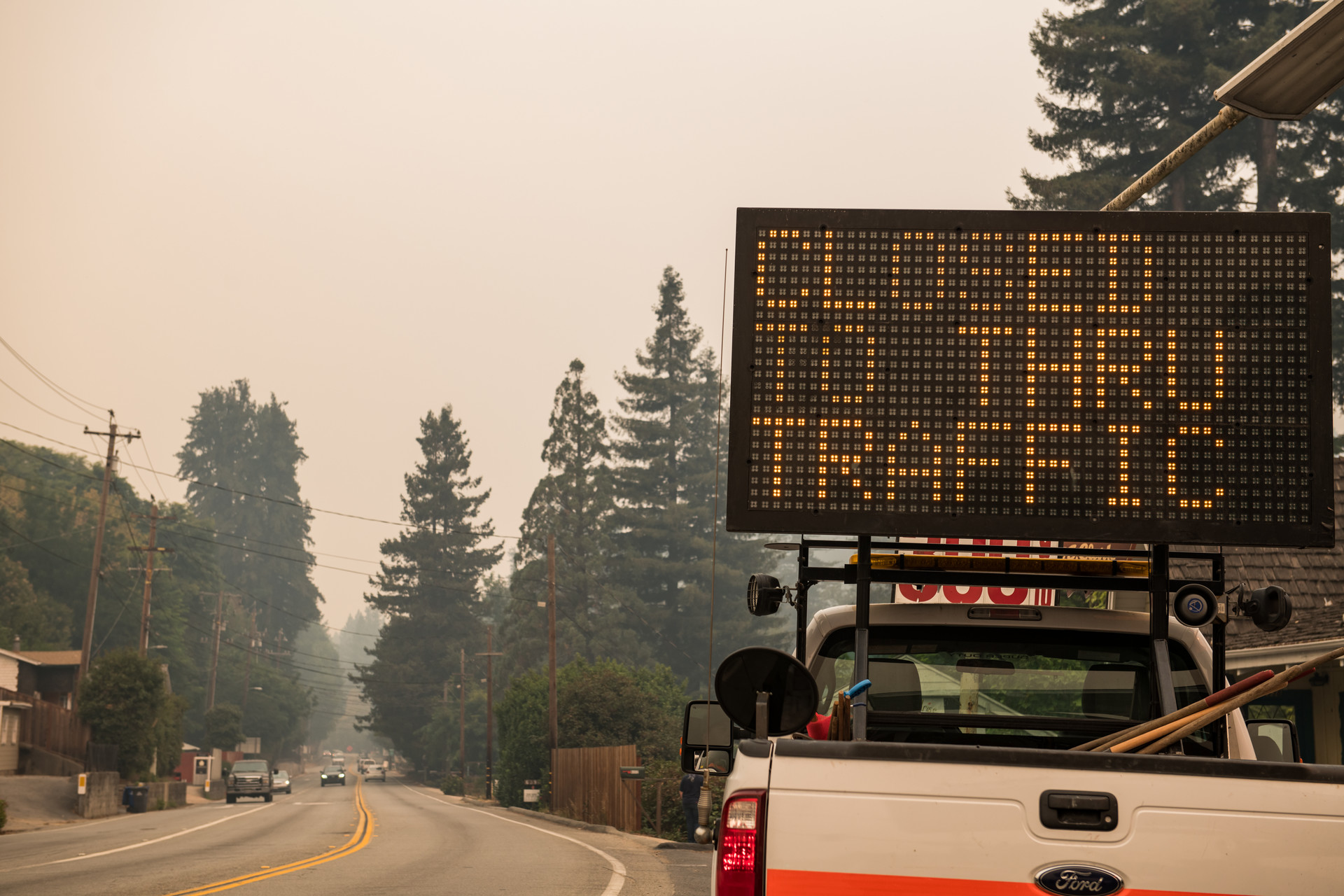
Cal Fire says that a “hi-lo” siren will be used to alert residents if it is time to leave, in the event of an evacuation order. If the area is remote, fire engines may also be sent to alert residents physically.
Do not wait for someone to come to your door and order you to leave. The information on whether or not you have to evacuate your home will come from your county, and it’s really important to proactively stay up to date on the latest alerts:
For the wider Bay Area:
Alameda County evacuation information
- Alameda County evacuation updates at Cal Fire’s incident site.
- Alameda County emergency website
- Sign up for Alameda County Nixle alerts.
Amador County evacuation information
- Cal Fire Amador/El Dorado unit on X
- Amador County sheriff’s Facebook page
- Amador County emergency alerts
- Sign up for Amador County emergency alerts
Contra Costa County evacuation information
El Dorado County evacuation information
- Cal Fire Amador/El Dorado unit on X
- El Dorado County evacuations map
- El Dorado sheriff’s X feed
- El Dorado sheriff’s Facebook page
- Sign up for El Dorado County Nixle alerts.
- Sign up for El Dorado County emergency alerts
Napa County evacuation information
- Napa County evacuation map
- Napa County X feed
- For the most up-to-date information, Napa County officials recommend residents reach out to the Cal Fire public information line at (707) 967-4207.
- Sign up for Napa County Nixle alerts
San Joaquin County evacuation information
- San Joaquin County evacuation map
- SJReady (San Joaquin County of Emergency Services)
- SJReady Alerts for emergency events and public safety notices
Santa Clara County evacuation information
- Santa Clara County website
- The hotline for Santa Clara residents under evacuation orders is (408) 808-7778.
- Sign up for Santa Clara County Nixle alerts.
Solano County evacuation information
- Solano County sheriff’s X feed
- For Solano County evacuation questions, call (707) 784-1634 or (707) 784-1635.
Sonoma County evacuation information
- Sonoma County emergency information
- Sonoma County evacuation map
- Sign up for Sonoma County Nixle alerts.
Heather Williams of Cal Fire also recommends signing up for the state’s emergency alert system at calalerts.org.
What do I bring with me if I’m evacuated?
Having a “go bag” all ready to evacuate — and keeping it somewhere you can access it instantly — is incredibly important right now. Read our checklist of items to have in your emergency bag (or leer en español). Don’t wait until you’re under an evacuation warning or order to make this kit.
COVID safety measure you may also consider adding to your emergency bag:
- Face masks or coverings (at least two per person)
- Sanitation supplies such as hand sanitizer with at least 60% alcohol, soap and disinfectant wipes
Remember: You may have to walk to safety, so pack your emergency supplies in something that’s durable and easy to carry, such as a backpack or duffle bag. For heavier items, such as food and water, using a tub or chest on wheels may make it easier to transport — but make sure it’s still light enough to lift.
How should I prepare to get moving?
Make sure your family’s plan takes into account the best route(s) for leaving your location. If one route were blocked, would you still be able to evacuate to safety?
If you’re anticipating evacuation, Cal Fire recommends that you:
- Put your emergency bag and supplies in your car, if you have one.
- Once your vehicle is loaded, back it into the driveway with all doors and windows closed but carry your car keys with you.
- Patrol your property and keep an eye on the fire situation online. Don’t wait for a mandatory evacuation order if you feel you’re in danger.
- If it’s safe to do so, check on your neighbors and ensure they are planning to evacuate, too.
- Make sure your pets are nearby and ready to leave.
If you have more time to prepare your home for evacuation, Cal Fire has more advice on how to give your property the best chance of surviving a wildfire.
In the case of being trapped in an evacuation emergency, you should call 911 and turn on lights to help rescuers find you.
One thing you shouldn’t do when evacuating? Don’t leave the water on.
If you have a home with hoses or sprinklers outside, you might be tempted to leave them running in the hopes that doing so may provide additional protection. But don’t do it. Leaving your water on decreases the volume of water flow available to firefighters — and that could actually keep them from saving your home.
During the Caldor Fire in September 2021, Tahoe fire officials implored residents not to leave water running when they evacuate, saying water providers noticed significant drawdowns in capacity in areas that should have been completely evacuated of residents.
“Not only is [leaving the water on] not helpful in protecting homes from wildfire, but it can be detrimental for firefighters who rely on a water supply with adequate water flow to fight fire in extremely dangerous conditions,” said a press release from the Tahoe Fire and Fuels Team. “This misuse of water can leave water supplies dangerously low when firefighters need fast access to water from fire hydrants to protect homes.”
What should I wear to evacuate?
When the Bay Area experiences high temperatures, Cal Fire’s evacuation guide recommends that you cover up to protect against heat and flying embers, and says 100% cotton is preferable.
The guide advises you to wear long pants, a long sleeve shirt, heavy shoes/boots, a cap, a dry bandana for a face cover and goggles or glasses.
Where do I go once I’ve evacuated?
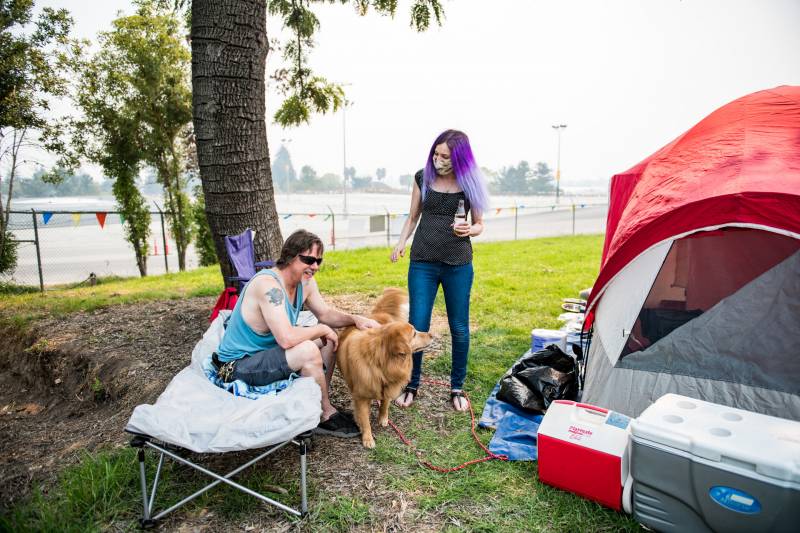
When you’re making an evacuation plan, first check to see whether you can stay in a hotel or with friends and family, which may be the safest options during the pandemic. Here’s how to find an evacuation center if you can’t make other arrangements.
Stay with friends
If you have relatives or friends outside the evacuation area whom you think might have space to accommodate you, ask them ahead of time so they’re prepared for you.
During the pandemic Cal Fire’s evacuation guide has advised that you ask anyone you’re contemplating staying with if they have symptoms of COVID-19 or have people in their home at higher risk for serious illness. If the answer to one or both of those questions is “yes,” you may consider making other arrangements for your health and theirs.
Stay in a hotel
Check with hotels, motels or campgrounds outside your area to see whether they can accept you. Your county might also have a plan to free up available rooms. For example, in August 2020 Santa Cruz County officials requested that all visitors and tourists depart to leave space for evacuees.
How do I find an evacuation center?
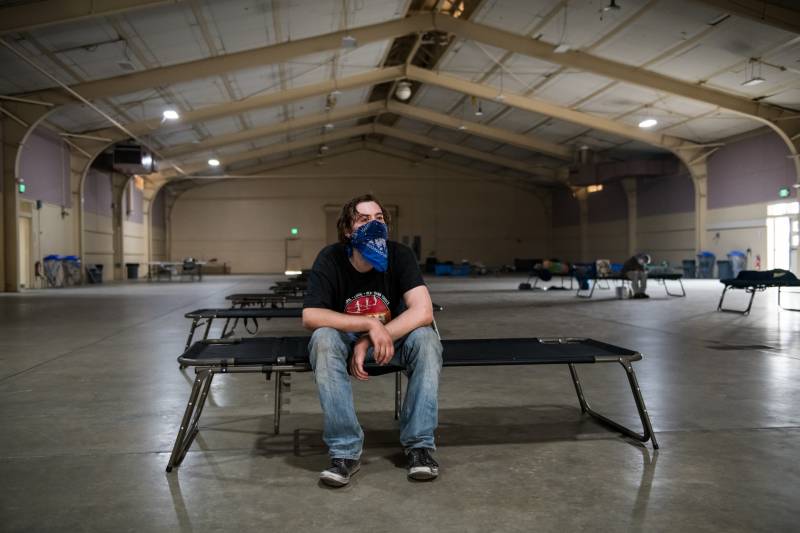
If staying with a friend or in a hotel isn’t an option, you can go to an evacuation center. It’s wise to research which center you’d be going to ahead of time — because you don’t want to be researching your destination as you scramble to evacuate.
Details of nearby evacuation centers will be provided by your county, so find your nearest evacuation center. Keep in mind that your evacuation center may be different from those in previous years due to the COVID-19 pandemic.
The American Red Cross also provides evacuation shelters across California. Check to see whether there’s a Red Cross evacuation shelter near you.