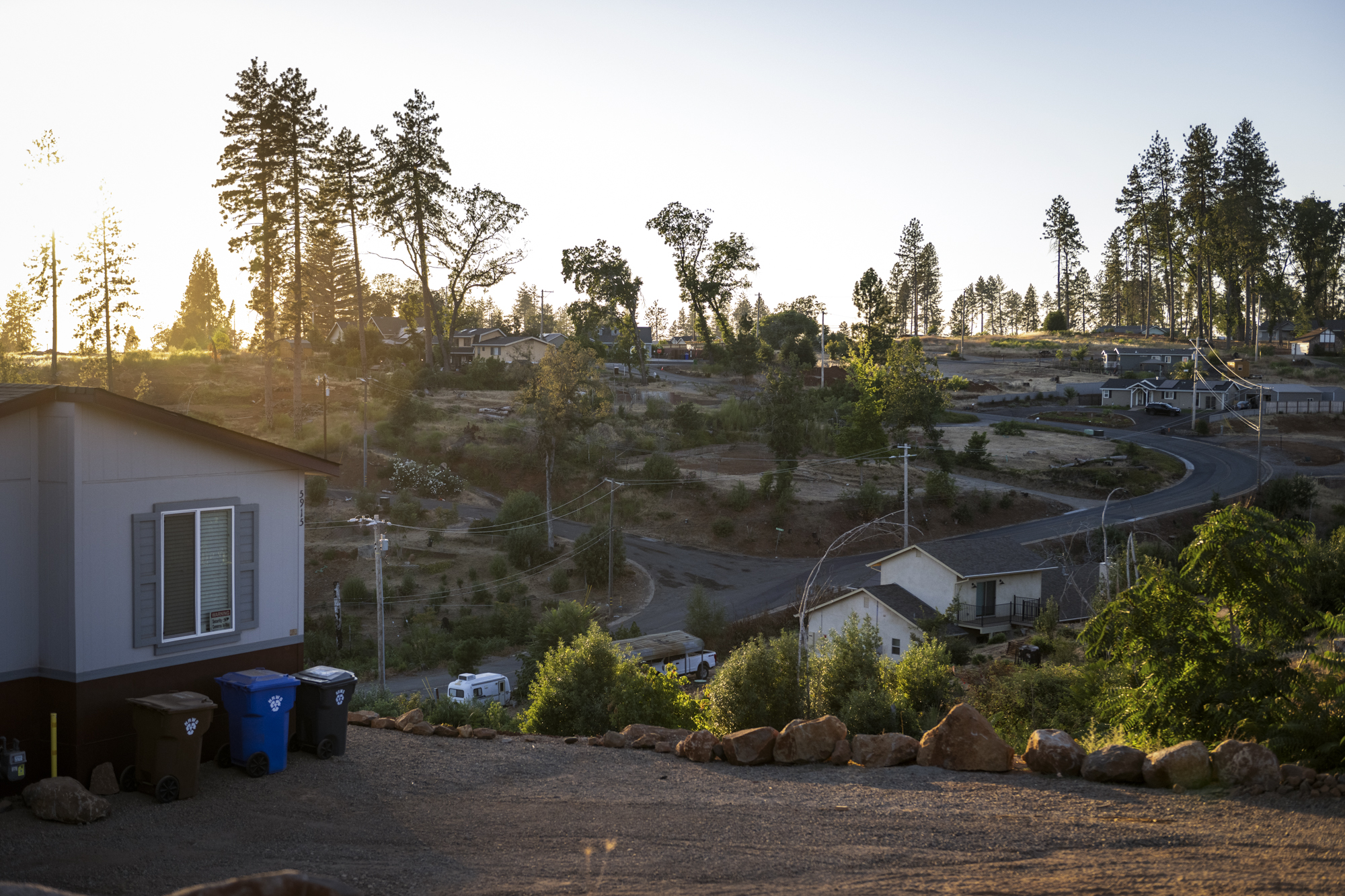
After two relatively mild fire seasons, 2024 looks poised to reverse that trend.
As of early July, Cal Fire has responded to more than 3,500 wildland fires that have burned more than 207,000 acres. That’s a similar number of fires but 197,000 more acres than at this time in 2023.
Punishingly hot and dry conditions around the state have dried out grasses and brush, laying the conditions for fast-moving intense wildfires.
“We are fully fuel loaded at this point,” said Brian Garcia, the National Weather Service’s warning coordination meteorologist, on KQED’s Forum recently. He’s most concerned about the fall, when the Bay Area typically has its largest fires.
That’s when “[the weather] turns into the low humidity offshore wind, the gusty offshore wind regime that brought us fires like the Nuns, the Tubbs, the Kincade, the Camp,” said Garcia, citing some of the most destructive fires in California history, and in the history of the nation. “We need to be prepared now.”
Cal Fire Battalion Chief of Communications Issac Sanchez said Californians shouldn’t wait. “Preparation steps need to be done now. That way, when a fire breaks out — not if a fire breaks out in your community, but when a fire breaks out in your community — you’re ready to react at a moment’s notice.”
“The public needs to maintain a constant state of readiness,” he said.
Cal Fire has launched some new tools to help residents get organized. Its firePLANNER application hosts to-do checklists tailored to the user’s circumstances to prioritize safety steps. It also offers text alerts and information to track wildfires.
In any disaster, there aren’t enough emergency personnel to help everyone. So first responders depend on the majority of people being ready and able to take care of themselves and help their neighbors.
One of the top things to do, said Sanchez, is a self-assessment of the trees, brush and other vegetation on and around your property. Learn the steps to protect your home from wildfire and start clearing brush and doing other key tasks now.
Cal Fire’s Ready for Wildfire website and app breaks down steps everyone can take to get prepared. Sanchez also advised people to register for emergency alerts and evacuation warnings from their county’s emergency services agencies.
Preparing for a wildfire or other disaster can feel daunting. So the Listos California Emergency Preparedness Campaign provides a five-step readiness plan that sends you reminders via text.
Here are some guidelines to help get you ready.
Prepare the outside of your home
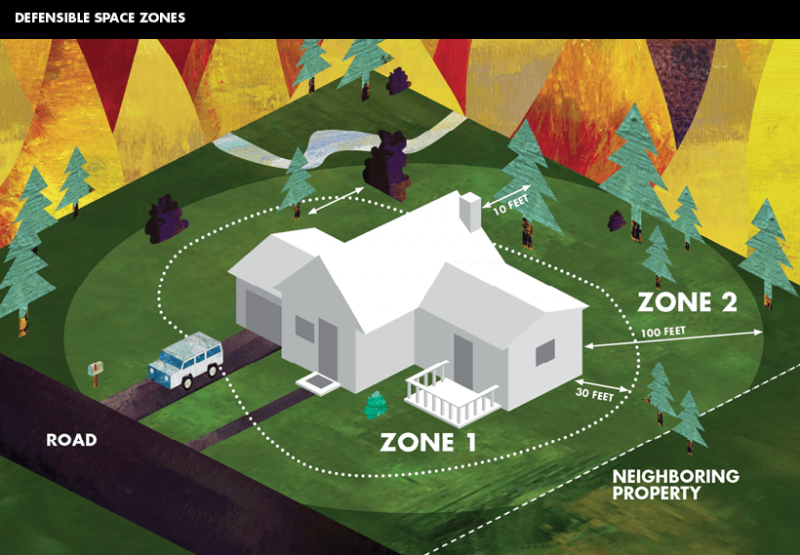
If you live in a fire-prone area, sometimes called the “wildland-urban interface,” clearing brush and tree limbs close to your home is an important way to slow the spread of fires, increasing the chance of your home’s survival. This area of cleared and low vegetation is called “defensible space,” and you can think of it as a buffer zone, free of anything likely to catch fire.
Cal Fire asks homeowners to think about two zones of defensible space. The first extends 30 feet from homes, outbuildings and decks:
- Remove overhanging and dead branches. All branches should be a minimum of 10 feet away from your chimney and other trees.
- All dead vegetation should be removed.
- Clear dry leaves and pine needles from the yard, roof and rain gutters.
- Move wood piles to Zone 2.
Zone 2 extends from the end of Zone 1 to 100 feet out from your home, structures and deck:
- Here, mow annual grasses down to 4 inches or less, and create horizontal and vertical spaces between vegetation.
- Don’t let fallen leaves, needles, twigs, bark, cones and small branches accumulate more than 3 inches high.
Find detailed instructions at Readyforwildfire.org.
One thing people don’t think about a lot is to make sure their home address is clearly visible. You should make sure it is. That way, if you call for emergency help, responders can find you.
‘Harden’ your home against wildfire
Many homes that burn in a wildfire are never in the path of flames, but ignite from flying embers and firebrands that can accumulate in eaves or drift into vents. Hardening homes against fire can be as inexpensive as installing screens over vents and as pricey as installing new windows, roofing or siding.
Find detailed information here, including a low-cost retrofit list (PDF).