What Have We Learned From 10 Years of Medical Aid in Dying in CA?
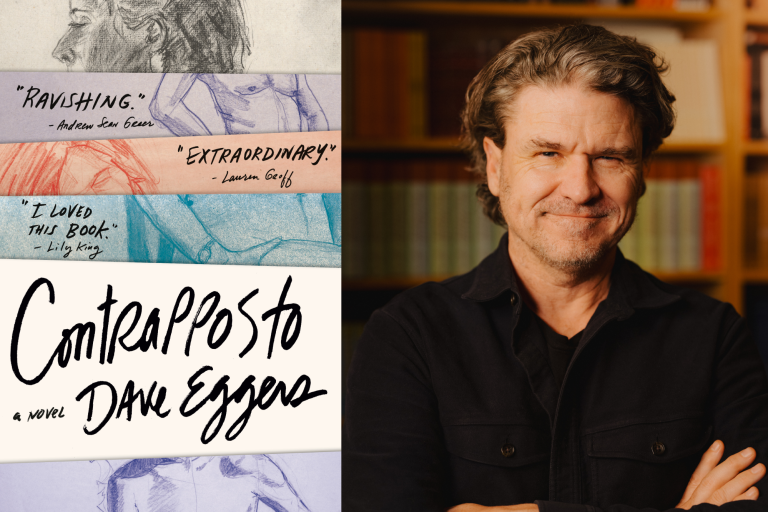
Dave Eggers Centers Artists in New Novel ‘Contrapposto’ and His Initiative to Preserve the Bay’s Art Scene
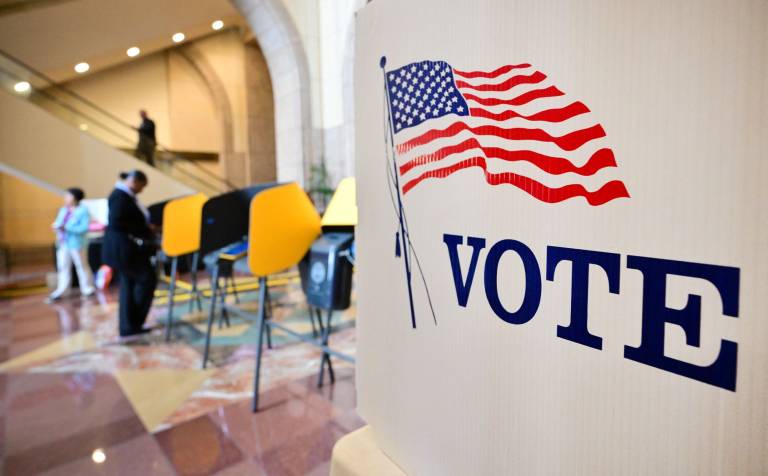
Unpacking the 2026 California Primary
911 ... Please Hold
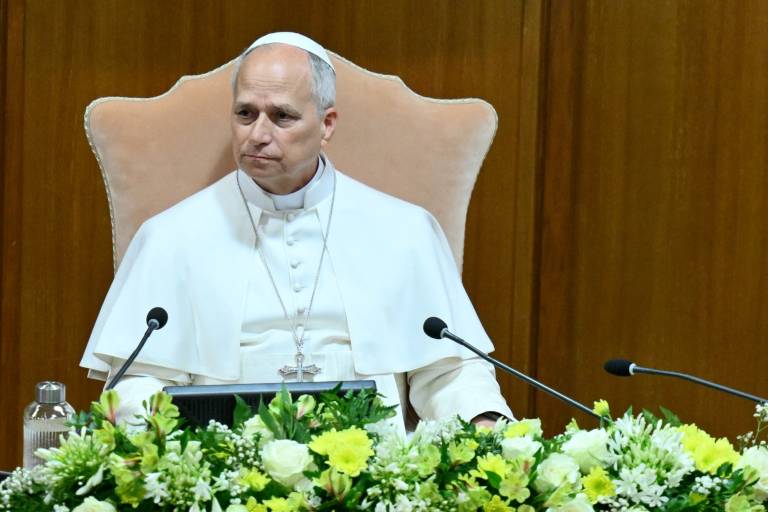
Why Pope Leo Wants to ‘Disarm’ A.I.
High School Grads on Navigating a Changing World
The Trump Administration Turns Its Sights On Legal Immigrants
Player sponsored by
window.__IS_SSR__=true
window.__INITIAL_STATE__={
"attachmentsReducer": {
"audio_0": {
"type": "attachments",
"id": "audio_0",
"imgSizes": {
"kqedFullSize": {
"file": "https://ww2.kqed.org/news/wp-content/themes/KQED-unified/img/audio_bgs/background0.jpg"
}
}
},
"audio_1": {
"type": "attachments",
"id": "audio_1",
"imgSizes": {
"kqedFullSize": {
"file": "https://ww2.kqed.org/news/wp-content/themes/KQED-unified/img/audio_bgs/background1.jpg"
}
}
},
"audio_2": {
"type": "attachments",
"id": "audio_2",
"imgSizes": {
"kqedFullSize": {
"file": "https://ww2.kqed.org/news/wp-content/themes/KQED-unified/img/audio_bgs/background2.jpg"
}
}
},
"audio_3": {
"type": "attachments",
"id": "audio_3",
"imgSizes": {
"kqedFullSize": {
"file": "https://ww2.kqed.org/news/wp-content/themes/KQED-unified/img/audio_bgs/background3.jpg"
}
}
},
"audio_4": {
"type": "attachments",
"id": "audio_4",
"imgSizes": {
"kqedFullSize": {
"file": "https://ww2.kqed.org/news/wp-content/themes/KQED-unified/img/audio_bgs/background4.jpg"
}
}
},
"placeholder": {
"type": "attachments",
"id": "placeholder",
"imgSizes": {
"thumbnail": {
"file": "https://cdn.kqed.org/wp-content/uploads/2024/12/KQED-Default-Image-816638274-2000x1333-1-160x107.jpg",
"width": 160,
"height": 107,
"mimeType": "image/jpeg"
},
"medium": {
"file": "https://cdn.kqed.org/wp-content/uploads/2024/12/KQED-Default-Image-816638274-2000x1333-1-800x533.jpg",
"width": 800,
"height": 533,
"mimeType": "image/jpeg"
},
"medium_large": {
"file": "https://cdn.kqed.org/wp-content/uploads/2024/12/KQED-Default-Image-816638274-2000x1333-1-768x512.jpg",
"width": 768,
"height": 512,
"mimeType": "image/jpeg"
},
"large": {
"file": "https://cdn.kqed.org/wp-content/uploads/2024/12/KQED-Default-Image-816638274-2000x1333-1-1020x680.jpg",
"width": 1020,
"height": 680,
"mimeType": "image/jpeg"
},
"1536x1536": {
"file": "https://cdn.kqed.org/wp-content/uploads/2024/12/KQED-Default-Image-816638274-2000x1333-1-1536x1024.jpg",
"width": 1536,
"height": 1024,
"mimeType": "image/jpeg"
},
"fd-lrg": {
"file": "https://cdn.kqed.org/wp-content/uploads/2024/12/KQED-Default-Image-816638274-2000x1333-1-1536x1024.jpg",
"width": 1536,
"height": 1024,
"mimeType": "image/jpeg"
},
"fd-med": {
"file": "https://cdn.kqed.org/wp-content/uploads/2024/12/KQED-Default-Image-816638274-2000x1333-1-1020x680.jpg",
"width": 1020,
"height": 680,
"mimeType": "image/jpeg"
},
"fd-sm": {
"file": "https://cdn.kqed.org/wp-content/uploads/2024/12/KQED-Default-Image-816638274-2000x1333-1-800x533.jpg",
"width": 800,
"height": 533,
"mimeType": "image/jpeg"
},
"post-thumbnail": {
"file": "https://cdn.kqed.org/wp-content/uploads/2024/12/KQED-Default-Image-816638274-2000x1333-1-672x372.jpg",
"width": 672,
"height": 372,
"mimeType": "image/jpeg"
},
"twentyfourteen-full-width": {
"file": "https://cdn.kqed.org/wp-content/uploads/2024/12/KQED-Default-Image-816638274-2000x1333-1-1038x576.jpg",
"width": 1038,
"height": 576,
"mimeType": "image/jpeg"
},
"xxsmall": {
"file": "https://cdn.kqed.org/wp-content/uploads/2024/12/KQED-Default-Image-816638274-2000x1333-1-160x107.jpg",
"width": 160,
"height": 107,
"mimeType": "image/jpeg"
},
"xsmall": {
"file": "https://cdn.kqed.org/wp-content/uploads/2024/12/KQED-Default-Image-816638274-2000x1333-1-672x372.jpg",
"width": 672,
"height": 372,
"mimeType": "image/jpeg"
},
"small": {
"file": "https://cdn.kqed.org/wp-content/uploads/2024/12/KQED-Default-Image-816638274-2000x1333-1-672x372.jpg",
"width": 672,
"height": 372,
"mimeType": "image/jpeg"
},
"xlarge": {
"file": "https://cdn.kqed.org/wp-content/uploads/2024/12/KQED-Default-Image-816638274-2000x1333-1-1020x680.jpg",
"width": 1020,
"height": 680,
"mimeType": "image/jpeg"
},
"full-width": {
"file": "https://cdn.kqed.org/wp-content/uploads/2024/12/KQED-Default-Image-816638274-2000x1333-1-1920x1280.jpg",
"width": 1920,
"height": 1280,
"mimeType": "image/jpeg"
},
"guest-author-32": {
"file": "https://cdn.kqed.org/wp-content/uploads/2025/01/KQED-Default-Image-816638274-1333x1333-1-160x160.jpg",
"width": 32,
"height": 32,
"mimeType": "image/jpeg"
},
"guest-author-50": {
"file": "https://cdn.kqed.org/wp-content/uploads/2025/01/KQED-Default-Image-816638274-1333x1333-1-160x160.jpg",
"width": 50,
"height": 50,
"mimeType": "image/jpeg"
},
"guest-author-64": {
"file": "https://cdn.kqed.org/wp-content/uploads/2025/01/KQED-Default-Image-816638274-1333x1333-1-160x160.jpg",
"width": 64,
"height": 64,
"mimeType": "image/jpeg"
},
"guest-author-96": {
"file": "https://cdn.kqed.org/wp-content/uploads/2025/01/KQED-Default-Image-816638274-1333x1333-1-160x160.jpg",
"width": 96,
"height": 96,
"mimeType": "image/jpeg"
},
"guest-author-128": {
"file": "https://cdn.kqed.org/wp-content/uploads/2025/01/KQED-Default-Image-816638274-1333x1333-1-160x160.jpg",
"width": 128,
"height": 128,
"mimeType": "image/jpeg"
},
"detail": {
"file": "https://cdn.kqed.org/wp-content/uploads/2025/01/KQED-Default-Image-816638274-1333x1333-1-160x160.jpg",
"width": 160,
"height": 160,
"mimeType": "image/jpeg"
},
"kqedFullSize": {
"file": "https://cdn.kqed.org/wp-content/uploads/2024/12/KQED-Default-Image-816638274-2000x1333-1.jpg",
"width": 2000,
"height": 1333
}
}
},
"forum_2010101914031": {
"type": "attachments",
"id": "forum_2010101914031",
"meta": {
"index": "attachments_1716263798",
"site": "forum",
"id": "2010101914031",
"found": true
},
"title": "20251104_SF Waymo resolution_GH-5_qed",
"publishDate": 1780612556,
"status": "inherit",
"parent": 2010101914030,
"modified": 1780612581,
"caption": "A Waymo autonomous vehicle passes Randa’s Market on 16th Street as supporters gather outside to mourn the death of KitKat, a well-known cat killed by one of the company’s cars, on Nov. 4, 2025, in San Francisco’s Mission District.",
"credit": "Gustavo Hernandez/KQED",
"altTag": null,
"description": null,
"imgSizes": {
"thumbnail": {
"file": "https://cdn.kqed.org/wp-content/uploads/sites/43/2026/06/20251104_SF-Waymo-resolution_GH-5_qed-160x107.jpg",
"width": 160,
"height": 107,
"mimeType": "image/jpeg"
},
"medium_large": {
"file": "https://cdn.kqed.org/wp-content/uploads/sites/43/2026/06/20251104_SF-Waymo-resolution_GH-5_qed-768x512.jpg",
"width": 768,
"height": 512,
"mimeType": "image/jpeg"
},
"1536x1536": {
"file": "https://cdn.kqed.org/wp-content/uploads/sites/43/2026/06/20251104_SF-Waymo-resolution_GH-5_qed-1536x1024.jpg",
"width": 1536,
"height": 1024,
"mimeType": "image/jpeg"
},
"post-thumbnail": {
"file": "https://cdn.kqed.org/wp-content/uploads/sites/43/2026/06/20251104_SF-Waymo-resolution_GH-5_qed-672x372.jpg",
"width": 672,
"height": 372,
"mimeType": "image/jpeg"
},
"twentyfourteen-full-width": {
"file": "https://cdn.kqed.org/wp-content/uploads/sites/43/2026/06/20251104_SF-Waymo-resolution_GH-5_qed-1038x576.jpg",
"width": 1038,
"height": 576,
"mimeType": "image/jpeg"
},
"kqedFullSize": {
"file": "https://cdn.kqed.org/wp-content/uploads/sites/43/2026/06/20251104_SF-Waymo-resolution_GH-5_qed.jpg",
"width": 2000,
"height": 1333
}
},
"isLoading": false,
"fetchFailed": false
},
"forum_2010101914028": {
"type": "attachments",
"id": "forum_2010101914028",
"meta": {
"index": "attachments_1716263798",
"site": "forum",
"id": "2010101914028",
"found": true
},
"title": "barry walters mighty real",
"publishDate": 1780609947,
"status": "inherit",
"parent": 2010101914027,
"modified": 1780609959,
"caption": null,
"credit": "Kelly Lawrence",
"altTag": null,
"description": null,
"imgSizes": {
"thumbnail": {
"file": "https://cdn.kqed.org/wp-content/uploads/sites/43/2026/06/barry-walters-mighty-real-160x107.png",
"width": 160,
"height": 107,
"mimeType": "image/png"
},
"medium_large": {
"file": "https://cdn.kqed.org/wp-content/uploads/sites/43/2026/06/barry-walters-mighty-real-768x512.png",
"width": 768,
"height": 512,
"mimeType": "image/png"
},
"1536x1536": {
"file": "https://cdn.kqed.org/wp-content/uploads/sites/43/2026/06/barry-walters-mighty-real-1536x1024.png",
"width": 1536,
"height": 1024,
"mimeType": "image/png"
},
"post-thumbnail": {
"file": "https://cdn.kqed.org/wp-content/uploads/sites/43/2026/06/barry-walters-mighty-real-672x372.png",
"width": 672,
"height": 372,
"mimeType": "image/png"
},
"twentyfourteen-full-width": {
"file": "https://cdn.kqed.org/wp-content/uploads/sites/43/2026/06/barry-walters-mighty-real-1038x576.png",
"width": 1038,
"height": 576,
"mimeType": "image/png"
},
"kqedFullSize": {
"file": "https://cdn.kqed.org/wp-content/uploads/sites/43/2026/06/barry-walters-mighty-real.png",
"width": 1998,
"height": 1332
}
},
"isLoading": false,
"fetchFailed": false
},
"forum_2010101914014": {
"type": "attachments",
"id": "forum_2010101914014",
"meta": {
"index": "attachments_1716263798",
"site": "forum",
"id": "2010101914014",
"found": true
},
"title": "assisted dying",
"publishDate": 1780526406,
"status": "inherit",
"parent": 2010101914012,
"modified": 1780526419,
"caption": null,
"credit": "KatarzynaBialasiewicz/Getty Images",
"altTag": null,
"description": null,
"imgSizes": {
"thumbnail": {
"file": "https://cdn.kqed.org/wp-content/uploads/sites/43/2026/06/assisted-dying-160x107.jpg",
"width": 160,
"height": 107,
"mimeType": "image/jpeg"
},
"medium_large": {
"file": "https://cdn.kqed.org/wp-content/uploads/sites/43/2026/06/assisted-dying-768x512.jpg",
"width": 768,
"height": 512,
"mimeType": "image/jpeg"
},
"1536x1536": {
"file": "https://cdn.kqed.org/wp-content/uploads/sites/43/2026/06/assisted-dying-1536x1024.jpg",
"width": 1536,
"height": 1024,
"mimeType": "image/jpeg"
},
"post-thumbnail": {
"file": "https://cdn.kqed.org/wp-content/uploads/sites/43/2026/06/assisted-dying-672x372.jpg",
"width": 672,
"height": 372,
"mimeType": "image/jpeg"
},
"twentyfourteen-full-width": {
"file": "https://cdn.kqed.org/wp-content/uploads/sites/43/2026/06/assisted-dying-1038x576.jpg",
"width": 1038,
"height": 576,
"mimeType": "image/jpeg"
},
"kqedFullSize": {
"file": "https://cdn.kqed.org/wp-content/uploads/sites/43/2026/06/assisted-dying.jpg",
"width": 2000,
"height": 1333
}
},
"isLoading": false,
"fetchFailed": false
},
"forum_2010101914009": {
"type": "attachments",
"id": "forum_2010101914009",
"meta": {
"index": "attachments_1716263798",
"site": "forum",
"id": "2010101914009",
"found": true
},
"title": "dave eggers contrapposto",
"publishDate": 1780525311,
"status": "inherit",
"parent": 2010101914008,
"modified": 1780525326,
"caption": null,
"credit": "Mark Davis",
"altTag": null,
"description": null,
"imgSizes": {
"thumbnail": {
"file": "https://cdn.kqed.org/wp-content/uploads/sites/43/2026/06/dave-eggers-contrapposto-160x107.png",
"width": 160,
"height": 107,
"mimeType": "image/png"
},
"medium_large": {
"file": "https://cdn.kqed.org/wp-content/uploads/sites/43/2026/06/dave-eggers-contrapposto-768x512.png",
"width": 768,
"height": 512,
"mimeType": "image/png"
},
"1536x1536": {
"file": "https://cdn.kqed.org/wp-content/uploads/sites/43/2026/06/dave-eggers-contrapposto-1536x1024.png",
"width": 1536,
"height": 1024,
"mimeType": "image/png"
},
"post-thumbnail": {
"file": "https://cdn.kqed.org/wp-content/uploads/sites/43/2026/06/dave-eggers-contrapposto-672x372.png",
"width": 672,
"height": 372,
"mimeType": "image/png"
},
"twentyfourteen-full-width": {
"file": "https://cdn.kqed.org/wp-content/uploads/sites/43/2026/06/dave-eggers-contrapposto-1038x576.png",
"width": 1038,
"height": 576,
"mimeType": "image/png"
},
"kqedFullSize": {
"file": "https://cdn.kqed.org/wp-content/uploads/sites/43/2026/06/dave-eggers-contrapposto.png",
"width": 1998,
"height": 1332
}
},
"isLoading": false,
"fetchFailed": false
},
"forum_2010101913997": {
"type": "attachments",
"id": "forum_2010101913997",
"meta": {
"index": "attachments_1716263798",
"site": "forum",
"id": "2010101913997",
"found": true
},
"title": "california polls",
"publishDate": 1780439983,
"status": "inherit",
"parent": 2010101913996,
"modified": 1780440021,
"caption": "People vote at a polling location at the Metro Headquarters Building during California's state primary election in Los Angeles, California, on June 2, 2026. Californians go to the polls Tuesday in the first round of voting for a new governor, with a tight three-way race for two run-off spots, while people in Los Angeles will also be voting for a new mayor. The state's so-called \"jungle primary\" pits all comers against each other -- regardless of party -- with the top two vote-getters advancing to the November general election to replace term-limited Governor Gavin Newsom.",
"credit": "Frederic J. Brown/AFP via Getty Images",
"altTag": null,
"description": null,
"imgSizes": {
"thumbnail": {
"file": "https://cdn.kqed.org/wp-content/uploads/sites/43/2026/06/california-polls-160x99.jpg",
"width": 160,
"height": 99,
"mimeType": "image/jpeg"
},
"medium_large": {
"file": "https://cdn.kqed.org/wp-content/uploads/sites/43/2026/06/california-polls-768x476.jpg",
"width": 768,
"height": 476,
"mimeType": "image/jpeg"
},
"1536x1536": {
"file": "https://cdn.kqed.org/wp-content/uploads/sites/43/2026/06/california-polls-1536x952.jpg",
"width": 1536,
"height": 952,
"mimeType": "image/jpeg"
},
"post-thumbnail": {
"file": "https://cdn.kqed.org/wp-content/uploads/sites/43/2026/06/california-polls-672x372.jpg",
"width": 672,
"height": 372,
"mimeType": "image/jpeg"
},
"twentyfourteen-full-width": {
"file": "https://cdn.kqed.org/wp-content/uploads/sites/43/2026/06/california-polls-1038x576.jpg",
"width": 1038,
"height": 576,
"mimeType": "image/jpeg"
},
"kqedFullSize": {
"file": "https://cdn.kqed.org/wp-content/uploads/sites/43/2026/06/california-polls.jpg",
"width": 2000,
"height": 1240
}
},
"isLoading": false,
"fetchFailed": false
},
"forum_2010101913993": {
"type": "attachments",
"id": "forum_2010101913993",
"meta": {
"index": "attachments_1716263798",
"site": "forum",
"id": "2010101913993",
"found": true
},
"title": "oakland police dispatcher",
"publishDate": 1780439711,
"status": "inherit",
"parent": 2010101913992,
"modified": 1780439750,
"caption": "Julie Harbor, a police communications dispatcher, looks over calls to the Oakland dispatch center in Oakland, Calif., on Tuesday, April 27, 2010.",
"credit": "San Francisco Chronicle/Hearst Newspapers/Getty Images",
"altTag": null,
"description": null,
"imgSizes": {
"thumbnail": {
"file": "https://cdn.kqed.org/wp-content/uploads/sites/43/2026/06/oakland-police-dispatcher-160x107.jpg",
"width": 160,
"height": 107,
"mimeType": "image/jpeg"
},
"medium_large": {
"file": "https://cdn.kqed.org/wp-content/uploads/sites/43/2026/06/oakland-police-dispatcher-768x512.jpg",
"width": 768,
"height": 512,
"mimeType": "image/jpeg"
},
"1536x1536": {
"file": "https://cdn.kqed.org/wp-content/uploads/sites/43/2026/06/oakland-police-dispatcher-1536x1024.jpg",
"width": 1536,
"height": 1024,
"mimeType": "image/jpeg"
},
"post-thumbnail": {
"file": "https://cdn.kqed.org/wp-content/uploads/sites/43/2026/06/oakland-police-dispatcher-672x372.jpg",
"width": 672,
"height": 372,
"mimeType": "image/jpeg"
},
"twentyfourteen-full-width": {
"file": "https://cdn.kqed.org/wp-content/uploads/sites/43/2026/06/oakland-police-dispatcher-1038x576.jpg",
"width": 1038,
"height": 576,
"mimeType": "image/jpeg"
},
"kqedFullSize": {
"file": "https://cdn.kqed.org/wp-content/uploads/sites/43/2026/06/oakland-police-dispatcher.jpg",
"width": 2000,
"height": 1333
}
},
"isLoading": false,
"fetchFailed": false
},
"forum_2010101913983": {
"type": "attachments",
"id": "forum_2010101913983",
"meta": {
"index": "attachments_1716263798",
"site": "forum",
"id": "2010101913983",
"found": true
},
"title": "pope leo ai",
"publishDate": 1780353175,
"status": "inherit",
"parent": 2010101913982,
"modified": 1780353193,
"caption": "Pope Leo XIV attends the presentation of his first Encyclical Letter \"Magnifica Humanitas\" focused on the rise of artificial intelligence, in The Vatican on May 25, 2026.",
"credit": "Alberto PIZZOLI / AFP via Getty Images",
"altTag": null,
"description": null,
"imgSizes": {
"thumbnail": {
"file": "https://cdn.kqed.org/wp-content/uploads/sites/43/2026/06/pope-leo-ai-160x107.jpg",
"width": 160,
"height": 107,
"mimeType": "image/jpeg"
},
"medium_large": {
"file": "https://cdn.kqed.org/wp-content/uploads/sites/43/2026/06/pope-leo-ai-768x512.jpg",
"width": 768,
"height": 512,
"mimeType": "image/jpeg"
},
"1536x1536": {
"file": "https://cdn.kqed.org/wp-content/uploads/sites/43/2026/06/pope-leo-ai-1536x1024.jpg",
"width": 1536,
"height": 1024,
"mimeType": "image/jpeg"
},
"post-thumbnail": {
"file": "https://cdn.kqed.org/wp-content/uploads/sites/43/2026/06/pope-leo-ai-672x372.jpg",
"width": 672,
"height": 372,
"mimeType": "image/jpeg"
},
"twentyfourteen-full-width": {
"file": "https://cdn.kqed.org/wp-content/uploads/sites/43/2026/06/pope-leo-ai-1038x576.jpg",
"width": 1038,
"height": 576,
"mimeType": "image/jpeg"
},
"kqedFullSize": {
"file": "https://cdn.kqed.org/wp-content/uploads/sites/43/2026/06/pope-leo-ai.jpg",
"width": 2000,
"height": 1333
}
},
"isLoading": false,
"fetchFailed": false
},
"forum_2010101913986": {
"type": "attachments",
"id": "forum_2010101913986",
"meta": {
"index": "attachments_1716263798",
"site": "forum",
"id": "2010101913986",
"found": true
},
"title": "high school graduation",
"publishDate": 1780353974,
"status": "inherit",
"parent": 2010101913985,
"modified": 1780353989,
"caption": null,
"credit": "Hill Street Studios/Getty Images",
"altTag": null,
"description": null,
"imgSizes": {
"thumbnail": {
"file": "https://cdn.kqed.org/wp-content/uploads/sites/43/2026/06/high-school-graduation-160x107.jpg",
"width": 160,
"height": 107,
"mimeType": "image/jpeg"
},
"medium_large": {
"file": "https://cdn.kqed.org/wp-content/uploads/sites/43/2026/06/high-school-graduation-768x512.jpg",
"width": 768,
"height": 512,
"mimeType": "image/jpeg"
},
"1536x1536": {
"file": "https://cdn.kqed.org/wp-content/uploads/sites/43/2026/06/high-school-graduation-1536x1024.jpg",
"width": 1536,
"height": 1024,
"mimeType": "image/jpeg"
},
"post-thumbnail": {
"file": "https://cdn.kqed.org/wp-content/uploads/sites/43/2026/06/high-school-graduation-672x372.jpg",
"width": 672,
"height": 372,
"mimeType": "image/jpeg"
},
"twentyfourteen-full-width": {
"file": "https://cdn.kqed.org/wp-content/uploads/sites/43/2026/06/high-school-graduation-1038x576.jpg",
"width": 1038,
"height": 576,
"mimeType": "image/jpeg"
},
"kqedFullSize": {
"file": "https://cdn.kqed.org/wp-content/uploads/sites/43/2026/06/high-school-graduation.jpg",
"width": 2000,
"height": 1333
}
},
"isLoading": false,
"fetchFailed": false
},
"forum_2010101913975": {
"type": "attachments",
"id": "forum_2010101913975",
"meta": {
"index": "attachments_1716263798",
"site": "forum",
"id": "2010101913975",
"found": true
},
"title": "US Permanent Resident Card (Green Card) placed among various official documents",
"publishDate": 1780326342,
"status": "inherit",
"parent": 2010101913974,
"modified": 1780326354,
"caption": "Close-up of a United States Permanent Resident Card (Green Card) placed among various official documents",
"credit": "PS Photography/Getty Images",
"altTag": null,
"description": null,
"imgSizes": {
"medium": {
"file": "https://cdn.kqed.org/wp-content/uploads/sites/43/2026/06/GettyImages-2242087815-2000x1333.jpg",
"width": 2000,
"height": 1333,
"mimeType": "image/jpeg"
},
"large": {
"file": "https://cdn.kqed.org/wp-content/uploads/sites/43/2026/06/GettyImages-2242087815-2000x1333.jpg",
"width": 2000,
"height": 1333,
"mimeType": "image/jpeg"
},
"thumbnail": {
"file": "https://cdn.kqed.org/wp-content/uploads/sites/43/2026/06/GettyImages-2242087815-160x107.jpg",
"width": 160,
"height": 107,
"mimeType": "image/jpeg"
},
"medium_large": {
"file": "https://cdn.kqed.org/wp-content/uploads/sites/43/2026/06/GettyImages-2242087815-768x512.jpg",
"width": 768,
"height": 512,
"mimeType": "image/jpeg"
},
"1536x1536": {
"file": "https://cdn.kqed.org/wp-content/uploads/sites/43/2026/06/GettyImages-2242087815-1536x1024.jpg",
"width": 1536,
"height": 1024,
"mimeType": "image/jpeg"
},
"2048x2048": {
"file": "https://cdn.kqed.org/wp-content/uploads/sites/43/2026/06/GettyImages-2242087815-2048x1365.jpg",
"width": 2048,
"height": 1365,
"mimeType": "image/jpeg"
},
"post-thumbnail": {
"file": "https://cdn.kqed.org/wp-content/uploads/sites/43/2026/06/GettyImages-2242087815-672x372.jpg",
"width": 672,
"height": 372,
"mimeType": "image/jpeg"
},
"twentyfourteen-full-width": {
"file": "https://cdn.kqed.org/wp-content/uploads/sites/43/2026/06/GettyImages-2242087815-1038x576.jpg",
"width": 1038,
"height": 576,
"mimeType": "image/jpeg"
},
"full-width": {
"file": "https://cdn.kqed.org/wp-content/uploads/sites/43/2026/06/GettyImages-2242087815-2000x1333.jpg",
"width": 2000,
"height": 1333,
"mimeType": "image/jpeg"
},
"kqedFullSize": {
"file": "https://cdn.kqed.org/wp-content/uploads/sites/43/2026/06/GettyImages-2242087815.jpg",
"width": 2121,
"height": 1414
}
},
"isLoading": false,
"fetchFailed": false
}
},
"audioPlayerReducer": {
"postId": "stream_live",
"isPaused": true,
"isPlaying": false,
"pfsActive": false,
"pledgeModalIsOpen": true,
"playerDrawerIsOpen": false
},
"authorsReducer": {
"minakim": {
"type": "authors",
"id": "243",
"meta": {
"index": "authors_1716337520",
"id": "243",
"found": true
},
"name": "Mina Kim",
"firstName": "Mina",
"lastName": "Kim",
"slug": "minakim",
"email": "mkim@kqed.org",
"display_author_email": false,
"staff_mastheads": [
"news"
],
"title": "Host, Forum",
"bio": "Mina Kim is host of the 10 a.m. statewide hour of Forum; a live daily talk show for curious Californians on issues that matter to the state and nation, with a particular emphasis on race and equity.\r\n\r\nBefore joining the Forum team, Mina was KQED’s evening news anchor, and health reporter for The California Report. Her award-winning work has included natural disasters in Napa and gun violence in Oakland. Mina grew up in St. John’s, Newfoundland.",
"avatar": "https://secure.gravatar.com/avatar/145ce657a2d08cb86d93686beb958982?s=600&d=blank&r=g",
"twitter": "mkimreporter",
"facebook": null,
"instagram": null,
"linkedin": null,
"sites": [
{
"site": "news",
"roles": [
"contributor"
]
},
{
"site": "stateofhealth",
"roles": [
"author"
]
},
{
"site": "forum",
"roles": [
"editor"
]
}
],
"headData": {
"title": "Mina Kim | KQED",
"description": "Host, Forum",
"ogImgSrc": "https://secure.gravatar.com/avatar/145ce657a2d08cb86d93686beb958982?s=600&d=blank&r=g",
"twImgSrc": "https://secure.gravatar.com/avatar/145ce657a2d08cb86d93686beb958982?s=600&d=blank&r=g"
},
"isLoading": false,
"link": "/author/minakim"
},
"lesleymcclurg": {
"type": "authors",
"id": "11229",
"meta": {
"index": "authors_1716337520",
"id": "11229",
"found": true
},
"name": "Lesley McClurg",
"firstName": "Lesley",
"lastName": "McClurg",
"slug": "lesleymcclurg",
"email": "lmcclurg@KQED.org",
"display_author_email": false,
"staff_mastheads": [
"news",
"science"
],
"title": "KQED Health Correspondent",
"bio": "Lesley McClurg is a health correspondent and fill-in host whose work is regularly rebroadcast on NPR and PBS programs. She’s earned multiple regional Emmy awards, a national and a regional Edward R. Murrow award, and was named Best Beat Reporter by the Association of Health Care Journalists. The Society of Professional Journalists has recognized her work several times, and the Society of Environmental Journalists spotlighted her coverage of California’s historic drought.\r\n\r\nBefore joining KQED in 2016, Lesley covered food and sustainability for Capital Public Radio, environmental issues for Colorado Public Radio, and reported for KUOW and KCTS 9 in Seattle. Away from the newsroom, she loves skiing with her daughter, mountain biking with her partner, and playing with Ollie, the family’s goldendoodle. On deadline, she runs almost entirely on chocolate chips.\r\n\r\n ",
"avatar": "https://secure.gravatar.com/avatar/bab49e972ea10c774fe0f5e29dba1722b158f7c0d58a360923d1389d380b2978?s=600&d=blank&r=g",
"twitter": "lesleywmcclurg",
"bluesky": null,
"facebook": null,
"instagram": null,
"linkedin": null,
"sites": [
{
"site": "arts",
"roles": [
"author"
]
},
{
"site": "news",
"roles": [
"editor"
]
},
{
"site": "futureofyou",
"roles": [
"editor"
]
},
{
"site": "stateofhealth",
"roles": [
"author"
]
},
{
"site": "science",
"roles": [
"editor"
]
},
{
"site": "quest",
"roles": [
"subscriber"
]
},
{
"site": "forum",
"roles": [
"administrator"
]
},
{
"site": "liveblog",
"roles": [
"author"
]
}
],
"headData": {
"title": "Lesley McClurg | KQED",
"description": "KQED Health Correspondent",
"ogImgSrc": "https://secure.gravatar.com/avatar/bab49e972ea10c774fe0f5e29dba1722b158f7c0d58a360923d1389d380b2978?s=600&d=blank&r=g",
"twImgSrc": "https://secure.gravatar.com/avatar/bab49e972ea10c774fe0f5e29dba1722b158f7c0d58a360923d1389d380b2978?s=600&d=blank&r=g"
},
"isLoading": false,
"link": "/author/lesleymcclurg"
},
"amadrigal": {
"type": "authors",
"id": "11757",
"meta": {
"index": "authors_1716337520",
"id": "11757",
"found": true
},
"name": "Alexis Madrigal",
"firstName": "Alexis",
"lastName": "Madrigal",
"slug": "amadrigal",
"email": "amadrigal@kqed.org",
"display_author_email": true,
"staff_mastheads": [],
"title": "Co-Host Forum",
"bio": "Alexis Madrigal is the co-host of Forum. He is also a contributing writer at \u003cem>The Atlantic \u003c/em>and the co-founder of the COVID Tracking Project. He's the creator of the podcast, \u003cem>Containers\u003c/em>, and has been a staff writer at \u003cem>Wired. \u003c/em>He was a visiting scholar at UC Berkeley's Information School, and is working on a book about Oakland and the Bay Area's revolutionary ideas.",
"avatar": "https://secure.gravatar.com/avatar/200d13dd6cebef55bf04327dec901b3d?s=600&d=blank&r=g",
"twitter": "alexismadrigal",
"bluesky": null,
"facebook": null,
"instagram": null,
"linkedin": null,
"sites": [
{
"site": "arts",
"roles": [
"editor"
]
},
{
"site": "news",
"roles": [
"editor"
]
},
{
"site": "forum",
"roles": [
"editor"
]
}
],
"headData": {
"title": "Alexis Madrigal | KQED",
"description": "Co-Host Forum",
"ogImgSrc": "https://secure.gravatar.com/avatar/200d13dd6cebef55bf04327dec901b3d?s=600&d=blank&r=g",
"twImgSrc": "https://secure.gravatar.com/avatar/200d13dd6cebef55bf04327dec901b3d?s=600&d=blank&r=g"
},
"isLoading": false,
"link": "/author/amadrigal"
}
},
"breakingNewsReducer": {},
"pagesReducer": {},
"postsReducer": {
"stream_live": {
"type": "live",
"id": "stream_live",
"audioUrl": "https://streams.kqed.org/kqedradio",
"title": "Live Stream",
"excerpt": "Live Stream information currently unavailable.",
"link": "/radio",
"featImg": "",
"label": {
"name": "KQED Live",
"link": "/"
}
},
"stream_kqedNewscast": {
"type": "posts",
"id": "stream_kqedNewscast",
"audioUrl": "https://www.kqed.org/.stream/anon/radio/RDnews/newscast.mp3?_=1",
"title": "KQED Newscast",
"featImg": "",
"label": {
"name": "88.5 FM",
"link": "/"
}
},
"forum_2010101914030": {
"type": "posts",
"id": "forum_2010101914030",
"meta": {
"index": "posts_1716263798",
"site": "forum",
"id": "2010101914030",
"score": null,
"sort": [
1780678800000
]
},
"guestAuthors": [],
"slug": "waymos-growing-pains",
"title": "Waymo’s Growing Pains",
"publishDate": 1780612611,
"format": "audio",
"headTitle": "Waymo’s Growing Pains | KQED",
"labelTerm": {
"site": "forum"
},
"content": "\u003ch2>Airdate: Friday, June 5 at 10 AM\u003c/h2>\n\u003cp>Self-driving car companies like Waymo say their autonomous vehicles are dramatically safer than human drivers. But a new CNN investigation found that when things do go wrong, they tend to go wrong in decidedly un-human ways: being incapable of responding to instructions from first responders, driving through crime scenes, and even attempting to traverse entirely flooded streets. As Waymo expands into new markets nationwide, we’ll examine these safety issues — and hear why a lot of passengers love self-driving cars anyway.\u003c/p>\n\u003cp>[ad fullwidth]\u003c/p>\u003cp>\u003c/p>\n",
"blocks": [],
"excerpt": "As Waymo expands into new markets nationwide, we examine its safety issues — and hear why a lot of passengers love self-driving cars anyway.",
"status": "publish",
"parent": 0,
"modified": 1780612611,
"stats": {
"hasAudio": false,
"hasVideo": false,
"hasChartOrMap": false,
"iframeSrcs": [],
"hasGoogleForm": false,
"hasGallery": false,
"hasHearkenModule": false,
"hasPolis": false,
"paragraphCount": 3,
"wordCount": 96
},
"headData": {
"title": "Waymo’s Growing Pains | KQED",
"description": "As Waymo expands into new markets nationwide, we examine its safety issues — and hear why a lot of passengers love self-driving cars anyway.",
"ogTitle": "",
"ogDescription": "",
"ogImgId": "",
"twTitle": "",
"twDescription": "",
"twImgId": "",
"schema": {
"@context": "https://schema.org",
"@type": "Article",
"headline": "Waymo’s Growing Pains",
"datePublished": "2026-06-04T15:36:51-07:00",
"dateModified": "2026-06-04T15:36:51-07:00",
"image": "https://cdn.kqed.org/wp-content/uploads/2020/02/KQED-OG-Image@1x.png"
}
},
"primaryCategory": {
"termId": 1623,
"slug": "podcast",
"name": "Podcast"
},
"airdate": 1780678800,
"forumGuests": [
{
"name": "Yahya Abou-Ghazala",
"bio": "reporter and producer, CNN's investigative unit"
},
{
"name": "Rya Jetha",
"bio": "senior reporter covering physical AI and robotics, Business Insider"
}
],
"sticky": false,
"templateType": "standard",
"featuredImageType": "standard",
"excludeFromSiteSearch": "Include",
"articleAge": "0",
"path": "/forum/2010101914030/waymos-growing-pains",
"audioTrackLength": null,
"parsedContent": [
{
"type": "contentString",
"content": "\u003cdiv class=\"post-body\">\u003cp>\u003ch2>Airdate: Friday, June 5 at 10 AM\u003c/h2>\n\u003cp>Self-driving car companies like Waymo say their autonomous vehicles are dramatically safer than human drivers. But a new CNN investigation found that when things do go wrong, they tend to go wrong in decidedly un-human ways: being incapable of responding to instructions from first responders, driving through crime scenes, and even attempting to traverse entirely flooded streets. As Waymo expands into new markets nationwide, we’ll examine these safety issues — and hear why a lot of passengers love self-driving cars anyway.\u003c/p>\n\u003cp>\u003c/p>\u003c/div>",
"attributes": {
"named": {},
"numeric": []
}
},
{
"type": "component",
"content": "",
"name": "ad",
"attributes": {
"named": {
"label": "fullwidth"
},
"numeric": [
"fullwidth"
]
}
},
{
"type": "contentString",
"content": "\u003cdiv class=\"post-body\">\u003cp>\u003c/p>\u003cp>\u003c/p>\n\u003c/div>\u003c/p>",
"attributes": {
"named": {},
"numeric": []
}
}
],
"link": "/forum/2010101914030/waymos-growing-pains",
"authors": [
"243"
],
"categories": [
"forum_1623"
],
"featImg": "forum_2010101914031",
"label": "forum"
},
"forum_2010101914027": {
"type": "posts",
"id": "forum_2010101914027",
"meta": {
"index": "posts_1716263798",
"site": "forum",
"id": "2010101914027",
"score": null,
"sort": [
1780675200000
]
},
"guestAuthors": [],
"slug": "a-history-of-lgbtq-music-from-1969-2000",
"title": "A History of LGBTQ Music from 1969-2000",
"publishDate": 1780610064,
"format": "audio",
"headTitle": "A History of LGBTQ Music from 1969-2000 | KQED",
"labelTerm": {
"site": "forum"
},
"content": "\u003ch2>Airdate: Friday, June 5 at 9 AM\u003c/h2>\n\u003cp>In his new book “Mighty Real: A History of LGBTQ Music 1969-2000” music critic Barry Walters looks at how music produced and performed by gay and straight musicians has been embraced, celebrated, and defined by queer culture. As he notes, queer musicians “have made an art of saying what can’t be overtly said” and their LGBTQ listeners “have learned to hear what others can’t.” Walters traces the influence of rockers, pop stars, country crooners, R&B artists and disco queens from David Bowie to Sylvster, the Village People to the Petshop Boys, Grace Jones to k.d. lang. We talk to Walters and hear from you: What’s a song that helped define queer culture for you?\u003c/p>\n\u003cp>[ad fullwidth]\u003c/p>\u003cp>\u003c/p>\n",
"blocks": [],
"excerpt": "We talk to music critic Barry Walters about his new book, \"Mighty Real,\" and hear from you: What’s a song that helped define queer culture for you?",
"status": "publish",
"parent": 0,
"modified": 1780612738,
"stats": {
"hasAudio": false,
"hasVideo": false,
"hasChartOrMap": false,
"iframeSrcs": [],
"hasGoogleForm": false,
"hasGallery": false,
"hasHearkenModule": false,
"hasPolis": false,
"paragraphCount": 3,
"wordCount": 139
},
"headData": {
"title": "A History of LGBTQ Music from 1969-2000 | KQED",
"description": "We talk to music critic Barry Walters about his new book, "Mighty Real," and hear from you: What’s a song that helped define queer culture for you?",
"ogTitle": "",
"ogDescription": "",
"ogImgId": "",
"twTitle": "",
"twDescription": "",
"twImgId": "",
"schema": {
"@context": "https://schema.org",
"@type": "Article",
"headline": "A History of LGBTQ Music from 1969-2000",
"datePublished": "2026-06-04T14:54:24-07:00",
"dateModified": "2026-06-04T15:38:58-07:00",
"image": "https://cdn.kqed.org/wp-content/uploads/2020/02/KQED-OG-Image@1x.png"
}
},
"primaryCategory": {
"termId": 1623,
"slug": "podcast",
"name": "Podcast"
},
"airdate": 1780675200,
"forumGuests": [
{
"name": "Barry Walters",
"bio": "author, \"Mighty Real: A History of LGBTQ Music, 1969–2000\""
}
],
"sticky": false,
"templateType": "standard",
"featuredImageType": "standard",
"excludeFromSiteSearch": "Include",
"articleAge": "0",
"path": "/forum/2010101914027/a-history-of-lgbtq-music-from-1969-2000",
"audioTrackLength": null,
"parsedContent": [
{
"type": "contentString",
"content": "\u003cdiv class=\"post-body\">\u003cp>\u003ch2>Airdate: Friday, June 5 at 9 AM\u003c/h2>\n\u003cp>In his new book “Mighty Real: A History of LGBTQ Music 1969-2000” music critic Barry Walters looks at how music produced and performed by gay and straight musicians has been embraced, celebrated, and defined by queer culture. As he notes, queer musicians “have made an art of saying what can’t be overtly said” and their LGBTQ listeners “have learned to hear what others can’t.” Walters traces the influence of rockers, pop stars, country crooners, R&B artists and disco queens from David Bowie to Sylvster, the Village People to the Petshop Boys, Grace Jones to k.d. lang. We talk to Walters and hear from you: What’s a song that helped define queer culture for you?\u003c/p>\n\u003cp>\u003c/p>\u003c/div>",
"attributes": {
"named": {},
"numeric": []
}
},
{
"type": "component",
"content": "",
"name": "ad",
"attributes": {
"named": {
"label": "fullwidth"
},
"numeric": [
"fullwidth"
]
}
},
{
"type": "contentString",
"content": "\u003cdiv class=\"post-body\">\u003cp>\u003c/p>\u003cp>\u003c/p>\n\u003c/div>\u003c/p>",
"attributes": {
"named": {},
"numeric": []
}
}
],
"link": "/forum/2010101914027/a-history-of-lgbtq-music-from-1969-2000",
"authors": [
"11757"
],
"categories": [
"forum_1623"
],
"featImg": "forum_2010101914028",
"label": "forum"
},
"forum_2010101914012": {
"type": "posts",
"id": "forum_2010101914012",
"meta": {
"index": "posts_1716263798",
"site": "forum",
"id": "2010101914012",
"score": null,
"sort": [
1780592400000
]
},
"guestAuthors": [],
"slug": "what-have-we-learned-from-10-years-of-medical-aid-in-dying-in-ca",
"title": "What Have We Learned From 10 Years of Medical Aid in Dying in CA?",
"publishDate": 1780526617,
"format": "audio",
"headTitle": "What Have We Learned From 10 Years of Medical Aid in Dying in CA? | KQED",
"labelTerm": {
"site": "forum"
},
"content": "\u003ch2>Airdate: Thursday, June 4 at 10 AM\u003c/h2>\n\u003cp>California’s End of Life Option Act, which allows people with certain terminal illnesses and a life expectancy of less than six months to receive medication that ends their life, turns 10 this month. Yet despite polling showing the policy is popular, access remains complicated and controversial, and few eligible patients actually pursue the option. We’ll discuss how the program has worked in California and examine the shifting national support for medical aid-in-dying policies.\u003c/p>\n\u003cp>[ad fullwidth]\u003c/p>\n\u003cp>\u003cem>\u003cstrong>This partial transcript was computer-generated. While our team has reviewed it, there may be errors.\u003c/strong>\u003c/em>\u003c/p>\n\u003cdiv>\n\u003cdiv data-test-render-count=\"1\">\n\u003cdiv class=\"group\">\n\u003cdiv class=\"contents\">\n\u003cdiv class=\"group relative relative pb-3\" data-is-streaming=\"false\">\n\u003cdiv class=\"font-claude-response relative leading-[1.65rem] [&_pre>div]:bg-bg-000/50 [&_pre>div]:border-0.5 [&_pre>div]:border-border-400 [&_.ignore-pre-bg>div]:bg-transparent [&_.standard-markdown_:is(p,blockquote,h1,h2,h3,h4,h5,h6)]:pl-2 [&_.standard-markdown_:is(p,blockquote,ul,ol,h1,h2,h3,h4,h5,h6)]:pr-8 [&_.progressive-markdown_:is(p,blockquote,h1,h2,h3,h4,h5,h6)]:pl-2 [&_.progressive-markdown_:is(p,blockquote,ul,ol,h1,h2,h3,h4,h5,h6)]:pr-8\">\n\u003cdiv>\n\u003cdiv class=\"standard-markdown grid-cols-1 grid [&_>_*]:min-w-0 gap-3 standard-markdown\">\n\u003cp class=\"font-claude-response-body break-words whitespace-normal leading-[1.7]\">\u003cstrong>Lesley McClurg:\u003c/strong> From KQED, welcome to Forum. I’m Lesley McClurg, in today for Mina Kim.\u003c/p>\n\u003cp class=\"font-claude-response-body break-words whitespace-normal leading-[1.7]\">Terminally ill patients in California received the right to end their own lives on their own terms about a decade ago. And on paper, it’s pretty straightforward: you fill out the forms, you find a few doctors to sign off, you make a plan. But a friend of mine recently shared her family’s story. Her mom had done everything right — the lengthy paperwork was complete, the doctors had signed off. But when it was actually time, when her mom was really sick towards the end, her children didn’t let her take the medication because they weren’t ready to let go. And so her mom spent her final days suffering in a way she had specifically tried to avoid.\u003c/p>\n\u003cp class=\"font-claude-response-body break-words whitespace-normal leading-[1.7]\">It’s obviously a really complicated decision to navigate, so let’s talk about the nuances. We’re joined by Paula Span, adjunct professor at Columbia University Graduate School of Journalism. She also writes The New Old Age column for \u003cem>The New York Times\u003c/em>. Welcome.\u003c/p>\n\u003cp class=\"font-claude-response-body break-words whitespace-normal leading-[1.7]\">\u003cstrong>Paula Span:\u003c/strong> Thank you. Good to be here.\u003c/p>\n\u003cp class=\"font-claude-response-body break-words whitespace-normal leading-[1.7]\">\u003cstrong>Lesley McClurg:\u003c/strong> And Dr. Lonny Shavelson is director of education for the Academy of Aid in Dying Medicine, and a medical doctor who has provided aid-in-dying care for about the last seven years. Welcome, Dr. Shavelson.\u003c/p>\n\u003cp class=\"font-claude-response-body break-words whitespace-normal leading-[1.7]\">\u003cstrong>Dr. Lonny Shavelson:\u003c/strong> Thanks so much for having me.\u003c/p>\n\u003cp class=\"font-claude-response-body break-words whitespace-normal leading-[1.7]\">\u003cstrong>Lesley McClurg:\u003c/strong> I imagine each of you has a story that illustrates this landscape. Paula, you first — is there a patient story you’d like to share, maybe something more positive than the one I mentioned?\u003c/p>\n\u003cp class=\"font-claude-response-body break-words whitespace-normal leading-[1.7]\">\u003cstrong>Paula Span:\u003c/strong> Well, the one you shared was horrifying. Recently, I’ve been talking to advocates in New York state, which just very recently — the governor announced she would sign the bill after ten long years of people working to pass it. It will take effect in August. One advocate I spoke with yesterday told me how her husband had glioblastoma, a very aggressive form of brain cancer, and begged her to shoot him. He said, “Put me out of my misery.” He was a hunter with guns locked in a safe in the house, but he was so disabled he couldn’t even turn over in bed. He could not take his own life, and she could not do it without fear of prosecution — in her area of upstate New York, a woman had been imprisoned for a so-called mercy killing. So although she had supported aid in dying on principle for years, she also had this deeply personal motive: hoping that she and others in New York state would not have to suffer the way he did.\u003c/p>\n\u003cp class=\"font-claude-response-body break-words whitespace-normal leading-[1.7]\">\u003cstrong>Lesley McClurg:\u003c/strong> Lonny, what about you — a story to share?\u003c/p>\n\u003cp class=\"font-claude-response-body break-words whitespace-normal leading-[1.7]\">\u003cstrong>Dr. Lonny Shavelson:\u003c/strong> First, Paula, I’m so sorry to hear that story. Out of respect for my patients’ privacy, I’ll paint a more generic picture, if I may. I should also note that I’m not an advocate in the way Paula described — I’ve never lobbied a legislator in New York or any other state about passing laws. I simply believe that when the public, through their legislators, has decided they want the option to consider aid in dying, they deserve the best care possible, based on evidence-based practices we’ve been developing at the Academy.\u003c/p>\n\u003cp class=\"font-claude-response-body break-words whitespace-normal leading-[1.7]\">That said, when a patient comes to me and says, “I want medical aid in dying — I have a terminal prognosis, I know I’ll be dead in a few months” — what I try to do is reframe that conversation. Rather than treating it as a request for medical aid in dying, I say: let’s talk about the fact that you’re considering this as \u003cem>one of many options\u003c/em>, because you don’t yet know how your death will unfold or what your journey toward it will look like.\u003c/p>\n\u003cp class=\"font-claude-response-body break-words whitespace-normal leading-[1.7]\">There is going to be a lot to navigate as you’re dying. You may have pain, which can be palliated through hospice care at home. You may have nausea or vomiting. You may have family conflicts — one of which, Lesley, you mentioned at the top. So as we move along that journey, medical aid in dying is one of the options we consider. But we’re not really “aid-in-dying doctors” — we’re end-of-life clinicians who accompany patients on their journey. And in fourteen jurisdictions now, that journey may include the option of medical aid in dying.\u003c/p>\n\u003cp class=\"font-claude-response-body break-words whitespace-normal leading-[1.7]\">\u003cstrong>Lesley McClurg:\u003c/strong> Paula, how does it work in California? If a patient wants to go down that road — say, with a doctor like Dr. Shavelson — what do they have to do? How do they qualify?\u003c/p>\n\u003cp class=\"font-claude-response-body break-words whitespace-normal leading-[1.7]\">\u003cstrong>Paula Span:\u003c/strong> They need to have a terminal illness that is incurable and irreversible, and they need to be within six months of death. Then — in California and virtually every other state where this is legal — they need to provide written and oral requests to two doctors. They need to have mental capacity, which pretty much eliminates people with advanced dementia from Alzheimer’s or Parkinson’s.\u003c/p>\n\u003cp class=\"font-claude-response-body break-words whitespace-normal leading-[1.7]\">Most patients are already in hospice care but find they don’t want to wait for the natural end of their lives — either because of pain or other physical discomforts. In California, where anyone can look up this data on the state health department website, patients also cite reasons like loss of autonomy, inability to control their bodily functions, no longer being able to do things that made their lives enjoyable, and loss of dignity. These are quality-of-life reasons.\u003c/p>\n\u003cp class=\"font-claude-response-body break-words whitespace-normal leading-[1.7]\">One other thing: this is not covered by insurance, so you have to be able to pay for both the medication and the doctors.\u003c/p>\n\u003cp class=\"font-claude-response-body break-words whitespace-normal leading-[1.7]\">\u003cstrong>Lesley McClurg:\u003c/strong> And how much does that usually cost?\u003c/p>\n\u003cp class=\"font-claude-response-body break-words whitespace-normal leading-[1.7]\">\u003cstrong>Paula Span:\u003c/strong> I’m told the drugs run about seven hundred dollars, and physicians charge whatever they charge. It’s not Medicare-covered. Most people who use this option in California — and nationally — are over sixty, and the largest group by diagnosis has cancer.\u003c/p>\n\u003cp class=\"font-claude-response-body break-words whitespace-normal leading-[1.7]\">\u003cstrong>Lesley McClurg:\u003c/strong> And do you have to self-administer?\u003c/p>\n\u003cp class=\"font-claude-response-body break-words whitespace-normal leading-[1.7]\">\u003cstrong>Paula Span:\u003c/strong> Yes. In every state where this is legal, you have to self-ingest. Either you have to be able to drink the liquid quickly, or in some cases doctors can help administer it rectally — but no one can inject you or give it to you intravenously. You have to be able to take it yourself. These are among the safeguards legislators have put in place over the years to try to prevent abuse.\u003c/p>\n\u003cp class=\"font-claude-response-body break-words whitespace-normal leading-[1.7]\">\u003cstrong>Lesley McClurg:\u003c/strong> I think listeners might be familiar with the term “assisted suicide,” Dr. Shavelson. Is that an outdated term? Is medical aid in dying something different?\u003c/p>\n\u003cp class=\"font-claude-response-body break-words whitespace-normal leading-[1.7]\">\u003cstrong>Dr. Lonny Shavelson:\u003c/strong> I think we need to look at reality. Suicide is a tragedy — when somebody takes their life during a time when they have the option to live on, that’s a suicide. The patients we work with, sadly, don’t have that option. They’re not choosing to die. In fact, I see my patients have tremendous resistance to the idea that they are going to die — but eventually they acknowledge it. And so patients who have no choice about \u003cem>whether\u003c/em> they will die are choosing the \u003cem>way\u003c/em> they die, not whether they will die. In a suicide, there is the option to live on. Those are very important to distinguish.\u003c/p>\n\u003cp class=\"font-claude-response-body break-words whitespace-normal leading-[1.7]\">“Suicide” is also a deeply pejorative term. It carries stigma, it is tragic and sad, and we try to save patients from it. Whereas if somebody is two to three weeks from an inevitable death, that’s not a suicide. That’s a choice about the timing of their death.\u003c/p>\n\u003cp class=\"font-claude-response-body break-words whitespace-normal leading-[1.7]\">\u003cstrong>Lesley McClurg:\u003c/strong> So is “assisted suicide” a term we should stop using?\u003c/p>\n\u003cp class=\"font-claude-response-body break-words whitespace-normal leading-[1.7]\">\u003cstrong>Dr. Lonny Shavelson:\u003c/strong> I think so.\u003c/p>\n\u003cp class=\"font-claude-response-body break-words whitespace-normal leading-[1.7]\">\u003cstrong>Lesley McClurg:\u003c/strong> And the decision to pursue aid in dying — it has to come from the patient themselves. Paula, can a conservator, a caretaker, anyone else make this decision? People nearing the end might not have the mental capacity.\u003c/p>\n\u003cp class=\"font-claude-response-body break-words whitespace-normal leading-[1.7]\">\u003cstrong>Paula Span:\u003c/strong> No. As the laws now stand, no one else can make this decision for you — which is precisely why mental capacity is required. You have to be able to say, “I’m making this of my own free will.” Initially, regulators worried about things like family members pressuring someone to say they want to die in order to access an estate, or other nefarious motives. But there really has been no credible evidence of that in the states where this is legal. Oregon has had this law for thirty years, Washington for about eighteen, and California for ten. No credible evidence of widespread abuse.\u003c/p>\n\u003cp class=\"font-claude-response-body break-words whitespace-normal leading-[1.7]\">In fact, after all the drama around passage of these laws — the headlines, the passionate speeches, the intense emotion — the number of people who actually use them to end their lives is tiny. Less than one percent in almost every state. In California, the most recent data puts it at a third of one percent. There’s an interesting disconnect: strong public support for these laws, as polls consistently show, but very few people actually exercising the option. It looks as though people genuinely feel that \u003cem>others\u003c/em> should have this option, even if they don’t want to exercise it themselves.\u003c/p>\n\u003cp class=\"font-claude-response-body break-words whitespace-normal leading-[1.7]\">\u003cstrong>Dr. Lonny Shavelson:\u003c/strong> You made some really excellent points — including about coercion, and the lack of evidence for it. But I’d point out that you opened the show with an example of family coercion going in the opposite direction. The laws were, I think, very well written to prevent families from pressuring patients \u003cem>into\u003c/em> aid in dying for financial gain or other reasons — and you’re right that there’s no real evidence of that happening. But I have heard many stories of families coercing patients \u003cem>not\u003c/em> to pursue aid in dying. The example you gave at the top is one. In my own practice, I had a patient who wanted to speak with me about considering medical aid in dying, and her family took away her phone to prevent that conversation. I consider that elder abuse — not just coercion, but actual elder abuse.\u003c/p>\n\u003cp class=\"font-claude-response-body break-words whitespace-normal leading-[1.7]\">On the point about low numbers: you’re absolutely correct, but I’d interpret it a little differently. There’s a study in California showing that only twenty-five percent of Californians are even aware the law exists. That, I believe, is a major reason so few people are using it.\u003c/p>\n\u003cp class=\"font-claude-response-body break-words whitespace-normal leading-[1.7]\">\u003cstrong>Lesley McClurg:\u003c/strong> We’ll continue that conversation right after this break. Stay with us.\u003c/p>\n\u003c/div>\n\u003c/div>\n\u003c/div>\n\u003c/div>\n\u003c/div>\n\u003c/div>\n\u003c/div>\n\u003c/div>\n\u003cp>[ad floatright]\u003c/p>\n",
"blocks": [],
"excerpt": "We discuss how California's End of Life Option Act has worked and examine the shifting national support for medical aid-in-dying policies.",
"status": "publish",
"parent": 0,
"modified": 1780600305,
"stats": {
"hasAudio": false,
"hasVideo": false,
"hasChartOrMap": false,
"iframeSrcs": [],
"hasGoogleForm": false,
"hasGallery": false,
"hasHearkenModule": false,
"hasPolis": false,
"paragraphCount": 4,
"wordCount": 1955
},
"headData": {
"title": "What Have We Learned From 10 Years of Medical Aid in Dying in CA? | KQED",
"description": "We discuss how California's End of Life Option Act has worked and examine the shifting national support for medical aid-in-dying policies.",
"ogTitle": "",
"ogDescription": "",
"ogImgId": "",
"twTitle": "",
"twDescription": "",
"twImgId": "",
"schema": {
"@context": "https://schema.org",
"@type": "Article",
"headline": "What Have We Learned From 10 Years of Medical Aid in Dying in CA?",
"datePublished": "2026-06-03T15:43:37-07:00",
"dateModified": "2026-06-04T12:11:45-07:00",
"image": "https://cdn.kqed.org/wp-content/uploads/2020/02/KQED-OG-Image@1x.png"
}
},
"primaryCategory": {
"termId": 1623,
"slug": "podcast",
"name": "Podcast"
},
"audioUrl": "https://www.podtrac.com/pts/redirect.mp3/pdst.fm/e/traffic.megaphone.fm/KQINC7475246145.mp3",
"airdate": 1780592400,
"forumGuests": [
{
"name": "Paula Span",
"bio": "adjunct professor, Columbia University Graduate School of Journalism; writes the New Old Age column, a co-production of The New York Times and KFF Health News"
},
{
"name": "Dr. Lonny Shavelson",
"bio": "physician and director of education, Academy of Aid-in-Dying Medicine; medical doctor who's provided aid-in-dying care for 7 years"
}
],
"sticky": false,
"templateType": "standard",
"featuredImageType": "standard",
"excludeFromSiteSearch": "Include",
"articleAge": "0",
"path": "/forum/2010101914012/what-have-we-learned-from-10-years-of-medical-aid-in-dying-in-ca",
"audioTrackLength": null,
"parsedContent": [
{
"type": "contentString",
"content": "\u003cdiv class=\"post-body\">\u003cp>\u003ch2>Airdate: Thursday, June 4 at 10 AM\u003c/h2>\n\u003cp>California’s End of Life Option Act, which allows people with certain terminal illnesses and a life expectancy of less than six months to receive medication that ends their life, turns 10 this month. Yet despite polling showing the policy is popular, access remains complicated and controversial, and few eligible patients actually pursue the option. We’ll discuss how the program has worked in California and examine the shifting national support for medical aid-in-dying policies.\u003c/p>\n\u003cp>\u003c/p>\u003c/div>",
"attributes": {
"named": {},
"numeric": []
}
},
{
"type": "component",
"content": "",
"name": "ad",
"attributes": {
"named": {
"label": "fullwidth"
},
"numeric": [
"fullwidth"
]
}
},
{
"type": "contentString",
"content": "\u003cdiv class=\"post-body\">\u003cp>\u003c/p>\n\u003cp>\u003cem>\u003cstrong>This partial transcript was computer-generated. While our team has reviewed it, there may be errors.\u003c/strong>\u003c/em>\u003c/p>\n\u003cdiv>\n\u003cdiv data-test-render-count=\"1\">\n\u003cdiv class=\"group\">\n\u003cdiv class=\"contents\">\n\u003cdiv class=\"group relative relative pb-3\" data-is-streaming=\"false\">\n\u003cdiv class=\"font-claude-response relative leading-[1.65rem] [&_pre>div]:bg-bg-000/50 [&_pre>div]:border-0.5 [&_pre>div]:border-border-400 [&_.ignore-pre-bg>div]:bg-transparent [&_.standard-markdown_:is(p,blockquote,h1,h2,h3,h4,h5,h6)]:pl-2 [&_.standard-markdown_:is(p,blockquote,ul,ol,h1,h2,h3,h4,h5,h6)]:pr-8 [&_.progressive-markdown_:is(p,blockquote,h1,h2,h3,h4,h5,h6)]:pl-2 [&_.progressive-markdown_:is(p,blockquote,ul,ol,h1,h2,h3,h4,h5,h6)]:pr-8\">\n\u003cdiv>\n\u003cdiv class=\"standard-markdown grid-cols-1 grid [&_>_*]:min-w-0 gap-3 standard-markdown\">\n\u003cp class=\"font-claude-response-body break-words whitespace-normal leading-[1.7]\">\u003cstrong>Lesley McClurg:\u003c/strong> From KQED, welcome to Forum. I’m Lesley McClurg, in today for Mina Kim.\u003c/p>\n\u003cp class=\"font-claude-response-body break-words whitespace-normal leading-[1.7]\">Terminally ill patients in California received the right to end their own lives on their own terms about a decade ago. And on paper, it’s pretty straightforward: you fill out the forms, you find a few doctors to sign off, you make a plan. But a friend of mine recently shared her family’s story. Her mom had done everything right — the lengthy paperwork was complete, the doctors had signed off. But when it was actually time, when her mom was really sick towards the end, her children didn’t let her take the medication because they weren’t ready to let go. And so her mom spent her final days suffering in a way she had specifically tried to avoid.\u003c/p>\n\u003cp class=\"font-claude-response-body break-words whitespace-normal leading-[1.7]\">It’s obviously a really complicated decision to navigate, so let’s talk about the nuances. We’re joined by Paula Span, adjunct professor at Columbia University Graduate School of Journalism. She also writes The New Old Age column for \u003cem>The New York Times\u003c/em>. Welcome.\u003c/p>\n\u003cp class=\"font-claude-response-body break-words whitespace-normal leading-[1.7]\">\u003cstrong>Paula Span:\u003c/strong> Thank you. Good to be here.\u003c/p>\n\u003cp class=\"font-claude-response-body break-words whitespace-normal leading-[1.7]\">\u003cstrong>Lesley McClurg:\u003c/strong> And Dr. Lonny Shavelson is director of education for the Academy of Aid in Dying Medicine, and a medical doctor who has provided aid-in-dying care for about the last seven years. Welcome, Dr. Shavelson.\u003c/p>\n\u003cp class=\"font-claude-response-body break-words whitespace-normal leading-[1.7]\">\u003cstrong>Dr. Lonny Shavelson:\u003c/strong> Thanks so much for having me.\u003c/p>\n\u003cp class=\"font-claude-response-body break-words whitespace-normal leading-[1.7]\">\u003cstrong>Lesley McClurg:\u003c/strong> I imagine each of you has a story that illustrates this landscape. Paula, you first — is there a patient story you’d like to share, maybe something more positive than the one I mentioned?\u003c/p>\n\u003cp class=\"font-claude-response-body break-words whitespace-normal leading-[1.7]\">\u003cstrong>Paula Span:\u003c/strong> Well, the one you shared was horrifying. Recently, I’ve been talking to advocates in New York state, which just very recently — the governor announced she would sign the bill after ten long years of people working to pass it. It will take effect in August. One advocate I spoke with yesterday told me how her husband had glioblastoma, a very aggressive form of brain cancer, and begged her to shoot him. He said, “Put me out of my misery.” He was a hunter with guns locked in a safe in the house, but he was so disabled he couldn’t even turn over in bed. He could not take his own life, and she could not do it without fear of prosecution — in her area of upstate New York, a woman had been imprisoned for a so-called mercy killing. So although she had supported aid in dying on principle for years, she also had this deeply personal motive: hoping that she and others in New York state would not have to suffer the way he did.\u003c/p>\n\u003cp class=\"font-claude-response-body break-words whitespace-normal leading-[1.7]\">\u003cstrong>Lesley McClurg:\u003c/strong> Lonny, what about you — a story to share?\u003c/p>\n\u003cp class=\"font-claude-response-body break-words whitespace-normal leading-[1.7]\">\u003cstrong>Dr. Lonny Shavelson:\u003c/strong> First, Paula, I’m so sorry to hear that story. Out of respect for my patients’ privacy, I’ll paint a more generic picture, if I may. I should also note that I’m not an advocate in the way Paula described — I’ve never lobbied a legislator in New York or any other state about passing laws. I simply believe that when the public, through their legislators, has decided they want the option to consider aid in dying, they deserve the best care possible, based on evidence-based practices we’ve been developing at the Academy.\u003c/p>\n\u003cp class=\"font-claude-response-body break-words whitespace-normal leading-[1.7]\">That said, when a patient comes to me and says, “I want medical aid in dying — I have a terminal prognosis, I know I’ll be dead in a few months” — what I try to do is reframe that conversation. Rather than treating it as a request for medical aid in dying, I say: let’s talk about the fact that you’re considering this as \u003cem>one of many options\u003c/em>, because you don’t yet know how your death will unfold or what your journey toward it will look like.\u003c/p>\n\u003cp class=\"font-claude-response-body break-words whitespace-normal leading-[1.7]\">There is going to be a lot to navigate as you’re dying. You may have pain, which can be palliated through hospice care at home. You may have nausea or vomiting. You may have family conflicts — one of which, Lesley, you mentioned at the top. So as we move along that journey, medical aid in dying is one of the options we consider. But we’re not really “aid-in-dying doctors” — we’re end-of-life clinicians who accompany patients on their journey. And in fourteen jurisdictions now, that journey may include the option of medical aid in dying.\u003c/p>\n\u003cp class=\"font-claude-response-body break-words whitespace-normal leading-[1.7]\">\u003cstrong>Lesley McClurg:\u003c/strong> Paula, how does it work in California? If a patient wants to go down that road — say, with a doctor like Dr. Shavelson — what do they have to do? How do they qualify?\u003c/p>\n\u003cp class=\"font-claude-response-body break-words whitespace-normal leading-[1.7]\">\u003cstrong>Paula Span:\u003c/strong> They need to have a terminal illness that is incurable and irreversible, and they need to be within six months of death. Then — in California and virtually every other state where this is legal — they need to provide written and oral requests to two doctors. They need to have mental capacity, which pretty much eliminates people with advanced dementia from Alzheimer’s or Parkinson’s.\u003c/p>\n\u003cp class=\"font-claude-response-body break-words whitespace-normal leading-[1.7]\">Most patients are already in hospice care but find they don’t want to wait for the natural end of their lives — either because of pain or other physical discomforts. In California, where anyone can look up this data on the state health department website, patients also cite reasons like loss of autonomy, inability to control their bodily functions, no longer being able to do things that made their lives enjoyable, and loss of dignity. These are quality-of-life reasons.\u003c/p>\n\u003cp class=\"font-claude-response-body break-words whitespace-normal leading-[1.7]\">One other thing: this is not covered by insurance, so you have to be able to pay for both the medication and the doctors.\u003c/p>\n\u003cp class=\"font-claude-response-body break-words whitespace-normal leading-[1.7]\">\u003cstrong>Lesley McClurg:\u003c/strong> And how much does that usually cost?\u003c/p>\n\u003cp class=\"font-claude-response-body break-words whitespace-normal leading-[1.7]\">\u003cstrong>Paula Span:\u003c/strong> I’m told the drugs run about seven hundred dollars, and physicians charge whatever they charge. It’s not Medicare-covered. Most people who use this option in California — and nationally — are over sixty, and the largest group by diagnosis has cancer.\u003c/p>\n\u003cp class=\"font-claude-response-body break-words whitespace-normal leading-[1.7]\">\u003cstrong>Lesley McClurg:\u003c/strong> And do you have to self-administer?\u003c/p>\n\u003cp class=\"font-claude-response-body break-words whitespace-normal leading-[1.7]\">\u003cstrong>Paula Span:\u003c/strong> Yes. In every state where this is legal, you have to self-ingest. Either you have to be able to drink the liquid quickly, or in some cases doctors can help administer it rectally — but no one can inject you or give it to you intravenously. You have to be able to take it yourself. These are among the safeguards legislators have put in place over the years to try to prevent abuse.\u003c/p>\n\u003cp class=\"font-claude-response-body break-words whitespace-normal leading-[1.7]\">\u003cstrong>Lesley McClurg:\u003c/strong> I think listeners might be familiar with the term “assisted suicide,” Dr. Shavelson. Is that an outdated term? Is medical aid in dying something different?\u003c/p>\n\u003cp class=\"font-claude-response-body break-words whitespace-normal leading-[1.7]\">\u003cstrong>Dr. Lonny Shavelson:\u003c/strong> I think we need to look at reality. Suicide is a tragedy — when somebody takes their life during a time when they have the option to live on, that’s a suicide. The patients we work with, sadly, don’t have that option. They’re not choosing to die. In fact, I see my patients have tremendous resistance to the idea that they are going to die — but eventually they acknowledge it. And so patients who have no choice about \u003cem>whether\u003c/em> they will die are choosing the \u003cem>way\u003c/em> they die, not whether they will die. In a suicide, there is the option to live on. Those are very important to distinguish.\u003c/p>\n\u003cp class=\"font-claude-response-body break-words whitespace-normal leading-[1.7]\">“Suicide” is also a deeply pejorative term. It carries stigma, it is tragic and sad, and we try to save patients from it. Whereas if somebody is two to three weeks from an inevitable death, that’s not a suicide. That’s a choice about the timing of their death.\u003c/p>\n\u003cp class=\"font-claude-response-body break-words whitespace-normal leading-[1.7]\">\u003cstrong>Lesley McClurg:\u003c/strong> So is “assisted suicide” a term we should stop using?\u003c/p>\n\u003cp class=\"font-claude-response-body break-words whitespace-normal leading-[1.7]\">\u003cstrong>Dr. Lonny Shavelson:\u003c/strong> I think so.\u003c/p>\n\u003cp class=\"font-claude-response-body break-words whitespace-normal leading-[1.7]\">\u003cstrong>Lesley McClurg:\u003c/strong> And the decision to pursue aid in dying — it has to come from the patient themselves. Paula, can a conservator, a caretaker, anyone else make this decision? People nearing the end might not have the mental capacity.\u003c/p>\n\u003cp class=\"font-claude-response-body break-words whitespace-normal leading-[1.7]\">\u003cstrong>Paula Span:\u003c/strong> No. As the laws now stand, no one else can make this decision for you — which is precisely why mental capacity is required. You have to be able to say, “I’m making this of my own free will.” Initially, regulators worried about things like family members pressuring someone to say they want to die in order to access an estate, or other nefarious motives. But there really has been no credible evidence of that in the states where this is legal. Oregon has had this law for thirty years, Washington for about eighteen, and California for ten. No credible evidence of widespread abuse.\u003c/p>\n\u003cp class=\"font-claude-response-body break-words whitespace-normal leading-[1.7]\">In fact, after all the drama around passage of these laws — the headlines, the passionate speeches, the intense emotion — the number of people who actually use them to end their lives is tiny. Less than one percent in almost every state. In California, the most recent data puts it at a third of one percent. There’s an interesting disconnect: strong public support for these laws, as polls consistently show, but very few people actually exercising the option. It looks as though people genuinely feel that \u003cem>others\u003c/em> should have this option, even if they don’t want to exercise it themselves.\u003c/p>\n\u003cp class=\"font-claude-response-body break-words whitespace-normal leading-[1.7]\">\u003cstrong>Dr. Lonny Shavelson:\u003c/strong> You made some really excellent points — including about coercion, and the lack of evidence for it. But I’d point out that you opened the show with an example of family coercion going in the opposite direction. The laws were, I think, very well written to prevent families from pressuring patients \u003cem>into\u003c/em> aid in dying for financial gain or other reasons — and you’re right that there’s no real evidence of that happening. But I have heard many stories of families coercing patients \u003cem>not\u003c/em> to pursue aid in dying. The example you gave at the top is one. In my own practice, I had a patient who wanted to speak with me about considering medical aid in dying, and her family took away her phone to prevent that conversation. I consider that elder abuse — not just coercion, but actual elder abuse.\u003c/p>\n\u003cp class=\"font-claude-response-body break-words whitespace-normal leading-[1.7]\">On the point about low numbers: you’re absolutely correct, but I’d interpret it a little differently. There’s a study in California showing that only twenty-five percent of Californians are even aware the law exists. That, I believe, is a major reason so few people are using it.\u003c/p>\n\u003cp class=\"font-claude-response-body break-words whitespace-normal leading-[1.7]\">\u003cstrong>Lesley McClurg:\u003c/strong> We’ll continue that conversation right after this break. Stay with us.\u003c/p>\n\u003c/div>\n\u003c/div>\n\u003c/div>\n\u003c/div>\n\u003c/div>\n\u003c/div>\n\u003c/div>\n\u003c/div>\n\u003cp>\u003c/p>\u003c/div>",
"attributes": {
"named": {},
"numeric": []
}
},
{
"type": "component",
"content": "",
"name": "ad",
"attributes": {
"named": {
"label": "floatright"
},
"numeric": [
"floatright"
]
}
},
{
"type": "contentString",
"content": "\u003cdiv class=\"post-body\">\u003cp>\u003c/p>\n\u003c/div>\u003c/p>",
"attributes": {
"named": {},
"numeric": []
}
}
],
"link": "/forum/2010101914012/what-have-we-learned-from-10-years-of-medical-aid-in-dying-in-ca",
"authors": [
"11229"
],
"categories": [
"forum_1623"
],
"featImg": "forum_2010101914014",
"label": "forum"
},
"forum_2010101914008": {
"type": "posts",
"id": "forum_2010101914008",
"meta": {
"index": "posts_1716263798",
"site": "forum",
"id": "2010101914008",
"score": null,
"sort": [
1780588800000
]
},
"guestAuthors": [],
"slug": "dave-eggers-centers-artists-in-new-novel-contrapposto-and-his-initiative-to-preserve-the-bays-art-scene",
"title": "Dave Eggers Centers Artists in New Novel ‘Contrapposto’ and His Initiative to Preserve the Bay’s Art Scene",
"publishDate": 1780525339,
"format": "audio",
"headTitle": "Dave Eggers Centers Artists in New Novel ‘Contrapposto’ and His Initiative to Preserve the Bay’s Art Scene | KQED",
"labelTerm": {
"site": "forum"
},
"content": "\u003ch2>Airdate: Thursday, June 4 at 9 AM\u003c/h2>\n\u003cp>Writer Dave Eggers, who’s been a finalist for the Pulitzer Prize and the National Book Award, draws inspiration for the first time from his own art school experience and his classical training as a visual artist in his new novel, “Contrapposto.” The novel, which centers the working lives of artists, comes as Eggers opens a new center in San Francisco, Art + Water, that offers local artists free studio space and mentorship. Eggers joins us to talk about what it means to be an artist, in fiction and in practice, here in the Bay Area.\u003c/p>\n\u003cp>[ad fullwidth]\u003c/p>\n\u003cp>\u003cem>\u003cstrong>This partial transcript was computer-generated. While our team has reviewed it, there may be errors.\u003c/strong>\u003c/em>\u003c/p>\n\u003cp class=\"font-claude-response-body break-words whitespace-normal leading-[1.7]\">\u003cstrong>Alexis Madrigal:\u003c/strong> Welcome to Forum. I’m Alexis Madrigal. Dave Eggers’ latest novel, \u003cem>Contrapposto\u003c/em>, is about artists. Yes, it’s about art, but it’s really about artists. Who’s an artist? And does it require that you — as we would have said in my school — can draw?\u003c/p>\n\u003cp class=\"font-claude-response-body break-words whitespace-normal leading-[1.7]\">The novel revolves around the remarkable relationship between Cricket, a painter, and Olympia, an art world creature, who meet when neither is anything but a kid on the plains of Indiana. Over six decades, it follows their twists and turns as they try to figure out each other, what art actually is, and how an artist can make a living and make a life.\u003c/p>\n\u003cp class=\"font-claude-response-body break-words whitespace-normal leading-[1.7]\">I savored this book, dipping into the world of these characters over the last couple of weeks, and when I finished it yesterday, I found my eyes filled with tears. I love a novel that reminds us how long life is and how powerful the persistence of being can be. Though all our biological parts might be replaced, the self remains — and is not diminished, but enlarged.\u003c/p>\n\u003cp class=\"font-claude-response-body break-words whitespace-normal leading-[1.7]\">Dave Eggers, thanks for this book. Welcome to Forum.\u003c/p>\n\u003cp class=\"font-claude-response-body break-words whitespace-normal leading-[1.7]\">\u003cstrong>Dave Eggers:\u003c/strong> Wow. Well done, Alexis. I can go home. That took care of it.\u003c/p>\n\u003cp class=\"font-claude-response-body break-words whitespace-normal leading-[1.7]\">\u003cstrong>Alexis Madrigal:\u003c/strong> There we go. That’s it — it’s gonna be downhill from here. So, I know where the novel starts in the book. It starts in Indiana, a small town. But it also felt to me, as I went through this book, like it actually started for you somewhere else. Like, you encountered some artists with little bits of the main character Cricket in them. What scene did you actually write down first from this book?\u003c/p>\n\u003cp class=\"font-claude-response-body break-words whitespace-normal leading-[1.7]\">\u003cstrong>Dave Eggers:\u003c/strong> Oh, that’s a good one. Yeah, I don’t write in order — I always write scenes just… I mean, I think it must have been ten, fifteen years ago, I wrote a scene that takes place when they’re in art school. And there’s a kind of brutal critique that happens that Cricket witnesses. I think that was it. I mean, I’ve been taking notes for this book for almost twenty years, and then I wrote that scene down maybe ten years ago. Then it took me a long time to build the rest of the novel around it.\u003c/p>\n\u003cp class=\"font-claude-response-body break-words whitespace-normal leading-[1.7]\">They end up in art school, and where they think it’s going to be is this heavenly place — unicorns and rainbows and love, people playing guitar on the lawn — and it ends up being this hyper-competitive, kind of poisonous place. It comes as a shock to Cricket and Olympia. She’s much better at navigating it, and he basically flees.\u003c/p>\n\u003cp class=\"font-claude-response-body break-words whitespace-normal leading-[1.7]\">Did you go to art school, Alexis? For a half a minute?\u003c/p>\n\u003cp class=\"font-claude-response-body break-words whitespace-normal leading-[1.7]\">\u003cstrong>Alexis Madrigal:\u003c/strong> Yeah. I was mostly a journalism major, but I think for about a year I was a painting major. And growing up in Chicago, I’d take classes on summers and weekends at the Art Institute and places like that. I went to an academy and learned classical drawing. But I never really had the full art school experience.\u003c/p>\n\u003cp class=\"font-claude-response-body break-words whitespace-normal leading-[1.7]\">\u003cstrong>Dave Eggers:\u003c/strong> Just enough to hate it.\u003c/p>\n\u003cp class=\"font-claude-response-body break-words whitespace-normal leading-[1.7]\">\u003cstrong>Alexis Madrigal:\u003c/strong> Just enough to think there were parts that could be improved.\u003c/p>\n\u003cp class=\"font-claude-response-body break-words whitespace-normal leading-[1.7]\">\u003cstrong>Dave Eggers:\u003c/strong> Over the years I’ve known so many people who did go to art school, and there are so many great things about it — certain schools especially. But you do hear from a lot of people who had strangely uncomfortable and miserable experiences in what should be the most joyful place. There is a better way to do it. In this book, there’s a character named Marcus Carpenter, a professor who offers an alternative. He has his own atelier out in the fields, and Cricket gravitates to him because it’s about craft, real teaching — there isn’t this overwhelming concentration on theory, and there’s no feeling that your success means my failure. That idea, which does pertain in some contexts, is really the strangest and worst idea of all time. It’s completely untrue.\u003c/p>\n\u003cp class=\"font-claude-response-body break-words whitespace-normal leading-[1.7]\">\u003cstrong>Alexis Madrigal:\u003c/strong> Let’s have you read a passage — figure drawing is so significant in this book. Page seventy-seven, if you’re following along at home.\u003c/p>\n\u003cp class=\"font-claude-response-body break-words whitespace-normal leading-[1.7]\">\u003cstrong>Dave Eggers:\u003c/strong> Okay. I’ll do my best. I don’t do my own audiobooks because I’m so bad at this.\u003c/p>\n\u003cp class=\"font-claude-response-body break-words whitespace-normal leading-[1.7]\">\u003cstrong>Alexis Madrigal:\u003c/strong> Although the guy you did have do the audiobook — what a voice.\u003c/p>\n\u003cp class=\"font-claude-response-body break-words whitespace-normal leading-[1.7]\">\u003cstrong>Dave Eggers:\u003c/strong> Dion Graham. He’s done all of my books for twenty years. He’s a real actor, a real artist. But I’ll try. This takes place in an academy. Cricket is taking a class.\u003c/p>\n\u003cp class=\"font-claude-response-body break-words whitespace-normal leading-[1.7]\">\u003cem>“‘Let’s talk about measuring,’ Ms. Winter said.” \u003c/em>She’s the teacher.\u003cem> “‘It all starts with that thumb of yours, the one you see artists sticking out toward whatever they’re painting. I want you all to extend your arm fully with your thumb up. Does anyone know why we extend our arm fully?’\u003c/em>\u003c/p>\n\u003cp class=\"font-claude-response-body break-words whitespace-normal leading-[1.7]\">\u003cem>‘Consistency,’ a woman in front of Cricket said.\u003c/em>\u003c/p>\n\u003cp class=\"font-claude-response-body break-words whitespace-normal leading-[1.7]\">\u003cem>‘Right,’ Ms. Winter said. ‘If you bend your arm, every time you do it, it will be a different distance. But with your arm fully extended, your elbow locked, you know it’s the same distance every time. This is about consistency and distances. Ratios, really.’\u003c/em>\u003c/p>\n\u003cp class=\"font-claude-response-body break-words whitespace-normal leading-[1.7]\">\u003cem>Instantly Cricket had a feeling of rebellion and loathing. The word ‘ratio’ felt like a slashing stab into the heart of everything he loved.\u003c/em>\u003c/p>\n\u003cp class=\"font-claude-response-body break-words whitespace-normal leading-[1.7]\">\u003cem>‘First, cover Rex’s face with your thumb. Sorry, Rex,’ she said, and Rex smiled indulgently.” \u003c/em>Rex was the model.\u003cem> “He’d evidently gone through this demonstration with Ms. Winter before. ‘\u003c/em>\u003cem>Everyone got it?’ she asked. \u003c/em>\u003c/p>\n\u003cp class=\"font-claude-response-body break-words whitespace-normal leading-[1.7]\">\u003cem>Cricket extended his arm and closed one eye, covering Rex’s face with his thumb.\u003c/em>\u003c/p>\n\u003cp class=\"font-claude-response-body break-words whitespace-normal leading-[1.7]\">\u003cem>‘Okay, now that’s your basic unit of measurement. Everything else on Rex will be measured in the number of Rex’s heads. How many heads tall do you think the rest of Rex’s body is?’\u003c/em>\u003c/p>\n\u003cp class=\"font-claude-response-body break-words whitespace-normal leading-[1.7]\">\u003cem>‘Five,’ a voice said.\u003c/em>\u003c/p>\n\u003cp class=\"font-claude-response-body break-words whitespace-normal leading-[1.7]\">\u003cem>‘Good. Anyone else?’\u003c/em>\u003c/p>\n\u003cp class=\"font-claude-response-body break-words whitespace-normal leading-[1.7]\">\u003cem>‘Eight,’ another voice said.\u003c/em>\u003c/p>\n\u003cp class=\"font-claude-response-body break-words whitespace-normal leading-[1.7]\">\u003cem>‘Closer,’ Ms. Winter said. ‘Now do it yourself. Take your thumb and go down the rest of Rex’s body and count how many heads it takes to get to the sole of his foot.’\u003c/em>\u003c/p>\n\u003cp class=\"font-claude-response-body break-words whitespace-normal leading-[1.7]\">\u003cem>Cricket guessed that the rest of Rex’s body could be no more than four heads, and wondered about the sanity of the person who had said eight. Then he lowered his thumb end to end until he got to Rex’s foot, and with each thumb-length he grew more surprised. Four heads took him only to Rex’s waist. It was three more until he got to his feet.\u003c/em>\u003c/p>\n\u003cp class=\"font-claude-response-body break-words whitespace-normal leading-[1.7]\">\u003cem>‘Seven,’ a man said.\u003c/em>\u003c/p>\n\u003cp class=\"font-claude-response-body break-words whitespace-normal leading-[1.7]\">\u003cem>‘Seven, eight. Right. Somewhere around there, depending on the human,’ Miss Winter said. ‘Rex is a bit shorter than some models, so it’ll vary. But I hope this gives you a solid idea of ratios. You’ll soon know what we call the canon of proportions — a whole litany of these ratios. Did you know that the space between your two eyes is the width of one eye?’\u003c/em>\u003c/p>\n\u003cp class=\"font-claude-response-body break-words whitespace-normal leading-[1.7]\">\u003cem>Cricket drew two eyes and sketched a third between. She was right! Why this wasn’t common knowledge to everyone, artist or not, was baffling.”\u003c/em>\u003c/p>\n\u003cp class=\"font-claude-response-body break-words whitespace-normal leading-[1.7]\">\u003cstrong>Alexis Madrigal:\u003c/strong> That was Dave Eggers reading from his new novel, \u003cem>Contrapposto\u003c/em>. It comes out next week. You know, it’s interesting — I’m someone who cannot draw, and these sections about drawing, about Cricket being able to actually capture what he sees in front of him, or even more fundamentally, being able to \u003cem>see\u003c/em> what’s in front of him, made me wildly jealous. You were a kid who could draw.\u003c/p>\n\u003cp class=\"font-claude-response-body break-words whitespace-normal leading-[1.7]\">\u003cstrong>Dave Eggers:\u003c/strong> Yeah. And I’m pretty convinced that with the right amount of time and instruction, you could learn to draw pretty confidently. It used to be part of a full education — maybe among the aristocracy in the nineteenth century.\u003c/p>\n\u003cp class=\"font-claude-response-body break-words whitespace-normal leading-[1.7]\">\u003cstrong>Alexis Madrigal:\u003c/strong> I’m pretty sure I was threshing wheat somewhere in my ancestry.\u003c/p>\n\u003cp class=\"font-claude-response-body break-words whitespace-normal leading-[1.7]\">\u003cstrong>Dave Eggers:\u003c/strong> Right. But everybody would learn drawing and seeing. You look at Charles Darwin’s notebooks — they’re drawn beautifully, and I think he just had a basic level of teaching, not necessarily some incredible gift. Being able to see and render things accurately can be taught, just like writing competence can be taught. There’s something else on top of that which might be a gift, but a certain level of academic drawing and seeing can absolutely be taught.\u003c/p>\n\u003cp class=\"font-claude-response-body break-words whitespace-normal leading-[1.7]\">In an academy, you’re sometimes doing one pose for eight hours. With that amount of time, you can render something with photographic accuracy — there’s a diligence, a tenacity to it. You don’t give up until you get it right.\u003c/p>\n\u003cp class=\"font-claude-response-body break-words whitespace-normal leading-[1.7]\">\u003cstrong>Alexis Madrigal:\u003c/strong> Did you have that experience — being a teenage boy from the suburbs of Chicago, going into the city for figure drawing with nude models?\u003c/p>\n\u003cp class=\"font-claude-response-body break-words whitespace-normal leading-[1.7]\">\u003cstrong>Dave Eggers:\u003c/strong> A few parts of Cricket overlap with me. One is being a kid who knows how to draw, and two is going into the city — I think I was fourteen. I would go on my own and take night classes. And the first time you get there and the model just drops their robe, you think, \u003cem>wow, this got very real very quickly.\u003c/em> But after maybe ninety seconds, it’s no longer a stranger or some person four decades older than you who happens to be nude in front of you. It becomes a set of lines and planes and shapes, and you’re trying to get it right.\u003c/p>\n\u003cp class=\"font-claude-response-body break-words whitespace-normal leading-[1.7]\">I recommend it to anybody — take a life drawing class anywhere you can. There are so many of them here in the Bay Area. It teaches you to become instantly so empathetic, because you develop a real relationship with this person you’re drawing for hours at a time, sometimes passing them in the hallway between poses.\u003c/p>\n\u003cp class=\"font-claude-response-body break-words whitespace-normal leading-[1.7]\">As a teenager, you see your first model in his fifties or sixties, and you think — when you’re a teenager — this is some decrepit old person barely able to walk. And then you see this vibrant, strong body in front of you that’s not so different from your own. It gives you a deep empathy and worldliness about people. By the time I was in college, I’d drawn maybe fifty different people — every body shape imaginable — and you think, the human form is really beautiful in so many different ways.\u003c/p>\n\u003cp class=\"font-claude-response-body break-words whitespace-normal leading-[1.7]\">\u003cstrong>Alexis Madrigal:\u003c/strong> Have you ever modeled yourself?\u003c/p>\n\u003cp class=\"font-claude-response-body break-words whitespace-normal leading-[1.7]\">\u003cstrong>Dave Eggers:\u003c/strong> No. No. No.\u003c/p>\n\u003cp class=\"font-claude-response-body break-words whitespace-normal leading-[1.7]\">\u003cstrong>Alexis Madrigal:\u003c/strong> People just do it so casually in this book — I thought maybe you were always ready to drop the robe.\u003c/p>\n\u003cp class=\"font-claude-response-body break-words whitespace-normal leading-[1.7]\">\u003cstrong>Dave Eggers:\u003c/strong> At a certain point, Cricket does. In some classes when the model doesn’t show up, you have to model for each other. But in my experience that’s done clothed. And I never even did that — I can’t hold a pose to save my life.\u003c/p>\n\u003cp class=\"font-claude-response-body break-words whitespace-normal leading-[1.7]\">But we actually have life drawing classes at 826 Valencia now. Among our staff at McSweeney’s, we hire a model from time to time. And honestly, the people who still model are some of the most interesting people in any given city — they’ve lived in Mongolia and the Philippines, been part of a circus, worked as dancers and magicians. With our classes, we talk while we draw, so you get to hear everyone’s life story. It’s a phenomenally meditative and fun experience, even if you don’t think you can draw.\u003c/p>\n\u003cp class=\"font-claude-response-body break-words whitespace-normal leading-[1.7]\">\u003cstrong>Alexis Madrigal:\u003c/strong> We’re talking with writer Dave Eggers about his new novel, \u003cem>Contrapposto\u003c/em>. We want to hear from you. Maybe you’re in a creative trade — an art hanger, canvas stretcher, print shop worker. Tell us about your art and your living. Call us at 866-733-6786. Email us at \u003ca class=\"underline underline underline-offset-2 decoration-1 decoration-current/40 hover:decoration-current focus:decoration-current\" href=\"mailto:forum@kqed.org\">forum@kqed.org\u003c/a>. I’m Alexis Madrigal. Stay tuned.\u003c/p>\n\u003cp>[ad floatright]\u003c/p>\n",
"blocks": [],
"excerpt": "Eggers joins us to talk about what it means to be an artist, in fiction and in practice, here in the Bay Area.",
"status": "publish",
"parent": 0,
"modified": 1780601798,
"stats": {
"hasAudio": false,
"hasVideo": false,
"hasChartOrMap": false,
"iframeSrcs": [],
"hasGoogleForm": false,
"hasGallery": false,
"hasHearkenModule": false,
"hasPolis": false,
"paragraphCount": 4,
"wordCount": 2257
},
"headData": {
"title": "Dave Eggers Centers Artists in New Novel ‘Contrapposto’ and His Initiative to Preserve the Bay’s Art Scene | KQED",
"description": "Eggers joins us to talk about what it means to be an artist, in fiction and in practice, here in the Bay Area.",
"ogTitle": "",
"ogDescription": "",
"ogImgId": "",
"twTitle": "",
"twDescription": "",
"twImgId": "",
"schema": {
"@context": "https://schema.org",
"@type": "Article",
"headline": "Dave Eggers Centers Artists in New Novel ‘Contrapposto’ and His Initiative to Preserve the Bay’s Art Scene",
"datePublished": "2026-06-03T15:22:19-07:00",
"dateModified": "2026-06-04T12:36:38-07:00",
"image": "https://cdn.kqed.org/wp-content/uploads/2020/02/KQED-OG-Image@1x.png"
}
},
"primaryCategory": {
"termId": 1623,
"slug": "podcast",
"name": "Podcast"
},
"audioUrl": "https://www.podtrac.com/pts/redirect.mp3/pdst.fm/e/traffic.megaphone.fm/KQINC8958301467.mp3",
"airdate": 1780588800,
"forumGuests": [
{
"name": "Dave Eggers",
"bio": "founder, McSweeney's; co-founder, 826 Valencia; author of many books including \"The Eyes and the Impossible\" and \"The Circle\"; his new novel is \"Contrapposto\""
}
],
"sticky": false,
"templateType": "standard",
"featuredImageType": "standard",
"excludeFromSiteSearch": "Include",
"articleAge": "0",
"path": "/forum/2010101914008/dave-eggers-centers-artists-in-new-novel-contrapposto-and-his-initiative-to-preserve-the-bays-art-scene",
"audioTrackLength": null,
"parsedContent": [
{
"type": "contentString",
"content": "\u003cdiv class=\"post-body\">\u003cp>\u003ch2>Airdate: Thursday, June 4 at 9 AM\u003c/h2>\n\u003cp>Writer Dave Eggers, who’s been a finalist for the Pulitzer Prize and the National Book Award, draws inspiration for the first time from his own art school experience and his classical training as a visual artist in his new novel, “Contrapposto.” The novel, which centers the working lives of artists, comes as Eggers opens a new center in San Francisco, Art + Water, that offers local artists free studio space and mentorship. Eggers joins us to talk about what it means to be an artist, in fiction and in practice, here in the Bay Area.\u003c/p>\n\u003cp>\u003c/p>\u003c/div>",
"attributes": {
"named": {},
"numeric": []
}
},
{
"type": "component",
"content": "",
"name": "ad",
"attributes": {
"named": {
"label": "fullwidth"
},
"numeric": [
"fullwidth"
]
}
},
{
"type": "contentString",
"content": "\u003cdiv class=\"post-body\">\u003cp>\u003c/p>\n\u003cp>\u003cem>\u003cstrong>This partial transcript was computer-generated. While our team has reviewed it, there may be errors.\u003c/strong>\u003c/em>\u003c/p>\n\u003cp class=\"font-claude-response-body break-words whitespace-normal leading-[1.7]\">\u003cstrong>Alexis Madrigal:\u003c/strong> Welcome to Forum. I’m Alexis Madrigal. Dave Eggers’ latest novel, \u003cem>Contrapposto\u003c/em>, is about artists. Yes, it’s about art, but it’s really about artists. Who’s an artist? And does it require that you — as we would have said in my school — can draw?\u003c/p>\n\u003cp class=\"font-claude-response-body break-words whitespace-normal leading-[1.7]\">The novel revolves around the remarkable relationship between Cricket, a painter, and Olympia, an art world creature, who meet when neither is anything but a kid on the plains of Indiana. Over six decades, it follows their twists and turns as they try to figure out each other, what art actually is, and how an artist can make a living and make a life.\u003c/p>\n\u003cp class=\"font-claude-response-body break-words whitespace-normal leading-[1.7]\">I savored this book, dipping into the world of these characters over the last couple of weeks, and when I finished it yesterday, I found my eyes filled with tears. I love a novel that reminds us how long life is and how powerful the persistence of being can be. Though all our biological parts might be replaced, the self remains — and is not diminished, but enlarged.\u003c/p>\n\u003cp class=\"font-claude-response-body break-words whitespace-normal leading-[1.7]\">Dave Eggers, thanks for this book. Welcome to Forum.\u003c/p>\n\u003cp class=\"font-claude-response-body break-words whitespace-normal leading-[1.7]\">\u003cstrong>Dave Eggers:\u003c/strong> Wow. Well done, Alexis. I can go home. That took care of it.\u003c/p>\n\u003cp class=\"font-claude-response-body break-words whitespace-normal leading-[1.7]\">\u003cstrong>Alexis Madrigal:\u003c/strong> There we go. That’s it — it’s gonna be downhill from here. So, I know where the novel starts in the book. It starts in Indiana, a small town. But it also felt to me, as I went through this book, like it actually started for you somewhere else. Like, you encountered some artists with little bits of the main character Cricket in them. What scene did you actually write down first from this book?\u003c/p>\n\u003cp class=\"font-claude-response-body break-words whitespace-normal leading-[1.7]\">\u003cstrong>Dave Eggers:\u003c/strong> Oh, that’s a good one. Yeah, I don’t write in order — I always write scenes just… I mean, I think it must have been ten, fifteen years ago, I wrote a scene that takes place when they’re in art school. And there’s a kind of brutal critique that happens that Cricket witnesses. I think that was it. I mean, I’ve been taking notes for this book for almost twenty years, and then I wrote that scene down maybe ten years ago. Then it took me a long time to build the rest of the novel around it.\u003c/p>\n\u003cp class=\"font-claude-response-body break-words whitespace-normal leading-[1.7]\">They end up in art school, and where they think it’s going to be is this heavenly place — unicorns and rainbows and love, people playing guitar on the lawn — and it ends up being this hyper-competitive, kind of poisonous place. It comes as a shock to Cricket and Olympia. She’s much better at navigating it, and he basically flees.\u003c/p>\n\u003cp class=\"font-claude-response-body break-words whitespace-normal leading-[1.7]\">Did you go to art school, Alexis? For a half a minute?\u003c/p>\n\u003cp class=\"font-claude-response-body break-words whitespace-normal leading-[1.7]\">\u003cstrong>Alexis Madrigal:\u003c/strong> Yeah. I was mostly a journalism major, but I think for about a year I was a painting major. And growing up in Chicago, I’d take classes on summers and weekends at the Art Institute and places like that. I went to an academy and learned classical drawing. But I never really had the full art school experience.\u003c/p>\n\u003cp class=\"font-claude-response-body break-words whitespace-normal leading-[1.7]\">\u003cstrong>Dave Eggers:\u003c/strong> Just enough to hate it.\u003c/p>\n\u003cp class=\"font-claude-response-body break-words whitespace-normal leading-[1.7]\">\u003cstrong>Alexis Madrigal:\u003c/strong> Just enough to think there were parts that could be improved.\u003c/p>\n\u003cp class=\"font-claude-response-body break-words whitespace-normal leading-[1.7]\">\u003cstrong>Dave Eggers:\u003c/strong> Over the years I’ve known so many people who did go to art school, and there are so many great things about it — certain schools especially. But you do hear from a lot of people who had strangely uncomfortable and miserable experiences in what should be the most joyful place. There is a better way to do it. In this book, there’s a character named Marcus Carpenter, a professor who offers an alternative. He has his own atelier out in the fields, and Cricket gravitates to him because it’s about craft, real teaching — there isn’t this overwhelming concentration on theory, and there’s no feeling that your success means my failure. That idea, which does pertain in some contexts, is really the strangest and worst idea of all time. It’s completely untrue.\u003c/p>\n\u003cp class=\"font-claude-response-body break-words whitespace-normal leading-[1.7]\">\u003cstrong>Alexis Madrigal:\u003c/strong> Let’s have you read a passage — figure drawing is so significant in this book. Page seventy-seven, if you’re following along at home.\u003c/p>\n\u003cp class=\"font-claude-response-body break-words whitespace-normal leading-[1.7]\">\u003cstrong>Dave Eggers:\u003c/strong> Okay. I’ll do my best. I don’t do my own audiobooks because I’m so bad at this.\u003c/p>\n\u003cp class=\"font-claude-response-body break-words whitespace-normal leading-[1.7]\">\u003cstrong>Alexis Madrigal:\u003c/strong> Although the guy you did have do the audiobook — what a voice.\u003c/p>\n\u003cp class=\"font-claude-response-body break-words whitespace-normal leading-[1.7]\">\u003cstrong>Dave Eggers:\u003c/strong> Dion Graham. He’s done all of my books for twenty years. He’s a real actor, a real artist. But I’ll try. This takes place in an academy. Cricket is taking a class.\u003c/p>\n\u003cp class=\"font-claude-response-body break-words whitespace-normal leading-[1.7]\">\u003cem>“‘Let’s talk about measuring,’ Ms. Winter said.” \u003c/em>She’s the teacher.\u003cem> “‘It all starts with that thumb of yours, the one you see artists sticking out toward whatever they’re painting. I want you all to extend your arm fully with your thumb up. Does anyone know why we extend our arm fully?’\u003c/em>\u003c/p>\n\u003cp class=\"font-claude-response-body break-words whitespace-normal leading-[1.7]\">\u003cem>‘Consistency,’ a woman in front of Cricket said.\u003c/em>\u003c/p>\n\u003cp class=\"font-claude-response-body break-words whitespace-normal leading-[1.7]\">\u003cem>‘Right,’ Ms. Winter said. ‘If you bend your arm, every time you do it, it will be a different distance. But with your arm fully extended, your elbow locked, you know it’s the same distance every time. This is about consistency and distances. Ratios, really.’\u003c/em>\u003c/p>\n\u003cp class=\"font-claude-response-body break-words whitespace-normal leading-[1.7]\">\u003cem>Instantly Cricket had a feeling of rebellion and loathing. The word ‘ratio’ felt like a slashing stab into the heart of everything he loved.\u003c/em>\u003c/p>\n\u003cp class=\"font-claude-response-body break-words whitespace-normal leading-[1.7]\">\u003cem>‘First, cover Rex’s face with your thumb. Sorry, Rex,’ she said, and Rex smiled indulgently.” \u003c/em>Rex was the model.\u003cem> “He’d evidently gone through this demonstration with Ms. Winter before. ‘\u003c/em>\u003cem>Everyone got it?’ she asked. \u003c/em>\u003c/p>\n\u003cp class=\"font-claude-response-body break-words whitespace-normal leading-[1.7]\">\u003cem>Cricket extended his arm and closed one eye, covering Rex’s face with his thumb.\u003c/em>\u003c/p>\n\u003cp class=\"font-claude-response-body break-words whitespace-normal leading-[1.7]\">\u003cem>‘Okay, now that’s your basic unit of measurement. Everything else on Rex will be measured in the number of Rex’s heads. How many heads tall do you think the rest of Rex’s body is?’\u003c/em>\u003c/p>\n\u003cp class=\"font-claude-response-body break-words whitespace-normal leading-[1.7]\">\u003cem>‘Five,’ a voice said.\u003c/em>\u003c/p>\n\u003cp class=\"font-claude-response-body break-words whitespace-normal leading-[1.7]\">\u003cem>‘Good. Anyone else?’\u003c/em>\u003c/p>\n\u003cp class=\"font-claude-response-body break-words whitespace-normal leading-[1.7]\">\u003cem>‘Eight,’ another voice said.\u003c/em>\u003c/p>\n\u003cp class=\"font-claude-response-body break-words whitespace-normal leading-[1.7]\">\u003cem>‘Closer,’ Ms. Winter said. ‘Now do it yourself. Take your thumb and go down the rest of Rex’s body and count how many heads it takes to get to the sole of his foot.’\u003c/em>\u003c/p>\n\u003cp class=\"font-claude-response-body break-words whitespace-normal leading-[1.7]\">\u003cem>Cricket guessed that the rest of Rex’s body could be no more than four heads, and wondered about the sanity of the person who had said eight. Then he lowered his thumb end to end until he got to Rex’s foot, and with each thumb-length he grew more surprised. Four heads took him only to Rex’s waist. It was three more until he got to his feet.\u003c/em>\u003c/p>\n\u003cp class=\"font-claude-response-body break-words whitespace-normal leading-[1.7]\">\u003cem>‘Seven,’ a man said.\u003c/em>\u003c/p>\n\u003cp class=\"font-claude-response-body break-words whitespace-normal leading-[1.7]\">\u003cem>‘Seven, eight. Right. Somewhere around there, depending on the human,’ Miss Winter said. ‘Rex is a bit shorter than some models, so it’ll vary. But I hope this gives you a solid idea of ratios. You’ll soon know what we call the canon of proportions — a whole litany of these ratios. Did you know that the space between your two eyes is the width of one eye?’\u003c/em>\u003c/p>\n\u003cp class=\"font-claude-response-body break-words whitespace-normal leading-[1.7]\">\u003cem>Cricket drew two eyes and sketched a third between. She was right! Why this wasn’t common knowledge to everyone, artist or not, was baffling.”\u003c/em>\u003c/p>\n\u003cp class=\"font-claude-response-body break-words whitespace-normal leading-[1.7]\">\u003cstrong>Alexis Madrigal:\u003c/strong> That was Dave Eggers reading from his new novel, \u003cem>Contrapposto\u003c/em>. It comes out next week. You know, it’s interesting — I’m someone who cannot draw, and these sections about drawing, about Cricket being able to actually capture what he sees in front of him, or even more fundamentally, being able to \u003cem>see\u003c/em> what’s in front of him, made me wildly jealous. You were a kid who could draw.\u003c/p>\n\u003cp class=\"font-claude-response-body break-words whitespace-normal leading-[1.7]\">\u003cstrong>Dave Eggers:\u003c/strong> Yeah. And I’m pretty convinced that with the right amount of time and instruction, you could learn to draw pretty confidently. It used to be part of a full education — maybe among the aristocracy in the nineteenth century.\u003c/p>\n\u003cp class=\"font-claude-response-body break-words whitespace-normal leading-[1.7]\">\u003cstrong>Alexis Madrigal:\u003c/strong> I’m pretty sure I was threshing wheat somewhere in my ancestry.\u003c/p>\n\u003cp class=\"font-claude-response-body break-words whitespace-normal leading-[1.7]\">\u003cstrong>Dave Eggers:\u003c/strong> Right. But everybody would learn drawing and seeing. You look at Charles Darwin’s notebooks — they’re drawn beautifully, and I think he just had a basic level of teaching, not necessarily some incredible gift. Being able to see and render things accurately can be taught, just like writing competence can be taught. There’s something else on top of that which might be a gift, but a certain level of academic drawing and seeing can absolutely be taught.\u003c/p>\n\u003cp class=\"font-claude-response-body break-words whitespace-normal leading-[1.7]\">In an academy, you’re sometimes doing one pose for eight hours. With that amount of time, you can render something with photographic accuracy — there’s a diligence, a tenacity to it. You don’t give up until you get it right.\u003c/p>\n\u003cp class=\"font-claude-response-body break-words whitespace-normal leading-[1.7]\">\u003cstrong>Alexis Madrigal:\u003c/strong> Did you have that experience — being a teenage boy from the suburbs of Chicago, going into the city for figure drawing with nude models?\u003c/p>\n\u003cp class=\"font-claude-response-body break-words whitespace-normal leading-[1.7]\">\u003cstrong>Dave Eggers:\u003c/strong> A few parts of Cricket overlap with me. One is being a kid who knows how to draw, and two is going into the city — I think I was fourteen. I would go on my own and take night classes. And the first time you get there and the model just drops their robe, you think, \u003cem>wow, this got very real very quickly.\u003c/em> But after maybe ninety seconds, it’s no longer a stranger or some person four decades older than you who happens to be nude in front of you. It becomes a set of lines and planes and shapes, and you’re trying to get it right.\u003c/p>\n\u003cp class=\"font-claude-response-body break-words whitespace-normal leading-[1.7]\">I recommend it to anybody — take a life drawing class anywhere you can. There are so many of them here in the Bay Area. It teaches you to become instantly so empathetic, because you develop a real relationship with this person you’re drawing for hours at a time, sometimes passing them in the hallway between poses.\u003c/p>\n\u003cp class=\"font-claude-response-body break-words whitespace-normal leading-[1.7]\">As a teenager, you see your first model in his fifties or sixties, and you think — when you’re a teenager — this is some decrepit old person barely able to walk. And then you see this vibrant, strong body in front of you that’s not so different from your own. It gives you a deep empathy and worldliness about people. By the time I was in college, I’d drawn maybe fifty different people — every body shape imaginable — and you think, the human form is really beautiful in so many different ways.\u003c/p>\n\u003cp class=\"font-claude-response-body break-words whitespace-normal leading-[1.7]\">\u003cstrong>Alexis Madrigal:\u003c/strong> Have you ever modeled yourself?\u003c/p>\n\u003cp class=\"font-claude-response-body break-words whitespace-normal leading-[1.7]\">\u003cstrong>Dave Eggers:\u003c/strong> No. No. No.\u003c/p>\n\u003cp class=\"font-claude-response-body break-words whitespace-normal leading-[1.7]\">\u003cstrong>Alexis Madrigal:\u003c/strong> People just do it so casually in this book — I thought maybe you were always ready to drop the robe.\u003c/p>\n\u003cp class=\"font-claude-response-body break-words whitespace-normal leading-[1.7]\">\u003cstrong>Dave Eggers:\u003c/strong> At a certain point, Cricket does. In some classes when the model doesn’t show up, you have to model for each other. But in my experience that’s done clothed. And I never even did that — I can’t hold a pose to save my life.\u003c/p>\n\u003cp class=\"font-claude-response-body break-words whitespace-normal leading-[1.7]\">But we actually have life drawing classes at 826 Valencia now. Among our staff at McSweeney’s, we hire a model from time to time. And honestly, the people who still model are some of the most interesting people in any given city — they’ve lived in Mongolia and the Philippines, been part of a circus, worked as dancers and magicians. With our classes, we talk while we draw, so you get to hear everyone’s life story. It’s a phenomenally meditative and fun experience, even if you don’t think you can draw.\u003c/p>\n\u003cp class=\"font-claude-response-body break-words whitespace-normal leading-[1.7]\">\u003cstrong>Alexis Madrigal:\u003c/strong> We’re talking with writer Dave Eggers about his new novel, \u003cem>Contrapposto\u003c/em>. We want to hear from you. Maybe you’re in a creative trade — an art hanger, canvas stretcher, print shop worker. Tell us about your art and your living. Call us at 866-733-6786. Email us at \u003ca class=\"underline underline underline-offset-2 decoration-1 decoration-current/40 hover:decoration-current focus:decoration-current\" href=\"mailto:forum@kqed.org\">forum@kqed.org\u003c/a>. I’m Alexis Madrigal. Stay tuned.\u003c/p>\n\u003cp>\u003c/p>\u003c/div>",
"attributes": {
"named": {},
"numeric": []
}
},
{
"type": "component",
"content": "",
"name": "ad",
"attributes": {
"named": {
"label": "floatright"
},
"numeric": [
"floatright"
]
}
},
{
"type": "contentString",
"content": "\u003cdiv class=\"post-body\">\u003cp>\u003c/p>\n\u003c/div>\u003c/p>",
"attributes": {
"named": {},
"numeric": []
}
}
],
"link": "/forum/2010101914008/dave-eggers-centers-artists-in-new-novel-contrapposto-and-his-initiative-to-preserve-the-bays-art-scene",
"authors": [
"11757"
],
"categories": [
"forum_1623"
],
"featImg": "forum_2010101914009",
"label": "forum"
},
"forum_2010101913996": {
"type": "posts",
"id": "forum_2010101913996",
"meta": {
"index": "posts_1716263798",
"site": "forum",
"id": "2010101913996",
"score": null,
"sort": [
1780506000000
]
},
"guestAuthors": [],
"slug": "unpacking-the-2026-california-primary",
"title": "Unpacking the 2026 California Primary",
"publishDate": 1780440031,
"format": "audio",
"headTitle": "Unpacking the 2026 California Primary | KQED",
"labelTerm": {
"site": "forum"
},
"content": "\u003ch2>Airdate: Wednesday, June 3 at 10 AM\u003c/h2>\n\u003cp>California voters cast their ballots in key races across the state on Tuesday, with the race to succeed Gov. Gavin Newsom drawing a massive field of candidates. We’ll break down that race, in which Xavier Becerra and Tom Steyer led the pack of Democrats facing off against Republican frontrunner Steve Hilton, and look at results for the state’s Congressional primaries, including the race to succeed former House Speaker Nancy Pelosi. Join us for a recap of the results and what they mean going into November’s general election.\u003c/p>\n\u003cp>[ad fullwidth]\u003c/p>\n\u003cp>\u003cem>\u003cstrong>This partial transcript was computer-generated. While our team has reviewed it, there may be errors.\u003c/strong>\u003c/em>\u003c/p>\n\u003cp class=\"font-claude-response-body break-words whitespace-normal leading-[1.7]\">\u003cstrong>Mina Kim:\u003c/strong> Welcome to Forum. I’m Mina Kim.\u003c/p>\n\u003cp class=\"font-claude-response-body break-words whitespace-normal leading-[1.7]\">Republican Steve Hilton is holding a narrow lead over Democrat Xavier Becerra, with Democrat Tom Steyer remaining hopeful as the vote count continues in one of California’s most competitive governors’ races in decades. Last night, Hilton liked his chances.\u003c/p>\n\u003cp class=\"font-claude-response-body break-words whitespace-normal leading-[1.7]\">\u003cem>[CLIP]\u003c/em>\u003c/p>\n\u003cp class=\"font-claude-response-body break-words whitespace-normal leading-[1.7]\">\u003cstrong>Steve Hilton:\u003c/strong> It looks very much as if Californians really will have the chance to vote for change in November and take our state in a new direction.\u003c/p>\n\u003cp>\u003cem>[END CLIP]\u003c/em>\u003c/p>\n\u003cp class=\"font-claude-response-body break-words whitespace-normal leading-[1.7]\">\u003cstrong>Mina Kim:\u003c/strong> For his part, Xavier Becerra — who gained a lifeline after the implosion of Eric Swalwell’s campaign — relished his comeback.\u003c/p>\n\u003cp class=\"font-claude-response-body break-words whitespace-normal leading-[1.7]\">\u003cem>[CLIP]\u003c/em>\u003c/p>\n\u003cp class=\"font-claude-response-body break-words whitespace-normal leading-[1.7]\">\u003cstrong>Xavier Becerra:\u003c/strong> After all the exhausting ads are run, the pundits are spun, and the billionaires try to buy their way in — it’s the people, only the people, who get the last word. And tonight, the people of the great state of California and the greatest nation on Earth have spoken.\u003c/p>\n\u003cp>\u003cem>[END CLIP]\u003c/em>\u003c/p>\n\u003cp class=\"font-claude-response-body break-words whitespace-normal leading-[1.7]\">\u003cstrong>Mina Kim:\u003c/strong> Joining me for analysis of this race, a key mayor’s race, and the role redistricting played in congressional races is KQED’s politics team — and you, our listeners. How are you feeling about the primary election results so far? Call us at 866-733-6786, email \u003ca class=\"underline underline underline-offset-2 decoration-1 decoration-current/40 hover:decoration-current focus:decoration-current\" href=\"mailto:forum@kqed.org\">forum@kqed.org\u003c/a>, or find us on Discord, Bluesky, Facebook, or Instagram at KQED Forum.\u003c/p>\n\u003cp class=\"font-claude-response-body break-words whitespace-normal leading-[1.7]\">Marisa Lagos is with us, along with Guy Marzorati, correspondents on KQED’s politics desk. Marisa also co-hosts \u003cem>Political Breakdown\u003c/em>. Late night for both of you — thank you for coming in.\u003c/p>\n\u003cp class=\"font-claude-response-body break-words whitespace-normal leading-[1.7]\">\u003cstrong>Guy Marzorati:\u003c/strong> Good morning.\u003c/p>\n\u003cp class=\"font-claude-response-body break-words whitespace-normal leading-[1.7]\">\u003cstrong>Marisa Lagos:\u003c/strong> Good morning.\u003c/p>\n\u003cp class=\"font-claude-response-body break-words whitespace-normal leading-[1.7]\">\u003cstrong>Mina Kim:\u003c/strong> The final polls going into last night were pretty much showing things would shake out this way in the governor’s race, with Hilton and Becerra narrowly leading. Will this hold, Marisa? Give me your thoughts.\u003c/p>\n\u003cp class=\"font-claude-response-body break-words whitespace-normal leading-[1.7]\">\u003cstrong>Marisa Lagos:\u003c/strong> There are still millions of ballots to be counted, and there’s definitely still a path for Steyer to surge. He’ll need to do really well in the remaining returns, and some of the larger liberal cities that have a lot of votes outstanding are stronger territory for him. But it’s certainly not guaranteed. Given how close Becerra and Hilton have been, you could see a world where either of them gets knocked out. That said, Steyer hasn’t really moved past around 20%, so we’re still waiting for better data on which ballots are still out there. And I just want to caution people: there’s nothing conspiratorial about the pace of counting. We send everyone a mail-in ballot, and that process simply takes a while.\u003c/p>\n\u003cp class=\"font-claude-response-body break-words whitespace-normal leading-[1.7]\">\u003cstrong>Mina Kim:\u003c/strong> Is Steyer underperforming, Guy, or is it too early to say?\u003c/p>\n\u003cp class=\"font-claude-response-body break-words whitespace-normal leading-[1.7]\">\u003cstrong>Guy Marzorati:\u003c/strong> You could dive deep into some of these precinct results, and maybe he would have wanted stronger margins in the dense urban areas where he’s doing well — like San Francisco. But with perhaps half the ballots still left to count, it’s too early to dissect who’s over- or underperforming. We also don’t actually know the denominator — ballots postmarked by yesterday can still arrive and be counted. Election officials are sorting through which ballots are valid and which have issues. It’s a genuinely uncertain landscape.\u003c/p>\n\u003cp class=\"font-claude-response-body break-words whitespace-normal leading-[1.7]\">That said, overall turnout looks pretty positive — about 22% right now. If that’s roughly the halfway point, we could approach 40% turnout. That doesn’t sound impressive, but governor primaries in recent history have been in the low thirties. So it does speak to real voter interest in this race.\u003c/p>\n\u003cp class=\"font-claude-response-body break-words whitespace-normal leading-[1.7]\">\u003cstrong>Mina Kim:\u003c/strong> Right — they can count ballots up to a week after Election Day, as long as they were postmarked by Election Day. And adding to that, Marisa, is the fact that Democrats appeared to hold onto their ballots longer than Republicans did. Based on what you’re seeing, do you think Democrats voted more strategically this time around?\u003c/p>\n\u003cp class=\"font-claude-response-body break-words whitespace-normal leading-[1.7]\">\u003cstrong>Marisa Lagos:\u003c/strong> A hundred percent. It was really interesting to watch in the final days — and now in the results. Lower-tier candidates like Katie Porter really fell off. She’d been hovering close to double digits, but in the returns so far she hasn’t hit 5%. So you did see a consolidation effect, which isn’t entirely surprising. This has been such an unusual race — it broke late for Becerra, you had the Swalwell situation, and you had all the candidates who didn’t run: Kamala Harris, Alex Padilla, Rob Bonta. Add to that the behavior of Democratic voters over the past decade, which has become more strategic and less purely emotional. Becerra probably felt like a safe choice. There was also a progressive surge around Steyer, but he faced a real challenge with the tension between his anti-billionaire message and the fact that he is himself a billionaire.\u003c/p>\n\u003cp class=\"font-claude-response-body break-words whitespace-normal leading-[1.7]\">\u003cstrong>Mina Kim:\u003c/strong> One listener writes: \u003cem>“I know a number of Democratic voters who are not happy with what the Democrats have done in California, but they cannot stomach a governor who supports Trump. Why don’t Republicans run a more moderate candidate like Arnold Schwarzenegger? I think they could win easily.”\u003c/em> Could they, Guy — in a state where Democrats outnumber Republicans?\u003c/p>\n\u003cp class=\"font-claude-response-body break-words whitespace-normal leading-[1.7]\">\u003cstrong>Guy Marzorati:\u003c/strong> No, I don’t think they could. And it comes down to where Republican voters get their signals. Outside of President Trump, I’m not sure there’s any strong, clear bat signal for Republican voters in California. Hilton really moved up in this race after Trump endorsed him. And looking across several races, when Trump didn’t get involved or didn’t endorse, signals that used to carry weight for Republican voters really didn’t matter. In the insurance commissioner race, the Republican candidate endorsed by the state party saw voters split their support a dozen different ways. In another congressional race, Kevin Kiley — formerly Republican, now independent — had support from Mike Johnson and various Republican groups, but roughly 20% of the vote still went to a random Republican who ran no real campaign. The absence of a clear signal other than Trump really underscores how much his endorsement drives Republican voter behavior — not game theory about who might be more electable.\u003c/p>\n\u003cp class=\"font-claude-response-body break-words whitespace-normal leading-[1.7]\">\u003cstrong>Marisa Lagos:\u003c/strong> And it’s not just that they’re following Trump’s cue — they actually support Trump and his policies. There’s a very conservative vein running through the party’s base. When you go to a Republican convention, the party faithful are not interested in moderate candidates willing to reach across the aisle. They want the most conservative option. Hilton doing so well reflects less anything else than the fact that he’s aligned himself closely with Trump and his policies. He’s not necessarily as conservative as someone like Chad Bianco, but he sold that alignment to Republican voters convincingly.\u003c/p>\n\u003cp class=\"font-claude-response-body break-words whitespace-normal leading-[1.7]\">\u003cstrong>Guy Marzorati:\u003c/strong> Right — if Trump had endorsed Bianco, Hilton would not have 28% of the vote right now.\u003c/p>\n\u003cp class=\"font-claude-response-body break-words whitespace-normal leading-[1.7]\">\u003cstrong>Marisa Lagos:\u003c/strong> Not at all.\u003c/p>\n\u003cp class=\"font-claude-response-body break-words whitespace-normal leading-[1.7]\">\u003cstrong>Mina Kim:\u003c/strong> A couple of listener takes here. Eloise writes: \u003cem>“Steyer’s hit pieces on Becerra turned me off. I couldn’t stand the idea of his millions paying for an avalanche of that propaganda for five more months. I voted for Porter.”\u003c/em> And another listener writes: \u003cem>“I want Steyer as our next governor. He represents a progressive vision that protects our climate and environment. Becerra is a status quo candidate. Want more of the same old, same old? Javier is your guy. God forbid Steve Hilton gains any more traction — Californians can’t be that dumb.”\u003c/em>\u003c/p>\n\u003cp class=\"font-claude-response-body break-words whitespace-normal leading-[1.7]\">So — if Hilton is in the November runoff, his chances of winning are extremely slim. But if it ends up being Becerra vs. Steyer, what happens?\u003c/p>\n\u003cp class=\"font-claude-response-body break-words whitespace-normal leading-[1.7]\">\u003cstrong>Guy Marzorati:\u003c/strong> No idea. We’ve never seen this. It’s a political science professor’s dream scenario. How does a Democrat-vs.-Democrat general election for governor play out? Do the candidates pivot toward the center to court Republican votes? Do they assume Republicans simply won’t vote in a gubernatorial runoff and just double down on their pitches to Democratic voters? We really don’t know — except for one thing: it would be very expensive. Steyer would continue spending tens of millions of dollars, and the business interests that oppose him — PG&E, the realtors, the Chamber of Commerce — would likely spend heavily to make sure he doesn’t become governor.\u003c/p>\n\u003cp class=\"font-claude-response-body break-words whitespace-normal leading-[1.7]\">\u003cstrong>Mina Kim:\u003c/strong> Steyer did spend heavily in this race — around $200 million. We’ve had self-funded candidates before, like Meg Whitman. Is this another example of money not being enough to win, Marisa?\u003c/p>\n\u003cp class=\"font-claude-response-body break-words whitespace-normal leading-[1.7]\">\u003cstrong>Marisa Lagos:\u003c/strong> Money talks, but it’s not the only factor. In races getting a lot of attention, you can’t isolate spending from everything else. Becerra was far outspent by Steyer, but he still had the opportunity to introduce himself to voters — and ultimately drew major endorsements and independent expenditure support. It really depends on the district, the race, the individual circumstances. That said, if you have no money, you probably can’t compete at all.\u003c/p>\n\u003cp class=\"font-claude-response-body break-words whitespace-normal leading-[1.7]\">\u003cstrong>Mina Kim:\u003c/strong> We’re talking with Marisa Lagos, politics correspondent at KQED and co-host of \u003cem>Political Breakdown\u003c/em>, and Guy Marzorati, correspondent on KQED’s California politics and government desk. We want to hear from you — what are your reactions to last night’s primary results? Who did you vote for and why? Are you happy or disappointed with how your candidate is performing? What message did you want to send with your vote? Email \u003ca class=\"underline underline underline-offset-2 decoration-1 decoration-current/40 hover:decoration-current focus:decoration-current\" href=\"mailto:forum@kqed.org\">forum@kqed.org\u003c/a> or post on Discord, Bluesky, Facebook, or Instagram. More after the break. I’m Mina Kim.\u003c/p>\n\u003cp>[ad floatright]\u003c/p>\n",
"blocks": [],
"excerpt": "Join us for a recap of the results and what they mean going into November’s general election.",
"status": "publish",
"parent": 0,
"modified": 1780514896,
"stats": {
"hasAudio": false,
"hasVideo": false,
"hasChartOrMap": false,
"iframeSrcs": [],
"hasGoogleForm": false,
"hasGallery": false,
"hasHearkenModule": false,
"hasPolis": false,
"paragraphCount": 6,
"wordCount": 1801
},
"headData": {
"title": "Unpacking the 2026 California Primary | KQED",
"description": "Join us for a recap of the results and what they mean going into November’s general election.",
"ogTitle": "",
"ogDescription": "",
"ogImgId": "",
"twTitle": "",
"twDescription": "",
"twImgId": "",
"schema": {
"@context": "https://schema.org",
"@type": "Article",
"headline": "Unpacking the 2026 California Primary",
"datePublished": "2026-06-02T15:40:31-07:00",
"dateModified": "2026-06-03T12:28:16-07:00",
"image": "https://cdn.kqed.org/wp-content/uploads/2020/02/KQED-OG-Image@1x.png"
}
},
"primaryCategory": {
"termId": 1623,
"slug": "podcast",
"name": "Podcast"
},
"audioUrl": "https://www.podtrac.com/pts/redirect.mp3/pdst.fm/e/traffic.megaphone.fm/KQINC9906964044.mp3",
"airdate": 1780506000,
"forumGuests": [
{
"name": "Marisa Lagos",
"bio": "politics correspondent, KQED; co-host, KQED's Political Breakdown"
},
{
"name": "Guy Marzorati",
"bio": "correspondent, KQED's California Politics and Government Desk"
},
{
"name": "Sydney Johnson",
"bio": "general assignment reporter, KQED News"
}
],
"sticky": false,
"templateType": "standard",
"featuredImageType": "standard",
"excludeFromSiteSearch": "Include",
"articleAge": "0",
"path": "/forum/2010101913996/unpacking-the-2026-california-primary",
"audioTrackLength": null,
"parsedContent": [
{
"type": "contentString",
"content": "\u003cdiv class=\"post-body\">\u003cp>\u003ch2>Airdate: Wednesday, June 3 at 10 AM\u003c/h2>\n\u003cp>California voters cast their ballots in key races across the state on Tuesday, with the race to succeed Gov. Gavin Newsom drawing a massive field of candidates. We’ll break down that race, in which Xavier Becerra and Tom Steyer led the pack of Democrats facing off against Republican frontrunner Steve Hilton, and look at results for the state’s Congressional primaries, including the race to succeed former House Speaker Nancy Pelosi. Join us for a recap of the results and what they mean going into November’s general election.\u003c/p>\n\u003cp>\u003c/p>\u003c/div>",
"attributes": {
"named": {},
"numeric": []
}
},
{
"type": "component",
"content": "",
"name": "ad",
"attributes": {
"named": {
"label": "fullwidth"
},
"numeric": [
"fullwidth"
]
}
},
{
"type": "contentString",
"content": "\u003cdiv class=\"post-body\">\u003cp>\u003c/p>\n\u003cp>\u003cem>\u003cstrong>This partial transcript was computer-generated. While our team has reviewed it, there may be errors.\u003c/strong>\u003c/em>\u003c/p>\n\u003cp class=\"font-claude-response-body break-words whitespace-normal leading-[1.7]\">\u003cstrong>Mina Kim:\u003c/strong> Welcome to Forum. I’m Mina Kim.\u003c/p>\n\u003cp class=\"font-claude-response-body break-words whitespace-normal leading-[1.7]\">Republican Steve Hilton is holding a narrow lead over Democrat Xavier Becerra, with Democrat Tom Steyer remaining hopeful as the vote count continues in one of California’s most competitive governors’ races in decades. Last night, Hilton liked his chances.\u003c/p>\n\u003cp class=\"font-claude-response-body break-words whitespace-normal leading-[1.7]\">\u003cem>[CLIP]\u003c/em>\u003c/p>\n\u003cp class=\"font-claude-response-body break-words whitespace-normal leading-[1.7]\">\u003cstrong>Steve Hilton:\u003c/strong> It looks very much as if Californians really will have the chance to vote for change in November and take our state in a new direction.\u003c/p>\n\u003cp>\u003cem>[END CLIP]\u003c/em>\u003c/p>\n\u003cp class=\"font-claude-response-body break-words whitespace-normal leading-[1.7]\">\u003cstrong>Mina Kim:\u003c/strong> For his part, Xavier Becerra — who gained a lifeline after the implosion of Eric Swalwell’s campaign — relished his comeback.\u003c/p>\n\u003cp class=\"font-claude-response-body break-words whitespace-normal leading-[1.7]\">\u003cem>[CLIP]\u003c/em>\u003c/p>\n\u003cp class=\"font-claude-response-body break-words whitespace-normal leading-[1.7]\">\u003cstrong>Xavier Becerra:\u003c/strong> After all the exhausting ads are run, the pundits are spun, and the billionaires try to buy their way in — it’s the people, only the people, who get the last word. And tonight, the people of the great state of California and the greatest nation on Earth have spoken.\u003c/p>\n\u003cp>\u003cem>[END CLIP]\u003c/em>\u003c/p>\n\u003cp class=\"font-claude-response-body break-words whitespace-normal leading-[1.7]\">\u003cstrong>Mina Kim:\u003c/strong> Joining me for analysis of this race, a key mayor’s race, and the role redistricting played in congressional races is KQED’s politics team — and you, our listeners. How are you feeling about the primary election results so far? Call us at 866-733-6786, email \u003ca class=\"underline underline underline-offset-2 decoration-1 decoration-current/40 hover:decoration-current focus:decoration-current\" href=\"mailto:forum@kqed.org\">forum@kqed.org\u003c/a>, or find us on Discord, Bluesky, Facebook, or Instagram at KQED Forum.\u003c/p>\n\u003cp class=\"font-claude-response-body break-words whitespace-normal leading-[1.7]\">Marisa Lagos is with us, along with Guy Marzorati, correspondents on KQED’s politics desk. Marisa also co-hosts \u003cem>Political Breakdown\u003c/em>. Late night for both of you — thank you for coming in.\u003c/p>\n\u003cp class=\"font-claude-response-body break-words whitespace-normal leading-[1.7]\">\u003cstrong>Guy Marzorati:\u003c/strong> Good morning.\u003c/p>\n\u003cp class=\"font-claude-response-body break-words whitespace-normal leading-[1.7]\">\u003cstrong>Marisa Lagos:\u003c/strong> Good morning.\u003c/p>\n\u003cp class=\"font-claude-response-body break-words whitespace-normal leading-[1.7]\">\u003cstrong>Mina Kim:\u003c/strong> The final polls going into last night were pretty much showing things would shake out this way in the governor’s race, with Hilton and Becerra narrowly leading. Will this hold, Marisa? Give me your thoughts.\u003c/p>\n\u003cp class=\"font-claude-response-body break-words whitespace-normal leading-[1.7]\">\u003cstrong>Marisa Lagos:\u003c/strong> There are still millions of ballots to be counted, and there’s definitely still a path for Steyer to surge. He’ll need to do really well in the remaining returns, and some of the larger liberal cities that have a lot of votes outstanding are stronger territory for him. But it’s certainly not guaranteed. Given how close Becerra and Hilton have been, you could see a world where either of them gets knocked out. That said, Steyer hasn’t really moved past around 20%, so we’re still waiting for better data on which ballots are still out there. And I just want to caution people: there’s nothing conspiratorial about the pace of counting. We send everyone a mail-in ballot, and that process simply takes a while.\u003c/p>\n\u003cp class=\"font-claude-response-body break-words whitespace-normal leading-[1.7]\">\u003cstrong>Mina Kim:\u003c/strong> Is Steyer underperforming, Guy, or is it too early to say?\u003c/p>\n\u003cp class=\"font-claude-response-body break-words whitespace-normal leading-[1.7]\">\u003cstrong>Guy Marzorati:\u003c/strong> You could dive deep into some of these precinct results, and maybe he would have wanted stronger margins in the dense urban areas where he’s doing well — like San Francisco. But with perhaps half the ballots still left to count, it’s too early to dissect who’s over- or underperforming. We also don’t actually know the denominator — ballots postmarked by yesterday can still arrive and be counted. Election officials are sorting through which ballots are valid and which have issues. It’s a genuinely uncertain landscape.\u003c/p>\n\u003cp class=\"font-claude-response-body break-words whitespace-normal leading-[1.7]\">That said, overall turnout looks pretty positive — about 22% right now. If that’s roughly the halfway point, we could approach 40% turnout. That doesn’t sound impressive, but governor primaries in recent history have been in the low thirties. So it does speak to real voter interest in this race.\u003c/p>\n\u003cp class=\"font-claude-response-body break-words whitespace-normal leading-[1.7]\">\u003cstrong>Mina Kim:\u003c/strong> Right — they can count ballots up to a week after Election Day, as long as they were postmarked by Election Day. And adding to that, Marisa, is the fact that Democrats appeared to hold onto their ballots longer than Republicans did. Based on what you’re seeing, do you think Democrats voted more strategically this time around?\u003c/p>\n\u003cp class=\"font-claude-response-body break-words whitespace-normal leading-[1.7]\">\u003cstrong>Marisa Lagos:\u003c/strong> A hundred percent. It was really interesting to watch in the final days — and now in the results. Lower-tier candidates like Katie Porter really fell off. She’d been hovering close to double digits, but in the returns so far she hasn’t hit 5%. So you did see a consolidation effect, which isn’t entirely surprising. This has been such an unusual race — it broke late for Becerra, you had the Swalwell situation, and you had all the candidates who didn’t run: Kamala Harris, Alex Padilla, Rob Bonta. Add to that the behavior of Democratic voters over the past decade, which has become more strategic and less purely emotional. Becerra probably felt like a safe choice. There was also a progressive surge around Steyer, but he faced a real challenge with the tension between his anti-billionaire message and the fact that he is himself a billionaire.\u003c/p>\n\u003cp class=\"font-claude-response-body break-words whitespace-normal leading-[1.7]\">\u003cstrong>Mina Kim:\u003c/strong> One listener writes: \u003cem>“I know a number of Democratic voters who are not happy with what the Democrats have done in California, but they cannot stomach a governor who supports Trump. Why don’t Republicans run a more moderate candidate like Arnold Schwarzenegger? I think they could win easily.”\u003c/em> Could they, Guy — in a state where Democrats outnumber Republicans?\u003c/p>\n\u003cp class=\"font-claude-response-body break-words whitespace-normal leading-[1.7]\">\u003cstrong>Guy Marzorati:\u003c/strong> No, I don’t think they could. And it comes down to where Republican voters get their signals. Outside of President Trump, I’m not sure there’s any strong, clear bat signal for Republican voters in California. Hilton really moved up in this race after Trump endorsed him. And looking across several races, when Trump didn’t get involved or didn’t endorse, signals that used to carry weight for Republican voters really didn’t matter. In the insurance commissioner race, the Republican candidate endorsed by the state party saw voters split their support a dozen different ways. In another congressional race, Kevin Kiley — formerly Republican, now independent — had support from Mike Johnson and various Republican groups, but roughly 20% of the vote still went to a random Republican who ran no real campaign. The absence of a clear signal other than Trump really underscores how much his endorsement drives Republican voter behavior — not game theory about who might be more electable.\u003c/p>\n\u003cp class=\"font-claude-response-body break-words whitespace-normal leading-[1.7]\">\u003cstrong>Marisa Lagos:\u003c/strong> And it’s not just that they’re following Trump’s cue — they actually support Trump and his policies. There’s a very conservative vein running through the party’s base. When you go to a Republican convention, the party faithful are not interested in moderate candidates willing to reach across the aisle. They want the most conservative option. Hilton doing so well reflects less anything else than the fact that he’s aligned himself closely with Trump and his policies. He’s not necessarily as conservative as someone like Chad Bianco, but he sold that alignment to Republican voters convincingly.\u003c/p>\n\u003cp class=\"font-claude-response-body break-words whitespace-normal leading-[1.7]\">\u003cstrong>Guy Marzorati:\u003c/strong> Right — if Trump had endorsed Bianco, Hilton would not have 28% of the vote right now.\u003c/p>\n\u003cp class=\"font-claude-response-body break-words whitespace-normal leading-[1.7]\">\u003cstrong>Marisa Lagos:\u003c/strong> Not at all.\u003c/p>\n\u003cp class=\"font-claude-response-body break-words whitespace-normal leading-[1.7]\">\u003cstrong>Mina Kim:\u003c/strong> A couple of listener takes here. Eloise writes: \u003cem>“Steyer’s hit pieces on Becerra turned me off. I couldn’t stand the idea of his millions paying for an avalanche of that propaganda for five more months. I voted for Porter.”\u003c/em> And another listener writes: \u003cem>“I want Steyer as our next governor. He represents a progressive vision that protects our climate and environment. Becerra is a status quo candidate. Want more of the same old, same old? Javier is your guy. God forbid Steve Hilton gains any more traction — Californians can’t be that dumb.”\u003c/em>\u003c/p>\n\u003cp class=\"font-claude-response-body break-words whitespace-normal leading-[1.7]\">So — if Hilton is in the November runoff, his chances of winning are extremely slim. But if it ends up being Becerra vs. Steyer, what happens?\u003c/p>\n\u003cp class=\"font-claude-response-body break-words whitespace-normal leading-[1.7]\">\u003cstrong>Guy Marzorati:\u003c/strong> No idea. We’ve never seen this. It’s a political science professor’s dream scenario. How does a Democrat-vs.-Democrat general election for governor play out? Do the candidates pivot toward the center to court Republican votes? Do they assume Republicans simply won’t vote in a gubernatorial runoff and just double down on their pitches to Democratic voters? We really don’t know — except for one thing: it would be very expensive. Steyer would continue spending tens of millions of dollars, and the business interests that oppose him — PG&E, the realtors, the Chamber of Commerce — would likely spend heavily to make sure he doesn’t become governor.\u003c/p>\n\u003cp class=\"font-claude-response-body break-words whitespace-normal leading-[1.7]\">\u003cstrong>Mina Kim:\u003c/strong> Steyer did spend heavily in this race — around $200 million. We’ve had self-funded candidates before, like Meg Whitman. Is this another example of money not being enough to win, Marisa?\u003c/p>\n\u003cp class=\"font-claude-response-body break-words whitespace-normal leading-[1.7]\">\u003cstrong>Marisa Lagos:\u003c/strong> Money talks, but it’s not the only factor. In races getting a lot of attention, you can’t isolate spending from everything else. Becerra was far outspent by Steyer, but he still had the opportunity to introduce himself to voters — and ultimately drew major endorsements and independent expenditure support. It really depends on the district, the race, the individual circumstances. That said, if you have no money, you probably can’t compete at all.\u003c/p>\n\u003cp class=\"font-claude-response-body break-words whitespace-normal leading-[1.7]\">\u003cstrong>Mina Kim:\u003c/strong> We’re talking with Marisa Lagos, politics correspondent at KQED and co-host of \u003cem>Political Breakdown\u003c/em>, and Guy Marzorati, correspondent on KQED’s California politics and government desk. We want to hear from you — what are your reactions to last night’s primary results? Who did you vote for and why? Are you happy or disappointed with how your candidate is performing? What message did you want to send with your vote? Email \u003ca class=\"underline underline underline-offset-2 decoration-1 decoration-current/40 hover:decoration-current focus:decoration-current\" href=\"mailto:forum@kqed.org\">forum@kqed.org\u003c/a> or post on Discord, Bluesky, Facebook, or Instagram. More after the break. I’m Mina Kim.\u003c/p>\n\u003cp>\u003c/p>\u003c/div>",
"attributes": {
"named": {},
"numeric": []
}
},
{
"type": "component",
"content": "",
"name": "ad",
"attributes": {
"named": {
"label": "floatright"
},
"numeric": [
"floatright"
]
}
},
{
"type": "contentString",
"content": "\u003cdiv class=\"post-body\">\u003cp>\u003c/p>\n\u003c/div>\u003c/p>",
"attributes": {
"named": {},
"numeric": []
}
}
],
"link": "/forum/2010101913996/unpacking-the-2026-california-primary",
"authors": [
"243"
],
"categories": [
"forum_1623"
],
"featImg": "forum_2010101913997",
"label": "forum"
},
"forum_2010101913992": {
"type": "posts",
"id": "forum_2010101913992",
"meta": {
"index": "posts_1716263798",
"site": "forum",
"id": "2010101913992",
"score": null,
"sort": [
1780502400000
]
},
"guestAuthors": [],
"slug": "911-please-hold",
"title": "911 ... Please Hold",
"publishDate": 1780439790,
"format": "audio",
"headTitle": "911 … Please Hold | KQED",
"labelTerm": {
"site": "forum"
},
"content": "\u003ch2>Airdate: Wednesday, June 3 at 9 AM\u003c/h2>\n\u003cp>Oakland’s 911 system is perennially understaffed, frequently leading to long wait times for callers facing life and death emergencies or trying to report fires or crimes in progress. The problem has persisted for more than a decade, and we’ll talk to Oakland’s city auditor, an investigative reporter and a 911 dispatcher to explore why, despite a decade of audits and grand jury reports, Oakland’s emergency response system still lags behind national and state standards.\u003c/p>\n\u003cp>[ad fullwidth]\u003c/p>\n\u003cp>\u003cem>\u003cstrong>This partial transcript was computer-generated. While our team has reviewed it, there may be errors.\u003c/strong>\u003c/em>\u003c/p>\n\u003cp class=\"font-claude-response-body break-words whitespace-normal leading-[1.7]\">\u003cstrong>Alexis Madrigal:\u003c/strong> Welcome to Forum. I’m Alexis Madrigal.\u003c/p>\n\u003cp class=\"font-claude-response-body break-words whitespace-normal leading-[1.7]\">Here’s the thing about 911. For us in the public, 911 has exactly one job: to pick up the phone as quickly as possible. That’s the deal. When you’re calling with a true emergency, every second matters. The national standard that’s often cited for 911 calls is that 90% of calls should be picked up within 15 seconds. The state of California made that a mandate, relying on the Office of Emergency Services to bring down the hammer on local jurisdictions that fall out of compliance. But while that’s the standard, many areas do not experience such quick pickup times — including, prominently around here, Oakland. Nearly a third of calls to Oakland’s 911 emergency dispatch in 2024 took more than a minute to answer.\u003c/p>\n\u003cp class=\"font-claude-response-body break-words whitespace-normal leading-[1.7]\">Here to talk about a big Type Investigations report for Reveal on why this is, we’re joined by Byard Duncan. Welcome.\u003c/p>\n\u003cp class=\"font-claude-response-body break-words whitespace-normal leading-[1.7]\">\u003cstrong>Byard Duncan:\u003c/strong> Thanks for having me.\u003c/p>\n\u003cp class=\"font-claude-response-body break-words whitespace-normal leading-[1.7]\">\u003cstrong>Alexis Madrigal:\u003c/strong> So how did you get into wanting to report on 911 response times — aside from being a resident of Oakland, where many of us know this is the case?\u003c/p>\n\u003cp class=\"font-claude-response-body break-words whitespace-normal leading-[1.7]\">\u003cstrong>Byard Duncan:\u003c/strong> Around late 2022, I went out for a run in my neighborhood. I live about three miles east of Lake Merritt. Immediately, I smelled something smoky. I rounded a corner and saw this enormous brush fire on 580. I could tell right away it was serious — it was moving quickly, the flames were really high. But I also noticed there were no emergency responders on the scene yet. So I thought, okay, this must have just started. I called 911. I remember standing on an overpass looking at the fire and getting what I recall as basically a customer-service-style hold message: \u003cem>Nobody’s available to pick up the phone right now, so just hang tight.\u003c/em> That was a moment for me. I didn’t know that could even happen.\u003c/p>\n\u003cp class=\"font-claude-response-body break-words whitespace-normal leading-[1.7]\">\u003cstrong>Alexis Madrigal:\u003c/strong> Right. And you’re a journalist — an investigative reporter. The second you hit Google on this, you probably discovered that people have been worrying about this for a long time, that your experience was not yours alone but broadly shared. We’ll get into that in a second. But first, I think it helps to understand how these emergency call systems actually work. Until I started preparing for this show, I didn’t fully realize what a 911 system is. So — someone calls in, where does that call go, and why?\u003c/p>\n\u003cp class=\"font-claude-response-body break-words whitespace-normal leading-[1.7]\">\u003cstrong>Byard Duncan:\u003c/strong> In Oakland’s dispatch center, there are two distinct sections. One is the call takers; the other is the dispatchers. Call takers pick up the calls. Dispatchers are responsible for sending first responders and communicating with them en route. Most 911 dispatchers do both jobs — in Oakland, they rotate between roles to stay fresh. A lot of big cities operate this way, with distinct call-taker shifts and dispatch shifts. Many smaller dispatch centers have one set of people doing both jobs simultaneously.\u003c/p>\n\u003cp class=\"font-claude-response-body break-words whitespace-normal leading-[1.7]\">\u003cstrong>Alexis Madrigal:\u003c/strong> And just to illustrate how fragmented this system is — if you happen to be on or near a freeway, your call would go to the California Highway Patrol?\u003c/p>\n\u003cp class=\"font-claude-response-body break-words whitespace-normal leading-[1.7]\">\u003cstrong>Byard Duncan:\u003c/strong> It depends, but yes — CHP has its own dispatch centers. There are actually 433 dispatch centers in California alone, and probably around 5,000 in the United States. There’s no federal agency overseeing them, so they have different standards, different personnel requirements, different training, different pay scales — all sorts of variation.\u003c/p>\n\u003cp class=\"font-claude-response-body break-words whitespace-normal leading-[1.7]\">\u003cstrong>Alexis Madrigal:\u003c/strong> Interesting. And on the national standard — it’s really set by essentially a private organization negotiating between fire departments and national emergency call center representatives. Were you able to figure out why there isn’t more coordination at the federal level?\u003c/p>\n\u003cp class=\"font-claude-response-body break-words whitespace-normal leading-[1.7]\">\u003cstrong>Byard Duncan:\u003c/strong> The standard itself has actually changed several times in recent years. Currently, best practice is that 90% of calls must be picked up in 15 seconds or less. It used to be 95%. The organization you’re referring to — NENA, the National Emergency Number Association — brought it down to 90%, I believe in an effort to align with a fire department advocacy group’s standard. The rationale is fairly straightforward: when someone is having an emergency — a cardiac incident, a drowning, bleeding — it’s critical to act fast. With cardiac incidents specifically, administering CPR within the first minute can double or even triple someone’s chances of surviving.\u003c/p>\n\u003cp class=\"font-claude-response-body break-words whitespace-normal leading-[1.7]\">\u003cstrong>Alexis Madrigal:\u003c/strong> Let’s hear a clip from your Reveal reporting — a situation that shows just how much these seconds can matter.\u003c/p>\n\u003cp class=\"font-claude-response-body break-words whitespace-normal leading-[1.7]\">\u003cem>[CLIP PLAYS]\u003c/em>\u003c/p>\n\u003cp class=\"font-claude-response-body break-words whitespace-normal leading-[1.7]\">\u003cstrong>Caitlin Ditta:\u003c/strong> I was sitting on the couch right there, and suddenly I felt like a rush of something coming out of me. I just remember thinking, \u003cem>please don’t be blood. Please don’t be blood.\u003c/em>\u003c/p>\n\u003cp class=\"font-claude-response-body break-words whitespace-normal leading-[1.7]\">\u003cstrong>Byard Duncan \u003cem>(narration)\u003c/em>:\u003c/strong> It wasn’t. She runs to the bathroom and yells for her husband.\u003c/p>\n\u003cp class=\"font-claude-response-body break-words whitespace-normal leading-[1.7]\">\u003cstrong>Caitlin Ditta:\u003c/strong> I’m like, you call 911, I’ll call 911. And we’re both calling, and I remember at one point having both phones in my hand. No one was picking up, so I kept hanging up and calling back, hoping I’d get through to someone. I was like, where are the people who are supposed to pick up? Where are they?\u003c/p>\n\u003cp class=\"font-claude-response-body break-words whitespace-normal leading-[1.7]\">\u003cstrong>Byard Duncan \u003cem>(narration)\u003c/em>:\u003c/strong> Postpartum hemorrhages like Caitlin’s can be fatal. It’s critical to act fast. Eventually, her husband gets through.\u003c/p>\n\u003cp class=\"font-claude-response-body break-words whitespace-normal leading-[1.7]\">\u003cstrong>Caitlin Ditta:\u003c/strong> Felt like every second counted because there was blood pouring out of me.\u003c/p>\n\u003cp class=\"font-claude-response-body break-words whitespace-normal leading-[1.7]\">\u003cstrong>Byard Duncan \u003cem>(narration)\u003c/em>:\u003c/strong> Firefighters get there first. They stay with Caitlin and her husband until an ambulance arrives. Meanwhile, 911 operators start calling Caitlin’s phone back.\u003c/p>\n\u003cp class=\"font-claude-response-body break-words whitespace-normal leading-[1.7]\">\u003cstrong>Caitlin Ditta \u003cem>(voicemail)\u003c/em>:\u003c/strong> You’ve reached Caitlin Ditta. I can’t take your call right now.\u003c/p>\n\u003cp class=\"font-claude-response-body break-words whitespace-normal leading-[1.7]\">\u003cstrong>911 Dispatcher:\u003c/strong> Hi, this is 911. Someone called and hung up. If you have an emergency, call back at 777…\u003c/p>\n\u003cp>\u003cem>[END CLIP]\u003c/em>\u003c/p>\n\u003cp class=\"font-claude-response-body break-words whitespace-normal leading-[1.7]\">\u003cstrong>Alexis Madrigal:\u003c/strong> There’s some practical takeaways from that clip. Don’t call on two phones simultaneously. Don’t hang up and call again — because then dispatchers have to call you back, taking time away from answering new calls. And staying on the line is better than redialing. Is that the “news you can use” from this?\u003c/p>\n\u003cp class=\"font-claude-response-body break-words whitespace-normal leading-[1.7]\">\u003cstrong>Byard Duncan:\u003c/strong> That’s exactly it. What Caitlin did — understandably — was hang up and call back when she couldn’t get through. That’s a kind of chicken-and-egg problem with Oakland’s 911: if you call and get a busy signal or hold message, you might assume you should try again, when in fact you should stay on the line. The net result is a staggering percentage of what are called \u003cem>abandoned calls\u003c/em>. According to Oakland’s 2025 911 data, something like 25% of 911 calls in 2024 were abandoned. We don’t know exactly why in every case, but I’d guess a large percentage were from people who hung up and redialed because no one answered quickly enough.\u003c/p>\n\u003cp class=\"font-claude-response-body break-words whitespace-normal leading-[1.7]\">As for the freeway incident I witnessed — I learned in the course of this reporting that it’s actually not surprising I was put on hold. Freeway incidents are notorious for jamming 911 call volume, because dozens or even hundreds of drivers pass a scene and call in. From the dispatcher’s perspective, it’s a flood of calls about the same incident.\u003c/p>\n\u003cp class=\"font-claude-response-body break-words whitespace-normal leading-[1.7]\">\u003cstrong>Alexis Madrigal:\u003c/strong> We’re talking about the long-term problems with Oakland’s 911 system, including delayed answers for many callers — and what can be done to fix them. We’re joined by investigative journalist Byard Duncan, whose story ran on Reveal and the Center for Investigative Reporting and Type Investigations. We’re also joined by two guests who have worked in and extensively studied Oakland’s 911 system: Antoinette Blue, a dispatcher for Oakland’s Emergency Communication Center. Welcome, Antoinette.\u003c/p>\n\u003cp class=\"font-claude-response-body break-words whitespace-normal leading-[1.7]\">\u003cstrong>Antoinette Blue:\u003c/strong> Hi. Good morning, everybody.\u003c/p>\n\u003cp class=\"font-claude-response-body break-words whitespace-normal leading-[1.7]\">\u003cstrong>Alexis Madrigal:\u003c/strong> We’ve also got Oakland City Auditor Michael Houston. Welcome.\u003c/p>\n\u003cp class=\"font-claude-response-body break-words whitespace-normal leading-[1.7]\">\u003cstrong>Michael Houston:\u003c/strong> Hi. Thank you for having me.\u003c/p>\n\u003cp class=\"font-claude-response-body break-words whitespace-normal leading-[1.7]\">\u003cstrong>Alexis Madrigal:\u003c/strong> Michael, over the past decade there have been two city audits of Oakland’s 911 system and two Alameda County grand jury reports — and pretty much all of them have reached the same conclusion: Oakland’s 911 service lags well behind state-mandated response times, with understaffing as the number one reason. Is that your understanding?\u003c/p>\n\u003cp class=\"font-claude-response-body break-words whitespace-normal leading-[1.7]\">\u003cstrong>Michael Houston:\u003c/strong> Yes, that continues to be a challenge. Our most recent audit covered January 2019 through December 2024, and vacant positions were a constant problem throughout. In our report, we noted vacancies reached as high as 25% at one point. That leads to reliance on overtime, burnout among dispatchers, and — most fundamentally — not enough people in the Emergency Communication Center at the right times to answer calls.\u003c/p>\n\u003cp class=\"font-claude-response-body break-words whitespace-normal leading-[1.7]\">\u003cstrong>Alexis Madrigal:\u003c/strong> Our own Tara Siler reported on this same issue back in 2015 — and here we are, eleven years later. Why do you think it hasn’t been fixed?\u003c/p>\n\u003cp class=\"font-claude-response-body break-words whitespace-normal leading-[1.7]\">\u003cstrong>Michael Houston:\u003c/strong> This does predate my time at the city. But I think one thing we’ve learned is that it’s genuinely difficult to recruit and retain dispatchers — that’s a challenge jurisdictions across the country are grappling with. One thing I’m proud of from our audit is that we asked: given this persistent staffing challenge, what \u003cem>else\u003c/em> can be done? And what we found was significant unevenness in how quickly staff are able to answer calls. For instance, between 5:00 and 8:00 AM, performance is relatively strong — but after 8:00 AM, it deteriorates significantly.\u003c/p>\n\u003cp class=\"font-claude-response-body break-words whitespace-normal leading-[1.7]\">\u003cstrong>Alexis Madrigal:\u003c/strong> So it’s also about using data more strategically, not just filling vacancies.\u003c/p>\n\u003cp class=\"font-claude-response-body break-words whitespace-normal leading-[1.7]\">\u003cstrong>Michael Houston:\u003c/strong> Exactly. In addition to getting the critical staff we need, using data to identify and address those gaps is essential.\u003c/p>\n\u003cp class=\"font-claude-response-body break-words whitespace-normal leading-[1.7]\">\u003cstrong>Alexis Madrigal:\u003c/strong> We’re talking about the problems with Oakland’s 911 system and how they reflect a national challenge. We’ve got Oakland City Auditor Michael Houston, dispatcher Antoinette Blue, and investigative journalist Byard Duncan. We’ll be back with more right after the break.\u003c/p>\n\u003cp>[ad floatright]\u003c/p>\n",
"blocks": [],
"excerpt": "We talk about why, despite a decade of audits and grand jury reports, Oakland’s emergency response system still lags behind national and state standards.",
"status": "publish",
"parent": 0,
"modified": 1780609234,
"stats": {
"hasAudio": false,
"hasVideo": false,
"hasChartOrMap": false,
"iframeSrcs": [],
"hasGoogleForm": false,
"hasGallery": false,
"hasHearkenModule": false,
"hasPolis": false,
"paragraphCount": 5,
"wordCount": 1882
},
"headData": {
"title": "911 ... Please Hold | KQED",
"description": "We talk about why, despite a decade of audits and grand jury reports, Oakland’s emergency response system still lags behind national and state standards.",
"ogTitle": "",
"ogDescription": "",
"ogImgId": "",
"twTitle": "",
"twDescription": "",
"twImgId": "",
"schema": {
"@context": "https://schema.org",
"@type": "Article",
"headline": "911 ... Please Hold",
"datePublished": "2026-06-02T15:36:30-07:00",
"dateModified": "2026-06-04T14:40:34-07:00",
"image": "https://cdn.kqed.org/wp-content/uploads/2020/02/KQED-OG-Image@1x.png"
}
},
"primaryCategory": {
"termId": 1623,
"slug": "podcast",
"name": "Podcast"
},
"audioUrl": "https://www.podtrac.com/pts/redirect.mp3/pdst.fm/e/traffic.megaphone.fm/KQINC1354879506.mp3",
"airdate": 1780502400,
"forumGuests": [
{
"name": "Byard Duncan",
"bio": "investigative journalist, Type Investigations; his piece, \"911... Please Hold\" was done in partnership with Reveal/Center for Investigative Reporting"
},
{
"name": "Michael Houston",
"bio": "city auditor, City of Oakland"
},
{
"name": "Antoinette Blue",
"bio": "dispatcher, Oakland Police; president, SEIU Local 1021"
}
],
"sticky": false,
"templateType": "standard",
"featuredImageType": "standard",
"excludeFromSiteSearch": "Include",
"articleAge": "0",
"path": "/forum/2010101913992/911-please-hold",
"audioTrackLength": null,
"parsedContent": [
{
"type": "contentString",
"content": "\u003cdiv class=\"post-body\">\u003cp>\u003ch2>Airdate: Wednesday, June 3 at 9 AM\u003c/h2>\n\u003cp>Oakland’s 911 system is perennially understaffed, frequently leading to long wait times for callers facing life and death emergencies or trying to report fires or crimes in progress. The problem has persisted for more than a decade, and we’ll talk to Oakland’s city auditor, an investigative reporter and a 911 dispatcher to explore why, despite a decade of audits and grand jury reports, Oakland’s emergency response system still lags behind national and state standards.\u003c/p>\n\u003cp>\u003c/p>\u003c/div>",
"attributes": {
"named": {},
"numeric": []
}
},
{
"type": "component",
"content": "",
"name": "ad",
"attributes": {
"named": {
"label": "fullwidth"
},
"numeric": [
"fullwidth"
]
}
},
{
"type": "contentString",
"content": "\u003cdiv class=\"post-body\">\u003cp>\u003c/p>\n\u003cp>\u003cem>\u003cstrong>This partial transcript was computer-generated. While our team has reviewed it, there may be errors.\u003c/strong>\u003c/em>\u003c/p>\n\u003cp class=\"font-claude-response-body break-words whitespace-normal leading-[1.7]\">\u003cstrong>Alexis Madrigal:\u003c/strong> Welcome to Forum. I’m Alexis Madrigal.\u003c/p>\n\u003cp class=\"font-claude-response-body break-words whitespace-normal leading-[1.7]\">Here’s the thing about 911. For us in the public, 911 has exactly one job: to pick up the phone as quickly as possible. That’s the deal. When you’re calling with a true emergency, every second matters. The national standard that’s often cited for 911 calls is that 90% of calls should be picked up within 15 seconds. The state of California made that a mandate, relying on the Office of Emergency Services to bring down the hammer on local jurisdictions that fall out of compliance. But while that’s the standard, many areas do not experience such quick pickup times — including, prominently around here, Oakland. Nearly a third of calls to Oakland’s 911 emergency dispatch in 2024 took more than a minute to answer.\u003c/p>\n\u003cp class=\"font-claude-response-body break-words whitespace-normal leading-[1.7]\">Here to talk about a big Type Investigations report for Reveal on why this is, we’re joined by Byard Duncan. Welcome.\u003c/p>\n\u003cp class=\"font-claude-response-body break-words whitespace-normal leading-[1.7]\">\u003cstrong>Byard Duncan:\u003c/strong> Thanks for having me.\u003c/p>\n\u003cp class=\"font-claude-response-body break-words whitespace-normal leading-[1.7]\">\u003cstrong>Alexis Madrigal:\u003c/strong> So how did you get into wanting to report on 911 response times — aside from being a resident of Oakland, where many of us know this is the case?\u003c/p>\n\u003cp class=\"font-claude-response-body break-words whitespace-normal leading-[1.7]\">\u003cstrong>Byard Duncan:\u003c/strong> Around late 2022, I went out for a run in my neighborhood. I live about three miles east of Lake Merritt. Immediately, I smelled something smoky. I rounded a corner and saw this enormous brush fire on 580. I could tell right away it was serious — it was moving quickly, the flames were really high. But I also noticed there were no emergency responders on the scene yet. So I thought, okay, this must have just started. I called 911. I remember standing on an overpass looking at the fire and getting what I recall as basically a customer-service-style hold message: \u003cem>Nobody’s available to pick up the phone right now, so just hang tight.\u003c/em> That was a moment for me. I didn’t know that could even happen.\u003c/p>\n\u003cp class=\"font-claude-response-body break-words whitespace-normal leading-[1.7]\">\u003cstrong>Alexis Madrigal:\u003c/strong> Right. And you’re a journalist — an investigative reporter. The second you hit Google on this, you probably discovered that people have been worrying about this for a long time, that your experience was not yours alone but broadly shared. We’ll get into that in a second. But first, I think it helps to understand how these emergency call systems actually work. Until I started preparing for this show, I didn’t fully realize what a 911 system is. So — someone calls in, where does that call go, and why?\u003c/p>\n\u003cp class=\"font-claude-response-body break-words whitespace-normal leading-[1.7]\">\u003cstrong>Byard Duncan:\u003c/strong> In Oakland’s dispatch center, there are two distinct sections. One is the call takers; the other is the dispatchers. Call takers pick up the calls. Dispatchers are responsible for sending first responders and communicating with them en route. Most 911 dispatchers do both jobs — in Oakland, they rotate between roles to stay fresh. A lot of big cities operate this way, with distinct call-taker shifts and dispatch shifts. Many smaller dispatch centers have one set of people doing both jobs simultaneously.\u003c/p>\n\u003cp class=\"font-claude-response-body break-words whitespace-normal leading-[1.7]\">\u003cstrong>Alexis Madrigal:\u003c/strong> And just to illustrate how fragmented this system is — if you happen to be on or near a freeway, your call would go to the California Highway Patrol?\u003c/p>\n\u003cp class=\"font-claude-response-body break-words whitespace-normal leading-[1.7]\">\u003cstrong>Byard Duncan:\u003c/strong> It depends, but yes — CHP has its own dispatch centers. There are actually 433 dispatch centers in California alone, and probably around 5,000 in the United States. There’s no federal agency overseeing them, so they have different standards, different personnel requirements, different training, different pay scales — all sorts of variation.\u003c/p>\n\u003cp class=\"font-claude-response-body break-words whitespace-normal leading-[1.7]\">\u003cstrong>Alexis Madrigal:\u003c/strong> Interesting. And on the national standard — it’s really set by essentially a private organization negotiating between fire departments and national emergency call center representatives. Were you able to figure out why there isn’t more coordination at the federal level?\u003c/p>\n\u003cp class=\"font-claude-response-body break-words whitespace-normal leading-[1.7]\">\u003cstrong>Byard Duncan:\u003c/strong> The standard itself has actually changed several times in recent years. Currently, best practice is that 90% of calls must be picked up in 15 seconds or less. It used to be 95%. The organization you’re referring to — NENA, the National Emergency Number Association — brought it down to 90%, I believe in an effort to align with a fire department advocacy group’s standard. The rationale is fairly straightforward: when someone is having an emergency — a cardiac incident, a drowning, bleeding — it’s critical to act fast. With cardiac incidents specifically, administering CPR within the first minute can double or even triple someone’s chances of surviving.\u003c/p>\n\u003cp class=\"font-claude-response-body break-words whitespace-normal leading-[1.7]\">\u003cstrong>Alexis Madrigal:\u003c/strong> Let’s hear a clip from your Reveal reporting — a situation that shows just how much these seconds can matter.\u003c/p>\n\u003cp class=\"font-claude-response-body break-words whitespace-normal leading-[1.7]\">\u003cem>[CLIP PLAYS]\u003c/em>\u003c/p>\n\u003cp class=\"font-claude-response-body break-words whitespace-normal leading-[1.7]\">\u003cstrong>Caitlin Ditta:\u003c/strong> I was sitting on the couch right there, and suddenly I felt like a rush of something coming out of me. I just remember thinking, \u003cem>please don’t be blood. Please don’t be blood.\u003c/em>\u003c/p>\n\u003cp class=\"font-claude-response-body break-words whitespace-normal leading-[1.7]\">\u003cstrong>Byard Duncan \u003cem>(narration)\u003c/em>:\u003c/strong> It wasn’t. She runs to the bathroom and yells for her husband.\u003c/p>\n\u003cp class=\"font-claude-response-body break-words whitespace-normal leading-[1.7]\">\u003cstrong>Caitlin Ditta:\u003c/strong> I’m like, you call 911, I’ll call 911. And we’re both calling, and I remember at one point having both phones in my hand. No one was picking up, so I kept hanging up and calling back, hoping I’d get through to someone. I was like, where are the people who are supposed to pick up? Where are they?\u003c/p>\n\u003cp class=\"font-claude-response-body break-words whitespace-normal leading-[1.7]\">\u003cstrong>Byard Duncan \u003cem>(narration)\u003c/em>:\u003c/strong> Postpartum hemorrhages like Caitlin’s can be fatal. It’s critical to act fast. Eventually, her husband gets through.\u003c/p>\n\u003cp class=\"font-claude-response-body break-words whitespace-normal leading-[1.7]\">\u003cstrong>Caitlin Ditta:\u003c/strong> Felt like every second counted because there was blood pouring out of me.\u003c/p>\n\u003cp class=\"font-claude-response-body break-words whitespace-normal leading-[1.7]\">\u003cstrong>Byard Duncan \u003cem>(narration)\u003c/em>:\u003c/strong> Firefighters get there first. They stay with Caitlin and her husband until an ambulance arrives. Meanwhile, 911 operators start calling Caitlin’s phone back.\u003c/p>\n\u003cp class=\"font-claude-response-body break-words whitespace-normal leading-[1.7]\">\u003cstrong>Caitlin Ditta \u003cem>(voicemail)\u003c/em>:\u003c/strong> You’ve reached Caitlin Ditta. I can’t take your call right now.\u003c/p>\n\u003cp class=\"font-claude-response-body break-words whitespace-normal leading-[1.7]\">\u003cstrong>911 Dispatcher:\u003c/strong> Hi, this is 911. Someone called and hung up. If you have an emergency, call back at 777…\u003c/p>\n\u003cp>\u003cem>[END CLIP]\u003c/em>\u003c/p>\n\u003cp class=\"font-claude-response-body break-words whitespace-normal leading-[1.7]\">\u003cstrong>Alexis Madrigal:\u003c/strong> There’s some practical takeaways from that clip. Don’t call on two phones simultaneously. Don’t hang up and call again — because then dispatchers have to call you back, taking time away from answering new calls. And staying on the line is better than redialing. Is that the “news you can use” from this?\u003c/p>\n\u003cp class=\"font-claude-response-body break-words whitespace-normal leading-[1.7]\">\u003cstrong>Byard Duncan:\u003c/strong> That’s exactly it. What Caitlin did — understandably — was hang up and call back when she couldn’t get through. That’s a kind of chicken-and-egg problem with Oakland’s 911: if you call and get a busy signal or hold message, you might assume you should try again, when in fact you should stay on the line. The net result is a staggering percentage of what are called \u003cem>abandoned calls\u003c/em>. According to Oakland’s 2025 911 data, something like 25% of 911 calls in 2024 were abandoned. We don’t know exactly why in every case, but I’d guess a large percentage were from people who hung up and redialed because no one answered quickly enough.\u003c/p>\n\u003cp class=\"font-claude-response-body break-words whitespace-normal leading-[1.7]\">As for the freeway incident I witnessed — I learned in the course of this reporting that it’s actually not surprising I was put on hold. Freeway incidents are notorious for jamming 911 call volume, because dozens or even hundreds of drivers pass a scene and call in. From the dispatcher’s perspective, it’s a flood of calls about the same incident.\u003c/p>\n\u003cp class=\"font-claude-response-body break-words whitespace-normal leading-[1.7]\">\u003cstrong>Alexis Madrigal:\u003c/strong> We’re talking about the long-term problems with Oakland’s 911 system, including delayed answers for many callers — and what can be done to fix them. We’re joined by investigative journalist Byard Duncan, whose story ran on Reveal and the Center for Investigative Reporting and Type Investigations. We’re also joined by two guests who have worked in and extensively studied Oakland’s 911 system: Antoinette Blue, a dispatcher for Oakland’s Emergency Communication Center. Welcome, Antoinette.\u003c/p>\n\u003cp class=\"font-claude-response-body break-words whitespace-normal leading-[1.7]\">\u003cstrong>Antoinette Blue:\u003c/strong> Hi. Good morning, everybody.\u003c/p>\n\u003cp class=\"font-claude-response-body break-words whitespace-normal leading-[1.7]\">\u003cstrong>Alexis Madrigal:\u003c/strong> We’ve also got Oakland City Auditor Michael Houston. Welcome.\u003c/p>\n\u003cp class=\"font-claude-response-body break-words whitespace-normal leading-[1.7]\">\u003cstrong>Michael Houston:\u003c/strong> Hi. Thank you for having me.\u003c/p>\n\u003cp class=\"font-claude-response-body break-words whitespace-normal leading-[1.7]\">\u003cstrong>Alexis Madrigal:\u003c/strong> Michael, over the past decade there have been two city audits of Oakland’s 911 system and two Alameda County grand jury reports — and pretty much all of them have reached the same conclusion: Oakland’s 911 service lags well behind state-mandated response times, with understaffing as the number one reason. Is that your understanding?\u003c/p>\n\u003cp class=\"font-claude-response-body break-words whitespace-normal leading-[1.7]\">\u003cstrong>Michael Houston:\u003c/strong> Yes, that continues to be a challenge. Our most recent audit covered January 2019 through December 2024, and vacant positions were a constant problem throughout. In our report, we noted vacancies reached as high as 25% at one point. That leads to reliance on overtime, burnout among dispatchers, and — most fundamentally — not enough people in the Emergency Communication Center at the right times to answer calls.\u003c/p>\n\u003cp class=\"font-claude-response-body break-words whitespace-normal leading-[1.7]\">\u003cstrong>Alexis Madrigal:\u003c/strong> Our own Tara Siler reported on this same issue back in 2015 — and here we are, eleven years later. Why do you think it hasn’t been fixed?\u003c/p>\n\u003cp class=\"font-claude-response-body break-words whitespace-normal leading-[1.7]\">\u003cstrong>Michael Houston:\u003c/strong> This does predate my time at the city. But I think one thing we’ve learned is that it’s genuinely difficult to recruit and retain dispatchers — that’s a challenge jurisdictions across the country are grappling with. One thing I’m proud of from our audit is that we asked: given this persistent staffing challenge, what \u003cem>else\u003c/em> can be done? And what we found was significant unevenness in how quickly staff are able to answer calls. For instance, between 5:00 and 8:00 AM, performance is relatively strong — but after 8:00 AM, it deteriorates significantly.\u003c/p>\n\u003cp class=\"font-claude-response-body break-words whitespace-normal leading-[1.7]\">\u003cstrong>Alexis Madrigal:\u003c/strong> So it’s also about using data more strategically, not just filling vacancies.\u003c/p>\n\u003cp class=\"font-claude-response-body break-words whitespace-normal leading-[1.7]\">\u003cstrong>Michael Houston:\u003c/strong> Exactly. In addition to getting the critical staff we need, using data to identify and address those gaps is essential.\u003c/p>\n\u003cp class=\"font-claude-response-body break-words whitespace-normal leading-[1.7]\">\u003cstrong>Alexis Madrigal:\u003c/strong> We’re talking about the problems with Oakland’s 911 system and how they reflect a national challenge. We’ve got Oakland City Auditor Michael Houston, dispatcher Antoinette Blue, and investigative journalist Byard Duncan. We’ll be back with more right after the break.\u003c/p>\n\u003cp>\u003c/p>\u003c/div>",
"attributes": {
"named": {},
"numeric": []
}
},
{
"type": "component",
"content": "",
"name": "ad",
"attributes": {
"named": {
"label": "floatright"
},
"numeric": [
"floatright"
]
}
},
{
"type": "contentString",
"content": "\u003cdiv class=\"post-body\">\u003cp>\u003c/p>\n\u003c/div>\u003c/p>",
"attributes": {
"named": {},
"numeric": []
}
}
],
"link": "/forum/2010101913992/911-please-hold",
"authors": [
"11757"
],
"categories": [
"forum_1623"
],
"featImg": "forum_2010101913993",
"label": "forum"
},
"forum_2010101913982": {
"type": "posts",
"id": "forum_2010101913982",
"meta": {
"index": "posts_1716263798",
"site": "forum",
"id": "2010101913982",
"score": null,
"sort": [
1780419600000
]
},
"guestAuthors": [],
"slug": "why-pope-leo-wants-to-disarm-a-i",
"title": "Why Pope Leo Wants to ‘Disarm’ A.I.",
"publishDate": 1780353216,
"format": "audio",
"headTitle": "Why Pope Leo Wants to ‘Disarm’ A.I. | KQED",
"labelTerm": {
"site": "forum"
},
"content": "\u003ch2>Airdate: Tuesday, June 2 at 10 AM\u003c/h2>\n\u003cp>Pope Leo XIV’s first encyclical letter focuses on safeguarding humanity amid the rise of artificial intelligence. In the letter, which is essentially a policy document from the Vatican, the pope urges tech companies and policymakers worldwide to place human and moral concerns over profit. Anthropic co-founder Chris Olah spoke at the pope’s release of his letter in Vatican City, signaling an intention of collaboration and dialogue, but Silicon Valley leaders more broadly seem skeptical of the guidance. Will the pope’s recommendations impact the development and deployment of A.I.?\u003c/p>\n\u003cp class=\"font-claude-response-body break-words whitespace-normal leading-[1.7]\">[ad fullwdith]\u003c/p>\n\u003cp>\u003cem>\u003cstrong>This partial transcript was computer-generated. While our team has reviewed it, there may be errors.\u003c/strong>\u003c/em>\u003c/p>\n\u003cp class=\"font-claude-response-body break-words whitespace-normal leading-[1.7]\">\u003cstrong>Mina Kim:\u003c/strong> Welcome to Forum. I’m Mina Kim. For his first encyclical last week — a document considered one of the most important papal texts — Pope Leo the Fourteenth chose to focus on AI.\u003c/p>\n\u003cp class=\"font-claude-response-body break-words whitespace-normal leading-[1.7]\">\u003cstrong>Pope Leo XIV (clip):\u003c/strong> \u003cem>Artificial intelligence needs to be disarmed. The word is strong, I know, but deliberately chosen because this moment needs words capable of attracting attention, awakening consciences, and indicating paths forward for humanity. Artificial intelligence already touches many areas of our lives and affects decisions that shape human coexistence. It is also dramatically changing how war is waged.\u003c/em>\u003c/p>\n\u003cp>[ad fullwidth]\u003c/p>\n\u003cp class=\"font-claude-response-body break-words whitespace-normal leading-[1.7]\">\u003cstrong>Mina Kim:\u003c/strong> From Vatican City, the pope urged tech companies and policymakers worldwide to place morality and human dignity over profit. This hour, we look at how that message is being received in Silicon Valley and break down the pope’s guidance. Listeners, do you think the pope’s recommendations will have any effect on the development and deployment of AI? Joining me is Cade Metz, a technology reporter for The New York Times. Thanks so much for being with us, Cade.\u003c/p>\n\u003cp class=\"font-claude-response-body break-words whitespace-normal leading-[1.7]\">\u003cstrong>Cade Metz:\u003c/strong> Glad to be here.\u003c/p>\n\u003cp class=\"font-claude-response-body break-words whitespace-normal leading-[1.7]\">\u003cstrong>Mina Kim:\u003c/strong> Also with us is Kim Daniels, director of the Initiative on Catholic Social Thought and Public Life at Georgetown University. Kim, really glad to have you with us too.\u003c/p>\n\u003cp class=\"font-claude-response-body break-words whitespace-normal leading-[1.7]\">\u003cstrong>Kim Daniels:\u003c/strong> Great to be here.\u003c/p>\n\u003cp class=\"font-claude-response-body break-words whitespace-normal leading-[1.7]\">\u003cstrong>Mina Kim:\u003c/strong> So, Cade, you’ve covered technology for more than thirty years. How often do you get to write about the pope?\u003c/p>\n\u003cp class=\"font-claude-response-body break-words whitespace-normal leading-[1.7]\">\u003cstrong>Cade Metz:\u003c/strong> I have to say, I think this is the first time, and it was very exciting. I grew up Catholic, and my mother — knowing that this has been my area of interest for so long — made jokes about me potentially covering this. And of course, it had to happen.\u003c/p>\n\u003cp class=\"font-claude-response-body break-words whitespace-normal leading-[1.7]\">\u003cstrong>Mina Kim:\u003c/strong> What was her joke?\u003c/p>\n\u003cp class=\"font-claude-response-body break-words whitespace-normal leading-[1.7]\">\u003cstrong>Cade Metz:\u003c/strong> As a teenager, I didn’t exactly love showing up to Catholic mass every Sunday. But as she points out, it was a great education, and I’m glad I can bring it to bear at this moment.\u003c/p>\n\u003cp class=\"font-claude-response-body break-words whitespace-normal leading-[1.7]\">\u003cstrong>Mina Kim:\u003c/strong> It is an unusual intersection, that’s for sure. Kim, how does this kind of messaging fit with the Vatican’s broader history of encyclicals?\u003c/p>\n\u003cp class=\"font-claude-response-body break-words whitespace-normal leading-[1.7]\">\u003cstrong>Kim Daniels:\u003c/strong> What Pope Leo is doing here is offering a people-first vision for AI, and that’s really at the center of two millennia of the Church’s history. How do we put human dignity at the center? How do we make sure we’re focusing on the most vulnerable among us and thinking about what it means to be a flourishing human being? For Pope Leo, this is part and parcel of what it means to be Catholic and to bring our faith into public life.\u003c/p>\n\u003cp class=\"font-claude-response-body break-words whitespace-normal leading-[1.7]\">\u003cstrong>Mina Kim:\u003c/strong> And just remind us — what is an encyclical? It’s been described as one of the most important papal documents.\u003c/p>\n\u003cp class=\"font-claude-response-body break-words whitespace-normal leading-[1.7]\">\u003cstrong>Kim Daniels:\u003c/strong> An encyclical is a letter addressed to all Catholics and to all people of goodwill around the world. It’s not just an internal document. It’s an authoritative papal teaching that Catholics are meant to take seriously, but it’s also intended to be in dialogue with the world — and dialogue isn’t just speaking, it’s also listening. This is an effort to continue a conversation the Vatican and the Church have been involved in for a long time, and to bring the physical and institutional presence of a Church of 1.4 billion people — the most multicultural and multilingual institution in the world — to bear on one of the most important conversations we’re having right now.\u003c/p>\n\u003cp class=\"font-claude-response-body break-words whitespace-normal leading-[1.7]\">\u003cstrong>Mina Kim:\u003c/strong> Talk about that top-line message, Kim — putting humans first when it comes to AI and the importance of human dignity. Can you help us understand the core of Pope Leo’s message?\u003c/p>\n\u003cp class=\"font-claude-response-body break-words whitespace-normal leading-[1.7]\">\u003cstrong>Kim Daniels:\u003c/strong> In Catholic teaching, every person possesses inherent dignity — not because we’re useful or efficient or productive, but simply by virtue of being a person. Pope Leo identifies as what he calls “particularly insidious” an ideology suggesting that every person must justify or earn their own worth — that those who are more effective or optimized or efficient are somehow worth more. He says this assumption is built into too many AI systems right now, and we can’t follow through on that. We have to ensure that the human person — understood in all our limits and all our beauty and magnificence, but understood as having inherent dignity — is at the center of conversations about artificial intelligence.\u003c/p>\n\u003cp class=\"font-claude-response-body break-words whitespace-normal leading-[1.7]\">\u003cstrong>Mina Kim:\u003c/strong> Pope Leo chose the name Leo, and many have noted that his predecessor of the same name, in the late nineteenth century, also wrote an encyclical about the industrial revolution. Do you see this as one of those fundamentally era-disrupting moments, comparable to what the industrial revolution was?\u003c/p>\n\u003cp class=\"font-claude-response-body break-words whitespace-normal leading-[1.7]\">\u003cstrong>Kim Daniels:\u003c/strong> Very much so. Pope Leo was very intentional about the name he took. I was there in Saint Peter’s Square last year when he walked out on the balcony, and when Catholics heard “Pope Leo the Fourteenth,” we knew the reference back to Pope Leo the Thirteenth and his major document, \u003cem>Rerum Novarum\u003c/em>, which responded to the Industrial Revolution by insisting that even in the face of economic and social transformation, people had to come first. And Pope Leo, just two days after his election last year, said explicitly that he saw himself as called to respond to the new things of our time — the digital revolution and the development of artificial intelligence. Very intentional, and I think it’s a real contribution to that conversation.\u003c/p>\n\u003cp class=\"font-claude-response-body break-words whitespace-normal leading-[1.7]\">\u003cstrong>Mina Kim:\u003c/strong> Can you talk about what he means by the dignity of work, and why we need to remember that — not just the dignity of humanity?\u003c/p>\n\u003cp class=\"font-claude-response-body break-words whitespace-normal leading-[1.7]\">\u003cstrong>Kim Daniels:\u003c/strong> The dignity of work is one of the central principles of Catholic social teaching. The idea is that work has inherent human dignity — it’s part of our creativity, part of us participating in the life of our world and our own human lives. It’s part of what it means to be human. What we do shapes who we are. Pope Leo is not against artificial intelligence or technology, but he says AI should empower and complement workers — not deskill them, not surveil them. We should always come back to the dignity inherent in what it means to be creative, to work.\u003c/p>\n\u003cp class=\"font-claude-response-body break-words whitespace-normal leading-[1.7]\">\u003cstrong>Mina Kim:\u003c/strong> I want to invite listeners into the conversation. What do you think of the pope’s message? Do you think it should have an effect on the development of AI? Are Pope Leo’s warnings resonating with you? Are you Catholic, or do you work in AI? You can email us at \u003ca class=\"underline underline underline-offset-2 decoration-1 decoration-current/40 hover:decoration-current focus:decoration-current\" href=\"mailto:forum@kqed.org\">forum@kqed.org\u003c/a>, find us on Discord, Bluesky, Facebook, or Instagram at KQED Forum, or call us at 866-733-6786. Cade, given everything Kim is describing — the core of Catholic teaching — were you surprised that the pope decided AI was the thing to weigh in on? Or do you think this really does rise to the level of something the pope should address?\u003c/p>\n\u003cp class=\"font-claude-response-body break-words whitespace-normal leading-[1.7]\">\u003cstrong>Cade Metz:\u003c/strong> It not only rises to that level — he indicated from the very beginning of his papacy that this was a personal interest. In a way, we knew this was coming. It’s clearly important to him personally, but it’s also undeniably important for the Catholic Church to take a stand on. And it’s important not just for the Church, but for society writ large. Whether you’re Catholic or not, that notion that work is important to human dignity is undeniably true. This is how so many people live their lives — through the importance of their work. If you take away people’s work, how human are they really? It’s a question I ask myself all the time, covering this field. And that message is not one Silicon Valley has taken to heart — we could talk about that. But again, whether you’re Catholic or not, that message needs to be delivered.\u003c/p>\n\u003cp class=\"font-claude-response-body break-words whitespace-normal leading-[1.7]\">\u003cstrong>Mina Kim:\u003c/strong> Kim, do you think this message will have an impact? I want to eventually dig in with Cade about what impact it might have in Silicon Valley, but broadly — what does it matter for the pope to weigh in on AI?\u003c/p>\n\u003cp class=\"font-claude-response-body break-words whitespace-normal leading-[1.7]\">\u003cstrong>Kim Daniels:\u003c/strong> I think it matters a great deal. Just look at what we’ve seen over these past few months — the unease developing among people, whether it’s students groaning at commencement speakers who mention AI, workers wondering how their jobs will be transformed, or parents wondering how their children’s education will change. There’s been a growing unease, and not just in this country. What Pope Leo does is bring first principles, a moral vocabulary, and a framework to the conversation. It’s distinctively Catholic in one sense, but as Cade pointed out, the ideas of human dignity, the dignity of work, and care for the vulnerable cross religious traditions — and resonate with people of no religious tradition at all. So I think it’ll have a tremendous impact. It’s a really important addition to the conversation.\u003c/p>\n\u003cp class=\"font-claude-response-body break-words whitespace-normal leading-[1.7]\">\u003cstrong>Mina Kim:\u003c/strong> Listener Alex on Discord writes: \u003cem>“Various flavors of hardcore traditionalist ideologies are very strongly against AI for philosophical reasons far deeper than most of what you hear in the mainstream. It’s perhaps the single clearest point of agreement and potential alignment between the various wings of populist politics these days.”\u003c/em> What do you make of that, Kim? Do you think his analysis is right?\u003c/p>\n\u003cp class=\"font-claude-response-body break-words whitespace-normal leading-[1.7]\">\u003cstrong>Kim Daniels:\u003c/strong> I think it’s true that there are many different visions of AI among people from different perspectives. One interesting thing about the Catholic Church, of course, is that it’s famously “here comes everybody” — a lot of different perspectives, people who are resistant to technology and people who embrace it. But we share core beliefs around human dignity and around what it means to be a flourishing human being. Yes, there are people who really reject technology. But Pope Leo is not rejecting it out of hand. This is not a Luddite document, or something very negative — in fact, he’s quite positive. He says technology exhibits our creativity. The point is that we have to be clear-eyed about it. Technology isn’t neutral, and we have to approach it with that clarity.\u003c/p>\n\u003cp>[ad floatright]\u003c/p>\n\u003cp class=\"font-claude-response-body break-words whitespace-normal leading-[1.7]\">\u003cstrong>Mina Kim:\u003c/strong> We’re talking with Kim Daniels, director of the Initiative on Catholic Social Thought and Public Life at Georgetown and a contributor to \u003cem>America\u003c/em>, the Jesuit Review, and with Cade Metz, a technology reporter for The New York Times. Last week, he wrote a piece called “At the Epicenter of AI, Pope Leo’s Warnings Are Dismissed.” We’ll dig into how Silicon Valley leaders seem to be receiving the pope’s message in his first encyclical about the rise of artificial intelligence. More after the break. This is Forum. I’m Mina Kim.\u003c/p>\n\n",
"blocks": [],
"excerpt": "Pope Leo XIV’s first encyclical letter focuses on safeguarding humanity amid the rise of artificial intelligence. Will his recommendations impact the development and deployment of A.I.?",
"status": "publish",
"parent": 0,
"modified": 1780431054,
"stats": {
"hasAudio": false,
"hasVideo": false,
"hasChartOrMap": false,
"iframeSrcs": [],
"hasGoogleForm": false,
"hasGallery": false,
"hasHearkenModule": false,
"hasPolis": false,
"paragraphCount": 4,
"wordCount": 2037
},
"headData": {
"title": "Why Pope Leo Wants to ‘Disarm’ A.I. | KQED",
"description": "Pope Leo XIV’s first encyclical letter focuses on safeguarding humanity amid the rise of artificial intelligence. Will his recommendations impact the development and deployment of A.I.?",
"ogTitle": "",
"ogDescription": "",
"ogImgId": "",
"twTitle": "",
"twDescription": "",
"twImgId": "",
"schema": {
"@context": "https://schema.org",
"@type": "Article",
"headline": "Why Pope Leo Wants to ‘Disarm’ A.I.",
"datePublished": "2026-06-01T15:33:36-07:00",
"dateModified": "2026-06-02T13:10:54-07:00",
"image": "https://cdn.kqed.org/wp-content/uploads/2020/02/KQED-OG-Image@1x.png"
}
},
"primaryCategory": {
"termId": 1623,
"slug": "podcast",
"name": "Podcast"
},
"audioUrl": "https://www.podtrac.com/pts/redirect.mp3/pdst.fm/e/traffic.megaphone.fm/KQINC5649568438.mp3",
"airdate": 1780419600,
"forumGuests": [
{
"name": "Cade Metz",
"bio": "technology reporter, The New York Times; author, “Genius Makers: The Mavericks Who Brought A.I. to Google, Facebook, and The World\""
},
{
"name": "Kim Daniels",
"bio": "director, the Initiative on Catholic Social Thought and Public Life at Georgetown University"
}
],
"sticky": false,
"templateType": "standard",
"featuredImageType": "standard",
"excludeFromSiteSearch": "Include",
"articleAge": "0",
"path": "/forum/2010101913982/why-pope-leo-wants-to-disarm-a-i",
"audioTrackLength": null,
"parsedContent": [
{
"type": "contentString",
"content": "\u003cdiv class=\"post-body\">\u003cp>\u003ch2>Airdate: Tuesday, June 2 at 10 AM\u003c/h2>\n\u003cp>Pope Leo XIV’s first encyclical letter focuses on safeguarding humanity amid the rise of artificial intelligence. In the letter, which is essentially a policy document from the Vatican, the pope urges tech companies and policymakers worldwide to place human and moral concerns over profit. Anthropic co-founder Chris Olah spoke at the pope’s release of his letter in Vatican City, signaling an intention of collaboration and dialogue, but Silicon Valley leaders more broadly seem skeptical of the guidance. Will the pope’s recommendations impact the development and deployment of A.I.?\u003c/p>\n\u003cp class=\"font-claude-response-body break-words whitespace-normal leading-[1.7]\">\u003c/p>\u003c/div>",
"attributes": {
"named": {},
"numeric": []
}
},
{
"type": "component",
"content": "",
"name": "ad",
"attributes": {
"named": {
"label": "fullwdith"
},
"numeric": [
"fullwdith"
]
}
},
{
"type": "contentString",
"content": "\u003cdiv class=\"post-body\">\u003cp>\u003c/p>\n\u003cp>\u003cem>\u003cstrong>This partial transcript was computer-generated. While our team has reviewed it, there may be errors.\u003c/strong>\u003c/em>\u003c/p>\n\u003cp class=\"font-claude-response-body break-words whitespace-normal leading-[1.7]\">\u003cstrong>Mina Kim:\u003c/strong> Welcome to Forum. I’m Mina Kim. For his first encyclical last week — a document considered one of the most important papal texts — Pope Leo the Fourteenth chose to focus on AI.\u003c/p>\n\u003cp class=\"font-claude-response-body break-words whitespace-normal leading-[1.7]\">\u003cstrong>Pope Leo XIV (clip):\u003c/strong> \u003cem>Artificial intelligence needs to be disarmed. The word is strong, I know, but deliberately chosen because this moment needs words capable of attracting attention, awakening consciences, and indicating paths forward for humanity. Artificial intelligence already touches many areas of our lives and affects decisions that shape human coexistence. It is also dramatically changing how war is waged.\u003c/em>\u003c/p>\n\u003cp>\u003c/p>\u003c/div>",
"attributes": {
"named": {},
"numeric": []
}
},
{
"type": "component",
"content": "",
"name": "ad",
"attributes": {
"named": {
"label": "fullwidth"
},
"numeric": [
"fullwidth"
]
}
},
{
"type": "contentString",
"content": "\u003cdiv class=\"post-body\">\u003cp>\u003c/p>\n\u003cp class=\"font-claude-response-body break-words whitespace-normal leading-[1.7]\">\u003cstrong>Mina Kim:\u003c/strong> From Vatican City, the pope urged tech companies and policymakers worldwide to place morality and human dignity over profit. This hour, we look at how that message is being received in Silicon Valley and break down the pope’s guidance. Listeners, do you think the pope’s recommendations will have any effect on the development and deployment of AI? Joining me is Cade Metz, a technology reporter for The New York Times. Thanks so much for being with us, Cade.\u003c/p>\n\u003cp class=\"font-claude-response-body break-words whitespace-normal leading-[1.7]\">\u003cstrong>Cade Metz:\u003c/strong> Glad to be here.\u003c/p>\n\u003cp class=\"font-claude-response-body break-words whitespace-normal leading-[1.7]\">\u003cstrong>Mina Kim:\u003c/strong> Also with us is Kim Daniels, director of the Initiative on Catholic Social Thought and Public Life at Georgetown University. Kim, really glad to have you with us too.\u003c/p>\n\u003cp class=\"font-claude-response-body break-words whitespace-normal leading-[1.7]\">\u003cstrong>Kim Daniels:\u003c/strong> Great to be here.\u003c/p>\n\u003cp class=\"font-claude-response-body break-words whitespace-normal leading-[1.7]\">\u003cstrong>Mina Kim:\u003c/strong> So, Cade, you’ve covered technology for more than thirty years. How often do you get to write about the pope?\u003c/p>\n\u003cp class=\"font-claude-response-body break-words whitespace-normal leading-[1.7]\">\u003cstrong>Cade Metz:\u003c/strong> I have to say, I think this is the first time, and it was very exciting. I grew up Catholic, and my mother — knowing that this has been my area of interest for so long — made jokes about me potentially covering this. And of course, it had to happen.\u003c/p>\n\u003cp class=\"font-claude-response-body break-words whitespace-normal leading-[1.7]\">\u003cstrong>Mina Kim:\u003c/strong> What was her joke?\u003c/p>\n\u003cp class=\"font-claude-response-body break-words whitespace-normal leading-[1.7]\">\u003cstrong>Cade Metz:\u003c/strong> As a teenager, I didn’t exactly love showing up to Catholic mass every Sunday. But as she points out, it was a great education, and I’m glad I can bring it to bear at this moment.\u003c/p>\n\u003cp class=\"font-claude-response-body break-words whitespace-normal leading-[1.7]\">\u003cstrong>Mina Kim:\u003c/strong> It is an unusual intersection, that’s for sure. Kim, how does this kind of messaging fit with the Vatican’s broader history of encyclicals?\u003c/p>\n\u003cp class=\"font-claude-response-body break-words whitespace-normal leading-[1.7]\">\u003cstrong>Kim Daniels:\u003c/strong> What Pope Leo is doing here is offering a people-first vision for AI, and that’s really at the center of two millennia of the Church’s history. How do we put human dignity at the center? How do we make sure we’re focusing on the most vulnerable among us and thinking about what it means to be a flourishing human being? For Pope Leo, this is part and parcel of what it means to be Catholic and to bring our faith into public life.\u003c/p>\n\u003cp class=\"font-claude-response-body break-words whitespace-normal leading-[1.7]\">\u003cstrong>Mina Kim:\u003c/strong> And just remind us — what is an encyclical? It’s been described as one of the most important papal documents.\u003c/p>\n\u003cp class=\"font-claude-response-body break-words whitespace-normal leading-[1.7]\">\u003cstrong>Kim Daniels:\u003c/strong> An encyclical is a letter addressed to all Catholics and to all people of goodwill around the world. It’s not just an internal document. It’s an authoritative papal teaching that Catholics are meant to take seriously, but it’s also intended to be in dialogue with the world — and dialogue isn’t just speaking, it’s also listening. This is an effort to continue a conversation the Vatican and the Church have been involved in for a long time, and to bring the physical and institutional presence of a Church of 1.4 billion people — the most multicultural and multilingual institution in the world — to bear on one of the most important conversations we’re having right now.\u003c/p>\n\u003cp class=\"font-claude-response-body break-words whitespace-normal leading-[1.7]\">\u003cstrong>Mina Kim:\u003c/strong> Talk about that top-line message, Kim — putting humans first when it comes to AI and the importance of human dignity. Can you help us understand the core of Pope Leo’s message?\u003c/p>\n\u003cp class=\"font-claude-response-body break-words whitespace-normal leading-[1.7]\">\u003cstrong>Kim Daniels:\u003c/strong> In Catholic teaching, every person possesses inherent dignity — not because we’re useful or efficient or productive, but simply by virtue of being a person. Pope Leo identifies as what he calls “particularly insidious” an ideology suggesting that every person must justify or earn their own worth — that those who are more effective or optimized or efficient are somehow worth more. He says this assumption is built into too many AI systems right now, and we can’t follow through on that. We have to ensure that the human person — understood in all our limits and all our beauty and magnificence, but understood as having inherent dignity — is at the center of conversations about artificial intelligence.\u003c/p>\n\u003cp class=\"font-claude-response-body break-words whitespace-normal leading-[1.7]\">\u003cstrong>Mina Kim:\u003c/strong> Pope Leo chose the name Leo, and many have noted that his predecessor of the same name, in the late nineteenth century, also wrote an encyclical about the industrial revolution. Do you see this as one of those fundamentally era-disrupting moments, comparable to what the industrial revolution was?\u003c/p>\n\u003cp class=\"font-claude-response-body break-words whitespace-normal leading-[1.7]\">\u003cstrong>Kim Daniels:\u003c/strong> Very much so. Pope Leo was very intentional about the name he took. I was there in Saint Peter’s Square last year when he walked out on the balcony, and when Catholics heard “Pope Leo the Fourteenth,” we knew the reference back to Pope Leo the Thirteenth and his major document, \u003cem>Rerum Novarum\u003c/em>, which responded to the Industrial Revolution by insisting that even in the face of economic and social transformation, people had to come first. And Pope Leo, just two days after his election last year, said explicitly that he saw himself as called to respond to the new things of our time — the digital revolution and the development of artificial intelligence. Very intentional, and I think it’s a real contribution to that conversation.\u003c/p>\n\u003cp class=\"font-claude-response-body break-words whitespace-normal leading-[1.7]\">\u003cstrong>Mina Kim:\u003c/strong> Can you talk about what he means by the dignity of work, and why we need to remember that — not just the dignity of humanity?\u003c/p>\n\u003cp class=\"font-claude-response-body break-words whitespace-normal leading-[1.7]\">\u003cstrong>Kim Daniels:\u003c/strong> The dignity of work is one of the central principles of Catholic social teaching. The idea is that work has inherent human dignity — it’s part of our creativity, part of us participating in the life of our world and our own human lives. It’s part of what it means to be human. What we do shapes who we are. Pope Leo is not against artificial intelligence or technology, but he says AI should empower and complement workers — not deskill them, not surveil them. We should always come back to the dignity inherent in what it means to be creative, to work.\u003c/p>\n\u003cp class=\"font-claude-response-body break-words whitespace-normal leading-[1.7]\">\u003cstrong>Mina Kim:\u003c/strong> I want to invite listeners into the conversation. What do you think of the pope’s message? Do you think it should have an effect on the development of AI? Are Pope Leo’s warnings resonating with you? Are you Catholic, or do you work in AI? You can email us at \u003ca class=\"underline underline underline-offset-2 decoration-1 decoration-current/40 hover:decoration-current focus:decoration-current\" href=\"mailto:forum@kqed.org\">forum@kqed.org\u003c/a>, find us on Discord, Bluesky, Facebook, or Instagram at KQED Forum, or call us at 866-733-6786. Cade, given everything Kim is describing — the core of Catholic teaching — were you surprised that the pope decided AI was the thing to weigh in on? Or do you think this really does rise to the level of something the pope should address?\u003c/p>\n\u003cp class=\"font-claude-response-body break-words whitespace-normal leading-[1.7]\">\u003cstrong>Cade Metz:\u003c/strong> It not only rises to that level — he indicated from the very beginning of his papacy that this was a personal interest. In a way, we knew this was coming. It’s clearly important to him personally, but it’s also undeniably important for the Catholic Church to take a stand on. And it’s important not just for the Church, but for society writ large. Whether you’re Catholic or not, that notion that work is important to human dignity is undeniably true. This is how so many people live their lives — through the importance of their work. If you take away people’s work, how human are they really? It’s a question I ask myself all the time, covering this field. And that message is not one Silicon Valley has taken to heart — we could talk about that. But again, whether you’re Catholic or not, that message needs to be delivered.\u003c/p>\n\u003cp class=\"font-claude-response-body break-words whitespace-normal leading-[1.7]\">\u003cstrong>Mina Kim:\u003c/strong> Kim, do you think this message will have an impact? I want to eventually dig in with Cade about what impact it might have in Silicon Valley, but broadly — what does it matter for the pope to weigh in on AI?\u003c/p>\n\u003cp class=\"font-claude-response-body break-words whitespace-normal leading-[1.7]\">\u003cstrong>Kim Daniels:\u003c/strong> I think it matters a great deal. Just look at what we’ve seen over these past few months — the unease developing among people, whether it’s students groaning at commencement speakers who mention AI, workers wondering how their jobs will be transformed, or parents wondering how their children’s education will change. There’s been a growing unease, and not just in this country. What Pope Leo does is bring first principles, a moral vocabulary, and a framework to the conversation. It’s distinctively Catholic in one sense, but as Cade pointed out, the ideas of human dignity, the dignity of work, and care for the vulnerable cross religious traditions — and resonate with people of no religious tradition at all. So I think it’ll have a tremendous impact. It’s a really important addition to the conversation.\u003c/p>\n\u003cp class=\"font-claude-response-body break-words whitespace-normal leading-[1.7]\">\u003cstrong>Mina Kim:\u003c/strong> Listener Alex on Discord writes: \u003cem>“Various flavors of hardcore traditionalist ideologies are very strongly against AI for philosophical reasons far deeper than most of what you hear in the mainstream. It’s perhaps the single clearest point of agreement and potential alignment between the various wings of populist politics these days.”\u003c/em> What do you make of that, Kim? Do you think his analysis is right?\u003c/p>\n\u003cp class=\"font-claude-response-body break-words whitespace-normal leading-[1.7]\">\u003cstrong>Kim Daniels:\u003c/strong> I think it’s true that there are many different visions of AI among people from different perspectives. One interesting thing about the Catholic Church, of course, is that it’s famously “here comes everybody” — a lot of different perspectives, people who are resistant to technology and people who embrace it. But we share core beliefs around human dignity and around what it means to be a flourishing human being. Yes, there are people who really reject technology. But Pope Leo is not rejecting it out of hand. This is not a Luddite document, or something very negative — in fact, he’s quite positive. He says technology exhibits our creativity. The point is that we have to be clear-eyed about it. Technology isn’t neutral, and we have to approach it with that clarity.\u003c/p>\n\u003cp>\u003c/p>\u003c/div>",
"attributes": {
"named": {},
"numeric": []
}
},
{
"type": "component",
"content": "",
"name": "ad",
"attributes": {
"named": {
"label": "floatright"
},
"numeric": [
"floatright"
]
}
},
{
"type": "contentString",
"content": "\u003cdiv class=\"post-body\">\u003cp>\u003c/p>\n\u003cp class=\"font-claude-response-body break-words whitespace-normal leading-[1.7]\">\u003cstrong>Mina Kim:\u003c/strong> We’re talking with Kim Daniels, director of the Initiative on Catholic Social Thought and Public Life at Georgetown and a contributor to \u003cem>America\u003c/em>, the Jesuit Review, and with Cade Metz, a technology reporter for The New York Times. Last week, he wrote a piece called “At the Epicenter of AI, Pope Leo’s Warnings Are Dismissed.” We’ll dig into how Silicon Valley leaders seem to be receiving the pope’s message in his first encyclical about the rise of artificial intelligence. More after the break. This is Forum. I’m Mina Kim.\u003c/p>\n\n\u003c/div>\u003c/p>",
"attributes": {
"named": {},
"numeric": []
}
}
],
"link": "/forum/2010101913982/why-pope-leo-wants-to-disarm-a-i",
"authors": [
"243"
],
"categories": [
"forum_1623"
],
"featImg": "forum_2010101913983",
"label": "forum"
},
"forum_2010101913985": {
"type": "posts",
"id": "forum_2010101913985",
"meta": {
"index": "posts_1716263798",
"site": "forum",
"id": "2010101913985",
"score": null,
"sort": [
1780416000000
]
},
"guestAuthors": [],
"slug": "high-school-grads-on-navigating-a-changing-world",
"title": "High School Grads on Navigating a Changing World",
"publishDate": 1780354008,
"format": "audio",
"headTitle": "High School Grads on Navigating a Changing World | KQED",
"labelTerm": {
"site": "forum"
},
"content": "\u003ch2>Airdate: Tuesday, June 2 at 9 AM\u003c/h2>\n\u003cp>Graduating from high school marks a time when young people will, many for the first time, have to make their own decisions about their future. It’s a time filled with celebrations, optimism and anxiety about the future, and often sadness at leaving their younger selves behind. We’ll talk with high school seniors, their families and experts about this defining moment and how to navigate it in a rapidly changing world.\u003c/p>\n\u003cp>[ad fullwidth]\u003c/p>\n\u003cp>\u003cem>\u003cstrong>This partial transcript was computer-generated. While our team has reviewed it, there may be errors.\u003c/strong>\u003c/em>\u003c/p>\n\u003cp class=\"font-claude-response-body break-words whitespace-normal leading-[1.7]\">\u003cstrong>Alexis Madrigal:\u003c/strong> Welcome to Forum. I’m Alexis Madrigal. When I graduated from high school in the year 2000, Bill Clinton was president, the economy was roaring, and the dot-com boom had not yet busted. The United States had won the Cold War, 9/11 hadn’t happened, and neither had the decades-long quagmires of the War on Terror. It was a time of remarkable optimism. The consumer sentiment index, for example, read over 110 — one of the highest readings ever. Earlier this year, that same index fell below 50 for the first time since the survey began in 1952, even though we’re not even technically in a recession. That is to say, it’s a different time, it’s a different educational matrix, and there are still the eternal worries about school, growing up, and friends. Producer Blanca Torres recently was a guest for a career day at Skyline High School in Oakland, and she spoke with a bunch of students who you’ll hear from throughout the show. But first, let’s start with a sample of what they had to say.\u003c/p>\n\u003cp class=\"font-claude-response-body break-words whitespace-normal leading-[1.7]\">\u003cstrong>Lloyd Fuller (clip):\u003c/strong>\u003cem> I am thinking about what my life is going to look like for the next couple of years.\u003c/em>\u003c/p>\n\u003cp class=\"font-claude-response-body break-words whitespace-normal leading-[1.7]\">\u003cstrong>Bashir Abdulla (clip):\u003c/strong>\u003cem> I’m actually considering taking a year off — otherwise known as the gap year — to really explore my options.\u003c/em>\u003c/p>\n\u003cp class=\"font-claude-response-body break-words whitespace-normal leading-[1.7]\">\u003cstrong>Saray Garcia-Esconcia (clip):\u003c/strong> \u003cem>I am thinking of going to college and studying photography, actually.\u003c/em>\u003c/p>\n\u003cp class=\"font-claude-response-body break-words whitespace-normal leading-[1.7]\">\u003cstrong>Malia Reynolds (clip):\u003c/strong> \u003cem>I’m really sad because I will no longer be going to school with my really close friends, because they’re like a second family to me.\u003c/em>\u003c/p>\n\u003cp class=\"font-claude-response-body break-words whitespace-normal leading-[1.7]\">\u003cstrong>Jacob Worf (clip):\u003c/strong> \u003cem>I’m sad to be leaving California. Although, obviously, when I’m done with my undergrad, I’m really hoping I come back, because it’s hard to find somewhere better than this.\u003c/em>\u003c/p>\n\u003cp class=\"font-claude-response-body break-words whitespace-normal leading-[1.7]\">\u003cstrong>Aspen Johnson (clip):\u003c/strong> \u003cem>I’m definitely scared about being an adult and dealing with expenses and things.\u003c/em>\u003c/p>\n\u003cp class=\"font-claude-response-body break-words whitespace-normal leading-[1.7]\">\u003cstrong>Alexis Madrigal:\u003c/strong> You know, that’s the right thing to be scared about, I guess. That was Lloyd Fuller, Bashir Abdullah, Sarai Garcia-Escontia, Malia Reynolds, Jacob Wharf, and Aspen Johnson — all graduating seniors from Skyline High School in Oakland. Let’s bring in some live guests. We’ve got Vincent Topete, a graduating senior at Santa Clara High School. Welcome.\u003c/p>\n\u003cp class=\"font-claude-response-body break-words whitespace-normal leading-[1.7]\">\u003cstrong>Vincent Topete:\u003c/strong> Hi. Thank you for having me.\u003c/p>\n\u003cp class=\"font-claude-response-body break-words whitespace-normal leading-[1.7]\">\u003cstrong>Alexis Madrigal:\u003c/strong> Thanks for joining us. We have Elise Desai, graduating senior at Miramonte High School in Orinda. Welcome.\u003c/p>\n\u003cp class=\"font-claude-response-body break-words whitespace-normal leading-[1.7]\">\u003cstrong>Elise Desai:\u003c/strong> Hi.\u003c/p>\n\u003cp class=\"font-claude-response-body break-words whitespace-normal leading-[1.7]\">\u003cstrong>Alexis Madrigal:\u003c/strong> And we’ve got Olga Chan, a graduating senior at Terra Linda High School in San Rafael. Welcome.\u003c/p>\n\u003cp class=\"font-claude-response-body break-words whitespace-normal leading-[1.7]\">\u003cstrong>Olga Chan:\u003c/strong> Hi. Thank you.\u003c/p>\n\u003cp class=\"font-claude-response-body break-words whitespace-normal leading-[1.7]\">\u003cstrong>Alexis Madrigal:\u003c/strong> Elise, let’s start with you. It was a big week — your birthday and graduation. Good week, bad week? Was it too much?\u003c/p>\n\u003cp class=\"font-claude-response-body break-words whitespace-normal leading-[1.7]\">\u003cstrong>Elise Desai:\u003c/strong> No, it was a fantastic week. Turning eighteen and then graduating just days later was super weird, to say the least. My dad woke me up on my birthday and the first thing he said was, “When do you want to call the credit card company?” I said, “Too soon.”\u003c/p>\n\u003cp class=\"font-claude-response-body break-words whitespace-normal leading-[1.7]\">\u003cstrong>Alexis Madrigal:\u003c/strong> Ha — you’re thinking, how about in ten years? What was your high school experience like?\u003c/p>\n\u003cp class=\"font-claude-response-body break-words whitespace-normal leading-[1.7]\">\u003cstrong>Elise Desai:\u003c/strong> Very positive. I made a lot of really strong connections with people not only from my high school, but also through club soccer, where I got to meet people from different high schools and create long-lasting friendships.\u003c/p>\n\u003cp class=\"font-claude-response-body break-words whitespace-normal leading-[1.7]\">\u003cstrong>Alexis Madrigal:\u003c/strong> What was the most interesting thing you did in high school?\u003c/p>\n\u003cp class=\"font-claude-response-body break-words whitespace-normal leading-[1.7]\">\u003cstrong>Elise Desai:\u003c/strong> Definitely bringing my knowledge about soccer into the classroom. I’d talk to my teachers, and there would be banter and debates about different soccer teams and clubs. I thought that was really interesting for building good student-teacher relationships, and it brought things I was passionate about outside the classroom into the academic setting.\u003c/p>\n\u003cp class=\"font-claude-response-body break-words whitespace-normal leading-[1.7]\">\u003cstrong>Alexis Madrigal:\u003c/strong> Are you a Premier League fan?\u003c/p>\n\u003cp class=\"font-claude-response-body break-words whitespace-normal leading-[1.7]\">\u003cstrong>Elise Desai:\u003c/strong> I am. I’m a big Man City fan.\u003c/p>\n\u003cp class=\"font-claude-response-body break-words whitespace-normal leading-[1.7]\">\u003cstrong>Alexis Madrigal:\u003c/strong> Man City. Alright — I don’t actually have a team, but I know that’s an important fact for soccer fans to know about you. How are you feeling about what comes next?\u003c/p>\n\u003cp class=\"font-claude-response-body break-words whitespace-normal leading-[1.7]\">\u003cstrong>Elise Desai:\u003c/strong> Overall, really excited. There’s definitely a little bit of anxiety about the uncertainty of what lies ahead, but I’m very excited about the new challenges and obstacles I’m about to take on.\u003c/p>\n\u003cp class=\"font-claude-response-body break-words whitespace-normal leading-[1.7]\">\u003cstrong>Alexis Madrigal:\u003c/strong> What are you doing next year?\u003c/p>\n\u003cp class=\"font-claude-response-body break-words whitespace-normal leading-[1.7]\">\u003cstrong>Elise Desai:\u003c/strong> I’m going to UC Santa Cruz to study biology.\u003c/p>\n\u003cp class=\"font-claude-response-body break-words whitespace-normal leading-[1.7]\">\u003cstrong>Alexis Madrigal:\u003c/strong> That’s exciting. Olga, how about you? You haven’t graduated yet — you’ve got about eight days left?\u003c/p>\n\u003cp class=\"font-claude-response-body break-words whitespace-normal leading-[1.7]\">\u003cstrong>Olga Chan:\u003c/strong> Yeah, eight or nine days.\u003c/p>\n\u003cp class=\"font-claude-response-body break-words whitespace-normal leading-[1.7]\">\u003cstrong>Alexis Madrigal:\u003c/strong> Are you doing anything, or is it full senioritis — school’s out for summer?\u003c/p>\n\u003cp class=\"font-claude-response-body break-words whitespace-normal leading-[1.7]\">\u003cstrong>Olga Chan:\u003c/strong> Well, right now I have finals and study week, since seniors unfortunately still have finals. So I’m studying and locking in for that.\u003c/p>\n\u003cp class=\"font-claude-response-body break-words whitespace-normal leading-[1.7]\">\u003cstrong>Alexis Madrigal:\u003c/strong> As I understand it, you didn’t have a completely conventional high school experience. You’ve been through some intense things.\u003c/p>\n\u003cp class=\"font-claude-response-body break-words whitespace-normal leading-[1.7]\">\u003cstrong>Olga Chan:\u003c/strong> Yeah. My father passed away my freshman year of high school due to cancer. It was a struggle at the beginning, not knowing how to cope with grief at such a young age. Fortunately, I had great resources at my school — my counselor connected me to therapists both in school and outside of school, and I joined programs that help first-generation students connect with schools and mental health services. That was a great help for me.\u003c/p>\n\u003cp class=\"font-claude-response-body break-words whitespace-normal leading-[1.7]\">\u003cstrong>Alexis Madrigal:\u003c/strong> What did you end up doing with the rest of high school?\u003c/p>\n\u003cp class=\"font-claude-response-body break-words whitespace-normal leading-[1.7]\">\u003cstrong>Olga Chan:\u003c/strong> I made a lot of friends and connections. I joined ASB leadership, where I met so many people and made connections with teachers and with students from neighboring schools like San Rafael High School, Novato High School, and San Marin High School. It was great being able to make friends at such a hard moment in my life and knowing other people had my back.\u003c/p>\n\u003cp class=\"font-claude-response-body break-words whitespace-normal leading-[1.7]\">\u003cstrong>Alexis Madrigal:\u003c/strong> And you got pretty interested in politics too?\u003c/p>\n\u003cp class=\"font-claude-response-body break-words whitespace-normal leading-[1.7]\">\u003cstrong>Olga Chan:\u003c/strong> Yeah. I’m in the debate club at school, and I also attend political brunches with some politicians in Marin. It’s great making those connections.\u003c/p>\n\u003cp class=\"font-claude-response-body break-words whitespace-normal leading-[1.7]\">\u003cstrong>Alexis Madrigal:\u003c/strong> And you led a protest too, right?\u003c/p>\n\u003cp class=\"font-claude-response-body break-words whitespace-normal leading-[1.7]\">\u003cstrong>Olga Chan:\u003c/strong> Yes. With everything going on in politics right now, I thought it was a great time to show up for my community — especially for the students at my school, where about half are first-generation and come from Mexico, Guatemala, or other Hispanic cultures. Some of them are scared to even come to school, and I just want them to know they’re not alone and that we’re all here for them.\u003c/p>\n\u003cp class=\"font-claude-response-body break-words whitespace-normal leading-[1.7]\">\u003cstrong>Alexis Madrigal:\u003c/strong> What are you doing next year?\u003c/p>\n\u003cp class=\"font-claude-response-body break-words whitespace-normal leading-[1.7]\">\u003cstrong>Olga Chan:\u003c/strong> I’m going to Cal State Fullerton to study political science.\u003c/p>\n\u003cp class=\"font-claude-response-body break-words whitespace-normal leading-[1.7]\">\u003cstrong>Alexis Madrigal:\u003c/strong> And what do you hope to do with that — or is it one step at a time?\u003c/p>\n\u003cp class=\"font-claude-response-body break-words whitespace-normal leading-[1.7]\">\u003cstrong>Olga Chan:\u003c/strong> I want to go to law school after my political science degree and eventually become an immigration lawyer.\u003c/p>\n\u003cp class=\"font-claude-response-body break-words whitespace-normal leading-[1.7]\">\u003cstrong>Alexis Madrigal:\u003c/strong> Vincent, let’s come to you. How are you feeling as you wrap up high school in Santa Clara?\u003c/p>\n\u003cp class=\"font-claude-response-body break-words whitespace-normal leading-[1.7]\">\u003cstrong>Vincent Topete:\u003c/strong> I’m feeling pretty good — hopeful, optimistic. I’m ready to begin this next chapter of my life. Four years of high school is a long time, and I’m ready to get things going.\u003c/p>\n\u003cp class=\"font-claude-response-body break-words whitespace-normal leading-[1.7]\">\u003cstrong>Alexis Madrigal:\u003c/strong> I was kind of like that — I wanted to be an adult early too. What are you doing next year?\u003c/p>\n\u003cp class=\"font-claude-response-body break-words whitespace-normal leading-[1.7]\">\u003cstrong>Vincent Topete:\u003c/strong> Unlike everyone else so far, I’m going to community college. I’m going to De Anza, where I want to get an associate’s degree for transfer in communication studies, and I’m hoping to transfer to Cal State Northridge.\u003c/p>\n\u003cp class=\"font-claude-response-body break-words whitespace-normal leading-[1.7]\">\u003cstrong>Alexis Madrigal:\u003c/strong> How did you land on those schools?\u003c/p>\n\u003cp class=\"font-claude-response-body break-words whitespace-normal leading-[1.7]\">\u003cstrong>Vincent Topete:\u003c/strong> From the research I’ve done, that’s the best option for communication studies while staying in California and keeping it relatively affordable. It’s also really aligned with what I want to do with my career and my life.\u003c/p>\n\u003cp class=\"font-claude-response-body break-words whitespace-normal leading-[1.7]\">\u003cstrong>Alexis Madrigal:\u003c/strong> I figured you were just trying to get to Southern California. You said high school felt four years too long — what shaped your approach to education? Did you feel like it wasn’t meeting your needs?\u003c/p>\n\u003cp class=\"font-claude-response-body break-words whitespace-normal leading-[1.7]\">\u003cstrong>Vincent Topete:\u003c/strong> Yeah. I really started to feel like education is in a weird place right now. I spent my freshman and sophomore years at a private school, which was a big shock — I’d never been to private school. But what surprised me more was going back to public school junior and senior year and finding it was almost identical to the private school that cost twenty thousand a year. I was on scholarship, so we weren’t paying that — but it really made me think about what the actual difference is between private and public education.\u003c/p>\n\u003cp class=\"font-claude-response-body break-words whitespace-normal leading-[1.7]\">\u003cstrong>Alexis Madrigal:\u003c/strong> What do you mean when you say education is in a weird place?\u003c/p>\n\u003cp class=\"font-claude-response-body break-words whitespace-normal leading-[1.7]\">\u003cstrong>Vincent Topete:\u003c/strong> I feel like the student-teacher relationship isn’t great right now. There’s a lot of stress on both teachers and students. My biggest frustration is with the school board here in Santa Clara — they’re doing a massive round of layoffs, cutting a lot of teachers. I took a class this year called Peer Helpers, which is a mental health support class that teaches you how to be a resource for your community. That class is being completely cut because there’s no money to keep it going. They’re also raising the student-teacher ratio. And meanwhile, they spent half a million dollars on phone pouches — and here I am talking to you on my phone at school right now. I don’t know what’s going on.\u003c/p>\n\u003cp class=\"font-claude-response-body break-words whitespace-normal leading-[1.7]\">\u003cstrong>Alexis Madrigal:\u003c/strong> That’s Vincent Topete, graduating senior at Santa Clara High School. We’re also joined by Elise Desai, graduating senior at Miramonte in Orinda, and Olga Chan from Terra Linda High School in San Rafael. We’ve also got some written comments from students. Dhruv Gupta of Pinewood School in Los Altos writes:\u003c/p>\n\u003cp class=\"font-claude-response-body break-words whitespace-normal leading-[1.7]\">\u003cem>“It’s a bittersweet feeling. I’ll definitely remember the small moments — like running across campus to make it to class on time, driving across the street to grab lunch, and having weirdly niche conversations during free period. I’m looking forward to diving deeply into an area I’m passionate about in college, but beyond that, nothing much is set in stone. I think that in not confining myself to a certain path, but keeping an open mind, I’m opening myself up to grow in many ways. And to me, this is what the next phase of my life is perfectly poised for.”\u003c/em>\u003c/p>\n\u003cp class=\"font-claude-response-body break-words whitespace-normal leading-[1.7]\">We are of course talking about the class of 2026 — the world they’re facing, the world they’re in. We want to hear from you. Maybe you’re a graduating high school senior sitting at home with your parents now that you’re done. Call us at 866-733-6786. Maybe you’re one of those parents. You can email us at \u003ca class=\"underline underline underline-offset-2 decoration-1 decoration-current/40 hover:decoration-current focus:decoration-current\" href=\"mailto:forum@kqed.org\">forum@kqed.org\u003c/a>. I’m Alexis Madrigal. Stay tuned.\u003c/p>\n\u003cp>[ad floatright]\u003c/p>\n",
"blocks": [],
"excerpt": "We talk with high school seniors, their families and experts about this defining moment and how to navigate it in a rapidly changing world.",
"status": "publish",
"parent": 0,
"modified": 1780430826,
"stats": {
"hasAudio": false,
"hasVideo": false,
"hasChartOrMap": false,
"iframeSrcs": [],
"hasGoogleForm": false,
"hasGallery": false,
"hasHearkenModule": false,
"hasPolis": false,
"paragraphCount": 4,
"wordCount": 2089
},
"headData": {
"title": "High School Grads on Navigating a Changing World | KQED",
"description": "We talk with high school seniors, their families and experts about this defining moment and how to navigate it in a rapidly changing world.",
"ogTitle": "",
"ogDescription": "",
"ogImgId": "",
"twTitle": "",
"twDescription": "",
"twImgId": "",
"schema": {
"@context": "https://schema.org",
"@type": "Article",
"headline": "High School Grads on Navigating a Changing World",
"datePublished": "2026-06-01T15:46:48-07:00",
"dateModified": "2026-06-02T13:07:06-07:00",
"image": "https://cdn.kqed.org/wp-content/uploads/2020/02/KQED-OG-Image@1x.png"
}
},
"primaryCategory": {
"termId": 1623,
"slug": "podcast",
"name": "Podcast"
},
"audioUrl": "https://www.podtrac.com/pts/redirect.mp3/pdst.fm/e/traffic.megaphone.fm/KQINC2739436883.mp3",
"airdate": 1780416000,
"forumGuests": [
{
"name": "Vincent Topete",
"bio": "graduating senior, Santa Clara High School"
},
{
"name": "Elise Desai",
"bio": "graduating senior, Miramonte High School"
},
{
"name": "Olga Chan",
"bio": "graduating senior, Terra Linda High School"
},
{
"name": "Joseph Gorga",
"bio": "vice president of equity and instruction, Diablo Valley College"
},
{
"name": "Oscar Garcia",
"bio": "founder and chief empowerment officer, Aspira Consulting"
}
],
"sticky": false,
"templateType": "standard",
"featuredImageType": "standard",
"excludeFromSiteSearch": "Include",
"articleAge": "0",
"path": "/forum/2010101913985/high-school-grads-on-navigating-a-changing-world",
"audioTrackLength": null,
"parsedContent": [
{
"type": "contentString",
"content": "\u003cdiv class=\"post-body\">\u003cp>\u003ch2>Airdate: Tuesday, June 2 at 9 AM\u003c/h2>\n\u003cp>Graduating from high school marks a time when young people will, many for the first time, have to make their own decisions about their future. It’s a time filled with celebrations, optimism and anxiety about the future, and often sadness at leaving their younger selves behind. We’ll talk with high school seniors, their families and experts about this defining moment and how to navigate it in a rapidly changing world.\u003c/p>\n\u003cp>\u003c/p>\u003c/div>",
"attributes": {
"named": {},
"numeric": []
}
},
{
"type": "component",
"content": "",
"name": "ad",
"attributes": {
"named": {
"label": "fullwidth"
},
"numeric": [
"fullwidth"
]
}
},
{
"type": "contentString",
"content": "\u003cdiv class=\"post-body\">\u003cp>\u003c/p>\n\u003cp>\u003cem>\u003cstrong>This partial transcript was computer-generated. While our team has reviewed it, there may be errors.\u003c/strong>\u003c/em>\u003c/p>\n\u003cp class=\"font-claude-response-body break-words whitespace-normal leading-[1.7]\">\u003cstrong>Alexis Madrigal:\u003c/strong> Welcome to Forum. I’m Alexis Madrigal. When I graduated from high school in the year 2000, Bill Clinton was president, the economy was roaring, and the dot-com boom had not yet busted. The United States had won the Cold War, 9/11 hadn’t happened, and neither had the decades-long quagmires of the War on Terror. It was a time of remarkable optimism. The consumer sentiment index, for example, read over 110 — one of the highest readings ever. Earlier this year, that same index fell below 50 for the first time since the survey began in 1952, even though we’re not even technically in a recession. That is to say, it’s a different time, it’s a different educational matrix, and there are still the eternal worries about school, growing up, and friends. Producer Blanca Torres recently was a guest for a career day at Skyline High School in Oakland, and she spoke with a bunch of students who you’ll hear from throughout the show. But first, let’s start with a sample of what they had to say.\u003c/p>\n\u003cp class=\"font-claude-response-body break-words whitespace-normal leading-[1.7]\">\u003cstrong>Lloyd Fuller (clip):\u003c/strong>\u003cem> I am thinking about what my life is going to look like for the next couple of years.\u003c/em>\u003c/p>\n\u003cp class=\"font-claude-response-body break-words whitespace-normal leading-[1.7]\">\u003cstrong>Bashir Abdulla (clip):\u003c/strong>\u003cem> I’m actually considering taking a year off — otherwise known as the gap year — to really explore my options.\u003c/em>\u003c/p>\n\u003cp class=\"font-claude-response-body break-words whitespace-normal leading-[1.7]\">\u003cstrong>Saray Garcia-Esconcia (clip):\u003c/strong> \u003cem>I am thinking of going to college and studying photography, actually.\u003c/em>\u003c/p>\n\u003cp class=\"font-claude-response-body break-words whitespace-normal leading-[1.7]\">\u003cstrong>Malia Reynolds (clip):\u003c/strong> \u003cem>I’m really sad because I will no longer be going to school with my really close friends, because they’re like a second family to me.\u003c/em>\u003c/p>\n\u003cp class=\"font-claude-response-body break-words whitespace-normal leading-[1.7]\">\u003cstrong>Jacob Worf (clip):\u003c/strong> \u003cem>I’m sad to be leaving California. Although, obviously, when I’m done with my undergrad, I’m really hoping I come back, because it’s hard to find somewhere better than this.\u003c/em>\u003c/p>\n\u003cp class=\"font-claude-response-body break-words whitespace-normal leading-[1.7]\">\u003cstrong>Aspen Johnson (clip):\u003c/strong> \u003cem>I’m definitely scared about being an adult and dealing with expenses and things.\u003c/em>\u003c/p>\n\u003cp class=\"font-claude-response-body break-words whitespace-normal leading-[1.7]\">\u003cstrong>Alexis Madrigal:\u003c/strong> You know, that’s the right thing to be scared about, I guess. That was Lloyd Fuller, Bashir Abdullah, Sarai Garcia-Escontia, Malia Reynolds, Jacob Wharf, and Aspen Johnson — all graduating seniors from Skyline High School in Oakland. Let’s bring in some live guests. We’ve got Vincent Topete, a graduating senior at Santa Clara High School. Welcome.\u003c/p>\n\u003cp class=\"font-claude-response-body break-words whitespace-normal leading-[1.7]\">\u003cstrong>Vincent Topete:\u003c/strong> Hi. Thank you for having me.\u003c/p>\n\u003cp class=\"font-claude-response-body break-words whitespace-normal leading-[1.7]\">\u003cstrong>Alexis Madrigal:\u003c/strong> Thanks for joining us. We have Elise Desai, graduating senior at Miramonte High School in Orinda. Welcome.\u003c/p>\n\u003cp class=\"font-claude-response-body break-words whitespace-normal leading-[1.7]\">\u003cstrong>Elise Desai:\u003c/strong> Hi.\u003c/p>\n\u003cp class=\"font-claude-response-body break-words whitespace-normal leading-[1.7]\">\u003cstrong>Alexis Madrigal:\u003c/strong> And we’ve got Olga Chan, a graduating senior at Terra Linda High School in San Rafael. Welcome.\u003c/p>\n\u003cp class=\"font-claude-response-body break-words whitespace-normal leading-[1.7]\">\u003cstrong>Olga Chan:\u003c/strong> Hi. Thank you.\u003c/p>\n\u003cp class=\"font-claude-response-body break-words whitespace-normal leading-[1.7]\">\u003cstrong>Alexis Madrigal:\u003c/strong> Elise, let’s start with you. It was a big week — your birthday and graduation. Good week, bad week? Was it too much?\u003c/p>\n\u003cp class=\"font-claude-response-body break-words whitespace-normal leading-[1.7]\">\u003cstrong>Elise Desai:\u003c/strong> No, it was a fantastic week. Turning eighteen and then graduating just days later was super weird, to say the least. My dad woke me up on my birthday and the first thing he said was, “When do you want to call the credit card company?” I said, “Too soon.”\u003c/p>\n\u003cp class=\"font-claude-response-body break-words whitespace-normal leading-[1.7]\">\u003cstrong>Alexis Madrigal:\u003c/strong> Ha — you’re thinking, how about in ten years? What was your high school experience like?\u003c/p>\n\u003cp class=\"font-claude-response-body break-words whitespace-normal leading-[1.7]\">\u003cstrong>Elise Desai:\u003c/strong> Very positive. I made a lot of really strong connections with people not only from my high school, but also through club soccer, where I got to meet people from different high schools and create long-lasting friendships.\u003c/p>\n\u003cp class=\"font-claude-response-body break-words whitespace-normal leading-[1.7]\">\u003cstrong>Alexis Madrigal:\u003c/strong> What was the most interesting thing you did in high school?\u003c/p>\n\u003cp class=\"font-claude-response-body break-words whitespace-normal leading-[1.7]\">\u003cstrong>Elise Desai:\u003c/strong> Definitely bringing my knowledge about soccer into the classroom. I’d talk to my teachers, and there would be banter and debates about different soccer teams and clubs. I thought that was really interesting for building good student-teacher relationships, and it brought things I was passionate about outside the classroom into the academic setting.\u003c/p>\n\u003cp class=\"font-claude-response-body break-words whitespace-normal leading-[1.7]\">\u003cstrong>Alexis Madrigal:\u003c/strong> Are you a Premier League fan?\u003c/p>\n\u003cp class=\"font-claude-response-body break-words whitespace-normal leading-[1.7]\">\u003cstrong>Elise Desai:\u003c/strong> I am. I’m a big Man City fan.\u003c/p>\n\u003cp class=\"font-claude-response-body break-words whitespace-normal leading-[1.7]\">\u003cstrong>Alexis Madrigal:\u003c/strong> Man City. Alright — I don’t actually have a team, but I know that’s an important fact for soccer fans to know about you. How are you feeling about what comes next?\u003c/p>\n\u003cp class=\"font-claude-response-body break-words whitespace-normal leading-[1.7]\">\u003cstrong>Elise Desai:\u003c/strong> Overall, really excited. There’s definitely a little bit of anxiety about the uncertainty of what lies ahead, but I’m very excited about the new challenges and obstacles I’m about to take on.\u003c/p>\n\u003cp class=\"font-claude-response-body break-words whitespace-normal leading-[1.7]\">\u003cstrong>Alexis Madrigal:\u003c/strong> What are you doing next year?\u003c/p>\n\u003cp class=\"font-claude-response-body break-words whitespace-normal leading-[1.7]\">\u003cstrong>Elise Desai:\u003c/strong> I’m going to UC Santa Cruz to study biology.\u003c/p>\n\u003cp class=\"font-claude-response-body break-words whitespace-normal leading-[1.7]\">\u003cstrong>Alexis Madrigal:\u003c/strong> That’s exciting. Olga, how about you? You haven’t graduated yet — you’ve got about eight days left?\u003c/p>\n\u003cp class=\"font-claude-response-body break-words whitespace-normal leading-[1.7]\">\u003cstrong>Olga Chan:\u003c/strong> Yeah, eight or nine days.\u003c/p>\n\u003cp class=\"font-claude-response-body break-words whitespace-normal leading-[1.7]\">\u003cstrong>Alexis Madrigal:\u003c/strong> Are you doing anything, or is it full senioritis — school’s out for summer?\u003c/p>\n\u003cp class=\"font-claude-response-body break-words whitespace-normal leading-[1.7]\">\u003cstrong>Olga Chan:\u003c/strong> Well, right now I have finals and study week, since seniors unfortunately still have finals. So I’m studying and locking in for that.\u003c/p>\n\u003cp class=\"font-claude-response-body break-words whitespace-normal leading-[1.7]\">\u003cstrong>Alexis Madrigal:\u003c/strong> As I understand it, you didn’t have a completely conventional high school experience. You’ve been through some intense things.\u003c/p>\n\u003cp class=\"font-claude-response-body break-words whitespace-normal leading-[1.7]\">\u003cstrong>Olga Chan:\u003c/strong> Yeah. My father passed away my freshman year of high school due to cancer. It was a struggle at the beginning, not knowing how to cope with grief at such a young age. Fortunately, I had great resources at my school — my counselor connected me to therapists both in school and outside of school, and I joined programs that help first-generation students connect with schools and mental health services. That was a great help for me.\u003c/p>\n\u003cp class=\"font-claude-response-body break-words whitespace-normal leading-[1.7]\">\u003cstrong>Alexis Madrigal:\u003c/strong> What did you end up doing with the rest of high school?\u003c/p>\n\u003cp class=\"font-claude-response-body break-words whitespace-normal leading-[1.7]\">\u003cstrong>Olga Chan:\u003c/strong> I made a lot of friends and connections. I joined ASB leadership, where I met so many people and made connections with teachers and with students from neighboring schools like San Rafael High School, Novato High School, and San Marin High School. It was great being able to make friends at such a hard moment in my life and knowing other people had my back.\u003c/p>\n\u003cp class=\"font-claude-response-body break-words whitespace-normal leading-[1.7]\">\u003cstrong>Alexis Madrigal:\u003c/strong> And you got pretty interested in politics too?\u003c/p>\n\u003cp class=\"font-claude-response-body break-words whitespace-normal leading-[1.7]\">\u003cstrong>Olga Chan:\u003c/strong> Yeah. I’m in the debate club at school, and I also attend political brunches with some politicians in Marin. It’s great making those connections.\u003c/p>\n\u003cp class=\"font-claude-response-body break-words whitespace-normal leading-[1.7]\">\u003cstrong>Alexis Madrigal:\u003c/strong> And you led a protest too, right?\u003c/p>\n\u003cp class=\"font-claude-response-body break-words whitespace-normal leading-[1.7]\">\u003cstrong>Olga Chan:\u003c/strong> Yes. With everything going on in politics right now, I thought it was a great time to show up for my community — especially for the students at my school, where about half are first-generation and come from Mexico, Guatemala, or other Hispanic cultures. Some of them are scared to even come to school, and I just want them to know they’re not alone and that we’re all here for them.\u003c/p>\n\u003cp class=\"font-claude-response-body break-words whitespace-normal leading-[1.7]\">\u003cstrong>Alexis Madrigal:\u003c/strong> What are you doing next year?\u003c/p>\n\u003cp class=\"font-claude-response-body break-words whitespace-normal leading-[1.7]\">\u003cstrong>Olga Chan:\u003c/strong> I’m going to Cal State Fullerton to study political science.\u003c/p>\n\u003cp class=\"font-claude-response-body break-words whitespace-normal leading-[1.7]\">\u003cstrong>Alexis Madrigal:\u003c/strong> And what do you hope to do with that — or is it one step at a time?\u003c/p>\n\u003cp class=\"font-claude-response-body break-words whitespace-normal leading-[1.7]\">\u003cstrong>Olga Chan:\u003c/strong> I want to go to law school after my political science degree and eventually become an immigration lawyer.\u003c/p>\n\u003cp class=\"font-claude-response-body break-words whitespace-normal leading-[1.7]\">\u003cstrong>Alexis Madrigal:\u003c/strong> Vincent, let’s come to you. How are you feeling as you wrap up high school in Santa Clara?\u003c/p>\n\u003cp class=\"font-claude-response-body break-words whitespace-normal leading-[1.7]\">\u003cstrong>Vincent Topete:\u003c/strong> I’m feeling pretty good — hopeful, optimistic. I’m ready to begin this next chapter of my life. Four years of high school is a long time, and I’m ready to get things going.\u003c/p>\n\u003cp class=\"font-claude-response-body break-words whitespace-normal leading-[1.7]\">\u003cstrong>Alexis Madrigal:\u003c/strong> I was kind of like that — I wanted to be an adult early too. What are you doing next year?\u003c/p>\n\u003cp class=\"font-claude-response-body break-words whitespace-normal leading-[1.7]\">\u003cstrong>Vincent Topete:\u003c/strong> Unlike everyone else so far, I’m going to community college. I’m going to De Anza, where I want to get an associate’s degree for transfer in communication studies, and I’m hoping to transfer to Cal State Northridge.\u003c/p>\n\u003cp class=\"font-claude-response-body break-words whitespace-normal leading-[1.7]\">\u003cstrong>Alexis Madrigal:\u003c/strong> How did you land on those schools?\u003c/p>\n\u003cp class=\"font-claude-response-body break-words whitespace-normal leading-[1.7]\">\u003cstrong>Vincent Topete:\u003c/strong> From the research I’ve done, that’s the best option for communication studies while staying in California and keeping it relatively affordable. It’s also really aligned with what I want to do with my career and my life.\u003c/p>\n\u003cp class=\"font-claude-response-body break-words whitespace-normal leading-[1.7]\">\u003cstrong>Alexis Madrigal:\u003c/strong> I figured you were just trying to get to Southern California. You said high school felt four years too long — what shaped your approach to education? Did you feel like it wasn’t meeting your needs?\u003c/p>\n\u003cp class=\"font-claude-response-body break-words whitespace-normal leading-[1.7]\">\u003cstrong>Vincent Topete:\u003c/strong> Yeah. I really started to feel like education is in a weird place right now. I spent my freshman and sophomore years at a private school, which was a big shock — I’d never been to private school. But what surprised me more was going back to public school junior and senior year and finding it was almost identical to the private school that cost twenty thousand a year. I was on scholarship, so we weren’t paying that — but it really made me think about what the actual difference is between private and public education.\u003c/p>\n\u003cp class=\"font-claude-response-body break-words whitespace-normal leading-[1.7]\">\u003cstrong>Alexis Madrigal:\u003c/strong> What do you mean when you say education is in a weird place?\u003c/p>\n\u003cp class=\"font-claude-response-body break-words whitespace-normal leading-[1.7]\">\u003cstrong>Vincent Topete:\u003c/strong> I feel like the student-teacher relationship isn’t great right now. There’s a lot of stress on both teachers and students. My biggest frustration is with the school board here in Santa Clara — they’re doing a massive round of layoffs, cutting a lot of teachers. I took a class this year called Peer Helpers, which is a mental health support class that teaches you how to be a resource for your community. That class is being completely cut because there’s no money to keep it going. They’re also raising the student-teacher ratio. And meanwhile, they spent half a million dollars on phone pouches — and here I am talking to you on my phone at school right now. I don’t know what’s going on.\u003c/p>\n\u003cp class=\"font-claude-response-body break-words whitespace-normal leading-[1.7]\">\u003cstrong>Alexis Madrigal:\u003c/strong> That’s Vincent Topete, graduating senior at Santa Clara High School. We’re also joined by Elise Desai, graduating senior at Miramonte in Orinda, and Olga Chan from Terra Linda High School in San Rafael. We’ve also got some written comments from students. Dhruv Gupta of Pinewood School in Los Altos writes:\u003c/p>\n\u003cp class=\"font-claude-response-body break-words whitespace-normal leading-[1.7]\">\u003cem>“It’s a bittersweet feeling. I’ll definitely remember the small moments — like running across campus to make it to class on time, driving across the street to grab lunch, and having weirdly niche conversations during free period. I’m looking forward to diving deeply into an area I’m passionate about in college, but beyond that, nothing much is set in stone. I think that in not confining myself to a certain path, but keeping an open mind, I’m opening myself up to grow in many ways. And to me, this is what the next phase of my life is perfectly poised for.”\u003c/em>\u003c/p>\n\u003cp class=\"font-claude-response-body break-words whitespace-normal leading-[1.7]\">We are of course talking about the class of 2026 — the world they’re facing, the world they’re in. We want to hear from you. Maybe you’re a graduating high school senior sitting at home with your parents now that you’re done. Call us at 866-733-6786. Maybe you’re one of those parents. You can email us at \u003ca class=\"underline underline underline-offset-2 decoration-1 decoration-current/40 hover:decoration-current focus:decoration-current\" href=\"mailto:forum@kqed.org\">forum@kqed.org\u003c/a>. I’m Alexis Madrigal. Stay tuned.\u003c/p>\n\u003cp>\u003c/p>\u003c/div>",
"attributes": {
"named": {},
"numeric": []
}
},
{
"type": "component",
"content": "",
"name": "ad",
"attributes": {
"named": {
"label": "floatright"
},
"numeric": [
"floatright"
]
}
},
{
"type": "contentString",
"content": "\u003cdiv class=\"post-body\">\u003cp>\u003c/p>\n\u003c/div>\u003c/p>",
"attributes": {
"named": {},
"numeric": []
}
}
],
"link": "/forum/2010101913985/high-school-grads-on-navigating-a-changing-world",
"authors": [
"11757"
],
"categories": [
"forum_1623"
],
"featImg": "forum_2010101913986",
"label": "forum"
},
"forum_2010101913974": {
"type": "posts",
"id": "forum_2010101913974",
"meta": {
"index": "posts_1716263798",
"site": "forum",
"id": "2010101913974",
"score": null,
"sort": [
1780333200000
]
},
"guestAuthors": [],
"slug": "the-trump-administration-turns-its-sights-on-legal-immigrants",
"title": "The Trump Administration Turns Its Sights On Legal Immigrants",
"publishDate": 1780326370,
"format": "audio",
"headTitle": "The Trump Administration Turns Its Sights On Legal Immigrants | KQED",
"labelTerm": {
"site": "forum"
},
"content": "\u003ch2>Airdate: Monday, June 1 at 10 AM\u003c/h2>\n\u003cp>Since his reelection, President Trump has been fixated on illegal immigration in the US, but now the President is taking on immigrants who are here legally. A new policy memo would require some people seeking green cards to leave the country while they wait abroad for their applications to be processed. The memo, which is vague on how this process would work, is already raising concerns for green card holders. We’ll talk with immigration reporters and an immigration attorney about what this change means and who it impacts most.\u003c/p>\n\u003cp>[ad fullwidth]\u003c/p>\n\u003cp>\u003cem>\u003cstrong>This partial transcript was computer-generated. While our team has reviewed it, there may be errors.\u003c/strong>\u003c/em>\u003c/p>\n\u003cp class=\"font-claude-response-body break-words whitespace-normal leading-[1.7]\">\u003cstrong>Mina Kim:\u003c/strong> Welcome to Forum. I’m Mina Kim. The Trump administration on Friday appeared to be walking back an earlier announcement that most green card applicants would need to apply for permanent residency abroad rather than in the US. The shift in longstanding practice sparked chaos and confusion among applicants, foreign workers, and people married to US citizens, who faced the prospect of having to leave the country for months or even years with no guarantee their applications would be approved or that they’d be able to return. The partial backpedaling on Friday appears to have done little to allay their fears. This hour, we try to get some clarity on where things stand, joined by an immigration lawyer and journalists who’ve been covering this latest effort to reduce US immigration through legal channels. Joining me is Hamed Aleaziz, who covers the Department of Homeland Security and US immigration policy for The New York Times. Hamed, thanks so much for being with us.\u003c/p>\n\u003cp class=\"font-claude-response-body break-words whitespace-normal leading-[1.7]\">\u003cstrong>Hamed Aleaziz:\u003c/strong> Thanks for having me.\u003c/p>\n\u003cp class=\"font-claude-response-body break-words whitespace-normal leading-[1.7]\">\u003cstrong>Mina Kim:\u003c/strong> Also with us is Michelle Hackman, a reporter for The Wall Street Journal, where she also covers US immigration policy. Michelle, glad to have you too.\u003c/p>\n\u003cp class=\"font-claude-response-body break-words whitespace-normal leading-[1.7]\">\u003cstrong>Michelle Hackman:\u003c/strong> Thank you.\u003c/p>\n\u003cp class=\"font-claude-response-body break-words whitespace-normal leading-[1.7]\">\u003cstrong>Mina Kim:\u003c/strong> Michelle, take us back to when the administration first made this announcement about the green card process on May 22nd. What did that memo say?\u003c/p>\n\u003cp class=\"font-claude-response-body break-words whitespace-normal leading-[1.7]\">\u003cstrong>Michelle Hackman:\u003c/strong> Importantly, they put out a memo on the Friday of Memorial Day weekend — they do love to drop big pieces of news then. There was a memo, but there was also a press release describing what the memo did, and I think the press release is really what set off alarms. It said in no uncertain terms that most green card applicants would have to go abroad to apply, and that only people with exceptional circumstances would be allowed to apply from within the country. If that was indeed the plan, it would have upended the way the immigration system has worked for decades — since roughly the 1950s and ’60s. People who live here already, who are on visas, who have families and jobs — there’s a reason Congress created a process for them to apply for green cards without leaving the country, and this administration appeared to want to upend that. Interestingly, it took people a little while to realize this, but the actual memo sent to individual green card adjudicators did not give those adjudicators anywhere near as strong an instruction. That’s where we got our first hints that things were going to unravel.\u003c/p>\n\u003cp class=\"font-claude-response-body break-words whitespace-normal leading-[1.7]\">\u003cstrong>Mina Kim:\u003c/strong> I can imagine the chaos and confusion that ensued — which is what prompted them to issue a clarification last Friday, May 29th. You called it a partial walkback. What did it say?\u003c/p>\n\u003cp class=\"font-claude-response-body break-words whitespace-normal leading-[1.7]\">\u003cstrong>Michelle Hackman:\u003c/strong> They put out a statement saying that actually, most applicants will be allowed to continue applying for their green cards without leaving the country. They’ve set up a new standard: if you provide an economic benefit to the United States, you can proceed as normal. But if there’s any reason for doubt about your application — say, a criminal charge on your record, or any gaps in your legal status, which happen all the time due to government processing issues — that could still cause problems and potentially force people to go abroad.\u003c/p>\n\u003cp class=\"font-claude-response-body break-words whitespace-normal leading-[1.7]\">\u003cstrong>Mina Kim:\u003c/strong> Let’s step back for a moment. As Michelle was saying, this green card process has been in place for decades. I actually went through it in ’86 and ’87 when I came to the US with my mother, who was getting remarried here — and applying for a green card then definitely did not involve leaving the country and going back to Canada. Hamed, can you talk about who tends to apply and who tends to be eligible for a green card?\u003c/p>\n\u003cp class=\"font-claude-response-body break-words whitespace-normal leading-[1.7]\">\u003cstrong>Hamed Aleaziz:\u003c/strong> All kinds of people — folks who marry US citizens, individuals who’ve been working here on worker visas. There’s a whole host of people who can use this process. As you said, it’s been in place for so long. It allows people to apply for this so-called adjustment of status — a green card — and upwards of 800,000 people a year go through this process. So it’s quite common.\u003c/p>\n\u003cp class=\"font-claude-response-body break-words whitespace-normal leading-[1.7]\">\u003cstrong>Mina Kim:\u003c/strong> And it’s really the last step before citizenship, right?\u003c/p>\n\u003cp class=\"font-claude-response-body break-words whitespace-normal leading-[1.7]\">\u003cstrong>Hamed Aleaziz:\u003c/strong> Yes. The green card is very key. Of course, it’s not foolproof — if you have certain criminal issues, you can still have it stripped — but it puts you very close, just a few years away from US citizenship.\u003c/p>\n\u003cp class=\"font-claude-response-body break-words whitespace-normal leading-[1.7]\">\u003cstrong>Mina Kim:\u003c/strong> And why does it make sense to have people adjust their status from within the US?\u003c/p>\n\u003cp class=\"font-claude-response-body break-words whitespace-normal leading-[1.7]\">\u003cstrong>Hamed Aleaziz:\u003c/strong> Well, take the example of a spouse married to a US citizen — the whole idea is to keep families together and not separate them for months or years at a time. And then you have workers who’ve come from across the globe to work at American companies. Those companies want them here long term and want to give them an incentive to stay. The idea is that the more integrated people are here, the better it is for the system as a whole.\u003c/p>\n\u003cp class=\"font-claude-response-body break-words whitespace-normal leading-[1.7]\">\u003cstrong>Mina Kim:\u003c/strong> Certainly businesses wouldn’t want someone leaving for an unknown period of time when they’ve hired them. So after the May 29th clarification — do you think it offered real clarity, or do a lot of questions still remain?\u003c/p>\n\u003cp class=\"font-claude-response-body break-words whitespace-normal leading-[1.7]\">\u003cstrong>Hamed Aleaziz:\u003c/strong> I think a lot of questions remain. Anytime you put out a dramatic policy essentially telling potentially hundreds of thousands of people they have to leave, there’s a lot of panic and fear. And when your clarification comes through background statements to the media, confusion naturally persists. Looking at the comments on our Friday coverage, people were still skeptical and uncertain about what it all meant. The original memo and press release haven’t been pulled back — those are still the on-the-record, front-facing statements. So it remains to be seen how this plays out on the ground. But at least in terms of what they’re signaling to the press, there’s a sense they are walking this back and trying to reframe what it means.\u003c/p>\n\u003cp class=\"font-claude-response-body break-words whitespace-normal leading-[1.7]\">\u003cstrong>Mina Kim:\u003c/strong> Right — they were saying this isn’t really a change, that DHS officers have long had the ability to determine on a case-by-case basis who can stay during the application process, and that they were simply encouraging officers to use that authority. But as you say, the language saying only people with extraordinary circumstances would be allowed to stay is still out there and hasn’t been specifically walked back. Let me invite our listeners into the conversation — are you applying for a green card, or are you an immigration attorney or advocate? How have you been affected by this news, and what questions remain for you after the initial memo on the 22nd and the attempted clarification on the 29th? And if you’ve already been through the green card process, I’d be curious about your experience, whether recent or in the past. The email address is \u003ca class=\"underline underline underline-offset-2 decoration-1 decoration-current/40 hover:decoration-current focus:decoration-current\" href=\"mailto:forum@kqed.org\">forum@kqed.org\u003c/a>. You can find us on Discord, Bluesky, Facebook, or Instagram at KQED Forum, or call us at 866-733-6786. Michelle, in addition to the chaos and confusion — why do you think they attempted this clarification or partial walkback? Chaos and confusion haven’t typically stopped this administration from a big policy shift before.\u003c/p>\n\u003cp class=\"font-claude-response-body break-words whitespace-normal leading-[1.7]\">\u003cstrong>Michelle Hackman:\u003c/strong> It’s a good question. Over and over again, we’ve seen this tug of war play out inside the administration and the broader MAGA movement. There are hardcore immigration restrictionists for whom this policy — making most people leave the country to apply for a green card — has been a long-held goal. They’re banking on a lot of people abandoning the process, expecting fewer green cards would be issued as a result. What we believe happened is that the policy originated with those people and their goals. But as it trickled out over Memorial Day weekend, you saw tech executives tweeting that this would be calamitous for the country and for their industry. The response was enormous — we were told USCIS was actually surprised by the scale of the reaction. And there are people in the White House and across the administration who do care about economic consequences. I think that pressure is what prompted the walkback.\u003c/p>\n\u003cp class=\"font-claude-response-body break-words whitespace-normal leading-[1.7]\">\u003cstrong>Mina Kim:\u003c/strong> Hamed, how do you understand this latest move in the broader context of this administration’s immigration actions and goals?\u003c/p>\n\u003cp class=\"font-claude-response-body break-words whitespace-normal leading-[1.7]\">\u003cstrong>Hamed Aleaziz:\u003c/strong> This administration views a crackdown on legal immigration as one of its key focuses. The head of USCIS — the agency that put out this policy — is Joe Edlow, and he has spoken about the immigration system as being rampant with fraud and abuse, and in need of real reform in how it’s overseen. What you’re seeing is a series of policies aimed at what they believe has been a poorly managed system. For example, there is currently a travel ban covering 39 countries that’s been in place since President Trump took office. As part of that, USCIS has made it so nationals of those countries who are already in the United States cannot have other immigration applications processed. People from Iran and other affected countries currently cannot obtain citizenship, green cards, or other immigration benefits. This latest episode, I think, is just one piece of an overall focus on reshaping the immigration system.\u003c/p>\n\u003cp class=\"font-claude-response-body break-words whitespace-normal leading-[1.7]\">\u003cstrong>Mina Kim:\u003c/strong> We’re talking with Hamed Aleaziz, who covers the Department of Homeland Security and US immigration policy for The New York Times, and Michelle Hackman, who covers US immigration policy for The Wall Street Journal. Stay with us — we’ll have more right after the break. This is Forum. I’m Mina Kim.\u003c/p>\n\u003cp>[ad floatright]\u003c/p>\n",
"blocks": [],
"excerpt": "We talk with immigration reporters and an immigration attorney about what Trump's new policy memo means and who it impacts most.",
"status": "publish",
"parent": 0,
"modified": 1780342871,
"stats": {
"hasAudio": false,
"hasVideo": false,
"hasChartOrMap": false,
"iframeSrcs": [],
"hasGoogleForm": false,
"hasGallery": false,
"hasHearkenModule": false,
"hasPolis": false,
"paragraphCount": 4,
"wordCount": 1835
},
"headData": {
"title": "The Trump Administration Turns Its Sights On Legal Immigrants | KQED",
"description": "We talk with immigration reporters and an immigration attorney about what Trump's new policy memo means and who it impacts most.",
"ogTitle": "",
"ogDescription": "",
"ogImgId": "",
"twTitle": "",
"twDescription": "",
"twImgId": "",
"schema": {
"@context": "https://schema.org",
"@type": "Article",
"headline": "The Trump Administration Turns Its Sights On Legal Immigrants",
"datePublished": "2026-06-01T08:06:10-07:00",
"dateModified": "2026-06-01T12:41:11-07:00",
"image": "https://cdn.kqed.org/wp-content/uploads/2020/02/KQED-OG-Image@1x.png"
}
},
"primaryCategory": {
"termId": 1623,
"slug": "podcast",
"name": "Podcast"
},
"audioUrl": "https://www.podtrac.com/pts/redirect.mp3/pdst.fm/e/traffic.megaphone.fm/KQINC6715320761.mp3",
"airdate": 1780333200,
"forumGuests": [
{
"name": "Hamed Aleaziz",
"bio": "reporter covering the Department of Homeland Security and immigration policy, The New York Times"
},
{
"name": "Michelle Hackman",
"bio": "reporter covering U.S. immigration policy, The Wall Street Journal"
},
{
"name": "Alexis S. Axelrad",
"bio": "president-elect, American Immigration Lawyers Association; partner, Barst & Mukamal LLP"
}
],
"sticky": false,
"templateType": "standard",
"featuredImageType": "standard",
"excludeFromSiteSearch": "Include",
"articleAge": "0",
"path": "/forum/2010101913974/the-trump-administration-turns-its-sights-on-legal-immigrants",
"audioTrackLength": null,
"parsedContent": [
{
"type": "contentString",
"content": "\u003cdiv class=\"post-body\">\u003cp>\u003ch2>Airdate: Monday, June 1 at 10 AM\u003c/h2>\n\u003cp>Since his reelection, President Trump has been fixated on illegal immigration in the US, but now the President is taking on immigrants who are here legally. A new policy memo would require some people seeking green cards to leave the country while they wait abroad for their applications to be processed. The memo, which is vague on how this process would work, is already raising concerns for green card holders. We’ll talk with immigration reporters and an immigration attorney about what this change means and who it impacts most.\u003c/p>\n\u003cp>\u003c/p>\u003c/div>",
"attributes": {
"named": {},
"numeric": []
}
},
{
"type": "component",
"content": "",
"name": "ad",
"attributes": {
"named": {
"label": "fullwidth"
},
"numeric": [
"fullwidth"
]
}
},
{
"type": "contentString",
"content": "\u003cdiv class=\"post-body\">\u003cp>\u003c/p>\n\u003cp>\u003cem>\u003cstrong>This partial transcript was computer-generated. While our team has reviewed it, there may be errors.\u003c/strong>\u003c/em>\u003c/p>\n\u003cp class=\"font-claude-response-body break-words whitespace-normal leading-[1.7]\">\u003cstrong>Mina Kim:\u003c/strong> Welcome to Forum. I’m Mina Kim. The Trump administration on Friday appeared to be walking back an earlier announcement that most green card applicants would need to apply for permanent residency abroad rather than in the US. The shift in longstanding practice sparked chaos and confusion among applicants, foreign workers, and people married to US citizens, who faced the prospect of having to leave the country for months or even years with no guarantee their applications would be approved or that they’d be able to return. The partial backpedaling on Friday appears to have done little to allay their fears. This hour, we try to get some clarity on where things stand, joined by an immigration lawyer and journalists who’ve been covering this latest effort to reduce US immigration through legal channels. Joining me is Hamed Aleaziz, who covers the Department of Homeland Security and US immigration policy for The New York Times. Hamed, thanks so much for being with us.\u003c/p>\n\u003cp class=\"font-claude-response-body break-words whitespace-normal leading-[1.7]\">\u003cstrong>Hamed Aleaziz:\u003c/strong> Thanks for having me.\u003c/p>\n\u003cp class=\"font-claude-response-body break-words whitespace-normal leading-[1.7]\">\u003cstrong>Mina Kim:\u003c/strong> Also with us is Michelle Hackman, a reporter for The Wall Street Journal, where she also covers US immigration policy. Michelle, glad to have you too.\u003c/p>\n\u003cp class=\"font-claude-response-body break-words whitespace-normal leading-[1.7]\">\u003cstrong>Michelle Hackman:\u003c/strong> Thank you.\u003c/p>\n\u003cp class=\"font-claude-response-body break-words whitespace-normal leading-[1.7]\">\u003cstrong>Mina Kim:\u003c/strong> Michelle, take us back to when the administration first made this announcement about the green card process on May 22nd. What did that memo say?\u003c/p>\n\u003cp class=\"font-claude-response-body break-words whitespace-normal leading-[1.7]\">\u003cstrong>Michelle Hackman:\u003c/strong> Importantly, they put out a memo on the Friday of Memorial Day weekend — they do love to drop big pieces of news then. There was a memo, but there was also a press release describing what the memo did, and I think the press release is really what set off alarms. It said in no uncertain terms that most green card applicants would have to go abroad to apply, and that only people with exceptional circumstances would be allowed to apply from within the country. If that was indeed the plan, it would have upended the way the immigration system has worked for decades — since roughly the 1950s and ’60s. People who live here already, who are on visas, who have families and jobs — there’s a reason Congress created a process for them to apply for green cards without leaving the country, and this administration appeared to want to upend that. Interestingly, it took people a little while to realize this, but the actual memo sent to individual green card adjudicators did not give those adjudicators anywhere near as strong an instruction. That’s where we got our first hints that things were going to unravel.\u003c/p>\n\u003cp class=\"font-claude-response-body break-words whitespace-normal leading-[1.7]\">\u003cstrong>Mina Kim:\u003c/strong> I can imagine the chaos and confusion that ensued — which is what prompted them to issue a clarification last Friday, May 29th. You called it a partial walkback. What did it say?\u003c/p>\n\u003cp class=\"font-claude-response-body break-words whitespace-normal leading-[1.7]\">\u003cstrong>Michelle Hackman:\u003c/strong> They put out a statement saying that actually, most applicants will be allowed to continue applying for their green cards without leaving the country. They’ve set up a new standard: if you provide an economic benefit to the United States, you can proceed as normal. But if there’s any reason for doubt about your application — say, a criminal charge on your record, or any gaps in your legal status, which happen all the time due to government processing issues — that could still cause problems and potentially force people to go abroad.\u003c/p>\n\u003cp class=\"font-claude-response-body break-words whitespace-normal leading-[1.7]\">\u003cstrong>Mina Kim:\u003c/strong> Let’s step back for a moment. As Michelle was saying, this green card process has been in place for decades. I actually went through it in ’86 and ’87 when I came to the US with my mother, who was getting remarried here — and applying for a green card then definitely did not involve leaving the country and going back to Canada. Hamed, can you talk about who tends to apply and who tends to be eligible for a green card?\u003c/p>\n\u003cp class=\"font-claude-response-body break-words whitespace-normal leading-[1.7]\">\u003cstrong>Hamed Aleaziz:\u003c/strong> All kinds of people — folks who marry US citizens, individuals who’ve been working here on worker visas. There’s a whole host of people who can use this process. As you said, it’s been in place for so long. It allows people to apply for this so-called adjustment of status — a green card — and upwards of 800,000 people a year go through this process. So it’s quite common.\u003c/p>\n\u003cp class=\"font-claude-response-body break-words whitespace-normal leading-[1.7]\">\u003cstrong>Mina Kim:\u003c/strong> And it’s really the last step before citizenship, right?\u003c/p>\n\u003cp class=\"font-claude-response-body break-words whitespace-normal leading-[1.7]\">\u003cstrong>Hamed Aleaziz:\u003c/strong> Yes. The green card is very key. Of course, it’s not foolproof — if you have certain criminal issues, you can still have it stripped — but it puts you very close, just a few years away from US citizenship.\u003c/p>\n\u003cp class=\"font-claude-response-body break-words whitespace-normal leading-[1.7]\">\u003cstrong>Mina Kim:\u003c/strong> And why does it make sense to have people adjust their status from within the US?\u003c/p>\n\u003cp class=\"font-claude-response-body break-words whitespace-normal leading-[1.7]\">\u003cstrong>Hamed Aleaziz:\u003c/strong> Well, take the example of a spouse married to a US citizen — the whole idea is to keep families together and not separate them for months or years at a time. And then you have workers who’ve come from across the globe to work at American companies. Those companies want them here long term and want to give them an incentive to stay. The idea is that the more integrated people are here, the better it is for the system as a whole.\u003c/p>\n\u003cp class=\"font-claude-response-body break-words whitespace-normal leading-[1.7]\">\u003cstrong>Mina Kim:\u003c/strong> Certainly businesses wouldn’t want someone leaving for an unknown period of time when they’ve hired them. So after the May 29th clarification — do you think it offered real clarity, or do a lot of questions still remain?\u003c/p>\n\u003cp class=\"font-claude-response-body break-words whitespace-normal leading-[1.7]\">\u003cstrong>Hamed Aleaziz:\u003c/strong> I think a lot of questions remain. Anytime you put out a dramatic policy essentially telling potentially hundreds of thousands of people they have to leave, there’s a lot of panic and fear. And when your clarification comes through background statements to the media, confusion naturally persists. Looking at the comments on our Friday coverage, people were still skeptical and uncertain about what it all meant. The original memo and press release haven’t been pulled back — those are still the on-the-record, front-facing statements. So it remains to be seen how this plays out on the ground. But at least in terms of what they’re signaling to the press, there’s a sense they are walking this back and trying to reframe what it means.\u003c/p>\n\u003cp class=\"font-claude-response-body break-words whitespace-normal leading-[1.7]\">\u003cstrong>Mina Kim:\u003c/strong> Right — they were saying this isn’t really a change, that DHS officers have long had the ability to determine on a case-by-case basis who can stay during the application process, and that they were simply encouraging officers to use that authority. But as you say, the language saying only people with extraordinary circumstances would be allowed to stay is still out there and hasn’t been specifically walked back. Let me invite our listeners into the conversation — are you applying for a green card, or are you an immigration attorney or advocate? How have you been affected by this news, and what questions remain for you after the initial memo on the 22nd and the attempted clarification on the 29th? And if you’ve already been through the green card process, I’d be curious about your experience, whether recent or in the past. The email address is \u003ca class=\"underline underline underline-offset-2 decoration-1 decoration-current/40 hover:decoration-current focus:decoration-current\" href=\"mailto:forum@kqed.org\">forum@kqed.org\u003c/a>. You can find us on Discord, Bluesky, Facebook, or Instagram at KQED Forum, or call us at 866-733-6786. Michelle, in addition to the chaos and confusion — why do you think they attempted this clarification or partial walkback? Chaos and confusion haven’t typically stopped this administration from a big policy shift before.\u003c/p>\n\u003cp class=\"font-claude-response-body break-words whitespace-normal leading-[1.7]\">\u003cstrong>Michelle Hackman:\u003c/strong> It’s a good question. Over and over again, we’ve seen this tug of war play out inside the administration and the broader MAGA movement. There are hardcore immigration restrictionists for whom this policy — making most people leave the country to apply for a green card — has been a long-held goal. They’re banking on a lot of people abandoning the process, expecting fewer green cards would be issued as a result. What we believe happened is that the policy originated with those people and their goals. But as it trickled out over Memorial Day weekend, you saw tech executives tweeting that this would be calamitous for the country and for their industry. The response was enormous — we were told USCIS was actually surprised by the scale of the reaction. And there are people in the White House and across the administration who do care about economic consequences. I think that pressure is what prompted the walkback.\u003c/p>\n\u003cp class=\"font-claude-response-body break-words whitespace-normal leading-[1.7]\">\u003cstrong>Mina Kim:\u003c/strong> Hamed, how do you understand this latest move in the broader context of this administration’s immigration actions and goals?\u003c/p>\n\u003cp class=\"font-claude-response-body break-words whitespace-normal leading-[1.7]\">\u003cstrong>Hamed Aleaziz:\u003c/strong> This administration views a crackdown on legal immigration as one of its key focuses. The head of USCIS — the agency that put out this policy — is Joe Edlow, and he has spoken about the immigration system as being rampant with fraud and abuse, and in need of real reform in how it’s overseen. What you’re seeing is a series of policies aimed at what they believe has been a poorly managed system. For example, there is currently a travel ban covering 39 countries that’s been in place since President Trump took office. As part of that, USCIS has made it so nationals of those countries who are already in the United States cannot have other immigration applications processed. People from Iran and other affected countries currently cannot obtain citizenship, green cards, or other immigration benefits. This latest episode, I think, is just one piece of an overall focus on reshaping the immigration system.\u003c/p>\n\u003cp class=\"font-claude-response-body break-words whitespace-normal leading-[1.7]\">\u003cstrong>Mina Kim:\u003c/strong> We’re talking with Hamed Aleaziz, who covers the Department of Homeland Security and US immigration policy for The New York Times, and Michelle Hackman, who covers US immigration policy for The Wall Street Journal. Stay with us — we’ll have more right after the break. This is Forum. I’m Mina Kim.\u003c/p>\n\u003cp>\u003c/p>\u003c/div>",
"attributes": {
"named": {},
"numeric": []
}
},
{
"type": "component",
"content": "",
"name": "ad",
"attributes": {
"named": {
"label": "floatright"
},
"numeric": [
"floatright"
]
}
},
{
"type": "contentString",
"content": "\u003cdiv class=\"post-body\">\u003cp>\u003c/p>\n\u003c/div>\u003c/p>",
"attributes": {
"named": {},
"numeric": []
}
}
],
"link": "/forum/2010101913974/the-trump-administration-turns-its-sights-on-legal-immigrants",
"authors": [
"243"
],
"categories": [
"forum_1623"
],
"featImg": "forum_2010101913975",
"label": "forum"
}
},
"programsReducer": {
"all-things-considered": {
"id": "all-things-considered",
"title": "All Things Considered",
"info": "Every weekday, \u003cem>All Things Considered\u003c/em> hosts Robert Siegel, Audie Cornish, Ari Shapiro, and Kelly McEvers present the program's trademark mix of news, interviews, commentaries, reviews, and offbeat features. Michel Martin hosts on the weekends.",
"airtime": "MON-FRI 1pm-2pm, 4:30pm-6:30pm\u003cbr />SAT-SUN 5pm-6pm",
"imageSrc": "https://cdn.kqed.org/wp-content/uploads/2024/04/All-Things-Considered-Podcast-Tile-360x360-1.jpg",
"officialWebsiteLink": "https://www.npr.org/programs/all-things-considered/",
"meta": {
"site": "news",
"source": "npr"
},
"link": "/radio/program/all-things-considered"
},
"american-suburb-podcast": {
"id": "american-suburb-podcast",
"title": "American Suburb: The Podcast",
"tagline": "The flip side of gentrification, told through one town",
"info": "Gentrification is changing cities across America, forcing people from neighborhoods they have long called home. Call them the displaced. Now those priced out of the Bay Area are looking for a better life in an unlikely place. American Suburb follows this migration to one California town along the Delta, 45 miles from San Francisco. But is this once sleepy suburb ready for them?",
"imageSrc": "https://cdn.kqed.org/wp-content/uploads/2024/04/American-Suburb-Podcast-Tile-703x703-1.jpg",
"officialWebsiteLink": "/news/series/american-suburb-podcast",
"meta": {
"site": "news",
"source": "kqed",
"order": 19
},
"link": "/news/series/american-suburb-podcast/",
"subscribe": {
"npr": "https://rpb3r.app.goo.gl/RBrW",
"apple": "https://itunes.apple.com/WebObjects/MZStore.woa/wa/viewPodcast?mt=2&id=1287748328",
"tuneIn": "https://tunein.com/radio/American-Suburb-p1086805/",
"rss": "https://ww2.kqed.org/news/series/american-suburb-podcast/feed/podcast",
"google": "https://podcasts.google.com/feed/aHR0cHM6Ly9mZWVkcy5tZWdhcGhvbmUuZm0vS1FJTkMzMDExODgxNjA5"
}
},
"baycurious": {
"id": "baycurious",
"title": "Bay Curious",
"tagline": "Exploring the Bay Area, one question at a time",
"info": "KQED’s new podcast, Bay Curious, gets to the bottom of the mysteries — both profound and peculiar — that give the Bay Area its unique identity. And we’ll do it with your help! You ask the questions. You decide what Bay Curious investigates. And you join us on the journey to find the answers.",
"imageSrc": "https://cdn.kqed.org/wp-content/uploads/2024/04/Bay-Curious-Podcast-Tile-703x703-1.jpg",
"imageAlt": "KQED Bay Curious",
"officialWebsiteLink": "/news/series/baycurious",
"meta": {
"site": "news",
"source": "kqed",
"order": 3
},
"link": "/podcasts/baycurious",
"subscribe": {
"apple": "https://podcasts.apple.com/us/podcast/bay-curious/id1172473406",
"npr": "https://www.npr.org/podcasts/500557090/bay-curious",
"rss": "https://ww2.kqed.org/news/category/bay-curious-podcast/feed/podcast",
"amazon": "https://music.amazon.com/podcasts/9a90d476-aa04-455d-9a4c-0871ed6216d4/bay-curious",
"stitcher": "https://www.stitcher.com/podcast/kqed/bay-curious",
"spotify": "https://open.spotify.com/show/6O76IdmhixfijmhTZLIJ8k"
}
},
"bbc-world-service": {
"id": "bbc-world-service",
"title": "BBC World Service",
"info": "The day's top stories from BBC News compiled twice daily in the week, once at weekends.",
"airtime": "MON-FRI 9pm-10pm, TUE-FRI 1am-2am",
"imageSrc": "https://cdn.kqed.org/wp-content/uploads/2024/04/BBC-World-Service-Podcast-Tile-360x360-1.jpg",
"officialWebsiteLink": "https://www.bbc.co.uk/sounds/play/live:bbc_world_service",
"meta": {
"site": "news",
"source": "BBC World Service"
},
"link": "/radio/program/bbc-world-service",
"subscribe": {
"apple": "https://itunes.apple.com/us/podcast/global-news-podcast/id135067274?mt=2",
"tuneIn": "https://tunein.com/radio/BBC-World-Service-p455581/",
"rss": "https://podcasts.files.bbci.co.uk/p02nq0gn.rss"
}
},
"californiareport": {
"id": "californiareport",
"title": "The California Report",
"tagline": "California, day by day",
"info": "KQED’s statewide radio news program providing daily coverage of issues, trends and public policy decisions.",
"imageSrc": "https://cdn.kqed.org/wp-content/uploads/2024/04/The-California-Report-Podcast-Tile-703x703-1.jpg",
"imageAlt": "KQED The California Report",
"officialWebsiteLink": "/californiareport",
"meta": {
"site": "news",
"source": "kqed",
"order": 8
},
"link": "/californiareport",
"subscribe": {
"apple": "https://podcasts.apple.com/us/podcast/kqeds-the-california-report/id79681292",
"amazon": "https://music.amazon.com/podcasts/26099305-72af-4542-9dde-ac1807fe36d5/kqed-s-the-california-report",
"npr": "https://www.npr.org/podcasts/432285393/the-california-report",
"stitcher": "https://www.stitcher.com/podcast/kqedfm-kqeds-the-california-report-podcast-8838",
"rss": "https://ww2.kqed.org/news/tag/tcram/feed/podcast"
}
},
"californiareportmagazine": {
"id": "californiareportmagazine",
"title": "The California Report Magazine",
"tagline": "Your state, your stories",
"info": "Every week, The California Report Magazine takes you on a road trip for the ears: to visit the places and meet the people who make California unique. The in-depth storytelling podcast from the California Report.",
"airtime": "FRI 4:30pm-5pm, 6:30pm-7pm, 11pm-11:30pm",
"imageSrc": "https://cdn.kqed.org/wp-content/uploads/2024/04/The-California-Report-Magazine-Podcast-Tile-703x703-1.jpg",
"imageAlt": "KQED The California Report Magazine",
"officialWebsiteLink": "/californiareportmagazine",
"meta": {
"site": "news",
"source": "kqed",
"order": 10
},
"link": "/californiareportmagazine",
"subscribe": {
"apple": "https://podcasts.apple.com/us/podcast/the-california-report-magazine/id1314750545",
"google": "https://podcasts.google.com/feed/aHR0cHM6Ly9mZWVkcy5tZWdhcGhvbmUuZm0vS1FJTkM3NjkwNjk1OTAz",
"npr": "https://www.npr.org/podcasts/564733126/the-california-report-magazine",
"stitcher": "https://www.stitcher.com/podcast/kqed/the-california-report-magazine",
"rss": "https://ww2.kqed.org/news/tag/tcrmag/feed/podcast"
}
},
"city-arts": {
"id": "city-arts",
"title": "City Arts & Lectures",
"info": "A one-hour radio program to hear celebrated writers, artists and thinkers address contemporary ideas and values, often discussing the creative process. Please note: tapes or transcripts are not available",
"imageSrc": "https://ww2.kqed.org/radio/wp-content/uploads/sites/50/2018/05/cityartsandlecture-300x300.jpg",
"officialWebsiteLink": "https://www.cityarts.net/",
"airtime": "SUN 1pm-2pm, TUE 10pm, WED 1am",
"meta": {
"site": "news",
"source": "City Arts & Lectures"
},
"link": "https://www.cityarts.net",
"subscribe": {
"tuneIn": "https://tunein.com/radio/City-Arts-and-Lectures-p692/",
"rss": "https://www.cityarts.net/feed/"
}
},
"closealltabs": {
"id": "closealltabs",
"title": "Close All Tabs",
"tagline": "Your irreverent guide to the trends redefining our world",
"info": "Close All Tabs breaks down how digital culture shapes our world through thoughtful insights and irreverent humor.",
"imageSrc": "https://cdn.kqed.org/wp-content/uploads/2025/02/CAT_2_Tile-scaled.jpg",
"imageAlt": "KQED Close All Tabs",
"officialWebsiteLink": "/podcasts/closealltabs",
"meta": {
"site": "news",
"source": "kqed",
"order": 1
},
"link": "/podcasts/closealltabs",
"subscribe": {
"apple": "https://podcasts.apple.com/us/podcast/close-all-tabs/id214663465",
"rss": "https://feeds.megaphone.fm/KQINC6993880386",
"amazon": "https://music.amazon.com/podcasts/92d9d4ac-67a3-4eed-b10a-fb45d45b1ef2/close-all-tabs",
"spotify": "https://open.spotify.com/show/6LAJFHnGK1pYXYzv6SIol6?si=deb0cae19813417c"
}
},
"code-switch-life-kit": {
"id": "code-switch-life-kit",
"title": "Code Switch / Life Kit",
"info": "\u003cem>Code Switch\u003c/em>, which listeners will hear in the first part of the hour, has fearless and much-needed conversations about race. Hosted by journalists of color, the show tackles the subject of race head-on, exploring how it impacts every part of society — from politics and pop culture to history, sports and more.\u003cbr />\u003cbr />\u003cem>Life Kit\u003c/em>, which will be in the second part of the hour, guides you through spaces and feelings no one prepares you for — from finances to mental health, from workplace microaggressions to imposter syndrome, from relationships to parenting. The show features experts with real world experience and shares their knowledge. Because everyone needs a little help being human.\u003cbr />\u003cbr />\u003ca href=\"https://www.npr.org/podcasts/510312/codeswitch\">\u003cem>Code Switch\u003c/em> offical site and podcast\u003c/a>\u003cbr />\u003ca href=\"https://www.npr.org/lifekit\">\u003cem>Life Kit\u003c/em> offical site and podcast\u003c/a>\u003cbr />",
"airtime": "SUN 9pm-10pm",
"imageSrc": "https://cdn.kqed.org/wp-content/uploads/2024/04/Code-Switch-Life-Kit-Podcast-Tile-360x360-1.jpg",
"meta": {
"site": "radio",
"source": "npr"
},
"link": "/radio/program/code-switch-life-kit",
"subscribe": {
"apple": "https://podcasts.apple.com/podcast/1112190608?mt=2&at=11l79Y&ct=nprdirectory",
"google": "https://podcasts.google.com/feed/aHR0cHM6Ly93d3cubnByLm9yZy9yc3MvcG9kY2FzdC5waHA_aWQ9NTEwMzEy",
"spotify": "https://open.spotify.com/show/3bExJ9JQpkwNhoHvaIIuyV",
"rss": "https://feeds.npr.org/510312/podcast.xml"
}
},
"commonwealth-club": {
"id": "commonwealth-club",
"title": "Commonwealth Club of California Podcast",
"info": "The Commonwealth Club of California is the nation's oldest and largest public affairs forum. As a non-partisan forum, The Club brings to the public airwaves diverse viewpoints on important topics. The Club's weekly radio broadcast - the oldest in the U.S., dating back to 1924 - is carried across the nation on public radio stations and is now podcasting. Our website archive features audio of our recent programs, as well as selected speeches from our long and distinguished history. This podcast feed is usually updated twice a week and is always un-edited.",
"airtime": "THU 10pm, FRI 1am",
"imageSrc": "https://cdn.kqed.org/wp-content/uploads/2024/04/Commonwealth-Club-Podcast-Tile-360x360-1.jpg",
"officialWebsiteLink": "https://www.commonwealthclub.org/podcasts",
"meta": {
"site": "news",
"source": "Commonwealth Club of California"
},
"link": "/radio/program/commonwealth-club",
"subscribe": {
"apple": "https://itunes.apple.com/us/podcast/commonwealth-club-of-california-podcast/id976334034?mt=2",
"google": "https://podcasts.google.com/feed/aHR0cDovL3d3dy5jb21tb253ZWFsdGhjbHViLm9yZy9hdWRpby9wb2RjYXN0L3dlZWtseS54bWw",
"tuneIn": "https://tunein.com/radio/Commonwealth-Club-of-California-p1060/"
}
},
"forum": {
"id": "forum",
"title": "Forum",
"tagline": "The conversation starts here",
"info": "KQED’s live call-in program discussing local, state, national and international issues, as well as in-depth interviews.",
"airtime": "MON-FRI 9am-11am, 10pm-11pm",
"imageSrc": "https://cdn.kqed.org/wp-content/uploads/2024/04/Forum-Podcast-Tile-703x703-1.jpg",
"imageAlt": "KQED Forum with Mina Kim and Alexis Madrigal",
"officialWebsiteLink": "/forum",
"meta": {
"site": "news",
"source": "kqed",
"order": 9
},
"link": "/forum",
"subscribe": {
"apple": "https://podcasts.apple.com/us/podcast/kqeds-forum/id73329719",
"google": "https://podcasts.google.com/feed/aHR0cHM6Ly9mZWVkcy5tZWdhcGhvbmUuZm0vS1FJTkM5NTU3MzgxNjMz",
"npr": "https://www.npr.org/podcasts/432307980/forum",
"stitcher": "https://www.stitcher.com/podcast/kqedfm-kqeds-forum-podcast",
"rss": "https://feeds.megaphone.fm/KQINC9557381633"
}
},
"freakonomics-radio": {
"id": "freakonomics-radio",
"title": "Freakonomics Radio",
"info": "Freakonomics Radio is a one-hour award-winning podcast and public-radio project hosted by Stephen Dubner, with co-author Steve Levitt as a regular guest. It is produced in partnership with WNYC.",
"imageSrc": "https://ww2.kqed.org/news/wp-content/uploads/sites/10/2018/05/freakonomicsRadio.png",
"officialWebsiteLink": "http://freakonomics.com/",
"airtime": "SUN 1am-2am, SAT 3pm-4pm",
"meta": {
"site": "radio",
"source": "WNYC"
},
"link": "/radio/program/freakonomics-radio",
"subscribe": {
"npr": "https://rpb3r.app.goo.gl/4s8b",
"apple": "https://itunes.apple.com/us/podcast/freakonomics-radio/id354668519",
"tuneIn": "https://tunein.com/podcasts/WNYC-Podcasts/Freakonomics-Radio-p272293/",
"rss": "https://feeds.feedburner.com/freakonomicsradio"
}
},
"fresh-air": {
"id": "fresh-air",
"title": "Fresh Air",
"info": "Hosted by Terry Gross, \u003cem>Fresh Air from WHYY\u003c/em> is the Peabody Award-winning weekday magazine of contemporary arts and issues. One of public radio's most popular programs, Fresh Air features intimate conversations with today's biggest luminaries.",
"airtime": "MON-FRI 7pm-8pm",
"imageSrc": "https://cdn.kqed.org/wp-content/uploads/2024/04/Fresh-Air-Podcast-Tile-360x360-1.jpg",
"officialWebsiteLink": "https://www.npr.org/programs/fresh-air/",
"meta": {
"site": "radio",
"source": "npr"
},
"link": "/radio/program/fresh-air",
"subscribe": {
"npr": "https://rpb3r.app.goo.gl/4s8b",
"apple": "https://itunes.apple.com/WebObjects/MZStore.woa/wa/viewPodcast?s=143441&mt=2&id=214089682&at=11l79Y&ct=nprdirectory",
"tuneIn": "https://tunein.com/radio/Fresh-Air-p17/",
"rss": "https://feeds.npr.org/381444908/podcast.xml"
}
},
"here-and-now": {
"id": "here-and-now",
"title": "Here & Now",
"info": "A live production of NPR and WBUR Boston, in collaboration with stations across the country, Here & Now reflects the fluid world of news as it's happening in the middle of the day, with timely, in-depth news, interviews and conversation. Hosted by Robin Young, Jeremy Hobson and Tonya Mosley.",
"airtime": "MON-THU 11am-12pm",
"imageSrc": "https://cdn.kqed.org/wp-content/uploads/2024/04/Here-And-Now-Podcast-Tile-360x360-1.jpg",
"officialWebsiteLink": "http://www.wbur.org/hereandnow",
"meta": {
"site": "news",
"source": "npr"
},
"link": "/radio/program/here-and-now",
"subsdcribe": {
"apple": "https://itunes.apple.com/WebObjects/MZStore.woa/wa/viewPodcast?mt=2&id=426698661",
"tuneIn": "https://tunein.com/radio/Here--Now-p211/",
"rss": "https://feeds.npr.org/510051/podcast.xml"
}
},
"hidden-brain": {
"id": "hidden-brain",
"title": "Hidden Brain",
"info": "Shankar Vedantam uses science and storytelling to reveal the unconscious patterns that drive human behavior, shape our choices and direct our relationships.",
"imageSrc": "https://ww2.kqed.org/radio/wp-content/uploads/sites/50/2018/05/hiddenbrain.jpg",
"officialWebsiteLink": "https://www.npr.org/series/423302056/hidden-brain",
"airtime": "SUN 7pm-8pm",
"meta": {
"site": "news",
"source": "NPR"
},
"link": "/radio/program/hidden-brain",
"subscribe": {
"apple": "https://itunes.apple.com/us/podcast/hidden-brain/id1028908750?mt=2",
"tuneIn": "https://tunein.com/podcasts/Science-Podcasts/Hidden-Brain-p787503/",
"rss": "https://feeds.npr.org/510308/podcast.xml"
}
},
"how-i-built-this": {
"id": "how-i-built-this",
"title": "How I Built This with Guy Raz",
"info": "Guy Raz dives into the stories behind some of the world's best known companies. How I Built This weaves a narrative journey about innovators, entrepreneurs and idealists—and the movements they built.",
"imageSrc": "https://ww2.kqed.org/news/wp-content/uploads/sites/10/2018/05/howIBuiltThis.png",
"officialWebsiteLink": "https://www.npr.org/podcasts/510313/how-i-built-this",
"airtime": "SUN 7:30pm-8pm",
"meta": {
"site": "news",
"source": "npr"
},
"link": "/radio/program/how-i-built-this",
"subscribe": {
"npr": "https://rpb3r.app.goo.gl/3zxy",
"apple": "https://itunes.apple.com/us/podcast/how-i-built-this-with-guy-raz/id1150510297?mt=2",
"tuneIn": "https://tunein.com/podcasts/Arts--Culture-Podcasts/How-I-Built-This-p910896/",
"rss": "https://feeds.npr.org/510313/podcast.xml"
}
},
"hyphenacion": {
"id": "hyphenacion",
"title": "Hyphenación",
"tagline": "Where conversation and cultura meet",
"info": "What kind of no sabo word is Hyphenación? For us, it’s about living within a hyphenation. Like being a third-gen Mexican-American from the Texas border now living that Bay Area Chicano life. Like Xorje! Each week we bring together a couple of hyphenated Latinos to talk all about personal life choices: family, careers, relationships, belonging … everything is on the table. ",
"imageSrc": "https://cdn.kqed.org/wp-content/uploads/2025/03/Hyphenacion_FinalAssets_PodcastTile.png",
"imageAlt": "KQED Hyphenación",
"officialWebsiteLink": "/podcasts/hyphenacion",
"meta": {
"site": "news",
"source": "kqed",
"order": 15
},
"link": "/podcasts/hyphenacion",
"subscribe": {
"apple": "https://podcasts.apple.com/us/podcast/hyphenaci%C3%B3n/id1191591838",
"spotify": "https://open.spotify.com/show/2p3Fifq96nw9BPcmFdIq0o?si=39209f7b25774f38",
"youtube": "https://www.youtube.com/c/kqedarts",
"amazon": "https://music.amazon.com/podcasts/6c3dd23c-93fb-4aab-97ba-1725fa6315f1/hyphenaci%C3%B3n",
"rss": "https://feeds.megaphone.fm/KQINC2275451163"
}
},
"jerrybrown": {
"id": "jerrybrown",
"title": "The Political Mind of Jerry Brown",
"tagline": "Lessons from a lifetime in politics",
"info": "The Political Mind of Jerry Brown brings listeners the wisdom of the former Governor, Mayor, and presidential candidate. Scott Shafer interviewed Brown for more than 40 hours, covering the former governor's life and half-century in the political game – and Brown has some lessons he'd like to share. ",
"imageSrc": "https://cdn.kqed.org/wp-content/uploads/2024/04/The-Political-Mind-of-Jerry-Brown-Podcast-Tile-703x703-1.jpg",
"imageAlt": "KQED The Political Mind of Jerry Brown",
"officialWebsiteLink": "/podcasts/jerrybrown",
"meta": {
"site": "news",
"source": "kqed",
"order": 18
},
"link": "/podcasts/jerrybrown",
"subscribe": {
"npr": "https://www.npr.org/podcasts/790253322/the-political-mind-of-jerry-brown",
"apple": "https://itunes.apple.com/us/podcast/id1492194549",
"rss": "https://ww2.kqed.org/news/series/jerrybrown/feed/podcast/",
"tuneIn": "http://tun.in/pjGcK",
"stitcher": "https://www.stitcher.com/podcast/kqed/the-political-mind-of-jerry-brown",
"spotify": "https://open.spotify.com/show/54C1dmuyFyKMFttY6X2j6r?si=K8SgRCoISNK6ZbjpXrX5-w",
"amazon": "https://music.amazon.com/podcasts/44420f75-3b0e-4301-ab3b-16da6b09e543/the-political-mind-of-jerry-brown"
}
},
"latino-usa": {
"id": "latino-usa",
"title": "Latino USA",
"airtime": "MON 1am-2am, SUN 6pm-7pm",
"info": "Latino USA, the radio journal of news and culture, is the only national, English-language radio program produced from a Latino perspective.",
"imageSrc": "https://ww2.kqed.org/radio/wp-content/uploads/sites/50/2018/04/latinoUsa.jpg",
"officialWebsiteLink": "http://latinousa.org/",
"meta": {
"site": "news",
"source": "npr"
},
"link": "/radio/program/latino-usa",
"subscribe": {
"npr": "https://rpb3r.app.goo.gl/xtTd",
"apple": "https://itunes.apple.com/WebObjects/MZStore.woa/wa/viewPodcast?s=143441&mt=2&id=79681317&at=11l79Y&ct=nprdirectory",
"tuneIn": "https://tunein.com/radio/Latino-USA-p621/",
"rss": "https://feeds.npr.org/510016/podcast.xml"
}
},
"marketplace": {
"id": "marketplace",
"title": "Marketplace",
"info": "Our flagship program, helmed by Kai Ryssdal, examines what the day in money delivered, through stories, conversations, newsworthy numbers and more. Updated Monday through Friday at about 3:30 p.m. PT.",
"airtime": "MON-FRI 4pm-4:30pm, MON-WED 6:30pm-7pm",
"imageSrc": "https://cdn.kqed.org/wp-content/uploads/2024/04/Marketplace-Podcast-Tile-360x360-1.jpg",
"officialWebsiteLink": "https://www.marketplace.org/",
"meta": {
"site": "news",
"source": "American Public Media"
},
"link": "/radio/program/marketplace",
"subscribe": {
"apple": "https://itunes.apple.com/WebObjects/MZStore.woa/wa/viewPodcast?s=143441&mt=2&id=201853034&at=11l79Y&ct=nprdirectory",
"tuneIn": "https://tunein.com/radio/APM-Marketplace-p88/",
"rss": "https://feeds.publicradio.org/public_feeds/marketplace-pm/rss/rss"
}
},
"masters-of-scale": {
"id": "masters-of-scale",
"title": "Masters of Scale",
"info": "Masters of Scale is an original podcast in which LinkedIn co-founder and Greylock Partner Reid Hoffman sets out to describe and prove theories that explain how great entrepreneurs take their companies from zero to a gazillion in ingenious fashion.",
"airtime": "Every other Wednesday June 12 through October 16 at 8pm (repeats Thursdays at 2am)",
"imageSrc": "https://cdn.kqed.org/wp-content/uploads/2024/04/Masters-of-Scale-Podcast-Tile-360x360-1.jpg",
"officialWebsiteLink": "https://mastersofscale.com/",
"meta": {
"site": "radio",
"source": "WaitWhat"
},
"link": "/radio/program/masters-of-scale",
"subscribe": {
"apple": "http://mastersofscale.app.link/",
"rss": "https://rss.art19.com/masters-of-scale"
}
},
"mindshift": {
"id": "mindshift",
"title": "MindShift",
"tagline": "A podcast about the future of learning and how we raise our kids",
"info": "The MindShift podcast explores the innovations in education that are shaping how kids learn. Hosts Ki Sung and Katrina Schwartz introduce listeners to educators, researchers, parents and students who are developing effective ways to improve how kids learn. We cover topics like how fed-up administrators are developing surprising tactics to deal with classroom disruptions; how listening to podcasts are helping kids develop reading skills; the consequences of overparenting; and why interdisciplinary learning can engage students on all ends of the traditional achievement spectrum. This podcast is part of the MindShift education site, a division of KQED News. KQED is an NPR/PBS member station based in San Francisco. You can also visit the MindShift website for episodes and supplemental blog posts or tweet us \u003ca href=\"https://twitter.com/MindShiftKQED\">@MindShiftKQED\u003c/a> or visit us at \u003ca href=\"/mindshift\">MindShift.KQED.org\u003c/a>",
"imageSrc": "https://cdn.kqed.org/wp-content/uploads/2024/04/Mindshift-Podcast-Tile-703x703-1.jpg",
"imageAlt": "KQED MindShift: How We Will Learn",
"officialWebsiteLink": "/mindshift/",
"meta": {
"site": "news",
"source": "kqed",
"order": 12
},
"link": "/podcasts/mindshift",
"subscribe": {
"apple": "https://podcasts.apple.com/us/podcast/mindshift-podcast/id1078765985",
"google": "https://podcasts.google.com/feed/aHR0cHM6Ly9mZWVkcy5tZWdhcGhvbmUuZm0vS1FJTkM1NzY0NjAwNDI5",
"npr": "https://www.npr.org/podcasts/464615685/mind-shift-podcast",
"stitcher": "https://www.stitcher.com/podcast/kqed/stories-teachers-share",
"spotify": "https://open.spotify.com/show/0MxSpNYZKNprFLCl7eEtyx"
}
},
"morning-edition": {
"id": "morning-edition",
"title": "Morning Edition",
"info": "\u003cem>Morning Edition\u003c/em> takes listeners around the country and the world with multi-faceted stories and commentaries every weekday. Hosts Steve Inskeep, David Greene and Rachel Martin bring you the latest breaking news and features to prepare you for the day.",
"airtime": "MON-FRI 3am-9am",
"imageSrc": "https://cdn.kqed.org/wp-content/uploads/2024/04/Morning-Edition-Podcast-Tile-360x360-1.jpg",
"officialWebsiteLink": "https://www.npr.org/programs/morning-edition/",
"meta": {
"site": "news",
"source": "npr"
},
"link": "/radio/program/morning-edition"
},
"onourwatch": {
"id": "onourwatch",
"title": "On Our Watch",
"tagline": "Deeply-reported investigative journalism",
"info": "For decades, the process for how police police themselves has been inconsistent – if not opaque. In some states, like California, these proceedings were completely hidden. After a new police transparency law unsealed scores of internal affairs files, our reporters set out to examine these cases and the shadow world of police discipline. On Our Watch brings listeners into the rooms where officers are questioned and witnesses are interrogated to find out who this system is really protecting. Is it the officers, or the public they've sworn to serve?",
"imageSrc": "https://cdn.kqed.org/wp-content/uploads/2024/04/On-Our-Watch-Podcast-Tile-703x703-1.jpg",
"imageAlt": "On Our Watch from NPR and KQED",
"officialWebsiteLink": "/podcasts/onourwatch",
"meta": {
"site": "news",
"source": "kqed",
"order": 11
},
"link": "/podcasts/onourwatch",
"subscribe": {
"apple": "https://podcasts.apple.com/podcast/id1567098962",
"google": "https://podcasts.google.com/feed/aHR0cHM6Ly9mZWVkcy5ucHIub3JnLzUxMDM2MC9wb2RjYXN0LnhtbD9zYz1nb29nbGVwb2RjYXN0cw",
"npr": "https://rpb3r.app.goo.gl/onourwatch",
"spotify": "https://open.spotify.com/show/0OLWoyizopu6tY1XiuX70x",
"tuneIn": "https://tunein.com/radio/On-Our-Watch-p1436229/",
"stitcher": "https://www.stitcher.com/show/on-our-watch",
"rss": "https://feeds.npr.org/510360/podcast.xml"
}
},
"on-the-media": {
"id": "on-the-media",
"title": "On The Media",
"info": "Our weekly podcast explores how the media 'sausage' is made, casts an incisive eye on fluctuations in the marketplace of ideas, and examines threats to the freedom of information and expression in America and abroad. For one hour a week, the show tries to lift the veil from the process of \"making media,\" especially news media, because it's through that lens that we see the world and the world sees us",
"airtime": "SUN 2pm-3pm, MON 12am-1am",
"imageSrc": "https://ww2.kqed.org/radio/wp-content/uploads/sites/50/2018/04/onTheMedia.png",
"officialWebsiteLink": "https://www.wnycstudios.org/shows/otm",
"meta": {
"site": "news",
"source": "wnyc"
},
"link": "/radio/program/on-the-media",
"subscribe": {
"apple": "https://itunes.apple.com/us/podcast/on-the-media/id73330715?mt=2",
"tuneIn": "https://tunein.com/radio/On-the-Media-p69/",
"rss": "http://feeds.wnyc.org/onthemedia"
}
},
"pbs-newshour": {
"id": "pbs-newshour",
"title": "PBS NewsHour",
"info": "Analysis, background reports and updates from the PBS NewsHour putting today's news in context.",
"airtime": "MON-FRI 3pm-4pm",
"imageSrc": "https://cdn.kqed.org/wp-content/uploads/2024/04/PBS-News-Hour-Podcast-Tile-360x360-1.jpg",
"officialWebsiteLink": "https://www.pbs.org/newshour/",
"meta": {
"site": "news",
"source": "pbs"
},
"link": "/radio/program/pbs-newshour",
"subscribe": {
"apple": "https://itunes.apple.com/us/podcast/pbs-newshour-full-show/id394432287?mt=2",
"tuneIn": "https://tunein.com/radio/PBS-NewsHour---Full-Show-p425698/",
"rss": "https://www.pbs.org/newshour/feeds/rss/podcasts/show"
}
},
"perspectives": {
"id": "perspectives",
"title": "Perspectives",
"tagline": "KQED's series of daily listener commentaries since 1991",
"info": "KQED's series of daily listener commentaries since 1991.",
"imageSrc": "https://cdn.kqed.org/wp-content/uploads/2025/01/Perspectives_Tile_Final.jpg",
"imageAlt": "KQED Perspectives",
"officialWebsiteLink": "/perspectives/",
"meta": {
"site": "radio",
"source": "kqed",
"order": 14
},
"link": "/perspectives",
"subscribe": {
"apple": "https://podcasts.apple.com/us/podcast/id73801135",
"npr": "https://www.npr.org/podcasts/432309616/perspectives",
"rss": "https://ww2.kqed.org/perspectives/category/perspectives/feed/",
"google": "https://podcasts.google.com/feed/aHR0cHM6Ly93dzIua3FlZC5vcmcvcGVyc3BlY3RpdmVzL2NhdGVnb3J5L3BlcnNwZWN0aXZlcy9mZWVkLw"
}
},
"planet-money": {
"id": "planet-money",
"title": "Planet Money",
"info": "The economy explained. Imagine you could call up a friend and say, Meet me at the bar and tell me what's going on with the economy. Now imagine that's actually a fun evening.",
"airtime": "SUN 3pm-4pm",
"imageSrc": "https://ww2.kqed.org/radio/wp-content/uploads/sites/50/2018/04/planetmoney.jpg",
"officialWebsiteLink": "https://www.npr.org/sections/money/",
"meta": {
"site": "news",
"source": "npr"
},
"link": "/radio/program/planet-money",
"subscribe": {
"npr": "https://rpb3r.app.goo.gl/M4f5",
"apple": "https://itunes.apple.com/us/podcast/planet-money/id290783428?mt=2",
"tuneIn": "https://tunein.com/podcasts/Business--Economics-Podcasts/Planet-Money-p164680/",
"rss": "https://feeds.npr.org/510289/podcast.xml"
}
},
"politicalbreakdown": {
"id": "politicalbreakdown",
"title": "Political Breakdown",
"tagline": "Politics from a personal perspective",
"info": "Political Breakdown is a new series that explores the political intersection of California and the nation. Each week hosts Scott Shafer and Marisa Lagos are joined with a new special guest to unpack politics -- with personality — and offer an insider’s glimpse at how politics happens.",
"airtime": "THU 6:30pm-7pm",
"imageSrc": "https://cdn.kqed.org/wp-content/uploads/2024/04/Political-Breakdown-2024-Podcast-Tile-703x703-1.jpg",
"imageAlt": "KQED Political Breakdown",
"officialWebsiteLink": "/podcasts/politicalbreakdown",
"meta": {
"site": "radio",
"source": "kqed",
"order": 5
},
"link": "/podcasts/politicalbreakdown",
"subscribe": {
"apple": "https://podcasts.apple.com/us/podcast/political-breakdown/id1327641087",
"amazon": "https://music.amazon.com/podcasts/e0c2d153-ad36-4c8d-901d-f1da6a724824/political-breakdown",
"npr": "https://www.npr.org/podcasts/572155894/political-breakdown",
"stitcher": "https://www.stitcher.com/podcast/kqed/political-breakdown",
"spotify": "https://open.spotify.com/show/07RVyIjIdk2WDuVehvBMoN",
"rss": "https://ww2.kqed.org/news/tag/political-breakdown/feed/podcast"
}
},
"possible": {
"id": "possible",
"title": "Possible",
"info": "Possible is hosted by entrepreneur Reid Hoffman and writer Aria Finger. Together in Possible, Hoffman and Finger lead enlightening discussions about building a brighter collective future. The show features interviews with visionary guests like Trevor Noah, Sam Altman and Janette Sadik-Khan. Possible paints an optimistic portrait of the world we can create through science, policy, business, art and our shared humanity. It asks: What if everything goes right for once? How can we get there? Each episode also includes a short fiction story generated by advanced AI GPT-4, serving as a thought-provoking springboard to speculate how humanity could leverage technology for good.",
"airtime": "SUN 2pm",
"imageSrc": "https://cdn.kqed.org/wp-content/uploads/2024/04/Possible-Podcast-Tile-360x360-1.jpg",
"officialWebsiteLink": "https://www.possible.fm/",
"meta": {
"site": "news",
"source": "Possible"
},
"link": "/radio/program/possible",
"subscribe": {
"apple": "https://podcasts.apple.com/us/podcast/possible/id1677184070",
"spotify": "https://open.spotify.com/show/730YpdUSNlMyPQwNnyjp4k"
}
},
"pri-the-world": {
"id": "pri-the-world",
"title": "PRI's The World: Latest Edition",
"info": "Each weekday, host Marco Werman and his team of producers bring you the world's most interesting stories in an hour of radio that reminds us just how small our planet really is.",
"airtime": "MON-FRI 2pm-3pm",
"imageSrc": "https://cdn.kqed.org/wp-content/uploads/2024/04/The-World-Podcast-Tile-360x360-1.jpg",
"officialWebsiteLink": "https://www.pri.org/programs/the-world",
"meta": {
"site": "news",
"source": "PRI"
},
"link": "/radio/program/pri-the-world",
"subscribe": {
"apple": "https://itunes.apple.com/us/podcast/pris-the-world-latest-edition/id278196007?mt=2",
"tuneIn": "https://tunein.com/podcasts/News--Politics-Podcasts/PRIs-The-World-p24/",
"rss": "http://feeds.feedburner.com/pri/theworld"
}
},
"radiolab": {
"id": "radiolab",
"title": "Radiolab",
"info": "A two-time Peabody Award-winner, Radiolab is an investigation told through sounds and stories, and centered around one big idea. In the Radiolab world, information sounds like music and science and culture collide. Hosted by Jad Abumrad and Robert Krulwich, the show is designed for listeners who demand skepticism, but appreciate wonder. WNYC Studios is the producer of other leading podcasts including Freakonomics Radio, Death, Sex & Money, On the Media and many more.",
"airtime": "SUN 12am-1am, SAT 2pm-3pm",
"imageSrc": "https://ww2.kqed.org/radio/wp-content/uploads/sites/50/2018/04/radiolab1400.png",
"officialWebsiteLink": "https://www.wnycstudios.org/shows/radiolab/",
"meta": {
"site": "science",
"source": "WNYC"
},
"link": "/radio/program/radiolab",
"subscribe": {
"apple": "https://itunes.apple.com/us/podcast/radiolab/id152249110?mt=2",
"tuneIn": "https://tunein.com/radio/RadioLab-p68032/",
"rss": "https://feeds.wnyc.org/radiolab"
}
},
"reveal": {
"id": "reveal",
"title": "Reveal",
"info": "Created by The Center for Investigative Reporting and PRX, Reveal is public radios first one-hour weekly radio show and podcast dedicated to investigative reporting. Credible, fact based and without a partisan agenda, Reveal combines the power and artistry of driveway moment storytelling with data-rich reporting on critically important issues. The result is stories that inform and inspire, arming our listeners with information to right injustices, hold the powerful accountable and improve lives.Reveal is hosted by Al Letson and showcases the award-winning work of CIR and newsrooms large and small across the nation. In a radio and podcast market crowded with choices, Reveal focuses on important and often surprising stories that illuminate the world for our listeners.",
"airtime": "SAT 4pm-5pm",
"imageSrc": "https://ww2.kqed.org/radio/wp-content/uploads/sites/50/2018/04/reveal300px.png",
"officialWebsiteLink": "https://www.revealnews.org/episodes/",
"meta": {
"site": "news",
"source": "npr"
},
"link": "/radio/program/reveal",
"subscribe": {
"apple": "https://itunes.apple.com/us/podcast/reveal/id886009669",
"tuneIn": "https://tunein.com/radio/Reveal-p679597/",
"rss": "http://feeds.revealradio.org/revealpodcast"
}
},
"rightnowish": {
"id": "rightnowish",
"title": "Rightnowish",
"tagline": "Art is where you find it",
"info": "Rightnowish digs into life in the Bay Area right now… ish. Journalist Pendarvis Harshaw takes us to galleries painted on the sides of liquor stores in West Oakland. We'll dance in warehouses in the Bayview, make smoothies with kids in South Berkeley, and listen to classical music in a 1984 Cutlass Supreme in Richmond. Every week, Pen talks to movers and shakers about how the Bay Area shapes what they create, and how they shape the place we call home.",
"imageSrc": "https://cdn.kqed.org/wp-content/uploads/2024/04/Rightnowish-Podcast-Tile-500x500-1.jpg",
"imageAlt": "KQED Rightnowish with Pendarvis Harshaw",
"officialWebsiteLink": "/podcasts/rightnowish",
"meta": {
"site": "arts",
"source": "kqed",
"order": 16
},
"link": "/podcasts/rightnowish",
"subscribe": {
"npr": "https://www.npr.org/podcasts/721590300/rightnowish",
"rss": "https://ww2.kqed.org/arts/programs/rightnowish/feed/podcast",
"apple": "https://podcasts.apple.com/us/podcast/rightnowish/id1482187648",
"stitcher": "https://www.stitcher.com/podcast/kqed/rightnowish",
"google": "https://podcasts.google.com/feed/aHR0cHM6Ly9mZWVkcy5tZWdhcGhvbmUuZm0vS1FJTkMxMjU5MTY3NDc4",
"spotify": "https://open.spotify.com/show/7kEJuafTzTVan7B78ttz1I"
}
},
"science-friday": {
"id": "science-friday",
"title": "Science Friday",
"info": "Science Friday is a weekly science talk show, broadcast live over public radio stations nationwide. Each week, the show focuses on science topics that are in the news and tries to bring an educated, balanced discussion to bear on the scientific issues at hand. Panels of expert guests join host Ira Flatow, a veteran science journalist, to discuss science and to take questions from listeners during the call-in portion of the program.",
"airtime": "FRI 11am-1pm",
"imageSrc": "https://cdn.kqed.org/wp-content/uploads/2024/04/Science-Friday-Podcast-Tile-360x360-1.jpg",
"officialWebsiteLink": "https://www.wnycstudios.org/shows/science-friday",
"meta": {
"site": "news",
"source": "npr"
},
"link": "/radio/program/science-friday",
"subscribe": {
"apple": "https://itunes.apple.com/WebObjects/MZStore.woa/wa/viewPodcast?s=143441&mt=2&id=73329284&at=11l79Y&ct=nprdirectory",
"tuneIn": "https://tunein.com/radio/Science-Friday-p394/",
"rss": "http://feeds.wnyc.org/science-friday"
}
},
"snap-judgment": {
"id": "snap-judgment",
"title": "Snap Judgment",
"tagline": "Real stories with killer beats",
"info": "The Snap Judgment radio show and podcast mixes real stories with killer beats to produce cinematic, dramatic radio. Snap's musical brand of storytelling dares listeners to see the world through the eyes of another. This is storytelling... with a BEAT!! Snap first aired on public radio stations nationwide in July 2010. Today, Snap Judgment airs on over 450 public radio stations and is brought to the airwaves by KQED & PRX.",
"airtime": "SAT 1pm-2pm, 9pm-10pm",
"imageSrc": "https://cdn.kqed.org/wp-content/uploads/2024/05/Snap-Judgment-Podcast-Tile-703x703-1.jpg",
"imageAlt": "KQED Snap Judgment",
"officialWebsiteLink": "https://snapjudgment.org",
"meta": {
"site": "arts",
"source": "kqed",
"order": 4
},
"link": "https://snapjudgment.org",
"subscribe": {
"apple": "https://podcasts.apple.com/us/podcast/snap-judgment/id283657561",
"npr": "https://www.npr.org/podcasts/449018144/snap-judgment",
"stitcher": "https://www.pandora.com/podcast/snap-judgment/PC:241?source=stitcher-sunset",
"spotify": "https://open.spotify.com/show/3Cct7ZWmxHNAtLgBTqjC5v",
"rss": "https://snap.feed.snapjudgment.org/"
}
},
"soldout": {
"id": "soldout",
"title": "SOLD OUT: Rethinking Housing in America",
"tagline": "A new future for housing",
"info": "Sold Out: Rethinking Housing in America",
"imageSrc": "https://cdn.kqed.org/wp-content/uploads/2024/04/Sold-Out-Podcast-Tile-703x703-1.jpg",
"imageAlt": "KQED Sold Out: Rethinking Housing in America",
"officialWebsiteLink": "/podcasts/soldout",
"meta": {
"site": "news",
"source": "kqed",
"order": 13
},
"link": "/podcasts/soldout",
"subscribe": {
"npr": "https://www.npr.org/podcasts/911586047/s-o-l-d-o-u-t-a-new-future-for-housing",
"apple": "https://podcasts.apple.com/us/podcast/introducing-sold-out-rethinking-housing-in-america/id1531354937",
"rss": "https://feeds.megaphone.fm/soldout",
"spotify": "https://open.spotify.com/show/38dTBSk2ISFoPiyYNoKn1X",
"stitcher": "https://www.stitcher.com/podcast/kqed/sold-out-rethinking-housing-in-america",
"tunein": "https://tunein.com/radio/SOLD-OUT-Rethinking-Housing-in-America-p1365871/"
}
},
"spooked": {
"id": "spooked",
"title": "Spooked",
"tagline": "True-life supernatural stories",
"info": "",
"imageSrc": "https://cdn.kqed.org/wp-content/uploads/2024/10/Spooked-Podcast-Tile-703x703-1.jpg",
"imageAlt": "KQED Spooked",
"officialWebsiteLink": "https://spookedpodcast.org/",
"meta": {
"site": "news",
"source": "kqed",
"order": 7
},
"link": "https://spookedpodcast.org/",
"subscribe": {
"apple": "https://podcasts.apple.com/us/podcast/spooked/id1279361017",
"npr": "https://www.npr.org/podcasts/549547848/snap-judgment-presents-spooked",
"spotify": "https://open.spotify.com/show/76571Rfl3m7PLJQZKQIGCT",
"rss": "https://feeds.simplecast.com/TBotaapn"
}
},
"tech-nation": {
"id": "tech-nation",
"title": "Tech Nation Radio Podcast",
"info": "Tech Nation is a weekly public radio program, hosted by Dr. Moira Gunn. Founded in 1993, it has grown from a simple interview show to a multi-faceted production, featuring conversations with noted technology and science leaders, and a weekly science and technology-related commentary.",
"airtime": "FRI 10pm",
"imageSrc": "https://cdn.kqed.org/wp-content/uploads/2024/04/Tech-Nation-Radio-Podcast-Tile-360x360-1.jpg",
"officialWebsiteLink": "http://technation.podomatic.com/",
"meta": {
"site": "science",
"source": "Tech Nation Media"
},
"link": "/radio/program/tech-nation",
"subscribe": {
"rss": "https://technation.podomatic.com/rss2.xml"
}
},
"ted-radio-hour": {
"id": "ted-radio-hour",
"title": "TED Radio Hour",
"info": "The TED Radio Hour is a journey through fascinating ideas, astonishing inventions, fresh approaches to old problems, and new ways to think and create.",
"airtime": "SUN 3pm-4pm, SAT 10pm-11pm",
"imageSrc": "https://ww2.kqed.org/radio/wp-content/uploads/sites/50/2018/04/tedRadioHour.jpg",
"officialWebsiteLink": "https://www.npr.org/programs/ted-radio-hour/?showDate=2018-06-22",
"meta": {
"site": "news",
"source": "npr"
},
"link": "/radio/program/ted-radio-hour",
"subscribe": {
"npr": "https://rpb3r.app.goo.gl/8vsS",
"apple": "https://itunes.apple.com/WebObjects/MZStore.woa/wa/viewPodcast?s=143441&mt=2&id=523121474&at=11l79Y&ct=nprdirectory",
"tuneIn": "https://tunein.com/radio/TED-Radio-Hour-p418021/",
"rss": "https://feeds.npr.org/510298/podcast.xml"
}
},
"thebay": {
"id": "thebay",
"title": "The Bay",
"tagline": "Local news to keep you rooted",
"info": "Host Devin Katayama walks you through the biggest story of the day with reporters and newsmakers.",
"imageSrc": "https://cdn.kqed.org/wp-content/uploads/2024/04/The-Bay-Podcast-Tile-703x703-1.jpg",
"imageAlt": "KQED The Bay",
"officialWebsiteLink": "/podcasts/thebay",
"meta": {
"site": "radio",
"source": "kqed",
"order": 2
},
"link": "/podcasts/thebay",
"subscribe": {
"apple": "https://podcasts.apple.com/us/podcast/the-bay/id1350043452",
"amazon": "https://music.amazon.com/podcasts/d800ea4c-7a2c-42f2-b861-edaf78a5db0b/the-bay",
"npr": "https://www.npr.org/podcasts/586725995/the-bay",
"stitcher": "https://www.stitcher.com/podcast/kqed/the-bay",
"spotify": "https://open.spotify.com/show/4BIKBKIujizLHlIlBNaAqQ",
"rss": "https://feeds.megaphone.fm/KQINC8259786327"
}
},
"thelatest": {
"id": "thelatest",
"title": "The Latest",
"tagline": "Trusted local news in real time",
"info": "",
"imageSrc": "https://cdn.kqed.org/wp-content/uploads/2025/05/The-Latest-2025-Podcast-Tile-703x703-1.jpg",
"imageAlt": "KQED The Latest",
"officialWebsiteLink": "/thelatest",
"meta": {
"site": "news",
"source": "kqed",
"order": 6
},
"link": "/thelatest",
"subscribe": {
"apple": "https://podcasts.apple.com/us/podcast/the-latest-from-kqed/id1197721799",
"npr": "https://www.npr.org/podcasts/1257949365/the-latest-from-k-q-e-d",
"spotify": "https://open.spotify.com/show/5KIIXMgM9GTi5AepwOYvIZ?si=bd3053fec7244dba",
"rss": "https://feeds.megaphone.fm/KQINC9137121918"
}
},
"theleap": {
"id": "theleap",
"title": "The Leap",
"tagline": "What if you closed your eyes, and jumped?",
"info": "Stories about people making dramatic, risky changes, told by award-winning public radio reporter Judy Campbell.",
"imageSrc": "https://cdn.kqed.org/wp-content/uploads/2024/04/The-Leap-Podcast-Tile-703x703-1.jpg",
"imageAlt": "KQED The Leap",
"officialWebsiteLink": "/podcasts/theleap",
"meta": {
"site": "news",
"source": "kqed",
"order": 17
},
"link": "/podcasts/theleap",
"subscribe": {
"apple": "https://podcasts.apple.com/us/podcast/the-leap/id1046668171",
"npr": "https://www.npr.org/podcasts/447248267/the-leap",
"stitcher": "https://www.stitcher.com/podcast/kqed/the-leap",
"spotify": "https://open.spotify.com/show/3sSlVHHzU0ytLwuGs1SD1U",
"rss": "https://ww2.kqed.org/news/programs/the-leap/feed/podcast"
}
},
"the-moth-radio-hour": {
"id": "the-moth-radio-hour",
"title": "The Moth Radio Hour",
"info": "Since its launch in 1997, The Moth has presented thousands of true stories, told live and without notes, to standing-room-only crowds worldwide. Moth storytellers stand alone, under a spotlight, with only a microphone and a roomful of strangers. The storyteller and the audience embark on a high-wire act of shared experience which is both terrifying and exhilarating. Since 2008, The Moth podcast has featured many of our favorite stories told live on Moth stages around the country. For information on all of our programs and live events, visit themoth.org.",
"airtime": "SAT 8pm-9pm and SUN 11am-12pm",
"imageSrc": "https://ww2.kqed.org/radio/wp-content/uploads/sites/50/2018/04/theMoth.jpg",
"officialWebsiteLink": "https://themoth.org/",
"meta": {
"site": "arts",
"source": "prx"
},
"link": "/radio/program/the-moth-radio-hour",
"subscribe": {
"apple": "https://itunes.apple.com/us/podcast/the-moth-podcast/id275699983?mt=2",
"tuneIn": "https://tunein.com/radio/The-Moth-p273888/",
"rss": "http://feeds.themoth.org/themothpodcast"
}
},
"the-new-yorker-radio-hour": {
"id": "the-new-yorker-radio-hour",
"title": "The New Yorker Radio Hour",
"info": "The New Yorker Radio Hour is a weekly program presented by the magazine's editor, David Remnick, and produced by WNYC Studios and The New Yorker. Each episode features a diverse mix of interviews, profiles, storytelling, and an occasional burst of humor inspired by the magazine, and shaped by its writers, artists, and editors. This isn't a radio version of a magazine, but something all its own, reflecting the rich possibilities of audio storytelling and conversation. Theme music for the show was composed and performed by Merrill Garbus of tUnE-YArDs.",
"airtime": "SAT 10am-11am",
"imageSrc": "https://cdn.kqed.org/wp-content/uploads/2024/04/The-New-Yorker-Podcast-Tile-360x360-1.jpg",
"officialWebsiteLink": "https://www.wnycstudios.org/shows/tnyradiohour",
"meta": {
"site": "arts",
"source": "WNYC"
},
"link": "/radio/program/the-new-yorker-radio-hour",
"subscribe": {
"apple": "https://itunes.apple.com/us/podcast/id1050430296",
"tuneIn": "https://tunein.com/podcasts/WNYC-Podcasts/New-Yorker-Radio-Hour-p803804/",
"rss": "https://feeds.feedburner.com/newyorkerradiohour"
}
},
"the-sam-sanders-show": {
"id": "the-sam-sanders-show",
"title": "The Sam Sanders Show",
"info": "One of public radio's most dynamic voices, Sam Sanders helped launch The NPR Politics Podcast and hosted NPR's hit show It's Been A Minute. Now, the award-winning host returns with something brand new, The Sam Sanders Show. Every week, Sam Sanders and friends dig into the culture that shapes our lives: what's driving the biggest trends, how artists really think, and even the memes you can't stop scrolling past. Sam is beloved for his way of unpacking the world and bringing you up close to fresh currents and engaging conversations. The Sam Sanders Show is smart, funny and always a good time.",
"airtime": "FRI 12-1pm AND SAT 11am-12pm",
"imageSrc": "https://cdn.kqed.org/wp-content/uploads/2025/11/The-Sam-Sanders-Show-Podcast-Tile-400x400-1.jpg",
"officialWebsiteLink": "https://www.kcrw.com/shows/the-sam-sanders-show/latest",
"meta": {
"site": "arts",
"source": "KCRW"
},
"link": "https://www.kcrw.com/shows/the-sam-sanders-show/latest",
"subscribe": {
"rss": "https://feed.cdnstream1.com/zjb/feed/download/ac/28/59/ac28594c-e1d0-4231-8728-61865cdc80e8.xml"
}
},
"the-splendid-table": {
"id": "the-splendid-table",
"title": "The Splendid Table",
"info": "\u003cem>The Splendid Table\u003c/em> hosts our nation's conversations about cooking, sustainability and food culture.",
"imageSrc": "https://cdn.kqed.org/wp-content/uploads/2024/04/The-Splendid-Table-Podcast-Tile-360x360-1.jpg",
"officialWebsiteLink": "https://www.splendidtable.org/",
"airtime": "SUN 10-11 pm",
"meta": {
"site": "radio",
"source": "npr"
},
"link": "/radio/program/the-splendid-table"
},
"this-american-life": {
"id": "this-american-life",
"title": "This American Life",
"info": "This American Life is a weekly public radio show, heard by 2.2 million people on more than 500 stations. Another 2.5 million people download the weekly podcast. It is hosted by Ira Glass, produced in collaboration with Chicago Public Media, delivered to stations by PRX The Public Radio Exchange, and has won all of the major broadcasting awards.",
"airtime": "SAT 12pm-1pm, 7pm-8pm",
"imageSrc": "https://ww2.kqed.org/radio/wp-content/uploads/sites/50/2018/04/thisAmericanLife.png",
"officialWebsiteLink": "https://www.thisamericanlife.org/",
"meta": {
"site": "news",
"source": "wbez"
},
"link": "/radio/program/this-american-life",
"subscribe": {
"apple": "https://itunes.apple.com/WebObjects/MZStore.woa/wa/viewPodcast?s=143441&mt=2&id=201671138&at=11l79Y&ct=nprdirectory",
"rss": "https://www.thisamericanlife.org/podcast/rss.xml"
}
},
"tinydeskradio": {
"id": "tinydeskradio",
"title": "Tiny Desk Radio",
"info": "We're bringing the best of Tiny Desk to the airwaves, only on public radio.",
"airtime": "SUN 8pm and SAT 9pm",
"imageSrc": "https://cdn.kqed.org/wp-content/uploads/2025/04/300x300-For-Member-Station-Logo-Tiny-Desk-Radio-@2x.png",
"officialWebsiteLink": "https://www.npr.org/series/g-s1-52030/tiny-desk-radio",
"meta": {
"site": "news",
"source": "npr"
},
"link": "/radio/program/tinydeskradio",
"subscribe": {
"rss": "https://feeds.npr.org/g-s1-52030/rss.xml"
}
},
"wait-wait-dont-tell-me": {
"id": "wait-wait-dont-tell-me",
"title": "Wait Wait... Don't Tell Me!",
"info": "Peter Sagal and Bill Kurtis host the weekly NPR News quiz show alongside some of the best and brightest news and entertainment personalities.",
"airtime": "SUN 10am-11am, SAT 11am-12pm, SAT 6pm-7pm",
"imageSrc": "https://cdn.kqed.org/wp-content/uploads/2024/04/Wait-Wait-Podcast-Tile-300x300-1.jpg",
"officialWebsiteLink": "https://www.npr.org/programs/wait-wait-dont-tell-me/",
"meta": {
"site": "news",
"source": "npr"
},
"link": "/radio/program/wait-wait-dont-tell-me",
"subscribe": {
"npr": "https://rpb3r.app.goo.gl/Xogv",
"apple": "https://itunes.apple.com/WebObjects/MZStore.woa/wa/viewPodcast?s=143441&mt=2&id=121493804&at=11l79Y&ct=nprdirectory",
"tuneIn": "https://tunein.com/radio/Wait-Wait-Dont-Tell-Me-p46/",
"rss": "https://feeds.npr.org/344098539/podcast.xml"
}
},
"weekend-edition-saturday": {
"id": "weekend-edition-saturday",
"title": "Weekend Edition Saturday",
"info": "Weekend Edition Saturday wraps up the week's news and offers a mix of analysis and features on a wide range of topics, including arts, sports, entertainment, and human interest stories. The two-hour program is hosted by NPR's Peabody Award-winning Scott Simon.",
"airtime": "SAT 5am-10am",
"imageSrc": "https://cdn.kqed.org/wp-content/uploads/2024/04/Weekend-Edition-Podcast-Tile-360x360-1.jpg",
"officialWebsiteLink": "https://www.npr.org/programs/weekend-edition-saturday/",
"meta": {
"site": "news",
"source": "npr"
},
"link": "/radio/program/weekend-edition-saturday"
},
"weekend-edition-sunday": {
"id": "weekend-edition-sunday",
"title": "Weekend Edition Sunday",
"info": "Weekend Edition Sunday features interviews with newsmakers, artists, scientists, politicians, musicians, writers, theologians and historians. The program has covered news events from Nelson Mandela's 1990 release from a South African prison to the capture of Saddam Hussein.",
"airtime": "SUN 5am-10am",
"imageSrc": "https://cdn.kqed.org/wp-content/uploads/2024/04/Weekend-Edition-Podcast-Tile-360x360-1.jpg",
"officialWebsiteLink": "https://www.npr.org/programs/weekend-edition-sunday/",
"meta": {
"site": "news",
"source": "npr"
},
"link": "/radio/program/weekend-edition-sunday"
}
},
"racesReducer": {},
"racesGenElectionReducer": {},
"racesGenElection2026Reducer": {},
"radioSchedulesReducer": {},
"listsReducer": {
"posts/forum?category=podcast": {
"isFetching": false,
"latestQuery": {
"from": 0,
"postsToRender": 9
},
"tag": null,
"vitalsOnly": true,
"totalRequested": 9,
"isLoading": false,
"isLoadingMore": true,
"total": {
"value": 10000,
"relation": "gte"
},
"items": [
"forum_2010101914030",
"forum_2010101914027",
"forum_2010101914012",
"forum_2010101914008",
"forum_2010101913996",
"forum_2010101913992",
"forum_2010101913982",
"forum_2010101913985",
"forum_2010101913974"
]
}
},
"recallGuideReducer": {
"intros": {},
"policy": {},
"candidates": {}
},
"savedArticleReducer": {
"articles": [],
"status": {}
},
"pfsSessionReducer": {},
"subscriptionsReducer": {},
"termsReducer": {
"about": {
"name": "About",
"type": "terms",
"id": "about",
"slug": "about",
"link": "/about",
"taxonomy": "site"
},
"arts": {
"name": "Arts & Culture",
"grouping": [
"arts",
"pop",
"trulyca"
],
"description": "KQED Arts provides daily in-depth coverage of the Bay Area's music, art, film, performing arts, literature and arts news, as well as cultural commentary and criticism.",
"type": "terms",
"id": "arts",
"slug": "arts",
"link": "/arts",
"taxonomy": "site"
},
"artschool": {
"name": "Art School",
"parent": "arts",
"type": "terms",
"id": "artschool",
"slug": "artschool",
"link": "/artschool",
"taxonomy": "site"
},
"bayareabites": {
"name": "KQED food",
"grouping": [
"food",
"bayareabites",
"checkplease"
],
"parent": "food",
"type": "terms",
"id": "bayareabites",
"slug": "bayareabites",
"link": "/food",
"taxonomy": "site"
},
"bayareahiphop": {
"name": "Bay Area Hiphop",
"type": "terms",
"id": "bayareahiphop",
"slug": "bayareahiphop",
"link": "/bayareahiphop",
"taxonomy": "site"
},
"campaign21": {
"name": "Campaign 21",
"type": "terms",
"id": "campaign21",
"slug": "campaign21",
"link": "/campaign21",
"taxonomy": "site"
},
"checkplease": {
"name": "KQED food",
"grouping": [
"food",
"bayareabites",
"checkplease"
],
"parent": "food",
"type": "terms",
"id": "checkplease",
"slug": "checkplease",
"link": "/food",
"taxonomy": "site"
},
"education": {
"name": "Education",
"grouping": [
"education"
],
"type": "terms",
"id": "education",
"slug": "education",
"link": "/education",
"taxonomy": "site"
},
"elections": {
"name": "Elections",
"type": "terms",
"id": "elections",
"slug": "elections",
"link": "/elections",
"taxonomy": "site"
},
"events": {
"name": "Events",
"type": "terms",
"id": "events",
"slug": "events",
"link": "/events",
"taxonomy": "site"
},
"event": {
"name": "Event",
"alias": "events",
"type": "terms",
"id": "event",
"slug": "event",
"link": "/event",
"taxonomy": "site"
},
"filmschoolshorts": {
"name": "Film School Shorts",
"type": "terms",
"id": "filmschoolshorts",
"slug": "filmschoolshorts",
"link": "/filmschoolshorts",
"taxonomy": "site"
},
"food": {
"name": "KQED food",
"grouping": [
"food",
"bayareabites",
"checkplease"
],
"type": "terms",
"id": "food",
"slug": "food",
"link": "/food",
"taxonomy": "site"
},
"forum": {
"name": "Forum",
"relatedContentQuery": "posts/forum?",
"parent": "news",
"type": "terms",
"id": "forum",
"slug": "forum",
"link": "/forum",
"taxonomy": "site"
},
"futureofyou": {
"name": "Future of You",
"grouping": [
"science",
"futureofyou"
],
"parent": "science",
"type": "terms",
"id": "futureofyou",
"slug": "futureofyou",
"link": "/futureofyou",
"taxonomy": "site"
},
"jpepinheart": {
"name": "KQED food",
"relatedContentQuery": "posts/food,bayareabites,checkplease",
"parent": "food",
"type": "terms",
"id": "jpepinheart",
"slug": "jpepinheart",
"link": "/food",
"taxonomy": "site"
},
"liveblog": {
"name": "Live Blog",
"type": "terms",
"id": "liveblog",
"slug": "liveblog",
"link": "/liveblog",
"taxonomy": "site"
},
"livetv": {
"name": "Live TV",
"parent": "tv",
"type": "terms",
"id": "livetv",
"slug": "livetv",
"link": "/livetv",
"taxonomy": "site"
},
"lowdown": {
"name": "The Lowdown",
"relatedContentQuery": "posts/lowdown?",
"parent": "news",
"type": "terms",
"id": "lowdown",
"slug": "lowdown",
"link": "/lowdown",
"taxonomy": "site"
},
"mindshift": {
"name": "Mindshift",
"parent": "news",
"description": "MindShift explores the future of education by highlighting the innovative – and sometimes counterintuitive – ways educators and parents are helping all children succeed.",
"type": "terms",
"id": "mindshift",
"slug": "mindshift",
"link": "/mindshift",
"taxonomy": "site"
},
"news": {
"name": "News",
"grouping": [
"news",
"forum"
],
"type": "terms",
"id": "news",
"slug": "news",
"link": "/news",
"taxonomy": "site"
},
"perspectives": {
"name": "Perspectives",
"parent": "radio",
"type": "terms",
"id": "perspectives",
"slug": "perspectives",
"link": "/perspectives",
"taxonomy": "site"
},
"podcasts": {
"name": "Podcasts",
"type": "terms",
"id": "podcasts",
"slug": "podcasts",
"link": "/podcasts",
"taxonomy": "site"
},
"pop": {
"name": "Pop",
"parent": "arts",
"type": "terms",
"id": "pop",
"slug": "pop",
"link": "/pop",
"taxonomy": "site"
},
"pressroom": {
"name": "Pressroom",
"type": "terms",
"id": "pressroom",
"slug": "pressroom",
"link": "/pressroom",
"taxonomy": "site"
},
"quest": {
"name": "Quest",
"parent": "science",
"type": "terms",
"id": "quest",
"slug": "quest",
"link": "/quest",
"taxonomy": "site"
},
"radio": {
"name": "Radio",
"grouping": [
"forum",
"perspectives"
],
"description": "Listen to KQED Public Radio – home of Forum and The California Report – on 88.5 FM in San Francisco, 89.3 FM in Sacramento, 88.3 FM in Santa Rosa and 88.1 FM in Martinez.",
"type": "terms",
"id": "radio",
"slug": "radio",
"link": "/radio",
"taxonomy": "site"
},
"root": {
"name": "KQED",
"image": "https://ww2.kqed.org/app/uploads/2020/02/KQED-OG-Image@1x.png",
"imageWidth": 1200,
"imageHeight": 630,
"headData": {
"title": "KQED | News, Radio, Podcasts, TV | Public Media for Northern California",
"description": "KQED provides public radio, television, and independent reporting on issues that matter to the Bay Area. We’re the NPR and PBS member station for Northern California."
},
"type": "terms",
"id": "root",
"slug": "root",
"link": "/root",
"taxonomy": "site"
},
"science": {
"name": "Science",
"grouping": [
"science",
"futureofyou"
],
"description": "KQED Science brings you award-winning science and environment coverage from the Bay Area and beyond.",
"type": "terms",
"id": "science",
"slug": "science",
"link": "/science",
"taxonomy": "site"
},
"stateofhealth": {
"name": "State of Health",
"parent": "science",
"type": "terms",
"id": "stateofhealth",
"slug": "stateofhealth",
"link": "/stateofhealth",
"taxonomy": "site"
},
"support": {
"name": "Support",
"type": "terms",
"id": "support",
"slug": "support",
"link": "/support",
"taxonomy": "site"
},
"thedolist": {
"name": "The Do List",
"parent": "arts",
"type": "terms",
"id": "thedolist",
"slug": "thedolist",
"link": "/thedolist",
"taxonomy": "site"
},
"trulyca": {
"name": "Truly CA",
"grouping": [
"arts",
"pop",
"trulyca"
],
"parent": "arts",
"type": "terms",
"id": "trulyca",
"slug": "trulyca",
"link": "/trulyca",
"taxonomy": "site"
},
"tv": {
"name": "TV",
"type": "terms",
"id": "tv",
"slug": "tv",
"link": "/tv",
"taxonomy": "site"
},
"voterguide": {
"name": "Voter Guide",
"parent": "elections",
"alias": "elections",
"type": "terms",
"id": "voterguide",
"slug": "voterguide",
"link": "/voterguide",
"taxonomy": "site"
},
"guiaelectoral": {
"name": "Guia Electoral",
"parent": "elections",
"alias": "elections",
"type": "terms",
"id": "guiaelectoral",
"slug": "guiaelectoral",
"link": "/guiaelectoral",
"taxonomy": "site"
},
"forum_1623": {
"type": "terms",
"id": "forum_1623",
"meta": {
"index": "terms_1716263798",
"site": "forum",
"id": "1623",
"found": true
},
"relationships": {},
"featImg": null,
"name": "Podcast",
"description": null,
"taxonomy": "category",
"headData": {
"twImgId": null,
"twTitle": null,
"ogTitle": null,
"ogImgId": null,
"twDescription": null,
"description": null,
"title": "Podcast Archives - KQED Forum",
"ogDescription": null,
"imageData": {
"ogImageSize": {
"file": null,
"width": 1200,
"height": 630
},
"twImageSize": {
"file": null
},
"twitterCard": "summary"
}
},
"ttid": 1623,
"slug": "podcast",
"isLoading": false,
"link": "/forum/category/podcast"
},
"forum_1631": {
"type": "terms",
"id": "forum_1631",
"meta": {
"index": "terms_1716263798",
"site": "forum",
"id": "1631",
"found": true
},
"relationships": {},
"featImg": null,
"name": "Technology",
"description": null,
"taxonomy": "interest",
"headData": {
"twImgId": null,
"twTitle": null,
"ogTitle": null,
"ogImgId": null,
"twDescription": null,
"description": null,
"title": "Technology Archives - Forum",
"ogDescription": null
},
"ttid": 1631,
"slug": "technology",
"isLoading": false,
"link": "/forum/interest/technology"
},
"forum_1635": {
"type": "terms",
"id": "forum_1635",
"meta": {
"index": "terms_1716263798",
"site": "forum",
"id": "1635",
"found": true
},
"relationships": {},
"featImg": null,
"name": "Arts and Culture",
"description": null,
"taxonomy": "interest",
"headData": {
"twImgId": null,
"twTitle": null,
"ogTitle": null,
"ogImgId": null,
"twDescription": null,
"description": null,
"title": "Arts and Culture Archives - Forum",
"ogDescription": null
},
"ttid": 1635,
"slug": "arts-and-culture",
"isLoading": false,
"link": "/forum/interest/arts-and-culture"
},
"forum_1648": {
"type": "terms",
"id": "forum_1648",
"meta": {
"index": "terms_1716263798",
"site": "forum",
"id": "1648",
"found": true
},
"relationships": {},
"featImg": null,
"name": "Entertainment",
"description": null,
"taxonomy": "interest",
"headData": {
"twImgId": null,
"twTitle": null,
"ogTitle": null,
"ogImgId": null,
"twDescription": null,
"description": null,
"title": "Entertainment Archives - Forum",
"ogDescription": null
},
"ttid": 1648,
"slug": "entertainment",
"isLoading": false,
"link": "/forum/interest/entertainment"
},
"forum_1637": {
"type": "terms",
"id": "forum_1637",
"meta": {
"index": "terms_1716263798",
"site": "forum",
"id": "1637",
"found": true
},
"relationships": {},
"featImg": null,
"name": "California",
"description": null,
"taxonomy": "interest",
"headData": {
"twImgId": null,
"twTitle": null,
"ogTitle": null,
"ogImgId": null,
"twDescription": null,
"description": null,
"title": "California Archives - Forum",
"ogDescription": null
},
"ttid": 1637,
"slug": "california",
"isLoading": false,
"link": "/forum/interest/california"
},
"forum_1646": {
"type": "terms",
"id": "forum_1646",
"meta": {
"index": "terms_1716263798",
"site": "forum",
"id": "1646",
"found": true
},
"relationships": {},
"featImg": null,
"name": "Health",
"description": null,
"taxonomy": "interest",
"headData": {
"twImgId": null,
"twTitle": null,
"ogTitle": null,
"ogImgId": null,
"twDescription": null,
"description": null,
"title": "Health Archives - Forum",
"ogDescription": null
},
"ttid": 1646,
"slug": "health",
"isLoading": false,
"link": "/forum/interest/health"
},
"forum_1633": {
"type": "terms",
"id": "forum_1633",
"meta": {
"index": "terms_1716263798",
"site": "forum",
"id": "1633",
"found": true
},
"relationships": {},
"featImg": null,
"name": "Local Politics",
"description": null,
"taxonomy": "interest",
"headData": {
"twImgId": null,
"twTitle": null,
"ogTitle": null,
"ogImgId": null,
"twDescription": null,
"description": null,
"title": "Local Politics Archives - Forum",
"ogDescription": null
},
"ttid": 1633,
"slug": "local-politics",
"isLoading": false,
"link": "/forum/interest/local-politics"
},
"forum_1644": {
"type": "terms",
"id": "forum_1644",
"meta": {
"index": "terms_1716263798",
"site": "forum",
"id": "1644",
"found": true
},
"relationships": {},
"featImg": null,
"name": "Criminal Justice",
"description": null,
"taxonomy": "interest",
"headData": {
"twImgId": null,
"twTitle": null,
"ogTitle": null,
"ogImgId": null,
"twDescription": null,
"description": null,
"title": "Criminal Justice Archives - Forum",
"ogDescription": null
},
"ttid": 1644,
"slug": "criminal-justice",
"isLoading": false,
"link": "/forum/interest/criminal-justice"
},
"forum_1629": {
"type": "terms",
"id": "forum_1629",
"meta": {
"index": "terms_1716263798",
"site": "forum",
"id": "1629",
"found": true
},
"relationships": {},
"featImg": null,
"name": "Oakland",
"description": null,
"taxonomy": "interest",
"headData": {
"twImgId": null,
"twTitle": null,
"ogTitle": null,
"ogImgId": null,
"twDescription": null,
"description": null,
"title": "Oakland Archives - Forum",
"ogDescription": null
},
"ttid": 1629,
"slug": "oakland",
"isLoading": false,
"link": "/forum/interest/oakland"
},
"forum_1645": {
"type": "terms",
"id": "forum_1645",
"meta": {
"index": "terms_1716263798",
"site": "forum",
"id": "1645",
"found": true
},
"relationships": {},
"featImg": null,
"name": "Education",
"description": null,
"taxonomy": "interest",
"headData": {
"twImgId": null,
"twTitle": null,
"ogTitle": null,
"ogImgId": null,
"twDescription": null,
"description": null,
"title": "Education Archives - Forum",
"ogDescription": null
},
"ttid": 1645,
"slug": "education",
"isLoading": false,
"link": "/forum/interest/education"
},
"forum_1647": {
"type": "terms",
"id": "forum_1647",
"meta": {
"index": "terms_1716263798",
"site": "forum",
"id": "1647",
"found": true
},
"relationships": {},
"featImg": null,
"name": "Immigration",
"description": null,
"taxonomy": "interest",
"headData": {
"twImgId": null,
"twTitle": null,
"ogTitle": null,
"ogImgId": null,
"twDescription": null,
"description": null,
"title": "Immigration Archives - Forum",
"ogDescription": null
},
"ttid": 1647,
"slug": "immigration",
"isLoading": false,
"link": "/forum/interest/immigration"
}
},
"userAgentReducer": {
"userAgent": "Mozilla/5.0 AppleWebKit/537.36 (KHTML, like Gecko; compatible; ClaudeBot/1.0; +claudebot@anthropic.com)",
"isBot": true
},
"userPermissionsReducer": {
"wpLoggedIn": false
},
"localStorageReducer": {},
"browserHistoryReducer": [],
"eventsReducer": {},
"fssReducer": {},
"tvDailyScheduleReducer": {},
"tvWeeklyScheduleReducer": {},
"tvPrimetimeScheduleReducer": {},
"tvMonthlyScheduleReducer": {},
"userAccountReducer": {
"user": {
"email": null,
"emailStatus": "EMAIL_UNVALIDATED",
"loggedStatus": "LOGGED_OUT",
"loggingChecked": false,
"articles": [],
"firstName": null,
"lastName": null,
"phoneNumber": null,
"fetchingMembership": false,
"membershipError": false,
"memberships": [
{
"id": null,
"startDate": null,
"firstName": null,
"lastName": null,
"familyNumber": null,
"memberNumber": null,
"memberSince": null,
"expirationDate": null,
"pfsEligible": false,
"isSustaining": false,
"membershipLevel": "Prospect",
"membershipStatus": "Non Member",
"lastGiftDate": null,
"renewalDate": null,
"lastDonationAmount": null
}
]
},
"authModal": {
"isOpen": false,
"view": "LANDING_VIEW"
},
"error": null
},
"youthMediaReducer": {},
"checkPleaseReducer": {
"filterData": {
"region": {
"key": "Restaurant Region",
"filters": [
"Any Region"
]
},
"cuisine": {
"key": "Restaurant Cuisine",
"filters": [
"Any Cuisine"
]
}
},
"restaurantDataById": {},
"restaurantIdsSorted": [],
"error": null
},
"location": {
"pathname": "/forum/category/podcast",
"previousPathname": "/"
}
}