window.__IS_SSR__=true
window.__INITIAL_STATE__={
"attachmentsReducer": {
"audio_0": {
"type": "attachments",
"id": "audio_0",
"imgSizes": {
"kqedFullSize": {
"file": "https://ww2.kqed.org/news/wp-content/themes/KQED-unified/img/audio_bgs/background0.jpg"
}
}
},
"audio_1": {
"type": "attachments",
"id": "audio_1",
"imgSizes": {
"kqedFullSize": {
"file": "https://ww2.kqed.org/news/wp-content/themes/KQED-unified/img/audio_bgs/background1.jpg"
}
}
},
"audio_2": {
"type": "attachments",
"id": "audio_2",
"imgSizes": {
"kqedFullSize": {
"file": "https://ww2.kqed.org/news/wp-content/themes/KQED-unified/img/audio_bgs/background2.jpg"
}
}
},
"audio_3": {
"type": "attachments",
"id": "audio_3",
"imgSizes": {
"kqedFullSize": {
"file": "https://ww2.kqed.org/news/wp-content/themes/KQED-unified/img/audio_bgs/background3.jpg"
}
}
},
"audio_4": {
"type": "attachments",
"id": "audio_4",
"imgSizes": {
"kqedFullSize": {
"file": "https://ww2.kqed.org/news/wp-content/themes/KQED-unified/img/audio_bgs/background4.jpg"
}
}
},
"placeholder": {
"type": "attachments",
"id": "placeholder",
"imgSizes": {
"thumbnail": {
"file": "https://cdn.kqed.org/wp-content/uploads/2024/12/KQED-Default-Image-816638274-2000x1333-1-160x107.jpg",
"width": 160,
"height": 107,
"mimeType": "image/jpeg"
},
"medium": {
"file": "https://cdn.kqed.org/wp-content/uploads/2024/12/KQED-Default-Image-816638274-2000x1333-1-800x533.jpg",
"width": 800,
"height": 533,
"mimeType": "image/jpeg"
},
"medium_large": {
"file": "https://cdn.kqed.org/wp-content/uploads/2024/12/KQED-Default-Image-816638274-2000x1333-1-768x512.jpg",
"width": 768,
"height": 512,
"mimeType": "image/jpeg"
},
"large": {
"file": "https://cdn.kqed.org/wp-content/uploads/2024/12/KQED-Default-Image-816638274-2000x1333-1-1020x680.jpg",
"width": 1020,
"height": 680,
"mimeType": "image/jpeg"
},
"1536x1536": {
"file": "https://cdn.kqed.org/wp-content/uploads/2024/12/KQED-Default-Image-816638274-2000x1333-1-1536x1024.jpg",
"width": 1536,
"height": 1024,
"mimeType": "image/jpeg"
},
"fd-lrg": {
"file": "https://cdn.kqed.org/wp-content/uploads/2024/12/KQED-Default-Image-816638274-2000x1333-1-1536x1024.jpg",
"width": 1536,
"height": 1024,
"mimeType": "image/jpeg"
},
"fd-med": {
"file": "https://cdn.kqed.org/wp-content/uploads/2024/12/KQED-Default-Image-816638274-2000x1333-1-1020x680.jpg",
"width": 1020,
"height": 680,
"mimeType": "image/jpeg"
},
"fd-sm": {
"file": "https://cdn.kqed.org/wp-content/uploads/2024/12/KQED-Default-Image-816638274-2000x1333-1-800x533.jpg",
"width": 800,
"height": 533,
"mimeType": "image/jpeg"
},
"post-thumbnail": {
"file": "https://cdn.kqed.org/wp-content/uploads/2024/12/KQED-Default-Image-816638274-2000x1333-1-672x372.jpg",
"width": 672,
"height": 372,
"mimeType": "image/jpeg"
},
"twentyfourteen-full-width": {
"file": "https://cdn.kqed.org/wp-content/uploads/2024/12/KQED-Default-Image-816638274-2000x1333-1-1038x576.jpg",
"width": 1038,
"height": 576,
"mimeType": "image/jpeg"
},
"xxsmall": {
"file": "https://cdn.kqed.org/wp-content/uploads/2024/12/KQED-Default-Image-816638274-2000x1333-1-160x107.jpg",
"width": 160,
"height": 107,
"mimeType": "image/jpeg"
},
"xsmall": {
"file": "https://cdn.kqed.org/wp-content/uploads/2024/12/KQED-Default-Image-816638274-2000x1333-1-672x372.jpg",
"width": 672,
"height": 372,
"mimeType": "image/jpeg"
},
"small": {
"file": "https://cdn.kqed.org/wp-content/uploads/2024/12/KQED-Default-Image-816638274-2000x1333-1-672x372.jpg",
"width": 672,
"height": 372,
"mimeType": "image/jpeg"
},
"xlarge": {
"file": "https://cdn.kqed.org/wp-content/uploads/2024/12/KQED-Default-Image-816638274-2000x1333-1-1020x680.jpg",
"width": 1020,
"height": 680,
"mimeType": "image/jpeg"
},
"full-width": {
"file": "https://cdn.kqed.org/wp-content/uploads/2024/12/KQED-Default-Image-816638274-2000x1333-1-1920x1280.jpg",
"width": 1920,
"height": 1280,
"mimeType": "image/jpeg"
},
"guest-author-32": {
"file": "https://cdn.kqed.org/wp-content/uploads/2025/01/KQED-Default-Image-816638274-1333x1333-1-160x160.jpg",
"width": 32,
"height": 32,
"mimeType": "image/jpeg"
},
"guest-author-50": {
"file": "https://cdn.kqed.org/wp-content/uploads/2025/01/KQED-Default-Image-816638274-1333x1333-1-160x160.jpg",
"width": 50,
"height": 50,
"mimeType": "image/jpeg"
},
"guest-author-64": {
"file": "https://cdn.kqed.org/wp-content/uploads/2025/01/KQED-Default-Image-816638274-1333x1333-1-160x160.jpg",
"width": 64,
"height": 64,
"mimeType": "image/jpeg"
},
"guest-author-96": {
"file": "https://cdn.kqed.org/wp-content/uploads/2025/01/KQED-Default-Image-816638274-1333x1333-1-160x160.jpg",
"width": 96,
"height": 96,
"mimeType": "image/jpeg"
},
"guest-author-128": {
"file": "https://cdn.kqed.org/wp-content/uploads/2025/01/KQED-Default-Image-816638274-1333x1333-1-160x160.jpg",
"width": 128,
"height": 128,
"mimeType": "image/jpeg"
},
"detail": {
"file": "https://cdn.kqed.org/wp-content/uploads/2025/01/KQED-Default-Image-816638274-1333x1333-1-160x160.jpg",
"width": 160,
"height": 160,
"mimeType": "image/jpeg"
},
"kqedFullSize": {
"file": "https://cdn.kqed.org/wp-content/uploads/2024/12/KQED-Default-Image-816638274-2000x1333-1.jpg",
"width": 2000,
"height": 1333
}
}
},
"arts_13918643": {
"type": "attachments",
"id": "arts_13918643",
"meta": {
"index": "attachments_1716263798",
"site": "arts",
"id": "13918643",
"found": true
},
"parent": 13918575,
"imgSizes": {
"twentyfourteen-full-width": {
"file": "https://ww2.kqed.org/app/uploads/sites/2/2022/09/Redman-1038x576.jpg",
"width": 1038,
"mimeType": "image/jpeg",
"height": 576
},
"thumbnail": {
"file": "https://ww2.kqed.org/app/uploads/sites/2/2022/09/Redman-160x107.jpg",
"width": 160,
"mimeType": "image/jpeg",
"height": 107
},
"post-thumbnail": {
"file": "https://ww2.kqed.org/app/uploads/sites/2/2022/09/Redman-672x372.jpg",
"width": 672,
"mimeType": "image/jpeg",
"height": 372
},
"kqedFullSize": {
"file": "https://ww2.kqed.org/app/uploads/sites/2/2022/09/Redman.jpg",
"width": 2048,
"height": 1365
},
"large": {
"file": "https://ww2.kqed.org/app/uploads/sites/2/2022/09/Redman-1020x680.jpg",
"width": 1020,
"mimeType": "image/jpeg",
"height": 680
},
"1536x1536": {
"file": "https://ww2.kqed.org/app/uploads/sites/2/2022/09/Redman-1536x1024.jpg",
"width": 1536,
"mimeType": "image/jpeg",
"height": 1024
},
"full-width": {
"file": "https://ww2.kqed.org/app/uploads/sites/2/2022/09/Redman-1920x1280.jpg",
"width": 1920,
"mimeType": "image/jpeg",
"height": 1280
},
"medium": {
"file": "https://ww2.kqed.org/app/uploads/sites/2/2022/09/Redman-800x533.jpg",
"width": 800,
"mimeType": "image/jpeg",
"height": 533
},
"medium_large": {
"file": "https://ww2.kqed.org/app/uploads/sites/2/2022/09/Redman-768x512.jpg",
"width": 768,
"mimeType": "image/jpeg",
"height": 512
}
},
"publishDate": 1662094051,
"modified": 1662094138,
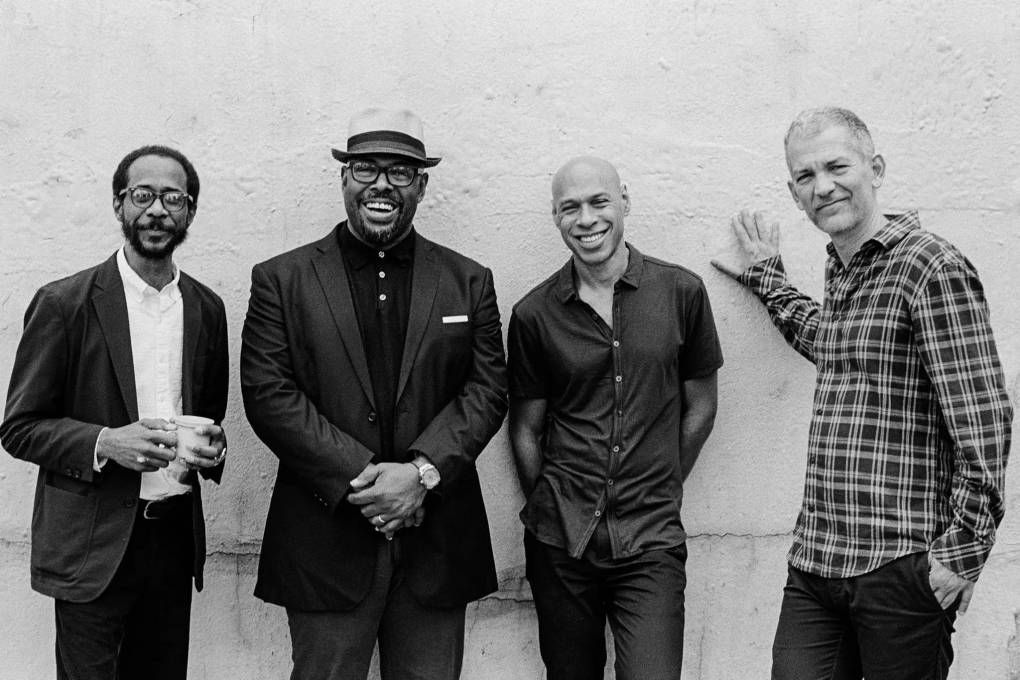
"caption": "Joshua Redman's classic 'Moodswings' quartet, with Brian Blade, Christian McBride, Redman and Brad Mehldau (L–R), perform at both SFJAZZ's Miner Auditorium and the Monterey Jazz Festival this fall.",
"description": null,
"title": "Redman",
"credit": "Michael Wilson/Nonesuch Records",
"status": "inherit",
"altTag": "four men posing in front of a white wall",
"isLoading": false,
"fetchFailed": false
},
"arts_13911266": {
"type": "attachments",
"id": "arts_13911266",
"meta": {
"index": "attachments_1716263798",
"site": "arts",
"id": "13911266",
"found": true
},
"parent": 13911264,
"imgSizes": {
"twentyfourteen-full-width": {
"file": "https://ww2.kqed.org/app/uploads/sites/2/2022/03/GettyImages-950881566-1024x576.jpg",
"width": 1024,
"mimeType": "image/jpeg",
"height": 576
},
"thumbnail": {
"file": "https://ww2.kqed.org/app/uploads/sites/2/2022/03/GettyImages-950881566-160x107.jpg",
"width": 160,
"mimeType": "image/jpeg",
"height": 107
},
"post-thumbnail": {
"file": "https://ww2.kqed.org/app/uploads/sites/2/2022/03/GettyImages-950881566-672x372.jpg",
"width": 672,
"mimeType": "image/jpeg",
"height": 372
},
"kqedFullSize": {
"file": "https://ww2.kqed.org/app/uploads/sites/2/2022/03/GettyImages-950881566.jpg",
"width": 1024,
"height": 682
},
"large": {
"file": "https://ww2.kqed.org/app/uploads/sites/2/2022/03/GettyImages-950881566-1020x679.jpg",
"width": 1020,
"mimeType": "image/jpeg",
"height": 679
},
"medium": {
"file": "https://ww2.kqed.org/app/uploads/sites/2/2022/03/GettyImages-950881566-800x533.jpg",
"width": 800,
"mimeType": "image/jpeg",
"height": 533
},
"medium_large": {
"file": "https://ww2.kqed.org/app/uploads/sites/2/2022/03/GettyImages-950881566-768x512.jpg",
"width": 768,
"mimeType": "image/jpeg",
"height": 512
}
},
"publishDate": 1648572807,
"modified": 1648572852,
"caption": "Chinese pianist Yuja Wang performs with the Rotterdam Philarmonic Orchestra conducted by Yannick Nezet Seguin in concert for Bologna Festival at Auditorium Manzoni on April 24, 2018 in Bologna, Italy.",
"description": null,
"title": "Yannick Nezet Seguin Directs The Rotterdam Philarmonic Orchestra And Yuja Wang",
"credit": " Roberto Serra - Iguana Press/Getty Images",
"status": "inherit",
"altTag": null,
"isLoading": false,
"fetchFailed": false
},
"arts_13852783": {
"type": "attachments",
"id": "arts_13852783",
"meta": {
"index": "attachments_1716263798",
"site": "arts",
"id": "13852783",
"found": true
},
"parent": 13852770,
"imgSizes": {
"twentyfourteen-full-width": {
"file": "https://ww2.kqed.org/app/uploads/sites/2/2019/03/MTT-1920-c-Brandon-Patoc-1038x576.jpg",
"width": 1038,
"mimeType": "image/jpeg",
"height": 576
},
"thumbnail": {
"file": "https://ww2.kqed.org/app/uploads/sites/2/2019/03/MTT-1920-c-Brandon-Patoc-160x90.jpg",
"width": 160,
"mimeType": "image/jpeg",
"height": 90
},
"post-thumbnail": {
"file": "https://ww2.kqed.org/app/uploads/sites/2/2019/03/MTT-1920-c-Brandon-Patoc-672x372.jpg",
"width": 672,
"mimeType": "image/jpeg",
"height": 372
},
"kqedFullSize": {
"file": "https://ww2.kqed.org/app/uploads/sites/2/2019/03/MTT-1920-c-Brandon-Patoc.jpg",
"width": 1920,
"height": 1080
},
"large": {
"file": "https://ww2.kqed.org/app/uploads/sites/2/2019/03/MTT-1920-c-Brandon-Patoc-1020x574.jpg",
"width": 1020,
"mimeType": "image/jpeg",
"height": 574
},
"complete_open_graph": {
"file": "https://ww2.kqed.org/app/uploads/sites/2/2019/03/MTT-1920-c-Brandon-Patoc-1200x675.jpg",
"width": 1200,
"mimeType": "image/jpeg",
"height": 675
},
"guest-author-50": {
"file": "https://ww2.kqed.org/app/uploads/sites/2/2019/03/MTT-1920-c-Brandon-Patoc-50x50.jpg",
"width": 50,
"mimeType": "image/jpeg",
"height": 50
},
"guest-author-96": {
"file": "https://ww2.kqed.org/app/uploads/sites/2/2019/03/MTT-1920-c-Brandon-Patoc-96x96.jpg",
"width": 96,
"mimeType": "image/jpeg",
"height": 96
},
"medium": {
"file": "https://ww2.kqed.org/app/uploads/sites/2/2019/03/MTT-1920-c-Brandon-Patoc-800x450.jpg",
"width": 800,
"mimeType": "image/jpeg",
"height": 450
},
"guest-author-64": {
"file": "https://ww2.kqed.org/app/uploads/sites/2/2019/03/MTT-1920-c-Brandon-Patoc-64x64.jpg",
"width": 64,
"mimeType": "image/jpeg",
"height": 64
},
"guest-author-32": {
"file": "https://ww2.kqed.org/app/uploads/sites/2/2019/03/MTT-1920-c-Brandon-Patoc-32x32.jpg",
"width": 32,
"mimeType": "image/jpeg",
"height": 32
},
"full-width": {
"file": "https://ww2.kqed.org/app/uploads/sites/2/2019/03/MTT-1920-c-Brandon-Patoc-1920x1080.jpg",
"width": 1920,
"mimeType": "image/jpeg",
"height": 1080
},
"medium_large": {
"file": "https://ww2.kqed.org/app/uploads/sites/2/2019/03/MTT-1920-c-Brandon-Patoc-768x432.jpg",
"width": 768,
"mimeType": "image/jpeg",
"height": 432
},
"guest-author-128": {
"file": "https://ww2.kqed.org/app/uploads/sites/2/2019/03/MTT-1920-c-Brandon-Patoc-128x128.jpg",
"width": 128,
"mimeType": "image/jpeg",
"height": 128
}
},
"publishDate": 1552426422,
"modified": 1552426447,
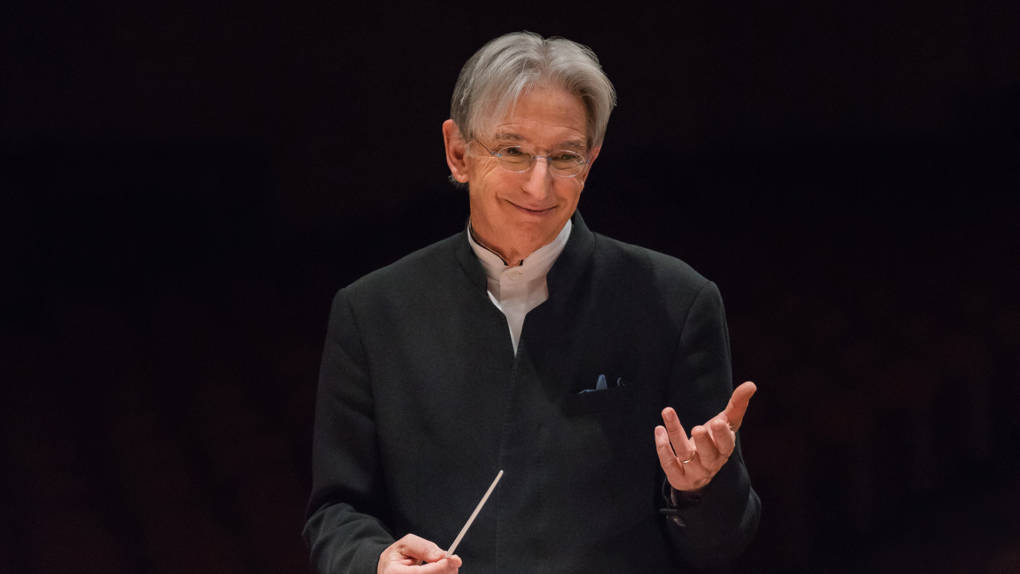
"caption": "Michael Tilson Thomas.",
"description": "Michael Tilson Thomas.",
"title": "MTT & Orchestra Portraits",
"credit": "Brandon Patoc",
"status": "inherit",
"isLoading": false,
"fetchFailed": false
},
"arts_13909306": {
"type": "attachments",
"id": "arts_13909306",
"meta": {
"index": "attachments_1716263798",
"site": "arts",
"id": "13909306",
"found": true
},
"parent": 13909289,
"imgSizes": {
"twentyfourteen-full-width": {
"file": "https://ww2.kqed.org/app/uploads/sites/2/2022/02/BINGHAM_Cred_Matthew-Washburn-1-1038x576.jpg",
"width": 1038,
"mimeType": "image/jpeg",
"height": 576
},
"thumbnail": {
"file": "https://ww2.kqed.org/app/uploads/sites/2/2022/02/BINGHAM_Cred_Matthew-Washburn-1-160x90.jpg",
"width": 160,
"mimeType": "image/jpeg",
"height": 90
},
"post-thumbnail": {
"file": "https://ww2.kqed.org/app/uploads/sites/2/2022/02/BINGHAM_Cred_Matthew-Washburn-1-672x372.jpg",
"width": 672,
"mimeType": "image/jpeg",
"height": 372
},
"kqedFullSize": {
"file": "https://ww2.kqed.org/app/uploads/sites/2/2022/02/BINGHAM_Cred_Matthew-Washburn-1.jpg",
"width": 1920,
"height": 1080
},
"large": {
"file": "https://ww2.kqed.org/app/uploads/sites/2/2022/02/BINGHAM_Cred_Matthew-Washburn-1-1020x574.jpg",
"width": 1020,
"mimeType": "image/jpeg",
"height": 574
},
"1536x1536": {
"file": "https://ww2.kqed.org/app/uploads/sites/2/2022/02/BINGHAM_Cred_Matthew-Washburn-1-1536x864.jpg",
"width": 1536,
"mimeType": "image/jpeg",
"height": 864
},
"medium": {
"file": "https://ww2.kqed.org/app/uploads/sites/2/2022/02/BINGHAM_Cred_Matthew-Washburn-1-800x450.jpg",
"width": 800,
"mimeType": "image/jpeg",
"height": 450
},
"medium_large": {
"file": "https://ww2.kqed.org/app/uploads/sites/2/2022/02/BINGHAM_Cred_Matthew-Washburn-1-768x432.jpg",
"width": 768,
"mimeType": "image/jpeg",
"height": 432
}
},
"publishDate": 1644605657,
"modified": 1644605711,
"caption": "Last year, Jonathan Bingham was balancing his burgeoning career as a composer with a day job at an Apple Store. His commission from the Emerging Black Composers Project changed everything.",
"description": null,
"title": "BINGHAM_Cred_Matthew Washburn",
"credit": "Matthew Washburn",
"status": "inherit",
"altTag": "A portrait of emerging composer Jonathan Bingham.",
"isLoading": false,
"fetchFailed": false
},
"arts_13907357": {
"type": "attachments",
"id": "arts_13907357",
"meta": {
"index": "attachments_1716263798",
"site": "arts",
"id": "13907357",
"found": true
},
"parent": 13907293,
"imgSizes": {
"twentyfourteen-full-width": {
"file": "https://ww2.kqed.org/app/uploads/sites/2/2021/12/ReeseMoorePhotography_7000-copy-1038x576.jpg",
"width": 1038,
"mimeType": "image/jpeg",
"height": 576
},
"thumbnail": {
"file": "https://ww2.kqed.org/app/uploads/sites/2/2021/12/ReeseMoorePhotography_7000-copy-160x107.jpg",
"width": 160,
"mimeType": "image/jpeg",
"height": 107
},
"post-thumbnail": {
"file": "https://ww2.kqed.org/app/uploads/sites/2/2021/12/ReeseMoorePhotography_7000-copy-672x372.jpg",
"width": 672,
"mimeType": "image/jpeg",
"height": 372
},
"kqedFullSize": {
"file": "https://ww2.kqed.org/app/uploads/sites/2/2021/12/ReeseMoorePhotography_7000-copy.jpg",
"width": 1920,
"height": 1282
},
"large": {
"file": "https://ww2.kqed.org/app/uploads/sites/2/2021/12/ReeseMoorePhotography_7000-copy-1020x681.jpg",
"width": 1020,
"mimeType": "image/jpeg",
"height": 681
},
"1536x1536": {
"file": "https://ww2.kqed.org/app/uploads/sites/2/2021/12/ReeseMoorePhotography_7000-copy-1536x1026.jpg",
"width": 1536,
"mimeType": "image/jpeg",
"height": 1026
},
"medium": {
"file": "https://ww2.kqed.org/app/uploads/sites/2/2021/12/ReeseMoorePhotography_7000-copy-800x534.jpg",
"width": 800,
"mimeType": "image/jpeg",
"height": 534
},
"medium_large": {
"file": "https://ww2.kqed.org/app/uploads/sites/2/2021/12/ReeseMoorePhotography_7000-copy-768x513.jpg",
"width": 768,
"mimeType": "image/jpeg",
"height": 513
}
},
"publishDate": 1639589408,
"modified": 1639589451,
"caption": "Quentin Baxter is best known for his work with Ranky Tanky, the band that blends West African Gullah rhythms from his native South Carolina with jazz and other musics of the African diaspora. The program he curated for San Francisco’s SoundBox reflects these influences.",
"description": null,
"title": "ReeseMoorePhotography_7000 copy",
"credit": "Reese Moore Photography",
"status": "inherit",
"altTag": null,
"isLoading": false,
"fetchFailed": false
},
"arts_13906803": {
"type": "attachments",
"id": "arts_13906803",
"meta": {
"index": "attachments_1716263798",
"site": "arts",
"id": "13906803",
"found": true
},
"parent": 13906802,
"imgSizes": {
"twentyfourteen-full-width": {
"file": "https://ww2.kqed.org/app/uploads/sites/2/2021/12/authors-with-teacher-shannon-potts-e20530656434db606b8b49f8c64f7c3e8b43c15d-1038x576.jpg",
"width": 1038,
"mimeType": "image/jpeg",
"height": 576
},
"thumbnail": {
"file": "https://ww2.kqed.org/app/uploads/sites/2/2021/12/authors-with-teacher-shannon-potts-e20530656434db606b8b49f8c64f7c3e8b43c15d-160x120.jpg",
"width": 160,
"mimeType": "image/jpeg",
"height": 120
},
"post-thumbnail": {
"file": "https://ww2.kqed.org/app/uploads/sites/2/2021/12/authors-with-teacher-shannon-potts-e20530656434db606b8b49f8c64f7c3e8b43c15d-672x372.jpg",
"width": 672,
"mimeType": "image/jpeg",
"height": 372
},
"kqedFullSize": {
"file": "https://ww2.kqed.org/app/uploads/sites/2/2021/12/authors-with-teacher-shannon-potts-e20530656434db606b8b49f8c64f7c3e8b43c15d-scaled-e1638562664331.jpg",
"width": 1920,
"height": 1440
},
"2048x2048": {
"file": "https://ww2.kqed.org/app/uploads/sites/2/2021/12/authors-with-teacher-shannon-potts-e20530656434db606b8b49f8c64f7c3e8b43c15d-2048x1536.jpg",
"width": 2048,
"mimeType": "image/jpeg",
"height": 1536
},
"large": {
"file": "https://ww2.kqed.org/app/uploads/sites/2/2021/12/authors-with-teacher-shannon-potts-e20530656434db606b8b49f8c64f7c3e8b43c15d-1020x765.jpg",
"width": 1020,
"mimeType": "image/jpeg",
"height": 765
},
"1536x1536": {
"file": "https://ww2.kqed.org/app/uploads/sites/2/2021/12/authors-with-teacher-shannon-potts-e20530656434db606b8b49f8c64f7c3e8b43c15d-1536x1152.jpg",
"width": 1536,
"mimeType": "image/jpeg",
"height": 1152
},
"full-width": {
"file": "https://ww2.kqed.org/app/uploads/sites/2/2021/12/authors-with-teacher-shannon-potts-e20530656434db606b8b49f8c64f7c3e8b43c15d-1920x1440.jpg",
"width": 1920,
"mimeType": "image/jpeg",
"height": 1440
},
"medium": {
"file": "https://ww2.kqed.org/app/uploads/sites/2/2021/12/authors-with-teacher-shannon-potts-e20530656434db606b8b49f8c64f7c3e8b43c15d-800x600.jpg",
"width": 800,
"mimeType": "image/jpeg",
"height": 600
},
"medium_large": {
"file": "https://ww2.kqed.org/app/uploads/sites/2/2021/12/authors-with-teacher-shannon-potts-e20530656434db606b8b49f8c64f7c3e8b43c15d-768x576.jpg",
"width": 768,
"mimeType": "image/jpeg",
"height": 576
}
},
"publishDate": 1638561235,
"modified": 1638562708,
"caption": "Three of the student authors of 'Who Is Florence Price?' (left to right: Sebastián Núñez, Hazel Peebles and Sophia Shao), joined by their English teacher, Shannon Potts.",
"description": null,
"title": "Three of the student authors of 'Who Is Florence Price?' (left to right: Sebastián Núñez, Hazel Peebles and Sophia Shao), joined by their English teacher, Shannon Potts.",
"credit": "Courtesy of Special Music School",
"status": "inherit",
"altTag": null,
"isLoading": false,
"fetchFailed": false
},
"arts_13906441": {
"type": "attachments",
"id": "arts_13906441",
"meta": {
"index": "attachments_1716263798",
"site": "arts",
"id": "13906441",
"found": true
},
"parent": 13906436,
"imgSizes": {
"twentyfourteen-full-width": {
"file": "https://ww2.kqed.org/app/uploads/sites/2/2021/11/GettyImages-1350956119-1038x576.jpg",
"width": 1038,
"mimeType": "image/jpeg",
"height": 576
},
"thumbnail": {
"file": "https://ww2.kqed.org/app/uploads/sites/2/2021/11/GettyImages-1350956119-160x107.jpg",
"width": 160,
"mimeType": "image/jpeg",
"height": 107
},
"post-thumbnail": {
"file": "https://ww2.kqed.org/app/uploads/sites/2/2021/11/GettyImages-1350956119-672x372.jpg",
"width": 672,
"mimeType": "image/jpeg",
"height": 372
},
"kqedFullSize": {
"file": "https://ww2.kqed.org/app/uploads/sites/2/2021/11/GettyImages-1350956119-scaled.jpg",
"width": 2560,
"height": 1707
},
"2048x2048": {
"file": "https://ww2.kqed.org/app/uploads/sites/2/2021/11/GettyImages-1350956119-2048x1365.jpg",
"width": 2048,
"mimeType": "image/jpeg",
"height": 1365
},
"large": {
"file": "https://ww2.kqed.org/app/uploads/sites/2/2021/11/GettyImages-1350956119-1020x680.jpg",
"width": 1020,
"mimeType": "image/jpeg",
"height": 680
},
"1536x1536": {
"file": "https://ww2.kqed.org/app/uploads/sites/2/2021/11/GettyImages-1350956119-1536x1024.jpg",
"width": 1536,
"mimeType": "image/jpeg",
"height": 1024
},
"full-width": {
"file": "https://ww2.kqed.org/app/uploads/sites/2/2021/11/GettyImages-1350956119-1920x1280.jpg",
"width": 1920,
"mimeType": "image/jpeg",
"height": 1280
},
"medium": {
"file": "https://ww2.kqed.org/app/uploads/sites/2/2021/11/GettyImages-1350956119-800x533.jpg",
"width": 800,
"mimeType": "image/jpeg",
"height": 533
},
"medium_large": {
"file": "https://ww2.kqed.org/app/uploads/sites/2/2021/11/GettyImages-1350956119-768x512.jpg",
"width": 768,
"mimeType": "image/jpeg",
"height": 512
}
},
"publishDate": 1637705870,
"modified": 1637705999,
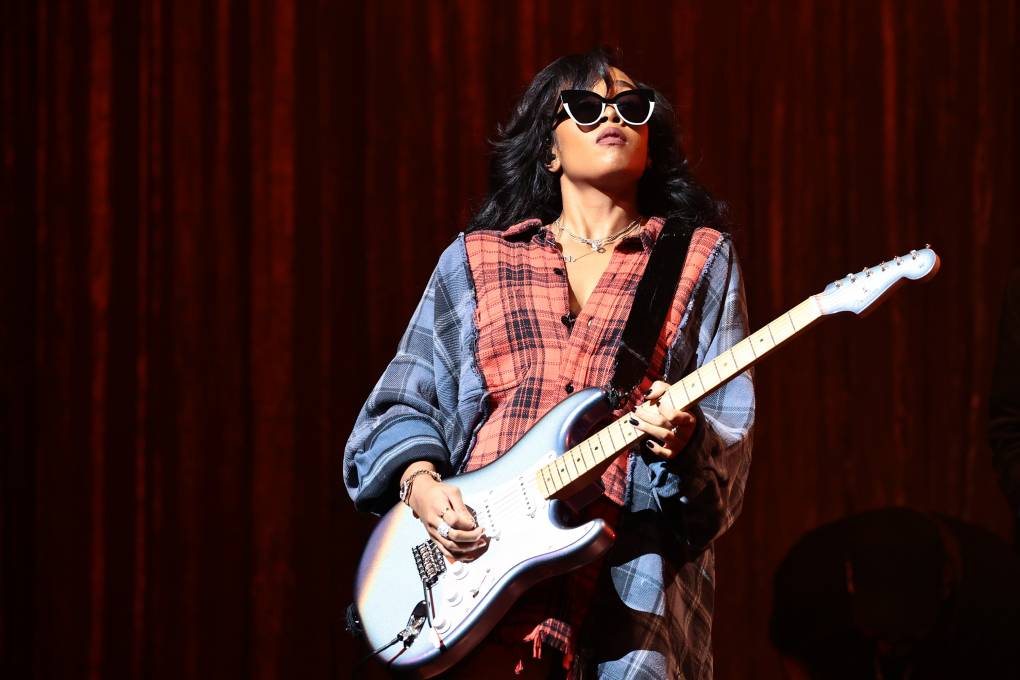
"caption": "H.E.R. performs live at the Apollo Theater in Harlem, Nov. 2021.",
"description": null,
"title": "H.E.R. performs live at the Apollo Theater in Harlem, Nov. 2021.",
"credit": "Dimitrios Kambouris/Getty Images for SiriusXM",
"status": "inherit",
"altTag": "A Black woman wearing an oversized plaid shirt and sunglasses passionately plays an electric guitar on stage.",
"isLoading": false,
"fetchFailed": false
},
"arts_13904131": {
"type": "attachments",
"id": "arts_13904131",
"meta": {
"index": "attachments_1716263798",
"site": "arts",
"id": "13904131",
"found": true
},
"parent": 13904122,
"imgSizes": {
"thumbnail": {
"file": "https://ww2.kqed.org/app/uploads/sites/2/2021/10/4073-Symphony-211001-160x107.jpg",
"width": 160,
"mimeType": "image/jpeg",
"height": 107
},
"post-thumbnail": {
"file": "https://ww2.kqed.org/app/uploads/sites/2/2021/10/4073-Symphony-211001-672x372.jpg",
"width": 672,
"mimeType": "image/jpeg",
"height": 372
},
"kqedFullSize": {
"file": "https://ww2.kqed.org/app/uploads/sites/2/2021/10/4073-Symphony-211001.jpg",
"width": 800,
"height": 533
},
"medium_large": {
"file": "https://ww2.kqed.org/app/uploads/sites/2/2021/10/4073-Symphony-211001-768x512.jpg",
"width": 768,
"mimeType": "image/jpeg",
"height": 512
}
},
"publishDate": 1633203603,
"modified": 1633203739,
"caption": "Music Director Esa-Pekka Salonen leads the San Francisco Symphony in the Re-Opening Night Concert featuring esperanza spalding, a jazz trio, and dancers from Alonzo King LINES Ballet on October 1, 2021 at Davies Symphony Hall.",
"description": "Music Director Esa-Pekka Salonen leads the San Francisco Symphony in the Re-Opening Night Concert featuring esperanza spalding, a jazz trio, and dancers from Alonzo King LINES Ballet on October 1, 2021 at Davies Symphony Hall.",
"title": "4073-Symphony-211001",
"credit": " Drew Altizer Photography",
"status": "inherit",
"altTag": "A jazz bassist sings, accompanied by an orchestra.",
"isLoading": false,
"fetchFailed": false
},
"arts_13902406": {
"type": "attachments",
"id": "arts_13902406",
"meta": {
"index": "attachments_1716263798",
"site": "arts",
"id": "13902406",
"found": true
},
"parent": 13902315,
"imgSizes": {
"twentyfourteen-full-width": {
"file": "https://ww2.kqed.org/app/uploads/sites/2/2021/09/DemarreMcGill-1038x576.jpg",
"width": 1038,
"mimeType": "image/jpeg",
"height": 576
},
"thumbnail": {
"file": "https://ww2.kqed.org/app/uploads/sites/2/2021/09/DemarreMcGill-160x90.jpg",
"width": 160,
"mimeType": "image/jpeg",
"height": 90
},
"post-thumbnail": {
"file": "https://ww2.kqed.org/app/uploads/sites/2/2021/09/DemarreMcGill-672x372.jpg",
"width": 672,
"mimeType": "image/jpeg",
"height": 372
},
"kqedFullSize": {
"file": "https://ww2.kqed.org/app/uploads/sites/2/2021/09/DemarreMcGill.jpg",
"width": 1920,
"height": 1080
},
"large": {
"file": "https://ww2.kqed.org/app/uploads/sites/2/2021/09/DemarreMcGill-1020x574.jpg",
"width": 1020,
"mimeType": "image/jpeg",
"height": 574
},
"1536x1536": {
"file": "https://ww2.kqed.org/app/uploads/sites/2/2021/09/DemarreMcGill-1536x864.jpg",
"width": 1536,
"mimeType": "image/jpeg",
"height": 864
},
"medium": {
"file": "https://ww2.kqed.org/app/uploads/sites/2/2021/09/DemarreMcGill-800x450.jpg",
"width": 800,
"mimeType": "image/jpeg",
"height": 450
},
"medium_large": {
"file": "https://ww2.kqed.org/app/uploads/sites/2/2021/09/DemarreMcGill-768x432.jpg",
"width": 768,
"mimeType": "image/jpeg",
"height": 432
}
},
"publishDate": 1630610177,
"modified": 1631655927,
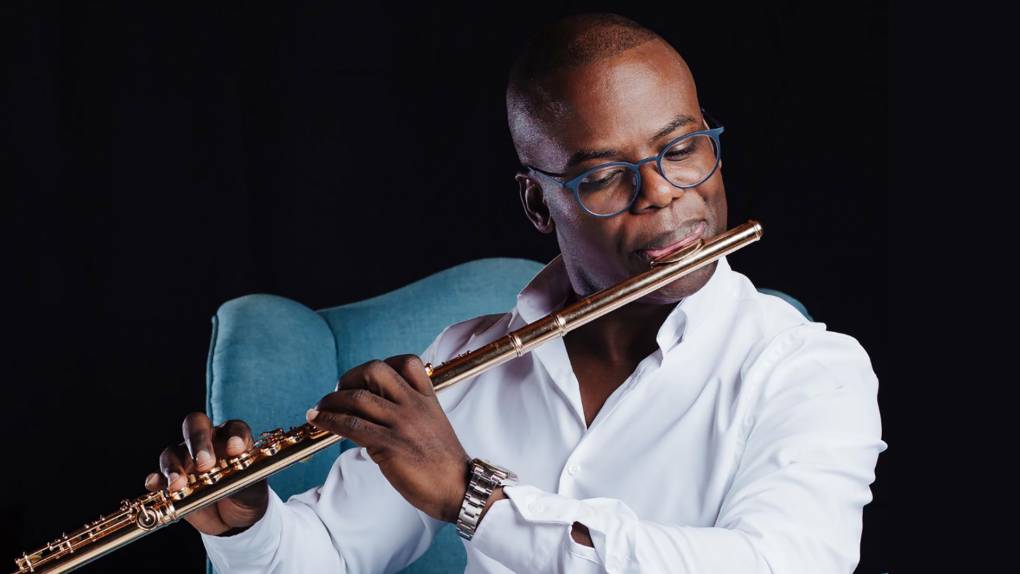
"caption": "Demarre McGill.",
"description": "Demare McGill plays the flute",
"title": "DemarreMcGill",
"credit": "Artist Photo",
"status": "inherit",
"altTag": null,
"isLoading": false,
"fetchFailed": false
},
"arts_10217079": {
"type": "attachments",
"id": "arts_10217079",
"meta": {
"index": "attachments_1716263798",
"site": "arts",
"id": "10217079",
"found": true
},
"parent": 10216961,
"imgSizes": {
"twentyfourteen-full-width": {
"file": "https://ww2.kqed.org/app/uploads/sites/2/2014/12/SoundBox.Hed_-1038x576.jpg",
"width": 1038,
"mimeType": "image/jpeg",
"height": 576
},
"thumbnail": {
"file": "https://ww2.kqed.org/app/uploads/sites/2/2014/12/SoundBox.Hed_-400x225.jpg",
"width": 400,
"mimeType": "image/jpeg",
"height": 225
},
"post-thumbnail": {
"file": "https://ww2.kqed.org/app/uploads/sites/2/2014/12/SoundBox.Hed_-672x372.jpg",
"width": 672,
"mimeType": "image/jpeg",
"height": 372
},
"kqedFullSize": {
"file": "https://ww2.kqed.org/app/uploads/sites/2/2014/12/SoundBox.Hed_.jpg",
"width": 1200,
"height": 675
},
"large": {
"file": "https://ww2.kqed.org/app/uploads/sites/2/2014/12/SoundBox.Hed_-1180x663.jpg",
"width": 1180,
"mimeType": "image/jpeg",
"height": 663
},
"guest-author-96": {
"file": "https://ww2.kqed.org/app/uploads/sites/2/2014/12/SoundBox.Hed_-96x96.jpg",
"width": 96,
"mimeType": "image/jpeg",
"height": 96
},
"medium": {
"file": "https://ww2.kqed.org/app/uploads/sites/2/2014/12/SoundBox.Hed_-800x450.jpg",
"width": 800,
"mimeType": "image/jpeg",
"height": 450
},
"guest-author-64": {
"file": "https://ww2.kqed.org/app/uploads/sites/2/2014/12/SoundBox.Hed_-64x64.jpg",
"width": 64,
"mimeType": "image/jpeg",
"height": 64
},
"detail": {
"file": "https://ww2.kqed.org/app/uploads/sites/2/2014/12/SoundBox.Hed_-75x75.jpg",
"width": 75,
"mimeType": "image/jpeg",
"height": 75
},
"guest-author-32": {
"file": "https://ww2.kqed.org/app/uploads/sites/2/2014/12/SoundBox.Hed_-32x32.jpg",
"width": 32,
"mimeType": "image/jpeg",
"height": 32
},
"guest-author-128": {
"file": "https://ww2.kqed.org/app/uploads/sites/2/2014/12/SoundBox.Hed_-128x128.jpg",
"width": 128,
"mimeType": "image/jpeg",
"height": 128
}
},
"publishDate": 1418606055,
"modified": 1509481815,
"caption": "Michael Tilson Thomas surveys the crowd before introducing the premiere of SoundBox in 2014. ",
"description": "Michael Tilson Thomas surveys the crowd before introducing the premiere of SoundBox in 2014. ",
"title": "SoundBox.Hed",
"credit": "Gabe Meline/KQED",
"status": "inherit",
"isLoading": false,
"fetchFailed": false
},
"arts_13888310": {
"type": "attachments",
"id": "arts_13888310",
"meta": {
"index": "attachments_1716263798",
"site": "arts",
"id": "13888310",
"found": true
},
"parent": 13888303,
"imgSizes": {
"twentyfourteen-full-width": {
"file": "https://ww2.kqed.org/app/uploads/sites/2/2020/10/IMG_0116-1038x576.jpg",
"width": 1038,
"mimeType": "image/jpeg",
"height": 576
},
"thumbnail": {
"file": "https://ww2.kqed.org/app/uploads/sites/2/2020/10/IMG_0116-160x90.jpg",
"width": 160,
"mimeType": "image/jpeg",
"height": 90
},
"post-thumbnail": {
"file": "https://ww2.kqed.org/app/uploads/sites/2/2020/10/IMG_0116-672x372.jpg",
"width": 672,
"mimeType": "image/jpeg",
"height": 372
},
"kqedFullSize": {
"file": "https://ww2.kqed.org/app/uploads/sites/2/2020/10/IMG_0116.jpg",
"width": 1920,
"height": 1080
},
"large": {
"file": "https://ww2.kqed.org/app/uploads/sites/2/2020/10/IMG_0116-1020x574.jpg",
"width": 1020,
"mimeType": "image/jpeg",
"height": 574
},
"1536x1536": {
"file": "https://ww2.kqed.org/app/uploads/sites/2/2020/10/IMG_0116-1536x864.jpg",
"width": 1536,
"mimeType": "image/jpeg",
"height": 864
},
"medium": {
"file": "https://ww2.kqed.org/app/uploads/sites/2/2020/10/IMG_0116-800x450.jpg",
"width": 800,
"mimeType": "image/jpeg",
"height": 450
},
"medium_large": {
"file": "https://ww2.kqed.org/app/uploads/sites/2/2020/10/IMG_0116-768x432.jpg",
"width": 768,
"mimeType": "image/jpeg",
"height": 432
}
},
"publishDate": 1603483338,
"modified": 1628201572,
"caption": "Thundercat performs at the Bayshore Drive-in in Burlingame on Oct. 22, 2020. ",
"description": "Thundercat performs at the Bayshore Drive-in in Burlingame on Oct. 22. ",
"title": "IMG_0116",
"credit": "Nastia Voynovskaya",
"status": "inherit",
"altTag": null,
"isLoading": false,
"fetchFailed": false
},
"arts_13900720": {
"type": "attachments",
"id": "arts_13900720",
"meta": {
"index": "attachments_1716263798",
"site": "arts",
"id": "13900720",
"found": true
},
"parent": 13900712,
"imgSizes": {
"twentyfourteen-full-width": {
"file": "https://ww2.kqed.org/app/uploads/sites/2/2021/08/GeorgeLi-pianist3-photocreditSimonFowler-1038x576.jpg",
"width": 1038,
"mimeType": "image/jpeg",
"height": 576
},
"thumbnail": {
"file": "https://ww2.kqed.org/app/uploads/sites/2/2021/08/GeorgeLi-pianist3-photocreditSimonFowler-160x107.jpg",
"width": 160,
"mimeType": "image/jpeg",
"height": 107
},
"post-thumbnail": {
"file": "https://ww2.kqed.org/app/uploads/sites/2/2021/08/GeorgeLi-pianist3-photocreditSimonFowler-672x372.jpg",
"width": 672,
"mimeType": "image/jpeg",
"height": 372
},
"kqedFullSize": {
"file": "https://ww2.kqed.org/app/uploads/sites/2/2021/08/GeorgeLi-pianist3-photocreditSimonFowler.jpg",
"width": 1920,
"height": 1280
},
"large": {
"file": "https://ww2.kqed.org/app/uploads/sites/2/2021/08/GeorgeLi-pianist3-photocreditSimonFowler-1020x680.jpg",
"width": 1020,
"mimeType": "image/jpeg",
"height": 680
},
"1536x1536": {
"file": "https://ww2.kqed.org/app/uploads/sites/2/2021/08/GeorgeLi-pianist3-photocreditSimonFowler-1536x1024.jpg",
"width": 1536,
"mimeType": "image/jpeg",
"height": 1024
},
"medium": {
"file": "https://ww2.kqed.org/app/uploads/sites/2/2021/08/GeorgeLi-pianist3-photocreditSimonFowler-800x533.jpg",
"width": 800,
"mimeType": "image/jpeg",
"height": 533
},
"medium_large": {
"file": "https://ww2.kqed.org/app/uploads/sites/2/2021/08/GeorgeLi-pianist3-photocreditSimonFowler-768x512.jpg",
"width": 768,
"mimeType": "image/jpeg",
"height": 512
}
},
"publishDate": 1628184039,
"modified": 1628184076,
"caption": "George Li performs with the San Francisco Symphony on Aug. 6 and 7. ",
"description": "George Li performs with the San Francisco Symphony on Aug. 6 and 7. ",
"title": "GeorgeLi-pianist3-photocreditSimonFowler",
"credit": "Simon Fowler",
"status": "inherit",
"altTag": null,
"isLoading": false,
"fetchFailed": false
}
},
"audioPlayerReducer": {
"postId": "stream_live",
"isPaused": true,
"isPlaying": false,
"pfsActive": false,
"pledgeModalIsOpen": true,
"playerDrawerIsOpen": false,
"liveAudioPlayStartedAt": 0,
"liveAudioPlayContext": ""
},
"authorsReducer": {
"byline_arts_13909289": {
"type": "authors",
"id": "byline_arts_13909289",
"meta": {
"override": true
},
"slug": "byline_arts_13909289",
"name": "Iris Kwok",
"isLoading": false
},
"byline_arts_13906802": {
"type": "authors",
"id": "byline_arts_13906802",
"meta": {
"override": true
},
"slug": "byline_arts_13906802",
"name": "Anastasia Tsioulcas",
"isLoading": false
},
"byline_arts_13900712": {
"type": "authors",
"id": "byline_arts_13900712",
"meta": {
"override": true
},
"slug": "byline_arts_13900712",
"name": "Elijah Ho",
"isLoading": false
},
"agilbert": {
"type": "authors",
"id": "86",
"meta": {
"index": "authors_1716337520",
"id": "86",
"found": true
},
"name": "Andrew Gilbert",
"firstName": "Andrew",
"lastName": "Gilbert",
"slug": "agilbert",
"email": "jazzscribe@aol.com",
"display_author_email": false,
"staff_mastheads": [],
"title": "KQED Contributor",
"bio": "A Los Angeles native based in the Berkeley area since 1996, Andrew Gilbert covers jazz, international music and dance for KQED's \u003ci>California Report, \u003c/i>the\u003ci> Mercury News\u003c/i>, \u003ci>San Francisco Chronicle\u003c/i>, \u003ci>Berkeleyside.com\u003c/i>, and other publications. He is available for weddings and bar and bat mitzvahs. #jazzscribe",
"avatar": "https://secure.gravatar.com/avatar/d7bcafdbefdd39e9a68f88724ca616eb4e7a5a6bff9cdfb62de652a1e1751471?s=600&d=blank&r=g",
"twitter": null,
"bluesky": null,
"facebook": null,
"instagram": null,
"linkedin": null,
"sites": [
{
"site": "arts",
"roles": [
"Contributor",
"author"
]
},
{
"site": "news",
"roles": [
"author"
]
}
],
"headData": {
"title": "Andrew Gilbert | KQED",
"description": "KQED Contributor",
"ogImgSrc": "https://secure.gravatar.com/avatar/d7bcafdbefdd39e9a68f88724ca616eb4e7a5a6bff9cdfb62de652a1e1751471?s=600&d=blank&r=g",
"twImgSrc": "https://secure.gravatar.com/avatar/d7bcafdbefdd39e9a68f88724ca616eb4e7a5a6bff9cdfb62de652a1e1751471?s=600&d=blank&r=g"
},
"isLoading": false,
"link": "/author/agilbert"
},
"gmeline": {
"type": "authors",
"id": "185",
"meta": {
"index": "authors_1716337520",
"id": "185",
"found": true
},
"name": "Gabe Meline",
"firstName": "Gabe",
"lastName": "Meline",
"slug": "gmeline",
"email": "gmeline@kqed.org",
"display_author_email": true,
"staff_mastheads": [
"arts"
],
"title": "Senior Editor, KQED Arts & Culture",
"bio": "Gabe Meline entered journalism at age 15 making photocopied zines, and has since earned awards from the Edward R. Murrow Awards, the Society for Professional Journalists, the Online Journalism Awards, the Association of Alternative Newsweeklies and the California Newspaper Publishers Association. Prior to KQED, he was the editor of the \u003cem>North Bay Bohemian\u003c/em> and a touring musician. He lives with his wife and daughter in his hometown of Santa Rosa, CA.",
"avatar": "https://secure.gravatar.com/avatar/5bebe57be0d8bc2dd318934feb47299e2d2d10cba28d09d8d7afb389a2ce2bdd?s=600&d=blank&r=g",
"twitter": null,
"bluesky": null,
"facebook": null,
"instagram": null,
"linkedin": null,
"sites": [
{
"site": "",
"roles": [
"editor"
]
},
{
"site": "arts",
"roles": [
"administrator"
]
},
{
"site": "artschool",
"roles": [
"editor"
]
},
{
"site": "news",
"roles": [
"author"
]
},
{
"site": "pop",
"roles": [
"editor"
]
},
{
"site": "bayareabites",
"roles": [
"editor"
]
},
{
"site": "food",
"roles": [
"editor"
]
},
{
"site": "liveblog",
"roles": [
"editor"
]
},
{
"site": "hiphop",
"roles": [
"editor"
]
}
],
"headData": {
"title": "Gabe Meline | KQED",
"description": "Senior Editor, KQED Arts & Culture",
"ogImgSrc": "https://secure.gravatar.com/avatar/5bebe57be0d8bc2dd318934feb47299e2d2d10cba28d09d8d7afb389a2ce2bdd?s=600&d=blank&r=g",
"twImgSrc": "https://secure.gravatar.com/avatar/5bebe57be0d8bc2dd318934feb47299e2d2d10cba28d09d8d7afb389a2ce2bdd?s=600&d=blank&r=g"
},
"isLoading": false,
"link": "/author/gmeline"
},
"cveltman": {
"type": "authors",
"id": "8608",
"meta": {
"index": "authors_1716337520",
"id": "8608",
"found": true
},
"name": "Chloe Veltman",
"firstName": "Chloe",
"lastName": "Veltman",
"slug": "cveltman",
"email": "cveltman@kqed.org",
"display_author_email": true,
"staff_mastheads": [],
"title": "Arts and Culture Reporter",
"bio": "Chloe Veltman is a former arts and culture reporter for KQED. Prior to joining the organization, she launched and led the arts bureau at Colorado Public Radio, served as the Bay Area's culture columnist for the New York Times, and was the founder, host and executive producer of VoiceBox, a national award-winning weekly podcast/radio show and live events series all about the human voice. Chloe is the recipient of numerous prizes, grants and fellowships including a Webby Award for her work on interactive storytelling, both the John S Knight Journalism Fellowship and Humanities Center Fellowship at Stanford University, the Sundance Arts Writing Fellowship and a Library of Congress Research Fellowship. She is the author of the book \"On Acting\" and has appeared as a guest lecturer at Yale University and the San Francisco Conservatory of Music among other institutions. She holds a BA in english literature from King's College, Cambridge, and a Masters in Dramaturgy from the Central School of Speech and Drama/Harvard Institute for Advanced Theater Training.\r\n\u003ca href=\"https://www.chloeveltman.com\">www.chloeveltman.com\u003c/a>",
"avatar": "https://secure.gravatar.com/avatar/55403394b00a1ddab683952c2eb2cf85?s=600&d=blank&r=g",
"twitter": "chloeveltman",
"facebook": null,
"instagram": null,
"linkedin": null,
"sites": [
{
"site": "arts",
"roles": []
},
{
"site": "news",
"roles": [
"author"
]
},
{
"site": "pop",
"roles": [
"editor"
]
},
{
"site": "science",
"roles": []
}
],
"headData": {
"title": "Chloe Veltman | KQED",
"description": "Arts and Culture Reporter",
"ogImgSrc": "https://secure.gravatar.com/avatar/55403394b00a1ddab683952c2eb2cf85?s=600&d=blank&r=g",
"twImgSrc": "https://secure.gravatar.com/avatar/55403394b00a1ddab683952c2eb2cf85?s=600&d=blank&r=g"
},
"isLoading": false,
"link": "/author/cveltman"
},
"ralexandra": {
"type": "authors",
"id": "11242",
"meta": {
"index": "authors_1716337520",
"id": "11242",
"found": true
},
"name": "Rae Alexandra",
"firstName": "Rae",
"lastName": "Alexandra",
"slug": "ralexandra",
"email": "ralexandra@kqed.org",
"display_author_email": true,
"staff_mastheads": [
"arts"
],
"title": "Reporter/Producer",
"bio": "Rae Alexandra is a Reporter/Producer for KQED Arts & Culture, and the creator/author of the \u003ca href=\"https://www.kqed.org/arts/program/rebel-girls-from-bay-area-history\">Rebel Girls From Bay Area History\u003c/a> and \u003ca href=\"https://www.kqed.org/bizarrebayarea\">Bizarre Bay Area\u003c/a> series. Her debut book, \u003ca href=\"https://citylights.com/politics-current-events-history/unsung-heroines35-women-who-changed/\">Unsung Heroines: 35 Women Who Changed the Bay Area\u003c/a> was published by City Lights in March 2026. In 2023, Rae was awarded an SPJ Excellence in Journalism Award for Arts & Culture. Rae was born and raised in Wales and subsequently — even after two decades in Northern California — still uses phrases that regularly baffle her coworkers.",
"avatar": "https://secure.gravatar.com/avatar/edfee8176c80cc0a382b051190f5341997df378a934a5774dcb0977732dfd401?s=600&d=blank&r=g",
"twitter": null,
"bluesky": null,
"facebook": null,
"instagram": null,
"linkedin": null,
"sites": [
{
"site": "arts",
"roles": [
"editor"
]
},
{
"site": "news",
"roles": [
"editor"
]
},
{
"site": "pop",
"roles": [
"editor"
]
},
{
"site": "bayareabites",
"roles": [
"editor"
]
},
{
"site": "science",
"roles": [
"editor"
]
}
],
"headData": {
"title": "Rae Alexandra | KQED",
"description": "Reporter/Producer",
"ogImgSrc": "https://secure.gravatar.com/avatar/edfee8176c80cc0a382b051190f5341997df378a934a5774dcb0977732dfd401?s=600&d=blank&r=g",
"twImgSrc": "https://secure.gravatar.com/avatar/edfee8176c80cc0a382b051190f5341997df378a934a5774dcb0977732dfd401?s=600&d=blank&r=g"
},
"isLoading": false,
"link": "/author/ralexandra"
},
"nvoynovskaya": {
"type": "authors",
"id": "11387",
"meta": {
"index": "authors_1716337520",
"id": "11387",
"found": true
},
"name": "Nastia Voynovskaya",
"firstName": "Nastia",
"lastName": "Voynovskaya",
"slug": "nvoynovskaya",
"email": "nvoynovskaya@kqed.org",
"display_author_email": false,
"staff_mastheads": [
"arts"
],
"title": "Editor and reporter",
"bio": "Nastia Voynovskaya is a reporter and editor at KQED Arts & Culture. She's been covering the arts in the Bay Area for over a decade, with a focus on music, queer culture, labor issues and grassroots organizing. She has edited KQED story series such as Trans Bay: A History of San Francisco's Gender-Diverse Community, and co-created KQED's Bay Area hip-hop history project, That's My Word. Nastia's work has been recognized by the Society of Professional Journalists and San Francisco Press Club. She holds a BA in comparative literature from UC Berkeley.",
"avatar": "https://secure.gravatar.com/avatar/5025ee460e5a85d69ca20ea6c6f2f80d7e17795c828f61ea3aecfcd924e9042e?s=600&d=blank&r=g",
"twitter": null,
"bluesky": null,
"facebook": null,
"instagram": "https://www.instagram.com/nananastia/",
"linkedin": null,
"sites": [
{
"site": "arts",
"roles": [
"administrator"
]
},
{
"site": "news",
"roles": [
"editor"
]
},
{
"site": "pop",
"roles": [
"administrator"
]
},
{
"site": "bayareabites",
"roles": [
"editor"
]
},
{
"site": "podcasts",
"roles": [
"editor"
]
},
{
"site": "hiphop",
"roles": [
"editor"
]
}
],
"headData": {
"title": "Nastia Voynovskaya | KQED",
"description": "Editor and reporter",
"ogImgSrc": "https://secure.gravatar.com/avatar/5025ee460e5a85d69ca20ea6c6f2f80d7e17795c828f61ea3aecfcd924e9042e?s=600&d=blank&r=g",
"twImgSrc": "https://secure.gravatar.com/avatar/5025ee460e5a85d69ca20ea6c6f2f80d7e17795c828f61ea3aecfcd924e9042e?s=600&d=blank&r=g"
},
"isLoading": false,
"link": "/author/nvoynovskaya"
}
},
"pagesReducer": {
"arts_tag_san-francisco-symphony": {
"type": "terms",
"id": "arts_1367",
"meta": {
"index": "terms_1716263798",
"site": "arts",
"id": "1367",
"score": 9.553094
},
"featImg": null,
"name": "San Francisco Symphony",
"description": null,
"taxonomy": "tag",
"headData": {
"twImgId": null,
"twTitle": null,
"ogTitle": null,
"ogImgId": null,
"twDescription": null,
"description": null,
"title": "San Francisco Symphony Archives | KQED Arts",
"ogDescription": null
},
"ttid": 1379,
"slug": "san-francisco-symphony",
"isLoading": false,
"title": "San Francisco Symphony",
"pageMeta": {
"site": "arts",
"WpPageTemplate": "page-topic-editorial",
"currentPage": 4
},
"blocks": [
{
"blockName": "kqed/post-list",
"attrs": {
"layout": "cardArticle2",
"query": "posts/arts?tag=san-francisco-symphony",
"seeMore": false,
"paginated": true,
"page": 4
}
},
{
"blockName": "kqed/ad"
}
]
}
},
"pfsSessionReducer": {},
"postsReducer": {
"stream_live": {
"type": "live",
"id": "stream_live",
"audioUrl": "https://streams.kqed.org/kqedradio",
"title": "Live Stream",
"excerpt": "Live Stream information currently unavailable.",
"link": "/radio",
"featImg": "",
"label": {
"name": "KQED Live",
"link": "/"
}
},
"stream_kqedNewscast": {
"type": "posts",
"id": "stream_kqedNewscast",
"audioUrl": "https://www.kqed.org/.stream/anon/radio/RDnews/newscast.mp3?_=1",
"title": "KQED Newscast",
"featImg": "",
"label": {
"name": "88.5 FM",
"link": "/"
}
},
"arts_13918575": {
"type": "posts",
"id": "arts_13918575",
"meta": {
"index": "posts_1716263798",
"site": "arts",
"id": "13918575",
"score": null,
"sort": [
1662134408000
]
},
"parent": 0,
"labelTerm": {},
"blocks": [],
"publishDate": 1662134408,
"format": "standard",
"title": "Your Best Bets for Jazz and Classical in the Bay Area This Fall",
"headTitle": "Your Best Bets for Jazz and Classical in the Bay Area This Fall | KQED",
"content": "\u003cp>\u003cstrong>\u003ca href=\"https://www.kqed.org/fallarts2022\">\u003cem>Find more of KQED’s picks for the best Fall 2022 events here.\u003c/em>\u003c/a>\u003c/strong>\u003c/p>\n\u003cp>The leaves turn, the days shorten and, each fall, performing arts groups ready their new seasons. While my colleague Nastia Voynovskaya brings you \u003ca href=\"https://www.kqed.org/arts/13917837/fall-arts-2022-concerts-clubs\" rel=\"noopener noreferrer\" target=\"_blank\">the top concerts, festivals and nightclub dates this fall\u003c/a>, here are KQED’s picks for the grown-and-seasoned lovers of jazz and classical. \u003c/p>\n\u003cfigure id=\"attachment_13918615\" class=\"wp-caption aligncenter\" style=\"max-width: 800px\">\u003ca href=\"https://ww2.kqed.org/app/uploads/sites/2/2022/09/antonycleopatra.jpg\">\u003cimg loading=\"lazy\" decoding=\"async\" class=\"size-medium wp-image-13918615\" src=\"https://ww2.kqed.org/app/uploads/sites/2/2022/09/antonycleopatra-800x532.jpg\" alt=\"a woman in an orange dress and a man in a green robe embrace against a black backdrop on stage\" width=\"800\" height=\"532\" srcset=\"https://cdn.kqed.org/wp-content/uploads/sites/2/2022/09/antonycleopatra-800x532.jpg 800w, https://cdn.kqed.org/wp-content/uploads/sites/2/2022/09/antonycleopatra-1020x679.jpg 1020w, https://cdn.kqed.org/wp-content/uploads/sites/2/2022/09/antonycleopatra-160x106.jpg 160w, https://cdn.kqed.org/wp-content/uploads/sites/2/2022/09/antonycleopatra-768x511.jpg 768w, https://cdn.kqed.org/wp-content/uploads/sites/2/2022/09/antonycleopatra.jpg 1440w\" sizes=\"(max-width: 800px) 100vw, 800px\">\u003c/a>\u003cfigcaption class=\"wp-caption-text\">Amina Edris as Cleopatra and Gerald Finley as Antony in a rehearsal still from SF Opera’s ‘Antony and Cleopatra.’ \u003ccite>(Cory Weaver/San Francisco Opera)\u003c/cite>\u003c/figcaption>\u003c/figure>\n\u003ch2>‘\u003ca href=\"https://www.sfopera.com/operas/antony-and-cleopatra/\">Antony and Cleopatra\u003c/a>’\u003c/h2>\n\u003cp>\u003cem>Sept. 10–Oct. 5\u003cbr>\nWar Memorial Opera House, San Francisco\u003c/em>\u003c/p>\n\u003cp>The last time John Adams premiered an opera at the War Memorial Opera House, he dug back into California history for \u003cem>Girls of the Golden West\u003c/em>, a gold-rush story that KQED Arts & Culture’s Nastia Voynovskaya called “\u003ca href=\"https://www.kqed.org/arts/13815647/girls-of-the-golden-west-is-nothing-like-your-high-school-history-book\" rel=\"noopener noreferrer\" target=\"_blank\">a timely dialogue about our state history that helps us better understand the present\u003c/a>.” This time around, Adams travels back even further, to one of the world’s most famous love stories, as composer and librettist. Any new work by Adams is cause for celebration, and under the direction of Elkhanah Pulitzer, \u003cem>Antony and Cleopatra\u003c/em> stars Gerald Finley and Amina Edris in the title roles.\u003c/p>\n\u003cfigure id=\"attachment_13918636\" class=\"wp-caption aligncenter\" style=\"max-width: 800px\">\u003cimg loading=\"lazy\" decoding=\"async\" src=\"https://ww2.kqed.org/app/uploads/sites/2/2022/09/billy-cobham-copy-800x533.jpg\" alt=\"a Black man in a Converse All-Stars t-shirt stands on front of a drum set\" width=\"800\" height=\"533\" class=\"size-medium wp-image-13918636\" srcset=\"https://cdn.kqed.org/wp-content/uploads/sites/2/2022/09/billy-cobham-copy-800x533.jpg 800w, https://cdn.kqed.org/wp-content/uploads/sites/2/2022/09/billy-cobham-copy-1020x680.jpg 1020w, https://cdn.kqed.org/wp-content/uploads/sites/2/2022/09/billy-cobham-copy-160x107.jpg 160w, https://cdn.kqed.org/wp-content/uploads/sites/2/2022/09/billy-cobham-copy-768x512.jpg 768w, https://cdn.kqed.org/wp-content/uploads/sites/2/2022/09/billy-cobham-copy-1536x1024.jpg 1536w, https://cdn.kqed.org/wp-content/uploads/sites/2/2022/09/billy-cobham-copy-1920x1280.jpg 1920w, https://cdn.kqed.org/wp-content/uploads/sites/2/2022/09/billy-cobham-copy.jpg 2000w\" sizes=\"(max-width: 800px) 100vw, 800px\">\u003cfigcaption class=\"wp-caption-text\">Billy Cobham celebrates his second album, Crosswinds, at Yoshi’s in September. \u003ccite>(Yoshi's)\u003c/cite>\u003c/figcaption>\u003c/figure>\n\u003ch2>\u003ca href=\"https://yoshis.com/events/buy-tickets/billy-cobham-1/detail\" rel=\"noopener noreferrer\" target=\"_blank\">Billy Cobham’s Crosswinds Project\u003c/a>\u003c/h2>\n\u003cp>\u003cem>Sept. 20–21\u003cbr>\nYoshi’s, Oakland\u003c/em>\u003c/p>\n\u003cp>The venerable Oakland jazz club Yoshi’s has a sampladelic fall coming up. Bob James, who has been sampled so many times in hip-hop songs that he’s devoted \u003ca href=\"https://www.youtube.com/watch?v=1NI5Nl4XvXM\" rel=\"noopener noreferrer\" target=\"_blank\">a whole YouTube reaction series\u003c/a> to them, hits the Yoshi’s stage Oct. 23. But drummers will rejoice at the booking of Billy Cobham, who plays Yoshi’s Sept. 20–21. Of course, here in the Bay Area, we know Cobham’s “\u003ca href=\"https://youtu.be/e3E9vx5vVck?t=258\" rel=\"noopener noreferrer\" target=\"_blank\">Heather\u003c/a>” as the sample source for one of our bona fide anthems: “\u003ca href=\"https://www.youtube.com/watch?v=fXJc2NYwHjw\" rel=\"noopener noreferrer\" target=\"_blank\">93 Til Infinity\u003c/a>.” It’s serendipity, then, that he brings to Oakland his Crossroads Project, a group formed to celebrate \u003cem>Crossroads\u003c/em>, the album containing “Heather”—and the inadvertent seed of a Bay Area hip-hop hit.\u003c/p>\n\u003cfigure id=\"attachment_13918637\" class=\"wp-caption aligncenter\" style=\"max-width: 800px\">\u003cimg loading=\"lazy\" decoding=\"async\" src=\"https://ww2.kqed.org/app/uploads/sites/2/2022/09/s10_web_natesmithkinfolkimmanuelwilkins_hero-800x338.jpg\" alt=\"a man at the drums and a man playing saxophone, in diptych\" width=\"800\" height=\"338\" class=\"size-medium wp-image-13918637\" srcset=\"https://cdn.kqed.org/wp-content/uploads/sites/2/2022/09/s10_web_natesmithkinfolkimmanuelwilkins_hero-800x338.jpg 800w, https://cdn.kqed.org/wp-content/uploads/sites/2/2022/09/s10_web_natesmithkinfolkimmanuelwilkins_hero-1020x430.jpg 1020w, https://cdn.kqed.org/wp-content/uploads/sites/2/2022/09/s10_web_natesmithkinfolkimmanuelwilkins_hero-160x68.jpg 160w, https://cdn.kqed.org/wp-content/uploads/sites/2/2022/09/s10_web_natesmithkinfolkimmanuelwilkins_hero-768x324.jpg 768w, https://cdn.kqed.org/wp-content/uploads/sites/2/2022/09/s10_web_natesmithkinfolkimmanuelwilkins_hero-1536x648.jpg 1536w, https://cdn.kqed.org/wp-content/uploads/sites/2/2022/09/s10_web_natesmithkinfolkimmanuelwilkins_hero.jpg 1920w\" sizes=\"(max-width: 800px) 100vw, 800px\">\u003cfigcaption class=\"wp-caption-text\">Nate Smith (left) and Immanuel Wilkins (right) come to SFJAZZ as part of the ‘Traditions in Transition’ series. \u003ccite>(SFJAZZ)\u003c/cite>\u003c/figcaption>\u003c/figure>\n\u003ch2>\u003ca href=\"https://www.sfjazz.org/tickets/productions/nate-smith-immanuel-wilkins/\">Nate Smith + Kinfolk / Immanuel Wilkins Quartet\u003c/a>\u003c/h2>\n\u003cp>\u003cem>Sept. 22\u003cbr>\nSFJAZZ Miner Auditorium, San Francisco\u003c/em>\u003c/p>\n\u003cp>With SFJAZZ’s upcoming ‘\u003ca href=\"https://www.sfjazz.org/calendar/?month=9.2022&event-type=3&series=50850\" rel=\"noopener noreferrer\" target=\"_blank\">Traditions in Transition\u003c/a>’ series, no jazz fan should miss out on the chance to see Joshua Redman, Christian McBride, Brad Mehldau and Brian Blade (Sept. 23), Julian Lage (Sept. 24) or Orquesta Akokan (Sept. 25). But I’m gonna give it up for the new breed here with drummer Nate Smith and alto saxophonist Immanuel Wilkins. Wilkins’ latest album for Blue Note, \u003cem>The 7th Hand\u003c/em>, is a rich entry to the modern spiritual jazz canon, and Grammy-nominated Smith is a dazzling player in a live setting.\u003c/p>\n\u003cfigure id=\"attachment_13918589\" class=\"wp-caption aligncenter\" style=\"max-width: 800px\">\u003ca href=\"https://ww2.kqed.org/app/uploads/sites/2/2022/09/Lubomyr-melnyk_DSC08011.jpg\">\u003cimg loading=\"lazy\" decoding=\"async\" class=\"size-full wp-image-13918589\" src=\"https://ww2.kqed.org/app/uploads/sites/2/2022/09/Lubomyr-melnyk_DSC08011.jpg\" alt=\"a black and white photo of a man sitting at a piano\" width=\"800\" height=\"533\" srcset=\"https://cdn.kqed.org/wp-content/uploads/sites/2/2022/09/Lubomyr-melnyk_DSC08011.jpg 800w, https://cdn.kqed.org/wp-content/uploads/sites/2/2022/09/Lubomyr-melnyk_DSC08011-160x107.jpg 160w, https://cdn.kqed.org/wp-content/uploads/sites/2/2022/09/Lubomyr-melnyk_DSC08011-768x512.jpg 768w\" sizes=\"(max-width: 800px) 100vw, 800px\">\u003c/a>\u003cfigcaption class=\"wp-caption-text\">Lubomyr Melnyk at the Aarhus Festival in Denmark, 2018. Melnyk performs at The Lab in San Francisco Sept. 23. \u003ccite>(Hreinn Gudlaugsson)\u003c/cite>\u003c/figcaption>\u003c/figure>\n\u003ch2>\u003ca href=\"https://www.thelab.org/projects/2022/9/23/lubomyr-melnyk\">Lubomyr Melnyk\u003c/a>\u003c/h2>\n\u003cp>\u003cem>Sept. 23\u003cbr>\nThe Lab, San Francisco\u003c/em>\u003c/p>\n\u003cp>Ukrainian composer Lubomyr Melnyk is getting a little more notice this year, and it’s overdue: his prolific output of experimental minimalism stretches back to the 1970s. Unlike other minimalists like Philip Glass or Steve Reich, Malnyk veers into the eerie, the noisy, the tense. What’s probably now his best-known work, “\u003ca href=\"https://www.youtube.com/watch?v=1z5gu2hhpAk\" rel=\"noopener noreferrer\" target=\"_blank\">Pockets of Light\u003c/a>,” features the vocals of multi-instrumentalist Peter Broderick, and he’s even performed \u003ca href=\"https://www.youtube.com/watch?v=SWc1MZoQvqQ\" rel=\"noopener noreferrer\" target=\"_blank\">a set for Boiler Room\u003c/a>, the well-known DJ series. In the intimate upstairs confines of The Lab, a treasured arts space in the Mission District, his trance-like music should be especially resonant.\u003c/p>\n\u003cfigure id=\"attachment_13918638\" class=\"wp-caption aligncenter\" style=\"max-width: 800px\">\u003cimg loading=\"lazy\" decoding=\"async\" src=\"https://ww2.kqed.org/app/uploads/sites/2/2022/09/Gregory_Porter_Kongsberg_Jazzfestival_2018_191917-800x626.jpg\" alt=\"a Black man sings, wearing a white suit and bowtie\" width=\"800\" height=\"626\" class=\"size-medium wp-image-13918638\" srcset=\"https://cdn.kqed.org/wp-content/uploads/sites/2/2022/09/Gregory_Porter_Kongsberg_Jazzfestival_2018_191917-800x626.jpg 800w, https://cdn.kqed.org/wp-content/uploads/sites/2/2022/09/Gregory_Porter_Kongsberg_Jazzfestival_2018_191917-160x125.jpg 160w, https://cdn.kqed.org/wp-content/uploads/sites/2/2022/09/Gregory_Porter_Kongsberg_Jazzfestival_2018_191917-768x601.jpg 768w, https://cdn.kqed.org/wp-content/uploads/sites/2/2022/09/Gregory_Porter_Kongsberg_Jazzfestival_2018_191917.jpg 900w\" sizes=\"(max-width: 800px) 100vw, 800px\">\u003cfigcaption class=\"wp-caption-text\">Gregory Porter at the Kongsberg Jazzfestival in Norway in 2018. Porter performs at this year’s Monterey Jazz Festival. \u003ccite>(Tore Sætre / Wikimedia)\u003c/cite>\u003c/figcaption>\u003c/figure>\n\u003ch2>\u003ca href=\"https://montereyjazzfestival.org/\">Monterey Jazz Festival\u003c/a>\u003c/h2>\n\u003cp>\u003cem>Sept. 23–Sept. 25\u003c/em>\u003cbr>\n\u003cem>Monterey County Fairgrounds\u003c/em>\u003c/p>\n\u003cp>The Monterey Jazz Festival is technically outside of the Bay Area, but it’s a bona fide institution. In its 65th year this September, the festival is still in semi-scaled-back mode, with fewer stages and performers. But the heavy hitters are still on the bill: Ravi Coltrane, Gregory Porter, Chucho Valdés, Joshua Redman’s classic \u003cem>Moodswings\u003c/em> quartet, Gerald Clayton, Julian Lage and many others. Always worth the drive, the festival’s setting is serene and the music top-notch.\u003c/p>\n\u003cp>[ad fullwidth]\u003c/p>\n\u003cfigure id=\"attachment_13849055\" class=\"wp-caption aligncenter\" style=\"max-width: 800px\">\u003ca href=\"https://ww2.kqed.org/app/uploads/sites/2/2019/01/EsaPekkaSalonenSymphonyDebu.jpg\">\u003cimg loading=\"lazy\" decoding=\"async\" class=\"size-medium wp-image-13849055\" src=\"https://ww2.kqed.org/app/uploads/sites/2/2019/01/EsaPekkaSalonenSymphonyDebu-800x450.jpg\" alt=\"Esa-Pekka Salonen conducts the San Francisco Symphony on Jan. 18.\" width=\"800\" height=\"450\" srcset=\"https://cdn.kqed.org/wp-content/uploads/sites/2/2019/01/EsaPekkaSalonenSymphonyDebu-800x450.jpg 800w, https://cdn.kqed.org/wp-content/uploads/sites/2/2019/01/EsaPekkaSalonenSymphonyDebu-160x90.jpg 160w, https://cdn.kqed.org/wp-content/uploads/sites/2/2019/01/EsaPekkaSalonenSymphonyDebu-768x432.jpg 768w, https://cdn.kqed.org/wp-content/uploads/sites/2/2019/01/EsaPekkaSalonenSymphonyDebu-1020x574.jpg 1020w, https://cdn.kqed.org/wp-content/uploads/sites/2/2019/01/EsaPekkaSalonenSymphonyDebu-1200x675.jpg 1200w, https://cdn.kqed.org/wp-content/uploads/sites/2/2019/01/EsaPekkaSalonenSymphonyDebu.jpg 1920w\" sizes=\"(max-width: 800px) 100vw, 800px\">\u003c/a>\u003cfigcaption class=\"wp-caption-text\">Esa-Pekka Salonen conducts the San Francisco Symphony in 2019. \u003ccite>(Brandon Patoc/San Francisco Symphony)\u003c/cite>\u003c/figcaption>\u003c/figure>\n\u003ch2>\u003ca href=\"https://www.sfsymphony.org/Buy-Tickets/2022-23/Salonen-Conducts-Mahler-2\">Salonen Conducts Mahler\u003c/a>\u003c/h2>\n\u003cp>\u003cem>Sept. 29–Oct. 2\u003cbr>\nDavies Symphony Hall, San Francisco\u003c/em>\u003c/p>\n\u003cp>Those who know the San Francisco Symphony might be looking at this program and thinking, “Hey, who does the new guy think he is, anyway?” That’s because Music Director Emeritus Michael Tilson Thomas all but synonymized himself with Mahler in his 25 years with the symphony, performing and recording \u003ca href=\"https://michaeltilsonthomas.com/2004/10/05/the-mahler-project-complete-cd-box-set/\" rel=\"noopener noreferrer\" target=\"_blank\">an award-winning cycle of Mahler’s symphonies\u003c/a>. But here in San Francisco, Esa-Pekka Salonen has been pulling off a remarkable Joe Montana-to-Steve Young-esque transition. With Salonen frequently equalling (and, in his willingness to take risks, outpacing) his predecessor, it’s thrilling to imagine what he’ll do with Mahler’s second.\u003c/p>\n\u003cfigure id=\"attachment_13918647\" class=\"wp-caption aligncenter\" style=\"max-width: 800px\">\u003cimg loading=\"lazy\" decoding=\"async\" src=\"https://ww2.kqed.org/app/uploads/sites/2/2022/09/Awadin-800x500.jpg\" alt=\"A Black man leans against a grand piano\" width=\"800\" height=\"500\" class=\"size-medium wp-image-13918647\" srcset=\"https://cdn.kqed.org/wp-content/uploads/sites/2/2022/09/Awadin-800x500.jpg 800w, https://cdn.kqed.org/wp-content/uploads/sites/2/2022/09/Awadin-1020x638.jpg 1020w, https://cdn.kqed.org/wp-content/uploads/sites/2/2022/09/Awadin-160x100.jpg 160w, https://cdn.kqed.org/wp-content/uploads/sites/2/2022/09/Awadin-768x480.jpg 768w, https://cdn.kqed.org/wp-content/uploads/sites/2/2022/09/Awadin.jpg 1200w\" sizes=\"(max-width: 800px) 100vw, 800px\">\u003cfigcaption class=\"wp-caption-text\">Awadagin Pratt plays Mozart with the Santa Rosa Symphony this October. \u003ccite>(Cramer/Marder Artists)\u003c/cite>\u003c/figcaption>\u003c/figure>\n\u003ch2>\u003ca href=\"https://www.srsymphony.org/EventDetail/232\">Awadagin Pratt with the Santa Rosa Symphony\u003c/a>\u003c/h2>\n\u003cp>\u003cem>Oct. 1–3\u003cbr>\nGreen Music Center, Rohnert Park\u003c/em>\u003c/p>\n\u003cp>Since his appointment in 2018, Santa Rosa Symphony Music Director \u003ca href=\"https://www.pressdemocrat.com/article/lifestyle/get-to-know-francesco-lecce-chong-music-director-of-the-santa-rosa-symphon/\" rel=\"noopener noreferrer\" target=\"_blank\">Francesco Lecce-Chong\u003c/a> has been an absolute delight on the podium: he explains pieces, he makes jokes; he even once hired an actor to dress up in disguise and wander through the audience. (Long story.) Energetic, affable and serious about using his talent for good, he’s also pushing classical music in all the right directions. This season’s kickoff is a good example, by performing new work (\u003cem>Me he perdido\u003c/em>, by Angélica Negrón) as well as inviting a Black pianist as the program’s guest soloist (Awadagin Pratt, playing Mozart’s Piano Concerto No. 23). In the exquisite main hall of the Green Music Center, this is a program not to miss.\u003c/p>\n\u003cfigure id=\"attachment_11565818\" class=\"wp-caption aligncenter\" style=\"max-width: 800px\">\u003cimg loading=\"lazy\" decoding=\"async\" src=\"https://ww2.kqed.org/app/uploads/sites/2/2016/05/Herbst-Theatre-Exterior_sm-e1462839627428-800x533.jpg\" alt=\"\" width=\"800\" height=\"533\" class=\"size-medium wp-image-11565818\" srcset=\"https://cdn.kqed.org/wp-content/uploads/sites/2/2016/05/Herbst-Theatre-Exterior_sm-e1462839627428-800x533.jpg 800w, https://cdn.kqed.org/wp-content/uploads/sites/2/2016/05/Herbst-Theatre-Exterior_sm-e1462839627428-400x266.jpg 400w, https://cdn.kqed.org/wp-content/uploads/sites/2/2016/05/Herbst-Theatre-Exterior_sm-e1462839627428-768x511.jpg 768w, https://cdn.kqed.org/wp-content/uploads/sites/2/2016/05/Herbst-Theatre-Exterior_sm-e1462839627428-1180x786.jpg 1180w, https://cdn.kqed.org/wp-content/uploads/sites/2/2016/05/Herbst-Theatre-Exterior_sm-e1462839627428-1920x1279.jpg 1920w, https://cdn.kqed.org/wp-content/uploads/sites/2/2016/05/Herbst-Theatre-Exterior_sm-e1462839627428-960x639.jpg 960w\" sizes=\"(max-width: 800px) 100vw, 800px\">\u003cfigcaption class=\"wp-caption-text\">SF Music Day takes place inside the War Memorial Veterans Building, across from City Hall.\u003c/figcaption>\u003c/figure>\n\u003ch2>\u003ca href=\"https://intermusicsf.org/sf-music-day/\" rel=\"noopener noreferrer\" target=\"_blank\">SF Music Day\u003c/a>\u003c/h2>\n\u003cp>\u003cem>Oct. 9\u003cbr>\nWar Memorial Veterans Building, San Francisco\u003c/em>\u003c/p>\n\u003cp>You simply cannot go wrong with a day of free music experienced by wandering around a historic building. That’s what SF Music Day offers the Bay Area each year at the Herbst Theatre and various surrounding spaces inside the War Memorial Veterans Building, across from City Hall. From noon to 7pm, visitors can drop in on classical, jazz, blues, Greek, chamber music, brass music and experimental sets from 27 different groups. It’s perfect for bringing kids or visitors from out of town.\u003c/p>\n\u003cfigure id=\"attachment_13918645\" class=\"wp-caption aligncenter\" style=\"max-width: 800px\">\u003cimg loading=\"lazy\" decoding=\"async\" src=\"https://ww2.kqed.org/app/uploads/sites/2/2022/09/YING_FANG.cred-Dario-Acosta-800x533.jpg\" alt=\"A CHinese woman in a red dress, backlit through a window\" width=\"800\" height=\"533\" class=\"size-medium wp-image-13918645\" srcset=\"https://cdn.kqed.org/wp-content/uploads/sites/2/2022/09/YING_FANG.cred-Dario-Acosta-800x533.jpg 800w, https://cdn.kqed.org/wp-content/uploads/sites/2/2022/09/YING_FANG.cred-Dario-Acosta-1020x680.jpg 1020w, https://cdn.kqed.org/wp-content/uploads/sites/2/2022/09/YING_FANG.cred-Dario-Acosta-160x107.jpg 160w, https://cdn.kqed.org/wp-content/uploads/sites/2/2022/09/YING_FANG.cred-Dario-Acosta-768x512.jpg 768w, https://cdn.kqed.org/wp-content/uploads/sites/2/2022/09/YING_FANG.cred-Dario-Acosta-1536x1024.jpg 1536w, https://cdn.kqed.org/wp-content/uploads/sites/2/2022/09/YING_FANG.cred-Dario-Acosta.jpg 1920w\" sizes=\"(max-width: 800px) 100vw, 800px\">\u003cfigcaption class=\"wp-caption-text\">Ying Fang performs in recital on Nov. 6 in Berkeley. \u003ccite>(Dario Acosta)\u003c/cite>\u003c/figcaption>\u003c/figure>\n\u003ch2>\u003ca href=\"https://calperformances.org/events/2022-23/recital/ying-fang-soprano-ken-noda-piano/\" rel=\"noopener noreferrer\" target=\"_blank\">Ying Fang\u003c/a>\u003c/h2>\n\u003cp>\u003cem>Nov. 6\u003cbr>\nHertz Hall, Berkeley\u003c/em>\u003c/p>\n\u003cp>The Chinese-born soprano Ying Fang has had a busy past few years, having appeared on stage as Susanna in \u003cem>The Marriage of Figaro\u003c/em>, Pamina in \u003cem>The Magic Flute\u003c/em>, and Ännchen in \u003cem>Der Freischütz\u003c/em>. Add to that her appearances in Mahler’s symphonies No. 2 and 8 at the Mahler Festival in Leipzig, and it’s clear that a rising star is on her way to Berkeley. At Hertz Hall, her much-anticipated recital includes songs by Mahler, Richard Strauss, Schubert, Schumann and others, with piano accompaniment by Ken Noda.\u003c/p>\n\u003cfigure id=\"attachment_13918621\" class=\"wp-caption aligncenter\" style=\"max-width: 800px\">\u003ca href=\"https://ww2.kqed.org/app/uploads/sites/2/2022/09/Keyon7.jpg\">\u003cimg loading=\"lazy\" decoding=\"async\" class=\"size-medium wp-image-13918621\" src=\"https://ww2.kqed.org/app/uploads/sites/2/2022/09/Keyon7-800x533.jpg\" alt=\"a Black man in a suit jacket plays the trumpet in a dimly lit club\" width=\"800\" height=\"533\" srcset=\"https://cdn.kqed.org/wp-content/uploads/sites/2/2022/09/Keyon7-800x533.jpg 800w, https://cdn.kqed.org/wp-content/uploads/sites/2/2022/09/Keyon7-1020x680.jpg 1020w, https://cdn.kqed.org/wp-content/uploads/sites/2/2022/09/Keyon7-160x107.jpg 160w, https://cdn.kqed.org/wp-content/uploads/sites/2/2022/09/Keyon7-768x512.jpg 768w, https://cdn.kqed.org/wp-content/uploads/sites/2/2022/09/Keyon7.jpg 1500w\" sizes=\"(max-width: 800px) 100vw, 800px\">\u003c/a>\u003cfigcaption class=\"wp-caption-text\">Keyon Harrold performs Nov. 18 at the Black Cat in San Francisco. \u003ccite>(Courtesy of the artist)\u003c/cite>\u003c/figcaption>\u003c/figure>\n\u003ch2>\u003ca href=\"https://blackcatsf.com/event/keyon-harrold-2022-11-18/\">Keyon Harrold\u003c/a>\u003c/h2>\n\u003cp>\u003cem>Nov. 17–19\u003cbr>\nBlack Cat, San Francisco\u003c/em>\u003c/p>\n\u003cp>Born and raised in Ferguson, Missouri, Keyon Harrold is no stranger to jazz’s long tradition of incorporating themes of Black equality and racial justice into his music. He’s also no stranger to sharing the stage with stars like Beyoncé, Rihanna and Jay-Z, or hearing his music used in movies like the Miles Davis biopic \u003cem>Miles Ahead\u003c/em>. Last seen around these parts \u003ca href=\"https://www.youtube.com/watch?v=MIlBU0FtKr8\" rel=\"noopener noreferrer\" target=\"_blank\">playing with the rapper Pharoahe Monch\u003c/a> at the Blue Note Jazz Festival in Napa, the trumpeter returns for a small-club basement gig at the uber-hip Tenderloin outpost the Black Cat.\u003c/p>\n\u003cp> \u003c/p>\n\u003cp>\u003cem>Correction: A previous version of this article stated that Santa Rosa Symphony Music Director Francesco Lecce-Chong had once dressed in disguise and roamed through the audience. The man was an actor that Lecce-Chong had hired, not Lecce-Chong himself. \u003c/em>\u003c/p>\n\u003cp>[ad floatright]\u003c/p>\n",
"stats": {
"hasVideo": false,
"hasChartOrMap": false,
"hasAudio": false,
"hasPolis": false,
"wordCount": 1465,
"hasGoogleForm": false,
"hasGallery": false,
"hasHearkenModule": false,
"iframeSrcs": [],
"paragraphCount": 25
},
"modified": 1705006418,
"excerpt": "Legendary saxophonists, thrilling new works, classic festivals and a world premiere at SF Opera—there's a full slate of options this fall.",
"headData": {
"twImgId": "",
"twTitle": "",
"ogTitle": "",
"ogImgId": "",
"twDescription": "",
"description": "Legendary saxophonists, thrilling new works, classic festivals and a world premiere at SF Opera—there's a full slate of options this fall.",
"title": "Your Best Bets for Jazz and Classical in the Bay Area This Fall | KQED",
"ogDescription": "",
"schema": {
"@context": "https://schema.org",
"@type": "Article",
"headline": "Your Best Bets for Jazz and Classical in the Bay Area This Fall",
"datePublished": "2022-09-02T09:00:08-07:00",
"dateModified": "2024-01-11T12:53:38-08:00",
"image": "https://cdn.kqed.org/wp-content/uploads/2020/02/KQED-OG-Image@1x.png"
}
},
"guestAuthors": [],
"slug": "jazz-classical-bay-area-concerts-performances-best-fall-2022",
"status": "publish",
"sourceUrl": "https://www.kqed.org/fallarts2022",
"templateType": "standard",
"excludeFromSiteSearch": "Include",
"featuredImageType": "standard",
"sticky": false,
"source": "Fall Arts Guide 2022",
"path": "/arts/13918575/jazz-classical-bay-area-concerts-performances-best-fall-2022",
"audioTrackLength": null,
"parsedContent": [
{
"type": "contentString",
"content": "\u003cdiv class=\"post-body\">\u003cp>\u003cp>\u003cstrong>\u003ca href=\"https://www.kqed.org/fallarts2022\">\u003cem>Find more of KQED’s picks for the best Fall 2022 events here.\u003c/em>\u003c/a>\u003c/strong>\u003c/p>\n\u003cp>The leaves turn, the days shorten and, each fall, performing arts groups ready their new seasons. While my colleague Nastia Voynovskaya brings you \u003ca href=\"https://www.kqed.org/arts/13917837/fall-arts-2022-concerts-clubs\" rel=\"noopener noreferrer\" target=\"_blank\">the top concerts, festivals and nightclub dates this fall\u003c/a>, here are KQED’s picks for the grown-and-seasoned lovers of jazz and classical. \u003c/p>\n\u003cfigure id=\"attachment_13918615\" class=\"wp-caption aligncenter\" style=\"max-width: 800px\">\u003ca href=\"https://ww2.kqed.org/app/uploads/sites/2/2022/09/antonycleopatra.jpg\">\u003cimg loading=\"lazy\" decoding=\"async\" class=\"size-medium wp-image-13918615\" src=\"https://ww2.kqed.org/app/uploads/sites/2/2022/09/antonycleopatra-800x532.jpg\" alt=\"a woman in an orange dress and a man in a green robe embrace against a black backdrop on stage\" width=\"800\" height=\"532\" srcset=\"https://cdn.kqed.org/wp-content/uploads/sites/2/2022/09/antonycleopatra-800x532.jpg 800w, https://cdn.kqed.org/wp-content/uploads/sites/2/2022/09/antonycleopatra-1020x679.jpg 1020w, https://cdn.kqed.org/wp-content/uploads/sites/2/2022/09/antonycleopatra-160x106.jpg 160w, https://cdn.kqed.org/wp-content/uploads/sites/2/2022/09/antonycleopatra-768x511.jpg 768w, https://cdn.kqed.org/wp-content/uploads/sites/2/2022/09/antonycleopatra.jpg 1440w\" sizes=\"(max-width: 800px) 100vw, 800px\">\u003c/a>\u003cfigcaption class=\"wp-caption-text\">Amina Edris as Cleopatra and Gerald Finley as Antony in a rehearsal still from SF Opera’s ‘Antony and Cleopatra.’ \u003ccite>(Cory Weaver/San Francisco Opera)\u003c/cite>\u003c/figcaption>\u003c/figure>\n\u003ch2>‘\u003ca href=\"https://www.sfopera.com/operas/antony-and-cleopatra/\">Antony and Cleopatra\u003c/a>’\u003c/h2>\n\u003cp>\u003cem>Sept. 10–Oct. 5\u003cbr>\nWar Memorial Opera House, San Francisco\u003c/em>\u003c/p>\n\u003cp>The last time John Adams premiered an opera at the War Memorial Opera House, he dug back into California history for \u003cem>Girls of the Golden West\u003c/em>, a gold-rush story that KQED Arts & Culture’s Nastia Voynovskaya called “\u003ca href=\"https://www.kqed.org/arts/13815647/girls-of-the-golden-west-is-nothing-like-your-high-school-history-book\" rel=\"noopener noreferrer\" target=\"_blank\">a timely dialogue about our state history that helps us better understand the present\u003c/a>.” This time around, Adams travels back even further, to one of the world’s most famous love stories, as composer and librettist. Any new work by Adams is cause for celebration, and under the direction of Elkhanah Pulitzer, \u003cem>Antony and Cleopatra\u003c/em> stars Gerald Finley and Amina Edris in the title roles.\u003c/p>\n\u003cfigure id=\"attachment_13918636\" class=\"wp-caption aligncenter\" style=\"max-width: 800px\">\u003cimg loading=\"lazy\" decoding=\"async\" src=\"https://ww2.kqed.org/app/uploads/sites/2/2022/09/billy-cobham-copy-800x533.jpg\" alt=\"a Black man in a Converse All-Stars t-shirt stands on front of a drum set\" width=\"800\" height=\"533\" class=\"size-medium wp-image-13918636\" srcset=\"https://cdn.kqed.org/wp-content/uploads/sites/2/2022/09/billy-cobham-copy-800x533.jpg 800w, https://cdn.kqed.org/wp-content/uploads/sites/2/2022/09/billy-cobham-copy-1020x680.jpg 1020w, https://cdn.kqed.org/wp-content/uploads/sites/2/2022/09/billy-cobham-copy-160x107.jpg 160w, https://cdn.kqed.org/wp-content/uploads/sites/2/2022/09/billy-cobham-copy-768x512.jpg 768w, https://cdn.kqed.org/wp-content/uploads/sites/2/2022/09/billy-cobham-copy-1536x1024.jpg 1536w, https://cdn.kqed.org/wp-content/uploads/sites/2/2022/09/billy-cobham-copy-1920x1280.jpg 1920w, https://cdn.kqed.org/wp-content/uploads/sites/2/2022/09/billy-cobham-copy.jpg 2000w\" sizes=\"(max-width: 800px) 100vw, 800px\">\u003cfigcaption class=\"wp-caption-text\">Billy Cobham celebrates his second album, Crosswinds, at Yoshi’s in September. \u003ccite>(Yoshi's)\u003c/cite>\u003c/figcaption>\u003c/figure>\n\u003ch2>\u003ca href=\"https://yoshis.com/events/buy-tickets/billy-cobham-1/detail\" rel=\"noopener noreferrer\" target=\"_blank\">Billy Cobham’s Crosswinds Project\u003c/a>\u003c/h2>\n\u003cp>\u003cem>Sept. 20–21\u003cbr>\nYoshi’s, Oakland\u003c/em>\u003c/p>\n\u003cp>The venerable Oakland jazz club Yoshi’s has a sampladelic fall coming up. Bob James, who has been sampled so many times in hip-hop songs that he’s devoted \u003ca href=\"https://www.youtube.com/watch?v=1NI5Nl4XvXM\" rel=\"noopener noreferrer\" target=\"_blank\">a whole YouTube reaction series\u003c/a> to them, hits the Yoshi’s stage Oct. 23. But drummers will rejoice at the booking of Billy Cobham, who plays Yoshi’s Sept. 20–21. Of course, here in the Bay Area, we know Cobham’s “\u003ca href=\"https://youtu.be/e3E9vx5vVck?t=258\" rel=\"noopener noreferrer\" target=\"_blank\">Heather\u003c/a>” as the sample source for one of our bona fide anthems: “\u003ca href=\"https://www.youtube.com/watch?v=fXJc2NYwHjw\" rel=\"noopener noreferrer\" target=\"_blank\">93 Til Infinity\u003c/a>.” It’s serendipity, then, that he brings to Oakland his Crossroads Project, a group formed to celebrate \u003cem>Crossroads\u003c/em>, the album containing “Heather”—and the inadvertent seed of a Bay Area hip-hop hit.\u003c/p>\n\u003cfigure id=\"attachment_13918637\" class=\"wp-caption aligncenter\" style=\"max-width: 800px\">\u003cimg loading=\"lazy\" decoding=\"async\" src=\"https://ww2.kqed.org/app/uploads/sites/2/2022/09/s10_web_natesmithkinfolkimmanuelwilkins_hero-800x338.jpg\" alt=\"a man at the drums and a man playing saxophone, in diptych\" width=\"800\" height=\"338\" class=\"size-medium wp-image-13918637\" srcset=\"https://cdn.kqed.org/wp-content/uploads/sites/2/2022/09/s10_web_natesmithkinfolkimmanuelwilkins_hero-800x338.jpg 800w, https://cdn.kqed.org/wp-content/uploads/sites/2/2022/09/s10_web_natesmithkinfolkimmanuelwilkins_hero-1020x430.jpg 1020w, https://cdn.kqed.org/wp-content/uploads/sites/2/2022/09/s10_web_natesmithkinfolkimmanuelwilkins_hero-160x68.jpg 160w, https://cdn.kqed.org/wp-content/uploads/sites/2/2022/09/s10_web_natesmithkinfolkimmanuelwilkins_hero-768x324.jpg 768w, https://cdn.kqed.org/wp-content/uploads/sites/2/2022/09/s10_web_natesmithkinfolkimmanuelwilkins_hero-1536x648.jpg 1536w, https://cdn.kqed.org/wp-content/uploads/sites/2/2022/09/s10_web_natesmithkinfolkimmanuelwilkins_hero.jpg 1920w\" sizes=\"(max-width: 800px) 100vw, 800px\">\u003cfigcaption class=\"wp-caption-text\">Nate Smith (left) and Immanuel Wilkins (right) come to SFJAZZ as part of the ‘Traditions in Transition’ series. \u003ccite>(SFJAZZ)\u003c/cite>\u003c/figcaption>\u003c/figure>\n\u003ch2>\u003ca href=\"https://www.sfjazz.org/tickets/productions/nate-smith-immanuel-wilkins/\">Nate Smith + Kinfolk / Immanuel Wilkins Quartet\u003c/a>\u003c/h2>\n\u003cp>\u003cem>Sept. 22\u003cbr>\nSFJAZZ Miner Auditorium, San Francisco\u003c/em>\u003c/p>\n\u003cp>With SFJAZZ’s upcoming ‘\u003ca href=\"https://www.sfjazz.org/calendar/?month=9.2022&event-type=3&series=50850\" rel=\"noopener noreferrer\" target=\"_blank\">Traditions in Transition\u003c/a>’ series, no jazz fan should miss out on the chance to see Joshua Redman, Christian McBride, Brad Mehldau and Brian Blade (Sept. 23), Julian Lage (Sept. 24) or Orquesta Akokan (Sept. 25). But I’m gonna give it up for the new breed here with drummer Nate Smith and alto saxophonist Immanuel Wilkins. Wilkins’ latest album for Blue Note, \u003cem>The 7th Hand\u003c/em>, is a rich entry to the modern spiritual jazz canon, and Grammy-nominated Smith is a dazzling player in a live setting.\u003c/p>\n\u003cfigure id=\"attachment_13918589\" class=\"wp-caption aligncenter\" style=\"max-width: 800px\">\u003ca href=\"https://ww2.kqed.org/app/uploads/sites/2/2022/09/Lubomyr-melnyk_DSC08011.jpg\">\u003cimg loading=\"lazy\" decoding=\"async\" class=\"size-full wp-image-13918589\" src=\"https://ww2.kqed.org/app/uploads/sites/2/2022/09/Lubomyr-melnyk_DSC08011.jpg\" alt=\"a black and white photo of a man sitting at a piano\" width=\"800\" height=\"533\" srcset=\"https://cdn.kqed.org/wp-content/uploads/sites/2/2022/09/Lubomyr-melnyk_DSC08011.jpg 800w, https://cdn.kqed.org/wp-content/uploads/sites/2/2022/09/Lubomyr-melnyk_DSC08011-160x107.jpg 160w, https://cdn.kqed.org/wp-content/uploads/sites/2/2022/09/Lubomyr-melnyk_DSC08011-768x512.jpg 768w\" sizes=\"(max-width: 800px) 100vw, 800px\">\u003c/a>\u003cfigcaption class=\"wp-caption-text\">Lubomyr Melnyk at the Aarhus Festival in Denmark, 2018. Melnyk performs at The Lab in San Francisco Sept. 23. \u003ccite>(Hreinn Gudlaugsson)\u003c/cite>\u003c/figcaption>\u003c/figure>\n\u003ch2>\u003ca href=\"https://www.thelab.org/projects/2022/9/23/lubomyr-melnyk\">Lubomyr Melnyk\u003c/a>\u003c/h2>\n\u003cp>\u003cem>Sept. 23\u003cbr>\nThe Lab, San Francisco\u003c/em>\u003c/p>\n\u003cp>Ukrainian composer Lubomyr Melnyk is getting a little more notice this year, and it’s overdue: his prolific output of experimental minimalism stretches back to the 1970s. Unlike other minimalists like Philip Glass or Steve Reich, Malnyk veers into the eerie, the noisy, the tense. What’s probably now his best-known work, “\u003ca href=\"https://www.youtube.com/watch?v=1z5gu2hhpAk\" rel=\"noopener noreferrer\" target=\"_blank\">Pockets of Light\u003c/a>,” features the vocals of multi-instrumentalist Peter Broderick, and he’s even performed \u003ca href=\"https://www.youtube.com/watch?v=SWc1MZoQvqQ\" rel=\"noopener noreferrer\" target=\"_blank\">a set for Boiler Room\u003c/a>, the well-known DJ series. In the intimate upstairs confines of The Lab, a treasured arts space in the Mission District, his trance-like music should be especially resonant.\u003c/p>\n\u003cfigure id=\"attachment_13918638\" class=\"wp-caption aligncenter\" style=\"max-width: 800px\">\u003cimg loading=\"lazy\" decoding=\"async\" src=\"https://ww2.kqed.org/app/uploads/sites/2/2022/09/Gregory_Porter_Kongsberg_Jazzfestival_2018_191917-800x626.jpg\" alt=\"a Black man sings, wearing a white suit and bowtie\" width=\"800\" height=\"626\" class=\"size-medium wp-image-13918638\" srcset=\"https://cdn.kqed.org/wp-content/uploads/sites/2/2022/09/Gregory_Porter_Kongsberg_Jazzfestival_2018_191917-800x626.jpg 800w, https://cdn.kqed.org/wp-content/uploads/sites/2/2022/09/Gregory_Porter_Kongsberg_Jazzfestival_2018_191917-160x125.jpg 160w, https://cdn.kqed.org/wp-content/uploads/sites/2/2022/09/Gregory_Porter_Kongsberg_Jazzfestival_2018_191917-768x601.jpg 768w, https://cdn.kqed.org/wp-content/uploads/sites/2/2022/09/Gregory_Porter_Kongsberg_Jazzfestival_2018_191917.jpg 900w\" sizes=\"(max-width: 800px) 100vw, 800px\">\u003cfigcaption class=\"wp-caption-text\">Gregory Porter at the Kongsberg Jazzfestival in Norway in 2018. Porter performs at this year’s Monterey Jazz Festival. \u003ccite>(Tore Sætre / Wikimedia)\u003c/cite>\u003c/figcaption>\u003c/figure>\n\u003ch2>\u003ca href=\"https://montereyjazzfestival.org/\">Monterey Jazz Festival\u003c/a>\u003c/h2>\n\u003cp>\u003cem>Sept. 23–Sept. 25\u003c/em>\u003cbr>\n\u003cem>Monterey County Fairgrounds\u003c/em>\u003c/p>\n\u003cp>The Monterey Jazz Festival is technically outside of the Bay Area, but it’s a bona fide institution. In its 65th year this September, the festival is still in semi-scaled-back mode, with fewer stages and performers. But the heavy hitters are still on the bill: Ravi Coltrane, Gregory Porter, Chucho Valdés, Joshua Redman’s classic \u003cem>Moodswings\u003c/em> quartet, Gerald Clayton, Julian Lage and many others. Always worth the drive, the festival’s setting is serene and the music top-notch.\u003c/p>\n\u003cp>\u003c/p>\u003c/div>",
"attributes": {
"named": {},
"numeric": []
}
},
{
"type": "component",
"content": "",
"name": "ad",
"attributes": {
"named": {
"label": "fullwidth"
},
"numeric": [
"fullwidth"
]
}
},
{
"type": "contentString",
"content": "\u003cdiv class=\"post-body\">\u003cp>\u003c/p>\n\u003cfigure id=\"attachment_13849055\" class=\"wp-caption aligncenter\" style=\"max-width: 800px\">\u003ca href=\"https://ww2.kqed.org/app/uploads/sites/2/2019/01/EsaPekkaSalonenSymphonyDebu.jpg\">\u003cimg loading=\"lazy\" decoding=\"async\" class=\"size-medium wp-image-13849055\" src=\"https://ww2.kqed.org/app/uploads/sites/2/2019/01/EsaPekkaSalonenSymphonyDebu-800x450.jpg\" alt=\"Esa-Pekka Salonen conducts the San Francisco Symphony on Jan. 18.\" width=\"800\" height=\"450\" srcset=\"https://cdn.kqed.org/wp-content/uploads/sites/2/2019/01/EsaPekkaSalonenSymphonyDebu-800x450.jpg 800w, https://cdn.kqed.org/wp-content/uploads/sites/2/2019/01/EsaPekkaSalonenSymphonyDebu-160x90.jpg 160w, https://cdn.kqed.org/wp-content/uploads/sites/2/2019/01/EsaPekkaSalonenSymphonyDebu-768x432.jpg 768w, https://cdn.kqed.org/wp-content/uploads/sites/2/2019/01/EsaPekkaSalonenSymphonyDebu-1020x574.jpg 1020w, https://cdn.kqed.org/wp-content/uploads/sites/2/2019/01/EsaPekkaSalonenSymphonyDebu-1200x675.jpg 1200w, https://cdn.kqed.org/wp-content/uploads/sites/2/2019/01/EsaPekkaSalonenSymphonyDebu.jpg 1920w\" sizes=\"(max-width: 800px) 100vw, 800px\">\u003c/a>\u003cfigcaption class=\"wp-caption-text\">Esa-Pekka Salonen conducts the San Francisco Symphony in 2019. \u003ccite>(Brandon Patoc/San Francisco Symphony)\u003c/cite>\u003c/figcaption>\u003c/figure>\n\u003ch2>\u003ca href=\"https://www.sfsymphony.org/Buy-Tickets/2022-23/Salonen-Conducts-Mahler-2\">Salonen Conducts Mahler\u003c/a>\u003c/h2>\n\u003cp>\u003cem>Sept. 29–Oct. 2\u003cbr>\nDavies Symphony Hall, San Francisco\u003c/em>\u003c/p>\n\u003cp>Those who know the San Francisco Symphony might be looking at this program and thinking, “Hey, who does the new guy think he is, anyway?” That’s because Music Director Emeritus Michael Tilson Thomas all but synonymized himself with Mahler in his 25 years with the symphony, performing and recording \u003ca href=\"https://michaeltilsonthomas.com/2004/10/05/the-mahler-project-complete-cd-box-set/\" rel=\"noopener noreferrer\" target=\"_blank\">an award-winning cycle of Mahler’s symphonies\u003c/a>. But here in San Francisco, Esa-Pekka Salonen has been pulling off a remarkable Joe Montana-to-Steve Young-esque transition. With Salonen frequently equalling (and, in his willingness to take risks, outpacing) his predecessor, it’s thrilling to imagine what he’ll do with Mahler’s second.\u003c/p>\n\u003cfigure id=\"attachment_13918647\" class=\"wp-caption aligncenter\" style=\"max-width: 800px\">\u003cimg loading=\"lazy\" decoding=\"async\" src=\"https://ww2.kqed.org/app/uploads/sites/2/2022/09/Awadin-800x500.jpg\" alt=\"A Black man leans against a grand piano\" width=\"800\" height=\"500\" class=\"size-medium wp-image-13918647\" srcset=\"https://cdn.kqed.org/wp-content/uploads/sites/2/2022/09/Awadin-800x500.jpg 800w, https://cdn.kqed.org/wp-content/uploads/sites/2/2022/09/Awadin-1020x638.jpg 1020w, https://cdn.kqed.org/wp-content/uploads/sites/2/2022/09/Awadin-160x100.jpg 160w, https://cdn.kqed.org/wp-content/uploads/sites/2/2022/09/Awadin-768x480.jpg 768w, https://cdn.kqed.org/wp-content/uploads/sites/2/2022/09/Awadin.jpg 1200w\" sizes=\"(max-width: 800px) 100vw, 800px\">\u003cfigcaption class=\"wp-caption-text\">Awadagin Pratt plays Mozart with the Santa Rosa Symphony this October. \u003ccite>(Cramer/Marder Artists)\u003c/cite>\u003c/figcaption>\u003c/figure>\n\u003ch2>\u003ca href=\"https://www.srsymphony.org/EventDetail/232\">Awadagin Pratt with the Santa Rosa Symphony\u003c/a>\u003c/h2>\n\u003cp>\u003cem>Oct. 1–3\u003cbr>\nGreen Music Center, Rohnert Park\u003c/em>\u003c/p>\n\u003cp>Since his appointment in 2018, Santa Rosa Symphony Music Director \u003ca href=\"https://www.pressdemocrat.com/article/lifestyle/get-to-know-francesco-lecce-chong-music-director-of-the-santa-rosa-symphon/\" rel=\"noopener noreferrer\" target=\"_blank\">Francesco Lecce-Chong\u003c/a> has been an absolute delight on the podium: he explains pieces, he makes jokes; he even once hired an actor to dress up in disguise and wander through the audience. (Long story.) Energetic, affable and serious about using his talent for good, he’s also pushing classical music in all the right directions. This season’s kickoff is a good example, by performing new work (\u003cem>Me he perdido\u003c/em>, by Angélica Negrón) as well as inviting a Black pianist as the program’s guest soloist (Awadagin Pratt, playing Mozart’s Piano Concerto No. 23). In the exquisite main hall of the Green Music Center, this is a program not to miss.\u003c/p>\n\u003cfigure id=\"attachment_11565818\" class=\"wp-caption aligncenter\" style=\"max-width: 800px\">\u003cimg loading=\"lazy\" decoding=\"async\" src=\"https://ww2.kqed.org/app/uploads/sites/2/2016/05/Herbst-Theatre-Exterior_sm-e1462839627428-800x533.jpg\" alt=\"\" width=\"800\" height=\"533\" class=\"size-medium wp-image-11565818\" srcset=\"https://cdn.kqed.org/wp-content/uploads/sites/2/2016/05/Herbst-Theatre-Exterior_sm-e1462839627428-800x533.jpg 800w, https://cdn.kqed.org/wp-content/uploads/sites/2/2016/05/Herbst-Theatre-Exterior_sm-e1462839627428-400x266.jpg 400w, https://cdn.kqed.org/wp-content/uploads/sites/2/2016/05/Herbst-Theatre-Exterior_sm-e1462839627428-768x511.jpg 768w, https://cdn.kqed.org/wp-content/uploads/sites/2/2016/05/Herbst-Theatre-Exterior_sm-e1462839627428-1180x786.jpg 1180w, https://cdn.kqed.org/wp-content/uploads/sites/2/2016/05/Herbst-Theatre-Exterior_sm-e1462839627428-1920x1279.jpg 1920w, https://cdn.kqed.org/wp-content/uploads/sites/2/2016/05/Herbst-Theatre-Exterior_sm-e1462839627428-960x639.jpg 960w\" sizes=\"(max-width: 800px) 100vw, 800px\">\u003cfigcaption class=\"wp-caption-text\">SF Music Day takes place inside the War Memorial Veterans Building, across from City Hall.\u003c/figcaption>\u003c/figure>\n\u003ch2>\u003ca href=\"https://intermusicsf.org/sf-music-day/\" rel=\"noopener noreferrer\" target=\"_blank\">SF Music Day\u003c/a>\u003c/h2>\n\u003cp>\u003cem>Oct. 9\u003cbr>\nWar Memorial Veterans Building, San Francisco\u003c/em>\u003c/p>\n\u003cp>You simply cannot go wrong with a day of free music experienced by wandering around a historic building. That’s what SF Music Day offers the Bay Area each year at the Herbst Theatre and various surrounding spaces inside the War Memorial Veterans Building, across from City Hall. From noon to 7pm, visitors can drop in on classical, jazz, blues, Greek, chamber music, brass music and experimental sets from 27 different groups. It’s perfect for bringing kids or visitors from out of town.\u003c/p>\n\u003cfigure id=\"attachment_13918645\" class=\"wp-caption aligncenter\" style=\"max-width: 800px\">\u003cimg loading=\"lazy\" decoding=\"async\" src=\"https://ww2.kqed.org/app/uploads/sites/2/2022/09/YING_FANG.cred-Dario-Acosta-800x533.jpg\" alt=\"A CHinese woman in a red dress, backlit through a window\" width=\"800\" height=\"533\" class=\"size-medium wp-image-13918645\" srcset=\"https://cdn.kqed.org/wp-content/uploads/sites/2/2022/09/YING_FANG.cred-Dario-Acosta-800x533.jpg 800w, https://cdn.kqed.org/wp-content/uploads/sites/2/2022/09/YING_FANG.cred-Dario-Acosta-1020x680.jpg 1020w, https://cdn.kqed.org/wp-content/uploads/sites/2/2022/09/YING_FANG.cred-Dario-Acosta-160x107.jpg 160w, https://cdn.kqed.org/wp-content/uploads/sites/2/2022/09/YING_FANG.cred-Dario-Acosta-768x512.jpg 768w, https://cdn.kqed.org/wp-content/uploads/sites/2/2022/09/YING_FANG.cred-Dario-Acosta-1536x1024.jpg 1536w, https://cdn.kqed.org/wp-content/uploads/sites/2/2022/09/YING_FANG.cred-Dario-Acosta.jpg 1920w\" sizes=\"(max-width: 800px) 100vw, 800px\">\u003cfigcaption class=\"wp-caption-text\">Ying Fang performs in recital on Nov. 6 in Berkeley. \u003ccite>(Dario Acosta)\u003c/cite>\u003c/figcaption>\u003c/figure>\n\u003ch2>\u003ca href=\"https://calperformances.org/events/2022-23/recital/ying-fang-soprano-ken-noda-piano/\" rel=\"noopener noreferrer\" target=\"_blank\">Ying Fang\u003c/a>\u003c/h2>\n\u003cp>\u003cem>Nov. 6\u003cbr>\nHertz Hall, Berkeley\u003c/em>\u003c/p>\n\u003cp>The Chinese-born soprano Ying Fang has had a busy past few years, having appeared on stage as Susanna in \u003cem>The Marriage of Figaro\u003c/em>, Pamina in \u003cem>The Magic Flute\u003c/em>, and Ännchen in \u003cem>Der Freischütz\u003c/em>. Add to that her appearances in Mahler’s symphonies No. 2 and 8 at the Mahler Festival in Leipzig, and it’s clear that a rising star is on her way to Berkeley. At Hertz Hall, her much-anticipated recital includes songs by Mahler, Richard Strauss, Schubert, Schumann and others, with piano accompaniment by Ken Noda.\u003c/p>\n\u003cfigure id=\"attachment_13918621\" class=\"wp-caption aligncenter\" style=\"max-width: 800px\">\u003ca href=\"https://ww2.kqed.org/app/uploads/sites/2/2022/09/Keyon7.jpg\">\u003cimg loading=\"lazy\" decoding=\"async\" class=\"size-medium wp-image-13918621\" src=\"https://ww2.kqed.org/app/uploads/sites/2/2022/09/Keyon7-800x533.jpg\" alt=\"a Black man in a suit jacket plays the trumpet in a dimly lit club\" width=\"800\" height=\"533\" srcset=\"https://cdn.kqed.org/wp-content/uploads/sites/2/2022/09/Keyon7-800x533.jpg 800w, https://cdn.kqed.org/wp-content/uploads/sites/2/2022/09/Keyon7-1020x680.jpg 1020w, https://cdn.kqed.org/wp-content/uploads/sites/2/2022/09/Keyon7-160x107.jpg 160w, https://cdn.kqed.org/wp-content/uploads/sites/2/2022/09/Keyon7-768x512.jpg 768w, https://cdn.kqed.org/wp-content/uploads/sites/2/2022/09/Keyon7.jpg 1500w\" sizes=\"(max-width: 800px) 100vw, 800px\">\u003c/a>\u003cfigcaption class=\"wp-caption-text\">Keyon Harrold performs Nov. 18 at the Black Cat in San Francisco. \u003ccite>(Courtesy of the artist)\u003c/cite>\u003c/figcaption>\u003c/figure>\n\u003ch2>\u003ca href=\"https://blackcatsf.com/event/keyon-harrold-2022-11-18/\">Keyon Harrold\u003c/a>\u003c/h2>\n\u003cp>\u003cem>Nov. 17–19\u003cbr>\nBlack Cat, San Francisco\u003c/em>\u003c/p>\n\u003cp>Born and raised in Ferguson, Missouri, Keyon Harrold is no stranger to jazz’s long tradition of incorporating themes of Black equality and racial justice into his music. He’s also no stranger to sharing the stage with stars like Beyoncé, Rihanna and Jay-Z, or hearing his music used in movies like the Miles Davis biopic \u003cem>Miles Ahead\u003c/em>. Last seen around these parts \u003ca href=\"https://www.youtube.com/watch?v=MIlBU0FtKr8\" rel=\"noopener noreferrer\" target=\"_blank\">playing with the rapper Pharoahe Monch\u003c/a> at the Blue Note Jazz Festival in Napa, the trumpeter returns for a small-club basement gig at the uber-hip Tenderloin outpost the Black Cat.\u003c/p>\n\u003cp> \u003c/p>\n\u003cp>\u003cem>Correction: A previous version of this article stated that Santa Rosa Symphony Music Director Francesco Lecce-Chong had once dressed in disguise and roamed through the audience. The man was an actor that Lecce-Chong had hired, not Lecce-Chong himself. \u003c/em>\u003c/p>\n\u003cp>\u003c/p>\u003c/div>",
"attributes": {
"named": {},
"numeric": []
}
},
{
"type": "component",
"content": "",
"name": "ad",
"attributes": {
"named": {
"label": "floatright"
},
"numeric": [
"floatright"
]
}
},
{
"type": "contentString",
"content": "\u003cdiv class=\"post-body\">\u003cp>\u003c/p>\n\u003c/div>\u003c/p>",
"attributes": {
"named": {},
"numeric": []
}
}
],
"link": "/arts/13918575/jazz-classical-bay-area-concerts-performances-best-fall-2022",
"authors": [
"185"
],
"categories": [
"arts_1",
"arts_69"
],
"tags": [
"arts_10589",
"arts_4058",
"arts_18294",
"arts_18457",
"arts_10278",
"arts_2520",
"arts_1420",
"arts_6387",
"arts_1367",
"arts_2048",
"arts_4109",
"arts_585",
"arts_4107"
],
"featImg": "arts_13918643",
"label": "source_arts_13918575"
},
"arts_13911264": {
"type": "posts",
"id": "arts_13911264",
"meta": {
"index": "posts_1716263798",
"site": "arts",
"id": "13911264",
"score": null,
"sort": [
1648574671000
]
},
"parent": 0,
"labelTerm": {
"site": "arts",
"term": 140
},
"blocks": [],
"publishDate": 1648574671,
"format": "standard",
"title": "San Francisco Symphony Announces 2022-23 Season",
"headTitle": "San Francisco Symphony Announces 2022-23 Season | KQED",
"content": "\u003cp>The \u003ca href=\"https://www.sfsymphony.org/\" target=\"_blank\" rel=\"noopener noreferrer\">San Francisco Symphony\u003c/a> has announced its \u003ca href=\"https://www.sfsymphony.org/Calendar/2022-23Season\" target=\"_blank\" rel=\"noopener noreferrer\">2022-2023 season\u003c/a>, a packed program that includes premieres of new works, an emphasis on storytelling and a reverence for one of the form’s most essential elements: the piano.\u003c/p>\n\u003cp>With Esa-Pekka Salonen at the helm, the season kicks off with an opening night gala on Sept. 23. On Sept. 29, the music director conducts the debut of a new work by \u003ca href=\"http://www.trevorweston.com/about\" target=\"_blank\" rel=\"noopener noreferrer\">Trevor Weston\u003c/a>, a music professor at Drew University and the winner of the 2021 \u003ca href=\"https://www.kqed.org/arts/13909289/emerging-black-composers-project-san-francisco-symphony-conservatory-music-trevor-weston\" target=\"_blank\" rel=\"noopener noreferrer\">Emerging Black Composers Project\u003c/a>. That evening, the orchestra also performs Symphony No. 2 by Gustav Mahler, the Austro-Bohemian romantic composer who has been a guiding light for the San Francisco Symphony since the tenure of previous music director Michael Tilson Thomas.\u003c/p>\n\u003cp>“I was immediately taken by the beauty and the energy of [Weston’s] music, and also the sparkle of ideas, which is rare,” said Salonen in a statement. “His music seemed to be completely alive. I’m greatly looking forward to conducting his piece before the Mahler Second Symphony.”\u003c/p>\n\u003cp>https://youtu.be/wa-1Z11Gb3A\u003c/p>\n\u003cp>In October, Salonen will lead the orchestra in performances that revolve around the themes of magic, myth and horror. Featured works include Modest Mussorgsky’s witchy \u003ci>Night on Bald Mountain\u003c/i>, a suite from Bernard Herrmann’s score to Alfred Hitchcock’s \u003ci>Psycho\u003c/i> and HK Gruber’s cartoonish \u003ci>Frankenstein!!\u003c/i> with baritone Christopher Purves. [aside postid='arts_13909978']\u003c/p>\n\u003cp>[ad fullwidth]\u003c/p>\n\u003cp>In February and March, ahead of the orchestra’s spring 2023 European tour, the symphony will perform a series of concerts spotlighting guest pianists \u003ca href=\"https://pierrelaurentaimard.com/\" target=\"_blank\" rel=\"noopener noreferrer\">Pierre-Laurent Aimard\u003c/a>, \u003ca href=\"https://conorhanick.com/\" target=\"_blank\" rel=\"noopener noreferrer\">Conor Hanick\u003c/a>, \u003ca href=\"https://www.langlangofficial.com/\" target=\"_blank\" rel=\"noopener noreferrer\">Lang Lang\u003c/a> and \u003ca href=\"http://yujawang.com/\" target=\"_blank\" rel=\"noopener noreferrer\">Yuja Wang\u003c/a>.\u003c/p>\n\u003cp>Russian-German pianist \u003ca href=\"https://www.igor-levit.com/\" target=\"_blank\" rel=\"noopener noreferrer\">Igor Levit\u003c/a> is this season’s artist in residence. His performances in June 2023 will feature two Orchestral Series concerts, a Great Performers solo recital and a chamber music concert with members of the orchestra.\u003c/p>\n\u003cp>https://youtu.be/HSyJNWyRZ8Y\u003c/p>\n\u003cp>“Igor Levit is perhaps the hottest pianist in Europe at the moment,” said Salonen in his statement, adding that he’s “especially excited that Igor has decided to play the Busoni Piano Concerto with us, which is the strangest piano concerto ever written. It’s about 75 minutes long and needs a big orchestra and a chorus. And it’s a massive but utterly fascinating journey, full of beauty, struggle, love, and pain.”\u003c/p>\n\u003cp>\u003cimg loading=\"lazy\" decoding=\"async\" class=\"aligncenter size-medium wp-image-12127869\" src=\"https://ww2.kqed.org/app/uploads/sites/2/2016/09/Q.Logo_.Break_-800x78.jpg\" alt=\"\" width=\"800\" height=\"78\" srcset=\"https://cdn.kqed.org/wp-content/uploads/sites/2/2016/09/Q.Logo_.Break_.jpg 800w, https://cdn.kqed.org/wp-content/uploads/sites/2/2016/09/Q.Logo_.Break_-400x39.jpg 400w, https://cdn.kqed.org/wp-content/uploads/sites/2/2016/09/Q.Logo_.Break_-768x75.jpg 768w\" sizes=\"(max-width: 800px) 100vw, 800px\">\u003c/p>\n\u003cp>\u003c/p>\n\u003cp>\u003cem>\u003ca href=\"https://www.sfsymphony.org/subscribe\" target=\"_blank\" rel=\"noopener noreferrer\">Subscription packages\u003c/a> for the 2022-2023 season are available starting March 29, and \u003ca href=\"https://www.sfsymphony.org/calendar\" target=\"_blank\" rel=\"noopener noreferrer\">single tickets\u003c/a> go on sale July 16. \u003c/em>\u003c/p>\n\n",
"stats": {
"hasVideo": false,
"hasChartOrMap": false,
"hasAudio": false,
"hasPolis": false,
"wordCount": 427,
"hasGoogleForm": false,
"hasGallery": false,
"hasHearkenModule": false,
"iframeSrcs": [],
"paragraphCount": 11
},
"modified": 1705007036,
"excerpt": "Performances include Igor Levit, Yuja Wang and other star pianists, world premieres of new works and more.",
"headData": {
"twImgId": "",
"twTitle": "",
"ogTitle": "",
"ogImgId": "",
"twDescription": "",
"description": "Performances include Igor Levit, Yuja Wang and other star pianists, world premieres of new works and more.",
"title": "San Francisco Symphony Announces 2022-23 Season | KQED",
"ogDescription": "",
"schema": {
"@context": "https://schema.org",
"@type": "Article",
"headline": "San Francisco Symphony Announces 2022-23 Season",
"datePublished": "2022-03-29T10:24:31-07:00",
"dateModified": "2024-01-11T13:03:56-08:00",
"image": "https://cdn.kqed.org/wp-content/uploads/2020/02/KQED-OG-Image@1x.png"
}
},
"guestAuthors": [],
"slug": "san-francisco-symphony-announces-2022-23-season",
"status": "publish",
"templateType": "standard",
"excludeFromSiteSearch": "Include",
"featuredImageType": "standard",
"sticky": false,
"path": "/arts/13911264/san-francisco-symphony-announces-2022-23-season",
"audioTrackLength": null,
"parsedContent": [
{
"type": "contentString",
"content": "\u003cdiv class=\"post-body\">\u003cp>\u003cp>The \u003ca href=\"https://www.sfsymphony.org/\" target=\"_blank\" rel=\"noopener noreferrer\">San Francisco Symphony\u003c/a> has announced its \u003ca href=\"https://www.sfsymphony.org/Calendar/2022-23Season\" target=\"_blank\" rel=\"noopener noreferrer\">2022-2023 season\u003c/a>, a packed program that includes premieres of new works, an emphasis on storytelling and a reverence for one of the form’s most essential elements: the piano.\u003c/p>\n\u003cp>With Esa-Pekka Salonen at the helm, the season kicks off with an opening night gala on Sept. 23. On Sept. 29, the music director conducts the debut of a new work by \u003ca href=\"http://www.trevorweston.com/about\" target=\"_blank\" rel=\"noopener noreferrer\">Trevor Weston\u003c/a>, a music professor at Drew University and the winner of the 2021 \u003ca href=\"https://www.kqed.org/arts/13909289/emerging-black-composers-project-san-francisco-symphony-conservatory-music-trevor-weston\" target=\"_blank\" rel=\"noopener noreferrer\">Emerging Black Composers Project\u003c/a>. That evening, the orchestra also performs Symphony No. 2 by Gustav Mahler, the Austro-Bohemian romantic composer who has been a guiding light for the San Francisco Symphony since the tenure of previous music director Michael Tilson Thomas.\u003c/p>\n\u003cp>“I was immediately taken by the beauty and the energy of [Weston’s] music, and also the sparkle of ideas, which is rare,” said Salonen in a statement. “His music seemed to be completely alive. I’m greatly looking forward to conducting his piece before the Mahler Second Symphony.”\u003c/p>\u003c/p>\u003cp>\u003cspan class='utils-parseShortcode-shortcodes-__youtubeShortcode__embedYoutube'>\n \u003cspan class='utils-parseShortcode-shortcodes-__youtubeShortcode__embedYoutubeInside'>\n \u003ciframe\n loading='lazy'\n class='utils-parseShortcode-shortcodes-__youtubeShortcode__youtubePlayer'\n type='text/html'\n src='//www.youtube.com/embed/wa-1Z11Gb3A'\n title='//www.youtube.com/embed/wa-1Z11Gb3A'\n allowfullscreen='true'\n style='border:0;'>\u003c/iframe>\n \u003c/span>\n \u003c/span>\u003c/p>\u003cp>\u003cp>In October, Salonen will lead the orchestra in performances that revolve around the themes of magic, myth and horror. Featured works include Modest Mussorgsky’s witchy \u003ci>Night on Bald Mountain\u003c/i>, a suite from Bernard Herrmann’s score to Alfred Hitchcock’s \u003ci>Psycho\u003c/i> and HK Gruber’s cartoonish \u003ci>Frankenstein!!\u003c/i> with baritone Christopher Purves. \u003c/p>\u003c/div>",
"attributes": {
"named": {},
"numeric": []
}
},
{
"type": "component",
"content": "",
"name": "aside",
"attributes": {
"named": {
"postid": "arts_13909978",
"label": ""
},
"numeric": []
}
},
{
"type": "contentString",
"content": "\u003cdiv class=\"post-body\">\u003cp>\u003c/p>\n\u003cp>\u003c/p>\u003c/div>",
"attributes": {
"named": {},
"numeric": []
}
},
{
"type": "component",
"content": "",
"name": "ad",
"attributes": {
"named": {
"label": "fullwidth"
},
"numeric": [
"fullwidth"
]
}
},
{
"type": "contentString",
"content": "\u003cdiv class=\"post-body\">\u003cp>\u003c/p>\n\u003cp>In February and March, ahead of the orchestra’s spring 2023 European tour, the symphony will perform a series of concerts spotlighting guest pianists \u003ca href=\"https://pierrelaurentaimard.com/\" target=\"_blank\" rel=\"noopener noreferrer\">Pierre-Laurent Aimard\u003c/a>, \u003ca href=\"https://conorhanick.com/\" target=\"_blank\" rel=\"noopener noreferrer\">Conor Hanick\u003c/a>, \u003ca href=\"https://www.langlangofficial.com/\" target=\"_blank\" rel=\"noopener noreferrer\">Lang Lang\u003c/a> and \u003ca href=\"http://yujawang.com/\" target=\"_blank\" rel=\"noopener noreferrer\">Yuja Wang\u003c/a>.\u003c/p>\n\u003cp>Russian-German pianist \u003ca href=\"https://www.igor-levit.com/\" target=\"_blank\" rel=\"noopener noreferrer\">Igor Levit\u003c/a> is this season’s artist in residence. His performances in June 2023 will feature two Orchestral Series concerts, a Great Performers solo recital and a chamber music concert with members of the orchestra.\u003c/p>\u003c/p>\u003cp>\u003cspan class='utils-parseShortcode-shortcodes-__youtubeShortcode__embedYoutube'>\n \u003cspan class='utils-parseShortcode-shortcodes-__youtubeShortcode__embedYoutubeInside'>\n \u003ciframe\n loading='lazy'\n class='utils-parseShortcode-shortcodes-__youtubeShortcode__youtubePlayer'\n type='text/html'\n src='//www.youtube.com/embed/HSyJNWyRZ8Y'\n title='//www.youtube.com/embed/HSyJNWyRZ8Y'\n allowfullscreen='true'\n style='border:0;'>\u003c/iframe>\n \u003c/span>\n \u003c/span>\u003c/p>\u003cp>\u003cp>“Igor Levit is perhaps the hottest pianist in Europe at the moment,” said Salonen in his statement, adding that he’s “especially excited that Igor has decided to play the Busoni Piano Concerto with us, which is the strangest piano concerto ever written. It’s about 75 minutes long and needs a big orchestra and a chorus. And it’s a massive but utterly fascinating journey, full of beauty, struggle, love, and pain.”\u003c/p>\n\u003cp>\u003cimg loading=\"lazy\" decoding=\"async\" class=\"aligncenter size-medium wp-image-12127869\" src=\"https://ww2.kqed.org/app/uploads/sites/2/2016/09/Q.Logo_.Break_-800x78.jpg\" alt=\"\" width=\"800\" height=\"78\" srcset=\"https://cdn.kqed.org/wp-content/uploads/sites/2/2016/09/Q.Logo_.Break_.jpg 800w, https://cdn.kqed.org/wp-content/uploads/sites/2/2016/09/Q.Logo_.Break_-400x39.jpg 400w, https://cdn.kqed.org/wp-content/uploads/sites/2/2016/09/Q.Logo_.Break_-768x75.jpg 768w\" sizes=\"(max-width: 800px) 100vw, 800px\">\u003c/p>\n\u003cp>\u003c/p>\n\u003cp>\u003cem>\u003ca href=\"https://www.sfsymphony.org/subscribe\" target=\"_blank\" rel=\"noopener noreferrer\">Subscription packages\u003c/a> for the 2022-2023 season are available starting March 29, and \u003ca href=\"https://www.sfsymphony.org/calendar\" target=\"_blank\" rel=\"noopener noreferrer\">single tickets\u003c/a> go on sale July 16. \u003c/em>\u003c/p>\n\n\u003c/div>\u003c/p>",
"attributes": {
"named": {},
"numeric": []
}
}
],
"link": "/arts/13911264/san-francisco-symphony-announces-2022-23-season",
"authors": [
"11387"
],
"programs": [
"arts_140"
],
"categories": [
"arts_1",
"arts_69"
],
"tags": [
"arts_6180",
"arts_10278",
"arts_1367",
"arts_585",
"arts_11738"
],
"featImg": "arts_13911266",
"label": "arts_140"
},
"arts_13909978": {
"type": "posts",
"id": "arts_13909978",
"meta": {
"index": "posts_1716263798",
"site": "arts",
"id": "13909978",
"score": null,
"sort": [
1646258210000
]
},
"parent": 0,
"labelTerm": {
"site": "arts"
},
"blocks": [],
"publishDate": 1646258210,
"format": "audio",
"title": "Michael Tilson Thomas Goes Public About Cancer, Steps Back from Some Engagements",
"headTitle": "Michael Tilson Thomas Goes Public About Cancer, Steps Back from Some Engagements | KQED",
"content": "\u003cp>Michael Tilson Thomas, the former longtime music director of the San Francisco Symphony, announced Wednesday that he has an aggressive form of brain cancer and is taking a step back from professional life.\u003c/p>\n\u003cp>The conductor and composer shared the news publicly for the first time in a signed letter sent to the media by his New York publicist, Constance Shuman.\u003c/p>\n\u003cp>Tilson Thomas has been diagnosed with Glioblastoma Multiforme, a serious form of brain cancer, he says. He has undergone radiotherapy, chemotherapy and surgery to remove the visible signs of the disease. “Currently the cancer is in check,” he writes. “But the future is uncertain as Glioblastoma is a stealthy adversary. Its recurrence is, unfortunately, the rule rather than the exception.”\u003c/p>\n\u003cp>“It takes strength to meet the demands of the music and to collaborate on the highest level with the remarkable musicians who so generously welcomed me,” Tilson Thomas writes in the letter, with reference to the major orchestras including the San Francisco Symphony, the New York Philharmonic and the Los Angeles Philharmonic whom he has led in 20 concerts in recent months. “I now see that it is time for me to consider what level of work and responsibilities I can sustain in the future.”\u003c/p>\n\u003cp>“It was so amazing to have Michael back this January with the magnificent two programs featuring Prokofiev’s Fifth Symphony and Mahler One — pieces that I have a long history of playing with Michael all over the world — and to see him in very good spirits, projecting energy and most of all, love of music and love of all the musicians who were collaborating with him,” said San Francisco Symphony concertmaster Alexander Barantschik in an interview with KQED. “I’m just wishing Michael all I can wish from the bottom of my heart, and I hope to see him soon on stage again. \u003ci>“\u003c/i>\u003c/p>\n\u003cp>[ad fullwidth]\u003c/p>\n\u003cp>“Michael Tilson Thomas has been a longtime friend, mentor, and fellow hippy-at-heart, and his love of adventurous music-making has been one of the most inspiring elements of my life in the Bay Area,” said local composer Mason Bates. “He has much more to contribute and I can’t wait to see what’s next.”\u003c/p>\n\u003cp>Tilson Thomas adds that he plans to reduce his administrative responsibilities and step down from his role as the artistic director of the New World Symphony, the top-tier youth orchestra based in Miami that he co-founded more than 30 years ago. He says he intends to go ahead with currently scheduled conducting engagements in the United States and Europe.\u003c/p>\n\u003cp>“I’m planning more time to wonder, wander, cook, and spend time with loved ones—two legged and four,” he writes by way of signing off. “Life is precious.”\u003c/p>\n\u003cp>\u003c/p>\n\u003cp>Read Michael Tilson Thomas’ letter in full:\u003c/p>\n\u003cfigure id=\"attachment_13909980\" class=\"wp-caption aligncenter\" style=\"max-width: 703px\">\u003cimg loading=\"lazy\" decoding=\"async\" class=\"size-full wp-image-13909980\" src=\"https://ww2.kqed.org/app/uploads/sites/2/2022/03/A-Letter-from-MTT.jpg\" alt=\"\" width=\"703\" height=\"908\" srcset=\"https://cdn.kqed.org/wp-content/uploads/sites/2/2022/03/A-Letter-from-MTT.jpg 703w, https://cdn.kqed.org/wp-content/uploads/sites/2/2022/03/A-Letter-from-MTT-160x207.jpg 160w\" sizes=\"(max-width: 703px) 100vw, 703px\">\u003cfigcaption class=\"wp-caption-text\">Letter from Michael Tilson Thomas, March 2, 2022 \u003ccite>(Printed with permission from Constance Shuman, Publicist)\u003c/cite>\u003c/figcaption>\u003c/figure>\n\n",
"stats": {
"hasVideo": false,
"hasChartOrMap": false,
"hasAudio": false,
"hasPolis": false,
"wordCount": 509,
"hasGoogleForm": false,
"hasGallery": false,
"hasHearkenModule": false,
"iframeSrcs": [],
"paragraphCount": 11
},
"modified": 1705007140,
"excerpt": "The former music director of the San Francisco Symphony has an aggressive form of brain cancer, he announced Wednesday.",
"headData": {
"twImgId": "",
"twTitle": "",
"ogTitle": "",
"ogImgId": "",
"twDescription": "",
"description": "The former music director of the San Francisco Symphony has an aggressive form of brain cancer, he announced Wednesday.",
"title": "Michael Tilson Thomas Goes Public About Cancer, Steps Back from Some Engagements | KQED",
"ogDescription": "",
"schema": {
"@context": "https://schema.org",
"@type": "Article",
"headline": "Michael Tilson Thomas Goes Public About Cancer, Steps Back from Some Engagements",
"datePublished": "2022-03-02T13:56:50-08:00",
"dateModified": "2024-01-11T13:05:40-08:00",
"image": "https://cdn.kqed.org/wp-content/uploads/2020/02/KQED-OG-Image@1x.png"
}
},
"guestAuthors": [],
"slug": "michael-tilson-thomas-cancer-announcement",
"status": "publish",
"templateType": "standard",
"audioUrl": "https://traffic.omny.fm/d/clips/0af137ef-751e-4b19-a055-aaef00d2d578/ffca7e9f-6831-4[…]f-aaef00f5a073/66d76ae0-4dbd-4e21-810f-ae4d013a1cd1/audio.mp3",
"excludeFromSiteSearch": "Include",
"featuredImageType": "standard",
"sticky": false,
"WpOldSlug": "michael-tilson-thomas-goes-public-about-cancer-steps-back-from-some-engagements",
"path": "/arts/13909978/michael-tilson-thomas-cancer-announcement",
"audioDuration": 59000,
"audioTrackLength": null,
"parsedContent": [
{
"type": "contentString",
"content": "\u003cdiv class=\"post-body\">\u003cp>\u003cp>Michael Tilson Thomas, the former longtime music director of the San Francisco Symphony, announced Wednesday that he has an aggressive form of brain cancer and is taking a step back from professional life.\u003c/p>\n\u003cp>The conductor and composer shared the news publicly for the first time in a signed letter sent to the media by his New York publicist, Constance Shuman.\u003c/p>\n\u003cp>Tilson Thomas has been diagnosed with Glioblastoma Multiforme, a serious form of brain cancer, he says. He has undergone radiotherapy, chemotherapy and surgery to remove the visible signs of the disease. “Currently the cancer is in check,” he writes. “But the future is uncertain as Glioblastoma is a stealthy adversary. Its recurrence is, unfortunately, the rule rather than the exception.”\u003c/p>\n\u003cp>“It takes strength to meet the demands of the music and to collaborate on the highest level with the remarkable musicians who so generously welcomed me,” Tilson Thomas writes in the letter, with reference to the major orchestras including the San Francisco Symphony, the New York Philharmonic and the Los Angeles Philharmonic whom he has led in 20 concerts in recent months. “I now see that it is time for me to consider what level of work and responsibilities I can sustain in the future.”\u003c/p>\n\u003cp>“It was so amazing to have Michael back this January with the magnificent two programs featuring Prokofiev’s Fifth Symphony and Mahler One — pieces that I have a long history of playing with Michael all over the world — and to see him in very good spirits, projecting energy and most of all, love of music and love of all the musicians who were collaborating with him,” said San Francisco Symphony concertmaster Alexander Barantschik in an interview with KQED. “I’m just wishing Michael all I can wish from the bottom of my heart, and I hope to see him soon on stage again. \u003ci>“\u003c/i>\u003c/p>\n\u003cp>\u003c/p>\u003c/div>",
"attributes": {
"named": {},
"numeric": []
}
},
{
"type": "component",
"content": "",
"name": "ad",
"attributes": {
"named": {
"label": "fullwidth"
},
"numeric": [
"fullwidth"
]
}
},
{
"type": "contentString",
"content": "\u003cdiv class=\"post-body\">\u003cp>\u003c/p>\n\u003cp>“Michael Tilson Thomas has been a longtime friend, mentor, and fellow hippy-at-heart, and his love of adventurous music-making has been one of the most inspiring elements of my life in the Bay Area,” said local composer Mason Bates. “He has much more to contribute and I can’t wait to see what’s next.”\u003c/p>\n\u003cp>Tilson Thomas adds that he plans to reduce his administrative responsibilities and step down from his role as the artistic director of the New World Symphony, the top-tier youth orchestra based in Miami that he co-founded more than 30 years ago. He says he intends to go ahead with currently scheduled conducting engagements in the United States and Europe.\u003c/p>\n\u003cp>“I’m planning more time to wonder, wander, cook, and spend time with loved ones—two legged and four,” he writes by way of signing off. “Life is precious.”\u003c/p>\n\u003cp>\u003c/p>\n\u003cp>Read Michael Tilson Thomas’ letter in full:\u003c/p>\n\u003cfigure id=\"attachment_13909980\" class=\"wp-caption aligncenter\" style=\"max-width: 703px\">\u003cimg loading=\"lazy\" decoding=\"async\" class=\"size-full wp-image-13909980\" src=\"https://ww2.kqed.org/app/uploads/sites/2/2022/03/A-Letter-from-MTT.jpg\" alt=\"\" width=\"703\" height=\"908\" srcset=\"https://cdn.kqed.org/wp-content/uploads/sites/2/2022/03/A-Letter-from-MTT.jpg 703w, https://cdn.kqed.org/wp-content/uploads/sites/2/2022/03/A-Letter-from-MTT-160x207.jpg 160w\" sizes=\"(max-width: 703px) 100vw, 703px\">\u003cfigcaption class=\"wp-caption-text\">Letter from Michael Tilson Thomas, March 2, 2022 \u003ccite>(Printed with permission from Constance Shuman, Publicist)\u003c/cite>\u003c/figcaption>\u003c/figure>\n\n\u003c/div>\u003c/p>",
"attributes": {
"named": {},
"numeric": []
}
}
],
"link": "/arts/13909978/michael-tilson-thomas-cancer-announcement",
"authors": [
"8608"
],
"categories": [
"arts_1",
"arts_69",
"arts_235"
],
"tags": [
"arts_11690",
"arts_1366",
"arts_1367"
],
"featImg": "arts_13852783",
"label": "arts"
},
"arts_13909289": {
"type": "posts",
"id": "arts_13909289",
"meta": {
"index": "posts_1716263798",
"site": "arts",
"id": "13909289",
"score": null,
"sort": [
1644608247000
]
},
"parent": 0,
"labelTerm": {
"site": "arts"
},
"blocks": [],
"publishDate": 1644608247,
"format": "standard",
"title": "Classical Music Has a Diversity Problem. What Does the Solution Look Like?",
"headTitle": "Classical Music Has a Diversity Problem. What Does the Solution Look Like? | KQED",
"content": "\u003cp>\u003ca href=\"https://www.jonathan-bingham.com/\" target=\"_blank\" rel=\"noopener noreferrer\">Jonathan Bingham\u003c/a> had just finished his work shift at an Apple Store in May 2021 when he saw the voicemail. He had been offered a commission as part of the \u003ca href=\"https://www.jonathan-bingham.com/\" target=\"_blank\" rel=\"noopener noreferrer\">Emerging Black Composers Project\u003c/a>. Shocked, he went into the store’s changing area and stared at his reflection in the mirror.\u003c/p>\n\u003cp>Bingham had worked at the Apple Store since his days as a graduate student at New York University. After graduating in 2016, he juggled a full-time position there with a burgeoning composing career that included residencies at the Arapahoe Philharmonic and Boulder Symphony.\u003c/p>\n\u003cp>From 7am to 4pm, Bingham helped people fix their iPhones. From 5pm to around 10pm, he composed. And then he would do it all over again.\u003c/p>\n\u003cp>Being a finalist for the \u003ca href=\"https://sfcm.edu/emerging-black-composers-project\" target=\"_blank\" rel=\"noopener noreferrer\">Emerging Black Composers Project\u003c/a>, or EBCP, has provided Bingham with an opportunity to start a new chapter in his life as a full-time composer. Upon receiving the news, he put in his two week’s notice and moved from New Jersey to San Francisco.\u003c/p>\n\u003cp>Bingham had applied to the EBCP without giving much thought as to whether or not he could win. He was simply hoping his work would pass before the eyes—and ears—of the renowned composers and conductors on the judging panel.\u003c/p>\n\u003cp>[ad fullwidth]\u003c/p>\n\u003cp>The project, a 10-year partnership between the San Francisco Conservatory of Music and San Francisco Symphony, aims to spotlight existing talent and nurture the next generation of Black composers in the U.S. While the EBCP doesn’t have the word “competition” in its name, it functions as one. The project has sparked a conversation about how much further classical music has to go to become truly equitable, and whether competitions are an effective tool to promote diversity.\u003c/p>\n\u003cfigure id=\"attachment_13909303\" class=\"wp-caption aligncenter\" style=\"max-width: 800px\">\u003cimg loading=\"lazy\" decoding=\"async\" class=\"wp-image-13909303 size-full\" src=\"https://ww2.kqed.org/app/uploads/sites/2/2022/02/DISRUPTOR_CONDUCTOR_2019_08_20_FINAL_MASTER00_09_25_23Still010.jpg\" alt=\"Daniel Bartholomew-Poyser conducts a concert at the San Francisco Symphony.\" width=\"800\" height=\"450\" srcset=\"https://cdn.kqed.org/wp-content/uploads/sites/2/2022/02/DISRUPTOR_CONDUCTOR_2019_08_20_FINAL_MASTER00_09_25_23Still010.jpg 800w, https://cdn.kqed.org/wp-content/uploads/sites/2/2022/02/DISRUPTOR_CONDUCTOR_2019_08_20_FINAL_MASTER00_09_25_23Still010-160x90.jpg 160w, https://cdn.kqed.org/wp-content/uploads/sites/2/2022/02/DISRUPTOR_CONDUCTOR_2019_08_20_FINAL_MASTER00_09_25_23Still010-768x432.jpg 768w\" sizes=\"(max-width: 800px) 100vw, 800px\">\u003cfigcaption class=\"wp-caption-text\">Daniel Bartholomew-Poyser, conductor of engagement and education at the San Francisco Symphony, in a still from the film ‘Disruptor Conductor.’ \u003ccite>(San Francisco Symphony)\u003c/cite>\u003c/figcaption>\u003c/figure>\n\u003ch2>Facing classical music’s whiteness\u003c/h2>\n\u003cp>“Historically, composers of color have had a much harder time getting their music performed and workshopped,” says \u003ca href=\"https://www.danielbartholomewpoyser.com/bio\" target=\"_blank\" rel=\"noopener noreferrer\">Daniel Bartholomew-Poyser\u003c/a>, chair of the EBCP selection committee and the San Francisco Symphony’s resident conductor of engagement and education. “[The] project is an attempt to address some of that, and to provide points of access to young people from a community that has often previously been denied access.”\u003c/p>\n\u003cp>The San Francisco Conservatory of Music and the San Francisco Symphony launched the EBCP in the aftermath of the 2020 Black Lives Matter protests, which helped set off a racial reckoning within arts organizations nationwide. Major orchestras finally began to grapple with an ongoing problem: their failure to truly reflect their surrounding communities, both in concert programs and on stages.\u003c/p>\n\u003cp>“There’s an assumption that a composer is someone who is of European descent and usually a male,” says \u003ca href=\"http://www.trevorweston.com/\" target=\"_blank\" rel=\"noopener noreferrer\">Trevor Weston\u003c/a>, who received the first-place EBCP commission in 2021. “Visibility is important so that people understand that this tradition has always included people of different backgrounds.”\u003c/p>\n\u003cfigure id=\"attachment_13909307\" class=\"wp-caption aligncenter\" style=\"max-width: 800px\">\u003cimg loading=\"lazy\" decoding=\"async\" class=\"size-medium wp-image-13909307\" src=\"https://ww2.kqed.org/app/uploads/sites/2/2022/02/Trevor-Weston-portrait_photo-by-Ayano-Hisa-800x533.jpg\" alt=\"\" width=\"800\" height=\"533\">\u003cfigcaption class=\"wp-caption-text\">Trevor Weston is a music professor at Drew University and the first-place winner of the 2021 Emerging Black Composers Project. \u003ccite>(Ayano-Hisa)\u003c/cite>\u003c/figcaption>\u003c/figure>\n\u003cp>Weston received a $15,000 commission to compose a new work for the San Francisco Symphony, a rare opportunity for a contemporary composer. Due to the applicant pool’s strength, the selection committee named three additional finalists—Bingham, \u003ca href=\"http://www.shawnokpebholo.com/\" target=\"_blank\" rel=\"noopener noreferrer\">Shawn Okpebholo\u003c/a> and \u003ca href=\"https://sumitonooka.com/\" target=\"_blank\" rel=\"noopener noreferrer\">Sumi Tonooka\u003c/a>. Each received an $8,000 commission to compose a work for the National Brass Ensemble, \u003ca href=\"https://www.oaklandsymphony.org/\" target=\"_blank\" rel=\"noopener noreferrer\">Oakland Symphony\u003c/a> and San Francisco Conservatory of Music, respectively. The competition is \u003ca href=\"https://docs.google.com/forms/d/1XQT6eKgEt3SwAQbdAIzLy-hzmJuoidFFlpZkzwB-BRc/viewform?edit_requested=true&fbzx=-6884167788446881650\" target=\"_blank\" rel=\"noopener noreferrer\">accepting applications for its next cohort\u003c/a> through Feb. 14.\u003c/p>\n\u003cp>The four winners have also been receiving mentorship from San Francisco Symphony Music Director \u003ca href=\"https://www.esapekkasalonen.com/\" target=\"_blank\" rel=\"noopener noreferrer\">Esa-Pekka Salonen\u003c/a>; \u003ca href=\"http://www.edwinoutwater.com/\" target=\"_blank\" rel=\"noopener noreferrer\">Edwin Outwater\u003c/a>, the music director of the San Francisco Conservatory of Music; and Bartholomew-Poyser. (Bartholomew-Poyser replaced Michael Morgan, the beloved Oakland Symphony conductor—and one of the few Black music directors at a major orchestra—\u003ca href=\"https://www.kqed.org/arts/13901635/michael-morgan-visionary-oakland-symphony-conductor-dies-at-age-63\" target=\"_blank\" rel=\"noopener noreferrer\">who died last year\u003c/a>.)\u003c/p>\n\u003cp>The EBCP’s application guidelines encourage a degree in music performance, composition or “equivalent experience.” Such requirements can narrow down the pool of applicants to those who have taken more traditional career paths, says \u003ca href=\"https://tcarlisroberts.com/\" target=\"_blank\" rel=\"noopener noreferrer\">T. Carlis Roberts\u003c/a>, a composer and former assistant professor of music at UC Berkeley. (Indeed, most of 2021’s winners aren’t exactly “emerging” artists. With the exception of Bingham, all are 40 or older and recognized in their field. The 2022 competition focuses on composers under 35.)\u003c/p>\n\u003cfigure id=\"attachment_13909308\" class=\"wp-caption aligncenter\" style=\"max-width: 800px\">\u003cimg loading=\"lazy\" decoding=\"async\" class=\"size-medium wp-image-13909308\" src=\"https://ww2.kqed.org/app/uploads/sites/2/2022/02/Sumi-Tonooka-1-800x1200.jpg\" alt=\"\" width=\"800\" height=\"1200\" srcset=\"https://cdn.kqed.org/wp-content/uploads/sites/2/2022/02/Sumi-Tonooka-1-800x1200.jpg 800w, https://cdn.kqed.org/wp-content/uploads/sites/2/2022/02/Sumi-Tonooka-1-1020x1530.jpg 1020w, https://cdn.kqed.org/wp-content/uploads/sites/2/2022/02/Sumi-Tonooka-1-160x240.jpg 160w, https://cdn.kqed.org/wp-content/uploads/sites/2/2022/02/Sumi-Tonooka-1-768x1152.jpg 768w, https://cdn.kqed.org/wp-content/uploads/sites/2/2022/02/Sumi-Tonooka-1-1024x1536.jpg 1024w, https://cdn.kqed.org/wp-content/uploads/sites/2/2022/02/Sumi-Tonooka-1-1365x2048.jpg 1365w, https://cdn.kqed.org/wp-content/uploads/sites/2/2022/02/Sumi-Tonooka-1-1920x2880.jpg 1920w, https://cdn.kqed.org/wp-content/uploads/sites/2/2022/02/Sumi-Tonooka-1-scaled.jpg 1707w\" sizes=\"(max-width: 800px) 100vw, 800px\">\u003cfigcaption class=\"wp-caption-text\">Sumi Tonooka, a jazz composer with 30 years of experience creating film scores, won second prize at the Emerging Black Composers Project in 2021. \u003ccite>(San Francisco Symphony)\u003c/cite>\u003c/figcaption>\u003c/figure>\n\u003cp>“It seems to me that setting it up where there is this call, a narrow funnel for a couple people to get in on the program, is a setup for tokenization, versus really creating greater access on a broader scale,” says Roberts, who identifies as Black and mixed race.\u003c/p>\n\u003cp>Roberts says organizations that want to create equity, access and diversity should think about just what measures they are willing to take. “Does it mean having brown faces within the same frameworks and roles that have existed?” Roberts says. “Or do you really create a new type of musical conversation?”\u003c/p>\n\u003cp>For Roberts, the answer seems to be the latter. To truly be diverse, he says, organizations should help lead the way in creating a “new terrain” that no longer exclusively centers Western art music. Ultimately, Roberts hopes to see a restructuring of the entire performing arts industry. Often, large, majority white-led arts organizations receive multi-million dollar endowments while community groups that primarily serve communities of color scramble for limited funds.\u003c/p>\n\u003cp>Bartholomew-Poyser’s approach is slightly different. He’s spent a lot of time thinking about ways to increase diversity in the arts, and has crafted a list of questions for arts organizations to ask themselves when considering its equity work. He calls it the “perfect fifths of diversity,” and it consists of five questions: Who is playing? Whose work is being played? Who’s listening? Who’s deciding? How are people treating each other as they do all of this?\u003c/p>\n\u003cp>[pullquote size='large' citation='The ‘perfect fifths of diversity,’ according to Daniel Bartholomew-Poyser']Who is playing? Whose work is being played? Who’s listening? Who’s deciding? How are people treating each other as they do all of this?[/pullquote]\u003c/p>\n\u003cp>The EBCP mostly focuses on one: whose music is being performed. And Bartholomew-Poyser believes that, down the line, projects that seek to increase the number of Black composers will have a ripple effect on the entire classical music industry.\u003c/p>\n\u003cp>“I do believe having these composers highlighted will result in a more diverse audience,” Bartholomew-Poyser says. “But that will be eventually. Eventually.”\u003c/p>\n\u003cp>When asked to respond to concerns about the potential tokenization of contestants, Edwin Outwater of the San Francisco Conservatory of Music acknowledged there are “valid concerns,” and noted that the EBCP is indeed open to composers who don’t come from straightforwardly classical music backgrounds.\u003c/p>\n\u003cp>“In any competition, there are always boundaries that have to be drawn in the application process,” Outwater says. “If someone wins and is incredibly talented and does not have the hugest orchestral background per se, we’re going to provide support if that person really wants to write an orchestral piece.”\u003c/p>\n\u003cp>During the first year of the competition, the selection committee reviewed nearly 100 applications, including some from singer-songwriters, jazz composers and composers of church music, he adds.\u003c/p>\n\u003cfigure id=\"attachment_13909304\" class=\"wp-caption aligncenter\" style=\"max-width: 800px\">\u003cimg loading=\"lazy\" decoding=\"async\" class=\"size-full wp-image-13909304\" src=\"https://ww2.kqed.org/app/uploads/sites/2/2022/02/1819concerts_1214soundbox_stefancohen_092.jpg\" alt=\"\" width=\"800\" height=\"534\" srcset=\"https://cdn.kqed.org/wp-content/uploads/sites/2/2022/02/1819concerts_1214soundbox_stefancohen_092.jpg 800w, https://cdn.kqed.org/wp-content/uploads/sites/2/2022/02/1819concerts_1214soundbox_stefancohen_092-160x107.jpg 160w, https://cdn.kqed.org/wp-content/uploads/sites/2/2022/02/1819concerts_1214soundbox_stefancohen_092-768x513.jpg 768w\" sizes=\"(max-width: 800px) 100vw, 800px\">\u003cfigcaption class=\"wp-caption-text\">Edwin Outwater conducts a concert for the San Francisco Symphony’s SoundBox series. \u003ccite>(Stefan Cohen)\u003c/cite>\u003c/figcaption>\u003c/figure>\n\u003cp>Some of last year’s winners indeed bring influences from different musical backgrounds.\u003c/p>\n\u003cp>Tonooka, for example, is a jazz composer and pianist with 30 years of experience writing film scores, including for the Academy Award-nominated 1988 short \u003cem>Family Gathering\u003c/em>.\u003c/p>\n\u003cp>Okpebholo attributes most of his early musical education to the Salvation Army church. He grew up living in government housing in Lexington, Kentucky, and, though his mother could not afford private lessons, he joined a youth brass band. Soon, he started taking free music lessons with the composer \u003ca href=\"http://www.ussmusicandarts.org/james-curnow\" target=\"_blank\" rel=\"noopener noreferrer\">James Curnow\u003c/a>. (Originally, they were meant to be euphonium lessons, but Curnow began teaching him to compose when he was 14 years old.)\u003c/p>\n\u003cp>“Composition is very collaborative,” says Okpebholo, now a professor of composition and music theory at Wheaton College Conservatory of Music. “You need people to perform your music. … The end goal of working with people, or seeing people perform what you have created, was intriguing for me.”\u003c/p>\n\u003cfigure id=\"attachment_13909312\" class=\"wp-caption aligncenter\" style=\"max-width: 760px\">\u003cimg loading=\"lazy\" decoding=\"async\" class=\"size-full wp-image-13909312\" src=\"https://ww2.kqed.org/app/uploads/sites/2/2022/02/Shawn-Okpebholo-1.jpeg\" alt=\"\" width=\"760\" height=\"1109\" srcset=\"https://cdn.kqed.org/wp-content/uploads/sites/2/2022/02/Shawn-Okpebholo-1.jpeg 760w, https://cdn.kqed.org/wp-content/uploads/sites/2/2022/02/Shawn-Okpebholo-1-160x233.jpeg 160w\" sizes=\"(max-width: 760px) 100vw, 760px\">\u003cfigcaption class=\"wp-caption-text\">Shawn Okpebholo is a music theory and composition professor at Wheaton College Conservatory of Music. He won second prize in the 2021 Emerging Black Composers Project. \u003ccite>(Courtesy of Shawn Okpebholo)\u003c/cite>\u003c/figcaption>\u003c/figure>\n\u003cp>Bingham echoed Okpebholo’s sentiments. For a composer, getting your music heard is just as important as writing the piece, he says. Nowadays, there are different ways to do this—posting on social media, organizing a concert of your own music or reaching out to record labels.\u003c/p>\n\u003cp>Competitions like the EBCP directly accomplish what these other methods don’t. That is, they provide an opportunity to deliver your work straight to the hands of famous composers including \u003ca href=\"https://www.earbox.com/\" target=\"_blank\" rel=\"noopener noreferrer\">John Adams\u003c/a> and \u003ca href=\"https://www.wisemusicclassical.com/composer/330/Anthony-Davis/\" target=\"_blank\" rel=\"noopener noreferrer\">Anthony Davis\u003c/a>, who are both on the selection committee.\u003c/p>\n\u003cp>“All I had to do was hit a submit button,” Bingham adds.\u003c/p>\n\u003ch2>Recognizing Black talent that’s already here\u003c/h2>\n\u003cp>For Bingham, what really distinguished the competition from others of its kind was the opportunity to receive mentorship from a composer on the committee, as well as have access to the conservatory’s pool of resources.\u003c/p>\n\u003cp>“I felt that there was more gravity,” he says. “I’m only two months in, but so far I really do feel like I made the right decision.”\u003c/p>\n\u003cp>Living in San Francisco has enabled Bingham to more fully utilize the resources offered—including practice spaces and meetings with faculty, San Francisco Symphony collaborators and donors. Additionally, the conservatory has offered access to recording studios and musicians for \u003ca href=\"https://www.coolstoryrecords.com/\" target=\"_blank\" rel=\"noopener noreferrer\">Cool Story Records\u003c/a>, a recording project Bingham created to highlight the work of Howard University composers such as Mark Fax, whose compositions were rescued from a trash bin after a custodian cleaned out Fax’s office following his death.\u003c/p>\n\u003cp>Fax is by no means the only Black composer whose work the industry has overlooked. Classical music’s whiteness is apparent—not just in the glossy program books in large concert halls, but also within the pages of the textbooks music students study.\u003c/p>\n\u003cp>Weston, who works as a music professor at Drew University in Madison, New Jersey, has spent decades teaching music theory. Seldom has he come across musical examples composed by Black or female composers in theory textbooks. This has in turn contributed to a narrative of classical music history that excludes the existence of minority and female composers, he says.\u003c/p>\n\u003cp>[pullquote size='large' citation='Trevor Weston']‘Without knowing the history, it’s easy for anyone … to guess that classical music isn’t something that is really connected to [the Black] community.’[/pullquote]\u003c/p>\n\u003cp>“Without knowing the history, it’s easy for anyone … to guess that classical music isn’t something that is really connected to [the Black] community,” says Weston, “There were people of African descent in the United States performing classical music before what we consider modern gospel was created. Many different communities have contributed to what we consider to be concert music or classical music.”\u003c/p>\n\u003cp>Some arts organizations have made incremental changes to respond to this issue.\u003c/p>\n\u003cp>On Jan. 31, the San Francisco Symphony released an hour-long educational video, “\u003ca href=\"https://www.sfsymphony.org/EducationCommunity/Musical-Heroes\" target=\"_blank\" rel=\"noopener noreferrer\">Musical Heroes: Stories of African American Composers\u003c/a>,” which explores the lives, work and impact of Florence Price, William Grant Still and George Walker.\u003c/p>\n\u003cp>The videos, hosted by Bartholomew-Poyser, and corresponding study guides were created to elevate these composers’ music and spark important classroom conversations on topics like the Chicago Black Renaissance and Jim Crow legislation.\u003c/p>\n\u003cp>The San Francisco Conservatory of Music announced Jan. 5 that it was partnering with the San Francisco Ballet to create \u003ca href=\"https://sfcm.edu/newsroom/san-francisco-conservatory-music-and-san-francisco-ballet-partner-new-fellowship-advance\" target=\"_blank\" rel=\"noopener noreferrer\">two fellowship positions for Black string players\u003c/a>, offering full-ride scholarships for the conservatory’s professional studies certificate in instrumental performance, performance opportunities with the San Francisco Ballet Orchestra and additional support.\u003c/p>\n\u003cp>The existence of these efforts at major arts organizations suggests a shift away from the more passive attitudes they held in previous decades. And, hopefully, they can make a difference in the long term.\u003c/p>\n\u003cp>[ad floatright]\u003c/p>\n\u003cp>“We are there, and there are a lot of us,” says Okpebholo. “To engage more with people who look like me and who are doing things like I do—it’s very inspiring and empowering.”\u003c/p>\n\n",
"stats": {
"hasVideo": false,
"hasChartOrMap": false,
"hasAudio": false,
"hasPolis": false,
"wordCount": 2205,
"hasGoogleForm": false,
"hasGallery": false,
"hasHearkenModule": false,
"iframeSrcs": [],
"paragraphCount": 44
},
"modified": 1705007202,
"excerpt": "The Emerging Black Composers Project creates opportunities for a group whose contributions to classical music have historically gone overlooked.",
"headData": {
"twImgId": "",
"twTitle": "",
"ogTitle": "",
"ogImgId": "",
"twDescription": "",
"description": "The Emerging Black Composers Project creates opportunities for a group whose contributions to classical music have historically gone overlooked.",
"title": "Classical Music Has a Diversity Problem. What Does the Solution Look Like? | KQED",
"ogDescription": "",
"schema": {
"@context": "https://schema.org",
"@type": "Article",
"headline": "Classical Music Has a Diversity Problem. What Does the Solution Look Like?",
"datePublished": "2022-02-11T11:37:27-08:00",
"dateModified": "2024-01-11T13:06:42-08:00",
"image": "https://cdn.kqed.org/wp-content/uploads/2020/02/KQED-OG-Image@1x.png"
}
},
"guestAuthors": [],
"slug": "emerging-black-composers-project-san-francisco-symphony-conservatory-music-trevor-weston",
"status": "publish",
"templateType": "standard",
"nprByline": "Iris Kwok",
"excludeFromSiteSearch": "Include",
"featuredImageType": "standard",
"sticky": false,
"showOnAuthorArchivePages": "No",
"path": "/arts/13909289/emerging-black-composers-project-san-francisco-symphony-conservatory-music-trevor-weston",
"audioTrackLength": null,
"parsedContent": [
{
"type": "contentString",
"content": "\u003cdiv class=\"post-body\">\u003cp>\u003cp>\u003ca href=\"https://www.jonathan-bingham.com/\" target=\"_blank\" rel=\"noopener noreferrer\">Jonathan Bingham\u003c/a> had just finished his work shift at an Apple Store in May 2021 when he saw the voicemail. He had been offered a commission as part of the \u003ca href=\"https://www.jonathan-bingham.com/\" target=\"_blank\" rel=\"noopener noreferrer\">Emerging Black Composers Project\u003c/a>. Shocked, he went into the store’s changing area and stared at his reflection in the mirror.\u003c/p>\n\u003cp>Bingham had worked at the Apple Store since his days as a graduate student at New York University. After graduating in 2016, he juggled a full-time position there with a burgeoning composing career that included residencies at the Arapahoe Philharmonic and Boulder Symphony.\u003c/p>\n\u003cp>From 7am to 4pm, Bingham helped people fix their iPhones. From 5pm to around 10pm, he composed. And then he would do it all over again.\u003c/p>\n\u003cp>Being a finalist for the \u003ca href=\"https://sfcm.edu/emerging-black-composers-project\" target=\"_blank\" rel=\"noopener noreferrer\">Emerging Black Composers Project\u003c/a>, or EBCP, has provided Bingham with an opportunity to start a new chapter in his life as a full-time composer. Upon receiving the news, he put in his two week’s notice and moved from New Jersey to San Francisco.\u003c/p>\n\u003cp>Bingham had applied to the EBCP without giving much thought as to whether or not he could win. He was simply hoping his work would pass before the eyes—and ears—of the renowned composers and conductors on the judging panel.\u003c/p>\n\u003cp>\u003c/p>\u003c/div>",
"attributes": {
"named": {},
"numeric": []
}
},
{
"type": "component",
"content": "",
"name": "ad",
"attributes": {
"named": {
"label": "fullwidth"
},
"numeric": [
"fullwidth"
]
}
},
{
"type": "contentString",
"content": "\u003cdiv class=\"post-body\">\u003cp>\u003c/p>\n\u003cp>The project, a 10-year partnership between the San Francisco Conservatory of Music and San Francisco Symphony, aims to spotlight existing talent and nurture the next generation of Black composers in the U.S. While the EBCP doesn’t have the word “competition” in its name, it functions as one. The project has sparked a conversation about how much further classical music has to go to become truly equitable, and whether competitions are an effective tool to promote diversity.\u003c/p>\n\u003cfigure id=\"attachment_13909303\" class=\"wp-caption aligncenter\" style=\"max-width: 800px\">\u003cimg loading=\"lazy\" decoding=\"async\" class=\"wp-image-13909303 size-full\" src=\"https://ww2.kqed.org/app/uploads/sites/2/2022/02/DISRUPTOR_CONDUCTOR_2019_08_20_FINAL_MASTER00_09_25_23Still010.jpg\" alt=\"Daniel Bartholomew-Poyser conducts a concert at the San Francisco Symphony.\" width=\"800\" height=\"450\" srcset=\"https://cdn.kqed.org/wp-content/uploads/sites/2/2022/02/DISRUPTOR_CONDUCTOR_2019_08_20_FINAL_MASTER00_09_25_23Still010.jpg 800w, https://cdn.kqed.org/wp-content/uploads/sites/2/2022/02/DISRUPTOR_CONDUCTOR_2019_08_20_FINAL_MASTER00_09_25_23Still010-160x90.jpg 160w, https://cdn.kqed.org/wp-content/uploads/sites/2/2022/02/DISRUPTOR_CONDUCTOR_2019_08_20_FINAL_MASTER00_09_25_23Still010-768x432.jpg 768w\" sizes=\"(max-width: 800px) 100vw, 800px\">\u003cfigcaption class=\"wp-caption-text\">Daniel Bartholomew-Poyser, conductor of engagement and education at the San Francisco Symphony, in a still from the film ‘Disruptor Conductor.’ \u003ccite>(San Francisco Symphony)\u003c/cite>\u003c/figcaption>\u003c/figure>\n\u003ch2>Facing classical music’s whiteness\u003c/h2>\n\u003cp>“Historically, composers of color have had a much harder time getting their music performed and workshopped,” says \u003ca href=\"https://www.danielbartholomewpoyser.com/bio\" target=\"_blank\" rel=\"noopener noreferrer\">Daniel Bartholomew-Poyser\u003c/a>, chair of the EBCP selection committee and the San Francisco Symphony’s resident conductor of engagement and education. “[The] project is an attempt to address some of that, and to provide points of access to young people from a community that has often previously been denied access.”\u003c/p>\n\u003cp>The San Francisco Conservatory of Music and the San Francisco Symphony launched the EBCP in the aftermath of the 2020 Black Lives Matter protests, which helped set off a racial reckoning within arts organizations nationwide. Major orchestras finally began to grapple with an ongoing problem: their failure to truly reflect their surrounding communities, both in concert programs and on stages.\u003c/p>\n\u003cp>“There’s an assumption that a composer is someone who is of European descent and usually a male,” says \u003ca href=\"http://www.trevorweston.com/\" target=\"_blank\" rel=\"noopener noreferrer\">Trevor Weston\u003c/a>, who received the first-place EBCP commission in 2021. “Visibility is important so that people understand that this tradition has always included people of different backgrounds.”\u003c/p>\n\u003cfigure id=\"attachment_13909307\" class=\"wp-caption aligncenter\" style=\"max-width: 800px\">\u003cimg loading=\"lazy\" decoding=\"async\" class=\"size-medium wp-image-13909307\" src=\"https://ww2.kqed.org/app/uploads/sites/2/2022/02/Trevor-Weston-portrait_photo-by-Ayano-Hisa-800x533.jpg\" alt=\"\" width=\"800\" height=\"533\">\u003cfigcaption class=\"wp-caption-text\">Trevor Weston is a music professor at Drew University and the first-place winner of the 2021 Emerging Black Composers Project. \u003ccite>(Ayano-Hisa)\u003c/cite>\u003c/figcaption>\u003c/figure>\n\u003cp>Weston received a $15,000 commission to compose a new work for the San Francisco Symphony, a rare opportunity for a contemporary composer. Due to the applicant pool’s strength, the selection committee named three additional finalists—Bingham, \u003ca href=\"http://www.shawnokpebholo.com/\" target=\"_blank\" rel=\"noopener noreferrer\">Shawn Okpebholo\u003c/a> and \u003ca href=\"https://sumitonooka.com/\" target=\"_blank\" rel=\"noopener noreferrer\">Sumi Tonooka\u003c/a>. Each received an $8,000 commission to compose a work for the National Brass Ensemble, \u003ca href=\"https://www.oaklandsymphony.org/\" target=\"_blank\" rel=\"noopener noreferrer\">Oakland Symphony\u003c/a> and San Francisco Conservatory of Music, respectively. The competition is \u003ca href=\"https://docs.google.com/forms/d/1XQT6eKgEt3SwAQbdAIzLy-hzmJuoidFFlpZkzwB-BRc/viewform?edit_requested=true&fbzx=-6884167788446881650\" target=\"_blank\" rel=\"noopener noreferrer\">accepting applications for its next cohort\u003c/a> through Feb. 14.\u003c/p>\n\u003cp>The four winners have also been receiving mentorship from San Francisco Symphony Music Director \u003ca href=\"https://www.esapekkasalonen.com/\" target=\"_blank\" rel=\"noopener noreferrer\">Esa-Pekka Salonen\u003c/a>; \u003ca href=\"http://www.edwinoutwater.com/\" target=\"_blank\" rel=\"noopener noreferrer\">Edwin Outwater\u003c/a>, the music director of the San Francisco Conservatory of Music; and Bartholomew-Poyser. (Bartholomew-Poyser replaced Michael Morgan, the beloved Oakland Symphony conductor—and one of the few Black music directors at a major orchestra—\u003ca href=\"https://www.kqed.org/arts/13901635/michael-morgan-visionary-oakland-symphony-conductor-dies-at-age-63\" target=\"_blank\" rel=\"noopener noreferrer\">who died last year\u003c/a>.)\u003c/p>\n\u003cp>The EBCP’s application guidelines encourage a degree in music performance, composition or “equivalent experience.” Such requirements can narrow down the pool of applicants to those who have taken more traditional career paths, says \u003ca href=\"https://tcarlisroberts.com/\" target=\"_blank\" rel=\"noopener noreferrer\">T. Carlis Roberts\u003c/a>, a composer and former assistant professor of music at UC Berkeley. (Indeed, most of 2021’s winners aren’t exactly “emerging” artists. With the exception of Bingham, all are 40 or older and recognized in their field. The 2022 competition focuses on composers under 35.)\u003c/p>\n\u003cfigure id=\"attachment_13909308\" class=\"wp-caption aligncenter\" style=\"max-width: 800px\">\u003cimg loading=\"lazy\" decoding=\"async\" class=\"size-medium wp-image-13909308\" src=\"https://ww2.kqed.org/app/uploads/sites/2/2022/02/Sumi-Tonooka-1-800x1200.jpg\" alt=\"\" width=\"800\" height=\"1200\" srcset=\"https://cdn.kqed.org/wp-content/uploads/sites/2/2022/02/Sumi-Tonooka-1-800x1200.jpg 800w, https://cdn.kqed.org/wp-content/uploads/sites/2/2022/02/Sumi-Tonooka-1-1020x1530.jpg 1020w, https://cdn.kqed.org/wp-content/uploads/sites/2/2022/02/Sumi-Tonooka-1-160x240.jpg 160w, https://cdn.kqed.org/wp-content/uploads/sites/2/2022/02/Sumi-Tonooka-1-768x1152.jpg 768w, https://cdn.kqed.org/wp-content/uploads/sites/2/2022/02/Sumi-Tonooka-1-1024x1536.jpg 1024w, https://cdn.kqed.org/wp-content/uploads/sites/2/2022/02/Sumi-Tonooka-1-1365x2048.jpg 1365w, https://cdn.kqed.org/wp-content/uploads/sites/2/2022/02/Sumi-Tonooka-1-1920x2880.jpg 1920w, https://cdn.kqed.org/wp-content/uploads/sites/2/2022/02/Sumi-Tonooka-1-scaled.jpg 1707w\" sizes=\"(max-width: 800px) 100vw, 800px\">\u003cfigcaption class=\"wp-caption-text\">Sumi Tonooka, a jazz composer with 30 years of experience creating film scores, won second prize at the Emerging Black Composers Project in 2021. \u003ccite>(San Francisco Symphony)\u003c/cite>\u003c/figcaption>\u003c/figure>\n\u003cp>“It seems to me that setting it up where there is this call, a narrow funnel for a couple people to get in on the program, is a setup for tokenization, versus really creating greater access on a broader scale,” says Roberts, who identifies as Black and mixed race.\u003c/p>\n\u003cp>Roberts says organizations that want to create equity, access and diversity should think about just what measures they are willing to take. “Does it mean having brown faces within the same frameworks and roles that have existed?” Roberts says. “Or do you really create a new type of musical conversation?”\u003c/p>\n\u003cp>For Roberts, the answer seems to be the latter. To truly be diverse, he says, organizations should help lead the way in creating a “new terrain” that no longer exclusively centers Western art music. Ultimately, Roberts hopes to see a restructuring of the entire performing arts industry. Often, large, majority white-led arts organizations receive multi-million dollar endowments while community groups that primarily serve communities of color scramble for limited funds.\u003c/p>\n\u003cp>Bartholomew-Poyser’s approach is slightly different. He’s spent a lot of time thinking about ways to increase diversity in the arts, and has crafted a list of questions for arts organizations to ask themselves when considering its equity work. He calls it the “perfect fifths of diversity,” and it consists of five questions: Who is playing? Whose work is being played? Who’s listening? Who’s deciding? How are people treating each other as they do all of this?\u003c/p>\n\u003cp>\u003c/p>\u003c/div>",
"attributes": {
"named": {},
"numeric": []
}
},
{
"type": "component",
"content": "Who is playing? Whose work is being played? Who’s listening? Who’s deciding? How are people treating each other as they do all of this?",
"name": "pullquote",
"attributes": {
"named": {
"size": "large",
"citation": "The ‘perfect fifths of diversity,’ according to Daniel Bartholomew-Poyser",
"label": ""
},
"numeric": []
}
},
{
"type": "contentString",
"content": "\u003cdiv class=\"post-body\">\u003cp>\u003c/p>\n\u003cp>The EBCP mostly focuses on one: whose music is being performed. And Bartholomew-Poyser believes that, down the line, projects that seek to increase the number of Black composers will have a ripple effect on the entire classical music industry.\u003c/p>\n\u003cp>“I do believe having these composers highlighted will result in a more diverse audience,” Bartholomew-Poyser says. “But that will be eventually. Eventually.”\u003c/p>\n\u003cp>When asked to respond to concerns about the potential tokenization of contestants, Edwin Outwater of the San Francisco Conservatory of Music acknowledged there are “valid concerns,” and noted that the EBCP is indeed open to composers who don’t come from straightforwardly classical music backgrounds.\u003c/p>\n\u003cp>“In any competition, there are always boundaries that have to be drawn in the application process,” Outwater says. “If someone wins and is incredibly talented and does not have the hugest orchestral background per se, we’re going to provide support if that person really wants to write an orchestral piece.”\u003c/p>\n\u003cp>During the first year of the competition, the selection committee reviewed nearly 100 applications, including some from singer-songwriters, jazz composers and composers of church music, he adds.\u003c/p>\n\u003cfigure id=\"attachment_13909304\" class=\"wp-caption aligncenter\" style=\"max-width: 800px\">\u003cimg loading=\"lazy\" decoding=\"async\" class=\"size-full wp-image-13909304\" src=\"https://ww2.kqed.org/app/uploads/sites/2/2022/02/1819concerts_1214soundbox_stefancohen_092.jpg\" alt=\"\" width=\"800\" height=\"534\" srcset=\"https://cdn.kqed.org/wp-content/uploads/sites/2/2022/02/1819concerts_1214soundbox_stefancohen_092.jpg 800w, https://cdn.kqed.org/wp-content/uploads/sites/2/2022/02/1819concerts_1214soundbox_stefancohen_092-160x107.jpg 160w, https://cdn.kqed.org/wp-content/uploads/sites/2/2022/02/1819concerts_1214soundbox_stefancohen_092-768x513.jpg 768w\" sizes=\"(max-width: 800px) 100vw, 800px\">\u003cfigcaption class=\"wp-caption-text\">Edwin Outwater conducts a concert for the San Francisco Symphony’s SoundBox series. \u003ccite>(Stefan Cohen)\u003c/cite>\u003c/figcaption>\u003c/figure>\n\u003cp>Some of last year’s winners indeed bring influences from different musical backgrounds.\u003c/p>\n\u003cp>Tonooka, for example, is a jazz composer and pianist with 30 years of experience writing film scores, including for the Academy Award-nominated 1988 short \u003cem>Family Gathering\u003c/em>.\u003c/p>\n\u003cp>Okpebholo attributes most of his early musical education to the Salvation Army church. He grew up living in government housing in Lexington, Kentucky, and, though his mother could not afford private lessons, he joined a youth brass band. Soon, he started taking free music lessons with the composer \u003ca href=\"http://www.ussmusicandarts.org/james-curnow\" target=\"_blank\" rel=\"noopener noreferrer\">James Curnow\u003c/a>. (Originally, they were meant to be euphonium lessons, but Curnow began teaching him to compose when he was 14 years old.)\u003c/p>\n\u003cp>“Composition is very collaborative,” says Okpebholo, now a professor of composition and music theory at Wheaton College Conservatory of Music. “You need people to perform your music. … The end goal of working with people, or seeing people perform what you have created, was intriguing for me.”\u003c/p>\n\u003cfigure id=\"attachment_13909312\" class=\"wp-caption aligncenter\" style=\"max-width: 760px\">\u003cimg loading=\"lazy\" decoding=\"async\" class=\"size-full wp-image-13909312\" src=\"https://ww2.kqed.org/app/uploads/sites/2/2022/02/Shawn-Okpebholo-1.jpeg\" alt=\"\" width=\"760\" height=\"1109\" srcset=\"https://cdn.kqed.org/wp-content/uploads/sites/2/2022/02/Shawn-Okpebholo-1.jpeg 760w, https://cdn.kqed.org/wp-content/uploads/sites/2/2022/02/Shawn-Okpebholo-1-160x233.jpeg 160w\" sizes=\"(max-width: 760px) 100vw, 760px\">\u003cfigcaption class=\"wp-caption-text\">Shawn Okpebholo is a music theory and composition professor at Wheaton College Conservatory of Music. He won second prize in the 2021 Emerging Black Composers Project. \u003ccite>(Courtesy of Shawn Okpebholo)\u003c/cite>\u003c/figcaption>\u003c/figure>\n\u003cp>Bingham echoed Okpebholo’s sentiments. For a composer, getting your music heard is just as important as writing the piece, he says. Nowadays, there are different ways to do this—posting on social media, organizing a concert of your own music or reaching out to record labels.\u003c/p>\n\u003cp>Competitions like the EBCP directly accomplish what these other methods don’t. That is, they provide an opportunity to deliver your work straight to the hands of famous composers including \u003ca href=\"https://www.earbox.com/\" target=\"_blank\" rel=\"noopener noreferrer\">John Adams\u003c/a> and \u003ca href=\"https://www.wisemusicclassical.com/composer/330/Anthony-Davis/\" target=\"_blank\" rel=\"noopener noreferrer\">Anthony Davis\u003c/a>, who are both on the selection committee.\u003c/p>\n\u003cp>“All I had to do was hit a submit button,” Bingham adds.\u003c/p>\n\u003ch2>Recognizing Black talent that’s already here\u003c/h2>\n\u003cp>For Bingham, what really distinguished the competition from others of its kind was the opportunity to receive mentorship from a composer on the committee, as well as have access to the conservatory’s pool of resources.\u003c/p>\n\u003cp>“I felt that there was more gravity,” he says. “I’m only two months in, but so far I really do feel like I made the right decision.”\u003c/p>\n\u003cp>Living in San Francisco has enabled Bingham to more fully utilize the resources offered—including practice spaces and meetings with faculty, San Francisco Symphony collaborators and donors. Additionally, the conservatory has offered access to recording studios and musicians for \u003ca href=\"https://www.coolstoryrecords.com/\" target=\"_blank\" rel=\"noopener noreferrer\">Cool Story Records\u003c/a>, a recording project Bingham created to highlight the work of Howard University composers such as Mark Fax, whose compositions were rescued from a trash bin after a custodian cleaned out Fax’s office following his death.\u003c/p>\n\u003cp>Fax is by no means the only Black composer whose work the industry has overlooked. Classical music’s whiteness is apparent—not just in the glossy program books in large concert halls, but also within the pages of the textbooks music students study.\u003c/p>\n\u003cp>Weston, who works as a music professor at Drew University in Madison, New Jersey, has spent decades teaching music theory. Seldom has he come across musical examples composed by Black or female composers in theory textbooks. This has in turn contributed to a narrative of classical music history that excludes the existence of minority and female composers, he says.\u003c/p>\n\u003cp>\u003c/p>\u003c/div>",
"attributes": {
"named": {},
"numeric": []
}
},
{
"type": "component",
"content": "‘Without knowing the history, it’s easy for anyone … to guess that classical music isn’t something that is really connected to [the Black] community.’",
"name": "pullquote",
"attributes": {
"named": {
"size": "large",
"citation": "Trevor Weston",
"label": ""
},
"numeric": []
}
},
{
"type": "contentString",
"content": "\u003cdiv class=\"post-body\">\u003cp>\u003c/p>\n\u003cp>“Without knowing the history, it’s easy for anyone … to guess that classical music isn’t something that is really connected to [the Black] community,” says Weston, “There were people of African descent in the United States performing classical music before what we consider modern gospel was created. Many different communities have contributed to what we consider to be concert music or classical music.”\u003c/p>\n\u003cp>Some arts organizations have made incremental changes to respond to this issue.\u003c/p>\n\u003cp>On Jan. 31, the San Francisco Symphony released an hour-long educational video, “\u003ca href=\"https://www.sfsymphony.org/EducationCommunity/Musical-Heroes\" target=\"_blank\" rel=\"noopener noreferrer\">Musical Heroes: Stories of African American Composers\u003c/a>,” which explores the lives, work and impact of Florence Price, William Grant Still and George Walker.\u003c/p>\n\u003cp>The videos, hosted by Bartholomew-Poyser, and corresponding study guides were created to elevate these composers’ music and spark important classroom conversations on topics like the Chicago Black Renaissance and Jim Crow legislation.\u003c/p>\n\u003cp>The San Francisco Conservatory of Music announced Jan. 5 that it was partnering with the San Francisco Ballet to create \u003ca href=\"https://sfcm.edu/newsroom/san-francisco-conservatory-music-and-san-francisco-ballet-partner-new-fellowship-advance\" target=\"_blank\" rel=\"noopener noreferrer\">two fellowship positions for Black string players\u003c/a>, offering full-ride scholarships for the conservatory’s professional studies certificate in instrumental performance, performance opportunities with the San Francisco Ballet Orchestra and additional support.\u003c/p>\n\u003cp>The existence of these efforts at major arts organizations suggests a shift away from the more passive attitudes they held in previous decades. And, hopefully, they can make a difference in the long term.\u003c/p>\n\u003cp>\u003c/p>\u003c/div>",
"attributes": {
"named": {},
"numeric": []
}
},
{
"type": "component",
"content": "",
"name": "ad",
"attributes": {
"named": {
"label": "floatright"
},
"numeric": [
"floatright"
]
}
},
{
"type": "contentString",
"content": "\u003cdiv class=\"post-body\">\u003cp>\u003c/p>\n\u003cp>“We are there, and there are a lot of us,” says Okpebholo. “To engage more with people who look like me and who are doing things like I do—it’s very inspiring and empowering.”\u003c/p>\n\n\u003c/div>\u003c/p>",
"attributes": {
"named": {},
"numeric": []
}
}
],
"link": "/arts/13909289/emerging-black-composers-project-san-francisco-symphony-conservatory-music-trevor-weston",
"authors": [
"byline_arts_13909289"
],
"categories": [
"arts_1",
"arts_69",
"arts_235"
],
"tags": [
"arts_15393",
"arts_10342",
"arts_6180",
"arts_10278",
"arts_1367"
],
"featImg": "arts_13909306",
"label": "arts"
},
"arts_13907293": {
"type": "posts",
"id": "arts_13907293",
"meta": {
"index": "posts_1716263798",
"site": "arts",
"id": "13907293",
"score": null,
"sort": [
1639518522000
]
},
"parent": 0,
"labelTerm": {
"site": "arts",
"term": 140
},
"blocks": [],
"publishDate": 1639518522,
"format": "standard",
"title": "SF Symphony’s SoundBox Embarks with Quentin Baxter’s Gullah Sound",
"headTitle": "SF Symphony’s SoundBox Embarks with Quentin Baxter’s Gullah Sound | KQED",
"content": "\u003cp>Quentin Baxter didn’t need a pandemic lockdown to appreciate the riches of his hometown. The drummer and producer has earned a Grammy Award and international renown as a founding member of \u003ca href=\"https://www.rankytanky.com/\" target=\"_blank\" rel=\"noopener noreferrer\">Ranky Tanky\u003c/a>, the band that translates South Carolina’s West African Gullah music from sacred to secular settings. Enmeshed in Charleston’s vibrant cultural scene, he’s bringing an array of the city’s sights and sounds to the Bay Area with “Embarkation,” a program that marks the live return of San Francisco Symphony’s experimental \u003ca href=\"http://sfsoundbox.com\" target=\"_blank\" rel=\"noopener noreferrer\">SoundBox series Dec. 17-18\u003c/a>.\u003c/p>\n\u003cp>“I never took performance for granted, but, oh my God, I want to play now,” says Baxter. “I want to show people what’s beautiful about Charleston. You grow up and think there’s nothing’s beautiful about home, and then you travel the world and realize it’s actually not like anywhere else.”\u003c/p>\n\u003cp>After a season of virtual shows, Baxter is reactivating Davies Symphony Hall’s once-reviled backstage rehearsal space for SoundBox’s eighth season of experimental late-night programming. SoundBox provides a living canvas for curatorial play. The space is outfitted with a Meyer Constellation sound system, which creates immersive and interactive acoustics via 28 microphones and 85 loudspeakers.\u003c/p>\n\u003cp>“It’s an opportunity for a visiting curator to put their musical mark on a program,” says Phillippa Cole, the Symphony’s senior director of artistic planning. “It’s a showcase for our musicians to be seen in a different light than they are on the stage of Davies Symphony Hall. It’s a place where we don’t have to stick to any pre-conceived musical rules, and it’s a way to invite our audiences to hear and experience music, both old and new, in a different way.”\u003c/p>\n\u003cp>Following “Embarkation,” next year’s guest curators include Chinese British composer and conductor Jamie Man (Jan. 14-15); violinist Pekka Kuusisto in tandem with Swedish composer and music software developer Jesper Nordin (Feb. 25-26); and American composer and multi-instrumentalist Tyshawn Sorey (March 25-26). The multifaceted lineup builds on SoundBox’s reputation as a singular outpost on the classical music spectrum.\u003c/p>\n\u003cfigure id=\"attachment_13907304\" class=\"wp-caption aligncenter\" style=\"max-width: 800px\">\u003cimg loading=\"lazy\" decoding=\"async\" class=\"size-full wp-image-13907304\" src=\"https://ww2.kqed.org/app/uploads/sites/2/2021/12/SFS-MTT-Legacy-Collection-003-017.jpg\" alt=\"Orchestra musicians perform with a background of elaborate, colorful video projections.\" width=\"800\" height=\"534\" srcset=\"https://cdn.kqed.org/wp-content/uploads/sites/2/2021/12/SFS-MTT-Legacy-Collection-003-017.jpg 800w, https://cdn.kqed.org/wp-content/uploads/sites/2/2021/12/SFS-MTT-Legacy-Collection-003-017-160x107.jpg 160w, https://cdn.kqed.org/wp-content/uploads/sites/2/2021/12/SFS-MTT-Legacy-Collection-003-017-768x513.jpg 768w\" sizes=\"(max-width: 800px) 100vw, 800px\">\u003cfigcaption class=\"wp-caption-text\">Michael Tilson Thomas conducting at SoundBox. \u003ccite>(Stefan Cohen)\u003c/cite>\u003c/figcaption>\u003c/figure>\n\u003cp>Baxter connected with the SoundBox series through his close friend Scott Pingel, the San Francisco Symphony’s principal bassist. They met when Pingel moved to South Carolina to take over the principal bass chair with the Charleston Symphony Orchestra, and the ensemble needed a drummer for a concert with the great Puerto Rican jazz flutist Néstor Torres.\u003c/p>\n\u003cp>[ad fullwidth]\u003c/p>\n\u003cp>“He was playing electric bass up front and I said, ‘We’ve got to talk,’” Baxter recalls. “Scott is an equally amazing jazz bassist and he immediately started playing jazz performances around town. We have a lot of the same influences, and our work ethic aligned. He’s passionate about the music, and he’s one of my best friends. When he auditioned for San Francisco Symphony I flew in to check out his performance.”\u003c/p>\n\u003cp>Working with lighting designer Luke Kritzeck, videographer Adam Larsen, Symphony musicians and conductor Edwin Outwater, Baxter designed an immersive program imbued with infectious grooves that evoke the lush, verdant landscapes of his hometown. Inspired by some of Charleston’s leading artists and poets, “Embarkation” opens with Baxter’s extended piece “Art Moves Jazz” arranged by Rodney Jordan. It’s an attempt to capture the dynamic of an artist influenced by his world travels but rooted in a specific locale.\u003c/p>\n\u003cp>https://www.youtube.com/watch?v=u5j78_P4xnU\u003c/p>\n\u003cp>“You want to be in a position to represent a place but have experiences elsewhere, in what I think of as a constant embarkation,” says Baxter. “Being at home inspires me. I’m always from here and I wanted to bring the visuals, all things sensory aspects and my music, Gullah rhythms and spirituality.”\u003c/p>\n\u003cp>The latter part of the evening includes Baxter’s arrangement of drum legend Max Roach’s “Ghost Dance”; a chamber orchestra piece by Charleston composer Trevor Weston, inspired by Charleston painter John Green’s images; and Hungarian composer Zoltán Kodály’s “Duo for Violin and Cello, Op.7—Adagio.” The evening concludes with Ravel’s “Bolero,” a piece that serves as a conceptual bridge to the other side of Baxter’s career.\u003c/p>\n\u003cp>In jazz circles, he’s a renowned accompanist who spent years on the road with distinguished pianist-vocalist Freddy Cole (Nat King Cole’s younger brother). Due to the demands of Ranky Tanky, he had given up that gig several seasons before Cole died in June 2020 at the age of 88. But the drummer kept his spot with Grammy-nominated jazz vocalist René Marie. He’s been an essential part of her evolution over the past decade, co-producing several albums as she’s increasingly focused on her original songs. One of her most dramatic pieces is a mashup of Ravel’s “Bolero” and Leonard Cohen’s “Suzanne.”\u003c/p>\n\u003cp>https://youtu.be/XnNCJI_LUhg\u003c/p>\n\u003cp>But in Ranky Tanky, Baxter truly made his mark. Since coming together about six years ago, the quintet has honed a singular repertoire from Gullah songs, West African chants and rhythms passed down for centuries within a resilient archipelago of coastal Black American communities. Like his bandmates, Baxter was weaned on these sounds in church. But rather than taking a musicological or preservationist stance, Ranky Tanky combines traditional Gullah songs with jazz and other African diaspora idioms. [aside postid='arts_13906845']\u003c/p>\n\u003cp>Baxter arranges the music for a combo with jazz instrumentation, and as a result songs traditionally rendered via \u003ca href=\"https://www.kqed.org/arts/13906263/with-mouth-pops-and-heel-clicks-keith-terry-makes-his-body-an-instrument\" target=\"_blank\" rel=\"noopener noreferrer\">body percussion\u003c/a> and a cappella, call-and-response vocals have found a vast, new audience. The band’s eponymous 2017 album topped the jazz charts, and its follow up, 2019’s \u003cem>Good Time\u003c/em>, won the Grammy Award for best regional roots music album.\u003c/p>\n\u003cp>“The special thing about Ranky Tanky is that it’s the very first secular representation of the culture,” Baxter says. “Most time when you heard that music, it was embedded in church. We play the Gullah standards, and all the rhythms are authentic to my growing up in church, but we didn’t come together to play gospel. That’s also the intent with this show, representing other voices to open the ears and broaden the palate. It’s so important that [this] programming exists.”\u003c/p>\n\u003cp>\u003cimg loading=\"lazy\" decoding=\"async\" class=\"aligncenter size-medium wp-image-12127869\" src=\"https://ww2.kqed.org/app/uploads/sites/2/2016/09/Q.Logo_.Break_-800x78.jpg\" alt=\"\" width=\"800\" height=\"78\" srcset=\"https://cdn.kqed.org/wp-content/uploads/sites/2/2016/09/Q.Logo_.Break_.jpg 800w, https://cdn.kqed.org/wp-content/uploads/sites/2/2016/09/Q.Logo_.Break_-400x39.jpg 400w, https://cdn.kqed.org/wp-content/uploads/sites/2/2016/09/Q.Logo_.Break_-768x75.jpg 768w\" sizes=\"(max-width: 800px) 100vw, 800px\">\u003c/p>\n\u003cp>[ad floatright]\u003c/p>\n\u003cp>\u003cem>\u003ca href=\"http://sfsoundbox.com/#the-show\" target=\"_blank\" rel=\"noopener noreferrer\">SoundBox’s “Embarkation,” \u003c/a>curated by Quentin Baxter, takes place Dec. 17 and 18 at Davies Symphony Hall. \u003c/em>\u003c/p>\n\n",
"stats": {
"hasVideo": true,
"hasChartOrMap": false,
"hasAudio": false,
"hasPolis": false,
"wordCount": 1169,
"hasGoogleForm": false,
"hasGallery": false,
"hasHearkenModule": false,
"iframeSrcs": [],
"paragraphCount": 18
},
"modified": 1705007390,
"excerpt": "The concert is inspired by West African spiritual rhythms that have thrived for centuries in South Carolina.",
"headData": {
"twImgId": "",
"twTitle": "",
"ogTitle": "",
"ogImgId": "",
"twDescription": "",
"description": "The concert is inspired by West African spiritual rhythms that have thrived for centuries in South Carolina.",
"title": "SF Symphony’s SoundBox Embarks with Quentin Baxter’s Gullah Sound | KQED",
"ogDescription": "",
"schema": {
"@context": "https://schema.org",
"@type": "Article",
"headline": "SF Symphony’s SoundBox Embarks with Quentin Baxter’s Gullah Sound",
"datePublished": "2021-12-14T13:48:42-08:00",
"dateModified": "2024-01-11T13:09:50-08:00",
"image": "https://cdn.kqed.org/wp-content/uploads/2020/02/KQED-OG-Image@1x.png"
}
},
"guestAuthors": [],
"slug": "san-francisco-symphony-quentin-baxter-soundbox-ranky-tanky",
"status": "publish",
"templateType": "standard",
"excludeFromSiteSearch": "Include",
"featuredImageType": "standard",
"sticky": false,
"path": "/arts/13907293/san-francisco-symphony-quentin-baxter-soundbox-ranky-tanky",
"audioTrackLength": null,
"parsedContent": [
{
"type": "contentString",
"content": "\u003cdiv class=\"post-body\">\u003cp>\u003cp>Quentin Baxter didn’t need a pandemic lockdown to appreciate the riches of his hometown. The drummer and producer has earned a Grammy Award and international renown as a founding member of \u003ca href=\"https://www.rankytanky.com/\" target=\"_blank\" rel=\"noopener noreferrer\">Ranky Tanky\u003c/a>, the band that translates South Carolina’s West African Gullah music from sacred to secular settings. Enmeshed in Charleston’s vibrant cultural scene, he’s bringing an array of the city’s sights and sounds to the Bay Area with “Embarkation,” a program that marks the live return of San Francisco Symphony’s experimental \u003ca href=\"http://sfsoundbox.com\" target=\"_blank\" rel=\"noopener noreferrer\">SoundBox series Dec. 17-18\u003c/a>.\u003c/p>\n\u003cp>“I never took performance for granted, but, oh my God, I want to play now,” says Baxter. “I want to show people what’s beautiful about Charleston. You grow up and think there’s nothing’s beautiful about home, and then you travel the world and realize it’s actually not like anywhere else.”\u003c/p>\n\u003cp>After a season of virtual shows, Baxter is reactivating Davies Symphony Hall’s once-reviled backstage rehearsal space for SoundBox’s eighth season of experimental late-night programming. SoundBox provides a living canvas for curatorial play. The space is outfitted with a Meyer Constellation sound system, which creates immersive and interactive acoustics via 28 microphones and 85 loudspeakers.\u003c/p>\n\u003cp>“It’s an opportunity for a visiting curator to put their musical mark on a program,” says Phillippa Cole, the Symphony’s senior director of artistic planning. “It’s a showcase for our musicians to be seen in a different light than they are on the stage of Davies Symphony Hall. It’s a place where we don’t have to stick to any pre-conceived musical rules, and it’s a way to invite our audiences to hear and experience music, both old and new, in a different way.”\u003c/p>\n\u003cp>Following “Embarkation,” next year’s guest curators include Chinese British composer and conductor Jamie Man (Jan. 14-15); violinist Pekka Kuusisto in tandem with Swedish composer and music software developer Jesper Nordin (Feb. 25-26); and American composer and multi-instrumentalist Tyshawn Sorey (March 25-26). The multifaceted lineup builds on SoundBox’s reputation as a singular outpost on the classical music spectrum.\u003c/p>\n\u003cfigure id=\"attachment_13907304\" class=\"wp-caption aligncenter\" style=\"max-width: 800px\">\u003cimg loading=\"lazy\" decoding=\"async\" class=\"size-full wp-image-13907304\" src=\"https://ww2.kqed.org/app/uploads/sites/2/2021/12/SFS-MTT-Legacy-Collection-003-017.jpg\" alt=\"Orchestra musicians perform with a background of elaborate, colorful video projections.\" width=\"800\" height=\"534\" srcset=\"https://cdn.kqed.org/wp-content/uploads/sites/2/2021/12/SFS-MTT-Legacy-Collection-003-017.jpg 800w, https://cdn.kqed.org/wp-content/uploads/sites/2/2021/12/SFS-MTT-Legacy-Collection-003-017-160x107.jpg 160w, https://cdn.kqed.org/wp-content/uploads/sites/2/2021/12/SFS-MTT-Legacy-Collection-003-017-768x513.jpg 768w\" sizes=\"(max-width: 800px) 100vw, 800px\">\u003cfigcaption class=\"wp-caption-text\">Michael Tilson Thomas conducting at SoundBox. \u003ccite>(Stefan Cohen)\u003c/cite>\u003c/figcaption>\u003c/figure>\n\u003cp>Baxter connected with the SoundBox series through his close friend Scott Pingel, the San Francisco Symphony’s principal bassist. They met when Pingel moved to South Carolina to take over the principal bass chair with the Charleston Symphony Orchestra, and the ensemble needed a drummer for a concert with the great Puerto Rican jazz flutist Néstor Torres.\u003c/p>\n\u003cp>\u003c/p>\u003c/div>",
"attributes": {
"named": {},
"numeric": []
}
},
{
"type": "component",
"content": "",
"name": "ad",
"attributes": {
"named": {
"label": "fullwidth"
},
"numeric": [
"fullwidth"
]
}
},
{
"type": "contentString",
"content": "\u003cdiv class=\"post-body\">\u003cp>\u003c/p>\n\u003cp>“He was playing electric bass up front and I said, ‘We’ve got to talk,’” Baxter recalls. “Scott is an equally amazing jazz bassist and he immediately started playing jazz performances around town. We have a lot of the same influences, and our work ethic aligned. He’s passionate about the music, and he’s one of my best friends. When he auditioned for San Francisco Symphony I flew in to check out his performance.”\u003c/p>\n\u003cp>Working with lighting designer Luke Kritzeck, videographer Adam Larsen, Symphony musicians and conductor Edwin Outwater, Baxter designed an immersive program imbued with infectious grooves that evoke the lush, verdant landscapes of his hometown. Inspired by some of Charleston’s leading artists and poets, “Embarkation” opens with Baxter’s extended piece “Art Moves Jazz” arranged by Rodney Jordan. It’s an attempt to capture the dynamic of an artist influenced by his world travels but rooted in a specific locale.\u003c/p>\u003c/p>\u003cp>\u003cspan class='utils-parseShortcode-shortcodes-__youtubeShortcode__embedYoutube'>\n \u003cspan class='utils-parseShortcode-shortcodes-__youtubeShortcode__embedYoutubeInside'>\n \u003ciframe\n loading='lazy'\n class='utils-parseShortcode-shortcodes-__youtubeShortcode__youtubePlayer'\n type='text/html'\n src='//www.youtube.com/embed/u5j78_P4xnU'\n title='//www.youtube.com/embed/u5j78_P4xnU'\n allowfullscreen='true'\n style='border:0;'>\u003c/iframe>\n \u003c/span>\n \u003c/span>\u003c/p>\u003cp>\u003cp>“You want to be in a position to represent a place but have experiences elsewhere, in what I think of as a constant embarkation,” says Baxter. “Being at home inspires me. I’m always from here and I wanted to bring the visuals, all things sensory aspects and my music, Gullah rhythms and spirituality.”\u003c/p>\n\u003cp>The latter part of the evening includes Baxter’s arrangement of drum legend Max Roach’s “Ghost Dance”; a chamber orchestra piece by Charleston composer Trevor Weston, inspired by Charleston painter John Green’s images; and Hungarian composer Zoltán Kodály’s “Duo for Violin and Cello, Op.7—Adagio.” The evening concludes with Ravel’s “Bolero,” a piece that serves as a conceptual bridge to the other side of Baxter’s career.\u003c/p>\n\u003cp>In jazz circles, he’s a renowned accompanist who spent years on the road with distinguished pianist-vocalist Freddy Cole (Nat King Cole’s younger brother). Due to the demands of Ranky Tanky, he had given up that gig several seasons before Cole died in June 2020 at the age of 88. But the drummer kept his spot with Grammy-nominated jazz vocalist René Marie. He’s been an essential part of her evolution over the past decade, co-producing several albums as she’s increasingly focused on her original songs. One of her most dramatic pieces is a mashup of Ravel’s “Bolero” and Leonard Cohen’s “Suzanne.”\u003c/p>\u003c/p>\u003cp>\u003cspan class='utils-parseShortcode-shortcodes-__youtubeShortcode__embedYoutube'>\n \u003cspan class='utils-parseShortcode-shortcodes-__youtubeShortcode__embedYoutubeInside'>\n \u003ciframe\n loading='lazy'\n class='utils-parseShortcode-shortcodes-__youtubeShortcode__youtubePlayer'\n type='text/html'\n src='//www.youtube.com/embed/XnNCJI_LUhg'\n title='//www.youtube.com/embed/XnNCJI_LUhg'\n allowfullscreen='true'\n style='border:0;'>\u003c/iframe>\n \u003c/span>\n \u003c/span>\u003c/p>\u003cp>\u003cp>But in Ranky Tanky, Baxter truly made his mark. Since coming together about six years ago, the quintet has honed a singular repertoire from Gullah songs, West African chants and rhythms passed down for centuries within a resilient archipelago of coastal Black American communities. Like his bandmates, Baxter was weaned on these sounds in church. But rather than taking a musicological or preservationist stance, Ranky Tanky combines traditional Gullah songs with jazz and other African diaspora idioms. \u003c/p>\u003c/div>",
"attributes": {
"named": {},
"numeric": []
}
},
{
"type": "component",
"content": "",
"name": "aside",
"attributes": {
"named": {
"postid": "arts_13906845",
"label": ""
},
"numeric": []
}
},
{
"type": "contentString",
"content": "\u003cdiv class=\"post-body\">\u003cp>\u003c/p>\n\u003cp>Baxter arranges the music for a combo with jazz instrumentation, and as a result songs traditionally rendered via \u003ca href=\"https://www.kqed.org/arts/13906263/with-mouth-pops-and-heel-clicks-keith-terry-makes-his-body-an-instrument\" target=\"_blank\" rel=\"noopener noreferrer\">body percussion\u003c/a> and a cappella, call-and-response vocals have found a vast, new audience. The band’s eponymous 2017 album topped the jazz charts, and its follow up, 2019’s \u003cem>Good Time\u003c/em>, won the Grammy Award for best regional roots music album.\u003c/p>\n\u003cp>“The special thing about Ranky Tanky is that it’s the very first secular representation of the culture,” Baxter says. “Most time when you heard that music, it was embedded in church. We play the Gullah standards, and all the rhythms are authentic to my growing up in church, but we didn’t come together to play gospel. That’s also the intent with this show, representing other voices to open the ears and broaden the palate. It’s so important that [this] programming exists.”\u003c/p>\n\u003cp>\u003cimg loading=\"lazy\" decoding=\"async\" class=\"aligncenter size-medium wp-image-12127869\" src=\"https://ww2.kqed.org/app/uploads/sites/2/2016/09/Q.Logo_.Break_-800x78.jpg\" alt=\"\" width=\"800\" height=\"78\" srcset=\"https://cdn.kqed.org/wp-content/uploads/sites/2/2016/09/Q.Logo_.Break_.jpg 800w, https://cdn.kqed.org/wp-content/uploads/sites/2/2016/09/Q.Logo_.Break_-400x39.jpg 400w, https://cdn.kqed.org/wp-content/uploads/sites/2/2016/09/Q.Logo_.Break_-768x75.jpg 768w\" sizes=\"(max-width: 800px) 100vw, 800px\">\u003c/p>\n\u003cp>\u003c/p>\u003c/div>",
"attributes": {
"named": {},
"numeric": []
}
},
{
"type": "component",
"content": "",
"name": "ad",
"attributes": {
"named": {
"label": "floatright"
},
"numeric": [
"floatright"
]
}
},
{
"type": "contentString",
"content": "\u003cdiv class=\"post-body\">\u003cp>\u003c/p>\n\u003cp>\u003cem>\u003ca href=\"http://sfsoundbox.com/#the-show\" target=\"_blank\" rel=\"noopener noreferrer\">SoundBox’s “Embarkation,” \u003c/a>curated by Quentin Baxter, takes place Dec. 17 and 18 at Davies Symphony Hall. \u003c/em>\u003c/p>\n\n\u003c/div>\u003c/p>",
"attributes": {
"named": {},
"numeric": []
}
}
],
"link": "/arts/13907293/san-francisco-symphony-quentin-baxter-soundbox-ranky-tanky",
"authors": [
"86"
],
"programs": [
"arts_140"
],
"categories": [
"arts_1"
],
"tags": [
"arts_15393",
"arts_10278",
"arts_1367",
"arts_585"
],
"featImg": "arts_13907357",
"label": "arts_140"
},
"arts_13906802": {
"type": "posts",
"id": "arts_13906802",
"meta": {
"index": "posts_1716263798",
"site": "arts",
"id": "13906802",
"score": null,
"sort": [
1638638947000
]
},
"parent": 0,
"labelTerm": {
"site": "arts",
"term": 137
},
"blocks": [],
"publishDate": 1638638947,
"format": "standard",
"title": "These Kids Have Written the History of an Overlooked Black Female Composer",
"headTitle": "These Kids Have Written the History of an Overlooked Black Female Composer | KQED",
"content": "\u003cp>For decades, it was almost impossible to hear a piece of music written by \u003ca href=\"https://www.wisemusicclassical.com/composer/4938/Florence-Price/\" target=\"_blank\" rel=\"noopener noreferrer\">Florence Price\u003c/a>. Price was a Black, female composer who died in 1953. But a group of New York City middle school students had the opportunity to quite literally write Florence Price’s history. Their book, titled \u003ca href=\"https://www.kaufmanmusiccenter.org/mch/event/florence-price-book-launch-concert/\" target=\"_blank\" rel=\"noopener noreferrer\">\u003cem>Who Is Florence Price?\u003c/em>\u003c/a>, is now out and available in stores.\u003c/p>\n\u003cfigure id=\"attachment_13906807\" class=\"wp-caption aligncenter\" style=\"max-width: 800px\">\u003cimg loading=\"lazy\" decoding=\"async\" class=\"size-medium wp-image-13906807\" src=\"https://ww2.kqed.org/app/uploads/sites/2/2021/12/Screen-Shot-2021-12-03-at-12.04.27-PM-800x1084.png\" alt=\"Book cover featuring an illustration of a Black woman wearing a green dress playing the piano.\" width=\"800\" height=\"1084\" srcset=\"https://cdn.kqed.org/wp-content/uploads/sites/2/2021/12/Screen-Shot-2021-12-03-at-12.04.27-PM-800x1084.png 800w, https://cdn.kqed.org/wp-content/uploads/sites/2/2021/12/Screen-Shot-2021-12-03-at-12.04.27-PM-160x217.png 160w, https://cdn.kqed.org/wp-content/uploads/sites/2/2021/12/Screen-Shot-2021-12-03-at-12.04.27-PM-768x1041.png 768w, https://cdn.kqed.org/wp-content/uploads/sites/2/2021/12/Screen-Shot-2021-12-03-at-12.04.27-PM.png 986w\" sizes=\"(max-width: 800px) 100vw, 800px\">\u003cfigcaption class=\"wp-caption-text\">‘Who Is Florence Price?,’ by students of the Special Music School at Kaufman Music Center, New York..\u003c/figcaption>\u003c/figure>\n\u003cp>The kids attend \u003ca href=\"https://www.kaufmanmusiccenter.org/sms/\" target=\"_blank\" rel=\"noopener noreferrer\">Special Music School\u003c/a>, a K-12 public school in Manhattan that teaches high-level music instruction alongside academics. Shannon Potts is an English teacher there.\u003c/p>\n\u003cp>“Our children are musicians, so whether or not we intentionally draw it together, they bring music into the classroom every day in the most delightful ways,” Potts says. “So if you’re talking about themes and poetry, immediately a child will qualify it with the way that a theme repeats in music.”\u003c/p>\n\u003cp>Potts assigned her sixth, seventh and eighth grade students to study Florence Price—a composer born in Little Rock, Arkansas in 1887. She was the first Black woman to have her music played by a major American orchestra: the Chicago Symphony Orchestra performed her Symphony No. 1 in 1933 and her Piano Concerto in One Movement the next year. In 1939, at her \u003ca href=\"https://www.npr.org/2019/08/30/748757267/lift-every-voice-marian-anderson-florence-b-price-and-the-sound-of-black-sisterh\" target=\"_blank\" rel=\"noopener noreferrer\">famed Lincoln Memorial concert\u003c/a>, the contralto Marian Anderson included Price’s arrangement of the spiritual “My Soul is Anchored in the Lord.”\u003c/p>\n\u003cp>Despite Price’s talent and drive, most classical music performers and gatekeepers put her aside, and her work failed to gain traction with the large, almost exclusively white institutions that could have catapulted her to mainstream renown. As she herself wrote in a letter to famed conductor Serge Koussevitzky, “I have two handicaps—those of sex and race.” She was not wrong.\u003c/p>\n\u003cp>[ad fullwidth]\u003c/p>\n\u003cp>https://www.youtube.com/watch?v=5t5nMxqxTO4\u003c/p>\n\u003cp>Recently, though, there’s been a blossoming of interest in Price’s work. A recording of her symphonies by the Philadelphia Orchestra was just \u003ca href=\"https://www.grammy.com/grammys/news/2022-grammys-complete-winners-nominees-nominations-list\" target=\"_blank\" rel=\"noopener noreferrer\">nominated\u003c/a> for a Grammy. In the months ahead, \u003ca href=\"https://www.sfsymphony.org/Buy-Tickets/2021-22/MORGAN-CONDUCTS-PRICE-3\" target=\"_blank\" rel=\"noopener noreferrer\">her music will be performed by the San Francisco Symphony\u003c/a>, the Atlanta Symphony Orchestra and the Chicago Symphony Orchestra.\u003c/p>\n\u003cp>When the students began researching Price, however, they realized that although there were a \u003ca href=\"https://www.newyorker.com/magazine/2018/02/05/the-rediscovery-of-florence-price\" target=\"_blank\" rel=\"noopener noreferrer\">few materials\u003c/a> written about her life for grown-ups, there was nothing aimed at kids.\u003c/p>\n\u003cp>That gave Potts had an idea: She would have her students write and illustrate their own book about Florence Price, and about how her music was rediscovered. As the kids’ book begins:\u003c/p>\n\u003cblockquote>\u003cp>“In 2009, a couple bought an old house outside of Chicago. In the attic, they found boxes filled with yellowed sheets of music. Every piece was written by the same woman, Florence Price. ‘Who is Florence Price?’ they wondered…\u003c/p>\n\u003cp>Florence’s mind was filled with music, but she had a big question. She was a girl and her skin was a different color than so many of the composers she knew about. Could she grow up to be a famous composer, too? When Florence was only 11, her first piece was published. Was it possible that Florence’s music could change things?”\u003c/p>\u003c/blockquote>\n\u003cp>Special Music School is a partnership between the New York City Board of Education and a performing arts center called the \u003ca href=\"https://www.kaufmanmusiccenter.org/\" target=\"_blank\" rel=\"noopener noreferrer\">Kaufman Music Center\u003c/a>, whose executive director is Kate Sheeran. Sheeran was extremely enthusiastic about the students’ work.\u003c/p>\n\u003cp>“This beautiful book emerged that they wrote together, 45 of them together,” Sheeran recalls. “I found out about it when they brought it down to my office, and I was just floored.”\u003c/p>\n\u003cp>Sheeran was so impressed that she ordered a small, self-published print run of their work. She sent it around to various people in the classical music community—including Robert Thompson, the president of \u003ca href=\"https://www.wisemusicclassical.com/composer/4938/Florence-Price/\" target=\"_blank\" rel=\"noopener noreferrer\">G. Schirmer, the company that publishes Florence Price’s music\u003c/a>.\u003c/p>\n\u003cp>[aside postID='arts_13881675,arts_13892514,arts_13874853']“I think it’s one of the few moments in my job where I had to cancel the next meeting and I was just kind of filled with tears,” Thompson recalls. “It was just an incredibly beautiful moment.” Thompson agreed to publish the book; all royalties will go to Kaufman Music Center, which is a non-profit organization.\u003c/p>\n\u003cp>\u003ca href=\"https://www.youtube.com/watch?v=2iYxGHhCuqg\" target=\"_blank\" rel=\"noopener noreferrer\">Rebecca Beato\u003c/a> is a 14-year-old violinist from Queens. She was also one of the lead illustrators of \u003cem>Who Is Florence Price?\u003c/em> and she says that Price has been a personal inspiration. “Her music has been out there, performed by major orchestras,” Beato says, “and she’s a woman of color, which even now—it’s like difficult to get your music shown to the world.”\u003c/p>\n\u003cp>Writing the book was a process of discovery, says \u003ca href=\"https://www.youtube.com/watch?v=dlUudUD2Vkk\" target=\"_blank\" rel=\"noopener noreferrer\">Cobie Buckmire\u003c/a>, a 13-year-old pianist from Brooklyn. “I didn’t even know who she was before I started this,” he notes. “All the other famous composers are white men like Mozart, Beethoven, Bach.”\u003c/p>\n\u003cp>Hazel Peebles, a 13-year-old violist from Harlem, says that you can hear Price’s personal history in her music. “It really is beautiful,” Peebles observes. “She worked in some of her history, some of her Black background into the music. I really just love that and appreciate that.”\u003c/p>\n\u003cp>What the students learned in creating this book goes far beyond music, Kate Sheeran says. “They’re also seeing that they can have a voice in shaping who writes history and who tells stories,” she says, “and that we don’t have to just accept the way music is presented to us or the way music history is presented to us—that they too can shape that. And that, to me, is the most exciting thing.”\u003c/p>\n\u003cp>https://www.youtube.com/watch?v=pSmTa8hvd5U&t=1s\u003c/p>\n\u003cp>“We talk about representation in literature all the time,” Potts observes. “For kids to be able to become authors and activists in a way, to disrupt the story of the way that classical music is being told. They no longer, as a diverse population, become victims of a largely white society. They control the narrative. They can rewrite it. And this project, in the way it’s been received, really shows them that when they speak up, the world is ready to hear them.”\u003c/p>\n\u003cp>[ad floatright]\u003c/p>\n\u003cp>Potts says that the very last lines of her students’ book have already come true, thanks to their hard work and creativity. “Today, Florence’s music can be heard all around the world just like she dreamed of when she was young,” Potts reads. “If someone asks, ‘Who is Florence Price?’, you can tell them.”\u003c/p>\n\u003cdiv class=\"fullattribution\">\u003cem>Copyright 2021 NPR. To see more, \u003ca href=\"https://www.npr.org\" target=\"_blank\" rel=\"noopener noreferrer\">visit NPR\u003c/a>.\u003cimg decoding=\"async\" src=\"https://www.google-analytics.com/__utm.gif?utmac=UA-5828686-4&utmdt=These+NYC+kids+have+written+the+history+of+an+overlooked+Black+female+composer&utme=8(APIKey)9(MDAxOTAwOTE4MDEyMTkxMDAzNjczZDljZA004)\">\u003c/em>\u003c/div>\n\n",
"stats": {
"hasVideo": true,
"hasChartOrMap": false,
"hasAudio": false,
"hasPolis": false,
"wordCount": 1176,
"hasGoogleForm": false,
"hasGallery": false,
"hasHearkenModule": false,
"iframeSrcs": [],
"paragraphCount": 22
},
"modified": 1705007424,
"excerpt": "Florence Price, born in Little Rock in 1887, was a brilliant composer who was marginalized because of her race and gender. ",
"headData": {
"twImgId": "",
"twTitle": "",
"ogTitle": "",
"ogImgId": "",
"twDescription": "",
"description": "Florence Price, born in Little Rock in 1887, was a brilliant composer who was marginalized because of her race and gender. ",
"title": "These Kids Have Written the History of an Overlooked Black Female Composer | KQED",
"ogDescription": "",
"schema": {
"@context": "https://schema.org",
"@type": "Article",
"headline": "These Kids Have Written the History of an Overlooked Black Female Composer",
"datePublished": "2021-12-04T09:29:07-08:00",
"dateModified": "2024-01-11T13:10:24-08:00",
"image": "https://cdn.kqed.org/wp-content/uploads/2020/02/KQED-OG-Image@1x.png"
}
},
"guestAuthors": [],
"slug": "these-kids-have-written-the-history-of-an-overlooked-black-female-composer",
"status": "publish",
"nprApiLink": "http://api.npr.org/query?id=1060468024&apiKey=MDAxOTAwOTE4MDEyMTkxMDAzNjczZDljZA004",
"templateType": "standard",
"nprStoryDate": "Thu, 02 Dec 2021 11:39:55 -0500",
"excludeFromSiteSearch": "Include",
"nprLastModifiedDate": "Fri, 03 Dec 2021 11:56:49 -0500",
"featuredImageType": "standard",
"nprHtmlLink": "https://www.npr.org/2021/12/02/1060468024/these-nyc-kids-have-written-the-history-of-an-overlooked-black-female-composer?ft=nprml&f=1060468024",
"nprImageAgency": "Courtesy of Special Music School",
"nprStoryId": "1060468024",
"nprByline": "Anastasia Tsioulcas",
"sticky": false,
"showOnAuthorArchivePages": "No",
"nprRetrievedStory": "1",
"nprPubDate": "Fri, 03 Dec 2021 11:56:00 -0500",
"path": "/arts/13906802/these-kids-have-written-the-history-of-an-overlooked-black-female-composer",
"audioTrackLength": null,
"parsedContent": [
{
"type": "contentString",
"content": "\u003cdiv class=\"post-body\">\u003cp>\u003cp>For decades, it was almost impossible to hear a piece of music written by \u003ca href=\"https://www.wisemusicclassical.com/composer/4938/Florence-Price/\" target=\"_blank\" rel=\"noopener noreferrer\">Florence Price\u003c/a>. Price was a Black, female composer who died in 1953. But a group of New York City middle school students had the opportunity to quite literally write Florence Price’s history. Their book, titled \u003ca href=\"https://www.kaufmanmusiccenter.org/mch/event/florence-price-book-launch-concert/\" target=\"_blank\" rel=\"noopener noreferrer\">\u003cem>Who Is Florence Price?\u003c/em>\u003c/a>, is now out and available in stores.\u003c/p>\n\u003cfigure id=\"attachment_13906807\" class=\"wp-caption aligncenter\" style=\"max-width: 800px\">\u003cimg loading=\"lazy\" decoding=\"async\" class=\"size-medium wp-image-13906807\" src=\"https://ww2.kqed.org/app/uploads/sites/2/2021/12/Screen-Shot-2021-12-03-at-12.04.27-PM-800x1084.png\" alt=\"Book cover featuring an illustration of a Black woman wearing a green dress playing the piano.\" width=\"800\" height=\"1084\" srcset=\"https://cdn.kqed.org/wp-content/uploads/sites/2/2021/12/Screen-Shot-2021-12-03-at-12.04.27-PM-800x1084.png 800w, https://cdn.kqed.org/wp-content/uploads/sites/2/2021/12/Screen-Shot-2021-12-03-at-12.04.27-PM-160x217.png 160w, https://cdn.kqed.org/wp-content/uploads/sites/2/2021/12/Screen-Shot-2021-12-03-at-12.04.27-PM-768x1041.png 768w, https://cdn.kqed.org/wp-content/uploads/sites/2/2021/12/Screen-Shot-2021-12-03-at-12.04.27-PM.png 986w\" sizes=\"(max-width: 800px) 100vw, 800px\">\u003cfigcaption class=\"wp-caption-text\">‘Who Is Florence Price?,’ by students of the Special Music School at Kaufman Music Center, New York..\u003c/figcaption>\u003c/figure>\n\u003cp>The kids attend \u003ca href=\"https://www.kaufmanmusiccenter.org/sms/\" target=\"_blank\" rel=\"noopener noreferrer\">Special Music School\u003c/a>, a K-12 public school in Manhattan that teaches high-level music instruction alongside academics. Shannon Potts is an English teacher there.\u003c/p>\n\u003cp>“Our children are musicians, so whether or not we intentionally draw it together, they bring music into the classroom every day in the most delightful ways,” Potts says. “So if you’re talking about themes and poetry, immediately a child will qualify it with the way that a theme repeats in music.”\u003c/p>\n\u003cp>Potts assigned her sixth, seventh and eighth grade students to study Florence Price—a composer born in Little Rock, Arkansas in 1887. She was the first Black woman to have her music played by a major American orchestra: the Chicago Symphony Orchestra performed her Symphony No. 1 in 1933 and her Piano Concerto in One Movement the next year. In 1939, at her \u003ca href=\"https://www.npr.org/2019/08/30/748757267/lift-every-voice-marian-anderson-florence-b-price-and-the-sound-of-black-sisterh\" target=\"_blank\" rel=\"noopener noreferrer\">famed Lincoln Memorial concert\u003c/a>, the contralto Marian Anderson included Price’s arrangement of the spiritual “My Soul is Anchored in the Lord.”\u003c/p>\n\u003cp>Despite Price’s talent and drive, most classical music performers and gatekeepers put her aside, and her work failed to gain traction with the large, almost exclusively white institutions that could have catapulted her to mainstream renown. As she herself wrote in a letter to famed conductor Serge Koussevitzky, “I have two handicaps—those of sex and race.” She was not wrong.\u003c/p>\n\u003cp>\u003c/p>\u003c/div>",
"attributes": {
"named": {},
"numeric": []
}
},
{
"type": "component",
"content": "",
"name": "ad",
"attributes": {
"named": {
"label": "fullwidth"
},
"numeric": [
"fullwidth"
]
}
},
{
"type": "contentString",
"content": "\u003cdiv class=\"post-body\">\u003cp>\u003c/p>\u003c/p>\u003cp>\u003cspan class='utils-parseShortcode-shortcodes-__youtubeShortcode__embedYoutube'>\n \u003cspan class='utils-parseShortcode-shortcodes-__youtubeShortcode__embedYoutubeInside'>\n \u003ciframe\n loading='lazy'\n class='utils-parseShortcode-shortcodes-__youtubeShortcode__youtubePlayer'\n type='text/html'\n src='//www.youtube.com/embed/5t5nMxqxTO4'\n title='//www.youtube.com/embed/5t5nMxqxTO4'\n allowfullscreen='true'\n style='border:0;'>\u003c/iframe>\n \u003c/span>\n \u003c/span>\u003c/p>\u003cp>\u003cp>Recently, though, there’s been a blossoming of interest in Price’s work. A recording of her symphonies by the Philadelphia Orchestra was just \u003ca href=\"https://www.grammy.com/grammys/news/2022-grammys-complete-winners-nominees-nominations-list\" target=\"_blank\" rel=\"noopener noreferrer\">nominated\u003c/a> for a Grammy. In the months ahead, \u003ca href=\"https://www.sfsymphony.org/Buy-Tickets/2021-22/MORGAN-CONDUCTS-PRICE-3\" target=\"_blank\" rel=\"noopener noreferrer\">her music will be performed by the San Francisco Symphony\u003c/a>, the Atlanta Symphony Orchestra and the Chicago Symphony Orchestra.\u003c/p>\n\u003cp>When the students began researching Price, however, they realized that although there were a \u003ca href=\"https://www.newyorker.com/magazine/2018/02/05/the-rediscovery-of-florence-price\" target=\"_blank\" rel=\"noopener noreferrer\">few materials\u003c/a> written about her life for grown-ups, there was nothing aimed at kids.\u003c/p>\n\u003cp>That gave Potts had an idea: She would have her students write and illustrate their own book about Florence Price, and about how her music was rediscovered. As the kids’ book begins:\u003c/p>\n\u003cblockquote>\u003cp>“In 2009, a couple bought an old house outside of Chicago. In the attic, they found boxes filled with yellowed sheets of music. Every piece was written by the same woman, Florence Price. ‘Who is Florence Price?’ they wondered…\u003c/p>\n\u003cp>Florence’s mind was filled with music, but she had a big question. She was a girl and her skin was a different color than so many of the composers she knew about. Could she grow up to be a famous composer, too? When Florence was only 11, her first piece was published. Was it possible that Florence’s music could change things?”\u003c/p>\u003c/blockquote>\n\u003cp>Special Music School is a partnership between the New York City Board of Education and a performing arts center called the \u003ca href=\"https://www.kaufmanmusiccenter.org/\" target=\"_blank\" rel=\"noopener noreferrer\">Kaufman Music Center\u003c/a>, whose executive director is Kate Sheeran. Sheeran was extremely enthusiastic about the students’ work.\u003c/p>\n\u003cp>“This beautiful book emerged that they wrote together, 45 of them together,” Sheeran recalls. “I found out about it when they brought it down to my office, and I was just floored.”\u003c/p>\n\u003cp>Sheeran was so impressed that she ordered a small, self-published print run of their work. She sent it around to various people in the classical music community—including Robert Thompson, the president of \u003ca href=\"https://www.wisemusicclassical.com/composer/4938/Florence-Price/\" target=\"_blank\" rel=\"noopener noreferrer\">G. Schirmer, the company that publishes Florence Price’s music\u003c/a>.\u003c/p>\n\u003cp>\u003c/p>\u003c/div>",
"attributes": {
"named": {},
"numeric": []
}
},
{
"type": "component",
"content": "",
"name": "aside",
"attributes": {
"named": {
"postid": "arts_13881675,arts_13892514,arts_13874853",
"label": ""
},
"numeric": []
}
},
{
"type": "contentString",
"content": "\u003cdiv class=\"post-body\">\u003cp>“I think it’s one of the few moments in my job where I had to cancel the next meeting and I was just kind of filled with tears,” Thompson recalls. “It was just an incredibly beautiful moment.” Thompson agreed to publish the book; all royalties will go to Kaufman Music Center, which is a non-profit organization.\u003c/p>\n\u003cp>\u003ca href=\"https://www.youtube.com/watch?v=2iYxGHhCuqg\" target=\"_blank\" rel=\"noopener noreferrer\">Rebecca Beato\u003c/a> is a 14-year-old violinist from Queens. She was also one of the lead illustrators of \u003cem>Who Is Florence Price?\u003c/em> and she says that Price has been a personal inspiration. “Her music has been out there, performed by major orchestras,” Beato says, “and she’s a woman of color, which even now—it’s like difficult to get your music shown to the world.”\u003c/p>\n\u003cp>Writing the book was a process of discovery, says \u003ca href=\"https://www.youtube.com/watch?v=dlUudUD2Vkk\" target=\"_blank\" rel=\"noopener noreferrer\">Cobie Buckmire\u003c/a>, a 13-year-old pianist from Brooklyn. “I didn’t even know who she was before I started this,” he notes. “All the other famous composers are white men like Mozart, Beethoven, Bach.”\u003c/p>\n\u003cp>Hazel Peebles, a 13-year-old violist from Harlem, says that you can hear Price’s personal history in her music. “It really is beautiful,” Peebles observes. “She worked in some of her history, some of her Black background into the music. I really just love that and appreciate that.”\u003c/p>\n\u003cp>What the students learned in creating this book goes far beyond music, Kate Sheeran says. “They’re also seeing that they can have a voice in shaping who writes history and who tells stories,” she says, “and that we don’t have to just accept the way music is presented to us or the way music history is presented to us—that they too can shape that. And that, to me, is the most exciting thing.”\u003c/p>\u003c/p>\u003cp>\u003cspan class='utils-parseShortcode-shortcodes-__youtubeShortcode__embedYoutube'>\n \u003cspan class='utils-parseShortcode-shortcodes-__youtubeShortcode__embedYoutubeInside'>\n \u003ciframe\n loading='lazy'\n class='utils-parseShortcode-shortcodes-__youtubeShortcode__youtubePlayer'\n type='text/html'\n src='//www.youtube.com/embed/pSmTa8hvd5U'\n title='//www.youtube.com/embed/pSmTa8hvd5U'\n allowfullscreen='true'\n style='border:0;'>\u003c/iframe>\n \u003c/span>\n \u003c/span>\u003c/p>\u003cp>\u003cp>“We talk about representation in literature all the time,” Potts observes. “For kids to be able to become authors and activists in a way, to disrupt the story of the way that classical music is being told. They no longer, as a diverse population, become victims of a largely white society. They control the narrative. They can rewrite it. And this project, in the way it’s been received, really shows them that when they speak up, the world is ready to hear them.”\u003c/p>\n\u003cp>\u003c/p>\u003c/div>",
"attributes": {
"named": {},
"numeric": []
}
},
{
"type": "component",
"content": "",
"name": "ad",
"attributes": {
"named": {
"label": "floatright"
},
"numeric": [
"floatright"
]
}
},
{
"type": "contentString",
"content": "\u003cdiv class=\"post-body\">\u003cp>\u003c/p>\n\u003cp>Potts says that the very last lines of her students’ book have already come true, thanks to their hard work and creativity. “Today, Florence’s music can be heard all around the world just like she dreamed of when she was young,” Potts reads. “If someone asks, ‘Who is Florence Price?’, you can tell them.”\u003c/p>\n\u003cdiv class=\"fullattribution\">\u003cem>Copyright 2021 NPR. To see more, \u003ca href=\"https://www.npr.org\" target=\"_blank\" rel=\"noopener noreferrer\">visit NPR\u003c/a>.\u003cimg decoding=\"async\" src=\"https://www.google-analytics.com/__utm.gif?utmac=UA-5828686-4&utmdt=These+NYC+kids+have+written+the+history+of+an+overlooked+Black+female+composer&utme=8(APIKey)9(MDAxOTAwOTE4MDEyMTkxMDAzNjczZDljZA004)\">\u003c/em>\u003c/div>\n\n\u003c/div>\u003c/p>",
"attributes": {
"named": {},
"numeric": []
}
}
],
"link": "/arts/13906802/these-kids-have-written-the-history-of-an-overlooked-black-female-composer",
"authors": [
"byline_arts_13906802"
],
"categories": [
"arts_1",
"arts_7862",
"arts_69"
],
"tags": [
"arts_15393",
"arts_1312",
"arts_7131",
"arts_1367"
],
"affiliates": [
"arts_137"
],
"featImg": "arts_13906803",
"label": "arts_137"
},
"arts_13906436": {
"type": "posts",
"id": "arts_13906436",
"meta": {
"index": "posts_1716263798",
"site": "arts",
"id": "13906436",
"score": null,
"sort": [
1637708714000
]
},
"parent": 0,
"labelTerm": {
"site": "arts"
},
"blocks": [],
"publishDate": 1637708714,
"format": "standard",
"title": "H.E.R. Leads Bay Area Grammy Nominations With 8 Nods",
"headTitle": "H.E.R. Leads Bay Area Grammy Nominations With 8 Nods | KQED",
"content": "\u003cp>The nominees for the 64th annual Grammy Awards were announced today, and while jazz musician John Batiste leads with 11 nominations, Vallejo-raised artist H.E.R. is not far behind, with an impressive eight nominations under her belt. (More than both Billie Eilish and Olivia Rodrigo!)\u003c/p>\n\u003cp>The singer-songwriter is up for Album of the Year and Best R&B album for \u003cem>Back of My Mind\u003c/em>; Best R&B Performance and Best R&B Song for “Damage”; Song of the Year, Best Traditional R&B Performance and Best Song Written for Visual Media for “Fight For You”; and Best Contemporary Christian Music Performance/Song for “Hold Us Together (Hope Mix).”\u003c/p>\n\u003cp>https://www.youtube.com/watch?v=PAFAfhod9TU\u003c/p>\n\u003cp>The only other Bay Area artist in a contemporary category is Saweetie, who’s nominated for Best New Artist. She’s also up for Best Rap Song for “Best Friend,” her track featuring Doja Cat.\u003c/p>\n\u003cp>https://www.youtube.com/watch?v=_xJUCsyMQes\u003c/p>\n\u003cp>[ad fullwidth]\u003c/p>\n\u003cp>Bay Area classical music fared a little better, fortunately. San Francisco Symphony Music Director Laureate Michael Tilson Thomas is included in a Best Classical Compendium nomination for his work on \u003cem>American Originals—A New World, A New Canon\u003c/em>.\u003c/p>\n\u003cp>San Francisco-based composer Jake Heggie received a Best Classical Solo Vocal Album nod for his work on Jamie Barton’s “Unexpected Shadows” record.\u003c/p>\n\u003cp>https://www.youtube.com/watch?v=CHqrh1Dl4oA\u003c/p>\n\u003cp>San Francisco Symphony collaborative partner Nico Muhly received a Best Orchestral Performance nomination for “Muhly: Throughline.” And in the same category, Berkeley composer John Adams wrote two of the pieces that resulted in a nomination for Nashville Symphony Orchestra conductor Giancarlo Guerrero.\u003c/p>\n\u003cp>And… uh. That’s it!\u003c/p>\n\u003cp>How much you care about any of this is probably contingent on how enraged you are by the many prior sins of the Recording Academy. Most notably, side-lining Black artists into smaller categories, which leads to shocking snubs. Like that time in 2017 when Beyoncé didn’t win Album of the Year for \u003cem>Lemonade\u003c/em>. (Some of us have never recovered.)\u003c/p>\n\u003cp>\u003c/p>\n\u003cp>Still, it’s nice to have someone local to root for. Go get ’em, H.E.R.!\u003c/p>\n\n",
"stats": {
"hasVideo": true,
"hasChartOrMap": false,
"hasAudio": false,
"hasPolis": false,
"wordCount": 382,
"hasGoogleForm": false,
"hasGallery": false,
"hasHearkenModule": false,
"iframeSrcs": [],
"paragraphCount": 11
},
"modified": 1705007458,
"excerpt": "Saweetie and the San Francisco Symphony also received nods.",
"headData": {
"twImgId": "",
"twTitle": "",
"ogTitle": "",
"ogImgId": "",
"twDescription": "",
"description": "Saweetie and the San Francisco Symphony also received nods.",
"title": "H.E.R. Leads Bay Area Grammy Nominations With 8 Nods | KQED",
"ogDescription": "",
"schema": {
"@context": "https://schema.org",
"@type": "Article",
"headline": "H.E.R. Leads Bay Area Grammy Nominations With 8 Nods",
"datePublished": "2021-11-23T15:05:14-08:00",
"dateModified": "2024-01-11T13:10:58-08:00",
"image": "https://cdn.kqed.org/wp-content/uploads/2020/02/KQED-OG-Image@1x.png"
}
},
"guestAuthors": [],
"slug": "her-saweetie-grammy-awards-san-francisco-symphony-doja-cat-grammys",
"status": "publish",
"templateType": "standard",
"excludeFromSiteSearch": "Include",
"featuredImageType": "standard",
"sticky": false,
"path": "/arts/13906436/her-saweetie-grammy-awards-san-francisco-symphony-doja-cat-grammys",
"audioTrackLength": null,
"parsedContent": [
{
"type": "contentString",
"content": "\u003cdiv class=\"post-body\">\u003cp>\u003cp>The nominees for the 64th annual Grammy Awards were announced today, and while jazz musician John Batiste leads with 11 nominations, Vallejo-raised artist H.E.R. is not far behind, with an impressive eight nominations under her belt. (More than both Billie Eilish and Olivia Rodrigo!)\u003c/p>\n\u003cp>The singer-songwriter is up for Album of the Year and Best R&B album for \u003cem>Back of My Mind\u003c/em>; Best R&B Performance and Best R&B Song for “Damage”; Song of the Year, Best Traditional R&B Performance and Best Song Written for Visual Media for “Fight For You”; and Best Contemporary Christian Music Performance/Song for “Hold Us Together (Hope Mix).”\u003c/p>\u003c/p>\u003cp>\u003cspan class='utils-parseShortcode-shortcodes-__youtubeShortcode__embedYoutube'>\n \u003cspan class='utils-parseShortcode-shortcodes-__youtubeShortcode__embedYoutubeInside'>\n \u003ciframe\n loading='lazy'\n class='utils-parseShortcode-shortcodes-__youtubeShortcode__youtubePlayer'\n type='text/html'\n src='//www.youtube.com/embed/PAFAfhod9TU'\n title='//www.youtube.com/embed/PAFAfhod9TU'\n allowfullscreen='true'\n style='border:0;'>\u003c/iframe>\n \u003c/span>\n \u003c/span>\u003c/p>\u003cp>\u003cp>The only other Bay Area artist in a contemporary category is Saweetie, who’s nominated for Best New Artist. She’s also up for Best Rap Song for “Best Friend,” her track featuring Doja Cat.\u003c/p>\u003c/p>\u003cp>\u003cspan class='utils-parseShortcode-shortcodes-__youtubeShortcode__embedYoutube'>\n \u003cspan class='utils-parseShortcode-shortcodes-__youtubeShortcode__embedYoutubeInside'>\n \u003ciframe\n loading='lazy'\n class='utils-parseShortcode-shortcodes-__youtubeShortcode__youtubePlayer'\n type='text/html'\n src='//www.youtube.com/embed/_xJUCsyMQes'\n title='//www.youtube.com/embed/_xJUCsyMQes'\n allowfullscreen='true'\n style='border:0;'>\u003c/iframe>\n \u003c/span>\n \u003c/span>\u003c/p>\u003cp>\u003cp>\u003c/p>\u003c/div>",
"attributes": {
"named": {},
"numeric": []
}
},
{
"type": "component",
"content": "",
"name": "ad",
"attributes": {
"named": {
"label": "fullwidth"
},
"numeric": [
"fullwidth"
]
}
},
{
"type": "contentString",
"content": "\u003cdiv class=\"post-body\">\u003cp>\u003c/p>\n\u003cp>Bay Area classical music fared a little better, fortunately. San Francisco Symphony Music Director Laureate Michael Tilson Thomas is included in a Best Classical Compendium nomination for his work on \u003cem>American Originals—A New World, A New Canon\u003c/em>.\u003c/p>\n\u003cp>San Francisco-based composer Jake Heggie received a Best Classical Solo Vocal Album nod for his work on Jamie Barton’s “Unexpected Shadows” record.\u003c/p>\u003c/p>\u003cp>\u003cspan class='utils-parseShortcode-shortcodes-__youtubeShortcode__embedYoutube'>\n \u003cspan class='utils-parseShortcode-shortcodes-__youtubeShortcode__embedYoutubeInside'>\n \u003ciframe\n loading='lazy'\n class='utils-parseShortcode-shortcodes-__youtubeShortcode__youtubePlayer'\n type='text/html'\n src='//www.youtube.com/embed/CHqrh1Dl4oA'\n title='//www.youtube.com/embed/CHqrh1Dl4oA'\n allowfullscreen='true'\n style='border:0;'>\u003c/iframe>\n \u003c/span>\n \u003c/span>\u003c/p>\u003cp>\u003cp>San Francisco Symphony collaborative partner Nico Muhly received a Best Orchestral Performance nomination for “Muhly: Throughline.” And in the same category, Berkeley composer John Adams wrote two of the pieces that resulted in a nomination for Nashville Symphony Orchestra conductor Giancarlo Guerrero.\u003c/p>\n\u003cp>And… uh. That’s it!\u003c/p>\n\u003cp>How much you care about any of this is probably contingent on how enraged you are by the many prior sins of the Recording Academy. Most notably, side-lining Black artists into smaller categories, which leads to shocking snubs. Like that time in 2017 when Beyoncé didn’t win Album of the Year for \u003cem>Lemonade\u003c/em>. (Some of us have never recovered.)\u003c/p>\n\u003cp>\u003c/p>\n\u003cp>Still, it’s nice to have someone local to root for. Go get ’em, H.E.R.!\u003c/p>\n\n\u003c/div>\u003c/p>",
"attributes": {
"named": {},
"numeric": []
}
}
],
"link": "/arts/13906436/her-saweetie-grammy-awards-san-francisco-symphony-doja-cat-grammys",
"authors": [
"11242"
],
"categories": [
"arts_1",
"arts_69",
"arts_75"
],
"tags": [
"arts_6187",
"arts_1677",
"arts_1366",
"arts_1367",
"arts_8682"
],
"featImg": "arts_13906441",
"label": "arts"
},
"arts_13904122": {
"type": "posts",
"id": "arts_13904122",
"meta": {
"index": "posts_1716263798",
"site": "arts",
"id": "13904122",
"score": null,
"sort": [
1633204330000
]
},
"parent": 0,
"labelTerm": {
"site": "arts"
},
"blocks": [],
"publishDate": 1633204330,
"format": "standard",
"title": "The San Francisco Symphony Returns in Grand, Adventurous Style",
"headTitle": "The San Francisco Symphony Returns in Grand, Adventurous Style | KQED",
"content": "\u003cp>The San Francisco Symphony kicked off its re-opening gala concert on Friday night with an unusual piece of music: \u003cem>Slonimsky’s Earbox\u003c/em>, composed in 1995 by Bay Area composer John Adams. In new music director and conductor Esa-Pekka Salonen’s capable hands, the whimsical work kept listeners on edge through each dynamic twist, with spiraling melodies that unfurled like fern fronds, blossoming percussive chimes and strings swaying like reeds.\u003c/p>\n\u003cp>The vertigo-inducing composition was off-kilter in the best way: it reflected the past year and a half of the world’s own dynamic twists, and set the tone for an evening, and a season, that expands the orchestra’s explorations of modern and contemporary work. [aside postid='arts_13899522']\u003c/p>\n\u003cp>The centerpiece of the program, which \u003ca href=\"https://www.sfsymphony.org/Buy-Tickets/2021-22/SPALDING-LINES-BALLET\" target=\"_blank\" rel=\"noopener noreferrer\">the orchestra performs again at Davies Symphony Hall tonight, Oct. 2\u003c/a>, was jazz saxophonist and composer Wayne Shorter’s \u003cem>Gaia\u003c/em> (composed in 2013), starring powerhouse bassist and vocalist \u003ca href=\"https://twitter.com/EspeSpalding\" target=\"_blank\" rel=\"noopener noreferrer\">esperanza spalding\u003c/a>. Taking the stage in a casual, all-white ensemble, spalding was joined by Ravi Coltrane on saxophone, NEA Jazz Master Terri Lyne Carrington on drums and pianist Leo Genovese. Calling Wayne Shorter her “mystic,” spalding spoke about the earth mother reverence at the core of the piece. “It’s an invitation to travel with her through the veins and hair and passageways, and remember our infinite connection to Gaia,” she told the audience.\u003c/p>\n\u003cp>spalding intoned \u003cem>Gaia \u003c/em>with an explosive energy and vocal range radiating from the depths of her diaphragm. The jazz trio’s steady rhythm, and punches of drama from the orchestra, conveyed a visceral feeling of nature’s constant cycle of creation and destruction.\u003c/p>\n\u003cfigure id=\"attachment_13904129\" class=\"wp-caption aligncenter\" style=\"max-width: 800px\">\u003cimg loading=\"lazy\" decoding=\"async\" class=\"size-full wp-image-13904129\" src=\"https://ww2.kqed.org/app/uploads/sites/2/2021/10/4419-Symphony-211001.jpg\" alt=\"A jazz quartet bows before an audience.\" width=\"800\" height=\"533\" srcset=\"https://cdn.kqed.org/wp-content/uploads/sites/2/2021/10/4419-Symphony-211001.jpg 800w, https://cdn.kqed.org/wp-content/uploads/sites/2/2021/10/4419-Symphony-211001-160x107.jpg 160w, https://cdn.kqed.org/wp-content/uploads/sites/2/2021/10/4419-Symphony-211001-768x512.jpg 768w\" sizes=\"(max-width: 800px) 100vw, 800px\">\u003cfigcaption class=\"wp-caption-text\">Music Director Esa-Pekka Salonen leads the San Francisco Symphony in the Re-Opening Night Concert featuring esperanza spalding, a jazz trio, and dancers from Alonzo King LINES Ballet on October 1, 2021 at Davies Symphony Hall. \u003ccite>( Drew Altizer Photography)\u003c/cite>\u003c/figcaption>\u003c/figure>\n\u003cp>Featuring spalding so prominently in the concert hinted at the role of the San Francisco Symphony’s eight collaborative partners, an interdisciplinary cohort of artists that Salonen appointed when he joined the Symphony in 2020, and the orchestra’s deepening relationship with genres and cultures that lie beyond the typical Western classical repertoire.\u003c/p>\n\u003cp>[ad fullwidth]\u003c/p>\n\u003cp>The rest of the program attested to that multicultural sensibility. Dancers from Alonzo King LINES Ballet, dressed in minimalist, silk outfits in earth tones, accented the performance of Argentinian composer Alberto Evaristo Ginastera’s 1941 \u003cem>Estancia\u003c/em> suite. The piece alternated between big, bombastic and quietly subtle sections, which the dancers’ athletic jumps and lithe, graceful movements brought to life.\u003c/p>\n\u003cfigure id=\"attachment_13904130\" class=\"wp-caption aligncenter\" style=\"max-width: 800px\">\u003cimg loading=\"lazy\" decoding=\"async\" class=\"size-full wp-image-13904130\" src=\"https://ww2.kqed.org/app/uploads/sites/2/2021/10/3575-Symphony-211001.jpg\" alt=\"Male and female ballet dancers gather in a symmetrical formation in front of an orchestra.\" width=\"800\" height=\"533\" srcset=\"https://cdn.kqed.org/wp-content/uploads/sites/2/2021/10/3575-Symphony-211001.jpg 800w, https://cdn.kqed.org/wp-content/uploads/sites/2/2021/10/3575-Symphony-211001-160x107.jpg 160w, https://cdn.kqed.org/wp-content/uploads/sites/2/2021/10/3575-Symphony-211001-768x512.jpg 768w\" sizes=\"(max-width: 800px) 100vw, 800px\">\u003cfigcaption class=\"wp-caption-text\">Music Director Esa-Pekka Salonen leads the San Francisco Symphony in the Re-Opening Night Concert featuring esperanza spalding, a jazz trio, and dancers from Alonzo King LINES Ballet on October 1, 2021 at Davies Symphony Hall. \u003ccite>( Drew Altizer Photography)\u003c/cite>\u003c/figcaption>\u003c/figure>\n\u003cp>The night ended with standing ovations for the orchestra’s performance of Mexican composer Silvestre Revuelta’s \u003cem>La noche de los Mayas\u003c/em>, a piece that’s almost all percussion, which pays homage to the Indigenous drumming traditions of the Americas. With strings, brass and woodwinds majestically embellishing the steady beat of bongos, a deep conga, tumkul, xylophone and numerous other percussion instruments, \u003cem>La noche\u003c/em> was brought to its climax by a player who stood up and let out a deep bellow from a conch shell. These pre-colonial instruments and beats invited the audience to consider an entirely new lens through which to look at what we consider canon.\u003c/p>\n\u003cp>After the concert, the intergenerational, diverse crowd buzzed with a palpable excitement from the adventurous musical ideas on stage. After Salonen’s debut 2020 season was derailed by COVID shutdowns, the evening was a hopeful new beginning for the San Francisco Symphony’s next chapter.\u003c/p>\n\u003cfigure id=\"attachment_13904128\" class=\"wp-caption aligncenter\" style=\"max-width: 800px\">\u003cimg loading=\"lazy\" decoding=\"async\" class=\"size-full wp-image-13904128\" src=\"https://ww2.kqed.org/app/uploads/sites/2/2021/10/3196-symphony-211001.jpg\" alt=\"An illuminated orchestra seen from the back of the concert hall. \" width=\"800\" height=\"533\" srcset=\"https://cdn.kqed.org/wp-content/uploads/sites/2/2021/10/3196-symphony-211001.jpg 800w, https://cdn.kqed.org/wp-content/uploads/sites/2/2021/10/3196-symphony-211001-160x107.jpg 160w, https://cdn.kqed.org/wp-content/uploads/sites/2/2021/10/3196-symphony-211001-768x512.jpg 768w\" sizes=\"(max-width: 800px) 100vw, 800px\">\u003cfigcaption class=\"wp-caption-text\">SF Symphony Re-Opening Night Gala on October 1st 2021 at Louise M. Davies Symphony Hall in San Francisco, CA. \u003ccite>( Drew Altizer Photography)\u003c/cite>\u003c/figcaption>\u003c/figure>\n\u003cp>\u003cimg loading=\"lazy\" decoding=\"async\" class=\"aligncenter size-medium wp-image-12127869\" src=\"https://ww2.kqed.org/app/uploads/sites/2/2016/09/Q.Logo_.Break_-800x78.jpg\" alt=\"\" width=\"800\" height=\"78\" srcset=\"https://cdn.kqed.org/wp-content/uploads/sites/2/2016/09/Q.Logo_.Break_.jpg 800w, https://cdn.kqed.org/wp-content/uploads/sites/2/2016/09/Q.Logo_.Break_-400x39.jpg 400w, https://cdn.kqed.org/wp-content/uploads/sites/2/2016/09/Q.Logo_.Break_-768x75.jpg 768w\" sizes=\"(max-width: 800px) 100vw, 800px\">\u003c/p>\n\u003cp>\u003c/p>\n\u003cp>\u003cem>A broadcast of the SF Symphony’s Oct. 1 performance will air on KQED Channel 9 as part of PBS’ Great Performances series on Nov. 19, 2021. \u003c/em>\u003c/p>\n\n",
"stats": {
"hasVideo": false,
"hasChartOrMap": false,
"hasAudio": false,
"hasPolis": false,
"wordCount": 695,
"hasGoogleForm": false,
"hasGallery": false,
"hasHearkenModule": false,
"iframeSrcs": [],
"paragraphCount": 12
},
"modified": 1705007665,
"excerpt": "A dynamic performance featuring esperanza spalding and Alonzo King LINES Ballet set the tone for the orchestra's upcoming season. ",
"headData": {
"twImgId": "",
"twTitle": "The San Francisco Symphony Returns in Grand, Adventurous Style",
"socialTitle": "Review: SF Symphony's Return Sets Tone for Adventurous Season %%page%% %%sep%% KQED",
"ogTitle": "The San Francisco Symphony Returns in Grand, Adventurous Style",
"ogImgId": "",
"twDescription": "",
"description": "A dynamic performance featuring esperanza spalding and Alonzo King LINES Ballet set the tone for the orchestra's upcoming season. ",
"title": "Review: SF Symphony's Return Sets Tone for Adventurous Season | KQED",
"ogDescription": "",
"schema": {
"@context": "https://schema.org",
"@type": "Article",
"headline": "The San Francisco Symphony Returns in Grand, Adventurous Style",
"datePublished": "2021-10-02T12:52:10-07:00",
"dateModified": "2024-01-11T13:14:25-08:00",
"image": "https://cdn.kqed.org/wp-content/uploads/2020/02/KQED-OG-Image@1x.png"
}
},
"guestAuthors": [],
"slug": "the-san-francisco-symphony-returns-in-grand-adventurous-style",
"status": "publish",
"templateType": "standard",
"featuredImageType": "standard",
"sticky": false,
"path": "/arts/13904122/the-san-francisco-symphony-returns-in-grand-adventurous-style",
"audioTrackLength": null,
"parsedContent": [
{
"type": "contentString",
"content": "\u003cdiv class=\"post-body\">\u003cp>\u003cp>The San Francisco Symphony kicked off its re-opening gala concert on Friday night with an unusual piece of music: \u003cem>Slonimsky’s Earbox\u003c/em>, composed in 1995 by Bay Area composer John Adams. In new music director and conductor Esa-Pekka Salonen’s capable hands, the whimsical work kept listeners on edge through each dynamic twist, with spiraling melodies that unfurled like fern fronds, blossoming percussive chimes and strings swaying like reeds.\u003c/p>\n\u003cp>The vertigo-inducing composition was off-kilter in the best way: it reflected the past year and a half of the world’s own dynamic twists, and set the tone for an evening, and a season, that expands the orchestra’s explorations of modern and contemporary work. \u003c/p>\u003c/div>",
"attributes": {
"named": {},
"numeric": []
}
},
{
"type": "component",
"content": "",
"name": "aside",
"attributes": {
"named": {
"postid": "arts_13899522",
"label": ""
},
"numeric": []
}
},
{
"type": "contentString",
"content": "\u003cdiv class=\"post-body\">\u003cp>\u003c/p>\n\u003cp>The centerpiece of the program, which \u003ca href=\"https://www.sfsymphony.org/Buy-Tickets/2021-22/SPALDING-LINES-BALLET\" target=\"_blank\" rel=\"noopener noreferrer\">the orchestra performs again at Davies Symphony Hall tonight, Oct. 2\u003c/a>, was jazz saxophonist and composer Wayne Shorter’s \u003cem>Gaia\u003c/em> (composed in 2013), starring powerhouse bassist and vocalist \u003ca href=\"https://twitter.com/EspeSpalding\" target=\"_blank\" rel=\"noopener noreferrer\">esperanza spalding\u003c/a>. Taking the stage in a casual, all-white ensemble, spalding was joined by Ravi Coltrane on saxophone, NEA Jazz Master Terri Lyne Carrington on drums and pianist Leo Genovese. Calling Wayne Shorter her “mystic,” spalding spoke about the earth mother reverence at the core of the piece. “It’s an invitation to travel with her through the veins and hair and passageways, and remember our infinite connection to Gaia,” she told the audience.\u003c/p>\n\u003cp>spalding intoned \u003cem>Gaia \u003c/em>with an explosive energy and vocal range radiating from the depths of her diaphragm. The jazz trio’s steady rhythm, and punches of drama from the orchestra, conveyed a visceral feeling of nature’s constant cycle of creation and destruction.\u003c/p>\n\u003cfigure id=\"attachment_13904129\" class=\"wp-caption aligncenter\" style=\"max-width: 800px\">\u003cimg loading=\"lazy\" decoding=\"async\" class=\"size-full wp-image-13904129\" src=\"https://ww2.kqed.org/app/uploads/sites/2/2021/10/4419-Symphony-211001.jpg\" alt=\"A jazz quartet bows before an audience.\" width=\"800\" height=\"533\" srcset=\"https://cdn.kqed.org/wp-content/uploads/sites/2/2021/10/4419-Symphony-211001.jpg 800w, https://cdn.kqed.org/wp-content/uploads/sites/2/2021/10/4419-Symphony-211001-160x107.jpg 160w, https://cdn.kqed.org/wp-content/uploads/sites/2/2021/10/4419-Symphony-211001-768x512.jpg 768w\" sizes=\"(max-width: 800px) 100vw, 800px\">\u003cfigcaption class=\"wp-caption-text\">Music Director Esa-Pekka Salonen leads the San Francisco Symphony in the Re-Opening Night Concert featuring esperanza spalding, a jazz trio, and dancers from Alonzo King LINES Ballet on October 1, 2021 at Davies Symphony Hall. \u003ccite>( Drew Altizer Photography)\u003c/cite>\u003c/figcaption>\u003c/figure>\n\u003cp>Featuring spalding so prominently in the concert hinted at the role of the San Francisco Symphony’s eight collaborative partners, an interdisciplinary cohort of artists that Salonen appointed when he joined the Symphony in 2020, and the orchestra’s deepening relationship with genres and cultures that lie beyond the typical Western classical repertoire.\u003c/p>\n\u003cp>\u003c/p>\u003c/div>",
"attributes": {
"named": {},
"numeric": []
}
},
{
"type": "component",
"content": "",
"name": "ad",
"attributes": {
"named": {
"label": "fullwidth"
},
"numeric": [
"fullwidth"
]
}
},
{
"type": "contentString",
"content": "\u003cdiv class=\"post-body\">\u003cp>\u003c/p>\n\u003cp>The rest of the program attested to that multicultural sensibility. Dancers from Alonzo King LINES Ballet, dressed in minimalist, silk outfits in earth tones, accented the performance of Argentinian composer Alberto Evaristo Ginastera’s 1941 \u003cem>Estancia\u003c/em> suite. The piece alternated between big, bombastic and quietly subtle sections, which the dancers’ athletic jumps and lithe, graceful movements brought to life.\u003c/p>\n\u003cfigure id=\"attachment_13904130\" class=\"wp-caption aligncenter\" style=\"max-width: 800px\">\u003cimg loading=\"lazy\" decoding=\"async\" class=\"size-full wp-image-13904130\" src=\"https://ww2.kqed.org/app/uploads/sites/2/2021/10/3575-Symphony-211001.jpg\" alt=\"Male and female ballet dancers gather in a symmetrical formation in front of an orchestra.\" width=\"800\" height=\"533\" srcset=\"https://cdn.kqed.org/wp-content/uploads/sites/2/2021/10/3575-Symphony-211001.jpg 800w, https://cdn.kqed.org/wp-content/uploads/sites/2/2021/10/3575-Symphony-211001-160x107.jpg 160w, https://cdn.kqed.org/wp-content/uploads/sites/2/2021/10/3575-Symphony-211001-768x512.jpg 768w\" sizes=\"(max-width: 800px) 100vw, 800px\">\u003cfigcaption class=\"wp-caption-text\">Music Director Esa-Pekka Salonen leads the San Francisco Symphony in the Re-Opening Night Concert featuring esperanza spalding, a jazz trio, and dancers from Alonzo King LINES Ballet on October 1, 2021 at Davies Symphony Hall. \u003ccite>( Drew Altizer Photography)\u003c/cite>\u003c/figcaption>\u003c/figure>\n\u003cp>The night ended with standing ovations for the orchestra’s performance of Mexican composer Silvestre Revuelta’s \u003cem>La noche de los Mayas\u003c/em>, a piece that’s almost all percussion, which pays homage to the Indigenous drumming traditions of the Americas. With strings, brass and woodwinds majestically embellishing the steady beat of bongos, a deep conga, tumkul, xylophone and numerous other percussion instruments, \u003cem>La noche\u003c/em> was brought to its climax by a player who stood up and let out a deep bellow from a conch shell. These pre-colonial instruments and beats invited the audience to consider an entirely new lens through which to look at what we consider canon.\u003c/p>\n\u003cp>After the concert, the intergenerational, diverse crowd buzzed with a palpable excitement from the adventurous musical ideas on stage. After Salonen’s debut 2020 season was derailed by COVID shutdowns, the evening was a hopeful new beginning for the San Francisco Symphony’s next chapter.\u003c/p>\n\u003cfigure id=\"attachment_13904128\" class=\"wp-caption aligncenter\" style=\"max-width: 800px\">\u003cimg loading=\"lazy\" decoding=\"async\" class=\"size-full wp-image-13904128\" src=\"https://ww2.kqed.org/app/uploads/sites/2/2021/10/3196-symphony-211001.jpg\" alt=\"An illuminated orchestra seen from the back of the concert hall. \" width=\"800\" height=\"533\" srcset=\"https://cdn.kqed.org/wp-content/uploads/sites/2/2021/10/3196-symphony-211001.jpg 800w, https://cdn.kqed.org/wp-content/uploads/sites/2/2021/10/3196-symphony-211001-160x107.jpg 160w, https://cdn.kqed.org/wp-content/uploads/sites/2/2021/10/3196-symphony-211001-768x512.jpg 768w\" sizes=\"(max-width: 800px) 100vw, 800px\">\u003cfigcaption class=\"wp-caption-text\">SF Symphony Re-Opening Night Gala on October 1st 2021 at Louise M. Davies Symphony Hall in San Francisco, CA. \u003ccite>( Drew Altizer Photography)\u003c/cite>\u003c/figcaption>\u003c/figure>\n\u003cp>\u003cimg loading=\"lazy\" decoding=\"async\" class=\"aligncenter size-medium wp-image-12127869\" src=\"https://ww2.kqed.org/app/uploads/sites/2/2016/09/Q.Logo_.Break_-800x78.jpg\" alt=\"\" width=\"800\" height=\"78\" srcset=\"https://cdn.kqed.org/wp-content/uploads/sites/2/2016/09/Q.Logo_.Break_.jpg 800w, https://cdn.kqed.org/wp-content/uploads/sites/2/2016/09/Q.Logo_.Break_-400x39.jpg 400w, https://cdn.kqed.org/wp-content/uploads/sites/2/2016/09/Q.Logo_.Break_-768x75.jpg 768w\" sizes=\"(max-width: 800px) 100vw, 800px\">\u003c/p>\n\u003cp>\u003c/p>\n\u003cp>\u003cem>A broadcast of the SF Symphony’s Oct. 1 performance will air on KQED Channel 9 as part of PBS’ Great Performances series on Nov. 19, 2021. \u003c/em>\u003c/p>\n\n\u003c/div>\u003c/p>",
"attributes": {
"named": {},
"numeric": []
}
}
],
"link": "/arts/13904122/the-san-francisco-symphony-returns-in-grand-adventurous-style",
"authors": [
"11387"
],
"categories": [
"arts_1"
],
"tags": [
"arts_10342",
"arts_6180",
"arts_10278",
"arts_10902",
"arts_1367"
],
"featImg": "arts_13904131",
"label": "arts"
},
"arts_13902315": {
"type": "posts",
"id": "arts_13902315",
"meta": {
"index": "posts_1716263798",
"site": "arts",
"id": "13902315",
"score": null,
"sort": [
1630618940000
]
},
"parent": 0,
"labelTerm": {},
"blocks": [],
"publishDate": 1630618940,
"format": "aside",
"title": "Jazz and Classical Concerts to See in the Bay Area This Fall",
"headTitle": "Jazz and Classical Concerts to See in the Bay Area This Fall | KQED",
"content": "\u003cp>Fall is usually \u003cem>the\u003c/em> time for classical and jazz events. After all the big outdoor summer festivals are over, audiences start to wear layers again, new seasons are announced, and we all gather inside dark theaters for communal experiences as the leaves turn to brown.\u003c/p>\n\u003cp>\u003ca href=\"https://www.kqed.org/arts/tag/fallarts2021\" target=\"_blank\" rel=\"noopener noreferrer\">\u003cimg loading=\"lazy\" decoding=\"async\" class=\"alignleft size-full wp-image-13901773\" src=\"https://ww2.kqed.org/app/uploads/sites/2/2021/08/FallArtsPreview2021_400x400_blue.jpg\" alt=\"\" width=\"200\" height=\"200\" srcset=\"https://cdn.kqed.org/wp-content/uploads/sites/2/2021/08/FallArtsPreview2021_400x400_blue.jpg 400w, https://cdn.kqed.org/wp-content/uploads/sites/2/2021/08/FallArtsPreview2021_400x400_blue-160x160.jpg 160w\" sizes=\"(max-width: 200px) 100vw, 200px\">\u003c/a>And then there’s 2021, when nothing is so predictable. Still, at least for the time being, the fall slate is full of diversity, innovation and inspiration in its classical and jazz performances.\u003c/p>\n\u003cp>\u003cem>\u003cstrong>Reminder\u003c/strong>: COVID precautions remain in flux. Proof of vaccination is a requirement for many indoor events. Before making plans, and again before arrival, be sure to check event websites for the latest protocols.\u003c/em>\u003c/p>\n\u003cfigure id=\"attachment_13902398\" class=\"wp-caption aligncenter\" style=\"max-width: 800px\">\u003cimg loading=\"lazy\" decoding=\"async\" class=\"size-medium wp-image-13902398\" src=\"https://ww2.kqed.org/app/uploads/sites/2/2021/09/sfoperaballpark19_stefancohen073-800x534.jpg\" alt=\"\" width=\"800\" height=\"534\" srcset=\"https://cdn.kqed.org/wp-content/uploads/sites/2/2021/09/sfoperaballpark19_stefancohen073-800x534.jpg 800w, https://cdn.kqed.org/wp-content/uploads/sites/2/2021/09/sfoperaballpark19_stefancohen073-1020x681.jpg 1020w, https://cdn.kqed.org/wp-content/uploads/sites/2/2021/09/sfoperaballpark19_stefancohen073-160x107.jpg 160w, https://cdn.kqed.org/wp-content/uploads/sites/2/2021/09/sfoperaballpark19_stefancohen073-768x512.jpg 768w, https://cdn.kqed.org/wp-content/uploads/sites/2/2021/09/sfoperaballpark19_stefancohen073-1536x1025.jpg 1536w, https://cdn.kqed.org/wp-content/uploads/sites/2/2021/09/sfoperaballpark19_stefancohen073.jpg 1920w\" sizes=\"(max-width: 800px) 100vw, 800px\">\u003cfigcaption class=\"wp-caption-text\">Opera at the Ballpark. \u003ccite>(Stefan Cohen/San Francisco Opera)\u003c/cite>\u003c/figcaption>\u003c/figure>\n\u003ch2>\u003ca href=\"https://sfopera.com/ballpark\" target=\"_blank\" rel=\"noopener noreferrer\">Opera at the Ballpark\u003c/a>\u003c/h2>\n\u003cp>\u003cem>Sept. 10\u003cbr>\nOracle Park, San Francisco\u003c/em>\u003c/p>\n\u003cp>If you move in sports circles, Opera at the Ballpark is the perfect way to trick a friend into liking opera. You lure them with promises of walking on the same baseball field where Giants like Brandon Crawford, Buster Posey and Johnny Cueto play, you buy ’em a beer, and then watch as they lay in the grass, transformed by the singing of Jamie Barton and Rachel Willis-Sørensen. That’s the idea, anyway: to make opera accessible to the public while a performance at the War Memorial Opera House is simulcast on the large scoreboard screen above the outfield. On top of it all? Admission is free. Ultimately, if your friend is successfully won over, there’s also San Francisco Opera’s upcoming runs of Beethoven’s \u003cem>Fidelio\u003c/em> (Oct. 14–30) and Mozart’s \u003cem>Cosí fan tutte\u003c/em> (Nov. 21–Dec. 3) to cement the obsession.\u003c/p>\n\u003cfigure id=\"attachment_13902405\" class=\"wp-caption aligncenter\" style=\"max-width: 800px\">\u003cimg loading=\"lazy\" decoding=\"async\" class=\"size-medium wp-image-13902405\" src=\"https://ww2.kqed.org/app/uploads/sites/2/2021/09/Billy-Hart-Photo-by-Desmond-White-800x533.jpg\" alt=\"\" width=\"800\" height=\"533\" srcset=\"https://cdn.kqed.org/wp-content/uploads/sites/2/2021/09/Billy-Hart-Photo-by-Desmond-White-800x533.jpg 800w, https://cdn.kqed.org/wp-content/uploads/sites/2/2021/09/Billy-Hart-Photo-by-Desmond-White-1020x680.jpg 1020w, https://cdn.kqed.org/wp-content/uploads/sites/2/2021/09/Billy-Hart-Photo-by-Desmond-White-160x107.jpg 160w, https://cdn.kqed.org/wp-content/uploads/sites/2/2021/09/Billy-Hart-Photo-by-Desmond-White-768x512.jpg 768w, https://cdn.kqed.org/wp-content/uploads/sites/2/2021/09/Billy-Hart-Photo-by-Desmond-White-1536x1024.jpg 1536w, https://cdn.kqed.org/wp-content/uploads/sites/2/2021/09/Billy-Hart-Photo-by-Desmond-White.jpg 1920w\" sizes=\"(max-width: 800px) 100vw, 800px\">\u003cfigcaption class=\"wp-caption-text\">Billy Hart. \u003ccite>(Desmond White)\u003c/cite>\u003c/figcaption>\u003c/figure>\n\u003ch2>\u003ca href=\"https://the222.org/billy-hart/\" target=\"_blank\" rel=\"noopener noreferrer\">Billy Hart Quartet\u003c/a>\u003c/h2>\n\u003cp>\u003cem>Sept. 11–12\u003cbr>\nThe 222, Healdsburg\u003c/em>\u003c/p>\n\u003cp>[ad fullwidth]\u003c/p>\n\u003cp>Along with Roy Haynes and Jack DeJohnette, Billy Hart is a jazz treasure whose time behind the drum kit spans generations. A master of rhythm and touch in a live setting, Hart proves himself adept at all styles as an empathetic listener and tremendously creative soloist. Now 80 and with no sign of slowing down, Hart appears here in a quartet with tenor saxophonist Dayna Stephens, bassist Peter Barshay and pianist Ethan Iverson, the estimable former leader of The Bad Plus. The setting is a new, intimate art gallery venue booked by former Healdsburg Jazz Festival artistic director Jessica Felix.\u003c/p>\n\u003cfigure id=\"attachment_13902404\" class=\"wp-caption aligncenter\" style=\"max-width: 800px\">\u003cimg loading=\"lazy\" decoding=\"async\" class=\"size-medium wp-image-13902404\" src=\"https://ww2.kqed.org/app/uploads/sites/2/2021/09/EOIVC-2020-Julian-Rhee-800x452.jpg\" alt=\"\" width=\"800\" height=\"452\" srcset=\"https://cdn.kqed.org/wp-content/uploads/sites/2/2021/09/EOIVC-2020-Julian-Rhee-800x452.jpg 800w, https://cdn.kqed.org/wp-content/uploads/sites/2/2021/09/EOIVC-2020-Julian-Rhee-1020x576.jpg 1020w, https://cdn.kqed.org/wp-content/uploads/sites/2/2021/09/EOIVC-2020-Julian-Rhee-160x90.jpg 160w, https://cdn.kqed.org/wp-content/uploads/sites/2/2021/09/EOIVC-2020-Julian-Rhee-768x434.jpg 768w, https://cdn.kqed.org/wp-content/uploads/sites/2/2021/09/EOIVC-2020-Julian-Rhee-1536x867.jpg 1536w, https://cdn.kqed.org/wp-content/uploads/sites/2/2021/09/EOIVC-2020-Julian-Rhee.jpg 1920w\" sizes=\"(max-width: 800px) 100vw, 800px\">\u003cfigcaption class=\"wp-caption-text\">Julian Rhee. \u003ccite>(Artist Photo)\u003c/cite>\u003c/figcaption>\u003c/figure>\n\u003ch2>\u003ca href=\"https://www.srsymphony.org/EventDetail/203\" target=\"_blank\" rel=\"noopener noreferrer\">Santa Rosa Symphony, ‘Elgar & Mozart’\u003c/a>\u003c/h2>\n\u003cp>\u003cem>Green Music Center, Rohnert Park\u003cbr>\nOct. 2–4\u003c/em>\u003c/p>\n\u003cp>The first time back in front of an audience has proven to be a connecting emotional experience for performers this year. For members of the Santa Rosa Symphony’s orchestra, that moment will be soundtracked by American composer Libby Larsen’s \u003cem>Deep Summer Music\u003c/em>, an appropriately blissful evocation of rebirth. Also sharing the program with Elgar’s \u003cem>Enigma Variations\u003c/em> and Mozart’s Violin Concerto No. 5 (performed by the young soloist Julian Rhee) is \u003cem>Rust\u003c/em>, by the boundary-breaking Berkeley-raised composer Gabriella Smith. \u003cem>Rust\u003c/em>‘s score at times demands total freedom of its players, underscoring the adventurous spirit of Santa Rosa Symphony’s Francesco Lecce-Chong, an exciting young conductor whose easy rapport with audiences makes even the most challenging pieces inviting.\u003c/p>\n\u003cfigure id=\"attachment_13902399\" class=\"wp-caption aligncenter\" style=\"max-width: 800px\">\u003cimg loading=\"lazy\" decoding=\"async\" class=\"size-medium wp-image-13902399\" src=\"https://ww2.kqed.org/app/uploads/sites/2/2021/09/s9_hero_kassaoverall-800x450.jpg\" alt=\"\" width=\"800\" height=\"450\" srcset=\"https://cdn.kqed.org/wp-content/uploads/sites/2/2021/09/s9_hero_kassaoverall-800x450.jpg 800w, https://cdn.kqed.org/wp-content/uploads/sites/2/2021/09/s9_hero_kassaoverall-1020x574.jpg 1020w, https://cdn.kqed.org/wp-content/uploads/sites/2/2021/09/s9_hero_kassaoverall-160x90.jpg 160w, https://cdn.kqed.org/wp-content/uploads/sites/2/2021/09/s9_hero_kassaoverall-768x432.jpg 768w, https://cdn.kqed.org/wp-content/uploads/sites/2/2021/09/s9_hero_kassaoverall.jpg 1440w\" sizes=\"(max-width: 800px) 100vw, 800px\">\u003cfigcaption class=\"wp-caption-text\">Kassa Overall. \u003ccite>(Artist Photo)\u003c/cite>\u003c/figcaption>\u003c/figure>\n\u003ch2>\u003ca href=\"https://www.sfjazz.org/tickets/productions/kassa-overall/\" target=\"_blank\" rel=\"noopener noreferrer\">Kassa Overall\u003c/a>\u003c/h2>\n\u003cp>\u003cem>Sept. 26\u003cbr>\nSFJAZZ Center, San Francisco\u003c/em>\u003c/p>\n\u003cp>New sounds have burbled in jazz for several years now, with the joyful noise created by artists like Shabaka Hutchings and Kamasi Washington on one end of the spectrum, and the subdued, skittering electronic influence of Makaya McCraven and Kamaal Williams on the other. The latter field includes the Brooklyn-based drummer, rapper and producer Kassa Overall, whose range is matched only by his depth. Political and cultural themes abound in Overall’s music (along with a sense of humor; a 2019 album is cheekily titled \u003cem>Go Get Ice Cream and Listen to Jazz\u003c/em>). His live shows contain multitudes.\u003c/p>\n\u003cfigure id=\"attachment_13902401\" class=\"wp-caption aligncenter\" style=\"max-width: 800px\">\u003cimg loading=\"lazy\" decoding=\"async\" class=\"size-medium wp-image-13902401\" src=\"https://ww2.kqed.org/app/uploads/sites/2/2021/09/GabrielaOrtiz-800x450.jpg\" alt=\"\" width=\"800\" height=\"450\" srcset=\"https://cdn.kqed.org/wp-content/uploads/sites/2/2021/09/GabrielaOrtiz-800x450.jpg 800w, https://cdn.kqed.org/wp-content/uploads/sites/2/2021/09/GabrielaOrtiz-1020x574.jpg 1020w, https://cdn.kqed.org/wp-content/uploads/sites/2/2021/09/GabrielaOrtiz-160x90.jpg 160w, https://cdn.kqed.org/wp-content/uploads/sites/2/2021/09/GabrielaOrtiz-768x432.jpg 768w, https://cdn.kqed.org/wp-content/uploads/sites/2/2021/09/GabrielaOrtiz-1536x864.jpg 1536w, https://cdn.kqed.org/wp-content/uploads/sites/2/2021/09/GabrielaOrtiz.jpg 1920w\" sizes=\"(max-width: 800px) 100vw, 800px\">\u003cfigcaption class=\"wp-caption-text\">Gabriela Ortiz. \u003ccite>(Artist Photo)\u003c/cite>\u003c/figcaption>\u003c/figure>\n\u003ch2>\u003ca href=\"https://www.symphonysiliconvalley.org/show/celebration/\" target=\"_blank\" rel=\"noopener noreferrer\">Silicon Valley Symphony, ‘Celebration!’\u003c/a>\u003c/h2>\n\u003cp>\u003cem>Oct. 2-3\u003cbr>\nCalifornia Theater, San Jose\u003c/em>\u003c/p>\n\u003cp>The Silicon Valley Symphony kicks off its season with two favorites: Dvorak’s New World Symphony and Mendelssohn’s \u003cem>A Midsummer Night’s Dream Overture\u003c/em> and \u003cem>Scherzo\u003c/em>. What makes the program special is a world premiere by the Mexican composer Gabriela Ortiz, whose work stretches back 30 years. \u003cem>D’Colonial Californio\u003c/em> is a concerto for flute and orchestra, performed here by soloist Marisa Canales and under the direction of JoAnn Falletta. Inspired by the Peninsula’s main route El Camino Real—part of \u003ca href=\"https://www.kqed.org/news/11621122/el-camino-not-so-real-the-true-story-of-the-ancient-road\" rel=\"noopener noreferrer\" target=\"_blank\">a fraught, revisionist history\u003c/a>—the piece promises to bring contemplation among the celebration at the California Theater.\u003c/p>\n\u003cfigure id=\"attachment_13902402\" class=\"wp-caption aligncenter\" style=\"max-width: 800px\">\u003cimg loading=\"lazy\" decoding=\"async\" class=\"size-medium wp-image-13902402\" src=\"https://ww2.kqed.org/app/uploads/sites/2/2021/09/RaviColtrane-800x532.jpg\" alt=\"\" width=\"800\" height=\"532\" srcset=\"https://cdn.kqed.org/wp-content/uploads/sites/2/2021/09/RaviColtrane-800x532.jpg 800w, https://cdn.kqed.org/wp-content/uploads/sites/2/2021/09/RaviColtrane-1020x678.jpg 1020w, https://cdn.kqed.org/wp-content/uploads/sites/2/2021/09/RaviColtrane-160x106.jpg 160w, https://cdn.kqed.org/wp-content/uploads/sites/2/2021/09/RaviColtrane-768x511.jpg 768w, https://cdn.kqed.org/wp-content/uploads/sites/2/2021/09/RaviColtrane-1536x1022.jpg 1536w, https://cdn.kqed.org/wp-content/uploads/sites/2/2021/09/RaviColtrane.jpg 1920w\" sizes=\"(max-width: 800px) 100vw, 800px\">\u003cfigcaption class=\"wp-caption-text\">Ravi Coltrane. \u003ccite>(Artist Photo)\u003c/cite>\u003c/figcaption>\u003c/figure>\n\u003ch2>\u003ca href=\"https://www.sfjazz.org/tickets/productions/ravi-coltrane-cosmic-music/\" target=\"_blank\" rel=\"noopener noreferrer\">Ravi Coltrane, ‘The Music of John and Alice Coltrane’\u003c/a>\u003c/h2>\n\u003cp>\u003cem>SFJAZZ Center, San Francisco\u003cbr>\nNov. 4–7\u003c/em>\u003c/p>\n\u003cp>Since he first picked up a saxophone, the inventive musician Ravi Coltrane has dutifully fulfilled constant requests to perform the music of his famous father, John Coltrane. These past few years, though, one thing has changed: he’s now asked to also perform compositions from his mother, Alice Coltrane, the deeply spiritual harpist, pianist and singer whose music has recently undergone a widespread and welcome cultural reappraisal. Over four nights (and a Sunday matinee), Coltrane mines his ancestry in ways he’s never done before, exploring solo and collaborative work by both parents.\u003c/p>\n\u003cfigure id=\"attachment_13902406\" class=\"wp-caption aligncenter\" style=\"max-width: 800px\">\u003cimg loading=\"lazy\" decoding=\"async\" class=\"size-medium wp-image-13902406\" src=\"https://ww2.kqed.org/app/uploads/sites/2/2021/09/DemarreMcGill-800x450.jpg\" alt=\"\" width=\"800\" height=\"450\" srcset=\"https://cdn.kqed.org/wp-content/uploads/sites/2/2021/09/DemarreMcGill-800x450.jpg 800w, https://cdn.kqed.org/wp-content/uploads/sites/2/2021/09/DemarreMcGill-1020x574.jpg 1020w, https://cdn.kqed.org/wp-content/uploads/sites/2/2021/09/DemarreMcGill-160x90.jpg 160w, https://cdn.kqed.org/wp-content/uploads/sites/2/2021/09/DemarreMcGill-768x432.jpg 768w, https://cdn.kqed.org/wp-content/uploads/sites/2/2021/09/DemarreMcGill-1536x864.jpg 1536w, https://cdn.kqed.org/wp-content/uploads/sites/2/2021/09/DemarreMcGill.jpg 1920w\" sizes=\"(max-width: 800px) 100vw, 800px\">\u003cfigcaption class=\"wp-caption-text\">Demarre McGill \u003ccite>(Artist Photo)\u003c/cite>\u003c/figcaption>\u003c/figure>\n\u003ch2>\u003ca href=\"https://www.sfsymphony.org/Buy-Tickets/2021-22/MTT-MOZART,-MTT-SCHUMANN\" target=\"_blank\" rel=\"noopener noreferrer\">MTT: Mozart, Tilson Thomas and Schumann\u003c/a>\u003c/h2>\n\u003cp>\u003cem>Davies Symphony Hall, San Francisco\u003cbr>\nNov. 12–14\u003c/em>\u003c/p>\n\u003cp>An entire farewell tour had been planned for Michael Tilson Thomas’ 25th and final season as music director for the San Francisco Symphony, but COVID had other plans. Now, Tilson Thomas returns to the podium at Davies Symphony Hall for the first time since conducting his final piece as music director there, Mahler’s Symphony No. 6, on a very trepidatious March night in 2020. Along with Schumann’s Symphony No. 1 and the short, rarely played \u003cem>Three German Dances\u003c/em> by Mozart, the program includes Tilson Thomas’ own \u003cem>Notturno\u003c/em>, with Demarre McGill on flute.\u003c/p>\n\u003cfigure id=\"attachment_13902400\" class=\"wp-caption aligncenter\" style=\"max-width: 800px\">\u003cimg loading=\"lazy\" decoding=\"async\" class=\"size-medium wp-image-13902400\" src=\"https://ww2.kqed.org/app/uploads/sites/2/2021/09/bria-skonberg-1920x900-1-800x375.jpg\" alt=\"\" width=\"800\" height=\"375\" srcset=\"https://cdn.kqed.org/wp-content/uploads/sites/2/2021/09/bria-skonberg-1920x900-1-800x375.jpg 800w, https://cdn.kqed.org/wp-content/uploads/sites/2/2021/09/bria-skonberg-1920x900-1-1020x478.jpg 1020w, https://cdn.kqed.org/wp-content/uploads/sites/2/2021/09/bria-skonberg-1920x900-1-160x75.jpg 160w, https://cdn.kqed.org/wp-content/uploads/sites/2/2021/09/bria-skonberg-1920x900-1-768x360.jpg 768w, https://cdn.kqed.org/wp-content/uploads/sites/2/2021/09/bria-skonberg-1920x900-1-1536x720.jpg 1536w, https://cdn.kqed.org/wp-content/uploads/sites/2/2021/09/bria-skonberg-1920x900-1.jpg 1920w\" sizes=\"(max-width: 800px) 100vw, 800px\">\u003cfigcaption class=\"wp-caption-text\">Bria Skonberg. \u003ccite>(Artist Photo.)\u003c/cite>\u003c/figcaption>\u003c/figure>\n\u003ch2>\u003ca href=\"https://calperformances.org/events/2021-22/jazz/bria-skonberg-2122/\" target=\"_blank\" rel=\"noopener noreferrer\">Bria Skonberg\u003c/a>\u003c/h2>\n\u003cp>\u003cem>Zellerbach Hall, Berkeley\u003cbr>\nOct. 9\u003c/em>\u003c/p>\n\u003cp>As the story goes, Canadian trumpeter Bria Skonberg arrived in New York City a decade ago and immediately went to jam with friends in the park when, strolling by, Wynton Marsalis stopped to listen and give a thumbs up of approval. New York’s performing arts sector has since embraced the supple-toned horn player and singer, although her playing style owes more to New Orleans than Harlem. With an ability to take popular jazz standards into literal pop territory, Skonberg is a natural crowd pleaser.\u003c/p>\n\u003cfigure id=\"attachment_13902417\" class=\"wp-caption aligncenter\" style=\"max-width: 800px\">\u003cimg loading=\"lazy\" decoding=\"async\" class=\"size-medium wp-image-13902417\" src=\"https://ww2.kqed.org/app/uploads/sites/2/2021/09/Lyra-800x480.jpg\" alt=\"\" width=\"800\" height=\"480\" srcset=\"https://cdn.kqed.org/wp-content/uploads/sites/2/2021/09/Lyra-800x480.jpg 800w, https://cdn.kqed.org/wp-content/uploads/sites/2/2021/09/Lyra-160x96.jpg 160w, https://cdn.kqed.org/wp-content/uploads/sites/2/2021/09/Lyra-768x461.jpg 768w, https://cdn.kqed.org/wp-content/uploads/sites/2/2021/09/Lyra.jpg 960w\" sizes=\"(max-width: 800px) 100vw, 800px\">\u003cfigcaption class=\"wp-caption-text\">‘Lyra.’ \u003ccite>(San Francisco Performances)\u003c/cite>\u003c/figcaption>\u003c/figure>\n\u003ch2>\u003ca href=\"https://sfperformances.org/performances/2122/Pivot.html\" target=\"_blank\" rel=\"noopener noreferrer\">PIVOT Festival\u003c/a>\u003c/h2>\n\u003cp>\u003cem>Oct. 20-23\u003cbr>\nHerbst Theatre, San Francisco\u003c/em>\u003c/p>\n\u003cp>Dedicated to innovations in chamber music, SF Performances’ PIVOT series regularly showcases the type of compositions you only thought were possible. In October, that includes performances by Theo Bleckmann, Missy Mazzoli, Jennifer Koh, Brooklyn Rider and Nicolas Phan. A highlight is \u003cem>Lyra\u003c/em>, a collaboration between the Living Earth Ballet and Post:ballet that blends film, choreography and dance, and draws inspiration from the myth of Orpheus and Eurydice.\u003c/p>\n\u003cfigure id=\"attachment_13902403\" class=\"wp-caption aligncenter\" style=\"max-width: 800px\">\u003cimg loading=\"lazy\" decoding=\"async\" class=\"size-medium wp-image-13902403\" src=\"https://ww2.kqed.org/app/uploads/sites/2/2021/09/sept18-19spyrogyra-copy-800x534.jpg\" alt=\"\" width=\"800\" height=\"534\" srcset=\"https://cdn.kqed.org/wp-content/uploads/sites/2/2021/09/sept18-19spyrogyra-copy-800x534.jpg 800w, https://cdn.kqed.org/wp-content/uploads/sites/2/2021/09/sept18-19spyrogyra-copy-1020x681.jpg 1020w, https://cdn.kqed.org/wp-content/uploads/sites/2/2021/09/sept18-19spyrogyra-copy-160x107.jpg 160w, https://cdn.kqed.org/wp-content/uploads/sites/2/2021/09/sept18-19spyrogyra-copy-768x513.jpg 768w, https://cdn.kqed.org/wp-content/uploads/sites/2/2021/09/sept18-19spyrogyra-copy-1536x1026.jpg 1536w, https://cdn.kqed.org/wp-content/uploads/sites/2/2021/09/sept18-19spyrogyra-copy.jpg 1920w\" sizes=\"(max-width: 800px) 100vw, 800px\">\u003cfigcaption class=\"wp-caption-text\">Spyro Gyra. \u003ccite>(Artist Photo)\u003c/cite>\u003c/figcaption>\u003c/figure>\n\u003ch2>\u003ca href=\"https://yoshis.com/events/buy-tickets/spyro-gyra-2/detail\" target=\"_blank\" rel=\"noopener noreferrer\">GRP Takeover: Spyro Gyra,\u003c/a> \u003ca href=\"https://yoshis.com/events/buy-tickets/lee-ritenour-w-dave-grusin-2/detail\" target=\"_blank\" rel=\"noopener noreferrer\">Dave Grusin and Lee Ritenour\u003c/a>\u003c/h2>\n\u003cp>\u003cem>Sept. 16–19\u003cbr>\nYoshi’s, Oakland\u003c/em>\u003c/p>\n\u003cp>[ad floatright]\u003c/p>\n\u003cp>For a time in the 1980s, some of the most commercially successful jazz was released on GRP Records, an outfit specializing in then-new digital recording techniques that matched the popular synthesized sounds of the time: electric keyboards, modified electric guitars and even electrified saxophones. For a week at Yoshi’s, then comes roaring back into the now with some of GRP’s biggest sellers. While the smooth fusion of progressive jazz outfit Spyro Gyra (Sept. 18 and 19) has yet to come back into hipster vogue, guitar aficionados will no doubt flock to Lee Ritenour’s unusual fret skills when he appears with his longtime collaborator, the film-scoring saxophonist Dave Grusin (Sept. 16 and 17).\u003c/p>\n\n",
"stats": {
"hasVideo": false,
"hasChartOrMap": false,
"hasAudio": false,
"hasPolis": false,
"wordCount": 1350,
"hasGoogleForm": false,
"hasGallery": false,
"hasHearkenModule": false,
"iframeSrcs": [],
"paragraphCount": 25
},
"modified": 1705007800,
"excerpt": "Innovation and diversity are the drivers of this season's jazz and classical performances.",
"headData": {
"twImgId": "",
"twTitle": "",
"ogTitle": "",
"ogImgId": "",
"twDescription": "",
"description": "Innovation and diversity are the drivers of this season's jazz and classical performances.",
"title": "Jazz and Classical Concerts to See in the Bay Area This Fall | KQED",
"ogDescription": "",
"schema": {
"@context": "https://schema.org",
"@type": "Article",
"headline": "Jazz and Classical Concerts to See in the Bay Area This Fall",
"datePublished": "2021-09-02T14:42:20-07:00",
"dateModified": "2024-01-11T13:16:40-08:00",
"image": "https://cdn.kqed.org/wp-content/uploads/2020/02/KQED-OG-Image@1x.png"
}
},
"guestAuthors": [],
"slug": "jazz-and-classical-concerts-to-see-in-the-bay-area-this-fall",
"status": "publish",
"sourceUrl": "https://www.kqed.org/arts/tag/fallarts2021",
"templateType": "standard",
"featuredImageType": "standard",
"sticky": false,
"source": "Fall Arts Preview 2021",
"path": "/arts/13902315/jazz-and-classical-concerts-to-see-in-the-bay-area-this-fall",
"audioTrackLength": null,
"parsedContent": [
{
"type": "contentString",
"content": "\u003cdiv class=\"post-body\">\u003cp>\u003cp>Fall is usually \u003cem>the\u003c/em> time for classical and jazz events. After all the big outdoor summer festivals are over, audiences start to wear layers again, new seasons are announced, and we all gather inside dark theaters for communal experiences as the leaves turn to brown.\u003c/p>\n\u003cp>\u003ca href=\"https://www.kqed.org/arts/tag/fallarts2021\" target=\"_blank\" rel=\"noopener noreferrer\">\u003cimg loading=\"lazy\" decoding=\"async\" class=\"alignleft size-full wp-image-13901773\" src=\"https://ww2.kqed.org/app/uploads/sites/2/2021/08/FallArtsPreview2021_400x400_blue.jpg\" alt=\"\" width=\"200\" height=\"200\" srcset=\"https://cdn.kqed.org/wp-content/uploads/sites/2/2021/08/FallArtsPreview2021_400x400_blue.jpg 400w, https://cdn.kqed.org/wp-content/uploads/sites/2/2021/08/FallArtsPreview2021_400x400_blue-160x160.jpg 160w\" sizes=\"(max-width: 200px) 100vw, 200px\">\u003c/a>And then there’s 2021, when nothing is so predictable. Still, at least for the time being, the fall slate is full of diversity, innovation and inspiration in its classical and jazz performances.\u003c/p>\n\u003cp>\u003cem>\u003cstrong>Reminder\u003c/strong>: COVID precautions remain in flux. Proof of vaccination is a requirement for many indoor events. Before making plans, and again before arrival, be sure to check event websites for the latest protocols.\u003c/em>\u003c/p>\n\u003cfigure id=\"attachment_13902398\" class=\"wp-caption aligncenter\" style=\"max-width: 800px\">\u003cimg loading=\"lazy\" decoding=\"async\" class=\"size-medium wp-image-13902398\" src=\"https://ww2.kqed.org/app/uploads/sites/2/2021/09/sfoperaballpark19_stefancohen073-800x534.jpg\" alt=\"\" width=\"800\" height=\"534\" srcset=\"https://cdn.kqed.org/wp-content/uploads/sites/2/2021/09/sfoperaballpark19_stefancohen073-800x534.jpg 800w, https://cdn.kqed.org/wp-content/uploads/sites/2/2021/09/sfoperaballpark19_stefancohen073-1020x681.jpg 1020w, https://cdn.kqed.org/wp-content/uploads/sites/2/2021/09/sfoperaballpark19_stefancohen073-160x107.jpg 160w, https://cdn.kqed.org/wp-content/uploads/sites/2/2021/09/sfoperaballpark19_stefancohen073-768x512.jpg 768w, https://cdn.kqed.org/wp-content/uploads/sites/2/2021/09/sfoperaballpark19_stefancohen073-1536x1025.jpg 1536w, https://cdn.kqed.org/wp-content/uploads/sites/2/2021/09/sfoperaballpark19_stefancohen073.jpg 1920w\" sizes=\"(max-width: 800px) 100vw, 800px\">\u003cfigcaption class=\"wp-caption-text\">Opera at the Ballpark. \u003ccite>(Stefan Cohen/San Francisco Opera)\u003c/cite>\u003c/figcaption>\u003c/figure>\n\u003ch2>\u003ca href=\"https://sfopera.com/ballpark\" target=\"_blank\" rel=\"noopener noreferrer\">Opera at the Ballpark\u003c/a>\u003c/h2>\n\u003cp>\u003cem>Sept. 10\u003cbr>\nOracle Park, San Francisco\u003c/em>\u003c/p>\n\u003cp>If you move in sports circles, Opera at the Ballpark is the perfect way to trick a friend into liking opera. You lure them with promises of walking on the same baseball field where Giants like Brandon Crawford, Buster Posey and Johnny Cueto play, you buy ’em a beer, and then watch as they lay in the grass, transformed by the singing of Jamie Barton and Rachel Willis-Sørensen. That’s the idea, anyway: to make opera accessible to the public while a performance at the War Memorial Opera House is simulcast on the large scoreboard screen above the outfield. On top of it all? Admission is free. Ultimately, if your friend is successfully won over, there’s also San Francisco Opera’s upcoming runs of Beethoven’s \u003cem>Fidelio\u003c/em> (Oct. 14–30) and Mozart’s \u003cem>Cosí fan tutte\u003c/em> (Nov. 21–Dec. 3) to cement the obsession.\u003c/p>\n\u003cfigure id=\"attachment_13902405\" class=\"wp-caption aligncenter\" style=\"max-width: 800px\">\u003cimg loading=\"lazy\" decoding=\"async\" class=\"size-medium wp-image-13902405\" src=\"https://ww2.kqed.org/app/uploads/sites/2/2021/09/Billy-Hart-Photo-by-Desmond-White-800x533.jpg\" alt=\"\" width=\"800\" height=\"533\" srcset=\"https://cdn.kqed.org/wp-content/uploads/sites/2/2021/09/Billy-Hart-Photo-by-Desmond-White-800x533.jpg 800w, https://cdn.kqed.org/wp-content/uploads/sites/2/2021/09/Billy-Hart-Photo-by-Desmond-White-1020x680.jpg 1020w, https://cdn.kqed.org/wp-content/uploads/sites/2/2021/09/Billy-Hart-Photo-by-Desmond-White-160x107.jpg 160w, https://cdn.kqed.org/wp-content/uploads/sites/2/2021/09/Billy-Hart-Photo-by-Desmond-White-768x512.jpg 768w, https://cdn.kqed.org/wp-content/uploads/sites/2/2021/09/Billy-Hart-Photo-by-Desmond-White-1536x1024.jpg 1536w, https://cdn.kqed.org/wp-content/uploads/sites/2/2021/09/Billy-Hart-Photo-by-Desmond-White.jpg 1920w\" sizes=\"(max-width: 800px) 100vw, 800px\">\u003cfigcaption class=\"wp-caption-text\">Billy Hart. \u003ccite>(Desmond White)\u003c/cite>\u003c/figcaption>\u003c/figure>\n\u003ch2>\u003ca href=\"https://the222.org/billy-hart/\" target=\"_blank\" rel=\"noopener noreferrer\">Billy Hart Quartet\u003c/a>\u003c/h2>\n\u003cp>\u003cem>Sept. 11–12\u003cbr>\nThe 222, Healdsburg\u003c/em>\u003c/p>\n\u003cp>\u003c/p>\u003c/div>",
"attributes": {
"named": {},
"numeric": []
}
},
{
"type": "component",
"content": "",
"name": "ad",
"attributes": {
"named": {
"label": "fullwidth"
},
"numeric": [
"fullwidth"
]
}
},
{
"type": "contentString",
"content": "\u003cdiv class=\"post-body\">\u003cp>\u003c/p>\n\u003cp>Along with Roy Haynes and Jack DeJohnette, Billy Hart is a jazz treasure whose time behind the drum kit spans generations. A master of rhythm and touch in a live setting, Hart proves himself adept at all styles as an empathetic listener and tremendously creative soloist. Now 80 and with no sign of slowing down, Hart appears here in a quartet with tenor saxophonist Dayna Stephens, bassist Peter Barshay and pianist Ethan Iverson, the estimable former leader of The Bad Plus. The setting is a new, intimate art gallery venue booked by former Healdsburg Jazz Festival artistic director Jessica Felix.\u003c/p>\n\u003cfigure id=\"attachment_13902404\" class=\"wp-caption aligncenter\" style=\"max-width: 800px\">\u003cimg loading=\"lazy\" decoding=\"async\" class=\"size-medium wp-image-13902404\" src=\"https://ww2.kqed.org/app/uploads/sites/2/2021/09/EOIVC-2020-Julian-Rhee-800x452.jpg\" alt=\"\" width=\"800\" height=\"452\" srcset=\"https://cdn.kqed.org/wp-content/uploads/sites/2/2021/09/EOIVC-2020-Julian-Rhee-800x452.jpg 800w, https://cdn.kqed.org/wp-content/uploads/sites/2/2021/09/EOIVC-2020-Julian-Rhee-1020x576.jpg 1020w, https://cdn.kqed.org/wp-content/uploads/sites/2/2021/09/EOIVC-2020-Julian-Rhee-160x90.jpg 160w, https://cdn.kqed.org/wp-content/uploads/sites/2/2021/09/EOIVC-2020-Julian-Rhee-768x434.jpg 768w, https://cdn.kqed.org/wp-content/uploads/sites/2/2021/09/EOIVC-2020-Julian-Rhee-1536x867.jpg 1536w, https://cdn.kqed.org/wp-content/uploads/sites/2/2021/09/EOIVC-2020-Julian-Rhee.jpg 1920w\" sizes=\"(max-width: 800px) 100vw, 800px\">\u003cfigcaption class=\"wp-caption-text\">Julian Rhee. \u003ccite>(Artist Photo)\u003c/cite>\u003c/figcaption>\u003c/figure>\n\u003ch2>\u003ca href=\"https://www.srsymphony.org/EventDetail/203\" target=\"_blank\" rel=\"noopener noreferrer\">Santa Rosa Symphony, ‘Elgar & Mozart’\u003c/a>\u003c/h2>\n\u003cp>\u003cem>Green Music Center, Rohnert Park\u003cbr>\nOct. 2–4\u003c/em>\u003c/p>\n\u003cp>The first time back in front of an audience has proven to be a connecting emotional experience for performers this year. For members of the Santa Rosa Symphony’s orchestra, that moment will be soundtracked by American composer Libby Larsen’s \u003cem>Deep Summer Music\u003c/em>, an appropriately blissful evocation of rebirth. Also sharing the program with Elgar’s \u003cem>Enigma Variations\u003c/em> and Mozart’s Violin Concerto No. 5 (performed by the young soloist Julian Rhee) is \u003cem>Rust\u003c/em>, by the boundary-breaking Berkeley-raised composer Gabriella Smith. \u003cem>Rust\u003c/em>‘s score at times demands total freedom of its players, underscoring the adventurous spirit of Santa Rosa Symphony’s Francesco Lecce-Chong, an exciting young conductor whose easy rapport with audiences makes even the most challenging pieces inviting.\u003c/p>\n\u003cfigure id=\"attachment_13902399\" class=\"wp-caption aligncenter\" style=\"max-width: 800px\">\u003cimg loading=\"lazy\" decoding=\"async\" class=\"size-medium wp-image-13902399\" src=\"https://ww2.kqed.org/app/uploads/sites/2/2021/09/s9_hero_kassaoverall-800x450.jpg\" alt=\"\" width=\"800\" height=\"450\" srcset=\"https://cdn.kqed.org/wp-content/uploads/sites/2/2021/09/s9_hero_kassaoverall-800x450.jpg 800w, https://cdn.kqed.org/wp-content/uploads/sites/2/2021/09/s9_hero_kassaoverall-1020x574.jpg 1020w, https://cdn.kqed.org/wp-content/uploads/sites/2/2021/09/s9_hero_kassaoverall-160x90.jpg 160w, https://cdn.kqed.org/wp-content/uploads/sites/2/2021/09/s9_hero_kassaoverall-768x432.jpg 768w, https://cdn.kqed.org/wp-content/uploads/sites/2/2021/09/s9_hero_kassaoverall.jpg 1440w\" sizes=\"(max-width: 800px) 100vw, 800px\">\u003cfigcaption class=\"wp-caption-text\">Kassa Overall. \u003ccite>(Artist Photo)\u003c/cite>\u003c/figcaption>\u003c/figure>\n\u003ch2>\u003ca href=\"https://www.sfjazz.org/tickets/productions/kassa-overall/\" target=\"_blank\" rel=\"noopener noreferrer\">Kassa Overall\u003c/a>\u003c/h2>\n\u003cp>\u003cem>Sept. 26\u003cbr>\nSFJAZZ Center, San Francisco\u003c/em>\u003c/p>\n\u003cp>New sounds have burbled in jazz for several years now, with the joyful noise created by artists like Shabaka Hutchings and Kamasi Washington on one end of the spectrum, and the subdued, skittering electronic influence of Makaya McCraven and Kamaal Williams on the other. The latter field includes the Brooklyn-based drummer, rapper and producer Kassa Overall, whose range is matched only by his depth. Political and cultural themes abound in Overall’s music (along with a sense of humor; a 2019 album is cheekily titled \u003cem>Go Get Ice Cream and Listen to Jazz\u003c/em>). His live shows contain multitudes.\u003c/p>\n\u003cfigure id=\"attachment_13902401\" class=\"wp-caption aligncenter\" style=\"max-width: 800px\">\u003cimg loading=\"lazy\" decoding=\"async\" class=\"size-medium wp-image-13902401\" src=\"https://ww2.kqed.org/app/uploads/sites/2/2021/09/GabrielaOrtiz-800x450.jpg\" alt=\"\" width=\"800\" height=\"450\" srcset=\"https://cdn.kqed.org/wp-content/uploads/sites/2/2021/09/GabrielaOrtiz-800x450.jpg 800w, https://cdn.kqed.org/wp-content/uploads/sites/2/2021/09/GabrielaOrtiz-1020x574.jpg 1020w, https://cdn.kqed.org/wp-content/uploads/sites/2/2021/09/GabrielaOrtiz-160x90.jpg 160w, https://cdn.kqed.org/wp-content/uploads/sites/2/2021/09/GabrielaOrtiz-768x432.jpg 768w, https://cdn.kqed.org/wp-content/uploads/sites/2/2021/09/GabrielaOrtiz-1536x864.jpg 1536w, https://cdn.kqed.org/wp-content/uploads/sites/2/2021/09/GabrielaOrtiz.jpg 1920w\" sizes=\"(max-width: 800px) 100vw, 800px\">\u003cfigcaption class=\"wp-caption-text\">Gabriela Ortiz. \u003ccite>(Artist Photo)\u003c/cite>\u003c/figcaption>\u003c/figure>\n\u003ch2>\u003ca href=\"https://www.symphonysiliconvalley.org/show/celebration/\" target=\"_blank\" rel=\"noopener noreferrer\">Silicon Valley Symphony, ‘Celebration!’\u003c/a>\u003c/h2>\n\u003cp>\u003cem>Oct. 2-3\u003cbr>\nCalifornia Theater, San Jose\u003c/em>\u003c/p>\n\u003cp>The Silicon Valley Symphony kicks off its season with two favorites: Dvorak’s New World Symphony and Mendelssohn’s \u003cem>A Midsummer Night’s Dream Overture\u003c/em> and \u003cem>Scherzo\u003c/em>. What makes the program special is a world premiere by the Mexican composer Gabriela Ortiz, whose work stretches back 30 years. \u003cem>D’Colonial Californio\u003c/em> is a concerto for flute and orchestra, performed here by soloist Marisa Canales and under the direction of JoAnn Falletta. Inspired by the Peninsula’s main route El Camino Real—part of \u003ca href=\"https://www.kqed.org/news/11621122/el-camino-not-so-real-the-true-story-of-the-ancient-road\" rel=\"noopener noreferrer\" target=\"_blank\">a fraught, revisionist history\u003c/a>—the piece promises to bring contemplation among the celebration at the California Theater.\u003c/p>\n\u003cfigure id=\"attachment_13902402\" class=\"wp-caption aligncenter\" style=\"max-width: 800px\">\u003cimg loading=\"lazy\" decoding=\"async\" class=\"size-medium wp-image-13902402\" src=\"https://ww2.kqed.org/app/uploads/sites/2/2021/09/RaviColtrane-800x532.jpg\" alt=\"\" width=\"800\" height=\"532\" srcset=\"https://cdn.kqed.org/wp-content/uploads/sites/2/2021/09/RaviColtrane-800x532.jpg 800w, https://cdn.kqed.org/wp-content/uploads/sites/2/2021/09/RaviColtrane-1020x678.jpg 1020w, https://cdn.kqed.org/wp-content/uploads/sites/2/2021/09/RaviColtrane-160x106.jpg 160w, https://cdn.kqed.org/wp-content/uploads/sites/2/2021/09/RaviColtrane-768x511.jpg 768w, https://cdn.kqed.org/wp-content/uploads/sites/2/2021/09/RaviColtrane-1536x1022.jpg 1536w, https://cdn.kqed.org/wp-content/uploads/sites/2/2021/09/RaviColtrane.jpg 1920w\" sizes=\"(max-width: 800px) 100vw, 800px\">\u003cfigcaption class=\"wp-caption-text\">Ravi Coltrane. \u003ccite>(Artist Photo)\u003c/cite>\u003c/figcaption>\u003c/figure>\n\u003ch2>\u003ca href=\"https://www.sfjazz.org/tickets/productions/ravi-coltrane-cosmic-music/\" target=\"_blank\" rel=\"noopener noreferrer\">Ravi Coltrane, ‘The Music of John and Alice Coltrane’\u003c/a>\u003c/h2>\n\u003cp>\u003cem>SFJAZZ Center, San Francisco\u003cbr>\nNov. 4–7\u003c/em>\u003c/p>\n\u003cp>Since he first picked up a saxophone, the inventive musician Ravi Coltrane has dutifully fulfilled constant requests to perform the music of his famous father, John Coltrane. These past few years, though, one thing has changed: he’s now asked to also perform compositions from his mother, Alice Coltrane, the deeply spiritual harpist, pianist and singer whose music has recently undergone a widespread and welcome cultural reappraisal. Over four nights (and a Sunday matinee), Coltrane mines his ancestry in ways he’s never done before, exploring solo and collaborative work by both parents.\u003c/p>\n\u003cfigure id=\"attachment_13902406\" class=\"wp-caption aligncenter\" style=\"max-width: 800px\">\u003cimg loading=\"lazy\" decoding=\"async\" class=\"size-medium wp-image-13902406\" src=\"https://ww2.kqed.org/app/uploads/sites/2/2021/09/DemarreMcGill-800x450.jpg\" alt=\"\" width=\"800\" height=\"450\" srcset=\"https://cdn.kqed.org/wp-content/uploads/sites/2/2021/09/DemarreMcGill-800x450.jpg 800w, https://cdn.kqed.org/wp-content/uploads/sites/2/2021/09/DemarreMcGill-1020x574.jpg 1020w, https://cdn.kqed.org/wp-content/uploads/sites/2/2021/09/DemarreMcGill-160x90.jpg 160w, https://cdn.kqed.org/wp-content/uploads/sites/2/2021/09/DemarreMcGill-768x432.jpg 768w, https://cdn.kqed.org/wp-content/uploads/sites/2/2021/09/DemarreMcGill-1536x864.jpg 1536w, https://cdn.kqed.org/wp-content/uploads/sites/2/2021/09/DemarreMcGill.jpg 1920w\" sizes=\"(max-width: 800px) 100vw, 800px\">\u003cfigcaption class=\"wp-caption-text\">Demarre McGill \u003ccite>(Artist Photo)\u003c/cite>\u003c/figcaption>\u003c/figure>\n\u003ch2>\u003ca href=\"https://www.sfsymphony.org/Buy-Tickets/2021-22/MTT-MOZART,-MTT-SCHUMANN\" target=\"_blank\" rel=\"noopener noreferrer\">MTT: Mozart, Tilson Thomas and Schumann\u003c/a>\u003c/h2>\n\u003cp>\u003cem>Davies Symphony Hall, San Francisco\u003cbr>\nNov. 12–14\u003c/em>\u003c/p>\n\u003cp>An entire farewell tour had been planned for Michael Tilson Thomas’ 25th and final season as music director for the San Francisco Symphony, but COVID had other plans. Now, Tilson Thomas returns to the podium at Davies Symphony Hall for the first time since conducting his final piece as music director there, Mahler’s Symphony No. 6, on a very trepidatious March night in 2020. Along with Schumann’s Symphony No. 1 and the short, rarely played \u003cem>Three German Dances\u003c/em> by Mozart, the program includes Tilson Thomas’ own \u003cem>Notturno\u003c/em>, with Demarre McGill on flute.\u003c/p>\n\u003cfigure id=\"attachment_13902400\" class=\"wp-caption aligncenter\" style=\"max-width: 800px\">\u003cimg loading=\"lazy\" decoding=\"async\" class=\"size-medium wp-image-13902400\" src=\"https://ww2.kqed.org/app/uploads/sites/2/2021/09/bria-skonberg-1920x900-1-800x375.jpg\" alt=\"\" width=\"800\" height=\"375\" srcset=\"https://cdn.kqed.org/wp-content/uploads/sites/2/2021/09/bria-skonberg-1920x900-1-800x375.jpg 800w, https://cdn.kqed.org/wp-content/uploads/sites/2/2021/09/bria-skonberg-1920x900-1-1020x478.jpg 1020w, https://cdn.kqed.org/wp-content/uploads/sites/2/2021/09/bria-skonberg-1920x900-1-160x75.jpg 160w, https://cdn.kqed.org/wp-content/uploads/sites/2/2021/09/bria-skonberg-1920x900-1-768x360.jpg 768w, https://cdn.kqed.org/wp-content/uploads/sites/2/2021/09/bria-skonberg-1920x900-1-1536x720.jpg 1536w, https://cdn.kqed.org/wp-content/uploads/sites/2/2021/09/bria-skonberg-1920x900-1.jpg 1920w\" sizes=\"(max-width: 800px) 100vw, 800px\">\u003cfigcaption class=\"wp-caption-text\">Bria Skonberg. \u003ccite>(Artist Photo.)\u003c/cite>\u003c/figcaption>\u003c/figure>\n\u003ch2>\u003ca href=\"https://calperformances.org/events/2021-22/jazz/bria-skonberg-2122/\" target=\"_blank\" rel=\"noopener noreferrer\">Bria Skonberg\u003c/a>\u003c/h2>\n\u003cp>\u003cem>Zellerbach Hall, Berkeley\u003cbr>\nOct. 9\u003c/em>\u003c/p>\n\u003cp>As the story goes, Canadian trumpeter Bria Skonberg arrived in New York City a decade ago and immediately went to jam with friends in the park when, strolling by, Wynton Marsalis stopped to listen and give a thumbs up of approval. New York’s performing arts sector has since embraced the supple-toned horn player and singer, although her playing style owes more to New Orleans than Harlem. With an ability to take popular jazz standards into literal pop territory, Skonberg is a natural crowd pleaser.\u003c/p>\n\u003cfigure id=\"attachment_13902417\" class=\"wp-caption aligncenter\" style=\"max-width: 800px\">\u003cimg loading=\"lazy\" decoding=\"async\" class=\"size-medium wp-image-13902417\" src=\"https://ww2.kqed.org/app/uploads/sites/2/2021/09/Lyra-800x480.jpg\" alt=\"\" width=\"800\" height=\"480\" srcset=\"https://cdn.kqed.org/wp-content/uploads/sites/2/2021/09/Lyra-800x480.jpg 800w, https://cdn.kqed.org/wp-content/uploads/sites/2/2021/09/Lyra-160x96.jpg 160w, https://cdn.kqed.org/wp-content/uploads/sites/2/2021/09/Lyra-768x461.jpg 768w, https://cdn.kqed.org/wp-content/uploads/sites/2/2021/09/Lyra.jpg 960w\" sizes=\"(max-width: 800px) 100vw, 800px\">\u003cfigcaption class=\"wp-caption-text\">‘Lyra.’ \u003ccite>(San Francisco Performances)\u003c/cite>\u003c/figcaption>\u003c/figure>\n\u003ch2>\u003ca href=\"https://sfperformances.org/performances/2122/Pivot.html\" target=\"_blank\" rel=\"noopener noreferrer\">PIVOT Festival\u003c/a>\u003c/h2>\n\u003cp>\u003cem>Oct. 20-23\u003cbr>\nHerbst Theatre, San Francisco\u003c/em>\u003c/p>\n\u003cp>Dedicated to innovations in chamber music, SF Performances’ PIVOT series regularly showcases the type of compositions you only thought were possible. In October, that includes performances by Theo Bleckmann, Missy Mazzoli, Jennifer Koh, Brooklyn Rider and Nicolas Phan. A highlight is \u003cem>Lyra\u003c/em>, a collaboration between the Living Earth Ballet and Post:ballet that blends film, choreography and dance, and draws inspiration from the myth of Orpheus and Eurydice.\u003c/p>\n\u003cfigure id=\"attachment_13902403\" class=\"wp-caption aligncenter\" style=\"max-width: 800px\">\u003cimg loading=\"lazy\" decoding=\"async\" class=\"size-medium wp-image-13902403\" src=\"https://ww2.kqed.org/app/uploads/sites/2/2021/09/sept18-19spyrogyra-copy-800x534.jpg\" alt=\"\" width=\"800\" height=\"534\" srcset=\"https://cdn.kqed.org/wp-content/uploads/sites/2/2021/09/sept18-19spyrogyra-copy-800x534.jpg 800w, https://cdn.kqed.org/wp-content/uploads/sites/2/2021/09/sept18-19spyrogyra-copy-1020x681.jpg 1020w, https://cdn.kqed.org/wp-content/uploads/sites/2/2021/09/sept18-19spyrogyra-copy-160x107.jpg 160w, https://cdn.kqed.org/wp-content/uploads/sites/2/2021/09/sept18-19spyrogyra-copy-768x513.jpg 768w, https://cdn.kqed.org/wp-content/uploads/sites/2/2021/09/sept18-19spyrogyra-copy-1536x1026.jpg 1536w, https://cdn.kqed.org/wp-content/uploads/sites/2/2021/09/sept18-19spyrogyra-copy.jpg 1920w\" sizes=\"(max-width: 800px) 100vw, 800px\">\u003cfigcaption class=\"wp-caption-text\">Spyro Gyra. \u003ccite>(Artist Photo)\u003c/cite>\u003c/figcaption>\u003c/figure>\n\u003ch2>\u003ca href=\"https://yoshis.com/events/buy-tickets/spyro-gyra-2/detail\" target=\"_blank\" rel=\"noopener noreferrer\">GRP Takeover: Spyro Gyra,\u003c/a> \u003ca href=\"https://yoshis.com/events/buy-tickets/lee-ritenour-w-dave-grusin-2/detail\" target=\"_blank\" rel=\"noopener noreferrer\">Dave Grusin and Lee Ritenour\u003c/a>\u003c/h2>\n\u003cp>\u003cem>Sept. 16–19\u003cbr>\nYoshi’s, Oakland\u003c/em>\u003c/p>\n\u003cp>\u003c/p>\u003c/div>",
"attributes": {
"named": {},
"numeric": []
}
},
{
"type": "component",
"content": "",
"name": "ad",
"attributes": {
"named": {
"label": "floatright"
},
"numeric": [
"floatright"
]
}
},
{
"type": "contentString",
"content": "\u003cdiv class=\"post-body\">\u003cp>\u003c/p>\n\u003cp>For a time in the 1980s, some of the most commercially successful jazz was released on GRP Records, an outfit specializing in then-new digital recording techniques that matched the popular synthesized sounds of the time: electric keyboards, modified electric guitars and even electrified saxophones. For a week at Yoshi’s, then comes roaring back into the now with some of GRP’s biggest sellers. While the smooth fusion of progressive jazz outfit Spyro Gyra (Sept. 18 and 19) has yet to come back into hipster vogue, guitar aficionados will no doubt flock to Lee Ritenour’s unusual fret skills when he appears with his longtime collaborator, the film-scoring saxophonist Dave Grusin (Sept. 16 and 17).\u003c/p>\n\n\u003c/div>\u003c/p>",
"attributes": {
"named": {},
"numeric": []
}
}
],
"link": "/arts/13902315/jazz-and-classical-concerts-to-see-in-the-bay-area-this-fall",
"authors": [
"185"
],
"categories": [
"arts_1",
"arts_69"
],
"tags": [
"arts_2435",
"arts_15393",
"arts_15307",
"arts_10278",
"arts_1420",
"arts_1275",
"arts_1367",
"arts_2960",
"arts_3316",
"arts_2048",
"arts_585",
"arts_4107"
],
"featImg": "arts_13902406",
"label": "source_arts_13902315"
},
"arts_13903091": {
"type": "posts",
"id": "arts_13903091",
"meta": {
"index": "posts_1716263798",
"site": "arts",
"id": "13903091",
"score": null,
"sort": [
1630618172000
]
},
"parent": 0,
"labelTerm": {
"site": "arts",
"term": 140
},
"blocks": [],
"publishDate": 1630618172,
"format": "standard",
"title": "20 Months Later, Michael Tilson Thomas Returns to Davies",
"headTitle": "20 Months Later, Michael Tilson Thomas Returns to Davies | KQED",
"content": "\u003cp>An entire farewell tour had been planned for Michael Tilson Thomas’ 25th and final season as music director for the San Francisco Symphony, but COVID had other plans. Now, Tilson Thomas returns to the podium at Davies Symphony Hall for the first time since conducting his final piece as music director there, Mahler’s Symphony No. 6, on a very trepidatious March night in 2020 as the coronavirus began shutting down the city. This November, along with Schumann’s Symphony No. 1 and the short, rarely played \u003cem>Three German Dances\u003c/em> by Mozart, the program includes Tilson Thomas’ own \u003cem>Notturno\u003c/em>, with Demarre McGill on flute.\u003c/p>\n\u003cp>\u003cem>The San Francisco Symphony performs Friday–Sunday, Nov. 12–14, at Davies Symphony Hall in San Francisco. \u003ca href=\"https://www.sfsymphony.org/Buy-Tickets/2021-22/MTT-MOZART,-MTT-SCHUMANN\" rel=\"noopener noreferrer\" target=\"_blank\">Details here\u003c/a>.\u003c/em>\u003c/p>\n\u003cp>[ad fullwidth]\u003c/p>\u003cp>\u003c/p>\n",
"stats": {
"hasVideo": false,
"hasChartOrMap": false,
"hasAudio": false,
"hasPolis": false,
"wordCount": 131,
"hasGoogleForm": false,
"hasGallery": false,
"hasHearkenModule": false,
"iframeSrcs": [],
"paragraphCount": 4
},
"modified": 1705007804,
"excerpt": "The Music Director Laureate conducts Mozart, Schumann and his own work Nov. 12–14 at Davies Symphony Hall.",
"headData": {
"twImgId": "",
"twTitle": "",
"ogTitle": "",
"ogImgId": "",
"twDescription": "",
"description": "The Music Director Laureate conducts Mozart, Schumann and his own work Nov. 12–14 at Davies Symphony Hall.",
"title": "20 Months Later, Michael Tilson Thomas Returns to Davies | KQED",
"ogDescription": "",
"schema": {
"@context": "https://schema.org",
"@type": "Article",
"headline": "20 Months Later, Michael Tilson Thomas Returns to Davies",
"datePublished": "2021-09-02T14:29:32-07:00",
"dateModified": "2024-01-11T13:16:44-08:00",
"image": "https://cdn.kqed.org/wp-content/uploads/2020/02/KQED-OG-Image@1x.png"
}
},
"guestAuthors": [],
"slug": "20-months-later-michael-tilson-thomas-returns-to-davies",
"status": "publish",
"templateType": "standard",
"excludeFromSiteSearch": "Include",
"featuredImageType": "standard",
"sticky": false,
"path": "/arts/13903091/20-months-later-michael-tilson-thomas-returns-to-davies",
"audioTrackLength": null,
"parsedContent": [
{
"type": "contentString",
"content": "\u003cdiv class=\"post-body\">\u003cp>\u003cp>An entire farewell tour had been planned for Michael Tilson Thomas’ 25th and final season as music director for the San Francisco Symphony, but COVID had other plans. Now, Tilson Thomas returns to the podium at Davies Symphony Hall for the first time since conducting his final piece as music director there, Mahler’s Symphony No. 6, on a very trepidatious March night in 2020 as the coronavirus began shutting down the city. This November, along with Schumann’s Symphony No. 1 and the short, rarely played \u003cem>Three German Dances\u003c/em> by Mozart, the program includes Tilson Thomas’ own \u003cem>Notturno\u003c/em>, with Demarre McGill on flute.\u003c/p>\n\u003cp>\u003cem>The San Francisco Symphony performs Friday–Sunday, Nov. 12–14, at Davies Symphony Hall in San Francisco. \u003ca href=\"https://www.sfsymphony.org/Buy-Tickets/2021-22/MTT-MOZART,-MTT-SCHUMANN\" rel=\"noopener noreferrer\" target=\"_blank\">Details here\u003c/a>.\u003c/em>\u003c/p>\n\u003cp>\u003c/p>\u003c/div>",
"attributes": {
"named": {},
"numeric": []
}
},
{
"type": "component",
"content": "",
"name": "ad",
"attributes": {
"named": {
"label": "fullwidth"
},
"numeric": [
"fullwidth"
]
}
},
{
"type": "contentString",
"content": "\u003cdiv class=\"post-body\">\u003cp>\u003c/p>\u003cp>\u003c/p>\n\u003c/div>\u003c/p>",
"attributes": {
"named": {},
"numeric": []
}
}
],
"link": "/arts/13903091/20-months-later-michael-tilson-thomas-returns-to-davies",
"authors": [
"185"
],
"programs": [
"arts_140"
],
"categories": [
"arts_1",
"arts_69"
],
"tags": [
"arts_4058",
"arts_1366",
"arts_1367"
],
"featImg": "arts_10217079",
"label": "arts_140"
},
"arts_13900770": {
"type": "posts",
"id": "arts_13900770",
"meta": {
"index": "posts_1716263798",
"site": "arts",
"id": "13900770",
"score": null,
"sort": [
1628202750000
]
},
"parent": 0,
"labelTerm": {
"site": "arts"
},
"blocks": [],
"publishDate": 1628202750,
"format": "standard",
"title": "You Can Get Vaccinated at the Thundercat Show This Weekend",
"headTitle": "You Can Get Vaccinated at the Thundercat Show This Weekend | KQED",
"content": "\u003cp>To close the vaccination gap, some public health experts say it’s better to meet communities where they are instead of shaming people hesitant to get the shot. Well, San Francisco’s \u003ca href=\"https://www.sterngrove.org/\" target=\"_blank\" rel=\"noopener noreferrer\">Stern Grove Festival\u003c/a> appears to have taken that advice to heart.\u003c/p>\n\u003cp>At this Sunday’s edition of the free concert series, attendees can get their jab of the Pfizer or Johnson & Johnson vaccine as they groove to jazz and soul stylings of Thundercat, Cassowary and DJ Shortcut.\u003c/p>\n\u003cp>The festival is pulling this medical intervention off with help from Kaiser Permanente, and concert-goers who get vaccinated at the Aug. 8 show will get first dibs on RSVPs for the Aug. 29 festival finale with Too $hort and Tower of Power. Those who make the Aug. 29 concert can get their second Pfizer dose there as well. Reservations for the Thundercat show are already full, and signups for \u003ca href=\"https://www.sterngrove.org/concert-10\" target=\"_blank\" rel=\"noopener noreferrer\">Too $hort and Tower of Power\u003c/a> open to the public on the 17th.\u003c/p>\n\u003cp>Stern Grove’s announcement comes as an increasing number of Bay Area concert venues begin requiring proof of vaccination for entry. \u003ca href=\"https://www.kqed.org/arts/13900368/more-california-music-venues-require-vaccinations-negative-covid-tests-for-entry\" target=\"_blank\" rel=\"noopener noreferrer\">KQED reported last week\u003c/a> that Rickshaw Stop, Oasis, F8, The Independent, Bill Graham Civic Auditorium and Eli’s Mile High Club ask for vaccination cards at the door. And several other clubs, festivals and arts institutions have since followed suit. [aside postid='arts_13900368']\u003c/p>\n\u003cp>Another Planet Entertainment, the company that puts on Outside Lands, now requires \u003ca href=\"https://apeconcerts.com/health-safety/\" target=\"_blank\" rel=\"noopener noreferrer\">proof of vaccination\u003c/a> at all of their venues, which include Oakland’s Fox Theater and Berkeley’s Greek Theatre in addition to the Independent and Bill Graham. (APE also accepts a negative COVID-19 test from within 48 hours of the show.) Wine Country music festival BottleRock, which will bring Stevie Nicks, Megan Thee Stallion and Foo Fighters to Napa on Labor Day weekend, is also asking for \u003ca href=\"https://www.bottlerocknapavalley.com/health-safety/\" target=\"_blank\" rel=\"noopener noreferrer\">patrons to have at least one vaccine dose or a negative COVID test\u003c/a> with a 72-hour window.\u003c/p>\n\u003cp>[ad fullwidth]\u003c/p>\n\u003cp>Starting Aug. 6, proof of vaccination or a negative COVID test will also be required to see the \u003ca href=\"https://www.sfsymphony.org/About-SFS/Press-Room/Press-Releases/DSH-Health-Safety-Updates-Aug-2021\" target=\"_blank\" rel=\"noopener noreferrer\">San Francisco Symphony\u003c/a>. The \u003ca href=\"https://sfopera.com/on-stage/faqs/#:~:text=Based%20on%20the%20latest%20medical,Wilsey%20Center%20for%20Opera.\" target=\"_blank\" rel=\"noopener noreferrer\">San Francisco Opera\u003c/a> is accepting fully vaccinated patrons only—a negative COVID test will not suffice to see Puccini’s \u003cem>Tosca\u003c/em> when the season opens on Aug. 21.\u003c/p>\n\u003cp>Though vaccine cards and negative tests are not required to enter Stern Grove, executive director Bob Fiedler said in a statement that “vaccinations are the best intervention in the battle against COVID-19.”\u003c/p>\n\u003cp>\u003c/p>\n\u003cp>“Overall, Stern Grove Festival is proud to be one of the first major outdoor events back in the Bay Area,” he added, “and we will continue to do our part to help ensure the safety of all involved as well as for our fellow San Franciscans.”\u003c/p>\n\n",
"stats": {
"hasVideo": false,
"hasChartOrMap": false,
"hasAudio": false,
"hasPolis": false,
"wordCount": 471,
"hasGoogleForm": false,
"hasGallery": false,
"hasHearkenModule": false,
"iframeSrcs": [],
"paragraphCount": 10
},
"modified": 1705008013,
"excerpt": "Stern Grove Festival is bringing a vaccine site to its Aug. 8 and Aug. 29 shows. And Another Planet Entertainment, SF Symphony and SF Opera are now requiring vaccines for entry.",
"headData": {
"twImgId": "",
"twTitle": "",
"ogTitle": "",
"ogImgId": "",
"twDescription": "",
"description": "Stern Grove Festival is bringing a vaccine site to its Aug. 8 and Aug. 29 shows. And Another Planet Entertainment, SF Symphony and SF Opera are now requiring vaccines for entry.",
"title": "You Can Get Vaccinated at the Thundercat Show This Weekend | KQED",
"ogDescription": "",
"schema": {
"@context": "https://schema.org",
"@type": "Article",
"headline": "You Can Get Vaccinated at the Thundercat Show This Weekend",
"datePublished": "2021-08-05T15:32:30-07:00",
"dateModified": "2024-01-11T13:20:13-08:00",
"image": "https://cdn.kqed.org/wp-content/uploads/2020/02/KQED-OG-Image@1x.png"
}
},
"guestAuthors": [],
"slug": "you-can-get-vaccinated-at-the-thundercat-show-this-weekend",
"status": "publish",
"templateType": "standard",
"featuredImageType": "standard",
"sticky": false,
"path": "/arts/13900770/you-can-get-vaccinated-at-the-thundercat-show-this-weekend",
"audioTrackLength": null,
"parsedContent": [
{
"type": "contentString",
"content": "\u003cdiv class=\"post-body\">\u003cp>\u003cp>To close the vaccination gap, some public health experts say it’s better to meet communities where they are instead of shaming people hesitant to get the shot. Well, San Francisco’s \u003ca href=\"https://www.sterngrove.org/\" target=\"_blank\" rel=\"noopener noreferrer\">Stern Grove Festival\u003c/a> appears to have taken that advice to heart.\u003c/p>\n\u003cp>At this Sunday’s edition of the free concert series, attendees can get their jab of the Pfizer or Johnson & Johnson vaccine as they groove to jazz and soul stylings of Thundercat, Cassowary and DJ Shortcut.\u003c/p>\n\u003cp>The festival is pulling this medical intervention off with help from Kaiser Permanente, and concert-goers who get vaccinated at the Aug. 8 show will get first dibs on RSVPs for the Aug. 29 festival finale with Too $hort and Tower of Power. Those who make the Aug. 29 concert can get their second Pfizer dose there as well. Reservations for the Thundercat show are already full, and signups for \u003ca href=\"https://www.sterngrove.org/concert-10\" target=\"_blank\" rel=\"noopener noreferrer\">Too $hort and Tower of Power\u003c/a> open to the public on the 17th.\u003c/p>\n\u003cp>Stern Grove’s announcement comes as an increasing number of Bay Area concert venues begin requiring proof of vaccination for entry. \u003ca href=\"https://www.kqed.org/arts/13900368/more-california-music-venues-require-vaccinations-negative-covid-tests-for-entry\" target=\"_blank\" rel=\"noopener noreferrer\">KQED reported last week\u003c/a> that Rickshaw Stop, Oasis, F8, The Independent, Bill Graham Civic Auditorium and Eli’s Mile High Club ask for vaccination cards at the door. And several other clubs, festivals and arts institutions have since followed suit. \u003c/p>\u003c/div>",
"attributes": {
"named": {},
"numeric": []
}
},
{
"type": "component",
"content": "",
"name": "aside",
"attributes": {
"named": {
"postid": "arts_13900368",
"label": ""
},
"numeric": []
}
},
{
"type": "contentString",
"content": "\u003cdiv class=\"post-body\">\u003cp>\u003c/p>\n\u003cp>Another Planet Entertainment, the company that puts on Outside Lands, now requires \u003ca href=\"https://apeconcerts.com/health-safety/\" target=\"_blank\" rel=\"noopener noreferrer\">proof of vaccination\u003c/a> at all of their venues, which include Oakland’s Fox Theater and Berkeley’s Greek Theatre in addition to the Independent and Bill Graham. (APE also accepts a negative COVID-19 test from within 48 hours of the show.) Wine Country music festival BottleRock, which will bring Stevie Nicks, Megan Thee Stallion and Foo Fighters to Napa on Labor Day weekend, is also asking for \u003ca href=\"https://www.bottlerocknapavalley.com/health-safety/\" target=\"_blank\" rel=\"noopener noreferrer\">patrons to have at least one vaccine dose or a negative COVID test\u003c/a> with a 72-hour window.\u003c/p>\n\u003cp>\u003c/p>\u003c/div>",
"attributes": {
"named": {},
"numeric": []
}
},
{
"type": "component",
"content": "",
"name": "ad",
"attributes": {
"named": {
"label": "fullwidth"
},
"numeric": [
"fullwidth"
]
}
},
{
"type": "contentString",
"content": "\u003cdiv class=\"post-body\">\u003cp>\u003c/p>\n\u003cp>Starting Aug. 6, proof of vaccination or a negative COVID test will also be required to see the \u003ca href=\"https://www.sfsymphony.org/About-SFS/Press-Room/Press-Releases/DSH-Health-Safety-Updates-Aug-2021\" target=\"_blank\" rel=\"noopener noreferrer\">San Francisco Symphony\u003c/a>. The \u003ca href=\"https://sfopera.com/on-stage/faqs/#:~:text=Based%20on%20the%20latest%20medical,Wilsey%20Center%20for%20Opera.\" target=\"_blank\" rel=\"noopener noreferrer\">San Francisco Opera\u003c/a> is accepting fully vaccinated patrons only—a negative COVID test will not suffice to see Puccini’s \u003cem>Tosca\u003c/em> when the season opens on Aug. 21.\u003c/p>\n\u003cp>Though vaccine cards and negative tests are not required to enter Stern Grove, executive director Bob Fiedler said in a statement that “vaccinations are the best intervention in the battle against COVID-19.”\u003c/p>\n\u003cp>\u003c/p>\n\u003cp>“Overall, Stern Grove Festival is proud to be one of the first major outdoor events back in the Bay Area,” he added, “and we will continue to do our part to help ensure the safety of all involved as well as for our fellow San Franciscans.”\u003c/p>\n\n\u003c/div>\u003c/p>",
"attributes": {
"named": {},
"numeric": []
}
}
],
"link": "/arts/13900770/you-can-get-vaccinated-at-the-thundercat-show-this-weekend",
"authors": [
"11387"
],
"categories": [
"arts_1"
],
"tags": [
"arts_6192",
"arts_1853",
"arts_10278",
"arts_1071",
"arts_1367",
"arts_1788"
],
"featImg": "arts_13888310",
"label": "arts"
},
"arts_13900712": {
"type": "posts",
"id": "arts_13900712",
"meta": {
"index": "posts_1716263798",
"site": "arts",
"id": "13900712",
"score": null,
"sort": [
1628189163000
]
},
"parent": 0,
"labelTerm": {
"site": "arts"
},
"blocks": [],
"publishDate": 1628189163,
"format": "standard",
"title": "Piano Virtuoso George Li Rises Above the ‘Child Prodigy’ Label",
"headTitle": "Piano Virtuoso George Li Rises Above the ‘Child Prodigy’ Label | KQED",
"content": "\u003cp>One might presume that having rare abilities leads to inevitable success in classical music, but that’s not always the case. As the music critic Harold Schonberg sagaciously wrote in 1992, “Not all prodigies develop into great performing artists, but on the other hand one cannot become a great performing artist without having been a prodigy.”\u003c/p>\n\u003cp>If the United States has produced any homegrown piano prodigy of note in recent memory, \u003ca href=\"https://www.georgelipianist.com/\" target=\"_blank\" rel=\"noopener noreferrer\">George Li\u003c/a> of Massachusetts would appear to fit that bill.\u003c/p>\n\u003cp>On Aug. 6 at San Francisco’s Davies Symphony Hall, Li, 25, performs Mozart’s Piano Concerto No. 24 in C Minor, K. 491 with conductor \u003ca href=\"https://www.sfsymphony.org/Buy-Tickets/2020-21/A-Xian-Zhang-Conducts-the-SF-Symphony\" target=\"_blank\" rel=\"noopener noreferrer\">Xian Zhang and the San Francisco Symphony\u003c/a>. The program, which gets an encore Aug. 7 at Stanford University’s Frost Amphitheater, also includes William Grant Still’s \u003cem>Mother and Child\u003c/em> and Mozart’s Symphony No. 39, K. 543.\u003c/p>\n\u003cp>Li’s musical history has no shortage of stupefying anecdotes. At age 7, he was navigating the most treacherous of Chopin Etudes, the barometer of modern, virtuosic piano playing. By 11, there was an appearance on \u003cem>The Martha Stewart Show\u003c/em>. And four years after that, the White House called, and Li refined his talents before an audience of President Barack Obama and German Chancellor Angela Merkel.\u003c/p>\n\u003cp>“It’s funny. People tell me, ‘I used to watch your YouTube videos!’ But I never really saw myself as a prodigy,” Li says. “My parents kept telling me to keep working, that without diligence and hard work, there’s only so far talent can get you. And thankfully, I took that to heart. I was privileged to have great people, great teachers around me, and with my passion, was able to enter an environment where I could grow my mind as well.”\u003c/p>\n\u003cp>[ad fullwidth]\u003c/p>\n\u003cp>https://youtu.be/xRpfaGYcwfc\u003c/p>\n\u003cp>Wha Kyung Byun, Li’s principal teacher, recalls first hearing the pianist when he was 11 years old. “I’ve heard many, many prodigies, but my first impression when George touched the piano was that he and the instrument became one,” she says. “The instrument ignites something in him, and music just burst out and came to life.”\u003c/p>\n\u003cp>The transition from prodigy to artist, historically speaking, has never been quite so straightforward. Schonberg’s perceptive remark, echoed by Byun, doesn’t shirk the reality of failure for most wunderkinds, a path laden with pitfalls, both musical and commercial. For every Josef Hofmann and Martha Argerich, there are cases of \u003ca href=\"https://www.washingtonpost.com/archive/lifestyle/1989/02/02/remembering-her-piano-lessons/df1d8016-0ca6-40a0-9796-0c110b2b95fd/\" target=\"_blank\" rel=\"noopener noreferrer\">Ruth Slenczynska\u003c/a> and \u003ca href=\"https://www.nytimes.com/2000/04/18/arts/music-review-a-onetime-piano-prodigy-returns-at-31-to-carnegie-hall.html\" target=\"_blank\" rel=\"noopener noreferrer\">Dimitris Sgouros\u003c/a>—pianists of high natural fluency, but artists who, for one reason or another, fail to sustain the imagination of the public or take ahold of their own.\u003c/p>\n\u003cp>“Any talented child can mimic,” says Byun, a professor at the New England Conservatory. “I had a young student, a girl, who was a true prodigy. She could play anything. But she got bored, things became mechanical. If you don’t have that curiosity, that fire, you cannot reach the next level. It just dies.”\u003c/p>\n\u003cp>Perhaps the greatest prodigy in history, Wolfgang Amadeus Mozart, braved an arduous transition himself. He penned his beloved Concerto No. 24—a favorite of Byun’s that Li will perform this week—at age 30, just five years before his death. It reveals a brimming imagination fueled by industriousness and the desire to create.\u003c/p>\n\u003cp>“What’s so special about Mozart is there’s a freedom of imagination there,” Li says. “A lot of it has to be pure talent, but it’s the mental capacity—and not just the intellect, [but] the artistic freedom to create so much. His music is written in the classical form, bound by all of its rules, but it’s always changing—almost improvisatory—and the sheer amount of ideas that flows from the music is just astounding.”\u003c/p>\n\u003cp>“I started learning the concerto in May, and there’s this gorgeous balance of elegance, tragedy and sorrow,” Li continues. “Professor Byun painted a scene for me of an orphan on the street looking for his or her parents. It’s a vulnerable and tragic scene, but very beautiful.”\u003c/p>\n\u003cp>https://youtu.be/0b6gSb8ZKX4\u003c/p>\n\u003cp>All musical prodigies are, in essence, artistic orphans, vulnerable to the interests and whims of the world, and always in need of esoteric guidance. The few who find artistic nourishment in the form of knowledgeable mentors and sensible benefactors are the fortunate ones who stand any chance of going further.\u003c/p>\n\u003cp>“You can have the seed of the most beautiful plant, but you have to nourish it,” Byun says. “I love Einstein’s quotation, ‘Knowledge without imagination is nothing.’ That’s where George is very different: he has that fire. Of course, he is very disciplined, very talented, but he also has a great appetite for learning things beyond music.” [aside postid='arts_13900365']\u003c/p>\n\u003cp>As if otherworldly talent, devotion and inspired artistic guidance aren’t hard enough to come by, the fortunate ones of Asian descent face an additional hurdle. They must also learn to navigate prejudices and racial stereotypes that exist within the field to this day.\u003c/p>\n\u003cp>“I’ve had many severe moments,” reflects Li, whose parents are from China. “It’s really important to not racially profile anyone and make generalizations. They’re not helpful. Lang Lang’s musical expression is completely different from Yuja [Wang]’s, which is different from Seong-Jin Cho’s, which is different from mine. Everybody has a different statement.”\u003c/p>\n\u003cp>“As Asians, we have parents who are very much helping us, pushing us to grow,” he says. “We do everything very seriously in music, so of course it’s hurtful when it’s all taken as a joke, or when people say, ‘Oh, you play very fast’ or ‘like robots with a metronome.’ Those remarks aren’t helpful.”\u003c/p>\n\u003cp>https://youtu.be/1K5Jo6IxWtU\u003c/p>\n\u003cp>In spite of these challenges, Li is, without question, a marvel of success. An English Literature major at Harvard, he won the silver medal at the 2015 International Tchaikovsky Competition in Moscow, cementing a career that for decades has appeared on the verge of exploding.\u003c/p>\n\u003cp>“George can do anything at the piano, truly, but he’s very humble,” Byun says. “When he learns how to produce a new sound at the piano, his eyes really shine. ‘I see it! I hear it!’ he tells me excitedly. And that ignites something within me. That’s really what music is all about: music reveals the very best things in life. Otherwise, life is just breathing. It’s all just routine.”\u003c/p>\n\u003cp>Perhaps propensity for growth, which leads to freedom of imagination, is the talent that trumps all.\u003c/p>\n\u003cp>[ad floatright]\u003c/p>\n\u003cp>\u003cem>George Li performs with the San Francisco Symphony at Davies Symphony Hall on Aug. 6 and at Stanford’s Frost Amphitheater on Aug. 7. \u003ca href=\"https://www.sfsymphony.org/Buy-Tickets/2020-21/A-Xian-Zhang-Conducts-the-SF-Symphony\" target=\"_blank\" rel=\"noopener noreferrer\">Details here\u003c/a>. \u003c/em>\u003c/p>\n\n",
"stats": {
"hasVideo": false,
"hasChartOrMap": false,
"hasAudio": false,
"hasPolis": false,
"wordCount": 1213,
"hasGoogleForm": false,
"hasGallery": false,
"hasHearkenModule": false,
"iframeSrcs": [],
"paragraphCount": 22
},
"modified": 1705008018,
"excerpt": "The 25-year-old has been wowing the classical music world since he was 7, and his fiery playing and imagination have set him apart as a star.",
"headData": {
"twImgId": "",
"twTitle": "",
"ogTitle": "",
"ogImgId": "",
"twDescription": "",
"description": "The 25-year-old has been wowing the classical music world since he was 7, and his fiery playing and imagination have set him apart as a star.",
"title": "Piano Virtuoso George Li Rises Above the ‘Child Prodigy’ Label | KQED",
"ogDescription": "",
"schema": {
"@context": "https://schema.org",
"@type": "Article",
"headline": "Piano Virtuoso George Li Rises Above the ‘Child Prodigy’ Label",
"datePublished": "2021-08-05T11:46:03-07:00",
"dateModified": "2024-01-11T13:20:18-08:00",
"image": "https://cdn.kqed.org/wp-content/uploads/2020/02/KQED-OG-Image@1x.png"
}
},
"guestAuthors": [],
"slug": "piano-virtuoso-george-li-rises-above-the-child-prodigy-label",
"status": "publish",
"templateType": "standard",
"nprByline": "Elijah Ho",
"featuredImageType": "standard",
"sticky": false,
"path": "/arts/13900712/piano-virtuoso-george-li-rises-above-the-child-prodigy-label",
"audioTrackLength": null,
"parsedContent": [
{
"type": "contentString",
"content": "\u003cdiv class=\"post-body\">\u003cp>\u003cp>One might presume that having rare abilities leads to inevitable success in classical music, but that’s not always the case. As the music critic Harold Schonberg sagaciously wrote in 1992, “Not all prodigies develop into great performing artists, but on the other hand one cannot become a great performing artist without having been a prodigy.”\u003c/p>\n\u003cp>If the United States has produced any homegrown piano prodigy of note in recent memory, \u003ca href=\"https://www.georgelipianist.com/\" target=\"_blank\" rel=\"noopener noreferrer\">George Li\u003c/a> of Massachusetts would appear to fit that bill.\u003c/p>\n\u003cp>On Aug. 6 at San Francisco’s Davies Symphony Hall, Li, 25, performs Mozart’s Piano Concerto No. 24 in C Minor, K. 491 with conductor \u003ca href=\"https://www.sfsymphony.org/Buy-Tickets/2020-21/A-Xian-Zhang-Conducts-the-SF-Symphony\" target=\"_blank\" rel=\"noopener noreferrer\">Xian Zhang and the San Francisco Symphony\u003c/a>. The program, which gets an encore Aug. 7 at Stanford University’s Frost Amphitheater, also includes William Grant Still’s \u003cem>Mother and Child\u003c/em> and Mozart’s Symphony No. 39, K. 543.\u003c/p>\n\u003cp>Li’s musical history has no shortage of stupefying anecdotes. At age 7, he was navigating the most treacherous of Chopin Etudes, the barometer of modern, virtuosic piano playing. By 11, there was an appearance on \u003cem>The Martha Stewart Show\u003c/em>. And four years after that, the White House called, and Li refined his talents before an audience of President Barack Obama and German Chancellor Angela Merkel.\u003c/p>\n\u003cp>“It’s funny. People tell me, ‘I used to watch your YouTube videos!’ But I never really saw myself as a prodigy,” Li says. “My parents kept telling me to keep working, that without diligence and hard work, there’s only so far talent can get you. And thankfully, I took that to heart. I was privileged to have great people, great teachers around me, and with my passion, was able to enter an environment where I could grow my mind as well.”\u003c/p>\n\u003cp>\u003c/p>\u003c/div>",
"attributes": {
"named": {},
"numeric": []
}
},
{
"type": "component",
"content": "",
"name": "ad",
"attributes": {
"named": {
"label": "fullwidth"
},
"numeric": [
"fullwidth"
]
}
},
{
"type": "contentString",
"content": "\u003cdiv class=\"post-body\">\u003cp>\u003c/p>\u003c/p>\u003cp>\u003cspan class='utils-parseShortcode-shortcodes-__youtubeShortcode__embedYoutube'>\n \u003cspan class='utils-parseShortcode-shortcodes-__youtubeShortcode__embedYoutubeInside'>\n \u003ciframe\n loading='lazy'\n class='utils-parseShortcode-shortcodes-__youtubeShortcode__youtubePlayer'\n type='text/html'\n src='//www.youtube.com/embed/xRpfaGYcwfc'\n title='//www.youtube.com/embed/xRpfaGYcwfc'\n allowfullscreen='true'\n style='border:0;'>\u003c/iframe>\n \u003c/span>\n \u003c/span>\u003c/p>\u003cp>\u003cp>Wha Kyung Byun, Li’s principal teacher, recalls first hearing the pianist when he was 11 years old. “I’ve heard many, many prodigies, but my first impression when George touched the piano was that he and the instrument became one,” she says. “The instrument ignites something in him, and music just burst out and came to life.”\u003c/p>\n\u003cp>The transition from prodigy to artist, historically speaking, has never been quite so straightforward. Schonberg’s perceptive remark, echoed by Byun, doesn’t shirk the reality of failure for most wunderkinds, a path laden with pitfalls, both musical and commercial. For every Josef Hofmann and Martha Argerich, there are cases of \u003ca href=\"https://www.washingtonpost.com/archive/lifestyle/1989/02/02/remembering-her-piano-lessons/df1d8016-0ca6-40a0-9796-0c110b2b95fd/\" target=\"_blank\" rel=\"noopener noreferrer\">Ruth Slenczynska\u003c/a> and \u003ca href=\"https://www.nytimes.com/2000/04/18/arts/music-review-a-onetime-piano-prodigy-returns-at-31-to-carnegie-hall.html\" target=\"_blank\" rel=\"noopener noreferrer\">Dimitris Sgouros\u003c/a>—pianists of high natural fluency, but artists who, for one reason or another, fail to sustain the imagination of the public or take ahold of their own.\u003c/p>\n\u003cp>“Any talented child can mimic,” says Byun, a professor at the New England Conservatory. “I had a young student, a girl, who was a true prodigy. She could play anything. But she got bored, things became mechanical. If you don’t have that curiosity, that fire, you cannot reach the next level. It just dies.”\u003c/p>\n\u003cp>Perhaps the greatest prodigy in history, Wolfgang Amadeus Mozart, braved an arduous transition himself. He penned his beloved Concerto No. 24—a favorite of Byun’s that Li will perform this week—at age 30, just five years before his death. It reveals a brimming imagination fueled by industriousness and the desire to create.\u003c/p>\n\u003cp>“What’s so special about Mozart is there’s a freedom of imagination there,” Li says. “A lot of it has to be pure talent, but it’s the mental capacity—and not just the intellect, [but] the artistic freedom to create so much. His music is written in the classical form, bound by all of its rules, but it’s always changing—almost improvisatory—and the sheer amount of ideas that flows from the music is just astounding.”\u003c/p>\n\u003cp>“I started learning the concerto in May, and there’s this gorgeous balance of elegance, tragedy and sorrow,” Li continues. “Professor Byun painted a scene for me of an orphan on the street looking for his or her parents. It’s a vulnerable and tragic scene, but very beautiful.”\u003c/p>\u003c/p>\u003cp>\u003cspan class='utils-parseShortcode-shortcodes-__youtubeShortcode__embedYoutube'>\n \u003cspan class='utils-parseShortcode-shortcodes-__youtubeShortcode__embedYoutubeInside'>\n \u003ciframe\n loading='lazy'\n class='utils-parseShortcode-shortcodes-__youtubeShortcode__youtubePlayer'\n type='text/html'\n src='//www.youtube.com/embed/0b6gSb8ZKX4'\n title='//www.youtube.com/embed/0b6gSb8ZKX4'\n allowfullscreen='true'\n style='border:0;'>\u003c/iframe>\n \u003c/span>\n \u003c/span>\u003c/p>\u003cp>\u003cp>All musical prodigies are, in essence, artistic orphans, vulnerable to the interests and whims of the world, and always in need of esoteric guidance. The few who find artistic nourishment in the form of knowledgeable mentors and sensible benefactors are the fortunate ones who stand any chance of going further.\u003c/p>\n\u003cp>“You can have the seed of the most beautiful plant, but you have to nourish it,” Byun says. “I love Einstein’s quotation, ‘Knowledge without imagination is nothing.’ That’s where George is very different: he has that fire. Of course, he is very disciplined, very talented, but he also has a great appetite for learning things beyond music.” \u003c/p>\u003c/div>",
"attributes": {
"named": {},
"numeric": []
}
},
{
"type": "component",
"content": "",
"name": "aside",
"attributes": {
"named": {
"postid": "arts_13900365",
"label": ""
},
"numeric": []
}
},
{
"type": "contentString",
"content": "\u003cdiv class=\"post-body\">\u003cp>\u003c/p>\n\u003cp>As if otherworldly talent, devotion and inspired artistic guidance aren’t hard enough to come by, the fortunate ones of Asian descent face an additional hurdle. They must also learn to navigate prejudices and racial stereotypes that exist within the field to this day.\u003c/p>\n\u003cp>“I’ve had many severe moments,” reflects Li, whose parents are from China. “It’s really important to not racially profile anyone and make generalizations. They’re not helpful. Lang Lang’s musical expression is completely different from Yuja [Wang]’s, which is different from Seong-Jin Cho’s, which is different from mine. Everybody has a different statement.”\u003c/p>\n\u003cp>“As Asians, we have parents who are very much helping us, pushing us to grow,” he says. “We do everything very seriously in music, so of course it’s hurtful when it’s all taken as a joke, or when people say, ‘Oh, you play very fast’ or ‘like robots with a metronome.’ Those remarks aren’t helpful.”\u003c/p>\u003c/p>\u003cp>\u003cspan class='utils-parseShortcode-shortcodes-__youtubeShortcode__embedYoutube'>\n \u003cspan class='utils-parseShortcode-shortcodes-__youtubeShortcode__embedYoutubeInside'>\n \u003ciframe\n loading='lazy'\n class='utils-parseShortcode-shortcodes-__youtubeShortcode__youtubePlayer'\n type='text/html'\n src='//www.youtube.com/embed/1K5Jo6IxWtU'\n title='//www.youtube.com/embed/1K5Jo6IxWtU'\n allowfullscreen='true'\n style='border:0;'>\u003c/iframe>\n \u003c/span>\n \u003c/span>\u003c/p>\u003cp>\u003cp>In spite of these challenges, Li is, without question, a marvel of success. An English Literature major at Harvard, he won the silver medal at the 2015 International Tchaikovsky Competition in Moscow, cementing a career that for decades has appeared on the verge of exploding.\u003c/p>\n\u003cp>“George can do anything at the piano, truly, but he’s very humble,” Byun says. “When he learns how to produce a new sound at the piano, his eyes really shine. ‘I see it! I hear it!’ he tells me excitedly. And that ignites something within me. That’s really what music is all about: music reveals the very best things in life. Otherwise, life is just breathing. It’s all just routine.”\u003c/p>\n\u003cp>Perhaps propensity for growth, which leads to freedom of imagination, is the talent that trumps all.\u003c/p>\n\u003cp>\u003c/p>\u003c/div>",
"attributes": {
"named": {},
"numeric": []
}
},
{
"type": "component",
"content": "",
"name": "ad",
"attributes": {
"named": {
"label": "floatright"
},
"numeric": [
"floatright"
]
}
},
{
"type": "contentString",
"content": "\u003cdiv class=\"post-body\">\u003cp>\u003c/p>\n\u003cp>\u003cem>George Li performs with the San Francisco Symphony at Davies Symphony Hall on Aug. 6 and at Stanford’s Frost Amphitheater on Aug. 7. \u003ca href=\"https://www.sfsymphony.org/Buy-Tickets/2020-21/A-Xian-Zhang-Conducts-the-SF-Symphony\" target=\"_blank\" rel=\"noopener noreferrer\">Details here\u003c/a>. \u003c/em>\u003c/p>\n\n\u003c/div>\u003c/p>",
"attributes": {
"named": {},
"numeric": []
}
}
],
"link": "/arts/13900712/piano-virtuoso-george-li-rises-above-the-child-prodigy-label",
"authors": [
"byline_arts_13900712"
],
"categories": [
"arts_1"
],
"tags": [
"arts_1312",
"arts_10278",
"arts_1367"
],
"featImg": "arts_13900720",
"label": "arts"
}
},
"podcastsReducer": {
"isFetching": false,
"fetchFailed": false,
"hasFetched": false,
"podcasts": {}
},
"radioProgramsReducer": {
"isFetching": false,
"fetchFailed": false,
"hasFetched": false,
"radioPrograms": {}
},
"programsReducer": {
"all-things-considered": {
"id": "all-things-considered",
"title": "All Things Considered",
"info": "Every weekday, \u003cem>All Things Considered\u003c/em> hosts Robert Siegel, Audie Cornish, Ari Shapiro, and Kelly McEvers present the program's trademark mix of news, interviews, commentaries, reviews, and offbeat features. Michel Martin hosts on the weekends.",
"airtime": "MON-FRI 1pm-2pm, 4:30pm-6:30pm\u003cbr />SAT-SUN 5pm-6pm",
"imageSrc": "https://cdn.kqed.org/wp-content/uploads/2024/04/All-Things-Considered-Podcast-Tile-360x360-1.jpg",
"officialWebsiteLink": "https://www.npr.org/programs/all-things-considered/",
"meta": {
"site": "news",
"source": "npr"
},
"link": "/radio/program/all-things-considered"
},
"american-suburb-podcast": {
"id": "american-suburb-podcast",
"title": "American Suburb: The Podcast",
"tagline": "The flip side of gentrification, told through one town",
"info": "Gentrification is changing cities across America, forcing people from neighborhoods they have long called home. Call them the displaced. Now those priced out of the Bay Area are looking for a better life in an unlikely place. American Suburb follows this migration to one California town along the Delta, 45 miles from San Francisco. But is this once sleepy suburb ready for them?",
"imageSrc": "https://cdn.kqed.org/wp-content/uploads/2024/04/American-Suburb-Podcast-Tile-703x703-1.jpg",
"officialWebsiteLink": "/news/series/american-suburb-podcast",
"meta": {
"site": "news",
"source": "kqed",
"order": 19
},
"link": "/news/series/american-suburb-podcast/",
"subscribe": {
"npr": "https://rpb3r.app.goo.gl/RBrW",
"apple": "https://itunes.apple.com/WebObjects/MZStore.woa/wa/viewPodcast?mt=2&id=1287748328",
"tuneIn": "https://tunein.com/radio/American-Suburb-p1086805/",
"rss": "https://ww2.kqed.org/news/series/american-suburb-podcast/feed/podcast",
"google": "https://podcasts.google.com/feed/aHR0cHM6Ly9mZWVkcy5tZWdhcGhvbmUuZm0vS1FJTkMzMDExODgxNjA5"
}
},
"baycurious": {
"id": "baycurious",
"title": "Bay Curious",
"tagline": "Exploring the Bay Area, one question at a time",
"info": "KQED’s new podcast, Bay Curious, gets to the bottom of the mysteries — both profound and peculiar — that give the Bay Area its unique identity. And we’ll do it with your help! You ask the questions. You decide what Bay Curious investigates. And you join us on the journey to find the answers.",
"imageSrc": "https://cdn.kqed.org/wp-content/uploads/2024/04/Bay-Curious-Podcast-Tile-703x703-1.jpg",
"imageAlt": "KQED Bay Curious",
"officialWebsiteLink": "/news/series/baycurious",
"meta": {
"site": "news",
"source": "kqed",
"order": 3
},
"link": "/podcasts/baycurious",
"subscribe": {
"apple": "https://podcasts.apple.com/us/podcast/bay-curious/id1172473406",
"npr": "https://www.npr.org/podcasts/500557090/bay-curious",
"rss": "https://ww2.kqed.org/news/category/bay-curious-podcast/feed/podcast",
"amazon": "https://music.amazon.com/podcasts/9a90d476-aa04-455d-9a4c-0871ed6216d4/bay-curious",
"stitcher": "https://www.stitcher.com/podcast/kqed/bay-curious",
"spotify": "https://open.spotify.com/show/6O76IdmhixfijmhTZLIJ8k"
}
},
"bbc-world-service": {
"id": "bbc-world-service",
"title": "BBC World Service",
"info": "The day's top stories from BBC News compiled twice daily in the week, once at weekends.",
"airtime": "MON-FRI 9pm-10pm, TUE-FRI 1am-2am",
"imageSrc": "https://cdn.kqed.org/wp-content/uploads/2024/04/BBC-World-Service-Podcast-Tile-360x360-1.jpg",
"officialWebsiteLink": "https://www.bbc.co.uk/sounds/play/live:bbc_world_service",
"meta": {
"site": "news",
"source": "BBC World Service"
},
"link": "/radio/program/bbc-world-service",
"subscribe": {
"apple": "https://itunes.apple.com/us/podcast/global-news-podcast/id135067274?mt=2",
"tuneIn": "https://tunein.com/radio/BBC-World-Service-p455581/",
"rss": "https://podcasts.files.bbci.co.uk/p02nq0gn.rss"
}
},
"californiareport": {
"id": "californiareport",
"title": "The California Report",
"tagline": "California, day by day",
"info": "KQED’s statewide radio news program providing daily coverage of issues, trends and public policy decisions.",
"imageSrc": "https://cdn.kqed.org/wp-content/uploads/2024/04/The-California-Report-Podcast-Tile-703x703-1.jpg",
"imageAlt": "KQED The California Report",
"officialWebsiteLink": "/californiareport",
"meta": {
"site": "news",
"source": "kqed",
"order": 8
},
"link": "/californiareport",
"subscribe": {
"apple": "https://podcasts.apple.com/us/podcast/kqeds-the-california-report/id79681292",
"amazon": "https://music.amazon.com/podcasts/26099305-72af-4542-9dde-ac1807fe36d5/kqed-s-the-california-report",
"npr": "https://www.npr.org/podcasts/432285393/the-california-report",
"stitcher": "https://www.stitcher.com/podcast/kqedfm-kqeds-the-california-report-podcast-8838",
"rss": "https://ww2.kqed.org/news/tag/tcram/feed/podcast"
}
},
"californiareportmagazine": {
"id": "californiareportmagazine",
"title": "The California Report Magazine",
"tagline": "Your state, your stories",
"info": "Every week, The California Report Magazine takes you on a road trip for the ears: to visit the places and meet the people who make California unique. The in-depth storytelling podcast from the California Report.",
"airtime": "FRI 4:30pm-5pm, 6:30pm-7pm, 11pm-11:30pm",
"imageSrc": "https://cdn.kqed.org/wp-content/uploads/2024/04/The-California-Report-Magazine-Podcast-Tile-703x703-1.jpg",
"imageAlt": "KQED The California Report Magazine",
"officialWebsiteLink": "/californiareportmagazine",
"meta": {
"site": "news",
"source": "kqed",
"order": 10
},
"link": "/californiareportmagazine",
"subscribe": {
"apple": "https://podcasts.apple.com/us/podcast/the-california-report-magazine/id1314750545",
"google": "https://podcasts.google.com/feed/aHR0cHM6Ly9mZWVkcy5tZWdhcGhvbmUuZm0vS1FJTkM3NjkwNjk1OTAz",
"npr": "https://www.npr.org/podcasts/564733126/the-california-report-magazine",
"stitcher": "https://www.stitcher.com/podcast/kqed/the-california-report-magazine",
"rss": "https://ww2.kqed.org/news/tag/tcrmag/feed/podcast"
}
},
"city-arts": {
"id": "city-arts",
"title": "City Arts & Lectures",
"info": "A one-hour radio program to hear celebrated writers, artists and thinkers address contemporary ideas and values, often discussing the creative process. Please note: tapes or transcripts are not available",
"imageSrc": "https://ww2.kqed.org/radio/wp-content/uploads/sites/50/2018/05/cityartsandlecture-300x300.jpg",
"officialWebsiteLink": "https://www.cityarts.net/",
"airtime": "SUN 1pm-2pm, TUE 10pm, WED 1am",
"meta": {
"site": "news",
"source": "City Arts & Lectures"
},
"link": "https://www.cityarts.net",
"subscribe": {
"tuneIn": "https://tunein.com/radio/City-Arts-and-Lectures-p692/",
"rss": "https://www.cityarts.net/feed/"
}
},
"closealltabs": {
"id": "closealltabs",
"title": "Close All Tabs",
"tagline": "Your irreverent guide to the trends redefining our world",
"info": "Close All Tabs breaks down how digital culture shapes our world through thoughtful insights and irreverent humor.",
"imageSrc": "https://cdn.kqed.org/wp-content/uploads/2025/02/CAT_2_Tile-scaled.jpg",
"imageAlt": "KQED Close All Tabs",
"officialWebsiteLink": "/podcasts/closealltabs",
"meta": {
"site": "news",
"source": "kqed",
"order": 1
},
"link": "/podcasts/closealltabs",
"subscribe": {
"apple": "https://podcasts.apple.com/us/podcast/close-all-tabs/id214663465",
"rss": "https://feeds.megaphone.fm/KQINC6993880386",
"amazon": "https://music.amazon.com/podcasts/92d9d4ac-67a3-4eed-b10a-fb45d45b1ef2/close-all-tabs",
"spotify": "https://open.spotify.com/show/6LAJFHnGK1pYXYzv6SIol6?si=deb0cae19813417c"
}
},
"code-switch-life-kit": {
"id": "code-switch-life-kit",
"title": "Code Switch / Life Kit",
"info": "\u003cem>Code Switch\u003c/em>, which listeners will hear in the first part of the hour, has fearless and much-needed conversations about race. Hosted by journalists of color, the show tackles the subject of race head-on, exploring how it impacts every part of society — from politics and pop culture to history, sports and more.\u003cbr />\u003cbr />\u003cem>Life Kit\u003c/em>, which will be in the second part of the hour, guides you through spaces and feelings no one prepares you for — from finances to mental health, from workplace microaggressions to imposter syndrome, from relationships to parenting. The show features experts with real world experience and shares their knowledge. Because everyone needs a little help being human.\u003cbr />\u003cbr />\u003ca href=\"https://www.npr.org/podcasts/510312/codeswitch\">\u003cem>Code Switch\u003c/em> offical site and podcast\u003c/a>\u003cbr />\u003ca href=\"https://www.npr.org/lifekit\">\u003cem>Life Kit\u003c/em> offical site and podcast\u003c/a>\u003cbr />",
"airtime": "SUN 9pm-10pm",
"imageSrc": "https://cdn.kqed.org/wp-content/uploads/2024/04/Code-Switch-Life-Kit-Podcast-Tile-360x360-1.jpg",
"meta": {
"site": "radio",
"source": "npr"
},
"link": "/radio/program/code-switch-life-kit",
"subscribe": {
"apple": "https://podcasts.apple.com/podcast/1112190608?mt=2&at=11l79Y&ct=nprdirectory",
"google": "https://podcasts.google.com/feed/aHR0cHM6Ly93d3cubnByLm9yZy9yc3MvcG9kY2FzdC5waHA_aWQ9NTEwMzEy",
"spotify": "https://open.spotify.com/show/3bExJ9JQpkwNhoHvaIIuyV",
"rss": "https://feeds.npr.org/510312/podcast.xml"
}
},
"commonwealth-club": {
"id": "commonwealth-club",
"title": "Commonwealth Club of California Podcast",
"info": "The Commonwealth Club of California is the nation's oldest and largest public affairs forum. As a non-partisan forum, The Club brings to the public airwaves diverse viewpoints on important topics. The Club's weekly radio broadcast - the oldest in the U.S., dating back to 1924 - is carried across the nation on public radio stations and is now podcasting. Our website archive features audio of our recent programs, as well as selected speeches from our long and distinguished history. This podcast feed is usually updated twice a week and is always un-edited.",
"airtime": "THU 10pm, FRI 1am",
"imageSrc": "https://cdn.kqed.org/wp-content/uploads/2024/04/Commonwealth-Club-Podcast-Tile-360x360-1.jpg",
"officialWebsiteLink": "https://www.commonwealthclub.org/podcasts",
"meta": {
"site": "news",
"source": "Commonwealth Club of California"
},
"link": "/radio/program/commonwealth-club",
"subscribe": {
"apple": "https://itunes.apple.com/us/podcast/commonwealth-club-of-california-podcast/id976334034?mt=2",
"google": "https://podcasts.google.com/feed/aHR0cDovL3d3dy5jb21tb253ZWFsdGhjbHViLm9yZy9hdWRpby9wb2RjYXN0L3dlZWtseS54bWw",
"tuneIn": "https://tunein.com/radio/Commonwealth-Club-of-California-p1060/"
}
},
"forum": {
"id": "forum",
"title": "Forum",
"tagline": "The conversation starts here",
"info": "KQED’s live call-in program discussing local, state, national and international issues, as well as in-depth interviews.",
"airtime": "MON-FRI 9am-11am, 10pm-11pm",
"imageSrc": "https://cdn.kqed.org/wp-content/uploads/2024/04/Forum-Podcast-Tile-703x703-1.jpg",
"imageAlt": "KQED Forum with Mina Kim and Alexis Madrigal",
"officialWebsiteLink": "/forum",
"meta": {
"site": "news",
"source": "kqed",
"order": 9
},
"link": "/forum",
"subscribe": {
"apple": "https://podcasts.apple.com/us/podcast/kqeds-forum/id73329719",
"google": "https://podcasts.google.com/feed/aHR0cHM6Ly9mZWVkcy5tZWdhcGhvbmUuZm0vS1FJTkM5NTU3MzgxNjMz",
"npr": "https://www.npr.org/podcasts/432307980/forum",
"stitcher": "https://www.stitcher.com/podcast/kqedfm-kqeds-forum-podcast",
"rss": "https://feeds.megaphone.fm/KQINC9557381633"
}
},
"freakonomics-radio": {
"id": "freakonomics-radio",
"title": "Freakonomics Radio",
"info": "Freakonomics Radio is a one-hour award-winning podcast and public-radio project hosted by Stephen Dubner, with co-author Steve Levitt as a regular guest. It is produced in partnership with WNYC.",
"imageSrc": "https://ww2.kqed.org/news/wp-content/uploads/sites/10/2018/05/freakonomicsRadio.png",
"officialWebsiteLink": "http://freakonomics.com/",
"airtime": "SUN 1am-2am, SAT 3pm-4pm",
"meta": {
"site": "radio",
"source": "WNYC"
},
"link": "/radio/program/freakonomics-radio",
"subscribe": {
"npr": "https://rpb3r.app.goo.gl/4s8b",
"apple": "https://itunes.apple.com/us/podcast/freakonomics-radio/id354668519",
"tuneIn": "https://tunein.com/podcasts/WNYC-Podcasts/Freakonomics-Radio-p272293/",
"rss": "https://feeds.feedburner.com/freakonomicsradio"
}
},
"fresh-air": {
"id": "fresh-air",
"title": "Fresh Air",
"info": "Hosted by Terry Gross, \u003cem>Fresh Air from WHYY\u003c/em> is the Peabody Award-winning weekday magazine of contemporary arts and issues. One of public radio's most popular programs, Fresh Air features intimate conversations with today's biggest luminaries.",
"airtime": "MON-FRI 7pm-8pm",
"imageSrc": "https://cdn.kqed.org/wp-content/uploads/2024/04/Fresh-Air-Podcast-Tile-360x360-1.jpg",
"officialWebsiteLink": "https://www.npr.org/programs/fresh-air/",
"meta": {
"site": "radio",
"source": "npr"
},
"link": "/radio/program/fresh-air",
"subscribe": {
"npr": "https://rpb3r.app.goo.gl/4s8b",
"apple": "https://itunes.apple.com/WebObjects/MZStore.woa/wa/viewPodcast?s=143441&mt=2&id=214089682&at=11l79Y&ct=nprdirectory",
"tuneIn": "https://tunein.com/radio/Fresh-Air-p17/",
"rss": "https://feeds.npr.org/381444908/podcast.xml"
}
},
"here-and-now": {
"id": "here-and-now",
"title": "Here & Now",
"info": "A live production of NPR and WBUR Boston, in collaboration with stations across the country, Here & Now reflects the fluid world of news as it's happening in the middle of the day, with timely, in-depth news, interviews and conversation. Hosted by Robin Young, Jeremy Hobson and Tonya Mosley.",
"airtime": "MON-THU 11am-12pm",
"imageSrc": "https://cdn.kqed.org/wp-content/uploads/2024/04/Here-And-Now-Podcast-Tile-360x360-1.jpg",
"officialWebsiteLink": "http://www.wbur.org/hereandnow",
"meta": {
"site": "news",
"source": "npr"
},
"link": "/radio/program/here-and-now",
"subsdcribe": {
"apple": "https://itunes.apple.com/WebObjects/MZStore.woa/wa/viewPodcast?mt=2&id=426698661",
"tuneIn": "https://tunein.com/radio/Here--Now-p211/",
"rss": "https://feeds.npr.org/510051/podcast.xml"
}
},
"hidden-brain": {
"id": "hidden-brain",
"title": "Hidden Brain",
"info": "Shankar Vedantam uses science and storytelling to reveal the unconscious patterns that drive human behavior, shape our choices and direct our relationships.",
"imageSrc": "https://ww2.kqed.org/radio/wp-content/uploads/sites/50/2018/05/hiddenbrain.jpg",
"officialWebsiteLink": "https://www.npr.org/series/423302056/hidden-brain",
"airtime": "SUN 7pm-8pm",
"meta": {
"site": "news",
"source": "NPR"
},
"link": "/radio/program/hidden-brain",
"subscribe": {
"apple": "https://itunes.apple.com/us/podcast/hidden-brain/id1028908750?mt=2",
"tuneIn": "https://tunein.com/podcasts/Science-Podcasts/Hidden-Brain-p787503/",
"rss": "https://feeds.npr.org/510308/podcast.xml"
}
},
"how-i-built-this": {
"id": "how-i-built-this",
"title": "How I Built This with Guy Raz",
"info": "Guy Raz dives into the stories behind some of the world's best known companies. How I Built This weaves a narrative journey about innovators, entrepreneurs and idealists—and the movements they built.",
"imageSrc": "https://ww2.kqed.org/news/wp-content/uploads/sites/10/2018/05/howIBuiltThis.png",
"officialWebsiteLink": "https://www.npr.org/podcasts/510313/how-i-built-this",
"airtime": "SUN 7:30pm-8pm",
"meta": {
"site": "news",
"source": "npr"
},
"link": "/radio/program/how-i-built-this",
"subscribe": {
"npr": "https://rpb3r.app.goo.gl/3zxy",
"apple": "https://itunes.apple.com/us/podcast/how-i-built-this-with-guy-raz/id1150510297?mt=2",
"tuneIn": "https://tunein.com/podcasts/Arts--Culture-Podcasts/How-I-Built-This-p910896/",
"rss": "https://feeds.npr.org/510313/podcast.xml"
}
},
"hyphenacion": {
"id": "hyphenacion",
"title": "Hyphenación",
"tagline": "Where conversation and cultura meet",
"info": "What kind of no sabo word is Hyphenación? For us, it’s about living within a hyphenation. Like being a third-gen Mexican-American from the Texas border now living that Bay Area Chicano life. Like Xorje! Each week we bring together a couple of hyphenated Latinos to talk all about personal life choices: family, careers, relationships, belonging … everything is on the table. ",
"imageSrc": "https://cdn.kqed.org/wp-content/uploads/2025/03/Hyphenacion_FinalAssets_PodcastTile.png",
"imageAlt": "KQED Hyphenación",
"officialWebsiteLink": "/podcasts/hyphenacion",
"meta": {
"site": "news",
"source": "kqed",
"order": 15
},
"link": "/podcasts/hyphenacion",
"subscribe": {
"apple": "https://podcasts.apple.com/us/podcast/hyphenaci%C3%B3n/id1191591838",
"spotify": "https://open.spotify.com/show/2p3Fifq96nw9BPcmFdIq0o?si=39209f7b25774f38",
"youtube": "https://www.youtube.com/c/kqedarts",
"amazon": "https://music.amazon.com/podcasts/6c3dd23c-93fb-4aab-97ba-1725fa6315f1/hyphenaci%C3%B3n",
"rss": "https://feeds.megaphone.fm/KQINC2275451163"
}
},
"jerrybrown": {
"id": "jerrybrown",
"title": "The Political Mind of Jerry Brown",
"tagline": "Lessons from a lifetime in politics",
"info": "The Political Mind of Jerry Brown brings listeners the wisdom of the former Governor, Mayor, and presidential candidate. Scott Shafer interviewed Brown for more than 40 hours, covering the former governor's life and half-century in the political game – and Brown has some lessons he'd like to share. ",
"imageSrc": "https://cdn.kqed.org/wp-content/uploads/2024/04/The-Political-Mind-of-Jerry-Brown-Podcast-Tile-703x703-1.jpg",
"imageAlt": "KQED The Political Mind of Jerry Brown",
"officialWebsiteLink": "/podcasts/jerrybrown",
"meta": {
"site": "news",
"source": "kqed",
"order": 18
},
"link": "/podcasts/jerrybrown",
"subscribe": {
"npr": "https://www.npr.org/podcasts/790253322/the-political-mind-of-jerry-brown",
"apple": "https://itunes.apple.com/us/podcast/id1492194549",
"rss": "https://ww2.kqed.org/news/series/jerrybrown/feed/podcast/",
"tuneIn": "http://tun.in/pjGcK",
"stitcher": "https://www.stitcher.com/podcast/kqed/the-political-mind-of-jerry-brown",
"spotify": "https://open.spotify.com/show/54C1dmuyFyKMFttY6X2j6r?si=K8SgRCoISNK6ZbjpXrX5-w",
"amazon": "https://music.amazon.com/podcasts/44420f75-3b0e-4301-ab3b-16da6b09e543/the-political-mind-of-jerry-brown"
}
},
"latino-usa": {
"id": "latino-usa",
"title": "Latino USA",
"airtime": "MON 1am-2am, SUN 6pm-7pm",
"info": "Latino USA, the radio journal of news and culture, is the only national, English-language radio program produced from a Latino perspective.",
"imageSrc": "https://ww2.kqed.org/radio/wp-content/uploads/sites/50/2018/04/latinoUsa.jpg",
"officialWebsiteLink": "http://latinousa.org/",
"meta": {
"site": "news",
"source": "npr"
},
"link": "/radio/program/latino-usa",
"subscribe": {
"npr": "https://rpb3r.app.goo.gl/xtTd",
"apple": "https://itunes.apple.com/WebObjects/MZStore.woa/wa/viewPodcast?s=143441&mt=2&id=79681317&at=11l79Y&ct=nprdirectory",
"tuneIn": "https://tunein.com/radio/Latino-USA-p621/",
"rss": "https://feeds.npr.org/510016/podcast.xml"
}
},
"marketplace": {
"id": "marketplace",
"title": "Marketplace",
"info": "Our flagship program, helmed by Kai Ryssdal, examines what the day in money delivered, through stories, conversations, newsworthy numbers and more. Updated Monday through Friday at about 3:30 p.m. PT.",
"airtime": "MON-FRI 4pm-4:30pm, MON-WED 6:30pm-7pm",
"imageSrc": "https://cdn.kqed.org/wp-content/uploads/2024/04/Marketplace-Podcast-Tile-360x360-1.jpg",
"officialWebsiteLink": "https://www.marketplace.org/",
"meta": {
"site": "news",
"source": "American Public Media"
},
"link": "/radio/program/marketplace",
"subscribe": {
"apple": "https://itunes.apple.com/WebObjects/MZStore.woa/wa/viewPodcast?s=143441&mt=2&id=201853034&at=11l79Y&ct=nprdirectory",
"tuneIn": "https://tunein.com/radio/APM-Marketplace-p88/",
"rss": "https://feeds.publicradio.org/public_feeds/marketplace-pm/rss/rss"
}
},
"masters-of-scale": {
"id": "masters-of-scale",
"title": "Masters of Scale",
"info": "Masters of Scale is an original podcast in which LinkedIn co-founder and Greylock Partner Reid Hoffman sets out to describe and prove theories that explain how great entrepreneurs take their companies from zero to a gazillion in ingenious fashion.",
"airtime": "Every other Wednesday June 12 through October 16 at 8pm (repeats Thursdays at 2am)",
"imageSrc": "https://cdn.kqed.org/wp-content/uploads/2024/04/Masters-of-Scale-Podcast-Tile-360x360-1.jpg",
"officialWebsiteLink": "https://mastersofscale.com/",
"meta": {
"site": "radio",
"source": "WaitWhat"
},
"link": "/radio/program/masters-of-scale",
"subscribe": {
"apple": "http://mastersofscale.app.link/",
"rss": "https://rss.art19.com/masters-of-scale"
}
},
"mindshift": {
"id": "mindshift",
"title": "MindShift",
"tagline": "A podcast about the future of learning and how we raise our kids",
"info": "The MindShift podcast explores the innovations in education that are shaping how kids learn. Hosts Ki Sung and Katrina Schwartz introduce listeners to educators, researchers, parents and students who are developing effective ways to improve how kids learn. We cover topics like how fed-up administrators are developing surprising tactics to deal with classroom disruptions; how listening to podcasts are helping kids develop reading skills; the consequences of overparenting; and why interdisciplinary learning can engage students on all ends of the traditional achievement spectrum. This podcast is part of the MindShift education site, a division of KQED News. KQED is an NPR/PBS member station based in San Francisco. You can also visit the MindShift website for episodes and supplemental blog posts or tweet us \u003ca href=\"https://twitter.com/MindShiftKQED\">@MindShiftKQED\u003c/a> or visit us at \u003ca href=\"/mindshift\">MindShift.KQED.org\u003c/a>",
"imageSrc": "https://cdn.kqed.org/wp-content/uploads/2024/04/Mindshift-Podcast-Tile-703x703-1.jpg",
"imageAlt": "KQED MindShift: How We Will Learn",
"officialWebsiteLink": "/mindshift/",
"meta": {
"site": "news",
"source": "kqed",
"order": 12
},
"link": "/podcasts/mindshift",
"subscribe": {
"apple": "https://podcasts.apple.com/us/podcast/mindshift-podcast/id1078765985",
"google": "https://podcasts.google.com/feed/aHR0cHM6Ly9mZWVkcy5tZWdhcGhvbmUuZm0vS1FJTkM1NzY0NjAwNDI5",
"npr": "https://www.npr.org/podcasts/464615685/mind-shift-podcast",
"stitcher": "https://www.stitcher.com/podcast/kqed/stories-teachers-share",
"spotify": "https://open.spotify.com/show/0MxSpNYZKNprFLCl7eEtyx"
}
},
"morning-edition": {
"id": "morning-edition",
"title": "Morning Edition",
"info": "\u003cem>Morning Edition\u003c/em> takes listeners around the country and the world with multi-faceted stories and commentaries every weekday. Hosts Steve Inskeep, David Greene and Rachel Martin bring you the latest breaking news and features to prepare you for the day.",
"airtime": "MON-FRI 3am-9am",
"imageSrc": "https://cdn.kqed.org/wp-content/uploads/2024/04/Morning-Edition-Podcast-Tile-360x360-1.jpg",
"officialWebsiteLink": "https://www.npr.org/programs/morning-edition/",
"meta": {
"site": "news",
"source": "npr"
},
"link": "/radio/program/morning-edition"
},
"onourwatch": {
"id": "onourwatch",
"title": "On Our Watch",
"tagline": "Deeply-reported investigative journalism",
"info": "For decades, the process for how police police themselves has been inconsistent – if not opaque. In some states, like California, these proceedings were completely hidden. After a new police transparency law unsealed scores of internal affairs files, our reporters set out to examine these cases and the shadow world of police discipline. On Our Watch brings listeners into the rooms where officers are questioned and witnesses are interrogated to find out who this system is really protecting. Is it the officers, or the public they've sworn to serve?",
"imageSrc": "https://cdn.kqed.org/wp-content/uploads/2024/04/On-Our-Watch-Podcast-Tile-703x703-1.jpg",
"imageAlt": "On Our Watch from NPR and KQED",
"officialWebsiteLink": "/podcasts/onourwatch",
"meta": {
"site": "news",
"source": "kqed",
"order": 11
},
"link": "/podcasts/onourwatch",
"subscribe": {
"apple": "https://podcasts.apple.com/podcast/id1567098962",
"google": "https://podcasts.google.com/feed/aHR0cHM6Ly9mZWVkcy5ucHIub3JnLzUxMDM2MC9wb2RjYXN0LnhtbD9zYz1nb29nbGVwb2RjYXN0cw",
"npr": "https://rpb3r.app.goo.gl/onourwatch",
"spotify": "https://open.spotify.com/show/0OLWoyizopu6tY1XiuX70x",
"tuneIn": "https://tunein.com/radio/On-Our-Watch-p1436229/",
"stitcher": "https://www.stitcher.com/show/on-our-watch",
"rss": "https://feeds.npr.org/510360/podcast.xml"
}
},
"on-the-media": {
"id": "on-the-media",
"title": "On The Media",
"info": "Our weekly podcast explores how the media 'sausage' is made, casts an incisive eye on fluctuations in the marketplace of ideas, and examines threats to the freedom of information and expression in America and abroad. For one hour a week, the show tries to lift the veil from the process of \"making media,\" especially news media, because it's through that lens that we see the world and the world sees us",
"airtime": "SUN 2pm-3pm, MON 12am-1am",
"imageSrc": "https://ww2.kqed.org/radio/wp-content/uploads/sites/50/2018/04/onTheMedia.png",
"officialWebsiteLink": "https://www.wnycstudios.org/shows/otm",
"meta": {
"site": "news",
"source": "wnyc"
},
"link": "/radio/program/on-the-media",
"subscribe": {
"apple": "https://itunes.apple.com/us/podcast/on-the-media/id73330715?mt=2",
"tuneIn": "https://tunein.com/radio/On-the-Media-p69/",
"rss": "http://feeds.wnyc.org/onthemedia"
}
},
"pbs-newshour": {
"id": "pbs-newshour",
"title": "PBS NewsHour",
"info": "Analysis, background reports and updates from the PBS NewsHour putting today's news in context.",
"airtime": "MON-FRI 3pm-4pm",
"imageSrc": "https://cdn.kqed.org/wp-content/uploads/2024/04/PBS-News-Hour-Podcast-Tile-360x360-1.jpg",
"officialWebsiteLink": "https://www.pbs.org/newshour/",
"meta": {
"site": "news",
"source": "pbs"
},
"link": "/radio/program/pbs-newshour",
"subscribe": {
"apple": "https://itunes.apple.com/us/podcast/pbs-newshour-full-show/id394432287?mt=2",
"tuneIn": "https://tunein.com/radio/PBS-NewsHour---Full-Show-p425698/",
"rss": "https://www.pbs.org/newshour/feeds/rss/podcasts/show"
}
},
"perspectives": {
"id": "perspectives",
"title": "Perspectives",
"tagline": "KQED's series of daily listener commentaries since 1991",
"info": "KQED's series of daily listener commentaries since 1991.",
"imageSrc": "https://cdn.kqed.org/wp-content/uploads/2025/01/Perspectives_Tile_Final.jpg",
"imageAlt": "KQED Perspectives",
"officialWebsiteLink": "/perspectives/",
"meta": {
"site": "radio",
"source": "kqed",
"order": 14
},
"link": "/perspectives",
"subscribe": {
"apple": "https://podcasts.apple.com/us/podcast/id73801135",
"npr": "https://www.npr.org/podcasts/432309616/perspectives",
"rss": "https://ww2.kqed.org/perspectives/category/perspectives/feed/",
"google": "https://podcasts.google.com/feed/aHR0cHM6Ly93dzIua3FlZC5vcmcvcGVyc3BlY3RpdmVzL2NhdGVnb3J5L3BlcnNwZWN0aXZlcy9mZWVkLw"
}
},
"planet-money": {
"id": "planet-money",
"title": "Planet Money",
"info": "The economy explained. Imagine you could call up a friend and say, Meet me at the bar and tell me what's going on with the economy. Now imagine that's actually a fun evening.",
"airtime": "SUN 3pm-4pm",
"imageSrc": "https://ww2.kqed.org/radio/wp-content/uploads/sites/50/2018/04/planetmoney.jpg",
"officialWebsiteLink": "https://www.npr.org/sections/money/",
"meta": {
"site": "news",
"source": "npr"
},
"link": "/radio/program/planet-money",
"subscribe": {
"npr": "https://rpb3r.app.goo.gl/M4f5",
"apple": "https://itunes.apple.com/us/podcast/planet-money/id290783428?mt=2",
"tuneIn": "https://tunein.com/podcasts/Business--Economics-Podcasts/Planet-Money-p164680/",
"rss": "https://feeds.npr.org/510289/podcast.xml"
}
},
"politicalbreakdown": {
"id": "politicalbreakdown",
"title": "Political Breakdown",
"tagline": "Politics from a personal perspective",
"info": "Political Breakdown is a new series that explores the political intersection of California and the nation. Each week hosts Scott Shafer and Marisa Lagos are joined with a new special guest to unpack politics -- with personality — and offer an insider’s glimpse at how politics happens.",
"airtime": "THU 6:30pm-7pm",
"imageSrc": "https://cdn.kqed.org/wp-content/uploads/2024/04/Political-Breakdown-2024-Podcast-Tile-703x703-1.jpg",
"imageAlt": "KQED Political Breakdown",
"officialWebsiteLink": "/podcasts/politicalbreakdown",
"meta": {
"site": "radio",
"source": "kqed",
"order": 5
},
"link": "/podcasts/politicalbreakdown",
"subscribe": {
"apple": "https://podcasts.apple.com/us/podcast/political-breakdown/id1327641087",
"amazon": "https://music.amazon.com/podcasts/e0c2d153-ad36-4c8d-901d-f1da6a724824/political-breakdown",
"npr": "https://www.npr.org/podcasts/572155894/political-breakdown",
"stitcher": "https://www.stitcher.com/podcast/kqed/political-breakdown",
"spotify": "https://open.spotify.com/show/07RVyIjIdk2WDuVehvBMoN",
"rss": "https://ww2.kqed.org/news/tag/political-breakdown/feed/podcast"
}
},
"possible": {
"id": "possible",
"title": "Possible",
"info": "Possible is hosted by entrepreneur Reid Hoffman and writer Aria Finger. Together in Possible, Hoffman and Finger lead enlightening discussions about building a brighter collective future. The show features interviews with visionary guests like Trevor Noah, Sam Altman and Janette Sadik-Khan. Possible paints an optimistic portrait of the world we can create through science, policy, business, art and our shared humanity. It asks: What if everything goes right for once? How can we get there? Each episode also includes a short fiction story generated by advanced AI GPT-4, serving as a thought-provoking springboard to speculate how humanity could leverage technology for good.",
"airtime": "SUN 2pm",
"imageSrc": "https://cdn.kqed.org/wp-content/uploads/2024/04/Possible-Podcast-Tile-360x360-1.jpg",
"officialWebsiteLink": "https://www.possible.fm/",
"meta": {
"site": "news",
"source": "Possible"
},
"link": "/radio/program/possible",
"subscribe": {
"apple": "https://podcasts.apple.com/us/podcast/possible/id1677184070",
"spotify": "https://open.spotify.com/show/730YpdUSNlMyPQwNnyjp4k"
}
},
"pri-the-world": {
"id": "pri-the-world",
"title": "PRI's The World: Latest Edition",
"info": "Each weekday, host Marco Werman and his team of producers bring you the world's most interesting stories in an hour of radio that reminds us just how small our planet really is.",
"airtime": "MON-FRI 2pm-3pm",
"imageSrc": "https://cdn.kqed.org/wp-content/uploads/2024/04/The-World-Podcast-Tile-360x360-1.jpg",
"officialWebsiteLink": "https://www.pri.org/programs/the-world",
"meta": {
"site": "news",
"source": "PRI"
},
"link": "/radio/program/pri-the-world",
"subscribe": {
"apple": "https://itunes.apple.com/us/podcast/pris-the-world-latest-edition/id278196007?mt=2",
"tuneIn": "https://tunein.com/podcasts/News--Politics-Podcasts/PRIs-The-World-p24/",
"rss": "http://feeds.feedburner.com/pri/theworld"
}
},
"radiolab": {
"id": "radiolab",
"title": "Radiolab",
"info": "A two-time Peabody Award-winner, Radiolab is an investigation told through sounds and stories, and centered around one big idea. In the Radiolab world, information sounds like music and science and culture collide. Hosted by Jad Abumrad and Robert Krulwich, the show is designed for listeners who demand skepticism, but appreciate wonder. WNYC Studios is the producer of other leading podcasts including Freakonomics Radio, Death, Sex & Money, On the Media and many more.",
"airtime": "SUN 12am-1am, SAT 2pm-3pm",
"imageSrc": "https://ww2.kqed.org/radio/wp-content/uploads/sites/50/2018/04/radiolab1400.png",
"officialWebsiteLink": "https://www.wnycstudios.org/shows/radiolab/",
"meta": {
"site": "science",
"source": "WNYC"
},
"link": "/radio/program/radiolab",
"subscribe": {
"apple": "https://itunes.apple.com/us/podcast/radiolab/id152249110?mt=2",
"tuneIn": "https://tunein.com/radio/RadioLab-p68032/",
"rss": "https://feeds.wnyc.org/radiolab"
}
},
"reveal": {
"id": "reveal",
"title": "Reveal",
"info": "Created by The Center for Investigative Reporting and PRX, Reveal is public radios first one-hour weekly radio show and podcast dedicated to investigative reporting. Credible, fact based and without a partisan agenda, Reveal combines the power and artistry of driveway moment storytelling with data-rich reporting on critically important issues. The result is stories that inform and inspire, arming our listeners with information to right injustices, hold the powerful accountable and improve lives.Reveal is hosted by Al Letson and showcases the award-winning work of CIR and newsrooms large and small across the nation. In a radio and podcast market crowded with choices, Reveal focuses on important and often surprising stories that illuminate the world for our listeners.",
"airtime": "SAT 4pm-5pm",
"imageSrc": "https://ww2.kqed.org/radio/wp-content/uploads/sites/50/2018/04/reveal300px.png",
"officialWebsiteLink": "https://www.revealnews.org/episodes/",
"meta": {
"site": "news",
"source": "npr"
},
"link": "/radio/program/reveal",
"subscribe": {
"apple": "https://itunes.apple.com/us/podcast/reveal/id886009669",
"tuneIn": "https://tunein.com/radio/Reveal-p679597/",
"rss": "http://feeds.revealradio.org/revealpodcast"
}
},
"rightnowish": {
"id": "rightnowish",
"title": "Rightnowish",
"tagline": "Art is where you find it",
"info": "Rightnowish digs into life in the Bay Area right now… ish. Journalist Pendarvis Harshaw takes us to galleries painted on the sides of liquor stores in West Oakland. We'll dance in warehouses in the Bayview, make smoothies with kids in South Berkeley, and listen to classical music in a 1984 Cutlass Supreme in Richmond. Every week, Pen talks to movers and shakers about how the Bay Area shapes what they create, and how they shape the place we call home.",
"imageSrc": "https://cdn.kqed.org/wp-content/uploads/2024/04/Rightnowish-Podcast-Tile-500x500-1.jpg",
"imageAlt": "KQED Rightnowish with Pendarvis Harshaw",
"officialWebsiteLink": "/podcasts/rightnowish",
"meta": {
"site": "arts",
"source": "kqed",
"order": 16
},
"link": "/podcasts/rightnowish",
"subscribe": {
"npr": "https://www.npr.org/podcasts/721590300/rightnowish",
"rss": "https://ww2.kqed.org/arts/programs/rightnowish/feed/podcast",
"apple": "https://podcasts.apple.com/us/podcast/rightnowish/id1482187648",
"stitcher": "https://www.stitcher.com/podcast/kqed/rightnowish",
"google": "https://podcasts.google.com/feed/aHR0cHM6Ly9mZWVkcy5tZWdhcGhvbmUuZm0vS1FJTkMxMjU5MTY3NDc4",
"spotify": "https://open.spotify.com/show/7kEJuafTzTVan7B78ttz1I"
}
},
"science-friday": {
"id": "science-friday",
"title": "Science Friday",
"info": "Science Friday is a weekly science talk show, broadcast live over public radio stations nationwide. Each week, the show focuses on science topics that are in the news and tries to bring an educated, balanced discussion to bear on the scientific issues at hand. Panels of expert guests join host Ira Flatow, a veteran science journalist, to discuss science and to take questions from listeners during the call-in portion of the program.",
"airtime": "FRI 11am-1pm",
"imageSrc": "https://cdn.kqed.org/wp-content/uploads/2024/04/Science-Friday-Podcast-Tile-360x360-1.jpg",
"officialWebsiteLink": "https://www.wnycstudios.org/shows/science-friday",
"meta": {
"site": "news",
"source": "npr"
},
"link": "/radio/program/science-friday",
"subscribe": {
"apple": "https://itunes.apple.com/WebObjects/MZStore.woa/wa/viewPodcast?s=143441&mt=2&id=73329284&at=11l79Y&ct=nprdirectory",
"tuneIn": "https://tunein.com/radio/Science-Friday-p394/",
"rss": "http://feeds.wnyc.org/science-friday"
}
},
"snap-judgment": {
"id": "snap-judgment",
"title": "Snap Judgment",
"tagline": "Real stories with killer beats",
"info": "The Snap Judgment radio show and podcast mixes real stories with killer beats to produce cinematic, dramatic radio. Snap's musical brand of storytelling dares listeners to see the world through the eyes of another. This is storytelling... with a BEAT!! Snap first aired on public radio stations nationwide in July 2010. Today, Snap Judgment airs on over 450 public radio stations and is brought to the airwaves by KQED & PRX.",
"airtime": "SAT 1pm-2pm, 9pm-10pm",
"imageSrc": "https://cdn.kqed.org/wp-content/uploads/2024/05/Snap-Judgment-Podcast-Tile-703x703-1.jpg",
"imageAlt": "KQED Snap Judgment",
"officialWebsiteLink": "https://snapjudgment.org",
"meta": {
"site": "arts",
"source": "kqed",
"order": 4
},
"link": "https://snapjudgment.org",
"subscribe": {
"apple": "https://podcasts.apple.com/us/podcast/snap-judgment/id283657561",
"npr": "https://www.npr.org/podcasts/449018144/snap-judgment",
"stitcher": "https://www.pandora.com/podcast/snap-judgment/PC:241?source=stitcher-sunset",
"spotify": "https://open.spotify.com/show/3Cct7ZWmxHNAtLgBTqjC5v",
"rss": "https://snap.feed.snapjudgment.org/"
}
},
"soldout": {
"id": "soldout",
"title": "SOLD OUT: Rethinking Housing in America",
"tagline": "A new future for housing",
"info": "Sold Out: Rethinking Housing in America",
"imageSrc": "https://cdn.kqed.org/wp-content/uploads/2024/04/Sold-Out-Podcast-Tile-703x703-1.jpg",
"imageAlt": "KQED Sold Out: Rethinking Housing in America",
"officialWebsiteLink": "/podcasts/soldout",
"meta": {
"site": "news",
"source": "kqed",
"order": 13
},
"link": "/podcasts/soldout",
"subscribe": {
"npr": "https://www.npr.org/podcasts/911586047/s-o-l-d-o-u-t-a-new-future-for-housing",
"apple": "https://podcasts.apple.com/us/podcast/introducing-sold-out-rethinking-housing-in-america/id1531354937",
"rss": "https://feeds.megaphone.fm/soldout",
"spotify": "https://open.spotify.com/show/38dTBSk2ISFoPiyYNoKn1X",
"stitcher": "https://www.stitcher.com/podcast/kqed/sold-out-rethinking-housing-in-america",
"tunein": "https://tunein.com/radio/SOLD-OUT-Rethinking-Housing-in-America-p1365871/"
}
},
"spooked": {
"id": "spooked",
"title": "Spooked",
"tagline": "True-life supernatural stories",
"info": "",
"imageSrc": "https://cdn.kqed.org/wp-content/uploads/2024/10/Spooked-Podcast-Tile-703x703-1.jpg",
"imageAlt": "KQED Spooked",
"officialWebsiteLink": "https://spookedpodcast.org/",
"meta": {
"site": "news",
"source": "kqed",
"order": 7
},
"link": "https://spookedpodcast.org/",
"subscribe": {
"apple": "https://podcasts.apple.com/us/podcast/spooked/id1279361017",
"npr": "https://www.npr.org/podcasts/549547848/snap-judgment-presents-spooked",
"spotify": "https://open.spotify.com/show/76571Rfl3m7PLJQZKQIGCT",
"rss": "https://feeds.simplecast.com/TBotaapn"
}
},
"tech-nation": {
"id": "tech-nation",
"title": "Tech Nation Radio Podcast",
"info": "Tech Nation is a weekly public radio program, hosted by Dr. Moira Gunn. Founded in 1993, it has grown from a simple interview show to a multi-faceted production, featuring conversations with noted technology and science leaders, and a weekly science and technology-related commentary.",
"airtime": "FRI 10pm",
"imageSrc": "https://cdn.kqed.org/wp-content/uploads/2024/04/Tech-Nation-Radio-Podcast-Tile-360x360-1.jpg",
"officialWebsiteLink": "http://technation.podomatic.com/",
"meta": {
"site": "science",
"source": "Tech Nation Media"
},
"link": "/radio/program/tech-nation",
"subscribe": {
"rss": "https://technation.podomatic.com/rss2.xml"
}
},
"ted-radio-hour": {
"id": "ted-radio-hour",
"title": "TED Radio Hour",
"info": "The TED Radio Hour is a journey through fascinating ideas, astonishing inventions, fresh approaches to old problems, and new ways to think and create.",
"airtime": "SUN 3pm-4pm, SAT 10pm-11pm",
"imageSrc": "https://ww2.kqed.org/radio/wp-content/uploads/sites/50/2018/04/tedRadioHour.jpg",
"officialWebsiteLink": "https://www.npr.org/programs/ted-radio-hour/?showDate=2018-06-22",
"meta": {
"site": "news",
"source": "npr"
},
"link": "/radio/program/ted-radio-hour",
"subscribe": {
"npr": "https://rpb3r.app.goo.gl/8vsS",
"apple": "https://itunes.apple.com/WebObjects/MZStore.woa/wa/viewPodcast?s=143441&mt=2&id=523121474&at=11l79Y&ct=nprdirectory",
"tuneIn": "https://tunein.com/radio/TED-Radio-Hour-p418021/",
"rss": "https://feeds.npr.org/510298/podcast.xml"
}
},
"thebay": {
"id": "thebay",
"title": "The Bay",
"tagline": "Local news to keep you rooted",
"info": "Host Devin Katayama walks you through the biggest story of the day with reporters and newsmakers.",
"imageSrc": "https://cdn.kqed.org/wp-content/uploads/2024/04/The-Bay-Podcast-Tile-703x703-1.jpg",
"imageAlt": "KQED The Bay",
"officialWebsiteLink": "/podcasts/thebay",
"meta": {
"site": "radio",
"source": "kqed",
"order": 2
},
"link": "/podcasts/thebay",
"subscribe": {
"apple": "https://podcasts.apple.com/us/podcast/the-bay/id1350043452",
"amazon": "https://music.amazon.com/podcasts/d800ea4c-7a2c-42f2-b861-edaf78a5db0b/the-bay",
"npr": "https://www.npr.org/podcasts/586725995/the-bay",
"stitcher": "https://www.stitcher.com/podcast/kqed/the-bay",
"spotify": "https://open.spotify.com/show/4BIKBKIujizLHlIlBNaAqQ",
"rss": "https://feeds.megaphone.fm/KQINC8259786327"
}
},
"thelatest": {
"id": "thelatest",
"title": "The Latest",
"tagline": "Trusted local news in real time",
"info": "",
"imageSrc": "https://cdn.kqed.org/wp-content/uploads/2025/05/The-Latest-2025-Podcast-Tile-703x703-1.jpg",
"imageAlt": "KQED The Latest",
"officialWebsiteLink": "/thelatest",
"meta": {
"site": "news",
"source": "kqed",
"order": 6
},
"link": "/thelatest",
"subscribe": {
"apple": "https://podcasts.apple.com/us/podcast/the-latest-from-kqed/id1197721799",
"npr": "https://www.npr.org/podcasts/1257949365/the-latest-from-k-q-e-d",
"spotify": "https://open.spotify.com/show/5KIIXMgM9GTi5AepwOYvIZ?si=bd3053fec7244dba",
"rss": "https://feeds.megaphone.fm/KQINC9137121918"
}
},
"theleap": {
"id": "theleap",
"title": "The Leap",
"tagline": "What if you closed your eyes, and jumped?",
"info": "Stories about people making dramatic, risky changes, told by award-winning public radio reporter Judy Campbell.",
"imageSrc": "https://cdn.kqed.org/wp-content/uploads/2024/04/The-Leap-Podcast-Tile-703x703-1.jpg",
"imageAlt": "KQED The Leap",
"officialWebsiteLink": "/podcasts/theleap",
"meta": {
"site": "news",
"source": "kqed",
"order": 17
},
"link": "/podcasts/theleap",
"subscribe": {
"apple": "https://podcasts.apple.com/us/podcast/the-leap/id1046668171",
"npr": "https://www.npr.org/podcasts/447248267/the-leap",
"stitcher": "https://www.stitcher.com/podcast/kqed/the-leap",
"spotify": "https://open.spotify.com/show/3sSlVHHzU0ytLwuGs1SD1U",
"rss": "https://ww2.kqed.org/news/programs/the-leap/feed/podcast"
}
},
"the-moth-radio-hour": {
"id": "the-moth-radio-hour",
"title": "The Moth Radio Hour",
"info": "Since its launch in 1997, The Moth has presented thousands of true stories, told live and without notes, to standing-room-only crowds worldwide. Moth storytellers stand alone, under a spotlight, with only a microphone and a roomful of strangers. The storyteller and the audience embark on a high-wire act of shared experience which is both terrifying and exhilarating. Since 2008, The Moth podcast has featured many of our favorite stories told live on Moth stages around the country. For information on all of our programs and live events, visit themoth.org.",
"airtime": "SAT 8pm-9pm and SUN 11am-12pm",
"imageSrc": "https://ww2.kqed.org/radio/wp-content/uploads/sites/50/2018/04/theMoth.jpg",
"officialWebsiteLink": "https://themoth.org/",
"meta": {
"site": "arts",
"source": "prx"
},
"link": "/radio/program/the-moth-radio-hour",
"subscribe": {
"apple": "https://itunes.apple.com/us/podcast/the-moth-podcast/id275699983?mt=2",
"tuneIn": "https://tunein.com/radio/The-Moth-p273888/",
"rss": "http://feeds.themoth.org/themothpodcast"
}
},
"the-new-yorker-radio-hour": {
"id": "the-new-yorker-radio-hour",
"title": "The New Yorker Radio Hour",
"info": "The New Yorker Radio Hour is a weekly program presented by the magazine's editor, David Remnick, and produced by WNYC Studios and The New Yorker. Each episode features a diverse mix of interviews, profiles, storytelling, and an occasional burst of humor inspired by the magazine, and shaped by its writers, artists, and editors. This isn't a radio version of a magazine, but something all its own, reflecting the rich possibilities of audio storytelling and conversation. Theme music for the show was composed and performed by Merrill Garbus of tUnE-YArDs.",
"airtime": "SAT 10am-11am",
"imageSrc": "https://cdn.kqed.org/wp-content/uploads/2024/04/The-New-Yorker-Podcast-Tile-360x360-1.jpg",
"officialWebsiteLink": "https://www.wnycstudios.org/shows/tnyradiohour",
"meta": {
"site": "arts",
"source": "WNYC"
},
"link": "/radio/program/the-new-yorker-radio-hour",
"subscribe": {
"apple": "https://itunes.apple.com/us/podcast/id1050430296",
"tuneIn": "https://tunein.com/podcasts/WNYC-Podcasts/New-Yorker-Radio-Hour-p803804/",
"rss": "https://feeds.feedburner.com/newyorkerradiohour"
}
},
"the-sam-sanders-show": {
"id": "the-sam-sanders-show",
"title": "The Sam Sanders Show",
"info": "One of public radio's most dynamic voices, Sam Sanders helped launch The NPR Politics Podcast and hosted NPR's hit show It's Been A Minute. Now, the award-winning host returns with something brand new, The Sam Sanders Show. Every week, Sam Sanders and friends dig into the culture that shapes our lives: what's driving the biggest trends, how artists really think, and even the memes you can't stop scrolling past. Sam is beloved for his way of unpacking the world and bringing you up close to fresh currents and engaging conversations. The Sam Sanders Show is smart, funny and always a good time.",
"airtime": "FRI 12-1pm AND SAT 11am-12pm",
"imageSrc": "https://cdn.kqed.org/wp-content/uploads/2025/11/The-Sam-Sanders-Show-Podcast-Tile-400x400-1.jpg",
"officialWebsiteLink": "https://www.kcrw.com/shows/the-sam-sanders-show/latest",
"meta": {
"site": "arts",
"source": "KCRW"
},
"link": "https://www.kcrw.com/shows/the-sam-sanders-show/latest",
"subscribe": {
"rss": "https://feed.cdnstream1.com/zjb/feed/download/ac/28/59/ac28594c-e1d0-4231-8728-61865cdc80e8.xml"
}
},
"the-splendid-table": {
"id": "the-splendid-table",
"title": "The Splendid Table",
"info": "\u003cem>The Splendid Table\u003c/em> hosts our nation's conversations about cooking, sustainability and food culture.",
"imageSrc": "https://cdn.kqed.org/wp-content/uploads/2024/04/The-Splendid-Table-Podcast-Tile-360x360-1.jpg",
"officialWebsiteLink": "https://www.splendidtable.org/",
"airtime": "SUN 10-11 pm",
"meta": {
"site": "radio",
"source": "npr"
},
"link": "/radio/program/the-splendid-table"
},
"this-american-life": {
"id": "this-american-life",
"title": "This American Life",
"info": "This American Life is a weekly public radio show, heard by 2.2 million people on more than 500 stations. Another 2.5 million people download the weekly podcast. It is hosted by Ira Glass, produced in collaboration with Chicago Public Media, delivered to stations by PRX The Public Radio Exchange, and has won all of the major broadcasting awards.",
"airtime": "SAT 12pm-1pm, 7pm-8pm",
"imageSrc": "https://ww2.kqed.org/radio/wp-content/uploads/sites/50/2018/04/thisAmericanLife.png",
"officialWebsiteLink": "https://www.thisamericanlife.org/",
"meta": {
"site": "news",
"source": "wbez"
},
"link": "/radio/program/this-american-life",
"subscribe": {
"apple": "https://itunes.apple.com/WebObjects/MZStore.woa/wa/viewPodcast?s=143441&mt=2&id=201671138&at=11l79Y&ct=nprdirectory",
"rss": "https://www.thisamericanlife.org/podcast/rss.xml"
}
},
"tinydeskradio": {
"id": "tinydeskradio",
"title": "Tiny Desk Radio",
"info": "We're bringing the best of Tiny Desk to the airwaves, only on public radio.",
"airtime": "SUN 8pm and SAT 9pm",
"imageSrc": "https://cdn.kqed.org/wp-content/uploads/2025/04/300x300-For-Member-Station-Logo-Tiny-Desk-Radio-@2x.png",
"officialWebsiteLink": "https://www.npr.org/series/g-s1-52030/tiny-desk-radio",
"meta": {
"site": "news",
"source": "npr"
},
"link": "/radio/program/tinydeskradio",
"subscribe": {
"rss": "https://feeds.npr.org/g-s1-52030/rss.xml"
}
},
"wait-wait-dont-tell-me": {
"id": "wait-wait-dont-tell-me",
"title": "Wait Wait... Don't Tell Me!",
"info": "Peter Sagal and Bill Kurtis host the weekly NPR News quiz show alongside some of the best and brightest news and entertainment personalities.",
"airtime": "SUN 10am-11am, SAT 11am-12pm, SAT 6pm-7pm",
"imageSrc": "https://cdn.kqed.org/wp-content/uploads/2024/04/Wait-Wait-Podcast-Tile-300x300-1.jpg",
"officialWebsiteLink": "https://www.npr.org/programs/wait-wait-dont-tell-me/",
"meta": {
"site": "news",
"source": "npr"
},
"link": "/radio/program/wait-wait-dont-tell-me",
"subscribe": {
"npr": "https://rpb3r.app.goo.gl/Xogv",
"apple": "https://itunes.apple.com/WebObjects/MZStore.woa/wa/viewPodcast?s=143441&mt=2&id=121493804&at=11l79Y&ct=nprdirectory",
"tuneIn": "https://tunein.com/radio/Wait-Wait-Dont-Tell-Me-p46/",
"rss": "https://feeds.npr.org/344098539/podcast.xml"
}
},
"weekend-edition-saturday": {
"id": "weekend-edition-saturday",
"title": "Weekend Edition Saturday",
"info": "Weekend Edition Saturday wraps up the week's news and offers a mix of analysis and features on a wide range of topics, including arts, sports, entertainment, and human interest stories. The two-hour program is hosted by NPR's Peabody Award-winning Scott Simon.",
"airtime": "SAT 5am-10am",
"imageSrc": "https://cdn.kqed.org/wp-content/uploads/2024/04/Weekend-Edition-Podcast-Tile-360x360-1.jpg",
"officialWebsiteLink": "https://www.npr.org/programs/weekend-edition-saturday/",
"meta": {
"site": "news",
"source": "npr"
},
"link": "/radio/program/weekend-edition-saturday"
},
"weekend-edition-sunday": {
"id": "weekend-edition-sunday",
"title": "Weekend Edition Sunday",
"info": "Weekend Edition Sunday features interviews with newsmakers, artists, scientists, politicians, musicians, writers, theologians and historians. The program has covered news events from Nelson Mandela's 1990 release from a South African prison to the capture of Saddam Hussein.",
"airtime": "SUN 5am-10am",
"imageSrc": "https://cdn.kqed.org/wp-content/uploads/2024/04/Weekend-Edition-Podcast-Tile-360x360-1.jpg",
"officialWebsiteLink": "https://www.npr.org/programs/weekend-edition-sunday/",
"meta": {
"site": "news",
"source": "npr"
},
"link": "/radio/program/weekend-edition-sunday"
}
},
"racesReducer": {},
"racesGenElectionReducer": {},
"racesGenElection2026Reducer": {},
"radioSchedulesReducer": {},
"listsReducer": {
"posts/arts?tag=san-francisco-symphony": {
"isFetching": false,
"latestQuery": {
"from": 36,
"size": 12
},
"vitalsOnly": false,
"totalRequested": 12,
"isLoading": false,
"isLoadingMore": true,
"total": {
"value": 92,
"relation": "eq"
},
"items": [
"arts_13918575",
"arts_13911264",
"arts_13909978",
"arts_13909289",
"arts_13907293",
"arts_13906802",
"arts_13906436",
"arts_13904122",
"arts_13902315",
"arts_13903091",
"arts_13900770",
"arts_13900712"
],
"complete": true
}
},
"recallGuideReducer": {
"intros": {},
"policy": {},
"candidates": {}
},
"savedArticleReducer": {
"articles": [],
"status": {}
},
"newslettersReducer": {
"isFetching": false,
"fetchFailed": false,
"hasFetched": false,
"newsletters": {},
"isSubscribing": false,
"isUnsubscribing": false,
"subscribedNewsletters": {}
},
"termsReducer": {
"about": {
"name": "About",
"type": "terms",
"id": "about",
"slug": "about",
"link": "/about",
"taxonomy": "site"
},
"arts": {
"name": "Arts & Culture",
"grouping": [
"arts",
"pop",
"trulyca"
],
"description": "KQED Arts provides daily in-depth coverage of the Bay Area's music, art, film, performing arts, literature and arts news, as well as cultural commentary and criticism.",
"type": "terms",
"id": "arts",
"slug": "arts",
"link": "/arts",
"taxonomy": "site"
},
"artschool": {
"name": "Art School",
"parent": "arts",
"type": "terms",
"id": "artschool",
"slug": "artschool",
"link": "/artschool",
"taxonomy": "site"
},
"bayareabites": {
"name": "KQED food",
"grouping": [
"food",
"bayareabites",
"checkplease"
],
"parent": "food",
"type": "terms",
"id": "bayareabites",
"slug": "bayareabites",
"link": "/food",
"taxonomy": "site"
},
"bayareahiphop": {
"name": "Bay Area Hiphop",
"type": "terms",
"id": "bayareahiphop",
"slug": "bayareahiphop",
"link": "/bayareahiphop",
"taxonomy": "site"
},
"campaign21": {
"name": "Campaign 21",
"type": "terms",
"id": "campaign21",
"slug": "campaign21",
"link": "/campaign21",
"taxonomy": "site"
},
"careers": {
"name": "Careers",
"type": "terms",
"id": "careers",
"slug": "careers",
"link": "/careers",
"taxonomy": "site"
},
"checkplease": {
"name": "KQED food",
"grouping": [
"food",
"bayareabites",
"checkplease"
],
"parent": "food",
"type": "terms",
"id": "checkplease",
"slug": "checkplease",
"link": "/food",
"taxonomy": "site"
},
"education": {
"name": "Education",
"grouping": [
"education"
],
"type": "terms",
"id": "education",
"slug": "education",
"link": "/education",
"taxonomy": "site"
},
"elections": {
"name": "Elections",
"type": "terms",
"id": "elections",
"slug": "elections",
"link": "/elections",
"taxonomy": "site"
},
"events": {
"name": "Events",
"type": "terms",
"id": "events",
"slug": "events",
"link": "/events",
"taxonomy": "site"
},
"event": {
"name": "Event",
"alias": "events",
"type": "terms",
"id": "event",
"slug": "event",
"link": "/event",
"taxonomy": "site"
},
"filmschoolshorts": {
"name": "Film School Shorts",
"type": "terms",
"id": "filmschoolshorts",
"slug": "filmschoolshorts",
"link": "/filmschoolshorts",
"taxonomy": "site"
},
"food": {
"name": "KQED food",
"grouping": [
"food",
"bayareabites",
"checkplease"
],
"type": "terms",
"id": "food",
"slug": "food",
"link": "/food",
"taxonomy": "site"
},
"forum": {
"name": "Forum",
"relatedContentQuery": "posts/forum?",
"parent": "news",
"type": "terms",
"id": "forum",
"slug": "forum",
"link": "/forum",
"taxonomy": "site"
},
"futureofyou": {
"name": "Future of You",
"grouping": [
"science",
"futureofyou"
],
"parent": "science",
"type": "terms",
"id": "futureofyou",
"slug": "futureofyou",
"link": "/futureofyou",
"taxonomy": "site"
},
"jpepinheart": {
"name": "KQED food",
"relatedContentQuery": "posts/food,bayareabites,checkplease",
"parent": "food",
"type": "terms",
"id": "jpepinheart",
"slug": "jpepinheart",
"link": "/food",
"taxonomy": "site"
},
"liveblog": {
"name": "Live Blog",
"type": "terms",
"id": "liveblog",
"slug": "liveblog",
"link": "/liveblog",
"taxonomy": "site"
},
"livetv": {
"name": "Live TV",
"parent": "tv",
"type": "terms",
"id": "livetv",
"slug": "livetv",
"link": "/livetv",
"taxonomy": "site"
},
"lowdown": {
"name": "The Lowdown",
"relatedContentQuery": "posts/lowdown?",
"parent": "news",
"type": "terms",
"id": "lowdown",
"slug": "lowdown",
"link": "/lowdown",
"taxonomy": "site"
},
"mindshift": {
"name": "Mindshift",
"parent": "news",
"description": "MindShift explores the future of education by highlighting the innovative – and sometimes counterintuitive – ways educators and parents are helping all children succeed.",
"type": "terms",
"id": "mindshift",
"slug": "mindshift",
"link": "/mindshift",
"taxonomy": "site"
},
"news": {
"name": "News",
"grouping": [
"news",
"forum"
],
"type": "terms",
"id": "news",
"slug": "news",
"link": "/news",
"taxonomy": "site"
},
"newsletters": {
"name": "newsletters",
"type": "terms",
"id": "newsletters",
"slug": "newsletters",
"link": "/newsletters",
"taxonomy": "site"
},
"perspectives": {
"name": "Perspectives",
"parent": "radio",
"type": "terms",
"id": "perspectives",
"slug": "perspectives",
"link": "/perspectives",
"taxonomy": "site"
},
"podcasts": {
"name": "Podcasts",
"type": "terms",
"id": "podcasts",
"slug": "podcasts",
"link": "/podcasts",
"taxonomy": "site"
},
"pop": {
"name": "Pop",
"parent": "arts",
"type": "terms",
"id": "pop",
"slug": "pop",
"link": "/pop",
"taxonomy": "site"
},
"pressroom": {
"name": "Pressroom",
"type": "terms",
"id": "pressroom",
"slug": "pressroom",
"link": "/pressroom",
"taxonomy": "site"
},
"quest": {
"name": "Quest",
"parent": "science",
"type": "terms",
"id": "quest",
"slug": "quest",
"link": "/quest",
"taxonomy": "site"
},
"radio": {
"name": "Radio",
"grouping": [
"forum",
"perspectives"
],
"description": "Listen to KQED Public Radio – home of Forum and The California Report – on 88.5 FM in San Francisco, 89.3 FM in Sacramento, 88.3 FM in Santa Rosa and 88.1 FM in Martinez.",
"type": "terms",
"id": "radio",
"slug": "radio",
"link": "/radio",
"taxonomy": "site"
},
"root": {
"name": "KQED",
"image": "https://ww2.kqed.org/app/uploads/2020/02/KQED-OG-Image@1x.png",
"imageWidth": 1200,
"imageHeight": 630,
"headData": {
"title": "KQED | News, Radio, Podcasts, TV | Public Media for Northern California",
"description": "KQED provides public radio, television, and independent reporting on issues that matter to the Bay Area. We’re the NPR and PBS member station for Northern California."
},
"type": "terms",
"id": "root",
"slug": "root",
"link": "/root",
"taxonomy": "site"
},
"science": {
"name": "Science",
"grouping": [
"science",
"futureofyou"
],
"description": "KQED Science brings you award-winning science and environment coverage from the Bay Area and beyond.",
"type": "terms",
"id": "science",
"slug": "science",
"link": "/science",
"taxonomy": "site"
},
"stateofhealth": {
"name": "State of Health",
"parent": "science",
"type": "terms",
"id": "stateofhealth",
"slug": "stateofhealth",
"link": "/stateofhealth",
"taxonomy": "site"
},
"support": {
"name": "Support",
"type": "terms",
"id": "support",
"slug": "support",
"link": "/support",
"taxonomy": "site"
},
"thedolist": {
"name": "The Do List",
"parent": "arts",
"type": "terms",
"id": "thedolist",
"slug": "thedolist",
"link": "/thedolist",
"taxonomy": "site"
},
"trulyca": {
"name": "Truly CA",
"grouping": [
"arts",
"pop",
"trulyca"
],
"parent": "arts",
"type": "terms",
"id": "trulyca",
"slug": "trulyca",
"link": "/trulyca",
"taxonomy": "site"
},
"tv": {
"name": "TV",
"type": "terms",
"id": "tv",
"slug": "tv",
"link": "/tv",
"taxonomy": "site"
},
"voterguide": {
"name": "Voter Guide",
"parent": "elections",
"alias": "elections",
"type": "terms",
"id": "voterguide",
"slug": "voterguide",
"link": "/voterguide",
"taxonomy": "site"
},
"guiaelectoral": {
"name": "Guia Electoral",
"parent": "elections",
"alias": "elections",
"type": "terms",
"id": "guiaelectoral",
"slug": "guiaelectoral",
"link": "/guiaelectoral",
"taxonomy": "site"
},
"arts_tag_san-francisco-symphony": {
"isLoading": true
},
"arts_1367": {
"type": "terms",
"id": "arts_1367",
"meta": {
"index": "terms_1716263798",
"site": "arts",
"id": "1367",
"found": true
},
"relationships": {},
"featImg": null,
"name": "San Francisco Symphony",
"description": null,
"taxonomy": "tag",
"headData": {
"twImgId": null,
"twTitle": null,
"ogTitle": null,
"ogImgId": null,
"twDescription": null,
"description": null,
"title": "San Francisco Symphony Archives | KQED Arts",
"ogDescription": null
},
"ttid": 1379,
"slug": "san-francisco-symphony",
"isLoading": false,
"link": "/arts/tag/san-francisco-symphony"
},
"source_arts_13918575": {
"type": "terms",
"id": "source_arts_13918575",
"meta": {
"override": true
},
"name": "Fall Arts Guide 2022",
"link": "https://www.kqed.org/fallarts2022",
"isLoading": false
},
"source_arts_13902315": {
"type": "terms",
"id": "source_arts_13902315",
"meta": {
"override": true
},
"name": "Fall Arts Preview 2021",
"link": "https://www.kqed.org/arts/tag/fallarts2021",
"isLoading": false
},
"arts_1": {
"type": "terms",
"id": "arts_1",
"meta": {
"index": "terms_1716263798",
"site": "arts",
"id": "1",
"found": true
},
"relationships": {},
"featImg": null,
"name": "Arts",
"description": null,
"taxonomy": "category",
"headData": {
"twImgId": null,
"twTitle": null,
"ogTitle": null,
"ogImgId": null,
"twDescription": null,
"description": null,
"title": "Arts Archives | KQED Arts",
"ogDescription": null
},
"ttid": 1,
"slug": "arts",
"isLoading": false,
"link": "/arts/category/arts"
},
"arts_69": {
"type": "terms",
"id": "arts_69",
"meta": {
"index": "terms_1716263798",
"site": "arts",
"id": "69",
"found": true
},
"relationships": {},
"featImg": null,
"name": "Music",
"description": null,
"taxonomy": "category",
"headData": {
"twImgId": null,
"twTitle": null,
"ogTitle": null,
"ogImgId": null,
"twDescription": null,
"description": null,
"title": "Music Archives | KQED Arts",
"ogDescription": null
},
"ttid": 70,
"slug": "music",
"isLoading": false,
"link": "/arts/category/music"
},
"arts_10589": {
"type": "terms",
"id": "arts_10589",
"meta": {
"index": "terms_1716263798",
"site": "arts",
"id": "10589",
"found": true
},
"relationships": {},
"featImg": null,
"name": "&Music",
"description": null,
"taxonomy": "tag",
"headData": {
"twImgId": null,
"twTitle": null,
"ogTitle": null,
"ogImgId": null,
"twDescription": null,
"description": null,
"title": "&Music Archives | KQED Arts",
"ogDescription": null
},
"ttid": 10601,
"slug": "music",
"isLoading": false,
"link": "/arts/tag/music"
},
"arts_4058": {
"type": "terms",
"id": "arts_4058",
"meta": {
"index": "terms_1716263798",
"site": "arts",
"id": "4058",
"found": true
},
"relationships": {},
"featImg": null,
"name": "davies symphony hall",
"description": null,
"taxonomy": "tag",
"headData": {
"twImgId": null,
"twTitle": null,
"ogTitle": null,
"ogImgId": null,
"twDescription": null,
"description": null,
"title": "davies symphony hall Archives | KQED Arts",
"ogDescription": null
},
"ttid": 4070,
"slug": "davies-symphony-hall",
"isLoading": false,
"link": "/arts/tag/davies-symphony-hall"
},
"arts_18294": {
"type": "terms",
"id": "arts_18294",
"meta": {
"index": "terms_1716263798",
"site": "arts",
"id": "18294",
"found": true
},
"relationships": {},
"featImg": null,
"name": "fall arts 2022",
"description": null,
"taxonomy": "tag",
"headData": {
"twImgId": null,
"twTitle": null,
"ogTitle": null,
"ogImgId": null,
"twDescription": null,
"description": null,
"title": "fall arts 2022 Archives | KQED Arts",
"ogDescription": null
},
"ttid": 18306,
"slug": "fall-arts-2022",
"isLoading": false,
"link": "/arts/tag/fall-arts-2022"
},
"arts_18457": {
"type": "terms",
"id": "arts_18457",
"meta": {
"index": "terms_1716263798",
"site": "arts",
"id": "18457",
"found": true
},
"relationships": {},
"featImg": null,
"name": "fallarts2022",
"description": null,
"taxonomy": "tag",
"headData": {
"twImgId": null,
"twTitle": null,
"ogTitle": null,
"ogImgId": null,
"twDescription": null,
"description": null,
"title": "fallarts2022 Archives | KQED Arts",
"ogDescription": null
},
"ttid": 18469,
"slug": "fallarts2022",
"isLoading": false,
"link": "/arts/tag/fallarts2022"
},
"arts_10278": {
"type": "terms",
"id": "arts_10278",
"meta": {
"index": "terms_1716263798",
"site": "arts",
"id": "10278",
"found": true
},
"relationships": {},
"featImg": null,
"name": "featured-arts",
"description": null,
"taxonomy": "tag",
"headData": {
"twImgId": null,
"twTitle": null,
"ogTitle": null,
"ogImgId": null,
"twDescription": null,
"description": null,
"title": "featured-arts Archives | KQED Arts",
"ogDescription": null
},
"ttid": 10290,
"slug": "featured-arts",
"isLoading": false,
"link": "/arts/tag/featured-arts"
},
"arts_2520": {
"type": "terms",
"id": "arts_2520",
"meta": {
"index": "terms_1716263798",
"site": "arts",
"id": "2520",
"found": true
},
"relationships": {},
"featImg": null,
"name": "green music center",
"description": null,
"taxonomy": "tag",
"headData": {
"twImgId": null,
"twTitle": null,
"ogTitle": null,
"ogImgId": null,
"twDescription": null,
"description": null,
"title": "green music center Archives | KQED Arts",
"ogDescription": null
},
"ttid": 2532,
"slug": "green-music-center",
"isLoading": false,
"link": "/arts/tag/green-music-center"
},
"arts_1420": {
"type": "terms",
"id": "arts_1420",
"meta": {
"index": "terms_1716263798",
"site": "arts",
"id": "1420",
"found": true
},
"relationships": {},
"featImg": null,
"name": "jazz",
"description": null,
"taxonomy": "tag",
"headData": {
"twImgId": null,
"twTitle": null,
"ogTitle": null,
"ogImgId": null,
"twDescription": null,
"description": null,
"title": "jazz Archives | KQED Arts",
"ogDescription": null
},
"ttid": 1432,
"slug": "jazz",
"isLoading": false,
"link": "/arts/tag/jazz"
},
"arts_6387": {
"type": "terms",
"id": "arts_6387",
"meta": {
"index": "terms_1716263798",
"site": "arts",
"id": "6387",
"found": true
},
"relationships": {},
"featImg": null,
"name": "music venues",
"description": null,
"taxonomy": "tag",
"headData": {
"twImgId": null,
"twTitle": null,
"ogTitle": null,
"ogImgId": null,
"twDescription": null,
"description": null,
"title": "music venues Archives | KQED Arts",
"ogDescription": null
},
"ttid": 6399,
"slug": "music-venues",
"isLoading": false,
"link": "/arts/tag/music-venues"
},
"arts_2048": {
"type": "terms",
"id": "arts_2048",
"meta": {
"index": "terms_1716263798",
"site": "arts",
"id": "2048",
"found": true
},
"relationships": {},
"featImg": null,
"name": "SFJAZZ",
"description": null,
"taxonomy": "tag",
"headData": {
"twImgId": null,
"twTitle": null,
"ogTitle": null,
"ogImgId": null,
"twDescription": null,
"description": null,
"title": "SFJAZZ Archives | KQED Arts",
"ogDescription": null
},
"ttid": 2060,
"slug": "sfjazz",
"isLoading": false,
"link": "/arts/tag/sfjazz"
},
"arts_4109": {
"type": "terms",
"id": "arts_4109",
"meta": {
"index": "terms_1716263798",
"site": "arts",
"id": "4109",
"found": true
},
"relationships": {},
"featImg": null,
"name": "The Lab",
"description": null,
"taxonomy": "tag",
"headData": {
"twImgId": null,
"twTitle": null,
"ogTitle": null,
"ogImgId": null,
"twDescription": null,
"description": null,
"title": "The Lab Archives | KQED Arts",
"ogDescription": null
},
"ttid": 4121,
"slug": "the-lab",
"isLoading": false,
"link": "/arts/tag/the-lab"
},
"arts_585": {
"type": "terms",
"id": "arts_585",
"meta": {
"index": "terms_1716263798",
"site": "arts",
"id": "585",
"found": true
},
"relationships": {},
"featImg": null,
"name": "thedolist",
"description": null,
"taxonomy": "tag",
"headData": {
"twImgId": null,
"twTitle": null,
"ogTitle": null,
"ogImgId": null,
"twDescription": null,
"description": null,
"title": "thedolist Archives | KQED Arts",
"ogDescription": null
},
"ttid": 590,
"slug": "thedolist",
"isLoading": false,
"link": "/arts/tag/thedolist"
},
"arts_4107": {
"type": "terms",
"id": "arts_4107",
"meta": {
"index": "terms_1716263798",
"site": "arts",
"id": "4107",
"found": true
},
"relationships": {},
"featImg": null,
"name": "Yoshis",
"description": null,
"taxonomy": "tag",
"headData": {
"twImgId": null,
"twTitle": null,
"ogTitle": null,
"ogImgId": null,
"twDescription": null,
"description": null,
"title": "Yoshis Archives | KQED Arts",
"ogDescription": null
},
"ttid": 4119,
"slug": "yoshis",
"isLoading": false,
"link": "/arts/tag/yoshis"
},
"arts_140": {
"type": "terms",
"id": "arts_140",
"meta": {
"index": "terms_1716263798",
"site": "arts",
"id": "140",
"found": true
},
"relationships": {},
"name": "The Do List",
"slug": "the-do-list",
"taxonomy": "program",
"description": null,
"featImg": "https://cdn.kqed.org/wp-content/uploads/sites/2/2015/11/The-Do-LIst-logo-2014-horizontal-015.png",
"headData": {
"title": "The Do List Archives | KQED Arts",
"description": null,
"ogTitle": null,
"ogDescription": null,
"ogImgId": null,
"twTitle": null,
"twDescription": null,
"twImgId": null
},
"ttid": 141,
"isLoading": false,
"link": "/arts/program/the-do-list"
},
"arts_6180": {
"type": "terms",
"id": "arts_6180",
"meta": {
"index": "terms_1716263798",
"site": "arts",
"id": "6180",
"found": true
},
"relationships": {},
"featImg": null,
"name": "esa-pekka salonen",
"description": null,
"taxonomy": "tag",
"headData": {
"twImgId": null,
"twTitle": null,
"ogTitle": null,
"ogImgId": null,
"twDescription": null,
"description": null,
"title": "esa-pekka salonen Archives | KQED Arts",
"ogDescription": null
},
"ttid": 6192,
"slug": "esa-pekka-salonen",
"isLoading": false,
"link": "/arts/tag/esa-pekka-salonen"
},
"arts_11738": {
"type": "terms",
"id": "arts_11738",
"meta": {
"index": "terms_1716263798",
"site": "arts",
"id": "11738",
"found": true
},
"relationships": {},
"featImg": null,
"name": "Yuja Wang",
"description": null,
"taxonomy": "tag",
"headData": {
"twImgId": null,
"twTitle": null,
"ogTitle": null,
"ogImgId": null,
"twDescription": null,
"description": null,
"title": "Yuja Wang Archives | KQED Arts",
"ogDescription": null
},
"ttid": 11750,
"slug": "yuja-wang",
"isLoading": false,
"link": "/arts/tag/yuja-wang"
},
"arts_235": {
"type": "terms",
"id": "arts_235",
"meta": {
"index": "terms_1716263798",
"site": "arts",
"id": "235",
"found": true
},
"relationships": {},
"featImg": null,
"name": "News",
"description": null,
"taxonomy": "category",
"headData": {
"twImgId": null,
"twTitle": null,
"ogTitle": null,
"ogImgId": null,
"twDescription": null,
"description": null,
"title": "News Archives | KQED Arts",
"ogDescription": null
},
"ttid": 236,
"slug": "news",
"isLoading": false,
"link": "/arts/category/news"
},
"arts_11690": {
"type": "terms",
"id": "arts_11690",
"meta": {
"index": "terms_1716263798",
"site": "arts",
"id": "11690",
"found": true
},
"relationships": {},
"featImg": null,
"name": "cancer",
"description": null,
"taxonomy": "tag",
"headData": {
"twImgId": null,
"twTitle": null,
"ogTitle": null,
"ogImgId": null,
"twDescription": null,
"description": null,
"title": "cancer Archives | KQED Arts",
"ogDescription": null
},
"ttid": 11702,
"slug": "cancer",
"isLoading": false,
"link": "/arts/tag/cancer"
},
"arts_1366": {
"type": "terms",
"id": "arts_1366",
"meta": {
"index": "terms_1716263798",
"site": "arts",
"id": "1366",
"found": true
},
"relationships": {},
"featImg": null,
"name": "Michael Tilson Thomas",
"description": null,
"taxonomy": "tag",
"headData": {
"twImgId": null,
"twTitle": null,
"ogTitle": null,
"ogImgId": null,
"twDescription": null,
"description": null,
"title": "Michael Tilson Thomas Archives | KQED Arts",
"ogDescription": null
},
"ttid": 1378,
"slug": "michael-tilson-thomas",
"isLoading": false,
"link": "/arts/tag/michael-tilson-thomas"
},
"arts_15393": {
"type": "terms",
"id": "arts_15393",
"meta": {
"index": "terms_1716263798",
"site": "arts",
"id": "15393",
"found": true
},
"relationships": {},
"featImg": null,
"name": "classical",
"description": null,
"taxonomy": "tag",
"headData": {
"twImgId": null,
"twTitle": null,
"ogTitle": null,
"ogImgId": null,
"twDescription": null,
"description": null,
"title": "classical Archives | KQED Arts",
"ogDescription": null
},
"ttid": 15405,
"slug": "classical",
"isLoading": false,
"link": "/arts/tag/classical"
},
"arts_10342": {
"type": "terms",
"id": "arts_10342",
"meta": {
"index": "terms_1716263798",
"site": "arts",
"id": "10342",
"found": true
},
"relationships": {},
"featImg": null,
"name": "editorspick",
"description": null,
"taxonomy": "tag",
"headData": {
"twImgId": null,
"twTitle": null,
"ogTitle": null,
"ogImgId": null,
"twDescription": null,
"description": null,
"title": "editorspick Archives | KQED Arts",
"ogDescription": null
},
"ttid": 10354,
"slug": "editorspick",
"isLoading": false,
"link": "/arts/tag/editorspick"
},
"arts_7862": {
"type": "terms",
"id": "arts_7862",
"meta": {
"index": "terms_1716263798",
"site": "arts",
"id": "7862",
"found": true
},
"relationships": {},
"featImg": null,
"name": "History",
"description": null,
"taxonomy": "category",
"headData": {
"twImgId": null,
"twTitle": null,
"ogTitle": null,
"ogImgId": null,
"twDescription": null,
"description": null,
"title": "History Archives | KQED Arts",
"ogDescription": null
},
"ttid": 7874,
"slug": "history",
"isLoading": false,
"link": "/arts/category/history"
},
"arts_1312": {
"type": "terms",
"id": "arts_1312",
"meta": {
"index": "terms_1716263798",
"site": "arts",
"id": "1312",
"found": true
},
"relationships": {},
"featImg": null,
"name": "classical music",
"description": null,
"taxonomy": "tag",
"headData": {
"twImgId": null,
"twTitle": null,
"socialTitle": "From Symphony Hall to Hidden Gems: Bay Area's Classical Music Stories",
"ogTitle": null,
"ogImgId": null,
"twDescription": null,
"description": "Immerse yourself in the Bay Area's rich classical music world! KQED brings you news, educational resources, and event listings.",
"metaRobotsNoIndex": "index",
"title": "From Symphony Hall to Hidden Gems: Bay Area's Classical Music Stories",
"ogDescription": null
},
"ttid": 1324,
"slug": "classical-music",
"isLoading": false,
"link": "/arts/tag/classical-music"
},
"arts_7131": {
"type": "terms",
"id": "arts_7131",
"meta": {
"index": "terms_1716263798",
"site": "arts",
"id": "7131",
"found": true
},
"relationships": {},
"featImg": null,
"name": "new york",
"description": null,
"taxonomy": "tag",
"headData": {
"twImgId": null,
"twTitle": null,
"ogTitle": null,
"ogImgId": null,
"twDescription": null,
"description": null,
"title": "new york Archives | KQED Arts",
"ogDescription": null
},
"ttid": 7143,
"slug": "new-york",
"isLoading": false,
"link": "/arts/tag/new-york"
},
"arts_137": {
"type": "terms",
"id": "arts_137",
"meta": {
"index": "terms_1716263798",
"site": "arts",
"id": "137",
"found": true
},
"relationships": {},
"featImg": "https://ww2.kqed.org/app/uploads/sites/2/2014/04/logo-npr-lg1.png",
"name": "NPR",
"description": null,
"taxonomy": "affiliate",
"headData": {
"twImgId": null,
"twTitle": null,
"ogTitle": null,
"ogImgId": null,
"twDescription": null,
"description": null,
"title": "NPR Archives | KQED Arts",
"ogDescription": null
},
"ttid": 138,
"slug": "npr",
"isLoading": false,
"link": "/arts/affiliate/npr"
},
"arts_75": {
"type": "terms",
"id": "arts_75",
"meta": {
"index": "terms_1716263798",
"site": "arts",
"id": "75",
"found": true
},
"relationships": {},
"featImg": null,
"name": "Pop Culture",
"description": null,
"taxonomy": "category",
"headData": {
"twImgId": null,
"twTitle": null,
"ogTitle": null,
"ogImgId": null,
"twDescription": null,
"description": null,
"title": "Pop Culture Archives | KQED Arts",
"ogDescription": null
},
"ttid": 76,
"slug": "popculture",
"isLoading": false,
"link": "/arts/category/popculture"
},
"arts_6187": {
"type": "terms",
"id": "arts_6187",
"meta": {
"index": "terms_1716263798",
"site": "arts",
"id": "6187",
"found": true
},
"relationships": {},
"featImg": null,
"name": "h.e.r.",
"description": null,
"taxonomy": "tag",
"headData": {
"twImgId": null,
"twTitle": null,
"ogTitle": null,
"ogImgId": null,
"twDescription": null,
"description": null,
"title": "h.e.r. Archives | KQED Arts",
"ogDescription": null
},
"ttid": 6199,
"slug": "h-e-r",
"isLoading": false,
"link": "/arts/tag/h-e-r"
},
"arts_1677": {
"type": "terms",
"id": "arts_1677",
"meta": {
"index": "terms_1716263798",
"site": "arts",
"id": "1677",
"found": true
},
"relationships": {},
"featImg": null,
"name": "john adams",
"description": null,
"taxonomy": "tag",
"headData": {
"twImgId": null,
"twTitle": null,
"ogTitle": null,
"ogImgId": null,
"twDescription": null,
"description": null,
"title": "john adams Archives | KQED Arts",
"ogDescription": null
},
"ttid": 1689,
"slug": "john-adams",
"isLoading": false,
"link": "/arts/tag/john-adams"
},
"arts_8682": {
"type": "terms",
"id": "arts_8682",
"meta": {
"index": "terms_1716263798",
"site": "arts",
"id": "8682",
"found": true
},
"relationships": {},
"featImg": null,
"name": "saweetie",
"description": null,
"taxonomy": "tag",
"headData": {
"twImgId": null,
"twTitle": null,
"ogTitle": null,
"ogImgId": null,
"twDescription": null,
"description": null,
"title": "saweetie Archives | KQED Arts",
"ogDescription": null
},
"ttid": 8694,
"slug": "saweetie",
"isLoading": false,
"link": "/arts/tag/saweetie"
},
"arts_10902": {
"type": "terms",
"id": "arts_10902",
"meta": {
"index": "terms_1716263798",
"site": "arts",
"id": "10902",
"found": true
},
"relationships": {},
"featImg": null,
"name": "reopening",
"description": null,
"taxonomy": "tag",
"headData": {
"twImgId": null,
"twTitle": null,
"ogTitle": null,
"ogImgId": null,
"twDescription": null,
"description": null,
"title": "reopening Archives | KQED Arts",
"ogDescription": null
},
"ttid": 10914,
"slug": "reopening",
"isLoading": false,
"link": "/arts/tag/reopening"
},
"arts_2435": {
"type": "terms",
"id": "arts_2435",
"meta": {
"index": "terms_1716263798",
"site": "arts",
"id": "2435",
"found": true
},
"relationships": {},
"featImg": null,
"name": "Cal Performances",
"description": null,
"taxonomy": "tag",
"headData": {
"twImgId": null,
"twTitle": null,
"ogTitle": null,
"ogImgId": null,
"twDescription": null,
"description": null,
"title": "Cal Performances Archives | KQED Arts",
"ogDescription": null
},
"ttid": 2447,
"slug": "cal-performances",
"isLoading": false,
"link": "/arts/tag/cal-performances"
},
"arts_15307": {
"type": "terms",
"id": "arts_15307",
"meta": {
"index": "terms_1716263798",
"site": "arts",
"id": "15307",
"found": true
},
"relationships": {},
"featImg": null,
"name": "Fall Arts Preview 2021",
"description": "\u003cimg src=\"https://ww2.kqed.org/app/uploads/sites/2/2021/08/FallArtsPreview2021_400x400_blue.jpg\" alt=\"\" width=\"200\" height=\"200\" class=\"aligncenter size-full wp-image-13901773\" />\r\n\r\n\u003cbr>\u003cbr>\r\n\r\nOur staff and contributors pick the top arts events for the fall in the Bay Area.\r\n\r\n\u003cbr>\u003cbr>\r\n\r\n\u003cem>\u003cstrong>Reminder\u003c/strong>: COVID precautions remain in flux. Proof of vaccination is a requirement for many indoor events. Before making plans, and again before arrival, be sure to check event websites for the latest protocols.\u003c/em>",
"taxonomy": "tag",
"headData": {
"twImgId": null,
"twTitle": null,
"ogTitle": null,
"ogImgId": null,
"twDescription": null,
"description": "Our staff and contributors pick the top arts events for the fall in the Bay Area. Reminder: COVID precautions remain in flux. Proof of vaccination is a requirement for many indoor events. Before making plans, and again before arrival, be sure to check event websites for the latest protocols.",
"title": "Fall Arts Preview 2021 Archives | KQED Arts",
"ogDescription": null
},
"ttid": 15319,
"slug": "fallarts2021",
"isLoading": false,
"link": "/arts/tag/fallarts2021"
},
"arts_1275": {
"type": "terms",
"id": "arts_1275",
"meta": {
"index": "terms_1716263798",
"site": "arts",
"id": "1275",
"found": true
},
"relationships": {},
"featImg": null,
"name": "San Francisco Performances",
"description": null,
"taxonomy": "tag",
"headData": {
"twImgId": null,
"twTitle": null,
"ogTitle": null,
"ogImgId": null,
"twDescription": null,
"description": null,
"title": "San Francisco Performances Archives | KQED Arts",
"ogDescription": null
},
"ttid": 1287,
"slug": "san-francisco-performances",
"isLoading": false,
"link": "/arts/tag/san-francisco-performances"
},
"arts_2960": {
"type": "terms",
"id": "arts_2960",
"meta": {
"index": "terms_1716263798",
"site": "arts",
"id": "2960",
"found": true
},
"relationships": {},
"featImg": null,
"name": "Santa Rosa Symphony",
"description": null,
"taxonomy": "tag",
"headData": {
"twImgId": null,
"twTitle": null,
"ogTitle": null,
"ogImgId": null,
"twDescription": null,
"description": null,
"title": "Santa Rosa Symphony Archives | KQED Arts",
"ogDescription": null
},
"ttid": 2972,
"slug": "santa-rosa-symphony",
"isLoading": false,
"link": "/arts/tag/santa-rosa-symphony"
},
"arts_3316": {
"type": "terms",
"id": "arts_3316",
"meta": {
"index": "terms_1716263798",
"site": "arts",
"id": "3316",
"found": true
},
"relationships": {},
"featImg": null,
"name": "SF Opera",
"description": null,
"taxonomy": "tag",
"headData": {
"twImgId": null,
"twTitle": null,
"ogTitle": null,
"ogImgId": null,
"twDescription": null,
"description": null,
"title": "SF Opera Archives | KQED Arts",
"ogDescription": null
},
"ttid": 3328,
"slug": "sf-opera",
"isLoading": false,
"link": "/arts/tag/sf-opera"
},
"arts_6192": {
"type": "terms",
"id": "arts_6192",
"meta": {
"index": "terms_1716263798",
"site": "arts",
"id": "6192",
"found": true
},
"relationships": {},
"featImg": null,
"name": "another planet entertainment",
"description": null,
"taxonomy": "tag",
"headData": {
"twImgId": null,
"twTitle": null,
"ogTitle": null,
"ogImgId": null,
"twDescription": null,
"description": null,
"title": "another planet entertainment Archives | KQED Arts",
"ogDescription": null
},
"ttid": 6204,
"slug": "another-planet-entertainment",
"isLoading": false,
"link": "/arts/tag/another-planet-entertainment"
},
"arts_1853": {
"type": "terms",
"id": "arts_1853",
"meta": {
"index": "terms_1716263798",
"site": "arts",
"id": "1853",
"found": true
},
"relationships": {},
"featImg": null,
"name": "bottlerock",
"description": null,
"taxonomy": "tag",
"headData": {
"twImgId": null,
"twTitle": null,
"ogTitle": null,
"ogImgId": null,
"twDescription": null,
"description": null,
"title": "bottlerock Archives | KQED Arts",
"ogDescription": null
},
"ttid": 1865,
"slug": "bottlerock",
"isLoading": false,
"link": "/arts/tag/bottlerock"
},
"arts_1071": {
"type": "terms",
"id": "arts_1071",
"meta": {
"index": "terms_1716263798",
"site": "arts",
"id": "1071",
"found": true
},
"relationships": {},
"featImg": null,
"name": "San Francisco Opera",
"description": null,
"taxonomy": "tag",
"headData": {
"twImgId": null,
"twTitle": null,
"ogTitle": null,
"ogImgId": null,
"twDescription": null,
"description": null,
"title": "San Francisco Opera Archives | KQED Arts",
"ogDescription": null
},
"ttid": 1088,
"slug": "san-francisco-opera",
"isLoading": false,
"link": "/arts/tag/san-francisco-opera"
},
"arts_1788": {
"type": "terms",
"id": "arts_1788",
"meta": {
"index": "terms_1716263798",
"site": "arts",
"id": "1788",
"found": true
},
"relationships": {},
"featImg": null,
"name": "stern grove",
"description": null,
"taxonomy": "tag",
"headData": {
"twImgId": null,
"twTitle": null,
"ogTitle": null,
"ogImgId": null,
"twDescription": null,
"description": null,
"title": "stern grove Archives | KQED Arts",
"ogDescription": null
},
"ttid": 1800,
"slug": "stern-grove",
"isLoading": false,
"link": "/arts/tag/stern-grove"
}
},
"userPermissionsReducer": {
"wpLoggedIn": false
},
"eventsReducer": {},
"fssReducer": {},
"tvDailyScheduleReducer": {},
"tvWeeklyScheduleReducer": {},
"tvPrimetimeScheduleReducer": {},
"tvMonthlyScheduleReducer": {},
"userAccountReducer": {
"user": {
"email": null,
"emailStatus": "EMAIL_UNVALIDATED",
"loggedStatus": "LOGGED_OUT",
"loggingChecked": false,
"articles": [],
"firstName": null,
"lastName": null,
"phoneNumber": null,
"fetchingMembership": false,
"membershipError": false,
"memberships": [
{
"id": null,
"startDate": null,
"firstName": null,
"lastName": null,
"familyNumber": null,
"memberNumber": null,
"memberSince": null,
"expirationDate": null,
"pfsEligible": false,
"isSustaining": false,
"membershipLevel": "Prospect",
"membershipStatus": "Non Member",
"lastGiftDate": null,
"renewalDate": null,
"lastDonationAmount": null
}
]
},
"authModal": {
"isOpen": false,
"view": "LANDING_VIEW"
},
"error": null
},
"youthMediaReducer": {},
"checkPleaseReducer": {
"filterData": {
"region": {
"key": "Restaurant Region",
"filters": [
"Any Region"
]
},
"cuisine": {
"key": "Restaurant Cuisine",
"filters": [
"Any Cuisine"
]
}
},
"restaurantDataById": {},
"restaurantIdsSorted": [],
"error": null
},
"userAgentReducer": {
"userAgent": "Mozilla/5.0 AppleWebKit/537.36 (KHTML, like Gecko; compatible; ClaudeBot/1.0; +claudebot@anthropic.com)",
"isBot": true
}
}