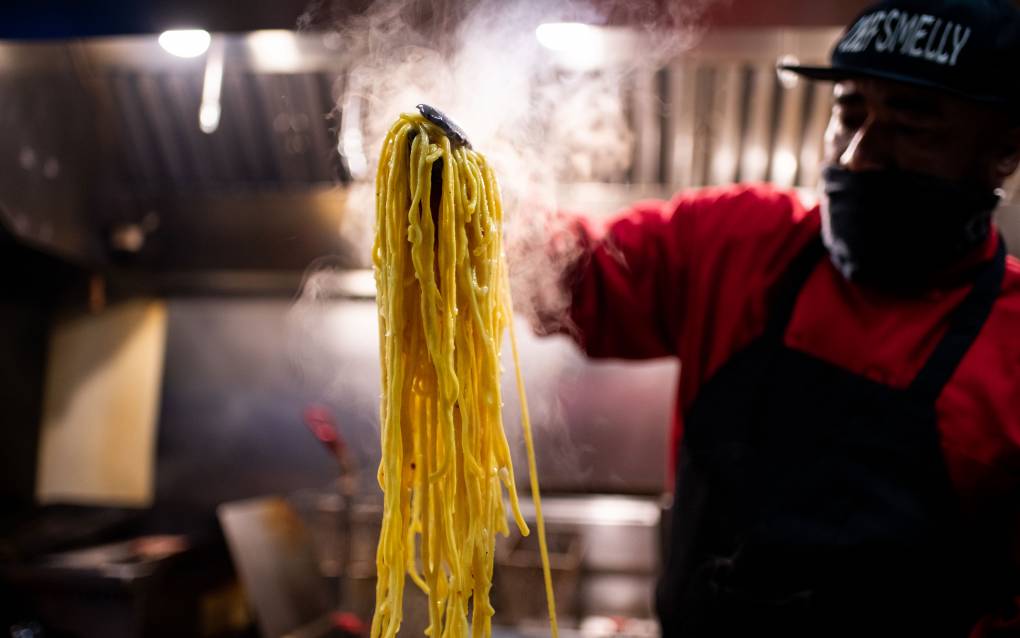
window.__IS_SSR__=true
window.__INITIAL_STATE__={
"attachmentsReducer": {
"audio_0": {
"type": "attachments",
"id": "audio_0",
"imgSizes": {
"kqedFullSize": {
"file": "https://ww2.kqed.org/news/wp-content/themes/KQED-unified/img/audio_bgs/background0.jpg"
}
}
},
"audio_1": {
"type": "attachments",
"id": "audio_1",
"imgSizes": {
"kqedFullSize": {
"file": "https://ww2.kqed.org/news/wp-content/themes/KQED-unified/img/audio_bgs/background1.jpg"
}
}
},
"audio_2": {
"type": "attachments",
"id": "audio_2",
"imgSizes": {
"kqedFullSize": {
"file": "https://ww2.kqed.org/news/wp-content/themes/KQED-unified/img/audio_bgs/background2.jpg"
}
}
},
"audio_3": {
"type": "attachments",
"id": "audio_3",
"imgSizes": {
"kqedFullSize": {
"file": "https://ww2.kqed.org/news/wp-content/themes/KQED-unified/img/audio_bgs/background3.jpg"
}
}
},
"audio_4": {
"type": "attachments",
"id": "audio_4",
"imgSizes": {
"kqedFullSize": {
"file": "https://ww2.kqed.org/news/wp-content/themes/KQED-unified/img/audio_bgs/background4.jpg"
}
}
},
"placeholder": {
"type": "attachments",
"id": "placeholder",
"imgSizes": {
"thumbnail": {
"file": "https://cdn.kqed.org/wp-content/uploads/2024/12/KQED-Default-Image-816638274-2000x1333-1-160x107.jpg",
"width": 160,
"height": 107,
"mimeType": "image/jpeg"
},
"medium": {
"file": "https://cdn.kqed.org/wp-content/uploads/2024/12/KQED-Default-Image-816638274-2000x1333-1-800x533.jpg",
"width": 800,
"height": 533,
"mimeType": "image/jpeg"
},
"medium_large": {
"file": "https://cdn.kqed.org/wp-content/uploads/2024/12/KQED-Default-Image-816638274-2000x1333-1-768x512.jpg",
"width": 768,
"height": 512,
"mimeType": "image/jpeg"
},
"large": {
"file": "https://cdn.kqed.org/wp-content/uploads/2024/12/KQED-Default-Image-816638274-2000x1333-1-1020x680.jpg",
"width": 1020,
"height": 680,
"mimeType": "image/jpeg"
},
"1536x1536": {
"file": "https://cdn.kqed.org/wp-content/uploads/2024/12/KQED-Default-Image-816638274-2000x1333-1-1536x1024.jpg",
"width": 1536,
"height": 1024,
"mimeType": "image/jpeg"
},
"fd-lrg": {
"file": "https://cdn.kqed.org/wp-content/uploads/2024/12/KQED-Default-Image-816638274-2000x1333-1-1536x1024.jpg",
"width": 1536,
"height": 1024,
"mimeType": "image/jpeg"
},
"fd-med": {
"file": "https://cdn.kqed.org/wp-content/uploads/2024/12/KQED-Default-Image-816638274-2000x1333-1-1020x680.jpg",
"width": 1020,
"height": 680,
"mimeType": "image/jpeg"
},
"fd-sm": {
"file": "https://cdn.kqed.org/wp-content/uploads/2024/12/KQED-Default-Image-816638274-2000x1333-1-800x533.jpg",
"width": 800,
"height": 533,
"mimeType": "image/jpeg"
},
"post-thumbnail": {
"file": "https://cdn.kqed.org/wp-content/uploads/2024/12/KQED-Default-Image-816638274-2000x1333-1-672x372.jpg",
"width": 672,
"height": 372,
"mimeType": "image/jpeg"
},
"twentyfourteen-full-width": {
"file": "https://cdn.kqed.org/wp-content/uploads/2024/12/KQED-Default-Image-816638274-2000x1333-1-1038x576.jpg",
"width": 1038,
"height": 576,
"mimeType": "image/jpeg"
},
"xxsmall": {
"file": "https://cdn.kqed.org/wp-content/uploads/2024/12/KQED-Default-Image-816638274-2000x1333-1-160x107.jpg",
"width": 160,
"height": 107,
"mimeType": "image/jpeg"
},
"xsmall": {
"file": "https://cdn.kqed.org/wp-content/uploads/2024/12/KQED-Default-Image-816638274-2000x1333-1-672x372.jpg",
"width": 672,
"height": 372,
"mimeType": "image/jpeg"
},
"small": {
"file": "https://cdn.kqed.org/wp-content/uploads/2024/12/KQED-Default-Image-816638274-2000x1333-1-672x372.jpg",
"width": 672,
"height": 372,
"mimeType": "image/jpeg"
},
"xlarge": {
"file": "https://cdn.kqed.org/wp-content/uploads/2024/12/KQED-Default-Image-816638274-2000x1333-1-1020x680.jpg",
"width": 1020,
"height": 680,
"mimeType": "image/jpeg"
},
"full-width": {
"file": "https://cdn.kqed.org/wp-content/uploads/2024/12/KQED-Default-Image-816638274-2000x1333-1-1920x1280.jpg",
"width": 1920,
"height": 1280,
"mimeType": "image/jpeg"
},
"guest-author-32": {
"file": "https://cdn.kqed.org/wp-content/uploads/2025/01/KQED-Default-Image-816638274-1333x1333-1-160x160.jpg",
"width": 32,
"height": 32,
"mimeType": "image/jpeg"
},
"guest-author-50": {
"file": "https://cdn.kqed.org/wp-content/uploads/2025/01/KQED-Default-Image-816638274-1333x1333-1-160x160.jpg",
"width": 50,
"height": 50,
"mimeType": "image/jpeg"
},
"guest-author-64": {
"file": "https://cdn.kqed.org/wp-content/uploads/2025/01/KQED-Default-Image-816638274-1333x1333-1-160x160.jpg",
"width": 64,
"height": 64,
"mimeType": "image/jpeg"
},
"guest-author-96": {
"file": "https://cdn.kqed.org/wp-content/uploads/2025/01/KQED-Default-Image-816638274-1333x1333-1-160x160.jpg",
"width": 96,
"height": 96,
"mimeType": "image/jpeg"
},
"guest-author-128": {
"file": "https://cdn.kqed.org/wp-content/uploads/2025/01/KQED-Default-Image-816638274-1333x1333-1-160x160.jpg",
"width": 128,
"height": 128,
"mimeType": "image/jpeg"
},
"detail": {
"file": "https://cdn.kqed.org/wp-content/uploads/2025/01/KQED-Default-Image-816638274-1333x1333-1-160x160.jpg",
"width": 160,
"height": 160,
"mimeType": "image/jpeg"
},
"kqedFullSize": {
"file": "https://cdn.kqed.org/wp-content/uploads/2024/12/KQED-Default-Image-816638274-2000x1333-1.jpg",
"width": 2000,
"height": 1333
}
}
},
"arts_13900923": {
"type": "attachments",
"id": "arts_13900923",
"meta": {
"index": "attachments_1716263798",
"site": "arts",
"id": "13900923",
"found": true
},
"parent": 13900855,
"imgSizes": {
"twentyfourteen-full-width": {
"file": "https://ww2.kqed.org/app/uploads/sites/2/2021/08/007_Oakland_ChefSmellys_08072021_crop-1038x576.jpg",
"width": 1038,
"mimeType": "image/jpeg",
"height": 576
},
"thumbnail": {
"file": "https://ww2.kqed.org/app/uploads/sites/2/2021/08/007_Oakland_ChefSmellys_08072021_crop-160x100.jpg",
"width": 160,
"mimeType": "image/jpeg",
"height": 100
},
"post-thumbnail": {
"file": "https://ww2.kqed.org/app/uploads/sites/2/2021/08/007_Oakland_ChefSmellys_08072021_crop-672x372.jpg",
"width": 672,
"mimeType": "image/jpeg",
"height": 372
},
"kqedFullSize": {
"file": "https://ww2.kqed.org/app/uploads/sites/2/2021/08/007_Oakland_ChefSmellys_08072021_crop-scaled.jpg",
"width": 2560,
"height": 1600
},
"2048x2048": {
"file": "https://ww2.kqed.org/app/uploads/sites/2/2021/08/007_Oakland_ChefSmellys_08072021_crop-2048x1280.jpg",
"width": 2048,
"mimeType": "image/jpeg",
"height": 1280
},
"large": {
"file": "https://ww2.kqed.org/app/uploads/sites/2/2021/08/007_Oakland_ChefSmellys_08072021_crop-1020x638.jpg",
"width": 1020,
"mimeType": "image/jpeg",
"height": 638
},
"1536x1536": {
"file": "https://ww2.kqed.org/app/uploads/sites/2/2021/08/007_Oakland_ChefSmellys_08072021_crop-1536x960.jpg",
"width": 1536,
"mimeType": "image/jpeg",
"height": 960
},
"full-width": {
"file": "https://ww2.kqed.org/app/uploads/sites/2/2021/08/007_Oakland_ChefSmellys_08072021_crop-1920x1200.jpg",
"width": 1920,
"mimeType": "image/jpeg",
"height": 1200
},
"medium": {
"file": "https://ww2.kqed.org/app/uploads/sites/2/2021/08/007_Oakland_ChefSmellys_08072021_crop-800x500.jpg",
"width": 800,
"mimeType": "image/jpeg",
"height": 500
},
"medium_large": {
"file": "https://ww2.kqed.org/app/uploads/sites/2/2021/08/007_Oakland_ChefSmellys_08072021_crop-768x480.jpg",
"width": 768,
"mimeType": "image/jpeg",
"height": 480
}
},
"publishDate": 1628547525,
"modified": 1628611979,
"caption": "Garlic noodles are one of the most popular dishes at the Chef Smelly's pop-up in Oakland. ",
"description": "Garlic noodles are one of the most popular dishes at the Chef Smelly's pop-up in Oakland.",
"title": "007_Oakland_ChefSmellys_08072021_crop",
"credit": "Beth LaBerge/KQED",
"status": "inherit",
"altTag": "A chef holding a large tangle of steaming garlic noodles with a pair of tongs.",
"isLoading": false,
"fetchFailed": false
},
"arts_13900647": {
"type": "attachments",
"id": "arts_13900647",
"meta": {
"index": "attachments_1716263798",
"site": "arts",
"id": "13900647",
"found": true
},
"parent": 13900641,
"imgSizes": {
"twentyfourteen-full-width": {
"file": "https://ww2.kqed.org/app/uploads/sites/2/2021/08/IMG_8217-1038x576.jpg",
"width": 1038,
"mimeType": "image/jpeg",
"height": 576
},
"thumbnail": {
"file": "https://ww2.kqed.org/app/uploads/sites/2/2021/08/IMG_8217-160x120.jpg",
"width": 160,
"mimeType": "image/jpeg",
"height": 120
},
"post-thumbnail": {
"file": "https://ww2.kqed.org/app/uploads/sites/2/2021/08/IMG_8217-672x372.jpg",
"width": 672,
"mimeType": "image/jpeg",
"height": 372
},
"kqedFullSize": {
"file": "https://ww2.kqed.org/app/uploads/sites/2/2021/08/IMG_8217-scaled.jpg",
"width": 2560,
"height": 1920
},
"2048x2048": {
"file": "https://ww2.kqed.org/app/uploads/sites/2/2021/08/IMG_8217-2048x1536.jpg",
"width": 2048,
"mimeType": "image/jpeg",
"height": 1536
},
"large": {
"file": "https://ww2.kqed.org/app/uploads/sites/2/2021/08/IMG_8217-1020x765.jpg",
"width": 1020,
"mimeType": "image/jpeg",
"height": 765
},
"1536x1536": {
"file": "https://ww2.kqed.org/app/uploads/sites/2/2021/08/IMG_8217-1536x1152.jpg",
"width": 1536,
"mimeType": "image/jpeg",
"height": 1152
},
"full-width": {
"file": "https://ww2.kqed.org/app/uploads/sites/2/2021/08/IMG_8217-1920x1440.jpg",
"width": 1920,
"mimeType": "image/jpeg",
"height": 1440
},
"medium": {
"file": "https://ww2.kqed.org/app/uploads/sites/2/2021/08/IMG_8217-800x600.jpg",
"width": 800,
"mimeType": "image/jpeg",
"height": 600
},
"medium_large": {
"file": "https://ww2.kqed.org/app/uploads/sites/2/2021/08/IMG_8217-768x576.jpg",
"width": 768,
"mimeType": "image/jpeg",
"height": 576
}
},
"publishDate": 1628110556,
"modified": 1628110681,
"caption": "The owner of Mekong Restaurant holding a plate of Vietnamese food.",
"description": "The owner of Mekong Restaurant holding a plate of Vietnamese food.",
"title": "IMG_8217",
"credit": "Courtesy of Good Good Eatz",
"status": "inherit",
"altTag": "The owner of Mekong Restaurant holding a plate of Vietnamese food.",
"isLoading": false,
"fetchFailed": false
},
"arts_13900446": {
"type": "attachments",
"id": "arts_13900446",
"meta": {
"index": "attachments_1716263798",
"site": "arts",
"id": "13900446",
"found": true
},
"parent": 13900429,
"imgSizes": {
"thumbnail": {
"file": "https://ww2.kqed.org/app/uploads/sites/2/2021/07/storefront-market_culinary-kids-160x100.jpg",
"width": 160,
"mimeType": "image/jpeg",
"height": 100
},
"post-thumbnail": {
"file": "https://ww2.kqed.org/app/uploads/sites/2/2021/07/storefront-market_culinary-kids-672x372.jpg",
"width": 672,
"mimeType": "image/jpeg",
"height": 372
},
"kqedFullSize": {
"file": "https://ww2.kqed.org/app/uploads/sites/2/2021/07/storefront-market_culinary-kids.jpg",
"width": 828,
"height": 517
},
"medium": {
"file": "https://ww2.kqed.org/app/uploads/sites/2/2021/07/storefront-market_culinary-kids-800x500.jpg",
"width": 800,
"mimeType": "image/jpeg",
"height": 500
},
"medium_large": {
"file": "https://ww2.kqed.org/app/uploads/sites/2/2021/07/storefront-market_culinary-kids-768x480.jpg",
"width": 768,
"mimeType": "image/jpeg",
"height": 480
}
},
"publishDate": 1627598453,
"modified": 1627598539,
"caption": "Lemon bars from the youth-run Culinary Kids come topped with edible flowers.",
"description": null,
"title": "storefront market_culinary kids",
"credit": "Storefront Records",
"status": "inherit",
"altTag": "A spread of lemon bars topped with pink and red edible flowers.",
"isLoading": false,
"fetchFailed": false
},
"arts_13900353": {
"type": "attachments",
"id": "arts_13900353",
"meta": {
"index": "attachments_1716263798",
"site": "arts",
"id": "13900353",
"found": true
},
"parent": 13900311,
"imgSizes": {
"twentyfourteen-full-width": {
"file": "https://ww2.kqed.org/app/uploads/sites/2/2021/07/BryantTerry.CROP_-1038x576.jpg",
"width": 1038,
"mimeType": "image/jpeg",
"height": 576
},
"thumbnail": {
"file": "https://ww2.kqed.org/app/uploads/sites/2/2021/07/BryantTerry.CROP_-160x90.jpg",
"width": 160,
"mimeType": "image/jpeg",
"height": 90
},
"post-thumbnail": {
"file": "https://ww2.kqed.org/app/uploads/sites/2/2021/07/BryantTerry.CROP_-672x372.jpg",
"width": 672,
"mimeType": "image/jpeg",
"height": 372
},
"kqedFullSize": {
"file": "https://ww2.kqed.org/app/uploads/sites/2/2021/07/BryantTerry.CROP_.jpg",
"width": 1275,
"height": 717
},
"large": {
"file": "https://ww2.kqed.org/app/uploads/sites/2/2021/07/BryantTerry.CROP_-1020x574.jpg",
"width": 1020,
"mimeType": "image/jpeg",
"height": 574
},
"medium": {
"file": "https://ww2.kqed.org/app/uploads/sites/2/2021/07/BryantTerry.CROP_-800x450.jpg",
"width": 800,
"mimeType": "image/jpeg",
"height": 450
},
"medium_large": {
"file": "https://ww2.kqed.org/app/uploads/sites/2/2021/07/BryantTerry.CROP_-768x432.jpg",
"width": 768,
"mimeType": "image/jpeg",
"height": 432
}
},
"publishDate": 1627498005,
"modified": 1627498028,
"caption": "Bryant Terry.",
"description": "Bryant Terry.",
"title": "BryantTerry.CROP",
"credit": "Adrian Octavius Walker",
"status": "inherit",
"altTag": "Bryant Terry in sunglasses on a roof",
"isLoading": false,
"fetchFailed": false
},
"arts_13900095": {
"type": "attachments",
"id": "arts_13900095",
"meta": {
"index": "attachments_1716263798",
"site": "arts",
"id": "13900095",
"found": true
},
"parent": 13900094,
"imgSizes": {
"twentyfourteen-full-width": {
"file": "https://ww2.kqed.org/app/uploads/sites/2/2021/07/pxl_20210713_170406008.portrait-2-d0a573cd004a1f9b5b1c37463dfbc2bee5764af8-1038x576.jpg",
"width": 1038,
"mimeType": "image/jpeg",
"height": 576
},
"thumbnail": {
"file": "https://ww2.kqed.org/app/uploads/sites/2/2021/07/pxl_20210713_170406008.portrait-2-d0a573cd004a1f9b5b1c37463dfbc2bee5764af8-160x120.jpg",
"width": 160,
"mimeType": "image/jpeg",
"height": 120
},
"post-thumbnail": {
"file": "https://ww2.kqed.org/app/uploads/sites/2/2021/07/pxl_20210713_170406008.portrait-2-d0a573cd004a1f9b5b1c37463dfbc2bee5764af8-672x372.jpg",
"width": 672,
"mimeType": "image/jpeg",
"height": 372
},
"kqedFullSize": {
"file": "https://ww2.kqed.org/app/uploads/sites/2/2021/07/pxl_20210713_170406008.portrait-2-d0a573cd004a1f9b5b1c37463dfbc2bee5764af8.jpg",
"width": 1970,
"height": 1475
},
"large": {
"file": "https://ww2.kqed.org/app/uploads/sites/2/2021/07/pxl_20210713_170406008.portrait-2-d0a573cd004a1f9b5b1c37463dfbc2bee5764af8-1020x764.jpg",
"width": 1020,
"mimeType": "image/jpeg",
"height": 764
},
"1536x1536": {
"file": "https://ww2.kqed.org/app/uploads/sites/2/2021/07/pxl_20210713_170406008.portrait-2-d0a573cd004a1f9b5b1c37463dfbc2bee5764af8-1536x1150.jpg",
"width": 1536,
"mimeType": "image/jpeg",
"height": 1150
},
"full-width": {
"file": "https://ww2.kqed.org/app/uploads/sites/2/2021/07/pxl_20210713_170406008.portrait-2-d0a573cd004a1f9b5b1c37463dfbc2bee5764af8-1920x1438.jpg",
"width": 1920,
"mimeType": "image/jpeg",
"height": 1438
},
"medium": {
"file": "https://ww2.kqed.org/app/uploads/sites/2/2021/07/pxl_20210713_170406008.portrait-2-d0a573cd004a1f9b5b1c37463dfbc2bee5764af8-800x599.jpg",
"width": 800,
"mimeType": "image/jpeg",
"height": 599
},
"medium_large": {
"file": "https://ww2.kqed.org/app/uploads/sites/2/2021/07/pxl_20210713_170406008.portrait-2-d0a573cd004a1f9b5b1c37463dfbc2bee5764af8-768x575.jpg",
"width": 768,
"mimeType": "image/jpeg",
"height": 575
}
},
"publishDate": 1626798572,
"modified": 1626799253,
"caption": "Lamar Cornett has worked in restaurants for more than 20 years. During the pandemic, he began thinking about leaving that career behind.",
"description": null,
"title": "Lamar Cornett has worked in restaurants for more than 20 years. During the pandemic, he began thinking about leaving that career behind.",
"credit": "Courtesy of Lamar Cornett",
"status": "inherit",
"altTag": null,
"isLoading": false,
"fetchFailed": false
},
"arts_13899978": {
"type": "attachments",
"id": "arts_13899978",
"meta": {
"index": "attachments_1716263798",
"site": "arts",
"id": "13899978",
"found": true
},
"parent": 13899963,
"imgSizes": {
"twentyfourteen-full-width": {
"file": "https://ww2.kqed.org/app/uploads/sites/2/2021/07/RR_FP_00081_rgb_1200-1038x576.jpg",
"width": 1038,
"mimeType": "image/jpeg",
"height": 576
},
"thumbnail": {
"file": "https://ww2.kqed.org/app/uploads/sites/2/2021/07/RR_FP_00081_rgb_1200-160x90.jpg",
"width": 160,
"mimeType": "image/jpeg",
"height": 90
},
"post-thumbnail": {
"file": "https://ww2.kqed.org/app/uploads/sites/2/2021/07/RR_FP_00081_rgb_1200-672x372.jpg",
"width": 672,
"mimeType": "image/jpeg",
"height": 372
},
"kqedFullSize": {
"file": "https://ww2.kqed.org/app/uploads/sites/2/2021/07/RR_FP_00081_rgb_1200.jpg",
"width": 1200,
"height": 675
},
"large": {
"file": "https://ww2.kqed.org/app/uploads/sites/2/2021/07/RR_FP_00081_rgb_1200-1020x574.jpg",
"width": 1020,
"mimeType": "image/jpeg",
"height": 574
},
"medium": {
"file": "https://ww2.kqed.org/app/uploads/sites/2/2021/07/RR_FP_00081_rgb_1200-800x450.jpg",
"width": 800,
"mimeType": "image/jpeg",
"height": 450
},
"medium_large": {
"file": "https://ww2.kqed.org/app/uploads/sites/2/2021/07/RR_FP_00081_rgb_1200-768x432.jpg",
"width": 768,
"mimeType": "image/jpeg",
"height": 432
}
},
"publishDate": 1626309687,
"modified": 1626461911,
"caption": "Anthony Bourdain during his younger years, in a still from the new documentary 'Roadrunner,' 2021.",
"description": "Anthony Bourdain in a still from 'Roadrunner,' 2021.",
"title": "RR_FP_00081_rgb_1200",
"credit": "Dmitri Kasterine / Focus Features",
"status": "inherit",
"altTag": "Anthony Bourdain pictured in his restaurant kitchen during his younger years, in a still shot from the new 'Roadrunner' documentary.",
"isLoading": false,
"fetchFailed": false
},
"arts_13899977": {
"type": "attachments",
"id": "arts_13899977",
"meta": {
"index": "attachments_1716263798",
"site": "arts",
"id": "13899977",
"found": true
},
"parent": 13899963,
"imgSizes": {
"twentyfourteen-full-width": {
"file": "https://ww2.kqed.org/app/uploads/sites/2/2021/07/RR_COVER-1038x576.jpg",
"width": 1038,
"mimeType": "image/jpeg",
"height": 576
},
"thumbnail": {
"file": "https://ww2.kqed.org/app/uploads/sites/2/2021/07/RR_COVER-160x90.jpg",
"width": 160,
"mimeType": "image/jpeg",
"height": 90
},
"post-thumbnail": {
"file": "https://ww2.kqed.org/app/uploads/sites/2/2021/07/RR_COVER-672x372.jpg",
"width": 672,
"mimeType": "image/jpeg",
"height": 372
},
"kqedFullSize": {
"file": "https://ww2.kqed.org/app/uploads/sites/2/2021/07/RR_COVER.jpg",
"width": 1920,
"height": 1080
},
"large": {
"file": "https://ww2.kqed.org/app/uploads/sites/2/2021/07/RR_COVER-1020x574.jpg",
"width": 1020,
"mimeType": "image/jpeg",
"height": 574
},
"1536x1536": {
"file": "https://ww2.kqed.org/app/uploads/sites/2/2021/07/RR_COVER-1536x864.jpg",
"width": 1536,
"mimeType": "image/jpeg",
"height": 864
},
"medium": {
"file": "https://ww2.kqed.org/app/uploads/sites/2/2021/07/RR_COVER-800x450.jpg",
"width": 800,
"mimeType": "image/jpeg",
"height": 450
},
"medium_large": {
"file": "https://ww2.kqed.org/app/uploads/sites/2/2021/07/RR_COVER-768x432.jpg",
"width": 768,
"mimeType": "image/jpeg",
"height": 432
}
},
"publishDate": 1626309675,
"modified": 1626309830,
"caption": "Anthony Bourdain in a still from 'Roadrunner,' 2021.",
"description": "Anthony Bourdain in a still from 'Roadrunner,' 2021.",
"title": "RR_COVER",
"credit": "CNN / Focus Features",
"status": "inherit",
"altTag": null,
"isLoading": false,
"fetchFailed": false
},
"arts_13899725": {
"type": "attachments",
"id": "arts_13899725",
"meta": {
"index": "attachments_1716263798",
"site": "arts",
"id": "13899725",
"found": true
},
"parent": 13899700,
"imgSizes": {
"twentyfourteen-full-width": {
"file": "https://ww2.kqed.org/app/uploads/sites/2/2021/07/La-Cheve_brunch-1038x576.jpg",
"width": 1038,
"mimeType": "image/jpeg",
"height": 576
},
"thumbnail": {
"file": "https://ww2.kqed.org/app/uploads/sites/2/2021/07/La-Cheve_brunch-160x90.jpg",
"width": 160,
"mimeType": "image/jpeg",
"height": 90
},
"post-thumbnail": {
"file": "https://ww2.kqed.org/app/uploads/sites/2/2021/07/La-Cheve_brunch-672x372.jpg",
"width": 672,
"mimeType": "image/jpeg",
"height": 372
},
"kqedFullSize": {
"file": "https://ww2.kqed.org/app/uploads/sites/2/2021/07/La-Cheve_brunch-scaled.jpg",
"width": 2560,
"height": 1440
},
"2048x2048": {
"file": "https://ww2.kqed.org/app/uploads/sites/2/2021/07/La-Cheve_brunch-2048x1152.jpg",
"width": 2048,
"mimeType": "image/jpeg",
"height": 1152
},
"large": {
"file": "https://ww2.kqed.org/app/uploads/sites/2/2021/07/La-Cheve_brunch-1020x574.jpg",
"width": 1020,
"mimeType": "image/jpeg",
"height": 574
},
"1536x1536": {
"file": "https://ww2.kqed.org/app/uploads/sites/2/2021/07/La-Cheve_brunch-1536x864.jpg",
"width": 1536,
"mimeType": "image/jpeg",
"height": 864
},
"full-width": {
"file": "https://ww2.kqed.org/app/uploads/sites/2/2021/07/La-Cheve_brunch-1920x1080.jpg",
"width": 1920,
"mimeType": "image/jpeg",
"height": 1080
},
"medium": {
"file": "https://ww2.kqed.org/app/uploads/sites/2/2021/07/La-Cheve_brunch-800x450.jpg",
"width": 800,
"mimeType": "image/jpeg",
"height": 450
},
"medium_large": {
"file": "https://ww2.kqed.org/app/uploads/sites/2/2021/07/La-Cheve_brunch-768x432.jpg",
"width": 768,
"mimeType": "image/jpeg",
"height": 432
}
},
"publishDate": 1625163473,
"modified": 1625164194,
"caption": "Weekend brunch is one of the most popular attractions at La Cheve.",
"description": "Weekend brunch is one of the most popular attractions at La Cheve.",
"title": "La Cheve_brunch",
"credit": "Briana Chazaro",
"status": "inherit",
"altTag": "Conchas on a wooden table, with glasses of wine and hibiscus mimosa in the background.",
"isLoading": false,
"fetchFailed": false
},
"arts_13899739": {
"type": "attachments",
"id": "arts_13899739",
"meta": {
"index": "attachments_1716263798",
"site": "arts",
"id": "13899739",
"found": true
},
"parent": 13899700,
"imgSizes": {
"twentyfourteen-full-width": {
"file": "https://ww2.kqed.org/app/uploads/sites/2/2021/07/La-Cheve_PrideCronut-1038x576.jpg",
"width": 1038,
"mimeType": "image/jpeg",
"height": 576
},
"thumbnail": {
"file": "https://ww2.kqed.org/app/uploads/sites/2/2021/07/La-Cheve_PrideCronut-160x107.jpg",
"width": 160,
"mimeType": "image/jpeg",
"height": 107
},
"post-thumbnail": {
"file": "https://ww2.kqed.org/app/uploads/sites/2/2021/07/La-Cheve_PrideCronut-672x372.jpg",
"width": 672,
"mimeType": "image/jpeg",
"height": 372
},
"kqedFullSize": {
"file": "https://ww2.kqed.org/app/uploads/sites/2/2021/07/La-Cheve_PrideCronut-scaled.jpg",
"width": 2560,
"height": 1707
},
"2048x2048": {
"file": "https://ww2.kqed.org/app/uploads/sites/2/2021/07/La-Cheve_PrideCronut-2048x1365.jpg",
"width": 2048,
"mimeType": "image/jpeg",
"height": 1365
},
"large": {
"file": "https://ww2.kqed.org/app/uploads/sites/2/2021/07/La-Cheve_PrideCronut-1020x680.jpg",
"width": 1020,
"mimeType": "image/jpeg",
"height": 680
},
"1536x1536": {
"file": "https://ww2.kqed.org/app/uploads/sites/2/2021/07/La-Cheve_PrideCronut-1536x1024.jpg",
"width": 1536,
"mimeType": "image/jpeg",
"height": 1024
},
"full-width": {
"file": "https://ww2.kqed.org/app/uploads/sites/2/2021/07/La-Cheve_PrideCronut-1920x1280.jpg",
"width": 1920,
"mimeType": "image/jpeg",
"height": 1280
},
"medium": {
"file": "https://ww2.kqed.org/app/uploads/sites/2/2021/07/La-Cheve_PrideCronut-800x533.jpg",
"width": 800,
"mimeType": "image/jpeg",
"height": 533
},
"medium_large": {
"file": "https://ww2.kqed.org/app/uploads/sites/2/2021/07/La-Cheve_PrideCronut-768x512.jpg",
"width": 768,
"mimeType": "image/jpeg",
"height": 512
}
},
"publishDate": 1625165339,
"modified": 1625165457,
"caption": "A colorful, rainbow-topped cronut for Pride Month.",
"description": "A colorful, rainbow-topped cronut for Pride Month.",
"title": "La Cheve_PrideCronut",
"credit": "Briana Chazaro",
"status": "inherit",
"altTag": "Colorful rainbow-topped cronut on a plate, on a wooden table.",
"isLoading": false,
"fetchFailed": false
},
"arts_13899527": {
"type": "attachments",
"id": "arts_13899527",
"meta": {
"index": "attachments_1716263798",
"site": "arts",
"id": "13899527",
"found": true
},
"parent": 13899524,
"imgSizes": {
"twentyfourteen-full-width": {
"file": "https://ww2.kqed.org/app/uploads/sites/2/2021/06/CafeOhlone_LouisAndVincent-1038x576.jpg",
"width": 1038,
"mimeType": "image/jpeg",
"height": 576
},
"thumbnail": {
"file": "https://ww2.kqed.org/app/uploads/sites/2/2021/06/CafeOhlone_LouisAndVincent-160x100.jpg",
"width": 160,
"mimeType": "image/jpeg",
"height": 100
},
"post-thumbnail": {
"file": "https://ww2.kqed.org/app/uploads/sites/2/2021/06/CafeOhlone_LouisAndVincent-672x372.jpg",
"width": 672,
"mimeType": "image/jpeg",
"height": 372
},
"kqedFullSize": {
"file": "https://ww2.kqed.org/app/uploads/sites/2/2021/06/CafeOhlone_LouisAndVincent-scaled.jpg",
"width": 2560,
"height": 1600
},
"2048x2048": {
"file": "https://ww2.kqed.org/app/uploads/sites/2/2021/06/CafeOhlone_LouisAndVincent-2048x1280.jpg",
"width": 2048,
"mimeType": "image/jpeg",
"height": 1280
},
"large": {
"file": "https://ww2.kqed.org/app/uploads/sites/2/2021/06/CafeOhlone_LouisAndVincent-1020x638.jpg",
"width": 1020,
"mimeType": "image/jpeg",
"height": 638
},
"1536x1536": {
"file": "https://ww2.kqed.org/app/uploads/sites/2/2021/06/CafeOhlone_LouisAndVincent-1536x960.jpg",
"width": 1536,
"mimeType": "image/jpeg",
"height": 960
},
"full-width": {
"file": "https://ww2.kqed.org/app/uploads/sites/2/2021/06/CafeOhlone_LouisAndVincent-1920x1200.jpg",
"width": 1920,
"mimeType": "image/jpeg",
"height": 1200
},
"medium": {
"file": "https://ww2.kqed.org/app/uploads/sites/2/2021/06/CafeOhlone_LouisAndVincent-800x500.jpg",
"width": 800,
"mimeType": "image/jpeg",
"height": 500
},
"medium_large": {
"file": "https://ww2.kqed.org/app/uploads/sites/2/2021/06/CafeOhlone_LouisAndVincent-768x480.jpg",
"width": 768,
"mimeType": "image/jpeg",
"height": 480
}
},
"publishDate": 1624989329,
"modified": 1625000359,
"caption": "Cafe Ohlone owners Louis Trevino (at left) and Vincent Medina (right) pose with Paula Callas during one of their monthly Sunday Supper meal kit days. ",
"description": "Cafe Ohlone owners Louis Trevino (left) and Vincent Medina pose with Paula Callas during one of their monthly Sunday Supper meal kit days. ",
"title": "CafeOhlone_LouisAndVincent",
"credit": "Cafe Ohlone",
"status": "inherit",
"altTag": "Cafe Ohlone owners Vincent Medina and Louis Trevino pose with Paula Callas, who is holding one of the restaurant's meal kit boxes.",
"isLoading": false,
"fetchFailed": false
},
"arts_13899388": {
"type": "attachments",
"id": "arts_13899388",
"meta": {
"index": "attachments_1716263798",
"site": "arts",
"id": "13899388",
"found": true
},
"parent": 13899379,
"imgSizes": {
"twentyfourteen-full-width": {
"file": "https://ww2.kqed.org/app/uploads/sites/2/2021/06/MilkSF_Featured_Lady-Nigel-Butterfly-1038x576.jpg",
"width": 1038,
"mimeType": "image/jpeg",
"height": 576
},
"thumbnail": {
"file": "https://ww2.kqed.org/app/uploads/sites/2/2021/06/MilkSF_Featured_Lady-Nigel-Butterfly-160x90.jpg",
"width": 160,
"mimeType": "image/jpeg",
"height": 90
},
"post-thumbnail": {
"file": "https://ww2.kqed.org/app/uploads/sites/2/2021/06/MilkSF_Featured_Lady-Nigel-Butterfly-672x372.jpg",
"width": 672,
"mimeType": "image/jpeg",
"height": 372
},
"kqedFullSize": {
"file": "https://ww2.kqed.org/app/uploads/sites/2/2021/06/MilkSF_Featured_Lady-Nigel-Butterfly-scaled.jpg",
"width": 2560,
"height": 1440
},
"2048x2048": {
"file": "https://ww2.kqed.org/app/uploads/sites/2/2021/06/MilkSF_Featured_Lady-Nigel-Butterfly-2048x1152.jpg",
"width": 2048,
"mimeType": "image/jpeg",
"height": 1152
},
"large": {
"file": "https://ww2.kqed.org/app/uploads/sites/2/2021/06/MilkSF_Featured_Lady-Nigel-Butterfly-1020x574.jpg",
"width": 1020,
"mimeType": "image/jpeg",
"height": 574
},
"1536x1536": {
"file": "https://ww2.kqed.org/app/uploads/sites/2/2021/06/MilkSF_Featured_Lady-Nigel-Butterfly-1536x864.jpg",
"width": 1536,
"mimeType": "image/jpeg",
"height": 864
},
"full-width": {
"file": "https://ww2.kqed.org/app/uploads/sites/2/2021/06/MilkSF_Featured_Lady-Nigel-Butterfly-1920x1080.jpg",
"width": 1920,
"mimeType": "image/jpeg",
"height": 1080
},
"medium": {
"file": "https://ww2.kqed.org/app/uploads/sites/2/2021/06/MilkSF_Featured_Lady-Nigel-Butterfly-800x450.jpg",
"width": 800,
"mimeType": "image/jpeg",
"height": 450
},
"medium_large": {
"file": "https://ww2.kqed.org/app/uploads/sites/2/2021/06/MilkSF_Featured_Lady-Nigel-Butterfly-768x432.jpg",
"width": 768,
"mimeType": "image/jpeg",
"height": 432
}
},
"publishDate": 1624643516,
"modified": 1624643747,
"caption": "Katey \"Scoots\" McKee and Sharon Ratton in front of their queer-friendly Mission District coffee shop, Milk SF.",
"description": "Katey \"Scoots\" McKee and Sharon Ratton in front of their queer-friendly Mission District coffee shop, Milk SF.",
"title": "MilkSF_Featured_Lady Nigel Butterfly",
"credit": "Lady Nigel Butterfly",
"status": "inherit",
"altTag": "Katey \"Scoots\" McKee and Sharon Ratton in front of their Mission District coffee shop, Milk SF. There's a small red wagon with a sculpture of a birthday cake next to Ratton.",
"isLoading": false,
"fetchFailed": false
},
"arts_13899245": {
"type": "attachments",
"id": "arts_13899245",
"meta": {
"index": "attachments_1716263798",
"site": "arts",
"id": "13899245",
"found": true
},
"parent": 13899237,
"imgSizes": {
"twentyfourteen-full-width": {
"file": "https://ww2.kqed.org/app/uploads/sites/2/2021/06/Estrella-Salvador-edited-1038x576.jpg",
"width": 1038,
"mimeType": "image/jpeg",
"height": 576
},
"thumbnail": {
"file": "https://ww2.kqed.org/app/uploads/sites/2/2021/06/Estrella-Salvador-edited-160x90.jpg",
"width": 160,
"mimeType": "image/jpeg",
"height": 90
},
"post-thumbnail": {
"file": "https://ww2.kqed.org/app/uploads/sites/2/2021/06/Estrella-Salvador-edited-672x372.jpg",
"width": 672,
"mimeType": "image/jpeg",
"height": 372
},
"kqedFullSize": {
"file": "https://ww2.kqed.org/app/uploads/sites/2/2021/06/Estrella-Salvador-edited.jpg",
"width": 1920,
"height": 1080
},
"large": {
"file": "https://ww2.kqed.org/app/uploads/sites/2/2021/06/Estrella-Salvador-edited-1020x574.jpg",
"width": 1020,
"mimeType": "image/jpeg",
"height": 574
},
"1536x1536": {
"file": "https://ww2.kqed.org/app/uploads/sites/2/2021/06/Estrella-Salvador-edited-1536x864.jpg",
"width": 1536,
"mimeType": "image/jpeg",
"height": 864
},
"medium": {
"file": "https://ww2.kqed.org/app/uploads/sites/2/2021/06/Estrella-Salvador-edited-800x450.jpg",
"width": 800,
"mimeType": "image/jpeg",
"height": 450
},
"medium_large": {
"file": "https://ww2.kqed.org/app/uploads/sites/2/2021/06/Estrella-Salvador-edited-768x432.jpg",
"width": 768,
"mimeType": "image/jpeg",
"height": 432
}
},
"publishDate": 1624483046,
"modified": 1624483171,
"caption": "Estrella Gonzalez of Estrellita's Snacks prepares food in her commercial space at La Cocina kitchen in San Francisco, framed by the flag of El Salvador. ",
"description": "Estrella Gonzalez of Estrellita's Snacks prepares food in her commercial space at La Cocina kitchen in San Francisco, framed by the flag of El Salvador. ",
"title": "Estrella-Salvador-edited",
"credit": "Carlos Cabrera-Lomelí/KQED en Español",
"status": "inherit",
"altTag": "Estrella Gonzalez of Estrellita's Snacks prepares food in her commercial space at La Cocina kitchen while framed by the flag of El Salvador.",
"isLoading": false,
"fetchFailed": false
},
"arts_13898744": {
"type": "attachments",
"id": "arts_13898744",
"meta": {
"index": "attachments_1716263798",
"site": "arts",
"id": "13898744",
"found": true
},
"parent": 13898743,
"imgSizes": {
"twentyfourteen-full-width": {
"file": "https://ww2.kqed.org/app/uploads/sites/2/2021/06/NoodleHaystack_wagyu-cropped-1038x576.jpg",
"width": 1038,
"mimeType": "image/jpeg",
"height": 576
},
"thumbnail": {
"file": "https://ww2.kqed.org/app/uploads/sites/2/2021/06/NoodleHaystack_wagyu-cropped-160x90.jpg",
"width": 160,
"mimeType": "image/jpeg",
"height": 90
},
"post-thumbnail": {
"file": "https://ww2.kqed.org/app/uploads/sites/2/2021/06/NoodleHaystack_wagyu-cropped-672x372.jpg",
"width": 672,
"mimeType": "image/jpeg",
"height": 372
},
"kqedFullSize": {
"file": "https://ww2.kqed.org/app/uploads/sites/2/2021/06/NoodleHaystack_wagyu-cropped.jpg",
"width": 2049,
"height": 1152
},
"large": {
"file": "https://ww2.kqed.org/app/uploads/sites/2/2021/06/NoodleHaystack_wagyu-cropped-1020x573.jpg",
"width": 1020,
"mimeType": "image/jpeg",
"height": 573
},
"1536x1536": {
"file": "https://ww2.kqed.org/app/uploads/sites/2/2021/06/NoodleHaystack_wagyu-cropped-1536x864.jpg",
"width": 1536,
"mimeType": "image/jpeg",
"height": 864
},
"full-width": {
"file": "https://ww2.kqed.org/app/uploads/sites/2/2021/06/NoodleHaystack_wagyu-cropped-1920x1079.jpg",
"width": 1920,
"mimeType": "image/jpeg",
"height": 1079
},
"medium": {
"file": "https://ww2.kqed.org/app/uploads/sites/2/2021/06/NoodleHaystack_wagyu-cropped-800x450.jpg",
"width": 800,
"mimeType": "image/jpeg",
"height": 450
},
"medium_large": {
"file": "https://ww2.kqed.org/app/uploads/sites/2/2021/06/NoodleHaystack_wagyu-cropped-768x432.jpg",
"width": 768,
"mimeType": "image/jpeg",
"height": 432
}
},
"publishDate": 1623428226,
"modified": 1623428406,
"caption": "Wagyu beef ramen at one of Noodle in a Haystack's pop-ups.",
"description": "Wagyu beef ramen at one of Noodle in a Haystack's pop-ups.",
"title": "NoodleHaystack_wagyu-cropped",
"credit": "Wendy Lin",
"status": "inherit",
"altTag": "Bowl of ramen topped with slices of pink wagyu beef and a tangle of herbs.",
"isLoading": false,
"fetchFailed": false
}
},
"audioPlayerReducer": {
"postId": "stream_live",
"isPaused": true,
"isPlaying": false,
"pfsActive": false,
"pledgeModalIsOpen": true,
"playerDrawerIsOpen": false,
"liveAudioPlayStartedAt": 0,
"liveAudioPlayContext": ""
},
"authorsReducer": {
"byline_arts_13900094": {
"type": "authors",
"id": "byline_arts_13900094",
"meta": {
"override": true
},
"slug": "byline_arts_13900094",
"name": "Alina Selyukh",
"isLoading": false
},
"byline_arts_13900052": {
"type": "authors",
"id": "byline_arts_13900052",
"meta": {
"override": true
},
"slug": "byline_arts_13900052",
"name": "Andrew Limbong",
"isLoading": false
},
"mfox": {
"type": "authors",
"id": "22",
"meta": {
"index": "authors_1716337520",
"id": "22",
"found": true
},
"name": "Michael Fox",
"firstName": "Michael",
"lastName": "Fox",
"slug": "mfox",
"email": "foxonfilm@yahoo.com",
"display_author_email": false,
"staff_mastheads": [],
"title": "KQED Contributor",
"bio": "Michael Fox has written about film for dozens of publications since 1987. He is a founding member of the San Francisco Bay Area Film Critics Circle.",
"avatar": "https://secure.gravatar.com/avatar/d9849d6c659c41414795c471d907bb97b396e2a32b88e20e6ff66f65fbdd6dcd?s=600&d=blank&r=g",
"twitter": null,
"bluesky": null,
"facebook": null,
"instagram": null,
"linkedin": null,
"sites": [
{
"site": "arts",
"roles": [
"Contributor",
"contributor"
]
}
],
"headData": {
"title": "Michael Fox | KQED",
"description": "KQED Contributor",
"ogImgSrc": "https://secure.gravatar.com/avatar/d9849d6c659c41414795c471d907bb97b396e2a32b88e20e6ff66f65fbdd6dcd?s=600&d=blank&r=g",
"twImgSrc": "https://secure.gravatar.com/avatar/d9849d6c659c41414795c471d907bb97b396e2a32b88e20e6ff66f65fbdd6dcd?s=600&d=blank&r=g"
},
"isLoading": false,
"link": "/author/mfox"
},
"lblanco": {
"type": "authors",
"id": "11357",
"meta": {
"index": "authors_1716337520",
"id": "11357",
"found": true
},
"name": "Lina Blanco",
"firstName": "Lina",
"lastName": "Blanco",
"slug": "lblanco",
"email": "lblanco@kqed.org",
"display_author_email": false,
"staff_mastheads": [],
"title": null,
"bio": "Lina was a Senior Engagement Platforms Manager for KQED News, producing engagement strategies on social media at \u003ca href=\"https://twitter.com/KQEDnews\">@KQEDNews, \u003c/a>via \u003ca href=\"https://www.kqed.org/about/newsletters/\">KQED's daily newsletter\u003c/a> as well as texting campaigns with KQED readers and listeners. She also co-produces for KQED's bilingual news hub \u003ca href=\"https://www.instagram.com/kqedenespanol/\">KQED en Español\u003c/a>.\r\n\r\nLina previously worked for \u003ca href=\"https://kqed.org/arts\">KQED Arts\u003c/a> — supporting audience engagement efforts on the weekly \u003ca href=\"https://www.kqed.org/podcasts/rightnowish\">\u003cem>Rightnowish\u003c/em> \u003c/a>podcast, Webby-winning video series \u003ca href=\"https://www.kqed.org/if-cities-could-dance\">\u003cem>If Cities Could Dance\u003c/em>\u003c/a>, and daily Arts & Culture reporting. She won a \u003ca href=\"https://www.kqed.org/pressroom/10884/murrow\">National 2019 Edward R. Murrow Award for Excellence in Social Media\u003c/a> for KQED's series \u003cem>The Hustle\u003c/em>.\r\n\r\nBefore KQED, Lina worked as a graphic designer and digital storytelling facilitator at the \u003ca href=\"https://www.nativehealth.org/\">Native American Health Center\u003c/a>.\r\n\r\nShe's mom to a senior Chihuahua (plus one black cat) and lives in West Sonoma County on a small farmstead.",
"avatar": "https://secure.gravatar.com/avatar/77ec326d67223c38a436b87bcfd2a2e8?s=600&d=mm&r=g",
"twitter": "LinaBlanco",
"facebook": null,
"instagram": null,
"linkedin": null,
"sites": [
{
"site": "arts",
"roles": [
"subscriber"
]
},
{
"site": "news",
"roles": [
"subscriber"
]
},
{
"site": "pop",
"roles": [
"administrator"
]
},
{
"site": "about",
"roles": [
"administrator"
]
},
{
"site": "bayareabites",
"roles": [
"editor"
]
},
{
"site": "science",
"roles": [
"editor"
]
},
{
"site": "checkplease",
"roles": [
"editor"
]
},
{
"site": "food",
"roles": []
},
{
"site": "perspectives",
"roles": [
"editor"
]
}
],
"headData": {
"title": "Lina Blanco | KQED",
"description": null,
"ogImgSrc": "https://secure.gravatar.com/avatar/77ec326d67223c38a436b87bcfd2a2e8?s=600&d=mm&r=g",
"twImgSrc": "https://secure.gravatar.com/avatar/77ec326d67223c38a436b87bcfd2a2e8?s=600&d=mm&r=g"
},
"isLoading": false,
"link": "/author/lblanco"
},
"ccabreralomeli": {
"type": "authors",
"id": "11708",
"meta": {
"index": "authors_1716337520",
"id": "11708",
"found": true
},
"name": "Carlos Cabrera-Lomelí",
"firstName": "Carlos",
"lastName": "Cabrera-Lomelí",
"slug": "ccabreralomeli",
"email": "ccabreralomeli@KQED.org",
"display_author_email": true,
"staff_mastheads": [
"news"
],
"title": "Community Reporter",
"bio": "Carlos Cabrera-Lomelí is a community reporter with KQED's digital engagement team. He also reports and co-produces for KQED's bilingual news hub KQED en Español. He grew up in San Francisco's Mission District and has previously worked with Univision, 48 Hills and REFORMA in Mexico City.",
"avatar": "https://secure.gravatar.com/avatar/c309be9665e484f887b818c89e273ecc673004f426f36b24d00a4d813a2e0518?s=600&d=blank&r=g",
"twitter": "@LomeliCabrera",
"bluesky": null,
"facebook": null,
"instagram": null,
"linkedin": null,
"sites": [
{
"site": "arts",
"roles": [
"editor"
]
},
{
"site": "news",
"roles": [
"editor"
]
},
{
"site": "about",
"roles": [
"editor"
]
},
{
"site": "science",
"roles": [
"editor"
]
},
{
"site": "perspectives",
"roles": [
"editor"
]
},
{
"site": "elections",
"roles": [
"editor"
]
},
{
"site": "liveblog",
"roles": [
"contributor"
]
}
],
"headData": {
"title": "Carlos Cabrera-Lomelí | KQED",
"description": "Community Reporter",
"ogImgSrc": "https://secure.gravatar.com/avatar/c309be9665e484f887b818c89e273ecc673004f426f36b24d00a4d813a2e0518?s=600&d=blank&r=g",
"twImgSrc": "https://secure.gravatar.com/avatar/c309be9665e484f887b818c89e273ecc673004f426f36b24d00a4d813a2e0518?s=600&d=blank&r=g"
},
"isLoading": false,
"link": "/author/ccabreralomeli"
},
"ltsai": {
"type": "authors",
"id": "11743",
"meta": {
"index": "authors_1716337520",
"id": "11743",
"found": true
},
"name": "Luke Tsai",
"firstName": "Luke",
"lastName": "Tsai",
"slug": "ltsai",
"email": "ltsai@kqed.org",
"display_author_email": true,
"staff_mastheads": [
"arts"
],
"title": "Food Editor",
"bio": "Luke Tsai is KQED's food editor and resident stinky tofu connoisseur. Prior to KQED, he was an editor at Eater SF, \u003cem>San Francisco \u003c/em>magazine, and the \u003cem>East Bay Express\u003c/em>, and his work has also appeared in TASTE, the \u003cem>San Francisco Chronicle\u003c/em>, and the \u003cem>Best Food Writing\u003c/em> anthology. When he isn't writing or editing, you'll find him eating most everything he can get his hands on.",
"avatar": "https://secure.gravatar.com/avatar/1e59b45bf191526e7339d6ba46e33a57b2030d25c27660ecc64ea3cb863e34f7?s=600&d=blank&r=g",
"twitter": "theluketsai",
"bluesky": null,
"facebook": null,
"instagram": null,
"linkedin": null,
"sites": [
{
"site": "",
"roles": [
"editor"
]
},
{
"site": "arts",
"roles": [
"administrator"
]
},
{
"site": "news",
"roles": [
"editor",
"contributor"
]
},
{
"site": "bayareabites",
"roles": [
"editor"
]
},
{
"site": "food",
"roles": [
"editor"
]
}
],
"headData": {
"title": "Luke Tsai | KQED",
"description": "Food Editor",
"ogImgSrc": "https://secure.gravatar.com/avatar/1e59b45bf191526e7339d6ba46e33a57b2030d25c27660ecc64ea3cb863e34f7?s=600&d=blank&r=g",
"twImgSrc": "https://secure.gravatar.com/avatar/1e59b45bf191526e7339d6ba46e33a57b2030d25c27660ecc64ea3cb863e34f7?s=600&d=blank&r=g"
},
"isLoading": false,
"link": "/author/ltsai"
},
"achazaro": {
"type": "authors",
"id": "11748",
"meta": {
"index": "authors_1716337520",
"id": "11748",
"found": true
},
"name": "Alan Chazaro",
"firstName": "Alan",
"lastName": "Chazaro",
"slug": "achazaro",
"email": "agchazaro@gmail.com",
"display_author_email": true,
"staff_mastheads": [],
"title": "Food Writer and Reporter",
"bio": "Alan Chazaro is the author of \u003cem>This Is Not a Frank Ocean Cover Album\u003c/em> (Black Lawrence Press, 2019), \u003cem>Piñata Theory\u003c/em> (Black Lawrence Press, 2020), and \u003cem>Notes from the Eastern Span of the Bay Bridge\u003c/em> (Ghost City Press, 2021). He is a graduate of June Jordan’s Poetry for the People program at UC Berkeley and a former Lawrence Ferlinghetti Fellow at the University of San Francisco. He writes about sports, food, art, music, education, and culture while repping the Bay on \u003ca href=\"https://twitter.com/alan_chazaro\">Twitter\u003c/a> and \u003ca href=\"https://www.instagram.com/alan_chazaro/?hl=en\">Instagram\u003c/a> at @alan_chazaro.",
"avatar": "https://secure.gravatar.com/avatar/ea8b6dd970fc5c29e7a188e7d5861df7?s=600&d=blank&r=g",
"twitter": "alan_chazaro",
"facebook": null,
"instagram": null,
"linkedin": null,
"sites": [
{
"site": "arts",
"roles": [
"contributor"
]
},
{
"site": "news",
"roles": [
"editor"
]
}
],
"headData": {
"title": "Alan Chazaro | KQED",
"description": "Food Writer and Reporter",
"ogImgSrc": "https://secure.gravatar.com/avatar/ea8b6dd970fc5c29e7a188e7d5861df7?s=600&d=blank&r=g",
"twImgSrc": "https://secure.gravatar.com/avatar/ea8b6dd970fc5c29e7a188e7d5861df7?s=600&d=blank&r=g"
},
"isLoading": false,
"link": "/author/achazaro"
},
"athapliyal": {
"type": "authors",
"id": "11766",
"meta": {
"index": "authors_1716337520",
"id": "11766",
"found": true
},
"name": "Adesh Thapliyal",
"firstName": "Adesh",
"lastName": "Thapliyal",
"slug": "athapliyal",
"email": "athapliyal@kqed.org",
"display_author_email": false,
"staff_mastheads": [],
"title": "KQED Contributor",
"bio": "Adesh Thapliyal is KQED Arts' Editorial Intern. Previously, he wrote for the experimental newsletter \u003cem>Tone Glow\u003c/em> and the pop music blog \u003cem>The Singles Jukebox\u003c/em>.",
"avatar": "https://secure.gravatar.com/avatar/25c945182616a5283c4f746e7017bca3?s=600&d=blank&r=g",
"twitter": null,
"facebook": null,
"instagram": null,
"linkedin": null,
"sites": [
{
"site": "arts",
"roles": [
"author"
]
}
],
"headData": {
"title": "Adesh Thapliyal | KQED",
"description": "KQED Contributor",
"ogImgSrc": "https://secure.gravatar.com/avatar/25c945182616a5283c4f746e7017bca3?s=600&d=blank&r=g",
"twImgSrc": "https://secure.gravatar.com/avatar/25c945182616a5283c4f746e7017bca3?s=600&d=blank&r=g"
},
"isLoading": false,
"link": "/author/athapliyal"
},
"pbicchieri": {
"type": "authors",
"id": "11932",
"meta": {
"index": "authors_1716337520",
"id": "11932",
"found": true
},
"name": "Paolo Bicchieri",
"firstName": "Paolo",
"lastName": "Bicchieri",
"slug": "pbicchieri",
"email": "paolobicchieri1306@gmail.com",
"display_author_email": false,
"staff_mastheads": [],
"title": "KQED Contributor",
"bio": null,
"avatar": "https://secure.gravatar.com/avatar/becbc05ff49115d4a6aabb839979fd66?s=600&d=blank&r=g",
"twitter": null,
"facebook": null,
"instagram": null,
"linkedin": null,
"sites": [
{
"site": "arts",
"roles": [
"author"
]
}
],
"headData": {
"title": "Paolo Bicchieri | KQED",
"description": "KQED Contributor",
"ogImgSrc": "https://secure.gravatar.com/avatar/becbc05ff49115d4a6aabb839979fd66?s=600&d=blank&r=g",
"twImgSrc": "https://secure.gravatar.com/avatar/becbc05ff49115d4a6aabb839979fd66?s=600&d=blank&r=g"
},
"isLoading": false,
"link": "/author/pbicchieri"
}
},
"pagesReducer": {
"arts_tag_food": {
"type": "terms",
"id": "arts_1297",
"meta": {
"index": "terms_1716263798",
"site": "arts",
"id": "1297",
"score": 7.4242826
},
"featImg": null,
"name": "food",
"description": null,
"taxonomy": "tag",
"headData": {
"twImgId": null,
"twTitle": null,
"ogTitle": null,
"ogImgId": null,
"twDescription": null,
"description": null,
"title": "food Archives | KQED Arts",
"ogDescription": null
},
"ttid": 1309,
"slug": "food",
"isLoading": false,
"title": "food",
"pageMeta": {
"site": "arts",
"WpPageTemplate": "page-topic-editorial",
"currentPage": 35
},
"blocks": [
{
"blockName": "kqed/post-list",
"attrs": {
"layout": "cardArticle2",
"query": "posts/arts?tag=food",
"seeMore": false,
"paginated": true,
"page": 35
}
},
{
"blockName": "kqed/ad"
}
]
}
},
"pfsSessionReducer": {},
"postsReducer": {
"stream_live": {
"type": "live",
"id": "stream_live",
"audioUrl": "https://streams.kqed.org/kqedradio",
"title": "Live Stream",
"excerpt": "Live Stream information currently unavailable.",
"link": "/radio",
"featImg": "",
"label": {
"name": "KQED Live",
"link": "/"
}
},
"stream_kqedNewscast": {
"type": "posts",
"id": "stream_kqedNewscast",
"audioUrl": "https://www.kqed.org/.stream/anon/radio/RDnews/newscast.mp3?_=1",
"title": "KQED Newscast",
"featImg": "",
"label": {
"name": "88.5 FM",
"link": "/"
}
},
"arts_13900855": {
"type": "posts",
"id": "arts_13900855",
"meta": {
"index": "posts_1716263798",
"site": "arts",
"id": "13900855",
"score": null,
"sort": [
1628613411000
]
},
"guestAuthors": [],
"slug": "garlic-noodles-sf-bay-area-iconic-foods-thanh-long-smellys",
"title": "How Garlic Noodles Became One of the Bay Area’s Most Iconic Foods",
"publishDate": 1628613411,
"format": "standard",
"headTitle": "How Garlic Noodles Became One of the Bay Area’s Most Iconic Foods | KQED",
"labelTerm": {},
"content": "\u003cp>\u003cspan style=\"font-weight: 400\">[dropcap]I[/dropcap]f I were to put together a catalogue of quintessential Bay Area foods, I would include all of the usual suspects: the Mission burrito. Cioppino. The It’s-It. Maybe even the long-scorned clam chowder in a sourdough bread bowl. \u003c/span>\u003c/p>\n\u003cp>\u003cspan style=\"font-weight: 400\">But though it’s rarely mentioned in these kinds of \u003c/span>\u003ca href=\"https://www.kqed.org/arts/13900274/hitting-the-road-and-building-a-northern-california-bucket-list\">\u003cspan style=\"font-weight: 400\">bucket list\u003c/span>\u003c/a> \u003ca href=\"https://www.7x7.com/100-things-to-do-in-san-francisco-1781694627.html\">\u003cspan style=\"font-weight: 400\">compilations\u003c/span>\u003c/a>\u003cspan style=\"font-weight: 400\">, I’d also be hard-pressed to leave off a cult favorite whose fandom spans multiple cultures and cuisines—all united by their mutual love of butter, garlic and a nice hit of good old-fashioned MSG. \u003c/span>\u003c/p>\n\u003cp>\u003cspan style=\"font-weight: 400\">I’m talking, of course, about garlic noodles. \u003c/span>\u003c/p>\n\u003cp>\u003cspan style=\"font-weight: 400\">Most closely associated with nostalgic Vietnamese seafood joints in San Francisco like \u003ca href=\"http://www.thanhlongsf.com/\">Thanh Long\u003c/a> and \u003ca href=\"http://www.ppqcrab.com/\">PPQ Dungeness Island\u003c/a>, the butter-soaked dish has a luxurious, over-the-top deliciousness that’s hard to match. Even more than that, the dish is emblematic of a whole generation of cooks who grew up in the multiethnic Bay Area, eating tacos and lumpia and Vietnamese roast crab, adapting all of those flavors into their own cuisine. \u003c/span>\u003c/p>\n\u003cp>\u003cspan style=\"font-weight: 400\">To wit: I have ordered garlic noodles off of a Filipino food truck. I’ve had them served as a side dish for a brisket plate at a \u003ca href=\"https://www.instagram.com/burmabear/\">Burmese barbecue restaurant\u003c/a>. And, perhaps most strikingly, I’ve seen them on the menu at just about every hot new soul food pop-up that’s blown up in the past year or two. \u003c/span>\u003c/p>\n\u003cp>[ad fullwidth]\u003c/p>\n\u003cp>\u003cspan style=\"font-weight: 400\">Here in the Bay Area, Asian Americans love garlic noodles. Black and Latino folks love garlic noodles. Indeed, once you start looking for garlic noodles, it seems, you find them everywhere. They’re one of the most popular dishes at \u003c/span>\u003ca href=\"https://bougcali.com/\">\u003cspan style=\"font-weight: 400\">Boug Cali\u003c/span>\u003c/a>\u003cspan style=\"font-weight: 400\">, Tiffany Carter’s “West Coast Creole” food stall at the \u003c/span>\u003ca href=\"https://www.kqed.org/arts/13895067/la-cocina-municipal-marketplace-food-hall-opening-tenderloin\">\u003cspan style=\"font-weight: 400\">La Cocina marketplace\u003c/span>\u003c/a>\u003cspan style=\"font-weight: 400\">. And they are the foundation of the menu at \u003c/span>\u003ca href=\"https://www.noodlebelly.com/\">\u003cspan style=\"font-weight: 400\">Noodle Belly\u003c/span>\u003c/a>\u003cspan style=\"font-weight: 400\">, a new restaurant adjacent to the Fruitvale BART station in Oakland, where everything from crispy pork belly to Taiwanese-Peruvian popcorn chicken comes served over a tangle of the slick umami-packed noodles.\u003c/span>\u003c/p>\n\u003cp>\u003cspan style=\"font-weight: 400\">The story, then, of how a noodle dish born and popularized within San Francisco’s Vietnamese community—a product of immigrant ingenuity—spread across culinary borders to become one of the region’s most iconic foods is a uniquely Bay Area tale.\u003c/span>\u003c/p>\n\u003cp>\u003cspan style=\"font-weight: 400\">As Boug Cali’s Carter puts it, “Garlic noodles are Bay Area as burritos or Dutch Crunch sandwiches.”\u003c/span>\u003c/p>\n\u003cfigure id=\"attachment_13900945\" class=\"wp-caption alignnone\" style=\"max-width: 2560px\">\u003cimg loading=\"lazy\" decoding=\"async\" class=\"size-full wp-image-13900945\" src=\"https://ww2.kqed.org/app/uploads/sites/2/2021/08/020_SanFrancisco_ThanhLong_08072021-scaled.jpg\" alt=\"A plate piled high with garlic noodles on a table, in front of a plate of whole roast crab.\" width=\"2560\" height=\"1706\" srcset=\"https://cdn.kqed.org/wp-content/uploads/sites/2/2021/08/020_SanFrancisco_ThanhLong_08072021-scaled.jpg 2560w, https://cdn.kqed.org/wp-content/uploads/sites/2/2021/08/020_SanFrancisco_ThanhLong_08072021-800x533.jpg 800w, https://cdn.kqed.org/wp-content/uploads/sites/2/2021/08/020_SanFrancisco_ThanhLong_08072021-1020x680.jpg 1020w, https://cdn.kqed.org/wp-content/uploads/sites/2/2021/08/020_SanFrancisco_ThanhLong_08072021-160x107.jpg 160w, https://cdn.kqed.org/wp-content/uploads/sites/2/2021/08/020_SanFrancisco_ThanhLong_08072021-768x512.jpg 768w, https://cdn.kqed.org/wp-content/uploads/sites/2/2021/08/020_SanFrancisco_ThanhLong_08072021-1536x1024.jpg 1536w, https://cdn.kqed.org/wp-content/uploads/sites/2/2021/08/020_SanFrancisco_ThanhLong_08072021-2048x1365.jpg 2048w, https://cdn.kqed.org/wp-content/uploads/sites/2/2021/08/020_SanFrancisco_ThanhLong_08072021-1920x1280.jpg 1920w\" sizes=\"auto, (max-width: 2560px) 100vw, 2560px\">\u003cfigcaption class=\"wp-caption-text\">The iconic garlic noodles and roast crab at Thanh Long, the Vietnamese crab spot in the Outer Sunset. \u003ccite>(Beth LaBerge/KQED)\u003c/cite>\u003c/figcaption>\u003c/figure>\n\u003cp>\u003cspan style=\"font-weight: 400\">[dropcap]O[/dropcap]f course no single restaurant or cuisine can lay claim to the idea of serving garlic and noodles together—that magical combination that forms the base for everything from Italian spaghetti aglio e olio to Chinese zhajiang mian. But Bay Area garlic noodle enthusiasts all seem to agree that the local take on the dish traces its origins to one of San Francisco’s very first Vietnamese restaurants: \u003c/span>\u003ca href=\"http://www.thanhlongsf.com/\">\u003cspan style=\"font-weight: 400\">Thanh Long\u003c/span>\u003c/a>\u003cspan style=\"font-weight: 400\">. \u003c/span>\u003c/p>\n\u003cp>\u003cspan style=\"font-weight: 400\">The tiny Outer Sunset spot was being run as an Italian deli when Diana An, a wealthy Vietnamese traveler passing through San Francisco, bought it on a whim in 1970. Fearful of the ongoing war back home, An wound up staying to run the restaurant, gradually adding a handful of Vietnamese-inspired dishes like the roast Dungeness crab that eventually became its claim to fame. \u003c/span>\u003c/p>\n\u003cp>\u003cspan style=\"font-weight: 400\">[pullquote size=\"large\" align=\"right\" citation=\"Tiffany Carter of Boug Cali\"]“Garlic noodles are Bay Area as burritos or Dutch Crunch sandwiches.”[/pullquote]But it wasn’t until the rest of the An family arrived in San Francisco as refugees in 1975—and after Diana’s daughter-in-law, Helene An, took over the kitchen—that Thanh Long became a full-on Vietnamese restaurant. In the 2016 cookbook that she co-wrote, \u003c/span>\u003ca href=\"https://www.runningpress.com/titles/helene-an/an-to-eat/9780762458356/\">\u003ci>\u003cspan style=\"font-weight: 400\">An: To Eat\u003c/span>\u003c/i>\u003c/a>\u003cspan style=\"font-weight: 400\">, Helene writes, “All we had left in the world was the strange, small Italian deli.” \u003c/span>\u003c/p>\n\u003cfigure id=\"attachment_13900977\" class=\"wp-caption alignright\" style=\"max-width: 1163px\">\u003cimg loading=\"lazy\" decoding=\"async\" class=\"size-full wp-image-13900977\" src=\"https://ww2.kqed.org/app/uploads/sites/2/2021/08/thanh-long_exterior1970s.jpg\" alt=\"Diana An (left) poses with her cousins outside her restaurant Thanh Long, circa 1975. \" width=\"1163\" height=\"1378\" srcset=\"https://cdn.kqed.org/wp-content/uploads/sites/2/2021/08/thanh-long_exterior1970s.jpg 1163w, https://cdn.kqed.org/wp-content/uploads/sites/2/2021/08/thanh-long_exterior1970s-800x948.jpg 800w, https://cdn.kqed.org/wp-content/uploads/sites/2/2021/08/thanh-long_exterior1970s-1020x1209.jpg 1020w, https://cdn.kqed.org/wp-content/uploads/sites/2/2021/08/thanh-long_exterior1970s-160x190.jpg 160w, https://cdn.kqed.org/wp-content/uploads/sites/2/2021/08/thanh-long_exterior1970s-768x910.jpg 768w\" sizes=\"auto, (max-width: 1163px) 100vw, 1163px\">\u003cfigcaption class=\"wp-caption-text\">Diana An (left) poses for a photo in front of her restaurant, Thanh Long, circa 1975. \u003ccite>(Courtesy of the An family)\u003c/cite>\u003c/figcaption>\u003c/figure>\n\u003cp>\u003cspan style=\"font-weight: 400\">Helene’s daughter Monique An, who now manages Thanh Long, recalls that her mother came up with the recipe for the garlic noodles sometime around 1978, having noticed how much her American customers loved pasta—especially, as Helene writes in the book, “pastas laden with cream and butter.” She set out to create a noodle dish that would be “healthier” (because of all of the garlic, if nothing else) and more appealing to her own Asian sensibilities.\u003c/span>\u003c/p>\n\u003cp>\u003cspan style=\"font-weight: 400\">“It wasn’t a typical Vietnamese dish,” Monique An says of the noodles. “[My mother] had a lot of French and European influences.” Indeed, An says, the style of garlic noodles that Helene began preparing at Thanh Long didn’t exist in Vietnam. It was Vietnamese American fusion food through and through—or “Euro-Asian,” as the Ans have phrased it in the restaurant’s marketing copy. \u003c/span>\u003c/p>\n\u003cp>\u003cspan style=\"font-weight: 400\">Andrea Nguyen, the \u003ca href=\"https://www.kqed.org/bayareabites/115191/the-pho-cookbook-interview-with-andrea-nguyen\">cookbook author and Vietnamese food expert\u003c/a>, says she does remember eating \u003ca href=\"https://www.nytimes.com/2019/03/15/dining/umami-noodles-recipe.html\">something similar in Vietnam\u003c/a> when she was a kid—a simple dish of noodles, garlic, Maggi seasoning and \u003c/span>\u003ca href=\"https://www.vietworldkitchen.com/blog/2014/12/bretel-butter-beurre-bretel-cannned.html\">\u003cspan style=\"font-weight: 400\">cultured butter from a can\u003c/span>\u003c/a>\u003cspan style=\"font-weight: 400\"> that she would make for herself after school. According to Nguyen, Thanh Long’s garlic noodles are like that dish “put on steroids,” especially when paired with the restaurant’s roast crab. “You’ve got the funk of the crab—the fattiness of it, the richness of it, the brininess—combined with butter, garlic, MSG [from the Maggi seasoning] and oyster sauce,” Nguyen says. “All of those things put together, it becomes this incredibly over-the-top dish that is special.” \u003c/span>\u003c/p>\n\u003cp>\u003cspan style=\"font-weight: 400\">Thanh Long’s exact recipe remains shrouded in secrecy, even as restaurants all over the Bay Area have created very similar versions of the dish. Famously, the Ans don’t allow anyone outside of the family to cook the noodles (or other signature items like roast crab), instead prepping them in a secret kitchen tucked inside the main kitchen. And the garlic noodles are a glaring omission from the aforementioned An family cookbook.\u003c/span>\u003c/p>\n\u003cfigure id=\"attachment_13900947\" class=\"wp-caption alignnone\" style=\"max-width: 2560px\">\u003cimg loading=\"lazy\" decoding=\"async\" class=\"size-full wp-image-13900947\" src=\"https://ww2.kqed.org/app/uploads/sites/2/2021/08/004_SanFrancisco_ThanhLong_08072021-scaled.jpg\" alt=\"A server picks up a plate of garlic noodles and a whole Dungeness crab from Thanh Long's hidden kitchen inside the main kitchen.\" width=\"2560\" height=\"1707\" srcset=\"https://cdn.kqed.org/wp-content/uploads/sites/2/2021/08/004_SanFrancisco_ThanhLong_08072021-scaled.jpg 2560w, https://cdn.kqed.org/wp-content/uploads/sites/2/2021/08/004_SanFrancisco_ThanhLong_08072021-800x533.jpg 800w, https://cdn.kqed.org/wp-content/uploads/sites/2/2021/08/004_SanFrancisco_ThanhLong_08072021-1020x680.jpg 1020w, https://cdn.kqed.org/wp-content/uploads/sites/2/2021/08/004_SanFrancisco_ThanhLong_08072021-160x107.jpg 160w, https://cdn.kqed.org/wp-content/uploads/sites/2/2021/08/004_SanFrancisco_ThanhLong_08072021-768x512.jpg 768w, https://cdn.kqed.org/wp-content/uploads/sites/2/2021/08/004_SanFrancisco_ThanhLong_08072021-1536x1024.jpg 1536w, https://cdn.kqed.org/wp-content/uploads/sites/2/2021/08/004_SanFrancisco_ThanhLong_08072021-2048x1365.jpg 2048w, https://cdn.kqed.org/wp-content/uploads/sites/2/2021/08/004_SanFrancisco_ThanhLong_08072021-1920x1280.jpg 1920w\" sizes=\"auto, (max-width: 2560px) 100vw, 2560px\">\u003cfigcaption class=\"wp-caption-text\">A server picks up an order from inside Thanh Long’s secret kitchen, where family members prepare the garlic noodles and roast Dungeness crab. \u003ccite>(Beth LaBerge/KQED)\u003c/cite>\u003c/figcaption>\u003c/figure>\n\u003cp>\u003cspan style=\"font-weight: 400\">Ambitious home cooks can, of course, find dozens of copycat recipes circulating on the internet. Almost all of them have the same basic components that Nguyen enumerates: butter, garlic and oyster sauce—often Maggi seasoning and sometimes a bit of Parmesan cheese as well. Monique An says she has tried following some of those recipes herself and thought they turned out well, even if they aren’t “quite the same.”\u003c/span>\u003c/p>\n\u003cp>\u003cspan style=\"font-weight: 400\">“My mom lost everything two or three times in her life. She said she learned that everything you possess, like all your riches or jewels—you could lose all that,” An explains. “And so she protected that recipe. She said you can lose everything but your knowledge; that’s kind of her gift to us.” \u003c/span>\u003c/p>\n\u003cp>\u003cspan style=\"font-weight: 400\">Indeed, An says, the family was worried that they were going to lose everything yet again this past year, as their \u003c/span>\u003ca href=\"http://www.houseofan.com/\">\u003cspan style=\"font-weight: 400\">restaurant group\u003c/span>\u003c/a>\u003cspan style=\"font-weight: 400\">—which now spans six locations in the Bay Area and Southern California—struggled through the pandemic.\u003c/span>\u003cspan style=\"font-weight: 400\">\u003cbr>\n\u003c/span>\u003cspan style=\"font-weight: 400\">\u003cbr>\n\u003c/span>\u003cspan style=\"font-weight: 400\">One thing that helped keep the businesses afloat? They sold an awful lot of takeout garlic noodles.\u003c/span>\u003c/p>\n\u003cfigure id=\"attachment_13900946\" class=\"wp-caption alignnone\" style=\"max-width: 2560px\">\u003cimg loading=\"lazy\" decoding=\"async\" class=\"size-full wp-image-13900946\" src=\"https://ww2.kqed.org/app/uploads/sites/2/2021/08/008_SanFrancisco_ThanhLong_08072021-scaled.jpg\" alt=\"A customer wearing a plastic bib prepares to dig in to a plate of garlic noodles.\" width=\"2560\" height=\"1707\" srcset=\"https://cdn.kqed.org/wp-content/uploads/sites/2/2021/08/008_SanFrancisco_ThanhLong_08072021-scaled.jpg 2560w, https://cdn.kqed.org/wp-content/uploads/sites/2/2021/08/008_SanFrancisco_ThanhLong_08072021-800x533.jpg 800w, https://cdn.kqed.org/wp-content/uploads/sites/2/2021/08/008_SanFrancisco_ThanhLong_08072021-1020x680.jpg 1020w, https://cdn.kqed.org/wp-content/uploads/sites/2/2021/08/008_SanFrancisco_ThanhLong_08072021-160x107.jpg 160w, https://cdn.kqed.org/wp-content/uploads/sites/2/2021/08/008_SanFrancisco_ThanhLong_08072021-768x512.jpg 768w, https://cdn.kqed.org/wp-content/uploads/sites/2/2021/08/008_SanFrancisco_ThanhLong_08072021-1536x1024.jpg 1536w, https://cdn.kqed.org/wp-content/uploads/sites/2/2021/08/008_SanFrancisco_ThanhLong_08072021-2048x1365.jpg 2048w, https://cdn.kqed.org/wp-content/uploads/sites/2/2021/08/008_SanFrancisco_ThanhLong_08072021-1920x1280.jpg 1920w\" sizes=\"auto, (max-width: 2560px) 100vw, 2560px\">\u003cfigcaption class=\"wp-caption-text\">The garlic noodles at Thanh Long are the highlight of a multi-course crab feast. \u003ccite>(Beth LaBerge/KQED)\u003c/cite>\u003c/figcaption>\u003c/figure>\n\u003cp>\u003cspan style=\"font-weight: 400\">[dropcap]T[/dropcap]hanh Long’s garlic noodles were a hit with customers from the beginning, but as Monique An tells it, the dish didn’t really become a phenomenon until the early ’90s. By that point, the Ans had opened Crustacean, a more upscale spinoff of Thanh Long on Polk Street featuring the same crab, the same noodles. The turning point, An says, was in December of 1991, when \u003c/span>\u003ci>\u003cspan style=\"font-weight: 400\">San Jose Mercury News \u003c/span>\u003c/i>\u003cspan style=\"font-weight: 400\">food critic David Beck penned a glowing (if slightly unhinged) review of the restaurant with the headline, “Garlic Noodles Worth Marrying For.” “By the third forkful of Helene An’s garlic noodles I had a plan,” the review begins. “I would divorce my companion, marry An, get the recipe, divorce \u003c/span>\u003ci>\u003cspan style=\"font-weight: 400\">her\u003c/span>\u003c/i>\u003cspan style=\"font-weight: 400\"> and remarry companion No. 1.”\u003c/span>\u003c/p>\n\u003cp>\u003cspan style=\"font-weight: 400\">As Thanh Long’s popularity soared, it drew a diverse customer base—Russians and Filipinos and a wide range of other Asian Americans. The restaurant also \u003c/span>\u003ca href=\"https://www.sfchronicle.com/restaurants/article/For-generations-Thanh-Long-in-San-Francisco-s-14999095.php\">\u003cspan style=\"font-weight: 400\">became especially beloved by the Bay Area’s African American communities\u003c/span>\u003c/a>\u003cspan style=\"font-weight: 400\">—a trend An started noticing when she worked as a server there while still in high school, during the ’80s. It didn’t hurt that celebrities like Danny Glover became regulars. Eddie Murphy came through for a meal during the height of his popularity.\u003c/span>\u003c/p>\n\u003cp>\u003cspan style=\"font-weight: 400\">[pullquote size=\"large\" align=\"right\" citation=\"Monique An\"]“My mom lost everything two or three times in her life…And so she protected that recipe.”[/pullquote]More than that, though, Thanh Long became something of a status restaurant for everyday Black San Franciscans. It was the place folks would save up their money for when they wanted to celebrate a birthday or graduation. Boug Cali’s Tiffany Carter remembers being in middle school in the ’90s when her mother started bringing home Thanh Long’s garlic noodles anytime she passed through the Outer Sunset—excursions that were surprisingly frequent considering that, along with much of San Francisco’s Black population, Carter’s family lived all the way on the opposite side of town in Bayview-Hunters Point. \u003c/span>\u003c/p>\n\u003cp>\u003cspan style=\"font-weight: 400\">Nevertheless, at least within their community, Thanh Long was simply the hottest restaurant around back then. “If you ate at Thanh Long, you were baller status,” Carter says. “It’s still like that to this day.”\u003c/span>\u003c/p>\n\u003cfigure id=\"attachment_13900952\" class=\"wp-caption alignnone\" style=\"max-width: 2560px\">\u003cimg loading=\"lazy\" decoding=\"async\" class=\"size-full wp-image-13900952\" src=\"https://ww2.kqed.org/app/uploads/sites/2/2021/08/030_Oakland_ChefSmellys_08072021-scaled.jpg\" alt=\"A portrait of chef Edward Wooley outside of Oakland's Au Lounge, where he holds his pop-up, Chef Smelly's Creole and Soul Food\" width=\"2560\" height=\"1706\" srcset=\"https://cdn.kqed.org/wp-content/uploads/sites/2/2021/08/030_Oakland_ChefSmellys_08072021-scaled.jpg 2560w, https://cdn.kqed.org/wp-content/uploads/sites/2/2021/08/030_Oakland_ChefSmellys_08072021-800x533.jpg 800w, https://cdn.kqed.org/wp-content/uploads/sites/2/2021/08/030_Oakland_ChefSmellys_08072021-1020x680.jpg 1020w, https://cdn.kqed.org/wp-content/uploads/sites/2/2021/08/030_Oakland_ChefSmellys_08072021-160x107.jpg 160w, https://cdn.kqed.org/wp-content/uploads/sites/2/2021/08/030_Oakland_ChefSmellys_08072021-768x512.jpg 768w, https://cdn.kqed.org/wp-content/uploads/sites/2/2021/08/030_Oakland_ChefSmellys_08072021-1536x1024.jpg 1536w, https://cdn.kqed.org/wp-content/uploads/sites/2/2021/08/030_Oakland_ChefSmellys_08072021-2048x1365.jpg 2048w, https://cdn.kqed.org/wp-content/uploads/sites/2/2021/08/030_Oakland_ChefSmellys_08072021-1920x1280.jpg 1920w\" sizes=\"auto, (max-width: 2560px) 100vw, 2560px\">\u003cfigcaption class=\"wp-caption-text\">Chef Edward Wooley stands outside Oakland’s Au Lounge, where he holds his Chef Smelly’s pop-up. \u003ccite>(Beth LaBerge/KQED)\u003c/cite>\u003c/figcaption>\u003c/figure>\n\u003cp>\u003cspan style=\"font-weight: 400\">Because the crab was expensive, it wasn’t a restaurant where regular folks could eat all the time. Edward Wooley, whose popular soul food business, \u003ca href=\"https://www.instagram.com/chefsmelly/?hl=en\">Smelly’s Creole and Soul Food\u003c/a>, is \u003c/span>\u003ca href=\"https://www.sfchronicle.com/restaurants/article/The-legend-of-Chef-Smelly-and-Oakland-s-most-11191382.php\">\u003cspan style=\"font-weight: 400\">legendary in the Oakland pop-up scene\u003c/span>\u003c/a>\u003cspan style=\"font-weight: 400\">, says he remembers that while growing up in East Oakland, it was mostly only “people hustling in the streets” who would have the money to get dressed up to go out for crab and garlic noodles. But the one meal he did eat at Crustacean, on Polk Street, in 1997 made a lasting impression.\u003c/span>\u003cspan style=\"font-weight: 400\">\u003cbr>\n\u003c/span>\u003cspan style=\"font-weight: 400\">\u003cbr>\n\u003c/span>\u003cspan style=\"font-weight: 400\">“I had the garlic noodles with the prawns,” Wooley says. “It was very, very memorable.”\u003c/span>\u003c/p>\n\u003cp>\u003cspan style=\"font-weight: 400\">So, when Wooley started his pop-up and catering business, it made sense that he’d eventually create his own version. One Valentine’s Day, back in 2013 or 2014, a catering customer asked if Wooley could make four plates of roast crab and garlic noodles—in part to save him a trip to Crustacean. At that point, Wooley had already been tinkering with his own garlic noodle recipe for years, developing a sweeter version made with fresh noodles and even more garlic than you might expect. He added it to the menu and people “went crazy for it” right away, Wooley says. Now, the noodles come with almost every combo plate.\u003c/span>\u003c/p>\n\u003cfigure id=\"attachment_13900954\" class=\"wp-caption alignnone\" style=\"max-width: 2560px\">\u003cimg loading=\"lazy\" decoding=\"async\" class=\"size-full wp-image-13900954\" src=\"https://ww2.kqed.org/app/uploads/sites/2/2021/08/006_Oakland_ChefSmellys_08072021-scaled.jpg\" alt=\"Chef Edward Wooley tosses a batch of garlic noodles in a large metal bowl. \" width=\"2560\" height=\"1706\" srcset=\"https://cdn.kqed.org/wp-content/uploads/sites/2/2021/08/006_Oakland_ChefSmellys_08072021-scaled.jpg 2560w, https://cdn.kqed.org/wp-content/uploads/sites/2/2021/08/006_Oakland_ChefSmellys_08072021-800x533.jpg 800w, https://cdn.kqed.org/wp-content/uploads/sites/2/2021/08/006_Oakland_ChefSmellys_08072021-1020x680.jpg 1020w, https://cdn.kqed.org/wp-content/uploads/sites/2/2021/08/006_Oakland_ChefSmellys_08072021-160x107.jpg 160w, https://cdn.kqed.org/wp-content/uploads/sites/2/2021/08/006_Oakland_ChefSmellys_08072021-768x512.jpg 768w, https://cdn.kqed.org/wp-content/uploads/sites/2/2021/08/006_Oakland_ChefSmellys_08072021-1536x1024.jpg 1536w, https://cdn.kqed.org/wp-content/uploads/sites/2/2021/08/006_Oakland_ChefSmellys_08072021-2048x1365.jpg 2048w, https://cdn.kqed.org/wp-content/uploads/sites/2/2021/08/006_Oakland_ChefSmellys_08072021-1920x1280.jpg 1920w\" sizes=\"auto, (max-width: 2560px) 100vw, 2560px\">\u003cfigcaption class=\"wp-caption-text\">Wooley tosses a batch of garlic noodles to distribute the buttery, garlicky sauce just right. \u003ccite>(Beth LaBerge/KQED)\u003c/cite>\u003c/figcaption>\u003c/figure>\n\u003cp>\u003cspan style=\"font-weight: 400\">In the spirit of Crustacean and Thanh Long, Wooley’s pop-ups also offer the kind of over-the-top experience that people save up their money for—to celebrate special occasions with, say, a huge, heaping seafood platter for two that comes loaded over a whopping two pounds of garlic noodles. (Regulars know that carrying one of Chef Smelly’s hefty takeout boxes home is a workout in itself.) \u003c/span>\u003c/p>\n\u003cp>\u003cspan style=\"font-weight: 400\">“My business is soul fusion,” Wooley says. “I take my Black seasonings and style, and mix it with the Asian cuisine. It’s a blend of everything.”\u003c/span>\u003c/p>\n\u003cp>\u003cspan style=\"font-weight: 400\">Carter, on the other hand, says the version she makes at \u003ca href=\"https://bougcali.com/\">Boug Cali\u003c/a> is more of a straightforward homage. She uses oyster sauce, Maggi and Parmesan, and infuses fresh Gilroy garlic into the butter.\u003c/span>\u003c/p>\n\u003cfigure id=\"attachment_13900971\" class=\"wp-caption alignleft\" style=\"max-width: 800px\">\u003cimg loading=\"lazy\" decoding=\"async\" class=\"wp-image-13900971 size-medium\" src=\"https://ww2.kqed.org/app/uploads/sites/2/2021/08/BougCali_TiffanyCarter_crop-1-e1628569413255-800x1038.jpg\" alt=\"Boug Cali chef Tiffany Carter takes a selfie in the kitchen.\" width=\"800\" height=\"1038\" srcset=\"https://cdn.kqed.org/wp-content/uploads/sites/2/2021/08/BougCali_TiffanyCarter_crop-1-e1628569413255-800x1038.jpg 800w, https://cdn.kqed.org/wp-content/uploads/sites/2/2021/08/BougCali_TiffanyCarter_crop-1-e1628569413255-1020x1323.jpg 1020w, https://cdn.kqed.org/wp-content/uploads/sites/2/2021/08/BougCali_TiffanyCarter_crop-1-e1628569413255-160x208.jpg 160w, https://cdn.kqed.org/wp-content/uploads/sites/2/2021/08/BougCali_TiffanyCarter_crop-1-e1628569413255-768x996.jpg 768w, https://cdn.kqed.org/wp-content/uploads/sites/2/2021/08/BougCali_TiffanyCarter_crop-1-e1628569413255.jpg 1171w\" sizes=\"auto, (max-width: 800px) 100vw, 800px\">\u003cfigcaption class=\"wp-caption-text\">Tiffany Carter has been eating Thanh Long’s garlic noodles since she was a kid. \u003ccite>(Tiffany Carter)\u003c/cite>\u003c/figcaption>\u003c/figure>\n\u003cp>\u003cspan style=\"font-weight: 400\">“She is the queen of garlic noodles,” Carter says of Helene An. “To this day, everyone is trying to make their garlic noodles stand up to Thanh Long.”\u003c/span>\u003c/p>\n\u003cp>\u003cspan style=\"font-weight: 400\">Garlic noodles were one of the very first things Carter served when she started her business in 2010, and she says they remain her most requested item—especially among her Black customers. \u003c/span>\u003c/p>\n\u003cp>\u003cspan style=\"font-weight: 400\">The dish’s popularity within the Bay Area’s Black communities, specifically, helps explain why you’ll find it on the menu at so many of the region’s buzziest soul food spots—Smelly’s, Boug Cali, \u003ca href=\"https://www.kqed.org/arts/13895209/vegan-mob-oakland-mission-sf-expansion-food-truck-toriano-gordon-senor-sisig-vegano\">Vegan Mob\u003c/a>. Scroll through Instagram to find the most sought after informal soul food pop-ups in the area—folks selling out of their driveway or from the back of their pickup truck—and chances are, they’ll have garlic noodles on the menu too.\u003c/span>\u003c/p>\n\u003cp>\u003cspan style=\"font-weight: 400\">For Carter, garlic noodles are emblematic of the way she likes to cook, as someone who was raised on Southern soul food traditions but also grew up eating all of the different foods of the Bay Area. Boug Cali mixes all of those traditions: It serves jerk chicken tacos. It serves po’boys on Dutch Crunch bread.\u003c/span>\u003c/p>\n\u003cp>\u003cspan style=\"font-weight: 400\">“For us, Black people in California, we get asked, ‘Why are you not making soul food?’” Carter says. “This \u003c/span>\u003ci>\u003cspan style=\"font-weight: 400\">is\u003c/span>\u003c/i>\u003cspan style=\"font-weight: 400\"> soul food for us. It’s different from our grandparents’ generation. You’re going to find garlic noodles; you’re going to find Mexican food.”\u003c/span>\u003c/p>\n\u003cp>\u003cspan style=\"font-weight: 400\">By this point, then, garlic noodles have become a true crossover hit in the Bay Area—a food whose deliciousness and popularity far transcend the borders of the community where it originated, in the same way that other local staples like tacos, burritos and lumpia have been universally embraced. \u003c/span>\u003c/p>\n\u003cp>\u003cspan style=\"font-weight: 400\">“Everyone is so pressed on authenticity,” Carter says. “Our generation is not going to have a cookout without garlic noodles. Ten out of ten, that’s what they want.” \u003c/span>\u003c/p>\n\u003cfigure id=\"attachment_13900955\" class=\"wp-caption alignnone\" style=\"max-width: 2560px\">\u003cimg loading=\"lazy\" decoding=\"async\" class=\"size-full wp-image-13900955\" src=\"https://ww2.kqed.org/app/uploads/sites/2/2021/08/016_Oakland_ChefSmellys_08072021-scaled.jpg\" alt=\"Overhead view of a plate of garlic noodles and roast crab.\" width=\"2560\" height=\"1707\" srcset=\"https://cdn.kqed.org/wp-content/uploads/sites/2/2021/08/016_Oakland_ChefSmellys_08072021-scaled.jpg 2560w, https://cdn.kqed.org/wp-content/uploads/sites/2/2021/08/016_Oakland_ChefSmellys_08072021-800x533.jpg 800w, https://cdn.kqed.org/wp-content/uploads/sites/2/2021/08/016_Oakland_ChefSmellys_08072021-1020x680.jpg 1020w, https://cdn.kqed.org/wp-content/uploads/sites/2/2021/08/016_Oakland_ChefSmellys_08072021-160x107.jpg 160w, https://cdn.kqed.org/wp-content/uploads/sites/2/2021/08/016_Oakland_ChefSmellys_08072021-768x512.jpg 768w, https://cdn.kqed.org/wp-content/uploads/sites/2/2021/08/016_Oakland_ChefSmellys_08072021-1536x1024.jpg 1536w, https://cdn.kqed.org/wp-content/uploads/sites/2/2021/08/016_Oakland_ChefSmellys_08072021-2048x1366.jpg 2048w, https://cdn.kqed.org/wp-content/uploads/sites/2/2021/08/016_Oakland_ChefSmellys_08072021-1920x1280.jpg 1920w\" sizes=\"auto, (max-width: 2560px) 100vw, 2560px\">\u003cfigcaption class=\"wp-caption-text\">One of Chef Smelly’s legendary seafood plates, piled high with garlic noodles. \u003ccite>(Beth LaBerge/KQED)\u003c/cite>\u003c/figcaption>\u003c/figure>\n\u003cp>\u003cspan style=\"font-weight: 400\">[dropcap]T[/dropcap]hat kind of multicultural spirit is the driving force behind Noodle Belly, a new garlic noodle–centric restaurant in Oakland’s Fruitvale District specializing in “Bay Area comfort food.” One co-owner, Eugene Lee, is Korean American; the other, Kevyn Miyata, is Japanese American. Chef Jorge Concha (formerly of Camino) is Peruvian American.\u003c/span>\u003c/p>\n\u003cp>\u003cspan style=\"font-weight: 400\">The menu reflects that cultural mix: Asian-inflected crispy pork belly and popcorn chicken with Peruvian chile-lime accents. And every plate comes on a base of garlic noodles—an especially delicious butter-slicked version, with the fresh noodles cooked just right so they’re tender but also crisp at the edges. Even eaten with just a simple side of roasted mushrooms, they’re almost unspeakably luxurious.\u003c/span>\u003c/p>\n\u003cp>\u003cspan style=\"font-weight: 400\">The restaurant’s \u003c/span>\u003ca href=\"https://www.noodlebelly.com/\">\u003cspan style=\"font-weight: 400\">mix-and-match menu\u003c/span>\u003c/a>\u003cspan style=\"font-weight: 400\"> speaks to another aspect of garlic noodles’ appeal: The earthy, deeply savory combination of butter, garlic and other umami-laden ingredients goes well with so many different types of food, whether you’re talking roast crab, Cajun blackened fish or Chinese-style slow-braised pork belly.\u003c/span>\u003c/p>\n\u003cfigure id=\"attachment_13900951\" class=\"wp-caption alignnone\" style=\"max-width: 2560px\">\u003cimg loading=\"lazy\" decoding=\"async\" class=\"size-full wp-image-13900951\" src=\"https://ww2.kqed.org/app/uploads/sites/2/2021/08/noodle-belly_crop-scaled.jpg\" alt=\"Saucy garlic noodles are mixed with a pair of tongs at Noodle Belly.\" width=\"2560\" height=\"1600\" srcset=\"https://cdn.kqed.org/wp-content/uploads/sites/2/2021/08/noodle-belly_crop-scaled.jpg 2560w, https://cdn.kqed.org/wp-content/uploads/sites/2/2021/08/noodle-belly_crop-800x500.jpg 800w, https://cdn.kqed.org/wp-content/uploads/sites/2/2021/08/noodle-belly_crop-1020x637.jpg 1020w, https://cdn.kqed.org/wp-content/uploads/sites/2/2021/08/noodle-belly_crop-160x100.jpg 160w, https://cdn.kqed.org/wp-content/uploads/sites/2/2021/08/noodle-belly_crop-768x480.jpg 768w, https://cdn.kqed.org/wp-content/uploads/sites/2/2021/08/noodle-belly_crop-1536x960.jpg 1536w, https://cdn.kqed.org/wp-content/uploads/sites/2/2021/08/noodle-belly_crop-2048x1280.jpg 2048w, https://cdn.kqed.org/wp-content/uploads/sites/2/2021/08/noodle-belly_crop-1920x1200.jpg 1920w\" sizes=\"auto, (max-width: 2560px) 100vw, 2560px\">\u003cfigcaption class=\"wp-caption-text\">Saucy garlic noodles are the foundation of the menu at Noodle Belly, a new restaurant in Fruitvale. \u003ccite>(Noodle Belly)\u003c/cite>\u003c/figcaption>\u003c/figure>\n\u003cp>\u003cspan style=\"font-weight: 400\">Lee, for his part, subscribes to the “secret sauce” school of garlic noodle making (which is to say that all of the kitchen staff have to sign nondisclosure agreements to safeguard the recipe’s exact ingredients and proportions). But without question, Lee says, the inspiration is Thanh Long, whose story he has loved ever since he first heard about it as a kid growing up in San Francisco in the ’80s—the tale of a refugee family taking cooking techniques and ingredients from Vietnam and making them palatable for an American audience. \u003c/span>\u003c/p>\n\u003cp>\u003cspan style=\"font-weight: 400\">“It makes me so proud as a Bay Area resident and an Asian American,” Lee says.\u003c/span>\u003c/p>\n\u003cp>\u003cspan style=\"font-weight: 400\">Eventually, Lee’s restaurant will help anchor a 3,000-square-foot commissary kitchen called Korner, adjacent to a large courtyard where customers can enjoy their meals. The whole enterprise will be geared toward highlighting minority-owned businesses. \u003c/span>\u003c/p>\n\u003cp>\u003cspan style=\"font-weight: 400\">[aside postID='arts_13898909,arts_13895488,arts_13895067']As for Noodle Belly itself, Lee hopes the restaurant can play a part in helping garlic noodles gain an even bigger audience. After all, Lee says, what was the last Bay Area-specific food product that made it big on the national stage? \u003c/span>\u003ca href=\"https://www.kqed.org/news/11816328/birth-of-rice-a-roni-the-armenian-italian-treat\">\u003cspan style=\"font-weight: 400\">Probably Rice-a-Roni\u003c/span>\u003c/a>\u003cspan style=\"font-weight: 400\">. “Garlic noodles are going to be the next big thing,” he says.\u003c/span>\u003c/p>\n\u003cp>\u003cspan style=\"font-weight: 400\">In fact, the Noodle Belly team had Rice-a-Roni on their mind when they developed one of their newest products: a take-home kit version of their signature garlic noodles—everything you need to make a fresh batch at home in about ten minutes flat. \u003c/span>\u003c/p>\n\u003cp>\u003cspan style=\"font-weight: 400\">Of course it wouldn’t be accurate to say that garlic noodles only exist in the Bay Area. You can find something akin to the Thanh Long style fairly easily in Houston and Los Angeles and Louisiana—anywhere, really, that has a large Vietnamese population. Anyone with an internet connection can look up a recipe that comes pretty close.\u003c/span>\u003c/p>\n\u003cp>\u003cspan style=\"font-weight: 400\">But it is also true that garlic noodles don’t appear to have taken off to the same extent, or crossed over outside the Vietnamese American community in the same way, anywhere else in the country. Nowhere else do you see as diverse a range of people cooking and eating garlic noodles. And there isn’t any other city or region that claims garlic noodles as its own unique, iconic dish.\u003c/span>\u003c/p>\n\u003cfigure id=\"attachment_13900953\" class=\"wp-caption alignnone\" style=\"max-width: 2560px\">\u003cimg loading=\"lazy\" decoding=\"async\" class=\"size-full wp-image-13900953\" src=\"https://ww2.kqed.org/app/uploads/sites/2/2021/08/033_Oakland_ChefSmellys_08072021-scaled.jpg\" alt=\"Customers enjoy cocktails and heaping seafood platters at the Chef Smelly's pop-up.\" width=\"2560\" height=\"1707\" srcset=\"https://cdn.kqed.org/wp-content/uploads/sites/2/2021/08/033_Oakland_ChefSmellys_08072021-scaled.jpg 2560w, https://cdn.kqed.org/wp-content/uploads/sites/2/2021/08/033_Oakland_ChefSmellys_08072021-800x533.jpg 800w, https://cdn.kqed.org/wp-content/uploads/sites/2/2021/08/033_Oakland_ChefSmellys_08072021-1020x680.jpg 1020w, https://cdn.kqed.org/wp-content/uploads/sites/2/2021/08/033_Oakland_ChefSmellys_08072021-160x107.jpg 160w, https://cdn.kqed.org/wp-content/uploads/sites/2/2021/08/033_Oakland_ChefSmellys_08072021-768x512.jpg 768w, https://cdn.kqed.org/wp-content/uploads/sites/2/2021/08/033_Oakland_ChefSmellys_08072021-1536x1024.jpg 1536w, https://cdn.kqed.org/wp-content/uploads/sites/2/2021/08/033_Oakland_ChefSmellys_08072021-2048x1365.jpg 2048w, https://cdn.kqed.org/wp-content/uploads/sites/2/2021/08/033_Oakland_ChefSmellys_08072021-1920x1280.jpg 1920w\" sizes=\"auto, (max-width: 2560px) 100vw, 2560px\">\u003cfigcaption class=\"wp-caption-text\">So many of the Bay Area’s different communities come together to enjoy a plate of garlic noodles at Chef Smelly’s. \u003ccite>(Beth LaBerge/KQED)\u003c/cite>\u003c/figcaption>\u003c/figure>\n\u003cp>\u003cspan style=\"font-weight: 400\">“I think it’s a very Bay Area thing,” says Andrea Nguyen, the cookbook author. And ultimately, she says, it’s easy to understand why the dish has caught on the way it has—and why, right now in 2021, it is in many ways the perfect dish.\u003c/span>\u003c/p>\n\u003cp>\u003cspan style=\"font-weight: 400\">“It’s that spirit of over-the-top. It’s that spirit of living large, of partying and having a good time,” Nguyen says. “During this late pandemic situation, what do we want to eat? We want to eat garlic noodles.” \u003c/span>\u003c/p>\n\u003cp>\u003cspan style=\"font-weight: 400\">No disrespect, then, to the burrito lover or the It’s-It connoisseur. If I ever find myself feeling homesick for the Bay, you’ll find me over here with a big plate of garlic noodles with roast crab, or blackened catfish, or smoked brisket. What could be more Bay Area than that?\u003c/span>\u003c/p>\n\u003cp>\u003cspan style=\"font-weight: 400\">“People were inspired to create their own version,” Nguyen says of the dish’s proliferation throughout the Bay. “I think that’s a beautiful American thing.”\u003c/span>\u003c/p>\n\u003cp>[ad floatright]\u003c/p>\n\u003cp>\u003cimg loading=\"lazy\" decoding=\"async\" class=\"aligncenter size-full wp-image-12904247\" src=\"https://ww2.kqed.org/app/uploads/sites/2/2017/03/Q.Logo_.Break_-400x39.jpg\" alt=\"\" width=\"400\" height=\"39\" srcset=\"https://cdn.kqed.org/wp-content/uploads/sites/2/2017/03/Q.Logo_.Break_-400x39.jpg 400w, https://cdn.kqed.org/wp-content/uploads/sites/2/2017/03/Q.Logo_.Break_-400x39-160x16.jpg 160w, https://cdn.kqed.org/wp-content/uploads/sites/2/2017/03/Q.Logo_.Break_-400x39-240x23.jpg 240w, https://cdn.kqed.org/wp-content/uploads/sites/2/2017/03/Q.Logo_.Break_-400x39-375x37.jpg 375w\" sizes=\"auto, (max-width: 400px) 100vw, 400px\">\u003c/p>\n\n",
"blocks": [],
"excerpt": "Born at Thanh Long in the Outer Sunset, the dish’s popularity now spans multiple Bay Area cultures and cuisines.",
"status": "publish",
"parent": 0,
"modified": 1734635366,
"stats": {
"hasAudio": false,
"hasVideo": false,
"hasChartOrMap": false,
"iframeSrcs": [],
"hasGoogleForm": false,
"hasGallery": false,
"hasHearkenModule": false,
"hasPolis": false,
"paragraphCount": 51,
"wordCount": 3346
},
"headData": {
"title": "How Garlic Noodles Became One of the Bay Area’s Most Iconic Foods | KQED",
"description": "Born at Thanh Long in the Outer Sunset, the dish’s popularity now spans multiple Bay Area cultures and cuisines.",
"ogTitle": "",
"ogDescription": "",
"ogImgId": "",
"twTitle": "",
"twDescription": "",
"twImgId": "",
"schema": {
"@context": "https://schema.org",
"@type": "Article",
"headline": "How Garlic Noodles Became One of the Bay Area’s Most Iconic Foods",
"datePublished": "2021-08-10T09:36:51-07:00",
"dateModified": "2024-12-19T11:09:26-08:00",
"image": "https://cdn.kqed.org/wp-content/uploads/2020/02/KQED-OG-Image@1x.png"
}
},
"source": "Food",
"sourceUrl": "https://www.kqed.org/food",
"sticky": false,
"templateType": "standard",
"featuredImageType": "standard",
"excludeFromSiteSearch": "Include",
"articleAge": "0",
"path": "/arts/13900855/garlic-noodles-sf-bay-area-iconic-foods-thanh-long-smellys",
"audioTrackLength": null,
"parsedContent": [
{
"type": "contentString",
"content": "\u003cdiv class=\"post-body\">\u003cp>\u003cp>\u003cspan style=\"font-weight: 400\">\u003c/p>\u003cp>\u003cspan class=\"utils-parseShortcode-shortcodes-__dropcapShortcode__dropcap\">I\u003c/span>\u003c/p>\u003cp>f I were to put together a catalogue of quintessential Bay Area foods, I would include all of the usual suspects: the Mission burrito. Cioppino. The It’s-It. Maybe even the long-scorned clam chowder in a sourdough bread bowl. \u003c/span>\u003c/p>\n\u003cp>\u003cspan style=\"font-weight: 400\">But though it’s rarely mentioned in these kinds of \u003c/span>\u003ca href=\"https://www.kqed.org/arts/13900274/hitting-the-road-and-building-a-northern-california-bucket-list\">\u003cspan style=\"font-weight: 400\">bucket list\u003c/span>\u003c/a> \u003ca href=\"https://www.7x7.com/100-things-to-do-in-san-francisco-1781694627.html\">\u003cspan style=\"font-weight: 400\">compilations\u003c/span>\u003c/a>\u003cspan style=\"font-weight: 400\">, I’d also be hard-pressed to leave off a cult favorite whose fandom spans multiple cultures and cuisines—all united by their mutual love of butter, garlic and a nice hit of good old-fashioned MSG. \u003c/span>\u003c/p>\n\u003cp>\u003cspan style=\"font-weight: 400\">I’m talking, of course, about garlic noodles. \u003c/span>\u003c/p>\n\u003cp>\u003cspan style=\"font-weight: 400\">Most closely associated with nostalgic Vietnamese seafood joints in San Francisco like \u003ca href=\"http://www.thanhlongsf.com/\">Thanh Long\u003c/a> and \u003ca href=\"http://www.ppqcrab.com/\">PPQ Dungeness Island\u003c/a>, the butter-soaked dish has a luxurious, over-the-top deliciousness that’s hard to match. Even more than that, the dish is emblematic of a whole generation of cooks who grew up in the multiethnic Bay Area, eating tacos and lumpia and Vietnamese roast crab, adapting all of those flavors into their own cuisine. \u003c/span>\u003c/p>\n\u003cp>\u003cspan style=\"font-weight: 400\">To wit: I have ordered garlic noodles off of a Filipino food truck. I’ve had them served as a side dish for a brisket plate at a \u003ca href=\"https://www.instagram.com/burmabear/\">Burmese barbecue restaurant\u003c/a>. And, perhaps most strikingly, I’ve seen them on the menu at just about every hot new soul food pop-up that’s blown up in the past year or two. \u003c/span>\u003c/p>\n\u003cp>\u003c/p>\u003c/div>",
"attributes": {
"named": {},
"numeric": []
}
},
{
"type": "component",
"content": "",
"name": "ad",
"attributes": {
"named": {
"label": "fullwidth"
},
"numeric": [
"fullwidth"
]
}
},
{
"type": "contentString",
"content": "\u003cdiv class=\"post-body\">\u003cp>\u003c/p>\n\u003cp>\u003cspan style=\"font-weight: 400\">Here in the Bay Area, Asian Americans love garlic noodles. Black and Latino folks love garlic noodles. Indeed, once you start looking for garlic noodles, it seems, you find them everywhere. They’re one of the most popular dishes at \u003c/span>\u003ca href=\"https://bougcali.com/\">\u003cspan style=\"font-weight: 400\">Boug Cali\u003c/span>\u003c/a>\u003cspan style=\"font-weight: 400\">, Tiffany Carter’s “West Coast Creole” food stall at the \u003c/span>\u003ca href=\"https://www.kqed.org/arts/13895067/la-cocina-municipal-marketplace-food-hall-opening-tenderloin\">\u003cspan style=\"font-weight: 400\">La Cocina marketplace\u003c/span>\u003c/a>\u003cspan style=\"font-weight: 400\">. And they are the foundation of the menu at \u003c/span>\u003ca href=\"https://www.noodlebelly.com/\">\u003cspan style=\"font-weight: 400\">Noodle Belly\u003c/span>\u003c/a>\u003cspan style=\"font-weight: 400\">, a new restaurant adjacent to the Fruitvale BART station in Oakland, where everything from crispy pork belly to Taiwanese-Peruvian popcorn chicken comes served over a tangle of the slick umami-packed noodles.\u003c/span>\u003c/p>\n\u003cp>\u003cspan style=\"font-weight: 400\">The story, then, of how a noodle dish born and popularized within San Francisco’s Vietnamese community—a product of immigrant ingenuity—spread across culinary borders to become one of the region’s most iconic foods is a uniquely Bay Area tale.\u003c/span>\u003c/p>\n\u003cp>\u003cspan style=\"font-weight: 400\">As Boug Cali’s Carter puts it, “Garlic noodles are Bay Area as burritos or Dutch Crunch sandwiches.”\u003c/span>\u003c/p>\n\u003cfigure id=\"attachment_13900945\" class=\"wp-caption alignnone\" style=\"max-width: 2560px\">\u003cimg loading=\"lazy\" decoding=\"async\" class=\"size-full wp-image-13900945\" src=\"https://ww2.kqed.org/app/uploads/sites/2/2021/08/020_SanFrancisco_ThanhLong_08072021-scaled.jpg\" alt=\"A plate piled high with garlic noodles on a table, in front of a plate of whole roast crab.\" width=\"2560\" height=\"1706\" srcset=\"https://cdn.kqed.org/wp-content/uploads/sites/2/2021/08/020_SanFrancisco_ThanhLong_08072021-scaled.jpg 2560w, https://cdn.kqed.org/wp-content/uploads/sites/2/2021/08/020_SanFrancisco_ThanhLong_08072021-800x533.jpg 800w, https://cdn.kqed.org/wp-content/uploads/sites/2/2021/08/020_SanFrancisco_ThanhLong_08072021-1020x680.jpg 1020w, https://cdn.kqed.org/wp-content/uploads/sites/2/2021/08/020_SanFrancisco_ThanhLong_08072021-160x107.jpg 160w, https://cdn.kqed.org/wp-content/uploads/sites/2/2021/08/020_SanFrancisco_ThanhLong_08072021-768x512.jpg 768w, https://cdn.kqed.org/wp-content/uploads/sites/2/2021/08/020_SanFrancisco_ThanhLong_08072021-1536x1024.jpg 1536w, https://cdn.kqed.org/wp-content/uploads/sites/2/2021/08/020_SanFrancisco_ThanhLong_08072021-2048x1365.jpg 2048w, https://cdn.kqed.org/wp-content/uploads/sites/2/2021/08/020_SanFrancisco_ThanhLong_08072021-1920x1280.jpg 1920w\" sizes=\"auto, (max-width: 2560px) 100vw, 2560px\">\u003cfigcaption class=\"wp-caption-text\">The iconic garlic noodles and roast crab at Thanh Long, the Vietnamese crab spot in the Outer Sunset. \u003ccite>(Beth LaBerge/KQED)\u003c/cite>\u003c/figcaption>\u003c/figure>\n\u003cp>\u003cspan style=\"font-weight: 400\">\u003c/p>\u003cp>\u003cspan class=\"utils-parseShortcode-shortcodes-__dropcapShortcode__dropcap\">O\u003c/span>\u003c/p>\u003cp>f course no single restaurant or cuisine can lay claim to the idea of serving garlic and noodles together—that magical combination that forms the base for everything from Italian spaghetti aglio e olio to Chinese zhajiang mian. But Bay Area garlic noodle enthusiasts all seem to agree that the local take on the dish traces its origins to one of San Francisco’s very first Vietnamese restaurants: \u003c/span>\u003ca href=\"http://www.thanhlongsf.com/\">\u003cspan style=\"font-weight: 400\">Thanh Long\u003c/span>\u003c/a>\u003cspan style=\"font-weight: 400\">. \u003c/span>\u003c/p>\n\u003cp>\u003cspan style=\"font-weight: 400\">The tiny Outer Sunset spot was being run as an Italian deli when Diana An, a wealthy Vietnamese traveler passing through San Francisco, bought it on a whim in 1970. Fearful of the ongoing war back home, An wound up staying to run the restaurant, gradually adding a handful of Vietnamese-inspired dishes like the roast Dungeness crab that eventually became its claim to fame. \u003c/span>\u003c/p>\n\u003cp>\u003cspan style=\"font-weight: 400\">\u003c/p>\u003c/div>",
"attributes": {
"named": {},
"numeric": []
}
},
{
"type": "component",
"content": "“Garlic noodles are Bay Area as burritos or Dutch Crunch sandwiches.”",
"name": "pullquote",
"attributes": {
"named": {
"size": "large",
"align": "right",
"citation": "Tiffany Carter of Boug Cali",
"label": ""
},
"numeric": []
}
},
{
"type": "contentString",
"content": "\u003cdiv class=\"post-body\">\u003cp>But it wasn’t until the rest of the An family arrived in San Francisco as refugees in 1975—and after Diana’s daughter-in-law, Helene An, took over the kitchen—that Thanh Long became a full-on Vietnamese restaurant. In the 2016 cookbook that she co-wrote, \u003c/span>\u003ca href=\"https://www.runningpress.com/titles/helene-an/an-to-eat/9780762458356/\">\u003ci>\u003cspan style=\"font-weight: 400\">An: To Eat\u003c/span>\u003c/i>\u003c/a>\u003cspan style=\"font-weight: 400\">, Helene writes, “All we had left in the world was the strange, small Italian deli.” \u003c/span>\u003c/p>\n\u003cfigure id=\"attachment_13900977\" class=\"wp-caption alignright\" style=\"max-width: 1163px\">\u003cimg loading=\"lazy\" decoding=\"async\" class=\"size-full wp-image-13900977\" src=\"https://ww2.kqed.org/app/uploads/sites/2/2021/08/thanh-long_exterior1970s.jpg\" alt=\"Diana An (left) poses with her cousins outside her restaurant Thanh Long, circa 1975. \" width=\"1163\" height=\"1378\" srcset=\"https://cdn.kqed.org/wp-content/uploads/sites/2/2021/08/thanh-long_exterior1970s.jpg 1163w, https://cdn.kqed.org/wp-content/uploads/sites/2/2021/08/thanh-long_exterior1970s-800x948.jpg 800w, https://cdn.kqed.org/wp-content/uploads/sites/2/2021/08/thanh-long_exterior1970s-1020x1209.jpg 1020w, https://cdn.kqed.org/wp-content/uploads/sites/2/2021/08/thanh-long_exterior1970s-160x190.jpg 160w, https://cdn.kqed.org/wp-content/uploads/sites/2/2021/08/thanh-long_exterior1970s-768x910.jpg 768w\" sizes=\"auto, (max-width: 1163px) 100vw, 1163px\">\u003cfigcaption class=\"wp-caption-text\">Diana An (left) poses for a photo in front of her restaurant, Thanh Long, circa 1975. \u003ccite>(Courtesy of the An family)\u003c/cite>\u003c/figcaption>\u003c/figure>\n\u003cp>\u003cspan style=\"font-weight: 400\">Helene’s daughter Monique An, who now manages Thanh Long, recalls that her mother came up with the recipe for the garlic noodles sometime around 1978, having noticed how much her American customers loved pasta—especially, as Helene writes in the book, “pastas laden with cream and butter.” She set out to create a noodle dish that would be “healthier” (because of all of the garlic, if nothing else) and more appealing to her own Asian sensibilities.\u003c/span>\u003c/p>\n\u003cp>\u003cspan style=\"font-weight: 400\">“It wasn’t a typical Vietnamese dish,” Monique An says of the noodles. “[My mother] had a lot of French and European influences.” Indeed, An says, the style of garlic noodles that Helene began preparing at Thanh Long didn’t exist in Vietnam. It was Vietnamese American fusion food through and through—or “Euro-Asian,” as the Ans have phrased it in the restaurant’s marketing copy. \u003c/span>\u003c/p>\n\u003cp>\u003cspan style=\"font-weight: 400\">Andrea Nguyen, the \u003ca href=\"https://www.kqed.org/bayareabites/115191/the-pho-cookbook-interview-with-andrea-nguyen\">cookbook author and Vietnamese food expert\u003c/a>, says she does remember eating \u003ca href=\"https://www.nytimes.com/2019/03/15/dining/umami-noodles-recipe.html\">something similar in Vietnam\u003c/a> when she was a kid—a simple dish of noodles, garlic, Maggi seasoning and \u003c/span>\u003ca href=\"https://www.vietworldkitchen.com/blog/2014/12/bretel-butter-beurre-bretel-cannned.html\">\u003cspan style=\"font-weight: 400\">cultured butter from a can\u003c/span>\u003c/a>\u003cspan style=\"font-weight: 400\"> that she would make for herself after school. According to Nguyen, Thanh Long’s garlic noodles are like that dish “put on steroids,” especially when paired with the restaurant’s roast crab. “You’ve got the funk of the crab—the fattiness of it, the richness of it, the brininess—combined with butter, garlic, MSG [from the Maggi seasoning] and oyster sauce,” Nguyen says. “All of those things put together, it becomes this incredibly over-the-top dish that is special.” \u003c/span>\u003c/p>\n\u003cp>\u003cspan style=\"font-weight: 400\">Thanh Long’s exact recipe remains shrouded in secrecy, even as restaurants all over the Bay Area have created very similar versions of the dish. Famously, the Ans don’t allow anyone outside of the family to cook the noodles (or other signature items like roast crab), instead prepping them in a secret kitchen tucked inside the main kitchen. And the garlic noodles are a glaring omission from the aforementioned An family cookbook.\u003c/span>\u003c/p>\n\u003cfigure id=\"attachment_13900947\" class=\"wp-caption alignnone\" style=\"max-width: 2560px\">\u003cimg loading=\"lazy\" decoding=\"async\" class=\"size-full wp-image-13900947\" src=\"https://ww2.kqed.org/app/uploads/sites/2/2021/08/004_SanFrancisco_ThanhLong_08072021-scaled.jpg\" alt=\"A server picks up a plate of garlic noodles and a whole Dungeness crab from Thanh Long's hidden kitchen inside the main kitchen.\" width=\"2560\" height=\"1707\" srcset=\"https://cdn.kqed.org/wp-content/uploads/sites/2/2021/08/004_SanFrancisco_ThanhLong_08072021-scaled.jpg 2560w, https://cdn.kqed.org/wp-content/uploads/sites/2/2021/08/004_SanFrancisco_ThanhLong_08072021-800x533.jpg 800w, https://cdn.kqed.org/wp-content/uploads/sites/2/2021/08/004_SanFrancisco_ThanhLong_08072021-1020x680.jpg 1020w, https://cdn.kqed.org/wp-content/uploads/sites/2/2021/08/004_SanFrancisco_ThanhLong_08072021-160x107.jpg 160w, https://cdn.kqed.org/wp-content/uploads/sites/2/2021/08/004_SanFrancisco_ThanhLong_08072021-768x512.jpg 768w, https://cdn.kqed.org/wp-content/uploads/sites/2/2021/08/004_SanFrancisco_ThanhLong_08072021-1536x1024.jpg 1536w, https://cdn.kqed.org/wp-content/uploads/sites/2/2021/08/004_SanFrancisco_ThanhLong_08072021-2048x1365.jpg 2048w, https://cdn.kqed.org/wp-content/uploads/sites/2/2021/08/004_SanFrancisco_ThanhLong_08072021-1920x1280.jpg 1920w\" sizes=\"auto, (max-width: 2560px) 100vw, 2560px\">\u003cfigcaption class=\"wp-caption-text\">A server picks up an order from inside Thanh Long’s secret kitchen, where family members prepare the garlic noodles and roast Dungeness crab. \u003ccite>(Beth LaBerge/KQED)\u003c/cite>\u003c/figcaption>\u003c/figure>\n\u003cp>\u003cspan style=\"font-weight: 400\">Ambitious home cooks can, of course, find dozens of copycat recipes circulating on the internet. Almost all of them have the same basic components that Nguyen enumerates: butter, garlic and oyster sauce—often Maggi seasoning and sometimes a bit of Parmesan cheese as well. Monique An says she has tried following some of those recipes herself and thought they turned out well, even if they aren’t “quite the same.”\u003c/span>\u003c/p>\n\u003cp>\u003cspan style=\"font-weight: 400\">“My mom lost everything two or three times in her life. She said she learned that everything you possess, like all your riches or jewels—you could lose all that,” An explains. “And so she protected that recipe. She said you can lose everything but your knowledge; that’s kind of her gift to us.” \u003c/span>\u003c/p>\n\u003cp>\u003cspan style=\"font-weight: 400\">Indeed, An says, the family was worried that they were going to lose everything yet again this past year, as their \u003c/span>\u003ca href=\"http://www.houseofan.com/\">\u003cspan style=\"font-weight: 400\">restaurant group\u003c/span>\u003c/a>\u003cspan style=\"font-weight: 400\">—which now spans six locations in the Bay Area and Southern California—struggled through the pandemic.\u003c/span>\u003cspan style=\"font-weight: 400\">\u003cbr>\n\u003c/span>\u003cspan style=\"font-weight: 400\">\u003cbr>\n\u003c/span>\u003cspan style=\"font-weight: 400\">One thing that helped keep the businesses afloat? They sold an awful lot of takeout garlic noodles.\u003c/span>\u003c/p>\n\u003cfigure id=\"attachment_13900946\" class=\"wp-caption alignnone\" style=\"max-width: 2560px\">\u003cimg loading=\"lazy\" decoding=\"async\" class=\"size-full wp-image-13900946\" src=\"https://ww2.kqed.org/app/uploads/sites/2/2021/08/008_SanFrancisco_ThanhLong_08072021-scaled.jpg\" alt=\"A customer wearing a plastic bib prepares to dig in to a plate of garlic noodles.\" width=\"2560\" height=\"1707\" srcset=\"https://cdn.kqed.org/wp-content/uploads/sites/2/2021/08/008_SanFrancisco_ThanhLong_08072021-scaled.jpg 2560w, https://cdn.kqed.org/wp-content/uploads/sites/2/2021/08/008_SanFrancisco_ThanhLong_08072021-800x533.jpg 800w, https://cdn.kqed.org/wp-content/uploads/sites/2/2021/08/008_SanFrancisco_ThanhLong_08072021-1020x680.jpg 1020w, https://cdn.kqed.org/wp-content/uploads/sites/2/2021/08/008_SanFrancisco_ThanhLong_08072021-160x107.jpg 160w, https://cdn.kqed.org/wp-content/uploads/sites/2/2021/08/008_SanFrancisco_ThanhLong_08072021-768x512.jpg 768w, https://cdn.kqed.org/wp-content/uploads/sites/2/2021/08/008_SanFrancisco_ThanhLong_08072021-1536x1024.jpg 1536w, https://cdn.kqed.org/wp-content/uploads/sites/2/2021/08/008_SanFrancisco_ThanhLong_08072021-2048x1365.jpg 2048w, https://cdn.kqed.org/wp-content/uploads/sites/2/2021/08/008_SanFrancisco_ThanhLong_08072021-1920x1280.jpg 1920w\" sizes=\"auto, (max-width: 2560px) 100vw, 2560px\">\u003cfigcaption class=\"wp-caption-text\">The garlic noodles at Thanh Long are the highlight of a multi-course crab feast. \u003ccite>(Beth LaBerge/KQED)\u003c/cite>\u003c/figcaption>\u003c/figure>\n\u003cp>\u003cspan style=\"font-weight: 400\">\u003c/p>\u003cp>\u003cspan class=\"utils-parseShortcode-shortcodes-__dropcapShortcode__dropcap\">T\u003c/span>\u003c/p>\u003cp>hanh Long’s garlic noodles were a hit with customers from the beginning, but as Monique An tells it, the dish didn’t really become a phenomenon until the early ’90s. By that point, the Ans had opened Crustacean, a more upscale spinoff of Thanh Long on Polk Street featuring the same crab, the same noodles. The turning point, An says, was in December of 1991, when \u003c/span>\u003ci>\u003cspan style=\"font-weight: 400\">San Jose Mercury News \u003c/span>\u003c/i>\u003cspan style=\"font-weight: 400\">food critic David Beck penned a glowing (if slightly unhinged) review of the restaurant with the headline, “Garlic Noodles Worth Marrying For.” “By the third forkful of Helene An’s garlic noodles I had a plan,” the review begins. “I would divorce my companion, marry An, get the recipe, divorce \u003c/span>\u003ci>\u003cspan style=\"font-weight: 400\">her\u003c/span>\u003c/i>\u003cspan style=\"font-weight: 400\"> and remarry companion No. 1.”\u003c/span>\u003c/p>\n\u003cp>\u003cspan style=\"font-weight: 400\">As Thanh Long’s popularity soared, it drew a diverse customer base—Russians and Filipinos and a wide range of other Asian Americans. The restaurant also \u003c/span>\u003ca href=\"https://www.sfchronicle.com/restaurants/article/For-generations-Thanh-Long-in-San-Francisco-s-14999095.php\">\u003cspan style=\"font-weight: 400\">became especially beloved by the Bay Area’s African American communities\u003c/span>\u003c/a>\u003cspan style=\"font-weight: 400\">—a trend An started noticing when she worked as a server there while still in high school, during the ’80s. It didn’t hurt that celebrities like Danny Glover became regulars. Eddie Murphy came through for a meal during the height of his popularity.\u003c/span>\u003c/p>\n\u003cp>\u003cspan style=\"font-weight: 400\">\u003c/p>\u003c/div>",
"attributes": {
"named": {},
"numeric": []
}
},
{
"type": "component",
"content": "“My mom lost everything two or three times in her life…And so she protected that recipe.”",
"name": "pullquote",
"attributes": {
"named": {
"size": "large",
"align": "right",
"citation": "Monique An",
"label": ""
},
"numeric": []
}
},
{
"type": "contentString",
"content": "\u003cdiv class=\"post-body\">\u003cp>More than that, though, Thanh Long became something of a status restaurant for everyday Black San Franciscans. It was the place folks would save up their money for when they wanted to celebrate a birthday or graduation. Boug Cali’s Tiffany Carter remembers being in middle school in the ’90s when her mother started bringing home Thanh Long’s garlic noodles anytime she passed through the Outer Sunset—excursions that were surprisingly frequent considering that, along with much of San Francisco’s Black population, Carter’s family lived all the way on the opposite side of town in Bayview-Hunters Point. \u003c/span>\u003c/p>\n\u003cp>\u003cspan style=\"font-weight: 400\">Nevertheless, at least within their community, Thanh Long was simply the hottest restaurant around back then. “If you ate at Thanh Long, you were baller status,” Carter says. “It’s still like that to this day.”\u003c/span>\u003c/p>\n\u003cfigure id=\"attachment_13900952\" class=\"wp-caption alignnone\" style=\"max-width: 2560px\">\u003cimg loading=\"lazy\" decoding=\"async\" class=\"size-full wp-image-13900952\" src=\"https://ww2.kqed.org/app/uploads/sites/2/2021/08/030_Oakland_ChefSmellys_08072021-scaled.jpg\" alt=\"A portrait of chef Edward Wooley outside of Oakland's Au Lounge, where he holds his pop-up, Chef Smelly's Creole and Soul Food\" width=\"2560\" height=\"1706\" srcset=\"https://cdn.kqed.org/wp-content/uploads/sites/2/2021/08/030_Oakland_ChefSmellys_08072021-scaled.jpg 2560w, https://cdn.kqed.org/wp-content/uploads/sites/2/2021/08/030_Oakland_ChefSmellys_08072021-800x533.jpg 800w, https://cdn.kqed.org/wp-content/uploads/sites/2/2021/08/030_Oakland_ChefSmellys_08072021-1020x680.jpg 1020w, https://cdn.kqed.org/wp-content/uploads/sites/2/2021/08/030_Oakland_ChefSmellys_08072021-160x107.jpg 160w, https://cdn.kqed.org/wp-content/uploads/sites/2/2021/08/030_Oakland_ChefSmellys_08072021-768x512.jpg 768w, https://cdn.kqed.org/wp-content/uploads/sites/2/2021/08/030_Oakland_ChefSmellys_08072021-1536x1024.jpg 1536w, https://cdn.kqed.org/wp-content/uploads/sites/2/2021/08/030_Oakland_ChefSmellys_08072021-2048x1365.jpg 2048w, https://cdn.kqed.org/wp-content/uploads/sites/2/2021/08/030_Oakland_ChefSmellys_08072021-1920x1280.jpg 1920w\" sizes=\"auto, (max-width: 2560px) 100vw, 2560px\">\u003cfigcaption class=\"wp-caption-text\">Chef Edward Wooley stands outside Oakland’s Au Lounge, where he holds his Chef Smelly’s pop-up. \u003ccite>(Beth LaBerge/KQED)\u003c/cite>\u003c/figcaption>\u003c/figure>\n\u003cp>\u003cspan style=\"font-weight: 400\">Because the crab was expensive, it wasn’t a restaurant where regular folks could eat all the time. Edward Wooley, whose popular soul food business, \u003ca href=\"https://www.instagram.com/chefsmelly/?hl=en\">Smelly’s Creole and Soul Food\u003c/a>, is \u003c/span>\u003ca href=\"https://www.sfchronicle.com/restaurants/article/The-legend-of-Chef-Smelly-and-Oakland-s-most-11191382.php\">\u003cspan style=\"font-weight: 400\">legendary in the Oakland pop-up scene\u003c/span>\u003c/a>\u003cspan style=\"font-weight: 400\">, says he remembers that while growing up in East Oakland, it was mostly only “people hustling in the streets” who would have the money to get dressed up to go out for crab and garlic noodles. But the one meal he did eat at Crustacean, on Polk Street, in 1997 made a lasting impression.\u003c/span>\u003cspan style=\"font-weight: 400\">\u003cbr>\n\u003c/span>\u003cspan style=\"font-weight: 400\">\u003cbr>\n\u003c/span>\u003cspan style=\"font-weight: 400\">“I had the garlic noodles with the prawns,” Wooley says. “It was very, very memorable.”\u003c/span>\u003c/p>\n\u003cp>\u003cspan style=\"font-weight: 400\">So, when Wooley started his pop-up and catering business, it made sense that he’d eventually create his own version. One Valentine’s Day, back in 2013 or 2014, a catering customer asked if Wooley could make four plates of roast crab and garlic noodles—in part to save him a trip to Crustacean. At that point, Wooley had already been tinkering with his own garlic noodle recipe for years, developing a sweeter version made with fresh noodles and even more garlic than you might expect. He added it to the menu and people “went crazy for it” right away, Wooley says. Now, the noodles come with almost every combo plate.\u003c/span>\u003c/p>\n\u003cfigure id=\"attachment_13900954\" class=\"wp-caption alignnone\" style=\"max-width: 2560px\">\u003cimg loading=\"lazy\" decoding=\"async\" class=\"size-full wp-image-13900954\" src=\"https://ww2.kqed.org/app/uploads/sites/2/2021/08/006_Oakland_ChefSmellys_08072021-scaled.jpg\" alt=\"Chef Edward Wooley tosses a batch of garlic noodles in a large metal bowl. \" width=\"2560\" height=\"1706\" srcset=\"https://cdn.kqed.org/wp-content/uploads/sites/2/2021/08/006_Oakland_ChefSmellys_08072021-scaled.jpg 2560w, https://cdn.kqed.org/wp-content/uploads/sites/2/2021/08/006_Oakland_ChefSmellys_08072021-800x533.jpg 800w, https://cdn.kqed.org/wp-content/uploads/sites/2/2021/08/006_Oakland_ChefSmellys_08072021-1020x680.jpg 1020w, https://cdn.kqed.org/wp-content/uploads/sites/2/2021/08/006_Oakland_ChefSmellys_08072021-160x107.jpg 160w, https://cdn.kqed.org/wp-content/uploads/sites/2/2021/08/006_Oakland_ChefSmellys_08072021-768x512.jpg 768w, https://cdn.kqed.org/wp-content/uploads/sites/2/2021/08/006_Oakland_ChefSmellys_08072021-1536x1024.jpg 1536w, https://cdn.kqed.org/wp-content/uploads/sites/2/2021/08/006_Oakland_ChefSmellys_08072021-2048x1365.jpg 2048w, https://cdn.kqed.org/wp-content/uploads/sites/2/2021/08/006_Oakland_ChefSmellys_08072021-1920x1280.jpg 1920w\" sizes=\"auto, (max-width: 2560px) 100vw, 2560px\">\u003cfigcaption class=\"wp-caption-text\">Wooley tosses a batch of garlic noodles to distribute the buttery, garlicky sauce just right. \u003ccite>(Beth LaBerge/KQED)\u003c/cite>\u003c/figcaption>\u003c/figure>\n\u003cp>\u003cspan style=\"font-weight: 400\">In the spirit of Crustacean and Thanh Long, Wooley’s pop-ups also offer the kind of over-the-top experience that people save up their money for—to celebrate special occasions with, say, a huge, heaping seafood platter for two that comes loaded over a whopping two pounds of garlic noodles. (Regulars know that carrying one of Chef Smelly’s hefty takeout boxes home is a workout in itself.) \u003c/span>\u003c/p>\n\u003cp>\u003cspan style=\"font-weight: 400\">“My business is soul fusion,” Wooley says. “I take my Black seasonings and style, and mix it with the Asian cuisine. It’s a blend of everything.”\u003c/span>\u003c/p>\n\u003cp>\u003cspan style=\"font-weight: 400\">Carter, on the other hand, says the version she makes at \u003ca href=\"https://bougcali.com/\">Boug Cali\u003c/a> is more of a straightforward homage. She uses oyster sauce, Maggi and Parmesan, and infuses fresh Gilroy garlic into the butter.\u003c/span>\u003c/p>\n\u003cfigure id=\"attachment_13900971\" class=\"wp-caption alignleft\" style=\"max-width: 800px\">\u003cimg loading=\"lazy\" decoding=\"async\" class=\"wp-image-13900971 size-medium\" src=\"https://ww2.kqed.org/app/uploads/sites/2/2021/08/BougCali_TiffanyCarter_crop-1-e1628569413255-800x1038.jpg\" alt=\"Boug Cali chef Tiffany Carter takes a selfie in the kitchen.\" width=\"800\" height=\"1038\" srcset=\"https://cdn.kqed.org/wp-content/uploads/sites/2/2021/08/BougCali_TiffanyCarter_crop-1-e1628569413255-800x1038.jpg 800w, https://cdn.kqed.org/wp-content/uploads/sites/2/2021/08/BougCali_TiffanyCarter_crop-1-e1628569413255-1020x1323.jpg 1020w, https://cdn.kqed.org/wp-content/uploads/sites/2/2021/08/BougCali_TiffanyCarter_crop-1-e1628569413255-160x208.jpg 160w, https://cdn.kqed.org/wp-content/uploads/sites/2/2021/08/BougCali_TiffanyCarter_crop-1-e1628569413255-768x996.jpg 768w, https://cdn.kqed.org/wp-content/uploads/sites/2/2021/08/BougCali_TiffanyCarter_crop-1-e1628569413255.jpg 1171w\" sizes=\"auto, (max-width: 800px) 100vw, 800px\">\u003cfigcaption class=\"wp-caption-text\">Tiffany Carter has been eating Thanh Long’s garlic noodles since she was a kid. \u003ccite>(Tiffany Carter)\u003c/cite>\u003c/figcaption>\u003c/figure>\n\u003cp>\u003cspan style=\"font-weight: 400\">“She is the queen of garlic noodles,” Carter says of Helene An. “To this day, everyone is trying to make their garlic noodles stand up to Thanh Long.”\u003c/span>\u003c/p>\n\u003cp>\u003cspan style=\"font-weight: 400\">Garlic noodles were one of the very first things Carter served when she started her business in 2010, and she says they remain her most requested item—especially among her Black customers. \u003c/span>\u003c/p>\n\u003cp>\u003cspan style=\"font-weight: 400\">The dish’s popularity within the Bay Area’s Black communities, specifically, helps explain why you’ll find it on the menu at so many of the region’s buzziest soul food spots—Smelly’s, Boug Cali, \u003ca href=\"https://www.kqed.org/arts/13895209/vegan-mob-oakland-mission-sf-expansion-food-truck-toriano-gordon-senor-sisig-vegano\">Vegan Mob\u003c/a>. Scroll through Instagram to find the most sought after informal soul food pop-ups in the area—folks selling out of their driveway or from the back of their pickup truck—and chances are, they’ll have garlic noodles on the menu too.\u003c/span>\u003c/p>\n\u003cp>\u003cspan style=\"font-weight: 400\">For Carter, garlic noodles are emblematic of the way she likes to cook, as someone who was raised on Southern soul food traditions but also grew up eating all of the different foods of the Bay Area. Boug Cali mixes all of those traditions: It serves jerk chicken tacos. It serves po’boys on Dutch Crunch bread.\u003c/span>\u003c/p>\n\u003cp>\u003cspan style=\"font-weight: 400\">“For us, Black people in California, we get asked, ‘Why are you not making soul food?’” Carter says. “This \u003c/span>\u003ci>\u003cspan style=\"font-weight: 400\">is\u003c/span>\u003c/i>\u003cspan style=\"font-weight: 400\"> soul food for us. It’s different from our grandparents’ generation. You’re going to find garlic noodles; you’re going to find Mexican food.”\u003c/span>\u003c/p>\n\u003cp>\u003cspan style=\"font-weight: 400\">By this point, then, garlic noodles have become a true crossover hit in the Bay Area—a food whose deliciousness and popularity far transcend the borders of the community where it originated, in the same way that other local staples like tacos, burritos and lumpia have been universally embraced. \u003c/span>\u003c/p>\n\u003cp>\u003cspan style=\"font-weight: 400\">“Everyone is so pressed on authenticity,” Carter says. “Our generation is not going to have a cookout without garlic noodles. Ten out of ten, that’s what they want.” \u003c/span>\u003c/p>\n\u003cfigure id=\"attachment_13900955\" class=\"wp-caption alignnone\" style=\"max-width: 2560px\">\u003cimg loading=\"lazy\" decoding=\"async\" class=\"size-full wp-image-13900955\" src=\"https://ww2.kqed.org/app/uploads/sites/2/2021/08/016_Oakland_ChefSmellys_08072021-scaled.jpg\" alt=\"Overhead view of a plate of garlic noodles and roast crab.\" width=\"2560\" height=\"1707\" srcset=\"https://cdn.kqed.org/wp-content/uploads/sites/2/2021/08/016_Oakland_ChefSmellys_08072021-scaled.jpg 2560w, https://cdn.kqed.org/wp-content/uploads/sites/2/2021/08/016_Oakland_ChefSmellys_08072021-800x533.jpg 800w, https://cdn.kqed.org/wp-content/uploads/sites/2/2021/08/016_Oakland_ChefSmellys_08072021-1020x680.jpg 1020w, https://cdn.kqed.org/wp-content/uploads/sites/2/2021/08/016_Oakland_ChefSmellys_08072021-160x107.jpg 160w, https://cdn.kqed.org/wp-content/uploads/sites/2/2021/08/016_Oakland_ChefSmellys_08072021-768x512.jpg 768w, https://cdn.kqed.org/wp-content/uploads/sites/2/2021/08/016_Oakland_ChefSmellys_08072021-1536x1024.jpg 1536w, https://cdn.kqed.org/wp-content/uploads/sites/2/2021/08/016_Oakland_ChefSmellys_08072021-2048x1366.jpg 2048w, https://cdn.kqed.org/wp-content/uploads/sites/2/2021/08/016_Oakland_ChefSmellys_08072021-1920x1280.jpg 1920w\" sizes=\"auto, (max-width: 2560px) 100vw, 2560px\">\u003cfigcaption class=\"wp-caption-text\">One of Chef Smelly’s legendary seafood plates, piled high with garlic noodles. \u003ccite>(Beth LaBerge/KQED)\u003c/cite>\u003c/figcaption>\u003c/figure>\n\u003cp>\u003cspan style=\"font-weight: 400\">\u003c/p>\u003cp>\u003cspan class=\"utils-parseShortcode-shortcodes-__dropcapShortcode__dropcap\">T\u003c/span>\u003c/p>\u003cp>hat kind of multicultural spirit is the driving force behind Noodle Belly, a new garlic noodle–centric restaurant in Oakland’s Fruitvale District specializing in “Bay Area comfort food.” One co-owner, Eugene Lee, is Korean American; the other, Kevyn Miyata, is Japanese American. Chef Jorge Concha (formerly of Camino) is Peruvian American.\u003c/span>\u003c/p>\n\u003cp>\u003cspan style=\"font-weight: 400\">The menu reflects that cultural mix: Asian-inflected crispy pork belly and popcorn chicken with Peruvian chile-lime accents. And every plate comes on a base of garlic noodles—an especially delicious butter-slicked version, with the fresh noodles cooked just right so they’re tender but also crisp at the edges. Even eaten with just a simple side of roasted mushrooms, they’re almost unspeakably luxurious.\u003c/span>\u003c/p>\n\u003cp>\u003cspan style=\"font-weight: 400\">The restaurant’s \u003c/span>\u003ca href=\"https://www.noodlebelly.com/\">\u003cspan style=\"font-weight: 400\">mix-and-match menu\u003c/span>\u003c/a>\u003cspan style=\"font-weight: 400\"> speaks to another aspect of garlic noodles’ appeal: The earthy, deeply savory combination of butter, garlic and other umami-laden ingredients goes well with so many different types of food, whether you’re talking roast crab, Cajun blackened fish or Chinese-style slow-braised pork belly.\u003c/span>\u003c/p>\n\u003cfigure id=\"attachment_13900951\" class=\"wp-caption alignnone\" style=\"max-width: 2560px\">\u003cimg loading=\"lazy\" decoding=\"async\" class=\"size-full wp-image-13900951\" src=\"https://ww2.kqed.org/app/uploads/sites/2/2021/08/noodle-belly_crop-scaled.jpg\" alt=\"Saucy garlic noodles are mixed with a pair of tongs at Noodle Belly.\" width=\"2560\" height=\"1600\" srcset=\"https://cdn.kqed.org/wp-content/uploads/sites/2/2021/08/noodle-belly_crop-scaled.jpg 2560w, https://cdn.kqed.org/wp-content/uploads/sites/2/2021/08/noodle-belly_crop-800x500.jpg 800w, https://cdn.kqed.org/wp-content/uploads/sites/2/2021/08/noodle-belly_crop-1020x637.jpg 1020w, https://cdn.kqed.org/wp-content/uploads/sites/2/2021/08/noodle-belly_crop-160x100.jpg 160w, https://cdn.kqed.org/wp-content/uploads/sites/2/2021/08/noodle-belly_crop-768x480.jpg 768w, https://cdn.kqed.org/wp-content/uploads/sites/2/2021/08/noodle-belly_crop-1536x960.jpg 1536w, https://cdn.kqed.org/wp-content/uploads/sites/2/2021/08/noodle-belly_crop-2048x1280.jpg 2048w, https://cdn.kqed.org/wp-content/uploads/sites/2/2021/08/noodle-belly_crop-1920x1200.jpg 1920w\" sizes=\"auto, (max-width: 2560px) 100vw, 2560px\">\u003cfigcaption class=\"wp-caption-text\">Saucy garlic noodles are the foundation of the menu at Noodle Belly, a new restaurant in Fruitvale. \u003ccite>(Noodle Belly)\u003c/cite>\u003c/figcaption>\u003c/figure>\n\u003cp>\u003cspan style=\"font-weight: 400\">Lee, for his part, subscribes to the “secret sauce” school of garlic noodle making (which is to say that all of the kitchen staff have to sign nondisclosure agreements to safeguard the recipe’s exact ingredients and proportions). But without question, Lee says, the inspiration is Thanh Long, whose story he has loved ever since he first heard about it as a kid growing up in San Francisco in the ’80s—the tale of a refugee family taking cooking techniques and ingredients from Vietnam and making them palatable for an American audience. \u003c/span>\u003c/p>\n\u003cp>\u003cspan style=\"font-weight: 400\">“It makes me so proud as a Bay Area resident and an Asian American,” Lee says.\u003c/span>\u003c/p>\n\u003cp>\u003cspan style=\"font-weight: 400\">Eventually, Lee’s restaurant will help anchor a 3,000-square-foot commissary kitchen called Korner, adjacent to a large courtyard where customers can enjoy their meals. The whole enterprise will be geared toward highlighting minority-owned businesses. \u003c/span>\u003c/p>\n\u003cp>\u003cspan style=\"font-weight: 400\">\u003c/p>\u003c/div>",
"attributes": {
"named": {},
"numeric": []
}
},
{
"type": "component",
"content": "",
"name": "aside",
"attributes": {
"named": {
"postid": "arts_13898909,arts_13895488,arts_13895067",
"label": ""
},
"numeric": []
}
},
{
"type": "contentString",
"content": "\u003cdiv class=\"post-body\">\u003cp>As for Noodle Belly itself, Lee hopes the restaurant can play a part in helping garlic noodles gain an even bigger audience. After all, Lee says, what was the last Bay Area-specific food product that made it big on the national stage? \u003c/span>\u003ca href=\"https://www.kqed.org/news/11816328/birth-of-rice-a-roni-the-armenian-italian-treat\">\u003cspan style=\"font-weight: 400\">Probably Rice-a-Roni\u003c/span>\u003c/a>\u003cspan style=\"font-weight: 400\">. “Garlic noodles are going to be the next big thing,” he says.\u003c/span>\u003c/p>\n\u003cp>\u003cspan style=\"font-weight: 400\">In fact, the Noodle Belly team had Rice-a-Roni on their mind when they developed one of their newest products: a take-home kit version of their signature garlic noodles—everything you need to make a fresh batch at home in about ten minutes flat. \u003c/span>\u003c/p>\n\u003cp>\u003cspan style=\"font-weight: 400\">Of course it wouldn’t be accurate to say that garlic noodles only exist in the Bay Area. You can find something akin to the Thanh Long style fairly easily in Houston and Los Angeles and Louisiana—anywhere, really, that has a large Vietnamese population. Anyone with an internet connection can look up a recipe that comes pretty close.\u003c/span>\u003c/p>\n\u003cp>\u003cspan style=\"font-weight: 400\">But it is also true that garlic noodles don’t appear to have taken off to the same extent, or crossed over outside the Vietnamese American community in the same way, anywhere else in the country. Nowhere else do you see as diverse a range of people cooking and eating garlic noodles. And there isn’t any other city or region that claims garlic noodles as its own unique, iconic dish.\u003c/span>\u003c/p>\n\u003cfigure id=\"attachment_13900953\" class=\"wp-caption alignnone\" style=\"max-width: 2560px\">\u003cimg loading=\"lazy\" decoding=\"async\" class=\"size-full wp-image-13900953\" src=\"https://ww2.kqed.org/app/uploads/sites/2/2021/08/033_Oakland_ChefSmellys_08072021-scaled.jpg\" alt=\"Customers enjoy cocktails and heaping seafood platters at the Chef Smelly's pop-up.\" width=\"2560\" height=\"1707\" srcset=\"https://cdn.kqed.org/wp-content/uploads/sites/2/2021/08/033_Oakland_ChefSmellys_08072021-scaled.jpg 2560w, https://cdn.kqed.org/wp-content/uploads/sites/2/2021/08/033_Oakland_ChefSmellys_08072021-800x533.jpg 800w, https://cdn.kqed.org/wp-content/uploads/sites/2/2021/08/033_Oakland_ChefSmellys_08072021-1020x680.jpg 1020w, https://cdn.kqed.org/wp-content/uploads/sites/2/2021/08/033_Oakland_ChefSmellys_08072021-160x107.jpg 160w, https://cdn.kqed.org/wp-content/uploads/sites/2/2021/08/033_Oakland_ChefSmellys_08072021-768x512.jpg 768w, https://cdn.kqed.org/wp-content/uploads/sites/2/2021/08/033_Oakland_ChefSmellys_08072021-1536x1024.jpg 1536w, https://cdn.kqed.org/wp-content/uploads/sites/2/2021/08/033_Oakland_ChefSmellys_08072021-2048x1365.jpg 2048w, https://cdn.kqed.org/wp-content/uploads/sites/2/2021/08/033_Oakland_ChefSmellys_08072021-1920x1280.jpg 1920w\" sizes=\"auto, (max-width: 2560px) 100vw, 2560px\">\u003cfigcaption class=\"wp-caption-text\">So many of the Bay Area’s different communities come together to enjoy a plate of garlic noodles at Chef Smelly’s. \u003ccite>(Beth LaBerge/KQED)\u003c/cite>\u003c/figcaption>\u003c/figure>\n\u003cp>\u003cspan style=\"font-weight: 400\">“I think it’s a very Bay Area thing,” says Andrea Nguyen, the cookbook author. And ultimately, she says, it’s easy to understand why the dish has caught on the way it has—and why, right now in 2021, it is in many ways the perfect dish.\u003c/span>\u003c/p>\n\u003cp>\u003cspan style=\"font-weight: 400\">“It’s that spirit of over-the-top. It’s that spirit of living large, of partying and having a good time,” Nguyen says. “During this late pandemic situation, what do we want to eat? We want to eat garlic noodles.” \u003c/span>\u003c/p>\n\u003cp>\u003cspan style=\"font-weight: 400\">No disrespect, then, to the burrito lover or the It’s-It connoisseur. If I ever find myself feeling homesick for the Bay, you’ll find me over here with a big plate of garlic noodles with roast crab, or blackened catfish, or smoked brisket. What could be more Bay Area than that?\u003c/span>\u003c/p>\n\u003cp>\u003cspan style=\"font-weight: 400\">“People were inspired to create their own version,” Nguyen says of the dish’s proliferation throughout the Bay. “I think that’s a beautiful American thing.”\u003c/span>\u003c/p>\n\u003cp>\u003c/p>\u003c/div>",
"attributes": {
"named": {},
"numeric": []
}
},
{
"type": "component",
"content": "",
"name": "ad",
"attributes": {
"named": {
"label": "floatright"
},
"numeric": [
"floatright"
]
}
},
{
"type": "contentString",
"content": "\u003cdiv class=\"post-body\">\u003cp>\u003c/p>\n\u003cp>\u003cimg loading=\"lazy\" decoding=\"async\" class=\"aligncenter size-full wp-image-12904247\" src=\"https://ww2.kqed.org/app/uploads/sites/2/2017/03/Q.Logo_.Break_-400x39.jpg\" alt=\"\" width=\"400\" height=\"39\" srcset=\"https://cdn.kqed.org/wp-content/uploads/sites/2/2017/03/Q.Logo_.Break_-400x39.jpg 400w, https://cdn.kqed.org/wp-content/uploads/sites/2/2017/03/Q.Logo_.Break_-400x39-160x16.jpg 160w, https://cdn.kqed.org/wp-content/uploads/sites/2/2017/03/Q.Logo_.Break_-400x39-240x23.jpg 240w, https://cdn.kqed.org/wp-content/uploads/sites/2/2017/03/Q.Logo_.Break_-400x39-375x37.jpg 375w\" sizes=\"auto, (max-width: 400px) 100vw, 400px\">\u003c/p>\n\n\u003c/div>\u003c/p>",
"attributes": {
"named": {},
"numeric": []
}
}
],
"link": "/arts/13900855/garlic-noodles-sf-bay-area-iconic-foods-thanh-long-smellys",
"authors": [
"11743"
],
"categories": [
"arts_1",
"arts_12276"
],
"tags": [
"arts_22386",
"arts_10342",
"arts_10278",
"arts_1297",
"arts_14729",
"arts_15126"
],
"featImg": "arts_13900923",
"label": "source_arts_13900855"
},
"arts_13900641": {
"type": "posts",
"id": "arts_13900641",
"meta": {
"index": "posts_1716263798",
"site": "arts",
"id": "13900641",
"score": null,
"sort": [
1628179528000
]
},
"parent": 0,
"labelTerm": {},
"blocks": [],
"publishDate": 1628179528,
"format": "aside",
"title": "Oakland's Little Saigon Aims to Bounce Back With Good Food and Pokémon Go",
"headTitle": "Oakland’s Little Saigon Aims to Bounce Back With Good Food and Pokémon Go | KQED",
"content": "\u003cfigure id=\"attachment_13900647\" class=\"wp-caption alignnone\" style=\"max-width: 800px\">\u003cimg loading=\"lazy\" decoding=\"async\" class=\"size-medium wp-image-13900647\" src=\"https://ww2.kqed.org/app/uploads/sites/2/2021/08/IMG_8217-800x600.jpg\" alt=\"The owner of Mekong Restaurant holding a plate of Vietnamese food.\" width=\"800\" height=\"600\" srcset=\"https://cdn.kqed.org/wp-content/uploads/sites/2/2021/08/IMG_8217-800x600.jpg 800w, https://cdn.kqed.org/wp-content/uploads/sites/2/2021/08/IMG_8217-1020x765.jpg 1020w, https://cdn.kqed.org/wp-content/uploads/sites/2/2021/08/IMG_8217-160x120.jpg 160w, https://cdn.kqed.org/wp-content/uploads/sites/2/2021/08/IMG_8217-768x576.jpg 768w, https://cdn.kqed.org/wp-content/uploads/sites/2/2021/08/IMG_8217-1536x1152.jpg 1536w, https://cdn.kqed.org/wp-content/uploads/sites/2/2021/08/IMG_8217-2048x1536.jpg 2048w, https://cdn.kqed.org/wp-content/uploads/sites/2/2021/08/IMG_8217-1920x1440.jpg 1920w\" sizes=\"(max-width: 800px) 100vw, 800px\">\u003cfigcaption class=\"wp-caption-text\">The owner of Mekong Restaurant holding a plate of Vietnamese food. \u003ccite>(Courtesy of Good Good Eatz)\u003c/cite>\u003c/figcaption>\u003c/figure>\n\u003cp>\u003cspan style=\"font-weight: 400\">Oakland’s Eastlake Little Saigon neighborhood will be swarmed by adorable hordes of Bulbasaur and Butterfree this Saturday, accompanied by phone-toting trainers trying to catch ’em all—and perhaps get their COVID vaccination and eat a bowl of delicious pho while they’re at it. \u003c/span>\u003c/p>\n\u003cp>\u003cspan style=\"font-weight: 400\">With Saturday’s event, dubbed \u003ca href=\"https://www.instagram.com/p/CSIQnsLBXy_/\">Summer Fest\u003c/a>, the East Bay-based community org \u003ca href=\"https://www.goodgoodeatz.com/\">Good Good Eatz\u003c/a> is tapping into the power of Pokémon Go to bring foot traffic back to the neighborhood’s restaurants and grocery stores. \u003c/span>\u003c/p>\n\u003cp>\u003cspan style=\"font-weight: 400\">“Our mission is to help small food businesses, as well as business and cultural districts in Oakland, pivot into the 21st century,” says Tommy Wong, who runs Good Good Eatz along with co-founder Trinh Banh. \u003c/span>\u003cspan style=\"font-weight: 400\">“Pokémon Go is still widely played nationally and internationally by a really diverse group of people. It definitely had its heyday when it first started, but it’s still going strong now. And so it’s a tremendous opportunity for us to connect Little Saigon with a way to attract more customers and bring vibrancy back to its streets and parks.” \u003c/span>\u003c/p>\n\u003cp>\u003cspan style=\"font-weight: 400\">[aside postID='arts_13895488']With help from Good Good Eatz, the Oakland Vietnamese Chamber of Commerce and San Francisco-based Pokémon Go developer Niantic, Little Saigon’s neighborhood fixtures are turning into temporary PokéStops and PokéGyms—congregation points for players looking for virtual goodies and battles. Participants include popular bo kho (\u003ca href=\"https://www.kqed.org/arts/13895488/pho-vy-oakland-vietnamese-tacos-quesabirria-bo-kho\">and fusion taco\u003c/a>) specialist Pho Vy, banh mi standard Cam Huong and pho joint Mekong Restaurant. \u003c/span>\u003c/p>\n\u003cp>More orthodox community outreach will be available at Clinton Park, in the heart of the neighborhood. Asian Health Services will provide COVID testing and vaccinations to visitors, and the Museum of Art and Digital Entertainment will set up a booth for visitors to sample retro video games.\u003c/p>\n\u003cfigure id=\"attachment_13900643\" class=\"wp-caption alignnone\" style=\"max-width: 800px\">\u003cimg loading=\"lazy\" decoding=\"async\" class=\"size-medium wp-image-13900643\" src=\"https://ww2.kqed.org/app/uploads/sites/2/2021/08/IMG_8218-800x800.jpg\" alt=\"A list of participating locations for Eastlake Little Saigon Summerfest\" width=\"800\" height=\"800\" srcset=\"https://cdn.kqed.org/wp-content/uploads/sites/2/2021/08/IMG_8218-800x800.jpg 800w, https://cdn.kqed.org/wp-content/uploads/sites/2/2021/08/IMG_8218-160x160.jpg 160w, https://cdn.kqed.org/wp-content/uploads/sites/2/2021/08/IMG_8218-768x768.jpg 768w, https://cdn.kqed.org/wp-content/uploads/sites/2/2021/08/IMG_8218.jpg 1000w\" sizes=\"(max-width: 800px) 100vw, 800px\">\u003cfigcaption class=\"wp-caption-text\">A list of participating locations for Eastlake Little Saigon Summerfest \u003ccite>(Courtesy of Good Good Eatz)\u003c/cite>\u003c/figcaption>\u003c/figure>\n\u003cp>\u003cspan style=\"font-weight: 400\">It was the AAPI advocacy group National CAPACD that connected Wong with the creators of Pokémon Go. “Niantic was reaching out to them because of all the recent AAPI hate crimes with the very generous offer of turning any Asian-owned business in the U.S. or Canada into a PokéStop,” says Wong. \u003c/span>\u003c/p>\n\u003cp>[ad fullwidth]\u003c/p>\n\u003cp>\u003cspan style=\"font-weight: 400\">In a \u003ca href=\"https://nianticlabs.com/blog/stop-asian-hate/?hl=en\">statement\u003c/a> in support of the Stop Asian Hate movement from April, Niantic said it would “explore helping AAPI-owned businesses as part of our Niantic Local Business Recovery Initiative and the funding of programs that focus on keeping local AAPI communities safe and vibrant.”\u003c/span>\u003c/p>\n\u003cp>\u003cspan style=\"font-weight: 400\">Niantic has been criticized for the \u003c/span>\u003ca href=\"https://www.usatoday.com/story/tech/news/2016/08/09/pokemon-go-racist-app-redlining-communities-color-racist-pokestops-gyms/87732734/\">\u003cspan style=\"font-weight: 400\">unequal distribution of PokéStops\u003c/span>\u003c/a>\u003cspan style=\"font-weight: 400\"> between white and non-white neighborhoods since the app’s launch. \u003c/span>A 2016 \u003ca href=\"https://www.kqed.org/news/11054265/wanna-catch-pokemon-better-go-to-a-white-neighborhood\">map of PokéStops in Oakland\u003c/a> by the Urban Institute fits the typical pattern: a blizzard of stops and gyms downtown that trails off at the beginning of International Boulevard, where much of Oakland’s Vietnamese community makes their home.\u003c/p>\n\u003cp>\u003cspan style=\"font-weight: 400\">While this Saturday’s PokéStops will be temporary, Wong hopes that businesses will sign up with Niantic to become a permanent part of the game. “We are trying to figure out models to disperse people, to have them wandering around neighborhoods again, to make it feel vibrant, because things have been shuttered, and people have been feeling down. We want to bring a sense of joy back into the district.”\u003c/span>\u003c/p>\n\u003cfigure id=\"attachment_13900644\" class=\"wp-caption alignnone\" style=\"max-width: 800px\">\u003cimg loading=\"lazy\" decoding=\"async\" class=\"size-medium wp-image-13900644\" src=\"https://ww2.kqed.org/app/uploads/sites/2/2021/08/IMG_8219-800x1033.jpg\" alt=\"A poster for Eastlake Little Saigon Summerfest\" width=\"800\" height=\"1033\" srcset=\"https://cdn.kqed.org/wp-content/uploads/sites/2/2021/08/IMG_8219-800x1033.jpg 800w, https://cdn.kqed.org/wp-content/uploads/sites/2/2021/08/IMG_8219-160x207.jpg 160w, https://cdn.kqed.org/wp-content/uploads/sites/2/2021/08/IMG_8219-768x992.jpg 768w, https://cdn.kqed.org/wp-content/uploads/sites/2/2021/08/IMG_8219.jpg 824w\" sizes=\"(max-width: 800px) 100vw, 800px\">\u003cfigcaption class=\"wp-caption-text\">A poster for Eastlake Little Saigon Summerfest \u003ccite>(Courtesy of Good Good Eatz)\u003c/cite>\u003c/figcaption>\u003c/figure>\n\u003cp>\u003cimg loading=\"lazy\" decoding=\"async\" class=\"aligncenter size-full wp-image-12904247\" src=\"https://ww2.kqed.org/app/uploads/sites/2/2017/03/Q.Logo_.Break_-400x39.jpg\" alt=\"\" width=\"400\" height=\"39\" srcset=\"https://cdn.kqed.org/wp-content/uploads/sites/2/2017/03/Q.Logo_.Break_-400x39.jpg 400w, https://cdn.kqed.org/wp-content/uploads/sites/2/2017/03/Q.Logo_.Break_-400x39-160x16.jpg 160w, https://cdn.kqed.org/wp-content/uploads/sites/2/2017/03/Q.Logo_.Break_-400x39-240x23.jpg 240w, https://cdn.kqed.org/wp-content/uploads/sites/2/2017/03/Q.Logo_.Break_-400x39-375x37.jpg 375w\" sizes=\"(max-width: 400px) 100vw, 400px\">\u003c/p>\n\u003cp>\u003c/p>\n\u003cp>\u003cem>Eastlake Little Saigon Summer Fest goes down on August 7, 11am–3pm, at Clinton Park (655 International Blvd., Oakland) and participating neighborhood businesses. \u003ca href=\"https://www.facebook.com/events/149371533963470/\">Details here\u003c/a>.\u003c/em>\u003c/p>\n\n",
"stats": {
"hasVideo": false,
"hasChartOrMap": false,
"hasAudio": false,
"hasPolis": false,
"wordCount": 642,
"hasGoogleForm": false,
"hasGallery": false,
"hasHearkenModule": false,
"iframeSrcs": [],
"paragraphCount": 13
},
"modified": 1705008023,
"excerpt": "The neighborhood is tapping into the power of Pokémon Go to bring foot traffic back to local restaurants and grocery stores.",
"headData": {
"twImgId": "",
"twTitle": "",
"ogTitle": "",
"ogImgId": "",
"twDescription": "",
"description": "The neighborhood is tapping into the power of Pokémon Go to bring foot traffic back to local restaurants and grocery stores.",
"title": "Oakland's Little Saigon Aims to Bounce Back With Good Food and Pokémon Go | KQED",
"ogDescription": "",
"schema": {
"@context": "https://schema.org",
"@type": "Article",
"headline": "Oakland's Little Saigon Aims to Bounce Back With Good Food and Pokémon Go",
"datePublished": "2021-08-05T09:05:28-07:00",
"dateModified": "2024-01-11T13:20:23-08:00",
"image": "https://cdn.kqed.org/wp-content/uploads/2020/02/KQED-OG-Image@1x.png"
}
},
"guestAuthors": [],
"slug": "pokemon-go-little-saigon-oakland-vietnamese-food",
"status": "publish",
"sticky": false,
"source": "The Do List",
"path": "/arts/13900641/pokemon-go-little-saigon-oakland-vietnamese-food",
"audioTrackLength": null,
"parsedContent": [
{
"type": "contentString",
"content": "\u003cdiv class=\"post-body\">\u003cp>\u003cfigure id=\"attachment_13900647\" class=\"wp-caption alignnone\" style=\"max-width: 800px\">\u003cimg loading=\"lazy\" decoding=\"async\" class=\"size-medium wp-image-13900647\" src=\"https://ww2.kqed.org/app/uploads/sites/2/2021/08/IMG_8217-800x600.jpg\" alt=\"The owner of Mekong Restaurant holding a plate of Vietnamese food.\" width=\"800\" height=\"600\" srcset=\"https://cdn.kqed.org/wp-content/uploads/sites/2/2021/08/IMG_8217-800x600.jpg 800w, https://cdn.kqed.org/wp-content/uploads/sites/2/2021/08/IMG_8217-1020x765.jpg 1020w, https://cdn.kqed.org/wp-content/uploads/sites/2/2021/08/IMG_8217-160x120.jpg 160w, https://cdn.kqed.org/wp-content/uploads/sites/2/2021/08/IMG_8217-768x576.jpg 768w, https://cdn.kqed.org/wp-content/uploads/sites/2/2021/08/IMG_8217-1536x1152.jpg 1536w, https://cdn.kqed.org/wp-content/uploads/sites/2/2021/08/IMG_8217-2048x1536.jpg 2048w, https://cdn.kqed.org/wp-content/uploads/sites/2/2021/08/IMG_8217-1920x1440.jpg 1920w\" sizes=\"(max-width: 800px) 100vw, 800px\">\u003cfigcaption class=\"wp-caption-text\">The owner of Mekong Restaurant holding a plate of Vietnamese food. \u003ccite>(Courtesy of Good Good Eatz)\u003c/cite>\u003c/figcaption>\u003c/figure>\n\u003cp>\u003cspan style=\"font-weight: 400\">Oakland’s Eastlake Little Saigon neighborhood will be swarmed by adorable hordes of Bulbasaur and Butterfree this Saturday, accompanied by phone-toting trainers trying to catch ’em all—and perhaps get their COVID vaccination and eat a bowl of delicious pho while they’re at it. \u003c/span>\u003c/p>\n\u003cp>\u003cspan style=\"font-weight: 400\">With Saturday’s event, dubbed \u003ca href=\"https://www.instagram.com/p/CSIQnsLBXy_/\">Summer Fest\u003c/a>, the East Bay-based community org \u003ca href=\"https://www.goodgoodeatz.com/\">Good Good Eatz\u003c/a> is tapping into the power of Pokémon Go to bring foot traffic back to the neighborhood’s restaurants and grocery stores. \u003c/span>\u003c/p>\n\u003cp>\u003cspan style=\"font-weight: 400\">“Our mission is to help small food businesses, as well as business and cultural districts in Oakland, pivot into the 21st century,” says Tommy Wong, who runs Good Good Eatz along with co-founder Trinh Banh. \u003c/span>\u003cspan style=\"font-weight: 400\">“Pokémon Go is still widely played nationally and internationally by a really diverse group of people. It definitely had its heyday when it first started, but it’s still going strong now. And so it’s a tremendous opportunity for us to connect Little Saigon with a way to attract more customers and bring vibrancy back to its streets and parks.” \u003c/span>\u003c/p>\n\u003cp>\u003cspan style=\"font-weight: 400\">\u003c/p>\u003c/div>",
"attributes": {
"named": {},
"numeric": []
}
},
{
"type": "component",
"content": "",
"name": "aside",
"attributes": {
"named": {
"postid": "arts_13895488",
"label": ""
},
"numeric": []
}
},
{
"type": "contentString",
"content": "\u003cdiv class=\"post-body\">\u003cp>With help from Good Good Eatz, the Oakland Vietnamese Chamber of Commerce and San Francisco-based Pokémon Go developer Niantic, Little Saigon’s neighborhood fixtures are turning into temporary PokéStops and PokéGyms—congregation points for players looking for virtual goodies and battles. Participants include popular bo kho (\u003ca href=\"https://www.kqed.org/arts/13895488/pho-vy-oakland-vietnamese-tacos-quesabirria-bo-kho\">and fusion taco\u003c/a>) specialist Pho Vy, banh mi standard Cam Huong and pho joint Mekong Restaurant. \u003c/span>\u003c/p>\n\u003cp>More orthodox community outreach will be available at Clinton Park, in the heart of the neighborhood. Asian Health Services will provide COVID testing and vaccinations to visitors, and the Museum of Art and Digital Entertainment will set up a booth for visitors to sample retro video games.\u003c/p>\n\u003cfigure id=\"attachment_13900643\" class=\"wp-caption alignnone\" style=\"max-width: 800px\">\u003cimg loading=\"lazy\" decoding=\"async\" class=\"size-medium wp-image-13900643\" src=\"https://ww2.kqed.org/app/uploads/sites/2/2021/08/IMG_8218-800x800.jpg\" alt=\"A list of participating locations for Eastlake Little Saigon Summerfest\" width=\"800\" height=\"800\" srcset=\"https://cdn.kqed.org/wp-content/uploads/sites/2/2021/08/IMG_8218-800x800.jpg 800w, https://cdn.kqed.org/wp-content/uploads/sites/2/2021/08/IMG_8218-160x160.jpg 160w, https://cdn.kqed.org/wp-content/uploads/sites/2/2021/08/IMG_8218-768x768.jpg 768w, https://cdn.kqed.org/wp-content/uploads/sites/2/2021/08/IMG_8218.jpg 1000w\" sizes=\"(max-width: 800px) 100vw, 800px\">\u003cfigcaption class=\"wp-caption-text\">A list of participating locations for Eastlake Little Saigon Summerfest \u003ccite>(Courtesy of Good Good Eatz)\u003c/cite>\u003c/figcaption>\u003c/figure>\n\u003cp>\u003cspan style=\"font-weight: 400\">It was the AAPI advocacy group National CAPACD that connected Wong with the creators of Pokémon Go. “Niantic was reaching out to them because of all the recent AAPI hate crimes with the very generous offer of turning any Asian-owned business in the U.S. or Canada into a PokéStop,” says Wong. \u003c/span>\u003c/p>\n\u003cp>\u003c/p>\u003c/div>",
"attributes": {
"named": {},
"numeric": []
}
},
{
"type": "component",
"content": "",
"name": "ad",
"attributes": {
"named": {
"label": "fullwidth"
},
"numeric": [
"fullwidth"
]
}
},
{
"type": "contentString",
"content": "\u003cdiv class=\"post-body\">\u003cp>\u003c/p>\n\u003cp>\u003cspan style=\"font-weight: 400\">In a \u003ca href=\"https://nianticlabs.com/blog/stop-asian-hate/?hl=en\">statement\u003c/a> in support of the Stop Asian Hate movement from April, Niantic said it would “explore helping AAPI-owned businesses as part of our Niantic Local Business Recovery Initiative and the funding of programs that focus on keeping local AAPI communities safe and vibrant.”\u003c/span>\u003c/p>\n\u003cp>\u003cspan style=\"font-weight: 400\">Niantic has been criticized for the \u003c/span>\u003ca href=\"https://www.usatoday.com/story/tech/news/2016/08/09/pokemon-go-racist-app-redlining-communities-color-racist-pokestops-gyms/87732734/\">\u003cspan style=\"font-weight: 400\">unequal distribution of PokéStops\u003c/span>\u003c/a>\u003cspan style=\"font-weight: 400\"> between white and non-white neighborhoods since the app’s launch. \u003c/span>A 2016 \u003ca href=\"https://www.kqed.org/news/11054265/wanna-catch-pokemon-better-go-to-a-white-neighborhood\">map of PokéStops in Oakland\u003c/a> by the Urban Institute fits the typical pattern: a blizzard of stops and gyms downtown that trails off at the beginning of International Boulevard, where much of Oakland’s Vietnamese community makes their home.\u003c/p>\n\u003cp>\u003cspan style=\"font-weight: 400\">While this Saturday’s PokéStops will be temporary, Wong hopes that businesses will sign up with Niantic to become a permanent part of the game. “We are trying to figure out models to disperse people, to have them wandering around neighborhoods again, to make it feel vibrant, because things have been shuttered, and people have been feeling down. We want to bring a sense of joy back into the district.”\u003c/span>\u003c/p>\n\u003cfigure id=\"attachment_13900644\" class=\"wp-caption alignnone\" style=\"max-width: 800px\">\u003cimg loading=\"lazy\" decoding=\"async\" class=\"size-medium wp-image-13900644\" src=\"https://ww2.kqed.org/app/uploads/sites/2/2021/08/IMG_8219-800x1033.jpg\" alt=\"A poster for Eastlake Little Saigon Summerfest\" width=\"800\" height=\"1033\" srcset=\"https://cdn.kqed.org/wp-content/uploads/sites/2/2021/08/IMG_8219-800x1033.jpg 800w, https://cdn.kqed.org/wp-content/uploads/sites/2/2021/08/IMG_8219-160x207.jpg 160w, https://cdn.kqed.org/wp-content/uploads/sites/2/2021/08/IMG_8219-768x992.jpg 768w, https://cdn.kqed.org/wp-content/uploads/sites/2/2021/08/IMG_8219.jpg 824w\" sizes=\"(max-width: 800px) 100vw, 800px\">\u003cfigcaption class=\"wp-caption-text\">A poster for Eastlake Little Saigon Summerfest \u003ccite>(Courtesy of Good Good Eatz)\u003c/cite>\u003c/figcaption>\u003c/figure>\n\u003cp>\u003cimg loading=\"lazy\" decoding=\"async\" class=\"aligncenter size-full wp-image-12904247\" src=\"https://ww2.kqed.org/app/uploads/sites/2/2017/03/Q.Logo_.Break_-400x39.jpg\" alt=\"\" width=\"400\" height=\"39\" srcset=\"https://cdn.kqed.org/wp-content/uploads/sites/2/2017/03/Q.Logo_.Break_-400x39.jpg 400w, https://cdn.kqed.org/wp-content/uploads/sites/2/2017/03/Q.Logo_.Break_-400x39-160x16.jpg 160w, https://cdn.kqed.org/wp-content/uploads/sites/2/2017/03/Q.Logo_.Break_-400x39-240x23.jpg 240w, https://cdn.kqed.org/wp-content/uploads/sites/2/2017/03/Q.Logo_.Break_-400x39-375x37.jpg 375w\" sizes=\"(max-width: 400px) 100vw, 400px\">\u003c/p>\n\u003cp>\u003c/p>\n\u003cp>\u003cem>Eastlake Little Saigon Summer Fest goes down on August 7, 11am–3pm, at Clinton Park (655 International Blvd., Oakland) and participating neighborhood businesses. \u003ca href=\"https://www.facebook.com/events/149371533963470/\">Details here\u003c/a>.\u003c/em>\u003c/p>\n\n\u003c/div>\u003c/p>",
"attributes": {
"named": {},
"numeric": []
}
}
],
"link": "/arts/13900641/pokemon-go-little-saigon-oakland-vietnamese-food",
"authors": [
"11766"
],
"programs": [
"arts_140"
],
"categories": [
"arts_1",
"arts_12276"
],
"tags": [
"arts_1297",
"arts_14059"
],
"featImg": "arts_13900647",
"label": "source_arts_13900641"
},
"arts_13900429": {
"type": "posts",
"id": "arts_13900429",
"meta": {
"index": "posts_1716263798",
"site": "arts",
"id": "13900429",
"score": null,
"sort": [
1627657201000
]
},
"parent": 0,
"labelTerm": {},
"blocks": [],
"publishDate": 1627657201,
"format": "standard",
"title": "Fantastic Negrito’s Record Label Cooks Up Food-Filled Event to Support Oakland Youth",
"headTitle": "Fantastic Negrito’s Record Label Cooks Up Food-Filled Event to Support Oakland Youth | KQED",
"content": "\u003cp>\u003cspan style=\"font-weight: 400\">When the \u003c/span>\u003ca href=\"https://www.kqed.org/arts/10384842/oaklands-own-fantastic-negrito-wins-npr-tiny-desk-concert-contest\">\u003cspan style=\"font-weight: 400\">Oakland musician Fantastic Negrito\u003c/span>\u003c/a>\u003cspan style=\"font-weight: 400\">, a.k.a. Xavier Dphrepaulezz, started his new independent record label \u003c/span>\u003ca href=\"https://www.storefrontrecords.com/\">\u003cspan style=\"font-weight: 400\">Storefront Records\u003c/span>\u003c/a>\u003cspan style=\"font-weight: 400\">, he talked about how he wanted its West Oakland home base to be \u003c/span>\u003ca href=\"https://www.storefrontrecords.com/crowdfunding\">\u003cspan style=\"font-weight: 400\">a resource for the local community\u003c/span>\u003c/a>\u003cspan style=\"font-weight: 400\">. What better way to kick off that effort than by hosting free outdoor events in the building’s courtyard and parking lot at the corner of 34th Street and San Pablo Avenue?\u003c/span>\u003c/p>\n\u003cp>\u003cspan style=\"font-weight: 400\">So was born Storefront Market, a community-minded event series that takes place on the last Saturday afternoon of every month. Each iteration of the market has its own theme (say, a street food fair or a vinyl swap meet) and live music lineup—and, not for nothing, there’s always an abundance of tasty and reasonably priced food available for purchase. \u003c/span>\u003c/p>\n\u003cp>\u003cspan style=\"font-weight: 400\">The events are all meant to be family-friendly, but the edition coming up this Saturday, July 31, is \u003c/span>\u003ci>\u003cspan style=\"font-weight: 400\">especially \u003c/span>\u003c/i>\u003cspan style=\"font-weight: 400\">focused on food, music and activities to appeal to kids. Fittingly, it’s called the Fountain of Youth Festival.\u003c/span>\u003c/p>\n\u003cp>\u003cspan style=\"font-weight: 400\">[aside postID='arts_13895386']Adu Abraham, the event’s organizer, says it’s important to note that the festival’s immediate vicinity in West Oakland is largely a food desert. And there aren’t many other folks in the neighborhood putting together free events like this that pull in vendors from all over Oakland. “It’s welcoming enough that people feel comfortable to bring their kids or their dogs,” she says. \u003c/span>\u003c/p>\n\u003cp>\u003cspan style=\"font-weight: 400\">As for the youth focus of Saturday’s event, it isn’t just a matter of setting up a crafts table or having someone in clown makeup tie animal balloons—not that there’s anything wrong with those things. (Indeed, the Fountain of Youth Festival will have a few hands-on activities like a drum workshop.) \u003c/span>\u003c/p>\n\u003cfigure id=\"attachment_13900456\" class=\"wp-caption alignnone\" style=\"max-width: 828px\">\u003cimg loading=\"lazy\" decoding=\"async\" class=\"size-full wp-image-13900456\" src=\"https://ww2.kqed.org/app/uploads/sites/2/2021/07/storefront-market_drums.jpg\" alt=\"A young child tries playing African drums at an outdoor market.\" width=\"828\" height=\"707\" srcset=\"https://cdn.kqed.org/wp-content/uploads/sites/2/2021/07/storefront-market_drums.jpg 828w, https://cdn.kqed.org/wp-content/uploads/sites/2/2021/07/storefront-market_drums-800x683.jpg 800w, https://cdn.kqed.org/wp-content/uploads/sites/2/2021/07/storefront-market_drums-160x137.jpg 160w, https://cdn.kqed.org/wp-content/uploads/sites/2/2021/07/storefront-market_drums-768x656.jpg 768w\" sizes=\"(max-width: 828px) 100vw, 828px\">\u003cfigcaption class=\"wp-caption-text\">A child plays a traditional drum at a previous Storefront Market event. \u003ccite>(Cheryl Alterman)\u003c/cite>\u003c/figcaption>\u003c/figure>\n\u003cp>\u003cspan style=\"font-weight: 400\">But the biggest focus will be on providing opportunities for young people in Oakland to build a better future for themselves. In short, Abraham says, “the goal is to encourage financial literacy among the youth.” \u003c/span>\u003c/p>\n\u003cp>[ad fullwidth]\u003c/p>\n\u003cp>\u003cspan style=\"font-weight: 400\">Toward that end, the majority of the vendors themselves will be teenagers, selling handmade earrings, second-hand clothing, \u003c/span>\u003ca href=\"https://www.crownbizoakland.com/about-us\">\u003cspan style=\"font-weight: 400\">Jean-Michel Basquiat–inspired hats\u003c/span>\u003c/a>\u003cspan style=\"font-weight: 400\"> and more. Food-wise, the headliners include a handful of talented young bakers from Oakland, including \u003c/span>\u003ca href=\"https://www.yahshibakes.com/\">\u003cspan style=\"font-weight: 400\">Yahshi Bakes\u003c/span>\u003c/a>\u003cspan style=\"font-weight: 400\">, run by a \u003c/span>\u003ca href=\"https://eastbayexpress.com/for-young-bakers-brick-and-mortars-are-no-longer-necessary-2-1/\">\u003cspan style=\"font-weight: 400\">former Food Network \u003c/span>\u003ci>\u003cspan style=\"font-weight: 400\">Kids Baking Championship\u003c/span>\u003c/i>\u003cspan style=\"font-weight: 400\"> runner-up\u003c/span>\u003c/a>\u003cspan style=\"font-weight: 400\">, and \u003c/span>\u003ca href=\"https://www.instagram.com/p/CPhJ4mdhrW0/\">\u003cspan style=\"font-weight: 400\">Culinary Kids\u003c/span>\u003c/a>\u003cspan style=\"font-weight: 400\">, which specializes in lemon bars. \u003c/span>\u003c/p>\n\u003cp>\u003cspan style=\"font-weight: 400\"> \u003c/span>\u003cspan style=\"font-weight: 400\">No one would fault you for assembling an entire meal of those sweet treats, but for visitors looking for something more savory, the market has also brought in a couple of (grownup-run) ringers with cult followings among East Bay food lovers: Dela Curo will be selling its popular \u003c/span>\u003ca href=\"https://sf.eater.com/2020/10/7/21504224/dela-curo-japanese-black-curry-b-dama-chikara-ono\">\u003cspan style=\"font-weight: 400\">Japanese black curry\u003c/span>\u003c/a>\u003cspan style=\"font-weight: 400\"> and \u003c/span>\u003ca href=\"https://sf.eater.com/2020/12/2/21754408/sundo-japanese-fruit-sandwiches-milk-bread-choujuku-pan-chikara-ono-b-dama\">\u003cspan style=\"font-weight: 400\">milk bread fruit sandwiches\u003c/span>\u003c/a>\u003cspan style=\"font-weight: 400\">. And barbecue specialist \u003c/span>\u003ca href=\"https://www.instagram.com/eastoaklandsmoke/?hl=en\">\u003cspan style=\"font-weight: 400\">MexiQ\u003c/span>\u003c/a>\u003cspan style=\"font-weight: 400\"> will sling its signature Mexican fusion smoked chicken and ribs.\u003c/span>\u003c/p>\n\u003cp>\u003cspan style=\"font-weight: 400\">“It’s free!” Abraham says of the event. “We’re here for the community to come through.”\u003c/span>\u003c/p>\n\u003cp>\u003cimg loading=\"lazy\" decoding=\"async\" class=\"aligncenter size-full wp-image-12904247\" src=\"https://ww2.kqed.org/app/uploads/sites/2/2017/03/Q.Logo_.Break_-400x39.jpg\" alt=\"\" width=\"400\" height=\"39\" srcset=\"https://cdn.kqed.org/wp-content/uploads/sites/2/2017/03/Q.Logo_.Break_-400x39.jpg 400w, https://cdn.kqed.org/wp-content/uploads/sites/2/2017/03/Q.Logo_.Break_-400x39-160x16.jpg 160w, https://cdn.kqed.org/wp-content/uploads/sites/2/2017/03/Q.Logo_.Break_-400x39-240x23.jpg 240w, https://cdn.kqed.org/wp-content/uploads/sites/2/2017/03/Q.Logo_.Break_-400x39-375x37.jpg 375w\" sizes=\"(max-width: 400px) 100vw, 400px\">\u003c/p>\n\u003cp>\u003c/p>\n\u003cp>\u003ci>\u003cspan style=\"font-weight: 400\">\u003ca href=\"https://www.storefrontrecords.com/storefront-market\">Storefront Market’s events\u003c/a> are held outside Storefront Records, at 3431 San Pablo Avenue, on the last Saturday of the month from noon–5pm. This month’s kid-focused Fountain of Youth Festival edition takes place on July 31.\u003c/span>\u003c/i> \u003ci>\u003cspan style=\"font-weight: 400\">Masks will be required for unvaccinated guests.\u003c/span>\u003c/i>\u003cspan style=\"font-weight: 400\"> \u003c/span>\u003c/p>\n\n",
"stats": {
"hasVideo": false,
"hasChartOrMap": false,
"hasAudio": false,
"hasPolis": false,
"wordCount": 576,
"hasGoogleForm": false,
"hasGallery": false,
"hasHearkenModule": false,
"iframeSrcs": [],
"paragraphCount": 12
},
"modified": 1705008041,
"excerpt": "The Storefront Market event will feature lemon bars, Japanese curry and a lesson in financial literacy.",
"headData": {
"twImgId": "",
"twTitle": "",
"ogTitle": "",
"ogImgId": "",
"twDescription": "",
"description": "The Storefront Market event will feature lemon bars, Japanese curry and a lesson in financial literacy.",
"title": "Fantastic Negrito’s Record Label Cooks Up Food-Filled Event to Support Oakland Youth | KQED",
"ogDescription": "",
"schema": {
"@context": "https://schema.org",
"@type": "Article",
"headline": "Fantastic Negrito’s Record Label Cooks Up Food-Filled Event to Support Oakland Youth",
"datePublished": "2021-07-30T08:00:01-07:00",
"dateModified": "2024-01-11T13:20:41-08:00",
"image": "https://cdn.kqed.org/wp-content/uploads/2020/02/KQED-OG-Image@1x.png"
}
},
"guestAuthors": [],
"slug": "storefront-market-fantastic-negrito-west-oakland-kid-friendly-food",
"status": "publish",
"templateType": "standard",
"featuredImageType": "standard",
"sticky": false,
"source": "The Do List",
"path": "/arts/13900429/storefront-market-fantastic-negrito-west-oakland-kid-friendly-food",
"audioTrackLength": null,
"parsedContent": [
{
"type": "contentString",
"content": "\u003cdiv class=\"post-body\">\u003cp>\u003cp>\u003cspan style=\"font-weight: 400\">When the \u003c/span>\u003ca href=\"https://www.kqed.org/arts/10384842/oaklands-own-fantastic-negrito-wins-npr-tiny-desk-concert-contest\">\u003cspan style=\"font-weight: 400\">Oakland musician Fantastic Negrito\u003c/span>\u003c/a>\u003cspan style=\"font-weight: 400\">, a.k.a. Xavier Dphrepaulezz, started his new independent record label \u003c/span>\u003ca href=\"https://www.storefrontrecords.com/\">\u003cspan style=\"font-weight: 400\">Storefront Records\u003c/span>\u003c/a>\u003cspan style=\"font-weight: 400\">, he talked about how he wanted its West Oakland home base to be \u003c/span>\u003ca href=\"https://www.storefrontrecords.com/crowdfunding\">\u003cspan style=\"font-weight: 400\">a resource for the local community\u003c/span>\u003c/a>\u003cspan style=\"font-weight: 400\">. What better way to kick off that effort than by hosting free outdoor events in the building’s courtyard and parking lot at the corner of 34th Street and San Pablo Avenue?\u003c/span>\u003c/p>\n\u003cp>\u003cspan style=\"font-weight: 400\">So was born Storefront Market, a community-minded event series that takes place on the last Saturday afternoon of every month. Each iteration of the market has its own theme (say, a street food fair or a vinyl swap meet) and live music lineup—and, not for nothing, there’s always an abundance of tasty and reasonably priced food available for purchase. \u003c/span>\u003c/p>\n\u003cp>\u003cspan style=\"font-weight: 400\">The events are all meant to be family-friendly, but the edition coming up this Saturday, July 31, is \u003c/span>\u003ci>\u003cspan style=\"font-weight: 400\">especially \u003c/span>\u003c/i>\u003cspan style=\"font-weight: 400\">focused on food, music and activities to appeal to kids. Fittingly, it’s called the Fountain of Youth Festival.\u003c/span>\u003c/p>\n\u003cp>\u003cspan style=\"font-weight: 400\">\u003c/p>\u003c/div>",
"attributes": {
"named": {},
"numeric": []
}
},
{
"type": "component",
"content": "",
"name": "aside",
"attributes": {
"named": {
"postid": "arts_13895386",
"label": ""
},
"numeric": []
}
},
{
"type": "contentString",
"content": "\u003cdiv class=\"post-body\">\u003cp>Adu Abraham, the event’s organizer, says it’s important to note that the festival’s immediate vicinity in West Oakland is largely a food desert. And there aren’t many other folks in the neighborhood putting together free events like this that pull in vendors from all over Oakland. “It’s welcoming enough that people feel comfortable to bring their kids or their dogs,” she says. \u003c/span>\u003c/p>\n\u003cp>\u003cspan style=\"font-weight: 400\">As for the youth focus of Saturday’s event, it isn’t just a matter of setting up a crafts table or having someone in clown makeup tie animal balloons—not that there’s anything wrong with those things. (Indeed, the Fountain of Youth Festival will have a few hands-on activities like a drum workshop.) \u003c/span>\u003c/p>\n\u003cfigure id=\"attachment_13900456\" class=\"wp-caption alignnone\" style=\"max-width: 828px\">\u003cimg loading=\"lazy\" decoding=\"async\" class=\"size-full wp-image-13900456\" src=\"https://ww2.kqed.org/app/uploads/sites/2/2021/07/storefront-market_drums.jpg\" alt=\"A young child tries playing African drums at an outdoor market.\" width=\"828\" height=\"707\" srcset=\"https://cdn.kqed.org/wp-content/uploads/sites/2/2021/07/storefront-market_drums.jpg 828w, https://cdn.kqed.org/wp-content/uploads/sites/2/2021/07/storefront-market_drums-800x683.jpg 800w, https://cdn.kqed.org/wp-content/uploads/sites/2/2021/07/storefront-market_drums-160x137.jpg 160w, https://cdn.kqed.org/wp-content/uploads/sites/2/2021/07/storefront-market_drums-768x656.jpg 768w\" sizes=\"(max-width: 828px) 100vw, 828px\">\u003cfigcaption class=\"wp-caption-text\">A child plays a traditional drum at a previous Storefront Market event. \u003ccite>(Cheryl Alterman)\u003c/cite>\u003c/figcaption>\u003c/figure>\n\u003cp>\u003cspan style=\"font-weight: 400\">But the biggest focus will be on providing opportunities for young people in Oakland to build a better future for themselves. In short, Abraham says, “the goal is to encourage financial literacy among the youth.” \u003c/span>\u003c/p>\n\u003cp>\u003c/p>\u003c/div>",
"attributes": {
"named": {},
"numeric": []
}
},
{
"type": "component",
"content": "",
"name": "ad",
"attributes": {
"named": {
"label": "fullwidth"
},
"numeric": [
"fullwidth"
]
}
},
{
"type": "contentString",
"content": "\u003cdiv class=\"post-body\">\u003cp>\u003c/p>\n\u003cp>\u003cspan style=\"font-weight: 400\">Toward that end, the majority of the vendors themselves will be teenagers, selling handmade earrings, second-hand clothing, \u003c/span>\u003ca href=\"https://www.crownbizoakland.com/about-us\">\u003cspan style=\"font-weight: 400\">Jean-Michel Basquiat–inspired hats\u003c/span>\u003c/a>\u003cspan style=\"font-weight: 400\"> and more. Food-wise, the headliners include a handful of talented young bakers from Oakland, including \u003c/span>\u003ca href=\"https://www.yahshibakes.com/\">\u003cspan style=\"font-weight: 400\">Yahshi Bakes\u003c/span>\u003c/a>\u003cspan style=\"font-weight: 400\">, run by a \u003c/span>\u003ca href=\"https://eastbayexpress.com/for-young-bakers-brick-and-mortars-are-no-longer-necessary-2-1/\">\u003cspan style=\"font-weight: 400\">former Food Network \u003c/span>\u003ci>\u003cspan style=\"font-weight: 400\">Kids Baking Championship\u003c/span>\u003c/i>\u003cspan style=\"font-weight: 400\"> runner-up\u003c/span>\u003c/a>\u003cspan style=\"font-weight: 400\">, and \u003c/span>\u003ca href=\"https://www.instagram.com/p/CPhJ4mdhrW0/\">\u003cspan style=\"font-weight: 400\">Culinary Kids\u003c/span>\u003c/a>\u003cspan style=\"font-weight: 400\">, which specializes in lemon bars. \u003c/span>\u003c/p>\n\u003cp>\u003cspan style=\"font-weight: 400\"> \u003c/span>\u003cspan style=\"font-weight: 400\">No one would fault you for assembling an entire meal of those sweet treats, but for visitors looking for something more savory, the market has also brought in a couple of (grownup-run) ringers with cult followings among East Bay food lovers: Dela Curo will be selling its popular \u003c/span>\u003ca href=\"https://sf.eater.com/2020/10/7/21504224/dela-curo-japanese-black-curry-b-dama-chikara-ono\">\u003cspan style=\"font-weight: 400\">Japanese black curry\u003c/span>\u003c/a>\u003cspan style=\"font-weight: 400\"> and \u003c/span>\u003ca href=\"https://sf.eater.com/2020/12/2/21754408/sundo-japanese-fruit-sandwiches-milk-bread-choujuku-pan-chikara-ono-b-dama\">\u003cspan style=\"font-weight: 400\">milk bread fruit sandwiches\u003c/span>\u003c/a>\u003cspan style=\"font-weight: 400\">. And barbecue specialist \u003c/span>\u003ca href=\"https://www.instagram.com/eastoaklandsmoke/?hl=en\">\u003cspan style=\"font-weight: 400\">MexiQ\u003c/span>\u003c/a>\u003cspan style=\"font-weight: 400\"> will sling its signature Mexican fusion smoked chicken and ribs.\u003c/span>\u003c/p>\n\u003cp>\u003cspan style=\"font-weight: 400\">“It’s free!” Abraham says of the event. “We’re here for the community to come through.”\u003c/span>\u003c/p>\n\u003cp>\u003cimg loading=\"lazy\" decoding=\"async\" class=\"aligncenter size-full wp-image-12904247\" src=\"https://ww2.kqed.org/app/uploads/sites/2/2017/03/Q.Logo_.Break_-400x39.jpg\" alt=\"\" width=\"400\" height=\"39\" srcset=\"https://cdn.kqed.org/wp-content/uploads/sites/2/2017/03/Q.Logo_.Break_-400x39.jpg 400w, https://cdn.kqed.org/wp-content/uploads/sites/2/2017/03/Q.Logo_.Break_-400x39-160x16.jpg 160w, https://cdn.kqed.org/wp-content/uploads/sites/2/2017/03/Q.Logo_.Break_-400x39-240x23.jpg 240w, https://cdn.kqed.org/wp-content/uploads/sites/2/2017/03/Q.Logo_.Break_-400x39-375x37.jpg 375w\" sizes=\"(max-width: 400px) 100vw, 400px\">\u003c/p>\n\u003cp>\u003c/p>\n\u003cp>\u003ci>\u003cspan style=\"font-weight: 400\">\u003ca href=\"https://www.storefrontrecords.com/storefront-market\">Storefront Market’s events\u003c/a> are held outside Storefront Records, at 3431 San Pablo Avenue, on the last Saturday of the month from noon–5pm. This month’s kid-focused Fountain of Youth Festival edition takes place on July 31.\u003c/span>\u003c/i> \u003ci>\u003cspan style=\"font-weight: 400\">Masks will be required for unvaccinated guests.\u003c/span>\u003c/i>\u003cspan style=\"font-weight: 400\"> \u003c/span>\u003c/p>\n\n\u003c/div>\u003c/p>",
"attributes": {
"named": {},
"numeric": []
}
}
],
"link": "/arts/13900429/storefront-market-fantastic-negrito-west-oakland-kid-friendly-food",
"authors": [
"11743"
],
"programs": [
"arts_140"
],
"categories": [
"arts_1",
"arts_12276"
],
"tags": [
"arts_4435",
"arts_1588",
"arts_1297",
"arts_659",
"arts_930",
"arts_15048",
"arts_2533"
],
"featImg": "arts_13900446",
"label": "source_arts_13900429"
},
"arts_13900311": {
"type": "posts",
"id": "arts_13900311",
"meta": {
"index": "posts_1716263798",
"site": "arts",
"id": "13900311",
"score": null,
"sort": [
1627501467000
]
},
"parent": 0,
"labelTerm": {},
"blocks": [],
"publishDate": 1627501467,
"format": "aside",
"title": "Bryant Terry Doesn’t Want This Moment of Food Media Diversity to Be a Passing Fad",
"headTitle": "Bryant Terry Doesn’t Want This Moment of Food Media Diversity to Be a Passing Fad | KQED",
"content": "\u003cfigure id=\"attachment_13900324\" class=\"wp-caption alignnone\" style=\"max-width: 2560px\">\u003cimg loading=\"lazy\" decoding=\"async\" class=\"size-full wp-image-13900324\" src=\"https://ww2.kqed.org/app/uploads/sites/2/2021/07/Bryant-Terry_bw-portrait-AOW-scaled.jpg\" alt=\"Black and white author headshot for Bryant Terry, posing in sunglasses.\" width=\"2560\" height=\"2560\" srcset=\"https://cdn.kqed.org/wp-content/uploads/sites/2/2021/07/Bryant-Terry_bw-portrait-AOW-scaled.jpg 2560w, https://cdn.kqed.org/wp-content/uploads/sites/2/2021/07/Bryant-Terry_bw-portrait-AOW-800x800.jpg 800w, https://cdn.kqed.org/wp-content/uploads/sites/2/2021/07/Bryant-Terry_bw-portrait-AOW-1020x1020.jpg 1020w, https://cdn.kqed.org/wp-content/uploads/sites/2/2021/07/Bryant-Terry_bw-portrait-AOW-160x160.jpg 160w, https://cdn.kqed.org/wp-content/uploads/sites/2/2021/07/Bryant-Terry_bw-portrait-AOW-768x768.jpg 768w, https://cdn.kqed.org/wp-content/uploads/sites/2/2021/07/Bryant-Terry_bw-portrait-AOW-1536x1536.jpg 1536w, https://cdn.kqed.org/wp-content/uploads/sites/2/2021/07/Bryant-Terry_bw-portrait-AOW-2048x2048.jpg 2048w, https://cdn.kqed.org/wp-content/uploads/sites/2/2021/07/Bryant-Terry_bw-portrait-AOW-1920x1920.jpg 1920w\" sizes=\"(max-width: 2560px) 100vw, 2560px\">\u003cfigcaption class=\"wp-caption-text\">Bryant Terry leads Ten Speed Press’s new imprint, Four Color Books, which focuses on BIPOC creators. \u003ccite>(Adrian Octavius Walker)\u003c/cite>\u003c/figcaption>\u003c/figure>\n\u003cp>\u003cspan style=\"font-weight: 400\">If you roll in food activist circles here in the Bay Area, chances are pretty high that you’ve attended some marquee event emceed by Bryant Terry, or have one of his wildly successful \u003ca href=\"https://www.kqed.org/bayareabites/136244/veganism-isnt-restrictive-in-bryant-terrys-abundant-vegetable-kingdom\">cookbooks\u003c/a> on your bookshelf. Over the past two decades or so, the chef, author and activist has established himself as an elder statesman of the various Bay Area food movements. He is the Museum of the African Diaspora’s \u003c/span>\u003ca href=\"https://www.moadsf.org/chef-in-residence/\">\u003cspan style=\"font-weight: 400\">first ever chef-in-residence\u003c/span>\u003c/a>\u003cspan style=\"font-weight: 400\">. He’s won a James Beard Award and an NAACP Image Award. \u003c/span>\u003c/p>\n\u003cp>\u003cspan style=\"font-weight: 400\">Indeed, i\u003c/span>\u003cspan style=\"font-weight: 400\">n a food media landscape that remains\u003c/span>\u003ca href=\"https://www.theatlantic.com/culture/archive/2020/06/bon-appetit-and-why-table-stays-white/613093/\">\u003cspan style=\"font-weight: 400\"> inordinately white—and, in some cases, actively racist—\u003c/span>\u003c/a>\u003cspan style=\"font-weight: 400\">Terry has put together \u003ca href=\"https://www.bryant-terry.com/accolades\">the kind of resume\u003c/a> that’s in a class of its own.\u003c/span>\u003c/p>\n\u003cp>\u003cspan style=\"font-weight: 400\">And that, as Terry tells it, is a large part of the problem. Now, with Ten Speed Press’s recent announcement that he is \u003c/span>\u003ca href=\"https://global.penguinrandomhouse.com/announcements/bryant-terry-to-launch-4-color-books-imprint-with-ten-speed-press/\">\u003cspan style=\"font-weight: 400\">heading up a new imprint called 4 Color Books\u003c/span>\u003c/a>\u003cspan style=\"font-weight: 400\">, which will focus primarily on publishing books by BIPOC chefs, writers, artists and activists, Terry wants to help provide the kinds of opportunities that were hard to come by when he was first starting out in the industry.\u003c/span>\u003c/p>\n\u003cp>\u003cspan style=\"font-weight: 400\">The imprint’s first book—curated and edited by Terry himself—is \u003c/span>\u003ca href=\"https://www.penguinrandomhouse.com/books/671587/black-food-by-edited-by-bryant-terry/\">\u003ci>\u003cspan style=\"font-weight: 400\">Black Food\u003c/span>\u003c/i>\u003c/a>\u003cspan style=\"font-weight: 400\">, a “recipe-driven anthology” exploring Black foodways across the African Diaspora, slated for release in October. It’s got an international list of contributors but is especially loaded with essays and recipes by Bay Area contributors like Miss Ollie’s chef-owner Sarah Kirnon and \u003c/span>\u003ca href=\"https://sf.eater.com/21372187/bay-area-fine-dining-restaurants-racism-as-a-black-chef\">\u003cspan style=\"font-weight: 400\">Selasie Dotse\u003c/span>\u003c/a>\u003cspan style=\"font-weight: 400\"> (formerly of Lazy Bear). The imprint’s second book will be the debut cookbook for Oakland’s own 17-year-old “\u003c/span>\u003ca href=\"https://www.sfchronicle.com/restaurants/article/Meet-Oakland-s-16-year-old-chef-prodigy-Rahanna-15146476.php\">\u003cspan style=\"font-weight: 400\">chef prodigy\u003c/span>\u003c/a>\u003cspan style=\"font-weight: 400\">,” and \u003c/span>\u003ci>\u003cspan style=\"font-weight: 400\">Top Chef Junior\u003c/span>\u003c/i>\u003cspan style=\"font-weight: 400\"> finalist, Rahanna Bisseret Martinez.\u003c/span>\u003c/p>\n\u003cp>\u003cspan style=\"font-weight: 400\">[aside postID='arts_13895601']Later in the fall, 4 Color will also host a huge Black food summit that Terry describes as an opportunity for a whole range of Black folks in the industry—chefs, authors, scholars—to gather together to learn new skills and build meaningful relationships with one another.\u003c/span>\u003c/p>\n\u003cp>[ad fullwidth]\u003c/p>\n\u003cp>\u003cspan style=\"font-weight: 400\">When I caught up with Terry by phone recently, the Oakland resident spoke at length about his goals for the new imprint, which he hopes will help build a brighter, more sustainable future for people of color who are interested in working in food media.\u003c/span>\u003c/p>\n\u003cp>\u003ci>\u003cspan style=\"font-weight: 400\">This interview has been edited for length and clarity.\u003c/span>\u003c/i>\u003c/p>\n\u003cp>\u003cb>Tell me about the origins of 4 Color and why you think it’s important for it to exist. What do you think you’ll be able to do with this sort of imprint that wouldn’t be possible by, say, just pushing for more diverse titles at the publishing house as a whole?\u003c/b>\u003c/p>\n\u003cp>\u003cspan style=\"font-weight: 400\">My agent [Danielle Svetcov] and I have long had a vision of me having an imprint. Fast forward to 2020, when we had the uprisings [after George Floyd’s murder at the hands of a white police officer in Minneapolis, Minnesota] and also the revelation that many of these legacy food media institutions \u003c/span>\u003ca href=\"https://www.businessinsider.com/bon-appetit-adam-rapoport-toxic-racism-culture-2020-6\">\u003cspan style=\"font-weight: 400\">had white supremacist and racist practices\u003c/span>\u003c/a>\u003cspan style=\"font-weight: 400\">. For me, I just felt an urgency to write this \u003c/span>\u003ci>\u003cspan style=\"font-weight: 400\">Black Food\u003c/span>\u003c/i>\u003cspan style=\"font-weight: 400\"> anthology that I put together with over 100 contributors throughout the African diaspora. \u003c/span>\u003c/p>\n\u003cp>\u003cspan style=\"font-weight: 400\">In the earliest stages, I was very clear that I wanted to have a mostly Black, if not all Black, creative team working on the book. We needed a Black designer who understood Black visual language and Black aesthetics and just understood Black history and had a Black viewpoint. But when it came time to put together the team, in terms of the photographer, food stylist and prop stylist—all the “below-the-line” people—it was a little disheartening because I could barely put together a short list of half a dozen super-talented food photographers that we felt like, “Yeah, this is who we want to work with.” And when you start talking about things like prop stylists and food stylists, the list gets even shorter.\u003c/span>\u003c/p>\n\u003cp>\u003cspan style=\"font-weight: 400\">And so we pitched the imprint because I wanted to have an action arm of [4 Color] where we are really working to diversify food media. I was just like, this is a problem. This is beyond DEI. This is about changing structures and really putting in the elbow grease to ensure that we’re creating pipelines so that there will be more BIPOC folks who are food photographers, food stylists and prop stylists. Because the response typically is, “Well, there just aren’t enough out there. We looked, and we couldn’t find any,” or whatever excuses some of these publishers might have. \u003c/span>\u003c/p>\n\u003cfigure id=\"attachment_13900322\" class=\"wp-caption alignnone\" style=\"max-width: 2000px\">\u003cimg loading=\"lazy\" decoding=\"async\" class=\"size-full wp-image-13900322\" src=\"https://ww2.kqed.org/app/uploads/sites/2/2021/07/Bryant-Terry_BLACK-FOOD-COVER-scaled.jpg\" alt='Book cover with the words \"Black Food\" and \"Bryant Terry\" in colorful, blockish lettering.' width=\"2000\" height=\"2560\" srcset=\"https://cdn.kqed.org/wp-content/uploads/sites/2/2021/07/Bryant-Terry_BLACK-FOOD-COVER-scaled.jpg 2000w, https://cdn.kqed.org/wp-content/uploads/sites/2/2021/07/Bryant-Terry_BLACK-FOOD-COVER-800x1024.jpg 800w, https://cdn.kqed.org/wp-content/uploads/sites/2/2021/07/Bryant-Terry_BLACK-FOOD-COVER-1020x1305.jpg 1020w, https://cdn.kqed.org/wp-content/uploads/sites/2/2021/07/Bryant-Terry_BLACK-FOOD-COVER-160x205.jpg 160w, https://cdn.kqed.org/wp-content/uploads/sites/2/2021/07/Bryant-Terry_BLACK-FOOD-COVER-768x983.jpg 768w, https://cdn.kqed.org/wp-content/uploads/sites/2/2021/07/Bryant-Terry_BLACK-FOOD-COVER-1200x1536.jpg 1200w, https://cdn.kqed.org/wp-content/uploads/sites/2/2021/07/Bryant-Terry_BLACK-FOOD-COVER-1600x2048.jpg 1600w, https://cdn.kqed.org/wp-content/uploads/sites/2/2021/07/Bryant-Terry_BLACK-FOOD-COVER-1920x2457.jpg 1920w\" sizes=\"(max-width: 2000px) 100vw, 2000px\">\u003cfigcaption class=\"wp-caption-text\">Black Food will be published in October. \u003ccite>(4 Color Books/Ten Speed Press)\u003c/cite>\u003c/figcaption>\u003c/figure>\n\u003cp>\u003cb>Is it really that Black or BIPOC food stylists and prop stylists don’t \u003c/b>\u003cb>\u003ci>exist\u003c/i>\u003c/b>\u003cb>, then, or is it just that they haven’t had the opportunities to get experience working at the level—or with the stature of publication—that would allow them to be successful at the sort of roles that you were envisioning? \u003c/b>\u003c/p>\n\u003cp>\u003cspan style=\"font-weight: 400\">I think it’s a little bit of both. When you’re pulling from just a small handful of people, then the odds that you’re going to have a rich diversity of styles, approaches and aesthetics—it’s much slimmer. I think it’s about increasing the volume of Black or BIPOC people who are doing food photography, food styling and prop styling. It’s also about creating pipelines and mentorship opportunities. Because the photographers who are getting the big jobs, who are well established and respected, are mostly white men. That type of photography, you learn through mentorship, through being on set. You learn by doing. So it’s important for me to think about how we can connect people with these more experienced food creatives.\u003c/span>\u003c/p>\n\u003cp>\u003cspan style=\"font-weight: 400\">[pullquote size=\"large\" align=\"right\" citation=\"Bryant Terry\"]“This is beyond DEI. This is about changing structures and really putting in the elbow grease to ensure that we’re creating pipelines.”[/pullquote]We’re practicing it already. We’re getting pitches weekly from individuals who just email us directly, and we have people that we’ve been keeping our eye on for years who have a great story and whatever kinds of accolades and pedigrees. But they haven’t written a book. They don’t know anything about publishing.\u003c/span>\u003c/p>\n\u003cp>\u003cspan style=\"font-weight: 400\">I just feel like it’s one thing to talk about BIPOC folks needing those opportunities and another to really create an atmosphere where we’re nurturing people in that way. That’s something that we’re committed to doing.\u003c/span>\u003c/p>\n\u003cp>\u003cb>If we were to look back to 10 years ago, I think it would be fair to say that the situation for people of color—and for Black folks, in particular—in food media was pretty dismal as far as representation is concerned, whether we’re talking about \u003ca href=\"https://www.eater.com/2019/2/20/18226478/the-grill-restaurant-critics\">food criticism\u003c/a>, bylines in prestige publications or high-profile cookbooks. To what extent do you think things have changed or improved?\u003c/b>\u003c/p>\n\u003cp>\u003cspan style=\"font-weight: 400\">I mean, significantly. If you think about some of the most prestigious publications—for example, in the \u003c/span>\u003ci>\u003cspan style=\"font-weight: 400\">New York Times\u003c/span>\u003c/i>\u003cspan style=\"font-weight: 400\">, you have people like Yewande Komolafe, who’s on staff there, who’s really \u003c/span>\u003ca href=\"https://www.nytimes.com/2019/06/24/dining/nigerian-food-yewande-komolafe.html\">\u003cspan style=\"font-weight: 400\">celebrating African food\u003c/span>\u003c/a>\u003cspan style=\"font-weight: 400\">. You have Dawn Davis, who is now the editor in chief at \u003c/span>\u003ci>\u003cspan style=\"font-weight: 400\">Bon Appétit\u003c/span>\u003c/i>\u003cspan style=\"font-weight: 400\">. Granted, they’re in a \u003ca href=\"https://www.eater.com/2020/6/10/21286688/bon-appetit-toxic-work-culture-of-racism\">crisis moment\u003c/a>, and they really didn’t have any other choice but to bring a BIPOC person on—but they made a great decision in bringing her on. I think about many of my friends who started off just writing for blogs or online publications, and now they’re getting bylines and writing huge cover stories for \u003c/span>\u003ci>\u003cspan style=\"font-weight: 400\">Food & Wine\u003c/span>\u003c/i>\u003cspan style=\"font-weight: 400\"> and the \u003c/span>\u003ci>\u003cspan style=\"font-weight: 400\">New York Times\u003c/span>\u003c/i>\u003cspan style=\"font-weight: 400\">.\u003c/span>\u003c/p>\n\u003cp>\u003cspan style=\"font-weight: 400\">I think that we’ve seen movement, but there’s a lot of work to be done. Just historically when you have a protest moment like 2020, especially coupled with many of these institutions being embarrassed, then, of course they’re invested in repairing reputational harm. I’ll tell you what we’re going to see in the next couple years: We’re going to see a lot of books by Black food creatives, whether they be cookbooks or other food-related books. My question is when the window closes and folks feel comfortable again—when these institutions feel comfortable again—then what?\u003c/span>\u003c/p>\n\u003cp>\u003cspan style=\"font-weight: 400\">That’s why, for me in 2020, it was about seizing the moment to actually have some type of institutional power. These institutions are largely white in terms of the editors-in-chief, the people making decisions in the publishing houses and the people in the art departments. There just aren’t a lot of BIPOC folks, and so that’s why 4 Color, I hope, serves as an inspiring example of how we can move beyond just getting a check for projects and think about more sustainable ways that we can make structural change.\u003c/span>\u003c/p>\n\u003cp>\u003cb>I worry, too, that some of these changes in food media might wind up just being a passing fad—especially since, as you note, many of the people in the positions of greatest decision-making power are still white men. How can efforts like yours and those of folks like Stephen Satterfield [of \u003c/b>\u003ca href=\"https://www.whetstonemedia.co/\">\u003cb>Whetstone Media\u003c/b>\u003c/a>\u003cb> and the Netflix series \u003c/b>\u003ca href=\"https://www.nytimes.com/2021/05/17/dining/osayi-endolyn-high-on-the-hog.html\">\u003cb>\u003ci>High on the Hog\u003c/i>\u003c/b>\u003c/a>\u003cb>]\u003c/b> \u003cb>move the needle in terms of creating a more sustainable future for Black creators and other people of color who want to be involved in food media?\u003c/b>\u003c/p>\n\u003cp>\u003cspan style=\"font-weight: 400\">I think we can look at Stephen’s Whetstone Media as an example: Coming off of the popularity of \u003c/span>\u003ci>\u003cspan style=\"font-weight: 400\">High on the Hog\u003c/span>\u003c/i>\u003cspan style=\"font-weight: 400\">, a couple of weeks ago he was doing a big fundraising push. What that says to me is that the success of these institutions hinges on funding. People need to have capital to actually fund the work and pay people to ensure their long-term sustainability.\u003c/span>\u003c/p>\n\u003cp>\u003cspan style=\"font-weight: 400\">This is a larger conversation around these moments we’ve seen over the past year that confirmed a lot of suspicions that people have had about late-state capitalism not really caring about regular, everyday people. We can’t even get consistent stimulus checks! The gap between the richest among us and the rest of us has widened so much. So a lot of people are feeling like we can’t depend on these systems. We have to create our own parallel institutions that will ensure our well-being because if we wait around for the U.S. government—if we wait around for capitalism to save us—then we’ll be waiting forever. \u003c/span>\u003c/p>\n\u003cp>\u003cspan style=\"font-weight: 400\"> [aside postID=bayareabites_136244,bayareabites_136250 label='More on Bryant Terry']\u003c/span>\u003cspan style=\"font-weight: 400\">Something I’m very intentional about with the different authors that we’re working with is that I’m thinking beyond just one book—I’m thinking about the arc of the author’s career. I want to help bring them up to a level where they have—and pardon the colonialist language—their own empire. I want [17-year-old Oakland chef] Rahanna Bisseret Martinez’s book project to be the first of many. I want her to have a show; she \u003c/span>\u003ci>\u003cspan style=\"font-weight: 400\">deserves\u003c/span>\u003c/i>\u003cspan style=\"font-weight: 400\"> a show. Whatever she wants to do, I want her to feel like she has the support and mentorship to have a real thriving brand and business.\u003c/span>\u003c/p>\n\u003cp>\u003cspan style=\"font-weight: 400\">All the work that I’m doing is just a formalizing of what I’ve been doing for the past two decades. I’ve always felt like it was important for me to pay it forward and mentor and support budding authors and other food creatives, because I was lucky enough to have that mentorship and support when I first started off. Now it feels good to actually be able to have some power to go beyond just giving advice, but to actually help support people’s careers.\u003c/span>\u003c/p>\n\u003cp>[ad floatright]\u003c/p>\n\u003cp>\u003cimg loading=\"lazy\" decoding=\"async\" class=\"aligncenter size-full wp-image-12904247\" src=\"https://ww2.kqed.org/app/uploads/sites/2/2017/03/Q.Logo_.Break_-400x39.jpg\" alt=\"\" width=\"400\" height=\"39\" srcset=\"https://cdn.kqed.org/wp-content/uploads/sites/2/2017/03/Q.Logo_.Break_-400x39.jpg 400w, https://cdn.kqed.org/wp-content/uploads/sites/2/2017/03/Q.Logo_.Break_-400x39-160x16.jpg 160w, https://cdn.kqed.org/wp-content/uploads/sites/2/2017/03/Q.Logo_.Break_-400x39-240x23.jpg 240w, https://cdn.kqed.org/wp-content/uploads/sites/2/2017/03/Q.Logo_.Break_-400x39-375x37.jpg 375w\" sizes=\"(max-width: 400px) 100vw, 400px\">\u003c/p>\n\n",
"stats": {
"hasVideo": false,
"hasChartOrMap": false,
"hasAudio": false,
"hasPolis": false,
"wordCount": 2087,
"hasGoogleForm": false,
"hasGallery": false,
"hasHearkenModule": false,
"iframeSrcs": [],
"paragraphCount": 27
},
"modified": 1705008052,
"excerpt": "The Oakland-based author's new publishing imprint will be a pipeline for emerging BIPOC food creatives.",
"headData": {
"twImgId": "",
"twTitle": "",
"ogTitle": "",
"ogImgId": "",
"twDescription": "",
"description": "The Oakland-based author's new publishing imprint will be a pipeline for emerging BIPOC food creatives.",
"title": "Bryant Terry Doesn’t Want This Moment of Food Media Diversity to Be a Passing Fad | KQED",
"ogDescription": "",
"schema": {
"@context": "https://schema.org",
"@type": "Article",
"headline": "Bryant Terry Doesn’t Want This Moment of Food Media Diversity to Be a Passing Fad",
"datePublished": "2021-07-28T12:44:27-07:00",
"dateModified": "2024-01-11T13:20:52-08:00",
"image": "https://cdn.kqed.org/wp-content/uploads/2020/02/KQED-OG-Image@1x.png"
}
},
"guestAuthors": [],
"slug": "bryant-terry-four-color-books-imprint-food-media-diversity",
"status": "publish",
"sourceUrl": "/food/",
"templateType": "standard",
"featuredImageType": "standard",
"sticky": false,
"source": "Food",
"path": "/arts/13900311/bryant-terry-four-color-books-imprint-food-media-diversity",
"audioTrackLength": null,
"parsedContent": [
{
"type": "contentString",
"content": "\u003cdiv class=\"post-body\">\u003cp>\u003cfigure id=\"attachment_13900324\" class=\"wp-caption alignnone\" style=\"max-width: 2560px\">\u003cimg loading=\"lazy\" decoding=\"async\" class=\"size-full wp-image-13900324\" src=\"https://ww2.kqed.org/app/uploads/sites/2/2021/07/Bryant-Terry_bw-portrait-AOW-scaled.jpg\" alt=\"Black and white author headshot for Bryant Terry, posing in sunglasses.\" width=\"2560\" height=\"2560\" srcset=\"https://cdn.kqed.org/wp-content/uploads/sites/2/2021/07/Bryant-Terry_bw-portrait-AOW-scaled.jpg 2560w, https://cdn.kqed.org/wp-content/uploads/sites/2/2021/07/Bryant-Terry_bw-portrait-AOW-800x800.jpg 800w, https://cdn.kqed.org/wp-content/uploads/sites/2/2021/07/Bryant-Terry_bw-portrait-AOW-1020x1020.jpg 1020w, https://cdn.kqed.org/wp-content/uploads/sites/2/2021/07/Bryant-Terry_bw-portrait-AOW-160x160.jpg 160w, https://cdn.kqed.org/wp-content/uploads/sites/2/2021/07/Bryant-Terry_bw-portrait-AOW-768x768.jpg 768w, https://cdn.kqed.org/wp-content/uploads/sites/2/2021/07/Bryant-Terry_bw-portrait-AOW-1536x1536.jpg 1536w, https://cdn.kqed.org/wp-content/uploads/sites/2/2021/07/Bryant-Terry_bw-portrait-AOW-2048x2048.jpg 2048w, https://cdn.kqed.org/wp-content/uploads/sites/2/2021/07/Bryant-Terry_bw-portrait-AOW-1920x1920.jpg 1920w\" sizes=\"(max-width: 2560px) 100vw, 2560px\">\u003cfigcaption class=\"wp-caption-text\">Bryant Terry leads Ten Speed Press’s new imprint, Four Color Books, which focuses on BIPOC creators. \u003ccite>(Adrian Octavius Walker)\u003c/cite>\u003c/figcaption>\u003c/figure>\n\u003cp>\u003cspan style=\"font-weight: 400\">If you roll in food activist circles here in the Bay Area, chances are pretty high that you’ve attended some marquee event emceed by Bryant Terry, or have one of his wildly successful \u003ca href=\"https://www.kqed.org/bayareabites/136244/veganism-isnt-restrictive-in-bryant-terrys-abundant-vegetable-kingdom\">cookbooks\u003c/a> on your bookshelf. Over the past two decades or so, the chef, author and activist has established himself as an elder statesman of the various Bay Area food movements. He is the Museum of the African Diaspora’s \u003c/span>\u003ca href=\"https://www.moadsf.org/chef-in-residence/\">\u003cspan style=\"font-weight: 400\">first ever chef-in-residence\u003c/span>\u003c/a>\u003cspan style=\"font-weight: 400\">. He’s won a James Beard Award and an NAACP Image Award. \u003c/span>\u003c/p>\n\u003cp>\u003cspan style=\"font-weight: 400\">Indeed, i\u003c/span>\u003cspan style=\"font-weight: 400\">n a food media landscape that remains\u003c/span>\u003ca href=\"https://www.theatlantic.com/culture/archive/2020/06/bon-appetit-and-why-table-stays-white/613093/\">\u003cspan style=\"font-weight: 400\"> inordinately white—and, in some cases, actively racist—\u003c/span>\u003c/a>\u003cspan style=\"font-weight: 400\">Terry has put together \u003ca href=\"https://www.bryant-terry.com/accolades\">the kind of resume\u003c/a> that’s in a class of its own.\u003c/span>\u003c/p>\n\u003cp>\u003cspan style=\"font-weight: 400\">And that, as Terry tells it, is a large part of the problem. Now, with Ten Speed Press’s recent announcement that he is \u003c/span>\u003ca href=\"https://global.penguinrandomhouse.com/announcements/bryant-terry-to-launch-4-color-books-imprint-with-ten-speed-press/\">\u003cspan style=\"font-weight: 400\">heading up a new imprint called 4 Color Books\u003c/span>\u003c/a>\u003cspan style=\"font-weight: 400\">, which will focus primarily on publishing books by BIPOC chefs, writers, artists and activists, Terry wants to help provide the kinds of opportunities that were hard to come by when he was first starting out in the industry.\u003c/span>\u003c/p>\n\u003cp>\u003cspan style=\"font-weight: 400\">The imprint’s first book—curated and edited by Terry himself—is \u003c/span>\u003ca href=\"https://www.penguinrandomhouse.com/books/671587/black-food-by-edited-by-bryant-terry/\">\u003ci>\u003cspan style=\"font-weight: 400\">Black Food\u003c/span>\u003c/i>\u003c/a>\u003cspan style=\"font-weight: 400\">, a “recipe-driven anthology” exploring Black foodways across the African Diaspora, slated for release in October. It’s got an international list of contributors but is especially loaded with essays and recipes by Bay Area contributors like Miss Ollie’s chef-owner Sarah Kirnon and \u003c/span>\u003ca href=\"https://sf.eater.com/21372187/bay-area-fine-dining-restaurants-racism-as-a-black-chef\">\u003cspan style=\"font-weight: 400\">Selasie Dotse\u003c/span>\u003c/a>\u003cspan style=\"font-weight: 400\"> (formerly of Lazy Bear). The imprint’s second book will be the debut cookbook for Oakland’s own 17-year-old “\u003c/span>\u003ca href=\"https://www.sfchronicle.com/restaurants/article/Meet-Oakland-s-16-year-old-chef-prodigy-Rahanna-15146476.php\">\u003cspan style=\"font-weight: 400\">chef prodigy\u003c/span>\u003c/a>\u003cspan style=\"font-weight: 400\">,” and \u003c/span>\u003ci>\u003cspan style=\"font-weight: 400\">Top Chef Junior\u003c/span>\u003c/i>\u003cspan style=\"font-weight: 400\"> finalist, Rahanna Bisseret Martinez.\u003c/span>\u003c/p>\n\u003cp>\u003cspan style=\"font-weight: 400\">\u003c/p>\u003c/div>",
"attributes": {
"named": {},
"numeric": []
}
},
{
"type": "component",
"content": "",
"name": "aside",
"attributes": {
"named": {
"postid": "arts_13895601",
"label": ""
},
"numeric": []
}
},
{
"type": "contentString",
"content": "\u003cdiv class=\"post-body\">\u003cp>Later in the fall, 4 Color will also host a huge Black food summit that Terry describes as an opportunity for a whole range of Black folks in the industry—chefs, authors, scholars—to gather together to learn new skills and build meaningful relationships with one another.\u003c/span>\u003c/p>\n\u003cp>\u003c/p>\u003c/div>",
"attributes": {
"named": {},
"numeric": []
}
},
{
"type": "component",
"content": "",
"name": "ad",
"attributes": {
"named": {
"label": "fullwidth"
},
"numeric": [
"fullwidth"
]
}
},
{
"type": "contentString",
"content": "\u003cdiv class=\"post-body\">\u003cp>\u003c/p>\n\u003cp>\u003cspan style=\"font-weight: 400\">When I caught up with Terry by phone recently, the Oakland resident spoke at length about his goals for the new imprint, which he hopes will help build a brighter, more sustainable future for people of color who are interested in working in food media.\u003c/span>\u003c/p>\n\u003cp>\u003ci>\u003cspan style=\"font-weight: 400\">This interview has been edited for length and clarity.\u003c/span>\u003c/i>\u003c/p>\n\u003cp>\u003cb>Tell me about the origins of 4 Color and why you think it’s important for it to exist. What do you think you’ll be able to do with this sort of imprint that wouldn’t be possible by, say, just pushing for more diverse titles at the publishing house as a whole?\u003c/b>\u003c/p>\n\u003cp>\u003cspan style=\"font-weight: 400\">My agent [Danielle Svetcov] and I have long had a vision of me having an imprint. Fast forward to 2020, when we had the uprisings [after George Floyd’s murder at the hands of a white police officer in Minneapolis, Minnesota] and also the revelation that many of these legacy food media institutions \u003c/span>\u003ca href=\"https://www.businessinsider.com/bon-appetit-adam-rapoport-toxic-racism-culture-2020-6\">\u003cspan style=\"font-weight: 400\">had white supremacist and racist practices\u003c/span>\u003c/a>\u003cspan style=\"font-weight: 400\">. For me, I just felt an urgency to write this \u003c/span>\u003ci>\u003cspan style=\"font-weight: 400\">Black Food\u003c/span>\u003c/i>\u003cspan style=\"font-weight: 400\"> anthology that I put together with over 100 contributors throughout the African diaspora. \u003c/span>\u003c/p>\n\u003cp>\u003cspan style=\"font-weight: 400\">In the earliest stages, I was very clear that I wanted to have a mostly Black, if not all Black, creative team working on the book. We needed a Black designer who understood Black visual language and Black aesthetics and just understood Black history and had a Black viewpoint. But when it came time to put together the team, in terms of the photographer, food stylist and prop stylist—all the “below-the-line” people—it was a little disheartening because I could barely put together a short list of half a dozen super-talented food photographers that we felt like, “Yeah, this is who we want to work with.” And when you start talking about things like prop stylists and food stylists, the list gets even shorter.\u003c/span>\u003c/p>\n\u003cp>\u003cspan style=\"font-weight: 400\">And so we pitched the imprint because I wanted to have an action arm of [4 Color] where we are really working to diversify food media. I was just like, this is a problem. This is beyond DEI. This is about changing structures and really putting in the elbow grease to ensure that we’re creating pipelines so that there will be more BIPOC folks who are food photographers, food stylists and prop stylists. Because the response typically is, “Well, there just aren’t enough out there. We looked, and we couldn’t find any,” or whatever excuses some of these publishers might have. \u003c/span>\u003c/p>\n\u003cfigure id=\"attachment_13900322\" class=\"wp-caption alignnone\" style=\"max-width: 2000px\">\u003cimg loading=\"lazy\" decoding=\"async\" class=\"size-full wp-image-13900322\" src=\"https://ww2.kqed.org/app/uploads/sites/2/2021/07/Bryant-Terry_BLACK-FOOD-COVER-scaled.jpg\" alt='Book cover with the words \"Black Food\" and \"Bryant Terry\" in colorful, blockish lettering.' width=\"2000\" height=\"2560\" srcset=\"https://cdn.kqed.org/wp-content/uploads/sites/2/2021/07/Bryant-Terry_BLACK-FOOD-COVER-scaled.jpg 2000w, https://cdn.kqed.org/wp-content/uploads/sites/2/2021/07/Bryant-Terry_BLACK-FOOD-COVER-800x1024.jpg 800w, https://cdn.kqed.org/wp-content/uploads/sites/2/2021/07/Bryant-Terry_BLACK-FOOD-COVER-1020x1305.jpg 1020w, https://cdn.kqed.org/wp-content/uploads/sites/2/2021/07/Bryant-Terry_BLACK-FOOD-COVER-160x205.jpg 160w, https://cdn.kqed.org/wp-content/uploads/sites/2/2021/07/Bryant-Terry_BLACK-FOOD-COVER-768x983.jpg 768w, https://cdn.kqed.org/wp-content/uploads/sites/2/2021/07/Bryant-Terry_BLACK-FOOD-COVER-1200x1536.jpg 1200w, https://cdn.kqed.org/wp-content/uploads/sites/2/2021/07/Bryant-Terry_BLACK-FOOD-COVER-1600x2048.jpg 1600w, https://cdn.kqed.org/wp-content/uploads/sites/2/2021/07/Bryant-Terry_BLACK-FOOD-COVER-1920x2457.jpg 1920w\" sizes=\"(max-width: 2000px) 100vw, 2000px\">\u003cfigcaption class=\"wp-caption-text\">Black Food will be published in October. \u003ccite>(4 Color Books/Ten Speed Press)\u003c/cite>\u003c/figcaption>\u003c/figure>\n\u003cp>\u003cb>Is it really that Black or BIPOC food stylists and prop stylists don’t \u003c/b>\u003cb>\u003ci>exist\u003c/i>\u003c/b>\u003cb>, then, or is it just that they haven’t had the opportunities to get experience working at the level—or with the stature of publication—that would allow them to be successful at the sort of roles that you were envisioning? \u003c/b>\u003c/p>\n\u003cp>\u003cspan style=\"font-weight: 400\">I think it’s a little bit of both. When you’re pulling from just a small handful of people, then the odds that you’re going to have a rich diversity of styles, approaches and aesthetics—it’s much slimmer. I think it’s about increasing the volume of Black or BIPOC people who are doing food photography, food styling and prop styling. It’s also about creating pipelines and mentorship opportunities. Because the photographers who are getting the big jobs, who are well established and respected, are mostly white men. That type of photography, you learn through mentorship, through being on set. You learn by doing. So it’s important for me to think about how we can connect people with these more experienced food creatives.\u003c/span>\u003c/p>\n\u003cp>\u003cspan style=\"font-weight: 400\">\u003c/p>\u003c/div>",
"attributes": {
"named": {},
"numeric": []
}
},
{
"type": "component",
"content": "“This is beyond DEI. This is about changing structures and really putting in the elbow grease to ensure that we’re creating pipelines.”",
"name": "pullquote",
"attributes": {
"named": {
"size": "large",
"align": "right",
"citation": "Bryant Terry",
"label": ""
},
"numeric": []
}
},
{
"type": "contentString",
"content": "\u003cdiv class=\"post-body\">\u003cp>We’re practicing it already. We’re getting pitches weekly from individuals who just email us directly, and we have people that we’ve been keeping our eye on for years who have a great story and whatever kinds of accolades and pedigrees. But they haven’t written a book. They don’t know anything about publishing.\u003c/span>\u003c/p>\n\u003cp>\u003cspan style=\"font-weight: 400\">I just feel like it’s one thing to talk about BIPOC folks needing those opportunities and another to really create an atmosphere where we’re nurturing people in that way. That’s something that we’re committed to doing.\u003c/span>\u003c/p>\n\u003cp>\u003cb>If we were to look back to 10 years ago, I think it would be fair to say that the situation for people of color—and for Black folks, in particular—in food media was pretty dismal as far as representation is concerned, whether we’re talking about \u003ca href=\"https://www.eater.com/2019/2/20/18226478/the-grill-restaurant-critics\">food criticism\u003c/a>, bylines in prestige publications or high-profile cookbooks. To what extent do you think things have changed or improved?\u003c/b>\u003c/p>\n\u003cp>\u003cspan style=\"font-weight: 400\">I mean, significantly. If you think about some of the most prestigious publications—for example, in the \u003c/span>\u003ci>\u003cspan style=\"font-weight: 400\">New York Times\u003c/span>\u003c/i>\u003cspan style=\"font-weight: 400\">, you have people like Yewande Komolafe, who’s on staff there, who’s really \u003c/span>\u003ca href=\"https://www.nytimes.com/2019/06/24/dining/nigerian-food-yewande-komolafe.html\">\u003cspan style=\"font-weight: 400\">celebrating African food\u003c/span>\u003c/a>\u003cspan style=\"font-weight: 400\">. You have Dawn Davis, who is now the editor in chief at \u003c/span>\u003ci>\u003cspan style=\"font-weight: 400\">Bon Appétit\u003c/span>\u003c/i>\u003cspan style=\"font-weight: 400\">. Granted, they’re in a \u003ca href=\"https://www.eater.com/2020/6/10/21286688/bon-appetit-toxic-work-culture-of-racism\">crisis moment\u003c/a>, and they really didn’t have any other choice but to bring a BIPOC person on—but they made a great decision in bringing her on. I think about many of my friends who started off just writing for blogs or online publications, and now they’re getting bylines and writing huge cover stories for \u003c/span>\u003ci>\u003cspan style=\"font-weight: 400\">Food & Wine\u003c/span>\u003c/i>\u003cspan style=\"font-weight: 400\"> and the \u003c/span>\u003ci>\u003cspan style=\"font-weight: 400\">New York Times\u003c/span>\u003c/i>\u003cspan style=\"font-weight: 400\">.\u003c/span>\u003c/p>\n\u003cp>\u003cspan style=\"font-weight: 400\">I think that we’ve seen movement, but there’s a lot of work to be done. Just historically when you have a protest moment like 2020, especially coupled with many of these institutions being embarrassed, then, of course they’re invested in repairing reputational harm. I’ll tell you what we’re going to see in the next couple years: We’re going to see a lot of books by Black food creatives, whether they be cookbooks or other food-related books. My question is when the window closes and folks feel comfortable again—when these institutions feel comfortable again—then what?\u003c/span>\u003c/p>\n\u003cp>\u003cspan style=\"font-weight: 400\">That’s why, for me in 2020, it was about seizing the moment to actually have some type of institutional power. These institutions are largely white in terms of the editors-in-chief, the people making decisions in the publishing houses and the people in the art departments. There just aren’t a lot of BIPOC folks, and so that’s why 4 Color, I hope, serves as an inspiring example of how we can move beyond just getting a check for projects and think about more sustainable ways that we can make structural change.\u003c/span>\u003c/p>\n\u003cp>\u003cb>I worry, too, that some of these changes in food media might wind up just being a passing fad—especially since, as you note, many of the people in the positions of greatest decision-making power are still white men. How can efforts like yours and those of folks like Stephen Satterfield [of \u003c/b>\u003ca href=\"https://www.whetstonemedia.co/\">\u003cb>Whetstone Media\u003c/b>\u003c/a>\u003cb> and the Netflix series \u003c/b>\u003ca href=\"https://www.nytimes.com/2021/05/17/dining/osayi-endolyn-high-on-the-hog.html\">\u003cb>\u003ci>High on the Hog\u003c/i>\u003c/b>\u003c/a>\u003cb>]\u003c/b> \u003cb>move the needle in terms of creating a more sustainable future for Black creators and other people of color who want to be involved in food media?\u003c/b>\u003c/p>\n\u003cp>\u003cspan style=\"font-weight: 400\">I think we can look at Stephen’s Whetstone Media as an example: Coming off of the popularity of \u003c/span>\u003ci>\u003cspan style=\"font-weight: 400\">High on the Hog\u003c/span>\u003c/i>\u003cspan style=\"font-weight: 400\">, a couple of weeks ago he was doing a big fundraising push. What that says to me is that the success of these institutions hinges on funding. People need to have capital to actually fund the work and pay people to ensure their long-term sustainability.\u003c/span>\u003c/p>\n\u003cp>\u003cspan style=\"font-weight: 400\">This is a larger conversation around these moments we’ve seen over the past year that confirmed a lot of suspicions that people have had about late-state capitalism not really caring about regular, everyday people. We can’t even get consistent stimulus checks! The gap between the richest among us and the rest of us has widened so much. So a lot of people are feeling like we can’t depend on these systems. We have to create our own parallel institutions that will ensure our well-being because if we wait around for the U.S. government—if we wait around for capitalism to save us—then we’ll be waiting forever. \u003c/span>\u003c/p>\n\u003cp>\u003cspan style=\"font-weight: 400\"> \u003c/p>\u003c/div>",
"attributes": {
"named": {},
"numeric": []
}
},
{
"type": "component",
"content": "",
"name": "aside",
"attributes": {
"named": {
"postid": "bayareabites_136244,bayareabites_136250",
"label": "More on Bryant Terry "
},
"numeric": []
}
},
{
"type": "contentString",
"content": "\u003cdiv class=\"post-body\">\u003cp>\u003c/span>\u003cspan style=\"font-weight: 400\">Something I’m very intentional about with the different authors that we’re working with is that I’m thinking beyond just one book—I’m thinking about the arc of the author’s career. I want to help bring them up to a level where they have—and pardon the colonialist language—their own empire. I want [17-year-old Oakland chef] Rahanna Bisseret Martinez’s book project to be the first of many. I want her to have a show; she \u003c/span>\u003ci>\u003cspan style=\"font-weight: 400\">deserves\u003c/span>\u003c/i>\u003cspan style=\"font-weight: 400\"> a show. Whatever she wants to do, I want her to feel like she has the support and mentorship to have a real thriving brand and business.\u003c/span>\u003c/p>\n\u003cp>\u003cspan style=\"font-weight: 400\">All the work that I’m doing is just a formalizing of what I’ve been doing for the past two decades. I’ve always felt like it was important for me to pay it forward and mentor and support budding authors and other food creatives, because I was lucky enough to have that mentorship and support when I first started off. Now it feels good to actually be able to have some power to go beyond just giving advice, but to actually help support people’s careers.\u003c/span>\u003c/p>\n\u003cp>\u003c/p>\u003c/div>",
"attributes": {
"named": {},
"numeric": []
}
},
{
"type": "component",
"content": "",
"name": "ad",
"attributes": {
"named": {
"label": "floatright"
},
"numeric": [
"floatright"
]
}
},
{
"type": "contentString",
"content": "\u003cdiv class=\"post-body\">\u003cp>\u003c/p>\n\u003cp>\u003cimg loading=\"lazy\" decoding=\"async\" class=\"aligncenter size-full wp-image-12904247\" src=\"https://ww2.kqed.org/app/uploads/sites/2/2017/03/Q.Logo_.Break_-400x39.jpg\" alt=\"\" width=\"400\" height=\"39\" srcset=\"https://cdn.kqed.org/wp-content/uploads/sites/2/2017/03/Q.Logo_.Break_-400x39.jpg 400w, https://cdn.kqed.org/wp-content/uploads/sites/2/2017/03/Q.Logo_.Break_-400x39-160x16.jpg 160w, https://cdn.kqed.org/wp-content/uploads/sites/2/2017/03/Q.Logo_.Break_-400x39-240x23.jpg 240w, https://cdn.kqed.org/wp-content/uploads/sites/2/2017/03/Q.Logo_.Break_-400x39-375x37.jpg 375w\" sizes=\"(max-width: 400px) 100vw, 400px\">\u003c/p>\n\n\u003c/div>\u003c/p>",
"attributes": {
"named": {},
"numeric": []
}
}
],
"link": "/arts/13900311/bryant-terry-four-color-books-imprint-food-media-diversity",
"authors": [
"11743"
],
"categories": [
"arts_1",
"arts_12276"
],
"tags": [
"arts_928",
"arts_4027",
"arts_10278",
"arts_1297",
"arts_1987"
],
"featImg": "arts_13900353",
"label": "source_arts_13900311"
},
"arts_13900094": {
"type": "posts",
"id": "arts_13900094",
"meta": {
"index": "posts_1716263798",
"site": "arts",
"id": "13900094",
"score": null,
"sort": [
1626799765000
]
},
"parent": 0,
"labelTerm": {},
"blocks": [],
"publishDate": 1626799765,
"format": "standard",
"title": "Low Pay, No Benefits, Rude Customers: Restaurant Workers Quit At Record Rate",
"headTitle": "Low Pay, No Benefits, Rude Customers: Restaurant Workers Quit At Record Rate | KQED",
"content": "\u003cp>A wooden spoon gliding over cast iron. Barely tall enough to see over the stove, Lamar Cornett watched his mother, a cook, make his favorite dish of scrambled eggs.\u003c/p>\n\u003cp>That first cooking lesson launched a lifelong journey in food. Cornett has spent over 20 years in Kentucky restaurants, doing every job short of being the owner. The work is grueling and tense but rewarding and rowdy, and so fast-paced that the pandemic shutdown was like lightning on a cloudy day.\u003c/p>\n\u003cp>“It was almost like there was this unplanned, unorganized general strike,” Cornett said.\u003c/p>\n\u003cp>In those rare quiet moments, millions of restaurant workers like Cornett found themselves thinking about the realities of their work. Breaks barely long enough to use the restroom or smoke a cigarette. Meals inhaled on the go. Hostile bosses, crazy schedules and paltry, stagnant pay.\u003c/p>\n\u003cp>To top it off: rude customers, whose abuses restaurant staff are often forced to tolerate. And lately, testy diners have only gotten more impatient as they emerge from the pandemic shutdowns.\u003c/p>\n\u003cp>[ad fullwidth]\u003c/p>\n\u003cp>Cornett, off work for a few weeks, realized he received enough money through unemployment benefits to start saving—for the first time. He wondered if the work he loves would ever entail a job that came with health insurance or paid leave.\u003c/p>\n\u003cp>“I was working what I decided was going to be my last kitchen job,” Cornett said.\u003c/p>\n\u003cp>As he pondered a new career path, an exodus began rattling his industry. Workers have been leaving jobs in restaurants, bars and hotels at the highest rate in decades. Each month so far this year, around 5% of this massive workforce have called it quits. \u003ca href=\"https://www.bls.gov/news.release/jolts.t04.htm\">In May alone\u003c/a>, that was 706,000 people.\u003c/p>\n\u003cp>And now “help wanted” signs are everywhere, with a staggering 1.2 million jobs unfilled in the industry, right when customers are crushing through the doors, ready to eat, drink and finally socialize.\u003c/p>\n\u003ch3>“They’re just yelling the entire time”\u003c/h3>\n\u003cp>Low wages are the most common reason \u003ca href=\"https://onefairwage.site/wp-content/uploads/2021/07/OFW_HelpWanted.pdf\">people cite\u003c/a> for leaving food service work. But in \u003ca href=\"https://www.bloomberg.com/news/articles/2021-07-08/half-of-u-s-hospitality-workers-won-t-return-in-job-crunch\">one recent survey\u003c/a>, more than half of hospitality workers who’ve quit said no amount of pay would get them to return.\u003c/p>\n\u003cp>That’s because for many, leaving food service had a lot to do also with its high-stress culture: exhausting work, unreliable hours, no benefits and so many rude customers.\u003c/p>\n\u003cp>“I never want to do something like this again,” said Marcus Brotherns, who spent two years serving coffee and doughnuts at a drive-through in Rhode Island. During the busiest hours, customers would storm inside to complain about the wrong amount of creamer or sugar.\u003c/p>\n\u003cp>“They’re just yelling the entire time,” he said. Brotherns got a new job delivering beverages to restaurants, work that’s tough but quieter and better-paying with more stable hours. “I am done with fast food.”\u003c/p>\n\u003cp>Tensions escalated over the pandemic, when many low-wage workers at stores and restaurants found themselves forced to be the enforcers of mask-wearing mandates, facing \u003ca href=\"https://www.today.com/food/taco-shop-temporarily-closes-give-employees-rest-after-being-harassed-t185784\">harassment \u003c/a>and \u003ca href=\"https://www.today.com/food/mcdonald-s-worker-assaulted-customer-over-mask-policy-raises-20k-t187011\">physical attacks\u003c/a>.\u003c/p>\n\u003cp>Now, as many eateries are short-handed and hurriedly train new staff, negative reviews and complaints are on the rise from impatient, oblivious diners. One restaurant in Massachusetts \u003ca href=\"https://whdh.com/news/i-hope-you-get-hit-by-a-car-after-customers-berate-staff-cape-restaurant-shuts-for-day-of-kindnesss/\">even closed for a “Day of Kindness”\u003c/a> after angry customers drove servers to tears.\u003c/p>\n\u003ch3>Average pay finally topped $15 in Ma\u003cstrong>y\u003c/strong>\u003c/h3>\n\u003cp>To adjust to the worker shortage, many food establishments found themselves reducing their hours, operating with skeleton crews and hiring like crazy.\u003c/p>\n\u003cp>“We used to be known as a late-night restaurant. … We can’t do that anymore. I don’t have the staff and people are exhausted,” said Laurie Torres, whose Ohio restaurant now closes earlier and stays closed on Mondays. She said she’s been paying her staff bonuses and offered $17 an hour for a dishwasher job, and still three workers stood her up.\u003c/p>\n\u003cp>In fact, for the first time on record, average hourly pay for nonmanagers at restaurants and bars topped $15 in May.\u003c/p>\n\u003cp>Major chains have been trumpeting higher wages: \u003ca href=\"https://www.forbes.com/sites/aliciakelso/2021/05/10/chipotle-is-increasing-its-wages-to-average-15-an-hour/?sh=73edabd46d8e\">Chipotle\u003c/a>, \u003ca href=\"https://www.cnn.com/2021/03/25/business/darden-tipped-wages/index.html\">Olive Garden\u003c/a>, \u003ca href=\"https://www.clevescene.com/scene-and-heard/archives/2021/05/20/ohio-based-white-castle-testing-15-per-hour-wage\">White Castle\u003c/a>,\u003ca href=\"https://www.wsj.com/articles/mcdonalds-owners-offer-tuition-childcare-to-lure-burger-flippers-11626122728\"> even McDonald’s\u003c/a>, which is now promising entry-level pay between $11 and $17 an hour. Employers are paying people just to show up for interviews, \u003ca href=\"https://www.npr.org/2021/07/06/1012344023/heres-what-you-should-know-about-that-eye-popping-sign-on-bonus\">adding signing bonuses\u003c/a> and recruiting ever-younger workers on TikTok.\u003c/p>\n\u003cp>“Every manager acted like they were urgently hiring, it was kind of weird. Like, their big focus was: When can you start?” said Sterling Baumgardner, who at 17 is a minor in Ohio. He recently quit his job at Dunkin’ Donuts and got immediately hired at a sandwich chain making about $12.50 an hour, $3 more than before.\u003c/p>\n\u003ch3>If you can’t pay well, “then you can’t afford to be in business”\u003c/h3>\n\u003cp>Food service jobs have been “plagued with low wages for an extraordinary long period of time,” said Jeannette Wicks-Lim, labor economist at the University of Massachusetts, Amherst. Pay was eking up before the pandemic but then fell again, and so now, she said, workers are just barely making up lost ground. Wages might be jumping fast, but not very high.\u003c/p>\n\u003cp>Cornett, the lifelong restaurant worker from Kentucky, has watched the wage issue get tense on his local food service Facebook group. Any job posting below $15 an hour would get jeers and demands for higher pay. Then the employers would get defensive, saying they couldn’t afford big raises.\u003c/p>\n\u003cp>“The immediate response every time was: ‘Then you can’t afford to be in business, bro,’ ” Cornett said.\u003c/p>\n\u003cp>He was planning to hang up his apron and began looking at jobs at warehouses and factories when he got an offer he couldn’t turn down—from someone who could afford to be in business while paying him better. He’s now a chef at a new brewery in Louisville.\u003c/p>\n\u003cp>“This is the first time I’ve ever been on a salary,” Cornett said. “This is the first time I’ve been able to depend on getting a specific amount of money every pay period.”\u003c/p>\n\u003cp>That amount is $30,000 a year—which isn’t a lot, he admits. But it’s “life-changing” compared with his long career earning $22,000 or $23,000 a year.\u003c/p>\n\u003cp>[ad floatright]\u003c/p>\n\u003cp>It’s also the first time he’s had only one boss, whom he likes. And the first time—finally—that he’s had a job that offers health insurance.\u003c/p>\n\u003cdiv class=\"fullattribution\">Copyright 2021 NPR. To see more, visit \u003ca href=\"https://www.npr.org/2021/07/20/1016081936/low-pay-no-benefits-rude-customers-restaurant-workers-quit-at-record-rate\">NPR\u003c/a>.\u003cimg decoding=\"async\" src=\"https://www.google-analytics.com/__utm.gif?utmac=UA-5828686-4&utmdt=Low+Pay%2C+No+Benefits%2C+Rude+Customers%3A+Restaurant+Workers+Quit+At+Record+Rate&utme=8(APIKey)9(MDAxOTAwOTE4MDEyMTkxMDAzNjczZDljZA004)\">\u003c/div>\n\n",
"stats": {
"hasVideo": false,
"hasChartOrMap": false,
"hasAudio": false,
"hasPolis": false,
"wordCount": 1131,
"hasGoogleForm": false,
"hasGallery": false,
"hasHearkenModule": false,
"iframeSrcs": [],
"paragraphCount": 29
},
"modified": 1705008075,
"excerpt": "Nonmanagers at restaurants and bars are leaving the industry at the highest rate in decades.",
"headData": {
"twImgId": "",
"twTitle": "",
"ogTitle": "",
"ogImgId": "",
"twDescription": "",
"description": "Nonmanagers at restaurants and bars are leaving the industry at the highest rate in decades.",
"title": "Low Pay, No Benefits, Rude Customers: Restaurant Workers Quit At Record Rate | KQED",
"ogDescription": "",
"schema": {
"@context": "https://schema.org",
"@type": "Article",
"headline": "Low Pay, No Benefits, Rude Customers: Restaurant Workers Quit At Record Rate",
"datePublished": "2021-07-20T09:49:25-07:00",
"dateModified": "2024-01-11T13:21:15-08:00",
"image": "https://cdn.kqed.org/wp-content/uploads/2020/02/KQED-OG-Image@1x.png"
}
},
"guestAuthors": [],
"slug": "restaurant-workers-quit-record-rate-pay-increases",
"status": "publish",
"nprApiLink": "http://api.npr.org/query?id=1016081936&apiKey=MDAxOTAwOTE4MDEyMTkxMDAzNjczZDljZA004",
"templateType": "standard",
"nprStoryDate": "Tue, 20 Jul 2021 05:00:30 -0400",
"nprLastModifiedDate": "Tue, 20 Jul 2021 12:20:02 -0400",
"featuredImageType": "standard",
"nprHtmlLink": "https://www.npr.org/2021/07/20/1016081936/low-pay-no-benefits-rude-customers-restaurant-workers-quit-at-record-rate?ft=nprml&f=1016081936",
"nprImageAgency": "Courtesy of Lamar Cornett",
"source": "NPR",
"nprStoryId": "1016081936",
"nprByline": "Alina Selyukh",
"sticky": false,
"nprRetrievedStory": "1",
"nprPubDate": "Tue, 20 Jul 2021 12:20:00 -0400",
"path": "/arts/13900094/restaurant-workers-quit-record-rate-pay-increases",
"audioTrackLength": null,
"parsedContent": [
{
"type": "contentString",
"content": "\u003cdiv class=\"post-body\">\u003cp>\u003cp>A wooden spoon gliding over cast iron. Barely tall enough to see over the stove, Lamar Cornett watched his mother, a cook, make his favorite dish of scrambled eggs.\u003c/p>\n\u003cp>That first cooking lesson launched a lifelong journey in food. Cornett has spent over 20 years in Kentucky restaurants, doing every job short of being the owner. The work is grueling and tense but rewarding and rowdy, and so fast-paced that the pandemic shutdown was like lightning on a cloudy day.\u003c/p>\n\u003cp>“It was almost like there was this unplanned, unorganized general strike,” Cornett said.\u003c/p>\n\u003cp>In those rare quiet moments, millions of restaurant workers like Cornett found themselves thinking about the realities of their work. Breaks barely long enough to use the restroom or smoke a cigarette. Meals inhaled on the go. Hostile bosses, crazy schedules and paltry, stagnant pay.\u003c/p>\n\u003cp>To top it off: rude customers, whose abuses restaurant staff are often forced to tolerate. And lately, testy diners have only gotten more impatient as they emerge from the pandemic shutdowns.\u003c/p>\n\u003cp>\u003c/p>\u003c/div>",
"attributes": {
"named": {},
"numeric": []
}
},
{
"type": "component",
"content": "",
"name": "ad",
"attributes": {
"named": {
"label": "fullwidth"
},
"numeric": [
"fullwidth"
]
}
},
{
"type": "contentString",
"content": "\u003cdiv class=\"post-body\">\u003cp>\u003c/p>\n\u003cp>Cornett, off work for a few weeks, realized he received enough money through unemployment benefits to start saving—for the first time. He wondered if the work he loves would ever entail a job that came with health insurance or paid leave.\u003c/p>\n\u003cp>“I was working what I decided was going to be my last kitchen job,” Cornett said.\u003c/p>\n\u003cp>As he pondered a new career path, an exodus began rattling his industry. Workers have been leaving jobs in restaurants, bars and hotels at the highest rate in decades. Each month so far this year, around 5% of this massive workforce have called it quits. \u003ca href=\"https://www.bls.gov/news.release/jolts.t04.htm\">In May alone\u003c/a>, that was 706,000 people.\u003c/p>\n\u003cp>And now “help wanted” signs are everywhere, with a staggering 1.2 million jobs unfilled in the industry, right when customers are crushing through the doors, ready to eat, drink and finally socialize.\u003c/p>\n\u003ch3>“They’re just yelling the entire time”\u003c/h3>\n\u003cp>Low wages are the most common reason \u003ca href=\"https://onefairwage.site/wp-content/uploads/2021/07/OFW_HelpWanted.pdf\">people cite\u003c/a> for leaving food service work. But in \u003ca href=\"https://www.bloomberg.com/news/articles/2021-07-08/half-of-u-s-hospitality-workers-won-t-return-in-job-crunch\">one recent survey\u003c/a>, more than half of hospitality workers who’ve quit said no amount of pay would get them to return.\u003c/p>\n\u003cp>That’s because for many, leaving food service had a lot to do also with its high-stress culture: exhausting work, unreliable hours, no benefits and so many rude customers.\u003c/p>\n\u003cp>“I never want to do something like this again,” said Marcus Brotherns, who spent two years serving coffee and doughnuts at a drive-through in Rhode Island. During the busiest hours, customers would storm inside to complain about the wrong amount of creamer or sugar.\u003c/p>\n\u003cp>“They’re just yelling the entire time,” he said. Brotherns got a new job delivering beverages to restaurants, work that’s tough but quieter and better-paying with more stable hours. “I am done with fast food.”\u003c/p>\n\u003cp>Tensions escalated over the pandemic, when many low-wage workers at stores and restaurants found themselves forced to be the enforcers of mask-wearing mandates, facing \u003ca href=\"https://www.today.com/food/taco-shop-temporarily-closes-give-employees-rest-after-being-harassed-t185784\">harassment \u003c/a>and \u003ca href=\"https://www.today.com/food/mcdonald-s-worker-assaulted-customer-over-mask-policy-raises-20k-t187011\">physical attacks\u003c/a>.\u003c/p>\n\u003cp>Now, as many eateries are short-handed and hurriedly train new staff, negative reviews and complaints are on the rise from impatient, oblivious diners. One restaurant in Massachusetts \u003ca href=\"https://whdh.com/news/i-hope-you-get-hit-by-a-car-after-customers-berate-staff-cape-restaurant-shuts-for-day-of-kindnesss/\">even closed for a “Day of Kindness”\u003c/a> after angry customers drove servers to tears.\u003c/p>\n\u003ch3>Average pay finally topped $15 in Ma\u003cstrong>y\u003c/strong>\u003c/h3>\n\u003cp>To adjust to the worker shortage, many food establishments found themselves reducing their hours, operating with skeleton crews and hiring like crazy.\u003c/p>\n\u003cp>“We used to be known as a late-night restaurant. … We can’t do that anymore. I don’t have the staff and people are exhausted,” said Laurie Torres, whose Ohio restaurant now closes earlier and stays closed on Mondays. She said she’s been paying her staff bonuses and offered $17 an hour for a dishwasher job, and still three workers stood her up.\u003c/p>\n\u003cp>In fact, for the first time on record, average hourly pay for nonmanagers at restaurants and bars topped $15 in May.\u003c/p>\n\u003cp>Major chains have been trumpeting higher wages: \u003ca href=\"https://www.forbes.com/sites/aliciakelso/2021/05/10/chipotle-is-increasing-its-wages-to-average-15-an-hour/?sh=73edabd46d8e\">Chipotle\u003c/a>, \u003ca href=\"https://www.cnn.com/2021/03/25/business/darden-tipped-wages/index.html\">Olive Garden\u003c/a>, \u003ca href=\"https://www.clevescene.com/scene-and-heard/archives/2021/05/20/ohio-based-white-castle-testing-15-per-hour-wage\">White Castle\u003c/a>,\u003ca href=\"https://www.wsj.com/articles/mcdonalds-owners-offer-tuition-childcare-to-lure-burger-flippers-11626122728\"> even McDonald’s\u003c/a>, which is now promising entry-level pay between $11 and $17 an hour. Employers are paying people just to show up for interviews, \u003ca href=\"https://www.npr.org/2021/07/06/1012344023/heres-what-you-should-know-about-that-eye-popping-sign-on-bonus\">adding signing bonuses\u003c/a> and recruiting ever-younger workers on TikTok.\u003c/p>\n\u003cp>“Every manager acted like they were urgently hiring, it was kind of weird. Like, their big focus was: When can you start?” said Sterling Baumgardner, who at 17 is a minor in Ohio. He recently quit his job at Dunkin’ Donuts and got immediately hired at a sandwich chain making about $12.50 an hour, $3 more than before.\u003c/p>\n\u003ch3>If you can’t pay well, “then you can’t afford to be in business”\u003c/h3>\n\u003cp>Food service jobs have been “plagued with low wages for an extraordinary long period of time,” said Jeannette Wicks-Lim, labor economist at the University of Massachusetts, Amherst. Pay was eking up before the pandemic but then fell again, and so now, she said, workers are just barely making up lost ground. Wages might be jumping fast, but not very high.\u003c/p>\n\u003cp>Cornett, the lifelong restaurant worker from Kentucky, has watched the wage issue get tense on his local food service Facebook group. Any job posting below $15 an hour would get jeers and demands for higher pay. Then the employers would get defensive, saying they couldn’t afford big raises.\u003c/p>\n\u003cp>“The immediate response every time was: ‘Then you can’t afford to be in business, bro,’ ” Cornett said.\u003c/p>\n\u003cp>He was planning to hang up his apron and began looking at jobs at warehouses and factories when he got an offer he couldn’t turn down—from someone who could afford to be in business while paying him better. He’s now a chef at a new brewery in Louisville.\u003c/p>\n\u003cp>“This is the first time I’ve ever been on a salary,” Cornett said. “This is the first time I’ve been able to depend on getting a specific amount of money every pay period.”\u003c/p>\n\u003cp>That amount is $30,000 a year—which isn’t a lot, he admits. But it’s “life-changing” compared with his long career earning $22,000 or $23,000 a year.\u003c/p>\n\u003cp>\u003c/p>\u003c/div>",
"attributes": {
"named": {},
"numeric": []
}
},
{
"type": "component",
"content": "",
"name": "ad",
"attributes": {
"named": {
"label": "floatright"
},
"numeric": [
"floatright"
]
}
},
{
"type": "contentString",
"content": "\u003cdiv class=\"post-body\">\u003cp>\u003c/p>\n\u003cp>It’s also the first time he’s had only one boss, whom he likes. And the first time—finally—that he’s had a job that offers health insurance.\u003c/p>\n\u003cdiv class=\"fullattribution\">Copyright 2021 NPR. To see more, visit \u003ca href=\"https://www.npr.org/2021/07/20/1016081936/low-pay-no-benefits-rude-customers-restaurant-workers-quit-at-record-rate\">NPR\u003c/a>.\u003cimg decoding=\"async\" src=\"https://www.google-analytics.com/__utm.gif?utmac=UA-5828686-4&utmdt=Low+Pay%2C+No+Benefits%2C+Rude+Customers%3A+Restaurant+Workers+Quit+At+Record+Rate&utme=8(APIKey)9(MDAxOTAwOTE4MDEyMTkxMDAzNjczZDljZA004)\">\u003c/div>\n\n\u003c/div>\u003c/p>",
"attributes": {
"named": {},
"numeric": []
}
}
],
"link": "/arts/13900094/restaurant-workers-quit-record-rate-pay-increases",
"authors": [
"byline_arts_13900094"
],
"categories": [
"arts_1",
"arts_12276"
],
"tags": [
"arts_10278",
"arts_1297"
],
"affiliates": [
"arts_137"
],
"featImg": "arts_13900095",
"label": "source_arts_13900094"
},
"arts_13900052": {
"type": "posts",
"id": "arts_13900052",
"meta": {
"index": "posts_1716263798",
"site": "arts",
"id": "13900052",
"score": null,
"sort": [
1626458831000
]
},
"parent": 0,
"labelTerm": {},
"blocks": [],
"publishDate": 1626458831,
"format": "standard",
"title": "Artificial Intelligence Brought Anthony Bourdain's Voice Back To Life. Should It Have?",
"headTitle": "Artificial Intelligence Brought Anthony Bourdain’s Voice Back To Life. Should It Have? | KQED",
"content": "\u003cp>“We can have a documentary-ethics panel about it later,” joked Morgan Neville, director of the new Anthony Bourdain documentary \u003cem>Roadrunner, \u003c/em>as he revealed to \u003ca href=\"https://www.newyorker.com/culture/annals-of-gastronomy/the-haunting-afterlife-of-anthony-bourdain\">The New Yorker\u003c/a> that three lines in his movie — which sounded like they were being delivered by the late chef-turned-media personality — were actually generated by AI.\u003c/p>\n\u003cp>Well, later has arrived.\u003c/p>\n\u003cp>https://twitter.com/SeanMBurns/status/1415680029132869644\u003c/p>\n\u003cp>The film uses a variety of clips from Bourdain’s wide back catalog of TV shows, radio and podcast appearances, and audiobook recordings. By design, Neville wanted the AI generated voice overs to blend in with those recordings, so audience members would never know the difference. Critics, like Sean M. Burns, found the technique duplicitous, tweeting “I feel like this tells you all you need to know about the ethics of the people behind this project.”\u003c/p>\n\u003cp>The writer of the original \u003cem>New Yorker\u003c/em> piece, Helen Rosner\u003cem>, \u003c/em>had a more\u003ca href=\"https://twitter.com/hels/status/1415773948269277190\"> gracious read of the situation\u003c/a>, calling the use of expansive storytelling techniques “entirely consistent with how Bourdain worked.”\u003c/p>\n\u003cp>[ad fullwidth]\u003c/p>\n\u003cp>\u003cspan style=\"font-weight: 400\">[aside postID='arts_13899963' \u003c/span>\u003ci>\u003cspan style=\"font-weight: 400\">label=\u003c/span>\u003c/i>\u003cspan style=\"font-weight: 400\">'More on the Bourdain Doc']\u003c/span>Writer and critic Jason Sheehan, \u003ca href=\"https://www.npr.org/2021/07/16/1016533992/anthony-bourdain-roadrunner-documentary-review\">who reviewed \u003cem>Roadrunner\u003c/em> for NPR\u003c/a> before its use of AI became public, says he isn’t entirely sure how to feel. “I mean, is it all that different than Ken Burns having Sam Waterston read Abraham Lincoln’s letters in his Civil War documentary? Neville claims that he used Bourdain’s own words — things that he’d written or said that just didn’t exist on tape — and that matters,” Sheehan says. “If Burns had asked Waterston to make Lincoln say how much he loved the new Subaru Outback, then sure. That’s a problem. But this isn’t that. This is the (admittedly queasy) choice to bring back to life the voice of a dead guy, and make that voice speak words that already existed in another form. Is it creepy, knowing about it now? Absolutely. Was it wrong? I don’t think so. But these things are decided in public. It’ll get hashed out on social media and in spaces like this. And then we’ll move on, all of us having been forced to briefly consider the possibility of an endless zombie future where nothing we’ve ever said or written ever really goes away.”\u003c/p>\n\u003cp>In response to some of the criticism he was getting, Neville responded, \u003ca href=\"https://variety.com/2021/artisans/news/anthony-bourdain-fake-voice-roadrunner-documentary-backlash-1235020878/\">saying to Variety\u003c/a> that “There were a few sentences that Tony wrote that he never spoke aloud. With the blessing of his estate and literary agent we used AI technology. It was a modern storytelling technique that I used in a few places where I thought it was important to make Tony’s words come alive.”\u003c/p>\n\u003cp>https://twitter.com/OttaviaBourdain/status/1415889455005716485\u003c/p>\n\u003cp>Though Bourdain’s ex-wife Ottavia Bourdain \u003ca href=\"https://twitter.com/OttaviaBourdain/status/1415889455005716485\">later tweeted\u003c/a> “I certainly was NOT the one who said Tony would have been cool with that.”\u003c/p>\n\u003cp>\u003c/p>\n\u003cp>Is this all ethically squirrelly or is it an interesting use of voice and technology? Does this information feel unsettling because someone did something bad, or have we just not yet acquiesced ourselves to the new reality of deepfakes? Is it even Neville’s duty to adhere to the strict truth of things? Are people particularly invested in this instance because of their parasocial relationship with Bourdain as a media identity, instead of the flawed, idiosyncratic figure the movie paints him as? All are worthwhile questions — bring them to the panel.\u003c/p>\n\u003cdiv class=\"fullattribution\">Copyright 2021 NPR. To see more, visit \u003ca href=\"https://www.npr.org/2021/07/16/1016838440/ai-brought-anthony-bourdains-voice-back-to-life-should-it-have\">NPR\u003c/a>.\u003cimg decoding=\"async\" src=\"https://www.google-analytics.com/__utm.gif?utmac=UA-5828686-4&utmdt=AI+Brought+Anthony+Bourdain%27s+Voice+Back+To+Life.+Should+It+Have%3F+&utme=8(APIKey)9(MDAxOTAwOTE4MDEyMTkxMDAzNjczZDljZA004)\">\u003c/div>\n\n",
"stats": {
"hasVideo": false,
"hasChartOrMap": false,
"hasAudio": false,
"hasPolis": false,
"wordCount": 616,
"hasGoogleForm": false,
"hasGallery": false,
"hasHearkenModule": false,
"iframeSrcs": [],
"paragraphCount": 10
},
"modified": 1705008080,
"excerpt": "The use of AI in the new Anthony Bourdain documentary has triggered a debate about technology and ethics.",
"headData": {
"twImgId": "",
"twTitle": "",
"ogTitle": "",
"ogImgId": "",
"twDescription": "",
"description": "The use of AI in the new Anthony Bourdain documentary has triggered a debate about technology and ethics.",
"title": "Artificial Intelligence Brought Anthony Bourdain's Voice Back To Life. Should It Have? | KQED",
"ogDescription": "",
"schema": {
"@context": "https://schema.org",
"@type": "Article",
"headline": "Artificial Intelligence Brought Anthony Bourdain's Voice Back To Life. Should It Have?",
"datePublished": "2021-07-16T11:07:11-07:00",
"dateModified": "2024-01-11T13:21:20-08:00",
"image": "https://cdn.kqed.org/wp-content/uploads/2020/02/KQED-OG-Image@1x.png"
}
},
"guestAuthors": [],
"slug": "anthony-bourdain-documentary-ai",
"status": "publish",
"nprApiLink": "http://api.npr.org/query?id=1016838440&apiKey=MDAxOTAwOTE4MDEyMTkxMDAzNjczZDljZA004",
"templateType": "standard",
"nprStoryDate": "Fri, 16 Jul 2021 13:17:33 -0400",
"nprLastModifiedDate": "Fri, 16 Jul 2021 13:17:33 -0400",
"featuredImageType": "standard",
"nprHtmlLink": "https://www.npr.org/2021/07/16/1016838440/ai-brought-anthony-bourdains-voice-back-to-life-should-it-have?ft=nprml&f=1016838440",
"nprImageAgency": "Courtesy of CNN/Focus Features",
"source": "NPR",
"nprStoryId": "1016838440",
"nprByline": "Andrew Limbong",
"sticky": false,
"nprRetrievedStory": "1",
"nprPubDate": "Fri, 16 Jul 2021 13:17:00 -0400",
"path": "/arts/13900052/anthony-bourdain-documentary-ai",
"audioTrackLength": null,
"parsedContent": [
{
"type": "contentString",
"content": "\u003cdiv class=\"post-body\">\u003cp>\u003cp>“We can have a documentary-ethics panel about it later,” joked Morgan Neville, director of the new Anthony Bourdain documentary \u003cem>Roadrunner, \u003c/em>as he revealed to \u003ca href=\"https://www.newyorker.com/culture/annals-of-gastronomy/the-haunting-afterlife-of-anthony-bourdain\">The New Yorker\u003c/a> that three lines in his movie — which sounded like they were being delivered by the late chef-turned-media personality — were actually generated by AI.\u003c/p>\n\u003cp>Well, later has arrived.\u003c/p>\u003c/p>\u003c/div>",
"attributes": {
"named": {},
"numeric": []
}
},
{
"type": "component",
"content": "",
"name": "singleTwitterStatus",
"attributes": {
"named": {
"id": "1415680029132869644"
},
"numeric": []
}
},
{
"type": "contentString",
"content": "\u003cdiv class=\"post-body\">\u003cp>\n\u003cp>The film uses a variety of clips from Bourdain’s wide back catalog of TV shows, radio and podcast appearances, and audiobook recordings. By design, Neville wanted the AI generated voice overs to blend in with those recordings, so audience members would never know the difference. Critics, like Sean M. Burns, found the technique duplicitous, tweeting “I feel like this tells you all you need to know about the ethics of the people behind this project.”\u003c/p>\n\u003cp>The writer of the original \u003cem>New Yorker\u003c/em> piece, Helen Rosner\u003cem>, \u003c/em>had a more\u003ca href=\"https://twitter.com/hels/status/1415773948269277190\"> gracious read of the situation\u003c/a>, calling the use of expansive storytelling techniques “entirely consistent with how Bourdain worked.”\u003c/p>\n\u003cp>\u003c/p>\u003c/div>",
"attributes": {
"named": {},
"numeric": []
}
},
{
"type": "component",
"content": "",
"name": "ad",
"attributes": {
"named": {
"label": "fullwidth"
},
"numeric": [
"fullwidth"
]
}
},
{
"type": "contentString",
"content": "\u003cdiv class=\"post-body\">\u003cp>\u003c/p>\n\u003cp>\u003cspan style=\"font-weight: 400\">\u003c/p>\u003c/div>",
"attributes": {
"named": {},
"numeric": []
}
},
{
"type": "component",
"content": "",
"name": "aside",
"attributes": {
"named": {
"postid": "arts_13899963",
"label": "\u003c/span>\u003ci>\u003cspan style=\"font-weight: 400\">label=\u003c/span>\u003c/i>\u003cspan style=\"font-weight: 400\">'More on the Bourdain Doc'"
},
"numeric": [
"\u003c/span>\u003ci>\u003cspan",
"style=\"font-weight:",
"400\">label=\u003c/span>\u003c/i>\u003cspan",
"style=\"font-weight:",
"400\">'More",
"on",
"the",
"Bourdain",
"Doc'"
]
}
},
{
"type": "contentString",
"content": "\u003cdiv class=\"post-body\">\u003cp>\u003c/span>Writer and critic Jason Sheehan, \u003ca href=\"https://www.npr.org/2021/07/16/1016533992/anthony-bourdain-roadrunner-documentary-review\">who reviewed \u003cem>Roadrunner\u003c/em> for NPR\u003c/a> before its use of AI became public, says he isn’t entirely sure how to feel. “I mean, is it all that different than Ken Burns having Sam Waterston read Abraham Lincoln’s letters in his Civil War documentary? Neville claims that he used Bourdain’s own words — things that he’d written or said that just didn’t exist on tape — and that matters,” Sheehan says. “If Burns had asked Waterston to make Lincoln say how much he loved the new Subaru Outback, then sure. That’s a problem. But this isn’t that. This is the (admittedly queasy) choice to bring back to life the voice of a dead guy, and make that voice speak words that already existed in another form. Is it creepy, knowing about it now? Absolutely. Was it wrong? I don’t think so. But these things are decided in public. It’ll get hashed out on social media and in spaces like this. And then we’ll move on, all of us having been forced to briefly consider the possibility of an endless zombie future where nothing we’ve ever said or written ever really goes away.”\u003c/p>\n\u003cp>In response to some of the criticism he was getting, Neville responded, \u003ca href=\"https://variety.com/2021/artisans/news/anthony-bourdain-fake-voice-roadrunner-documentary-backlash-1235020878/\">saying to Variety\u003c/a> that “There were a few sentences that Tony wrote that he never spoke aloud. With the blessing of his estate and literary agent we used AI technology. It was a modern storytelling technique that I used in a few places where I thought it was important to make Tony’s words come alive.”\u003c/p>\u003c/p>\u003c/div>",
"attributes": {
"named": {},
"numeric": []
}
},
{
"type": "component",
"content": "",
"name": "singleTwitterStatus",
"attributes": {
"named": {
"id": "1415889455005716485"
},
"numeric": []
}
},
{
"type": "contentString",
"content": "\u003cdiv class=\"post-body\">\u003cp>\n\u003cp>Though Bourdain’s ex-wife Ottavia Bourdain \u003ca href=\"https://twitter.com/OttaviaBourdain/status/1415889455005716485\">later tweeted\u003c/a> “I certainly was NOT the one who said Tony would have been cool with that.”\u003c/p>\n\u003cp>\u003c/p>\n\u003cp>Is this all ethically squirrelly or is it an interesting use of voice and technology? Does this information feel unsettling because someone did something bad, or have we just not yet acquiesced ourselves to the new reality of deepfakes? Is it even Neville’s duty to adhere to the strict truth of things? Are people particularly invested in this instance because of their parasocial relationship with Bourdain as a media identity, instead of the flawed, idiosyncratic figure the movie paints him as? All are worthwhile questions — bring them to the panel.\u003c/p>\n\u003cdiv class=\"fullattribution\">Copyright 2021 NPR. To see more, visit \u003ca href=\"https://www.npr.org/2021/07/16/1016838440/ai-brought-anthony-bourdains-voice-back-to-life-should-it-have\">NPR\u003c/a>.\u003cimg decoding=\"async\" src=\"https://www.google-analytics.com/__utm.gif?utmac=UA-5828686-4&utmdt=AI+Brought+Anthony+Bourdain%27s+Voice+Back+To+Life.+Should+It+Have%3F+&utme=8(APIKey)9(MDAxOTAwOTE4MDEyMTkxMDAzNjczZDljZA004)\">\u003c/div>\n\n\u003c/div>\u003c/p>",
"attributes": {
"named": {},
"numeric": []
}
}
],
"link": "/arts/13900052/anthony-bourdain-documentary-ai",
"authors": [
"byline_arts_13900052"
],
"categories": [
"arts_1",
"arts_12276",
"arts_74"
],
"tags": [
"arts_13672",
"arts_1297",
"arts_1935"
],
"featImg": "arts_13899978",
"label": "source_arts_13900052"
},
"arts_13899963": {
"type": "posts",
"id": "arts_13899963",
"meta": {
"index": "posts_1716263798",
"site": "arts",
"id": "13899963",
"score": null,
"sort": [
1626310088000
]
},
"parent": 0,
"labelTerm": {
"site": "arts"
},
"blocks": [],
"publishDate": 1626310088,
"format": "standard",
"title": "Now Playing! Anthony Bourdain Doc ‘Roadrunner’ Runs on Fumes",
"headTitle": "Now Playing! Anthony Bourdain Doc ‘Roadrunner’ Runs on Fumes | KQED",
"content": "\u003cp>Anthony Bourdain was an accidental star, if we believe Morgan Neville’s scattershot, superficial and, eventually, lugubrious documentary \u003cem>\u003ca href=\"https://www.focusfeatures.com/roadrunner\" rel=\"noopener noreferrer\" target=\"_blank\">Roadrunner: A Film about Anthony Bourdain\u003c/a>\u003c/em>. A drug user who studied and graduated from line cook to chef, Bourdain was signed by a literary agent based on an off-the-cuff Tokyo travelogue he emailed to a friend. When \u003cem>Kitchen Confidential\u003c/em> became a surprise bestseller in 2000, a couple of newlywed producers enlisted its author for a food/travel show.\u003c/p>\n\u003cp>Bourdain was in his mid-40s, long-married to high school girlfriend Nancy Putkoski and entrenched in the high-pressure, low-margin, long-hours lifestyle of the Manhattan restaurant world. The implications and complications of massive mid-life success strike me as a rich subject—and a natural one for the prolific director of klieg-light subjects like \u003cem>20 Feet From Stardom\u003c/em> and \u003cem>Won’t You Be My Neighbor?\u003c/em>, about TV’s Fred Rogers—but Neville leapfrogs from Bourdain’s anonymity to his celebrity, glossing over the transition and the transformation. (Putkoski’s absence from the film suggests she chose not to participate all these years after their 2005 divorce, but her perspective is greatly missed.)\u003c/p>\n\u003cfigure id=\"attachment_13899978\" class=\"wp-caption aligncenter\" style=\"max-width: 1200px\">\u003cimg loading=\"lazy\" decoding=\"async\" src=\"https://ww2.kqed.org/app/uploads/sites/2/2021/07/RR_FP_00081_rgb_1200.jpg\" alt=\"\" width=\"1200\" height=\"675\" class=\"size-full wp-image-13899978\" srcset=\"https://cdn.kqed.org/wp-content/uploads/sites/2/2021/07/RR_FP_00081_rgb_1200.jpg 1200w, https://cdn.kqed.org/wp-content/uploads/sites/2/2021/07/RR_FP_00081_rgb_1200-800x450.jpg 800w, https://cdn.kqed.org/wp-content/uploads/sites/2/2021/07/RR_FP_00081_rgb_1200-1020x574.jpg 1020w, https://cdn.kqed.org/wp-content/uploads/sites/2/2021/07/RR_FP_00081_rgb_1200-160x90.jpg 160w, https://cdn.kqed.org/wp-content/uploads/sites/2/2021/07/RR_FP_00081_rgb_1200-768x432.jpg 768w\" sizes=\"(max-width: 1200px) 100vw, 1200px\">\u003cfigcaption class=\"wp-caption-text\">Anthony Bourdain in a still from ‘Roadrunner,’ 2021. \u003ccite>(Dmitri Kasterine / Focus Features)\u003c/cite>\u003c/figcaption>\u003c/figure>\n\u003cp>Bourdain wrote more books and articles, but he achieved household-name status from his various television series. An aggressively gregarious and winsomely introspective New Yorker, his Everyman quality and gravelly honesty made him a beloved, not just popular, TV character. When he died by suicide in 2016 in France, where he was shooting an episode of the Emmy Award-winning CNN series, \u003ci>Anthony Bourdain: Parts Unknown\u003c/i>, he shocked his audience and stunned his friends.\u003c/p>\n\u003cp>\u003cem>Roadrunner\u003c/em> presents itself as a search for a seeker, but it isn’t interested in the power of success or the foibles of fame. Late in the proceedings it becomes about the elusiveness of happiness, but by then the film wears on even the most sympathetic viewer’s last nerve. The more time we spend with Bourdain, you see, the less unique, substantial and consequential he becomes. Like most stars who shine and flicker on our screens, whatever was compelling about him made its way into, and was maximized or exploited by, his snappily shot and edited vehicles. There’s nothing else to mine.\u003c/p>\n\u003cfigure id=\"attachment_13899979\" class=\"wp-caption aligncenter\" style=\"max-width: 1200px\">\u003cimg loading=\"lazy\" decoding=\"async\" src=\"https://ww2.kqed.org/app/uploads/sites/2/2021/07/RR_FP_00312_rgb_1200.jpg\" alt=\"\" width=\"1200\" height=\"675\" class=\"size-full wp-image-13899979\" srcset=\"https://cdn.kqed.org/wp-content/uploads/sites/2/2021/07/RR_FP_00312_rgb_1200.jpg 1200w, https://cdn.kqed.org/wp-content/uploads/sites/2/2021/07/RR_FP_00312_rgb_1200-800x450.jpg 800w, https://cdn.kqed.org/wp-content/uploads/sites/2/2021/07/RR_FP_00312_rgb_1200-1020x574.jpg 1020w, https://cdn.kqed.org/wp-content/uploads/sites/2/2021/07/RR_FP_00312_rgb_1200-160x90.jpg 160w, https://cdn.kqed.org/wp-content/uploads/sites/2/2021/07/RR_FP_00312_rgb_1200-768x432.jpg 768w\" sizes=\"(max-width: 1200px) 100vw, 1200px\">\u003cfigcaption class=\"wp-caption-text\">David Chang and Anthony Bourdain in ‘Roadrunner,’ 2021. \u003ccite>(Focus Features, in association with Zero Point Zero)\u003c/cite>\u003c/figcaption>\u003c/figure>\n\u003cp>Robbie Robertson of The Band acknowledged the toll the road takes in \u003cem>The Last Waltz\u003c/em> (1978), and perhaps the wear and tear, in cahoots with his latent self-destructiveness, burned Bourdain out. Still, a talented filmmaker could frame Bourdain’s charismatic, adrenaline-fueled, camera-saturated career as a touching and instructive case study of the potholes and pitfalls of reconciling one’s public life with one’s private life. With millions of people cultivating and tending their personas on social media, that’s no longer just the concern of A-list stars. \u003c/p>\n\u003cp>[ad fullwidth]\u003c/p>\n\u003cp>Documentaries are typically made in the editing room, and frequently they are found there: the themes, structure and even the story. Morgan Neville never found his film—\u003cem>Roadrunner\u003c/em> has no center, no overriding theme, no thrust beyond its frenetic editing—yet he spins his wheels for nearly two hours. Most egregious are the clips of films from \u003cem>Apocalypse Now\u003c/em> to \u003cem>The Seventh Seal\u003c/em> peddling the idea that Bourdain was heavily influenced by the movies.\u003c/p>\n\u003cp>Backed by CNN Films, \u003cem>Roadrunner\u003c/em> will wind up on the network where \u003ci>Parts Unknown\u003c/i> aired. To put it bluntly, its raison d’être is that its subject was a television celebrity. What’s much less forgivable is Neville’s pointless, perfunctory appropriation of the song “\u003ca href=\"https://youtu.be/g4myghLPLZc\" rel=\"noopener noreferrer\" target=\"_blank\">Marquee Moon\u003c/a>,” Television’s witty nocturnal anthem of youthful existentialism. That’s when the red light on the dashboard went on for me, even if \u003cem>Roadrunner\u003c/em> didn’t run out of gas until a little while later.\u003c/p>\n\u003cp>\u003c/p>\n\u003cp>\u003ci>‘Roadrunner’ opens Friday, July 16 in Bay Area theaters. \u003ca href=\"https://www.focusfeatures.com/roadrunner\" rel=\"noopener noreferrer\" target=\"_blank\">Details here\u003c/a>.\u003c/i>\u003c/p>\n\n",
"stats": {
"hasVideo": false,
"hasChartOrMap": false,
"hasAudio": false,
"hasPolis": false,
"wordCount": 692,
"hasGoogleForm": false,
"hasGallery": false,
"hasHearkenModule": false,
"iframeSrcs": [],
"paragraphCount": 10
},
"modified": 1705008088,
"excerpt": "Morgan Neville’s documentary about the late chef, writer and television host spins its wheels for two hours.",
"headData": {
"twImgId": "",
"twTitle": "",
"ogTitle": "",
"ogImgId": "",
"twDescription": "",
"description": "Morgan Neville’s documentary about the late chef, writer and television host spins its wheels for two hours.",
"title": "Now Playing! Anthony Bourdain Doc ‘Roadrunner’ Runs on Fumes | KQED",
"ogDescription": "",
"schema": {
"@context": "https://schema.org",
"@type": "Article",
"headline": "Now Playing! Anthony Bourdain Doc ‘Roadrunner’ Runs on Fumes",
"datePublished": "2021-07-14T17:48:08-07:00",
"dateModified": "2024-01-11T13:21:28-08:00",
"image": "https://cdn.kqed.org/wp-content/uploads/2020/02/KQED-OG-Image@1x.png"
}
},
"guestAuthors": [],
"slug": "now-playing-roadrunner-anthony-bourdain-review",
"status": "publish",
"templateType": "standard",
"featuredImageType": "standard",
"sticky": false,
"path": "/arts/13899963/now-playing-roadrunner-anthony-bourdain-review",
"audioTrackLength": null,
"parsedContent": [
{
"type": "contentString",
"content": "\u003cdiv class=\"post-body\">\u003cp>\u003cp>Anthony Bourdain was an accidental star, if we believe Morgan Neville’s scattershot, superficial and, eventually, lugubrious documentary \u003cem>\u003ca href=\"https://www.focusfeatures.com/roadrunner\" rel=\"noopener noreferrer\" target=\"_blank\">Roadrunner: A Film about Anthony Bourdain\u003c/a>\u003c/em>. A drug user who studied and graduated from line cook to chef, Bourdain was signed by a literary agent based on an off-the-cuff Tokyo travelogue he emailed to a friend. When \u003cem>Kitchen Confidential\u003c/em> became a surprise bestseller in 2000, a couple of newlywed producers enlisted its author for a food/travel show.\u003c/p>\n\u003cp>Bourdain was in his mid-40s, long-married to high school girlfriend Nancy Putkoski and entrenched in the high-pressure, low-margin, long-hours lifestyle of the Manhattan restaurant world. The implications and complications of massive mid-life success strike me as a rich subject—and a natural one for the prolific director of klieg-light subjects like \u003cem>20 Feet From Stardom\u003c/em> and \u003cem>Won’t You Be My Neighbor?\u003c/em>, about TV’s Fred Rogers—but Neville leapfrogs from Bourdain’s anonymity to his celebrity, glossing over the transition and the transformation. (Putkoski’s absence from the film suggests she chose not to participate all these years after their 2005 divorce, but her perspective is greatly missed.)\u003c/p>\n\u003cfigure id=\"attachment_13899978\" class=\"wp-caption aligncenter\" style=\"max-width: 1200px\">\u003cimg loading=\"lazy\" decoding=\"async\" src=\"https://ww2.kqed.org/app/uploads/sites/2/2021/07/RR_FP_00081_rgb_1200.jpg\" alt=\"\" width=\"1200\" height=\"675\" class=\"size-full wp-image-13899978\" srcset=\"https://cdn.kqed.org/wp-content/uploads/sites/2/2021/07/RR_FP_00081_rgb_1200.jpg 1200w, https://cdn.kqed.org/wp-content/uploads/sites/2/2021/07/RR_FP_00081_rgb_1200-800x450.jpg 800w, https://cdn.kqed.org/wp-content/uploads/sites/2/2021/07/RR_FP_00081_rgb_1200-1020x574.jpg 1020w, https://cdn.kqed.org/wp-content/uploads/sites/2/2021/07/RR_FP_00081_rgb_1200-160x90.jpg 160w, https://cdn.kqed.org/wp-content/uploads/sites/2/2021/07/RR_FP_00081_rgb_1200-768x432.jpg 768w\" sizes=\"(max-width: 1200px) 100vw, 1200px\">\u003cfigcaption class=\"wp-caption-text\">Anthony Bourdain in a still from ‘Roadrunner,’ 2021. \u003ccite>(Dmitri Kasterine / Focus Features)\u003c/cite>\u003c/figcaption>\u003c/figure>\n\u003cp>Bourdain wrote more books and articles, but he achieved household-name status from his various television series. An aggressively gregarious and winsomely introspective New Yorker, his Everyman quality and gravelly honesty made him a beloved, not just popular, TV character. When he died by suicide in 2016 in France, where he was shooting an episode of the Emmy Award-winning CNN series, \u003ci>Anthony Bourdain: Parts Unknown\u003c/i>, he shocked his audience and stunned his friends.\u003c/p>\n\u003cp>\u003cem>Roadrunner\u003c/em> presents itself as a search for a seeker, but it isn’t interested in the power of success or the foibles of fame. Late in the proceedings it becomes about the elusiveness of happiness, but by then the film wears on even the most sympathetic viewer’s last nerve. The more time we spend with Bourdain, you see, the less unique, substantial and consequential he becomes. Like most stars who shine and flicker on our screens, whatever was compelling about him made its way into, and was maximized or exploited by, his snappily shot and edited vehicles. There’s nothing else to mine.\u003c/p>\n\u003cfigure id=\"attachment_13899979\" class=\"wp-caption aligncenter\" style=\"max-width: 1200px\">\u003cimg loading=\"lazy\" decoding=\"async\" src=\"https://ww2.kqed.org/app/uploads/sites/2/2021/07/RR_FP_00312_rgb_1200.jpg\" alt=\"\" width=\"1200\" height=\"675\" class=\"size-full wp-image-13899979\" srcset=\"https://cdn.kqed.org/wp-content/uploads/sites/2/2021/07/RR_FP_00312_rgb_1200.jpg 1200w, https://cdn.kqed.org/wp-content/uploads/sites/2/2021/07/RR_FP_00312_rgb_1200-800x450.jpg 800w, https://cdn.kqed.org/wp-content/uploads/sites/2/2021/07/RR_FP_00312_rgb_1200-1020x574.jpg 1020w, https://cdn.kqed.org/wp-content/uploads/sites/2/2021/07/RR_FP_00312_rgb_1200-160x90.jpg 160w, https://cdn.kqed.org/wp-content/uploads/sites/2/2021/07/RR_FP_00312_rgb_1200-768x432.jpg 768w\" sizes=\"(max-width: 1200px) 100vw, 1200px\">\u003cfigcaption class=\"wp-caption-text\">David Chang and Anthony Bourdain in ‘Roadrunner,’ 2021. \u003ccite>(Focus Features, in association with Zero Point Zero)\u003c/cite>\u003c/figcaption>\u003c/figure>\n\u003cp>Robbie Robertson of The Band acknowledged the toll the road takes in \u003cem>The Last Waltz\u003c/em> (1978), and perhaps the wear and tear, in cahoots with his latent self-destructiveness, burned Bourdain out. Still, a talented filmmaker could frame Bourdain’s charismatic, adrenaline-fueled, camera-saturated career as a touching and instructive case study of the potholes and pitfalls of reconciling one’s public life with one’s private life. With millions of people cultivating and tending their personas on social media, that’s no longer just the concern of A-list stars. \u003c/p>\n\u003cp>\u003c/p>\u003c/div>",
"attributes": {
"named": {},
"numeric": []
}
},
{
"type": "component",
"content": "",
"name": "ad",
"attributes": {
"named": {
"label": "fullwidth"
},
"numeric": [
"fullwidth"
]
}
},
{
"type": "contentString",
"content": "\u003cdiv class=\"post-body\">\u003cp>\u003c/p>\n\u003cp>Documentaries are typically made in the editing room, and frequently they are found there: the themes, structure and even the story. Morgan Neville never found his film—\u003cem>Roadrunner\u003c/em> has no center, no overriding theme, no thrust beyond its frenetic editing—yet he spins his wheels for nearly two hours. Most egregious are the clips of films from \u003cem>Apocalypse Now\u003c/em> to \u003cem>The Seventh Seal\u003c/em> peddling the idea that Bourdain was heavily influenced by the movies.\u003c/p>\n\u003cp>Backed by CNN Films, \u003cem>Roadrunner\u003c/em> will wind up on the network where \u003ci>Parts Unknown\u003c/i> aired. To put it bluntly, its raison d’être is that its subject was a television celebrity. What’s much less forgivable is Neville’s pointless, perfunctory appropriation of the song “\u003ca href=\"https://youtu.be/g4myghLPLZc\" rel=\"noopener noreferrer\" target=\"_blank\">Marquee Moon\u003c/a>,” Television’s witty nocturnal anthem of youthful existentialism. That’s when the red light on the dashboard went on for me, even if \u003cem>Roadrunner\u003c/em> didn’t run out of gas until a little while later.\u003c/p>\n\u003cp>\u003c/p>\n\u003cp>\u003ci>‘Roadrunner’ opens Friday, July 16 in Bay Area theaters. \u003ca href=\"https://www.focusfeatures.com/roadrunner\" rel=\"noopener noreferrer\" target=\"_blank\">Details here\u003c/a>.\u003c/i>\u003c/p>\n\n\u003c/div>\u003c/p>",
"attributes": {
"named": {},
"numeric": []
}
}
],
"link": "/arts/13899963/now-playing-roadrunner-anthony-bourdain-review",
"authors": [
"22"
],
"categories": [
"arts_1",
"arts_74"
],
"tags": [
"arts_13672",
"arts_10342",
"arts_1297",
"arts_769"
],
"featImg": "arts_13899977",
"label": "arts"
},
"arts_13899700": {
"type": "posts",
"id": "arts_13899700",
"meta": {
"index": "posts_1716263798",
"site": "arts",
"id": "13899700",
"score": null,
"sort": [
1625167199000
]
},
"parent": 0,
"labelTerm": {},
"blocks": [],
"publishDate": 1625167199,
"format": "standard",
"title": "La Cheve Lifts Up Latinx Community—and Serves Napa’s Booziest Pan Dulce Brunch",
"headTitle": "La Cheve Lifts Up Latinx Community—and Serves Napa’s Booziest Pan Dulce Brunch | KQED",
"content": "\u003cp>\u003cspan style=\"font-weight: 400\">[dropcap]W[/dropcap]hen I first started following Napa’s most intriguing new Mexican restaurant on \u003c/span>\u003ca href=\"https://www.instagram.com/ilovelacheve/?hl=en\">\u003cspan style=\"font-weight: 400\">Instagram\u003c/span>\u003c/a>\u003cspan style=\"font-weight: 400\">, the \u003c/span>\u003ca href=\"https://www.instagram.com/p/CP0uHmKMZGO/\">\u003cspan style=\"font-weight: 400\">first post I saw\u003c/span>\u003c/a>\u003cspan style=\"font-weight: 400\"> wasn’t some glamorous shot of their food. Instead, \u003c/span>\u003ca href=\"http://ilovelacheve.com\">\u003cspan style=\"font-weight: 400\">La Cheve\u003c/span>\u003c/a>\u003cspan style=\"font-weight: 400\"> shared information on how undocumented high school students in the area could apply for a scholarship.\u003c/span>\u003c/p>\n\u003cp>\u003cspan style=\"font-weight: 400\">As I scrolled their page, I saw a fair mix of cuisine—they are a restaurant, after all. But more noticeably, there was a visible emphasis on community, family and Latinx identity: a heartfelt tribute to a grandparent, a shot of the owner’s godson eating his first pan dulce, and frequent spotlights on other Black- and brown-owned businesses. \u003c/span>\u003c/p>\n\u003cp>\u003cspan style=\"font-weight: 400\">It’s not what you’d assume an emerging restaurant in one of the world’s premier wine destinations would be concerned with. But La Cheve is unlike any Napa restaurant I’ve ever been to. Speaking as a Bay Area-raised Mexican American who has lived on both sides of the border, it’s the most uniquely Mexican American restaurant I’ve encountered, anywhere. From its inventive meal offerings (ever had a booze-filled Mexican pastry while sipping on a jamaica flower-infused mimosa?) to its community-oriented projects (it turns out they’re behind four other scholarships), the restaurant, bakery and microbrewery is doing far more than catering to the area’s upscale clientele. \u003c/span>\u003c/p>\n\u003cfigure id=\"attachment_13899733\" class=\"wp-caption aligncenter\" style=\"max-width: 2560px\">\u003cimg loading=\"lazy\" decoding=\"async\" class=\"size-full wp-image-13899733\" src=\"https://ww2.kqed.org/app/uploads/sites/2/2021/07/La-Cheve_CinthyaCisneros-scaled.jpg\" alt=\"Cinthya Cisneros poses in front of the sign for her Napa restaurant La Cheve.\" width=\"2560\" height=\"1440\" srcset=\"https://cdn.kqed.org/wp-content/uploads/sites/2/2021/07/La-Cheve_CinthyaCisneros-scaled.jpg 2560w, https://cdn.kqed.org/wp-content/uploads/sites/2/2021/07/La-Cheve_CinthyaCisneros-800x450.jpg 800w, https://cdn.kqed.org/wp-content/uploads/sites/2/2021/07/La-Cheve_CinthyaCisneros-1020x574.jpg 1020w, https://cdn.kqed.org/wp-content/uploads/sites/2/2021/07/La-Cheve_CinthyaCisneros-160x90.jpg 160w, https://cdn.kqed.org/wp-content/uploads/sites/2/2021/07/La-Cheve_CinthyaCisneros-768x432.jpg 768w, https://cdn.kqed.org/wp-content/uploads/sites/2/2021/07/La-Cheve_CinthyaCisneros-1536x864.jpg 1536w, https://cdn.kqed.org/wp-content/uploads/sites/2/2021/07/La-Cheve_CinthyaCisneros-2048x1152.jpg 2048w, https://cdn.kqed.org/wp-content/uploads/sites/2/2021/07/La-Cheve_CinthyaCisneros-1920x1080.jpg 1920w\" sizes=\"(max-width: 2560px) 100vw, 2560px\">\u003cfigcaption class=\"wp-caption-text\">Cinthya Cisneros is the driving force behind the restaurant. \u003ccite>(Briana Chazaro)\u003c/cite>\u003c/figcaption>\u003c/figure>\n\u003cp>\u003cspan style=\"font-weight: 400\">“I was born in Mexico, my family was from a pueblito near Michoacán and we moved to Napa when I was four,” owner Cinthya Cisneros says. “I was undocumented until I was 21.”\u003c/span>\u003c/p>\n\u003cp>\u003cspan style=\"font-weight: 400\">These details are perhaps the most essential ingredients at La Cheve, which is orchestrated by Cisneros—the young, radically imaginative and proud Chicanx millennial who is amplifying her community. Since it opened last year in downtown Napa, the humble restaurant has been more than a place to sit and get homemade Mexican treats; it has become a metaphor for the many families of Dreamers who have long been overshadowed by Napa’s high-end reputation.\u003c/span>\u003c/p>\n\u003cfigure id=\"attachment_13899741\" class=\"wp-caption aligncenter\" style=\"max-width: 2560px\">\u003cimg loading=\"lazy\" decoding=\"async\" class=\"size-full wp-image-13899741\" src=\"https://ww2.kqed.org/app/uploads/sites/2/2021/07/La-Cheve_relleno-scaled.jpg\" alt=\"A sauce-soaked burrito de chile relleno and a glass of beer.\" width=\"2560\" height=\"1707\" srcset=\"https://cdn.kqed.org/wp-content/uploads/sites/2/2021/07/La-Cheve_relleno-scaled.jpg 2560w, https://cdn.kqed.org/wp-content/uploads/sites/2/2021/07/La-Cheve_relleno-800x533.jpg 800w, https://cdn.kqed.org/wp-content/uploads/sites/2/2021/07/La-Cheve_relleno-1020x680.jpg 1020w, https://cdn.kqed.org/wp-content/uploads/sites/2/2021/07/La-Cheve_relleno-160x107.jpg 160w, https://cdn.kqed.org/wp-content/uploads/sites/2/2021/07/La-Cheve_relleno-768x512.jpg 768w, https://cdn.kqed.org/wp-content/uploads/sites/2/2021/07/La-Cheve_relleno-1536x1024.jpg 1536w, https://cdn.kqed.org/wp-content/uploads/sites/2/2021/07/La-Cheve_relleno-2048x1365.jpg 2048w, https://cdn.kqed.org/wp-content/uploads/sites/2/2021/07/La-Cheve_relleno-1920x1280.jpg 1920w\" sizes=\"(max-width: 2560px) 100vw, 2560px\">\u003cfigcaption class=\"wp-caption-text\">A sauce-soaked burrito de chile relleno paired with one of La Cheve’s house-brewed beers. \u003ccite>(Briana Chazaro)\u003c/cite>\u003c/figcaption>\u003c/figure>\n\u003cfigure id=\"attachment_13899729\" class=\"wp-caption aligncenter\" style=\"max-width: 2560px\">\u003cimg loading=\"lazy\" decoding=\"async\" class=\"size-full wp-image-13899729\" src=\"https://ww2.kqed.org/app/uploads/sites/2/2021/07/La-Cheve_wine-scaled.jpg\" alt=\"Wine being poured into a glass, with a small pitcher of hibiscus mimosa to the side.\" width=\"2560\" height=\"1707\" srcset=\"https://cdn.kqed.org/wp-content/uploads/sites/2/2021/07/La-Cheve_wine-scaled.jpg 2560w, https://cdn.kqed.org/wp-content/uploads/sites/2/2021/07/La-Cheve_wine-800x533.jpg 800w, https://cdn.kqed.org/wp-content/uploads/sites/2/2021/07/La-Cheve_wine-1020x680.jpg 1020w, https://cdn.kqed.org/wp-content/uploads/sites/2/2021/07/La-Cheve_wine-160x107.jpg 160w, https://cdn.kqed.org/wp-content/uploads/sites/2/2021/07/La-Cheve_wine-768x512.jpg 768w, https://cdn.kqed.org/wp-content/uploads/sites/2/2021/07/La-Cheve_wine-1536x1024.jpg 1536w, https://cdn.kqed.org/wp-content/uploads/sites/2/2021/07/La-Cheve_wine-2048x1365.jpg 2048w, https://cdn.kqed.org/wp-content/uploads/sites/2/2021/07/La-Cheve_wine-1920x1280.jpg 1920w\" sizes=\"(max-width: 2560px) 100vw, 2560px\">\u003cfigcaption class=\"wp-caption-text\">Other beverage options include local wines and hibiscus mimosas. \u003ccite>(Briana Chazaro)\u003c/cite>\u003c/figcaption>\u003c/figure>\n\u003cp>\u003cspan style=\"font-weight: 400\">La Cheve is where you go with your abuela and your best friend to eat a burrito de chile relleno for lunch—something you won’t typically see on a traditional menu—while sipping on a house-brewed “American Dream” Mexican lager and listening to Selena’s lyrics dance from the speakers. It’s where you go to eat bistec con nopales and remember that everything we are as Mexican Americans, and as diasporic, diverse Californians, is built upon centuries of migration, change and unlikely remixing of cultures. The food at La Cheve will not only fill you up, it’ll also teach you about the inimitably complex flavors of our beautiful, history-marinated state—all inside Napa’s oldest building.\u003c/span>\u003c/p>\n\u003ch2>Napa’s Mexican Roots\u003c/h2>\n\u003cp>\u003cspan style=\"font-weight: 400\">Cisneros leased \u003c/span>\u003ca href=\"https://www.nps.gov/nr/feature/places/15000122.htm\">\u003cspan style=\"font-weight: 400\">the nationally registered, 175-plus-year-old Cayetano Juárez Adobe building\u003c/span>\u003c/a>\u003cspan style=\"font-weight: 400\"> after a three-year search for “the perfect place.” Originally owned by a Mexican soldier and government official, the building housed a family of 11 children and was \u003c/span>\u003ca href=\"https://oldadobeplaza.com/history/\">\u003cspan style=\"font-weight: 400\">the site of many gatherings for neighbors, including rodeos\u003c/span>\u003c/a>\u003cspan style=\"font-weight: 400\">. (“They were hella Mexican, just like me,” Cisneros laughs.) The building is so old, in fact, that when it was first built in 1845, it stood on Mexican soil, before the Mexican-American War erupted the following spring. (The treaty that ended the war essentially gave the United States the entirety of what is now the American Southwest, as well as Alta California. Baja California remained in Mexico.)\u003c/span>\u003c/p>\n\u003cp>[ad fullwidth]\u003c/p>\n\u003cp>\u003cspan style=\"font-weight: 400\">The property is a testament to Cisneros’ vision, as well as an homage to the larger presence and contributions of Mexican families in the area, many of whom have lived here for more than a century. These Mexican Americans helped to build Napa’s wine industry by laboring in the vineyards and getting involved in local affairs, yet they’re often one-dimensionalized as newly arrived immigrants. \u003c/span>\u003c/p>\n\u003cfigure id=\"attachment_13899734\" class=\"wp-caption alignright\" style=\"max-width: 1707px\">\u003cimg loading=\"lazy\" decoding=\"async\" class=\"size-full wp-image-13899734\" src=\"https://ww2.kqed.org/app/uploads/sites/2/2021/07/La-Cheve_exterior-scaled.jpg\" alt=\"Exterior of La Cheve's 175-year-old building,\" width=\"1707\" height=\"2560\" srcset=\"https://cdn.kqed.org/wp-content/uploads/sites/2/2021/07/La-Cheve_exterior-scaled.jpg 1707w, https://cdn.kqed.org/wp-content/uploads/sites/2/2021/07/La-Cheve_exterior-800x1200.jpg 800w, https://cdn.kqed.org/wp-content/uploads/sites/2/2021/07/La-Cheve_exterior-1020x1530.jpg 1020w, https://cdn.kqed.org/wp-content/uploads/sites/2/2021/07/La-Cheve_exterior-160x240.jpg 160w, https://cdn.kqed.org/wp-content/uploads/sites/2/2021/07/La-Cheve_exterior-768x1152.jpg 768w, https://cdn.kqed.org/wp-content/uploads/sites/2/2021/07/La-Cheve_exterior-1024x1536.jpg 1024w, https://cdn.kqed.org/wp-content/uploads/sites/2/2021/07/La-Cheve_exterior-1365x2048.jpg 1365w, https://cdn.kqed.org/wp-content/uploads/sites/2/2021/07/La-Cheve_exterior-1920x2880.jpg 1920w\" sizes=\"(max-width: 1707px) 100vw, 1707px\">\u003cfigcaption class=\"wp-caption-text\">The exterior of the Juárez Adobe, which houses La Cheve. \u003ccite>(Briana Chazaro)\u003c/cite>\u003c/figcaption>\u003c/figure>\n\u003cp>\u003cspan style=\"font-weight: 400\">In fact, Latinos constitute 37% of the population in Napa, making them the second largest demographic in the city—and yet the area’s public image is severely lacking in Latinx representation. There are a number of Mexican restaurants in wine country, but the splashiest ones—and the ones that get the most media attention—tend to be white- (or otherwise non-Latinx-) owned and don’t necessarily cater to the local Latinx community. In general, wine country’s most prominent restaurants are geared towards attracting wealthy out-of-town diners. \u003c/span>\u003c/p>\n\u003cp>\u003cspan style=\"font-weight: 400\">When you walk into La Cheve, on the other hand, you’ll see a wide variety of people—some tourists, but largely Mexican and Central American families from the area, all gathered to enjoy the kind of diverse, Latinx-centric experience that’s often left out of the stereotypical Napa Valley road trip.\u003c/span>\u003c/p>\n\u003cp>\u003cspan style=\"font-weight: 400\">This story of Cisneros’ family, as well as that of the Juárezes who built the building, is baked into the restaurant’s food and drink selection: a fusion of past, present and future flavors for forgotten familias, reunited children of immigrants like herself and anyone who wants an authentic taste of that.\u003c/span>\u003c/p>\n\u003ch2>A Hybridized Mexican American Menu\u003c/h2>\n\u003cp>\u003cspan style=\"font-weight: 400\">“I always ask, ‘How can I make this something memorable?’” Cisneros says. “I like to have a story with everything I present. It’s a luxury for some families to go out and buy a meal, so why not provide that experience with a story? Everything we do is made right here, from scratch, and we tell our histories with it.”\u003c/span>\u003c/p>\n\u003cp>\u003cspan style=\"font-weight: 400\">Each morning, Cisneros’ mother, who is La Cheve’s baker, prepares freshly made pan dulce that often evolve into quirky, borderless versions of the colorful Mexican pastries. On New Year’s Eve, the mom-and-daughter team combined their Napa influences with their favorite Mexican ingredients to create an edible gold-flake-dusted, champagne-filled concha, which sold out in less than 24 hours. That’s when my wife—who is also Mexican American—initially heard about La Cheve, making a 90-minute round trip just to buy a dozen to share with family and friends for our traditional Noche Vieja gathering.\u003c/span>\u003c/p>\n\u003cfigure id=\"attachment_13899739\" class=\"wp-caption aligncenter\" style=\"max-width: 2560px\">\u003cimg loading=\"lazy\" decoding=\"async\" class=\"size-full wp-image-13899739\" src=\"https://ww2.kqed.org/app/uploads/sites/2/2021/07/La-Cheve_PrideCronut-scaled.jpg\" alt=\"Colorful rainbow-topped cronut on a plate, on a wooden table.\" width=\"2560\" height=\"1707\" srcset=\"https://cdn.kqed.org/wp-content/uploads/sites/2/2021/07/La-Cheve_PrideCronut-scaled.jpg 2560w, https://cdn.kqed.org/wp-content/uploads/sites/2/2021/07/La-Cheve_PrideCronut-800x533.jpg 800w, https://cdn.kqed.org/wp-content/uploads/sites/2/2021/07/La-Cheve_PrideCronut-1020x680.jpg 1020w, https://cdn.kqed.org/wp-content/uploads/sites/2/2021/07/La-Cheve_PrideCronut-160x107.jpg 160w, https://cdn.kqed.org/wp-content/uploads/sites/2/2021/07/La-Cheve_PrideCronut-768x512.jpg 768w, https://cdn.kqed.org/wp-content/uploads/sites/2/2021/07/La-Cheve_PrideCronut-1536x1024.jpg 1536w, https://cdn.kqed.org/wp-content/uploads/sites/2/2021/07/La-Cheve_PrideCronut-2048x1365.jpg 2048w, https://cdn.kqed.org/wp-content/uploads/sites/2/2021/07/La-Cheve_PrideCronut-1920x1280.jpg 1920w\" sizes=\"(max-width: 2560px) 100vw, 2560px\">\u003cfigcaption class=\"wp-caption-text\">A colorful, rainbow-topped cronut for Pride Month. \u003ccite>(Briana Chazaro)\u003c/cite>\u003c/figcaption>\u003c/figure>\n\u003cp>\u003cspan style=\"font-weight: 400\">Their New Year’s concha wasn’t just a one-hit wonder though. Cisneros often sells seasonal batches of limited-edition treats. Her artful sense of expression regularly mixes inspirations from her varied interests. From the rainbow berry cronuts Cisneros introduced for Pride Month to the exclusive beers they brew with regional hop masters like Drake’s (try their IPA collaboration), everything on the menu is boldly alchemic and representative of a hybridized experience that many of us—particularly the children of immigrants—grew up tasting, smelling and reinventing.\u003c/span>\u003c/p>\n\u003cp>\u003cspan style=\"font-weight: 400\">[pullquote size=\"large\" align=\"right\" citation=\"La Cheve owner Cinthya Cisneros\"]“We can pull in the straight-up Mexican comunidad, but we’re also putting a twist on things so it’s not just something they can eat at home either.”[/pullquote] \u003c/span>\u003cspan style=\"font-weight: 400\">Most of all, La Cheve is known for its belly-filling brunch, which always draws a line out the door. You might pick up a mangonada cronut; it’s topped and flavored with mango and chamoy, an ode to the specialty beverage you’d typically find at a Mexican flea market. There are also tortas de queso panela planchada and vampiro tacos that you can get with a side of huevos revueltos. My personal favorite is the Mexican eggs Benedict, which includes a jalapeño and chorizo twist.\u003c/span>\u003c/p>\n\u003cfigure id=\"attachment_13899745\" class=\"wp-caption aligncenter\" style=\"max-width: 2560px\">\u003cimg loading=\"lazy\" decoding=\"async\" class=\"size-full wp-image-13899745\" src=\"https://ww2.kqed.org/app/uploads/sites/2/2021/07/La-Cheve_dining-room-scaled.jpg\" alt=\"The dining room at La Cheve, with the old adobo walls and a bunch of flowers in a watering can.\" width=\"2560\" height=\"1707\" srcset=\"https://cdn.kqed.org/wp-content/uploads/sites/2/2021/07/La-Cheve_dining-room-scaled.jpg 2560w, https://cdn.kqed.org/wp-content/uploads/sites/2/2021/07/La-Cheve_dining-room-800x533.jpg 800w, https://cdn.kqed.org/wp-content/uploads/sites/2/2021/07/La-Cheve_dining-room-1020x680.jpg 1020w, https://cdn.kqed.org/wp-content/uploads/sites/2/2021/07/La-Cheve_dining-room-160x107.jpg 160w, https://cdn.kqed.org/wp-content/uploads/sites/2/2021/07/La-Cheve_dining-room-768x512.jpg 768w, https://cdn.kqed.org/wp-content/uploads/sites/2/2021/07/La-Cheve_dining-room-1536x1024.jpg 1536w, https://cdn.kqed.org/wp-content/uploads/sites/2/2021/07/La-Cheve_dining-room-2048x1365.jpg 2048w, https://cdn.kqed.org/wp-content/uploads/sites/2/2021/07/La-Cheve_dining-room-1920x1280.jpg 1920w\" sizes=\"(max-width: 2560px) 100vw, 2560px\">\u003cfigcaption class=\"wp-caption-text\">The quaint, old-fashioned dining room. \u003ccite>(Briana Chazaro)\u003c/cite>\u003c/figcaption>\u003c/figure>\n\u003cp>\u003cspan style=\"font-weight: 400\">The restaurant’s concept grew organically with the support of Cisneros’ family, who used to gather for tacos and “cheves” (Mexican slang for “beer”) in her parents’ garage right down the road. They dubbed the garage “La Cheve.”\u003c/span>\u003c/p>\n\u003cp>\u003cspan style=\"font-weight: 400\">“Machismo is a big thing in our culture,” says Cisneros. “So when I realized my dad and I could work together on making beer, it became a thing we’d do every few weeks.”\u003c/span>\u003c/p>\n\u003cp>\u003cspan style=\"font-weight: 400\">[aside postID='arts_13899237,arts_13896380,arts_13896221']After leaving her previous career as a high school chemistry teacher in West Sacramento in 2017, Cisneros worked at Stone Brewing—a San Diego brewery with an outpost in Napa—for two years. The difference in customer demographics was visibly whiter than what she was used to in her community even though the brewery was located in the same city. So, while hanging out in her garage one night, she decided she would pursue her passion by launching her own food and drink business for locals.\u003c/span>\u003c/p>\n\u003cp>\u003cspan style=\"font-weight: 400\">Between paperwork mishaps and COVID’s arrival, the restaurant’s opening stalled in early 2020, and Cisneros worried the business might go under. She hustled, and that’s when the bakery part of La Cheve emerged, as a way to raise funds. The bake sales were so popular that lines began to form—mostly consisting of Latinx customers—and word of mouth took hold.\u003c/span>\u003c/p>\n\u003cp>\u003cspan style=\"font-weight: 400\">“We really felt the love from our community in those scary times, and I will always give back to them,” Cisneros tells me. “We’re a hybrid. We can pull in the straight-up Mexican comunidad, but we’re also putting a twist on things so it’s not just something they can eat at home either.”\u003c/span>\u003c/p>\n\u003cfigure id=\"attachment_13899743\" class=\"wp-caption aligncenter\" style=\"max-width: 2560px\">\u003cimg loading=\"lazy\" decoding=\"async\" class=\"size-full wp-image-13899743\" src=\"https://ww2.kqed.org/app/uploads/sites/2/2021/07/La-Cheve_mulita-scaled.jpg\" alt=\"The mulita de chorizo, streaked with crema, with pico de gallo and slices of orange on the side.\" width=\"2560\" height=\"1707\" srcset=\"https://cdn.kqed.org/wp-content/uploads/sites/2/2021/07/La-Cheve_mulita-scaled.jpg 2560w, https://cdn.kqed.org/wp-content/uploads/sites/2/2021/07/La-Cheve_mulita-800x533.jpg 800w, https://cdn.kqed.org/wp-content/uploads/sites/2/2021/07/La-Cheve_mulita-1020x680.jpg 1020w, https://cdn.kqed.org/wp-content/uploads/sites/2/2021/07/La-Cheve_mulita-160x107.jpg 160w, https://cdn.kqed.org/wp-content/uploads/sites/2/2021/07/La-Cheve_mulita-768x512.jpg 768w, https://cdn.kqed.org/wp-content/uploads/sites/2/2021/07/La-Cheve_mulita-1536x1024.jpg 1536w, https://cdn.kqed.org/wp-content/uploads/sites/2/2021/07/La-Cheve_mulita-2048x1365.jpg 2048w, https://cdn.kqed.org/wp-content/uploads/sites/2/2021/07/La-Cheve_mulita-1920x1280.jpg 1920w\" sizes=\"(max-width: 2560px) 100vw, 2560px\">\u003cfigcaption class=\"wp-caption-text\">The mulita de chorizo. \u003ccite>(Briana Chazaro)\u003c/cite>\u003c/figcaption>\u003c/figure>\n\u003cp>\u003cspan style=\"font-weight: 400\">Maybe, then, the next time you think about drinking a Cabernet Sauvignon, you’ll consider pairing it with a mulita de chorizo—two baked corn tortillas pressed together with mozzarella, chorizo, scrambled eggs, sour cream, salsa and pico de gallo—or a French toast estilo La Cheve made with fresh, house-made bread, instead of whatever generic, uninspired wine country dish you might have had it with before. \u003c/span>\u003c/p>\n\u003cp>\u003cspan style=\"font-weight: 400\">And who knows, you could end up at La Cheve on an afternoon when a live mariachi band is playing while a proud Mexican family wishes you cheers from a nearby table, a group of Ray Bans–wearing out-of-towners try their first ever guava conchas, and chamacos laugh and play games on the spacious outdoor patio. \u003c/span>\u003c/p>\n\u003cp>\u003cspan style=\"font-weight: 400\">You might never think of the Napa dining experience in quite the same way again.\u003c/span>\u003c/p>\n\u003cp>\u003cspan style=\"font-weight: 400\">“This is our representation of what Napa means to us,” Cisneros smiles. “It’s where construction workers and tourists can mix together in one place. This is home.”\u003c/span>\u003c/p>\n\u003cp>\u003cimg loading=\"lazy\" decoding=\"async\" class=\"aligncenter size-full wp-image-12904247\" src=\"https://ww2.kqed.org/app/uploads/sites/2/2017/03/Q.Logo_.Break_-400x39.jpg\" alt=\"\" width=\"400\" height=\"39\" srcset=\"https://cdn.kqed.org/wp-content/uploads/sites/2/2017/03/Q.Logo_.Break_-400x39.jpg 400w, https://cdn.kqed.org/wp-content/uploads/sites/2/2017/03/Q.Logo_.Break_-400x39-160x16.jpg 160w, https://cdn.kqed.org/wp-content/uploads/sites/2/2017/03/Q.Logo_.Break_-400x39-240x23.jpg 240w, https://cdn.kqed.org/wp-content/uploads/sites/2/2017/03/Q.Logo_.Break_-400x39-375x37.jpg 375w\" sizes=\"(max-width: 400px) 100vw, 400px\">\u003c/p>\n\u003cp>\u003cem>\u003ca href=\"https://www.ilovelacheve.com/\">La Cheve\u003c/a> is open at 376 Soscol Avenue, Thursday through Saturday 7:30am–8pm and Sunday to Monday 7:30am–3pm.\u003c/em>\u003c/p>\n\u003cp>[ad floatright]\u003c/p>\n\u003cp>\u003cem>Correction: A previous version of this article incorrectly stated that Cinthya Cisneros purchased the \u003cspan style=\"font-weight: 400\">Cayetano Juárez Adobe building. She is leasing it.\u003c/span>\u003c/em>\u003c/p>\n\n",
"stats": {
"hasVideo": false,
"hasChartOrMap": false,
"hasAudio": false,
"hasPolis": false,
"wordCount": 1932,
"hasGoogleForm": false,
"hasGallery": false,
"hasHearkenModule": false,
"iframeSrcs": [],
"paragraphCount": 29
},
"modified": 1705008116,
"excerpt": "Wine country’s most intriguing new Mexican restaurant is slinging conchas and mulitas out of Napa’s oldest building.",
"headData": {
"twImgId": "arts_13899739",
"twTitle": "",
"ogTitle": "",
"ogImgId": "arts_13899739",
"twDescription": "",
"description": "Wine country’s most intriguing new Mexican restaurant is slinging conchas and mulitas out of Napa’s oldest building.",
"title": "La Cheve Lifts Up Latinx Community—and Serves Napa’s Booziest Pan Dulce Brunch | KQED",
"ogDescription": "",
"schema": {
"@context": "https://schema.org",
"@type": "Article",
"headline": "La Cheve Lifts Up Latinx Community—and Serves Napa’s Booziest Pan Dulce Brunch",
"datePublished": "2021-07-01T12:19:59-07:00",
"dateModified": "2024-01-11T13:21:56-08:00",
"image": "https://cdn.kqed.org/wp-content/uploads/2020/02/KQED-OG-Image@1x.png"
}
},
"guestAuthors": [],
"slug": "la-cheve-napa-latinx-pan-dulce-brunch-wine-country",
"status": "publish",
"sourceUrl": "/food/",
"sticky": false,
"source": "Food",
"path": "/arts/13899700/la-cheve-napa-latinx-pan-dulce-brunch-wine-country",
"audioTrackLength": null,
"parsedContent": [
{
"type": "contentString",
"content": "\u003cdiv class=\"post-body\">\u003cp>\u003cp>\u003cspan style=\"font-weight: 400\">\u003c/p>\u003cp>\u003cspan class=\"utils-parseShortcode-shortcodes-__dropcapShortcode__dropcap\">W\u003c/span>\u003c/p>\u003cp>hen I first started following Napa’s most intriguing new Mexican restaurant on \u003c/span>\u003ca href=\"https://www.instagram.com/ilovelacheve/?hl=en\">\u003cspan style=\"font-weight: 400\">Instagram\u003c/span>\u003c/a>\u003cspan style=\"font-weight: 400\">, the \u003c/span>\u003ca href=\"https://www.instagram.com/p/CP0uHmKMZGO/\">\u003cspan style=\"font-weight: 400\">first post I saw\u003c/span>\u003c/a>\u003cspan style=\"font-weight: 400\"> wasn’t some glamorous shot of their food. Instead, \u003c/span>\u003ca href=\"http://ilovelacheve.com\">\u003cspan style=\"font-weight: 400\">La Cheve\u003c/span>\u003c/a>\u003cspan style=\"font-weight: 400\"> shared information on how undocumented high school students in the area could apply for a scholarship.\u003c/span>\u003c/p>\n\u003cp>\u003cspan style=\"font-weight: 400\">As I scrolled their page, I saw a fair mix of cuisine—they are a restaurant, after all. But more noticeably, there was a visible emphasis on community, family and Latinx identity: a heartfelt tribute to a grandparent, a shot of the owner’s godson eating his first pan dulce, and frequent spotlights on other Black- and brown-owned businesses. \u003c/span>\u003c/p>\n\u003cp>\u003cspan style=\"font-weight: 400\">It’s not what you’d assume an emerging restaurant in one of the world’s premier wine destinations would be concerned with. But La Cheve is unlike any Napa restaurant I’ve ever been to. Speaking as a Bay Area-raised Mexican American who has lived on both sides of the border, it’s the most uniquely Mexican American restaurant I’ve encountered, anywhere. From its inventive meal offerings (ever had a booze-filled Mexican pastry while sipping on a jamaica flower-infused mimosa?) to its community-oriented projects (it turns out they’re behind four other scholarships), the restaurant, bakery and microbrewery is doing far more than catering to the area’s upscale clientele. \u003c/span>\u003c/p>\n\u003cfigure id=\"attachment_13899733\" class=\"wp-caption aligncenter\" style=\"max-width: 2560px\">\u003cimg loading=\"lazy\" decoding=\"async\" class=\"size-full wp-image-13899733\" src=\"https://ww2.kqed.org/app/uploads/sites/2/2021/07/La-Cheve_CinthyaCisneros-scaled.jpg\" alt=\"Cinthya Cisneros poses in front of the sign for her Napa restaurant La Cheve.\" width=\"2560\" height=\"1440\" srcset=\"https://cdn.kqed.org/wp-content/uploads/sites/2/2021/07/La-Cheve_CinthyaCisneros-scaled.jpg 2560w, https://cdn.kqed.org/wp-content/uploads/sites/2/2021/07/La-Cheve_CinthyaCisneros-800x450.jpg 800w, https://cdn.kqed.org/wp-content/uploads/sites/2/2021/07/La-Cheve_CinthyaCisneros-1020x574.jpg 1020w, https://cdn.kqed.org/wp-content/uploads/sites/2/2021/07/La-Cheve_CinthyaCisneros-160x90.jpg 160w, https://cdn.kqed.org/wp-content/uploads/sites/2/2021/07/La-Cheve_CinthyaCisneros-768x432.jpg 768w, https://cdn.kqed.org/wp-content/uploads/sites/2/2021/07/La-Cheve_CinthyaCisneros-1536x864.jpg 1536w, https://cdn.kqed.org/wp-content/uploads/sites/2/2021/07/La-Cheve_CinthyaCisneros-2048x1152.jpg 2048w, https://cdn.kqed.org/wp-content/uploads/sites/2/2021/07/La-Cheve_CinthyaCisneros-1920x1080.jpg 1920w\" sizes=\"(max-width: 2560px) 100vw, 2560px\">\u003cfigcaption class=\"wp-caption-text\">Cinthya Cisneros is the driving force behind the restaurant. \u003ccite>(Briana Chazaro)\u003c/cite>\u003c/figcaption>\u003c/figure>\n\u003cp>\u003cspan style=\"font-weight: 400\">“I was born in Mexico, my family was from a pueblito near Michoacán and we moved to Napa when I was four,” owner Cinthya Cisneros says. “I was undocumented until I was 21.”\u003c/span>\u003c/p>\n\u003cp>\u003cspan style=\"font-weight: 400\">These details are perhaps the most essential ingredients at La Cheve, which is orchestrated by Cisneros—the young, radically imaginative and proud Chicanx millennial who is amplifying her community. Since it opened last year in downtown Napa, the humble restaurant has been more than a place to sit and get homemade Mexican treats; it has become a metaphor for the many families of Dreamers who have long been overshadowed by Napa’s high-end reputation.\u003c/span>\u003c/p>\n\u003cfigure id=\"attachment_13899741\" class=\"wp-caption aligncenter\" style=\"max-width: 2560px\">\u003cimg loading=\"lazy\" decoding=\"async\" class=\"size-full wp-image-13899741\" src=\"https://ww2.kqed.org/app/uploads/sites/2/2021/07/La-Cheve_relleno-scaled.jpg\" alt=\"A sauce-soaked burrito de chile relleno and a glass of beer.\" width=\"2560\" height=\"1707\" srcset=\"https://cdn.kqed.org/wp-content/uploads/sites/2/2021/07/La-Cheve_relleno-scaled.jpg 2560w, https://cdn.kqed.org/wp-content/uploads/sites/2/2021/07/La-Cheve_relleno-800x533.jpg 800w, https://cdn.kqed.org/wp-content/uploads/sites/2/2021/07/La-Cheve_relleno-1020x680.jpg 1020w, https://cdn.kqed.org/wp-content/uploads/sites/2/2021/07/La-Cheve_relleno-160x107.jpg 160w, https://cdn.kqed.org/wp-content/uploads/sites/2/2021/07/La-Cheve_relleno-768x512.jpg 768w, https://cdn.kqed.org/wp-content/uploads/sites/2/2021/07/La-Cheve_relleno-1536x1024.jpg 1536w, https://cdn.kqed.org/wp-content/uploads/sites/2/2021/07/La-Cheve_relleno-2048x1365.jpg 2048w, https://cdn.kqed.org/wp-content/uploads/sites/2/2021/07/La-Cheve_relleno-1920x1280.jpg 1920w\" sizes=\"(max-width: 2560px) 100vw, 2560px\">\u003cfigcaption class=\"wp-caption-text\">A sauce-soaked burrito de chile relleno paired with one of La Cheve’s house-brewed beers. \u003ccite>(Briana Chazaro)\u003c/cite>\u003c/figcaption>\u003c/figure>\n\u003cfigure id=\"attachment_13899729\" class=\"wp-caption aligncenter\" style=\"max-width: 2560px\">\u003cimg loading=\"lazy\" decoding=\"async\" class=\"size-full wp-image-13899729\" src=\"https://ww2.kqed.org/app/uploads/sites/2/2021/07/La-Cheve_wine-scaled.jpg\" alt=\"Wine being poured into a glass, with a small pitcher of hibiscus mimosa to the side.\" width=\"2560\" height=\"1707\" srcset=\"https://cdn.kqed.org/wp-content/uploads/sites/2/2021/07/La-Cheve_wine-scaled.jpg 2560w, https://cdn.kqed.org/wp-content/uploads/sites/2/2021/07/La-Cheve_wine-800x533.jpg 800w, https://cdn.kqed.org/wp-content/uploads/sites/2/2021/07/La-Cheve_wine-1020x680.jpg 1020w, https://cdn.kqed.org/wp-content/uploads/sites/2/2021/07/La-Cheve_wine-160x107.jpg 160w, https://cdn.kqed.org/wp-content/uploads/sites/2/2021/07/La-Cheve_wine-768x512.jpg 768w, https://cdn.kqed.org/wp-content/uploads/sites/2/2021/07/La-Cheve_wine-1536x1024.jpg 1536w, https://cdn.kqed.org/wp-content/uploads/sites/2/2021/07/La-Cheve_wine-2048x1365.jpg 2048w, https://cdn.kqed.org/wp-content/uploads/sites/2/2021/07/La-Cheve_wine-1920x1280.jpg 1920w\" sizes=\"(max-width: 2560px) 100vw, 2560px\">\u003cfigcaption class=\"wp-caption-text\">Other beverage options include local wines and hibiscus mimosas. \u003ccite>(Briana Chazaro)\u003c/cite>\u003c/figcaption>\u003c/figure>\n\u003cp>\u003cspan style=\"font-weight: 400\">La Cheve is where you go with your abuela and your best friend to eat a burrito de chile relleno for lunch—something you won’t typically see on a traditional menu—while sipping on a house-brewed “American Dream” Mexican lager and listening to Selena’s lyrics dance from the speakers. It’s where you go to eat bistec con nopales and remember that everything we are as Mexican Americans, and as diasporic, diverse Californians, is built upon centuries of migration, change and unlikely remixing of cultures. The food at La Cheve will not only fill you up, it’ll also teach you about the inimitably complex flavors of our beautiful, history-marinated state—all inside Napa’s oldest building.\u003c/span>\u003c/p>\n\u003ch2>Napa’s Mexican Roots\u003c/h2>\n\u003cp>\u003cspan style=\"font-weight: 400\">Cisneros leased \u003c/span>\u003ca href=\"https://www.nps.gov/nr/feature/places/15000122.htm\">\u003cspan style=\"font-weight: 400\">the nationally registered, 175-plus-year-old Cayetano Juárez Adobe building\u003c/span>\u003c/a>\u003cspan style=\"font-weight: 400\"> after a three-year search for “the perfect place.” Originally owned by a Mexican soldier and government official, the building housed a family of 11 children and was \u003c/span>\u003ca href=\"https://oldadobeplaza.com/history/\">\u003cspan style=\"font-weight: 400\">the site of many gatherings for neighbors, including rodeos\u003c/span>\u003c/a>\u003cspan style=\"font-weight: 400\">. (“They were hella Mexican, just like me,” Cisneros laughs.) The building is so old, in fact, that when it was first built in 1845, it stood on Mexican soil, before the Mexican-American War erupted the following spring. (The treaty that ended the war essentially gave the United States the entirety of what is now the American Southwest, as well as Alta California. Baja California remained in Mexico.)\u003c/span>\u003c/p>\n\u003cp>\u003c/p>\u003c/div>",
"attributes": {
"named": {},
"numeric": []
}
},
{
"type": "component",
"content": "",
"name": "ad",
"attributes": {
"named": {
"label": "fullwidth"
},
"numeric": [
"fullwidth"
]
}
},
{
"type": "contentString",
"content": "\u003cdiv class=\"post-body\">\u003cp>\u003c/p>\n\u003cp>\u003cspan style=\"font-weight: 400\">The property is a testament to Cisneros’ vision, as well as an homage to the larger presence and contributions of Mexican families in the area, many of whom have lived here for more than a century. These Mexican Americans helped to build Napa’s wine industry by laboring in the vineyards and getting involved in local affairs, yet they’re often one-dimensionalized as newly arrived immigrants. \u003c/span>\u003c/p>\n\u003cfigure id=\"attachment_13899734\" class=\"wp-caption alignright\" style=\"max-width: 1707px\">\u003cimg loading=\"lazy\" decoding=\"async\" class=\"size-full wp-image-13899734\" src=\"https://ww2.kqed.org/app/uploads/sites/2/2021/07/La-Cheve_exterior-scaled.jpg\" alt=\"Exterior of La Cheve's 175-year-old building,\" width=\"1707\" height=\"2560\" srcset=\"https://cdn.kqed.org/wp-content/uploads/sites/2/2021/07/La-Cheve_exterior-scaled.jpg 1707w, https://cdn.kqed.org/wp-content/uploads/sites/2/2021/07/La-Cheve_exterior-800x1200.jpg 800w, https://cdn.kqed.org/wp-content/uploads/sites/2/2021/07/La-Cheve_exterior-1020x1530.jpg 1020w, https://cdn.kqed.org/wp-content/uploads/sites/2/2021/07/La-Cheve_exterior-160x240.jpg 160w, https://cdn.kqed.org/wp-content/uploads/sites/2/2021/07/La-Cheve_exterior-768x1152.jpg 768w, https://cdn.kqed.org/wp-content/uploads/sites/2/2021/07/La-Cheve_exterior-1024x1536.jpg 1024w, https://cdn.kqed.org/wp-content/uploads/sites/2/2021/07/La-Cheve_exterior-1365x2048.jpg 1365w, https://cdn.kqed.org/wp-content/uploads/sites/2/2021/07/La-Cheve_exterior-1920x2880.jpg 1920w\" sizes=\"(max-width: 1707px) 100vw, 1707px\">\u003cfigcaption class=\"wp-caption-text\">The exterior of the Juárez Adobe, which houses La Cheve. \u003ccite>(Briana Chazaro)\u003c/cite>\u003c/figcaption>\u003c/figure>\n\u003cp>\u003cspan style=\"font-weight: 400\">In fact, Latinos constitute 37% of the population in Napa, making them the second largest demographic in the city—and yet the area’s public image is severely lacking in Latinx representation. There are a number of Mexican restaurants in wine country, but the splashiest ones—and the ones that get the most media attention—tend to be white- (or otherwise non-Latinx-) owned and don’t necessarily cater to the local Latinx community. In general, wine country’s most prominent restaurants are geared towards attracting wealthy out-of-town diners. \u003c/span>\u003c/p>\n\u003cp>\u003cspan style=\"font-weight: 400\">When you walk into La Cheve, on the other hand, you’ll see a wide variety of people—some tourists, but largely Mexican and Central American families from the area, all gathered to enjoy the kind of diverse, Latinx-centric experience that’s often left out of the stereotypical Napa Valley road trip.\u003c/span>\u003c/p>\n\u003cp>\u003cspan style=\"font-weight: 400\">This story of Cisneros’ family, as well as that of the Juárezes who built the building, is baked into the restaurant’s food and drink selection: a fusion of past, present and future flavors for forgotten familias, reunited children of immigrants like herself and anyone who wants an authentic taste of that.\u003c/span>\u003c/p>\n\u003ch2>A Hybridized Mexican American Menu\u003c/h2>\n\u003cp>\u003cspan style=\"font-weight: 400\">“I always ask, ‘How can I make this something memorable?’” Cisneros says. “I like to have a story with everything I present. It’s a luxury for some families to go out and buy a meal, so why not provide that experience with a story? Everything we do is made right here, from scratch, and we tell our histories with it.”\u003c/span>\u003c/p>\n\u003cp>\u003cspan style=\"font-weight: 400\">Each morning, Cisneros’ mother, who is La Cheve’s baker, prepares freshly made pan dulce that often evolve into quirky, borderless versions of the colorful Mexican pastries. On New Year’s Eve, the mom-and-daughter team combined their Napa influences with their favorite Mexican ingredients to create an edible gold-flake-dusted, champagne-filled concha, which sold out in less than 24 hours. That’s when my wife—who is also Mexican American—initially heard about La Cheve, making a 90-minute round trip just to buy a dozen to share with family and friends for our traditional Noche Vieja gathering.\u003c/span>\u003c/p>\n\u003cfigure id=\"attachment_13899739\" class=\"wp-caption aligncenter\" style=\"max-width: 2560px\">\u003cimg loading=\"lazy\" decoding=\"async\" class=\"size-full wp-image-13899739\" src=\"https://ww2.kqed.org/app/uploads/sites/2/2021/07/La-Cheve_PrideCronut-scaled.jpg\" alt=\"Colorful rainbow-topped cronut on a plate, on a wooden table.\" width=\"2560\" height=\"1707\" srcset=\"https://cdn.kqed.org/wp-content/uploads/sites/2/2021/07/La-Cheve_PrideCronut-scaled.jpg 2560w, https://cdn.kqed.org/wp-content/uploads/sites/2/2021/07/La-Cheve_PrideCronut-800x533.jpg 800w, https://cdn.kqed.org/wp-content/uploads/sites/2/2021/07/La-Cheve_PrideCronut-1020x680.jpg 1020w, https://cdn.kqed.org/wp-content/uploads/sites/2/2021/07/La-Cheve_PrideCronut-160x107.jpg 160w, https://cdn.kqed.org/wp-content/uploads/sites/2/2021/07/La-Cheve_PrideCronut-768x512.jpg 768w, https://cdn.kqed.org/wp-content/uploads/sites/2/2021/07/La-Cheve_PrideCronut-1536x1024.jpg 1536w, https://cdn.kqed.org/wp-content/uploads/sites/2/2021/07/La-Cheve_PrideCronut-2048x1365.jpg 2048w, https://cdn.kqed.org/wp-content/uploads/sites/2/2021/07/La-Cheve_PrideCronut-1920x1280.jpg 1920w\" sizes=\"(max-width: 2560px) 100vw, 2560px\">\u003cfigcaption class=\"wp-caption-text\">A colorful, rainbow-topped cronut for Pride Month. \u003ccite>(Briana Chazaro)\u003c/cite>\u003c/figcaption>\u003c/figure>\n\u003cp>\u003cspan style=\"font-weight: 400\">Their New Year’s concha wasn’t just a one-hit wonder though. Cisneros often sells seasonal batches of limited-edition treats. Her artful sense of expression regularly mixes inspirations from her varied interests. From the rainbow berry cronuts Cisneros introduced for Pride Month to the exclusive beers they brew with regional hop masters like Drake’s (try their IPA collaboration), everything on the menu is boldly alchemic and representative of a hybridized experience that many of us—particularly the children of immigrants—grew up tasting, smelling and reinventing.\u003c/span>\u003c/p>\n\u003cp>\u003cspan style=\"font-weight: 400\">\u003c/p>\u003c/div>",
"attributes": {
"named": {},
"numeric": []
}
},
{
"type": "component",
"content": "“We can pull in the straight-up Mexican comunidad, but we’re also putting a twist on things so it’s not just something they can eat at home either.”",
"name": "pullquote",
"attributes": {
"named": {
"size": "large",
"align": "right",
"citation": "La Cheve owner Cinthya Cisneros",
"label": ""
},
"numeric": []
}
},
{
"type": "contentString",
"content": "\u003cdiv class=\"post-body\">\u003cp> \u003c/span>\u003cspan style=\"font-weight: 400\">Most of all, La Cheve is known for its belly-filling brunch, which always draws a line out the door. You might pick up a mangonada cronut; it’s topped and flavored with mango and chamoy, an ode to the specialty beverage you’d typically find at a Mexican flea market. There are also tortas de queso panela planchada and vampiro tacos that you can get with a side of huevos revueltos. My personal favorite is the Mexican eggs Benedict, which includes a jalapeño and chorizo twist.\u003c/span>\u003c/p>\n\u003cfigure id=\"attachment_13899745\" class=\"wp-caption aligncenter\" style=\"max-width: 2560px\">\u003cimg loading=\"lazy\" decoding=\"async\" class=\"size-full wp-image-13899745\" src=\"https://ww2.kqed.org/app/uploads/sites/2/2021/07/La-Cheve_dining-room-scaled.jpg\" alt=\"The dining room at La Cheve, with the old adobo walls and a bunch of flowers in a watering can.\" width=\"2560\" height=\"1707\" srcset=\"https://cdn.kqed.org/wp-content/uploads/sites/2/2021/07/La-Cheve_dining-room-scaled.jpg 2560w, https://cdn.kqed.org/wp-content/uploads/sites/2/2021/07/La-Cheve_dining-room-800x533.jpg 800w, https://cdn.kqed.org/wp-content/uploads/sites/2/2021/07/La-Cheve_dining-room-1020x680.jpg 1020w, https://cdn.kqed.org/wp-content/uploads/sites/2/2021/07/La-Cheve_dining-room-160x107.jpg 160w, https://cdn.kqed.org/wp-content/uploads/sites/2/2021/07/La-Cheve_dining-room-768x512.jpg 768w, https://cdn.kqed.org/wp-content/uploads/sites/2/2021/07/La-Cheve_dining-room-1536x1024.jpg 1536w, https://cdn.kqed.org/wp-content/uploads/sites/2/2021/07/La-Cheve_dining-room-2048x1365.jpg 2048w, https://cdn.kqed.org/wp-content/uploads/sites/2/2021/07/La-Cheve_dining-room-1920x1280.jpg 1920w\" sizes=\"(max-width: 2560px) 100vw, 2560px\">\u003cfigcaption class=\"wp-caption-text\">The quaint, old-fashioned dining room. \u003ccite>(Briana Chazaro)\u003c/cite>\u003c/figcaption>\u003c/figure>\n\u003cp>\u003cspan style=\"font-weight: 400\">The restaurant’s concept grew organically with the support of Cisneros’ family, who used to gather for tacos and “cheves” (Mexican slang for “beer”) in her parents’ garage right down the road. They dubbed the garage “La Cheve.”\u003c/span>\u003c/p>\n\u003cp>\u003cspan style=\"font-weight: 400\">“Machismo is a big thing in our culture,” says Cisneros. “So when I realized my dad and I could work together on making beer, it became a thing we’d do every few weeks.”\u003c/span>\u003c/p>\n\u003cp>\u003cspan style=\"font-weight: 400\">\u003c/p>\u003c/div>",
"attributes": {
"named": {},
"numeric": []
}
},
{
"type": "component",
"content": "",
"name": "aside",
"attributes": {
"named": {
"postid": "arts_13899237,arts_13896380,arts_13896221",
"label": ""
},
"numeric": []
}
},
{
"type": "contentString",
"content": "\u003cdiv class=\"post-body\">\u003cp>After leaving her previous career as a high school chemistry teacher in West Sacramento in 2017, Cisneros worked at Stone Brewing—a San Diego brewery with an outpost in Napa—for two years. The difference in customer demographics was visibly whiter than what she was used to in her community even though the brewery was located in the same city. So, while hanging out in her garage one night, she decided she would pursue her passion by launching her own food and drink business for locals.\u003c/span>\u003c/p>\n\u003cp>\u003cspan style=\"font-weight: 400\">Between paperwork mishaps and COVID’s arrival, the restaurant’s opening stalled in early 2020, and Cisneros worried the business might go under. She hustled, and that’s when the bakery part of La Cheve emerged, as a way to raise funds. The bake sales were so popular that lines began to form—mostly consisting of Latinx customers—and word of mouth took hold.\u003c/span>\u003c/p>\n\u003cp>\u003cspan style=\"font-weight: 400\">“We really felt the love from our community in those scary times, and I will always give back to them,” Cisneros tells me. “We’re a hybrid. We can pull in the straight-up Mexican comunidad, but we’re also putting a twist on things so it’s not just something they can eat at home either.”\u003c/span>\u003c/p>\n\u003cfigure id=\"attachment_13899743\" class=\"wp-caption aligncenter\" style=\"max-width: 2560px\">\u003cimg loading=\"lazy\" decoding=\"async\" class=\"size-full wp-image-13899743\" src=\"https://ww2.kqed.org/app/uploads/sites/2/2021/07/La-Cheve_mulita-scaled.jpg\" alt=\"The mulita de chorizo, streaked with crema, with pico de gallo and slices of orange on the side.\" width=\"2560\" height=\"1707\" srcset=\"https://cdn.kqed.org/wp-content/uploads/sites/2/2021/07/La-Cheve_mulita-scaled.jpg 2560w, https://cdn.kqed.org/wp-content/uploads/sites/2/2021/07/La-Cheve_mulita-800x533.jpg 800w, https://cdn.kqed.org/wp-content/uploads/sites/2/2021/07/La-Cheve_mulita-1020x680.jpg 1020w, https://cdn.kqed.org/wp-content/uploads/sites/2/2021/07/La-Cheve_mulita-160x107.jpg 160w, https://cdn.kqed.org/wp-content/uploads/sites/2/2021/07/La-Cheve_mulita-768x512.jpg 768w, https://cdn.kqed.org/wp-content/uploads/sites/2/2021/07/La-Cheve_mulita-1536x1024.jpg 1536w, https://cdn.kqed.org/wp-content/uploads/sites/2/2021/07/La-Cheve_mulita-2048x1365.jpg 2048w, https://cdn.kqed.org/wp-content/uploads/sites/2/2021/07/La-Cheve_mulita-1920x1280.jpg 1920w\" sizes=\"(max-width: 2560px) 100vw, 2560px\">\u003cfigcaption class=\"wp-caption-text\">The mulita de chorizo. \u003ccite>(Briana Chazaro)\u003c/cite>\u003c/figcaption>\u003c/figure>\n\u003cp>\u003cspan style=\"font-weight: 400\">Maybe, then, the next time you think about drinking a Cabernet Sauvignon, you’ll consider pairing it with a mulita de chorizo—two baked corn tortillas pressed together with mozzarella, chorizo, scrambled eggs, sour cream, salsa and pico de gallo—or a French toast estilo La Cheve made with fresh, house-made bread, instead of whatever generic, uninspired wine country dish you might have had it with before. \u003c/span>\u003c/p>\n\u003cp>\u003cspan style=\"font-weight: 400\">And who knows, you could end up at La Cheve on an afternoon when a live mariachi band is playing while a proud Mexican family wishes you cheers from a nearby table, a group of Ray Bans–wearing out-of-towners try their first ever guava conchas, and chamacos laugh and play games on the spacious outdoor patio. \u003c/span>\u003c/p>\n\u003cp>\u003cspan style=\"font-weight: 400\">You might never think of the Napa dining experience in quite the same way again.\u003c/span>\u003c/p>\n\u003cp>\u003cspan style=\"font-weight: 400\">“This is our representation of what Napa means to us,” Cisneros smiles. “It’s where construction workers and tourists can mix together in one place. This is home.”\u003c/span>\u003c/p>\n\u003cp>\u003cimg loading=\"lazy\" decoding=\"async\" class=\"aligncenter size-full wp-image-12904247\" src=\"https://ww2.kqed.org/app/uploads/sites/2/2017/03/Q.Logo_.Break_-400x39.jpg\" alt=\"\" width=\"400\" height=\"39\" srcset=\"https://cdn.kqed.org/wp-content/uploads/sites/2/2017/03/Q.Logo_.Break_-400x39.jpg 400w, https://cdn.kqed.org/wp-content/uploads/sites/2/2017/03/Q.Logo_.Break_-400x39-160x16.jpg 160w, https://cdn.kqed.org/wp-content/uploads/sites/2/2017/03/Q.Logo_.Break_-400x39-240x23.jpg 240w, https://cdn.kqed.org/wp-content/uploads/sites/2/2017/03/Q.Logo_.Break_-400x39-375x37.jpg 375w\" sizes=\"(max-width: 400px) 100vw, 400px\">\u003c/p>\n\u003cp>\u003cem>\u003ca href=\"https://www.ilovelacheve.com/\">La Cheve\u003c/a> is open at 376 Soscol Avenue, Thursday through Saturday 7:30am–8pm and Sunday to Monday 7:30am–3pm.\u003c/em>\u003c/p>\n\u003cp>\u003c/p>\u003c/div>",
"attributes": {
"named": {},
"numeric": []
}
},
{
"type": "component",
"content": "",
"name": "ad",
"attributes": {
"named": {
"label": "floatright"
},
"numeric": [
"floatright"
]
}
},
{
"type": "contentString",
"content": "\u003cdiv class=\"post-body\">\u003cp>\u003c/p>\n\u003cp>\u003cem>Correction: A previous version of this article incorrectly stated that Cinthya Cisneros purchased the \u003cspan style=\"font-weight: 400\">Cayetano Juárez Adobe building. She is leasing it.\u003c/span>\u003c/em>\u003c/p>\n\n\u003c/div>\u003c/p>",
"attributes": {
"named": {},
"numeric": []
}
}
],
"link": "/arts/13899700/la-cheve-napa-latinx-pan-dulce-brunch-wine-country",
"authors": [
"11748"
],
"categories": [
"arts_1",
"arts_12276"
],
"tags": [
"arts_14873",
"arts_10278",
"arts_1297",
"arts_5747",
"arts_1855",
"arts_2845"
],
"featImg": "arts_13899725",
"label": "source_arts_13899700"
},
"arts_13899524": {
"type": "posts",
"id": "arts_13899524",
"meta": {
"index": "posts_1716263798",
"site": "arts",
"id": "13899524",
"score": null,
"sort": [
1625004753000
]
},
"parent": 0,
"labelTerm": {},
"blocks": [],
"publishDate": 1625004753,
"format": "standard",
"title": "Embracing a Painful History, the World's Only Ohlone Restaurant Finds Unlikely New Home",
"headTitle": "Embracing a Painful History, the World’s Only Ohlone Restaurant Finds Unlikely New Home | KQED",
"content": "\u003cp>\u003cspan style=\"font-weight: 400\">[dropcap]W[/dropcap]hen \u003ca href=\"https://www.makamham.com/cafeohlone\">Cafe Ohlone\u003c/a> shut its doors last summer, its owners promised they would be back before long. Now, a year later, the world’s only Ohlone restaurant is gearing up for a triumphant return: Owners Vincent Medina and Louis Trevino \u003ca href=\"https://www.sfchronicle.com/food/article/Groundbreaking-food-pop-up-Cafe-Ohlone-s-16239430.php\">announced earlier this month\u003c/a> that the restaurant will reopen in Berkeley this November\u003c/span>\u003cspan style=\"font-weight: 400\">. \u003c/span>\u003c/p>\n\u003cp>\u003cspan style=\"font-weight: 400\">The new, larger incarnation of the restaurant will be located in the outdoor courtyard of UC Berkeley’s \u003c/span>\u003ca href=\"https://hearstmuseum.berkeley.edu/\">\u003cspan style=\"font-weight: 400\">Hearst Museum of Anthropology\u003c/span>\u003c/a>\u003cspan style=\"font-weight: 400\">. It will continue to serve the pre-colonial dishes the original Cafe Ohlone was known for—the kind you’d be hard-pressed to find anywhere else in the Bay Area, like venison meatballs, chia seed bread and cold, luxuriously silky acorn soup. What will be new, however, is the introduction of dishes that evoke more recent periods in Ohlone history. And, perhaps most significantly, Medina and Trevino hope the courtyard restaurant will usher in a new era of cooperation with an institution that has, historically, inflicted great pain on the Ohlone people—including \u003c/span>\u003ca href=\"https://www.sfchronicle.com/politics/article/California-bill-seeks-to-give-tribes-more-15759223.php\">\u003cspan style=\"font-weight: 400\">thousands of ancestral remains and sacred objects\u003c/span>\u003c/a>\u003cspan style=\"font-weight: 400\"> that the Hearst Museum has not yet returned to the Ohlone people.\u003c/span>\u003c/p>\n\u003cp>\u003cspan style=\"font-weight: 400\">“We have a very complex and not necessarily positive history, up until recently, with the Hearst,” Medina says. “They want to do the right thing, but they need to know \u003cem>how\u003c/em> to do the right thing.”\u003c/span>\u003c/p>\n\u003ch2>A Painful History\u003c/h2>\n\u003cp>\u003cspan style=\"font-weight: 400\">The plan to bring Cafe Ohlone to the Hearst came about fairly quickly. \u003ca href=\"https://sf.eater.com/2020/7/1/21309438/cafe-ohlone-closed-berkeley-takeout-new-location\">The restaurant had been on indefinite hiatus\u003c/a> when University Press Books, whose back patio it occupied, closed—a casualty of COVID-related financial pressures. Left without a home, the \u003ca href=\"https://www.nytimes.com/2019/08/12/dining/cafe-ohlone-review-berkeley.html\">nationally acclaimed\u003c/a> restaurant was forced to end its two-year run of perennially sold-out ticketed dinners, transitioning instead to a monthly \u003ca href=\"https://sf.eater.com/2020/10/28/21535007/cafe-ohlone-takeout-box-meal-kit\">meal kit takeout program\u003c/a> that it has run for the past several months out of a commissary kitchen in Old Oakland. As Medina and Trevino looked for a new permanent home for the restaurant, they initially concentrated their search in the San Lorenzo area, where many of the East Bay Ohlones live. \u003c/span>\u003c/p>\n\u003cfigure id=\"attachment_13899538\" class=\"wp-caption aligncenter\" style=\"max-width: 1920px\">\u003cimg loading=\"lazy\" decoding=\"async\" class=\"size-full wp-image-13899538\" src=\"https://ww2.kqed.org/app/uploads/sites/2/2021/06/CafeOhlone_box-scaled.jpg\" alt=\"One of Cafe Ohlone's meal kits, packaged in a handmade wooden box, with fresh flowers and tubs of ingredients visible.\" width=\"1920\" height=\"2560\" srcset=\"https://cdn.kqed.org/wp-content/uploads/sites/2/2021/06/CafeOhlone_box-scaled.jpg 1920w, https://cdn.kqed.org/wp-content/uploads/sites/2/2021/06/CafeOhlone_box-800x1067.jpg 800w, https://cdn.kqed.org/wp-content/uploads/sites/2/2021/06/CafeOhlone_box-1020x1360.jpg 1020w, https://cdn.kqed.org/wp-content/uploads/sites/2/2021/06/CafeOhlone_box-160x213.jpg 160w, https://cdn.kqed.org/wp-content/uploads/sites/2/2021/06/CafeOhlone_box-768x1024.jpg 768w, https://cdn.kqed.org/wp-content/uploads/sites/2/2021/06/CafeOhlone_box-1152x1536.jpg 1152w, https://cdn.kqed.org/wp-content/uploads/sites/2/2021/06/CafeOhlone_box-1536x2048.jpg 1536w\" sizes=\"(max-width: 1920px) 100vw, 1920px\">\u003cfigcaption class=\"wp-caption-text\">One of Cafe Ohlone’s meal kits, packaged in a handmade wooden box. \u003ccite>(Cafe Ohlone)\u003c/cite>\u003c/figcaption>\u003c/figure>\n\u003cp>\u003cspan style=\"font-weight: 400\">Then, Kent Lightfoot, an anthropology professor at UC Berkeley, suggested the Hearst as a possible destination for the restaurant—a possibility that, as Medina explains, felt extremely fraught. Alfred Kroeber, the museum’s \u003ca href=\"https://hearstmuseum.berkeley.edu/un-naming-kroeber-hall-a-message-from-the-directors/\">longtime director from 1908 to 1946\u003c/a> (back when it was called the University of California Museum of Anthropology), had a direct hand in causing the Ohlones to lose federal recognition when his 1925 \u003ci>Handbook of the Indians of California \u003c/i>declared them to be “culturally extinct.” Phoebe Hearst, the museum’s current namesake, lived in a mansion that she built on Ohlone land in the Amador Valley, near Pleasanton—right on the other side of the river where Medina’s great-grandparents’ generation lived in one-room shacks. “The Hearst family got richer and richer as our family was disenfranchised,” Medina says.\u003c/span>\u003c/p>\n\u003cp>[ad fullwidth]\u003c/p>\n\u003cp>\u003cspan style=\"font-weight: 400\">Perhaps most painfully, once the Ohlones lost their federal recognition, the Hearst Museum went onto their land and looted the \u003ca href=\"https://www.kqed.org/news/11704679/there-were-once-more-than-425-shellmounds-in-the-bay-area-where-did-they-go\">shellmounds\u003c/a>. “They went in and removed our ancestors from their cemeteries; they removed our cultural objects,” he says. “They just took as much as they could without any care about the sacred.” Medina says he still vividly remembers how during the mid-’90s, when he was seven or eight years old, an Ohlone elder told him about how those remains were being kept in pink containers under the tennis courts at UC Berkeley: “It’s always stuck with me, the anger that was there in her voice.” \u003c/span>\u003c/p>\n\u003cp>\u003cspan style=\"font-weight: 400\">[pullquote size=\"large\" align=\"right\" citation=\"Vincent Medina\"]“They want to do the right thing, but they need to know \u003cem>how\u003c/em> to do the right thing.”[/pullquote]But Medina also notes that in more recent years, since Cafe Ohlone opened its original location near campus, the Hearst has said all the right things about wanting to repatriate those remains and sacred objects, and to promote Ohlone visibility. The hope, he says, is that working closely with the Hearst will help speed up that process. “If we can be there to encourage greater respect of Ohlone people, then we’re going to do that,” Medina says.\u003c/span>\u003c/p>\n\u003cp>\u003cspan style=\"font-weight: 400\">[aside postID='news_11788912,news_11698712']In fact, Trevino and Medina felt there would be something very beautiful about hosting meals right outside the space where so many of their people’s relics are located—about bringing Cafe Ohlone’s own modern-day Ohlone baskets and mortars and pestles into that courtyard to take their place among those older objects.\u003c/span>\u003c/p>\n\u003cp>\u003cspan style=\"font-weight: 400\">Initially, when Medina and Trevino thought about the post-pandemic future of the restaurant, they’d imagined it as a community center of sorts, where they’d be able to host their language and other cultural classes, and where Ohlone people across generations would be able to gather on a regular basis. They’d still like to create a separate place for that in the San Lorenzo area sometime in the future, but the restaurant will be a cultural center in its own way. At the university, Ohlone visitors will be able to access the actual archives where their language is documented. They’ll be able to see, in person, the baskets woven by their ancestors, which they’ve previously only seen in photos.\u003c/span>\u003c/p>\n\u003ch2>Ohlone-izing the Menu\u003c/h2>\n\u003cp>\u003cspan style=\"font-weight: 400\">As for the meals themselves, much will remain the same: They’ll still be pre-ticketed prix fixe affairs, held just once a week when they start in November. One thing that will be new, however, is a deeper exploration of foods that don’t fit as neatly into the general public’s understanding of “traditional” native cuisines—dishes and ingredients that aren’t “pre-contact,” but are no less authentically Ohlone. “Throughout different stages of colonization and missionization,” Medina explains, “there were ingredients that were introduced here by either the Spanish during the mission times or by Mexican folks, or later by Americans, that were embraced by our family here and ‘Ohlone-ized.’” \u003c/span>\u003c/p>\n\u003cp>\u003cspan style=\"font-weight: 400\">The pandemic gave Medina and Trevino time to really explore these more recent additions to the Ohlone table. In their May takeout box, they included venison chile colorado, a dish that combines venison—a traditional Ohlone ingredient—with spices and cooking techniques that developed in Mexico. It’s a dish Medina’s great-grandparents might have prepared on the rancheria. Cafe Ohlone customers ate the stew with chia flour tortillas and acorn bread.\u003c/span>\u003c/p>\n\u003cp>\u003cspan style=\"font-weight: 400\">“What we want people to know is that Ohlone folks have been there every step of the way,” Medina says. “And sometimes that means we embrace an ingredient that’s not native, but there’s this consistent way of doing it on our own terms.” \u003c/span>\u003c/p>\n\u003cfigure id=\"attachment_13899539\" class=\"wp-caption aligncenter\" style=\"max-width: 2560px\">\u003cimg loading=\"lazy\" decoding=\"async\" class=\"size-full wp-image-13899539\" src=\"https://ww2.kqed.org/app/uploads/sites/2/2021/06/CafeOhlone_salad-scaled.jpg\" alt=\"An Ohlone salad in a cardboard takeout box, with bright orange edible flowers and locally gathered greens and nuts.\" width=\"2560\" height=\"1920\" srcset=\"https://cdn.kqed.org/wp-content/uploads/sites/2/2021/06/CafeOhlone_salad-scaled.jpg 2560w, https://cdn.kqed.org/wp-content/uploads/sites/2/2021/06/CafeOhlone_salad-800x600.jpg 800w, https://cdn.kqed.org/wp-content/uploads/sites/2/2021/06/CafeOhlone_salad-1020x765.jpg 1020w, https://cdn.kqed.org/wp-content/uploads/sites/2/2021/06/CafeOhlone_salad-160x120.jpg 160w, https://cdn.kqed.org/wp-content/uploads/sites/2/2021/06/CafeOhlone_salad-768x576.jpg 768w, https://cdn.kqed.org/wp-content/uploads/sites/2/2021/06/CafeOhlone_salad-1536x1152.jpg 1536w, https://cdn.kqed.org/wp-content/uploads/sites/2/2021/06/CafeOhlone_salad-2048x1536.jpg 2048w, https://cdn.kqed.org/wp-content/uploads/sites/2/2021/06/CafeOhlone_salad-1920x1440.jpg 1920w\" sizes=\"(max-width: 2560px) 100vw, 2560px\">\u003cfigcaption class=\"wp-caption-text\">An Ohlone salad, made with locally gathered ingredients. \u003ccite>(Cafe Ohlone)\u003c/cite>\u003c/figcaption>\u003c/figure>\n\u003cp>\u003cspan style=\"font-weight: 400\">Throughout the pandemic, Cafe Ohlone has erred on the side of caution, citing the Ohlone people’s \u003c/span>\u003ca href=\"https://sf.eater.com/2020/4/14/21219066/cafe-ohlone-berkeley-closed-coronavirus\">\u003cspan style=\"font-weight: 400\">long history of having infectious diseases weaponized against them\u003c/span>\u003c/a>\u003cspan style=\"font-weight: 400\">, particularly in the Spanish missions. And even now, as California opens up and vaccination rates creep upward, Medina says the restaurant will continue to take a conservative approach. Instead of having customers all sit together at one long communal table, they’ll be spread out on the museum’s large garden terrace, where Medina and Trevino will set up a mobile kitchen. If all goes according to plan, it will be a lovely setting for a meal, full of lush greenery—native plants arranged to create natural buffers between the tables, allowing for socially distanced dining.\u003c/span>\u003c/p>\n\u003cfigure id=\"attachment_13899542\" class=\"wp-caption alignright\" style=\"max-width: 2048px\">\u003cimg loading=\"lazy\" decoding=\"async\" class=\"size-full wp-image-13899542\" src=\"https://ww2.kqed.org/app/uploads/sites/2/2021/06/CafeOhlone_fish-scaled.jpg\" alt=\"Pan-fried halibut with a hazelnut flour curst and a colorful gooseberry salsa\" width=\"2048\" height=\"2560\" srcset=\"https://cdn.kqed.org/wp-content/uploads/sites/2/2021/06/CafeOhlone_fish-scaled.jpg 2048w, https://cdn.kqed.org/wp-content/uploads/sites/2/2021/06/CafeOhlone_fish-800x1000.jpg 800w, https://cdn.kqed.org/wp-content/uploads/sites/2/2021/06/CafeOhlone_fish-1020x1275.jpg 1020w, https://cdn.kqed.org/wp-content/uploads/sites/2/2021/06/CafeOhlone_fish-160x200.jpg 160w, https://cdn.kqed.org/wp-content/uploads/sites/2/2021/06/CafeOhlone_fish-768x960.jpg 768w, https://cdn.kqed.org/wp-content/uploads/sites/2/2021/06/CafeOhlone_fish-1229x1536.jpg 1229w, https://cdn.kqed.org/wp-content/uploads/sites/2/2021/06/CafeOhlone_fish-1638x2048.jpg 1638w, https://cdn.kqed.org/wp-content/uploads/sites/2/2021/06/CafeOhlone_fish-1920x2400.jpg 1920w\" sizes=\"(max-width: 2048px) 100vw, 2048px\">\u003cfigcaption class=\"wp-caption-text\">Pan-fried local halibut with a California hazelnut crust and a summertime gooseberry and tomato salsa. \u003ccite>(Cafe Ohlone)\u003c/cite>\u003c/figcaption>\u003c/figure>\n\u003cp>\u003cspan style=\"font-weight: 400\">In the meantime, while the new restaurant space is built out, Cafe Ohlone will continue its monthly “Sunday Supper” meal kit program, with boxes currently \u003c/span>\u003ca href=\"https://www.makamham.com/reserve\">\u003cspan style=\"font-weight: 400\">available to be reserved for July 18 and August 8\u003c/span>\u003c/a>\u003cspan style=\"font-weight: 400\">.\u003c/span>\u003c/p>\n\u003cp>\u003cspan style=\"font-weight: 400\">While COVID may have put the restaurant on ice for more than a year, Medina says he’s grateful for the time he and Trevino were able to devote to uplifting other aspects of Ohlone culture, especially within the community itself. For instance, they recently marked the 58th consecutive week of holding language classes via Zoom, focusing on both the Chochenyo and Rumsen Ohlone languages, spoken by the East Bay and Monterey/Carmel area Ohlones, respectively. Participants range from a 90-year-old auntie to literal babies—one soon-to-be mother attended the classes all throughout her pregnancy, and then she Zoomed in from the maternity ward after giving birth.\u003c/span>\u003c/p>\n\u003cp>\u003cspan style=\"font-weight: 400\">“She wanted the baby’s first language to be Chochenyo,” Medina says.\u003c/span>\u003c/p>\n\u003cp>\u003cspan style=\"font-weight: 400\">Near the start of the pandemic, when things were at their bleakest, Medina and Trevino shared \u003c/span>\u003ca href=\"https://www.instagram.com/p/B-OE0bDBasu/?utm_source=ig_embed&ig_rid=d5617e27-1e98-41b5-b301-c612d4d9d00a\">\u003cspan style=\"font-weight: 400\">an oration that they had composed in Chochenyo, in the classic Ohlone oratory style\u003c/span>\u003c/a>\u003cspan style=\"font-weight: 400\">, as an exhortation to their community to stay home for the time being: “Now we must stay apart. / So that our elders are safe / So that our young ones are safe / So that those who are vulnerable are safe, too.” But “makkin rootesin hemmen rocket,” the oration also promised: “We will be together again soon.”\u003c/span>\u003c/p>\n\u003cp>[ad floatright]\u003c/p>\n\u003cp>\u003cspan style=\"font-weight: 400\">Now, as the restaurant gears up for its reopening, Medina says, “This is us making good on our word.” \u003c/span>\u003c/p>\n\n",
"stats": {
"hasVideo": false,
"hasChartOrMap": false,
"hasAudio": false,
"hasPolis": false,
"wordCount": 1632,
"hasGoogleForm": false,
"hasGallery": false,
"hasHearkenModule": false,
"iframeSrcs": [],
"paragraphCount": 20
},
"modified": 1705008134,
"excerpt": "Cafe Ohlone will reopen at UC Berkeley's Hearst Museum in November.",
"headData": {
"twImgId": "",
"twTitle": "",
"ogTitle": "",
"ogImgId": "",
"twDescription": "",
"description": "Cafe Ohlone will reopen at UC Berkeley's Hearst Museum in November.",
"title": "Embracing a Painful History, the World's Only Ohlone Restaurant Finds Unlikely New Home | KQED",
"ogDescription": "",
"schema": {
"@context": "https://schema.org",
"@type": "Article",
"headline": "Embracing a Painful History, the World's Only Ohlone Restaurant Finds Unlikely New Home",
"datePublished": "2021-06-29T15:12:33-07:00",
"dateModified": "2024-01-11T13:22:14-08:00",
"image": "https://cdn.kqed.org/wp-content/uploads/2020/02/KQED-OG-Image@1x.png"
}
},
"guestAuthors": [],
"slug": "cafe-ohlone-restaurant-hearst-museum-berkeley-opening",
"status": "publish",
"sourceUrl": "/food/",
"templateType": "standard",
"featuredImageType": "standard",
"sticky": false,
"source": "Food",
"path": "/arts/13899524/cafe-ohlone-restaurant-hearst-museum-berkeley-opening",
"audioTrackLength": null,
"parsedContent": [
{
"type": "contentString",
"content": "\u003cdiv class=\"post-body\">\u003cp>\u003cp>\u003cspan style=\"font-weight: 400\">\u003c/p>\u003cp>\u003cspan class=\"utils-parseShortcode-shortcodes-__dropcapShortcode__dropcap\">W\u003c/span>\u003c/p>\u003cp>hen \u003ca href=\"https://www.makamham.com/cafeohlone\">Cafe Ohlone\u003c/a> shut its doors last summer, its owners promised they would be back before long. Now, a year later, the world’s only Ohlone restaurant is gearing up for a triumphant return: Owners Vincent Medina and Louis Trevino \u003ca href=\"https://www.sfchronicle.com/food/article/Groundbreaking-food-pop-up-Cafe-Ohlone-s-16239430.php\">announced earlier this month\u003c/a> that the restaurant will reopen in Berkeley this November\u003c/span>\u003cspan style=\"font-weight: 400\">. \u003c/span>\u003c/p>\n\u003cp>\u003cspan style=\"font-weight: 400\">The new, larger incarnation of the restaurant will be located in the outdoor courtyard of UC Berkeley’s \u003c/span>\u003ca href=\"https://hearstmuseum.berkeley.edu/\">\u003cspan style=\"font-weight: 400\">Hearst Museum of Anthropology\u003c/span>\u003c/a>\u003cspan style=\"font-weight: 400\">. It will continue to serve the pre-colonial dishes the original Cafe Ohlone was known for—the kind you’d be hard-pressed to find anywhere else in the Bay Area, like venison meatballs, chia seed bread and cold, luxuriously silky acorn soup. What will be new, however, is the introduction of dishes that evoke more recent periods in Ohlone history. And, perhaps most significantly, Medina and Trevino hope the courtyard restaurant will usher in a new era of cooperation with an institution that has, historically, inflicted great pain on the Ohlone people—including \u003c/span>\u003ca href=\"https://www.sfchronicle.com/politics/article/California-bill-seeks-to-give-tribes-more-15759223.php\">\u003cspan style=\"font-weight: 400\">thousands of ancestral remains and sacred objects\u003c/span>\u003c/a>\u003cspan style=\"font-weight: 400\"> that the Hearst Museum has not yet returned to the Ohlone people.\u003c/span>\u003c/p>\n\u003cp>\u003cspan style=\"font-weight: 400\">“We have a very complex and not necessarily positive history, up until recently, with the Hearst,” Medina says. “They want to do the right thing, but they need to know \u003cem>how\u003c/em> to do the right thing.”\u003c/span>\u003c/p>\n\u003ch2>A Painful History\u003c/h2>\n\u003cp>\u003cspan style=\"font-weight: 400\">The plan to bring Cafe Ohlone to the Hearst came about fairly quickly. \u003ca href=\"https://sf.eater.com/2020/7/1/21309438/cafe-ohlone-closed-berkeley-takeout-new-location\">The restaurant had been on indefinite hiatus\u003c/a> when University Press Books, whose back patio it occupied, closed—a casualty of COVID-related financial pressures. Left without a home, the \u003ca href=\"https://www.nytimes.com/2019/08/12/dining/cafe-ohlone-review-berkeley.html\">nationally acclaimed\u003c/a> restaurant was forced to end its two-year run of perennially sold-out ticketed dinners, transitioning instead to a monthly \u003ca href=\"https://sf.eater.com/2020/10/28/21535007/cafe-ohlone-takeout-box-meal-kit\">meal kit takeout program\u003c/a> that it has run for the past several months out of a commissary kitchen in Old Oakland. As Medina and Trevino looked for a new permanent home for the restaurant, they initially concentrated their search in the San Lorenzo area, where many of the East Bay Ohlones live. \u003c/span>\u003c/p>\n\u003cfigure id=\"attachment_13899538\" class=\"wp-caption aligncenter\" style=\"max-width: 1920px\">\u003cimg loading=\"lazy\" decoding=\"async\" class=\"size-full wp-image-13899538\" src=\"https://ww2.kqed.org/app/uploads/sites/2/2021/06/CafeOhlone_box-scaled.jpg\" alt=\"One of Cafe Ohlone's meal kits, packaged in a handmade wooden box, with fresh flowers and tubs of ingredients visible.\" width=\"1920\" height=\"2560\" srcset=\"https://cdn.kqed.org/wp-content/uploads/sites/2/2021/06/CafeOhlone_box-scaled.jpg 1920w, https://cdn.kqed.org/wp-content/uploads/sites/2/2021/06/CafeOhlone_box-800x1067.jpg 800w, https://cdn.kqed.org/wp-content/uploads/sites/2/2021/06/CafeOhlone_box-1020x1360.jpg 1020w, https://cdn.kqed.org/wp-content/uploads/sites/2/2021/06/CafeOhlone_box-160x213.jpg 160w, https://cdn.kqed.org/wp-content/uploads/sites/2/2021/06/CafeOhlone_box-768x1024.jpg 768w, https://cdn.kqed.org/wp-content/uploads/sites/2/2021/06/CafeOhlone_box-1152x1536.jpg 1152w, https://cdn.kqed.org/wp-content/uploads/sites/2/2021/06/CafeOhlone_box-1536x2048.jpg 1536w\" sizes=\"(max-width: 1920px) 100vw, 1920px\">\u003cfigcaption class=\"wp-caption-text\">One of Cafe Ohlone’s meal kits, packaged in a handmade wooden box. \u003ccite>(Cafe Ohlone)\u003c/cite>\u003c/figcaption>\u003c/figure>\n\u003cp>\u003cspan style=\"font-weight: 400\">Then, Kent Lightfoot, an anthropology professor at UC Berkeley, suggested the Hearst as a possible destination for the restaurant—a possibility that, as Medina explains, felt extremely fraught. Alfred Kroeber, the museum’s \u003ca href=\"https://hearstmuseum.berkeley.edu/un-naming-kroeber-hall-a-message-from-the-directors/\">longtime director from 1908 to 1946\u003c/a> (back when it was called the University of California Museum of Anthropology), had a direct hand in causing the Ohlones to lose federal recognition when his 1925 \u003ci>Handbook of the Indians of California \u003c/i>declared them to be “culturally extinct.” Phoebe Hearst, the museum’s current namesake, lived in a mansion that she built on Ohlone land in the Amador Valley, near Pleasanton—right on the other side of the river where Medina’s great-grandparents’ generation lived in one-room shacks. “The Hearst family got richer and richer as our family was disenfranchised,” Medina says.\u003c/span>\u003c/p>\n\u003cp>\u003c/p>\u003c/div>",
"attributes": {
"named": {},
"numeric": []
}
},
{
"type": "component",
"content": "",
"name": "ad",
"attributes": {
"named": {
"label": "fullwidth"
},
"numeric": [
"fullwidth"
]
}
},
{
"type": "contentString",
"content": "\u003cdiv class=\"post-body\">\u003cp>\u003c/p>\n\u003cp>\u003cspan style=\"font-weight: 400\">Perhaps most painfully, once the Ohlones lost their federal recognition, the Hearst Museum went onto their land and looted the \u003ca href=\"https://www.kqed.org/news/11704679/there-were-once-more-than-425-shellmounds-in-the-bay-area-where-did-they-go\">shellmounds\u003c/a>. “They went in and removed our ancestors from their cemeteries; they removed our cultural objects,” he says. “They just took as much as they could without any care about the sacred.” Medina says he still vividly remembers how during the mid-’90s, when he was seven or eight years old, an Ohlone elder told him about how those remains were being kept in pink containers under the tennis courts at UC Berkeley: “It’s always stuck with me, the anger that was there in her voice.” \u003c/span>\u003c/p>\n\u003cp>\u003cspan style=\"font-weight: 400\">\u003c/p>\u003c/div>",
"attributes": {
"named": {},
"numeric": []
}
},
{
"type": "component",
"content": "“They want to do the right thing, but they need to know \u003cem>how\u003c/em> to do the right thing.”",
"name": "pullquote",
"attributes": {
"named": {
"size": "large",
"align": "right",
"citation": "Vincent Medina",
"label": ""
},
"numeric": []
}
},
{
"type": "contentString",
"content": "\u003cdiv class=\"post-body\">\u003cp>But Medina also notes that in more recent years, since Cafe Ohlone opened its original location near campus, the Hearst has said all the right things about wanting to repatriate those remains and sacred objects, and to promote Ohlone visibility. The hope, he says, is that working closely with the Hearst will help speed up that process. “If we can be there to encourage greater respect of Ohlone people, then we’re going to do that,” Medina says.\u003c/span>\u003c/p>\n\u003cp>\u003cspan style=\"font-weight: 400\">\u003c/p>\u003c/div>",
"attributes": {
"named": {},
"numeric": []
}
},
{
"type": "component",
"content": "",
"name": "aside",
"attributes": {
"named": {
"postid": "news_11788912,news_11698712",
"label": ""
},
"numeric": []
}
},
{
"type": "contentString",
"content": "\u003cdiv class=\"post-body\">\u003cp>In fact, Trevino and Medina felt there would be something very beautiful about hosting meals right outside the space where so many of their people’s relics are located—about bringing Cafe Ohlone’s own modern-day Ohlone baskets and mortars and pestles into that courtyard to take their place among those older objects.\u003c/span>\u003c/p>\n\u003cp>\u003cspan style=\"font-weight: 400\">Initially, when Medina and Trevino thought about the post-pandemic future of the restaurant, they’d imagined it as a community center of sorts, where they’d be able to host their language and other cultural classes, and where Ohlone people across generations would be able to gather on a regular basis. They’d still like to create a separate place for that in the San Lorenzo area sometime in the future, but the restaurant will be a cultural center in its own way. At the university, Ohlone visitors will be able to access the actual archives where their language is documented. They’ll be able to see, in person, the baskets woven by their ancestors, which they’ve previously only seen in photos.\u003c/span>\u003c/p>\n\u003ch2>Ohlone-izing the Menu\u003c/h2>\n\u003cp>\u003cspan style=\"font-weight: 400\">As for the meals themselves, much will remain the same: They’ll still be pre-ticketed prix fixe affairs, held just once a week when they start in November. One thing that will be new, however, is a deeper exploration of foods that don’t fit as neatly into the general public’s understanding of “traditional” native cuisines—dishes and ingredients that aren’t “pre-contact,” but are no less authentically Ohlone. “Throughout different stages of colonization and missionization,” Medina explains, “there were ingredients that were introduced here by either the Spanish during the mission times or by Mexican folks, or later by Americans, that were embraced by our family here and ‘Ohlone-ized.’” \u003c/span>\u003c/p>\n\u003cp>\u003cspan style=\"font-weight: 400\">The pandemic gave Medina and Trevino time to really explore these more recent additions to the Ohlone table. In their May takeout box, they included venison chile colorado, a dish that combines venison—a traditional Ohlone ingredient—with spices and cooking techniques that developed in Mexico. It’s a dish Medina’s great-grandparents might have prepared on the rancheria. Cafe Ohlone customers ate the stew with chia flour tortillas and acorn bread.\u003c/span>\u003c/p>\n\u003cp>\u003cspan style=\"font-weight: 400\">“What we want people to know is that Ohlone folks have been there every step of the way,” Medina says. “And sometimes that means we embrace an ingredient that’s not native, but there’s this consistent way of doing it on our own terms.” \u003c/span>\u003c/p>\n\u003cfigure id=\"attachment_13899539\" class=\"wp-caption aligncenter\" style=\"max-width: 2560px\">\u003cimg loading=\"lazy\" decoding=\"async\" class=\"size-full wp-image-13899539\" src=\"https://ww2.kqed.org/app/uploads/sites/2/2021/06/CafeOhlone_salad-scaled.jpg\" alt=\"An Ohlone salad in a cardboard takeout box, with bright orange edible flowers and locally gathered greens and nuts.\" width=\"2560\" height=\"1920\" srcset=\"https://cdn.kqed.org/wp-content/uploads/sites/2/2021/06/CafeOhlone_salad-scaled.jpg 2560w, https://cdn.kqed.org/wp-content/uploads/sites/2/2021/06/CafeOhlone_salad-800x600.jpg 800w, https://cdn.kqed.org/wp-content/uploads/sites/2/2021/06/CafeOhlone_salad-1020x765.jpg 1020w, https://cdn.kqed.org/wp-content/uploads/sites/2/2021/06/CafeOhlone_salad-160x120.jpg 160w, https://cdn.kqed.org/wp-content/uploads/sites/2/2021/06/CafeOhlone_salad-768x576.jpg 768w, https://cdn.kqed.org/wp-content/uploads/sites/2/2021/06/CafeOhlone_salad-1536x1152.jpg 1536w, https://cdn.kqed.org/wp-content/uploads/sites/2/2021/06/CafeOhlone_salad-2048x1536.jpg 2048w, https://cdn.kqed.org/wp-content/uploads/sites/2/2021/06/CafeOhlone_salad-1920x1440.jpg 1920w\" sizes=\"(max-width: 2560px) 100vw, 2560px\">\u003cfigcaption class=\"wp-caption-text\">An Ohlone salad, made with locally gathered ingredients. \u003ccite>(Cafe Ohlone)\u003c/cite>\u003c/figcaption>\u003c/figure>\n\u003cp>\u003cspan style=\"font-weight: 400\">Throughout the pandemic, Cafe Ohlone has erred on the side of caution, citing the Ohlone people’s \u003c/span>\u003ca href=\"https://sf.eater.com/2020/4/14/21219066/cafe-ohlone-berkeley-closed-coronavirus\">\u003cspan style=\"font-weight: 400\">long history of having infectious diseases weaponized against them\u003c/span>\u003c/a>\u003cspan style=\"font-weight: 400\">, particularly in the Spanish missions. And even now, as California opens up and vaccination rates creep upward, Medina says the restaurant will continue to take a conservative approach. Instead of having customers all sit together at one long communal table, they’ll be spread out on the museum’s large garden terrace, where Medina and Trevino will set up a mobile kitchen. If all goes according to plan, it will be a lovely setting for a meal, full of lush greenery—native plants arranged to create natural buffers between the tables, allowing for socially distanced dining.\u003c/span>\u003c/p>\n\u003cfigure id=\"attachment_13899542\" class=\"wp-caption alignright\" style=\"max-width: 2048px\">\u003cimg loading=\"lazy\" decoding=\"async\" class=\"size-full wp-image-13899542\" src=\"https://ww2.kqed.org/app/uploads/sites/2/2021/06/CafeOhlone_fish-scaled.jpg\" alt=\"Pan-fried halibut with a hazelnut flour curst and a colorful gooseberry salsa\" width=\"2048\" height=\"2560\" srcset=\"https://cdn.kqed.org/wp-content/uploads/sites/2/2021/06/CafeOhlone_fish-scaled.jpg 2048w, https://cdn.kqed.org/wp-content/uploads/sites/2/2021/06/CafeOhlone_fish-800x1000.jpg 800w, https://cdn.kqed.org/wp-content/uploads/sites/2/2021/06/CafeOhlone_fish-1020x1275.jpg 1020w, https://cdn.kqed.org/wp-content/uploads/sites/2/2021/06/CafeOhlone_fish-160x200.jpg 160w, https://cdn.kqed.org/wp-content/uploads/sites/2/2021/06/CafeOhlone_fish-768x960.jpg 768w, https://cdn.kqed.org/wp-content/uploads/sites/2/2021/06/CafeOhlone_fish-1229x1536.jpg 1229w, https://cdn.kqed.org/wp-content/uploads/sites/2/2021/06/CafeOhlone_fish-1638x2048.jpg 1638w, https://cdn.kqed.org/wp-content/uploads/sites/2/2021/06/CafeOhlone_fish-1920x2400.jpg 1920w\" sizes=\"(max-width: 2048px) 100vw, 2048px\">\u003cfigcaption class=\"wp-caption-text\">Pan-fried local halibut with a California hazelnut crust and a summertime gooseberry and tomato salsa. \u003ccite>(Cafe Ohlone)\u003c/cite>\u003c/figcaption>\u003c/figure>\n\u003cp>\u003cspan style=\"font-weight: 400\">In the meantime, while the new restaurant space is built out, Cafe Ohlone will continue its monthly “Sunday Supper” meal kit program, with boxes currently \u003c/span>\u003ca href=\"https://www.makamham.com/reserve\">\u003cspan style=\"font-weight: 400\">available to be reserved for July 18 and August 8\u003c/span>\u003c/a>\u003cspan style=\"font-weight: 400\">.\u003c/span>\u003c/p>\n\u003cp>\u003cspan style=\"font-weight: 400\">While COVID may have put the restaurant on ice for more than a year, Medina says he’s grateful for the time he and Trevino were able to devote to uplifting other aspects of Ohlone culture, especially within the community itself. For instance, they recently marked the 58th consecutive week of holding language classes via Zoom, focusing on both the Chochenyo and Rumsen Ohlone languages, spoken by the East Bay and Monterey/Carmel area Ohlones, respectively. Participants range from a 90-year-old auntie to literal babies—one soon-to-be mother attended the classes all throughout her pregnancy, and then she Zoomed in from the maternity ward after giving birth.\u003c/span>\u003c/p>\n\u003cp>\u003cspan style=\"font-weight: 400\">“She wanted the baby’s first language to be Chochenyo,” Medina says.\u003c/span>\u003c/p>\n\u003cp>\u003cspan style=\"font-weight: 400\">Near the start of the pandemic, when things were at their bleakest, Medina and Trevino shared \u003c/span>\u003ca href=\"https://www.instagram.com/p/B-OE0bDBasu/?utm_source=ig_embed&ig_rid=d5617e27-1e98-41b5-b301-c612d4d9d00a\">\u003cspan style=\"font-weight: 400\">an oration that they had composed in Chochenyo, in the classic Ohlone oratory style\u003c/span>\u003c/a>\u003cspan style=\"font-weight: 400\">, as an exhortation to their community to stay home for the time being: “Now we must stay apart. / So that our elders are safe / So that our young ones are safe / So that those who are vulnerable are safe, too.” But “makkin rootesin hemmen rocket,” the oration also promised: “We will be together again soon.”\u003c/span>\u003c/p>\n\u003cp>\u003c/p>\u003c/div>",
"attributes": {
"named": {},
"numeric": []
}
},
{
"type": "component",
"content": "",
"name": "ad",
"attributes": {
"named": {
"label": "floatright"
},
"numeric": [
"floatright"
]
}
},
{
"type": "contentString",
"content": "\u003cdiv class=\"post-body\">\u003cp>\u003c/p>\n\u003cp>\u003cspan style=\"font-weight: 400\">Now, as the restaurant gears up for its reopening, Medina says, “This is us making good on our word.” \u003c/span>\u003c/p>\n\n\u003c/div>\u003c/p>",
"attributes": {
"named": {},
"numeric": []
}
}
],
"link": "/arts/13899524/cafe-ohlone-restaurant-hearst-museum-berkeley-opening",
"authors": [
"11743"
],
"categories": [
"arts_1",
"arts_12276"
],
"tags": [
"arts_1270",
"arts_14835",
"arts_10342",
"arts_10278",
"arts_1297"
],
"featImg": "arts_13899527",
"label": "source_arts_13899524"
},
"arts_13899379": {
"type": "posts",
"id": "arts_13899379",
"meta": {
"index": "posts_1716263798",
"site": "arts",
"id": "13899379",
"score": null,
"sort": [
1624649143000
]
},
"guestAuthors": [],
"slug": "milk-sf-ground-control-coffee-batch-brewer",
"title": "With Its Fancy New Coffee Machine, Milk SF Wants to Help Revolutionize the Service Industry",
"publishDate": 1624649143,
"format": "standard",
"headTitle": "With Its Fancy New Coffee Machine, Milk SF Wants to Help Revolutionize the Service Industry | KQED",
"labelTerm": {},
"content": "\u003cp>\u003cspan style=\"font-weight: 400\">[dropcap]S[/dropcap]haron Ratton was metalcasting in the Bayview when the world stopped. She stepped back, tried to turn COVID into an opportunity to develop new skills. Maybe furniture making. That’s when she met Katey “Scoots” McKee, known affectionately as such by her many friends in the queer community. The two met three days after Ratton’s birthday in September 2019.\u003c/span>\u003c/p>\n\u003cp>\u003cspan style=\"font-weight: 400\">Ratton says the date turned out to be her real birthday present. \u003c/span>\u003c/p>\n\u003cp>\u003cspan style=\"font-weight: 400\">“I put on my best shoes to take her out to a fancy dinner,” the longtime metalworker says. “It must have worked because we’re still together.” \u003c/span>\u003c/p>\n\u003cp>\u003cspan style=\"font-weight: 400\">Once the pandemic hit, the couple stayed in each other’s pods before they uhauled, a term in the queer community for lesbians moving in together. Then came a new kind of proposal. “We got engaged first,” McKee says. “But instead of planning an engagement we decided to plan a business.”\u003c/span>\u003c/p>\n\u003cp>\u003cspan style=\"font-weight: 400\">That business, a new coffee shop in the Mission called Milk SF, will open on Saturday, June 26 at Mission and 14th. \u003c/span>\u003ca href=\"https://www.sfchronicle.com/food/article/An-all-day-queer-cafe-serving-inventive-coffee-is-16256143.php\">\u003cspan style=\"font-weight: 400\">The cafe will serve nice pastries and nitro coffee\u003c/span>\u003c/a>\u003cspan style=\"font-weight: 400\">. But it’s also touting a new piece of coffee technology from West Oakland’s Ground Control Coffee that the business claims will revolutionize the coffee world—if it hasn’t already. \u003c/span>\u003c/p>\n\u003ch2>\u003cspan style=\"font-weight: 400\"> A Fancy New Coffee Machine\u003c/span>\u003c/h2>\n\u003cp>\u003cspan style=\"font-weight: 400\">“We make bold claims,” Eli Salomon, owner and founder of Ground Control Coffee, says. “But they’re backed with data. It’s better than any pour-over a barista can make on a repeatable basis.”\u003c/span>\u003c/p>\n\u003cp>[ad fullwidth]\u003c/p>\n\u003cp>\u003cspan style=\"font-weight: 400\">That’s a bold claim indeed, considering how ubiquitous the pour-over approach has been in the Bay Area’s high-end coffee scene, each individual cup meticulously hand-brewed by a barista wielding a small copper kettle. Ground Control’s brewer, on the other hand, is the first new batch brewing technology—wherein a machine quickly brews a large quantity of coffee—since the 1950s. The \u003c/span>\u003ci>\u003cspan style=\"font-weight: 400\">Forbidden Planet\u003c/span>\u003c/i>\u003cspan style=\"font-weight: 400\">–looking device uses a patented vacuum technology to extract coffee from the grounds two or three times, drying the coffee grounds between takes to prevent bitterness. Your typical drip coffee brewer uses gravity to bring water through the grounds. The Ground Control machine fully immerses the coffee grounds in water, more like a French press.\u003c/span>\u003c/p>\n\u003cfigure id=\"attachment_13899389\" class=\"wp-caption alignright\" style=\"max-width: 1072px\">\u003cimg loading=\"lazy\" decoding=\"async\" class=\"size-full wp-image-13899389\" src=\"https://ww2.kqed.org/app/uploads/sites/2/2021/06/Merchant-Coffee-in-Prescott-AZ-ZOOMED-in.-Photo-Credit-Sean-Marin-Merchant-Coffee.jpg\" alt=\"Close-up view of Ground Control's space age–looking machine, with coffee brewing in a clear glass cylinder on top.\" width=\"1072\" height=\"1317\" srcset=\"https://cdn.kqed.org/wp-content/uploads/sites/2/2021/06/Merchant-Coffee-in-Prescott-AZ-ZOOMED-in.-Photo-Credit-Sean-Marin-Merchant-Coffee.jpg 1072w, https://cdn.kqed.org/wp-content/uploads/sites/2/2021/06/Merchant-Coffee-in-Prescott-AZ-ZOOMED-in.-Photo-Credit-Sean-Marin-Merchant-Coffee-800x983.jpg 800w, https://cdn.kqed.org/wp-content/uploads/sites/2/2021/06/Merchant-Coffee-in-Prescott-AZ-ZOOMED-in.-Photo-Credit-Sean-Marin-Merchant-Coffee-1020x1253.jpg 1020w, https://cdn.kqed.org/wp-content/uploads/sites/2/2021/06/Merchant-Coffee-in-Prescott-AZ-ZOOMED-in.-Photo-Credit-Sean-Marin-Merchant-Coffee-160x197.jpg 160w, https://cdn.kqed.org/wp-content/uploads/sites/2/2021/06/Merchant-Coffee-in-Prescott-AZ-ZOOMED-in.-Photo-Credit-Sean-Marin-Merchant-Coffee-768x944.jpg 768w\" sizes=\"(max-width: 1072px) 100vw, 1072px\">\u003cfigcaption class=\"wp-caption-text\">Close-up view of the Ground Control Coffee brewer’s patented vacuum brewing mechanism in action at Merchant Coffee in Prescott, Arizona. \u003ccite>(Sean Marin/Merchant Coffee)\u003c/cite>\u003c/figcaption>\u003c/figure>\n\u003cp>\u003cspan style=\"font-weight: 400\">The coffee industry has always been dynamic, even if classic diners are still making their coffee with old-fashioned Bunn brewers. More recently, FETCO coffee brewers added important innovations like customizable settings for brew time, temperature and volume. And “smart” brewing, as practiced by companies like Ground Control, is a quantum leap.\u003c/span>\u003c/p>\n\u003cp>\u003cspan style=\"font-weight: 400\">Salomon says his machine has passed every hurdle. It even manages to earn green points by using ⅔ the amount of coffee beans to produce the same cup as other brewers. Salomon says there was a lot of skepticism when Ground Control launched in Salomon’s San Francisco kitchen eight years ago. “Now,” he says, “folks have had a chance to try the cup, and most of our critics have joined our side.” \u003c/span>\u003c/p>\n\u003cp>\u003cspan style=\"font-weight: 400\">Count Umeko Motoyoshi among those who are fully convinced. They are the host of coffee podcast \u003c/span>\u003ca href=\"https://abettertable.libsyn.com\">\u003ci>\u003cspan style=\"font-weight: 400\">A Better Table\u003c/span>\u003c/i>\u003c/a>\u003cspan style=\"font-weight: 400\"> and are \u003c/span>\u003ca href=\"https://www.baristamagazine.com/umeshiso/\">\u003cspan style=\"font-weight: 400\">high-key famous in the coffee world\u003c/span>\u003c/a>\u003cspan style=\"font-weight: 400\">. The \u003c/span>\u003ca href=\"https://www.coffeeinstitute.org/our-work/a_common_language/what-is-a-q-grader/\">\u003cspan style=\"font-weight: 400\">Q grader\u003c/span>\u003c/a>\u003cspan style=\"font-weight: 400\"> and former barista spent an entire week solely focused on learning how the Ground Control machine works. \u003c/span>\u003c/p>\n\u003cp>\u003cspan style=\"font-weight: 400\">“With a batch brewer, baristas don’t have to live in fight-or-flight mode just to keep up,” Motoyoshi writes in an email to KQED. “And Ground Control’s extraction technology is such that it’s not just consistent, it’s consistently excellent.”\u003c/span>\u003c/p>\n\u003cp>\u003cspan style=\"font-weight: 400\">The labor-saving aspect of the machine, which can produce 11 12-ounce cups of freshly brewed coffee at the touch of a button, is especially appealing to Motoyoshi. They say that the expectations that customers have of a cafe can never really be fulfilled by the baristas, and that any technology that can support the work experience is a godsend. \u003c/span>\u003c/p>\n\u003cp>\u003cspan style=\"font-weight: 400\">“This would have saved so much stress, hassle, and bodily wear and tear,” Motoyoshi writes of their time working the bar. “Moreover, it would have sent a message that the owner cared about my health and happiness.”\u003c/span>\u003c/p>\n\u003cp>\u003cspan style=\"font-weight: 400\">The machine also impressed Helen Russell, co-owner and founder of Equator Coffees and Tea, who says the difference is “like propeller planes to jets.” Russell used to drill extra holes into the baskets of her Bunn batch brewer in order to coax more flavor out of the beans. Now that she’s installed the Ground Control brewer in her Fort Mason shop, making Equator Salomon’s first Bay Area customer, those extra steps are no longer necessary. \u003c/span>\u003c/p>\n\u003cp>\u003cspan style=\"font-weight: 400\">“For us to be putting it in our stores says something about the product,” Russell says. “It was a huge risk.”\u003c/span>\u003c/p>\n\u003cp>\u003cspan style=\"font-weight: 400\">Now, Equator’s Proof Lab in Mill Valley and its new location in Culver City also use Ground Control machines. The Michelin three-starred chef Dominique Crenn even asked about the machine during a visit to Equator. Now she’s got one in her new Salesforce Tower bakery. \u003c/span>\u003c/p>\n\u003cp>\u003cspan style=\"font-weight: 400\">Throughout the world the company has placed a little over 200 of their machines. In the Bay Area, they’ve installed about 30. But in the coffee shop–laden Mission, the technology is still catching on. While Dandelion Chocolate sports a Ground Control brewer, Milk SF is the only business \u003c/span>\u003ci>\u003cspan style=\"font-weight: 400\">exclusively \u003c/span>\u003c/i>\u003cspan style=\"font-weight: 400\">using the rig.\u003c/span>\u003c/p>\n\u003cp>\u003cspan style=\"font-weight: 400\">In part, that decision was the result of a personal connection between the two businesses. Long before Salomon launched Ground Control, he would get his hair cut by McKee at Glama-rama!, the venerable Mission District hair salon she now owns, every few weeks for the better part of a decade. Knowing McKee loved coffee, he invited her for tastings in his living room once he’d developed a prototype. At the time, McKee joked that she would buy a machine from Salomon one day. “I have a friend who is going to change coffee,” she says. “And now I have the opportunity to be a part of it.”\u003c/span>\u003c/p>\n\u003ch2>A Better Post-Pandemic Service Industry\u003c/h2>\n\u003cp>\u003cspan style=\"font-weight: 400\">Does the coffee itself live up to the hype? A few weeks ago, I had the chance to sit outside Ground Control’s retrofitted garage warehouse in West Oakland, sipping coffee prepared on the machine as a generous East Bay sun beamed down. And I, too, was convinced: The coffee was really, really good. It reminded me of the first time I tried coffee at a Bay Area coffee shop back in 2018 and my small-town Washington mind was fully blown. Clean, fruity, sweet and tasty—words I had never associated with coffee. The Ground Control coffee felt similarly new.\u003c/span>\u003c/p>\n\u003cp>\u003cspan style=\"font-weight: 400\">But cafes are about more than just the taste of their coffee: They’re about the time, labor and money that go into their drinks, too. According to Salomon, Ground Control aims to make a positive difference in those aspects as well.\u003c/span>\u003c/p>\n\u003cp>\u003cspan style=\"font-weight: 400\">“Service folks should live without fear that they won’t be able to pay their student loans,” Salomon says. “To make ends meet, cafe owners sometimes take money from their staff in the form of permanent below-living wages, and that isn’t ethical. If you can’t pay your team in a way that they can live in their community without fear of a deep financial burden, \u003c/span>\u003cspan style=\"font-weight: 400\">that’s a doomed scenario\u003c/span>\u003cspan style=\"font-weight: 400\">.”\u003c/span>\u003c/p>\n\u003cfigure id=\"attachment_13899391\" class=\"wp-caption alignleft\" style=\"max-width: 975px\">\u003cimg loading=\"lazy\" decoding=\"async\" class=\"size-full wp-image-13899391\" src=\"https://ww2.kqed.org/app/uploads/sites/2/2021/06/392-Caffe-in-Davenport-IA.-Photo-Credit-Matt-Umland.jpg\" alt=\"A Ground Control Coffee batch brewer in a coffee shop in front of an exposed brick wall with shelving.\" width=\"975\" height=\"650\" srcset=\"https://cdn.kqed.org/wp-content/uploads/sites/2/2021/06/392-Caffe-in-Davenport-IA.-Photo-Credit-Matt-Umland.jpg 975w, https://cdn.kqed.org/wp-content/uploads/sites/2/2021/06/392-Caffe-in-Davenport-IA.-Photo-Credit-Matt-Umland-800x533.jpg 800w, https://cdn.kqed.org/wp-content/uploads/sites/2/2021/06/392-Caffe-in-Davenport-IA.-Photo-Credit-Matt-Umland-160x107.jpg 160w, https://cdn.kqed.org/wp-content/uploads/sites/2/2021/06/392-Caffe-in-Davenport-IA.-Photo-Credit-Matt-Umland-768x512.jpg 768w\" sizes=\"(max-width: 975px) 100vw, 975px\">\u003cfigcaption class=\"wp-caption-text\">A Ground Control machine in the wild at 392 Caffe in Davenport, Iowa. \u003ccite>(Matt Umland)\u003c/cite>\u003c/figcaption>\u003c/figure>\n\u003cp>\u003cspan style=\"font-weight: 400\">The Ground Control system runs about four times the cost of a typical drip machine, but to Salomon, the high price point of the machine is an investment in community betterment. The machine is easy to use, which means there’s less of a barrier to entry for someone to become a skilled barista. And because the coffee produced by the Ground Control machines is popular, in theory they allow business owners to pay their employees better, too. In Tulsa, Oklahoma, for example, Ground Control customer Cirque Coffee went from selling five gallons of iced latte a day to 30 gallons, earning an estimated additional revenue of $40,000 a month. It’s unsurprising, then, that Ground Control’s business \u003ci>septupled\u003c/i> during the pandemic. \u003c/span>\u003c/p>\n\u003cp>\u003cspan style=\"font-weight: 400\">It’s true, however, that a coffee shop owner might simply choose to pocket any additional profits rather than hire back COVID-furloughed employees. The relative simplicity of the Ground Control machines might even allow a cafe to reduce its workforce even further. Salomon, for his part, says he doesn’t want Ground Control to replace employees. \u003c/span>\u003c/p>\n\u003cp>\u003cspan style=\"font-weight: 400\">“One of the great tragedies of COVID has been that many members of the coffee community have lost their jobs,” he says. “And many of them being those at the \u003c/span>\u003cspan style=\"font-weight: 400\">most financially vulnerable members of the coffee community, in entry-level roles\u003c/span>\u003cspan style=\"font-weight: 400\">.” \u003c/span>\u003c/p>\n\u003cp>[pullquote size=\"large\" align=\"right\" citation=\"Umeko Motoyoshi of \u003cem>A Better Table\u003c/em>\"]“The belief that baristas should hand-pour each coffee borders on a fetishization of service labor.”[/pullquote]\u003c/p>\n\u003cp>\u003cspan style=\"font-weight: 400\">But Salomon says proper implementation should keep income high and staff turnover low. And for baristas at Ground Control–equipped shops, the tech also has the potential to improve the quality of their work life. Salomon says his brewer frees up baristas so they have time to build the meaningful customer relationships that allow local businesses to thrive. For instance, the machine makes a batch of cold brew in just eight minutes (instead of overnight), so cafe workers never have to scramble to make \u003c/span>\u003ca href=\"https://www.grandviewresearch.com/press-release/global-cold-brew-coffee-market\">\u003cspan style=\"font-weight: 400\">more of the increasingly popular drink\u003c/span>\u003c/a>\u003cspan style=\"font-weight: 400\">. According to Russell at Equator, those time savings allow baristas to learn more about coffee and machine repair without having to constantly whip out drinks.\u003c/span>\u003c/p>\n\u003cp>\u003cspan style=\"font-weight: 400\">Replacing pour-over might also be a step toward making the job of a barista more sustainable. “In my opinion, the belief that baristas should hand-pour each coffee borders on a fetishization of service labor,” Motoyoshi writes. “It’s just not possible to execute that level of quality again and again, flawlessly, for hours.”\u003c/span>\u003c/p>\n\u003ch2>\u003cb>A Healthier Place to Work\u003c/b>\u003c/h2>\n\u003cp>\u003cspan style=\"font-weight: 400\">The bright pink walls of Glama-Rama! let you know you’ve arrived at one of the Mission’s most venerable hair salons. It’s been around almost 25 years and has about 10,000 clients. McKee \u003c/span>\u003cspan style=\"font-weight: 400\">purchased the famous business from its founder in\u003c/span>\u003cspan style=\"font-weight: 400\"> December 2016. \u003c/span>\u003c/p>\n\u003cp>\u003cspan style=\"font-weight: 400\">“Queers on the East Coast know about us,” McKee says. “Working there is where I had my own self-discovery.”\u003c/span>\u003c/p>\n\u003cp>\u003cspan style=\"font-weight: 400\">With Milk SF, she and Ratton wanted to create a daytime space that would be \u003c/span>\u003cspan style=\"font-weight: 400\">accessible to the queer community—and to create jobs for that community in the same way as the salon.\u003c/span>\u003c/p>\n\u003cp>\u003cspan style=\"font-weight: 400\">“When we opened the business, Scoots says to me, ‘Put your labor where your mouth is,’” Ratton says.\u003c/span>\u003cspan style=\"font-weight: 400\"> To get the business off the ground, they’ve opted to DIY everywhere they can.\u003c/span>\u003c/p>\n\u003cp>\u003cspan style=\"font-weight: 400\">“It’s COVID, so budgets are tight,” Ratton says. “Luckily I have a lot of friends who are carpenters and metalsmiths.”\u003c/span>\u003c/p>\n\u003cp>\u003cspan style=\"font-weight: 400\">It’s not lost on them that they are across the street from Four Barrel, \u003c/span>\u003ca href=\"https://sprudge.com/four-barrel-129581.html\">\u003cspan style=\"font-weight: 400\">a coffee company that has faced accusations of sexual harassment and of being a toxic workplace.\u003c/span>\u003c/a>\u003cspan style=\"font-weight: 400\"> “I’ve worked on the block the entire time,” McKee says. “What happened was wrong.”\u003c/span>\u003c/p>\n\u003cp>\u003cspan style=\"font-weight: 400\">[aside postID='bayareabites_133282,bayareabites_130967,bayareabites_138574']McKee also chose Ground Control in part because she doesn’t want to compete directly with the established shops nearby. She’s hoping it’ll be a magnet for deep coffee nerds, too. And, as another way to distinguish themselves, they plan to use the machine to batch-make tea.\u003c/span>\u003c/p>\n\u003cp>\u003cspan style=\"font-weight: 400\">“Having the machine in our space lets us do something a little different than everyone else on that block,” McKee says.\u003c/span>\u003c/p>\n\u003cp>\u003cspan style=\"font-weight: 400\">The machine’s reliability is also a big sell. \u003c/span>\u003cspan style=\"font-weight: 400\">The folks at Glama-Rama! have gone through many defunct Mr. Coffee machines, McKee laments. \u003c/span>\u003c/p>\n\u003cp>\u003cspan style=\"font-weight: 400\">McKee and Ratton also want to \u003c/span>\u003cspan style=\"font-weight: 400\">bring Salomon’s vision of a better service industry to fruition at their shop. \u003c/span>\u003cspan style=\"font-weight: 400\">McKee notes that in her work as a hairstylist, and during a stint working at a Peet’s, she has suffered from tendinitis.\u003c/span>\u003c/p>\n\u003cp>\u003cspan style=\"font-weight: 400\">In fact, many baristas experience wrist and elbow injuries in the long term, and panic attacks behind the bar are also quite common, Motoyoshi confirms.\u003c/span>\u003c/p>\n\u003cp>\u003cspan style=\"font-weight: 400\">“Most folks don’t realize the specialty coffee industry chronically overworks baristas,” Motoyoshi writes. “Considering all this, it’s amazing how good baristas are at producing consistent coffee.”\u003c/span>\u003c/p>\n\u003cp>\u003cspan style=\"font-weight: 400\">What McKee and Ratton are hoping is that Ground Control will help them to create a healthier work environment. For a small, bootstrapped cafe like Milk SF, the machine’s ease of use also means they’ll be able to get their business up and running more quickly than they would otherwise.\u003c/span>\u003c/p>\n\u003cp>\u003cspan style=\"font-weight: 400\">“We’re in our thirties. We don’t have time to waste,” Ratton says.\u003c/span>\u003c/p>\n\u003cp>\u003cimg loading=\"lazy\" decoding=\"async\" class=\"aligncenter size-full wp-image-12904247\" src=\"https://ww2.kqed.org/app/uploads/sites/2/2017/03/Q.Logo_.Break_-400x39.jpg\" alt=\"\" width=\"400\" height=\"39\" srcset=\"https://cdn.kqed.org/wp-content/uploads/sites/2/2017/03/Q.Logo_.Break_-400x39.jpg 400w, https://cdn.kqed.org/wp-content/uploads/sites/2/2017/03/Q.Logo_.Break_-400x39-160x16.jpg 160w, https://cdn.kqed.org/wp-content/uploads/sites/2/2017/03/Q.Logo_.Break_-400x39-240x23.jpg 240w, https://cdn.kqed.org/wp-content/uploads/sites/2/2017/03/Q.Logo_.Break_-400x39-375x37.jpg 375w\" sizes=\"(max-width: 400px) 100vw, 400px\">\u003c/p>\n\u003cp>\u003cem>\u003ca href=\"https://www.milk-sf.com/\">Milk SF\u003c/a> opens on Saturday, June 26 at 302 Valencia St. in San Francisco. It will be open daily 9 a.m.–5 p.m.\u003c/em>\u003c/p>\n\u003cp>[ad floatright]\u003c/p>\n\u003cp>\u003ci data-stringify-type=\"italic\">A previous version of this article contained a quote by Katey McKee that has been interpreted as downplaying workplace allegations at Four Barrel Coffee. This was not McKee’s intention. After consultation and review, KQED has agreed to remove the quote.\u003c/i>\u003c/p>\n\n",
"blocks": [],
"excerpt": "The Mission District's new queer-owned cafe has high hopes for Ground Control Coffee's cutting-edge tech.",
"status": "publish",
"parent": 0,
"modified": 1730760727,
"stats": {
"hasAudio": false,
"hasVideo": false,
"hasChartOrMap": false,
"iframeSrcs": [],
"hasGoogleForm": false,
"hasGallery": false,
"hasHearkenModule": false,
"hasPolis": false,
"paragraphCount": 46,
"wordCount": 2387
},
"headData": {
"title": "With Its Fancy New Coffee Machine, Milk SF Wants to Help Revolutionize the Service Industry | KQED",
"description": "The Mission District's new queer-owned cafe has high hopes for Ground Control Coffee's cutting-edge tech.",
"ogTitle": "",
"ogDescription": "",
"ogImgId": "",
"twTitle": "",
"twDescription": "",
"twImgId": "",
"schema": {
"@context": "https://schema.org",
"@type": "Article",
"headline": "With Its Fancy New Coffee Machine, Milk SF Wants to Help Revolutionize the Service Industry",
"datePublished": "2021-06-25T12:25:43-07:00",
"dateModified": "2024-11-04T14:52:07-08:00",
"image": "https://cdn.kqed.org/wp-content/uploads/2020/02/KQED-OG-Image@1x.png"
}
},
"source": "Food",
"sourceUrl": "https://www.kqed.org/food",
"sticky": false,
"WpOldSlug": "with-its-fancy-new-coffee-machine-milk-sf-wants-to-help-revolutionize-the-service-industry",
"excludeFromSiteSearch": "Include",
"articleAge": "0",
"path": "/arts/13899379/milk-sf-ground-control-coffee-batch-brewer",
"audioTrackLength": null,
"parsedContent": [
{
"type": "contentString",
"content": "\u003cdiv class=\"post-body\">\u003cp>\u003cp>\u003cspan style=\"font-weight: 400\">\u003c/p>\u003cp>\u003cspan class=\"utils-parseShortcode-shortcodes-__dropcapShortcode__dropcap\">S\u003c/span>\u003c/p>\u003cp>haron Ratton was metalcasting in the Bayview when the world stopped. She stepped back, tried to turn COVID into an opportunity to develop new skills. Maybe furniture making. That’s when she met Katey “Scoots” McKee, known affectionately as such by her many friends in the queer community. The two met three days after Ratton’s birthday in September 2019.\u003c/span>\u003c/p>\n\u003cp>\u003cspan style=\"font-weight: 400\">Ratton says the date turned out to be her real birthday present. \u003c/span>\u003c/p>\n\u003cp>\u003cspan style=\"font-weight: 400\">“I put on my best shoes to take her out to a fancy dinner,” the longtime metalworker says. “It must have worked because we’re still together.” \u003c/span>\u003c/p>\n\u003cp>\u003cspan style=\"font-weight: 400\">Once the pandemic hit, the couple stayed in each other’s pods before they uhauled, a term in the queer community for lesbians moving in together. Then came a new kind of proposal. “We got engaged first,” McKee says. “But instead of planning an engagement we decided to plan a business.”\u003c/span>\u003c/p>\n\u003cp>\u003cspan style=\"font-weight: 400\">That business, a new coffee shop in the Mission called Milk SF, will open on Saturday, June 26 at Mission and 14th. \u003c/span>\u003ca href=\"https://www.sfchronicle.com/food/article/An-all-day-queer-cafe-serving-inventive-coffee-is-16256143.php\">\u003cspan style=\"font-weight: 400\">The cafe will serve nice pastries and nitro coffee\u003c/span>\u003c/a>\u003cspan style=\"font-weight: 400\">. But it’s also touting a new piece of coffee technology from West Oakland’s Ground Control Coffee that the business claims will revolutionize the coffee world—if it hasn’t already. \u003c/span>\u003c/p>\n\u003ch2>\u003cspan style=\"font-weight: 400\"> A Fancy New Coffee Machine\u003c/span>\u003c/h2>\n\u003cp>\u003cspan style=\"font-weight: 400\">“We make bold claims,” Eli Salomon, owner and founder of Ground Control Coffee, says. “But they’re backed with data. It’s better than any pour-over a barista can make on a repeatable basis.”\u003c/span>\u003c/p>\n\u003cp>\u003c/p>\u003c/div>",
"attributes": {
"named": {},
"numeric": []
}
},
{
"type": "component",
"content": "",
"name": "ad",
"attributes": {
"named": {
"label": "fullwidth"
},
"numeric": [
"fullwidth"
]
}
},
{
"type": "contentString",
"content": "\u003cdiv class=\"post-body\">\u003cp>\u003c/p>\n\u003cp>\u003cspan style=\"font-weight: 400\">That’s a bold claim indeed, considering how ubiquitous the pour-over approach has been in the Bay Area’s high-end coffee scene, each individual cup meticulously hand-brewed by a barista wielding a small copper kettle. Ground Control’s brewer, on the other hand, is the first new batch brewing technology—wherein a machine quickly brews a large quantity of coffee—since the 1950s. The \u003c/span>\u003ci>\u003cspan style=\"font-weight: 400\">Forbidden Planet\u003c/span>\u003c/i>\u003cspan style=\"font-weight: 400\">–looking device uses a patented vacuum technology to extract coffee from the grounds two or three times, drying the coffee grounds between takes to prevent bitterness. Your typical drip coffee brewer uses gravity to bring water through the grounds. The Ground Control machine fully immerses the coffee grounds in water, more like a French press.\u003c/span>\u003c/p>\n\u003cfigure id=\"attachment_13899389\" class=\"wp-caption alignright\" style=\"max-width: 1072px\">\u003cimg loading=\"lazy\" decoding=\"async\" class=\"size-full wp-image-13899389\" src=\"https://ww2.kqed.org/app/uploads/sites/2/2021/06/Merchant-Coffee-in-Prescott-AZ-ZOOMED-in.-Photo-Credit-Sean-Marin-Merchant-Coffee.jpg\" alt=\"Close-up view of Ground Control's space age–looking machine, with coffee brewing in a clear glass cylinder on top.\" width=\"1072\" height=\"1317\" srcset=\"https://cdn.kqed.org/wp-content/uploads/sites/2/2021/06/Merchant-Coffee-in-Prescott-AZ-ZOOMED-in.-Photo-Credit-Sean-Marin-Merchant-Coffee.jpg 1072w, https://cdn.kqed.org/wp-content/uploads/sites/2/2021/06/Merchant-Coffee-in-Prescott-AZ-ZOOMED-in.-Photo-Credit-Sean-Marin-Merchant-Coffee-800x983.jpg 800w, https://cdn.kqed.org/wp-content/uploads/sites/2/2021/06/Merchant-Coffee-in-Prescott-AZ-ZOOMED-in.-Photo-Credit-Sean-Marin-Merchant-Coffee-1020x1253.jpg 1020w, https://cdn.kqed.org/wp-content/uploads/sites/2/2021/06/Merchant-Coffee-in-Prescott-AZ-ZOOMED-in.-Photo-Credit-Sean-Marin-Merchant-Coffee-160x197.jpg 160w, https://cdn.kqed.org/wp-content/uploads/sites/2/2021/06/Merchant-Coffee-in-Prescott-AZ-ZOOMED-in.-Photo-Credit-Sean-Marin-Merchant-Coffee-768x944.jpg 768w\" sizes=\"(max-width: 1072px) 100vw, 1072px\">\u003cfigcaption class=\"wp-caption-text\">Close-up view of the Ground Control Coffee brewer’s patented vacuum brewing mechanism in action at Merchant Coffee in Prescott, Arizona. \u003ccite>(Sean Marin/Merchant Coffee)\u003c/cite>\u003c/figcaption>\u003c/figure>\n\u003cp>\u003cspan style=\"font-weight: 400\">The coffee industry has always been dynamic, even if classic diners are still making their coffee with old-fashioned Bunn brewers. More recently, FETCO coffee brewers added important innovations like customizable settings for brew time, temperature and volume. And “smart” brewing, as practiced by companies like Ground Control, is a quantum leap.\u003c/span>\u003c/p>\n\u003cp>\u003cspan style=\"font-weight: 400\">Salomon says his machine has passed every hurdle. It even manages to earn green points by using ⅔ the amount of coffee beans to produce the same cup as other brewers. Salomon says there was a lot of skepticism when Ground Control launched in Salomon’s San Francisco kitchen eight years ago. “Now,” he says, “folks have had a chance to try the cup, and most of our critics have joined our side.” \u003c/span>\u003c/p>\n\u003cp>\u003cspan style=\"font-weight: 400\">Count Umeko Motoyoshi among those who are fully convinced. They are the host of coffee podcast \u003c/span>\u003ca href=\"https://abettertable.libsyn.com\">\u003ci>\u003cspan style=\"font-weight: 400\">A Better Table\u003c/span>\u003c/i>\u003c/a>\u003cspan style=\"font-weight: 400\"> and are \u003c/span>\u003ca href=\"https://www.baristamagazine.com/umeshiso/\">\u003cspan style=\"font-weight: 400\">high-key famous in the coffee world\u003c/span>\u003c/a>\u003cspan style=\"font-weight: 400\">. The \u003c/span>\u003ca href=\"https://www.coffeeinstitute.org/our-work/a_common_language/what-is-a-q-grader/\">\u003cspan style=\"font-weight: 400\">Q grader\u003c/span>\u003c/a>\u003cspan style=\"font-weight: 400\"> and former barista spent an entire week solely focused on learning how the Ground Control machine works. \u003c/span>\u003c/p>\n\u003cp>\u003cspan style=\"font-weight: 400\">“With a batch brewer, baristas don’t have to live in fight-or-flight mode just to keep up,” Motoyoshi writes in an email to KQED. “And Ground Control’s extraction technology is such that it’s not just consistent, it’s consistently excellent.”\u003c/span>\u003c/p>\n\u003cp>\u003cspan style=\"font-weight: 400\">The labor-saving aspect of the machine, which can produce 11 12-ounce cups of freshly brewed coffee at the touch of a button, is especially appealing to Motoyoshi. They say that the expectations that customers have of a cafe can never really be fulfilled by the baristas, and that any technology that can support the work experience is a godsend. \u003c/span>\u003c/p>\n\u003cp>\u003cspan style=\"font-weight: 400\">“This would have saved so much stress, hassle, and bodily wear and tear,” Motoyoshi writes of their time working the bar. “Moreover, it would have sent a message that the owner cared about my health and happiness.”\u003c/span>\u003c/p>\n\u003cp>\u003cspan style=\"font-weight: 400\">The machine also impressed Helen Russell, co-owner and founder of Equator Coffees and Tea, who says the difference is “like propeller planes to jets.” Russell used to drill extra holes into the baskets of her Bunn batch brewer in order to coax more flavor out of the beans. Now that she’s installed the Ground Control brewer in her Fort Mason shop, making Equator Salomon’s first Bay Area customer, those extra steps are no longer necessary. \u003c/span>\u003c/p>\n\u003cp>\u003cspan style=\"font-weight: 400\">“For us to be putting it in our stores says something about the product,” Russell says. “It was a huge risk.”\u003c/span>\u003c/p>\n\u003cp>\u003cspan style=\"font-weight: 400\">Now, Equator’s Proof Lab in Mill Valley and its new location in Culver City also use Ground Control machines. The Michelin three-starred chef Dominique Crenn even asked about the machine during a visit to Equator. Now she’s got one in her new Salesforce Tower bakery. \u003c/span>\u003c/p>\n\u003cp>\u003cspan style=\"font-weight: 400\">Throughout the world the company has placed a little over 200 of their machines. In the Bay Area, they’ve installed about 30. But in the coffee shop–laden Mission, the technology is still catching on. While Dandelion Chocolate sports a Ground Control brewer, Milk SF is the only business \u003c/span>\u003ci>\u003cspan style=\"font-weight: 400\">exclusively \u003c/span>\u003c/i>\u003cspan style=\"font-weight: 400\">using the rig.\u003c/span>\u003c/p>\n\u003cp>\u003cspan style=\"font-weight: 400\">In part, that decision was the result of a personal connection between the two businesses. Long before Salomon launched Ground Control, he would get his hair cut by McKee at Glama-rama!, the venerable Mission District hair salon she now owns, every few weeks for the better part of a decade. Knowing McKee loved coffee, he invited her for tastings in his living room once he’d developed a prototype. At the time, McKee joked that she would buy a machine from Salomon one day. “I have a friend who is going to change coffee,” she says. “And now I have the opportunity to be a part of it.”\u003c/span>\u003c/p>\n\u003ch2>A Better Post-Pandemic Service Industry\u003c/h2>\n\u003cp>\u003cspan style=\"font-weight: 400\">Does the coffee itself live up to the hype? A few weeks ago, I had the chance to sit outside Ground Control’s retrofitted garage warehouse in West Oakland, sipping coffee prepared on the machine as a generous East Bay sun beamed down. And I, too, was convinced: The coffee was really, really good. It reminded me of the first time I tried coffee at a Bay Area coffee shop back in 2018 and my small-town Washington mind was fully blown. Clean, fruity, sweet and tasty—words I had never associated with coffee. The Ground Control coffee felt similarly new.\u003c/span>\u003c/p>\n\u003cp>\u003cspan style=\"font-weight: 400\">But cafes are about more than just the taste of their coffee: They’re about the time, labor and money that go into their drinks, too. According to Salomon, Ground Control aims to make a positive difference in those aspects as well.\u003c/span>\u003c/p>\n\u003cp>\u003cspan style=\"font-weight: 400\">“Service folks should live without fear that they won’t be able to pay their student loans,” Salomon says. “To make ends meet, cafe owners sometimes take money from their staff in the form of permanent below-living wages, and that isn’t ethical. If you can’t pay your team in a way that they can live in their community without fear of a deep financial burden, \u003c/span>\u003cspan style=\"font-weight: 400\">that’s a doomed scenario\u003c/span>\u003cspan style=\"font-weight: 400\">.”\u003c/span>\u003c/p>\n\u003cfigure id=\"attachment_13899391\" class=\"wp-caption alignleft\" style=\"max-width: 975px\">\u003cimg loading=\"lazy\" decoding=\"async\" class=\"size-full wp-image-13899391\" src=\"https://ww2.kqed.org/app/uploads/sites/2/2021/06/392-Caffe-in-Davenport-IA.-Photo-Credit-Matt-Umland.jpg\" alt=\"A Ground Control Coffee batch brewer in a coffee shop in front of an exposed brick wall with shelving.\" width=\"975\" height=\"650\" srcset=\"https://cdn.kqed.org/wp-content/uploads/sites/2/2021/06/392-Caffe-in-Davenport-IA.-Photo-Credit-Matt-Umland.jpg 975w, https://cdn.kqed.org/wp-content/uploads/sites/2/2021/06/392-Caffe-in-Davenport-IA.-Photo-Credit-Matt-Umland-800x533.jpg 800w, https://cdn.kqed.org/wp-content/uploads/sites/2/2021/06/392-Caffe-in-Davenport-IA.-Photo-Credit-Matt-Umland-160x107.jpg 160w, https://cdn.kqed.org/wp-content/uploads/sites/2/2021/06/392-Caffe-in-Davenport-IA.-Photo-Credit-Matt-Umland-768x512.jpg 768w\" sizes=\"(max-width: 975px) 100vw, 975px\">\u003cfigcaption class=\"wp-caption-text\">A Ground Control machine in the wild at 392 Caffe in Davenport, Iowa. \u003ccite>(Matt Umland)\u003c/cite>\u003c/figcaption>\u003c/figure>\n\u003cp>\u003cspan style=\"font-weight: 400\">The Ground Control system runs about four times the cost of a typical drip machine, but to Salomon, the high price point of the machine is an investment in community betterment. The machine is easy to use, which means there’s less of a barrier to entry for someone to become a skilled barista. And because the coffee produced by the Ground Control machines is popular, in theory they allow business owners to pay their employees better, too. In Tulsa, Oklahoma, for example, Ground Control customer Cirque Coffee went from selling five gallons of iced latte a day to 30 gallons, earning an estimated additional revenue of $40,000 a month. It’s unsurprising, then, that Ground Control’s business \u003ci>septupled\u003c/i> during the pandemic. \u003c/span>\u003c/p>\n\u003cp>\u003cspan style=\"font-weight: 400\">It’s true, however, that a coffee shop owner might simply choose to pocket any additional profits rather than hire back COVID-furloughed employees. The relative simplicity of the Ground Control machines might even allow a cafe to reduce its workforce even further. Salomon, for his part, says he doesn’t want Ground Control to replace employees. \u003c/span>\u003c/p>\n\u003cp>\u003cspan style=\"font-weight: 400\">“One of the great tragedies of COVID has been that many members of the coffee community have lost their jobs,” he says. “And many of them being those at the \u003c/span>\u003cspan style=\"font-weight: 400\">most financially vulnerable members of the coffee community, in entry-level roles\u003c/span>\u003cspan style=\"font-weight: 400\">.” \u003c/span>\u003c/p>\n\u003cp>\u003c/p>\u003c/div>",
"attributes": {
"named": {},
"numeric": []
}
},
{
"type": "component",
"content": "“The belief that baristas should hand-pour each coffee borders on a fetishization of service labor.”",
"name": "pullquote",
"attributes": {
"named": {
"size": "large",
"align": "right",
"citation": "Umeko Motoyoshi of \u003cem>A Better Table\u003c/em>",
"label": ""
},
"numeric": []
}
},
{
"type": "contentString",
"content": "\u003cdiv class=\"post-body\">\u003cp>\u003c/p>\n\u003cp>\u003cspan style=\"font-weight: 400\">But Salomon says proper implementation should keep income high and staff turnover low. And for baristas at Ground Control–equipped shops, the tech also has the potential to improve the quality of their work life. Salomon says his brewer frees up baristas so they have time to build the meaningful customer relationships that allow local businesses to thrive. For instance, the machine makes a batch of cold brew in just eight minutes (instead of overnight), so cafe workers never have to scramble to make \u003c/span>\u003ca href=\"https://www.grandviewresearch.com/press-release/global-cold-brew-coffee-market\">\u003cspan style=\"font-weight: 400\">more of the increasingly popular drink\u003c/span>\u003c/a>\u003cspan style=\"font-weight: 400\">. According to Russell at Equator, those time savings allow baristas to learn more about coffee and machine repair without having to constantly whip out drinks.\u003c/span>\u003c/p>\n\u003cp>\u003cspan style=\"font-weight: 400\">Replacing pour-over might also be a step toward making the job of a barista more sustainable. “In my opinion, the belief that baristas should hand-pour each coffee borders on a fetishization of service labor,” Motoyoshi writes. “It’s just not possible to execute that level of quality again and again, flawlessly, for hours.”\u003c/span>\u003c/p>\n\u003ch2>\u003cb>A Healthier Place to Work\u003c/b>\u003c/h2>\n\u003cp>\u003cspan style=\"font-weight: 400\">The bright pink walls of Glama-Rama! let you know you’ve arrived at one of the Mission’s most venerable hair salons. It’s been around almost 25 years and has about 10,000 clients. McKee \u003c/span>\u003cspan style=\"font-weight: 400\">purchased the famous business from its founder in\u003c/span>\u003cspan style=\"font-weight: 400\"> December 2016. \u003c/span>\u003c/p>\n\u003cp>\u003cspan style=\"font-weight: 400\">“Queers on the East Coast know about us,” McKee says. “Working there is where I had my own self-discovery.”\u003c/span>\u003c/p>\n\u003cp>\u003cspan style=\"font-weight: 400\">With Milk SF, she and Ratton wanted to create a daytime space that would be \u003c/span>\u003cspan style=\"font-weight: 400\">accessible to the queer community—and to create jobs for that community in the same way as the salon.\u003c/span>\u003c/p>\n\u003cp>\u003cspan style=\"font-weight: 400\">“When we opened the business, Scoots says to me, ‘Put your labor where your mouth is,’” Ratton says.\u003c/span>\u003cspan style=\"font-weight: 400\"> To get the business off the ground, they’ve opted to DIY everywhere they can.\u003c/span>\u003c/p>\n\u003cp>\u003cspan style=\"font-weight: 400\">“It’s COVID, so budgets are tight,” Ratton says. “Luckily I have a lot of friends who are carpenters and metalsmiths.”\u003c/span>\u003c/p>\n\u003cp>\u003cspan style=\"font-weight: 400\">It’s not lost on them that they are across the street from Four Barrel, \u003c/span>\u003ca href=\"https://sprudge.com/four-barrel-129581.html\">\u003cspan style=\"font-weight: 400\">a coffee company that has faced accusations of sexual harassment and of being a toxic workplace.\u003c/span>\u003c/a>\u003cspan style=\"font-weight: 400\"> “I’ve worked on the block the entire time,” McKee says. “What happened was wrong.”\u003c/span>\u003c/p>\n\u003cp>\u003cspan style=\"font-weight: 400\">\u003c/p>\u003c/div>",
"attributes": {
"named": {},
"numeric": []
}
},
{
"type": "component",
"content": "",
"name": "aside",
"attributes": {
"named": {
"postid": "bayareabites_133282,bayareabites_130967,bayareabites_138574",
"label": ""
},
"numeric": []
}
},
{
"type": "contentString",
"content": "\u003cdiv class=\"post-body\">\u003cp>McKee also chose Ground Control in part because she doesn’t want to compete directly with the established shops nearby. She’s hoping it’ll be a magnet for deep coffee nerds, too. And, as another way to distinguish themselves, they plan to use the machine to batch-make tea.\u003c/span>\u003c/p>\n\u003cp>\u003cspan style=\"font-weight: 400\">“Having the machine in our space lets us do something a little different than everyone else on that block,” McKee says.\u003c/span>\u003c/p>\n\u003cp>\u003cspan style=\"font-weight: 400\">The machine’s reliability is also a big sell. \u003c/span>\u003cspan style=\"font-weight: 400\">The folks at Glama-Rama! have gone through many defunct Mr. Coffee machines, McKee laments. \u003c/span>\u003c/p>\n\u003cp>\u003cspan style=\"font-weight: 400\">McKee and Ratton also want to \u003c/span>\u003cspan style=\"font-weight: 400\">bring Salomon’s vision of a better service industry to fruition at their shop. \u003c/span>\u003cspan style=\"font-weight: 400\">McKee notes that in her work as a hairstylist, and during a stint working at a Peet’s, she has suffered from tendinitis.\u003c/span>\u003c/p>\n\u003cp>\u003cspan style=\"font-weight: 400\">In fact, many baristas experience wrist and elbow injuries in the long term, and panic attacks behind the bar are also quite common, Motoyoshi confirms.\u003c/span>\u003c/p>\n\u003cp>\u003cspan style=\"font-weight: 400\">“Most folks don’t realize the specialty coffee industry chronically overworks baristas,” Motoyoshi writes. “Considering all this, it’s amazing how good baristas are at producing consistent coffee.”\u003c/span>\u003c/p>\n\u003cp>\u003cspan style=\"font-weight: 400\">What McKee and Ratton are hoping is that Ground Control will help them to create a healthier work environment. For a small, bootstrapped cafe like Milk SF, the machine’s ease of use also means they’ll be able to get their business up and running more quickly than they would otherwise.\u003c/span>\u003c/p>\n\u003cp>\u003cspan style=\"font-weight: 400\">“We’re in our thirties. We don’t have time to waste,” Ratton says.\u003c/span>\u003c/p>\n\u003cp>\u003cimg loading=\"lazy\" decoding=\"async\" class=\"aligncenter size-full wp-image-12904247\" src=\"https://ww2.kqed.org/app/uploads/sites/2/2017/03/Q.Logo_.Break_-400x39.jpg\" alt=\"\" width=\"400\" height=\"39\" srcset=\"https://cdn.kqed.org/wp-content/uploads/sites/2/2017/03/Q.Logo_.Break_-400x39.jpg 400w, https://cdn.kqed.org/wp-content/uploads/sites/2/2017/03/Q.Logo_.Break_-400x39-160x16.jpg 160w, https://cdn.kqed.org/wp-content/uploads/sites/2/2017/03/Q.Logo_.Break_-400x39-240x23.jpg 240w, https://cdn.kqed.org/wp-content/uploads/sites/2/2017/03/Q.Logo_.Break_-400x39-375x37.jpg 375w\" sizes=\"(max-width: 400px) 100vw, 400px\">\u003c/p>\n\u003cp>\u003cem>\u003ca href=\"https://www.milk-sf.com/\">Milk SF\u003c/a> opens on Saturday, June 26 at 302 Valencia St. in San Francisco. It will be open daily 9 a.m.–5 p.m.\u003c/em>\u003c/p>\n\u003cp>\u003c/p>\u003c/div>",
"attributes": {
"named": {},
"numeric": []
}
},
{
"type": "component",
"content": "",
"name": "ad",
"attributes": {
"named": {
"label": "floatright"
},
"numeric": [
"floatright"
]
}
},
{
"type": "contentString",
"content": "\u003cdiv class=\"post-body\">\u003cp>\u003c/p>\n\u003cp>\u003ci data-stringify-type=\"italic\">A previous version of this article contained a quote by Katey McKee that has been interpreted as downplaying workplace allegations at Four Barrel Coffee. This was not McKee’s intention. After consultation and review, KQED has agreed to remove the quote.\u003c/i>\u003c/p>\n\n\u003c/div>\u003c/p>",
"attributes": {
"named": {},
"numeric": []
}
}
],
"link": "/arts/13899379/milk-sf-ground-control-coffee-batch-brewer",
"authors": [
"11932"
],
"categories": [
"arts_1",
"arts_12276"
],
"tags": [
"arts_10278",
"arts_1297",
"arts_1257"
],
"featImg": "arts_13899388",
"label": "source_arts_13899379"
},
"arts_13899237": {
"type": "posts",
"id": "arts_13899237",
"meta": {
"index": "posts_1716263798",
"site": "arts",
"id": "13899237",
"score": null,
"sort": [
1624488993000
]
},
"guestAuthors": [],
"slug": "from-the-heart-of-la-mision-three-generations-of-antojitos-salvadorenos",
"title": "From the Heart of La Misión, Three Generations of Antojitos Salvadoreños",
"publishDate": 1624488993,
"format": "standard",
"headTitle": "From the Heart of La Misión, Three Generations of Antojitos Salvadoreños | KQED",
"labelTerm": {},
"content": "\u003cp>Food transcends language, and for immigrants in a country where everything is new, food can help bridge that divide.\u003c/p>\n\u003cp>16 years ago, Maria del Carmen Flores founded \u003ca href=\"https://www.estrellitassnackssf.com/\" target=\"_blank\" rel=\"noopener noreferrer\">Estrellita’s Snacks\u003c/a> in the heart of the Mission as a food vending operation, selling a variety of Salvadoran antojitos like plátanos fritos and yucca and plantain chips in local bars and businesses.\u003c/p>\n\u003cp>Today, Maria’s daughter Estrella Gonzalez leads the business with her children, Estrella Natale Oceguera and Angel Acevedo. After waiting two years, Estrellita’s Snacks finally opened in \u003ca href=\"https://lacocinamarketplace.com/\" target=\"_blank\" rel=\"noopener noreferrer\">La Cocina’s Municipal Marketplace\u003c/a> alongside other small businesses led by women chefs and entrepreneurs. Though Maria del Carmen no longer works onsite at the restaurant, Estrella, Natale and Angel carry on her legacy.\u003c/p>\n\u003cp>In a bilingual conversation \u003ca href=\"https://www.facebook.com/11319471190/videos/359038808901387\" target=\"_blank\" rel=\"noopener noreferrer\">as part of KQED’s \u003cem>Mi Herencia \u003c/em>event series\u003c/a>\u003cem>, \u003c/em>KQED en Español reporter Carlos Cabrera-Lomeli spoke with the two generations of Estrellita’s Snacks about perfecting plátano frying techniques, starting your own business as an immigrant entrepreneur, and lessons they learned from their family matriarch.\u003c/p>\n\u003cp>\u003cem>We’ve translated portions of this interview in Spanish and edited for clarity. \u003ca href=\"https://www.facebook.com/11319471190/videos/359038808901387\" target=\"_blank\" rel=\"noopener noreferrer\">Watch the original conversation on Facebook.\u003c/a>\u003c/em>\u003c/p>\n\u003cul>\n\u003cli>\u003cstrong>Skip to: \u003ca href=\"#recipe\">Plátanos fritos recipe from Estrellita’s Snacks\u003c/a>\u003c/strong>\u003c/li>\n\u003c/ul>\n\u003cp>\u003cstrong>Carlos\u003c/strong>\u003cem>\u003cstrong>: \u003c/strong>\u003c/em>\u003cstrong>Tell us about the moment Maria del Carmen decided to start Estrellita’s Snacks.\u003c/strong>\u003c/p>\n\u003cp>\u003cstrong>Estrella:\u003c/strong> I was carrying my daughter, Natale, when I got an intense craving for platanitos. So we went to the store and purchased about ten platanitos and she started frying them. But she ended up producing so many! As you know, el antojo is just a little craving—that’s all I wanted. She asked me what she should do with all the leftovers. Then, she bought a few Ziploc bags and went out to sell the rest. “Te animas a salir conmigo a caminar a La Misión to the bars,” she told me. “We’re going to sell them.”\u003c/p>\n\u003cp>Out we went, entering one bar after another, and continued through the night until we sold all of them. We ended up making a lot more than we invested in for a few plantains. At that point, she said she knew exactly what she was going to do.\u003c/p>\n\u003cp>Instead of buying 10 plantains, she decided to buy a case of plantains. Every afternoon we’d go out, each time with great results. “De aquí en adelante, este negocio se va a crecer,” she said. And with the help of us, her family, we’re continuing to do just that. Seguir adelante.\u003c/p>\n\u003cp>\u003cstrong>How did your mother go from street vending in the Mission to securing a spot in La Cocina’s first municipal marketplace?\u003c/strong>\u003c/p>\n\u003cp>When she began to put effort into making her business, she started informing herself, which was complicated because she didn’t (well, doesn’t) speak English. So she started asking a variety of people for help on how to open her own business. She’d say that while she didn’t speak English, she’d find help on how to get this or that. She asked so many people. Some people told her to go to City Hall for her permiso or business license. We worked out of and rented space in two restaurants before getting to La Cocina.\u003c/p>\n\u003cp>One day, someone told her about a spot that supported small businesses in the Mission, right there on Mission and Folsom. Out of pure curiosity, she started searching for it, and when she found it, she asked a young kid where the address to La Cocina was. And he was like, “Pues, allí enfrente,” and she said, “¿Cómo que enfrente?”\u003c/p>\n\u003cp>At that point, she realized that she lived directly in front of La Cocina. The same place that could help her start producing her business was right across the street from her home. All she had to do was cross the street, and there she was. Every day starting at 5 a.m., there she was at La Cocina. Thank god people there speak both English and Spanish and could help.\u003c/p>\n\u003cp>[pullquote size=\"large\" align=\"right\" citation=\"Maria del Carmen, founder of Estrellita's Snacks\"]‘Yo no hablo inglés, pero mi comida habla por mí.’[/pullquote]\u003c/p>\n\u003cp>\u003cstrong>Estrellita’s Snacks managed to do something very unique in a very hard time. How does it feel to finally have your own place—especially during a pandemic when so many businesses have lost everything?\u003c/strong>\u003c/p>\n\u003cp>This project would have launched in early 2020. But then the pandemic hit, and so [La Cocina] told us to pause and wait to see what happens. Everything closed. We asked ourselves what we should do. [At that point] we continued at farmers’ markets, which was something essential and would stay open to the public. But even sales at the farmers’ market were low. La Cocina provided us with support and resources and told us not to worry about rent.\u003c/p>\n\u003cp>This year La Cocina told us we could begin planning our opening, but to start online first. That was fine because what mattered to us was to actually get started so that, little by little, we could finally open in accordance with the city. We opened on Wednesday [June 16, 2021], and we’re seeing more people, more movement and sales are starting to increase a little bit.\u003c/p>\n\u003cp>[aside postID='arts_13895067' label='More on La Cocina']\u003c/p>\n\u003cp>\u003cstrong>One time, I had the opportunity to meet your mother at a farmers market. I noticed that she had two stars in her front teeth. Why is Estrella—the name and the shape—so important to the family and the business?\u003c/strong>\u003c/p>\n\u003cp>When she was younger, she always dreamed of being an artist—to be a star, to shine. So when she had me, she named me Estrella, [as I also named my daughter]. When she couldn’t be a star herself, she told herself that at least she’d have a daughter named Estrella. And the business all started with an antojo, a craving that was [mine] but also her granddaughter’s [as I was pregnant with Natale]. That’s why she named the business Estrellita’s Snacks.\u003c/p>\n\u003cp>As for the stars on her smile, she asked if they could put stars when she had work done on her teeth. They put a custom order out to Honduras to represent her business.\u003c/p>\n\u003cp>https://www.instagram.com/p/CH0yb-UBAO9/\u003c/p>\n\u003cp>\u003cstrong>Before arriving in San Francisco, Maria del Carmen got to know three distinct countries with their own culinary traditions: Salvadoreña, Guatemalteca and Mexicana. From the menu of Estrellita’s Snacks, can we get to know a bit about the three countries that the family lived in and traveled through?\u003c/strong>\u003c/p>\n\u003cp>My mother is from Berlin, from the Departamento de Usulután. Her dream was to immigrate to the U.S., but unfortunately, she faced an obstacle that prevented her from doing so early on. She went first to Guatemala and then, after that, arrived in Mexico. There, she found the love of her life and stayed there for many years. She started another business in Mexico but faced many obstacles for being a Salvadoran immigrant. But just like [she did in the U.S.], she never let obstacles hold her back. She stayed for many years, but an opportunity arose when another woman asked her to travel alongside her to the United States.\u003c/p>\n\u003cp>We lived [in Mexico] for many years, and I make Mexican food. We know the culture well. We were in Oaxaca, and we can make tamales de mole con pollo. If people ask us for antojitos Mexicanos, we’ll make them. But we focus mostly on comida Salvadoreña.\u003c/p>\n\u003cp>\u003cstrong>For anyone that’s thinking about starting a business, especially a food business, what advice would you give them?\u003c/strong>\u003c/p>\n\u003cp>Fight. It’s not an easy road, but it’s not impossible. Focus on getting informed and finding the right people who can connect you to support. Find out where to get your licenses and find a kitchen you can cook in. Many organizations, not just La Cocina, are here to help you. Sigue adelante with that dream, that goal and let no one steal your dreams. It doesn’t matter what anyone says. Many people told my mom that she couldn’t do it because she didn’t speak English. But my mom would always reply, “Yo no hablo inglés, pero mi comida habla por mí.”\u003c/p>\n\u003cp>\u003cstrong>You represent four generations of business owners going back to El Salvador: your grandmother, your mom, you and now your children. That’s four generations directly involved in this spirit of offering food to the community. How do you feel being part of this legacy?\u003c/strong>\u003c/p>\n\u003cp>I feel happy. Joyful. My children help me and they’re learning [to cook] how my mother taught me. How to keep it alive. Like my mom says: “Prefiero que trabajen conmigo y no trabajen con la [otra] gente.” With me, you’ll have the opportunity to have a flexible schedule and you can continue studying and then in the afternoons help me. Once they’re done with school for the day, they ask me how they can help me in the kitchen and I tell them, “Si hay más manos, salimos más rápido también.” [If we work together], then we can all go and rest. I hope that one day they can continue the legacy if that’s what they want to do as well.\u003c/p>\n\u003cp>\u003cstrong>Angel:\u003c/strong> I don’t ever want to let go of it. We grew into it, and I totally learned to love it. I was a little hard at it at first, I admit. In the end, I fell in love with everything: the cooking, the people, the atmosphere. I hope to pass it on to my kids too.\u003c/p>\n\u003cp>\u003cstrong>For Natale and Angel, what are some of your earliest memories of helping your grandmother in the kitchen at the beginning of Estrellita’s Snacks?\u003c/strong>\u003c/p>\n\u003cp>\u003cstrong>Angel:\u003c/strong> Here’s a little secret: I’ve only recently learned how to throw down on the pupusas because I didn’t know how to make them for so long. I never asked my grandmother because she always had it on lock; she was just like a machine. But now I’m in there and I want to learn everything. So I’ve only just recently learned how to make pupusas.\u003c/p>\n\u003cp>My grandmother always made it an initiative of hers that we learned how to hustle and never depend on anybody. And so that is why we now take care of the family business because we see the same thing can get passed on and create generational wealth down the timeline.\u003c/p>\n\u003cp>\u003cstrong>Natale:\u003c/strong> Probably my earliest memory was packaging the tostadas. I have a picture of me packing tostadas when I was like seven years old, and I still remember that at my grandma’s house.\u003cbr>\nShe was always a really hard worker. She always put my family and jobs together as her priority. And she was really a great role model for me and my mom, too, and all of us.\u003c/p>\n\u003cp>https://www.instagram.com/p/CL9pOIbheeI/\u003c/p>\n\u003cp>\u003cstrong>Angel, you mentioned that you just recently started learning how to make your mother and grandmother’s pupusas. How did you learn or start practicing the recipes? And what do you do to try to make them special?\u003c/strong>\u003c/p>\n\u003cp>Paying close attention is how I learned. I thought that it was easy-peasy stuff. Then I tried and my pupusa was falling apart. So I started taking notes and videos and pictures with my iPhone. Later when I would get home, I would study them and the next day I’d try again until I got it.\u003c/p>\n\u003cp>When I was little, I remember my grandmother would make me a pupusa and it would have this really crisp, nice taste because it had the right amount of filling inside. What I try to do when I’m making a pupusa is that I try to flatten it really nicely and leave it real, real, full with the stuff that everybody wants, like chicken or cheese or spinach and cheese. And then I wrap them around and find it out and I try to make it like she did as best that I could.\u003c/p>\n\u003cp>I can make pupusas, tamales. Now I need to learn how to make curtido. I’m usually the one that’s peeling the plantains and frying them with my stepdad.\u003c/p>\n\u003cp>\u003cstrong>La Cocina’s Municipal Marketplace is the first marketplace in the country that’s entirely led by women. Natale, how does it feel to be in a space that’s led by women?\u003c/strong>\u003c/p>\n\u003cp>Natale: I think it’s incredible. I see everyone in the business, and I just think it’s very woman-powered. In the kitchen, you rarely see women, you see more men. But seeing women owning the business and working the business is really amazing to me and powerful.\u003c/p>\n\u003cp>\u003cstrong>Estrella, in your recipe video, you had some advice for preparing plátanos fritos. In your opinion, what is the secret to making the most delicious plátanos fritos at home?\u003c/strong>\u003c/p>\n\u003cp>Estrella: When you go to the market, make sure you pick the plantain that isn’t too ripe, nor too green. It should be the color brown. When you touch them, make sure they’re not too mushy, just a little firm and smooth. That’s when you know that plantain is ready to fry. The texture and the flavor, they’ll be sweet by this point.\u003c/p>\n\u003cp>If you get them when they’re still yellow and fry them, they’ll be bland and flavorless. They won’t be sweet, they’re not quite right. I always recommend you look for those qualities in the plantain you select.\u003c/p>\n\u003ch3>\u003ca id=\"recipe\">\u003c/a>Recipe for Plátanos Fritos, Estilo Estrellita’s Snacks\u003c/h3>\n\u003cp>\u003ciframe loading=\"lazy\" title=\"Fried Plantain Heaven at Estrellita's Snacks in San Francisco | KQED Food\" width=\"640\" height=\"360\" src=\"https://www.youtube.com/embed/eb5vasfidVk?feature=oembed\" frameborder=\"0\" allow=\"accelerometer; autoplay; clipboard-write; encrypted-media; gyroscope; picture-in-picture; web-share\" referrerpolicy=\"strict-origin-when-cross-origin\" allowfullscreen>\u003c/iframe>\u003c/p>\n\u003col>\n\u003cli>\u003cstrong>Pick out the perfect platanito.\u003c/strong>\u003cbr>\nYou’ll want to pick one that’s dark brown in color and soft—but not too mushy.\u003c/li>\n\u003cli>\u003cstrong>Peel and Chop\u003c/strong>\u003cbr>\nPeel the skin of your plantain then chop it into small chunks.\u003c/li>\n\u003cli>\u003cstrong>Fry the plantains in oil.\u003c/strong>\u003cbr>\nThe oil you use for deep frying should be 350 degrees. If you’re frying at home, you can fry them in a small pan at medium heat. You only need about two cups of oil. Make sure you turn them to fry them evenly on both sides.\u003c/li>\n\u003cli>\u003cstrong>Strain your plantains\u003c/strong>\u003cbr>\nStrain your newly fried plantains to remove excess oil, then place them on a plate to drain for two or three minutes.\u003c/li>\n\u003c/ol>\n\u003cp>Then, top it all off with some refried red beans (also known as Honduran beans), a bit of cheese and some cream ¡Provecho!\u003c/p>\n\u003cp>[ad fullwidth]\u003c/p>\n\u003cp>[ad floatright]\u003c/p>\n",
"blocks": [],
"excerpt": "The family behind Estrellita’s Snacks shares their advice for perfecting your plátano-frying techniques, starting a business as an immigrant entrepreneur, plus lessons from their matriarch, Maria del Carmen. ",
"status": "publish",
"parent": 0,
"modified": 1726771274,
"stats": {
"hasAudio": false,
"hasVideo": true,
"hasChartOrMap": false,
"iframeSrcs": [],
"hasGoogleForm": false,
"hasGallery": false,
"hasHearkenModule": false,
"hasPolis": false,
"paragraphCount": 46,
"wordCount": 2567
},
"headData": {
"title": "From the Heart of La Misión, Three Generations of Antojitos Salvadoreños | KQED",
"description": "The family behind Estrellita’s Snacks shares their advice for perfecting your plátano-frying techniques, starting a business as an immigrant entrepreneur, plus lessons from their matriarch, Maria del Carmen. ",
"ogTitle": "",
"ogDescription": "",
"ogImgId": "",
"twTitle": "",
"twDescription": "",
"twImgId": "",
"schema": {
"@context": "https://schema.org",
"@type": "Article",
"headline": "From the Heart of La Misión, Three Generations of Antojitos Salvadoreños",
"datePublished": "2021-06-23T15:56:33-07:00",
"dateModified": "2024-09-19T11:41:14-07:00",
"image": "https://cdn.kqed.org/wp-content/uploads/2020/02/KQED-OG-Image@1x.png"
}
},
"source": "Food",
"sourceUrl": "https://www.kqed.org/food/",
"sticky": false,
"nprStoryId": "kqed-13899237",
"excludeFromSiteSearch": "Include",
"articleAge": "0",
"path": "/arts/13899237/from-the-heart-of-la-mision-three-generations-of-antojitos-salvadorenos",
"audioTrackLength": null,
"parsedContent": [
{
"type": "contentString",
"content": "\u003cdiv class=\"post-body\">\u003cp>\u003cp>Food transcends language, and for immigrants in a country where everything is new, food can help bridge that divide.\u003c/p>\n\u003cp>16 years ago, Maria del Carmen Flores founded \u003ca href=\"https://www.estrellitassnackssf.com/\" target=\"_blank\" rel=\"noopener noreferrer\">Estrellita’s Snacks\u003c/a> in the heart of the Mission as a food vending operation, selling a variety of Salvadoran antojitos like plátanos fritos and yucca and plantain chips in local bars and businesses.\u003c/p>\n\u003cp>Today, Maria’s daughter Estrella Gonzalez leads the business with her children, Estrella Natale Oceguera and Angel Acevedo. After waiting two years, Estrellita’s Snacks finally opened in \u003ca href=\"https://lacocinamarketplace.com/\" target=\"_blank\" rel=\"noopener noreferrer\">La Cocina’s Municipal Marketplace\u003c/a> alongside other small businesses led by women chefs and entrepreneurs. Though Maria del Carmen no longer works onsite at the restaurant, Estrella, Natale and Angel carry on her legacy.\u003c/p>\n\u003cp>In a bilingual conversation \u003ca href=\"https://www.facebook.com/11319471190/videos/359038808901387\" target=\"_blank\" rel=\"noopener noreferrer\">as part of KQED’s \u003cem>Mi Herencia \u003c/em>event series\u003c/a>\u003cem>, \u003c/em>KQED en Español reporter Carlos Cabrera-Lomeli spoke with the two generations of Estrellita’s Snacks about perfecting plátano frying techniques, starting your own business as an immigrant entrepreneur, and lessons they learned from their family matriarch.\u003c/p>\n\u003cp>\u003cem>We’ve translated portions of this interview in Spanish and edited for clarity. \u003ca href=\"https://www.facebook.com/11319471190/videos/359038808901387\" target=\"_blank\" rel=\"noopener noreferrer\">Watch the original conversation on Facebook.\u003c/a>\u003c/em>\u003c/p>\n\u003cul>\n\u003cli>\u003cstrong>Skip to: \u003ca href=\"#recipe\">Plátanos fritos recipe from Estrellita’s Snacks\u003c/a>\u003c/strong>\u003c/li>\n\u003c/ul>\n\u003cp>\u003cstrong>Carlos\u003c/strong>\u003cem>\u003cstrong>: \u003c/strong>\u003c/em>\u003cstrong>Tell us about the moment Maria del Carmen decided to start Estrellita’s Snacks.\u003c/strong>\u003c/p>\n\u003cp>\u003cstrong>Estrella:\u003c/strong> I was carrying my daughter, Natale, when I got an intense craving for platanitos. So we went to the store and purchased about ten platanitos and she started frying them. But she ended up producing so many! As you know, el antojo is just a little craving—that’s all I wanted. She asked me what she should do with all the leftovers. Then, she bought a few Ziploc bags and went out to sell the rest. “Te animas a salir conmigo a caminar a La Misión to the bars,” she told me. “We’re going to sell them.”\u003c/p>\n\u003cp>Out we went, entering one bar after another, and continued through the night until we sold all of them. We ended up making a lot more than we invested in for a few plantains. At that point, she said she knew exactly what she was going to do.\u003c/p>\n\u003cp>Instead of buying 10 plantains, she decided to buy a case of plantains. Every afternoon we’d go out, each time with great results. “De aquí en adelante, este negocio se va a crecer,” she said. And with the help of us, her family, we’re continuing to do just that. Seguir adelante.\u003c/p>\n\u003cp>\u003cstrong>How did your mother go from street vending in the Mission to securing a spot in La Cocina’s first municipal marketplace?\u003c/strong>\u003c/p>\n\u003cp>When she began to put effort into making her business, she started informing herself, which was complicated because she didn’t (well, doesn’t) speak English. So she started asking a variety of people for help on how to open her own business. She’d say that while she didn’t speak English, she’d find help on how to get this or that. She asked so many people. Some people told her to go to City Hall for her permiso or business license. We worked out of and rented space in two restaurants before getting to La Cocina.\u003c/p>\n\u003cp>One day, someone told her about a spot that supported small businesses in the Mission, right there on Mission and Folsom. Out of pure curiosity, she started searching for it, and when she found it, she asked a young kid where the address to La Cocina was. And he was like, “Pues, allí enfrente,” and she said, “¿Cómo que enfrente?”\u003c/p>\n\u003cp>At that point, she realized that she lived directly in front of La Cocina. The same place that could help her start producing her business was right across the street from her home. All she had to do was cross the street, and there she was. Every day starting at 5 a.m., there she was at La Cocina. Thank god people there speak both English and Spanish and could help.\u003c/p>\n\u003cp>\u003c/p>\u003c/div>",
"attributes": {
"named": {},
"numeric": []
}
},
{
"type": "component",
"content": "‘Yo no hablo inglés, pero mi comida habla por mí.’",
"name": "pullquote",
"attributes": {
"named": {
"size": "large",
"align": "right",
"citation": "Maria del Carmen, founder of Estrellita's Snacks",
"label": ""
},
"numeric": []
}
},
{
"type": "contentString",
"content": "\u003cdiv class=\"post-body\">\u003cp>\u003c/p>\n\u003cp>\u003cstrong>Estrellita’s Snacks managed to do something very unique in a very hard time. How does it feel to finally have your own place—especially during a pandemic when so many businesses have lost everything?\u003c/strong>\u003c/p>\n\u003cp>This project would have launched in early 2020. But then the pandemic hit, and so [La Cocina] told us to pause and wait to see what happens. Everything closed. We asked ourselves what we should do. [At that point] we continued at farmers’ markets, which was something essential and would stay open to the public. But even sales at the farmers’ market were low. La Cocina provided us with support and resources and told us not to worry about rent.\u003c/p>\n\u003cp>This year La Cocina told us we could begin planning our opening, but to start online first. That was fine because what mattered to us was to actually get started so that, little by little, we could finally open in accordance with the city. We opened on Wednesday [June 16, 2021], and we’re seeing more people, more movement and sales are starting to increase a little bit.\u003c/p>\n\u003cp>\u003c/p>\u003c/div>",
"attributes": {
"named": {},
"numeric": []
}
},
{
"type": "component",
"content": "",
"name": "aside",
"attributes": {
"named": {
"postid": "arts_13895067",
"label": "More on La Cocina "
},
"numeric": []
}
},
{
"type": "contentString",
"content": "\u003cdiv class=\"post-body\">\u003cp>\u003c/p>\n\u003cp>\u003cstrong>One time, I had the opportunity to meet your mother at a farmers market. I noticed that she had two stars in her front teeth. Why is Estrella—the name and the shape—so important to the family and the business?\u003c/strong>\u003c/p>\n\u003cp>When she was younger, she always dreamed of being an artist—to be a star, to shine. So when she had me, she named me Estrella, [as I also named my daughter]. When she couldn’t be a star herself, she told herself that at least she’d have a daughter named Estrella. And the business all started with an antojo, a craving that was [mine] but also her granddaughter’s [as I was pregnant with Natale]. That’s why she named the business Estrellita’s Snacks.\u003c/p>\n\u003cp>As for the stars on her smile, she asked if they could put stars when she had work done on her teeth. They put a custom order out to Honduras to represent her business.\u003c/p>\u003c/p>\u003c/div>",
"attributes": {
"named": {},
"numeric": []
}
},
{
"type": "component",
"content": "",
"name": "instagramLink",
"attributes": {
"named": {
"instagramUrl": "https://www.instagram.com/p/CH0yb-UBAO9/"
},
"numeric": []
}
},
{
"type": "contentString",
"content": "\u003cdiv class=\"post-body\">\u003cp>\u003cp>\u003cstrong>Before arriving in San Francisco, Maria del Carmen got to know three distinct countries with their own culinary traditions: Salvadoreña, Guatemalteca and Mexicana. From the menu of Estrellita’s Snacks, can we get to know a bit about the three countries that the family lived in and traveled through?\u003c/strong>\u003c/p>\n\u003cp>My mother is from Berlin, from the Departamento de Usulután. Her dream was to immigrate to the U.S., but unfortunately, she faced an obstacle that prevented her from doing so early on. She went first to Guatemala and then, after that, arrived in Mexico. There, she found the love of her life and stayed there for many years. She started another business in Mexico but faced many obstacles for being a Salvadoran immigrant. But just like [she did in the U.S.], she never let obstacles hold her back. She stayed for many years, but an opportunity arose when another woman asked her to travel alongside her to the United States.\u003c/p>\n\u003cp>We lived [in Mexico] for many years, and I make Mexican food. We know the culture well. We were in Oaxaca, and we can make tamales de mole con pollo. If people ask us for antojitos Mexicanos, we’ll make them. But we focus mostly on comida Salvadoreña.\u003c/p>\n\u003cp>\u003cstrong>For anyone that’s thinking about starting a business, especially a food business, what advice would you give them?\u003c/strong>\u003c/p>\n\u003cp>Fight. It’s not an easy road, but it’s not impossible. Focus on getting informed and finding the right people who can connect you to support. Find out where to get your licenses and find a kitchen you can cook in. Many organizations, not just La Cocina, are here to help you. Sigue adelante with that dream, that goal and let no one steal your dreams. It doesn’t matter what anyone says. Many people told my mom that she couldn’t do it because she didn’t speak English. But my mom would always reply, “Yo no hablo inglés, pero mi comida habla por mí.”\u003c/p>\n\u003cp>\u003cstrong>You represent four generations of business owners going back to El Salvador: your grandmother, your mom, you and now your children. That’s four generations directly involved in this spirit of offering food to the community. How do you feel being part of this legacy?\u003c/strong>\u003c/p>\n\u003cp>I feel happy. Joyful. My children help me and they’re learning [to cook] how my mother taught me. How to keep it alive. Like my mom says: “Prefiero que trabajen conmigo y no trabajen con la [otra] gente.” With me, you’ll have the opportunity to have a flexible schedule and you can continue studying and then in the afternoons help me. Once they’re done with school for the day, they ask me how they can help me in the kitchen and I tell them, “Si hay más manos, salimos más rápido también.” [If we work together], then we can all go and rest. I hope that one day they can continue the legacy if that’s what they want to do as well.\u003c/p>\n\u003cp>\u003cstrong>Angel:\u003c/strong> I don’t ever want to let go of it. We grew into it, and I totally learned to love it. I was a little hard at it at first, I admit. In the end, I fell in love with everything: the cooking, the people, the atmosphere. I hope to pass it on to my kids too.\u003c/p>\n\u003cp>\u003cstrong>For Natale and Angel, what are some of your earliest memories of helping your grandmother in the kitchen at the beginning of Estrellita’s Snacks?\u003c/strong>\u003c/p>\n\u003cp>\u003cstrong>Angel:\u003c/strong> Here’s a little secret: I’ve only recently learned how to throw down on the pupusas because I didn’t know how to make them for so long. I never asked my grandmother because she always had it on lock; she was just like a machine. But now I’m in there and I want to learn everything. So I’ve only just recently learned how to make pupusas.\u003c/p>\n\u003cp>My grandmother always made it an initiative of hers that we learned how to hustle and never depend on anybody. And so that is why we now take care of the family business because we see the same thing can get passed on and create generational wealth down the timeline.\u003c/p>\n\u003cp>\u003cstrong>Natale:\u003c/strong> Probably my earliest memory was packaging the tostadas. I have a picture of me packing tostadas when I was like seven years old, and I still remember that at my grandma’s house.\u003cbr>\nShe was always a really hard worker. She always put my family and jobs together as her priority. And she was really a great role model for me and my mom, too, and all of us.\u003c/p>\u003c/p>\u003c/div>",
"attributes": {
"named": {},
"numeric": []
}
},
{
"type": "component",
"content": "",
"name": "instagramLink",
"attributes": {
"named": {
"instagramUrl": "https://www.instagram.com/p/CL9pOIbheeI/"
},
"numeric": []
}
},
{
"type": "contentString",
"content": "\u003cdiv class=\"post-body\">\u003cp>\u003cp>\u003cstrong>Angel, you mentioned that you just recently started learning how to make your mother and grandmother’s pupusas. How did you learn or start practicing the recipes? And what do you do to try to make them special?\u003c/strong>\u003c/p>\n\u003cp>Paying close attention is how I learned. I thought that it was easy-peasy stuff. Then I tried and my pupusa was falling apart. So I started taking notes and videos and pictures with my iPhone. Later when I would get home, I would study them and the next day I’d try again until I got it.\u003c/p>\n\u003cp>When I was little, I remember my grandmother would make me a pupusa and it would have this really crisp, nice taste because it had the right amount of filling inside. What I try to do when I’m making a pupusa is that I try to flatten it really nicely and leave it real, real, full with the stuff that everybody wants, like chicken or cheese or spinach and cheese. And then I wrap them around and find it out and I try to make it like she did as best that I could.\u003c/p>\n\u003cp>I can make pupusas, tamales. Now I need to learn how to make curtido. I’m usually the one that’s peeling the plantains and frying them with my stepdad.\u003c/p>\n\u003cp>\u003cstrong>La Cocina’s Municipal Marketplace is the first marketplace in the country that’s entirely led by women. Natale, how does it feel to be in a space that’s led by women?\u003c/strong>\u003c/p>\n\u003cp>Natale: I think it’s incredible. I see everyone in the business, and I just think it’s very woman-powered. In the kitchen, you rarely see women, you see more men. But seeing women owning the business and working the business is really amazing to me and powerful.\u003c/p>\n\u003cp>\u003cstrong>Estrella, in your recipe video, you had some advice for preparing plátanos fritos. In your opinion, what is the secret to making the most delicious plátanos fritos at home?\u003c/strong>\u003c/p>\n\u003cp>Estrella: When you go to the market, make sure you pick the plantain that isn’t too ripe, nor too green. It should be the color brown. When you touch them, make sure they’re not too mushy, just a little firm and smooth. That’s when you know that plantain is ready to fry. The texture and the flavor, they’ll be sweet by this point.\u003c/p>\n\u003cp>If you get them when they’re still yellow and fry them, they’ll be bland and flavorless. They won’t be sweet, they’re not quite right. I always recommend you look for those qualities in the plantain you select.\u003c/p>\n\u003ch3>\u003ca id=\"recipe\">\u003c/a>Recipe for Plátanos Fritos, Estilo Estrellita’s Snacks\u003c/h3>\n\u003cp>\u003ciframe loading=\"lazy\" title=\"Fried Plantain Heaven at Estrellita's Snacks in San Francisco | KQED Food\" width=\"640\" height=\"360\" src=\"https://www.youtube.com/embed/eb5vasfidVk?feature=oembed\" frameborder=\"0\" allow=\"accelerometer; autoplay; clipboard-write; encrypted-media; gyroscope; picture-in-picture; web-share\" referrerpolicy=\"strict-origin-when-cross-origin\" allowfullscreen>\u003c/iframe>\u003c/p>\n\u003col>\n\u003cli>\u003cstrong>Pick out the perfect platanito.\u003c/strong>\u003cbr>\nYou’ll want to pick one that’s dark brown in color and soft—but not too mushy.\u003c/li>\n\u003cli>\u003cstrong>Peel and Chop\u003c/strong>\u003cbr>\nPeel the skin of your plantain then chop it into small chunks.\u003c/li>\n\u003cli>\u003cstrong>Fry the plantains in oil.\u003c/strong>\u003cbr>\nThe oil you use for deep frying should be 350 degrees. If you’re frying at home, you can fry them in a small pan at medium heat. You only need about two cups of oil. Make sure you turn them to fry them evenly on both sides.\u003c/li>\n\u003cli>\u003cstrong>Strain your plantains\u003c/strong>\u003cbr>\nStrain your newly fried plantains to remove excess oil, then place them on a plate to drain for two or three minutes.\u003c/li>\n\u003c/ol>\n\u003cp>Then, top it all off with some refried red beans (also known as Honduran beans), a bit of cheese and some cream ¡Provecho!\u003c/p>\n\u003cp>\u003c/p>\u003c/div>",
"attributes": {
"named": {},
"numeric": []
}
},
{
"type": "component",
"content": "",
"name": "ad",
"attributes": {
"named": {
"label": "fullwidth"
},
"numeric": [
"fullwidth"
]
}
},
{
"type": "contentString",
"content": "\u003cdiv class=\"post-body\">\u003cp>\u003c/p>\n\u003cp>\u003c/p>\u003c/div>",
"attributes": {
"named": {},
"numeric": []
}
},
{
"type": "component",
"content": "",
"name": "ad",
"attributes": {
"named": {
"label": "floatright"
},
"numeric": [
"floatright"
]
}
},
{
"type": "contentString",
"content": "\u003cdiv class=\"post-body\">\u003cp>\u003c/p>\n\u003c/div>\u003c/p>",
"attributes": {
"named": {},
"numeric": []
}
}
],
"link": "/arts/13899237/from-the-heart-of-la-mision-three-generations-of-antojitos-salvadorenos",
"authors": [
"11708",
"11357"
],
"categories": [
"arts_1",
"arts_12276"
],
"tags": [
"arts_10278",
"arts_1297",
"arts_14798",
"arts_11215",
"arts_9430",
"arts_14801",
"arts_1257",
"arts_22120",
"arts_12982"
],
"featImg": "arts_13899245",
"label": "source_arts_13899237"
},
"arts_13898743": {
"type": "posts",
"id": "arts_13898743",
"meta": {
"index": "posts_1716263798",
"site": "arts",
"id": "13898743",
"score": null,
"sort": [
1623443678000
]
},
"parent": 0,
"labelTerm": {},
"blocks": [],
"publishDate": 1623443678,
"format": "standard",
"title": "SF’s Most Exciting New Ramen Restaurant Is Moving Out of the Living Room",
"headTitle": "SF’s Most Exciting New Ramen Restaurant Is Moving Out of the Living Room | KQED",
"content": "\u003cp>\u003cspan style=\"font-weight: 400\">[dropcap]F[/dropcap]or the better part of the past six years, Clint and Yoko Tan have welcomed customers into their Daly City home for a blowout, multi-course ramen dinner. The pop-up, \u003c/span>\u003ca href=\"http://www.noodleinhaystack.com/\">\u003cspan style=\"font-weight: 400\">Noodle in a Haystack\u003c/span>\u003c/a>\u003cspan style=\"font-weight: 400\">, started out small: six guests seated around the dining room table a couple of nights each month. Tickets started selling out so quickly, though, that the Tans soon expanded. They squeezed two more guests on either side of a little folding table—then three more in their living room, on a snug Ikea sofa they dubbed the “VIP couch,” where the Tans’ dog, Toto, often joined the fray. \u003c/span>\u003c/p>\n\u003cp>\u003cspan style=\"font-weight: 400\">“Legalities aside,” Clint says, “the whole atmosphere of it felt more akin to eating at our favorite restaurants in Japan.” Or, perhaps more apt, like a rollicking dinner party that they might host for a group of friends. \u003c/span>\u003c/p>\n\u003cp>\u003cspan style=\"font-weight: 400\">Noodle in a Haystack quickly became an underground favorite, both for its atmosphere and for what many ramen connoisseurs considered to be some of the finest bowls of ramen in the Bay—labor-intensive dishes like their brothless wagyu beef abura soba, their duck shoyu ramen or the bright yuzu shio ramen that earned the couple a finalist’s spot at one of Japan’s biggest ramen competitions, the \u003c/span>\u003ca href=\"https://www.facebook.com/1576692412647548/videos/1902941763355943\">\u003cspan style=\"font-weight: 400\">2017 World Ramen Grand Prix held in Osaka\u003c/span>\u003c/a>\u003cspan style=\"font-weight: 400\">.\u003c/span>\u003c/p>\n\u003cp>\u003cspan style=\"font-weight: 400\">Then COVID happened, and, with no viable way to continue serving guests at home, the pop-up went into an extended hibernation. \u003c/span>\u003c/p>\n\u003cp>\u003cspan style=\"font-weight: 400\">Now, as the \u003c/span>\u003ca href=\"https://www.sfchronicle.com/food/article/Noodle-in-a-Haystack-is-bringing-its-mind-blowing-16217062.php\">\u003ci>\u003cspan style=\"font-weight: 400\">San Francisco Chronicle \u003c/span>\u003c/i>\u003cspan style=\"font-weight: 400\">first reported\u003c/span>\u003c/a>\u003cspan style=\"font-weight: 400\">, Noodle in a Haystack will open as a standalone restaurant in the Inner Richmond, in the space recently vacated by the Japanese curry shop Konomama. The Tans hope to open as early as August or September of this year—though given the amount of renovation work they need to do, they say the end of 2021 might be a more realistic target.\u003c/span>\u003c/p>\n\u003cp>[ad fullwidth]\u003c/p>\n\u003cp>\u003cspan style=\"font-weight: 400\">The Tans plan for the restaurant to be different from any other ramen spot in the city: It will be a tiny, intimate operation, likely serving no more than 20 customers a night. Instead of cranking out hundreds of bowls a night at $12 or $15 a pop, the restaurant will serve one of the Bay Area’s most unique tasting menus: $100 for six to eight courses, with a bowl of ramen—a different style each month, laboriously prepared over the course of three or four days—as the main event. \u003c/span>\u003c/p>\n\u003cfigure id=\"attachment_13898768\" class=\"wp-caption alignnone\" style=\"max-width: 2049px\">\u003cimg loading=\"lazy\" decoding=\"async\" class=\"size-full wp-image-13898768\" src=\"https://ww2.kqed.org/app/uploads/sites/2/2021/06/NoodleHaystack_clearbroth.jpg\" alt=\"Yuzu shio ramen topped with thin slices of chicken in a white bowl.\" width=\"2049\" height=\"1537\" srcset=\"https://cdn.kqed.org/wp-content/uploads/sites/2/2021/06/NoodleHaystack_clearbroth.jpg 2049w, https://cdn.kqed.org/wp-content/uploads/sites/2/2021/06/NoodleHaystack_clearbroth-800x600.jpg 800w, https://cdn.kqed.org/wp-content/uploads/sites/2/2021/06/NoodleHaystack_clearbroth-1020x765.jpg 1020w, https://cdn.kqed.org/wp-content/uploads/sites/2/2021/06/NoodleHaystack_clearbroth-160x120.jpg 160w, https://cdn.kqed.org/wp-content/uploads/sites/2/2021/06/NoodleHaystack_clearbroth-768x576.jpg 768w, https://cdn.kqed.org/wp-content/uploads/sites/2/2021/06/NoodleHaystack_clearbroth-1536x1152.jpg 1536w, https://cdn.kqed.org/wp-content/uploads/sites/2/2021/06/NoodleHaystack_clearbroth-1920x1440.jpg 1920w\" sizes=\"(max-width: 2049px) 100vw, 2049px\">\u003cfigcaption class=\"wp-caption-text\">A version of the pop-up’s internationally recognized yuzu shio ramen. \u003ccite>(Noodle in a Haystack)\u003c/cite>\u003c/figcaption>\u003c/figure>\n\u003cp>\u003cspan style=\"font-weight: 400\">Clint, who was born and raised in San Francisco, first met Yoko, a Tokyo native, in 2008, shortly after he’d moved to Tokyo, where he worked as a salaryman for six years before returning to the Bay Area. The self-taught chefs started their at-home pop-up as a way to recapture the local ramen culture they’d both fallen in love with in Japan. \u003c/span>\u003c/p>\n\u003cp>\u003cspan style=\"font-weight: 400\">“Watching people take a slurp of the ramen, they give you that look,” Clint says. “There’s nothing better in the world than seeing that reaction. That was a drug to us.”\u003c/span>\u003c/p>\n\u003cp>\u003cspan style=\"font-weight: 400\">[dropcap]S[/dropcap]o much of the pandemic hinged on the luck of timing. There were splashy new restaurants that opened, with a sad trombone sound, just days before the first shelter-in-place order shut them down right away. For others, permitting snafus and construction delays proved to be their saving grace—they wound up sitting out the worst of the ordeal. \u003c/span>\u003c/p>\n\u003cp>\u003cspan style=\"font-weight: 400\">In the case of Noodle in a Haystack, the timing could scarcely have been worse: A couple of months before the pandemic hit the Bay Area, \u003c/span>\u003ci>\u003cspan style=\"font-weight: 400\">Chron \u003c/span>\u003c/i>\u003cspan style=\"font-weight: 400\">food critic Soleil Ho shouted out the at-home pop-up as the \u003c/span>\u003ca href=\"https://sf.eater.com/2019/12/30/21039826/best-restaurant-meals-sf-2019\">\u003cspan style=\"font-weight: 400\">best meal she ate all year\u003c/span>\u003c/a>\u003cspan style=\"font-weight: 400\">, saying what she ate there “destroys every bowl of ramen in the Bay.” A couple of weeks later, Ho included the pop-up’s deep-fried pork belly in her list of \u003c/span>\u003ca href=\"https://projects.sfchronicle.com/2020/25-must-eats/\">\u003cspan style=\"font-weight: 400\">“must-eat” dishes for 2020\u003c/span>\u003c/a>\u003cspan style=\"font-weight: 400\">. Already a hot ticket, a seat at one of Noodle in a Haystack’s ramen dinners became nearly impossible to snag, often selling out some five minutes after they were posted each month. \u003c/span>\u003c/p>\n\u003cfigure id=\"attachment_13898770\" class=\"wp-caption alignnone\" style=\"max-width: 2048px\">\u003cimg loading=\"lazy\" decoding=\"async\" class=\"size-full wp-image-13898770\" src=\"https://ww2.kqed.org/app/uploads/sites/2/2021/06/Noodle_Haystack_belly.jpg\" alt=\"Cubes of deep-fried pork belly and salad greens on a blue plate.\" width=\"2048\" height=\"1365\" srcset=\"https://cdn.kqed.org/wp-content/uploads/sites/2/2021/06/Noodle_Haystack_belly.jpg 2048w, https://cdn.kqed.org/wp-content/uploads/sites/2/2021/06/Noodle_Haystack_belly-800x533.jpg 800w, https://cdn.kqed.org/wp-content/uploads/sites/2/2021/06/Noodle_Haystack_belly-1020x680.jpg 1020w, https://cdn.kqed.org/wp-content/uploads/sites/2/2021/06/Noodle_Haystack_belly-160x107.jpg 160w, https://cdn.kqed.org/wp-content/uploads/sites/2/2021/06/Noodle_Haystack_belly-768x512.jpg 768w, https://cdn.kqed.org/wp-content/uploads/sites/2/2021/06/Noodle_Haystack_belly-1536x1024.jpg 1536w, https://cdn.kqed.org/wp-content/uploads/sites/2/2021/06/Noodle_Haystack_belly-1920x1280.jpg 1920w\" sizes=\"(max-width: 2048px) 100vw, 2048px\">\u003cfigcaption class=\"wp-caption-text\">The pork belly kakuni karaage was one of the pop-up’s signature dishes. \u003ccite>(Jason Wang and Grace Chen, @cityfoodsters)\u003c/cite>\u003c/figcaption>\u003c/figure>\n\u003cp>\u003cspan style=\"font-weight: 400\">“We were on the highest of highs,” Clint recalls. “We were going to come out from that rock that we were hiding under.” The Tans started looking for a space where they could turn Noodle in a Haystack into a real restaurant. Then, right at the peak of the pop-up’s popularity, everything got shut down. \u003c/span>\u003c/p>\n\u003cp>\u003cspan style=\"font-weight: 400\">“It was a tough pill to swallow. We didn’t know if we were ever going to cook again,” Clint recalls. \u003c/span>\u003c/p>\n\u003cp>\u003cspan style=\"font-weight: 400\">[aside postID='arts_13894844' label='More Ramen']The Tans never stopped looking for a restaurant space, but they couldn’t ever quite \u003c/span>\u003cspan style=\"font-weight: 400\">bring themselves to pull the trigger on signing a lease, especially as COVID numbers around the Bay looked worse and worse. “You would expect there to be fire sales with all these empty properties, all these businesses that closed down,” Clint says. “The crazy thing is the prices never really changed.” \u003c/span>\u003c/p>\n\u003cp>\u003cspan style=\"font-weight: 400\">They thought about moving back to Japan, where, even at the height of the pandemic, friends of theirs were able to open a new bar or restaurant in a matter of months. (Perhaps the only thing that stopped them, Yoko notes, was the fact that their aging dog wouldn’t have been able to make the trip.) \u003c/span>\u003c/p>\n\u003cp>\u003cspan style=\"font-weight: 400\">Then, rather quickly and unexpectedly, the space at 4601 Geary Boulevard fell into their laps. It isn’t necessarily the ideal space; it has a kitchen that, as it’s currently set up, isn’t equipped to cook anything much more complicated than “curry in a bag,” Clint says. Already, the Tans are expecting many months of permitting headaches. The good thing about having done pop-ups for so many years, they say, is that they’re used to bootstrapping together a kitchen.\u003c/span>\u003c/p>\n\u003cfigure id=\"attachment_13898772\" class=\"wp-caption alignnone\" style=\"max-width: 1080px\">\u003cimg loading=\"lazy\" decoding=\"async\" class=\"size-full wp-image-13898772\" src=\"https://ww2.kqed.org/app/uploads/sites/2/2021/06/NoodleHaystack_tans.jpg\" alt=\"Yoko and Clint Tan wearing Noodle in a Haystack t-shirts.\" width=\"1080\" height=\"1350\" srcset=\"https://cdn.kqed.org/wp-content/uploads/sites/2/2021/06/NoodleHaystack_tans.jpg 1080w, https://cdn.kqed.org/wp-content/uploads/sites/2/2021/06/NoodleHaystack_tans-800x1000.jpg 800w, https://cdn.kqed.org/wp-content/uploads/sites/2/2021/06/NoodleHaystack_tans-1020x1275.jpg 1020w, https://cdn.kqed.org/wp-content/uploads/sites/2/2021/06/NoodleHaystack_tans-160x200.jpg 160w, https://cdn.kqed.org/wp-content/uploads/sites/2/2021/06/NoodleHaystack_tans-768x960.jpg 768w\" sizes=\"(max-width: 1080px) 100vw, 1080px\">\u003cfigcaption class=\"wp-caption-text\">Yoko and Clint Tan at a fundraiser event in 2017. \u003ccite>(Noodle in a Haystack)\u003c/cite>\u003c/figcaption>\u003c/figure>\n\u003cp>\u003cspan style=\"font-weight: 400\">Perhaps the even bigger challenge, then, will be maintaining the intimacy of Noodle in a Haystack’s pop-up incarnation. After all, Clint says, “eating in America, even at the best meals, feels transactional at best. There’s this invisible, tangible wall that you can’t get past with the way food is made here.” That wall by and large didn’t exist at Noodle in a Haystack’s home pop-ups—not when customers sat inches away from the kitchen and could poke their heads in at any time to watch the Tans prepping the meal.\u003c/span>\u003c/p>\n\u003cp>\u003cspan style=\"font-weight: 400\">How, then, to translate that experience? The Tans’ solution, counterintuitively, is to make the restaurant even smaller in scale, serving their tasting menu to just eight to 10 customers at a time, with two seatings a night, three or four nights a week. “To people in the industry here, it’s ludicrous,” Clint says. “In America, businesses like that just don’t work.” \u003c/span>\u003c/p>\n\u003cp>\u003cspan style=\"font-weight: 400\">It’s worth noting, too, that dinner at Noodle in a Haystack will be a more expensive meal than what you’d find at your typical a la carte ramen shop—again, probably about $100 a person for the six- to eight-course tasting menu. \u003c/span>\u003c/p>\n\u003cfigure id=\"attachment_13898773\" class=\"wp-caption alignnone\" style=\"max-width: 2049px\">\u003cimg loading=\"lazy\" decoding=\"async\" class=\"size-full wp-image-13898773\" src=\"https://ww2.kqed.org/app/uploads/sites/2/2021/06/IMG_0014.jpg\" alt=\"A bowl of Thai-inspired tom yum paitan ramen in a red bowl, topped with a large shrimp and a lime wedge.\" width=\"2049\" height=\"2049\" srcset=\"https://cdn.kqed.org/wp-content/uploads/sites/2/2021/06/IMG_0014.jpg 2049w, https://cdn.kqed.org/wp-content/uploads/sites/2/2021/06/IMG_0014-800x800.jpg 800w, https://cdn.kqed.org/wp-content/uploads/sites/2/2021/06/IMG_0014-1020x1020.jpg 1020w, https://cdn.kqed.org/wp-content/uploads/sites/2/2021/06/IMG_0014-160x160.jpg 160w, https://cdn.kqed.org/wp-content/uploads/sites/2/2021/06/IMG_0014-768x768.jpg 768w, https://cdn.kqed.org/wp-content/uploads/sites/2/2021/06/IMG_0014-1536x1536.jpg 1536w, https://cdn.kqed.org/wp-content/uploads/sites/2/2021/06/IMG_0014-1920x1920.jpg 1920w\" sizes=\"(max-width: 2049px) 100vw, 2049px\">\u003cfigcaption class=\"wp-caption-text\">The tom yum paitan ramen is one of the pop-up’s original creations. \u003ccite>(Colin Ma @eatfreakz)\u003c/cite>\u003c/figcaption>\u003c/figure>\n\u003cp>\u003cspan style=\"font-weight: 400\">There isn’t, at this point, much to add to the ramen pricing discourse, wherein the Yelp review–writing masses collectively lose their minds anytime a ramen shop charges more than $15 or $16 for a bowl. There’s something to be said for ramen’s origins as an affordable working-class staple in Japan, but in the United States, the arguments in favor of paying \u003c/span>\u003ci>\u003cspan style=\"font-weight: 400\">more \u003c/span>\u003c/i>\u003cspan style=\"font-weight: 400\">for the kind of highly labor-intensive ramen made by Noodle in a Haystack are hard to refute—especially when the dining public seems perfectly content spending $20 or $30 for a simple plate of pasta. \u003c/span>\u003c/p>\n\u003cp>\u003cspan style=\"font-weight: 400\">“That’s really the running joke in our pop-up: Maybe we should be selling carbonara instead,” Clint says. “If I put those same noodles in bacon and eggs, someone will be fine spending $30; I don’t need to be spending three days making [ramen].”\u003c/span>\u003c/p>\n\u003cp>\u003cspan style=\"font-weight: 400\">That’s part of the reason why the Tans have no intention of opening a conventional ramen shop: They just don’t think it’s a viable business model in the Bay Area—not with rent being as expensive as it is, and not, as Clint says, considering “what it costs to make a properly, legitimately, thoughtfully made bowl of ramen here.”\u003c/span>\u003c/p>\n\u003cp>\u003cspan style=\"font-weight: 400\">“We’re not for everybody,” he says. “And that’s fine.”\u003c/span>\u003c/p>\n\u003cp>\u003cspan style=\"font-weight: 400\">The meals won’t be strictly Japanese either—though “living in the Bay Area, missing Japanese food” will be the driving aesthetic. Certain staples of the pop-up will probably be part of every meal: a deviled ramen egg that starts each meal, for instance, and seasonal dorayaki (stuffed pancakes) that Yoko makes for dessert. Mostly, Clint says, they’ll just cook whatever they’re into at the moment.\u003c/span>\u003c/p>\n\u003cfigure id=\"attachment_13898775\" class=\"wp-caption alignnone\" style=\"max-width: 2049px\">\u003cimg loading=\"lazy\" decoding=\"async\" class=\"size-full wp-image-13898775\" src=\"https://ww2.kqed.org/app/uploads/sites/2/2021/06/NoodleHaystack_dorayaki.jpg\" alt=\"Many dorayaki (Japanese pancakes) on a wooden board.\" width=\"2049\" height=\"1537\" srcset=\"https://cdn.kqed.org/wp-content/uploads/sites/2/2021/06/NoodleHaystack_dorayaki.jpg 2049w, https://cdn.kqed.org/wp-content/uploads/sites/2/2021/06/NoodleHaystack_dorayaki-800x600.jpg 800w, https://cdn.kqed.org/wp-content/uploads/sites/2/2021/06/NoodleHaystack_dorayaki-1020x765.jpg 1020w, https://cdn.kqed.org/wp-content/uploads/sites/2/2021/06/NoodleHaystack_dorayaki-160x120.jpg 160w, https://cdn.kqed.org/wp-content/uploads/sites/2/2021/06/NoodleHaystack_dorayaki-768x576.jpg 768w, https://cdn.kqed.org/wp-content/uploads/sites/2/2021/06/NoodleHaystack_dorayaki-1536x1152.jpg 1536w, https://cdn.kqed.org/wp-content/uploads/sites/2/2021/06/NoodleHaystack_dorayaki-1920x1440.jpg 1920w\" sizes=\"(max-width: 2049px) 100vw, 2049px\">\u003cfigcaption class=\"wp-caption-text\">Cheesecake dorayaki with salted brown butter crumble. \u003ccite>(Noodle in a Haystack)\u003c/cite>\u003c/figcaption>\u003c/figure>\n\u003cp>\u003cspan style=\"font-weight: 400\">Given all of the hoops they expect they’ll need to jump through, the Tans admit the August–September opening \u003c/span>\u003ca href=\"https://www.sfchronicle.com/food/article/Noodle-in-a-Haystack-is-bringing-its-mind-blowing-16217062.php\">\u003cspan style=\"font-weight: 400\">they were originally shooting for\u003c/span>\u003c/a>\u003cspan style=\"font-weight: 400\"> is probably unrealistic, though they hope to be able to open in some form during that time frame, even if it’s only to sell the take-home ramen kits they offered periodically during lockdown. It’s likely that the restaurant will fully open closer to December.\u003c/span>\u003c/p>\n\u003cp>\u003cspan style=\"font-weight: 400\">Fortunately, Noodle in a Haystack’s fan base appears to be unwavering in its enthusiasm. Earlier this month, the Tans launched a \u003c/span>\u003ca href=\"https://www.kickstarter.com/projects/noodleinhaystack/noodle-in-a-haystack\">\u003cspan style=\"font-weight: 400\">Kickstarter campaign\u003c/span>\u003c/a>\u003cspan style=\"font-weight: 400\"> to help mitigate the expense of those likely delays—and to pay for expensive equipment like the kind of special Pi water filter that’s used by Japan’s top ramen restaurants. At publication time, they’ve already raised nearly $100,000, more than tripling their target.\u003c/span>\u003c/p>\n\u003cp>\u003cimg loading=\"lazy\" decoding=\"async\" class=\"aligncenter size-full wp-image-12904247\" src=\"https://ww2.kqed.org/app/uploads/sites/2/2017/03/Q.Logo_.Break_-400x39.jpg\" alt=\"\" width=\"400\" height=\"39\" srcset=\"https://cdn.kqed.org/wp-content/uploads/sites/2/2017/03/Q.Logo_.Break_-400x39.jpg 400w, https://cdn.kqed.org/wp-content/uploads/sites/2/2017/03/Q.Logo_.Break_-400x39-160x16.jpg 160w, https://cdn.kqed.org/wp-content/uploads/sites/2/2017/03/Q.Logo_.Break_-400x39-240x23.jpg 240w, https://cdn.kqed.org/wp-content/uploads/sites/2/2017/03/Q.Logo_.Break_-400x39-375x37.jpg 375w\" sizes=\"(max-width: 400px) 100vw, 400px\">\u003c/p>\n\u003cp>[ad floatright]\u003c/p>\n\u003cp>\u003cem>Noodle in a Haystack will open at \u003cspan style=\"font-weight: 400\">4601 Geary Blvd. in San Francisco.\u003c/span>\u003c/em>\u003c/p>\n\n",
"stats": {
"hasVideo": false,
"hasChartOrMap": false,
"hasAudio": false,
"hasPolis": false,
"wordCount": 1830,
"hasGoogleForm": false,
"hasGallery": false,
"hasHearkenModule": false,
"iframeSrcs": [],
"paragraphCount": 29
},
"modified": 1705008218,
"excerpt": "Noodle in a Haystack will bring its critically acclaimed, internationally recognized ramen to the Inner Richmond.",
"headData": {
"twImgId": "",
"twTitle": "",
"ogTitle": "",
"ogImgId": "",
"twDescription": "",
"description": "Noodle in a Haystack will bring its critically acclaimed, internationally recognized ramen to the Inner Richmond.",
"title": "SF’s Most Exciting New Ramen Restaurant Is Moving Out of the Living Room | KQED",
"ogDescription": "",
"schema": {
"@context": "https://schema.org",
"@type": "Article",
"headline": "SF’s Most Exciting New Ramen Restaurant Is Moving Out of the Living Room",
"datePublished": "2021-06-11T13:34:38-07:00",
"dateModified": "2024-01-11T13:23:38-08:00",
"image": "https://cdn.kqed.org/wp-content/uploads/2020/02/KQED-OG-Image@1x.png"
}
},
"guestAuthors": [],
"slug": "noodle-in-a-haystack-ramen-pop-up-sf-richmond",
"status": "publish",
"sourceUrl": "https://www.kqed.org/food",
"templateType": "standard",
"excludeFromSiteSearch": "Include",
"featuredImageType": "standard",
"sticky": false,
"source": "Food",
"articleAge": "0",
"path": "/arts/13898743/noodle-in-a-haystack-ramen-pop-up-sf-richmond",
"audioTrackLength": null,
"parsedContent": [
{
"type": "contentString",
"content": "\u003cdiv class=\"post-body\">\u003cp>\u003cp>\u003cspan style=\"font-weight: 400\">\u003c/p>\u003cp>\u003cspan class=\"utils-parseShortcode-shortcodes-__dropcapShortcode__dropcap\">F\u003c/span>\u003c/p>\u003cp>or the better part of the past six years, Clint and Yoko Tan have welcomed customers into their Daly City home for a blowout, multi-course ramen dinner. The pop-up, \u003c/span>\u003ca href=\"http://www.noodleinhaystack.com/\">\u003cspan style=\"font-weight: 400\">Noodle in a Haystack\u003c/span>\u003c/a>\u003cspan style=\"font-weight: 400\">, started out small: six guests seated around the dining room table a couple of nights each month. Tickets started selling out so quickly, though, that the Tans soon expanded. They squeezed two more guests on either side of a little folding table—then three more in their living room, on a snug Ikea sofa they dubbed the “VIP couch,” where the Tans’ dog, Toto, often joined the fray. \u003c/span>\u003c/p>\n\u003cp>\u003cspan style=\"font-weight: 400\">“Legalities aside,” Clint says, “the whole atmosphere of it felt more akin to eating at our favorite restaurants in Japan.” Or, perhaps more apt, like a rollicking dinner party that they might host for a group of friends. \u003c/span>\u003c/p>\n\u003cp>\u003cspan style=\"font-weight: 400\">Noodle in a Haystack quickly became an underground favorite, both for its atmosphere and for what many ramen connoisseurs considered to be some of the finest bowls of ramen in the Bay—labor-intensive dishes like their brothless wagyu beef abura soba, their duck shoyu ramen or the bright yuzu shio ramen that earned the couple a finalist’s spot at one of Japan’s biggest ramen competitions, the \u003c/span>\u003ca href=\"https://www.facebook.com/1576692412647548/videos/1902941763355943\">\u003cspan style=\"font-weight: 400\">2017 World Ramen Grand Prix held in Osaka\u003c/span>\u003c/a>\u003cspan style=\"font-weight: 400\">.\u003c/span>\u003c/p>\n\u003cp>\u003cspan style=\"font-weight: 400\">Then COVID happened, and, with no viable way to continue serving guests at home, the pop-up went into an extended hibernation. \u003c/span>\u003c/p>\n\u003cp>\u003cspan style=\"font-weight: 400\">Now, as the \u003c/span>\u003ca href=\"https://www.sfchronicle.com/food/article/Noodle-in-a-Haystack-is-bringing-its-mind-blowing-16217062.php\">\u003ci>\u003cspan style=\"font-weight: 400\">San Francisco Chronicle \u003c/span>\u003c/i>\u003cspan style=\"font-weight: 400\">first reported\u003c/span>\u003c/a>\u003cspan style=\"font-weight: 400\">, Noodle in a Haystack will open as a standalone restaurant in the Inner Richmond, in the space recently vacated by the Japanese curry shop Konomama. The Tans hope to open as early as August or September of this year—though given the amount of renovation work they need to do, they say the end of 2021 might be a more realistic target.\u003c/span>\u003c/p>\n\u003cp>\u003c/p>\u003c/div>",
"attributes": {
"named": {},
"numeric": []
}
},
{
"type": "component",
"content": "",
"name": "ad",
"attributes": {
"named": {
"label": "fullwidth"
},
"numeric": [
"fullwidth"
]
}
},
{
"type": "contentString",
"content": "\u003cdiv class=\"post-body\">\u003cp>\u003c/p>\n\u003cp>\u003cspan style=\"font-weight: 400\">The Tans plan for the restaurant to be different from any other ramen spot in the city: It will be a tiny, intimate operation, likely serving no more than 20 customers a night. Instead of cranking out hundreds of bowls a night at $12 or $15 a pop, the restaurant will serve one of the Bay Area’s most unique tasting menus: $100 for six to eight courses, with a bowl of ramen—a different style each month, laboriously prepared over the course of three or four days—as the main event. \u003c/span>\u003c/p>\n\u003cfigure id=\"attachment_13898768\" class=\"wp-caption alignnone\" style=\"max-width: 2049px\">\u003cimg loading=\"lazy\" decoding=\"async\" class=\"size-full wp-image-13898768\" src=\"https://ww2.kqed.org/app/uploads/sites/2/2021/06/NoodleHaystack_clearbroth.jpg\" alt=\"Yuzu shio ramen topped with thin slices of chicken in a white bowl.\" width=\"2049\" height=\"1537\" srcset=\"https://cdn.kqed.org/wp-content/uploads/sites/2/2021/06/NoodleHaystack_clearbroth.jpg 2049w, https://cdn.kqed.org/wp-content/uploads/sites/2/2021/06/NoodleHaystack_clearbroth-800x600.jpg 800w, https://cdn.kqed.org/wp-content/uploads/sites/2/2021/06/NoodleHaystack_clearbroth-1020x765.jpg 1020w, https://cdn.kqed.org/wp-content/uploads/sites/2/2021/06/NoodleHaystack_clearbroth-160x120.jpg 160w, https://cdn.kqed.org/wp-content/uploads/sites/2/2021/06/NoodleHaystack_clearbroth-768x576.jpg 768w, https://cdn.kqed.org/wp-content/uploads/sites/2/2021/06/NoodleHaystack_clearbroth-1536x1152.jpg 1536w, https://cdn.kqed.org/wp-content/uploads/sites/2/2021/06/NoodleHaystack_clearbroth-1920x1440.jpg 1920w\" sizes=\"(max-width: 2049px) 100vw, 2049px\">\u003cfigcaption class=\"wp-caption-text\">A version of the pop-up’s internationally recognized yuzu shio ramen. \u003ccite>(Noodle in a Haystack)\u003c/cite>\u003c/figcaption>\u003c/figure>\n\u003cp>\u003cspan style=\"font-weight: 400\">Clint, who was born and raised in San Francisco, first met Yoko, a Tokyo native, in 2008, shortly after he’d moved to Tokyo, where he worked as a salaryman for six years before returning to the Bay Area. The self-taught chefs started their at-home pop-up as a way to recapture the local ramen culture they’d both fallen in love with in Japan. \u003c/span>\u003c/p>\n\u003cp>\u003cspan style=\"font-weight: 400\">“Watching people take a slurp of the ramen, they give you that look,” Clint says. “There’s nothing better in the world than seeing that reaction. That was a drug to us.”\u003c/span>\u003c/p>\n\u003cp>\u003cspan style=\"font-weight: 400\">\u003c/p>\u003cp>\u003cspan class=\"utils-parseShortcode-shortcodes-__dropcapShortcode__dropcap\">S\u003c/span>\u003c/p>\u003cp>o much of the pandemic hinged on the luck of timing. There were splashy new restaurants that opened, with a sad trombone sound, just days before the first shelter-in-place order shut them down right away. For others, permitting snafus and construction delays proved to be their saving grace—they wound up sitting out the worst of the ordeal. \u003c/span>\u003c/p>\n\u003cp>\u003cspan style=\"font-weight: 400\">In the case of Noodle in a Haystack, the timing could scarcely have been worse: A couple of months before the pandemic hit the Bay Area, \u003c/span>\u003ci>\u003cspan style=\"font-weight: 400\">Chron \u003c/span>\u003c/i>\u003cspan style=\"font-weight: 400\">food critic Soleil Ho shouted out the at-home pop-up as the \u003c/span>\u003ca href=\"https://sf.eater.com/2019/12/30/21039826/best-restaurant-meals-sf-2019\">\u003cspan style=\"font-weight: 400\">best meal she ate all year\u003c/span>\u003c/a>\u003cspan style=\"font-weight: 400\">, saying what she ate there “destroys every bowl of ramen in the Bay.” A couple of weeks later, Ho included the pop-up’s deep-fried pork belly in her list of \u003c/span>\u003ca href=\"https://projects.sfchronicle.com/2020/25-must-eats/\">\u003cspan style=\"font-weight: 400\">“must-eat” dishes for 2020\u003c/span>\u003c/a>\u003cspan style=\"font-weight: 400\">. Already a hot ticket, a seat at one of Noodle in a Haystack’s ramen dinners became nearly impossible to snag, often selling out some five minutes after they were posted each month. \u003c/span>\u003c/p>\n\u003cfigure id=\"attachment_13898770\" class=\"wp-caption alignnone\" style=\"max-width: 2048px\">\u003cimg loading=\"lazy\" decoding=\"async\" class=\"size-full wp-image-13898770\" src=\"https://ww2.kqed.org/app/uploads/sites/2/2021/06/Noodle_Haystack_belly.jpg\" alt=\"Cubes of deep-fried pork belly and salad greens on a blue plate.\" width=\"2048\" height=\"1365\" srcset=\"https://cdn.kqed.org/wp-content/uploads/sites/2/2021/06/Noodle_Haystack_belly.jpg 2048w, https://cdn.kqed.org/wp-content/uploads/sites/2/2021/06/Noodle_Haystack_belly-800x533.jpg 800w, https://cdn.kqed.org/wp-content/uploads/sites/2/2021/06/Noodle_Haystack_belly-1020x680.jpg 1020w, https://cdn.kqed.org/wp-content/uploads/sites/2/2021/06/Noodle_Haystack_belly-160x107.jpg 160w, https://cdn.kqed.org/wp-content/uploads/sites/2/2021/06/Noodle_Haystack_belly-768x512.jpg 768w, https://cdn.kqed.org/wp-content/uploads/sites/2/2021/06/Noodle_Haystack_belly-1536x1024.jpg 1536w, https://cdn.kqed.org/wp-content/uploads/sites/2/2021/06/Noodle_Haystack_belly-1920x1280.jpg 1920w\" sizes=\"(max-width: 2048px) 100vw, 2048px\">\u003cfigcaption class=\"wp-caption-text\">The pork belly kakuni karaage was one of the pop-up’s signature dishes. \u003ccite>(Jason Wang and Grace Chen, @cityfoodsters)\u003c/cite>\u003c/figcaption>\u003c/figure>\n\u003cp>\u003cspan style=\"font-weight: 400\">“We were on the highest of highs,” Clint recalls. “We were going to come out from that rock that we were hiding under.” The Tans started looking for a space where they could turn Noodle in a Haystack into a real restaurant. Then, right at the peak of the pop-up’s popularity, everything got shut down. \u003c/span>\u003c/p>\n\u003cp>\u003cspan style=\"font-weight: 400\">“It was a tough pill to swallow. We didn’t know if we were ever going to cook again,” Clint recalls. \u003c/span>\u003c/p>\n\u003cp>\u003cspan style=\"font-weight: 400\">\u003c/p>\u003c/div>",
"attributes": {
"named": {},
"numeric": []
}
},
{
"type": "component",
"content": "",
"name": "aside",
"attributes": {
"named": {
"postid": "arts_13894844",
"label": "More Ramen "
},
"numeric": []
}
},
{
"type": "contentString",
"content": "\u003cdiv class=\"post-body\">\u003cp>The Tans never stopped looking for a restaurant space, but they couldn’t ever quite \u003c/span>\u003cspan style=\"font-weight: 400\">bring themselves to pull the trigger on signing a lease, especially as COVID numbers around the Bay looked worse and worse. “You would expect there to be fire sales with all these empty properties, all these businesses that closed down,” Clint says. “The crazy thing is the prices never really changed.” \u003c/span>\u003c/p>\n\u003cp>\u003cspan style=\"font-weight: 400\">They thought about moving back to Japan, where, even at the height of the pandemic, friends of theirs were able to open a new bar or restaurant in a matter of months. (Perhaps the only thing that stopped them, Yoko notes, was the fact that their aging dog wouldn’t have been able to make the trip.) \u003c/span>\u003c/p>\n\u003cp>\u003cspan style=\"font-weight: 400\">Then, rather quickly and unexpectedly, the space at 4601 Geary Boulevard fell into their laps. It isn’t necessarily the ideal space; it has a kitchen that, as it’s currently set up, isn’t equipped to cook anything much more complicated than “curry in a bag,” Clint says. Already, the Tans are expecting many months of permitting headaches. The good thing about having done pop-ups for so many years, they say, is that they’re used to bootstrapping together a kitchen.\u003c/span>\u003c/p>\n\u003cfigure id=\"attachment_13898772\" class=\"wp-caption alignnone\" style=\"max-width: 1080px\">\u003cimg loading=\"lazy\" decoding=\"async\" class=\"size-full wp-image-13898772\" src=\"https://ww2.kqed.org/app/uploads/sites/2/2021/06/NoodleHaystack_tans.jpg\" alt=\"Yoko and Clint Tan wearing Noodle in a Haystack t-shirts.\" width=\"1080\" height=\"1350\" srcset=\"https://cdn.kqed.org/wp-content/uploads/sites/2/2021/06/NoodleHaystack_tans.jpg 1080w, https://cdn.kqed.org/wp-content/uploads/sites/2/2021/06/NoodleHaystack_tans-800x1000.jpg 800w, https://cdn.kqed.org/wp-content/uploads/sites/2/2021/06/NoodleHaystack_tans-1020x1275.jpg 1020w, https://cdn.kqed.org/wp-content/uploads/sites/2/2021/06/NoodleHaystack_tans-160x200.jpg 160w, https://cdn.kqed.org/wp-content/uploads/sites/2/2021/06/NoodleHaystack_tans-768x960.jpg 768w\" sizes=\"(max-width: 1080px) 100vw, 1080px\">\u003cfigcaption class=\"wp-caption-text\">Yoko and Clint Tan at a fundraiser event in 2017. \u003ccite>(Noodle in a Haystack)\u003c/cite>\u003c/figcaption>\u003c/figure>\n\u003cp>\u003cspan style=\"font-weight: 400\">Perhaps the even bigger challenge, then, will be maintaining the intimacy of Noodle in a Haystack’s pop-up incarnation. After all, Clint says, “eating in America, even at the best meals, feels transactional at best. There’s this invisible, tangible wall that you can’t get past with the way food is made here.” That wall by and large didn’t exist at Noodle in a Haystack’s home pop-ups—not when customers sat inches away from the kitchen and could poke their heads in at any time to watch the Tans prepping the meal.\u003c/span>\u003c/p>\n\u003cp>\u003cspan style=\"font-weight: 400\">How, then, to translate that experience? The Tans’ solution, counterintuitively, is to make the restaurant even smaller in scale, serving their tasting menu to just eight to 10 customers at a time, with two seatings a night, three or four nights a week. “To people in the industry here, it’s ludicrous,” Clint says. “In America, businesses like that just don’t work.” \u003c/span>\u003c/p>\n\u003cp>\u003cspan style=\"font-weight: 400\">It’s worth noting, too, that dinner at Noodle in a Haystack will be a more expensive meal than what you’d find at your typical a la carte ramen shop—again, probably about $100 a person for the six- to eight-course tasting menu. \u003c/span>\u003c/p>\n\u003cfigure id=\"attachment_13898773\" class=\"wp-caption alignnone\" style=\"max-width: 2049px\">\u003cimg loading=\"lazy\" decoding=\"async\" class=\"size-full wp-image-13898773\" src=\"https://ww2.kqed.org/app/uploads/sites/2/2021/06/IMG_0014.jpg\" alt=\"A bowl of Thai-inspired tom yum paitan ramen in a red bowl, topped with a large shrimp and a lime wedge.\" width=\"2049\" height=\"2049\" srcset=\"https://cdn.kqed.org/wp-content/uploads/sites/2/2021/06/IMG_0014.jpg 2049w, https://cdn.kqed.org/wp-content/uploads/sites/2/2021/06/IMG_0014-800x800.jpg 800w, https://cdn.kqed.org/wp-content/uploads/sites/2/2021/06/IMG_0014-1020x1020.jpg 1020w, https://cdn.kqed.org/wp-content/uploads/sites/2/2021/06/IMG_0014-160x160.jpg 160w, https://cdn.kqed.org/wp-content/uploads/sites/2/2021/06/IMG_0014-768x768.jpg 768w, https://cdn.kqed.org/wp-content/uploads/sites/2/2021/06/IMG_0014-1536x1536.jpg 1536w, https://cdn.kqed.org/wp-content/uploads/sites/2/2021/06/IMG_0014-1920x1920.jpg 1920w\" sizes=\"(max-width: 2049px) 100vw, 2049px\">\u003cfigcaption class=\"wp-caption-text\">The tom yum paitan ramen is one of the pop-up’s original creations. \u003ccite>(Colin Ma @eatfreakz)\u003c/cite>\u003c/figcaption>\u003c/figure>\n\u003cp>\u003cspan style=\"font-weight: 400\">There isn’t, at this point, much to add to the ramen pricing discourse, wherein the Yelp review–writing masses collectively lose their minds anytime a ramen shop charges more than $15 or $16 for a bowl. There’s something to be said for ramen’s origins as an affordable working-class staple in Japan, but in the United States, the arguments in favor of paying \u003c/span>\u003ci>\u003cspan style=\"font-weight: 400\">more \u003c/span>\u003c/i>\u003cspan style=\"font-weight: 400\">for the kind of highly labor-intensive ramen made by Noodle in a Haystack are hard to refute—especially when the dining public seems perfectly content spending $20 or $30 for a simple plate of pasta. \u003c/span>\u003c/p>\n\u003cp>\u003cspan style=\"font-weight: 400\">“That’s really the running joke in our pop-up: Maybe we should be selling carbonara instead,” Clint says. “If I put those same noodles in bacon and eggs, someone will be fine spending $30; I don’t need to be spending three days making [ramen].”\u003c/span>\u003c/p>\n\u003cp>\u003cspan style=\"font-weight: 400\">That’s part of the reason why the Tans have no intention of opening a conventional ramen shop: They just don’t think it’s a viable business model in the Bay Area—not with rent being as expensive as it is, and not, as Clint says, considering “what it costs to make a properly, legitimately, thoughtfully made bowl of ramen here.”\u003c/span>\u003c/p>\n\u003cp>\u003cspan style=\"font-weight: 400\">“We’re not for everybody,” he says. “And that’s fine.”\u003c/span>\u003c/p>\n\u003cp>\u003cspan style=\"font-weight: 400\">The meals won’t be strictly Japanese either—though “living in the Bay Area, missing Japanese food” will be the driving aesthetic. Certain staples of the pop-up will probably be part of every meal: a deviled ramen egg that starts each meal, for instance, and seasonal dorayaki (stuffed pancakes) that Yoko makes for dessert. Mostly, Clint says, they’ll just cook whatever they’re into at the moment.\u003c/span>\u003c/p>\n\u003cfigure id=\"attachment_13898775\" class=\"wp-caption alignnone\" style=\"max-width: 2049px\">\u003cimg loading=\"lazy\" decoding=\"async\" class=\"size-full wp-image-13898775\" src=\"https://ww2.kqed.org/app/uploads/sites/2/2021/06/NoodleHaystack_dorayaki.jpg\" alt=\"Many dorayaki (Japanese pancakes) on a wooden board.\" width=\"2049\" height=\"1537\" srcset=\"https://cdn.kqed.org/wp-content/uploads/sites/2/2021/06/NoodleHaystack_dorayaki.jpg 2049w, https://cdn.kqed.org/wp-content/uploads/sites/2/2021/06/NoodleHaystack_dorayaki-800x600.jpg 800w, https://cdn.kqed.org/wp-content/uploads/sites/2/2021/06/NoodleHaystack_dorayaki-1020x765.jpg 1020w, https://cdn.kqed.org/wp-content/uploads/sites/2/2021/06/NoodleHaystack_dorayaki-160x120.jpg 160w, https://cdn.kqed.org/wp-content/uploads/sites/2/2021/06/NoodleHaystack_dorayaki-768x576.jpg 768w, https://cdn.kqed.org/wp-content/uploads/sites/2/2021/06/NoodleHaystack_dorayaki-1536x1152.jpg 1536w, https://cdn.kqed.org/wp-content/uploads/sites/2/2021/06/NoodleHaystack_dorayaki-1920x1440.jpg 1920w\" sizes=\"(max-width: 2049px) 100vw, 2049px\">\u003cfigcaption class=\"wp-caption-text\">Cheesecake dorayaki with salted brown butter crumble. \u003ccite>(Noodle in a Haystack)\u003c/cite>\u003c/figcaption>\u003c/figure>\n\u003cp>\u003cspan style=\"font-weight: 400\">Given all of the hoops they expect they’ll need to jump through, the Tans admit the August–September opening \u003c/span>\u003ca href=\"https://www.sfchronicle.com/food/article/Noodle-in-a-Haystack-is-bringing-its-mind-blowing-16217062.php\">\u003cspan style=\"font-weight: 400\">they were originally shooting for\u003c/span>\u003c/a>\u003cspan style=\"font-weight: 400\"> is probably unrealistic, though they hope to be able to open in some form during that time frame, even if it’s only to sell the take-home ramen kits they offered periodically during lockdown. It’s likely that the restaurant will fully open closer to December.\u003c/span>\u003c/p>\n\u003cp>\u003cspan style=\"font-weight: 400\">Fortunately, Noodle in a Haystack’s fan base appears to be unwavering in its enthusiasm. Earlier this month, the Tans launched a \u003c/span>\u003ca href=\"https://www.kickstarter.com/projects/noodleinhaystack/noodle-in-a-haystack\">\u003cspan style=\"font-weight: 400\">Kickstarter campaign\u003c/span>\u003c/a>\u003cspan style=\"font-weight: 400\"> to help mitigate the expense of those likely delays—and to pay for expensive equipment like the kind of special Pi water filter that’s used by Japan’s top ramen restaurants. At publication time, they’ve already raised nearly $100,000, more than tripling their target.\u003c/span>\u003c/p>\n\u003cp>\u003cimg loading=\"lazy\" decoding=\"async\" class=\"aligncenter size-full wp-image-12904247\" src=\"https://ww2.kqed.org/app/uploads/sites/2/2017/03/Q.Logo_.Break_-400x39.jpg\" alt=\"\" width=\"400\" height=\"39\" srcset=\"https://cdn.kqed.org/wp-content/uploads/sites/2/2017/03/Q.Logo_.Break_-400x39.jpg 400w, https://cdn.kqed.org/wp-content/uploads/sites/2/2017/03/Q.Logo_.Break_-400x39-160x16.jpg 160w, https://cdn.kqed.org/wp-content/uploads/sites/2/2017/03/Q.Logo_.Break_-400x39-240x23.jpg 240w, https://cdn.kqed.org/wp-content/uploads/sites/2/2017/03/Q.Logo_.Break_-400x39-375x37.jpg 375w\" sizes=\"(max-width: 400px) 100vw, 400px\">\u003c/p>\n\u003cp>\u003c/p>\u003c/div>",
"attributes": {
"named": {},
"numeric": []
}
},
{
"type": "component",
"content": "",
"name": "ad",
"attributes": {
"named": {
"label": "floatright"
},
"numeric": [
"floatright"
]
}
},
{
"type": "contentString",
"content": "\u003cdiv class=\"post-body\">\u003cp>\u003c/p>\n\u003cp>\u003cem>Noodle in a Haystack will open at \u003cspan style=\"font-weight: 400\">4601 Geary Blvd. in San Francisco.\u003c/span>\u003c/em>\u003c/p>\n\n\u003c/div>\u003c/p>",
"attributes": {
"named": {},
"numeric": []
}
}
],
"link": "/arts/13898743/noodle-in-a-haystack-ramen-pop-up-sf-richmond",
"authors": [
"11743"
],
"categories": [
"arts_1",
"arts_12276"
],
"tags": [
"arts_10342",
"arts_10278",
"arts_1297",
"arts_21732",
"arts_14089",
"arts_13915",
"arts_1146"
],
"featImg": "arts_13898744",
"label": "source_arts_13898743"
}
},
"podcastsReducer": {
"isFetching": false,
"fetchFailed": false,
"hasFetched": false,
"podcasts": {}
},
"radioProgramsReducer": {
"isFetching": false,
"fetchFailed": false,
"hasFetched": false,
"radioPrograms": {}
},
"radioSearchSegmentsReducer": {},
"programsReducer": {
"all-things-considered": {
"id": "all-things-considered",
"title": "All Things Considered",
"info": "Every weekday, \u003cem>All Things Considered\u003c/em> hosts Robert Siegel, Audie Cornish, Ari Shapiro, and Kelly McEvers present the program's trademark mix of news, interviews, commentaries, reviews, and offbeat features. Michel Martin hosts on the weekends.",
"airtime": "MON-FRI 1pm-2pm, 4:30pm-6:30pm\u003cbr />SAT-SUN 5pm-6pm",
"imageSrc": "https://cdn.kqed.org/wp-content/uploads/2024/04/All-Things-Considered-Podcast-Tile-360x360-1.jpg",
"officialWebsiteLink": "https://www.npr.org/programs/all-things-considered/",
"meta": {
"site": "news",
"source": "npr"
},
"link": "/radio/program/all-things-considered"
},
"american-suburb-podcast": {
"id": "american-suburb-podcast",
"title": "American Suburb: The Podcast",
"tagline": "The flip side of gentrification, told through one town",
"info": "Gentrification is changing cities across America, forcing people from neighborhoods they have long called home. Call them the displaced. Now those priced out of the Bay Area are looking for a better life in an unlikely place. American Suburb follows this migration to one California town along the Delta, 45 miles from San Francisco. But is this once sleepy suburb ready for them?",
"imageSrc": "https://cdn.kqed.org/wp-content/uploads/2024/04/American-Suburb-Podcast-Tile-703x703-1.jpg",
"officialWebsiteLink": "/news/series/american-suburb-podcast",
"meta": {
"site": "news",
"source": "kqed",
"order": 19
},
"link": "/news/series/american-suburb-podcast/",
"subscribe": {
"npr": "https://rpb3r.app.goo.gl/RBrW",
"apple": "https://itunes.apple.com/WebObjects/MZStore.woa/wa/viewPodcast?mt=2&id=1287748328",
"tuneIn": "https://tunein.com/radio/American-Suburb-p1086805/",
"rss": "https://ww2.kqed.org/news/series/american-suburb-podcast/feed/podcast",
"google": "https://podcasts.google.com/feed/aHR0cHM6Ly9mZWVkcy5tZWdhcGhvbmUuZm0vS1FJTkMzMDExODgxNjA5"
}
},
"baycurious": {
"id": "baycurious",
"title": "Bay Curious",
"tagline": "Exploring the Bay Area, one question at a time",
"info": "KQED’s new podcast, Bay Curious, gets to the bottom of the mysteries — both profound and peculiar — that give the Bay Area its unique identity. And we’ll do it with your help! You ask the questions. You decide what Bay Curious investigates. And you join us on the journey to find the answers.",
"imageSrc": "https://cdn.kqed.org/wp-content/uploads/2024/04/Bay-Curious-Podcast-Tile-703x703-1.jpg",
"imageAlt": "KQED Bay Curious",
"officialWebsiteLink": "/news/series/baycurious",
"meta": {
"site": "news",
"source": "kqed",
"order": 3
},
"link": "/podcasts/baycurious",
"subscribe": {
"apple": "https://podcasts.apple.com/us/podcast/bay-curious/id1172473406",
"npr": "https://www.npr.org/podcasts/500557090/bay-curious",
"rss": "https://ww2.kqed.org/news/category/bay-curious-podcast/feed/podcast",
"amazon": "https://music.amazon.com/podcasts/9a90d476-aa04-455d-9a4c-0871ed6216d4/bay-curious",
"stitcher": "https://www.stitcher.com/podcast/kqed/bay-curious",
"spotify": "https://open.spotify.com/show/6O76IdmhixfijmhTZLIJ8k"
}
},
"bbc-world-service": {
"id": "bbc-world-service",
"title": "BBC World Service",
"info": "The day's top stories from BBC News compiled twice daily in the week, once at weekends.",
"airtime": "MON-FRI 9pm-10pm, TUE-FRI 1am-2am",
"imageSrc": "https://cdn.kqed.org/wp-content/uploads/2024/04/BBC-World-Service-Podcast-Tile-360x360-1.jpg",
"officialWebsiteLink": "https://www.bbc.co.uk/sounds/play/live:bbc_world_service",
"meta": {
"site": "news",
"source": "BBC World Service"
},
"link": "/radio/program/bbc-world-service",
"subscribe": {
"apple": "https://itunes.apple.com/us/podcast/global-news-podcast/id135067274?mt=2",
"tuneIn": "https://tunein.com/radio/BBC-World-Service-p455581/",
"rss": "https://podcasts.files.bbci.co.uk/p02nq0gn.rss"
}
},
"californiareport": {
"id": "californiareport",
"title": "The California Report",
"tagline": "California, day by day",
"info": "KQED’s statewide radio news program providing daily coverage of issues, trends and public policy decisions.",
"imageSrc": "https://cdn.kqed.org/wp-content/uploads/2024/04/The-California-Report-Podcast-Tile-703x703-1.jpg",
"imageAlt": "KQED The California Report",
"officialWebsiteLink": "/californiareport",
"meta": {
"site": "news",
"source": "kqed",
"order": 8
},
"link": "/californiareport",
"subscribe": {
"apple": "https://podcasts.apple.com/us/podcast/kqeds-the-california-report/id79681292",
"amazon": "https://music.amazon.com/podcasts/26099305-72af-4542-9dde-ac1807fe36d5/kqed-s-the-california-report",
"npr": "https://www.npr.org/podcasts/432285393/the-california-report",
"stitcher": "https://www.stitcher.com/podcast/kqedfm-kqeds-the-california-report-podcast-8838",
"rss": "https://ww2.kqed.org/news/tag/tcram/feed/podcast"
}
},
"californiareportmagazine": {
"id": "californiareportmagazine",
"title": "The California Report Magazine",
"tagline": "Your state, your stories",
"info": "Every week, The California Report Magazine takes you on a road trip for the ears: to visit the places and meet the people who make California unique. The in-depth storytelling podcast from the California Report.",
"airtime": "FRI 4:30pm-5pm, 6:30pm-7pm, 11pm-11:30pm",
"imageSrc": "https://cdn.kqed.org/wp-content/uploads/2024/04/The-California-Report-Magazine-Podcast-Tile-703x703-1.jpg",
"imageAlt": "KQED The California Report Magazine",
"officialWebsiteLink": "/californiareportmagazine",
"meta": {
"site": "news",
"source": "kqed",
"order": 10
},
"link": "/californiareportmagazine",
"subscribe": {
"apple": "https://podcasts.apple.com/us/podcast/the-california-report-magazine/id1314750545",
"google": "https://podcasts.google.com/feed/aHR0cHM6Ly9mZWVkcy5tZWdhcGhvbmUuZm0vS1FJTkM3NjkwNjk1OTAz",
"npr": "https://www.npr.org/podcasts/564733126/the-california-report-magazine",
"stitcher": "https://www.stitcher.com/podcast/kqed/the-california-report-magazine",
"rss": "https://ww2.kqed.org/news/tag/tcrmag/feed/podcast"
}
},
"city-arts": {
"id": "city-arts",
"title": "City Arts & Lectures",
"info": "A one-hour radio program to hear celebrated writers, artists and thinkers address contemporary ideas and values, often discussing the creative process. Please note: tapes or transcripts are not available",
"imageSrc": "https://ww2.kqed.org/radio/wp-content/uploads/sites/50/2018/05/cityartsandlecture-300x300.jpg",
"officialWebsiteLink": "https://www.cityarts.net/",
"airtime": "SUN 1pm-2pm, TUE 10pm, WED 1am",
"meta": {
"site": "news",
"source": "City Arts & Lectures"
},
"link": "https://www.cityarts.net",
"subscribe": {
"tuneIn": "https://tunein.com/radio/City-Arts-and-Lectures-p692/",
"rss": "https://www.cityarts.net/feed/"
}
},
"closealltabs": {
"id": "closealltabs",
"title": "Close All Tabs",
"tagline": "Your irreverent guide to the trends redefining our world",
"info": "Close All Tabs breaks down how digital culture shapes our world through thoughtful insights and irreverent humor.",
"imageSrc": "https://cdn.kqed.org/wp-content/uploads/2025/02/CAT_2_Tile-scaled.jpg",
"imageAlt": "KQED Close All Tabs",
"officialWebsiteLink": "/podcasts/closealltabs",
"meta": {
"site": "news",
"source": "kqed",
"order": 1
},
"link": "/podcasts/closealltabs",
"subscribe": {
"apple": "https://podcasts.apple.com/us/podcast/close-all-tabs/id214663465",
"rss": "https://feeds.megaphone.fm/KQINC6993880386",
"amazon": "https://music.amazon.com/podcasts/92d9d4ac-67a3-4eed-b10a-fb45d45b1ef2/close-all-tabs",
"spotify": "https://open.spotify.com/show/6LAJFHnGK1pYXYzv6SIol6?si=deb0cae19813417c"
}
},
"code-switch-life-kit": {
"id": "code-switch-life-kit",
"title": "Code Switch / Life Kit",
"info": "\u003cem>Code Switch\u003c/em>, which listeners will hear in the first part of the hour, has fearless and much-needed conversations about race. Hosted by journalists of color, the show tackles the subject of race head-on, exploring how it impacts every part of society — from politics and pop culture to history, sports and more.\u003cbr />\u003cbr />\u003cem>Life Kit\u003c/em>, which will be in the second part of the hour, guides you through spaces and feelings no one prepares you for — from finances to mental health, from workplace microaggressions to imposter syndrome, from relationships to parenting. The show features experts with real world experience and shares their knowledge. Because everyone needs a little help being human.\u003cbr />\u003cbr />\u003ca href=\"https://www.npr.org/podcasts/510312/codeswitch\">\u003cem>Code Switch\u003c/em> offical site and podcast\u003c/a>\u003cbr />\u003ca href=\"https://www.npr.org/lifekit\">\u003cem>Life Kit\u003c/em> offical site and podcast\u003c/a>\u003cbr />",
"airtime": "SUN 9pm-10pm",
"imageSrc": "https://cdn.kqed.org/wp-content/uploads/2024/04/Code-Switch-Life-Kit-Podcast-Tile-360x360-1.jpg",
"meta": {
"site": "radio",
"source": "npr"
},
"link": "/radio/program/code-switch-life-kit",
"subscribe": {
"apple": "https://podcasts.apple.com/podcast/1112190608?mt=2&at=11l79Y&ct=nprdirectory",
"google": "https://podcasts.google.com/feed/aHR0cHM6Ly93d3cubnByLm9yZy9yc3MvcG9kY2FzdC5waHA_aWQ9NTEwMzEy",
"spotify": "https://open.spotify.com/show/3bExJ9JQpkwNhoHvaIIuyV",
"rss": "https://feeds.npr.org/510312/podcast.xml"
}
},
"commonwealth-club": {
"id": "commonwealth-club",
"title": "Commonwealth Club of California Podcast",
"info": "The Commonwealth Club of California is the nation's oldest and largest public affairs forum. As a non-partisan forum, The Club brings to the public airwaves diverse viewpoints on important topics. The Club's weekly radio broadcast - the oldest in the U.S., dating back to 1924 - is carried across the nation on public radio stations and is now podcasting. Our website archive features audio of our recent programs, as well as selected speeches from our long and distinguished history. This podcast feed is usually updated twice a week and is always un-edited.",
"airtime": "THU 10pm, FRI 1am",
"imageSrc": "https://cdn.kqed.org/wp-content/uploads/2024/04/Commonwealth-Club-Podcast-Tile-360x360-1.jpg",
"officialWebsiteLink": "https://www.commonwealthclub.org/podcasts",
"meta": {
"site": "news",
"source": "Commonwealth Club of California"
},
"link": "/radio/program/commonwealth-club",
"subscribe": {
"apple": "https://itunes.apple.com/us/podcast/commonwealth-club-of-california-podcast/id976334034?mt=2",
"google": "https://podcasts.google.com/feed/aHR0cDovL3d3dy5jb21tb253ZWFsdGhjbHViLm9yZy9hdWRpby9wb2RjYXN0L3dlZWtseS54bWw",
"tuneIn": "https://tunein.com/radio/Commonwealth-Club-of-California-p1060/"
}
},
"forum": {
"id": "forum",
"title": "Forum",
"tagline": "The conversation starts here",
"info": "KQED’s live call-in program discussing local, state, national and international issues, as well as in-depth interviews.",
"airtime": "MON-FRI 9am-11am, 10pm-11pm",
"imageSrc": "https://cdn.kqed.org/wp-content/uploads/2024/04/Forum-Podcast-Tile-703x703-1.jpg",
"imageAlt": "KQED Forum with Mina Kim and Alexis Madrigal",
"officialWebsiteLink": "/forum",
"meta": {
"site": "news",
"source": "kqed",
"order": 9
},
"link": "/forum",
"subscribe": {
"apple": "https://podcasts.apple.com/us/podcast/kqeds-forum/id73329719",
"google": "https://podcasts.google.com/feed/aHR0cHM6Ly9mZWVkcy5tZWdhcGhvbmUuZm0vS1FJTkM5NTU3MzgxNjMz",
"npr": "https://www.npr.org/podcasts/432307980/forum",
"stitcher": "https://www.stitcher.com/podcast/kqedfm-kqeds-forum-podcast",
"rss": "https://feeds.megaphone.fm/KQINC9557381633"
}
},
"freakonomics-radio": {
"id": "freakonomics-radio",
"title": "Freakonomics Radio",
"info": "Freakonomics Radio is a one-hour award-winning podcast and public-radio project hosted by Stephen Dubner, with co-author Steve Levitt as a regular guest. It is produced in partnership with WNYC.",
"imageSrc": "https://ww2.kqed.org/news/wp-content/uploads/sites/10/2018/05/freakonomicsRadio.png",
"officialWebsiteLink": "http://freakonomics.com/",
"airtime": "SUN 1am-2am, SAT 3pm-4pm",
"meta": {
"site": "radio",
"source": "WNYC"
},
"link": "/radio/program/freakonomics-radio",
"subscribe": {
"npr": "https://rpb3r.app.goo.gl/4s8b",
"apple": "https://itunes.apple.com/us/podcast/freakonomics-radio/id354668519",
"tuneIn": "https://tunein.com/podcasts/WNYC-Podcasts/Freakonomics-Radio-p272293/",
"rss": "https://feeds.feedburner.com/freakonomicsradio"
}
},
"fresh-air": {
"id": "fresh-air",
"title": "Fresh Air",
"info": "Hosted by Terry Gross, \u003cem>Fresh Air from WHYY\u003c/em> is the Peabody Award-winning weekday magazine of contemporary arts and issues. One of public radio's most popular programs, Fresh Air features intimate conversations with today's biggest luminaries.",
"airtime": "MON-FRI 7pm-8pm",
"imageSrc": "https://cdn.kqed.org/wp-content/uploads/2024/04/Fresh-Air-Podcast-Tile-360x360-1.jpg",
"officialWebsiteLink": "https://www.npr.org/programs/fresh-air/",
"meta": {
"site": "radio",
"source": "npr"
},
"link": "/radio/program/fresh-air",
"subscribe": {
"npr": "https://rpb3r.app.goo.gl/4s8b",
"apple": "https://itunes.apple.com/WebObjects/MZStore.woa/wa/viewPodcast?s=143441&mt=2&id=214089682&at=11l79Y&ct=nprdirectory",
"tuneIn": "https://tunein.com/radio/Fresh-Air-p17/",
"rss": "https://feeds.npr.org/381444908/podcast.xml"
}
},
"here-and-now": {
"id": "here-and-now",
"title": "Here & Now",
"info": "A live production of NPR and WBUR Boston, in collaboration with stations across the country, Here & Now reflects the fluid world of news as it's happening in the middle of the day, with timely, in-depth news, interviews and conversation. Hosted by Robin Young, Jeremy Hobson and Tonya Mosley.",
"airtime": "MON-THU 11am-12pm",
"imageSrc": "https://cdn.kqed.org/wp-content/uploads/2024/04/Here-And-Now-Podcast-Tile-360x360-1.jpg",
"officialWebsiteLink": "http://www.wbur.org/hereandnow",
"meta": {
"site": "news",
"source": "npr"
},
"link": "/radio/program/here-and-now",
"subsdcribe": {
"apple": "https://itunes.apple.com/WebObjects/MZStore.woa/wa/viewPodcast?mt=2&id=426698661",
"tuneIn": "https://tunein.com/radio/Here--Now-p211/",
"rss": "https://feeds.npr.org/510051/podcast.xml"
}
},
"hidden-brain": {
"id": "hidden-brain",
"title": "Hidden Brain",
"info": "Shankar Vedantam uses science and storytelling to reveal the unconscious patterns that drive human behavior, shape our choices and direct our relationships.",
"imageSrc": "https://ww2.kqed.org/radio/wp-content/uploads/sites/50/2018/05/hiddenbrain.jpg",
"officialWebsiteLink": "https://www.npr.org/series/423302056/hidden-brain",
"airtime": "SUN 7pm-8pm",
"meta": {
"site": "news",
"source": "NPR"
},
"link": "/radio/program/hidden-brain",
"subscribe": {
"apple": "https://itunes.apple.com/us/podcast/hidden-brain/id1028908750?mt=2",
"tuneIn": "https://tunein.com/podcasts/Science-Podcasts/Hidden-Brain-p787503/",
"rss": "https://feeds.npr.org/510308/podcast.xml"
}
},
"how-i-built-this": {
"id": "how-i-built-this",
"title": "How I Built This with Guy Raz",
"info": "Guy Raz dives into the stories behind some of the world's best known companies. How I Built This weaves a narrative journey about innovators, entrepreneurs and idealists—and the movements they built.",
"imageSrc": "https://ww2.kqed.org/news/wp-content/uploads/sites/10/2018/05/howIBuiltThis.png",
"officialWebsiteLink": "https://www.npr.org/podcasts/510313/how-i-built-this",
"airtime": "SUN 7:30pm-8pm",
"meta": {
"site": "news",
"source": "npr"
},
"link": "/radio/program/how-i-built-this",
"subscribe": {
"npr": "https://rpb3r.app.goo.gl/3zxy",
"apple": "https://itunes.apple.com/us/podcast/how-i-built-this-with-guy-raz/id1150510297?mt=2",
"tuneIn": "https://tunein.com/podcasts/Arts--Culture-Podcasts/How-I-Built-This-p910896/",
"rss": "https://feeds.npr.org/510313/podcast.xml"
}
},
"hyphenacion": {
"id": "hyphenacion",
"title": "Hyphenación",
"tagline": "Where conversation and cultura meet",
"info": "What kind of no sabo word is Hyphenación? For us, it’s about living within a hyphenation. Like being a third-gen Mexican-American from the Texas border now living that Bay Area Chicano life. Like Xorje! Each week we bring together a couple of hyphenated Latinos to talk all about personal life choices: family, careers, relationships, belonging … everything is on the table. ",
"imageSrc": "https://cdn.kqed.org/wp-content/uploads/2025/03/Hyphenacion_FinalAssets_PodcastTile.png",
"imageAlt": "KQED Hyphenación",
"officialWebsiteLink": "/podcasts/hyphenacion",
"meta": {
"site": "news",
"source": "kqed",
"order": 15
},
"link": "/podcasts/hyphenacion",
"subscribe": {
"apple": "https://podcasts.apple.com/us/podcast/hyphenaci%C3%B3n/id1191591838",
"spotify": "https://open.spotify.com/show/2p3Fifq96nw9BPcmFdIq0o?si=39209f7b25774f38",
"youtube": "https://www.youtube.com/c/kqedarts",
"amazon": "https://music.amazon.com/podcasts/6c3dd23c-93fb-4aab-97ba-1725fa6315f1/hyphenaci%C3%B3n",
"rss": "https://feeds.megaphone.fm/KQINC2275451163"
}
},
"jerrybrown": {
"id": "jerrybrown",
"title": "The Political Mind of Jerry Brown",
"tagline": "Lessons from a lifetime in politics",
"info": "The Political Mind of Jerry Brown brings listeners the wisdom of the former Governor, Mayor, and presidential candidate. Scott Shafer interviewed Brown for more than 40 hours, covering the former governor's life and half-century in the political game – and Brown has some lessons he'd like to share. ",
"imageSrc": "https://cdn.kqed.org/wp-content/uploads/2024/04/The-Political-Mind-of-Jerry-Brown-Podcast-Tile-703x703-1.jpg",
"imageAlt": "KQED The Political Mind of Jerry Brown",
"officialWebsiteLink": "/podcasts/jerrybrown",
"meta": {
"site": "news",
"source": "kqed",
"order": 18
},
"link": "/podcasts/jerrybrown",
"subscribe": {
"npr": "https://www.npr.org/podcasts/790253322/the-political-mind-of-jerry-brown",
"apple": "https://itunes.apple.com/us/podcast/id1492194549",
"rss": "https://ww2.kqed.org/news/series/jerrybrown/feed/podcast/",
"tuneIn": "http://tun.in/pjGcK",
"stitcher": "https://www.stitcher.com/podcast/kqed/the-political-mind-of-jerry-brown",
"spotify": "https://open.spotify.com/show/54C1dmuyFyKMFttY6X2j6r?si=K8SgRCoISNK6ZbjpXrX5-w",
"amazon": "https://music.amazon.com/podcasts/44420f75-3b0e-4301-ab3b-16da6b09e543/the-political-mind-of-jerry-brown"
}
},
"latino-usa": {
"id": "latino-usa",
"title": "Latino USA",
"airtime": "MON 1am-2am, SUN 6pm-7pm",
"info": "Latino USA, the radio journal of news and culture, is the only national, English-language radio program produced from a Latino perspective.",
"imageSrc": "https://ww2.kqed.org/radio/wp-content/uploads/sites/50/2018/04/latinoUsa.jpg",
"officialWebsiteLink": "http://latinousa.org/",
"meta": {
"site": "news",
"source": "npr"
},
"link": "/radio/program/latino-usa",
"subscribe": {
"npr": "https://rpb3r.app.goo.gl/xtTd",
"apple": "https://itunes.apple.com/WebObjects/MZStore.woa/wa/viewPodcast?s=143441&mt=2&id=79681317&at=11l79Y&ct=nprdirectory",
"tuneIn": "https://tunein.com/radio/Latino-USA-p621/",
"rss": "https://feeds.npr.org/510016/podcast.xml"
}
},
"marketplace": {
"id": "marketplace",
"title": "Marketplace",
"info": "Our flagship program, helmed by Kai Ryssdal, examines what the day in money delivered, through stories, conversations, newsworthy numbers and more. Updated Monday through Friday at about 3:30 p.m. PT.",
"airtime": "MON-FRI 4pm-4:30pm, MON-WED 6:30pm-7pm",
"imageSrc": "https://cdn.kqed.org/wp-content/uploads/2024/04/Marketplace-Podcast-Tile-360x360-1.jpg",
"officialWebsiteLink": "https://www.marketplace.org/",
"meta": {
"site": "news",
"source": "American Public Media"
},
"link": "/radio/program/marketplace",
"subscribe": {
"apple": "https://itunes.apple.com/WebObjects/MZStore.woa/wa/viewPodcast?s=143441&mt=2&id=201853034&at=11l79Y&ct=nprdirectory",
"tuneIn": "https://tunein.com/radio/APM-Marketplace-p88/",
"rss": "https://feeds.publicradio.org/public_feeds/marketplace-pm/rss/rss"
}
},
"masters-of-scale": {
"id": "masters-of-scale",
"title": "Masters of Scale",
"info": "Masters of Scale is an original podcast in which LinkedIn co-founder and Greylock Partner Reid Hoffman sets out to describe and prove theories that explain how great entrepreneurs take their companies from zero to a gazillion in ingenious fashion.",
"airtime": "Every other Wednesday June 12 through October 16 at 8pm (repeats Thursdays at 2am)",
"imageSrc": "https://cdn.kqed.org/wp-content/uploads/2024/04/Masters-of-Scale-Podcast-Tile-360x360-1.jpg",
"officialWebsiteLink": "https://mastersofscale.com/",
"meta": {
"site": "radio",
"source": "WaitWhat"
},
"link": "/radio/program/masters-of-scale",
"subscribe": {
"apple": "http://mastersofscale.app.link/",
"rss": "https://rss.art19.com/masters-of-scale"
}
},
"mindshift": {
"id": "mindshift",
"title": "MindShift",
"tagline": "A podcast about the future of learning and how we raise our kids",
"info": "The MindShift podcast explores the innovations in education that are shaping how kids learn. Hosts Ki Sung and Katrina Schwartz introduce listeners to educators, researchers, parents and students who are developing effective ways to improve how kids learn. We cover topics like how fed-up administrators are developing surprising tactics to deal with classroom disruptions; how listening to podcasts are helping kids develop reading skills; the consequences of overparenting; and why interdisciplinary learning can engage students on all ends of the traditional achievement spectrum. This podcast is part of the MindShift education site, a division of KQED News. KQED is an NPR/PBS member station based in San Francisco. You can also visit the MindShift website for episodes and supplemental blog posts or tweet us \u003ca href=\"https://twitter.com/MindShiftKQED\">@MindShiftKQED\u003c/a> or visit us at \u003ca href=\"/mindshift\">MindShift.KQED.org\u003c/a>",
"imageSrc": "https://cdn.kqed.org/wp-content/uploads/2024/04/Mindshift-Podcast-Tile-703x703-1.jpg",
"imageAlt": "KQED MindShift: How We Will Learn",
"officialWebsiteLink": "/mindshift/",
"meta": {
"site": "news",
"source": "kqed",
"order": 12
},
"link": "/podcasts/mindshift",
"subscribe": {
"apple": "https://podcasts.apple.com/us/podcast/mindshift-podcast/id1078765985",
"google": "https://podcasts.google.com/feed/aHR0cHM6Ly9mZWVkcy5tZWdhcGhvbmUuZm0vS1FJTkM1NzY0NjAwNDI5",
"npr": "https://www.npr.org/podcasts/464615685/mind-shift-podcast",
"stitcher": "https://www.stitcher.com/podcast/kqed/stories-teachers-share",
"spotify": "https://open.spotify.com/show/0MxSpNYZKNprFLCl7eEtyx"
}
},
"morning-edition": {
"id": "morning-edition",
"title": "Morning Edition",
"info": "\u003cem>Morning Edition\u003c/em> takes listeners around the country and the world with multi-faceted stories and commentaries every weekday. Hosts Steve Inskeep, David Greene and Rachel Martin bring you the latest breaking news and features to prepare you for the day.",
"airtime": "MON-FRI 3am-9am",
"imageSrc": "https://cdn.kqed.org/wp-content/uploads/2024/04/Morning-Edition-Podcast-Tile-360x360-1.jpg",
"officialWebsiteLink": "https://www.npr.org/programs/morning-edition/",
"meta": {
"site": "news",
"source": "npr"
},
"link": "/radio/program/morning-edition"
},
"onourwatch": {
"id": "onourwatch",
"title": "On Our Watch",
"tagline": "Deeply-reported investigative journalism",
"info": "For decades, the process for how police police themselves has been inconsistent – if not opaque. In some states, like California, these proceedings were completely hidden. After a new police transparency law unsealed scores of internal affairs files, our reporters set out to examine these cases and the shadow world of police discipline. On Our Watch brings listeners into the rooms where officers are questioned and witnesses are interrogated to find out who this system is really protecting. Is it the officers, or the public they've sworn to serve?",
"imageSrc": "https://cdn.kqed.org/wp-content/uploads/2024/04/On-Our-Watch-Podcast-Tile-703x703-1.jpg",
"imageAlt": "On Our Watch from NPR and KQED",
"officialWebsiteLink": "/podcasts/onourwatch",
"meta": {
"site": "news",
"source": "kqed",
"order": 11
},
"link": "/podcasts/onourwatch",
"subscribe": {
"apple": "https://podcasts.apple.com/podcast/id1567098962",
"google": "https://podcasts.google.com/feed/aHR0cHM6Ly9mZWVkcy5ucHIub3JnLzUxMDM2MC9wb2RjYXN0LnhtbD9zYz1nb29nbGVwb2RjYXN0cw",
"npr": "https://rpb3r.app.goo.gl/onourwatch",
"spotify": "https://open.spotify.com/show/0OLWoyizopu6tY1XiuX70x",
"tuneIn": "https://tunein.com/radio/On-Our-Watch-p1436229/",
"stitcher": "https://www.stitcher.com/show/on-our-watch",
"rss": "https://feeds.npr.org/510360/podcast.xml"
}
},
"on-the-media": {
"id": "on-the-media",
"title": "On The Media",
"info": "Our weekly podcast explores how the media 'sausage' is made, casts an incisive eye on fluctuations in the marketplace of ideas, and examines threats to the freedom of information and expression in America and abroad. For one hour a week, the show tries to lift the veil from the process of \"making media,\" especially news media, because it's through that lens that we see the world and the world sees us",
"airtime": "SUN 2pm-3pm, MON 12am-1am",
"imageSrc": "https://ww2.kqed.org/radio/wp-content/uploads/sites/50/2018/04/onTheMedia.png",
"officialWebsiteLink": "https://www.wnycstudios.org/shows/otm",
"meta": {
"site": "news",
"source": "wnyc"
},
"link": "/radio/program/on-the-media",
"subscribe": {
"apple": "https://itunes.apple.com/us/podcast/on-the-media/id73330715?mt=2",
"tuneIn": "https://tunein.com/radio/On-the-Media-p69/",
"rss": "http://feeds.wnyc.org/onthemedia"
}
},
"pbs-newshour": {
"id": "pbs-newshour",
"title": "PBS NewsHour",
"info": "Analysis, background reports and updates from the PBS NewsHour putting today's news in context.",
"airtime": "MON-FRI 3pm-4pm",
"imageSrc": "https://cdn.kqed.org/wp-content/uploads/2024/04/PBS-News-Hour-Podcast-Tile-360x360-1.jpg",
"officialWebsiteLink": "https://www.pbs.org/newshour/",
"meta": {
"site": "news",
"source": "pbs"
},
"link": "/radio/program/pbs-newshour",
"subscribe": {
"apple": "https://itunes.apple.com/us/podcast/pbs-newshour-full-show/id394432287?mt=2",
"tuneIn": "https://tunein.com/radio/PBS-NewsHour---Full-Show-p425698/",
"rss": "https://www.pbs.org/newshour/feeds/rss/podcasts/show"
}
},
"perspectives": {
"id": "perspectives",
"title": "Perspectives",
"tagline": "KQED's series of daily listener commentaries since 1991",
"info": "KQED's series of daily listener commentaries since 1991.",
"imageSrc": "https://cdn.kqed.org/wp-content/uploads/2025/01/Perspectives_Tile_Final.jpg",
"imageAlt": "KQED Perspectives",
"officialWebsiteLink": "/perspectives/",
"meta": {
"site": "radio",
"source": "kqed",
"order": 14
},
"link": "/perspectives",
"subscribe": {
"apple": "https://podcasts.apple.com/us/podcast/id73801135",
"npr": "https://www.npr.org/podcasts/432309616/perspectives",
"rss": "https://ww2.kqed.org/perspectives/category/perspectives/feed/",
"google": "https://podcasts.google.com/feed/aHR0cHM6Ly93dzIua3FlZC5vcmcvcGVyc3BlY3RpdmVzL2NhdGVnb3J5L3BlcnNwZWN0aXZlcy9mZWVkLw"
}
},
"planet-money": {
"id": "planet-money",
"title": "Planet Money",
"info": "The economy explained. Imagine you could call up a friend and say, Meet me at the bar and tell me what's going on with the economy. Now imagine that's actually a fun evening.",
"airtime": "SUN 3pm-4pm",
"imageSrc": "https://ww2.kqed.org/radio/wp-content/uploads/sites/50/2018/04/planetmoney.jpg",
"officialWebsiteLink": "https://www.npr.org/sections/money/",
"meta": {
"site": "news",
"source": "npr"
},
"link": "/radio/program/planet-money",
"subscribe": {
"npr": "https://rpb3r.app.goo.gl/M4f5",
"apple": "https://itunes.apple.com/us/podcast/planet-money/id290783428?mt=2",
"tuneIn": "https://tunein.com/podcasts/Business--Economics-Podcasts/Planet-Money-p164680/",
"rss": "https://feeds.npr.org/510289/podcast.xml"
}
},
"politicalbreakdown": {
"id": "politicalbreakdown",
"title": "Political Breakdown",
"tagline": "Politics from a personal perspective",
"info": "Political Breakdown is a new series that explores the political intersection of California and the nation. Each week hosts Scott Shafer and Marisa Lagos are joined with a new special guest to unpack politics -- with personality — and offer an insider’s glimpse at how politics happens.",
"airtime": "THU 6:30pm-7pm",
"imageSrc": "https://cdn.kqed.org/wp-content/uploads/2024/04/Political-Breakdown-2024-Podcast-Tile-703x703-1.jpg",
"imageAlt": "KQED Political Breakdown",
"officialWebsiteLink": "/podcasts/politicalbreakdown",
"meta": {
"site": "radio",
"source": "kqed",
"order": 5
},
"link": "/podcasts/politicalbreakdown",
"subscribe": {
"apple": "https://podcasts.apple.com/us/podcast/political-breakdown/id1327641087",
"amazon": "https://music.amazon.com/podcasts/e0c2d153-ad36-4c8d-901d-f1da6a724824/political-breakdown",
"npr": "https://www.npr.org/podcasts/572155894/political-breakdown",
"stitcher": "https://www.stitcher.com/podcast/kqed/political-breakdown",
"spotify": "https://open.spotify.com/show/07RVyIjIdk2WDuVehvBMoN",
"rss": "https://ww2.kqed.org/news/tag/political-breakdown/feed/podcast"
}
},
"possible": {
"id": "possible",
"title": "Possible",
"info": "Possible is hosted by entrepreneur Reid Hoffman and writer Aria Finger. Together in Possible, Hoffman and Finger lead enlightening discussions about building a brighter collective future. The show features interviews with visionary guests like Trevor Noah, Sam Altman and Janette Sadik-Khan. Possible paints an optimistic portrait of the world we can create through science, policy, business, art and our shared humanity. It asks: What if everything goes right for once? How can we get there? Each episode also includes a short fiction story generated by advanced AI GPT-4, serving as a thought-provoking springboard to speculate how humanity could leverage technology for good.",
"airtime": "SUN 2pm",
"imageSrc": "https://cdn.kqed.org/wp-content/uploads/2024/04/Possible-Podcast-Tile-360x360-1.jpg",
"officialWebsiteLink": "https://www.possible.fm/",
"meta": {
"site": "news",
"source": "Possible"
},
"link": "/radio/program/possible",
"subscribe": {
"apple": "https://podcasts.apple.com/us/podcast/possible/id1677184070",
"spotify": "https://open.spotify.com/show/730YpdUSNlMyPQwNnyjp4k"
}
},
"pri-the-world": {
"id": "pri-the-world",
"title": "PRI's The World: Latest Edition",
"info": "Each weekday, host Marco Werman and his team of producers bring you the world's most interesting stories in an hour of radio that reminds us just how small our planet really is.",
"airtime": "MON-FRI 2pm-3pm",
"imageSrc": "https://cdn.kqed.org/wp-content/uploads/2024/04/The-World-Podcast-Tile-360x360-1.jpg",
"officialWebsiteLink": "https://www.pri.org/programs/the-world",
"meta": {
"site": "news",
"source": "PRI"
},
"link": "/radio/program/pri-the-world",
"subscribe": {
"apple": "https://itunes.apple.com/us/podcast/pris-the-world-latest-edition/id278196007?mt=2",
"tuneIn": "https://tunein.com/podcasts/News--Politics-Podcasts/PRIs-The-World-p24/",
"rss": "http://feeds.feedburner.com/pri/theworld"
}
},
"radiolab": {
"id": "radiolab",
"title": "Radiolab",
"info": "A two-time Peabody Award-winner, Radiolab is an investigation told through sounds and stories, and centered around one big idea. In the Radiolab world, information sounds like music and science and culture collide. Hosted by Jad Abumrad and Robert Krulwich, the show is designed for listeners who demand skepticism, but appreciate wonder. WNYC Studios is the producer of other leading podcasts including Freakonomics Radio, Death, Sex & Money, On the Media and many more.",
"airtime": "SUN 12am-1am, SAT 2pm-3pm",
"imageSrc": "https://ww2.kqed.org/radio/wp-content/uploads/sites/50/2018/04/radiolab1400.png",
"officialWebsiteLink": "https://www.wnycstudios.org/shows/radiolab/",
"meta": {
"site": "science",
"source": "WNYC"
},
"link": "/radio/program/radiolab",
"subscribe": {
"apple": "https://itunes.apple.com/us/podcast/radiolab/id152249110?mt=2",
"tuneIn": "https://tunein.com/radio/RadioLab-p68032/",
"rss": "https://feeds.wnyc.org/radiolab"
}
},
"reveal": {
"id": "reveal",
"title": "Reveal",
"info": "Created by The Center for Investigative Reporting and PRX, Reveal is public radios first one-hour weekly radio show and podcast dedicated to investigative reporting. Credible, fact based and without a partisan agenda, Reveal combines the power and artistry of driveway moment storytelling with data-rich reporting on critically important issues. The result is stories that inform and inspire, arming our listeners with information to right injustices, hold the powerful accountable and improve lives.Reveal is hosted by Al Letson and showcases the award-winning work of CIR and newsrooms large and small across the nation. In a radio and podcast market crowded with choices, Reveal focuses on important and often surprising stories that illuminate the world for our listeners.",
"airtime": "SAT 4pm-5pm",
"imageSrc": "https://ww2.kqed.org/radio/wp-content/uploads/sites/50/2018/04/reveal300px.png",
"officialWebsiteLink": "https://www.revealnews.org/episodes/",
"meta": {
"site": "news",
"source": "npr"
},
"link": "/radio/program/reveal",
"subscribe": {
"apple": "https://itunes.apple.com/us/podcast/reveal/id886009669",
"tuneIn": "https://tunein.com/radio/Reveal-p679597/",
"rss": "http://feeds.revealradio.org/revealpodcast"
}
},
"rightnowish": {
"id": "rightnowish",
"title": "Rightnowish",
"tagline": "Art is where you find it",
"info": "Rightnowish digs into life in the Bay Area right now… ish. Journalist Pendarvis Harshaw takes us to galleries painted on the sides of liquor stores in West Oakland. We'll dance in warehouses in the Bayview, make smoothies with kids in South Berkeley, and listen to classical music in a 1984 Cutlass Supreme in Richmond. Every week, Pen talks to movers and shakers about how the Bay Area shapes what they create, and how they shape the place we call home.",
"imageSrc": "https://cdn.kqed.org/wp-content/uploads/2024/04/Rightnowish-Podcast-Tile-500x500-1.jpg",
"imageAlt": "KQED Rightnowish with Pendarvis Harshaw",
"officialWebsiteLink": "/podcasts/rightnowish",
"meta": {
"site": "arts",
"source": "kqed",
"order": 16
},
"link": "/podcasts/rightnowish",
"subscribe": {
"npr": "https://www.npr.org/podcasts/721590300/rightnowish",
"rss": "https://ww2.kqed.org/arts/programs/rightnowish/feed/podcast",
"apple": "https://podcasts.apple.com/us/podcast/rightnowish/id1482187648",
"stitcher": "https://www.stitcher.com/podcast/kqed/rightnowish",
"google": "https://podcasts.google.com/feed/aHR0cHM6Ly9mZWVkcy5tZWdhcGhvbmUuZm0vS1FJTkMxMjU5MTY3NDc4",
"spotify": "https://open.spotify.com/show/7kEJuafTzTVan7B78ttz1I"
}
},
"science-friday": {
"id": "science-friday",
"title": "Science Friday",
"info": "Science Friday is a weekly science talk show, broadcast live over public radio stations nationwide. Each week, the show focuses on science topics that are in the news and tries to bring an educated, balanced discussion to bear on the scientific issues at hand. Panels of expert guests join host Ira Flatow, a veteran science journalist, to discuss science and to take questions from listeners during the call-in portion of the program.",
"airtime": "FRI 11am-1pm",
"imageSrc": "https://cdn.kqed.org/wp-content/uploads/2024/04/Science-Friday-Podcast-Tile-360x360-1.jpg",
"officialWebsiteLink": "https://www.wnycstudios.org/shows/science-friday",
"meta": {
"site": "news",
"source": "npr"
},
"link": "/radio/program/science-friday",
"subscribe": {
"apple": "https://itunes.apple.com/WebObjects/MZStore.woa/wa/viewPodcast?s=143441&mt=2&id=73329284&at=11l79Y&ct=nprdirectory",
"tuneIn": "https://tunein.com/radio/Science-Friday-p394/",
"rss": "http://feeds.wnyc.org/science-friday"
}
},
"snap-judgment": {
"id": "snap-judgment",
"title": "Snap Judgment",
"tagline": "Real stories with killer beats",
"info": "The Snap Judgment radio show and podcast mixes real stories with killer beats to produce cinematic, dramatic radio. Snap's musical brand of storytelling dares listeners to see the world through the eyes of another. This is storytelling... with a BEAT!! Snap first aired on public radio stations nationwide in July 2010. Today, Snap Judgment airs on over 450 public radio stations and is brought to the airwaves by KQED & PRX.",
"airtime": "SAT 1pm-2pm, 9pm-10pm",
"imageSrc": "https://cdn.kqed.org/wp-content/uploads/2024/05/Snap-Judgment-Podcast-Tile-703x703-1.jpg",
"imageAlt": "KQED Snap Judgment",
"officialWebsiteLink": "https://snapjudgment.org",
"meta": {
"site": "arts",
"source": "kqed",
"order": 4
},
"link": "https://snapjudgment.org",
"subscribe": {
"apple": "https://podcasts.apple.com/us/podcast/snap-judgment/id283657561",
"npr": "https://www.npr.org/podcasts/449018144/snap-judgment",
"stitcher": "https://www.pandora.com/podcast/snap-judgment/PC:241?source=stitcher-sunset",
"spotify": "https://open.spotify.com/show/3Cct7ZWmxHNAtLgBTqjC5v",
"rss": "https://snap.feed.snapjudgment.org/"
}
},
"soldout": {
"id": "soldout",
"title": "SOLD OUT: Rethinking Housing in America",
"tagline": "A new future for housing",
"info": "Sold Out: Rethinking Housing in America",
"imageSrc": "https://cdn.kqed.org/wp-content/uploads/2024/04/Sold-Out-Podcast-Tile-703x703-1.jpg",
"imageAlt": "KQED Sold Out: Rethinking Housing in America",
"officialWebsiteLink": "/podcasts/soldout",
"meta": {
"site": "news",
"source": "kqed",
"order": 13
},
"link": "/podcasts/soldout",
"subscribe": {
"npr": "https://www.npr.org/podcasts/911586047/s-o-l-d-o-u-t-a-new-future-for-housing",
"apple": "https://podcasts.apple.com/us/podcast/introducing-sold-out-rethinking-housing-in-america/id1531354937",
"rss": "https://feeds.megaphone.fm/soldout",
"spotify": "https://open.spotify.com/show/38dTBSk2ISFoPiyYNoKn1X",
"stitcher": "https://www.stitcher.com/podcast/kqed/sold-out-rethinking-housing-in-america",
"tunein": "https://tunein.com/radio/SOLD-OUT-Rethinking-Housing-in-America-p1365871/"
}
},
"spooked": {
"id": "spooked",
"title": "Spooked",
"tagline": "True-life supernatural stories",
"info": "",
"imageSrc": "https://cdn.kqed.org/wp-content/uploads/2024/10/Spooked-Podcast-Tile-703x703-1.jpg",
"imageAlt": "KQED Spooked",
"officialWebsiteLink": "https://spookedpodcast.org/",
"meta": {
"site": "news",
"source": "kqed",
"order": 7
},
"link": "https://spookedpodcast.org/",
"subscribe": {
"apple": "https://podcasts.apple.com/us/podcast/spooked/id1279361017",
"npr": "https://www.npr.org/podcasts/549547848/snap-judgment-presents-spooked",
"spotify": "https://open.spotify.com/show/76571Rfl3m7PLJQZKQIGCT",
"rss": "https://feeds.simplecast.com/TBotaapn"
}
},
"tech-nation": {
"id": "tech-nation",
"title": "Tech Nation Radio Podcast",
"info": "Tech Nation is a weekly public radio program, hosted by Dr. Moira Gunn. Founded in 1993, it has grown from a simple interview show to a multi-faceted production, featuring conversations with noted technology and science leaders, and a weekly science and technology-related commentary.",
"airtime": "FRI 10pm",
"imageSrc": "https://cdn.kqed.org/wp-content/uploads/2024/04/Tech-Nation-Radio-Podcast-Tile-360x360-1.jpg",
"officialWebsiteLink": "http://technation.podomatic.com/",
"meta": {
"site": "science",
"source": "Tech Nation Media"
},
"link": "/radio/program/tech-nation",
"subscribe": {
"rss": "https://technation.podomatic.com/rss2.xml"
}
},
"ted-radio-hour": {
"id": "ted-radio-hour",
"title": "TED Radio Hour",
"info": "The TED Radio Hour is a journey through fascinating ideas, astonishing inventions, fresh approaches to old problems, and new ways to think and create.",
"airtime": "SUN 3pm-4pm, SAT 10pm-11pm",
"imageSrc": "https://ww2.kqed.org/radio/wp-content/uploads/sites/50/2018/04/tedRadioHour.jpg",
"officialWebsiteLink": "https://www.npr.org/programs/ted-radio-hour/?showDate=2018-06-22",
"meta": {
"site": "news",
"source": "npr"
},
"link": "/radio/program/ted-radio-hour",
"subscribe": {
"npr": "https://rpb3r.app.goo.gl/8vsS",
"apple": "https://itunes.apple.com/WebObjects/MZStore.woa/wa/viewPodcast?s=143441&mt=2&id=523121474&at=11l79Y&ct=nprdirectory",
"tuneIn": "https://tunein.com/radio/TED-Radio-Hour-p418021/",
"rss": "https://feeds.npr.org/510298/podcast.xml"
}
},
"thebay": {
"id": "thebay",
"title": "The Bay",
"tagline": "Local news to keep you rooted",
"info": "Host Devin Katayama walks you through the biggest story of the day with reporters and newsmakers.",
"imageSrc": "https://cdn.kqed.org/wp-content/uploads/2024/04/The-Bay-Podcast-Tile-703x703-1.jpg",
"imageAlt": "KQED The Bay",
"officialWebsiteLink": "/podcasts/thebay",
"meta": {
"site": "radio",
"source": "kqed",
"order": 2
},
"link": "/podcasts/thebay",
"subscribe": {
"apple": "https://podcasts.apple.com/us/podcast/the-bay/id1350043452",
"amazon": "https://music.amazon.com/podcasts/d800ea4c-7a2c-42f2-b861-edaf78a5db0b/the-bay",
"npr": "https://www.npr.org/podcasts/586725995/the-bay",
"stitcher": "https://www.stitcher.com/podcast/kqed/the-bay",
"spotify": "https://open.spotify.com/show/4BIKBKIujizLHlIlBNaAqQ",
"rss": "https://feeds.megaphone.fm/KQINC8259786327"
}
},
"thelatest": {
"id": "thelatest",
"title": "The Latest",
"tagline": "Trusted local news in real time",
"info": "",
"imageSrc": "https://cdn.kqed.org/wp-content/uploads/2025/05/The-Latest-2025-Podcast-Tile-703x703-1.jpg",
"imageAlt": "KQED The Latest",
"officialWebsiteLink": "/thelatest",
"meta": {
"site": "news",
"source": "kqed",
"order": 6
},
"link": "/thelatest",
"subscribe": {
"apple": "https://podcasts.apple.com/us/podcast/the-latest-from-kqed/id1197721799",
"npr": "https://www.npr.org/podcasts/1257949365/the-latest-from-k-q-e-d",
"spotify": "https://open.spotify.com/show/5KIIXMgM9GTi5AepwOYvIZ?si=bd3053fec7244dba",
"rss": "https://feeds.megaphone.fm/KQINC9137121918"
}
},
"theleap": {
"id": "theleap",
"title": "The Leap",
"tagline": "What if you closed your eyes, and jumped?",
"info": "Stories about people making dramatic, risky changes, told by award-winning public radio reporter Judy Campbell.",
"imageSrc": "https://cdn.kqed.org/wp-content/uploads/2024/04/The-Leap-Podcast-Tile-703x703-1.jpg",
"imageAlt": "KQED The Leap",
"officialWebsiteLink": "/podcasts/theleap",
"meta": {
"site": "news",
"source": "kqed",
"order": 17
},
"link": "/podcasts/theleap",
"subscribe": {
"apple": "https://podcasts.apple.com/us/podcast/the-leap/id1046668171",
"npr": "https://www.npr.org/podcasts/447248267/the-leap",
"stitcher": "https://www.stitcher.com/podcast/kqed/the-leap",
"spotify": "https://open.spotify.com/show/3sSlVHHzU0ytLwuGs1SD1U",
"rss": "https://ww2.kqed.org/news/programs/the-leap/feed/podcast"
}
},
"the-moth-radio-hour": {
"id": "the-moth-radio-hour",
"title": "The Moth Radio Hour",
"info": "Since its launch in 1997, The Moth has presented thousands of true stories, told live and without notes, to standing-room-only crowds worldwide. Moth storytellers stand alone, under a spotlight, with only a microphone and a roomful of strangers. The storyteller and the audience embark on a high-wire act of shared experience which is both terrifying and exhilarating. Since 2008, The Moth podcast has featured many of our favorite stories told live on Moth stages around the country. For information on all of our programs and live events, visit themoth.org.",
"airtime": "SAT 8pm-9pm and SUN 11am-12pm",
"imageSrc": "https://ww2.kqed.org/radio/wp-content/uploads/sites/50/2018/04/theMoth.jpg",
"officialWebsiteLink": "https://themoth.org/",
"meta": {
"site": "arts",
"source": "prx"
},
"link": "/radio/program/the-moth-radio-hour",
"subscribe": {
"apple": "https://itunes.apple.com/us/podcast/the-moth-podcast/id275699983?mt=2",
"tuneIn": "https://tunein.com/radio/The-Moth-p273888/",
"rss": "http://feeds.themoth.org/themothpodcast"
}
},
"the-new-yorker-radio-hour": {
"id": "the-new-yorker-radio-hour",
"title": "The New Yorker Radio Hour",
"info": "The New Yorker Radio Hour is a weekly program presented by the magazine's editor, David Remnick, and produced by WNYC Studios and The New Yorker. Each episode features a diverse mix of interviews, profiles, storytelling, and an occasional burst of humor inspired by the magazine, and shaped by its writers, artists, and editors. This isn't a radio version of a magazine, but something all its own, reflecting the rich possibilities of audio storytelling and conversation. Theme music for the show was composed and performed by Merrill Garbus of tUnE-YArDs.",
"airtime": "SAT 10am-11am",
"imageSrc": "https://cdn.kqed.org/wp-content/uploads/2024/04/The-New-Yorker-Podcast-Tile-360x360-1.jpg",
"officialWebsiteLink": "https://www.wnycstudios.org/shows/tnyradiohour",
"meta": {
"site": "arts",
"source": "WNYC"
},
"link": "/radio/program/the-new-yorker-radio-hour",
"subscribe": {
"apple": "https://itunes.apple.com/us/podcast/id1050430296",
"tuneIn": "https://tunein.com/podcasts/WNYC-Podcasts/New-Yorker-Radio-Hour-p803804/",
"rss": "https://feeds.feedburner.com/newyorkerradiohour"
}
},
"the-sam-sanders-show": {
"id": "the-sam-sanders-show",
"title": "The Sam Sanders Show",
"info": "One of public radio's most dynamic voices, Sam Sanders helped launch The NPR Politics Podcast and hosted NPR's hit show It's Been A Minute. Now, the award-winning host returns with something brand new, The Sam Sanders Show. Every week, Sam Sanders and friends dig into the culture that shapes our lives: what's driving the biggest trends, how artists really think, and even the memes you can't stop scrolling past. Sam is beloved for his way of unpacking the world and bringing you up close to fresh currents and engaging conversations. The Sam Sanders Show is smart, funny and always a good time.",
"airtime": "FRI 12-1pm AND SAT 11am-12pm",
"imageSrc": "https://cdn.kqed.org/wp-content/uploads/2025/11/The-Sam-Sanders-Show-Podcast-Tile-400x400-1.jpg",
"officialWebsiteLink": "https://www.kcrw.com/shows/the-sam-sanders-show/latest",
"meta": {
"site": "arts",
"source": "KCRW"
},
"link": "https://www.kcrw.com/shows/the-sam-sanders-show/latest",
"subscribe": {
"rss": "https://feed.cdnstream1.com/zjb/feed/download/ac/28/59/ac28594c-e1d0-4231-8728-61865cdc80e8.xml"
}
},
"the-splendid-table": {
"id": "the-splendid-table",
"title": "The Splendid Table",
"info": "\u003cem>The Splendid Table\u003c/em> hosts our nation's conversations about cooking, sustainability and food culture.",
"imageSrc": "https://cdn.kqed.org/wp-content/uploads/2024/04/The-Splendid-Table-Podcast-Tile-360x360-1.jpg",
"officialWebsiteLink": "https://www.splendidtable.org/",
"airtime": "SUN 10-11 pm",
"meta": {
"site": "radio",
"source": "npr"
},
"link": "/radio/program/the-splendid-table"
},
"this-american-life": {
"id": "this-american-life",
"title": "This American Life",
"info": "This American Life is a weekly public radio show, heard by 2.2 million people on more than 500 stations. Another 2.5 million people download the weekly podcast. It is hosted by Ira Glass, produced in collaboration with Chicago Public Media, delivered to stations by PRX The Public Radio Exchange, and has won all of the major broadcasting awards.",
"airtime": "SAT 12pm-1pm, 7pm-8pm",
"imageSrc": "https://ww2.kqed.org/radio/wp-content/uploads/sites/50/2018/04/thisAmericanLife.png",
"officialWebsiteLink": "https://www.thisamericanlife.org/",
"meta": {
"site": "news",
"source": "wbez"
},
"link": "/radio/program/this-american-life",
"subscribe": {
"apple": "https://itunes.apple.com/WebObjects/MZStore.woa/wa/viewPodcast?s=143441&mt=2&id=201671138&at=11l79Y&ct=nprdirectory",
"rss": "https://www.thisamericanlife.org/podcast/rss.xml"
}
},
"tinydeskradio": {
"id": "tinydeskradio",
"title": "Tiny Desk Radio",
"info": "We're bringing the best of Tiny Desk to the airwaves, only on public radio.",
"airtime": "SUN 8pm and SAT 9pm",
"imageSrc": "https://cdn.kqed.org/wp-content/uploads/2025/04/300x300-For-Member-Station-Logo-Tiny-Desk-Radio-@2x.png",
"officialWebsiteLink": "https://www.npr.org/series/g-s1-52030/tiny-desk-radio",
"meta": {
"site": "news",
"source": "npr"
},
"link": "/radio/program/tinydeskradio",
"subscribe": {
"rss": "https://feeds.npr.org/g-s1-52030/rss.xml"
}
},
"wait-wait-dont-tell-me": {
"id": "wait-wait-dont-tell-me",
"title": "Wait Wait... Don't Tell Me!",
"info": "Peter Sagal and Bill Kurtis host the weekly NPR News quiz show alongside some of the best and brightest news and entertainment personalities.",
"airtime": "SUN 10am-11am, SAT 11am-12pm, SAT 6pm-7pm",
"imageSrc": "https://cdn.kqed.org/wp-content/uploads/2024/04/Wait-Wait-Podcast-Tile-300x300-1.jpg",
"officialWebsiteLink": "https://www.npr.org/programs/wait-wait-dont-tell-me/",
"meta": {
"site": "news",
"source": "npr"
},
"link": "/radio/program/wait-wait-dont-tell-me",
"subscribe": {
"npr": "https://rpb3r.app.goo.gl/Xogv",
"apple": "https://itunes.apple.com/WebObjects/MZStore.woa/wa/viewPodcast?s=143441&mt=2&id=121493804&at=11l79Y&ct=nprdirectory",
"tuneIn": "https://tunein.com/radio/Wait-Wait-Dont-Tell-Me-p46/",
"rss": "https://feeds.npr.org/344098539/podcast.xml"
}
},
"weekend-edition-saturday": {
"id": "weekend-edition-saturday",
"title": "Weekend Edition Saturday",
"info": "Weekend Edition Saturday wraps up the week's news and offers a mix of analysis and features on a wide range of topics, including arts, sports, entertainment, and human interest stories. The two-hour program is hosted by NPR's Peabody Award-winning Scott Simon.",
"airtime": "SAT 5am-10am",
"imageSrc": "https://cdn.kqed.org/wp-content/uploads/2024/04/Weekend-Edition-Podcast-Tile-360x360-1.jpg",
"officialWebsiteLink": "https://www.npr.org/programs/weekend-edition-saturday/",
"meta": {
"site": "news",
"source": "npr"
},
"link": "/radio/program/weekend-edition-saturday"
},
"weekend-edition-sunday": {
"id": "weekend-edition-sunday",
"title": "Weekend Edition Sunday",
"info": "Weekend Edition Sunday features interviews with newsmakers, artists, scientists, politicians, musicians, writers, theologians and historians. The program has covered news events from Nelson Mandela's 1990 release from a South African prison to the capture of Saddam Hussein.",
"airtime": "SUN 5am-10am",
"imageSrc": "https://cdn.kqed.org/wp-content/uploads/2024/04/Weekend-Edition-Podcast-Tile-360x360-1.jpg",
"officialWebsiteLink": "https://www.npr.org/programs/weekend-edition-sunday/",
"meta": {
"site": "news",
"source": "npr"
},
"link": "/radio/program/weekend-edition-sunday"
}
},
"racesReducer": {},
"racesGenElectionReducer": {},
"racesGenElection2026Reducer": {},
"radioSchedulesReducer": {},
"listsReducer": {
"posts/arts?tag=food": {
"isFetching": false,
"latestQuery": {
"from": 408,
"size": 12
},
"vitalsOnly": false,
"totalRequested": 12,
"isLoading": false,
"isLoadingMore": true,
"total": {
"value": 481,
"relation": "eq"
},
"items": [
"arts_13900855",
"arts_13900641",
"arts_13900429",
"arts_13900311",
"arts_13900094",
"arts_13900052",
"arts_13899963",
"arts_13899700",
"arts_13899524",
"arts_13899379",
"arts_13899237",
"arts_13898743"
],
"complete": true
}
},
"recallGuideReducer": {
"intros": {},
"policy": {},
"candidates": {}
},
"savedArticleReducer": {
"articles": [],
"status": {}
},
"newslettersReducer": {
"isFetching": false,
"fetchFailed": false,
"hasFetched": false,
"newsletters": {},
"isSubscribing": false,
"isUnsubscribing": false,
"subscribedNewsletters": {}
},
"termsReducer": {
"about": {
"name": "About",
"type": "terms",
"id": "about",
"slug": "about",
"link": "/about",
"taxonomy": "site"
},
"arts": {
"name": "Arts & Culture",
"grouping": [
"arts",
"pop",
"trulyca"
],
"description": "KQED Arts provides daily in-depth coverage of the Bay Area's music, art, film, performing arts, literature and arts news, as well as cultural commentary and criticism.",
"type": "terms",
"id": "arts",
"slug": "arts",
"link": "/arts",
"taxonomy": "site"
},
"artschool": {
"name": "Art School",
"parent": "arts",
"type": "terms",
"id": "artschool",
"slug": "artschool",
"link": "/artschool",
"taxonomy": "site"
},
"bayareabites": {
"name": "KQED food",
"grouping": [
"food",
"bayareabites",
"checkplease"
],
"parent": "food",
"type": "terms",
"id": "bayareabites",
"slug": "bayareabites",
"link": "/food",
"taxonomy": "site"
},
"bayareahiphop": {
"name": "Bay Area Hiphop",
"type": "terms",
"id": "bayareahiphop",
"slug": "bayareahiphop",
"link": "/bayareahiphop",
"taxonomy": "site"
},
"campaign21": {
"name": "Campaign 21",
"type": "terms",
"id": "campaign21",
"slug": "campaign21",
"link": "/campaign21",
"taxonomy": "site"
},
"careers": {
"name": "Careers",
"type": "terms",
"id": "careers",
"slug": "careers",
"link": "/careers",
"taxonomy": "site"
},
"checkplease": {
"name": "KQED food",
"grouping": [
"food",
"bayareabites",
"checkplease"
],
"parent": "food",
"type": "terms",
"id": "checkplease",
"slug": "checkplease",
"link": "/food",
"taxonomy": "site"
},
"education": {
"name": "Education",
"grouping": [
"education"
],
"type": "terms",
"id": "education",
"slug": "education",
"link": "/education",
"taxonomy": "site"
},
"elections": {
"name": "Elections",
"type": "terms",
"id": "elections",
"slug": "elections",
"link": "/elections",
"taxonomy": "site"
},
"events": {
"name": "Events",
"type": "terms",
"id": "events",
"slug": "events",
"link": "/events",
"taxonomy": "site"
},
"event": {
"name": "Event",
"alias": "events",
"type": "terms",
"id": "event",
"slug": "event",
"link": "/event",
"taxonomy": "site"
},
"filmschoolshorts": {
"name": "Film School Shorts",
"type": "terms",
"id": "filmschoolshorts",
"slug": "filmschoolshorts",
"link": "/filmschoolshorts",
"taxonomy": "site"
},
"food": {
"name": "KQED food",
"grouping": [
"food",
"bayareabites",
"checkplease"
],
"type": "terms",
"id": "food",
"slug": "food",
"link": "/food",
"taxonomy": "site"
},
"forum": {
"name": "Forum",
"relatedContentQuery": "posts/forum?",
"parent": "news",
"type": "terms",
"id": "forum",
"slug": "forum",
"link": "/forum",
"taxonomy": "site"
},
"futureofyou": {
"name": "Future of You",
"grouping": [
"science",
"futureofyou"
],
"parent": "science",
"type": "terms",
"id": "futureofyou",
"slug": "futureofyou",
"link": "/futureofyou",
"taxonomy": "site"
},
"jpepinheart": {
"name": "KQED food",
"relatedContentQuery": "posts/food,bayareabites,checkplease",
"parent": "food",
"type": "terms",
"id": "jpepinheart",
"slug": "jpepinheart",
"link": "/food",
"taxonomy": "site"
},
"liveblog": {
"name": "Live Blog",
"type": "terms",
"id": "liveblog",
"slug": "liveblog",
"link": "/liveblog",
"taxonomy": "site"
},
"livetv": {
"name": "Live TV",
"parent": "tv",
"type": "terms",
"id": "livetv",
"slug": "livetv",
"link": "/livetv",
"taxonomy": "site"
},
"lowdown": {
"name": "The Lowdown",
"relatedContentQuery": "posts/lowdown?",
"parent": "news",
"type": "terms",
"id": "lowdown",
"slug": "lowdown",
"link": "/lowdown",
"taxonomy": "site"
},
"mindshift": {
"name": "Mindshift",
"parent": "news",
"description": "MindShift explores the future of education by highlighting the innovative – and sometimes counterintuitive – ways educators and parents are helping all children succeed.",
"type": "terms",
"id": "mindshift",
"slug": "mindshift",
"link": "/mindshift",
"taxonomy": "site"
},
"news": {
"name": "News",
"grouping": [
"news",
"forum"
],
"type": "terms",
"id": "news",
"slug": "news",
"link": "/news",
"taxonomy": "site"
},
"newsletters": {
"name": "newsletters",
"type": "terms",
"id": "newsletters",
"slug": "newsletters",
"link": "/newsletters",
"taxonomy": "site"
},
"perspectives": {
"name": "Perspectives",
"parent": "radio",
"type": "terms",
"id": "perspectives",
"slug": "perspectives",
"link": "/perspectives",
"taxonomy": "site"
},
"podcasts": {
"name": "Podcasts",
"type": "terms",
"id": "podcasts",
"slug": "podcasts",
"link": "/podcasts",
"taxonomy": "site"
},
"pop": {
"name": "Pop",
"parent": "arts",
"type": "terms",
"id": "pop",
"slug": "pop",
"link": "/pop",
"taxonomy": "site"
},
"pressroom": {
"name": "Pressroom",
"type": "terms",
"id": "pressroom",
"slug": "pressroom",
"link": "/pressroom",
"taxonomy": "site"
},
"quest": {
"name": "Quest",
"parent": "science",
"type": "terms",
"id": "quest",
"slug": "quest",
"link": "/quest",
"taxonomy": "site"
},
"radio": {
"name": "Radio",
"grouping": [
"forum",
"perspectives"
],
"description": "Listen to KQED Public Radio – home of Forum and The California Report – on 88.5 FM in San Francisco, 89.3 FM in Sacramento, 88.3 FM in Santa Rosa and 88.1 FM in Martinez.",
"type": "terms",
"id": "radio",
"slug": "radio",
"link": "/radio",
"taxonomy": "site"
},
"root": {
"name": "KQED",
"image": "https://ww2.kqed.org/app/uploads/2020/02/KQED-OG-Image@1x.png",
"imageWidth": 1200,
"imageHeight": 630,
"headData": {
"title": "KQED | News, Radio, Podcasts, TV | Public Media for Northern California",
"description": "KQED provides public radio, television, and independent reporting on issues that matter to the Bay Area. We’re the NPR and PBS member station for Northern California."
},
"type": "terms",
"id": "root",
"slug": "root",
"link": "/root",
"taxonomy": "site"
},
"science": {
"name": "Science",
"grouping": [
"science",
"futureofyou"
],
"description": "KQED Science brings you award-winning science and environment coverage from the Bay Area and beyond.",
"type": "terms",
"id": "science",
"slug": "science",
"link": "/science",
"taxonomy": "site"
},
"stateofhealth": {
"name": "State of Health",
"parent": "science",
"type": "terms",
"id": "stateofhealth",
"slug": "stateofhealth",
"link": "/stateofhealth",
"taxonomy": "site"
},
"support": {
"name": "Support",
"type": "terms",
"id": "support",
"slug": "support",
"link": "/support",
"taxonomy": "site"
},
"thedolist": {
"name": "The Do List",
"parent": "arts",
"type": "terms",
"id": "thedolist",
"slug": "thedolist",
"link": "/thedolist",
"taxonomy": "site"
},
"trulyca": {
"name": "Truly CA",
"grouping": [
"arts",
"pop",
"trulyca"
],
"parent": "arts",
"type": "terms",
"id": "trulyca",
"slug": "trulyca",
"link": "/trulyca",
"taxonomy": "site"
},
"tv": {
"name": "TV",
"type": "terms",
"id": "tv",
"slug": "tv",
"link": "/tv",
"taxonomy": "site"
},
"voterguide": {
"name": "Voter Guide",
"parent": "elections",
"alias": "elections",
"type": "terms",
"id": "voterguide",
"slug": "voterguide",
"link": "/voterguide",
"taxonomy": "site"
},
"guiaelectoral": {
"name": "Guia Electoral",
"parent": "elections",
"alias": "elections",
"type": "terms",
"id": "guiaelectoral",
"slug": "guiaelectoral",
"link": "/guiaelectoral",
"taxonomy": "site"
},
"arts_tag_food": {
"isLoading": true
},
"arts_1297": {
"type": "terms",
"id": "arts_1297",
"meta": {
"index": "terms_1716263798",
"site": "arts",
"id": "1297",
"found": true
},
"relationships": {},
"featImg": null,
"name": "food",
"description": null,
"taxonomy": "tag",
"headData": {
"twImgId": null,
"twTitle": null,
"ogTitle": null,
"ogImgId": null,
"twDescription": null,
"description": null,
"title": "food Archives | KQED Arts",
"ogDescription": null
},
"ttid": 1309,
"slug": "food",
"isLoading": false,
"link": "/arts/tag/food"
},
"source_arts_13900855": {
"type": "terms",
"id": "source_arts_13900855",
"meta": {
"override": true
},
"name": "Food",
"link": "https://www.kqed.org/food",
"isLoading": false
},
"source_arts_13900641": {
"type": "terms",
"id": "source_arts_13900641",
"meta": {
"override": true
},
"name": "The Do List",
"isLoading": false
},
"source_arts_13900429": {
"type": "terms",
"id": "source_arts_13900429",
"meta": {
"override": true
},
"name": "The Do List",
"isLoading": false
},
"source_arts_13900311": {
"type": "terms",
"id": "source_arts_13900311",
"meta": {
"override": true
},
"name": "Food",
"link": "/food/",
"isLoading": false
},
"source_arts_13900094": {
"type": "terms",
"id": "source_arts_13900094",
"meta": {
"override": true
},
"name": "NPR",
"isLoading": false
},
"source_arts_13900052": {
"type": "terms",
"id": "source_arts_13900052",
"meta": {
"override": true
},
"name": "NPR",
"isLoading": false
},
"source_arts_13899700": {
"type": "terms",
"id": "source_arts_13899700",
"meta": {
"override": true
},
"name": "Food",
"link": "/food/",
"isLoading": false
},
"source_arts_13899524": {
"type": "terms",
"id": "source_arts_13899524",
"meta": {
"override": true
},
"name": "Food",
"link": "/food/",
"isLoading": false
},
"source_arts_13899379": {
"type": "terms",
"id": "source_arts_13899379",
"meta": {
"override": true
},
"name": "Food",
"link": "https://www.kqed.org/food",
"isLoading": false
},
"source_arts_13899237": {
"type": "terms",
"id": "source_arts_13899237",
"meta": {
"override": true
},
"name": "Food",
"link": "https://www.kqed.org/food/",
"isLoading": false
},
"source_arts_13898743": {
"type": "terms",
"id": "source_arts_13898743",
"meta": {
"override": true
},
"name": "Food",
"link": "https://www.kqed.org/food",
"isLoading": false
},
"arts_1": {
"type": "terms",
"id": "arts_1",
"meta": {
"index": "terms_1716263798",
"site": "arts",
"id": "1",
"found": true
},
"relationships": {},
"featImg": null,
"name": "Arts",
"description": null,
"taxonomy": "category",
"headData": {
"twImgId": null,
"twTitle": null,
"ogTitle": null,
"ogImgId": null,
"twDescription": null,
"description": null,
"title": "Arts Archives | KQED Arts",
"ogDescription": null
},
"ttid": 1,
"slug": "arts",
"isLoading": false,
"link": "/arts/category/arts"
},
"arts_12276": {
"type": "terms",
"id": "arts_12276",
"meta": {
"index": "terms_1716263798",
"site": "arts",
"id": "12276",
"found": true
},
"relationships": {},
"featImg": null,
"name": "Food",
"description": null,
"taxonomy": "category",
"headData": {
"twImgId": null,
"twTitle": null,
"ogTitle": null,
"ogImgId": null,
"twDescription": null,
"description": "Explore the Bay Area culinary scene through KQED's food stories, recipes, dining experiences, and stories from the diverse tastemakers that define the Bay's cuisines.",
"title": "Bay Area Food Archives, Articles, News, and Reviews | KQED",
"ogDescription": null
},
"ttid": 12288,
"slug": "food",
"isLoading": false,
"link": "/arts/category/food"
},
"arts_22386": {
"type": "terms",
"id": "arts_22386",
"meta": {
"index": "terms_1716263798",
"site": "arts",
"id": "22386",
"found": true
},
"relationships": {},
"name": "Dungeness crab",
"slug": "dungeness-crab",
"taxonomy": "tag",
"description": null,
"featImg": null,
"headData": {
"title": "Dungeness crab | KQED Arts",
"description": null,
"ogTitle": null,
"ogDescription": null,
"ogImgId": null,
"twTitle": null,
"twDescription": null,
"twImgId": null
},
"ttid": 22398,
"isLoading": false,
"link": "/arts/tag/dungeness-crab"
},
"arts_10342": {
"type": "terms",
"id": "arts_10342",
"meta": {
"index": "terms_1716263798",
"site": "arts",
"id": "10342",
"found": true
},
"relationships": {},
"featImg": null,
"name": "editorspick",
"description": null,
"taxonomy": "tag",
"headData": {
"twImgId": null,
"twTitle": null,
"ogTitle": null,
"ogImgId": null,
"twDescription": null,
"description": null,
"title": "editorspick Archives | KQED Arts",
"ogDescription": null
},
"ttid": 10354,
"slug": "editorspick",
"isLoading": false,
"link": "/arts/tag/editorspick"
},
"arts_10278": {
"type": "terms",
"id": "arts_10278",
"meta": {
"index": "terms_1716263798",
"site": "arts",
"id": "10278",
"found": true
},
"relationships": {},
"featImg": null,
"name": "featured-arts",
"description": null,
"taxonomy": "tag",
"headData": {
"twImgId": null,
"twTitle": null,
"ogTitle": null,
"ogImgId": null,
"twDescription": null,
"description": null,
"title": "featured-arts Archives | KQED Arts",
"ogDescription": null
},
"ttid": 10290,
"slug": "featured-arts",
"isLoading": false,
"link": "/arts/tag/featured-arts"
},
"arts_14729": {
"type": "terms",
"id": "arts_14729",
"meta": {
"index": "terms_1716263798",
"site": "arts",
"id": "14729",
"found": true
},
"relationships": {},
"featImg": null,
"name": "soul food",
"description": null,
"taxonomy": "tag",
"headData": {
"twImgId": null,
"twTitle": null,
"ogTitle": null,
"ogImgId": null,
"twDescription": null,
"description": null,
"title": "soul food Archives | KQED Arts",
"ogDescription": null
},
"ttid": 14741,
"slug": "soul-food",
"isLoading": false,
"link": "/arts/tag/soul-food"
},
"arts_15126": {
"type": "terms",
"id": "arts_15126",
"meta": {
"index": "terms_1716263798",
"site": "arts",
"id": "15126",
"found": true
},
"relationships": {},
"featImg": null,
"name": "vietnamese food",
"description": null,
"taxonomy": "tag",
"headData": {
"twImgId": null,
"twTitle": null,
"ogTitle": null,
"ogImgId": null,
"twDescription": null,
"description": null,
"title": "vietnamese food Archives | KQED Arts",
"ogDescription": null
},
"ttid": 15138,
"slug": "vietnamese-food",
"isLoading": false,
"link": "/arts/tag/vietnamese-food"
},
"arts_140": {
"type": "terms",
"id": "arts_140",
"meta": {
"index": "terms_1716263798",
"site": "arts",
"id": "140",
"found": true
},
"relationships": {},
"name": "The Do List",
"slug": "the-do-list",
"taxonomy": "program",
"description": null,
"featImg": "https://cdn.kqed.org/wp-content/uploads/sites/2/2015/11/The-Do-LIst-logo-2014-horizontal-015.png",
"headData": {
"title": "The Do List Archives | KQED Arts",
"description": null,
"ogTitle": null,
"ogDescription": null,
"ogImgId": null,
"twTitle": null,
"twDescription": null,
"twImgId": null
},
"ttid": 141,
"isLoading": false,
"link": "/arts/program/the-do-list"
},
"arts_14059": {
"type": "terms",
"id": "arts_14059",
"meta": {
"index": "terms_1716263798",
"site": "arts",
"id": "14059",
"found": true
},
"relationships": {},
"featImg": null,
"name": "pho vy",
"description": null,
"taxonomy": "tag",
"headData": {
"twImgId": null,
"twTitle": null,
"ogTitle": null,
"ogImgId": null,
"twDescription": null,
"description": null,
"title": "pho vy Archives | KQED Arts",
"ogDescription": null
},
"ttid": 14071,
"slug": "pho-vy",
"isLoading": false,
"link": "/arts/tag/pho-vy"
},
"arts_4435": {
"type": "terms",
"id": "arts_4435",
"meta": {
"index": "terms_1716263798",
"site": "arts",
"id": "4435",
"found": true
},
"relationships": {},
"featImg": null,
"name": "Do List",
"description": null,
"taxonomy": "tag",
"headData": {
"twImgId": null,
"twTitle": null,
"ogTitle": null,
"ogImgId": null,
"twDescription": null,
"description": null,
"title": "Do List Archives | KQED Arts",
"ogDescription": null
},
"ttid": 4447,
"slug": "do-list",
"isLoading": false,
"link": "/arts/tag/do-list"
},
"arts_1588": {
"type": "terms",
"id": "arts_1588",
"meta": {
"index": "terms_1716263798",
"site": "arts",
"id": "1588",
"found": true
},
"relationships": {},
"name": "Fantastic Negrito",
"slug": "fantastic-negrito",
"taxonomy": "tag",
"description": null,
"featImg": null,
"headData": {
"title": "Fantastic Negrito | KQED Arts",
"description": null,
"ogTitle": null,
"ogDescription": null,
"ogImgId": null,
"twTitle": null,
"twDescription": null,
"twImgId": null
},
"ttid": 1600,
"isLoading": false,
"link": "/arts/tag/fantastic-negrito"
},
"arts_659": {
"type": "terms",
"id": "arts_659",
"meta": {
"index": "terms_1716263798",
"site": "arts",
"id": "659",
"found": true
},
"relationships": {},
"featImg": null,
"name": "free",
"description": null,
"taxonomy": "tag",
"headData": {
"twImgId": null,
"twTitle": null,
"ogTitle": null,
"ogImgId": null,
"twDescription": null,
"description": null,
"title": "free Archives | KQED Arts",
"ogDescription": null
},
"ttid": 668,
"slug": "free",
"isLoading": false,
"link": "/arts/tag/free"
},
"arts_930": {
"type": "terms",
"id": "arts_930",
"meta": {
"index": "terms_1716263798",
"site": "arts",
"id": "930",
"found": true
},
"relationships": {},
"featImg": null,
"name": "kids",
"description": null,
"taxonomy": "tag",
"headData": {
"twImgId": null,
"twTitle": null,
"ogTitle": null,
"ogImgId": null,
"twDescription": null,
"description": null,
"title": "kids Archives | KQED Arts",
"ogDescription": null
},
"ttid": 948,
"slug": "kids",
"isLoading": false,
"link": "/arts/tag/kids"
},
"arts_15048": {
"type": "terms",
"id": "arts_15048",
"meta": {
"index": "terms_1716263798",
"site": "arts",
"id": "15048",
"found": true
},
"relationships": {},
"featImg": null,
"name": "mexiq",
"description": null,
"taxonomy": "tag",
"headData": {
"twImgId": null,
"twTitle": null,
"ogTitle": null,
"ogImgId": null,
"twDescription": null,
"description": null,
"title": "mexiq Archives | KQED Arts",
"ogDescription": null
},
"ttid": 15060,
"slug": "mexiq",
"isLoading": false,
"link": "/arts/tag/mexiq"
},
"arts_2533": {
"type": "terms",
"id": "arts_2533",
"meta": {
"index": "terms_1716263798",
"site": "arts",
"id": "2533",
"found": true
},
"relationships": {},
"featImg": null,
"name": "West Oakland",
"description": null,
"taxonomy": "tag",
"headData": {
"twImgId": null,
"twTitle": null,
"ogTitle": null,
"ogImgId": null,
"twDescription": null,
"description": null,
"title": "West Oakland Archives | KQED Arts",
"ogDescription": null
},
"ttid": 2545,
"slug": "west-oakland",
"isLoading": false,
"link": "/arts/tag/west-oakland"
},
"arts_928": {
"type": "terms",
"id": "arts_928",
"meta": {
"index": "terms_1716263798",
"site": "arts",
"id": "928",
"found": true
},
"relationships": {},
"featImg": null,
"name": "books",
"description": null,
"taxonomy": "tag",
"headData": {
"twImgId": null,
"twTitle": null,
"ogTitle": null,
"ogImgId": null,
"twDescription": null,
"description": null,
"title": "books Archives | KQED Arts",
"ogDescription": null
},
"ttid": 946,
"slug": "books",
"isLoading": false,
"link": "/arts/tag/books"
},
"arts_4027": {
"type": "terms",
"id": "arts_4027",
"meta": {
"index": "terms_1716263798",
"site": "arts",
"id": "4027",
"found": true
},
"relationships": {},
"featImg": null,
"name": "diversity",
"description": null,
"taxonomy": "tag",
"headData": {
"twImgId": null,
"twTitle": null,
"ogTitle": null,
"ogImgId": null,
"twDescription": null,
"description": null,
"title": "diversity Archives | KQED Arts",
"ogDescription": null
},
"ttid": 4039,
"slug": "diversity",
"isLoading": false,
"link": "/arts/tag/diversity"
},
"arts_1987": {
"type": "terms",
"id": "arts_1987",
"meta": {
"index": "terms_1716263798",
"site": "arts",
"id": "1987",
"found": true
},
"relationships": {},
"featImg": null,
"name": "Museum of the African Diaspora",
"description": null,
"taxonomy": "tag",
"headData": {
"twImgId": null,
"twTitle": null,
"ogTitle": null,
"ogImgId": null,
"twDescription": null,
"description": null,
"title": "Museum of the African Diaspora Archives | KQED Arts",
"ogDescription": null
},
"ttid": 1999,
"slug": "museum-of-the-african-diaspora",
"isLoading": false,
"link": "/arts/tag/museum-of-the-african-diaspora"
},
"arts_137": {
"type": "terms",
"id": "arts_137",
"meta": {
"index": "terms_1716263798",
"site": "arts",
"id": "137",
"found": true
},
"relationships": {},
"featImg": "https://ww2.kqed.org/app/uploads/sites/2/2014/04/logo-npr-lg1.png",
"name": "NPR",
"description": null,
"taxonomy": "affiliate",
"headData": {
"twImgId": null,
"twTitle": null,
"ogTitle": null,
"ogImgId": null,
"twDescription": null,
"description": null,
"title": "NPR Archives | KQED Arts",
"ogDescription": null
},
"ttid": 138,
"slug": "npr",
"isLoading": false,
"link": "/arts/affiliate/npr"
},
"arts_74": {
"type": "terms",
"id": "arts_74",
"meta": {
"index": "terms_1716263798",
"site": "arts",
"id": "74",
"found": true
},
"relationships": {},
"featImg": null,
"name": "Movies",
"description": null,
"taxonomy": "category",
"headData": {
"twImgId": null,
"twTitle": null,
"ogTitle": null,
"ogImgId": null,
"twDescription": null,
"description": null,
"title": "Movies Archives | KQED Arts",
"ogDescription": null
},
"ttid": 75,
"slug": "movies",
"isLoading": false,
"link": "/arts/category/movies"
},
"arts_13672": {
"type": "terms",
"id": "arts_13672",
"meta": {
"index": "terms_1716263798",
"site": "arts",
"id": "13672",
"found": true
},
"relationships": {},
"name": "Documentaries",
"slug": "documentaries",
"taxonomy": "tag",
"description": null,
"featImg": null,
"headData": {
"title": "Documentaries | KQED Arts",
"description": null,
"ogTitle": null,
"ogDescription": null,
"ogImgId": null,
"twTitle": null,
"twDescription": null,
"twImgId": null
},
"ttid": 13684,
"isLoading": false,
"link": "/arts/tag/documentaries"
},
"arts_1935": {
"type": "terms",
"id": "arts_1935",
"meta": {
"index": "terms_1716263798",
"site": "arts",
"id": "1935",
"found": true
},
"relationships": {},
"featImg": null,
"name": "tech",
"description": null,
"taxonomy": "tag",
"headData": {
"twImgId": null,
"twTitle": null,
"ogTitle": null,
"ogImgId": null,
"twDescription": null,
"description": null,
"title": "tech Archives | KQED Arts",
"ogDescription": null
},
"ttid": 1947,
"slug": "tech",
"isLoading": false,
"link": "/arts/tag/tech"
},
"arts_769": {
"type": "terms",
"id": "arts_769",
"meta": {
"index": "terms_1716263798",
"site": "arts",
"id": "769",
"found": true
},
"relationships": {},
"featImg": null,
"name": "review",
"description": null,
"taxonomy": "tag",
"headData": {
"twImgId": null,
"twTitle": null,
"ogTitle": null,
"ogImgId": null,
"twDescription": null,
"description": null,
"title": "review Archives | KQED Arts",
"ogDescription": null
},
"ttid": 787,
"slug": "review",
"isLoading": false,
"link": "/arts/tag/review"
},
"arts_14873": {
"type": "terms",
"id": "arts_14873",
"meta": {
"index": "terms_1716263798",
"site": "arts",
"id": "14873",
"found": true
},
"relationships": {},
"featImg": null,
"name": "brunch",
"description": null,
"taxonomy": "tag",
"headData": {
"twImgId": null,
"twTitle": null,
"ogTitle": null,
"ogImgId": null,
"twDescription": null,
"description": null,
"title": "brunch Archives | KQED Arts",
"ogDescription": null
},
"ttid": 14885,
"slug": "brunch",
"isLoading": false,
"link": "/arts/tag/brunch"
},
"arts_5747": {
"type": "terms",
"id": "arts_5747",
"meta": {
"index": "terms_1716263798",
"site": "arts",
"id": "5747",
"found": true
},
"relationships": {},
"featImg": null,
"name": "latinx",
"description": null,
"taxonomy": "tag",
"headData": {
"twImgId": null,
"twTitle": null,
"ogTitle": null,
"ogImgId": null,
"twDescription": null,
"description": null,
"title": "latinx Archives | KQED Arts",
"ogDescription": null
},
"ttid": 5759,
"slug": "latinx",
"isLoading": false,
"link": "/arts/tag/latinx"
},
"arts_1855": {
"type": "terms",
"id": "arts_1855",
"meta": {
"index": "terms_1716263798",
"site": "arts",
"id": "1855",
"found": true
},
"relationships": {},
"featImg": null,
"name": "napa",
"description": null,
"taxonomy": "tag",
"headData": {
"twImgId": null,
"twTitle": null,
"ogTitle": null,
"ogImgId": null,
"twDescription": null,
"description": null,
"title": "napa Archives | KQED Arts",
"ogDescription": null
},
"ttid": 1867,
"slug": "napa",
"isLoading": false,
"link": "/arts/tag/napa"
},
"arts_2845": {
"type": "terms",
"id": "arts_2845",
"meta": {
"index": "terms_1716263798",
"site": "arts",
"id": "2845",
"found": true
},
"relationships": {},
"featImg": null,
"name": "wine country",
"description": null,
"taxonomy": "tag",
"headData": {
"twImgId": null,
"twTitle": null,
"ogTitle": null,
"ogImgId": null,
"twDescription": null,
"description": null,
"title": "wine country Archives | KQED Arts",
"ogDescription": null
},
"ttid": 2857,
"slug": "wine-country",
"isLoading": false,
"link": "/arts/tag/wine-country"
},
"arts_1270": {
"type": "terms",
"id": "arts_1270",
"meta": {
"index": "terms_1716263798",
"site": "arts",
"id": "1270",
"found": true
},
"relationships": {},
"featImg": null,
"name": "Berkeley",
"description": null,
"taxonomy": "tag",
"headData": {
"twImgId": null,
"twTitle": null,
"ogTitle": null,
"ogImgId": null,
"twDescription": null,
"description": null,
"title": "Berkeley Archives | KQED Arts",
"ogDescription": null
},
"ttid": 1282,
"slug": "berkeley",
"isLoading": false,
"link": "/arts/tag/berkeley"
},
"arts_14835": {
"type": "terms",
"id": "arts_14835",
"meta": {
"index": "terms_1716263798",
"site": "arts",
"id": "14835",
"found": true
},
"relationships": {},
"featImg": null,
"name": "Cafe Ohlone",
"description": null,
"taxonomy": "tag",
"headData": {
"twImgId": null,
"twTitle": null,
"ogTitle": null,
"ogImgId": null,
"twDescription": null,
"description": null,
"title": "Cafe Ohlone Archives | KQED Arts",
"ogDescription": null
},
"ttid": 14847,
"slug": "cafe-ohlone",
"isLoading": false,
"link": "/arts/tag/cafe-ohlone"
},
"arts_1257": {
"type": "terms",
"id": "arts_1257",
"meta": {
"index": "terms_1716263798",
"site": "arts",
"id": "1257",
"found": true
},
"relationships": {},
"featImg": null,
"name": "Mission District",
"description": null,
"taxonomy": "tag",
"headData": {
"twImgId": null,
"twTitle": null,
"ogTitle": null,
"ogImgId": null,
"twDescription": null,
"description": null,
"title": "Mission District Archives | KQED Arts",
"ogDescription": null
},
"ttid": 1269,
"slug": "mission-district",
"isLoading": false,
"link": "/arts/tag/mission-district"
},
"arts_14798": {
"type": "terms",
"id": "arts_14798",
"meta": {
"index": "terms_1716263798",
"site": "arts",
"id": "14798",
"found": true
},
"relationships": {},
"featImg": null,
"name": "immigrant",
"description": null,
"taxonomy": "tag",
"headData": {
"twImgId": null,
"twTitle": null,
"ogTitle": null,
"ogImgId": null,
"twDescription": null,
"description": null,
"title": "immigrant Archives | KQED Arts",
"ogDescription": null
},
"ttid": 14810,
"slug": "immigrant",
"isLoading": false,
"link": "/arts/tag/immigrant"
},
"arts_11215": {
"type": "terms",
"id": "arts_11215",
"meta": {
"index": "terms_1716263798",
"site": "arts",
"id": "11215",
"found": true
},
"relationships": {},
"featImg": null,
"name": "kqed en español",
"description": null,
"taxonomy": "tag",
"headData": {
"twImgId": null,
"twTitle": null,
"ogTitle": null,
"ogImgId": null,
"twDescription": null,
"description": null,
"title": "kqed en español Archives | KQED Arts",
"ogDescription": null
},
"ttid": 11227,
"slug": "kqed-en-espanol",
"isLoading": false,
"link": "/arts/tag/kqed-en-espanol"
},
"arts_9430": {
"type": "terms",
"id": "arts_9430",
"meta": {
"index": "terms_1716263798",
"site": "arts",
"id": "9430",
"found": true
},
"relationships": {},
"featImg": null,
"name": "la cocina",
"description": null,
"taxonomy": "tag",
"headData": {
"twImgId": null,
"twTitle": null,
"ogTitle": null,
"ogImgId": null,
"twDescription": null,
"description": null,
"title": "la cocina Archives | KQED Arts",
"ogDescription": null
},
"ttid": 9442,
"slug": "la-cocina",
"isLoading": false,
"link": "/arts/tag/la-cocina"
},
"arts_14801": {
"type": "terms",
"id": "arts_14801",
"meta": {
"index": "terms_1716263798",
"site": "arts",
"id": "14801",
"found": true
},
"relationships": {},
"featImg": null,
"name": "latin america",
"description": null,
"taxonomy": "tag",
"headData": {
"twImgId": null,
"twTitle": null,
"ogTitle": null,
"ogImgId": null,
"twDescription": null,
"description": null,
"title": "latin america Archives | KQED Arts",
"ogDescription": null
},
"ttid": 14813,
"slug": "latin-america",
"isLoading": false,
"link": "/arts/tag/latin-america"
},
"arts_22120": {
"type": "terms",
"id": "arts_22120",
"meta": {
"index": "terms_1716263798",
"site": "arts",
"id": "22120",
"found": true
},
"relationships": {},
"featImg": null,
"name": "salvadoran food",
"description": null,
"taxonomy": "tag",
"headData": {
"twImgId": null,
"twTitle": null,
"ogTitle": null,
"ogImgId": null,
"twDescription": null,
"description": null,
"title": "salvadoran food Archives | KQED Arts",
"ogDescription": null
},
"ttid": 22132,
"slug": "salvadoran-food",
"isLoading": false,
"link": "/arts/tag/salvadoran-food"
},
"arts_12982": {
"type": "terms",
"id": "arts_12982",
"meta": {
"index": "terms_1716263798",
"site": "arts",
"id": "12982",
"found": true
},
"relationships": {},
"featImg": null,
"name": "street vendors",
"description": null,
"taxonomy": "tag",
"headData": {
"twImgId": null,
"twTitle": null,
"ogTitle": null,
"ogImgId": null,
"twDescription": null,
"description": null,
"title": "street vendors Archives | KQED Arts",
"ogDescription": null
},
"ttid": 12994,
"slug": "street-vendors",
"isLoading": false,
"link": "/arts/tag/street-vendors"
},
"arts_21732": {
"type": "terms",
"id": "arts_21732",
"meta": {
"index": "terms_1716263798",
"site": "arts",
"id": "21732",
"found": true
},
"relationships": {},
"featImg": null,
"name": "japanese food",
"description": null,
"taxonomy": "tag",
"headData": {
"twImgId": null,
"twTitle": null,
"ogTitle": null,
"ogImgId": null,
"twDescription": null,
"description": null,
"title": "japanese food Archives | KQED Arts",
"ogDescription": null
},
"ttid": 21744,
"slug": "japanese-food",
"isLoading": false,
"link": "/arts/tag/japanese-food"
},
"arts_14089": {
"type": "terms",
"id": "arts_14089",
"meta": {
"index": "terms_1716263798",
"site": "arts",
"id": "14089",
"found": true
},
"relationships": {},
"featImg": null,
"name": "pop-up",
"description": null,
"taxonomy": "tag",
"headData": {
"twImgId": null,
"twTitle": null,
"ogTitle": null,
"ogImgId": null,
"twDescription": null,
"description": null,
"title": "pop-up Archives | KQED Arts",
"ogDescription": null
},
"ttid": 14101,
"slug": "pop-up",
"isLoading": false,
"link": "/arts/tag/pop-up"
},
"arts_13915": {
"type": "terms",
"id": "arts_13915",
"meta": {
"index": "terms_1716263798",
"site": "arts",
"id": "13915",
"found": true
},
"relationships": {},
"featImg": null,
"name": "ramen",
"description": null,
"taxonomy": "tag",
"headData": {
"twImgId": null,
"twTitle": null,
"ogTitle": null,
"ogImgId": null,
"twDescription": null,
"description": null,
"title": "ramen Archives | KQED Arts",
"ogDescription": null
},
"ttid": 13927,
"slug": "ramen",
"isLoading": false,
"link": "/arts/tag/ramen"
},
"arts_1146": {
"type": "terms",
"id": "arts_1146",
"meta": {
"index": "terms_1716263798",
"site": "arts",
"id": "1146",
"found": true
},
"relationships": {},
"featImg": null,
"name": "San Francisco",
"description": null,
"taxonomy": "tag",
"headData": {
"twImgId": null,
"twTitle": null,
"ogTitle": null,
"ogImgId": null,
"twDescription": null,
"description": null,
"title": "San Francisco Archives | KQED Arts",
"ogDescription": null
},
"ttid": 701,
"slug": "san-francisco",
"isLoading": false,
"link": "/arts/tag/san-francisco"
}
},
"userPermissionsReducer": {
"wpLoggedIn": false
},
"eventsReducer": {},
"fssReducer": {},
"tvDailyScheduleReducer": {},
"tvWeeklyScheduleReducer": {},
"tvPrimetimeScheduleReducer": {},
"tvMonthlyScheduleReducer": {},
"userAccountReducer": {
"user": {
"email": null,
"emailStatus": "EMAIL_UNVALIDATED",
"loggedStatus": "LOGGED_OUT",
"loggingChecked": false,
"articles": [],
"firstName": null,
"lastName": null,
"phoneNumber": null,
"fetchingMembership": false,
"membershipError": false,
"memberships": [
{
"id": null,
"startDate": null,
"firstName": null,
"lastName": null,
"familyNumber": null,
"memberNumber": null,
"memberSince": null,
"expirationDate": null,
"pfsEligible": false,
"isSustaining": false,
"membershipLevel": "Prospect",
"membershipStatus": "Non Member",
"lastGiftDate": null,
"renewalDate": null,
"lastDonationAmount": null
}
]
},
"authModal": {
"isOpen": false,
"view": "LANDING_VIEW"
},
"error": null
},
"youthMediaReducer": {},
"checkPleaseReducer": {
"filterData": {
"region": {
"key": "Restaurant Region",
"filters": [
"Any Region"
]
},
"cuisine": {
"key": "Restaurant Cuisine",
"filters": [
"Any Cuisine"
]
}
},
"restaurantDataById": {},
"restaurantIdsSorted": [],
"error": null
},
"userAgentReducer": {
"userAgent": "Mozilla/5.0 AppleWebKit/537.36 (KHTML, like Gecko; compatible; ClaudeBot/1.0; +claudebot@anthropic.com)",
"isBot": true
},
"requestOutcomesReducer": {
"notFound": []
}
}