window.__IS_SSR__=true
window.__INITIAL_STATE__={
"attachmentsReducer": {
"audio_0": {
"type": "attachments",
"id": "audio_0",
"imgSizes": {
"kqedFullSize": {
"file": "https://ww2.kqed.org/news/wp-content/themes/KQED-unified/img/audio_bgs/background0.jpg"
}
}
},
"audio_1": {
"type": "attachments",
"id": "audio_1",
"imgSizes": {
"kqedFullSize": {
"file": "https://ww2.kqed.org/news/wp-content/themes/KQED-unified/img/audio_bgs/background1.jpg"
}
}
},
"audio_2": {
"type": "attachments",
"id": "audio_2",
"imgSizes": {
"kqedFullSize": {
"file": "https://ww2.kqed.org/news/wp-content/themes/KQED-unified/img/audio_bgs/background2.jpg"
}
}
},
"audio_3": {
"type": "attachments",
"id": "audio_3",
"imgSizes": {
"kqedFullSize": {
"file": "https://ww2.kqed.org/news/wp-content/themes/KQED-unified/img/audio_bgs/background3.jpg"
}
}
},
"audio_4": {
"type": "attachments",
"id": "audio_4",
"imgSizes": {
"kqedFullSize": {
"file": "https://ww2.kqed.org/news/wp-content/themes/KQED-unified/img/audio_bgs/background4.jpg"
}
}
},
"placeholder": {
"type": "attachments",
"id": "placeholder",
"imgSizes": {
"thumbnail": {
"file": "https://cdn.kqed.org/wp-content/uploads/2024/12/KQED-Default-Image-816638274-2000x1333-1-160x107.jpg",
"width": 160,
"height": 107,
"mimeType": "image/jpeg"
},
"medium": {
"file": "https://cdn.kqed.org/wp-content/uploads/2024/12/KQED-Default-Image-816638274-2000x1333-1-800x533.jpg",
"width": 800,
"height": 533,
"mimeType": "image/jpeg"
},
"medium_large": {
"file": "https://cdn.kqed.org/wp-content/uploads/2024/12/KQED-Default-Image-816638274-2000x1333-1-768x512.jpg",
"width": 768,
"height": 512,
"mimeType": "image/jpeg"
},
"large": {
"file": "https://cdn.kqed.org/wp-content/uploads/2024/12/KQED-Default-Image-816638274-2000x1333-1-1020x680.jpg",
"width": 1020,
"height": 680,
"mimeType": "image/jpeg"
},
"1536x1536": {
"file": "https://cdn.kqed.org/wp-content/uploads/2024/12/KQED-Default-Image-816638274-2000x1333-1-1536x1024.jpg",
"width": 1536,
"height": 1024,
"mimeType": "image/jpeg"
},
"fd-lrg": {
"file": "https://cdn.kqed.org/wp-content/uploads/2024/12/KQED-Default-Image-816638274-2000x1333-1-1536x1024.jpg",
"width": 1536,
"height": 1024,
"mimeType": "image/jpeg"
},
"fd-med": {
"file": "https://cdn.kqed.org/wp-content/uploads/2024/12/KQED-Default-Image-816638274-2000x1333-1-1020x680.jpg",
"width": 1020,
"height": 680,
"mimeType": "image/jpeg"
},
"fd-sm": {
"file": "https://cdn.kqed.org/wp-content/uploads/2024/12/KQED-Default-Image-816638274-2000x1333-1-800x533.jpg",
"width": 800,
"height": 533,
"mimeType": "image/jpeg"
},
"post-thumbnail": {
"file": "https://cdn.kqed.org/wp-content/uploads/2024/12/KQED-Default-Image-816638274-2000x1333-1-672x372.jpg",
"width": 672,
"height": 372,
"mimeType": "image/jpeg"
},
"twentyfourteen-full-width": {
"file": "https://cdn.kqed.org/wp-content/uploads/2024/12/KQED-Default-Image-816638274-2000x1333-1-1038x576.jpg",
"width": 1038,
"height": 576,
"mimeType": "image/jpeg"
},
"xxsmall": {
"file": "https://cdn.kqed.org/wp-content/uploads/2024/12/KQED-Default-Image-816638274-2000x1333-1-160x107.jpg",
"width": 160,
"height": 107,
"mimeType": "image/jpeg"
},
"xsmall": {
"file": "https://cdn.kqed.org/wp-content/uploads/2024/12/KQED-Default-Image-816638274-2000x1333-1-672x372.jpg",
"width": 672,
"height": 372,
"mimeType": "image/jpeg"
},
"small": {
"file": "https://cdn.kqed.org/wp-content/uploads/2024/12/KQED-Default-Image-816638274-2000x1333-1-672x372.jpg",
"width": 672,
"height": 372,
"mimeType": "image/jpeg"
},
"xlarge": {
"file": "https://cdn.kqed.org/wp-content/uploads/2024/12/KQED-Default-Image-816638274-2000x1333-1-1020x680.jpg",
"width": 1020,
"height": 680,
"mimeType": "image/jpeg"
},
"full-width": {
"file": "https://cdn.kqed.org/wp-content/uploads/2024/12/KQED-Default-Image-816638274-2000x1333-1-1920x1280.jpg",
"width": 1920,
"height": 1280,
"mimeType": "image/jpeg"
},
"guest-author-32": {
"file": "https://cdn.kqed.org/wp-content/uploads/2025/01/KQED-Default-Image-816638274-1333x1333-1-160x160.jpg",
"width": 32,
"height": 32,
"mimeType": "image/jpeg"
},
"guest-author-50": {
"file": "https://cdn.kqed.org/wp-content/uploads/2025/01/KQED-Default-Image-816638274-1333x1333-1-160x160.jpg",
"width": 50,
"height": 50,
"mimeType": "image/jpeg"
},
"guest-author-64": {
"file": "https://cdn.kqed.org/wp-content/uploads/2025/01/KQED-Default-Image-816638274-1333x1333-1-160x160.jpg",
"width": 64,
"height": 64,
"mimeType": "image/jpeg"
},
"guest-author-96": {
"file": "https://cdn.kqed.org/wp-content/uploads/2025/01/KQED-Default-Image-816638274-1333x1333-1-160x160.jpg",
"width": 96,
"height": 96,
"mimeType": "image/jpeg"
},
"guest-author-128": {
"file": "https://cdn.kqed.org/wp-content/uploads/2025/01/KQED-Default-Image-816638274-1333x1333-1-160x160.jpg",
"width": 128,
"height": 128,
"mimeType": "image/jpeg"
},
"detail": {
"file": "https://cdn.kqed.org/wp-content/uploads/2025/01/KQED-Default-Image-816638274-1333x1333-1-160x160.jpg",
"width": 160,
"height": 160,
"mimeType": "image/jpeg"
},
"kqedFullSize": {
"file": "https://cdn.kqed.org/wp-content/uploads/2024/12/KQED-Default-Image-816638274-2000x1333-1.jpg",
"width": 2000,
"height": 1333
}
}
},
"arts_13905780": {
"type": "attachments",
"id": "arts_13905780",
"meta": {
"index": "attachments_1716263798",
"site": "arts",
"id": "13905780",
"found": true
},
"parent": 13905778,
"imgSizes": {
"twentyfourteen-full-width": {
"file": "https://ww2.kqed.org/app/uploads/sites/2/2021/11/A37366A4-708F-423E-9A68-C8E4DCD844EE_1_105_c-1024x576.jpeg",
"width": 1024,
"mimeType": "image/jpeg",
"height": 576
},
"thumbnail": {
"file": "https://ww2.kqed.org/app/uploads/sites/2/2021/11/A37366A4-708F-423E-9A68-C8E4DCD844EE_1_105_c-160x120.jpeg",
"width": 160,
"mimeType": "image/jpeg",
"height": 120
},
"post-thumbnail": {
"file": "https://ww2.kqed.org/app/uploads/sites/2/2021/11/A37366A4-708F-423E-9A68-C8E4DCD844EE_1_105_c-672x372.jpeg",
"width": 672,
"mimeType": "image/jpeg",
"height": 372
},
"kqedFullSize": {
"file": "https://ww2.kqed.org/app/uploads/sites/2/2021/11/A37366A4-708F-423E-9A68-C8E4DCD844EE_1_105_c.jpeg",
"width": 1024,
"height": 768
},
"large": {
"file": "https://ww2.kqed.org/app/uploads/sites/2/2021/11/A37366A4-708F-423E-9A68-C8E4DCD844EE_1_105_c-1020x765.jpeg",
"width": 1020,
"mimeType": "image/jpeg",
"height": 765
},
"medium": {
"file": "https://ww2.kqed.org/app/uploads/sites/2/2021/11/A37366A4-708F-423E-9A68-C8E4DCD844EE_1_105_c-800x600.jpeg",
"width": 800,
"mimeType": "image/jpeg",
"height": 600
},
"medium_large": {
"file": "https://ww2.kqed.org/app/uploads/sites/2/2021/11/A37366A4-708F-423E-9A68-C8E4DCD844EE_1_105_c-768x576.jpeg",
"width": 768,
"mimeType": "image/jpeg",
"height": 576
}
},
"publishDate": 1635973980,
"modified": 1635974190,
"caption": "For Besharam's Nov. 4 Diwali dinner, the dessert course will be meetho handvo, a kind of sweet lentil cake.",
"description": null,
"title": "A37366A4-708F-423E-9A68-C8E4DCD844EE_1_105_c",
"credit": "Besharam",
"status": "inherit",
"altTag": "A lentil cake coated in sesame seeds and topped with a strawberry, on a white plate.",
"isLoading": false,
"fetchFailed": false
},
"arts_13905462": {
"type": "attachments",
"id": "arts_13905462",
"meta": {
"index": "attachments_1716263798",
"site": "arts",
"id": "13905462",
"found": true
},
"parent": 13905457,
"imgSizes": {
"twentyfourteen-full-width": {
"file": "https://ww2.kqed.org/app/uploads/sites/2/2021/10/MFDOOM.Wiki_-1038x576.jpg",
"width": 1038,
"mimeType": "image/jpeg",
"height": 576
},
"thumbnail": {
"file": "https://ww2.kqed.org/app/uploads/sites/2/2021/10/MFDOOM.Wiki_-160x90.jpg",
"width": 160,
"mimeType": "image/jpeg",
"height": 90
},
"post-thumbnail": {
"file": "https://ww2.kqed.org/app/uploads/sites/2/2021/10/MFDOOM.Wiki_-672x372.jpg",
"width": 672,
"mimeType": "image/jpeg",
"height": 372
},
"kqedFullSize": {
"file": "https://ww2.kqed.org/app/uploads/sites/2/2021/10/MFDOOM.Wiki_.jpg",
"width": 1180,
"height": 664
},
"large": {
"file": "https://ww2.kqed.org/app/uploads/sites/2/2021/10/MFDOOM.Wiki_-1020x574.jpg",
"width": 1020,
"mimeType": "image/jpeg",
"height": 574
},
"medium": {
"file": "https://ww2.kqed.org/app/uploads/sites/2/2021/10/MFDOOM.Wiki_-800x450.jpg",
"width": 800,
"mimeType": "image/jpeg",
"height": 450
},
"medium_large": {
"file": "https://ww2.kqed.org/app/uploads/sites/2/2021/10/MFDOOM.Wiki_-768x432.jpg",
"width": 768,
"mimeType": "image/jpeg",
"height": 432
}
},
"publishDate": 1635545345,
"modified": 1635545398,
"caption": "MF DOOM, who died Oct. 31, 2020, will be celebrated at a Mission District art event.",
"description": "MF DOOM, who died Oct. 31, 2020, will be celebrated at a Mission District art event.",
"title": "MFDOOM.Wiki",
"credit": "Wiki Commons",
"status": "inherit",
"altTag": "MF DOOM, who died Oct. 31, 2020, will be celebrated at a Mission District art event.",
"isLoading": false,
"fetchFailed": false
},
"arts_13905233": {
"type": "attachments",
"id": "arts_13905233",
"meta": {
"index": "attachments_1716263798",
"site": "arts",
"id": "13905233",
"found": true
},
"parent": 13905230,
"imgSizes": {
"twentyfourteen-full-width": {
"file": "https://ww2.kqed.org/app/uploads/sites/2/2021/10/ThumbnailFeature-Image-San-Jose-Food-Project-4-1038x576.jpg",
"width": 1038,
"mimeType": "image/jpeg",
"height": 576
},
"thumbnail": {
"file": "https://ww2.kqed.org/app/uploads/sites/2/2021/10/ThumbnailFeature-Image-San-Jose-Food-Project-4-160x90.jpg",
"width": 160,
"mimeType": "image/jpeg",
"height": 90
},
"post-thumbnail": {
"file": "https://ww2.kqed.org/app/uploads/sites/2/2021/10/ThumbnailFeature-Image-San-Jose-Food-Project-4-672x372.jpg",
"width": 672,
"mimeType": "image/jpeg",
"height": 372
},
"kqedFullSize": {
"file": "https://ww2.kqed.org/app/uploads/sites/2/2021/10/ThumbnailFeature-Image-San-Jose-Food-Project-4.jpg",
"width": 1920,
"height": 1080
},
"large": {
"file": "https://ww2.kqed.org/app/uploads/sites/2/2021/10/ThumbnailFeature-Image-San-Jose-Food-Project-4-1020x574.jpg",
"width": 1020,
"mimeType": "image/jpeg",
"height": 574
},
"1536x1536": {
"file": "https://ww2.kqed.org/app/uploads/sites/2/2021/10/ThumbnailFeature-Image-San-Jose-Food-Project-4-1536x864.jpg",
"width": 1536,
"mimeType": "image/jpeg",
"height": 864
},
"medium": {
"file": "https://ww2.kqed.org/app/uploads/sites/2/2021/10/ThumbnailFeature-Image-San-Jose-Food-Project-4-800x450.jpg",
"width": 800,
"mimeType": "image/jpeg",
"height": 450
},
"medium_large": {
"file": "https://ww2.kqed.org/app/uploads/sites/2/2021/10/ThumbnailFeature-Image-San-Jose-Food-Project-4-768x432.jpg",
"width": 768,
"mimeType": "image/jpeg",
"height": 432
}
},
"publishDate": 1635286651,
"modified": 1635287693,
"caption": "(Photo by Beth LaBerge/KQED; design by Rebecca Kao)",
"description": null,
"title": "{ThumbnailFeature Image} San Jose Food Project (4)",
"credit": null,
"status": "inherit",
"altTag": "A woman in a bright yellow dress poses for a portrait inside her restaurant. Text to the left reads, \"San Jose: The Bay Area's Great Immigrant Food City.\"",
"isLoading": false,
"fetchFailed": false
},
"arts_13905234": {
"type": "attachments",
"id": "arts_13905234",
"meta": {
"index": "attachments_1716263798",
"site": "arts",
"id": "13905234",
"found": true
},
"parent": 13905230,
"imgSizes": {
"twentyfourteen-full-width": {
"file": "https://ww2.kqed.org/app/uploads/sites/2/2021/10/003_SanJose_ZeniEthiopianRestaurant_10222021-1038x576.jpg",
"width": 1038,
"mimeType": "image/jpeg",
"height": 576
},
"thumbnail": {
"file": "https://ww2.kqed.org/app/uploads/sites/2/2021/10/003_SanJose_ZeniEthiopianRestaurant_10222021-160x107.jpg",
"width": 160,
"mimeType": "image/jpeg",
"height": 107
},
"post-thumbnail": {
"file": "https://ww2.kqed.org/app/uploads/sites/2/2021/10/003_SanJose_ZeniEthiopianRestaurant_10222021-672x372.jpg",
"width": 672,
"mimeType": "image/jpeg",
"height": 372
},
"kqedFullSize": {
"file": "https://ww2.kqed.org/app/uploads/sites/2/2021/10/003_SanJose_ZeniEthiopianRestaurant_10222021-scaled.jpg",
"width": 2560,
"height": 1706
},
"2048x2048": {
"file": "https://ww2.kqed.org/app/uploads/sites/2/2021/10/003_SanJose_ZeniEthiopianRestaurant_10222021-2048x1365.jpg",
"width": 2048,
"mimeType": "image/jpeg",
"height": 1365
},
"large": {
"file": "https://ww2.kqed.org/app/uploads/sites/2/2021/10/003_SanJose_ZeniEthiopianRestaurant_10222021-1020x680.jpg",
"width": 1020,
"mimeType": "image/jpeg",
"height": 680
},
"1536x1536": {
"file": "https://ww2.kqed.org/app/uploads/sites/2/2021/10/003_SanJose_ZeniEthiopianRestaurant_10222021-1536x1024.jpg",
"width": 1536,
"mimeType": "image/jpeg",
"height": 1024
},
"full-width": {
"file": "https://ww2.kqed.org/app/uploads/sites/2/2021/10/003_SanJose_ZeniEthiopianRestaurant_10222021-1920x1280.jpg",
"width": 1920,
"mimeType": "image/jpeg",
"height": 1280
},
"medium": {
"file": "https://ww2.kqed.org/app/uploads/sites/2/2021/10/003_SanJose_ZeniEthiopianRestaurant_10222021-800x533.jpg",
"width": 800,
"mimeType": "image/jpeg",
"height": 533
},
"medium_large": {
"file": "https://ww2.kqed.org/app/uploads/sites/2/2021/10/003_SanJose_ZeniEthiopianRestaurant_10222021-768x512.jpg",
"width": 768,
"mimeType": "image/jpeg",
"height": 512
}
},
"publishDate": 1635287644,
"modified": 1635320023,
"caption": "Zeni Gebremariam opened her self-named Ethiopian restaurant in San Jose almost 20 years ago.",
"description": null,
"title": "003_SanJose_ZeniEthiopianRestaurant_10222021",
"credit": "Beth LaBerge/KQED",
"status": "inherit",
"altTag": "A woman in a bright yellow dress poses for a portrait inside her restaurant. Text to the left reads, \"San Jose: The Bay Area's Great Immigrant Food City.\"",
"isLoading": false,
"fetchFailed": false
},
"arts_13905098": {
"type": "attachments",
"id": "arts_13905098",
"meta": {
"index": "attachments_1716263798",
"site": "arts",
"id": "13905098",
"found": true
},
"parent": 13904788,
"imgSizes": {
"twentyfourteen-full-width": {
"file": "https://ww2.kqed.org/app/uploads/sites/2/2021/10/ThumbnailFeature-Image-San-Jose-Food-Project-2-1038x576.jpg",
"width": 1038,
"mimeType": "image/jpeg",
"height": 576
},
"thumbnail": {
"file": "https://ww2.kqed.org/app/uploads/sites/2/2021/10/ThumbnailFeature-Image-San-Jose-Food-Project-2-160x90.jpg",
"width": 160,
"mimeType": "image/jpeg",
"height": 90
},
"post-thumbnail": {
"file": "https://ww2.kqed.org/app/uploads/sites/2/2021/10/ThumbnailFeature-Image-San-Jose-Food-Project-2-672x372.jpg",
"width": 672,
"mimeType": "image/jpeg",
"height": 372
},
"kqedFullSize": {
"file": "https://ww2.kqed.org/app/uploads/sites/2/2021/10/ThumbnailFeature-Image-San-Jose-Food-Project-2.jpg",
"width": 1920,
"height": 1080
},
"large": {
"file": "https://ww2.kqed.org/app/uploads/sites/2/2021/10/ThumbnailFeature-Image-San-Jose-Food-Project-2-1020x574.jpg",
"width": 1020,
"mimeType": "image/jpeg",
"height": 574
},
"1536x1536": {
"file": "https://ww2.kqed.org/app/uploads/sites/2/2021/10/ThumbnailFeature-Image-San-Jose-Food-Project-2-1536x864.jpg",
"width": 1536,
"mimeType": "image/jpeg",
"height": 864
},
"medium": {
"file": "https://ww2.kqed.org/app/uploads/sites/2/2021/10/ThumbnailFeature-Image-San-Jose-Food-Project-2-800x450.jpg",
"width": 800,
"mimeType": "image/jpeg",
"height": 450
},
"medium_large": {
"file": "https://ww2.kqed.org/app/uploads/sites/2/2021/10/ThumbnailFeature-Image-San-Jose-Food-Project-2-768x432.jpg",
"width": 768,
"mimeType": "image/jpeg",
"height": 432
}
},
"publishDate": 1634933044,
"modified": 1634933296,
"caption": "(Photo by Grace Hwang Lynch)",
"description": null,
"title": "{ThumbnailFeature Image} San Jose Food Project (2)",
"credit": null,
"status": "inherit",
"altTag": "A man in a \"Japantown\" T-shirt holds a tray of poke; the text to the left reads, \"San Jose: The Bay Area's Great Immigrant Food City.\"",
"isLoading": false,
"fetchFailed": false
},
"arts_13905100": {
"type": "attachments",
"id": "arts_13905100",
"meta": {
"index": "attachments_1716263798",
"site": "arts",
"id": "13905100",
"found": true
},
"parent": 13904788,
"imgSizes": {
"twentyfourteen-full-width": {
"file": "https://ww2.kqed.org/app/uploads/sites/2/2021/10/San-Jose-Japantown-17-1038x576.jpg",
"width": 1038,
"mimeType": "image/jpeg",
"height": 576
},
"thumbnail": {
"file": "https://ww2.kqed.org/app/uploads/sites/2/2021/10/San-Jose-Japantown-17-160x107.jpg",
"width": 160,
"mimeType": "image/jpeg",
"height": 107
},
"post-thumbnail": {
"file": "https://ww2.kqed.org/app/uploads/sites/2/2021/10/San-Jose-Japantown-17-672x372.jpg",
"width": 672,
"mimeType": "image/jpeg",
"height": 372
},
"kqedFullSize": {
"file": "https://ww2.kqed.org/app/uploads/sites/2/2021/10/San-Jose-Japantown-17.jpg",
"width": 1800,
"height": 1200
},
"large": {
"file": "https://ww2.kqed.org/app/uploads/sites/2/2021/10/San-Jose-Japantown-17-1020x680.jpg",
"width": 1020,
"mimeType": "image/jpeg",
"height": 680
},
"1536x1536": {
"file": "https://ww2.kqed.org/app/uploads/sites/2/2021/10/San-Jose-Japantown-17-1536x1024.jpg",
"width": 1536,
"mimeType": "image/jpeg",
"height": 1024
},
"medium": {
"file": "https://ww2.kqed.org/app/uploads/sites/2/2021/10/San-Jose-Japantown-17-800x533.jpg",
"width": 800,
"mimeType": "image/jpeg",
"height": 533
},
"medium_large": {
"file": "https://ww2.kqed.org/app/uploads/sites/2/2021/10/San-Jose-Japantown-17-768x512.jpg",
"width": 768,
"mimeType": "image/jpeg",
"height": 512
}
},
"publishDate": 1634933373,
"modified": 1634933971,
"caption": "During the pandemic, Mark Santo started serving poke bowls at his 75-year-old Japantown grocery store, Santo Market. ",
"description": null,
"title": "San Jose Japantown-17",
"credit": "Grace Hwang Lynch",
"status": "inherit",
"altTag": "A man in a \"Japantown\" shirt holds out a tray of poke from the window of a Japanese market.",
"isLoading": false,
"fetchFailed": false
},
"arts_13904839": {
"type": "attachments",
"id": "arts_13904839",
"meta": {
"index": "attachments_1716263798",
"site": "arts",
"id": "13904839",
"found": true
},
"parent": 13904835,
"imgSizes": {
"twentyfourteen-full-width": {
"file": "https://ww2.kqed.org/app/uploads/sites/2/2021/10/ThumbnailFeature-Image-San-Jose-Food-Project-1038x576.jpg",
"width": 1038,
"mimeType": "image/jpeg",
"height": 576
},
"thumbnail": {
"file": "https://ww2.kqed.org/app/uploads/sites/2/2021/10/ThumbnailFeature-Image-San-Jose-Food-Project-160x90.jpg",
"width": 160,
"mimeType": "image/jpeg",
"height": 90
},
"post-thumbnail": {
"file": "https://ww2.kqed.org/app/uploads/sites/2/2021/10/ThumbnailFeature-Image-San-Jose-Food-Project-672x372.jpg",
"width": 672,
"mimeType": "image/jpeg",
"height": 372
},
"kqedFullSize": {
"file": "https://ww2.kqed.org/app/uploads/sites/2/2021/10/ThumbnailFeature-Image-San-Jose-Food-Project.jpg",
"width": 1920,
"height": 1080
},
"large": {
"file": "https://ww2.kqed.org/app/uploads/sites/2/2021/10/ThumbnailFeature-Image-San-Jose-Food-Project-1020x574.jpg",
"width": 1020,
"mimeType": "image/jpeg",
"height": 574
},
"1536x1536": {
"file": "https://ww2.kqed.org/app/uploads/sites/2/2021/10/ThumbnailFeature-Image-San-Jose-Food-Project-1536x864.jpg",
"width": 1536,
"mimeType": "image/jpeg",
"height": 864
},
"medium": {
"file": "https://ww2.kqed.org/app/uploads/sites/2/2021/10/ThumbnailFeature-Image-San-Jose-Food-Project-800x450.jpg",
"width": 800,
"mimeType": "image/jpeg",
"height": 450
},
"medium_large": {
"file": "https://ww2.kqed.org/app/uploads/sites/2/2021/10/ThumbnailFeature-Image-San-Jose-Food-Project-768x432.jpg",
"width": 768,
"mimeType": "image/jpeg",
"height": 432
}
},
"publishDate": 1634678659,
"modified": 1634678815,
"caption": null,
"description": null,
"title": "{ThumbnailFeature Image} San Jose Food Project",
"credit": "Rebecca Kao",
"status": "inherit",
"altTag": "An illustration of various international foods such as pho and an Ethiopian veggie combo, with the following text overlaid: \"San Jose: The Bay Area's Great Immigrant Food City\"",
"isLoading": false,
"fetchFailed": false
},
"arts_13904840": {
"type": "attachments",
"id": "arts_13904840",
"meta": {
"index": "attachments_1716263798",
"site": "arts",
"id": "13904840",
"found": true
},
"parent": 13904835,
"imgSizes": {
"twentyfourteen-full-width": {
"file": "https://ww2.kqed.org/app/uploads/sites/2/2021/10/san-jose-illo_thien-pham-1038x576.jpg",
"width": 1038,
"mimeType": "image/jpeg",
"height": 576
},
"thumbnail": {
"file": "https://ww2.kqed.org/app/uploads/sites/2/2021/10/san-jose-illo_thien-pham-160x120.jpg",
"width": 160,
"mimeType": "image/jpeg",
"height": 120
},
"post-thumbnail": {
"file": "https://ww2.kqed.org/app/uploads/sites/2/2021/10/san-jose-illo_thien-pham-672x372.jpg",
"width": 672,
"mimeType": "image/jpeg",
"height": 372
},
"kqedFullSize": {
"file": "https://ww2.kqed.org/app/uploads/sites/2/2021/10/san-jose-illo_thien-pham-scaled.jpg",
"width": 2560,
"height": 1919
},
"2048x2048": {
"file": "https://ww2.kqed.org/app/uploads/sites/2/2021/10/san-jose-illo_thien-pham-2048x1535.jpg",
"width": 2048,
"mimeType": "image/jpeg",
"height": 1535
},
"large": {
"file": "https://ww2.kqed.org/app/uploads/sites/2/2021/10/san-jose-illo_thien-pham-1020x765.jpg",
"width": 1020,
"mimeType": "image/jpeg",
"height": 765
},
"1536x1536": {
"file": "https://ww2.kqed.org/app/uploads/sites/2/2021/10/san-jose-illo_thien-pham-1536x1151.jpg",
"width": 1536,
"mimeType": "image/jpeg",
"height": 1151
},
"full-width": {
"file": "https://ww2.kqed.org/app/uploads/sites/2/2021/10/san-jose-illo_thien-pham-1920x1439.jpg",
"width": 1920,
"mimeType": "image/jpeg",
"height": 1439
},
"medium": {
"file": "https://ww2.kqed.org/app/uploads/sites/2/2021/10/san-jose-illo_thien-pham-800x600.jpg",
"width": 800,
"mimeType": "image/jpeg",
"height": 600
},
"medium_large": {
"file": "https://ww2.kqed.org/app/uploads/sites/2/2021/10/san-jose-illo_thien-pham-768x576.jpg",
"width": 768,
"mimeType": "image/jpeg",
"height": 576
}
},
"publishDate": 1634679237,
"modified": 1634679456,
"caption": "\u003cem>(Illustration by Thien Pham)\u003c/em>",
"description": null,
"title": "san jose illo_thien pham",
"credit": null,
"status": "inherit",
"altTag": "An illustration of a spread of various international foods: a bowl of pho, a torta, an Ethiopian veggie combo plate, the cross section of a durian and so forth.",
"isLoading": false,
"fetchFailed": false
},
"arts_13904418": {
"type": "attachments",
"id": "arts_13904418",
"meta": {
"index": "attachments_1716263798",
"site": "arts",
"id": "13904418",
"found": true
},
"parent": 13904416,
"imgSizes": {
"twentyfourteen-full-width": {
"file": "https://ww2.kqed.org/app/uploads/sites/2/2021/10/LaGuerrerasKitchen_tamales-1038x576.jpg",
"width": 1038,
"mimeType": "image/jpeg",
"height": 576
},
"thumbnail": {
"file": "https://ww2.kqed.org/app/uploads/sites/2/2021/10/LaGuerrerasKitchen_tamales-160x110.jpg",
"width": 160,
"mimeType": "image/jpeg",
"height": 110
},
"post-thumbnail": {
"file": "https://ww2.kqed.org/app/uploads/sites/2/2021/10/LaGuerrerasKitchen_tamales-672x372.jpg",
"width": 672,
"mimeType": "image/jpeg",
"height": 372
},
"kqedFullSize": {
"file": "https://ww2.kqed.org/app/uploads/sites/2/2021/10/LaGuerrerasKitchen_tamales-scaled.jpg",
"width": 2560,
"height": 1760
},
"2048x2048": {
"file": "https://ww2.kqed.org/app/uploads/sites/2/2021/10/LaGuerrerasKitchen_tamales-2048x1408.jpg",
"width": 2048,
"mimeType": "image/jpeg",
"height": 1408
},
"large": {
"file": "https://ww2.kqed.org/app/uploads/sites/2/2021/10/LaGuerrerasKitchen_tamales-1020x701.jpg",
"width": 1020,
"mimeType": "image/jpeg",
"height": 701
},
"1536x1536": {
"file": "https://ww2.kqed.org/app/uploads/sites/2/2021/10/LaGuerrerasKitchen_tamales-1536x1056.jpg",
"width": 1536,
"mimeType": "image/jpeg",
"height": 1056
},
"full-width": {
"file": "https://ww2.kqed.org/app/uploads/sites/2/2021/10/LaGuerrerasKitchen_tamales-1920x1320.jpg",
"width": 1920,
"mimeType": "image/jpeg",
"height": 1320
},
"medium": {
"file": "https://ww2.kqed.org/app/uploads/sites/2/2021/10/LaGuerrerasKitchen_tamales-800x550.jpg",
"width": 800,
"mimeType": "image/jpeg",
"height": 550
},
"medium_large": {
"file": "https://ww2.kqed.org/app/uploads/sites/2/2021/10/LaGuerrerasKitchen_tamales-768x528.jpg",
"width": 768,
"mimeType": "image/jpeg",
"height": 528
}
},
"publishDate": 1633653069,
"modified": 1633653164,
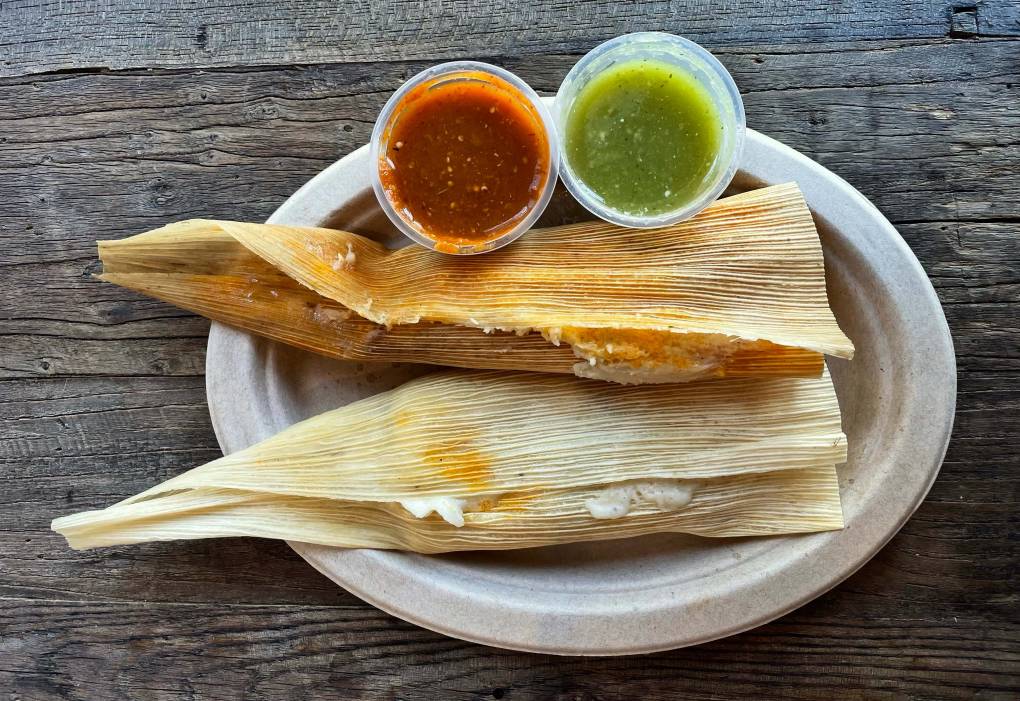
"caption": "Tamales from La Guerrera's Kitchen will be one of the many international offerings available at the Old Oakland block party.",
"description": null,
"title": "LaGuerrerasKitchen_tamales",
"credit": "La Guerrera's Kitchen",
"status": "inherit",
"altTag": "Two tamales in their corn husk wrappers on a paper plate, with red and green salsas on the side.",
"isLoading": false,
"fetchFailed": false
},
"arts_13903540": {
"type": "attachments",
"id": "arts_13903540",
"meta": {
"index": "attachments_1716263798",
"site": "arts",
"id": "13903540",
"found": true
},
"parent": 13903531,
"imgSizes": {
"twentyfourteen-full-width": {
"file": "https://ww2.kqed.org/app/uploads/sites/2/2021/09/wapepah_salad_crop-1038x576.jpg",
"width": 1038,
"mimeType": "image/jpeg",
"height": 576
},
"thumbnail": {
"file": "https://ww2.kqed.org/app/uploads/sites/2/2021/09/wapepah_salad_crop-160x100.jpg",
"width": 160,
"mimeType": "image/jpeg",
"height": 100
},
"post-thumbnail": {
"file": "https://ww2.kqed.org/app/uploads/sites/2/2021/09/wapepah_salad_crop-672x372.jpg",
"width": 672,
"mimeType": "image/jpeg",
"height": 372
},
"kqedFullSize": {
"file": "https://ww2.kqed.org/app/uploads/sites/2/2021/09/wapepah_salad_crop-scaled.jpg",
"width": 2560,
"height": 1600
},
"2048x2048": {
"file": "https://ww2.kqed.org/app/uploads/sites/2/2021/09/wapepah_salad_crop-2048x1280.jpg",
"width": 2048,
"mimeType": "image/jpeg",
"height": 1280
},
"large": {
"file": "https://ww2.kqed.org/app/uploads/sites/2/2021/09/wapepah_salad_crop-1020x638.jpg",
"width": 1020,
"mimeType": "image/jpeg",
"height": 638
},
"1536x1536": {
"file": "https://ww2.kqed.org/app/uploads/sites/2/2021/09/wapepah_salad_crop-1536x960.jpg",
"width": 1536,
"mimeType": "image/jpeg",
"height": 960
},
"full-width": {
"file": "https://ww2.kqed.org/app/uploads/sites/2/2021/09/wapepah_salad_crop-1920x1200.jpg",
"width": 1920,
"mimeType": "image/jpeg",
"height": 1200
},
"medium": {
"file": "https://ww2.kqed.org/app/uploads/sites/2/2021/09/wapepah_salad_crop-800x500.jpg",
"width": 800,
"mimeType": "image/jpeg",
"height": 500
},
"medium_large": {
"file": "https://ww2.kqed.org/app/uploads/sites/2/2021/09/wapepah_salad_crop-768x480.jpg",
"width": 768,
"mimeType": "image/jpeg",
"height": 480
}
},
"publishDate": 1632251779,
"modified": 1632251866,
"caption": "A three sisters salad, featuring corn, beans and squash.",
"description": null,
"title": "wapepah_salad_crop",
"credit": "Wahpepah's Kitchen",
"status": "inherit",
"altTag": "A colorful salad featuring corn, beans and squash on a white plate.",
"isLoading": false,
"fetchFailed": false
},
"arts_13902181": {
"type": "attachments",
"id": "arts_13902181",
"meta": {
"index": "attachments_1716263798",
"site": "arts",
"id": "13902181",
"found": true
},
"parent": 13901710,
"imgSizes": {
"twentyfourteen-full-width": {
"file": "https://ww2.kqed.org/app/uploads/sites/2/2021/08/JeepneyGuy_lechon-1038x576.jpg",
"width": 1038,
"mimeType": "image/jpeg",
"height": 576
},
"thumbnail": {
"file": "https://ww2.kqed.org/app/uploads/sites/2/2021/08/JeepneyGuy_lechon-160x90.jpg",
"width": 160,
"mimeType": "image/jpeg",
"height": 90
},
"post-thumbnail": {
"file": "https://ww2.kqed.org/app/uploads/sites/2/2021/08/JeepneyGuy_lechon-672x372.jpg",
"width": 672,
"mimeType": "image/jpeg",
"height": 372
},
"kqedFullSize": {
"file": "https://ww2.kqed.org/app/uploads/sites/2/2021/08/JeepneyGuy_lechon-scaled.jpg",
"width": 2560,
"height": 1440
},
"2048x2048": {
"file": "https://ww2.kqed.org/app/uploads/sites/2/2021/08/JeepneyGuy_lechon-2048x1152.jpg",
"width": 2048,
"mimeType": "image/jpeg",
"height": 1152
},
"large": {
"file": "https://ww2.kqed.org/app/uploads/sites/2/2021/08/JeepneyGuy_lechon-1020x574.jpg",
"width": 1020,
"mimeType": "image/jpeg",
"height": 574
},
"1536x1536": {
"file": "https://ww2.kqed.org/app/uploads/sites/2/2021/08/JeepneyGuy_lechon-1536x864.jpg",
"width": 1536,
"mimeType": "image/jpeg",
"height": 864
},
"full-width": {
"file": "https://ww2.kqed.org/app/uploads/sites/2/2021/08/JeepneyGuy_lechon-1920x1080.jpg",
"width": 1920,
"mimeType": "image/jpeg",
"height": 1080
},
"medium": {
"file": "https://ww2.kqed.org/app/uploads/sites/2/2021/08/JeepneyGuy_lechon-800x450.jpg",
"width": 800,
"mimeType": "image/jpeg",
"height": 450
},
"medium_large": {
"file": "https://ww2.kqed.org/app/uploads/sites/2/2021/08/JeepneyGuy_lechon-768x432.jpg",
"width": 768,
"mimeType": "image/jpeg",
"height": 432
}
},
"publishDate": 1630421602,
"modified": 1630421737,
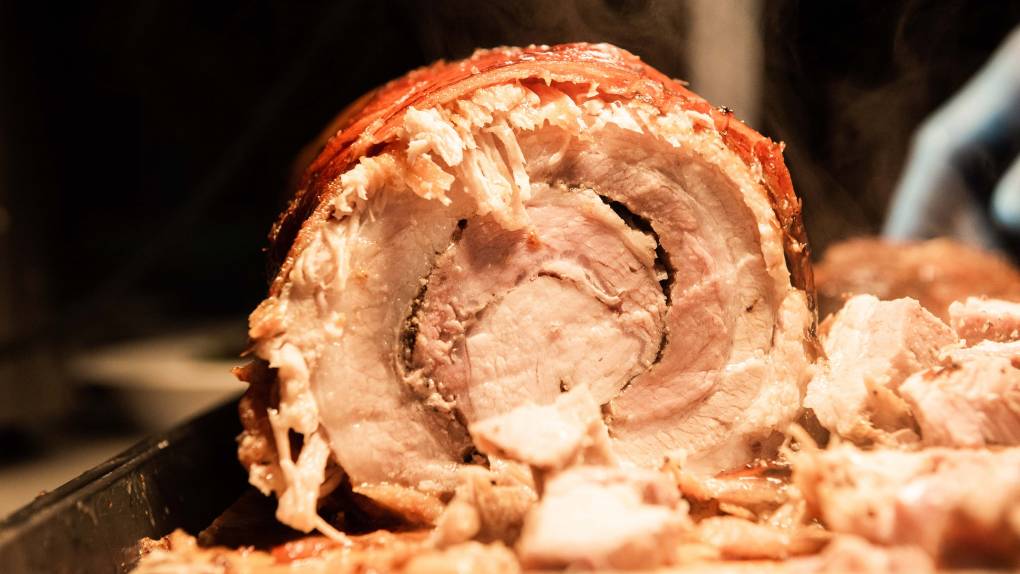
"caption": "Jeepney Guy's gloriously crisp-skinned lechon will be one of the highlights of the Undiscovered SF Filipino culture crawl.",
"description": "Jeepney Guy's gloriously crisp-skinned lechon will be one of the highlights of the Undiscovered SF Filipino culture crawl.",
"title": "JeepneyGuy_lechon",
"credit": "Jeepney Guy",
"status": "inherit",
"altTag": "Cross section view of Jeepney Guy's lechon-style roast pork belly with crispy skin.",
"isLoading": false,
"fetchFailed": false
},
"arts_13902133": {
"type": "attachments",
"id": "arts_13902133",
"meta": {
"index": "attachments_1716263798",
"site": "arts",
"id": "13902133",
"found": true
},
"parent": 13901710,
"imgSizes": {
"twentyfourteen-full-width": {
"file": "https://ww2.kqed.org/app/uploads/sites/2/2021/08/dia-display_unitycouncil-1038x576.jpg",
"width": 1038,
"mimeType": "image/jpeg",
"height": 576
},
"thumbnail": {
"file": "https://ww2.kqed.org/app/uploads/sites/2/2021/08/dia-display_unitycouncil-160x120.jpg",
"width": 160,
"mimeType": "image/jpeg",
"height": 120
},
"post-thumbnail": {
"file": "https://ww2.kqed.org/app/uploads/sites/2/2021/08/dia-display_unitycouncil-672x372.jpg",
"width": 672,
"mimeType": "image/jpeg",
"height": 372
},
"kqedFullSize": {
"file": "https://ww2.kqed.org/app/uploads/sites/2/2021/08/dia-display_unitycouncil-scaled.jpg",
"width": 2560,
"height": 1920
},
"2048x2048": {
"file": "https://ww2.kqed.org/app/uploads/sites/2/2021/08/dia-display_unitycouncil-2048x1536.jpg",
"width": 2048,
"mimeType": "image/jpeg",
"height": 1536
},
"large": {
"file": "https://ww2.kqed.org/app/uploads/sites/2/2021/08/dia-display_unitycouncil-1020x765.jpg",
"width": 1020,
"mimeType": "image/jpeg",
"height": 765
},
"1536x1536": {
"file": "https://ww2.kqed.org/app/uploads/sites/2/2021/08/dia-display_unitycouncil-1536x1152.jpg",
"width": 1536,
"mimeType": "image/jpeg",
"height": 1152
},
"full-width": {
"file": "https://ww2.kqed.org/app/uploads/sites/2/2021/08/dia-display_unitycouncil-1920x1440.jpg",
"width": 1920,
"mimeType": "image/jpeg",
"height": 1440
},
"medium": {
"file": "https://ww2.kqed.org/app/uploads/sites/2/2021/08/dia-display_unitycouncil-800x600.jpg",
"width": 800,
"mimeType": "image/jpeg",
"height": 600
},
"medium_large": {
"file": "https://ww2.kqed.org/app/uploads/sites/2/2021/08/dia-display_unitycouncil-768x576.jpg",
"width": 768,
"mimeType": "image/jpeg",
"height": 576
}
},
"publishDate": 1630356424,
"modified": 1630356563,
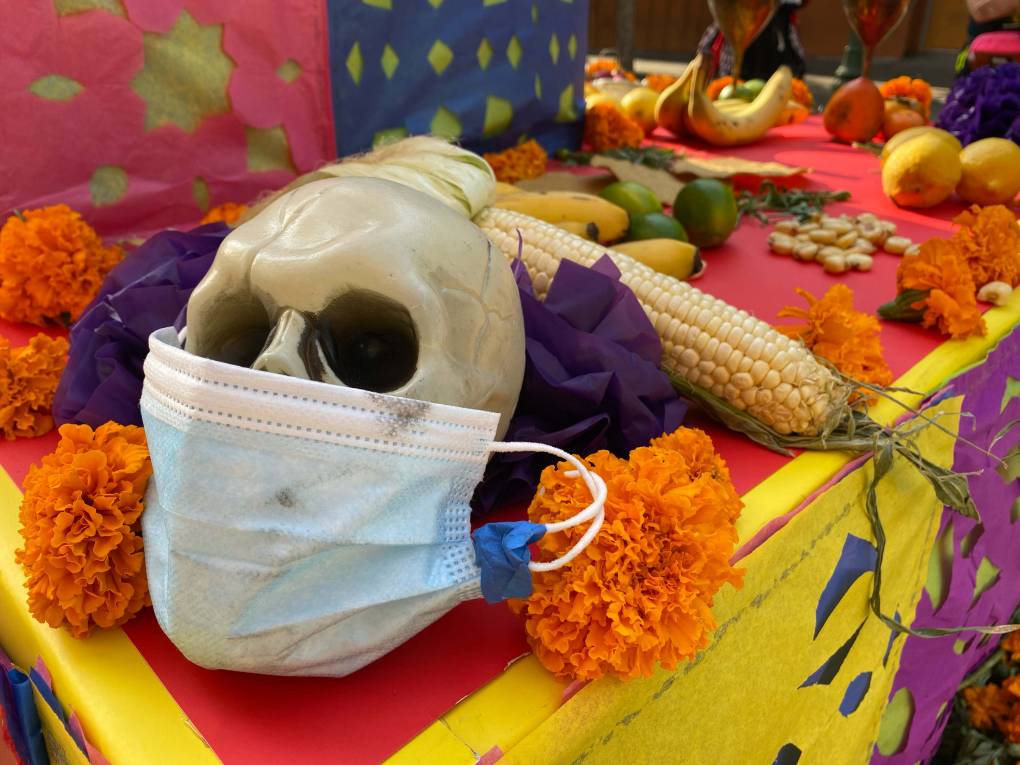
"caption": "This year's Día de los Muertos Festival will be a socially distanced event.",
"description": "This year's Día de los Muertos Festival will be a socially distanced event.",
"title": "dia display_unitycouncil",
"credit": "The Unity Council",
"status": "inherit",
"altTag": "A Día de los Muertos family altar display featuring a skull wearing a face mask.",
"isLoading": false,
"fetchFailed": false
},
"arts_13901757": {
"type": "attachments",
"id": "arts_13901757",
"meta": {
"index": "attachments_1716263798",
"site": "arts",
"id": "13901757",
"found": true
},
"parent": 13901710,
"imgSizes": {
"twentyfourteen-full-width": {
"file": "https://ww2.kqed.org/app/uploads/sites/2/2021/08/midautumnfestival_goodgoodeatz-1038x576.jpg",
"width": 1038,
"mimeType": "image/jpeg",
"height": 576
},
"thumbnail": {
"file": "https://ww2.kqed.org/app/uploads/sites/2/2021/08/midautumnfestival_goodgoodeatz-160x120.jpg",
"width": 160,
"mimeType": "image/jpeg",
"height": 120
},
"post-thumbnail": {
"file": "https://ww2.kqed.org/app/uploads/sites/2/2021/08/midautumnfestival_goodgoodeatz-672x372.jpg",
"width": 672,
"mimeType": "image/jpeg",
"height": 372
},
"kqedFullSize": {
"file": "https://ww2.kqed.org/app/uploads/sites/2/2021/08/midautumnfestival_goodgoodeatz-scaled.jpg",
"width": 2560,
"height": 1920
},
"2048x2048": {
"file": "https://ww2.kqed.org/app/uploads/sites/2/2021/08/midautumnfestival_goodgoodeatz-2048x1536.jpg",
"width": 2048,
"mimeType": "image/jpeg",
"height": 1536
},
"large": {
"file": "https://ww2.kqed.org/app/uploads/sites/2/2021/08/midautumnfestival_goodgoodeatz-1020x765.jpg",
"width": 1020,
"mimeType": "image/jpeg",
"height": 765
},
"1536x1536": {
"file": "https://ww2.kqed.org/app/uploads/sites/2/2021/08/midautumnfestival_goodgoodeatz-1536x1152.jpg",
"width": 1536,
"mimeType": "image/jpeg",
"height": 1152
},
"full-width": {
"file": "https://ww2.kqed.org/app/uploads/sites/2/2021/08/midautumnfestival_goodgoodeatz-1920x1440.jpg",
"width": 1920,
"mimeType": "image/jpeg",
"height": 1440
},
"medium": {
"file": "https://ww2.kqed.org/app/uploads/sites/2/2021/08/midautumnfestival_goodgoodeatz-800x600.jpg",
"width": 800,
"mimeType": "image/jpeg",
"height": 600
},
"medium_large": {
"file": "https://ww2.kqed.org/app/uploads/sites/2/2021/08/midautumnfestival_goodgoodeatz-768x576.jpg",
"width": 768,
"mimeType": "image/jpeg",
"height": 576
}
},
"publishDate": 1629834144,
"modified": 1629834279,
"caption": "Children string up paper lanterns at Clinton Park during the 2020 edition of the Little Saigon Mid-Autumn Festival.",
"description": "Children string up paper lanterns at Clinton Park during the 2020 edition of the Little Saigon Mid-Autumn Festival.",
"title": "midautumnfestival_goodgoodeatz",
"credit": "Good Good Eatz",
"status": "inherit",
"altTag": "Schoolchildren in face masks stringing up paper lanterns in Clinton Park, Oakland.",
"isLoading": false,
"fetchFailed": false
},
"arts_13901987": {
"type": "attachments",
"id": "arts_13901987",
"meta": {
"index": "attachments_1716263798",
"site": "arts",
"id": "13901987",
"found": true
},
"parent": 13901982,
"imgSizes": {
"twentyfourteen-full-width": {
"file": "https://ww2.kqed.org/app/uploads/sites/2/2021/08/GTEDumplings_meatballs-1038x576.jpg",
"width": 1038,
"mimeType": "image/jpeg",
"height": 576
},
"thumbnail": {
"file": "https://ww2.kqed.org/app/uploads/sites/2/2021/08/GTEDumplings_meatballs-160x90.jpg",
"width": 160,
"mimeType": "image/jpeg",
"height": 90
},
"post-thumbnail": {
"file": "https://ww2.kqed.org/app/uploads/sites/2/2021/08/GTEDumplings_meatballs-672x372.jpg",
"width": 672,
"mimeType": "image/jpeg",
"height": 372
},
"kqedFullSize": {
"file": "https://ww2.kqed.org/app/uploads/sites/2/2021/08/GTEDumplings_meatballs-scaled.jpg",
"width": 2560,
"height": 1440
},
"2048x2048": {
"file": "https://ww2.kqed.org/app/uploads/sites/2/2021/08/GTEDumplings_meatballs-2048x1152.jpg",
"width": 2048,
"mimeType": "image/jpeg",
"height": 1152
},
"large": {
"file": "https://ww2.kqed.org/app/uploads/sites/2/2021/08/GTEDumplings_meatballs-1020x574.jpg",
"width": 1020,
"mimeType": "image/jpeg",
"height": 574
},
"1536x1536": {
"file": "https://ww2.kqed.org/app/uploads/sites/2/2021/08/GTEDumplings_meatballs-1536x864.jpg",
"width": 1536,
"mimeType": "image/jpeg",
"height": 864
},
"full-width": {
"file": "https://ww2.kqed.org/app/uploads/sites/2/2021/08/GTEDumplings_meatballs-1920x1080.jpg",
"width": 1920,
"mimeType": "image/jpeg",
"height": 1080
},
"medium": {
"file": "https://ww2.kqed.org/app/uploads/sites/2/2021/08/GTEDumplings_meatballs-800x450.jpg",
"width": 800,
"mimeType": "image/jpeg",
"height": 450
},
"medium_large": {
"file": "https://ww2.kqed.org/app/uploads/sites/2/2021/08/GTEDumplings_meatballs-768x432.jpg",
"width": 768,
"mimeType": "image/jpeg",
"height": 432
}
},
"publishDate": 1630007892,
"modified": 1630008038,
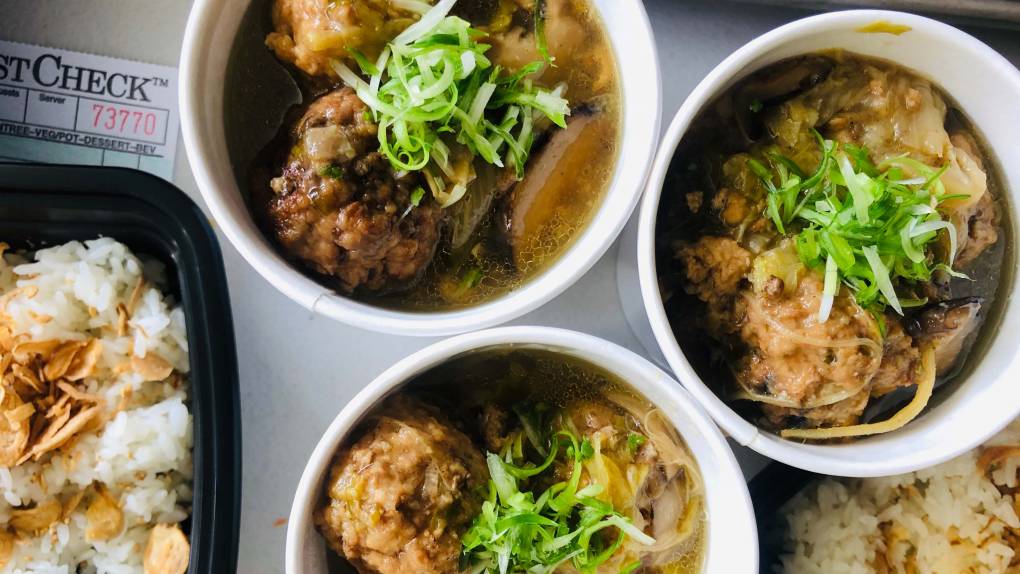
"caption": "The new restaurant will serve ambitious, elegant dishes such as Taiwanese-style lion's head meatballs.",
"description": "The new restaurant will serve ambitious, elegant dishes such as Taiwanese-style lion's head meatballs.",
"title": "GTEDumplings_meatballs",
"credit": "Good-to-Eat Dumplings",
"status": "inherit",
"altTag": "Braised meatballs in three round serving dishes, served with a side of rice.",
"isLoading": false,
"fetchFailed": false
},
"arts_13901085": {
"type": "attachments",
"id": "arts_13901085",
"meta": {
"index": "attachments_1716263798",
"site": "arts",
"id": "13901085",
"found": true
},
"parent": 13901063,
"imgSizes": {
"twentyfourteen-full-width": {
"file": "https://ww2.kqed.org/app/uploads/sites/2/2021/08/cafe-mei_to-go-12-signature-pork-sandwich-11-1-1038x576.jpg",
"width": 1038,
"mimeType": "image/jpeg",
"height": 576
},
"thumbnail": {
"file": "https://ww2.kqed.org/app/uploads/sites/2/2021/08/cafe-mei_to-go-12-signature-pork-sandwich-11-1-160x90.jpg",
"width": 160,
"mimeType": "image/jpeg",
"height": 90
},
"post-thumbnail": {
"file": "https://ww2.kqed.org/app/uploads/sites/2/2021/08/cafe-mei_to-go-12-signature-pork-sandwich-11-1-672x372.jpg",
"width": 672,
"mimeType": "image/jpeg",
"height": 372
},
"kqedFullSize": {
"file": "https://ww2.kqed.org/app/uploads/sites/2/2021/08/cafe-mei_to-go-12-signature-pork-sandwich-11-1-scaled.jpg",
"width": 2560,
"height": 1440
},
"2048x2048": {
"file": "https://ww2.kqed.org/app/uploads/sites/2/2021/08/cafe-mei_to-go-12-signature-pork-sandwich-11-1-2048x1152.jpg",
"width": 2048,
"mimeType": "image/jpeg",
"height": 1152
},
"large": {
"file": "https://ww2.kqed.org/app/uploads/sites/2/2021/08/cafe-mei_to-go-12-signature-pork-sandwich-11-1-1020x574.jpg",
"width": 1020,
"mimeType": "image/jpeg",
"height": 574
},
"1536x1536": {
"file": "https://ww2.kqed.org/app/uploads/sites/2/2021/08/cafe-mei_to-go-12-signature-pork-sandwich-11-1-1536x864.jpg",
"width": 1536,
"mimeType": "image/jpeg",
"height": 864
},
"full-width": {
"file": "https://ww2.kqed.org/app/uploads/sites/2/2021/08/cafe-mei_to-go-12-signature-pork-sandwich-11-1-1920x1080.jpg",
"width": 1920,
"mimeType": "image/jpeg",
"height": 1080
},
"medium": {
"file": "https://ww2.kqed.org/app/uploads/sites/2/2021/08/cafe-mei_to-go-12-signature-pork-sandwich-11-1-800x450.jpg",
"width": 800,
"mimeType": "image/jpeg",
"height": 450
},
"medium_large": {
"file": "https://ww2.kqed.org/app/uploads/sites/2/2021/08/cafe-mei_to-go-12-signature-pork-sandwich-11-1-768x432.jpg",
"width": 768,
"mimeType": "image/jpeg",
"height": 432
}
},
"publishDate": 1628717030,
"modified": 1628717117,
"caption": "A freshly griddled version of one of Mei Er Mei's signature breakfast sandwiches.",
"description": null,
"title": "cafe mei_to go #12 signature pork sandwich-11-1",
"credit": "Cafe Mei",
"status": "inherit",
"altTag": "Four mini quadruple-decker sandwiches, each held together with a toothpick on top.",
"isLoading": false,
"fetchFailed": false
}
},
"audioPlayerReducer": {
"postId": "stream_live",
"isPaused": true,
"isPlaying": false,
"pfsActive": false,
"pledgeModalIsOpen": true,
"playerDrawerIsOpen": false,
"liveAudioPlayStartedAt": 0,
"liveAudioPlayContext": ""
},
"authorsReducer": {
"byline_arts_13905230": {
"type": "authors",
"id": "byline_arts_13905230",
"meta": {
"override": true
},
"slug": "byline_arts_13905230",
"name": "Tana Yonas",
"isLoading": false
},
"gracehwanglynch": {
"type": "authors",
"id": "11713",
"meta": {
"index": "authors_1716337520",
"id": "11713",
"found": true
},
"name": "Grace Hwang Lynch",
"firstName": "Grace Hwang",
"lastName": "Lynch",
"slug": "gracehwanglynch",
"email": "gracehwanglynch@gmail.com",
"display_author_email": false,
"staff_mastheads": [],
"title": "KQED Contributor",
"bio": null,
"avatar": "https://secure.gravatar.com/avatar/ce75e1abf2f68f1fd3b9c1f429047fd3149abed5b3617d0c13736984ddfcae06?s=600&d=blank&r=g",
"twitter": null,
"bluesky": null,
"facebook": null,
"instagram": null,
"linkedin": null,
"sites": [
{
"site": "arts",
"roles": [
"subscriber"
]
}
],
"headData": {
"title": "Grace Hwang Lynch | KQED",
"description": "KQED Contributor",
"ogImgSrc": "https://secure.gravatar.com/avatar/ce75e1abf2f68f1fd3b9c1f429047fd3149abed5b3617d0c13736984ddfcae06?s=600&d=blank&r=g",
"twImgSrc": "https://secure.gravatar.com/avatar/ce75e1abf2f68f1fd3b9c1f429047fd3149abed5b3617d0c13736984ddfcae06?s=600&d=blank&r=g"
},
"isLoading": false,
"link": "/author/gracehwanglynch"
},
"ltsai": {
"type": "authors",
"id": "11743",
"meta": {
"index": "authors_1716337520",
"id": "11743",
"found": true
},
"name": "Luke Tsai",
"firstName": "Luke",
"lastName": "Tsai",
"slug": "ltsai",
"email": "ltsai@kqed.org",
"display_author_email": true,
"staff_mastheads": [
"arts"
],
"title": "Food Editor",
"bio": "Luke Tsai is KQED's food editor and resident stinky tofu connoisseur. Prior to KQED, he was an editor at Eater SF, \u003cem>San Francisco \u003c/em>magazine, and the \u003cem>East Bay Express\u003c/em>, and his work has also appeared in TASTE, the \u003cem>San Francisco Chronicle\u003c/em>, and the \u003cem>Best Food Writing\u003c/em> anthology. When he isn't writing or editing, you'll find him eating most everything he can get his hands on.",
"avatar": "https://secure.gravatar.com/avatar/1e59b45bf191526e7339d6ba46e33a57b2030d25c27660ecc64ea3cb863e34f7?s=600&d=blank&r=g",
"twitter": "theluketsai",
"bluesky": null,
"facebook": null,
"instagram": null,
"linkedin": null,
"sites": [
{
"site": "",
"roles": [
"editor"
]
},
{
"site": "arts",
"roles": [
"administrator"
]
},
{
"site": "news",
"roles": [
"editor",
"contributor"
]
},
{
"site": "bayareabites",
"roles": [
"editor"
]
},
{
"site": "food",
"roles": [
"editor"
]
}
],
"headData": {
"title": "Luke Tsai | KQED",
"description": "Food Editor",
"ogImgSrc": "https://secure.gravatar.com/avatar/1e59b45bf191526e7339d6ba46e33a57b2030d25c27660ecc64ea3cb863e34f7?s=600&d=blank&r=g",
"twImgSrc": "https://secure.gravatar.com/avatar/1e59b45bf191526e7339d6ba46e33a57b2030d25c27660ecc64ea3cb863e34f7?s=600&d=blank&r=g"
},
"isLoading": false,
"link": "/author/ltsai"
},
"athapliyal": {
"type": "authors",
"id": "11766",
"meta": {
"index": "authors_1716337520",
"id": "11766",
"found": true
},
"name": "Adesh Thapliyal",
"firstName": "Adesh",
"lastName": "Thapliyal",
"slug": "athapliyal",
"email": "athapliyal@kqed.org",
"display_author_email": false,
"staff_mastheads": [],
"title": "KQED Contributor",
"bio": "Adesh Thapliyal is KQED Arts' Editorial Intern. Previously, he wrote for the experimental newsletter \u003cem>Tone Glow\u003c/em> and the pop music blog \u003cem>The Singles Jukebox\u003c/em>.",
"avatar": "https://secure.gravatar.com/avatar/25c945182616a5283c4f746e7017bca3?s=600&d=blank&r=g",
"twitter": null,
"facebook": null,
"instagram": null,
"linkedin": null,
"sites": [
{
"site": "arts",
"roles": [
"author"
]
}
],
"headData": {
"title": "Adesh Thapliyal | KQED",
"description": "KQED Contributor",
"ogImgSrc": "https://secure.gravatar.com/avatar/25c945182616a5283c4f746e7017bca3?s=600&d=blank&r=g",
"twImgSrc": "https://secure.gravatar.com/avatar/25c945182616a5283c4f746e7017bca3?s=600&d=blank&r=g"
},
"isLoading": false,
"link": "/author/athapliyal"
}
},
"pagesReducer": {
"arts_tag_food": {
"type": "terms",
"id": "arts_1297",
"meta": {
"index": "terms_1716263798",
"site": "arts",
"id": "1297",
"score": 7.4243016
},
"featImg": null,
"name": "food",
"description": null,
"taxonomy": "tag",
"headData": {
"twImgId": null,
"twTitle": null,
"ogTitle": null,
"ogImgId": null,
"twDescription": null,
"description": null,
"title": "food Archives | KQED Arts",
"ogDescription": null
},
"ttid": 1309,
"slug": "food",
"isLoading": false,
"title": "food",
"pageMeta": {
"site": "arts",
"WpPageTemplate": "page-topic-editorial",
"currentPage": 34
},
"blocks": [
{
"blockName": "kqed/post-list",
"attrs": {
"layout": "cardArticle2",
"query": "posts/arts?tag=food",
"seeMore": false,
"paginated": true,
"page": 34
}
},
{
"blockName": "kqed/ad"
}
]
}
},
"pfsSessionReducer": {},
"postsReducer": {
"stream_live": {
"type": "live",
"id": "stream_live",
"audioUrl": "https://streams.kqed.org/kqedradio",
"title": "Live Stream",
"excerpt": "Live Stream information currently unavailable.",
"link": "/radio",
"featImg": "",
"label": {
"name": "KQED Live",
"link": "/"
}
},
"stream_kqedNewscast": {
"type": "posts",
"id": "stream_kqedNewscast",
"audioUrl": "https://www.kqed.org/.stream/anon/radio/RDnews/newscast.mp3?_=1",
"title": "KQED Newscast",
"featImg": "",
"label": {
"name": "88.5 FM",
"link": "/"
}
},
"arts_13905778": {
"type": "posts",
"id": "arts_13905778",
"meta": {
"index": "posts_1716263798",
"site": "arts",
"id": "13905778",
"score": null,
"sort": [
1635985363000
]
},
"parent": 0,
"labelTerm": {},
"blocks": [],
"publishDate": 1635985363,
"format": "standard",
"title": "For Indian Chefs in the Diaspora, Diwali Is a Deliciously Nostalgic Holiday",
"headTitle": "For Indian Chefs in the Diaspora, Diwali Is a Deliciously Nostalgic Holiday | KQED",
"content": "\u003cp>\u003cspan style=\"font-weight: 400\">When she was a young girl growing up in Gujarat, India, Diwali was one of Heena Patel’s favorite times of year. She relished the ritual of getting the house sparkling clean a month ahead of the holiday, and loved the music, the folk dancing and the diyas (oil lamps) lit up spectacularly to celebrate this so-called “Festival of Lights.” It was like Thanksgiving, Christmas and New Year’s all wrapped into one, Patel recalls. \u003c/span>\u003c/p>\n\u003cp>\u003cspan style=\"font-weight: 400\">And of course there was food. Now the chef and owner of \u003c/span>\u003ca href=\"https://besharamrestaurant.com/\">\u003cspan style=\"font-weight: 400\">Besharam\u003c/span>\u003c/a>\u003cspan style=\"font-weight: 400\">, a Gujarati-inspired restaurant in San Francisco’s Dogpatch district, Patel remembers that her mother would arrange an extravagant meal for each night of the five-day festival. “For me, I have \u003c/span>\u003ci>\u003cspan style=\"font-weight: 400\">one\u003c/span>\u003c/i>\u003cspan style=\"font-weight: 400\"> day,” she says, laughing. “I want to serve so many things.”\u003c/span>\u003c/p>\n\u003cp>\u003cspan style=\"font-weight: 400\">Still, the chef will pack as much holiday nostalgia as she can into that one day—an \u003c/span>\u003ca href=\"https://www.exploretock.com/besharamrestaurant/\">\u003cspan style=\"font-weight: 400\">elaborate $95, all-vegetarian four-course Diwali prix fixe\u003c/span>\u003c/a>\u003cspan style=\"font-weight: 400\"> that she’ll host at Besharam on Thursday, Nov. 4. With its intricately spiced stews and sweet and savory lentil cakes, it’s a meal that’s steeped in Patel’s own memories of the holiday. \u003c/span>\u003c/p>\n\u003cfigure id=\"attachment_13905784\" class=\"wp-caption alignnone\" style=\"max-width: 2560px\">\u003cimg loading=\"lazy\" decoding=\"async\" class=\"size-full wp-image-13905784\" src=\"https://ww2.kqed.org/app/uploads/sites/2/2021/11/EricWolffinger_P2021_Besharam-0971-scaled.jpg\" alt=\"Overhead view of a spread of Indian dishes on a wood table.\" width=\"2560\" height=\"1583\" srcset=\"https://cdn.kqed.org/wp-content/uploads/sites/2/2021/11/EricWolffinger_P2021_Besharam-0971-scaled.jpg 2560w, https://cdn.kqed.org/wp-content/uploads/sites/2/2021/11/EricWolffinger_P2021_Besharam-0971-800x495.jpg 800w, https://cdn.kqed.org/wp-content/uploads/sites/2/2021/11/EricWolffinger_P2021_Besharam-0971-1020x631.jpg 1020w, https://cdn.kqed.org/wp-content/uploads/sites/2/2021/11/EricWolffinger_P2021_Besharam-0971-160x99.jpg 160w, https://cdn.kqed.org/wp-content/uploads/sites/2/2021/11/EricWolffinger_P2021_Besharam-0971-768x475.jpg 768w, https://cdn.kqed.org/wp-content/uploads/sites/2/2021/11/EricWolffinger_P2021_Besharam-0971-1536x950.jpg 1536w, https://cdn.kqed.org/wp-content/uploads/sites/2/2021/11/EricWolffinger_P2021_Besharam-0971-2048x1266.jpg 2048w, https://cdn.kqed.org/wp-content/uploads/sites/2/2021/11/EricWolffinger_P2021_Besharam-0971-1920x1187.jpg 1920w\" sizes=\"(max-width: 2560px) 100vw, 2560px\">\u003cfigcaption class=\"wp-caption-text\">A spread of dishes from Besharam’s all-vegetarian menu. The maska paneer, or homemade cheese in spiced spinach sauce (top center), will be included on the Diwali menu. \u003ccite>(Eric Wolfinger)\u003c/cite>\u003c/figcaption>\u003c/figure>\n\u003cp>\u003cspan style=\"font-weight: 400\">What Patel remembers most was the abundance of snacks and sweets that her mother filled the house with each year. She’d prepare ghughara, a kind of fried, semolina-filled pastry sweetened with sugar and dried fruits. In order to make mathiyas—an especially delicious, papadam-like cracker eaten during Diwali—she would use a silk thread from her sari, stretched tight in between her teeth, to cut the raw dough, which is notoriously sticky and difficult to work with. \u003c/span>\u003c/p>\n\u003cp>\u003cspan style=\"font-weight: 400\">“Those memories are stuck in my vision,” Patel says.\u003c/span>\u003c/p>\n\u003cp>[ad fullwidth]\u003c/p>\n\u003cp>\u003cspan style=\"font-weight: 400\">Besharam won’t serve \u003c/span>\u003ci>\u003cspan style=\"font-weight: 400\">all\u003c/span>\u003c/i>\u003cspan style=\"font-weight: 400\"> of these treats during its Diwali dinner. After all, Patel says, there are certain things she just can’t make as well as her mother. But if anything, Diwali has become even more meaningful to her in the 30-plus years since she moved to the United States at the age of 22. Now, Patel says, she has to work harder to keep those holiday memories alive—and to pass the traditions on to her own children. “I feel like the diaspora community celebrates with even more vigorousness,” she says. “Maybe I celebrate more than my mom and dad back home, to stay connected with what we said goodbye to many years ago.” \u003c/span>\u003c/p>\n\u003cp>\u003cspan style=\"font-weight: 400\">Highlights from Besharam’s four-course Diwali prix fixe include Patel’s khaman—a spongy, savory Gujarati lentil cake that’s traditionally eaten during the holiday—and, for dessert, a kind of sweet apple lentil cake called meetho handvo. But Patel says the showstopper will be her undhiyu, a stew of root vegetables that have been stuffed with spices, then layered together with pigeon peas and crisp-edged fried dumplings that soak up all of that rich sauce. “That dish, it takes a long time to make, but it shouts something special I’m doing for my guests.”\u003c/span>\u003c/p>\n\u003cfigure id=\"attachment_13905785\" class=\"wp-caption alignnone\" style=\"max-width: 2560px\">\u003cimg loading=\"lazy\" decoding=\"async\" class=\"size-full wp-image-13905785\" src=\"https://ww2.kqed.org/app/uploads/sites/2/2021/11/EWP2021_Besharam-0374-scaled.jpg\" alt=\"A chef in black works in her dimly lit kitchen.\" width=\"2560\" height=\"1707\" srcset=\"https://cdn.kqed.org/wp-content/uploads/sites/2/2021/11/EWP2021_Besharam-0374-scaled.jpg 2560w, https://cdn.kqed.org/wp-content/uploads/sites/2/2021/11/EWP2021_Besharam-0374-800x533.jpg 800w, https://cdn.kqed.org/wp-content/uploads/sites/2/2021/11/EWP2021_Besharam-0374-1020x680.jpg 1020w, https://cdn.kqed.org/wp-content/uploads/sites/2/2021/11/EWP2021_Besharam-0374-160x107.jpg 160w, https://cdn.kqed.org/wp-content/uploads/sites/2/2021/11/EWP2021_Besharam-0374-768x512.jpg 768w, https://cdn.kqed.org/wp-content/uploads/sites/2/2021/11/EWP2021_Besharam-0374-1536x1024.jpg 1536w, https://cdn.kqed.org/wp-content/uploads/sites/2/2021/11/EWP2021_Besharam-0374-2048x1365.jpg 2048w, https://cdn.kqed.org/wp-content/uploads/sites/2/2021/11/EWP2021_Besharam-0374-1920x1280.jpg 1920w\" sizes=\"(max-width: 2560px) 100vw, 2560px\">\u003cfigcaption class=\"wp-caption-text\">Heena Patel at work in the kitchen at her Dogpatch restaurant, Besharam. \u003ccite>(Eric Wolfinger)\u003c/cite>\u003c/figcaption>\u003c/figure>\n\u003cp>\u003cspan style=\"font-weight: 400\">The meal is part of Besharam’s shift toward becoming an all-vegetarian restaurant since its mid-pandemic reopening. “I wanted to cook without fear,” Patel says of the decision. More than anything, she says, the pandemic \u003c/span>\u003ci>\u003cspan style=\"font-weight: 400\">scared\u003c/span>\u003c/i>\u003cspan style=\"font-weight: 400\"> her—made her scared for her health, scared she wouldn’t be able to pay the bills. \u003c/span>\u003c/p>\n\u003cp>\u003cspan style=\"font-weight: 400\">[aside postID='arts_13895209,arts_13895067']“Coming out of this, I wanted to do everything without worrying about failing,” Patel says. “So I decided I wanted to do vegetarian food. I wanted to touch back to my roots and not worry about whether the business is enough to keep me afloat.”\u003c/span>\u003c/p>\n\u003cp>\u003cspan style=\"font-weight: 400\">Patel says the true heart of Diwali doesn’t lie in the festival’s outward trappings, but in its charitable spirit. It is, after all, a holiday that celebrates the triumph of good over evil, which makes it a good time to “reflect on our obligations to help other human beings who are less fortunate.”\u003c/span>\u003c/p>\n\u003cp>\u003cspan style=\"font-weight: 400\">“I grew up in a household where the wealth was never there,” Patel says. “But to share has always been taught by my parents.”\u003c/span>\u003c/p>\n\u003cp>\u003cimg loading=\"lazy\" decoding=\"async\" class=\"aligncenter size-full wp-image-12904247\" src=\"https://ww2.kqed.org/app/uploads/sites/2/2017/03/Q.Logo_.Break_-400x39.jpg\" alt=\"\" width=\"400\" height=\"39\" srcset=\"https://cdn.kqed.org/wp-content/uploads/sites/2/2017/03/Q.Logo_.Break_-400x39.jpg 400w, https://cdn.kqed.org/wp-content/uploads/sites/2/2017/03/Q.Logo_.Break_-400x39-160x16.jpg 160w, https://cdn.kqed.org/wp-content/uploads/sites/2/2017/03/Q.Logo_.Break_-400x39-240x23.jpg 240w, https://cdn.kqed.org/wp-content/uploads/sites/2/2017/03/Q.Logo_.Break_-400x39-375x37.jpg 375w\" sizes=\"(max-width: 400px) 100vw, 400px\">\u003c/p>\n\u003cp>\u003c/p>\n\u003cp>\u003ca href=\"https://www.exploretock.com/besharamrestaurant/\">\u003ci>\u003cspan style=\"font-weight: 400\">Besharam’s Diwali dinner\u003c/span>\u003c/i>\u003c/a>\u003ci>\u003cspan style=\"font-weight: 400\"> will take place at 1275 Minnesota St. in San Francisco on Thursday, Nov. 4, with seatings from 5–8:45pm. Currently, all indoor tables have already been booked, but there are still some outdoor reservations \u003c/span>\u003c/i>\u003ca href=\"https://www.exploretock.com/besharamrestaurant/\">\u003ci>\u003cspan style=\"font-weight: 400\">available online\u003c/span>\u003c/i>\u003c/a>\u003ci>\u003cspan style=\"font-weight: 400\">.\u003c/span>\u003c/i>\u003c/p>\n\n",
"stats": {
"hasVideo": false,
"hasChartOrMap": false,
"hasAudio": false,
"hasPolis": false,
"wordCount": 832,
"hasGoogleForm": false,
"hasGallery": false,
"hasHearkenModule": false,
"iframeSrcs": [],
"paragraphCount": 15
},
"modified": 1705007523,
"excerpt": "Besharam celebrates Diwali with a festive $95, Gujarati-inspired vegetarian prix-fixe feast.",
"headData": {
"twImgId": "",
"twTitle": "For Indian Chefs in the Diaspora, Diwali Is a Deliciously Nostalgic Holiday",
"socialTitle": "Besharam in SF Celebrates Diwali With a Nostalgic Vegetarian Feast %%page%% %%sep%% KQED",
"ogTitle": "For Indian Chefs in the Diaspora, Diwali Is a Deliciously Nostalgic Holiday",
"ogImgId": "",
"twDescription": "",
"description": "Besharam celebrates Diwali with a festive $95, Gujarati-inspired vegetarian prix-fixe feast.",
"title": "Besharam in SF Celebrates Diwali With a Nostalgic Vegetarian Feast | KQED",
"ogDescription": "",
"schema": {
"@context": "https://schema.org",
"@type": "Article",
"headline": "For Indian Chefs in the Diaspora, Diwali Is a Deliciously Nostalgic Holiday",
"datePublished": "2021-11-03T17:22:43-07:00",
"dateModified": "2024-01-11T13:12:03-08:00",
"image": "https://cdn.kqed.org/wp-content/uploads/2020/02/KQED-OG-Image@1x.png"
}
},
"guestAuthors": [],
"slug": "diwali-besharam-vegetarian-san-francisco-2021",
"status": "publish",
"sourceUrl": "/food/",
"templateType": "standard",
"excludeFromSiteSearch": "Include",
"featuredImageType": "standard",
"sticky": false,
"source": "Food",
"path": "/arts/13905778/diwali-besharam-vegetarian-san-francisco-2021",
"audioTrackLength": null,
"parsedContent": [
{
"type": "contentString",
"content": "\u003cdiv class=\"post-body\">\u003cp>\u003cp>\u003cspan style=\"font-weight: 400\">When she was a young girl growing up in Gujarat, India, Diwali was one of Heena Patel’s favorite times of year. She relished the ritual of getting the house sparkling clean a month ahead of the holiday, and loved the music, the folk dancing and the diyas (oil lamps) lit up spectacularly to celebrate this so-called “Festival of Lights.” It was like Thanksgiving, Christmas and New Year’s all wrapped into one, Patel recalls. \u003c/span>\u003c/p>\n\u003cp>\u003cspan style=\"font-weight: 400\">And of course there was food. Now the chef and owner of \u003c/span>\u003ca href=\"https://besharamrestaurant.com/\">\u003cspan style=\"font-weight: 400\">Besharam\u003c/span>\u003c/a>\u003cspan style=\"font-weight: 400\">, a Gujarati-inspired restaurant in San Francisco’s Dogpatch district, Patel remembers that her mother would arrange an extravagant meal for each night of the five-day festival. “For me, I have \u003c/span>\u003ci>\u003cspan style=\"font-weight: 400\">one\u003c/span>\u003c/i>\u003cspan style=\"font-weight: 400\"> day,” she says, laughing. “I want to serve so many things.”\u003c/span>\u003c/p>\n\u003cp>\u003cspan style=\"font-weight: 400\">Still, the chef will pack as much holiday nostalgia as she can into that one day—an \u003c/span>\u003ca href=\"https://www.exploretock.com/besharamrestaurant/\">\u003cspan style=\"font-weight: 400\">elaborate $95, all-vegetarian four-course Diwali prix fixe\u003c/span>\u003c/a>\u003cspan style=\"font-weight: 400\"> that she’ll host at Besharam on Thursday, Nov. 4. With its intricately spiced stews and sweet and savory lentil cakes, it’s a meal that’s steeped in Patel’s own memories of the holiday. \u003c/span>\u003c/p>\n\u003cfigure id=\"attachment_13905784\" class=\"wp-caption alignnone\" style=\"max-width: 2560px\">\u003cimg loading=\"lazy\" decoding=\"async\" class=\"size-full wp-image-13905784\" src=\"https://ww2.kqed.org/app/uploads/sites/2/2021/11/EricWolffinger_P2021_Besharam-0971-scaled.jpg\" alt=\"Overhead view of a spread of Indian dishes on a wood table.\" width=\"2560\" height=\"1583\" srcset=\"https://cdn.kqed.org/wp-content/uploads/sites/2/2021/11/EricWolffinger_P2021_Besharam-0971-scaled.jpg 2560w, https://cdn.kqed.org/wp-content/uploads/sites/2/2021/11/EricWolffinger_P2021_Besharam-0971-800x495.jpg 800w, https://cdn.kqed.org/wp-content/uploads/sites/2/2021/11/EricWolffinger_P2021_Besharam-0971-1020x631.jpg 1020w, https://cdn.kqed.org/wp-content/uploads/sites/2/2021/11/EricWolffinger_P2021_Besharam-0971-160x99.jpg 160w, https://cdn.kqed.org/wp-content/uploads/sites/2/2021/11/EricWolffinger_P2021_Besharam-0971-768x475.jpg 768w, https://cdn.kqed.org/wp-content/uploads/sites/2/2021/11/EricWolffinger_P2021_Besharam-0971-1536x950.jpg 1536w, https://cdn.kqed.org/wp-content/uploads/sites/2/2021/11/EricWolffinger_P2021_Besharam-0971-2048x1266.jpg 2048w, https://cdn.kqed.org/wp-content/uploads/sites/2/2021/11/EricWolffinger_P2021_Besharam-0971-1920x1187.jpg 1920w\" sizes=\"(max-width: 2560px) 100vw, 2560px\">\u003cfigcaption class=\"wp-caption-text\">A spread of dishes from Besharam’s all-vegetarian menu. The maska paneer, or homemade cheese in spiced spinach sauce (top center), will be included on the Diwali menu. \u003ccite>(Eric Wolfinger)\u003c/cite>\u003c/figcaption>\u003c/figure>\n\u003cp>\u003cspan style=\"font-weight: 400\">What Patel remembers most was the abundance of snacks and sweets that her mother filled the house with each year. She’d prepare ghughara, a kind of fried, semolina-filled pastry sweetened with sugar and dried fruits. In order to make mathiyas—an especially delicious, papadam-like cracker eaten during Diwali—she would use a silk thread from her sari, stretched tight in between her teeth, to cut the raw dough, which is notoriously sticky and difficult to work with. \u003c/span>\u003c/p>\n\u003cp>\u003cspan style=\"font-weight: 400\">“Those memories are stuck in my vision,” Patel says.\u003c/span>\u003c/p>\n\u003cp>\u003c/p>\u003c/div>",
"attributes": {
"named": {},
"numeric": []
}
},
{
"type": "component",
"content": "",
"name": "ad",
"attributes": {
"named": {
"label": "fullwidth"
},
"numeric": [
"fullwidth"
]
}
},
{
"type": "contentString",
"content": "\u003cdiv class=\"post-body\">\u003cp>\u003c/p>\n\u003cp>\u003cspan style=\"font-weight: 400\">Besharam won’t serve \u003c/span>\u003ci>\u003cspan style=\"font-weight: 400\">all\u003c/span>\u003c/i>\u003cspan style=\"font-weight: 400\"> of these treats during its Diwali dinner. After all, Patel says, there are certain things she just can’t make as well as her mother. But if anything, Diwali has become even more meaningful to her in the 30-plus years since she moved to the United States at the age of 22. Now, Patel says, she has to work harder to keep those holiday memories alive—and to pass the traditions on to her own children. “I feel like the diaspora community celebrates with even more vigorousness,” she says. “Maybe I celebrate more than my mom and dad back home, to stay connected with what we said goodbye to many years ago.” \u003c/span>\u003c/p>\n\u003cp>\u003cspan style=\"font-weight: 400\">Highlights from Besharam’s four-course Diwali prix fixe include Patel’s khaman—a spongy, savory Gujarati lentil cake that’s traditionally eaten during the holiday—and, for dessert, a kind of sweet apple lentil cake called meetho handvo. But Patel says the showstopper will be her undhiyu, a stew of root vegetables that have been stuffed with spices, then layered together with pigeon peas and crisp-edged fried dumplings that soak up all of that rich sauce. “That dish, it takes a long time to make, but it shouts something special I’m doing for my guests.”\u003c/span>\u003c/p>\n\u003cfigure id=\"attachment_13905785\" class=\"wp-caption alignnone\" style=\"max-width: 2560px\">\u003cimg loading=\"lazy\" decoding=\"async\" class=\"size-full wp-image-13905785\" src=\"https://ww2.kqed.org/app/uploads/sites/2/2021/11/EWP2021_Besharam-0374-scaled.jpg\" alt=\"A chef in black works in her dimly lit kitchen.\" width=\"2560\" height=\"1707\" srcset=\"https://cdn.kqed.org/wp-content/uploads/sites/2/2021/11/EWP2021_Besharam-0374-scaled.jpg 2560w, https://cdn.kqed.org/wp-content/uploads/sites/2/2021/11/EWP2021_Besharam-0374-800x533.jpg 800w, https://cdn.kqed.org/wp-content/uploads/sites/2/2021/11/EWP2021_Besharam-0374-1020x680.jpg 1020w, https://cdn.kqed.org/wp-content/uploads/sites/2/2021/11/EWP2021_Besharam-0374-160x107.jpg 160w, https://cdn.kqed.org/wp-content/uploads/sites/2/2021/11/EWP2021_Besharam-0374-768x512.jpg 768w, https://cdn.kqed.org/wp-content/uploads/sites/2/2021/11/EWP2021_Besharam-0374-1536x1024.jpg 1536w, https://cdn.kqed.org/wp-content/uploads/sites/2/2021/11/EWP2021_Besharam-0374-2048x1365.jpg 2048w, https://cdn.kqed.org/wp-content/uploads/sites/2/2021/11/EWP2021_Besharam-0374-1920x1280.jpg 1920w\" sizes=\"(max-width: 2560px) 100vw, 2560px\">\u003cfigcaption class=\"wp-caption-text\">Heena Patel at work in the kitchen at her Dogpatch restaurant, Besharam. \u003ccite>(Eric Wolfinger)\u003c/cite>\u003c/figcaption>\u003c/figure>\n\u003cp>\u003cspan style=\"font-weight: 400\">The meal is part of Besharam’s shift toward becoming an all-vegetarian restaurant since its mid-pandemic reopening. “I wanted to cook without fear,” Patel says of the decision. More than anything, she says, the pandemic \u003c/span>\u003ci>\u003cspan style=\"font-weight: 400\">scared\u003c/span>\u003c/i>\u003cspan style=\"font-weight: 400\"> her—made her scared for her health, scared she wouldn’t be able to pay the bills. \u003c/span>\u003c/p>\n\u003cp>\u003cspan style=\"font-weight: 400\">\u003c/p>\u003c/div>",
"attributes": {
"named": {},
"numeric": []
}
},
{
"type": "component",
"content": "",
"name": "aside",
"attributes": {
"named": {
"postid": "arts_13895209,arts_13895067",
"label": ""
},
"numeric": []
}
},
{
"type": "contentString",
"content": "\u003cdiv class=\"post-body\">\u003cp>“Coming out of this, I wanted to do everything without worrying about failing,” Patel says. “So I decided I wanted to do vegetarian food. I wanted to touch back to my roots and not worry about whether the business is enough to keep me afloat.”\u003c/span>\u003c/p>\n\u003cp>\u003cspan style=\"font-weight: 400\">Patel says the true heart of Diwali doesn’t lie in the festival’s outward trappings, but in its charitable spirit. It is, after all, a holiday that celebrates the triumph of good over evil, which makes it a good time to “reflect on our obligations to help other human beings who are less fortunate.”\u003c/span>\u003c/p>\n\u003cp>\u003cspan style=\"font-weight: 400\">“I grew up in a household where the wealth was never there,” Patel says. “But to share has always been taught by my parents.”\u003c/span>\u003c/p>\n\u003cp>\u003cimg loading=\"lazy\" decoding=\"async\" class=\"aligncenter size-full wp-image-12904247\" src=\"https://ww2.kqed.org/app/uploads/sites/2/2017/03/Q.Logo_.Break_-400x39.jpg\" alt=\"\" width=\"400\" height=\"39\" srcset=\"https://cdn.kqed.org/wp-content/uploads/sites/2/2017/03/Q.Logo_.Break_-400x39.jpg 400w, https://cdn.kqed.org/wp-content/uploads/sites/2/2017/03/Q.Logo_.Break_-400x39-160x16.jpg 160w, https://cdn.kqed.org/wp-content/uploads/sites/2/2017/03/Q.Logo_.Break_-400x39-240x23.jpg 240w, https://cdn.kqed.org/wp-content/uploads/sites/2/2017/03/Q.Logo_.Break_-400x39-375x37.jpg 375w\" sizes=\"(max-width: 400px) 100vw, 400px\">\u003c/p>\n\u003cp>\u003c/p>\n\u003cp>\u003ca href=\"https://www.exploretock.com/besharamrestaurant/\">\u003ci>\u003cspan style=\"font-weight: 400\">Besharam’s Diwali dinner\u003c/span>\u003c/i>\u003c/a>\u003ci>\u003cspan style=\"font-weight: 400\"> will take place at 1275 Minnesota St. in San Francisco on Thursday, Nov. 4, with seatings from 5–8:45pm. Currently, all indoor tables have already been booked, but there are still some outdoor reservations \u003c/span>\u003c/i>\u003ca href=\"https://www.exploretock.com/besharamrestaurant/\">\u003ci>\u003cspan style=\"font-weight: 400\">available online\u003c/span>\u003c/i>\u003c/a>\u003ci>\u003cspan style=\"font-weight: 400\">.\u003c/span>\u003c/i>\u003c/p>\n\n\u003c/div>\u003c/p>",
"attributes": {
"named": {},
"numeric": []
}
}
],
"link": "/arts/13905778/diwali-besharam-vegetarian-san-francisco-2021",
"authors": [
"11743"
],
"programs": [
"arts_140"
],
"categories": [
"arts_1",
"arts_12276"
],
"tags": [
"arts_1297",
"arts_8501",
"arts_585"
],
"featImg": "arts_13905780",
"label": "source_arts_13905778"
},
"arts_13905457": {
"type": "posts",
"id": "arts_13905457",
"meta": {
"index": "posts_1716263798",
"site": "arts",
"id": "13905457",
"score": null,
"sort": [
1635548687000
]
},
"parent": 0,
"labelTerm": {
"site": "arts",
"term": 140
},
"blocks": [],
"publishDate": 1635548687,
"format": "standard",
"title": "One Year After MF DOOM’s Death, Bay Area Artists Honor the Legend",
"headTitle": "One Year After MF DOOM’s Death, Bay Area Artists Honor the Legend | KQED",
"content": "\u003cp>On Oct. 31, the one-year anniversary of MF DOOM’s untimely passing, over two dozen Bay Area artists are taking part in “DOOMSDAY,” an art and music festival in the hip-hop artist’s memory.\u003c/p>\n\u003cp>Dozens of artists will set up booths to sell DOOM-inspired art in the parking lot at the corner of 18th and Valencia in San Francisco’s Mission District. Half of the profits from event sales will go to MF DOOM’s estate.\u003c/p>\n\u003cp>Jason Jägel, a Bay Area artist \u003ca href=\"https://www.juxtapoz.com/news/magazine/the-villain-never-dies-jason-jaegel-honors-mf-doom/\" rel=\"noopener noreferrer\" target=\"_blank\">well known for his collaborations with DOOM\u003c/a>, is one of a group of local creatives putting on the event. “You can say very clearly with certain artists in the world: there’s before their existence and there’s after their existence. And the world is never the same once they’ve stepped on the scene. And that’s actually a thousand percent true of DOOM,” says Jägel.\u003c/p>\n\u003cp>In Jägel’s telling, planning for the event began when Alán González, the creative director at \u003cem>Thrasher\u003c/em>, and Ryen Motzek, co-founder of Atlas Skateboards, approached him with their idea for a DOOM tribute show. Jägel agreed, feeling that Bay Area artists would leap at the chance to celebrate DOOM’s legacy.\u003c/p>\n\u003cfigure id=\"attachment_13905469\" class=\"wp-caption aligncenter\" style=\"max-width: 640px\">\u003cimg loading=\"lazy\" decoding=\"async\" src=\"https://ww2.kqed.org/app/uploads/sites/2/2021/10/71H363udhGL._SL1500_-1020x1020.jpg\" alt=\"Jason Jagel's cover for MF DOOM's 'MM... Food.'\" width=\"640\" height=\"640\" class=\"size-large wp-image-13905469\" srcset=\"https://cdn.kqed.org/wp-content/uploads/sites/2/2021/10/71H363udhGL._SL1500_-1020x1020.jpg 1020w, https://cdn.kqed.org/wp-content/uploads/sites/2/2021/10/71H363udhGL._SL1500_-800x800.jpg 800w, https://cdn.kqed.org/wp-content/uploads/sites/2/2021/10/71H363udhGL._SL1500_-160x160.jpg 160w, https://cdn.kqed.org/wp-content/uploads/sites/2/2021/10/71H363udhGL._SL1500_-768x768.jpg 768w, https://cdn.kqed.org/wp-content/uploads/sites/2/2021/10/71H363udhGL._SL1500_.jpg 1500w\" sizes=\"(max-width: 640px) 100vw, 640px\">\u003cfigcaption class=\"wp-caption-text\">Jason Jagel’s cover for MF DOOM’s ‘MM… Food.’ \u003ccite>(Rhymesayers Entertainment)\u003c/cite>\u003c/figcaption>\u003c/figure>\n\u003cp>“MF DOOM is somebody who has inspired a lot of creativity with people, myself included,” says Jägel. “And I think the Bay Area is a place that has wild, wild amounts of creativity. And so for Bay Area artists, I think the idea of creating works that directly benefit the estate was particularly thrilling.”\u003c/p>\n\u003cp>[ad fullwidth]\u003c/p>\n\u003cp>More than 30 artists will participate in the festival. Art available at the festival will include González’s \u003ca href=\"https://www.instagram.com/p/CVk98ImJRER/?utm_medium=copy_link\">DOOM mask throw pillows\u003c/a>, Sun Night Editions’s custom \u003ca href=\"https://www.instagram.com/p/CVQtL9tPAYp/?utm_medium=copy_link\">record sleeves\u003c/a>, and Jay Midnight’s limited edition tribute mixtape \u003ca href=\"https://runtherecord.bandcamp.com/album/supervillain-strikes-again\">Supervillain Strikes Again\u003c/a>, among many, many others.\u003c/p>\n\u003cp>\u003c/p>\n\u003cp>DOOMSDAY goes down on Sunday, Oct. 31, at 18th and Valencia in San Francisco. \u003ca href=\"https://www.instagram.com/p/CVL54I6lNwD/?utm_medium=copy_link\">Details here\u003c/a>.\u003c/p>\n\n",
"stats": {
"hasVideo": false,
"hasChartOrMap": false,
"hasAudio": false,
"hasPolis": false,
"wordCount": 374,
"hasGoogleForm": false,
"hasGallery": false,
"hasHearkenModule": false,
"iframeSrcs": [],
"paragraphCount": 9
},
"modified": 1705007543,
"excerpt": "An art and music festival in San Francisco celebrates the legacy of the masked MC.",
"headData": {
"twImgId": "",
"twTitle": "",
"ogTitle": "",
"ogImgId": "",
"twDescription": "",
"description": "An art and music festival in San Francisco celebrates the legacy of the masked MC.",
"title": "One Year After MF DOOM’s Death, Bay Area Artists Honor the Legend | KQED",
"ogDescription": "",
"schema": {
"@context": "https://schema.org",
"@type": "Article",
"headline": "One Year After MF DOOM’s Death, Bay Area Artists Honor the Legend",
"datePublished": "2021-10-29T16:04:47-07:00",
"dateModified": "2024-01-11T13:12:23-08:00",
"image": "https://cdn.kqed.org/wp-content/uploads/2020/02/KQED-OG-Image@1x.png"
}
},
"guestAuthors": [],
"slug": "one-year-after-mf-dooms-death-bay-area-artists-honor-the-legend",
"status": "publish",
"templateType": "standard",
"excludeFromSiteSearch": "Include",
"featuredImageType": "standard",
"sticky": false,
"path": "/arts/13905457/one-year-after-mf-dooms-death-bay-area-artists-honor-the-legend",
"audioTrackLength": null,
"parsedContent": [
{
"type": "contentString",
"content": "\u003cdiv class=\"post-body\">\u003cp>\u003cp>On Oct. 31, the one-year anniversary of MF DOOM’s untimely passing, over two dozen Bay Area artists are taking part in “DOOMSDAY,” an art and music festival in the hip-hop artist’s memory.\u003c/p>\n\u003cp>Dozens of artists will set up booths to sell DOOM-inspired art in the parking lot at the corner of 18th and Valencia in San Francisco’s Mission District. Half of the profits from event sales will go to MF DOOM’s estate.\u003c/p>\n\u003cp>Jason Jägel, a Bay Area artist \u003ca href=\"https://www.juxtapoz.com/news/magazine/the-villain-never-dies-jason-jaegel-honors-mf-doom/\" rel=\"noopener noreferrer\" target=\"_blank\">well known for his collaborations with DOOM\u003c/a>, is one of a group of local creatives putting on the event. “You can say very clearly with certain artists in the world: there’s before their existence and there’s after their existence. And the world is never the same once they’ve stepped on the scene. And that’s actually a thousand percent true of DOOM,” says Jägel.\u003c/p>\n\u003cp>In Jägel’s telling, planning for the event began when Alán González, the creative director at \u003cem>Thrasher\u003c/em>, and Ryen Motzek, co-founder of Atlas Skateboards, approached him with their idea for a DOOM tribute show. Jägel agreed, feeling that Bay Area artists would leap at the chance to celebrate DOOM’s legacy.\u003c/p>\n\u003cfigure id=\"attachment_13905469\" class=\"wp-caption aligncenter\" style=\"max-width: 640px\">\u003cimg loading=\"lazy\" decoding=\"async\" src=\"https://ww2.kqed.org/app/uploads/sites/2/2021/10/71H363udhGL._SL1500_-1020x1020.jpg\" alt=\"Jason Jagel's cover for MF DOOM's 'MM... Food.'\" width=\"640\" height=\"640\" class=\"size-large wp-image-13905469\" srcset=\"https://cdn.kqed.org/wp-content/uploads/sites/2/2021/10/71H363udhGL._SL1500_-1020x1020.jpg 1020w, https://cdn.kqed.org/wp-content/uploads/sites/2/2021/10/71H363udhGL._SL1500_-800x800.jpg 800w, https://cdn.kqed.org/wp-content/uploads/sites/2/2021/10/71H363udhGL._SL1500_-160x160.jpg 160w, https://cdn.kqed.org/wp-content/uploads/sites/2/2021/10/71H363udhGL._SL1500_-768x768.jpg 768w, https://cdn.kqed.org/wp-content/uploads/sites/2/2021/10/71H363udhGL._SL1500_.jpg 1500w\" sizes=\"(max-width: 640px) 100vw, 640px\">\u003cfigcaption class=\"wp-caption-text\">Jason Jagel’s cover for MF DOOM’s ‘MM… Food.’ \u003ccite>(Rhymesayers Entertainment)\u003c/cite>\u003c/figcaption>\u003c/figure>\n\u003cp>“MF DOOM is somebody who has inspired a lot of creativity with people, myself included,” says Jägel. “And I think the Bay Area is a place that has wild, wild amounts of creativity. And so for Bay Area artists, I think the idea of creating works that directly benefit the estate was particularly thrilling.”\u003c/p>\n\u003cp>\u003c/p>\u003c/div>",
"attributes": {
"named": {},
"numeric": []
}
},
{
"type": "component",
"content": "",
"name": "ad",
"attributes": {
"named": {
"label": "fullwidth"
},
"numeric": [
"fullwidth"
]
}
},
{
"type": "contentString",
"content": "\u003cdiv class=\"post-body\">\u003cp>\u003c/p>\n\u003cp>More than 30 artists will participate in the festival. Art available at the festival will include González’s \u003ca href=\"https://www.instagram.com/p/CVk98ImJRER/?utm_medium=copy_link\">DOOM mask throw pillows\u003c/a>, Sun Night Editions’s custom \u003ca href=\"https://www.instagram.com/p/CVQtL9tPAYp/?utm_medium=copy_link\">record sleeves\u003c/a>, and Jay Midnight’s limited edition tribute mixtape \u003ca href=\"https://runtherecord.bandcamp.com/album/supervillain-strikes-again\">Supervillain Strikes Again\u003c/a>, among many, many others.\u003c/p>\n\u003cp>\u003c/p>\n\u003cp>DOOMSDAY goes down on Sunday, Oct. 31, at 18th and Valencia in San Francisco. \u003ca href=\"https://www.instagram.com/p/CVL54I6lNwD/?utm_medium=copy_link\">Details here\u003c/a>.\u003c/p>\n\n\u003c/div>\u003c/p>",
"attributes": {
"named": {},
"numeric": []
}
}
],
"link": "/arts/13905457/one-year-after-mf-dooms-death-bay-area-artists-honor-the-legend",
"authors": [
"11766"
],
"programs": [
"arts_140"
],
"categories": [
"arts_1",
"arts_69",
"arts_70"
],
"tags": [
"arts_1297",
"arts_585"
],
"featImg": "arts_13905462",
"label": "arts_140"
},
"arts_13905230": {
"type": "posts",
"id": "arts_13905230",
"meta": {
"index": "posts_1716263798",
"site": "arts",
"id": "13905230",
"score": null,
"sort": [
1635351344000
]
},
"parent": 0,
"labelTerm": {},
"blocks": [],
"publishDate": 1635351344,
"format": "aside",
"title": "The Bay Area’s Most Famous Ethiopian Restaurant Started With a Love Story",
"headTitle": "The Bay Area’s Most Famous Ethiopian Restaurant Started With a Love Story | KQED",
"content": "\u003cfigure id=\"attachment_13905234\" class=\"wp-caption alignnone\" style=\"max-width: 2560px\">\u003cimg loading=\"lazy\" decoding=\"async\" class=\"size-full wp-image-13905234\" src=\"https://ww2.kqed.org/app/uploads/sites/2/2021/10/003_SanJose_ZeniEthiopianRestaurant_10222021-scaled.jpg\" alt=\"A woman in a bright yellow dress poses for a portrait inside her restaurant.\" width=\"2560\" height=\"1706\" srcset=\"https://cdn.kqed.org/wp-content/uploads/sites/2/2021/10/003_SanJose_ZeniEthiopianRestaurant_10222021-scaled.jpg 2560w, https://cdn.kqed.org/wp-content/uploads/sites/2/2021/10/003_SanJose_ZeniEthiopianRestaurant_10222021-800x533.jpg 800w, https://cdn.kqed.org/wp-content/uploads/sites/2/2021/10/003_SanJose_ZeniEthiopianRestaurant_10222021-1020x680.jpg 1020w, https://cdn.kqed.org/wp-content/uploads/sites/2/2021/10/003_SanJose_ZeniEthiopianRestaurant_10222021-160x107.jpg 160w, https://cdn.kqed.org/wp-content/uploads/sites/2/2021/10/003_SanJose_ZeniEthiopianRestaurant_10222021-768x512.jpg 768w, https://cdn.kqed.org/wp-content/uploads/sites/2/2021/10/003_SanJose_ZeniEthiopianRestaurant_10222021-1536x1024.jpg 1536w, https://cdn.kqed.org/wp-content/uploads/sites/2/2021/10/003_SanJose_ZeniEthiopianRestaurant_10222021-2048x1365.jpg 2048w, https://cdn.kqed.org/wp-content/uploads/sites/2/2021/10/003_SanJose_ZeniEthiopianRestaurant_10222021-1920x1280.jpg 1920w\" sizes=\"(max-width: 2560px) 100vw, 2560px\">\u003cfigcaption class=\"wp-caption-text\">Zeni Gebremariam opened her namesake restaurant in San Jose almost 20 years ago. \u003ccite>(Beth LaBerge/KQED)\u003c/cite>\u003c/figcaption>\u003c/figure>\n\u003cp>\u003cem>\u003ci data-stringify-type=\"italic\">KQED’s \u003c/i>\u003c/em>San Jose: The Bay Area’s Great Immigrant Food City\u003cem>\u003ci data-stringify-type=\"italic\"> is a \u003ca href=\"https://www.kqed.org/sanjosefood\">series of stories\u003c/a> exploring San Jose’s wonderfully diverse immigrant food scene. A new installment will post each weekday from Oct. 20–29. \u003c/i>\u003c/em>\u003c/p>\n\u003cp>\u003cspan style=\"font-weight: 400\">[dropcap]K[/dropcap]eeping a restaurant afloat through a pandemic might not be easy. But for Zeni Gebremariam, owner of \u003ca href=\"https://zeniethiopianrestaurant.com/\">Zeni Ethiopian Restaurant\u003c/a>, it doesn’t come close to being the biggest challenge she’s faced: Long before she even thought about opening a restaurant, Gebremariam had to help the love of her life escape from a prison camp in Ethiopia just to have the chance to leave the country. It has been a long road to success.\u003c/span>\u003c/p>\n\u003cp>\u003cspan style=\"font-weight: 400\">Today, visitors know they’ve arrived at Gebremariam’s restaurant well before they enter its doors. There’s an aromatic warmth that trails off from the kitchen’s bubbling clay pots and sizzling cast iron pans and into the surrounds of the neighborhood—the scent of cardamom pods, paprika, caramelizing onions and freshly cut hot peppers. \u003c/span>\u003c/p>\n\u003cp>\u003cspan style=\"font-weight: 400\">Nestled in an unassuming row of small businesses in the westside of San Jose, Zeni has built an outsized reputation in the Bay Area: Many in the community confidently say it’s the most exceptional Ethiopian restaurant in Northern California. \u003c/span>\u003c/p>\n\u003cp>\u003cspan style=\"font-weight: 400\">“You know you’ve arrived when your Ethiopian wedding or event has Zeni as your caterer,” says Yemi Getachew, a San Jose-based immigration lawyer. “People won’t miss it because they don’t want to miss out on the food.”\u003c/span>\u003c/p>\n\u003cp>[ad fullwidth]\u003c/p>\n\u003cp>\u003cspan style=\"font-weight: 400\">In many ways, it makes sense that the Bay Area’s finest Ethiopian restaurants would be located in San Jose. The first wave of Ethiopian immigrants and refugees arrived in the United States in the ’80s and ’90s, fleeing the long civil war back home. These newcomers built up particularly strong bases in places like Washington, D.C., Los Angeles, Minneapolis and the Bay Area. \u003c/span>\u003c/p>\n\u003cp>\u003cspan style=\"font-weight: 400\">[pullquote size=\"large\" align=\"left\"]“Long before she even thought about opening a restaurant, Gebremariam had to help the love of her life escape from a prison camp in Ethiopia.”[/pullquote]In the case of the San Jose area, specifically, the first dot-com bubble in the mid ’90s created a demand for an incredible amount of labor to build the electronic components for personal computers, which were quickly becoming a domestic necessity in American homes. Companies like IBM and Cisco went on a hiring spree to keep up with the demand, coinciding with the surge of new immigrants. Ethiopians came to Silicon Valley to take these jobs, and many ended up staying in the area. According to some estimates, the Ethiopian population has swelled to roughly 25,000 in Santa Clara County alone. \u003c/span>\u003c/p>\n\u003cp>\u003cspan style=\"font-weight: 400\">But what makes Zeni so uniquely special isn’t just a matter of demographics. Instead, there’s a love story at the heart of the restaurant.\u003c/span>\u003c/p>\n\u003cp>\u003cspan style=\"font-weight: 400\">Before Gebremariam and her late husband Abebaw “Muna” Feki opened their restaurant almost 20 years ago, they first had to risk their lives to be together. As a member of the Ethiopian People’s Revolutionary Party (EPRP) when he was just a teenager, Feki fought against the Derg, the oppressive military regime that governed Ethiopia from 1974 to 1991. When Feki wound up getting captured, Gebremariam—who was already married to him at the time—immediately started working with Feki’s family on a scheme to free him.\u003c/span>\u003c/p>\n\u003cfigure id=\"attachment_13905252\" class=\"wp-caption alignnone\" style=\"max-width: 2560px\">\u003cimg loading=\"lazy\" decoding=\"async\" class=\"size-full wp-image-13905252\" src=\"https://ww2.kqed.org/app/uploads/sites/2/2021/10/005_SanJose_ZeniEthiopianRestaurant_10222021-scaled.jpg\" alt=\"Colorful, long-necked painted bottles arranged on a countertop.\" width=\"2560\" height=\"1707\" srcset=\"https://cdn.kqed.org/wp-content/uploads/sites/2/2021/10/005_SanJose_ZeniEthiopianRestaurant_10222021-scaled.jpg 2560w, https://cdn.kqed.org/wp-content/uploads/sites/2/2021/10/005_SanJose_ZeniEthiopianRestaurant_10222021-800x533.jpg 800w, https://cdn.kqed.org/wp-content/uploads/sites/2/2021/10/005_SanJose_ZeniEthiopianRestaurant_10222021-1020x680.jpg 1020w, https://cdn.kqed.org/wp-content/uploads/sites/2/2021/10/005_SanJose_ZeniEthiopianRestaurant_10222021-160x107.jpg 160w, https://cdn.kqed.org/wp-content/uploads/sites/2/2021/10/005_SanJose_ZeniEthiopianRestaurant_10222021-768x512.jpg 768w, https://cdn.kqed.org/wp-content/uploads/sites/2/2021/10/005_SanJose_ZeniEthiopianRestaurant_10222021-1536x1024.jpg 1536w, https://cdn.kqed.org/wp-content/uploads/sites/2/2021/10/005_SanJose_ZeniEthiopianRestaurant_10222021-2048x1366.jpg 2048w, https://cdn.kqed.org/wp-content/uploads/sites/2/2021/10/005_SanJose_ZeniEthiopianRestaurant_10222021-1920x1280.jpg 1920w\" sizes=\"(max-width: 2560px) 100vw, 2560px\">\u003cfigcaption class=\"wp-caption-text\">Painted long-necked bottles for serving tej, or traditional Ethiopian honey wine. \u003ccite>(Beth LaBerge/KQED)\u003c/cite>\u003c/figcaption>\u003c/figure>\n\u003cp>\u003cspan style=\"font-weight: 400\">“His family found a guard to bribe, so when he escaped, the camp never knew he was missing,” Gebremariam recalls. These days, she’s an unflappable veteran of the restaurant industry, but at the time she was just a scared kid. Even then, however, Gebremariam was incredibly clever and resourceful.\u003c/span>\u003c/p>\n\u003cp>\u003cspan style=\"font-weight: 400\">Back in Addis Ababa, the teenage lovers decided that the only way to ensure their safety was to flee the country altogether. But it wasn’t until the Derg’s crushing rule was nearly over that they were able to make it to Kenya. Gebremariam went ahead to Nairobi first and found a house while Feki finished school. Eventually, he was able to join her, having secured a temporary stay as an agricultural specialist. Once they both got out of Ethiopia they applied for resettlement in the U.S., which was granted to them in 1991.\u003c/span>\u003c/p>\n\u003cp>\u003cspan style=\"font-weight: 400\">After the young couple arrived in San Jose, Feki took one of those tech jobs building semiconductors for IBM. After long shifts, he would come home and shuttle orders of homemade Ethiopian food that Gebremariam had made—she’d started a small, informal business catering to other Ethiopians hungry for a taste of home. Eventually, Feki was so inspired by his wife’s passion for cooking that he quit his job and mortgaged the house. He spent the remaining years of his life helping Gebremariam realize her vision of opening and running a successful restaurant. \u003c/span>\u003c/p>\n\u003cp>\u003cspan style=\"font-weight: 400\">“[Feki] absolutely loved and adored his wife and wanted to give her whatever it was she wanted,” Getachew, the immigration lawyer, says. “He became the backbone to her dream, and out of that, Zeni Restaurant was born.”\u003c/span>\u003c/p>\n\u003cfigure id=\"attachment_13905254\" class=\"wp-caption alignnone\" style=\"max-width: 2560px\">\u003cimg loading=\"lazy\" decoding=\"async\" class=\"size-full wp-image-13905254\" src=\"https://ww2.kqed.org/app/uploads/sites/2/2021/10/006_SanJose_ZeniEthiopianRestaurant_10222021-scaled.jpg\" alt=\"A woman cooks a large pot of stew in a restaurant kitchen.\" width=\"2560\" height=\"1707\" srcset=\"https://cdn.kqed.org/wp-content/uploads/sites/2/2021/10/006_SanJose_ZeniEthiopianRestaurant_10222021-scaled.jpg 2560w, https://cdn.kqed.org/wp-content/uploads/sites/2/2021/10/006_SanJose_ZeniEthiopianRestaurant_10222021-800x533.jpg 800w, https://cdn.kqed.org/wp-content/uploads/sites/2/2021/10/006_SanJose_ZeniEthiopianRestaurant_10222021-1020x680.jpg 1020w, https://cdn.kqed.org/wp-content/uploads/sites/2/2021/10/006_SanJose_ZeniEthiopianRestaurant_10222021-160x107.jpg 160w, https://cdn.kqed.org/wp-content/uploads/sites/2/2021/10/006_SanJose_ZeniEthiopianRestaurant_10222021-768x512.jpg 768w, https://cdn.kqed.org/wp-content/uploads/sites/2/2021/10/006_SanJose_ZeniEthiopianRestaurant_10222021-1536x1024.jpg 1536w, https://cdn.kqed.org/wp-content/uploads/sites/2/2021/10/006_SanJose_ZeniEthiopianRestaurant_10222021-2048x1365.jpg 2048w, https://cdn.kqed.org/wp-content/uploads/sites/2/2021/10/006_SanJose_ZeniEthiopianRestaurant_10222021-1920x1280.jpg 1920w\" sizes=\"(max-width: 2560px) 100vw, 2560px\">\u003cfigcaption class=\"wp-caption-text\">Gebremariam says she learned to cook by watching her mother. \u003ccite>(Beth LaBerge/KQED)\u003c/cite>\u003c/figcaption>\u003c/figure>\n\u003cp>\u003cspan style=\"font-weight: 400\">[dropcap]M[/dropcap]ake no mistake about it, though: Zeni is \u003c/span>\u003ci>\u003cspan style=\"font-weight: 400\">Gebremariam’s\u003c/span>\u003c/i>\u003cspan style=\"font-weight: 400\"> success story through and through. These days, everyone in the Ethiopian community knows about the restaurant, often traveling from distant corners of the Bay just to enjoy a meal. For many years it was one of the only Ethiopian restaurants recommended by the Bay Area edition of the Michelin Guide. Zeni is known for its stunning interior, too: Inside, natural light floods into the space during the day, illuminating the dense, colorful textures of traditional textiles, cultural artifacts and the handmade thatched hut that is the centerpiece of the dining room. The all-female staff works with a level of such collective grace that they almost seem choreographed. \u003c/span>\u003c/p>\n\u003cp>\u003cspan style=\"font-weight: 400\">And then, of course, there’s the food, which is spectacular. The base of every order should be the restaurant’s vegetarian combo, a special assortment of five vegetable dishes, each with its own distinct character. For her atakelt wot, for instance, Gebremariam slightly caramelizes cabbage, potatoes and carrots, then enrobes the trio in a delicate turmeric broth. The beg tibs—Getachew’s favorite—is made with cubes of fresh lamb that have been lightly fried in spiced clarified butter called niter kibbeh and tossed with sweet white onions and green peppers. \u003c/span>\u003c/p>\n\u003cp>\u003cspan style=\"font-weight: 400\">[pullquote size=\"large\" align=\"right\" citation=\"Yemi Getachew\"]“You know you’ve arrived when your Ethiopian wedding or event has Zeni as your caterer.”[/pullquote]You can amplify any of the meat dishes with a fiery spice blend called mitmita, which is made with a base of piri piri peppers and acts as the perfect dip for any of the kitfo options on the menu. Gebremariam is originally from the lush Gurage region, an area in central Ethiopia that’s famous for kitfo, making Zeni a destination for the specialty dish. It’s made with succulent cuts of beef or chicken that are minced and then hand-mixed with aromatic niter kibbeh. Every dish has a comforting quality that’s more like home cooking than restaurant food.\u003c/span>\u003c/p>\n\u003cp>\u003cspan style=\"font-weight: 400\">“I didn’t go to culinary school, and I learned everything by watching my mother cook,” Gebremariam says.\u003c/span>\u003c/p>\n\u003cfigure id=\"attachment_13905250\" class=\"wp-caption alignnone\" style=\"max-width: 2560px\">\u003cimg loading=\"lazy\" decoding=\"async\" class=\"size-full wp-image-13905250\" src=\"https://ww2.kqed.org/app/uploads/sites/2/2021/10/Zeni_food_tanayonas-scaled.jpg\" alt=\"A spread of colorful Ethiopian dishes arranged on top of a layer of injera.\" width=\"2560\" height=\"1707\" srcset=\"https://cdn.kqed.org/wp-content/uploads/sites/2/2021/10/Zeni_food_tanayonas-scaled.jpg 2560w, https://cdn.kqed.org/wp-content/uploads/sites/2/2021/10/Zeni_food_tanayonas-800x533.jpg 800w, https://cdn.kqed.org/wp-content/uploads/sites/2/2021/10/Zeni_food_tanayonas-1020x680.jpg 1020w, https://cdn.kqed.org/wp-content/uploads/sites/2/2021/10/Zeni_food_tanayonas-160x107.jpg 160w, https://cdn.kqed.org/wp-content/uploads/sites/2/2021/10/Zeni_food_tanayonas-768x512.jpg 768w, https://cdn.kqed.org/wp-content/uploads/sites/2/2021/10/Zeni_food_tanayonas-1536x1024.jpg 1536w, https://cdn.kqed.org/wp-content/uploads/sites/2/2021/10/Zeni_food_tanayonas-2048x1365.jpg 2048w, https://cdn.kqed.org/wp-content/uploads/sites/2/2021/10/Zeni_food_tanayonas-1920x1280.jpg 1920w\" sizes=\"(max-width: 2560px) 100vw, 2560px\">\u003cfigcaption class=\"wp-caption-text\">According to the restaurant’s many fans, Zeni serves some of the very best Ethiopian food in Northern California. \u003ccite>(Tana Yonas)\u003c/cite>\u003c/figcaption>\u003c/figure>\n\u003cp>\u003cspan style=\"font-weight: 400\">The restaurant itself is a pillar of the Santa Clara County Ethiopian community. Gebremariam is known for helping new immigrants get settled in the area, helping them find affordable housing and work. According to Getachew, “Whenever someone in the community faces an adversity, like a death or a sickness in the family, Zeni has always gone to their home with food.” \u003c/span>\u003c/p>\n\u003cp>\u003cspan style=\"font-weight: 400\">One sign of how beloved the restaurant is among Ethiopians in San Jose: There are almost always one or two yellow cabs parked right outside while the owners enjoy a quick meal—taxi driving being one of the most common professions for Ethiopians when they first immigrate to the U.S.\u003c/span>\u003c/p>\n\u003cp>\u003cspan style=\"font-weight: 400\">And it isn’t just Ethiopians who love Zeni. According to Gebremariam, people from a wide variety of ethnic backgrounds have flocked to the restaurant since the day it opened its doors. “When you look around the restaurant, especially on the weekend, it’s like the United Nations. You see people from all walks of life. It’s so diverse that it’s almost unbelievable,” she says. \u003c/span>\u003c/p>\n\u003cp>\u003cspan style=\"font-weight: 400\">In a way, this isn’t surprising: Part of Ethiopia’s history is its connection to ancient maritime spice routes that linked the East with the West. This is why the cuisine features ingredients—cumin, turmeric, cloves and fenugreek—that have a botanical origin as far away as Southeast Asia. It’s food with true international appeal. \u003c/span>\u003c/p>\n\u003cfigure id=\"attachment_13905253\" class=\"wp-caption alignnone\" style=\"max-width: 2560px\">\u003cimg loading=\"lazy\" decoding=\"async\" class=\"size-full wp-image-13905253\" src=\"https://ww2.kqed.org/app/uploads/sites/2/2021/10/001_SanJose_ZeniEthiopianRestaurant_10222021-scaled.jpg\" alt=\"Restaurant owner in a face mask speaks to a smiling customer.\" width=\"2560\" height=\"1707\" srcset=\"https://cdn.kqed.org/wp-content/uploads/sites/2/2021/10/001_SanJose_ZeniEthiopianRestaurant_10222021-scaled.jpg 2560w, https://cdn.kqed.org/wp-content/uploads/sites/2/2021/10/001_SanJose_ZeniEthiopianRestaurant_10222021-800x533.jpg 800w, https://cdn.kqed.org/wp-content/uploads/sites/2/2021/10/001_SanJose_ZeniEthiopianRestaurant_10222021-1020x680.jpg 1020w, https://cdn.kqed.org/wp-content/uploads/sites/2/2021/10/001_SanJose_ZeniEthiopianRestaurant_10222021-160x107.jpg 160w, https://cdn.kqed.org/wp-content/uploads/sites/2/2021/10/001_SanJose_ZeniEthiopianRestaurant_10222021-768x512.jpg 768w, https://cdn.kqed.org/wp-content/uploads/sites/2/2021/10/001_SanJose_ZeniEthiopianRestaurant_10222021-1536x1024.jpg 1536w, https://cdn.kqed.org/wp-content/uploads/sites/2/2021/10/001_SanJose_ZeniEthiopianRestaurant_10222021-2048x1366.jpg 2048w, https://cdn.kqed.org/wp-content/uploads/sites/2/2021/10/001_SanJose_ZeniEthiopianRestaurant_10222021-1920x1280.jpg 1920w\" sizes=\"(max-width: 2560px) 100vw, 2560px\">\u003cfigcaption class=\"wp-caption-text\">Gebremariam greets friends at her restaurant, which has become a fixture in the South Bay Ethiopian community. \u003ccite>(Beth LaBerge/KQED)\u003c/cite>\u003c/figcaption>\u003c/figure>\n\u003cp>\u003cspan style=\"font-weight: 400\">For many customers, though, this is their first exposure to Ethiopian food. And Zeni is a hospitable place for novices to the cuisine too. The waitstaff is well practiced with their patient charade of the correct techniques for eating the injera—the crepe-like bread made with fermented teff grain—that’s used to scoop up different dishes. They explain how it’s used in place of utensils, adding a special nuance to the dining experience. (According to Gebremariam, using your hands makes whatever you’re eating taste more delicious.) \u003c/span>\u003c/p>\n\u003cp>\u003cspan style=\"font-weight: 400\">Zeni is also one of just a handful of places in the Bay Area where you can experience a traditional Ethiopian coffee ceremony. Ethiopia is famously the birthplace of both the coffee plant and coffee culture—it’s the world’s only coffee-growing country that consumes more of the crop than it exports. At Zeni, a whole portion of the restaurant is dedicated to the ritual. During each brew, clouds of frankincense and myrrh billow from a piece of charcoal, commingling with the smell of the roasting coffee that’s prepared in the same space. Guests are served one by one, just like how someone in Addis Ababa would do if a close friend or family member stops by for a chat. \u003c/span>\u003c/p>\n\u003cp>\u003cspan style=\"font-weight: 400\">“To me, cooking and feeding people is an art, and I love what I do because of that,” Gebremariam says. “Cooking and representing my country is my passion.”\u003c/span>\u003c/p>\n\u003cfigure id=\"attachment_13905251\" class=\"wp-caption alignnone\" style=\"max-width: 2560px\">\u003cimg loading=\"lazy\" decoding=\"async\" class=\"size-full wp-image-13905251\" src=\"https://ww2.kqed.org/app/uploads/sites/2/2021/10/Zeni_coffeecups_TanaYonas-scaled.jpg\" alt=\"Ten ceramic coffee cups arranged on a small table.\" width=\"2560\" height=\"1707\" srcset=\"https://cdn.kqed.org/wp-content/uploads/sites/2/2021/10/Zeni_coffeecups_TanaYonas-scaled.jpg 2560w, https://cdn.kqed.org/wp-content/uploads/sites/2/2021/10/Zeni_coffeecups_TanaYonas-800x533.jpg 800w, https://cdn.kqed.org/wp-content/uploads/sites/2/2021/10/Zeni_coffeecups_TanaYonas-1020x680.jpg 1020w, https://cdn.kqed.org/wp-content/uploads/sites/2/2021/10/Zeni_coffeecups_TanaYonas-160x107.jpg 160w, https://cdn.kqed.org/wp-content/uploads/sites/2/2021/10/Zeni_coffeecups_TanaYonas-768x512.jpg 768w, https://cdn.kqed.org/wp-content/uploads/sites/2/2021/10/Zeni_coffeecups_TanaYonas-1536x1024.jpg 1536w, https://cdn.kqed.org/wp-content/uploads/sites/2/2021/10/Zeni_coffeecups_TanaYonas-2048x1365.jpg 2048w, https://cdn.kqed.org/wp-content/uploads/sites/2/2021/10/Zeni_coffeecups_TanaYonas-1920x1280.jpg 1920w\" sizes=\"(max-width: 2560px) 100vw, 2560px\">\u003cfigcaption class=\"wp-caption-text\">Traditional Ethiopian coffee service is a relative rarity in the Bay Area. \u003ccite>(Tana Yonas)\u003c/cite>\u003c/figcaption>\u003c/figure>\n\u003cp>\u003cspan style=\"font-weight: 400\">[dropcap]A[/dropcap]s is the case for so many restaurants, the pandemic has been a blow to the business. Zeni closed for two months when the statewide stay-at-home orders first went into effect, and even after it reopened, people seemed to want to order takeout instead of dining in. Before the pandemic, Gebremariam recalls, “There was an hour-and-a-half wait, and now it’s not too busy.” She misses the days when some guests would fly to San Jose just to try her food. \u003c/span>\u003c/p>\n\u003cp>\u003cspan style=\"font-weight: 400\">[aside postID='arts_13904861,arts_13905153,arts_13904835' label='More San Jose Food']Still, Gebremariam remains optimistic. Her son Zeru Feki says she could simply step away from the restaurant now without major repercussions. But she doesn’t want to. “What really stands out is her resiliency throughout this whole thing,” Zeru proudly says of his mother.\u003c/span>\u003c/p>\n\u003cp>\u003cspan style=\"font-weight: 400\">This isn’t the only time Zeni has faced a monumental transition. The first was when Feki passed away in 2010 after an intense five-year battle with cancer. In many ways, though, the love that he and Gebremariam shared continues to be the foundation of what makes the restaurant a special place.\u003c/span>\u003c/p>\n\u003cp>\u003cspan style=\"font-weight: 400\">One way you see that love express itself at the restaurant is through “gorsha,” an Ethiopian tradition of feeding one another mouthfuls of food by hand. At Zeni, you might see this loving gesture for yourself if you let your eyes follow the laughter. Often the person offering the gorsha makes the bite almost impossible to eat in one go—a challenge that the eater might accept with a coy smile. It’s just one of many acts of care that you might experience during a meal at Zeni—moments when you’ll feel an intimate warmth at the dinner table. \u003c/span>\u003c/p>\n\u003cp>[ad floatright]\u003c/p>\n\u003cp>\u003cimg loading=\"lazy\" decoding=\"async\" class=\"aligncenter size-full wp-image-12904247\" src=\"https://ww2.kqed.org/app/uploads/sites/2/2017/03/Q.Logo_.Break_-400x39.jpg\" alt=\"\" width=\"400\" height=\"39\" srcset=\"https://cdn.kqed.org/wp-content/uploads/sites/2/2017/03/Q.Logo_.Break_-400x39.jpg 400w, https://cdn.kqed.org/wp-content/uploads/sites/2/2017/03/Q.Logo_.Break_-400x39-160x16.jpg 160w, https://cdn.kqed.org/wp-content/uploads/sites/2/2017/03/Q.Logo_.Break_-400x39-240x23.jpg 240w, https://cdn.kqed.org/wp-content/uploads/sites/2/2017/03/Q.Logo_.Break_-400x39-375x37.jpg 375w\" sizes=\"(max-width: 400px) 100vw, 400px\">\u003cbr>\n\u003ci>\u003cspan style=\"font-weight: 400\">Tana Yonas is a Berkeley and Los Angeles–based artist and writer who explores the culture and stories of under-represented communities through the lens of food and music. She’s a regular contributor for the popular vinyl cultural outfit In Sheep’s Clothing HiFi and a resident of Radio Alhara in Palestine. Follow her on Instagram \u003c/span>\u003c/i>\u003ca href=\"https://www.instagram.com/passionfruit.wav/\">\u003ci>\u003cspan style=\"font-weight: 400\">@passionfruit.wav\u003c/span>\u003c/i>\u003c/a>\u003ci>\u003cspan style=\"font-weight: 400\">.\u003c/span>\u003c/i>\u003c/p>\n\n",
"stats": {
"hasVideo": false,
"hasChartOrMap": false,
"hasAudio": false,
"hasPolis": false,
"wordCount": 2259,
"hasGoogleForm": false,
"hasGallery": false,
"hasHearkenModule": false,
"iframeSrcs": [],
"paragraphCount": 31
},
"modified": 1705007560,
"excerpt": "Before Zeni Ethiopian Restaurant could open, first there was a thrilling prison escape.",
"headData": {
"twImgId": "arts_13905234",
"twTitle": "The Bay Area’s Most Famous Ethiopian Restaurant Started With a Love Story",
"socialTitle": "The Hidden History of Zeni, the Bay Area's Most Famous Ethiopian Restaurant %%page%% %%sep%% KQED",
"ogTitle": "The Bay Area’s Most Famous Ethiopian Restaurant Started With a Love Story",
"ogImgId": "arts_13905234",
"twDescription": "",
"description": "Before Zeni Ethiopian Restaurant could open, first there was a thrilling prison escape.",
"title": "The Hidden History of Zeni, the Bay Area's Most Famous Ethiopian Restaurant | KQED",
"ogDescription": "",
"schema": {
"@context": "https://schema.org",
"@type": "Article",
"headline": "The Bay Area’s Most Famous Ethiopian Restaurant Started With a Love Story",
"datePublished": "2021-10-27T09:15:44-07:00",
"dateModified": "2024-01-11T13:12:40-08:00",
"image": "https://cdn.kqed.org/wp-content/uploads/2020/02/KQED-OG-Image@1x.png"
}
},
"guestAuthors": [],
"slug": "zeni-ethiopian-restaurant-san-jose",
"status": "publish",
"sourceUrl": "https://www.kqed.org/food/",
"templateType": "standard",
"nprByline": "Tana Yonas",
"excludeFromSiteSearch": "Include",
"featuredImageType": "standard",
"sticky": false,
"source": "Food",
"showOnAuthorArchivePages": "No",
"articleAge": "0",
"path": "/arts/13905230/zeni-ethiopian-restaurant-san-jose",
"audioTrackLength": null,
"parsedContent": [
{
"type": "contentString",
"content": "\u003cdiv class=\"post-body\">\u003cp>\u003cfigure id=\"attachment_13905234\" class=\"wp-caption alignnone\" style=\"max-width: 2560px\">\u003cimg loading=\"lazy\" decoding=\"async\" class=\"size-full wp-image-13905234\" src=\"https://ww2.kqed.org/app/uploads/sites/2/2021/10/003_SanJose_ZeniEthiopianRestaurant_10222021-scaled.jpg\" alt=\"A woman in a bright yellow dress poses for a portrait inside her restaurant.\" width=\"2560\" height=\"1706\" srcset=\"https://cdn.kqed.org/wp-content/uploads/sites/2/2021/10/003_SanJose_ZeniEthiopianRestaurant_10222021-scaled.jpg 2560w, https://cdn.kqed.org/wp-content/uploads/sites/2/2021/10/003_SanJose_ZeniEthiopianRestaurant_10222021-800x533.jpg 800w, https://cdn.kqed.org/wp-content/uploads/sites/2/2021/10/003_SanJose_ZeniEthiopianRestaurant_10222021-1020x680.jpg 1020w, https://cdn.kqed.org/wp-content/uploads/sites/2/2021/10/003_SanJose_ZeniEthiopianRestaurant_10222021-160x107.jpg 160w, https://cdn.kqed.org/wp-content/uploads/sites/2/2021/10/003_SanJose_ZeniEthiopianRestaurant_10222021-768x512.jpg 768w, https://cdn.kqed.org/wp-content/uploads/sites/2/2021/10/003_SanJose_ZeniEthiopianRestaurant_10222021-1536x1024.jpg 1536w, https://cdn.kqed.org/wp-content/uploads/sites/2/2021/10/003_SanJose_ZeniEthiopianRestaurant_10222021-2048x1365.jpg 2048w, https://cdn.kqed.org/wp-content/uploads/sites/2/2021/10/003_SanJose_ZeniEthiopianRestaurant_10222021-1920x1280.jpg 1920w\" sizes=\"(max-width: 2560px) 100vw, 2560px\">\u003cfigcaption class=\"wp-caption-text\">Zeni Gebremariam opened her namesake restaurant in San Jose almost 20 years ago. \u003ccite>(Beth LaBerge/KQED)\u003c/cite>\u003c/figcaption>\u003c/figure>\n\u003cp>\u003cem>\u003ci data-stringify-type=\"italic\">KQED’s \u003c/i>\u003c/em>San Jose: The Bay Area’s Great Immigrant Food City\u003cem>\u003ci data-stringify-type=\"italic\"> is a \u003ca href=\"https://www.kqed.org/sanjosefood\">series of stories\u003c/a> exploring San Jose’s wonderfully diverse immigrant food scene. A new installment will post each weekday from Oct. 20–29. \u003c/i>\u003c/em>\u003c/p>\n\u003cp>\u003cspan style=\"font-weight: 400\">\u003c/p>\u003cp>\u003cspan class=\"utils-parseShortcode-shortcodes-__dropcapShortcode__dropcap\">K\u003c/span>\u003c/p>\u003cp>eeping a restaurant afloat through a pandemic might not be easy. But for Zeni Gebremariam, owner of \u003ca href=\"https://zeniethiopianrestaurant.com/\">Zeni Ethiopian Restaurant\u003c/a>, it doesn’t come close to being the biggest challenge she’s faced: Long before she even thought about opening a restaurant, Gebremariam had to help the love of her life escape from a prison camp in Ethiopia just to have the chance to leave the country. It has been a long road to success.\u003c/span>\u003c/p>\n\u003cp>\u003cspan style=\"font-weight: 400\">Today, visitors know they’ve arrived at Gebremariam’s restaurant well before they enter its doors. There’s an aromatic warmth that trails off from the kitchen’s bubbling clay pots and sizzling cast iron pans and into the surrounds of the neighborhood—the scent of cardamom pods, paprika, caramelizing onions and freshly cut hot peppers. \u003c/span>\u003c/p>\n\u003cp>\u003cspan style=\"font-weight: 400\">Nestled in an unassuming row of small businesses in the westside of San Jose, Zeni has built an outsized reputation in the Bay Area: Many in the community confidently say it’s the most exceptional Ethiopian restaurant in Northern California. \u003c/span>\u003c/p>\n\u003cp>\u003cspan style=\"font-weight: 400\">“You know you’ve arrived when your Ethiopian wedding or event has Zeni as your caterer,” says Yemi Getachew, a San Jose-based immigration lawyer. “People won’t miss it because they don’t want to miss out on the food.”\u003c/span>\u003c/p>\n\u003cp>\u003c/p>\u003c/div>",
"attributes": {
"named": {},
"numeric": []
}
},
{
"type": "component",
"content": "",
"name": "ad",
"attributes": {
"named": {
"label": "fullwidth"
},
"numeric": [
"fullwidth"
]
}
},
{
"type": "contentString",
"content": "\u003cdiv class=\"post-body\">\u003cp>\u003c/p>\n\u003cp>\u003cspan style=\"font-weight: 400\">In many ways, it makes sense that the Bay Area’s finest Ethiopian restaurants would be located in San Jose. The first wave of Ethiopian immigrants and refugees arrived in the United States in the ’80s and ’90s, fleeing the long civil war back home. These newcomers built up particularly strong bases in places like Washington, D.C., Los Angeles, Minneapolis and the Bay Area. \u003c/span>\u003c/p>\n\u003cp>\u003cspan style=\"font-weight: 400\">\u003c/p>\u003c/div>",
"attributes": {
"named": {},
"numeric": []
}
},
{
"type": "component",
"content": "“Long before she even thought about opening a restaurant, Gebremariam had to help the love of her life escape from a prison camp in Ethiopia.”",
"name": "pullquote",
"attributes": {
"named": {
"size": "large",
"align": "left",
"label": ""
},
"numeric": []
}
},
{
"type": "contentString",
"content": "\u003cdiv class=\"post-body\">\u003cp>In the case of the San Jose area, specifically, the first dot-com bubble in the mid ’90s created a demand for an incredible amount of labor to build the electronic components for personal computers, which were quickly becoming a domestic necessity in American homes. Companies like IBM and Cisco went on a hiring spree to keep up with the demand, coinciding with the surge of new immigrants. Ethiopians came to Silicon Valley to take these jobs, and many ended up staying in the area. According to some estimates, the Ethiopian population has swelled to roughly 25,000 in Santa Clara County alone. \u003c/span>\u003c/p>\n\u003cp>\u003cspan style=\"font-weight: 400\">But what makes Zeni so uniquely special isn’t just a matter of demographics. Instead, there’s a love story at the heart of the restaurant.\u003c/span>\u003c/p>\n\u003cp>\u003cspan style=\"font-weight: 400\">Before Gebremariam and her late husband Abebaw “Muna” Feki opened their restaurant almost 20 years ago, they first had to risk their lives to be together. As a member of the Ethiopian People’s Revolutionary Party (EPRP) when he was just a teenager, Feki fought against the Derg, the oppressive military regime that governed Ethiopia from 1974 to 1991. When Feki wound up getting captured, Gebremariam—who was already married to him at the time—immediately started working with Feki’s family on a scheme to free him.\u003c/span>\u003c/p>\n\u003cfigure id=\"attachment_13905252\" class=\"wp-caption alignnone\" style=\"max-width: 2560px\">\u003cimg loading=\"lazy\" decoding=\"async\" class=\"size-full wp-image-13905252\" src=\"https://ww2.kqed.org/app/uploads/sites/2/2021/10/005_SanJose_ZeniEthiopianRestaurant_10222021-scaled.jpg\" alt=\"Colorful, long-necked painted bottles arranged on a countertop.\" width=\"2560\" height=\"1707\" srcset=\"https://cdn.kqed.org/wp-content/uploads/sites/2/2021/10/005_SanJose_ZeniEthiopianRestaurant_10222021-scaled.jpg 2560w, https://cdn.kqed.org/wp-content/uploads/sites/2/2021/10/005_SanJose_ZeniEthiopianRestaurant_10222021-800x533.jpg 800w, https://cdn.kqed.org/wp-content/uploads/sites/2/2021/10/005_SanJose_ZeniEthiopianRestaurant_10222021-1020x680.jpg 1020w, https://cdn.kqed.org/wp-content/uploads/sites/2/2021/10/005_SanJose_ZeniEthiopianRestaurant_10222021-160x107.jpg 160w, https://cdn.kqed.org/wp-content/uploads/sites/2/2021/10/005_SanJose_ZeniEthiopianRestaurant_10222021-768x512.jpg 768w, https://cdn.kqed.org/wp-content/uploads/sites/2/2021/10/005_SanJose_ZeniEthiopianRestaurant_10222021-1536x1024.jpg 1536w, https://cdn.kqed.org/wp-content/uploads/sites/2/2021/10/005_SanJose_ZeniEthiopianRestaurant_10222021-2048x1366.jpg 2048w, https://cdn.kqed.org/wp-content/uploads/sites/2/2021/10/005_SanJose_ZeniEthiopianRestaurant_10222021-1920x1280.jpg 1920w\" sizes=\"(max-width: 2560px) 100vw, 2560px\">\u003cfigcaption class=\"wp-caption-text\">Painted long-necked bottles for serving tej, or traditional Ethiopian honey wine. \u003ccite>(Beth LaBerge/KQED)\u003c/cite>\u003c/figcaption>\u003c/figure>\n\u003cp>\u003cspan style=\"font-weight: 400\">“His family found a guard to bribe, so when he escaped, the camp never knew he was missing,” Gebremariam recalls. These days, she’s an unflappable veteran of the restaurant industry, but at the time she was just a scared kid. Even then, however, Gebremariam was incredibly clever and resourceful.\u003c/span>\u003c/p>\n\u003cp>\u003cspan style=\"font-weight: 400\">Back in Addis Ababa, the teenage lovers decided that the only way to ensure their safety was to flee the country altogether. But it wasn’t until the Derg’s crushing rule was nearly over that they were able to make it to Kenya. Gebremariam went ahead to Nairobi first and found a house while Feki finished school. Eventually, he was able to join her, having secured a temporary stay as an agricultural specialist. Once they both got out of Ethiopia they applied for resettlement in the U.S., which was granted to them in 1991.\u003c/span>\u003c/p>\n\u003cp>\u003cspan style=\"font-weight: 400\">After the young couple arrived in San Jose, Feki took one of those tech jobs building semiconductors for IBM. After long shifts, he would come home and shuttle orders of homemade Ethiopian food that Gebremariam had made—she’d started a small, informal business catering to other Ethiopians hungry for a taste of home. Eventually, Feki was so inspired by his wife’s passion for cooking that he quit his job and mortgaged the house. He spent the remaining years of his life helping Gebremariam realize her vision of opening and running a successful restaurant. \u003c/span>\u003c/p>\n\u003cp>\u003cspan style=\"font-weight: 400\">“[Feki] absolutely loved and adored his wife and wanted to give her whatever it was she wanted,” Getachew, the immigration lawyer, says. “He became the backbone to her dream, and out of that, Zeni Restaurant was born.”\u003c/span>\u003c/p>\n\u003cfigure id=\"attachment_13905254\" class=\"wp-caption alignnone\" style=\"max-width: 2560px\">\u003cimg loading=\"lazy\" decoding=\"async\" class=\"size-full wp-image-13905254\" src=\"https://ww2.kqed.org/app/uploads/sites/2/2021/10/006_SanJose_ZeniEthiopianRestaurant_10222021-scaled.jpg\" alt=\"A woman cooks a large pot of stew in a restaurant kitchen.\" width=\"2560\" height=\"1707\" srcset=\"https://cdn.kqed.org/wp-content/uploads/sites/2/2021/10/006_SanJose_ZeniEthiopianRestaurant_10222021-scaled.jpg 2560w, https://cdn.kqed.org/wp-content/uploads/sites/2/2021/10/006_SanJose_ZeniEthiopianRestaurant_10222021-800x533.jpg 800w, https://cdn.kqed.org/wp-content/uploads/sites/2/2021/10/006_SanJose_ZeniEthiopianRestaurant_10222021-1020x680.jpg 1020w, https://cdn.kqed.org/wp-content/uploads/sites/2/2021/10/006_SanJose_ZeniEthiopianRestaurant_10222021-160x107.jpg 160w, https://cdn.kqed.org/wp-content/uploads/sites/2/2021/10/006_SanJose_ZeniEthiopianRestaurant_10222021-768x512.jpg 768w, https://cdn.kqed.org/wp-content/uploads/sites/2/2021/10/006_SanJose_ZeniEthiopianRestaurant_10222021-1536x1024.jpg 1536w, https://cdn.kqed.org/wp-content/uploads/sites/2/2021/10/006_SanJose_ZeniEthiopianRestaurant_10222021-2048x1365.jpg 2048w, https://cdn.kqed.org/wp-content/uploads/sites/2/2021/10/006_SanJose_ZeniEthiopianRestaurant_10222021-1920x1280.jpg 1920w\" sizes=\"(max-width: 2560px) 100vw, 2560px\">\u003cfigcaption class=\"wp-caption-text\">Gebremariam says she learned to cook by watching her mother. \u003ccite>(Beth LaBerge/KQED)\u003c/cite>\u003c/figcaption>\u003c/figure>\n\u003cp>\u003cspan style=\"font-weight: 400\">\u003c/p>\u003cp>\u003cspan class=\"utils-parseShortcode-shortcodes-__dropcapShortcode__dropcap\">M\u003c/span>\u003c/p>\u003cp>ake no mistake about it, though: Zeni is \u003c/span>\u003ci>\u003cspan style=\"font-weight: 400\">Gebremariam’s\u003c/span>\u003c/i>\u003cspan style=\"font-weight: 400\"> success story through and through. These days, everyone in the Ethiopian community knows about the restaurant, often traveling from distant corners of the Bay just to enjoy a meal. For many years it was one of the only Ethiopian restaurants recommended by the Bay Area edition of the Michelin Guide. Zeni is known for its stunning interior, too: Inside, natural light floods into the space during the day, illuminating the dense, colorful textures of traditional textiles, cultural artifacts and the handmade thatched hut that is the centerpiece of the dining room. The all-female staff works with a level of such collective grace that they almost seem choreographed. \u003c/span>\u003c/p>\n\u003cp>\u003cspan style=\"font-weight: 400\">And then, of course, there’s the food, which is spectacular. The base of every order should be the restaurant’s vegetarian combo, a special assortment of five vegetable dishes, each with its own distinct character. For her atakelt wot, for instance, Gebremariam slightly caramelizes cabbage, potatoes and carrots, then enrobes the trio in a delicate turmeric broth. The beg tibs—Getachew’s favorite—is made with cubes of fresh lamb that have been lightly fried in spiced clarified butter called niter kibbeh and tossed with sweet white onions and green peppers. \u003c/span>\u003c/p>\n\u003cp>\u003cspan style=\"font-weight: 400\">\u003c/p>\u003c/div>",
"attributes": {
"named": {},
"numeric": []
}
},
{
"type": "component",
"content": "“You know you’ve arrived when your Ethiopian wedding or event has Zeni as your caterer.”",
"name": "pullquote",
"attributes": {
"named": {
"size": "large",
"align": "right",
"citation": "Yemi Getachew",
"label": ""
},
"numeric": []
}
},
{
"type": "contentString",
"content": "\u003cdiv class=\"post-body\">\u003cp>You can amplify any of the meat dishes with a fiery spice blend called mitmita, which is made with a base of piri piri peppers and acts as the perfect dip for any of the kitfo options on the menu. Gebremariam is originally from the lush Gurage region, an area in central Ethiopia that’s famous for kitfo, making Zeni a destination for the specialty dish. It’s made with succulent cuts of beef or chicken that are minced and then hand-mixed with aromatic niter kibbeh. Every dish has a comforting quality that’s more like home cooking than restaurant food.\u003c/span>\u003c/p>\n\u003cp>\u003cspan style=\"font-weight: 400\">“I didn’t go to culinary school, and I learned everything by watching my mother cook,” Gebremariam says.\u003c/span>\u003c/p>\n\u003cfigure id=\"attachment_13905250\" class=\"wp-caption alignnone\" style=\"max-width: 2560px\">\u003cimg loading=\"lazy\" decoding=\"async\" class=\"size-full wp-image-13905250\" src=\"https://ww2.kqed.org/app/uploads/sites/2/2021/10/Zeni_food_tanayonas-scaled.jpg\" alt=\"A spread of colorful Ethiopian dishes arranged on top of a layer of injera.\" width=\"2560\" height=\"1707\" srcset=\"https://cdn.kqed.org/wp-content/uploads/sites/2/2021/10/Zeni_food_tanayonas-scaled.jpg 2560w, https://cdn.kqed.org/wp-content/uploads/sites/2/2021/10/Zeni_food_tanayonas-800x533.jpg 800w, https://cdn.kqed.org/wp-content/uploads/sites/2/2021/10/Zeni_food_tanayonas-1020x680.jpg 1020w, https://cdn.kqed.org/wp-content/uploads/sites/2/2021/10/Zeni_food_tanayonas-160x107.jpg 160w, https://cdn.kqed.org/wp-content/uploads/sites/2/2021/10/Zeni_food_tanayonas-768x512.jpg 768w, https://cdn.kqed.org/wp-content/uploads/sites/2/2021/10/Zeni_food_tanayonas-1536x1024.jpg 1536w, https://cdn.kqed.org/wp-content/uploads/sites/2/2021/10/Zeni_food_tanayonas-2048x1365.jpg 2048w, https://cdn.kqed.org/wp-content/uploads/sites/2/2021/10/Zeni_food_tanayonas-1920x1280.jpg 1920w\" sizes=\"(max-width: 2560px) 100vw, 2560px\">\u003cfigcaption class=\"wp-caption-text\">According to the restaurant’s many fans, Zeni serves some of the very best Ethiopian food in Northern California. \u003ccite>(Tana Yonas)\u003c/cite>\u003c/figcaption>\u003c/figure>\n\u003cp>\u003cspan style=\"font-weight: 400\">The restaurant itself is a pillar of the Santa Clara County Ethiopian community. Gebremariam is known for helping new immigrants get settled in the area, helping them find affordable housing and work. According to Getachew, “Whenever someone in the community faces an adversity, like a death or a sickness in the family, Zeni has always gone to their home with food.” \u003c/span>\u003c/p>\n\u003cp>\u003cspan style=\"font-weight: 400\">One sign of how beloved the restaurant is among Ethiopians in San Jose: There are almost always one or two yellow cabs parked right outside while the owners enjoy a quick meal—taxi driving being one of the most common professions for Ethiopians when they first immigrate to the U.S.\u003c/span>\u003c/p>\n\u003cp>\u003cspan style=\"font-weight: 400\">And it isn’t just Ethiopians who love Zeni. According to Gebremariam, people from a wide variety of ethnic backgrounds have flocked to the restaurant since the day it opened its doors. “When you look around the restaurant, especially on the weekend, it’s like the United Nations. You see people from all walks of life. It’s so diverse that it’s almost unbelievable,” she says. \u003c/span>\u003c/p>\n\u003cp>\u003cspan style=\"font-weight: 400\">In a way, this isn’t surprising: Part of Ethiopia’s history is its connection to ancient maritime spice routes that linked the East with the West. This is why the cuisine features ingredients—cumin, turmeric, cloves and fenugreek—that have a botanical origin as far away as Southeast Asia. It’s food with true international appeal. \u003c/span>\u003c/p>\n\u003cfigure id=\"attachment_13905253\" class=\"wp-caption alignnone\" style=\"max-width: 2560px\">\u003cimg loading=\"lazy\" decoding=\"async\" class=\"size-full wp-image-13905253\" src=\"https://ww2.kqed.org/app/uploads/sites/2/2021/10/001_SanJose_ZeniEthiopianRestaurant_10222021-scaled.jpg\" alt=\"Restaurant owner in a face mask speaks to a smiling customer.\" width=\"2560\" height=\"1707\" srcset=\"https://cdn.kqed.org/wp-content/uploads/sites/2/2021/10/001_SanJose_ZeniEthiopianRestaurant_10222021-scaled.jpg 2560w, https://cdn.kqed.org/wp-content/uploads/sites/2/2021/10/001_SanJose_ZeniEthiopianRestaurant_10222021-800x533.jpg 800w, https://cdn.kqed.org/wp-content/uploads/sites/2/2021/10/001_SanJose_ZeniEthiopianRestaurant_10222021-1020x680.jpg 1020w, https://cdn.kqed.org/wp-content/uploads/sites/2/2021/10/001_SanJose_ZeniEthiopianRestaurant_10222021-160x107.jpg 160w, https://cdn.kqed.org/wp-content/uploads/sites/2/2021/10/001_SanJose_ZeniEthiopianRestaurant_10222021-768x512.jpg 768w, https://cdn.kqed.org/wp-content/uploads/sites/2/2021/10/001_SanJose_ZeniEthiopianRestaurant_10222021-1536x1024.jpg 1536w, https://cdn.kqed.org/wp-content/uploads/sites/2/2021/10/001_SanJose_ZeniEthiopianRestaurant_10222021-2048x1366.jpg 2048w, https://cdn.kqed.org/wp-content/uploads/sites/2/2021/10/001_SanJose_ZeniEthiopianRestaurant_10222021-1920x1280.jpg 1920w\" sizes=\"(max-width: 2560px) 100vw, 2560px\">\u003cfigcaption class=\"wp-caption-text\">Gebremariam greets friends at her restaurant, which has become a fixture in the South Bay Ethiopian community. \u003ccite>(Beth LaBerge/KQED)\u003c/cite>\u003c/figcaption>\u003c/figure>\n\u003cp>\u003cspan style=\"font-weight: 400\">For many customers, though, this is their first exposure to Ethiopian food. And Zeni is a hospitable place for novices to the cuisine too. The waitstaff is well practiced with their patient charade of the correct techniques for eating the injera—the crepe-like bread made with fermented teff grain—that’s used to scoop up different dishes. They explain how it’s used in place of utensils, adding a special nuance to the dining experience. (According to Gebremariam, using your hands makes whatever you’re eating taste more delicious.) \u003c/span>\u003c/p>\n\u003cp>\u003cspan style=\"font-weight: 400\">Zeni is also one of just a handful of places in the Bay Area where you can experience a traditional Ethiopian coffee ceremony. Ethiopia is famously the birthplace of both the coffee plant and coffee culture—it’s the world’s only coffee-growing country that consumes more of the crop than it exports. At Zeni, a whole portion of the restaurant is dedicated to the ritual. During each brew, clouds of frankincense and myrrh billow from a piece of charcoal, commingling with the smell of the roasting coffee that’s prepared in the same space. Guests are served one by one, just like how someone in Addis Ababa would do if a close friend or family member stops by for a chat. \u003c/span>\u003c/p>\n\u003cp>\u003cspan style=\"font-weight: 400\">“To me, cooking and feeding people is an art, and I love what I do because of that,” Gebremariam says. “Cooking and representing my country is my passion.”\u003c/span>\u003c/p>\n\u003cfigure id=\"attachment_13905251\" class=\"wp-caption alignnone\" style=\"max-width: 2560px\">\u003cimg loading=\"lazy\" decoding=\"async\" class=\"size-full wp-image-13905251\" src=\"https://ww2.kqed.org/app/uploads/sites/2/2021/10/Zeni_coffeecups_TanaYonas-scaled.jpg\" alt=\"Ten ceramic coffee cups arranged on a small table.\" width=\"2560\" height=\"1707\" srcset=\"https://cdn.kqed.org/wp-content/uploads/sites/2/2021/10/Zeni_coffeecups_TanaYonas-scaled.jpg 2560w, https://cdn.kqed.org/wp-content/uploads/sites/2/2021/10/Zeni_coffeecups_TanaYonas-800x533.jpg 800w, https://cdn.kqed.org/wp-content/uploads/sites/2/2021/10/Zeni_coffeecups_TanaYonas-1020x680.jpg 1020w, https://cdn.kqed.org/wp-content/uploads/sites/2/2021/10/Zeni_coffeecups_TanaYonas-160x107.jpg 160w, https://cdn.kqed.org/wp-content/uploads/sites/2/2021/10/Zeni_coffeecups_TanaYonas-768x512.jpg 768w, https://cdn.kqed.org/wp-content/uploads/sites/2/2021/10/Zeni_coffeecups_TanaYonas-1536x1024.jpg 1536w, https://cdn.kqed.org/wp-content/uploads/sites/2/2021/10/Zeni_coffeecups_TanaYonas-2048x1365.jpg 2048w, https://cdn.kqed.org/wp-content/uploads/sites/2/2021/10/Zeni_coffeecups_TanaYonas-1920x1280.jpg 1920w\" sizes=\"(max-width: 2560px) 100vw, 2560px\">\u003cfigcaption class=\"wp-caption-text\">Traditional Ethiopian coffee service is a relative rarity in the Bay Area. \u003ccite>(Tana Yonas)\u003c/cite>\u003c/figcaption>\u003c/figure>\n\u003cp>\u003cspan style=\"font-weight: 400\">\u003c/p>\u003cp>\u003cspan class=\"utils-parseShortcode-shortcodes-__dropcapShortcode__dropcap\">A\u003c/span>\u003c/p>\u003cp>s is the case for so many restaurants, the pandemic has been a blow to the business. Zeni closed for two months when the statewide stay-at-home orders first went into effect, and even after it reopened, people seemed to want to order takeout instead of dining in. Before the pandemic, Gebremariam recalls, “There was an hour-and-a-half wait, and now it’s not too busy.” She misses the days when some guests would fly to San Jose just to try her food. \u003c/span>\u003c/p>\n\u003cp>\u003cspan style=\"font-weight: 400\">\u003c/p>\u003c/div>",
"attributes": {
"named": {},
"numeric": []
}
},
{
"type": "component",
"content": "",
"name": "aside",
"attributes": {
"named": {
"postid": "arts_13904861,arts_13905153,arts_13904835",
"label": "More San Jose Food "
},
"numeric": []
}
},
{
"type": "contentString",
"content": "\u003cdiv class=\"post-body\">\u003cp>Still, Gebremariam remains optimistic. Her son Zeru Feki says she could simply step away from the restaurant now without major repercussions. But she doesn’t want to. “What really stands out is her resiliency throughout this whole thing,” Zeru proudly says of his mother.\u003c/span>\u003c/p>\n\u003cp>\u003cspan style=\"font-weight: 400\">This isn’t the only time Zeni has faced a monumental transition. The first was when Feki passed away in 2010 after an intense five-year battle with cancer. In many ways, though, the love that he and Gebremariam shared continues to be the foundation of what makes the restaurant a special place.\u003c/span>\u003c/p>\n\u003cp>\u003cspan style=\"font-weight: 400\">One way you see that love express itself at the restaurant is through “gorsha,” an Ethiopian tradition of feeding one another mouthfuls of food by hand. At Zeni, you might see this loving gesture for yourself if you let your eyes follow the laughter. Often the person offering the gorsha makes the bite almost impossible to eat in one go—a challenge that the eater might accept with a coy smile. It’s just one of many acts of care that you might experience during a meal at Zeni—moments when you’ll feel an intimate warmth at the dinner table. \u003c/span>\u003c/p>\n\u003cp>\u003c/p>\u003c/div>",
"attributes": {
"named": {},
"numeric": []
}
},
{
"type": "component",
"content": "",
"name": "ad",
"attributes": {
"named": {
"label": "floatright"
},
"numeric": [
"floatright"
]
}
},
{
"type": "contentString",
"content": "\u003cdiv class=\"post-body\">\u003cp>\u003c/p>\n\u003cp>\u003cimg loading=\"lazy\" decoding=\"async\" class=\"aligncenter size-full wp-image-12904247\" src=\"https://ww2.kqed.org/app/uploads/sites/2/2017/03/Q.Logo_.Break_-400x39.jpg\" alt=\"\" width=\"400\" height=\"39\" srcset=\"https://cdn.kqed.org/wp-content/uploads/sites/2/2017/03/Q.Logo_.Break_-400x39.jpg 400w, https://cdn.kqed.org/wp-content/uploads/sites/2/2017/03/Q.Logo_.Break_-400x39-160x16.jpg 160w, https://cdn.kqed.org/wp-content/uploads/sites/2/2017/03/Q.Logo_.Break_-400x39-240x23.jpg 240w, https://cdn.kqed.org/wp-content/uploads/sites/2/2017/03/Q.Logo_.Break_-400x39-375x37.jpg 375w\" sizes=\"(max-width: 400px) 100vw, 400px\">\u003cbr>\n\u003ci>\u003cspan style=\"font-weight: 400\">Tana Yonas is a Berkeley and Los Angeles–based artist and writer who explores the culture and stories of under-represented communities through the lens of food and music. She’s a regular contributor for the popular vinyl cultural outfit In Sheep’s Clothing HiFi and a resident of Radio Alhara in Palestine. Follow her on Instagram \u003c/span>\u003c/i>\u003ca href=\"https://www.instagram.com/passionfruit.wav/\">\u003ci>\u003cspan style=\"font-weight: 400\">@passionfruit.wav\u003c/span>\u003c/i>\u003c/a>\u003ci>\u003cspan style=\"font-weight: 400\">.\u003c/span>\u003c/i>\u003c/p>\n\n\u003c/div>\u003c/p>",
"attributes": {
"named": {},
"numeric": []
}
}
],
"link": "/arts/13905230/zeni-ethiopian-restaurant-san-jose",
"authors": [
"byline_arts_13905230"
],
"categories": [
"arts_1",
"arts_12276"
],
"tags": [
"arts_21761",
"arts_10278",
"arts_1297",
"arts_1084",
"arts_15822",
"arts_3001"
],
"featImg": "arts_13905233",
"label": "source_arts_13905230"
},
"arts_13904788": {
"type": "posts",
"id": "arts_13904788",
"meta": {
"index": "posts_1716263798",
"site": "arts",
"id": "13904788",
"score": null,
"sort": [
1635179449000
]
},
"parent": 0,
"labelTerm": {},
"blocks": [],
"publishDate": 1635179449,
"format": "aside",
"title": "San Jose's Japantown Stayed the Same for More Than 70 Years. Now, Change Is Coming.",
"headTitle": "San Jose’s Japantown Stayed the Same for More Than 70 Years. Now, Change Is Coming. | KQED",
"content": "\u003cfigure id=\"attachment_13905100\" class=\"wp-caption alignnone\" style=\"max-width: 1800px\">\u003cimg loading=\"lazy\" decoding=\"async\" class=\"size-full wp-image-13905100\" src=\"https://ww2.kqed.org/app/uploads/sites/2/2021/10/San-Jose-Japantown-17.jpg\" alt='A man in a \"Japantown\" shirt holds out a tray of poke from the window of a Japanese market.' width=\"1800\" height=\"1200\" srcset=\"https://cdn.kqed.org/wp-content/uploads/sites/2/2021/10/San-Jose-Japantown-17.jpg 1800w, https://cdn.kqed.org/wp-content/uploads/sites/2/2021/10/San-Jose-Japantown-17-800x533.jpg 800w, https://cdn.kqed.org/wp-content/uploads/sites/2/2021/10/San-Jose-Japantown-17-1020x680.jpg 1020w, https://cdn.kqed.org/wp-content/uploads/sites/2/2021/10/San-Jose-Japantown-17-160x107.jpg 160w, https://cdn.kqed.org/wp-content/uploads/sites/2/2021/10/San-Jose-Japantown-17-768x512.jpg 768w, https://cdn.kqed.org/wp-content/uploads/sites/2/2021/10/San-Jose-Japantown-17-1536x1024.jpg 1536w\" sizes=\"(max-width: 1800px) 100vw, 1800px\">\u003cfigcaption class=\"wp-caption-text\">During the pandemic, Mark Santo started serving poke bowls at his 75-year-old Japantown grocery store, Santo Market. \u003ccite>(Grace Hwang Lynch)\u003c/cite>\u003c/figcaption>\u003c/figure>\n\u003cp>\u003cem>\u003ci data-stringify-type=\"italic\">KQED’s \u003c/i>\u003c/em>San Jose: The Bay Area’s Great Immigrant Food City\u003cem>\u003ci data-stringify-type=\"italic\"> is a \u003ca href=\"https://www.kqed.org/sanjosefood\">series of stories\u003c/a> exploring San Jose’s wonderfully diverse immigrant food scene. A new installment will post each weekday from Oct. 20–29. \u003c/i>\u003c/em>\u003c/p>\n\u003cp>\u003cspan style=\"font-weight: 400\">[dropcap]O[/dropcap]n Jackson Street in San Jose, the one- and two-story wooden buildings—with their mid-century neon signs and lunch specials in the windows—haven’t changed much since Evelyn Hori first visited the neighborhood 30 years ago. A group of fellow Japanese Americans brought the homesick UC Santa Cruz student to \u003ca href=\"http://gombei.com/\">Gombei\u003c/a> restaurant, where the flavors transported her to her mother’s kitchen in Los Angeles. \u003c/span>\u003c/p>\n\u003cp>\u003cspan style=\"font-weight: 400\">“The style of Gombei restaurant is just so homey, traditional,” recalls Hori. “It’s the side dishes, like ohitashi—spinach with ground sesame seeds, fresh tofu. They’re not fancy, something you would make a batch of at home. When you have their fish, it’s with the bones and all.”\u003c/span>\u003c/p>\n\u003cp>\u003cspan style=\"font-weight: 400\">Hori was so charmed by that first visit to San Jose’s Japantown that she took a job at the senior center after graduation. And she’s raised her own family in the community, too. Since the end of World War II, Jackson Street has been a home away from home for Japanese Americans—first as refuge from racism and, more recently, as a place to attend cultural events, pick up fresh manju or slurp a bowl of udon. Unlike its counterparts in San Francisco and Los Angeles, San Jose’s Japantown is often overlooked. It’s just three blocks of low-slung buildings, and, like San Jose itself, it’s a place even other Bay Area residents don’t know much about.\u003c/span>\u003c/p>\n\u003cp>\u003cspan style=\"font-weight: 400\">Author Gil Asakawa, whose history of Japanese food in America, \u003c/span>\u003ci>\u003cspan style=\"font-weight: 400\">Tabemasho!\u003c/span>\u003c/i>\u003cspan style=\"font-weight: 400\">, is slated for publication in 2022, calls it “Japanese American Mayberry.” Like the impossibly wholesome 1950s town from \u003c/span>\u003ci>\u003cspan style=\"font-weight: 400\">The Andy Griffith Show\u003c/span>\u003c/i>\u003cspan style=\"font-weight: 400\">, it’s a safe, friendly neighborhood—with a Japanese twist. Bonsai trees stand in front of tidy bungalows, the main church is Buddhist and the corner grocery stocks miso and natto. \u003c/span>\u003c/p>\n\u003cp>[ad fullwidth]\u003c/p>\n\u003cp>\u003cspan style=\"font-weight: 400\">This area between downtown and Mineta International Airport is also prime real estate in a housing-strapped market. For decades, Japantown has been a place to get a taste of the past, but a wave of ongoing development projects could bring new life into this sleepy burg—or wipe out its character altogether. \u003c/span>\u003c/p>\n\u003cfigure id=\"attachment_13905128\" class=\"wp-caption alignnone\" style=\"max-width: 1800px\">\u003cimg loading=\"lazy\" decoding=\"async\" class=\"size-full wp-image-13905128\" src=\"https://ww2.kqed.org/app/uploads/sites/2/2021/10/San-Jose-Japantown-Gombei.jpg\" alt=\"From inside a restaurant kitchen, a chef in a black uniform holds out a plate of katsu curry.\" width=\"1800\" height=\"1200\" srcset=\"https://cdn.kqed.org/wp-content/uploads/sites/2/2021/10/San-Jose-Japantown-Gombei.jpg 1800w, https://cdn.kqed.org/wp-content/uploads/sites/2/2021/10/San-Jose-Japantown-Gombei-800x533.jpg 800w, https://cdn.kqed.org/wp-content/uploads/sites/2/2021/10/San-Jose-Japantown-Gombei-1020x680.jpg 1020w, https://cdn.kqed.org/wp-content/uploads/sites/2/2021/10/San-Jose-Japantown-Gombei-160x107.jpg 160w, https://cdn.kqed.org/wp-content/uploads/sites/2/2021/10/San-Jose-Japantown-Gombei-768x512.jpg 768w, https://cdn.kqed.org/wp-content/uploads/sites/2/2021/10/San-Jose-Japantown-Gombei-1536x1024.jpg 1536w\" sizes=\"(max-width: 1800px) 100vw, 1800px\">\u003cfigcaption class=\"wp-caption-text\">Shiro Kubota opened Gombei 40 years ago, but he still considers himself one neighborhood’s more “recent” immigrants. \u003ccite>(Grace Hwang Lynch)\u003c/cite>\u003c/figcaption>\u003c/figure>\n\u003cp>\u003cspan style=\"font-weight: 400\">What could be lost is a piece of Asian American history. The neighborhood has attracted immigrants from Asia for over 100 years, as far back as when it was part of a Chinatown that has long since been demolished. Its Japanese identity was cemented during the post-World War II years. After Americans of Japanese descent were released from remote camps, such as Tule Lake or Topaz, at the end of the war, many of them gravitated toward San Jose, where a population of Chinese and Filipinos had maintained homes and businesses. Soon, the blocks around Jackson and Fifth Streets came to life with grocers, dentists and hair salons, as well as Buddhist and Christian houses of worship. In their native tongue, they called it Nihonmachi. For decades, all of the shops in Japantown have been mom-and-pop businesses, some of them handed down through three or four generations. \u003c/span>\u003c/p>\n\u003cp>\u003cspan style=\"font-weight: 400\">Hovering over Jackson Street’s historic streetscape is the construction of a housing and retail complex that will bring 500 new apartments to the neighborhood. That means an influx of new residents, likely non-Japanese. Will they dine on donburi and join in the Nikkei Matsuri and Obon festivals? Or will they usher in a demand for Starbucks and Chipotle? \u003c/span>\u003c/p>\n\u003ch2>\u003cb>America’s Most Traditional Japantown\u003c/b>\u003c/h2>\n\u003cp>\u003cspan style=\"font-weight: 400\">Meanwhile, the comforting flavors at old mainstays like Gombei continue to draw visitors from near and far. “My wife and I go there every time we go to San Francisco. We love driving straight from SFO down to San Jose to have lunch,” Asakawa, the author, explains. “That’s definitely the kind of food I grew up with.” \u003c/span>\u003c/p>\n\u003cp>\u003cspan style=\"font-weight: 400\">Shiro Kubota opened Gombei 40 years ago, dishing up homestyle meals to salarymen from the nearby Sony and Hitachi campuses. Now 70, he’s still behind the counter almost every day alongside a small crew of mostly Latino cooks. Although his staff fries croquettes and grills mackerel, he insists on arriving at the kitchen at 7am to make the curry and soups himself, keeping the flavor consistent, as he’s done nearly every day since 1981. “I have a recipe in here,” he says, chuckling and pointing to his head, “but it’s not written down.” \u003c/span>\u003c/p>\n\u003cp>\u003cspan style=\"font-weight: 400\">[pullquote size=\"large\" align=\"right\"]“Will [new Japantown residents] dine on donburi and join in the Nikkei Matsuri and Obon festivals? Or will they usher in a demand for Starbucks and Chipotle?”[/pullquote]Although Kubota occasionally allows new specials, his goal is to serve meals that remind him of growing up in Japan. Even though he arrived in America in the 1970s, he’s still considered one of the “recent” immigrants here. \u003c/span>\u003c/p>\n\u003cp>\u003cspan style=\"font-weight: 400\">Some of Japantown’s restaurants go back much further. They evolved from the lunch counters that served the first wave of immigrants, farmers who began arriving around 1900 from rural southern Japan. The fare still reflects these down home roots. \u003c/span>\u003c/p>\n\u003cp>\u003cspan style=\"font-weight: 400\">“Originally, with the Exclusion Act, there were mostly just guys here, so there were pool halls and barber shops,” says Gene Yoneda, who with his wife JoAnn owns Minato, the oldest operating Japanese restaurant in San Jose. Minato opened its doors in 1961 and changed ownership a few times before the Yonedas bought it. They still serve some of the original dishes, such as deep brown curry over rice or simmering pots of sukiyaki, but other entrées—such as homestyle butadofu, a stir-fry of pork and bean curd—have fallen off the menu. \u003c/span>\u003c/p>\n\u003cfigure id=\"attachment_13905129\" class=\"wp-caption alignnone\" style=\"max-width: 1800px\">\u003cimg loading=\"lazy\" decoding=\"async\" class=\"size-full wp-image-13905129\" src=\"https://ww2.kqed.org/app/uploads/sites/2/2021/10/San-Jose-Japantown-minato-food.jpg\" alt=\"A spread of homey Japanese dishes; a plate of Japanese brown curry over rice is in the foreground.\" width=\"1800\" height=\"1200\" srcset=\"https://cdn.kqed.org/wp-content/uploads/sites/2/2021/10/San-Jose-Japantown-minato-food.jpg 1800w, https://cdn.kqed.org/wp-content/uploads/sites/2/2021/10/San-Jose-Japantown-minato-food-800x533.jpg 800w, https://cdn.kqed.org/wp-content/uploads/sites/2/2021/10/San-Jose-Japantown-minato-food-1020x680.jpg 1020w, https://cdn.kqed.org/wp-content/uploads/sites/2/2021/10/San-Jose-Japantown-minato-food-160x107.jpg 160w, https://cdn.kqed.org/wp-content/uploads/sites/2/2021/10/San-Jose-Japantown-minato-food-768x512.jpg 768w, https://cdn.kqed.org/wp-content/uploads/sites/2/2021/10/San-Jose-Japantown-minato-food-1536x1024.jpg 1536w\" sizes=\"(max-width: 1800px) 100vw, 1800px\">\u003cfigcaption class=\"wp-caption-text\">Minato’s curry over rice has been a menu staple since the restaurant first opened in 1961. \u003ccite>(Grace Hwang Lynch)\u003c/cite>\u003c/figcaption>\u003c/figure>\n\u003cp>\u003cspan style=\"font-weight: 400\">In the 1980s, Minato opened San Jose’s first sushi bar, which has now been replaced with additional seating. Today, the menu offers a little bit of this and that, including chicken-and-egg oyakodon or pork chop katsudon, along with several varieties of udon. It’s the kind of family-friendly place where Evelyn Hori brought her children to lunch after preschool or scout meetings. Kids receive tickets to trade in for plastic beads or a Disney notebook. Construction workers might sit next to local politicians. If a presidential candidate were to stump in Japantown, Minato would be the place.\u003c/span>\u003c/p>\n\u003cp>\u003cspan style=\"font-weight: 400\">The restaurant also sits directly across the street from the site of the new retail and housing complex under construction, whose exterior is now close to finished. “It was dusty, noisy, with tractors going back and forth,” Yoneda says.\u003c/span>\u003c/p>\n\u003cp>\u003cspan style=\"font-weight: 400\">Will hundreds of new residents mean more patrons for restaurants like Minato? Japantown eateries walk a fine line between too much and not enough. Even if newcomers choose bentos over burrito bowls, too many new customers could flood these small dining rooms, leaving restaurateurs unable to serve their regulars, much less greet them by name. \u003c/span>\u003c/p>\n\u003cp>\u003cspan style=\"font-weight: 400\">For the most part, Yoneda tries to be optimistic. “Parking is the only issue I have,” he says. “We welcome everybody. Anybody that wants to come down here. It’s kind of cool.”\u003c/span>\u003c/p>\n\u003cfigure id=\"attachment_13905130\" class=\"wp-caption alignnone\" style=\"max-width: 1800px\">\u003cimg loading=\"lazy\" decoding=\"async\" class=\"size-full wp-image-13905130\" src=\"https://ww2.kqed.org/app/uploads/sites/2/2021/10/San-Jose-Japantown-minato-exterior.jpg\" alt=\"A view of one of the main stretches of Japantown, with a large construction zone to the right.\" width=\"1800\" height=\"1200\" srcset=\"https://cdn.kqed.org/wp-content/uploads/sites/2/2021/10/San-Jose-Japantown-minato-exterior.jpg 1800w, https://cdn.kqed.org/wp-content/uploads/sites/2/2021/10/San-Jose-Japantown-minato-exterior-800x533.jpg 800w, https://cdn.kqed.org/wp-content/uploads/sites/2/2021/10/San-Jose-Japantown-minato-exterior-1020x680.jpg 1020w, https://cdn.kqed.org/wp-content/uploads/sites/2/2021/10/San-Jose-Japantown-minato-exterior-160x107.jpg 160w, https://cdn.kqed.org/wp-content/uploads/sites/2/2021/10/San-Jose-Japantown-minato-exterior-768x512.jpg 768w, https://cdn.kqed.org/wp-content/uploads/sites/2/2021/10/San-Jose-Japantown-minato-exterior-1536x1024.jpg 1536w\" sizes=\"(max-width: 1800px) 100vw, 1800px\">\u003cfigcaption class=\"wp-caption-text\">Minato sits directly across the street from the site of the new housing and retail complex. \u003ccite>(Grace Hwang Lynch)\u003c/cite>\u003c/figcaption>\u003c/figure>\n\u003cp>\u003cspan style=\"font-weight: 400\">In spite of the looming changes, many of the shops in San Jose’s Japantown seem frozen in time. Shuei-Do Manju, a tiny storefront on Jackson Street, sells nearly a thousand pieces of mochi and other traditional sweets every day. Open since 1953, the shop gives off an old-fashioned candy store vibe. Youth sports trophies and a Kristi Yamaguchi cereal box are proudly displayed behind the counter, which features a glass case with round mochi, wafer-like monaka and pastel cubes of chi chi dango arrayed in lacquer trays. \u003c/span>\u003c/p>\n\u003cp>\u003cspan style=\"font-weight: 400\">When Tom and Judy Kumamaru bought the shop in 1987, they spent six months learning the art of making manju from the original owners. Unlike packaged rice cakes sold in many Asian supermarket chains, the fillings and the chewy exteriors are all made from scratch each day, without preservatives. Each morning, the couple soaks azuki and lima beans for the fillings, which they wrap into handmade skins of mochiko sweet rice flour. Judy, whose parents were good friends of the founders, tests the fillings to make sure they’re just like she remembers. \u003c/span>\u003c/p>\n\u003cp>\u003cspan style=\"font-weight: 400\">Over the decades, Tom has tested out various machines in hopes of perhaps modernizing the mochi-making process, but the equipment couldn’t handle Shuei-Do’s recipe for delicate, chewy dough. He says shops like theirs don’t even exist in Japanese cities. “They’re coming up with different types. Some really fancy, too, so fancy that you don’t want to eat them,” he explains. “When you go into the different countryside areas, the shops are kind of like ours.” \u003c/span>\u003c/p>\n\u003cfigure id=\"attachment_13905126\" class=\"wp-caption alignnone\" style=\"max-width: 1800px\">\u003cimg loading=\"lazy\" decoding=\"async\" class=\"size-full wp-image-13905126\" src=\"https://ww2.kqed.org/app/uploads/sites/2/2021/10/San-Jose-Japantown-shuei-do2.jpg\" alt=\"An assortment of manju wrapped in paper sleeves.\" width=\"1800\" height=\"1200\" srcset=\"https://cdn.kqed.org/wp-content/uploads/sites/2/2021/10/San-Jose-Japantown-shuei-do2.jpg 1800w, https://cdn.kqed.org/wp-content/uploads/sites/2/2021/10/San-Jose-Japantown-shuei-do2-800x533.jpg 800w, https://cdn.kqed.org/wp-content/uploads/sites/2/2021/10/San-Jose-Japantown-shuei-do2-1020x680.jpg 1020w, https://cdn.kqed.org/wp-content/uploads/sites/2/2021/10/San-Jose-Japantown-shuei-do2-160x107.jpg 160w, https://cdn.kqed.org/wp-content/uploads/sites/2/2021/10/San-Jose-Japantown-shuei-do2-768x512.jpg 768w, https://cdn.kqed.org/wp-content/uploads/sites/2/2021/10/San-Jose-Japantown-shuei-do2-1536x1024.jpg 1536w\" sizes=\"(max-width: 1800px) 100vw, 1800px\">\u003cfigcaption class=\"wp-caption-text\">The manju at Shuei-Do are made by hand from scratch each day. \u003ccite>(Grace Hwang Lynch)\u003c/cite>\u003c/figcaption>\u003c/figure>\n\u003cp>\u003cspan style=\"font-weight: 400\">When asked if they plan to branch out into the mochi donuts or muffins that are lighting up Instagram, Tom laughs and points to the peanut butter filled manju as their most adventurous variety. He prefers the kinako flavor, dusted with roasted soybean powder.\u003c/span>\u003c/p>\n\u003ch2>\u003cb>Less Nihonmachi, More JTown\u003c/b>\u003c/h2>\n\u003cp>\u003cspan style=\"font-weight: 400\">There’s a deep sense of community in Japantown, and perhaps no one is more deeply invested than James Nagareda. Not only does Nagareda oversee the local history museum, he serves on the board of the Japantown Business Association, and runs the Nikkei Traditions gift store and, until recently, an ice cream shop called Jimbo’s. He’s idealistic yet practical. “You have to look at it from both points of view, right?” Nagareda says about the new shopping plaza. “We’d rather have a small independent or family, which is awesome. But again, economics, it’s got to work.” Today, the only corporate presence is the San Diego-based Niijiya market. For many mom-and-pop shops, survival requires changing with the times. Nagareda sold Jimbo’s to new owners who have rebranded it as JT Express, serving take-out friendly sushi burritos as well as taiyaki and Bubbie’s ice cream mochi. \u003c/span>\u003c/p>\n\u003cp>\u003cspan style=\"font-weight: 400\">One of the businesses that Nagareda hopes to preserve, however, is Santo Market, the small Japanese-Hawaiian grocery store kitty-corner to the new housing complex. A giant ocean mural on the exterior befits a business riding the wave of change. Mark Santo leads his three siblings in running the store, which has been in the family since 1946. When local artist Juan Carlos Araujo approached him about having one of the first murals commissioned in Japantown, Santo convinced his nonagenarian parents to approve the work and persuaded Araujo to take inspiration from Hokusai’s classic art. \u003c/span>\u003c/p>\n\u003cp>\u003cspan style=\"font-weight: 400\">[pullquote size=\"large\" align=\"right\"]“Many of Japantown’s legacy restaurateurs are in their sixties or seventies. Their children and grandchildren build websites, set up credit card systems and even design T-shirts, but not many of them want to take on the hard work of the food industry.”[/pullquote]To keep island transplants from driving up to San Mateo to buy haupia mix and poi at Takahashi Market, the shop started expanding its selection of Hawaiian goods. The family developed a poke recipe, and Mark’s sisters started making strawberry daifuku on Tuesdays and Saturdays, tucking a whole berry and red bean filling into mochi dough. To fill the void left by the closure of San Jose’s beloved Aki’s Bakery, the market started selling guava cake by the slice at the takeout window. \u003c/span>\u003c/p>\n\u003cp>\u003cspan style=\"font-weight: 400\">Closed for in-person shopping since the beginning of the pandemic, Santo Market is now more of a takeout joint than a grocery. There’s usually a crowd in the small parking lot; the market averages 60 pounds of tuna a day, in addition to barbecued tri-tip and teriyaki sandwiches. The daifuku often sells out before noon. \u003c/span>\u003c/p>\n\u003cp>\u003cspan style=\"font-weight: 400\">In early October, the market celebrated its 75\u003c/span>\u003cspan style=\"font-weight: 400\">th\u003c/span>\u003cspan style=\"font-weight: 400\"> birthday. Mark Santo himself turned 60 this year, and many of Japantown’s legacy restaurateurs are also in their sixties or seventies. Their children and grandchildren build websites, set up credit card systems and even design T-shirts, but not many of them want to take on the hard work of the food industry.\u003c/span>\u003c/p>\n\u003cfigure id=\"attachment_13905127\" class=\"wp-caption alignnone\" style=\"max-width: 1800px\">\u003cimg loading=\"lazy\" decoding=\"async\" class=\"size-full wp-image-13905127\" src=\"https://ww2.kqed.org/app/uploads/sites/2/2021/10/San-Jose-Japantown-santo.jpg\" alt=\"Two men stand in front of a large, ocean-themed mural on the exterior wall of Santo Market.\" width=\"1800\" height=\"1200\" srcset=\"https://cdn.kqed.org/wp-content/uploads/sites/2/2021/10/San-Jose-Japantown-santo.jpg 1800w, https://cdn.kqed.org/wp-content/uploads/sites/2/2021/10/San-Jose-Japantown-santo-800x533.jpg 800w, https://cdn.kqed.org/wp-content/uploads/sites/2/2021/10/San-Jose-Japantown-santo-1020x680.jpg 1020w, https://cdn.kqed.org/wp-content/uploads/sites/2/2021/10/San-Jose-Japantown-santo-160x107.jpg 160w, https://cdn.kqed.org/wp-content/uploads/sites/2/2021/10/San-Jose-Japantown-santo-768x512.jpg 768w, https://cdn.kqed.org/wp-content/uploads/sites/2/2021/10/San-Jose-Japantown-santo-1536x1024.jpg 1536w\" sizes=\"(max-width: 1800px) 100vw, 1800px\">\u003cfigcaption class=\"wp-caption-text\">The pandemic forced Mark Santo (right) to modernize and diversify his traditional Japanese market. Here, he poses in front of the market with his brother, Scott Santo. \u003ccite>(Grace Hwang Lynch)\u003c/cite>\u003c/figcaption>\u003c/figure>\n\u003cp>\u003cspan style=\"font-weight: 400\">San Jose’s Japanese population has been shrinking for decades, because of aging and exodus to the suburbs. Only one percent of the local residents \u003c/span>\u003ca href=\"https://data.census.gov/cedsci/table?g=8600000US95112&tid=ACSDP5Y2019.DP05\">\u003cspan style=\"font-weight: 400\">identified as Japanese\u003c/span>\u003c/a>\u003cspan style=\"font-weight: 400\"> in the latest census survey. In many ways, even without the massive new complex, change in San Jose’s Japantown is already well underway. A younger, more diverse crowd is drawn to the neighborhood for art walks and car shows. “Those who are coming to Obon were me and my parents, their friends who’ve been coming for 60 years,” Santo says of the annual Japanese Buddhist festival honoring the spirits of one’s ancestors. “Where these guys are bringing in fresh blood, fresh people, new people.”\u003c/span>\u003c/p>\n\u003cp>\u003cspan style=\"font-weight: 400\">Walk down Jackson Street today, and you can see the changes all around. A Depression-era gas station owned by Roy Murotsune, whose family bought the property after World War II, has been converted by his daughter and grandchildren into Roy’s Station. At this popular cafe, purple-haired Gen-Zers sip Verve coffee alongside Japanese retirees. Joggers with Labradoodles swerve around senior citizens ambling down the sidewalk. “I get annoyed sometimes when I’m trying to buy groceries at Nijiya and there are millennials and tech bros clogging the aisles, tripping out over the ‘crazy’ Japanese snacks and laughing at the labels,” says music journalist and longtime San Jose resident Todd Inoue, who frequents the neighborhood a few times a month.\u003c/span>\u003c/p>\n\u003cp>\u003cspan style=\"font-weight: 400\">Along with the customers, the merchants are also becoming more diverse. Lotus blossom banners are fading, while street-art style murals brighten once blank walls. Empty storefronts fill up with snapbacks and T-shirts, succulents and art supplies, reflecting an urban, multicultural aesthetic. It’s less Nihonmachi and more JTown. In a way, it’s a return to the neighborhood’s pan-Asian roots, with Filipino, Vietnamese and Hawaiian business owners.\u003c/span>\u003c/p>\n\u003cp>\u003cspan style=\"font-weight: 400\">[aside postID='arts_13904861,arts_13905293,arts_13904835' label='More San Jose Food']In fact, the earliest restaurants in the area were not Japanese, but Chinese. The oldest one was Ken Ying Low, housed in a two-story Victorian era building across from the construction site, which was once the center of \u003c/span>\u003ca href=\"https://www.kqed.org/news/11877801/san-jose-had-5-chinatowns-why-did-they-vanish\">\u003cspan style=\"font-weight: 400\">San Jose’s last Chinatown\u003c/span>\u003c/a>\u003cspan style=\"font-weight: 400\">. According to historian Curt Fukuda, the banquet room was the site of many Japanese Americans wedding and funeral banquets in the olden days. After housing Filipino, Cuban and Chinese cuisines, the building became home to a new tenant: a pizza shop whose signature pie, the “JTown Street,” is loosely modeled after Japanese okonomiyaki—hoisin sauce and sweet mayo drizzled over shiitake mushrooms and shredded romaine. Inoue, the music writer, enjoys the tekka don at Ginza restaurant, but he’ll also grab a beer at the pizza shop.\u003c/span>\u003c/p>\n\u003cp>\u003cspan style=\"font-weight: 400\">Despite its moniker, Japantown has always been a big tent: There are Korean and Mexican restaurants, and even stalwart Gombei sometimes offers chicken adobo, a nod to its longtime Filipino neighbors. Being the overlooked country cousin, the community around Jackson Street has quietly watched and learned from redevelopment in San Francisco and LA in the 1960s and ’70s. And San Jose, a \u003c/span>\u003ca href=\"https://www.kqed.org/news/11890341/san-jose-to-apologize-for-the-1887-burning-of-the-citys-chinatown\">\u003cspan style=\"font-weight: 400\">city that recently apologized for the burning of an early Chinatown\u003c/span>\u003c/a>\u003cspan style=\"font-weight: 400\">, may have the kind of multicultural ethos where Japantown can grow, yet stay true to its roots.\u003c/span>\u003c/p>\n\u003cp>\u003cspan style=\"font-weight: 400\">After decades of exodus, some Japanese Americans are interested in returning to this urban village\u003c/span>\u003cspan style=\"font-weight: 400\">. At age 55, Inoue is considering a move from the suburbs to one of the new apartments when he retires. “Japantown is still a living, breathing community and you see that in the people and the business. You see the Lotus preschool kids doing their rounds, the elders at Yu-Ai Kai [senior center] and Fuji Towers,” says Inoue. “There’s a comfort and familiarity in the daily life, but also glints of progressive change.”\u003c/span>\u003c/p>\n\u003cp>\u003cimg loading=\"lazy\" decoding=\"async\" class=\"aligncenter size-full wp-image-12904247\" src=\"https://ww2.kqed.org/app/uploads/sites/2/2017/03/Q.Logo_.Break_-400x39.jpg\" alt=\"\" width=\"400\" height=\"39\" srcset=\"https://cdn.kqed.org/wp-content/uploads/sites/2/2017/03/Q.Logo_.Break_-400x39.jpg 400w, https://cdn.kqed.org/wp-content/uploads/sites/2/2017/03/Q.Logo_.Break_-400x39-160x16.jpg 160w, https://cdn.kqed.org/wp-content/uploads/sites/2/2017/03/Q.Logo_.Break_-400x39-240x23.jpg 240w, https://cdn.kqed.org/wp-content/uploads/sites/2/2017/03/Q.Logo_.Break_-400x39-375x37.jpg 375w\" sizes=\"(max-width: 400px) 100vw, 400px\">\u003c/p>\n\u003cp>[ad floatright]\u003c/p>\n\u003cp>\u003ci>Grace Hwang Lynch is a San Francisco Bay Area journalist and essayist, with an eye for Asian American culture and food. Her work can be found at PRI, NPR, Tin House and Catapult. She’s at work on a memoir about Taiwanese food and family. Follow her on Twitter \u003ca href=\"https://twitter.com/GraceHwangLynch\">@GraceHwangLynch\u003c/a>.\u003c/i>\u003c/p>\n\n",
"stats": {
"hasVideo": false,
"hasChartOrMap": false,
"hasAudio": false,
"hasPolis": false,
"wordCount": 2986,
"hasGoogleForm": false,
"hasGallery": false,
"hasHearkenModule": false,
"iframeSrcs": [],
"paragraphCount": 36
},
"modified": 1705007574,
"excerpt": "America's most traditional Japantown reaches a crossroads due to new development and demographic shifts.",
"headData": {
"twImgId": "arts_13905100",
"twTitle": "San Jose's Japantown Stayed the Same for More Than 70 Years. Now, Change Is Coming.",
"socialTitle": "San Jose's Japantown Is Preserving History Amid New Development %%page%% %%sep%% KQED",
"ogTitle": "San Jose's Japantown Stayed the Same for More Than 70 Years. Now, Change Is Coming.",
"ogImgId": "arts_13905100",
"twDescription": "",
"description": "America's most traditional Japantown reaches a crossroads due to new development and demographic shifts.",
"title": "San Jose's Japantown Is Preserving History Amid New Development | KQED",
"ogDescription": "",
"schema": {
"@context": "https://schema.org",
"@type": "Article",
"headline": "San Jose's Japantown Stayed the Same for More Than 70 Years. Now, Change Is Coming.",
"datePublished": "2021-10-25T09:30:49-07:00",
"dateModified": "2024-01-11T13:12:54-08:00",
"image": "https://cdn.kqed.org/wp-content/uploads/2020/02/KQED-OG-Image@1x.png"
}
},
"guestAuthors": [],
"slug": "san-jose-japantown-changes-minato-gombei-shuei-do-santo-market",
"status": "publish",
"sourceUrl": "/food/",
"excludeFromSiteSearch": "Include",
"sticky": false,
"source": "Food",
"path": "/arts/13904788/san-jose-japantown-changes-minato-gombei-shuei-do-santo-market",
"audioTrackLength": null,
"parsedContent": [
{
"type": "contentString",
"content": "\u003cdiv class=\"post-body\">\u003cp>\u003cfigure id=\"attachment_13905100\" class=\"wp-caption alignnone\" style=\"max-width: 1800px\">\u003cimg loading=\"lazy\" decoding=\"async\" class=\"size-full wp-image-13905100\" src=\"https://ww2.kqed.org/app/uploads/sites/2/2021/10/San-Jose-Japantown-17.jpg\" alt='A man in a \"Japantown\" shirt holds out a tray of poke from the window of a Japanese market.' width=\"1800\" height=\"1200\" srcset=\"https://cdn.kqed.org/wp-content/uploads/sites/2/2021/10/San-Jose-Japantown-17.jpg 1800w, https://cdn.kqed.org/wp-content/uploads/sites/2/2021/10/San-Jose-Japantown-17-800x533.jpg 800w, https://cdn.kqed.org/wp-content/uploads/sites/2/2021/10/San-Jose-Japantown-17-1020x680.jpg 1020w, https://cdn.kqed.org/wp-content/uploads/sites/2/2021/10/San-Jose-Japantown-17-160x107.jpg 160w, https://cdn.kqed.org/wp-content/uploads/sites/2/2021/10/San-Jose-Japantown-17-768x512.jpg 768w, https://cdn.kqed.org/wp-content/uploads/sites/2/2021/10/San-Jose-Japantown-17-1536x1024.jpg 1536w\" sizes=\"(max-width: 1800px) 100vw, 1800px\">\u003cfigcaption class=\"wp-caption-text\">During the pandemic, Mark Santo started serving poke bowls at his 75-year-old Japantown grocery store, Santo Market. \u003ccite>(Grace Hwang Lynch)\u003c/cite>\u003c/figcaption>\u003c/figure>\n\u003cp>\u003cem>\u003ci data-stringify-type=\"italic\">KQED’s \u003c/i>\u003c/em>San Jose: The Bay Area’s Great Immigrant Food City\u003cem>\u003ci data-stringify-type=\"italic\"> is a \u003ca href=\"https://www.kqed.org/sanjosefood\">series of stories\u003c/a> exploring San Jose’s wonderfully diverse immigrant food scene. A new installment will post each weekday from Oct. 20–29. \u003c/i>\u003c/em>\u003c/p>\n\u003cp>\u003cspan style=\"font-weight: 400\">\u003c/p>\u003cp>\u003cspan class=\"utils-parseShortcode-shortcodes-__dropcapShortcode__dropcap\">O\u003c/span>\u003c/p>\u003cp>n Jackson Street in San Jose, the one- and two-story wooden buildings—with their mid-century neon signs and lunch specials in the windows—haven’t changed much since Evelyn Hori first visited the neighborhood 30 years ago. A group of fellow Japanese Americans brought the homesick UC Santa Cruz student to \u003ca href=\"http://gombei.com/\">Gombei\u003c/a> restaurant, where the flavors transported her to her mother’s kitchen in Los Angeles. \u003c/span>\u003c/p>\n\u003cp>\u003cspan style=\"font-weight: 400\">“The style of Gombei restaurant is just so homey, traditional,” recalls Hori. “It’s the side dishes, like ohitashi—spinach with ground sesame seeds, fresh tofu. They’re not fancy, something you would make a batch of at home. When you have their fish, it’s with the bones and all.”\u003c/span>\u003c/p>\n\u003cp>\u003cspan style=\"font-weight: 400\">Hori was so charmed by that first visit to San Jose’s Japantown that she took a job at the senior center after graduation. And she’s raised her own family in the community, too. Since the end of World War II, Jackson Street has been a home away from home for Japanese Americans—first as refuge from racism and, more recently, as a place to attend cultural events, pick up fresh manju or slurp a bowl of udon. Unlike its counterparts in San Francisco and Los Angeles, San Jose’s Japantown is often overlooked. It’s just three blocks of low-slung buildings, and, like San Jose itself, it’s a place even other Bay Area residents don’t know much about.\u003c/span>\u003c/p>\n\u003cp>\u003cspan style=\"font-weight: 400\">Author Gil Asakawa, whose history of Japanese food in America, \u003c/span>\u003ci>\u003cspan style=\"font-weight: 400\">Tabemasho!\u003c/span>\u003c/i>\u003cspan style=\"font-weight: 400\">, is slated for publication in 2022, calls it “Japanese American Mayberry.” Like the impossibly wholesome 1950s town from \u003c/span>\u003ci>\u003cspan style=\"font-weight: 400\">The Andy Griffith Show\u003c/span>\u003c/i>\u003cspan style=\"font-weight: 400\">, it’s a safe, friendly neighborhood—with a Japanese twist. Bonsai trees stand in front of tidy bungalows, the main church is Buddhist and the corner grocery stocks miso and natto. \u003c/span>\u003c/p>\n\u003cp>\u003c/p>\u003c/div>",
"attributes": {
"named": {},
"numeric": []
}
},
{
"type": "component",
"content": "",
"name": "ad",
"attributes": {
"named": {
"label": "fullwidth"
},
"numeric": [
"fullwidth"
]
}
},
{
"type": "contentString",
"content": "\u003cdiv class=\"post-body\">\u003cp>\u003c/p>\n\u003cp>\u003cspan style=\"font-weight: 400\">This area between downtown and Mineta International Airport is also prime real estate in a housing-strapped market. For decades, Japantown has been a place to get a taste of the past, but a wave of ongoing development projects could bring new life into this sleepy burg—or wipe out its character altogether. \u003c/span>\u003c/p>\n\u003cfigure id=\"attachment_13905128\" class=\"wp-caption alignnone\" style=\"max-width: 1800px\">\u003cimg loading=\"lazy\" decoding=\"async\" class=\"size-full wp-image-13905128\" src=\"https://ww2.kqed.org/app/uploads/sites/2/2021/10/San-Jose-Japantown-Gombei.jpg\" alt=\"From inside a restaurant kitchen, a chef in a black uniform holds out a plate of katsu curry.\" width=\"1800\" height=\"1200\" srcset=\"https://cdn.kqed.org/wp-content/uploads/sites/2/2021/10/San-Jose-Japantown-Gombei.jpg 1800w, https://cdn.kqed.org/wp-content/uploads/sites/2/2021/10/San-Jose-Japantown-Gombei-800x533.jpg 800w, https://cdn.kqed.org/wp-content/uploads/sites/2/2021/10/San-Jose-Japantown-Gombei-1020x680.jpg 1020w, https://cdn.kqed.org/wp-content/uploads/sites/2/2021/10/San-Jose-Japantown-Gombei-160x107.jpg 160w, https://cdn.kqed.org/wp-content/uploads/sites/2/2021/10/San-Jose-Japantown-Gombei-768x512.jpg 768w, https://cdn.kqed.org/wp-content/uploads/sites/2/2021/10/San-Jose-Japantown-Gombei-1536x1024.jpg 1536w\" sizes=\"(max-width: 1800px) 100vw, 1800px\">\u003cfigcaption class=\"wp-caption-text\">Shiro Kubota opened Gombei 40 years ago, but he still considers himself one neighborhood’s more “recent” immigrants. \u003ccite>(Grace Hwang Lynch)\u003c/cite>\u003c/figcaption>\u003c/figure>\n\u003cp>\u003cspan style=\"font-weight: 400\">What could be lost is a piece of Asian American history. The neighborhood has attracted immigrants from Asia for over 100 years, as far back as when it was part of a Chinatown that has long since been demolished. Its Japanese identity was cemented during the post-World War II years. After Americans of Japanese descent were released from remote camps, such as Tule Lake or Topaz, at the end of the war, many of them gravitated toward San Jose, where a population of Chinese and Filipinos had maintained homes and businesses. Soon, the blocks around Jackson and Fifth Streets came to life with grocers, dentists and hair salons, as well as Buddhist and Christian houses of worship. In their native tongue, they called it Nihonmachi. For decades, all of the shops in Japantown have been mom-and-pop businesses, some of them handed down through three or four generations. \u003c/span>\u003c/p>\n\u003cp>\u003cspan style=\"font-weight: 400\">Hovering over Jackson Street’s historic streetscape is the construction of a housing and retail complex that will bring 500 new apartments to the neighborhood. That means an influx of new residents, likely non-Japanese. Will they dine on donburi and join in the Nikkei Matsuri and Obon festivals? Or will they usher in a demand for Starbucks and Chipotle? \u003c/span>\u003c/p>\n\u003ch2>\u003cb>America’s Most Traditional Japantown\u003c/b>\u003c/h2>\n\u003cp>\u003cspan style=\"font-weight: 400\">Meanwhile, the comforting flavors at old mainstays like Gombei continue to draw visitors from near and far. “My wife and I go there every time we go to San Francisco. We love driving straight from SFO down to San Jose to have lunch,” Asakawa, the author, explains. “That’s definitely the kind of food I grew up with.” \u003c/span>\u003c/p>\n\u003cp>\u003cspan style=\"font-weight: 400\">Shiro Kubota opened Gombei 40 years ago, dishing up homestyle meals to salarymen from the nearby Sony and Hitachi campuses. Now 70, he’s still behind the counter almost every day alongside a small crew of mostly Latino cooks. Although his staff fries croquettes and grills mackerel, he insists on arriving at the kitchen at 7am to make the curry and soups himself, keeping the flavor consistent, as he’s done nearly every day since 1981. “I have a recipe in here,” he says, chuckling and pointing to his head, “but it’s not written down.” \u003c/span>\u003c/p>\n\u003cp>\u003cspan style=\"font-weight: 400\">\u003c/p>\u003c/div>",
"attributes": {
"named": {},
"numeric": []
}
},
{
"type": "component",
"content": "“Will [new Japantown residents] dine on donburi and join in the Nikkei Matsuri and Obon festivals? Or will they usher in a demand for Starbucks and Chipotle?”",
"name": "pullquote",
"attributes": {
"named": {
"size": "large",
"align": "right",
"label": ""
},
"numeric": []
}
},
{
"type": "contentString",
"content": "\u003cdiv class=\"post-body\">\u003cp>Although Kubota occasionally allows new specials, his goal is to serve meals that remind him of growing up in Japan. Even though he arrived in America in the 1970s, he’s still considered one of the “recent” immigrants here. \u003c/span>\u003c/p>\n\u003cp>\u003cspan style=\"font-weight: 400\">Some of Japantown’s restaurants go back much further. They evolved from the lunch counters that served the first wave of immigrants, farmers who began arriving around 1900 from rural southern Japan. The fare still reflects these down home roots. \u003c/span>\u003c/p>\n\u003cp>\u003cspan style=\"font-weight: 400\">“Originally, with the Exclusion Act, there were mostly just guys here, so there were pool halls and barber shops,” says Gene Yoneda, who with his wife JoAnn owns Minato, the oldest operating Japanese restaurant in San Jose. Minato opened its doors in 1961 and changed ownership a few times before the Yonedas bought it. They still serve some of the original dishes, such as deep brown curry over rice or simmering pots of sukiyaki, but other entrées—such as homestyle butadofu, a stir-fry of pork and bean curd—have fallen off the menu. \u003c/span>\u003c/p>\n\u003cfigure id=\"attachment_13905129\" class=\"wp-caption alignnone\" style=\"max-width: 1800px\">\u003cimg loading=\"lazy\" decoding=\"async\" class=\"size-full wp-image-13905129\" src=\"https://ww2.kqed.org/app/uploads/sites/2/2021/10/San-Jose-Japantown-minato-food.jpg\" alt=\"A spread of homey Japanese dishes; a plate of Japanese brown curry over rice is in the foreground.\" width=\"1800\" height=\"1200\" srcset=\"https://cdn.kqed.org/wp-content/uploads/sites/2/2021/10/San-Jose-Japantown-minato-food.jpg 1800w, https://cdn.kqed.org/wp-content/uploads/sites/2/2021/10/San-Jose-Japantown-minato-food-800x533.jpg 800w, https://cdn.kqed.org/wp-content/uploads/sites/2/2021/10/San-Jose-Japantown-minato-food-1020x680.jpg 1020w, https://cdn.kqed.org/wp-content/uploads/sites/2/2021/10/San-Jose-Japantown-minato-food-160x107.jpg 160w, https://cdn.kqed.org/wp-content/uploads/sites/2/2021/10/San-Jose-Japantown-minato-food-768x512.jpg 768w, https://cdn.kqed.org/wp-content/uploads/sites/2/2021/10/San-Jose-Japantown-minato-food-1536x1024.jpg 1536w\" sizes=\"(max-width: 1800px) 100vw, 1800px\">\u003cfigcaption class=\"wp-caption-text\">Minato’s curry over rice has been a menu staple since the restaurant first opened in 1961. \u003ccite>(Grace Hwang Lynch)\u003c/cite>\u003c/figcaption>\u003c/figure>\n\u003cp>\u003cspan style=\"font-weight: 400\">In the 1980s, Minato opened San Jose’s first sushi bar, which has now been replaced with additional seating. Today, the menu offers a little bit of this and that, including chicken-and-egg oyakodon or pork chop katsudon, along with several varieties of udon. It’s the kind of family-friendly place where Evelyn Hori brought her children to lunch after preschool or scout meetings. Kids receive tickets to trade in for plastic beads or a Disney notebook. Construction workers might sit next to local politicians. If a presidential candidate were to stump in Japantown, Minato would be the place.\u003c/span>\u003c/p>\n\u003cp>\u003cspan style=\"font-weight: 400\">The restaurant also sits directly across the street from the site of the new retail and housing complex under construction, whose exterior is now close to finished. “It was dusty, noisy, with tractors going back and forth,” Yoneda says.\u003c/span>\u003c/p>\n\u003cp>\u003cspan style=\"font-weight: 400\">Will hundreds of new residents mean more patrons for restaurants like Minato? Japantown eateries walk a fine line between too much and not enough. Even if newcomers choose bentos over burrito bowls, too many new customers could flood these small dining rooms, leaving restaurateurs unable to serve their regulars, much less greet them by name. \u003c/span>\u003c/p>\n\u003cp>\u003cspan style=\"font-weight: 400\">For the most part, Yoneda tries to be optimistic. “Parking is the only issue I have,” he says. “We welcome everybody. Anybody that wants to come down here. It’s kind of cool.”\u003c/span>\u003c/p>\n\u003cfigure id=\"attachment_13905130\" class=\"wp-caption alignnone\" style=\"max-width: 1800px\">\u003cimg loading=\"lazy\" decoding=\"async\" class=\"size-full wp-image-13905130\" src=\"https://ww2.kqed.org/app/uploads/sites/2/2021/10/San-Jose-Japantown-minato-exterior.jpg\" alt=\"A view of one of the main stretches of Japantown, with a large construction zone to the right.\" width=\"1800\" height=\"1200\" srcset=\"https://cdn.kqed.org/wp-content/uploads/sites/2/2021/10/San-Jose-Japantown-minato-exterior.jpg 1800w, https://cdn.kqed.org/wp-content/uploads/sites/2/2021/10/San-Jose-Japantown-minato-exterior-800x533.jpg 800w, https://cdn.kqed.org/wp-content/uploads/sites/2/2021/10/San-Jose-Japantown-minato-exterior-1020x680.jpg 1020w, https://cdn.kqed.org/wp-content/uploads/sites/2/2021/10/San-Jose-Japantown-minato-exterior-160x107.jpg 160w, https://cdn.kqed.org/wp-content/uploads/sites/2/2021/10/San-Jose-Japantown-minato-exterior-768x512.jpg 768w, https://cdn.kqed.org/wp-content/uploads/sites/2/2021/10/San-Jose-Japantown-minato-exterior-1536x1024.jpg 1536w\" sizes=\"(max-width: 1800px) 100vw, 1800px\">\u003cfigcaption class=\"wp-caption-text\">Minato sits directly across the street from the site of the new housing and retail complex. \u003ccite>(Grace Hwang Lynch)\u003c/cite>\u003c/figcaption>\u003c/figure>\n\u003cp>\u003cspan style=\"font-weight: 400\">In spite of the looming changes, many of the shops in San Jose’s Japantown seem frozen in time. Shuei-Do Manju, a tiny storefront on Jackson Street, sells nearly a thousand pieces of mochi and other traditional sweets every day. Open since 1953, the shop gives off an old-fashioned candy store vibe. Youth sports trophies and a Kristi Yamaguchi cereal box are proudly displayed behind the counter, which features a glass case with round mochi, wafer-like monaka and pastel cubes of chi chi dango arrayed in lacquer trays. \u003c/span>\u003c/p>\n\u003cp>\u003cspan style=\"font-weight: 400\">When Tom and Judy Kumamaru bought the shop in 1987, they spent six months learning the art of making manju from the original owners. Unlike packaged rice cakes sold in many Asian supermarket chains, the fillings and the chewy exteriors are all made from scratch each day, without preservatives. Each morning, the couple soaks azuki and lima beans for the fillings, which they wrap into handmade skins of mochiko sweet rice flour. Judy, whose parents were good friends of the founders, tests the fillings to make sure they’re just like she remembers. \u003c/span>\u003c/p>\n\u003cp>\u003cspan style=\"font-weight: 400\">Over the decades, Tom has tested out various machines in hopes of perhaps modernizing the mochi-making process, but the equipment couldn’t handle Shuei-Do’s recipe for delicate, chewy dough. He says shops like theirs don’t even exist in Japanese cities. “They’re coming up with different types. Some really fancy, too, so fancy that you don’t want to eat them,” he explains. “When you go into the different countryside areas, the shops are kind of like ours.” \u003c/span>\u003c/p>\n\u003cfigure id=\"attachment_13905126\" class=\"wp-caption alignnone\" style=\"max-width: 1800px\">\u003cimg loading=\"lazy\" decoding=\"async\" class=\"size-full wp-image-13905126\" src=\"https://ww2.kqed.org/app/uploads/sites/2/2021/10/San-Jose-Japantown-shuei-do2.jpg\" alt=\"An assortment of manju wrapped in paper sleeves.\" width=\"1800\" height=\"1200\" srcset=\"https://cdn.kqed.org/wp-content/uploads/sites/2/2021/10/San-Jose-Japantown-shuei-do2.jpg 1800w, https://cdn.kqed.org/wp-content/uploads/sites/2/2021/10/San-Jose-Japantown-shuei-do2-800x533.jpg 800w, https://cdn.kqed.org/wp-content/uploads/sites/2/2021/10/San-Jose-Japantown-shuei-do2-1020x680.jpg 1020w, https://cdn.kqed.org/wp-content/uploads/sites/2/2021/10/San-Jose-Japantown-shuei-do2-160x107.jpg 160w, https://cdn.kqed.org/wp-content/uploads/sites/2/2021/10/San-Jose-Japantown-shuei-do2-768x512.jpg 768w, https://cdn.kqed.org/wp-content/uploads/sites/2/2021/10/San-Jose-Japantown-shuei-do2-1536x1024.jpg 1536w\" sizes=\"(max-width: 1800px) 100vw, 1800px\">\u003cfigcaption class=\"wp-caption-text\">The manju at Shuei-Do are made by hand from scratch each day. \u003ccite>(Grace Hwang Lynch)\u003c/cite>\u003c/figcaption>\u003c/figure>\n\u003cp>\u003cspan style=\"font-weight: 400\">When asked if they plan to branch out into the mochi donuts or muffins that are lighting up Instagram, Tom laughs and points to the peanut butter filled manju as their most adventurous variety. He prefers the kinako flavor, dusted with roasted soybean powder.\u003c/span>\u003c/p>\n\u003ch2>\u003cb>Less Nihonmachi, More JTown\u003c/b>\u003c/h2>\n\u003cp>\u003cspan style=\"font-weight: 400\">There’s a deep sense of community in Japantown, and perhaps no one is more deeply invested than James Nagareda. Not only does Nagareda oversee the local history museum, he serves on the board of the Japantown Business Association, and runs the Nikkei Traditions gift store and, until recently, an ice cream shop called Jimbo’s. He’s idealistic yet practical. “You have to look at it from both points of view, right?” Nagareda says about the new shopping plaza. “We’d rather have a small independent or family, which is awesome. But again, economics, it’s got to work.” Today, the only corporate presence is the San Diego-based Niijiya market. For many mom-and-pop shops, survival requires changing with the times. Nagareda sold Jimbo’s to new owners who have rebranded it as JT Express, serving take-out friendly sushi burritos as well as taiyaki and Bubbie’s ice cream mochi. \u003c/span>\u003c/p>\n\u003cp>\u003cspan style=\"font-weight: 400\">One of the businesses that Nagareda hopes to preserve, however, is Santo Market, the small Japanese-Hawaiian grocery store kitty-corner to the new housing complex. A giant ocean mural on the exterior befits a business riding the wave of change. Mark Santo leads his three siblings in running the store, which has been in the family since 1946. When local artist Juan Carlos Araujo approached him about having one of the first murals commissioned in Japantown, Santo convinced his nonagenarian parents to approve the work and persuaded Araujo to take inspiration from Hokusai’s classic art. \u003c/span>\u003c/p>\n\u003cp>\u003cspan style=\"font-weight: 400\">\u003c/p>\u003c/div>",
"attributes": {
"named": {},
"numeric": []
}
},
{
"type": "component",
"content": "“Many of Japantown’s legacy restaurateurs are in their sixties or seventies. Their children and grandchildren build websites, set up credit card systems and even design T-shirts, but not many of them want to take on the hard work of the food industry.”",
"name": "pullquote",
"attributes": {
"named": {
"size": "large",
"align": "right",
"label": ""
},
"numeric": []
}
},
{
"type": "contentString",
"content": "\u003cdiv class=\"post-body\">\u003cp>To keep island transplants from driving up to San Mateo to buy haupia mix and poi at Takahashi Market, the shop started expanding its selection of Hawaiian goods. The family developed a poke recipe, and Mark’s sisters started making strawberry daifuku on Tuesdays and Saturdays, tucking a whole berry and red bean filling into mochi dough. To fill the void left by the closure of San Jose’s beloved Aki’s Bakery, the market started selling guava cake by the slice at the takeout window. \u003c/span>\u003c/p>\n\u003cp>\u003cspan style=\"font-weight: 400\">Closed for in-person shopping since the beginning of the pandemic, Santo Market is now more of a takeout joint than a grocery. There’s usually a crowd in the small parking lot; the market averages 60 pounds of tuna a day, in addition to barbecued tri-tip and teriyaki sandwiches. The daifuku often sells out before noon. \u003c/span>\u003c/p>\n\u003cp>\u003cspan style=\"font-weight: 400\">In early October, the market celebrated its 75\u003c/span>\u003cspan style=\"font-weight: 400\">th\u003c/span>\u003cspan style=\"font-weight: 400\"> birthday. Mark Santo himself turned 60 this year, and many of Japantown’s legacy restaurateurs are also in their sixties or seventies. Their children and grandchildren build websites, set up credit card systems and even design T-shirts, but not many of them want to take on the hard work of the food industry.\u003c/span>\u003c/p>\n\u003cfigure id=\"attachment_13905127\" class=\"wp-caption alignnone\" style=\"max-width: 1800px\">\u003cimg loading=\"lazy\" decoding=\"async\" class=\"size-full wp-image-13905127\" src=\"https://ww2.kqed.org/app/uploads/sites/2/2021/10/San-Jose-Japantown-santo.jpg\" alt=\"Two men stand in front of a large, ocean-themed mural on the exterior wall of Santo Market.\" width=\"1800\" height=\"1200\" srcset=\"https://cdn.kqed.org/wp-content/uploads/sites/2/2021/10/San-Jose-Japantown-santo.jpg 1800w, https://cdn.kqed.org/wp-content/uploads/sites/2/2021/10/San-Jose-Japantown-santo-800x533.jpg 800w, https://cdn.kqed.org/wp-content/uploads/sites/2/2021/10/San-Jose-Japantown-santo-1020x680.jpg 1020w, https://cdn.kqed.org/wp-content/uploads/sites/2/2021/10/San-Jose-Japantown-santo-160x107.jpg 160w, https://cdn.kqed.org/wp-content/uploads/sites/2/2021/10/San-Jose-Japantown-santo-768x512.jpg 768w, https://cdn.kqed.org/wp-content/uploads/sites/2/2021/10/San-Jose-Japantown-santo-1536x1024.jpg 1536w\" sizes=\"(max-width: 1800px) 100vw, 1800px\">\u003cfigcaption class=\"wp-caption-text\">The pandemic forced Mark Santo (right) to modernize and diversify his traditional Japanese market. Here, he poses in front of the market with his brother, Scott Santo. \u003ccite>(Grace Hwang Lynch)\u003c/cite>\u003c/figcaption>\u003c/figure>\n\u003cp>\u003cspan style=\"font-weight: 400\">San Jose’s Japanese population has been shrinking for decades, because of aging and exodus to the suburbs. Only one percent of the local residents \u003c/span>\u003ca href=\"https://data.census.gov/cedsci/table?g=8600000US95112&tid=ACSDP5Y2019.DP05\">\u003cspan style=\"font-weight: 400\">identified as Japanese\u003c/span>\u003c/a>\u003cspan style=\"font-weight: 400\"> in the latest census survey. In many ways, even without the massive new complex, change in San Jose’s Japantown is already well underway. A younger, more diverse crowd is drawn to the neighborhood for art walks and car shows. “Those who are coming to Obon were me and my parents, their friends who’ve been coming for 60 years,” Santo says of the annual Japanese Buddhist festival honoring the spirits of one’s ancestors. “Where these guys are bringing in fresh blood, fresh people, new people.”\u003c/span>\u003c/p>\n\u003cp>\u003cspan style=\"font-weight: 400\">Walk down Jackson Street today, and you can see the changes all around. A Depression-era gas station owned by Roy Murotsune, whose family bought the property after World War II, has been converted by his daughter and grandchildren into Roy’s Station. At this popular cafe, purple-haired Gen-Zers sip Verve coffee alongside Japanese retirees. Joggers with Labradoodles swerve around senior citizens ambling down the sidewalk. “I get annoyed sometimes when I’m trying to buy groceries at Nijiya and there are millennials and tech bros clogging the aisles, tripping out over the ‘crazy’ Japanese snacks and laughing at the labels,” says music journalist and longtime San Jose resident Todd Inoue, who frequents the neighborhood a few times a month.\u003c/span>\u003c/p>\n\u003cp>\u003cspan style=\"font-weight: 400\">Along with the customers, the merchants are also becoming more diverse. Lotus blossom banners are fading, while street-art style murals brighten once blank walls. Empty storefronts fill up with snapbacks and T-shirts, succulents and art supplies, reflecting an urban, multicultural aesthetic. It’s less Nihonmachi and more JTown. In a way, it’s a return to the neighborhood’s pan-Asian roots, with Filipino, Vietnamese and Hawaiian business owners.\u003c/span>\u003c/p>\n\u003cp>\u003cspan style=\"font-weight: 400\">\u003c/p>\u003c/div>",
"attributes": {
"named": {},
"numeric": []
}
},
{
"type": "component",
"content": "",
"name": "aside",
"attributes": {
"named": {
"postid": "arts_13904861,arts_13905293,arts_13904835",
"label": "More San Jose Food "
},
"numeric": []
}
},
{
"type": "contentString",
"content": "\u003cdiv class=\"post-body\">\u003cp>In fact, the earliest restaurants in the area were not Japanese, but Chinese. The oldest one was Ken Ying Low, housed in a two-story Victorian era building across from the construction site, which was once the center of \u003c/span>\u003ca href=\"https://www.kqed.org/news/11877801/san-jose-had-5-chinatowns-why-did-they-vanish\">\u003cspan style=\"font-weight: 400\">San Jose’s last Chinatown\u003c/span>\u003c/a>\u003cspan style=\"font-weight: 400\">. According to historian Curt Fukuda, the banquet room was the site of many Japanese Americans wedding and funeral banquets in the olden days. After housing Filipino, Cuban and Chinese cuisines, the building became home to a new tenant: a pizza shop whose signature pie, the “JTown Street,” is loosely modeled after Japanese okonomiyaki—hoisin sauce and sweet mayo drizzled over shiitake mushrooms and shredded romaine. Inoue, the music writer, enjoys the tekka don at Ginza restaurant, but he’ll also grab a beer at the pizza shop.\u003c/span>\u003c/p>\n\u003cp>\u003cspan style=\"font-weight: 400\">Despite its moniker, Japantown has always been a big tent: There are Korean and Mexican restaurants, and even stalwart Gombei sometimes offers chicken adobo, a nod to its longtime Filipino neighbors. Being the overlooked country cousin, the community around Jackson Street has quietly watched and learned from redevelopment in San Francisco and LA in the 1960s and ’70s. And San Jose, a \u003c/span>\u003ca href=\"https://www.kqed.org/news/11890341/san-jose-to-apologize-for-the-1887-burning-of-the-citys-chinatown\">\u003cspan style=\"font-weight: 400\">city that recently apologized for the burning of an early Chinatown\u003c/span>\u003c/a>\u003cspan style=\"font-weight: 400\">, may have the kind of multicultural ethos where Japantown can grow, yet stay true to its roots.\u003c/span>\u003c/p>\n\u003cp>\u003cspan style=\"font-weight: 400\">After decades of exodus, some Japanese Americans are interested in returning to this urban village\u003c/span>\u003cspan style=\"font-weight: 400\">. At age 55, Inoue is considering a move from the suburbs to one of the new apartments when he retires. “Japantown is still a living, breathing community and you see that in the people and the business. You see the Lotus preschool kids doing their rounds, the elders at Yu-Ai Kai [senior center] and Fuji Towers,” says Inoue. “There’s a comfort and familiarity in the daily life, but also glints of progressive change.”\u003c/span>\u003c/p>\n\u003cp>\u003cimg loading=\"lazy\" decoding=\"async\" class=\"aligncenter size-full wp-image-12904247\" src=\"https://ww2.kqed.org/app/uploads/sites/2/2017/03/Q.Logo_.Break_-400x39.jpg\" alt=\"\" width=\"400\" height=\"39\" srcset=\"https://cdn.kqed.org/wp-content/uploads/sites/2/2017/03/Q.Logo_.Break_-400x39.jpg 400w, https://cdn.kqed.org/wp-content/uploads/sites/2/2017/03/Q.Logo_.Break_-400x39-160x16.jpg 160w, https://cdn.kqed.org/wp-content/uploads/sites/2/2017/03/Q.Logo_.Break_-400x39-240x23.jpg 240w, https://cdn.kqed.org/wp-content/uploads/sites/2/2017/03/Q.Logo_.Break_-400x39-375x37.jpg 375w\" sizes=\"(max-width: 400px) 100vw, 400px\">\u003c/p>\n\u003cp>\u003c/p>\u003c/div>",
"attributes": {
"named": {},
"numeric": []
}
},
{
"type": "component",
"content": "",
"name": "ad",
"attributes": {
"named": {
"label": "floatright"
},
"numeric": [
"floatright"
]
}
},
{
"type": "contentString",
"content": "\u003cdiv class=\"post-body\">\u003cp>\u003c/p>\n\u003cp>\u003ci>Grace Hwang Lynch is a San Francisco Bay Area journalist and essayist, with an eye for Asian American culture and food. Her work can be found at PRI, NPR, Tin House and Catapult. She’s at work on a memoir about Taiwanese food and family. Follow her on Twitter \u003ca href=\"https://twitter.com/GraceHwangLynch\">@GraceHwangLynch\u003c/a>.\u003c/i>\u003c/p>\n\n\u003c/div>\u003c/p>",
"attributes": {
"named": {},
"numeric": []
}
}
],
"link": "/arts/13904788/san-jose-japantown-changes-minato-gombei-shuei-do-santo-market",
"authors": [
"11713"
],
"categories": [
"arts_1",
"arts_12276"
],
"tags": [
"arts_4672",
"arts_10278",
"arts_1297",
"arts_14294",
"arts_1084",
"arts_15822"
],
"featImg": "arts_13905098",
"label": "source_arts_13904788"
},
"arts_13904835": {
"type": "posts",
"id": "arts_13904835",
"meta": {
"index": "posts_1716263798",
"site": "arts",
"id": "13904835",
"score": null,
"sort": [
1634747419000
]
},
"parent": 0,
"labelTerm": {},
"blocks": [],
"publishDate": 1634747419,
"format": "aside",
"title": "San Jose Is the Bay Area’s Great Immigrant Food City",
"headTitle": "San Jose Is the Bay Area’s Great Immigrant Food City | KQED",
"content": "\u003cfigure id=\"attachment_13904840\" class=\"wp-caption alignnone\" style=\"max-width: 2560px\">\u003cimg loading=\"lazy\" decoding=\"async\" class=\"size-full wp-image-13904840\" src=\"https://ww2.kqed.org/app/uploads/sites/2/2021/10/san-jose-illo_thien-pham-scaled.jpg\" alt=\"An illustration of a spread of various international foods: a bowl of pho, a torta, an Ethiopian veggie combo plate, the cross section of a durian and so forth.\" width=\"2560\" height=\"1919\" srcset=\"https://cdn.kqed.org/wp-content/uploads/sites/2/2021/10/san-jose-illo_thien-pham-scaled.jpg 2560w, https://cdn.kqed.org/wp-content/uploads/sites/2/2021/10/san-jose-illo_thien-pham-800x600.jpg 800w, https://cdn.kqed.org/wp-content/uploads/sites/2/2021/10/san-jose-illo_thien-pham-1020x765.jpg 1020w, https://cdn.kqed.org/wp-content/uploads/sites/2/2021/10/san-jose-illo_thien-pham-160x120.jpg 160w, https://cdn.kqed.org/wp-content/uploads/sites/2/2021/10/san-jose-illo_thien-pham-768x576.jpg 768w, https://cdn.kqed.org/wp-content/uploads/sites/2/2021/10/san-jose-illo_thien-pham-1536x1151.jpg 1536w, https://cdn.kqed.org/wp-content/uploads/sites/2/2021/10/san-jose-illo_thien-pham-2048x1535.jpg 2048w, https://cdn.kqed.org/wp-content/uploads/sites/2/2021/10/san-jose-illo_thien-pham-1920x1439.jpg 1920w\" sizes=\"(max-width: 2560px) 100vw, 2560px\">\u003cfigcaption class=\"wp-caption-text\">\u003cem>(Illustration by Thien Pham)\u003c/em>\u003c/figcaption>\u003c/figure>\n\u003cp>\u003cem>\u003ci data-stringify-type=\"italic\">KQED’s \u003c/i>\u003c/em>San Jose: The Bay Area’s Great Immigrant Food City\u003cem>\u003ci data-stringify-type=\"italic\"> is a \u003ca href=\"https://www.kqed.org/sanjosefood\">series of stories\u003c/a> exploring San Jose’s wonderfully diverse immigrant food scene. A new installment will post each weekday from Oct. 20–29. \u003c/i>\u003c/em>\u003c/p>\n\u003cp>\u003cspan style=\"font-weight: 400\">[dropcap]W[/dropcap]hen I talk about how I’d rather eat in San Jose than almost anywhere else in the Bay Area, I tend to get a lot of blank stares. In the eye of a certain beholder, the sprawling South Bay city is just a bland tech suburb—the “\u003c/span>\u003ca href=\"https://sanjosespotlight.com/jenkins-its-time-to-drop-the-capital-of-silicon-valley-slogan/\">\u003cspan style=\"font-weight: 400\">Capital of Silicon Valley\u003c/span>\u003c/a>\u003cspan style=\"font-weight: 400\">,” sure. But beyond that, a place of culture? And, more to the point, a destination-worthy dining scene? \u003c/span>\u003c/p>\n\u003cp>\u003cspan style=\"font-weight: 400\">But in the circles I run in—which is to say heavily Asian American and immigrant—San Jose has always held a different meaning. It’s where you go, rush hour traffic be damned, if you want to score an actually good bowl of ramen. It’s your early morning weekend pho destination when you don’t want to settle for some spot in Oakland or San Francisco that won’t even be 30 percent as satisfying. It’s where you’ve had the best Ethiopian meal you’d ever eaten in the Bay Area. The best pandan waffle. \u003c/span>\u003c/p>\n\u003cp>\u003cspan style=\"font-weight: 400\">San Jose is home to the only Somali restaurant in the entire Bay Area. It has not one but two H-Marts amid a sea of superlative ethnic supermarkets. When an outpost of the elusive \u003ca href=\"https://sf.eater.com/2015/3/16/8225249/din-tai-fung-westfield-valley-fair-san-jose\">Taiwanese xiao long bao chain Din Tai Fung\u003c/a> finally came to Northern California, it almost goes without saying where it opened: a mall in San Jose. \u003c/span>\u003c/p>\n\u003cp>\u003cspan style=\"font-weight: 400\">Indeed, if San Jose has any distinguishing characteristic, it’s that it is, far and away, the Bay Area’s greatest immigrant food city. \u003c/span>\u003c/p>\n\u003cp>[ad fullwidth]\u003c/p>\n\u003cp>\u003cspan style=\"font-weight: 400\">Somehow, though, this culinary identity gets left out of the broader, tech-heavy narrative of Silicon Valley. And, in a classic case of collective West Bay/East Bay bias, even San Jose’s most beloved taquerias and pho shops are rarely written up by the local food media. If you don’t spend a lot of time in San Jose, you probably haven’t even heard of them.\u003c/span>\u003c/p>\n\u003cfigure id=\"attachment_13904851\" class=\"wp-caption alignnone\" style=\"max-width: 2560px\">\u003cimg loading=\"lazy\" decoding=\"async\" class=\"size-full wp-image-13904851\" src=\"https://ww2.kqed.org/app/uploads/sites/2/2021/10/010_SanJose_JubbaSomaliRestaurant_10072021-scaled.jpg\" alt=\"Meat and vegetables sizzling on a hot flat-top grill.\" width=\"2560\" height=\"1707\" srcset=\"https://cdn.kqed.org/wp-content/uploads/sites/2/2021/10/010_SanJose_JubbaSomaliRestaurant_10072021-scaled.jpg 2560w, https://cdn.kqed.org/wp-content/uploads/sites/2/2021/10/010_SanJose_JubbaSomaliRestaurant_10072021-800x533.jpg 800w, https://cdn.kqed.org/wp-content/uploads/sites/2/2021/10/010_SanJose_JubbaSomaliRestaurant_10072021-1020x680.jpg 1020w, https://cdn.kqed.org/wp-content/uploads/sites/2/2021/10/010_SanJose_JubbaSomaliRestaurant_10072021-160x107.jpg 160w, https://cdn.kqed.org/wp-content/uploads/sites/2/2021/10/010_SanJose_JubbaSomaliRestaurant_10072021-768x512.jpg 768w, https://cdn.kqed.org/wp-content/uploads/sites/2/2021/10/010_SanJose_JubbaSomaliRestaurant_10072021-1536x1024.jpg 1536w, https://cdn.kqed.org/wp-content/uploads/sites/2/2021/10/010_SanJose_JubbaSomaliRestaurant_10072021-2048x1365.jpg 2048w, https://cdn.kqed.org/wp-content/uploads/sites/2/2021/10/010_SanJose_JubbaSomaliRestaurant_10072021-1920x1280.jpg 1920w\" sizes=\"(max-width: 2560px) 100vw, 2560px\">\u003cfigcaption class=\"wp-caption-text\">One of the signature dishes at Jubba, in San Jose, is the beef suqaar, a kind of Somali stir-fry. \u003ccite>(Beth LaBerge/KQED)\u003c/cite>\u003c/figcaption>\u003c/figure>\n\u003cp>\u003cspan style=\"font-weight: 400\">But folks who grew up in the city say it has been an immigrant food hub for as long as they can remember—even if it doesn’t get recognition for being, for instance, one of the Bay Area’s great Mexican food cities. Cecilia Chavez, an organizer with the San Jose-based nonprofit \u003ca href=\"https://www.siliconvalleydebug.org/\">Silicon Valley De-Bug\u003c/a>, grew up near what she calls the “food strip” in East San Jose—a mile-and-a-half stretch of Story Road where she recently counted 23 individual taco stands. “And that’s only the visible ones,” she says.\u003c/span>\u003c/p>\n\u003cp>\u003cspan style=\"font-weight: 400\">According to Chavez, food hubs like the predominantly Mexican and Vietnamese enclaves of East San Jose came into being, in large part, because those neighborhoods were the only areas in San Jose where working-class immigrants and refugees could afford to live and open businesses. “San Jose is this kind of hidden gem of food, just because of the nature of all of the low-income communities that have been marginalized into these pockets of [the city],” she says.\u003c/span>\u003c/p>\n\u003cp>\u003cspan style=\"font-weight: 400\">[pullquote size=\"large\" align=\"right\"]“If San Jose has any distinguishing characteristic, it’s that it is, far and away, the Bay Area’s greatest immigrant food city.”[/pullquote]And because of the geographic proximity of these neighborhoods, all these immigrant kids wound up going to school together and learning about each other’s foods instead of staying cloistered in their own enclaves. \u003c/span>\u003c/p>\n\u003cp>\u003cspan style=\"font-weight: 400\">\u003ca href=\"https://www.instagram.com/thiendog/?hl=en\">Thien Pham\u003c/a>, a high school teacher and \u003ca href=\"https://www.kqed.org/arts/13905153/underground-vietnamese-restaurants-social-media-san-jose\">comics artist\u003c/a>, was a kid when he arrived in the city in 1980, as part of the large wave of Vietnamese refugees who made their home in San Jose around that time—attracted, Pham says, by the weather and the prospect of good, dignified jobs in the burgeoning tech and electronics industries. \u003c/span>\u003c/p>\n\u003cp>\u003cspan style=\"font-weight: 400\">What he remembers is how enmeshed the different immigrant communities were. In particular, he says, “There was a real nice Mexican and Vietnamese cohabitation in San Jose. A lot of Vietnamese people got into eating Mexican food, and Mexican people got into eating Vietnamese food.” The flavors of the two cuisines were just so compatible—all these bold, spicy, saucy dishes served with rice. \u003c/span>\u003c/p>\n\u003cp>\u003cspan style=\"font-weight: 400\">One of Pham’s earliest restaurant memories was of the Vietnamese-Chinese noodle house Tung Kee, which was frequented almost exclusively by Vietnamese folks when it first opened on the ground floor of an apartment building. Now, it’s a successful chain, rebranded as \u003ca href=\"https://www.tknoodle.com/\">TK Noodle\u003c/a>, and Pham says whenever he goes to one of the San Jose locations, the dining room is always full of Mexican Americans: “I think that’s really neat.” Even in the multicultural Bay Area, it’s relatively rare to find that kind of confluence of different communities—but in San Jose, it just feels natural, Pham says.\u003c/span>\u003c/p>\n\u003cfigure id=\"attachment_13904850\" class=\"wp-caption alignnone\" style=\"max-width: 2560px\">\u003cimg loading=\"lazy\" decoding=\"async\" class=\"size-full wp-image-13904850\" src=\"https://ww2.kqed.org/app/uploads/sites/2/2021/10/028_SanJose_JubbaSomaliRestaurant_10072021-scaled.jpg\" alt=\"A woman wearing a face mask and a hajib prepares food over a flat-top griddle.\" width=\"2560\" height=\"1707\" srcset=\"https://cdn.kqed.org/wp-content/uploads/sites/2/2021/10/028_SanJose_JubbaSomaliRestaurant_10072021-scaled.jpg 2560w, https://cdn.kqed.org/wp-content/uploads/sites/2/2021/10/028_SanJose_JubbaSomaliRestaurant_10072021-800x533.jpg 800w, https://cdn.kqed.org/wp-content/uploads/sites/2/2021/10/028_SanJose_JubbaSomaliRestaurant_10072021-1020x680.jpg 1020w, https://cdn.kqed.org/wp-content/uploads/sites/2/2021/10/028_SanJose_JubbaSomaliRestaurant_10072021-160x107.jpg 160w, https://cdn.kqed.org/wp-content/uploads/sites/2/2021/10/028_SanJose_JubbaSomaliRestaurant_10072021-768x512.jpg 768w, https://cdn.kqed.org/wp-content/uploads/sites/2/2021/10/028_SanJose_JubbaSomaliRestaurant_10072021-1536x1024.jpg 1536w, https://cdn.kqed.org/wp-content/uploads/sites/2/2021/10/028_SanJose_JubbaSomaliRestaurant_10072021-2048x1366.jpg 2048w, https://cdn.kqed.org/wp-content/uploads/sites/2/2021/10/028_SanJose_JubbaSomaliRestaurant_10072021-1920x1280.jpg 1920w\" sizes=\"(max-width: 2560px) 100vw, 2560px\">\u003cfigcaption class=\"wp-caption-text\">Amina Nur opened Jubba Restaurant as a place where Somali immigrants could show off their culture and cuisine. \u003ccite>(Beth LaBerge/KQED)\u003c/cite>\u003c/figcaption>\u003c/figure>\n\u003cp>\u003cspan style=\"font-weight: 400\">For Sarah Ali, moving to the San Jose area when she was a kid was like day and night compared to her old life in New York, where, as Ali recalls, the weather was bad and there wasn’t much of a Somali community. San Jose, on the other hand, had a comparatively large Somali population that gathered every Friday at the masjid, or local prayer place, in Santa Clara. “It was nice to see other people who looked like me,” she says.\u003c/span>\u003c/p>\n\u003cp>\u003cspan style=\"font-weight: 400\">At the time, there wasn’t a Somali restaurant, though. And so, Ali’s mother, Amina Nur, opened Jubba Restaurant, which became a place where Somali Americans could introduce their culture to their friends. In the beginning, Ali says, Somali people were the only ones who ate there. But now? Now the restaurant brings in so many people of different backgrounds and ethnicities. Indeed, what Ali remembers about growing up in San Jose were all the different types of food she was exposed to as a kid: Indian, Italian, Afghan, Turkish, Thai. \u003c/span>\u003c/p>\n\u003cp>\u003cspan style=\"font-weight: 400\">“I feel like San Jose is the most diverse city in the whole world,” she says. “Honestly.”\u003c/span>\u003c/p>\n\u003cfigure id=\"attachment_13904870\" class=\"wp-caption alignnone\" style=\"max-width: 2560px\">\u003cimg loading=\"lazy\" decoding=\"async\" class=\"size-full wp-image-13904870\" src=\"https://ww2.kqed.org/app/uploads/sites/2/2021/10/025_SanJose_JubbaSomaliRestaurant_10072021-scaled.jpg\" alt=\"A plate of Somali-style goat suqaar—a kind of stir-fry—on a table.\" width=\"2560\" height=\"1707\" srcset=\"https://cdn.kqed.org/wp-content/uploads/sites/2/2021/10/025_SanJose_JubbaSomaliRestaurant_10072021-scaled.jpg 2560w, https://cdn.kqed.org/wp-content/uploads/sites/2/2021/10/025_SanJose_JubbaSomaliRestaurant_10072021-800x533.jpg 800w, https://cdn.kqed.org/wp-content/uploads/sites/2/2021/10/025_SanJose_JubbaSomaliRestaurant_10072021-1020x680.jpg 1020w, https://cdn.kqed.org/wp-content/uploads/sites/2/2021/10/025_SanJose_JubbaSomaliRestaurant_10072021-160x107.jpg 160w, https://cdn.kqed.org/wp-content/uploads/sites/2/2021/10/025_SanJose_JubbaSomaliRestaurant_10072021-768x512.jpg 768w, https://cdn.kqed.org/wp-content/uploads/sites/2/2021/10/025_SanJose_JubbaSomaliRestaurant_10072021-1536x1024.jpg 1536w, https://cdn.kqed.org/wp-content/uploads/sites/2/2021/10/025_SanJose_JubbaSomaliRestaurant_10072021-2048x1365.jpg 2048w, https://cdn.kqed.org/wp-content/uploads/sites/2/2021/10/025_SanJose_JubbaSomaliRestaurant_10072021-1920x1280.jpg 1920w\" sizes=\"(max-width: 2560px) 100vw, 2560px\">\u003cfigcaption class=\"wp-caption-text\">Jubba is the only restaurant in the Bay Area where diners can feast on Somali-style goat suqaar. \u003ccite>(Beth LaBerge/KQED)\u003c/cite>\u003c/figcaption>\u003c/figure>\n\u003cp>\u003cspan style=\"font-weight: 400\">[dropcap]I[/dropcap]f you want a taste of that diversity, all you need to do is bring a hearty appetite. A good food day in San Jose might start with one of the oversized conchas at Mexico Bakery, a little strip mall shop that holds the top spot in the city’s pantheon of great panaderías. Often still warm from the oven, the conchas are only surpassed by the bakery’s tortas, which rank among the finest and most monstrously sized in the entire Bay Area. One of them, the milanesa, contains—just barely!—no fewer than four layers of breaded steak, an entire avocado, a thick wedge of queso fresco and probably a half-dozen other fillings. It is a work of art. \u003c/span>\u003c/p>\n\u003cp>\u003cspan style=\"font-weight: 400\">From there, if you haven’t killed your appetite by eating more than half the sandwich, it’s a quick drive over to Pho Papa, which serves what’s probably my favorite pho in the Bay. You know the restaurant is serious about pho because there’s nothing else on the menu—no obligatory rice plates or imperial rolls. Just fresh noodles and the best-tasting, most clarifying broth. What Pho Papa is known for, however, is offering a whole, slow-simmered beef short rib as a preposterously rich accompaniment for your pho—a pho house trend that appears to have started in San Jose and still hasn’t extended very far outside its borders. Indeed, when it comes to what’s new and trendy in the Bay Area’s Vietnamese food scene, San Jose is where to go to stay ahead of the curve. \u003c/span>\u003c/p>\n\u003cfigure id=\"attachment_13904852\" class=\"wp-caption alignnone\" style=\"max-width: 2560px\">\u003cimg loading=\"lazy\" decoding=\"async\" class=\"size-full wp-image-13904852\" src=\"https://ww2.kqed.org/app/uploads/sites/2/2021/10/003_SanJose_MexicoBakery_10072021-scaled.jpg\" alt=\"A display case full of colorful pink pastries.\" width=\"2560\" height=\"1439\" srcset=\"https://cdn.kqed.org/wp-content/uploads/sites/2/2021/10/003_SanJose_MexicoBakery_10072021-scaled.jpg 2560w, https://cdn.kqed.org/wp-content/uploads/sites/2/2021/10/003_SanJose_MexicoBakery_10072021-800x450.jpg 800w, https://cdn.kqed.org/wp-content/uploads/sites/2/2021/10/003_SanJose_MexicoBakery_10072021-1020x573.jpg 1020w, https://cdn.kqed.org/wp-content/uploads/sites/2/2021/10/003_SanJose_MexicoBakery_10072021-160x90.jpg 160w, https://cdn.kqed.org/wp-content/uploads/sites/2/2021/10/003_SanJose_MexicoBakery_10072021-768x432.jpg 768w, https://cdn.kqed.org/wp-content/uploads/sites/2/2021/10/003_SanJose_MexicoBakery_10072021-1536x863.jpg 1536w, https://cdn.kqed.org/wp-content/uploads/sites/2/2021/10/003_SanJose_MexicoBakery_10072021-2048x1151.jpg 2048w, https://cdn.kqed.org/wp-content/uploads/sites/2/2021/10/003_SanJose_MexicoBakery_10072021-1920x1079.jpg 1920w\" sizes=\"(max-width: 2560px) 100vw, 2560px\">\u003cfigcaption class=\"wp-caption-text\">The colorful conchas and other sweets and pastries at Mexico Bakery are often still warm from the oven. \u003ccite>(Beth LaBerge/KQED)\u003c/cite>\u003c/figcaption>\u003c/figure>\n\u003cp>\u003cspan style=\"font-weight: 400\">If you have time to kill before your next meal, you could do a lot worse than spend the afternoon exploring one of the two all-Vietnamese malls on the Eastside, Grand Century or Vietnam Town, where you can pick up fresh-pressed sugarcane juice and some pandan waffles to snack on. \u003c/span>\u003c/p>\n\u003cp>\u003cspan style=\"font-weight: 400\">Eventually, if you have a craving for Somali food (or are curious to try it), you might find yourself schlepping across town to yet another strip mall, this one tucked in a residential neighborhood next to a light rail station. There, at Jubba, almost everyone gets an order of the restaurant’s sensationally crispy and well-spiced sambusas before tucking into a big plate of beef or chicken suqaar (a slightly tangy, savory stir-fry studded with baby corn and crunchy water chestnuts), or roasted goat meat over rice. Every meal comes with a little chaser of very sweet, very gingery hot tea to aid your digestion for the trip back home. \u003c/span>\u003c/p>\n\u003cp>\u003cspan style=\"font-weight: 400\">All that food, and you haven’t even begun to dig into the city’s wealth of exceptional Japanese cuisine, or its enviable regional Chinese restaurant scene, or its deep roster of drop-dead delicious Ethiopian spots. This is the flip side to San Jose’s identity as the “Capital of Silicon Valley”: Even today, the tech industry continues to bring new immigrant populations into San Jose—and where there are large pockets of immigrants, there’s bound to be good food. So, now the city has great Korean restaurants too. It has excellent Indian and Pakistani restaurants. \u003c/span>\u003c/p>\n\u003cp>\u003cspan style=\"font-weight: 400\">As Pham, the comics artist, puts it, “Immigrants have always been able to sniff out the restaurants that are amazing no matter where they are.”\u003c/span>\u003c/p>\n\u003cfigure id=\"attachment_13904854\" class=\"wp-caption alignnone\" style=\"max-width: 2560px\">\u003cimg loading=\"lazy\" decoding=\"async\" class=\"size-full wp-image-13904854\" src=\"https://ww2.kqed.org/app/uploads/sites/2/2021/10/005_SanJose_JubbaSomaliRestaurant_10072021-scaled.jpg\" alt=\"A samosa on a plate with a small container of green hot sauce.\" width=\"2560\" height=\"1707\" srcset=\"https://cdn.kqed.org/wp-content/uploads/sites/2/2021/10/005_SanJose_JubbaSomaliRestaurant_10072021-scaled.jpg 2560w, https://cdn.kqed.org/wp-content/uploads/sites/2/2021/10/005_SanJose_JubbaSomaliRestaurant_10072021-800x533.jpg 800w, https://cdn.kqed.org/wp-content/uploads/sites/2/2021/10/005_SanJose_JubbaSomaliRestaurant_10072021-1020x680.jpg 1020w, https://cdn.kqed.org/wp-content/uploads/sites/2/2021/10/005_SanJose_JubbaSomaliRestaurant_10072021-160x107.jpg 160w, https://cdn.kqed.org/wp-content/uploads/sites/2/2021/10/005_SanJose_JubbaSomaliRestaurant_10072021-768x512.jpg 768w, https://cdn.kqed.org/wp-content/uploads/sites/2/2021/10/005_SanJose_JubbaSomaliRestaurant_10072021-1536x1024.jpg 1536w, https://cdn.kqed.org/wp-content/uploads/sites/2/2021/10/005_SanJose_JubbaSomaliRestaurant_10072021-2048x1365.jpg 2048w, https://cdn.kqed.org/wp-content/uploads/sites/2/2021/10/005_SanJose_JubbaSomaliRestaurant_10072021-1920x1280.jpg 1920w\" sizes=\"(max-width: 2560px) 100vw, 2560px\">\u003cfigcaption class=\"wp-caption-text\">The sambusa at Jubba comes with a tub of deliciously tangy green hot sauce. \u003ccite>(Beth LaBerge/KQED)\u003c/cite>\u003c/figcaption>\u003c/figure>\n\u003cp>\u003cspan style=\"font-weight: 400\">[dropcap]G[/dropcap]iven this abundance of riches, why, then, is San Jose so rarely mentioned in the broader discourse about great Bay Area food cities? Part of it might have to do with the city’s geography, which is vast and spread out, and, in many stretches, laid out more like a suburb—strip mall after strip mall after strip mall. Never mind that much of the most delicious food in the U.S. can be found in suburban strip malls. San Jose’s immigrant enclaves just don’t fit the popular image of what an urban ethnic neighborhood ought to look like: There is no Chinatown equivalent.\u003c/span>\u003c/p>\n\u003cp>\u003cspan style=\"font-weight: 400\">Then there’s the fact, again, that the tech industry has become such a huge part of the city’s identity. \u003c/span>\u003c/p>\n\u003cp>\u003cspan style=\"font-weight: 400\">“I think we get overshadowed by Silicon Valley,” says Yosimar Reyes, a San Jose-based poet and activist who grew up in a mostly Mexican apartment complex in East San Jose. “Oftentimes we don’t really focus on what the ethnic makeup is of this city and who the subgroups and populations are that create the culture.” \u003c/span>\u003c/p>\n\u003cp>\u003cspan style=\"font-weight: 400\">Cities like Oakland and San Francisco have a certain cultural cachet, Reyes explains, due to their vibrant, long-established, diverse arts scenes. Historically, San Jose hasn’t had that kind of foundation—instead, it has “tech”—which spills over into how people think of the food scene: that it must be dull, that it must cater mainly to wealthy suburbanites. But now, Reyes says, that cultural landscape is changing too, with a new generation of visual artists, musicians and poets like himself. “We’re seeing the resurgence of local San Jose artists that are really making things happen and creating that culture for young people to see themselves in the city.”\u003c/span>\u003c/p>\n\u003cp>\u003cspan style=\"font-weight: 400\">And if the food media, at large, has a blind spot when it comes to the San Jose food scene, it’s at least in part because the only restaurants that send out press releases all seem to be located at Santana Row, San Jose’s splashy, behemothic outdoor mall that opened in the early 2000s. Designed to evoke the fountains and cobblestone streets of Europe, the mall exudes the simulacrum of charm—like a Downtown Disney—with its palm trees and vast swaths of outdoor seating. There’s food and culture here too, but it’s presented in the shiny package of an upscale chain restaurant or a celebrity chef’s fourth or fifth side venture. It’s a “non-place,” as one of my colleagues put it, where you can eat your poke bowl outdoors while facing a Tesla showroom or a Kate Spade boutique. (When the topic of Santana Row came up, every San Jose person I spoke to made the same scoffing sound.)\u003c/span>\u003c/p>\n\u003cp>\u003cspan style=\"font-weight: 400\">[pullquote size=\"large\" align=\"right\" citation=\"Thien Pham\"]“Immigrants have always been able to sniff out the restaurants that are amazing no matter where they are.”[/pullquote]In some ways, then, what’s more surprising than the fact that all of these immigrant food cultures took root in San Jose is how they’ve continued to thrive, even as the city has grown outlandishly expensive. After all, a place like Santana Row offers one very specific vision of San Jose—and it isn’t necessarily one that has working class immigrants at top of mind.\u003c/span>\u003c/p>\n\u003cp>\u003cspan style=\"font-weight: 400\">Here’s where San Jose’s geographic size works in its favor compared to places like Oakland or San Francisco, where the ongoing housing crisis has pushed many immigrants out into the distant suburbs. Chavez, the Silicon Valley De-Bug organizer, explains that the economics are a little bit different in San Jose. Yes, if you look on Zillow, you’ll have a hard time finding a house listed for less than a million dollars. But because there’s more space, the immigrant communities are able to make it work, often living three or four families in what was meant to be a single-family home. Drive through certain neighborhoods in San Jose, and you’ll find that nearly every home has a converted garage or unpermitted unit add-on.\u003c/span>\u003c/p>\n\u003cp>\u003cspan style=\"font-weight: 400\">Ultimately, Chavez says, the continued existence of these communities sustains all of the immigrant food businesses, including \u003ca href=\"https://www.kqed.org/arts/13904861/abuela-mexican-kitchen-undocumented-workers-san-jose\">a large number that operate informally\u003c/a>—just someone’s grandmother or uncle selling tacos or banh mi out of their apartment.\u003c/span>\u003c/p>\n\u003cp>\u003cspan style=\"font-weight: 400\">According to Chavez, there’s an expression for this in Spanish: “Nunca falta un roto para un descosido.” There is a lid for every pot. In other words, Chavez says, “There’s always going to be somebody catering to you. If there’s a big immigrant community in San Jose, which there is, there are going to be people catering to that community.”\u003c/span>\u003c/p>\n\u003cfigure id=\"attachment_13904856\" class=\"wp-caption alignnone\" style=\"max-width: 2560px\">\u003cimg loading=\"lazy\" decoding=\"async\" class=\"size-full wp-image-13904856\" src=\"https://ww2.kqed.org/app/uploads/sites/2/2021/10/005_SanJose_MexicoBakery_10072021-scaled.jpg\" alt=\"Interior of a Mexican bakery, with a display of cakes visible to the side.\" width=\"2560\" height=\"1707\" srcset=\"https://cdn.kqed.org/wp-content/uploads/sites/2/2021/10/005_SanJose_MexicoBakery_10072021-scaled.jpg 2560w, https://cdn.kqed.org/wp-content/uploads/sites/2/2021/10/005_SanJose_MexicoBakery_10072021-800x533.jpg 800w, https://cdn.kqed.org/wp-content/uploads/sites/2/2021/10/005_SanJose_MexicoBakery_10072021-1020x680.jpg 1020w, https://cdn.kqed.org/wp-content/uploads/sites/2/2021/10/005_SanJose_MexicoBakery_10072021-160x107.jpg 160w, https://cdn.kqed.org/wp-content/uploads/sites/2/2021/10/005_SanJose_MexicoBakery_10072021-768x512.jpg 768w, https://cdn.kqed.org/wp-content/uploads/sites/2/2021/10/005_SanJose_MexicoBakery_10072021-1536x1024.jpg 1536w, https://cdn.kqed.org/wp-content/uploads/sites/2/2021/10/005_SanJose_MexicoBakery_10072021-2048x1366.jpg 2048w, https://cdn.kqed.org/wp-content/uploads/sites/2/2021/10/005_SanJose_MexicoBakery_10072021-1920x1280.jpg 1920w\" sizes=\"(max-width: 2560px) 100vw, 2560px\">\u003cfigcaption class=\"wp-caption-text\">Known for its conchas and tortas, Mexico Bakery sits atop the pantheon of great San Jose panaderias. \u003ccite>(Beth LaBerge/KQED)\u003c/cite>\u003c/figcaption>\u003c/figure>\n\u003cp>\u003cspan style=\"font-weight: 400\">For Chavez, so much has already changed about San Jose since she was a kid. The parking lot where she learned to drive is now the site of townhouses. Legacy restaurants and other businesses have closed down, and new housing complexes are coming in—none of which, Chavez suspects, are going to be affordable. These are the reasons her organization advocates on behalf of working class immigrants.\u003c/span>\u003c/p>\n\u003cp>\u003cspan style=\"font-weight: 400\">“San Jose is not catering to its current population; it is trying to attract a new generation, a different type of community,” Chavez says. “We’re just trying to preserve the current community so that we can continue having some of these treasures.” \u003c/span>\u003c/p>\n\u003cp>\u003cspan style=\"font-weight: 400\">[aside postID='arts_13904861,arts_13904913,arts_13905153' label='More San Jose Food']In fact, several of Chavez’s own family members have had to leave San Jose and move out to the Central Valley, where it’s more affordable. When she visits them out in Madera or Manteca, they tell her that what they miss the most is the taco strip. “Those were the best tripas tacos,” they’ll reminisce. “This place had the hottest salsa.” \u003c/span>\u003c/p>\n\u003cp>\u003cspan style=\"font-weight: 400\">“A lot of people that have moved out now, that’s what sticks with them,” Chavez says. \u003c/span>\u003c/p>\n\u003cp>\u003cspan style=\"font-weight: 400\">The truth is that \u003c/span>\u003ci>\u003cspan style=\"font-weight: 400\">every\u003c/span>\u003c/i>\u003cspan style=\"font-weight: 400\"> Bay Area food city worth its salt is an immigrant food city at its heart: Richmond, Hayward, Fremont, Millbrae, Daly City, Santa Clara. All my favorites. All mostly overlooked in conversations about great Bay Area dining destinations. Every last one of them a treasure trove of immigrant mom-and-pops—Chinese, Filipino, Korean, Mexican, Salvadoran, Samoan and so much more. San Jose might be the greatest and most varied among these hubs, but it isn’t unique.\u003c/span>\u003c/p>\n\u003cp>\u003cspan style=\"font-weight: 400\">The truth is that the past, present and future of what’s best about eating in the Bay Area isn’t fine dining or California cuisine. It’s all of these immigrant food communities. That’s the legacy that needs to be preserved. That’s what makes San Jose such a special place. \u003c/span>\u003c/p>\n\u003cp>\u003cimg loading=\"lazy\" decoding=\"async\" class=\"aligncenter size-full wp-image-12904247\" src=\"https://ww2.kqed.org/app/uploads/sites/2/2017/03/Q.Logo_.Break_-400x39.jpg\" alt=\"\" width=\"400\" height=\"39\" srcset=\"https://cdn.kqed.org/wp-content/uploads/sites/2/2017/03/Q.Logo_.Break_-400x39.jpg 400w, https://cdn.kqed.org/wp-content/uploads/sites/2/2017/03/Q.Logo_.Break_-400x39-160x16.jpg 160w, https://cdn.kqed.org/wp-content/uploads/sites/2/2017/03/Q.Logo_.Break_-400x39-240x23.jpg 240w, https://cdn.kqed.org/wp-content/uploads/sites/2/2017/03/Q.Logo_.Break_-400x39-375x37.jpg 375w\" sizes=\"(max-width: 400px) 100vw, 400px\">\u003c/p>\n\u003cp>\u003cem>Luke Tsai is KQED’s food editor.\u003c/em>\u003c/p>\n\u003cp>[ad floatright]\u003c/p>\n\u003cp> \u003c/p>\n\n",
"stats": {
"hasVideo": false,
"hasChartOrMap": false,
"hasAudio": false,
"hasPolis": false,
"wordCount": 3022,
"hasGoogleForm": false,
"hasGallery": false,
"hasHearkenModule": false,
"iframeSrcs": [],
"paragraphCount": 40
},
"modified": 1705007593,
"excerpt": "There’s no better place in the Bay to sample all of the region’s diverse immigrant cuisines.",
"headData": {
"twImgId": "arts_13904840",
"twTitle": "",
"ogTitle": "",
"ogImgId": "arts_13904840",
"twDescription": "",
"description": "There’s no better place in the Bay to sample all of the region’s diverse immigrant cuisines.",
"title": "San Jose Is the Bay Area’s Great Immigrant Food City | KQED",
"ogDescription": "",
"schema": {
"@context": "https://schema.org",
"@type": "Article",
"headline": "San Jose Is the Bay Area’s Great Immigrant Food City",
"datePublished": "2021-10-20T09:30:19-07:00",
"dateModified": "2024-01-11T13:13:13-08:00",
"image": "https://cdn.kqed.org/wp-content/uploads/2020/02/KQED-OG-Image@1x.png"
}
},
"guestAuthors": [],
"slug": "san-jose-immigrant-food",
"status": "publish",
"sourceUrl": "https://www.kqed.org/food/",
"templateType": "standard",
"excludeFromSiteSearch": "Include",
"featuredImageType": "standard",
"sticky": false,
"source": "Food",
"articleAge": "0",
"path": "/arts/13904835/san-jose-immigrant-food",
"audioTrackLength": null,
"parsedContent": [
{
"type": "contentString",
"content": "\u003cdiv class=\"post-body\">\u003cp>\u003cfigure id=\"attachment_13904840\" class=\"wp-caption alignnone\" style=\"max-width: 2560px\">\u003cimg loading=\"lazy\" decoding=\"async\" class=\"size-full wp-image-13904840\" src=\"https://ww2.kqed.org/app/uploads/sites/2/2021/10/san-jose-illo_thien-pham-scaled.jpg\" alt=\"An illustration of a spread of various international foods: a bowl of pho, a torta, an Ethiopian veggie combo plate, the cross section of a durian and so forth.\" width=\"2560\" height=\"1919\" srcset=\"https://cdn.kqed.org/wp-content/uploads/sites/2/2021/10/san-jose-illo_thien-pham-scaled.jpg 2560w, https://cdn.kqed.org/wp-content/uploads/sites/2/2021/10/san-jose-illo_thien-pham-800x600.jpg 800w, https://cdn.kqed.org/wp-content/uploads/sites/2/2021/10/san-jose-illo_thien-pham-1020x765.jpg 1020w, https://cdn.kqed.org/wp-content/uploads/sites/2/2021/10/san-jose-illo_thien-pham-160x120.jpg 160w, https://cdn.kqed.org/wp-content/uploads/sites/2/2021/10/san-jose-illo_thien-pham-768x576.jpg 768w, https://cdn.kqed.org/wp-content/uploads/sites/2/2021/10/san-jose-illo_thien-pham-1536x1151.jpg 1536w, https://cdn.kqed.org/wp-content/uploads/sites/2/2021/10/san-jose-illo_thien-pham-2048x1535.jpg 2048w, https://cdn.kqed.org/wp-content/uploads/sites/2/2021/10/san-jose-illo_thien-pham-1920x1439.jpg 1920w\" sizes=\"(max-width: 2560px) 100vw, 2560px\">\u003cfigcaption class=\"wp-caption-text\">\u003cem>(Illustration by Thien Pham)\u003c/em>\u003c/figcaption>\u003c/figure>\n\u003cp>\u003cem>\u003ci data-stringify-type=\"italic\">KQED’s \u003c/i>\u003c/em>San Jose: The Bay Area’s Great Immigrant Food City\u003cem>\u003ci data-stringify-type=\"italic\"> is a \u003ca href=\"https://www.kqed.org/sanjosefood\">series of stories\u003c/a> exploring San Jose’s wonderfully diverse immigrant food scene. A new installment will post each weekday from Oct. 20–29. \u003c/i>\u003c/em>\u003c/p>\n\u003cp>\u003cspan style=\"font-weight: 400\">\u003c/p>\u003cp>\u003cspan class=\"utils-parseShortcode-shortcodes-__dropcapShortcode__dropcap\">W\u003c/span>\u003c/p>\u003cp>hen I talk about how I’d rather eat in San Jose than almost anywhere else in the Bay Area, I tend to get a lot of blank stares. In the eye of a certain beholder, the sprawling South Bay city is just a bland tech suburb—the “\u003c/span>\u003ca href=\"https://sanjosespotlight.com/jenkins-its-time-to-drop-the-capital-of-silicon-valley-slogan/\">\u003cspan style=\"font-weight: 400\">Capital of Silicon Valley\u003c/span>\u003c/a>\u003cspan style=\"font-weight: 400\">,” sure. But beyond that, a place of culture? And, more to the point, a destination-worthy dining scene? \u003c/span>\u003c/p>\n\u003cp>\u003cspan style=\"font-weight: 400\">But in the circles I run in—which is to say heavily Asian American and immigrant—San Jose has always held a different meaning. It’s where you go, rush hour traffic be damned, if you want to score an actually good bowl of ramen. It’s your early morning weekend pho destination when you don’t want to settle for some spot in Oakland or San Francisco that won’t even be 30 percent as satisfying. It’s where you’ve had the best Ethiopian meal you’d ever eaten in the Bay Area. The best pandan waffle. \u003c/span>\u003c/p>\n\u003cp>\u003cspan style=\"font-weight: 400\">San Jose is home to the only Somali restaurant in the entire Bay Area. It has not one but two H-Marts amid a sea of superlative ethnic supermarkets. When an outpost of the elusive \u003ca href=\"https://sf.eater.com/2015/3/16/8225249/din-tai-fung-westfield-valley-fair-san-jose\">Taiwanese xiao long bao chain Din Tai Fung\u003c/a> finally came to Northern California, it almost goes without saying where it opened: a mall in San Jose. \u003c/span>\u003c/p>\n\u003cp>\u003cspan style=\"font-weight: 400\">Indeed, if San Jose has any distinguishing characteristic, it’s that it is, far and away, the Bay Area’s greatest immigrant food city. \u003c/span>\u003c/p>\n\u003cp>\u003c/p>\u003c/div>",
"attributes": {
"named": {},
"numeric": []
}
},
{
"type": "component",
"content": "",
"name": "ad",
"attributes": {
"named": {
"label": "fullwidth"
},
"numeric": [
"fullwidth"
]
}
},
{
"type": "contentString",
"content": "\u003cdiv class=\"post-body\">\u003cp>\u003c/p>\n\u003cp>\u003cspan style=\"font-weight: 400\">Somehow, though, this culinary identity gets left out of the broader, tech-heavy narrative of Silicon Valley. And, in a classic case of collective West Bay/East Bay bias, even San Jose’s most beloved taquerias and pho shops are rarely written up by the local food media. If you don’t spend a lot of time in San Jose, you probably haven’t even heard of them.\u003c/span>\u003c/p>\n\u003cfigure id=\"attachment_13904851\" class=\"wp-caption alignnone\" style=\"max-width: 2560px\">\u003cimg loading=\"lazy\" decoding=\"async\" class=\"size-full wp-image-13904851\" src=\"https://ww2.kqed.org/app/uploads/sites/2/2021/10/010_SanJose_JubbaSomaliRestaurant_10072021-scaled.jpg\" alt=\"Meat and vegetables sizzling on a hot flat-top grill.\" width=\"2560\" height=\"1707\" srcset=\"https://cdn.kqed.org/wp-content/uploads/sites/2/2021/10/010_SanJose_JubbaSomaliRestaurant_10072021-scaled.jpg 2560w, https://cdn.kqed.org/wp-content/uploads/sites/2/2021/10/010_SanJose_JubbaSomaliRestaurant_10072021-800x533.jpg 800w, https://cdn.kqed.org/wp-content/uploads/sites/2/2021/10/010_SanJose_JubbaSomaliRestaurant_10072021-1020x680.jpg 1020w, https://cdn.kqed.org/wp-content/uploads/sites/2/2021/10/010_SanJose_JubbaSomaliRestaurant_10072021-160x107.jpg 160w, https://cdn.kqed.org/wp-content/uploads/sites/2/2021/10/010_SanJose_JubbaSomaliRestaurant_10072021-768x512.jpg 768w, https://cdn.kqed.org/wp-content/uploads/sites/2/2021/10/010_SanJose_JubbaSomaliRestaurant_10072021-1536x1024.jpg 1536w, https://cdn.kqed.org/wp-content/uploads/sites/2/2021/10/010_SanJose_JubbaSomaliRestaurant_10072021-2048x1365.jpg 2048w, https://cdn.kqed.org/wp-content/uploads/sites/2/2021/10/010_SanJose_JubbaSomaliRestaurant_10072021-1920x1280.jpg 1920w\" sizes=\"(max-width: 2560px) 100vw, 2560px\">\u003cfigcaption class=\"wp-caption-text\">One of the signature dishes at Jubba, in San Jose, is the beef suqaar, a kind of Somali stir-fry. \u003ccite>(Beth LaBerge/KQED)\u003c/cite>\u003c/figcaption>\u003c/figure>\n\u003cp>\u003cspan style=\"font-weight: 400\">But folks who grew up in the city say it has been an immigrant food hub for as long as they can remember—even if it doesn’t get recognition for being, for instance, one of the Bay Area’s great Mexican food cities. Cecilia Chavez, an organizer with the San Jose-based nonprofit \u003ca href=\"https://www.siliconvalleydebug.org/\">Silicon Valley De-Bug\u003c/a>, grew up near what she calls the “food strip” in East San Jose—a mile-and-a-half stretch of Story Road where she recently counted 23 individual taco stands. “And that’s only the visible ones,” she says.\u003c/span>\u003c/p>\n\u003cp>\u003cspan style=\"font-weight: 400\">According to Chavez, food hubs like the predominantly Mexican and Vietnamese enclaves of East San Jose came into being, in large part, because those neighborhoods were the only areas in San Jose where working-class immigrants and refugees could afford to live and open businesses. “San Jose is this kind of hidden gem of food, just because of the nature of all of the low-income communities that have been marginalized into these pockets of [the city],” she says.\u003c/span>\u003c/p>\n\u003cp>\u003cspan style=\"font-weight: 400\">\u003c/p>\u003c/div>",
"attributes": {
"named": {},
"numeric": []
}
},
{
"type": "component",
"content": "“If San Jose has any distinguishing characteristic, it’s that it is, far and away, the Bay Area’s greatest immigrant food city.”",
"name": "pullquote",
"attributes": {
"named": {
"size": "large",
"align": "right",
"label": ""
},
"numeric": []
}
},
{
"type": "contentString",
"content": "\u003cdiv class=\"post-body\">\u003cp>And because of the geographic proximity of these neighborhoods, all these immigrant kids wound up going to school together and learning about each other’s foods instead of staying cloistered in their own enclaves. \u003c/span>\u003c/p>\n\u003cp>\u003cspan style=\"font-weight: 400\">\u003ca href=\"https://www.instagram.com/thiendog/?hl=en\">Thien Pham\u003c/a>, a high school teacher and \u003ca href=\"https://www.kqed.org/arts/13905153/underground-vietnamese-restaurants-social-media-san-jose\">comics artist\u003c/a>, was a kid when he arrived in the city in 1980, as part of the large wave of Vietnamese refugees who made their home in San Jose around that time—attracted, Pham says, by the weather and the prospect of good, dignified jobs in the burgeoning tech and electronics industries. \u003c/span>\u003c/p>\n\u003cp>\u003cspan style=\"font-weight: 400\">What he remembers is how enmeshed the different immigrant communities were. In particular, he says, “There was a real nice Mexican and Vietnamese cohabitation in San Jose. A lot of Vietnamese people got into eating Mexican food, and Mexican people got into eating Vietnamese food.” The flavors of the two cuisines were just so compatible—all these bold, spicy, saucy dishes served with rice. \u003c/span>\u003c/p>\n\u003cp>\u003cspan style=\"font-weight: 400\">One of Pham’s earliest restaurant memories was of the Vietnamese-Chinese noodle house Tung Kee, which was frequented almost exclusively by Vietnamese folks when it first opened on the ground floor of an apartment building. Now, it’s a successful chain, rebranded as \u003ca href=\"https://www.tknoodle.com/\">TK Noodle\u003c/a>, and Pham says whenever he goes to one of the San Jose locations, the dining room is always full of Mexican Americans: “I think that’s really neat.” Even in the multicultural Bay Area, it’s relatively rare to find that kind of confluence of different communities—but in San Jose, it just feels natural, Pham says.\u003c/span>\u003c/p>\n\u003cfigure id=\"attachment_13904850\" class=\"wp-caption alignnone\" style=\"max-width: 2560px\">\u003cimg loading=\"lazy\" decoding=\"async\" class=\"size-full wp-image-13904850\" src=\"https://ww2.kqed.org/app/uploads/sites/2/2021/10/028_SanJose_JubbaSomaliRestaurant_10072021-scaled.jpg\" alt=\"A woman wearing a face mask and a hajib prepares food over a flat-top griddle.\" width=\"2560\" height=\"1707\" srcset=\"https://cdn.kqed.org/wp-content/uploads/sites/2/2021/10/028_SanJose_JubbaSomaliRestaurant_10072021-scaled.jpg 2560w, https://cdn.kqed.org/wp-content/uploads/sites/2/2021/10/028_SanJose_JubbaSomaliRestaurant_10072021-800x533.jpg 800w, https://cdn.kqed.org/wp-content/uploads/sites/2/2021/10/028_SanJose_JubbaSomaliRestaurant_10072021-1020x680.jpg 1020w, https://cdn.kqed.org/wp-content/uploads/sites/2/2021/10/028_SanJose_JubbaSomaliRestaurant_10072021-160x107.jpg 160w, https://cdn.kqed.org/wp-content/uploads/sites/2/2021/10/028_SanJose_JubbaSomaliRestaurant_10072021-768x512.jpg 768w, https://cdn.kqed.org/wp-content/uploads/sites/2/2021/10/028_SanJose_JubbaSomaliRestaurant_10072021-1536x1024.jpg 1536w, https://cdn.kqed.org/wp-content/uploads/sites/2/2021/10/028_SanJose_JubbaSomaliRestaurant_10072021-2048x1366.jpg 2048w, https://cdn.kqed.org/wp-content/uploads/sites/2/2021/10/028_SanJose_JubbaSomaliRestaurant_10072021-1920x1280.jpg 1920w\" sizes=\"(max-width: 2560px) 100vw, 2560px\">\u003cfigcaption class=\"wp-caption-text\">Amina Nur opened Jubba Restaurant as a place where Somali immigrants could show off their culture and cuisine. \u003ccite>(Beth LaBerge/KQED)\u003c/cite>\u003c/figcaption>\u003c/figure>\n\u003cp>\u003cspan style=\"font-weight: 400\">For Sarah Ali, moving to the San Jose area when she was a kid was like day and night compared to her old life in New York, where, as Ali recalls, the weather was bad and there wasn’t much of a Somali community. San Jose, on the other hand, had a comparatively large Somali population that gathered every Friday at the masjid, or local prayer place, in Santa Clara. “It was nice to see other people who looked like me,” she says.\u003c/span>\u003c/p>\n\u003cp>\u003cspan style=\"font-weight: 400\">At the time, there wasn’t a Somali restaurant, though. And so, Ali’s mother, Amina Nur, opened Jubba Restaurant, which became a place where Somali Americans could introduce their culture to their friends. In the beginning, Ali says, Somali people were the only ones who ate there. But now? Now the restaurant brings in so many people of different backgrounds and ethnicities. Indeed, what Ali remembers about growing up in San Jose were all the different types of food she was exposed to as a kid: Indian, Italian, Afghan, Turkish, Thai. \u003c/span>\u003c/p>\n\u003cp>\u003cspan style=\"font-weight: 400\">“I feel like San Jose is the most diverse city in the whole world,” she says. “Honestly.”\u003c/span>\u003c/p>\n\u003cfigure id=\"attachment_13904870\" class=\"wp-caption alignnone\" style=\"max-width: 2560px\">\u003cimg loading=\"lazy\" decoding=\"async\" class=\"size-full wp-image-13904870\" src=\"https://ww2.kqed.org/app/uploads/sites/2/2021/10/025_SanJose_JubbaSomaliRestaurant_10072021-scaled.jpg\" alt=\"A plate of Somali-style goat suqaar—a kind of stir-fry—on a table.\" width=\"2560\" height=\"1707\" srcset=\"https://cdn.kqed.org/wp-content/uploads/sites/2/2021/10/025_SanJose_JubbaSomaliRestaurant_10072021-scaled.jpg 2560w, https://cdn.kqed.org/wp-content/uploads/sites/2/2021/10/025_SanJose_JubbaSomaliRestaurant_10072021-800x533.jpg 800w, https://cdn.kqed.org/wp-content/uploads/sites/2/2021/10/025_SanJose_JubbaSomaliRestaurant_10072021-1020x680.jpg 1020w, https://cdn.kqed.org/wp-content/uploads/sites/2/2021/10/025_SanJose_JubbaSomaliRestaurant_10072021-160x107.jpg 160w, https://cdn.kqed.org/wp-content/uploads/sites/2/2021/10/025_SanJose_JubbaSomaliRestaurant_10072021-768x512.jpg 768w, https://cdn.kqed.org/wp-content/uploads/sites/2/2021/10/025_SanJose_JubbaSomaliRestaurant_10072021-1536x1024.jpg 1536w, https://cdn.kqed.org/wp-content/uploads/sites/2/2021/10/025_SanJose_JubbaSomaliRestaurant_10072021-2048x1365.jpg 2048w, https://cdn.kqed.org/wp-content/uploads/sites/2/2021/10/025_SanJose_JubbaSomaliRestaurant_10072021-1920x1280.jpg 1920w\" sizes=\"(max-width: 2560px) 100vw, 2560px\">\u003cfigcaption class=\"wp-caption-text\">Jubba is the only restaurant in the Bay Area where diners can feast on Somali-style goat suqaar. \u003ccite>(Beth LaBerge/KQED)\u003c/cite>\u003c/figcaption>\u003c/figure>\n\u003cp>\u003cspan style=\"font-weight: 400\">\u003c/p>\u003cp>\u003cspan class=\"utils-parseShortcode-shortcodes-__dropcapShortcode__dropcap\">I\u003c/span>\u003c/p>\u003cp>f you want a taste of that diversity, all you need to do is bring a hearty appetite. A good food day in San Jose might start with one of the oversized conchas at Mexico Bakery, a little strip mall shop that holds the top spot in the city’s pantheon of great panaderías. Often still warm from the oven, the conchas are only surpassed by the bakery’s tortas, which rank among the finest and most monstrously sized in the entire Bay Area. One of them, the milanesa, contains—just barely!—no fewer than four layers of breaded steak, an entire avocado, a thick wedge of queso fresco and probably a half-dozen other fillings. It is a work of art. \u003c/span>\u003c/p>\n\u003cp>\u003cspan style=\"font-weight: 400\">From there, if you haven’t killed your appetite by eating more than half the sandwich, it’s a quick drive over to Pho Papa, which serves what’s probably my favorite pho in the Bay. You know the restaurant is serious about pho because there’s nothing else on the menu—no obligatory rice plates or imperial rolls. Just fresh noodles and the best-tasting, most clarifying broth. What Pho Papa is known for, however, is offering a whole, slow-simmered beef short rib as a preposterously rich accompaniment for your pho—a pho house trend that appears to have started in San Jose and still hasn’t extended very far outside its borders. Indeed, when it comes to what’s new and trendy in the Bay Area’s Vietnamese food scene, San Jose is where to go to stay ahead of the curve. \u003c/span>\u003c/p>\n\u003cfigure id=\"attachment_13904852\" class=\"wp-caption alignnone\" style=\"max-width: 2560px\">\u003cimg loading=\"lazy\" decoding=\"async\" class=\"size-full wp-image-13904852\" src=\"https://ww2.kqed.org/app/uploads/sites/2/2021/10/003_SanJose_MexicoBakery_10072021-scaled.jpg\" alt=\"A display case full of colorful pink pastries.\" width=\"2560\" height=\"1439\" srcset=\"https://cdn.kqed.org/wp-content/uploads/sites/2/2021/10/003_SanJose_MexicoBakery_10072021-scaled.jpg 2560w, https://cdn.kqed.org/wp-content/uploads/sites/2/2021/10/003_SanJose_MexicoBakery_10072021-800x450.jpg 800w, https://cdn.kqed.org/wp-content/uploads/sites/2/2021/10/003_SanJose_MexicoBakery_10072021-1020x573.jpg 1020w, https://cdn.kqed.org/wp-content/uploads/sites/2/2021/10/003_SanJose_MexicoBakery_10072021-160x90.jpg 160w, https://cdn.kqed.org/wp-content/uploads/sites/2/2021/10/003_SanJose_MexicoBakery_10072021-768x432.jpg 768w, https://cdn.kqed.org/wp-content/uploads/sites/2/2021/10/003_SanJose_MexicoBakery_10072021-1536x863.jpg 1536w, https://cdn.kqed.org/wp-content/uploads/sites/2/2021/10/003_SanJose_MexicoBakery_10072021-2048x1151.jpg 2048w, https://cdn.kqed.org/wp-content/uploads/sites/2/2021/10/003_SanJose_MexicoBakery_10072021-1920x1079.jpg 1920w\" sizes=\"(max-width: 2560px) 100vw, 2560px\">\u003cfigcaption class=\"wp-caption-text\">The colorful conchas and other sweets and pastries at Mexico Bakery are often still warm from the oven. \u003ccite>(Beth LaBerge/KQED)\u003c/cite>\u003c/figcaption>\u003c/figure>\n\u003cp>\u003cspan style=\"font-weight: 400\">If you have time to kill before your next meal, you could do a lot worse than spend the afternoon exploring one of the two all-Vietnamese malls on the Eastside, Grand Century or Vietnam Town, where you can pick up fresh-pressed sugarcane juice and some pandan waffles to snack on. \u003c/span>\u003c/p>\n\u003cp>\u003cspan style=\"font-weight: 400\">Eventually, if you have a craving for Somali food (or are curious to try it), you might find yourself schlepping across town to yet another strip mall, this one tucked in a residential neighborhood next to a light rail station. There, at Jubba, almost everyone gets an order of the restaurant’s sensationally crispy and well-spiced sambusas before tucking into a big plate of beef or chicken suqaar (a slightly tangy, savory stir-fry studded with baby corn and crunchy water chestnuts), or roasted goat meat over rice. Every meal comes with a little chaser of very sweet, very gingery hot tea to aid your digestion for the trip back home. \u003c/span>\u003c/p>\n\u003cp>\u003cspan style=\"font-weight: 400\">All that food, and you haven’t even begun to dig into the city’s wealth of exceptional Japanese cuisine, or its enviable regional Chinese restaurant scene, or its deep roster of drop-dead delicious Ethiopian spots. This is the flip side to San Jose’s identity as the “Capital of Silicon Valley”: Even today, the tech industry continues to bring new immigrant populations into San Jose—and where there are large pockets of immigrants, there’s bound to be good food. So, now the city has great Korean restaurants too. It has excellent Indian and Pakistani restaurants. \u003c/span>\u003c/p>\n\u003cp>\u003cspan style=\"font-weight: 400\">As Pham, the comics artist, puts it, “Immigrants have always been able to sniff out the restaurants that are amazing no matter where they are.”\u003c/span>\u003c/p>\n\u003cfigure id=\"attachment_13904854\" class=\"wp-caption alignnone\" style=\"max-width: 2560px\">\u003cimg loading=\"lazy\" decoding=\"async\" class=\"size-full wp-image-13904854\" src=\"https://ww2.kqed.org/app/uploads/sites/2/2021/10/005_SanJose_JubbaSomaliRestaurant_10072021-scaled.jpg\" alt=\"A samosa on a plate with a small container of green hot sauce.\" width=\"2560\" height=\"1707\" srcset=\"https://cdn.kqed.org/wp-content/uploads/sites/2/2021/10/005_SanJose_JubbaSomaliRestaurant_10072021-scaled.jpg 2560w, https://cdn.kqed.org/wp-content/uploads/sites/2/2021/10/005_SanJose_JubbaSomaliRestaurant_10072021-800x533.jpg 800w, https://cdn.kqed.org/wp-content/uploads/sites/2/2021/10/005_SanJose_JubbaSomaliRestaurant_10072021-1020x680.jpg 1020w, https://cdn.kqed.org/wp-content/uploads/sites/2/2021/10/005_SanJose_JubbaSomaliRestaurant_10072021-160x107.jpg 160w, https://cdn.kqed.org/wp-content/uploads/sites/2/2021/10/005_SanJose_JubbaSomaliRestaurant_10072021-768x512.jpg 768w, https://cdn.kqed.org/wp-content/uploads/sites/2/2021/10/005_SanJose_JubbaSomaliRestaurant_10072021-1536x1024.jpg 1536w, https://cdn.kqed.org/wp-content/uploads/sites/2/2021/10/005_SanJose_JubbaSomaliRestaurant_10072021-2048x1365.jpg 2048w, https://cdn.kqed.org/wp-content/uploads/sites/2/2021/10/005_SanJose_JubbaSomaliRestaurant_10072021-1920x1280.jpg 1920w\" sizes=\"(max-width: 2560px) 100vw, 2560px\">\u003cfigcaption class=\"wp-caption-text\">The sambusa at Jubba comes with a tub of deliciously tangy green hot sauce. \u003ccite>(Beth LaBerge/KQED)\u003c/cite>\u003c/figcaption>\u003c/figure>\n\u003cp>\u003cspan style=\"font-weight: 400\">\u003c/p>\u003cp>\u003cspan class=\"utils-parseShortcode-shortcodes-__dropcapShortcode__dropcap\">G\u003c/span>\u003c/p>\u003cp>iven this abundance of riches, why, then, is San Jose so rarely mentioned in the broader discourse about great Bay Area food cities? Part of it might have to do with the city’s geography, which is vast and spread out, and, in many stretches, laid out more like a suburb—strip mall after strip mall after strip mall. Never mind that much of the most delicious food in the U.S. can be found in suburban strip malls. San Jose’s immigrant enclaves just don’t fit the popular image of what an urban ethnic neighborhood ought to look like: There is no Chinatown equivalent.\u003c/span>\u003c/p>\n\u003cp>\u003cspan style=\"font-weight: 400\">Then there’s the fact, again, that the tech industry has become such a huge part of the city’s identity. \u003c/span>\u003c/p>\n\u003cp>\u003cspan style=\"font-weight: 400\">“I think we get overshadowed by Silicon Valley,” says Yosimar Reyes, a San Jose-based poet and activist who grew up in a mostly Mexican apartment complex in East San Jose. “Oftentimes we don’t really focus on what the ethnic makeup is of this city and who the subgroups and populations are that create the culture.” \u003c/span>\u003c/p>\n\u003cp>\u003cspan style=\"font-weight: 400\">Cities like Oakland and San Francisco have a certain cultural cachet, Reyes explains, due to their vibrant, long-established, diverse arts scenes. Historically, San Jose hasn’t had that kind of foundation—instead, it has “tech”—which spills over into how people think of the food scene: that it must be dull, that it must cater mainly to wealthy suburbanites. But now, Reyes says, that cultural landscape is changing too, with a new generation of visual artists, musicians and poets like himself. “We’re seeing the resurgence of local San Jose artists that are really making things happen and creating that culture for young people to see themselves in the city.”\u003c/span>\u003c/p>\n\u003cp>\u003cspan style=\"font-weight: 400\">And if the food media, at large, has a blind spot when it comes to the San Jose food scene, it’s at least in part because the only restaurants that send out press releases all seem to be located at Santana Row, San Jose’s splashy, behemothic outdoor mall that opened in the early 2000s. Designed to evoke the fountains and cobblestone streets of Europe, the mall exudes the simulacrum of charm—like a Downtown Disney—with its palm trees and vast swaths of outdoor seating. There’s food and culture here too, but it’s presented in the shiny package of an upscale chain restaurant or a celebrity chef’s fourth or fifth side venture. It’s a “non-place,” as one of my colleagues put it, where you can eat your poke bowl outdoors while facing a Tesla showroom or a Kate Spade boutique. (When the topic of Santana Row came up, every San Jose person I spoke to made the same scoffing sound.)\u003c/span>\u003c/p>\n\u003cp>\u003cspan style=\"font-weight: 400\">\u003c/p>\u003c/div>",
"attributes": {
"named": {},
"numeric": []
}
},
{
"type": "component",
"content": "“Immigrants have always been able to sniff out the restaurants that are amazing no matter where they are.”",
"name": "pullquote",
"attributes": {
"named": {
"size": "large",
"align": "right",
"citation": "Thien Pham",
"label": ""
},
"numeric": []
}
},
{
"type": "contentString",
"content": "\u003cdiv class=\"post-body\">\u003cp>In some ways, then, what’s more surprising than the fact that all of these immigrant food cultures took root in San Jose is how they’ve continued to thrive, even as the city has grown outlandishly expensive. After all, a place like Santana Row offers one very specific vision of San Jose—and it isn’t necessarily one that has working class immigrants at top of mind.\u003c/span>\u003c/p>\n\u003cp>\u003cspan style=\"font-weight: 400\">Here’s where San Jose’s geographic size works in its favor compared to places like Oakland or San Francisco, where the ongoing housing crisis has pushed many immigrants out into the distant suburbs. Chavez, the Silicon Valley De-Bug organizer, explains that the economics are a little bit different in San Jose. Yes, if you look on Zillow, you’ll have a hard time finding a house listed for less than a million dollars. But because there’s more space, the immigrant communities are able to make it work, often living three or four families in what was meant to be a single-family home. Drive through certain neighborhoods in San Jose, and you’ll find that nearly every home has a converted garage or unpermitted unit add-on.\u003c/span>\u003c/p>\n\u003cp>\u003cspan style=\"font-weight: 400\">Ultimately, Chavez says, the continued existence of these communities sustains all of the immigrant food businesses, including \u003ca href=\"https://www.kqed.org/arts/13904861/abuela-mexican-kitchen-undocumented-workers-san-jose\">a large number that operate informally\u003c/a>—just someone’s grandmother or uncle selling tacos or banh mi out of their apartment.\u003c/span>\u003c/p>\n\u003cp>\u003cspan style=\"font-weight: 400\">According to Chavez, there’s an expression for this in Spanish: “Nunca falta un roto para un descosido.” There is a lid for every pot. In other words, Chavez says, “There’s always going to be somebody catering to you. If there’s a big immigrant community in San Jose, which there is, there are going to be people catering to that community.”\u003c/span>\u003c/p>\n\u003cfigure id=\"attachment_13904856\" class=\"wp-caption alignnone\" style=\"max-width: 2560px\">\u003cimg loading=\"lazy\" decoding=\"async\" class=\"size-full wp-image-13904856\" src=\"https://ww2.kqed.org/app/uploads/sites/2/2021/10/005_SanJose_MexicoBakery_10072021-scaled.jpg\" alt=\"Interior of a Mexican bakery, with a display of cakes visible to the side.\" width=\"2560\" height=\"1707\" srcset=\"https://cdn.kqed.org/wp-content/uploads/sites/2/2021/10/005_SanJose_MexicoBakery_10072021-scaled.jpg 2560w, https://cdn.kqed.org/wp-content/uploads/sites/2/2021/10/005_SanJose_MexicoBakery_10072021-800x533.jpg 800w, https://cdn.kqed.org/wp-content/uploads/sites/2/2021/10/005_SanJose_MexicoBakery_10072021-1020x680.jpg 1020w, https://cdn.kqed.org/wp-content/uploads/sites/2/2021/10/005_SanJose_MexicoBakery_10072021-160x107.jpg 160w, https://cdn.kqed.org/wp-content/uploads/sites/2/2021/10/005_SanJose_MexicoBakery_10072021-768x512.jpg 768w, https://cdn.kqed.org/wp-content/uploads/sites/2/2021/10/005_SanJose_MexicoBakery_10072021-1536x1024.jpg 1536w, https://cdn.kqed.org/wp-content/uploads/sites/2/2021/10/005_SanJose_MexicoBakery_10072021-2048x1366.jpg 2048w, https://cdn.kqed.org/wp-content/uploads/sites/2/2021/10/005_SanJose_MexicoBakery_10072021-1920x1280.jpg 1920w\" sizes=\"(max-width: 2560px) 100vw, 2560px\">\u003cfigcaption class=\"wp-caption-text\">Known for its conchas and tortas, Mexico Bakery sits atop the pantheon of great San Jose panaderias. \u003ccite>(Beth LaBerge/KQED)\u003c/cite>\u003c/figcaption>\u003c/figure>\n\u003cp>\u003cspan style=\"font-weight: 400\">For Chavez, so much has already changed about San Jose since she was a kid. The parking lot where she learned to drive is now the site of townhouses. Legacy restaurants and other businesses have closed down, and new housing complexes are coming in—none of which, Chavez suspects, are going to be affordable. These are the reasons her organization advocates on behalf of working class immigrants.\u003c/span>\u003c/p>\n\u003cp>\u003cspan style=\"font-weight: 400\">“San Jose is not catering to its current population; it is trying to attract a new generation, a different type of community,” Chavez says. “We’re just trying to preserve the current community so that we can continue having some of these treasures.” \u003c/span>\u003c/p>\n\u003cp>\u003cspan style=\"font-weight: 400\">\u003c/p>\u003c/div>",
"attributes": {
"named": {},
"numeric": []
}
},
{
"type": "component",
"content": "",
"name": "aside",
"attributes": {
"named": {
"postid": "arts_13904861,arts_13904913,arts_13905153",
"label": "More San Jose Food "
},
"numeric": []
}
},
{
"type": "contentString",
"content": "\u003cdiv class=\"post-body\">\u003cp>In fact, several of Chavez’s own family members have had to leave San Jose and move out to the Central Valley, where it’s more affordable. When she visits them out in Madera or Manteca, they tell her that what they miss the most is the taco strip. “Those were the best tripas tacos,” they’ll reminisce. “This place had the hottest salsa.” \u003c/span>\u003c/p>\n\u003cp>\u003cspan style=\"font-weight: 400\">“A lot of people that have moved out now, that’s what sticks with them,” Chavez says. \u003c/span>\u003c/p>\n\u003cp>\u003cspan style=\"font-weight: 400\">The truth is that \u003c/span>\u003ci>\u003cspan style=\"font-weight: 400\">every\u003c/span>\u003c/i>\u003cspan style=\"font-weight: 400\"> Bay Area food city worth its salt is an immigrant food city at its heart: Richmond, Hayward, Fremont, Millbrae, Daly City, Santa Clara. All my favorites. All mostly overlooked in conversations about great Bay Area dining destinations. Every last one of them a treasure trove of immigrant mom-and-pops—Chinese, Filipino, Korean, Mexican, Salvadoran, Samoan and so much more. San Jose might be the greatest and most varied among these hubs, but it isn’t unique.\u003c/span>\u003c/p>\n\u003cp>\u003cspan style=\"font-weight: 400\">The truth is that the past, present and future of what’s best about eating in the Bay Area isn’t fine dining or California cuisine. It’s all of these immigrant food communities. That’s the legacy that needs to be preserved. That’s what makes San Jose such a special place. \u003c/span>\u003c/p>\n\u003cp>\u003cimg loading=\"lazy\" decoding=\"async\" class=\"aligncenter size-full wp-image-12904247\" src=\"https://ww2.kqed.org/app/uploads/sites/2/2017/03/Q.Logo_.Break_-400x39.jpg\" alt=\"\" width=\"400\" height=\"39\" srcset=\"https://cdn.kqed.org/wp-content/uploads/sites/2/2017/03/Q.Logo_.Break_-400x39.jpg 400w, https://cdn.kqed.org/wp-content/uploads/sites/2/2017/03/Q.Logo_.Break_-400x39-160x16.jpg 160w, https://cdn.kqed.org/wp-content/uploads/sites/2/2017/03/Q.Logo_.Break_-400x39-240x23.jpg 240w, https://cdn.kqed.org/wp-content/uploads/sites/2/2017/03/Q.Logo_.Break_-400x39-375x37.jpg 375w\" sizes=\"(max-width: 400px) 100vw, 400px\">\u003c/p>\n\u003cp>\u003cem>Luke Tsai is KQED’s food editor.\u003c/em>\u003c/p>\n\u003cp>\u003c/p>\u003c/div>",
"attributes": {
"named": {},
"numeric": []
}
},
{
"type": "component",
"content": "",
"name": "ad",
"attributes": {
"named": {
"label": "floatright"
},
"numeric": [
"floatright"
]
}
},
{
"type": "contentString",
"content": "\u003cdiv class=\"post-body\">\u003cp>\u003c/p>\n\u003cp> \u003c/p>\n\n\u003c/div>\u003c/p>",
"attributes": {
"named": {},
"numeric": []
}
}
],
"link": "/arts/13904835/san-jose-immigrant-food",
"authors": [
"11743"
],
"categories": [
"arts_1",
"arts_12276"
],
"tags": [
"arts_10342",
"arts_21761",
"arts_10278",
"arts_1297",
"arts_14985",
"arts_1084",
"arts_15822",
"arts_3001",
"arts_2475",
"arts_15126"
],
"featImg": "arts_13904839",
"label": "source_arts_13904835"
},
"arts_13904416": {
"type": "posts",
"id": "arts_13904416",
"meta": {
"index": "posts_1716263798",
"site": "arts",
"id": "13904416",
"score": null,
"sort": [
1633705209000
]
},
"parent": 0,
"labelTerm": {},
"blocks": [],
"publishDate": 1633705209,
"format": "standard",
"title": "Old Oakland Is Quickly Becoming the East Bay’s Most International Food District",
"headTitle": "Old Oakland Is Quickly Becoming the East Bay’s Most International Food District | KQED",
"content": "\u003cp>\u003cspan style=\"font-weight: 400\">It has been a year and a half since pandemic shutdowns wreaked havoc on Bay Area restaurants—about a year since the restaurants in Old Oakland, specifically, parkleted up in the hopes that outdoor dining might keep their businesses afloat. It hasn’t been easy, but \u003c/span>\u003ca href=\"https://eastbayexpress.com/the-year-of-the-food-court-2-1/\">\u003cspan style=\"font-weight: 400\">the neighborhood’s much-vaunted food scene\u003c/span>\u003c/a>\u003cspan style=\"font-weight: 400\">—centered on the \u003c/span>\u003ca href=\"http://swansmarket.com/\">\u003cspan style=\"font-weight: 400\">Swan’s Market\u003c/span>\u003c/a>\u003cspan style=\"font-weight: 400\"> food hall—has largely survived. \u003c/span>\u003c/p>\n\u003cp>\u003cspan style=\"font-weight: 400\">To commemorate this very coronavirus-era anniversary of sorts, Old Oakland’s restaurants, galleries and other businesses are throwing a big block party, dubbed “\u003ca href=\"https://www.instagram.com/p/CUqiwmWpfZZ/\">Old Oakland Celebrates,\u003c/a>” on Saturday, Oct. 9, from noon–6pm. Many of the neighborhood’s restaurants will set up sidewalk tables to show off a deliciously diverse mix of signature menu items and specials only available that day—everything from tamales and birria tacos to sashimi and omurice. \u003c/span>\u003c/p>\n\u003cp>\u003cspan style=\"font-weight: 400\">According to Tommy Wong, co-founder of the Oakland nonprofit Good Good Eatz, which is helping to organize the event, the goal is to highlight the neighborhood’s international flavors. “Old Oakland is a cultural and creative hub,” he says. And a big part of that, Wong notes, is the global character of the local food scene. That has only become more apparent with the new crop of restaurants that have moved into the neighborhood during the pandemic, including handmade noodle specialist \u003c/span>\u003ca href=\"https://sf.eater.com/2021/1/25/22245029/huangcheng-noodle-house-opening-photos-oakland-shanxi-knife-cut-noodles\">\u003cspan style=\"font-weight: 400\">Huangcheng Noodle House\u003c/span>\u003c/a>\u003cspan style=\"font-weight: 400\">; worker-led \u003c/span>\u003ca href=\"https://www.kqed.org/arts/13903133/oakland-bloom-understory-primas-corner-asukar-cuban-palestinian-pop-up\">\u003cspan style=\"font-weight: 400\">Understory\u003c/span>\u003c/a>\u003cspan style=\"font-weight: 400\">, with its focus on spotlighting immigrant and refugee chefs; and, opening soon, \u003c/span>\u003ca href=\"https://www.laguerreraskitchen.com/\">\u003cspan style=\"font-weight: 400\">La Guerrera’s Kitchen\u003c/span>\u003c/a>\u003cspan style=\"font-weight: 400\">, which specializes in masa-based dishes.\u003c/span>\u003c/p>\n\u003cp>\u003cspan style=\"font-weight: 400\">Add those to the existing businesses at Swan’s Market—where you can eat excellent Afro-Caribbean, Indian, Japanese, Ethiopian and more—and Old Oakland is quickly becoming one of the East Bay’s most international food districts.\u003c/span>\u003c/p>\n\u003cfigure id=\"attachment_13904420\" class=\"wp-caption alignnone\" style=\"max-width: 2560px\">\u003cimg loading=\"lazy\" decoding=\"async\" class=\"size-full wp-image-13904420\" src=\"https://ww2.kqed.org/app/uploads/sites/2/2021/10/SwansMarket_GGE-scaled.jpg\" alt=\"Exterior of the Swan's Market food hall with red tables set up outside for outdoor dining.\" width=\"2560\" height=\"1920\" srcset=\"https://cdn.kqed.org/wp-content/uploads/sites/2/2021/10/SwansMarket_GGE-scaled.jpg 2560w, https://cdn.kqed.org/wp-content/uploads/sites/2/2021/10/SwansMarket_GGE-800x600.jpg 800w, https://cdn.kqed.org/wp-content/uploads/sites/2/2021/10/SwansMarket_GGE-1020x765.jpg 1020w, https://cdn.kqed.org/wp-content/uploads/sites/2/2021/10/SwansMarket_GGE-160x120.jpg 160w, https://cdn.kqed.org/wp-content/uploads/sites/2/2021/10/SwansMarket_GGE-768x576.jpg 768w, https://cdn.kqed.org/wp-content/uploads/sites/2/2021/10/SwansMarket_GGE-1536x1152.jpg 1536w, https://cdn.kqed.org/wp-content/uploads/sites/2/2021/10/SwansMarket_GGE-2048x1536.jpg 2048w, https://cdn.kqed.org/wp-content/uploads/sites/2/2021/10/SwansMarket_GGE-1920x1440.jpg 1920w\" sizes=\"(max-width: 2560px) 100vw, 2560px\">\u003cfigcaption class=\"wp-caption-text\">For the past year, outdoor dining has been the dominant feature at Swan’s Market. \u003ccite>(Good Good Eatz)\u003c/cite>\u003c/figcaption>\u003c/figure>\n\u003cp>\u003cspan style=\"font-weight: 400\">For food lovers who aren’t familiar with the neighborhood, the block party will be a great opportunity to try several of the area’s most exciting restaurants at once. La Guerrera’s Kitchen, which is \u003c/span>\u003ca href=\"https://oaklandside.org/2021/07/12/oaklands-beloved-la-guerreras-kitchen-is-moving-to-swans-market/\">\u003cspan style=\"font-weight: 400\">moving into the former Cosecha space\u003c/span>\u003c/a>\u003cspan style=\"font-weight: 400\"> inside Swan’s, will be on hand not only to sell its signature tamales but also several new specials, including a torta de chicharron en salsa verde and a torta de chilaquiles roja (yes, a chilaquiles \u003c/span>\u003ci>\u003cspan style=\"font-weight: 400\">sandwich\u003c/span>\u003c/i>\u003cspan style=\"font-weight: 400\">). Dela Curo, another relative newcomer, will be selling its signature omucurry—Japanese black curry and rice cradled inside an airy omelet—for a discounted price. Meanwhile, neighborhood staples like Annapurna, Sincere Seafood and Yammy’s Cafe will be out on the street slinging Kashmiri lamb rogan josh, sashimi and Ethiopian chicken doro tibs, respectively.\u003c/span>\u003c/p>\n\u003cp>[ad fullwidth]\u003c/p>\n\u003cp>\u003cspan style=\"font-weight: 400\">[aside postID='arts_1390171,arts_13903133']The celebration won’t only\u003c/span>\u003ci>\u003cspan style=\"font-weight: 400\"> \u003c/span>\u003c/i>\u003cspan style=\"font-weight: 400\">be about food, either. As Wong notes, another thing that’s happened over the past few years is that Old Oakland now has a burgeoning art scene, which will be on full display on Saturday, with augmented-reality murals, gallery exhibits and about 20 different vendors selling their art. In fact, the block party is simply building onto an existing artists’ market that \u003c/span>\u003ca href=\"https://www.e14gallery.com/\">\u003cspan style=\"font-weight: 400\">E14 Gallery\u003c/span>\u003c/a>\u003cspan style=\"font-weight: 400\">—another of the event’s co-organizers—puts on the second Saturday of every month. \u003c/span>\u003c/p>\n\u003cp>\u003cspan style=\"font-weight: 400\">If all goes well, then, there’s potential for the block party to turn into a semi-regular event that happens a few times a year. “This is a kickstarter to just get the recognition out about this, and then we’ll see what the merchants want to do beyond that,” Wong says.\u003c/span>\u003c/p>\n\u003cp>\u003cimg loading=\"lazy\" decoding=\"async\" class=\"aligncenter size-full wp-image-12904247\" src=\"https://ww2.kqed.org/app/uploads/sites/2/2017/03/Q.Logo_.Break_-400x39.jpg\" alt=\"\" width=\"400\" height=\"39\" srcset=\"https://cdn.kqed.org/wp-content/uploads/sites/2/2017/03/Q.Logo_.Break_-400x39.jpg 400w, https://cdn.kqed.org/wp-content/uploads/sites/2/2017/03/Q.Logo_.Break_-400x39-160x16.jpg 160w, https://cdn.kqed.org/wp-content/uploads/sites/2/2017/03/Q.Logo_.Break_-400x39-240x23.jpg 240w, https://cdn.kqed.org/wp-content/uploads/sites/2/2017/03/Q.Logo_.Break_-400x39-375x37.jpg 375w\" sizes=\"(max-width: 400px) 100vw, 400px\">\u003c/p>\n\u003cp>\u003c/p>\n\u003cp>\u003ci>\u003cspan style=\"font-weight: 400\">Old Oakland Celebrates takes place on Saturday, Oct. 9, from noon–6pm throughout Old Oakland (from Broadway to Clay Street between 10th and 7th avenues), with many of the outdoor food options concentrated in the area around Swan’s Market (538 9th St.).\u003c/span>\u003c/i>\u003c/p>\n\n",
"stats": {
"hasVideo": false,
"hasChartOrMap": false,
"hasAudio": false,
"hasPolis": false,
"wordCount": 666,
"hasGoogleForm": false,
"hasGallery": false,
"hasHearkenModule": false,
"iframeSrcs": [],
"paragraphCount": 11
},
"modified": 1705007633,
"excerpt": "After surviving a year of parklets and takeout, Old Oakland throws a big block party with deliciously diverse options.",
"headData": {
"twImgId": "",
"twTitle": "Old Oakland Is Quickly Becoming the East Bay’s Most International Food District",
"socialTitle": "Old Oakland Block Party Will Showcase the Neighborhood's International Food Scene %%page%% %%sep%% KQED",
"ogTitle": "Old Oakland Is Quickly Becoming the East Bay’s Most International Food District",
"ogImgId": "",
"twDescription": "",
"description": "After surviving a year of parklets and takeout, Old Oakland throws a big block party with deliciously diverse options.",
"title": "Old Oakland Block Party Will Showcase the Neighborhood's International Food Scene | KQED",
"ogDescription": "",
"schema": {
"@context": "https://schema.org",
"@type": "Article",
"headline": "Old Oakland Is Quickly Becoming the East Bay’s Most International Food District",
"datePublished": "2021-10-08T08:00:09-07:00",
"dateModified": "2024-01-11T13:13:53-08:00",
"image": "https://cdn.kqed.org/wp-content/uploads/2020/02/KQED-OG-Image@1x.png"
}
},
"guestAuthors": [],
"slug": "old-oakland-block-party-international-food-swans-market",
"status": "publish",
"sourceUrl": "/food/",
"templateType": "standard",
"featuredImageType": "standard",
"sticky": false,
"source": "Food",
"path": "/arts/13904416/old-oakland-block-party-international-food-swans-market",
"audioTrackLength": null,
"parsedContent": [
{
"type": "contentString",
"content": "\u003cdiv class=\"post-body\">\u003cp>\u003cp>\u003cspan style=\"font-weight: 400\">It has been a year and a half since pandemic shutdowns wreaked havoc on Bay Area restaurants—about a year since the restaurants in Old Oakland, specifically, parkleted up in the hopes that outdoor dining might keep their businesses afloat. It hasn’t been easy, but \u003c/span>\u003ca href=\"https://eastbayexpress.com/the-year-of-the-food-court-2-1/\">\u003cspan style=\"font-weight: 400\">the neighborhood’s much-vaunted food scene\u003c/span>\u003c/a>\u003cspan style=\"font-weight: 400\">—centered on the \u003c/span>\u003ca href=\"http://swansmarket.com/\">\u003cspan style=\"font-weight: 400\">Swan’s Market\u003c/span>\u003c/a>\u003cspan style=\"font-weight: 400\"> food hall—has largely survived. \u003c/span>\u003c/p>\n\u003cp>\u003cspan style=\"font-weight: 400\">To commemorate this very coronavirus-era anniversary of sorts, Old Oakland’s restaurants, galleries and other businesses are throwing a big block party, dubbed “\u003ca href=\"https://www.instagram.com/p/CUqiwmWpfZZ/\">Old Oakland Celebrates,\u003c/a>” on Saturday, Oct. 9, from noon–6pm. Many of the neighborhood’s restaurants will set up sidewalk tables to show off a deliciously diverse mix of signature menu items and specials only available that day—everything from tamales and birria tacos to sashimi and omurice. \u003c/span>\u003c/p>\n\u003cp>\u003cspan style=\"font-weight: 400\">According to Tommy Wong, co-founder of the Oakland nonprofit Good Good Eatz, which is helping to organize the event, the goal is to highlight the neighborhood’s international flavors. “Old Oakland is a cultural and creative hub,” he says. And a big part of that, Wong notes, is the global character of the local food scene. That has only become more apparent with the new crop of restaurants that have moved into the neighborhood during the pandemic, including handmade noodle specialist \u003c/span>\u003ca href=\"https://sf.eater.com/2021/1/25/22245029/huangcheng-noodle-house-opening-photos-oakland-shanxi-knife-cut-noodles\">\u003cspan style=\"font-weight: 400\">Huangcheng Noodle House\u003c/span>\u003c/a>\u003cspan style=\"font-weight: 400\">; worker-led \u003c/span>\u003ca href=\"https://www.kqed.org/arts/13903133/oakland-bloom-understory-primas-corner-asukar-cuban-palestinian-pop-up\">\u003cspan style=\"font-weight: 400\">Understory\u003c/span>\u003c/a>\u003cspan style=\"font-weight: 400\">, with its focus on spotlighting immigrant and refugee chefs; and, opening soon, \u003c/span>\u003ca href=\"https://www.laguerreraskitchen.com/\">\u003cspan style=\"font-weight: 400\">La Guerrera’s Kitchen\u003c/span>\u003c/a>\u003cspan style=\"font-weight: 400\">, which specializes in masa-based dishes.\u003c/span>\u003c/p>\n\u003cp>\u003cspan style=\"font-weight: 400\">Add those to the existing businesses at Swan’s Market—where you can eat excellent Afro-Caribbean, Indian, Japanese, Ethiopian and more—and Old Oakland is quickly becoming one of the East Bay’s most international food districts.\u003c/span>\u003c/p>\n\u003cfigure id=\"attachment_13904420\" class=\"wp-caption alignnone\" style=\"max-width: 2560px\">\u003cimg loading=\"lazy\" decoding=\"async\" class=\"size-full wp-image-13904420\" src=\"https://ww2.kqed.org/app/uploads/sites/2/2021/10/SwansMarket_GGE-scaled.jpg\" alt=\"Exterior of the Swan's Market food hall with red tables set up outside for outdoor dining.\" width=\"2560\" height=\"1920\" srcset=\"https://cdn.kqed.org/wp-content/uploads/sites/2/2021/10/SwansMarket_GGE-scaled.jpg 2560w, https://cdn.kqed.org/wp-content/uploads/sites/2/2021/10/SwansMarket_GGE-800x600.jpg 800w, https://cdn.kqed.org/wp-content/uploads/sites/2/2021/10/SwansMarket_GGE-1020x765.jpg 1020w, https://cdn.kqed.org/wp-content/uploads/sites/2/2021/10/SwansMarket_GGE-160x120.jpg 160w, https://cdn.kqed.org/wp-content/uploads/sites/2/2021/10/SwansMarket_GGE-768x576.jpg 768w, https://cdn.kqed.org/wp-content/uploads/sites/2/2021/10/SwansMarket_GGE-1536x1152.jpg 1536w, https://cdn.kqed.org/wp-content/uploads/sites/2/2021/10/SwansMarket_GGE-2048x1536.jpg 2048w, https://cdn.kqed.org/wp-content/uploads/sites/2/2021/10/SwansMarket_GGE-1920x1440.jpg 1920w\" sizes=\"(max-width: 2560px) 100vw, 2560px\">\u003cfigcaption class=\"wp-caption-text\">For the past year, outdoor dining has been the dominant feature at Swan’s Market. \u003ccite>(Good Good Eatz)\u003c/cite>\u003c/figcaption>\u003c/figure>\n\u003cp>\u003cspan style=\"font-weight: 400\">For food lovers who aren’t familiar with the neighborhood, the block party will be a great opportunity to try several of the area’s most exciting restaurants at once. La Guerrera’s Kitchen, which is \u003c/span>\u003ca href=\"https://oaklandside.org/2021/07/12/oaklands-beloved-la-guerreras-kitchen-is-moving-to-swans-market/\">\u003cspan style=\"font-weight: 400\">moving into the former Cosecha space\u003c/span>\u003c/a>\u003cspan style=\"font-weight: 400\"> inside Swan’s, will be on hand not only to sell its signature tamales but also several new specials, including a torta de chicharron en salsa verde and a torta de chilaquiles roja (yes, a chilaquiles \u003c/span>\u003ci>\u003cspan style=\"font-weight: 400\">sandwich\u003c/span>\u003c/i>\u003cspan style=\"font-weight: 400\">). Dela Curo, another relative newcomer, will be selling its signature omucurry—Japanese black curry and rice cradled inside an airy omelet—for a discounted price. Meanwhile, neighborhood staples like Annapurna, Sincere Seafood and Yammy’s Cafe will be out on the street slinging Kashmiri lamb rogan josh, sashimi and Ethiopian chicken doro tibs, respectively.\u003c/span>\u003c/p>\n\u003cp>\u003c/p>\u003c/div>",
"attributes": {
"named": {},
"numeric": []
}
},
{
"type": "component",
"content": "",
"name": "ad",
"attributes": {
"named": {
"label": "fullwidth"
},
"numeric": [
"fullwidth"
]
}
},
{
"type": "contentString",
"content": "\u003cdiv class=\"post-body\">\u003cp>\u003c/p>\n\u003cp>\u003cspan style=\"font-weight: 400\">\u003c/p>\u003c/div>",
"attributes": {
"named": {},
"numeric": []
}
},
{
"type": "component",
"content": "",
"name": "aside",
"attributes": {
"named": {
"postid": "arts_1390171,arts_13903133",
"label": ""
},
"numeric": []
}
},
{
"type": "contentString",
"content": "\u003cdiv class=\"post-body\">\u003cp>The celebration won’t only\u003c/span>\u003ci>\u003cspan style=\"font-weight: 400\"> \u003c/span>\u003c/i>\u003cspan style=\"font-weight: 400\">be about food, either. As Wong notes, another thing that’s happened over the past few years is that Old Oakland now has a burgeoning art scene, which will be on full display on Saturday, with augmented-reality murals, gallery exhibits and about 20 different vendors selling their art. In fact, the block party is simply building onto an existing artists’ market that \u003c/span>\u003ca href=\"https://www.e14gallery.com/\">\u003cspan style=\"font-weight: 400\">E14 Gallery\u003c/span>\u003c/a>\u003cspan style=\"font-weight: 400\">—another of the event’s co-organizers—puts on the second Saturday of every month. \u003c/span>\u003c/p>\n\u003cp>\u003cspan style=\"font-weight: 400\">If all goes well, then, there’s potential for the block party to turn into a semi-regular event that happens a few times a year. “This is a kickstarter to just get the recognition out about this, and then we’ll see what the merchants want to do beyond that,” Wong says.\u003c/span>\u003c/p>\n\u003cp>\u003cimg loading=\"lazy\" decoding=\"async\" class=\"aligncenter size-full wp-image-12904247\" src=\"https://ww2.kqed.org/app/uploads/sites/2/2017/03/Q.Logo_.Break_-400x39.jpg\" alt=\"\" width=\"400\" height=\"39\" srcset=\"https://cdn.kqed.org/wp-content/uploads/sites/2/2017/03/Q.Logo_.Break_-400x39.jpg 400w, https://cdn.kqed.org/wp-content/uploads/sites/2/2017/03/Q.Logo_.Break_-400x39-160x16.jpg 160w, https://cdn.kqed.org/wp-content/uploads/sites/2/2017/03/Q.Logo_.Break_-400x39-240x23.jpg 240w, https://cdn.kqed.org/wp-content/uploads/sites/2/2017/03/Q.Logo_.Break_-400x39-375x37.jpg 375w\" sizes=\"(max-width: 400px) 100vw, 400px\">\u003c/p>\n\u003cp>\u003c/p>\n\u003cp>\u003ci>\u003cspan style=\"font-weight: 400\">Old Oakland Celebrates takes place on Saturday, Oct. 9, from noon–6pm throughout Old Oakland (from Broadway to Clay Street between 10th and 7th avenues), with many of the outdoor food options concentrated in the area around Swan’s Market (538 9th St.).\u003c/span>\u003c/i>\u003c/p>\n\n\u003c/div>\u003c/p>",
"attributes": {
"named": {},
"numeric": []
}
}
],
"link": "/arts/13904416/old-oakland-block-party-international-food-swans-market",
"authors": [
"11743"
],
"programs": [
"arts_140"
],
"categories": [
"arts_1",
"arts_12276"
],
"tags": [
"arts_4435",
"arts_10278",
"arts_1297",
"arts_1143",
"arts_15755",
"arts_15752"
],
"featImg": "arts_13904418",
"label": "source_arts_13904416"
},
"arts_13903531": {
"type": "posts",
"id": "arts_13903531",
"meta": {
"index": "posts_1716263798",
"site": "arts",
"id": "13903531",
"score": null,
"sort": [
1632255592000
]
},
"parent": 0,
"labelTerm": {},
"blocks": [],
"publishDate": 1632255592,
"format": "standard",
"title": "There’s a New Indigenous Restaurant Coming to Fruitvale",
"headTitle": "There’s a New Indigenous Restaurant Coming to Fruitvale | KQED",
"content": "\u003cp>\u003cspan style=\"font-weight: 400\">For the past 10 years, customers have been asking Crystal Wahpepah when she would turn her Oakland-based Indigenous catering business, \u003c/span>\u003ca href=\"https://wahpepahskitchen.com/\">\u003cspan style=\"font-weight: 400\">Wahpepah’s Kitchen\u003c/span>\u003c/a>\u003cspan style=\"font-weight: 400\">, into a proper restaurant. Her response was always the same: “Right time, right place.”\u003c/span>\u003c/p>\n\u003cp>\u003cspan style=\"font-weight: 400\">Now, \u003c/span>\u003ca href=\"https://www.instagram.com/p/CTQbMpjvHHt/\">\u003cspan style=\"font-weight: 400\">that time has come\u003c/span>\u003c/a>\u003cspan style=\"font-weight: 400\">: Wahpepah has taken over the Fruitvale BART–adjacent space formerly occupied by \u003c/span>\u003ca href=\"https://www.reemscalifornia.com/\">\u003cspan style=\"font-weight: 400\">Reem’s\u003c/span>\u003c/a>\u003cspan style=\"font-weight: 400\">, the groundbreaking Arab bakery. When the new Wahpepah’s Kitchen opens there later this fall—hopefully by the end of October, Wahpepah says—it will be an all-day Indigenous restaurant serving blue corn waffles, blueberry bison meatballs and a variety of colorful Native salads and stews. It will be the only place of its kind in Oakland.\u003c/span>\u003c/p>\n\u003cfigure id=\"attachment_13903544\" class=\"wp-caption alignleft\" style=\"max-width: 1707px\">\u003cimg loading=\"lazy\" decoding=\"async\" class=\"size-full wp-image-13903544\" src=\"https://ww2.kqed.org/app/uploads/sites/2/2021/09/wahpepah_portrait-scaled.jpg\" alt=\"A chef holds a wooden bowl inside her restaurant.\" width=\"1707\" height=\"2560\" srcset=\"https://cdn.kqed.org/wp-content/uploads/sites/2/2021/09/wahpepah_portrait-scaled.jpg 1707w, https://cdn.kqed.org/wp-content/uploads/sites/2/2021/09/wahpepah_portrait-800x1200.jpg 800w, https://cdn.kqed.org/wp-content/uploads/sites/2/2021/09/wahpepah_portrait-1020x1530.jpg 1020w, https://cdn.kqed.org/wp-content/uploads/sites/2/2021/09/wahpepah_portrait-160x240.jpg 160w, https://cdn.kqed.org/wp-content/uploads/sites/2/2021/09/wahpepah_portrait-768x1152.jpg 768w, https://cdn.kqed.org/wp-content/uploads/sites/2/2021/09/wahpepah_portrait-1024x1536.jpg 1024w, https://cdn.kqed.org/wp-content/uploads/sites/2/2021/09/wahpepah_portrait-1365x2048.jpg 1365w, https://cdn.kqed.org/wp-content/uploads/sites/2/2021/09/wahpepah_portrait-1920x2880.jpg 1920w\" sizes=\"(max-width: 1707px) 100vw, 1707px\">\u003cfigcaption class=\"wp-caption-text\">Crystal Wahpepah poses inside her new restaurant in Fruitvale—the old Reem’s space. \u003ccite>(Wahpepah's Kitchen)\u003c/cite>\u003c/figcaption>\u003c/figure>\n\u003cp>\u003cspan style=\"font-weight: 400\">Reem’s, which converted its Fruitvale location into a commissary kitchen during the pandemic, will \u003c/span>\u003ca href=\"https://www.sfchronicle.com/food/article/Arab-hit-Reem-s-is-moving-its-original-Oakland-16449156.php\">\u003cspan style=\"font-weight: 400\">move its wholesale and catering operations just around the corner\u003c/span>\u003c/a>\u003cspan style=\"font-weight: 400\">.\u003c/span>\u003c/p>\n\u003cp>\u003cspan style=\"font-weight: 400\">For Wahpepah, who was born and raised in East Oakland, the restaurant’s debut will also be a homecoming. “I went to elementary school not too far from here; I live a few blocks away,” she says. “What better opportunity to literally serve the community you grew up in?”\u003c/span>\u003c/p>\n\u003cp>\u003cspan style=\"font-weight: 400\">The restaurant is also part of a modern Indigenous cooking movement that has been ascendant in the United States for several years now, most visibly in the Bay Area through \u003c/span>\u003ca href=\"https://www.kqed.org/arts/13899524/cafe-ohlone-restaurant-hearst-museum-berkeley-opening\">\u003cspan style=\"font-weight: 400\">Berkeley’s Cafe Ohlone\u003c/span>\u003c/a>\u003cspan style=\"font-weight: 400\"> and Wahpepah’s own catering business, whose popularity helped land the chef a spot on the Food Network cooking competition show \u003cem>Chopped\u003c/em>. Wahpepah was the first Native chef chosen to participate. \u003c/span>\u003c/p>\n\u003cp>[ad fullwidth]\u003c/p>\n\u003cp>\u003cspan style=\"font-weight: 400\">Wahpepah, who identifies as Indigenous Black American, says her business was thriving before the pandemic brought all catering to a standstill, forcing the chef to give up her commercial kitchen space. “I was trying to make ends meet,” Wahpepah says, when she started inquiring about potential kitchen spaces in Fruitvale. Reem’s founder Reem Assil wound up reaching out to her a little over a year ago, and the two women connected over their shared vision for serving Fruitvale. At the time, Assil was already contemplating a move to a larger kitchen, and she told Wahpepah that she wanted to pass the original Reem’s space on to her. “That touched my heart big time,” Wahpepah says. \u003c/span>\u003c/p>\n\u003cp>\u003cspan style=\"font-weight: 400\">“It was really important that we pass the torch to someone from the neighborhood,” Assil says. “It was also really important to be an ally to an Indigenous Black chef as fierce as Crystal and to continue the legacy of a strong, diverse ecosystem of local business that serves the community.”\u003c/span>\u003c/p>\n\u003cp>\u003cspan style=\"font-weight: 400\">It wound up taking a year to complete the transition, during which time Wahpepah kept her business afloat by selling \u003c/span>\u003ca href=\"https://wahpepahskitchen.com/new-products\">\u003cspan style=\"font-weight: 400\">a line of nutrition bars\u003c/span>\u003c/a>\u003cspan style=\"font-weight: 400\"> made with Indigenous ingredients, including a chocolate and chokeberry bar she’s especially proud of.\u003c/span>\u003c/p>\n\u003cfigure id=\"attachment_13903548\" class=\"wp-caption alignnone\" style=\"max-width: 2560px\">\u003cimg loading=\"lazy\" decoding=\"async\" class=\"size-full wp-image-13903548\" src=\"https://ww2.kqed.org/app/uploads/sites/2/2021/09/wahpepah_stew-scaled.jpg\" alt=\"A bowl of meat stew topped with tortilla chips.\" width=\"2560\" height=\"1707\" srcset=\"https://cdn.kqed.org/wp-content/uploads/sites/2/2021/09/wahpepah_stew-scaled.jpg 2560w, https://cdn.kqed.org/wp-content/uploads/sites/2/2021/09/wahpepah_stew-800x533.jpg 800w, https://cdn.kqed.org/wp-content/uploads/sites/2/2021/09/wahpepah_stew-1020x680.jpg 1020w, https://cdn.kqed.org/wp-content/uploads/sites/2/2021/09/wahpepah_stew-160x107.jpg 160w, https://cdn.kqed.org/wp-content/uploads/sites/2/2021/09/wahpepah_stew-768x512.jpg 768w, https://cdn.kqed.org/wp-content/uploads/sites/2/2021/09/wahpepah_stew-1536x1024.jpg 1536w, https://cdn.kqed.org/wp-content/uploads/sites/2/2021/09/wahpepah_stew-2048x1365.jpg 2048w, https://cdn.kqed.org/wp-content/uploads/sites/2/2021/09/wahpepah_stew-1920x1280.jpg 1920w\" sizes=\"(max-width: 2560px) 100vw, 2560px\">\u003cfigcaption class=\"wp-caption-text\">One of the hearty stews that will feature prominently on the Wahpepah’s Kitchen menu. \u003ccite>(Wahpepah's Kitchen)\u003c/cite>\u003c/figcaption>\u003c/figure>\n\u003cp>\u003cspan style=\"font-weight: 400\">As a registered member of the \u003c/span>\u003ca href=\"https://www.kickapootribeofoklahoma.com/\">\u003cspan style=\"font-weight: 400\">Kickapoo Tribe of Oklahoma\u003c/span>\u003c/a>\u003cspan style=\"font-weight: 400\">, Wahpepah is part of what she describes as a small but vibrant Kickapoo community in Oakland. (“When I run into another Kickapoo, it’s pretty cool,” she says.) Naturally, Kickapoo dishes will be well represented on the restaurant’s menu, with crowd pleasers like Wahpepah’s Kickapoo chili, which she likes to serve with a side of cornbread, and a version of the hominy and venison soup that her grandmother made back home in Oklahoma. \u003c/span>\u003c/p>\n\u003cp>\u003cspan style=\"font-weight: 400\">Wahpepah is no purist, though. She talks about growing up in Oakland’s “\u003c/span>\u003ca href=\"https://wahpepahskitchen.com/about-us\">\u003cspan style=\"font-weight: 400\">multi-tribal, tight-knit, urban Native community\u003c/span>\u003c/a>\u003cspan style=\"font-weight: 400\">,” whose foodways spanned ingredients and influences far beyond those specific to any one tribe. The Ohlones and the Pomo tribe, both native to Northern California, were particularly influential. \u003c/span>\u003c/p>\n\u003cp>\u003cspan style=\"font-weight: 400\">“I’ve seen so many different beautiful tribes and different foods,” Wahpepah says. “So all these foods that I cook, it’s something that I grew up with and something that means a lot to me.”\u003c/span>\u003c/p>\n\u003cfigure id=\"attachment_13903549\" class=\"wp-caption alignnone\" style=\"max-width: 2560px\">\u003cimg loading=\"lazy\" decoding=\"async\" class=\"size-full wp-image-13903549\" src=\"https://ww2.kqed.org/app/uploads/sites/2/2021/09/wahpepah_fries-scaled.jpg\" alt=\"A plate of fried salmon and sweet potato fries, with berry sauce for dipping.\" width=\"2560\" height=\"1707\" srcset=\"https://cdn.kqed.org/wp-content/uploads/sites/2/2021/09/wahpepah_fries-scaled.jpg 2560w, https://cdn.kqed.org/wp-content/uploads/sites/2/2021/09/wahpepah_fries-800x533.jpg 800w, https://cdn.kqed.org/wp-content/uploads/sites/2/2021/09/wahpepah_fries-1020x680.jpg 1020w, https://cdn.kqed.org/wp-content/uploads/sites/2/2021/09/wahpepah_fries-160x107.jpg 160w, https://cdn.kqed.org/wp-content/uploads/sites/2/2021/09/wahpepah_fries-768x512.jpg 768w, https://cdn.kqed.org/wp-content/uploads/sites/2/2021/09/wahpepah_fries-1536x1024.jpg 1536w, https://cdn.kqed.org/wp-content/uploads/sites/2/2021/09/wahpepah_fries-2048x1365.jpg 2048w, https://cdn.kqed.org/wp-content/uploads/sites/2/2021/09/wahpepah_fries-1920x1280.jpg 1920w\" sizes=\"(max-width: 2560px) 100vw, 2560px\">\u003cfigcaption class=\"wp-caption-text\">A plate of corn-crusted salmon with fries. \u003ccite>(Wahpepah's Kitchen)\u003c/cite>\u003c/figcaption>\u003c/figure>\n\u003cp>\u003cspan style=\"font-weight: 400\">That approach translates into a modern, varied cuisine that isn’t locked into any one tradition. The food at Wahpepah’s Kitchen is “just kind of what’s going on in Native cooking today,” as Wahpepah puts it. She’s probably best known for her blue corn blueberry bison meatballs, her vibrant, colorful salads made with whatever’s in season—gorgeously multi-colored flint corn, for instance—and her various hearty, wholesome corn and squash stews. But she’ll also serve french fries seasoned with sage or cedar salt. She’s experimented with \u003c/span>\u003ca href=\"https://www.instagram.com/p/CRK0xzkrXEh/\">\u003cspan style=\"font-weight: 400\">snow cones\u003c/span>\u003c/a>\u003cspan style=\"font-weight: 400\"> that feature Indigenous flavors like blackberry-sage. \u003c/span>\u003c/p>\n\u003cp>\u003cspan style=\"font-weight: 400\">At the restaurant, the meal Wahpepah is most excited to serve is breakfast, which will feature things like sweet potato hash and waffles made with acorn or blue corn batter. “I just love creating with Indigenous ingredients,” she says.\u003c/span>\u003c/p>\n\u003cp>\u003cspan style=\"font-weight: 400\">[aside postID='arts_13899524,news_11789158']“Crystal has always been as much about this place, the Bay Area, as she is Native and Indigenous foods,” says Caleb Zigas, the \u003c/span>\u003ca href=\"https://lacocinasf.org/letterfromcaleb\">\u003cspan style=\"font-weight: 400\">departing executive director\u003c/span>\u003c/a>\u003cspan style=\"font-weight: 400\"> of the La Cocina kitchen incubator, recalling the time when Wahpepah went through the program about a decade ago. “That kind of relationship to place is so special to me, and I think you can really taste it in her food.”\u003c/span>\u003c/p>\n\u003cp>\u003cspan style=\"font-weight: 400\">Wahpepah says the restaurant’s prominent location should give her the opportunity to reach new customers who haven’t experienced Indigenous food, but she believes her Native customers (“my number one clients”) will continue to form the backbone of the business. And Wahpepah sees herself as very much aligned with the broader movement to \u003c/span>\u003ca href=\"https://www.nytimes.com/2016/08/17/dining/new-native-american-cuisine.html\">\u003cspan style=\"font-weight: 400\">revitalize Native cuisine\u003c/span>\u003c/a>\u003cspan style=\"font-weight: 400\"> in the U.S.—a movement that’s deeply connected to issues of food sovereignty and healing from trauma, she says. \u003c/span>\u003c/p>\n\u003cp>\u003cspan style=\"font-weight: 400\">Ultimately, Wahpepah wants Native customers who walk into her restaurant to feel inspired. “If they see a dish from their tribe, I want them to feel pride. I want people to taste and feel the love. To know that these foods matter.”\u003c/span>\u003c/p>\n\u003cp>\u003cimg loading=\"lazy\" decoding=\"async\" class=\"aligncenter size-full wp-image-12904247\" src=\"https://ww2.kqed.org/app/uploads/sites/2/2017/03/Q.Logo_.Break_-400x39.jpg\" alt=\"\" width=\"400\" height=\"39\" srcset=\"https://cdn.kqed.org/wp-content/uploads/sites/2/2017/03/Q.Logo_.Break_-400x39.jpg 400w, https://cdn.kqed.org/wp-content/uploads/sites/2/2017/03/Q.Logo_.Break_-400x39-160x16.jpg 160w, https://cdn.kqed.org/wp-content/uploads/sites/2/2017/03/Q.Logo_.Break_-400x39-240x23.jpg 240w, https://cdn.kqed.org/wp-content/uploads/sites/2/2017/03/Q.Logo_.Break_-400x39-375x37.jpg 375w\" sizes=\"(max-width: 400px) 100vw, 400px\">\u003c/p>\n\u003cp>\u003ci>\u003cspan style=\"font-weight: 400\">Wapepah’s Kitchen is tentatively slated to open in late October at 1419 34th Avenue in Oakland, adjacent to the Fruitvale BART station. Follow the business on \u003c/span>\u003c/i>\u003ca href=\"https://www.instagram.com/wahpepahskitchen/\">\u003ci>\u003cspan style=\"font-weight: 400\">Instagram\u003c/span>\u003c/i>\u003c/a>\u003ci>\u003cspan style=\"font-weight: 400\"> for updates.\u003c/span>\u003c/i>\u003c/p>\n\u003cp>[ad floatright]\u003c/p>\n\u003cp> \u003c/p>\n\n",
"stats": {
"hasVideo": false,
"hasChartOrMap": false,
"hasAudio": false,
"hasPolis": false,
"wordCount": 1122,
"hasGoogleForm": false,
"hasGallery": false,
"hasHearkenModule": false,
"iframeSrcs": [],
"paragraphCount": 20
},
"modified": 1705007719,
"excerpt": "Wahpepah’s Kitchen will serve bison meatballs and colorful Native salads in the former Reem’s space in Oakland.",
"headData": {
"twImgId": "",
"twTitle": "There’s a New Indigenous Restaurant Coming to Fruitvale",
"socialTitle": "Indigenous Restaurant Wahpepah’s Kitchen Coming to Oakland’s Fruitvale District %%page%% %%sep%% KQED",
"ogTitle": "There’s a New Indigenous Restaurant Coming to Fruitvale",
"ogImgId": "",
"twDescription": "Wahpepah’s Kitchen will serve bison meatballs and colorful Native salads in the former Reem’s space in Oakland.",
"description": "Wahpepah’s Kitchen will serve bison meatballs and colorful Native salads in the former Reem’s space in Oakland.",
"title": "Indigenous Restaurant Wahpepah’s Kitchen Coming to Oakland’s Fruitvale District | KQED",
"ogDescription": "Wahpepah’s Kitchen will serve bison meatballs and colorful Native salads in the former Reem’s space in Oakland.",
"schema": {
"@context": "https://schema.org",
"@type": "Article",
"headline": "There’s a New Indigenous Restaurant Coming to Fruitvale",
"datePublished": "2021-09-21T13:19:52-07:00",
"dateModified": "2024-01-11T13:15:19-08:00",
"image": "https://cdn.kqed.org/wp-content/uploads/2020/02/KQED-OG-Image@1x.png"
}
},
"guestAuthors": [],
"slug": "wahpepahs-kitchen-fruitvale-indigenous-restaurant",
"status": "publish",
"sourceUrl": "/food/",
"templateType": "standard",
"featuredImageType": "standard",
"sticky": false,
"source": "Food",
"path": "/arts/13903531/wahpepahs-kitchen-fruitvale-indigenous-restaurant",
"audioTrackLength": null,
"parsedContent": [
{
"type": "contentString",
"content": "\u003cdiv class=\"post-body\">\u003cp>\u003cp>\u003cspan style=\"font-weight: 400\">For the past 10 years, customers have been asking Crystal Wahpepah when she would turn her Oakland-based Indigenous catering business, \u003c/span>\u003ca href=\"https://wahpepahskitchen.com/\">\u003cspan style=\"font-weight: 400\">Wahpepah’s Kitchen\u003c/span>\u003c/a>\u003cspan style=\"font-weight: 400\">, into a proper restaurant. Her response was always the same: “Right time, right place.”\u003c/span>\u003c/p>\n\u003cp>\u003cspan style=\"font-weight: 400\">Now, \u003c/span>\u003ca href=\"https://www.instagram.com/p/CTQbMpjvHHt/\">\u003cspan style=\"font-weight: 400\">that time has come\u003c/span>\u003c/a>\u003cspan style=\"font-weight: 400\">: Wahpepah has taken over the Fruitvale BART–adjacent space formerly occupied by \u003c/span>\u003ca href=\"https://www.reemscalifornia.com/\">\u003cspan style=\"font-weight: 400\">Reem’s\u003c/span>\u003c/a>\u003cspan style=\"font-weight: 400\">, the groundbreaking Arab bakery. When the new Wahpepah’s Kitchen opens there later this fall—hopefully by the end of October, Wahpepah says—it will be an all-day Indigenous restaurant serving blue corn waffles, blueberry bison meatballs and a variety of colorful Native salads and stews. It will be the only place of its kind in Oakland.\u003c/span>\u003c/p>\n\u003cfigure id=\"attachment_13903544\" class=\"wp-caption alignleft\" style=\"max-width: 1707px\">\u003cimg loading=\"lazy\" decoding=\"async\" class=\"size-full wp-image-13903544\" src=\"https://ww2.kqed.org/app/uploads/sites/2/2021/09/wahpepah_portrait-scaled.jpg\" alt=\"A chef holds a wooden bowl inside her restaurant.\" width=\"1707\" height=\"2560\" srcset=\"https://cdn.kqed.org/wp-content/uploads/sites/2/2021/09/wahpepah_portrait-scaled.jpg 1707w, https://cdn.kqed.org/wp-content/uploads/sites/2/2021/09/wahpepah_portrait-800x1200.jpg 800w, https://cdn.kqed.org/wp-content/uploads/sites/2/2021/09/wahpepah_portrait-1020x1530.jpg 1020w, https://cdn.kqed.org/wp-content/uploads/sites/2/2021/09/wahpepah_portrait-160x240.jpg 160w, https://cdn.kqed.org/wp-content/uploads/sites/2/2021/09/wahpepah_portrait-768x1152.jpg 768w, https://cdn.kqed.org/wp-content/uploads/sites/2/2021/09/wahpepah_portrait-1024x1536.jpg 1024w, https://cdn.kqed.org/wp-content/uploads/sites/2/2021/09/wahpepah_portrait-1365x2048.jpg 1365w, https://cdn.kqed.org/wp-content/uploads/sites/2/2021/09/wahpepah_portrait-1920x2880.jpg 1920w\" sizes=\"(max-width: 1707px) 100vw, 1707px\">\u003cfigcaption class=\"wp-caption-text\">Crystal Wahpepah poses inside her new restaurant in Fruitvale—the old Reem’s space. \u003ccite>(Wahpepah's Kitchen)\u003c/cite>\u003c/figcaption>\u003c/figure>\n\u003cp>\u003cspan style=\"font-weight: 400\">Reem’s, which converted its Fruitvale location into a commissary kitchen during the pandemic, will \u003c/span>\u003ca href=\"https://www.sfchronicle.com/food/article/Arab-hit-Reem-s-is-moving-its-original-Oakland-16449156.php\">\u003cspan style=\"font-weight: 400\">move its wholesale and catering operations just around the corner\u003c/span>\u003c/a>\u003cspan style=\"font-weight: 400\">.\u003c/span>\u003c/p>\n\u003cp>\u003cspan style=\"font-weight: 400\">For Wahpepah, who was born and raised in East Oakland, the restaurant’s debut will also be a homecoming. “I went to elementary school not too far from here; I live a few blocks away,” she says. “What better opportunity to literally serve the community you grew up in?”\u003c/span>\u003c/p>\n\u003cp>\u003cspan style=\"font-weight: 400\">The restaurant is also part of a modern Indigenous cooking movement that has been ascendant in the United States for several years now, most visibly in the Bay Area through \u003c/span>\u003ca href=\"https://www.kqed.org/arts/13899524/cafe-ohlone-restaurant-hearst-museum-berkeley-opening\">\u003cspan style=\"font-weight: 400\">Berkeley’s Cafe Ohlone\u003c/span>\u003c/a>\u003cspan style=\"font-weight: 400\"> and Wahpepah’s own catering business, whose popularity helped land the chef a spot on the Food Network cooking competition show \u003cem>Chopped\u003c/em>. Wahpepah was the first Native chef chosen to participate. \u003c/span>\u003c/p>\n\u003cp>\u003c/p>\u003c/div>",
"attributes": {
"named": {},
"numeric": []
}
},
{
"type": "component",
"content": "",
"name": "ad",
"attributes": {
"named": {
"label": "fullwidth"
},
"numeric": [
"fullwidth"
]
}
},
{
"type": "contentString",
"content": "\u003cdiv class=\"post-body\">\u003cp>\u003c/p>\n\u003cp>\u003cspan style=\"font-weight: 400\">Wahpepah, who identifies as Indigenous Black American, says her business was thriving before the pandemic brought all catering to a standstill, forcing the chef to give up her commercial kitchen space. “I was trying to make ends meet,” Wahpepah says, when she started inquiring about potential kitchen spaces in Fruitvale. Reem’s founder Reem Assil wound up reaching out to her a little over a year ago, and the two women connected over their shared vision for serving Fruitvale. At the time, Assil was already contemplating a move to a larger kitchen, and she told Wahpepah that she wanted to pass the original Reem’s space on to her. “That touched my heart big time,” Wahpepah says. \u003c/span>\u003c/p>\n\u003cp>\u003cspan style=\"font-weight: 400\">“It was really important that we pass the torch to someone from the neighborhood,” Assil says. “It was also really important to be an ally to an Indigenous Black chef as fierce as Crystal and to continue the legacy of a strong, diverse ecosystem of local business that serves the community.”\u003c/span>\u003c/p>\n\u003cp>\u003cspan style=\"font-weight: 400\">It wound up taking a year to complete the transition, during which time Wahpepah kept her business afloat by selling \u003c/span>\u003ca href=\"https://wahpepahskitchen.com/new-products\">\u003cspan style=\"font-weight: 400\">a line of nutrition bars\u003c/span>\u003c/a>\u003cspan style=\"font-weight: 400\"> made with Indigenous ingredients, including a chocolate and chokeberry bar she’s especially proud of.\u003c/span>\u003c/p>\n\u003cfigure id=\"attachment_13903548\" class=\"wp-caption alignnone\" style=\"max-width: 2560px\">\u003cimg loading=\"lazy\" decoding=\"async\" class=\"size-full wp-image-13903548\" src=\"https://ww2.kqed.org/app/uploads/sites/2/2021/09/wahpepah_stew-scaled.jpg\" alt=\"A bowl of meat stew topped with tortilla chips.\" width=\"2560\" height=\"1707\" srcset=\"https://cdn.kqed.org/wp-content/uploads/sites/2/2021/09/wahpepah_stew-scaled.jpg 2560w, https://cdn.kqed.org/wp-content/uploads/sites/2/2021/09/wahpepah_stew-800x533.jpg 800w, https://cdn.kqed.org/wp-content/uploads/sites/2/2021/09/wahpepah_stew-1020x680.jpg 1020w, https://cdn.kqed.org/wp-content/uploads/sites/2/2021/09/wahpepah_stew-160x107.jpg 160w, https://cdn.kqed.org/wp-content/uploads/sites/2/2021/09/wahpepah_stew-768x512.jpg 768w, https://cdn.kqed.org/wp-content/uploads/sites/2/2021/09/wahpepah_stew-1536x1024.jpg 1536w, https://cdn.kqed.org/wp-content/uploads/sites/2/2021/09/wahpepah_stew-2048x1365.jpg 2048w, https://cdn.kqed.org/wp-content/uploads/sites/2/2021/09/wahpepah_stew-1920x1280.jpg 1920w\" sizes=\"(max-width: 2560px) 100vw, 2560px\">\u003cfigcaption class=\"wp-caption-text\">One of the hearty stews that will feature prominently on the Wahpepah’s Kitchen menu. \u003ccite>(Wahpepah's Kitchen)\u003c/cite>\u003c/figcaption>\u003c/figure>\n\u003cp>\u003cspan style=\"font-weight: 400\">As a registered member of the \u003c/span>\u003ca href=\"https://www.kickapootribeofoklahoma.com/\">\u003cspan style=\"font-weight: 400\">Kickapoo Tribe of Oklahoma\u003c/span>\u003c/a>\u003cspan style=\"font-weight: 400\">, Wahpepah is part of what she describes as a small but vibrant Kickapoo community in Oakland. (“When I run into another Kickapoo, it’s pretty cool,” she says.) Naturally, Kickapoo dishes will be well represented on the restaurant’s menu, with crowd pleasers like Wahpepah’s Kickapoo chili, which she likes to serve with a side of cornbread, and a version of the hominy and venison soup that her grandmother made back home in Oklahoma. \u003c/span>\u003c/p>\n\u003cp>\u003cspan style=\"font-weight: 400\">Wahpepah is no purist, though. She talks about growing up in Oakland’s “\u003c/span>\u003ca href=\"https://wahpepahskitchen.com/about-us\">\u003cspan style=\"font-weight: 400\">multi-tribal, tight-knit, urban Native community\u003c/span>\u003c/a>\u003cspan style=\"font-weight: 400\">,” whose foodways spanned ingredients and influences far beyond those specific to any one tribe. The Ohlones and the Pomo tribe, both native to Northern California, were particularly influential. \u003c/span>\u003c/p>\n\u003cp>\u003cspan style=\"font-weight: 400\">“I’ve seen so many different beautiful tribes and different foods,” Wahpepah says. “So all these foods that I cook, it’s something that I grew up with and something that means a lot to me.”\u003c/span>\u003c/p>\n\u003cfigure id=\"attachment_13903549\" class=\"wp-caption alignnone\" style=\"max-width: 2560px\">\u003cimg loading=\"lazy\" decoding=\"async\" class=\"size-full wp-image-13903549\" src=\"https://ww2.kqed.org/app/uploads/sites/2/2021/09/wahpepah_fries-scaled.jpg\" alt=\"A plate of fried salmon and sweet potato fries, with berry sauce for dipping.\" width=\"2560\" height=\"1707\" srcset=\"https://cdn.kqed.org/wp-content/uploads/sites/2/2021/09/wahpepah_fries-scaled.jpg 2560w, https://cdn.kqed.org/wp-content/uploads/sites/2/2021/09/wahpepah_fries-800x533.jpg 800w, https://cdn.kqed.org/wp-content/uploads/sites/2/2021/09/wahpepah_fries-1020x680.jpg 1020w, https://cdn.kqed.org/wp-content/uploads/sites/2/2021/09/wahpepah_fries-160x107.jpg 160w, https://cdn.kqed.org/wp-content/uploads/sites/2/2021/09/wahpepah_fries-768x512.jpg 768w, https://cdn.kqed.org/wp-content/uploads/sites/2/2021/09/wahpepah_fries-1536x1024.jpg 1536w, https://cdn.kqed.org/wp-content/uploads/sites/2/2021/09/wahpepah_fries-2048x1365.jpg 2048w, https://cdn.kqed.org/wp-content/uploads/sites/2/2021/09/wahpepah_fries-1920x1280.jpg 1920w\" sizes=\"(max-width: 2560px) 100vw, 2560px\">\u003cfigcaption class=\"wp-caption-text\">A plate of corn-crusted salmon with fries. \u003ccite>(Wahpepah's Kitchen)\u003c/cite>\u003c/figcaption>\u003c/figure>\n\u003cp>\u003cspan style=\"font-weight: 400\">That approach translates into a modern, varied cuisine that isn’t locked into any one tradition. The food at Wahpepah’s Kitchen is “just kind of what’s going on in Native cooking today,” as Wahpepah puts it. She’s probably best known for her blue corn blueberry bison meatballs, her vibrant, colorful salads made with whatever’s in season—gorgeously multi-colored flint corn, for instance—and her various hearty, wholesome corn and squash stews. But she’ll also serve french fries seasoned with sage or cedar salt. She’s experimented with \u003c/span>\u003ca href=\"https://www.instagram.com/p/CRK0xzkrXEh/\">\u003cspan style=\"font-weight: 400\">snow cones\u003c/span>\u003c/a>\u003cspan style=\"font-weight: 400\"> that feature Indigenous flavors like blackberry-sage. \u003c/span>\u003c/p>\n\u003cp>\u003cspan style=\"font-weight: 400\">At the restaurant, the meal Wahpepah is most excited to serve is breakfast, which will feature things like sweet potato hash and waffles made with acorn or blue corn batter. “I just love creating with Indigenous ingredients,” she says.\u003c/span>\u003c/p>\n\u003cp>\u003cspan style=\"font-weight: 400\">\u003c/p>\u003c/div>",
"attributes": {
"named": {},
"numeric": []
}
},
{
"type": "component",
"content": "",
"name": "aside",
"attributes": {
"named": {
"postid": "arts_13899524,news_11789158",
"label": ""
},
"numeric": []
}
},
{
"type": "contentString",
"content": "\u003cdiv class=\"post-body\">\u003cp>“Crystal has always been as much about this place, the Bay Area, as she is Native and Indigenous foods,” says Caleb Zigas, the \u003c/span>\u003ca href=\"https://lacocinasf.org/letterfromcaleb\">\u003cspan style=\"font-weight: 400\">departing executive director\u003c/span>\u003c/a>\u003cspan style=\"font-weight: 400\"> of the La Cocina kitchen incubator, recalling the time when Wahpepah went through the program about a decade ago. “That kind of relationship to place is so special to me, and I think you can really taste it in her food.”\u003c/span>\u003c/p>\n\u003cp>\u003cspan style=\"font-weight: 400\">Wahpepah says the restaurant’s prominent location should give her the opportunity to reach new customers who haven’t experienced Indigenous food, but she believes her Native customers (“my number one clients”) will continue to form the backbone of the business. And Wahpepah sees herself as very much aligned with the broader movement to \u003c/span>\u003ca href=\"https://www.nytimes.com/2016/08/17/dining/new-native-american-cuisine.html\">\u003cspan style=\"font-weight: 400\">revitalize Native cuisine\u003c/span>\u003c/a>\u003cspan style=\"font-weight: 400\"> in the U.S.—a movement that’s deeply connected to issues of food sovereignty and healing from trauma, she says. \u003c/span>\u003c/p>\n\u003cp>\u003cspan style=\"font-weight: 400\">Ultimately, Wahpepah wants Native customers who walk into her restaurant to feel inspired. “If they see a dish from their tribe, I want them to feel pride. I want people to taste and feel the love. To know that these foods matter.”\u003c/span>\u003c/p>\n\u003cp>\u003cimg loading=\"lazy\" decoding=\"async\" class=\"aligncenter size-full wp-image-12904247\" src=\"https://ww2.kqed.org/app/uploads/sites/2/2017/03/Q.Logo_.Break_-400x39.jpg\" alt=\"\" width=\"400\" height=\"39\" srcset=\"https://cdn.kqed.org/wp-content/uploads/sites/2/2017/03/Q.Logo_.Break_-400x39.jpg 400w, https://cdn.kqed.org/wp-content/uploads/sites/2/2017/03/Q.Logo_.Break_-400x39-160x16.jpg 160w, https://cdn.kqed.org/wp-content/uploads/sites/2/2017/03/Q.Logo_.Break_-400x39-240x23.jpg 240w, https://cdn.kqed.org/wp-content/uploads/sites/2/2017/03/Q.Logo_.Break_-400x39-375x37.jpg 375w\" sizes=\"(max-width: 400px) 100vw, 400px\">\u003c/p>\n\u003cp>\u003ci>\u003cspan style=\"font-weight: 400\">Wapepah’s Kitchen is tentatively slated to open in late October at 1419 34th Avenue in Oakland, adjacent to the Fruitvale BART station. Follow the business on \u003c/span>\u003c/i>\u003ca href=\"https://www.instagram.com/wahpepahskitchen/\">\u003ci>\u003cspan style=\"font-weight: 400\">Instagram\u003c/span>\u003c/i>\u003c/a>\u003ci>\u003cspan style=\"font-weight: 400\"> for updates.\u003c/span>\u003c/i>\u003c/p>\n\u003cp>\u003c/p>\u003c/div>",
"attributes": {
"named": {},
"numeric": []
}
},
{
"type": "component",
"content": "",
"name": "ad",
"attributes": {
"named": {
"label": "floatright"
},
"numeric": [
"floatright"
]
}
},
{
"type": "contentString",
"content": "\u003cdiv class=\"post-body\">\u003cp>\u003c/p>\n\u003cp> \u003c/p>\n\n\u003c/div>\u003c/p>",
"attributes": {
"named": {},
"numeric": []
}
}
],
"link": "/arts/13903531/wahpepahs-kitchen-fruitvale-indigenous-restaurant",
"authors": [
"11743"
],
"categories": [
"arts_1",
"arts_12276"
],
"tags": [
"arts_14835",
"arts_10342",
"arts_10278",
"arts_1297",
"arts_7944",
"arts_7005",
"arts_9430",
"arts_3178",
"arts_12480",
"arts_15618"
],
"featImg": "arts_13903540",
"label": "source_arts_13903531"
},
"arts_13901710": {
"type": "posts",
"id": "arts_13901710",
"meta": {
"index": "posts_1716263798",
"site": "arts",
"id": "13901710",
"score": null,
"sort": [
1630450822000
]
},
"parent": 0,
"labelTerm": {},
"blocks": [],
"publishDate": 1630450822,
"format": "standard",
"title": "This Fall, Bay Area Food Events Emphasize Culture and Community",
"headTitle": "This Fall, Bay Area Food Events Emphasize Culture and Community | KQED",
"content": "\u003cp>\u003cspan style=\"font-weight: 400\">It’s no secret that fall is the real Bay Area summer, when temperatures push into the 80s and 90s—and, air quality permitting, food lovers loosen their pants and head outdoors for the region’s biggest and most highly anticipated food festivals. It’s stunt taco season. Fried food on a stick season. \u003c/span>\u003c/p>\n\u003cp>\u003ca href=\"https://www.kqed.org/arts/tag/fallarts2021\" target=\"_blank\" rel=\"noopener noreferrer\">\u003cimg loading=\"lazy\" decoding=\"async\" class=\"alignleft size-full wp-image-13901773\" src=\"https://ww2.kqed.org/app/uploads/sites/2/2021/08/FallArtsPreview2021_400x400_blue.jpg\" alt=\"\" width=\"200\" height=\"200\" srcset=\"https://cdn.kqed.org/wp-content/uploads/sites/2/2021/08/FallArtsPreview2021_400x400_blue.jpg 400w, https://cdn.kqed.org/wp-content/uploads/sites/2/2021/08/FallArtsPreview2021_400x400_blue-160x160.jpg 160w\" sizes=\"(max-width: 200px) 100vw, 200px\">\u003c/a>\u003c/p>\n\u003cp>\u003cspan style=\"font-weight: 400\">This year, of course, the delta variant had something to say about all that, and concerns about super spreader events put the kibosh on the largest of these in-person gatherings. Eat Real Fest was canceled \u003c/span>\u003ca href=\"https://www.instagram.com/p/CPTRnx3BvGp/\">\u003cspan style=\"font-weight: 400\">months ago\u003c/span>\u003c/a>\u003cspan style=\"font-weight: 400\">. \u003c/span>\u003ca href=\"https://lacocinasf.org/event-calendar/sf-food-festival\">\u003cspan style=\"font-weight: 400\">La Cocina’s annual San Francisco Street Food Festival\u003c/span>\u003c/a>\u003cspan style=\"font-weight: 400\"> won’t be happening this October.\u003c/span>\u003c/p>\n\u003cp>\u003cspan style=\"font-weight: 400\">Still, this fall does offer some of the first opportunities food lovers have had in a year and a half to gather in person—mostly outdoors, with masks—with a few hundred other mooncake connoisseurs or vegan burrito enthusiasts. In fact, this year’s small but mighty slate of food festivals looks more community-oriented and culturally significant than ever. Feel more comfortable chilling out at home with a virtual event? We’ve got a few options for you as well.\u003c/span>\u003c/p>\n\u003cp>\u003ci>\u003cb>Reminder:\u003c/b> COVID precautions remain in flux. Proof of vaccination is a requirement for many indoor events. Before making plans, and again before arrival, be sure to check event websites for the latest protocols.\u003c/i>\u003c/p>\n\u003cfigure id=\"attachment_13901744\" class=\"wp-caption aligncenter\" style=\"max-width: 827px\">\u003cimg loading=\"lazy\" decoding=\"async\" class=\"size-full wp-image-13901744\" src=\"https://ww2.kqed.org/app/uploads/sites/2/2021/08/De-La-Tierra-burrito_Bizerkeley.jpg\" alt=\"Hand holding a burrito split open so you can see the cross section of the filling: rice, refried beans, avocado.\" width=\"827\" height=\"961\" srcset=\"https://cdn.kqed.org/wp-content/uploads/sites/2/2021/08/De-La-Tierra-burrito_Bizerkeley.jpg 827w, https://cdn.kqed.org/wp-content/uploads/sites/2/2021/08/De-La-Tierra-burrito_Bizerkeley-800x930.jpg 800w, https://cdn.kqed.org/wp-content/uploads/sites/2/2021/08/De-La-Tierra-burrito_Bizerkeley-160x186.jpg 160w, https://cdn.kqed.org/wp-content/uploads/sites/2/2021/08/De-La-Tierra-burrito_Bizerkeley-768x892.jpg 768w\" sizes=\"(max-width: 827px) 100vw, 827px\">\u003cfigcaption class=\"wp-caption-text\">A vegan burrito from De La Tierra Mexican Food. \u003ccite>(Erika Hazel)\u003c/cite>\u003c/figcaption>\u003c/figure>\n\u003ch2>Bizerkeley Food Festival\u003c/h2>\n\u003cp>\u003ci>2727 Milvia Street, Berkeley\u003cbr>\nSeptember 5, 2021, 11am–5pm\u003cbr>\n\u003ca href=\"https://www.thebizerkeleyvegan.com/foodfest\" target=\"_blank\" rel=\"noopener noreferrer\">Details here\u003c/a>\u003c/i>\u003c/p>\n\u003cp>[ad fullwidth]\u003c/p>\n\u003cp>\u003cspan style=\"font-weight: 400\">Touted as Berkeley’s first ever dedicated vegan food festival, the Bizerkeley is the brainchild of Erika Hazel, a \u003ca href=\"https://www.thebizerkeleyvegan.com/\">vegan food blogger\u003c/a> and first-time festival organizer whose stated goal is to bring all of California’s most amazing vegan food to her adopted hometown—a daylong event held in Sports Basement’s spacious parking lot. In order to help attendees to experience the breadth and depth of today’s vegan scene, Hazel says the curated vendor lineup won’t include any duplicate cuisines: Brisbane-based \u003c/span>\u003ca href=\"https://chefreina.com/\">\u003cspan style=\"font-weight: 400\">Chef Reina\u003c/span>\u003c/a>\u003cspan style=\"font-weight: 400\"> will have the only booth selling Filipino food; \u003c/span>\u003ca href=\"https://www.calidawg.com/\">\u003cspan style=\"font-weight: 400\">Cali Dawg\u003c/span>\u003c/a>\u003cspan style=\"font-weight: 400\">, a popular pop-up from the Central Coast, will be the only one selling vegan hot dogs.\u003c/span>\u003c/p>\n\u003cp>\u003cspan style=\"font-weight: 400\">The idea, Hazel says, is to change the way that vegan food is perceived—even in famously vegan-friendly Berkeley. “It’s not just rabbit food,” she says. “It can be lasagna, ribs, hot dogs.”\u003c/span>\u003c/p>\n\u003cp>\u003cspan style=\"font-weight: 400\">Tickets ($5) for the masked, socially-distanced event must be purchased online in advance, with 50 percent of proceeds benefiting \u003c/span>\u003ca href=\"https://friendsofbacs.org/\">\u003cspan style=\"font-weight: 400\">Friends of Berkeley Animal Care Services\u003c/span>\u003c/a>\u003cspan style=\"font-weight: 400\">. On the day of the event itself, everything will be sold a la carte, and each booth is required to offer at least one affordable $5 option.\u003c/span>\u003c/p>\n\u003cfigure id=\"attachment_13901757\" class=\"wp-caption aligncenter\" style=\"max-width: 2560px\">\u003cimg loading=\"lazy\" decoding=\"async\" class=\"size-full wp-image-13901757\" src=\"https://ww2.kqed.org/app/uploads/sites/2/2021/08/midautumnfestival_goodgoodeatz-scaled.jpg\" alt=\"Schoolchildren in face masks stringing up paper lanterns in Clinton Park, Oakland.\" width=\"2560\" height=\"1920\" srcset=\"https://cdn.kqed.org/wp-content/uploads/sites/2/2021/08/midautumnfestival_goodgoodeatz-scaled.jpg 2560w, https://cdn.kqed.org/wp-content/uploads/sites/2/2021/08/midautumnfestival_goodgoodeatz-800x600.jpg 800w, https://cdn.kqed.org/wp-content/uploads/sites/2/2021/08/midautumnfestival_goodgoodeatz-1020x765.jpg 1020w, https://cdn.kqed.org/wp-content/uploads/sites/2/2021/08/midautumnfestival_goodgoodeatz-160x120.jpg 160w, https://cdn.kqed.org/wp-content/uploads/sites/2/2021/08/midautumnfestival_goodgoodeatz-768x576.jpg 768w, https://cdn.kqed.org/wp-content/uploads/sites/2/2021/08/midautumnfestival_goodgoodeatz-1536x1152.jpg 1536w, https://cdn.kqed.org/wp-content/uploads/sites/2/2021/08/midautumnfestival_goodgoodeatz-2048x1536.jpg 2048w, https://cdn.kqed.org/wp-content/uploads/sites/2/2021/08/midautumnfestival_goodgoodeatz-1920x1440.jpg 1920w\" sizes=\"(max-width: 2560px) 100vw, 2560px\">\u003cfigcaption class=\"wp-caption-text\">Children string up paper lanterns at Clinton Park during the 2020 edition of the Little Saigon Mid-Autumn Festival. \u003ccite>(Good Good Eatz)\u003c/cite>\u003c/figcaption>\u003c/figure>\n\u003ch2>Oakland Little Saigon Mid-Autumn Festival\u003c/h2>\n\u003cp>\u003ci>Clinton Park, Oakland\u003cbr>\nSeptember 18, 2021, noon–5pm\u003cbr>\n\u003ca href=\"https://www.instagram.com/p/CTsCJRmJA9C/\" target=\"_blank\" rel=\"noopener noreferrer\">Details here\u003c/a>\u003c/i>\u003c/p>\n\u003cp>\u003cspan style=\"font-weight: 400\">To prepare for Eastlake Little Saigon’s big Mid-Autumn Festival celebration, the nonprofit Good Good Eatz and the Oakland Vietnamese Chamber of Commerce are distributing 2,000 colorful paper lanterns to four local schools so that the students can paint and decorate them. On Sept. 18, the lanterns will light up dozens of restaurants around Eastlake, acting as beacons to draw customers toward delicious pho and banh mi at neighborhood standards like Pho Vy, Pho Mekong and Cam Huong. \u003c/span>\u003c/p>\n\u003cp>\u003cspan style=\"font-weight: 400\">Continuing an \u003c/span>\u003ca href=\"https://www.kqed.org/arts/13900641/pokemon-go-little-saigon-oakland-vietnamese-food\">\u003cspan style=\"font-weight: 400\">ongoing cross-promotion with Pokémon Go developer Niantic\u003c/span>\u003c/a>\u003cspan style=\"font-weight: 400\">, many of the restaurants and markets will be designated as Pokéstops, where players of the augmented reality game can accrue power-ups. In further keeping with the Vietnamese emphasis of Mid-Autumn Festival as a children’s holiday—like Halloween for Americans, Good Good Eatz co-founder Trinh Banh explains—kids will be able to go around and collect miniature mooncakes and other goodies from many of the participating merchants.\u003c/span>\u003c/p>\n\u003cp>\u003cspan style=\"font-weight: 400\">This will be a masked event, and COVID vaccination and testing will be available at Clinton Park.\u003c/span>\u003c/p>\n\u003cfigure id=\"attachment_13901761\" class=\"wp-caption aligncenter\" style=\"max-width: 2006px\">\u003cimg loading=\"lazy\" decoding=\"async\" class=\"size-full wp-image-13901761\" src=\"https://ww2.kqed.org/app/uploads/sites/2/2021/08/gochujang_sarahkim-lee-scaled.jpg\" alt=\"Deep red gochujang Korean pepper paste in a traditional earthenware pot.\" width=\"2006\" height=\"2560\" srcset=\"https://cdn.kqed.org/wp-content/uploads/sites/2/2021/08/gochujang_sarahkim-lee-scaled.jpg 2006w, https://cdn.kqed.org/wp-content/uploads/sites/2/2021/08/gochujang_sarahkim-lee-800x1021.jpg 800w, https://cdn.kqed.org/wp-content/uploads/sites/2/2021/08/gochujang_sarahkim-lee-1020x1302.jpg 1020w, https://cdn.kqed.org/wp-content/uploads/sites/2/2021/08/gochujang_sarahkim-lee-160x204.jpg 160w, https://cdn.kqed.org/wp-content/uploads/sites/2/2021/08/gochujang_sarahkim-lee-768x980.jpg 768w, https://cdn.kqed.org/wp-content/uploads/sites/2/2021/08/gochujang_sarahkim-lee-1204x1536.jpg 1204w, https://cdn.kqed.org/wp-content/uploads/sites/2/2021/08/gochujang_sarahkim-lee-1605x2048.jpg 1605w, https://cdn.kqed.org/wp-content/uploads/sites/2/2021/08/gochujang_sarahkim-lee-1920x2450.jpg 1920w\" sizes=\"(max-width: 2006px) 100vw, 2006px\">\u003cfigcaption class=\"wp-caption-text\">Homemade gochujang in a traditional earthenware pot. \u003ccite>(Sarah Kim-Lee)\u003c/cite>\u003c/figcaption>\u003c/figure>\n\u003ch2>K-Food Gochujang Festival\u003c/h2>\n\u003cp>\u003ci>Presidio of San Francisco, Presidio Theatre Outdoor Plaza\u003cbr>\nSeptember 18, 2021, 11am–2pm\u003cbr>\n\u003ca href=\"https://www.instagram.com/p/CTN-0DfJvbL/\" target=\"_blank\" rel=\"noopener noreferrer\">Details here\u003c/a>\u003c/i>\u003c/p>\n\u003cp>\u003cspan style=\"font-weight: 400\">San Francisco’s Korean Consulate was all set to bring back its in-person Chuseok Festival (i.e., Korean harvest festival) when the delta variant put a damper on plans for such a large gathering. The good news is that while the Chuseok Festival is going all virtual (see below), the organizers had at least one smaller outdoor event in their back pocket, and it’s a rare treat: a gochujang-making class, with all of the materials—including the onggi, or traditional earthenware vessel—provided free of charge. Perhaps best known to American diners as the hot pepper paste used in bibimbap, gochujang is something that many Korean families no longer know how to make in the traditional way, according to event organizer Sarah Kim-Lee. “It’s a dying art in a way,” she says. \u003c/span>\u003c/p>\n\u003cp>\u003cspan style=\"font-weight: 400\">Luckily enough for participants in the workshop, Sun-Young Chang, author of the pioneering cookbook \u003c/span>\u003ci>\u003cspan style=\"font-weight: 400\">A Korean Mother’s Cooking Notes\u003c/span>\u003c/i>\u003cspan style=\"font-weight: 400\">, will walk them through the process of preparing the gochujang and wrapping it beautifully inside the onggi, and participants will bring home the finished product, which will need to ferment at home for three months before it’s ready to eat. \u003c/span>\u003c/p>\n\u003cp>\u003cspan style=\"font-weight: 400\">Spots are extremely limited, so if you’d like to sign up, email Kim-Lee ASAP at koreancookingsf@gmail.com. It’s also fine to just come as a spectator, especially since there will be four local chefs on hand to demonstrate how to cook with gochujang. Proof of vaccination or negative COVID test will be required for admission.\u003c/span>\u003c/p>\n\u003cfigure id=\"attachment_13901763\" class=\"wp-caption aligncenter\" style=\"max-width: 2038px\">\u003cimg loading=\"lazy\" decoding=\"async\" class=\"size-full wp-image-13901763\" src=\"https://ww2.kqed.org/app/uploads/sites/2/2021/08/KapwaGardens1_MogliMaureal.jpg\" alt='Colorfully painted bus with a \"SOMA Pilipinas\" sign in front.' width=\"2038\" height=\"1366\" srcset=\"https://cdn.kqed.org/wp-content/uploads/sites/2/2021/08/KapwaGardens1_MogliMaureal.jpg 2038w, https://cdn.kqed.org/wp-content/uploads/sites/2/2021/08/KapwaGardens1_MogliMaureal-800x536.jpg 800w, https://cdn.kqed.org/wp-content/uploads/sites/2/2021/08/KapwaGardens1_MogliMaureal-1020x684.jpg 1020w, https://cdn.kqed.org/wp-content/uploads/sites/2/2021/08/KapwaGardens1_MogliMaureal-160x107.jpg 160w, https://cdn.kqed.org/wp-content/uploads/sites/2/2021/08/KapwaGardens1_MogliMaureal-768x515.jpg 768w, https://cdn.kqed.org/wp-content/uploads/sites/2/2021/08/KapwaGardens1_MogliMaureal-1536x1030.jpg 1536w, https://cdn.kqed.org/wp-content/uploads/sites/2/2021/08/KapwaGardens1_MogliMaureal-1920x1287.jpg 1920w\" sizes=\"(max-width: 2038px) 100vw, 2038px\">\u003cfigcaption class=\"wp-caption-text\">A colorfully painted “SOMA Pilipinas” bus marks the entrance to Kapwa Gardens, one of the Culture Crawl’s featured venues. \u003ccite>(Mogli Maureal)\u003c/cite>\u003c/figcaption>\u003c/figure>\n\u003ch2>Undiscovered SF Culture Crawl 2021\u003c/h2>\n\u003cp>\u003ci>Mission Street between 3rd and 7th, San Francisco; virtual\u003cbr>\nOctober 16, 2021, noon–6pm\u003cbr>\n\u003ca href=\"https://www.undiscoveredsf.com/culture-crawl-2021\" target=\"_blank\" rel=\"noopener noreferrer\">Details here\u003c/a>\u003c/i>\u003c/p>\n\u003cp>\u003cspan style=\"font-weight: 400\">In pre-COVID times, Undiscovered SF’s periodic night markets were a blast of local Filipino American culture at its finest and most rollicking—the DJs, b-boys, traditional folk dancers and, of course, a taste of the most delicious Filipino food the Bay Area has to offer. This year’s edition will be a bit of a hybrid: For social distancing reasons, the live events—the DJ sets and other performances, the food pop-ups, the streetwear and jewelry vendors—will be spread across three indoor and outdoor venues, together forming a “culture crawl” meant to encourage guests to explore all that the \u003c/span>\u003cspan style=\"font-weight: 400\">SOMA Pilipinas corridor has to offer. For those in it primarily for the lechon (or the sisig or the halo-halo), a food passport will allow customers to access one menu item at every vendor for one fixed price. Confirmed vendors include Jeepney Guy (the local lechon master) and Barya Kitchen.\u003c/span>\u003c/p>\n\u003cp>\u003cspan style=\"font-weight: 400\">Meanwhile, those who feel more comfortable avoiding the crowds don’t need to worry about missing out entirely: All of the performances and workshops will be livestreamed.\u003c/span>\u003c/p>\n\u003cfigure id=\"attachment_13901766\" class=\"wp-caption aligncenter\" style=\"max-width: 2048px\">\u003cimg loading=\"lazy\" decoding=\"async\" class=\"size-full wp-image-13901766\" src=\"https://ww2.kqed.org/app/uploads/sites/2/2021/08/chuseokfestival2020_cookingdemo.jpg\" alt=\"Woman dressed in traditional Korean clothing prepares a dish made with instant noodles.\" width=\"2048\" height=\"1536\" srcset=\"https://cdn.kqed.org/wp-content/uploads/sites/2/2021/08/chuseokfestival2020_cookingdemo.jpg 2048w, https://cdn.kqed.org/wp-content/uploads/sites/2/2021/08/chuseokfestival2020_cookingdemo-800x600.jpg 800w, https://cdn.kqed.org/wp-content/uploads/sites/2/2021/08/chuseokfestival2020_cookingdemo-1020x765.jpg 1020w, https://cdn.kqed.org/wp-content/uploads/sites/2/2021/08/chuseokfestival2020_cookingdemo-160x120.jpg 160w, https://cdn.kqed.org/wp-content/uploads/sites/2/2021/08/chuseokfestival2020_cookingdemo-768x576.jpg 768w, https://cdn.kqed.org/wp-content/uploads/sites/2/2021/08/chuseokfestival2020_cookingdemo-1536x1152.jpg 1536w, https://cdn.kqed.org/wp-content/uploads/sites/2/2021/08/chuseokfestival2020_cookingdemo-1920x1440.jpg 1920w\" sizes=\"(max-width: 2048px) 100vw, 2048px\">\u003cfigcaption class=\"wp-caption-text\">A cook demonstrates how to make jjapaguri, a dish made with instant noodles, during the 2020 edition of the virtual Chuseok Festival. \u003ccite>(San Francisco Chuseok Festival)\u003c/cite>\u003c/figcaption>\u003c/figure>\n\u003ch2>Chuseok Festival\u003c/h2>\n\u003cp>\u003ci>Virtual\u003cbr>\nOct. 20–Oct. 27, 2021\u003cbr>\n\u003ca href=\"https://koreancentersf.org/chuseok2021/\" target=\"_blank\" rel=\"noopener noreferrer\">Details here\u003c/a>\u003c/i>\u003c/p>\n\u003cp>\u003cspan style=\"font-weight: 400\">The organizers of San Francisco’s annual Chuseok Festival made a hard pivot just a couple of weeks ago, cancelling their plans for a large, extensive in-person event to instead focus their efforts on building an entire week’s worth of free, all-virtual festivities. Few of those plans have been finalized yet, but the organizers confirm that there will be a number of food and beverage workshops in the mix—perhaps a demonstration of how to make makgeolli, the milky Korean home brew, for instance. \u003c/span>\u003c/p>\n\u003cfigure id=\"attachment_13902156\" class=\"wp-caption aligncenter\" style=\"max-width: 1000px\">\u003cimg loading=\"lazy\" decoding=\"async\" class=\"size-full wp-image-13902156\" src=\"https://ww2.kqed.org/app/uploads/sites/2/2021/08/lumpia_districtsix.jpg\" alt=\"Two different kinds of lumpia in a cardboard takeout container.\" width=\"1000\" height=\"1000\" srcset=\"https://cdn.kqed.org/wp-content/uploads/sites/2/2021/08/lumpia_districtsix.jpg 1000w, https://cdn.kqed.org/wp-content/uploads/sites/2/2021/08/lumpia_districtsix-800x800.jpg 800w, https://cdn.kqed.org/wp-content/uploads/sites/2/2021/08/lumpia_districtsix-160x160.jpg 160w, https://cdn.kqed.org/wp-content/uploads/sites/2/2021/08/lumpia_districtsix-768x768.jpg 768w\" sizes=\"(max-width: 1000px) 100vw, 1000px\">\u003cfigcaption class=\"wp-caption-text\">LumpiaPalooza will be a celebration of all things lumpia. \u003ccite>(District Six)\u003c/cite>\u003c/figcaption>\u003c/figure>\n\u003ch2>LumpiaPalooza\u003c/h2>\n\u003cp>\u003ci>District Six, 428 11th Street, San Francisco\u003cbr>\nOct. 23–Oct. 24, 2021\u003cbr>\n\u003ca href=\"https://www.eventbrite.com/e/lumpiapalooza-tickets-165622835359?aff=ebdsoporgprofile\" target=\"_blank\" rel=\"noopener noreferrer\">Details here\u003c/a>\u003c/i>\u003c/p>\n\u003cp>\u003cspan style=\"font-weight: 400\">In just before the end of Filipino American History Month, LumpiaPalooza is, of course, a celebration of all things lumpia. Ten different vendors, including Oakland’s \u003c/span>\u003ca href=\"https://www.instagram.com/thelumpiacompany/?hl=en\">\u003cspan style=\"font-weight: 400\">Lumpia Company\u003c/span>\u003c/a>\u003cspan style=\"font-weight: 400\"> and Hayward-based \u003c/span>\u003ca href=\"https://www.instagram.com/marleystreats/?hl=en\">\u003cspan style=\"font-weight: 400\">Marley’s Treats\u003c/span>\u003c/a>\u003cspan style=\"font-weight: 400\">, will each offer their own signature version of the quintessential Filipino deep-fried treat—from traditional pork- and chicken-filled versions to dessert lumpia, vegan lumpia and unorthodox, hybridized creations inspired by cheeseburgers or elote. And, for the brave of heart, there will be a lumpia eating contest too. \u003c/span>\u003c/p>\n\u003cp>\u003cspan style=\"font-weight: 400\">Because of COVID safety concerns, this year’s LumpiaPalooza will be spread across two days to help reduce the crowds, and District Six’s 18,000-square-foot outdoor space should allow for plenty of social distancing. That said, folks should come expecting a party—especially with legendary hype man Fran Boogie hosting and Bay Area icon DJ Shortkut behind the decks.\u003c/span>\u003c/p>\n\u003cfigure id=\"attachment_13902133\" class=\"wp-caption aligncenter\" style=\"max-width: 2560px\">\u003cimg loading=\"lazy\" decoding=\"async\" class=\"size-full wp-image-13902133\" src=\"https://ww2.kqed.org/app/uploads/sites/2/2021/08/dia-display_unitycouncil-scaled.jpg\" alt=\"A Día de los Muertos family altar display featuring a skull wearing a face mask. \" width=\"2560\" height=\"1920\" srcset=\"https://cdn.kqed.org/wp-content/uploads/sites/2/2021/08/dia-display_unitycouncil-scaled.jpg 2560w, https://cdn.kqed.org/wp-content/uploads/sites/2/2021/08/dia-display_unitycouncil-800x600.jpg 800w, https://cdn.kqed.org/wp-content/uploads/sites/2/2021/08/dia-display_unitycouncil-1020x765.jpg 1020w, https://cdn.kqed.org/wp-content/uploads/sites/2/2021/08/dia-display_unitycouncil-160x120.jpg 160w, https://cdn.kqed.org/wp-content/uploads/sites/2/2021/08/dia-display_unitycouncil-768x576.jpg 768w, https://cdn.kqed.org/wp-content/uploads/sites/2/2021/08/dia-display_unitycouncil-1536x1152.jpg 1536w, https://cdn.kqed.org/wp-content/uploads/sites/2/2021/08/dia-display_unitycouncil-2048x1536.jpg 2048w, https://cdn.kqed.org/wp-content/uploads/sites/2/2021/08/dia-display_unitycouncil-1920x1440.jpg 1920w\" sizes=\"(max-width: 2560px) 100vw, 2560px\">\u003cfigcaption class=\"wp-caption-text\">This year’s Día de los Muertos Festival will be a socially distanced event. \u003ccite>(The Unity Council)\u003c/cite>\u003c/figcaption>\u003c/figure>\n\u003ch2>Día de los Muertos Festival and Fruitvale Restaurant Week\u003c/h2>\n\u003cp>\u003ci>International Boulevard, from Fruitvale Ave. to 40th Ave., Oakland\u003cbr>\nOct. 24–Oct. 31, 2021\u003cbr>\n\u003ca href=\"https://diaoakland.com/?ltclid=77d11583-837a-4d21-90d6-8c9422880804\" target=\"_blank\" rel=\"noopener noreferrer\">Details here\u003c/a>\u003c/i>\u003c/p>\n\u003cp>\u003cspan style=\"font-weight: 400\">Normally one of the busiest and most lively days of the year in Oakland’s heavily Mexican and Latin American Fruitvale district, this year’s Día de los Muertos Festival will mark a \u003c/span>\u003ci>\u003cspan style=\"font-weight: 400\">partial\u003c/span>\u003c/i>\u003cspan style=\"font-weight: 400\"> return to the before-times celebration of this holiday honoring the dead. The jaw-droppingly athletic Aztec dancers, the sleek lowriders and the moving and intricately assembled ofrendas will all be back for this year’s festival, which takes place Oct. 31, says \u003c/span>\u003cspan style=\"font-weight: 400\">Itzel Diaz-Romo\u003c/span>\u003cspan style=\"font-weight: 400\">, the I\u003c/span>\u003cspan style=\"font-weight: 400\">nterim Director of Development & Communications for the \u003c/span>\u003cspan style=\"font-weight: 400\">Unity Council, which is organizing the event. The performances and displays will just be spread out throughout the district to prevent crowds from accumulating at any one place. COVID vaccines and testing will be available on site.\u003c/span>\u003c/p>\n\u003cp>\u003cspan style=\"font-weight: 400\">The biggest difference, for food lovers, is that there won’t be any street vendors hawking tamales or pupusas this year. Instead, in an effort to support local restaurants, the week leading up to Día de los Muertos has been designated, as it was last year, as Fruitvale Restaurant Week. Details are still being finalized, but it’s likely that all participating restaurants will offer a $20 meal deal that includes a drink.\u003c/span>\u003c/p>\n\u003cfigure id=\"attachment_13901765\" class=\"wp-caption aligncenter\" style=\"max-width: 2560px\">\u003cimg loading=\"lazy\" decoding=\"async\" class=\"size-full wp-image-13901765\" src=\"https://ww2.kqed.org/app/uploads/sites/2/2021/08/Kimchi-Cookoff02-scaled.jpg\" alt=\"A collage of images from the 2020 Kimchi Cook-Off.\" width=\"2560\" height=\"1222\" srcset=\"https://cdn.kqed.org/wp-content/uploads/sites/2/2021/08/Kimchi-Cookoff02-scaled.jpg 2560w, https://cdn.kqed.org/wp-content/uploads/sites/2/2021/08/Kimchi-Cookoff02-800x382.jpg 800w, https://cdn.kqed.org/wp-content/uploads/sites/2/2021/08/Kimchi-Cookoff02-1020x487.jpg 1020w, https://cdn.kqed.org/wp-content/uploads/sites/2/2021/08/Kimchi-Cookoff02-160x76.jpg 160w, https://cdn.kqed.org/wp-content/uploads/sites/2/2021/08/Kimchi-Cookoff02-768x367.jpg 768w, https://cdn.kqed.org/wp-content/uploads/sites/2/2021/08/Kimchi-Cookoff02-1536x733.jpg 1536w, https://cdn.kqed.org/wp-content/uploads/sites/2/2021/08/Kimchi-Cookoff02-2048x977.jpg 2048w, https://cdn.kqed.org/wp-content/uploads/sites/2/2021/08/Kimchi-Cookoff02-1920x916.jpg 1920w\" sizes=\"(max-width: 2560px) 100vw, 2560px\">\u003cfigcaption class=\"wp-caption-text\">A collage of images from the 2020 Kimchi Cook-Off. \u003ccite>(Kimchi Cook-Off)\u003c/cite>\u003c/figcaption>\u003c/figure>\n\u003ch2>Korean Kimchi Festival and Cook-Off\u003c/h2>\n\u003cp>\u003ci>The Culinary Institute of America at Copia, Napa\u003cbr>\nNovember 7, 2021\u003cbr>\n\u003ca href=\"https://www.facebook.com/KoreanKimchiFestivalinSF\" target=\"_blank\" rel=\"noopener noreferrer\">Details here\u003c/a>\u003c/i>\u003c/p>\n\u003cp>\u003cspan style=\"font-weight: 400\">For those looking for a more hands-on food event, a kimchi cook-off might be just the thing. Part of an international series sponsored by the Jongga kimchi company in partnership with prominent culinary schools, this year’s Bay Area edition will take place at the CIA at Copia in downtown Napa, pitting eight finalists against each other to cook their own original recipes that incorporate kimchi. Top finishers will take home cash prizes. Kimchi enthusiasts who think they’ve got the right stuff simply need to submit an \u003c/span>\u003ca href=\"https://www.facebook.com/events/207820298049424/?ref=newsfeed\">\u003cspan style=\"font-weight: 400\">audition video\u003c/span>\u003c/a> to apply\u003cspan style=\"font-weight: 400\">.\u003c/span>\u003c/p>\n\u003cp>[ad floatright]\u003c/p>\n\u003cp>\u003cspan style=\"font-weight: 400\">Festival director HJ Park says the original plan was to allow up to 200 audience members—each of whom would take home a DIY kimchi goodie bag—but since it’s an indoor event, those plans are up in the air. Either way, the whole competition will be livestreamed via the event’s \u003c/span>\u003ca href=\"https://www.facebook.com/KoreanKimchiFestivalinSF\">\u003cspan style=\"font-weight: 400\">Facebook page\u003c/span>\u003c/a>\u003cspan style=\"font-weight: 400\">.\u003c/span>\u003c/p>\n\n",
"stats": {
"hasVideo": false,
"hasChartOrMap": false,
"hasAudio": false,
"hasPolis": false,
"wordCount": 1993,
"hasGoogleForm": false,
"hasGallery": false,
"hasHearkenModule": false,
"iframeSrcs": [],
"paragraphCount": 33
},
"modified": 1705007829,
"excerpt": "In our fall preview of food events, you'll find lumpia, kimchi, pho, gochujang, banh mi and more.",
"headData": {
"twImgId": "",
"twTitle": "",
"ogTitle": "",
"ogImgId": "",
"twDescription": "",
"description": "In our fall preview of food events, you'll find lumpia, kimchi, pho, gochujang, banh mi and more.",
"title": "This Fall, Bay Area Food Events Emphasize Culture and Community | KQED",
"ogDescription": "",
"schema": {
"@context": "https://schema.org",
"@type": "Article",
"headline": "This Fall, Bay Area Food Events Emphasize Culture and Community",
"datePublished": "2021-08-31T16:00:22-07:00",
"dateModified": "2024-01-11T13:17:09-08:00",
"image": "https://cdn.kqed.org/wp-content/uploads/2020/02/KQED-OG-Image@1x.png"
}
},
"guestAuthors": [],
"slug": "food-events-fall-2021",
"status": "publish",
"sourceUrl": "https://www.kqed.org/arts/tag/fallarts2021",
"templateType": "standard",
"featuredImageType": "standard",
"sticky": false,
"source": "Fall Arts Guide 2021",
"path": "/arts/13901710/food-events-fall-2021",
"audioTrackLength": null,
"parsedContent": [
{
"type": "contentString",
"content": "\u003cdiv class=\"post-body\">\u003cp>\u003cp>\u003cspan style=\"font-weight: 400\">It’s no secret that fall is the real Bay Area summer, when temperatures push into the 80s and 90s—and, air quality permitting, food lovers loosen their pants and head outdoors for the region’s biggest and most highly anticipated food festivals. It’s stunt taco season. Fried food on a stick season. \u003c/span>\u003c/p>\n\u003cp>\u003ca href=\"https://www.kqed.org/arts/tag/fallarts2021\" target=\"_blank\" rel=\"noopener noreferrer\">\u003cimg loading=\"lazy\" decoding=\"async\" class=\"alignleft size-full wp-image-13901773\" src=\"https://ww2.kqed.org/app/uploads/sites/2/2021/08/FallArtsPreview2021_400x400_blue.jpg\" alt=\"\" width=\"200\" height=\"200\" srcset=\"https://cdn.kqed.org/wp-content/uploads/sites/2/2021/08/FallArtsPreview2021_400x400_blue.jpg 400w, https://cdn.kqed.org/wp-content/uploads/sites/2/2021/08/FallArtsPreview2021_400x400_blue-160x160.jpg 160w\" sizes=\"(max-width: 200px) 100vw, 200px\">\u003c/a>\u003c/p>\n\u003cp>\u003cspan style=\"font-weight: 400\">This year, of course, the delta variant had something to say about all that, and concerns about super spreader events put the kibosh on the largest of these in-person gatherings. Eat Real Fest was canceled \u003c/span>\u003ca href=\"https://www.instagram.com/p/CPTRnx3BvGp/\">\u003cspan style=\"font-weight: 400\">months ago\u003c/span>\u003c/a>\u003cspan style=\"font-weight: 400\">. \u003c/span>\u003ca href=\"https://lacocinasf.org/event-calendar/sf-food-festival\">\u003cspan style=\"font-weight: 400\">La Cocina’s annual San Francisco Street Food Festival\u003c/span>\u003c/a>\u003cspan style=\"font-weight: 400\"> won’t be happening this October.\u003c/span>\u003c/p>\n\u003cp>\u003cspan style=\"font-weight: 400\">Still, this fall does offer some of the first opportunities food lovers have had in a year and a half to gather in person—mostly outdoors, with masks—with a few hundred other mooncake connoisseurs or vegan burrito enthusiasts. In fact, this year’s small but mighty slate of food festivals looks more community-oriented and culturally significant than ever. Feel more comfortable chilling out at home with a virtual event? We’ve got a few options for you as well.\u003c/span>\u003c/p>\n\u003cp>\u003ci>\u003cb>Reminder:\u003c/b> COVID precautions remain in flux. Proof of vaccination is a requirement for many indoor events. Before making plans, and again before arrival, be sure to check event websites for the latest protocols.\u003c/i>\u003c/p>\n\u003cfigure id=\"attachment_13901744\" class=\"wp-caption aligncenter\" style=\"max-width: 827px\">\u003cimg loading=\"lazy\" decoding=\"async\" class=\"size-full wp-image-13901744\" src=\"https://ww2.kqed.org/app/uploads/sites/2/2021/08/De-La-Tierra-burrito_Bizerkeley.jpg\" alt=\"Hand holding a burrito split open so you can see the cross section of the filling: rice, refried beans, avocado.\" width=\"827\" height=\"961\" srcset=\"https://cdn.kqed.org/wp-content/uploads/sites/2/2021/08/De-La-Tierra-burrito_Bizerkeley.jpg 827w, https://cdn.kqed.org/wp-content/uploads/sites/2/2021/08/De-La-Tierra-burrito_Bizerkeley-800x930.jpg 800w, https://cdn.kqed.org/wp-content/uploads/sites/2/2021/08/De-La-Tierra-burrito_Bizerkeley-160x186.jpg 160w, https://cdn.kqed.org/wp-content/uploads/sites/2/2021/08/De-La-Tierra-burrito_Bizerkeley-768x892.jpg 768w\" sizes=\"(max-width: 827px) 100vw, 827px\">\u003cfigcaption class=\"wp-caption-text\">A vegan burrito from De La Tierra Mexican Food. \u003ccite>(Erika Hazel)\u003c/cite>\u003c/figcaption>\u003c/figure>\n\u003ch2>Bizerkeley Food Festival\u003c/h2>\n\u003cp>\u003ci>2727 Milvia Street, Berkeley\u003cbr>\nSeptember 5, 2021, 11am–5pm\u003cbr>\n\u003ca href=\"https://www.thebizerkeleyvegan.com/foodfest\" target=\"_blank\" rel=\"noopener noreferrer\">Details here\u003c/a>\u003c/i>\u003c/p>\n\u003cp>\u003c/p>\u003c/div>",
"attributes": {
"named": {},
"numeric": []
}
},
{
"type": "component",
"content": "",
"name": "ad",
"attributes": {
"named": {
"label": "fullwidth"
},
"numeric": [
"fullwidth"
]
}
},
{
"type": "contentString",
"content": "\u003cdiv class=\"post-body\">\u003cp>\u003c/p>\n\u003cp>\u003cspan style=\"font-weight: 400\">Touted as Berkeley’s first ever dedicated vegan food festival, the Bizerkeley is the brainchild of Erika Hazel, a \u003ca href=\"https://www.thebizerkeleyvegan.com/\">vegan food blogger\u003c/a> and first-time festival organizer whose stated goal is to bring all of California’s most amazing vegan food to her adopted hometown—a daylong event held in Sports Basement’s spacious parking lot. In order to help attendees to experience the breadth and depth of today’s vegan scene, Hazel says the curated vendor lineup won’t include any duplicate cuisines: Brisbane-based \u003c/span>\u003ca href=\"https://chefreina.com/\">\u003cspan style=\"font-weight: 400\">Chef Reina\u003c/span>\u003c/a>\u003cspan style=\"font-weight: 400\"> will have the only booth selling Filipino food; \u003c/span>\u003ca href=\"https://www.calidawg.com/\">\u003cspan style=\"font-weight: 400\">Cali Dawg\u003c/span>\u003c/a>\u003cspan style=\"font-weight: 400\">, a popular pop-up from the Central Coast, will be the only one selling vegan hot dogs.\u003c/span>\u003c/p>\n\u003cp>\u003cspan style=\"font-weight: 400\">The idea, Hazel says, is to change the way that vegan food is perceived—even in famously vegan-friendly Berkeley. “It’s not just rabbit food,” she says. “It can be lasagna, ribs, hot dogs.”\u003c/span>\u003c/p>\n\u003cp>\u003cspan style=\"font-weight: 400\">Tickets ($5) for the masked, socially-distanced event must be purchased online in advance, with 50 percent of proceeds benefiting \u003c/span>\u003ca href=\"https://friendsofbacs.org/\">\u003cspan style=\"font-weight: 400\">Friends of Berkeley Animal Care Services\u003c/span>\u003c/a>\u003cspan style=\"font-weight: 400\">. On the day of the event itself, everything will be sold a la carte, and each booth is required to offer at least one affordable $5 option.\u003c/span>\u003c/p>\n\u003cfigure id=\"attachment_13901757\" class=\"wp-caption aligncenter\" style=\"max-width: 2560px\">\u003cimg loading=\"lazy\" decoding=\"async\" class=\"size-full wp-image-13901757\" src=\"https://ww2.kqed.org/app/uploads/sites/2/2021/08/midautumnfestival_goodgoodeatz-scaled.jpg\" alt=\"Schoolchildren in face masks stringing up paper lanterns in Clinton Park, Oakland.\" width=\"2560\" height=\"1920\" srcset=\"https://cdn.kqed.org/wp-content/uploads/sites/2/2021/08/midautumnfestival_goodgoodeatz-scaled.jpg 2560w, https://cdn.kqed.org/wp-content/uploads/sites/2/2021/08/midautumnfestival_goodgoodeatz-800x600.jpg 800w, https://cdn.kqed.org/wp-content/uploads/sites/2/2021/08/midautumnfestival_goodgoodeatz-1020x765.jpg 1020w, https://cdn.kqed.org/wp-content/uploads/sites/2/2021/08/midautumnfestival_goodgoodeatz-160x120.jpg 160w, https://cdn.kqed.org/wp-content/uploads/sites/2/2021/08/midautumnfestival_goodgoodeatz-768x576.jpg 768w, https://cdn.kqed.org/wp-content/uploads/sites/2/2021/08/midautumnfestival_goodgoodeatz-1536x1152.jpg 1536w, https://cdn.kqed.org/wp-content/uploads/sites/2/2021/08/midautumnfestival_goodgoodeatz-2048x1536.jpg 2048w, https://cdn.kqed.org/wp-content/uploads/sites/2/2021/08/midautumnfestival_goodgoodeatz-1920x1440.jpg 1920w\" sizes=\"(max-width: 2560px) 100vw, 2560px\">\u003cfigcaption class=\"wp-caption-text\">Children string up paper lanterns at Clinton Park during the 2020 edition of the Little Saigon Mid-Autumn Festival. \u003ccite>(Good Good Eatz)\u003c/cite>\u003c/figcaption>\u003c/figure>\n\u003ch2>Oakland Little Saigon Mid-Autumn Festival\u003c/h2>\n\u003cp>\u003ci>Clinton Park, Oakland\u003cbr>\nSeptember 18, 2021, noon–5pm\u003cbr>\n\u003ca href=\"https://www.instagram.com/p/CTsCJRmJA9C/\" target=\"_blank\" rel=\"noopener noreferrer\">Details here\u003c/a>\u003c/i>\u003c/p>\n\u003cp>\u003cspan style=\"font-weight: 400\">To prepare for Eastlake Little Saigon’s big Mid-Autumn Festival celebration, the nonprofit Good Good Eatz and the Oakland Vietnamese Chamber of Commerce are distributing 2,000 colorful paper lanterns to four local schools so that the students can paint and decorate them. On Sept. 18, the lanterns will light up dozens of restaurants around Eastlake, acting as beacons to draw customers toward delicious pho and banh mi at neighborhood standards like Pho Vy, Pho Mekong and Cam Huong. \u003c/span>\u003c/p>\n\u003cp>\u003cspan style=\"font-weight: 400\">Continuing an \u003c/span>\u003ca href=\"https://www.kqed.org/arts/13900641/pokemon-go-little-saigon-oakland-vietnamese-food\">\u003cspan style=\"font-weight: 400\">ongoing cross-promotion with Pokémon Go developer Niantic\u003c/span>\u003c/a>\u003cspan style=\"font-weight: 400\">, many of the restaurants and markets will be designated as Pokéstops, where players of the augmented reality game can accrue power-ups. In further keeping with the Vietnamese emphasis of Mid-Autumn Festival as a children’s holiday—like Halloween for Americans, Good Good Eatz co-founder Trinh Banh explains—kids will be able to go around and collect miniature mooncakes and other goodies from many of the participating merchants.\u003c/span>\u003c/p>\n\u003cp>\u003cspan style=\"font-weight: 400\">This will be a masked event, and COVID vaccination and testing will be available at Clinton Park.\u003c/span>\u003c/p>\n\u003cfigure id=\"attachment_13901761\" class=\"wp-caption aligncenter\" style=\"max-width: 2006px\">\u003cimg loading=\"lazy\" decoding=\"async\" class=\"size-full wp-image-13901761\" src=\"https://ww2.kqed.org/app/uploads/sites/2/2021/08/gochujang_sarahkim-lee-scaled.jpg\" alt=\"Deep red gochujang Korean pepper paste in a traditional earthenware pot.\" width=\"2006\" height=\"2560\" srcset=\"https://cdn.kqed.org/wp-content/uploads/sites/2/2021/08/gochujang_sarahkim-lee-scaled.jpg 2006w, https://cdn.kqed.org/wp-content/uploads/sites/2/2021/08/gochujang_sarahkim-lee-800x1021.jpg 800w, https://cdn.kqed.org/wp-content/uploads/sites/2/2021/08/gochujang_sarahkim-lee-1020x1302.jpg 1020w, https://cdn.kqed.org/wp-content/uploads/sites/2/2021/08/gochujang_sarahkim-lee-160x204.jpg 160w, https://cdn.kqed.org/wp-content/uploads/sites/2/2021/08/gochujang_sarahkim-lee-768x980.jpg 768w, https://cdn.kqed.org/wp-content/uploads/sites/2/2021/08/gochujang_sarahkim-lee-1204x1536.jpg 1204w, https://cdn.kqed.org/wp-content/uploads/sites/2/2021/08/gochujang_sarahkim-lee-1605x2048.jpg 1605w, https://cdn.kqed.org/wp-content/uploads/sites/2/2021/08/gochujang_sarahkim-lee-1920x2450.jpg 1920w\" sizes=\"(max-width: 2006px) 100vw, 2006px\">\u003cfigcaption class=\"wp-caption-text\">Homemade gochujang in a traditional earthenware pot. \u003ccite>(Sarah Kim-Lee)\u003c/cite>\u003c/figcaption>\u003c/figure>\n\u003ch2>K-Food Gochujang Festival\u003c/h2>\n\u003cp>\u003ci>Presidio of San Francisco, Presidio Theatre Outdoor Plaza\u003cbr>\nSeptember 18, 2021, 11am–2pm\u003cbr>\n\u003ca href=\"https://www.instagram.com/p/CTN-0DfJvbL/\" target=\"_blank\" rel=\"noopener noreferrer\">Details here\u003c/a>\u003c/i>\u003c/p>\n\u003cp>\u003cspan style=\"font-weight: 400\">San Francisco’s Korean Consulate was all set to bring back its in-person Chuseok Festival (i.e., Korean harvest festival) when the delta variant put a damper on plans for such a large gathering. The good news is that while the Chuseok Festival is going all virtual (see below), the organizers had at least one smaller outdoor event in their back pocket, and it’s a rare treat: a gochujang-making class, with all of the materials—including the onggi, or traditional earthenware vessel—provided free of charge. Perhaps best known to American diners as the hot pepper paste used in bibimbap, gochujang is something that many Korean families no longer know how to make in the traditional way, according to event organizer Sarah Kim-Lee. “It’s a dying art in a way,” she says. \u003c/span>\u003c/p>\n\u003cp>\u003cspan style=\"font-weight: 400\">Luckily enough for participants in the workshop, Sun-Young Chang, author of the pioneering cookbook \u003c/span>\u003ci>\u003cspan style=\"font-weight: 400\">A Korean Mother’s Cooking Notes\u003c/span>\u003c/i>\u003cspan style=\"font-weight: 400\">, will walk them through the process of preparing the gochujang and wrapping it beautifully inside the onggi, and participants will bring home the finished product, which will need to ferment at home for three months before it’s ready to eat. \u003c/span>\u003c/p>\n\u003cp>\u003cspan style=\"font-weight: 400\">Spots are extremely limited, so if you’d like to sign up, email Kim-Lee ASAP at koreancookingsf@gmail.com. It’s also fine to just come as a spectator, especially since there will be four local chefs on hand to demonstrate how to cook with gochujang. Proof of vaccination or negative COVID test will be required for admission.\u003c/span>\u003c/p>\n\u003cfigure id=\"attachment_13901763\" class=\"wp-caption aligncenter\" style=\"max-width: 2038px\">\u003cimg loading=\"lazy\" decoding=\"async\" class=\"size-full wp-image-13901763\" src=\"https://ww2.kqed.org/app/uploads/sites/2/2021/08/KapwaGardens1_MogliMaureal.jpg\" alt='Colorfully painted bus with a \"SOMA Pilipinas\" sign in front.' width=\"2038\" height=\"1366\" srcset=\"https://cdn.kqed.org/wp-content/uploads/sites/2/2021/08/KapwaGardens1_MogliMaureal.jpg 2038w, https://cdn.kqed.org/wp-content/uploads/sites/2/2021/08/KapwaGardens1_MogliMaureal-800x536.jpg 800w, https://cdn.kqed.org/wp-content/uploads/sites/2/2021/08/KapwaGardens1_MogliMaureal-1020x684.jpg 1020w, https://cdn.kqed.org/wp-content/uploads/sites/2/2021/08/KapwaGardens1_MogliMaureal-160x107.jpg 160w, https://cdn.kqed.org/wp-content/uploads/sites/2/2021/08/KapwaGardens1_MogliMaureal-768x515.jpg 768w, https://cdn.kqed.org/wp-content/uploads/sites/2/2021/08/KapwaGardens1_MogliMaureal-1536x1030.jpg 1536w, https://cdn.kqed.org/wp-content/uploads/sites/2/2021/08/KapwaGardens1_MogliMaureal-1920x1287.jpg 1920w\" sizes=\"(max-width: 2038px) 100vw, 2038px\">\u003cfigcaption class=\"wp-caption-text\">A colorfully painted “SOMA Pilipinas” bus marks the entrance to Kapwa Gardens, one of the Culture Crawl’s featured venues. \u003ccite>(Mogli Maureal)\u003c/cite>\u003c/figcaption>\u003c/figure>\n\u003ch2>Undiscovered SF Culture Crawl 2021\u003c/h2>\n\u003cp>\u003ci>Mission Street between 3rd and 7th, San Francisco; virtual\u003cbr>\nOctober 16, 2021, noon–6pm\u003cbr>\n\u003ca href=\"https://www.undiscoveredsf.com/culture-crawl-2021\" target=\"_blank\" rel=\"noopener noreferrer\">Details here\u003c/a>\u003c/i>\u003c/p>\n\u003cp>\u003cspan style=\"font-weight: 400\">In pre-COVID times, Undiscovered SF’s periodic night markets were a blast of local Filipino American culture at its finest and most rollicking—the DJs, b-boys, traditional folk dancers and, of course, a taste of the most delicious Filipino food the Bay Area has to offer. This year’s edition will be a bit of a hybrid: For social distancing reasons, the live events—the DJ sets and other performances, the food pop-ups, the streetwear and jewelry vendors—will be spread across three indoor and outdoor venues, together forming a “culture crawl” meant to encourage guests to explore all that the \u003c/span>\u003cspan style=\"font-weight: 400\">SOMA Pilipinas corridor has to offer. For those in it primarily for the lechon (or the sisig or the halo-halo), a food passport will allow customers to access one menu item at every vendor for one fixed price. Confirmed vendors include Jeepney Guy (the local lechon master) and Barya Kitchen.\u003c/span>\u003c/p>\n\u003cp>\u003cspan style=\"font-weight: 400\">Meanwhile, those who feel more comfortable avoiding the crowds don’t need to worry about missing out entirely: All of the performances and workshops will be livestreamed.\u003c/span>\u003c/p>\n\u003cfigure id=\"attachment_13901766\" class=\"wp-caption aligncenter\" style=\"max-width: 2048px\">\u003cimg loading=\"lazy\" decoding=\"async\" class=\"size-full wp-image-13901766\" src=\"https://ww2.kqed.org/app/uploads/sites/2/2021/08/chuseokfestival2020_cookingdemo.jpg\" alt=\"Woman dressed in traditional Korean clothing prepares a dish made with instant noodles.\" width=\"2048\" height=\"1536\" srcset=\"https://cdn.kqed.org/wp-content/uploads/sites/2/2021/08/chuseokfestival2020_cookingdemo.jpg 2048w, https://cdn.kqed.org/wp-content/uploads/sites/2/2021/08/chuseokfestival2020_cookingdemo-800x600.jpg 800w, https://cdn.kqed.org/wp-content/uploads/sites/2/2021/08/chuseokfestival2020_cookingdemo-1020x765.jpg 1020w, https://cdn.kqed.org/wp-content/uploads/sites/2/2021/08/chuseokfestival2020_cookingdemo-160x120.jpg 160w, https://cdn.kqed.org/wp-content/uploads/sites/2/2021/08/chuseokfestival2020_cookingdemo-768x576.jpg 768w, https://cdn.kqed.org/wp-content/uploads/sites/2/2021/08/chuseokfestival2020_cookingdemo-1536x1152.jpg 1536w, https://cdn.kqed.org/wp-content/uploads/sites/2/2021/08/chuseokfestival2020_cookingdemo-1920x1440.jpg 1920w\" sizes=\"(max-width: 2048px) 100vw, 2048px\">\u003cfigcaption class=\"wp-caption-text\">A cook demonstrates how to make jjapaguri, a dish made with instant noodles, during the 2020 edition of the virtual Chuseok Festival. \u003ccite>(San Francisco Chuseok Festival)\u003c/cite>\u003c/figcaption>\u003c/figure>\n\u003ch2>Chuseok Festival\u003c/h2>\n\u003cp>\u003ci>Virtual\u003cbr>\nOct. 20–Oct. 27, 2021\u003cbr>\n\u003ca href=\"https://koreancentersf.org/chuseok2021/\" target=\"_blank\" rel=\"noopener noreferrer\">Details here\u003c/a>\u003c/i>\u003c/p>\n\u003cp>\u003cspan style=\"font-weight: 400\">The organizers of San Francisco’s annual Chuseok Festival made a hard pivot just a couple of weeks ago, cancelling their plans for a large, extensive in-person event to instead focus their efforts on building an entire week’s worth of free, all-virtual festivities. Few of those plans have been finalized yet, but the organizers confirm that there will be a number of food and beverage workshops in the mix—perhaps a demonstration of how to make makgeolli, the milky Korean home brew, for instance. \u003c/span>\u003c/p>\n\u003cfigure id=\"attachment_13902156\" class=\"wp-caption aligncenter\" style=\"max-width: 1000px\">\u003cimg loading=\"lazy\" decoding=\"async\" class=\"size-full wp-image-13902156\" src=\"https://ww2.kqed.org/app/uploads/sites/2/2021/08/lumpia_districtsix.jpg\" alt=\"Two different kinds of lumpia in a cardboard takeout container.\" width=\"1000\" height=\"1000\" srcset=\"https://cdn.kqed.org/wp-content/uploads/sites/2/2021/08/lumpia_districtsix.jpg 1000w, https://cdn.kqed.org/wp-content/uploads/sites/2/2021/08/lumpia_districtsix-800x800.jpg 800w, https://cdn.kqed.org/wp-content/uploads/sites/2/2021/08/lumpia_districtsix-160x160.jpg 160w, https://cdn.kqed.org/wp-content/uploads/sites/2/2021/08/lumpia_districtsix-768x768.jpg 768w\" sizes=\"(max-width: 1000px) 100vw, 1000px\">\u003cfigcaption class=\"wp-caption-text\">LumpiaPalooza will be a celebration of all things lumpia. \u003ccite>(District Six)\u003c/cite>\u003c/figcaption>\u003c/figure>\n\u003ch2>LumpiaPalooza\u003c/h2>\n\u003cp>\u003ci>District Six, 428 11th Street, San Francisco\u003cbr>\nOct. 23–Oct. 24, 2021\u003cbr>\n\u003ca href=\"https://www.eventbrite.com/e/lumpiapalooza-tickets-165622835359?aff=ebdsoporgprofile\" target=\"_blank\" rel=\"noopener noreferrer\">Details here\u003c/a>\u003c/i>\u003c/p>\n\u003cp>\u003cspan style=\"font-weight: 400\">In just before the end of Filipino American History Month, LumpiaPalooza is, of course, a celebration of all things lumpia. Ten different vendors, including Oakland’s \u003c/span>\u003ca href=\"https://www.instagram.com/thelumpiacompany/?hl=en\">\u003cspan style=\"font-weight: 400\">Lumpia Company\u003c/span>\u003c/a>\u003cspan style=\"font-weight: 400\"> and Hayward-based \u003c/span>\u003ca href=\"https://www.instagram.com/marleystreats/?hl=en\">\u003cspan style=\"font-weight: 400\">Marley’s Treats\u003c/span>\u003c/a>\u003cspan style=\"font-weight: 400\">, will each offer their own signature version of the quintessential Filipino deep-fried treat—from traditional pork- and chicken-filled versions to dessert lumpia, vegan lumpia and unorthodox, hybridized creations inspired by cheeseburgers or elote. And, for the brave of heart, there will be a lumpia eating contest too. \u003c/span>\u003c/p>\n\u003cp>\u003cspan style=\"font-weight: 400\">Because of COVID safety concerns, this year’s LumpiaPalooza will be spread across two days to help reduce the crowds, and District Six’s 18,000-square-foot outdoor space should allow for plenty of social distancing. That said, folks should come expecting a party—especially with legendary hype man Fran Boogie hosting and Bay Area icon DJ Shortkut behind the decks.\u003c/span>\u003c/p>\n\u003cfigure id=\"attachment_13902133\" class=\"wp-caption aligncenter\" style=\"max-width: 2560px\">\u003cimg loading=\"lazy\" decoding=\"async\" class=\"size-full wp-image-13902133\" src=\"https://ww2.kqed.org/app/uploads/sites/2/2021/08/dia-display_unitycouncil-scaled.jpg\" alt=\"A Día de los Muertos family altar display featuring a skull wearing a face mask. \" width=\"2560\" height=\"1920\" srcset=\"https://cdn.kqed.org/wp-content/uploads/sites/2/2021/08/dia-display_unitycouncil-scaled.jpg 2560w, https://cdn.kqed.org/wp-content/uploads/sites/2/2021/08/dia-display_unitycouncil-800x600.jpg 800w, https://cdn.kqed.org/wp-content/uploads/sites/2/2021/08/dia-display_unitycouncil-1020x765.jpg 1020w, https://cdn.kqed.org/wp-content/uploads/sites/2/2021/08/dia-display_unitycouncil-160x120.jpg 160w, https://cdn.kqed.org/wp-content/uploads/sites/2/2021/08/dia-display_unitycouncil-768x576.jpg 768w, https://cdn.kqed.org/wp-content/uploads/sites/2/2021/08/dia-display_unitycouncil-1536x1152.jpg 1536w, https://cdn.kqed.org/wp-content/uploads/sites/2/2021/08/dia-display_unitycouncil-2048x1536.jpg 2048w, https://cdn.kqed.org/wp-content/uploads/sites/2/2021/08/dia-display_unitycouncil-1920x1440.jpg 1920w\" sizes=\"(max-width: 2560px) 100vw, 2560px\">\u003cfigcaption class=\"wp-caption-text\">This year’s Día de los Muertos Festival will be a socially distanced event. \u003ccite>(The Unity Council)\u003c/cite>\u003c/figcaption>\u003c/figure>\n\u003ch2>Día de los Muertos Festival and Fruitvale Restaurant Week\u003c/h2>\n\u003cp>\u003ci>International Boulevard, from Fruitvale Ave. to 40th Ave., Oakland\u003cbr>\nOct. 24–Oct. 31, 2021\u003cbr>\n\u003ca href=\"https://diaoakland.com/?ltclid=77d11583-837a-4d21-90d6-8c9422880804\" target=\"_blank\" rel=\"noopener noreferrer\">Details here\u003c/a>\u003c/i>\u003c/p>\n\u003cp>\u003cspan style=\"font-weight: 400\">Normally one of the busiest and most lively days of the year in Oakland’s heavily Mexican and Latin American Fruitvale district, this year’s Día de los Muertos Festival will mark a \u003c/span>\u003ci>\u003cspan style=\"font-weight: 400\">partial\u003c/span>\u003c/i>\u003cspan style=\"font-weight: 400\"> return to the before-times celebration of this holiday honoring the dead. The jaw-droppingly athletic Aztec dancers, the sleek lowriders and the moving and intricately assembled ofrendas will all be back for this year’s festival, which takes place Oct. 31, says \u003c/span>\u003cspan style=\"font-weight: 400\">Itzel Diaz-Romo\u003c/span>\u003cspan style=\"font-weight: 400\">, the I\u003c/span>\u003cspan style=\"font-weight: 400\">nterim Director of Development & Communications for the \u003c/span>\u003cspan style=\"font-weight: 400\">Unity Council, which is organizing the event. The performances and displays will just be spread out throughout the district to prevent crowds from accumulating at any one place. COVID vaccines and testing will be available on site.\u003c/span>\u003c/p>\n\u003cp>\u003cspan style=\"font-weight: 400\">The biggest difference, for food lovers, is that there won’t be any street vendors hawking tamales or pupusas this year. Instead, in an effort to support local restaurants, the week leading up to Día de los Muertos has been designated, as it was last year, as Fruitvale Restaurant Week. Details are still being finalized, but it’s likely that all participating restaurants will offer a $20 meal deal that includes a drink.\u003c/span>\u003c/p>\n\u003cfigure id=\"attachment_13901765\" class=\"wp-caption aligncenter\" style=\"max-width: 2560px\">\u003cimg loading=\"lazy\" decoding=\"async\" class=\"size-full wp-image-13901765\" src=\"https://ww2.kqed.org/app/uploads/sites/2/2021/08/Kimchi-Cookoff02-scaled.jpg\" alt=\"A collage of images from the 2020 Kimchi Cook-Off.\" width=\"2560\" height=\"1222\" srcset=\"https://cdn.kqed.org/wp-content/uploads/sites/2/2021/08/Kimchi-Cookoff02-scaled.jpg 2560w, https://cdn.kqed.org/wp-content/uploads/sites/2/2021/08/Kimchi-Cookoff02-800x382.jpg 800w, https://cdn.kqed.org/wp-content/uploads/sites/2/2021/08/Kimchi-Cookoff02-1020x487.jpg 1020w, https://cdn.kqed.org/wp-content/uploads/sites/2/2021/08/Kimchi-Cookoff02-160x76.jpg 160w, https://cdn.kqed.org/wp-content/uploads/sites/2/2021/08/Kimchi-Cookoff02-768x367.jpg 768w, https://cdn.kqed.org/wp-content/uploads/sites/2/2021/08/Kimchi-Cookoff02-1536x733.jpg 1536w, https://cdn.kqed.org/wp-content/uploads/sites/2/2021/08/Kimchi-Cookoff02-2048x977.jpg 2048w, https://cdn.kqed.org/wp-content/uploads/sites/2/2021/08/Kimchi-Cookoff02-1920x916.jpg 1920w\" sizes=\"(max-width: 2560px) 100vw, 2560px\">\u003cfigcaption class=\"wp-caption-text\">A collage of images from the 2020 Kimchi Cook-Off. \u003ccite>(Kimchi Cook-Off)\u003c/cite>\u003c/figcaption>\u003c/figure>\n\u003ch2>Korean Kimchi Festival and Cook-Off\u003c/h2>\n\u003cp>\u003ci>The Culinary Institute of America at Copia, Napa\u003cbr>\nNovember 7, 2021\u003cbr>\n\u003ca href=\"https://www.facebook.com/KoreanKimchiFestivalinSF\" target=\"_blank\" rel=\"noopener noreferrer\">Details here\u003c/a>\u003c/i>\u003c/p>\n\u003cp>\u003cspan style=\"font-weight: 400\">For those looking for a more hands-on food event, a kimchi cook-off might be just the thing. Part of an international series sponsored by the Jongga kimchi company in partnership with prominent culinary schools, this year’s Bay Area edition will take place at the CIA at Copia in downtown Napa, pitting eight finalists against each other to cook their own original recipes that incorporate kimchi. Top finishers will take home cash prizes. Kimchi enthusiasts who think they’ve got the right stuff simply need to submit an \u003c/span>\u003ca href=\"https://www.facebook.com/events/207820298049424/?ref=newsfeed\">\u003cspan style=\"font-weight: 400\">audition video\u003c/span>\u003c/a> to apply\u003cspan style=\"font-weight: 400\">.\u003c/span>\u003c/p>\n\u003cp>\u003c/p>\u003c/div>",
"attributes": {
"named": {},
"numeric": []
}
},
{
"type": "component",
"content": "",
"name": "ad",
"attributes": {
"named": {
"label": "floatright"
},
"numeric": [
"floatright"
]
}
},
{
"type": "contentString",
"content": "\u003cdiv class=\"post-body\">\u003cp>\u003c/p>\n\u003cp>\u003cspan style=\"font-weight: 400\">Festival director HJ Park says the original plan was to allow up to 200 audience members—each of whom would take home a DIY kimchi goodie bag—but since it’s an indoor event, those plans are up in the air. Either way, the whole competition will be livestreamed via the event’s \u003c/span>\u003ca href=\"https://www.facebook.com/KoreanKimchiFestivalinSF\">\u003cspan style=\"font-weight: 400\">Facebook page\u003c/span>\u003c/a>\u003cspan style=\"font-weight: 400\">.\u003c/span>\u003c/p>\n\n\u003c/div>\u003c/p>",
"attributes": {
"named": {},
"numeric": []
}
}
],
"link": "/arts/13901710/food-events-fall-2021",
"authors": [
"11743"
],
"programs": [
"arts_140"
],
"categories": [
"arts_1",
"arts_12276"
],
"tags": [
"arts_15290",
"arts_15307",
"arts_10278",
"arts_14183",
"arts_1297",
"arts_1694",
"arts_585",
"arts_14087"
],
"featImg": "arts_13902181",
"label": "source_arts_13901710"
},
"arts_13905111": {
"type": "posts",
"id": "arts_13905111",
"meta": {
"index": "posts_1716263798",
"site": "arts",
"id": "13905111",
"score": null,
"sort": [
1630447167000
]
},
"parent": 0,
"labelTerm": {},
"blocks": [],
"publishDate": 1630447167,
"format": "standard",
"title": "This Year, Fruitvale's Annual Día de los Muertos Festival Will Focus on Boosting Local Restaurants",
"headTitle": "This Year, Fruitvale’s Annual Día de los Muertos Festival Will Focus on Boosting Local Restaurants | KQED",
"content": "\u003cp>Normally one of the busiest and most lively days of the year in Oakland’s heavily Mexican and Latin American Fruitvale district, this year’s Día de los Muertos Festival will mark a \u003ci>partial\u003c/i> return to the before-times celebration of this holiday honoring the dead. The jaw-droppingly athletic Aztec dancers, the sleek lowriders and the moving and intricately assembled ofrendas will all be back for this year’s festival, which takes place Oct. 31, says Itzel Diaz-Romo, the Interim Director of Development & Communications for the Unity Council, which is organizing the event. The performances and displays will just be spread out throughout the district to prevent crowds from accumulating at any one place. COVID vaccines and testing will be available on site.\u003c/p>\n\u003cp>The biggest difference, for food lovers, is that there won’t be any street vendors hawking tamales or pupusas this year. Instead, in an effort to support local restaurants, the week leading up to Día de los Muertos has been designated, as it was last year, as Fruitvale Restaurant Week. Details are still being finalized, but it’s likely that all participating restaurants will offer a $20 meal deal that includes a drink.\u003c/p>\n\u003cp>\u003cem>The Día de los Muertos Festival will take place on Oct. 31 throughout the Fruitvale district. Fruitvale Restaurant Week specials will run from Oct. 24–31. Details \u003ca href=\"https://diaoakland.com/?ltclid=77d11583-837a-4d21-90d6-8c9422880804\">here\u003c/a>.\u003c/em>\u003c/p>\n\u003cp>[ad fullwidth]\u003c/p>\u003cp>\u003c/p>\n",
"stats": {
"hasVideo": false,
"hasChartOrMap": false,
"hasAudio": false,
"hasPolis": false,
"wordCount": 246,
"hasGoogleForm": false,
"hasGallery": false,
"hasHearkenModule": false,
"iframeSrcs": [],
"paragraphCount": 5
},
"modified": 1705007830,
"excerpt": "A scaled-back version of the celebration will coincide with Fruitvale Restaurant Week meal deals.",
"headData": {
"twImgId": "",
"twTitle": "",
"ogTitle": "",
"ogImgId": "",
"twDescription": "",
"description": "A scaled-back version of the celebration will coincide with Fruitvale Restaurant Week meal deals.",
"title": "This Year, Fruitvale's Annual Día de los Muertos Festival Will Focus on Boosting Local Restaurants | KQED",
"ogDescription": "",
"schema": {
"@context": "https://schema.org",
"@type": "Article",
"headline": "This Year, Fruitvale's Annual Día de los Muertos Festival Will Focus on Boosting Local Restaurants",
"datePublished": "2021-08-31T14:59:27-07:00",
"dateModified": "2024-01-11T13:17:10-08:00",
"image": "https://cdn.kqed.org/wp-content/uploads/2020/02/KQED-OG-Image@1x.png"
}
},
"guestAuthors": [],
"slug": "this-year-fruitvales-annual-dia-de-los-muertos-festival-will-focus-on-boosting-local-restaurants",
"status": "publish",
"sourceUrl": "/food/",
"sticky": false,
"source": "Food",
"path": "/arts/13905111/this-year-fruitvales-annual-dia-de-los-muertos-festival-will-focus-on-boosting-local-restaurants",
"audioTrackLength": null,
"parsedContent": [
{
"type": "contentString",
"content": "\u003cdiv class=\"post-body\">\u003cp>\u003cp>Normally one of the busiest and most lively days of the year in Oakland’s heavily Mexican and Latin American Fruitvale district, this year’s Día de los Muertos Festival will mark a \u003ci>partial\u003c/i> return to the before-times celebration of this holiday honoring the dead. The jaw-droppingly athletic Aztec dancers, the sleek lowriders and the moving and intricately assembled ofrendas will all be back for this year’s festival, which takes place Oct. 31, says Itzel Diaz-Romo, the Interim Director of Development & Communications for the Unity Council, which is organizing the event. The performances and displays will just be spread out throughout the district to prevent crowds from accumulating at any one place. COVID vaccines and testing will be available on site.\u003c/p>\n\u003cp>The biggest difference, for food lovers, is that there won’t be any street vendors hawking tamales or pupusas this year. Instead, in an effort to support local restaurants, the week leading up to Día de los Muertos has been designated, as it was last year, as Fruitvale Restaurant Week. Details are still being finalized, but it’s likely that all participating restaurants will offer a $20 meal deal that includes a drink.\u003c/p>\n\u003cp>\u003cem>The Día de los Muertos Festival will take place on Oct. 31 throughout the Fruitvale district. Fruitvale Restaurant Week specials will run from Oct. 24–31. Details \u003ca href=\"https://diaoakland.com/?ltclid=77d11583-837a-4d21-90d6-8c9422880804\">here\u003c/a>.\u003c/em>\u003c/p>\n\u003cp>\u003c/p>\u003c/div>",
"attributes": {
"named": {},
"numeric": []
}
},
{
"type": "component",
"content": "",
"name": "ad",
"attributes": {
"named": {
"label": "fullwidth"
},
"numeric": [
"fullwidth"
]
}
},
{
"type": "contentString",
"content": "\u003cdiv class=\"post-body\">\u003cp>\u003c/p>\u003cp>\u003c/p>\n\u003c/div>\u003c/p>",
"attributes": {
"named": {},
"numeric": []
}
}
],
"link": "/arts/13905111/this-year-fruitvales-annual-dia-de-los-muertos-festival-will-focus-on-boosting-local-restaurants",
"authors": [
"11743"
],
"programs": [
"arts_140"
],
"categories": [
"arts_1",
"arts_12276"
],
"tags": [
"arts_2839",
"arts_1297",
"arts_7944",
"arts_1143",
"arts_585"
],
"featImg": "arts_13902133",
"label": "source_arts_13905111"
},
"arts_13903386": {
"type": "posts",
"id": "arts_13903386",
"meta": {
"index": "posts_1716263798",
"site": "arts",
"id": "13903386",
"score": null,
"sort": [
1630436284000
]
},
"parent": 0,
"labelTerm": {},
"blocks": [],
"publishDate": 1630436284,
"format": "standard",
"title": "Celebrate Mid-Autumn Festival With Mooncakes and Paper Lanterns",
"headTitle": "Celebrate Mid-Autumn Festival With Mooncakes and Paper Lanterns | KQED",
"content": "\u003cp>To prepare for Eastlake Little Saigon’s big Mid-Autumn Festival celebration, the nonprofit Good Good Eatz and the Oakland Vietnamese Chamber of Commerce are distributing 2,000 colorful paper lanterns to four local schools so that the students can paint and decorate them. On Sept. 18, the lanterns will light up dozens of restaurants around Eastlake, acting as beacons to draw customers toward delicious pho and banh mi at neighborhood standards like Pho Vy, Pho Mekong and Cam Huong.\u003c/p>\n\u003cp>Continuing an \u003ca href=\"https://www.kqed.org/arts/13900641/pokemon-go-little-saigon-oakland-vietnamese-food\">ongoing cross-promotion with Pokémon Go developer Niantic\u003c/a>, many of the restaurants and markets will be designated as Pokéstops, where players of the augmented reality game can accrue power-ups. In further keeping with the Vietnamese emphasis of Mid-Autumn Festival as a children’s holiday—like Halloween for Americans, Good Good Eatz co-founder Trinh Banh explains—kids will be able to go around and collect miniature mooncakes and other goodies from many of the participating merchants.\u003c/p>\n\u003cp>This will be a masked event, and COVID vaccination and testing will be available at Clinton Park.\u003c/p>\n\u003cp>\u003cimg loading=\"lazy\" decoding=\"async\" class=\"aligncenter size-full wp-image-12904247\" src=\"https://ww2.kqed.org/app/uploads/sites/2/2017/03/Q.Logo_.Break_-400x39.jpg\" alt=\"\" width=\"400\" height=\"39\" srcset=\"https://cdn.kqed.org/wp-content/uploads/sites/2/2017/03/Q.Logo_.Break_-400x39.jpg 400w, https://cdn.kqed.org/wp-content/uploads/sites/2/2017/03/Q.Logo_.Break_-400x39-160x16.jpg 160w, https://cdn.kqed.org/wp-content/uploads/sites/2/2017/03/Q.Logo_.Break_-400x39-240x23.jpg 240w, https://cdn.kqed.org/wp-content/uploads/sites/2/2017/03/Q.Logo_.Break_-400x39-375x37.jpg 375w\" sizes=\"(max-width: 400px) 100vw, 400px\">\u003c/p>\n\u003cp>\u003ci>Eastlake Little Saigon’s Mid-Autumn Festival celebration will take place on Sept. 18, noon–5pm at Clinton Park in Oakland. \u003ca href=\"https://www.instagram.com/p/CTsCJRmJA9C/\" target=\"_blank\" rel=\"noopener noreferrer\">Details here.\u003c/a>\u003c/i>\u003c/p>\n\u003cp>[ad fullwidth]\u003c/p>\u003cp>\u003c/p>\n",
"stats": {
"hasVideo": false,
"hasChartOrMap": false,
"hasAudio": false,
"hasPolis": false,
"wordCount": 213,
"hasGoogleForm": false,
"hasGallery": false,
"hasHearkenModule": false,
"iframeSrcs": [],
"paragraphCount": 7
},
"modified": 1705007844,
"excerpt": "The Oakland event will help promote restaurants and markets in the Eastlake Little Saigon neighborhood.",
"headData": {
"twImgId": "",
"twTitle": "",
"ogTitle": "",
"ogImgId": "",
"twDescription": "",
"description": "The Oakland event will help promote restaurants and markets in the Eastlake Little Saigon neighborhood.",
"title": "Celebrate Mid-Autumn Festival With Mooncakes and Paper Lanterns | KQED",
"ogDescription": "",
"schema": {
"@context": "https://schema.org",
"@type": "Article",
"headline": "Celebrate Mid-Autumn Festival With Mooncakes and Paper Lanterns",
"datePublished": "2021-08-31T11:58:04-07:00",
"dateModified": "2024-01-11T13:17:24-08:00",
"image": "https://cdn.kqed.org/wp-content/uploads/2020/02/KQED-OG-Image@1x.png"
}
},
"guestAuthors": [],
"slug": "celebrate-mid-autumn-festival-with-mooncakes-and-paper-lanterns",
"status": "publish",
"sourceUrl": "/food/",
"sticky": false,
"source": "Food",
"path": "/arts/13903386/celebrate-mid-autumn-festival-with-mooncakes-and-paper-lanterns",
"audioTrackLength": null,
"parsedContent": [
{
"type": "contentString",
"content": "\u003cdiv class=\"post-body\">\u003cp>\u003cp>To prepare for Eastlake Little Saigon’s big Mid-Autumn Festival celebration, the nonprofit Good Good Eatz and the Oakland Vietnamese Chamber of Commerce are distributing 2,000 colorful paper lanterns to four local schools so that the students can paint and decorate them. On Sept. 18, the lanterns will light up dozens of restaurants around Eastlake, acting as beacons to draw customers toward delicious pho and banh mi at neighborhood standards like Pho Vy, Pho Mekong and Cam Huong.\u003c/p>\n\u003cp>Continuing an \u003ca href=\"https://www.kqed.org/arts/13900641/pokemon-go-little-saigon-oakland-vietnamese-food\">ongoing cross-promotion with Pokémon Go developer Niantic\u003c/a>, many of the restaurants and markets will be designated as Pokéstops, where players of the augmented reality game can accrue power-ups. In further keeping with the Vietnamese emphasis of Mid-Autumn Festival as a children’s holiday—like Halloween for Americans, Good Good Eatz co-founder Trinh Banh explains—kids will be able to go around and collect miniature mooncakes and other goodies from many of the participating merchants.\u003c/p>\n\u003cp>This will be a masked event, and COVID vaccination and testing will be available at Clinton Park.\u003c/p>\n\u003cp>\u003cimg loading=\"lazy\" decoding=\"async\" class=\"aligncenter size-full wp-image-12904247\" src=\"https://ww2.kqed.org/app/uploads/sites/2/2017/03/Q.Logo_.Break_-400x39.jpg\" alt=\"\" width=\"400\" height=\"39\" srcset=\"https://cdn.kqed.org/wp-content/uploads/sites/2/2017/03/Q.Logo_.Break_-400x39.jpg 400w, https://cdn.kqed.org/wp-content/uploads/sites/2/2017/03/Q.Logo_.Break_-400x39-160x16.jpg 160w, https://cdn.kqed.org/wp-content/uploads/sites/2/2017/03/Q.Logo_.Break_-400x39-240x23.jpg 240w, https://cdn.kqed.org/wp-content/uploads/sites/2/2017/03/Q.Logo_.Break_-400x39-375x37.jpg 375w\" sizes=\"(max-width: 400px) 100vw, 400px\">\u003c/p>\n\u003cp>\u003ci>Eastlake Little Saigon’s Mid-Autumn Festival celebration will take place on Sept. 18, noon–5pm at Clinton Park in Oakland. \u003ca href=\"https://www.instagram.com/p/CTsCJRmJA9C/\" target=\"_blank\" rel=\"noopener noreferrer\">Details here.\u003c/a>\u003c/i>\u003c/p>\n\u003cp>\u003c/p>\u003c/div>",
"attributes": {
"named": {},
"numeric": []
}
},
{
"type": "component",
"content": "",
"name": "ad",
"attributes": {
"named": {
"label": "fullwidth"
},
"numeric": [
"fullwidth"
]
}
},
{
"type": "contentString",
"content": "\u003cdiv class=\"post-body\">\u003cp>\u003c/p>\u003cp>\u003c/p>\n\u003c/div>\u003c/p>",
"attributes": {
"named": {},
"numeric": []
}
}
],
"link": "/arts/13903386/celebrate-mid-autumn-festival-with-mooncakes-and-paper-lanterns",
"authors": [
"11743"
],
"programs": [
"arts_140"
],
"categories": [
"arts_1",
"arts_12276"
],
"tags": [
"arts_1297",
"arts_1694",
"arts_1143",
"arts_585"
],
"featImg": "arts_13901757",
"label": "source_arts_13903386"
},
"arts_13901982": {
"type": "posts",
"id": "arts_13901982",
"meta": {
"index": "posts_1716263798",
"site": "arts",
"id": "13901982",
"score": null,
"sort": [
1630018240000
]
},
"parent": 0,
"labelTerm": {},
"blocks": [],
"publishDate": 1630018240,
"format": "standard",
"title": "Cult Favorite Taiwanese Pop-Up Lands a Standalone Restaurant in Emeryville",
"headTitle": "Cult Favorite Taiwanese Pop-Up Lands a Standalone Restaurant in Emeryville | KQED",
"content": "\u003cp>\u003cspan style=\"font-weight: 400\">When Angie Lin and Tony Tung first broke into the Bay Area’s burgeoning brewery-based pop-up scene about three years ago, all the cool craft breweries were slinging burgers or tacos or nachos. No one seemed to be repping what they believed to be an equally transcendent pairing: craft beer and handmade, “craft” dumplings. \u003c/span>\u003ca href=\"https://www.instagram.com/goodtoeatdumplings/\">\u003cspan style=\"font-weight: 400\">Good-to-Eat Dumplings\u003c/span>\u003c/a>\u003cspan style=\"font-weight: 400\"> stepped in to fill the void.\u003c/span>\u003c/p>\n\u003cp>\u003cspan style=\"font-weight: 400\">Eventually, the wife-and-wife duo settled into a permanent gig popping up out of the kitchen at \u003c/span>\u003ca href=\"https://www.instagram.com/originalpattern/\">\u003cspan style=\"font-weight: 400\">Original Pattern Brewing\u003c/span>\u003c/a>\u003cspan style=\"font-weight: 400\">, in Jack London Square, and slowly built up an avid cult following for its distinctly Taiwanese style of dumplings and bao, which also showcased fresh Northern California produce. \u003c/span>\u003c/p>\n\u003cp>\u003cspan style=\"font-weight: 400\">Now, they will have a standalone restaurant of their own. Opening toward the end of 2021 in the former Yuzu Ramen & Broffee location on 65th Street in Emeryville, the new Good-to-Eat Dumplings will be one of a small number of full-fledged Taiwanese restaurants in the Oakland and Berkeley area—one of the only places, in fact, where diners will be able to sit down for a family-style Taiwanese meal.\u003c/span>\u003c/p>\n\u003cfigure id=\"attachment_13901990\" class=\"wp-caption alignnone\" style=\"max-width: 2560px\">\u003cimg loading=\"lazy\" decoding=\"async\" class=\"size-full wp-image-13901990\" src=\"https://ww2.kqed.org/app/uploads/sites/2/2021/08/GTEDumplings_potstickers-scaled.jpg\" alt=\"Three long, well-browned potsticker dumplings on a plate.\" width=\"2560\" height=\"1920\" srcset=\"https://cdn.kqed.org/wp-content/uploads/sites/2/2021/08/GTEDumplings_potstickers-scaled.jpg 2560w, https://cdn.kqed.org/wp-content/uploads/sites/2/2021/08/GTEDumplings_potstickers-800x600.jpg 800w, https://cdn.kqed.org/wp-content/uploads/sites/2/2021/08/GTEDumplings_potstickers-1020x765.jpg 1020w, https://cdn.kqed.org/wp-content/uploads/sites/2/2021/08/GTEDumplings_potstickers-160x120.jpg 160w, https://cdn.kqed.org/wp-content/uploads/sites/2/2021/08/GTEDumplings_potstickers-768x576.jpg 768w, https://cdn.kqed.org/wp-content/uploads/sites/2/2021/08/GTEDumplings_potstickers-1536x1152.jpg 1536w, https://cdn.kqed.org/wp-content/uploads/sites/2/2021/08/GTEDumplings_potstickers-2048x1536.jpg 2048w, https://cdn.kqed.org/wp-content/uploads/sites/2/2021/08/GTEDumplings_potstickers-1920x1440.jpg 1920w\" sizes=\"(max-width: 2560px) 100vw, 2560px\">\u003cfigcaption class=\"wp-caption-text\">The pop-up’s most famous dish is probably its long potstickers. \u003ccite>(Good-to-Eat Dumplings)\u003c/cite>\u003c/figcaption>\u003c/figure>\n\u003cp>\u003cspan style=\"font-weight: 400\">As with so many businesses, the turning point was the pandemic. Prior to that, Good-to-Eat had stayed fairly one-minded in its focus on dumplings with seasonal fillings; its most famous dish was its long potstickers. But once shelter in place hit and Good-to-Eat shifted to doing takeout exclusively, Lin says it only made sense to offer more complete meals: rice plates, noodle dishes and a variety of weekly specials. They served Taiwanese-style lion’s head meatballs, crispy fried pork chops and an appetizer they stylized as “\u003c/span>\u003ca href=\"https://sf.eater.com/2020/9/16/21439018/good-to-eat-dumplings-taiwanese-caprese-tomatoes-soy-sauce-pop-up-oakland\">\u003cspan style=\"font-weight: 400\">Taiwanese caprese\u003c/span>\u003c/a>\u003cspan style=\"font-weight: 400\">”—a classic preparation from Tainan that combined ripe heirloom tomatoes, sugar and a gingery soy-sauce glaze. \u003c/span>\u003c/p>\n\u003cp>\u003cspan style=\"font-weight: 400\">Regulars were immediately enamored with the new dishes, and, as in-person dining slowly ramped up again, the restaurant stuck with the expanded menu. On any given weekend, Lin says, the dining room would fill up with families across three generations. Each group would order a spread of dishes sumptuous enough to cover the table and then some.\u003c/span>\u003c/p>\n\u003cp>[ad fullwidth]\u003c/p>\n\u003cp>\u003cspan style=\"font-weight: 400\">“This is really what we love. This is why we are doing this,” Lin says. “We figured out that our food has this ability to bring people together like this.” \u003c/span>\u003c/p>\n\u003cfigure id=\"attachment_13901991\" class=\"wp-caption alignleft\" style=\"max-width: 1125px\">\u003cimg loading=\"lazy\" decoding=\"async\" class=\"size-full wp-image-13901991\" src=\"https://ww2.kqed.org/app/uploads/sites/2/2021/08/GTEDumplings_tonycabbage.jpg\" alt=\"Chef Tony Tung leans over the counter where there is a plate of stuffed cabbage rolls.\" width=\"1125\" height=\"1467\" srcset=\"https://cdn.kqed.org/wp-content/uploads/sites/2/2021/08/GTEDumplings_tonycabbage.jpg 1125w, https://cdn.kqed.org/wp-content/uploads/sites/2/2021/08/GTEDumplings_tonycabbage-800x1043.jpg 800w, https://cdn.kqed.org/wp-content/uploads/sites/2/2021/08/GTEDumplings_tonycabbage-1020x1330.jpg 1020w, https://cdn.kqed.org/wp-content/uploads/sites/2/2021/08/GTEDumplings_tonycabbage-160x209.jpg 160w, https://cdn.kqed.org/wp-content/uploads/sites/2/2021/08/GTEDumplings_tonycabbage-768x1001.jpg 768w\" sizes=\"(max-width: 1125px) 100vw, 1125px\">\u003cfigcaption class=\"wp-caption-text\">Chef Tony Tung plates up an order of Taiwanese cabbage rolls. \u003ccite>(Good-to-Eat Dumplings)\u003c/cite>\u003c/figcaption>\u003c/figure>\n\u003cp>\u003cspan style=\"font-weight: 400\">The problem was that their brewery kitchen was set up in the typical makeshift pop-up way. All of the dishes had to be prepped ahead of time at a commercial kitchen in downtown Oakland, which meant they weren’t able to make the menu as expansive and ambitious as they wanted it to be. Every time they added a new dish, they had to remove some other customer favorite.\u003c/span>\u003c/p>\n\u003cp>\u003cspan style=\"font-weight: 400\">The chefs’ vision for the new Emeryville location, then, is to serve an even larger selection of traditional Taiwanese dishes beyond dumplings and bao, focusing on the kind of dishes that are both homey and elegant—and special enough that you’d normally only encounter them at a banquet or celebration meal. As Lin puts it, “We love to showcase how delicate traditional Taiwanese cooking is.”\u003c/span>\u003c/p>\n\u003cp>\u003cspan style=\"font-weight: 400\">The aforementioned lion’s head meatballs, for instance, are stewed with just napa cabbage—no water—to yield an intensely flavorful broth. Lin and Tung will serve a chicken soup that gets slow-cooked in a clay pot for 24 hours. They’ll serve Taiwanese-style stuffed cabbage rolls. And they’ll be able to more regularly serve their labor-intensive pork belly gua bao, which include mustard leaves that they ferment in-house. \u003c/span>\u003c/p>\n\u003cp>\u003cspan style=\"font-weight: 400\">At the same time, the restaurant will continue to serve all of its staples: the dumplings, the noodles, the various small plates.\u003c/span>\u003c/p>\n\u003cp>\u003cspan style=\"font-weight: 400\">At its core, then, the restaurant will be a place where customers will be able to sit down and enjoy a multi-course, family-style Taiwanese meal—a real rarity in this part of the East Bay, where almost all of the \u003c/span>\u003ca href=\"https://www.kqed.org/arts/13897936/best-taiwanese-restaurants-sf-oakland-cupertino-bay-area\">\u003cspan style=\"font-weight: 400\">existing Taiwanese restaurants\u003c/span>\u003c/a>\u003cspan style=\"font-weight: 400\"> focus on street foods or bento boxes. \u003c/span>\u003c/p>\n\u003cp>\u003cspan style=\"font-weight: 400\">[aside postID='arts_13901063,arts_13897936,arts_13897272']Meanwhile, Lin says she and Tung have formed a deep connection with their customers in the Jack London area over the past three years, which is why they have no intention of leaving. Instead, they’ll continue to run the pop-up spot as “Baohous by GTE,” with a streamlined menu focused on sandwich-style steamed bao during the week and a callback to their original dumpling pop-up menu on Sundays.\u003c/span>\u003c/p>\n\u003cp>\u003cspan style=\"font-weight: 400\">In many ways, the restaurant’s trajectory mirrors the \u003c/span>\u003ca href=\"https://www.kqed.org/arts/13897272/bay-area-taiwanese-food-scene-nostalgia\">\u003cspan style=\"font-weight: 400\">growing mainstream embrace of the Bay Area’s Taiwanese food scene\u003c/span>\u003c/a>\u003cspan style=\"font-weight: 400\"> in general. When they were first starting out, Lin and Tung were afraid that if they even included the word “Taiwanese” in their branding, customers would just wind up feeling confused. Now, Lin says she’s definitely going to make sure people know that Good-to-Eat Dumplings is Taiwanese.\u003c/span>\u003c/p>\n\u003cp>“Now everyone has much more awareness,” Lin says. “Food from Taiwan is a category that customers want to explore.”\u003c/p>\n\u003cp>\u003cimg loading=\"lazy\" decoding=\"async\" class=\"aligncenter size-full wp-image-12904247\" src=\"https://ww2.kqed.org/app/uploads/sites/2/2017/03/Q.Logo_.Break_-400x39.jpg\" alt=\"\" width=\"400\" height=\"39\" srcset=\"https://cdn.kqed.org/wp-content/uploads/sites/2/2017/03/Q.Logo_.Break_-400x39.jpg 400w, https://cdn.kqed.org/wp-content/uploads/sites/2/2017/03/Q.Logo_.Break_-400x39-160x16.jpg 160w, https://cdn.kqed.org/wp-content/uploads/sites/2/2017/03/Q.Logo_.Break_-400x39-240x23.jpg 240w, https://cdn.kqed.org/wp-content/uploads/sites/2/2017/03/Q.Logo_.Break_-400x39-375x37.jpg 375w\" sizes=\"(max-width: 400px) 100vw, 400px\">\u003c/p>\n\u003cp>\u003c/p>\n\u003cp>\u003ci>\u003cspan style=\"font-weight: 400\">If all goes according to plan, Good-to-Eat Dumplings will open at 1298 65th Street in Emeryville as early as November 2021. For updates, follow the restaurant on \u003c/span>\u003c/i>\u003ca href=\"https://www.instagram.com/goodtoeatdumplings/\">\u003ci>\u003cspan style=\"font-weight: 400\">Instagram\u003c/span>\u003c/i>\u003c/a>\u003ci>\u003cspan style=\"font-weight: 400\">.\u003c/span>\u003c/i>\u003c/p>\n\n",
"stats": {
"hasVideo": false,
"hasChartOrMap": false,
"hasAudio": false,
"hasPolis": false,
"wordCount": 943,
"hasGoogleForm": false,
"hasGallery": false,
"hasHearkenModule": false,
"iframeSrcs": [],
"paragraphCount": 18
},
"modified": 1705007888,
"excerpt": "The new Good-to-Eat Dumplings will go beyond dumplings to serve full-fledged, family-style Taiwanese meals.",
"headData": {
"twImgId": "",
"twTitle": "",
"ogTitle": "",
"ogImgId": "",
"twDescription": "",
"description": "The new Good-to-Eat Dumplings will go beyond dumplings to serve full-fledged, family-style Taiwanese meals.",
"title": "Cult Favorite Taiwanese Pop-Up Lands a Standalone Restaurant in Emeryville | KQED",
"ogDescription": "",
"schema": {
"@context": "https://schema.org",
"@type": "Article",
"headline": "Cult Favorite Taiwanese Pop-Up Lands a Standalone Restaurant in Emeryville",
"datePublished": "2021-08-26T15:50:40-07:00",
"dateModified": "2024-01-11T13:18:08-08:00",
"image": "https://cdn.kqed.org/wp-content/uploads/2020/02/KQED-OG-Image@1x.png"
}
},
"guestAuthors": [],
"slug": "good-to-eat-dumplings-new-taiwanese-restaurant-emeryville",
"status": "publish",
"sourceUrl": "/food/",
"templateType": "standard",
"featuredImageType": "standard",
"sticky": false,
"source": "Food",
"path": "/arts/13901982/good-to-eat-dumplings-new-taiwanese-restaurant-emeryville",
"audioTrackLength": null,
"parsedContent": [
{
"type": "contentString",
"content": "\u003cdiv class=\"post-body\">\u003cp>\u003cp>\u003cspan style=\"font-weight: 400\">When Angie Lin and Tony Tung first broke into the Bay Area’s burgeoning brewery-based pop-up scene about three years ago, all the cool craft breweries were slinging burgers or tacos or nachos. No one seemed to be repping what they believed to be an equally transcendent pairing: craft beer and handmade, “craft” dumplings. \u003c/span>\u003ca href=\"https://www.instagram.com/goodtoeatdumplings/\">\u003cspan style=\"font-weight: 400\">Good-to-Eat Dumplings\u003c/span>\u003c/a>\u003cspan style=\"font-weight: 400\"> stepped in to fill the void.\u003c/span>\u003c/p>\n\u003cp>\u003cspan style=\"font-weight: 400\">Eventually, the wife-and-wife duo settled into a permanent gig popping up out of the kitchen at \u003c/span>\u003ca href=\"https://www.instagram.com/originalpattern/\">\u003cspan style=\"font-weight: 400\">Original Pattern Brewing\u003c/span>\u003c/a>\u003cspan style=\"font-weight: 400\">, in Jack London Square, and slowly built up an avid cult following for its distinctly Taiwanese style of dumplings and bao, which also showcased fresh Northern California produce. \u003c/span>\u003c/p>\n\u003cp>\u003cspan style=\"font-weight: 400\">Now, they will have a standalone restaurant of their own. Opening toward the end of 2021 in the former Yuzu Ramen & Broffee location on 65th Street in Emeryville, the new Good-to-Eat Dumplings will be one of a small number of full-fledged Taiwanese restaurants in the Oakland and Berkeley area—one of the only places, in fact, where diners will be able to sit down for a family-style Taiwanese meal.\u003c/span>\u003c/p>\n\u003cfigure id=\"attachment_13901990\" class=\"wp-caption alignnone\" style=\"max-width: 2560px\">\u003cimg loading=\"lazy\" decoding=\"async\" class=\"size-full wp-image-13901990\" src=\"https://ww2.kqed.org/app/uploads/sites/2/2021/08/GTEDumplings_potstickers-scaled.jpg\" alt=\"Three long, well-browned potsticker dumplings on a plate.\" width=\"2560\" height=\"1920\" srcset=\"https://cdn.kqed.org/wp-content/uploads/sites/2/2021/08/GTEDumplings_potstickers-scaled.jpg 2560w, https://cdn.kqed.org/wp-content/uploads/sites/2/2021/08/GTEDumplings_potstickers-800x600.jpg 800w, https://cdn.kqed.org/wp-content/uploads/sites/2/2021/08/GTEDumplings_potstickers-1020x765.jpg 1020w, https://cdn.kqed.org/wp-content/uploads/sites/2/2021/08/GTEDumplings_potstickers-160x120.jpg 160w, https://cdn.kqed.org/wp-content/uploads/sites/2/2021/08/GTEDumplings_potstickers-768x576.jpg 768w, https://cdn.kqed.org/wp-content/uploads/sites/2/2021/08/GTEDumplings_potstickers-1536x1152.jpg 1536w, https://cdn.kqed.org/wp-content/uploads/sites/2/2021/08/GTEDumplings_potstickers-2048x1536.jpg 2048w, https://cdn.kqed.org/wp-content/uploads/sites/2/2021/08/GTEDumplings_potstickers-1920x1440.jpg 1920w\" sizes=\"(max-width: 2560px) 100vw, 2560px\">\u003cfigcaption class=\"wp-caption-text\">The pop-up’s most famous dish is probably its long potstickers. \u003ccite>(Good-to-Eat Dumplings)\u003c/cite>\u003c/figcaption>\u003c/figure>\n\u003cp>\u003cspan style=\"font-weight: 400\">As with so many businesses, the turning point was the pandemic. Prior to that, Good-to-Eat had stayed fairly one-minded in its focus on dumplings with seasonal fillings; its most famous dish was its long potstickers. But once shelter in place hit and Good-to-Eat shifted to doing takeout exclusively, Lin says it only made sense to offer more complete meals: rice plates, noodle dishes and a variety of weekly specials. They served Taiwanese-style lion’s head meatballs, crispy fried pork chops and an appetizer they stylized as “\u003c/span>\u003ca href=\"https://sf.eater.com/2020/9/16/21439018/good-to-eat-dumplings-taiwanese-caprese-tomatoes-soy-sauce-pop-up-oakland\">\u003cspan style=\"font-weight: 400\">Taiwanese caprese\u003c/span>\u003c/a>\u003cspan style=\"font-weight: 400\">”—a classic preparation from Tainan that combined ripe heirloom tomatoes, sugar and a gingery soy-sauce glaze. \u003c/span>\u003c/p>\n\u003cp>\u003cspan style=\"font-weight: 400\">Regulars were immediately enamored with the new dishes, and, as in-person dining slowly ramped up again, the restaurant stuck with the expanded menu. On any given weekend, Lin says, the dining room would fill up with families across three generations. Each group would order a spread of dishes sumptuous enough to cover the table and then some.\u003c/span>\u003c/p>\n\u003cp>\u003c/p>\u003c/div>",
"attributes": {
"named": {},
"numeric": []
}
},
{
"type": "component",
"content": "",
"name": "ad",
"attributes": {
"named": {
"label": "fullwidth"
},
"numeric": [
"fullwidth"
]
}
},
{
"type": "contentString",
"content": "\u003cdiv class=\"post-body\">\u003cp>\u003c/p>\n\u003cp>\u003cspan style=\"font-weight: 400\">“This is really what we love. This is why we are doing this,” Lin says. “We figured out that our food has this ability to bring people together like this.” \u003c/span>\u003c/p>\n\u003cfigure id=\"attachment_13901991\" class=\"wp-caption alignleft\" style=\"max-width: 1125px\">\u003cimg loading=\"lazy\" decoding=\"async\" class=\"size-full wp-image-13901991\" src=\"https://ww2.kqed.org/app/uploads/sites/2/2021/08/GTEDumplings_tonycabbage.jpg\" alt=\"Chef Tony Tung leans over the counter where there is a plate of stuffed cabbage rolls.\" width=\"1125\" height=\"1467\" srcset=\"https://cdn.kqed.org/wp-content/uploads/sites/2/2021/08/GTEDumplings_tonycabbage.jpg 1125w, https://cdn.kqed.org/wp-content/uploads/sites/2/2021/08/GTEDumplings_tonycabbage-800x1043.jpg 800w, https://cdn.kqed.org/wp-content/uploads/sites/2/2021/08/GTEDumplings_tonycabbage-1020x1330.jpg 1020w, https://cdn.kqed.org/wp-content/uploads/sites/2/2021/08/GTEDumplings_tonycabbage-160x209.jpg 160w, https://cdn.kqed.org/wp-content/uploads/sites/2/2021/08/GTEDumplings_tonycabbage-768x1001.jpg 768w\" sizes=\"(max-width: 1125px) 100vw, 1125px\">\u003cfigcaption class=\"wp-caption-text\">Chef Tony Tung plates up an order of Taiwanese cabbage rolls. \u003ccite>(Good-to-Eat Dumplings)\u003c/cite>\u003c/figcaption>\u003c/figure>\n\u003cp>\u003cspan style=\"font-weight: 400\">The problem was that their brewery kitchen was set up in the typical makeshift pop-up way. All of the dishes had to be prepped ahead of time at a commercial kitchen in downtown Oakland, which meant they weren’t able to make the menu as expansive and ambitious as they wanted it to be. Every time they added a new dish, they had to remove some other customer favorite.\u003c/span>\u003c/p>\n\u003cp>\u003cspan style=\"font-weight: 400\">The chefs’ vision for the new Emeryville location, then, is to serve an even larger selection of traditional Taiwanese dishes beyond dumplings and bao, focusing on the kind of dishes that are both homey and elegant—and special enough that you’d normally only encounter them at a banquet or celebration meal. As Lin puts it, “We love to showcase how delicate traditional Taiwanese cooking is.”\u003c/span>\u003c/p>\n\u003cp>\u003cspan style=\"font-weight: 400\">The aforementioned lion’s head meatballs, for instance, are stewed with just napa cabbage—no water—to yield an intensely flavorful broth. Lin and Tung will serve a chicken soup that gets slow-cooked in a clay pot for 24 hours. They’ll serve Taiwanese-style stuffed cabbage rolls. And they’ll be able to more regularly serve their labor-intensive pork belly gua bao, which include mustard leaves that they ferment in-house. \u003c/span>\u003c/p>\n\u003cp>\u003cspan style=\"font-weight: 400\">At the same time, the restaurant will continue to serve all of its staples: the dumplings, the noodles, the various small plates.\u003c/span>\u003c/p>\n\u003cp>\u003cspan style=\"font-weight: 400\">At its core, then, the restaurant will be a place where customers will be able to sit down and enjoy a multi-course, family-style Taiwanese meal—a real rarity in this part of the East Bay, where almost all of the \u003c/span>\u003ca href=\"https://www.kqed.org/arts/13897936/best-taiwanese-restaurants-sf-oakland-cupertino-bay-area\">\u003cspan style=\"font-weight: 400\">existing Taiwanese restaurants\u003c/span>\u003c/a>\u003cspan style=\"font-weight: 400\"> focus on street foods or bento boxes. \u003c/span>\u003c/p>\n\u003cp>\u003cspan style=\"font-weight: 400\">\u003c/p>\u003c/div>",
"attributes": {
"named": {},
"numeric": []
}
},
{
"type": "component",
"content": "",
"name": "aside",
"attributes": {
"named": {
"postid": "arts_13901063,arts_13897936,arts_13897272",
"label": ""
},
"numeric": []
}
},
{
"type": "contentString",
"content": "\u003cdiv class=\"post-body\">\u003cp>Meanwhile, Lin says she and Tung have formed a deep connection with their customers in the Jack London area over the past three years, which is why they have no intention of leaving. Instead, they’ll continue to run the pop-up spot as “Baohous by GTE,” with a streamlined menu focused on sandwich-style steamed bao during the week and a callback to their original dumpling pop-up menu on Sundays.\u003c/span>\u003c/p>\n\u003cp>\u003cspan style=\"font-weight: 400\">In many ways, the restaurant’s trajectory mirrors the \u003c/span>\u003ca href=\"https://www.kqed.org/arts/13897272/bay-area-taiwanese-food-scene-nostalgia\">\u003cspan style=\"font-weight: 400\">growing mainstream embrace of the Bay Area’s Taiwanese food scene\u003c/span>\u003c/a>\u003cspan style=\"font-weight: 400\"> in general. When they were first starting out, Lin and Tung were afraid that if they even included the word “Taiwanese” in their branding, customers would just wind up feeling confused. Now, Lin says she’s definitely going to make sure people know that Good-to-Eat Dumplings is Taiwanese.\u003c/span>\u003c/p>\n\u003cp>“Now everyone has much more awareness,” Lin says. “Food from Taiwan is a category that customers want to explore.”\u003c/p>\n\u003cp>\u003cimg loading=\"lazy\" decoding=\"async\" class=\"aligncenter size-full wp-image-12904247\" src=\"https://ww2.kqed.org/app/uploads/sites/2/2017/03/Q.Logo_.Break_-400x39.jpg\" alt=\"\" width=\"400\" height=\"39\" srcset=\"https://cdn.kqed.org/wp-content/uploads/sites/2/2017/03/Q.Logo_.Break_-400x39.jpg 400w, https://cdn.kqed.org/wp-content/uploads/sites/2/2017/03/Q.Logo_.Break_-400x39-160x16.jpg 160w, https://cdn.kqed.org/wp-content/uploads/sites/2/2017/03/Q.Logo_.Break_-400x39-240x23.jpg 240w, https://cdn.kqed.org/wp-content/uploads/sites/2/2017/03/Q.Logo_.Break_-400x39-375x37.jpg 375w\" sizes=\"(max-width: 400px) 100vw, 400px\">\u003c/p>\n\u003cp>\u003c/p>\n\u003cp>\u003ci>\u003cspan style=\"font-weight: 400\">If all goes according to plan, Good-to-Eat Dumplings will open at 1298 65th Street in Emeryville as early as November 2021. For updates, follow the restaurant on \u003c/span>\u003c/i>\u003ca href=\"https://www.instagram.com/goodtoeatdumplings/\">\u003ci>\u003cspan style=\"font-weight: 400\">Instagram\u003c/span>\u003c/i>\u003c/a>\u003ci>\u003cspan style=\"font-weight: 400\">.\u003c/span>\u003c/i>\u003c/p>\n\n\u003c/div>\u003c/p>",
"attributes": {
"named": {},
"numeric": []
}
}
],
"link": "/arts/13901982/good-to-eat-dumplings-new-taiwanese-restaurant-emeryville",
"authors": [
"11743"
],
"categories": [
"arts_1",
"arts_12276"
],
"tags": [
"arts_15322",
"arts_10342",
"arts_6357",
"arts_10278",
"arts_1297",
"arts_14089",
"arts_14396",
"arts_15151"
],
"featImg": "arts_13901987",
"label": "source_arts_13901982"
},
"arts_13901063": {
"type": "posts",
"id": "arts_13901063",
"meta": {
"index": "posts_1716263798",
"site": "arts",
"id": "13901063",
"score": null,
"sort": [
1628723859000
]
},
"guestAuthors": [],
"slug": "cafe-mei-taiwanese-breakfast-sandwich-burger-fremont",
"title": "Taiwanese Breakfast Sandwiches Make Long-Awaited Debut at East Bay Strip Mall",
"publishDate": 1628723859,
"format": "standard",
"headTitle": "Taiwanese Breakfast Sandwiches Make Long-Awaited Debut at East Bay Strip Mall | KQED",
"labelTerm": {},
"content": "\u003cp>\u003cspan style=\"font-weight: 400\">For many Taiwanese Americans in the Bay Area, breakfast isn’t just the proverbial most important meal of the day; \u003c/span>\u003ca href=\"https://www.kqed.org/arts/13897868/taiwanese-breakfast-bay-area\">\u003cspan style=\"font-weight: 400\">it’s also the most elusive\u003c/span>\u003c/a>\u003cspan style=\"font-weight: 400\">. It is, anyway, if you’re craving traditional Taiwanese breakfast foods like dan bing (rolled egg crepes), fan tuan (sticky rice rolls) and both sweet and savory versions of fresh-pressed soy milk. \u003c/span>\u003c/p>\n\u003cp>\u003cspan style=\"font-weight: 400\">Little by little, though, that’s starting to change. A few weeks ago, Newark’s \u003c/span>\u003ca href=\"https://www.facebook.com/chefwurestaurant\">\u003cspan style=\"font-weight: 400\">Chef Wu\u003c/span>\u003c/a>\u003cspan style=\"font-weight: 400\">—for many years the Bay Area’s only dedicated Taiwanese breakfast shop—finally \u003c/span>\u003ca href=\"https://twitter.com/theluketsai/status/1416833297091489794\">\u003cspan style=\"font-weight: 400\">reopened\u003c/span>\u003c/a>\u003cspan style=\"font-weight: 400\"> after staying closed all through the pandemic. \u003c/span>\u003c/p>\n\u003cp>\u003cspan style=\"font-weight: 400\">And now, more exciting news: A couple of months after KQED \u003c/span>\u003ca href=\"https://www.kqed.org/arts/13897868/taiwanese-breakfast-bay-area\">\u003cspan style=\"font-weight: 400\">first \u003c/span>\u003cspan style=\"font-weight: 400\">reported\u003c/span>\u003c/a>\u003cspan style=\"font-weight: 400\"> its arrival at a Fremont shopping plaza, \u003ca href=\"https://www.facebook.com/cafemeiusa/\">Cafe Mei\u003c/a> officially opens on Thursday, August 12, introducing Bay Area diners to a whole new genre of Taiwanese breakfast foods. It’s the first U.S. spinoff of Mei Er Mei, a wildly popular quick-service chain in Taiwan known for its tidy, quadruple-decker breakfast sandwiches. To start out, the restaurant will be open Wednesday through Sunday, from 8am to 2pm.\u003c/span>\u003c/p>\n\u003cfigure id=\"attachment_13901087\" class=\"wp-caption alignnone\" style=\"max-width: 2560px\">\u003cimg loading=\"lazy\" decoding=\"async\" class=\"size-full wp-image-13901087\" src=\"https://ww2.kqed.org/app/uploads/sites/2/2021/08/cafe-mei_no-1-sandwich-combo-1-scaled.jpg\" alt=\"A Taiwanese breakfast sandwich wrapped in plastic.\" width=\"2560\" height=\"1440\" srcset=\"https://cdn.kqed.org/wp-content/uploads/sites/2/2021/08/cafe-mei_no-1-sandwich-combo-1-scaled.jpg 2560w, https://cdn.kqed.org/wp-content/uploads/sites/2/2021/08/cafe-mei_no-1-sandwich-combo-1-800x450.jpg 800w, https://cdn.kqed.org/wp-content/uploads/sites/2/2021/08/cafe-mei_no-1-sandwich-combo-1-1020x574.jpg 1020w, https://cdn.kqed.org/wp-content/uploads/sites/2/2021/08/cafe-mei_no-1-sandwich-combo-1-160x90.jpg 160w, https://cdn.kqed.org/wp-content/uploads/sites/2/2021/08/cafe-mei_no-1-sandwich-combo-1-768x432.jpg 768w, https://cdn.kqed.org/wp-content/uploads/sites/2/2021/08/cafe-mei_no-1-sandwich-combo-1-1536x864.jpg 1536w, https://cdn.kqed.org/wp-content/uploads/sites/2/2021/08/cafe-mei_no-1-sandwich-combo-1-2048x1152.jpg 2048w, https://cdn.kqed.org/wp-content/uploads/sites/2/2021/08/cafe-mei_no-1-sandwich-combo-1-1920x1080.jpg 1920w\" sizes=\"(max-width: 2560px) 100vw, 2560px\">\u003cfigcaption class=\"wp-caption-text\">A Cafe Mei breakfast sandwich, pre-wrapped for grab-and-go service. \u003ccite>(Cafe Mei)\u003c/cite>\u003c/figcaption>\u003c/figure>\n\u003cp>\u003cspan style=\"font-weight: 400\">In Taipei, you can find a Mei Er Mei breakfast stall in just about every neighborhood; they’re your classic bare-bones hole-in-the-wall, open to the street and equipped with little more than a flat-top grill. As American fast-food chains such as McDonald’s opened in Taiwan in the ’80s and ’90s, \u003c/span>\u003ca href=\"https://thetaiwantimes.com/taiwans-culinary-diversity-a-real-mix-n-match-of-tastes/\">\u003cspan style=\"font-weight: 400\">popularizing burgers and other Western-style sandwiches\u003c/span>\u003c/a>\u003cspan style=\"font-weight: 400\">, Mei Er Mei offered a more Taiwanese-style alternative. In addition to standard ingredients like ham and eggs, a typical breakfast sandwich features ingredients that cater to Taiwanese tastes, like slivers of raw cucumber, a heavily seasoned pork patty and a generous swipe of the chain’s proprietary sweet mayonnaise.\u003c/span>\u003c/p>\n\u003cp>\u003cspan style=\"font-weight: 400\">At Cafe Mei, those sandwiches will be available hot and freshly griddled as well as in pre-wrapped grab-and-go versions. The restaurant also serves an excellent version of one of the most underrated Taiwanese breakfast foods: the Taiwanese burger. It, too, is distinguished by the seasoned pork patty, the mayonnaise and the sliced cucumber as a garnish. The optional egg on top marks it as “breakfast,” but it would make a fine meal at any time of day.\u003c/span>\u003c/p>\n\u003cfigure id=\"attachment_13897879\" class=\"wp-caption alignnone\" style=\"max-width: 2560px\">\u003cimg loading=\"lazy\" decoding=\"async\" class=\"size-full wp-image-13897879\" src=\"https://ww2.kqed.org/app/uploads/sites/2/2021/05/CafeMei_burger-scaled.jpg\" alt=\"A Taiwanese breakfast burger, with fried egg, tomato, and cucumber garnish visible, on top of a checker-patterned sheet of wax paper.\" width=\"2560\" height=\"1920\" srcset=\"https://cdn.kqed.org/wp-content/uploads/sites/2/2021/05/CafeMei_burger-scaled.jpg 2560w, https://cdn.kqed.org/wp-content/uploads/sites/2/2021/05/CafeMei_burger-800x600.jpg 800w, https://cdn.kqed.org/wp-content/uploads/sites/2/2021/05/CafeMei_burger-1020x765.jpg 1020w, https://cdn.kqed.org/wp-content/uploads/sites/2/2021/05/CafeMei_burger-160x120.jpg 160w, https://cdn.kqed.org/wp-content/uploads/sites/2/2021/05/CafeMei_burger-768x576.jpg 768w, https://cdn.kqed.org/wp-content/uploads/sites/2/2021/05/CafeMei_burger-1536x1152.jpg 1536w, https://cdn.kqed.org/wp-content/uploads/sites/2/2021/05/CafeMei_burger-2048x1536.jpg 2048w, https://cdn.kqed.org/wp-content/uploads/sites/2/2021/05/CafeMei_burger-1920x1440.jpg 1920w\" sizes=\"(max-width: 2560px) 100vw, 2560px\">\u003cfigcaption class=\"wp-caption-text\">Toppings for the Cafe Mei breakfast burger include tomato, fried egg, and thinly sliced cucumber. \u003ccite>(Luke Tsai)\u003c/cite>\u003c/figcaption>\u003c/figure>\n\u003cp>\u003cspan style=\"font-weight: 400\">Other menu highlights include dan bing, or “Taiwanese pancakes” as they’re listed on the menu—including, eventually, less common varieties filled with tuna or cha shao (roast pork)—and teppan noodles, which get cooked on the big flat-top with mushrooms and ground pork. Owner Kandy Wang says that once the business has settled in, she also wants to extend her hours and add afternoon tea service—the whole nine yards, with a three-tier cake stand, mini sandwiches and macarons. She also hopes to start making chelun bing, or Taiwanese wheel cakes—a kind of pancake filled with red bean paste.\u003c/span>\u003c/p>\n\u003cp>[ad fullwidth]\u003c/p>\n\u003cp>\u003cspan style=\"font-weight: 400\">Cafe Mei doesn’t, in fact, have any direct affiliation with Taiwan’s Mei Er Mei, but Wang explains that she secured the chain’s official recipes—for those pork patties, for instance—from one of its suppliers, allowing her to offer what she believes to be the closest thing you can find in the United States to an “authentic” Mei Er Mei experience. (She also owns the “Mei Er Mei” trademark in the U.S., for future expansion purposes.) \u003c/span>\u003c/p>\n\u003cfigure id=\"attachment_13901088\" class=\"wp-caption alignnone\" style=\"max-width: 2560px\">\u003cimg loading=\"lazy\" decoding=\"async\" class=\"size-full wp-image-13901088\" src=\"https://ww2.kqed.org/app/uploads/sites/2/2021/08/cafe-mei_dine-in-8-original-pancake-with-egg-and-corn-6-scaled.jpg\" alt=\"Dan bing (Taiwanese rolled egg crepe) with corn.\" width=\"2560\" height=\"1440\" srcset=\"https://cdn.kqed.org/wp-content/uploads/sites/2/2021/08/cafe-mei_dine-in-8-original-pancake-with-egg-and-corn-6-scaled.jpg 2560w, https://cdn.kqed.org/wp-content/uploads/sites/2/2021/08/cafe-mei_dine-in-8-original-pancake-with-egg-and-corn-6-800x450.jpg 800w, https://cdn.kqed.org/wp-content/uploads/sites/2/2021/08/cafe-mei_dine-in-8-original-pancake-with-egg-and-corn-6-1020x574.jpg 1020w, https://cdn.kqed.org/wp-content/uploads/sites/2/2021/08/cafe-mei_dine-in-8-original-pancake-with-egg-and-corn-6-160x90.jpg 160w, https://cdn.kqed.org/wp-content/uploads/sites/2/2021/08/cafe-mei_dine-in-8-original-pancake-with-egg-and-corn-6-768x432.jpg 768w, https://cdn.kqed.org/wp-content/uploads/sites/2/2021/08/cafe-mei_dine-in-8-original-pancake-with-egg-and-corn-6-1536x864.jpg 1536w, https://cdn.kqed.org/wp-content/uploads/sites/2/2021/08/cafe-mei_dine-in-8-original-pancake-with-egg-and-corn-6-2048x1152.jpg 2048w, https://cdn.kqed.org/wp-content/uploads/sites/2/2021/08/cafe-mei_dine-in-8-original-pancake-with-egg-and-corn-6-1920x1080.jpg 1920w\" sizes=\"(max-width: 2560px) 100vw, 2560px\">\u003cfigcaption class=\"wp-caption-text\">Dan bing with corn. \u003ccite>(Cafe Mei)\u003c/cite>\u003c/figcaption>\u003c/figure>\n\u003cp>\u003cspan style=\"font-weight: 400\">True to its name, the restaurant will also offer a slightly fancier sit-down cafe experience than you’d find at a Mei Er Mei street corner food stall in Taiwan—eventually, that is. To start out, though, the restaurant will be takeout only, with outdoor seating, shared with the rest of the plaza, available out in the parking lot. \u003c/span>\u003c/p>\n\u003cp>\u003cspan style=\"font-weight: 400\">[aside postID='arts_13897868,arts_13897936,arts_13897272'] For more than a year now, Wang has been selling her Cafe Mei sandwiches once a week, on a preorder-only basis, so opening five days a week will be a big step up. She’s grateful, though, that she’s already found a built-in customer base that has gotten more and more enthusiastic as the official opening has approached.\u003c/span>\u003c/p>\n\u003cp>\u003cspan style=\"font-weight: 400\">“They don’t just pay for their orders; they want to express how excited they are,” Wang says. “They say we brought great memories of home. That it tastes just like home.’”\u003c/span>\u003c/p>\n\u003cp>\u003cimg loading=\"lazy\" decoding=\"async\" class=\"aligncenter size-full wp-image-12904247\" src=\"https://ww2.kqed.org/app/uploads/sites/2/2017/03/Q.Logo_.Break_-400x39.jpg\" alt=\"\" width=\"400\" height=\"39\" srcset=\"https://cdn.kqed.org/wp-content/uploads/sites/2/2017/03/Q.Logo_.Break_-400x39.jpg 400w, https://cdn.kqed.org/wp-content/uploads/sites/2/2017/03/Q.Logo_.Break_-400x39-160x16.jpg 160w, https://cdn.kqed.org/wp-content/uploads/sites/2/2017/03/Q.Logo_.Break_-400x39-240x23.jpg 240w, https://cdn.kqed.org/wp-content/uploads/sites/2/2017/03/Q.Logo_.Break_-400x39-375x37.jpg 375w\" sizes=\"(max-width: 400px) 100vw, 400px\">\u003c/p>\n\u003cp>\u003ci>\u003cspan style=\"font-weight: 400\">\u003ca href=\"https://www.facebook.com/cafemeiusa/\">Cafe Mei\u003c/a>’s initial opening hours will be Wednesday through Sunday, 8am–2pm, at 43761 Boscell Rd #5125 in Fremont (in the Pacific Commons Shopping Center). For the month of August, all menu items will be sold at a 15% discount. See the opening menu below:\u003cbr>\n\u003c/span>\u003c/i>\u003c/p>\n\u003cp>\u003c/p>\n\u003cp>\u003cimg loading=\"lazy\" decoding=\"async\" class=\"alignnone size-full wp-image-13901090\" src=\"https://ww2.kqed.org/app/uploads/sites/2/2021/08/soft-openine-menu-2-scaled.jpg\" alt=\"Cafe Mei opening menu\" width=\"1978\" height=\"2560\" srcset=\"https://cdn.kqed.org/wp-content/uploads/sites/2/2021/08/soft-openine-menu-2-scaled.jpg 1978w, https://cdn.kqed.org/wp-content/uploads/sites/2/2021/08/soft-openine-menu-2-800x1035.jpg 800w, https://cdn.kqed.org/wp-content/uploads/sites/2/2021/08/soft-openine-menu-2-1020x1320.jpg 1020w, https://cdn.kqed.org/wp-content/uploads/sites/2/2021/08/soft-openine-menu-2-160x207.jpg 160w, https://cdn.kqed.org/wp-content/uploads/sites/2/2021/08/soft-openine-menu-2-768x994.jpg 768w, https://cdn.kqed.org/wp-content/uploads/sites/2/2021/08/soft-openine-menu-2-1187x1536.jpg 1187w, https://cdn.kqed.org/wp-content/uploads/sites/2/2021/08/soft-openine-menu-2-1583x2048.jpg 1583w, https://cdn.kqed.org/wp-content/uploads/sites/2/2021/08/soft-openine-menu-2-1920x2485.jpg 1920w\" sizes=\"(max-width: 1978px) 100vw, 1978px\">\u003c/p>\n\n",
"blocks": [],
"excerpt": "Cafe Mei’s sandwiches and pork breakfast burgers are poised to become the Bay Area’s next great morning treat.",
"status": "publish",
"parent": 0,
"modified": 1720803865,
"stats": {
"hasAudio": false,
"hasVideo": false,
"hasChartOrMap": false,
"iframeSrcs": [],
"hasGoogleForm": false,
"hasGallery": false,
"hasHearkenModule": false,
"hasPolis": false,
"paragraphCount": 15,
"wordCount": 848
},
"headData": {
"title": "Taiwanese Breakfast Sandwiches Make Long-Awaited Debut at East Bay Strip Mall | KQED",
"description": "Cafe Mei’s sandwiches and pork breakfast burgers are poised to become the Bay Area’s next great morning treat.",
"ogTitle": "",
"ogDescription": "",
"ogImgId": "",
"twTitle": "",
"twDescription": "",
"twImgId": "",
"schema": {
"@context": "https://schema.org",
"@type": "Article",
"headline": "Taiwanese Breakfast Sandwiches Make Long-Awaited Debut at East Bay Strip Mall",
"datePublished": "2021-08-11T16:17:39-07:00",
"dateModified": "2024-07-12T10:04:25-07:00",
"image": "https://cdn.kqed.org/wp-content/uploads/2020/02/KQED-OG-Image@1x.png"
}
},
"source": "Food",
"sourceUrl": "https://www.kqed.org/food",
"sticky": false,
"templateType": "standard",
"featuredImageType": "standard",
"excludeFromSiteSearch": "Include",
"articleAge": "0",
"path": "/arts/13901063/cafe-mei-taiwanese-breakfast-sandwich-burger-fremont",
"audioTrackLength": null,
"parsedContent": [
{
"type": "contentString",
"content": "\u003cdiv class=\"post-body\">\u003cp>\u003cp>\u003cspan style=\"font-weight: 400\">For many Taiwanese Americans in the Bay Area, breakfast isn’t just the proverbial most important meal of the day; \u003c/span>\u003ca href=\"https://www.kqed.org/arts/13897868/taiwanese-breakfast-bay-area\">\u003cspan style=\"font-weight: 400\">it’s also the most elusive\u003c/span>\u003c/a>\u003cspan style=\"font-weight: 400\">. It is, anyway, if you’re craving traditional Taiwanese breakfast foods like dan bing (rolled egg crepes), fan tuan (sticky rice rolls) and both sweet and savory versions of fresh-pressed soy milk. \u003c/span>\u003c/p>\n\u003cp>\u003cspan style=\"font-weight: 400\">Little by little, though, that’s starting to change. A few weeks ago, Newark’s \u003c/span>\u003ca href=\"https://www.facebook.com/chefwurestaurant\">\u003cspan style=\"font-weight: 400\">Chef Wu\u003c/span>\u003c/a>\u003cspan style=\"font-weight: 400\">—for many years the Bay Area’s only dedicated Taiwanese breakfast shop—finally \u003c/span>\u003ca href=\"https://twitter.com/theluketsai/status/1416833297091489794\">\u003cspan style=\"font-weight: 400\">reopened\u003c/span>\u003c/a>\u003cspan style=\"font-weight: 400\"> after staying closed all through the pandemic. \u003c/span>\u003c/p>\n\u003cp>\u003cspan style=\"font-weight: 400\">And now, more exciting news: A couple of months after KQED \u003c/span>\u003ca href=\"https://www.kqed.org/arts/13897868/taiwanese-breakfast-bay-area\">\u003cspan style=\"font-weight: 400\">first \u003c/span>\u003cspan style=\"font-weight: 400\">reported\u003c/span>\u003c/a>\u003cspan style=\"font-weight: 400\"> its arrival at a Fremont shopping plaza, \u003ca href=\"https://www.facebook.com/cafemeiusa/\">Cafe Mei\u003c/a> officially opens on Thursday, August 12, introducing Bay Area diners to a whole new genre of Taiwanese breakfast foods. It’s the first U.S. spinoff of Mei Er Mei, a wildly popular quick-service chain in Taiwan known for its tidy, quadruple-decker breakfast sandwiches. To start out, the restaurant will be open Wednesday through Sunday, from 8am to 2pm.\u003c/span>\u003c/p>\n\u003cfigure id=\"attachment_13901087\" class=\"wp-caption alignnone\" style=\"max-width: 2560px\">\u003cimg loading=\"lazy\" decoding=\"async\" class=\"size-full wp-image-13901087\" src=\"https://ww2.kqed.org/app/uploads/sites/2/2021/08/cafe-mei_no-1-sandwich-combo-1-scaled.jpg\" alt=\"A Taiwanese breakfast sandwich wrapped in plastic.\" width=\"2560\" height=\"1440\" srcset=\"https://cdn.kqed.org/wp-content/uploads/sites/2/2021/08/cafe-mei_no-1-sandwich-combo-1-scaled.jpg 2560w, https://cdn.kqed.org/wp-content/uploads/sites/2/2021/08/cafe-mei_no-1-sandwich-combo-1-800x450.jpg 800w, https://cdn.kqed.org/wp-content/uploads/sites/2/2021/08/cafe-mei_no-1-sandwich-combo-1-1020x574.jpg 1020w, https://cdn.kqed.org/wp-content/uploads/sites/2/2021/08/cafe-mei_no-1-sandwich-combo-1-160x90.jpg 160w, https://cdn.kqed.org/wp-content/uploads/sites/2/2021/08/cafe-mei_no-1-sandwich-combo-1-768x432.jpg 768w, https://cdn.kqed.org/wp-content/uploads/sites/2/2021/08/cafe-mei_no-1-sandwich-combo-1-1536x864.jpg 1536w, https://cdn.kqed.org/wp-content/uploads/sites/2/2021/08/cafe-mei_no-1-sandwich-combo-1-2048x1152.jpg 2048w, https://cdn.kqed.org/wp-content/uploads/sites/2/2021/08/cafe-mei_no-1-sandwich-combo-1-1920x1080.jpg 1920w\" sizes=\"(max-width: 2560px) 100vw, 2560px\">\u003cfigcaption class=\"wp-caption-text\">A Cafe Mei breakfast sandwich, pre-wrapped for grab-and-go service. \u003ccite>(Cafe Mei)\u003c/cite>\u003c/figcaption>\u003c/figure>\n\u003cp>\u003cspan style=\"font-weight: 400\">In Taipei, you can find a Mei Er Mei breakfast stall in just about every neighborhood; they’re your classic bare-bones hole-in-the-wall, open to the street and equipped with little more than a flat-top grill. As American fast-food chains such as McDonald’s opened in Taiwan in the ’80s and ’90s, \u003c/span>\u003ca href=\"https://thetaiwantimes.com/taiwans-culinary-diversity-a-real-mix-n-match-of-tastes/\">\u003cspan style=\"font-weight: 400\">popularizing burgers and other Western-style sandwiches\u003c/span>\u003c/a>\u003cspan style=\"font-weight: 400\">, Mei Er Mei offered a more Taiwanese-style alternative. In addition to standard ingredients like ham and eggs, a typical breakfast sandwich features ingredients that cater to Taiwanese tastes, like slivers of raw cucumber, a heavily seasoned pork patty and a generous swipe of the chain’s proprietary sweet mayonnaise.\u003c/span>\u003c/p>\n\u003cp>\u003cspan style=\"font-weight: 400\">At Cafe Mei, those sandwiches will be available hot and freshly griddled as well as in pre-wrapped grab-and-go versions. The restaurant also serves an excellent version of one of the most underrated Taiwanese breakfast foods: the Taiwanese burger. It, too, is distinguished by the seasoned pork patty, the mayonnaise and the sliced cucumber as a garnish. The optional egg on top marks it as “breakfast,” but it would make a fine meal at any time of day.\u003c/span>\u003c/p>\n\u003cfigure id=\"attachment_13897879\" class=\"wp-caption alignnone\" style=\"max-width: 2560px\">\u003cimg loading=\"lazy\" decoding=\"async\" class=\"size-full wp-image-13897879\" src=\"https://ww2.kqed.org/app/uploads/sites/2/2021/05/CafeMei_burger-scaled.jpg\" alt=\"A Taiwanese breakfast burger, with fried egg, tomato, and cucumber garnish visible, on top of a checker-patterned sheet of wax paper.\" width=\"2560\" height=\"1920\" srcset=\"https://cdn.kqed.org/wp-content/uploads/sites/2/2021/05/CafeMei_burger-scaled.jpg 2560w, https://cdn.kqed.org/wp-content/uploads/sites/2/2021/05/CafeMei_burger-800x600.jpg 800w, https://cdn.kqed.org/wp-content/uploads/sites/2/2021/05/CafeMei_burger-1020x765.jpg 1020w, https://cdn.kqed.org/wp-content/uploads/sites/2/2021/05/CafeMei_burger-160x120.jpg 160w, https://cdn.kqed.org/wp-content/uploads/sites/2/2021/05/CafeMei_burger-768x576.jpg 768w, https://cdn.kqed.org/wp-content/uploads/sites/2/2021/05/CafeMei_burger-1536x1152.jpg 1536w, https://cdn.kqed.org/wp-content/uploads/sites/2/2021/05/CafeMei_burger-2048x1536.jpg 2048w, https://cdn.kqed.org/wp-content/uploads/sites/2/2021/05/CafeMei_burger-1920x1440.jpg 1920w\" sizes=\"(max-width: 2560px) 100vw, 2560px\">\u003cfigcaption class=\"wp-caption-text\">Toppings for the Cafe Mei breakfast burger include tomato, fried egg, and thinly sliced cucumber. \u003ccite>(Luke Tsai)\u003c/cite>\u003c/figcaption>\u003c/figure>\n\u003cp>\u003cspan style=\"font-weight: 400\">Other menu highlights include dan bing, or “Taiwanese pancakes” as they’re listed on the menu—including, eventually, less common varieties filled with tuna or cha shao (roast pork)—and teppan noodles, which get cooked on the big flat-top with mushrooms and ground pork. Owner Kandy Wang says that once the business has settled in, she also wants to extend her hours and add afternoon tea service—the whole nine yards, with a three-tier cake stand, mini sandwiches and macarons. She also hopes to start making chelun bing, or Taiwanese wheel cakes—a kind of pancake filled with red bean paste.\u003c/span>\u003c/p>\n\u003cp>\u003c/p>\u003c/div>",
"attributes": {
"named": {},
"numeric": []
}
},
{
"type": "component",
"content": "",
"name": "ad",
"attributes": {
"named": {
"label": "fullwidth"
},
"numeric": [
"fullwidth"
]
}
},
{
"type": "contentString",
"content": "\u003cdiv class=\"post-body\">\u003cp>\u003c/p>\n\u003cp>\u003cspan style=\"font-weight: 400\">Cafe Mei doesn’t, in fact, have any direct affiliation with Taiwan’s Mei Er Mei, but Wang explains that she secured the chain’s official recipes—for those pork patties, for instance—from one of its suppliers, allowing her to offer what she believes to be the closest thing you can find in the United States to an “authentic” Mei Er Mei experience. (She also owns the “Mei Er Mei” trademark in the U.S., for future expansion purposes.) \u003c/span>\u003c/p>\n\u003cfigure id=\"attachment_13901088\" class=\"wp-caption alignnone\" style=\"max-width: 2560px\">\u003cimg loading=\"lazy\" decoding=\"async\" class=\"size-full wp-image-13901088\" src=\"https://ww2.kqed.org/app/uploads/sites/2/2021/08/cafe-mei_dine-in-8-original-pancake-with-egg-and-corn-6-scaled.jpg\" alt=\"Dan bing (Taiwanese rolled egg crepe) with corn.\" width=\"2560\" height=\"1440\" srcset=\"https://cdn.kqed.org/wp-content/uploads/sites/2/2021/08/cafe-mei_dine-in-8-original-pancake-with-egg-and-corn-6-scaled.jpg 2560w, https://cdn.kqed.org/wp-content/uploads/sites/2/2021/08/cafe-mei_dine-in-8-original-pancake-with-egg-and-corn-6-800x450.jpg 800w, https://cdn.kqed.org/wp-content/uploads/sites/2/2021/08/cafe-mei_dine-in-8-original-pancake-with-egg-and-corn-6-1020x574.jpg 1020w, https://cdn.kqed.org/wp-content/uploads/sites/2/2021/08/cafe-mei_dine-in-8-original-pancake-with-egg-and-corn-6-160x90.jpg 160w, https://cdn.kqed.org/wp-content/uploads/sites/2/2021/08/cafe-mei_dine-in-8-original-pancake-with-egg-and-corn-6-768x432.jpg 768w, https://cdn.kqed.org/wp-content/uploads/sites/2/2021/08/cafe-mei_dine-in-8-original-pancake-with-egg-and-corn-6-1536x864.jpg 1536w, https://cdn.kqed.org/wp-content/uploads/sites/2/2021/08/cafe-mei_dine-in-8-original-pancake-with-egg-and-corn-6-2048x1152.jpg 2048w, https://cdn.kqed.org/wp-content/uploads/sites/2/2021/08/cafe-mei_dine-in-8-original-pancake-with-egg-and-corn-6-1920x1080.jpg 1920w\" sizes=\"(max-width: 2560px) 100vw, 2560px\">\u003cfigcaption class=\"wp-caption-text\">Dan bing with corn. \u003ccite>(Cafe Mei)\u003c/cite>\u003c/figcaption>\u003c/figure>\n\u003cp>\u003cspan style=\"font-weight: 400\">True to its name, the restaurant will also offer a slightly fancier sit-down cafe experience than you’d find at a Mei Er Mei street corner food stall in Taiwan—eventually, that is. To start out, though, the restaurant will be takeout only, with outdoor seating, shared with the rest of the plaza, available out in the parking lot. \u003c/span>\u003c/p>\n\u003cp>\u003cspan style=\"font-weight: 400\">\u003c/p>\u003c/div>",
"attributes": {
"named": {},
"numeric": []
}
},
{
"type": "component",
"content": "",
"name": "aside",
"attributes": {
"named": {
"postid": "arts_13897868,arts_13897936,arts_13897272",
"label": ""
},
"numeric": []
}
},
{
"type": "contentString",
"content": "\u003cdiv class=\"post-body\">\u003cp> For more than a year now, Wang has been selling her Cafe Mei sandwiches once a week, on a preorder-only basis, so opening five days a week will be a big step up. She’s grateful, though, that she’s already found a built-in customer base that has gotten more and more enthusiastic as the official opening has approached.\u003c/span>\u003c/p>\n\u003cp>\u003cspan style=\"font-weight: 400\">“They don’t just pay for their orders; they want to express how excited they are,” Wang says. “They say we brought great memories of home. That it tastes just like home.’”\u003c/span>\u003c/p>\n\u003cp>\u003cimg loading=\"lazy\" decoding=\"async\" class=\"aligncenter size-full wp-image-12904247\" src=\"https://ww2.kqed.org/app/uploads/sites/2/2017/03/Q.Logo_.Break_-400x39.jpg\" alt=\"\" width=\"400\" height=\"39\" srcset=\"https://cdn.kqed.org/wp-content/uploads/sites/2/2017/03/Q.Logo_.Break_-400x39.jpg 400w, https://cdn.kqed.org/wp-content/uploads/sites/2/2017/03/Q.Logo_.Break_-400x39-160x16.jpg 160w, https://cdn.kqed.org/wp-content/uploads/sites/2/2017/03/Q.Logo_.Break_-400x39-240x23.jpg 240w, https://cdn.kqed.org/wp-content/uploads/sites/2/2017/03/Q.Logo_.Break_-400x39-375x37.jpg 375w\" sizes=\"(max-width: 400px) 100vw, 400px\">\u003c/p>\n\u003cp>\u003ci>\u003cspan style=\"font-weight: 400\">\u003ca href=\"https://www.facebook.com/cafemeiusa/\">Cafe Mei\u003c/a>’s initial opening hours will be Wednesday through Sunday, 8am–2pm, at 43761 Boscell Rd #5125 in Fremont (in the Pacific Commons Shopping Center). For the month of August, all menu items will be sold at a 15% discount. See the opening menu below:\u003cbr>\n\u003c/span>\u003c/i>\u003c/p>\n\u003cp>\u003c/p>\n\u003cp>\u003cimg loading=\"lazy\" decoding=\"async\" class=\"alignnone size-full wp-image-13901090\" src=\"https://ww2.kqed.org/app/uploads/sites/2/2021/08/soft-openine-menu-2-scaled.jpg\" alt=\"Cafe Mei opening menu\" width=\"1978\" height=\"2560\" srcset=\"https://cdn.kqed.org/wp-content/uploads/sites/2/2021/08/soft-openine-menu-2-scaled.jpg 1978w, https://cdn.kqed.org/wp-content/uploads/sites/2/2021/08/soft-openine-menu-2-800x1035.jpg 800w, https://cdn.kqed.org/wp-content/uploads/sites/2/2021/08/soft-openine-menu-2-1020x1320.jpg 1020w, https://cdn.kqed.org/wp-content/uploads/sites/2/2021/08/soft-openine-menu-2-160x207.jpg 160w, https://cdn.kqed.org/wp-content/uploads/sites/2/2021/08/soft-openine-menu-2-768x994.jpg 768w, https://cdn.kqed.org/wp-content/uploads/sites/2/2021/08/soft-openine-menu-2-1187x1536.jpg 1187w, https://cdn.kqed.org/wp-content/uploads/sites/2/2021/08/soft-openine-menu-2-1583x2048.jpg 1583w, https://cdn.kqed.org/wp-content/uploads/sites/2/2021/08/soft-openine-menu-2-1920x2485.jpg 1920w\" sizes=\"(max-width: 1978px) 100vw, 1978px\">\u003c/p>\n\n\u003c/div>\u003c/p>",
"attributes": {
"named": {},
"numeric": []
}
}
],
"link": "/arts/13901063/cafe-mei-taiwanese-breakfast-sandwich-burger-fremont",
"authors": [
"11743"
],
"categories": [
"arts_1",
"arts_12276"
],
"tags": [
"arts_10278",
"arts_1297",
"arts_7496",
"arts_22211",
"arts_14396",
"arts_15151"
],
"featImg": "arts_13901085",
"label": "source_arts_13901063"
}
},
"podcastsReducer": {
"isFetching": false,
"fetchFailed": false,
"hasFetched": false,
"podcasts": {}
},
"radioProgramsReducer": {
"isFetching": false,
"fetchFailed": false,
"hasFetched": false,
"radioPrograms": {}
},
"radioSearchSegmentsReducer": {},
"programsReducer": {
"all-things-considered": {
"id": "all-things-considered",
"title": "All Things Considered",
"info": "Every weekday, \u003cem>All Things Considered\u003c/em> hosts Robert Siegel, Audie Cornish, Ari Shapiro, and Kelly McEvers present the program's trademark mix of news, interviews, commentaries, reviews, and offbeat features. Michel Martin hosts on the weekends.",
"airtime": "MON-FRI 1pm-2pm, 4:30pm-6:30pm\u003cbr />SAT-SUN 5pm-6pm",
"imageSrc": "https://cdn.kqed.org/wp-content/uploads/2024/04/All-Things-Considered-Podcast-Tile-360x360-1.jpg",
"officialWebsiteLink": "https://www.npr.org/programs/all-things-considered/",
"meta": {
"site": "news",
"source": "npr"
},
"link": "/radio/program/all-things-considered"
},
"american-suburb-podcast": {
"id": "american-suburb-podcast",
"title": "American Suburb: The Podcast",
"tagline": "The flip side of gentrification, told through one town",
"info": "Gentrification is changing cities across America, forcing people from neighborhoods they have long called home. Call them the displaced. Now those priced out of the Bay Area are looking for a better life in an unlikely place. American Suburb follows this migration to one California town along the Delta, 45 miles from San Francisco. But is this once sleepy suburb ready for them?",
"imageSrc": "https://cdn.kqed.org/wp-content/uploads/2024/04/American-Suburb-Podcast-Tile-703x703-1.jpg",
"officialWebsiteLink": "/news/series/american-suburb-podcast",
"meta": {
"site": "news",
"source": "kqed",
"order": 19
},
"link": "/news/series/american-suburb-podcast/",
"subscribe": {
"npr": "https://rpb3r.app.goo.gl/RBrW",
"apple": "https://itunes.apple.com/WebObjects/MZStore.woa/wa/viewPodcast?mt=2&id=1287748328",
"tuneIn": "https://tunein.com/radio/American-Suburb-p1086805/",
"rss": "https://ww2.kqed.org/news/series/american-suburb-podcast/feed/podcast",
"google": "https://podcasts.google.com/feed/aHR0cHM6Ly9mZWVkcy5tZWdhcGhvbmUuZm0vS1FJTkMzMDExODgxNjA5"
}
},
"baycurious": {
"id": "baycurious",
"title": "Bay Curious",
"tagline": "Exploring the Bay Area, one question at a time",
"info": "KQED’s new podcast, Bay Curious, gets to the bottom of the mysteries — both profound and peculiar — that give the Bay Area its unique identity. And we’ll do it with your help! You ask the questions. You decide what Bay Curious investigates. And you join us on the journey to find the answers.",
"imageSrc": "https://cdn.kqed.org/wp-content/uploads/2024/04/Bay-Curious-Podcast-Tile-703x703-1.jpg",
"imageAlt": "KQED Bay Curious",
"officialWebsiteLink": "/news/series/baycurious",
"meta": {
"site": "news",
"source": "kqed",
"order": 3
},
"link": "/podcasts/baycurious",
"subscribe": {
"apple": "https://podcasts.apple.com/us/podcast/bay-curious/id1172473406",
"npr": "https://www.npr.org/podcasts/500557090/bay-curious",
"rss": "https://ww2.kqed.org/news/category/bay-curious-podcast/feed/podcast",
"amazon": "https://music.amazon.com/podcasts/9a90d476-aa04-455d-9a4c-0871ed6216d4/bay-curious",
"stitcher": "https://www.stitcher.com/podcast/kqed/bay-curious",
"spotify": "https://open.spotify.com/show/6O76IdmhixfijmhTZLIJ8k"
}
},
"bbc-world-service": {
"id": "bbc-world-service",
"title": "BBC World Service",
"info": "The day's top stories from BBC News compiled twice daily in the week, once at weekends.",
"airtime": "MON-FRI 9pm-10pm, TUE-FRI 1am-2am",
"imageSrc": "https://cdn.kqed.org/wp-content/uploads/2024/04/BBC-World-Service-Podcast-Tile-360x360-1.jpg",
"officialWebsiteLink": "https://www.bbc.co.uk/sounds/play/live:bbc_world_service",
"meta": {
"site": "news",
"source": "BBC World Service"
},
"link": "/radio/program/bbc-world-service",
"subscribe": {
"apple": "https://itunes.apple.com/us/podcast/global-news-podcast/id135067274?mt=2",
"tuneIn": "https://tunein.com/radio/BBC-World-Service-p455581/",
"rss": "https://podcasts.files.bbci.co.uk/p02nq0gn.rss"
}
},
"californiareport": {
"id": "californiareport",
"title": "The California Report",
"tagline": "California, day by day",
"info": "KQED’s statewide radio news program providing daily coverage of issues, trends and public policy decisions.",
"imageSrc": "https://cdn.kqed.org/wp-content/uploads/2024/04/The-California-Report-Podcast-Tile-703x703-1.jpg",
"imageAlt": "KQED The California Report",
"officialWebsiteLink": "/californiareport",
"meta": {
"site": "news",
"source": "kqed",
"order": 8
},
"link": "/californiareport",
"subscribe": {
"apple": "https://podcasts.apple.com/us/podcast/kqeds-the-california-report/id79681292",
"amazon": "https://music.amazon.com/podcasts/26099305-72af-4542-9dde-ac1807fe36d5/kqed-s-the-california-report",
"npr": "https://www.npr.org/podcasts/432285393/the-california-report",
"stitcher": "https://www.stitcher.com/podcast/kqedfm-kqeds-the-california-report-podcast-8838",
"rss": "https://ww2.kqed.org/news/tag/tcram/feed/podcast"
}
},
"californiareportmagazine": {
"id": "californiareportmagazine",
"title": "The California Report Magazine",
"tagline": "Your state, your stories",
"info": "Every week, The California Report Magazine takes you on a road trip for the ears: to visit the places and meet the people who make California unique. The in-depth storytelling podcast from the California Report.",
"airtime": "FRI 4:30pm-5pm, 6:30pm-7pm, 11pm-11:30pm",
"imageSrc": "https://cdn.kqed.org/wp-content/uploads/2024/04/The-California-Report-Magazine-Podcast-Tile-703x703-1.jpg",
"imageAlt": "KQED The California Report Magazine",
"officialWebsiteLink": "/californiareportmagazine",
"meta": {
"site": "news",
"source": "kqed",
"order": 10
},
"link": "/californiareportmagazine",
"subscribe": {
"apple": "https://podcasts.apple.com/us/podcast/the-california-report-magazine/id1314750545",
"google": "https://podcasts.google.com/feed/aHR0cHM6Ly9mZWVkcy5tZWdhcGhvbmUuZm0vS1FJTkM3NjkwNjk1OTAz",
"npr": "https://www.npr.org/podcasts/564733126/the-california-report-magazine",
"stitcher": "https://www.stitcher.com/podcast/kqed/the-california-report-magazine",
"rss": "https://ww2.kqed.org/news/tag/tcrmag/feed/podcast"
}
},
"city-arts": {
"id": "city-arts",
"title": "City Arts & Lectures",
"info": "A one-hour radio program to hear celebrated writers, artists and thinkers address contemporary ideas and values, often discussing the creative process. Please note: tapes or transcripts are not available",
"imageSrc": "https://ww2.kqed.org/radio/wp-content/uploads/sites/50/2018/05/cityartsandlecture-300x300.jpg",
"officialWebsiteLink": "https://www.cityarts.net/",
"airtime": "SUN 1pm-2pm, TUE 10pm, WED 1am",
"meta": {
"site": "news",
"source": "City Arts & Lectures"
},
"link": "https://www.cityarts.net",
"subscribe": {
"tuneIn": "https://tunein.com/radio/City-Arts-and-Lectures-p692/",
"rss": "https://www.cityarts.net/feed/"
}
},
"closealltabs": {
"id": "closealltabs",
"title": "Close All Tabs",
"tagline": "Your irreverent guide to the trends redefining our world",
"info": "Close All Tabs breaks down how digital culture shapes our world through thoughtful insights and irreverent humor.",
"imageSrc": "https://cdn.kqed.org/wp-content/uploads/2025/02/CAT_2_Tile-scaled.jpg",
"imageAlt": "KQED Close All Tabs",
"officialWebsiteLink": "/podcasts/closealltabs",
"meta": {
"site": "news",
"source": "kqed",
"order": 1
},
"link": "/podcasts/closealltabs",
"subscribe": {
"apple": "https://podcasts.apple.com/us/podcast/close-all-tabs/id214663465",
"rss": "https://feeds.megaphone.fm/KQINC6993880386",
"amazon": "https://music.amazon.com/podcasts/92d9d4ac-67a3-4eed-b10a-fb45d45b1ef2/close-all-tabs",
"spotify": "https://open.spotify.com/show/6LAJFHnGK1pYXYzv6SIol6?si=deb0cae19813417c"
}
},
"code-switch-life-kit": {
"id": "code-switch-life-kit",
"title": "Code Switch / Life Kit",
"info": "\u003cem>Code Switch\u003c/em>, which listeners will hear in the first part of the hour, has fearless and much-needed conversations about race. Hosted by journalists of color, the show tackles the subject of race head-on, exploring how it impacts every part of society — from politics and pop culture to history, sports and more.\u003cbr />\u003cbr />\u003cem>Life Kit\u003c/em>, which will be in the second part of the hour, guides you through spaces and feelings no one prepares you for — from finances to mental health, from workplace microaggressions to imposter syndrome, from relationships to parenting. The show features experts with real world experience and shares their knowledge. Because everyone needs a little help being human.\u003cbr />\u003cbr />\u003ca href=\"https://www.npr.org/podcasts/510312/codeswitch\">\u003cem>Code Switch\u003c/em> offical site and podcast\u003c/a>\u003cbr />\u003ca href=\"https://www.npr.org/lifekit\">\u003cem>Life Kit\u003c/em> offical site and podcast\u003c/a>\u003cbr />",
"airtime": "SUN 9pm-10pm",
"imageSrc": "https://cdn.kqed.org/wp-content/uploads/2024/04/Code-Switch-Life-Kit-Podcast-Tile-360x360-1.jpg",
"meta": {
"site": "radio",
"source": "npr"
},
"link": "/radio/program/code-switch-life-kit",
"subscribe": {
"apple": "https://podcasts.apple.com/podcast/1112190608?mt=2&at=11l79Y&ct=nprdirectory",
"google": "https://podcasts.google.com/feed/aHR0cHM6Ly93d3cubnByLm9yZy9yc3MvcG9kY2FzdC5waHA_aWQ9NTEwMzEy",
"spotify": "https://open.spotify.com/show/3bExJ9JQpkwNhoHvaIIuyV",
"rss": "https://feeds.npr.org/510312/podcast.xml"
}
},
"commonwealth-club": {
"id": "commonwealth-club",
"title": "Commonwealth Club of California Podcast",
"info": "The Commonwealth Club of California is the nation's oldest and largest public affairs forum. As a non-partisan forum, The Club brings to the public airwaves diverse viewpoints on important topics. The Club's weekly radio broadcast - the oldest in the U.S., dating back to 1924 - is carried across the nation on public radio stations and is now podcasting. Our website archive features audio of our recent programs, as well as selected speeches from our long and distinguished history. This podcast feed is usually updated twice a week and is always un-edited.",
"airtime": "THU 10pm, FRI 1am",
"imageSrc": "https://cdn.kqed.org/wp-content/uploads/2024/04/Commonwealth-Club-Podcast-Tile-360x360-1.jpg",
"officialWebsiteLink": "https://www.commonwealthclub.org/podcasts",
"meta": {
"site": "news",
"source": "Commonwealth Club of California"
},
"link": "/radio/program/commonwealth-club",
"subscribe": {
"apple": "https://itunes.apple.com/us/podcast/commonwealth-club-of-california-podcast/id976334034?mt=2",
"google": "https://podcasts.google.com/feed/aHR0cDovL3d3dy5jb21tb253ZWFsdGhjbHViLm9yZy9hdWRpby9wb2RjYXN0L3dlZWtseS54bWw",
"tuneIn": "https://tunein.com/radio/Commonwealth-Club-of-California-p1060/"
}
},
"forum": {
"id": "forum",
"title": "Forum",
"tagline": "The conversation starts here",
"info": "KQED’s live call-in program discussing local, state, national and international issues, as well as in-depth interviews.",
"airtime": "MON-FRI 9am-11am, 10pm-11pm",
"imageSrc": "https://cdn.kqed.org/wp-content/uploads/2024/04/Forum-Podcast-Tile-703x703-1.jpg",
"imageAlt": "KQED Forum with Mina Kim and Alexis Madrigal",
"officialWebsiteLink": "/forum",
"meta": {
"site": "news",
"source": "kqed",
"order": 9
},
"link": "/forum",
"subscribe": {
"apple": "https://podcasts.apple.com/us/podcast/kqeds-forum/id73329719",
"google": "https://podcasts.google.com/feed/aHR0cHM6Ly9mZWVkcy5tZWdhcGhvbmUuZm0vS1FJTkM5NTU3MzgxNjMz",
"npr": "https://www.npr.org/podcasts/432307980/forum",
"stitcher": "https://www.stitcher.com/podcast/kqedfm-kqeds-forum-podcast",
"rss": "https://feeds.megaphone.fm/KQINC9557381633"
}
},
"freakonomics-radio": {
"id": "freakonomics-radio",
"title": "Freakonomics Radio",
"info": "Freakonomics Radio is a one-hour award-winning podcast and public-radio project hosted by Stephen Dubner, with co-author Steve Levitt as a regular guest. It is produced in partnership with WNYC.",
"imageSrc": "https://ww2.kqed.org/news/wp-content/uploads/sites/10/2018/05/freakonomicsRadio.png",
"officialWebsiteLink": "http://freakonomics.com/",
"airtime": "SUN 1am-2am, SAT 3pm-4pm",
"meta": {
"site": "radio",
"source": "WNYC"
},
"link": "/radio/program/freakonomics-radio",
"subscribe": {
"npr": "https://rpb3r.app.goo.gl/4s8b",
"apple": "https://itunes.apple.com/us/podcast/freakonomics-radio/id354668519",
"tuneIn": "https://tunein.com/podcasts/WNYC-Podcasts/Freakonomics-Radio-p272293/",
"rss": "https://feeds.feedburner.com/freakonomicsradio"
}
},
"fresh-air": {
"id": "fresh-air",
"title": "Fresh Air",
"info": "Hosted by Terry Gross, \u003cem>Fresh Air from WHYY\u003c/em> is the Peabody Award-winning weekday magazine of contemporary arts and issues. One of public radio's most popular programs, Fresh Air features intimate conversations with today's biggest luminaries.",
"airtime": "MON-FRI 7pm-8pm",
"imageSrc": "https://cdn.kqed.org/wp-content/uploads/2024/04/Fresh-Air-Podcast-Tile-360x360-1.jpg",
"officialWebsiteLink": "https://www.npr.org/programs/fresh-air/",
"meta": {
"site": "radio",
"source": "npr"
},
"link": "/radio/program/fresh-air",
"subscribe": {
"npr": "https://rpb3r.app.goo.gl/4s8b",
"apple": "https://itunes.apple.com/WebObjects/MZStore.woa/wa/viewPodcast?s=143441&mt=2&id=214089682&at=11l79Y&ct=nprdirectory",
"tuneIn": "https://tunein.com/radio/Fresh-Air-p17/",
"rss": "https://feeds.npr.org/381444908/podcast.xml"
}
},
"here-and-now": {
"id": "here-and-now",
"title": "Here & Now",
"info": "A live production of NPR and WBUR Boston, in collaboration with stations across the country, Here & Now reflects the fluid world of news as it's happening in the middle of the day, with timely, in-depth news, interviews and conversation. Hosted by Robin Young, Jeremy Hobson and Tonya Mosley.",
"airtime": "MON-THU 11am-12pm",
"imageSrc": "https://cdn.kqed.org/wp-content/uploads/2024/04/Here-And-Now-Podcast-Tile-360x360-1.jpg",
"officialWebsiteLink": "http://www.wbur.org/hereandnow",
"meta": {
"site": "news",
"source": "npr"
},
"link": "/radio/program/here-and-now",
"subsdcribe": {
"apple": "https://itunes.apple.com/WebObjects/MZStore.woa/wa/viewPodcast?mt=2&id=426698661",
"tuneIn": "https://tunein.com/radio/Here--Now-p211/",
"rss": "https://feeds.npr.org/510051/podcast.xml"
}
},
"hidden-brain": {
"id": "hidden-brain",
"title": "Hidden Brain",
"info": "Shankar Vedantam uses science and storytelling to reveal the unconscious patterns that drive human behavior, shape our choices and direct our relationships.",
"imageSrc": "https://ww2.kqed.org/radio/wp-content/uploads/sites/50/2018/05/hiddenbrain.jpg",
"officialWebsiteLink": "https://www.npr.org/series/423302056/hidden-brain",
"airtime": "SUN 7pm-8pm",
"meta": {
"site": "news",
"source": "NPR"
},
"link": "/radio/program/hidden-brain",
"subscribe": {
"apple": "https://itunes.apple.com/us/podcast/hidden-brain/id1028908750?mt=2",
"tuneIn": "https://tunein.com/podcasts/Science-Podcasts/Hidden-Brain-p787503/",
"rss": "https://feeds.npr.org/510308/podcast.xml"
}
},
"how-i-built-this": {
"id": "how-i-built-this",
"title": "How I Built This with Guy Raz",
"info": "Guy Raz dives into the stories behind some of the world's best known companies. How I Built This weaves a narrative journey about innovators, entrepreneurs and idealists—and the movements they built.",
"imageSrc": "https://ww2.kqed.org/news/wp-content/uploads/sites/10/2018/05/howIBuiltThis.png",
"officialWebsiteLink": "https://www.npr.org/podcasts/510313/how-i-built-this",
"airtime": "SUN 7:30pm-8pm",
"meta": {
"site": "news",
"source": "npr"
},
"link": "/radio/program/how-i-built-this",
"subscribe": {
"npr": "https://rpb3r.app.goo.gl/3zxy",
"apple": "https://itunes.apple.com/us/podcast/how-i-built-this-with-guy-raz/id1150510297?mt=2",
"tuneIn": "https://tunein.com/podcasts/Arts--Culture-Podcasts/How-I-Built-This-p910896/",
"rss": "https://feeds.npr.org/510313/podcast.xml"
}
},
"hyphenacion": {
"id": "hyphenacion",
"title": "Hyphenación",
"tagline": "Where conversation and cultura meet",
"info": "What kind of no sabo word is Hyphenación? For us, it’s about living within a hyphenation. Like being a third-gen Mexican-American from the Texas border now living that Bay Area Chicano life. Like Xorje! Each week we bring together a couple of hyphenated Latinos to talk all about personal life choices: family, careers, relationships, belonging … everything is on the table. ",
"imageSrc": "https://cdn.kqed.org/wp-content/uploads/2025/03/Hyphenacion_FinalAssets_PodcastTile.png",
"imageAlt": "KQED Hyphenación",
"officialWebsiteLink": "/podcasts/hyphenacion",
"meta": {
"site": "news",
"source": "kqed",
"order": 15
},
"link": "/podcasts/hyphenacion",
"subscribe": {
"apple": "https://podcasts.apple.com/us/podcast/hyphenaci%C3%B3n/id1191591838",
"spotify": "https://open.spotify.com/show/2p3Fifq96nw9BPcmFdIq0o?si=39209f7b25774f38",
"youtube": "https://www.youtube.com/c/kqedarts",
"amazon": "https://music.amazon.com/podcasts/6c3dd23c-93fb-4aab-97ba-1725fa6315f1/hyphenaci%C3%B3n",
"rss": "https://feeds.megaphone.fm/KQINC2275451163"
}
},
"jerrybrown": {
"id": "jerrybrown",
"title": "The Political Mind of Jerry Brown",
"tagline": "Lessons from a lifetime in politics",
"info": "The Political Mind of Jerry Brown brings listeners the wisdom of the former Governor, Mayor, and presidential candidate. Scott Shafer interviewed Brown for more than 40 hours, covering the former governor's life and half-century in the political game – and Brown has some lessons he'd like to share. ",
"imageSrc": "https://cdn.kqed.org/wp-content/uploads/2024/04/The-Political-Mind-of-Jerry-Brown-Podcast-Tile-703x703-1.jpg",
"imageAlt": "KQED The Political Mind of Jerry Brown",
"officialWebsiteLink": "/podcasts/jerrybrown",
"meta": {
"site": "news",
"source": "kqed",
"order": 18
},
"link": "/podcasts/jerrybrown",
"subscribe": {
"npr": "https://www.npr.org/podcasts/790253322/the-political-mind-of-jerry-brown",
"apple": "https://itunes.apple.com/us/podcast/id1492194549",
"rss": "https://ww2.kqed.org/news/series/jerrybrown/feed/podcast/",
"tuneIn": "http://tun.in/pjGcK",
"stitcher": "https://www.stitcher.com/podcast/kqed/the-political-mind-of-jerry-brown",
"spotify": "https://open.spotify.com/show/54C1dmuyFyKMFttY6X2j6r?si=K8SgRCoISNK6ZbjpXrX5-w",
"amazon": "https://music.amazon.com/podcasts/44420f75-3b0e-4301-ab3b-16da6b09e543/the-political-mind-of-jerry-brown"
}
},
"latino-usa": {
"id": "latino-usa",
"title": "Latino USA",
"airtime": "MON 1am-2am, SUN 6pm-7pm",
"info": "Latino USA, the radio journal of news and culture, is the only national, English-language radio program produced from a Latino perspective.",
"imageSrc": "https://ww2.kqed.org/radio/wp-content/uploads/sites/50/2018/04/latinoUsa.jpg",
"officialWebsiteLink": "http://latinousa.org/",
"meta": {
"site": "news",
"source": "npr"
},
"link": "/radio/program/latino-usa",
"subscribe": {
"npr": "https://rpb3r.app.goo.gl/xtTd",
"apple": "https://itunes.apple.com/WebObjects/MZStore.woa/wa/viewPodcast?s=143441&mt=2&id=79681317&at=11l79Y&ct=nprdirectory",
"tuneIn": "https://tunein.com/radio/Latino-USA-p621/",
"rss": "https://feeds.npr.org/510016/podcast.xml"
}
},
"marketplace": {
"id": "marketplace",
"title": "Marketplace",
"info": "Our flagship program, helmed by Kai Ryssdal, examines what the day in money delivered, through stories, conversations, newsworthy numbers and more. Updated Monday through Friday at about 3:30 p.m. PT.",
"airtime": "MON-FRI 4pm-4:30pm, MON-WED 6:30pm-7pm",
"imageSrc": "https://cdn.kqed.org/wp-content/uploads/2024/04/Marketplace-Podcast-Tile-360x360-1.jpg",
"officialWebsiteLink": "https://www.marketplace.org/",
"meta": {
"site": "news",
"source": "American Public Media"
},
"link": "/radio/program/marketplace",
"subscribe": {
"apple": "https://itunes.apple.com/WebObjects/MZStore.woa/wa/viewPodcast?s=143441&mt=2&id=201853034&at=11l79Y&ct=nprdirectory",
"tuneIn": "https://tunein.com/radio/APM-Marketplace-p88/",
"rss": "https://feeds.publicradio.org/public_feeds/marketplace-pm/rss/rss"
}
},
"masters-of-scale": {
"id": "masters-of-scale",
"title": "Masters of Scale",
"info": "Masters of Scale is an original podcast in which LinkedIn co-founder and Greylock Partner Reid Hoffman sets out to describe and prove theories that explain how great entrepreneurs take their companies from zero to a gazillion in ingenious fashion.",
"airtime": "Every other Wednesday June 12 through October 16 at 8pm (repeats Thursdays at 2am)",
"imageSrc": "https://cdn.kqed.org/wp-content/uploads/2024/04/Masters-of-Scale-Podcast-Tile-360x360-1.jpg",
"officialWebsiteLink": "https://mastersofscale.com/",
"meta": {
"site": "radio",
"source": "WaitWhat"
},
"link": "/radio/program/masters-of-scale",
"subscribe": {
"apple": "http://mastersofscale.app.link/",
"rss": "https://rss.art19.com/masters-of-scale"
}
},
"mindshift": {
"id": "mindshift",
"title": "MindShift",
"tagline": "A podcast about the future of learning and how we raise our kids",
"info": "The MindShift podcast explores the innovations in education that are shaping how kids learn. Hosts Ki Sung and Katrina Schwartz introduce listeners to educators, researchers, parents and students who are developing effective ways to improve how kids learn. We cover topics like how fed-up administrators are developing surprising tactics to deal with classroom disruptions; how listening to podcasts are helping kids develop reading skills; the consequences of overparenting; and why interdisciplinary learning can engage students on all ends of the traditional achievement spectrum. This podcast is part of the MindShift education site, a division of KQED News. KQED is an NPR/PBS member station based in San Francisco. You can also visit the MindShift website for episodes and supplemental blog posts or tweet us \u003ca href=\"https://twitter.com/MindShiftKQED\">@MindShiftKQED\u003c/a> or visit us at \u003ca href=\"/mindshift\">MindShift.KQED.org\u003c/a>",
"imageSrc": "https://cdn.kqed.org/wp-content/uploads/2024/04/Mindshift-Podcast-Tile-703x703-1.jpg",
"imageAlt": "KQED MindShift: How We Will Learn",
"officialWebsiteLink": "/mindshift/",
"meta": {
"site": "news",
"source": "kqed",
"order": 12
},
"link": "/podcasts/mindshift",
"subscribe": {
"apple": "https://podcasts.apple.com/us/podcast/mindshift-podcast/id1078765985",
"google": "https://podcasts.google.com/feed/aHR0cHM6Ly9mZWVkcy5tZWdhcGhvbmUuZm0vS1FJTkM1NzY0NjAwNDI5",
"npr": "https://www.npr.org/podcasts/464615685/mind-shift-podcast",
"stitcher": "https://www.stitcher.com/podcast/kqed/stories-teachers-share",
"spotify": "https://open.spotify.com/show/0MxSpNYZKNprFLCl7eEtyx"
}
},
"morning-edition": {
"id": "morning-edition",
"title": "Morning Edition",
"info": "\u003cem>Morning Edition\u003c/em> takes listeners around the country and the world with multi-faceted stories and commentaries every weekday. Hosts Steve Inskeep, David Greene and Rachel Martin bring you the latest breaking news and features to prepare you for the day.",
"airtime": "MON-FRI 3am-9am",
"imageSrc": "https://cdn.kqed.org/wp-content/uploads/2024/04/Morning-Edition-Podcast-Tile-360x360-1.jpg",
"officialWebsiteLink": "https://www.npr.org/programs/morning-edition/",
"meta": {
"site": "news",
"source": "npr"
},
"link": "/radio/program/morning-edition"
},
"onourwatch": {
"id": "onourwatch",
"title": "On Our Watch",
"tagline": "Deeply-reported investigative journalism",
"info": "For decades, the process for how police police themselves has been inconsistent – if not opaque. In some states, like California, these proceedings were completely hidden. After a new police transparency law unsealed scores of internal affairs files, our reporters set out to examine these cases and the shadow world of police discipline. On Our Watch brings listeners into the rooms where officers are questioned and witnesses are interrogated to find out who this system is really protecting. Is it the officers, or the public they've sworn to serve?",
"imageSrc": "https://cdn.kqed.org/wp-content/uploads/2024/04/On-Our-Watch-Podcast-Tile-703x703-1.jpg",
"imageAlt": "On Our Watch from NPR and KQED",
"officialWebsiteLink": "/podcasts/onourwatch",
"meta": {
"site": "news",
"source": "kqed",
"order": 11
},
"link": "/podcasts/onourwatch",
"subscribe": {
"apple": "https://podcasts.apple.com/podcast/id1567098962",
"google": "https://podcasts.google.com/feed/aHR0cHM6Ly9mZWVkcy5ucHIub3JnLzUxMDM2MC9wb2RjYXN0LnhtbD9zYz1nb29nbGVwb2RjYXN0cw",
"npr": "https://rpb3r.app.goo.gl/onourwatch",
"spotify": "https://open.spotify.com/show/0OLWoyizopu6tY1XiuX70x",
"tuneIn": "https://tunein.com/radio/On-Our-Watch-p1436229/",
"stitcher": "https://www.stitcher.com/show/on-our-watch",
"rss": "https://feeds.npr.org/510360/podcast.xml"
}
},
"on-the-media": {
"id": "on-the-media",
"title": "On The Media",
"info": "Our weekly podcast explores how the media 'sausage' is made, casts an incisive eye on fluctuations in the marketplace of ideas, and examines threats to the freedom of information and expression in America and abroad. For one hour a week, the show tries to lift the veil from the process of \"making media,\" especially news media, because it's through that lens that we see the world and the world sees us",
"airtime": "SUN 2pm-3pm, MON 12am-1am",
"imageSrc": "https://ww2.kqed.org/radio/wp-content/uploads/sites/50/2018/04/onTheMedia.png",
"officialWebsiteLink": "https://www.wnycstudios.org/shows/otm",
"meta": {
"site": "news",
"source": "wnyc"
},
"link": "/radio/program/on-the-media",
"subscribe": {
"apple": "https://itunes.apple.com/us/podcast/on-the-media/id73330715?mt=2",
"tuneIn": "https://tunein.com/radio/On-the-Media-p69/",
"rss": "http://feeds.wnyc.org/onthemedia"
}
},
"pbs-newshour": {
"id": "pbs-newshour",
"title": "PBS NewsHour",
"info": "Analysis, background reports and updates from the PBS NewsHour putting today's news in context.",
"airtime": "MON-FRI 3pm-4pm",
"imageSrc": "https://cdn.kqed.org/wp-content/uploads/2024/04/PBS-News-Hour-Podcast-Tile-360x360-1.jpg",
"officialWebsiteLink": "https://www.pbs.org/newshour/",
"meta": {
"site": "news",
"source": "pbs"
},
"link": "/radio/program/pbs-newshour",
"subscribe": {
"apple": "https://itunes.apple.com/us/podcast/pbs-newshour-full-show/id394432287?mt=2",
"tuneIn": "https://tunein.com/radio/PBS-NewsHour---Full-Show-p425698/",
"rss": "https://www.pbs.org/newshour/feeds/rss/podcasts/show"
}
},
"perspectives": {
"id": "perspectives",
"title": "Perspectives",
"tagline": "KQED's series of daily listener commentaries since 1991",
"info": "KQED's series of daily listener commentaries since 1991.",
"imageSrc": "https://cdn.kqed.org/wp-content/uploads/2025/01/Perspectives_Tile_Final.jpg",
"imageAlt": "KQED Perspectives",
"officialWebsiteLink": "/perspectives/",
"meta": {
"site": "radio",
"source": "kqed",
"order": 14
},
"link": "/perspectives",
"subscribe": {
"apple": "https://podcasts.apple.com/us/podcast/id73801135",
"npr": "https://www.npr.org/podcasts/432309616/perspectives",
"rss": "https://ww2.kqed.org/perspectives/category/perspectives/feed/",
"google": "https://podcasts.google.com/feed/aHR0cHM6Ly93dzIua3FlZC5vcmcvcGVyc3BlY3RpdmVzL2NhdGVnb3J5L3BlcnNwZWN0aXZlcy9mZWVkLw"
}
},
"planet-money": {
"id": "planet-money",
"title": "Planet Money",
"info": "The economy explained. Imagine you could call up a friend and say, Meet me at the bar and tell me what's going on with the economy. Now imagine that's actually a fun evening.",
"airtime": "SUN 3pm-4pm",
"imageSrc": "https://ww2.kqed.org/radio/wp-content/uploads/sites/50/2018/04/planetmoney.jpg",
"officialWebsiteLink": "https://www.npr.org/sections/money/",
"meta": {
"site": "news",
"source": "npr"
},
"link": "/radio/program/planet-money",
"subscribe": {
"npr": "https://rpb3r.app.goo.gl/M4f5",
"apple": "https://itunes.apple.com/us/podcast/planet-money/id290783428?mt=2",
"tuneIn": "https://tunein.com/podcasts/Business--Economics-Podcasts/Planet-Money-p164680/",
"rss": "https://feeds.npr.org/510289/podcast.xml"
}
},
"politicalbreakdown": {
"id": "politicalbreakdown",
"title": "Political Breakdown",
"tagline": "Politics from a personal perspective",
"info": "Political Breakdown is a new series that explores the political intersection of California and the nation. Each week hosts Scott Shafer and Marisa Lagos are joined with a new special guest to unpack politics -- with personality — and offer an insider’s glimpse at how politics happens.",
"airtime": "THU 6:30pm-7pm",
"imageSrc": "https://cdn.kqed.org/wp-content/uploads/2024/04/Political-Breakdown-2024-Podcast-Tile-703x703-1.jpg",
"imageAlt": "KQED Political Breakdown",
"officialWebsiteLink": "/podcasts/politicalbreakdown",
"meta": {
"site": "radio",
"source": "kqed",
"order": 5
},
"link": "/podcasts/politicalbreakdown",
"subscribe": {
"apple": "https://podcasts.apple.com/us/podcast/political-breakdown/id1327641087",
"amazon": "https://music.amazon.com/podcasts/e0c2d153-ad36-4c8d-901d-f1da6a724824/political-breakdown",
"npr": "https://www.npr.org/podcasts/572155894/political-breakdown",
"stitcher": "https://www.stitcher.com/podcast/kqed/political-breakdown",
"spotify": "https://open.spotify.com/show/07RVyIjIdk2WDuVehvBMoN",
"rss": "https://ww2.kqed.org/news/tag/political-breakdown/feed/podcast"
}
},
"possible": {
"id": "possible",
"title": "Possible",
"info": "Possible is hosted by entrepreneur Reid Hoffman and writer Aria Finger. Together in Possible, Hoffman and Finger lead enlightening discussions about building a brighter collective future. The show features interviews with visionary guests like Trevor Noah, Sam Altman and Janette Sadik-Khan. Possible paints an optimistic portrait of the world we can create through science, policy, business, art and our shared humanity. It asks: What if everything goes right for once? How can we get there? Each episode also includes a short fiction story generated by advanced AI GPT-4, serving as a thought-provoking springboard to speculate how humanity could leverage technology for good.",
"airtime": "SUN 2pm",
"imageSrc": "https://cdn.kqed.org/wp-content/uploads/2024/04/Possible-Podcast-Tile-360x360-1.jpg",
"officialWebsiteLink": "https://www.possible.fm/",
"meta": {
"site": "news",
"source": "Possible"
},
"link": "/radio/program/possible",
"subscribe": {
"apple": "https://podcasts.apple.com/us/podcast/possible/id1677184070",
"spotify": "https://open.spotify.com/show/730YpdUSNlMyPQwNnyjp4k"
}
},
"pri-the-world": {
"id": "pri-the-world",
"title": "PRI's The World: Latest Edition",
"info": "Each weekday, host Marco Werman and his team of producers bring you the world's most interesting stories in an hour of radio that reminds us just how small our planet really is.",
"airtime": "MON-FRI 2pm-3pm",
"imageSrc": "https://cdn.kqed.org/wp-content/uploads/2024/04/The-World-Podcast-Tile-360x360-1.jpg",
"officialWebsiteLink": "https://www.pri.org/programs/the-world",
"meta": {
"site": "news",
"source": "PRI"
},
"link": "/radio/program/pri-the-world",
"subscribe": {
"apple": "https://itunes.apple.com/us/podcast/pris-the-world-latest-edition/id278196007?mt=2",
"tuneIn": "https://tunein.com/podcasts/News--Politics-Podcasts/PRIs-The-World-p24/",
"rss": "http://feeds.feedburner.com/pri/theworld"
}
},
"radiolab": {
"id": "radiolab",
"title": "Radiolab",
"info": "A two-time Peabody Award-winner, Radiolab is an investigation told through sounds and stories, and centered around one big idea. In the Radiolab world, information sounds like music and science and culture collide. Hosted by Jad Abumrad and Robert Krulwich, the show is designed for listeners who demand skepticism, but appreciate wonder. WNYC Studios is the producer of other leading podcasts including Freakonomics Radio, Death, Sex & Money, On the Media and many more.",
"airtime": "SUN 12am-1am, SAT 2pm-3pm",
"imageSrc": "https://ww2.kqed.org/radio/wp-content/uploads/sites/50/2018/04/radiolab1400.png",
"officialWebsiteLink": "https://www.wnycstudios.org/shows/radiolab/",
"meta": {
"site": "science",
"source": "WNYC"
},
"link": "/radio/program/radiolab",
"subscribe": {
"apple": "https://itunes.apple.com/us/podcast/radiolab/id152249110?mt=2",
"tuneIn": "https://tunein.com/radio/RadioLab-p68032/",
"rss": "https://feeds.wnyc.org/radiolab"
}
},
"reveal": {
"id": "reveal",
"title": "Reveal",
"info": "Created by The Center for Investigative Reporting and PRX, Reveal is public radios first one-hour weekly radio show and podcast dedicated to investigative reporting. Credible, fact based and without a partisan agenda, Reveal combines the power and artistry of driveway moment storytelling with data-rich reporting on critically important issues. The result is stories that inform and inspire, arming our listeners with information to right injustices, hold the powerful accountable and improve lives.Reveal is hosted by Al Letson and showcases the award-winning work of CIR and newsrooms large and small across the nation. In a radio and podcast market crowded with choices, Reveal focuses on important and often surprising stories that illuminate the world for our listeners.",
"airtime": "SAT 4pm-5pm",
"imageSrc": "https://ww2.kqed.org/radio/wp-content/uploads/sites/50/2018/04/reveal300px.png",
"officialWebsiteLink": "https://www.revealnews.org/episodes/",
"meta": {
"site": "news",
"source": "npr"
},
"link": "/radio/program/reveal",
"subscribe": {
"apple": "https://itunes.apple.com/us/podcast/reveal/id886009669",
"tuneIn": "https://tunein.com/radio/Reveal-p679597/",
"rss": "http://feeds.revealradio.org/revealpodcast"
}
},
"rightnowish": {
"id": "rightnowish",
"title": "Rightnowish",
"tagline": "Art is where you find it",
"info": "Rightnowish digs into life in the Bay Area right now… ish. Journalist Pendarvis Harshaw takes us to galleries painted on the sides of liquor stores in West Oakland. We'll dance in warehouses in the Bayview, make smoothies with kids in South Berkeley, and listen to classical music in a 1984 Cutlass Supreme in Richmond. Every week, Pen talks to movers and shakers about how the Bay Area shapes what they create, and how they shape the place we call home.",
"imageSrc": "https://cdn.kqed.org/wp-content/uploads/2024/04/Rightnowish-Podcast-Tile-500x500-1.jpg",
"imageAlt": "KQED Rightnowish with Pendarvis Harshaw",
"officialWebsiteLink": "/podcasts/rightnowish",
"meta": {
"site": "arts",
"source": "kqed",
"order": 16
},
"link": "/podcasts/rightnowish",
"subscribe": {
"npr": "https://www.npr.org/podcasts/721590300/rightnowish",
"rss": "https://ww2.kqed.org/arts/programs/rightnowish/feed/podcast",
"apple": "https://podcasts.apple.com/us/podcast/rightnowish/id1482187648",
"stitcher": "https://www.stitcher.com/podcast/kqed/rightnowish",
"google": "https://podcasts.google.com/feed/aHR0cHM6Ly9mZWVkcy5tZWdhcGhvbmUuZm0vS1FJTkMxMjU5MTY3NDc4",
"spotify": "https://open.spotify.com/show/7kEJuafTzTVan7B78ttz1I"
}
},
"science-friday": {
"id": "science-friday",
"title": "Science Friday",
"info": "Science Friday is a weekly science talk show, broadcast live over public radio stations nationwide. Each week, the show focuses on science topics that are in the news and tries to bring an educated, balanced discussion to bear on the scientific issues at hand. Panels of expert guests join host Ira Flatow, a veteran science journalist, to discuss science and to take questions from listeners during the call-in portion of the program.",
"airtime": "FRI 11am-1pm",
"imageSrc": "https://cdn.kqed.org/wp-content/uploads/2024/04/Science-Friday-Podcast-Tile-360x360-1.jpg",
"officialWebsiteLink": "https://www.wnycstudios.org/shows/science-friday",
"meta": {
"site": "news",
"source": "npr"
},
"link": "/radio/program/science-friday",
"subscribe": {
"apple": "https://itunes.apple.com/WebObjects/MZStore.woa/wa/viewPodcast?s=143441&mt=2&id=73329284&at=11l79Y&ct=nprdirectory",
"tuneIn": "https://tunein.com/radio/Science-Friday-p394/",
"rss": "http://feeds.wnyc.org/science-friday"
}
},
"snap-judgment": {
"id": "snap-judgment",
"title": "Snap Judgment",
"tagline": "Real stories with killer beats",
"info": "The Snap Judgment radio show and podcast mixes real stories with killer beats to produce cinematic, dramatic radio. Snap's musical brand of storytelling dares listeners to see the world through the eyes of another. This is storytelling... with a BEAT!! Snap first aired on public radio stations nationwide in July 2010. Today, Snap Judgment airs on over 450 public radio stations and is brought to the airwaves by KQED & PRX.",
"airtime": "SAT 1pm-2pm, 9pm-10pm",
"imageSrc": "https://cdn.kqed.org/wp-content/uploads/2024/05/Snap-Judgment-Podcast-Tile-703x703-1.jpg",
"imageAlt": "KQED Snap Judgment",
"officialWebsiteLink": "https://snapjudgment.org",
"meta": {
"site": "arts",
"source": "kqed",
"order": 4
},
"link": "https://snapjudgment.org",
"subscribe": {
"apple": "https://podcasts.apple.com/us/podcast/snap-judgment/id283657561",
"npr": "https://www.npr.org/podcasts/449018144/snap-judgment",
"stitcher": "https://www.pandora.com/podcast/snap-judgment/PC:241?source=stitcher-sunset",
"spotify": "https://open.spotify.com/show/3Cct7ZWmxHNAtLgBTqjC5v",
"rss": "https://snap.feed.snapjudgment.org/"
}
},
"soldout": {
"id": "soldout",
"title": "SOLD OUT: Rethinking Housing in America",
"tagline": "A new future for housing",
"info": "Sold Out: Rethinking Housing in America",
"imageSrc": "https://cdn.kqed.org/wp-content/uploads/2024/04/Sold-Out-Podcast-Tile-703x703-1.jpg",
"imageAlt": "KQED Sold Out: Rethinking Housing in America",
"officialWebsiteLink": "/podcasts/soldout",
"meta": {
"site": "news",
"source": "kqed",
"order": 13
},
"link": "/podcasts/soldout",
"subscribe": {
"npr": "https://www.npr.org/podcasts/911586047/s-o-l-d-o-u-t-a-new-future-for-housing",
"apple": "https://podcasts.apple.com/us/podcast/introducing-sold-out-rethinking-housing-in-america/id1531354937",
"rss": "https://feeds.megaphone.fm/soldout",
"spotify": "https://open.spotify.com/show/38dTBSk2ISFoPiyYNoKn1X",
"stitcher": "https://www.stitcher.com/podcast/kqed/sold-out-rethinking-housing-in-america",
"tunein": "https://tunein.com/radio/SOLD-OUT-Rethinking-Housing-in-America-p1365871/"
}
},
"spooked": {
"id": "spooked",
"title": "Spooked",
"tagline": "True-life supernatural stories",
"info": "",
"imageSrc": "https://cdn.kqed.org/wp-content/uploads/2024/10/Spooked-Podcast-Tile-703x703-1.jpg",
"imageAlt": "KQED Spooked",
"officialWebsiteLink": "https://spookedpodcast.org/",
"meta": {
"site": "news",
"source": "kqed",
"order": 7
},
"link": "https://spookedpodcast.org/",
"subscribe": {
"apple": "https://podcasts.apple.com/us/podcast/spooked/id1279361017",
"npr": "https://www.npr.org/podcasts/549547848/snap-judgment-presents-spooked",
"spotify": "https://open.spotify.com/show/76571Rfl3m7PLJQZKQIGCT",
"rss": "https://feeds.simplecast.com/TBotaapn"
}
},
"tech-nation": {
"id": "tech-nation",
"title": "Tech Nation Radio Podcast",
"info": "Tech Nation is a weekly public radio program, hosted by Dr. Moira Gunn. Founded in 1993, it has grown from a simple interview show to a multi-faceted production, featuring conversations with noted technology and science leaders, and a weekly science and technology-related commentary.",
"airtime": "FRI 10pm",
"imageSrc": "https://cdn.kqed.org/wp-content/uploads/2024/04/Tech-Nation-Radio-Podcast-Tile-360x360-1.jpg",
"officialWebsiteLink": "http://technation.podomatic.com/",
"meta": {
"site": "science",
"source": "Tech Nation Media"
},
"link": "/radio/program/tech-nation",
"subscribe": {
"rss": "https://technation.podomatic.com/rss2.xml"
}
},
"ted-radio-hour": {
"id": "ted-radio-hour",
"title": "TED Radio Hour",
"info": "The TED Radio Hour is a journey through fascinating ideas, astonishing inventions, fresh approaches to old problems, and new ways to think and create.",
"airtime": "SUN 3pm-4pm, SAT 10pm-11pm",
"imageSrc": "https://ww2.kqed.org/radio/wp-content/uploads/sites/50/2018/04/tedRadioHour.jpg",
"officialWebsiteLink": "https://www.npr.org/programs/ted-radio-hour/?showDate=2018-06-22",
"meta": {
"site": "news",
"source": "npr"
},
"link": "/radio/program/ted-radio-hour",
"subscribe": {
"npr": "https://rpb3r.app.goo.gl/8vsS",
"apple": "https://itunes.apple.com/WebObjects/MZStore.woa/wa/viewPodcast?s=143441&mt=2&id=523121474&at=11l79Y&ct=nprdirectory",
"tuneIn": "https://tunein.com/radio/TED-Radio-Hour-p418021/",
"rss": "https://feeds.npr.org/510298/podcast.xml"
}
},
"thebay": {
"id": "thebay",
"title": "The Bay",
"tagline": "Local news to keep you rooted",
"info": "Host Devin Katayama walks you through the biggest story of the day with reporters and newsmakers.",
"imageSrc": "https://cdn.kqed.org/wp-content/uploads/2024/04/The-Bay-Podcast-Tile-703x703-1.jpg",
"imageAlt": "KQED The Bay",
"officialWebsiteLink": "/podcasts/thebay",
"meta": {
"site": "radio",
"source": "kqed",
"order": 2
},
"link": "/podcasts/thebay",
"subscribe": {
"apple": "https://podcasts.apple.com/us/podcast/the-bay/id1350043452",
"amazon": "https://music.amazon.com/podcasts/d800ea4c-7a2c-42f2-b861-edaf78a5db0b/the-bay",
"npr": "https://www.npr.org/podcasts/586725995/the-bay",
"stitcher": "https://www.stitcher.com/podcast/kqed/the-bay",
"spotify": "https://open.spotify.com/show/4BIKBKIujizLHlIlBNaAqQ",
"rss": "https://feeds.megaphone.fm/KQINC8259786327"
}
},
"thelatest": {
"id": "thelatest",
"title": "The Latest",
"tagline": "Trusted local news in real time",
"info": "",
"imageSrc": "https://cdn.kqed.org/wp-content/uploads/2025/05/The-Latest-2025-Podcast-Tile-703x703-1.jpg",
"imageAlt": "KQED The Latest",
"officialWebsiteLink": "/thelatest",
"meta": {
"site": "news",
"source": "kqed",
"order": 6
},
"link": "/thelatest",
"subscribe": {
"apple": "https://podcasts.apple.com/us/podcast/the-latest-from-kqed/id1197721799",
"npr": "https://www.npr.org/podcasts/1257949365/the-latest-from-k-q-e-d",
"spotify": "https://open.spotify.com/show/5KIIXMgM9GTi5AepwOYvIZ?si=bd3053fec7244dba",
"rss": "https://feeds.megaphone.fm/KQINC9137121918"
}
},
"theleap": {
"id": "theleap",
"title": "The Leap",
"tagline": "What if you closed your eyes, and jumped?",
"info": "Stories about people making dramatic, risky changes, told by award-winning public radio reporter Judy Campbell.",
"imageSrc": "https://cdn.kqed.org/wp-content/uploads/2024/04/The-Leap-Podcast-Tile-703x703-1.jpg",
"imageAlt": "KQED The Leap",
"officialWebsiteLink": "/podcasts/theleap",
"meta": {
"site": "news",
"source": "kqed",
"order": 17
},
"link": "/podcasts/theleap",
"subscribe": {
"apple": "https://podcasts.apple.com/us/podcast/the-leap/id1046668171",
"npr": "https://www.npr.org/podcasts/447248267/the-leap",
"stitcher": "https://www.stitcher.com/podcast/kqed/the-leap",
"spotify": "https://open.spotify.com/show/3sSlVHHzU0ytLwuGs1SD1U",
"rss": "https://ww2.kqed.org/news/programs/the-leap/feed/podcast"
}
},
"the-moth-radio-hour": {
"id": "the-moth-radio-hour",
"title": "The Moth Radio Hour",
"info": "Since its launch in 1997, The Moth has presented thousands of true stories, told live and without notes, to standing-room-only crowds worldwide. Moth storytellers stand alone, under a spotlight, with only a microphone and a roomful of strangers. The storyteller and the audience embark on a high-wire act of shared experience which is both terrifying and exhilarating. Since 2008, The Moth podcast has featured many of our favorite stories told live on Moth stages around the country. For information on all of our programs and live events, visit themoth.org.",
"airtime": "SAT 8pm-9pm and SUN 11am-12pm",
"imageSrc": "https://ww2.kqed.org/radio/wp-content/uploads/sites/50/2018/04/theMoth.jpg",
"officialWebsiteLink": "https://themoth.org/",
"meta": {
"site": "arts",
"source": "prx"
},
"link": "/radio/program/the-moth-radio-hour",
"subscribe": {
"apple": "https://itunes.apple.com/us/podcast/the-moth-podcast/id275699983?mt=2",
"tuneIn": "https://tunein.com/radio/The-Moth-p273888/",
"rss": "http://feeds.themoth.org/themothpodcast"
}
},
"the-new-yorker-radio-hour": {
"id": "the-new-yorker-radio-hour",
"title": "The New Yorker Radio Hour",
"info": "The New Yorker Radio Hour is a weekly program presented by the magazine's editor, David Remnick, and produced by WNYC Studios and The New Yorker. Each episode features a diverse mix of interviews, profiles, storytelling, and an occasional burst of humor inspired by the magazine, and shaped by its writers, artists, and editors. This isn't a radio version of a magazine, but something all its own, reflecting the rich possibilities of audio storytelling and conversation. Theme music for the show was composed and performed by Merrill Garbus of tUnE-YArDs.",
"airtime": "SAT 10am-11am",
"imageSrc": "https://cdn.kqed.org/wp-content/uploads/2024/04/The-New-Yorker-Podcast-Tile-360x360-1.jpg",
"officialWebsiteLink": "https://www.wnycstudios.org/shows/tnyradiohour",
"meta": {
"site": "arts",
"source": "WNYC"
},
"link": "/radio/program/the-new-yorker-radio-hour",
"subscribe": {
"apple": "https://itunes.apple.com/us/podcast/id1050430296",
"tuneIn": "https://tunein.com/podcasts/WNYC-Podcasts/New-Yorker-Radio-Hour-p803804/",
"rss": "https://feeds.feedburner.com/newyorkerradiohour"
}
},
"the-sam-sanders-show": {
"id": "the-sam-sanders-show",
"title": "The Sam Sanders Show",
"info": "One of public radio's most dynamic voices, Sam Sanders helped launch The NPR Politics Podcast and hosted NPR's hit show It's Been A Minute. Now, the award-winning host returns with something brand new, The Sam Sanders Show. Every week, Sam Sanders and friends dig into the culture that shapes our lives: what's driving the biggest trends, how artists really think, and even the memes you can't stop scrolling past. Sam is beloved for his way of unpacking the world and bringing you up close to fresh currents and engaging conversations. The Sam Sanders Show is smart, funny and always a good time.",
"airtime": "FRI 12-1pm AND SAT 11am-12pm",
"imageSrc": "https://cdn.kqed.org/wp-content/uploads/2025/11/The-Sam-Sanders-Show-Podcast-Tile-400x400-1.jpg",
"officialWebsiteLink": "https://www.kcrw.com/shows/the-sam-sanders-show/latest",
"meta": {
"site": "arts",
"source": "KCRW"
},
"link": "https://www.kcrw.com/shows/the-sam-sanders-show/latest",
"subscribe": {
"rss": "https://feed.cdnstream1.com/zjb/feed/download/ac/28/59/ac28594c-e1d0-4231-8728-61865cdc80e8.xml"
}
},
"the-splendid-table": {
"id": "the-splendid-table",
"title": "The Splendid Table",
"info": "\u003cem>The Splendid Table\u003c/em> hosts our nation's conversations about cooking, sustainability and food culture.",
"imageSrc": "https://cdn.kqed.org/wp-content/uploads/2024/04/The-Splendid-Table-Podcast-Tile-360x360-1.jpg",
"officialWebsiteLink": "https://www.splendidtable.org/",
"airtime": "SUN 10-11 pm",
"meta": {
"site": "radio",
"source": "npr"
},
"link": "/radio/program/the-splendid-table"
},
"this-american-life": {
"id": "this-american-life",
"title": "This American Life",
"info": "This American Life is a weekly public radio show, heard by 2.2 million people on more than 500 stations. Another 2.5 million people download the weekly podcast. It is hosted by Ira Glass, produced in collaboration with Chicago Public Media, delivered to stations by PRX The Public Radio Exchange, and has won all of the major broadcasting awards.",
"airtime": "SAT 12pm-1pm, 7pm-8pm",
"imageSrc": "https://ww2.kqed.org/radio/wp-content/uploads/sites/50/2018/04/thisAmericanLife.png",
"officialWebsiteLink": "https://www.thisamericanlife.org/",
"meta": {
"site": "news",
"source": "wbez"
},
"link": "/radio/program/this-american-life",
"subscribe": {
"apple": "https://itunes.apple.com/WebObjects/MZStore.woa/wa/viewPodcast?s=143441&mt=2&id=201671138&at=11l79Y&ct=nprdirectory",
"rss": "https://www.thisamericanlife.org/podcast/rss.xml"
}
},
"tinydeskradio": {
"id": "tinydeskradio",
"title": "Tiny Desk Radio",
"info": "We're bringing the best of Tiny Desk to the airwaves, only on public radio.",
"airtime": "SUN 8pm and SAT 9pm",
"imageSrc": "https://cdn.kqed.org/wp-content/uploads/2025/04/300x300-For-Member-Station-Logo-Tiny-Desk-Radio-@2x.png",
"officialWebsiteLink": "https://www.npr.org/series/g-s1-52030/tiny-desk-radio",
"meta": {
"site": "news",
"source": "npr"
},
"link": "/radio/program/tinydeskradio",
"subscribe": {
"rss": "https://feeds.npr.org/g-s1-52030/rss.xml"
}
},
"wait-wait-dont-tell-me": {
"id": "wait-wait-dont-tell-me",
"title": "Wait Wait... Don't Tell Me!",
"info": "Peter Sagal and Bill Kurtis host the weekly NPR News quiz show alongside some of the best and brightest news and entertainment personalities.",
"airtime": "SUN 10am-11am, SAT 11am-12pm, SAT 6pm-7pm",
"imageSrc": "https://cdn.kqed.org/wp-content/uploads/2024/04/Wait-Wait-Podcast-Tile-300x300-1.jpg",
"officialWebsiteLink": "https://www.npr.org/programs/wait-wait-dont-tell-me/",
"meta": {
"site": "news",
"source": "npr"
},
"link": "/radio/program/wait-wait-dont-tell-me",
"subscribe": {
"npr": "https://rpb3r.app.goo.gl/Xogv",
"apple": "https://itunes.apple.com/WebObjects/MZStore.woa/wa/viewPodcast?s=143441&mt=2&id=121493804&at=11l79Y&ct=nprdirectory",
"tuneIn": "https://tunein.com/radio/Wait-Wait-Dont-Tell-Me-p46/",
"rss": "https://feeds.npr.org/344098539/podcast.xml"
}
},
"weekend-edition-saturday": {
"id": "weekend-edition-saturday",
"title": "Weekend Edition Saturday",
"info": "Weekend Edition Saturday wraps up the week's news and offers a mix of analysis and features on a wide range of topics, including arts, sports, entertainment, and human interest stories. The two-hour program is hosted by NPR's Peabody Award-winning Scott Simon.",
"airtime": "SAT 5am-10am",
"imageSrc": "https://cdn.kqed.org/wp-content/uploads/2024/04/Weekend-Edition-Podcast-Tile-360x360-1.jpg",
"officialWebsiteLink": "https://www.npr.org/programs/weekend-edition-saturday/",
"meta": {
"site": "news",
"source": "npr"
},
"link": "/radio/program/weekend-edition-saturday"
},
"weekend-edition-sunday": {
"id": "weekend-edition-sunday",
"title": "Weekend Edition Sunday",
"info": "Weekend Edition Sunday features interviews with newsmakers, artists, scientists, politicians, musicians, writers, theologians and historians. The program has covered news events from Nelson Mandela's 1990 release from a South African prison to the capture of Saddam Hussein.",
"airtime": "SUN 5am-10am",
"imageSrc": "https://cdn.kqed.org/wp-content/uploads/2024/04/Weekend-Edition-Podcast-Tile-360x360-1.jpg",
"officialWebsiteLink": "https://www.npr.org/programs/weekend-edition-sunday/",
"meta": {
"site": "news",
"source": "npr"
},
"link": "/radio/program/weekend-edition-sunday"
}
},
"racesReducer": {},
"racesGenElectionReducer": {},
"racesGenElection2026Reducer": {},
"radioSchedulesReducer": {},
"listsReducer": {
"posts/arts?tag=food": {
"isFetching": false,
"latestQuery": {
"from": 396,
"size": 12
},
"vitalsOnly": false,
"totalRequested": 12,
"isLoading": false,
"isLoadingMore": true,
"total": {
"value": 481,
"relation": "eq"
},
"items": [
"arts_13905778",
"arts_13905457",
"arts_13905230",
"arts_13904788",
"arts_13904835",
"arts_13904416",
"arts_13903531",
"arts_13901710",
"arts_13905111",
"arts_13903386",
"arts_13901982",
"arts_13901063"
],
"complete": true
}
},
"recallGuideReducer": {
"intros": {},
"policy": {},
"candidates": {}
},
"savedArticleReducer": {
"articles": [],
"status": {}
},
"newslettersReducer": {
"isFetching": false,
"fetchFailed": false,
"hasFetched": false,
"newsletters": {},
"isSubscribing": false,
"isUnsubscribing": false,
"subscribedNewsletters": {}
},
"termsReducer": {
"about": {
"name": "About",
"type": "terms",
"id": "about",
"slug": "about",
"link": "/about",
"taxonomy": "site"
},
"arts": {
"name": "Arts & Culture",
"grouping": [
"arts",
"pop",
"trulyca"
],
"description": "KQED Arts provides daily in-depth coverage of the Bay Area's music, art, film, performing arts, literature and arts news, as well as cultural commentary and criticism.",
"type": "terms",
"id": "arts",
"slug": "arts",
"link": "/arts",
"taxonomy": "site"
},
"artschool": {
"name": "Art School",
"parent": "arts",
"type": "terms",
"id": "artschool",
"slug": "artschool",
"link": "/artschool",
"taxonomy": "site"
},
"bayareabites": {
"name": "KQED food",
"grouping": [
"food",
"bayareabites",
"checkplease"
],
"parent": "food",
"type": "terms",
"id": "bayareabites",
"slug": "bayareabites",
"link": "/food",
"taxonomy": "site"
},
"bayareahiphop": {
"name": "Bay Area Hiphop",
"type": "terms",
"id": "bayareahiphop",
"slug": "bayareahiphop",
"link": "/bayareahiphop",
"taxonomy": "site"
},
"campaign21": {
"name": "Campaign 21",
"type": "terms",
"id": "campaign21",
"slug": "campaign21",
"link": "/campaign21",
"taxonomy": "site"
},
"careers": {
"name": "Careers",
"type": "terms",
"id": "careers",
"slug": "careers",
"link": "/careers",
"taxonomy": "site"
},
"checkplease": {
"name": "KQED food",
"grouping": [
"food",
"bayareabites",
"checkplease"
],
"parent": "food",
"type": "terms",
"id": "checkplease",
"slug": "checkplease",
"link": "/food",
"taxonomy": "site"
},
"education": {
"name": "Education",
"grouping": [
"education"
],
"type": "terms",
"id": "education",
"slug": "education",
"link": "/education",
"taxonomy": "site"
},
"elections": {
"name": "Elections",
"type": "terms",
"id": "elections",
"slug": "elections",
"link": "/elections",
"taxonomy": "site"
},
"events": {
"name": "Events",
"type": "terms",
"id": "events",
"slug": "events",
"link": "/events",
"taxonomy": "site"
},
"event": {
"name": "Event",
"alias": "events",
"type": "terms",
"id": "event",
"slug": "event",
"link": "/event",
"taxonomy": "site"
},
"filmschoolshorts": {
"name": "Film School Shorts",
"type": "terms",
"id": "filmschoolshorts",
"slug": "filmschoolshorts",
"link": "/filmschoolshorts",
"taxonomy": "site"
},
"food": {
"name": "KQED food",
"grouping": [
"food",
"bayareabites",
"checkplease"
],
"type": "terms",
"id": "food",
"slug": "food",
"link": "/food",
"taxonomy": "site"
},
"forum": {
"name": "Forum",
"relatedContentQuery": "posts/forum?",
"parent": "news",
"type": "terms",
"id": "forum",
"slug": "forum",
"link": "/forum",
"taxonomy": "site"
},
"futureofyou": {
"name": "Future of You",
"grouping": [
"science",
"futureofyou"
],
"parent": "science",
"type": "terms",
"id": "futureofyou",
"slug": "futureofyou",
"link": "/futureofyou",
"taxonomy": "site"
},
"jpepinheart": {
"name": "KQED food",
"relatedContentQuery": "posts/food,bayareabites,checkplease",
"parent": "food",
"type": "terms",
"id": "jpepinheart",
"slug": "jpepinheart",
"link": "/food",
"taxonomy": "site"
},
"liveblog": {
"name": "Live Blog",
"type": "terms",
"id": "liveblog",
"slug": "liveblog",
"link": "/liveblog",
"taxonomy": "site"
},
"livetv": {
"name": "Live TV",
"parent": "tv",
"type": "terms",
"id": "livetv",
"slug": "livetv",
"link": "/livetv",
"taxonomy": "site"
},
"lowdown": {
"name": "The Lowdown",
"relatedContentQuery": "posts/lowdown?",
"parent": "news",
"type": "terms",
"id": "lowdown",
"slug": "lowdown",
"link": "/lowdown",
"taxonomy": "site"
},
"mindshift": {
"name": "Mindshift",
"parent": "news",
"description": "MindShift explores the future of education by highlighting the innovative – and sometimes counterintuitive – ways educators and parents are helping all children succeed.",
"type": "terms",
"id": "mindshift",
"slug": "mindshift",
"link": "/mindshift",
"taxonomy": "site"
},
"news": {
"name": "News",
"grouping": [
"news",
"forum"
],
"type": "terms",
"id": "news",
"slug": "news",
"link": "/news",
"taxonomy": "site"
},
"newsletters": {
"name": "newsletters",
"type": "terms",
"id": "newsletters",
"slug": "newsletters",
"link": "/newsletters",
"taxonomy": "site"
},
"perspectives": {
"name": "Perspectives",
"parent": "radio",
"type": "terms",
"id": "perspectives",
"slug": "perspectives",
"link": "/perspectives",
"taxonomy": "site"
},
"podcasts": {
"name": "Podcasts",
"type": "terms",
"id": "podcasts",
"slug": "podcasts",
"link": "/podcasts",
"taxonomy": "site"
},
"pop": {
"name": "Pop",
"parent": "arts",
"type": "terms",
"id": "pop",
"slug": "pop",
"link": "/pop",
"taxonomy": "site"
},
"pressroom": {
"name": "Pressroom",
"type": "terms",
"id": "pressroom",
"slug": "pressroom",
"link": "/pressroom",
"taxonomy": "site"
},
"quest": {
"name": "Quest",
"parent": "science",
"type": "terms",
"id": "quest",
"slug": "quest",
"link": "/quest",
"taxonomy": "site"
},
"radio": {
"name": "Radio",
"grouping": [
"forum",
"perspectives"
],
"description": "Listen to KQED Public Radio – home of Forum and The California Report – on 88.5 FM in San Francisco, 89.3 FM in Sacramento, 88.3 FM in Santa Rosa and 88.1 FM in Martinez.",
"type": "terms",
"id": "radio",
"slug": "radio",
"link": "/radio",
"taxonomy": "site"
},
"root": {
"name": "KQED",
"image": "https://ww2.kqed.org/app/uploads/2020/02/KQED-OG-Image@1x.png",
"imageWidth": 1200,
"imageHeight": 630,
"headData": {
"title": "KQED | News, Radio, Podcasts, TV | Public Media for Northern California",
"description": "KQED provides public radio, television, and independent reporting on issues that matter to the Bay Area. We’re the NPR and PBS member station for Northern California."
},
"type": "terms",
"id": "root",
"slug": "root",
"link": "/root",
"taxonomy": "site"
},
"science": {
"name": "Science",
"grouping": [
"science",
"futureofyou"
],
"description": "KQED Science brings you award-winning science and environment coverage from the Bay Area and beyond.",
"type": "terms",
"id": "science",
"slug": "science",
"link": "/science",
"taxonomy": "site"
},
"stateofhealth": {
"name": "State of Health",
"parent": "science",
"type": "terms",
"id": "stateofhealth",
"slug": "stateofhealth",
"link": "/stateofhealth",
"taxonomy": "site"
},
"support": {
"name": "Support",
"type": "terms",
"id": "support",
"slug": "support",
"link": "/support",
"taxonomy": "site"
},
"thedolist": {
"name": "The Do List",
"parent": "arts",
"type": "terms",
"id": "thedolist",
"slug": "thedolist",
"link": "/thedolist",
"taxonomy": "site"
},
"trulyca": {
"name": "Truly CA",
"grouping": [
"arts",
"pop",
"trulyca"
],
"parent": "arts",
"type": "terms",
"id": "trulyca",
"slug": "trulyca",
"link": "/trulyca",
"taxonomy": "site"
},
"tv": {
"name": "TV",
"type": "terms",
"id": "tv",
"slug": "tv",
"link": "/tv",
"taxonomy": "site"
},
"voterguide": {
"name": "Voter Guide",
"parent": "elections",
"alias": "elections",
"type": "terms",
"id": "voterguide",
"slug": "voterguide",
"link": "/voterguide",
"taxonomy": "site"
},
"guiaelectoral": {
"name": "Guia Electoral",
"parent": "elections",
"alias": "elections",
"type": "terms",
"id": "guiaelectoral",
"slug": "guiaelectoral",
"link": "/guiaelectoral",
"taxonomy": "site"
},
"arts_tag_food": {
"isLoading": true
},
"arts_1297": {
"type": "terms",
"id": "arts_1297",
"meta": {
"index": "terms_1716263798",
"site": "arts",
"id": "1297",
"found": true
},
"relationships": {},
"featImg": null,
"name": "food",
"description": null,
"taxonomy": "tag",
"headData": {
"twImgId": null,
"twTitle": null,
"ogTitle": null,
"ogImgId": null,
"twDescription": null,
"description": null,
"title": "food Archives | KQED Arts",
"ogDescription": null
},
"ttid": 1309,
"slug": "food",
"isLoading": false,
"link": "/arts/tag/food"
},
"source_arts_13905778": {
"type": "terms",
"id": "source_arts_13905778",
"meta": {
"override": true
},
"name": "Food",
"link": "/food/",
"isLoading": false
},
"source_arts_13905230": {
"type": "terms",
"id": "source_arts_13905230",
"meta": {
"override": true
},
"name": "Food",
"link": "https://www.kqed.org/food/",
"isLoading": false
},
"source_arts_13904788": {
"type": "terms",
"id": "source_arts_13904788",
"meta": {
"override": true
},
"name": "Food",
"link": "/food/",
"isLoading": false
},
"source_arts_13904835": {
"type": "terms",
"id": "source_arts_13904835",
"meta": {
"override": true
},
"name": "Food",
"link": "https://www.kqed.org/food/",
"isLoading": false
},
"source_arts_13904416": {
"type": "terms",
"id": "source_arts_13904416",
"meta": {
"override": true
},
"name": "Food",
"link": "/food/",
"isLoading": false
},
"source_arts_13903531": {
"type": "terms",
"id": "source_arts_13903531",
"meta": {
"override": true
},
"name": "Food",
"link": "/food/",
"isLoading": false
},
"source_arts_13901710": {
"type": "terms",
"id": "source_arts_13901710",
"meta": {
"override": true
},
"name": "Fall Arts Guide 2021",
"link": "https://www.kqed.org/arts/tag/fallarts2021",
"isLoading": false
},
"source_arts_13905111": {
"type": "terms",
"id": "source_arts_13905111",
"meta": {
"override": true
},
"name": "Food",
"link": "/food/",
"isLoading": false
},
"source_arts_13903386": {
"type": "terms",
"id": "source_arts_13903386",
"meta": {
"override": true
},
"name": "Food",
"link": "/food/",
"isLoading": false
},
"source_arts_13901982": {
"type": "terms",
"id": "source_arts_13901982",
"meta": {
"override": true
},
"name": "Food",
"link": "/food/",
"isLoading": false
},
"source_arts_13901063": {
"type": "terms",
"id": "source_arts_13901063",
"meta": {
"override": true
},
"name": "Food",
"link": "https://www.kqed.org/food",
"isLoading": false
},
"arts_140": {
"type": "terms",
"id": "arts_140",
"meta": {
"index": "terms_1716263798",
"site": "arts",
"id": "140",
"found": true
},
"relationships": {},
"name": "The Do List",
"slug": "the-do-list",
"taxonomy": "program",
"description": null,
"featImg": "https://cdn.kqed.org/wp-content/uploads/sites/2/2015/11/The-Do-LIst-logo-2014-horizontal-015.png",
"headData": {
"title": "The Do List Archives | KQED Arts",
"description": null,
"ogTitle": null,
"ogDescription": null,
"ogImgId": null,
"twTitle": null,
"twDescription": null,
"twImgId": null
},
"ttid": 141,
"isLoading": false,
"link": "/arts/program/the-do-list"
},
"arts_1": {
"type": "terms",
"id": "arts_1",
"meta": {
"index": "terms_1716263798",
"site": "arts",
"id": "1",
"found": true
},
"relationships": {},
"featImg": null,
"name": "Arts",
"description": null,
"taxonomy": "category",
"headData": {
"twImgId": null,
"twTitle": null,
"ogTitle": null,
"ogImgId": null,
"twDescription": null,
"description": null,
"title": "Arts Archives | KQED Arts",
"ogDescription": null
},
"ttid": 1,
"slug": "arts",
"isLoading": false,
"link": "/arts/category/arts"
},
"arts_12276": {
"type": "terms",
"id": "arts_12276",
"meta": {
"index": "terms_1716263798",
"site": "arts",
"id": "12276",
"found": true
},
"relationships": {},
"featImg": null,
"name": "Food",
"description": null,
"taxonomy": "category",
"headData": {
"twImgId": null,
"twTitle": null,
"ogTitle": null,
"ogImgId": null,
"twDescription": null,
"description": "Explore the Bay Area culinary scene through KQED's food stories, recipes, dining experiences, and stories from the diverse tastemakers that define the Bay's cuisines.",
"title": "Bay Area Food Archives, Articles, News, and Reviews | KQED",
"ogDescription": null
},
"ttid": 12288,
"slug": "food",
"isLoading": false,
"link": "/arts/category/food"
},
"arts_8501": {
"type": "terms",
"id": "arts_8501",
"meta": {
"index": "terms_1716263798",
"site": "arts",
"id": "8501",
"found": true
},
"relationships": {},
"featImg": null,
"name": "religion",
"description": null,
"taxonomy": "tag",
"headData": {
"twImgId": null,
"twTitle": null,
"ogTitle": null,
"ogImgId": null,
"twDescription": null,
"description": null,
"title": "religion Archives | KQED Arts",
"ogDescription": null
},
"ttid": 8513,
"slug": "religion",
"isLoading": false,
"link": "/arts/tag/religion"
},
"arts_585": {
"type": "terms",
"id": "arts_585",
"meta": {
"index": "terms_1716263798",
"site": "arts",
"id": "585",
"found": true
},
"relationships": {},
"featImg": null,
"name": "thedolist",
"description": null,
"taxonomy": "tag",
"headData": {
"twImgId": null,
"twTitle": null,
"ogTitle": null,
"ogImgId": null,
"twDescription": null,
"description": null,
"title": "thedolist Archives | KQED Arts",
"ogDescription": null
},
"ttid": 590,
"slug": "thedolist",
"isLoading": false,
"link": "/arts/tag/thedolist"
},
"arts_69": {
"type": "terms",
"id": "arts_69",
"meta": {
"index": "terms_1716263798",
"site": "arts",
"id": "69",
"found": true
},
"relationships": {},
"featImg": null,
"name": "Music",
"description": null,
"taxonomy": "category",
"headData": {
"twImgId": null,
"twTitle": null,
"ogTitle": null,
"ogImgId": null,
"twDescription": null,
"description": null,
"title": "Music Archives | KQED Arts",
"ogDescription": null
},
"ttid": 70,
"slug": "music",
"isLoading": false,
"link": "/arts/category/music"
},
"arts_70": {
"type": "terms",
"id": "arts_70",
"meta": {
"index": "terms_1716263798",
"site": "arts",
"id": "70",
"found": true
},
"relationships": {},
"featImg": null,
"name": "Visual Arts",
"description": null,
"taxonomy": "category",
"headData": {
"twImgId": null,
"twTitle": null,
"ogTitle": null,
"ogImgId": null,
"twDescription": null,
"description": null,
"title": "Visual Arts Archives | KQED Arts",
"ogDescription": null
},
"ttid": 71,
"slug": "visualarts",
"isLoading": false,
"link": "/arts/category/visualarts"
},
"arts_21761": {
"type": "terms",
"id": "arts_21761",
"meta": {
"index": "terms_1716263798",
"site": "arts",
"id": "21761",
"found": true
},
"relationships": {},
"featImg": null,
"name": "ethiopian food",
"description": null,
"taxonomy": "tag",
"headData": {
"twImgId": null,
"twTitle": null,
"ogTitle": null,
"ogImgId": null,
"twDescription": null,
"description": null,
"title": "ethiopian food Archives | KQED Arts",
"ogDescription": null
},
"ttid": 21773,
"slug": "ethiopian-food",
"isLoading": false,
"link": "/arts/tag/ethiopian-food"
},
"arts_10278": {
"type": "terms",
"id": "arts_10278",
"meta": {
"index": "terms_1716263798",
"site": "arts",
"id": "10278",
"found": true
},
"relationships": {},
"featImg": null,
"name": "featured-arts",
"description": null,
"taxonomy": "tag",
"headData": {
"twImgId": null,
"twTitle": null,
"ogTitle": null,
"ogImgId": null,
"twDescription": null,
"description": null,
"title": "featured-arts Archives | KQED Arts",
"ogDescription": null
},
"ttid": 10290,
"slug": "featured-arts",
"isLoading": false,
"link": "/arts/tag/featured-arts"
},
"arts_1084": {
"type": "terms",
"id": "arts_1084",
"meta": {
"index": "terms_1716263798",
"site": "arts",
"id": "1084",
"found": true
},
"relationships": {},
"featImg": null,
"name": "San Jose",
"description": null,
"taxonomy": "tag",
"headData": {
"twImgId": null,
"twTitle": null,
"ogTitle": null,
"ogImgId": null,
"twDescription": null,
"description": null,
"title": "San Jose Archives | KQED Arts",
"ogDescription": null
},
"ttid": 1101,
"slug": "san-jose",
"isLoading": false,
"link": "/arts/tag/san-jose"
},
"arts_15822": {
"type": "terms",
"id": "arts_15822",
"meta": {
"index": "terms_1716263798",
"site": "arts",
"id": "15822",
"found": true
},
"relationships": {},
"featImg": null,
"name": "sanjosefood",
"description": null,
"taxonomy": "tag",
"headData": {
"twImgId": null,
"twTitle": null,
"ogTitle": null,
"ogImgId": null,
"twDescription": null,
"description": null,
"title": "sanjosefood Archives | KQED Arts",
"ogDescription": null
},
"ttid": 15834,
"slug": "sanjosefood",
"isLoading": false,
"link": "/arts/tag/sanjosefood"
},
"arts_3001": {
"type": "terms",
"id": "arts_3001",
"meta": {
"index": "terms_1716263798",
"site": "arts",
"id": "3001",
"found": true
},
"relationships": {},
"featImg": null,
"name": "silicon valley",
"description": null,
"taxonomy": "tag",
"headData": {
"twImgId": null,
"twTitle": null,
"ogTitle": null,
"ogImgId": null,
"twDescription": null,
"description": null,
"title": "silicon valley Archives | KQED Arts",
"ogDescription": null
},
"ttid": 3013,
"slug": "silicon-valley",
"isLoading": false,
"link": "/arts/tag/silicon-valley"
},
"arts_4672": {
"type": "terms",
"id": "arts_4672",
"meta": {
"index": "terms_1716263798",
"site": "arts",
"id": "4672",
"found": true
},
"relationships": {},
"featImg": null,
"name": "Asian American",
"description": null,
"taxonomy": "tag",
"headData": {
"twImgId": null,
"twTitle": null,
"ogTitle": null,
"ogImgId": null,
"twDescription": null,
"description": null,
"title": "Asian American Archives | KQED Arts",
"ogDescription": null
},
"ttid": 4684,
"slug": "asian-american",
"isLoading": false,
"link": "/arts/tag/asian-american"
},
"arts_14294": {
"type": "terms",
"id": "arts_14294",
"meta": {
"index": "terms_1716263798",
"site": "arts",
"id": "14294",
"found": true
},
"relationships": {},
"featImg": null,
"name": "japantown",
"description": null,
"taxonomy": "tag",
"headData": {
"twImgId": null,
"twTitle": null,
"ogTitle": null,
"ogImgId": null,
"twDescription": null,
"description": null,
"title": "japantown Archives | KQED Arts",
"ogDescription": null
},
"ttid": 14306,
"slug": "japantown",
"isLoading": false,
"link": "/arts/tag/japantown"
},
"arts_10342": {
"type": "terms",
"id": "arts_10342",
"meta": {
"index": "terms_1716263798",
"site": "arts",
"id": "10342",
"found": true
},
"relationships": {},
"featImg": null,
"name": "editorspick",
"description": null,
"taxonomy": "tag",
"headData": {
"twImgId": null,
"twTitle": null,
"ogTitle": null,
"ogImgId": null,
"twDescription": null,
"description": null,
"title": "editorspick Archives | KQED Arts",
"ogDescription": null
},
"ttid": 10354,
"slug": "editorspick",
"isLoading": false,
"link": "/arts/tag/editorspick"
},
"arts_14985": {
"type": "terms",
"id": "arts_14985",
"meta": {
"index": "terms_1716263798",
"site": "arts",
"id": "14985",
"found": true
},
"relationships": {},
"featImg": null,
"name": "mexican food",
"description": null,
"taxonomy": "tag",
"headData": {
"twImgId": null,
"twTitle": null,
"ogTitle": null,
"ogImgId": null,
"twDescription": null,
"description": null,
"title": "mexican food Archives | KQED Arts",
"ogDescription": null
},
"ttid": 14997,
"slug": "mexican-food",
"isLoading": false,
"link": "/arts/tag/mexican-food"
},
"arts_2475": {
"type": "terms",
"id": "arts_2475",
"meta": {
"index": "terms_1716263798",
"site": "arts",
"id": "2475",
"found": true
},
"relationships": {},
"featImg": null,
"name": "South Bay",
"description": null,
"taxonomy": "tag",
"headData": {
"twImgId": null,
"twTitle": null,
"ogTitle": null,
"ogImgId": null,
"twDescription": null,
"description": null,
"title": "South Bay Archives | KQED Arts",
"ogDescription": null
},
"ttid": 2487,
"slug": "south-bay",
"isLoading": false,
"link": "/arts/tag/south-bay"
},
"arts_15126": {
"type": "terms",
"id": "arts_15126",
"meta": {
"index": "terms_1716263798",
"site": "arts",
"id": "15126",
"found": true
},
"relationships": {},
"featImg": null,
"name": "vietnamese food",
"description": null,
"taxonomy": "tag",
"headData": {
"twImgId": null,
"twTitle": null,
"ogTitle": null,
"ogImgId": null,
"twDescription": null,
"description": null,
"title": "vietnamese food Archives | KQED Arts",
"ogDescription": null
},
"ttid": 15138,
"slug": "vietnamese-food",
"isLoading": false,
"link": "/arts/tag/vietnamese-food"
},
"arts_4435": {
"type": "terms",
"id": "arts_4435",
"meta": {
"index": "terms_1716263798",
"site": "arts",
"id": "4435",
"found": true
},
"relationships": {},
"featImg": null,
"name": "Do List",
"description": null,
"taxonomy": "tag",
"headData": {
"twImgId": null,
"twTitle": null,
"ogTitle": null,
"ogImgId": null,
"twDescription": null,
"description": null,
"title": "Do List Archives | KQED Arts",
"ogDescription": null
},
"ttid": 4447,
"slug": "do-list",
"isLoading": false,
"link": "/arts/tag/do-list"
},
"arts_1143": {
"type": "terms",
"id": "arts_1143",
"meta": {
"index": "terms_1716263798",
"site": "arts",
"id": "1143",
"found": true
},
"relationships": {},
"featImg": null,
"name": "Oakland",
"description": null,
"taxonomy": "tag",
"headData": {
"twImgId": null,
"twTitle": null,
"ogTitle": null,
"ogImgId": null,
"twDescription": null,
"description": null,
"title": "Oakland Archives | KQED Arts",
"ogDescription": null
},
"ttid": 692,
"slug": "oakland",
"isLoading": false,
"link": "/arts/tag/oakland"
},
"arts_15755": {
"type": "terms",
"id": "arts_15755",
"meta": {
"index": "terms_1716263798",
"site": "arts",
"id": "15755",
"found": true
},
"relationships": {},
"featImg": null,
"name": "Old Oakland",
"description": null,
"taxonomy": "tag",
"headData": {
"twImgId": null,
"twTitle": null,
"ogTitle": null,
"ogImgId": null,
"twDescription": null,
"description": null,
"title": "Old Oakland Archives | KQED Arts",
"ogDescription": null
},
"ttid": 15767,
"slug": "old-oakland",
"isLoading": false,
"link": "/arts/tag/old-oakland"
},
"arts_15752": {
"type": "terms",
"id": "arts_15752",
"meta": {
"index": "terms_1716263798",
"site": "arts",
"id": "15752",
"found": true
},
"relationships": {},
"featImg": null,
"name": "Swan's Market",
"description": null,
"taxonomy": "tag",
"headData": {
"twImgId": null,
"twTitle": null,
"ogTitle": null,
"ogImgId": null,
"twDescription": null,
"description": null,
"title": "Swan's Market Archives | KQED Arts",
"ogDescription": null
},
"ttid": 15764,
"slug": "swans-market",
"isLoading": false,
"link": "/arts/tag/swans-market"
},
"arts_14835": {
"type": "terms",
"id": "arts_14835",
"meta": {
"index": "terms_1716263798",
"site": "arts",
"id": "14835",
"found": true
},
"relationships": {},
"featImg": null,
"name": "Cafe Ohlone",
"description": null,
"taxonomy": "tag",
"headData": {
"twImgId": null,
"twTitle": null,
"ogTitle": null,
"ogImgId": null,
"twDescription": null,
"description": null,
"title": "Cafe Ohlone Archives | KQED Arts",
"ogDescription": null
},
"ttid": 14847,
"slug": "cafe-ohlone",
"isLoading": false,
"link": "/arts/tag/cafe-ohlone"
},
"arts_7944": {
"type": "terms",
"id": "arts_7944",
"meta": {
"index": "terms_1716263798",
"site": "arts",
"id": "7944",
"found": true
},
"relationships": {},
"featImg": null,
"name": "fruitvale",
"description": null,
"taxonomy": "tag",
"headData": {
"twImgId": null,
"twTitle": null,
"ogTitle": null,
"ogImgId": null,
"twDescription": null,
"description": null,
"title": "fruitvale Archives | KQED Arts",
"ogDescription": null
},
"ttid": 7956,
"slug": "fruitvale",
"isLoading": false,
"link": "/arts/tag/fruitvale"
},
"arts_7005": {
"type": "terms",
"id": "arts_7005",
"meta": {
"index": "terms_1716263798",
"site": "arts",
"id": "7005",
"found": true
},
"relationships": {},
"featImg": null,
"name": "Indigenous",
"description": null,
"taxonomy": "tag",
"headData": {
"twImgId": null,
"twTitle": null,
"ogTitle": null,
"ogImgId": null,
"twDescription": null,
"description": null,
"title": "Indigenous Archives | KQED Arts",
"ogDescription": null
},
"ttid": 7017,
"slug": "indigenous",
"isLoading": false,
"link": "/arts/tag/indigenous"
},
"arts_9430": {
"type": "terms",
"id": "arts_9430",
"meta": {
"index": "terms_1716263798",
"site": "arts",
"id": "9430",
"found": true
},
"relationships": {},
"featImg": null,
"name": "la cocina",
"description": null,
"taxonomy": "tag",
"headData": {
"twImgId": null,
"twTitle": null,
"ogTitle": null,
"ogImgId": null,
"twDescription": null,
"description": null,
"title": "la cocina Archives | KQED Arts",
"ogDescription": null
},
"ttid": 9442,
"slug": "la-cocina",
"isLoading": false,
"link": "/arts/tag/la-cocina"
},
"arts_3178": {
"type": "terms",
"id": "arts_3178",
"meta": {
"index": "terms_1716263798",
"site": "arts",
"id": "3178",
"found": true
},
"relationships": {},
"featImg": null,
"name": "native american",
"description": null,
"taxonomy": "tag",
"headData": {
"twImgId": null,
"twTitle": null,
"ogTitle": null,
"ogImgId": null,
"twDescription": null,
"description": null,
"title": "native american Archives | KQED Arts",
"ogDescription": null
},
"ttid": 3190,
"slug": "native-american",
"isLoading": false,
"link": "/arts/tag/native-american"
},
"arts_12480": {
"type": "terms",
"id": "arts_12480",
"meta": {
"index": "terms_1716263798",
"site": "arts",
"id": "12480",
"found": true
},
"relationships": {},
"featImg": null,
"name": "reem's california bakery",
"description": null,
"taxonomy": "tag",
"headData": {
"twImgId": null,
"twTitle": null,
"ogTitle": null,
"ogImgId": null,
"twDescription": null,
"description": null,
"title": "reem's california bakery Archives | KQED Arts",
"ogDescription": null
},
"ttid": 12492,
"slug": "reems-california-bakery",
"isLoading": false,
"link": "/arts/tag/reems-california-bakery"
},
"arts_15618": {
"type": "terms",
"id": "arts_15618",
"meta": {
"index": "terms_1716263798",
"site": "arts",
"id": "15618",
"found": true
},
"relationships": {},
"featImg": null,
"name": "wahpepah's kitchen",
"description": null,
"taxonomy": "tag",
"headData": {
"twImgId": null,
"twTitle": null,
"ogTitle": null,
"ogImgId": null,
"twDescription": null,
"description": null,
"title": "wahpepah's kitchen Archives | KQED Arts",
"ogDescription": null
},
"ttid": 15630,
"slug": "wahpepahs-kitchen",
"isLoading": false,
"link": "/arts/tag/wahpepahs-kitchen"
},
"arts_15290": {
"type": "terms",
"id": "arts_15290",
"meta": {
"index": "terms_1716263798",
"site": "arts",
"id": "15290",
"found": true
},
"relationships": {},
"featImg": null,
"name": "fall arts guide 2021",
"description": null,
"taxonomy": "tag",
"headData": {
"twImgId": null,
"twTitle": null,
"ogTitle": null,
"ogImgId": null,
"twDescription": null,
"description": null,
"title": "fall arts guide 2021 Archives | KQED Arts",
"ogDescription": null
},
"ttid": 15302,
"slug": "fall-arts-guide-2021",
"isLoading": false,
"link": "/arts/tag/fall-arts-guide-2021"
},
"arts_15307": {
"type": "terms",
"id": "arts_15307",
"meta": {
"index": "terms_1716263798",
"site": "arts",
"id": "15307",
"found": true
},
"relationships": {},
"featImg": null,
"name": "Fall Arts Preview 2021",
"description": "\u003cimg src=\"https://ww2.kqed.org/app/uploads/sites/2/2021/08/FallArtsPreview2021_400x400_blue.jpg\" alt=\"\" width=\"200\" height=\"200\" class=\"aligncenter size-full wp-image-13901773\" />\r\n\r\n\u003cbr>\u003cbr>\r\n\r\nOur staff and contributors pick the top arts events for the fall in the Bay Area.\r\n\r\n\u003cbr>\u003cbr>\r\n\r\n\u003cem>\u003cstrong>Reminder\u003c/strong>: COVID precautions remain in flux. Proof of vaccination is a requirement for many indoor events. Before making plans, and again before arrival, be sure to check event websites for the latest protocols.\u003c/em>",
"taxonomy": "tag",
"headData": {
"twImgId": null,
"twTitle": null,
"ogTitle": null,
"ogImgId": null,
"twDescription": null,
"description": "Our staff and contributors pick the top arts events for the fall in the Bay Area. Reminder: COVID precautions remain in flux. Proof of vaccination is a requirement for many indoor events. Before making plans, and again before arrival, be sure to check event websites for the latest protocols.",
"title": "Fall Arts Preview 2021 Archives | KQED Arts",
"ogDescription": null
},
"ttid": 15319,
"slug": "fallarts2021",
"isLoading": false,
"link": "/arts/tag/fallarts2021"
},
"arts_14183": {
"type": "terms",
"id": "arts_14183",
"meta": {
"index": "terms_1716263798",
"site": "arts",
"id": "14183",
"found": true
},
"relationships": {},
"featImg": null,
"name": "Filipino food",
"description": null,
"taxonomy": "tag",
"headData": {
"twImgId": null,
"twTitle": null,
"ogTitle": null,
"ogImgId": null,
"twDescription": null,
"description": null,
"title": "Filipino food Archives | KQED Arts",
"ogDescription": null
},
"ttid": 14195,
"slug": "filipino-food",
"isLoading": false,
"link": "/arts/tag/filipino-food"
},
"arts_1694": {
"type": "terms",
"id": "arts_1694",
"meta": {
"index": "terms_1716263798",
"site": "arts",
"id": "1694",
"found": true
},
"relationships": {},
"featImg": null,
"name": "music festivals",
"description": null,
"taxonomy": "tag",
"headData": {
"twImgId": null,
"twTitle": null,
"ogTitle": null,
"ogImgId": null,
"twDescription": null,
"description": null,
"title": "music festivals Archives | KQED Arts",
"ogDescription": null
},
"ttid": 1706,
"slug": "music-festivals",
"isLoading": false,
"link": "/arts/tag/music-festivals"
},
"arts_14087": {
"type": "terms",
"id": "arts_14087",
"meta": {
"index": "terms_1716263798",
"site": "arts",
"id": "14087",
"found": true
},
"relationships": {},
"featImg": null,
"name": "vegan",
"description": null,
"taxonomy": "tag",
"headData": {
"twImgId": null,
"twTitle": null,
"ogTitle": null,
"ogImgId": null,
"twDescription": null,
"description": null,
"title": "vegan Archives | KQED Arts",
"ogDescription": null
},
"ttid": 14099,
"slug": "vegan",
"isLoading": false,
"link": "/arts/tag/vegan"
},
"arts_2839": {
"type": "terms",
"id": "arts_2839",
"meta": {
"index": "terms_1716263798",
"site": "arts",
"id": "2839",
"found": true
},
"relationships": {},
"featImg": null,
"name": "dia de los muertos",
"description": null,
"taxonomy": "tag",
"headData": {
"twImgId": null,
"twTitle": null,
"ogTitle": null,
"ogImgId": null,
"twDescription": null,
"description": null,
"title": "dia de los muertos Archives | KQED Arts",
"ogDescription": null
},
"ttid": 2851,
"slug": "dia-de-los-muertos",
"isLoading": false,
"link": "/arts/tag/dia-de-los-muertos"
},
"arts_15322": {
"type": "terms",
"id": "arts_15322",
"meta": {
"index": "terms_1716263798",
"site": "arts",
"id": "15322",
"found": true
},
"relationships": {},
"featImg": null,
"name": "angie lin",
"description": null,
"taxonomy": "tag",
"headData": {
"twImgId": null,
"twTitle": null,
"ogTitle": null,
"ogImgId": null,
"twDescription": null,
"description": null,
"title": "angie lin Archives | KQED Arts",
"ogDescription": null
},
"ttid": 15334,
"slug": "angie-lin",
"isLoading": false,
"link": "/arts/tag/angie-lin"
},
"arts_6357": {
"type": "terms",
"id": "arts_6357",
"meta": {
"index": "terms_1716263798",
"site": "arts",
"id": "6357",
"found": true
},
"relationships": {},
"featImg": null,
"name": "emeryville",
"description": null,
"taxonomy": "tag",
"headData": {
"twImgId": null,
"twTitle": null,
"ogTitle": null,
"ogImgId": null,
"twDescription": null,
"description": null,
"title": "emeryville Archives | KQED Arts",
"ogDescription": null
},
"ttid": 6369,
"slug": "emeryville",
"isLoading": false,
"link": "/arts/tag/emeryville"
},
"arts_14089": {
"type": "terms",
"id": "arts_14089",
"meta": {
"index": "terms_1716263798",
"site": "arts",
"id": "14089",
"found": true
},
"relationships": {},
"featImg": null,
"name": "pop-up",
"description": null,
"taxonomy": "tag",
"headData": {
"twImgId": null,
"twTitle": null,
"ogTitle": null,
"ogImgId": null,
"twDescription": null,
"description": null,
"title": "pop-up Archives | KQED Arts",
"ogDescription": null
},
"ttid": 14101,
"slug": "pop-up",
"isLoading": false,
"link": "/arts/tag/pop-up"
},
"arts_14396": {
"type": "terms",
"id": "arts_14396",
"meta": {
"index": "terms_1716263798",
"site": "arts",
"id": "14396",
"found": true
},
"relationships": {},
"featImg": null,
"name": "taiwanese",
"description": null,
"taxonomy": "tag",
"headData": {
"twImgId": null,
"twTitle": null,
"ogTitle": null,
"ogImgId": null,
"twDescription": null,
"description": null,
"title": "taiwanese Archives | KQED Arts",
"ogDescription": null
},
"ttid": 14408,
"slug": "taiwanese",
"isLoading": false,
"link": "/arts/tag/taiwanese"
},
"arts_15151": {
"type": "terms",
"id": "arts_15151",
"meta": {
"index": "terms_1716263798",
"site": "arts",
"id": "15151",
"found": true
},
"relationships": {},
"featImg": null,
"name": "taiwanese food",
"description": null,
"taxonomy": "tag",
"headData": {
"twImgId": null,
"twTitle": null,
"ogTitle": null,
"ogImgId": null,
"twDescription": null,
"description": null,
"title": "taiwanese food Archives | KQED Arts",
"ogDescription": null
},
"ttid": 15163,
"slug": "taiwanese-food",
"isLoading": false,
"link": "/arts/tag/taiwanese-food"
},
"arts_7496": {
"type": "terms",
"id": "arts_7496",
"meta": {
"index": "terms_1716263798",
"site": "arts",
"id": "7496",
"found": true
},
"relationships": {},
"featImg": null,
"name": "Fremont",
"description": null,
"taxonomy": "tag",
"headData": {
"twImgId": null,
"twTitle": null,
"ogTitle": null,
"ogImgId": null,
"twDescription": null,
"description": null,
"title": "Fremont Archives | KQED Arts",
"ogDescription": null
},
"ttid": 7508,
"slug": "fremont",
"isLoading": false,
"link": "/arts/tag/fremont"
},
"arts_22211": {
"type": "terms",
"id": "arts_22211",
"meta": {
"index": "terms_1716263798",
"site": "arts",
"id": "22211",
"found": true
},
"relationships": {},
"name": "sandwiches",
"slug": "sandwiches",
"taxonomy": "tag",
"description": null,
"featImg": null,
"headData": {
"title": "sandwiches Archives | KQED Arts",
"description": null,
"ogTitle": null,
"ogDescription": null,
"ogImgId": null,
"twTitle": null,
"twDescription": null,
"twImgId": null
},
"ttid": 22223,
"isLoading": false,
"link": "/arts/tag/sandwiches"
}
},
"userPermissionsReducer": {
"wpLoggedIn": false
},
"eventsReducer": {},
"fssReducer": {},
"tvDailyScheduleReducer": {},
"tvWeeklyScheduleReducer": {},
"tvPrimetimeScheduleReducer": {},
"tvMonthlyScheduleReducer": {},
"userAccountReducer": {
"user": {
"email": null,
"emailStatus": "EMAIL_UNVALIDATED",
"loggedStatus": "LOGGED_OUT",
"loggingChecked": false,
"articles": [],
"firstName": null,
"lastName": null,
"phoneNumber": null,
"fetchingMembership": false,
"membershipError": false,
"memberships": [
{
"id": null,
"startDate": null,
"firstName": null,
"lastName": null,
"familyNumber": null,
"memberNumber": null,
"memberSince": null,
"expirationDate": null,
"pfsEligible": false,
"isSustaining": false,
"membershipLevel": "Prospect",
"membershipStatus": "Non Member",
"lastGiftDate": null,
"renewalDate": null,
"lastDonationAmount": null
}
]
},
"authModal": {
"isOpen": false,
"view": "LANDING_VIEW"
},
"error": null
},
"youthMediaReducer": {},
"checkPleaseReducer": {
"filterData": {
"region": {
"key": "Restaurant Region",
"filters": [
"Any Region"
]
},
"cuisine": {
"key": "Restaurant Cuisine",
"filters": [
"Any Cuisine"
]
}
},
"restaurantDataById": {},
"restaurantIdsSorted": [],
"error": null
},
"userAgentReducer": {
"userAgent": "Mozilla/5.0 AppleWebKit/537.36 (KHTML, like Gecko; compatible; ClaudeBot/1.0; +claudebot@anthropic.com)",
"isBot": true
},
"requestOutcomesReducer": {
"notFound": []
}
}