window.__IS_SSR__=true
window.__INITIAL_STATE__={
"attachmentsReducer": {
"audio_0": {
"type": "attachments",
"id": "audio_0",
"imgSizes": {
"kqedFullSize": {
"file": "https://ww2.kqed.org/news/wp-content/themes/KQED-unified/img/audio_bgs/background0.jpg"
}
}
},
"audio_1": {
"type": "attachments",
"id": "audio_1",
"imgSizes": {
"kqedFullSize": {
"file": "https://ww2.kqed.org/news/wp-content/themes/KQED-unified/img/audio_bgs/background1.jpg"
}
}
},
"audio_2": {
"type": "attachments",
"id": "audio_2",
"imgSizes": {
"kqedFullSize": {
"file": "https://ww2.kqed.org/news/wp-content/themes/KQED-unified/img/audio_bgs/background2.jpg"
}
}
},
"audio_3": {
"type": "attachments",
"id": "audio_3",
"imgSizes": {
"kqedFullSize": {
"file": "https://ww2.kqed.org/news/wp-content/themes/KQED-unified/img/audio_bgs/background3.jpg"
}
}
},
"audio_4": {
"type": "attachments",
"id": "audio_4",
"imgSizes": {
"kqedFullSize": {
"file": "https://ww2.kqed.org/news/wp-content/themes/KQED-unified/img/audio_bgs/background4.jpg"
}
}
},
"placeholder": {
"type": "attachments",
"id": "placeholder",
"imgSizes": {
"thumbnail": {
"file": "https://cdn.kqed.org/wp-content/uploads/2024/12/KQED-Default-Image-816638274-2000x1333-1-160x107.jpg",
"width": 160,
"height": 107,
"mimeType": "image/jpeg"
},
"medium": {
"file": "https://cdn.kqed.org/wp-content/uploads/2024/12/KQED-Default-Image-816638274-2000x1333-1-800x533.jpg",
"width": 800,
"height": 533,
"mimeType": "image/jpeg"
},
"medium_large": {
"file": "https://cdn.kqed.org/wp-content/uploads/2024/12/KQED-Default-Image-816638274-2000x1333-1-768x512.jpg",
"width": 768,
"height": 512,
"mimeType": "image/jpeg"
},
"large": {
"file": "https://cdn.kqed.org/wp-content/uploads/2024/12/KQED-Default-Image-816638274-2000x1333-1-1020x680.jpg",
"width": 1020,
"height": 680,
"mimeType": "image/jpeg"
},
"1536x1536": {
"file": "https://cdn.kqed.org/wp-content/uploads/2024/12/KQED-Default-Image-816638274-2000x1333-1-1536x1024.jpg",
"width": 1536,
"height": 1024,
"mimeType": "image/jpeg"
},
"fd-lrg": {
"file": "https://cdn.kqed.org/wp-content/uploads/2024/12/KQED-Default-Image-816638274-2000x1333-1-1536x1024.jpg",
"width": 1536,
"height": 1024,
"mimeType": "image/jpeg"
},
"fd-med": {
"file": "https://cdn.kqed.org/wp-content/uploads/2024/12/KQED-Default-Image-816638274-2000x1333-1-1020x680.jpg",
"width": 1020,
"height": 680,
"mimeType": "image/jpeg"
},
"fd-sm": {
"file": "https://cdn.kqed.org/wp-content/uploads/2024/12/KQED-Default-Image-816638274-2000x1333-1-800x533.jpg",
"width": 800,
"height": 533,
"mimeType": "image/jpeg"
},
"post-thumbnail": {
"file": "https://cdn.kqed.org/wp-content/uploads/2024/12/KQED-Default-Image-816638274-2000x1333-1-672x372.jpg",
"width": 672,
"height": 372,
"mimeType": "image/jpeg"
},
"twentyfourteen-full-width": {
"file": "https://cdn.kqed.org/wp-content/uploads/2024/12/KQED-Default-Image-816638274-2000x1333-1-1038x576.jpg",
"width": 1038,
"height": 576,
"mimeType": "image/jpeg"
},
"xxsmall": {
"file": "https://cdn.kqed.org/wp-content/uploads/2024/12/KQED-Default-Image-816638274-2000x1333-1-160x107.jpg",
"width": 160,
"height": 107,
"mimeType": "image/jpeg"
},
"xsmall": {
"file": "https://cdn.kqed.org/wp-content/uploads/2024/12/KQED-Default-Image-816638274-2000x1333-1-672x372.jpg",
"width": 672,
"height": 372,
"mimeType": "image/jpeg"
},
"small": {
"file": "https://cdn.kqed.org/wp-content/uploads/2024/12/KQED-Default-Image-816638274-2000x1333-1-672x372.jpg",
"width": 672,
"height": 372,
"mimeType": "image/jpeg"
},
"xlarge": {
"file": "https://cdn.kqed.org/wp-content/uploads/2024/12/KQED-Default-Image-816638274-2000x1333-1-1020x680.jpg",
"width": 1020,
"height": 680,
"mimeType": "image/jpeg"
},
"full-width": {
"file": "https://cdn.kqed.org/wp-content/uploads/2024/12/KQED-Default-Image-816638274-2000x1333-1-1920x1280.jpg",
"width": 1920,
"height": 1280,
"mimeType": "image/jpeg"
},
"guest-author-32": {
"file": "https://cdn.kqed.org/wp-content/uploads/2025/01/KQED-Default-Image-816638274-1333x1333-1-160x160.jpg",
"width": 32,
"height": 32,
"mimeType": "image/jpeg"
},
"guest-author-50": {
"file": "https://cdn.kqed.org/wp-content/uploads/2025/01/KQED-Default-Image-816638274-1333x1333-1-160x160.jpg",
"width": 50,
"height": 50,
"mimeType": "image/jpeg"
},
"guest-author-64": {
"file": "https://cdn.kqed.org/wp-content/uploads/2025/01/KQED-Default-Image-816638274-1333x1333-1-160x160.jpg",
"width": 64,
"height": 64,
"mimeType": "image/jpeg"
},
"guest-author-96": {
"file": "https://cdn.kqed.org/wp-content/uploads/2025/01/KQED-Default-Image-816638274-1333x1333-1-160x160.jpg",
"width": 96,
"height": 96,
"mimeType": "image/jpeg"
},
"guest-author-128": {
"file": "https://cdn.kqed.org/wp-content/uploads/2025/01/KQED-Default-Image-816638274-1333x1333-1-160x160.jpg",
"width": 128,
"height": 128,
"mimeType": "image/jpeg"
},
"detail": {
"file": "https://cdn.kqed.org/wp-content/uploads/2025/01/KQED-Default-Image-816638274-1333x1333-1-160x160.jpg",
"width": 160,
"height": 160,
"mimeType": "image/jpeg"
},
"kqedFullSize": {
"file": "https://cdn.kqed.org/wp-content/uploads/2024/12/KQED-Default-Image-816638274-2000x1333-1.jpg",
"width": 2000,
"height": 1333
}
}
},
"news_12020173": {
"type": "attachments",
"id": "news_12020173",
"meta": {
"index": "attachments_1716263798",
"site": "news",
"id": "12020173",
"found": true
},
"title": "NS1_9754",
"publishDate": 1735853829,
"status": "inherit",
"parent": 12029075,
"modified": 1740767452,
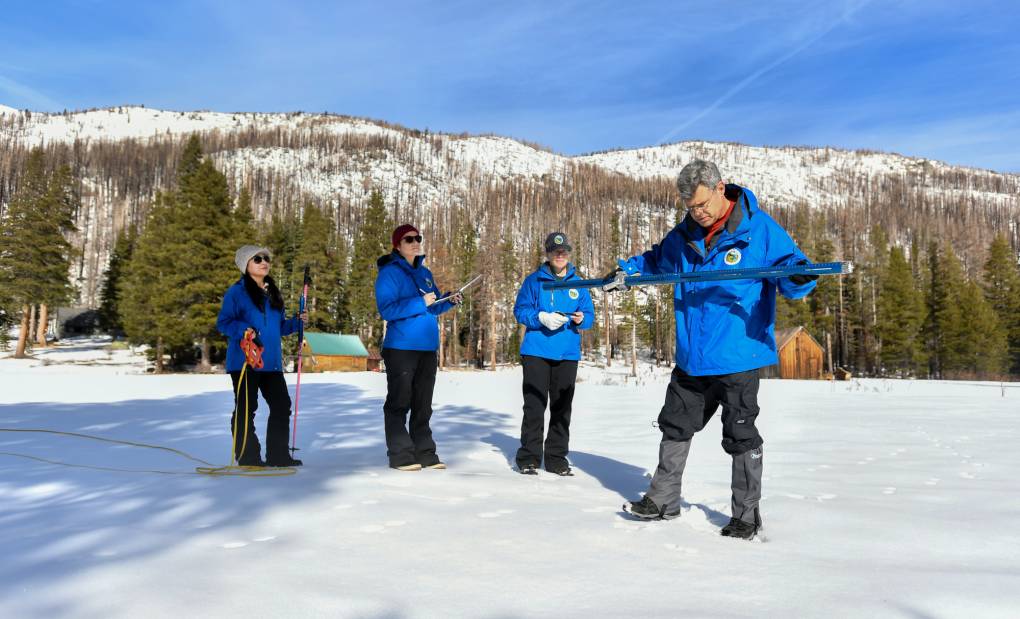
"caption": "California Department of Water Resources staff members (from right) Andy Reising, Snow Surveys and Water Supply Forecasting Unit Manager; Jordan Thoennes, Water Resources Engineer; Manon von Kaenel, Water Resources Engineer; and Angelique Fabbiani-Leon, State Hydrometeorologist, conduct the first media snow survey of the 2025 season at Phillips Station in the Sierra Nevada in El Dorado County, Jan. 2, 2025.",
"credit": "Courtesy Nick Shockey/California Department of Water Resources",
"altTag": null,
"description": null,
"imgSizes": {
"medium": {
"file": "https://cdn.kqed.org/wp-content/uploads/sites/10/2025/01/NS1_9754-800x485.jpg",
"width": 800,
"height": 485,
"mimeType": "image/jpeg"
},
"large": {
"file": "https://cdn.kqed.org/wp-content/uploads/sites/10/2025/01/NS1_9754-1020x619.jpg",
"width": 1020,
"height": 619,
"mimeType": "image/jpeg"
},
"thumbnail": {
"file": "https://cdn.kqed.org/wp-content/uploads/sites/10/2025/01/NS1_9754-160x97.jpg",
"width": 160,
"height": 97,
"mimeType": "image/jpeg"
},
"1536x1536": {
"file": "https://cdn.kqed.org/wp-content/uploads/sites/10/2025/01/NS1_9754-1536x932.jpg",
"width": 1536,
"height": 932,
"mimeType": "image/jpeg"
},
"post-thumbnail": {
"file": "https://cdn.kqed.org/wp-content/uploads/sites/10/2025/01/NS1_9754-672x372.jpg",
"width": 672,
"height": 372,
"mimeType": "image/jpeg"
},
"twentyfourteen-full-width": {
"file": "https://cdn.kqed.org/wp-content/uploads/sites/10/2025/01/NS1_9754-1038x576.jpg",
"width": 1038,
"height": 576,
"mimeType": "image/jpeg"
},
"full-width": {
"file": "https://cdn.kqed.org/wp-content/uploads/sites/10/2025/01/NS1_9754-1920x1164.jpg",
"width": 1920,
"height": 1164,
"mimeType": "image/jpeg"
},
"kqedFullSize": {
"file": "https://cdn.kqed.org/wp-content/uploads/sites/10/2025/01/NS1_9754.jpg",
"width": 2000,
"height": 1213
}
},
"isLoading": false,
"fetchFailed": false
},
"news_12015647": {
"type": "attachments",
"id": "news_12015647",
"meta": {
"index": "attachments_1716263798",
"site": "news",
"id": "12015647",
"found": true
},
"title": "241122-StormHitsBayArea-38-BL",
"publishDate": 1732316223,
"status": "inherit",
"parent": 0,
"modified": 1732316241,
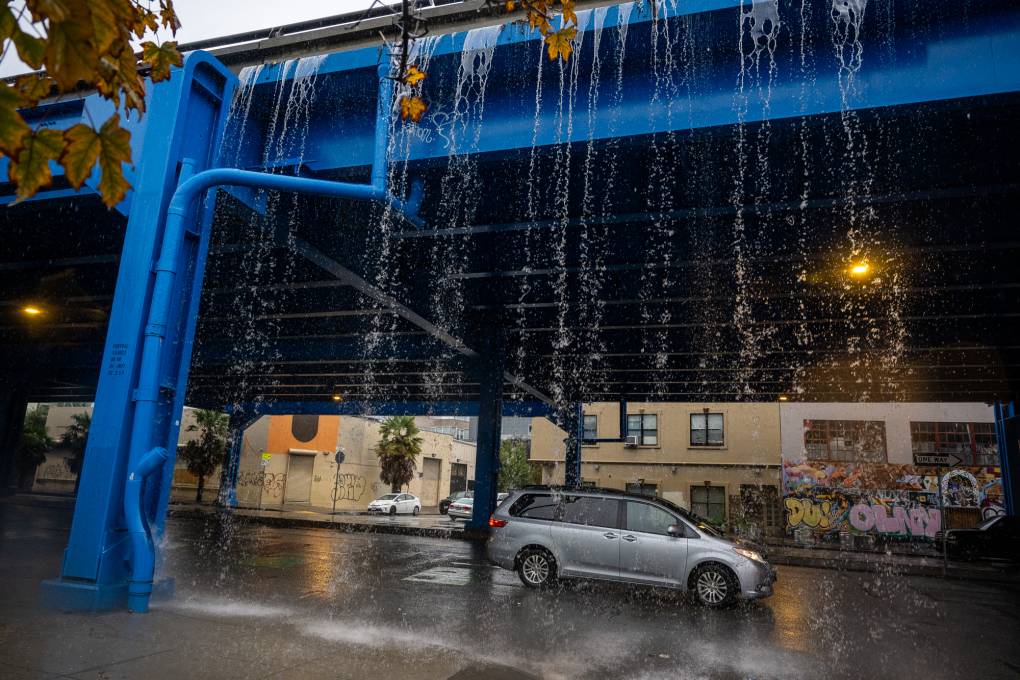
"caption": "Water spills over the Highway 101 overpass in San Francisco on Nov. 22, 2024, during a storm bringing heavy rain and strong winds to the Bay Area.",
"credit": "Beth LaBerge/KQED",
"altTag": null,
"description": null,
"imgSizes": {
"medium": {
"file": "https://cdn.kqed.org/wp-content/uploads/sites/10/2024/11/241122-StormHitsBayArea-38-BL-800x533.jpg",
"width": 800,
"height": 533,
"mimeType": "image/jpeg"
},
"large": {
"file": "https://cdn.kqed.org/wp-content/uploads/sites/10/2024/11/241122-StormHitsBayArea-38-BL-1020x680.jpg",
"width": 1020,
"height": 680,
"mimeType": "image/jpeg"
},
"thumbnail": {
"file": "https://cdn.kqed.org/wp-content/uploads/sites/10/2024/11/241122-StormHitsBayArea-38-BL-160x107.jpg",
"width": 160,
"height": 107,
"mimeType": "image/jpeg"
},
"1536x1536": {
"file": "https://cdn.kqed.org/wp-content/uploads/sites/10/2024/11/241122-StormHitsBayArea-38-BL-1536x1024.jpg",
"width": 1536,
"height": 1024,
"mimeType": "image/jpeg"
},
"post-thumbnail": {
"file": "https://cdn.kqed.org/wp-content/uploads/sites/10/2024/11/241122-StormHitsBayArea-38-BL-672x372.jpg",
"width": 672,
"height": 372,
"mimeType": "image/jpeg"
},
"twentyfourteen-full-width": {
"file": "https://cdn.kqed.org/wp-content/uploads/sites/10/2024/11/241122-StormHitsBayArea-38-BL-1038x576.jpg",
"width": 1038,
"height": 576,
"mimeType": "image/jpeg"
},
"full-width": {
"file": "https://cdn.kqed.org/wp-content/uploads/sites/10/2024/11/241122-StormHitsBayArea-38-BL-1920x1280.jpg",
"width": 1920,
"height": 1280,
"mimeType": "image/jpeg"
},
"kqedFullSize": {
"file": "https://cdn.kqed.org/wp-content/uploads/sites/10/2024/11/241122-StormHitsBayArea-38-BL.jpg",
"width": 2000,
"height": 1333
}
},
"isLoading": false,
"fetchFailed": false
},
"news_12018696": {
"type": "attachments",
"id": "news_12018696",
"meta": {
"index": "attachments_1716263798",
"site": "news",
"id": "12018696",
"found": true
},
"title": "scotts_valley2",
"publishDate": 1734474678,
"status": "inherit",
"parent": 0,
"modified": 1734480309,
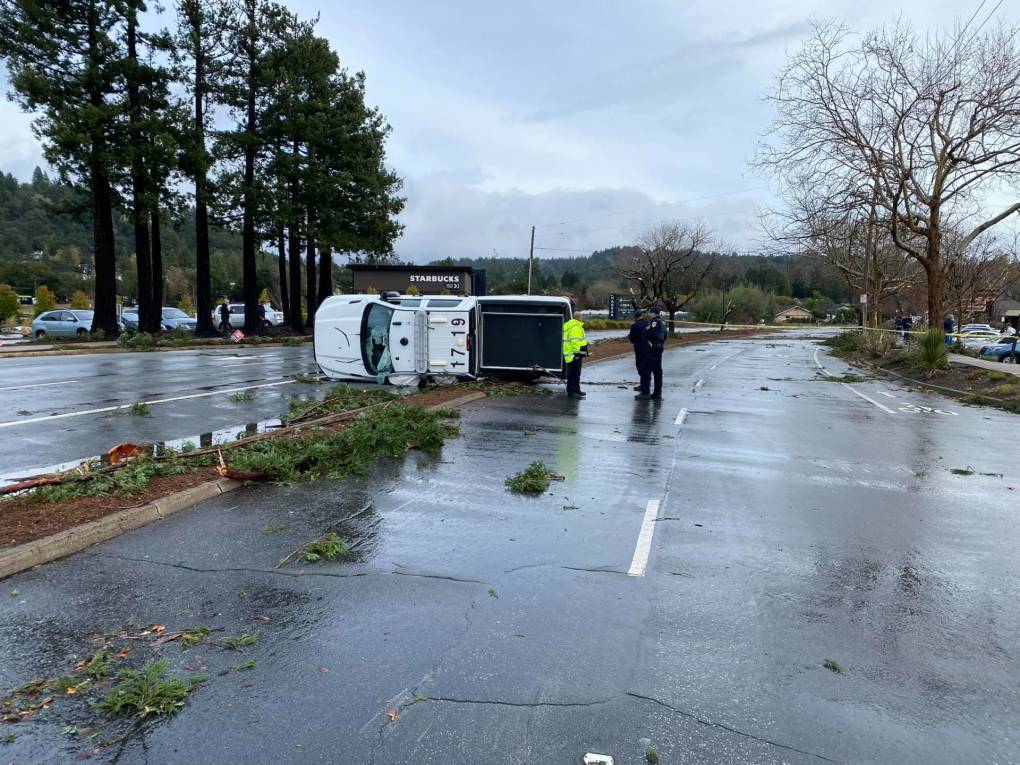
"caption": "A twister touched down in the small Santa Cruz County mountain town of Scotts Valley on Dec. 14, 2024, flipping several cars, damaging power lines and downing trees. ",
"credit": "Courtesy of Scotts Valley Police Department",
"altTag": null,
"description": null,
"imgSizes": {
"medium": {
"file": "https://cdn.kqed.org/wp-content/uploads/sites/10/2024/12/scotts_valley2-800x600.jpg",
"width": 800,
"height": 600,
"mimeType": "image/jpeg"
},
"large": {
"file": "https://cdn.kqed.org/wp-content/uploads/sites/10/2024/12/scotts_valley2-1020x765.jpg",
"width": 1020,
"height": 765,
"mimeType": "image/jpeg"
},
"thumbnail": {
"file": "https://cdn.kqed.org/wp-content/uploads/sites/10/2024/12/scotts_valley2-160x120.jpg",
"width": 160,
"height": 120,
"mimeType": "image/jpeg"
},
"1536x1536": {
"file": "https://cdn.kqed.org/wp-content/uploads/sites/10/2024/12/scotts_valley2-1536x1152.jpg",
"width": 1536,
"height": 1152,
"mimeType": "image/jpeg"
},
"post-thumbnail": {
"file": "https://cdn.kqed.org/wp-content/uploads/sites/10/2024/12/scotts_valley2-672x372.jpg",
"width": 672,
"height": 372,
"mimeType": "image/jpeg"
},
"twentyfourteen-full-width": {
"file": "https://cdn.kqed.org/wp-content/uploads/sites/10/2024/12/scotts_valley2-1038x576.jpg",
"width": 1038,
"height": 576,
"mimeType": "image/jpeg"
},
"kqedFullSize": {
"file": "https://cdn.kqed.org/wp-content/uploads/sites/10/2024/12/scotts_valley2.jpg",
"width": 1920,
"height": 1440
}
},
"isLoading": false,
"fetchFailed": false
},
"news_12018591": {
"type": "attachments",
"id": "news_12018591",
"meta": {
"index": "attachments_1716263798",
"site": "news",
"id": "12018591",
"found": true
},
"title": "20241216_SFStormCleanup_GC-17",
"publishDate": 1734399275,
"status": "inherit",
"parent": 0,
"modified": 1734437888,
"caption": "Dianna Stammerjohn searches for an owl’s nest at the site of a fallen pine tree, caused by last weekend’s storm, by the Bison Paddock, in the Outter Richmond neighborhood of San Francisco’s Golden Gate Park on Dec. 16, 2024. Stammerjohn said the owls had been nesting there for years.",
"credit": "Gina Castro/KQED",
"altTag": null,
"description": null,
"imgSizes": {
"medium": {
"file": "https://cdn.kqed.org/wp-content/uploads/sites/10/2024/12/20241216_SFStormCleanup_GC-17-800x533.jpg",
"width": 800,
"height": 533,
"mimeType": "image/jpeg"
},
"large": {
"file": "https://cdn.kqed.org/wp-content/uploads/sites/10/2024/12/20241216_SFStormCleanup_GC-17-1020x679.jpg",
"width": 1020,
"height": 679,
"mimeType": "image/jpeg"
},
"thumbnail": {
"file": "https://cdn.kqed.org/wp-content/uploads/sites/10/2024/12/20241216_SFStormCleanup_GC-17-160x107.jpg",
"width": 160,
"height": 107,
"mimeType": "image/jpeg"
},
"1536x1536": {
"file": "https://cdn.kqed.org/wp-content/uploads/sites/10/2024/12/20241216_SFStormCleanup_GC-17-1536x1023.jpg",
"width": 1536,
"height": 1023,
"mimeType": "image/jpeg"
},
"post-thumbnail": {
"file": "https://cdn.kqed.org/wp-content/uploads/sites/10/2024/12/20241216_SFStormCleanup_GC-17-672x372.jpg",
"width": 672,
"height": 372,
"mimeType": "image/jpeg"
},
"twentyfourteen-full-width": {
"file": "https://cdn.kqed.org/wp-content/uploads/sites/10/2024/12/20241216_SFStormCleanup_GC-17-1038x576.jpg",
"width": 1038,
"height": 576,
"mimeType": "image/jpeg"
},
"full-width": {
"file": "https://cdn.kqed.org/wp-content/uploads/sites/10/2024/12/20241216_SFStormCleanup_GC-17-1920x1279.jpg",
"width": 1920,
"height": 1279,
"mimeType": "image/jpeg"
},
"kqedFullSize": {
"file": "https://cdn.kqed.org/wp-content/uploads/sites/10/2024/12/20241216_SFStormCleanup_GC-17.jpg",
"width": 2000,
"height": 1332
}
},
"isLoading": false,
"fetchFailed": false
},
"news_12016880": {
"type": "attachments",
"id": "news_12016880",
"meta": {
"index": "attachments_1716263798",
"site": "news",
"id": "12016880",
"found": true
},
"title": "Tsunami Warning",
"publishDate": 1733433844,
"status": "inherit",
"parent": 0,
"modified": 1734387284,
"caption": "A state police vehicle patrols at Brickyard Cove in Berkeley, California, on Thursday, Dec. 5, 2024. Officials recommended evacuation of coastal areas due to a tsunami warning, that was later lifted.",
"credit": "David M. Barreda/KQED",
"altTag": null,
"description": null,
"imgSizes": {
"medium": {
"file": "https://cdn.kqed.org/wp-content/uploads/sites/10/2024/12/20241205_Tsunami-Warning_DMB_0666-800x533.jpg",
"width": 800,
"height": 533,
"mimeType": "image/jpeg"
},
"large": {
"file": "https://cdn.kqed.org/wp-content/uploads/sites/10/2024/12/20241205_Tsunami-Warning_DMB_0666-1020x679.jpg",
"width": 1020,
"height": 679,
"mimeType": "image/jpeg"
},
"thumbnail": {
"file": "https://cdn.kqed.org/wp-content/uploads/sites/10/2024/12/20241205_Tsunami-Warning_DMB_0666-160x107.jpg",
"width": 160,
"height": 107,
"mimeType": "image/jpeg"
},
"1536x1536": {
"file": "https://cdn.kqed.org/wp-content/uploads/sites/10/2024/12/20241205_Tsunami-Warning_DMB_0666-1536x1023.jpg",
"width": 1536,
"height": 1023,
"mimeType": "image/jpeg"
},
"post-thumbnail": {
"file": "https://cdn.kqed.org/wp-content/uploads/sites/10/2024/12/20241205_Tsunami-Warning_DMB_0666-672x372.jpg",
"width": 672,
"height": 372,
"mimeType": "image/jpeg"
},
"twentyfourteen-full-width": {
"file": "https://cdn.kqed.org/wp-content/uploads/sites/10/2024/12/20241205_Tsunami-Warning_DMB_0666-1038x576.jpg",
"width": 1038,
"height": 576,
"mimeType": "image/jpeg"
},
"full-width": {
"file": "https://cdn.kqed.org/wp-content/uploads/sites/10/2024/12/20241205_Tsunami-Warning_DMB_0666-1920x1279.jpg",
"width": 1920,
"height": 1279,
"mimeType": "image/jpeg"
},
"kqedFullSize": {
"file": "https://cdn.kqed.org/wp-content/uploads/sites/10/2024/12/20241205_Tsunami-Warning_DMB_0666.jpg",
"width": 2000,
"height": 1332
}
},
"isLoading": false,
"fetchFailed": false
},
"news_12015569": {
"type": "attachments",
"id": "news_12015569",
"meta": {
"index": "attachments_1716263798",
"site": "news",
"id": "12015569",
"found": true
},
"title": "241122-StormHitsBayArea-04-BL",
"publishDate": 1732303370,
"status": "inherit",
"parent": 0,
"modified": 1732303410,
"caption": "A vehicle drives through a flooded parking lot in Marin City on Nov. 22, 2024, during a storm bringing heavy rain and strong winds to the Bay Area.",
"credit": "Beth LaBerge/KQED",
"altTag": null,
"description": null,
"imgSizes": {
"medium": {
"file": "https://cdn.kqed.org/wp-content/uploads/sites/10/2024/11/241122-StormHitsBayArea-04-BL-800x533.jpg",
"width": 800,
"height": 533,
"mimeType": "image/jpeg"
},
"large": {
"file": "https://cdn.kqed.org/wp-content/uploads/sites/10/2024/11/241122-StormHitsBayArea-04-BL-1020x680.jpg",
"width": 1020,
"height": 680,
"mimeType": "image/jpeg"
},
"thumbnail": {
"file": "https://cdn.kqed.org/wp-content/uploads/sites/10/2024/11/241122-StormHitsBayArea-04-BL-160x107.jpg",
"width": 160,
"height": 107,
"mimeType": "image/jpeg"
},
"1536x1536": {
"file": "https://cdn.kqed.org/wp-content/uploads/sites/10/2024/11/241122-StormHitsBayArea-04-BL-1536x1024.jpg",
"width": 1536,
"height": 1024,
"mimeType": "image/jpeg"
},
"post-thumbnail": {
"file": "https://cdn.kqed.org/wp-content/uploads/sites/10/2024/11/241122-StormHitsBayArea-04-BL-672x372.jpg",
"width": 672,
"height": 372,
"mimeType": "image/jpeg"
},
"twentyfourteen-full-width": {
"file": "https://cdn.kqed.org/wp-content/uploads/sites/10/2024/11/241122-StormHitsBayArea-04-BL-1038x576.jpg",
"width": 1038,
"height": 576,
"mimeType": "image/jpeg"
},
"full-width": {
"file": "https://cdn.kqed.org/wp-content/uploads/sites/10/2024/11/241122-StormHitsBayArea-04-BL-1920x1280.jpg",
"width": 1920,
"height": 1280,
"mimeType": "image/jpeg"
},
"kqedFullSize": {
"file": "https://cdn.kqed.org/wp-content/uploads/sites/10/2024/11/241122-StormHitsBayArea-04-BL.jpg",
"width": 2000,
"height": 1333
}
},
"isLoading": false,
"fetchFailed": false
},
"news_12018415": {
"type": "attachments",
"id": "news_12018415",
"meta": {
"index": "attachments_1716263798",
"site": "news",
"id": "12018415",
"found": true
},
"title": "470133176_916398103956314_89174337297673206_n",
"publishDate": 1734224045,
"status": "inherit",
"parent": 12018406,
"modified": 1734470338,
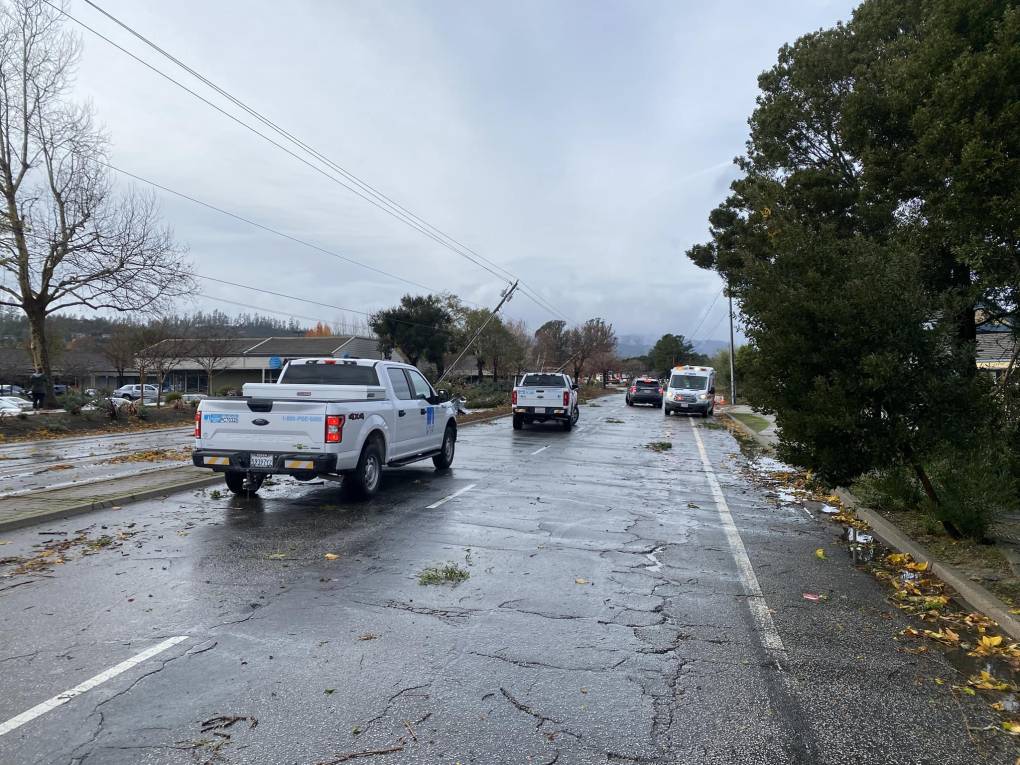
"caption": "Vehicles drive past downed and damaged power lines after a tornado hit Scott's Valley in Santa Cruz County. ",
"credit": "Scott's Valley Police Department",
"altTag": null,
"description": null,
"imgSizes": {
"medium": {
"file": "https://cdn.kqed.org/wp-content/uploads/sites/10/2024/12/470133176_916398103956314_89174337297673206_n-800x600.jpg",
"width": 800,
"height": 600,
"mimeType": "image/jpeg"
},
"large": {
"file": "https://cdn.kqed.org/wp-content/uploads/sites/10/2024/12/470133176_916398103956314_89174337297673206_n-1020x765.jpg",
"width": 1020,
"height": 765,
"mimeType": "image/jpeg"
},
"thumbnail": {
"file": "https://cdn.kqed.org/wp-content/uploads/sites/10/2024/12/470133176_916398103956314_89174337297673206_n-160x120.jpg",
"width": 160,
"height": 120,
"mimeType": "image/jpeg"
},
"1536x1536": {
"file": "https://cdn.kqed.org/wp-content/uploads/sites/10/2024/12/470133176_916398103956314_89174337297673206_n-1536x1152.jpg",
"width": 1536,
"height": 1152,
"mimeType": "image/jpeg"
},
"post-thumbnail": {
"file": "https://cdn.kqed.org/wp-content/uploads/sites/10/2024/12/470133176_916398103956314_89174337297673206_n-672x372.jpg",
"width": 672,
"height": 372,
"mimeType": "image/jpeg"
},
"twentyfourteen-full-width": {
"file": "https://cdn.kqed.org/wp-content/uploads/sites/10/2024/12/470133176_916398103956314_89174337297673206_n-1038x576.jpg",
"width": 1038,
"height": 576,
"mimeType": "image/jpeg"
},
"full-width": {
"file": "https://cdn.kqed.org/wp-content/uploads/sites/10/2024/12/470133176_916398103956314_89174337297673206_n-1920x1440.jpg",
"width": 1920,
"height": 1440,
"mimeType": "image/jpeg"
},
"kqedFullSize": {
"file": "https://cdn.kqed.org/wp-content/uploads/sites/10/2024/12/470133176_916398103956314_89174337297673206_n-e1734371581509.jpg",
"width": 2000,
"height": 1500
}
},
"isLoading": false,
"fetchFailed": false
},
"news_12015608": {
"type": "attachments",
"id": "news_12015608",
"meta": {
"index": "attachments_1716263798",
"site": "news",
"id": "12015608",
"found": true
},
"title": "241122-StormHitsBayArea-21-BL",
"publishDate": 1732310382,
"status": "inherit",
"parent": 0,
"modified": 1732310412,
"caption": "A person walks their dog on Haight Street in San Francisco on Nov. 22, 2024, during a storm bringing heavy rain and strong winds to the Bay Area.",
"credit": "Beth LaBerge/KQED",
"altTag": null,
"description": null,
"imgSizes": {
"medium": {
"file": "https://cdn.kqed.org/wp-content/uploads/sites/10/2024/11/241122-StormHitsBayArea-21-BL-800x533.jpg",
"width": 800,
"height": 533,
"mimeType": "image/jpeg"
},
"large": {
"file": "https://cdn.kqed.org/wp-content/uploads/sites/10/2024/11/241122-StormHitsBayArea-21-BL-1020x680.jpg",
"width": 1020,
"height": 680,
"mimeType": "image/jpeg"
},
"thumbnail": {
"file": "https://cdn.kqed.org/wp-content/uploads/sites/10/2024/11/241122-StormHitsBayArea-21-BL-160x107.jpg",
"width": 160,
"height": 107,
"mimeType": "image/jpeg"
},
"1536x1536": {
"file": "https://cdn.kqed.org/wp-content/uploads/sites/10/2024/11/241122-StormHitsBayArea-21-BL-1536x1024.jpg",
"width": 1536,
"height": 1024,
"mimeType": "image/jpeg"
},
"post-thumbnail": {
"file": "https://cdn.kqed.org/wp-content/uploads/sites/10/2024/11/241122-StormHitsBayArea-21-BL-672x372.jpg",
"width": 672,
"height": 372,
"mimeType": "image/jpeg"
},
"twentyfourteen-full-width": {
"file": "https://cdn.kqed.org/wp-content/uploads/sites/10/2024/11/241122-StormHitsBayArea-21-BL-1038x576.jpg",
"width": 1038,
"height": 576,
"mimeType": "image/jpeg"
},
"full-width": {
"file": "https://cdn.kqed.org/wp-content/uploads/sites/10/2024/11/241122-StormHitsBayArea-21-BL-1920x1280.jpg",
"width": 1920,
"height": 1280,
"mimeType": "image/jpeg"
},
"kqedFullSize": {
"file": "https://cdn.kqed.org/wp-content/uploads/sites/10/2024/11/241122-StormHitsBayArea-21-BL.jpg",
"width": 2000,
"height": 1333
}
},
"isLoading": false,
"fetchFailed": false
},
"news_12015721": {
"type": "attachments",
"id": "news_12015721",
"meta": {
"index": "attachments_1716263798",
"site": "news",
"id": "12015721",
"found": true
},
"title": "20241122_NorcalStorm_GC-9_qed",
"publishDate": 1732398267,
"status": "inherit",
"parent": 12015534,
"modified": 1732398301,
"caption": "Two cars were left stranded on Rohnert Park Expressway after heavy rainfall during an atmospheric river storm affecting the Bay Area on Nov. 22, 2024.",
"credit": "Gina Castro/KQED",
"altTag": null,
"description": null,
"imgSizes": {
"medium": {
"file": "https://cdn.kqed.org/wp-content/uploads/sites/10/2024/11/20241122_NorcalStorm_GC-9_qed-800x533.jpg",
"width": 800,
"height": 533,
"mimeType": "image/jpeg"
},
"large": {
"file": "https://cdn.kqed.org/wp-content/uploads/sites/10/2024/11/20241122_NorcalStorm_GC-9_qed-1020x680.jpg",
"width": 1020,
"height": 680,
"mimeType": "image/jpeg"
},
"thumbnail": {
"file": "https://cdn.kqed.org/wp-content/uploads/sites/10/2024/11/20241122_NorcalStorm_GC-9_qed-160x107.jpg",
"width": 160,
"height": 107,
"mimeType": "image/jpeg"
},
"1536x1536": {
"file": "https://cdn.kqed.org/wp-content/uploads/sites/10/2024/11/20241122_NorcalStorm_GC-9_qed-1536x1024.jpg",
"width": 1536,
"height": 1024,
"mimeType": "image/jpeg"
},
"post-thumbnail": {
"file": "https://cdn.kqed.org/wp-content/uploads/sites/10/2024/11/20241122_NorcalStorm_GC-9_qed-672x372.jpg",
"width": 672,
"height": 372,
"mimeType": "image/jpeg"
},
"twentyfourteen-full-width": {
"file": "https://cdn.kqed.org/wp-content/uploads/sites/10/2024/11/20241122_NorcalStorm_GC-9_qed-1038x576.jpg",
"width": 1038,
"height": 576,
"mimeType": "image/jpeg"
},
"full-width": {
"file": "https://cdn.kqed.org/wp-content/uploads/sites/10/2024/11/20241122_NorcalStorm_GC-9_qed-1920x1280.jpg",
"width": 1920,
"height": 1280,
"mimeType": "image/jpeg"
},
"kqedFullSize": {
"file": "https://cdn.kqed.org/wp-content/uploads/sites/10/2024/11/20241122_NorcalStorm_GC-9_qed.jpg",
"width": 2000,
"height": 1333
}
},
"isLoading": false,
"fetchFailed": false
},
"news_11944994": {
"type": "attachments",
"id": "news_11944994",
"meta": {
"index": "attachments_1716263798",
"site": "news",
"id": "11944994",
"found": true
},
"parent": 11944945,
"imgSizes": {
"twentyfourteen-full-width": {
"file": "https://ww2.kqed.org/app/uploads/sites/10/2023/03/RS63953_GettyImages-1475427226-qut-1038x576.jpg",
"width": 1038,
"mimeType": "image/jpeg",
"height": 576
},
"thumbnail": {
"file": "https://ww2.kqed.org/app/uploads/sites/10/2023/03/RS63953_GettyImages-1475427226-qut-160x107.jpg",
"width": 160,
"mimeType": "image/jpeg",
"height": 107
},
"post-thumbnail": {
"file": "https://ww2.kqed.org/app/uploads/sites/10/2023/03/RS63953_GettyImages-1475427226-qut-672x372.jpg",
"width": 672,
"mimeType": "image/jpeg",
"height": 372
},
"kqedFullSize": {
"file": "https://ww2.kqed.org/app/uploads/sites/10/2023/03/RS63953_GettyImages-1475427226-qut.jpg",
"width": 1920,
"height": 1280
},
"large": {
"file": "https://ww2.kqed.org/app/uploads/sites/10/2023/03/RS63953_GettyImages-1475427226-qut-1020x680.jpg",
"width": 1020,
"mimeType": "image/jpeg",
"height": 680
},
"1536x1536": {
"file": "https://ww2.kqed.org/app/uploads/sites/10/2023/03/RS63953_GettyImages-1475427226-qut-1536x1024.jpg",
"width": 1536,
"mimeType": "image/jpeg",
"height": 1024
},
"medium": {
"file": "https://ww2.kqed.org/app/uploads/sites/10/2023/03/RS63953_GettyImages-1475427226-qut-800x533.jpg",
"width": 800,
"mimeType": "image/jpeg",
"height": 533
}
},
"publishDate": 1680040813,
"modified": 1680045263,
"caption": "A large tree fell and damaged two cars on Parker Avenue in San Francisco after heavy rainstorms on Wednesday, March 22, 2023.",
"description": null,
"title": "tree-fell-on-car-bay-area",
"credit": "Gabrielle Lurie/The San Francisco Chronicle via Getty Images",
"status": "inherit",
"altTag": "A silver car is photographed almost completely covered by a large tree that's fallen onto it. Above, the sky is bright blue.",
"isLoading": false,
"fetchFailed": false
},
"news_12015186": {
"type": "attachments",
"id": "news_12015186",
"meta": {
"index": "attachments_1716263798",
"site": "news",
"id": "12015186",
"found": true
},
"title": "241120-StormHitsBayArea-07-BL",
"publishDate": 1732142124,
"status": "inherit",
"parent": 0,
"modified": 1732146987,
"caption": "People with umbrellas walk near the Embarcadero in San Francisco on Nov. 20, 2024.",
"credit": "Beth LaBerge/KQED",
"altTag": null,
"description": null,
"imgSizes": {
"medium": {
"file": "https://cdn.kqed.org/wp-content/uploads/sites/10/2024/11/241120-StormHitsBayArea-07-BL-800x533.jpg",
"width": 800,
"height": 533,
"mimeType": "image/jpeg"
},
"large": {
"file": "https://cdn.kqed.org/wp-content/uploads/sites/10/2024/11/241120-StormHitsBayArea-07-BL-1020x680.jpg",
"width": 1020,
"height": 680,
"mimeType": "image/jpeg"
},
"thumbnail": {
"file": "https://cdn.kqed.org/wp-content/uploads/sites/10/2024/11/241120-StormHitsBayArea-07-BL-160x107.jpg",
"width": 160,
"height": 107,
"mimeType": "image/jpeg"
},
"1536x1536": {
"file": "https://cdn.kqed.org/wp-content/uploads/sites/10/2024/11/241120-StormHitsBayArea-07-BL-1536x1024.jpg",
"width": 1536,
"height": 1024,
"mimeType": "image/jpeg"
},
"post-thumbnail": {
"file": "https://cdn.kqed.org/wp-content/uploads/sites/10/2024/11/241120-StormHitsBayArea-07-BL-672x372.jpg",
"width": 672,
"height": 372,
"mimeType": "image/jpeg"
},
"twentyfourteen-full-width": {
"file": "https://cdn.kqed.org/wp-content/uploads/sites/10/2024/11/241120-StormHitsBayArea-07-BL-1038x576.jpg",
"width": 1038,
"height": 576,
"mimeType": "image/jpeg"
},
"full-width": {
"file": "https://cdn.kqed.org/wp-content/uploads/sites/10/2024/11/241120-StormHitsBayArea-07-BL-1920x1280.jpg",
"width": 1920,
"height": 1280,
"mimeType": "image/jpeg"
},
"kqedFullSize": {
"file": "https://cdn.kqed.org/wp-content/uploads/sites/10/2024/11/241120-StormHitsBayArea-07-BL.jpg",
"width": 2000,
"height": 1333
}
},
"isLoading": false,
"fetchFailed": false
}
},
"audioPlayerReducer": {
"postId": "stream_live",
"isPaused": true,
"isPlaying": false,
"pfsActive": false,
"pledgeModalIsOpen": true,
"playerDrawerIsOpen": false,
"liveAudioPlayStartedAt": 0,
"liveAudioPlayContext": ""
},
"authorsReducer": {
"danbrekke": {
"type": "authors",
"id": "222",
"meta": {
"index": "authors_1716337520",
"id": "222",
"found": true
},
"name": "Dan Brekke",
"firstName": "Dan",
"lastName": "Brekke",
"slug": "danbrekke",
"email": "dbrekke@kqed.org",
"display_author_email": true,
"staff_mastheads": [
"news",
"science"
],
"title": "KQED Editor and Reporter",
"bio": "Dan Brekke is a reporter and editor for KQED News, responsible for coverage of topics ranging from California water issues to the Bay Area's transportation challenges. In a newsroom career that began in Chicago in 1972, Dan has worked for \u003cem>The San Francisco Examiner,\u003c/em> Wired and TechTV and has been published in The New York Times, The New York Times Magazine, Business 2.0, Salon and elsewhere.\r\n\r\nSince joining KQED in 2007, Dan has reported, edited and produced both radio and online features and breaking news pieces. He has shared as both editor and reporter in four Society of Professional Journalists Norcal Excellence in Journalism awards and one Edward R. Murrow regional award. He was chosen for a spring 2017 residency at the Mesa Refuge to advance his research on California salmon.\r\n\r\nEmail Dan at: \u003ca href=\"mailto:dbrekke@kqed.org\">dbrekke@kqed.org\u003c/a>\r\n\r\n\u003cstrong>Twitter:\u003c/strong> \u003ca href=\"https://twitter.com/danbrekke\" rel=\"noopener noreferrer\">twitter.com/danbrekke\u003c/a>\r\n\u003cstrong>Facebook:\u003c/strong> \u003ca href=\"https://www.facebook.com/danbrekke\" rel=\"noopener noreferrer\">www.facebook.com/danbrekke\u003c/a>\r\n\u003cstrong>LinkedIn:\u003c/strong> \u003ca href=\"https://www.linkedin.com/in/danbrekke\" rel=\"noopener noreferrer\">www.linkedin.com/in/danbrekke\u003c/a>",
"avatar": "https://secure.gravatar.com/avatar/c8126230345efca3f7aa89b1a402be45?s=600&d=mm&r=g",
"twitter": "danbrekke",
"facebook": null,
"instagram": "https://www.instagram.com/dan.brekke/",
"linkedin": "https://www.linkedin.com/in/danbrekke/",
"sites": [
{
"site": "news",
"roles": [
"administrator",
"create_posts"
]
},
{
"site": "stateofhealth",
"roles": [
"editor"
]
},
{
"site": "science",
"roles": [
"editor"
]
},
{
"site": "quest",
"roles": [
"contributor"
]
},
{
"site": "food",
"roles": [
"contributor"
]
},
{
"site": "forum",
"roles": [
"contributor"
]
},
{
"site": "liveblog",
"roles": [
"editor"
]
}
],
"headData": {
"title": "Dan Brekke | KQED",
"description": "KQED Editor and Reporter",
"ogImgSrc": "https://secure.gravatar.com/avatar/c8126230345efca3f7aa89b1a402be45?s=600&d=mm&r=g",
"twImgSrc": "https://secure.gravatar.com/avatar/c8126230345efca3f7aa89b1a402be45?s=600&d=mm&r=g"
},
"isLoading": false,
"link": "/author/danbrekke"
},
"dventon": {
"type": "authors",
"id": "11088",
"meta": {
"index": "authors_1716337520",
"id": "11088",
"found": true
},
"name": "Danielle Venton",
"firstName": "Danielle",
"lastName": "Venton",
"slug": "dventon",
"email": "dventon@kqed.org",
"display_author_email": true,
"staff_mastheads": [
"science"
],
"title": "Science reporter",
"bio": "Danielle Venton is a reporter for KQED Science. She covers wildfires, space and oceans (though she is prone to sea sickness).\r\n\r\nBefore joining KQED in 2015, Danielle was a staff reporter at KRCB in Sonoma County and a freelancer. She studied science communication at UC Santa Cruz and formerly worked at CERN in Geneva, Switzerland where she wrote about computing. She lives in Sonoma County and enjoys backpacking.",
"avatar": "https://secure.gravatar.com/avatar/37b292b5c40c8d93959c4f48d73b5286f41b7abd8588277e941905a3ed4c801c?s=600&d=blank&r=g",
"twitter": "DanielleVenton",
"bluesky": null,
"facebook": null,
"instagram": null,
"linkedin": null,
"sites": [
{
"site": "arts",
"roles": [
"contributor"
]
},
{
"site": "news",
"roles": [
"editor"
]
},
{
"site": "futureofyou",
"roles": [
"editor"
]
},
{
"site": "science",
"roles": [
"editor"
]
},
{
"site": "liveblog",
"roles": [
"contributor"
]
}
],
"headData": {
"title": "Danielle Venton | KQED",
"description": "Science reporter",
"ogImgSrc": "https://secure.gravatar.com/avatar/37b292b5c40c8d93959c4f48d73b5286f41b7abd8588277e941905a3ed4c801c?s=600&d=blank&r=g",
"twImgSrc": "https://secure.gravatar.com/avatar/37b292b5c40c8d93959c4f48d73b5286f41b7abd8588277e941905a3ed4c801c?s=600&d=blank&r=g"
},
"isLoading": false,
"link": "/author/dventon"
},
"eromero": {
"type": "authors",
"id": "11746",
"meta": {
"index": "authors_1716337520",
"id": "11746",
"found": true
},
"name": "Ezra David Romero",
"firstName": "Ezra David",
"lastName": "Romero",
"slug": "eromero",
"email": "eromero@kqed.org",
"display_author_email": true,
"staff_mastheads": [
"news",
"science"
],
"title": "Climate Reporter",
"bio": "Ezra David Romero is a climate reporter for KQED News. He covers the absence and excess of water in the Bay Area — think sea level rise, flooding and drought. For nearly a decade he’s covered how warming temperatures are altering the lives of Californians. He’s reported on farmers worried their pistachio trees aren’t getting enough sleep, families desperate for water, scientists studying dying giant sequoias, and alongside firefighters containing wildfires. His work has appeared on local stations across California and nationally on public radio shows like Morning Edition, Here and Now, All Things Considered and Science Friday. ",
"avatar": "https://secure.gravatar.com/avatar/c76404d287c10ed40224227551ac36e24352c7306f106632caf6fead76f8801f?s=600&d=blank&r=g",
"twitter": "ezraromero",
"bluesky": null,
"facebook": null,
"instagram": null,
"linkedin": null,
"sites": [
{
"site": "arts",
"roles": [
"editor"
]
},
{
"site": "news",
"roles": [
"editor"
]
},
{
"site": "science",
"roles": [
"editor"
]
},
{
"site": "liveblog",
"roles": [
"author"
]
}
],
"headData": {
"title": "Ezra David Romero | KQED",
"description": "Climate Reporter",
"ogImgSrc": "https://secure.gravatar.com/avatar/c76404d287c10ed40224227551ac36e24352c7306f106632caf6fead76f8801f?s=600&d=blank&r=g",
"twImgSrc": "https://secure.gravatar.com/avatar/c76404d287c10ed40224227551ac36e24352c7306f106632caf6fead76f8801f?s=600&d=blank&r=g"
},
"isLoading": false,
"link": "/author/eromero"
},
"jlara": {
"type": "authors",
"id": "11761",
"meta": {
"index": "authors_1716337520",
"id": "11761",
"found": true
},
"name": "Juan Carlos Lara",
"firstName": "Juan Carlos",
"lastName": "Lara",
"slug": "jlara",
"email": "jlara@kqed.org",
"display_author_email": false,
"staff_mastheads": [],
"title": "KQED Contributor",
"bio": null,
"avatar": "https://secure.gravatar.com/avatar/19e2052b9b05657c5ff2af2121846e9c?s=600&d=blank&r=g",
"twitter": null,
"facebook": null,
"instagram": null,
"linkedin": null,
"sites": [
{
"site": "arts",
"roles": [
"editor"
]
},
{
"site": "news",
"roles": [
"editor"
]
},
{
"site": "forum",
"roles": [
"editor"
]
},
{
"site": "liveblog",
"roles": [
"contributor"
]
}
],
"headData": {
"title": "Juan Carlos Lara | KQED",
"description": "KQED Contributor",
"ogImgSrc": "https://secure.gravatar.com/avatar/19e2052b9b05657c5ff2af2121846e9c?s=600&d=blank&r=g",
"twImgSrc": "https://secure.gravatar.com/avatar/19e2052b9b05657c5ff2af2121846e9c?s=600&d=blank&r=g"
},
"isLoading": false,
"link": "/author/jlara"
},
"srodriguez": {
"type": "authors",
"id": "11852",
"meta": {
"index": "authors_1716337520",
"id": "11852",
"found": true
},
"name": "Steph Rodriguez",
"firstName": "Steph",
"lastName": "Rodriguez",
"slug": "srodriguez",
"email": "srodriguez@KQED.org",
"display_author_email": true,
"staff_mastheads": [
"news"
],
"title": "KQED Contributor",
"bio": "Steph Rodriguez is an award-winning editor and journalist who specializes in writing stories about food and music, arts and culture. She’s currently a Digital Editor for KQED News in San Francisco. Her past professional experience includes Food Editor for SFGATE as well as Managing Editor and Dining Editor for the Sacramento News & Review. She has roots in Bakersfield and Sacramento California and currently lives in Oakland with her family.",
"avatar": "https://secure.gravatar.com/avatar/5220c101baf7d495ca871563de9b8653e5863afdbd5f55ea5db0dda0732db3a2?s=600&d=blank&r=g",
"twitter": "wordstospill",
"bluesky": null,
"facebook": null,
"instagram": null,
"linkedin": null,
"sites": [
{
"site": "",
"roles": [
"administrator"
]
},
{
"site": "arts",
"roles": [
"administrator"
]
},
{
"site": "news",
"roles": [
"administrator"
]
},
{
"site": "science",
"roles": [
"administrator"
]
}
],
"headData": {
"title": "Steph Rodriguez | KQED",
"description": "KQED Contributor",
"ogImgSrc": "https://secure.gravatar.com/avatar/5220c101baf7d495ca871563de9b8653e5863afdbd5f55ea5db0dda0732db3a2?s=600&d=blank&r=g",
"twImgSrc": "https://secure.gravatar.com/avatar/5220c101baf7d495ca871563de9b8653e5863afdbd5f55ea5db0dda0732db3a2?s=600&d=blank&r=g"
},
"isLoading": false,
"link": "/author/srodriguez"
},
"naltenberg": {
"type": "authors",
"id": "11896",
"meta": {
"index": "authors_1716337520",
"id": "11896",
"found": true
},
"name": "Nik Altenberg",
"firstName": "Nik",
"lastName": "Altenberg",
"slug": "naltenberg",
"email": "naltenberg@kqed.org",
"display_author_email": false,
"staff_mastheads": [],
"title": "KQED Contributor",
"bio": "Nik Altenberg is an on-call reporter for KQED and a copy editor and fact checker for Santa Cruz Local. Nik’s reporting interests include policing, public health, environment, immigration, housing and the places where these issues intersect.",
"avatar": "https://secure.gravatar.com/avatar/e391b3a18ce4a53a7ca3f3065c74418b?s=600&d=blank&r=g",
"twitter": null,
"facebook": null,
"instagram": "https://www.instagram.com/nikaltenberg/",
"linkedin": null,
"sites": [
{
"site": "news",
"roles": []
}
],
"headData": {
"title": "Nik Altenberg | KQED",
"description": "KQED Contributor",
"ogImgSrc": "https://secure.gravatar.com/avatar/e391b3a18ce4a53a7ca3f3065c74418b?s=600&d=blank&r=g",
"twImgSrc": "https://secure.gravatar.com/avatar/e391b3a18ce4a53a7ca3f3065c74418b?s=600&d=blank&r=g"
},
"isLoading": false,
"link": "/author/naltenberg"
},
"jservantez": {
"type": "authors",
"id": "11909",
"meta": {
"index": "authors_1716337520",
"id": "11909",
"found": true
},
"name": "Jared Servantez",
"firstName": "Jared",
"lastName": "Servantez",
"slug": "jservantez",
"email": "jservantez@kqed.org",
"display_author_email": true,
"staff_mastheads": [
"news"
],
"title": "KQED Contributor",
"bio": "Jared Servantez is the editor of KQED's Express Desk, leading the newsroom's online breaking news operation. He most recently worked for the Los Angeles Times, where he served as a breaking news editor, the Metro Desk's night editor, and a copy editor. Jared is a graduate of the USC Annenberg School for Communication and Journalism.",
"avatar": "https://secure.gravatar.com/avatar/f0e317c67bb498c3f077f033d1cc79e62f3bc1303fa20a14e8880d31fbe7e01e?s=600&d=blank&r=g",
"twitter": "jservantez",
"bluesky": null,
"facebook": null,
"instagram": null,
"linkedin": null,
"sites": [
{
"site": "news",
"roles": [
"editor"
]
},
{
"site": "science",
"roles": [
"editor",
"author"
]
},
{
"site": "liveblog",
"roles": [
"editor"
]
}
],
"headData": {
"title": "Jared Servantez | KQED",
"description": "KQED Contributor",
"ogImgSrc": "https://secure.gravatar.com/avatar/f0e317c67bb498c3f077f033d1cc79e62f3bc1303fa20a14e8880d31fbe7e01e?s=600&d=blank&r=g",
"twImgSrc": "https://secure.gravatar.com/avatar/f0e317c67bb498c3f077f033d1cc79e62f3bc1303fa20a14e8880d31fbe7e01e?s=600&d=blank&r=g"
},
"isLoading": false,
"link": "/author/jservantez"
},
"kdebenedetti": {
"type": "authors",
"id": "11913",
"meta": {
"index": "authors_1716337520",
"id": "11913",
"found": true
},
"name": "Katie DeBenedetti",
"firstName": "Katie",
"lastName": "DeBenedetti",
"slug": "kdebenedetti",
"email": "kdebenedetti@kqed.org",
"display_author_email": false,
"staff_mastheads": [
"news",
"science"
],
"title": "KQED Contributor",
"bio": "Katie DeBenedetti is a digital reporter covering daily news for the Express Desk. Prior to joining KQED as a culture reporting intern in January 2024, she covered education and city government for the Napa Valley Register.",
"avatar": "https://secure.gravatar.com/avatar/6e31073cb8f7e4214ab03f42771d0f45?s=600&d=blank&r=g",
"twitter": null,
"facebook": null,
"instagram": null,
"linkedin": null,
"sites": [
{
"site": "news",
"roles": [
"author"
]
},
{
"site": "science",
"roles": [
"author"
]
},
{
"site": "liveblog",
"roles": [
"author"
]
}
],
"headData": {
"title": "Katie DeBenedetti | KQED",
"description": "KQED Contributor",
"ogImgSrc": "https://secure.gravatar.com/avatar/6e31073cb8f7e4214ab03f42771d0f45?s=600&d=blank&r=g",
"twImgSrc": "https://secure.gravatar.com/avatar/6e31073cb8f7e4214ab03f42771d0f45?s=600&d=blank&r=g"
},
"isLoading": false,
"link": "/author/kdebenedetti"
}
},
"pagesReducer": {
"news_tag_weather": {
"type": "terms",
"id": "news_3",
"meta": {
"index": "terms_1716263798",
"site": "news",
"id": "3",
"score": 9.104131
},
"featImg": null,
"name": "weather",
"description": null,
"taxonomy": "tag",
"headData": {
"twImgId": null,
"twTitle": null,
"ogTitle": null,
"ogImgId": null,
"twDescription": null,
"description": null,
"title": "weather Archives | KQED News",
"ogDescription": null
},
"ttid": 3,
"slug": "weather",
"isLoading": false,
"title": "weather",
"pageMeta": {
"site": "news",
"WpPageTemplate": "page-topic-editorial",
"currentPage": 6
},
"blocks": [
{
"blockName": "kqed/post-list",
"attrs": {
"layout": "cardArticle2",
"query": "posts/news?tag=weather",
"seeMore": false,
"paginated": true,
"page": 6
}
},
{
"blockName": "kqed/ad"
}
]
}
},
"pfsSessionReducer": {},
"postsReducer": {
"stream_live": {
"type": "live",
"id": "stream_live",
"audioUrl": "https://streams.kqed.org/kqedradio",
"title": "Live Stream",
"excerpt": "Live Stream information currently unavailable.",
"link": "/radio",
"featImg": "",
"label": {
"name": "KQED Live",
"link": "/"
}
},
"stream_kqedNewscast": {
"type": "posts",
"id": "stream_kqedNewscast",
"audioUrl": "https://www.kqed.org/.stream/anon/radio/RDnews/newscast.mp3?_=1",
"title": "KQED Newscast",
"featImg": "",
"label": {
"name": "88.5 FM",
"link": "/"
}
},
"news_12020122": {
"type": "posts",
"id": "news_12020122",
"meta": {
"index": "posts_1716263798",
"site": "news",
"id": "12020122",
"score": null,
"sort": [
1735862512000
]
},
"guestAuthors": [],
"slug": "northern-california-snowpack-much-stronger-start-than-last-year",
"title": "Northern California Snowpack Off to a Much Stronger Start Than Last Year",
"publishDate": 1735862512,
"format": "standard",
"headTitle": "Northern California Snowpack Off to a Much Stronger Start Than Last Year | KQED",
"labelTerm": {
"site": "news"
},
"content": "\u003cp>The snowpack near \u003ca href=\"https://www.kqed.org/news/tag/lake-tahoe\">Lake Tahoe\u003c/a> is far larger than it was at the start of 2024 but still short of the average for this time of year, California water officials said Thursday in the first manual snow survey of the season.\u003c/p>\n\u003cp>The survey, conducted at Phillips Station in the northern \u003ca href=\"https://www.kqed.org/science/tag/sierra-nevada\">Sierra Nevada\u003c/a>, recorded snow more than three times deeper than what the California Department of Water Resources recorded at the same station this time last year. That figure also represents 91% of the average for previous surveys done at this point in the year.\u003c/p>\n\u003cp>Statewide, California’s snowpack is just above the average for this time of year and at 39% of the average for April 1, which is when officials expect to see peak levels for the year before \u003ca href=\"https://www.kqed.org/science/1991866/californias-normal-winter-and-high-snowpack-could-curb-wildfire-risk-prevent-drought\">spring snowmelt and runoff\u003c/a> begins.\u003c/p>\n\u003cp>[ad fullwidth]\u003c/p>\n\u003cp>“So off to a better start this water year than we were last year. But much remains to be seen in terms of how this water year actually ends up,” said David Rizzardo, a manager with the Department of Water Resources’ Hydrology Section.\u003c/p>\n\u003cp>This year’s snowpack was aided by a \u003ca href=\"https://www.kqed.org/news/12015534/bay-area-record-breaking-rainfall-deluge-surprises-forecasters\">strong atmospheric river\u003c/a> in November and some \u003ca href=\"https://www.kqed.org/news/12019330/bay-area-braces-days-rain-clear-christmas\">storms in December\u003c/a> that brought heavy rain and mountain snow, Rizzardo said, but the state has a ways to go before it can hope to match yearly peak levels. A strong start to the water year doesn’t necessarily mean a strong finish.\u003c/p>\n\u003cfigure id=\"attachment_12020175\" class=\"wp-caption aligncenter\" style=\"max-width: 2000px\">\u003cimg loading=\"lazy\" decoding=\"async\" class=\"size-full wp-image-12020175\" src=\"https://cdn.kqed.org/wp-content/uploads/sites/10/2025/01/SN2_3790.jpg\" alt=\"\" width=\"2000\" height=\"1333\" srcset=\"https://cdn.kqed.org/wp-content/uploads/sites/10/2025/01/SN2_3790.jpg 2000w, https://cdn.kqed.org/wp-content/uploads/sites/10/2025/01/SN2_3790-800x533.jpg 800w, https://cdn.kqed.org/wp-content/uploads/sites/10/2025/01/SN2_3790-1020x680.jpg 1020w, https://cdn.kqed.org/wp-content/uploads/sites/10/2025/01/SN2_3790-160x107.jpg 160w, https://cdn.kqed.org/wp-content/uploads/sites/10/2025/01/SN2_3790-1536x1024.jpg 1536w, https://cdn.kqed.org/wp-content/uploads/sites/10/2025/01/SN2_3790-1920x1280.jpg 1920w\" sizes=\"auto, (max-width: 2000px) 100vw, 2000px\">\u003cfigcaption class=\"wp-caption-text\">California Department of Water Resources staff (from left) Angelique Fabbiani-Leon, State Hydrometeorologist, Manon von Kaenel, Water Resources Engineer, Andy Reising, Snow Surveys and Water Supply Forecasting Unit Manager, and Jordan Thoennes, Water Resources Engineer, conduct the first media snow survey of the 2025 season at Phillips Station in the Sierra Nevada in El Dorado County, Jan. 2, 2025. \u003ccite>(Courtesy Sara Nevis/California Department of Water Resources)\u003c/cite>\u003c/figcaption>\u003c/figure>\n\u003cp>In January 2022, for example, the statewide snowpack was looking even deeper than this year and well ahead of the average for early January, seemingly indicating the state was on track for a very wet year.\u003c/p>\n\u003cp>“The statewide number was 147% of average, 15.5 inches of water content … which decreased all the way down to 10.3 inches by April 1,” Rizzardo said.\u003c/p>\n\u003cp>[aside postID=news_12020076 hero='https://cdn.kqed.org/wp-content/uploads/sites/10/2024/12/GettyImages-1253748945-1020x680.jpg']\u003c/p>\n\u003cp>Although the year started strong, the \u003ca href=\"https://www.kqed.org/science/1978337/with-snowpack-in-decline-californias-weather-whiplash-could-mean-alternating-drought-and-flooding\">snowpack peaked on Feb. 1\u003c/a>, months earlier than usual.\u003c/p>\n\u003cp>After January, “we only really gained less than an inch, at our peak, in water content, and then there was a steady decline all the way down to April 1,” Rizzardo said. “Really not the pattern we hope to see in any given year.”\u003c/p>\n\u003cp>State officials can’t be sure whether this year will result in an early disappointing peak or a strong finish with lots of snowmelt to fill state reservoirs. But there are some signs.\u003c/p>\n\u003cp>Michael Anderson, a state climatologist, said over the next few weeks, a high-pressure weather system will form and strengthen just off the coast of California.\u003c/p>\n\u003cp>That pressure system will push storms north, meaning most of the state, except perhaps Northern California, won’t get much rain for a couple of weeks in what should be the wettest period of the year.\u003c/p>\n\u003cp>“Taking two weeks off does limit the opportunities for catching up,” Anderson said. “The stock records say it’s not unheard of, but it’s not likely.”\u003c/p>\n\u003cp>\u003c/p>\n",
"blocks": [],
"excerpt": "California water officials’ first survey of the year in the northern Sierra Nevada recorded snow more than three times deeper than this time last year but still short of the average.",
"status": "publish",
"parent": 0,
"modified": 1738004856,
"stats": {
"hasAudio": false,
"hasVideo": false,
"hasChartOrMap": false,
"iframeSrcs": [],
"hasGoogleForm": false,
"hasGallery": false,
"hasHearkenModule": false,
"hasPolis": false,
"paragraphCount": 16,
"wordCount": 590
},
"headData": {
"title": "Northern California Snowpack Off to a Much Stronger Start Than Last Year | KQED",
"description": "California water officials’ first survey of the year in the northern Sierra Nevada recorded snow more than three times deeper than this time last year but still short of the average.",
"ogTitle": "",
"ogDescription": "",
"ogImgId": "",
"twTitle": "",
"twDescription": "",
"twImgId": "",
"schema": {
"@context": "https://schema.org",
"@type": "NewsArticle",
"headline": "Northern California Snowpack Off to a Much Stronger Start Than Last Year",
"datePublished": "2025-01-02T16:01:52-08:00",
"dateModified": "2025-01-27T11:07:36-08:00",
"image": "https://cdn.kqed.org/wp-content/uploads/2020/02/KQED-OG-Image@1x.png",
"isAccessibleForFree": "True",
"publisher": {
"@type": "NewsMediaOrganization",
"@id": "https://www.kqed.org/#organization",
"name": "KQED",
"logo": "https://cdn.kqed.org/wp-content/uploads/2020/02/KQED-OG-Image@1x.png",
"url": "https://www.kqed.org",
"sameAs": [
"https://www.facebook.com/KQED",
"https://twitter.com/KQED",
"https://www.instagram.com/kqed/",
"https://www.tiktok.com/@kqedofficial",
"https://www.linkedin.com/company/kqed",
"https://www.youtube.com/channel/UCeC0IOo7i1P_61zVUWbJ4nw"
]
}
}
},
"sticky": false,
"nprStoryId": "kqed-12020122",
"excludeFromSiteSearch": "Include",
"articleAge": "0",
"path": "/news/12020122/northern-california-snowpack-much-stronger-start-than-last-year",
"audioTrackLength": null,
"parsedContent": [
{
"type": "contentString",
"content": "\u003cdiv class=\"post-body\">\u003cp>\u003cp>The snowpack near \u003ca href=\"https://www.kqed.org/news/tag/lake-tahoe\">Lake Tahoe\u003c/a> is far larger than it was at the start of 2024 but still short of the average for this time of year, California water officials said Thursday in the first manual snow survey of the season.\u003c/p>\n\u003cp>The survey, conducted at Phillips Station in the northern \u003ca href=\"https://www.kqed.org/science/tag/sierra-nevada\">Sierra Nevada\u003c/a>, recorded snow more than three times deeper than what the California Department of Water Resources recorded at the same station this time last year. That figure also represents 91% of the average for previous surveys done at this point in the year.\u003c/p>\n\u003cp>Statewide, California’s snowpack is just above the average for this time of year and at 39% of the average for April 1, which is when officials expect to see peak levels for the year before \u003ca href=\"https://www.kqed.org/science/1991866/californias-normal-winter-and-high-snowpack-could-curb-wildfire-risk-prevent-drought\">spring snowmelt and runoff\u003c/a> begins.\u003c/p>\n\u003cp>\u003c/p>\u003c/div>",
"attributes": {
"named": {},
"numeric": []
}
},
{
"type": "component",
"content": "",
"name": "ad",
"attributes": {
"named": {
"label": "fullwidth"
},
"numeric": [
"fullwidth"
]
}
},
{
"type": "contentString",
"content": "\u003cdiv class=\"post-body\">\u003cp>\u003c/p>\n\u003cp>“So off to a better start this water year than we were last year. But much remains to be seen in terms of how this water year actually ends up,” said David Rizzardo, a manager with the Department of Water Resources’ Hydrology Section.\u003c/p>\n\u003cp>This year’s snowpack was aided by a \u003ca href=\"https://www.kqed.org/news/12015534/bay-area-record-breaking-rainfall-deluge-surprises-forecasters\">strong atmospheric river\u003c/a> in November and some \u003ca href=\"https://www.kqed.org/news/12019330/bay-area-braces-days-rain-clear-christmas\">storms in December\u003c/a> that brought heavy rain and mountain snow, Rizzardo said, but the state has a ways to go before it can hope to match yearly peak levels. A strong start to the water year doesn’t necessarily mean a strong finish.\u003c/p>\n\u003cfigure id=\"attachment_12020175\" class=\"wp-caption aligncenter\" style=\"max-width: 2000px\">\u003cimg loading=\"lazy\" decoding=\"async\" class=\"size-full wp-image-12020175\" src=\"https://cdn.kqed.org/wp-content/uploads/sites/10/2025/01/SN2_3790.jpg\" alt=\"\" width=\"2000\" height=\"1333\" srcset=\"https://cdn.kqed.org/wp-content/uploads/sites/10/2025/01/SN2_3790.jpg 2000w, https://cdn.kqed.org/wp-content/uploads/sites/10/2025/01/SN2_3790-800x533.jpg 800w, https://cdn.kqed.org/wp-content/uploads/sites/10/2025/01/SN2_3790-1020x680.jpg 1020w, https://cdn.kqed.org/wp-content/uploads/sites/10/2025/01/SN2_3790-160x107.jpg 160w, https://cdn.kqed.org/wp-content/uploads/sites/10/2025/01/SN2_3790-1536x1024.jpg 1536w, https://cdn.kqed.org/wp-content/uploads/sites/10/2025/01/SN2_3790-1920x1280.jpg 1920w\" sizes=\"auto, (max-width: 2000px) 100vw, 2000px\">\u003cfigcaption class=\"wp-caption-text\">California Department of Water Resources staff (from left) Angelique Fabbiani-Leon, State Hydrometeorologist, Manon von Kaenel, Water Resources Engineer, Andy Reising, Snow Surveys and Water Supply Forecasting Unit Manager, and Jordan Thoennes, Water Resources Engineer, conduct the first media snow survey of the 2025 season at Phillips Station in the Sierra Nevada in El Dorado County, Jan. 2, 2025. \u003ccite>(Courtesy Sara Nevis/California Department of Water Resources)\u003c/cite>\u003c/figcaption>\u003c/figure>\n\u003cp>In January 2022, for example, the statewide snowpack was looking even deeper than this year and well ahead of the average for early January, seemingly indicating the state was on track for a very wet year.\u003c/p>\n\u003cp>“The statewide number was 147% of average, 15.5 inches of water content … which decreased all the way down to 10.3 inches by April 1,” Rizzardo said.\u003c/p>\n\u003cp>\u003c/p>\u003c/div>",
"attributes": {
"named": {},
"numeric": []
}
},
{
"type": "component",
"content": "",
"name": "aside",
"attributes": {
"named": {
"postid": "news_12020076",
"hero": "https://cdn.kqed.org/wp-content/uploads/sites/10/2024/12/GettyImages-1253748945-1020x680.jpg",
"label": ""
},
"numeric": []
}
},
{
"type": "contentString",
"content": "\u003cdiv class=\"post-body\">\u003cp>\u003c/p>\n\u003cp>Although the year started strong, the \u003ca href=\"https://www.kqed.org/science/1978337/with-snowpack-in-decline-californias-weather-whiplash-could-mean-alternating-drought-and-flooding\">snowpack peaked on Feb. 1\u003c/a>, months earlier than usual.\u003c/p>\n\u003cp>After January, “we only really gained less than an inch, at our peak, in water content, and then there was a steady decline all the way down to April 1,” Rizzardo said. “Really not the pattern we hope to see in any given year.”\u003c/p>\n\u003cp>State officials can’t be sure whether this year will result in an early disappointing peak or a strong finish with lots of snowmelt to fill state reservoirs. But there are some signs.\u003c/p>\n\u003cp>Michael Anderson, a state climatologist, said over the next few weeks, a high-pressure weather system will form and strengthen just off the coast of California.\u003c/p>\n\u003cp>That pressure system will push storms north, meaning most of the state, except perhaps Northern California, won’t get much rain for a couple of weeks in what should be the wettest period of the year.\u003c/p>\n\u003cp>“Taking two weeks off does limit the opportunities for catching up,” Anderson said. “The stock records say it’s not unheard of, but it’s not likely.”\u003c/p>\n\u003cp>\u003c/p>\n\u003c/div>\u003c/p>",
"attributes": {
"named": {},
"numeric": []
}
}
],
"link": "/news/12020122/northern-california-snowpack-much-stronger-start-than-last-year",
"authors": [
"11761"
],
"categories": [
"news_31795",
"news_34165",
"news_8"
],
"tags": [
"news_18538",
"news_19204",
"news_255",
"news_27626",
"news_28199",
"news_2344",
"news_6216",
"news_467",
"news_3"
],
"featImg": "news_12020173",
"label": "news"
},
"news_12019330": {
"type": "posts",
"id": "news_12019330",
"meta": {
"index": "posts_1716263798",
"site": "news",
"id": "12019330",
"score": null,
"sort": [
1734726420000
]
},
"guestAuthors": [],
"slug": "bay-area-braces-days-rain-clear-christmas",
"title": "‘The Storm Door Is Open’: Bay Area Braces for Days of Rain, but a Clear Christmas",
"publishDate": 1734726420,
"format": "standard",
"headTitle": "‘The Storm Door Is Open’: Bay Area Braces for Days of Rain, but a Clear Christmas | KQED",
"labelTerm": {
"site": "news"
},
"content": "\u003cp>Forecasters expect four back-to-back storms to hit the Bay Area starting Saturday, potentially complicating \u003ca href=\"https://www.kqed.org/news/11937204/lake-tahoe-weather-forecast-road-conditions-snow-chains\">holiday travel\u003c/a>. But there is one ray of sunshine: The National Weather Service suggests Christmas Day could dawn clear skies for most of the region.\u003c/p>\n\u003cp>“However, the return of the rain isn’t too far off, and the day after Christmas, we will start to see another potentially impactful storm system,” said Dial Hoang, a meteorologist with the weather service’s Bay Area office.\u003c/p>\n\u003cp>The heaviest rain will be in the North Bay, where two small storms could each dump as much as an inch and a half of rain this weekend. Most of the region will see around a quarter of an inch of rain.\u003c/p>\n\u003cp>[ad fullwidth]\u003c/p>\n\u003cp>“The storm door is opening,” Hoang said. “Rainfall over the weekend will only increase flooding concerns throughout the North Bay and, to a lesser extent, the rest of the region.”\u003c/p>\n\u003cp>The weather service warns holiday travelers to take caution through the weekend and next week.\u003c/p>\n\u003cp>“If you’re traveling for the holiday, be prepared for wet roads and give yourself some extra time to get where you need to go,” said Cynthia Palmer, a meteorologist with the weather service’s Bay Area office.\u003c/p>\n\u003cp>While the first two storms don’t appear to have much flood potential, the weather service’s outlook suggests the systems will saturate soils, priming the region for potential flooding during the second and third storms next week.\u003c/p>\n\u003cp>[aside postID=news_11937204 hero='https://cdn.kqed.org/wp-content/uploads/sites/10/2024/02/GettyImages-1244621245_qut-672x372.jpg']\u003c/p>\n\u003cp>“As soils approach saturation, it is more likely that trees will fall, mud and rock will slide, and creeks and streams will rise,” weather forecasters wrote in the outlook.\u003c/p>\n\u003cp>The weather service is monitoring several waterways for flooding: the Russian River, the Napa River, the Guadalupe River, the San Lorenzo River and the Carmel River.\u003c/p>\n\u003cp>“The first two storms are going to be nice little soakers for the area, but the storm that could have more significant rainfall starts Monday,” Palmer said.\u003c/p>\n\u003cp>The third storm starting Monday could drop 2 1/2 inches of rain, and a fourth storm beginning late Wednesday could drop as much as 3 1/2 inches. Palmer said she isn’t comfortable characterizing next week’s storms as atmospheric rivers but said they will have “more moisture on tap” than the first two.\u003c/p>\n\u003cp>The agency also expects winds to increase with the passage of each system, with gusts of up to 45 mph at higher elevations. The weather service has also issued a high surf advisory from 6 a.m. Saturday through 4 p.m. Sunday, and a potential high surf warning for large breaking waves on Monday and Tuesday.\u003c/p>\n\u003cp>As for the rest of the month and into early January, Palmer said there’s a high chance of above-normal precipitation.\u003c/p>\n\u003cp>“For the better part of the next two weeks, we could potentially be wet, so just be ready,” she said.\u003c/p>\n\u003cp>\u003c/p>\n",
"blocks": [],
"excerpt": "Forecasters expect four back-to-back storms to hit the Bay Area starting Saturday, with more significant rainfall starting early next week before a Christmas reprieve.",
"status": "publish",
"parent": 0,
"modified": 1734744889,
"stats": {
"hasAudio": false,
"hasVideo": false,
"hasChartOrMap": false,
"iframeSrcs": [],
"hasGoogleForm": false,
"hasGallery": false,
"hasHearkenModule": false,
"hasPolis": false,
"paragraphCount": 17,
"wordCount": 526
},
"headData": {
"title": "‘The Storm Door Is Open’: Bay Area Braces for Days of Rain, but a Clear Christmas | KQED",
"description": "Forecasters expect four back-to-back storms to hit the Bay Area starting Saturday, with more significant rainfall starting early next week before a Christmas reprieve.",
"ogTitle": "",
"ogDescription": "",
"ogImgId": "",
"twTitle": "",
"twDescription": "",
"twImgId": "",
"schema": {
"@context": "https://schema.org",
"@type": "NewsArticle",
"headline": "‘The Storm Door Is Open’: Bay Area Braces for Days of Rain, but a Clear Christmas",
"datePublished": "2024-12-20T12:27:00-08:00",
"dateModified": "2024-12-20T17:34:49-08:00",
"image": "https://cdn.kqed.org/wp-content/uploads/2020/02/KQED-OG-Image@1x.png",
"isAccessibleForFree": "True",
"publisher": {
"@type": "NewsMediaOrganization",
"@id": "https://www.kqed.org/#organization",
"name": "KQED",
"logo": "https://cdn.kqed.org/wp-content/uploads/2020/02/KQED-OG-Image@1x.png",
"url": "https://www.kqed.org",
"sameAs": [
"https://www.facebook.com/KQED",
"https://twitter.com/KQED",
"https://www.instagram.com/kqed/",
"https://www.tiktok.com/@kqedofficial",
"https://www.linkedin.com/company/kqed",
"https://www.youtube.com/channel/UCeC0IOo7i1P_61zVUWbJ4nw"
]
}
}
},
"sticky": false,
"nprStoryId": "kqed-12019330",
"excludeFromSiteSearch": "Include",
"articleAge": "0",
"path": "/news/12019330/bay-area-braces-days-rain-clear-christmas",
"audioTrackLength": null,
"parsedContent": [
{
"type": "contentString",
"content": "\u003cdiv class=\"post-body\">\u003cp>\u003cp>Forecasters expect four back-to-back storms to hit the Bay Area starting Saturday, potentially complicating \u003ca href=\"https://www.kqed.org/news/11937204/lake-tahoe-weather-forecast-road-conditions-snow-chains\">holiday travel\u003c/a>. But there is one ray of sunshine: The National Weather Service suggests Christmas Day could dawn clear skies for most of the region.\u003c/p>\n\u003cp>“However, the return of the rain isn’t too far off, and the day after Christmas, we will start to see another potentially impactful storm system,” said Dial Hoang, a meteorologist with the weather service’s Bay Area office.\u003c/p>\n\u003cp>The heaviest rain will be in the North Bay, where two small storms could each dump as much as an inch and a half of rain this weekend. Most of the region will see around a quarter of an inch of rain.\u003c/p>\n\u003cp>\u003c/p>\u003c/div>",
"attributes": {
"named": {},
"numeric": []
}
},
{
"type": "component",
"content": "",
"name": "ad",
"attributes": {
"named": {
"label": "fullwidth"
},
"numeric": [
"fullwidth"
]
}
},
{
"type": "contentString",
"content": "\u003cdiv class=\"post-body\">\u003cp>\u003c/p>\n\u003cp>“The storm door is opening,” Hoang said. “Rainfall over the weekend will only increase flooding concerns throughout the North Bay and, to a lesser extent, the rest of the region.”\u003c/p>\n\u003cp>The weather service warns holiday travelers to take caution through the weekend and next week.\u003c/p>\n\u003cp>“If you’re traveling for the holiday, be prepared for wet roads and give yourself some extra time to get where you need to go,” said Cynthia Palmer, a meteorologist with the weather service’s Bay Area office.\u003c/p>\n\u003cp>While the first two storms don’t appear to have much flood potential, the weather service’s outlook suggests the systems will saturate soils, priming the region for potential flooding during the second and third storms next week.\u003c/p>\n\u003cp>\u003c/p>\u003c/div>",
"attributes": {
"named": {},
"numeric": []
}
},
{
"type": "component",
"content": "",
"name": "aside",
"attributes": {
"named": {
"postid": "news_11937204",
"hero": "https://cdn.kqed.org/wp-content/uploads/sites/10/2024/02/GettyImages-1244621245_qut-672x372.jpg",
"label": ""
},
"numeric": []
}
},
{
"type": "contentString",
"content": "\u003cdiv class=\"post-body\">\u003cp>\u003c/p>\n\u003cp>“As soils approach saturation, it is more likely that trees will fall, mud and rock will slide, and creeks and streams will rise,” weather forecasters wrote in the outlook.\u003c/p>\n\u003cp>The weather service is monitoring several waterways for flooding: the Russian River, the Napa River, the Guadalupe River, the San Lorenzo River and the Carmel River.\u003c/p>\n\u003cp>“The first two storms are going to be nice little soakers for the area, but the storm that could have more significant rainfall starts Monday,” Palmer said.\u003c/p>\n\u003cp>The third storm starting Monday could drop 2 1/2 inches of rain, and a fourth storm beginning late Wednesday could drop as much as 3 1/2 inches. Palmer said she isn’t comfortable characterizing next week’s storms as atmospheric rivers but said they will have “more moisture on tap” than the first two.\u003c/p>\n\u003cp>The agency also expects winds to increase with the passage of each system, with gusts of up to 45 mph at higher elevations. The weather service has also issued a high surf advisory from 6 a.m. Saturday through 4 p.m. Sunday, and a potential high surf warning for large breaking waves on Monday and Tuesday.\u003c/p>\n\u003cp>As for the rest of the month and into early January, Palmer said there’s a high chance of above-normal precipitation.\u003c/p>\n\u003cp>“For the better part of the next two weeks, we could potentially be wet, so just be ready,” she said.\u003c/p>\n\u003cp>\u003c/p>\n\u003c/div>\u003c/p>",
"attributes": {
"named": {},
"numeric": []
}
}
],
"link": "/news/12019330/bay-area-braces-days-rain-clear-christmas",
"authors": [
"11746"
],
"categories": [
"news_34165",
"news_8",
"news_356"
],
"tags": [
"news_1386",
"news_28199",
"news_30125",
"news_3"
],
"featImg": "news_12015647",
"label": "news"
},
"news_12018477": {
"type": "posts",
"id": "news_12018477",
"meta": {
"index": "posts_1716263798",
"site": "news",
"id": "12018477",
"score": null,
"sort": [
1734471008000
]
},
"guestAuthors": [],
"slug": "why-did-sf-get-tornado-warning-but-not-scotts-valley-where-twister-hit",
"title": "Why Did SF Get Tornado Warning But Not Scotts Valley, Where Twister Hit?",
"publishDate": 1734471008,
"format": "standard",
"headTitle": "Why Did SF Get Tornado Warning But Not Scotts Valley, Where Twister Hit? | KQED",
"labelTerm": {
"site": "news"
},
"content": "\u003cp>When Mary Ellen Carroll’s phone blared an emergency weather alert just before 6 a.m. Saturday, she paid it little mind. As San Francisco’s top emergency management official, she had known a day earlier that a severe thunderstorm would possibly bring flash flooding.\u003c/p>\n\u003cp>But as she poured her first cup of coffee and checked in with her staff, she realized San Francisco was dealing with \u003ca href=\"https://www.kqed.org/news/12018356/the-tornado-warning-is-over-heres-why-it-was-issued\">something entirely new\u003c/a>.\u003c/p>\n\u003cp>“The fact that it was a tornado [warning] came out of nowhere,” said Carroll, executive director of San Francisco’s Department of Emergency Management. “It took us a second because we didn’t have messaging for tornadoes.”\u003c/p>\n\u003cp>[ad fullwidth]\u003c/p>\n\u003cp>San Francisco’s first-ever tornado warning lasted less than half an hour before the National Weather Service canceled it. Although straight-line winds of up to 80 mph were recorded around Golden Gate Park and the Mission District, there was no evidence of a tornado — leaving some residents questioning the messaging, especially after a tsunami warning had spurred a scrambled response less than two weeks earlier.\u003c/p>\n\u003cp>In the small Santa Cruz County mountain town of Scotts Valley, on the other hand, \u003ca href=\"https://www.kqed.org/news/12018406/tornado-hits-santa-cruz-county\">a twister touched down\u003c/a> early Saturday afternoon, causing several hundred thousand dollars in damage by flipping several cars and wrenching traffic signals from concrete — yet there was no tornado warning.\u003c/p>\n\u003cfigure id=\"attachment_12018666\" class=\"wp-caption aligncenter\" style=\"max-width: 2000px\">\u003cimg loading=\"lazy\" decoding=\"async\" class=\"size-full wp-image-12018666\" src=\"https://cdn.kqed.org/wp-content/uploads/sites/10/2024/12/SFTornadoPath.jpg\" alt=\"\" width=\"2000\" height=\"1334\" srcset=\"https://cdn.kqed.org/wp-content/uploads/sites/10/2024/12/SFTornadoPath.jpg 2000w, https://cdn.kqed.org/wp-content/uploads/sites/10/2024/12/SFTornadoPath-800x534.jpg 800w, https://cdn.kqed.org/wp-content/uploads/sites/10/2024/12/SFTornadoPath-1020x680.jpg 1020w, https://cdn.kqed.org/wp-content/uploads/sites/10/2024/12/SFTornadoPath-160x107.jpg 160w, https://cdn.kqed.org/wp-content/uploads/sites/10/2024/12/SFTornadoPath-1536x1025.jpg 1536w, https://cdn.kqed.org/wp-content/uploads/sites/10/2024/12/SFTornadoPath-1920x1281.jpg 1920w\" sizes=\"auto, (max-width: 2000px) 100vw, 2000px\">\u003cfigcaption class=\"wp-caption-text\">The path of the storm that prompted the National Weather Service’s tornado warning for San Francisco on Dec. 14, 2024. \u003ccite>(Courtesy of John Monteverdi)\u003c/cite>\u003c/figcaption>\u003c/figure>\n\u003cp>“People were just out Christmas shopping and getting ready for the holidays,” said Mali LaGoe, city manager for Scotts Valley. “It was originally reported as a six-car pileup because no one could believe it was actually a tornado.”\u003c/p>\n\u003cp>With two tornadic moments in eight hours, weather experts questioned why the National Weather Service issued a tornado warning for San Francisco but not Scotts Valley. The weather service defended its messaging, stating national guidelines limit when it can trigger phone alerts: A low-level severe thunderstorm like the one forecast for Scotts Valley doesn’t qualify, but a tornado — when the signs are clearly in view — does.\u003c/p>\n\u003cp>John Monteverdi, emeritus professor of meteorology at San Francisco State University, thinks the San Francisco warning was justified. Still, for Scotts Valley, he isn’t sure why the weather service “didn’t issue a tornado warning because, to me, this was a stronger rotation than they saw for San Francisco. Tornadoes can occur without warning in severe thunderstorms.”\u003c/p>\n\u003cp>Although a tornado warning is very rare for the region, Monteverdi said tornadoes themselves are “infrequent in California, but not rare” because they are part of the state’s climatology and weather patterns. The National Oceanic and Atmospheric Administration \u003ca href=\"https://www.spc.noaa.gov/climo/online/sp3/plot.php?lat=37.755&lon=121.466&zoom=280&mode=0&bdate=19510411/1200&edate=20231215/1200&torflag=1&windflag=-1&hailflag=-1&t01=0&t02=5&t03=0&t04=9999&t05=0&t06=9999&t07=0&t08=9999&t09=0&t10=9999&h01=0&h02=9999&w01=0&w02=9999&showt=0&legend=1&showh=0&showw=0\">details more than 100 tornadoes across the state since 1950\u003c/a>, including a smattering of twisters across the Bay Area.\u003c/p>\n\u003cfigure id=\"attachment_12018668\" class=\"wp-caption aligncenter\" style=\"max-width: 2000px\">\u003cimg loading=\"lazy\" decoding=\"async\" class=\"size-full wp-image-12018668\" src=\"https://cdn.kqed.org/wp-content/uploads/sites/10/2024/12/ScottsValleyTornadoPath.jpg\" alt=\"\" width=\"2000\" height=\"1066\" srcset=\"https://cdn.kqed.org/wp-content/uploads/sites/10/2024/12/ScottsValleyTornadoPath.jpg 2000w, https://cdn.kqed.org/wp-content/uploads/sites/10/2024/12/ScottsValleyTornadoPath-800x426.jpg 800w, https://cdn.kqed.org/wp-content/uploads/sites/10/2024/12/ScottsValleyTornadoPath-1020x544.jpg 1020w, https://cdn.kqed.org/wp-content/uploads/sites/10/2024/12/ScottsValleyTornadoPath-160x85.jpg 160w, https://cdn.kqed.org/wp-content/uploads/sites/10/2024/12/ScottsValleyTornadoPath-1536x819.jpg 1536w, https://cdn.kqed.org/wp-content/uploads/sites/10/2024/12/ScottsValleyTornadoPath-1920x1023.jpg 1920w\" sizes=\"auto, (max-width: 2000px) 100vw, 2000px\">\u003cfigcaption class=\"wp-caption-text\">The path of the storm and tornado that took place in Scotts Valley on Dec. 14, 2024. \u003ccite>(Courtesy of John Monteverdi)\u003c/cite>\u003c/figcaption>\u003c/figure>\n\u003cp>Tornadoes are rare in mountainous areas — like Scotts Valley — but less so along the coast and Central Valley, Monteverdi said. But occasionally, when a storm is large enough and warm and cold air masses collide, a spiral of air can move upward and “be a precursor to a Wizard of Oz type of tornado, which happened down in Scotts Valley.”\u003c/p>\n\u003cp>And tornadoes often stem from severe thunderstorms. While there’s no scientific consensus that human-caused climate change is increasing the frequency of tornadoes, there is evidence that the intensity of thunderstorms is likely accelerating as the climate warms.\u003c/p>\n\u003cp>“It stands to reason that when the conditions are otherwise favorable, perhaps a greater fraction of thunderstorms could occur in environments favorable for tornadoes,” UCLA climate scientist Daniel Swain said.\u003c/p>\n\u003cp>The National Weather Service plans to run simulations of last weekend’s storm to assess whether warnings should come sooner next time in both cities. Brian Garcia, warning coordination meteorologist for the agency’s Bay Area office, acknowledged that thunderstorms are becoming more intense and noted that, as a result, the frequency of tornadoes might also increase.\u003c/p>\n\u003cfigure id=\"attachment_12018670\" class=\"wp-caption alignleft\" style=\"max-width: 800px\">\u003cimg loading=\"lazy\" decoding=\"async\" class=\"size-medium wp-image-12018670\" src=\"https://cdn.kqed.org/wp-content/uploads/sites/10/2024/12/CaliforniaTornados-800x702.jpg\" alt=\"\" width=\"800\" height=\"702\" srcset=\"https://cdn.kqed.org/wp-content/uploads/sites/10/2024/12/CaliforniaTornados-800x702.jpg 800w, https://cdn.kqed.org/wp-content/uploads/sites/10/2024/12/CaliforniaTornados-160x140.jpg 160w, https://cdn.kqed.org/wp-content/uploads/sites/10/2024/12/CaliforniaTornados.jpg 950w\" sizes=\"auto, (max-width: 800px) 100vw, 800px\">\u003cfigcaption class=\"wp-caption-text\">More than 100 tornadoes have made landfall in California since 1950. Each red signature marks a tornado landfall. \u003ccite>(SPC National Severe Weather Database Browser)\u003c/cite>\u003c/figcaption>\u003c/figure>\n\u003cp>“We can’t wait for perfect data 10 to 40 years down the road,” he said. “We’ve got to start acting now like it is caused by climate change so we can lean forward and hopefully protect more people.”\u003c/p>\n\u003cp>Still, Garcia defended how the agency handled its messaging during the storm. A wireless emergency alert went out for San Francisco but not the Santa Cruz area because the weather service has a national threshold for alerting on severe thunderstorms based on forecast potential destruction, which Garcia said is defined by 80 mph winds and or baseball-sized hail.\u003c/p>\n\u003cp>The agency issued a severe thunderstorm warning for the Santa Cruz area, which means that media outlets and localities have a choice in how they message the public, but cellphones are not automatically alerted.\u003c/p>\n\u003cp>Garcia argued that while the word “tornado” sounds scarier, a severe thunderstorm carries just as much destructive power.\u003c/p>\n\u003cp>“Either way you shake it, both a severe thunderstorm and tornado warning tell you to seek shelter in an interior room of your house or the lowest floor of your home,” he said. “To try to have a one-size-fits-all all for everybody is obviously a holy grail. But it’s also not going to happen. We’re not going to be able to speak to everybody in the way that they can take an appropriate response to it.”\u003c/p>\n\u003cp>[aside postID=news_12018475 hero='https://cdn.kqed.org/wp-content/uploads/sites/10/2024/12/20241216_SFStormCleanup_GC-17-1020x679.jpg']\u003c/p>\n\u003cp>LaGoe in Scotts Valley and Carroll in San Francisco said they felt the weather service operated within reason. However, they said the more significant effect of the storm is that residents now know tornadoes are possible where they live.\u003c/p>\n\u003cp>“This event was a wake-up call as far as what is possible and how we prepare for the future,” LaGoe said. “This isn’t tornado alley, and I think it’s highly unlikely to happen again. But it’s just something we all need to recognize could happen.”\u003c/p>\n\u003cp>Carroll said there was “very little wiggle room” for any other actions her department could have taken to protect San Franciscans from the storm, which ultimately \u003ca href=\"https://www.kqed.org/news/12018475/no-tornado-sf-crews-still-working-clear-hundreds-downed-trees\">downed more than 400 trees\u003c/a> but did not lead to any reported injuries.\u003c/p>\n\u003cp>The city’s Department of Emergency Management has another option: using sirens to alert the public of a tornado. However, Carroll said the outdoor public warning system, built in the 1950s to warn residents of Cold War threats, was turned off in 2019 due to security vulnerabilities. The system could be restored, she said, but it could cost more than $20 million.\u003c/p>\n\u003cp>Phone alerts are a more efficient real-time solution, Carroll said, because “cellphones are like our mini sirens, and they’re much more effective because they have more information than a siren.”\u003c/p>\n\u003cp>Carroll said her department is now prepared with messaging in case of another future tornado warning. But after the recent phone alerts for a tsunami and a tornado didn’t pan out, she worries residents won’t take the messaging seriously and see city contact as “a boy who cried wolf.”\u003c/p>\n\u003cp>[ad floatright]\u003c/p>\n",
"blocks": [],
"excerpt": "A tornado warning jolted cellphones in San Francisco but not Scotts Valley, where a severe thunderstorm was forecast. Now emergency management officials are preparing for a future with the possibility of more tornadoes. ",
"status": "publish",
"parent": 0,
"modified": 1744050322,
"stats": {
"hasAudio": false,
"hasVideo": false,
"hasChartOrMap": false,
"iframeSrcs": [],
"hasGoogleForm": false,
"hasGallery": false,
"hasHearkenModule": false,
"hasPolis": false,
"paragraphCount": 27,
"wordCount": 1291
},
"headData": {
"title": "Why Did SF Get Tornado Warning But Not Scotts Valley, Where Twister Hit? | KQED",
"description": "A tornado warning jolted cellphones in San Francisco but not Scotts Valley, where a severe thunderstorm was forecast. Now emergency management officials are preparing for a future with the possibility of more tornadoes. ",
"ogTitle": "",
"ogDescription": "",
"ogImgId": "",
"twTitle": "",
"twDescription": "",
"twImgId": "",
"schema": {
"@context": "https://schema.org",
"@type": "NewsArticle",
"headline": "Why Did SF Get Tornado Warning But Not Scotts Valley, Where Twister Hit?",
"datePublished": "2024-12-17T13:30:08-08:00",
"dateModified": "2025-04-07T11:25:22-07:00",
"image": "https://cdn.kqed.org/wp-content/uploads/2020/02/KQED-OG-Image@1x.png",
"isAccessibleForFree": "True",
"publisher": {
"@type": "NewsMediaOrganization",
"@id": "https://www.kqed.org/#organization",
"name": "KQED",
"logo": "https://cdn.kqed.org/wp-content/uploads/2020/02/KQED-OG-Image@1x.png",
"url": "https://www.kqed.org",
"sameAs": [
"https://www.facebook.com/KQED",
"https://twitter.com/KQED",
"https://www.instagram.com/kqed/",
"https://www.tiktok.com/@kqedofficial",
"https://www.linkedin.com/company/kqed",
"https://www.youtube.com/channel/UCeC0IOo7i1P_61zVUWbJ4nw"
]
}
}
},
"sticky": false,
"nprStoryId": "kqed-12018477",
"templateType": "standard",
"featuredImageType": "standard",
"excludeFromSiteSearch": "Include",
"articleAge": "0",
"path": "/news/12018477/why-did-sf-get-tornado-warning-but-not-scotts-valley-where-twister-hit",
"audioTrackLength": null,
"parsedContent": [
{
"type": "contentString",
"content": "\u003cdiv class=\"post-body\">\u003cp>\u003cp>When Mary Ellen Carroll’s phone blared an emergency weather alert just before 6 a.m. Saturday, she paid it little mind. As San Francisco’s top emergency management official, she had known a day earlier that a severe thunderstorm would possibly bring flash flooding.\u003c/p>\n\u003cp>But as she poured her first cup of coffee and checked in with her staff, she realized San Francisco was dealing with \u003ca href=\"https://www.kqed.org/news/12018356/the-tornado-warning-is-over-heres-why-it-was-issued\">something entirely new\u003c/a>.\u003c/p>\n\u003cp>“The fact that it was a tornado [warning] came out of nowhere,” said Carroll, executive director of San Francisco’s Department of Emergency Management. “It took us a second because we didn’t have messaging for tornadoes.”\u003c/p>\n\u003cp>\u003c/p>\u003c/div>",
"attributes": {
"named": {},
"numeric": []
}
},
{
"type": "component",
"content": "",
"name": "ad",
"attributes": {
"named": {
"label": "fullwidth"
},
"numeric": [
"fullwidth"
]
}
},
{
"type": "contentString",
"content": "\u003cdiv class=\"post-body\">\u003cp>\u003c/p>\n\u003cp>San Francisco’s first-ever tornado warning lasted less than half an hour before the National Weather Service canceled it. Although straight-line winds of up to 80 mph were recorded around Golden Gate Park and the Mission District, there was no evidence of a tornado — leaving some residents questioning the messaging, especially after a tsunami warning had spurred a scrambled response less than two weeks earlier.\u003c/p>\n\u003cp>In the small Santa Cruz County mountain town of Scotts Valley, on the other hand, \u003ca href=\"https://www.kqed.org/news/12018406/tornado-hits-santa-cruz-county\">a twister touched down\u003c/a> early Saturday afternoon, causing several hundred thousand dollars in damage by flipping several cars and wrenching traffic signals from concrete — yet there was no tornado warning.\u003c/p>\n\u003cfigure id=\"attachment_12018666\" class=\"wp-caption aligncenter\" style=\"max-width: 2000px\">\u003cimg loading=\"lazy\" decoding=\"async\" class=\"size-full wp-image-12018666\" src=\"https://cdn.kqed.org/wp-content/uploads/sites/10/2024/12/SFTornadoPath.jpg\" alt=\"\" width=\"2000\" height=\"1334\" srcset=\"https://cdn.kqed.org/wp-content/uploads/sites/10/2024/12/SFTornadoPath.jpg 2000w, https://cdn.kqed.org/wp-content/uploads/sites/10/2024/12/SFTornadoPath-800x534.jpg 800w, https://cdn.kqed.org/wp-content/uploads/sites/10/2024/12/SFTornadoPath-1020x680.jpg 1020w, https://cdn.kqed.org/wp-content/uploads/sites/10/2024/12/SFTornadoPath-160x107.jpg 160w, https://cdn.kqed.org/wp-content/uploads/sites/10/2024/12/SFTornadoPath-1536x1025.jpg 1536w, https://cdn.kqed.org/wp-content/uploads/sites/10/2024/12/SFTornadoPath-1920x1281.jpg 1920w\" sizes=\"auto, (max-width: 2000px) 100vw, 2000px\">\u003cfigcaption class=\"wp-caption-text\">The path of the storm that prompted the National Weather Service’s tornado warning for San Francisco on Dec. 14, 2024. \u003ccite>(Courtesy of John Monteverdi)\u003c/cite>\u003c/figcaption>\u003c/figure>\n\u003cp>“People were just out Christmas shopping and getting ready for the holidays,” said Mali LaGoe, city manager for Scotts Valley. “It was originally reported as a six-car pileup because no one could believe it was actually a tornado.”\u003c/p>\n\u003cp>With two tornadic moments in eight hours, weather experts questioned why the National Weather Service issued a tornado warning for San Francisco but not Scotts Valley. The weather service defended its messaging, stating national guidelines limit when it can trigger phone alerts: A low-level severe thunderstorm like the one forecast for Scotts Valley doesn’t qualify, but a tornado — when the signs are clearly in view — does.\u003c/p>\n\u003cp>John Monteverdi, emeritus professor of meteorology at San Francisco State University, thinks the San Francisco warning was justified. Still, for Scotts Valley, he isn’t sure why the weather service “didn’t issue a tornado warning because, to me, this was a stronger rotation than they saw for San Francisco. Tornadoes can occur without warning in severe thunderstorms.”\u003c/p>\n\u003cp>Although a tornado warning is very rare for the region, Monteverdi said tornadoes themselves are “infrequent in California, but not rare” because they are part of the state’s climatology and weather patterns. The National Oceanic and Atmospheric Administration \u003ca href=\"https://www.spc.noaa.gov/climo/online/sp3/plot.php?lat=37.755&lon=121.466&zoom=280&mode=0&bdate=19510411/1200&edate=20231215/1200&torflag=1&windflag=-1&hailflag=-1&t01=0&t02=5&t03=0&t04=9999&t05=0&t06=9999&t07=0&t08=9999&t09=0&t10=9999&h01=0&h02=9999&w01=0&w02=9999&showt=0&legend=1&showh=0&showw=0\">details more than 100 tornadoes across the state since 1950\u003c/a>, including a smattering of twisters across the Bay Area.\u003c/p>\n\u003cfigure id=\"attachment_12018668\" class=\"wp-caption aligncenter\" style=\"max-width: 2000px\">\u003cimg loading=\"lazy\" decoding=\"async\" class=\"size-full wp-image-12018668\" src=\"https://cdn.kqed.org/wp-content/uploads/sites/10/2024/12/ScottsValleyTornadoPath.jpg\" alt=\"\" width=\"2000\" height=\"1066\" srcset=\"https://cdn.kqed.org/wp-content/uploads/sites/10/2024/12/ScottsValleyTornadoPath.jpg 2000w, https://cdn.kqed.org/wp-content/uploads/sites/10/2024/12/ScottsValleyTornadoPath-800x426.jpg 800w, https://cdn.kqed.org/wp-content/uploads/sites/10/2024/12/ScottsValleyTornadoPath-1020x544.jpg 1020w, https://cdn.kqed.org/wp-content/uploads/sites/10/2024/12/ScottsValleyTornadoPath-160x85.jpg 160w, https://cdn.kqed.org/wp-content/uploads/sites/10/2024/12/ScottsValleyTornadoPath-1536x819.jpg 1536w, https://cdn.kqed.org/wp-content/uploads/sites/10/2024/12/ScottsValleyTornadoPath-1920x1023.jpg 1920w\" sizes=\"auto, (max-width: 2000px) 100vw, 2000px\">\u003cfigcaption class=\"wp-caption-text\">The path of the storm and tornado that took place in Scotts Valley on Dec. 14, 2024. \u003ccite>(Courtesy of John Monteverdi)\u003c/cite>\u003c/figcaption>\u003c/figure>\n\u003cp>Tornadoes are rare in mountainous areas — like Scotts Valley — but less so along the coast and Central Valley, Monteverdi said. But occasionally, when a storm is large enough and warm and cold air masses collide, a spiral of air can move upward and “be a precursor to a Wizard of Oz type of tornado, which happened down in Scotts Valley.”\u003c/p>\n\u003cp>And tornadoes often stem from severe thunderstorms. While there’s no scientific consensus that human-caused climate change is increasing the frequency of tornadoes, there is evidence that the intensity of thunderstorms is likely accelerating as the climate warms.\u003c/p>\n\u003cp>“It stands to reason that when the conditions are otherwise favorable, perhaps a greater fraction of thunderstorms could occur in environments favorable for tornadoes,” UCLA climate scientist Daniel Swain said.\u003c/p>\n\u003cp>The National Weather Service plans to run simulations of last weekend’s storm to assess whether warnings should come sooner next time in both cities. Brian Garcia, warning coordination meteorologist for the agency’s Bay Area office, acknowledged that thunderstorms are becoming more intense and noted that, as a result, the frequency of tornadoes might also increase.\u003c/p>\n\u003cfigure id=\"attachment_12018670\" class=\"wp-caption alignleft\" style=\"max-width: 800px\">\u003cimg loading=\"lazy\" decoding=\"async\" class=\"size-medium wp-image-12018670\" src=\"https://cdn.kqed.org/wp-content/uploads/sites/10/2024/12/CaliforniaTornados-800x702.jpg\" alt=\"\" width=\"800\" height=\"702\" srcset=\"https://cdn.kqed.org/wp-content/uploads/sites/10/2024/12/CaliforniaTornados-800x702.jpg 800w, https://cdn.kqed.org/wp-content/uploads/sites/10/2024/12/CaliforniaTornados-160x140.jpg 160w, https://cdn.kqed.org/wp-content/uploads/sites/10/2024/12/CaliforniaTornados.jpg 950w\" sizes=\"auto, (max-width: 800px) 100vw, 800px\">\u003cfigcaption class=\"wp-caption-text\">More than 100 tornadoes have made landfall in California since 1950. Each red signature marks a tornado landfall. \u003ccite>(SPC National Severe Weather Database Browser)\u003c/cite>\u003c/figcaption>\u003c/figure>\n\u003cp>“We can’t wait for perfect data 10 to 40 years down the road,” he said. “We’ve got to start acting now like it is caused by climate change so we can lean forward and hopefully protect more people.”\u003c/p>\n\u003cp>Still, Garcia defended how the agency handled its messaging during the storm. A wireless emergency alert went out for San Francisco but not the Santa Cruz area because the weather service has a national threshold for alerting on severe thunderstorms based on forecast potential destruction, which Garcia said is defined by 80 mph winds and or baseball-sized hail.\u003c/p>\n\u003cp>The agency issued a severe thunderstorm warning for the Santa Cruz area, which means that media outlets and localities have a choice in how they message the public, but cellphones are not automatically alerted.\u003c/p>\n\u003cp>Garcia argued that while the word “tornado” sounds scarier, a severe thunderstorm carries just as much destructive power.\u003c/p>\n\u003cp>“Either way you shake it, both a severe thunderstorm and tornado warning tell you to seek shelter in an interior room of your house or the lowest floor of your home,” he said. “To try to have a one-size-fits-all all for everybody is obviously a holy grail. But it’s also not going to happen. We’re not going to be able to speak to everybody in the way that they can take an appropriate response to it.”\u003c/p>\n\u003cp>\u003c/p>\u003c/div>",
"attributes": {
"named": {},
"numeric": []
}
},
{
"type": "component",
"content": "",
"name": "aside",
"attributes": {
"named": {
"postid": "news_12018475",
"hero": "https://cdn.kqed.org/wp-content/uploads/sites/10/2024/12/20241216_SFStormCleanup_GC-17-1020x679.jpg",
"label": ""
},
"numeric": []
}
},
{
"type": "contentString",
"content": "\u003cdiv class=\"post-body\">\u003cp>\u003c/p>\n\u003cp>LaGoe in Scotts Valley and Carroll in San Francisco said they felt the weather service operated within reason. However, they said the more significant effect of the storm is that residents now know tornadoes are possible where they live.\u003c/p>\n\u003cp>“This event was a wake-up call as far as what is possible and how we prepare for the future,” LaGoe said. “This isn’t tornado alley, and I think it’s highly unlikely to happen again. But it’s just something we all need to recognize could happen.”\u003c/p>\n\u003cp>Carroll said there was “very little wiggle room” for any other actions her department could have taken to protect San Franciscans from the storm, which ultimately \u003ca href=\"https://www.kqed.org/news/12018475/no-tornado-sf-crews-still-working-clear-hundreds-downed-trees\">downed more than 400 trees\u003c/a> but did not lead to any reported injuries.\u003c/p>\n\u003cp>The city’s Department of Emergency Management has another option: using sirens to alert the public of a tornado. However, Carroll said the outdoor public warning system, built in the 1950s to warn residents of Cold War threats, was turned off in 2019 due to security vulnerabilities. The system could be restored, she said, but it could cost more than $20 million.\u003c/p>\n\u003cp>Phone alerts are a more efficient real-time solution, Carroll said, because “cellphones are like our mini sirens, and they’re much more effective because they have more information than a siren.”\u003c/p>\n\u003cp>Carroll said her department is now prepared with messaging in case of another future tornado warning. But after the recent phone alerts for a tsunami and a tornado didn’t pan out, she worries residents won’t take the messaging seriously and see city contact as “a boy who cried wolf.”\u003c/p>\n\u003cp>\u003c/p>\u003c/div>",
"attributes": {
"named": {},
"numeric": []
}
},
{
"type": "component",
"content": "",
"name": "ad",
"attributes": {
"named": {
"label": "floatright"
},
"numeric": [
"floatright"
]
}
},
{
"type": "contentString",
"content": "\u003cdiv class=\"post-body\">\u003cp>\u003c/p>\n\u003c/div>\u003c/p>",
"attributes": {
"named": {},
"numeric": []
}
}
],
"link": "/news/12018477/why-did-sf-get-tornado-warning-but-not-scotts-valley-where-twister-hit",
"authors": [
"11746"
],
"categories": [
"news_31795",
"news_34165",
"news_8",
"news_356"
],
"tags": [
"news_18538",
"news_19204",
"news_27626",
"news_28199",
"news_3431",
"news_1073",
"news_1013",
"news_2792",
"news_3"
],
"featImg": "news_12018696",
"label": "news"
},
"news_12018475": {
"type": "posts",
"id": "news_12018475",
"meta": {
"index": "posts_1716263798",
"site": "news",
"id": "12018475",
"score": null,
"sort": [
1734449421000
]
},
"guestAuthors": [],
"slug": "no-tornado-sf-crews-still-working-clear-hundreds-downed-trees",
"title": "No Tornado in SF, But Crews Are Still Working to Clear Hundreds of Downed Trees",
"publishDate": 1734449421,
"format": "standard",
"headTitle": "No Tornado in SF, But Crews Are Still Working to Clear Hundreds of Downed Trees | KQED",
"labelTerm": {
"site": "news"
},
"content": "\u003cp>San Franciscans woken up early Saturday by \u003ca href=\"https://www.kqed.org/news/12018356/the-tornado-warning-is-over-heres-why-it-was-issued\">a tornado warning\u003c/a> might have hoped it was just a bad dream, but even though a twister never touched down in the city, destructive winds and rain weren’t a passing nightmare.\u003c/p>\n\u003cp>Crews are still clearing downed trees and repairing damage after the storm, which produced gusts of up to 80 mph through Golden Gate Park and the Richmond District, according to the National Weather Service. The Department of Public Works is fielding more than 350 reports of fallen and damaged trees on city streets, and the Recreation and Parks Department estimates that up to 100 more were downed throughout its parks.\u003c/p>\n\u003cp>Golden Gate Park and the Mission District were hit particularly hard, according to department spokespeople.\u003c/p>\n\u003cp>[ad fullwidth]\u003c/p>\n\u003cp>“About 50 to 100 trees fell across the whole park system, and about half of those at least were in the west end of Golden Gate Park,” said Tamara Aparton, the parks department’s communications director. “It was a really violent storm in the west end, and it knocked down a lot of really big trees.”\u003c/p>\n\u003cp>There was some damage to the outer paddock of the park’s \u003ca href=\"https://www.kqed.org/news/11495697/whats-with-the-bison-in-golden-gate-park\">beloved bison pasture\u003c/a>, but Aparton said the inner paddock remained intact, and all of the bison were safe.\u003c/p>\n\u003cp>In the Richmond District, water seeped into the gym at George Washington High School after a rooftop skylight was damaged, according to San Francisco school district spokesperson Laura Dudnick. On Monday, she said the facilities team was working to repair and clean the space.\u003c/p>\n\u003cfigure id=\"attachment_12018590\" class=\"wp-caption aligncenter\" style=\"max-width: 2000px\">\u003cimg loading=\"lazy\" decoding=\"async\" class=\"size-full wp-image-12018590\" src=\"https://cdn.kqed.org/wp-content/uploads/sites/10/2024/12/20241216_SFStormCleanup_GC-9.jpg\" alt=\"\" width=\"2000\" height=\"1333\" srcset=\"https://cdn.kqed.org/wp-content/uploads/sites/10/2024/12/20241216_SFStormCleanup_GC-9.jpg 2000w, https://cdn.kqed.org/wp-content/uploads/sites/10/2024/12/20241216_SFStormCleanup_GC-9-800x533.jpg 800w, https://cdn.kqed.org/wp-content/uploads/sites/10/2024/12/20241216_SFStormCleanup_GC-9-1020x680.jpg 1020w, https://cdn.kqed.org/wp-content/uploads/sites/10/2024/12/20241216_SFStormCleanup_GC-9-160x107.jpg 160w, https://cdn.kqed.org/wp-content/uploads/sites/10/2024/12/20241216_SFStormCleanup_GC-9-1536x1024.jpg 1536w, https://cdn.kqed.org/wp-content/uploads/sites/10/2024/12/20241216_SFStormCleanup_GC-9-1920x1280.jpg 1920w\" sizes=\"auto, (max-width: 2000px) 100vw, 2000px\">\u003cfigcaption class=\"wp-caption-text\">A San Francisco Parks and Recreation worker wraps red caution tape around a tree stump by the bison paddock in Golden Gate Park in San Francisco on Dec. 16, 2024. \u003ccite>(Gina Castro/KQED)\u003c/cite>\u003c/figcaption>\u003c/figure>\n\u003cp>On the other side of the city, crews have been clearing hard-hit streets and sidewalks in the Mission District. Fallen street trees broke windows, wrecked cars and landed on some buildings, and the Department of Public Works is also handling damaged fencing and pavement, spokesperson Rachel Gordon said.\u003c/p>\n\u003cp>Utility infrastructure was also damaged in the storm, which had 100,000 customers without power at its peak, according to PG&E. The company did not yet have a tally of the damage on Monday.\u003c/p>\n\u003cp>No injuries have been reported to either the public works or parks department.\u003c/p>\n\u003cp>[aside postID=news_12018025 hero='https://cdn.kqed.org/wp-content/uploads/sites/10/2024/12/20241205_Tsunami-Warning_DMB_0666-1020x679.jpg']\u003c/p>\n\u003cp>In addition to many downed trees in the Mission, an entire cluster near San Jose Avenue between Noe Valley and Bernal Heights came down at once, causing a road closure on Saturday.\u003c/p>\n\u003cp>“The big culprit really is wind and then saturated ground,” she said. “If the ground is really wet, there’s not a lot for the roots to grip onto, so they’re more vulnerable to damage, and [that’s] when large limbs come down.”\u003c/p>\n\u003cp>While the total number of downed trees in this storm wasn’t unusually high, city officials said their cleanup would take at least a few more days.\u003c/p>\n\u003cp>“We have no magic wand to make the fallen trees and the branches disappear,” Gordon told KQED. “There are real people who are going out to pick them up and move them away.”\u003c/p>\n\u003cp>She said crews had been out before dawn and late into the night clearing trees. When a full tree falls, it needs to be chopped into smaller pieces before it can be moved, while trees that are still partially standing have to be chipped away.\u003c/p>\n\u003cp>“We have gotten the major incidents cleared, but we still have asked for a little bit of patience,” Gordon said. “It might take several more days at least to get all of the green waste picked up and cleared away.”\u003c/p>\n\u003cp>\u003cem>KQED’s \u003c/em>\u003ca href=\"https://www.kqed.org/author/shossaini\">\u003cem>Sara Hossaini\u003c/em>\u003c/a>\u003cem> contributed to this report.\u003c/em>\u003c/p>\n\u003cp>\u003c/p>\n",
"blocks": [],
"excerpt": "San Francisco parks and public works officials combined said they’re dealing with at least 450 downed and damaged trees, especially in Golden Gate Park and the Mission District.",
"status": "publish",
"parent": 0,
"modified": 1734460086,
"stats": {
"hasAudio": false,
"hasVideo": false,
"hasChartOrMap": false,
"iframeSrcs": [],
"hasGoogleForm": false,
"hasGallery": false,
"hasHearkenModule": false,
"hasPolis": false,
"paragraphCount": 19,
"wordCount": 659
},
"headData": {
"title": "No Tornado in SF, But Crews Are Still Working to Clear Hundreds of Downed Trees | KQED",
"description": "San Francisco parks and public works officials combined said they’re dealing with at least 450 downed and damaged trees, especially in Golden Gate Park and the Mission District.",
"ogTitle": "",
"ogDescription": "",
"ogImgId": "",
"twTitle": "",
"twDescription": "",
"twImgId": "",
"schema": {
"@context": "https://schema.org",
"@type": "NewsArticle",
"headline": "No Tornado in SF, But Crews Are Still Working to Clear Hundreds of Downed Trees",
"datePublished": "2024-12-17T07:30:21-08:00",
"dateModified": "2024-12-17T10:28:06-08:00",
"image": "https://cdn.kqed.org/wp-content/uploads/2020/02/KQED-OG-Image@1x.png",
"isAccessibleForFree": "True",
"publisher": {
"@type": "NewsMediaOrganization",
"@id": "https://www.kqed.org/#organization",
"name": "KQED",
"logo": "https://cdn.kqed.org/wp-content/uploads/2020/02/KQED-OG-Image@1x.png",
"url": "https://www.kqed.org",
"sameAs": [
"https://www.facebook.com/KQED",
"https://twitter.com/KQED",
"https://www.instagram.com/kqed/",
"https://www.tiktok.com/@kqedofficial",
"https://www.linkedin.com/company/kqed",
"https://www.youtube.com/channel/UCeC0IOo7i1P_61zVUWbJ4nw"
]
}
}
},
"sticky": false,
"nprStoryId": "kqed-12018475",
"excludeFromSiteSearch": "Include",
"articleAge": "0",
"path": "/news/12018475/no-tornado-sf-crews-still-working-clear-hundreds-downed-trees",
"audioTrackLength": null,
"parsedContent": [
{
"type": "contentString",
"content": "\u003cdiv class=\"post-body\">\u003cp>\u003cp>San Franciscans woken up early Saturday by \u003ca href=\"https://www.kqed.org/news/12018356/the-tornado-warning-is-over-heres-why-it-was-issued\">a tornado warning\u003c/a> might have hoped it was just a bad dream, but even though a twister never touched down in the city, destructive winds and rain weren’t a passing nightmare.\u003c/p>\n\u003cp>Crews are still clearing downed trees and repairing damage after the storm, which produced gusts of up to 80 mph through Golden Gate Park and the Richmond District, according to the National Weather Service. The Department of Public Works is fielding more than 350 reports of fallen and damaged trees on city streets, and the Recreation and Parks Department estimates that up to 100 more were downed throughout its parks.\u003c/p>\n\u003cp>Golden Gate Park and the Mission District were hit particularly hard, according to department spokespeople.\u003c/p>\n\u003cp>\u003c/p>\u003c/div>",
"attributes": {
"named": {},
"numeric": []
}
},
{
"type": "component",
"content": "",
"name": "ad",
"attributes": {
"named": {
"label": "fullwidth"
},
"numeric": [
"fullwidth"
]
}
},
{
"type": "contentString",
"content": "\u003cdiv class=\"post-body\">\u003cp>\u003c/p>\n\u003cp>“About 50 to 100 trees fell across the whole park system, and about half of those at least were in the west end of Golden Gate Park,” said Tamara Aparton, the parks department’s communications director. “It was a really violent storm in the west end, and it knocked down a lot of really big trees.”\u003c/p>\n\u003cp>There was some damage to the outer paddock of the park’s \u003ca href=\"https://www.kqed.org/news/11495697/whats-with-the-bison-in-golden-gate-park\">beloved bison pasture\u003c/a>, but Aparton said the inner paddock remained intact, and all of the bison were safe.\u003c/p>\n\u003cp>In the Richmond District, water seeped into the gym at George Washington High School after a rooftop skylight was damaged, according to San Francisco school district spokesperson Laura Dudnick. On Monday, she said the facilities team was working to repair and clean the space.\u003c/p>\n\u003cfigure id=\"attachment_12018590\" class=\"wp-caption aligncenter\" style=\"max-width: 2000px\">\u003cimg loading=\"lazy\" decoding=\"async\" class=\"size-full wp-image-12018590\" src=\"https://cdn.kqed.org/wp-content/uploads/sites/10/2024/12/20241216_SFStormCleanup_GC-9.jpg\" alt=\"\" width=\"2000\" height=\"1333\" srcset=\"https://cdn.kqed.org/wp-content/uploads/sites/10/2024/12/20241216_SFStormCleanup_GC-9.jpg 2000w, https://cdn.kqed.org/wp-content/uploads/sites/10/2024/12/20241216_SFStormCleanup_GC-9-800x533.jpg 800w, https://cdn.kqed.org/wp-content/uploads/sites/10/2024/12/20241216_SFStormCleanup_GC-9-1020x680.jpg 1020w, https://cdn.kqed.org/wp-content/uploads/sites/10/2024/12/20241216_SFStormCleanup_GC-9-160x107.jpg 160w, https://cdn.kqed.org/wp-content/uploads/sites/10/2024/12/20241216_SFStormCleanup_GC-9-1536x1024.jpg 1536w, https://cdn.kqed.org/wp-content/uploads/sites/10/2024/12/20241216_SFStormCleanup_GC-9-1920x1280.jpg 1920w\" sizes=\"auto, (max-width: 2000px) 100vw, 2000px\">\u003cfigcaption class=\"wp-caption-text\">A San Francisco Parks and Recreation worker wraps red caution tape around a tree stump by the bison paddock in Golden Gate Park in San Francisco on Dec. 16, 2024. \u003ccite>(Gina Castro/KQED)\u003c/cite>\u003c/figcaption>\u003c/figure>\n\u003cp>On the other side of the city, crews have been clearing hard-hit streets and sidewalks in the Mission District. Fallen street trees broke windows, wrecked cars and landed on some buildings, and the Department of Public Works is also handling damaged fencing and pavement, spokesperson Rachel Gordon said.\u003c/p>\n\u003cp>Utility infrastructure was also damaged in the storm, which had 100,000 customers without power at its peak, according to PG&E. The company did not yet have a tally of the damage on Monday.\u003c/p>\n\u003cp>No injuries have been reported to either the public works or parks department.\u003c/p>\n\u003cp>\u003c/p>\u003c/div>",
"attributes": {
"named": {},
"numeric": []
}
},
{
"type": "component",
"content": "",
"name": "aside",
"attributes": {
"named": {
"postid": "news_12018025",
"hero": "https://cdn.kqed.org/wp-content/uploads/sites/10/2024/12/20241205_Tsunami-Warning_DMB_0666-1020x679.jpg",
"label": ""
},
"numeric": []
}
},
{
"type": "contentString",
"content": "\u003cdiv class=\"post-body\">\u003cp>\u003c/p>\n\u003cp>In addition to many downed trees in the Mission, an entire cluster near San Jose Avenue between Noe Valley and Bernal Heights came down at once, causing a road closure on Saturday.\u003c/p>\n\u003cp>“The big culprit really is wind and then saturated ground,” she said. “If the ground is really wet, there’s not a lot for the roots to grip onto, so they’re more vulnerable to damage, and [that’s] when large limbs come down.”\u003c/p>\n\u003cp>While the total number of downed trees in this storm wasn’t unusually high, city officials said their cleanup would take at least a few more days.\u003c/p>\n\u003cp>“We have no magic wand to make the fallen trees and the branches disappear,” Gordon told KQED. “There are real people who are going out to pick them up and move them away.”\u003c/p>\n\u003cp>She said crews had been out before dawn and late into the night clearing trees. When a full tree falls, it needs to be chopped into smaller pieces before it can be moved, while trees that are still partially standing have to be chipped away.\u003c/p>\n\u003cp>“We have gotten the major incidents cleared, but we still have asked for a little bit of patience,” Gordon said. “It might take several more days at least to get all of the green waste picked up and cleared away.”\u003c/p>\n\u003cp>\u003cem>KQED’s \u003c/em>\u003ca href=\"https://www.kqed.org/author/shossaini\">\u003cem>Sara Hossaini\u003c/em>\u003c/a>\u003cem> contributed to this report.\u003c/em>\u003c/p>\n\u003cp>\u003c/p>\n\u003c/div>\u003c/p>",
"attributes": {
"named": {},
"numeric": []
}
}
],
"link": "/news/12018475/no-tornado-sf-crews-still-working-clear-hundreds-downed-trees",
"authors": [
"11913"
],
"categories": [
"news_31795",
"news_34165",
"news_8"
],
"tags": [
"news_20061",
"news_1386",
"news_18538",
"news_19204",
"news_255",
"news_3431",
"news_823",
"news_5270",
"news_30125",
"news_38",
"news_2595",
"news_3"
],
"featImg": "news_12018591",
"label": "news"
},
"news_12018025": {
"type": "posts",
"id": "news_12018025",
"meta": {
"index": "posts_1716263798",
"site": "news",
"id": "12018025",
"score": null,
"sort": [
1734387444000
]
},
"guestAuthors": [],
"slug": "berkeley-defends-tsunami-evacuations-amid-concerns-warnings",
"title": "Berkeley Defends Tsunami Evacuations Amid Concerns of ‘Crying Wolf’ With Warnings",
"publishDate": 1734387444,
"format": "standard",
"headTitle": "Berkeley Defends Tsunami Evacuations Amid Concerns of ‘Crying Wolf’ With Warnings | KQED",
"labelTerm": {
"site": "news"
},
"content": "\u003cp>When a 7.0-magnitude earthquake struck off the Humboldt County coast this month, and federal forecasters \u003ca href=\"https://www.kqed.org/news/12016827/pair-of-large-earthquakes-rattle-northern-california-and-trigger-tsunami-warning\">warned that a tsunami would arrive\u003c/a> in the Bay Area within 80 minutes, officials throughout the region scrambled to respond.\u003c/p>\n\u003cp>Several cities and counties warned residents they should head for higher ground.\u003c/p>\n\u003cp>Berkeley went further. Guided by \u003ca href=\"https://maps.conservation.ca.gov/cgs/informationwarehouse/ts_evacuation/\">an inundation map\u003c/a> from the California Geological Survey representing the worst-case flooding impacts from a potential tsunami, the city issued a mandatory evacuation order for areas along its bay shore. Emergency speakers blared warnings. Police and fire personnel cleared people from the waterfront. Schools and businesses, including some outside the danger zone, emptied.\u003c/p>\n\u003cp>[ad fullwidth]\u003c/p>\n\u003cp>But just as all these steps were completed, the National Tsunami Warning Center — which had forecast a tsunami of at least 3 feet — canceled the alert when it became apparent there was no threat anywhere along the coast.\u003c/p>\n\u003cp>Now, Berkeley officials are defending the aggressiveness of their response to the Dec. 5 alert while saying they’d like to see \u003ca href=\"https://www.kqed.org/news/12017058/how-confusion-over-californias-tsunami-warning-shows-limits-us-forecasting\">improvements in how tsunami warnings are handled\u003c/a> in the future.\u003c/p>\n\u003cfigure id=\"attachment_12016878\" class=\"wp-caption aligncenter\" style=\"max-width: 2000px\">\u003cimg loading=\"lazy\" decoding=\"async\" class=\"wp-image-12016878 size-full\" src=\"https://cdn.kqed.org/wp-content/uploads/sites/10/2024/12/20241205_Tsunami-Warning_DMB_0542.jpg\" alt=\"People look out over a railing into an open space.\" width=\"2000\" height=\"1332\" srcset=\"https://cdn.kqed.org/wp-content/uploads/sites/10/2024/12/20241205_Tsunami-Warning_DMB_0542.jpg 2000w, https://cdn.kqed.org/wp-content/uploads/sites/10/2024/12/20241205_Tsunami-Warning_DMB_0542-800x533.jpg 800w, https://cdn.kqed.org/wp-content/uploads/sites/10/2024/12/20241205_Tsunami-Warning_DMB_0542-1020x679.jpg 1020w, https://cdn.kqed.org/wp-content/uploads/sites/10/2024/12/20241205_Tsunami-Warning_DMB_0542-160x107.jpg 160w, https://cdn.kqed.org/wp-content/uploads/sites/10/2024/12/20241205_Tsunami-Warning_DMB_0542-1536x1023.jpg 1536w, https://cdn.kqed.org/wp-content/uploads/sites/10/2024/12/20241205_Tsunami-Warning_DMB_0542-1920x1279.jpg 1920w\" sizes=\"auto, (max-width: 2000px) 100vw, 2000px\">\u003cfigcaption class=\"wp-caption-text\">People watch for signs of a tsunami from an overlook point at Brickyard Cove in Berkeley on Thursday, Dec. 5, 2024. \u003ccite>(David M. Barreda/KQED)\u003c/cite>\u003c/figcaption>\u003c/figure>\n\u003cp>The city recognizes that the evacuation order raised concerns about “over-alerting and crying wolf,” Sarah Lana, Berkeley’s emergency manager, said in an interview last week. “I know that some people are concerned that the tsunami didn’t come, and we recognize that it’s a very significant impact to people, to their families, to their businesses, to do a big evacuation.”\u003c/p>\n\u003cp>It’s a question that has taken on renewed importance for emergency response officials after San Franciscans were jolted awake by \u003ca href=\"https://www.kqed.org/news/12018356/the-tornado-warning-is-over-heres-why-it-was-issued\">a tornado warning\u003c/a> on Saturday morning — the Bay Area’s second wireless emergency alert in as many weeks. That warning again left many wondering how they were supposed to respond to such an unfamiliar alert for the area.\u003c/p>\n\u003cp>“Regardless of the final determination of what kind of storm it was, residents were understandably anxious to receive an alert about something we don’t associate with our region,” the San Francisco Department of Emergency Management \u003ca href=\"https://x.com/SF_emergency/status/1868087841802338321/photo/1\">said in a statement\u003c/a>. “Heightening the concern is the fact that this is the second WEA in the past two weeks for hazards with low probability like tornados and tsunamis.”\u003c/p>\n\u003cp>[aside postID=news_12018468 hero='https://cdn.kqed.org/wp-content/uploads/sites/10/2024/11/241122-StormHitsBayArea-04-BL-1020x680.jpg']\u003c/p>\n\u003cp>Lana said several factors came together to prompt Berkeley’s tsunami evacuation order, including that the National Tsunami Warning Center had issued its highest level of alert and that the state’s inundation map showed a serious threat to West Berkeley. The location of the earthquake, about 225 miles northwest of the Golden Gate, was also crucial.\u003c/p>\n\u003cp>“This earthquake was so close, relatively speaking, to the Bay Area that the processes for measuring and confirming this tsunami were just not fast enough for us to be able to wait on taking action,” Lana said.\u003c/p>\n\u003cp>Places such as San Francisco, San Mateo County, Alameda County and the city of Fremont warned residents to head for higher ground after the tsunami warning but did not roll out widespread evacuation orders like Berkeley.\u003c/p>\n\u003cp>Lana said it’s important for emergency officials to be able to act even “with not all the information they need.” That means trusting guidance from federal and state sources about potential threats.\u003c/p>\n\u003cp>“They’ve been working very hard on providing guidance that we can implement quickly when the time comes. And that’s what we opted to do,” she said.\u003c/p>\n\u003cp>In the aftermath, Lana said she’s talked to federal officials about the need for \u003ca href=\"https://www.kqed.org/news/12016934/qa-imperfect-science-behind-tsunami-warnings\">more precise warnings\u003c/a>.\u003c/p>\n\u003cp>“I have expressed those concerns to our partners at the National Oceanic and Atmospheric Administration,” she said. “I think this is a place where we just need to be able to support our government scientists and making the changes that we all want to make and they also want to make.”\u003c/p>\n\u003cp>Lana said the city will continue to lean toward the side of caution to keep residents safe.\u003c/p>\n\u003cp>“It’s important that if we have the potential for people to be in danger and that we have that information, that we act quickly,” Lana said. “And hopefully, it’s for just a warning that doesn’t materialize. But, you know, one of these days, it’s not going to be a warning. It’s going to be a real thing.”\u003c/p>\n\u003cp>\u003c/p>\n",
"blocks": [],
"excerpt": "Berkeley officials also said they’d like to see improvements in how tsunami warnings are handled. The city’s aggressive response was based on a broad federal warning and a 'worst-case' state inundation map.",
"status": "publish",
"parent": 0,
"modified": 1734389148,
"stats": {
"hasAudio": false,
"hasVideo": false,
"hasChartOrMap": false,
"iframeSrcs": [],
"hasGoogleForm": false,
"hasGallery": false,
"hasHearkenModule": false,
"hasPolis": false,
"paragraphCount": 20,
"wordCount": 796
},
"headData": {
"title": "Berkeley Defends Tsunami Evacuations Amid Concerns of ‘Crying Wolf’ With Warnings | KQED",
"description": "Berkeley officials also said they’d like to see improvements in how tsunami warnings are handled. The city’s aggressive response was based on a broad federal warning and a 'worst-case' state inundation map.",
"ogTitle": "",
"ogDescription": "",
"ogImgId": "",
"twTitle": "",
"twDescription": "",
"twImgId": "",
"schema": {
"@context": "https://schema.org",
"@type": "NewsArticle",
"headline": "Berkeley Defends Tsunami Evacuations Amid Concerns of ‘Crying Wolf’ With Warnings",
"datePublished": "2024-12-16T14:17:24-08:00",
"dateModified": "2024-12-16T14:45:48-08:00",
"image": "https://cdn.kqed.org/wp-content/uploads/2020/02/KQED-OG-Image@1x.png",
"isAccessibleForFree": "True",
"publisher": {
"@type": "NewsMediaOrganization",
"@id": "https://www.kqed.org/#organization",
"name": "KQED",
"logo": "https://cdn.kqed.org/wp-content/uploads/2020/02/KQED-OG-Image@1x.png",
"url": "https://www.kqed.org",
"sameAs": [
"https://www.facebook.com/KQED",
"https://twitter.com/KQED",
"https://www.instagram.com/kqed/",
"https://www.tiktok.com/@kqedofficial",
"https://www.linkedin.com/company/kqed",
"https://www.youtube.com/channel/UCeC0IOo7i1P_61zVUWbJ4nw"
]
}
}
},
"sticky": false,
"nprStoryId": "kqed-12018025",
"excludeFromSiteSearch": "Include",
"articleAge": "0",
"path": "/news/12018025/berkeley-defends-tsunami-evacuations-amid-concerns-warnings",
"audioTrackLength": null,
"parsedContent": [
{
"type": "contentString",
"content": "\u003cdiv class=\"post-body\">\u003cp>\u003cp>When a 7.0-magnitude earthquake struck off the Humboldt County coast this month, and federal forecasters \u003ca href=\"https://www.kqed.org/news/12016827/pair-of-large-earthquakes-rattle-northern-california-and-trigger-tsunami-warning\">warned that a tsunami would arrive\u003c/a> in the Bay Area within 80 minutes, officials throughout the region scrambled to respond.\u003c/p>\n\u003cp>Several cities and counties warned residents they should head for higher ground.\u003c/p>\n\u003cp>Berkeley went further. Guided by \u003ca href=\"https://maps.conservation.ca.gov/cgs/informationwarehouse/ts_evacuation/\">an inundation map\u003c/a> from the California Geological Survey representing the worst-case flooding impacts from a potential tsunami, the city issued a mandatory evacuation order for areas along its bay shore. Emergency speakers blared warnings. Police and fire personnel cleared people from the waterfront. Schools and businesses, including some outside the danger zone, emptied.\u003c/p>\n\u003cp>\u003c/p>\u003c/div>",
"attributes": {
"named": {},
"numeric": []
}
},
{
"type": "component",
"content": "",
"name": "ad",
"attributes": {
"named": {
"label": "fullwidth"
},
"numeric": [
"fullwidth"
]
}
},
{
"type": "contentString",
"content": "\u003cdiv class=\"post-body\">\u003cp>\u003c/p>\n\u003cp>But just as all these steps were completed, the National Tsunami Warning Center — which had forecast a tsunami of at least 3 feet — canceled the alert when it became apparent there was no threat anywhere along the coast.\u003c/p>\n\u003cp>Now, Berkeley officials are defending the aggressiveness of their response to the Dec. 5 alert while saying they’d like to see \u003ca href=\"https://www.kqed.org/news/12017058/how-confusion-over-californias-tsunami-warning-shows-limits-us-forecasting\">improvements in how tsunami warnings are handled\u003c/a> in the future.\u003c/p>\n\u003cfigure id=\"attachment_12016878\" class=\"wp-caption aligncenter\" style=\"max-width: 2000px\">\u003cimg loading=\"lazy\" decoding=\"async\" class=\"wp-image-12016878 size-full\" src=\"https://cdn.kqed.org/wp-content/uploads/sites/10/2024/12/20241205_Tsunami-Warning_DMB_0542.jpg\" alt=\"People look out over a railing into an open space.\" width=\"2000\" height=\"1332\" srcset=\"https://cdn.kqed.org/wp-content/uploads/sites/10/2024/12/20241205_Tsunami-Warning_DMB_0542.jpg 2000w, https://cdn.kqed.org/wp-content/uploads/sites/10/2024/12/20241205_Tsunami-Warning_DMB_0542-800x533.jpg 800w, https://cdn.kqed.org/wp-content/uploads/sites/10/2024/12/20241205_Tsunami-Warning_DMB_0542-1020x679.jpg 1020w, https://cdn.kqed.org/wp-content/uploads/sites/10/2024/12/20241205_Tsunami-Warning_DMB_0542-160x107.jpg 160w, https://cdn.kqed.org/wp-content/uploads/sites/10/2024/12/20241205_Tsunami-Warning_DMB_0542-1536x1023.jpg 1536w, https://cdn.kqed.org/wp-content/uploads/sites/10/2024/12/20241205_Tsunami-Warning_DMB_0542-1920x1279.jpg 1920w\" sizes=\"auto, (max-width: 2000px) 100vw, 2000px\">\u003cfigcaption class=\"wp-caption-text\">People watch for signs of a tsunami from an overlook point at Brickyard Cove in Berkeley on Thursday, Dec. 5, 2024. \u003ccite>(David M. Barreda/KQED)\u003c/cite>\u003c/figcaption>\u003c/figure>\n\u003cp>The city recognizes that the evacuation order raised concerns about “over-alerting and crying wolf,” Sarah Lana, Berkeley’s emergency manager, said in an interview last week. “I know that some people are concerned that the tsunami didn’t come, and we recognize that it’s a very significant impact to people, to their families, to their businesses, to do a big evacuation.”\u003c/p>\n\u003cp>It’s a question that has taken on renewed importance for emergency response officials after San Franciscans were jolted awake by \u003ca href=\"https://www.kqed.org/news/12018356/the-tornado-warning-is-over-heres-why-it-was-issued\">a tornado warning\u003c/a> on Saturday morning — the Bay Area’s second wireless emergency alert in as many weeks. That warning again left many wondering how they were supposed to respond to such an unfamiliar alert for the area.\u003c/p>\n\u003cp>“Regardless of the final determination of what kind of storm it was, residents were understandably anxious to receive an alert about something we don’t associate with our region,” the San Francisco Department of Emergency Management \u003ca href=\"https://x.com/SF_emergency/status/1868087841802338321/photo/1\">said in a statement\u003c/a>. “Heightening the concern is the fact that this is the second WEA in the past two weeks for hazards with low probability like tornados and tsunamis.”\u003c/p>\n\u003cp>\u003c/p>\u003c/div>",
"attributes": {
"named": {},
"numeric": []
}
},
{
"type": "component",
"content": "",
"name": "aside",
"attributes": {
"named": {
"postid": "news_12018468",
"hero": "https://cdn.kqed.org/wp-content/uploads/sites/10/2024/11/241122-StormHitsBayArea-04-BL-1020x680.jpg",
"label": ""
},
"numeric": []
}
},
{
"type": "contentString",
"content": "\u003cdiv class=\"post-body\">\u003cp>\u003c/p>\n\u003cp>Lana said several factors came together to prompt Berkeley’s tsunami evacuation order, including that the National Tsunami Warning Center had issued its highest level of alert and that the state’s inundation map showed a serious threat to West Berkeley. The location of the earthquake, about 225 miles northwest of the Golden Gate, was also crucial.\u003c/p>\n\u003cp>“This earthquake was so close, relatively speaking, to the Bay Area that the processes for measuring and confirming this tsunami were just not fast enough for us to be able to wait on taking action,” Lana said.\u003c/p>\n\u003cp>Places such as San Francisco, San Mateo County, Alameda County and the city of Fremont warned residents to head for higher ground after the tsunami warning but did not roll out widespread evacuation orders like Berkeley.\u003c/p>\n\u003cp>Lana said it’s important for emergency officials to be able to act even “with not all the information they need.” That means trusting guidance from federal and state sources about potential threats.\u003c/p>\n\u003cp>“They’ve been working very hard on providing guidance that we can implement quickly when the time comes. And that’s what we opted to do,” she said.\u003c/p>\n\u003cp>In the aftermath, Lana said she’s talked to federal officials about the need for \u003ca href=\"https://www.kqed.org/news/12016934/qa-imperfect-science-behind-tsunami-warnings\">more precise warnings\u003c/a>.\u003c/p>\n\u003cp>“I have expressed those concerns to our partners at the National Oceanic and Atmospheric Administration,” she said. “I think this is a place where we just need to be able to support our government scientists and making the changes that we all want to make and they also want to make.”\u003c/p>\n\u003cp>Lana said the city will continue to lean toward the side of caution to keep residents safe.\u003c/p>\n\u003cp>“It’s important that if we have the potential for people to be in danger and that we have that information, that we act quickly,” Lana said. “And hopefully, it’s for just a warning that doesn’t materialize. But, you know, one of these days, it’s not going to be a warning. It’s going to be a real thing.”\u003c/p>\n\u003cp>\u003c/p>\n\u003c/div>\u003c/p>",
"attributes": {
"named": {},
"numeric": []
}
}
],
"link": "/news/12018025/berkeley-defends-tsunami-evacuations-amid-concerns-warnings",
"authors": [
"222"
],
"categories": [
"news_31795",
"news_34165",
"news_8"
],
"tags": [
"news_1386",
"news_129",
"news_18538",
"news_19204",
"news_27626",
"news_3431",
"news_1013",
"news_3"
],
"featImg": "news_12016880",
"label": "news"
},
"news_12018468": {
"type": "posts",
"id": "news_12018468",
"meta": {
"index": "posts_1716263798",
"site": "news",
"id": "12018468",
"score": null,
"sort": [
1734376394000
]
},
"guestAuthors": [],
"slug": "more-rain-passes-through-bay-area-stronger-storm-coming-by-weekend",
"title": "More Rain Passes Through Bay Area, With a Stronger Storm Coming by Weekend",
"publishDate": 1734376394,
"format": "standard",
"headTitle": "More Rain Passes Through Bay Area, With a Stronger Storm Coming by Weekend | KQED",
"labelTerm": {
"site": "news"
},
"content": "\u003cp>Though it might not look like it based on the gray rain clouds gathering outside your window Monday morning, this week’s weather is expected to be a brief reprieve from \u003ca href=\"https://www.kqed.org/news/12017880/bay-area-braces-quadruple-threat-rain-wind-surf-king-tides\">the Bay Area’s rainy fall\u003c/a>.\u003c/p>\n\u003cp>After a fairly weak storm passes through on Monday, the Bay Area will have dry, and even some sunny, weather through the end of the work week. This weekend, a stronger rain system is on the horizon, threatening to complicate last-minute holiday shopping and travel.\u003c/p>\n\u003cp>Light rain began in the North Bay early Monday and is traveling south to San Francisco and the South Bay. Meteorologists say it won’t bring rainfall totals anywhere near the records broken last month.\u003c/p>\n\u003cp>[ad fullwidth]\u003c/p>\n\u003cp>Higher-elevation areas of the North Bay could get up to three-quarters of an inch, while just up to a quarter of an inch is expected elsewhere.\u003c/p>\n\u003cp>Showers should start to taper off in the evening, according to National Weather Service meteorologist Crystal Oudit. Enjoy the week of dry, slightly warmer weather, she recommended, since the Bay Area could be getting a gray, wet Christmas this year.\u003c/p>\n\u003cp>https://twitter.com/NWSBayArea/status/1868525828914794860\u003c/p>\n\u003cp>“It does look like rain’s going to return, possibly Saturday into the weekend, and then we do see a signal for a chance for wet weather for the week of Christmas,” she told KQED.\u003c/p>\n\u003cp>It’s too soon to make out many specifics about this weekend’s storm, Oudit said.\u003c/p>\n\u003cp>[aside postID=news_12018406 hero='https://cdn.kqed.org/wp-content/uploads/sites/10/2024/12/470133176_916398103956314_89174337297673206_n-1020x765.jpg']\u003c/p>\n\u003cp>So far, the incoming system looks stronger than Monday’s scattered showers, but it doesn’t look set up to rival last weekend’s heavy rain and strong winds — including a \u003ca href=\"https://www.kqed.org/news/12018406/tornado-hits-santa-cruz-county\">tornado in Santa Cruz County\u003c/a> and San Francisco’s \u003ca href=\"https://www.kqed.org/news/12018356/the-tornado-warning-is-over-heres-why-it-was-issued\">first citywide tornado warning\u003c/a> — or November’s \u003ca href=\"https://www.kqed.org/news/12015275/another-strong-storm-to-slam-california-raising-flood-risk-in-north-bay\">double atmospheric rivers\u003c/a>.\u003c/p>\n\u003cp>The National Weather Service is forecasting “unsettled and wet weather,” and although Oudit said it’s not yet being categorized as an atmospheric river, this is the season for those particularly wet events.\u003c/p>\n\u003cp>“For the North Bay, what we have in our forecast from Saturday to Monday [is] anywhere between 2 to 3 1/2 inches,” she said. “At higher terrain, you can see up to 4 inches.”\u003c/p>\n\u003cp>There could be some gusty winds, but no concerning speeds are expected so far.\u003c/p>\n\u003cp>\u003c/p>\n",
"blocks": [],
"excerpt": "After Northern California was slammed by an intense storm last weekend, Monday’s light rain will be followed by dry, even sunny, weather until a stronger rain system on the horizon.",
"status": "publish",
"parent": 0,
"modified": 1734378350,
"stats": {
"hasAudio": false,
"hasVideo": false,
"hasChartOrMap": false,
"iframeSrcs": [],
"hasGoogleForm": false,
"hasGallery": false,
"hasHearkenModule": false,
"hasPolis": false,
"paragraphCount": 14,
"wordCount": 417
},
"headData": {
"title": "More Rain Passes Through Bay Area, With a Stronger Storm Coming by Weekend | KQED",
"description": "After Northern California was slammed by an intense storm last weekend, Monday’s light rain will be followed by dry, even sunny, weather until a stronger rain system on the horizon.",
"ogTitle": "",
"ogDescription": "",
"ogImgId": "",
"twTitle": "",
"twDescription": "",
"twImgId": "",
"schema": {
"@context": "https://schema.org",
"@type": "NewsArticle",
"headline": "More Rain Passes Through Bay Area, With a Stronger Storm Coming by Weekend",
"datePublished": "2024-12-16T11:13:14-08:00",
"dateModified": "2024-12-16T11:45:50-08:00",
"image": "https://cdn.kqed.org/wp-content/uploads/2020/02/KQED-OG-Image@1x.png",
"isAccessibleForFree": "True",
"publisher": {
"@type": "NewsMediaOrganization",
"@id": "https://www.kqed.org/#organization",
"name": "KQED",
"logo": "https://cdn.kqed.org/wp-content/uploads/2020/02/KQED-OG-Image@1x.png",
"url": "https://www.kqed.org",
"sameAs": [
"https://www.facebook.com/KQED",
"https://twitter.com/KQED",
"https://www.instagram.com/kqed/",
"https://www.tiktok.com/@kqedofficial",
"https://www.linkedin.com/company/kqed",
"https://www.youtube.com/channel/UCeC0IOo7i1P_61zVUWbJ4nw"
]
}
}
},
"sticky": false,
"nprStoryId": "kqed-12018468",
"excludeFromSiteSearch": "Include",
"articleAge": "0",
"path": "/news/12018468/more-rain-passes-through-bay-area-stronger-storm-coming-by-weekend",
"audioTrackLength": null,
"parsedContent": [
{
"type": "contentString",
"content": "\u003cdiv class=\"post-body\">\u003cp>\u003cp>Though it might not look like it based on the gray rain clouds gathering outside your window Monday morning, this week’s weather is expected to be a brief reprieve from \u003ca href=\"https://www.kqed.org/news/12017880/bay-area-braces-quadruple-threat-rain-wind-surf-king-tides\">the Bay Area’s rainy fall\u003c/a>.\u003c/p>\n\u003cp>After a fairly weak storm passes through on Monday, the Bay Area will have dry, and even some sunny, weather through the end of the work week. This weekend, a stronger rain system is on the horizon, threatening to complicate last-minute holiday shopping and travel.\u003c/p>\n\u003cp>Light rain began in the North Bay early Monday and is traveling south to San Francisco and the South Bay. Meteorologists say it won’t bring rainfall totals anywhere near the records broken last month.\u003c/p>\n\u003cp>\u003c/p>\u003c/div>",
"attributes": {
"named": {},
"numeric": []
}
},
{
"type": "component",
"content": "",
"name": "ad",
"attributes": {
"named": {
"label": "fullwidth"
},
"numeric": [
"fullwidth"
]
}
},
{
"type": "contentString",
"content": "\u003cdiv class=\"post-body\">\u003cp>\u003c/p>\n\u003cp>Higher-elevation areas of the North Bay could get up to three-quarters of an inch, while just up to a quarter of an inch is expected elsewhere.\u003c/p>\n\u003cp>Showers should start to taper off in the evening, according to National Weather Service meteorologist Crystal Oudit. Enjoy the week of dry, slightly warmer weather, she recommended, since the Bay Area could be getting a gray, wet Christmas this year.\u003c/p>\u003c/p>\u003c/div>",
"attributes": {
"named": {},
"numeric": []
}
},
{
"type": "component",
"content": "",
"name": "singleTwitterStatus",
"attributes": {
"named": {
"id": "1868525828914794860"
},
"numeric": []
}
},
{
"type": "contentString",
"content": "\u003cdiv class=\"post-body\">\u003cp>\n\u003cp>“It does look like rain’s going to return, possibly Saturday into the weekend, and then we do see a signal for a chance for wet weather for the week of Christmas,” she told KQED.\u003c/p>\n\u003cp>It’s too soon to make out many specifics about this weekend’s storm, Oudit said.\u003c/p>\n\u003cp>\u003c/p>\u003c/div>",
"attributes": {
"named": {},
"numeric": []
}
},
{
"type": "component",
"content": "",
"name": "aside",
"attributes": {
"named": {
"postid": "news_12018406",
"hero": "https://cdn.kqed.org/wp-content/uploads/sites/10/2024/12/470133176_916398103956314_89174337297673206_n-1020x765.jpg",
"label": ""
},
"numeric": []
}
},
{
"type": "contentString",
"content": "\u003cdiv class=\"post-body\">\u003cp>\u003c/p>\n\u003cp>So far, the incoming system looks stronger than Monday’s scattered showers, but it doesn’t look set up to rival last weekend’s heavy rain and strong winds — including a \u003ca href=\"https://www.kqed.org/news/12018406/tornado-hits-santa-cruz-county\">tornado in Santa Cruz County\u003c/a> and San Francisco’s \u003ca href=\"https://www.kqed.org/news/12018356/the-tornado-warning-is-over-heres-why-it-was-issued\">first citywide tornado warning\u003c/a> — or November’s \u003ca href=\"https://www.kqed.org/news/12015275/another-strong-storm-to-slam-california-raising-flood-risk-in-north-bay\">double atmospheric rivers\u003c/a>.\u003c/p>\n\u003cp>The National Weather Service is forecasting “unsettled and wet weather,” and although Oudit said it’s not yet being categorized as an atmospheric river, this is the season for those particularly wet events.\u003c/p>\n\u003cp>“For the North Bay, what we have in our forecast from Saturday to Monday [is] anywhere between 2 to 3 1/2 inches,” she said. “At higher terrain, you can see up to 4 inches.”\u003c/p>\n\u003cp>There could be some gusty winds, but no concerning speeds are expected so far.\u003c/p>\n\u003cp>\u003c/p>\n\u003c/div>\u003c/p>",
"attributes": {
"named": {},
"numeric": []
}
}
],
"link": "/news/12018468/more-rain-passes-through-bay-area-stronger-storm-coming-by-weekend",
"authors": [
"11913"
],
"categories": [
"news_31795",
"news_34165",
"news_8"
],
"tags": [
"news_20061",
"news_1386",
"news_19204",
"news_255",
"news_18352",
"news_27626",
"news_28199",
"news_3431",
"news_34054",
"news_30125",
"news_38",
"news_1083",
"news_3"
],
"featImg": "news_12015569",
"label": "news"
},
"news_12018406": {
"type": "posts",
"id": "news_12018406",
"meta": {
"index": "posts_1716263798",
"site": "news",
"id": "12018406",
"score": null,
"sort": [
1734225952000
]
},
"guestAuthors": [],
"slug": "tornado-hits-santa-cruz-county",
"title": "Santa Cruz County Tornado Reached 90 Miles Per Hour, Injured 5",
"publishDate": 1734225952,
"format": "standard",
"headTitle": "Santa Cruz County Tornado Reached 90 Miles Per Hour, Injured 5 | KQED",
"labelTerm": {
"site": "news"
},
"content": "\u003cp>\u003cstrong>Update 12:25 p.m. Sunday\u003c/strong>\u003c/p>\n\u003cp>The National Weather Service said a tornado that touched down in Santa Cruz County on Saturday afternoon had maximum wind speeds of 90 miles per hour.\u003c/p>\n\u003cp>The tornado, which briefly wreaked havoc in the small mountain town of Scotts Valley, injured five people, according to the Scotts Valley Police Department.\u003c/p>\n\u003cp>“\u003cspan dir=\"ltr\" role=\"presentation\">Of those injured, three \u003c/span>\u003cspan dir=\"ltr\" role=\"presentation\">individuals were transported to area medical facilities, with one being admitted for \u003c/span>\u003cspan dir=\"ltr\" role=\"presentation\">continued treatment,” the department said in a statement on Sunday. “Fortunately, there were no reported fatalities, and we are \u003c/span>\u003cspan dir=\"ltr\" role=\"presentation\">actively following up with the remaining injured parties to monitor their recovery \u003c/span>\u003cspan dir=\"ltr\" role=\"presentation\">and ensure their well-being.\u003c/span>”\u003c/p>\n\u003cp>Weather Service teams conducted a preliminary damage survey on Saturday and rated the tornado a weak EF1. The EF scale ranks tornados by damage and wind speed from zero to seven and 65 miles per hour to over 200 for a category seven.\u003c/p>\n\u003cp>They identified an area of damage near the intersection of Mount Hermon Road and Lockewood Lane and continued southeast along Mount Hermon Road until just short of Kings Village Road, according to a report posted on social media platform X on Saturday evening. Damage included downed trees, downed power poles, trees stripped of branches, numerous overturned vehicles and damaged street signs.\u003c/p>\n\u003cp>https://twitter.com/NWSBayArea/status/1868154636219371850\u003c/p>\n\u003cp>\u003cstrong>Original story, 5 p.m., Saturday\u003c/strong>\u003c/p>\n\u003cp>The tornado touched down at about 1:40 p.m. near a shopping center in Scotts Valley. Scenes of chaos posted to social media showed a leaning power pole, several flipped cars and ambulances responding to the scene.\u003c/p>\n\u003cp>In a Facebook post, the Scotts Valley Police Department said witnesses described a tornado throwing multiple cars off the road.\u003c/p>\n\u003cp>As of Saturday afternoon, PG&E reported that up to 5,000 people were without power in the area.\u003c/p>\n\u003cp>The National Weather Service issued a severe storm warning in the area about an hour before the twister formed.\u003c/p>\n\u003cp>https://twitter.com/NWSBayArea/status/1868073098731565150?ref_src=twsrc%5Egoogle%7Ctwcamp%5Eserp%7Ctwgr%5Etweet\u003c/p>\n\u003cp>[ad fullwidth]\u003c/p>\n\u003cp>\u003c/p>\n",
"blocks": [],
"excerpt": "The tornado, estimated at 90 miles per hour, caused flipped cars and downed power lines in Scott's Valley, Santa Cruz County, on Saturday afternoon. ",
"status": "publish",
"parent": 0,
"modified": 1734374926,
"stats": {
"hasAudio": false,
"hasVideo": false,
"hasChartOrMap": false,
"iframeSrcs": [],
"hasGoogleForm": false,
"hasGallery": false,
"hasHearkenModule": false,
"hasPolis": false,
"paragraphCount": 13,
"wordCount": 340
},
"headData": {
"title": "Santa Cruz County Tornado Reached 90 Miles Per Hour, Injured 5 | KQED",
"description": "The tornado, estimated at 90 miles per hour, caused flipped cars and downed power lines in Scott's Valley, Santa Cruz County, on Saturday afternoon. ",
"ogTitle": "",
"ogDescription": "",
"ogImgId": "",
"twTitle": "",
"twDescription": "",
"twImgId": "",
"schema": {
"@context": "https://schema.org",
"@type": "NewsArticle",
"headline": "Santa Cruz County Tornado Reached 90 Miles Per Hour, Injured 5",
"datePublished": "2024-12-14T17:25:52-08:00",
"dateModified": "2024-12-16T10:48:46-08:00",
"image": "https://cdn.kqed.org/wp-content/uploads/2020/02/KQED-OG-Image@1x.png",
"isAccessibleForFree": "True",
"publisher": {
"@type": "NewsMediaOrganization",
"@id": "https://www.kqed.org/#organization",
"name": "KQED",
"logo": "https://cdn.kqed.org/wp-content/uploads/2020/02/KQED-OG-Image@1x.png",
"url": "https://www.kqed.org",
"sameAs": [
"https://www.facebook.com/KQED",
"https://twitter.com/KQED",
"https://www.instagram.com/kqed/",
"https://www.tiktok.com/@kqedofficial",
"https://www.linkedin.com/company/kqed",
"https://www.youtube.com/channel/UCeC0IOo7i1P_61zVUWbJ4nw"
]
}
}
},
"sticky": false,
"nprStoryId": "kqed-12018406",
"excludeFromSiteSearch": "Include",
"articleAge": "0",
"path": "/news/12018406/tornado-hits-santa-cruz-county",
"audioTrackLength": null,
"parsedContent": [
{
"type": "contentString",
"content": "\u003cdiv class=\"post-body\">\u003cp>\u003cp>\u003cstrong>Update 12:25 p.m. Sunday\u003c/strong>\u003c/p>\n\u003cp>The National Weather Service said a tornado that touched down in Santa Cruz County on Saturday afternoon had maximum wind speeds of 90 miles per hour.\u003c/p>\n\u003cp>The tornado, which briefly wreaked havoc in the small mountain town of Scotts Valley, injured five people, according to the Scotts Valley Police Department.\u003c/p>\n\u003cp>“\u003cspan dir=\"ltr\" role=\"presentation\">Of those injured, three \u003c/span>\u003cspan dir=\"ltr\" role=\"presentation\">individuals were transported to area medical facilities, with one being admitted for \u003c/span>\u003cspan dir=\"ltr\" role=\"presentation\">continued treatment,” the department said in a statement on Sunday. “Fortunately, there were no reported fatalities, and we are \u003c/span>\u003cspan dir=\"ltr\" role=\"presentation\">actively following up with the remaining injured parties to monitor their recovery \u003c/span>\u003cspan dir=\"ltr\" role=\"presentation\">and ensure their well-being.\u003c/span>”\u003c/p>\n\u003cp>Weather Service teams conducted a preliminary damage survey on Saturday and rated the tornado a weak EF1. The EF scale ranks tornados by damage and wind speed from zero to seven and 65 miles per hour to over 200 for a category seven.\u003c/p>\n\u003cp>They identified an area of damage near the intersection of Mount Hermon Road and Lockewood Lane and continued southeast along Mount Hermon Road until just short of Kings Village Road, according to a report posted on social media platform X on Saturday evening. Damage included downed trees, downed power poles, trees stripped of branches, numerous overturned vehicles and damaged street signs.\u003c/p>\u003c/p>\u003c/div>",
"attributes": {
"named": {},
"numeric": []
}
},
{
"type": "component",
"content": "",
"name": "singleTwitterStatus",
"attributes": {
"named": {
"id": "1868154636219371850"
},
"numeric": []
}
},
{
"type": "contentString",
"content": "\u003cdiv class=\"post-body\">\u003cp>\n\u003cp>\u003cstrong>Original story, 5 p.m., Saturday\u003c/strong>\u003c/p>\n\u003cp>The tornado touched down at about 1:40 p.m. near a shopping center in Scotts Valley. Scenes of chaos posted to social media showed a leaning power pole, several flipped cars and ambulances responding to the scene.\u003c/p>\n\u003cp>In a Facebook post, the Scotts Valley Police Department said witnesses described a tornado throwing multiple cars off the road.\u003c/p>\n\u003cp>As of Saturday afternoon, PG&E reported that up to 5,000 people were without power in the area.\u003c/p>\n\u003cp>The National Weather Service issued a severe storm warning in the area about an hour before the twister formed.\u003c/p>\u003c/p>\u003c/div>",
"attributes": {
"named": {},
"numeric": []
}
},
{
"type": "component",
"content": "",
"name": "singleTwitterStatus",
"attributes": {
"named": {
"id": "1868073098731565150"
},
"numeric": []
}
},
{
"type": "contentString",
"content": "\u003cdiv class=\"post-body\">\u003cp>\n\u003cp>\u003c/p>\u003c/div>",
"attributes": {
"named": {},
"numeric": []
}
},
{
"type": "component",
"content": "",
"name": "ad",
"attributes": {
"named": {
"label": "fullwidth"
},
"numeric": [
"fullwidth"
]
}
},
{
"type": "contentString",
"content": "\u003cdiv class=\"post-body\">\u003cp>\u003c/p>\n\u003cp>\u003c/p>\n\u003c/div>\u003c/p>",
"attributes": {
"named": {},
"numeric": []
}
}
],
"link": "/news/12018406/tornado-hits-santa-cruz-county",
"authors": [
"11896"
],
"categories": [
"news_34165",
"news_8"
],
"tags": [
"news_27626",
"news_1073",
"news_3"
],
"featImg": "news_12018415",
"label": "news"
},
"news_12017880": {
"type": "posts",
"id": "news_12017880",
"meta": {
"index": "posts_1716263798",
"site": "news",
"id": "12017880",
"score": null,
"sort": [
1734040856000
]
},
"guestAuthors": [],
"slug": "bay-area-braces-quadruple-threat-rain-wind-surf-king-tides",
"title": "Bay Area Braces for Quadruple Threat: Rain, Wind, Surf and King Tides",
"publishDate": 1734040856,
"format": "standard",
"headTitle": "Bay Area Braces for Quadruple Threat: Rain, Wind, Surf and King Tides | KQED",
"labelTerm": {
"site": "news"
},
"content": "\u003cp>The Bay Area is bracing for a quadfecta of environmental conditions this week — heavy rain, strong winds, high surf and \u003ca href=\"https://www.kqed.org/news/12014611/king-tide-back-bay-area-heres-what-you-can-expect#:~:text=%E2%80%9CKing%20tide%E2%80%9D%20is%20not%20a,feet%20at%205:38%20p.m.\">king tides\u003c/a> — that will create blustery conditions and potential flooding across the region.\u003c/p>\n\u003cp>“It’s like everything all at once,” said Nicole Sarment, a meteorologist with the National Weather Service’s Bay Area office.\u003c/p>\n\u003cp>After Wednesday night brought moderate rain, Sarment said the Bay Area will get a short reprieve before a larger, windy, wet storm settles over the region late Friday through Saturday.\u003c/p>\n\u003cp>[ad fullwidth]\u003c/p>\n\u003cp>Sarment foresees flooding due to heavy rain, high surf and king tides. Starting Friday, according to the weather service’s \u003ca href=\"https://forecast.weather.gov/product.php?format=ci&glossary=1&issuedby=mtr&product=afd&site=mtr&version=1\">online forecast discussion\u003c/a>, “there are going to be poor conditions everywhere, especially on the water or at the beach.”\u003c/p>\n\u003cp>“The storm door is now opening up for us,” said Rick Canepa, a meteorologist with the weather service’s Bay Area office. “We’re still in the early stages of the winter season. So it’s a bit of a tough call, but there’s plenty of potential ahead of us.”\u003c/p>\n\u003cfigure id=\"attachment_12016722\" class=\"wp-caption aligncenter\" style=\"max-width: 2000px\">\u003cimg loading=\"lazy\" decoding=\"async\" class=\"size-full wp-image-12016722\" src=\"https://cdn.kqed.org/wp-content/uploads/sites/10/2024/12/20241122_NorcalStorm_GC-15_qed.jpg\" alt=\"\" width=\"2000\" height=\"1333\" srcset=\"https://cdn.kqed.org/wp-content/uploads/sites/10/2024/12/20241122_NorcalStorm_GC-15_qed.jpg 2000w, https://cdn.kqed.org/wp-content/uploads/sites/10/2024/12/20241122_NorcalStorm_GC-15_qed-800x533.jpg 800w, https://cdn.kqed.org/wp-content/uploads/sites/10/2024/12/20241122_NorcalStorm_GC-15_qed-1020x680.jpg 1020w, https://cdn.kqed.org/wp-content/uploads/sites/10/2024/12/20241122_NorcalStorm_GC-15_qed-160x107.jpg 160w, https://cdn.kqed.org/wp-content/uploads/sites/10/2024/12/20241122_NorcalStorm_GC-15_qed-1536x1024.jpg 1536w, https://cdn.kqed.org/wp-content/uploads/sites/10/2024/12/20241122_NorcalStorm_GC-15_qed-1920x1280.jpg 1920w\" sizes=\"auto, (max-width: 2000px) 100vw, 2000px\">\u003cfigcaption class=\"wp-caption-text\">Rohnert Park Expressway flooded due to heavy rainfall during an atmospheric river storm affecting the Bay Area on Nov. 22, 2024. \u003ccite>(Gina Castro/KQED)\u003c/cite>\u003c/figcaption>\u003c/figure>\n\u003cp>Lowland parts of the region will likely receive about an inch of rain during the 24-hour storm, but the North Bay is of top concern because up to 5 inches of rain could fall at the highest elevations, Sarment said.\u003c/p>\n\u003cp>“The North Bay just got hammered with an atmospheric river a few weeks ago, so their soils are a lot more saturated,” she said.\u003c/p>\n\u003cp>Saturated soil is unable to absorb as much rainwater, leading to more runoff during a heavy storm and raising the flood risk for rivers, streams and roadways.\u003c/p>\n\u003cp>[aside postID=news_12016813 hero='https://cdn.kqed.org/wp-content/uploads/sites/10/2024/12/170111_KingTide_bhs14-1020x680.jpg']\u003c/p>\n\u003cp>A flood watch is in effect from 2 p.m. Friday through Saturday afternoon for the North Bay. Three Sonoma County waterways could flood: Laguna de Santa Rosa, the Russian River and Mark West Creek.\u003c/p>\n\u003cp>“If a thunderstorm or really heavy showers were to develop, that poses a risk for flooding,” Sarment said.\u003c/p>\n\u003cp>King tides — caused by \u003ca href=\"https://www.kqed.org/science/1955598/king-tides-are-here-why-they-happen-and-what-they-teach-us\">a stronger than normal gravitational pull\u003c/a> when the sun, moon and Earth align — could push water up the coast and bayshore with high-tide levels between \u003ca href=\"https://www.coastal.ca.gov/kingtides/participate.html#tidemap\">5 and 12 feet through Monday\u003c/a>. On top of the higher tides, the weather service has issued a high surf advisory from 1 p.m. Thursday through 4 p.m. Saturday with large breaking waves on the order of 18 to 22 feet.\u003c/p>\n\u003cp>“Because the tide overall is going to be higher, those bigger waves will be able to run up the beach farther,” Sarment said. “Overall, it’s not going to be a good weekend to go out and about.”\u003c/p>\n\u003cp>The higher tides increase flooding risk in places like San Francisco’s Embarcadero and the Mill Valley–Sausalito Bike Path in Marin County. The highest tides could reach nearly 12 feet on Saturday north of San José’s bayshore community of Alviso, according to the California King Tides Project.\u003c/p>\n\u003cp>The California Coastal Commission asks the public \u003ca href=\"https://www.coastal.ca.gov/kingtides/#:~:text=The%20next%20California%20King%20Tide,December%2013%2D15%2C%202024.&text=Sign%20up%20to%20receive%20email,the%20highest%20tides%20of%20today.\">to submit photos of waves and rising groundwater\u003c/a> during this weekend’s king tides. The images will be used by climate scientists and government officials “to validate sea level rise models and assess local vulnerabilities to erosion and flooding,” the commission wrote in a press release.\u003c/p>\n\u003cp>Conditions will improve on Sunday before a third round of rain moves through the Bay Area on Monday, but Sarment said impacts from next week’s system look minor so far.\u003c/p>\n\u003cp>There is some good news for the not-so-distant future: After next week’s storm, she said, the region will “have better weather” just in time for the Christmas holiday.\u003c/p>\n\u003cp>\u003c/p>\n",
"blocks": [],
"excerpt": "A storm hitting Northern California will bring heavy rain, strong winds and high surf into the weekend — and combined with king tides, forecasters are warning of potential flooding.",
"status": "publish",
"parent": 0,
"modified": 1738793650,
"stats": {
"hasAudio": false,
"hasVideo": false,
"hasChartOrMap": false,
"iframeSrcs": [],
"hasGoogleForm": false,
"hasGallery": false,
"hasHearkenModule": false,
"hasPolis": false,
"paragraphCount": 19,
"wordCount": 677
},
"headData": {
"title": "Bay Area Braces for Quadruple Threat: Rain, Wind, Surf and King Tides | KQED",
"description": "A storm hitting Northern California will bring heavy rain, strong winds and high surf into the weekend — and combined with king tides, forecasters are warning of potential flooding.",
"ogTitle": "",
"ogDescription": "",
"ogImgId": "",
"twTitle": "",
"twDescription": "",
"twImgId": "",
"schema": {
"@context": "https://schema.org",
"@type": "NewsArticle",
"headline": "Bay Area Braces for Quadruple Threat: Rain, Wind, Surf and King Tides",
"datePublished": "2024-12-12T14:00:56-08:00",
"dateModified": "2025-02-05T14:14:10-08:00",
"image": "https://cdn.kqed.org/wp-content/uploads/2020/02/KQED-OG-Image@1x.png",
"isAccessibleForFree": "True",
"publisher": {
"@type": "NewsMediaOrganization",
"@id": "https://www.kqed.org/#organization",
"name": "KQED",
"logo": "https://cdn.kqed.org/wp-content/uploads/2020/02/KQED-OG-Image@1x.png",
"url": "https://www.kqed.org",
"sameAs": [
"https://www.facebook.com/KQED",
"https://twitter.com/KQED",
"https://www.instagram.com/kqed/",
"https://www.tiktok.com/@kqedofficial",
"https://www.linkedin.com/company/kqed",
"https://www.youtube.com/channel/UCeC0IOo7i1P_61zVUWbJ4nw"
]
}
}
},
"sticky": false,
"nprStoryId": "kqed-12017880",
"excludeFromSiteSearch": "Include",
"articleAge": "0",
"path": "/news/12017880/bay-area-braces-quadruple-threat-rain-wind-surf-king-tides",
"audioTrackLength": null,
"parsedContent": [
{
"type": "contentString",
"content": "\u003cdiv class=\"post-body\">\u003cp>\u003cp>The Bay Area is bracing for a quadfecta of environmental conditions this week — heavy rain, strong winds, high surf and \u003ca href=\"https://www.kqed.org/news/12014611/king-tide-back-bay-area-heres-what-you-can-expect#:~:text=%E2%80%9CKing%20tide%E2%80%9D%20is%20not%20a,feet%20at%205:38%20p.m.\">king tides\u003c/a> — that will create blustery conditions and potential flooding across the region.\u003c/p>\n\u003cp>“It’s like everything all at once,” said Nicole Sarment, a meteorologist with the National Weather Service’s Bay Area office.\u003c/p>\n\u003cp>After Wednesday night brought moderate rain, Sarment said the Bay Area will get a short reprieve before a larger, windy, wet storm settles over the region late Friday through Saturday.\u003c/p>\n\u003cp>\u003c/p>\u003c/div>",
"attributes": {
"named": {},
"numeric": []
}
},
{
"type": "component",
"content": "",
"name": "ad",
"attributes": {
"named": {
"label": "fullwidth"
},
"numeric": [
"fullwidth"
]
}
},
{
"type": "contentString",
"content": "\u003cdiv class=\"post-body\">\u003cp>\u003c/p>\n\u003cp>Sarment foresees flooding due to heavy rain, high surf and king tides. Starting Friday, according to the weather service’s \u003ca href=\"https://forecast.weather.gov/product.php?format=ci&glossary=1&issuedby=mtr&product=afd&site=mtr&version=1\">online forecast discussion\u003c/a>, “there are going to be poor conditions everywhere, especially on the water or at the beach.”\u003c/p>\n\u003cp>“The storm door is now opening up for us,” said Rick Canepa, a meteorologist with the weather service’s Bay Area office. “We’re still in the early stages of the winter season. So it’s a bit of a tough call, but there’s plenty of potential ahead of us.”\u003c/p>\n\u003cfigure id=\"attachment_12016722\" class=\"wp-caption aligncenter\" style=\"max-width: 2000px\">\u003cimg loading=\"lazy\" decoding=\"async\" class=\"size-full wp-image-12016722\" src=\"https://cdn.kqed.org/wp-content/uploads/sites/10/2024/12/20241122_NorcalStorm_GC-15_qed.jpg\" alt=\"\" width=\"2000\" height=\"1333\" srcset=\"https://cdn.kqed.org/wp-content/uploads/sites/10/2024/12/20241122_NorcalStorm_GC-15_qed.jpg 2000w, https://cdn.kqed.org/wp-content/uploads/sites/10/2024/12/20241122_NorcalStorm_GC-15_qed-800x533.jpg 800w, https://cdn.kqed.org/wp-content/uploads/sites/10/2024/12/20241122_NorcalStorm_GC-15_qed-1020x680.jpg 1020w, https://cdn.kqed.org/wp-content/uploads/sites/10/2024/12/20241122_NorcalStorm_GC-15_qed-160x107.jpg 160w, https://cdn.kqed.org/wp-content/uploads/sites/10/2024/12/20241122_NorcalStorm_GC-15_qed-1536x1024.jpg 1536w, https://cdn.kqed.org/wp-content/uploads/sites/10/2024/12/20241122_NorcalStorm_GC-15_qed-1920x1280.jpg 1920w\" sizes=\"auto, (max-width: 2000px) 100vw, 2000px\">\u003cfigcaption class=\"wp-caption-text\">Rohnert Park Expressway flooded due to heavy rainfall during an atmospheric river storm affecting the Bay Area on Nov. 22, 2024. \u003ccite>(Gina Castro/KQED)\u003c/cite>\u003c/figcaption>\u003c/figure>\n\u003cp>Lowland parts of the region will likely receive about an inch of rain during the 24-hour storm, but the North Bay is of top concern because up to 5 inches of rain could fall at the highest elevations, Sarment said.\u003c/p>\n\u003cp>“The North Bay just got hammered with an atmospheric river a few weeks ago, so their soils are a lot more saturated,” she said.\u003c/p>\n\u003cp>Saturated soil is unable to absorb as much rainwater, leading to more runoff during a heavy storm and raising the flood risk for rivers, streams and roadways.\u003c/p>\n\u003cp>\u003c/p>\u003c/div>",
"attributes": {
"named": {},
"numeric": []
}
},
{
"type": "component",
"content": "",
"name": "aside",
"attributes": {
"named": {
"postid": "news_12016813",
"hero": "https://cdn.kqed.org/wp-content/uploads/sites/10/2024/12/170111_KingTide_bhs14-1020x680.jpg",
"label": ""
},
"numeric": []
}
},
{
"type": "contentString",
"content": "\u003cdiv class=\"post-body\">\u003cp>\u003c/p>\n\u003cp>A flood watch is in effect from 2 p.m. Friday through Saturday afternoon for the North Bay. Three Sonoma County waterways could flood: Laguna de Santa Rosa, the Russian River and Mark West Creek.\u003c/p>\n\u003cp>“If a thunderstorm or really heavy showers were to develop, that poses a risk for flooding,” Sarment said.\u003c/p>\n\u003cp>King tides — caused by \u003ca href=\"https://www.kqed.org/science/1955598/king-tides-are-here-why-they-happen-and-what-they-teach-us\">a stronger than normal gravitational pull\u003c/a> when the sun, moon and Earth align — could push water up the coast and bayshore with high-tide levels between \u003ca href=\"https://www.coastal.ca.gov/kingtides/participate.html#tidemap\">5 and 12 feet through Monday\u003c/a>. On top of the higher tides, the weather service has issued a high surf advisory from 1 p.m. Thursday through 4 p.m. Saturday with large breaking waves on the order of 18 to 22 feet.\u003c/p>\n\u003cp>“Because the tide overall is going to be higher, those bigger waves will be able to run up the beach farther,” Sarment said. “Overall, it’s not going to be a good weekend to go out and about.”\u003c/p>\n\u003cp>The higher tides increase flooding risk in places like San Francisco’s Embarcadero and the Mill Valley–Sausalito Bike Path in Marin County. The highest tides could reach nearly 12 feet on Saturday north of San José’s bayshore community of Alviso, according to the California King Tides Project.\u003c/p>\n\u003cp>The California Coastal Commission asks the public \u003ca href=\"https://www.coastal.ca.gov/kingtides/#:~:text=The%20next%20California%20King%20Tide,December%2013%2D15%2C%202024.&text=Sign%20up%20to%20receive%20email,the%20highest%20tides%20of%20today.\">to submit photos of waves and rising groundwater\u003c/a> during this weekend’s king tides. The images will be used by climate scientists and government officials “to validate sea level rise models and assess local vulnerabilities to erosion and flooding,” the commission wrote in a press release.\u003c/p>\n\u003cp>Conditions will improve on Sunday before a third round of rain moves through the Bay Area on Monday, but Sarment said impacts from next week’s system look minor so far.\u003c/p>\n\u003cp>There is some good news for the not-so-distant future: After next week’s storm, she said, the region will “have better weather” just in time for the Christmas holiday.\u003c/p>\n\u003cp>\u003c/p>\n\u003c/div>\u003c/p>",
"attributes": {
"named": {},
"numeric": []
}
}
],
"link": "/news/12017880/bay-area-braces-quadruple-threat-rain-wind-surf-king-tides",
"authors": [
"11746"
],
"categories": [
"news_34165",
"news_28250",
"news_8"
],
"tags": [
"news_1386",
"news_19204",
"news_27626",
"news_28199",
"news_3431",
"news_30125",
"news_38",
"news_3187",
"news_3"
],
"featImg": "news_12015608",
"label": "news"
},
"news_12016676": {
"type": "posts",
"id": "news_12016676",
"meta": {
"index": "posts_1716263798",
"site": "news",
"id": "12016676",
"score": null,
"sort": [
1733353756000
]
},
"guestAuthors": [],
"slug": "intense-california-storm-caused-2-6-million-damage-sonoma-county",
"title": "Intense California Storm Caused $2.6 Million in Damage to Sonoma County",
"publishDate": 1733353756,
"format": "standard",
"headTitle": "Intense California Storm Caused $2.6 Million in Damage to Sonoma County | KQED",
"labelTerm": {
"site": "news"
},
"content": "\u003cp>Facing more than $2 million in damage from last month’s atmospheric river, \u003ca href=\"https://www.kqed.org/news/tag/sonoma-county\">Sonoma County\u003c/a> supervisors passed a local emergency proclamation this week to help cover the costs.\u003c/p>\n\u003cp>Late November’s \u003ca href=\"https://www.kqed.org/news/12015534/bay-area-record-breaking-rainfall-deluge-surprises-forecasters\">record-breaking storm\u003c/a> took areas of the county off-guard, pushing the Russian River watershed from very dry to flood stage within days.\u003c/p>\n\u003cp>Heavy rains and winds triggered landslides, toppled trees, cut power and damaged roads. Some of those roads are crucial evacuation routes, and the erosion and danger could worsen if they’re not fixed before more storms hit this season.\u003c/p>\n\u003cp>[ad fullwidth]\u003c/p>\n\u003cp>The damage to roads, cities and communities was $2.6 million, according to the county. The \u003ca href=\"https://sonoma-county.legistar.com/LegislationDetail.aspx?ID=7036523&GUID=2E174BF8-88EB-4C44-97A3-4F4A4A0EF13E\">local emergency proclamation, which was\u003c/a> approved unanimously by the Board of Supervisors on Tuesday, allows the county to pursue state and federal funds to help cover repair costs.\u003c/p>\n\u003cp>The county will also be able to sidestep the lengthier contracting and bidding process that is standard for road repairs.\u003c/p>\n\u003cfigure id=\"attachment_12016722\" class=\"wp-caption aligncenter\" style=\"max-width: 2000px\">\u003cimg loading=\"lazy\" decoding=\"async\" class=\"size-full wp-image-12016722\" src=\"https://cdn.kqed.org/wp-content/uploads/sites/10/2024/12/20241122_NorcalStorm_GC-15_qed.jpg\" alt=\"\" width=\"2000\" height=\"1333\" srcset=\"https://cdn.kqed.org/wp-content/uploads/sites/10/2024/12/20241122_NorcalStorm_GC-15_qed.jpg 2000w, https://cdn.kqed.org/wp-content/uploads/sites/10/2024/12/20241122_NorcalStorm_GC-15_qed-800x533.jpg 800w, https://cdn.kqed.org/wp-content/uploads/sites/10/2024/12/20241122_NorcalStorm_GC-15_qed-1020x680.jpg 1020w, https://cdn.kqed.org/wp-content/uploads/sites/10/2024/12/20241122_NorcalStorm_GC-15_qed-160x107.jpg 160w, https://cdn.kqed.org/wp-content/uploads/sites/10/2024/12/20241122_NorcalStorm_GC-15_qed-1536x1024.jpg 1536w, https://cdn.kqed.org/wp-content/uploads/sites/10/2024/12/20241122_NorcalStorm_GC-15_qed-1920x1280.jpg 1920w\" sizes=\"(max-width: 2000px) 100vw, 2000px\">\u003cfigcaption class=\"wp-caption-text\">Rohnert Park Expressway flooded due to heavy rainfall during an atmospheric river storm affecting the Bay Area on Nov. 22, 2024. \u003ccite>(Gina Castro/KQED)\u003c/cite>\u003c/figcaption>\u003c/figure>\n\u003cp>Starting Nov. 20, the intense atmospheric river storm poured as much as a foot and a half of rain on parts of Sonoma County, including over 13 inches measured at the Charles M. Schulz–Sonoma County Airport. The rainfall \u003ca href=\"https://www.kqed.org/news/12015534/bay-area-record-breaking-rainfall-deluge-surprises-forecasters\">surpassed weather records\u003c/a> and was a 1-in-1,000-year event, according to weather officials.\u003c/p>\n\u003cp>[aside postID=news_12005034 hero='https://cdn.kqed.org/wp-content/uploads/sites/10/2023/11/Coffey-Park-Insurance-1020x705.jpg']\u003c/p>\n\u003cp>Two people died during the storm. On Monday, the Sonoma County Sheriff’s Office identified them as Jeffrey Fox, 82, of Guerneville and William Fowler, 64, of Santa Rosa.\u003c/p>\n\u003cp>Fox was found dead in a car submerged in floodwaters in Guerneville. Fowler’s body was recovered from Piner Creek, but police said his death does not appear to be storm-related, and they do not suspect foul play.\u003c/p>\n\u003cp>The emergency proclamation comes on the heels of criticisms from some in the community who said Sonoma County’s Department of Emergency Management caused confusion and delay in failing to adequately warn about the storm’s dangers.\u003c/p>\n\u003cp>Emergency officials said they were following official forecasts from the National Oceanic and Atmospheric Administration and the National Weather Service. The intensity of the storm at its peak was stronger than initially forecast.\u003c/p>\n\u003cp>\u003cem>KQED’s \u003c/em>\u003ca href=\"https://www.kqed.org/author/shossaini\">\u003cem>Sara Hossaini\u003c/em>\u003c/a>\u003cem> contributed to this report.\u003c/em>\u003c/p>\n\u003cp>\u003c/p>\n",
"blocks": [],
"excerpt": "Sonoma County supervisors passed a local emergency proclamation to help cover repair costs after last month’s atmospheric river.",
"status": "publish",
"parent": 0,
"modified": 1733354985,
"stats": {
"hasAudio": false,
"hasVideo": false,
"hasChartOrMap": false,
"iframeSrcs": [],
"hasGoogleForm": false,
"hasGallery": false,
"hasHearkenModule": false,
"hasPolis": false,
"paragraphCount": 14,
"wordCount": 413
},
"headData": {
"title": "Intense California Storm Caused $2.6 Million in Damage to Sonoma County | KQED",
"description": "Sonoma County supervisors passed a local emergency proclamation to help cover repair costs after last month’s atmospheric river.",
"ogTitle": "",
"ogDescription": "",
"ogImgId": "",
"twTitle": "",
"twDescription": "",
"twImgId": "",
"schema": {
"@context": "https://schema.org",
"@type": "NewsArticle",
"headline": "Intense California Storm Caused $2.6 Million in Damage to Sonoma County",
"datePublished": "2024-12-04T15:09:16-08:00",
"dateModified": "2024-12-04T15:29:45-08:00",
"image": "https://cdn.kqed.org/wp-content/uploads/2020/02/KQED-OG-Image@1x.png",
"isAccessibleForFree": "True",
"publisher": {
"@type": "NewsMediaOrganization",
"@id": "https://www.kqed.org/#organization",
"name": "KQED",
"logo": "https://cdn.kqed.org/wp-content/uploads/2020/02/KQED-OG-Image@1x.png",
"url": "https://www.kqed.org",
"sameAs": [
"https://www.facebook.com/KQED",
"https://twitter.com/KQED",
"https://www.instagram.com/kqed/",
"https://www.tiktok.com/@kqedofficial",
"https://www.linkedin.com/company/kqed",
"https://www.youtube.com/channel/UCeC0IOo7i1P_61zVUWbJ4nw"
]
}
}
},
"sticky": false,
"nprStoryId": "kqed-12016676",
"excludeFromSiteSearch": "Include",
"articleAge": "0",
"path": "/news/12016676/intense-california-storm-caused-2-6-million-damage-sonoma-county",
"audioTrackLength": null,
"parsedContent": [
{
"type": "contentString",
"content": "\u003cdiv class=\"post-body\">\u003cp>\u003cp>Facing more than $2 million in damage from last month’s atmospheric river, \u003ca href=\"https://www.kqed.org/news/tag/sonoma-county\">Sonoma County\u003c/a> supervisors passed a local emergency proclamation this week to help cover the costs.\u003c/p>\n\u003cp>Late November’s \u003ca href=\"https://www.kqed.org/news/12015534/bay-area-record-breaking-rainfall-deluge-surprises-forecasters\">record-breaking storm\u003c/a> took areas of the county off-guard, pushing the Russian River watershed from very dry to flood stage within days.\u003c/p>\n\u003cp>Heavy rains and winds triggered landslides, toppled trees, cut power and damaged roads. Some of those roads are crucial evacuation routes, and the erosion and danger could worsen if they’re not fixed before more storms hit this season.\u003c/p>\n\u003cp>\u003c/p>\u003c/div>",
"attributes": {
"named": {},
"numeric": []
}
},
{
"type": "component",
"content": "",
"name": "ad",
"attributes": {
"named": {
"label": "fullwidth"
},
"numeric": [
"fullwidth"
]
}
},
{
"type": "contentString",
"content": "\u003cdiv class=\"post-body\">\u003cp>\u003c/p>\n\u003cp>The damage to roads, cities and communities was $2.6 million, according to the county. The \u003ca href=\"https://sonoma-county.legistar.com/LegislationDetail.aspx?ID=7036523&GUID=2E174BF8-88EB-4C44-97A3-4F4A4A0EF13E\">local emergency proclamation, which was\u003c/a> approved unanimously by the Board of Supervisors on Tuesday, allows the county to pursue state and federal funds to help cover repair costs.\u003c/p>\n\u003cp>The county will also be able to sidestep the lengthier contracting and bidding process that is standard for road repairs.\u003c/p>\n\u003cfigure id=\"attachment_12016722\" class=\"wp-caption aligncenter\" style=\"max-width: 2000px\">\u003cimg loading=\"lazy\" decoding=\"async\" class=\"size-full wp-image-12016722\" src=\"https://cdn.kqed.org/wp-content/uploads/sites/10/2024/12/20241122_NorcalStorm_GC-15_qed.jpg\" alt=\"\" width=\"2000\" height=\"1333\" srcset=\"https://cdn.kqed.org/wp-content/uploads/sites/10/2024/12/20241122_NorcalStorm_GC-15_qed.jpg 2000w, https://cdn.kqed.org/wp-content/uploads/sites/10/2024/12/20241122_NorcalStorm_GC-15_qed-800x533.jpg 800w, https://cdn.kqed.org/wp-content/uploads/sites/10/2024/12/20241122_NorcalStorm_GC-15_qed-1020x680.jpg 1020w, https://cdn.kqed.org/wp-content/uploads/sites/10/2024/12/20241122_NorcalStorm_GC-15_qed-160x107.jpg 160w, https://cdn.kqed.org/wp-content/uploads/sites/10/2024/12/20241122_NorcalStorm_GC-15_qed-1536x1024.jpg 1536w, https://cdn.kqed.org/wp-content/uploads/sites/10/2024/12/20241122_NorcalStorm_GC-15_qed-1920x1280.jpg 1920w\" sizes=\"(max-width: 2000px) 100vw, 2000px\">\u003cfigcaption class=\"wp-caption-text\">Rohnert Park Expressway flooded due to heavy rainfall during an atmospheric river storm affecting the Bay Area on Nov. 22, 2024. \u003ccite>(Gina Castro/KQED)\u003c/cite>\u003c/figcaption>\u003c/figure>\n\u003cp>Starting Nov. 20, the intense atmospheric river storm poured as much as a foot and a half of rain on parts of Sonoma County, including over 13 inches measured at the Charles M. Schulz–Sonoma County Airport. The rainfall \u003ca href=\"https://www.kqed.org/news/12015534/bay-area-record-breaking-rainfall-deluge-surprises-forecasters\">surpassed weather records\u003c/a> and was a 1-in-1,000-year event, according to weather officials.\u003c/p>\n\u003cp>\u003c/p>\u003c/div>",
"attributes": {
"named": {},
"numeric": []
}
},
{
"type": "component",
"content": "",
"name": "aside",
"attributes": {
"named": {
"postid": "news_12005034",
"hero": "https://cdn.kqed.org/wp-content/uploads/sites/10/2023/11/Coffey-Park-Insurance-1020x705.jpg",
"label": ""
},
"numeric": []
}
},
{
"type": "contentString",
"content": "\u003cdiv class=\"post-body\">\u003cp>\u003c/p>\n\u003cp>Two people died during the storm. On Monday, the Sonoma County Sheriff’s Office identified them as Jeffrey Fox, 82, of Guerneville and William Fowler, 64, of Santa Rosa.\u003c/p>\n\u003cp>Fox was found dead in a car submerged in floodwaters in Guerneville. Fowler’s body was recovered from Piner Creek, but police said his death does not appear to be storm-related, and they do not suspect foul play.\u003c/p>\n\u003cp>The emergency proclamation comes on the heels of criticisms from some in the community who said Sonoma County’s Department of Emergency Management caused confusion and delay in failing to adequately warn about the storm’s dangers.\u003c/p>\n\u003cp>Emergency officials said they were following official forecasts from the National Oceanic and Atmospheric Administration and the National Weather Service. The intensity of the storm at its peak was stronger than initially forecast.\u003c/p>\n\u003cp>\u003cem>KQED’s \u003c/em>\u003ca href=\"https://www.kqed.org/author/shossaini\">\u003cem>Sara Hossaini\u003c/em>\u003c/a>\u003cem> contributed to this report.\u003c/em>\u003c/p>\n\u003cp>\u003c/p>\n\u003c/div>\u003c/p>",
"attributes": {
"named": {},
"numeric": []
}
}
],
"link": "/news/12016676/intense-california-storm-caused-2-6-million-damage-sonoma-county",
"authors": [
"11088"
],
"categories": [
"news_31795",
"news_34165",
"news_8"
],
"tags": [
"news_19204",
"news_28199",
"news_6615",
"news_30125",
"news_21766",
"news_4981",
"news_3"
],
"featImg": "news_12015721",
"label": "news"
},
"news_12015534": {
"type": "posts",
"id": "news_12015534",
"meta": {
"index": "posts_1716263798",
"site": "news",
"id": "12015534",
"score": null,
"sort": [
1732397444000
]
},
"guestAuthors": [],
"slug": "bay-area-record-breaking-rainfall-deluge-surprises-forecasters",
"title": "2 Dead in Sonoma County Following Record-Breaking Storm",
"publishDate": 1732397444,
"format": "standard",
"headTitle": "2 Dead in Sonoma County Following Record-Breaking Storm | KQED",
"labelTerm": {
"site": "news"
},
"content": "\u003cp>\u003cstrong>Update, 5:15 p.m. Saturday:\u003c/strong> Two people have died in Sonoma County following the record-breaking storm that’s now making its way out of the region.\u003c/p>\n\u003cp>The Sonoma County Sheriff’s office said it discovered a person in a submerged car in Guerneville near Highway 116 around noon Saturday.\u003c/p>\n\u003cp>A flood warning remains in effect for the Russian River near Guerneville.\u003c/p>\n\u003cp>The Santa Rosa police department said it recovered a 60-year-old man’s body in Piner Creek at Guerneville Road.\u003c/p>\n\u003cp>“Piner Creek, at that area, in fact all creeks in Santa Rosa, were extremely high and have been experiencing flooding during this storm,” said Sergeant Patricia Steffens with the Santa Rosa Police Department.\u003c/p>\n\u003cp>The police department could not confirm the circumstances surrounding the death, but said it is investigating whether nearby flooding was related.\u003c/p>\n\u003cp>[ad fullwidth]\u003c/p>\n\u003cp>\u003cstrong>Update, 1 p.m. Saturday: \u003c/strong>The\u003ca href=\"https://ggweather.com/seasonal_rain.htm\"> record-breaking stormy weather\u003c/a> has started to leave the Bay Area, with the worst of it over, according to National Weather Service meteorologist Ryan Walbrun.\u003c/p>\n\u003cp>“The main moisture plume has welled south and east of the region,” Walbrun told KQED. “None of the rain that’s falling today or the next couple days is going to be associated with any type of atmospheric river, just a more typical type of weather system that we’d be expecting for the beginning of winter.”\u003c/p>\n\u003cp>Weather officials say the storm was a \u003ca href=\"https://x.com/NWSBayArea/status/1860380861675503931\">one-in-a-thousand-year event\u003c/a> in parts of the North Bay, including downtown Santa Rosa, which received nearly a foot and a half of rain over three days.\u003c/p>\n\u003cp>More rain is expected starting Sunday and heading into Monday, with steady but “beneficial” rain expected, said Walbrun with the NWS.\u003c/p>\n\u003cp>“The system looks to be much weaker than the atmospheric river that we just had,” Walbrun said.\u003c/p>\n\u003cp>Meanwhile, a flood advisory is in\u003ca href=\"https://twitter.com/NWSBayArea/status/1860398067553566803\"> place for the East Bay\u003c/a> until 1:45 p.m. Saturday, with minor flooding expected, including of highways and underpasses.\u003c/p>\n\u003cp>https://twitter.com/NWSBayArea/status/1860393132590006716\u003c/p>\n\u003cp>\u003cstrong>Original story, 4:59 p.m. Friday:\u003c/strong> Flash flooding was reported in San Francisco and parts of San Mateo County on Friday afternoon as the Bay Area was lashed by a third day of heavy rain and strong winds from the second \u003ca href=\"https://www.kqed.org/news/12015275/another-strong-storm-to-slam-california-raising-flood-risk-in-north-bay\">atmospheric river\u003c/a> to hit this week.\u003c/p>\n\u003cp>Flash flooding was reported in San Francisco and parts of San Mateo County on Friday afternoon as the Bay Area was lashed by a third day of heavy rain and strong winds from the second \u003ca href=\"https://www.kqed.org/news/12015275/another-strong-storm-to-slam-california-raising-flood-risk-in-north-bay\">atmospheric river\u003c/a> to hit this week.\u003c/p>\n\u003cp>The National Weather Service issued a flash flood warning for northwestern San Mateo County — including Daly City, Broadmoor and Pacifica — until 5 p.m. In the East Bay,\u003ca href=\"https://x.com/NWSFlashFlood/status/1860095722013806833\"> flash flood warnings\u003c/a> are in effect from San Pablo south to Hayward and Castro Valley until this evening. An earlier warning for San Francisco was reduced to \u003ca href=\"https://x.com/NWSBayArea/status/1860113598502297745\">a watch\u003c/a> after the rain there backed off around 4 p.m.\u003c/p>\n\u003cp>The alerts came as a stronger band of the storm moved south over San Francisco and the Bay Area, driving up rainfall rates along the way.\u003c/p>\n\u003cp>On northbound Highway 101 at Interstate 280, the fourth and fifth lanes were \u003ca href=\"https://x.com/CHPSanFrancisco/status/1860088117195100655\">blocked by flooding\u003c/a>, the California Highway Patrol said at 2:30 p.m. It was not clear when they would reopen.\u003c/p>\n\u003cp>By Friday afternoon, nearly 500 flights had been delayed and more than 60 canceled at San Francisco International Airport, the most in the U.S., \u003ca href=\"https://www.flightaware.com/live/cancelled/today/KSFO\">according to FlightAware\u003c/a>.\u003c/p>\n\u003cp>In the North Bay, multiple days of heavy rain have saturated soils and swelled waterways, raising flood dangers. The CHP reported flooding on Highway 121 in Sonoma County, closing all lanes.\u003c/p>\n\u003cp>The intense rain over Sonoma County pushed several creeks to their maximum, flooding streets across Santa Rosa. Officials said floodwaters trapped a person in a car in front of a Starbucks, and 150 people sheltered in place at a Santa Rosa medical center and Hampton Inn when floodwaters cut off access to the buildings, said Paul Lowenthal, division chief fire marshal for the Santa Rosa Fire Department.\u003c/p>\n\u003cp>“We had a report of several vehicles potentially floating away under the volume of water,” Lowenthal said. “They were essentially stranded because of floodwaters. No one was able to leave those facilities.\u003c/p>\n\u003cp>With more than 20 inches of rain falling in Sonoma County mountains, forecasters are also watching a half dozen streams and the Russian River approach flood stages. A flood advisory is in effect for Sonoma County through Saturday afternoon.\u003c/p>\n\u003cp>“We weren’t expecting that since it’s November,” said Dylan Flynn, a lead meteorologist with the National Weather Service’s Bay Area office. “It’s rising incredibly fast. If this had happened in February, it would have been catastrophic since the river started so empty. But it could get worse if the rain overperforms today.”\u003c/p>\n\u003cp>The first storm dropped nearly a foot of rain on Santa Rosa, and Friday’s atmospheric river could break records in the city “by a lot,” Flynn said. Santa Rosa is nearing an all-time mark for the most rain in three days since record-keeping there began in 1902.\u003c/p>\n\u003cfigure id=\"attachment_12015604\" class=\"wp-caption aligncenter\" style=\"max-width: 2000px\">\u003cimg loading=\"lazy\" decoding=\"async\" class=\"size-full wp-image-12015604\" src=\"https://cdn.kqed.org/wp-content/uploads/sites/10/2024/11/241122-StormHitsBayArea-06-BL.jpg\" alt=\"\" width=\"2000\" height=\"1333\" srcset=\"https://cdn.kqed.org/wp-content/uploads/sites/10/2024/11/241122-StormHitsBayArea-06-BL.jpg 2000w, https://cdn.kqed.org/wp-content/uploads/sites/10/2024/11/241122-StormHitsBayArea-06-BL-800x533.jpg 800w, https://cdn.kqed.org/wp-content/uploads/sites/10/2024/11/241122-StormHitsBayArea-06-BL-1020x680.jpg 1020w, https://cdn.kqed.org/wp-content/uploads/sites/10/2024/11/241122-StormHitsBayArea-06-BL-160x107.jpg 160w, https://cdn.kqed.org/wp-content/uploads/sites/10/2024/11/241122-StormHitsBayArea-06-BL-1536x1024.jpg 1536w, https://cdn.kqed.org/wp-content/uploads/sites/10/2024/11/241122-StormHitsBayArea-06-BL-1920x1280.jpg 1920w\" sizes=\"(max-width: 2000px) 100vw, 2000px\">\u003cfigcaption class=\"wp-caption-text\">A sign says, ‘Possible Flooding’ in Marin City on Nov. 22, 2024, during a storm bringing heavy rain and strong winds to the Bay Area. \u003ccite>(Beth LaBerge/KQED)\u003c/cite>\u003c/figcaption>\u003c/figure>\n\u003cp>Mountain communities like Occidental, west of Sebastopol, have already received more than 21 inches of rain. Nearly 20 inches of rain has soaked Venado, north of Guerneville.\u003c/p>\n\u003cp>UCLA climate scientist Daniel Swain said the first major rainfall of the year has already become the Santa Rosa area’s wettest rain event over two days.\u003c/p>\n\u003cp>“This is not in Venado or the coastal hills where we get these double-digit totals every winter,” he said. “This is in the flatlands of the valley in Santa Rosa proper, having about 12 inches of rain in a 48-hour period, and it’s still pouring at the moment.”\u003c/p>\n\u003cp>[aside postID=science_1935067 hero='https://cdn.kqed.org/wp-content/uploads/sites/35/2019/01/ARstormcurrent-672x372.gif']\u003c/p>\n\u003cp>Swain said Friday that the rain totals in Santa Rosa for Thursday looked like the storm could be a 100- to 200-year event. Since rainfall will continue to add up on Friday, he said the two-day totals could veer into the 500-year event territory.\u003c/p>\n\u003cp>Flynn said the rainfall totals are a first for Sonoma County in over 100 years. “This amount of rain doesn’t compare to the historical record,” he said. “We haven’t seen this much rain focused in the North Bay for a long time.”\u003c/p>\n\u003cp>The North Bay could get up to 3 more inches of rain on Friday before starting to “thankfully finally dry out,” Flynn said. Two smaller systems are expected to bring scattered showers across the Bay Area into early next week, though.\u003c/p>\n\u003cp>While atmospheric rivers are normal for California and have “always happened,” Flynn said, human-caused climate change — brought on by the burning of fossil fuels globally — is “raising the benchmark” and adding more “moisture to the atmosphere.”\u003c/p>\n\u003cfigure id=\"attachment_12015609\" class=\"wp-caption aligncenter\" style=\"max-width: 2000px\">\u003cimg loading=\"lazy\" decoding=\"async\" class=\"size-full wp-image-12015609\" src=\"https://cdn.kqed.org/wp-content/uploads/sites/10/2024/11/241122-StormHitsBayArea-25-BL.jpg\" alt=\"\" width=\"2000\" height=\"1333\" srcset=\"https://cdn.kqed.org/wp-content/uploads/sites/10/2024/11/241122-StormHitsBayArea-25-BL.jpg 2000w, https://cdn.kqed.org/wp-content/uploads/sites/10/2024/11/241122-StormHitsBayArea-25-BL-800x533.jpg 800w, https://cdn.kqed.org/wp-content/uploads/sites/10/2024/11/241122-StormHitsBayArea-25-BL-1020x680.jpg 1020w, https://cdn.kqed.org/wp-content/uploads/sites/10/2024/11/241122-StormHitsBayArea-25-BL-160x107.jpg 160w, https://cdn.kqed.org/wp-content/uploads/sites/10/2024/11/241122-StormHitsBayArea-25-BL-1536x1024.jpg 1536w, https://cdn.kqed.org/wp-content/uploads/sites/10/2024/11/241122-StormHitsBayArea-25-BL-1920x1280.jpg 1920w\" sizes=\"(max-width: 2000px) 100vw, 2000px\">\u003cfigcaption class=\"wp-caption-text\">A person walks on Haight Street in the rain in San Francisco on Nov. 22, 2024, during a storm bringing heavy rain and strong winds to the Bay Area. \u003ccite>(Beth LaBerge/KQED)\u003c/cite>\u003c/figcaption>\u003c/figure>\n\u003cp>“I can’t tell you what we would have gotten from the storm without climate change, but just know that on average, on the whole, it kind of sets that floor just a little bit higher for these types of atmospheric rivers,” he said.\u003c/p>\n\u003cp>As the storm triggers wind advisories stretching from the North Bay to Monterey County, tree companies across Sonoma County are receiving an influx of calls for downed limbs on houses, crushed cars and smashed fences.\u003c/p>\n\u003cp>William Slater, owner of Slater’s Professional Tree Care, said his crews handled many calls on Thursday. On Friday morning, he was on his way to a Santa Rosa home where a eucalyptus tree snapped and potentially crushed the house.\u003c/p>\n\u003cp>“A huge 100-year-old oak tree fell across somebody’s driveway, and the client was trapped in his house,” he said. “With this amount of consistent rain, it’s definitely causing damage to homes and the local natural habitat.”\u003c/p>\n\u003cp>Brad Sherwood, assistant general manager for Sonoma Water, lives in a neighborhood near the flooded area of Santa Rosa.\u003c/p>\n\u003cfigure id=\"attachment_12015605\" class=\"wp-caption aligncenter\" style=\"max-width: 2000px\">\u003cimg loading=\"lazy\" decoding=\"async\" class=\"size-full wp-image-12015605\" src=\"https://cdn.kqed.org/wp-content/uploads/sites/10/2024/11/241122-StormHitsBayArea-10-BL.jpg\" alt=\"\" width=\"2000\" height=\"1333\" srcset=\"https://cdn.kqed.org/wp-content/uploads/sites/10/2024/11/241122-StormHitsBayArea-10-BL.jpg 2000w, https://cdn.kqed.org/wp-content/uploads/sites/10/2024/11/241122-StormHitsBayArea-10-BL-800x533.jpg 800w, https://cdn.kqed.org/wp-content/uploads/sites/10/2024/11/241122-StormHitsBayArea-10-BL-1020x680.jpg 1020w, https://cdn.kqed.org/wp-content/uploads/sites/10/2024/11/241122-StormHitsBayArea-10-BL-160x107.jpg 160w, https://cdn.kqed.org/wp-content/uploads/sites/10/2024/11/241122-StormHitsBayArea-10-BL-1536x1024.jpg 1536w, https://cdn.kqed.org/wp-content/uploads/sites/10/2024/11/241122-StormHitsBayArea-10-BL-1920x1280.jpg 1920w\" sizes=\"(max-width: 2000px) 100vw, 2000px\">\u003cfigcaption class=\"wp-caption-text\">(From left) Matthew Macale, Jasmin Macaraeg, and Keizha Macale take photos at the Vista Point overlook near Golden Gate Bridge north of San Francisco on Nov. 22, 2024. \u003ccite>(Beth LaBerge/KQED)\u003c/cite>\u003c/figcaption>\u003c/figure>\n\u003cp>“The whole cul-de-sac and the parking lot was a pond,” he said. “It was totally unexpected. I have never seen that area flood like that.”\u003c/p>\n\u003cp>After four hours, people were able to leave the area once the water receded.\u003c/p>\n\u003cp>At least 30 roads were closed Thursday due to flooding or downed power lines. Only one street was closed as of 9 a.m. Friday, Lowenthal said.\u003c/p>\n\u003cp>[aside postID=news_12015125 hero='https://cdn.kqed.org/wp-content/uploads/sites/10/2024/11/241119-SFHomelessArrests-02-BL-1020x680.jpg']\u003c/p>\n\u003cp>However, with several more inches of rain on the way, Lowenthal said he expects overflowing creeks and nuisance flooding across the city on Friday.\u003c/p>\n\u003cp>“With us getting roughly 10 to 11 inches of rain just in the last 48 hours, it’s not going to take much for those creeks and streams to rapidly rise once again and lead to a lot of ponding and nuisance flooding,” he said.\u003c/p>\n\u003cp>From a water supply perspective, Sherwood said the two early season storms benefit the North Bay. Over the last two days, the first storm added more than 16,000 acre-feet of water to Lake Sonoma.\u003c/p>\n\u003cp>“That’s incredible and pretty much unheard of for this particular time of year,” he said. “Right now, our reservoirs are in prime condition to hold a lot of this water\u003cem>.”\u003c/em>\u003c/p>\n\u003cp>Sherwood is looking forward to a lull in the rain after this weekend but said he is hoping this isn’t a “one and done storm system. We do need the continued precipitation through January, February and March.”\u003c/p>\n\u003cp>It’s still too early to know if the early-season rain is an indication of a wet winter, and Sherwood said his agency will keep as much water in reservoirs as possible. He noted some past winters that had big storms in November and December, “then the spigot was turned off by Mother Nature, and then a three-year drought started.”\u003c/p>\n\u003cp>\u003cem>KQED’s Billy Cruz and Juan Carlos Lara contributed reporting to this story.\u003c/em>\u003c/p>\n\u003cp>[ad floatright]\u003c/p>\n",
"blocks": [],
"excerpt": "Two bodies were found in Sonoma County in the aftermath of the record-breaking atmospheric river that brought heavy rains and strong winds to the Bay Area.",
"status": "publish",
"parent": 0,
"modified": 1732491102,
"stats": {
"hasAudio": false,
"hasVideo": false,
"hasChartOrMap": false,
"iframeSrcs": [],
"hasGoogleForm": false,
"hasGallery": false,
"hasHearkenModule": false,
"hasPolis": false,
"paragraphCount": 50,
"wordCount": 1839
},
"headData": {
"title": "2 Dead in Sonoma County Following Record-Breaking Storm | KQED",
"description": "Two bodies were found in Sonoma County in the aftermath of the record-breaking atmospheric river that brought heavy rains and strong winds to the Bay Area.",
"ogTitle": "",
"ogDescription": "",
"ogImgId": "",
"twTitle": "",
"twDescription": "",
"twImgId": "",
"schema": {
"@context": "https://schema.org",
"@type": "NewsArticle",
"headline": "2 Dead in Sonoma County Following Record-Breaking Storm",
"datePublished": "2024-11-23T13:30:44-08:00",
"dateModified": "2024-11-24T15:31:42-08:00",
"image": "https://cdn.kqed.org/wp-content/uploads/2020/02/KQED-OG-Image@1x.png",
"isAccessibleForFree": "True",
"publisher": {
"@type": "NewsMediaOrganization",
"@id": "https://www.kqed.org/#organization",
"name": "KQED",
"logo": "https://cdn.kqed.org/wp-content/uploads/2020/02/KQED-OG-Image@1x.png",
"url": "https://www.kqed.org",
"sameAs": [
"https://www.facebook.com/KQED",
"https://twitter.com/KQED",
"https://www.instagram.com/kqed/",
"https://www.tiktok.com/@kqedofficial",
"https://www.linkedin.com/company/kqed",
"https://www.youtube.com/channel/UCeC0IOo7i1P_61zVUWbJ4nw"
]
}
}
},
"sticky": false,
"nprStoryId": "kqed-12015534",
"excludeFromSiteSearch": "Include",
"articleAge": "0",
"path": "/news/12015534/bay-area-record-breaking-rainfall-deluge-surprises-forecasters",
"audioTrackLength": null,
"parsedContent": [
{
"type": "contentString",
"content": "\u003cdiv class=\"post-body\">\u003cp>\u003cp>\u003cstrong>Update, 5:15 p.m. Saturday:\u003c/strong> Two people have died in Sonoma County following the record-breaking storm that’s now making its way out of the region.\u003c/p>\n\u003cp>The Sonoma County Sheriff’s office said it discovered a person in a submerged car in Guerneville near Highway 116 around noon Saturday.\u003c/p>\n\u003cp>A flood warning remains in effect for the Russian River near Guerneville.\u003c/p>\n\u003cp>The Santa Rosa police department said it recovered a 60-year-old man’s body in Piner Creek at Guerneville Road.\u003c/p>\n\u003cp>“Piner Creek, at that area, in fact all creeks in Santa Rosa, were extremely high and have been experiencing flooding during this storm,” said Sergeant Patricia Steffens with the Santa Rosa Police Department.\u003c/p>\n\u003cp>The police department could not confirm the circumstances surrounding the death, but said it is investigating whether nearby flooding was related.\u003c/p>\n\u003cp>\u003c/p>\u003c/div>",
"attributes": {
"named": {},
"numeric": []
}
},
{
"type": "component",
"content": "",
"name": "ad",
"attributes": {
"named": {
"label": "fullwidth"
},
"numeric": [
"fullwidth"
]
}
},
{
"type": "contentString",
"content": "\u003cdiv class=\"post-body\">\u003cp>\u003c/p>\n\u003cp>\u003cstrong>Update, 1 p.m. Saturday: \u003c/strong>The\u003ca href=\"https://ggweather.com/seasonal_rain.htm\"> record-breaking stormy weather\u003c/a> has started to leave the Bay Area, with the worst of it over, according to National Weather Service meteorologist Ryan Walbrun.\u003c/p>\n\u003cp>“The main moisture plume has welled south and east of the region,” Walbrun told KQED. “None of the rain that’s falling today or the next couple days is going to be associated with any type of atmospheric river, just a more typical type of weather system that we’d be expecting for the beginning of winter.”\u003c/p>\n\u003cp>Weather officials say the storm was a \u003ca href=\"https://x.com/NWSBayArea/status/1860380861675503931\">one-in-a-thousand-year event\u003c/a> in parts of the North Bay, including downtown Santa Rosa, which received nearly a foot and a half of rain over three days.\u003c/p>\n\u003cp>More rain is expected starting Sunday and heading into Monday, with steady but “beneficial” rain expected, said Walbrun with the NWS.\u003c/p>\n\u003cp>“The system looks to be much weaker than the atmospheric river that we just had,” Walbrun said.\u003c/p>\n\u003cp>Meanwhile, a flood advisory is in\u003ca href=\"https://twitter.com/NWSBayArea/status/1860398067553566803\"> place for the East Bay\u003c/a> until 1:45 p.m. Saturday, with minor flooding expected, including of highways and underpasses.\u003c/p>\u003c/p>\u003c/div>",
"attributes": {
"named": {},
"numeric": []
}
},
{
"type": "component",
"content": "",
"name": "singleTwitterStatus",
"attributes": {
"named": {
"id": "1860393132590006716"
},
"numeric": []
}
},
{
"type": "contentString",
"content": "\u003cdiv class=\"post-body\">\u003cp>\n\u003cp>\u003cstrong>Original story, 4:59 p.m. Friday:\u003c/strong> Flash flooding was reported in San Francisco and parts of San Mateo County on Friday afternoon as the Bay Area was lashed by a third day of heavy rain and strong winds from the second \u003ca href=\"https://www.kqed.org/news/12015275/another-strong-storm-to-slam-california-raising-flood-risk-in-north-bay\">atmospheric river\u003c/a> to hit this week.\u003c/p>\n\u003cp>Flash flooding was reported in San Francisco and parts of San Mateo County on Friday afternoon as the Bay Area was lashed by a third day of heavy rain and strong winds from the second \u003ca href=\"https://www.kqed.org/news/12015275/another-strong-storm-to-slam-california-raising-flood-risk-in-north-bay\">atmospheric river\u003c/a> to hit this week.\u003c/p>\n\u003cp>The National Weather Service issued a flash flood warning for northwestern San Mateo County — including Daly City, Broadmoor and Pacifica — until 5 p.m. In the East Bay,\u003ca href=\"https://x.com/NWSFlashFlood/status/1860095722013806833\"> flash flood warnings\u003c/a> are in effect from San Pablo south to Hayward and Castro Valley until this evening. An earlier warning for San Francisco was reduced to \u003ca href=\"https://x.com/NWSBayArea/status/1860113598502297745\">a watch\u003c/a> after the rain there backed off around 4 p.m.\u003c/p>\n\u003cp>The alerts came as a stronger band of the storm moved south over San Francisco and the Bay Area, driving up rainfall rates along the way.\u003c/p>\n\u003cp>On northbound Highway 101 at Interstate 280, the fourth and fifth lanes were \u003ca href=\"https://x.com/CHPSanFrancisco/status/1860088117195100655\">blocked by flooding\u003c/a>, the California Highway Patrol said at 2:30 p.m. It was not clear when they would reopen.\u003c/p>\n\u003cp>By Friday afternoon, nearly 500 flights had been delayed and more than 60 canceled at San Francisco International Airport, the most in the U.S., \u003ca href=\"https://www.flightaware.com/live/cancelled/today/KSFO\">according to FlightAware\u003c/a>.\u003c/p>\n\u003cp>In the North Bay, multiple days of heavy rain have saturated soils and swelled waterways, raising flood dangers. The CHP reported flooding on Highway 121 in Sonoma County, closing all lanes.\u003c/p>\n\u003cp>The intense rain over Sonoma County pushed several creeks to their maximum, flooding streets across Santa Rosa. Officials said floodwaters trapped a person in a car in front of a Starbucks, and 150 people sheltered in place at a Santa Rosa medical center and Hampton Inn when floodwaters cut off access to the buildings, said Paul Lowenthal, division chief fire marshal for the Santa Rosa Fire Department.\u003c/p>\n\u003cp>“We had a report of several vehicles potentially floating away under the volume of water,” Lowenthal said. “They were essentially stranded because of floodwaters. No one was able to leave those facilities.\u003c/p>\n\u003cp>With more than 20 inches of rain falling in Sonoma County mountains, forecasters are also watching a half dozen streams and the Russian River approach flood stages. A flood advisory is in effect for Sonoma County through Saturday afternoon.\u003c/p>\n\u003cp>“We weren’t expecting that since it’s November,” said Dylan Flynn, a lead meteorologist with the National Weather Service’s Bay Area office. “It’s rising incredibly fast. If this had happened in February, it would have been catastrophic since the river started so empty. But it could get worse if the rain overperforms today.”\u003c/p>\n\u003cp>The first storm dropped nearly a foot of rain on Santa Rosa, and Friday’s atmospheric river could break records in the city “by a lot,” Flynn said. Santa Rosa is nearing an all-time mark for the most rain in three days since record-keeping there began in 1902.\u003c/p>\n\u003cfigure id=\"attachment_12015604\" class=\"wp-caption aligncenter\" style=\"max-width: 2000px\">\u003cimg loading=\"lazy\" decoding=\"async\" class=\"size-full wp-image-12015604\" src=\"https://cdn.kqed.org/wp-content/uploads/sites/10/2024/11/241122-StormHitsBayArea-06-BL.jpg\" alt=\"\" width=\"2000\" height=\"1333\" srcset=\"https://cdn.kqed.org/wp-content/uploads/sites/10/2024/11/241122-StormHitsBayArea-06-BL.jpg 2000w, https://cdn.kqed.org/wp-content/uploads/sites/10/2024/11/241122-StormHitsBayArea-06-BL-800x533.jpg 800w, https://cdn.kqed.org/wp-content/uploads/sites/10/2024/11/241122-StormHitsBayArea-06-BL-1020x680.jpg 1020w, https://cdn.kqed.org/wp-content/uploads/sites/10/2024/11/241122-StormHitsBayArea-06-BL-160x107.jpg 160w, https://cdn.kqed.org/wp-content/uploads/sites/10/2024/11/241122-StormHitsBayArea-06-BL-1536x1024.jpg 1536w, https://cdn.kqed.org/wp-content/uploads/sites/10/2024/11/241122-StormHitsBayArea-06-BL-1920x1280.jpg 1920w\" sizes=\"(max-width: 2000px) 100vw, 2000px\">\u003cfigcaption class=\"wp-caption-text\">A sign says, ‘Possible Flooding’ in Marin City on Nov. 22, 2024, during a storm bringing heavy rain and strong winds to the Bay Area. \u003ccite>(Beth LaBerge/KQED)\u003c/cite>\u003c/figcaption>\u003c/figure>\n\u003cp>Mountain communities like Occidental, west of Sebastopol, have already received more than 21 inches of rain. Nearly 20 inches of rain has soaked Venado, north of Guerneville.\u003c/p>\n\u003cp>UCLA climate scientist Daniel Swain said the first major rainfall of the year has already become the Santa Rosa area’s wettest rain event over two days.\u003c/p>\n\u003cp>“This is not in Venado or the coastal hills where we get these double-digit totals every winter,” he said. “This is in the flatlands of the valley in Santa Rosa proper, having about 12 inches of rain in a 48-hour period, and it’s still pouring at the moment.”\u003c/p>\n\u003cp>\u003c/p>\u003c/div>",
"attributes": {
"named": {},
"numeric": []
}
},
{
"type": "component",
"content": "",
"name": "aside",
"attributes": {
"named": {
"postid": "science_1935067",
"hero": "https://cdn.kqed.org/wp-content/uploads/sites/35/2019/01/ARstormcurrent-672x372.gif",
"label": ""
},
"numeric": []
}
},
{
"type": "contentString",
"content": "\u003cdiv class=\"post-body\">\u003cp>\u003c/p>\n\u003cp>Swain said Friday that the rain totals in Santa Rosa for Thursday looked like the storm could be a 100- to 200-year event. Since rainfall will continue to add up on Friday, he said the two-day totals could veer into the 500-year event territory.\u003c/p>\n\u003cp>Flynn said the rainfall totals are a first for Sonoma County in over 100 years. “This amount of rain doesn’t compare to the historical record,” he said. “We haven’t seen this much rain focused in the North Bay for a long time.”\u003c/p>\n\u003cp>The North Bay could get up to 3 more inches of rain on Friday before starting to “thankfully finally dry out,” Flynn said. Two smaller systems are expected to bring scattered showers across the Bay Area into early next week, though.\u003c/p>\n\u003cp>While atmospheric rivers are normal for California and have “always happened,” Flynn said, human-caused climate change — brought on by the burning of fossil fuels globally — is “raising the benchmark” and adding more “moisture to the atmosphere.”\u003c/p>\n\u003cfigure id=\"attachment_12015609\" class=\"wp-caption aligncenter\" style=\"max-width: 2000px\">\u003cimg loading=\"lazy\" decoding=\"async\" class=\"size-full wp-image-12015609\" src=\"https://cdn.kqed.org/wp-content/uploads/sites/10/2024/11/241122-StormHitsBayArea-25-BL.jpg\" alt=\"\" width=\"2000\" height=\"1333\" srcset=\"https://cdn.kqed.org/wp-content/uploads/sites/10/2024/11/241122-StormHitsBayArea-25-BL.jpg 2000w, https://cdn.kqed.org/wp-content/uploads/sites/10/2024/11/241122-StormHitsBayArea-25-BL-800x533.jpg 800w, https://cdn.kqed.org/wp-content/uploads/sites/10/2024/11/241122-StormHitsBayArea-25-BL-1020x680.jpg 1020w, https://cdn.kqed.org/wp-content/uploads/sites/10/2024/11/241122-StormHitsBayArea-25-BL-160x107.jpg 160w, https://cdn.kqed.org/wp-content/uploads/sites/10/2024/11/241122-StormHitsBayArea-25-BL-1536x1024.jpg 1536w, https://cdn.kqed.org/wp-content/uploads/sites/10/2024/11/241122-StormHitsBayArea-25-BL-1920x1280.jpg 1920w\" sizes=\"(max-width: 2000px) 100vw, 2000px\">\u003cfigcaption class=\"wp-caption-text\">A person walks on Haight Street in the rain in San Francisco on Nov. 22, 2024, during a storm bringing heavy rain and strong winds to the Bay Area. \u003ccite>(Beth LaBerge/KQED)\u003c/cite>\u003c/figcaption>\u003c/figure>\n\u003cp>“I can’t tell you what we would have gotten from the storm without climate change, but just know that on average, on the whole, it kind of sets that floor just a little bit higher for these types of atmospheric rivers,” he said.\u003c/p>\n\u003cp>As the storm triggers wind advisories stretching from the North Bay to Monterey County, tree companies across Sonoma County are receiving an influx of calls for downed limbs on houses, crushed cars and smashed fences.\u003c/p>\n\u003cp>William Slater, owner of Slater’s Professional Tree Care, said his crews handled many calls on Thursday. On Friday morning, he was on his way to a Santa Rosa home where a eucalyptus tree snapped and potentially crushed the house.\u003c/p>\n\u003cp>“A huge 100-year-old oak tree fell across somebody’s driveway, and the client was trapped in his house,” he said. “With this amount of consistent rain, it’s definitely causing damage to homes and the local natural habitat.”\u003c/p>\n\u003cp>Brad Sherwood, assistant general manager for Sonoma Water, lives in a neighborhood near the flooded area of Santa Rosa.\u003c/p>\n\u003cfigure id=\"attachment_12015605\" class=\"wp-caption aligncenter\" style=\"max-width: 2000px\">\u003cimg loading=\"lazy\" decoding=\"async\" class=\"size-full wp-image-12015605\" src=\"https://cdn.kqed.org/wp-content/uploads/sites/10/2024/11/241122-StormHitsBayArea-10-BL.jpg\" alt=\"\" width=\"2000\" height=\"1333\" srcset=\"https://cdn.kqed.org/wp-content/uploads/sites/10/2024/11/241122-StormHitsBayArea-10-BL.jpg 2000w, https://cdn.kqed.org/wp-content/uploads/sites/10/2024/11/241122-StormHitsBayArea-10-BL-800x533.jpg 800w, https://cdn.kqed.org/wp-content/uploads/sites/10/2024/11/241122-StormHitsBayArea-10-BL-1020x680.jpg 1020w, https://cdn.kqed.org/wp-content/uploads/sites/10/2024/11/241122-StormHitsBayArea-10-BL-160x107.jpg 160w, https://cdn.kqed.org/wp-content/uploads/sites/10/2024/11/241122-StormHitsBayArea-10-BL-1536x1024.jpg 1536w, https://cdn.kqed.org/wp-content/uploads/sites/10/2024/11/241122-StormHitsBayArea-10-BL-1920x1280.jpg 1920w\" sizes=\"(max-width: 2000px) 100vw, 2000px\">\u003cfigcaption class=\"wp-caption-text\">(From left) Matthew Macale, Jasmin Macaraeg, and Keizha Macale take photos at the Vista Point overlook near Golden Gate Bridge north of San Francisco on Nov. 22, 2024. \u003ccite>(Beth LaBerge/KQED)\u003c/cite>\u003c/figcaption>\u003c/figure>\n\u003cp>“The whole cul-de-sac and the parking lot was a pond,” he said. “It was totally unexpected. I have never seen that area flood like that.”\u003c/p>\n\u003cp>After four hours, people were able to leave the area once the water receded.\u003c/p>\n\u003cp>At least 30 roads were closed Thursday due to flooding or downed power lines. Only one street was closed as of 9 a.m. Friday, Lowenthal said.\u003c/p>\n\u003cp>\u003c/p>\u003c/div>",
"attributes": {
"named": {},
"numeric": []
}
},
{
"type": "component",
"content": "",
"name": "aside",
"attributes": {
"named": {
"postid": "news_12015125",
"hero": "https://cdn.kqed.org/wp-content/uploads/sites/10/2024/11/241119-SFHomelessArrests-02-BL-1020x680.jpg",
"label": ""
},
"numeric": []
}
},
{
"type": "contentString",
"content": "\u003cdiv class=\"post-body\">\u003cp>\u003c/p>\n\u003cp>However, with several more inches of rain on the way, Lowenthal said he expects overflowing creeks and nuisance flooding across the city on Friday.\u003c/p>\n\u003cp>“With us getting roughly 10 to 11 inches of rain just in the last 48 hours, it’s not going to take much for those creeks and streams to rapidly rise once again and lead to a lot of ponding and nuisance flooding,” he said.\u003c/p>\n\u003cp>From a water supply perspective, Sherwood said the two early season storms benefit the North Bay. Over the last two days, the first storm added more than 16,000 acre-feet of water to Lake Sonoma.\u003c/p>\n\u003cp>“That’s incredible and pretty much unheard of for this particular time of year,” he said. “Right now, our reservoirs are in prime condition to hold a lot of this water\u003cem>.”\u003c/em>\u003c/p>\n\u003cp>Sherwood is looking forward to a lull in the rain after this weekend but said he is hoping this isn’t a “one and done storm system. We do need the continued precipitation through January, February and March.”\u003c/p>\n\u003cp>It’s still too early to know if the early-season rain is an indication of a wet winter, and Sherwood said his agency will keep as much water in reservoirs as possible. He noted some past winters that had big storms in November and December, “then the spigot was turned off by Mother Nature, and then a three-year drought started.”\u003c/p>\n\u003cp>\u003cem>KQED’s Billy Cruz and Juan Carlos Lara contributed reporting to this story.\u003c/em>\u003c/p>\n\u003cp>\u003c/p>\u003c/div>",
"attributes": {
"named": {},
"numeric": []
}
},
{
"type": "component",
"content": "",
"name": "ad",
"attributes": {
"named": {
"label": "floatright"
},
"numeric": [
"floatright"
]
}
},
{
"type": "contentString",
"content": "\u003cdiv class=\"post-body\">\u003cp>\u003c/p>\n\u003c/div>\u003c/p>",
"attributes": {
"named": {},
"numeric": []
}
}
],
"link": "/news/12015534/bay-area-record-breaking-rainfall-deluge-surprises-forecasters",
"authors": [
"11746",
"11909"
],
"categories": [
"news_31795",
"news_34165",
"news_8"
],
"tags": [
"news_19204",
"news_3187",
"news_3"
],
"featImg": "news_12015721",
"label": "news"
},
"news_11944945": {
"type": "posts",
"id": "news_11944945",
"meta": {
"index": "posts_1716263798",
"site": "news",
"id": "11944945",
"score": null,
"sort": [
1732305621000
]
},
"guestAuthors": [],
"slug": "a-tree-fell-on-my-car-in-the-bay-area-what-do-i-do",
"title": "What to Do When a Tree Falls on Your Car in the Bay Area",
"publishDate": 1732305621,
"format": "standard",
"headTitle": "What to Do When a Tree Falls on Your Car in the Bay Area | KQED",
"labelTerm": {
"site": "news"
},
"content": "\u003cp>\u003ca href=\"https://www.kqed.org/news/12015534/bay-area-record-breaking-rainfall-deluge-surprises-forecasters\">The Bay Area is enduring another intense storm. \u003c/a>And when the wind howls and the rain falls, \u003ca class=\"c-link\" href=\"https://twitter.com/SFGate/status/1764020273437974998\" target=\"_blank\" rel=\"noopener noreferrer\" data-stringify-link=\"https://twitter.com/SFGate/status/1764020273437974998\" data-sk=\"tooltip_parent\">trees often come down too\u003c/a>.\u003c/p>\n\u003cp>But what if a natural disaster strikes \u003cem>your\u003c/em> vehicle or home — literally?\u003c/p>\n\u003cul>\n\u003cli>\u003cstrong>\u003ca href=\"#tellus\">Tell us: What else do you need information about right now?\u003c/a>\u003c/strong>\u003c/li>\n\u003c/ul>\n\u003cp>Keep reading for our tips on how to remain safe if a tree has fallen on your car or property — and which city departments to contact if you ever encounter an “act of God.”\u003c/p>\n\u003ch2>A tree fell on my car. Now what?\u003c/h2>\n\u003cp>Katina Papson, a San Francisco-based artist and educator, said she’ll never forget her initial reaction to the photos.\u003c/p>\n\u003cp>[aside label='More on California Weather' tag='storm']While Papson and her husband were visiting the East Coast to ring in the 2023 New Year, a neighbor sent the couple some snapshots of their 2011 Subaru Outback covered in mud, foliage and a lot of concrete.\u003c/p>\n\u003cp>“When my husband showed it to me, I just laughed,” she said. “Honestly, I was like, ‘This is ridiculously unlucky.'”\u003c/p>\n\u003cp>The cause? A landslide brought on by a torrential downpour that became too much for a concrete wall lining two residences in Papson’s neighborhood of Glen Park. The extra weight from the rain caused the wall to buckle, burying Papson’s vehicle.\u003c/p>\n\u003cp>“Our first reaction was obviously shock,” Papson said. “And then, the next one was, ‘OK, we need to call the insurance company, and I don’t remember if we even \u003cem>have\u003c/em> coverage that would take care of any of this.'”\u003c/p>\n\u003cfigure id=\"attachment_11944951\" class=\"wp-caption alignnone\" style=\"max-width: 2560px\">\u003cimg loading=\"lazy\" decoding=\"async\" class=\"size-full wp-image-11944951\" src=\"https://ww2.kqed.org/app/uploads/sites/10/2023/03/IMG_1201-scaled-e1680040683289.jpg\" alt=\"Rain pours down on a navy blue Subaru Outback that is surrounded by rubble and debris from a landslide that totaled the vehicle.\" width=\"2560\" height=\"1920\" srcset=\"https://cdn.kqed.org/wp-content/uploads/sites/10/2023/03/IMG_1201-scaled-e1680040683289.jpg 2560w, https://cdn.kqed.org/wp-content/uploads/sites/10/2023/03/IMG_1201-scaled-e1680040683289-800x600.jpg 800w, https://cdn.kqed.org/wp-content/uploads/sites/10/2023/03/IMG_1201-scaled-e1680040683289-1020x765.jpg 1020w, https://cdn.kqed.org/wp-content/uploads/sites/10/2023/03/IMG_1201-scaled-e1680040683289-160x120.jpg 160w, https://cdn.kqed.org/wp-content/uploads/sites/10/2023/03/IMG_1201-scaled-e1680040683289-1536x1152.jpg 1536w, https://cdn.kqed.org/wp-content/uploads/sites/10/2023/03/IMG_1201-scaled-e1680040683289-2048x1536.jpg 2048w, https://cdn.kqed.org/wp-content/uploads/sites/10/2023/03/IMG_1201-scaled-e1680040683289-1920x1440.jpg 1920w\" sizes=\"auto, (max-width: 2560px) 100vw, 2560px\">\u003cfigcaption class=\"wp-caption-text\">Katina Papson’s Subaru Outback was totaled during storms on New Year’s Eve when a concrete wall that lined two San Francisco residences in Glen Park buckled, sending debris and rubble onto the car. \u003ccite>(Courtesy Katina Papson)\u003c/cite>\u003c/figcaption>\u003c/figure>\n\u003cp>Papson is just one of many people who’ve discovered firsthand how these kinds of storms can bring down trees, topple walls and leave damaging debris everywhere — and that sometimes, those items fall onto your property. So, if you wake up to a tree (or concrete wall) on top of your vehicle, what do you do?\u003c/p>\n\u003ch2>1. Stay back, stay safe\u003c/h2>\n\u003cp>First, assess the damage — from a safe distance.\u003ca href=\"https://www.pge.com/en_US/safety/emergency-preparedness/natural-disaster/storms/storms.page#:~:text=Stay%20away%20from%20downed%20power,%2D800%2D743%2D5000.\"> PG&E advises people to avoid downed power lines\u003c/a> and call 911 immediately.\u003c/p>\n\u003ch2>2. Tell your city\u003c/h2>\n\u003cp>How you contact your city will depend on where you live.\u003c/p>\n\u003cp>In San Francisco, you can either \u003ca href=\"https://sf311.org/help/sf311-mobile-app\">download the SF311 app\u003c/a> or visit \u003ca href=\"https://sf311.org/\">SF311.org\u003c/a>. You can also call 311 and ask to be connected to the \u003ca href=\"https://sfpublicworks.org/about/contact-us\">Department of Public Works\u003c/a> to report a downed tree; DPW manages \u003ca href=\"https://sfpublicworks.org/streettreesf\">StreetTreeSF, a program that professionally maintains and cares for more than 124,000 street trees\u003c/a> growing throughout the city. According to its website, street trees are pruned on a three- to five-year cycle.\u003c/p>\n\u003cp>[aside postID=news_11937459 hero='https://ww2.kqed.org/app/uploads/sites/10/2023/01/GettyImages-1246115067-1020x668.jpg']Similarly to PG&E, SF311 advises residents who see a downed tree that has struck power lines, vehicles or buildings to call 911. Be sure to take detailed notes of the damage: Write down the street address, vehicle license plate number (if a car has been hit) and nearest cross street to where the fallen tree or limb is located. You can also fill out \u003ca href=\"https://sf311.org/new-request-main/tree-maintenance\">a tree maintenance request form online\u003c/a>, depending on whether you notice a tree that appears to be in danger of falling or one that has fallen and caused surrounding damage. You can upload photos with the request and include a brief description of what occurred.\u003c/p>\n\u003cp>\u003cstrong>Other ways to report a fallen tree in the Bay Area\u003c/strong>\u003c/p>\n\u003cp>\u003ca href=\"https://www.oaklandca.gov/services/oak311\">OAK311\u003c/a>: In Oakland, you can report emergencies like downed trees or limbs, flooding, sewer overflows and street signal outages to OAK311 by dialing 311 or calling 510-615-5566. On the OAK311 home page, residents can also submit reports for all nonemergency issues.\u003c/p>\n\u003cp>\u003ca href=\"https://seeclickfix.com/us-ca-alameda\">SeeClickFix\u003c/a>: This 311-based online reporting service works by city. In \u003ca href=\"https://seeclickfix.com/us-ca-alameda\">Alameda\u003c/a>, \u003ca href=\"https://seeclickfix.com/web_portal/Q4nTBJPnrfGyosn85v3Js1Uq/issues/map?lat=37.866488440719856&lng=-122.29885534264011&max_lat=37.875245700793144&max_lng=-122.27997259117531&min_lat=37.8577301397966&min_lng=-122.31773809410494&zoom=14\">Berkeley\u003c/a>, \u003ca href=\"https://seeclickfix.com/web_portal/7YixXMWCgFA1uHbZX8c9YTuR/issues/map?lat=37.838869251925544&lng=-122.29969973805726&max_lat=37.84762979361093&max_lng=-122.28081698659244&min_lat=37.830107669645855&min_lng=-122.31858248952206&zoom=14\">Emeryville\u003c/a>, \u003ca href=\"https://seeclickfix.com/web_portal/pjqrRrbqWEvUPoXTQYvBCN2E/issues/map?lat=37.65345277746831&lng=-122.41660015369848&max_lat=37.662235296934696&max_lng=-122.39771740223368&min_lat=37.64466921914891&min_lng=-122.43548290516331&zoom=14\">South San Francisco\u003c/a> and beyond, residents can visit the \u003ca href=\"https://seeclickfix.com/\">SeeClickFix\u003c/a> home page, create an account and report and upload photos of downed trees or limbs, street signal outages, illegal dumping and other safety concerns.\u003c/p>\n\u003cp>\u003ca href=\"https://berkeleyca.gov/city-services/streets-sidewalks-sewers-and-utilities/city-trees-and-coast-live-oak-ordinance\">Urban Forestry\u003c/a>: Berkeley residents wanting to request the removal of a city tree can call 311 if it is within city limits, or dial 510-981-2489. You also can email a request with photos and necessary street information to trees@cityofberkeley.info.\u003c/p>\n\u003cp>If you live outside these areas, your city or county may have its own process for reporting a fallen tree. Google “report a fallen tree” plus the name of your city or county to find the website, email address or phone number that’s recommended as the fastest way to alert local authorities to the hazard.\u003c/p>\n\u003cfigure id=\"attachment_11944966\" class=\"wp-caption alignnone\" style=\"max-width: 1920px\">\u003cimg loading=\"lazy\" decoding=\"async\" class=\"size-full wp-image-11944966\" src=\"https://ww2.kqed.org/app/uploads/sites/10/2023/03/JeepTreeCrop.jpg\" alt=\"A gigantic tree with dark bark has fallen to the ground with thick branches busted open to reveal tan wooden insides. A black Jeep has taken on large fallen branches and debris to the left of the disaster as wet soil and muddy puddles surround the area.\" width=\"1920\" height=\"1486\" srcset=\"https://cdn.kqed.org/wp-content/uploads/sites/10/2023/03/JeepTreeCrop.jpg 1920w, https://cdn.kqed.org/wp-content/uploads/sites/10/2023/03/JeepTreeCrop-800x619.jpg 800w, https://cdn.kqed.org/wp-content/uploads/sites/10/2023/03/JeepTreeCrop-1020x789.jpg 1020w, https://cdn.kqed.org/wp-content/uploads/sites/10/2023/03/JeepTreeCrop-160x124.jpg 160w, https://cdn.kqed.org/wp-content/uploads/sites/10/2023/03/JeepTreeCrop-1536x1189.jpg 1536w\" sizes=\"auto, (max-width: 1920px) 100vw, 1920px\">\u003cfigcaption class=\"wp-caption-text\">A massive blue spruce fell on power lines in Oakland during storms on Jan. 4, 2023, damaging the electrical panel at a nearby home and causing an outage. The city has received more than 324 tree-related service requests since New Year’s Eve due to torrential rains and wind. \u003ccite>(Farida Jhabvala Romero/KQED)\u003c/cite>\u003c/figcaption>\u003c/figure>\n\u003ch2>3. Document everything for your insurance\u003c/h2>\n\u003cp>Take photos and document everything. Snap photos from multiple angles of your vehicle or property, and write down the date and time(s) the damage happened. Be sure to do all of this before your car gets safely moved.[pullquote size=\"medium\" align=\"right\" citation=\"Katina Papson, San Francisco artist and educator\"]‘Our first reaction was obviously shock. And then, the next one was, ‘OK, we need to call the insurance company, and I don’t remember if we even have coverage that would take care of any of this.”[/pullquote]You’ll also want to gather receipts: namely, receipts of recent car maintenance you paid for. This could include fresh tires, engine parts and even a new radio or speakers.\u003c/p>\n\u003cp>For those who’ve experienced unexpected property damage like Papson, it’s important to have all these receipts, photos and files to prepare for the next step: calling your auto insurance company.\u003c/p>\n\u003ch2>4. Start the conversation with your insurance provider\u003c/h2>\n\u003cp>Be prepared to talk to a lot of people about your claim. “You will start to see that there are just so many individuals in the insurance companies that you will have to talk to, like an auto damage adjuster, and then there’s a supplement adjuster,” Papson said. “They are all in communication with the body shop — and with you — so there’s a lot of communication.”\u003c/p>\n\u003cp>[pullquote size=\"medium\" align=\"left\" citation=\"Katina Papson, San Francisco artist and educator\"]‘One thing that you’ll notice about the auto adjusters is there are less of them now since COVID, and they are starting to do assessments via FaceTime.’[/pullquote]One tip Papson said she found useful was downloading her insurance company’s app, which she used to file a claim and upload all the photos she took. She also recommends creating a simple spreadsheet with insurance policy information, important phone numbers and individuals you speak to along the way.\u003c/p>\n\u003cp>“One thing that you’ll notice about the auto adjusters is there are less of them now since COVID, and they are starting to do assessments via FaceTime,” she said.\u003c/p>\n\u003cp>It’s all the more reason to be diligent when photographing and documenting all damages.\u003c/p>\n\u003cp>“Communicate and advocate strongly for yourself,” she said. “You’ve got to just keep calling the insurance company — and it’s an incredible amount of time.”\u003c/p>\n\u003cp>[ad fullwidth]\u003c/p>\n\u003ch2>5. How to file a claim with the city for your damages\u003c/h2>\n\u003cp>If you live in San Francisco, once you’ve notified DPW and filed a report with your insurance company, it’s time to \u003ca href=\"https://www.sfcityattorney.org/claims/\">file a claim with the San Francisco City Attorney’s Office\u003c/a> for damages to your vehicle and/or property if, say, a city tree did in fact fall onto and damage your property. (\u003ca href=\"https://www.sfcityattorney.org/wp-content/uploads/2015/07/Claims-Form-02-14-1.pdf\">Here’s a PDF link to the direct form\u003c/a>.)\u003c/p>\n\u003cp>According to the\u003ca href=\"https://www.sfcityattorney.org/claims/\"> city attorney’s website\u003c/a>, “claims for death or injury to persons or damage to personal property must be filed within six months after the accident giving rise to the claim.”\u003c/p>\n\u003cp>Once a claim is filed, you should receive a letter of acknowledgment with a claim number notifying you that the claim has been received. Be sure to write this important information down and reference it as you follow up on the case’s status.\u003c/p>\n\u003cfigure id=\"attachment_11944950\" class=\"wp-caption alignnone\" style=\"max-width: 2560px\">\u003cimg loading=\"lazy\" decoding=\"async\" class=\"size-full wp-image-11944950\" src=\"https://ww2.kqed.org/app/uploads/sites/10/2023/03/IMG_2554-scaled.jpg\" alt=\"A Subaru Outback is buried beneath rubble and dirt from a landslide. One worker stands at the top of a hill with two houses behind him. Yellow caution tape blocks off the perimeter.\" width=\"2560\" height=\"1920\" srcset=\"https://cdn.kqed.org/wp-content/uploads/sites/10/2023/03/IMG_2554-scaled.jpg 2560w, https://cdn.kqed.org/wp-content/uploads/sites/10/2023/03/IMG_2554-800x600.jpg 800w, https://cdn.kqed.org/wp-content/uploads/sites/10/2023/03/IMG_2554-1020x765.jpg 1020w, https://cdn.kqed.org/wp-content/uploads/sites/10/2023/03/IMG_2554-160x120.jpg 160w, https://cdn.kqed.org/wp-content/uploads/sites/10/2023/03/IMG_2554-1536x1152.jpg 1536w, https://cdn.kqed.org/wp-content/uploads/sites/10/2023/03/IMG_2554-2048x1536.jpg 2048w, https://cdn.kqed.org/wp-content/uploads/sites/10/2023/03/IMG_2554-1920x1440.jpg 1920w\" sizes=\"auto, (max-width: 2560px) 100vw, 2560px\">\u003cfigcaption class=\"wp-caption-text\">A concrete wall in the Glen Park neighborhood buckled under the torrential downpour, which caused a landslide and totaled Katina Papson’s Subaru Outback (bottom left). \u003ccite>(Courtesy Katina Papson)\u003c/cite>\u003c/figcaption>\u003c/figure>\n\u003ch2>6. Seek transportation support if you’re left temporarily without a car\u003c/h2>\n\u003cp>First, check whether your vehicle’s insurance coverage plan includes providing you with the use of a rental car.\u003c/p>\n\u003cp>If it doesn’t, consider telling friends and co-workers about your situation and requesting to carpool. You can also brush up on your public transportation routes, much like Papson did: For the past two and a half months, she’s carpooled with friends and ridden Muni.\u003c/p>\n\u003cp>[pullquote size=\"medium\" align=\"right\" citation=\"Katina Papson, San Francisco artist and educator\"]‘Be diligent about your paperwork, and be ready to go back and forth with the insurance company. … There’s so many ways that you can kind of fight with them a little bit and stand up for yourself.’[/pullquote]“We did have an umbrella coverage plan with Geico. But under that plan, we didn’t have a rental car. So I took the bus up until last week when I just bought another car,” she said.\u003c/p>\n\u003ch2>7. Lastly, make sure you know your car’s worth\u003c/h2>\n\u003cp>Papson said that, in the end, she received under $10,000 for her totaled Subaru. She pointed out that the used-car market is “bizarre” right now and that people are selling their vehicles for significantly more than the Kelley Blue Book value — all of which went into her decision to go with Geico’s assessment to total the vehicle.\u003c/p>\n\u003cp>“Be diligent about your paperwork, and be ready to go back and forth with the insurance company,” she said. “Sometimes, you can find listings online for the same car, like a used-car listing. [Your insurer is] going to look at the Kelley Blue Book value, which isn’t accurate anymore. …\u003c/p>\n\u003cp>“There’s so many ways that you can kind of fight with them a little bit and stand up for yourself.”\u003c/p>\n\u003ch2>\u003ca id=\"tellus\">\u003c/a>Tell us: What else do you need information about?\u003c/h2>\n\u003cp>At KQED News, we know it can sometimes be hard to track down the answers to navigate life in the Bay Area. We’ve published \u003ca href=\"https://www.kqed.org/news/tag/coronavirus-resources-and-explainers\">clear, helpful explainers and guides about issues like COVID-19\u003c/a>, \u003ca href=\"https://www.kqed.org/news/11936674/how-to-prepare-for-this-weeks-atmospheric-river-storm-sandbags-emergency-kits-and-more\">how to cope with intense winter weather\u003c/a>, and \u003ca href=\"https://www.kqed.org/news/11821950/how-to-safely-attend-a-protest-in-the-bay-area\">how to exercise your right to protest safely\u003c/a>.\u003c/p>\n\u003cp>So tell us: What do you need to know more about? Tell us, and you could see your question answered online or on social media. What you submit will make our reporting stronger and help us decide what to cover here on our site and on KQED Public Radio, too.\u003c/p>\n\u003cp>[hearken id=\"10483\" src=\"https://modules.wearehearken.com/kqed/embed/10483.js\"]\u003c/p>\n\u003cp>\u003cem>This story was originally published on December 21, 2023.\u003c/em>\u003c/p>\n\u003cp>[ad floatright]\u003c/p>\n",
"blocks": [],
"excerpt": "As the Bay Area is hit by yet another storm, here's a guide on whom to call if you find your vehicle or property under a fallen tree.",
"status": "publish",
"parent": 0,
"modified": 1746533401,
"stats": {
"hasAudio": false,
"hasVideo": false,
"hasChartOrMap": false,
"iframeSrcs": [],
"hasGoogleForm": false,
"hasGallery": false,
"hasHearkenModule": true,
"hasPolis": false,
"paragraphCount": 40,
"wordCount": 1964
},
"headData": {
"title": "What to Do if Tree Falls on Your Car in the Bay Area | KQED",
"description": "Find out the steps to take if a tree damaged your car in the Bay Area. Learn about insurance claims, safety tips, and local resources to help you recover.",
"ogTitle": "",
"ogDescription": "",
"ogImgId": "",
"twTitle": "",
"twDescription": "",
"twImgId": "",
"socialTitle": "What to Do if Tree Falls on Your Car in the Bay Area | KQED",
"socialDescription": "Find out the steps to take if a tree damaged your car in the Bay Area. Learn about insurance claims, safety tips, and local resources to help you recover.",
"schema": {
"@context": "https://schema.org",
"@type": "NewsArticle",
"headline": "What to Do When a Tree Falls on Your Car in the Bay Area",
"datePublished": "2024-11-22T12:00:21-08:00",
"dateModified": "2025-05-06T05:10:01-07:00",
"image": "https://cdn.kqed.org/wp-content/uploads/2020/02/KQED-OG-Image@1x.png",
"isAccessibleForFree": "True",
"publisher": {
"@type": "NewsMediaOrganization",
"@id": "https://www.kqed.org/#organization",
"name": "KQED",
"logo": "https://cdn.kqed.org/wp-content/uploads/2020/02/KQED-OG-Image@1x.png",
"url": "https://www.kqed.org",
"sameAs": [
"https://www.facebook.com/KQED",
"https://twitter.com/KQED",
"https://www.instagram.com/kqed/",
"https://www.tiktok.com/@kqedofficial",
"https://www.linkedin.com/company/kqed",
"https://www.youtube.com/channel/UCeC0IOo7i1P_61zVUWbJ4nw"
]
}
}
},
"sticky": false,
"templateType": "standard",
"featuredImageType": "standard",
"excludeFromSiteSearch": "Include",
"showOnAuthorArchivePages": "No",
"articleAge": "0",
"path": "/news/11944945/a-tree-fell-on-my-car-in-the-bay-area-what-do-i-do",
"audioTrackLength": null,
"parsedContent": [
{
"type": "contentString",
"content": "\u003cdiv class=\"post-body\">\u003cp>\u003cp>\u003ca href=\"https://www.kqed.org/news/12015534/bay-area-record-breaking-rainfall-deluge-surprises-forecasters\">The Bay Area is enduring another intense storm. \u003c/a>And when the wind howls and the rain falls, \u003ca class=\"c-link\" href=\"https://twitter.com/SFGate/status/1764020273437974998\" target=\"_blank\" rel=\"noopener noreferrer\" data-stringify-link=\"https://twitter.com/SFGate/status/1764020273437974998\" data-sk=\"tooltip_parent\">trees often come down too\u003c/a>.\u003c/p>\n\u003cp>But what if a natural disaster strikes \u003cem>your\u003c/em> vehicle or home — literally?\u003c/p>\n\u003cul>\n\u003cli>\u003cstrong>\u003ca href=\"#tellus\">Tell us: What else do you need information about right now?\u003c/a>\u003c/strong>\u003c/li>\n\u003c/ul>\n\u003cp>Keep reading for our tips on how to remain safe if a tree has fallen on your car or property — and which city departments to contact if you ever encounter an “act of God.”\u003c/p>\n\u003ch2>A tree fell on my car. Now what?\u003c/h2>\n\u003cp>Katina Papson, a San Francisco-based artist and educator, said she’ll never forget her initial reaction to the photos.\u003c/p>\n\u003cp>\u003c/p>\u003c/div>",
"attributes": {
"named": {},
"numeric": []
}
},
{
"type": "component",
"content": "",
"name": "aside",
"attributes": {
"named": {
"label": "More on California Weather ",
"tag": "storm"
},
"numeric": []
}
},
{
"type": "contentString",
"content": "\u003cdiv class=\"post-body\">\u003cp>While Papson and her husband were visiting the East Coast to ring in the 2023 New Year, a neighbor sent the couple some snapshots of their 2011 Subaru Outback covered in mud, foliage and a lot of concrete.\u003c/p>\n\u003cp>“When my husband showed it to me, I just laughed,” she said. “Honestly, I was like, ‘This is ridiculously unlucky.'”\u003c/p>\n\u003cp>The cause? A landslide brought on by a torrential downpour that became too much for a concrete wall lining two residences in Papson’s neighborhood of Glen Park. The extra weight from the rain caused the wall to buckle, burying Papson’s vehicle.\u003c/p>\n\u003cp>“Our first reaction was obviously shock,” Papson said. “And then, the next one was, ‘OK, we need to call the insurance company, and I don’t remember if we even \u003cem>have\u003c/em> coverage that would take care of any of this.'”\u003c/p>\n\u003cfigure id=\"attachment_11944951\" class=\"wp-caption alignnone\" style=\"max-width: 2560px\">\u003cimg loading=\"lazy\" decoding=\"async\" class=\"size-full wp-image-11944951\" src=\"https://ww2.kqed.org/app/uploads/sites/10/2023/03/IMG_1201-scaled-e1680040683289.jpg\" alt=\"Rain pours down on a navy blue Subaru Outback that is surrounded by rubble and debris from a landslide that totaled the vehicle.\" width=\"2560\" height=\"1920\" srcset=\"https://cdn.kqed.org/wp-content/uploads/sites/10/2023/03/IMG_1201-scaled-e1680040683289.jpg 2560w, https://cdn.kqed.org/wp-content/uploads/sites/10/2023/03/IMG_1201-scaled-e1680040683289-800x600.jpg 800w, https://cdn.kqed.org/wp-content/uploads/sites/10/2023/03/IMG_1201-scaled-e1680040683289-1020x765.jpg 1020w, https://cdn.kqed.org/wp-content/uploads/sites/10/2023/03/IMG_1201-scaled-e1680040683289-160x120.jpg 160w, https://cdn.kqed.org/wp-content/uploads/sites/10/2023/03/IMG_1201-scaled-e1680040683289-1536x1152.jpg 1536w, https://cdn.kqed.org/wp-content/uploads/sites/10/2023/03/IMG_1201-scaled-e1680040683289-2048x1536.jpg 2048w, https://cdn.kqed.org/wp-content/uploads/sites/10/2023/03/IMG_1201-scaled-e1680040683289-1920x1440.jpg 1920w\" sizes=\"auto, (max-width: 2560px) 100vw, 2560px\">\u003cfigcaption class=\"wp-caption-text\">Katina Papson’s Subaru Outback was totaled during storms on New Year’s Eve when a concrete wall that lined two San Francisco residences in Glen Park buckled, sending debris and rubble onto the car. \u003ccite>(Courtesy Katina Papson)\u003c/cite>\u003c/figcaption>\u003c/figure>\n\u003cp>Papson is just one of many people who’ve discovered firsthand how these kinds of storms can bring down trees, topple walls and leave damaging debris everywhere — and that sometimes, those items fall onto your property. So, if you wake up to a tree (or concrete wall) on top of your vehicle, what do you do?\u003c/p>\n\u003ch2>1. Stay back, stay safe\u003c/h2>\n\u003cp>First, assess the damage — from a safe distance.\u003ca href=\"https://www.pge.com/en_US/safety/emergency-preparedness/natural-disaster/storms/storms.page#:~:text=Stay%20away%20from%20downed%20power,%2D800%2D743%2D5000.\"> PG&E advises people to avoid downed power lines\u003c/a> and call 911 immediately.\u003c/p>\n\u003ch2>2. Tell your city\u003c/h2>\n\u003cp>How you contact your city will depend on where you live.\u003c/p>\n\u003cp>In San Francisco, you can either \u003ca href=\"https://sf311.org/help/sf311-mobile-app\">download the SF311 app\u003c/a> or visit \u003ca href=\"https://sf311.org/\">SF311.org\u003c/a>. You can also call 311 and ask to be connected to the \u003ca href=\"https://sfpublicworks.org/about/contact-us\">Department of Public Works\u003c/a> to report a downed tree; DPW manages \u003ca href=\"https://sfpublicworks.org/streettreesf\">StreetTreeSF, a program that professionally maintains and cares for more than 124,000 street trees\u003c/a> growing throughout the city. According to its website, street trees are pruned on a three- to five-year cycle.\u003c/p>\n\u003cp>\u003c/p>\u003c/div>",
"attributes": {
"named": {},
"numeric": []
}
},
{
"type": "component",
"content": "",
"name": "aside",
"attributes": {
"named": {
"postid": "news_11937459",
"hero": "https://ww2.kqed.org/app/uploads/sites/10/2023/01/GettyImages-1246115067-1020x668.jpg",
"label": ""
},
"numeric": []
}
},
{
"type": "contentString",
"content": "\u003cdiv class=\"post-body\">\u003cp>Similarly to PG&E, SF311 advises residents who see a downed tree that has struck power lines, vehicles or buildings to call 911. Be sure to take detailed notes of the damage: Write down the street address, vehicle license plate number (if a car has been hit) and nearest cross street to where the fallen tree or limb is located. You can also fill out \u003ca href=\"https://sf311.org/new-request-main/tree-maintenance\">a tree maintenance request form online\u003c/a>, depending on whether you notice a tree that appears to be in danger of falling or one that has fallen and caused surrounding damage. You can upload photos with the request and include a brief description of what occurred.\u003c/p>\n\u003cp>\u003cstrong>Other ways to report a fallen tree in the Bay Area\u003c/strong>\u003c/p>\n\u003cp>\u003ca href=\"https://www.oaklandca.gov/services/oak311\">OAK311\u003c/a>: In Oakland, you can report emergencies like downed trees or limbs, flooding, sewer overflows and street signal outages to OAK311 by dialing 311 or calling 510-615-5566. On the OAK311 home page, residents can also submit reports for all nonemergency issues.\u003c/p>\n\u003cp>\u003ca href=\"https://seeclickfix.com/us-ca-alameda\">SeeClickFix\u003c/a>: This 311-based online reporting service works by city. In \u003ca href=\"https://seeclickfix.com/us-ca-alameda\">Alameda\u003c/a>, \u003ca href=\"https://seeclickfix.com/web_portal/Q4nTBJPnrfGyosn85v3Js1Uq/issues/map?lat=37.866488440719856&lng=-122.29885534264011&max_lat=37.875245700793144&max_lng=-122.27997259117531&min_lat=37.8577301397966&min_lng=-122.31773809410494&zoom=14\">Berkeley\u003c/a>, \u003ca href=\"https://seeclickfix.com/web_portal/7YixXMWCgFA1uHbZX8c9YTuR/issues/map?lat=37.838869251925544&lng=-122.29969973805726&max_lat=37.84762979361093&max_lng=-122.28081698659244&min_lat=37.830107669645855&min_lng=-122.31858248952206&zoom=14\">Emeryville\u003c/a>, \u003ca href=\"https://seeclickfix.com/web_portal/pjqrRrbqWEvUPoXTQYvBCN2E/issues/map?lat=37.65345277746831&lng=-122.41660015369848&max_lat=37.662235296934696&max_lng=-122.39771740223368&min_lat=37.64466921914891&min_lng=-122.43548290516331&zoom=14\">South San Francisco\u003c/a> and beyond, residents can visit the \u003ca href=\"https://seeclickfix.com/\">SeeClickFix\u003c/a> home page, create an account and report and upload photos of downed trees or limbs, street signal outages, illegal dumping and other safety concerns.\u003c/p>\n\u003cp>\u003ca href=\"https://berkeleyca.gov/city-services/streets-sidewalks-sewers-and-utilities/city-trees-and-coast-live-oak-ordinance\">Urban Forestry\u003c/a>: Berkeley residents wanting to request the removal of a city tree can call 311 if it is within city limits, or dial 510-981-2489. You also can email a request with photos and necessary street information to trees@cityofberkeley.info.\u003c/p>\n\u003cp>If you live outside these areas, your city or county may have its own process for reporting a fallen tree. Google “report a fallen tree” plus the name of your city or county to find the website, email address or phone number that’s recommended as the fastest way to alert local authorities to the hazard.\u003c/p>\n\u003cfigure id=\"attachment_11944966\" class=\"wp-caption alignnone\" style=\"max-width: 1920px\">\u003cimg loading=\"lazy\" decoding=\"async\" class=\"size-full wp-image-11944966\" src=\"https://ww2.kqed.org/app/uploads/sites/10/2023/03/JeepTreeCrop.jpg\" alt=\"A gigantic tree with dark bark has fallen to the ground with thick branches busted open to reveal tan wooden insides. A black Jeep has taken on large fallen branches and debris to the left of the disaster as wet soil and muddy puddles surround the area.\" width=\"1920\" height=\"1486\" srcset=\"https://cdn.kqed.org/wp-content/uploads/sites/10/2023/03/JeepTreeCrop.jpg 1920w, https://cdn.kqed.org/wp-content/uploads/sites/10/2023/03/JeepTreeCrop-800x619.jpg 800w, https://cdn.kqed.org/wp-content/uploads/sites/10/2023/03/JeepTreeCrop-1020x789.jpg 1020w, https://cdn.kqed.org/wp-content/uploads/sites/10/2023/03/JeepTreeCrop-160x124.jpg 160w, https://cdn.kqed.org/wp-content/uploads/sites/10/2023/03/JeepTreeCrop-1536x1189.jpg 1536w\" sizes=\"auto, (max-width: 1920px) 100vw, 1920px\">\u003cfigcaption class=\"wp-caption-text\">A massive blue spruce fell on power lines in Oakland during storms on Jan. 4, 2023, damaging the electrical panel at a nearby home and causing an outage. The city has received more than 324 tree-related service requests since New Year’s Eve due to torrential rains and wind. \u003ccite>(Farida Jhabvala Romero/KQED)\u003c/cite>\u003c/figcaption>\u003c/figure>\n\u003ch2>3. Document everything for your insurance\u003c/h2>\n\u003cp>Take photos and document everything. Snap photos from multiple angles of your vehicle or property, and write down the date and time(s) the damage happened. Be sure to do all of this before your car gets safely moved.\u003c/p>\u003c/div>",
"attributes": {
"named": {},
"numeric": []
}
},
{
"type": "component",
"content": "‘Our first reaction was obviously shock. And then, the next one was, ‘OK, we need to call the insurance company, and I don’t remember if we even have coverage that would take care of any of this.”",
"name": "pullquote",
"attributes": {
"named": {
"size": "medium",
"align": "right",
"citation": "Katina Papson, San Francisco artist and educator",
"label": ""
},
"numeric": []
}
},
{
"type": "contentString",
"content": "\u003cdiv class=\"post-body\">\u003cp>You’ll also want to gather receipts: namely, receipts of recent car maintenance you paid for. This could include fresh tires, engine parts and even a new radio or speakers.\u003c/p>\n\u003cp>For those who’ve experienced unexpected property damage like Papson, it’s important to have all these receipts, photos and files to prepare for the next step: calling your auto insurance company.\u003c/p>\n\u003ch2>4. Start the conversation with your insurance provider\u003c/h2>\n\u003cp>Be prepared to talk to a lot of people about your claim. “You will start to see that there are just so many individuals in the insurance companies that you will have to talk to, like an auto damage adjuster, and then there’s a supplement adjuster,” Papson said. “They are all in communication with the body shop — and with you — so there’s a lot of communication.”\u003c/p>\n\u003cp>\u003c/p>\u003c/div>",
"attributes": {
"named": {},
"numeric": []
}
},
{
"type": "component",
"content": "‘One thing that you’ll notice about the auto adjusters is there are less of them now since COVID, and they are starting to do assessments via FaceTime.’",
"name": "pullquote",
"attributes": {
"named": {
"size": "medium",
"align": "left",
"citation": "Katina Papson, San Francisco artist and educator",
"label": ""
},
"numeric": []
}
},
{
"type": "contentString",
"content": "\u003cdiv class=\"post-body\">\u003cp>One tip Papson said she found useful was downloading her insurance company’s app, which she used to file a claim and upload all the photos she took. She also recommends creating a simple spreadsheet with insurance policy information, important phone numbers and individuals you speak to along the way.\u003c/p>\n\u003cp>“One thing that you’ll notice about the auto adjusters is there are less of them now since COVID, and they are starting to do assessments via FaceTime,” she said.\u003c/p>\n\u003cp>It’s all the more reason to be diligent when photographing and documenting all damages.\u003c/p>\n\u003cp>“Communicate and advocate strongly for yourself,” she said. “You’ve got to just keep calling the insurance company — and it’s an incredible amount of time.”\u003c/p>\n\u003cp>\u003c/p>\u003c/div>",
"attributes": {
"named": {},
"numeric": []
}
},
{
"type": "component",
"content": "",
"name": "ad",
"attributes": {
"named": {
"label": "fullwidth"
},
"numeric": [
"fullwidth"
]
}
},
{
"type": "contentString",
"content": "\u003cdiv class=\"post-body\">\u003cp>\u003c/p>\n\u003ch2>5. How to file a claim with the city for your damages\u003c/h2>\n\u003cp>If you live in San Francisco, once you’ve notified DPW and filed a report with your insurance company, it’s time to \u003ca href=\"https://www.sfcityattorney.org/claims/\">file a claim with the San Francisco City Attorney’s Office\u003c/a> for damages to your vehicle and/or property if, say, a city tree did in fact fall onto and damage your property. (\u003ca href=\"https://www.sfcityattorney.org/wp-content/uploads/2015/07/Claims-Form-02-14-1.pdf\">Here’s a PDF link to the direct form\u003c/a>.)\u003c/p>\n\u003cp>According to the\u003ca href=\"https://www.sfcityattorney.org/claims/\"> city attorney’s website\u003c/a>, “claims for death or injury to persons or damage to personal property must be filed within six months after the accident giving rise to the claim.”\u003c/p>\n\u003cp>Once a claim is filed, you should receive a letter of acknowledgment with a claim number notifying you that the claim has been received. Be sure to write this important information down and reference it as you follow up on the case’s status.\u003c/p>\n\u003cfigure id=\"attachment_11944950\" class=\"wp-caption alignnone\" style=\"max-width: 2560px\">\u003cimg loading=\"lazy\" decoding=\"async\" class=\"size-full wp-image-11944950\" src=\"https://ww2.kqed.org/app/uploads/sites/10/2023/03/IMG_2554-scaled.jpg\" alt=\"A Subaru Outback is buried beneath rubble and dirt from a landslide. One worker stands at the top of a hill with two houses behind him. Yellow caution tape blocks off the perimeter.\" width=\"2560\" height=\"1920\" srcset=\"https://cdn.kqed.org/wp-content/uploads/sites/10/2023/03/IMG_2554-scaled.jpg 2560w, https://cdn.kqed.org/wp-content/uploads/sites/10/2023/03/IMG_2554-800x600.jpg 800w, https://cdn.kqed.org/wp-content/uploads/sites/10/2023/03/IMG_2554-1020x765.jpg 1020w, https://cdn.kqed.org/wp-content/uploads/sites/10/2023/03/IMG_2554-160x120.jpg 160w, https://cdn.kqed.org/wp-content/uploads/sites/10/2023/03/IMG_2554-1536x1152.jpg 1536w, https://cdn.kqed.org/wp-content/uploads/sites/10/2023/03/IMG_2554-2048x1536.jpg 2048w, https://cdn.kqed.org/wp-content/uploads/sites/10/2023/03/IMG_2554-1920x1440.jpg 1920w\" sizes=\"auto, (max-width: 2560px) 100vw, 2560px\">\u003cfigcaption class=\"wp-caption-text\">A concrete wall in the Glen Park neighborhood buckled under the torrential downpour, which caused a landslide and totaled Katina Papson’s Subaru Outback (bottom left). \u003ccite>(Courtesy Katina Papson)\u003c/cite>\u003c/figcaption>\u003c/figure>\n\u003ch2>6. Seek transportation support if you’re left temporarily without a car\u003c/h2>\n\u003cp>First, check whether your vehicle’s insurance coverage plan includes providing you with the use of a rental car.\u003c/p>\n\u003cp>If it doesn’t, consider telling friends and co-workers about your situation and requesting to carpool. You can also brush up on your public transportation routes, much like Papson did: For the past two and a half months, she’s carpooled with friends and ridden Muni.\u003c/p>\n\u003cp>\u003c/p>\u003c/div>",
"attributes": {
"named": {},
"numeric": []
}
},
{
"type": "component",
"content": "‘Be diligent about your paperwork, and be ready to go back and forth with the insurance company. … There’s so many ways that you can kind of fight with them a little bit and stand up for yourself.’",
"name": "pullquote",
"attributes": {
"named": {
"size": "medium",
"align": "right",
"citation": "Katina Papson, San Francisco artist and educator",
"label": ""
},
"numeric": []
}
},
{
"type": "contentString",
"content": "\u003cdiv class=\"post-body\">\u003cp>“We did have an umbrella coverage plan with Geico. But under that plan, we didn’t have a rental car. So I took the bus up until last week when I just bought another car,” she said.\u003c/p>\n\u003ch2>7. Lastly, make sure you know your car’s worth\u003c/h2>\n\u003cp>Papson said that, in the end, she received under $10,000 for her totaled Subaru. She pointed out that the used-car market is “bizarre” right now and that people are selling their vehicles for significantly more than the Kelley Blue Book value — all of which went into her decision to go with Geico’s assessment to total the vehicle.\u003c/p>\n\u003cp>“Be diligent about your paperwork, and be ready to go back and forth with the insurance company,” she said. “Sometimes, you can find listings online for the same car, like a used-car listing. [Your insurer is] going to look at the Kelley Blue Book value, which isn’t accurate anymore. …\u003c/p>\n\u003cp>“There’s so many ways that you can kind of fight with them a little bit and stand up for yourself.”\u003c/p>\n\u003ch2>\u003ca id=\"tellus\">\u003c/a>Tell us: What else do you need information about?\u003c/h2>\n\u003cp>At KQED News, we know it can sometimes be hard to track down the answers to navigate life in the Bay Area. We’ve published \u003ca href=\"https://www.kqed.org/news/tag/coronavirus-resources-and-explainers\">clear, helpful explainers and guides about issues like COVID-19\u003c/a>, \u003ca href=\"https://www.kqed.org/news/11936674/how-to-prepare-for-this-weeks-atmospheric-river-storm-sandbags-emergency-kits-and-more\">how to cope with intense winter weather\u003c/a>, and \u003ca href=\"https://www.kqed.org/news/11821950/how-to-safely-attend-a-protest-in-the-bay-area\">how to exercise your right to protest safely\u003c/a>.\u003c/p>\n\u003cp>So tell us: What do you need to know more about? Tell us, and you could see your question answered online or on social media. What you submit will make our reporting stronger and help us decide what to cover here on our site and on KQED Public Radio, too.\u003c/p>\n\u003cp>\u003c/p>\u003c/div>",
"attributes": {
"named": {},
"numeric": []
}
},
{
"type": "component",
"content": "",
"name": "hearken",
"attributes": {
"named": {
"id": "10483",
"src": "https://modules.wearehearken.com/kqed/embed/10483.js",
"label": ""
},
"numeric": []
}
},
{
"type": "contentString",
"content": "\u003cdiv class=\"post-body\">\u003cp>\u003c/p>\n\u003cp>\u003cem>This story was originally published on December 21, 2023.\u003c/em>\u003c/p>\n\u003cp>\u003c/p>\u003c/div>",
"attributes": {
"named": {},
"numeric": []
}
},
{
"type": "component",
"content": "",
"name": "ad",
"attributes": {
"named": {
"label": "floatright"
},
"numeric": [
"floatright"
]
}
},
{
"type": "contentString",
"content": "\u003cdiv class=\"post-body\">\u003cp>\u003c/p>\n\u003c/div>\u003c/p>",
"attributes": {
"named": {},
"numeric": []
}
}
],
"link": "/news/11944945/a-tree-fell-on-my-car-in-the-bay-area-what-do-i-do",
"authors": [
"11852"
],
"categories": [
"news_31795",
"news_19906",
"news_28250",
"news_8"
],
"tags": [
"news_32707",
"news_18538",
"news_31961",
"news_23064",
"news_20023",
"news_1142",
"news_30125",
"news_27411",
"news_1083",
"news_3"
],
"featImg": "news_11944994",
"label": "news"
},
"news_12015275": {
"type": "posts",
"id": "news_12015275",
"meta": {
"index": "posts_1716263798",
"site": "news",
"id": "12015275",
"score": null,
"sort": [
1732232239000
]
},
"guestAuthors": [],
"slug": "another-strong-storm-to-slam-california-raising-flood-risk-in-north-bay",
"title": "Back-to-Back Storms to Wallop California. Expect Heavy Rain and Flood Danger",
"publishDate": 1732232239,
"format": "standard",
"headTitle": "Back-to-Back Storms to Wallop California. Expect Heavy Rain and Flood Danger | KQED",
"labelTerm": {
"site": "news"
},
"content": "\u003cp>\u003cem>Updated 3:35 p.m. Thursday\u003c/em>\u003c/p>\n\u003cp>The \u003ca href=\"https://www.kqed.org/news/12015108/bomb-cyclone-fuels-heavy-storm-slamming-northern-california-echoing-2021-deluge\">atmospheric river storm\u003c/a> that has dumped heavy rainfall on Northern California for two straight days is expected to wrap up by early Friday when another storm will move into the region.\u003c/p>\n\u003cp>Between Wednesday and Thursday, parts of the North Bay could receive 20 inches of rain, elevating the risk from the next round of rain, UCLA climate scientist Daniel Swain said Thursday. The deluge is prompting major flood concerns in counties north of the Golden Gate Bridge to the Oregon border.\u003c/p>\n\u003cp>“If this atmospheric river were to intensify and stall, not just sort of wiggle around, but just sit in the same place for three days, we could see escalation from minor flooding to more significant moderate and even major flooding,” Swain said.\u003c/p>\n\u003cp>[ad fullwidth]\u003c/p>\n\u003cp>“That appears to be what is happening because this atmospheric river truly has stalled out and will continue to be there for another 24 hours,” he added.\u003c/p>\n\u003cp>The greatest flooding risk will be in the hardest hit areas from Marin County north “as the peak of this system moves through in the early to mid-morning hours,” Swain said. The two storms could break rainfall records and will likely move south over the Greater Bay Area midday Friday into the afternoon.\u003c/p>\n\u003cfigure id=\"attachment_11893594\" class=\"wp-caption aligncenter\" style=\"max-width: 1620px\">\u003cimg loading=\"lazy\" decoding=\"async\" class=\"size-full wp-image-11893594\" src=\"https://cdn.kqed.org/wp-content/uploads/sites/10/2021/10/Image-from-iOS-1.jpg\" alt=\"Large tree branch fallen on red parked car on rain-soaked two-way street.\" width=\"1620\" height=\"1080\" srcset=\"https://cdn.kqed.org/wp-content/uploads/sites/10/2021/10/Image-from-iOS-1.jpg 1620w, https://cdn.kqed.org/wp-content/uploads/sites/10/2021/10/Image-from-iOS-1-800x533.jpg 800w, https://cdn.kqed.org/wp-content/uploads/sites/10/2021/10/Image-from-iOS-1-1020x680.jpg 1020w, https://cdn.kqed.org/wp-content/uploads/sites/10/2021/10/Image-from-iOS-1-160x107.jpg 160w, https://cdn.kqed.org/wp-content/uploads/sites/10/2021/10/Image-from-iOS-1-1536x1024.jpg 1536w\" sizes=\"(max-width: 1620px) 100vw, 1620px\">\u003cfigcaption class=\"wp-caption-text\">A Category 5 atmospheric river brings heavy precipitation, high winds and power outages to the San Francisco Bay Area. The storm is expected to bring anywhere between 2 and 5 inches of rain to many parts of the area. \u003ccite>(Beth LaBerge/KQED)\u003c/cite>\u003c/figcaption>\u003c/figure>\n\u003cp>“We’re lucky this isn’t coming on the heels of a very wet pattern, but in and of itself, it’s going to be enough to create significant and life-threatening flooding in some places,” Swain said. “How’s that for the first storm of the season with any significance?”\u003c/p>\n\u003cp>But rain won’t immediately stop over the Bay Area this weekend. Instead, showers are expected into early next week. For now, the rain will continue over the North Bay.\u003c/p>\n\u003cp>“The momentum of the whole system itself has slowed down; all that rain is just holding out on the North Bay right now,” said Brayden Murdock, a meteorologist with the National Weather Service’s Bay Area office.\u003c/p>\n\u003cp>https://twitter.com/NWSBayArea/status/1859724161884778783\u003c/p>\n\u003cp>Already this week, the North Bay has seen more than 16 inches of rain at the highest elevations of the coastal mountains and over 10 inches of rain on Tuesday and Wednesday. Thursday, the storm dropped several more inches over the Napa and Sonoma areas.\u003c/p>\n\u003cp>“Rainfall totals are hitting those mountains, but luckily, it’s not happening within a short time,” Murdock said. “We’re even starting to see the prolonged effects, which are starting to add up, where we see some loosening of rocks around roads and some shallow landslides.”\u003c/p>\n\u003cp>Cori Reed, public information officer for CalTrans District 1, covering the northernmost part of the state, said rivers are rising, and the threat of flooding could lead to potential highway closures.\u003c/p>\n\u003cp>“We might get to flood stage by midnight tonight or 3 a.m. Friday morning,” she said.\u003c/p>\n\u003cp>[aside postID=science_1935067 hero='https://cdn.kqed.org/wp-content/uploads/sites/35/2019/01/ARstormcurrent-672x372.gif']\u003c/p>\n\u003cp>James White, a meteorologist with the National Weather Service in Eureka, said Thursday that over the next 24 hours, the agency will be closely watching the Eel River, which is “expected to reach a major flood stage later tomorrow.”\u003c/p>\n\u003cp>If the river floods and roads are closed, he said, it could be difficult for people to move around the northern part of the state, leading to a “dangerous situation,” especially if there are landslides or rockslides.\u003c/p>\n\u003cp>“It’s not uncommon that Eureka and the North Coast gets cut off,” he said. “This is just kind of an extra long event, so folks just need to be prepared to lose power. Don’t travel around; just stay safe and hunker down.”\u003c/p>\n\u003cp>Since the storm began, PG&E has \u003ca href=\"https://www.pge.com/en/newsroom/currents/safety/pg-e-readies-resources-and-crews-ahead-of-atmospheric-river-stor.html\">restored power to about 130,000 customers\u003c/a>, according to the utility. Its \u003ca href=\"https://pgealerts.alerts.pge.com/\">outage tracker\u003c/a> showed thousands more without power on Thursday afternoon.\u003c/p>\n\u003cp>The week’s second intense storm is expected to pick up Friday, when it will shift south and hit the rest of the Bay Area more directly.\u003c/p>\n\u003cp>On Wednesday, the strong winds downed trees, which crushed at least one home and damaged power lines in Santa Rosa, said Paul Lowenthal, division chief fire marshal for the Santa Rosa Fire Department.\u003c/p>\n\u003cp>“We had one tree come down that took out power lines, knocking out power to a couple of dozen individuals,” he said. “However, given the conditions, it could have been a lot worse.”\u003c/p>\n\u003cp>As the rain ramps up Friday, the potential for damage from falling limbs and flooding will only grow, Lowenthal said.\u003c/p>\n\u003cp>This week’s second storm system, moving south from the Gulf of Alaska, will veer toward the greater Bay Area on Friday and drop as much as 2 inches in San Francisco and 3 at higher elevations around San Francisco Bay.\u003c/p>\n\u003cp>“Tomorrow’s looking to be a lot wetter than initially believed,” Lowenthal said. “A lot of those same trouble spots we are dealing with will likely back up again and lead to another round of flooding and ponding in roadways.”\u003c/p>\n\u003cp>https://twitter.com/NWSSacramento/status/1859645315269394682\u003c/p>\n\u003cp>Since soils are now more saturated than they were two days ago, the likelihood of flooding is much higher when the storm ramps up later Friday, said Rachel Kennedy, a meteorologist with the National Weather Service’s Bay Area office. She said the weather service is paying close attention to rivers and streams nearing flood stages in Santa Rosa, Sebastopol, Windsor and Forestville.\u003c/p>\n\u003cp>“When the soil is saturated, it can absorb less water, which would lead to increased runoff, which could lead to faster rises in creeks and rivers, as well as ponding on roadways and nuisance flooding,” she said.\u003c/p>\n\u003cp>Water managers in the North Bay are gearing up for the second round of extreme rain but aren’t too worried about major waterways, like the Russian River, overwhelming their banks because reservoirs are way below capacity this early in the rainy season.\u003c/p>\n\u003cp>\u003cstrong>“\u003c/strong>We’ll take this early rainfall and knock on wood to continue this rainfall pattern into the winter,” said Brad Sherwood, assistant general manager for Sonoma Water. “We want this storm door to remain open.”\u003c/p>\n\u003cp>Sherwood said the early rain could be a sign of a wet year, but “with the weather whiplash” California is known for, water managers are well aware that just a few years ago, the state was in a four-year drought.\u003c/p>\n\u003cp>“Getting [a massive] atmospheric river this early in the season is fairly rare,” he said. “So we’re always cognitive of climate change and extreme weather patterns. That’s why, as water managers, we have to save and preserve and efficiently use our water.”\u003c/p>\n\u003cp>\u003cem>KQED’s \u003ca href=\"https://www.kqed.org/author/slewis\">Sukey Lewis\u003c/a> contributed to this report.\u003c/em>\u003c/p>\n\u003cp>[ad floatright]\u003c/p>\n",
"blocks": [],
"excerpt": "The atmospheric river that has dumped rain for two straight days will be followed by another storm on Friday, prompting flood concerns in the north and bringing rain to more of the Bay Area.",
"status": "publish",
"parent": 0,
"modified": 1732233871,
"stats": {
"hasAudio": false,
"hasVideo": false,
"hasChartOrMap": false,
"iframeSrcs": [],
"hasGoogleForm": false,
"hasGallery": false,
"hasHearkenModule": false,
"hasPolis": false,
"paragraphCount": 33,
"wordCount": 1224
},
"headData": {
"title": "Back-to-Back Storms to Wallop California. Expect Heavy Rain and Flood Danger | KQED",
"description": "The atmospheric river that has dumped rain for two straight days will be followed by another storm on Friday, prompting flood concerns in the north and bringing rain to more of the Bay Area.",
"ogTitle": "",
"ogDescription": "",
"ogImgId": "",
"twTitle": "",
"twDescription": "",
"twImgId": "",
"schema": {
"@context": "https://schema.org",
"@type": "NewsArticle",
"headline": "Back-to-Back Storms to Wallop California. Expect Heavy Rain and Flood Danger",
"datePublished": "2024-11-21T15:37:19-08:00",
"dateModified": "2024-11-21T16:04:31-08:00",
"image": "https://cdn.kqed.org/wp-content/uploads/2020/02/KQED-OG-Image@1x.png",
"isAccessibleForFree": "True",
"publisher": {
"@type": "NewsMediaOrganization",
"@id": "https://www.kqed.org/#organization",
"name": "KQED",
"logo": "https://cdn.kqed.org/wp-content/uploads/2020/02/KQED-OG-Image@1x.png",
"url": "https://www.kqed.org",
"sameAs": [
"https://www.facebook.com/KQED",
"https://twitter.com/KQED",
"https://www.instagram.com/kqed/",
"https://www.tiktok.com/@kqedofficial",
"https://www.linkedin.com/company/kqed",
"https://www.youtube.com/channel/UCeC0IOo7i1P_61zVUWbJ4nw"
]
}
}
},
"sticky": false,
"nprStoryId": "kqed-12015275",
"excludeFromSiteSearch": "Include",
"articleAge": "0",
"path": "/news/12015275/another-strong-storm-to-slam-california-raising-flood-risk-in-north-bay",
"audioTrackLength": null,
"parsedContent": [
{
"type": "contentString",
"content": "\u003cdiv class=\"post-body\">\u003cp>\u003cp>\u003cem>Updated 3:35 p.m. Thursday\u003c/em>\u003c/p>\n\u003cp>The \u003ca href=\"https://www.kqed.org/news/12015108/bomb-cyclone-fuels-heavy-storm-slamming-northern-california-echoing-2021-deluge\">atmospheric river storm\u003c/a> that has dumped heavy rainfall on Northern California for two straight days is expected to wrap up by early Friday when another storm will move into the region.\u003c/p>\n\u003cp>Between Wednesday and Thursday, parts of the North Bay could receive 20 inches of rain, elevating the risk from the next round of rain, UCLA climate scientist Daniel Swain said Thursday. The deluge is prompting major flood concerns in counties north of the Golden Gate Bridge to the Oregon border.\u003c/p>\n\u003cp>“If this atmospheric river were to intensify and stall, not just sort of wiggle around, but just sit in the same place for three days, we could see escalation from minor flooding to more significant moderate and even major flooding,” Swain said.\u003c/p>\n\u003cp>\u003c/p>\u003c/div>",
"attributes": {
"named": {},
"numeric": []
}
},
{
"type": "component",
"content": "",
"name": "ad",
"attributes": {
"named": {
"label": "fullwidth"
},
"numeric": [
"fullwidth"
]
}
},
{
"type": "contentString",
"content": "\u003cdiv class=\"post-body\">\u003cp>\u003c/p>\n\u003cp>“That appears to be what is happening because this atmospheric river truly has stalled out and will continue to be there for another 24 hours,” he added.\u003c/p>\n\u003cp>The greatest flooding risk will be in the hardest hit areas from Marin County north “as the peak of this system moves through in the early to mid-morning hours,” Swain said. The two storms could break rainfall records and will likely move south over the Greater Bay Area midday Friday into the afternoon.\u003c/p>\n\u003cfigure id=\"attachment_11893594\" class=\"wp-caption aligncenter\" style=\"max-width: 1620px\">\u003cimg loading=\"lazy\" decoding=\"async\" class=\"size-full wp-image-11893594\" src=\"https://cdn.kqed.org/wp-content/uploads/sites/10/2021/10/Image-from-iOS-1.jpg\" alt=\"Large tree branch fallen on red parked car on rain-soaked two-way street.\" width=\"1620\" height=\"1080\" srcset=\"https://cdn.kqed.org/wp-content/uploads/sites/10/2021/10/Image-from-iOS-1.jpg 1620w, https://cdn.kqed.org/wp-content/uploads/sites/10/2021/10/Image-from-iOS-1-800x533.jpg 800w, https://cdn.kqed.org/wp-content/uploads/sites/10/2021/10/Image-from-iOS-1-1020x680.jpg 1020w, https://cdn.kqed.org/wp-content/uploads/sites/10/2021/10/Image-from-iOS-1-160x107.jpg 160w, https://cdn.kqed.org/wp-content/uploads/sites/10/2021/10/Image-from-iOS-1-1536x1024.jpg 1536w\" sizes=\"(max-width: 1620px) 100vw, 1620px\">\u003cfigcaption class=\"wp-caption-text\">A Category 5 atmospheric river brings heavy precipitation, high winds and power outages to the San Francisco Bay Area. The storm is expected to bring anywhere between 2 and 5 inches of rain to many parts of the area. \u003ccite>(Beth LaBerge/KQED)\u003c/cite>\u003c/figcaption>\u003c/figure>\n\u003cp>“We’re lucky this isn’t coming on the heels of a very wet pattern, but in and of itself, it’s going to be enough to create significant and life-threatening flooding in some places,” Swain said. “How’s that for the first storm of the season with any significance?”\u003c/p>\n\u003cp>But rain won’t immediately stop over the Bay Area this weekend. Instead, showers are expected into early next week. For now, the rain will continue over the North Bay.\u003c/p>\n\u003cp>“The momentum of the whole system itself has slowed down; all that rain is just holding out on the North Bay right now,” said Brayden Murdock, a meteorologist with the National Weather Service’s Bay Area office.\u003c/p>\u003c/p>\u003c/div>",
"attributes": {
"named": {},
"numeric": []
}
},
{
"type": "component",
"content": "",
"name": "singleTwitterStatus",
"attributes": {
"named": {
"id": "1859724161884778783"
},
"numeric": []
}
},
{
"type": "contentString",
"content": "\u003cdiv class=\"post-body\">\u003cp>\n\u003cp>Already this week, the North Bay has seen more than 16 inches of rain at the highest elevations of the coastal mountains and over 10 inches of rain on Tuesday and Wednesday. Thursday, the storm dropped several more inches over the Napa and Sonoma areas.\u003c/p>\n\u003cp>“Rainfall totals are hitting those mountains, but luckily, it’s not happening within a short time,” Murdock said. “We’re even starting to see the prolonged effects, which are starting to add up, where we see some loosening of rocks around roads and some shallow landslides.”\u003c/p>\n\u003cp>Cori Reed, public information officer for CalTrans District 1, covering the northernmost part of the state, said rivers are rising, and the threat of flooding could lead to potential highway closures.\u003c/p>\n\u003cp>“We might get to flood stage by midnight tonight or 3 a.m. Friday morning,” she said.\u003c/p>\n\u003cp>\u003c/p>\u003c/div>",
"attributes": {
"named": {},
"numeric": []
}
},
{
"type": "component",
"content": "",
"name": "aside",
"attributes": {
"named": {
"postid": "science_1935067",
"hero": "https://cdn.kqed.org/wp-content/uploads/sites/35/2019/01/ARstormcurrent-672x372.gif",
"label": ""
},
"numeric": []
}
},
{
"type": "contentString",
"content": "\u003cdiv class=\"post-body\">\u003cp>\u003c/p>\n\u003cp>James White, a meteorologist with the National Weather Service in Eureka, said Thursday that over the next 24 hours, the agency will be closely watching the Eel River, which is “expected to reach a major flood stage later tomorrow.”\u003c/p>\n\u003cp>If the river floods and roads are closed, he said, it could be difficult for people to move around the northern part of the state, leading to a “dangerous situation,” especially if there are landslides or rockslides.\u003c/p>\n\u003cp>“It’s not uncommon that Eureka and the North Coast gets cut off,” he said. “This is just kind of an extra long event, so folks just need to be prepared to lose power. Don’t travel around; just stay safe and hunker down.”\u003c/p>\n\u003cp>Since the storm began, PG&E has \u003ca href=\"https://www.pge.com/en/newsroom/currents/safety/pg-e-readies-resources-and-crews-ahead-of-atmospheric-river-stor.html\">restored power to about 130,000 customers\u003c/a>, according to the utility. Its \u003ca href=\"https://pgealerts.alerts.pge.com/\">outage tracker\u003c/a> showed thousands more without power on Thursday afternoon.\u003c/p>\n\u003cp>The week’s second intense storm is expected to pick up Friday, when it will shift south and hit the rest of the Bay Area more directly.\u003c/p>\n\u003cp>On Wednesday, the strong winds downed trees, which crushed at least one home and damaged power lines in Santa Rosa, said Paul Lowenthal, division chief fire marshal for the Santa Rosa Fire Department.\u003c/p>\n\u003cp>“We had one tree come down that took out power lines, knocking out power to a couple of dozen individuals,” he said. “However, given the conditions, it could have been a lot worse.”\u003c/p>\n\u003cp>As the rain ramps up Friday, the potential for damage from falling limbs and flooding will only grow, Lowenthal said.\u003c/p>\n\u003cp>This week’s second storm system, moving south from the Gulf of Alaska, will veer toward the greater Bay Area on Friday and drop as much as 2 inches in San Francisco and 3 at higher elevations around San Francisco Bay.\u003c/p>\n\u003cp>“Tomorrow’s looking to be a lot wetter than initially believed,” Lowenthal said. “A lot of those same trouble spots we are dealing with will likely back up again and lead to another round of flooding and ponding in roadways.”\u003c/p>\u003c/p>\u003c/div>",
"attributes": {
"named": {},
"numeric": []
}
},
{
"type": "component",
"content": "",
"name": "singleTwitterStatus",
"attributes": {
"named": {
"id": "1859645315269394682"
},
"numeric": []
}
},
{
"type": "contentString",
"content": "\u003cdiv class=\"post-body\">\u003cp>\n\u003cp>Since soils are now more saturated than they were two days ago, the likelihood of flooding is much higher when the storm ramps up later Friday, said Rachel Kennedy, a meteorologist with the National Weather Service’s Bay Area office. She said the weather service is paying close attention to rivers and streams nearing flood stages in Santa Rosa, Sebastopol, Windsor and Forestville.\u003c/p>\n\u003cp>“When the soil is saturated, it can absorb less water, which would lead to increased runoff, which could lead to faster rises in creeks and rivers, as well as ponding on roadways and nuisance flooding,” she said.\u003c/p>\n\u003cp>Water managers in the North Bay are gearing up for the second round of extreme rain but aren’t too worried about major waterways, like the Russian River, overwhelming their banks because reservoirs are way below capacity this early in the rainy season.\u003c/p>\n\u003cp>\u003cstrong>“\u003c/strong>We’ll take this early rainfall and knock on wood to continue this rainfall pattern into the winter,” said Brad Sherwood, assistant general manager for Sonoma Water. “We want this storm door to remain open.”\u003c/p>\n\u003cp>Sherwood said the early rain could be a sign of a wet year, but “with the weather whiplash” California is known for, water managers are well aware that just a few years ago, the state was in a four-year drought.\u003c/p>\n\u003cp>“Getting [a massive] atmospheric river this early in the season is fairly rare,” he said. “So we’re always cognitive of climate change and extreme weather patterns. That’s why, as water managers, we have to save and preserve and efficiently use our water.”\u003c/p>\n\u003cp>\u003cem>KQED’s \u003ca href=\"https://www.kqed.org/author/slewis\">Sukey Lewis\u003c/a> contributed to this report.\u003c/em>\u003c/p>\n\u003cp>\u003c/p>\u003c/div>",
"attributes": {
"named": {},
"numeric": []
}
},
{
"type": "component",
"content": "",
"name": "ad",
"attributes": {
"named": {
"label": "floatright"
},
"numeric": [
"floatright"
]
}
},
{
"type": "contentString",
"content": "\u003cdiv class=\"post-body\">\u003cp>\u003c/p>\n\u003c/div>\u003c/p>",
"attributes": {
"named": {},
"numeric": []
}
}
],
"link": "/news/12015275/another-strong-storm-to-slam-california-raising-flood-risk-in-north-bay",
"authors": [
"11746"
],
"categories": [
"news_31795",
"news_34165",
"news_8"
],
"tags": [
"news_19204",
"news_28199",
"news_3187",
"news_3"
],
"featImg": "news_12015186",
"label": "news"
}
},
"podcastsReducer": {
"isFetching": false,
"fetchFailed": false,
"hasFetched": false,
"podcasts": {}
},
"radioProgramsReducer": {
"isFetching": false,
"fetchFailed": false,
"hasFetched": false,
"radioPrograms": {}
},
"radioSearchSegmentsReducer": {},
"programsReducer": {
"all-things-considered": {
"id": "all-things-considered",
"title": "All Things Considered",
"info": "Every weekday, \u003cem>All Things Considered\u003c/em> hosts Robert Siegel, Audie Cornish, Ari Shapiro, and Kelly McEvers present the program's trademark mix of news, interviews, commentaries, reviews, and offbeat features. Michel Martin hosts on the weekends.",
"airtime": "MON-FRI 1pm-2pm, 4:30pm-6:30pm\u003cbr />SAT-SUN 5pm-6pm",
"imageSrc": "https://cdn.kqed.org/wp-content/uploads/2024/04/All-Things-Considered-Podcast-Tile-360x360-1.jpg",
"officialWebsiteLink": "https://www.npr.org/programs/all-things-considered/",
"meta": {
"site": "news",
"source": "npr"
},
"link": "/radio/program/all-things-considered"
},
"american-suburb-podcast": {
"id": "american-suburb-podcast",
"title": "American Suburb: The Podcast",
"tagline": "The flip side of gentrification, told through one town",
"info": "Gentrification is changing cities across America, forcing people from neighborhoods they have long called home. Call them the displaced. Now those priced out of the Bay Area are looking for a better life in an unlikely place. American Suburb follows this migration to one California town along the Delta, 45 miles from San Francisco. But is this once sleepy suburb ready for them?",
"imageSrc": "https://cdn.kqed.org/wp-content/uploads/2024/04/American-Suburb-Podcast-Tile-703x703-1.jpg",
"officialWebsiteLink": "/news/series/american-suburb-podcast",
"meta": {
"site": "news",
"source": "kqed",
"order": 19
},
"link": "/news/series/american-suburb-podcast/",
"subscribe": {
"npr": "https://rpb3r.app.goo.gl/RBrW",
"apple": "https://itunes.apple.com/WebObjects/MZStore.woa/wa/viewPodcast?mt=2&id=1287748328",
"tuneIn": "https://tunein.com/radio/American-Suburb-p1086805/",
"rss": "https://ww2.kqed.org/news/series/american-suburb-podcast/feed/podcast",
"google": "https://podcasts.google.com/feed/aHR0cHM6Ly9mZWVkcy5tZWdhcGhvbmUuZm0vS1FJTkMzMDExODgxNjA5"
}
},
"baycurious": {
"id": "baycurious",
"title": "Bay Curious",
"tagline": "Exploring the Bay Area, one question at a time",
"info": "KQED’s new podcast, Bay Curious, gets to the bottom of the mysteries — both profound and peculiar — that give the Bay Area its unique identity. And we’ll do it with your help! You ask the questions. You decide what Bay Curious investigates. And you join us on the journey to find the answers.",
"imageSrc": "https://cdn.kqed.org/wp-content/uploads/2024/04/Bay-Curious-Podcast-Tile-703x703-1.jpg",
"imageAlt": "KQED Bay Curious",
"officialWebsiteLink": "/news/series/baycurious",
"meta": {
"site": "news",
"source": "kqed",
"order": 3
},
"link": "/podcasts/baycurious",
"subscribe": {
"apple": "https://podcasts.apple.com/us/podcast/bay-curious/id1172473406",
"npr": "https://www.npr.org/podcasts/500557090/bay-curious",
"rss": "https://ww2.kqed.org/news/category/bay-curious-podcast/feed/podcast",
"amazon": "https://music.amazon.com/podcasts/9a90d476-aa04-455d-9a4c-0871ed6216d4/bay-curious",
"stitcher": "https://www.stitcher.com/podcast/kqed/bay-curious",
"spotify": "https://open.spotify.com/show/6O76IdmhixfijmhTZLIJ8k"
}
},
"bbc-world-service": {
"id": "bbc-world-service",
"title": "BBC World Service",
"info": "The day's top stories from BBC News compiled twice daily in the week, once at weekends.",
"airtime": "MON-FRI 9pm-10pm, TUE-FRI 1am-2am",
"imageSrc": "https://cdn.kqed.org/wp-content/uploads/2024/04/BBC-World-Service-Podcast-Tile-360x360-1.jpg",
"officialWebsiteLink": "https://www.bbc.co.uk/sounds/play/live:bbc_world_service",
"meta": {
"site": "news",
"source": "BBC World Service"
},
"link": "/radio/program/bbc-world-service",
"subscribe": {
"apple": "https://itunes.apple.com/us/podcast/global-news-podcast/id135067274?mt=2",
"tuneIn": "https://tunein.com/radio/BBC-World-Service-p455581/",
"rss": "https://podcasts.files.bbci.co.uk/p02nq0gn.rss"
}
},
"californiareport": {
"id": "californiareport",
"title": "The California Report",
"tagline": "California, day by day",
"info": "KQED’s statewide radio news program providing daily coverage of issues, trends and public policy decisions.",
"imageSrc": "https://cdn.kqed.org/wp-content/uploads/2024/04/The-California-Report-Podcast-Tile-703x703-1.jpg",
"imageAlt": "KQED The California Report",
"officialWebsiteLink": "/californiareport",
"meta": {
"site": "news",
"source": "kqed",
"order": 8
},
"link": "/californiareport",
"subscribe": {
"apple": "https://podcasts.apple.com/us/podcast/kqeds-the-california-report/id79681292",
"amazon": "https://music.amazon.com/podcasts/26099305-72af-4542-9dde-ac1807fe36d5/kqed-s-the-california-report",
"npr": "https://www.npr.org/podcasts/432285393/the-california-report",
"stitcher": "https://www.stitcher.com/podcast/kqedfm-kqeds-the-california-report-podcast-8838",
"rss": "https://ww2.kqed.org/news/tag/tcram/feed/podcast"
}
},
"californiareportmagazine": {
"id": "californiareportmagazine",
"title": "The California Report Magazine",
"tagline": "Your state, your stories",
"info": "Every week, The California Report Magazine takes you on a road trip for the ears: to visit the places and meet the people who make California unique. The in-depth storytelling podcast from the California Report.",
"airtime": "FRI 4:30pm-5pm, 6:30pm-7pm, 11pm-11:30pm",
"imageSrc": "https://cdn.kqed.org/wp-content/uploads/2024/04/The-California-Report-Magazine-Podcast-Tile-703x703-1.jpg",
"imageAlt": "KQED The California Report Magazine",
"officialWebsiteLink": "/californiareportmagazine",
"meta": {
"site": "news",
"source": "kqed",
"order": 10
},
"link": "/californiareportmagazine",
"subscribe": {
"apple": "https://podcasts.apple.com/us/podcast/the-california-report-magazine/id1314750545",
"google": "https://podcasts.google.com/feed/aHR0cHM6Ly9mZWVkcy5tZWdhcGhvbmUuZm0vS1FJTkM3NjkwNjk1OTAz",
"npr": "https://www.npr.org/podcasts/564733126/the-california-report-magazine",
"stitcher": "https://www.stitcher.com/podcast/kqed/the-california-report-magazine",
"rss": "https://ww2.kqed.org/news/tag/tcrmag/feed/podcast"
}
},
"city-arts": {
"id": "city-arts",
"title": "City Arts & Lectures",
"info": "A one-hour radio program to hear celebrated writers, artists and thinkers address contemporary ideas and values, often discussing the creative process. Please note: tapes or transcripts are not available",
"imageSrc": "https://ww2.kqed.org/radio/wp-content/uploads/sites/50/2018/05/cityartsandlecture-300x300.jpg",
"officialWebsiteLink": "https://www.cityarts.net/",
"airtime": "SUN 1pm-2pm, TUE 10pm, WED 1am",
"meta": {
"site": "news",
"source": "City Arts & Lectures"
},
"link": "https://www.cityarts.net",
"subscribe": {
"tuneIn": "https://tunein.com/radio/City-Arts-and-Lectures-p692/",
"rss": "https://www.cityarts.net/feed/"
}
},
"closealltabs": {
"id": "closealltabs",
"title": "Close All Tabs",
"tagline": "Your irreverent guide to the trends redefining our world",
"info": "Close All Tabs breaks down how digital culture shapes our world through thoughtful insights and irreverent humor.",
"imageSrc": "https://cdn.kqed.org/wp-content/uploads/2025/02/CAT_2_Tile-scaled.jpg",
"imageAlt": "KQED Close All Tabs",
"officialWebsiteLink": "/podcasts/closealltabs",
"meta": {
"site": "news",
"source": "kqed",
"order": 1
},
"link": "/podcasts/closealltabs",
"subscribe": {
"apple": "https://podcasts.apple.com/us/podcast/close-all-tabs/id214663465",
"rss": "https://feeds.megaphone.fm/KQINC6993880386",
"amazon": "https://music.amazon.com/podcasts/92d9d4ac-67a3-4eed-b10a-fb45d45b1ef2/close-all-tabs",
"spotify": "https://open.spotify.com/show/6LAJFHnGK1pYXYzv6SIol6?si=deb0cae19813417c"
}
},
"code-switch-life-kit": {
"id": "code-switch-life-kit",
"title": "Code Switch / Life Kit",
"info": "\u003cem>Code Switch\u003c/em>, which listeners will hear in the first part of the hour, has fearless and much-needed conversations about race. Hosted by journalists of color, the show tackles the subject of race head-on, exploring how it impacts every part of society — from politics and pop culture to history, sports and more.\u003cbr />\u003cbr />\u003cem>Life Kit\u003c/em>, which will be in the second part of the hour, guides you through spaces and feelings no one prepares you for — from finances to mental health, from workplace microaggressions to imposter syndrome, from relationships to parenting. The show features experts with real world experience and shares their knowledge. Because everyone needs a little help being human.\u003cbr />\u003cbr />\u003ca href=\"https://www.npr.org/podcasts/510312/codeswitch\">\u003cem>Code Switch\u003c/em> offical site and podcast\u003c/a>\u003cbr />\u003ca href=\"https://www.npr.org/lifekit\">\u003cem>Life Kit\u003c/em> offical site and podcast\u003c/a>\u003cbr />",
"airtime": "SUN 9pm-10pm",
"imageSrc": "https://cdn.kqed.org/wp-content/uploads/2024/04/Code-Switch-Life-Kit-Podcast-Tile-360x360-1.jpg",
"meta": {
"site": "radio",
"source": "npr"
},
"link": "/radio/program/code-switch-life-kit",
"subscribe": {
"apple": "https://podcasts.apple.com/podcast/1112190608?mt=2&at=11l79Y&ct=nprdirectory",
"google": "https://podcasts.google.com/feed/aHR0cHM6Ly93d3cubnByLm9yZy9yc3MvcG9kY2FzdC5waHA_aWQ9NTEwMzEy",
"spotify": "https://open.spotify.com/show/3bExJ9JQpkwNhoHvaIIuyV",
"rss": "https://feeds.npr.org/510312/podcast.xml"
}
},
"commonwealth-club": {
"id": "commonwealth-club",
"title": "Commonwealth Club of California Podcast",
"info": "The Commonwealth Club of California is the nation's oldest and largest public affairs forum. As a non-partisan forum, The Club brings to the public airwaves diverse viewpoints on important topics. The Club's weekly radio broadcast - the oldest in the U.S., dating back to 1924 - is carried across the nation on public radio stations and is now podcasting. Our website archive features audio of our recent programs, as well as selected speeches from our long and distinguished history. This podcast feed is usually updated twice a week and is always un-edited.",
"airtime": "THU 10pm, FRI 1am",
"imageSrc": "https://cdn.kqed.org/wp-content/uploads/2024/04/Commonwealth-Club-Podcast-Tile-360x360-1.jpg",
"officialWebsiteLink": "https://www.commonwealthclub.org/podcasts",
"meta": {
"site": "news",
"source": "Commonwealth Club of California"
},
"link": "/radio/program/commonwealth-club",
"subscribe": {
"apple": "https://itunes.apple.com/us/podcast/commonwealth-club-of-california-podcast/id976334034?mt=2",
"google": "https://podcasts.google.com/feed/aHR0cDovL3d3dy5jb21tb253ZWFsdGhjbHViLm9yZy9hdWRpby9wb2RjYXN0L3dlZWtseS54bWw",
"tuneIn": "https://tunein.com/radio/Commonwealth-Club-of-California-p1060/"
}
},
"forum": {
"id": "forum",
"title": "Forum",
"tagline": "The conversation starts here",
"info": "KQED’s live call-in program discussing local, state, national and international issues, as well as in-depth interviews.",
"airtime": "MON-FRI 9am-11am, 10pm-11pm",
"imageSrc": "https://cdn.kqed.org/wp-content/uploads/2024/04/Forum-Podcast-Tile-703x703-1.jpg",
"imageAlt": "KQED Forum with Mina Kim and Alexis Madrigal",
"officialWebsiteLink": "/forum",
"meta": {
"site": "news",
"source": "kqed",
"order": 9
},
"link": "/forum",
"subscribe": {
"apple": "https://podcasts.apple.com/us/podcast/kqeds-forum/id73329719",
"google": "https://podcasts.google.com/feed/aHR0cHM6Ly9mZWVkcy5tZWdhcGhvbmUuZm0vS1FJTkM5NTU3MzgxNjMz",
"npr": "https://www.npr.org/podcasts/432307980/forum",
"stitcher": "https://www.stitcher.com/podcast/kqedfm-kqeds-forum-podcast",
"rss": "https://feeds.megaphone.fm/KQINC9557381633"
}
},
"freakonomics-radio": {
"id": "freakonomics-radio",
"title": "Freakonomics Radio",
"info": "Freakonomics Radio is a one-hour award-winning podcast and public-radio project hosted by Stephen Dubner, with co-author Steve Levitt as a regular guest. It is produced in partnership with WNYC.",
"imageSrc": "https://ww2.kqed.org/news/wp-content/uploads/sites/10/2018/05/freakonomicsRadio.png",
"officialWebsiteLink": "http://freakonomics.com/",
"airtime": "SUN 1am-2am, SAT 3pm-4pm",
"meta": {
"site": "radio",
"source": "WNYC"
},
"link": "/radio/program/freakonomics-radio",
"subscribe": {
"npr": "https://rpb3r.app.goo.gl/4s8b",
"apple": "https://itunes.apple.com/us/podcast/freakonomics-radio/id354668519",
"tuneIn": "https://tunein.com/podcasts/WNYC-Podcasts/Freakonomics-Radio-p272293/",
"rss": "https://feeds.feedburner.com/freakonomicsradio"
}
},
"fresh-air": {
"id": "fresh-air",
"title": "Fresh Air",
"info": "Hosted by Terry Gross, \u003cem>Fresh Air from WHYY\u003c/em> is the Peabody Award-winning weekday magazine of contemporary arts and issues. One of public radio's most popular programs, Fresh Air features intimate conversations with today's biggest luminaries.",
"airtime": "MON-FRI 7pm-8pm",
"imageSrc": "https://cdn.kqed.org/wp-content/uploads/2024/04/Fresh-Air-Podcast-Tile-360x360-1.jpg",
"officialWebsiteLink": "https://www.npr.org/programs/fresh-air/",
"meta": {
"site": "radio",
"source": "npr"
},
"link": "/radio/program/fresh-air",
"subscribe": {
"npr": "https://rpb3r.app.goo.gl/4s8b",
"apple": "https://itunes.apple.com/WebObjects/MZStore.woa/wa/viewPodcast?s=143441&mt=2&id=214089682&at=11l79Y&ct=nprdirectory",
"tuneIn": "https://tunein.com/radio/Fresh-Air-p17/",
"rss": "https://feeds.npr.org/381444908/podcast.xml"
}
},
"here-and-now": {
"id": "here-and-now",
"title": "Here & Now",
"info": "A live production of NPR and WBUR Boston, in collaboration with stations across the country, Here & Now reflects the fluid world of news as it's happening in the middle of the day, with timely, in-depth news, interviews and conversation. Hosted by Robin Young, Jeremy Hobson and Tonya Mosley.",
"airtime": "MON-THU 11am-12pm",
"imageSrc": "https://cdn.kqed.org/wp-content/uploads/2024/04/Here-And-Now-Podcast-Tile-360x360-1.jpg",
"officialWebsiteLink": "http://www.wbur.org/hereandnow",
"meta": {
"site": "news",
"source": "npr"
},
"link": "/radio/program/here-and-now",
"subsdcribe": {
"apple": "https://itunes.apple.com/WebObjects/MZStore.woa/wa/viewPodcast?mt=2&id=426698661",
"tuneIn": "https://tunein.com/radio/Here--Now-p211/",
"rss": "https://feeds.npr.org/510051/podcast.xml"
}
},
"hidden-brain": {
"id": "hidden-brain",
"title": "Hidden Brain",
"info": "Shankar Vedantam uses science and storytelling to reveal the unconscious patterns that drive human behavior, shape our choices and direct our relationships.",
"imageSrc": "https://ww2.kqed.org/radio/wp-content/uploads/sites/50/2018/05/hiddenbrain.jpg",
"officialWebsiteLink": "https://www.npr.org/series/423302056/hidden-brain",
"airtime": "SUN 7pm-8pm",
"meta": {
"site": "news",
"source": "NPR"
},
"link": "/radio/program/hidden-brain",
"subscribe": {
"apple": "https://itunes.apple.com/us/podcast/hidden-brain/id1028908750?mt=2",
"tuneIn": "https://tunein.com/podcasts/Science-Podcasts/Hidden-Brain-p787503/",
"rss": "https://feeds.npr.org/510308/podcast.xml"
}
},
"how-i-built-this": {
"id": "how-i-built-this",
"title": "How I Built This with Guy Raz",
"info": "Guy Raz dives into the stories behind some of the world's best known companies. How I Built This weaves a narrative journey about innovators, entrepreneurs and idealists—and the movements they built.",
"imageSrc": "https://ww2.kqed.org/news/wp-content/uploads/sites/10/2018/05/howIBuiltThis.png",
"officialWebsiteLink": "https://www.npr.org/podcasts/510313/how-i-built-this",
"airtime": "SUN 7:30pm-8pm",
"meta": {
"site": "news",
"source": "npr"
},
"link": "/radio/program/how-i-built-this",
"subscribe": {
"npr": "https://rpb3r.app.goo.gl/3zxy",
"apple": "https://itunes.apple.com/us/podcast/how-i-built-this-with-guy-raz/id1150510297?mt=2",
"tuneIn": "https://tunein.com/podcasts/Arts--Culture-Podcasts/How-I-Built-This-p910896/",
"rss": "https://feeds.npr.org/510313/podcast.xml"
}
},
"hyphenacion": {
"id": "hyphenacion",
"title": "Hyphenación",
"tagline": "Where conversation and cultura meet",
"info": "What kind of no sabo word is Hyphenación? For us, it’s about living within a hyphenation. Like being a third-gen Mexican-American from the Texas border now living that Bay Area Chicano life. Like Xorje! Each week we bring together a couple of hyphenated Latinos to talk all about personal life choices: family, careers, relationships, belonging … everything is on the table. ",
"imageSrc": "https://cdn.kqed.org/wp-content/uploads/2025/03/Hyphenacion_FinalAssets_PodcastTile.png",
"imageAlt": "KQED Hyphenación",
"officialWebsiteLink": "/podcasts/hyphenacion",
"meta": {
"site": "news",
"source": "kqed",
"order": 15
},
"link": "/podcasts/hyphenacion",
"subscribe": {
"apple": "https://podcasts.apple.com/us/podcast/hyphenaci%C3%B3n/id1191591838",
"spotify": "https://open.spotify.com/show/2p3Fifq96nw9BPcmFdIq0o?si=39209f7b25774f38",
"youtube": "https://www.youtube.com/c/kqedarts",
"amazon": "https://music.amazon.com/podcasts/6c3dd23c-93fb-4aab-97ba-1725fa6315f1/hyphenaci%C3%B3n",
"rss": "https://feeds.megaphone.fm/KQINC2275451163"
}
},
"jerrybrown": {
"id": "jerrybrown",
"title": "The Political Mind of Jerry Brown",
"tagline": "Lessons from a lifetime in politics",
"info": "The Political Mind of Jerry Brown brings listeners the wisdom of the former Governor, Mayor, and presidential candidate. Scott Shafer interviewed Brown for more than 40 hours, covering the former governor's life and half-century in the political game – and Brown has some lessons he'd like to share. ",
"imageSrc": "https://cdn.kqed.org/wp-content/uploads/2024/04/The-Political-Mind-of-Jerry-Brown-Podcast-Tile-703x703-1.jpg",
"imageAlt": "KQED The Political Mind of Jerry Brown",
"officialWebsiteLink": "/podcasts/jerrybrown",
"meta": {
"site": "news",
"source": "kqed",
"order": 18
},
"link": "/podcasts/jerrybrown",
"subscribe": {
"npr": "https://www.npr.org/podcasts/790253322/the-political-mind-of-jerry-brown",
"apple": "https://itunes.apple.com/us/podcast/id1492194549",
"rss": "https://ww2.kqed.org/news/series/jerrybrown/feed/podcast/",
"tuneIn": "http://tun.in/pjGcK",
"stitcher": "https://www.stitcher.com/podcast/kqed/the-political-mind-of-jerry-brown",
"spotify": "https://open.spotify.com/show/54C1dmuyFyKMFttY6X2j6r?si=K8SgRCoISNK6ZbjpXrX5-w",
"amazon": "https://music.amazon.com/podcasts/44420f75-3b0e-4301-ab3b-16da6b09e543/the-political-mind-of-jerry-brown"
}
},
"latino-usa": {
"id": "latino-usa",
"title": "Latino USA",
"airtime": "MON 1am-2am, SUN 6pm-7pm",
"info": "Latino USA, the radio journal of news and culture, is the only national, English-language radio program produced from a Latino perspective.",
"imageSrc": "https://ww2.kqed.org/radio/wp-content/uploads/sites/50/2018/04/latinoUsa.jpg",
"officialWebsiteLink": "http://latinousa.org/",
"meta": {
"site": "news",
"source": "npr"
},
"link": "/radio/program/latino-usa",
"subscribe": {
"npr": "https://rpb3r.app.goo.gl/xtTd",
"apple": "https://itunes.apple.com/WebObjects/MZStore.woa/wa/viewPodcast?s=143441&mt=2&id=79681317&at=11l79Y&ct=nprdirectory",
"tuneIn": "https://tunein.com/radio/Latino-USA-p621/",
"rss": "https://feeds.npr.org/510016/podcast.xml"
}
},
"marketplace": {
"id": "marketplace",
"title": "Marketplace",
"info": "Our flagship program, helmed by Kai Ryssdal, examines what the day in money delivered, through stories, conversations, newsworthy numbers and more. Updated Monday through Friday at about 3:30 p.m. PT.",
"airtime": "MON-FRI 4pm-4:30pm, MON-WED 6:30pm-7pm",
"imageSrc": "https://cdn.kqed.org/wp-content/uploads/2024/04/Marketplace-Podcast-Tile-360x360-1.jpg",
"officialWebsiteLink": "https://www.marketplace.org/",
"meta": {
"site": "news",
"source": "American Public Media"
},
"link": "/radio/program/marketplace",
"subscribe": {
"apple": "https://itunes.apple.com/WebObjects/MZStore.woa/wa/viewPodcast?s=143441&mt=2&id=201853034&at=11l79Y&ct=nprdirectory",
"tuneIn": "https://tunein.com/radio/APM-Marketplace-p88/",
"rss": "https://feeds.publicradio.org/public_feeds/marketplace-pm/rss/rss"
}
},
"masters-of-scale": {
"id": "masters-of-scale",
"title": "Masters of Scale",
"info": "Masters of Scale is an original podcast in which LinkedIn co-founder and Greylock Partner Reid Hoffman sets out to describe and prove theories that explain how great entrepreneurs take their companies from zero to a gazillion in ingenious fashion.",
"airtime": "Every other Wednesday June 12 through October 16 at 8pm (repeats Thursdays at 2am)",
"imageSrc": "https://cdn.kqed.org/wp-content/uploads/2024/04/Masters-of-Scale-Podcast-Tile-360x360-1.jpg",
"officialWebsiteLink": "https://mastersofscale.com/",
"meta": {
"site": "radio",
"source": "WaitWhat"
},
"link": "/radio/program/masters-of-scale",
"subscribe": {
"apple": "http://mastersofscale.app.link/",
"rss": "https://rss.art19.com/masters-of-scale"
}
},
"mindshift": {
"id": "mindshift",
"title": "MindShift",
"tagline": "A podcast about the future of learning and how we raise our kids",
"info": "The MindShift podcast explores the innovations in education that are shaping how kids learn. Hosts Ki Sung and Katrina Schwartz introduce listeners to educators, researchers, parents and students who are developing effective ways to improve how kids learn. We cover topics like how fed-up administrators are developing surprising tactics to deal with classroom disruptions; how listening to podcasts are helping kids develop reading skills; the consequences of overparenting; and why interdisciplinary learning can engage students on all ends of the traditional achievement spectrum. This podcast is part of the MindShift education site, a division of KQED News. KQED is an NPR/PBS member station based in San Francisco. You can also visit the MindShift website for episodes and supplemental blog posts or tweet us \u003ca href=\"https://twitter.com/MindShiftKQED\">@MindShiftKQED\u003c/a> or visit us at \u003ca href=\"/mindshift\">MindShift.KQED.org\u003c/a>",
"imageSrc": "https://cdn.kqed.org/wp-content/uploads/2024/04/Mindshift-Podcast-Tile-703x703-1.jpg",
"imageAlt": "KQED MindShift: How We Will Learn",
"officialWebsiteLink": "/mindshift/",
"meta": {
"site": "news",
"source": "kqed",
"order": 12
},
"link": "/podcasts/mindshift",
"subscribe": {
"apple": "https://podcasts.apple.com/us/podcast/mindshift-podcast/id1078765985",
"google": "https://podcasts.google.com/feed/aHR0cHM6Ly9mZWVkcy5tZWdhcGhvbmUuZm0vS1FJTkM1NzY0NjAwNDI5",
"npr": "https://www.npr.org/podcasts/464615685/mind-shift-podcast",
"stitcher": "https://www.stitcher.com/podcast/kqed/stories-teachers-share",
"spotify": "https://open.spotify.com/show/0MxSpNYZKNprFLCl7eEtyx"
}
},
"morning-edition": {
"id": "morning-edition",
"title": "Morning Edition",
"info": "\u003cem>Morning Edition\u003c/em> takes listeners around the country and the world with multi-faceted stories and commentaries every weekday. Hosts Steve Inskeep, David Greene and Rachel Martin bring you the latest breaking news and features to prepare you for the day.",
"airtime": "MON-FRI 3am-9am",
"imageSrc": "https://cdn.kqed.org/wp-content/uploads/2024/04/Morning-Edition-Podcast-Tile-360x360-1.jpg",
"officialWebsiteLink": "https://www.npr.org/programs/morning-edition/",
"meta": {
"site": "news",
"source": "npr"
},
"link": "/radio/program/morning-edition"
},
"onourwatch": {
"id": "onourwatch",
"title": "On Our Watch",
"tagline": "Deeply-reported investigative journalism",
"info": "For decades, the process for how police police themselves has been inconsistent – if not opaque. In some states, like California, these proceedings were completely hidden. After a new police transparency law unsealed scores of internal affairs files, our reporters set out to examine these cases and the shadow world of police discipline. On Our Watch brings listeners into the rooms where officers are questioned and witnesses are interrogated to find out who this system is really protecting. Is it the officers, or the public they've sworn to serve?",
"imageSrc": "https://cdn.kqed.org/wp-content/uploads/2024/04/On-Our-Watch-Podcast-Tile-703x703-1.jpg",
"imageAlt": "On Our Watch from NPR and KQED",
"officialWebsiteLink": "/podcasts/onourwatch",
"meta": {
"site": "news",
"source": "kqed",
"order": 11
},
"link": "/podcasts/onourwatch",
"subscribe": {
"apple": "https://podcasts.apple.com/podcast/id1567098962",
"google": "https://podcasts.google.com/feed/aHR0cHM6Ly9mZWVkcy5ucHIub3JnLzUxMDM2MC9wb2RjYXN0LnhtbD9zYz1nb29nbGVwb2RjYXN0cw",
"npr": "https://rpb3r.app.goo.gl/onourwatch",
"spotify": "https://open.spotify.com/show/0OLWoyizopu6tY1XiuX70x",
"tuneIn": "https://tunein.com/radio/On-Our-Watch-p1436229/",
"stitcher": "https://www.stitcher.com/show/on-our-watch",
"rss": "https://feeds.npr.org/510360/podcast.xml"
}
},
"on-the-media": {
"id": "on-the-media",
"title": "On The Media",
"info": "Our weekly podcast explores how the media 'sausage' is made, casts an incisive eye on fluctuations in the marketplace of ideas, and examines threats to the freedom of information and expression in America and abroad. For one hour a week, the show tries to lift the veil from the process of \"making media,\" especially news media, because it's through that lens that we see the world and the world sees us",
"airtime": "SUN 2pm-3pm, MON 12am-1am",
"imageSrc": "https://ww2.kqed.org/radio/wp-content/uploads/sites/50/2018/04/onTheMedia.png",
"officialWebsiteLink": "https://www.wnycstudios.org/shows/otm",
"meta": {
"site": "news",
"source": "wnyc"
},
"link": "/radio/program/on-the-media",
"subscribe": {
"apple": "https://itunes.apple.com/us/podcast/on-the-media/id73330715?mt=2",
"tuneIn": "https://tunein.com/radio/On-the-Media-p69/",
"rss": "http://feeds.wnyc.org/onthemedia"
}
},
"pbs-newshour": {
"id": "pbs-newshour",
"title": "PBS NewsHour",
"info": "Analysis, background reports and updates from the PBS NewsHour putting today's news in context.",
"airtime": "MON-FRI 3pm-4pm",
"imageSrc": "https://cdn.kqed.org/wp-content/uploads/2024/04/PBS-News-Hour-Podcast-Tile-360x360-1.jpg",
"officialWebsiteLink": "https://www.pbs.org/newshour/",
"meta": {
"site": "news",
"source": "pbs"
},
"link": "/radio/program/pbs-newshour",
"subscribe": {
"apple": "https://itunes.apple.com/us/podcast/pbs-newshour-full-show/id394432287?mt=2",
"tuneIn": "https://tunein.com/radio/PBS-NewsHour---Full-Show-p425698/",
"rss": "https://www.pbs.org/newshour/feeds/rss/podcasts/show"
}
},
"perspectives": {
"id": "perspectives",
"title": "Perspectives",
"tagline": "KQED's series of daily listener commentaries since 1991",
"info": "KQED's series of daily listener commentaries since 1991.",
"imageSrc": "https://cdn.kqed.org/wp-content/uploads/2025/01/Perspectives_Tile_Final.jpg",
"imageAlt": "KQED Perspectives",
"officialWebsiteLink": "/perspectives/",
"meta": {
"site": "radio",
"source": "kqed",
"order": 14
},
"link": "/perspectives",
"subscribe": {
"apple": "https://podcasts.apple.com/us/podcast/id73801135",
"npr": "https://www.npr.org/podcasts/432309616/perspectives",
"rss": "https://ww2.kqed.org/perspectives/category/perspectives/feed/",
"google": "https://podcasts.google.com/feed/aHR0cHM6Ly93dzIua3FlZC5vcmcvcGVyc3BlY3RpdmVzL2NhdGVnb3J5L3BlcnNwZWN0aXZlcy9mZWVkLw"
}
},
"planet-money": {
"id": "planet-money",
"title": "Planet Money",
"info": "The economy explained. Imagine you could call up a friend and say, Meet me at the bar and tell me what's going on with the economy. Now imagine that's actually a fun evening.",
"airtime": "SUN 3pm-4pm",
"imageSrc": "https://ww2.kqed.org/radio/wp-content/uploads/sites/50/2018/04/planetmoney.jpg",
"officialWebsiteLink": "https://www.npr.org/sections/money/",
"meta": {
"site": "news",
"source": "npr"
},
"link": "/radio/program/planet-money",
"subscribe": {
"npr": "https://rpb3r.app.goo.gl/M4f5",
"apple": "https://itunes.apple.com/us/podcast/planet-money/id290783428?mt=2",
"tuneIn": "https://tunein.com/podcasts/Business--Economics-Podcasts/Planet-Money-p164680/",
"rss": "https://feeds.npr.org/510289/podcast.xml"
}
},
"politicalbreakdown": {
"id": "politicalbreakdown",
"title": "Political Breakdown",
"tagline": "Politics from a personal perspective",
"info": "Political Breakdown is a new series that explores the political intersection of California and the nation. Each week hosts Scott Shafer and Marisa Lagos are joined with a new special guest to unpack politics -- with personality — and offer an insider’s glimpse at how politics happens.",
"airtime": "THU 6:30pm-7pm",
"imageSrc": "https://cdn.kqed.org/wp-content/uploads/2024/04/Political-Breakdown-2024-Podcast-Tile-703x703-1.jpg",
"imageAlt": "KQED Political Breakdown",
"officialWebsiteLink": "/podcasts/politicalbreakdown",
"meta": {
"site": "radio",
"source": "kqed",
"order": 5
},
"link": "/podcasts/politicalbreakdown",
"subscribe": {
"apple": "https://podcasts.apple.com/us/podcast/political-breakdown/id1327641087",
"amazon": "https://music.amazon.com/podcasts/e0c2d153-ad36-4c8d-901d-f1da6a724824/political-breakdown",
"npr": "https://www.npr.org/podcasts/572155894/political-breakdown",
"stitcher": "https://www.stitcher.com/podcast/kqed/political-breakdown",
"spotify": "https://open.spotify.com/show/07RVyIjIdk2WDuVehvBMoN",
"rss": "https://ww2.kqed.org/news/tag/political-breakdown/feed/podcast"
}
},
"possible": {
"id": "possible",
"title": "Possible",
"info": "Possible is hosted by entrepreneur Reid Hoffman and writer Aria Finger. Together in Possible, Hoffman and Finger lead enlightening discussions about building a brighter collective future. The show features interviews with visionary guests like Trevor Noah, Sam Altman and Janette Sadik-Khan. Possible paints an optimistic portrait of the world we can create through science, policy, business, art and our shared humanity. It asks: What if everything goes right for once? How can we get there? Each episode also includes a short fiction story generated by advanced AI GPT-4, serving as a thought-provoking springboard to speculate how humanity could leverage technology for good.",
"airtime": "SUN 2pm",
"imageSrc": "https://cdn.kqed.org/wp-content/uploads/2024/04/Possible-Podcast-Tile-360x360-1.jpg",
"officialWebsiteLink": "https://www.possible.fm/",
"meta": {
"site": "news",
"source": "Possible"
},
"link": "/radio/program/possible",
"subscribe": {
"apple": "https://podcasts.apple.com/us/podcast/possible/id1677184070",
"spotify": "https://open.spotify.com/show/730YpdUSNlMyPQwNnyjp4k"
}
},
"pri-the-world": {
"id": "pri-the-world",
"title": "PRI's The World: Latest Edition",
"info": "Each weekday, host Marco Werman and his team of producers bring you the world's most interesting stories in an hour of radio that reminds us just how small our planet really is.",
"airtime": "MON-FRI 2pm-3pm",
"imageSrc": "https://cdn.kqed.org/wp-content/uploads/2024/04/The-World-Podcast-Tile-360x360-1.jpg",
"officialWebsiteLink": "https://www.pri.org/programs/the-world",
"meta": {
"site": "news",
"source": "PRI"
},
"link": "/radio/program/pri-the-world",
"subscribe": {
"apple": "https://itunes.apple.com/us/podcast/pris-the-world-latest-edition/id278196007?mt=2",
"tuneIn": "https://tunein.com/podcasts/News--Politics-Podcasts/PRIs-The-World-p24/",
"rss": "http://feeds.feedburner.com/pri/theworld"
}
},
"radiolab": {
"id": "radiolab",
"title": "Radiolab",
"info": "A two-time Peabody Award-winner, Radiolab is an investigation told through sounds and stories, and centered around one big idea. In the Radiolab world, information sounds like music and science and culture collide. Hosted by Jad Abumrad and Robert Krulwich, the show is designed for listeners who demand skepticism, but appreciate wonder. WNYC Studios is the producer of other leading podcasts including Freakonomics Radio, Death, Sex & Money, On the Media and many more.",
"airtime": "SUN 12am-1am, SAT 2pm-3pm",
"imageSrc": "https://ww2.kqed.org/radio/wp-content/uploads/sites/50/2018/04/radiolab1400.png",
"officialWebsiteLink": "https://www.wnycstudios.org/shows/radiolab/",
"meta": {
"site": "science",
"source": "WNYC"
},
"link": "/radio/program/radiolab",
"subscribe": {
"apple": "https://itunes.apple.com/us/podcast/radiolab/id152249110?mt=2",
"tuneIn": "https://tunein.com/radio/RadioLab-p68032/",
"rss": "https://feeds.wnyc.org/radiolab"
}
},
"reveal": {
"id": "reveal",
"title": "Reveal",
"info": "Created by The Center for Investigative Reporting and PRX, Reveal is public radios first one-hour weekly radio show and podcast dedicated to investigative reporting. Credible, fact based and without a partisan agenda, Reveal combines the power and artistry of driveway moment storytelling with data-rich reporting on critically important issues. The result is stories that inform and inspire, arming our listeners with information to right injustices, hold the powerful accountable and improve lives.Reveal is hosted by Al Letson and showcases the award-winning work of CIR and newsrooms large and small across the nation. In a radio and podcast market crowded with choices, Reveal focuses on important and often surprising stories that illuminate the world for our listeners.",
"airtime": "SAT 4pm-5pm",
"imageSrc": "https://ww2.kqed.org/radio/wp-content/uploads/sites/50/2018/04/reveal300px.png",
"officialWebsiteLink": "https://www.revealnews.org/episodes/",
"meta": {
"site": "news",
"source": "npr"
},
"link": "/radio/program/reveal",
"subscribe": {
"apple": "https://itunes.apple.com/us/podcast/reveal/id886009669",
"tuneIn": "https://tunein.com/radio/Reveal-p679597/",
"rss": "http://feeds.revealradio.org/revealpodcast"
}
},
"rightnowish": {
"id": "rightnowish",
"title": "Rightnowish",
"tagline": "Art is where you find it",
"info": "Rightnowish digs into life in the Bay Area right now… ish. Journalist Pendarvis Harshaw takes us to galleries painted on the sides of liquor stores in West Oakland. We'll dance in warehouses in the Bayview, make smoothies with kids in South Berkeley, and listen to classical music in a 1984 Cutlass Supreme in Richmond. Every week, Pen talks to movers and shakers about how the Bay Area shapes what they create, and how they shape the place we call home.",
"imageSrc": "https://cdn.kqed.org/wp-content/uploads/2024/04/Rightnowish-Podcast-Tile-500x500-1.jpg",
"imageAlt": "KQED Rightnowish with Pendarvis Harshaw",
"officialWebsiteLink": "/podcasts/rightnowish",
"meta": {
"site": "arts",
"source": "kqed",
"order": 16
},
"link": "/podcasts/rightnowish",
"subscribe": {
"npr": "https://www.npr.org/podcasts/721590300/rightnowish",
"rss": "https://ww2.kqed.org/arts/programs/rightnowish/feed/podcast",
"apple": "https://podcasts.apple.com/us/podcast/rightnowish/id1482187648",
"stitcher": "https://www.stitcher.com/podcast/kqed/rightnowish",
"google": "https://podcasts.google.com/feed/aHR0cHM6Ly9mZWVkcy5tZWdhcGhvbmUuZm0vS1FJTkMxMjU5MTY3NDc4",
"spotify": "https://open.spotify.com/show/7kEJuafTzTVan7B78ttz1I"
}
},
"science-friday": {
"id": "science-friday",
"title": "Science Friday",
"info": "Science Friday is a weekly science talk show, broadcast live over public radio stations nationwide. Each week, the show focuses on science topics that are in the news and tries to bring an educated, balanced discussion to bear on the scientific issues at hand. Panels of expert guests join host Ira Flatow, a veteran science journalist, to discuss science and to take questions from listeners during the call-in portion of the program.",
"airtime": "FRI 11am-1pm",
"imageSrc": "https://cdn.kqed.org/wp-content/uploads/2024/04/Science-Friday-Podcast-Tile-360x360-1.jpg",
"officialWebsiteLink": "https://www.wnycstudios.org/shows/science-friday",
"meta": {
"site": "news",
"source": "npr"
},
"link": "/radio/program/science-friday",
"subscribe": {
"apple": "https://itunes.apple.com/WebObjects/MZStore.woa/wa/viewPodcast?s=143441&mt=2&id=73329284&at=11l79Y&ct=nprdirectory",
"tuneIn": "https://tunein.com/radio/Science-Friday-p394/",
"rss": "http://feeds.wnyc.org/science-friday"
}
},
"snap-judgment": {
"id": "snap-judgment",
"title": "Snap Judgment",
"tagline": "Real stories with killer beats",
"info": "The Snap Judgment radio show and podcast mixes real stories with killer beats to produce cinematic, dramatic radio. Snap's musical brand of storytelling dares listeners to see the world through the eyes of another. This is storytelling... with a BEAT!! Snap first aired on public radio stations nationwide in July 2010. Today, Snap Judgment airs on over 450 public radio stations and is brought to the airwaves by KQED & PRX.",
"airtime": "SAT 1pm-2pm, 9pm-10pm",
"imageSrc": "https://cdn.kqed.org/wp-content/uploads/2024/05/Snap-Judgment-Podcast-Tile-703x703-1.jpg",
"imageAlt": "KQED Snap Judgment",
"officialWebsiteLink": "https://snapjudgment.org",
"meta": {
"site": "arts",
"source": "kqed",
"order": 4
},
"link": "https://snapjudgment.org",
"subscribe": {
"apple": "https://podcasts.apple.com/us/podcast/snap-judgment/id283657561",
"npr": "https://www.npr.org/podcasts/449018144/snap-judgment",
"stitcher": "https://www.pandora.com/podcast/snap-judgment/PC:241?source=stitcher-sunset",
"spotify": "https://open.spotify.com/show/3Cct7ZWmxHNAtLgBTqjC5v",
"rss": "https://snap.feed.snapjudgment.org/"
}
},
"soldout": {
"id": "soldout",
"title": "SOLD OUT: Rethinking Housing in America",
"tagline": "A new future for housing",
"info": "Sold Out: Rethinking Housing in America",
"imageSrc": "https://cdn.kqed.org/wp-content/uploads/2024/04/Sold-Out-Podcast-Tile-703x703-1.jpg",
"imageAlt": "KQED Sold Out: Rethinking Housing in America",
"officialWebsiteLink": "/podcasts/soldout",
"meta": {
"site": "news",
"source": "kqed",
"order": 13
},
"link": "/podcasts/soldout",
"subscribe": {
"npr": "https://www.npr.org/podcasts/911586047/s-o-l-d-o-u-t-a-new-future-for-housing",
"apple": "https://podcasts.apple.com/us/podcast/introducing-sold-out-rethinking-housing-in-america/id1531354937",
"rss": "https://feeds.megaphone.fm/soldout",
"spotify": "https://open.spotify.com/show/38dTBSk2ISFoPiyYNoKn1X",
"stitcher": "https://www.stitcher.com/podcast/kqed/sold-out-rethinking-housing-in-america",
"tunein": "https://tunein.com/radio/SOLD-OUT-Rethinking-Housing-in-America-p1365871/"
}
},
"spooked": {
"id": "spooked",
"title": "Spooked",
"tagline": "True-life supernatural stories",
"info": "",
"imageSrc": "https://cdn.kqed.org/wp-content/uploads/2024/10/Spooked-Podcast-Tile-703x703-1.jpg",
"imageAlt": "KQED Spooked",
"officialWebsiteLink": "https://spookedpodcast.org/",
"meta": {
"site": "news",
"source": "kqed",
"order": 7
},
"link": "https://spookedpodcast.org/",
"subscribe": {
"apple": "https://podcasts.apple.com/us/podcast/spooked/id1279361017",
"npr": "https://www.npr.org/podcasts/549547848/snap-judgment-presents-spooked",
"spotify": "https://open.spotify.com/show/76571Rfl3m7PLJQZKQIGCT",
"rss": "https://feeds.simplecast.com/TBotaapn"
}
},
"tech-nation": {
"id": "tech-nation",
"title": "Tech Nation Radio Podcast",
"info": "Tech Nation is a weekly public radio program, hosted by Dr. Moira Gunn. Founded in 1993, it has grown from a simple interview show to a multi-faceted production, featuring conversations with noted technology and science leaders, and a weekly science and technology-related commentary.",
"airtime": "FRI 10pm",
"imageSrc": "https://cdn.kqed.org/wp-content/uploads/2024/04/Tech-Nation-Radio-Podcast-Tile-360x360-1.jpg",
"officialWebsiteLink": "http://technation.podomatic.com/",
"meta": {
"site": "science",
"source": "Tech Nation Media"
},
"link": "/radio/program/tech-nation",
"subscribe": {
"rss": "https://technation.podomatic.com/rss2.xml"
}
},
"ted-radio-hour": {
"id": "ted-radio-hour",
"title": "TED Radio Hour",
"info": "The TED Radio Hour is a journey through fascinating ideas, astonishing inventions, fresh approaches to old problems, and new ways to think and create.",
"airtime": "SUN 3pm-4pm, SAT 10pm-11pm",
"imageSrc": "https://ww2.kqed.org/radio/wp-content/uploads/sites/50/2018/04/tedRadioHour.jpg",
"officialWebsiteLink": "https://www.npr.org/programs/ted-radio-hour/?showDate=2018-06-22",
"meta": {
"site": "news",
"source": "npr"
},
"link": "/radio/program/ted-radio-hour",
"subscribe": {
"npr": "https://rpb3r.app.goo.gl/8vsS",
"apple": "https://itunes.apple.com/WebObjects/MZStore.woa/wa/viewPodcast?s=143441&mt=2&id=523121474&at=11l79Y&ct=nprdirectory",
"tuneIn": "https://tunein.com/radio/TED-Radio-Hour-p418021/",
"rss": "https://feeds.npr.org/510298/podcast.xml"
}
},
"thebay": {
"id": "thebay",
"title": "The Bay",
"tagline": "Local news to keep you rooted",
"info": "Host Devin Katayama walks you through the biggest story of the day with reporters and newsmakers.",
"imageSrc": "https://cdn.kqed.org/wp-content/uploads/2024/04/The-Bay-Podcast-Tile-703x703-1.jpg",
"imageAlt": "KQED The Bay",
"officialWebsiteLink": "/podcasts/thebay",
"meta": {
"site": "radio",
"source": "kqed",
"order": 2
},
"link": "/podcasts/thebay",
"subscribe": {
"apple": "https://podcasts.apple.com/us/podcast/the-bay/id1350043452",
"amazon": "https://music.amazon.com/podcasts/d800ea4c-7a2c-42f2-b861-edaf78a5db0b/the-bay",
"npr": "https://www.npr.org/podcasts/586725995/the-bay",
"stitcher": "https://www.stitcher.com/podcast/kqed/the-bay",
"spotify": "https://open.spotify.com/show/4BIKBKIujizLHlIlBNaAqQ",
"rss": "https://feeds.megaphone.fm/KQINC8259786327"
}
},
"thelatest": {
"id": "thelatest",
"title": "The Latest",
"tagline": "Trusted local news in real time",
"info": "",
"imageSrc": "https://cdn.kqed.org/wp-content/uploads/2025/05/The-Latest-2025-Podcast-Tile-703x703-1.jpg",
"imageAlt": "KQED The Latest",
"officialWebsiteLink": "/thelatest",
"meta": {
"site": "news",
"source": "kqed",
"order": 6
},
"link": "/thelatest",
"subscribe": {
"apple": "https://podcasts.apple.com/us/podcast/the-latest-from-kqed/id1197721799",
"npr": "https://www.npr.org/podcasts/1257949365/the-latest-from-k-q-e-d",
"spotify": "https://open.spotify.com/show/5KIIXMgM9GTi5AepwOYvIZ?si=bd3053fec7244dba",
"rss": "https://feeds.megaphone.fm/KQINC9137121918"
}
},
"theleap": {
"id": "theleap",
"title": "The Leap",
"tagline": "What if you closed your eyes, and jumped?",
"info": "Stories about people making dramatic, risky changes, told by award-winning public radio reporter Judy Campbell.",
"imageSrc": "https://cdn.kqed.org/wp-content/uploads/2024/04/The-Leap-Podcast-Tile-703x703-1.jpg",
"imageAlt": "KQED The Leap",
"officialWebsiteLink": "/podcasts/theleap",
"meta": {
"site": "news",
"source": "kqed",
"order": 17
},
"link": "/podcasts/theleap",
"subscribe": {
"apple": "https://podcasts.apple.com/us/podcast/the-leap/id1046668171",
"npr": "https://www.npr.org/podcasts/447248267/the-leap",
"stitcher": "https://www.stitcher.com/podcast/kqed/the-leap",
"spotify": "https://open.spotify.com/show/3sSlVHHzU0ytLwuGs1SD1U",
"rss": "https://ww2.kqed.org/news/programs/the-leap/feed/podcast"
}
},
"the-moth-radio-hour": {
"id": "the-moth-radio-hour",
"title": "The Moth Radio Hour",
"info": "Since its launch in 1997, The Moth has presented thousands of true stories, told live and without notes, to standing-room-only crowds worldwide. Moth storytellers stand alone, under a spotlight, with only a microphone and a roomful of strangers. The storyteller and the audience embark on a high-wire act of shared experience which is both terrifying and exhilarating. Since 2008, The Moth podcast has featured many of our favorite stories told live on Moth stages around the country. For information on all of our programs and live events, visit themoth.org.",
"airtime": "SAT 8pm-9pm and SUN 11am-12pm",
"imageSrc": "https://ww2.kqed.org/radio/wp-content/uploads/sites/50/2018/04/theMoth.jpg",
"officialWebsiteLink": "https://themoth.org/",
"meta": {
"site": "arts",
"source": "prx"
},
"link": "/radio/program/the-moth-radio-hour",
"subscribe": {
"apple": "https://itunes.apple.com/us/podcast/the-moth-podcast/id275699983?mt=2",
"tuneIn": "https://tunein.com/radio/The-Moth-p273888/",
"rss": "http://feeds.themoth.org/themothpodcast"
}
},
"the-new-yorker-radio-hour": {
"id": "the-new-yorker-radio-hour",
"title": "The New Yorker Radio Hour",
"info": "The New Yorker Radio Hour is a weekly program presented by the magazine's editor, David Remnick, and produced by WNYC Studios and The New Yorker. Each episode features a diverse mix of interviews, profiles, storytelling, and an occasional burst of humor inspired by the magazine, and shaped by its writers, artists, and editors. This isn't a radio version of a magazine, but something all its own, reflecting the rich possibilities of audio storytelling and conversation. Theme music for the show was composed and performed by Merrill Garbus of tUnE-YArDs.",
"airtime": "SAT 10am-11am",
"imageSrc": "https://cdn.kqed.org/wp-content/uploads/2024/04/The-New-Yorker-Podcast-Tile-360x360-1.jpg",
"officialWebsiteLink": "https://www.wnycstudios.org/shows/tnyradiohour",
"meta": {
"site": "arts",
"source": "WNYC"
},
"link": "/radio/program/the-new-yorker-radio-hour",
"subscribe": {
"apple": "https://itunes.apple.com/us/podcast/id1050430296",
"tuneIn": "https://tunein.com/podcasts/WNYC-Podcasts/New-Yorker-Radio-Hour-p803804/",
"rss": "https://feeds.feedburner.com/newyorkerradiohour"
}
},
"the-sam-sanders-show": {
"id": "the-sam-sanders-show",
"title": "The Sam Sanders Show",
"info": "One of public radio's most dynamic voices, Sam Sanders helped launch The NPR Politics Podcast and hosted NPR's hit show It's Been A Minute. Now, the award-winning host returns with something brand new, The Sam Sanders Show. Every week, Sam Sanders and friends dig into the culture that shapes our lives: what's driving the biggest trends, how artists really think, and even the memes you can't stop scrolling past. Sam is beloved for his way of unpacking the world and bringing you up close to fresh currents and engaging conversations. The Sam Sanders Show is smart, funny and always a good time.",
"airtime": "FRI 12-1pm AND SAT 11am-12pm",
"imageSrc": "https://cdn.kqed.org/wp-content/uploads/2025/11/The-Sam-Sanders-Show-Podcast-Tile-400x400-1.jpg",
"officialWebsiteLink": "https://www.kcrw.com/shows/the-sam-sanders-show/latest",
"meta": {
"site": "arts",
"source": "KCRW"
},
"link": "https://www.kcrw.com/shows/the-sam-sanders-show/latest",
"subscribe": {
"rss": "https://feed.cdnstream1.com/zjb/feed/download/ac/28/59/ac28594c-e1d0-4231-8728-61865cdc80e8.xml"
}
},
"the-splendid-table": {
"id": "the-splendid-table",
"title": "The Splendid Table",
"info": "\u003cem>The Splendid Table\u003c/em> hosts our nation's conversations about cooking, sustainability and food culture.",
"imageSrc": "https://cdn.kqed.org/wp-content/uploads/2024/04/The-Splendid-Table-Podcast-Tile-360x360-1.jpg",
"officialWebsiteLink": "https://www.splendidtable.org/",
"airtime": "SUN 10-11 pm",
"meta": {
"site": "radio",
"source": "npr"
},
"link": "/radio/program/the-splendid-table"
},
"this-american-life": {
"id": "this-american-life",
"title": "This American Life",
"info": "This American Life is a weekly public radio show, heard by 2.2 million people on more than 500 stations. Another 2.5 million people download the weekly podcast. It is hosted by Ira Glass, produced in collaboration with Chicago Public Media, delivered to stations by PRX The Public Radio Exchange, and has won all of the major broadcasting awards.",
"airtime": "SAT 12pm-1pm, 7pm-8pm",
"imageSrc": "https://ww2.kqed.org/radio/wp-content/uploads/sites/50/2018/04/thisAmericanLife.png",
"officialWebsiteLink": "https://www.thisamericanlife.org/",
"meta": {
"site": "news",
"source": "wbez"
},
"link": "/radio/program/this-american-life",
"subscribe": {
"apple": "https://itunes.apple.com/WebObjects/MZStore.woa/wa/viewPodcast?s=143441&mt=2&id=201671138&at=11l79Y&ct=nprdirectory",
"rss": "https://www.thisamericanlife.org/podcast/rss.xml"
}
},
"tinydeskradio": {
"id": "tinydeskradio",
"title": "Tiny Desk Radio",
"info": "We're bringing the best of Tiny Desk to the airwaves, only on public radio.",
"airtime": "SUN 8pm and SAT 9pm",
"imageSrc": "https://cdn.kqed.org/wp-content/uploads/2025/04/300x300-For-Member-Station-Logo-Tiny-Desk-Radio-@2x.png",
"officialWebsiteLink": "https://www.npr.org/series/g-s1-52030/tiny-desk-radio",
"meta": {
"site": "news",
"source": "npr"
},
"link": "/radio/program/tinydeskradio",
"subscribe": {
"rss": "https://feeds.npr.org/g-s1-52030/rss.xml"
}
},
"wait-wait-dont-tell-me": {
"id": "wait-wait-dont-tell-me",
"title": "Wait Wait... Don't Tell Me!",
"info": "Peter Sagal and Bill Kurtis host the weekly NPR News quiz show alongside some of the best and brightest news and entertainment personalities.",
"airtime": "SUN 10am-11am, SAT 11am-12pm, SAT 6pm-7pm",
"imageSrc": "https://cdn.kqed.org/wp-content/uploads/2024/04/Wait-Wait-Podcast-Tile-300x300-1.jpg",
"officialWebsiteLink": "https://www.npr.org/programs/wait-wait-dont-tell-me/",
"meta": {
"site": "news",
"source": "npr"
},
"link": "/radio/program/wait-wait-dont-tell-me",
"subscribe": {
"npr": "https://rpb3r.app.goo.gl/Xogv",
"apple": "https://itunes.apple.com/WebObjects/MZStore.woa/wa/viewPodcast?s=143441&mt=2&id=121493804&at=11l79Y&ct=nprdirectory",
"tuneIn": "https://tunein.com/radio/Wait-Wait-Dont-Tell-Me-p46/",
"rss": "https://feeds.npr.org/344098539/podcast.xml"
}
},
"weekend-edition-saturday": {
"id": "weekend-edition-saturday",
"title": "Weekend Edition Saturday",
"info": "Weekend Edition Saturday wraps up the week's news and offers a mix of analysis and features on a wide range of topics, including arts, sports, entertainment, and human interest stories. The two-hour program is hosted by NPR's Peabody Award-winning Scott Simon.",
"airtime": "SAT 5am-10am",
"imageSrc": "https://cdn.kqed.org/wp-content/uploads/2024/04/Weekend-Edition-Podcast-Tile-360x360-1.jpg",
"officialWebsiteLink": "https://www.npr.org/programs/weekend-edition-saturday/",
"meta": {
"site": "news",
"source": "npr"
},
"link": "/radio/program/weekend-edition-saturday"
},
"weekend-edition-sunday": {
"id": "weekend-edition-sunday",
"title": "Weekend Edition Sunday",
"info": "Weekend Edition Sunday features interviews with newsmakers, artists, scientists, politicians, musicians, writers, theologians and historians. The program has covered news events from Nelson Mandela's 1990 release from a South African prison to the capture of Saddam Hussein.",
"airtime": "SUN 5am-10am",
"imageSrc": "https://cdn.kqed.org/wp-content/uploads/2024/04/Weekend-Edition-Podcast-Tile-360x360-1.jpg",
"officialWebsiteLink": "https://www.npr.org/programs/weekend-edition-sunday/",
"meta": {
"site": "news",
"source": "npr"
},
"link": "/radio/program/weekend-edition-sunday"
}
},
"racesReducer": {},
"racesGenElectionReducer": {},
"racesGenElection2026Reducer": {},
"radioSchedulesReducer": {},
"listsReducer": {
"posts/news?tag=weather": {
"isFetching": false,
"latestQuery": {
"from": 60,
"size": 12
},
"vitalsOnly": false,
"totalRequested": 12,
"isLoading": false,
"isLoadingMore": true,
"total": {
"value": 268,
"relation": "eq"
},
"items": [
"news_12020122",
"news_12019330",
"news_12018477",
"news_12018475",
"news_12018025",
"news_12018468",
"news_12018406",
"news_12017880",
"news_12016676",
"news_12015534",
"news_11944945",
"news_12015275"
],
"complete": true
}
},
"recallGuideReducer": {
"intros": {},
"policy": {},
"candidates": {}
},
"savedArticleReducer": {
"articles": [],
"status": {}
},
"newslettersReducer": {
"isFetching": false,
"fetchFailed": false,
"hasFetched": false,
"newsletters": {},
"isSubscribing": false,
"isUnsubscribing": false,
"subscribedNewsletters": {}
},
"termsReducer": {
"about": {
"name": "About",
"type": "terms",
"id": "about",
"slug": "about",
"link": "/about",
"taxonomy": "site"
},
"arts": {
"name": "Arts & Culture",
"grouping": [
"arts",
"pop",
"trulyca"
],
"description": "KQED Arts provides daily in-depth coverage of the Bay Area's music, art, film, performing arts, literature and arts news, as well as cultural commentary and criticism.",
"type": "terms",
"id": "arts",
"slug": "arts",
"link": "/arts",
"taxonomy": "site"
},
"artschool": {
"name": "Art School",
"parent": "arts",
"type": "terms",
"id": "artschool",
"slug": "artschool",
"link": "/artschool",
"taxonomy": "site"
},
"bayareabites": {
"name": "KQED food",
"grouping": [
"food",
"bayareabites",
"checkplease"
],
"parent": "food",
"type": "terms",
"id": "bayareabites",
"slug": "bayareabites",
"link": "/food",
"taxonomy": "site"
},
"bayareahiphop": {
"name": "Bay Area Hiphop",
"type": "terms",
"id": "bayareahiphop",
"slug": "bayareahiphop",
"link": "/bayareahiphop",
"taxonomy": "site"
},
"campaign21": {
"name": "Campaign 21",
"type": "terms",
"id": "campaign21",
"slug": "campaign21",
"link": "/campaign21",
"taxonomy": "site"
},
"careers": {
"name": "Careers",
"type": "terms",
"id": "careers",
"slug": "careers",
"link": "/careers",
"taxonomy": "site"
},
"checkplease": {
"name": "KQED food",
"grouping": [
"food",
"bayareabites",
"checkplease"
],
"parent": "food",
"type": "terms",
"id": "checkplease",
"slug": "checkplease",
"link": "/food",
"taxonomy": "site"
},
"education": {
"name": "Education",
"grouping": [
"education"
],
"type": "terms",
"id": "education",
"slug": "education",
"link": "/education",
"taxonomy": "site"
},
"elections": {
"name": "Elections",
"type": "terms",
"id": "elections",
"slug": "elections",
"link": "/elections",
"taxonomy": "site"
},
"events": {
"name": "Events",
"type": "terms",
"id": "events",
"slug": "events",
"link": "/events",
"taxonomy": "site"
},
"event": {
"name": "Event",
"alias": "events",
"type": "terms",
"id": "event",
"slug": "event",
"link": "/event",
"taxonomy": "site"
},
"filmschoolshorts": {
"name": "Film School Shorts",
"type": "terms",
"id": "filmschoolshorts",
"slug": "filmschoolshorts",
"link": "/filmschoolshorts",
"taxonomy": "site"
},
"food": {
"name": "KQED food",
"grouping": [
"food",
"bayareabites",
"checkplease"
],
"type": "terms",
"id": "food",
"slug": "food",
"link": "/food",
"taxonomy": "site"
},
"forum": {
"name": "Forum",
"relatedContentQuery": "posts/forum?",
"parent": "news",
"type": "terms",
"id": "forum",
"slug": "forum",
"link": "/forum",
"taxonomy": "site"
},
"futureofyou": {
"name": "Future of You",
"grouping": [
"science",
"futureofyou"
],
"parent": "science",
"type": "terms",
"id": "futureofyou",
"slug": "futureofyou",
"link": "/futureofyou",
"taxonomy": "site"
},
"jpepinheart": {
"name": "KQED food",
"relatedContentQuery": "posts/food,bayareabites,checkplease",
"parent": "food",
"type": "terms",
"id": "jpepinheart",
"slug": "jpepinheart",
"link": "/food",
"taxonomy": "site"
},
"liveblog": {
"name": "Live Blog",
"type": "terms",
"id": "liveblog",
"slug": "liveblog",
"link": "/liveblog",
"taxonomy": "site"
},
"livetv": {
"name": "Live TV",
"parent": "tv",
"type": "terms",
"id": "livetv",
"slug": "livetv",
"link": "/livetv",
"taxonomy": "site"
},
"lowdown": {
"name": "The Lowdown",
"relatedContentQuery": "posts/lowdown?",
"parent": "news",
"type": "terms",
"id": "lowdown",
"slug": "lowdown",
"link": "/lowdown",
"taxonomy": "site"
},
"mindshift": {
"name": "Mindshift",
"parent": "news",
"description": "MindShift explores the future of education by highlighting the innovative – and sometimes counterintuitive – ways educators and parents are helping all children succeed.",
"type": "terms",
"id": "mindshift",
"slug": "mindshift",
"link": "/mindshift",
"taxonomy": "site"
},
"news": {
"name": "News",
"grouping": [
"news",
"forum"
],
"type": "terms",
"id": "news",
"slug": "news",
"link": "/news",
"taxonomy": "site"
},
"newsletters": {
"name": "newsletters",
"type": "terms",
"id": "newsletters",
"slug": "newsletters",
"link": "/newsletters",
"taxonomy": "site"
},
"perspectives": {
"name": "Perspectives",
"parent": "radio",
"type": "terms",
"id": "perspectives",
"slug": "perspectives",
"link": "/perspectives",
"taxonomy": "site"
},
"podcasts": {
"name": "Podcasts",
"type": "terms",
"id": "podcasts",
"slug": "podcasts",
"link": "/podcasts",
"taxonomy": "site"
},
"pop": {
"name": "Pop",
"parent": "arts",
"type": "terms",
"id": "pop",
"slug": "pop",
"link": "/pop",
"taxonomy": "site"
},
"pressroom": {
"name": "Pressroom",
"type": "terms",
"id": "pressroom",
"slug": "pressroom",
"link": "/pressroom",
"taxonomy": "site"
},
"quest": {
"name": "Quest",
"parent": "science",
"type": "terms",
"id": "quest",
"slug": "quest",
"link": "/quest",
"taxonomy": "site"
},
"radio": {
"name": "Radio",
"grouping": [
"forum",
"perspectives"
],
"description": "Listen to KQED Public Radio – home of Forum and The California Report – on 88.5 FM in San Francisco, 89.3 FM in Sacramento, 88.3 FM in Santa Rosa and 88.1 FM in Martinez.",
"type": "terms",
"id": "radio",
"slug": "radio",
"link": "/radio",
"taxonomy": "site"
},
"root": {
"name": "KQED",
"image": "https://ww2.kqed.org/app/uploads/2020/02/KQED-OG-Image@1x.png",
"imageWidth": 1200,
"imageHeight": 630,
"headData": {
"title": "KQED | News, Radio, Podcasts, TV | Public Media for Northern California",
"description": "KQED provides public radio, television, and independent reporting on issues that matter to the Bay Area. We’re the NPR and PBS member station for Northern California."
},
"type": "terms",
"id": "root",
"slug": "root",
"link": "/root",
"taxonomy": "site"
},
"science": {
"name": "Science",
"grouping": [
"science",
"futureofyou"
],
"description": "KQED Science brings you award-winning science and environment coverage from the Bay Area and beyond.",
"type": "terms",
"id": "science",
"slug": "science",
"link": "/science",
"taxonomy": "site"
},
"stateofhealth": {
"name": "State of Health",
"parent": "science",
"type": "terms",
"id": "stateofhealth",
"slug": "stateofhealth",
"link": "/stateofhealth",
"taxonomy": "site"
},
"support": {
"name": "Support",
"type": "terms",
"id": "support",
"slug": "support",
"link": "/support",
"taxonomy": "site"
},
"thedolist": {
"name": "The Do List",
"parent": "arts",
"type": "terms",
"id": "thedolist",
"slug": "thedolist",
"link": "/thedolist",
"taxonomy": "site"
},
"trulyca": {
"name": "Truly CA",
"grouping": [
"arts",
"pop",
"trulyca"
],
"parent": "arts",
"type": "terms",
"id": "trulyca",
"slug": "trulyca",
"link": "/trulyca",
"taxonomy": "site"
},
"tv": {
"name": "TV",
"type": "terms",
"id": "tv",
"slug": "tv",
"link": "/tv",
"taxonomy": "site"
},
"voterguide": {
"name": "Voter Guide",
"parent": "elections",
"alias": "elections",
"type": "terms",
"id": "voterguide",
"slug": "voterguide",
"link": "/voterguide",
"taxonomy": "site"
},
"guiaelectoral": {
"name": "Guia Electoral",
"parent": "elections",
"alias": "elections",
"type": "terms",
"id": "guiaelectoral",
"slug": "guiaelectoral",
"link": "/guiaelectoral",
"taxonomy": "site"
},
"news_tag_weather": {
"isLoading": true
},
"news_3": {
"type": "terms",
"id": "news_3",
"meta": {
"index": "terms_1716263798",
"site": "news",
"id": "3",
"found": true
},
"relationships": {},
"featImg": null,
"name": "weather",
"description": null,
"taxonomy": "tag",
"headData": {
"twImgId": null,
"twTitle": null,
"ogTitle": null,
"ogImgId": null,
"twDescription": null,
"description": null,
"title": "weather Archives | KQED News",
"ogDescription": null
},
"ttid": 3,
"slug": "weather",
"isLoading": false,
"link": "/news/tag/weather"
},
"news_31795": {
"type": "terms",
"id": "news_31795",
"meta": {
"index": "terms_1716263798",
"site": "news",
"id": "31795",
"found": true
},
"relationships": {},
"featImg": null,
"name": "California",
"description": null,
"taxonomy": "category",
"headData": {
"twImgId": null,
"twTitle": null,
"ogTitle": null,
"ogImgId": null,
"twDescription": null,
"description": null,
"title": "California Archives | KQED News",
"ogDescription": null
},
"ttid": 31812,
"slug": "california",
"isLoading": false,
"link": "/news/category/california"
},
"news_34165": {
"type": "terms",
"id": "news_34165",
"meta": {
"index": "terms_1716263798",
"site": "news",
"id": "34165",
"found": true
},
"relationships": {},
"name": "Climate",
"slug": "climate",
"taxonomy": "category",
"description": null,
"featImg": null,
"headData": {
"title": "Climate Archives | KQED News",
"description": null,
"ogTitle": null,
"ogDescription": null,
"ogImgId": null,
"twTitle": null,
"twDescription": null,
"twImgId": null
},
"ttid": 34182,
"isLoading": false,
"link": "/news/category/climate"
},
"news_8": {
"type": "terms",
"id": "news_8",
"meta": {
"index": "terms_1716263798",
"site": "news",
"id": "8",
"found": true
},
"relationships": {},
"featImg": null,
"name": "News",
"description": null,
"taxonomy": "category",
"headData": {
"twImgId": null,
"twTitle": null,
"ogTitle": null,
"ogImgId": null,
"twDescription": null,
"description": null,
"title": "News Archives | KQED News",
"ogDescription": null
},
"ttid": 8,
"slug": "news",
"isLoading": false,
"link": "/news/category/news"
},
"news_18538": {
"type": "terms",
"id": "news_18538",
"meta": {
"index": "terms_1716263798",
"site": "news",
"id": "18538",
"found": true
},
"relationships": {},
"featImg": null,
"name": "California",
"description": null,
"taxonomy": "tag",
"headData": {
"twImgId": null,
"twTitle": null,
"ogTitle": null,
"ogImgId": null,
"twDescription": null,
"description": null,
"title": "California Archives | KQED News",
"ogDescription": null
},
"ttid": 31,
"slug": "california",
"isLoading": false,
"link": "/news/tag/california"
},
"news_19204": {
"type": "terms",
"id": "news_19204",
"meta": {
"index": "terms_1716263798",
"site": "news",
"id": "19204",
"found": true
},
"relationships": {},
"featImg": null,
"name": "climate",
"description": null,
"taxonomy": "tag",
"headData": {
"twImgId": null,
"twTitle": null,
"ogTitle": null,
"ogImgId": null,
"twDescription": null,
"description": null,
"title": "climate Archives | KQED News",
"ogDescription": null
},
"ttid": 19221,
"slug": "climate",
"isLoading": false,
"link": "/news/tag/climate"
},
"news_255": {
"type": "terms",
"id": "news_255",
"meta": {
"index": "terms_1716263798",
"site": "news",
"id": "255",
"found": true
},
"relationships": {},
"featImg": null,
"name": "climate change",
"description": null,
"taxonomy": "tag",
"headData": {
"twImgId": null,
"twTitle": null,
"ogTitle": null,
"ogImgId": null,
"twDescription": null,
"description": null,
"title": "climate change Archives | KQED News",
"ogDescription": null
},
"ttid": 263,
"slug": "climate-change",
"isLoading": false,
"link": "/news/tag/climate-change"
},
"news_27626": {
"type": "terms",
"id": "news_27626",
"meta": {
"index": "terms_1716263798",
"site": "news",
"id": "27626",
"found": true
},
"relationships": {},
"featImg": null,
"name": "featured-news",
"description": null,
"taxonomy": "tag",
"headData": {
"twImgId": null,
"twTitle": null,
"ogTitle": null,
"ogImgId": null,
"twDescription": null,
"description": null,
"title": "featured-news Archives | KQED News",
"ogDescription": null
},
"ttid": 27643,
"slug": "featured-news",
"isLoading": false,
"link": "/news/tag/featured-news"
},
"news_28199": {
"type": "terms",
"id": "news_28199",
"meta": {
"index": "terms_1716263798",
"site": "news",
"id": "28199",
"found": true
},
"relationships": {},
"featImg": null,
"name": "featured-science",
"description": null,
"taxonomy": "tag",
"headData": {
"twImgId": null,
"twTitle": null,
"ogTitle": null,
"ogImgId": null,
"twDescription": null,
"description": null,
"title": "featured-science Archives | KQED News",
"ogDescription": null
},
"ttid": 28216,
"slug": "featured-science",
"isLoading": false,
"link": "/news/tag/featured-science"
},
"news_2344": {
"type": "terms",
"id": "news_2344",
"meta": {
"index": "terms_1716263798",
"site": "news",
"id": "2344",
"found": true
},
"relationships": {},
"featImg": null,
"name": "Sierra Snow Survey",
"description": null,
"taxonomy": "tag",
"headData": {
"twImgId": null,
"twTitle": null,
"ogTitle": null,
"ogImgId": null,
"twDescription": null,
"description": null,
"title": "Sierra Snow Survey Archives | KQED News",
"ogDescription": null
},
"ttid": 2359,
"slug": "sierra-snow-survey",
"isLoading": false,
"link": "/news/tag/sierra-snow-survey"
},
"news_6216": {
"type": "terms",
"id": "news_6216",
"meta": {
"index": "terms_1716263798",
"site": "news",
"id": "6216",
"found": true
},
"relationships": {},
"featImg": null,
"name": "snow survey",
"description": null,
"taxonomy": "tag",
"headData": {
"twImgId": null,
"twTitle": null,
"ogTitle": null,
"ogImgId": null,
"twDescription": null,
"description": null,
"title": "snow survey Archives | KQED News",
"ogDescription": null
},
"ttid": 6240,
"slug": "snow-survey",
"isLoading": false,
"link": "/news/tag/snow-survey"
},
"news_467": {
"type": "terms",
"id": "news_467",
"meta": {
"index": "terms_1716263798",
"site": "news",
"id": "467",
"found": true
},
"relationships": {},
"featImg": null,
"name": "snowpack",
"description": null,
"taxonomy": "tag",
"headData": {
"twImgId": null,
"twTitle": null,
"ogTitle": null,
"ogImgId": null,
"twDescription": null,
"description": null,
"title": "snowpack Archives | KQED News",
"ogDescription": null
},
"ttid": 476,
"slug": "snowpack",
"isLoading": false,
"link": "/news/tag/snowpack"
},
"news_33738": {
"type": "terms",
"id": "news_33738",
"meta": {
"index": "terms_1716263798",
"site": "news",
"id": "33738",
"found": true
},
"relationships": {},
"featImg": null,
"name": "California",
"description": null,
"taxonomy": "interest",
"headData": {
"twImgId": null,
"twTitle": null,
"ogTitle": null,
"ogImgId": null,
"twDescription": null,
"description": null,
"title": "California Archives | KQED News",
"ogDescription": null
},
"ttid": 33755,
"slug": "california",
"isLoading": false,
"link": "/news/interest/california"
},
"news_33750": {
"type": "terms",
"id": "news_33750",
"meta": {
"index": "terms_1716263798",
"site": "news",
"id": "33750",
"found": true
},
"relationships": {},
"featImg": null,
"name": "Climate",
"description": null,
"taxonomy": "interest",
"headData": {
"twImgId": null,
"twTitle": null,
"ogTitle": null,
"ogImgId": null,
"twDescription": null,
"description": null,
"title": "Climate Archives | KQED News",
"ogDescription": null
},
"ttid": 33767,
"slug": "climate",
"isLoading": false,
"link": "/news/interest/climate"
},
"news_33733": {
"type": "terms",
"id": "news_33733",
"meta": {
"index": "terms_1716263798",
"site": "news",
"id": "33733",
"found": true
},
"relationships": {},
"featImg": null,
"name": "News",
"description": null,
"taxonomy": "interest",
"headData": {
"twImgId": null,
"twTitle": null,
"ogTitle": null,
"ogImgId": null,
"twDescription": null,
"description": null,
"title": "News Archives | KQED News",
"ogDescription": null
},
"ttid": 33750,
"slug": "news",
"isLoading": false,
"link": "/news/interest/news"
},
"news_356": {
"type": "terms",
"id": "news_356",
"meta": {
"index": "terms_1716263798",
"site": "news",
"id": "356",
"found": true
},
"relationships": {},
"featImg": null,
"name": "Science",
"description": null,
"taxonomy": "category",
"headData": {
"twImgId": null,
"twTitle": null,
"ogTitle": null,
"ogImgId": null,
"twDescription": null,
"description": null,
"title": "Science Archives | KQED News",
"ogDescription": null
},
"ttid": 364,
"slug": "science",
"isLoading": false,
"link": "/news/category/science"
},
"news_1386": {
"type": "terms",
"id": "news_1386",
"meta": {
"index": "terms_1716263798",
"site": "news",
"id": "1386",
"found": true
},
"relationships": {},
"featImg": null,
"name": "Bay Area",
"description": null,
"taxonomy": "tag",
"headData": {
"twImgId": null,
"twTitle": null,
"ogTitle": null,
"ogImgId": null,
"twDescription": null,
"description": null,
"title": "Bay Area Archives | KQED News",
"ogDescription": null
},
"ttid": 1398,
"slug": "bay-area",
"isLoading": false,
"link": "/news/tag/bay-area"
},
"news_30125": {
"type": "terms",
"id": "news_30125",
"meta": {
"index": "terms_1716263798",
"site": "news",
"id": "30125",
"found": true
},
"relationships": {},
"featImg": null,
"name": "rain storm",
"description": null,
"taxonomy": "tag",
"headData": {
"twImgId": null,
"twTitle": null,
"ogTitle": null,
"ogImgId": null,
"twDescription": null,
"description": null,
"title": "rain storm Archives | KQED News",
"ogDescription": null
},
"ttid": 30142,
"slug": "rain-storm",
"isLoading": false,
"link": "/news/tag/rain-storm"
},
"news_3431": {
"type": "terms",
"id": "news_3431",
"meta": {
"index": "terms_1716263798",
"site": "news",
"id": "3431",
"found": true
},
"relationships": {},
"name": "Flooding",
"slug": "flooding",
"taxonomy": "tag",
"description": null,
"featImg": null,
"headData": {
"title": "Flooding | KQED News",
"description": null,
"ogTitle": null,
"ogDescription": null,
"ogImgId": null,
"twTitle": null,
"twDescription": null,
"twImgId": null
},
"ttid": 3449,
"isLoading": false,
"link": "/news/tag/flooding"
},
"news_1073": {
"type": "terms",
"id": "news_1073",
"meta": {
"index": "terms_1716263798",
"site": "news",
"id": "1073",
"found": true
},
"relationships": {},
"name": "tornadoes",
"slug": "tornadoes",
"taxonomy": "tag",
"description": null,
"featImg": null,
"headData": {
"title": "tornadoes | KQED News",
"description": null,
"ogTitle": null,
"ogDescription": null,
"ogImgId": null,
"twTitle": null,
"twDescription": null,
"twImgId": null,
"metaRobotsNoIndex": "noindex"
},
"ttid": 1084,
"isLoading": false,
"link": "/news/tag/tornadoes"
},
"news_1013": {
"type": "terms",
"id": "news_1013",
"meta": {
"index": "terms_1716263798",
"site": "news",
"id": "1013",
"found": true
},
"relationships": {},
"featImg": null,
"name": "tsunami",
"description": null,
"taxonomy": "tag",
"headData": {
"twImgId": null,
"twTitle": null,
"ogTitle": null,
"ogImgId": null,
"twDescription": null,
"description": null,
"title": "tsunami Archives | KQED News",
"ogDescription": null
},
"ttid": 1023,
"slug": "tsunami",
"isLoading": false,
"link": "/news/tag/tsunami"
},
"news_2792": {
"type": "terms",
"id": "news_2792",
"meta": {
"index": "terms_1716263798",
"site": "news",
"id": "2792",
"found": true
},
"relationships": {},
"featImg": null,
"name": "UCLA",
"description": null,
"taxonomy": "tag",
"headData": {
"twImgId": null,
"twTitle": null,
"ogTitle": null,
"ogImgId": null,
"twDescription": null,
"description": null,
"title": "UCLA Archives | KQED News",
"ogDescription": null
},
"ttid": 2810,
"slug": "ucla",
"isLoading": false,
"link": "/news/tag/ucla"
},
"news_20061": {
"type": "terms",
"id": "news_20061",
"meta": {
"index": "terms_1716263798",
"site": "news",
"id": "20061",
"found": true
},
"relationships": {},
"featImg": null,
"name": "Atmospheric River",
"description": null,
"taxonomy": "tag",
"headData": {
"twImgId": null,
"twTitle": null,
"ogTitle": null,
"ogImgId": null,
"twDescription": null,
"description": null,
"title": "Atmospheric River Archives | KQED News",
"ogDescription": null
},
"ttid": 20078,
"slug": "atmospheric-river",
"isLoading": false,
"link": "/news/tag/atmospheric-river"
},
"news_823": {
"type": "terms",
"id": "news_823",
"meta": {
"index": "terms_1716263798",
"site": "news",
"id": "823",
"found": true
},
"relationships": {},
"featImg": null,
"name": "Golden Gate Park",
"description": null,
"taxonomy": "tag",
"headData": {
"twImgId": null,
"twTitle": null,
"ogTitle": null,
"ogImgId": null,
"twDescription": null,
"description": null,
"title": "Golden Gate Park Archives | KQED News",
"ogDescription": null
},
"ttid": 833,
"slug": "golden-gate-park",
"isLoading": false,
"link": "/news/tag/golden-gate-park"
},
"news_5270": {
"type": "terms",
"id": "news_5270",
"meta": {
"index": "terms_1716263798",
"site": "news",
"id": "5270",
"found": true
},
"relationships": {},
"featImg": null,
"name": "Mission District",
"description": null,
"taxonomy": "tag",
"headData": {
"twImgId": null,
"twTitle": null,
"ogTitle": null,
"ogImgId": null,
"twDescription": null,
"description": null,
"title": "Mission District Archives | KQED News",
"ogDescription": null
},
"ttid": 5292,
"slug": "mission-district",
"isLoading": false,
"link": "/news/tag/mission-district"
},
"news_38": {
"type": "terms",
"id": "news_38",
"meta": {
"index": "terms_1716263798",
"site": "news",
"id": "38",
"found": true
},
"relationships": {},
"featImg": null,
"name": "San Francisco",
"description": null,
"taxonomy": "tag",
"headData": {
"twImgId": null,
"twTitle": null,
"ogTitle": null,
"ogImgId": null,
"twDescription": null,
"description": null,
"title": "San Francisco Archives | KQED News",
"ogDescription": null
},
"ttid": 58,
"slug": "san-francisco",
"isLoading": false,
"link": "/news/tag/san-francisco"
},
"news_2595": {
"type": "terms",
"id": "news_2595",
"meta": {
"index": "terms_1716263798",
"site": "news",
"id": "2595",
"found": true
},
"relationships": {},
"featImg": null,
"name": "trees",
"description": null,
"taxonomy": "tag",
"headData": {
"twImgId": null,
"twTitle": null,
"ogTitle": null,
"ogImgId": null,
"twDescription": null,
"description": null,
"title": "trees Archives | KQED News",
"ogDescription": null
},
"ttid": 2611,
"slug": "trees",
"isLoading": false,
"link": "/news/tag/trees"
},
"news_129": {
"type": "terms",
"id": "news_129",
"meta": {
"index": "terms_1716263798",
"site": "news",
"id": "129",
"found": true
},
"relationships": {},
"featImg": null,
"name": "Berkeley",
"description": null,
"taxonomy": "tag",
"headData": {
"twImgId": null,
"twTitle": null,
"ogTitle": null,
"ogImgId": null,
"twDescription": null,
"description": null,
"title": "Berkeley Archives | KQED News",
"ogDescription": null
},
"ttid": 133,
"slug": "berkeley",
"isLoading": false,
"link": "/news/tag/berkeley"
},
"news_33742": {
"type": "terms",
"id": "news_33742",
"meta": {
"index": "terms_1716263798",
"site": "news",
"id": "33742",
"found": true
},
"relationships": {},
"featImg": null,
"name": "Berkeley",
"description": null,
"taxonomy": "interest",
"headData": {
"twImgId": null,
"twTitle": null,
"ogTitle": null,
"ogImgId": null,
"twDescription": null,
"description": null,
"title": "Berkeley Archives | KQED News",
"ogDescription": null
},
"ttid": 33759,
"slug": "berkeley",
"isLoading": false,
"link": "/news/interest/berkeley"
},
"news_18352": {
"type": "terms",
"id": "news_18352",
"meta": {
"index": "terms_1716263798",
"site": "news",
"id": "18352",
"found": true
},
"relationships": {},
"featImg": null,
"name": "East Bay",
"description": null,
"taxonomy": "tag",
"headData": {
"twImgId": null,
"twTitle": null,
"ogTitle": null,
"ogImgId": null,
"twDescription": null,
"description": null,
"title": "East Bay Archives | KQED News",
"ogDescription": null
},
"ttid": 18386,
"slug": "east-bay",
"isLoading": false,
"link": "/news/tag/east-bay"
},
"news_34054": {
"type": "terms",
"id": "news_34054",
"meta": {
"index": "terms_1716263798",
"site": "news",
"id": "34054",
"found": true
},
"relationships": {},
"featImg": null,
"name": "oakland",
"description": null,
"taxonomy": "tag",
"headData": {
"twImgId": null,
"twTitle": null,
"ogTitle": null,
"ogImgId": null,
"twDescription": null,
"description": null,
"title": "oakland Archives | KQED News",
"ogDescription": null
},
"ttid": 34071,
"slug": "oakland",
"isLoading": false,
"link": "/news/tag/oakland"
},
"news_1083": {
"type": "terms",
"id": "news_1083",
"meta": {
"index": "terms_1716263798",
"site": "news",
"id": "1083",
"found": true
},
"relationships": {},
"featImg": null,
"name": "storm",
"description": null,
"taxonomy": "tag",
"headData": {
"twImgId": null,
"twTitle": null,
"ogTitle": null,
"ogImgId": null,
"twDescription": null,
"description": null,
"title": "storm Archives | KQED News",
"ogDescription": null
},
"ttid": 1094,
"slug": "storm",
"isLoading": false,
"link": "/news/tag/storm"
},
"news_28250": {
"type": "terms",
"id": "news_28250",
"meta": {
"index": "terms_1716263798",
"site": "news",
"id": "28250",
"found": true
},
"relationships": {},
"featImg": null,
"name": "Local",
"description": null,
"taxonomy": "category",
"headData": {
"twImgId": null,
"twTitle": null,
"ogTitle": null,
"ogImgId": null,
"twDescription": null,
"description": null,
"title": "Local Archives | KQED News",
"ogDescription": null
},
"ttid": 28267,
"slug": "local",
"isLoading": false,
"link": "/news/category/local"
},
"news_3187": {
"type": "terms",
"id": "news_3187",
"meta": {
"index": "terms_1716263798",
"site": "news",
"id": "3187",
"found": true
},
"relationships": {},
"featImg": null,
"name": "science",
"description": null,
"taxonomy": "tag",
"headData": {
"twImgId": null,
"twTitle": null,
"ogTitle": null,
"ogImgId": null,
"twDescription": null,
"description": null,
"title": "science Archives | KQED News",
"ogDescription": null
},
"ttid": 3205,
"slug": "science-2",
"isLoading": false,
"link": "/news/tag/science-2"
},
"news_6615": {
"type": "terms",
"id": "news_6615",
"meta": {
"index": "terms_1716263798",
"site": "news",
"id": "6615",
"found": true
},
"relationships": {},
"featImg": null,
"name": "North Bay",
"description": null,
"taxonomy": "tag",
"headData": {
"twImgId": null,
"twTitle": null,
"ogTitle": null,
"ogImgId": null,
"twDescription": null,
"description": null,
"title": "North Bay Archives | KQED News",
"ogDescription": null
},
"ttid": 6639,
"slug": "north-bay",
"isLoading": false,
"link": "/news/tag/north-bay"
},
"news_21766": {
"type": "terms",
"id": "news_21766",
"meta": {
"index": "terms_1716263798",
"site": "news",
"id": "21766",
"found": true
},
"relationships": {},
"featImg": null,
"name": "Sonoma",
"description": null,
"taxonomy": "tag",
"headData": {
"twImgId": null,
"twTitle": null,
"ogTitle": null,
"ogImgId": null,
"twDescription": null,
"description": null,
"title": "Sonoma Archives | KQED News",
"ogDescription": null
},
"ttid": 21783,
"slug": "sonoma",
"isLoading": false,
"link": "/news/tag/sonoma"
},
"news_4981": {
"type": "terms",
"id": "news_4981",
"meta": {
"index": "terms_1716263798",
"site": "news",
"id": "4981",
"found": true
},
"relationships": {},
"featImg": null,
"name": "Sonoma County",
"description": null,
"taxonomy": "tag",
"headData": {
"twImgId": null,
"twTitle": null,
"ogTitle": null,
"ogImgId": null,
"twDescription": null,
"description": null,
"title": "Sonoma County Archives | KQED News",
"ogDescription": null
},
"ttid": 5000,
"slug": "sonoma-county",
"isLoading": false,
"link": "/news/tag/sonoma-county"
},
"news_33743": {
"type": "terms",
"id": "news_33743",
"meta": {
"index": "terms_1716263798",
"site": "news",
"id": "33743",
"found": true
},
"relationships": {},
"featImg": null,
"name": "North Bay",
"description": null,
"taxonomy": "interest",
"headData": {
"twImgId": null,
"twTitle": null,
"ogTitle": null,
"ogImgId": null,
"twDescription": null,
"description": null,
"title": "North Bay Archives | KQED News",
"ogDescription": null
},
"ttid": 33760,
"slug": "north-bay",
"isLoading": false,
"link": "/news/interest/north-bay"
},
"news_19906": {
"type": "terms",
"id": "news_19906",
"meta": {
"index": "terms_1716263798",
"site": "news",
"id": "19906",
"found": true
},
"relationships": {},
"featImg": null,
"name": "Environment",
"description": null,
"taxonomy": "category",
"headData": {
"twImgId": null,
"twTitle": null,
"ogTitle": null,
"ogImgId": null,
"twDescription": null,
"description": null,
"title": "Environment Archives | KQED News",
"ogDescription": null
},
"ttid": 19923,
"slug": "environment",
"isLoading": false,
"link": "/news/category/environment"
},
"news_32707": {
"type": "terms",
"id": "news_32707",
"meta": {
"index": "terms_1716263798",
"site": "news",
"id": "32707",
"found": true
},
"relationships": {},
"featImg": null,
"name": "audience-news",
"description": null,
"taxonomy": "tag",
"headData": {
"twImgId": null,
"twTitle": null,
"ogTitle": null,
"ogImgId": null,
"twDescription": null,
"description": null,
"title": "audience-news Archives | KQED News",
"ogDescription": null
},
"ttid": 32724,
"slug": "audience-news",
"isLoading": false,
"link": "/news/tag/audience-news"
},
"news_31961": {
"type": "terms",
"id": "news_31961",
"meta": {
"index": "terms_1716263798",
"site": "news",
"id": "31961",
"found": true
},
"relationships": {},
"featImg": null,
"name": "California storm",
"description": null,
"taxonomy": "tag",
"headData": {
"twImgId": null,
"twTitle": null,
"ogTitle": null,
"ogImgId": null,
"twDescription": null,
"description": null,
"title": "California storm Archives | KQED News",
"ogDescription": null
},
"ttid": 31978,
"slug": "california-storm",
"isLoading": false,
"link": "/news/tag/california-storm"
},
"news_23064": {
"type": "terms",
"id": "news_23064",
"meta": {
"index": "terms_1716263798",
"site": "news",
"id": "23064",
"found": true
},
"relationships": {},
"featImg": null,
"name": "California weather",
"description": null,
"taxonomy": "tag",
"headData": {
"twImgId": null,
"twTitle": null,
"ogTitle": null,
"ogImgId": null,
"twDescription": null,
"description": null,
"title": "California weather Archives | KQED News",
"ogDescription": null
},
"ttid": 23081,
"slug": "california-weather",
"isLoading": false,
"link": "/news/tag/california-weather"
},
"news_20023": {
"type": "terms",
"id": "news_20023",
"meta": {
"index": "terms_1716263798",
"site": "news",
"id": "20023",
"found": true
},
"relationships": {},
"featImg": null,
"name": "environment",
"description": null,
"taxonomy": "tag",
"headData": {
"twImgId": null,
"twTitle": null,
"ogTitle": null,
"ogImgId": null,
"twDescription": null,
"description": null,
"title": "environment Archives | KQED News",
"ogDescription": null
},
"ttid": 20040,
"slug": "environment",
"isLoading": false,
"link": "/news/tag/environment"
},
"news_1142": {
"type": "terms",
"id": "news_1142",
"meta": {
"index": "terms_1716263798",
"site": "news",
"id": "1142",
"found": true
},
"relationships": {},
"featImg": null,
"name": "landslides",
"description": null,
"taxonomy": "tag",
"headData": {
"twImgId": null,
"twTitle": null,
"ogTitle": null,
"ogImgId": null,
"twDescription": null,
"description": null,
"title": "landslides Archives | KQED News",
"ogDescription": null
},
"ttid": 1153,
"slug": "landslides",
"isLoading": false,
"link": "/news/tag/landslides"
},
"news_27411": {
"type": "terms",
"id": "news_27411",
"meta": {
"index": "terms_1716263798",
"site": "news",
"id": "27411",
"found": true
},
"relationships": {},
"name": "san francisco department of public works",
"slug": "san-francisco-department-of-public-works",
"taxonomy": "tag",
"description": null,
"featImg": null,
"headData": {
"title": "san francisco department of public works | KQED News",
"description": null,
"ogTitle": null,
"ogDescription": null,
"ogImgId": null,
"twTitle": null,
"twDescription": null,
"twImgId": null,
"metaRobotsNoIndex": "noindex"
},
"ttid": 27428,
"isLoading": false,
"link": "/news/tag/san-francisco-department-of-public-works"
}
},
"userPermissionsReducer": {
"wpLoggedIn": false
},
"eventsReducer": {},
"fssReducer": {},
"tvDailyScheduleReducer": {},
"tvWeeklyScheduleReducer": {},
"tvPrimetimeScheduleReducer": {},
"tvMonthlyScheduleReducer": {},
"userAccountReducer": {
"user": {
"email": null,
"emailStatus": "EMAIL_UNVALIDATED",
"loggedStatus": "LOGGED_OUT",
"loggingChecked": false,
"articles": [],
"firstName": null,
"lastName": null,
"phoneNumber": null,
"fetchingMembership": false,
"membershipError": false,
"memberships": [
{
"id": null,
"startDate": null,
"firstName": null,
"lastName": null,
"familyNumber": null,
"memberNumber": null,
"memberSince": null,
"expirationDate": null,
"pfsEligible": false,
"isSustaining": false,
"membershipLevel": "Prospect",
"membershipStatus": "Non Member",
"lastGiftDate": null,
"renewalDate": null,
"lastDonationAmount": null
}
]
},
"authModal": {
"isOpen": false,
"view": "LANDING_VIEW"
},
"error": null
},
"youthMediaReducer": {},
"checkPleaseReducer": {
"filterData": {
"region": {
"key": "Restaurant Region",
"filters": [
"Any Region"
]
},
"cuisine": {
"key": "Restaurant Cuisine",
"filters": [
"Any Cuisine"
]
}
},
"restaurantDataById": {},
"restaurantIdsSorted": [],
"error": null
},
"userAgentReducer": {
"userAgent": "Mozilla/5.0 AppleWebKit/537.36 (KHTML, like Gecko; compatible; ClaudeBot/1.0; +claudebot@anthropic.com)",
"isBot": true
},
"requestOutcomesReducer": {
"notFound": []
}
}