window.__IS_SSR__=true
window.__INITIAL_STATE__={
"attachmentsReducer": {
"audio_0": {
"type": "attachments",
"id": "audio_0",
"imgSizes": {
"kqedFullSize": {
"file": "https://ww2.kqed.org/news/wp-content/themes/KQED-unified/img/audio_bgs/background0.jpg"
}
}
},
"audio_1": {
"type": "attachments",
"id": "audio_1",
"imgSizes": {
"kqedFullSize": {
"file": "https://ww2.kqed.org/news/wp-content/themes/KQED-unified/img/audio_bgs/background1.jpg"
}
}
},
"audio_2": {
"type": "attachments",
"id": "audio_2",
"imgSizes": {
"kqedFullSize": {
"file": "https://ww2.kqed.org/news/wp-content/themes/KQED-unified/img/audio_bgs/background2.jpg"
}
}
},
"audio_3": {
"type": "attachments",
"id": "audio_3",
"imgSizes": {
"kqedFullSize": {
"file": "https://ww2.kqed.org/news/wp-content/themes/KQED-unified/img/audio_bgs/background3.jpg"
}
}
},
"audio_4": {
"type": "attachments",
"id": "audio_4",
"imgSizes": {
"kqedFullSize": {
"file": "https://ww2.kqed.org/news/wp-content/themes/KQED-unified/img/audio_bgs/background4.jpg"
}
}
},
"placeholder": {
"type": "attachments",
"id": "placeholder",
"imgSizes": {
"thumbnail": {
"file": "https://cdn.kqed.org/wp-content/uploads/2024/12/KQED-Default-Image-816638274-2000x1333-1-160x107.jpg",
"width": 160,
"height": 107,
"mimeType": "image/jpeg"
},
"medium": {
"file": "https://cdn.kqed.org/wp-content/uploads/2024/12/KQED-Default-Image-816638274-2000x1333-1-800x533.jpg",
"width": 800,
"height": 533,
"mimeType": "image/jpeg"
},
"medium_large": {
"file": "https://cdn.kqed.org/wp-content/uploads/2024/12/KQED-Default-Image-816638274-2000x1333-1-768x512.jpg",
"width": 768,
"height": 512,
"mimeType": "image/jpeg"
},
"large": {
"file": "https://cdn.kqed.org/wp-content/uploads/2024/12/KQED-Default-Image-816638274-2000x1333-1-1020x680.jpg",
"width": 1020,
"height": 680,
"mimeType": "image/jpeg"
},
"1536x1536": {
"file": "https://cdn.kqed.org/wp-content/uploads/2024/12/KQED-Default-Image-816638274-2000x1333-1-1536x1024.jpg",
"width": 1536,
"height": 1024,
"mimeType": "image/jpeg"
},
"fd-lrg": {
"file": "https://cdn.kqed.org/wp-content/uploads/2024/12/KQED-Default-Image-816638274-2000x1333-1-1536x1024.jpg",
"width": 1536,
"height": 1024,
"mimeType": "image/jpeg"
},
"fd-med": {
"file": "https://cdn.kqed.org/wp-content/uploads/2024/12/KQED-Default-Image-816638274-2000x1333-1-1020x680.jpg",
"width": 1020,
"height": 680,
"mimeType": "image/jpeg"
},
"fd-sm": {
"file": "https://cdn.kqed.org/wp-content/uploads/2024/12/KQED-Default-Image-816638274-2000x1333-1-800x533.jpg",
"width": 800,
"height": 533,
"mimeType": "image/jpeg"
},
"post-thumbnail": {
"file": "https://cdn.kqed.org/wp-content/uploads/2024/12/KQED-Default-Image-816638274-2000x1333-1-672x372.jpg",
"width": 672,
"height": 372,
"mimeType": "image/jpeg"
},
"twentyfourteen-full-width": {
"file": "https://cdn.kqed.org/wp-content/uploads/2024/12/KQED-Default-Image-816638274-2000x1333-1-1038x576.jpg",
"width": 1038,
"height": 576,
"mimeType": "image/jpeg"
},
"xxsmall": {
"file": "https://cdn.kqed.org/wp-content/uploads/2024/12/KQED-Default-Image-816638274-2000x1333-1-160x107.jpg",
"width": 160,
"height": 107,
"mimeType": "image/jpeg"
},
"xsmall": {
"file": "https://cdn.kqed.org/wp-content/uploads/2024/12/KQED-Default-Image-816638274-2000x1333-1-672x372.jpg",
"width": 672,
"height": 372,
"mimeType": "image/jpeg"
},
"small": {
"file": "https://cdn.kqed.org/wp-content/uploads/2024/12/KQED-Default-Image-816638274-2000x1333-1-672x372.jpg",
"width": 672,
"height": 372,
"mimeType": "image/jpeg"
},
"xlarge": {
"file": "https://cdn.kqed.org/wp-content/uploads/2024/12/KQED-Default-Image-816638274-2000x1333-1-1020x680.jpg",
"width": 1020,
"height": 680,
"mimeType": "image/jpeg"
},
"full-width": {
"file": "https://cdn.kqed.org/wp-content/uploads/2024/12/KQED-Default-Image-816638274-2000x1333-1-1920x1280.jpg",
"width": 1920,
"height": 1280,
"mimeType": "image/jpeg"
},
"guest-author-32": {
"file": "https://cdn.kqed.org/wp-content/uploads/2025/01/KQED-Default-Image-816638274-1333x1333-1-160x160.jpg",
"width": 32,
"height": 32,
"mimeType": "image/jpeg"
},
"guest-author-50": {
"file": "https://cdn.kqed.org/wp-content/uploads/2025/01/KQED-Default-Image-816638274-1333x1333-1-160x160.jpg",
"width": 50,
"height": 50,
"mimeType": "image/jpeg"
},
"guest-author-64": {
"file": "https://cdn.kqed.org/wp-content/uploads/2025/01/KQED-Default-Image-816638274-1333x1333-1-160x160.jpg",
"width": 64,
"height": 64,
"mimeType": "image/jpeg"
},
"guest-author-96": {
"file": "https://cdn.kqed.org/wp-content/uploads/2025/01/KQED-Default-Image-816638274-1333x1333-1-160x160.jpg",
"width": 96,
"height": 96,
"mimeType": "image/jpeg"
},
"guest-author-128": {
"file": "https://cdn.kqed.org/wp-content/uploads/2025/01/KQED-Default-Image-816638274-1333x1333-1-160x160.jpg",
"width": 128,
"height": 128,
"mimeType": "image/jpeg"
},
"detail": {
"file": "https://cdn.kqed.org/wp-content/uploads/2025/01/KQED-Default-Image-816638274-1333x1333-1-160x160.jpg",
"width": 160,
"height": 160,
"mimeType": "image/jpeg"
},
"kqedFullSize": {
"file": "https://cdn.kqed.org/wp-content/uploads/2024/12/KQED-Default-Image-816638274-2000x1333-1.jpg",
"width": 2000,
"height": 1333
}
}
},
"news_11800885": {
"type": "attachments",
"id": "news_11800885",
"meta": {
"index": "attachments_1716263798",
"site": "news",
"id": "11800885",
"found": true
},
"parent": 11800881,
"imgSizes": {
"apple_news_ca_landscape_5_5": {
"file": "https://ww2.kqed.org/app/uploads/sites/10/2020/02/49481160438_6a10d1e7f2_o-1044x783.jpg",
"width": 1044,
"mimeType": "image/jpeg",
"height": 783
},
"apple_news_ca_square_4_0": {
"file": "https://ww2.kqed.org/app/uploads/sites/10/2020/02/49481160438_6a10d1e7f2_o-470x470.jpg",
"width": 470,
"mimeType": "image/jpeg",
"height": 470
},
"twentyfourteen-full-width": {
"file": "https://ww2.kqed.org/app/uploads/sites/10/2020/02/49481160438_6a10d1e7f2_o-1038x576.jpg",
"width": 1038,
"mimeType": "image/jpeg",
"height": 576
},
"thumbnail": {
"file": "https://ww2.kqed.org/app/uploads/sites/10/2020/02/49481160438_6a10d1e7f2_o-160x93.jpg",
"width": 160,
"mimeType": "image/jpeg",
"height": 93
},
"post-thumbnail": {
"file": "https://ww2.kqed.org/app/uploads/sites/10/2020/02/49481160438_6a10d1e7f2_o-672x372.jpg",
"width": 672,
"mimeType": "image/jpeg",
"height": 372
},
"kqedFullSize": {
"file": "https://ww2.kqed.org/app/uploads/sites/10/2020/02/49481160438_6a10d1e7f2_o-e1581365268868.jpg",
"width": 1920,
"height": 1113
},
"apple_news_ca_landscape_4_7": {
"file": "https://ww2.kqed.org/app/uploads/sites/10/2020/02/49481160438_6a10d1e7f2_o-632x474.jpg",
"width": 632,
"mimeType": "image/jpeg",
"height": 474
},
"large": {
"file": "https://ww2.kqed.org/app/uploads/sites/10/2020/02/49481160438_6a10d1e7f2_o-1020x591.jpg",
"width": 1020,
"mimeType": "image/jpeg",
"height": 591
},
"apple_news_ca_landscape_4_0": {
"file": "https://ww2.kqed.org/app/uploads/sites/10/2020/02/49481160438_6a10d1e7f2_o-536x402.jpg",
"width": 536,
"mimeType": "image/jpeg",
"height": 402
},
"apple_news_ca_portrait_12_9": {
"file": "https://ww2.kqed.org/app/uploads/sites/10/2020/02/49481160438_6a10d1e7f2_o-1122x1496.jpg",
"width": 1122,
"mimeType": "image/jpeg",
"height": 1496
},
"medium": {
"file": "https://ww2.kqed.org/app/uploads/sites/10/2020/02/49481160438_6a10d1e7f2_o-800x464.jpg",
"width": 800,
"mimeType": "image/jpeg",
"height": 464
},
"apple_news_ca_portrait_4_0": {
"file": "https://ww2.kqed.org/app/uploads/sites/10/2020/02/49481160438_6a10d1e7f2_o-354x472.jpg",
"width": 354,
"mimeType": "image/jpeg",
"height": 472
},
"apple_news_ca_portrait_9_7": {
"file": "https://ww2.kqed.org/app/uploads/sites/10/2020/02/49481160438_6a10d1e7f2_o-840x1120.jpg",
"width": 840,
"mimeType": "image/jpeg",
"height": 1120
},
"apple_news_ca_landscape_12_9": {
"file": "https://ww2.kqed.org/app/uploads/sites/10/2020/02/49481160438_6a10d1e7f2_o-1832x1374.jpg",
"width": 1832,
"mimeType": "image/jpeg",
"height": 1374
},
"apple_news_ca_square_9_7": {
"file": "https://ww2.kqed.org/app/uploads/sites/10/2020/02/49481160438_6a10d1e7f2_o-1104x1104.jpg",
"width": 1104,
"mimeType": "image/jpeg",
"height": 1104
},
"apple_news_ca_portrait_4_7": {
"file": "https://ww2.kqed.org/app/uploads/sites/10/2020/02/49481160438_6a10d1e7f2_o-414x552.jpg",
"width": 414,
"mimeType": "image/jpeg",
"height": 552
},
"apple_news_ca_square_12_9": {
"file": "https://ww2.kqed.org/app/uploads/sites/10/2020/02/49481160438_6a10d1e7f2_o-1472x1472.jpg",
"width": 1472,
"mimeType": "image/jpeg",
"height": 1472
},
"apple_news_ca_portrait_5_5": {
"file": "https://ww2.kqed.org/app/uploads/sites/10/2020/02/49481160438_6a10d1e7f2_o-687x916.jpg",
"width": 687,
"mimeType": "image/jpeg",
"height": 916
},
"full-width": {
"file": "https://ww2.kqed.org/app/uploads/sites/10/2020/02/49481160438_6a10d1e7f2_o-1920x1113.jpg",
"width": 1920,
"mimeType": "image/jpeg",
"height": 1113
},
"apple_news_ca_square_4_7": {
"file": "https://ww2.kqed.org/app/uploads/sites/10/2020/02/49481160438_6a10d1e7f2_o-550x550.jpg",
"width": 550,
"mimeType": "image/jpeg",
"height": 550
},
"apple_news_ca_landscape_9_7": {
"file": "https://ww2.kqed.org/app/uploads/sites/10/2020/02/49481160438_6a10d1e7f2_o-1376x1032.jpg",
"width": 1376,
"mimeType": "image/jpeg",
"height": 1032
},
"apple_news_ca_square_5_5": {
"file": "https://ww2.kqed.org/app/uploads/sites/10/2020/02/49481160438_6a10d1e7f2_o-912x912.jpg",
"width": 912,
"mimeType": "image/jpeg",
"height": 912
}
},
"publishDate": 1581365229,
"modified": 1581366586,
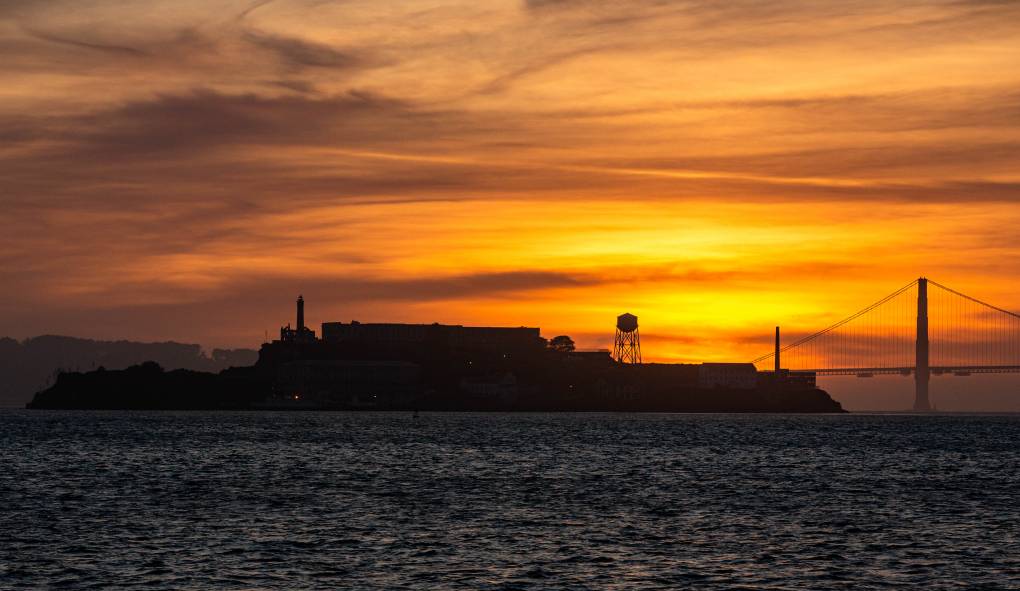
"caption": "\u003cstrong>Red sky at night, rain lovers take fright\u003c/strong>: The Bay Area has seen plenty of memorable sunsets — this one silhouetting Alcatraz earlier this month — but little rain so far this winter. The outlook for the next several weeks is for continued dry weather. ",
"description": "February 2019: The Bay Area has seen plenty of memorable sunsets — this one silhouetting Alcatraz earlier this month — but little rain so far this winter. The outlook for the next several weeks is for continued dry weather. ",
"title": "San Francisco Bay-Alcatraz",
"credit": "Dan Brekke/KQED",
"status": "inherit",
"isLoading": false,
"fetchFailed": false
},
"news_11796022": {
"type": "attachments",
"id": "news_11796022",
"meta": {
"index": "attachments_1716263798",
"site": "news",
"id": "11796022",
"found": true
},
"parent": 11795991,
"imgSizes": {
"apple_news_ca_landscape_5_5": {
"file": "https://ww2.kqed.org/app/uploads/sites/10/2020/01/01142020_Eric-Sonstroem_San-Francisco_rain_01212017-qut-1044x783.jpg",
"width": 1044,
"mimeType": "image/jpeg",
"height": 783
},
"apple_news_ca_square_4_0": {
"file": "https://ww2.kqed.org/app/uploads/sites/10/2020/01/01142020_Eric-Sonstroem_San-Francisco_rain_01212017-qut-470x470.jpg",
"width": 470,
"mimeType": "image/jpeg",
"height": 470
},
"twentyfourteen-full-width": {
"file": "https://ww2.kqed.org/app/uploads/sites/10/2020/01/01142020_Eric-Sonstroem_San-Francisco_rain_01212017-qut-1038x576.jpg",
"width": 1038,
"mimeType": "image/jpeg",
"height": 576
},
"thumbnail": {
"file": "https://ww2.kqed.org/app/uploads/sites/10/2020/01/01142020_Eric-Sonstroem_San-Francisco_rain_01212017-qut-160x108.jpg",
"width": 160,
"mimeType": "image/jpeg",
"height": 108
},
"post-thumbnail": {
"file": "https://ww2.kqed.org/app/uploads/sites/10/2020/01/01142020_Eric-Sonstroem_San-Francisco_rain_01212017-qut-672x372.jpg",
"width": 672,
"mimeType": "image/jpeg",
"height": 372
},
"kqedFullSize": {
"file": "https://ww2.kqed.org/app/uploads/sites/10/2020/01/01142020_Eric-Sonstroem_San-Francisco_rain_01212017-qut.jpg",
"width": 1920,
"height": 1297
},
"apple_news_ca_landscape_4_7": {
"file": "https://ww2.kqed.org/app/uploads/sites/10/2020/01/01142020_Eric-Sonstroem_San-Francisco_rain_01212017-qut-632x474.jpg",
"width": 632,
"mimeType": "image/jpeg",
"height": 474
},
"large": {
"file": "https://ww2.kqed.org/app/uploads/sites/10/2020/01/01142020_Eric-Sonstroem_San-Francisco_rain_01212017-qut-1020x689.jpg",
"width": 1020,
"mimeType": "image/jpeg",
"height": 689
},
"complete_open_graph": {
"file": "https://ww2.kqed.org/app/uploads/sites/10/2020/01/01142020_Eric-Sonstroem_San-Francisco_rain_01212017-qut-1200x811.jpg",
"width": 1200,
"mimeType": "image/jpeg",
"height": 811
},
"apple_news_ca_landscape_4_0": {
"file": "https://ww2.kqed.org/app/uploads/sites/10/2020/01/01142020_Eric-Sonstroem_San-Francisco_rain_01212017-qut-536x402.jpg",
"width": 536,
"mimeType": "image/jpeg",
"height": 402
},
"apple_news_ca_portrait_12_9": {
"file": "https://ww2.kqed.org/app/uploads/sites/10/2020/01/01142020_Eric-Sonstroem_San-Francisco_rain_01212017-qut-1122x1297.jpg",
"width": 1122,
"mimeType": "image/jpeg",
"height": 1297
},
"medium": {
"file": "https://ww2.kqed.org/app/uploads/sites/10/2020/01/01142020_Eric-Sonstroem_San-Francisco_rain_01212017-qut-800x540.jpg",
"width": 800,
"mimeType": "image/jpeg",
"height": 540
},
"apple_news_ca_portrait_4_0": {
"file": "https://ww2.kqed.org/app/uploads/sites/10/2020/01/01142020_Eric-Sonstroem_San-Francisco_rain_01212017-qut-354x472.jpg",
"width": 354,
"mimeType": "image/jpeg",
"height": 472
},
"apple_news_ca_portrait_9_7": {
"file": "https://ww2.kqed.org/app/uploads/sites/10/2020/01/01142020_Eric-Sonstroem_San-Francisco_rain_01212017-qut-840x1120.jpg",
"width": 840,
"mimeType": "image/jpeg",
"height": 1120
},
"apple_news_ca_landscape_12_9": {
"file": "https://ww2.kqed.org/app/uploads/sites/10/2020/01/01142020_Eric-Sonstroem_San-Francisco_rain_01212017-qut-1832x1297.jpg",
"width": 1832,
"mimeType": "image/jpeg",
"height": 1297
},
"apple_news_ca_square_9_7": {
"file": "https://ww2.kqed.org/app/uploads/sites/10/2020/01/01142020_Eric-Sonstroem_San-Francisco_rain_01212017-qut-1104x1104.jpg",
"width": 1104,
"mimeType": "image/jpeg",
"height": 1104
},
"apple_news_ca_portrait_4_7": {
"file": "https://ww2.kqed.org/app/uploads/sites/10/2020/01/01142020_Eric-Sonstroem_San-Francisco_rain_01212017-qut-414x552.jpg",
"width": 414,
"mimeType": "image/jpeg",
"height": 552
},
"apple_news_ca_square_12_9": {
"file": "https://ww2.kqed.org/app/uploads/sites/10/2020/01/01142020_Eric-Sonstroem_San-Francisco_rain_01212017-qut-1472x1297.jpg",
"width": 1472,
"mimeType": "image/jpeg",
"height": 1297
},
"apple_news_ca_portrait_5_5": {
"file": "https://ww2.kqed.org/app/uploads/sites/10/2020/01/01142020_Eric-Sonstroem_San-Francisco_rain_01212017-qut-687x916.jpg",
"width": 687,
"mimeType": "image/jpeg",
"height": 916
},
"full-width": {
"file": "https://ww2.kqed.org/app/uploads/sites/10/2020/01/01142020_Eric-Sonstroem_San-Francisco_rain_01212017-qut-1920x1297.jpg",
"width": 1920,
"mimeType": "image/jpeg",
"height": 1297
},
"apple_news_ca_square_4_7": {
"file": "https://ww2.kqed.org/app/uploads/sites/10/2020/01/01142020_Eric-Sonstroem_San-Francisco_rain_01212017-qut-550x550.jpg",
"width": 550,
"mimeType": "image/jpeg",
"height": 550
},
"apple_news_ca_landscape_9_7": {
"file": "https://ww2.kqed.org/app/uploads/sites/10/2020/01/01142020_Eric-Sonstroem_San-Francisco_rain_01212017-qut-1376x1032.jpg",
"width": 1376,
"mimeType": "image/jpeg",
"height": 1032
},
"apple_news_ca_square_5_5": {
"file": "https://ww2.kqed.org/app/uploads/sites/10/2020/01/01142020_Eric-Sonstroem_San-Francisco_rain_01212017-qut-912x912.jpg",
"width": 912,
"mimeType": "image/jpeg",
"height": 912
}
},
"publishDate": 1579038947,
"modified": 1579038997,
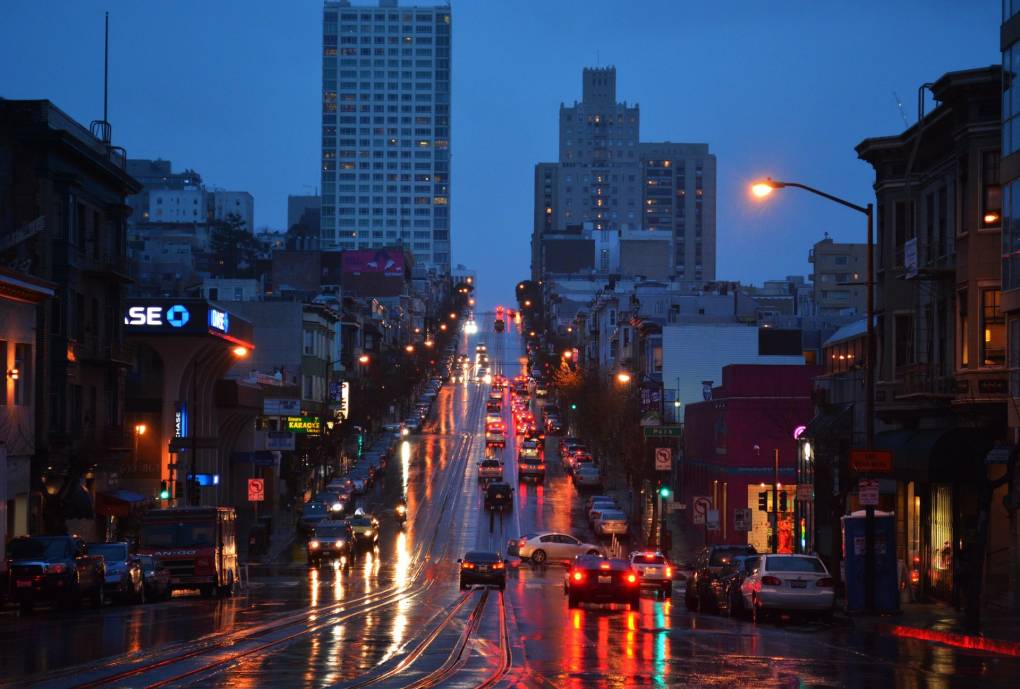
"caption": "Rainy night in San Francisco. Jan. 21, 2017.",
"description": "Rainy night in San Francisco. Jan. 21, 2017.",
"title": "01142020_Eric Sonstroem_San Francisco_rain_01212017-qut",
"credit": "Eric Sonstroem/Flickr",
"status": "inherit",
"isLoading": false,
"fetchFailed": false
},
"news_11792595": {
"type": "attachments",
"id": "news_11792595",
"meta": {
"index": "attachments_1716263798",
"site": "news",
"id": "11792595",
"found": true
},
"parent": 11792563,
"imgSizes": {
"apple_news_ca_landscape_5_5": {
"file": "https://ww2.kqed.org/app/uploads/sites/10/2019/12/bartrain-1044x783.jpg",
"width": 1044,
"mimeType": "image/jpeg",
"height": 783
},
"apple_news_ca_square_4_0": {
"file": "https://ww2.kqed.org/app/uploads/sites/10/2019/12/bartrain-470x470.jpg",
"width": 470,
"mimeType": "image/jpeg",
"height": 470
},
"twentyfourteen-full-width": {
"file": "https://ww2.kqed.org/app/uploads/sites/10/2019/12/bartrain-1038x576.jpg",
"width": 1038,
"mimeType": "image/jpeg",
"height": 576
},
"thumbnail": {
"file": "https://ww2.kqed.org/app/uploads/sites/10/2019/12/bartrain-160x113.jpg",
"width": 160,
"mimeType": "image/jpeg",
"height": 113
},
"post-thumbnail": {
"file": "https://ww2.kqed.org/app/uploads/sites/10/2019/12/bartrain-672x372.jpg",
"width": 672,
"mimeType": "image/jpeg",
"height": 372
},
"kqedFullSize": {
"file": "https://ww2.kqed.org/app/uploads/sites/10/2019/12/bartrain.jpg",
"width": 1920,
"height": 1350
},
"apple_news_ca_landscape_4_7": {
"file": "https://ww2.kqed.org/app/uploads/sites/10/2019/12/bartrain-632x474.jpg",
"width": 632,
"mimeType": "image/jpeg",
"height": 474
},
"large": {
"file": "https://ww2.kqed.org/app/uploads/sites/10/2019/12/bartrain-1020x717.jpg",
"width": 1020,
"mimeType": "image/jpeg",
"height": 717
},
"complete_open_graph": {
"file": "https://ww2.kqed.org/app/uploads/sites/10/2019/12/bartrain-1200x844.jpg",
"width": 1200,
"mimeType": "image/jpeg",
"height": 844
},
"apple_news_ca_landscape_4_0": {
"file": "https://ww2.kqed.org/app/uploads/sites/10/2019/12/bartrain-536x402.jpg",
"width": 536,
"mimeType": "image/jpeg",
"height": 402
},
"apple_news_ca_portrait_12_9": {
"file": "https://ww2.kqed.org/app/uploads/sites/10/2019/12/bartrain-1122x1350.jpg",
"width": 1122,
"mimeType": "image/jpeg",
"height": 1350
},
"medium": {
"file": "https://ww2.kqed.org/app/uploads/sites/10/2019/12/bartrain-800x563.jpg",
"width": 800,
"mimeType": "image/jpeg",
"height": 563
},
"apple_news_ca_portrait_4_0": {
"file": "https://ww2.kqed.org/app/uploads/sites/10/2019/12/bartrain-354x472.jpg",
"width": 354,
"mimeType": "image/jpeg",
"height": 472
},
"apple_news_ca_portrait_9_7": {
"file": "https://ww2.kqed.org/app/uploads/sites/10/2019/12/bartrain-840x1120.jpg",
"width": 840,
"mimeType": "image/jpeg",
"height": 1120
},
"apple_news_ca_landscape_12_9": {
"file": "https://ww2.kqed.org/app/uploads/sites/10/2019/12/bartrain-1832x1350.jpg",
"width": 1832,
"mimeType": "image/jpeg",
"height": 1350
},
"apple_news_ca_square_9_7": {
"file": "https://ww2.kqed.org/app/uploads/sites/10/2019/12/bartrain-1104x1104.jpg",
"width": 1104,
"mimeType": "image/jpeg",
"height": 1104
},
"apple_news_ca_portrait_4_7": {
"file": "https://ww2.kqed.org/app/uploads/sites/10/2019/12/bartrain-414x552.jpg",
"width": 414,
"mimeType": "image/jpeg",
"height": 552
},
"apple_news_ca_square_12_9": {
"file": "https://ww2.kqed.org/app/uploads/sites/10/2019/12/bartrain-1472x1350.jpg",
"width": 1472,
"mimeType": "image/jpeg",
"height": 1350
},
"apple_news_ca_portrait_5_5": {
"file": "https://ww2.kqed.org/app/uploads/sites/10/2019/12/bartrain-687x916.jpg",
"width": 687,
"mimeType": "image/jpeg",
"height": 916
},
"full-width": {
"file": "https://ww2.kqed.org/app/uploads/sites/10/2019/12/bartrain-1920x1350.jpg",
"width": 1920,
"mimeType": "image/jpeg",
"height": 1350
},
"apple_news_ca_square_4_7": {
"file": "https://ww2.kqed.org/app/uploads/sites/10/2019/12/bartrain-550x550.jpg",
"width": 550,
"mimeType": "image/jpeg",
"height": 550
},
"apple_news_ca_landscape_9_7": {
"file": "https://ww2.kqed.org/app/uploads/sites/10/2019/12/bartrain-1376x1032.jpg",
"width": 1376,
"mimeType": "image/jpeg",
"height": 1032
},
"apple_news_ca_square_5_5": {
"file": "https://ww2.kqed.org/app/uploads/sites/10/2019/12/bartrain-912x912.jpg",
"width": 912,
"mimeType": "image/jpeg",
"height": 912
}
},
"publishDate": 1576891446,
"modified": 1576891565,
"caption": "Rain in West Oakland, from a San Francisco-bound BART train in March 2018. ",
"description": null,
"title": "Rain-West Oakland",
"credit": "Dan Brekke/KQED",
"status": "inherit",
"isLoading": false,
"fetchFailed": false
},
"news_11790234": {
"type": "attachments",
"id": "news_11790234",
"meta": {
"index": "attachments_1716263798",
"site": "news",
"id": "11790234",
"found": true
},
"parent": 11790230,
"imgSizes": {
"apple_news_ca_landscape_5_5": {
"file": "https://ww2.kqed.org/app/uploads/sites/10/2019/12/satel.rain_.PNG-1044x783.jpg",
"width": 1044,
"mimeType": "image/jpeg",
"height": 783
},
"apple_news_ca_square_4_0": {
"file": "https://ww2.kqed.org/app/uploads/sites/10/2019/12/satel.rain_.PNG-470x470.jpg",
"width": 470,
"mimeType": "image/jpeg",
"height": 470
},
"twentyfourteen-full-width": {
"file": "https://ww2.kqed.org/app/uploads/sites/10/2019/12/satel.rain_.PNG-1038x576.jpg",
"width": 1038,
"mimeType": "image/jpeg",
"height": 576
},
"thumbnail": {
"file": "https://ww2.kqed.org/app/uploads/sites/10/2019/12/satel.rain_.PNG-160x83.jpg",
"width": 160,
"mimeType": "image/jpeg",
"height": 83
},
"post-thumbnail": {
"file": "https://ww2.kqed.org/app/uploads/sites/10/2019/12/satel.rain_.PNG-672x372.jpg",
"width": 672,
"mimeType": "image/jpeg",
"height": 372
},
"kqedFullSize": {
"file": "https://ww2.kqed.org/app/uploads/sites/10/2019/12/satel.rain_.PNG.jpg",
"width": 1920,
"height": 992
},
"apple_news_ca_landscape_4_7": {
"file": "https://ww2.kqed.org/app/uploads/sites/10/2019/12/satel.rain_.PNG-632x474.jpg",
"width": 632,
"mimeType": "image/jpeg",
"height": 474
},
"large": {
"file": "https://ww2.kqed.org/app/uploads/sites/10/2019/12/satel.rain_.PNG-1020x527.jpg",
"width": 1020,
"mimeType": "image/jpeg",
"height": 527
},
"complete_open_graph": {
"file": "https://ww2.kqed.org/app/uploads/sites/10/2019/12/satel.rain_.PNG-1200x620.jpg",
"width": 1200,
"mimeType": "image/jpeg",
"height": 620
},
"apple_news_ca_landscape_4_0": {
"file": "https://ww2.kqed.org/app/uploads/sites/10/2019/12/satel.rain_.PNG-536x402.jpg",
"width": 536,
"mimeType": "image/jpeg",
"height": 402
},
"apple_news_ca_portrait_12_9": {
"file": "https://ww2.kqed.org/app/uploads/sites/10/2019/12/satel.rain_.PNG-1122x992.jpg",
"width": 1122,
"mimeType": "image/jpeg",
"height": 992
},
"medium": {
"file": "https://ww2.kqed.org/app/uploads/sites/10/2019/12/satel.rain_.PNG-800x413.jpg",
"width": 800,
"mimeType": "image/jpeg",
"height": 413
},
"apple_news_ca_portrait_4_0": {
"file": "https://ww2.kqed.org/app/uploads/sites/10/2019/12/satel.rain_.PNG-354x472.jpg",
"width": 354,
"mimeType": "image/jpeg",
"height": 472
},
"apple_news_ca_portrait_9_7": {
"file": "https://ww2.kqed.org/app/uploads/sites/10/2019/12/satel.rain_.PNG-840x992.jpg",
"width": 840,
"mimeType": "image/jpeg",
"height": 992
},
"apple_news_ca_landscape_12_9": {
"file": "https://ww2.kqed.org/app/uploads/sites/10/2019/12/satel.rain_.PNG-1832x992.jpg",
"width": 1832,
"mimeType": "image/jpeg",
"height": 992
},
"apple_news_ca_square_9_7": {
"file": "https://ww2.kqed.org/app/uploads/sites/10/2019/12/satel.rain_.PNG-1104x992.jpg",
"width": 1104,
"mimeType": "image/jpeg",
"height": 992
},
"apple_news_ca_portrait_4_7": {
"file": "https://ww2.kqed.org/app/uploads/sites/10/2019/12/satel.rain_.PNG-414x552.jpg",
"width": 414,
"mimeType": "image/jpeg",
"height": 552
},
"apple_news_ca_square_12_9": {
"file": "https://ww2.kqed.org/app/uploads/sites/10/2019/12/satel.rain_.PNG-1472x992.jpg",
"width": 1472,
"mimeType": "image/jpeg",
"height": 992
},
"apple_news_ca_portrait_5_5": {
"file": "https://ww2.kqed.org/app/uploads/sites/10/2019/12/satel.rain_.PNG-687x916.jpg",
"width": 687,
"mimeType": "image/jpeg",
"height": 916
},
"full-width": {
"file": "https://ww2.kqed.org/app/uploads/sites/10/2019/12/satel.rain_.PNG-1920x992.jpg",
"width": 1920,
"mimeType": "image/jpeg",
"height": 992
},
"apple_news_ca_square_4_7": {
"file": "https://ww2.kqed.org/app/uploads/sites/10/2019/12/satel.rain_.PNG-550x550.jpg",
"width": 550,
"mimeType": "image/jpeg",
"height": 550
},
"apple_news_ca_landscape_9_7": {
"file": "https://ww2.kqed.org/app/uploads/sites/10/2019/12/satel.rain_.PNG-1376x992.jpg",
"width": 1376,
"mimeType": "image/jpeg",
"height": 992
},
"apple_news_ca_square_5_5": {
"file": "https://ww2.kqed.org/app/uploads/sites/10/2019/12/satel.rain_.PNG-912x912.jpg",
"width": 912,
"mimeType": "image/jpeg",
"height": 912
}
},
"publishDate": 1575767110,
"modified": 1575767277,
"caption": "The National Weather Service's radar showing heavy rain affecting the Bay Area on late Saturday afternoon.",
"description": null,
"title": "satel.rain.PNG",
"credit": "Screenshot/NWS Bay Area Twitter",
"status": "inherit",
"isLoading": false,
"fetchFailed": false
},
"news_11790102": {
"type": "attachments",
"id": "news_11790102",
"meta": {
"index": "attachments_1716263798",
"site": "news",
"id": "11790102",
"found": true
},
"parent": 11789887,
"imgSizes": {
"apple_news_ca_landscape_5_5": {
"file": "https://ww2.kqed.org/app/uploads/sites/10/2019/12/KW_12.3.19_4-e1575677306152-1044x783.jpg",
"width": 1044,
"mimeType": "image/jpeg",
"height": 783
},
"apple_news_ca_square_4_0": {
"file": "https://ww2.kqed.org/app/uploads/sites/10/2019/12/KW_12.3.19_4-e1575677306152-470x470.jpg",
"width": 470,
"mimeType": "image/jpeg",
"height": 470
},
"twentyfourteen-full-width": {
"file": "https://ww2.kqed.org/app/uploads/sites/10/2019/12/KW_12.3.19_4-e1575677306152-1038x576.jpg",
"width": 1038,
"mimeType": "image/jpeg",
"height": 576
},
"thumbnail": {
"file": "https://ww2.kqed.org/app/uploads/sites/10/2019/12/KW_12.3.19_4-e1575677306152-160x132.jpg",
"width": 160,
"mimeType": "image/jpeg",
"height": 132
},
"post-thumbnail": {
"file": "https://ww2.kqed.org/app/uploads/sites/10/2019/12/KW_12.3.19_4-e1575677306152-672x372.jpg",
"width": 672,
"mimeType": "image/jpeg",
"height": 372
},
"kqedFullSize": {
"file": "https://ww2.kqed.org/app/uploads/sites/10/2019/12/KW_12.3.19_4-e1575677306152.jpg",
"width": 1921,
"height": 1586
},
"apple_news_ca_landscape_4_7": {
"file": "https://ww2.kqed.org/app/uploads/sites/10/2019/12/KW_12.3.19_4-e1575677306152-632x474.jpg",
"width": 632,
"mimeType": "image/jpeg",
"height": 474
},
"large": {
"file": "https://ww2.kqed.org/app/uploads/sites/10/2019/12/KW_12.3.19_4-e1575677306152-1020x842.jpg",
"width": 1020,
"mimeType": "image/jpeg",
"height": 842
},
"complete_open_graph": {
"file": "https://ww2.kqed.org/app/uploads/sites/10/2019/12/KW_12.3.19_4-e1575677306152-1200x991.jpg",
"width": 1200,
"mimeType": "image/jpeg",
"height": 991
},
"apple_news_ca_landscape_4_0": {
"file": "https://ww2.kqed.org/app/uploads/sites/10/2019/12/KW_12.3.19_4-e1575677306152-536x402.jpg",
"width": 536,
"mimeType": "image/jpeg",
"height": 402
},
"apple_news_ca_portrait_12_9": {
"file": "https://ww2.kqed.org/app/uploads/sites/10/2019/12/KW_12.3.19_4-e1575677306152-1122x1496.jpg",
"width": 1122,
"mimeType": "image/jpeg",
"height": 1496
},
"medium": {
"file": "https://ww2.kqed.org/app/uploads/sites/10/2019/12/KW_12.3.19_4-e1575677306152-800x660.jpg",
"width": 800,
"mimeType": "image/jpeg",
"height": 660
},
"apple_news_ca_portrait_4_0": {
"file": "https://ww2.kqed.org/app/uploads/sites/10/2019/12/KW_12.3.19_4-e1575677306152-354x472.jpg",
"width": 354,
"mimeType": "image/jpeg",
"height": 472
},
"apple_news_ca_portrait_9_7": {
"file": "https://ww2.kqed.org/app/uploads/sites/10/2019/12/KW_12.3.19_4-e1575677306152-840x1120.jpg",
"width": 840,
"mimeType": "image/jpeg",
"height": 1120
},
"apple_news_ca_landscape_12_9": {
"file": "https://ww2.kqed.org/app/uploads/sites/10/2019/12/KW_12.3.19_4-e1575677306152-1832x1374.jpg",
"width": 1832,
"mimeType": "image/jpeg",
"height": 1374
},
"apple_news_ca_square_9_7": {
"file": "https://ww2.kqed.org/app/uploads/sites/10/2019/12/KW_12.3.19_4-e1575677306152-1104x1104.jpg",
"width": 1104,
"mimeType": "image/jpeg",
"height": 1104
},
"apple_news_ca_portrait_4_7": {
"file": "https://ww2.kqed.org/app/uploads/sites/10/2019/12/KW_12.3.19_4-e1575677306152-414x552.jpg",
"width": 414,
"mimeType": "image/jpeg",
"height": 552
},
"apple_news_ca_square_12_9": {
"file": "https://ww2.kqed.org/app/uploads/sites/10/2019/12/KW_12.3.19_4-e1575677306152-1472x1472.jpg",
"width": 1472,
"mimeType": "image/jpeg",
"height": 1472
},
"apple_news_ca_portrait_5_5": {
"file": "https://ww2.kqed.org/app/uploads/sites/10/2019/12/KW_12.3.19_4-e1575677306152-687x916.jpg",
"width": 687,
"mimeType": "image/jpeg",
"height": 916
},
"full-width": {
"file": "https://ww2.kqed.org/app/uploads/sites/10/2019/12/KW_12.3.19_4-e1575677306152-1920x1585.jpg",
"width": 1920,
"mimeType": "image/jpeg",
"height": 1585
},
"apple_news_ca_square_4_7": {
"file": "https://ww2.kqed.org/app/uploads/sites/10/2019/12/KW_12.3.19_4-e1575677306152-550x550.jpg",
"width": 550,
"mimeType": "image/jpeg",
"height": 550
},
"apple_news_ca_landscape_9_7": {
"file": "https://ww2.kqed.org/app/uploads/sites/10/2019/12/KW_12.3.19_4-e1575677306152-1376x1032.jpg",
"width": 1376,
"mimeType": "image/jpeg",
"height": 1032
},
"apple_news_ca_square_5_5": {
"file": "https://ww2.kqed.org/app/uploads/sites/10/2019/12/KW_12.3.19_4-e1575677306152-912x912.jpg",
"width": 912,
"mimeType": "image/jpeg",
"height": 912
}
},
"publishDate": 1575677161,
"modified": 1575678957,
"caption": "A view of Kirkwood resort this week, following two consecutive storms.",
"description": "A view of Kirkwood resort this week, following two consecutive storms.",
"title": "KW_12.3.19_4",
"credit": "Courtesy of Vail Resorts",
"status": "inherit",
"isLoading": false,
"fetchFailed": false
},
"news_11789192": {
"type": "attachments",
"id": "news_11789192",
"meta": {
"index": "attachments_1716263798",
"site": "news",
"id": "11789192",
"found": true
},
"parent": 11789142,
"imgSizes": {
"apple_news_ca_landscape_5_5": {
"file": "https://ww2.kqed.org/app/uploads/sites/10/2019/12/noe-valley-rain-1920-1044x783.jpg",
"width": 1044,
"mimeType": "image/jpeg",
"height": 783
},
"apple_news_ca_square_4_0": {
"file": "https://ww2.kqed.org/app/uploads/sites/10/2019/12/noe-valley-rain-1920-470x470.jpg",
"width": 470,
"mimeType": "image/jpeg",
"height": 470
},
"twentyfourteen-full-width": {
"file": "https://ww2.kqed.org/app/uploads/sites/10/2019/12/noe-valley-rain-1920-1038x576.jpg",
"width": 1038,
"mimeType": "image/jpeg",
"height": 576
},
"thumbnail": {
"file": "https://ww2.kqed.org/app/uploads/sites/10/2019/12/noe-valley-rain-1920-160x123.jpg",
"width": 160,
"mimeType": "image/jpeg",
"height": 123
},
"post-thumbnail": {
"file": "https://ww2.kqed.org/app/uploads/sites/10/2019/12/noe-valley-rain-1920-672x372.jpg",
"width": 672,
"mimeType": "image/jpeg",
"height": 372
},
"kqedFullSize": {
"file": "https://ww2.kqed.org/app/uploads/sites/10/2019/12/noe-valley-rain-1920.jpg",
"width": 1920,
"height": 1475
},
"apple_news_ca_landscape_4_7": {
"file": "https://ww2.kqed.org/app/uploads/sites/10/2019/12/noe-valley-rain-1920-632x474.jpg",
"width": 632,
"mimeType": "image/jpeg",
"height": 474
},
"large": {
"file": "https://ww2.kqed.org/app/uploads/sites/10/2019/12/noe-valley-rain-1920-1020x784.jpg",
"width": 1020,
"mimeType": "image/jpeg",
"height": 784
},
"complete_open_graph": {
"file": "https://ww2.kqed.org/app/uploads/sites/10/2019/12/noe-valley-rain-1920-1200x922.jpg",
"width": 1200,
"mimeType": "image/jpeg",
"height": 922
},
"apple_news_ca_landscape_4_0": {
"file": "https://ww2.kqed.org/app/uploads/sites/10/2019/12/noe-valley-rain-1920-536x402.jpg",
"width": 536,
"mimeType": "image/jpeg",
"height": 402
},
"apple_news_ca_portrait_12_9": {
"file": "https://ww2.kqed.org/app/uploads/sites/10/2019/12/noe-valley-rain-1920-1122x1475.jpg",
"width": 1122,
"mimeType": "image/jpeg",
"height": 1475
},
"medium": {
"file": "https://ww2.kqed.org/app/uploads/sites/10/2019/12/noe-valley-rain-1920-800x615.jpg",
"width": 800,
"mimeType": "image/jpeg",
"height": 615
},
"apple_news_ca_portrait_4_0": {
"file": "https://ww2.kqed.org/app/uploads/sites/10/2019/12/noe-valley-rain-1920-354x472.jpg",
"width": 354,
"mimeType": "image/jpeg",
"height": 472
},
"apple_news_ca_portrait_9_7": {
"file": "https://ww2.kqed.org/app/uploads/sites/10/2019/12/noe-valley-rain-1920-840x1120.jpg",
"width": 840,
"mimeType": "image/jpeg",
"height": 1120
},
"apple_news_ca_landscape_12_9": {
"file": "https://ww2.kqed.org/app/uploads/sites/10/2019/12/noe-valley-rain-1920-1832x1374.jpg",
"width": 1832,
"mimeType": "image/jpeg",
"height": 1374
},
"apple_news_ca_square_9_7": {
"file": "https://ww2.kqed.org/app/uploads/sites/10/2019/12/noe-valley-rain-1920-1104x1104.jpg",
"width": 1104,
"mimeType": "image/jpeg",
"height": 1104
},
"apple_news_ca_portrait_4_7": {
"file": "https://ww2.kqed.org/app/uploads/sites/10/2019/12/noe-valley-rain-1920-414x552.jpg",
"width": 414,
"mimeType": "image/jpeg",
"height": 552
},
"apple_news_ca_square_12_9": {
"file": "https://ww2.kqed.org/app/uploads/sites/10/2019/12/noe-valley-rain-1920-1472x1472.jpg",
"width": 1472,
"mimeType": "image/jpeg",
"height": 1472
},
"apple_news_ca_portrait_5_5": {
"file": "https://ww2.kqed.org/app/uploads/sites/10/2019/12/noe-valley-rain-1920-687x916.jpg",
"width": 687,
"mimeType": "image/jpeg",
"height": 916
},
"full-width": {
"file": "https://ww2.kqed.org/app/uploads/sites/10/2019/12/noe-valley-rain-1920-1920x1475.jpg",
"width": 1920,
"mimeType": "image/jpeg",
"height": 1475
},
"apple_news_ca_square_4_7": {
"file": "https://ww2.kqed.org/app/uploads/sites/10/2019/12/noe-valley-rain-1920-550x550.jpg",
"width": 550,
"mimeType": "image/jpeg",
"height": 550
},
"apple_news_ca_landscape_9_7": {
"file": "https://ww2.kqed.org/app/uploads/sites/10/2019/12/noe-valley-rain-1920-1376x1032.jpg",
"width": 1376,
"mimeType": "image/jpeg",
"height": 1032
},
"apple_news_ca_square_5_5": {
"file": "https://ww2.kqed.org/app/uploads/sites/10/2019/12/noe-valley-rain-1920-912x912.jpg",
"width": 912,
"mimeType": "image/jpeg",
"height": 912
}
},
"publishDate": 1575325896,
"modified": 1604626907,
"caption": "Rain falls in the Noe Valley neighborhood of San Francisco on Dec. 1, 2019.",
"description": null,
"title": "noe-valley-rain-1920",
"credit": "Annelise Wunderlich/KQED",
"status": "inherit",
"isLoading": false,
"fetchFailed": false
},
"news_11788903": {
"type": "attachments",
"id": "news_11788903",
"meta": {
"index": "attachments_1716263798",
"site": "news",
"id": "11788903",
"found": true
},
"parent": 11788861,
"imgSizes": {
"apple_news_ca_landscape_5_5": {
"file": "https://ww2.kqed.org/app/uploads/sites/10/2019/11/EKWbYm2UUAA4LbT-1044x783.jpeg",
"width": 1044,
"mimeType": "image/jpeg",
"height": 783
},
"apple_news_ca_square_4_0": {
"file": "https://ww2.kqed.org/app/uploads/sites/10/2019/11/EKWbYm2UUAA4LbT-470x470.jpeg",
"width": 470,
"mimeType": "image/jpeg",
"height": 470
},
"twentyfourteen-full-width": {
"file": "https://ww2.kqed.org/app/uploads/sites/10/2019/11/EKWbYm2UUAA4LbT-1038x576.jpeg",
"width": 1038,
"mimeType": "image/jpeg",
"height": 576
},
"thumbnail": {
"file": "https://ww2.kqed.org/app/uploads/sites/10/2019/11/EKWbYm2UUAA4LbT-160x120.jpeg",
"width": 160,
"mimeType": "image/jpeg",
"height": 120
},
"post-thumbnail": {
"file": "https://ww2.kqed.org/app/uploads/sites/10/2019/11/EKWbYm2UUAA4LbT-672x372.jpeg",
"width": 672,
"mimeType": "image/jpeg",
"height": 372
},
"kqedFullSize": {
"file": "https://ww2.kqed.org/app/uploads/sites/10/2019/11/EKWbYm2UUAA4LbT-e1574899009503.jpeg",
"width": 1920,
"height": 1440
},
"apple_news_ca_landscape_4_7": {
"file": "https://ww2.kqed.org/app/uploads/sites/10/2019/11/EKWbYm2UUAA4LbT-632x474.jpeg",
"width": 632,
"mimeType": "image/jpeg",
"height": 474
},
"large": {
"file": "https://ww2.kqed.org/app/uploads/sites/10/2019/11/EKWbYm2UUAA4LbT-1020x765.jpeg",
"width": 1020,
"mimeType": "image/jpeg",
"height": 765
},
"complete_open_graph": {
"file": "https://ww2.kqed.org/app/uploads/sites/10/2019/11/EKWbYm2UUAA4LbT-1200x900.jpeg",
"width": 1200,
"mimeType": "image/jpeg",
"height": 900
},
"apple_news_ca_landscape_4_0": {
"file": "https://ww2.kqed.org/app/uploads/sites/10/2019/11/EKWbYm2UUAA4LbT-536x402.jpeg",
"width": 536,
"mimeType": "image/jpeg",
"height": 402
},
"apple_news_ca_portrait_12_9": {
"file": "https://ww2.kqed.org/app/uploads/sites/10/2019/11/EKWbYm2UUAA4LbT-1122x1496.jpeg",
"width": 1122,
"mimeType": "image/jpeg",
"height": 1496
},
"medium": {
"file": "https://ww2.kqed.org/app/uploads/sites/10/2019/11/EKWbYm2UUAA4LbT-800x600.jpeg",
"width": 800,
"mimeType": "image/jpeg",
"height": 600
},
"apple_news_ca_portrait_4_0": {
"file": "https://ww2.kqed.org/app/uploads/sites/10/2019/11/EKWbYm2UUAA4LbT-354x472.jpeg",
"width": 354,
"mimeType": "image/jpeg",
"height": 472
},
"apple_news_ca_portrait_9_7": {
"file": "https://ww2.kqed.org/app/uploads/sites/10/2019/11/EKWbYm2UUAA4LbT-840x1120.jpeg",
"width": 840,
"mimeType": "image/jpeg",
"height": 1120
},
"apple_news_ca_landscape_12_9": {
"file": "https://ww2.kqed.org/app/uploads/sites/10/2019/11/EKWbYm2UUAA4LbT-1832x1374.jpeg",
"width": 1832,
"mimeType": "image/jpeg",
"height": 1374
},
"apple_news_ca_square_9_7": {
"file": "https://ww2.kqed.org/app/uploads/sites/10/2019/11/EKWbYm2UUAA4LbT-1104x1104.jpeg",
"width": 1104,
"mimeType": "image/jpeg",
"height": 1104
},
"apple_news_ca_portrait_4_7": {
"file": "https://ww2.kqed.org/app/uploads/sites/10/2019/11/EKWbYm2UUAA4LbT-414x552.jpeg",
"width": 414,
"mimeType": "image/jpeg",
"height": 552
},
"apple_news_ca_square_12_9": {
"file": "https://ww2.kqed.org/app/uploads/sites/10/2019/11/EKWbYm2UUAA4LbT-1472x1472.jpeg",
"width": 1472,
"mimeType": "image/jpeg",
"height": 1472
},
"apple_news_ca_portrait_5_5": {
"file": "https://ww2.kqed.org/app/uploads/sites/10/2019/11/EKWbYm2UUAA4LbT-687x916.jpeg",
"width": 687,
"mimeType": "image/jpeg",
"height": 916
},
"full-width": {
"file": "https://ww2.kqed.org/app/uploads/sites/10/2019/11/EKWbYm2UUAA4LbT-1920x1440.jpeg",
"width": 1920,
"mimeType": "image/jpeg",
"height": 1440
},
"apple_news_ca_square_4_7": {
"file": "https://ww2.kqed.org/app/uploads/sites/10/2019/11/EKWbYm2UUAA4LbT-550x550.jpeg",
"width": 550,
"mimeType": "image/jpeg",
"height": 550
},
"apple_news_ca_landscape_9_7": {
"file": "https://ww2.kqed.org/app/uploads/sites/10/2019/11/EKWbYm2UUAA4LbT-1376x1032.jpeg",
"width": 1376,
"mimeType": "image/jpeg",
"height": 1032
},
"apple_news_ca_square_5_5": {
"file": "https://ww2.kqed.org/app/uploads/sites/10/2019/11/EKWbYm2UUAA4LbT-912x912.jpeg",
"width": 912,
"mimeType": "image/jpeg",
"height": 912
}
},
"publishDate": 1574898973,
"modified": 1574899079,
"caption": "Commuters slog through downpour at the Mountain View Caltrain station Tuesday night. ",
"description": null,
"title": "First Rain-Mountain View Caltrain",
"credit": "Miranda Leitsinger/KQED",
"status": "inherit",
"isLoading": false,
"fetchFailed": false
},
"news_11774620": {
"type": "attachments",
"id": "news_11774620",
"meta": {
"index": "attachments_1716263798",
"site": "news",
"id": "11774620",
"found": true
},
"parent": 11774608,
"imgSizes": {
"apple_news_ca_landscape_5_5": {
"file": "https://ww2.kqed.org/app/uploads/sites/10/2019/09/firstrain_091619_final-1044x783.jpg",
"width": 1044,
"mimeType": "image/jpeg",
"height": 783
},
"apple_news_ca_square_4_0": {
"file": "https://ww2.kqed.org/app/uploads/sites/10/2019/09/firstrain_091619_final-470x470.jpg",
"width": 470,
"mimeType": "image/jpeg",
"height": 470
},
"twentyfourteen-full-width": {
"file": "https://ww2.kqed.org/app/uploads/sites/10/2019/09/firstrain_091619_final-1038x576.jpg",
"width": 1038,
"mimeType": "image/jpeg",
"height": 576
},
"thumbnail": {
"file": "https://ww2.kqed.org/app/uploads/sites/10/2019/09/firstrain_091619_final-160x122.jpg",
"width": 160,
"mimeType": "image/jpeg",
"height": 122
},
"post-thumbnail": {
"file": "https://ww2.kqed.org/app/uploads/sites/10/2019/09/firstrain_091619_final-672x372.jpg",
"width": 672,
"mimeType": "image/jpeg",
"height": 372
},
"kqedFullSize": {
"file": "https://ww2.kqed.org/app/uploads/sites/10/2019/09/firstrain_091619_final.jpg",
"width": 1920,
"height": 1469
},
"apple_news_ca_landscape_4_7": {
"file": "https://ww2.kqed.org/app/uploads/sites/10/2019/09/firstrain_091619_final-632x474.jpg",
"width": 632,
"mimeType": "image/jpeg",
"height": 474
},
"large": {
"file": "https://ww2.kqed.org/app/uploads/sites/10/2019/09/firstrain_091619_final-1020x780.jpg",
"width": 1020,
"mimeType": "image/jpeg",
"height": 780
},
"complete_open_graph": {
"file": "https://ww2.kqed.org/app/uploads/sites/10/2019/09/firstrain_091619_final-1200x918.jpg",
"width": 1200,
"mimeType": "image/jpeg",
"height": 918
},
"apple_news_ca_landscape_4_0": {
"file": "https://ww2.kqed.org/app/uploads/sites/10/2019/09/firstrain_091619_final-536x402.jpg",
"width": 536,
"mimeType": "image/jpeg",
"height": 402
},
"apple_news_ca_portrait_12_9": {
"file": "https://ww2.kqed.org/app/uploads/sites/10/2019/09/firstrain_091619_final-1122x1469.jpg",
"width": 1122,
"mimeType": "image/jpeg",
"height": 1469
},
"medium": {
"file": "https://ww2.kqed.org/app/uploads/sites/10/2019/09/firstrain_091619_final-800x612.jpg",
"width": 800,
"mimeType": "image/jpeg",
"height": 612
},
"apple_news_ca_portrait_4_0": {
"file": "https://ww2.kqed.org/app/uploads/sites/10/2019/09/firstrain_091619_final-354x472.jpg",
"width": 354,
"mimeType": "image/jpeg",
"height": 472
},
"apple_news_ca_portrait_9_7": {
"file": "https://ww2.kqed.org/app/uploads/sites/10/2019/09/firstrain_091619_final-840x1120.jpg",
"width": 840,
"mimeType": "image/jpeg",
"height": 1120
},
"apple_news_ca_landscape_12_9": {
"file": "https://ww2.kqed.org/app/uploads/sites/10/2019/09/firstrain_091619_final-1832x1374.jpg",
"width": 1832,
"mimeType": "image/jpeg",
"height": 1374
},
"apple_news_ca_square_9_7": {
"file": "https://ww2.kqed.org/app/uploads/sites/10/2019/09/firstrain_091619_final-1104x1104.jpg",
"width": 1104,
"mimeType": "image/jpeg",
"height": 1104
},
"apple_news_ca_portrait_4_7": {
"file": "https://ww2.kqed.org/app/uploads/sites/10/2019/09/firstrain_091619_final-414x552.jpg",
"width": 414,
"mimeType": "image/jpeg",
"height": 552
},
"apple_news_ca_square_12_9": {
"file": "https://ww2.kqed.org/app/uploads/sites/10/2019/09/firstrain_091619_final-1472x1469.jpg",
"width": 1472,
"mimeType": "image/jpeg",
"height": 1469
},
"apple_news_ca_portrait_5_5": {
"file": "https://ww2.kqed.org/app/uploads/sites/10/2019/09/firstrain_091619_final-687x916.jpg",
"width": 687,
"mimeType": "image/jpeg",
"height": 916
},
"full-width": {
"file": "https://ww2.kqed.org/app/uploads/sites/10/2019/09/firstrain_091619_final-1920x1469.jpg",
"width": 1920,
"mimeType": "image/jpeg",
"height": 1469
},
"apple_news_ca_square_4_7": {
"file": "https://ww2.kqed.org/app/uploads/sites/10/2019/09/firstrain_091619_final-550x550.jpg",
"width": 550,
"mimeType": "image/jpeg",
"height": 550
},
"apple_news_ca_landscape_9_7": {
"file": "https://ww2.kqed.org/app/uploads/sites/10/2019/09/firstrain_091619_final-1376x1032.jpg",
"width": 1376,
"mimeType": "image/jpeg",
"height": 1032
},
"apple_news_ca_square_5_5": {
"file": "https://ww2.kqed.org/app/uploads/sites/10/2019/09/firstrain_091619_final-912x912.jpg",
"width": 912,
"mimeType": "image/jpeg",
"height": 912
}
},
"publishDate": 1568670472,
"modified": 1568670493,
"caption": null,
"description": null,
"title": "firstrain_091619_final",
"credit": null,
"status": "inherit",
"isLoading": false,
"fetchFailed": false
},
"news_11774486": {
"type": "attachments",
"id": "news_11774486",
"meta": {
"index": "attachments_1716263798",
"site": "news",
"id": "11774486",
"found": true
},
"parent": 11774483,
"imgSizes": {
"apple_news_ca_landscape_5_5": {
"file": "https://ww2.kqed.org/app/uploads/sites/10/2019/09/IMG_4767-1044x783.jpg",
"width": 1044,
"mimeType": "image/jpeg",
"height": 783
},
"apple_news_ca_square_4_0": {
"file": "https://ww2.kqed.org/app/uploads/sites/10/2019/09/IMG_4767-470x470.jpg",
"width": 470,
"mimeType": "image/jpeg",
"height": 470
},
"twentyfourteen-full-width": {
"file": "https://ww2.kqed.org/app/uploads/sites/10/2019/09/IMG_4767-1038x576.jpg",
"width": 1038,
"mimeType": "image/jpeg",
"height": 576
},
"thumbnail": {
"file": "https://ww2.kqed.org/app/uploads/sites/10/2019/09/IMG_4767-160x120.jpg",
"width": 160,
"mimeType": "image/jpeg",
"height": 120
},
"post-thumbnail": {
"file": "https://ww2.kqed.org/app/uploads/sites/10/2019/09/IMG_4767-672x372.jpg",
"width": 672,
"mimeType": "image/jpeg",
"height": 372
},
"kqedFullSize": {
"file": "https://ww2.kqed.org/app/uploads/sites/10/2019/09/IMG_4767-e1568653473212.jpg",
"width": 1920,
"height": 1440
},
"apple_news_ca_landscape_4_7": {
"file": "https://ww2.kqed.org/app/uploads/sites/10/2019/09/IMG_4767-632x474.jpg",
"width": 632,
"mimeType": "image/jpeg",
"height": 474
},
"large": {
"file": "https://ww2.kqed.org/app/uploads/sites/10/2019/09/IMG_4767-1020x765.jpg",
"width": 1020,
"mimeType": "image/jpeg",
"height": 765
},
"complete_open_graph": {
"file": "https://ww2.kqed.org/app/uploads/sites/10/2019/09/IMG_4767-1200x900.jpg",
"width": 1200,
"mimeType": "image/jpeg",
"height": 900
},
"apple_news_ca_landscape_4_0": {
"file": "https://ww2.kqed.org/app/uploads/sites/10/2019/09/IMG_4767-536x402.jpg",
"width": 536,
"mimeType": "image/jpeg",
"height": 402
},
"apple_news_ca_portrait_12_9": {
"file": "https://ww2.kqed.org/app/uploads/sites/10/2019/09/IMG_4767-1122x1496.jpg",
"width": 1122,
"mimeType": "image/jpeg",
"height": 1496
},
"medium": {
"file": "https://ww2.kqed.org/app/uploads/sites/10/2019/09/IMG_4767-800x600.jpg",
"width": 800,
"mimeType": "image/jpeg",
"height": 600
},
"apple_news_ca_portrait_4_0": {
"file": "https://ww2.kqed.org/app/uploads/sites/10/2019/09/IMG_4767-354x472.jpg",
"width": 354,
"mimeType": "image/jpeg",
"height": 472
},
"apple_news_ca_portrait_9_7": {
"file": "https://ww2.kqed.org/app/uploads/sites/10/2019/09/IMG_4767-840x1120.jpg",
"width": 840,
"mimeType": "image/jpeg",
"height": 1120
},
"apple_news_ca_landscape_12_9": {
"file": "https://ww2.kqed.org/app/uploads/sites/10/2019/09/IMG_4767-1832x1374.jpg",
"width": 1832,
"mimeType": "image/jpeg",
"height": 1374
},
"apple_news_ca_square_9_7": {
"file": "https://ww2.kqed.org/app/uploads/sites/10/2019/09/IMG_4767-1104x1104.jpg",
"width": 1104,
"mimeType": "image/jpeg",
"height": 1104
},
"apple_news_ca_portrait_4_7": {
"file": "https://ww2.kqed.org/app/uploads/sites/10/2019/09/IMG_4767-414x552.jpg",
"width": 414,
"mimeType": "image/jpeg",
"height": 552
},
"apple_news_ca_square_12_9": {
"file": "https://ww2.kqed.org/app/uploads/sites/10/2019/09/IMG_4767-1472x1472.jpg",
"width": 1472,
"mimeType": "image/jpeg",
"height": 1472
},
"apple_news_ca_portrait_5_5": {
"file": "https://ww2.kqed.org/app/uploads/sites/10/2019/09/IMG_4767-687x916.jpg",
"width": 687,
"mimeType": "image/jpeg",
"height": 916
},
"full-width": {
"file": "https://ww2.kqed.org/app/uploads/sites/10/2019/09/IMG_4767-1920x1440.jpg",
"width": 1920,
"mimeType": "image/jpeg",
"height": 1440
},
"apple_news_ca_square_4_7": {
"file": "https://ww2.kqed.org/app/uploads/sites/10/2019/09/IMG_4767-550x550.jpg",
"width": 550,
"mimeType": "image/jpeg",
"height": 550
},
"apple_news_ca_landscape_9_7": {
"file": "https://ww2.kqed.org/app/uploads/sites/10/2019/09/IMG_4767-1376x1032.jpg",
"width": 1376,
"mimeType": "image/jpeg",
"height": 1032
},
"apple_news_ca_square_5_5": {
"file": "https://ww2.kqed.org/app/uploads/sites/10/2019/09/IMG_4767-912x912.jpg",
"width": 912,
"mimeType": "image/jpeg",
"height": 912
}
},
"publishDate": 1568653007,
"modified": 1568653463,
"caption": "About .15 of an inch of rain was recorded Monday in one Berkeley backyard. ",
"description": null,
"title": "Rain Gauge-Berkeley",
"credit": "KQED/Dan Brekke",
"status": "inherit",
"isLoading": false,
"fetchFailed": false
},
"news_11771333": {
"type": "attachments",
"id": "news_11771333",
"meta": {
"index": "attachments_1716263798",
"site": "news",
"id": "11771333",
"found": true
},
"title": "Aerial Views Of San Francisco",
"publishDate": 1567188705,
"status": "inherit",
"parent": 11771300,
"modified": 1749666822,
"caption": "FogCa, which admittedly is trained on a less spectacular vista than this view of the Golden Gate Bridge's north tower, is nonetheless a piece of internet history.",
"credit": "Justin Sullivan/Getty Images",
"altTag": "FogCam - which is admittedly trained on a less spectacular vista than this view of the Golden Gate Bridge's north tower - is nonetheless a piece of internet history.",
"description": "FogCam - which is admittedly trained on a less spectacular vista than this view of the Golden Gate Bridge's north tower - is nonetheless a piece of internet history.",
"imgSizes": {
"thumbnail": {
"file": "https://cdn.kqed.org/wp-content/uploads/sites/10/2019/08/GettyImages-180089394-160x106.jpg",
"width": 160,
"height": 106,
"mimeType": "image/jpeg"
},
"medium": {
"file": "https://cdn.kqed.org/wp-content/uploads/sites/10/2019/08/GettyImages-180089394-800x531.jpg",
"width": 800,
"height": 531,
"mimeType": "image/jpeg"
},
"large": {
"file": "https://cdn.kqed.org/wp-content/uploads/sites/10/2019/08/GettyImages-180089394-1020x677.jpg",
"width": 1020,
"height": 677,
"mimeType": "image/jpeg"
},
"complete_open_graph": {
"file": "https://cdn.kqed.org/wp-content/uploads/sites/10/2019/08/GettyImages-180089394-1200x797.jpg",
"width": 1200,
"height": 797,
"mimeType": "image/jpeg"
},
"post-thumbnail": {
"file": "https://cdn.kqed.org/wp-content/uploads/sites/10/2019/08/GettyImages-180089394-672x372.jpg",
"width": 672,
"height": 372,
"mimeType": "image/jpeg"
},
"twentyfourteen-full-width": {
"file": "https://cdn.kqed.org/wp-content/uploads/sites/10/2019/08/GettyImages-180089394-1038x576.jpg",
"width": 1038,
"height": 576,
"mimeType": "image/jpeg"
},
"full-width": {
"file": "https://cdn.kqed.org/wp-content/uploads/sites/10/2019/08/GettyImages-180089394-1920x1275.jpg",
"width": 1920,
"height": 1275,
"mimeType": "image/jpeg"
},
"apple_news_ca_landscape_12_9": {
"file": "https://cdn.kqed.org/wp-content/uploads/sites/10/2019/08/GettyImages-180089394-1832x1374.jpg",
"width": 1832,
"height": 1374,
"mimeType": "image/jpeg"
},
"apple_news_ca_landscape_9_7": {
"file": "https://cdn.kqed.org/wp-content/uploads/sites/10/2019/08/GettyImages-180089394-1376x1032.jpg",
"width": 1376,
"height": 1032,
"mimeType": "image/jpeg"
},
"apple_news_ca_landscape_5_5": {
"file": "https://cdn.kqed.org/wp-content/uploads/sites/10/2019/08/GettyImages-180089394-1044x783.jpg",
"width": 1044,
"height": 783,
"mimeType": "image/jpeg"
},
"apple_news_ca_landscape_4_7": {
"file": "https://cdn.kqed.org/wp-content/uploads/sites/10/2019/08/GettyImages-180089394-632x474.jpg",
"width": 632,
"height": 474,
"mimeType": "image/jpeg"
},
"apple_news_ca_landscape_4_0": {
"file": "https://cdn.kqed.org/wp-content/uploads/sites/10/2019/08/GettyImages-180089394-536x402.jpg",
"width": 536,
"height": 402,
"mimeType": "image/jpeg"
},
"apple_news_ca_portrait_12_9": {
"file": "https://cdn.kqed.org/wp-content/uploads/sites/10/2019/08/GettyImages-180089394-1122x1496.jpg",
"width": 1122,
"height": 1496,
"mimeType": "image/jpeg"
},
"apple_news_ca_portrait_9_7": {
"file": "https://cdn.kqed.org/wp-content/uploads/sites/10/2019/08/GettyImages-180089394-840x1120.jpg",
"width": 840,
"height": 1120,
"mimeType": "image/jpeg"
},
"apple_news_ca_portrait_5_5": {
"file": "https://cdn.kqed.org/wp-content/uploads/sites/10/2019/08/GettyImages-180089394-687x916.jpg",
"width": 687,
"height": 916,
"mimeType": "image/jpeg"
},
"apple_news_ca_portrait_4_7": {
"file": "https://cdn.kqed.org/wp-content/uploads/sites/10/2019/08/GettyImages-180089394-414x552.jpg",
"width": 414,
"height": 552,
"mimeType": "image/jpeg"
},
"apple_news_ca_portrait_4_0": {
"file": "https://cdn.kqed.org/wp-content/uploads/sites/10/2019/08/GettyImages-180089394-354x472.jpg",
"width": 354,
"height": 472,
"mimeType": "image/jpeg"
},
"apple_news_ca_square_12_9": {
"file": "https://cdn.kqed.org/wp-content/uploads/sites/10/2019/08/GettyImages-180089394-1472x1472.jpg",
"width": 1472,
"height": 1472,
"mimeType": "image/jpeg"
},
"apple_news_ca_square_9_7": {
"file": "https://cdn.kqed.org/wp-content/uploads/sites/10/2019/08/GettyImages-180089394-1104x1104.jpg",
"width": 1104,
"height": 1104,
"mimeType": "image/jpeg"
},
"apple_news_ca_square_5_5": {
"file": "https://cdn.kqed.org/wp-content/uploads/sites/10/2019/08/GettyImages-180089394-912x912.jpg",
"width": 912,
"height": 912,
"mimeType": "image/jpeg"
},
"apple_news_ca_square_4_7": {
"file": "https://cdn.kqed.org/wp-content/uploads/sites/10/2019/08/GettyImages-180089394-550x550.jpg",
"width": 550,
"height": 550,
"mimeType": "image/jpeg"
},
"apple_news_ca_square_4_0": {
"file": "https://cdn.kqed.org/wp-content/uploads/sites/10/2019/08/GettyImages-180089394-470x470.jpg",
"width": 470,
"height": 470,
"mimeType": "image/jpeg"
},
"kqedFullSize": {
"file": "https://cdn.kqed.org/wp-content/uploads/sites/10/2019/08/GettyImages-180089394-e1567188738559.jpg",
"width": 1920,
"height": 1275
}
},
"isLoading": false,
"fetchFailed": false
},
"news_11768415": {
"type": "attachments",
"id": "news_11768415",
"meta": {
"index": "attachments_1716263798",
"site": "news",
"id": "11768415",
"found": true
},
"parent": 11768414,
"imgSizes": {
"apple_news_ca_landscape_5_5": {
"file": "https://ww2.kqed.org/app/uploads/sites/10/2019/08/ap_774740797370_wide-ac8a4a38e49291223d5f78341e90b5ce5d023b81-1044x783.jpg",
"width": 1044,
"mimeType": "image/jpeg",
"height": 783
},
"apple_news_ca_square_4_0": {
"file": "https://ww2.kqed.org/app/uploads/sites/10/2019/08/ap_774740797370_wide-ac8a4a38e49291223d5f78341e90b5ce5d023b81-470x470.jpg",
"width": 470,
"mimeType": "image/jpeg",
"height": 470
},
"twentyfourteen-full-width": {
"file": "https://ww2.kqed.org/app/uploads/sites/10/2019/08/ap_774740797370_wide-ac8a4a38e49291223d5f78341e90b5ce5d023b81-1038x576.jpg",
"width": 1038,
"mimeType": "image/jpeg",
"height": 576
},
"thumbnail": {
"file": "https://ww2.kqed.org/app/uploads/sites/10/2019/08/ap_774740797370_wide-ac8a4a38e49291223d5f78341e90b5ce5d023b81-160x90.jpg",
"width": 160,
"mimeType": "image/jpeg",
"height": 90
},
"post-thumbnail": {
"file": "https://ww2.kqed.org/app/uploads/sites/10/2019/08/ap_774740797370_wide-ac8a4a38e49291223d5f78341e90b5ce5d023b81-672x372.jpg",
"width": 672,
"mimeType": "image/jpeg",
"height": 372
},
"kqedFullSize": {
"file": "https://ww2.kqed.org/app/uploads/sites/10/2019/08/ap_774740797370_wide-ac8a4a38e49291223d5f78341e90b5ce5d023b81-e1566244933521.jpg",
"width": 1920,
"height": 1080
},
"apple_news_ca_landscape_4_7": {
"file": "https://ww2.kqed.org/app/uploads/sites/10/2019/08/ap_774740797370_wide-ac8a4a38e49291223d5f78341e90b5ce5d023b81-632x474.jpg",
"width": 632,
"mimeType": "image/jpeg",
"height": 474
},
"large": {
"file": "https://ww2.kqed.org/app/uploads/sites/10/2019/08/ap_774740797370_wide-ac8a4a38e49291223d5f78341e90b5ce5d023b81-1020x574.jpg",
"width": 1020,
"mimeType": "image/jpeg",
"height": 574
},
"complete_open_graph": {
"file": "https://ww2.kqed.org/app/uploads/sites/10/2019/08/ap_774740797370_wide-ac8a4a38e49291223d5f78341e90b5ce5d023b81-1200x675.jpg",
"width": 1200,
"mimeType": "image/jpeg",
"height": 675
},
"apple_news_ca_landscape_4_0": {
"file": "https://ww2.kqed.org/app/uploads/sites/10/2019/08/ap_774740797370_wide-ac8a4a38e49291223d5f78341e90b5ce5d023b81-536x402.jpg",
"width": 536,
"mimeType": "image/jpeg",
"height": 402
},
"apple_news_ca_portrait_12_9": {
"file": "https://ww2.kqed.org/app/uploads/sites/10/2019/08/ap_774740797370_wide-ac8a4a38e49291223d5f78341e90b5ce5d023b81-1122x1496.jpg",
"width": 1122,
"mimeType": "image/jpeg",
"height": 1496
},
"medium": {
"file": "https://ww2.kqed.org/app/uploads/sites/10/2019/08/ap_774740797370_wide-ac8a4a38e49291223d5f78341e90b5ce5d023b81-800x450.jpg",
"width": 800,
"mimeType": "image/jpeg",
"height": 450
},
"apple_news_ca_portrait_4_0": {
"file": "https://ww2.kqed.org/app/uploads/sites/10/2019/08/ap_774740797370_wide-ac8a4a38e49291223d5f78341e90b5ce5d023b81-354x472.jpg",
"width": 354,
"mimeType": "image/jpeg",
"height": 472
},
"apple_news_ca_portrait_9_7": {
"file": "https://ww2.kqed.org/app/uploads/sites/10/2019/08/ap_774740797370_wide-ac8a4a38e49291223d5f78341e90b5ce5d023b81-840x1120.jpg",
"width": 840,
"mimeType": "image/jpeg",
"height": 1120
},
"apple_news_ca_landscape_12_9": {
"file": "https://ww2.kqed.org/app/uploads/sites/10/2019/08/ap_774740797370_wide-ac8a4a38e49291223d5f78341e90b5ce5d023b81-1832x1374.jpg",
"width": 1832,
"mimeType": "image/jpeg",
"height": 1374
},
"apple_news_ca_square_9_7": {
"file": "https://ww2.kqed.org/app/uploads/sites/10/2019/08/ap_774740797370_wide-ac8a4a38e49291223d5f78341e90b5ce5d023b81-1104x1104.jpg",
"width": 1104,
"mimeType": "image/jpeg",
"height": 1104
},
"apple_news_ca_portrait_4_7": {
"file": "https://ww2.kqed.org/app/uploads/sites/10/2019/08/ap_774740797370_wide-ac8a4a38e49291223d5f78341e90b5ce5d023b81-414x552.jpg",
"width": 414,
"mimeType": "image/jpeg",
"height": 552
},
"apple_news_ca_square_12_9": {
"file": "https://ww2.kqed.org/app/uploads/sites/10/2019/08/ap_774740797370_wide-ac8a4a38e49291223d5f78341e90b5ce5d023b81-1472x1472.jpg",
"width": 1472,
"mimeType": "image/jpeg",
"height": 1472
},
"apple_news_ca_portrait_5_5": {
"file": "https://ww2.kqed.org/app/uploads/sites/10/2019/08/ap_774740797370_wide-ac8a4a38e49291223d5f78341e90b5ce5d023b81-687x916.jpg",
"width": 687,
"mimeType": "image/jpeg",
"height": 916
},
"full-width": {
"file": "https://ww2.kqed.org/app/uploads/sites/10/2019/08/ap_774740797370_wide-ac8a4a38e49291223d5f78341e90b5ce5d023b81-1920x1080.jpg",
"width": 1920,
"mimeType": "image/jpeg",
"height": 1080
},
"apple_news_ca_square_4_7": {
"file": "https://ww2.kqed.org/app/uploads/sites/10/2019/08/ap_774740797370_wide-ac8a4a38e49291223d5f78341e90b5ce5d023b81-550x550.jpg",
"width": 550,
"mimeType": "image/jpeg",
"height": 550
},
"apple_news_ca_landscape_9_7": {
"file": "https://ww2.kqed.org/app/uploads/sites/10/2019/08/ap_774740797370_wide-ac8a4a38e49291223d5f78341e90b5ce5d023b81-1376x1032.jpg",
"width": 1376,
"mimeType": "image/jpeg",
"height": 1032
},
"apple_news_ca_square_5_5": {
"file": "https://ww2.kqed.org/app/uploads/sites/10/2019/08/ap_774740797370_wide-ac8a4a38e49291223d5f78341e90b5ce5d023b81-912x912.jpg",
"width": 912,
"mimeType": "image/jpeg",
"height": 912
}
},
"publishDate": 1566242508,
"modified": 1566244938,
"caption": "A sea of fog advances on the Golden Gate Bridge during a late winter twilight in 2016. On Saturday, the operators of FogCam said the long-running webcam at San Francisco State University will sunset \"forever\" at the end of August.",
"description": "A sea of fog advances on the Golden Gate Bridge during a late winter twilight in 2016. On Saturday, the operators of \u003ca href=\"http://www.fogcam.org/\">FogCam\u003c/a> said the long-running webcam at San Francisco State University will sunset \"forever\" at the end of August.",
"title": "A sea of fog advances on the Golden Gate Bridge during a late winter twilight in 2016. On Saturday, the operators of FogCam said the long-running webcam at San Francisco State University will sunset \"forever\" at the end of August.",
"credit": "Marcio Jose Sanchez/AP",
"status": "inherit",
"isLoading": false,
"fetchFailed": false
},
"news_11717741": {
"type": "attachments",
"id": "news_11717741",
"meta": {
"index": "attachments_1716263798",
"site": "news",
"id": "11717741",
"found": true
},
"parent": 11717701,
"imgSizes": {
"twentyfourteen-full-width": {
"file": "https://ww2.kqed.org/app/uploads/sites/10/2019/01/GettyImages-460313280-e1547248054269-1038x576.jpg",
"width": 1038,
"mimeType": "image/jpeg",
"height": 576
},
"thumbnail": {
"file": "https://ww2.kqed.org/app/uploads/sites/10/2019/01/GettyImages-460313280-e1547248054269-160x117.jpg",
"width": 160,
"mimeType": "image/jpeg",
"height": 117
},
"post-thumbnail": {
"file": "https://ww2.kqed.org/app/uploads/sites/10/2019/01/GettyImages-460313280-e1547248054269-672x372.jpg",
"width": 672,
"mimeType": "image/jpeg",
"height": 372
},
"kqedFullSize": {
"file": "https://ww2.kqed.org/app/uploads/sites/10/2019/01/GettyImages-460313280-e1547248054269.jpg",
"width": 1920,
"height": 1407
},
"large": {
"file": "https://ww2.kqed.org/app/uploads/sites/10/2019/01/GettyImages-460313280-e1547248054269-1020x747.jpg",
"width": 1020,
"mimeType": "image/jpeg",
"height": 747
},
"complete_open_graph": {
"file": "https://ww2.kqed.org/app/uploads/sites/10/2019/01/GettyImages-460313280-e1547248054269-1200x879.jpg",
"width": 1200,
"mimeType": "image/jpeg",
"height": 879
},
"guest-author-50": {
"file": "https://ww2.kqed.org/app/uploads/sites/10/2019/01/GettyImages-460313280-e1547248054269-50x50.jpg",
"width": 50,
"mimeType": "image/jpeg",
"height": 50
},
"guest-author-96": {
"file": "https://ww2.kqed.org/app/uploads/sites/10/2019/01/GettyImages-460313280-e1547248054269-96x96.jpg",
"width": 96,
"mimeType": "image/jpeg",
"height": 96
},
"medium": {
"file": "https://ww2.kqed.org/app/uploads/sites/10/2019/01/GettyImages-460313280-e1547248054269-800x586.jpg",
"width": 800,
"mimeType": "image/jpeg",
"height": 586
},
"guest-author-64": {
"file": "https://ww2.kqed.org/app/uploads/sites/10/2019/01/GettyImages-460313280-e1547248054269-64x64.jpg",
"width": 64,
"mimeType": "image/jpeg",
"height": 64
},
"guest-author-32": {
"file": "https://ww2.kqed.org/app/uploads/sites/10/2019/01/GettyImages-460313280-e1547248054269-32x32.jpg",
"width": 32,
"mimeType": "image/jpeg",
"height": 32
},
"full-width": {
"file": "https://ww2.kqed.org/app/uploads/sites/10/2019/01/GettyImages-460313280-e1547248054269-1920x1407.jpg",
"width": 1920,
"mimeType": "image/jpeg",
"height": 1407
},
"detail": {
"file": "https://ww2.kqed.org/app/uploads/sites/10/2019/01/GettyImages-460313280-e1547248054269-150x150.jpg",
"width": 150,
"mimeType": "image/jpeg",
"height": 150
},
"guest-author-128": {
"file": "https://ww2.kqed.org/app/uploads/sites/10/2019/01/GettyImages-460313280-e1547248054269-128x128.jpg",
"width": 128,
"mimeType": "image/jpeg",
"height": 128
}
},
"publishDate": 1547247978,
"modified": 1576372112,
"caption": "Two months ago, the U.S. Drought Monitor categorized more 81% of the state as abnormally dry because of above-normal temperatures and a lack of precipitation six weeks into the water year that started Oct. 1, 2019.",
"description": null,
"title": "Large Winter Storm Brings Heavy Rains And High Ways To Northern California",
"credit": "Justin Sullivan/Getty Images",
"status": "inherit",
"isLoading": false,
"fetchFailed": false
}
},
"audioPlayerReducer": {
"postId": "stream_live",
"isPaused": true,
"isPlaying": false,
"pfsActive": false,
"pledgeModalIsOpen": true,
"playerDrawerIsOpen": false,
"liveAudioPlayStartedAt": 0,
"liveAudioPlayContext": ""
},
"authorsReducer": {
"byline_news_11790230": {
"type": "authors",
"id": "byline_news_11790230",
"meta": {
"override": true
},
"slug": "byline_news_11790230",
"name": "Gabriel Greschler",
"isLoading": false
},
"byline_news_11771300": {
"type": "authors",
"id": "byline_news_11771300",
"meta": {
"override": true
},
"slug": "byline_news_11771300",
"name": "Caroline Smith",
"isLoading": false
},
"byline_news_11768414": {
"type": "authors",
"id": "byline_news_11768414",
"meta": {
"override": true
},
"slug": "byline_news_11768414",
"name": "Colin Dwyer\u003cbr>NPR",
"isLoading": false
},
"dclyde": {
"type": "authors",
"id": "104",
"meta": {
"index": "authors_1716337520",
"id": "104",
"found": true
},
"name": "Don Clyde",
"firstName": "Don",
"lastName": "Clyde",
"slug": "dclyde",
"email": "dclyde@kqed.org",
"display_author_email": false,
"staff_mastheads": [],
"title": "KQED Contributor",
"bio": "Don Clyde is an online producer, reporter and copy editor for KQED News. Before venturing into journalism, he worked as a medical device engineer and scientist for nearly a decade after earning a degree in physics from UC Berkeley. He loves travel, reading, living in Oakland, and most importantly, a good walk. Email him at dclyde@kqed.org or follow him @clydedon.",
"avatar": "https://secure.gravatar.com/avatar/decd3e640c3eedbd0a574275aebb2d19?s=600&d=blank&r=g",
"twitter": "clydedon",
"facebook": null,
"instagram": null,
"linkedin": null,
"sites": [
{
"site": "artschool",
"roles": [
"editor"
]
},
{
"site": "news",
"roles": [
"administrator"
]
},
{
"site": "futureofyou",
"roles": [
"editor"
]
},
{
"site": "about",
"roles": [
"editor"
]
},
{
"site": "mindshift",
"roles": [
"contributor"
]
},
{
"site": "bayareabites",
"roles": [
"contributor"
]
},
{
"site": "lowdown",
"roles": [
"editor"
]
},
{
"site": "stateofhealth",
"roles": [
"administrator"
]
},
{
"site": "spark",
"roles": [
"administrator"
]
},
{
"site": "trulyca",
"roles": [
"administrator"
]
},
{
"site": "imagemakers",
"roles": [
"administrator"
]
},
{
"site": "science",
"roles": []
},
{
"site": "education",
"roles": [
"editor"
]
},
{
"site": "quest",
"roles": [
"subscriber"
]
},
{
"site": "checkplease",
"roles": [
"subscriber"
]
},
{
"site": "forum",
"roles": [
"editor"
]
},
{
"site": "perspectives",
"roles": [
"editor"
]
}
],
"headData": {
"title": "Don Clyde | KQED",
"description": "KQED Contributor",
"ogImgSrc": "https://secure.gravatar.com/avatar/decd3e640c3eedbd0a574275aebb2d19?s=600&d=blank&r=g",
"twImgSrc": "https://secure.gravatar.com/avatar/decd3e640c3eedbd0a574275aebb2d19?s=600&d=blank&r=g"
},
"isLoading": false,
"link": "/author/dclyde"
},
"danbrekke": {
"type": "authors",
"id": "222",
"meta": {
"index": "authors_1716337520",
"id": "222",
"found": true
},
"name": "Dan Brekke",
"firstName": "Dan",
"lastName": "Brekke",
"slug": "danbrekke",
"email": "dbrekke@kqed.org",
"display_author_email": true,
"staff_mastheads": [
"news",
"science"
],
"title": "KQED Editor and Reporter",
"bio": "Dan Brekke is a reporter and editor for KQED News, responsible for coverage of topics ranging from California water issues to the Bay Area's transportation challenges. In a newsroom career that began in Chicago in 1972, Dan has worked for \u003cem>The San Francisco Examiner,\u003c/em> Wired and TechTV and has been published in The New York Times, The New York Times Magazine, Business 2.0, Salon and elsewhere.\r\n\r\nSince joining KQED in 2007, Dan has reported, edited and produced both radio and online features and breaking news pieces. He has shared as both editor and reporter in four Society of Professional Journalists Norcal Excellence in Journalism awards and one Edward R. Murrow regional award. He was chosen for a spring 2017 residency at the Mesa Refuge to advance his research on California salmon.\r\n\r\nEmail Dan at: \u003ca href=\"mailto:dbrekke@kqed.org\">dbrekke@kqed.org\u003c/a>\r\n\r\n\u003cstrong>Twitter:\u003c/strong> \u003ca href=\"https://twitter.com/danbrekke\" rel=\"noopener noreferrer\">twitter.com/danbrekke\u003c/a>\r\n\u003cstrong>Facebook:\u003c/strong> \u003ca href=\"https://www.facebook.com/danbrekke\" rel=\"noopener noreferrer\">www.facebook.com/danbrekke\u003c/a>\r\n\u003cstrong>LinkedIn:\u003c/strong> \u003ca href=\"https://www.linkedin.com/in/danbrekke\" rel=\"noopener noreferrer\">www.linkedin.com/in/danbrekke\u003c/a>",
"avatar": "https://secure.gravatar.com/avatar/8f1f0d2a978fb3b23426c922c7e2af558fa36905b49c4ce76a97dc3c72d27226?s=600&d=mm&r=g",
"twitter": "danbrekke",
"bluesky": null,
"facebook": null,
"instagram": "https://www.instagram.com/dan.brekke/",
"linkedin": "https://www.linkedin.com/in/danbrekke/",
"sites": [
{
"site": "news",
"roles": [
"administrator",
"create_posts"
]
},
{
"site": "stateofhealth",
"roles": [
"editor"
]
},
{
"site": "science",
"roles": [
"editor"
]
},
{
"site": "quest",
"roles": [
"contributor"
]
},
{
"site": "food",
"roles": [
"contributor"
]
},
{
"site": "forum",
"roles": [
"contributor"
]
},
{
"site": "elections",
"roles": [
"editor"
]
},
{
"site": "liveblog",
"roles": [
"editor"
]
}
],
"headData": {
"title": "Dan Brekke | KQED",
"description": "KQED Editor and Reporter",
"ogImgSrc": "https://secure.gravatar.com/avatar/8f1f0d2a978fb3b23426c922c7e2af558fa36905b49c4ce76a97dc3c72d27226?s=600&d=mm&r=g",
"twImgSrc": "https://secure.gravatar.com/avatar/8f1f0d2a978fb3b23426c922c7e2af558fa36905b49c4ce76a97dc3c72d27226?s=600&d=mm&r=g"
},
"isLoading": false,
"link": "/author/danbrekke"
},
"matthewgreen": {
"type": "authors",
"id": "1263",
"meta": {
"index": "authors_1716337520",
"id": "1263",
"found": true
},
"name": "Matthew Green",
"firstName": "Matthew",
"lastName": "Green",
"slug": "matthewgreen",
"email": "mgreen@kqed.org",
"display_author_email": false,
"staff_mastheads": [],
"title": "KQED Editor/Reporter",
"bio": "Matthew Green is a digital media producer for KQED News. He previously produced \u003ca href=\"http://www.kqed.org/lowdown\">The Lowdown\u003c/a>, KQED’s multimedia news education blog. Matthew's written for numerous Bay Area publications, including the Oakland Tribune and San Francisco Chronicle. He also taught journalism classes at Fremont High School in East Oakland.\r\n\r\nEmail: mgreen@kqed.org; Twitter: @MGreenKQED",
"avatar": "https://secure.gravatar.com/avatar/3bf498d1267ca02c8494f33d8cfc575e?s=600&d=blank&r=g",
"twitter": "MGreenKQED",
"facebook": null,
"instagram": null,
"linkedin": null,
"sites": [
{
"site": "news",
"roles": []
},
{
"site": "lowdown",
"roles": []
},
{
"site": "science",
"roles": []
},
{
"site": "education",
"roles": []
},
{
"site": "quest",
"roles": []
},
{
"site": "liveblog",
"roles": []
}
],
"headData": {
"title": "Matthew Green | KQED",
"description": "KQED Editor/Reporter",
"ogImgSrc": "https://secure.gravatar.com/avatar/3bf498d1267ca02c8494f33d8cfc575e?s=600&d=blank&r=g",
"twImgSrc": "https://secure.gravatar.com/avatar/3bf498d1267ca02c8494f33d8cfc575e?s=600&d=blank&r=g"
},
"isLoading": false,
"link": "/author/matthewgreen"
},
"markfiore": {
"type": "authors",
"id": "3236",
"meta": {
"index": "authors_1716337520",
"id": "3236",
"found": true
},
"name": "Mark Fiore",
"firstName": "Mark",
"lastName": "Fiore",
"slug": "markfiore",
"email": "mark@markfiore.com",
"display_author_email": false,
"staff_mastheads": [
"news"
],
"title": "KQED News Cartoonist",
"bio": "\u003ca href=\"http://www.MarkFiore.com\">MarkFiore.com\u003c/a> | \u003ca href=\"https://twitter.com/markfiore\">Follow on Twitter\u003c/a> | \u003ca href=\"https://www.facebook.com/pages/Mark-Fiore-Animated-Political-Cartoons/94451707396?ref=bookmarks\">Facebook\u003c/a> | \u003ca href=\"mailto:mark@markfiore.com\">email\u003c/a>\r\n\r\nPulitzer Prize-winner, Mark Fiore, who the Wall Street Journal has called “the undisputed guru of the form,” creates animated political cartoons in San Francisco, where his work has been featured regularly on the San Francisco Chronicle’s web site, SFGate.com. His work has appeared on Newsweek.com, Slate.com, CBSNews.com, MotherJones.com, DailyKos.com and NPR’s web site. Fiore’s political animation has appeared on CNN, Frontline, Bill Moyers Journal, Salon.com and cable and broadcast outlets across the globe.\r\n\r\nBeginning his professional life by drawing traditional political cartoons for newspapers, Fiore’s work appeared in publications ranging from the Washington Post to the Los Angeles Times. In the late 1990s, he began to experiment with animating political cartoons and, after a short stint at the San Jose Mercury News as their staff cartoonist, Fiore devoted all his energies to animation.\r\nGrowing up in California, Fiore also spent a good portion of his life in the backwoods of Idaho. It was this combination that shaped him politically. Mark majored in political science at Colorado College, where, in a perfect send-off for a cartoonist, he received his diploma in 1991 as commencement speaker Dick Cheney smiled approvingly.\r\nMark Fiore was awarded the Pulitzer Prize for political cartooning in 2010, a Robert F. Kennedy Journalism Award in 2004 and has twice received an Online Journalism Award for commentary from the Online News Association (2002, 2008). Fiore has received two awards for his work in new media from the National Cartoonists Society (2001, 2002), and in 2006 received The James Madison Freedom of Information Award from The Society of Professional Journalists.",
"avatar": "https://secure.gravatar.com/avatar/fc4e2a612b15b67bad0c6f0e1db4ca9b?s=600&d=blank&r=g",
"twitter": "MarkFiore",
"facebook": null,
"instagram": "https://www.instagram.com/markfiore/?hl=en",
"linkedin": null,
"sites": [
{
"site": "arts",
"roles": [
"contributor"
]
},
{
"site": "news",
"roles": [
"editor"
]
},
{
"site": "futureofyou",
"roles": [
"editor"
]
},
{
"site": "science",
"roles": [
"editor"
]
}
],
"headData": {
"title": "Mark Fiore | KQED",
"description": "KQED News Cartoonist",
"ogImgSrc": "https://secure.gravatar.com/avatar/fc4e2a612b15b67bad0c6f0e1db4ca9b?s=600&d=blank&r=g",
"twImgSrc": "https://secure.gravatar.com/avatar/fc4e2a612b15b67bad0c6f0e1db4ca9b?s=600&d=blank&r=g"
},
"isLoading": false,
"link": "/author/markfiore"
},
"jeremysiegel": {
"type": "authors",
"id": "11258",
"meta": {
"index": "authors_1716337520",
"id": "11258",
"found": true
},
"name": "Jeremy Siegel",
"firstName": "Jeremy",
"lastName": "Siegel",
"slug": "jeremysiegel",
"email": "jsiegel@kqed.org",
"display_author_email": false,
"staff_mastheads": [],
"title": "KQED Contributor",
"bio": "Jeremy Siegel is is the weekend afternoon news anchor for KQED. His reporting can be heard on KQED News, Morning Edition, All Things Considered and The California Report. Jeremy's coverage of the Camp Fire in Butte County won the 2019 Society of Professional Journalists, Northern California Chapter, Excellence in Journalism Award for Breaking News. Jeremy grew up in Cincinnati, Ohio, and graduated from UC Berkeley.",
"avatar": "https://secure.gravatar.com/avatar/3921a64ceb9ed5d0ba47d9ae9782f1ab?s=600&d=blank&r=g",
"twitter": "jersiegel",
"facebook": null,
"instagram": null,
"linkedin": null,
"sites": [
{
"site": "arts",
"roles": []
},
{
"site": "news",
"roles": [
"subscriber"
]
},
{
"site": "science",
"roles": []
}
],
"headData": {
"title": "Jeremy Siegel | KQED",
"description": "KQED Contributor",
"ogImgSrc": "https://secure.gravatar.com/avatar/3921a64ceb9ed5d0ba47d9ae9782f1ab?s=600&d=blank&r=g",
"twImgSrc": "https://secure.gravatar.com/avatar/3921a64ceb9ed5d0ba47d9ae9782f1ab?s=600&d=blank&r=g"
},
"isLoading": false,
"link": "/author/jeremysiegel"
},
"mleitsinger": {
"type": "authors",
"id": "11310",
"meta": {
"index": "authors_1716337520",
"id": "11310",
"found": true
},
"name": "Miranda Leitsinger",
"firstName": "Miranda",
"lastName": "Leitsinger",
"slug": "mleitsinger",
"email": "mleitsinger@KQED.org",
"display_author_email": false,
"staff_mastheads": [
"news"
],
"title": "KQED Contributor",
"bio": "Miranda Leitsinger has worked in journalism as a reporter and editor since 2000, including seven years at The Associated Press in locales such as Cambodia and Puerto Rico, four years at NBC News Digital in New York and 2.5 years at CNN.com International in Hong Kong. Major stories she has covered included sexual abuse in the yoga community, the rise of women in local politics post-2016 election, the struggle over LGBTQ inclusion in the Boy Scouts, aftermath of the 2004 and 2011 tsunamis, the Aurora movie theater attack, the Newtown school shooting, Superstorm Sandy and the Boston Marathon bombing.",
"avatar": "https://secure.gravatar.com/avatar/cdd00de7be92aab3b7fd3d915e02033d?s=600&d=blank&r=g",
"twitter": "mimileitsinger",
"facebook": null,
"instagram": null,
"linkedin": null,
"sites": [
{
"site": "arts",
"roles": [
"author"
]
},
{
"site": "news",
"roles": [
"subscriber"
]
},
{
"site": "futureofyou",
"roles": [
"editor"
]
},
{
"site": "stateofhealth",
"roles": [
"editor"
]
}
],
"headData": {
"title": "Miranda Leitsinger | KQED",
"description": "KQED Contributor",
"ogImgSrc": "https://secure.gravatar.com/avatar/cdd00de7be92aab3b7fd3d915e02033d?s=600&d=blank&r=g",
"twImgSrc": "https://secure.gravatar.com/avatar/cdd00de7be92aab3b7fd3d915e02033d?s=600&d=blank&r=g"
},
"isLoading": false,
"link": "/author/mleitsinger"
}
},
"pagesReducer": {
"news_tag_weather": {
"type": "terms",
"id": "news_3",
"meta": {
"index": "terms_1716263798",
"site": "news",
"id": "3",
"score": 9.108458
},
"featImg": null,
"name": "weather",
"description": null,
"taxonomy": "tag",
"headData": {
"twImgId": null,
"twTitle": null,
"ogTitle": null,
"ogImgId": null,
"twDescription": null,
"description": null,
"title": "weather Archives | KQED News",
"ogDescription": null
},
"ttid": 3,
"slug": "weather",
"isLoading": false,
"title": "weather",
"pageMeta": {
"site": "news",
"WpPageTemplate": "page-topic-editorial",
"currentPage": 15
},
"blocks": [
{
"blockName": "kqed/post-list",
"attrs": {
"layout": "cardArticle2",
"query": "posts/news?tag=weather",
"seeMore": false,
"paginated": true,
"page": 15
}
},
{
"blockName": "kqed/ad"
}
]
}
},
"pfsSessionReducer": {},
"postsReducer": {
"stream_live": {
"type": "live",
"id": "stream_live",
"audioUrl": "https://hls.kqed.org/hls/kqed_app/playlist.m3u8",
"title": "Live Stream",
"excerpt": "Live Stream information currently unavailable.",
"link": "/radio",
"featImg": "",
"label": {
"name": "KQED Live",
"link": "/"
}
},
"stream_kqedNewscast": {
"type": "posts",
"id": "stream_kqedNewscast",
"audioUrl": "https://www.kqed.org/.stream/anon/radio/RDnews/newscast.mp3?_=1",
"title": "KQED Newscast",
"featImg": "",
"label": {
"name": "88.5 FM",
"link": "/"
}
},
"news_11800881": {
"type": "posts",
"id": "news_11800881",
"meta": {
"index": "posts_1716263798",
"site": "news",
"id": "11800881",
"score": null,
"sort": [
1581419514000
]
},
"parent": 0,
"labelTerm": {
"site": "news"
},
"blocks": [],
"publishDate": 1581419514,
"format": "image",
"disqusTitle": "Are You Starting to Wonder When It Will Rain Again? We Are, Too",
"title": "Are You Starting to Wonder When It Will Rain Again? We Are, Too",
"headTitle": "KQED News",
"content": "\u003cp>[dropcap]S[/dropcap]o, we're almost at the point at which our current \"wet\" season — marked as it has been by prolonged periods of rainless, snowless weather punctuated by cold but rather feeble storms — is starting to look like a bust. By \"bust\" we mean: Precipitation just about anywhere you go in the northern two-thirds of California is well below normal, with little sign that storms are going to find their way to our coast, valleys and mountains any time soon.\u003c/p>\n\u003cp>Here's a recap of the season so far and a look at what lies ahead. \u003c/p>\n\u003ch4>Rain\u003c/h4>\n\u003cp>We started out with a prolonged dry spell at the beginning of the season, with only the lightest of rains recorded through Thanksgiving week. Then came \u003ca href=\"https://www.kqed.org/news/11788861/northern-california-bay-area-storm-bomb-cyclone-weekend-forecast\" rel=\"noopener noreferrer\" target=\"_blank\">the season's first real storm\u003c/a>, driven by a powerful, rapidly deepening low pressure center — a phenomenon known as extreme cyclogenesis or bombogenesis and frequently called a \"bomb storm.\" That dramatic onset of winter weather was followed by \u003ca href=\"https://www.kqed.org/news/11789142/showers-to-continue-across-bay-area-and-another-storm-is-on-the-way\" rel=\"noopener noreferrer\" target=\"_blank\">an atmospheric river-fed storm\u003c/a> that dropped 20 inches of rain in the mountains of Big Sur, nearly a foot in northern Sonoma County and 8 inches-plus in parts of Marin. So it looked like we were off and running. \u003c/p>\n\u003cp>[aside postID=\"science_1956543,news_11788861\" label=\"A Not-So-Rainy California Winter\"]\u003c/p>\n\u003cp>It kept raining through much of December — in San Francisco, measurable precipitation was recorded on 19 days during the month. But on seven of those days, it rained .07 inches or less. And despite the frequency of weather systems moving over the coast, not one dropped as much of an inch of rain on the city. San Francisco's 4.91 inches of rain in December was just ahead of the normal for the month.\u003c/p>\n\u003cp>However, the city and most of Northern California still lagged behind normal for the season going back to last Oct. 1. Then with January coming in below normal and no rain so far in February, San Francisco stands at just 60% of normal for the season. \u003c/p>\n\u003cp>A \u003ca href=\"https://forecast.weather.gov/product.php?site=NWS&issuedby=RSA&product=RR4&format=CI&version=1&glossary=0\">daily National Weather Service summary of seasonal rainfall\u003c/a> throughout the state shows similarly dry numbers nearly everywhere in the state north of Monterey Bay. To the south, sites on the Central Coast and across most of Southern California were deluged early in the season with much higher totals than normal. So while it has been dry down south since the first of the year, seasonal totals are still close to or ahead of normal in places like San Diego (129% of normal), Long Beach (113%) and Paso Robles (90%). \u003c/p>\n\u003cp>\u003c!-- iframe plugin v.4.3 wordpress.org/plugins/iframe/ -->\u003cbr>\n\u003ciframe title=\"2019-20 Bay Area Precipitation\" aria-label=\"Table\" id=\"datawrapper-chart-S5Mht\" src=\"//datawrapper.dwcdn.net/S5Mht/2/\" scrolling=\"no\" frameborder=\"0\" style=\"width: 0; min-width: 100% !important; border: none;\" height=\"880\" width=\"100%\" class=\"iframe-class\">\u003c/iframe>\u003c/p>\n\u003ch4>Snow\u003c/h4>\n\u003cp>Late November and December saw heavy snow fall up and down the Sierra, the Coast Ranges, the Tehachapis and even into lower elevations as a series of very cold storms swept through the mountains. By New Year's Eve, the water equivalent of the California's \"frozen reservoir\" had reached about 95% of normal for the date. \u003c/p>\n\u003cp>Continuing cold temperatures have preserved much of that snowpack. But an atmospheric pattern that has persisted for weeks, shunting most storms into northern Oregon and Washington with only weak remnants sliding through the interior of California, has meant the snowpack has fallen far behind the seasonal norms. By Monday, the snowpack's water equivalent has fallen to 59%. \u003c/p>\n\u003cp>For more, see \u003ca href=\"https://cdec.water.ca.gov/reportapp/javareports?name=DLYSWEQ.20200210\" rel=\"noopener noreferrer\" target=\"_blank\">a regional breakdown\u003c/a> of the snowpack's water content at the state Department of Water Resources California Data Exchange Center.\u003c/p>\n\u003ch4>Northern Sierra Precipitation\u003c/h4>\n\u003cp>The mountain snowpack figure is nearly identical to another closely watched bit of data: the \u003ca href=\"https://www.kqed.org/news/11408646/explainer-the-8-stations-in-the-northern-sierra-8-station-index\" rel=\"noopener noreferrer\" target=\"_blank\">Northern Sierra Eight-Station Index\u003c/a>. The index tracks precipitation at a series of typically very wet sites in three crucial watersheds — those of the Sacramento, the Feather and the American rivers. The index, which veteran Bay Area meteorologist Jan Null calls \"the most important number in the state\" when it comes to assessing rainfall and hydrologic conditions, stands at just 58% of normal for this part of February. \u003c/p>\n\u003cp>For more, see \u003ca href=\"https://cdec.water.ca.gov/reportapp/javareports?name=DLYSWEQ.20200210\" rel=\"noopener noreferrer\" target=\"_blank\">a regional breakdown\u003c/a> of the snowpack's water content at the state Department of Water Resources California Data Exchange Center.\u003c/p>\n\u003ch4>Reservoirs\u003c/h4>\n\u003cp>Here's the bright spot in the state's dry winter. Because two of the last three winters were very wet, the state's network of reservoirs are holding more water than usual for this time of year, and many still have plenty of room for runoff if the season turns rainy and snowy again. Shasta Lake, the state's largest reservoir, is at 112% of average for mid-February. Lake Oroville, the second-biggest reservoir, is at 95% of average. San Luis Reservoir, a key facility for water shipments to the San Joaquin Valley and Southern California, is at 93% of average for this point in the season. The rest of the state's largest reservoirs are at or above 100% of average.\u003c/p>\n\u003cp>For more, see the CDEC's \u003ca href=\"https://cdec.water.ca.gov/precipapp/get8SIPrecipIndex.action\" rel=\"noopener noreferrer\" target=\"_blank\">interactive eight-station index page\u003c/a>. \u003c/p>\n\u003ch4>The Outlook\u003c/h4>\n\u003cp>What do the next days, weeks and month hold? Is there hope that the rain and snow will return? Maybe with a \"miracle March?\"\u003c/p>\n\u003cp>Well, there's always hope. There's the fabled miracle March of 1991, during which a series of storms started to break the grip of a six-year drought. The eight stations in the northern Sierra index averaged about 18 inches of rain during the month. \u003c/p>\n\u003cp>[ad fullwidth]\u003c/p>\n\u003cp>The rainy season of 2017-18 was somewhat like the one we're in the middle of now. We arrived at the end of February 2018 with below-normal precipitation totals, but March storms made up much of the deficit even if they didn't bring the state back to normal for the season. (San Francisco rainfall finished at 74% of normal, and the eight-station Northern Sierra Index topped out at 76%. Southern California was bone dry, though, with most location getting just one-third of normal rainfall.) \u003c/p>\n\u003cp>Hope aside, what do the forecast models show?\u003c/p>\n\u003cp>Right now, they're pretty much in agreement that nowhere in California except the far northwest corner of the state will see anything more than a couple of episodes of light rain through the end of the month. It's really too soon to tell about March, but so far, longer-term forecasts aren't showing much evidence things will change. \u003c/p>\n\u003cp>https://twitter.com/Weather_West/status/1226912797637971977\u003c/p>\n\u003cp>Forecaster Jan Null last week tweeted the following summary of where we are in this rainy season and what history says about winding up with normal or close to normal rainfall: \u003c/p>\n\u003cp>https://twitter.com/ggweather/status/1224769976139018241\u003c/p>\n\u003cp>To translate: We're very likely on a trajectory to a below-normal rain year. The question at this point is how far below normal. And as UCLA climate scientist Daniel Swain and others have started to point out, the shape of the rest of the wet season is likely to have a strong influence on the coming fire season:\u003c/p>\n\u003cp>https://twitter.com/Weather_West/status/1226914827848880128\u003c/p>\n\u003cp>[ad floatright]\u003c/p>\n",
"disqusIdentifier": "11800881 https://ww2.kqed.org/news/?p=11800881",
"disqusUrl": "https://ww2.kqed.org/news/2020/02/11/are-you-starting-to-wonder-when-it-will-rain-again-we-are-too/",
"stats": {
"hasVideo": false,
"hasChartOrMap": false,
"hasAudio": false,
"hasPolis": false,
"wordCount": 1159,
"hasGoogleForm": false,
"hasGallery": false,
"hasHearkenModule": false,
"iframeSrcs": [],
"paragraphCount": 24
},
"modified": 1581457056,
"excerpt": "Amid a string of disturbingly beautiful days, the rainy season of 2019-20 is looking like a bust. And with no rain in sight, concerns are beginning to mount about the coming fire season.",
"headData": {
"twImgId": "",
"twTitle": "",
"ogTitle": "",
"ogImgId": "",
"twDescription": "",
"description": "Amid a string of disturbingly beautiful days, the rainy season of 2019-20 is looking like a bust. And with no rain in sight, concerns are beginning to mount about the coming fire season.",
"title": "Are You Starting to Wonder When It Will Rain Again? We Are, Too | KQED",
"ogDescription": "",
"schema": {
"@context": "https://schema.org",
"@type": "NewsArticle",
"headline": "Are You Starting to Wonder When It Will Rain Again? We Are, Too",
"datePublished": "2020-02-11T03:11:54-08:00",
"dateModified": "2020-02-11T13:37:36-08:00",
"image": "https://cdn.kqed.org/wp-content/uploads/2020/02/KQED-OG-Image@1x.png",
"isAccessibleForFree": "True",
"publisher": {
"@type": "NewsMediaOrganization",
"@id": "https://www.kqed.org/#organization",
"name": "KQED",
"logo": "https://cdn.kqed.org/wp-content/uploads/2020/02/KQED-OG-Image@1x.png",
"url": "https://www.kqed.org",
"sameAs": [
"https://www.facebook.com/KQED",
"https://twitter.com/KQED",
"https://www.instagram.com/kqed/",
"https://www.tiktok.com/@kqedofficial",
"https://www.linkedin.com/company/kqed",
"https://www.youtube.com/channel/UCeC0IOo7i1P_61zVUWbJ4nw"
]
}
}
},
"guestAuthors": [],
"slug": "are-you-starting-to-wonder-when-it-will-rain-again-we-are-too",
"status": "publish",
"audioUrl": "https://www.kqed.org/.stream/anon/radio/RDnews/2020/02/Brekke2way2020Drought.mp3",
"audioTrackLength": 235,
"path": "/news/11800881/are-you-starting-to-wonder-when-it-will-rain-again-we-are-too",
"audioDuration": 235000,
"parsedContent": [
{
"type": "contentString",
"content": "\u003cdiv class=\"post-body\">\u003cp>\u003cp>\u003c/p>\u003cp>\u003cspan class=\"utils-parseShortcode-shortcodes-__dropcapShortcode__dropcap\">S\u003c/span>\u003c/p>\u003cp>o, we're almost at the point at which our current \"wet\" season — marked as it has been by prolonged periods of rainless, snowless weather punctuated by cold but rather feeble storms — is starting to look like a bust. By \"bust\" we mean: Precipitation just about anywhere you go in the northern two-thirds of California is well below normal, with little sign that storms are going to find their way to our coast, valleys and mountains any time soon.\u003c/p>\n\u003cp>Here's a recap of the season so far and a look at what lies ahead. \u003c/p>\n\u003ch4>Rain\u003c/h4>\n\u003cp>We started out with a prolonged dry spell at the beginning of the season, with only the lightest of rains recorded through Thanksgiving week. Then came \u003ca href=\"https://www.kqed.org/news/11788861/northern-california-bay-area-storm-bomb-cyclone-weekend-forecast\" rel=\"noopener noreferrer\" target=\"_blank\">the season's first real storm\u003c/a>, driven by a powerful, rapidly deepening low pressure center — a phenomenon known as extreme cyclogenesis or bombogenesis and frequently called a \"bomb storm.\" That dramatic onset of winter weather was followed by \u003ca href=\"https://www.kqed.org/news/11789142/showers-to-continue-across-bay-area-and-another-storm-is-on-the-way\" rel=\"noopener noreferrer\" target=\"_blank\">an atmospheric river-fed storm\u003c/a> that dropped 20 inches of rain in the mountains of Big Sur, nearly a foot in northern Sonoma County and 8 inches-plus in parts of Marin. So it looked like we were off and running. \u003c/p>\n\u003cp>\u003c/p>\u003c/div>",
"attributes": {
"named": {},
"numeric": []
}
},
{
"type": "component",
"content": "",
"name": "aside",
"attributes": {
"named": {
"postid": "science_1956543,news_11788861",
"label": "A Not-So-Rainy California Winter "
},
"numeric": []
}
},
{
"type": "contentString",
"content": "\u003cdiv class=\"post-body\">\u003cp>\u003c/p>\n\u003cp>It kept raining through much of December — in San Francisco, measurable precipitation was recorded on 19 days during the month. But on seven of those days, it rained .07 inches or less. And despite the frequency of weather systems moving over the coast, not one dropped as much of an inch of rain on the city. San Francisco's 4.91 inches of rain in December was just ahead of the normal for the month.\u003c/p>\n\u003cp>However, the city and most of Northern California still lagged behind normal for the season going back to last Oct. 1. Then with January coming in below normal and no rain so far in February, San Francisco stands at just 60% of normal for the season. \u003c/p>\n\u003cp>A \u003ca href=\"https://forecast.weather.gov/product.php?site=NWS&issuedby=RSA&product=RR4&format=CI&version=1&glossary=0\">daily National Weather Service summary of seasonal rainfall\u003c/a> throughout the state shows similarly dry numbers nearly everywhere in the state north of Monterey Bay. To the south, sites on the Central Coast and across most of Southern California were deluged early in the season with much higher totals than normal. So while it has been dry down south since the first of the year, seasonal totals are still close to or ahead of normal in places like San Diego (129% of normal), Long Beach (113%) and Paso Robles (90%). \u003c/p>\n\u003cp>\u003c!-- iframe plugin v.4.3 wordpress.org/plugins/iframe/ -->\u003cbr>\n\u003ciframe title=\"2019-20 Bay Area Precipitation\" aria-label=\"Table\" id=\"datawrapper-chart-S5Mht\" src=\"//datawrapper.dwcdn.net/S5Mht/2/\" scrolling=\"no\" frameborder=\"0\" style=\"width: 0; min-width: 100% !important; border: none;\" height=\"880\" width=\"100%\" class=\"iframe-class\">\u003c/iframe>\u003c/p>\n\u003ch4>Snow\u003c/h4>\n\u003cp>Late November and December saw heavy snow fall up and down the Sierra, the Coast Ranges, the Tehachapis and even into lower elevations as a series of very cold storms swept through the mountains. By New Year's Eve, the water equivalent of the California's \"frozen reservoir\" had reached about 95% of normal for the date. \u003c/p>\n\u003cp>Continuing cold temperatures have preserved much of that snowpack. But an atmospheric pattern that has persisted for weeks, shunting most storms into northern Oregon and Washington with only weak remnants sliding through the interior of California, has meant the snowpack has fallen far behind the seasonal norms. By Monday, the snowpack's water equivalent has fallen to 59%. \u003c/p>\n\u003cp>For more, see \u003ca href=\"https://cdec.water.ca.gov/reportapp/javareports?name=DLYSWEQ.20200210\" rel=\"noopener noreferrer\" target=\"_blank\">a regional breakdown\u003c/a> of the snowpack's water content at the state Department of Water Resources California Data Exchange Center.\u003c/p>\n\u003ch4>Northern Sierra Precipitation\u003c/h4>\n\u003cp>The mountain snowpack figure is nearly identical to another closely watched bit of data: the \u003ca href=\"https://www.kqed.org/news/11408646/explainer-the-8-stations-in-the-northern-sierra-8-station-index\" rel=\"noopener noreferrer\" target=\"_blank\">Northern Sierra Eight-Station Index\u003c/a>. The index tracks precipitation at a series of typically very wet sites in three crucial watersheds — those of the Sacramento, the Feather and the American rivers. The index, which veteran Bay Area meteorologist Jan Null calls \"the most important number in the state\" when it comes to assessing rainfall and hydrologic conditions, stands at just 58% of normal for this part of February. \u003c/p>\n\u003cp>For more, see \u003ca href=\"https://cdec.water.ca.gov/reportapp/javareports?name=DLYSWEQ.20200210\" rel=\"noopener noreferrer\" target=\"_blank\">a regional breakdown\u003c/a> of the snowpack's water content at the state Department of Water Resources California Data Exchange Center.\u003c/p>\n\u003ch4>Reservoirs\u003c/h4>\n\u003cp>Here's the bright spot in the state's dry winter. Because two of the last three winters were very wet, the state's network of reservoirs are holding more water than usual for this time of year, and many still have plenty of room for runoff if the season turns rainy and snowy again. Shasta Lake, the state's largest reservoir, is at 112% of average for mid-February. Lake Oroville, the second-biggest reservoir, is at 95% of average. San Luis Reservoir, a key facility for water shipments to the San Joaquin Valley and Southern California, is at 93% of average for this point in the season. The rest of the state's largest reservoirs are at or above 100% of average.\u003c/p>\n\u003cp>For more, see the CDEC's \u003ca href=\"https://cdec.water.ca.gov/precipapp/get8SIPrecipIndex.action\" rel=\"noopener noreferrer\" target=\"_blank\">interactive eight-station index page\u003c/a>. \u003c/p>\n\u003ch4>The Outlook\u003c/h4>\n\u003cp>What do the next days, weeks and month hold? Is there hope that the rain and snow will return? Maybe with a \"miracle March?\"\u003c/p>\n\u003cp>Well, there's always hope. There's the fabled miracle March of 1991, during which a series of storms started to break the grip of a six-year drought. The eight stations in the northern Sierra index averaged about 18 inches of rain during the month. \u003c/p>\n\u003cp>\u003c/p>\u003c/div>",
"attributes": {
"named": {},
"numeric": []
}
},
{
"type": "component",
"content": "",
"name": "ad",
"attributes": {
"named": {
"label": "fullwidth"
},
"numeric": [
"fullwidth"
]
}
},
{
"type": "contentString",
"content": "\u003cdiv class=\"post-body\">\u003cp>\u003c/p>\n\u003cp>The rainy season of 2017-18 was somewhat like the one we're in the middle of now. We arrived at the end of February 2018 with below-normal precipitation totals, but March storms made up much of the deficit even if they didn't bring the state back to normal for the season. (San Francisco rainfall finished at 74% of normal, and the eight-station Northern Sierra Index topped out at 76%. Southern California was bone dry, though, with most location getting just one-third of normal rainfall.) \u003c/p>\n\u003cp>Hope aside, what do the forecast models show?\u003c/p>\n\u003cp>Right now, they're pretty much in agreement that nowhere in California except the far northwest corner of the state will see anything more than a couple of episodes of light rain through the end of the month. It's really too soon to tell about March, but so far, longer-term forecasts aren't showing much evidence things will change. \u003c/p>\u003c/p>\u003c/div>",
"attributes": {
"named": {},
"numeric": []
}
},
{
"type": "component",
"content": "",
"name": "singleTwitterStatus",
"attributes": {
"named": {
"id": "1226912797637971977"
},
"numeric": []
}
},
{
"type": "contentString",
"content": "\u003cdiv class=\"post-body\">\u003cp>\n\u003cp>Forecaster Jan Null last week tweeted the following summary of where we are in this rainy season and what history says about winding up with normal or close to normal rainfall: \u003c/p>\u003c/p>\u003c/div>",
"attributes": {
"named": {},
"numeric": []
}
},
{
"type": "component",
"content": "",
"name": "singleTwitterStatus",
"attributes": {
"named": {
"id": "1224769976139018241"
},
"numeric": []
}
},
{
"type": "contentString",
"content": "\u003cdiv class=\"post-body\">\u003cp>\n\u003cp>To translate: We're very likely on a trajectory to a below-normal rain year. The question at this point is how far below normal. And as UCLA climate scientist Daniel Swain and others have started to point out, the shape of the rest of the wet season is likely to have a strong influence on the coming fire season:\u003c/p>\u003c/p>\u003c/div>",
"attributes": {
"named": {},
"numeric": []
}
},
{
"type": "component",
"content": "",
"name": "singleTwitterStatus",
"attributes": {
"named": {
"id": "1226914827848880128"
},
"numeric": []
}
},
{
"type": "contentString",
"content": "\u003cdiv class=\"post-body\">\u003cp>\n\u003cp>\u003c/p>\u003c/div>",
"attributes": {
"named": {},
"numeric": []
}
},
{
"type": "component",
"content": "",
"name": "ad",
"attributes": {
"named": {
"label": "floatright"
},
"numeric": [
"floatright"
]
}
},
{
"type": "contentString",
"content": "\u003cdiv class=\"post-body\">\u003cp>\u003c/p>\n\u003c/div>\u003c/p>",
"attributes": {
"named": {},
"numeric": []
}
}
],
"link": "/news/11800881/are-you-starting-to-wonder-when-it-will-rain-again-we-are-too",
"authors": [
"222"
],
"categories": [
"news_19906",
"news_8",
"news_356"
],
"tags": [
"news_17601",
"news_19542",
"news_461",
"news_3"
],
"featImg": "news_11800885",
"label": "news"
},
"news_11795991": {
"type": "posts",
"id": "news_11795991",
"meta": {
"index": "posts_1716263798",
"site": "news",
"id": "11795991",
"score": null,
"sort": [
1579042310000
]
},
"parent": 0,
"labelTerm": {
"site": "news"
},
"blocks": [],
"publishDate": 1579042310,
"format": "standard",
"disqusTitle": "Rain and Some Snow in Bay Area Forecast (Plus, More Snow in the Sierra)",
"title": "Rain and Some Snow in Bay Area Forecast (Plus, More Snow in the Sierra)",
"headTitle": "KQED News",
"content": "\u003cp>You want rain, Bay Area? It's coming, along with a possible dusting of snow.\u003c/p>\n\u003cp>A moderate winter storm is expected to drop 0.5 to 2 inches of rain on the Bay Area from Wednesday to Thursday, including snow in some of the region's highest elevations, meteorologists say.\u003c/p>\n\u003cp>The storm will move in Wednesday night, with most of the rainfall expected Thursday morning, said Spencer Tangen, a meteorologist in the National Weather Service's San Francisco Bay Area office.\u003c/p>\n\u003cp>\"It definitely could impact the morning commute on Thursday as we get that band of moderate to heavy rain moving through,\" Tangen said.\u003c/p>\n\u003cp>https://twitter.com/NWSBayArea/status/1216525463297773568\u003c/p>\n\u003cp>Half an inch of rain is likely in urban areas, while coastal hills — like those in the North and South Bay — could get up to 2 inches. Meteorologists aren't expecting any major flooding, more likely nuisance ones, such as ponding of water on highways, Tangen said.\u003c/p>\n\u003cp>[pullquote size='small' align='right' citation='Spencer Tangen, a meteorologist in the National Weather Service San Francisco Bay Area office']'These upcoming storms will help to make up some ground, but it would take quite a few decent storm systems to get to 100% (of normal) again.'[/pullquote]But a cold front accompanying the storm could move the snow level down to 3,000 feet on Thursday afternoon, Tangen said, meaning Bay Area peaks like Mount St. Helena, Mount Hamilton, Mount Diablo and Mount Umunhum could get 2-3 inches of snow. Higher regional elevations do get dustings of snow several times a year, he added.\u003c/p>\n\u003cp>\"This kind of storm isn't too out of the ordinary with these snow levels,\" Tangen said. \"But it's exciting when it happens because a lot of storms are too warm for snow.\"\u003c/p>\n\u003cfigure id=\"attachment_11796036\" class=\"wp-caption alignnone\" style=\"max-width: 800px\">\u003cimg class=\"size-medium wp-image-11796036\" src=\"https://ww2.kqed.org/app/uploads/sites/10/2020/01/snow_Bay-Area-snow_Mount-Saint-Helena_02182010-qut-800x531.jpg\" alt=\"Mount Saint Helena covered with a rare coating of snow. Feb. 18, 2010.\" width=\"800\" height=\"531\" srcset=\"https://ww2.kqed.org/app/uploads/sites/10/2020/01/snow_Bay-Area-snow_Mount-Saint-Helena_02182010-qut-800x531.jpg 800w, https://ww2.kqed.org/app/uploads/sites/10/2020/01/snow_Bay-Area-snow_Mount-Saint-Helena_02182010-qut-160x106.jpg 160w, https://ww2.kqed.org/app/uploads/sites/10/2020/01/snow_Bay-Area-snow_Mount-Saint-Helena_02182010-qut.jpg 1000w\" sizes=\"(max-width: 800px) 100vw, 800px\">\u003cfigcaption class=\"wp-caption-text\">Mount St. Helena covered with a rare coating of snow on Feb. 18, 2010. \u003ccite>(Zug Zwang/Flickr)\u003c/cite>\u003c/figcaption>\u003c/figure>\n\u003cp>The rain should taper off by Thursday evening, and Friday will be all clear just ahead of a weaker storm expected over the weekend, Tangen said. The Bay Area, which started off the rainy season fairly dry, has experienced some storms to help get the region back to normal — but is still lagging.\u003c/p>\n\u003cp>\"These upcoming storms will help to make up some ground, but it would take quite a few decent storm systems to get to 100% again,\" Tangen said.\u003c/p>\n\u003cp>[ad fullwidth]\u003c/p>\n\u003cp>An area that has made up a lot of ground? The Sierra Nevada, where meteorologists are expecting 1-2 feet of snow ahead of the Martin Luther King Jr. Day holiday weekend and up to a foot more in higher elevations. In early January, researchers determined the snowpack near Lake Tahoe was at 97% of normal during the \u003ca href=\"https://www.kqed.org/science/1954436/california-snowpack-starts-off-the-year-at-nearly-normal\" target=\"_blank\" rel=\"noopener noreferrer\">first manual survey\u003c/a> of the season — \"just just below where we need to be,\" said Emily Heller, a meteorologist in the NWS Sacramento office. \"This will probably set us back to what we would historically see for mid-January.\"\u003c/p>\n\u003cp>https://twitter.com/NWSSacramento/status/1217151897385283584\u003c/p>\n\u003cp>Heller said the moderate winter storm — a cold system coming in from the northwest — was expected to move in Wednesday night and continue through Friday morning.\u003c/p>\n\u003cp>\"It looks like there could be periods of heavy mountain snow, gusty winds, which could lead to maybe some whiteout conditions, and periods of dangerous travel over the Sierra during that time frame, especially Wednesday night through Thursday,\" added Heller, who cautioned holidaymakers against heading to the area on Thursday and instead wait until Friday.\u003c/p>\n\u003cp>[aside postID=science_1954436]The Sierra Nevada should experience the weaker storm on Saturday that's following the bigger mid-week one, she said. Those heading to the area for the weekend should be prepared for some snow on Saturday, making getting around in the mountains somewhat difficult.\u003c/p>\n\u003cp>\"But overall ... Sunday looks like a great day to be skiing,\" Heller added.\u003c/p>\n\u003cp>\u003c/p>\n",
"disqusIdentifier": "11795991 https://ww2.kqed.org/news/?p=11795991",
"disqusUrl": "https://ww2.kqed.org/news/2020/01/14/rain-and-some-snow-in-bay-area-forecast-plus-more-snow-to-sierra/",
"stats": {
"hasVideo": false,
"hasChartOrMap": false,
"hasAudio": false,
"hasPolis": false,
"wordCount": 645,
"hasGoogleForm": false,
"hasGallery": false,
"hasHearkenModule": false,
"iframeSrcs": [],
"paragraphCount": 16
},
"modified": 1579044514,
"excerpt": "A winter storm is expected to drop up to 2 inches of rain on the Bay Area from Wednesday to Thursday, including snow in some of the region's highest elevations, meteorologists say.",
"headData": {
"twImgId": "",
"twTitle": "",
"ogTitle": "",
"ogImgId": "",
"twDescription": "",
"description": "A winter storm is expected to drop up to 2 inches of rain on the Bay Area from Wednesday to Thursday, including snow in some of the region's highest elevations, meteorologists say.",
"title": "Rain and Some Snow in Bay Area Forecast (Plus, More Snow in the Sierra) | KQED",
"ogDescription": "",
"schema": {
"@context": "https://schema.org",
"@type": "NewsArticle",
"headline": "Rain and Some Snow in Bay Area Forecast (Plus, More Snow in the Sierra)",
"datePublished": "2020-01-14T14:51:50-08:00",
"dateModified": "2020-01-14T15:28:34-08:00",
"image": "https://cdn.kqed.org/wp-content/uploads/2020/02/KQED-OG-Image@1x.png",
"isAccessibleForFree": "True",
"publisher": {
"@type": "NewsMediaOrganization",
"@id": "https://www.kqed.org/#organization",
"name": "KQED",
"logo": "https://cdn.kqed.org/wp-content/uploads/2020/02/KQED-OG-Image@1x.png",
"url": "https://www.kqed.org",
"sameAs": [
"https://www.facebook.com/KQED",
"https://twitter.com/KQED",
"https://www.instagram.com/kqed/",
"https://www.tiktok.com/@kqedofficial",
"https://www.linkedin.com/company/kqed",
"https://www.youtube.com/channel/UCeC0IOo7i1P_61zVUWbJ4nw"
]
}
}
},
"guestAuthors": [],
"slug": "rain-and-some-snow-in-bay-area-forecast-plus-more-snow-to-sierra",
"status": "publish",
"path": "/news/11795991/rain-and-some-snow-in-bay-area-forecast-plus-more-snow-to-sierra",
"audioTrackLength": null,
"parsedContent": [
{
"type": "contentString",
"content": "\u003cdiv class=\"post-body\">\u003cp>\u003cp>You want rain, Bay Area? It's coming, along with a possible dusting of snow.\u003c/p>\n\u003cp>A moderate winter storm is expected to drop 0.5 to 2 inches of rain on the Bay Area from Wednesday to Thursday, including snow in some of the region's highest elevations, meteorologists say.\u003c/p>\n\u003cp>The storm will move in Wednesday night, with most of the rainfall expected Thursday morning, said Spencer Tangen, a meteorologist in the National Weather Service's San Francisco Bay Area office.\u003c/p>\n\u003cp>\"It definitely could impact the morning commute on Thursday as we get that band of moderate to heavy rain moving through,\" Tangen said.\u003c/p>\u003c/p>\u003c/div>",
"attributes": {
"named": {},
"numeric": []
}
},
{
"type": "component",
"content": "",
"name": "singleTwitterStatus",
"attributes": {
"named": {
"id": "1216525463297773568"
},
"numeric": []
}
},
{
"type": "contentString",
"content": "\u003cdiv class=\"post-body\">\u003cp>\n\u003cp>Half an inch of rain is likely in urban areas, while coastal hills — like those in the North and South Bay — could get up to 2 inches. Meteorologists aren't expecting any major flooding, more likely nuisance ones, such as ponding of water on highways, Tangen said.\u003c/p>\n\u003cp>\u003c/p>\u003c/div>",
"attributes": {
"named": {},
"numeric": []
}
},
{
"type": "component",
"content": "'These upcoming storms will help to make up some ground, but it would take quite a few decent storm systems to get to 100% (of normal) again.'",
"name": "pullquote",
"attributes": {
"named": {
"size": "small",
"align": "right",
"citation": "Spencer Tangen, a meteorologist in the National Weather Service San Francisco Bay Area office",
"label": ""
},
"numeric": []
}
},
{
"type": "contentString",
"content": "\u003cdiv class=\"post-body\">\u003cp>But a cold front accompanying the storm could move the snow level down to 3,000 feet on Thursday afternoon, Tangen said, meaning Bay Area peaks like Mount St. Helena, Mount Hamilton, Mount Diablo and Mount Umunhum could get 2-3 inches of snow. Higher regional elevations do get dustings of snow several times a year, he added.\u003c/p>\n\u003cp>\"This kind of storm isn't too out of the ordinary with these snow levels,\" Tangen said. \"But it's exciting when it happens because a lot of storms are too warm for snow.\"\u003c/p>\n\u003cfigure id=\"attachment_11796036\" class=\"wp-caption alignnone\" style=\"max-width: 800px\">\u003cimg class=\"size-medium wp-image-11796036\" src=\"https://ww2.kqed.org/app/uploads/sites/10/2020/01/snow_Bay-Area-snow_Mount-Saint-Helena_02182010-qut-800x531.jpg\" alt=\"Mount Saint Helena covered with a rare coating of snow. Feb. 18, 2010.\" width=\"800\" height=\"531\" srcset=\"https://ww2.kqed.org/app/uploads/sites/10/2020/01/snow_Bay-Area-snow_Mount-Saint-Helena_02182010-qut-800x531.jpg 800w, https://ww2.kqed.org/app/uploads/sites/10/2020/01/snow_Bay-Area-snow_Mount-Saint-Helena_02182010-qut-160x106.jpg 160w, https://ww2.kqed.org/app/uploads/sites/10/2020/01/snow_Bay-Area-snow_Mount-Saint-Helena_02182010-qut.jpg 1000w\" sizes=\"(max-width: 800px) 100vw, 800px\">\u003cfigcaption class=\"wp-caption-text\">Mount St. Helena covered with a rare coating of snow on Feb. 18, 2010. \u003ccite>(Zug Zwang/Flickr)\u003c/cite>\u003c/figcaption>\u003c/figure>\n\u003cp>The rain should taper off by Thursday evening, and Friday will be all clear just ahead of a weaker storm expected over the weekend, Tangen said. The Bay Area, which started off the rainy season fairly dry, has experienced some storms to help get the region back to normal — but is still lagging.\u003c/p>\n\u003cp>\"These upcoming storms will help to make up some ground, but it would take quite a few decent storm systems to get to 100% again,\" Tangen said.\u003c/p>\n\u003cp>\u003c/p>\u003c/div>",
"attributes": {
"named": {},
"numeric": []
}
},
{
"type": "component",
"content": "",
"name": "ad",
"attributes": {
"named": {
"label": "fullwidth"
},
"numeric": [
"fullwidth"
]
}
},
{
"type": "contentString",
"content": "\u003cdiv class=\"post-body\">\u003cp>\u003c/p>\n\u003cp>An area that has made up a lot of ground? The Sierra Nevada, where meteorologists are expecting 1-2 feet of snow ahead of the Martin Luther King Jr. Day holiday weekend and up to a foot more in higher elevations. In early January, researchers determined the snowpack near Lake Tahoe was at 97% of normal during the \u003ca href=\"https://www.kqed.org/science/1954436/california-snowpack-starts-off-the-year-at-nearly-normal\" target=\"_blank\" rel=\"noopener noreferrer\">first manual survey\u003c/a> of the season — \"just just below where we need to be,\" said Emily Heller, a meteorologist in the NWS Sacramento office. \"This will probably set us back to what we would historically see for mid-January.\"\u003c/p>\u003c/p>\u003c/div>",
"attributes": {
"named": {},
"numeric": []
}
},
{
"type": "component",
"content": "",
"name": "singleTwitterStatus",
"attributes": {
"named": {
"id": "1217151897385283584"
},
"numeric": []
}
},
{
"type": "contentString",
"content": "\u003cdiv class=\"post-body\">\u003cp>\n\u003cp>Heller said the moderate winter storm — a cold system coming in from the northwest — was expected to move in Wednesday night and continue through Friday morning.\u003c/p>\n\u003cp>\"It looks like there could be periods of heavy mountain snow, gusty winds, which could lead to maybe some whiteout conditions, and periods of dangerous travel over the Sierra during that time frame, especially Wednesday night through Thursday,\" added Heller, who cautioned holidaymakers against heading to the area on Thursday and instead wait until Friday.\u003c/p>\n\u003cp>\u003c/p>\u003c/div>",
"attributes": {
"named": {},
"numeric": []
}
},
{
"type": "component",
"content": "",
"name": "aside",
"attributes": {
"named": {
"postid": "science_1954436",
"label": ""
},
"numeric": []
}
},
{
"type": "contentString",
"content": "\u003cdiv class=\"post-body\">\u003cp>The Sierra Nevada should experience the weaker storm on Saturday that's following the bigger mid-week one, she said. Those heading to the area for the weekend should be prepared for some snow on Saturday, making getting around in the mountains somewhat difficult.\u003c/p>\n\u003cp>\"But overall ... Sunday looks like a great day to be skiing,\" Heller added.\u003c/p>\n\u003cp>\u003c/p>\n\u003c/div>\u003c/p>",
"attributes": {
"named": {},
"numeric": []
}
}
],
"link": "/news/11795991/rain-and-some-snow-in-bay-area-forecast-plus-more-snow-to-sierra",
"authors": [
"11310"
],
"categories": [
"news_19906",
"news_8",
"news_356"
],
"tags": [
"news_20120",
"news_1430",
"news_465",
"news_38",
"news_4747",
"news_2344",
"news_466",
"news_6216",
"news_3",
"news_3523"
],
"featImg": "news_11796022",
"label": "news"
},
"news_11792563": {
"type": "posts",
"id": "news_11792563",
"meta": {
"index": "posts_1716263798",
"site": "news",
"id": "11792563",
"score": null,
"sort": [
1576965345000
]
},
"parent": 0,
"labelTerm": {
"site": "news"
},
"blocks": [],
"publishDate": 1576965345,
"format": "standard",
"disqusTitle": "Holiday Week Forecast: Wet Weather, and Then More Wet Weather",
"title": "Holiday Week Forecast: Wet Weather, and Then More Wet Weather",
"headTitle": "KQED News",
"content": "\u003cp>\u003cem>Updated 1:55 p.m. Saturday, Dec. 21\u003c/em>\u003c/p>\n\u003cp>Here is weather forecasters' holiday travel advice in brief for those planning trips in and around the Bay Area and Northern California: Be prepared to deal with off-and-on wet weather from now through Boxing Day and a bit beyond. (\u003ca href=\"https://www.kqed.org/news/121973/the-day-after-december-the-26th-in-lore-and-celebration\" target=\"_blank\" rel=\"noopener noreferrer\">Boxing Day\u003c/a>, forecasters may or may not tell you, is the day after Christmas.)\u003c/p>\n\u003cp>But while weather models and their human interpreters agree we'll be seeing episodes of rain in the lowlands and snow in the mountains over the next week, the storms to come promise only light to moderate amounts of precipitation. So neither blizzard nor toad-strangler (a heavy downpour) is foreseen in the coming days in these parts.\u003c/p>\n\u003cp>And temperatures: They'll be on the cool side throughout, with highs mostly in the 50s and lows in the high 30s to mid-40s in most of the Bay Area (highs in the low 30s in the mountain resort areas with lows in the upper teens and 20s).\u003c/p>\n\u003cp>\u003cstrong>Caveat: \u003c/strong>Keep checking the forecasts. The go-to sources: \u003ca href=\"https://www.weather.gov/mtr/\" target=\"_blank\" rel=\"noopener noreferrer\">National Weather Service San Francisco Bay Area\u003c/a> and \u003ca href=\"https://www.weather.gov/sto/\" target=\"_blank\" rel=\"noopener noreferrer\">National Weather Service Sacramento\u003c/a>.\u003c/p>\n\u003cp>[ad fullwidth]\u003c/p>\n\u003cp>Here's a day-by-day breakdown:\u003c/p>\n\u003cp>\u003cem>Saturday and Sunday, Dec. 21-22 \u003c/em>\u003cbr>\n\u003cstrong>Bay Area:\u003c/strong> A cool, cloudy day with rain developing over the North Bay counties late in the evening as a cold front approaches from the west. The heaviest rain in the San Francisco-Oakland area and South Bay into the Santa Cruz Mountains is expected early Sunday morning with showers anticipated throughout the day. Rainfall amounts will range from a quarter inch or less in the typically drier South Bay locations (San Jose, for instance) to as much as an inch in the central Bay Area (Richmond, Oakland, San Francisco) to an inch-plus in Marin County and up to 2 inches in the predictably soggy reaches of the Russian River drainage in northwestern Sonoma County. The weather system is also expected to bring gusty winds, prompting the National Weather Service to post \u003ca href=\"https://forecast.weather.gov/wwamap/wwatxtget.php?cwa=mtr&wwa=wind%20advisory\" target=\"_blank\" rel=\"noopener noreferrer\">a wind advisory\u003c/a> for the East Bay Hills and the Diablo Range (in southeastern Alameda County and eastern Santa Clara County). Sustained winds of 25 to 35 mph with gusts up to 50 mph are forecast.\u003c/p>\n\u003cp>https://twitter.com/NWSBayArea/status/1208471709382139904\u003c/p>\n\u003cp>\u003cstrong>Mountains: \u003c/strong>The National Weather Service has posted \u003ca href=\"https://forecast.weather.gov/wwamap/wwatxtget.php?cwa=sto&wwa=winter%20weather%20advisory\" target=\"_blank\" rel=\"noopener noreferrer\">a winter weather advisory\u003c/a> for areas above 4,000 feet from 10 p.m. Saturday through 10 p.m. Sunday. Snowfall forecasts are rather light — just 4 to 7 inches except over the very highest terrain, where 1 to 2 feet could fall. If you're headed into the mountains, be ready for snow- and ice-covered roads and brief periods of whiteout conditions. The usual cautions apply: Carry chains unless you have a four-wheel drive vehicle with snow tires on all four wheels, and make sure you have food, water and warm clothes in case of extended highway delays.\u003c/p>\n\u003cp>https://twitter.com/NWSSacramento/status/1208390414266290176\u003c/p>\n\u003cp>\u003cem>Monday-Tuesday, Dec. 23-Christmas Eve: \u003c/em>\u003cbr>\n\u003cstrong>Bay Area:\u003c/strong> No rain is forecast Monday. The latest thinking on Tuesday, Christmas Eve, is that it will be mostly cloudy but dry, with rain in the overnight hours of Christmas morning. But the National Weather Service notes Saturday afternoon that weather models have been inconsistent and forecasters' confidence on timing and rainfall amounts is low.\u003c/p>\n\u003cp>\u003cstrong>Mountains:\u003c/strong> A 20% to 30% chance of snow is forecast both Monday and Tuesday, with only light accumulations expected.\u003c/p>\n\u003cp>\u003c/p>\n\u003cp>\u003cem>Wednesday-Friday, Christmas Day-Dec. 27: \u003c/em>\u003cbr>\n\u003cstrong>Bay Area:\u003c/strong> Rain, especially in the afternoon. Showery weather possible Thursday. The latest forecast (Saturday, Dec. 21) foresees dry and sunny weather Friday.\u003cbr>\n\u003cstrong>\u003cbr>\nMountains:\u003c/strong> Those 20%-30% snow chances? They persist into throughout the week, again with only light accumulations expected.\u003c/p>\n\n",
"disqusIdentifier": "11792563 https://ww2.kqed.org/news/?p=11792563",
"disqusUrl": "https://ww2.kqed.org/news/2019/12/21/holiday-week-forecast-wet-weather-and-then-more-wet-weather/",
"stats": {
"hasVideo": false,
"hasChartOrMap": false,
"hasAudio": false,
"hasPolis": false,
"wordCount": 624,
"hasGoogleForm": false,
"hasGallery": false,
"hasHearkenModule": false,
"iframeSrcs": [],
"paragraphCount": 13
},
"modified": 1577461251,
"excerpt": "But storms moving through the Bay Area and Northern California promise only light to moderate rain and snow totals through Christmas week.",
"headData": {
"twImgId": "",
"twTitle": "",
"ogTitle": "",
"ogImgId": "",
"twDescription": "",
"description": "But storms moving through the Bay Area and Northern California promise only light to moderate rain and snow totals through Christmas week.",
"title": "Holiday Week Forecast: Wet Weather, and Then More Wet Weather | KQED",
"ogDescription": "",
"schema": {
"@context": "https://schema.org",
"@type": "NewsArticle",
"headline": "Holiday Week Forecast: Wet Weather, and Then More Wet Weather",
"datePublished": "2019-12-21T13:55:45-08:00",
"dateModified": "2019-12-27T07:40:51-08:00",
"image": "https://cdn.kqed.org/wp-content/uploads/2020/02/KQED-OG-Image@1x.png",
"isAccessibleForFree": "True",
"publisher": {
"@type": "NewsMediaOrganization",
"@id": "https://www.kqed.org/#organization",
"name": "KQED",
"logo": "https://cdn.kqed.org/wp-content/uploads/2020/02/KQED-OG-Image@1x.png",
"url": "https://www.kqed.org",
"sameAs": [
"https://www.facebook.com/KQED",
"https://twitter.com/KQED",
"https://www.instagram.com/kqed/",
"https://www.tiktok.com/@kqedofficial",
"https://www.linkedin.com/company/kqed",
"https://www.youtube.com/channel/UCeC0IOo7i1P_61zVUWbJ4nw"
]
}
}
},
"guestAuthors": [],
"slug": "holiday-week-forecast-wet-weather-and-then-more-wet-weather",
"status": "publish",
"path": "/news/11792563/holiday-week-forecast-wet-weather-and-then-more-wet-weather",
"audioTrackLength": null,
"parsedContent": [
{
"type": "contentString",
"content": "\u003cdiv class=\"post-body\">\u003cp>\u003cp>\u003cem>Updated 1:55 p.m. Saturday, Dec. 21\u003c/em>\u003c/p>\n\u003cp>Here is weather forecasters' holiday travel advice in brief for those planning trips in and around the Bay Area and Northern California: Be prepared to deal with off-and-on wet weather from now through Boxing Day and a bit beyond. (\u003ca href=\"https://www.kqed.org/news/121973/the-day-after-december-the-26th-in-lore-and-celebration\" target=\"_blank\" rel=\"noopener noreferrer\">Boxing Day\u003c/a>, forecasters may or may not tell you, is the day after Christmas.)\u003c/p>\n\u003cp>But while weather models and their human interpreters agree we'll be seeing episodes of rain in the lowlands and snow in the mountains over the next week, the storms to come promise only light to moderate amounts of precipitation. So neither blizzard nor toad-strangler (a heavy downpour) is foreseen in the coming days in these parts.\u003c/p>\n\u003cp>And temperatures: They'll be on the cool side throughout, with highs mostly in the 50s and lows in the high 30s to mid-40s in most of the Bay Area (highs in the low 30s in the mountain resort areas with lows in the upper teens and 20s).\u003c/p>\n\u003cp>\u003cstrong>Caveat: \u003c/strong>Keep checking the forecasts. The go-to sources: \u003ca href=\"https://www.weather.gov/mtr/\" target=\"_blank\" rel=\"noopener noreferrer\">National Weather Service San Francisco Bay Area\u003c/a> and \u003ca href=\"https://www.weather.gov/sto/\" target=\"_blank\" rel=\"noopener noreferrer\">National Weather Service Sacramento\u003c/a>.\u003c/p>\n\u003cp>\u003c/p>\u003c/div>",
"attributes": {
"named": {},
"numeric": []
}
},
{
"type": "component",
"content": "",
"name": "ad",
"attributes": {
"named": {
"label": "fullwidth"
},
"numeric": [
"fullwidth"
]
}
},
{
"type": "contentString",
"content": "\u003cdiv class=\"post-body\">\u003cp>\u003c/p>\n\u003cp>Here's a day-by-day breakdown:\u003c/p>\n\u003cp>\u003cem>Saturday and Sunday, Dec. 21-22 \u003c/em>\u003cbr>\n\u003cstrong>Bay Area:\u003c/strong> A cool, cloudy day with rain developing over the North Bay counties late in the evening as a cold front approaches from the west. The heaviest rain in the San Francisco-Oakland area and South Bay into the Santa Cruz Mountains is expected early Sunday morning with showers anticipated throughout the day. Rainfall amounts will range from a quarter inch or less in the typically drier South Bay locations (San Jose, for instance) to as much as an inch in the central Bay Area (Richmond, Oakland, San Francisco) to an inch-plus in Marin County and up to 2 inches in the predictably soggy reaches of the Russian River drainage in northwestern Sonoma County. The weather system is also expected to bring gusty winds, prompting the National Weather Service to post \u003ca href=\"https://forecast.weather.gov/wwamap/wwatxtget.php?cwa=mtr&wwa=wind%20advisory\" target=\"_blank\" rel=\"noopener noreferrer\">a wind advisory\u003c/a> for the East Bay Hills and the Diablo Range (in southeastern Alameda County and eastern Santa Clara County). Sustained winds of 25 to 35 mph with gusts up to 50 mph are forecast.\u003c/p>\u003c/p>\u003c/div>",
"attributes": {
"named": {},
"numeric": []
}
},
{
"type": "component",
"content": "",
"name": "singleTwitterStatus",
"attributes": {
"named": {
"id": "1208471709382139904"
},
"numeric": []
}
},
{
"type": "contentString",
"content": "\u003cdiv class=\"post-body\">\u003cp>\n\u003cp>\u003cstrong>Mountains: \u003c/strong>The National Weather Service has posted \u003ca href=\"https://forecast.weather.gov/wwamap/wwatxtget.php?cwa=sto&wwa=winter%20weather%20advisory\" target=\"_blank\" rel=\"noopener noreferrer\">a winter weather advisory\u003c/a> for areas above 4,000 feet from 10 p.m. Saturday through 10 p.m. Sunday. Snowfall forecasts are rather light — just 4 to 7 inches except over the very highest terrain, where 1 to 2 feet could fall. If you're headed into the mountains, be ready for snow- and ice-covered roads and brief periods of whiteout conditions. The usual cautions apply: Carry chains unless you have a four-wheel drive vehicle with snow tires on all four wheels, and make sure you have food, water and warm clothes in case of extended highway delays.\u003c/p>\u003c/p>\u003c/div>",
"attributes": {
"named": {},
"numeric": []
}
},
{
"type": "component",
"content": "",
"name": "singleTwitterStatus",
"attributes": {
"named": {
"id": "1208390414266290176"
},
"numeric": []
}
},
{
"type": "contentString",
"content": "\u003cdiv class=\"post-body\">\u003cp>\n\u003cp>\u003cem>Monday-Tuesday, Dec. 23-Christmas Eve: \u003c/em>\u003cbr>\n\u003cstrong>Bay Area:\u003c/strong> No rain is forecast Monday. The latest thinking on Tuesday, Christmas Eve, is that it will be mostly cloudy but dry, with rain in the overnight hours of Christmas morning. But the National Weather Service notes Saturday afternoon that weather models have been inconsistent and forecasters' confidence on timing and rainfall amounts is low.\u003c/p>\n\u003cp>\u003cstrong>Mountains:\u003c/strong> A 20% to 30% chance of snow is forecast both Monday and Tuesday, with only light accumulations expected.\u003c/p>\n\u003cp>\u003c/p>\n\u003cp>\u003cem>Wednesday-Friday, Christmas Day-Dec. 27: \u003c/em>\u003cbr>\n\u003cstrong>Bay Area:\u003c/strong> Rain, especially in the afternoon. Showery weather possible Thursday. The latest forecast (Saturday, Dec. 21) foresees dry and sunny weather Friday.\u003cbr>\n\u003cstrong>\u003cbr>\nMountains:\u003c/strong> Those 20%-30% snow chances? They persist into throughout the week, again with only light accumulations expected.\u003c/p>\n\n\u003c/div>\u003c/p>",
"attributes": {
"named": {},
"numeric": []
}
}
],
"link": "/news/11792563/holiday-week-forecast-wet-weather-and-then-more-wet-weather",
"authors": [
"222"
],
"categories": [
"news_8",
"news_356"
],
"tags": [
"news_461",
"news_3"
],
"featImg": "news_11792595",
"label": "news"
},
"news_11790230": {
"type": "posts",
"id": "news_11790230",
"meta": {
"index": "posts_1716263798",
"site": "news",
"id": "11790230",
"score": null,
"sort": [
1575767745000
]
},
"guestAuthors": [],
"slug": "flood-warning-issued-in-san-francisco-advisories-in-surrounding-counties",
"title": "Flood Warning Issued in San Francisco, Advisories in Surrounding Counties",
"publishDate": 1575767745,
"format": "standard",
"headTitle": "Flood Warning Issued in San Francisco, Advisories in Surrounding Counties | KQED",
"labelTerm": {
"term": 72,
"site": "news"
},
"content": "\u003cp>\u003cem>Updated Sunday at 12:10 p.m.\u003c/em>\u003c/p>\n\u003cp>Heavy rains poured down on the Bay Area this weekend. On Saturday, the National Weather Service issued a flood warning in San Francisco and advisories in Alameda, San Mateo and Contra Costa County.\u003c/p>\n\u003cp>By Sunday afternoon, the storm had dissipated, with showers affecting areas south of San Jose. No rain is expected this coming week for the Bay Area.\u003c/p>\n\u003cp>Saturday’s storm produced major downpours in San Francisco. An inch of rain fell within one hour. Residents across the city posted videos on social media showing flooded streets.\u003cbr>\nhttps://twitter.com/bascule/status/1203448852868526080\u003cbr>\nSan Francisco’s Municipal Transportation Agency stopped several subway lines due to flooding.\u003c/p>\n\u003cp>A 30 to 40 foot tall tree struck a man and a woman in San Francisco’s Presidio Terrace neighborhood during the storm on Saturday. The two were taken to the hospital with non life-threatening injuries.\u003c/p>\n\u003cp>[ad fullwidth]\u003c/p>\n\u003cp>The San Francisco Fire Department posted instructions on Twitter on how to navigate through streets during flooding.\u003cbr>\nhttps://twitter.com/SFFDPIO/status/1203467128487084032\u003c/p>\n\u003cp>\u003c/p>\n\u003cp>\u003cem>The Associated Press contributed to this report.\u003c/em>\u003c/p>\n\n",
"blocks": [],
"excerpt": "An inch of rain fell within an hour in San Francisco, flooding streets and affecting public transportation.",
"status": "publish",
"parent": 0,
"modified": 1738793744,
"stats": {
"hasAudio": false,
"hasVideo": false,
"hasChartOrMap": false,
"iframeSrcs": [],
"hasGoogleForm": false,
"hasGallery": false,
"hasHearkenModule": false,
"hasPolis": false,
"paragraphCount": 9,
"wordCount": 186
},
"headData": {
"title": "Flood Warning Issued in San Francisco, Advisories in Surrounding Counties | KQED",
"description": "An inch of rain fell within an hour in San Francisco, flooding streets and affecting public transportation.",
"ogTitle": "",
"ogDescription": "",
"ogImgId": "",
"twTitle": "",
"twDescription": "",
"twImgId": "",
"schema": {
"@context": "https://schema.org",
"@type": "NewsArticle",
"headline": "Flood Warning Issued in San Francisco, Advisories in Surrounding Counties",
"datePublished": "2019-12-07T17:15:45-08:00",
"dateModified": "2025-02-05T14:15:44-08:00",
"image": "https://cdn.kqed.org/wp-content/uploads/2020/02/KQED-OG-Image@1x.png",
"isAccessibleForFree": "True",
"publisher": {
"@type": "NewsMediaOrganization",
"@id": "https://www.kqed.org/#organization",
"name": "KQED",
"logo": "https://cdn.kqed.org/wp-content/uploads/2020/02/KQED-OG-Image@1x.png",
"url": "https://www.kqed.org",
"sameAs": [
"https://www.facebook.com/KQED",
"https://twitter.com/KQED",
"https://www.instagram.com/kqed/",
"https://www.tiktok.com/@kqedofficial",
"https://www.linkedin.com/company/kqed",
"https://www.youtube.com/channel/UCeC0IOo7i1P_61zVUWbJ4nw"
]
}
}
},
"sticky": false,
"nprByline": "Gabriel Greschler",
"path": "/news/11790230/flood-warning-issued-in-san-francisco-advisories-in-surrounding-counties",
"audioTrackLength": null,
"parsedContent": [
{
"type": "contentString",
"content": "\u003cdiv class=\"post-body\">\u003cp>\u003cp>\u003cem>Updated Sunday at 12:10 p.m.\u003c/em>\u003c/p>\n\u003cp>Heavy rains poured down on the Bay Area this weekend. On Saturday, the National Weather Service issued a flood warning in San Francisco and advisories in Alameda, San Mateo and Contra Costa County.\u003c/p>\n\u003cp>By Sunday afternoon, the storm had dissipated, with showers affecting areas south of San Jose. No rain is expected this coming week for the Bay Area.\u003c/p>\n\u003cp>Saturday’s storm produced major downpours in San Francisco. An inch of rain fell within one hour. Residents across the city posted videos on social media showing flooded streets.\u003cbr>\u003c/p>\u003c/div>",
"attributes": {
"named": {},
"numeric": []
}
},
{
"type": "component",
"content": "",
"name": "singleTwitterStatus",
"attributes": {
"named": {
"id": "1203448852868526080"
},
"numeric": []
}
},
{
"type": "contentString",
"content": "\u003cdiv class=\"post-body\">\u003cp>\u003cbr>\nSan Francisco’s Municipal Transportation Agency stopped several subway lines due to flooding.\u003c/p>\n\u003cp>A 30 to 40 foot tall tree struck a man and a woman in San Francisco’s Presidio Terrace neighborhood during the storm on Saturday. The two were taken to the hospital with non life-threatening injuries.\u003c/p>\n\u003cp>\u003c/p>\u003c/div>",
"attributes": {
"named": {},
"numeric": []
}
},
{
"type": "component",
"content": "",
"name": "ad",
"attributes": {
"named": {
"label": "fullwidth"
},
"numeric": [
"fullwidth"
]
}
},
{
"type": "contentString",
"content": "\u003cdiv class=\"post-body\">\u003cp>\u003c/p>\n\u003cp>The San Francisco Fire Department posted instructions on Twitter on how to navigate through streets during flooding.\u003cbr>\u003c/p>\u003c/div>",
"attributes": {
"named": {},
"numeric": []
}
},
{
"type": "component",
"content": "",
"name": "singleTwitterStatus",
"attributes": {
"named": {
"id": "1203467128487084032"
},
"numeric": []
}
},
{
"type": "contentString",
"content": "\u003cdiv class=\"post-body\">\u003cp>\n\u003cp>\u003c/p>\n\u003cp>\u003cem>The Associated Press contributed to this report.\u003c/em>\u003c/p>\n\n\u003c/div>\u003c/p>",
"attributes": {
"named": {},
"numeric": []
}
}
],
"link": "/news/11790230/flood-warning-issued-in-san-francisco-advisories-in-surrounding-counties",
"authors": [
"byline_news_11790230"
],
"programs": [
"news_72"
],
"categories": [
"news_19906",
"news_8",
"news_33520",
"news_356"
],
"tags": [
"news_3431",
"news_1083",
"news_3"
],
"featImg": "news_11790234",
"label": "news_72"
},
"news_11789887": {
"type": "posts",
"id": "news_11789887",
"meta": {
"index": "posts_1716263798",
"site": "news",
"id": "11789887",
"score": null,
"sort": [
1575679761000
]
},
"parent": 0,
"labelTerm": {
"site": "news",
"term": 72
},
"blocks": [],
"publishDate": 1575679761,
"format": "standard",
"disqusTitle": "From 'Dirt' to 7 Feet in a Week: Storms Dump White Gold on Tahoe",
"title": "From 'Dirt' to 7 Feet in a Week: Storms Dump White Gold on Tahoe",
"headTitle": "The California Report | KQED News",
"content": "\u003cp>What a difference a week can make in Tahoe.\u003c/p>\n\u003cp>“It went from dirt last Tuesday to enough snow to open almost the entire mountain at most of the ski resorts,\" said Bryan Allegretto, a California snow forecaster for the website \u003ca href=\"https://opensnow.com/dailysnow/tahoe\">OpenSnow\u003c/a>. “The change in a week was insane.”\u003c/p>\n\u003cp>“We went from about 1% of average [accumulation] to 123% in a week” he said.\u003c/p>\n\u003cp>After a mostly dry November, some Tahoe resorts received about 7 feet of fresh powder at their highest elevations in the last 10 days, thanks to two storms that pounded the northern Sierra Nevada before and after Thanksgiving. By Saturday, all the major resorts will be almost fully operational, Allegretto said.\u003c/p>\n\u003cp>\"No one was working a week ago. Now they're trying to catch up,” he said. “They gotta make sure they have the entire staff ready to roll.”\u003c/p>\n\u003cp>Kirkwood, southwest of Lake Tahoe, took the (frozen) cake, reporting more than 8 feet of new snow at its highest elevations since just before Thanksgiving.\u003c/p>\n\u003cp>Another storm is forecast to hit the region Friday night and continue through early Sunday, bringing an estimated 1-3 additional feet, with snow levels expected to drop as low as 4,000 feet by Saturday night.\u003c/p>\n\u003cp>\u003c!-- iframe plugin v.4.3 wordpress.org/plugins/iframe/ -->\u003cbr>\n\u003ciframe frameborder=\"0\" class=\"juxtapose\" width=\"1200\" height=\"675\" src=\"https://cdn.knightlab.com/libs/juxtapose/latest/embed/index.html?uid=4d4d8bbe-1907-11ea-b9b8-0edaf8f81e27\" scrolling=\"yes\">\u003c/iframe>\u003c/p>\n\u003cp>“I wouldn't expect lifts to open until Sunday on the upper mountains,” said Allegretto, noting that the storm will bring ridge gusts of up to 90 mph. \"By late Sunday it’s going to be midwinter conditions.\"\u003c/p>\n\u003cp>But for those Bay Area residents jumping at the bit to drive up after work on Friday, Allegretto strongly suggests waiting until the storm subsides. Road conditions will likely be treacherous, with chain controls in effect and a decent chance of temporary road closures near mountain passes.\u003c/p>\n\u003cp>“I've seen a lot of postings about people coming up,\" he said. \"You’re going to have to drive really fast, because it's gonna be snowing by 6 p.m. and big trouble by Friday evening.\"\u003c/p>\n\u003cfigure id=\"attachment_11790100\" class=\"wp-caption aligncenter\" style=\"max-width: 2560px\">\u003ca href=\"https://ww2.kqed.org/app/uploads/sites/10/2019/12/northstar.jpeg\">\u003cimg class=\"size-full wp-image-11790100\" src=\"https://ww2.kqed.org/app/uploads/sites/10/2019/12/northstar.jpeg\" alt=\"\" width=\"2560\" height=\"1707\" srcset=\"https://ww2.kqed.org/app/uploads/sites/10/2019/12/northstar.jpeg 2560w, https://ww2.kqed.org/app/uploads/sites/10/2019/12/northstar-160x107.jpeg 160w, https://ww2.kqed.org/app/uploads/sites/10/2019/12/northstar-800x533.jpeg 800w, https://ww2.kqed.org/app/uploads/sites/10/2019/12/northstar-1020x680.jpeg 1020w, https://ww2.kqed.org/app/uploads/sites/10/2019/12/northstar-1200x800.jpeg 1200w, https://ww2.kqed.org/app/uploads/sites/10/2019/12/northstar-1920x1280.jpeg 1920w\" sizes=\"(max-width: 2560px) 100vw, 2560px\">\u003c/a>\u003cfigcaption class=\"wp-caption-text\">Frozen chair lifts at Northstar Resort \u003ccite>(Courtesy of Vail Resorts)\u003c/cite>\u003c/figcaption>\u003c/figure>\n\u003cp>[ad fullwidth]\u003c/p>\n\u003cp>\u003c/p>\n",
"disqusIdentifier": "11789887 https://ww2.kqed.org/news/?p=11789887",
"disqusUrl": "https://ww2.kqed.org/news/2019/12/06/from-dirt-to-7-feet-in-a-week-storms-dump-white-gold-on-tahoe/",
"stats": {
"hasVideo": false,
"hasChartOrMap": false,
"hasAudio": false,
"hasPolis": false,
"wordCount": 352,
"hasGoogleForm": false,
"hasGallery": false,
"hasHearkenModule": false,
"iframeSrcs": [],
"paragraphCount": 13
},
"modified": 1575741366,
"excerpt": "Back-to-back storms in the northern Sierra Nevada have blanketed Tahoe ski resorts with a thick layer of fresh powder, and there's more on the way.",
"headData": {
"twImgId": "",
"twTitle": "",
"ogTitle": "",
"ogImgId": "",
"twDescription": "",
"description": "Back-to-back storms in the northern Sierra Nevada have blanketed Tahoe ski resorts with a thick layer of fresh powder, and there's more on the way.",
"title": "From 'Dirt' to 7 Feet in a Week: Storms Dump White Gold on Tahoe | KQED",
"ogDescription": "",
"schema": {
"@context": "https://schema.org",
"@type": "NewsArticle",
"headline": "From 'Dirt' to 7 Feet in a Week: Storms Dump White Gold on Tahoe",
"datePublished": "2019-12-06T16:49:21-08:00",
"dateModified": "2019-12-07T09:56:06-08:00",
"image": "https://cdn.kqed.org/wp-content/uploads/2020/02/KQED-OG-Image@1x.png",
"isAccessibleForFree": "True",
"publisher": {
"@type": "NewsMediaOrganization",
"@id": "https://www.kqed.org/#organization",
"name": "KQED",
"logo": "https://cdn.kqed.org/wp-content/uploads/2020/02/KQED-OG-Image@1x.png",
"url": "https://www.kqed.org",
"sameAs": [
"https://www.facebook.com/KQED",
"https://twitter.com/KQED",
"https://www.instagram.com/kqed/",
"https://www.tiktok.com/@kqedofficial",
"https://www.linkedin.com/company/kqed",
"https://www.youtube.com/channel/UCeC0IOo7i1P_61zVUWbJ4nw"
]
}
}
},
"guestAuthors": [],
"slug": "from-dirt-to-7-feet-in-a-week-storms-dump-white-gold-on-tahoe",
"status": "publish",
"path": "/news/11789887/from-dirt-to-7-feet-in-a-week-storms-dump-white-gold-on-tahoe",
"audioTrackLength": null,
"parsedContent": [
{
"type": "contentString",
"content": "\u003cdiv class=\"post-body\">\u003cp>\u003cp>What a difference a week can make in Tahoe.\u003c/p>\n\u003cp>“It went from dirt last Tuesday to enough snow to open almost the entire mountain at most of the ski resorts,\" said Bryan Allegretto, a California snow forecaster for the website \u003ca href=\"https://opensnow.com/dailysnow/tahoe\">OpenSnow\u003c/a>. “The change in a week was insane.”\u003c/p>\n\u003cp>“We went from about 1% of average [accumulation] to 123% in a week” he said.\u003c/p>\n\u003cp>After a mostly dry November, some Tahoe resorts received about 7 feet of fresh powder at their highest elevations in the last 10 days, thanks to two storms that pounded the northern Sierra Nevada before and after Thanksgiving. By Saturday, all the major resorts will be almost fully operational, Allegretto said.\u003c/p>\n\u003cp>\"No one was working a week ago. Now they're trying to catch up,” he said. “They gotta make sure they have the entire staff ready to roll.”\u003c/p>\n\u003cp>Kirkwood, southwest of Lake Tahoe, took the (frozen) cake, reporting more than 8 feet of new snow at its highest elevations since just before Thanksgiving.\u003c/p>\n\u003cp>Another storm is forecast to hit the region Friday night and continue through early Sunday, bringing an estimated 1-3 additional feet, with snow levels expected to drop as low as 4,000 feet by Saturday night.\u003c/p>\n\u003cp>\u003c!-- iframe plugin v.4.3 wordpress.org/plugins/iframe/ -->\u003cbr>\n\u003ciframe frameborder=\"0\" class=\"juxtapose\" width=\"1200\" height=\"675\" src=\"https://cdn.knightlab.com/libs/juxtapose/latest/embed/index.html?uid=4d4d8bbe-1907-11ea-b9b8-0edaf8f81e27\" scrolling=\"yes\">\u003c/iframe>\u003c/p>\n\u003cp>“I wouldn't expect lifts to open until Sunday on the upper mountains,” said Allegretto, noting that the storm will bring ridge gusts of up to 90 mph. \"By late Sunday it’s going to be midwinter conditions.\"\u003c/p>\n\u003cp>But for those Bay Area residents jumping at the bit to drive up after work on Friday, Allegretto strongly suggests waiting until the storm subsides. Road conditions will likely be treacherous, with chain controls in effect and a decent chance of temporary road closures near mountain passes.\u003c/p>\n\u003cp>“I've seen a lot of postings about people coming up,\" he said. \"You’re going to have to drive really fast, because it's gonna be snowing by 6 p.m. and big trouble by Friday evening.\"\u003c/p>\n\u003cfigure id=\"attachment_11790100\" class=\"wp-caption aligncenter\" style=\"max-width: 2560px\">\u003ca href=\"https://ww2.kqed.org/app/uploads/sites/10/2019/12/northstar.jpeg\">\u003cimg class=\"size-full wp-image-11790100\" src=\"https://ww2.kqed.org/app/uploads/sites/10/2019/12/northstar.jpeg\" alt=\"\" width=\"2560\" height=\"1707\" srcset=\"https://ww2.kqed.org/app/uploads/sites/10/2019/12/northstar.jpeg 2560w, https://ww2.kqed.org/app/uploads/sites/10/2019/12/northstar-160x107.jpeg 160w, https://ww2.kqed.org/app/uploads/sites/10/2019/12/northstar-800x533.jpeg 800w, https://ww2.kqed.org/app/uploads/sites/10/2019/12/northstar-1020x680.jpeg 1020w, https://ww2.kqed.org/app/uploads/sites/10/2019/12/northstar-1200x800.jpeg 1200w, https://ww2.kqed.org/app/uploads/sites/10/2019/12/northstar-1920x1280.jpeg 1920w\" sizes=\"(max-width: 2560px) 100vw, 2560px\">\u003c/a>\u003cfigcaption class=\"wp-caption-text\">Frozen chair lifts at Northstar Resort \u003ccite>(Courtesy of Vail Resorts)\u003c/cite>\u003c/figcaption>\u003c/figure>\n\u003cp>\u003c/p>\u003c/div>",
"attributes": {
"named": {},
"numeric": []
}
},
{
"type": "component",
"content": "",
"name": "ad",
"attributes": {
"named": {
"label": "fullwidth"
},
"numeric": [
"fullwidth"
]
}
},
{
"type": "contentString",
"content": "\u003cdiv class=\"post-body\">\u003cp>\u003c/p>\n\u003cp>\u003c/p>\n\u003c/div>\u003c/p>",
"attributes": {
"named": {},
"numeric": []
}
}
],
"link": "/news/11789887/from-dirt-to-7-feet-in-a-week-storms-dump-white-gold-on-tahoe",
"authors": [
"1263"
],
"programs": [
"news_72"
],
"categories": [
"news_19906",
"news_8",
"news_356"
],
"tags": [
"news_4747",
"news_466",
"news_1083",
"news_3"
],
"featImg": "news_11790102",
"label": "news_72"
},
"news_11789142": {
"type": "posts",
"id": "news_11789142",
"meta": {
"index": "posts_1716263798",
"site": "news",
"id": "11789142",
"score": null,
"sort": [
1575326039000
]
},
"guestAuthors": [],
"slug": "showers-to-continue-across-bay-area-and-another-storm-is-on-the-way",
"title": "Showers to Continue Across Bay Area, and Another Storm Is on the Way",
"publishDate": 1575326039,
"format": "audio",
"headTitle": "Showers to Continue Across Bay Area, and Another Storm Is on the Way | KQED",
"labelTerm": {
"site": "news"
},
"content": "\u003cp>It’s been only a week since the season’s first serious raindrops fell, so you can’t be tired of our wet weather yet.\u003c/p>\n\u003cp>And that’s good, because you can expect on and off showers throughout much of the Bay Area through Wednesday morning. Then, after a brief dry break, another storm bringing the possibility of high winds and heavy rain is expected to announce its arrival late Thursday.\u003c/p>\n\u003cp>As for the weekend’s storm: Some places — notably the western Sonoma County hills, east-central Marin, the Santa Cruz Mountains and the Santa Lucia range along the Big Sur coast — got really drenched from the season’s first \u003ca href=\"https://www.kqed.org/science/1935067/rivers-in-the-sky-what-you-need-to-know-about-atmospheric-river-storms\" target=\"_blank\" rel=\"noopener noreferrer\">atmospheric river\u003c/a>. And most locales, such as communities ringing San Francisco Bay itself — saw a perfectly ordinary couple of days of seasonal moisture.\u003c/p>\n\u003cp>The storm, fed by a dense plume of subtropical moisture pulled to the California coast by a slow-moving low pressure system, had dumped 16.85 inches of rain on a weather station at Mining Ridge, in the Santa Lucia about 40 miles southeast of the city of Monterey. Heavy rain continued on Monday, and the National Weather Service said Monday the site could hit 20 inches before the storm moves on.\u003c/p>\n\u003cp>“Rather impressive to see rain totals of that magnitude from one system. It`s not completely unheard of, but definitely a rarity when looking over the last 15 years,” NWS meteorologists wrote in a forecast discussion.\u003c/p>\n\u003cp>https://twitter.com/NWSBayArea/status/1201581567354777600\u003c/p>\n\u003cp>In Sonoma County, the famously overflowing rain gauge at Venado, just west of Healdsburg, recorded 11.71 inches of rain.\u003c/p>\n\u003cp>There were less astronomical but still impressive totals in the Santa Cruz Mountains — a gauge in the Santa Cruz Mountains community of Ben Lomond recorded 8.46 inches. And north of the Golden Gate, east and north of Mount Tamalpais, both San Anselmo and Marin Civic Center topped 8 inches.\u003c/p>\n\u003cp>But because of the influence of our local mountains and ridges, nearby locations received relatively modest precipitation.\u003c/p>\n\u003cp>Davenport, on the northern Santa Cruz County coast just 7 miles southwest of Ben Lomond, got just .63 inches; San Jose International Airport, 20 miles northeast of Ben Lomond, got just .26. Lots of sites around the bay got modest or very ordinary totals: Downtown San Francisco got .60, Oakland International Airport got .53, and the KQED Berkeley Flatlands Bureau got .73.\u003c/p>\n\u003cp>National Weather Service meteorologist Ryan Walbrun said he expects that the current storm will bring the region closer to normal rainfall levels for the season.\u003c/p>\n\u003cp>“Those percent-of-normal numbers are going to be interesting, and unfortunately we’ve got to wait for the rain to stop before we tally everything up. But we did have such a dry fall, so it’s beneficial rain, and for the most part here, we’ll start to fill the reservoirs up,” Walbrun said.\u003c/p>\n\u003cp>Inclement weather throughout the country has caused delays and cancellations for thousands of travelers passing through San Francisco International Airport.\u003c/p>\n\u003cp>SFO spokesman Francis Tsang said that as of noon, the hub had counted 84 flight cancellations and 326 delays on Monday alone.\u003c/p>\n\u003cp>“Coming off of this busy holiday weekend, and everybody’s trying to get home from wherever they’ve celebrated their holidays, so a lot has been affected,” Tsang said.\u003c/p>\n\u003cp>Oakland International Airport canceled three flights, while another 32 have been delayed. At San Jose International Airport, four flights were canceled and 50 are delayed.\u003c/p>\n\u003cp>\u003cem>KQED’s Sara Hossaini contributed to this post.\u003c/em>\u003c/p>\n\u003cp>[ad fullwidth]\u003c/p>\n\u003cp>\u003c/p>\n",
"blocks": [],
"excerpt": "Rain totals from the season's first atmospheric river storm range from less than an inch in the central Bay Area to nearly 17 inches in the Big Sur mountains. ",
"status": "publish",
"parent": 0,
"modified": 1738792522,
"stats": {
"hasAudio": false,
"hasVideo": false,
"hasChartOrMap": false,
"iframeSrcs": [],
"hasGoogleForm": false,
"hasGallery": false,
"hasHearkenModule": false,
"hasPolis": false,
"paragraphCount": 18,
"wordCount": 605
},
"headData": {
"title": "Showers to Continue Across Bay Area, and Another Storm Is on the Way | KQED",
"description": "Rain totals from the season's first atmospheric river storm range from less than an inch in the central Bay Area to nearly 17 inches in the Big Sur mountains. ",
"ogTitle": "",
"ogDescription": "",
"ogImgId": "",
"twTitle": "",
"twDescription": "",
"twImgId": "",
"schema": {
"@context": "https://schema.org",
"@type": "NewsArticle",
"headline": "Showers to Continue Across Bay Area, and Another Storm Is on the Way",
"datePublished": "2019-12-02T14:33:59-08:00",
"dateModified": "2025-02-05T13:55:22-08:00",
"image": "https://cdn.kqed.org/wp-content/uploads/2020/02/KQED-OG-Image@1x.png",
"isAccessibleForFree": "True",
"publisher": {
"@type": "NewsMediaOrganization",
"@id": "https://www.kqed.org/#organization",
"name": "KQED",
"logo": "https://cdn.kqed.org/wp-content/uploads/2020/02/KQED-OG-Image@1x.png",
"url": "https://www.kqed.org",
"sameAs": [
"https://www.facebook.com/KQED",
"https://twitter.com/KQED",
"https://www.instagram.com/kqed/",
"https://www.tiktok.com/@kqedofficial",
"https://www.linkedin.com/company/kqed",
"https://www.youtube.com/channel/UCeC0IOo7i1P_61zVUWbJ4nw"
]
}
}
},
"audioUrl": "https://www.kqed.org/.stream/anon/radio/RDnews/2019/12/KimBrekke2WayAtmosphericRiver.mp3",
"sticky": false,
"audioTrackLength": 249,
"path": "/news/11789142/showers-to-continue-across-bay-area-and-another-storm-is-on-the-way",
"parsedContent": [
{
"type": "contentString",
"content": "\u003cdiv class=\"post-body\">\u003cp>\u003cp>It’s been only a week since the season’s first serious raindrops fell, so you can’t be tired of our wet weather yet.\u003c/p>\n\u003cp>And that’s good, because you can expect on and off showers throughout much of the Bay Area through Wednesday morning. Then, after a brief dry break, another storm bringing the possibility of high winds and heavy rain is expected to announce its arrival late Thursday.\u003c/p>\n\u003cp>As for the weekend’s storm: Some places — notably the western Sonoma County hills, east-central Marin, the Santa Cruz Mountains and the Santa Lucia range along the Big Sur coast — got really drenched from the season’s first \u003ca href=\"https://www.kqed.org/science/1935067/rivers-in-the-sky-what-you-need-to-know-about-atmospheric-river-storms\" target=\"_blank\" rel=\"noopener noreferrer\">atmospheric river\u003c/a>. And most locales, such as communities ringing San Francisco Bay itself — saw a perfectly ordinary couple of days of seasonal moisture.\u003c/p>\n\u003cp>The storm, fed by a dense plume of subtropical moisture pulled to the California coast by a slow-moving low pressure system, had dumped 16.85 inches of rain on a weather station at Mining Ridge, in the Santa Lucia about 40 miles southeast of the city of Monterey. Heavy rain continued on Monday, and the National Weather Service said Monday the site could hit 20 inches before the storm moves on.\u003c/p>\n\u003cp>“Rather impressive to see rain totals of that magnitude from one system. It`s not completely unheard of, but definitely a rarity when looking over the last 15 years,” NWS meteorologists wrote in a forecast discussion.\u003c/p>\u003c/p>\u003c/div>",
"attributes": {
"named": {},
"numeric": []
}
},
{
"type": "component",
"content": "",
"name": "singleTwitterStatus",
"attributes": {
"named": {
"id": "1201581567354777600"
},
"numeric": []
}
},
{
"type": "contentString",
"content": "\u003cdiv class=\"post-body\">\u003cp>\n\u003cp>In Sonoma County, the famously overflowing rain gauge at Venado, just west of Healdsburg, recorded 11.71 inches of rain.\u003c/p>\n\u003cp>There were less astronomical but still impressive totals in the Santa Cruz Mountains — a gauge in the Santa Cruz Mountains community of Ben Lomond recorded 8.46 inches. And north of the Golden Gate, east and north of Mount Tamalpais, both San Anselmo and Marin Civic Center topped 8 inches.\u003c/p>\n\u003cp>But because of the influence of our local mountains and ridges, nearby locations received relatively modest precipitation.\u003c/p>\n\u003cp>Davenport, on the northern Santa Cruz County coast just 7 miles southwest of Ben Lomond, got just .63 inches; San Jose International Airport, 20 miles northeast of Ben Lomond, got just .26. Lots of sites around the bay got modest or very ordinary totals: Downtown San Francisco got .60, Oakland International Airport got .53, and the KQED Berkeley Flatlands Bureau got .73.\u003c/p>\n\u003cp>National Weather Service meteorologist Ryan Walbrun said he expects that the current storm will bring the region closer to normal rainfall levels for the season.\u003c/p>\n\u003cp>“Those percent-of-normal numbers are going to be interesting, and unfortunately we’ve got to wait for the rain to stop before we tally everything up. But we did have such a dry fall, so it’s beneficial rain, and for the most part here, we’ll start to fill the reservoirs up,” Walbrun said.\u003c/p>\n\u003cp>Inclement weather throughout the country has caused delays and cancellations for thousands of travelers passing through San Francisco International Airport.\u003c/p>\n\u003cp>SFO spokesman Francis Tsang said that as of noon, the hub had counted 84 flight cancellations and 326 delays on Monday alone.\u003c/p>\n\u003cp>“Coming off of this busy holiday weekend, and everybody’s trying to get home from wherever they’ve celebrated their holidays, so a lot has been affected,” Tsang said.\u003c/p>\n\u003cp>Oakland International Airport canceled three flights, while another 32 have been delayed. At San Jose International Airport, four flights were canceled and 50 are delayed.\u003c/p>\n\u003cp>\u003cem>KQED’s Sara Hossaini contributed to this post.\u003c/em>\u003c/p>\n\u003cp>\u003c/p>\u003c/div>",
"attributes": {
"named": {},
"numeric": []
}
},
{
"type": "component",
"content": "",
"name": "ad",
"attributes": {
"named": {
"label": "fullwidth"
},
"numeric": [
"fullwidth"
]
}
},
{
"type": "contentString",
"content": "\u003cdiv class=\"post-body\">\u003cp>\u003c/p>\n\u003cp>\u003c/p>\n\u003c/div>\u003c/p>",
"attributes": {
"named": {},
"numeric": []
}
}
],
"link": "/news/11789142/showers-to-continue-across-bay-area-and-another-storm-is-on-the-way",
"authors": [
"104",
"222"
],
"categories": [
"news_8",
"news_356"
],
"tags": [
"news_20061",
"news_19542",
"news_461",
"news_3"
],
"featImg": "news_11789192",
"label": "news"
},
"news_11788861": {
"type": "posts",
"id": "news_11788861",
"meta": {
"index": "posts_1716263798",
"site": "news",
"id": "11788861",
"score": null,
"sort": [
1574924434000
]
},
"parent": 0,
"labelTerm": {
"site": "news",
"term": 72
},
"blocks": [],
"publishDate": 1574924434,
"format": "standard",
"disqusTitle": "First Storm Was a 'Bomb'; It's Mostly Moved On; More Rain Soon",
"title": "First Storm Was a 'Bomb'; It's Mostly Moved On; More Rain Soon",
"headTitle": "The California Report | KQED News",
"content": "\u003cp>\u003cstrong>The highlights:\u003c/strong>\u003c/p>\n\u003cul>\n\u003cli>Storm was a record-breaking \"bomb\"\u003c/li>\n\u003cli>Storm arrived a little earlier than expected\u003c/li>\n\u003cli>Rain totals somewhat higher than forecast\u003c/li>\n\u003cli>Sierra highways a mess\u003c/li>\n\u003cli>Widespread PG&E power outages, especially on North Coast and Santa Cruz County\u003c/li>\n\u003cli>Coming next: a more potent storm this weekend?\u003c/li>\n\u003c/ul>\n\u003cp>\u003cstrong>The details:\u003c/strong>\u003c/p>\n\u003cp>So, \u003ca href=\"https://www.youtube.com/watch?v=tUXpYMV17fw\" target=\"_blank\" rel=\"noopener noreferrer\">that happened\u003c/a>: As forecast, we got an adult dose of wintry weather that put an abrupt end to our long, parched autumn.\u003c/p>\n\u003cp>What we did not quite imagine, despite the forecast, was the storm's sudden, break-down-the-door ferocity, marked by high winds, heavy rain and copious mountain snowfall. And the good news — good, if you're thinking about our longer-term water needs and not traveling over the coming weekend — is that forecasts show the wet weather resuming this weekend and continuing into next week. A few specifics about what just passed and what's to come:\u003c/p>\n\u003cp>\u003cstrong>A \"bomb cyclone\" that broke records:\u003c/strong> The National Weather Service says the storm that dove into California Tuesday had the lowest atmospheric pressure ever recorded in the state: 28.69 inches, or 973.4 millibars, as recorded at Crescent City, on the coast near the Oregon border.\u003c/p>\n\u003cp>[ad fullwidth]\u003c/p>\n\u003cp>Those extremely low numbers were the product of \"explosive cyclogenesis,\" also often referred to as \"bombogenesis\" — a process in which a low pressure area or storm center intensifies very rapidly. The effect is what's called a tight pressure gradient, or an abrupt change in pressure between areas that are relatively close together. And the result is an increased potential for very strong winds and other intense storm conditions, such as periods of heavy precipitation.\u003c/p>\n\u003cp>What did it look like in Crescent City, where the \"bomb cyclone\" was at its most intense? Take a look:\u003c/p>\n\u003cp>https://twitter.com/KMPHFOX26/status/1199569456097218560\u003c/p>\n\u003cp>And here's a view of what was happening in the atmosphere as that mess on the ground transpired:\u003c/p>\n\u003cp>https://twitter.com/StuOstro/status/1199727351266983939\u003c/p>\n\u003cp>\u003cstrong>Storm arrived early, rained hard, moved through quickly:\u003c/strong> Most forecasts called for the Tuesday storm to reach the area around San Francisco and Oakland about 6 p.m. But umbrellas began sprouting up by midafternoon as a cold front approached. The front moved through the city just after 6 p.m., triggering brief but impressive downpours that caused widespread roadway flooding.\u003c/p>\n\u003cp>A similar scenario occurred throughout the region, with the steady rain that had preceded the front turning into short-lived cloudbursts, then giving way to clearing skies and occasional showers — which are expected to continue into early Thursday.\u003c/p>\n\u003cp>Here's the height of the storm as captured by KQED's Miranda Leitsinger in Mountain View:\u003c/p>\n\u003cp>https://twitter.com/mimileitsinger/status/1199534534343086081\u003c/p>\n\u003cp>The highest 24-hour rain totals in the region as of 1 p.m. Wednesday were spread across western Marin County, where Mill Valley has recorded 2.05 inches, and the Santa Cruz Mountains, where Scott Creek reported 1.97 inches. Dozens of locations across the region topped an inch of rain, including downtown San Francisco and San Francisco International Airport (1.14), Hayward Airport (1.13) and Oakland International Airport (1.01).\u003c/p>\n\u003cp>\u003cstrong>Driving across the mountains? Not a lot of fun:\u003c/strong> Winter storm warnings are in effect through Thanksgiving afternoon for most mountain highways in Northern and Central California and through early Friday for higher-elevation routes in Southern California.\u003c/p>\n\u003cp>Traffic has been intermittently halted on Interstate 80, U.S. 50 and Highway 88, the main routes to Lake Tahoe and other resorts in the central Sierra Nevada. But as of midafternoon Wednesday, passenger vehicles were moving, slowly, across those routes, with chains or snow tires required for long stretches.\u003c/p>\n\u003cp>For the most up-to-date information, check the Caltrans \u003ca href=\"https://roads.dot.ca.gov/\" target=\"_blank\" rel=\"noopener noreferrer\">road condition page\u003c/a> or the agency's \u003ca href=\"http://cwwp2.dot.ca.gov/vm/iframemap.htm\" target=\"_blank\" rel=\"noopener noreferrer\">live traffic camera network\u003c/a>.\u003c/p>\n\u003cfigure id=\"attachment_11788885\" class=\"wp-caption alignnone\" style=\"max-width: 800px\">\u003ca href=\"https://ww2.kqed.org/app/uploads/sites/10/2019/11/Screen-Shot-2019-11-27-at-2.41.38-PM.png\">\u003cimg class=\"size-medium wp-image-11788885\" src=\"https://ww2.kqed.org/app/uploads/sites/10/2019/11/Screen-Shot-2019-11-27-at-2.41.38-PM-800x500.png\" alt=\"\" width=\"800\" height=\"500\" srcset=\"https://ww2.kqed.org/app/uploads/sites/10/2019/11/Screen-Shot-2019-11-27-at-2.41.38-PM-800x500.png 800w, https://ww2.kqed.org/app/uploads/sites/10/2019/11/Screen-Shot-2019-11-27-at-2.41.38-PM-160x100.png 160w, https://ww2.kqed.org/app/uploads/sites/10/2019/11/Screen-Shot-2019-11-27-at-2.41.38-PM-1020x638.png 1020w, https://ww2.kqed.org/app/uploads/sites/10/2019/11/Screen-Shot-2019-11-27-at-2.41.38-PM-1200x750.png 1200w, https://ww2.kqed.org/app/uploads/sites/10/2019/11/Screen-Shot-2019-11-27-at-2.41.38-PM-1920x1200.png 1920w\" sizes=\"(max-width: 800px) 100vw, 800px\">\u003c/a>\u003cfigcaption class=\"wp-caption-text\">A traffic camera image showing vehicles moving east on U.S. 50 toward Echo Summit and South Lake Tahoe. \u003ccite>(Caltrans)\u003c/cite>\u003c/figcaption>\u003c/figure>\n\u003cp>\u003cstrong>Lights out again:\u003c/strong> The onset of heavy rain likely marks the end of this year's fire season and eliminates the need for further wildfire-safety blackouts by PG&E. But the storm's rambunctious arrival on the coast, with high winds that took down trees and power lines and caused other damage, left more than 80,000 customers without power Tuesday night.\u003c/p>\n\u003cp>Hardest hit was Humboldt County, where at least 20,000 customers lost power starting early Tuesday afternoon. Thousands remained without electricity going into a second night Wednesday. The utility was forecasting that some areas, mostly around the cities of Eureka and Arcata, may not have lights restored until Thanksgiving evening. In the interior areas of the county, on the Hoopa Reservation and along the Highway 299 corridor near Willow Creek, PG&E has no estimated time for restoring power.\u003c/p>\n\u003cp>To the south of the Bay Area, more than 11,000 customers lost their lights in Santa Cruz County and another 8,000 were without power in Monterey County.\u003c/p>\n\u003cp>In one high-profile Bay Area electricity failure, much of Oakland International Airport lost power about 6:30 p.m. Tuesday. That disrupted everything: flight arrivals and departures, security lines, baggage service and traffic outside the terminals. Airport representatives said Tuesday night they were uncertain was caused the outage, which took about two hours to resolve.\u003c/p>\n\u003cp>https://twitter.com/krisnoceda/status/1199523045821431808\u003c/p>\n\u003cp>\u003cstrong>Next up — a wet weekend:\u003c/strong> Forecast models show rain arriving in the Bay Area (and snow in the mountains) sometime Saturday afternoon and continuing into Monday. Some parts of the Central California coast — it's too early to say exactly where — will be hit with heavy rains with moisture, courtesy of an atmospheric river reaching back to near Hawaii.\u003c/p>\n\u003cp>The current models point that atmospheric river at the Big Sur coast and areas to the south, where higher elevations could get 5 to 7 inches or more of rain. The storm could also prompt Caltrans to preemptively close Highway 1, something the agency began doing after frequent slides, a bridge failure and other damage that occurred during the extremely wet winter of 2016-17.\u003c/p>\n\u003cp>\u003c/p>\n\u003cp>Like our Tuesday-Wednesday storm, the incoming storm will bring snow and difficult or hazardous conditions to mountain areas throughout the state. Homeward-bound holiday travelers, get ready for another challenge.\u003c/p>\n\n",
"disqusIdentifier": "11788861 https://ww2.kqed.org/news/?p=11788861",
"disqusUrl": "https://ww2.kqed.org/news/2019/11/27/northern-california-bay-area-storm-bomb-cyclone-weekend-forecast/",
"stats": {
"hasVideo": false,
"hasChartOrMap": false,
"hasAudio": false,
"hasPolis": false,
"wordCount": 1046,
"hasGoogleForm": false,
"hasGallery": false,
"hasHearkenModule": false,
"iframeSrcs": [],
"paragraphCount": 24
},
"modified": 1574971668,
"excerpt": "Tuesday storm was by one measure the most intense in California weather history. Next up: a weekend storm that will pose a challenge for homeward-bound holiday travelers. ",
"headData": {
"twImgId": "",
"twTitle": "",
"ogTitle": "",
"ogImgId": "",
"twDescription": "",
"description": "Tuesday storm was by one measure the most intense in California weather history. Next up: a weekend storm that will pose a challenge for homeward-bound holiday travelers. ",
"title": "First Storm Was a 'Bomb'; It's Mostly Moved On; More Rain Soon | KQED",
"ogDescription": "",
"schema": {
"@context": "https://schema.org",
"@type": "NewsArticle",
"headline": "First Storm Was a 'Bomb'; It's Mostly Moved On; More Rain Soon",
"datePublished": "2019-11-27T23:00:34-08:00",
"dateModified": "2019-11-28T12:07:48-08:00",
"image": "https://cdn.kqed.org/wp-content/uploads/2020/02/KQED-OG-Image@1x.png",
"isAccessibleForFree": "True",
"publisher": {
"@type": "NewsMediaOrganization",
"@id": "https://www.kqed.org/#organization",
"name": "KQED",
"logo": "https://cdn.kqed.org/wp-content/uploads/2020/02/KQED-OG-Image@1x.png",
"url": "https://www.kqed.org",
"sameAs": [
"https://www.facebook.com/KQED",
"https://twitter.com/KQED",
"https://www.instagram.com/kqed/",
"https://www.tiktok.com/@kqedofficial",
"https://www.linkedin.com/company/kqed",
"https://www.youtube.com/channel/UCeC0IOo7i1P_61zVUWbJ4nw"
]
}
}
},
"guestAuthors": [],
"slug": "northern-california-bay-area-storm-bomb-cyclone-weekend-forecast",
"status": "publish",
"path": "/news/11788861/northern-california-bay-area-storm-bomb-cyclone-weekend-forecast",
"audioTrackLength": null,
"parsedContent": [
{
"type": "contentString",
"content": "\u003cdiv class=\"post-body\">\u003cp>\u003cp>\u003cstrong>The highlights:\u003c/strong>\u003c/p>\n\u003cul>\n\u003cli>Storm was a record-breaking \"bomb\"\u003c/li>\n\u003cli>Storm arrived a little earlier than expected\u003c/li>\n\u003cli>Rain totals somewhat higher than forecast\u003c/li>\n\u003cli>Sierra highways a mess\u003c/li>\n\u003cli>Widespread PG&E power outages, especially on North Coast and Santa Cruz County\u003c/li>\n\u003cli>Coming next: a more potent storm this weekend?\u003c/li>\n\u003c/ul>\n\u003cp>\u003cstrong>The details:\u003c/strong>\u003c/p>\n\u003cp>So, \u003ca href=\"https://www.youtube.com/watch?v=tUXpYMV17fw\" target=\"_blank\" rel=\"noopener noreferrer\">that happened\u003c/a>: As forecast, we got an adult dose of wintry weather that put an abrupt end to our long, parched autumn.\u003c/p>\n\u003cp>What we did not quite imagine, despite the forecast, was the storm's sudden, break-down-the-door ferocity, marked by high winds, heavy rain and copious mountain snowfall. And the good news — good, if you're thinking about our longer-term water needs and not traveling over the coming weekend — is that forecasts show the wet weather resuming this weekend and continuing into next week. A few specifics about what just passed and what's to come:\u003c/p>\n\u003cp>\u003cstrong>A \"bomb cyclone\" that broke records:\u003c/strong> The National Weather Service says the storm that dove into California Tuesday had the lowest atmospheric pressure ever recorded in the state: 28.69 inches, or 973.4 millibars, as recorded at Crescent City, on the coast near the Oregon border.\u003c/p>\n\u003cp>\u003c/p>\u003c/div>",
"attributes": {
"named": {},
"numeric": []
}
},
{
"type": "component",
"content": "",
"name": "ad",
"attributes": {
"named": {
"label": "fullwidth"
},
"numeric": [
"fullwidth"
]
}
},
{
"type": "contentString",
"content": "\u003cdiv class=\"post-body\">\u003cp>\u003c/p>\n\u003cp>Those extremely low numbers were the product of \"explosive cyclogenesis,\" also often referred to as \"bombogenesis\" — a process in which a low pressure area or storm center intensifies very rapidly. The effect is what's called a tight pressure gradient, or an abrupt change in pressure between areas that are relatively close together. And the result is an increased potential for very strong winds and other intense storm conditions, such as periods of heavy precipitation.\u003c/p>\n\u003cp>What did it look like in Crescent City, where the \"bomb cyclone\" was at its most intense? Take a look:\u003c/p>\u003c/p>\u003c/div>",
"attributes": {
"named": {},
"numeric": []
}
},
{
"type": "component",
"content": "",
"name": "singleTwitterStatus",
"attributes": {
"named": {
"id": "1199569456097218560"
},
"numeric": []
}
},
{
"type": "contentString",
"content": "\u003cdiv class=\"post-body\">\u003cp>\n\u003cp>And here's a view of what was happening in the atmosphere as that mess on the ground transpired:\u003c/p>\u003c/p>\u003c/div>",
"attributes": {
"named": {},
"numeric": []
}
},
{
"type": "component",
"content": "",
"name": "singleTwitterStatus",
"attributes": {
"named": {
"id": "1199727351266983939"
},
"numeric": []
}
},
{
"type": "contentString",
"content": "\u003cdiv class=\"post-body\">\u003cp>\n\u003cp>\u003cstrong>Storm arrived early, rained hard, moved through quickly:\u003c/strong> Most forecasts called for the Tuesday storm to reach the area around San Francisco and Oakland about 6 p.m. But umbrellas began sprouting up by midafternoon as a cold front approached. The front moved through the city just after 6 p.m., triggering brief but impressive downpours that caused widespread roadway flooding.\u003c/p>\n\u003cp>A similar scenario occurred throughout the region, with the steady rain that had preceded the front turning into short-lived cloudbursts, then giving way to clearing skies and occasional showers — which are expected to continue into early Thursday.\u003c/p>\n\u003cp>Here's the height of the storm as captured by KQED's Miranda Leitsinger in Mountain View:\u003c/p>\u003c/p>\u003c/div>",
"attributes": {
"named": {},
"numeric": []
}
},
{
"type": "component",
"content": "",
"name": "singleTwitterStatus",
"attributes": {
"named": {
"id": "1199534534343086081"
},
"numeric": []
}
},
{
"type": "contentString",
"content": "\u003cdiv class=\"post-body\">\u003cp>\n\u003cp>The highest 24-hour rain totals in the region as of 1 p.m. Wednesday were spread across western Marin County, where Mill Valley has recorded 2.05 inches, and the Santa Cruz Mountains, where Scott Creek reported 1.97 inches. Dozens of locations across the region topped an inch of rain, including downtown San Francisco and San Francisco International Airport (1.14), Hayward Airport (1.13) and Oakland International Airport (1.01).\u003c/p>\n\u003cp>\u003cstrong>Driving across the mountains? Not a lot of fun:\u003c/strong> Winter storm warnings are in effect through Thanksgiving afternoon for most mountain highways in Northern and Central California and through early Friday for higher-elevation routes in Southern California.\u003c/p>\n\u003cp>Traffic has been intermittently halted on Interstate 80, U.S. 50 and Highway 88, the main routes to Lake Tahoe and other resorts in the central Sierra Nevada. But as of midafternoon Wednesday, passenger vehicles were moving, slowly, across those routes, with chains or snow tires required for long stretches.\u003c/p>\n\u003cp>For the most up-to-date information, check the Caltrans \u003ca href=\"https://roads.dot.ca.gov/\" target=\"_blank\" rel=\"noopener noreferrer\">road condition page\u003c/a> or the agency's \u003ca href=\"http://cwwp2.dot.ca.gov/vm/iframemap.htm\" target=\"_blank\" rel=\"noopener noreferrer\">live traffic camera network\u003c/a>.\u003c/p>\n\u003cfigure id=\"attachment_11788885\" class=\"wp-caption alignnone\" style=\"max-width: 800px\">\u003ca href=\"https://ww2.kqed.org/app/uploads/sites/10/2019/11/Screen-Shot-2019-11-27-at-2.41.38-PM.png\">\u003cimg class=\"size-medium wp-image-11788885\" src=\"https://ww2.kqed.org/app/uploads/sites/10/2019/11/Screen-Shot-2019-11-27-at-2.41.38-PM-800x500.png\" alt=\"\" width=\"800\" height=\"500\" srcset=\"https://ww2.kqed.org/app/uploads/sites/10/2019/11/Screen-Shot-2019-11-27-at-2.41.38-PM-800x500.png 800w, https://ww2.kqed.org/app/uploads/sites/10/2019/11/Screen-Shot-2019-11-27-at-2.41.38-PM-160x100.png 160w, https://ww2.kqed.org/app/uploads/sites/10/2019/11/Screen-Shot-2019-11-27-at-2.41.38-PM-1020x638.png 1020w, https://ww2.kqed.org/app/uploads/sites/10/2019/11/Screen-Shot-2019-11-27-at-2.41.38-PM-1200x750.png 1200w, https://ww2.kqed.org/app/uploads/sites/10/2019/11/Screen-Shot-2019-11-27-at-2.41.38-PM-1920x1200.png 1920w\" sizes=\"(max-width: 800px) 100vw, 800px\">\u003c/a>\u003cfigcaption class=\"wp-caption-text\">A traffic camera image showing vehicles moving east on U.S. 50 toward Echo Summit and South Lake Tahoe. \u003ccite>(Caltrans)\u003c/cite>\u003c/figcaption>\u003c/figure>\n\u003cp>\u003cstrong>Lights out again:\u003c/strong> The onset of heavy rain likely marks the end of this year's fire season and eliminates the need for further wildfire-safety blackouts by PG&E. But the storm's rambunctious arrival on the coast, with high winds that took down trees and power lines and caused other damage, left more than 80,000 customers without power Tuesday night.\u003c/p>\n\u003cp>Hardest hit was Humboldt County, where at least 20,000 customers lost power starting early Tuesday afternoon. Thousands remained without electricity going into a second night Wednesday. The utility was forecasting that some areas, mostly around the cities of Eureka and Arcata, may not have lights restored until Thanksgiving evening. In the interior areas of the county, on the Hoopa Reservation and along the Highway 299 corridor near Willow Creek, PG&E has no estimated time for restoring power.\u003c/p>\n\u003cp>To the south of the Bay Area, more than 11,000 customers lost their lights in Santa Cruz County and another 8,000 were without power in Monterey County.\u003c/p>\n\u003cp>In one high-profile Bay Area electricity failure, much of Oakland International Airport lost power about 6:30 p.m. Tuesday. That disrupted everything: flight arrivals and departures, security lines, baggage service and traffic outside the terminals. Airport representatives said Tuesday night they were uncertain was caused the outage, which took about two hours to resolve.\u003c/p>\u003c/p>\u003c/div>",
"attributes": {
"named": {},
"numeric": []
}
},
{
"type": "component",
"content": "",
"name": "singleTwitterStatus",
"attributes": {
"named": {
"id": "1199523045821431808"
},
"numeric": []
}
},
{
"type": "contentString",
"content": "\u003cdiv class=\"post-body\">\u003cp>\n\u003cp>\u003cstrong>Next up — a wet weekend:\u003c/strong> Forecast models show rain arriving in the Bay Area (and snow in the mountains) sometime Saturday afternoon and continuing into Monday. Some parts of the Central California coast — it's too early to say exactly where — will be hit with heavy rains with moisture, courtesy of an atmospheric river reaching back to near Hawaii.\u003c/p>\n\u003cp>The current models point that atmospheric river at the Big Sur coast and areas to the south, where higher elevations could get 5 to 7 inches or more of rain. The storm could also prompt Caltrans to preemptively close Highway 1, something the agency began doing after frequent slides, a bridge failure and other damage that occurred during the extremely wet winter of 2016-17.\u003c/p>\n\u003cp>\u003c/p>\n\u003cp>Like our Tuesday-Wednesday storm, the incoming storm will bring snow and difficult or hazardous conditions to mountain areas throughout the state. Homeward-bound holiday travelers, get ready for another challenge.\u003c/p>\n\n\u003c/div>\u003c/p>",
"attributes": {
"named": {},
"numeric": []
}
}
],
"link": "/news/11788861/northern-california-bay-area-storm-bomb-cyclone-weekend-forecast",
"authors": [
"222"
],
"programs": [
"news_72"
],
"categories": [
"news_8",
"news_356",
"news_1397"
],
"tags": [
"news_5923",
"news_4747",
"news_19097",
"news_3"
],
"featImg": "news_11788903",
"label": "news_72"
},
"news_11774608": {
"type": "posts",
"id": "news_11774608",
"meta": {
"index": "posts_1716263798",
"site": "news",
"id": "11774608",
"score": null,
"sort": [
1568670994000
]
},
"parent": 0,
"labelTerm": {
"site": "news",
"term": 18515
},
"blocks": [],
"publishDate": 1568670994,
"format": "standard",
"disqusTitle": "Rain . . . For a Few Minutes",
"title": "Rain . . . For a Few Minutes",
"headTitle": "Mark Fiore: Drawn to the Bay | KQED News",
"content": "\u003cp>Yes, that was the Bay Area's \u003ca href=\"http://bit.ly/fiorebayarearain\" target=\"_blank\" rel=\"noopener\">first rain shower of the season\u003c/a>, but if you blinked, you may have missed it.\u003c/p>\n\u003cp>September rains in San Francisco are not that unusual and chances are, it'll be dry as a bone again soon.\u003c/p>\n\u003cp>There probably aren't any puddles left now, but if you can find one, splash in it before the ground dries and cracks again.\u003c/p>\n\u003cp>[ad fullwidth]\u003c/p>\n\u003cp>\u003c/p>\n",
"disqusIdentifier": "11774608 https://ww2.kqed.org/news/?p=11774608",
"disqusUrl": "https://ww2.kqed.org/news/2019/09/16/rain-for-a-few-minutes/",
"stats": {
"hasVideo": false,
"hasChartOrMap": false,
"hasAudio": false,
"hasPolis": false,
"wordCount": 69,
"hasGoogleForm": false,
"hasGallery": false,
"hasHearkenModule": false,
"iframeSrcs": [],
"paragraphCount": 5
},
"modified": 1568670994,
"excerpt": "Yes, that was the Bay Area's first rain shower of the season, but if you blinked, you may have missed it.",
"headData": {
"twImgId": "",
"twTitle": "",
"ogTitle": "",
"ogImgId": "",
"twDescription": "",
"description": "Yes, that was the Bay Area's first rain shower of the season, but if you blinked, you may have missed it.",
"title": "Rain . . . For a Few Minutes | KQED",
"ogDescription": "",
"schema": {
"@context": "https://schema.org",
"@type": "NewsArticle",
"headline": "Rain . . . For a Few Minutes",
"datePublished": "2019-09-16T14:56:34-07:00",
"dateModified": "2019-09-16T14:56:34-07:00",
"image": "https://cdn.kqed.org/wp-content/uploads/2020/02/KQED-OG-Image@1x.png",
"isAccessibleForFree": "True",
"publisher": {
"@type": "NewsMediaOrganization",
"@id": "https://www.kqed.org/#organization",
"name": "KQED",
"logo": "https://cdn.kqed.org/wp-content/uploads/2020/02/KQED-OG-Image@1x.png",
"url": "https://www.kqed.org",
"sameAs": [
"https://www.facebook.com/KQED",
"https://twitter.com/KQED",
"https://www.instagram.com/kqed/",
"https://www.tiktok.com/@kqedofficial",
"https://www.linkedin.com/company/kqed",
"https://www.youtube.com/channel/UCeC0IOo7i1P_61zVUWbJ4nw"
]
}
}
},
"guestAuthors": [],
"slug": "rain-for-a-few-minutes",
"status": "publish",
"path": "/news/11774608/rain-for-a-few-minutes",
"audioTrackLength": null,
"parsedContent": [
{
"type": "contentString",
"content": "\u003cdiv class=\"post-body\">\u003cp>\u003cp>Yes, that was the Bay Area's \u003ca href=\"http://bit.ly/fiorebayarearain\" target=\"_blank\" rel=\"noopener\">first rain shower of the season\u003c/a>, but if you blinked, you may have missed it.\u003c/p>\n\u003cp>September rains in San Francisco are not that unusual and chances are, it'll be dry as a bone again soon.\u003c/p>\n\u003cp>There probably aren't any puddles left now, but if you can find one, splash in it before the ground dries and cracks again.\u003c/p>\n\u003cp>\u003c/p>\u003c/div>",
"attributes": {
"named": {},
"numeric": []
}
},
{
"type": "component",
"content": "",
"name": "ad",
"attributes": {
"named": {
"label": "fullwidth"
},
"numeric": [
"fullwidth"
]
}
},
{
"type": "contentString",
"content": "\u003cdiv class=\"post-body\">\u003cp>\u003c/p>\n\u003cp>\u003c/p>\n\u003c/div>\u003c/p>",
"attributes": {
"named": {},
"numeric": []
}
}
],
"link": "/news/11774608/rain-for-a-few-minutes",
"authors": [
"3236"
],
"series": [
"news_18515"
],
"categories": [
"news_19906",
"news_8"
],
"tags": [
"news_255",
"news_17601",
"news_20949",
"news_465",
"news_3"
],
"featImg": "news_11774620",
"label": "news_18515"
},
"news_11774483": {
"type": "posts",
"id": "news_11774483",
"meta": {
"index": "posts_1716263798",
"site": "news",
"id": "11774483",
"score": null,
"sort": [
1568657079000
]
},
"parent": 0,
"labelTerm": {
"site": "news"
},
"blocks": [],
"publishDate": 1568657079,
"format": "standard",
"disqusTitle": "It Is Wet, Bay Area. And That Really Is Rain",
"title": "It Is Wet, Bay Area. And That Really Is Rain",
"headTitle": "KQED News",
"content": "\u003cp>\u003cem>Updated 2 p.m. Monday\u003c/em>\u003c/p>\n\u003cp>There may be nowhere else in the world where people get more excited the day they see the season's first few drops of moisture splash into the bottom of a rain gauge.\u003c/p>\n\u003cp>And Bay Area, that semi-official holiday is today. Before dawn, a cold front brought a widespread spritzing to many locations throughout the nine-county region. A few locations, mostly at higher elevations, got a genuine early-season soaking.\u003c/p>\n\u003cp>A puddle on the pavement? Precipitation pattering on the roof? Cause for remarking, if not rejoicing.\u003c/p>\n\u003cp>https://twitter.com/lisaeckstein/status/1173654582968193024?s=20\u003c/p>\n\u003cp>https://twitter.com/sj_ellison/status/1173619929947312129?s=20\u003c/p>\n\u003cp>As of 10 a.m. Monday, some East Bay peaks and ridges had received about half an inch. Totals closer to the San Francisco/San Pablo Bay shoreline were lighter, and were generally less than a tenth of an inch. An exception: Berkeley and Oakland both recorded around .15 of an inch.\u003c/p>\n\u003cp>Here's a list of some notable totals:\u003c/p>\n\u003cp>\u003c!-- iframe plugin v.4.3 wordpress.org/plugins/iframe/ -->\u003cbr>\n\u003ciframe title=\"Bay Area Rainfall\" aria-label=\"Long Table\" src=\"//datawrapper.dwcdn.net/mAWDs/3/\" scrolling=\"no\" frameborder=\"0\" style=\"border: none;\" width=\"600\" height=\"972\" class=\"iframe-class\">\u003c/iframe>\u003c/p>\n\u003cp>Parts of California's northwestern corner got more than an inch of rain. Gasquet, on the Smith River east of Crescent City, got 1.24 inches. Crescent City recorded .73, and Eureka .68. Some parts of the Sierra Nevada foothills near the I-80 corridor got a genuine dumping, with Auburn reporting .95 of an inch, Grass Valley .87 and Blue Canyon .81.\u003c/p>\n\u003cp>The farthest south precipitation was recorded was Big Sur, which received .04 of an inch.\u003c/p>\n\u003cp>Aside from the novelty of seeing rain — San Francisco's last measurable precipitation was May 26, some 113 days ago — what's the impact of the mini-storm, and what's the outlook for more wet weather?\u003c/p>\n\u003cp>\u003cstrong>The outlook:\u003c/strong> There is a chance for more rain in Northern California late Tuesday into Wednesday, but the National Weather Service says the highest probability for showers is well to our north. After that, warm, dry and windy weather is forecast later in the week into the weekend.\u003c/p>\n\u003cp>\u003cstrong>Fire season:\u003c/strong> The rain will have only a brief dampening impact on wildfire danger in the region. Seasonal warm, dry weather will dry things out pretty quickly. And our biggest driver of extreme fire risk — the hot, gusty Diablo winds that dramatically increase fire danger and trigger red flag warnings — typically remains a threat at least into the last days of October.\u003c/p>\n\u003cp>Note that a stretch of the eastern Sierra Nevada south of Lake Tahoe is currently under a red flag warning because of high winds connected with the storm front that passed through the Bay Area on Monday morning.\u003c/p>\n\u003cp>\u003cstrong>Snow:\u003c/strong> The western flank of the Sierra up to the highest peaks and ridges are getting little snow. Not enough to ski on, though, and it probably won't stick around for long.\u003c/p>\n\u003cp>\u003cstrong>A rare occurrence?\u003c/strong> Is September rain in the Bay Area unusual? Not hardly, according to South Bay meteorologist Jan Null, the man who literally wrote the book (a master's thesis, actually) on San Francisco rainfall climatology. In the 170 Septembers in the city's weather record, rain has fallen in about two-thirds of them. Here's his Sunday tweet with the stats:\u003c/p>\n\u003cp>https://twitter.com/ggweather/status/1173410807817764865?s=20\u003c/p>\n\u003cp>[ad fullwidth]\u003c/p>\n\u003cp>\u003c/p>\n",
"disqusIdentifier": "11774483 https://ww2.kqed.org/news/?p=11774483",
"disqusUrl": "https://ww2.kqed.org/news/2019/09/16/it-is-wet-bay-area-and-that-really-is-rain/",
"stats": {
"hasVideo": false,
"hasChartOrMap": false,
"hasAudio": false,
"hasPolis": false,
"wordCount": 543,
"hasGoogleForm": false,
"hasGallery": false,
"hasHearkenModule": false,
"iframeSrcs": [],
"paragraphCount": 17
},
"modified": 1568676952,
"excerpt": "Rain falls in the Bay Area for the first time since May 26 — or 113 days, if you're into streaks. But no, it will not be enough to end Northern California's fire season. ",
"headData": {
"twImgId": "",
"twTitle": "",
"ogTitle": "",
"ogImgId": "",
"twDescription": "",
"description": "Rain falls in the Bay Area for the first time since May 26 — or 113 days, if you're into streaks. But no, it will not be enough to end Northern California's fire season. ",
"title": "It Is Wet, Bay Area. And That Really Is Rain | KQED",
"ogDescription": "",
"schema": {
"@context": "https://schema.org",
"@type": "NewsArticle",
"headline": "It Is Wet, Bay Area. And That Really Is Rain",
"datePublished": "2019-09-16T11:04:39-07:00",
"dateModified": "2019-09-16T16:35:52-07:00",
"image": "https://cdn.kqed.org/wp-content/uploads/2020/02/KQED-OG-Image@1x.png",
"isAccessibleForFree": "True",
"publisher": {
"@type": "NewsMediaOrganization",
"@id": "https://www.kqed.org/#organization",
"name": "KQED",
"logo": "https://cdn.kqed.org/wp-content/uploads/2020/02/KQED-OG-Image@1x.png",
"url": "https://www.kqed.org",
"sameAs": [
"https://www.facebook.com/KQED",
"https://twitter.com/KQED",
"https://www.instagram.com/kqed/",
"https://www.tiktok.com/@kqedofficial",
"https://www.linkedin.com/company/kqed",
"https://www.youtube.com/channel/UCeC0IOo7i1P_61zVUWbJ4nw"
]
}
}
},
"guestAuthors": [],
"slug": "it-is-wet-bay-area-and-that-really-is-rain",
"status": "publish",
"path": "/news/11774483/it-is-wet-bay-area-and-that-really-is-rain",
"audioTrackLength": null,
"parsedContent": [
{
"type": "contentString",
"content": "\u003cdiv class=\"post-body\">\u003cp>\u003cp>\u003cem>Updated 2 p.m. Monday\u003c/em>\u003c/p>\n\u003cp>There may be nowhere else in the world where people get more excited the day they see the season's first few drops of moisture splash into the bottom of a rain gauge.\u003c/p>\n\u003cp>And Bay Area, that semi-official holiday is today. Before dawn, a cold front brought a widespread spritzing to many locations throughout the nine-county region. A few locations, mostly at higher elevations, got a genuine early-season soaking.\u003c/p>\n\u003cp>A puddle on the pavement? Precipitation pattering on the roof? Cause for remarking, if not rejoicing.\u003c/p>\u003c/p>\u003c/div>",
"attributes": {
"named": {},
"numeric": []
}
},
{
"type": "component",
"content": "",
"name": "singleTwitterStatus",
"attributes": {
"named": {
"id": "1173654582968193024"
},
"numeric": []
}
},
{
"type": "contentString",
"content": "\u003cdiv class=\"post-body\">\u003cp>\u003c/p>\u003c/div>",
"attributes": {
"named": {},
"numeric": []
}
},
{
"type": "component",
"content": "",
"name": "singleTwitterStatus",
"attributes": {
"named": {
"id": "1173619929947312129"
},
"numeric": []
}
},
{
"type": "contentString",
"content": "\u003cdiv class=\"post-body\">\u003cp>\n\u003cp>As of 10 a.m. Monday, some East Bay peaks and ridges had received about half an inch. Totals closer to the San Francisco/San Pablo Bay shoreline were lighter, and were generally less than a tenth of an inch. An exception: Berkeley and Oakland both recorded around .15 of an inch.\u003c/p>\n\u003cp>Here's a list of some notable totals:\u003c/p>\n\u003cp>\u003c!-- iframe plugin v.4.3 wordpress.org/plugins/iframe/ -->\u003cbr>\n\u003ciframe title=\"Bay Area Rainfall\" aria-label=\"Long Table\" src=\"//datawrapper.dwcdn.net/mAWDs/3/\" scrolling=\"no\" frameborder=\"0\" style=\"border: none;\" width=\"600\" height=\"972\" class=\"iframe-class\">\u003c/iframe>\u003c/p>\n\u003cp>Parts of California's northwestern corner got more than an inch of rain. Gasquet, on the Smith River east of Crescent City, got 1.24 inches. Crescent City recorded .73, and Eureka .68. Some parts of the Sierra Nevada foothills near the I-80 corridor got a genuine dumping, with Auburn reporting .95 of an inch, Grass Valley .87 and Blue Canyon .81.\u003c/p>\n\u003cp>The farthest south precipitation was recorded was Big Sur, which received .04 of an inch.\u003c/p>\n\u003cp>Aside from the novelty of seeing rain — San Francisco's last measurable precipitation was May 26, some 113 days ago — what's the impact of the mini-storm, and what's the outlook for more wet weather?\u003c/p>\n\u003cp>\u003cstrong>The outlook:\u003c/strong> There is a chance for more rain in Northern California late Tuesday into Wednesday, but the National Weather Service says the highest probability for showers is well to our north. After that, warm, dry and windy weather is forecast later in the week into the weekend.\u003c/p>\n\u003cp>\u003cstrong>Fire season:\u003c/strong> The rain will have only a brief dampening impact on wildfire danger in the region. Seasonal warm, dry weather will dry things out pretty quickly. And our biggest driver of extreme fire risk — the hot, gusty Diablo winds that dramatically increase fire danger and trigger red flag warnings — typically remains a threat at least into the last days of October.\u003c/p>\n\u003cp>Note that a stretch of the eastern Sierra Nevada south of Lake Tahoe is currently under a red flag warning because of high winds connected with the storm front that passed through the Bay Area on Monday morning.\u003c/p>\n\u003cp>\u003cstrong>Snow:\u003c/strong> The western flank of the Sierra up to the highest peaks and ridges are getting little snow. Not enough to ski on, though, and it probably won't stick around for long.\u003c/p>\n\u003cp>\u003cstrong>A rare occurrence?\u003c/strong> Is September rain in the Bay Area unusual? Not hardly, according to South Bay meteorologist Jan Null, the man who literally wrote the book (a master's thesis, actually) on San Francisco rainfall climatology. In the 170 Septembers in the city's weather record, rain has fallen in about two-thirds of them. Here's his Sunday tweet with the stats:\u003c/p>\u003c/p>\u003c/div>",
"attributes": {
"named": {},
"numeric": []
}
},
{
"type": "component",
"content": "",
"name": "singleTwitterStatus",
"attributes": {
"named": {
"id": "1173410807817764865"
},
"numeric": []
}
},
{
"type": "contentString",
"content": "\u003cdiv class=\"post-body\">\u003cp>\n\u003cp>\u003c/p>\u003c/div>",
"attributes": {
"named": {},
"numeric": []
}
},
{
"type": "component",
"content": "",
"name": "ad",
"attributes": {
"named": {
"label": "fullwidth"
},
"numeric": [
"fullwidth"
]
}
},
{
"type": "contentString",
"content": "\u003cdiv class=\"post-body\">\u003cp>\u003c/p>\n\u003cp>\u003c/p>\n\u003c/div>\u003c/p>",
"attributes": {
"named": {},
"numeric": []
}
}
],
"link": "/news/11774483/it-is-wet-bay-area-and-that-really-is-rain",
"authors": [
"222"
],
"categories": [
"news_19906",
"news_8",
"news_356"
],
"tags": [
"news_19542",
"news_21236",
"news_465",
"news_3"
],
"featImg": "news_11774486",
"label": "news"
},
"news_11771300": {
"type": "posts",
"id": "news_11771300",
"meta": {
"index": "posts_1716263798",
"site": "news",
"id": "11771300",
"score": null,
"sort": [
1567196109000
]
},
"guestAuthors": [],
"slug": "sf-state-saves-fogcam-internets-longest-running-webcam-after-it-almost-shuts-down",
"title": "SF State Saves FogCam, Internet's Longest-Running Webcam, After it Almost Shuts Down",
"publishDate": 1567196109,
"format": "standard",
"headTitle": "SF State Saves FogCam, Internet’s Longest-Running Webcam, After it Almost Shuts Down | KQED",
"labelTerm": {
"site": "news"
},
"content": "\u003cp>Anyone wanting to evaluate the thickness of \u003ca href=\"https://twitter.com/KarlTheFog\" rel=\"noopener\" target=\"_blank\">Karl the Fog\u003c/a>, witness the view from the San Francisco State University campus, or simply see the live feed from the world’s longest-running webcam, will be able to continue visiting the San Francisco FogCam \u003ca href=\"http://www.fogcam.org\" target=\"_blank\" rel=\"noopener\">website\u003c/a> for the foreseeable future.\u003c/p>\n\u003cp>FogCam’s creators announced recently that the webcam would be shutting down at the end of this month — but S.F. State confirmed on Friday it will take over the project that began on its campus.\u003c/p>\n\u003cp>[aside postID=\"news_11768414\" label=\"Fogcam's Close Call\"]\u003c/p>\n\u003cp>Monique Beeler, an S.F. State spokeswoman, confirmed that the university will take over maintaining the FogCam and thereby preventing the scheduled end of its run.\u003c/p>\n\u003cp>“San Francisco State University has supported operation of the FogCam since its inception in 1994, a major technology milestone at the time,” Beeler wrote in an emailed statement. “The University looks forward to continuing the webcam’s legacy.”\u003c/p>\n\u003cp>S.F. State students Jeff Schwartz and Dan Wong created the FogCam in 1994 by stitching together a Mac and a Quick Camera through custom-made software in the Department of Instructional Technologies.\u003c/p>\n\u003cfigure id=\"attachment_11771317\" class=\"wp-caption alignright\" style=\"max-width: 450px\">\u003cimg loading=\"lazy\" decoding=\"async\" src=\"https://ww2.kqed.org/news/wp-content/uploads/sites/10/2019/08/Screen-Shot-2019-08-30-at-10.29.10-AM-e1567191495232.png\" alt=\"A screenshot from FogCam from Aug. 30, 2019.\" width=\"450\" height=\"410\" class=\"size-full wp-image-11771317\">\u003cfigcaption class=\"wp-caption-text\">A screenshot from FogCam from Aug. 30, 2019. \u003ccite>(The San Francisco FogCam)\u003c/cite>\u003c/figcaption>\u003c/figure>\n\u003cp>Notably, FogCam wasn’t the world’s first webcam. \u003c/p>\n\u003cp>The first — pointed at a coffee pot at the University of Cambridge to monitor its fullness — began broadcasting online in 1993. But the Trojan Room Coffee Pot camera shut down in 2001, making FogCam the world’s oldest webcam still running.\u003c/p>\n\u003cp>Visitors of the FogCam site can see image captures of San Francisco fog and campus life, updated every 20 seconds. Over the years, the camera was typically pointed at Holloway Avenue, but its view would sometimes be changed to the line at on-campus coffee shop Cafe Rosso, in tribute to the Trojan Room Coffee Pot.\u003c/p>\n\u003cp>Schwartz and Wong, who refer to themselves online as Webdog and Danno, \u003ca href=\"https://twitter.com/FogCam/status/1162943165122224128\" target=\"_blank\" rel=\"noopener\">announced Aug. 17 on Twitter\u003c/a> that the camera would be shutting down at the end of August. Schwartz suggested to \u003ca href=\"https://www.sfgate.com/technology/article/SF-worlds-oldest-webcam-live-stream-Twitch-14341998.php#\" target=\"_blank\" rel=\"noopener\">SFGate\u003c/a> that the duo originally planned to end the webcam because of the challenges posed by its upkeep.\u003c/p>\n\u003cp>“The bottom line is that we no longer have a really good view or place to put the camera. The university tolerates us, but they don’t really endorse us and so we have to find secure locations on our own,” Schwartz told SFGate in an article published the day after the announcement.\u003c/p>\n\u003cp>[aside postID=\"news_11682057\" label=\"History of Karl\"]\u003c/p>\n\u003cp>But as more news coverage appeared in the days that followed, many Twitter users tweeted at the FogCam, describing the decision as the “end of an era” or pleading for the team to continue the project — and its record as the world’s longest-running webcam. S.F. State’s Twitter account began its own hashtag regarding the project, \u003ca href=\"https://twitter.com/hashtag/SaveTheFogCam?src=hash\">#SaveTheFogCam.\u003c/a>\u003c/p>\n\u003cp>Schwartz handed over the FogCam to S.F. State on Aug. 28, he told KQED.\u003c/p>\n\u003cp>“The original intention of FogCam was in large part to promote the university and the Department of Instructional Technologies and this is in keeping with that original intent,” Schwartz said. \u003c/p>\n\u003cp>“It’s theirs now,” he added with a laugh.\u003c/p>\n\u003cp>The webcam will celebrate its 25th birthday on Sept. 30.\u003c/p>\n\u003cp>https://twitter.com/SFSU/status/1167497245287223296?s=20\u003c/p>\n\u003cp>[ad fullwidth]\u003c/p>\n\u003cp>\u003c/p>\n",
"blocks": [],
"excerpt": "FogCam's creators had announced that the webcam would shut down at the end of this month - but S.F. State confirmed Friday it will take over the project.",
"status": "publish",
"parent": 0,
"modified": 1721122593,
"stats": {
"hasAudio": false,
"hasVideo": false,
"hasChartOrMap": false,
"iframeSrcs": [],
"hasGoogleForm": false,
"hasGallery": false,
"hasHearkenModule": false,
"hasPolis": false,
"paragraphCount": 19,
"wordCount": 577
},
"headData": {
"title": "SF State Saves FogCam, Internet's Longest-Running Webcam, After it Almost Shuts Down | KQED",
"description": "FogCam's creators had announced that the webcam would shut down at the end of this month - but S.F. State confirmed Friday it will take over the project.",
"ogTitle": "",
"ogDescription": "",
"ogImgId": "",
"twTitle": "",
"twDescription": "",
"twImgId": "",
"schema": {
"@context": "https://schema.org",
"@type": "NewsArticle",
"headline": "SF State Saves FogCam, Internet's Longest-Running Webcam, After it Almost Shuts Down",
"datePublished": "2019-08-30T13:15:09-07:00",
"dateModified": "2024-07-16T02:36:33-07:00",
"image": "https://cdn.kqed.org/wp-content/uploads/2020/02/KQED-OG-Image@1x.png",
"isAccessibleForFree": "True",
"publisher": {
"@type": "NewsMediaOrganization",
"@id": "https://www.kqed.org/#organization",
"name": "KQED",
"logo": "https://cdn.kqed.org/wp-content/uploads/2020/02/KQED-OG-Image@1x.png",
"url": "https://www.kqed.org",
"sameAs": [
"https://www.facebook.com/KQED",
"https://twitter.com/KQED",
"https://www.instagram.com/kqed/",
"https://www.tiktok.com/@kqedofficial",
"https://www.linkedin.com/company/kqed",
"https://www.youtube.com/channel/UCeC0IOo7i1P_61zVUWbJ4nw"
]
}
}
},
"sticky": false,
"nprByline": "Caroline Smith",
"path": "/news/11771300/sf-state-saves-fogcam-internets-longest-running-webcam-after-it-almost-shuts-down",
"audioTrackLength": null,
"parsedContent": [
{
"type": "contentString",
"content": "\u003cdiv class=\"post-body\">\u003cp>\u003cp>Anyone wanting to evaluate the thickness of \u003ca href=\"https://twitter.com/KarlTheFog\" rel=\"noopener\" target=\"_blank\">Karl the Fog\u003c/a>, witness the view from the San Francisco State University campus, or simply see the live feed from the world’s longest-running webcam, will be able to continue visiting the San Francisco FogCam \u003ca href=\"http://www.fogcam.org\" target=\"_blank\" rel=\"noopener\">website\u003c/a> for the foreseeable future.\u003c/p>\n\u003cp>FogCam’s creators announced recently that the webcam would be shutting down at the end of this month — but S.F. State confirmed on Friday it will take over the project that began on its campus.\u003c/p>\n\u003cp>\u003c/p>\u003c/div>",
"attributes": {
"named": {},
"numeric": []
}
},
{
"type": "component",
"content": "",
"name": "aside",
"attributes": {
"named": {
"postid": "news_11768414",
"label": "Fogcam's Close Call "
},
"numeric": []
}
},
{
"type": "contentString",
"content": "\u003cdiv class=\"post-body\">\u003cp>\u003c/p>\n\u003cp>Monique Beeler, an S.F. State spokeswoman, confirmed that the university will take over maintaining the FogCam and thereby preventing the scheduled end of its run.\u003c/p>\n\u003cp>“San Francisco State University has supported operation of the FogCam since its inception in 1994, a major technology milestone at the time,” Beeler wrote in an emailed statement. “The University looks forward to continuing the webcam’s legacy.”\u003c/p>\n\u003cp>S.F. State students Jeff Schwartz and Dan Wong created the FogCam in 1994 by stitching together a Mac and a Quick Camera through custom-made software in the Department of Instructional Technologies.\u003c/p>\n\u003cfigure id=\"attachment_11771317\" class=\"wp-caption alignright\" style=\"max-width: 450px\">\u003cimg loading=\"lazy\" decoding=\"async\" src=\"https://ww2.kqed.org/news/wp-content/uploads/sites/10/2019/08/Screen-Shot-2019-08-30-at-10.29.10-AM-e1567191495232.png\" alt=\"A screenshot from FogCam from Aug. 30, 2019.\" width=\"450\" height=\"410\" class=\"size-full wp-image-11771317\">\u003cfigcaption class=\"wp-caption-text\">A screenshot from FogCam from Aug. 30, 2019. \u003ccite>(The San Francisco FogCam)\u003c/cite>\u003c/figcaption>\u003c/figure>\n\u003cp>Notably, FogCam wasn’t the world’s first webcam. \u003c/p>\n\u003cp>The first — pointed at a coffee pot at the University of Cambridge to monitor its fullness — began broadcasting online in 1993. But the Trojan Room Coffee Pot camera shut down in 2001, making FogCam the world’s oldest webcam still running.\u003c/p>\n\u003cp>Visitors of the FogCam site can see image captures of San Francisco fog and campus life, updated every 20 seconds. Over the years, the camera was typically pointed at Holloway Avenue, but its view would sometimes be changed to the line at on-campus coffee shop Cafe Rosso, in tribute to the Trojan Room Coffee Pot.\u003c/p>\n\u003cp>Schwartz and Wong, who refer to themselves online as Webdog and Danno, \u003ca href=\"https://twitter.com/FogCam/status/1162943165122224128\" target=\"_blank\" rel=\"noopener\">announced Aug. 17 on Twitter\u003c/a> that the camera would be shutting down at the end of August. Schwartz suggested to \u003ca href=\"https://www.sfgate.com/technology/article/SF-worlds-oldest-webcam-live-stream-Twitch-14341998.php#\" target=\"_blank\" rel=\"noopener\">SFGate\u003c/a> that the duo originally planned to end the webcam because of the challenges posed by its upkeep.\u003c/p>\n\u003cp>“The bottom line is that we no longer have a really good view or place to put the camera. The university tolerates us, but they don’t really endorse us and so we have to find secure locations on our own,” Schwartz told SFGate in an article published the day after the announcement.\u003c/p>\n\u003cp>\u003c/p>\u003c/div>",
"attributes": {
"named": {},
"numeric": []
}
},
{
"type": "component",
"content": "",
"name": "aside",
"attributes": {
"named": {
"postid": "news_11682057",
"label": "History of Karl "
},
"numeric": []
}
},
{
"type": "contentString",
"content": "\u003cdiv class=\"post-body\">\u003cp>\u003c/p>\n\u003cp>But as more news coverage appeared in the days that followed, many Twitter users tweeted at the FogCam, describing the decision as the “end of an era” or pleading for the team to continue the project — and its record as the world’s longest-running webcam. S.F. State’s Twitter account began its own hashtag regarding the project, \u003ca href=\"https://twitter.com/hashtag/SaveTheFogCam?src=hash\">#SaveTheFogCam.\u003c/a>\u003c/p>\n\u003cp>Schwartz handed over the FogCam to S.F. State on Aug. 28, he told KQED.\u003c/p>\n\u003cp>“The original intention of FogCam was in large part to promote the university and the Department of Instructional Technologies and this is in keeping with that original intent,” Schwartz said. \u003c/p>\n\u003cp>“It’s theirs now,” he added with a laugh.\u003c/p>\n\u003cp>The webcam will celebrate its 25th birthday on Sept. 30.\u003c/p>\u003c/p>\u003c/div>",
"attributes": {
"named": {},
"numeric": []
}
},
{
"type": "component",
"content": "",
"name": "singleTwitterStatus",
"attributes": {
"named": {
"id": "1167497245287223296"
},
"numeric": []
}
},
{
"type": "contentString",
"content": "\u003cdiv class=\"post-body\">\u003cp>\n\u003cp>\u003c/p>\u003c/div>",
"attributes": {
"named": {},
"numeric": []
}
},
{
"type": "component",
"content": "",
"name": "ad",
"attributes": {
"named": {
"label": "fullwidth"
},
"numeric": [
"fullwidth"
]
}
},
{
"type": "contentString",
"content": "\u003cdiv class=\"post-body\">\u003cp>\u003c/p>\n\u003cp>\u003c/p>\n\u003c/div>\u003c/p>",
"attributes": {
"named": {},
"numeric": []
}
}
],
"link": "/news/11771300/sf-state-saves-fogcam-internets-longest-running-webcam-after-it-almost-shuts-down",
"authors": [
"byline_news_11771300"
],
"categories": [
"news_8",
"news_356",
"news_248"
],
"tags": [
"news_2192",
"news_2200",
"news_3"
],
"featImg": "news_11771333",
"label": "news"
},
"news_11768414": {
"type": "posts",
"id": "news_11768414",
"meta": {
"index": "posts_1716263798",
"site": "news",
"id": "11768414",
"score": null,
"sort": [
1566245007000
]
},
"guestAuthors": [],
"slug": "the-end-is-nigh-for-fogcam-billed-as-the-internets-oldest-running-webcam",
"title": "The End Is Nigh For FogCam, Billed As The Internet's Oldest Running Webcam",
"publishDate": 1566245007,
"format": "standard",
"headTitle": "The End Is Nigh For FogCam, Billed As The Internet’s Oldest Running Webcam | KQED",
"labelTerm": {},
"content": "\u003cp>It has been a tumultuous quarter century for San Francisco, what with the rise of its neighbor, Silicon Valley, and the changes that came with it. But at least a couple of things have stayed reliably consistent, such as the distinctive Bay Area fog that’s so familiar it even \u003ca href=\"https://twitter.com/karlthefog?lang=en\">has a name\u003c/a> (\u003ca href=\"https://www.kqed.org/news/11682057/how-the-bay-areas-fog-came-to-be-named-karl\">just call it Karl\u003c/a>) and the live webcam that watches it from the campus of San Francisco State University.\u003c/p>\n\u003cp>\u003ca href=\"http://www.fogcam.org/\">FogCam\u003c/a> has been around since 1994. That’s old enough to be commonly credited as the \u003ca href=\"https://www.sfgate.com/technology/article/SF-worlds-oldest-webcam-live-stream-Twitch-14341998.php\">world’s oldest webcam\u003c/a> in operation — and one of the \u003ca href=\"https://www.internetlivestats.com/total-number-of-websites/#trend\">oldest websites\u003c/a>, period.\u003c/p>\n\u003cp>But the end is coming for FogCam.\u003c/p>\n\u003caside class=\"pullquote alignright\">‘We felt it was time to let it go.’\u003ccite>Jeff Schwartz\u003c/cite>\u003c/aside>\n\u003cp>“After 25 years, Fogcam is shutting down forever at the end of August,” the site’s creators and administrators, nicknamed Webdog and Danno, \u003ca href=\"https://twitter.com/FogCam/status/1162943165122224128\">tweeted on Saturday\u003c/a>. They thanked the university and the cam’s viewers, adding: “The Internet has changed a lot since 1994, but Fogcam will always have a special place in its history.”\u003c/p>\n\u003cp>The two men, who offline respectively answer to Jeff Schwartz and Dan Wong, didn’t immediately clarify why they’re finally pulling the plug. But Schwartz \u003ca href=\"https://www.sfgate.com/technology/article/SF-worlds-oldest-webcam-live-stream-Twitch-14341998.php\">suggested to\u003c/a> the San Francisco Chronicle that the cam’s upkeep had just become too difficult.\u003c/p>\n\u003cp>“We felt it was time to let it go,” he told the newspaper. “The bottom line is that we no longer have a really good view or place to put the camera. The university tolerates us, but they don’t really endorse us, and so we have to find secure locations on our own.”\u003c/p>\n\u003cp>Schwartz and Wong explain on their site that they’ve “slightly changed campus locations a few times as necessary over the years, to prevent being shut down by the university.”\u003c/p>\n\u003cp>[aside label=\"Related Stories\" tag=\"fog\"]\u003c/p>\n\u003cp>They’re careful to clarify on their site that though they may operate the oldest webcam that’s (for now) still around, FogCam is not actually the internet’s first. That honor goes to a camera that was \u003ca href=\"https://www.bbc.com/news/technology-20439301\">trained on a coffee percolator\u003c/a> in the main computer lab at the University of Cambridge. The scientists who got it started in 1991 and brought it online in 1993 figured that having an eye on the appliance would mitigate the dangers of getting unpleasantly surprised by an empty pot.\u003c/p>\n\u003cp>The coffeepot cam lasted about 10 years before it was turned off.\u003c/p>\n\u003cp>Now, nearly two decades since that cam’s demise, FogCam is eyeing its own approaching quietus, one ambling pedestrian at a time. It will broadcast its last shots online at the end of the month.\u003c/p>\n\u003cp>And it appears that Karl the Fog may come by to bid farewell in person. Currently, \u003ca href=\"https://weather.com/weather/tenday/l/San+Francisco+CA+USCA0987:1:US\">the forecast\u003c/a> for that fateful day is partly cloudy.\u003c/p>\n\u003cdiv class=\"fullattribution\">Copyright 2019 NPR. To see more, visit https://www.npr.org.\u003cimg decoding=\"async\" src=\"https://www.google-analytics.com/__utm.gif?utmac=UA-5828686-4&utmdt=The+End+Is+Nigh+For+FogCam%2C+Billed+As+The+Internet%27s+Oldest+Running+Webcam&utme=8(APIKey)9(MDAxOTAwOTE4MDEyMTkxMDAzNjczZDljZA004)\">\u003c/div>\n\u003cp>[ad fullwidth]\u003c/p>\n\u003cp>\u003c/p>\n",
"blocks": [],
"excerpt": "The webcam at San Francisco State University has been in operation since 1994. Now, its creators say they plan to, ahem, sunset the internet landmark by the end of the month.",
"status": "publish",
"parent": 0,
"modified": 1721122598,
"stats": {
"hasAudio": false,
"hasVideo": false,
"hasChartOrMap": false,
"iframeSrcs": [],
"hasGoogleForm": false,
"hasGallery": false,
"hasHearkenModule": false,
"hasPolis": false,
"paragraphCount": 14,
"wordCount": 505
},
"headData": {
"title": "The End Is Nigh For FogCam, Billed As The Internet's Oldest Running Webcam | KQED",
"description": "The webcam at San Francisco State University has been in operation since 1994. Now, its creators say they plan to, ahem, sunset the internet landmark by the end of the month.",
"ogTitle": "",
"ogDescription": "",
"ogImgId": "",
"twTitle": "",
"twDescription": "",
"twImgId": "",
"schema": {
"@context": "https://schema.org",
"@type": "NewsArticle",
"headline": "The End Is Nigh For FogCam, Billed As The Internet's Oldest Running Webcam",
"datePublished": "2019-08-19T13:03:27-07:00",
"dateModified": "2024-07-16T02:36:38-07:00",
"image": "https://cdn.kqed.org/wp-content/uploads/2020/02/KQED-OG-Image@1x.png",
"isAccessibleForFree": "True",
"publisher": {
"@type": "NewsMediaOrganization",
"@id": "https://www.kqed.org/#organization",
"name": "KQED",
"logo": "https://cdn.kqed.org/wp-content/uploads/2020/02/KQED-OG-Image@1x.png",
"url": "https://www.kqed.org",
"sameAs": [
"https://www.facebook.com/KQED",
"https://twitter.com/KQED",
"https://www.instagram.com/kqed/",
"https://www.tiktok.com/@kqedofficial",
"https://www.linkedin.com/company/kqed",
"https://www.youtube.com/channel/UCeC0IOo7i1P_61zVUWbJ4nw"
]
}
}
},
"source": "NPR",
"sourceUrl": "https://www.npr.org/",
"sticky": false,
"nprImageCredit": "Marcio Jose Sanchez",
"nprByline": "Colin Dwyer\u003cbr>NPR",
"nprImageAgency": "AP",
"nprStoryId": "752328453",
"nprApiLink": "http://api.npr.org/query?id=752328453&apiKey=MDAxOTAwOTE4MDEyMTkxMDAzNjczZDljZA004",
"nprHtmlLink": "https://www.npr.org/2019/08/19/752328453/the-end-is-nigh-for-fogcam-billed-as-the-internets-oldest-running-webcam?ft=nprml&f=752328453",
"nprRetrievedStory": "1",
"nprPubDate": "Mon, 19 Aug 2019 15:28:00 -0400",
"nprStoryDate": "Mon, 19 Aug 2019 12:04:23 -0400",
"nprLastModifiedDate": "Mon, 19 Aug 2019 15:28:10 -0400",
"path": "/news/11768414/the-end-is-nigh-for-fogcam-billed-as-the-internets-oldest-running-webcam",
"audioTrackLength": null,
"parsedContent": [
{
"type": "contentString",
"content": "\u003cdiv class=\"post-body\">\u003cp>\u003cp>It has been a tumultuous quarter century for San Francisco, what with the rise of its neighbor, Silicon Valley, and the changes that came with it. But at least a couple of things have stayed reliably consistent, such as the distinctive Bay Area fog that’s so familiar it even \u003ca href=\"https://twitter.com/karlthefog?lang=en\">has a name\u003c/a> (\u003ca href=\"https://www.kqed.org/news/11682057/how-the-bay-areas-fog-came-to-be-named-karl\">just call it Karl\u003c/a>) and the live webcam that watches it from the campus of San Francisco State University.\u003c/p>\n\u003cp>\u003ca href=\"http://www.fogcam.org/\">FogCam\u003c/a> has been around since 1994. That’s old enough to be commonly credited as the \u003ca href=\"https://www.sfgate.com/technology/article/SF-worlds-oldest-webcam-live-stream-Twitch-14341998.php\">world’s oldest webcam\u003c/a> in operation — and one of the \u003ca href=\"https://www.internetlivestats.com/total-number-of-websites/#trend\">oldest websites\u003c/a>, period.\u003c/p>\n\u003cp>But the end is coming for FogCam.\u003c/p>\n\u003caside class=\"pullquote alignright\">‘We felt it was time to let it go.’\u003ccite>Jeff Schwartz\u003c/cite>\u003c/aside>\n\u003cp>“After 25 years, Fogcam is shutting down forever at the end of August,” the site’s creators and administrators, nicknamed Webdog and Danno, \u003ca href=\"https://twitter.com/FogCam/status/1162943165122224128\">tweeted on Saturday\u003c/a>. They thanked the university and the cam’s viewers, adding: “The Internet has changed a lot since 1994, but Fogcam will always have a special place in its history.”\u003c/p>\n\u003cp>The two men, who offline respectively answer to Jeff Schwartz and Dan Wong, didn’t immediately clarify why they’re finally pulling the plug. But Schwartz \u003ca href=\"https://www.sfgate.com/technology/article/SF-worlds-oldest-webcam-live-stream-Twitch-14341998.php\">suggested to\u003c/a> the San Francisco Chronicle that the cam’s upkeep had just become too difficult.\u003c/p>\n\u003cp>“We felt it was time to let it go,” he told the newspaper. “The bottom line is that we no longer have a really good view or place to put the camera. The university tolerates us, but they don’t really endorse us, and so we have to find secure locations on our own.”\u003c/p>\n\u003cp>Schwartz and Wong explain on their site that they’ve “slightly changed campus locations a few times as necessary over the years, to prevent being shut down by the university.”\u003c/p>\n\u003cp>\u003c/p>\u003c/div>",
"attributes": {
"named": {},
"numeric": []
}
},
{
"type": "component",
"content": "",
"name": "aside",
"attributes": {
"named": {
"label": "Related Stories ",
"tag": "fog"
},
"numeric": []
}
},
{
"type": "contentString",
"content": "\u003cdiv class=\"post-body\">\u003cp>\u003c/p>\n\u003cp>They’re careful to clarify on their site that though they may operate the oldest webcam that’s (for now) still around, FogCam is not actually the internet’s first. That honor goes to a camera that was \u003ca href=\"https://www.bbc.com/news/technology-20439301\">trained on a coffee percolator\u003c/a> in the main computer lab at the University of Cambridge. The scientists who got it started in 1991 and brought it online in 1993 figured that having an eye on the appliance would mitigate the dangers of getting unpleasantly surprised by an empty pot.\u003c/p>\n\u003cp>The coffeepot cam lasted about 10 years before it was turned off.\u003c/p>\n\u003cp>Now, nearly two decades since that cam’s demise, FogCam is eyeing its own approaching quietus, one ambling pedestrian at a time. It will broadcast its last shots online at the end of the month.\u003c/p>\n\u003cp>And it appears that Karl the Fog may come by to bid farewell in person. Currently, \u003ca href=\"https://weather.com/weather/tenday/l/San+Francisco+CA+USCA0987:1:US\">the forecast\u003c/a> for that fateful day is partly cloudy.\u003c/p>\n\u003cdiv class=\"fullattribution\">Copyright 2019 NPR. To see more, visit https://www.npr.org.\u003cimg decoding=\"async\" src=\"https://www.google-analytics.com/__utm.gif?utmac=UA-5828686-4&utmdt=The+End+Is+Nigh+For+FogCam%2C+Billed+As+The+Internet%27s+Oldest+Running+Webcam&utme=8(APIKey)9(MDAxOTAwOTE4MDEyMTkxMDAzNjczZDljZA004)\">\u003c/div>\n\u003cp>\u003c/p>\u003c/div>",
"attributes": {
"named": {},
"numeric": []
}
},
{
"type": "component",
"content": "",
"name": "ad",
"attributes": {
"named": {
"label": "fullwidth"
},
"numeric": [
"fullwidth"
]
}
},
{
"type": "contentString",
"content": "\u003cdiv class=\"post-body\">\u003cp>\u003c/p>\n\u003cp>\u003c/p>\n\u003c/div>\u003c/p>",
"attributes": {
"named": {},
"numeric": []
}
}
],
"link": "/news/11768414/the-end-is-nigh-for-fogcam-billed-as-the-internets-oldest-running-webcam",
"authors": [
"byline_news_11768414"
],
"programs": [
"news_72"
],
"categories": [
"news_19906",
"news_8"
],
"tags": [
"news_2192",
"news_23785",
"news_3"
],
"featImg": "news_11768415",
"label": "source_news_11768414"
},
"news_11749926": {
"type": "posts",
"id": "news_11749926",
"meta": {
"index": "posts_1716263798",
"site": "news",
"id": "11749926",
"score": null,
"sort": [
1558817321000
]
},
"parent": 0,
"labelTerm": {
"site": "news"
},
"blocks": [],
"publishDate": 1558817321,
"format": "standard",
"disqusTitle": "Rainy and Breezy Weather Expected Sunday, But No Rain for Memorial Day",
"title": "Rainy and Breezy Weather Expected Sunday, But No Rain for Memorial Day",
"headTitle": "KQED News",
"content": "\u003cp>If you're planning a Memorial Day weekend barbecue or hike for Sunday, forecasters have some bad news in store: Unseasonably cool and wet weather will make its way through the Bay Area starting early Sunday morning and lasting throughout the day.\u003c/p>\n\u003cp>\"I think a lot of people will wake up Sunday morning to some wet pavement in their neighborhood,\" said National Weather Service Meteorologist Ryan Walbrun.\u003c/p>\n\u003cp>During the day on Sunday, forecasters expect the rain to be on-and-off with a slight chance of thunderstorms in some areas.\u003c/p>\n\u003cp>\"It's not an all day rain event, but definitely enough rain around to impact peoples' outdoor plans,\" Walbrun said.\u003c/p>\n\u003cp>With high temperatures ranging from the mid-50s in San Francisco to the 60s inland, the weather is out of the ordinary for this time of year.\u003c/p>\n\u003cp>[ad fullwidth]\u003c/p>\n\u003cp>\"It's not unprecedented or unheralded,\" Walbrun said. \"I think 2011 was the last cooler than normal and wetter than normal Memorial Day across the Bay Area.\"\u003c/p>\n\u003cp>There is some good news, though. After Sunday's scattered precipitation, the forecast looks dry for Memorial Day itself. But that doesn't necessarily mean you should plan on heading to the beach.\u003c/p>\n\u003cp>\u003c/p>\n\u003cp>\"No real warm weather in sight,\" Walbrun said.\u003c/p>\n\n",
"disqusIdentifier": "11749926 https://ww2.kqed.org/news/?p=11749926",
"disqusUrl": "https://ww2.kqed.org/news/2019/05/25/rainy-and-breezy-weather-expected-sunday-but-no-rain-for-memorial-day/",
"stats": {
"hasVideo": false,
"hasChartOrMap": false,
"hasAudio": false,
"hasPolis": false,
"wordCount": 207,
"hasGoogleForm": false,
"hasGallery": false,
"hasHearkenModule": false,
"iframeSrcs": [],
"paragraphCount": 10
},
"modified": 1558817321,
"excerpt": "Unseasonably cool and wet weather will make its way through the Bay Area starting early Sunday morning and lasting throughout the day.",
"headData": {
"twImgId": "",
"twTitle": "",
"ogTitle": "",
"ogImgId": "",
"twDescription": "",
"description": "Unseasonably cool and wet weather will make its way through the Bay Area starting early Sunday morning and lasting throughout the day.",
"title": "Rainy and Breezy Weather Expected Sunday, But No Rain for Memorial Day | KQED",
"ogDescription": "",
"schema": {
"@context": "https://schema.org",
"@type": "NewsArticle",
"headline": "Rainy and Breezy Weather Expected Sunday, But No Rain for Memorial Day",
"datePublished": "2019-05-25T13:48:41-07:00",
"dateModified": "2019-05-25T13:48:41-07:00",
"image": "https://cdn.kqed.org/wp-content/uploads/2020/02/KQED-OG-Image@1x.png",
"isAccessibleForFree": "True",
"publisher": {
"@type": "NewsMediaOrganization",
"@id": "https://www.kqed.org/#organization",
"name": "KQED",
"logo": "https://cdn.kqed.org/wp-content/uploads/2020/02/KQED-OG-Image@1x.png",
"url": "https://www.kqed.org",
"sameAs": [
"https://www.facebook.com/KQED",
"https://twitter.com/KQED",
"https://www.instagram.com/kqed/",
"https://www.tiktok.com/@kqedofficial",
"https://www.linkedin.com/company/kqed",
"https://www.youtube.com/channel/UCeC0IOo7i1P_61zVUWbJ4nw"
]
}
}
},
"guestAuthors": [],
"slug": "rainy-and-breezy-weather-expected-sunday-but-no-rain-for-memorial-day",
"status": "publish",
"path": "/news/11749926/rainy-and-breezy-weather-expected-sunday-but-no-rain-for-memorial-day",
"audioTrackLength": null,
"parsedContent": [
{
"type": "contentString",
"content": "\u003cdiv class=\"post-body\">\u003cp>\u003cp>If you're planning a Memorial Day weekend barbecue or hike for Sunday, forecasters have some bad news in store: Unseasonably cool and wet weather will make its way through the Bay Area starting early Sunday morning and lasting throughout the day.\u003c/p>\n\u003cp>\"I think a lot of people will wake up Sunday morning to some wet pavement in their neighborhood,\" said National Weather Service Meteorologist Ryan Walbrun.\u003c/p>\n\u003cp>During the day on Sunday, forecasters expect the rain to be on-and-off with a slight chance of thunderstorms in some areas.\u003c/p>\n\u003cp>\"It's not an all day rain event, but definitely enough rain around to impact peoples' outdoor plans,\" Walbrun said.\u003c/p>\n\u003cp>With high temperatures ranging from the mid-50s in San Francisco to the 60s inland, the weather is out of the ordinary for this time of year.\u003c/p>\n\u003cp>\u003c/p>\u003c/div>",
"attributes": {
"named": {},
"numeric": []
}
},
{
"type": "component",
"content": "",
"name": "ad",
"attributes": {
"named": {
"label": "fullwidth"
},
"numeric": [
"fullwidth"
]
}
},
{
"type": "contentString",
"content": "\u003cdiv class=\"post-body\">\u003cp>\u003c/p>\n\u003cp>\"It's not unprecedented or unheralded,\" Walbrun said. \"I think 2011 was the last cooler than normal and wetter than normal Memorial Day across the Bay Area.\"\u003c/p>\n\u003cp>There is some good news, though. After Sunday's scattered precipitation, the forecast looks dry for Memorial Day itself. But that doesn't necessarily mean you should plan on heading to the beach.\u003c/p>\n\u003cp>\u003c/p>\n\u003cp>\"No real warm weather in sight,\" Walbrun said.\u003c/p>\n\n\u003c/div>\u003c/p>",
"attributes": {
"named": {},
"numeric": []
}
}
],
"link": "/news/11749926/rainy-and-breezy-weather-expected-sunday-but-no-rain-for-memorial-day",
"authors": [
"11258"
],
"categories": [
"news_8"
],
"tags": [
"news_18146",
"news_3"
],
"featImg": "news_11717741",
"label": "news"
}
},
"podcastsReducer": {
"isFetching": false,
"fetchFailed": false,
"hasFetched": false,
"podcasts": {}
},
"radioProgramsReducer": {
"isFetching": false,
"fetchFailed": false,
"hasFetched": false,
"radioPrograms": {}
},
"radioSearchSegmentsReducer": {},
"programsReducer": {
"all-things-considered": {
"id": "all-things-considered",
"title": "All Things Considered",
"info": "Every weekday, \u003cem>All Things Considered\u003c/em> hosts Robert Siegel, Audie Cornish, Ari Shapiro, and Kelly McEvers present the program's trademark mix of news, interviews, commentaries, reviews, and offbeat features. Michel Martin hosts on the weekends.",
"airtime": "MON-FRI 1pm-2pm, 4:30pm-6:30pm\u003cbr />SAT-SUN 5pm-6pm",
"imageSrc": "https://cdn.kqed.org/wp-content/uploads/2024/04/All-Things-Considered-Podcast-Tile-360x360-1.jpg",
"officialWebsiteLink": "https://www.npr.org/programs/all-things-considered/",
"meta": {
"site": "news",
"source": "npr"
},
"link": "/radio/program/all-things-considered"
},
"american-suburb-podcast": {
"id": "american-suburb-podcast",
"title": "American Suburb: The Podcast",
"tagline": "The flip side of gentrification, told through one town",
"info": "Gentrification is changing cities across America, forcing people from neighborhoods they have long called home. Call them the displaced. Now those priced out of the Bay Area are looking for a better life in an unlikely place. American Suburb follows this migration to one California town along the Delta, 45 miles from San Francisco. But is this once sleepy suburb ready for them?",
"imageSrc": "https://cdn.kqed.org/wp-content/uploads/2024/04/American-Suburb-Podcast-Tile-703x703-1.jpg",
"officialWebsiteLink": "/news/series/american-suburb-podcast",
"meta": {
"site": "news",
"source": "kqed",
"order": 19
},
"link": "/news/series/american-suburb-podcast/",
"subscribe": {
"npr": "https://rpb3r.app.goo.gl/RBrW",
"apple": "https://itunes.apple.com/WebObjects/MZStore.woa/wa/viewPodcast?mt=2&id=1287748328",
"tuneIn": "https://tunein.com/radio/American-Suburb-p1086805/",
"rss": "https://ww2.kqed.org/news/series/american-suburb-podcast/feed/podcast",
"google": "https://podcasts.google.com/feed/aHR0cHM6Ly9mZWVkcy5tZWdhcGhvbmUuZm0vS1FJTkMzMDExODgxNjA5"
}
},
"baycurious": {
"id": "baycurious",
"title": "Bay Curious",
"tagline": "Exploring the Bay Area, one question at a time",
"info": "KQED’s new podcast, Bay Curious, gets to the bottom of the mysteries — both profound and peculiar — that give the Bay Area its unique identity. And we’ll do it with your help! You ask the questions. You decide what Bay Curious investigates. And you join us on the journey to find the answers.",
"imageSrc": "https://cdn.kqed.org/wp-content/uploads/2024/04/Bay-Curious-Podcast-Tile-703x703-1.jpg",
"imageAlt": "KQED Bay Curious",
"officialWebsiteLink": "/news/series/baycurious",
"meta": {
"site": "news",
"source": "kqed",
"order": 3
},
"link": "/podcasts/baycurious",
"subscribe": {
"apple": "https://podcasts.apple.com/us/podcast/bay-curious/id1172473406",
"npr": "https://www.npr.org/podcasts/500557090/bay-curious",
"rss": "https://ww2.kqed.org/news/category/bay-curious-podcast/feed/podcast",
"amazon": "https://music.amazon.com/podcasts/9a90d476-aa04-455d-9a4c-0871ed6216d4/bay-curious",
"stitcher": "https://www.stitcher.com/podcast/kqed/bay-curious",
"spotify": "https://open.spotify.com/show/6O76IdmhixfijmhTZLIJ8k"
}
},
"bbc-world-service": {
"id": "bbc-world-service",
"title": "BBC World Service",
"info": "The day's top stories from BBC News compiled twice daily in the week, once at weekends.",
"airtime": "MON-FRI 9pm-10pm, TUE-FRI 1am-2am",
"imageSrc": "https://cdn.kqed.org/wp-content/uploads/2024/04/BBC-World-Service-Podcast-Tile-360x360-1.jpg",
"officialWebsiteLink": "https://www.bbc.co.uk/sounds/play/live:bbc_world_service",
"meta": {
"site": "news",
"source": "BBC World Service"
},
"link": "/radio/program/bbc-world-service",
"subscribe": {
"apple": "https://itunes.apple.com/us/podcast/global-news-podcast/id135067274?mt=2",
"tuneIn": "https://tunein.com/radio/BBC-World-Service-p455581/",
"rss": "https://podcasts.files.bbci.co.uk/p02nq0gn.rss"
}
},
"californiareport": {
"id": "californiareport",
"title": "The California Report",
"tagline": "California, day by day",
"info": "KQED’s statewide radio news program providing daily coverage of issues, trends and public policy decisions.",
"imageSrc": "https://cdn.kqed.org/wp-content/uploads/2024/04/The-California-Report-Podcast-Tile-703x703-1.jpg",
"imageAlt": "KQED The California Report",
"officialWebsiteLink": "/californiareport",
"meta": {
"site": "news",
"source": "kqed",
"order": 8
},
"link": "/californiareport",
"subscribe": {
"apple": "https://podcasts.apple.com/us/podcast/kqeds-the-california-report/id79681292",
"amazon": "https://music.amazon.com/podcasts/26099305-72af-4542-9dde-ac1807fe36d5/kqed-s-the-california-report",
"npr": "https://www.npr.org/podcasts/432285393/the-california-report",
"stitcher": "https://www.stitcher.com/podcast/kqedfm-kqeds-the-california-report-podcast-8838",
"rss": "https://ww2.kqed.org/news/tag/tcram/feed/podcast"
}
},
"californiareportmagazine": {
"id": "californiareportmagazine",
"title": "The California Report Magazine",
"tagline": "Your state, your stories",
"info": "Every week, The California Report Magazine takes you on a road trip for the ears: to visit the places and meet the people who make California unique. The in-depth storytelling podcast from the California Report.",
"airtime": "FRI 4:30pm-5pm, 6:30pm-7pm, 11pm-11:30pm",
"imageSrc": "https://cdn.kqed.org/wp-content/uploads/2024/04/The-California-Report-Magazine-Podcast-Tile-703x703-1.jpg",
"imageAlt": "KQED The California Report Magazine",
"officialWebsiteLink": "/californiareportmagazine",
"meta": {
"site": "news",
"source": "kqed",
"order": 10
},
"link": "/californiareportmagazine",
"subscribe": {
"apple": "https://podcasts.apple.com/us/podcast/the-california-report-magazine/id1314750545",
"google": "https://podcasts.google.com/feed/aHR0cHM6Ly9mZWVkcy5tZWdhcGhvbmUuZm0vS1FJTkM3NjkwNjk1OTAz",
"npr": "https://www.npr.org/podcasts/564733126/the-california-report-magazine",
"stitcher": "https://www.stitcher.com/podcast/kqed/the-california-report-magazine",
"rss": "https://ww2.kqed.org/news/tag/tcrmag/feed/podcast"
}
},
"city-arts": {
"id": "city-arts",
"title": "City Arts & Lectures",
"info": "A one-hour radio program to hear celebrated writers, artists and thinkers address contemporary ideas and values, often discussing the creative process. Please note: tapes or transcripts are not available",
"imageSrc": "https://ww2.kqed.org/radio/wp-content/uploads/sites/50/2018/05/cityartsandlecture-300x300.jpg",
"officialWebsiteLink": "https://www.cityarts.net/",
"airtime": "SUN 1pm-2pm, TUE 10pm, WED 1am",
"meta": {
"site": "news",
"source": "City Arts & Lectures"
},
"link": "https://www.cityarts.net",
"subscribe": {
"tuneIn": "https://tunein.com/radio/City-Arts-and-Lectures-p692/",
"rss": "https://www.cityarts.net/feed/"
}
},
"closealltabs": {
"id": "closealltabs",
"title": "Close All Tabs",
"tagline": "Your irreverent guide to the trends redefining our world",
"info": "Close All Tabs breaks down how digital culture shapes our world through thoughtful insights and irreverent humor.",
"imageSrc": "https://cdn.kqed.org/wp-content/uploads/2025/02/CAT_2_Tile-scaled.jpg",
"imageAlt": "KQED Close All Tabs",
"officialWebsiteLink": "/podcasts/closealltabs",
"meta": {
"site": "news",
"source": "kqed",
"order": 1
},
"link": "/podcasts/closealltabs",
"subscribe": {
"apple": "https://podcasts.apple.com/us/podcast/close-all-tabs/id214663465",
"rss": "https://feeds.megaphone.fm/KQINC6993880386",
"amazon": "https://music.amazon.com/podcasts/92d9d4ac-67a3-4eed-b10a-fb45d45b1ef2/close-all-tabs",
"spotify": "https://open.spotify.com/show/6LAJFHnGK1pYXYzv6SIol6?si=deb0cae19813417c"
}
},
"code-switch-life-kit": {
"id": "code-switch-life-kit",
"title": "Code Switch / Life Kit",
"info": "\u003cem>Code Switch\u003c/em>, which listeners will hear in the first part of the hour, has fearless and much-needed conversations about race. Hosted by journalists of color, the show tackles the subject of race head-on, exploring how it impacts every part of society — from politics and pop culture to history, sports and more.\u003cbr />\u003cbr />\u003cem>Life Kit\u003c/em>, which will be in the second part of the hour, guides you through spaces and feelings no one prepares you for — from finances to mental health, from workplace microaggressions to imposter syndrome, from relationships to parenting. The show features experts with real world experience and shares their knowledge. Because everyone needs a little help being human.\u003cbr />\u003cbr />\u003ca href=\"https://www.npr.org/podcasts/510312/codeswitch\">\u003cem>Code Switch\u003c/em> offical site and podcast\u003c/a>\u003cbr />\u003ca href=\"https://www.npr.org/lifekit\">\u003cem>Life Kit\u003c/em> offical site and podcast\u003c/a>\u003cbr />",
"airtime": "SUN 9pm-10pm",
"imageSrc": "https://cdn.kqed.org/wp-content/uploads/2024/04/Code-Switch-Life-Kit-Podcast-Tile-360x360-1.jpg",
"meta": {
"site": "radio",
"source": "npr"
},
"link": "/radio/program/code-switch-life-kit",
"subscribe": {
"apple": "https://podcasts.apple.com/podcast/1112190608?mt=2&at=11l79Y&ct=nprdirectory",
"google": "https://podcasts.google.com/feed/aHR0cHM6Ly93d3cubnByLm9yZy9yc3MvcG9kY2FzdC5waHA_aWQ9NTEwMzEy",
"spotify": "https://open.spotify.com/show/3bExJ9JQpkwNhoHvaIIuyV",
"rss": "https://feeds.npr.org/510312/podcast.xml"
}
},
"commonwealth-club": {
"id": "commonwealth-club",
"title": "Commonwealth Club of California Podcast",
"info": "The Commonwealth Club of California is the nation's oldest and largest public affairs forum. As a non-partisan forum, The Club brings to the public airwaves diverse viewpoints on important topics. The Club's weekly radio broadcast - the oldest in the U.S., dating back to 1924 - is carried across the nation on public radio stations and is now podcasting. Our website archive features audio of our recent programs, as well as selected speeches from our long and distinguished history. This podcast feed is usually updated twice a week and is always un-edited.",
"airtime": "THU 10pm, FRI 1am",
"imageSrc": "https://cdn.kqed.org/wp-content/uploads/2024/04/Commonwealth-Club-Podcast-Tile-360x360-1.jpg",
"officialWebsiteLink": "https://www.commonwealthclub.org/podcasts",
"meta": {
"site": "news",
"source": "Commonwealth Club of California"
},
"link": "/radio/program/commonwealth-club",
"subscribe": {
"apple": "https://itunes.apple.com/us/podcast/commonwealth-club-of-california-podcast/id976334034?mt=2",
"google": "https://podcasts.google.com/feed/aHR0cDovL3d3dy5jb21tb253ZWFsdGhjbHViLm9yZy9hdWRpby9wb2RjYXN0L3dlZWtseS54bWw",
"tuneIn": "https://tunein.com/radio/Commonwealth-Club-of-California-p1060/"
}
},
"forum": {
"id": "forum",
"title": "Forum",
"tagline": "The conversation starts here",
"info": "KQED’s live call-in program discussing local, state, national and international issues, as well as in-depth interviews.",
"airtime": "MON-FRI 9am-11am, 10pm-11pm",
"imageSrc": "https://cdn.kqed.org/wp-content/uploads/2024/04/Forum-Podcast-Tile-703x703-1.jpg",
"imageAlt": "KQED Forum with Mina Kim and Alexis Madrigal",
"officialWebsiteLink": "/forum",
"meta": {
"site": "news",
"source": "kqed",
"order": 9
},
"link": "/forum",
"subscribe": {
"apple": "https://podcasts.apple.com/us/podcast/kqeds-forum/id73329719",
"google": "https://podcasts.google.com/feed/aHR0cHM6Ly9mZWVkcy5tZWdhcGhvbmUuZm0vS1FJTkM5NTU3MzgxNjMz",
"npr": "https://www.npr.org/podcasts/432307980/forum",
"stitcher": "https://www.stitcher.com/podcast/kqedfm-kqeds-forum-podcast",
"rss": "https://feeds.megaphone.fm/KQINC9557381633"
}
},
"freakonomics-radio": {
"id": "freakonomics-radio",
"title": "Freakonomics Radio",
"info": "Freakonomics Radio is a one-hour award-winning podcast and public-radio project hosted by Stephen Dubner, with co-author Steve Levitt as a regular guest. It is produced in partnership with WNYC.",
"imageSrc": "https://ww2.kqed.org/news/wp-content/uploads/sites/10/2018/05/freakonomicsRadio.png",
"officialWebsiteLink": "http://freakonomics.com/",
"airtime": "SUN 1am-2am, SAT 3pm-4pm",
"meta": {
"site": "radio",
"source": "WNYC"
},
"link": "/radio/program/freakonomics-radio",
"subscribe": {
"npr": "https://rpb3r.app.goo.gl/4s8b",
"apple": "https://itunes.apple.com/us/podcast/freakonomics-radio/id354668519",
"tuneIn": "https://tunein.com/podcasts/WNYC-Podcasts/Freakonomics-Radio-p272293/",
"rss": "https://feeds.feedburner.com/freakonomicsradio"
}
},
"fresh-air": {
"id": "fresh-air",
"title": "Fresh Air",
"info": "Hosted by Terry Gross, \u003cem>Fresh Air from WHYY\u003c/em> is the Peabody Award-winning weekday magazine of contemporary arts and issues. One of public radio's most popular programs, Fresh Air features intimate conversations with today's biggest luminaries.",
"airtime": "MON-FRI 7pm-8pm",
"imageSrc": "https://cdn.kqed.org/wp-content/uploads/2024/04/Fresh-Air-Podcast-Tile-360x360-1.jpg",
"officialWebsiteLink": "https://www.npr.org/programs/fresh-air/",
"meta": {
"site": "radio",
"source": "npr"
},
"link": "/radio/program/fresh-air",
"subscribe": {
"npr": "https://rpb3r.app.goo.gl/4s8b",
"apple": "https://itunes.apple.com/WebObjects/MZStore.woa/wa/viewPodcast?s=143441&mt=2&id=214089682&at=11l79Y&ct=nprdirectory",
"tuneIn": "https://tunein.com/radio/Fresh-Air-p17/",
"rss": "https://feeds.npr.org/381444908/podcast.xml"
}
},
"here-and-now": {
"id": "here-and-now",
"title": "Here & Now",
"info": "A live production of NPR and WBUR Boston, in collaboration with stations across the country, Here & Now reflects the fluid world of news as it's happening in the middle of the day, with timely, in-depth news, interviews and conversation. Hosted by Robin Young, Jeremy Hobson and Tonya Mosley.",
"airtime": "MON-THU 11am-12pm",
"imageSrc": "https://cdn.kqed.org/wp-content/uploads/2024/04/Here-And-Now-Podcast-Tile-360x360-1.jpg",
"officialWebsiteLink": "http://www.wbur.org/hereandnow",
"meta": {
"site": "news",
"source": "npr"
},
"link": "/radio/program/here-and-now",
"subsdcribe": {
"apple": "https://itunes.apple.com/WebObjects/MZStore.woa/wa/viewPodcast?mt=2&id=426698661",
"tuneIn": "https://tunein.com/radio/Here--Now-p211/",
"rss": "https://feeds.npr.org/510051/podcast.xml"
}
},
"hidden-brain": {
"id": "hidden-brain",
"title": "Hidden Brain",
"info": "Shankar Vedantam uses science and storytelling to reveal the unconscious patterns that drive human behavior, shape our choices and direct our relationships.",
"imageSrc": "https://ww2.kqed.org/radio/wp-content/uploads/sites/50/2018/05/hiddenbrain.jpg",
"officialWebsiteLink": "https://www.npr.org/series/423302056/hidden-brain",
"airtime": "SUN 7pm-8pm",
"meta": {
"site": "news",
"source": "NPR"
},
"link": "/radio/program/hidden-brain",
"subscribe": {
"apple": "https://itunes.apple.com/us/podcast/hidden-brain/id1028908750?mt=2",
"tuneIn": "https://tunein.com/podcasts/Science-Podcasts/Hidden-Brain-p787503/",
"rss": "https://feeds.npr.org/510308/podcast.xml"
}
},
"how-i-built-this": {
"id": "how-i-built-this",
"title": "How I Built This with Guy Raz",
"info": "Guy Raz dives into the stories behind some of the world's best known companies. How I Built This weaves a narrative journey about innovators, entrepreneurs and idealists—and the movements they built.",
"imageSrc": "https://ww2.kqed.org/news/wp-content/uploads/sites/10/2018/05/howIBuiltThis.png",
"officialWebsiteLink": "https://www.npr.org/podcasts/510313/how-i-built-this",
"airtime": "SUN 7:30pm-8pm",
"meta": {
"site": "news",
"source": "npr"
},
"link": "/radio/program/how-i-built-this",
"subscribe": {
"npr": "https://rpb3r.app.goo.gl/3zxy",
"apple": "https://itunes.apple.com/us/podcast/how-i-built-this-with-guy-raz/id1150510297?mt=2",
"tuneIn": "https://tunein.com/podcasts/Arts--Culture-Podcasts/How-I-Built-This-p910896/",
"rss": "https://feeds.npr.org/510313/podcast.xml"
}
},
"hyphenacion": {
"id": "hyphenacion",
"title": "Hyphenación",
"tagline": "Where conversation and cultura meet",
"info": "What kind of no sabo word is Hyphenación? For us, it’s about living within a hyphenation. Like being a third-gen Mexican-American from the Texas border now living that Bay Area Chicano life. Like Xorje! Each week we bring together a couple of hyphenated Latinos to talk all about personal life choices: family, careers, relationships, belonging … everything is on the table. ",
"imageSrc": "https://cdn.kqed.org/wp-content/uploads/2025/03/Hyphenacion_FinalAssets_PodcastTile.png",
"imageAlt": "KQED Hyphenación",
"officialWebsiteLink": "/podcasts/hyphenacion",
"meta": {
"site": "news",
"source": "kqed",
"order": 15
},
"link": "/podcasts/hyphenacion",
"subscribe": {
"apple": "https://podcasts.apple.com/us/podcast/hyphenaci%C3%B3n/id1191591838",
"spotify": "https://open.spotify.com/show/2p3Fifq96nw9BPcmFdIq0o?si=39209f7b25774f38",
"youtube": "https://www.youtube.com/c/kqedarts",
"amazon": "https://music.amazon.com/podcasts/6c3dd23c-93fb-4aab-97ba-1725fa6315f1/hyphenaci%C3%B3n",
"rss": "https://feeds.megaphone.fm/KQINC2275451163"
}
},
"jerrybrown": {
"id": "jerrybrown",
"title": "The Political Mind of Jerry Brown",
"tagline": "Lessons from a lifetime in politics",
"info": "The Political Mind of Jerry Brown brings listeners the wisdom of the former Governor, Mayor, and presidential candidate. Scott Shafer interviewed Brown for more than 40 hours, covering the former governor's life and half-century in the political game – and Brown has some lessons he'd like to share. ",
"imageSrc": "https://cdn.kqed.org/wp-content/uploads/2024/04/The-Political-Mind-of-Jerry-Brown-Podcast-Tile-703x703-1.jpg",
"imageAlt": "KQED The Political Mind of Jerry Brown",
"officialWebsiteLink": "/podcasts/jerrybrown",
"meta": {
"site": "news",
"source": "kqed",
"order": 18
},
"link": "/podcasts/jerrybrown",
"subscribe": {
"npr": "https://www.npr.org/podcasts/790253322/the-political-mind-of-jerry-brown",
"apple": "https://itunes.apple.com/us/podcast/id1492194549",
"rss": "https://ww2.kqed.org/news/series/jerrybrown/feed/podcast/",
"tuneIn": "http://tun.in/pjGcK",
"stitcher": "https://www.stitcher.com/podcast/kqed/the-political-mind-of-jerry-brown",
"spotify": "https://open.spotify.com/show/54C1dmuyFyKMFttY6X2j6r?si=K8SgRCoISNK6ZbjpXrX5-w",
"amazon": "https://music.amazon.com/podcasts/44420f75-3b0e-4301-ab3b-16da6b09e543/the-political-mind-of-jerry-brown"
}
},
"latino-usa": {
"id": "latino-usa",
"title": "Latino USA",
"airtime": "MON 1am-2am, SUN 6pm-7pm",
"info": "Latino USA, the radio journal of news and culture, is the only national, English-language radio program produced from a Latino perspective.",
"imageSrc": "https://ww2.kqed.org/radio/wp-content/uploads/sites/50/2018/04/latinoUsa.jpg",
"officialWebsiteLink": "http://latinousa.org/",
"meta": {
"site": "news",
"source": "npr"
},
"link": "/radio/program/latino-usa",
"subscribe": {
"npr": "https://rpb3r.app.goo.gl/xtTd",
"apple": "https://itunes.apple.com/WebObjects/MZStore.woa/wa/viewPodcast?s=143441&mt=2&id=79681317&at=11l79Y&ct=nprdirectory",
"tuneIn": "https://tunein.com/radio/Latino-USA-p621/",
"rss": "https://feeds.npr.org/510016/podcast.xml"
}
},
"marketplace": {
"id": "marketplace",
"title": "Marketplace",
"info": "Our flagship program, helmed by Kai Ryssdal, examines what the day in money delivered, through stories, conversations, newsworthy numbers and more. Updated Monday through Friday at about 3:30 p.m. PT.",
"airtime": "MON-FRI 4pm-4:30pm, MON-WED 6:30pm-7pm",
"imageSrc": "https://cdn.kqed.org/wp-content/uploads/2024/04/Marketplace-Podcast-Tile-360x360-1.jpg",
"officialWebsiteLink": "https://www.marketplace.org/",
"meta": {
"site": "news",
"source": "American Public Media"
},
"link": "/radio/program/marketplace",
"subscribe": {
"apple": "https://itunes.apple.com/WebObjects/MZStore.woa/wa/viewPodcast?s=143441&mt=2&id=201853034&at=11l79Y&ct=nprdirectory",
"tuneIn": "https://tunein.com/radio/APM-Marketplace-p88/",
"rss": "https://feeds.publicradio.org/public_feeds/marketplace-pm/rss/rss"
}
},
"masters-of-scale": {
"id": "masters-of-scale",
"title": "Masters of Scale",
"info": "Masters of Scale is an original podcast in which LinkedIn co-founder and Greylock Partner Reid Hoffman sets out to describe and prove theories that explain how great entrepreneurs take their companies from zero to a gazillion in ingenious fashion.",
"airtime": "Every other Wednesday June 12 through October 16 at 8pm (repeats Thursdays at 2am)",
"imageSrc": "https://cdn.kqed.org/wp-content/uploads/2024/04/Masters-of-Scale-Podcast-Tile-360x360-1.jpg",
"officialWebsiteLink": "https://mastersofscale.com/",
"meta": {
"site": "radio",
"source": "WaitWhat"
},
"link": "/radio/program/masters-of-scale",
"subscribe": {
"apple": "http://mastersofscale.app.link/",
"rss": "https://rss.art19.com/masters-of-scale"
}
},
"mindshift": {
"id": "mindshift",
"title": "MindShift",
"tagline": "A podcast about the future of learning and how we raise our kids",
"info": "The MindShift podcast explores the innovations in education that are shaping how kids learn. Hosts Ki Sung and Katrina Schwartz introduce listeners to educators, researchers, parents and students who are developing effective ways to improve how kids learn. We cover topics like how fed-up administrators are developing surprising tactics to deal with classroom disruptions; how listening to podcasts are helping kids develop reading skills; the consequences of overparenting; and why interdisciplinary learning can engage students on all ends of the traditional achievement spectrum. This podcast is part of the MindShift education site, a division of KQED News. KQED is an NPR/PBS member station based in San Francisco. You can also visit the MindShift website for episodes and supplemental blog posts or tweet us \u003ca href=\"https://twitter.com/MindShiftKQED\">@MindShiftKQED\u003c/a> or visit us at \u003ca href=\"/mindshift\">MindShift.KQED.org\u003c/a>",
"imageSrc": "https://cdn.kqed.org/wp-content/uploads/2024/04/Mindshift-Podcast-Tile-703x703-1.jpg",
"imageAlt": "KQED MindShift: How We Will Learn",
"officialWebsiteLink": "/mindshift/",
"meta": {
"site": "news",
"source": "kqed",
"order": 12
},
"link": "/podcasts/mindshift",
"subscribe": {
"apple": "https://podcasts.apple.com/us/podcast/mindshift-podcast/id1078765985",
"google": "https://podcasts.google.com/feed/aHR0cHM6Ly9mZWVkcy5tZWdhcGhvbmUuZm0vS1FJTkM1NzY0NjAwNDI5",
"npr": "https://www.npr.org/podcasts/464615685/mind-shift-podcast",
"stitcher": "https://www.stitcher.com/podcast/kqed/stories-teachers-share",
"spotify": "https://open.spotify.com/show/0MxSpNYZKNprFLCl7eEtyx"
}
},
"morning-edition": {
"id": "morning-edition",
"title": "Morning Edition",
"info": "\u003cem>Morning Edition\u003c/em> takes listeners around the country and the world with multi-faceted stories and commentaries every weekday. Hosts Steve Inskeep, David Greene and Rachel Martin bring you the latest breaking news and features to prepare you for the day.",
"airtime": "MON-FRI 3am-9am",
"imageSrc": "https://cdn.kqed.org/wp-content/uploads/2024/04/Morning-Edition-Podcast-Tile-360x360-1.jpg",
"officialWebsiteLink": "https://www.npr.org/programs/morning-edition/",
"meta": {
"site": "news",
"source": "npr"
},
"link": "/radio/program/morning-edition"
},
"onourwatch": {
"id": "onourwatch",
"title": "On Our Watch",
"tagline": "Deeply-reported investigative journalism",
"info": "For decades, the process for how police police themselves has been inconsistent – if not opaque. In some states, like California, these proceedings were completely hidden. After a new police transparency law unsealed scores of internal affairs files, our reporters set out to examine these cases and the shadow world of police discipline. On Our Watch brings listeners into the rooms where officers are questioned and witnesses are interrogated to find out who this system is really protecting. Is it the officers, or the public they've sworn to serve?",
"imageSrc": "https://cdn.kqed.org/wp-content/uploads/2024/04/On-Our-Watch-Podcast-Tile-703x703-1.jpg",
"imageAlt": "On Our Watch from NPR and KQED",
"officialWebsiteLink": "/podcasts/onourwatch",
"meta": {
"site": "news",
"source": "kqed",
"order": 11
},
"link": "/podcasts/onourwatch",
"subscribe": {
"apple": "https://podcasts.apple.com/podcast/id1567098962",
"google": "https://podcasts.google.com/feed/aHR0cHM6Ly9mZWVkcy5ucHIub3JnLzUxMDM2MC9wb2RjYXN0LnhtbD9zYz1nb29nbGVwb2RjYXN0cw",
"npr": "https://rpb3r.app.goo.gl/onourwatch",
"spotify": "https://open.spotify.com/show/0OLWoyizopu6tY1XiuX70x",
"tuneIn": "https://tunein.com/radio/On-Our-Watch-p1436229/",
"stitcher": "https://www.stitcher.com/show/on-our-watch",
"rss": "https://feeds.npr.org/510360/podcast.xml"
}
},
"on-the-media": {
"id": "on-the-media",
"title": "On The Media",
"info": "Our weekly podcast explores how the media 'sausage' is made, casts an incisive eye on fluctuations in the marketplace of ideas, and examines threats to the freedom of information and expression in America and abroad. For one hour a week, the show tries to lift the veil from the process of \"making media,\" especially news media, because it's through that lens that we see the world and the world sees us",
"airtime": "SUN 2pm-3pm, MON 12am-1am",
"imageSrc": "https://ww2.kqed.org/radio/wp-content/uploads/sites/50/2018/04/onTheMedia.png",
"officialWebsiteLink": "https://www.wnycstudios.org/shows/otm",
"meta": {
"site": "news",
"source": "wnyc"
},
"link": "/radio/program/on-the-media",
"subscribe": {
"apple": "https://itunes.apple.com/us/podcast/on-the-media/id73330715?mt=2",
"tuneIn": "https://tunein.com/radio/On-the-Media-p69/",
"rss": "http://feeds.wnyc.org/onthemedia"
}
},
"pbs-newshour": {
"id": "pbs-newshour",
"title": "PBS NewsHour",
"info": "Analysis, background reports and updates from the PBS NewsHour putting today's news in context.",
"airtime": "MON-FRI 3pm-4pm",
"imageSrc": "https://cdn.kqed.org/wp-content/uploads/2024/04/PBS-News-Hour-Podcast-Tile-360x360-1.jpg",
"officialWebsiteLink": "https://www.pbs.org/newshour/",
"meta": {
"site": "news",
"source": "pbs"
},
"link": "/radio/program/pbs-newshour",
"subscribe": {
"apple": "https://itunes.apple.com/us/podcast/pbs-newshour-full-show/id394432287?mt=2",
"tuneIn": "https://tunein.com/radio/PBS-NewsHour---Full-Show-p425698/",
"rss": "https://www.pbs.org/newshour/feeds/rss/podcasts/show"
}
},
"perspectives": {
"id": "perspectives",
"title": "Perspectives",
"tagline": "KQED's series of daily listener commentaries since 1991",
"info": "KQED's series of daily listener commentaries since 1991.",
"imageSrc": "https://cdn.kqed.org/wp-content/uploads/2025/01/Perspectives_Tile_Final.jpg",
"imageAlt": "KQED Perspectives",
"officialWebsiteLink": "/perspectives/",
"meta": {
"site": "radio",
"source": "kqed",
"order": 14
},
"link": "/perspectives",
"subscribe": {
"apple": "https://podcasts.apple.com/us/podcast/id73801135",
"npr": "https://www.npr.org/podcasts/432309616/perspectives",
"rss": "https://ww2.kqed.org/perspectives/category/perspectives/feed/",
"google": "https://podcasts.google.com/feed/aHR0cHM6Ly93dzIua3FlZC5vcmcvcGVyc3BlY3RpdmVzL2NhdGVnb3J5L3BlcnNwZWN0aXZlcy9mZWVkLw"
}
},
"planet-money": {
"id": "planet-money",
"title": "Planet Money",
"info": "The economy explained. Imagine you could call up a friend and say, Meet me at the bar and tell me what's going on with the economy. Now imagine that's actually a fun evening.",
"airtime": "SUN 3pm-4pm",
"imageSrc": "https://ww2.kqed.org/radio/wp-content/uploads/sites/50/2018/04/planetmoney.jpg",
"officialWebsiteLink": "https://www.npr.org/sections/money/",
"meta": {
"site": "news",
"source": "npr"
},
"link": "/radio/program/planet-money",
"subscribe": {
"npr": "https://rpb3r.app.goo.gl/M4f5",
"apple": "https://itunes.apple.com/us/podcast/planet-money/id290783428?mt=2",
"tuneIn": "https://tunein.com/podcasts/Business--Economics-Podcasts/Planet-Money-p164680/",
"rss": "https://feeds.npr.org/510289/podcast.xml"
}
},
"politicalbreakdown": {
"id": "politicalbreakdown",
"title": "Political Breakdown",
"tagline": "Politics from a personal perspective",
"info": "Political Breakdown is a new series that explores the political intersection of California and the nation. Each week hosts Scott Shafer and Marisa Lagos are joined with a new special guest to unpack politics -- with personality — and offer an insider’s glimpse at how politics happens.",
"airtime": "THU 6:30pm-7pm",
"imageSrc": "https://cdn.kqed.org/wp-content/uploads/2024/04/Political-Breakdown-2024-Podcast-Tile-703x703-1.jpg",
"imageAlt": "KQED Political Breakdown",
"officialWebsiteLink": "/podcasts/politicalbreakdown",
"meta": {
"site": "radio",
"source": "kqed",
"order": 5
},
"link": "/podcasts/politicalbreakdown",
"subscribe": {
"apple": "https://podcasts.apple.com/us/podcast/political-breakdown/id1327641087",
"amazon": "https://music.amazon.com/podcasts/e0c2d153-ad36-4c8d-901d-f1da6a724824/political-breakdown",
"npr": "https://www.npr.org/podcasts/572155894/political-breakdown",
"stitcher": "https://www.stitcher.com/podcast/kqed/political-breakdown",
"spotify": "https://open.spotify.com/show/07RVyIjIdk2WDuVehvBMoN",
"rss": "https://ww2.kqed.org/news/tag/political-breakdown/feed/podcast"
}
},
"possible": {
"id": "possible",
"title": "Possible",
"info": "Possible is hosted by entrepreneur Reid Hoffman and writer Aria Finger. Together in Possible, Hoffman and Finger lead enlightening discussions about building a brighter collective future. The show features interviews with visionary guests like Trevor Noah, Sam Altman and Janette Sadik-Khan. Possible paints an optimistic portrait of the world we can create through science, policy, business, art and our shared humanity. It asks: What if everything goes right for once? How can we get there? Each episode also includes a short fiction story generated by advanced AI GPT-4, serving as a thought-provoking springboard to speculate how humanity could leverage technology for good.",
"airtime": "SUN 2pm",
"imageSrc": "https://cdn.kqed.org/wp-content/uploads/2024/04/Possible-Podcast-Tile-360x360-1.jpg",
"officialWebsiteLink": "https://www.possible.fm/",
"meta": {
"site": "news",
"source": "Possible"
},
"link": "/radio/program/possible",
"subscribe": {
"apple": "https://podcasts.apple.com/us/podcast/possible/id1677184070",
"spotify": "https://open.spotify.com/show/730YpdUSNlMyPQwNnyjp4k"
}
},
"pri-the-world": {
"id": "pri-the-world",
"title": "PRI's The World: Latest Edition",
"info": "Each weekday, host Marco Werman and his team of producers bring you the world's most interesting stories in an hour of radio that reminds us just how small our planet really is.",
"airtime": "MON-FRI 2pm-3pm",
"imageSrc": "https://cdn.kqed.org/wp-content/uploads/2024/04/The-World-Podcast-Tile-360x360-1.jpg",
"officialWebsiteLink": "https://www.pri.org/programs/the-world",
"meta": {
"site": "news",
"source": "PRI"
},
"link": "/radio/program/pri-the-world",
"subscribe": {
"apple": "https://itunes.apple.com/us/podcast/pris-the-world-latest-edition/id278196007?mt=2",
"tuneIn": "https://tunein.com/podcasts/News--Politics-Podcasts/PRIs-The-World-p24/",
"rss": "http://feeds.feedburner.com/pri/theworld"
}
},
"radiolab": {
"id": "radiolab",
"title": "Radiolab",
"info": "A two-time Peabody Award-winner, Radiolab is an investigation told through sounds and stories, and centered around one big idea. In the Radiolab world, information sounds like music and science and culture collide. Hosted by Jad Abumrad and Robert Krulwich, the show is designed for listeners who demand skepticism, but appreciate wonder. WNYC Studios is the producer of other leading podcasts including Freakonomics Radio, Death, Sex & Money, On the Media and many more.",
"airtime": "SUN 12am-1am, SAT 2pm-3pm",
"imageSrc": "https://ww2.kqed.org/radio/wp-content/uploads/sites/50/2018/04/radiolab1400.png",
"officialWebsiteLink": "https://www.wnycstudios.org/shows/radiolab/",
"meta": {
"site": "science",
"source": "WNYC"
},
"link": "/radio/program/radiolab",
"subscribe": {
"apple": "https://itunes.apple.com/us/podcast/radiolab/id152249110?mt=2",
"tuneIn": "https://tunein.com/radio/RadioLab-p68032/",
"rss": "https://feeds.wnyc.org/radiolab"
}
},
"reveal": {
"id": "reveal",
"title": "Reveal",
"info": "Created by The Center for Investigative Reporting and PRX, Reveal is public radios first one-hour weekly radio show and podcast dedicated to investigative reporting. Credible, fact based and without a partisan agenda, Reveal combines the power and artistry of driveway moment storytelling with data-rich reporting on critically important issues. The result is stories that inform and inspire, arming our listeners with information to right injustices, hold the powerful accountable and improve lives.Reveal is hosted by Al Letson and showcases the award-winning work of CIR and newsrooms large and small across the nation. In a radio and podcast market crowded with choices, Reveal focuses on important and often surprising stories that illuminate the world for our listeners.",
"airtime": "SAT 4pm-5pm",
"imageSrc": "https://ww2.kqed.org/radio/wp-content/uploads/sites/50/2018/04/reveal300px.png",
"officialWebsiteLink": "https://www.revealnews.org/episodes/",
"meta": {
"site": "news",
"source": "npr"
},
"link": "/radio/program/reveal",
"subscribe": {
"apple": "https://itunes.apple.com/us/podcast/reveal/id886009669",
"tuneIn": "https://tunein.com/radio/Reveal-p679597/",
"rss": "http://feeds.revealradio.org/revealpodcast"
}
},
"rightnowish": {
"id": "rightnowish",
"title": "Rightnowish",
"tagline": "Art is where you find it",
"info": "Rightnowish digs into life in the Bay Area right now… ish. Journalist Pendarvis Harshaw takes us to galleries painted on the sides of liquor stores in West Oakland. We'll dance in warehouses in the Bayview, make smoothies with kids in South Berkeley, and listen to classical music in a 1984 Cutlass Supreme in Richmond. Every week, Pen talks to movers and shakers about how the Bay Area shapes what they create, and how they shape the place we call home.",
"imageSrc": "https://cdn.kqed.org/wp-content/uploads/2024/04/Rightnowish-Podcast-Tile-500x500-1.jpg",
"imageAlt": "KQED Rightnowish with Pendarvis Harshaw",
"officialWebsiteLink": "/podcasts/rightnowish",
"meta": {
"site": "arts",
"source": "kqed",
"order": 16
},
"link": "/podcasts/rightnowish",
"subscribe": {
"npr": "https://www.npr.org/podcasts/721590300/rightnowish",
"rss": "https://ww2.kqed.org/arts/programs/rightnowish/feed/podcast",
"apple": "https://podcasts.apple.com/us/podcast/rightnowish/id1482187648",
"stitcher": "https://www.stitcher.com/podcast/kqed/rightnowish",
"google": "https://podcasts.google.com/feed/aHR0cHM6Ly9mZWVkcy5tZWdhcGhvbmUuZm0vS1FJTkMxMjU5MTY3NDc4",
"spotify": "https://open.spotify.com/show/7kEJuafTzTVan7B78ttz1I"
}
},
"science-friday": {
"id": "science-friday",
"title": "Science Friday",
"info": "Science Friday is a weekly science talk show, broadcast live over public radio stations nationwide. Each week, the show focuses on science topics that are in the news and tries to bring an educated, balanced discussion to bear on the scientific issues at hand. Panels of expert guests join host Ira Flatow, a veteran science journalist, to discuss science and to take questions from listeners during the call-in portion of the program.",
"airtime": "FRI 11am-1pm",
"imageSrc": "https://cdn.kqed.org/wp-content/uploads/2024/04/Science-Friday-Podcast-Tile-360x360-1.jpg",
"officialWebsiteLink": "https://www.wnycstudios.org/shows/science-friday",
"meta": {
"site": "news",
"source": "npr"
},
"link": "/radio/program/science-friday",
"subscribe": {
"apple": "https://itunes.apple.com/WebObjects/MZStore.woa/wa/viewPodcast?s=143441&mt=2&id=73329284&at=11l79Y&ct=nprdirectory",
"tuneIn": "https://tunein.com/radio/Science-Friday-p394/",
"rss": "http://feeds.wnyc.org/science-friday"
}
},
"snap-judgment": {
"id": "snap-judgment",
"title": "Snap Judgment",
"tagline": "Real stories with killer beats",
"info": "The Snap Judgment radio show and podcast mixes real stories with killer beats to produce cinematic, dramatic radio. Snap's musical brand of storytelling dares listeners to see the world through the eyes of another. This is storytelling... with a BEAT!! Snap first aired on public radio stations nationwide in July 2010. Today, Snap Judgment airs on over 450 public radio stations and is brought to the airwaves by KQED & PRX.",
"airtime": "SAT 1pm-2pm, 9pm-10pm",
"imageSrc": "https://cdn.kqed.org/wp-content/uploads/2024/05/Snap-Judgment-Podcast-Tile-703x703-1.jpg",
"imageAlt": "KQED Snap Judgment",
"officialWebsiteLink": "https://snapjudgment.org",
"meta": {
"site": "arts",
"source": "kqed",
"order": 4
},
"link": "https://snapjudgment.org",
"subscribe": {
"apple": "https://podcasts.apple.com/us/podcast/snap-judgment/id283657561",
"npr": "https://www.npr.org/podcasts/449018144/snap-judgment",
"stitcher": "https://www.pandora.com/podcast/snap-judgment/PC:241?source=stitcher-sunset",
"spotify": "https://open.spotify.com/show/3Cct7ZWmxHNAtLgBTqjC5v",
"rss": "https://snap.feed.snapjudgment.org/"
}
},
"soldout": {
"id": "soldout",
"title": "SOLD OUT: Rethinking Housing in America",
"tagline": "A new future for housing",
"info": "Sold Out: Rethinking Housing in America",
"imageSrc": "https://cdn.kqed.org/wp-content/uploads/2024/04/Sold-Out-Podcast-Tile-703x703-1.jpg",
"imageAlt": "KQED Sold Out: Rethinking Housing in America",
"officialWebsiteLink": "/podcasts/soldout",
"meta": {
"site": "news",
"source": "kqed",
"order": 13
},
"link": "/podcasts/soldout",
"subscribe": {
"npr": "https://www.npr.org/podcasts/911586047/s-o-l-d-o-u-t-a-new-future-for-housing",
"apple": "https://podcasts.apple.com/us/podcast/introducing-sold-out-rethinking-housing-in-america/id1531354937",
"rss": "https://feeds.megaphone.fm/soldout",
"spotify": "https://open.spotify.com/show/38dTBSk2ISFoPiyYNoKn1X",
"stitcher": "https://www.stitcher.com/podcast/kqed/sold-out-rethinking-housing-in-america",
"tunein": "https://tunein.com/radio/SOLD-OUT-Rethinking-Housing-in-America-p1365871/"
}
},
"spooked": {
"id": "spooked",
"title": "Spooked",
"tagline": "True-life supernatural stories",
"info": "",
"imageSrc": "https://cdn.kqed.org/wp-content/uploads/2024/10/Spooked-Podcast-Tile-703x703-1.jpg",
"imageAlt": "KQED Spooked",
"officialWebsiteLink": "https://spookedpodcast.org/",
"meta": {
"site": "news",
"source": "kqed",
"order": 7
},
"link": "https://spookedpodcast.org/",
"subscribe": {
"apple": "https://podcasts.apple.com/us/podcast/spooked/id1279361017",
"npr": "https://www.npr.org/podcasts/549547848/snap-judgment-presents-spooked",
"spotify": "https://open.spotify.com/show/76571Rfl3m7PLJQZKQIGCT",
"rss": "https://feeds.simplecast.com/TBotaapn"
}
},
"tech-nation": {
"id": "tech-nation",
"title": "Tech Nation Radio Podcast",
"info": "Tech Nation is a weekly public radio program, hosted by Dr. Moira Gunn. Founded in 1993, it has grown from a simple interview show to a multi-faceted production, featuring conversations with noted technology and science leaders, and a weekly science and technology-related commentary.",
"airtime": "FRI 10pm",
"imageSrc": "https://cdn.kqed.org/wp-content/uploads/2024/04/Tech-Nation-Radio-Podcast-Tile-360x360-1.jpg",
"officialWebsiteLink": "http://technation.podomatic.com/",
"meta": {
"site": "science",
"source": "Tech Nation Media"
},
"link": "/radio/program/tech-nation",
"subscribe": {
"rss": "https://technation.podomatic.com/rss2.xml"
}
},
"ted-radio-hour": {
"id": "ted-radio-hour",
"title": "TED Radio Hour",
"info": "The TED Radio Hour is a journey through fascinating ideas, astonishing inventions, fresh approaches to old problems, and new ways to think and create.",
"airtime": "SUN 3pm-4pm, SAT 10pm-11pm",
"imageSrc": "https://ww2.kqed.org/radio/wp-content/uploads/sites/50/2018/04/tedRadioHour.jpg",
"officialWebsiteLink": "https://www.npr.org/programs/ted-radio-hour/?showDate=2018-06-22",
"meta": {
"site": "news",
"source": "npr"
},
"link": "/radio/program/ted-radio-hour",
"subscribe": {
"npr": "https://rpb3r.app.goo.gl/8vsS",
"apple": "https://itunes.apple.com/WebObjects/MZStore.woa/wa/viewPodcast?s=143441&mt=2&id=523121474&at=11l79Y&ct=nprdirectory",
"tuneIn": "https://tunein.com/radio/TED-Radio-Hour-p418021/",
"rss": "https://feeds.npr.org/510298/podcast.xml"
}
},
"thebay": {
"id": "thebay",
"title": "The Bay",
"tagline": "Local news to keep you rooted",
"info": "Host Devin Katayama walks you through the biggest story of the day with reporters and newsmakers.",
"imageSrc": "https://cdn.kqed.org/wp-content/uploads/2024/04/The-Bay-Podcast-Tile-703x703-1.jpg",
"imageAlt": "KQED The Bay",
"officialWebsiteLink": "/podcasts/thebay",
"meta": {
"site": "radio",
"source": "kqed",
"order": 2
},
"link": "/podcasts/thebay",
"subscribe": {
"apple": "https://podcasts.apple.com/us/podcast/the-bay/id1350043452",
"amazon": "https://music.amazon.com/podcasts/d800ea4c-7a2c-42f2-b861-edaf78a5db0b/the-bay",
"npr": "https://www.npr.org/podcasts/586725995/the-bay",
"stitcher": "https://www.stitcher.com/podcast/kqed/the-bay",
"spotify": "https://open.spotify.com/show/4BIKBKIujizLHlIlBNaAqQ",
"rss": "https://feeds.megaphone.fm/KQINC8259786327"
}
},
"thelatest": {
"id": "thelatest",
"title": "The Latest",
"tagline": "Trusted local news in real time",
"info": "",
"imageSrc": "https://cdn.kqed.org/wp-content/uploads/2025/05/The-Latest-2025-Podcast-Tile-703x703-1.jpg",
"imageAlt": "KQED The Latest",
"officialWebsiteLink": "/thelatest",
"meta": {
"site": "news",
"source": "kqed",
"order": 6
},
"link": "/thelatest",
"subscribe": {
"apple": "https://podcasts.apple.com/us/podcast/the-latest-from-kqed/id1197721799",
"npr": "https://www.npr.org/podcasts/1257949365/the-latest-from-k-q-e-d",
"spotify": "https://open.spotify.com/show/5KIIXMgM9GTi5AepwOYvIZ?si=bd3053fec7244dba",
"rss": "https://feeds.megaphone.fm/KQINC9137121918"
}
},
"theleap": {
"id": "theleap",
"title": "The Leap",
"tagline": "What if you closed your eyes, and jumped?",
"info": "Stories about people making dramatic, risky changes, told by award-winning public radio reporter Judy Campbell.",
"imageSrc": "https://cdn.kqed.org/wp-content/uploads/2024/04/The-Leap-Podcast-Tile-703x703-1.jpg",
"imageAlt": "KQED The Leap",
"officialWebsiteLink": "/podcasts/theleap",
"meta": {
"site": "news",
"source": "kqed",
"order": 17
},
"link": "/podcasts/theleap",
"subscribe": {
"apple": "https://podcasts.apple.com/us/podcast/the-leap/id1046668171",
"npr": "https://www.npr.org/podcasts/447248267/the-leap",
"stitcher": "https://www.stitcher.com/podcast/kqed/the-leap",
"spotify": "https://open.spotify.com/show/3sSlVHHzU0ytLwuGs1SD1U",
"rss": "https://ww2.kqed.org/news/programs/the-leap/feed/podcast"
}
},
"the-moth-radio-hour": {
"id": "the-moth-radio-hour",
"title": "The Moth Radio Hour",
"info": "Since its launch in 1997, The Moth has presented thousands of true stories, told live and without notes, to standing-room-only crowds worldwide. Moth storytellers stand alone, under a spotlight, with only a microphone and a roomful of strangers. The storyteller and the audience embark on a high-wire act of shared experience which is both terrifying and exhilarating. Since 2008, The Moth podcast has featured many of our favorite stories told live on Moth stages around the country. For information on all of our programs and live events, visit themoth.org.",
"airtime": "SAT 8pm-9pm and SUN 11am-12pm",
"imageSrc": "https://ww2.kqed.org/radio/wp-content/uploads/sites/50/2018/04/theMoth.jpg",
"officialWebsiteLink": "https://themoth.org/",
"meta": {
"site": "arts",
"source": "prx"
},
"link": "/radio/program/the-moth-radio-hour",
"subscribe": {
"apple": "https://itunes.apple.com/us/podcast/the-moth-podcast/id275699983?mt=2",
"tuneIn": "https://tunein.com/radio/The-Moth-p273888/",
"rss": "http://feeds.themoth.org/themothpodcast"
}
},
"the-new-yorker-radio-hour": {
"id": "the-new-yorker-radio-hour",
"title": "The New Yorker Radio Hour",
"info": "The New Yorker Radio Hour is a weekly program presented by the magazine's editor, David Remnick, and produced by WNYC Studios and The New Yorker. Each episode features a diverse mix of interviews, profiles, storytelling, and an occasional burst of humor inspired by the magazine, and shaped by its writers, artists, and editors. This isn't a radio version of a magazine, but something all its own, reflecting the rich possibilities of audio storytelling and conversation. Theme music for the show was composed and performed by Merrill Garbus of tUnE-YArDs.",
"airtime": "SAT 10am-11am",
"imageSrc": "https://cdn.kqed.org/wp-content/uploads/2024/04/The-New-Yorker-Podcast-Tile-360x360-1.jpg",
"officialWebsiteLink": "https://www.wnycstudios.org/shows/tnyradiohour",
"meta": {
"site": "arts",
"source": "WNYC"
},
"link": "/radio/program/the-new-yorker-radio-hour",
"subscribe": {
"apple": "https://itunes.apple.com/us/podcast/id1050430296",
"tuneIn": "https://tunein.com/podcasts/WNYC-Podcasts/New-Yorker-Radio-Hour-p803804/",
"rss": "https://feeds.feedburner.com/newyorkerradiohour"
}
},
"the-sam-sanders-show": {
"id": "the-sam-sanders-show",
"title": "The Sam Sanders Show",
"info": "One of public radio's most dynamic voices, Sam Sanders helped launch The NPR Politics Podcast and hosted NPR's hit show It's Been A Minute. Now, the award-winning host returns with something brand new, The Sam Sanders Show. Every week, Sam Sanders and friends dig into the culture that shapes our lives: what's driving the biggest trends, how artists really think, and even the memes you can't stop scrolling past. Sam is beloved for his way of unpacking the world and bringing you up close to fresh currents and engaging conversations. The Sam Sanders Show is smart, funny and always a good time.",
"airtime": "FRI 12-1pm AND SAT 11am-12pm",
"imageSrc": "https://cdn.kqed.org/wp-content/uploads/2025/11/The-Sam-Sanders-Show-Podcast-Tile-400x400-1.jpg",
"officialWebsiteLink": "https://www.kcrw.com/shows/the-sam-sanders-show/latest",
"meta": {
"site": "arts",
"source": "KCRW"
},
"link": "https://www.kcrw.com/shows/the-sam-sanders-show/latest",
"subscribe": {
"rss": "https://feed.cdnstream1.com/zjb/feed/download/ac/28/59/ac28594c-e1d0-4231-8728-61865cdc80e8.xml"
}
},
"the-splendid-table": {
"id": "the-splendid-table",
"title": "The Splendid Table",
"info": "\u003cem>The Splendid Table\u003c/em> hosts our nation's conversations about cooking, sustainability and food culture.",
"imageSrc": "https://cdn.kqed.org/wp-content/uploads/2024/04/The-Splendid-Table-Podcast-Tile-360x360-1.jpg",
"officialWebsiteLink": "https://www.splendidtable.org/",
"airtime": "SUN 10-11 pm",
"meta": {
"site": "radio",
"source": "npr"
},
"link": "/radio/program/the-splendid-table"
},
"this-american-life": {
"id": "this-american-life",
"title": "This American Life",
"info": "This American Life is a weekly public radio show, heard by 2.2 million people on more than 500 stations. Another 2.5 million people download the weekly podcast. It is hosted by Ira Glass, produced in collaboration with Chicago Public Media, delivered to stations by PRX The Public Radio Exchange, and has won all of the major broadcasting awards.",
"airtime": "SAT 12pm-1pm, 7pm-8pm",
"imageSrc": "https://ww2.kqed.org/radio/wp-content/uploads/sites/50/2018/04/thisAmericanLife.png",
"officialWebsiteLink": "https://www.thisamericanlife.org/",
"meta": {
"site": "news",
"source": "wbez"
},
"link": "/radio/program/this-american-life",
"subscribe": {
"apple": "https://itunes.apple.com/WebObjects/MZStore.woa/wa/viewPodcast?s=143441&mt=2&id=201671138&at=11l79Y&ct=nprdirectory",
"rss": "https://www.thisamericanlife.org/podcast/rss.xml"
}
},
"tinydeskradio": {
"id": "tinydeskradio",
"title": "Tiny Desk Radio",
"info": "We're bringing the best of Tiny Desk to the airwaves, only on public radio.",
"airtime": "SUN 8pm and SAT 9pm",
"imageSrc": "https://cdn.kqed.org/wp-content/uploads/2025/04/300x300-For-Member-Station-Logo-Tiny-Desk-Radio-@2x.png",
"officialWebsiteLink": "https://www.npr.org/series/g-s1-52030/tiny-desk-radio",
"meta": {
"site": "news",
"source": "npr"
},
"link": "/radio/program/tinydeskradio",
"subscribe": {
"rss": "https://feeds.npr.org/g-s1-52030/rss.xml"
}
},
"wait-wait-dont-tell-me": {
"id": "wait-wait-dont-tell-me",
"title": "Wait Wait... Don't Tell Me!",
"info": "Peter Sagal and Bill Kurtis host the weekly NPR News quiz show alongside some of the best and brightest news and entertainment personalities.",
"airtime": "SUN 10am-11am, SAT 11am-12pm, SAT 6pm-7pm",
"imageSrc": "https://cdn.kqed.org/wp-content/uploads/2024/04/Wait-Wait-Podcast-Tile-300x300-1.jpg",
"officialWebsiteLink": "https://www.npr.org/programs/wait-wait-dont-tell-me/",
"meta": {
"site": "news",
"source": "npr"
},
"link": "/radio/program/wait-wait-dont-tell-me",
"subscribe": {
"npr": "https://rpb3r.app.goo.gl/Xogv",
"apple": "https://itunes.apple.com/WebObjects/MZStore.woa/wa/viewPodcast?s=143441&mt=2&id=121493804&at=11l79Y&ct=nprdirectory",
"tuneIn": "https://tunein.com/radio/Wait-Wait-Dont-Tell-Me-p46/",
"rss": "https://feeds.npr.org/344098539/podcast.xml"
}
},
"weekend-edition-saturday": {
"id": "weekend-edition-saturday",
"title": "Weekend Edition Saturday",
"info": "Weekend Edition Saturday wraps up the week's news and offers a mix of analysis and features on a wide range of topics, including arts, sports, entertainment, and human interest stories. The two-hour program is hosted by NPR's Peabody Award-winning Scott Simon.",
"airtime": "SAT 5am-10am",
"imageSrc": "https://cdn.kqed.org/wp-content/uploads/2024/04/Weekend-Edition-Podcast-Tile-360x360-1.jpg",
"officialWebsiteLink": "https://www.npr.org/programs/weekend-edition-saturday/",
"meta": {
"site": "news",
"source": "npr"
},
"link": "/radio/program/weekend-edition-saturday"
},
"weekend-edition-sunday": {
"id": "weekend-edition-sunday",
"title": "Weekend Edition Sunday",
"info": "Weekend Edition Sunday features interviews with newsmakers, artists, scientists, politicians, musicians, writers, theologians and historians. The program has covered news events from Nelson Mandela's 1990 release from a South African prison to the capture of Saddam Hussein.",
"airtime": "SUN 5am-10am",
"imageSrc": "https://cdn.kqed.org/wp-content/uploads/2024/04/Weekend-Edition-Podcast-Tile-360x360-1.jpg",
"officialWebsiteLink": "https://www.npr.org/programs/weekend-edition-sunday/",
"meta": {
"site": "news",
"source": "npr"
},
"link": "/radio/program/weekend-edition-sunday"
}
},
"racesReducer": {},
"racesGenElectionReducer": {},
"racesGenElection2026Reducer": {},
"racesGeneralEl2026Reducer": {},
"radioSchedulesReducer": {},
"listsReducer": {
"posts/news?tag=weather": {
"isFetching": false,
"latestQuery": {
"from": 168,
"size": 12
},
"vitalsOnly": false,
"totalRequested": 12,
"isLoading": false,
"isLoadingMore": true,
"total": {
"value": 288,
"relation": "eq"
},
"items": [
"news_11800881",
"news_11795991",
"news_11792563",
"news_11790230",
"news_11789887",
"news_11789142",
"news_11788861",
"news_11774608",
"news_11774483",
"news_11771300",
"news_11768414",
"news_11749926"
],
"complete": true
}
},
"recallGuideReducer": {
"intros": {},
"policy": {},
"candidates": {}
},
"savedArticleReducer": {
"articles": [],
"status": {}
},
"newslettersReducer": {
"isFetching": false,
"fetchFailed": false,
"hasFetched": false,
"newsletters": {},
"isSubscribing": false,
"isUnsubscribing": false,
"subscribedNewsletters": {}
},
"termsReducer": {
"about": {
"name": "About",
"type": "terms",
"id": "about",
"slug": "about",
"link": "/about",
"taxonomy": "site"
},
"arts": {
"name": "Arts & Culture",
"grouping": [
"arts",
"pop",
"trulyca"
],
"description": "KQED Arts provides daily in-depth coverage of the Bay Area's music, art, film, performing arts, literature and arts news, as well as cultural commentary and criticism.",
"type": "terms",
"id": "arts",
"slug": "arts",
"link": "/arts",
"taxonomy": "site"
},
"artschool": {
"name": "Art School",
"parent": "arts",
"type": "terms",
"id": "artschool",
"slug": "artschool",
"link": "/artschool",
"taxonomy": "site"
},
"bayareabites": {
"name": "KQED food",
"grouping": [
"food",
"bayareabites",
"checkplease"
],
"parent": "food",
"type": "terms",
"id": "bayareabites",
"slug": "bayareabites",
"link": "/food",
"taxonomy": "site"
},
"bayareahiphop": {
"name": "Bay Area Hiphop",
"type": "terms",
"id": "bayareahiphop",
"slug": "bayareahiphop",
"link": "/bayareahiphop",
"taxonomy": "site"
},
"campaign21": {
"name": "Campaign 21",
"type": "terms",
"id": "campaign21",
"slug": "campaign21",
"link": "/campaign21",
"taxonomy": "site"
},
"careers": {
"name": "Careers",
"type": "terms",
"id": "careers",
"slug": "careers",
"link": "/careers",
"taxonomy": "site"
},
"checkplease": {
"name": "KQED food",
"grouping": [
"food",
"bayareabites",
"checkplease"
],
"parent": "food",
"type": "terms",
"id": "checkplease",
"slug": "checkplease",
"link": "/food",
"taxonomy": "site"
},
"education": {
"name": "Education",
"grouping": [
"education"
],
"type": "terms",
"id": "education",
"slug": "education",
"link": "/education",
"taxonomy": "site"
},
"elections": {
"name": "Elections",
"type": "terms",
"id": "elections",
"slug": "elections",
"link": "/elections",
"taxonomy": "site"
},
"events": {
"name": "Events",
"type": "terms",
"id": "events",
"slug": "events",
"link": "/events",
"taxonomy": "site"
},
"event": {
"name": "Event",
"alias": "events",
"type": "terms",
"id": "event",
"slug": "event",
"link": "/event",
"taxonomy": "site"
},
"filmschoolshorts": {
"name": "Film School Shorts",
"type": "terms",
"id": "filmschoolshorts",
"slug": "filmschoolshorts",
"link": "/filmschoolshorts",
"taxonomy": "site"
},
"food": {
"name": "KQED food",
"grouping": [
"food",
"bayareabites",
"checkplease"
],
"type": "terms",
"id": "food",
"slug": "food",
"link": "/food",
"taxonomy": "site"
},
"forum": {
"name": "Forum",
"relatedContentQuery": "posts/forum?",
"parent": "news",
"type": "terms",
"id": "forum",
"slug": "forum",
"link": "/forum",
"taxonomy": "site"
},
"futureofyou": {
"name": "Future of You",
"grouping": [
"science",
"futureofyou"
],
"parent": "science",
"type": "terms",
"id": "futureofyou",
"slug": "futureofyou",
"link": "/futureofyou",
"taxonomy": "site"
},
"jpepinheart": {
"name": "KQED food",
"relatedContentQuery": "posts/food,bayareabites,checkplease",
"parent": "food",
"type": "terms",
"id": "jpepinheart",
"slug": "jpepinheart",
"link": "/food",
"taxonomy": "site"
},
"liveblog": {
"name": "Live Blog",
"type": "terms",
"id": "liveblog",
"slug": "liveblog",
"link": "/liveblog",
"taxonomy": "site"
},
"livetv": {
"name": "Live TV",
"parent": "tv",
"type": "terms",
"id": "livetv",
"slug": "livetv",
"link": "/livetv",
"taxonomy": "site"
},
"lowdown": {
"name": "The Lowdown",
"relatedContentQuery": "posts/lowdown?",
"parent": "news",
"type": "terms",
"id": "lowdown",
"slug": "lowdown",
"link": "/lowdown",
"taxonomy": "site"
},
"mindshift": {
"name": "Mindshift",
"parent": "news",
"description": "MindShift explores the future of education by highlighting the innovative – and sometimes counterintuitive – ways educators and parents are helping all children succeed.",
"type": "terms",
"id": "mindshift",
"slug": "mindshift",
"link": "/mindshift",
"taxonomy": "site"
},
"news": {
"name": "News",
"grouping": [
"news",
"forum"
],
"type": "terms",
"id": "news",
"slug": "news",
"link": "/news",
"taxonomy": "site"
},
"newsletters": {
"name": "newsletters",
"type": "terms",
"id": "newsletters",
"slug": "newsletters",
"link": "/newsletters",
"taxonomy": "site"
},
"perspectives": {
"name": "Perspectives",
"parent": "radio",
"type": "terms",
"id": "perspectives",
"slug": "perspectives",
"link": "/perspectives",
"taxonomy": "site"
},
"podcasts": {
"name": "Podcasts",
"type": "terms",
"id": "podcasts",
"slug": "podcasts",
"link": "/podcasts",
"taxonomy": "site"
},
"pop": {
"name": "Pop",
"parent": "arts",
"type": "terms",
"id": "pop",
"slug": "pop",
"link": "/pop",
"taxonomy": "site"
},
"pressroom": {
"name": "Pressroom",
"type": "terms",
"id": "pressroom",
"slug": "pressroom",
"link": "/pressroom",
"taxonomy": "site"
},
"quest": {
"name": "Quest",
"parent": "science",
"type": "terms",
"id": "quest",
"slug": "quest",
"link": "/quest",
"taxonomy": "site"
},
"radio": {
"name": "Radio",
"grouping": [
"forum",
"perspectives"
],
"description": "Listen to KQED Public Radio – home of Forum and The California Report – on 88.5 FM in San Francisco, 89.3 FM in Sacramento, 88.3 FM in Santa Rosa and 88.1 FM in Martinez.",
"type": "terms",
"id": "radio",
"slug": "radio",
"link": "/radio",
"taxonomy": "site"
},
"root": {
"name": "KQED",
"image": "https://ww2.kqed.org/app/uploads/2020/02/KQED-OG-Image@1x.png",
"imageWidth": 1200,
"imageHeight": 630,
"headData": {
"title": "KQED | News, Radio, Podcasts, TV | Public Media for Northern California",
"description": "KQED provides public radio, television, and independent reporting on issues that matter to the Bay Area. We’re the NPR and PBS member station for Northern California."
},
"type": "terms",
"id": "root",
"slug": "root",
"link": "/root",
"taxonomy": "site"
},
"science": {
"name": "Science",
"grouping": [
"science",
"futureofyou"
],
"description": "KQED Science brings you award-winning science and environment coverage from the Bay Area and beyond.",
"type": "terms",
"id": "science",
"slug": "science",
"link": "/science",
"taxonomy": "site"
},
"stateofhealth": {
"name": "State of Health",
"parent": "science",
"type": "terms",
"id": "stateofhealth",
"slug": "stateofhealth",
"link": "/stateofhealth",
"taxonomy": "site"
},
"support": {
"name": "Support",
"type": "terms",
"id": "support",
"slug": "support",
"link": "/support",
"taxonomy": "site"
},
"thedolist": {
"name": "The Do List",
"parent": "arts",
"type": "terms",
"id": "thedolist",
"slug": "thedolist",
"link": "/thedolist",
"taxonomy": "site"
},
"trulyca": {
"name": "Truly CA",
"grouping": [
"arts",
"pop",
"trulyca"
],
"parent": "arts",
"type": "terms",
"id": "trulyca",
"slug": "trulyca",
"link": "/trulyca",
"taxonomy": "site"
},
"tv": {
"name": "TV",
"type": "terms",
"id": "tv",
"slug": "tv",
"link": "/tv",
"taxonomy": "site"
},
"voterguide": {
"name": "Voter Guide",
"parent": "elections",
"alias": "elections",
"type": "terms",
"id": "voterguide",
"slug": "voterguide",
"link": "/voterguide",
"taxonomy": "site"
},
"guiaelectoral": {
"name": "Guia Electoral",
"parent": "elections",
"alias": "elections",
"type": "terms",
"id": "guiaelectoral",
"slug": "guiaelectoral",
"link": "/guiaelectoral",
"taxonomy": "site"
},
"news_tag_weather": {
"isLoading": true
},
"news_3": {
"type": "terms",
"id": "news_3",
"meta": {
"index": "terms_1716263798",
"site": "news",
"id": "3",
"found": true
},
"relationships": {},
"featImg": null,
"name": "weather",
"description": null,
"taxonomy": "tag",
"headData": {
"twImgId": null,
"twTitle": null,
"ogTitle": null,
"ogImgId": null,
"twDescription": null,
"description": null,
"title": "weather Archives | KQED News",
"ogDescription": null
},
"ttid": 3,
"slug": "weather",
"isLoading": false,
"link": "/news/tag/weather"
},
"source_news_11768414": {
"type": "terms",
"id": "source_news_11768414",
"meta": {
"override": true
},
"name": "NPR",
"link": "https://www.npr.org/",
"isLoading": false
},
"news_19906": {
"type": "terms",
"id": "news_19906",
"meta": {
"index": "terms_1716263798",
"site": "news",
"id": "19906",
"found": true
},
"relationships": {},
"featImg": null,
"name": "Environment",
"description": null,
"taxonomy": "category",
"headData": {
"twImgId": null,
"twTitle": null,
"ogTitle": null,
"ogImgId": null,
"twDescription": null,
"description": null,
"title": "Environment Archives | KQED News",
"ogDescription": null
},
"ttid": 19923,
"slug": "environment",
"isLoading": false,
"link": "/news/category/environment"
},
"news_8": {
"type": "terms",
"id": "news_8",
"meta": {
"index": "terms_1716263798",
"site": "news",
"id": "8",
"found": true
},
"relationships": {},
"featImg": null,
"name": "News",
"description": null,
"taxonomy": "category",
"headData": {
"twImgId": null,
"twTitle": null,
"ogTitle": null,
"ogImgId": null,
"twDescription": null,
"description": null,
"title": "News Archives | KQED News",
"ogDescription": null
},
"ttid": 8,
"slug": "news",
"isLoading": false,
"link": "/news/category/news"
},
"news_356": {
"type": "terms",
"id": "news_356",
"meta": {
"index": "terms_1716263798",
"site": "news",
"id": "356",
"found": true
},
"relationships": {},
"featImg": null,
"name": "Science",
"description": null,
"taxonomy": "category",
"headData": {
"twImgId": null,
"twTitle": null,
"ogTitle": null,
"ogImgId": null,
"twDescription": null,
"description": null,
"title": "Science Archives | KQED News",
"ogDescription": null
},
"ttid": 364,
"slug": "science",
"isLoading": false,
"link": "/news/category/science"
},
"news_17601": {
"type": "terms",
"id": "news_17601",
"meta": {
"index": "terms_1716263798",
"site": "news",
"id": "17601",
"found": true
},
"relationships": {},
"featImg": null,
"name": "Drought",
"description": null,
"taxonomy": "tag",
"headData": {
"twImgId": null,
"twTitle": null,
"ogTitle": null,
"ogImgId": null,
"twDescription": null,
"description": null,
"title": "Drought Archives | KQED News",
"ogDescription": null
},
"ttid": 17635,
"slug": "drought",
"isLoading": false,
"link": "/news/tag/drought"
},
"news_19542": {
"type": "terms",
"id": "news_19542",
"meta": {
"index": "terms_1716263798",
"site": "news",
"id": "19542",
"found": true
},
"relationships": {},
"featImg": null,
"name": "featured",
"description": null,
"taxonomy": "tag",
"headData": {
"twImgId": null,
"twTitle": null,
"ogTitle": null,
"ogImgId": null,
"twDescription": null,
"description": null,
"title": "featured Archives | KQED News",
"ogDescription": null
},
"ttid": 19559,
"slug": "featured",
"isLoading": false,
"link": "/news/tag/featured"
},
"news_461": {
"type": "terms",
"id": "news_461",
"meta": {
"index": "terms_1716263798",
"site": "news",
"id": "461",
"found": true
},
"relationships": {},
"featImg": null,
"name": "National Weather Service",
"description": null,
"taxonomy": "tag",
"headData": {
"twImgId": null,
"twTitle": null,
"ogTitle": null,
"ogImgId": null,
"twDescription": null,
"description": null,
"title": "National Weather Service Archives | KQED News",
"ogDescription": null
},
"ttid": 470,
"slug": "national-weather-service",
"isLoading": false,
"link": "/news/tag/national-weather-service"
},
"news_1430": {
"type": "terms",
"id": "news_1430",
"meta": {
"index": "terms_1716263798",
"site": "news",
"id": "1430",
"found": true
},
"relationships": {},
"featImg": null,
"name": "Lake Tahoe",
"description": null,
"taxonomy": "tag",
"headData": {
"twImgId": null,
"twTitle": null,
"ogTitle": null,
"ogImgId": null,
"twDescription": null,
"description": null,
"title": "Lake Tahoe Archives | KQED News",
"ogDescription": null
},
"ttid": 1442,
"slug": "lake-tahoe",
"isLoading": false,
"link": "/news/tag/lake-tahoe"
},
"news_465": {
"type": "terms",
"id": "news_465",
"meta": {
"index": "terms_1716263798",
"site": "news",
"id": "465",
"found": true
},
"relationships": {},
"featImg": null,
"name": "rain",
"description": null,
"taxonomy": "tag",
"headData": {
"twImgId": null,
"twTitle": null,
"ogTitle": null,
"ogImgId": null,
"twDescription": null,
"description": null,
"title": "rain Archives | KQED News",
"ogDescription": null
},
"ttid": 474,
"slug": "rain",
"isLoading": false,
"link": "/news/tag/rain"
},
"news_38": {
"type": "terms",
"id": "news_38",
"meta": {
"index": "terms_1716263798",
"site": "news",
"id": "38",
"found": true
},
"relationships": {},
"featImg": null,
"name": "San Francisco",
"description": null,
"taxonomy": "tag",
"headData": {
"twImgId": null,
"twTitle": null,
"ogTitle": null,
"ogImgId": null,
"twDescription": null,
"description": null,
"title": "San Francisco Archives | KQED News",
"ogDescription": null
},
"ttid": 58,
"slug": "san-francisco",
"isLoading": false,
"link": "/news/tag/san-francisco"
},
"news_4747": {
"type": "terms",
"id": "news_4747",
"meta": {
"index": "terms_1716263798",
"site": "news",
"id": "4747",
"found": true
},
"relationships": {},
"featImg": null,
"name": "Sierra Nevada",
"description": null,
"taxonomy": "tag",
"headData": {
"twImgId": null,
"twTitle": null,
"ogTitle": null,
"ogImgId": null,
"twDescription": null,
"description": null,
"title": "Sierra Nevada Archives | KQED News",
"ogDescription": null
},
"ttid": 4766,
"slug": "sierra-nevada",
"isLoading": false,
"link": "/news/tag/sierra-nevada"
},
"news_2344": {
"type": "terms",
"id": "news_2344",
"meta": {
"index": "terms_1716263798",
"site": "news",
"id": "2344",
"found": true
},
"relationships": {},
"featImg": null,
"name": "Sierra Snow Survey",
"description": null,
"taxonomy": "tag",
"headData": {
"twImgId": null,
"twTitle": null,
"ogTitle": null,
"ogImgId": null,
"twDescription": null,
"description": null,
"title": "Sierra Snow Survey Archives | KQED News",
"ogDescription": null
},
"ttid": 2359,
"slug": "sierra-snow-survey",
"isLoading": false,
"link": "/news/tag/sierra-snow-survey"
},
"news_466": {
"type": "terms",
"id": "news_466",
"meta": {
"index": "terms_1716263798",
"site": "news",
"id": "466",
"found": true
},
"relationships": {},
"featImg": null,
"name": "snow",
"description": null,
"taxonomy": "tag",
"headData": {
"twImgId": null,
"twTitle": null,
"ogTitle": null,
"ogImgId": null,
"twDescription": null,
"description": null,
"title": "snow Archives | KQED News",
"ogDescription": null
},
"ttid": 475,
"slug": "snow",
"isLoading": false,
"link": "/news/tag/snow"
},
"news_6216": {
"type": "terms",
"id": "news_6216",
"meta": {
"index": "terms_1716263798",
"site": "news",
"id": "6216",
"found": true
},
"relationships": {},
"featImg": null,
"name": "snow survey",
"description": null,
"taxonomy": "tag",
"headData": {
"twImgId": null,
"twTitle": null,
"ogTitle": null,
"ogImgId": null,
"twDescription": null,
"description": null,
"title": "snow survey Archives | KQED News",
"ogDescription": null
},
"ttid": 6240,
"slug": "snow-survey",
"isLoading": false,
"link": "/news/tag/snow-survey"
},
"news_3523": {
"type": "terms",
"id": "news_3523",
"meta": {
"index": "terms_1716263798",
"site": "news",
"id": "3523",
"found": true
},
"relationships": {},
"featImg": null,
"name": "winter storm",
"description": null,
"taxonomy": "tag",
"headData": {
"twImgId": null,
"twTitle": null,
"ogTitle": null,
"ogImgId": null,
"twDescription": null,
"description": null,
"title": "winter storm Archives | KQED News",
"ogDescription": null
},
"ttid": 3541,
"slug": "winter-storm",
"isLoading": false,
"link": "/news/tag/winter-storm"
},
"news_72": {
"type": "terms",
"id": "news_72",
"meta": {
"index": "terms_1716263798",
"site": "news",
"id": "72",
"found": true
},
"relationships": {},
"featImg": "https://ww2.kqed.org/app/uploads/sites/10/2014/10/TCR-2-Logo-Web-Banners-03.png",
"name": "The California Report",
"description": null,
"taxonomy": "program",
"headData": {
"twImgId": null,
"twTitle": null,
"ogTitle": null,
"ogImgId": null,
"twDescription": null,
"description": null,
"title": "The California Report Archives | KQED News",
"ogDescription": null
},
"ttid": 6969,
"slug": "the-california-report",
"isLoading": false,
"link": "/news/program/the-california-report"
},
"news_33520": {
"type": "terms",
"id": "news_33520",
"meta": {
"index": "terms_1716263798",
"site": "news",
"id": "33520",
"found": true
},
"relationships": {},
"featImg": null,
"name": "Podcast",
"description": null,
"taxonomy": "category",
"headData": {
"twImgId": null,
"twTitle": null,
"ogTitle": null,
"ogImgId": null,
"twDescription": null,
"description": null,
"title": "Podcast Archives | KQED News",
"ogDescription": null
},
"ttid": 33537,
"slug": "podcast",
"isLoading": false,
"link": "/news/category/podcast"
},
"news_3431": {
"type": "terms",
"id": "news_3431",
"meta": {
"index": "terms_1716263798",
"site": "news",
"id": "3431",
"found": true
},
"relationships": {},
"name": "Flooding",
"slug": "flooding",
"taxonomy": "tag",
"description": null,
"featImg": null,
"headData": {
"title": "Flooding | KQED News",
"description": null,
"ogTitle": null,
"ogDescription": null,
"ogImgId": null,
"twTitle": null,
"twDescription": null,
"twImgId": null
},
"ttid": 3449,
"isLoading": false,
"link": "/news/tag/flooding"
},
"news_1083": {
"type": "terms",
"id": "news_1083",
"meta": {
"index": "terms_1716263798",
"site": "news",
"id": "1083",
"found": true
},
"relationships": {},
"featImg": null,
"name": "storm",
"description": null,
"taxonomy": "tag",
"headData": {
"twImgId": null,
"twTitle": null,
"ogTitle": null,
"ogImgId": null,
"twDescription": null,
"description": null,
"title": "storm Archives | KQED News",
"ogDescription": null
},
"ttid": 1094,
"slug": "storm",
"isLoading": false,
"link": "/news/tag/storm"
},
"news_20061": {
"type": "terms",
"id": "news_20061",
"meta": {
"index": "terms_1716263798",
"site": "news",
"id": "20061",
"found": true
},
"relationships": {},
"featImg": null,
"name": "Atmospheric River",
"description": null,
"taxonomy": "tag",
"headData": {
"twImgId": null,
"twTitle": null,
"ogTitle": null,
"ogImgId": null,
"twDescription": null,
"description": null,
"title": "Atmospheric River Archives | KQED News",
"ogDescription": null
},
"ttid": 20078,
"slug": "atmospheric-river",
"isLoading": false,
"link": "/news/tag/atmospheric-river"
},
"news_1397": {
"type": "terms",
"id": "news_1397",
"meta": {
"index": "terms_1716263798",
"site": "news",
"id": "1397",
"found": true
},
"relationships": {},
"featImg": null,
"name": "Transportation",
"description": null,
"taxonomy": "category",
"headData": {
"twImgId": null,
"twTitle": null,
"ogTitle": null,
"ogImgId": null,
"twDescription": null,
"description": null,
"title": "Transportation Archives | KQED News",
"ogDescription": null
},
"ttid": 1409,
"slug": "transportation",
"isLoading": false,
"link": "/news/category/transportation"
},
"news_5923": {
"type": "terms",
"id": "news_5923",
"meta": {
"index": "terms_1716263798",
"site": "news",
"id": "5923",
"found": true
},
"relationships": {},
"featImg": null,
"name": "Humboldt County",
"description": null,
"taxonomy": "tag",
"headData": {
"twImgId": null,
"twTitle": null,
"ogTitle": null,
"ogImgId": null,
"twDescription": null,
"description": null,
"title": "Humboldt County Archives | KQED News",
"ogDescription": null
},
"ttid": 5947,
"slug": "humboldt-county",
"isLoading": false,
"link": "/news/tag/humboldt-county"
},
"news_18515": {
"type": "terms",
"id": "news_18515",
"meta": {
"index": "terms_1716263798",
"site": "news",
"id": "18515",
"found": true
},
"relationships": {},
"featImg": "https://ww2.kqed.org/app/uploads/sites/10/2015/09/DrawnBayHeader.jpg",
"name": "Mark Fiore: Drawn to the Bay",
"description": "\"Mark Fiore: Drawn to the Bay\" is a look at the Bay Area through the eyes of a longtime local cartoonist. Sometimes current, sometimes quirky, always interesting and engaging, you can find Drawn to the Bay here and on KQED’s Facebook, Twitter and Instagram feeds Monday through Friday. Mark Fiore is a Pulitzer Prize-winning political animator and cartoonist who hatched in California before the Intertubes were even invented.\r\n",
"taxonomy": "series",
"headData": {
"twImgId": null,
"twTitle": null,
"ogTitle": null,
"ogImgId": null,
"twDescription": null,
"description": "\"Mark Fiore: Drawn to the Bay\" is a look at the Bay Area through the eyes of a longtime local cartoonist. Sometimes current, sometimes quirky, always interesting and engaging, you can find Drawn to the Bay here and on KQED’s Facebook, Twitter and Instagram feeds Monday through Friday. Mark Fiore is a Pulitzer Prize-winning political animator and cartoonist who hatched in California before the Intertubes were even invented.",
"title": "Mark Fiore: Drawn to the Bay Archives | KQED News",
"ogDescription": null
},
"ttid": 18549,
"slug": "mark-fiore-drawn-to-the-bay",
"isLoading": false,
"link": "/news/series/mark-fiore-drawn-to-the-bay"
},
"news_255": {
"type": "terms",
"id": "news_255",
"meta": {
"index": "terms_1716263798",
"site": "news",
"id": "255",
"found": true
},
"relationships": {},
"featImg": null,
"name": "climate change",
"description": null,
"taxonomy": "tag",
"headData": {
"twImgId": null,
"twTitle": null,
"ogTitle": null,
"ogImgId": null,
"twDescription": null,
"description": null,
"title": "climate change Archives | KQED News",
"ogDescription": null
},
"ttid": 263,
"slug": "climate-change",
"isLoading": false,
"link": "/news/tag/climate-change"
},
"news_20949": {
"type": "terms",
"id": "news_20949",
"meta": {
"index": "terms_1716263798",
"site": "news",
"id": "20949",
"found": true
},
"relationships": {},
"featImg": null,
"name": "mark-fiore-drawn-to-the-bay-featured",
"description": null,
"taxonomy": "tag",
"headData": {
"twImgId": null,
"twTitle": null,
"ogTitle": null,
"ogImgId": null,
"twDescription": null,
"description": null,
"title": "mark-fiore-drawn-to-the-bay-featured Archives | KQED News",
"ogDescription": null
},
"ttid": 20966,
"slug": "mark-fiore-drawn-to-the-bay-featured",
"isLoading": false,
"link": "/news/tag/mark-fiore-drawn-to-the-bay-featured"
},
"news_21236": {
"type": "terms",
"id": "news_21236",
"meta": {
"index": "terms_1716263798",
"site": "news",
"id": "21236",
"found": true
},
"relationships": {},
"featImg": null,
"name": "fire season",
"description": null,
"taxonomy": "tag",
"headData": {
"twImgId": null,
"twTitle": null,
"ogTitle": null,
"ogImgId": null,
"twDescription": null,
"description": null,
"title": "fire season Archives | KQED News",
"ogDescription": null
},
"ttid": 21253,
"slug": "fire-season",
"isLoading": false,
"link": "/news/tag/fire-season"
},
"news_248": {
"type": "terms",
"id": "news_248",
"meta": {
"index": "terms_1716263798",
"site": "news",
"id": "248",
"found": true
},
"relationships": {},
"featImg": null,
"name": "Technology",
"description": null,
"taxonomy": "category",
"headData": {
"twImgId": null,
"twTitle": null,
"ogTitle": null,
"ogImgId": null,
"twDescription": null,
"description": null,
"title": "Technology Archives | KQED News",
"ogDescription": null
},
"ttid": 256,
"slug": "technology",
"isLoading": false,
"link": "/news/category/technology"
},
"news_2192": {
"type": "terms",
"id": "news_2192",
"meta": {
"index": "terms_1716263798",
"site": "news",
"id": "2192",
"found": true
},
"relationships": {},
"featImg": null,
"name": "fog",
"description": null,
"taxonomy": "tag",
"headData": {
"twImgId": null,
"twTitle": null,
"ogTitle": null,
"ogImgId": null,
"twDescription": null,
"description": null,
"title": "fog Archives | KQED News",
"ogDescription": null
},
"ttid": 2207,
"slug": "fog",
"isLoading": false,
"link": "/news/tag/fog"
},
"news_2200": {
"type": "terms",
"id": "news_2200",
"meta": {
"index": "terms_1716263798",
"site": "news",
"id": "2200",
"found": true
},
"relationships": {},
"featImg": null,
"name": "San Francisco State University",
"description": null,
"taxonomy": "tag",
"headData": {
"twImgId": null,
"twTitle": null,
"ogTitle": null,
"ogImgId": null,
"twDescription": null,
"description": null,
"title": "San Francisco State University Archives | KQED News",
"ogDescription": null
},
"ttid": 2215,
"slug": "san-francisco-state-university",
"isLoading": false,
"link": "/news/tag/san-francisco-state-university"
},
"news_23785": {
"type": "terms",
"id": "news_23785",
"meta": {
"index": "terms_1716263798",
"site": "news",
"id": "23785",
"found": true
},
"relationships": {},
"name": "Karl the Fog",
"slug": "karl-the-fog",
"taxonomy": "tag",
"description": null,
"featImg": null,
"headData": {
"title": "Karl the Fog | KQED News",
"description": null,
"ogTitle": null,
"ogDescription": null,
"ogImgId": null,
"twTitle": null,
"twDescription": null,
"twImgId": null,
"metaRobotsNoIndex": "noindex"
},
"ttid": 23802,
"isLoading": false,
"link": "/news/tag/karl-the-fog"
},
"news_18146": {
"type": "terms",
"id": "news_18146",
"meta": {
"index": "terms_1716263798",
"site": "news",
"id": "18146",
"found": true
},
"relationships": {},
"featImg": null,
"name": "Memorial Day",
"description": null,
"taxonomy": "tag",
"headData": {
"twImgId": null,
"twTitle": null,
"ogTitle": null,
"ogImgId": null,
"twDescription": null,
"description": null,
"title": "Memorial Day Archives | KQED News",
"ogDescription": null
},
"ttid": 18180,
"slug": "memorial-day",
"isLoading": false,
"link": "/news/tag/memorial-day"
}
},
"userPermissionsReducer": {
"wpLoggedIn": false
},
"eventsReducer": {},
"fssReducer": {},
"tvDailyScheduleReducer": {},
"tvWeeklyScheduleReducer": {},
"tvPrimetimeScheduleReducer": {},
"tvMonthlyScheduleReducer": {},
"userAccountReducer": {
"user": {
"email": null,
"emailStatus": "EMAIL_UNVALIDATED",
"loggedStatus": "LOGGED_OUT",
"loggingChecked": false,
"articles": [],
"firstName": null,
"lastName": null,
"phoneNumber": null,
"fetchingMembership": false,
"membershipError": false,
"memberships": [
{
"id": null,
"startDate": null,
"firstName": null,
"lastName": null,
"familyNumber": null,
"memberNumber": null,
"memberSince": null,
"expirationDate": null,
"pfsEligible": false,
"isSustaining": false,
"membershipLevel": "Prospect",
"membershipStatus": "Non Member",
"lastGiftDate": null,
"renewalDate": null,
"lastDonationAmount": null
}
]
},
"authModal": {
"isOpen": false,
"view": "LANDING_VIEW"
},
"error": null
},
"youthMediaReducer": {},
"checkPleaseReducer": {
"filterData": {
"region": {
"key": "Restaurant Region",
"filters": [
"Any Region"
]
},
"cuisine": {
"key": "Restaurant Cuisine",
"filters": [
"Any Cuisine"
]
}
},
"restaurantDataById": {},
"restaurantIdsSorted": [],
"error": null
},
"userAgentReducer": {
"userAgent": "Mozilla/5.0 AppleWebKit/537.36 (KHTML, like Gecko; compatible; ClaudeBot/1.0; +claudebot@anthropic.com)",
"isBot": true
},
"requestOutcomesReducer": {
"notFound": []
},
"navPromosReducer": {
"isFetching": false,
"fetchFailed": false,
"hasFetched": true,
"promos": {
"news": {},
"podcasts-radio": {},
"video-tv": {},
"events": {},
"support": {
"name": "Shop exclusive Bay Area offers",
"link": "https://shop.kqed.org/",
"imageURL": "https://cdn.kqed.org/wp-content/uploads/2026/11/Nav-Support-KQED-Marketplace@2x-e29b8111.png",
"description": "100% of net proceeds go to support KQED’s mission."
}
}
}
}